Ivory


Quick answer: Ivory is an organic material from tusks or teeth, most often recognized by its creamy color, fine grain, and smooth, waxy feel. Because modern elephant ivory trade is heavily restricted or banned in many places, identification and provenance are important before buying, selling, or transporting any ivory item.
AI Rock ID can help compare a suspected ivory object with visual lookalikes such as bone, tagua nut, plastic, and resin. RockIdentifier.io provides visual identification support, but legal status, species origin, and age usually require expert documentation or laboratory testing.
Good fit
- Collectors researching antique organic gems or historic carvings
- Users comparing ivory with bone, resin, plastic, or vegetable ivory
- People checking whether an inherited item may need documentation
- Students learning about organic gem materials and ethical sourcing
Not a good fit
- Buyers looking for newly sourced elephant ivory
- Anyone needing legal clearance based only on a photo
- Jewelry intended for frequent water exposure or rough wear
- People seeking a hard, scratch-resistant gemstone
Most commonly confused with
- Bone: Bone often shows small pores or dark canal-like specks, while ivory commonly has finer grain and may show Schreger lines.
- Tagua Nut: Tagua, also called vegetable ivory, is plant-based and may show a more uniform interior without the same tusk growth pattern.
- Plastic: Plastic can imitate ivory color but often feels lighter, warmer, or more uniform and may show mold seams.
- Resin: Resin imitations may contain bubbles, swirls, or an overly glossy surface not typical of aged natural ivory.
Ivory vs. Common Lookalikes
| Material | Typical Clue | Key Difference |
|---|---|---|
| Ivory | Fine grain, creamy tone, possible Schreger lines | Organic tooth or tusk material with regulated trade status |
| Bone | Visible pores or small dark specks | More porous structure than most polished ivory |
| Tagua nut | Smooth, pale plant material | Botanical origin, often used as an ivory substitute |
| Plastic | Uniform color, possible mold lines | Synthetic material without natural grain structure |
| Resin | Bubbles or swirled casting marks | Cast imitation rather than natural dentine |
AI identification confidence
Photo-based AI identification of ivory is best treated as a preliminary visual match, not a legal or species-level conclusion. Confidence improves when images show close-up grain, cross-sections, carving details, and scale under neutral lighting.
When AI gets it wrong
- Polished bone can look very similar to ivory in low-resolution photos.
- Aged plastic and resin may develop yellowing that resembles antique ivory.
- Paint, wax, dirt, or patina can hide diagnostic grain and pore patterns.
- Legal ivory, mammoth ivory, elephant ivory, and substitutes may be visually difficult to separate without documentation.
Final recommendation
Treat suspected ivory as a material that requires careful identification, provenance review, and awareness of local wildlife trade laws. For buying or selling, request documentation and consider evaluation by a qualified appraiser, gemologist, or conservation specialist.
Ivory Buying and Legal Considerations
Ivory laws vary by country, state, and item age, and many forms of modern elephant ivory trade are restricted or prohibited. Antique status, species, age, and prior ownership may need written documentation before sale, export, or transport. Mammoth ivory, walrus ivory, and other legal alternatives may still be regulated depending on location and context.
How to Photograph Ivory for Identification
Use bright, indirect light and include photos of the front, back, edges, and any broken or cut surfaces. A macro image of the grain can help reveal pores, Schreger lines, or casting marks. Include a ruler or coin for scale, and avoid filters that alter the natural cream, yellow, or brown tones.
Ethical Alternatives to Ivory
Common ivory alternatives include tagua nut, bone from documented domestic sources, resin, ceramic, and responsibly made synthetics. These materials can provide a similar pale carved appearance without relying on newly sourced elephant ivory. Buyers should ask sellers to clearly state the material rather than using vague terms such as “ivory-like” or “natural ivory color.”
What Is Ivory?
Ivory is a rare organic gem made from the dense, hard material of animal tusks and teeth, especially elephants. In the hand, it feels smooth, compact, and heavier than most plastics, with a creamy white to pale yellow body color and a waxy to dull luster. It is opaque, amorphous, and very soft by gem standards, with a Mohs hardness of 2.5-3.
Collectors value ivory for its long human history, gentle polish, and fine natural texture rather than for crystal sparkle. Its listed formula is C6H10N2O2, and its organic classification separates it from mineral crystals. It has a white streak, conchoidal fracture, density of 1.7-1.9 g/cm3, and is non-magnetic.
Origin & History
The word ivory comes from the Latin ebur, meaning elephant tusk. Ivory has been used by humans for thousands of years, and that history is part of what gives old carved pieces and well-finished specimens their strong cultural and collector interest.
In practical gem language, ivory is best approached as an organic gem rather than a mineral crystal; mindat.org is a useful reference point when comparing mineral-style entries with non-mineral gem materials. Because ivory is tied to animal tusks and teeth, ethical sourcing is a major concern, and rarity is strongly affected by legal restrictions on harvesting.
Where Is Ivory Found?
Ivory is found where tusk- and tooth-bearing animals occur, most commonly in regions inhabited by elephants. The listed country associations include Ivory Coast, India, and China, with notable sources connected to African elephants in Africa and Asian elephants in Asia.
Formation
Ivory forms from dentin, the hard tissue that makes up the bulk of tusks and teeth. That origin explains its compact feel, smooth polish, opaque body, and subtle creamy coloration, which ranges from white through cream to pale yellow.
Unlike crystalline gems, ivory is amorphous and isotropic, with no birefringence or pleochroism listed. Its refractive index is 1.54-1.56, and its waxy luster is one of the first visual cues when examining a polished piece under steady light.
How to Identify Ivory
Identify ivory by its creamy white to pale yellow color, smooth polished surface, fine lines or natural texture, and a weight that feels heavier than most plastics. It is opaque, non-magnetic, and has a waxy to dull luster rather than glassy brilliance.
As a handling test, note its moderate durability: scratch resistance and toughness are both listed as fair, and the Mohs hardness is only 2.5-3. Ivory can be sensitive to heat and humidity, so identification should be gentle—visual inspection and careful handling are more appropriate than harsh testing.
Properties of Ivory
Physical Properties
| Crystal System | Amorphous |
| Hardness (Mohs) | 2.5-3 (Very Soft (1-2)) |
| Density | 1.7-1.9 g/cm3 |
| Luster | Waxy |
| Diaphaneity | Opaque |
| Fracture | Conchoidal |
| Streak | white |
| Magnetism | Non-magnetic |
| Colors | Cream, White, Pale Yellow |
Chemical Properties
| Classification | Organic material |
| Formula | C6H10N2O2 |
| Elements | C, H, N, O |
| Common Impurities |
Optical Properties
| Refractive Index | 1.54-1.56 |
| Birefringence | None |
| Pleochroism | None |
| Optical Character | Isotropic |
Ivory Health & Safety
There are no significant health risks associated with handling ivory.
Ivory Value & Price
Price Range
Rough/Tumbled: $50 - $500 per specimen
Cut/Polished: $200 - $2000 per carat
The price is influenced by age, quality, and craftsmanship.
Durability
Moderate — Scratch resistance: Fair, Toughness: Fair
Ivory can be sensitive to heat and humidity.
How to Care for Ivory
Use & Storage
Store in a cool, dry place away from direct sunlight.
Cleaning
Gently wipe with a soft, damp cloth. Avoid harsh chemicals and excessive water.
Cleanse & Charge
Place under moonlight to cleanse and recharge.
Placement
Keep in a serene environment for best energies.
Caution
Avoid exposing ivory to extreme temperatures.
Works Well With
Ivory Meaning & Healing Properties
Ivory is traditionally used for protection, calming, grounding, and emotional healing. In a practitioner setting, it is treated as a quiet, nurturing material for meditation, trust, compassion, self-discovery, and soothing emotional work, but it is not a substitute for medical treatment.
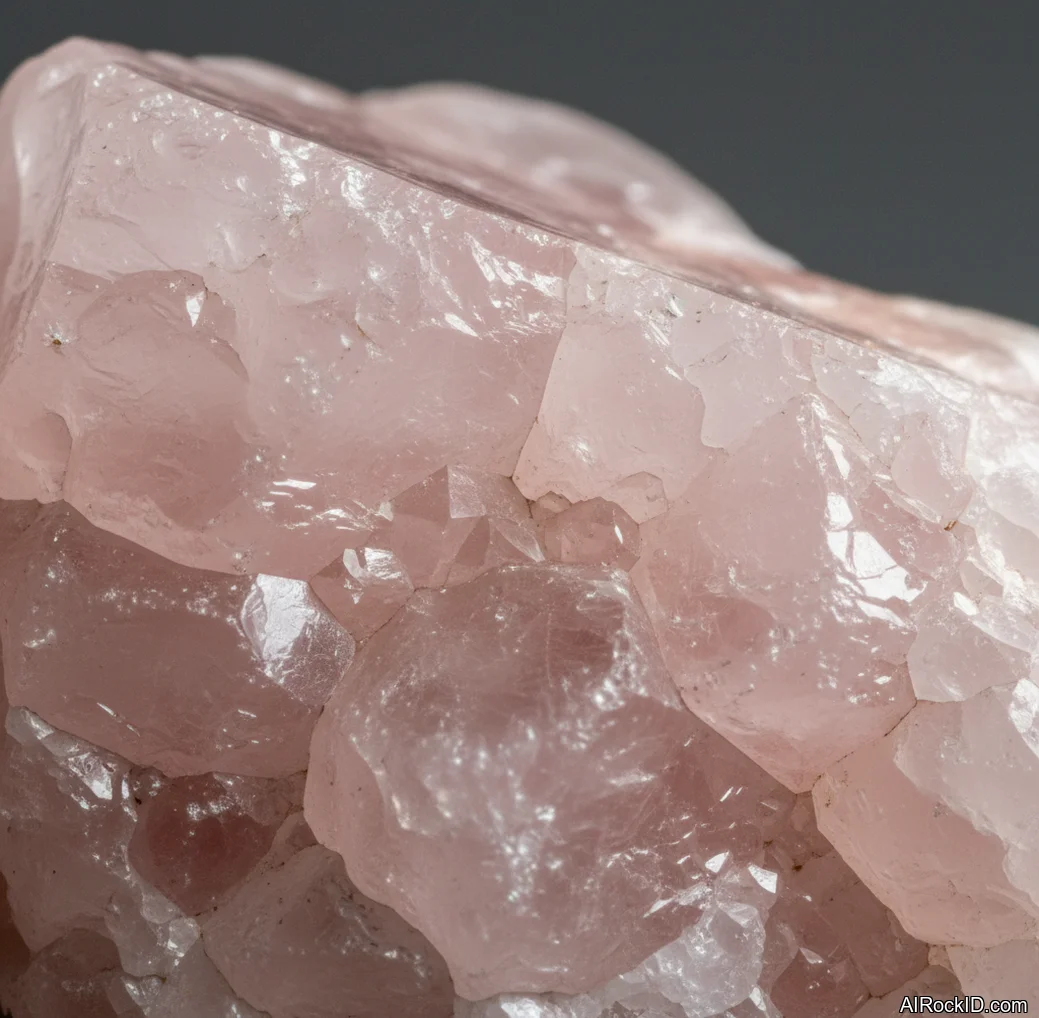
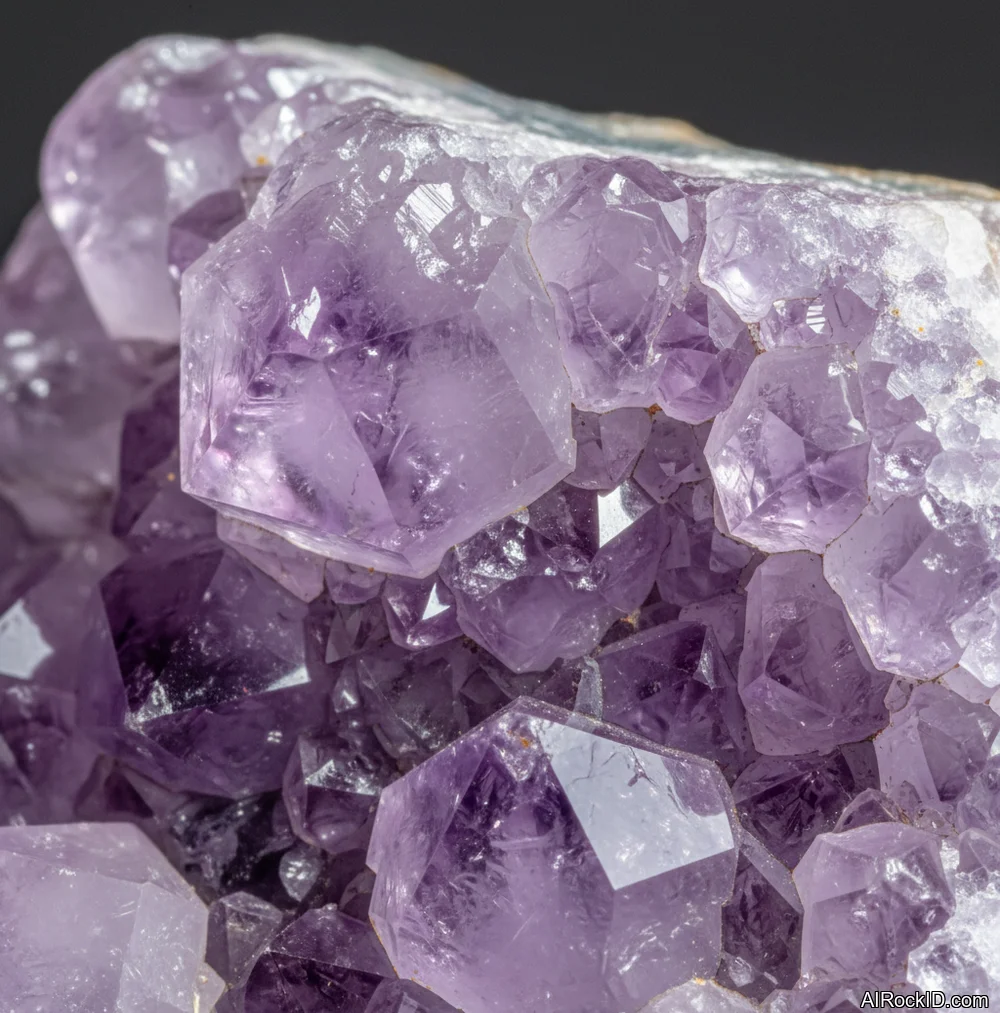
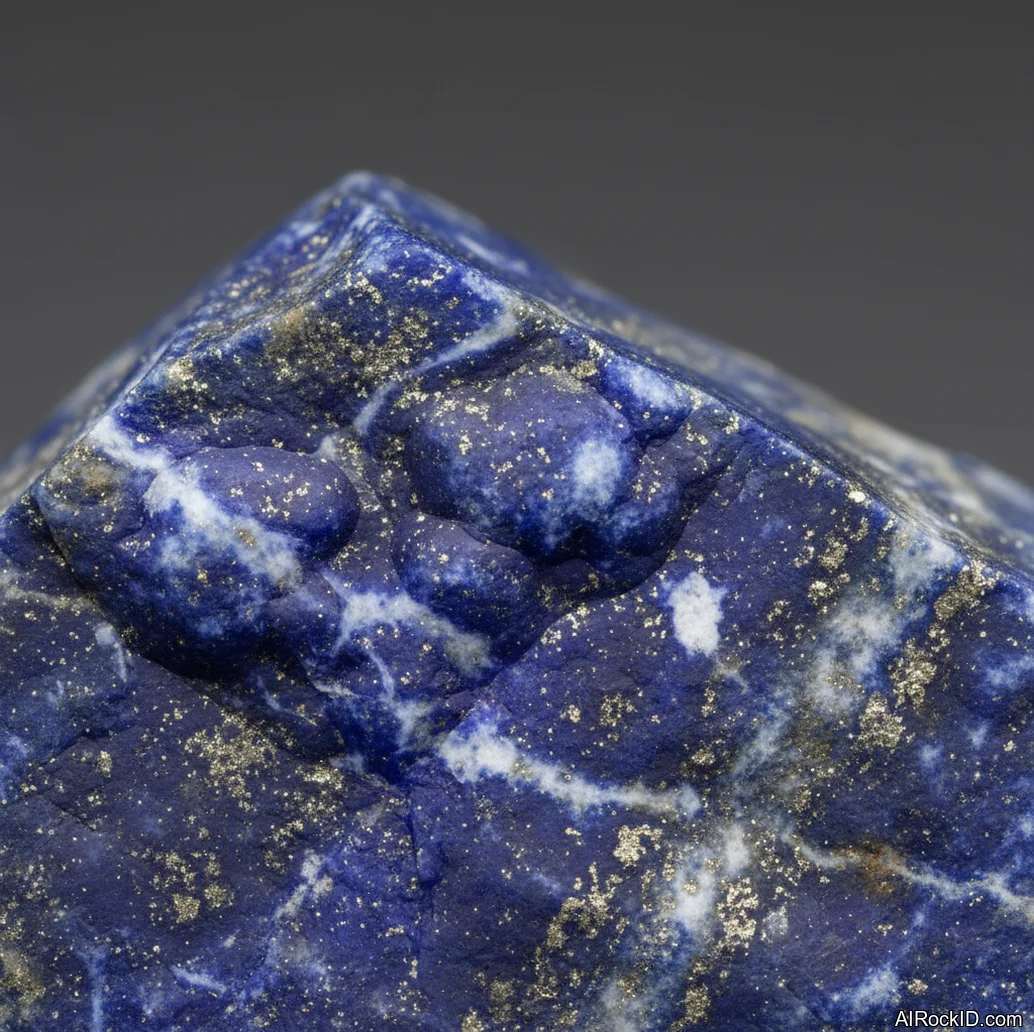
Its energetic associations include the Heart and Crown chakras, Taurus and Libra, the Moon and Venus, and the Earth element. For a soft altar arrangement, ivory is commonly paired with rose quartz, amethyst, or lapis lazuli, and it is best kept in a serene environment away from direct sunlight and extreme temperatures.
Identify Ivory from a photo
Compare Ivory traits, care tips, value clues, and common lookalikes with a clear photo.
Common mistakes
- Assuming any creamy carved object is ivory without checking for pores, grain, or casting marks.
- Using color alone to identify ivory, since bone, resin, plastic, and tagua can all appear cream or yellow.
- Believing an item is legal to sell only because it looks old.
- Cleaning ivory with water, bleach, oil, or harsh chemicals that can stain or crack the surface.
- Relying on a hot needle test, which can damage the object and is not a responsible identification method.
- Ignoring local, national, and international rules before shipping or listing ivory for sale.