Pluto Crystals
Explore Pluto and crystals linked to its energy, with meanings, buying tips, and how to work with Pluto stones like obsidian and labradorite.
Pluto doesn’t get used in crystal work the way the Sun or Moon do. It moves slower. Stranger, too. Thing is, people reach for Pluto when they’re done acting like they’re fine and want something that actually goes straight for the root. In crystal terms, Pluto gets tied to the underworld stuff: endings, purge-and-rebuild cycles, shadow work, power dynamics, obsession, grief, and the kind of personal change that doesn’t ask permission. So if you’re picking “Pluto crystals,” you’re usually not hunting for a cute mood boost. You’re hunting for traction.
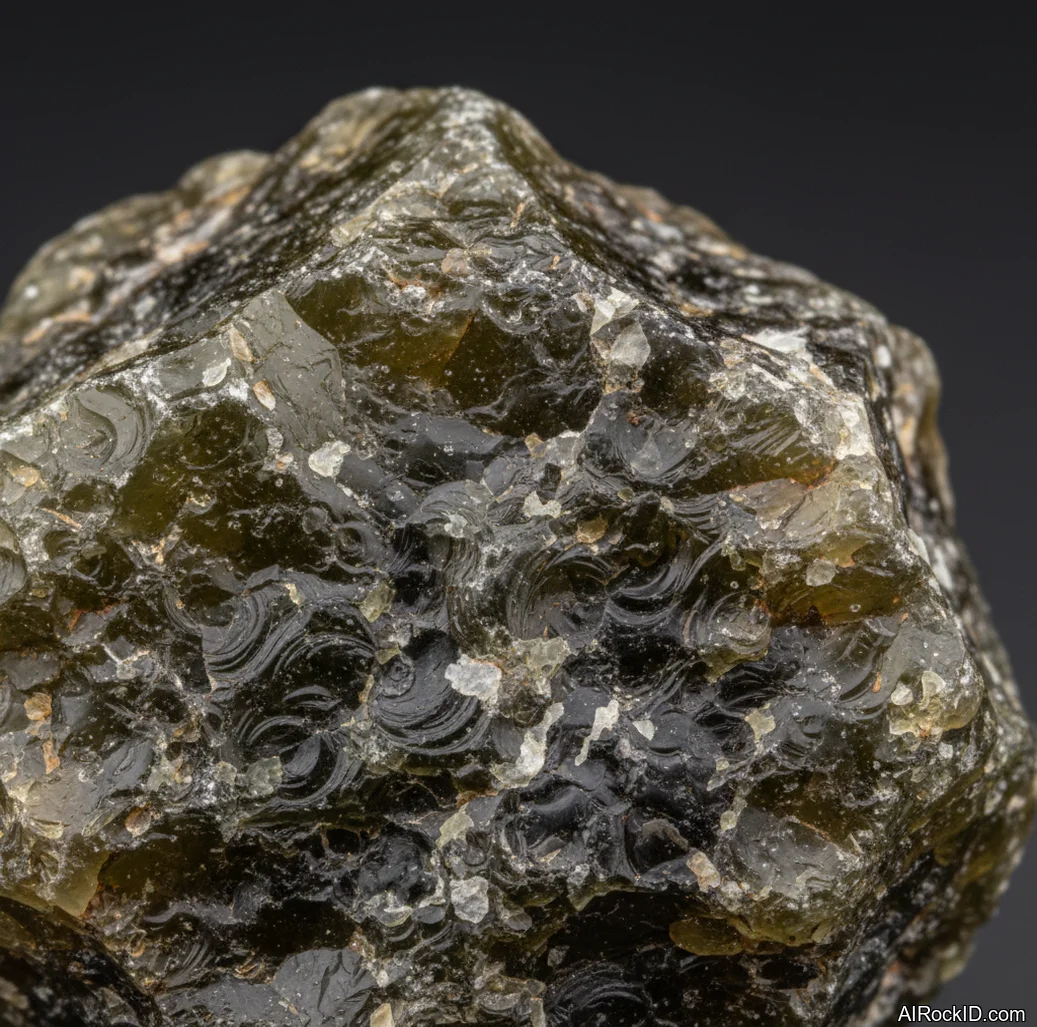
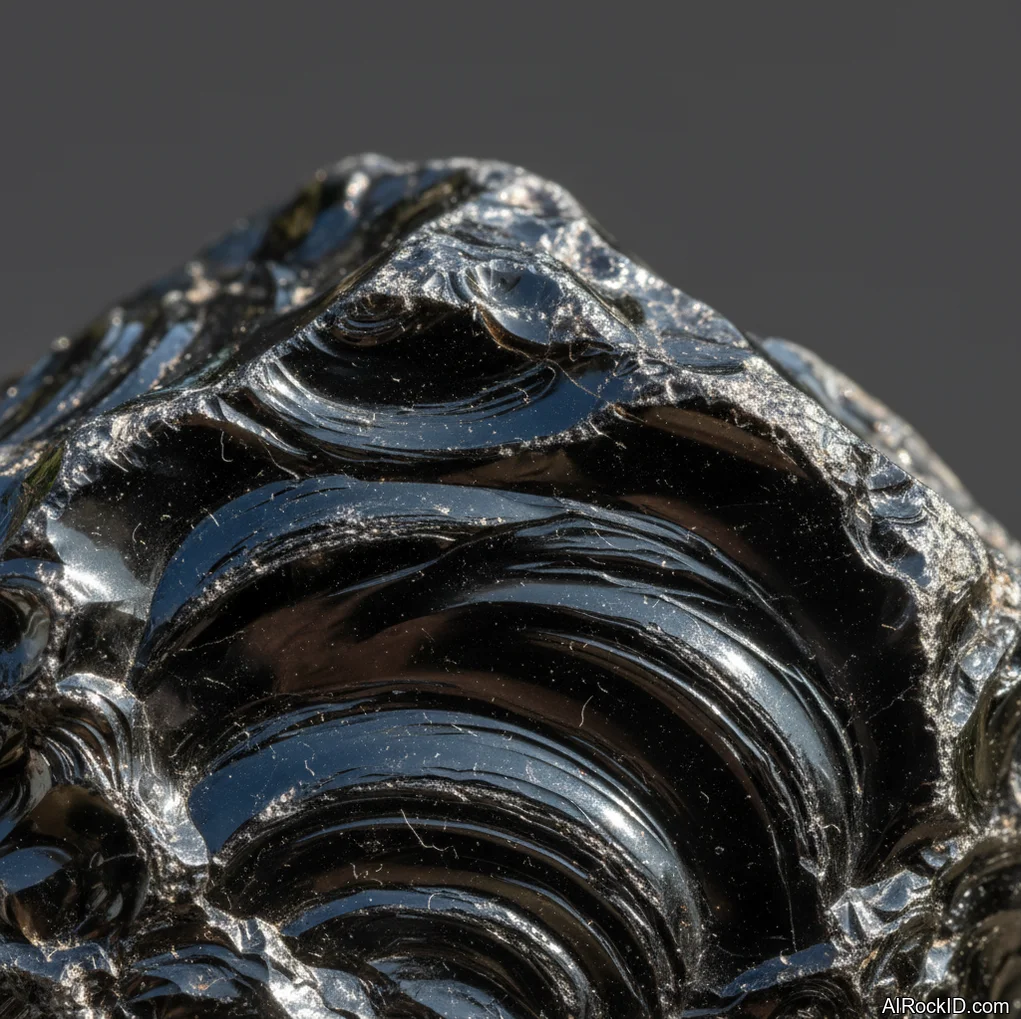
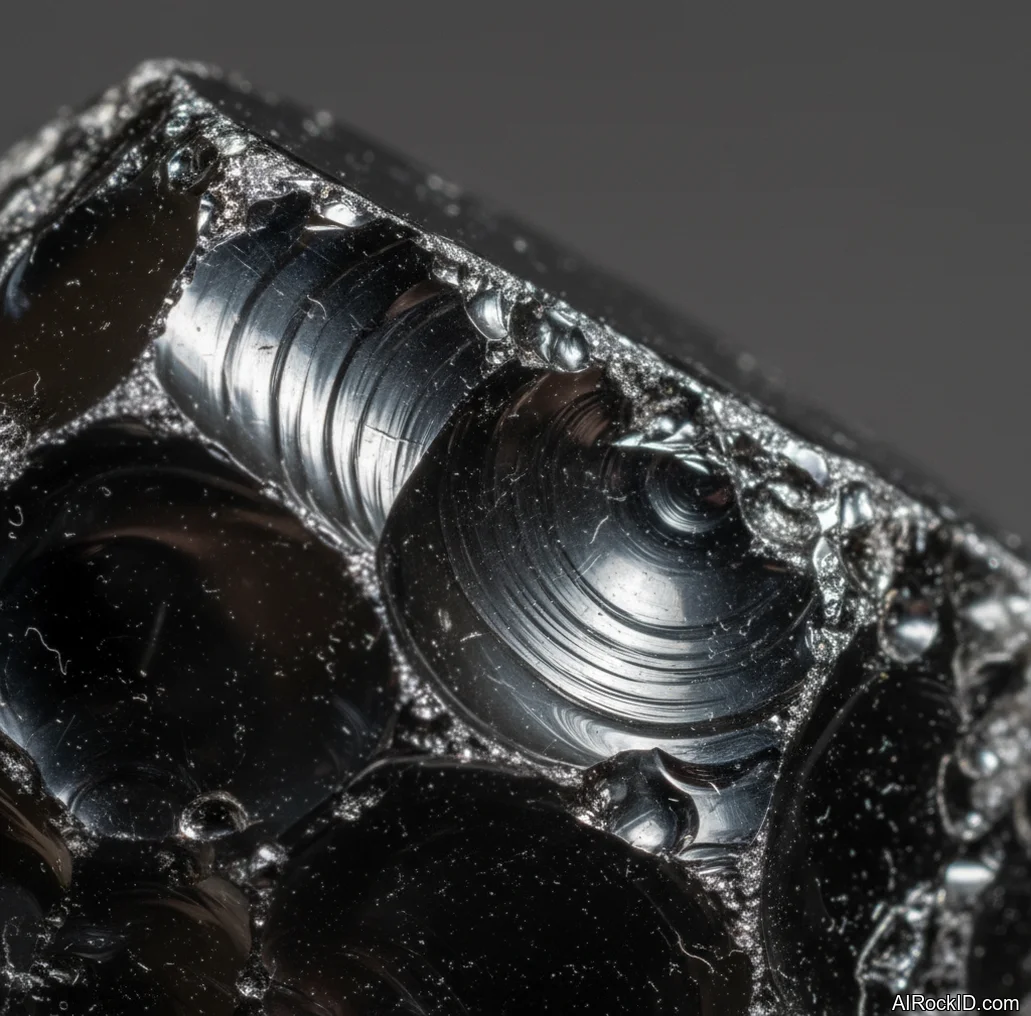
Pick up a solid piece of Black Obsidian and you feel it immediately. It’s glass, so it stays cool in your hand longer than you’d expect, and rough chunks can have edges sharp enough to snag skin if you’re not paying attention. That’s Pluto to me. Clean. Unforgiving. Fast feedback. Obsidian gets paired with Pluto a lot because it’s about cutting cords, revealing what’s been hidden, and putting a hard boundary around energy leaks. But it’s not gentle. I’ve had people come back to the shop saying they slept with obsidian under the pillow and had a brutal night of dreams. And I tell them the same thing every time: start with it on a nightstand, not under your head.
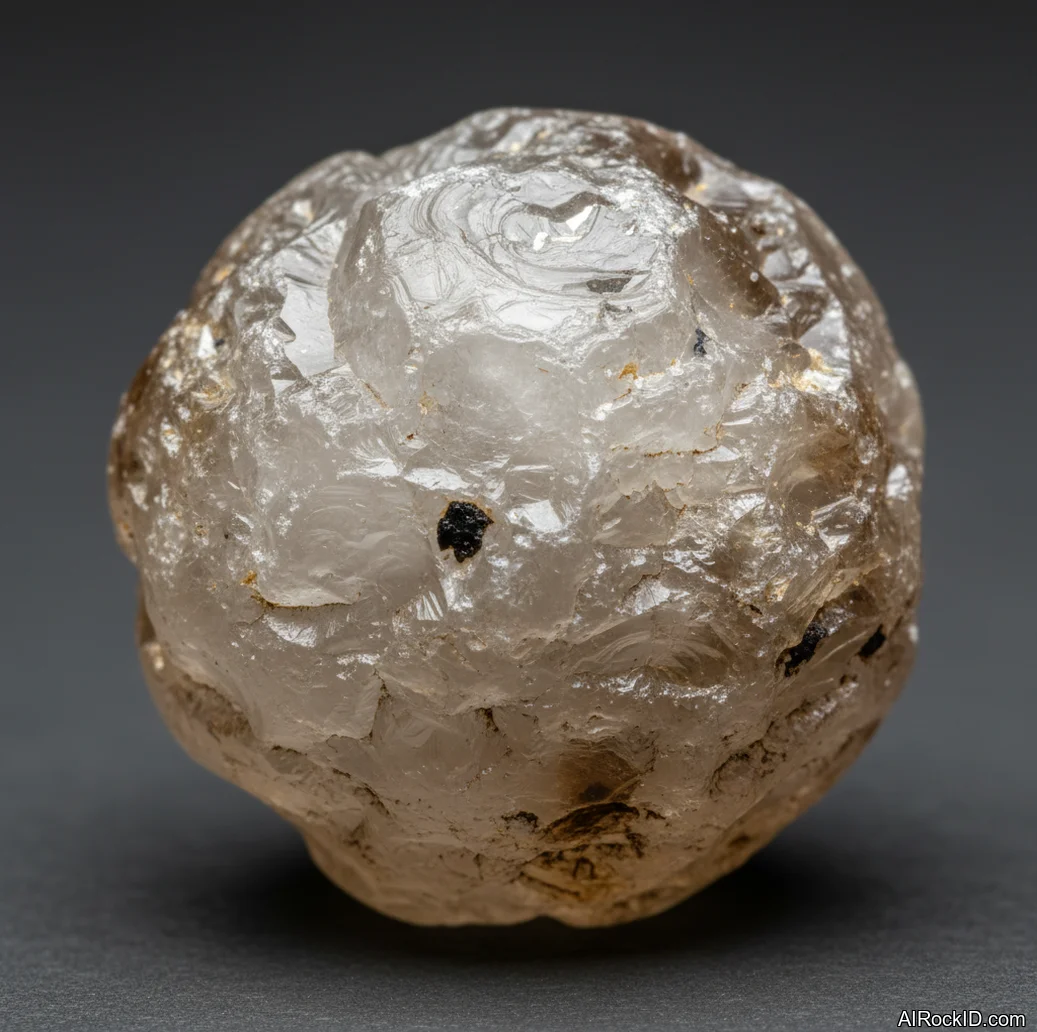
If you want Pluto with more depth and less “knife blade,” Smoky Quartz is a go-to. Real smoky quartz has that brown-to-gray transparency where you can still see into it, like looking through tinted window glass. The color’s usually strongest at the base of a point and fades toward the tip, and that gradient is part of why people love it. Folks use it for Pluto-style work because it’s grounding without feeling dull. It helps you stay in your body while you’re processing heavy emotions or doing therapy-style journaling. And I’ve noticed smoky quartz holds up well to handling. Toss it in a pocket for a week and it won’t look wrecked the way softer stones can.
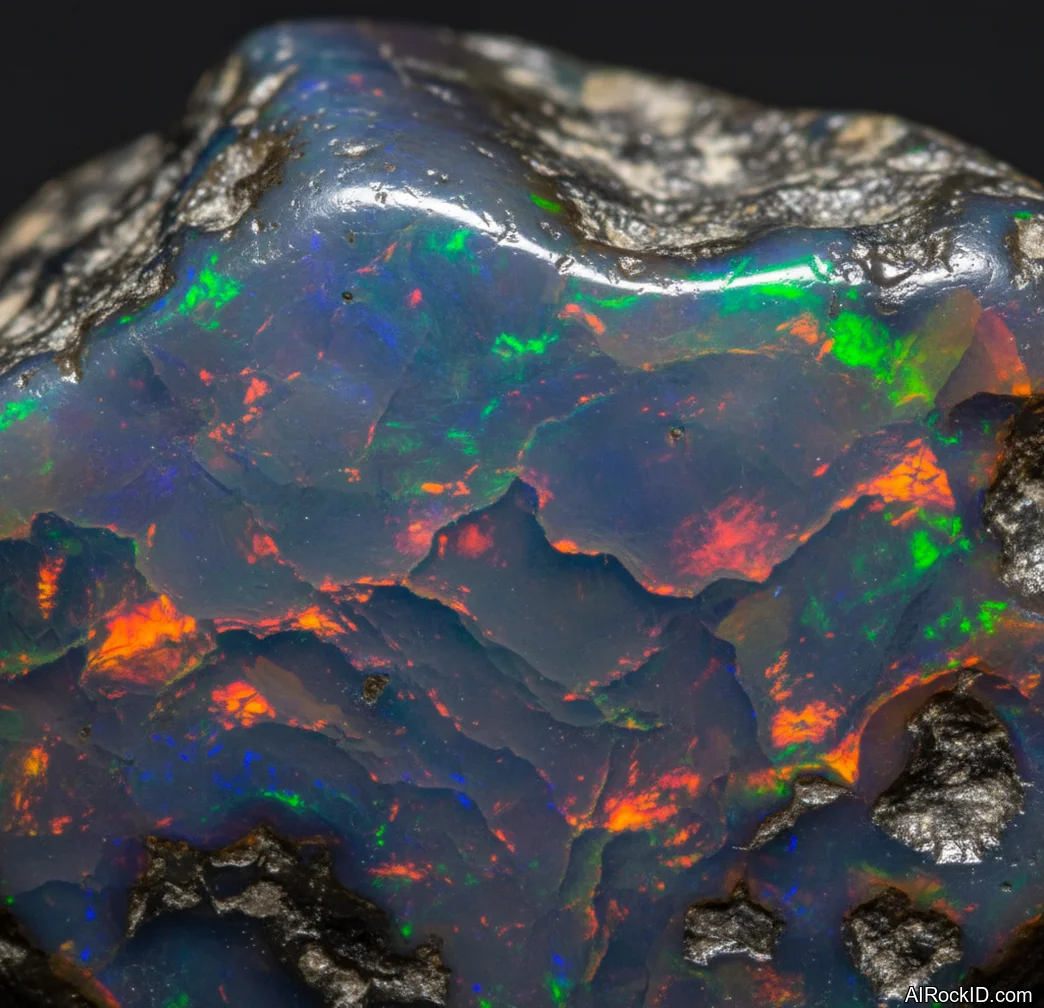
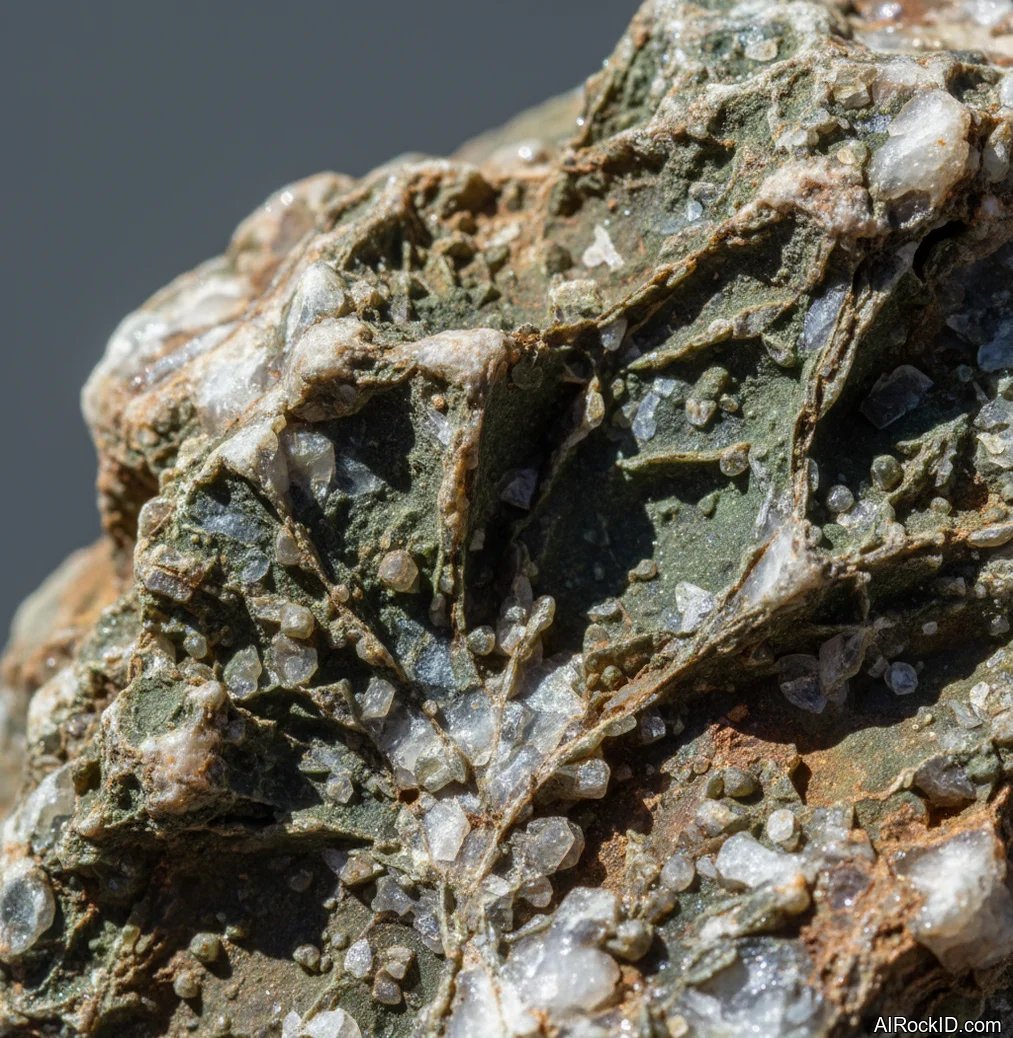
Then there’s Labradorite, which is basically the “Pluto portal stone” in a lot of modern collections. At first glance it can look like a boring gray tile. But tilt it under a single overhead bulb and the flash jumps out, usually blue or green, sometimes gold, and the best pieces throw that sheet-like sheen across a big face. The real test is movement. Good labradorite flashes from more than one angle, not just one perfect sweet spot. People link it to Pluto because it’s about what’s hidden becoming visible. It’s also practical if you’re trying to do introspective work without feeling like you’re dragging an anchor behind you.
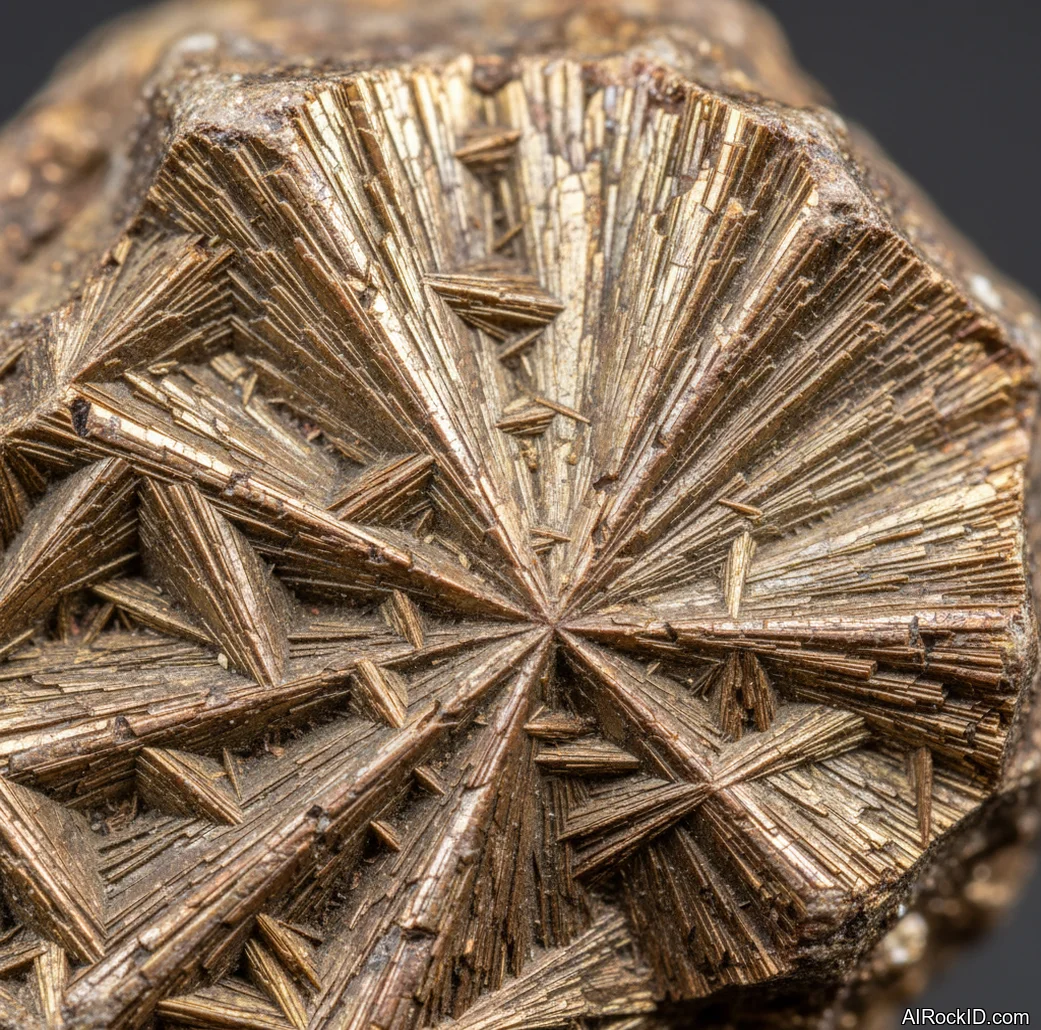
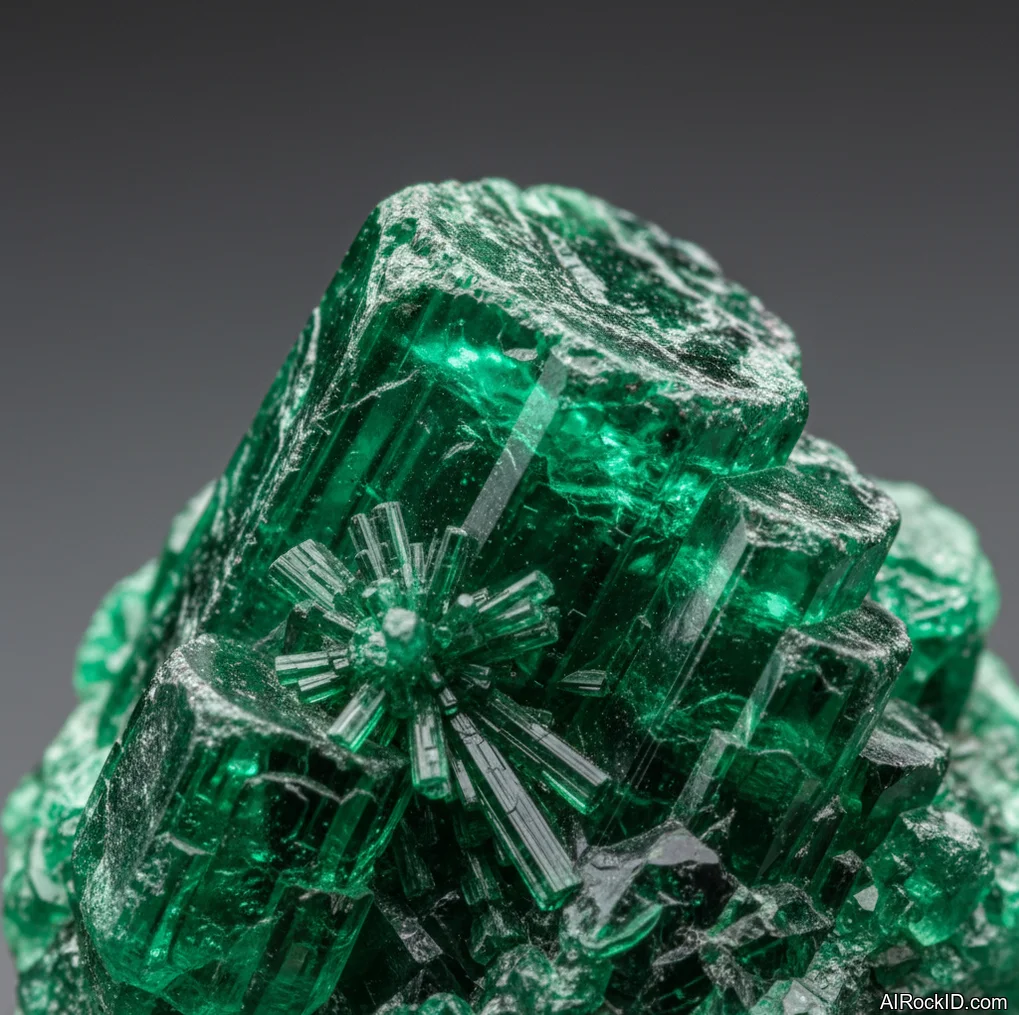
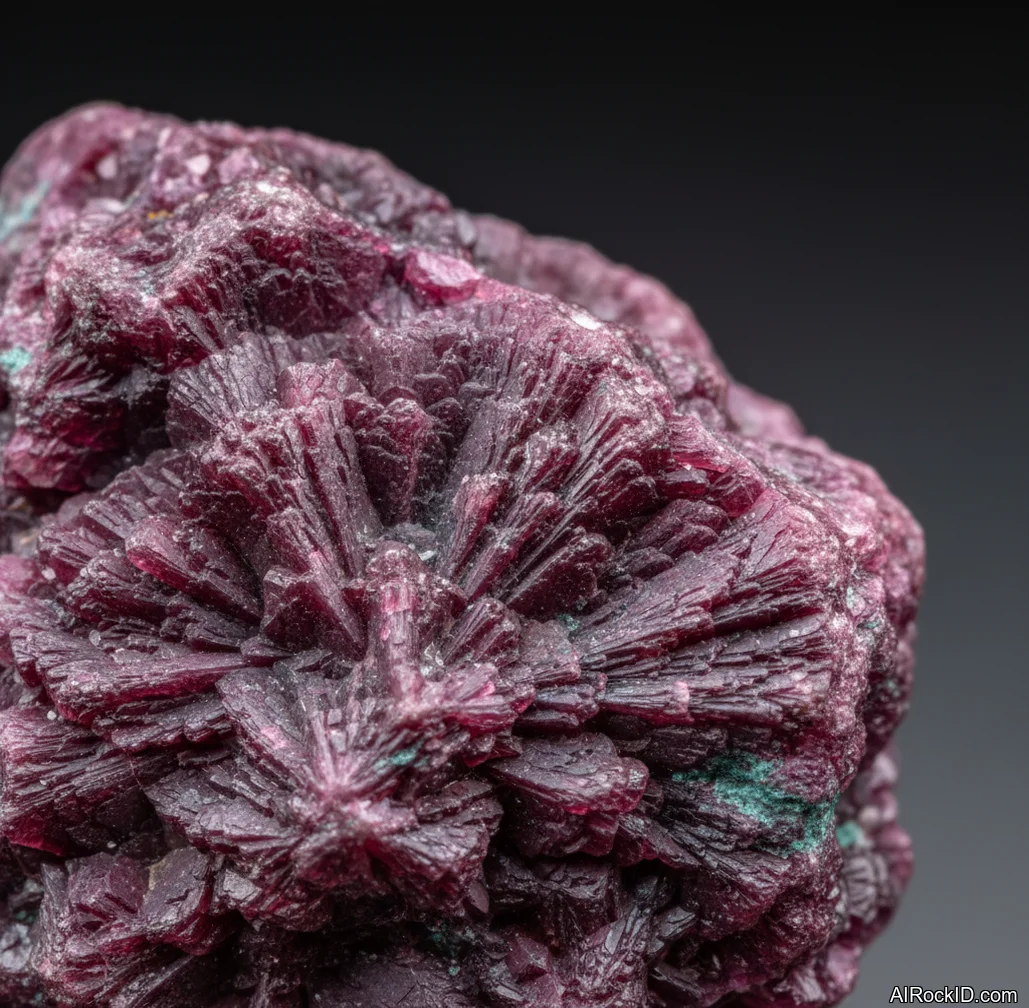
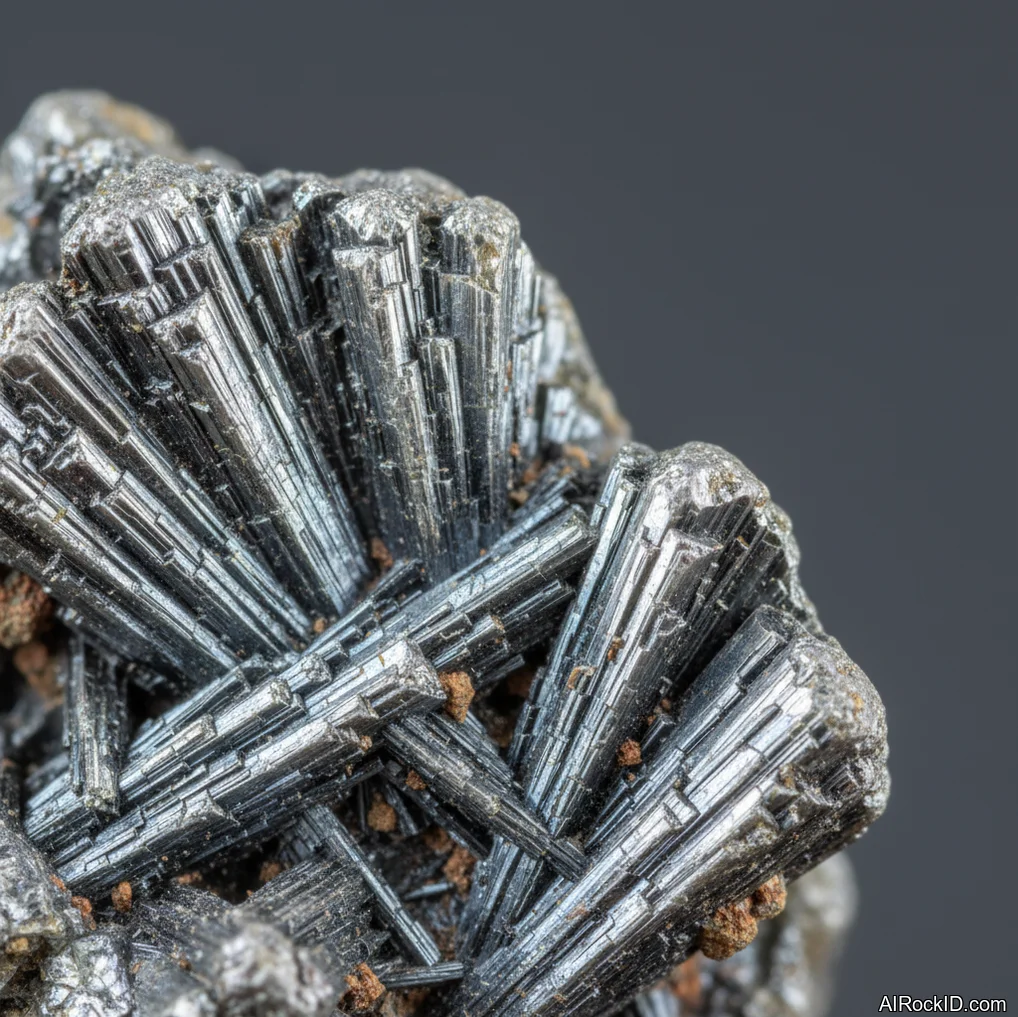
For the truly deep end, I see Pluto paired with Black Tourmaline, Hematite, Garnet, Malachite, Lapis Lazuli, Selenite, Moldavite, and Nuummite in a lot of crystal databases and shop tags. Each one hits a different Pluto note. Black Tourmaline is boundaries and “no” energy. Hematite is heavy, metallic, and steady, the kind of stone you pick up and instantly feel the weight in your palm. Garnet leans into survival drive and desire. Malachite is transformation with teeth, but it’s also soft and scratches easily, so it’s not a set-and-forget pocket stone. Lapis has that midnight-blue presence that pulls people into truth-telling, and if you look closely at good material you’ll catch pyrite flecks like tiny brass sparks.
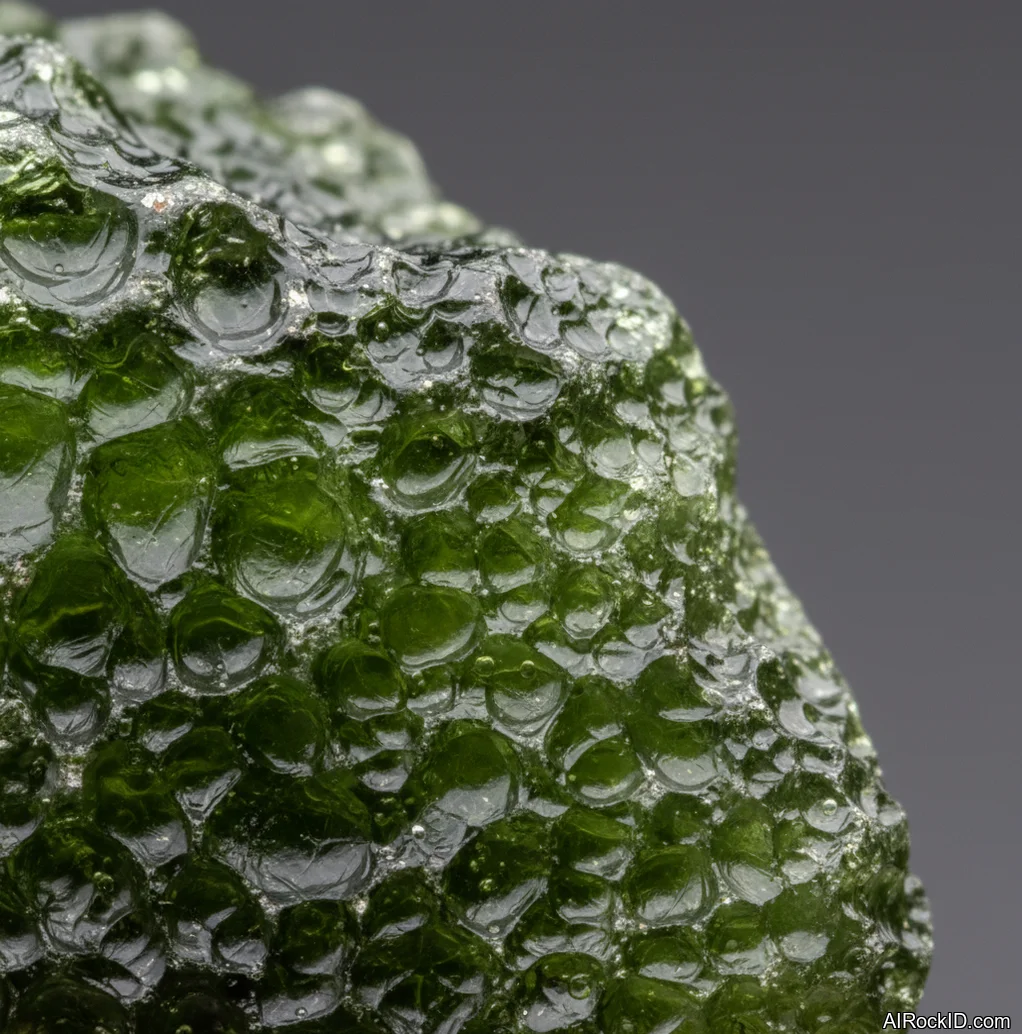
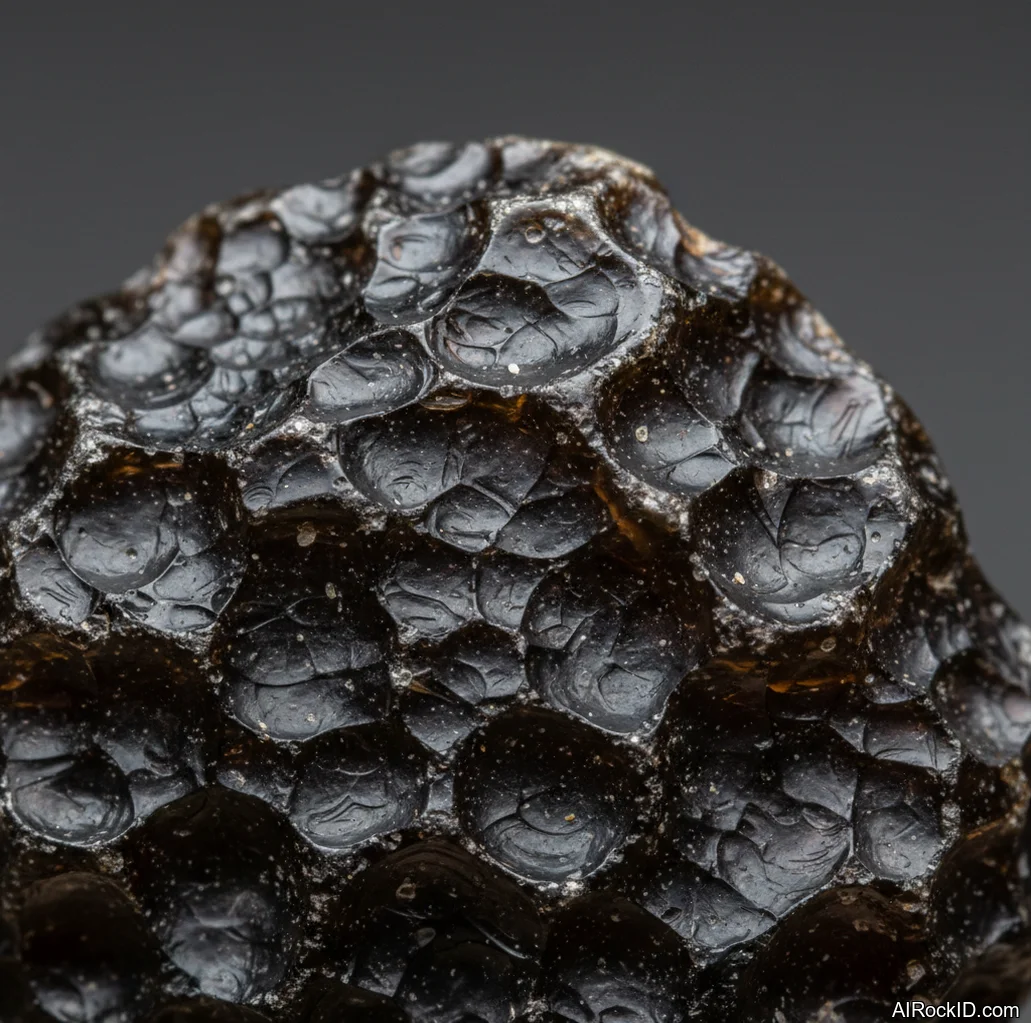
Moldavite is the one everyone argues about. It’s a tektite, not a crystal, and the market’s flooded with green glass fakes. Cheap versions feel oddly warm and too smooth, and the sculpting can look like someone melted a bottle and poked it with a stick (you know what I mean). Real moldavite has a busy, irregular texture, with little grooves and pits that don’t repeat. People chase it for Pluto work because it’s tied to impact, sudden change, and that “life just flipped” vibe. But here’s the limitation: it’s expensive when it’s real, and it’s easy to get burned if you don’t know what you’re looking at.
Working with Pluto crystals is less about pretty grids and more about containment. One simple way is to pick one grounding stone and one “reveal” stone. Smoky Quartz plus Labradorite is a solid pair. Obsidian plus Selenite can work too, but keep them separate if you’re rough on your stones, since selenite scratches if you breathe on it wrong. I like using a small hematite palm stone during journaling because it doesn’t distract visually. It just sits there like a paperweight for your nervous system.
Most dealers will sell you polished pieces because that’s what moves. But for Pluto stones, I actually like a mix. Get one tactile, durable piece you can hold during hard conversations, like a tourmaline chunk or a smoky quartz point. Then get one “signal” piece you only bring out when you’re doing intentional work, like labradorite with a big flash face or a small moldavite in a display box. Pluto work gets messy. You don’t want your main tool to be something that chips the first time it hits the floor.
When you’re buying, look for honesty and for physical cues. With black tourmaline, watch for dyed or resin-stabilized pieces that look too uniformly glossy. Real tourmaline usually has striations, those little lengthwise grooves, and the broken ends look splintery. With malachite, avoid pieces with a plastic shine and perfectly repeated banding, since some composites are pressed material. With lapis, ask if it’s dyed. If the blue rubs off on a white cloth, walk away.
Practical tip that saves money: don’t chase “Pluto” labels first. Buy the stone. Ask for origin when it matters, check hardness if you plan to carry it, and choose raw, tumbled, cabbed, or carved based on how you’ll use it. Pluto energy is about the long game anyway. Build a small kit you trust, and let it earn its place in your routine.
All Pluto Crystals (12)