Earth Crystals
Explore Earth crystals and their grounding properties, meanings, and buying tips. Learn how to work with hematite, jasper, obsidian, and more.
Earth, in crystal work, isn’t “the planet” in the astronomy sense. It’s shorthand for gravity, body, soil, salt, bone, and the part of you that can show up on a rough day and still do the dishes. It’s that slow, heavy frequency people reach for when life gets floaty or frantic. So when someone says they want an “Earth crystal,” they usually mean a stone that feels steady in the hand, looks dense, and doesn’t read like pure sparkle or pure fire.
Pick up a good piece of hematite and you’ll get it immediately. The weight hits first. A tumbled hematite feels like it’s been overfilled with metal, and the polish can look like a dark mirror until a thumbprint fogs it (kind of satisfying, honestly). That physical heaviness is a big reason Earth-associated stones get used for grounding routines. Smoky quartz pulls a similar trick, just in a different tone. It’s still quartz, still glassy, but that campfire-smoke tint makes clear quartz feel less “up in the head” and more “down in the boots.”
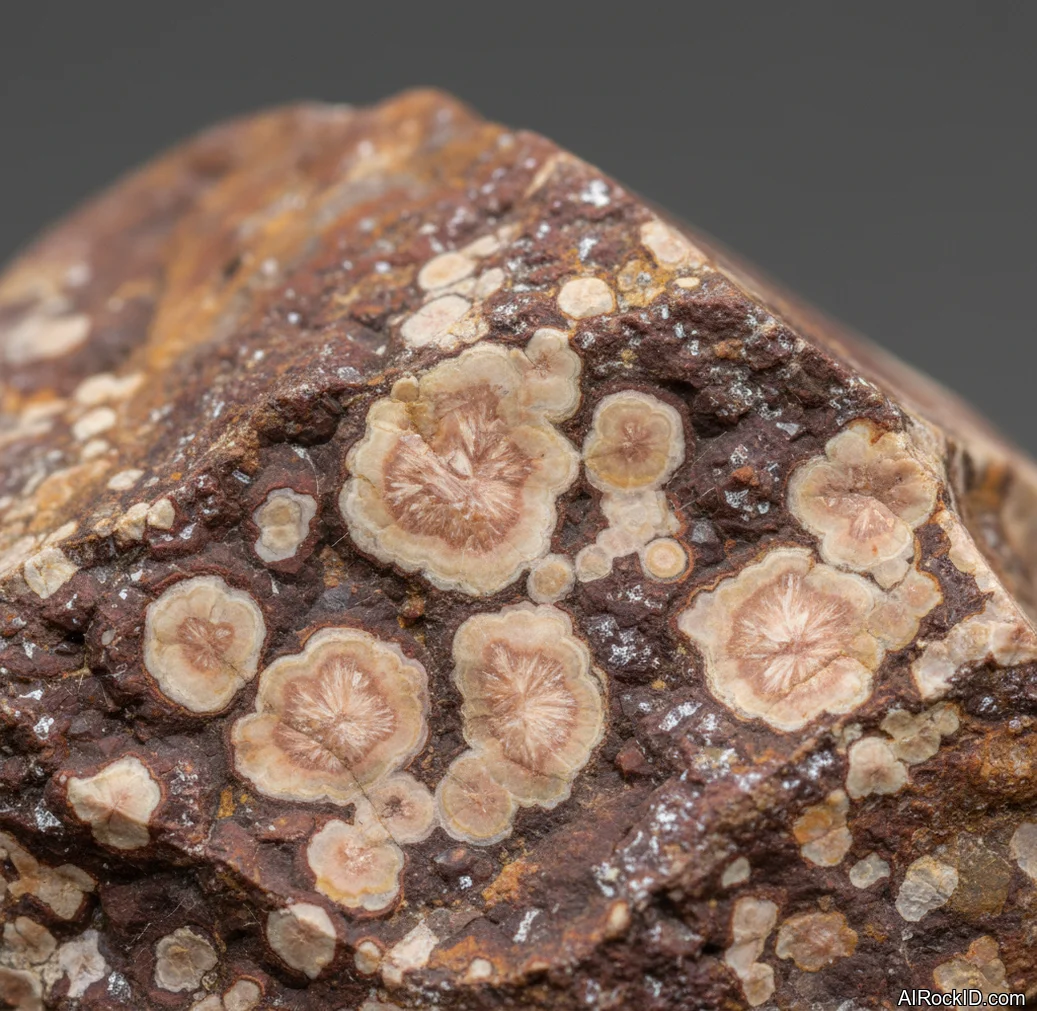
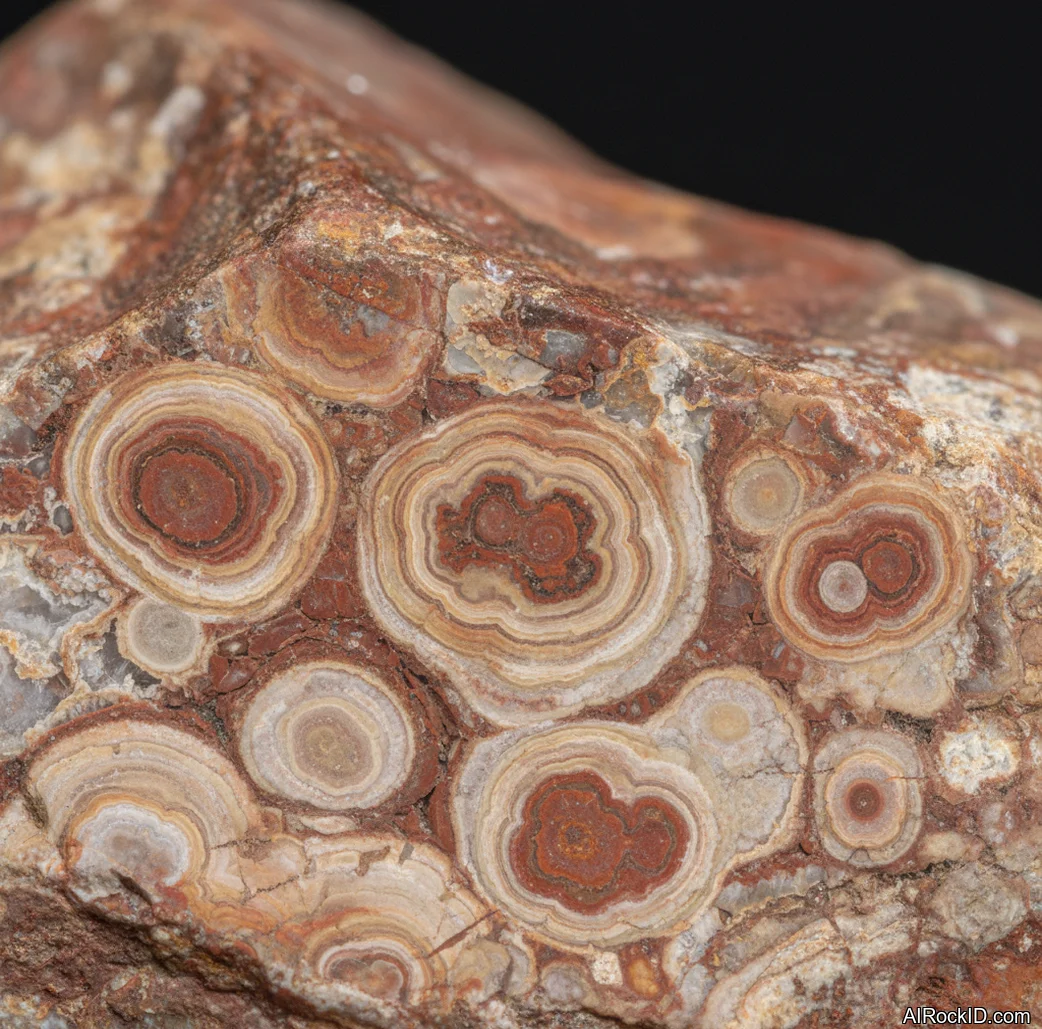
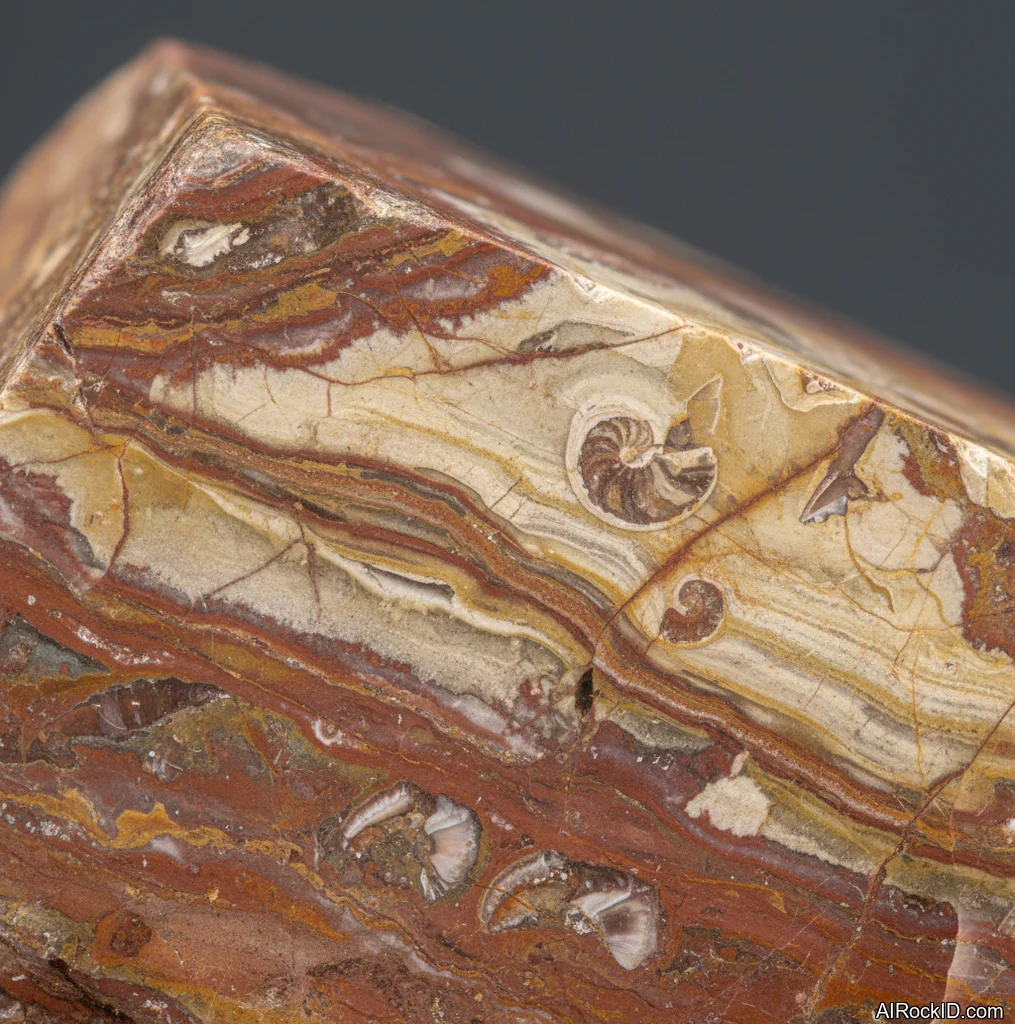
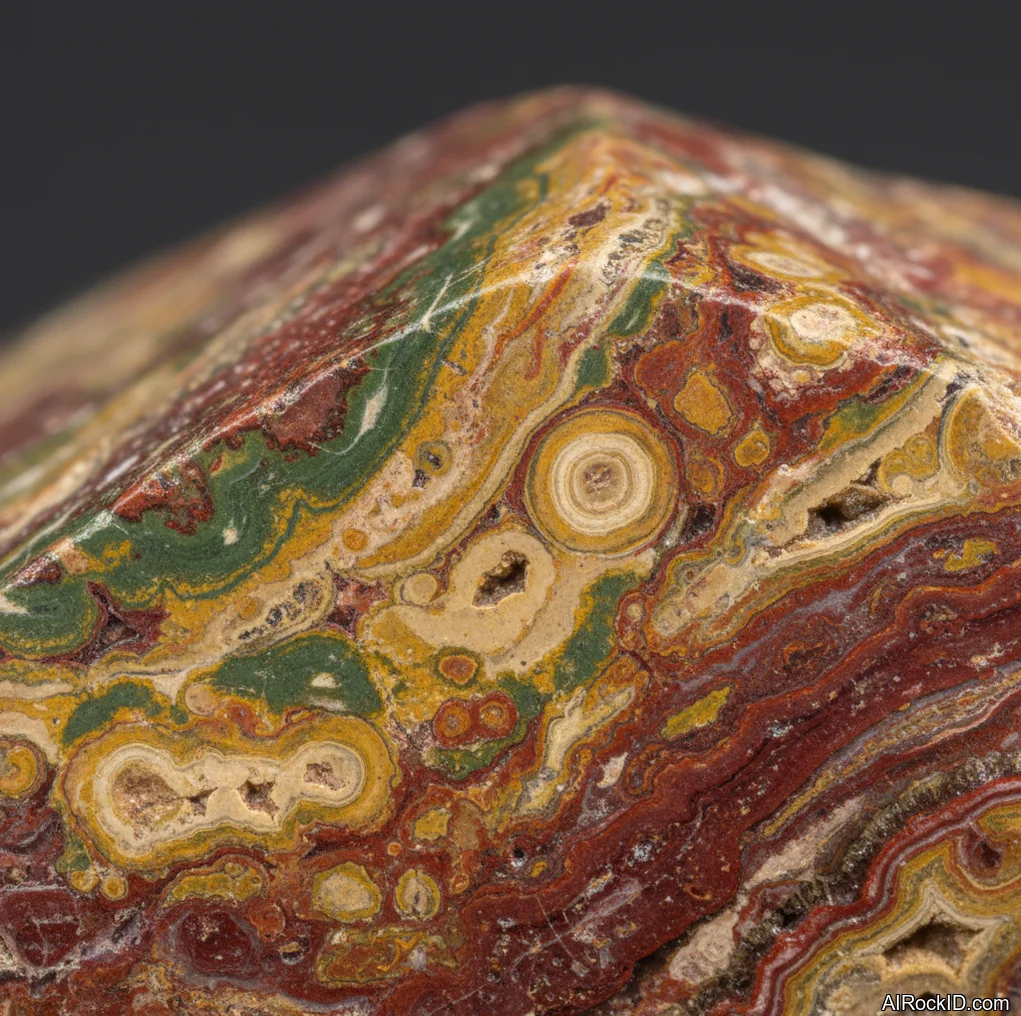
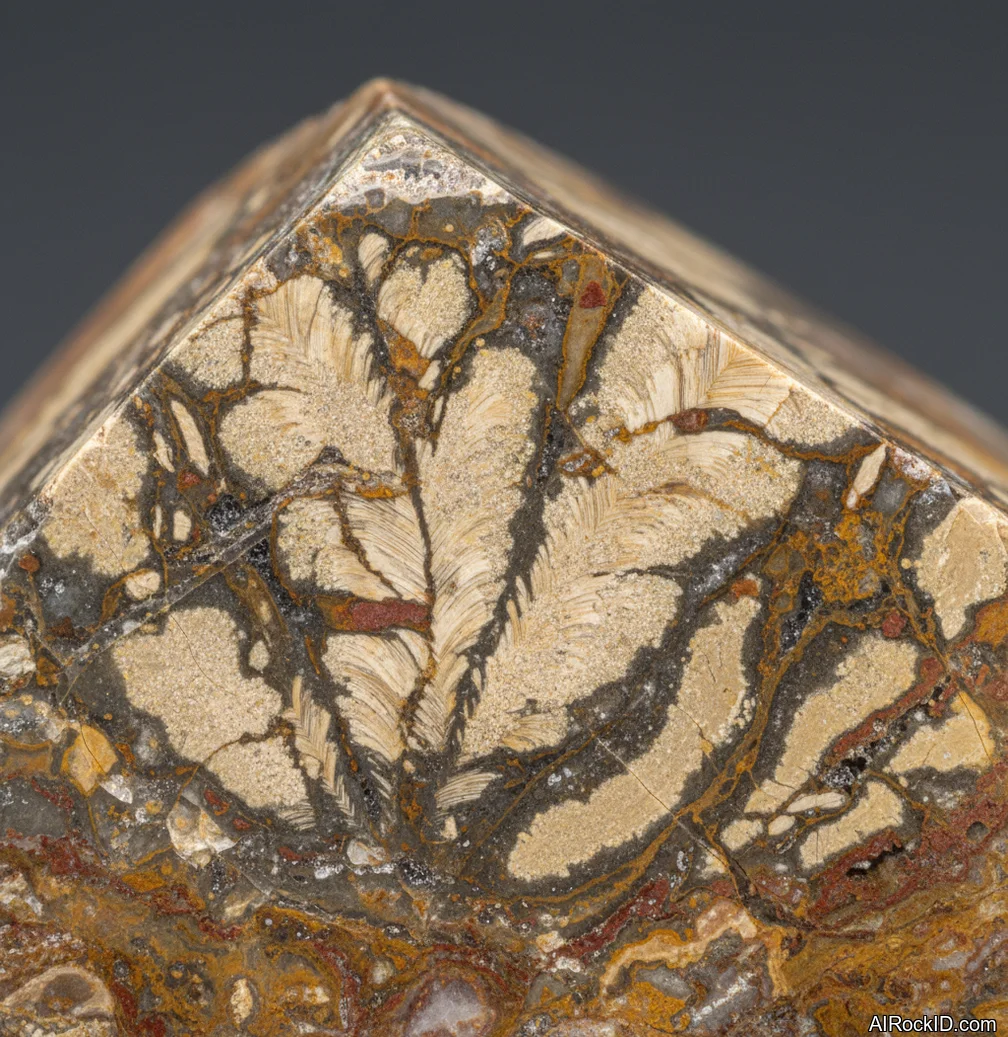
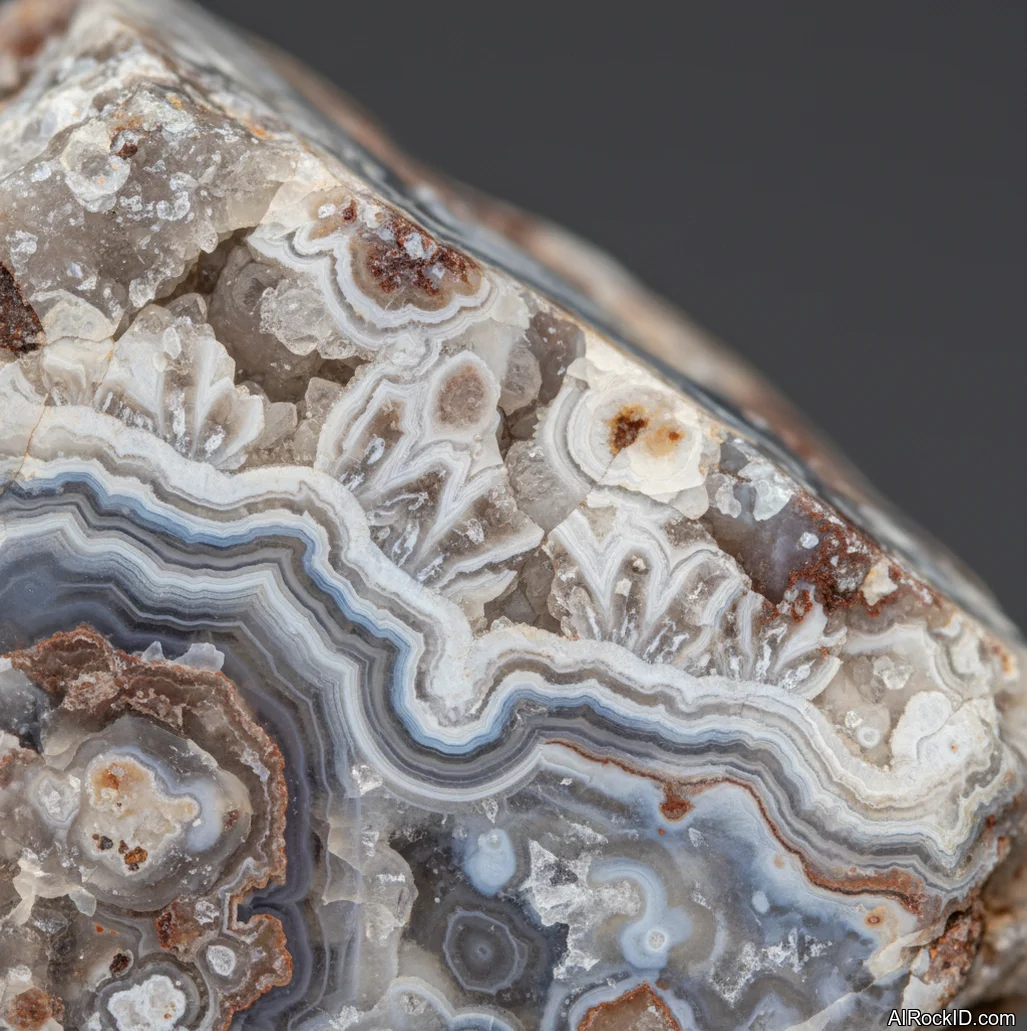
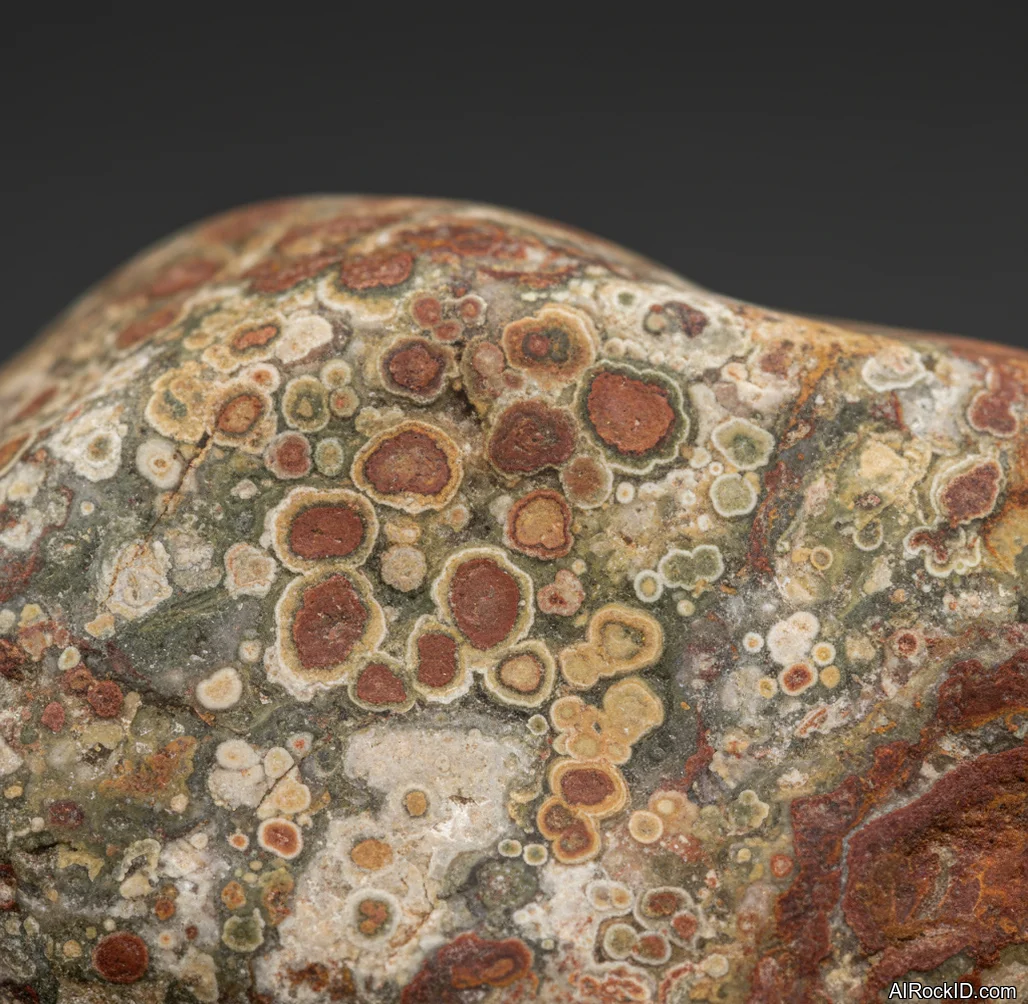
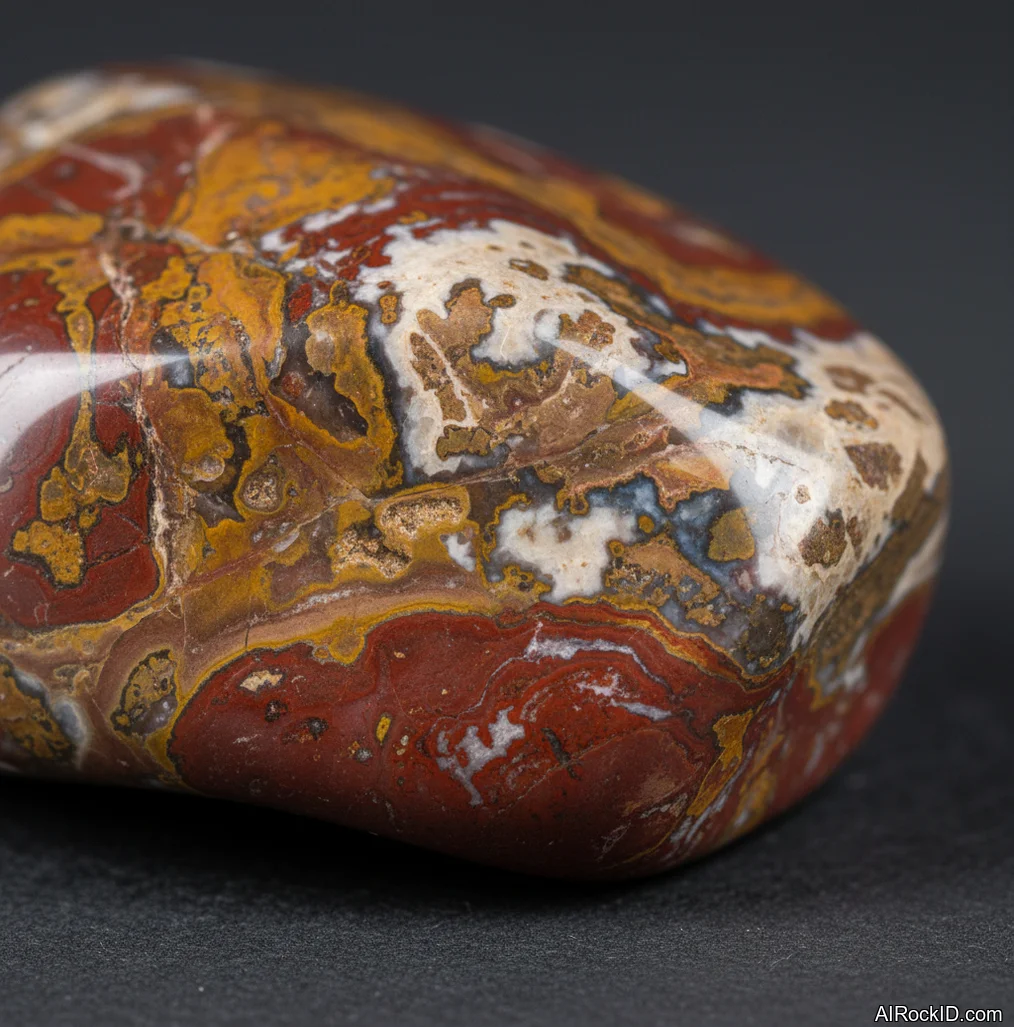
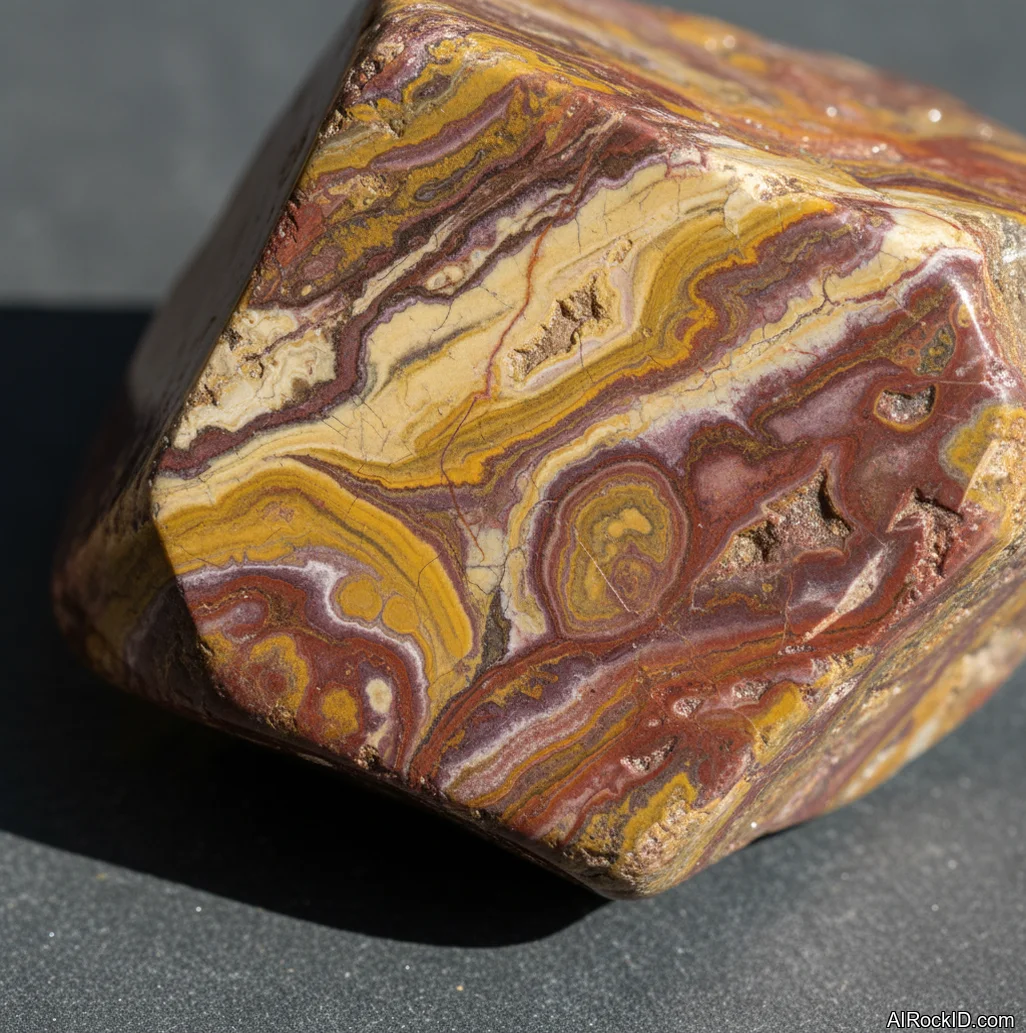
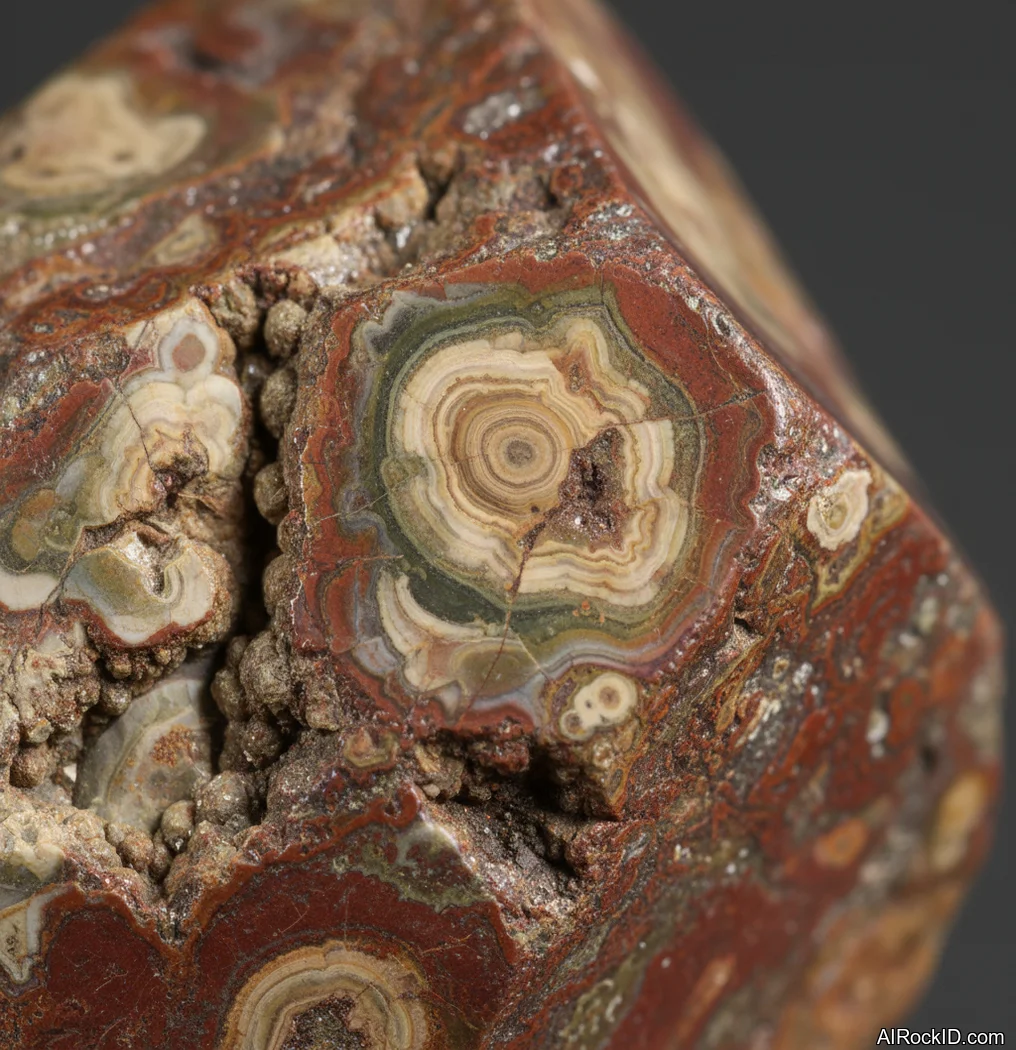
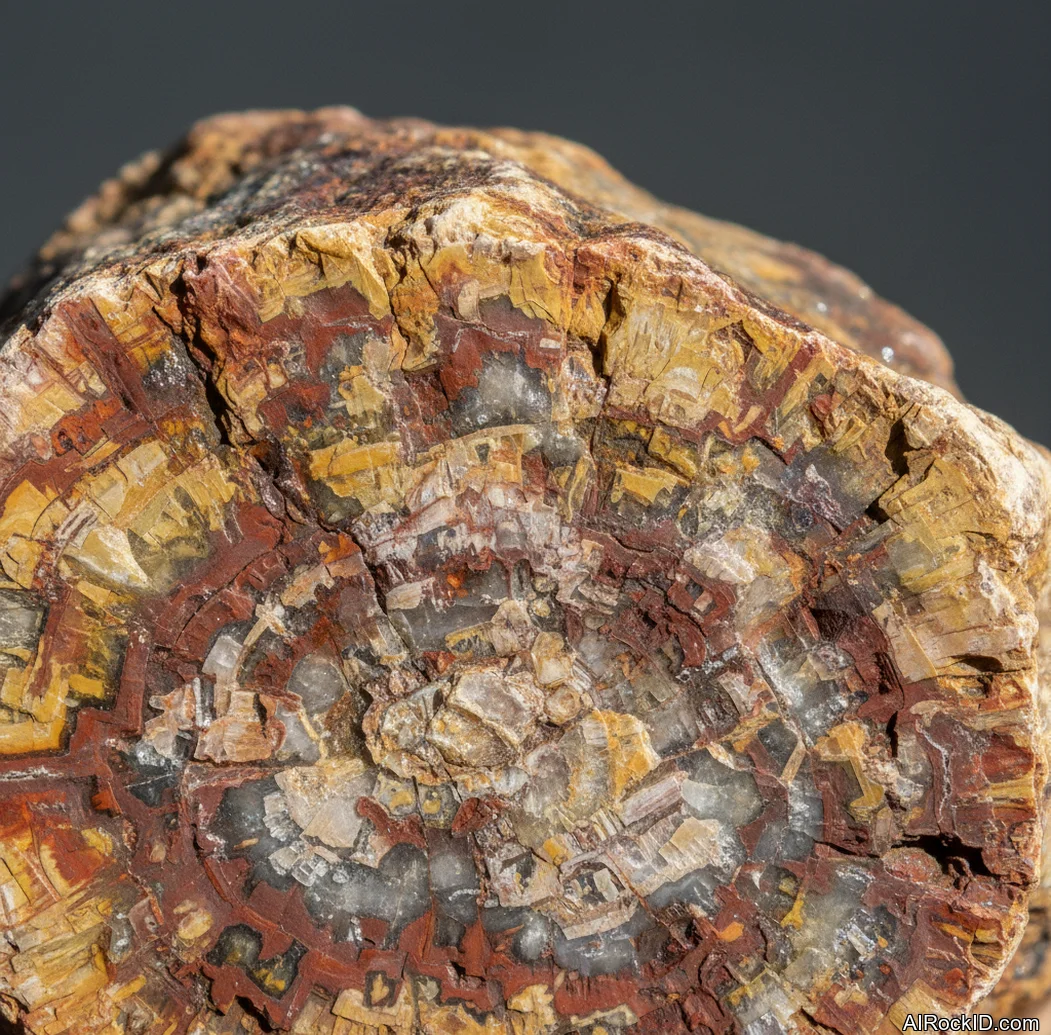
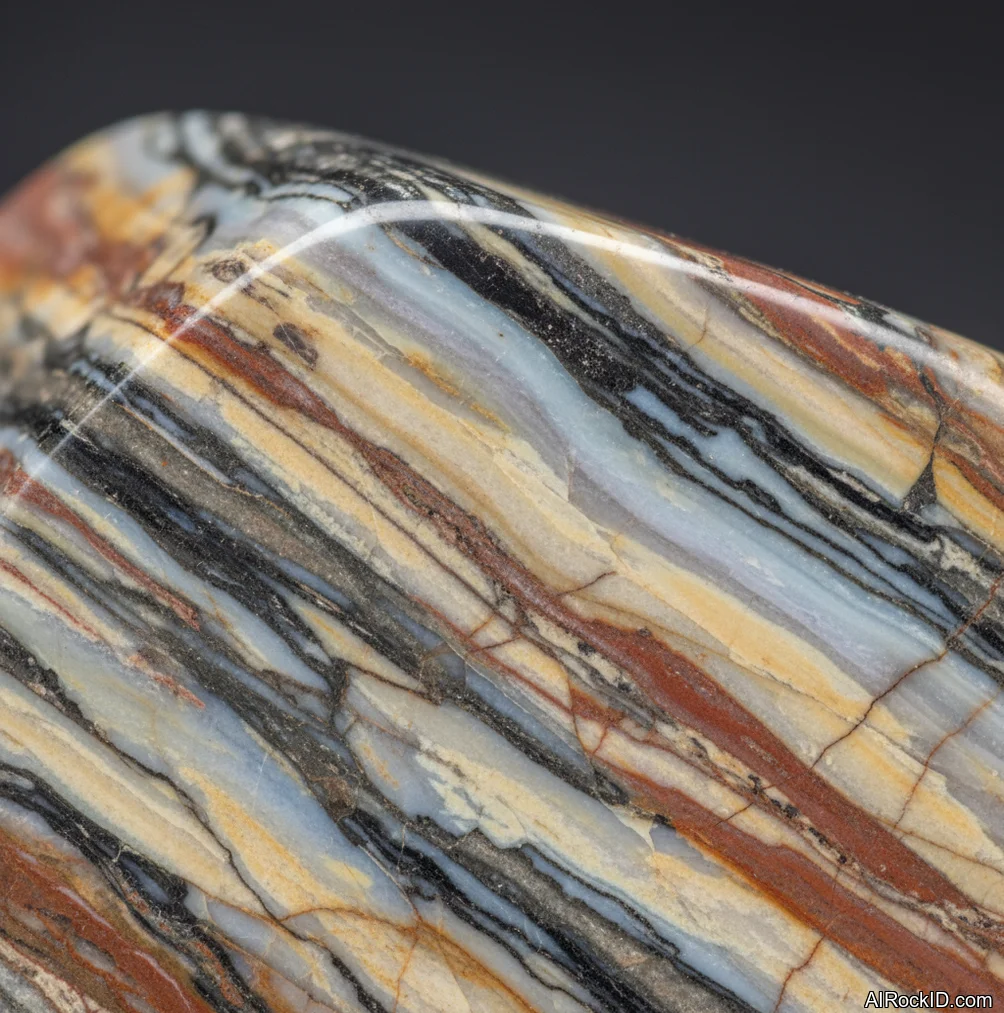
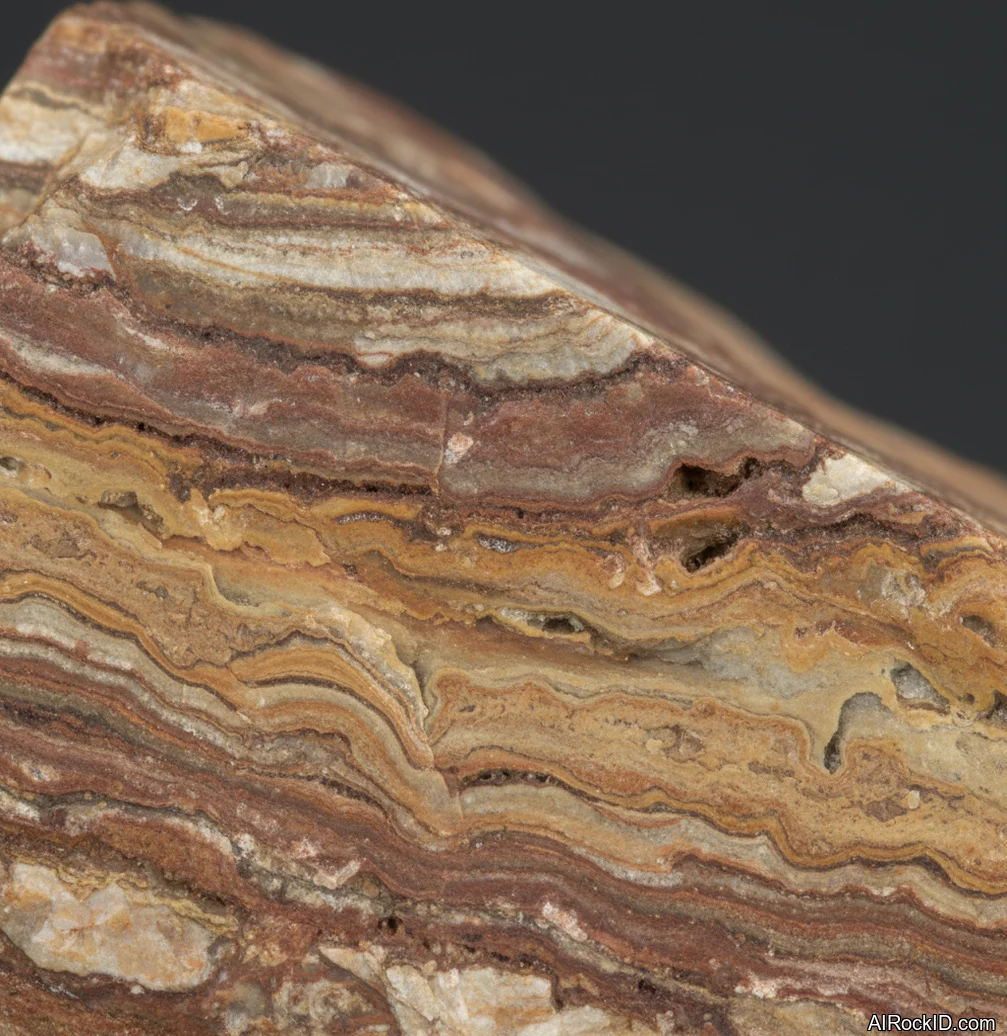
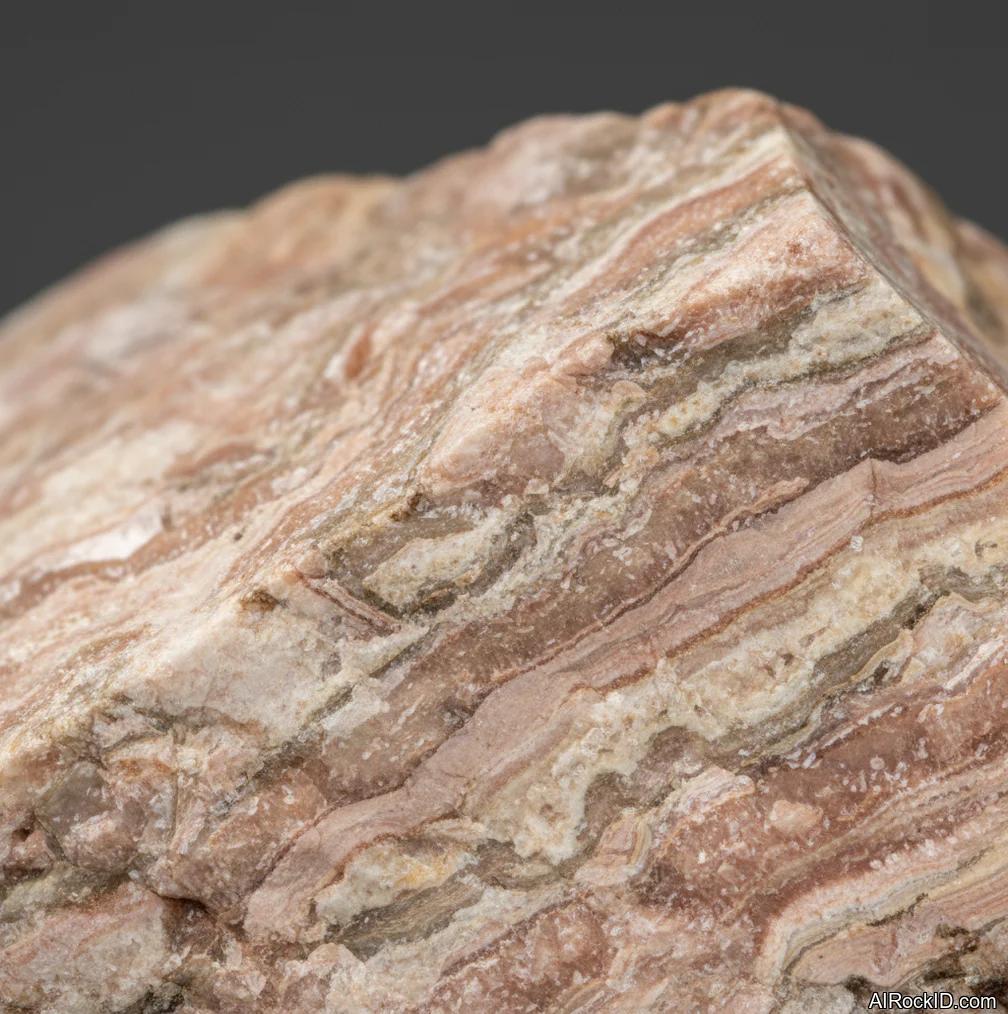
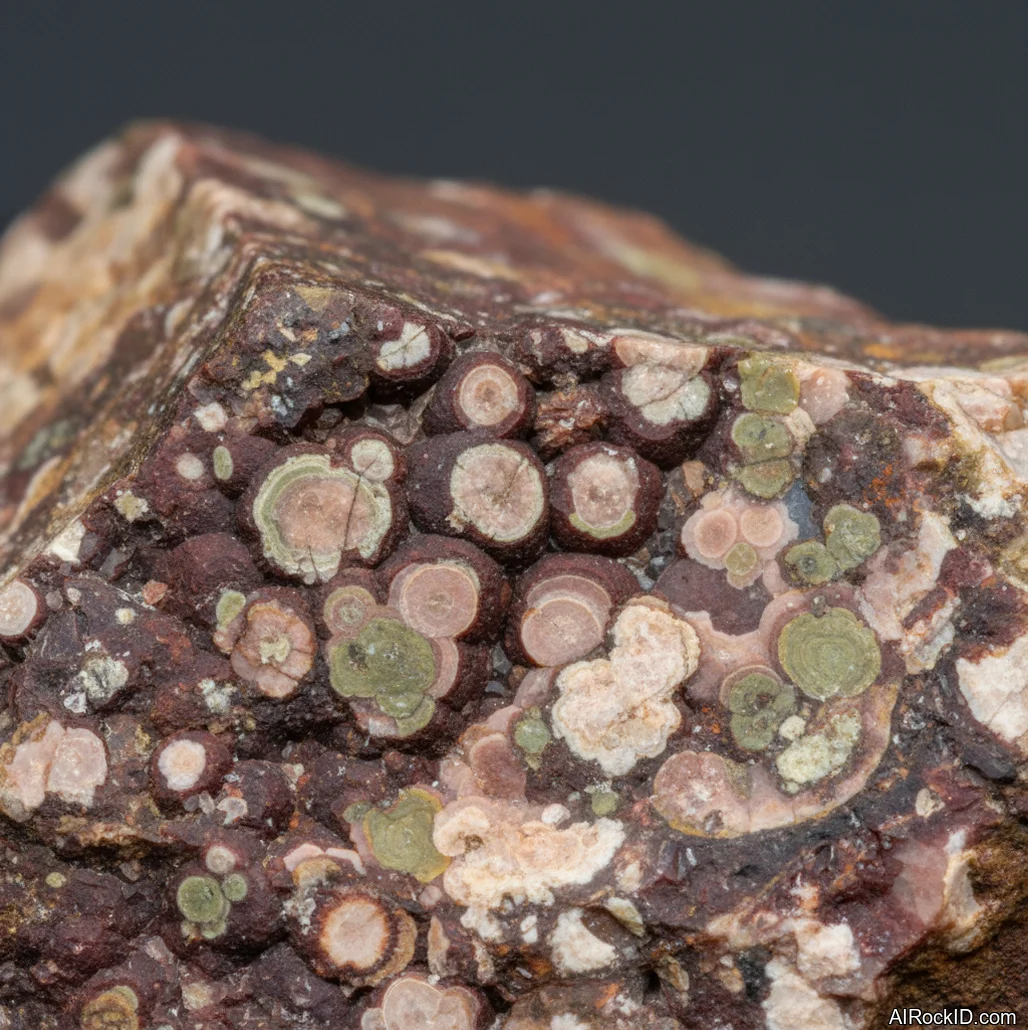
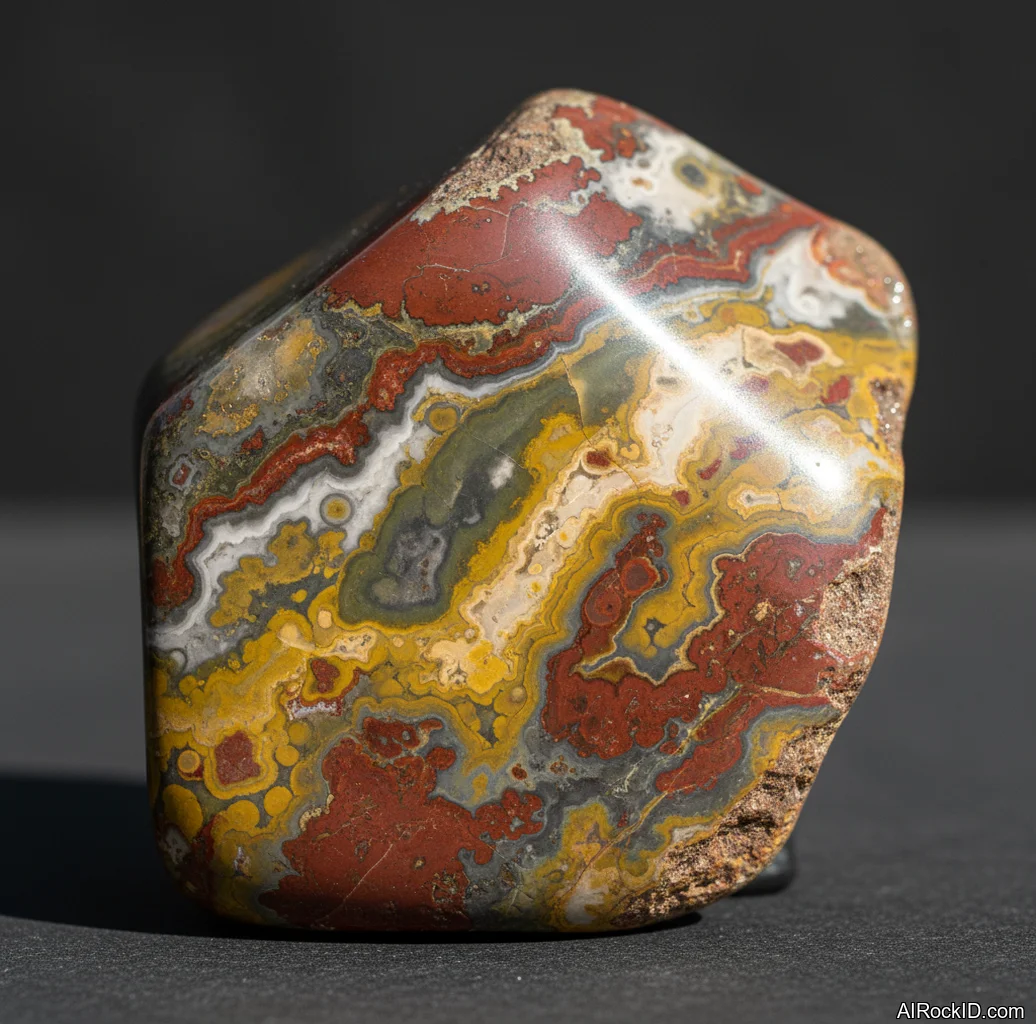
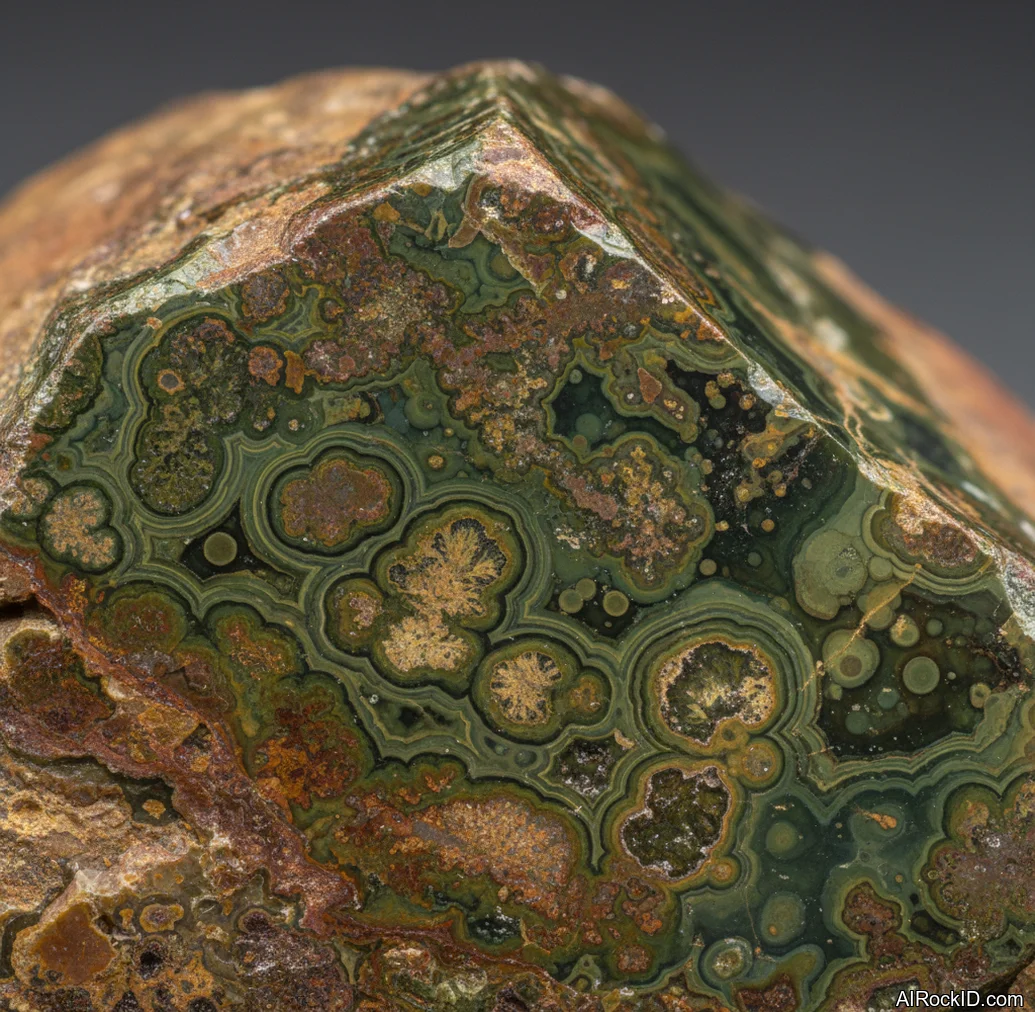
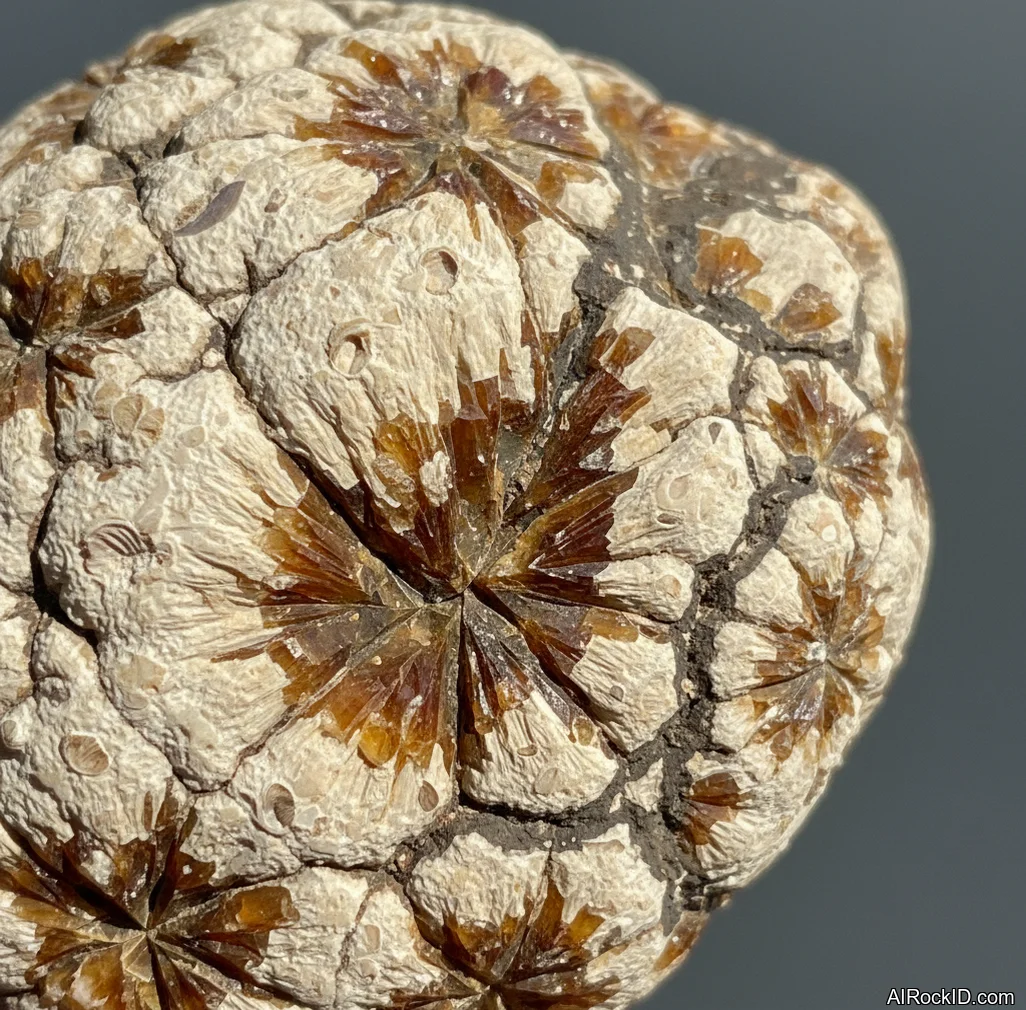
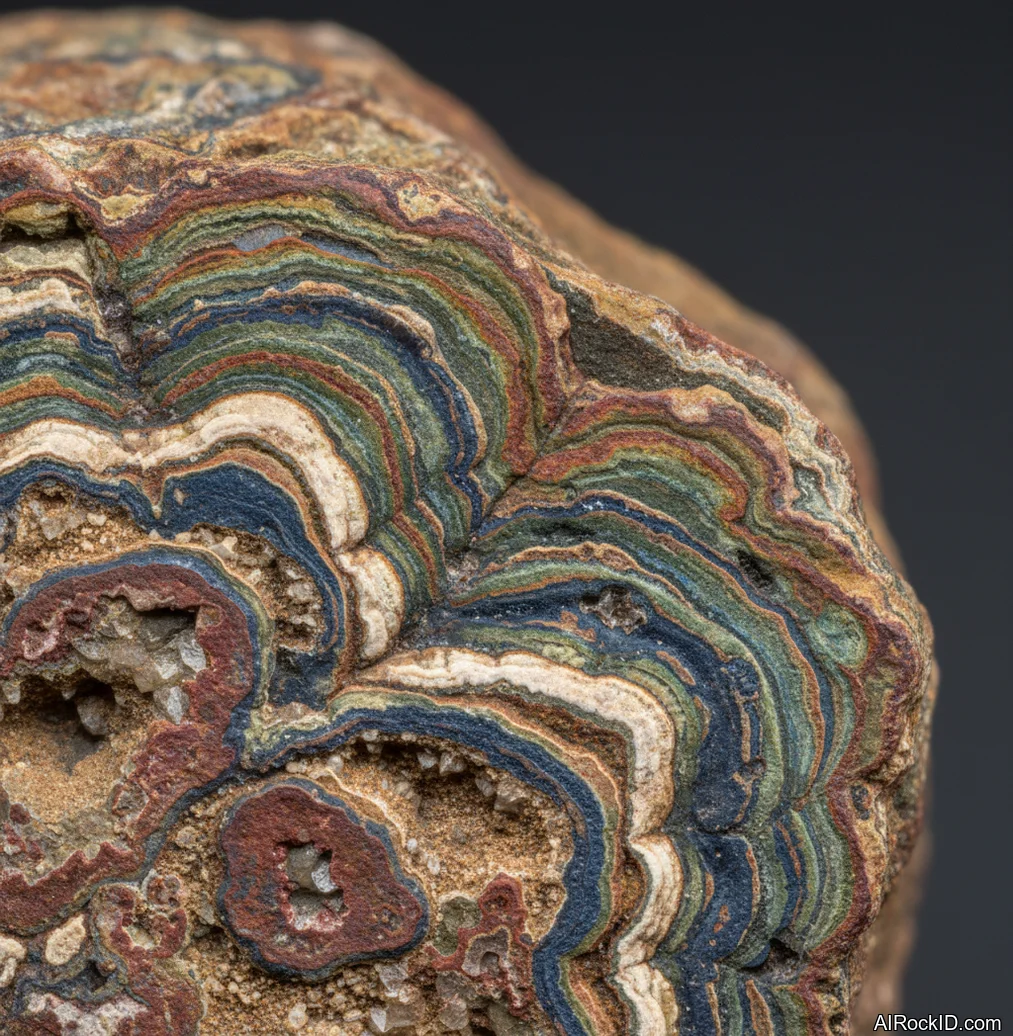
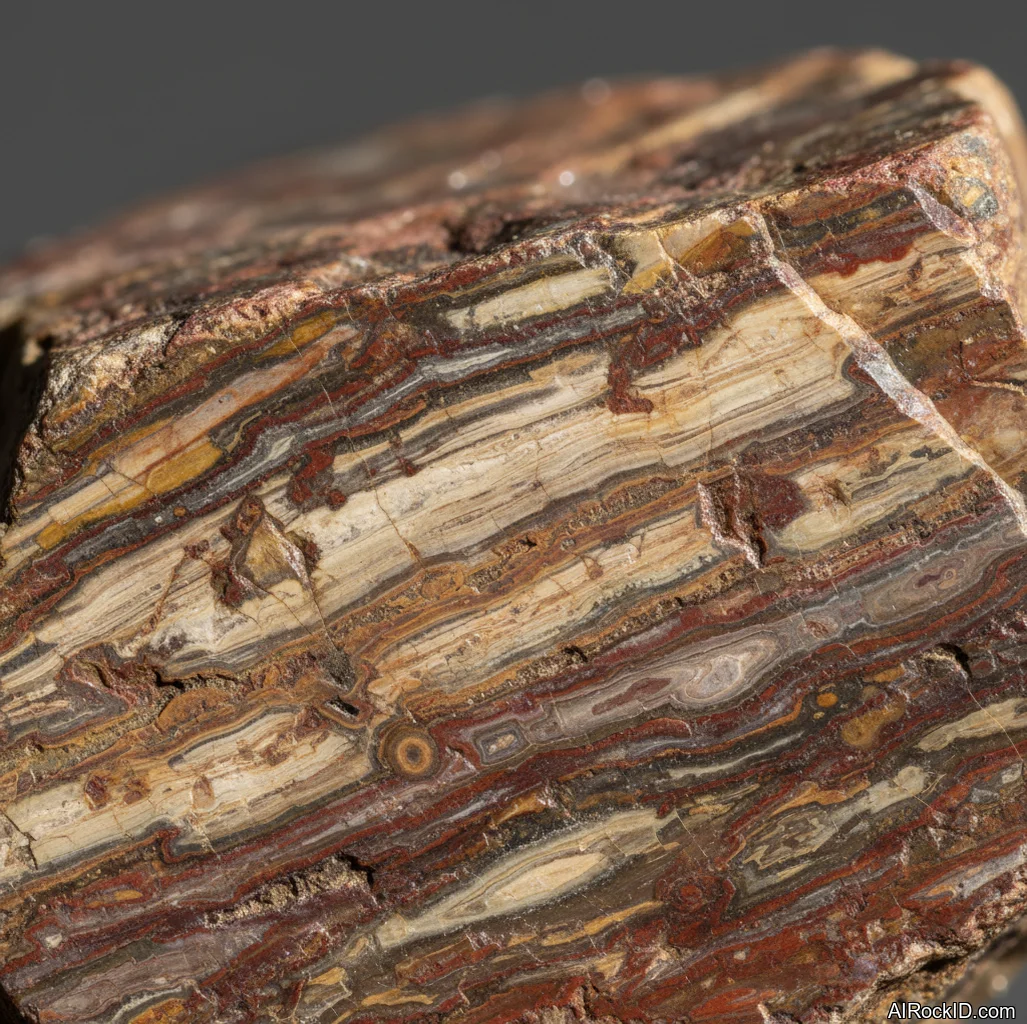
People chase Earth energy when they’re overstimulated, dissociated, jet-lagged, doing too much screen time, or just plain scattered. I see it in the shop all the time: they’ll walk right past the rainbow fluorite and the angelite, then stop at the bins of jasper, obsidian, and basalt-looking stuff. Red jasper is the classic for a reason. It doesn’t pretend to be anything else. It’s iron-rich, opaque, and it takes a waxy polish that feels almost like river-worn brick. Picture jasper is Earth in a postcard, with banding that looks like desert cliffs or muddy riverbanks.
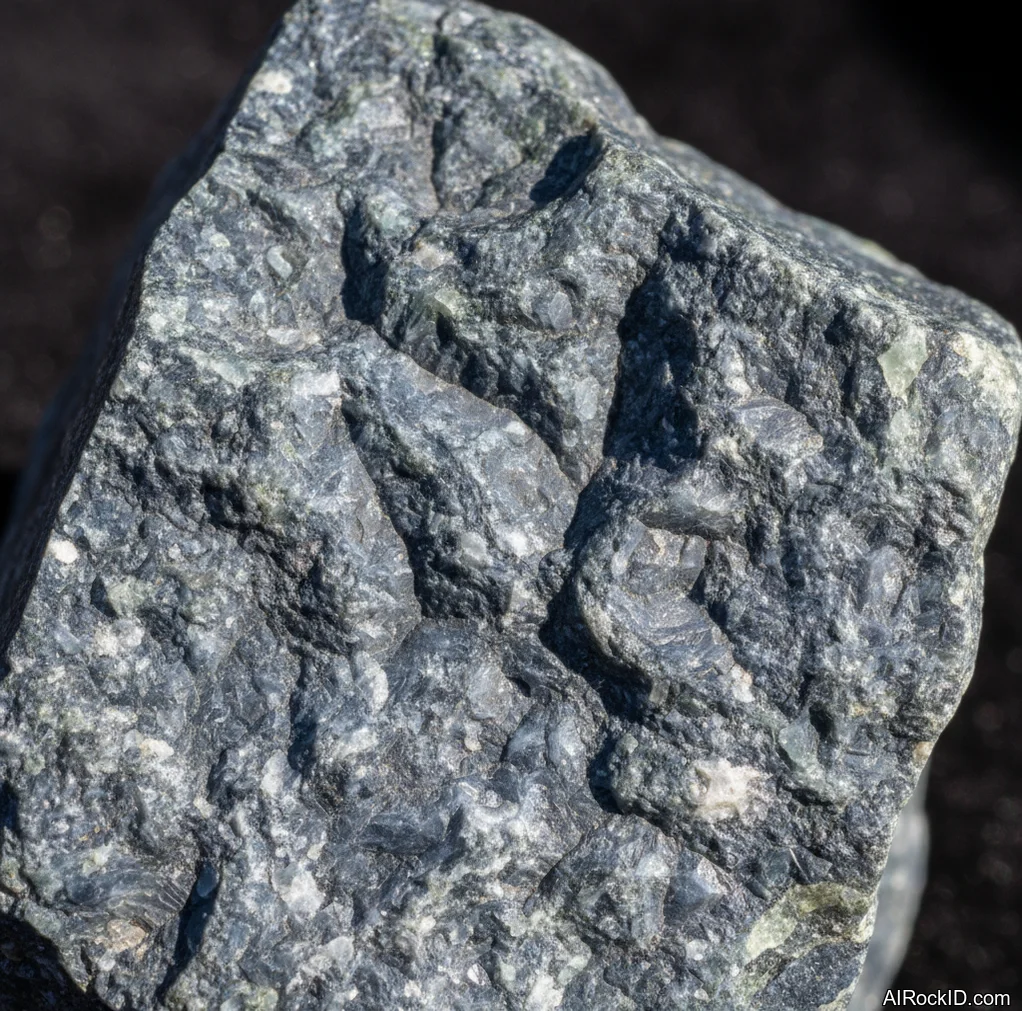
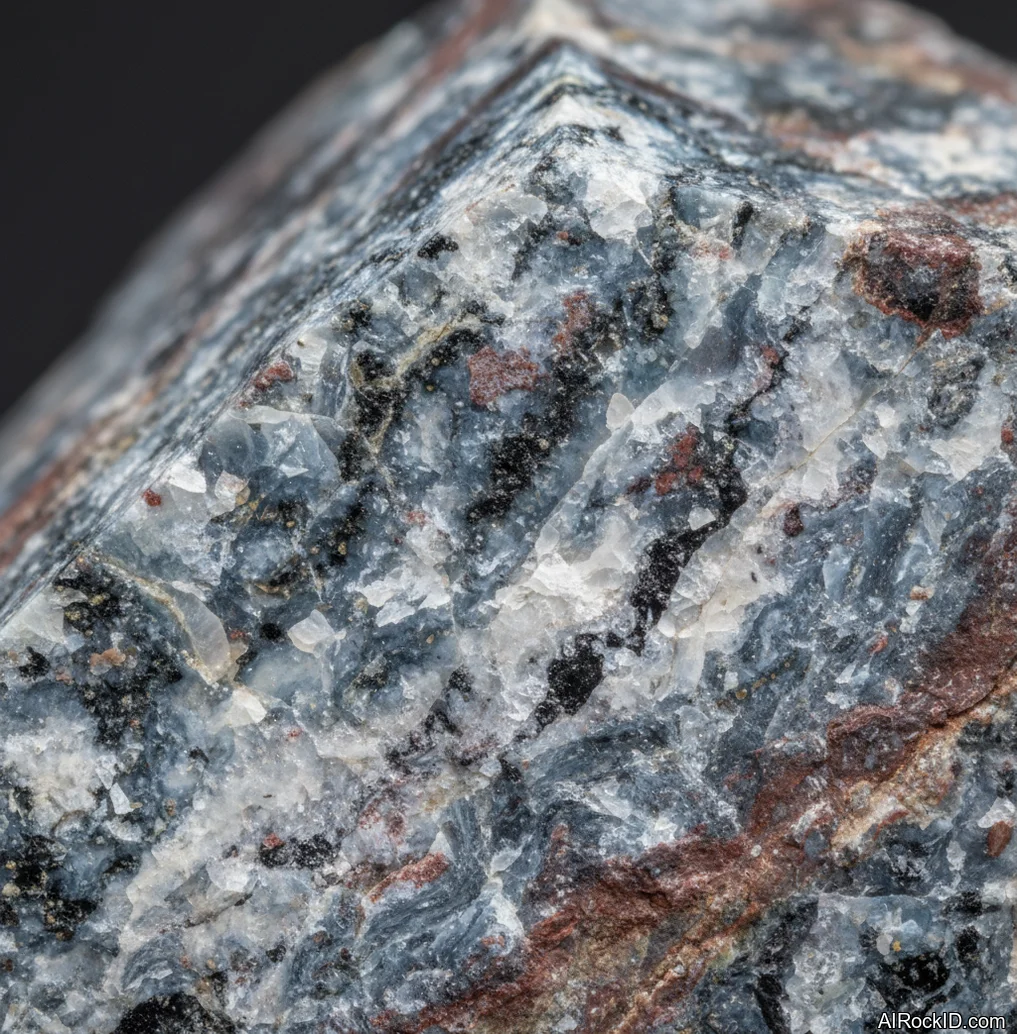
Look, if you study black tourmaline (schorl) for a second, you’ll notice it’s not actually “just black.” Raw pieces have long striations running down the prism faces, and the ends often break unevenly instead of forming tidy points. A lot of folks like it near doorways or under a desk. But here’s the collector tip that’s purely practical: those striations trap dust fast, so a quick rinse and a soft brush does more than any elaborate ritual. Shungite gets lumped into the same conversation because it’s carbon-heavy and matte, but it behaves differently in the hand. Real shungite leaves a faint gray mark like a pencil if you rub it on paper, and it can smell slightly earthy when it’s wet.
At first glance, obsidian seems like the simplest Earth stone because it’s literally volcanic glass. The feel is the giveaway. A well-polished black obsidian palm stone stays cool longer than resin or dyed glass, and the surface has that slick, almost “wet” shine even when it’s bone dry. Thing is, obsidian has a market problem: cheap versions show up as plain black glass with zero depth. If you tilt real material under a strong light, you can often catch subtle brown, green, or rainbow sheen, especially in silver sheen obsidian or rainbow obsidian. Snowflake obsidian is another easy spot, with gray “snowflakes” of cristobalite that look like frozen fireworks.
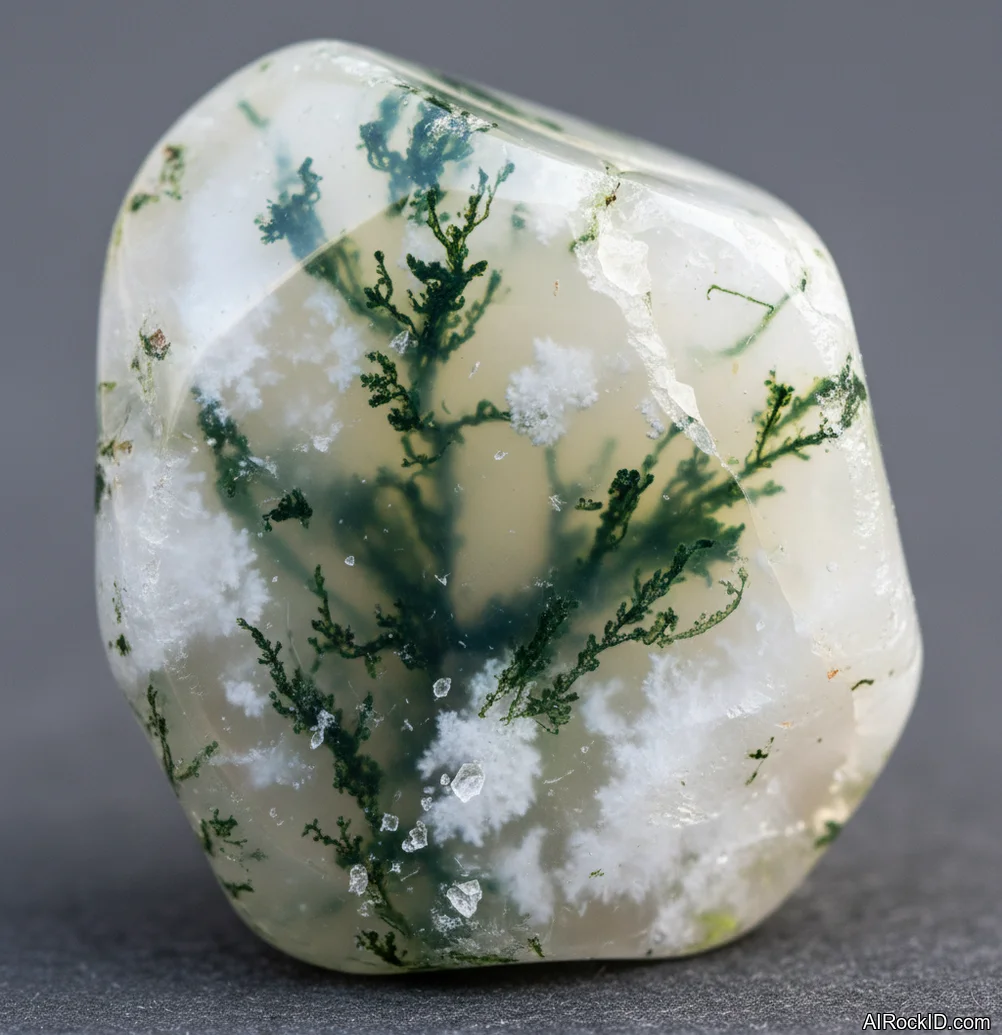
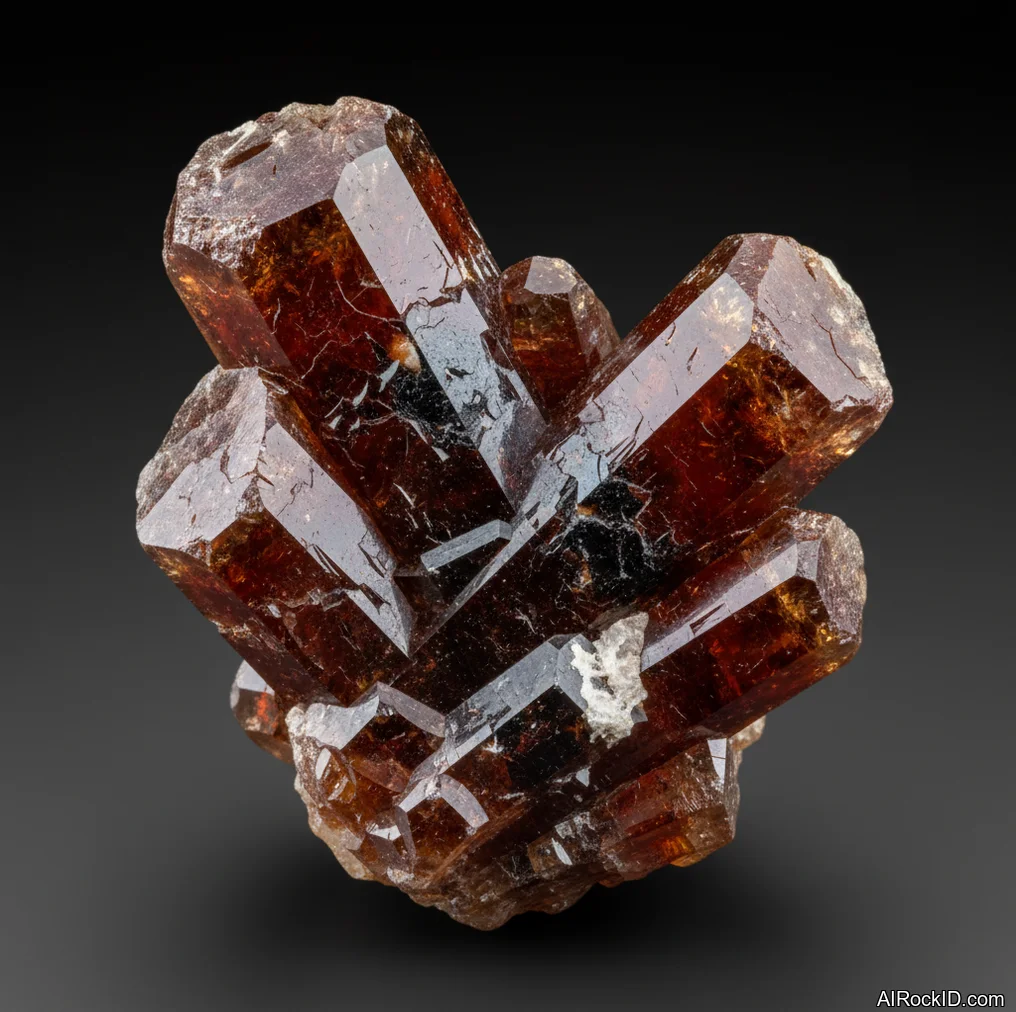
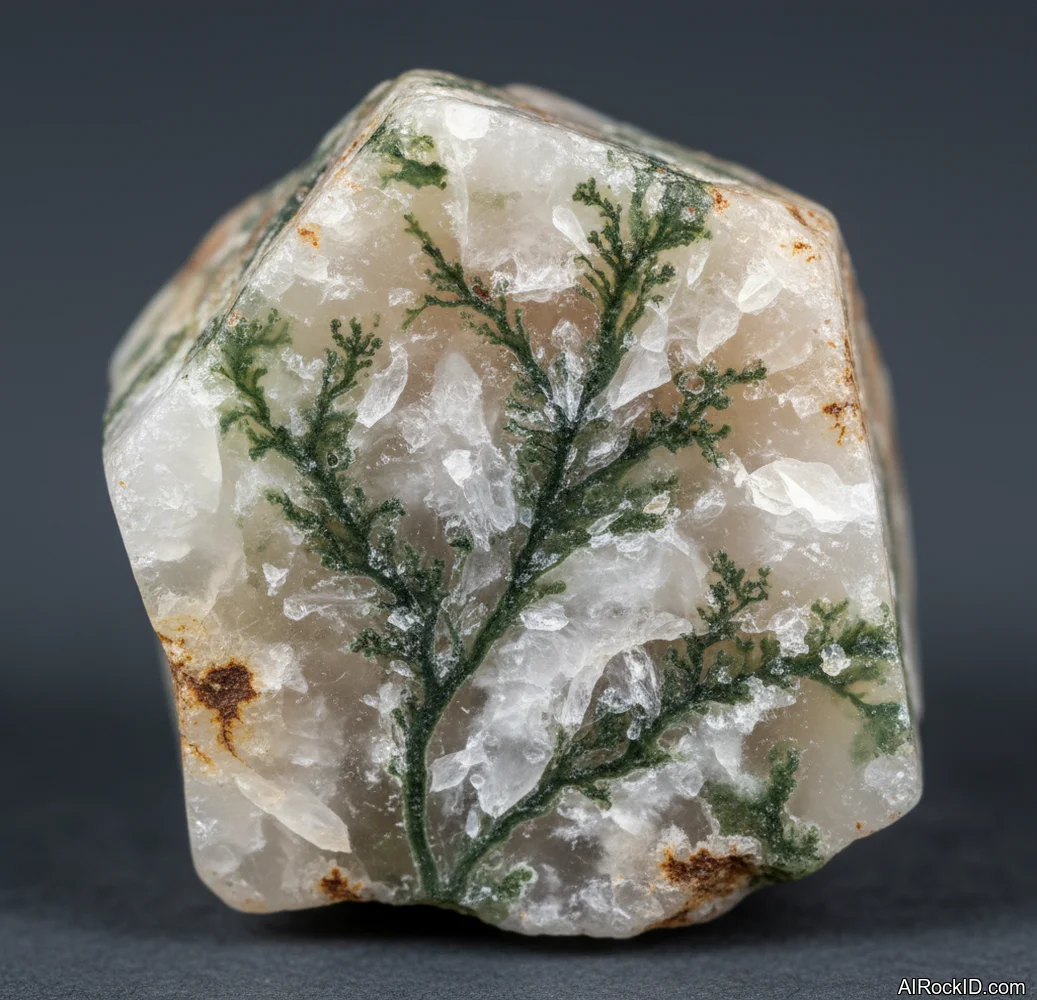
Working with Earth crystals doesn’t have to be mystical. Keep it physical. Put smoky quartz or black tourmaline where your hands go when you’re stressed, like by the keyboard or on a nightstand. Carry a flat worry stone of hematite, red jasper, or tiger’s eye and notice how your grip changes when you’re tense (it’s a real tell). If you meditate, sit on the floor and set a stone like garnet, hematite, or moss agate near your feet instead of at your forehead. Earth work is lower-body work most of the time. Simple.
Compared to airy stones that beg for sunlight, a lot of Earth-associated crystals do better with gentle care. Selenite is famous for cleansing, but it’s soft and hates water, so don’t treat every stone like it’s the same. Hematite can rust if it’s low quality or porous and you soak it. Malachite and azurite are copper carbonates and don’t love acids or salt water. For basics: a dry cloth, a quick rinse for tougher stones like quartz and jasper, and common sense goes a long way.
When you’re buying Earth crystals, the real test is texture and honesty. “Black onyx” is often dyed chalcedony. Dyed pieces can bleed color if you swipe them with acetone on a cotton swab, and the black can look too uniform, like ink. Citrine gets mislabeled constantly, but that’s a different lane. For Earth stones, the bigger issue is glass sold as obsidian and resin sold as amber or jet. Real stones usually stay cool to the touch at room temperature, and they warm up slowly. Cheap fakes feel warm right away.
Most dealers sell Earth stones tumbled because it’s affordable and durable. But raw pieces can tell you more. A chunk of magnetite will actually grab a paperclip, and the pull can surprise you. Lodestone (naturally magnetized magnetite) is even stronger. A raw chunk of pyrite has sharp cubic faces that catch light like tiny mirrors, but it’s brittle, and those edges chip if you toss it in a pocket. If you want pocket carry, stick to jasper, agate, quartz, or a rounded hematite. Pocket-friendly matters.
So here’s a practical tip that saves money: decide if you want “pretty” or “usable.” Polished spheres of smoky quartz look great, but they roll, and they’re easy to knock off a shelf. A thick palm stone or a chunky tumble is less fussy. And if you’re building an Earth set, mix textures: one heavy metallic (hematite or magnetite), one opaque iron-rich (red jasper), one volcanic glass (obsidian), and one quartz-family anchor (smoky quartz or moss agate). That combo covers a lot of the Earth feel without buying a whole tray at once.
Earth crystals aren’t about escaping. They’re about staying. When you pick the right piece, it doesn’t feel like a mood board. It feels like a tool you can actually use, the same way a smooth river rock ends up in a pocket because it just fits there.
All Earth Crystals (67)