Saturn Crystals
Learn how Saturn crystals are used in crystal traditions, with key stones like smoky quartz, hematite, and onyx plus buying and care tips.
Saturn energy, in crystal-shop language, is the heavy stuff. Structure. Time. Boundaries. The slow work that doesn’t look cute while you’re doing it. People grab Saturn-aligned stones when life needs rails again, when discipline is the medicine, or when they’re trying to cut through the noise and get serious. It’s not “happy sparkle” energy. It’s the feel of a cold key in your hand at 6 a.m., and you’re still going to the gym.
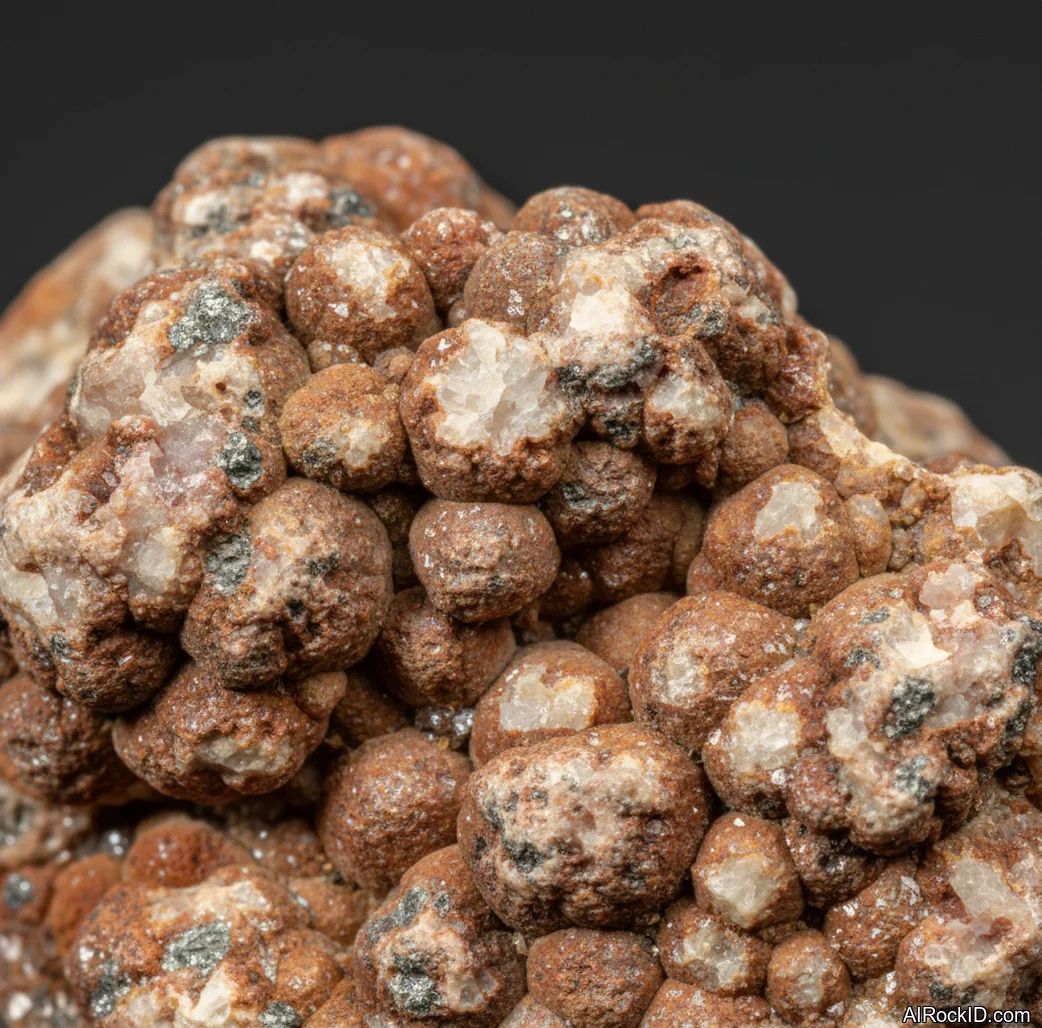
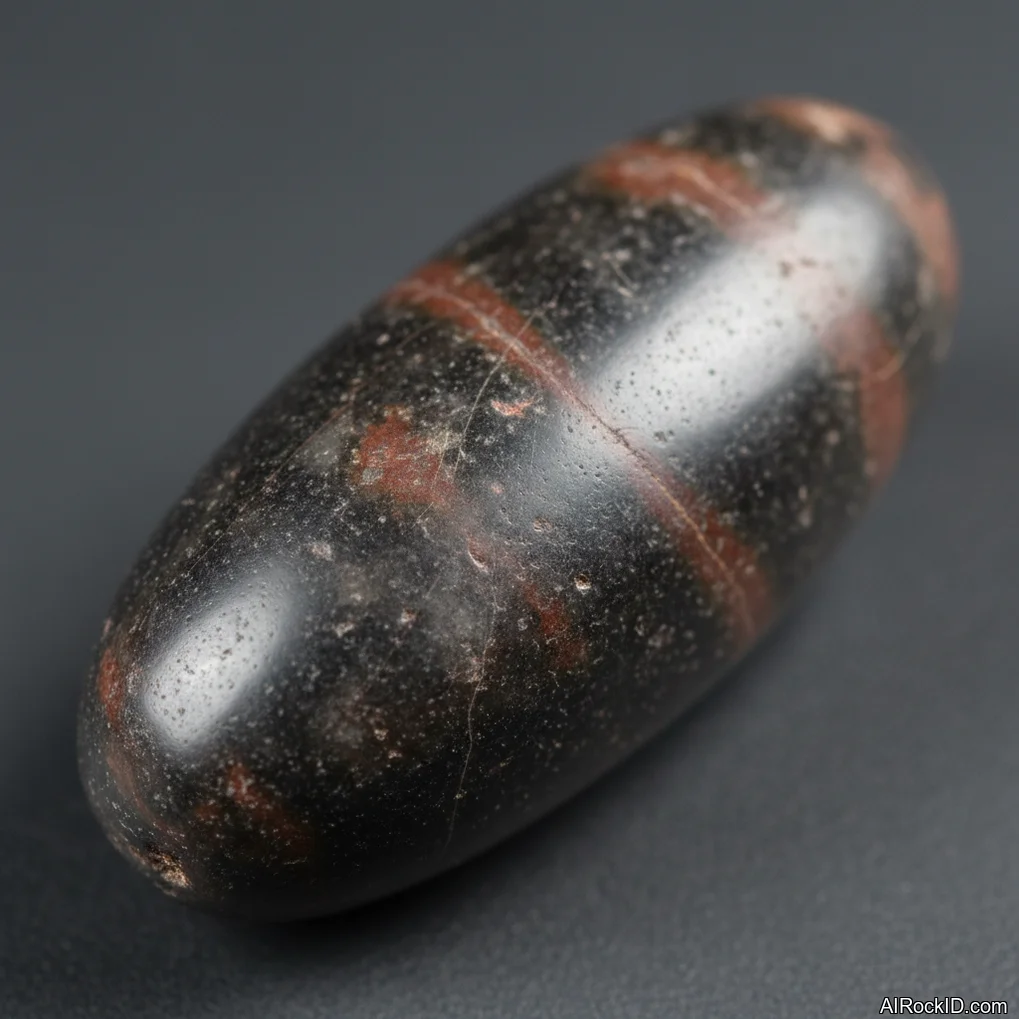
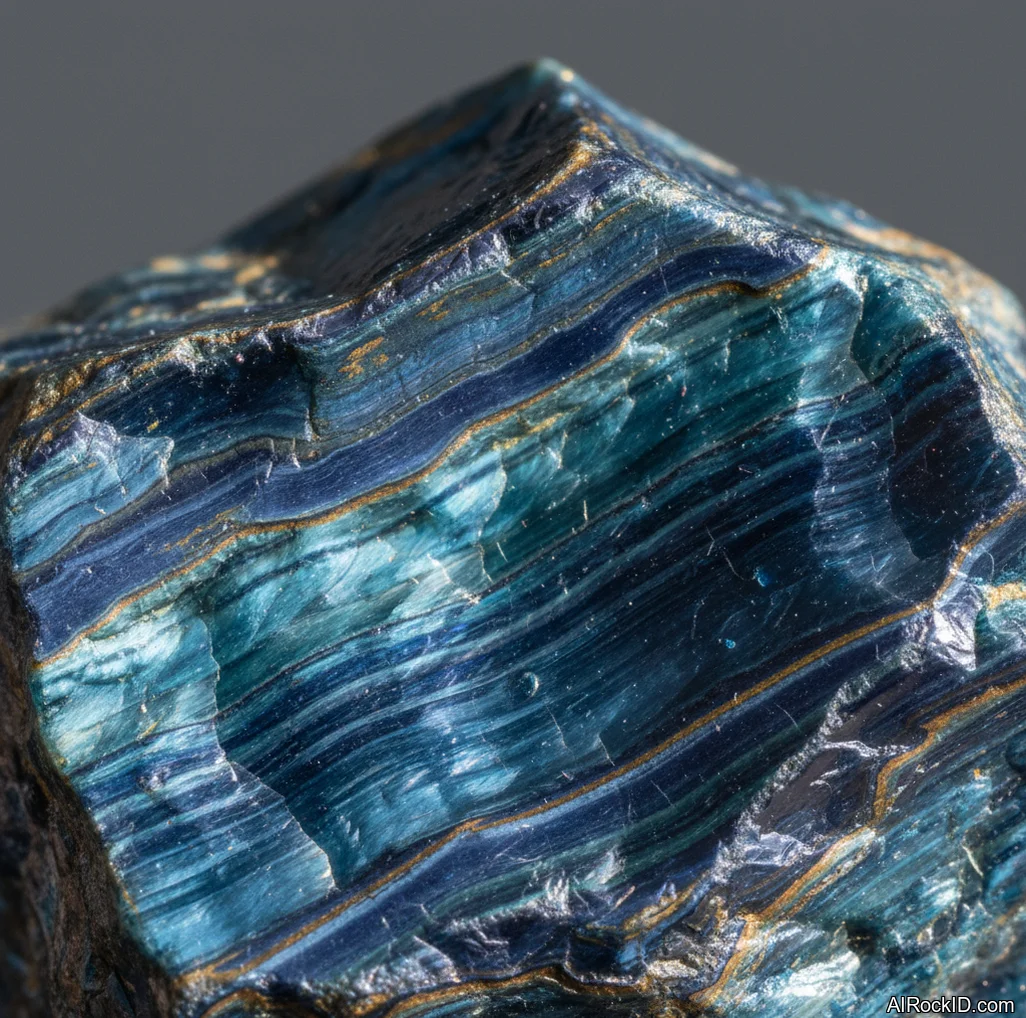
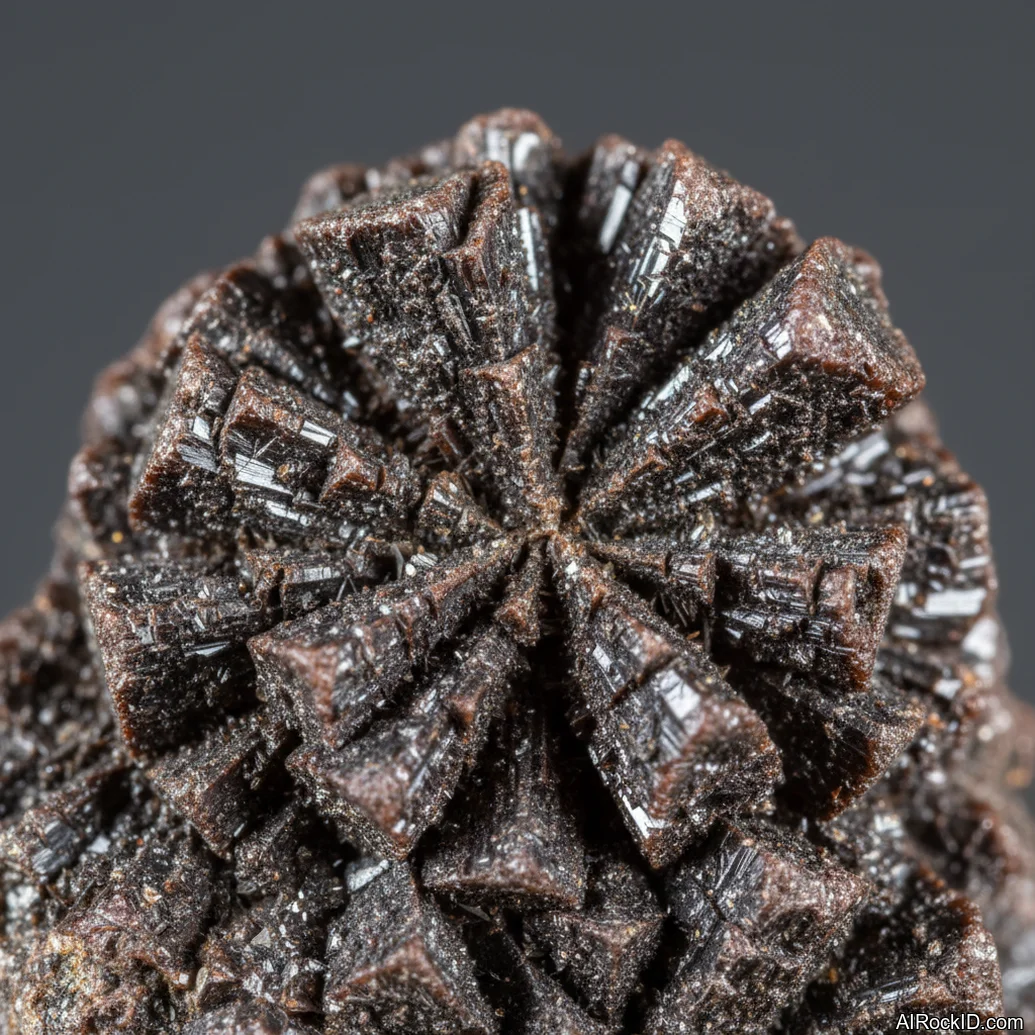
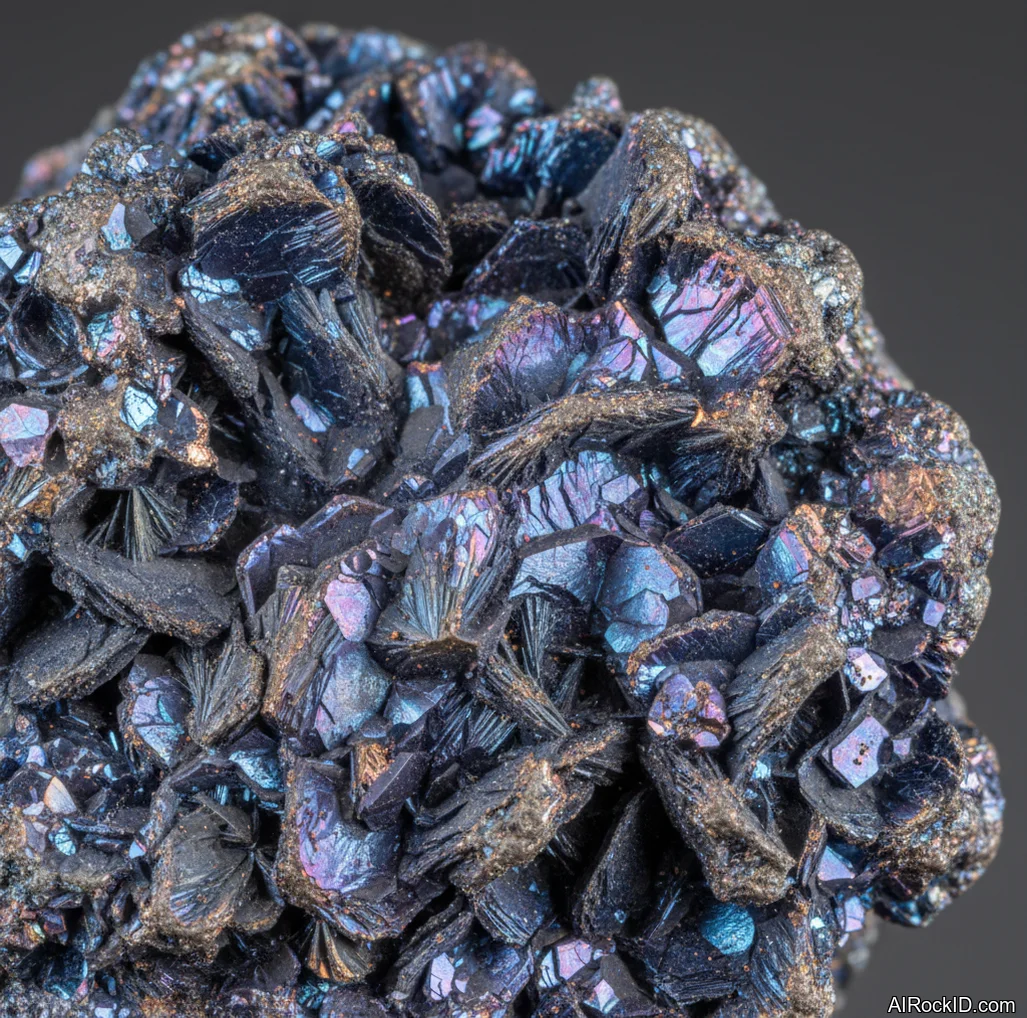
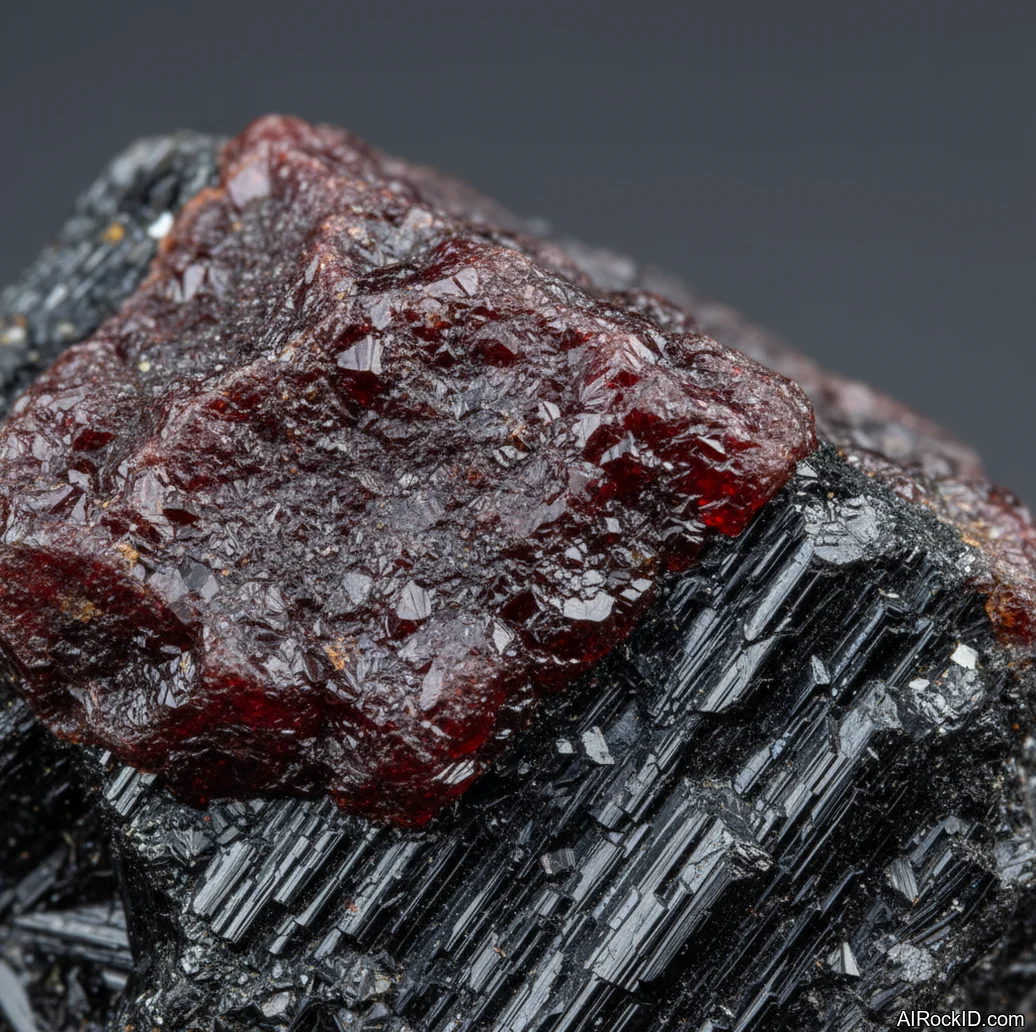
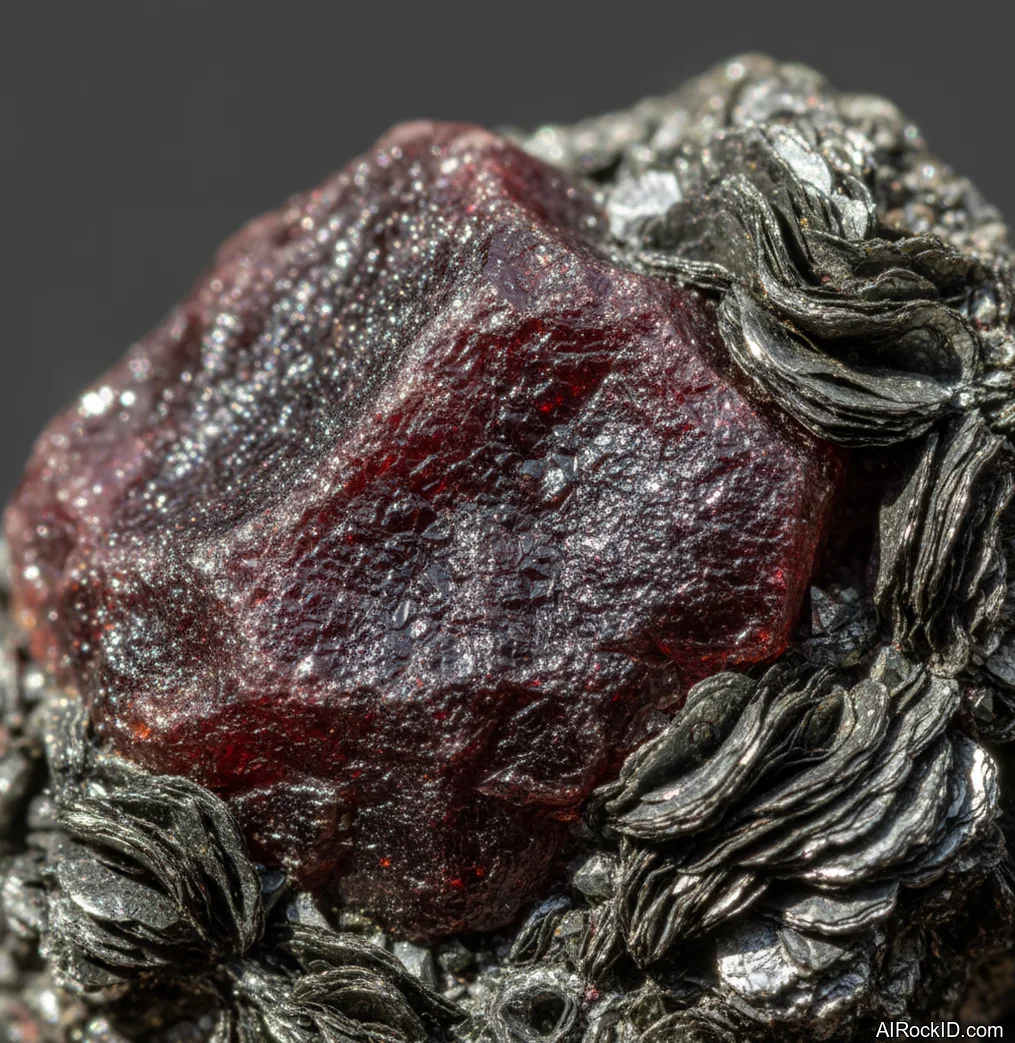
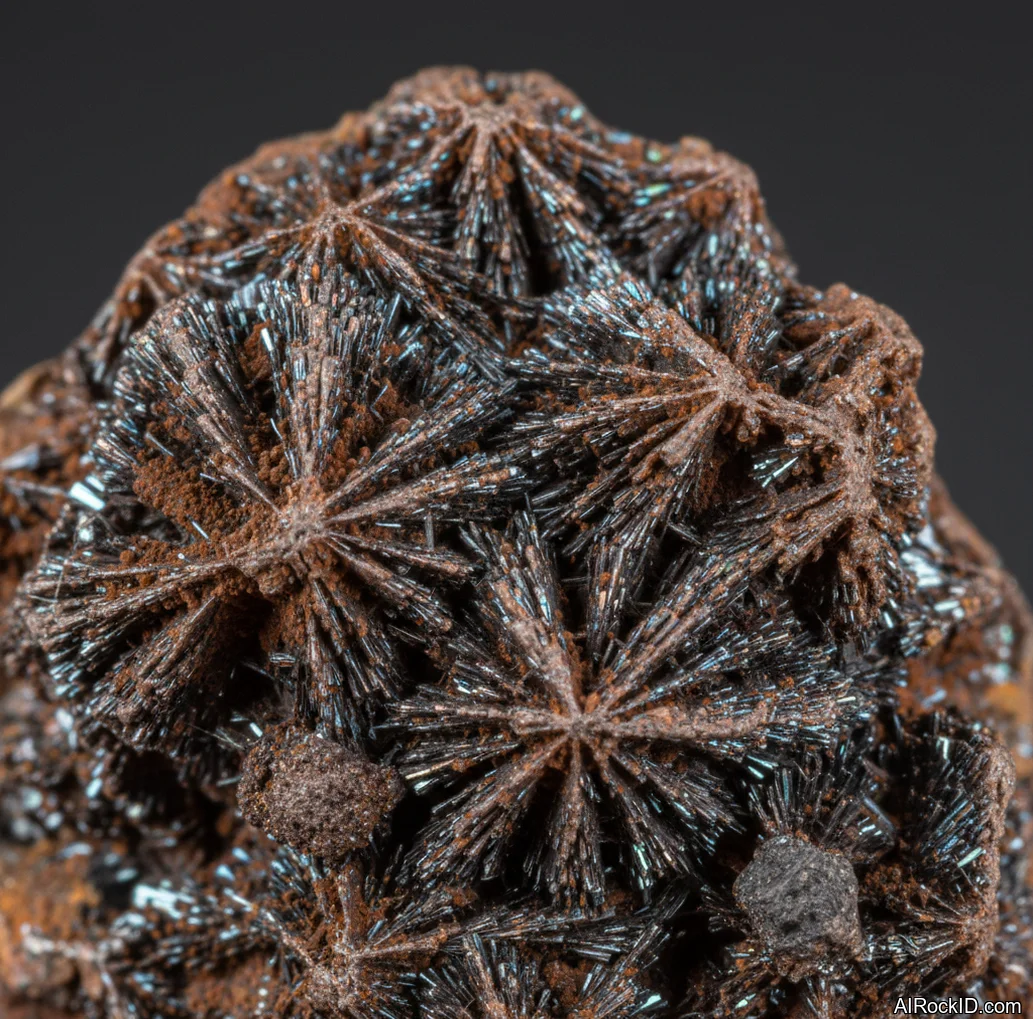
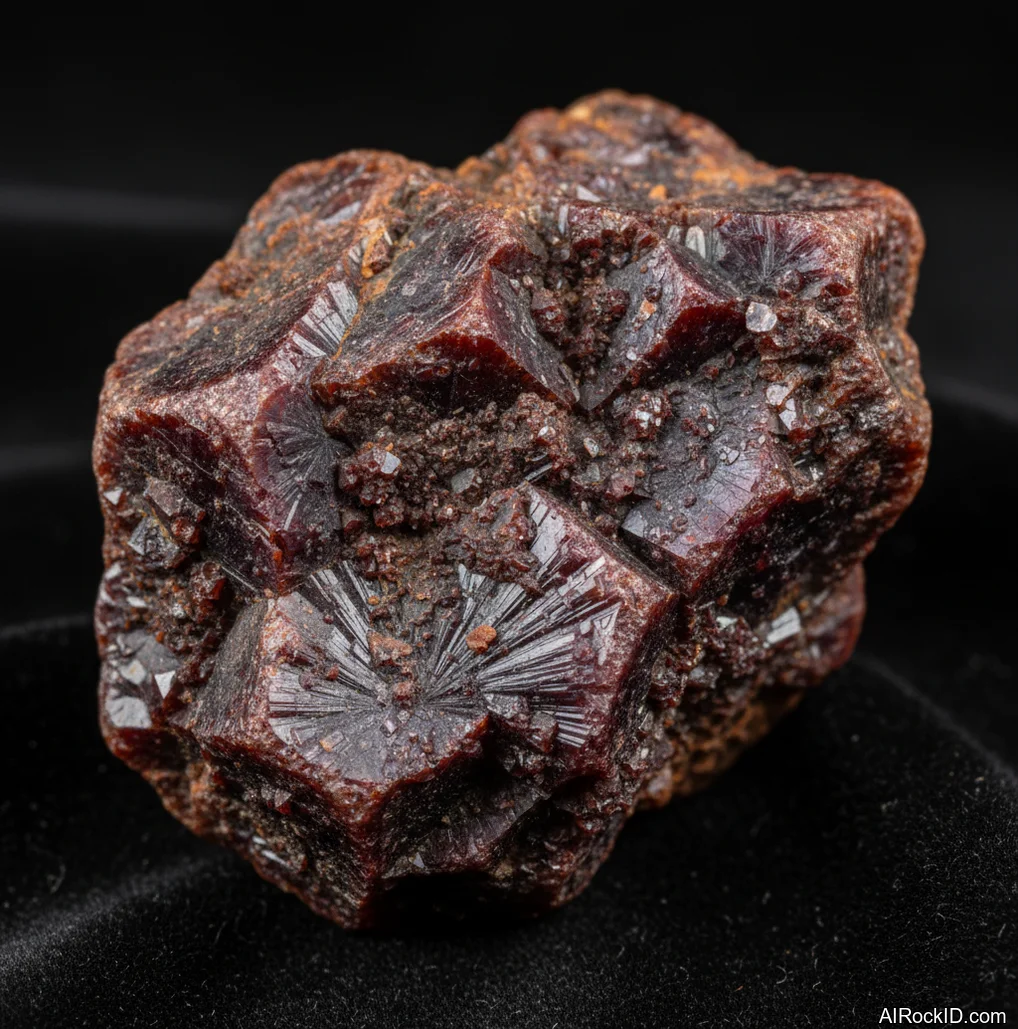
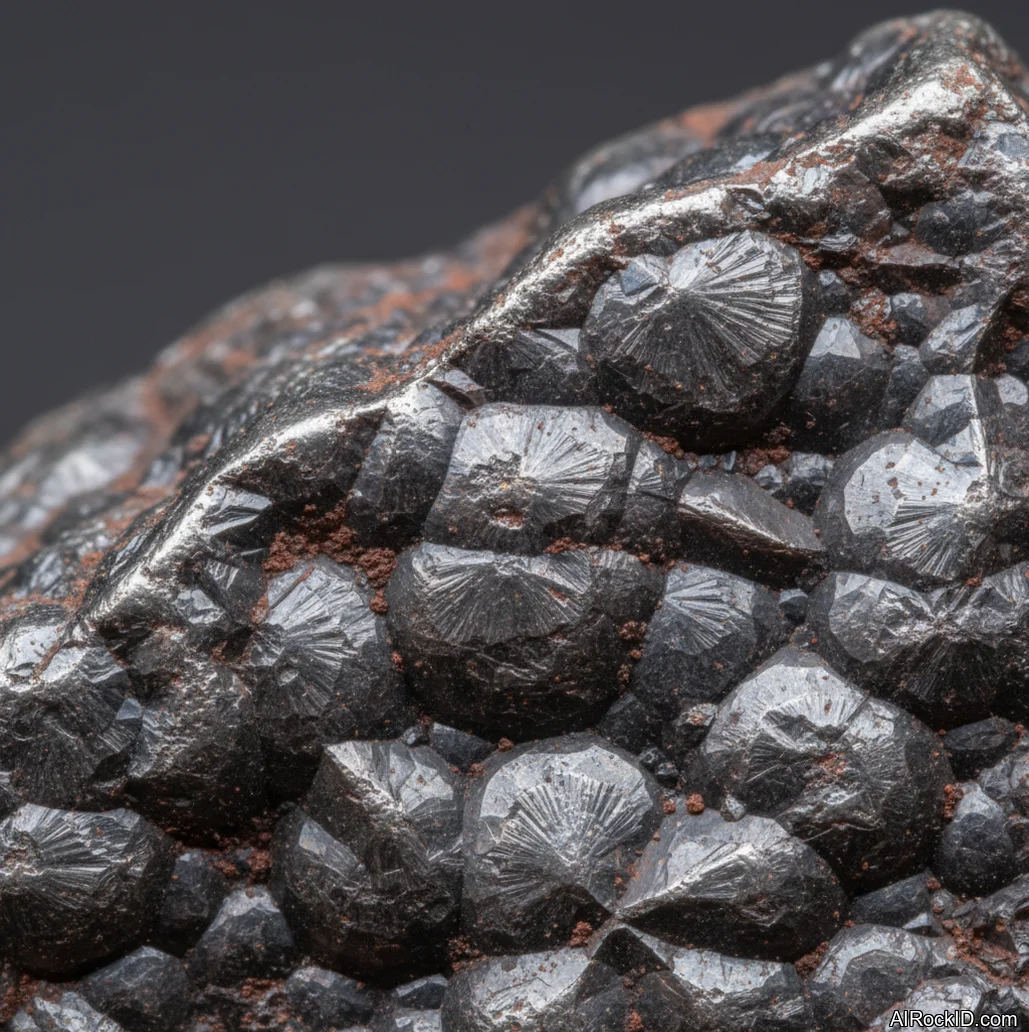
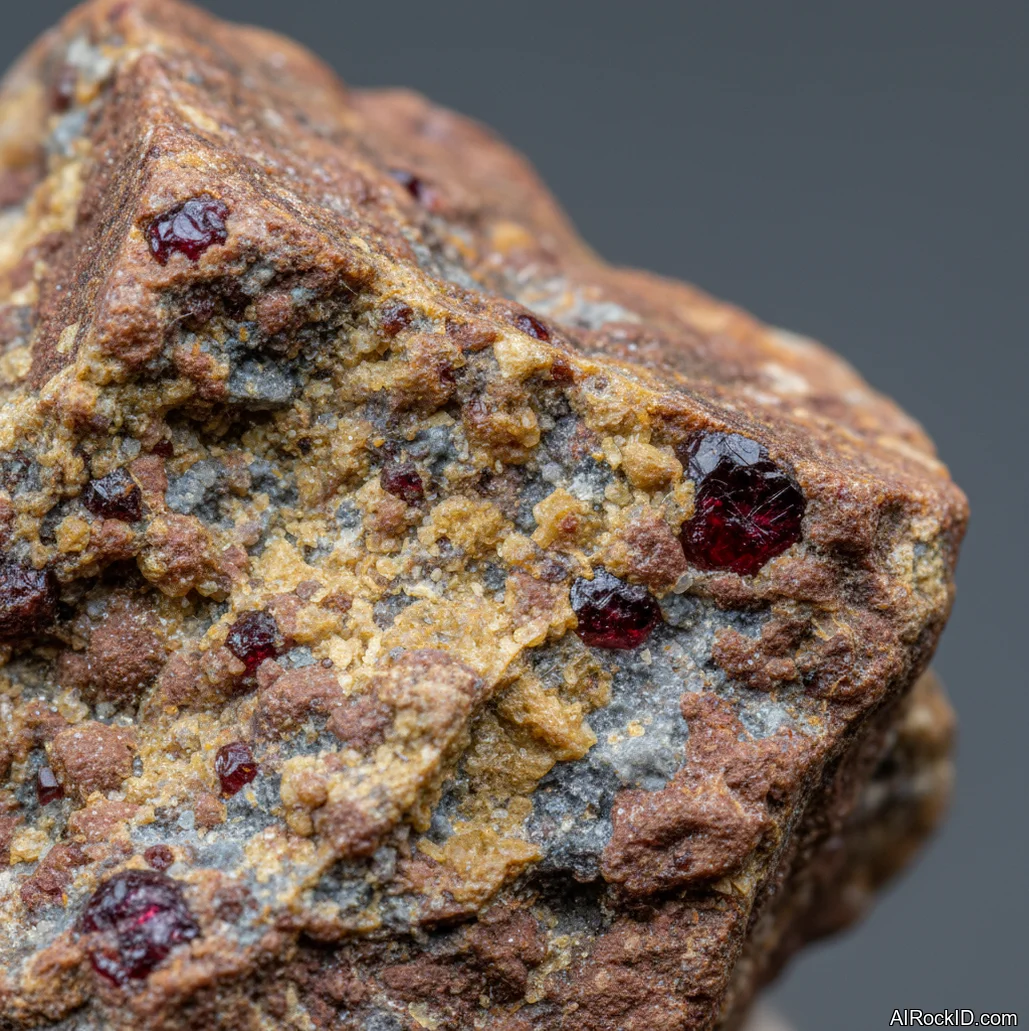
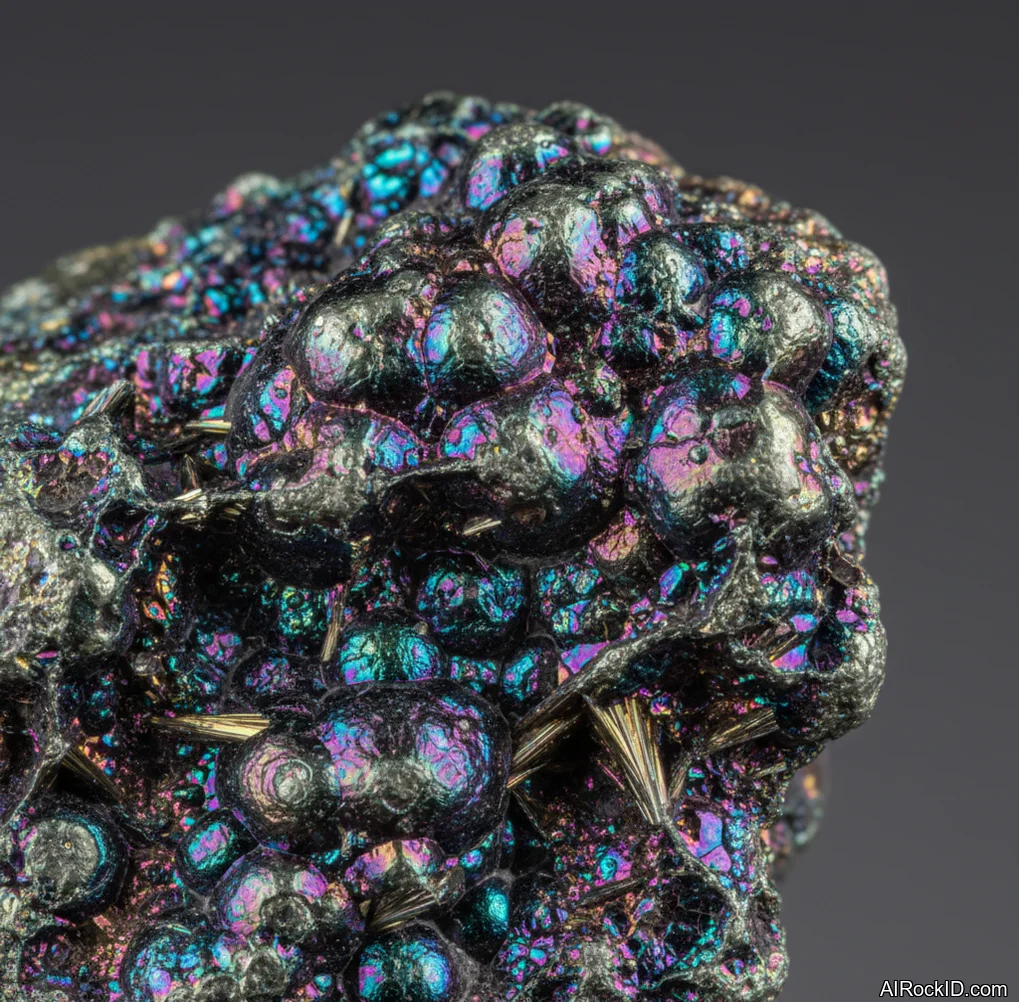
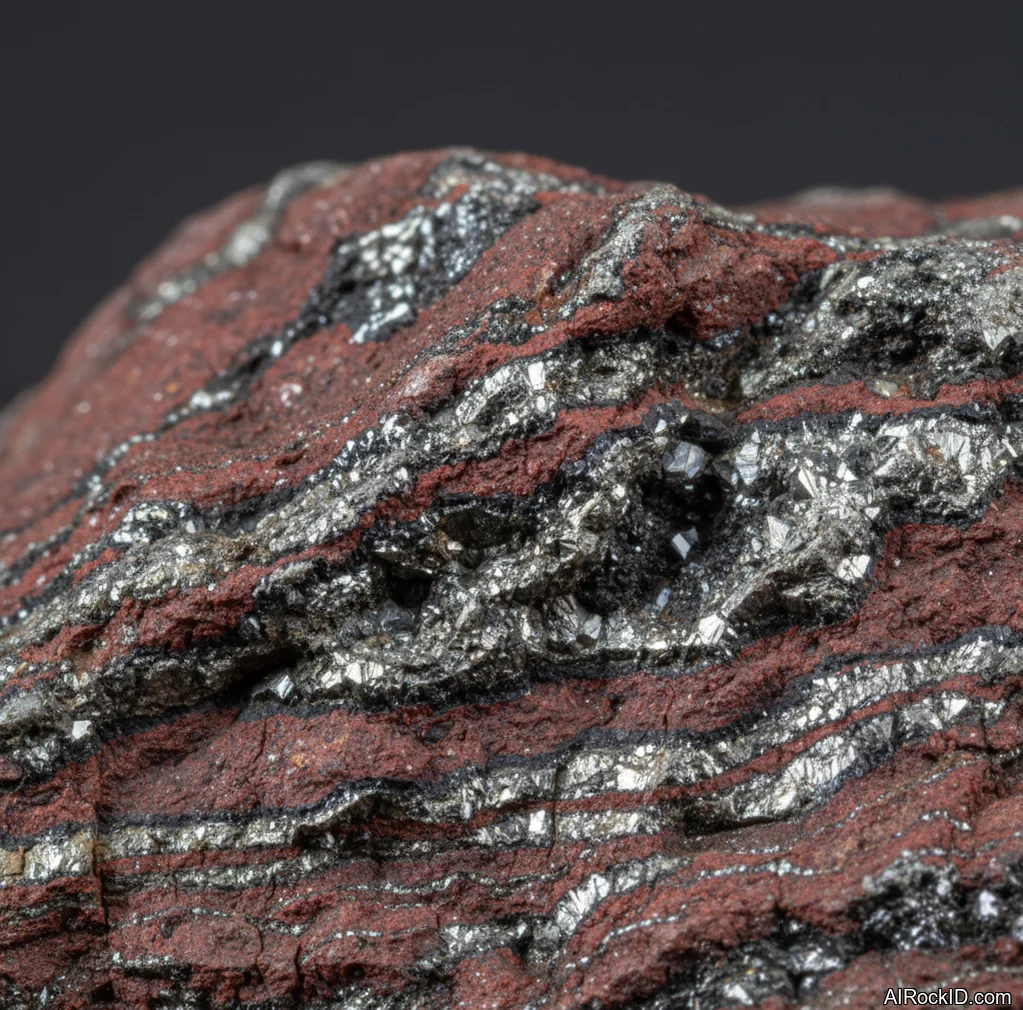
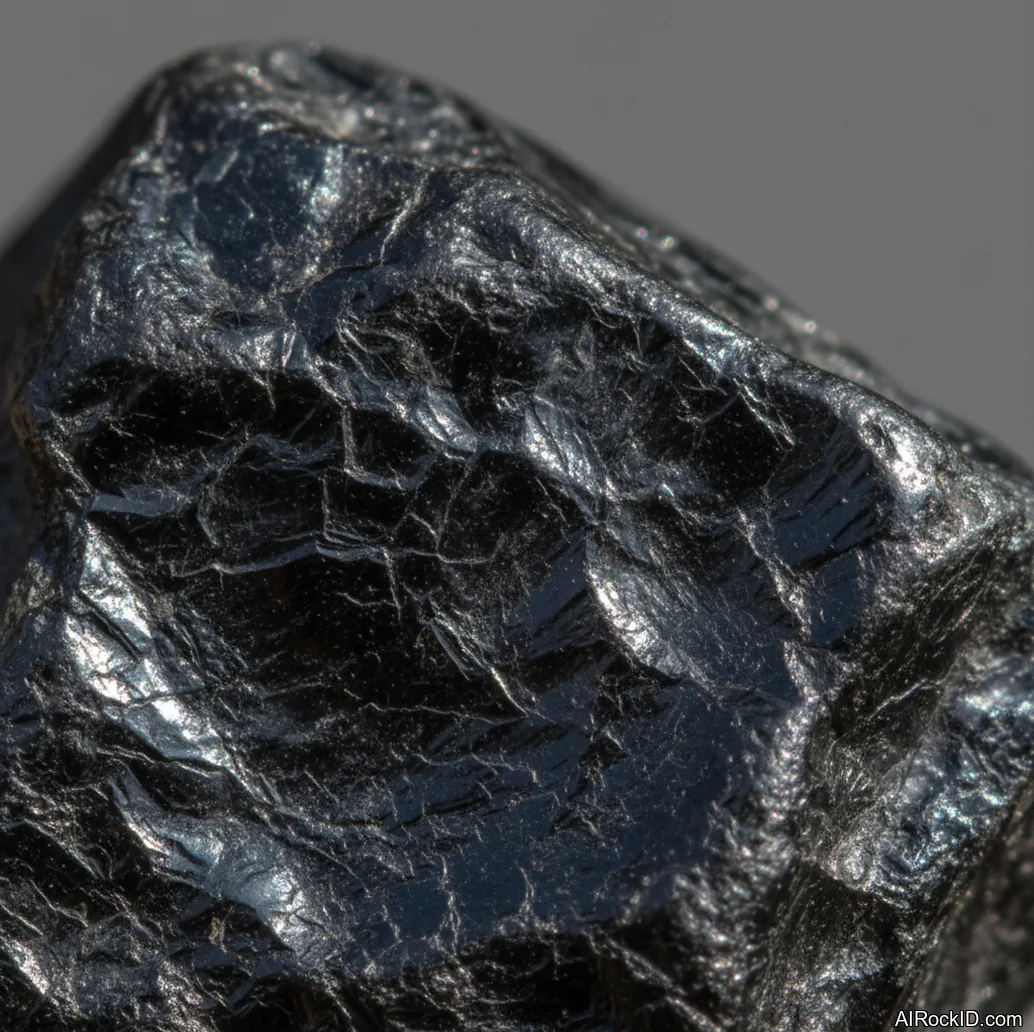
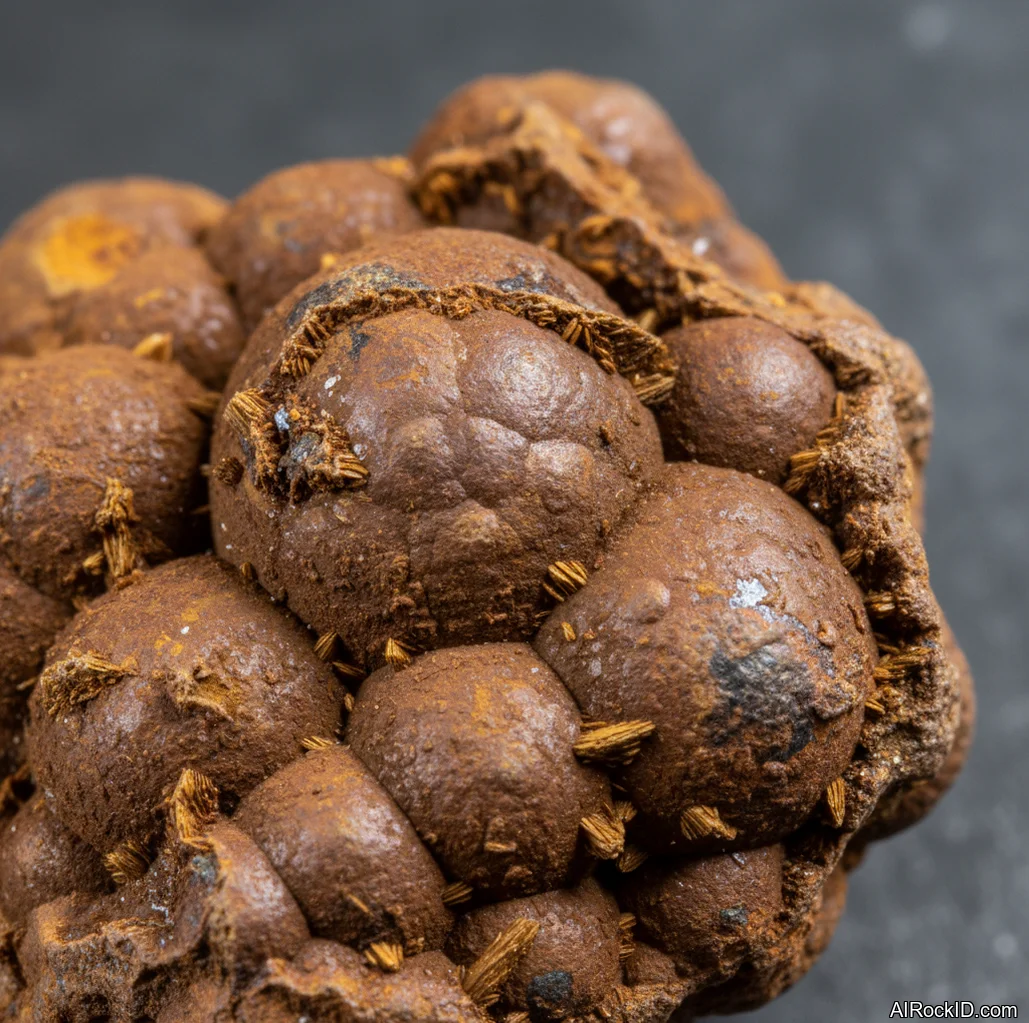
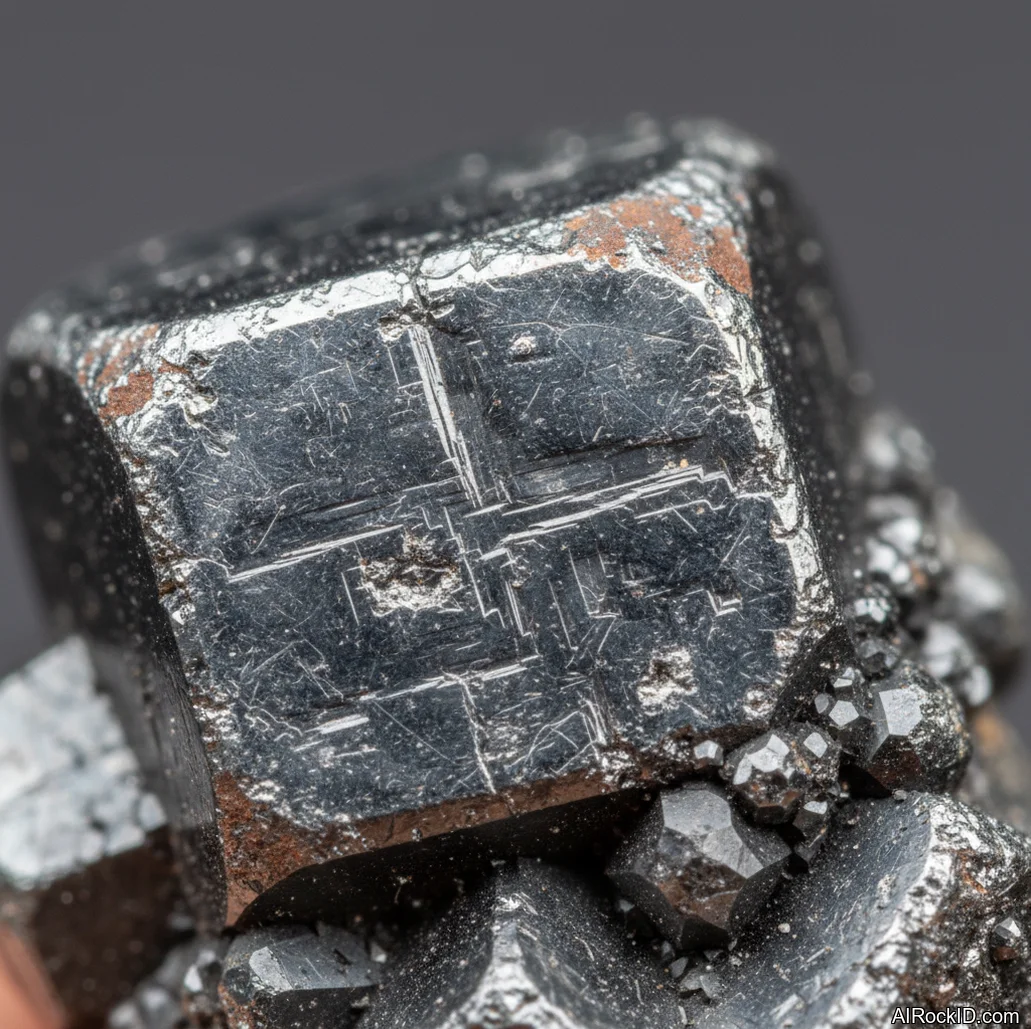
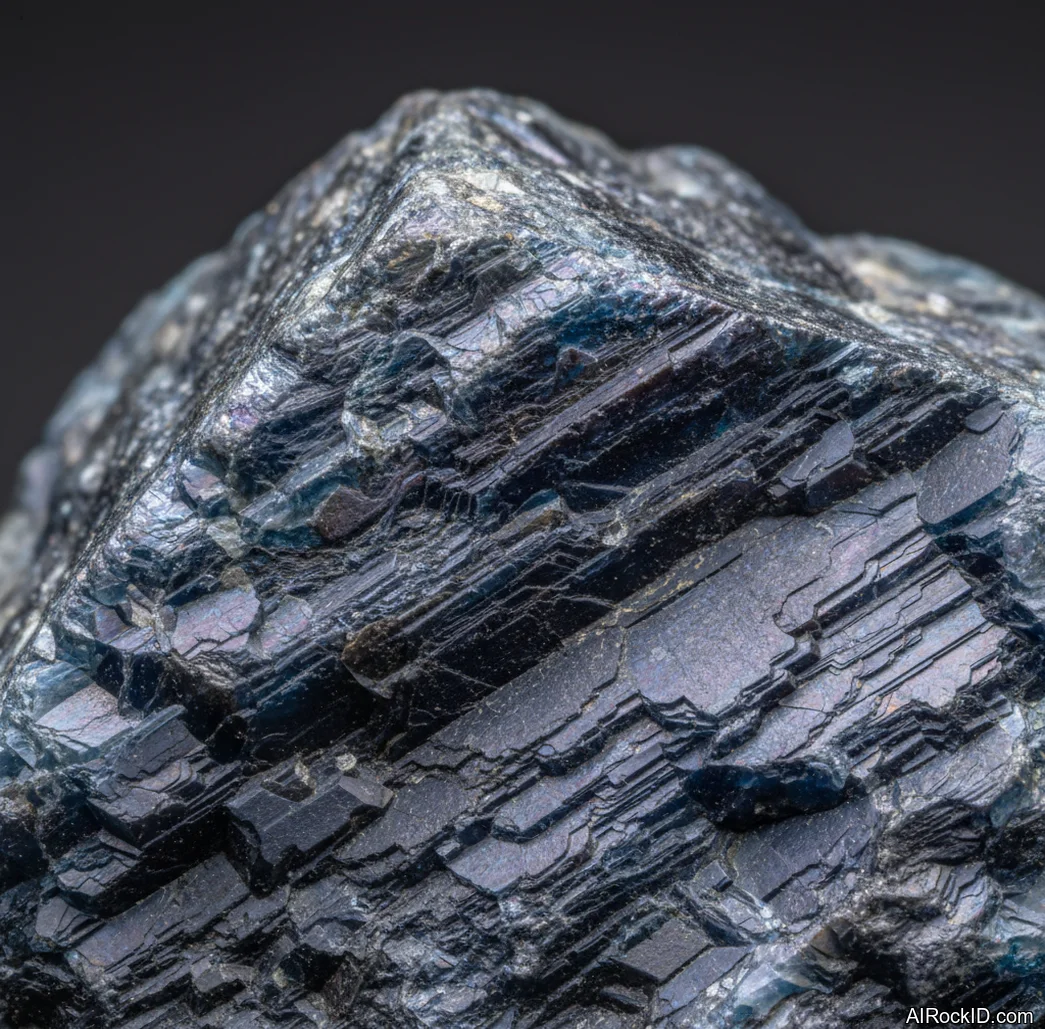
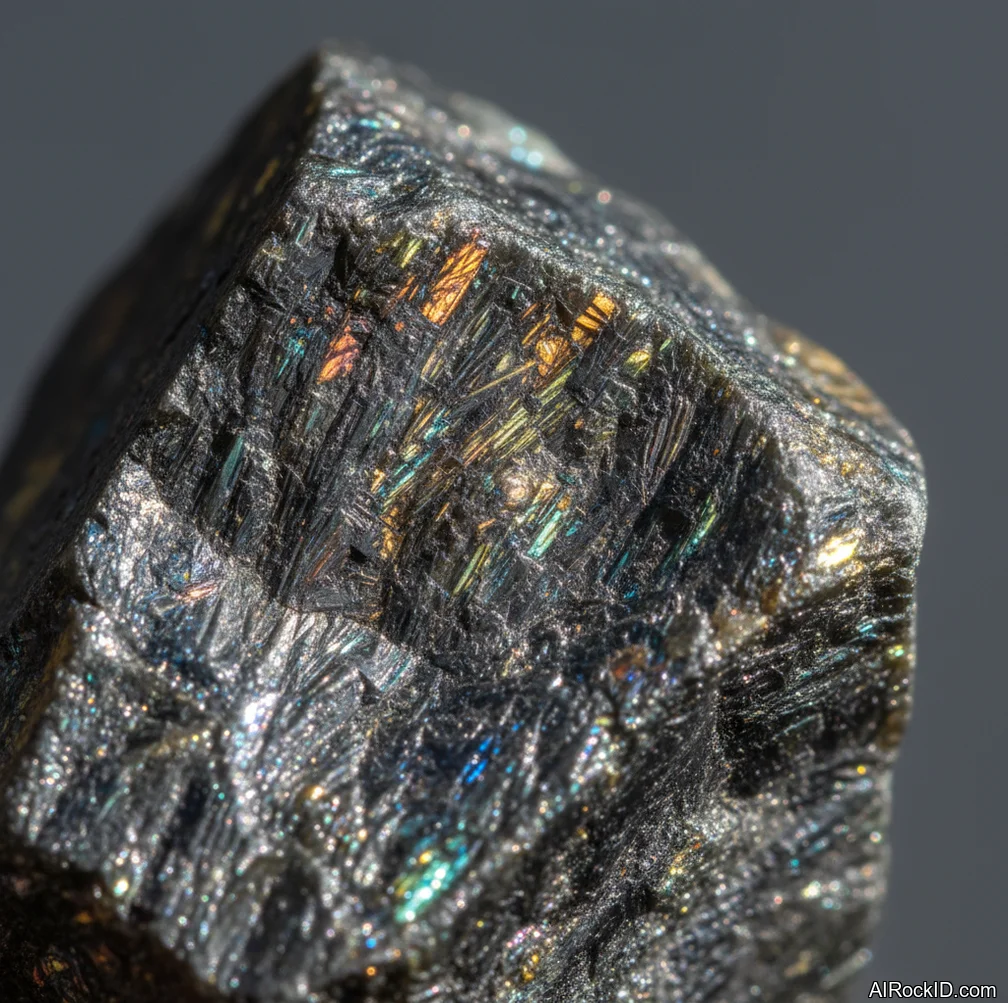
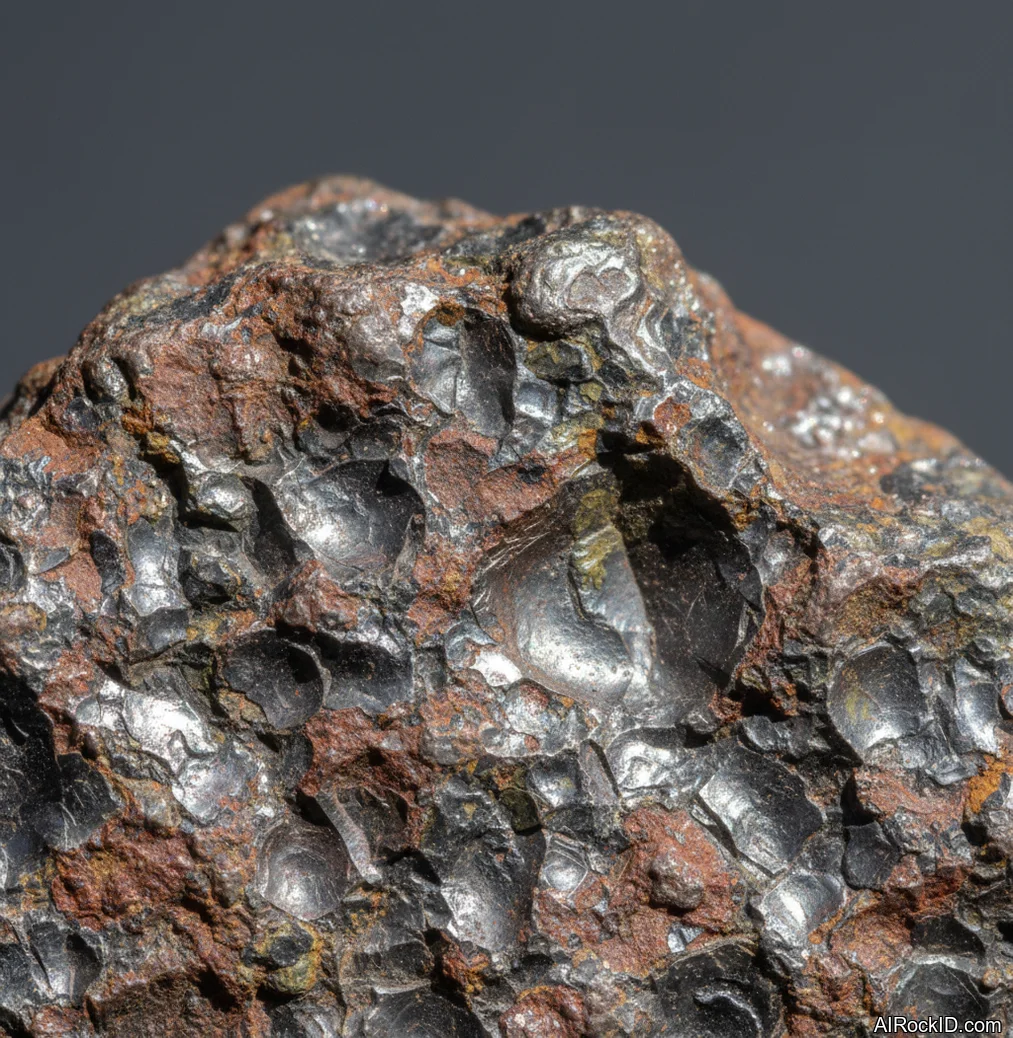
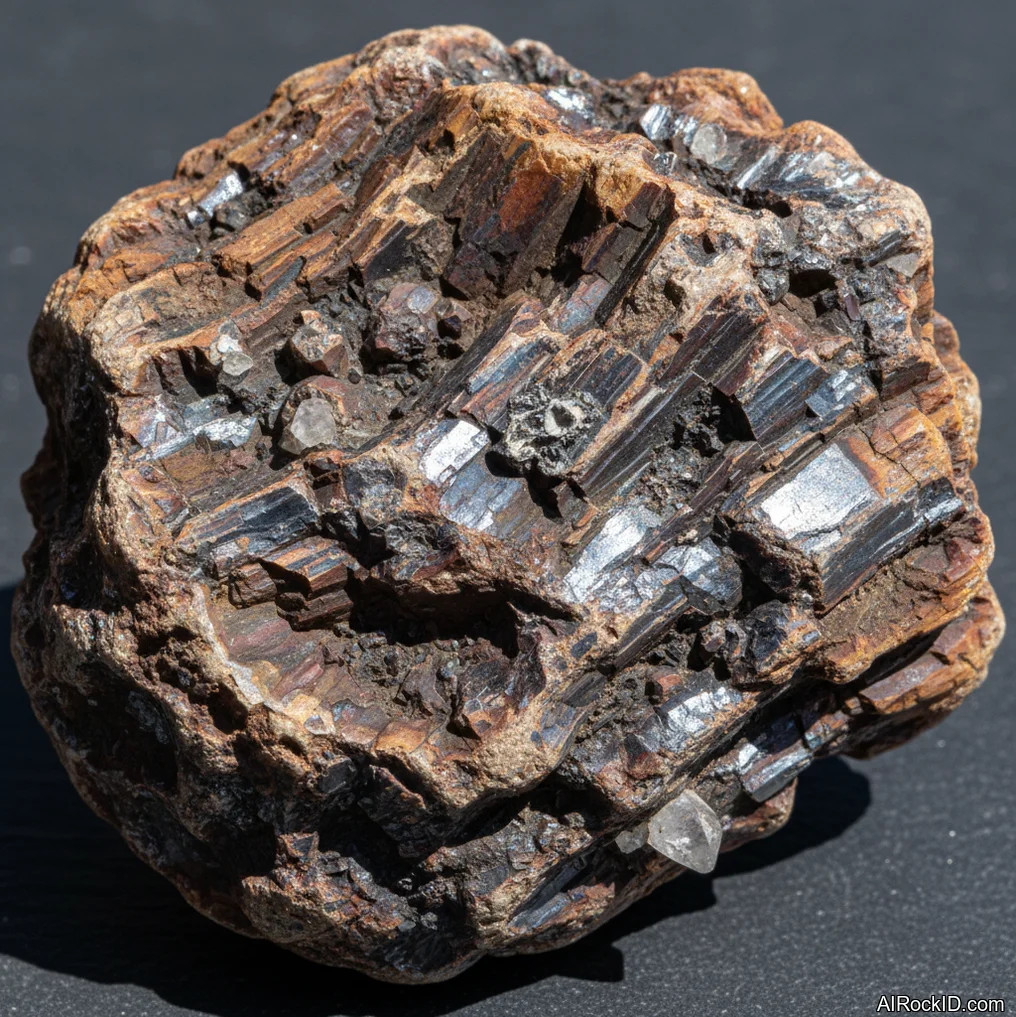
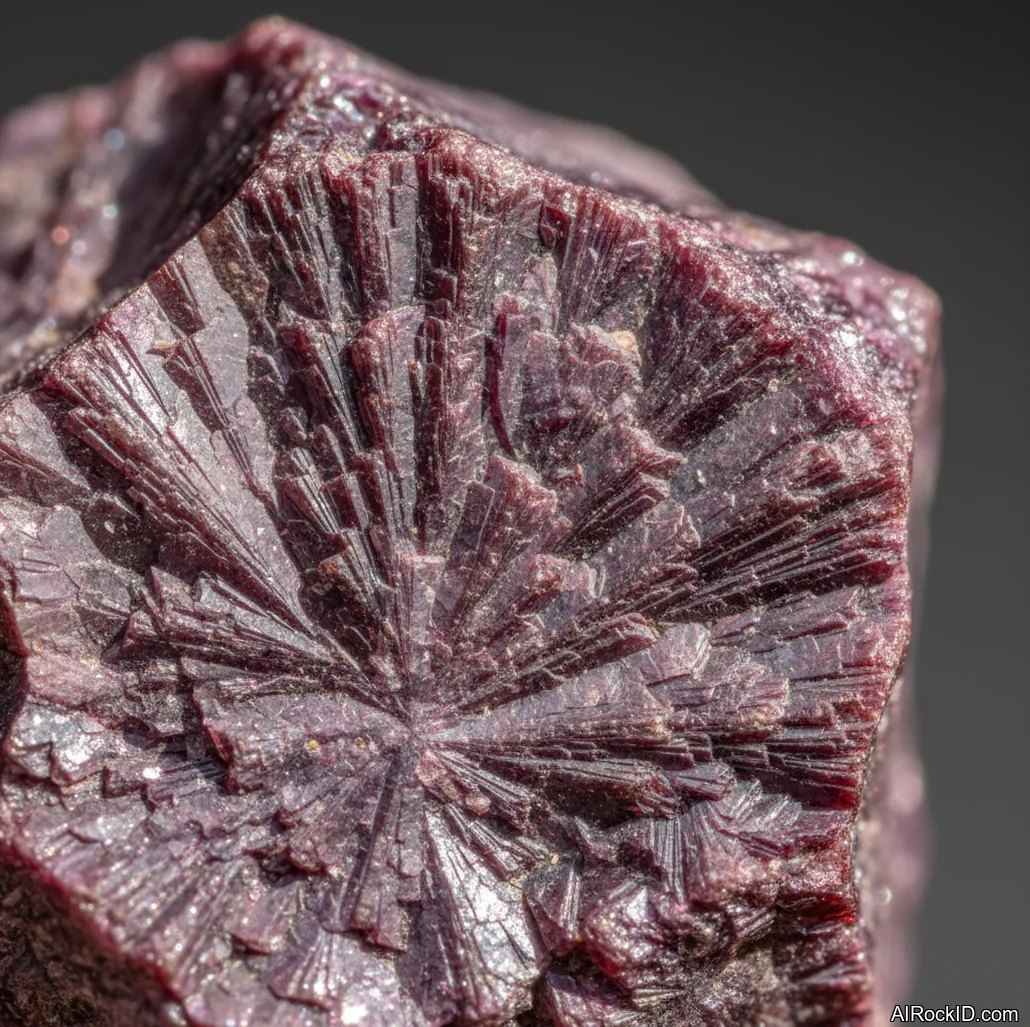
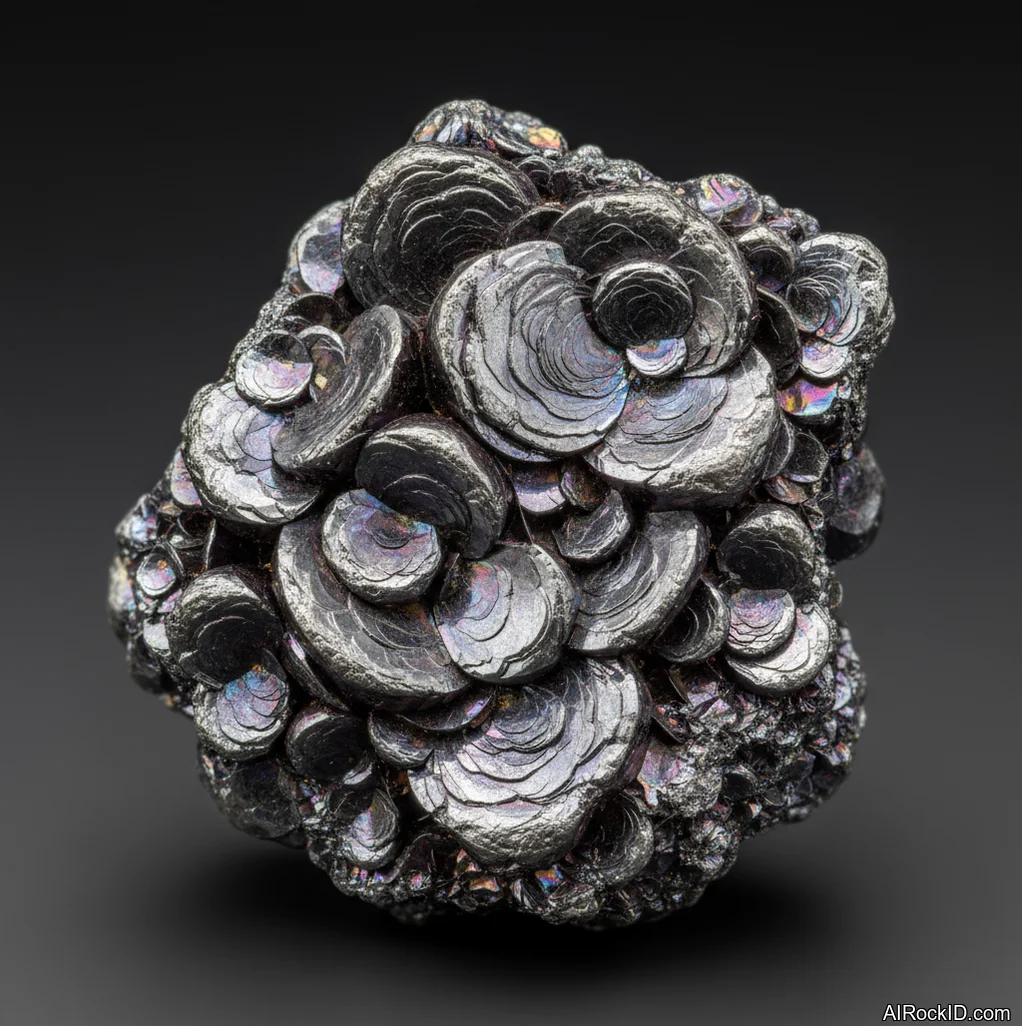
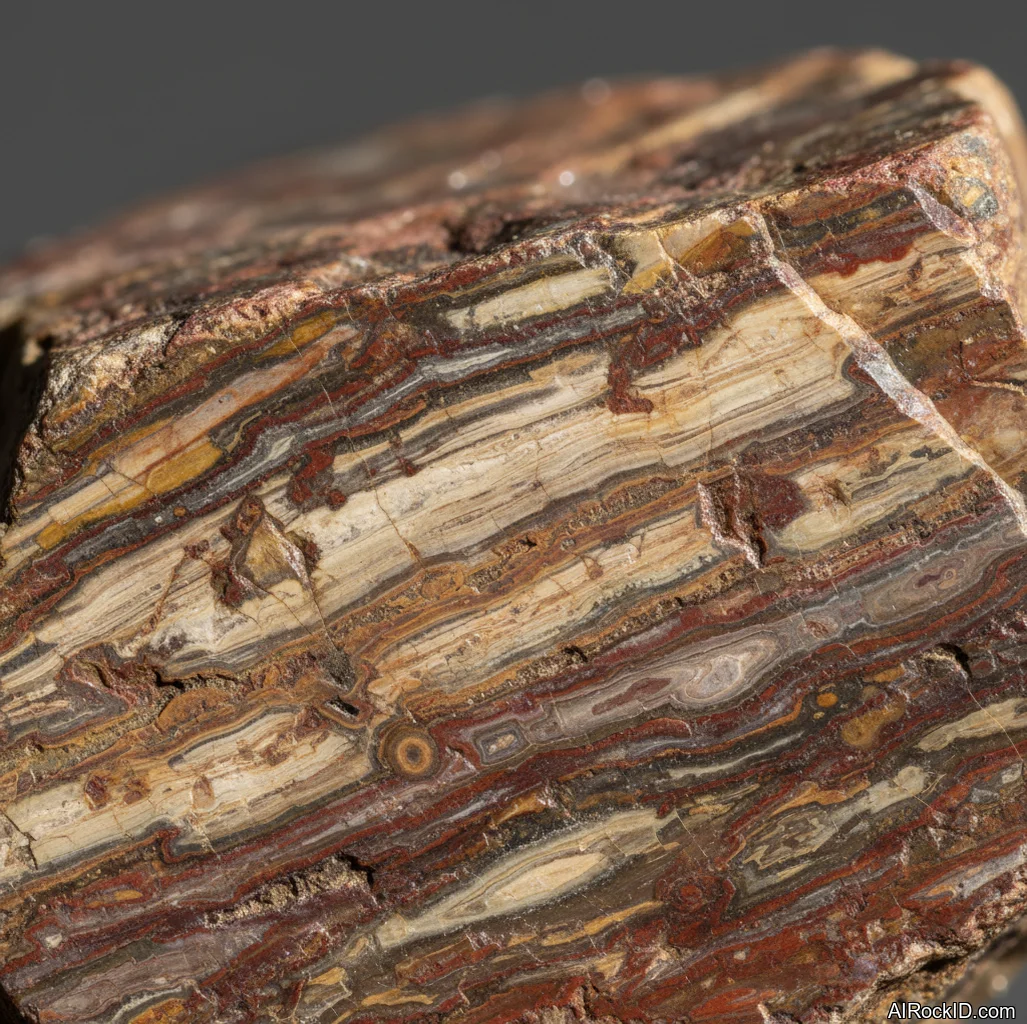
Pick up a chunk of hematite and you’ll see why Saturn gets paired with it so often. The weight hits first. Real hematite has that dense, almost metallic heft, and it stays cool in your palm longer than most tumbled stones. And if you’ve got an unpolished piece, rub it on the back of a ceramic tile and it’ll leave a reddish-brown streak. That streak test is old-school, but it’s one of the fastest ways to separate hematite from lookalikes sold as “magnetic hematite” (which is usually man-made).
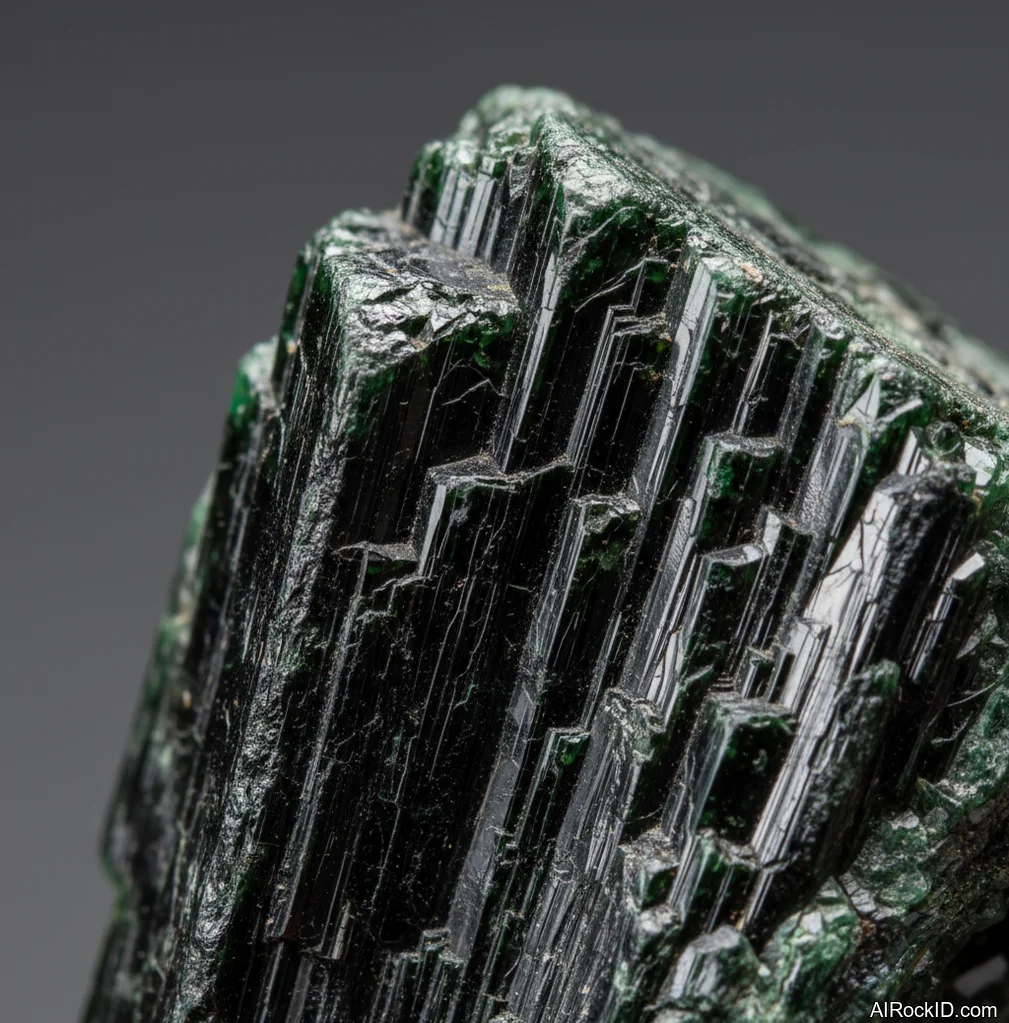
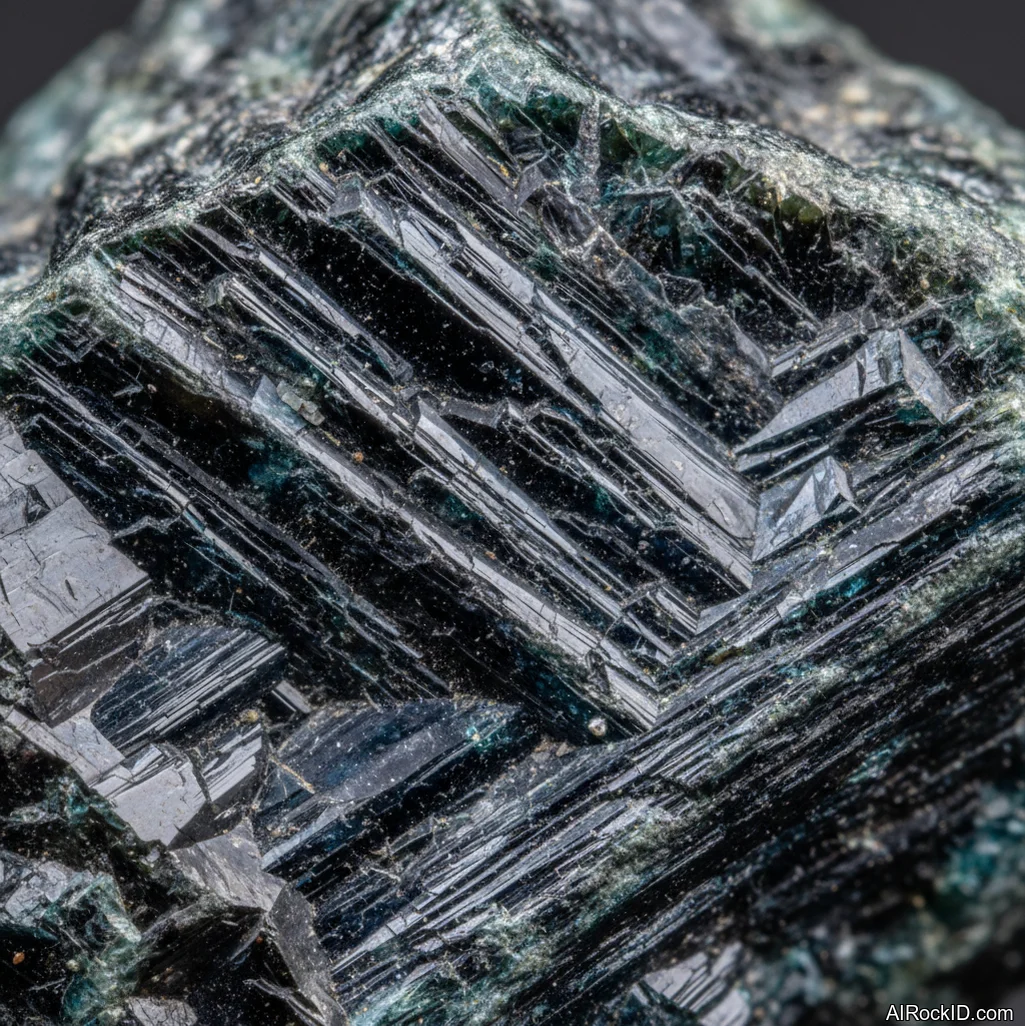
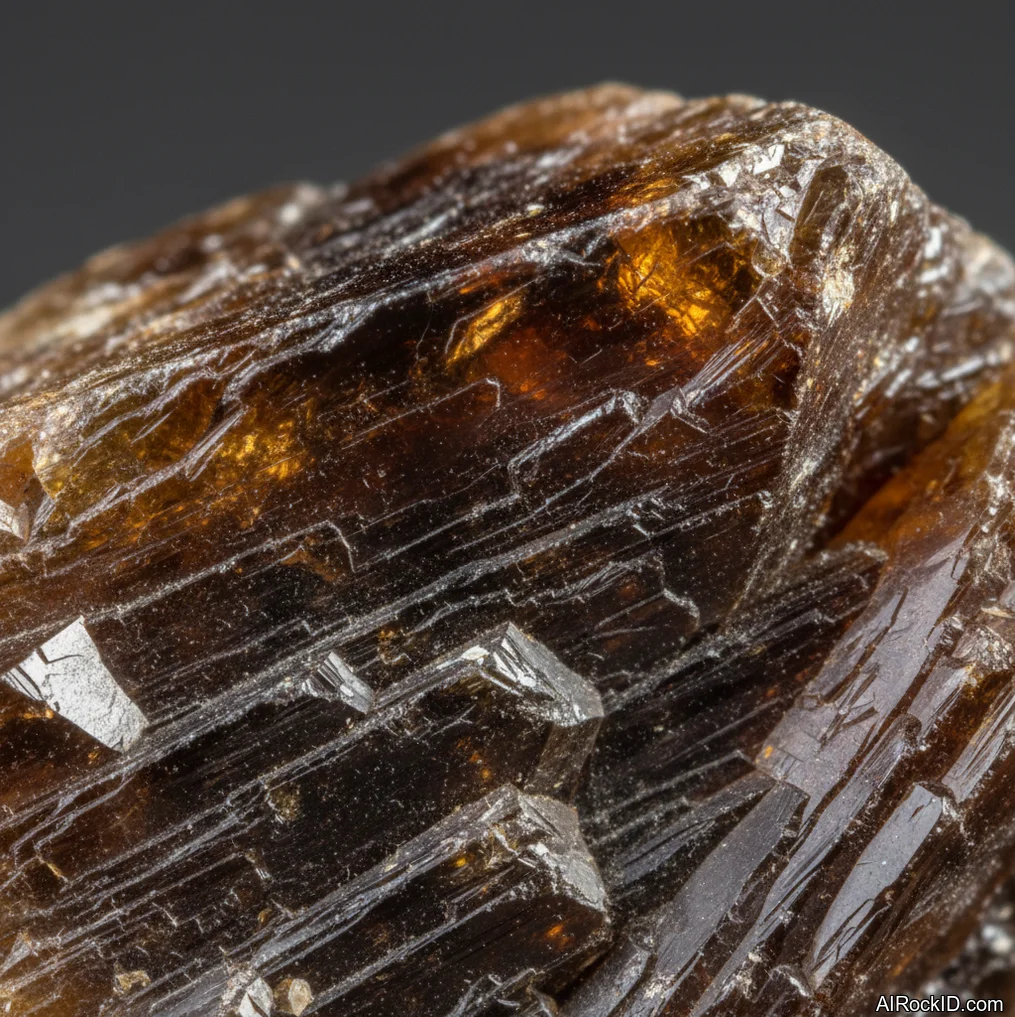
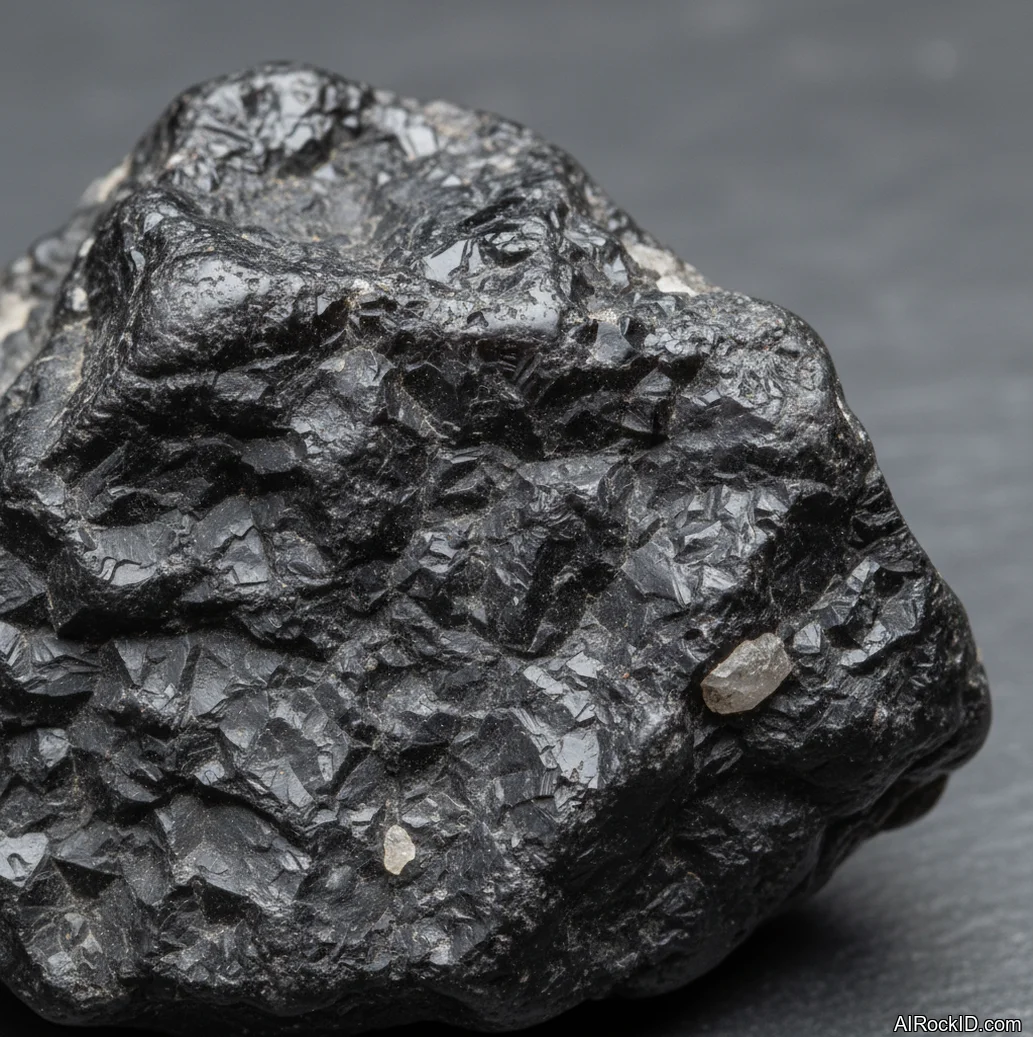
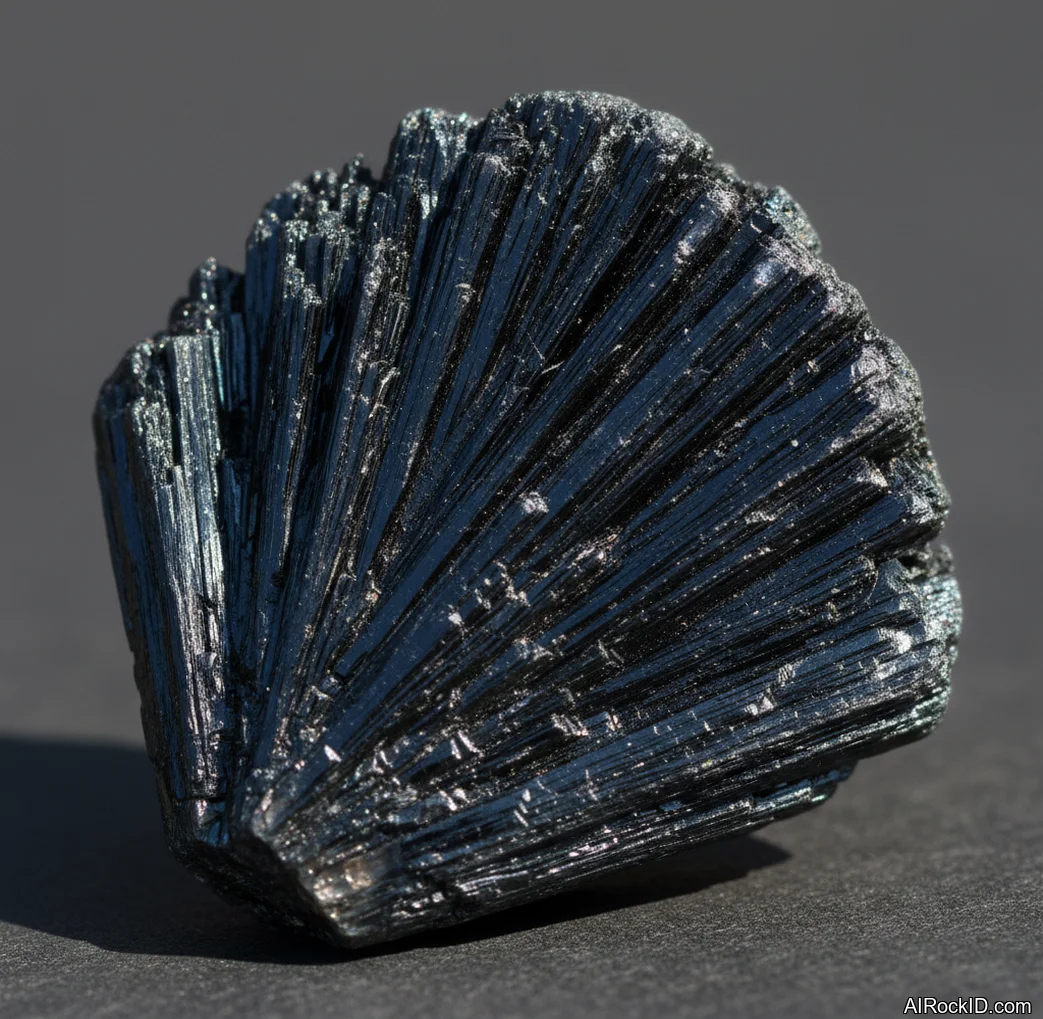
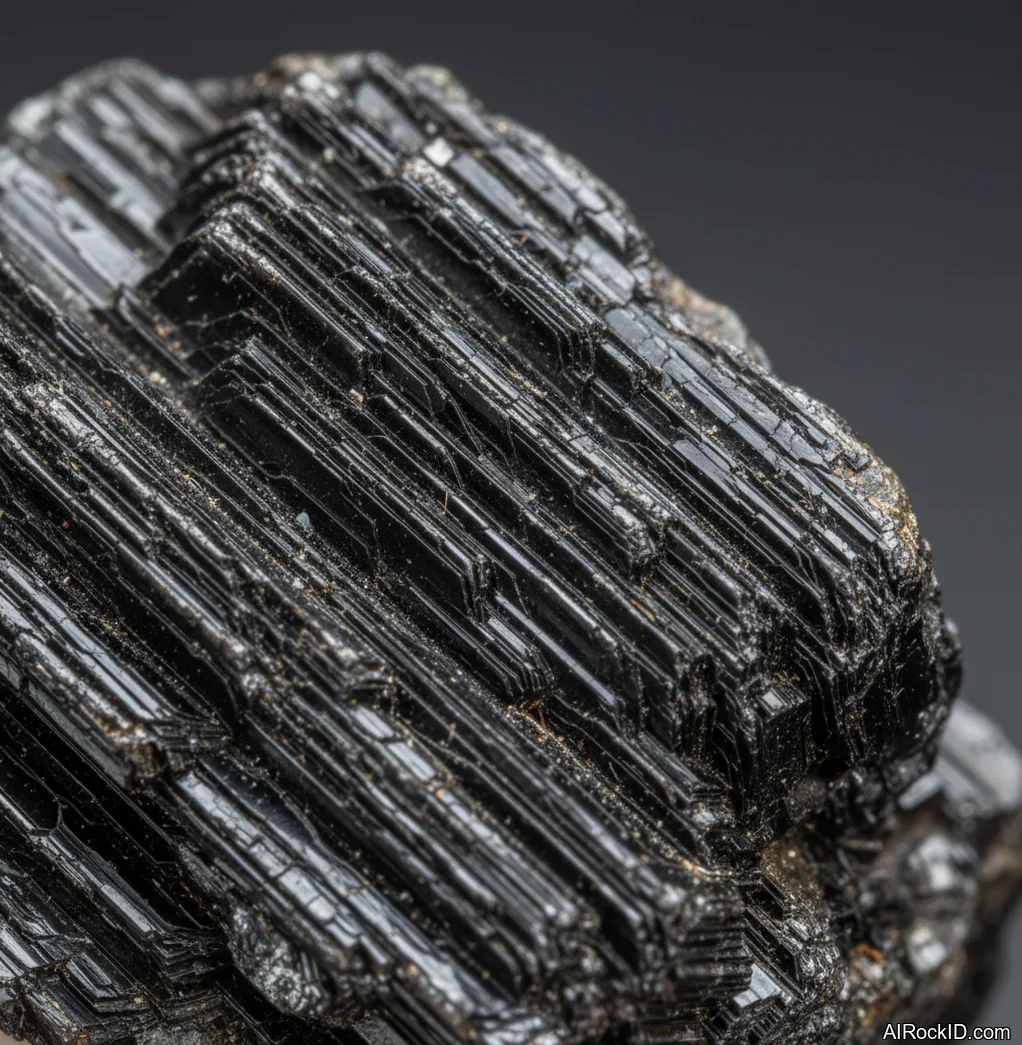
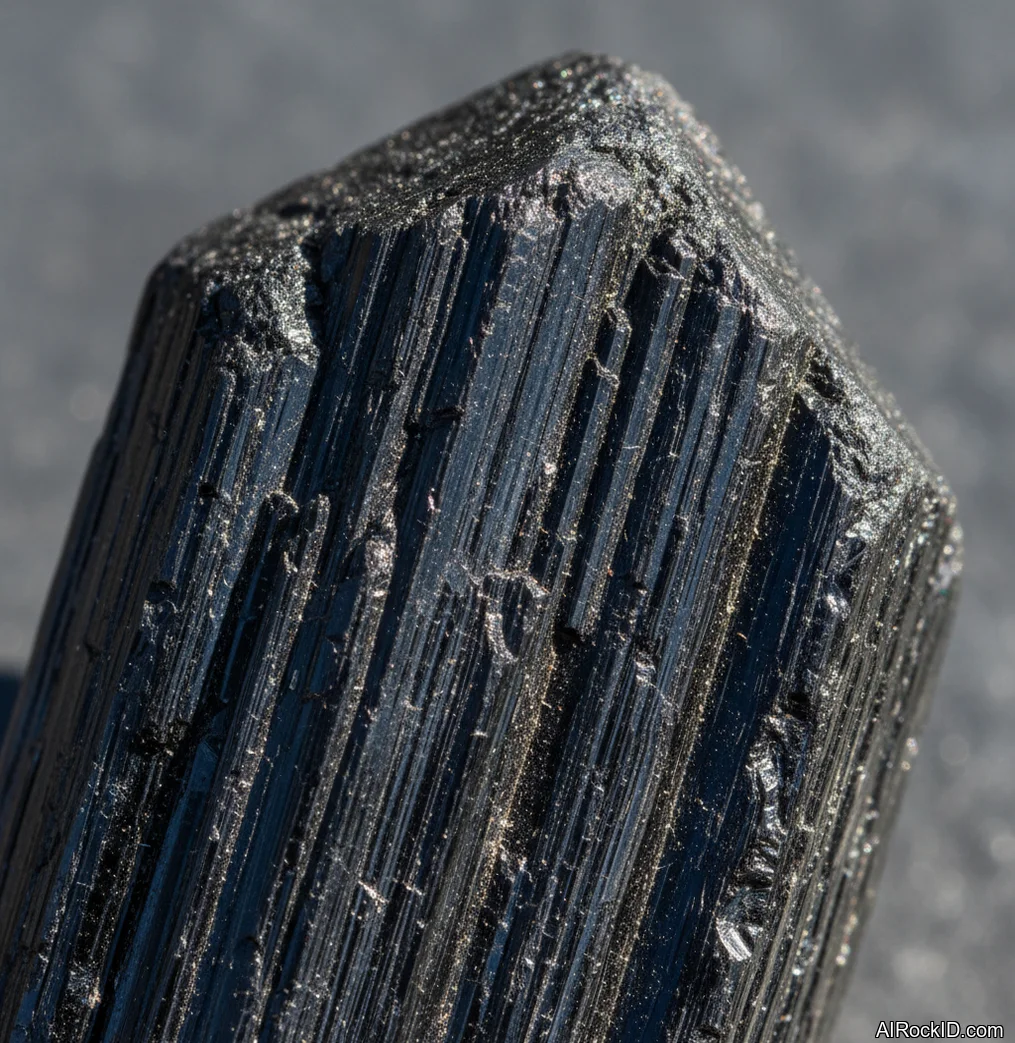
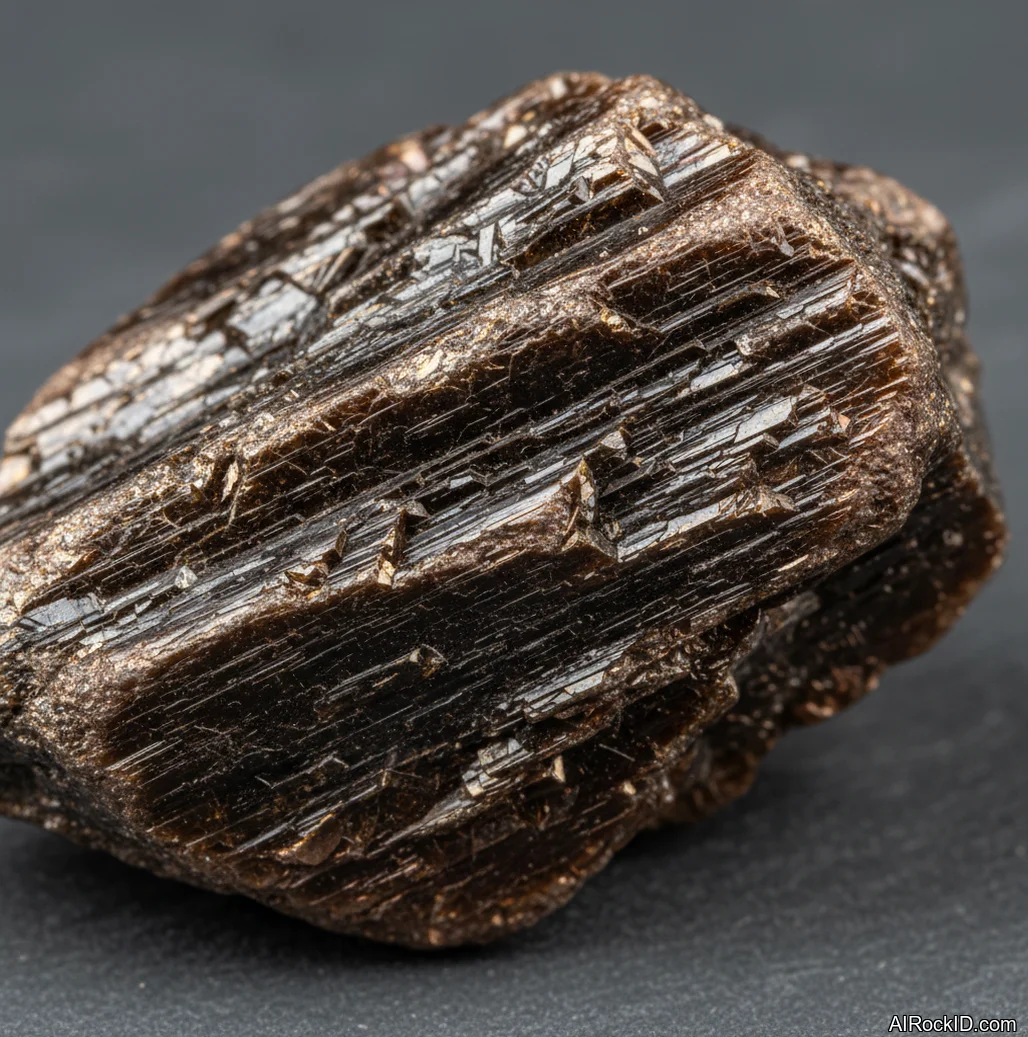
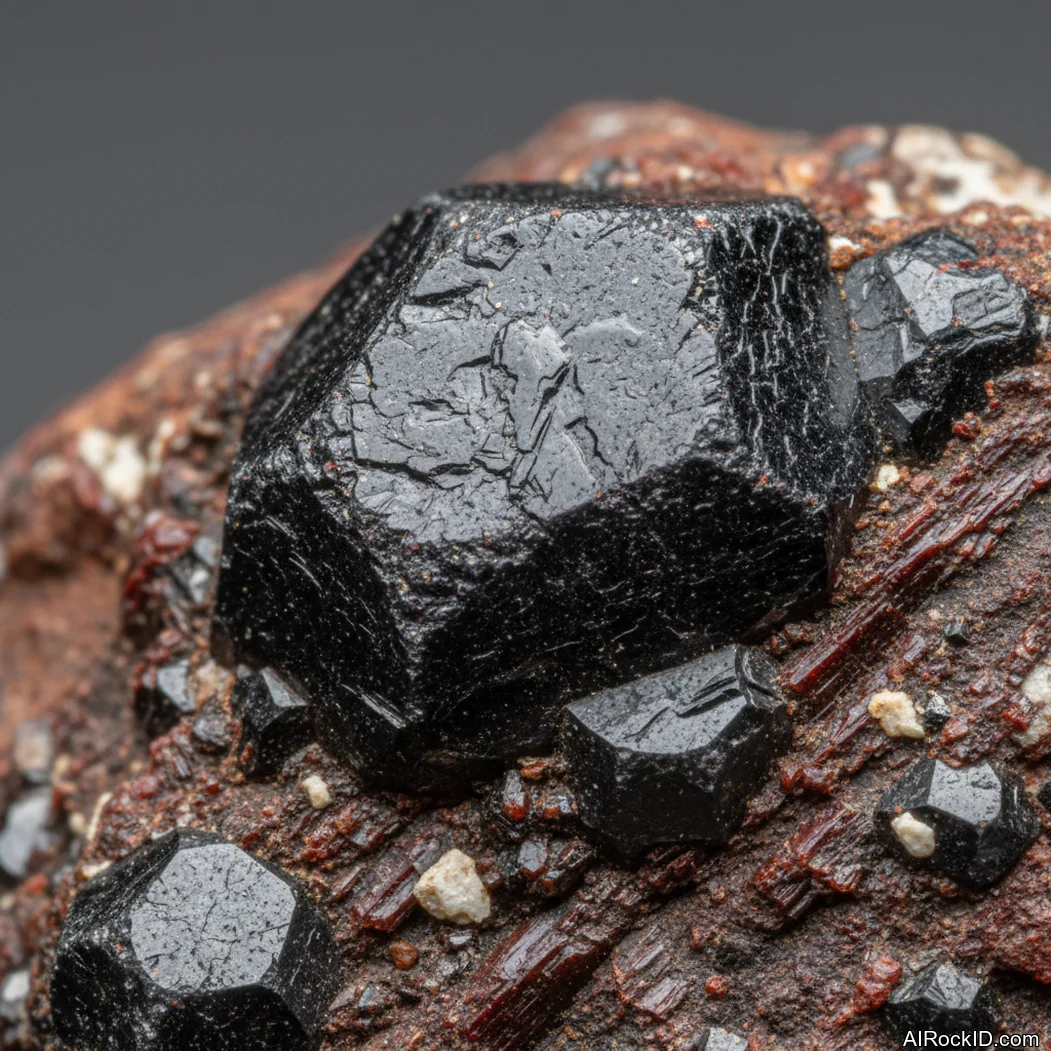
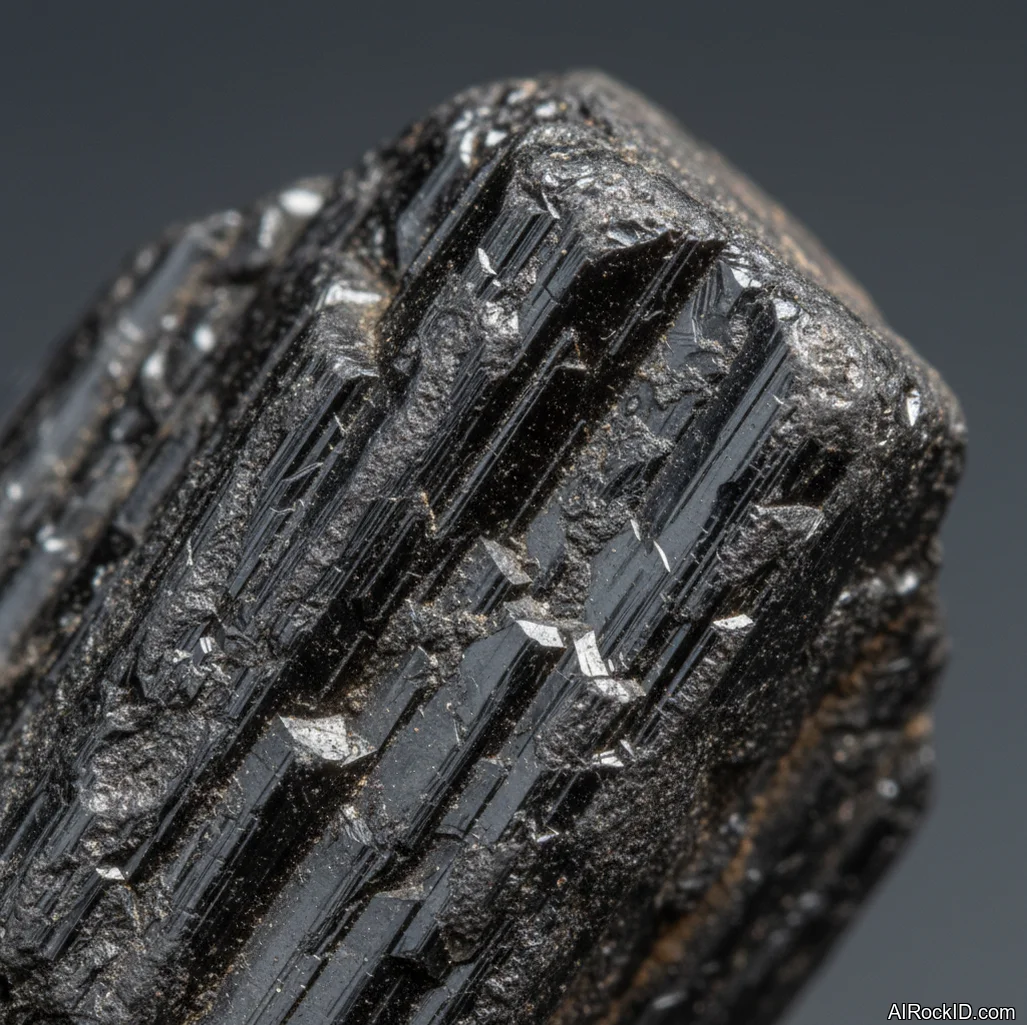
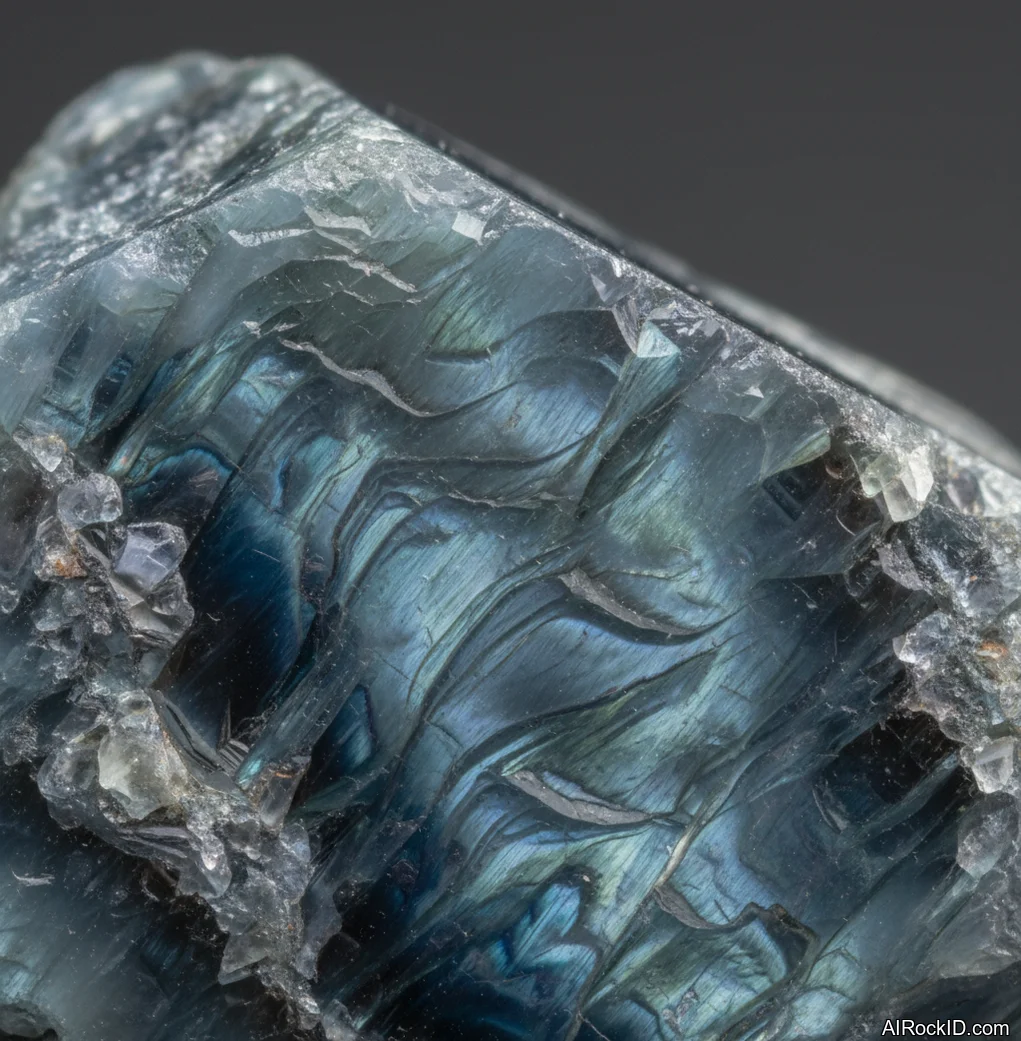
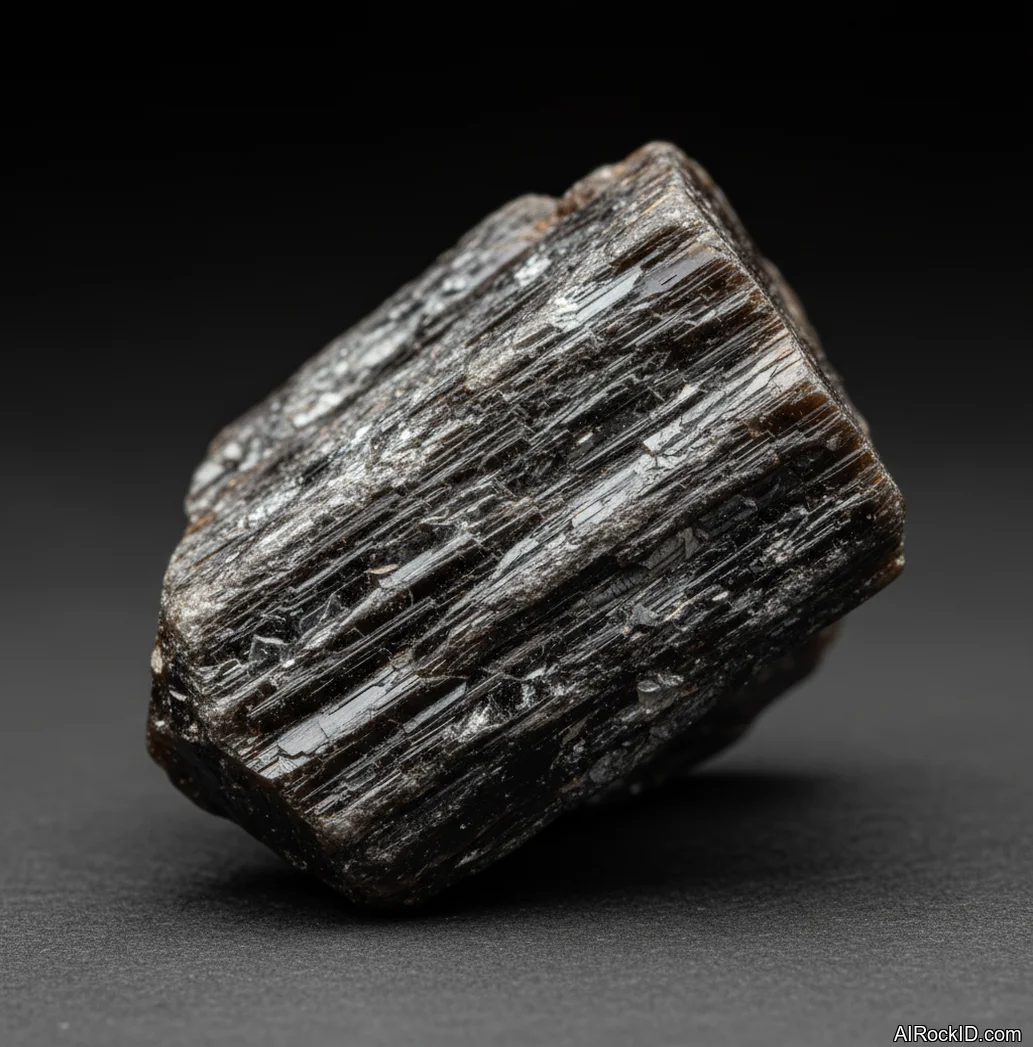
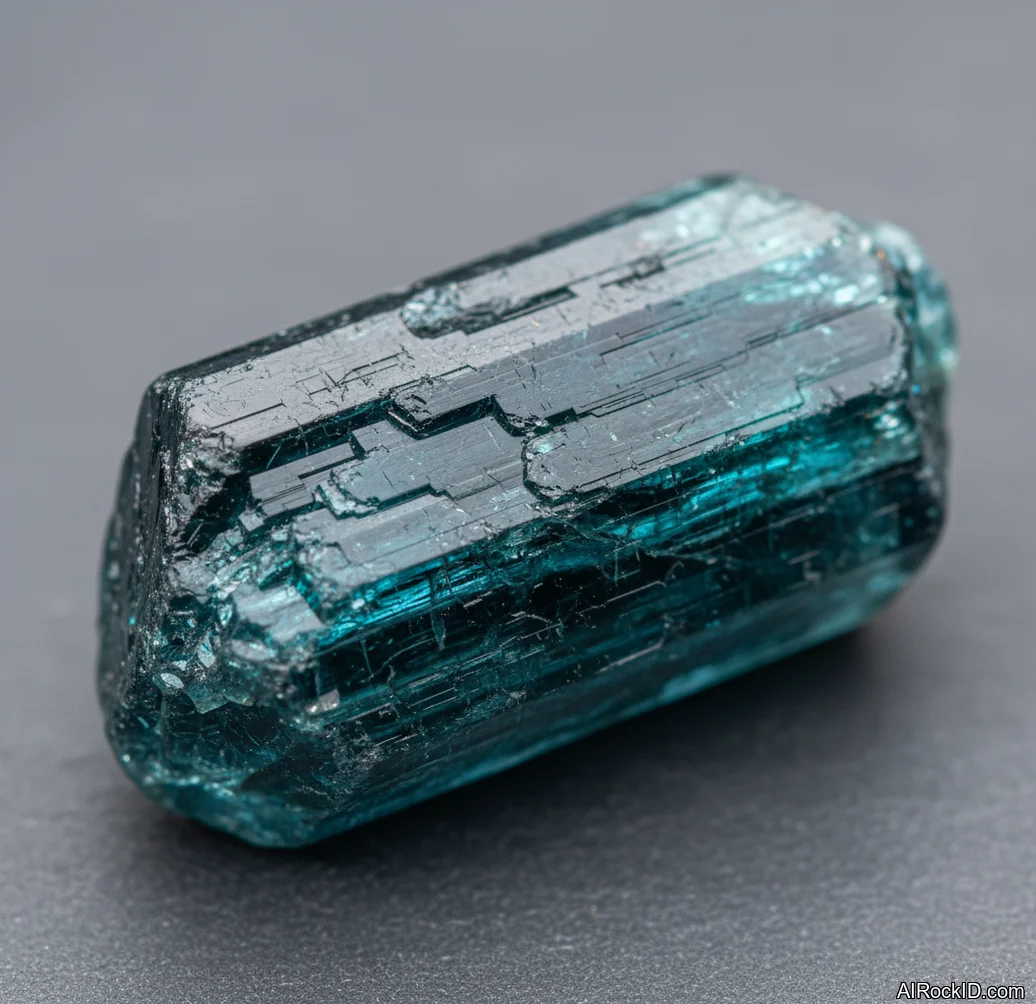
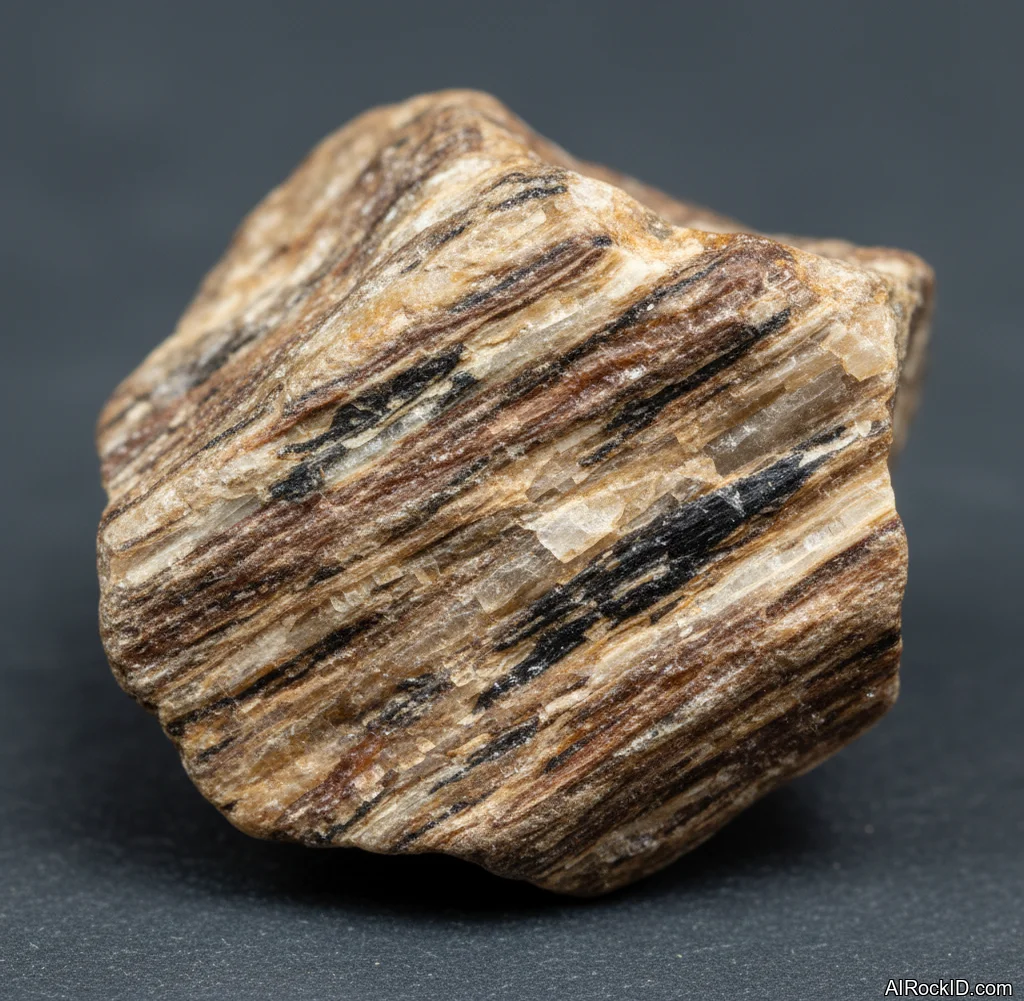
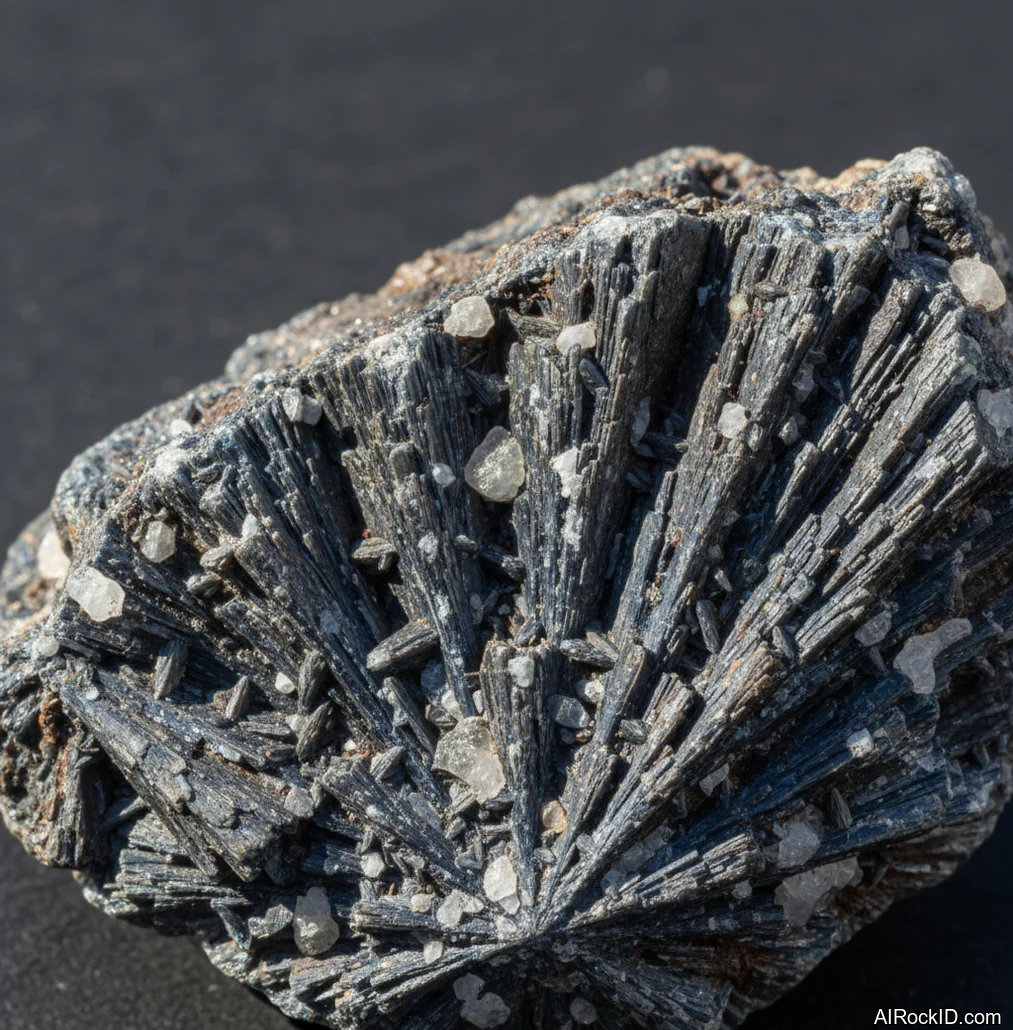
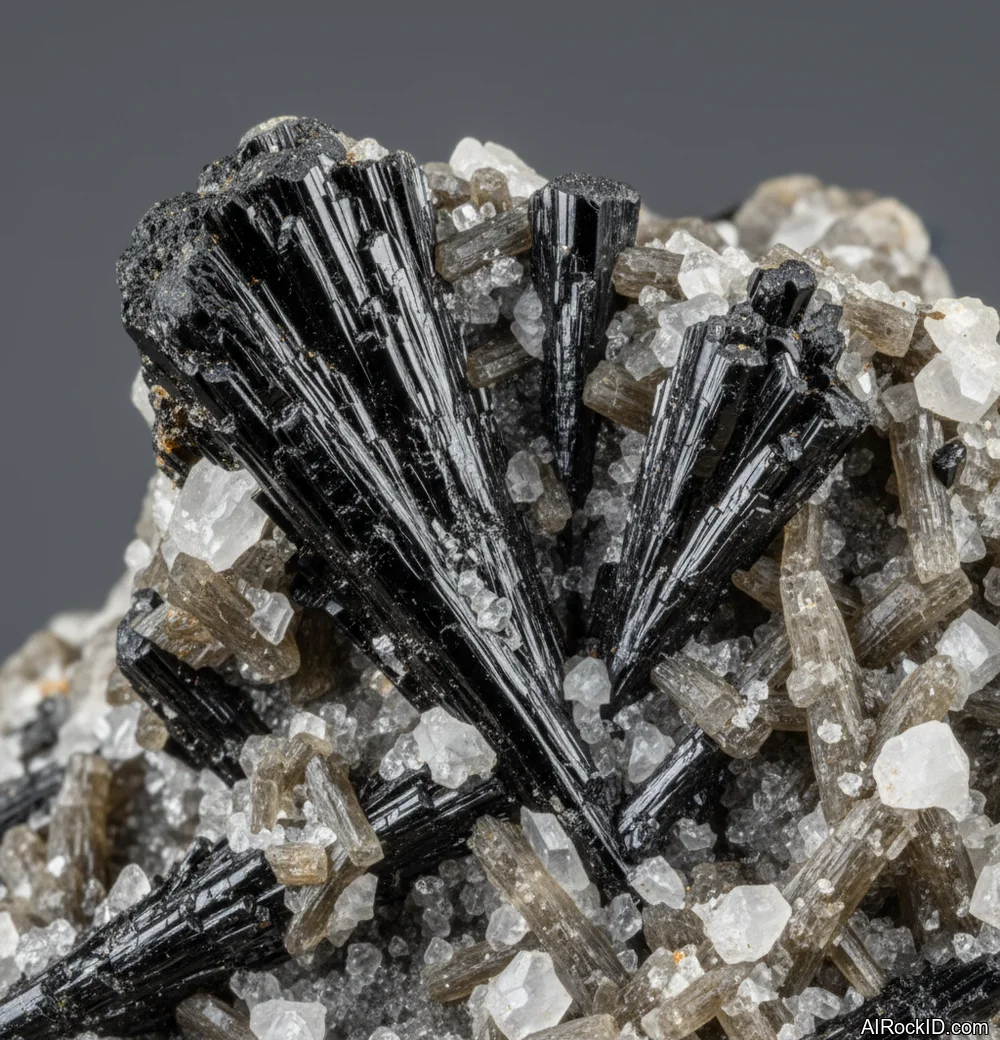
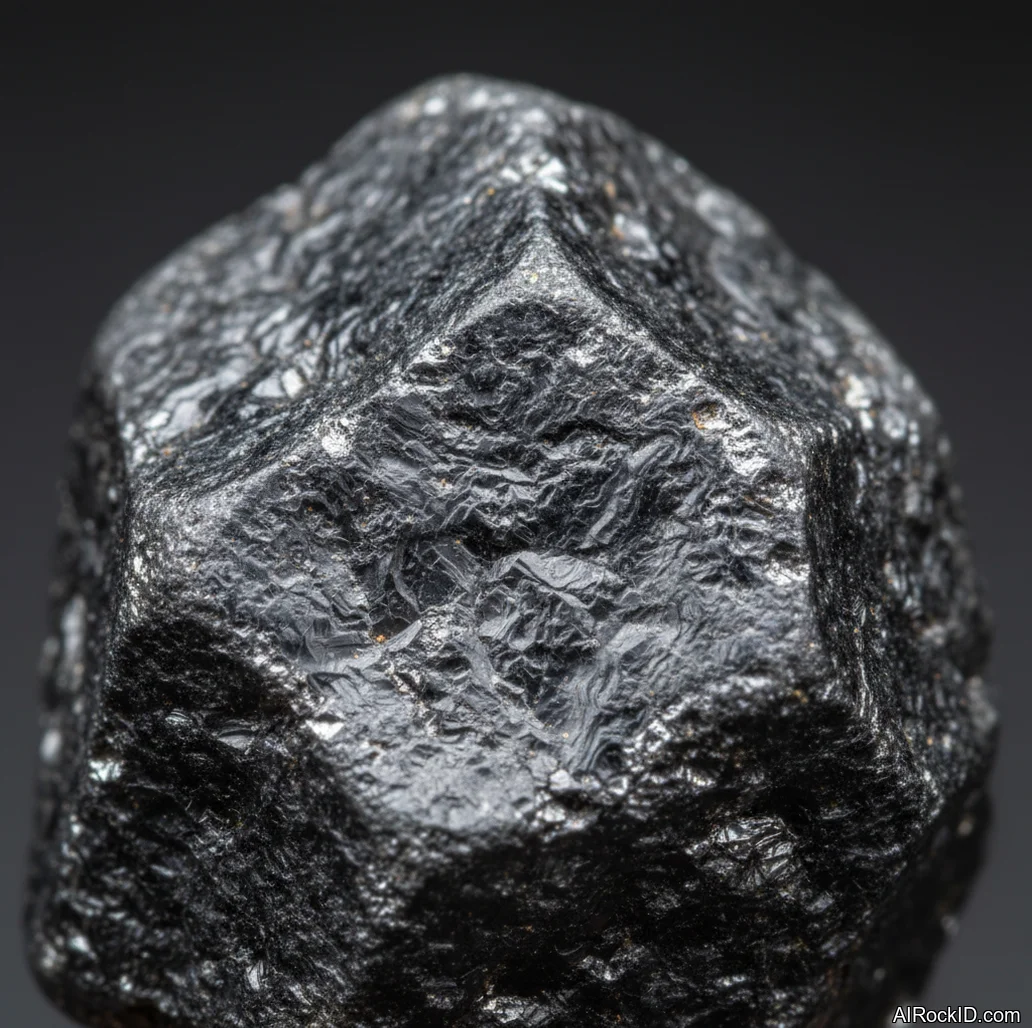
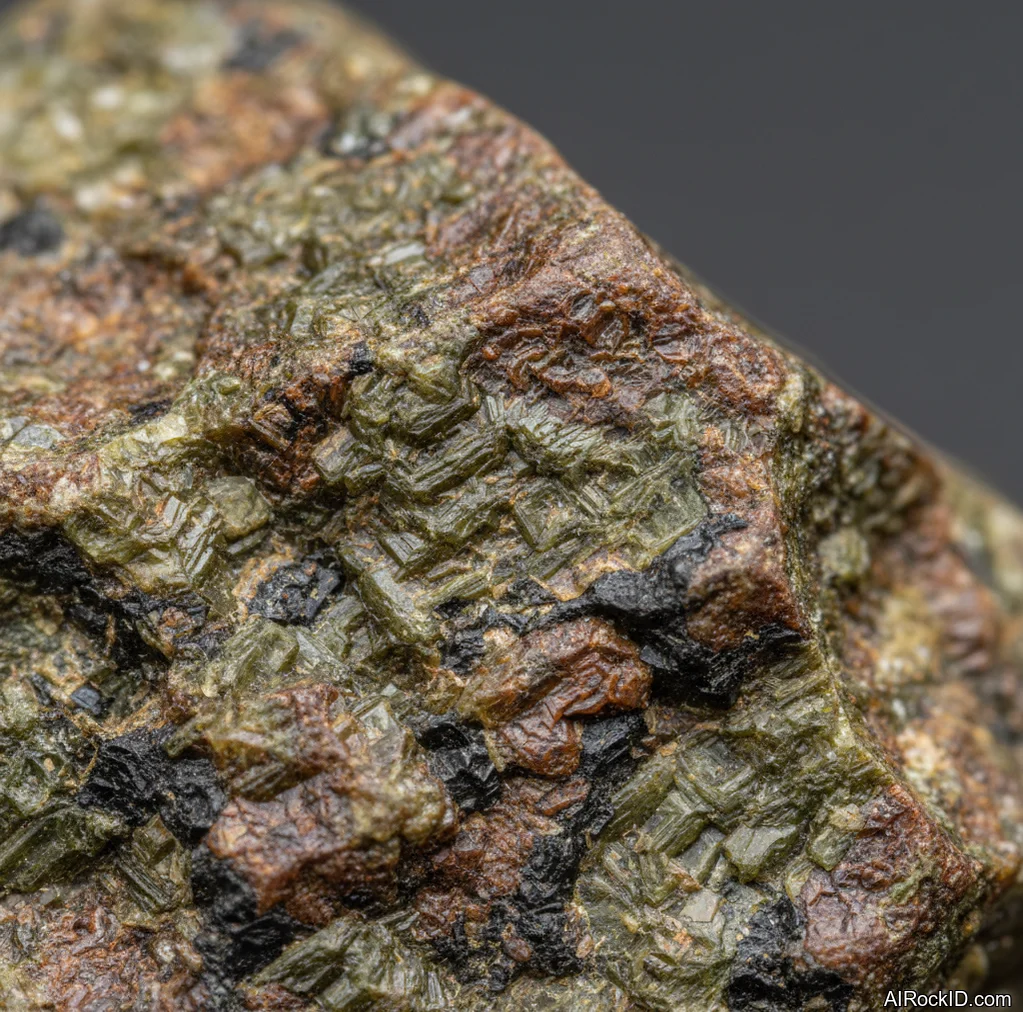
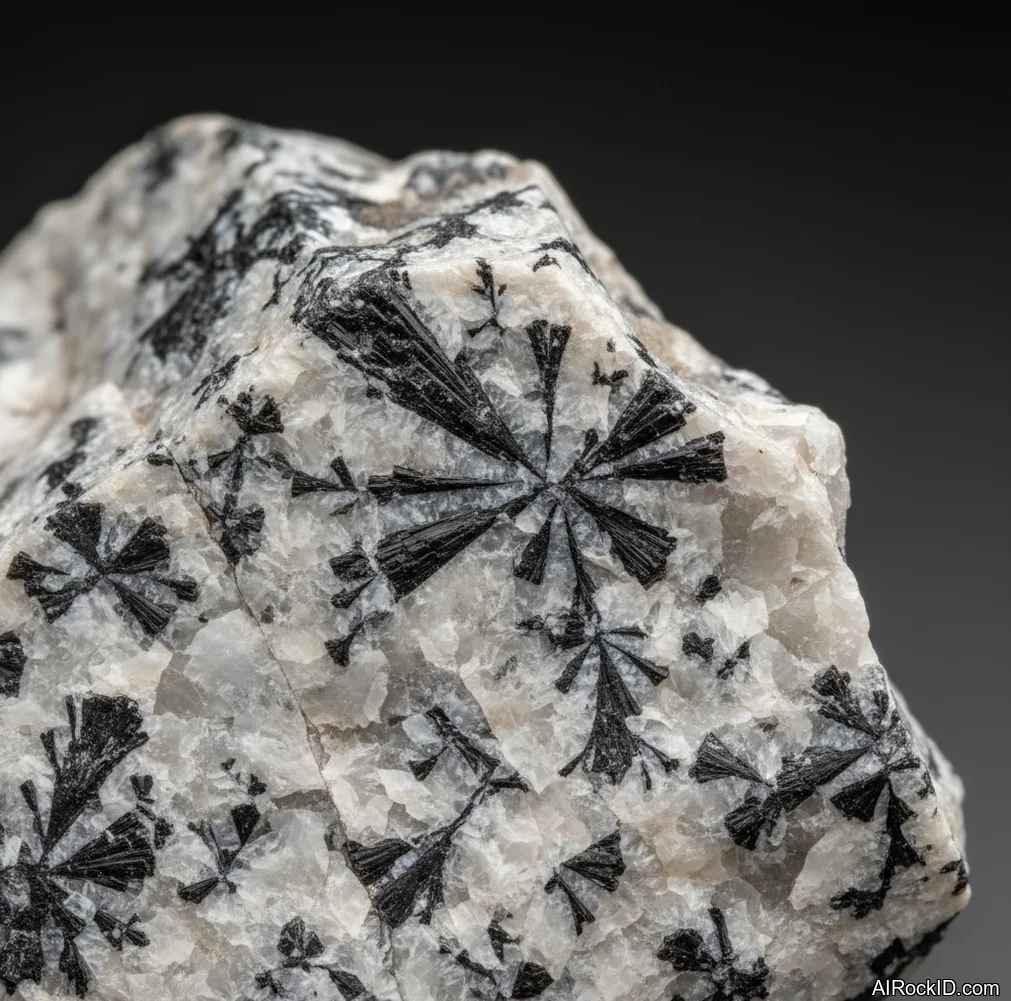
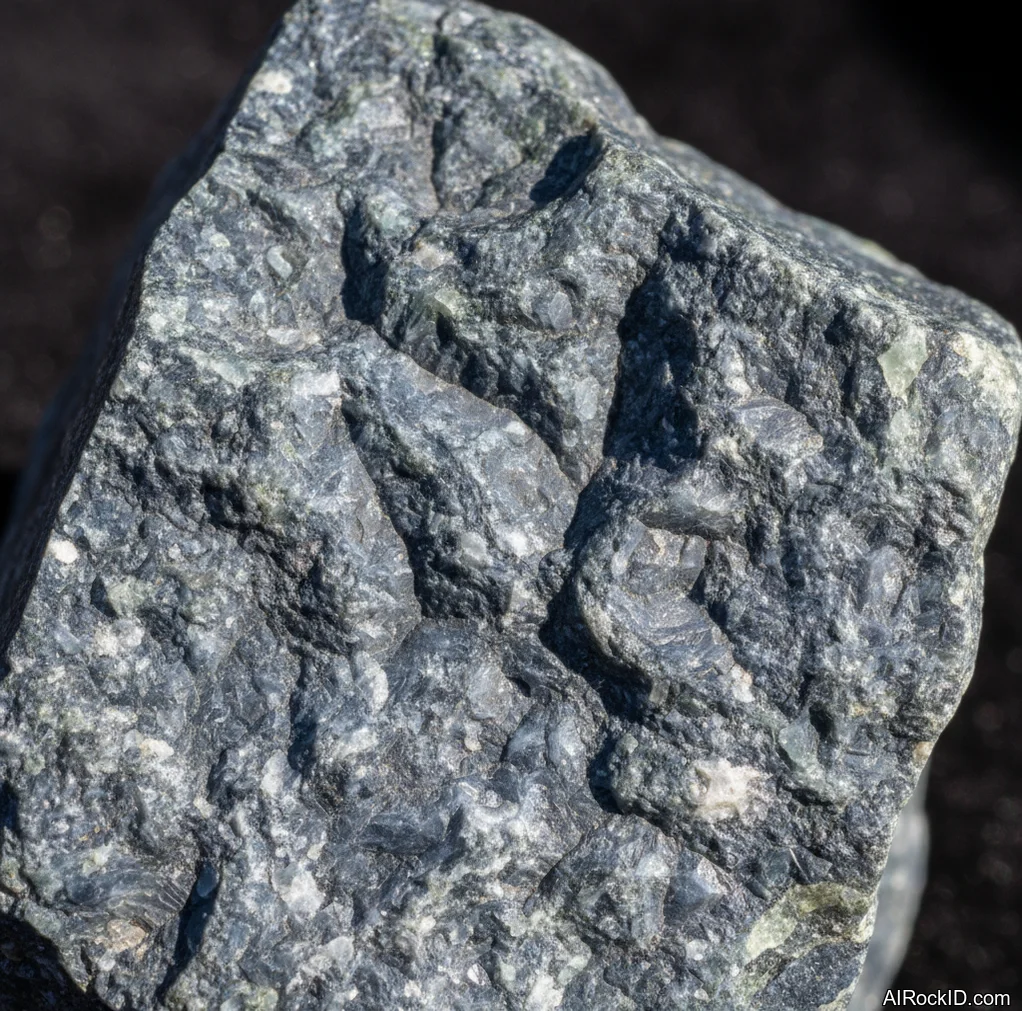
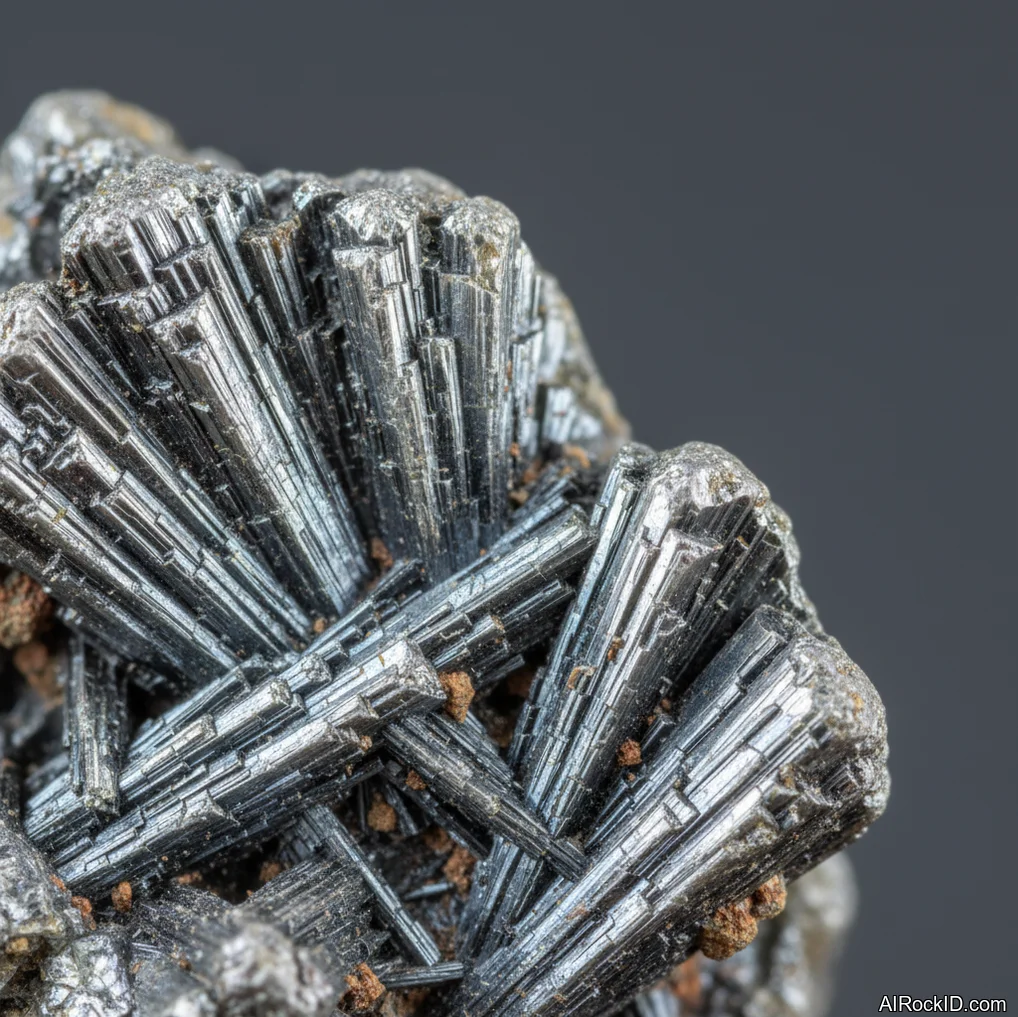
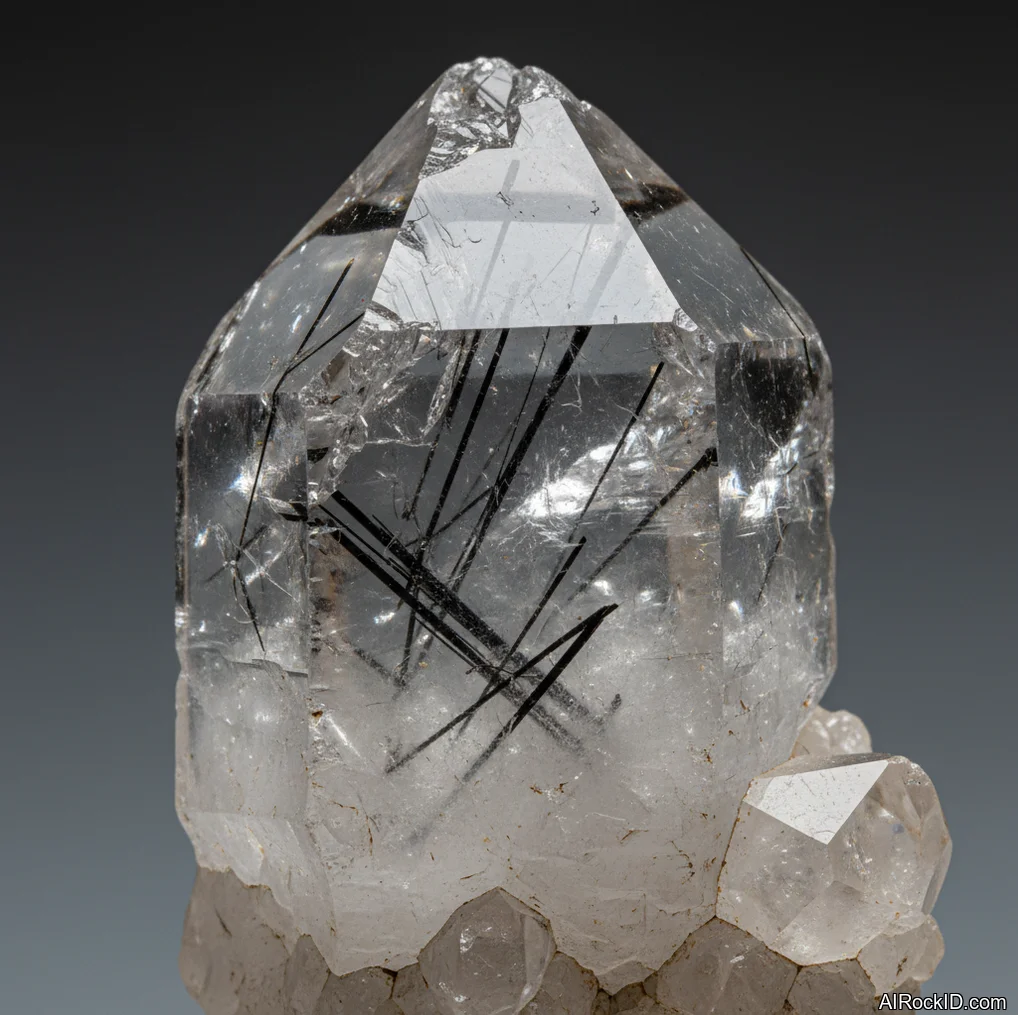
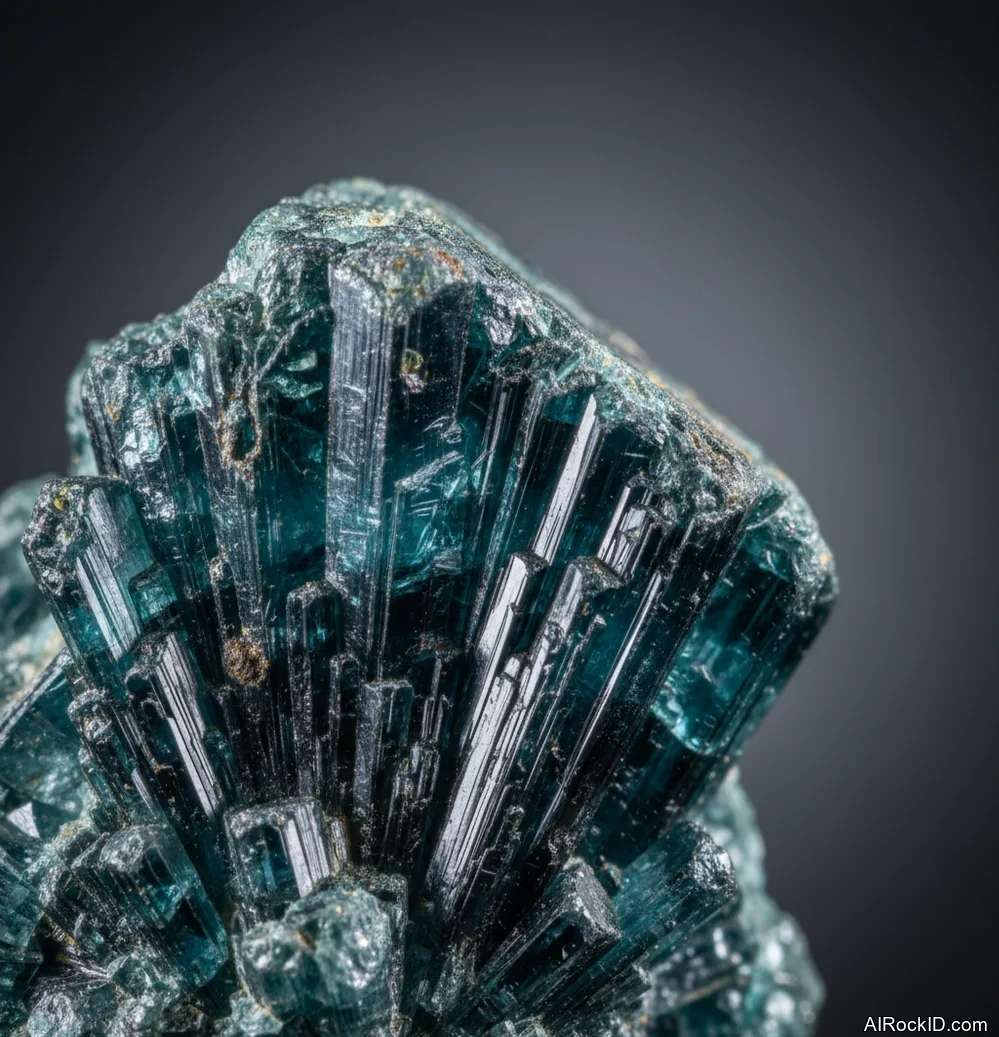
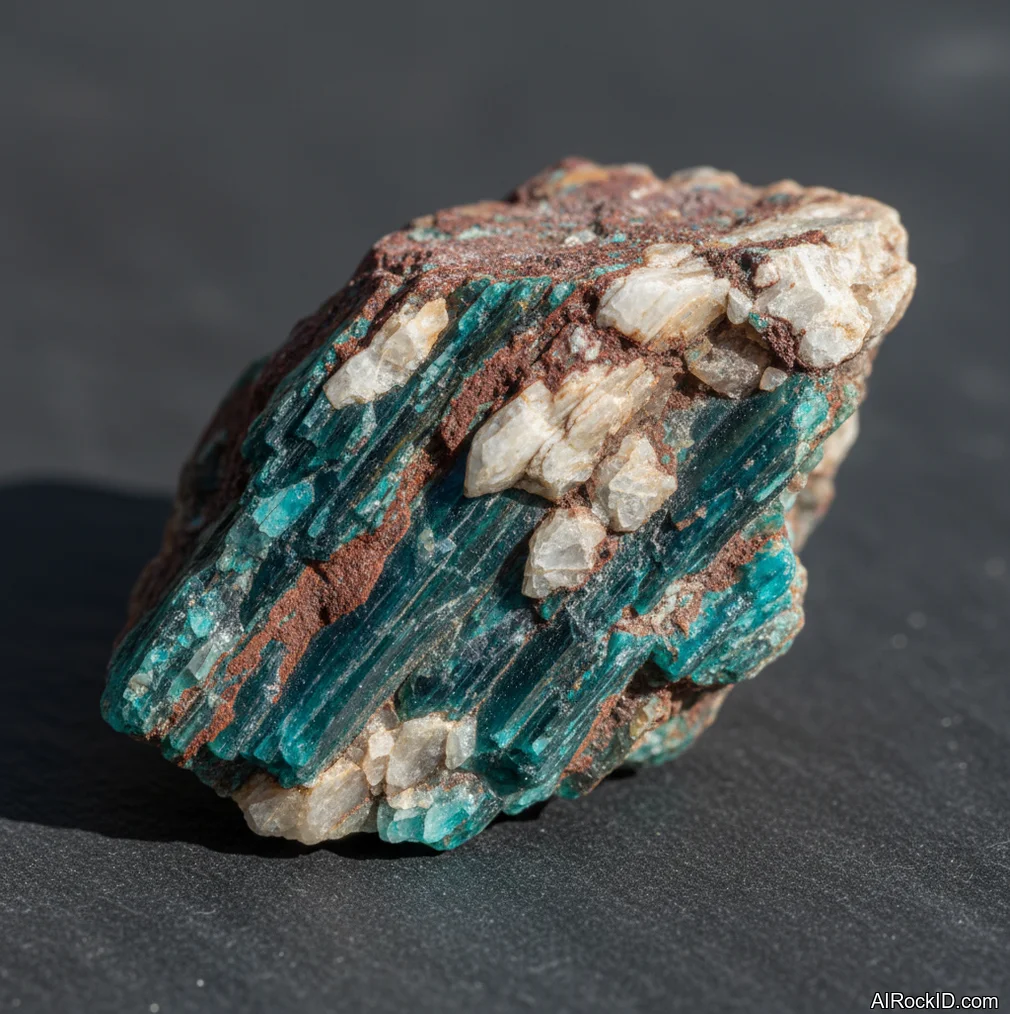
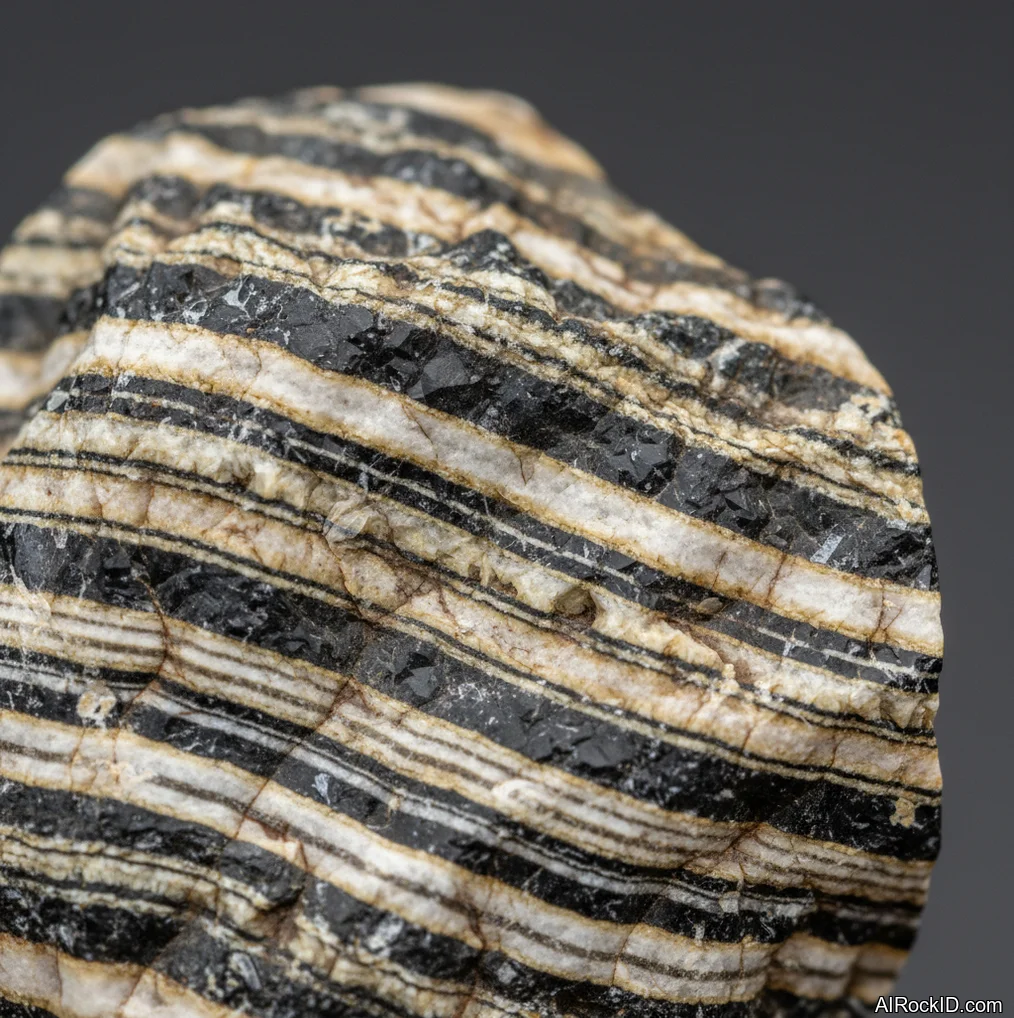
A lot of Saturn work is about boundaries and protection, so black stones show up constantly. Black tourmaline is the classic. Raw schorl has long striations, like somebody dragged a comb down the crystal, and it snaps with a gritty, uneven break if you’re not careful. Put a piece near a laptop or power strip and you’ll notice it grabs dust and fuzz fast. That’s not magic, that’s just the stone being a dust magnet in the real world. Keep a soft brush nearby if you want your specimens to look nice.
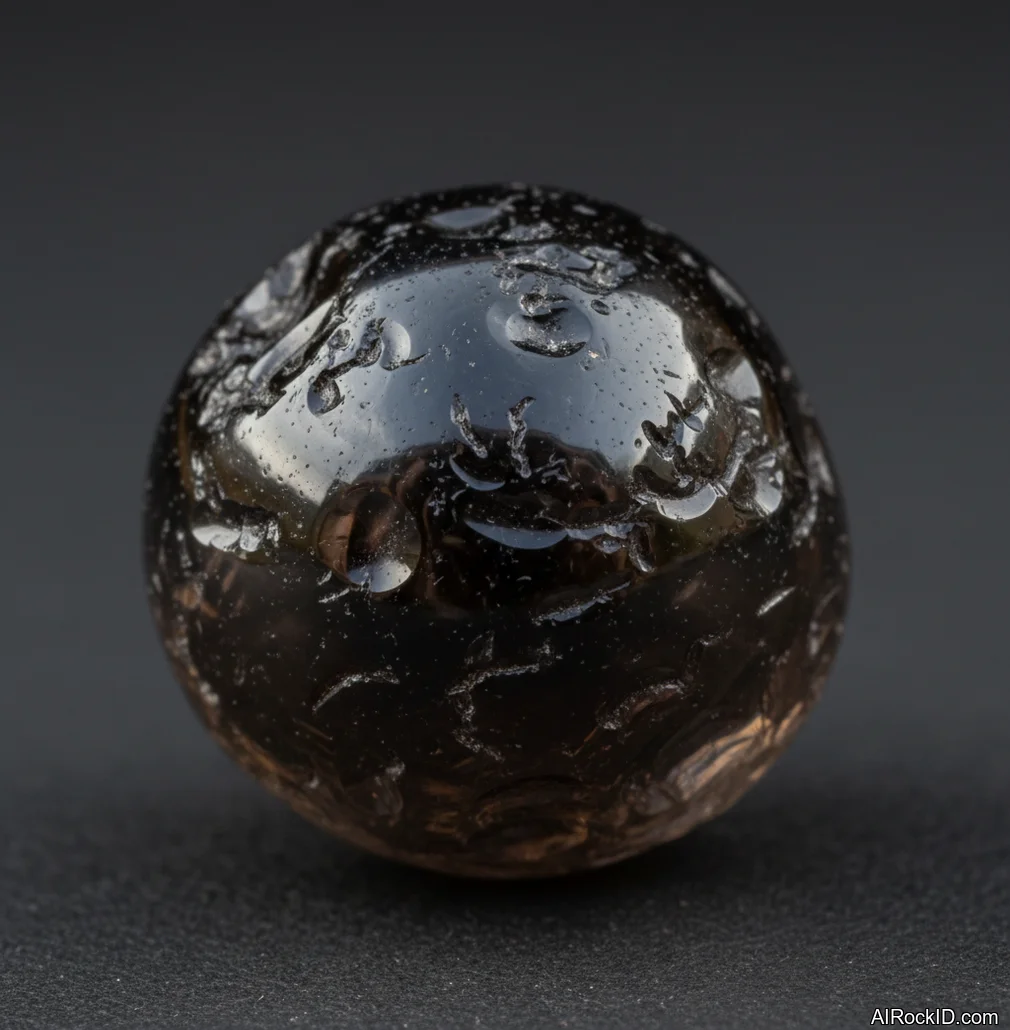
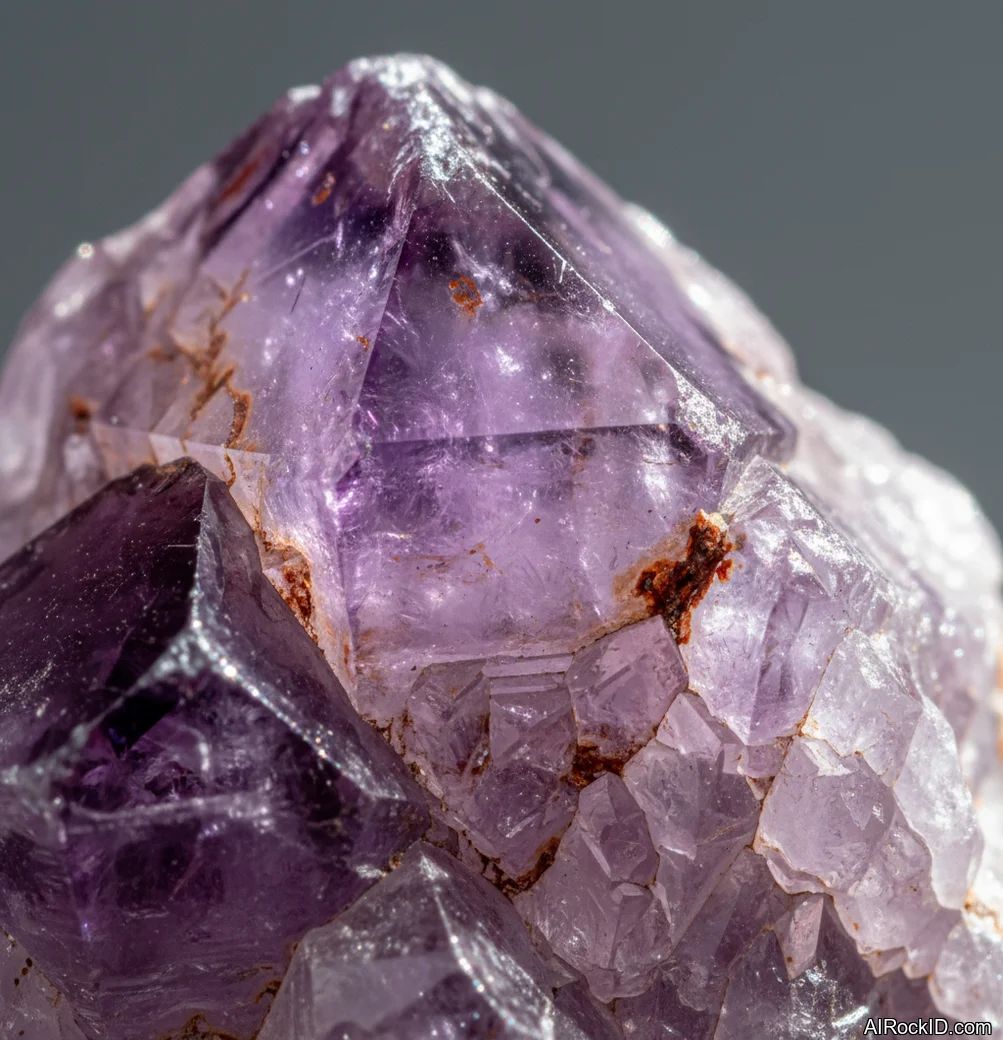
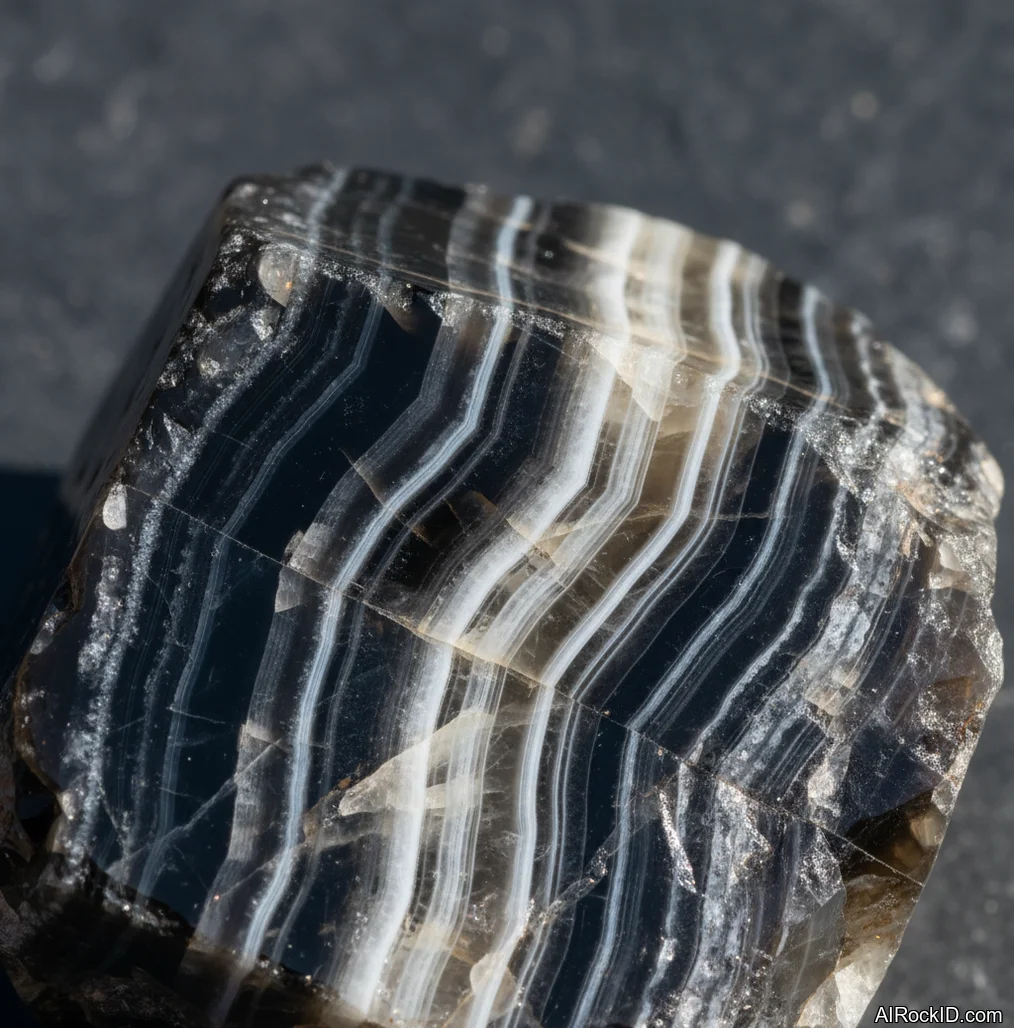
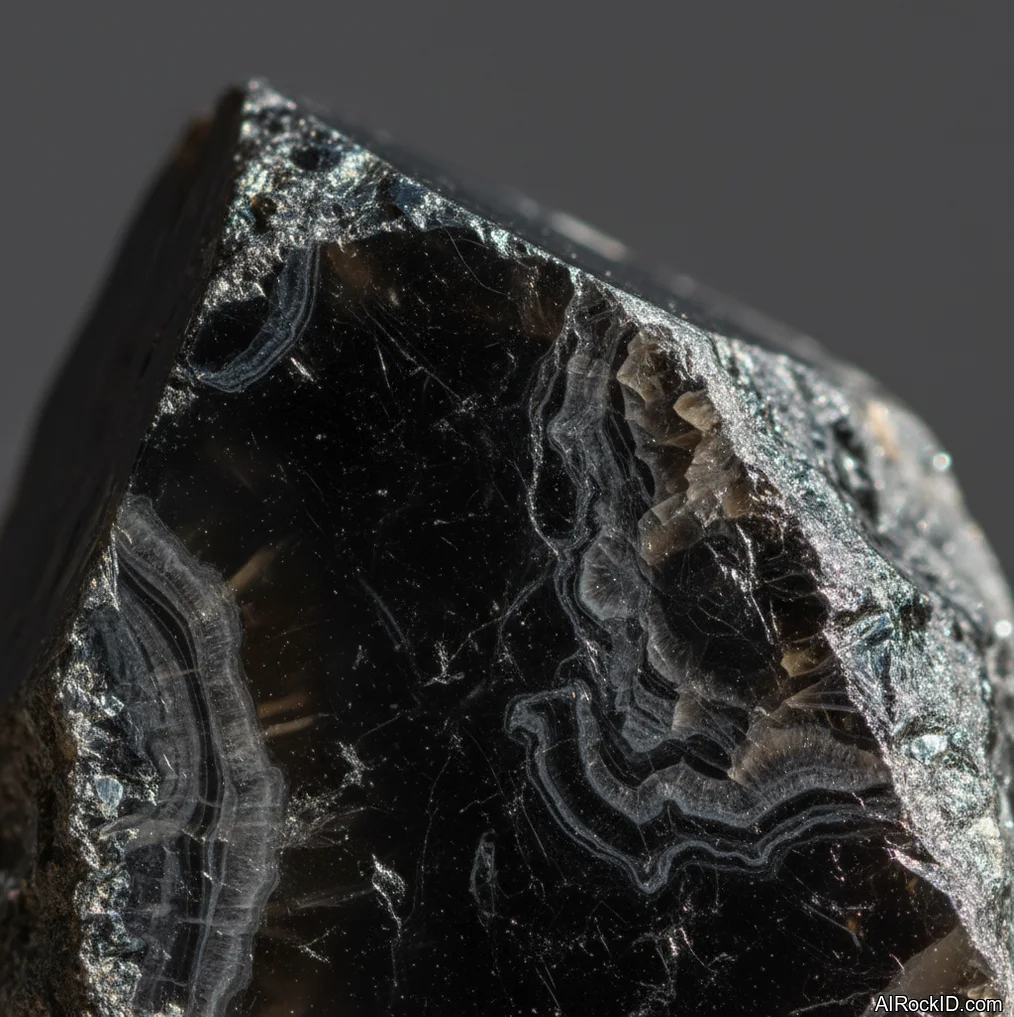
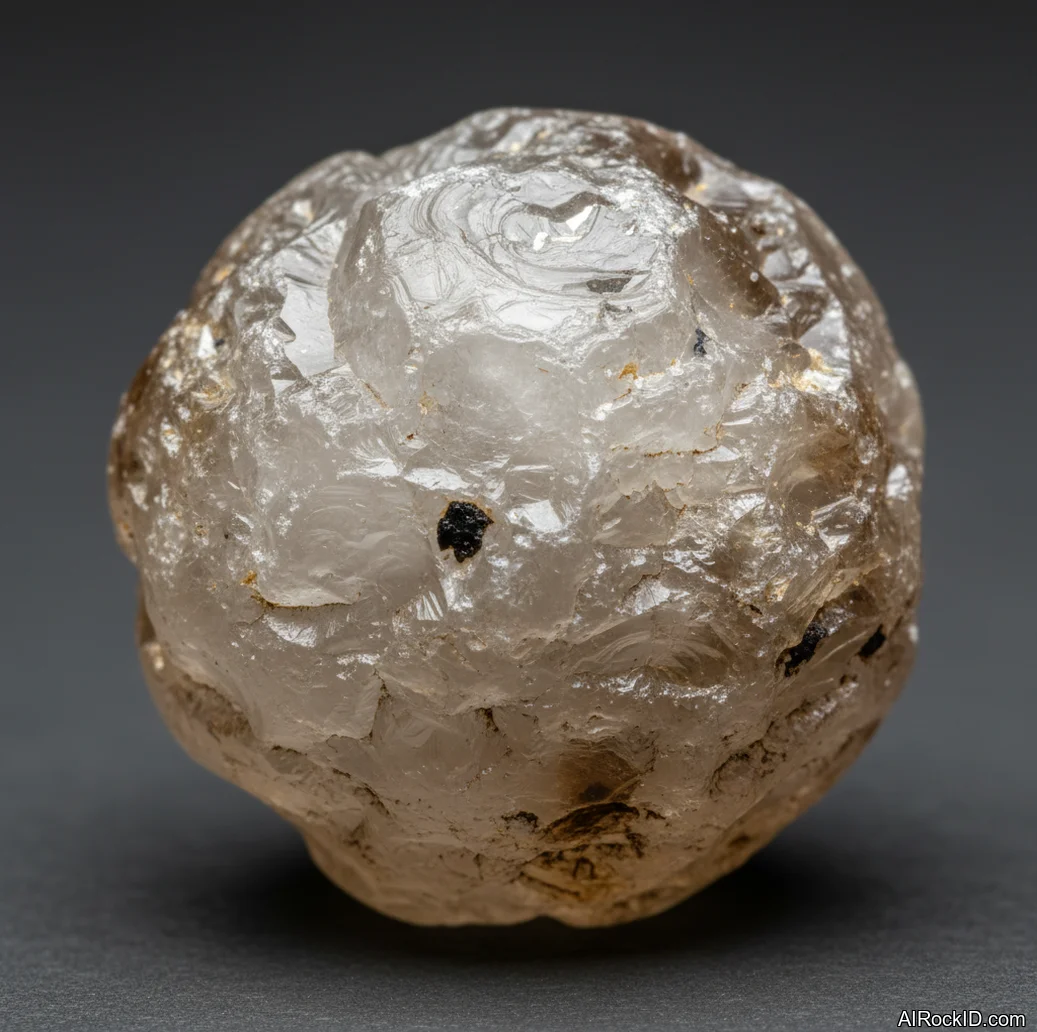
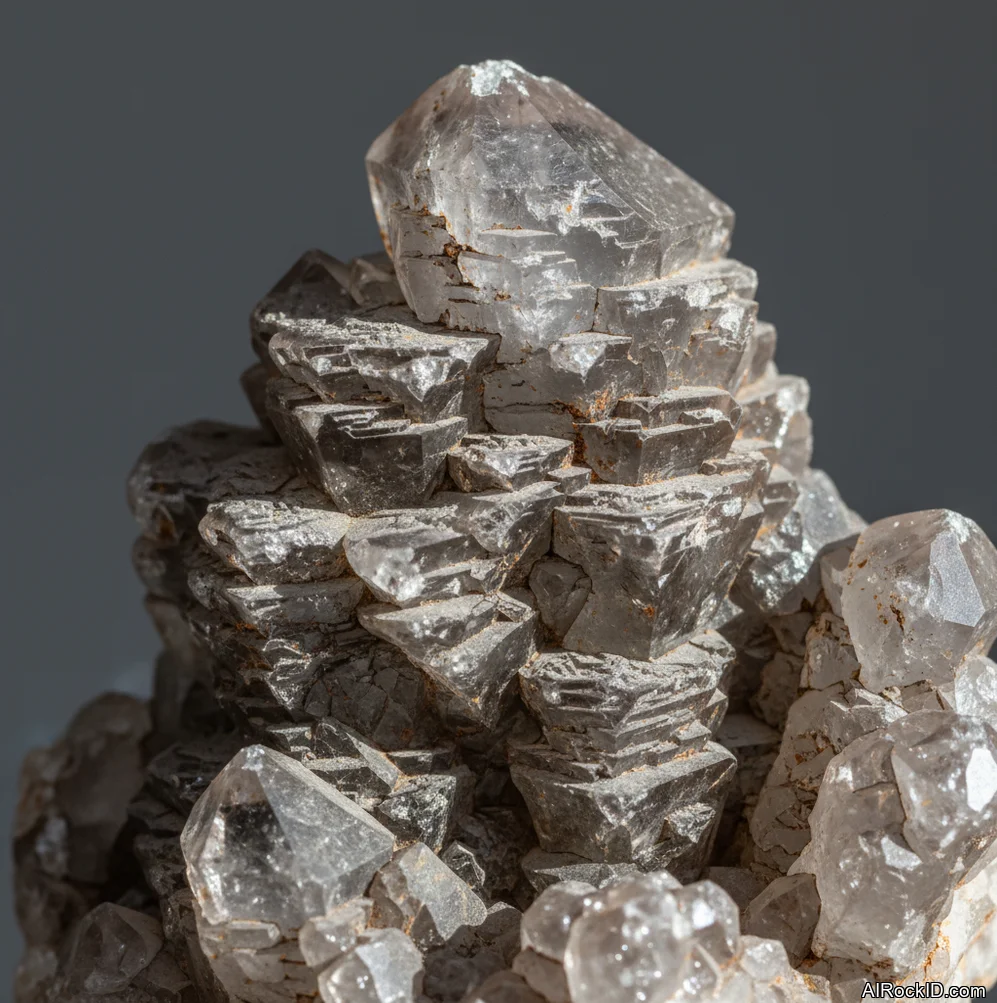
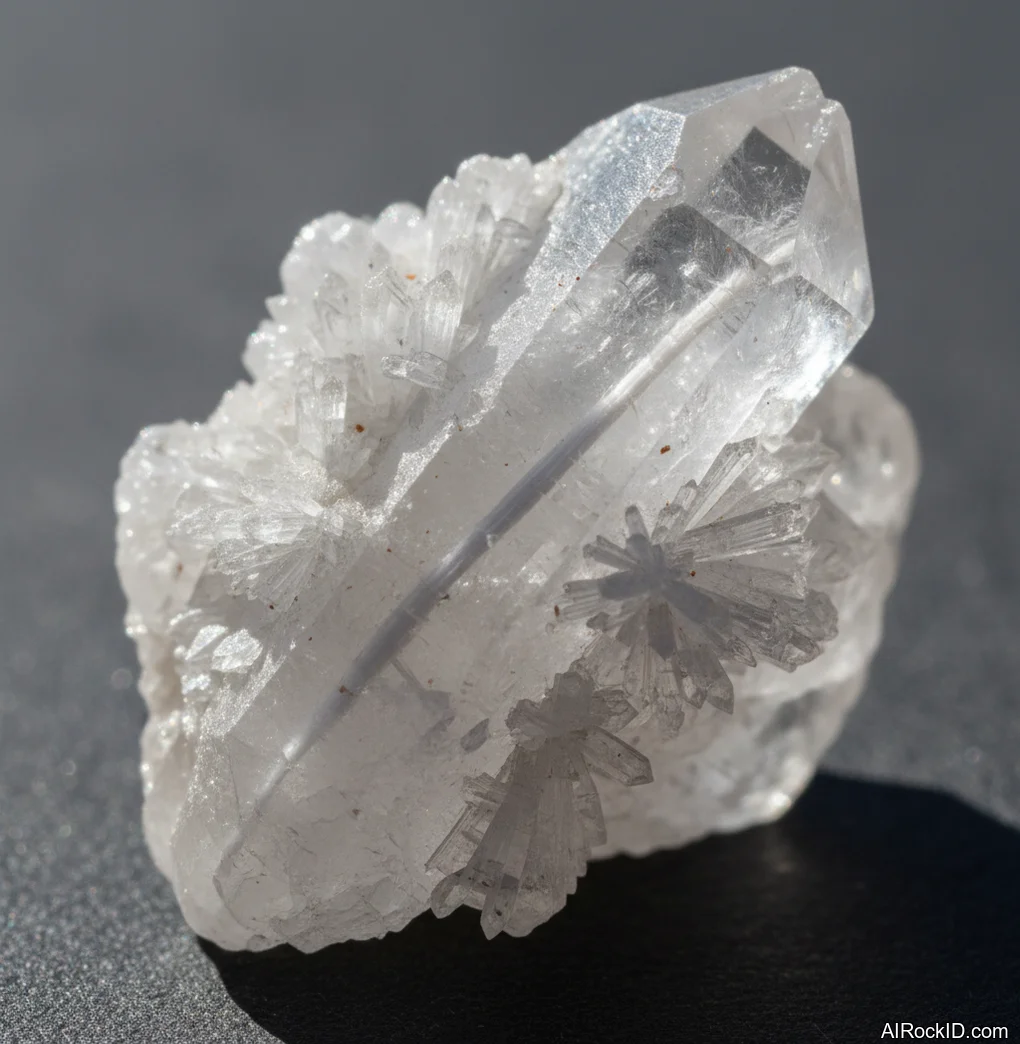
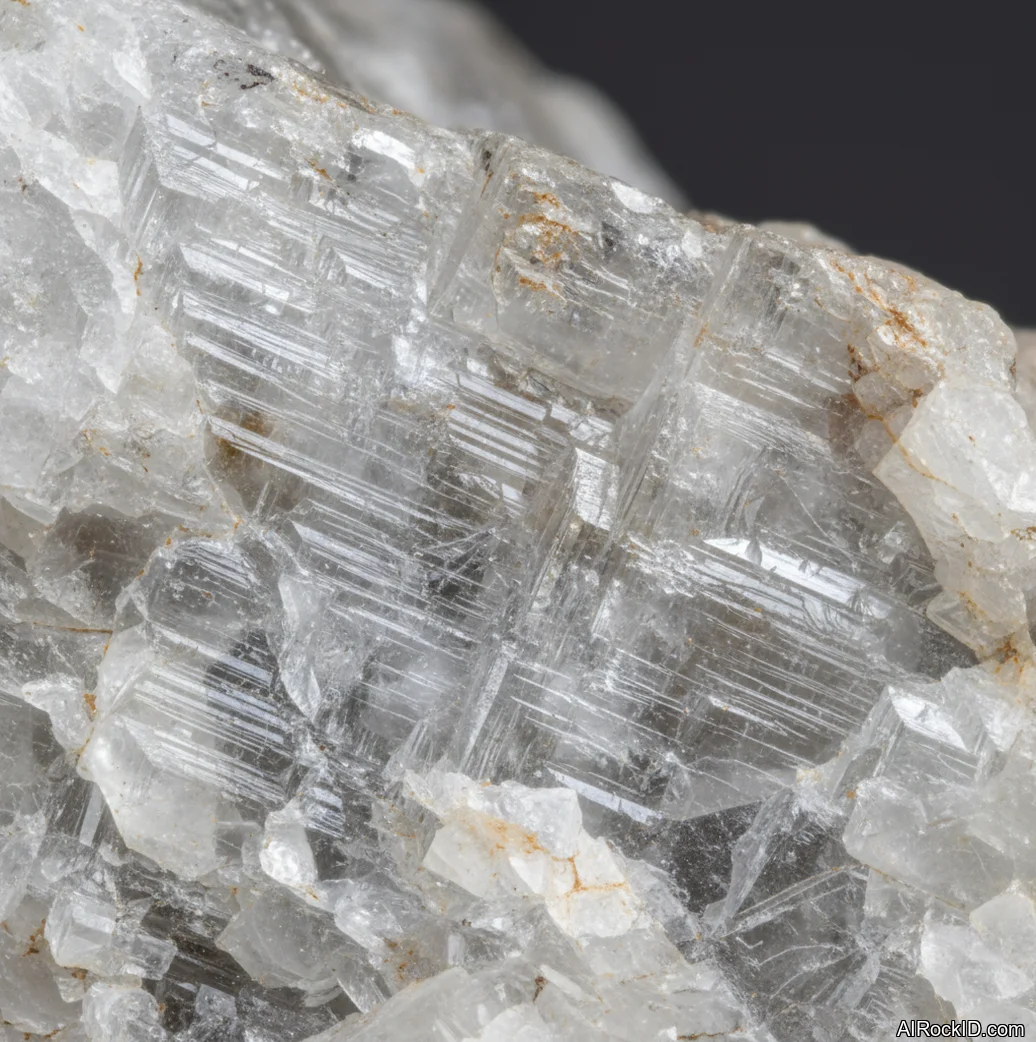
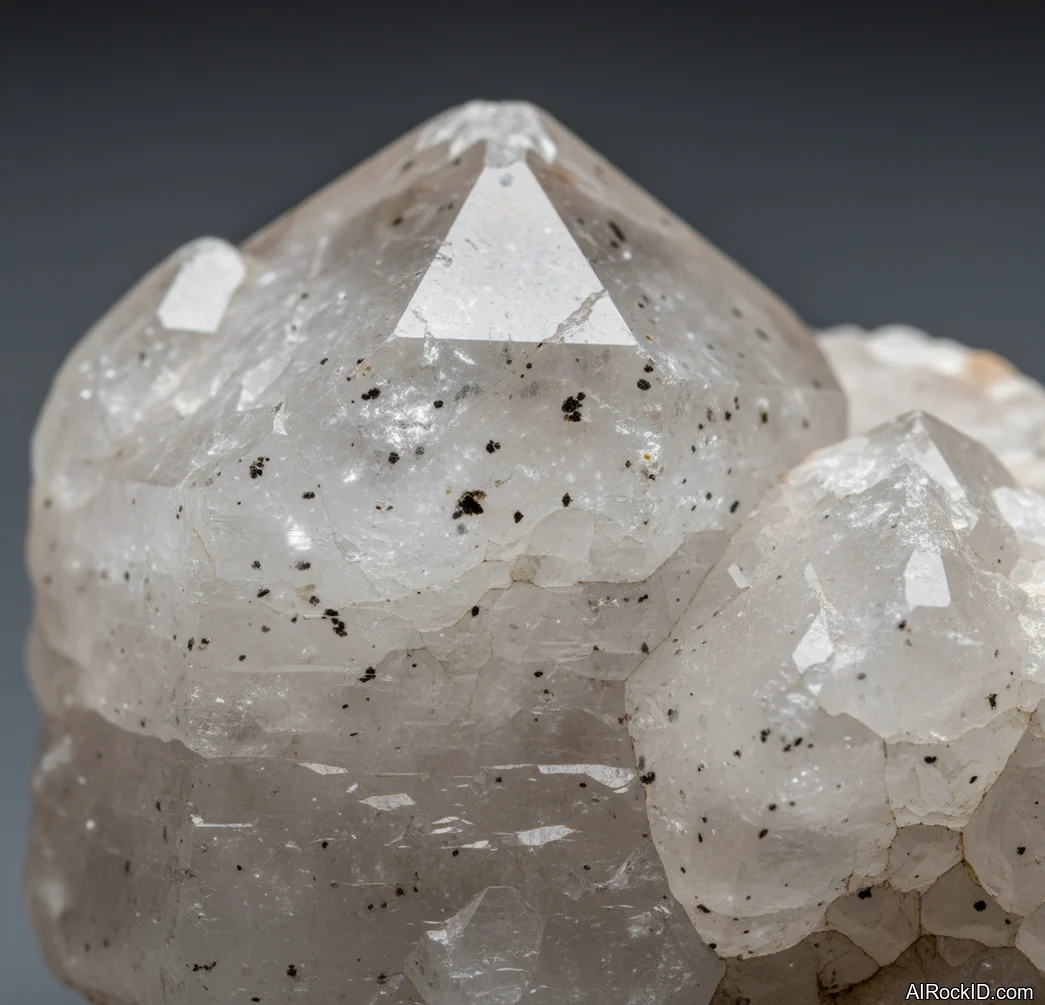
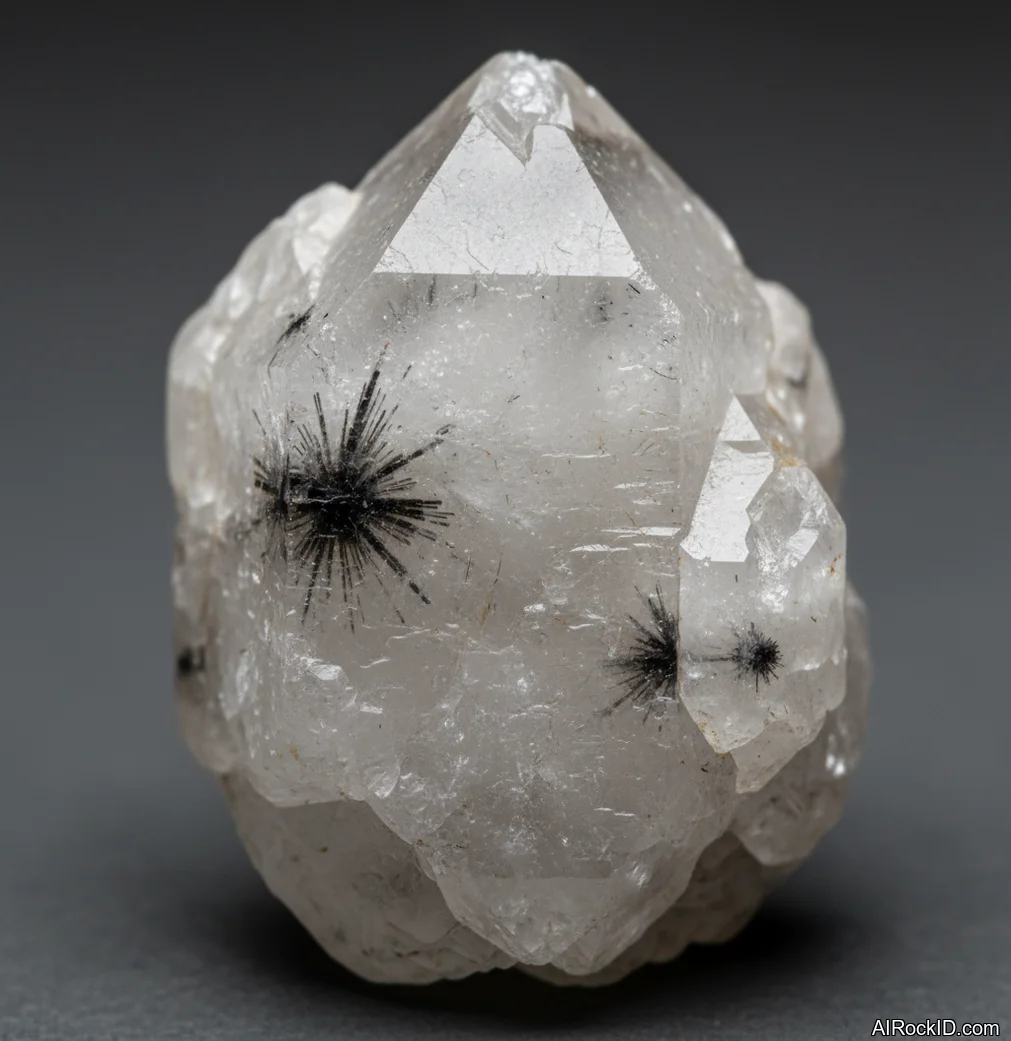
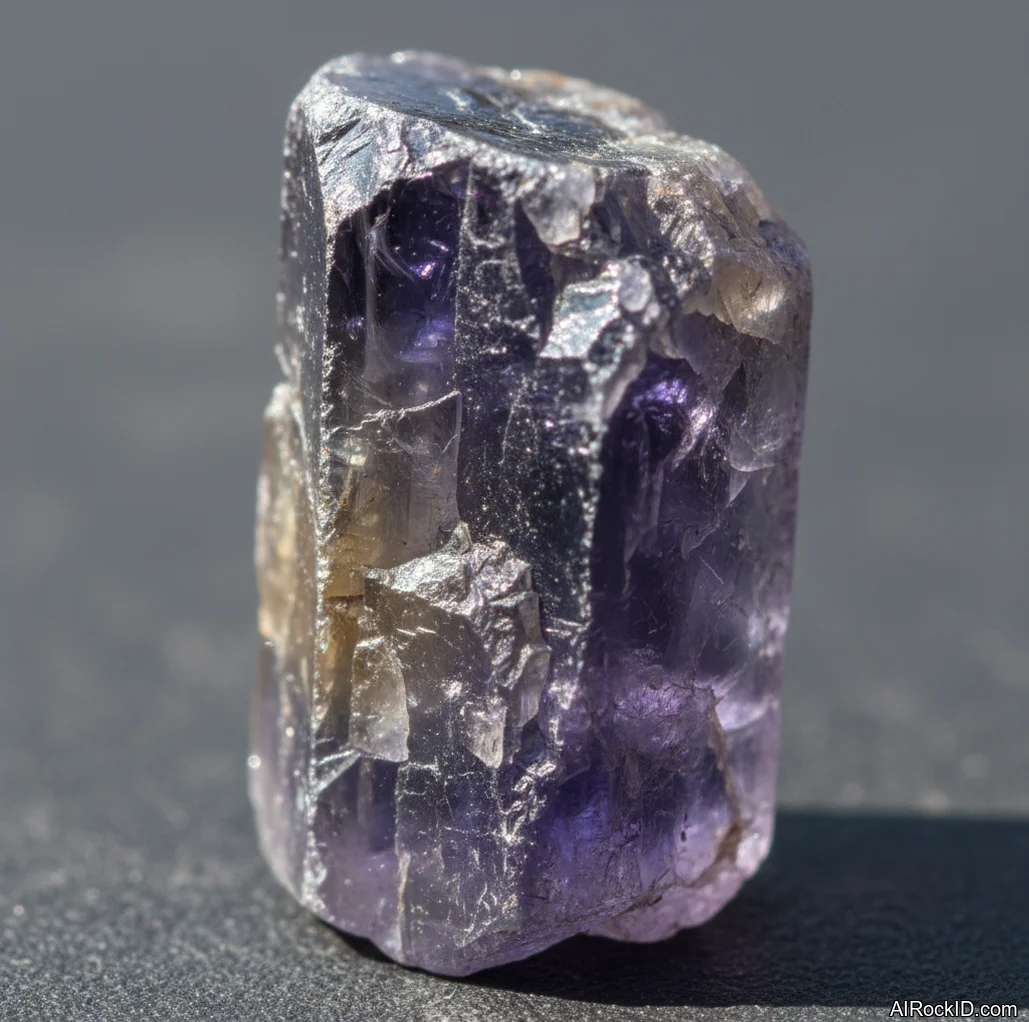
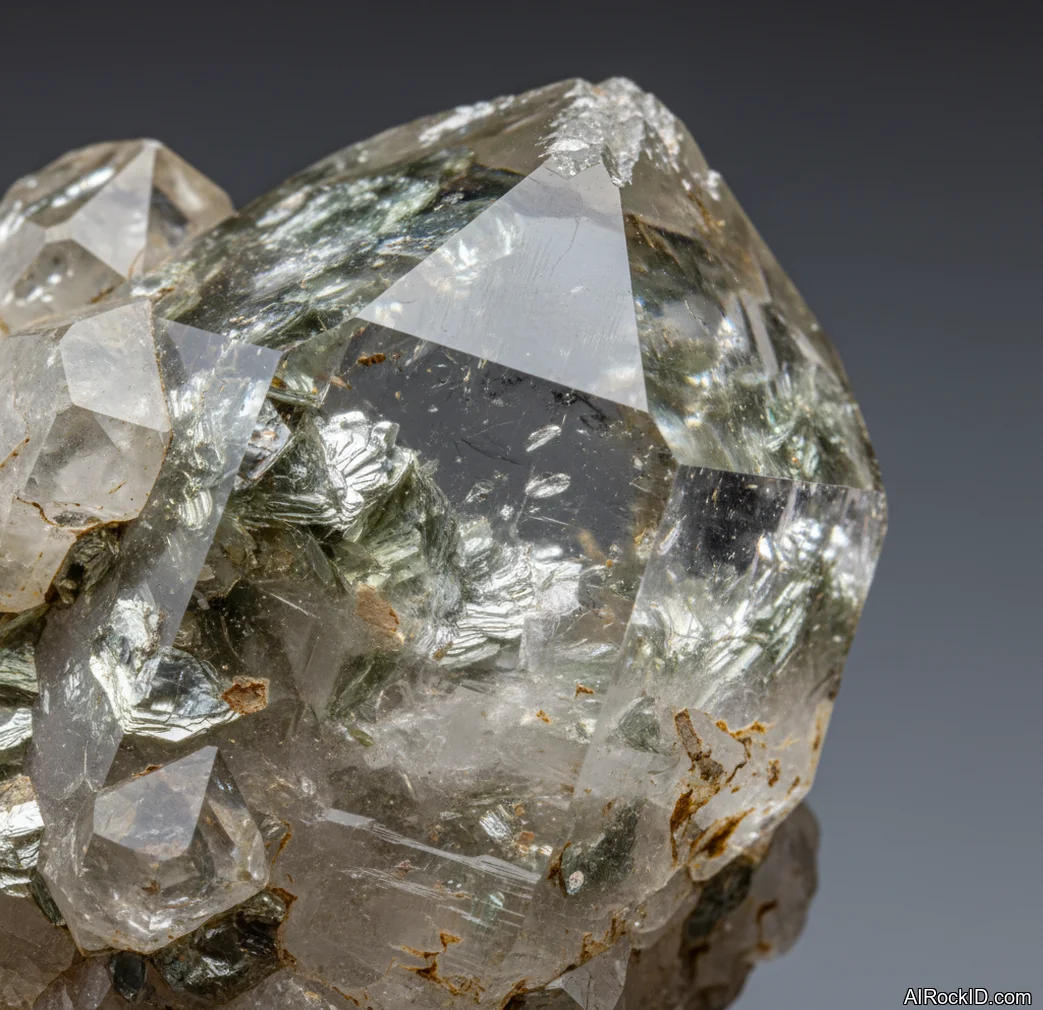
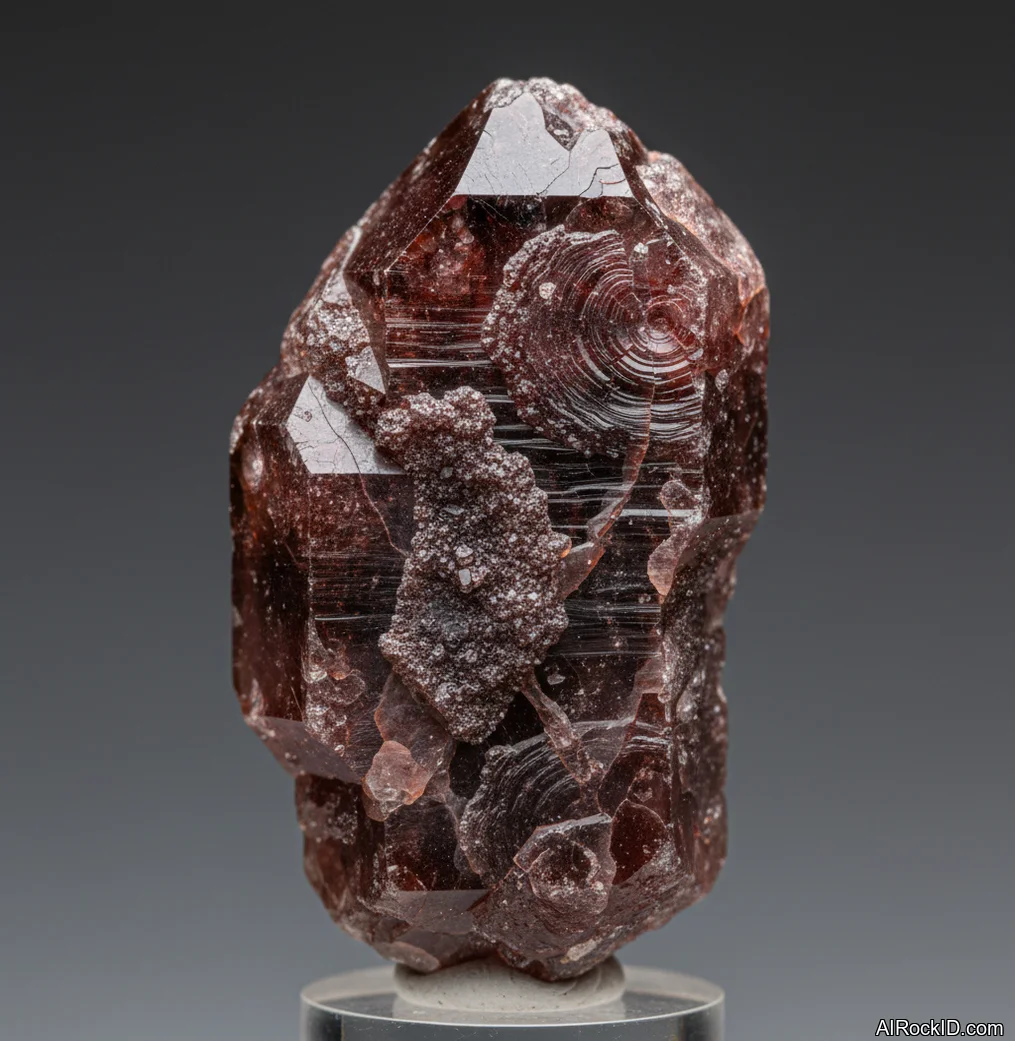
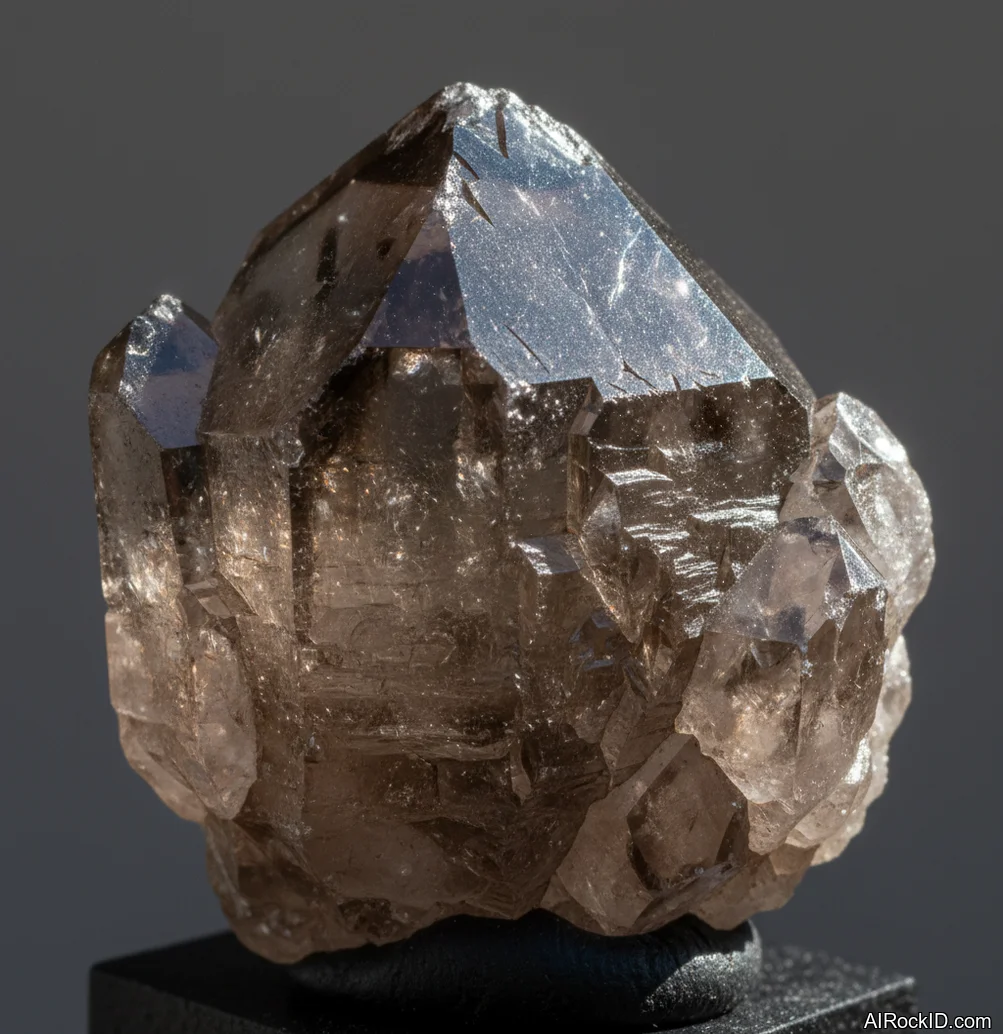
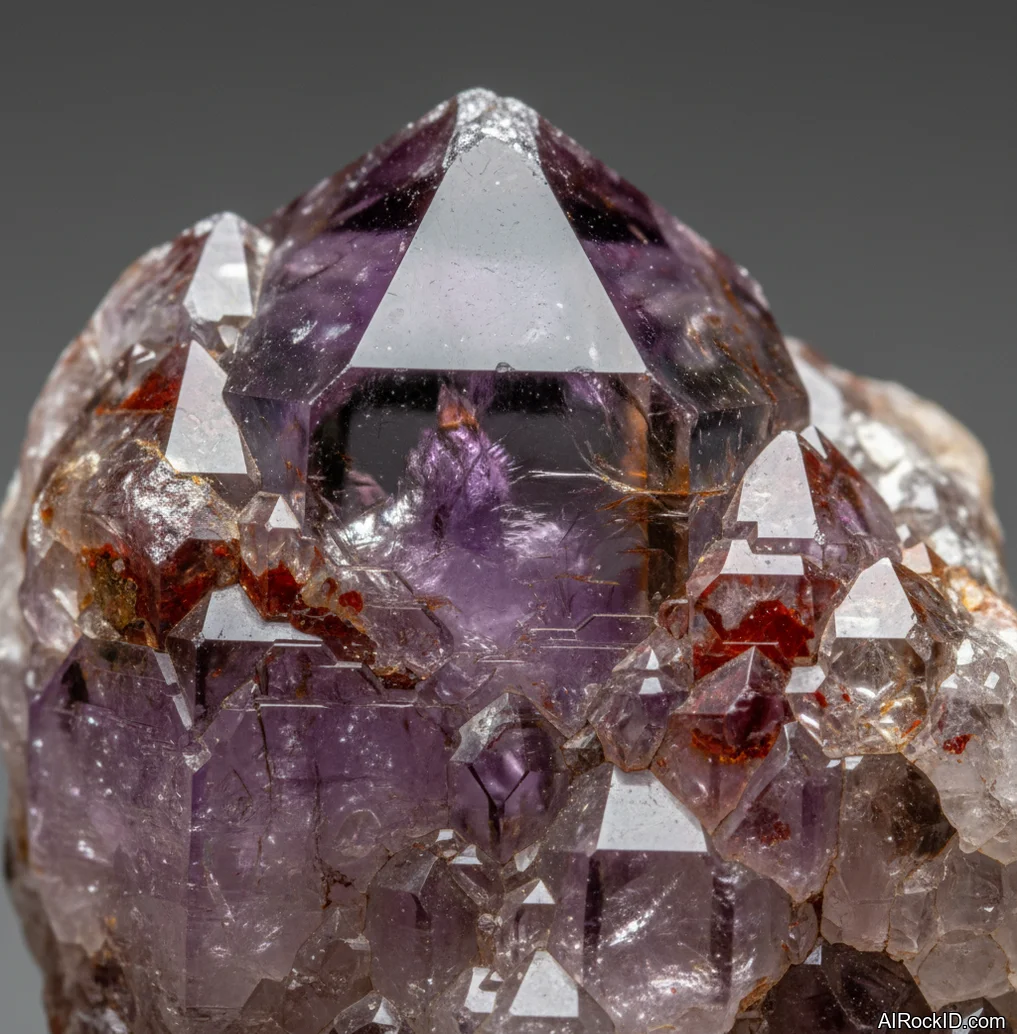
Smoky quartz is another Saturn staple, especially for grounding and “get it done” focus. Look closely at good smoky quartz and you’ll notice the color isn’t painted on. It often zones, with darker smoky caps near the termination and a clearer body below, depending on irradiation and growth history. But the market’s full of overly dark material that’s been treated. Some treated pieces look like cola glass and feel dead under light, with no inner depth. Natural smoky from places like Brazil can still be dark, sure, but it usually has more nuance when you tilt it.
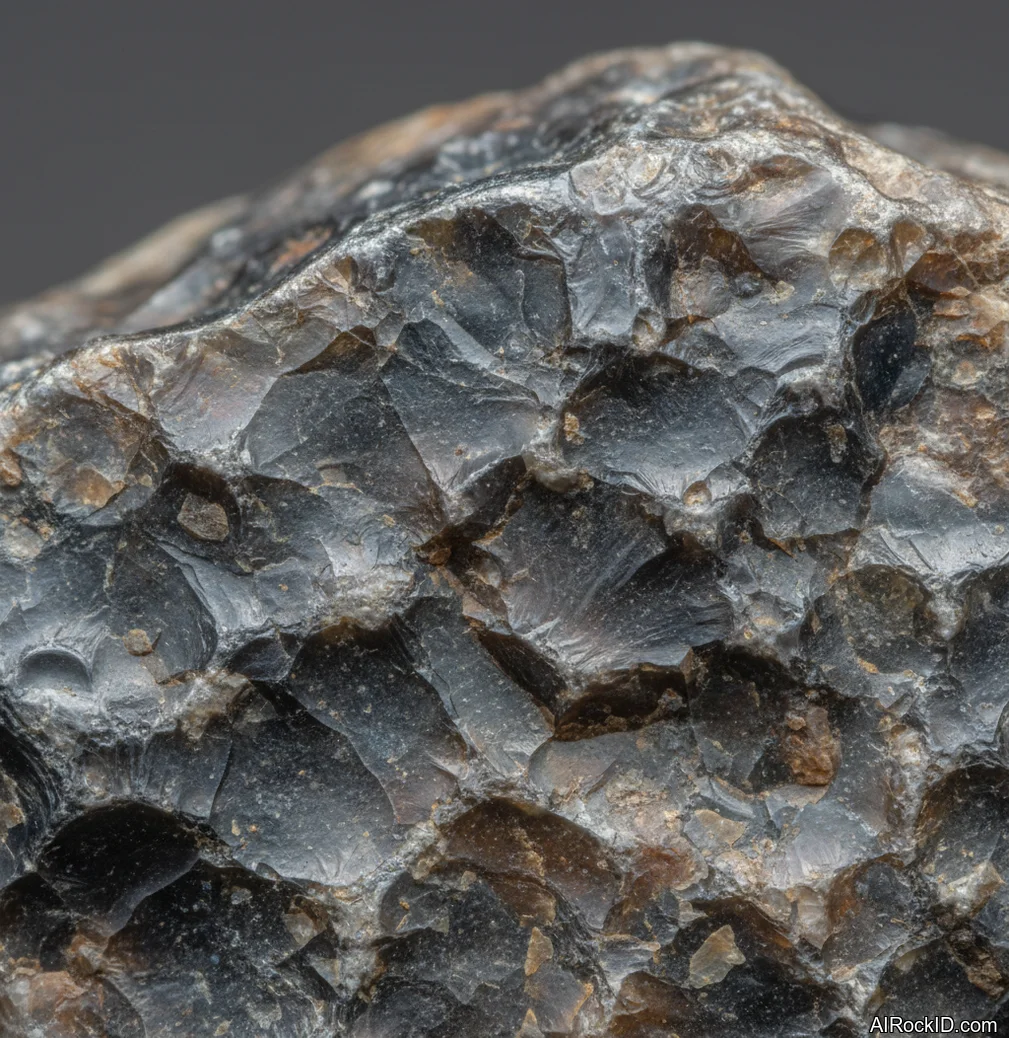
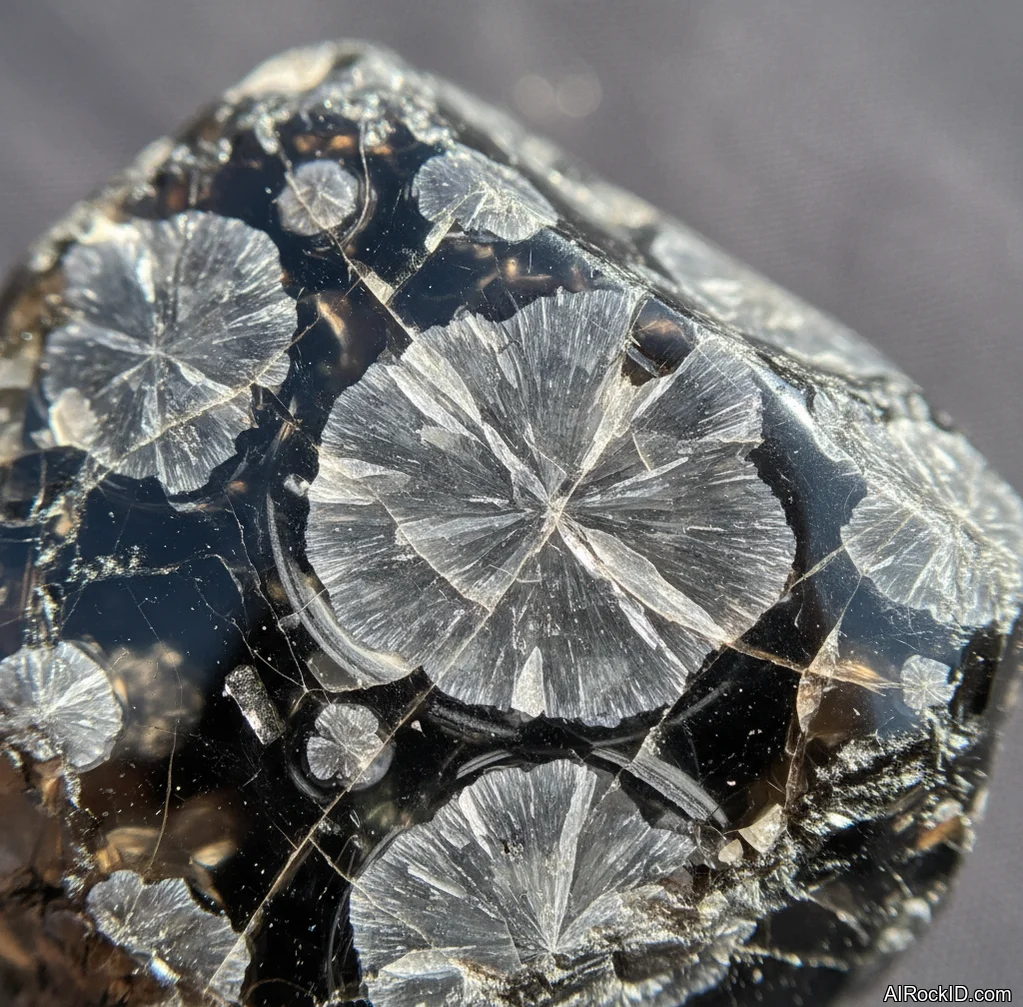
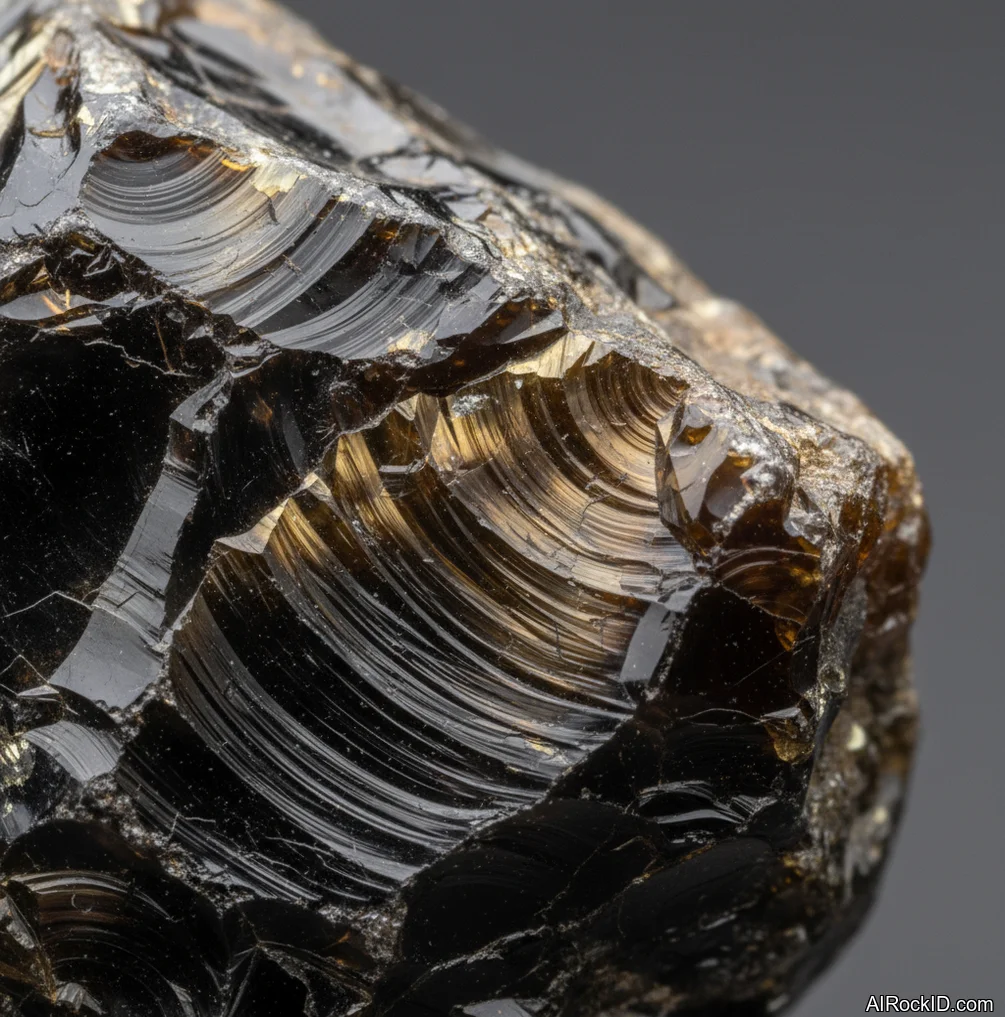
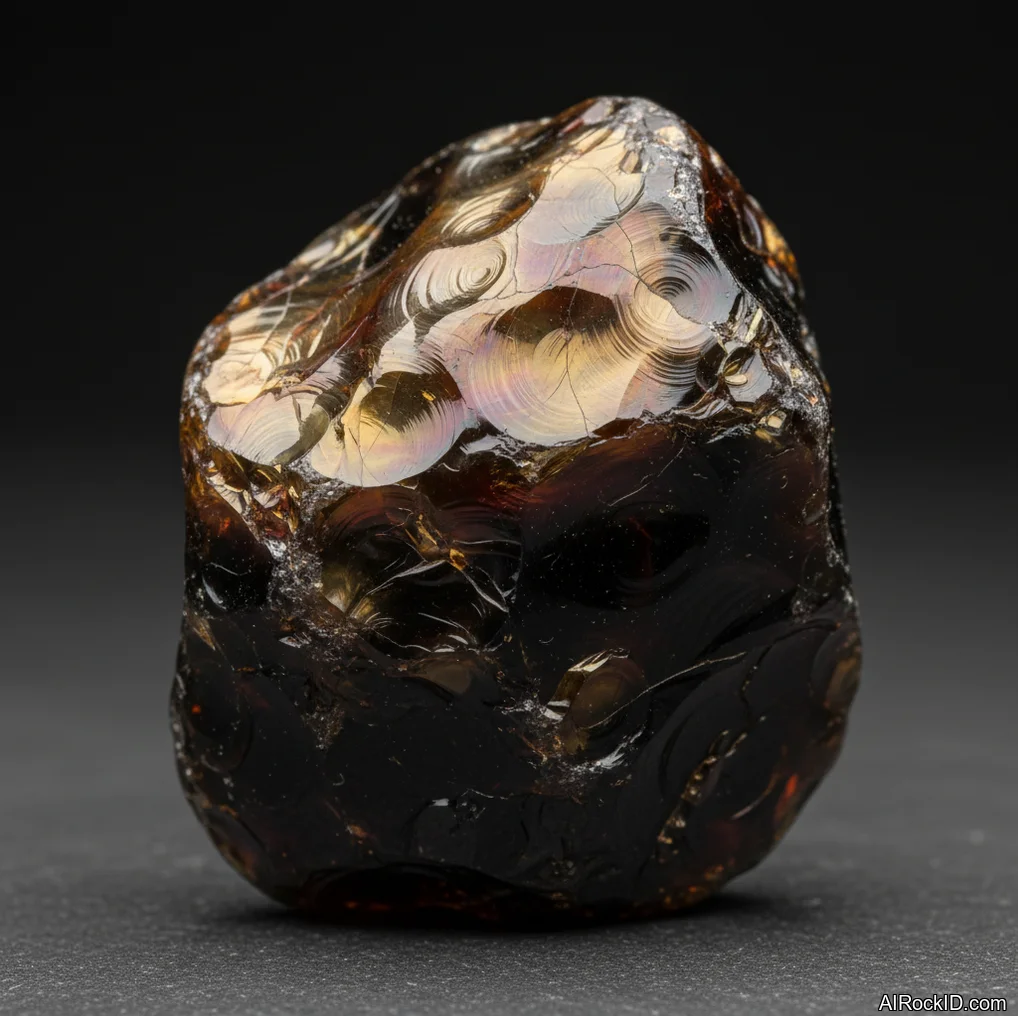
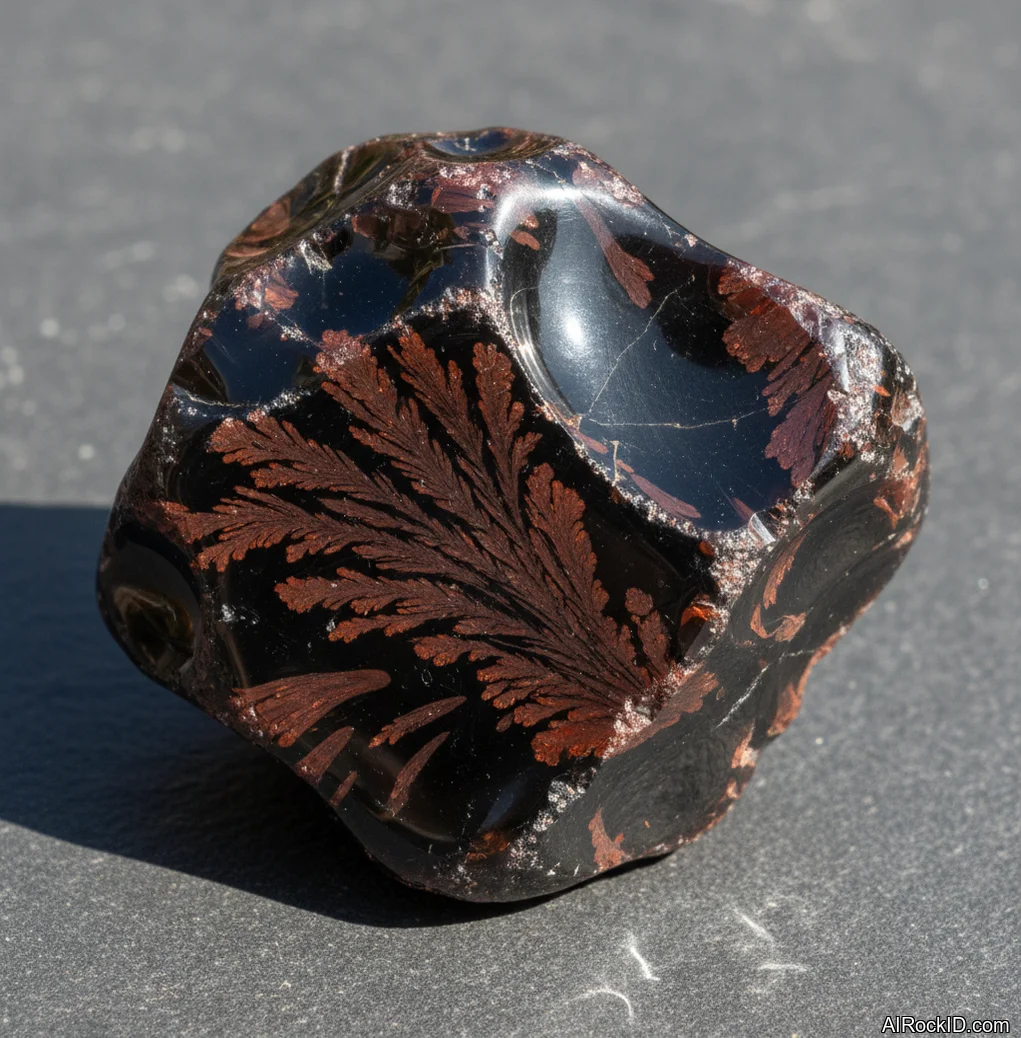
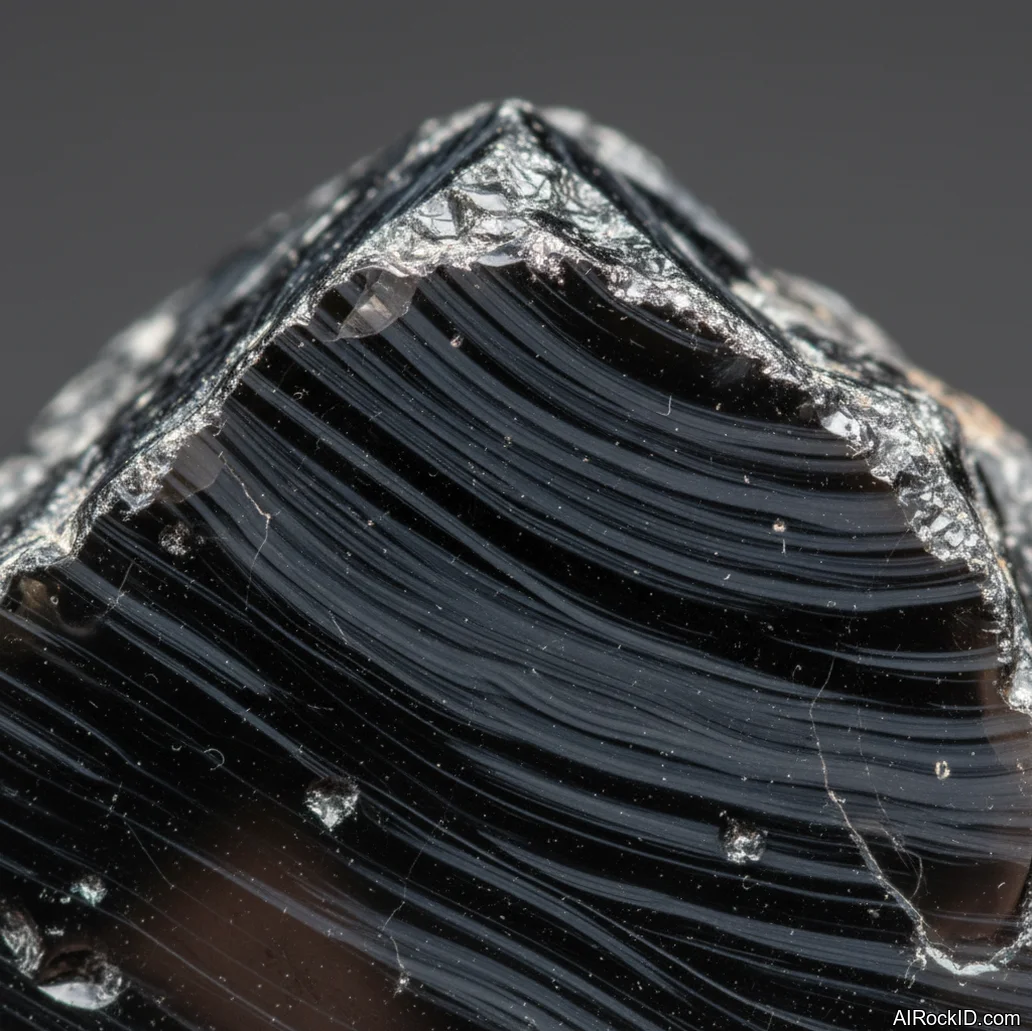
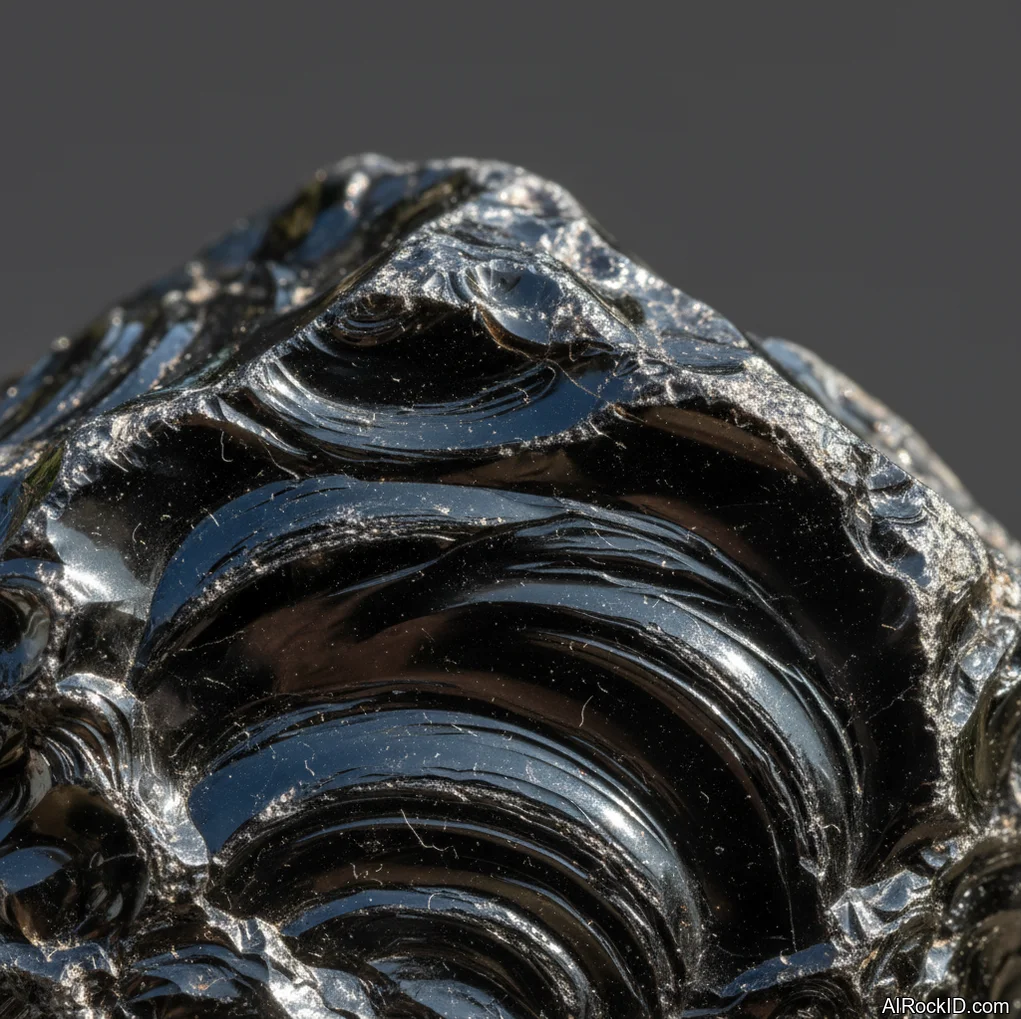
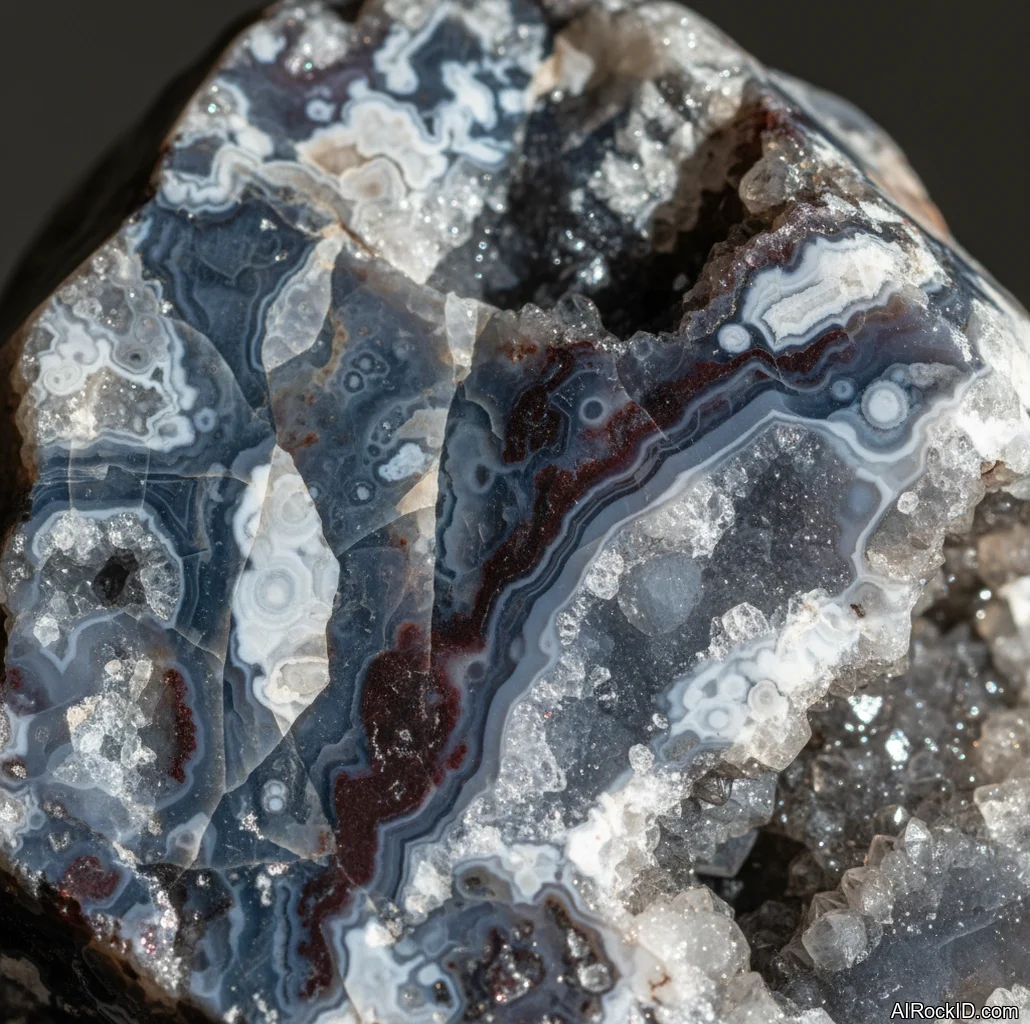
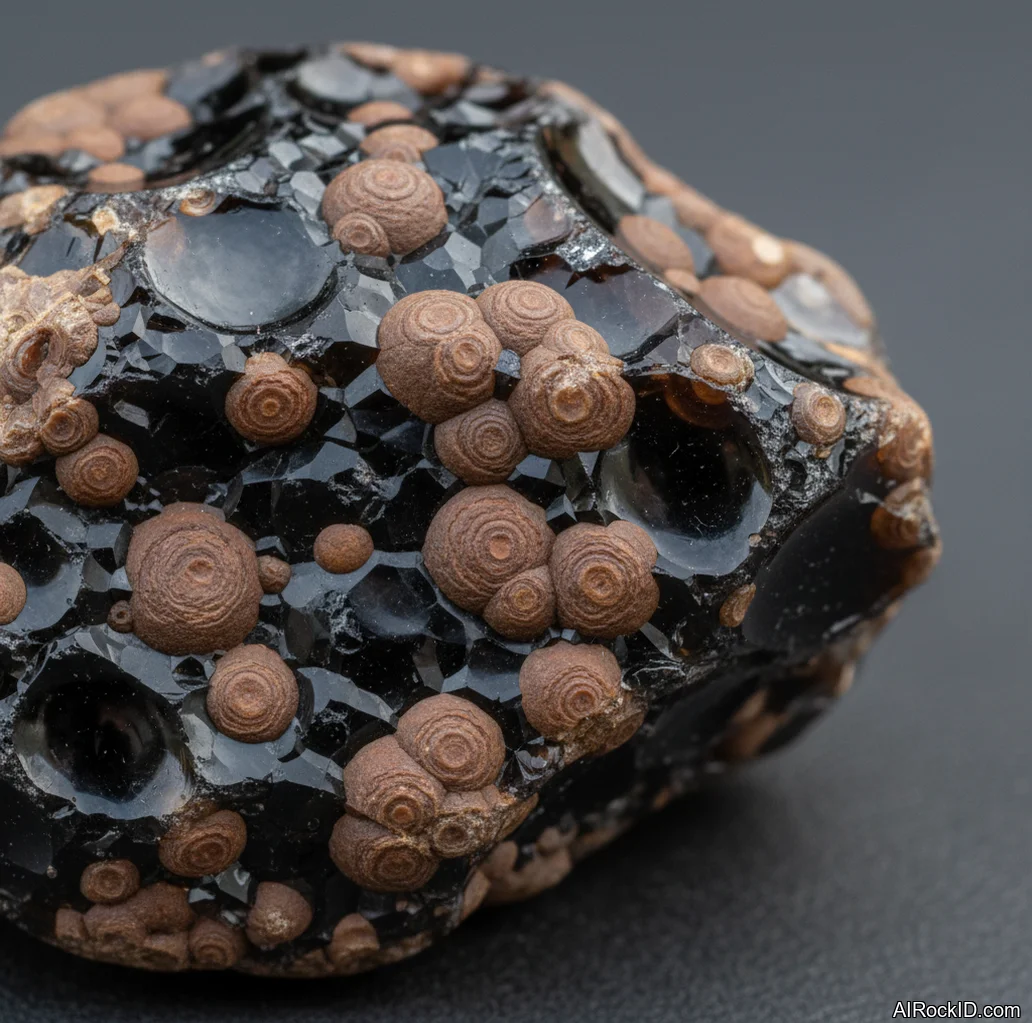
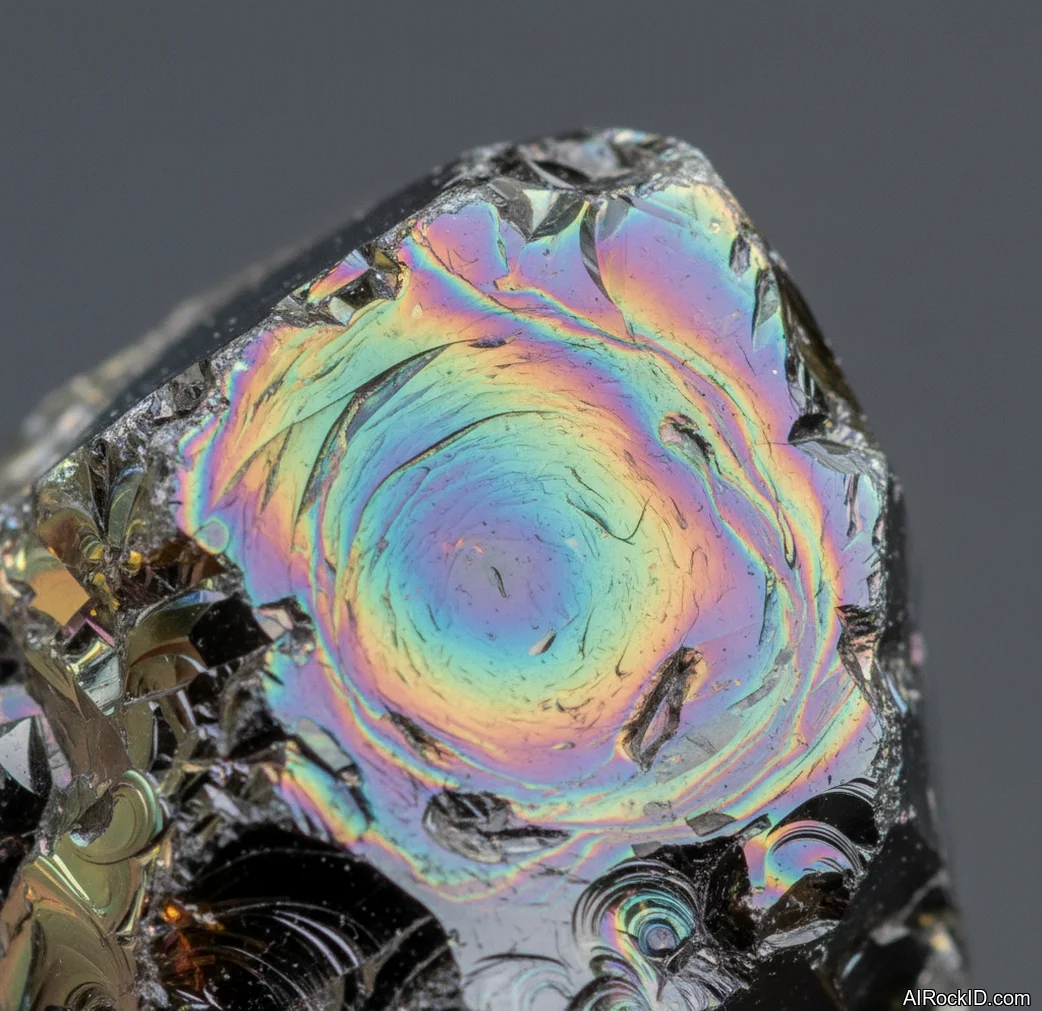
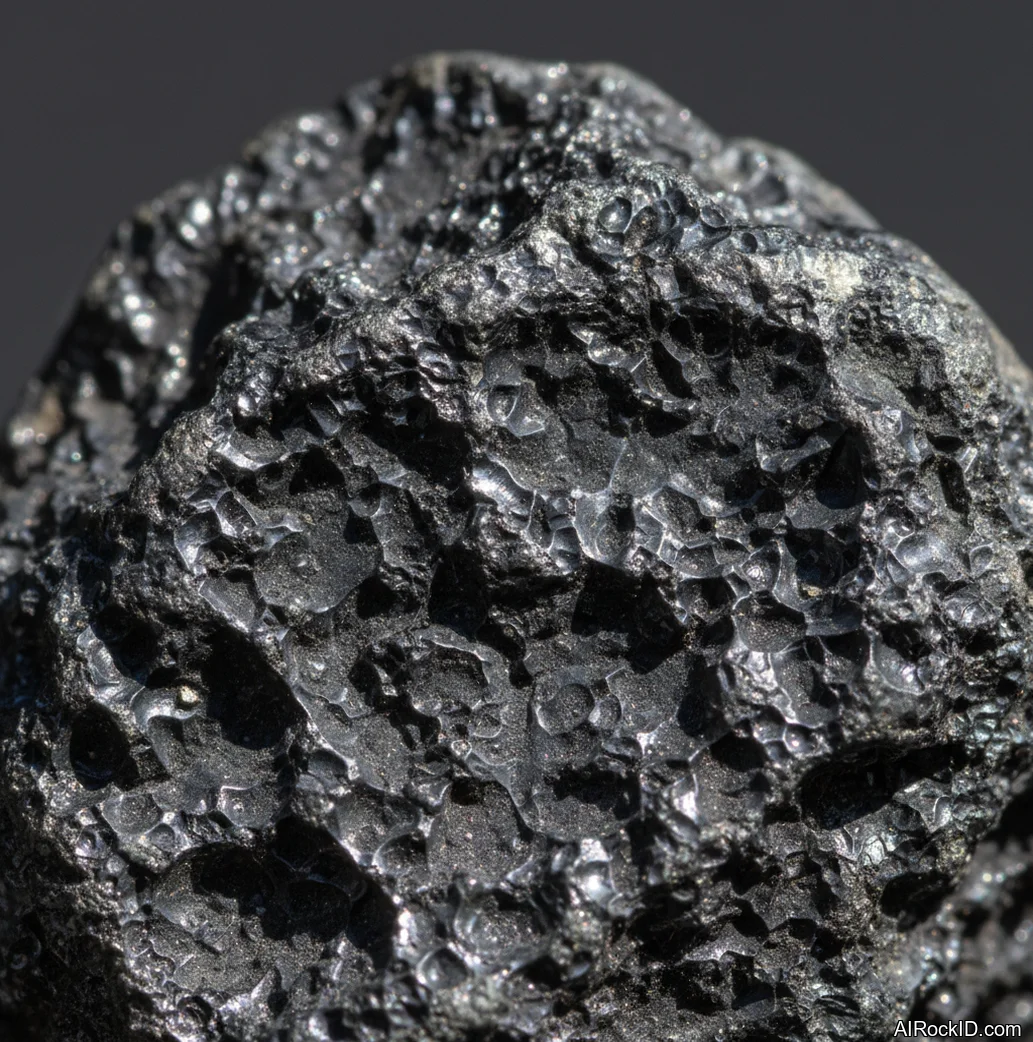
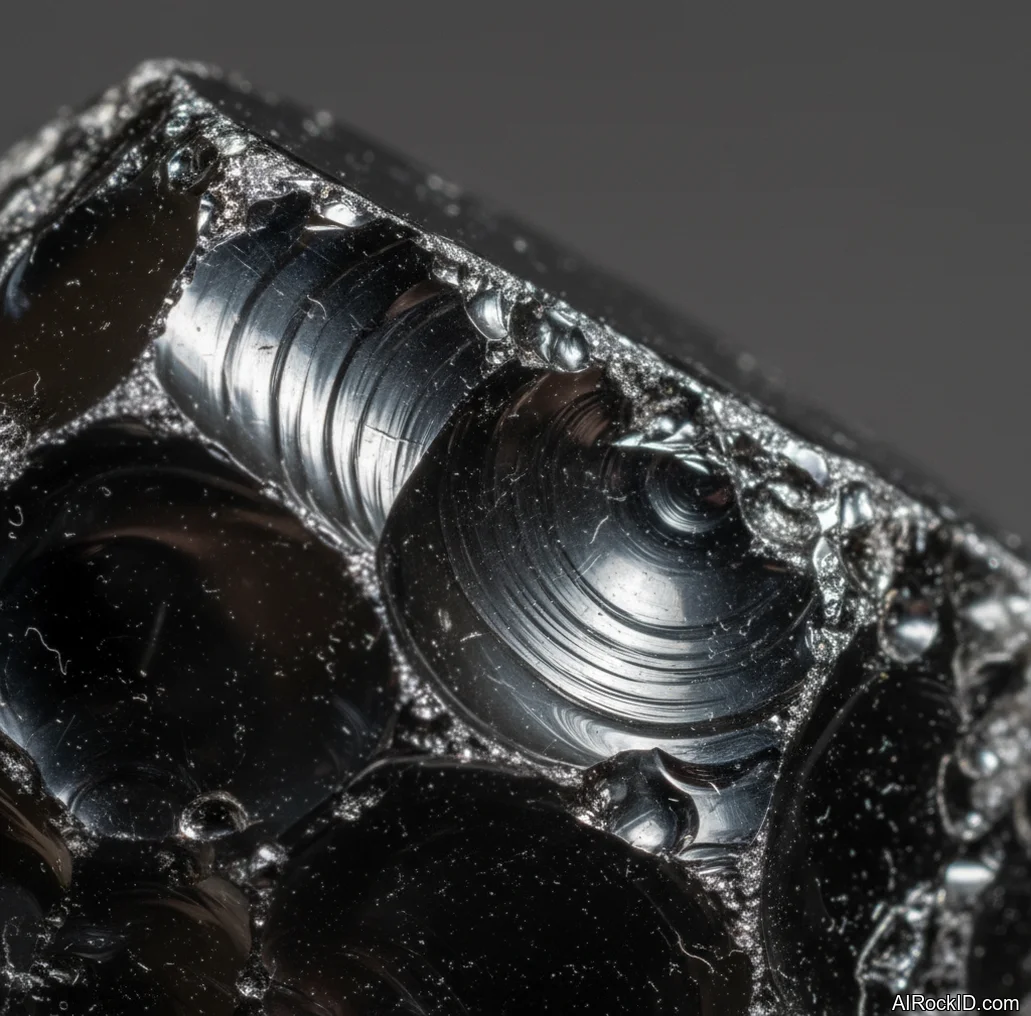
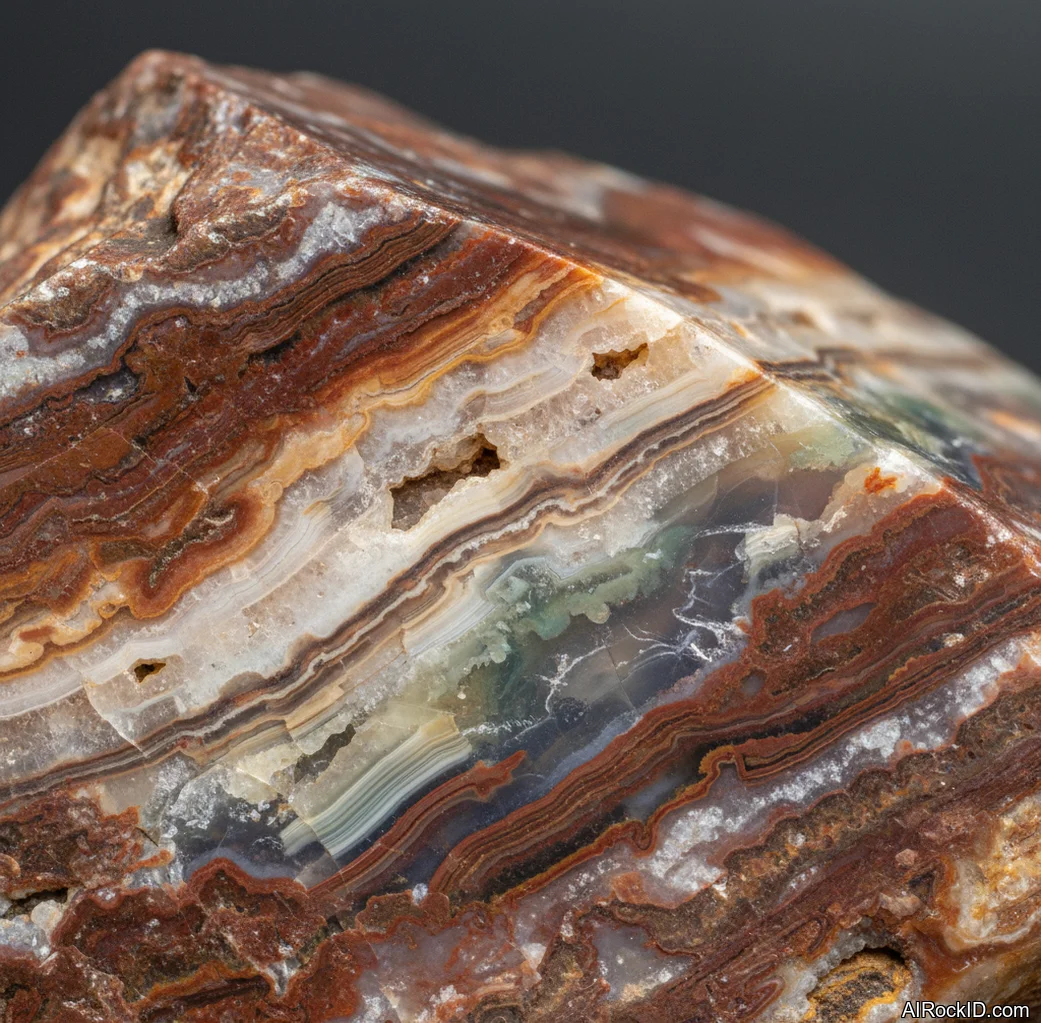
If you want Saturn energy that’s more quiet strength than pure shielding, people lean into onyx and obsidian. Real black onyx is banded chalcedony. In bright light you can sometimes catch faint parallel lines, or a soft layered look, even when it’s been polished to a mirror. A lot of “onyx” carvings are just dyed agate, or even calcite being sold under the onyx name, so ask what it actually is. Obsidian, on the other hand, is volcanic glass, and it behaves like glass. It takes a razor polish, but it also chips like glass, and a sharp edge will bite your skin if you’re rummaging through a bowl of tumbled pieces. (Ask me how I know.)
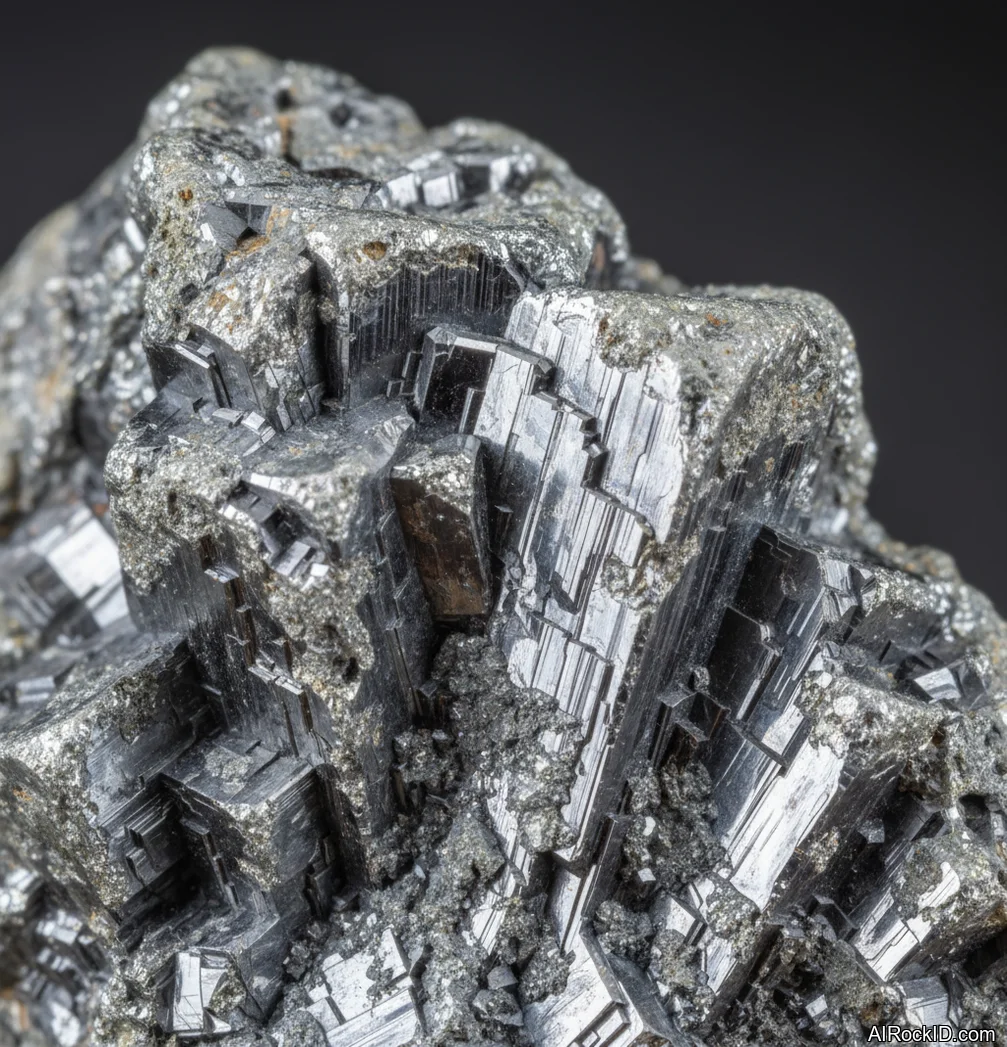
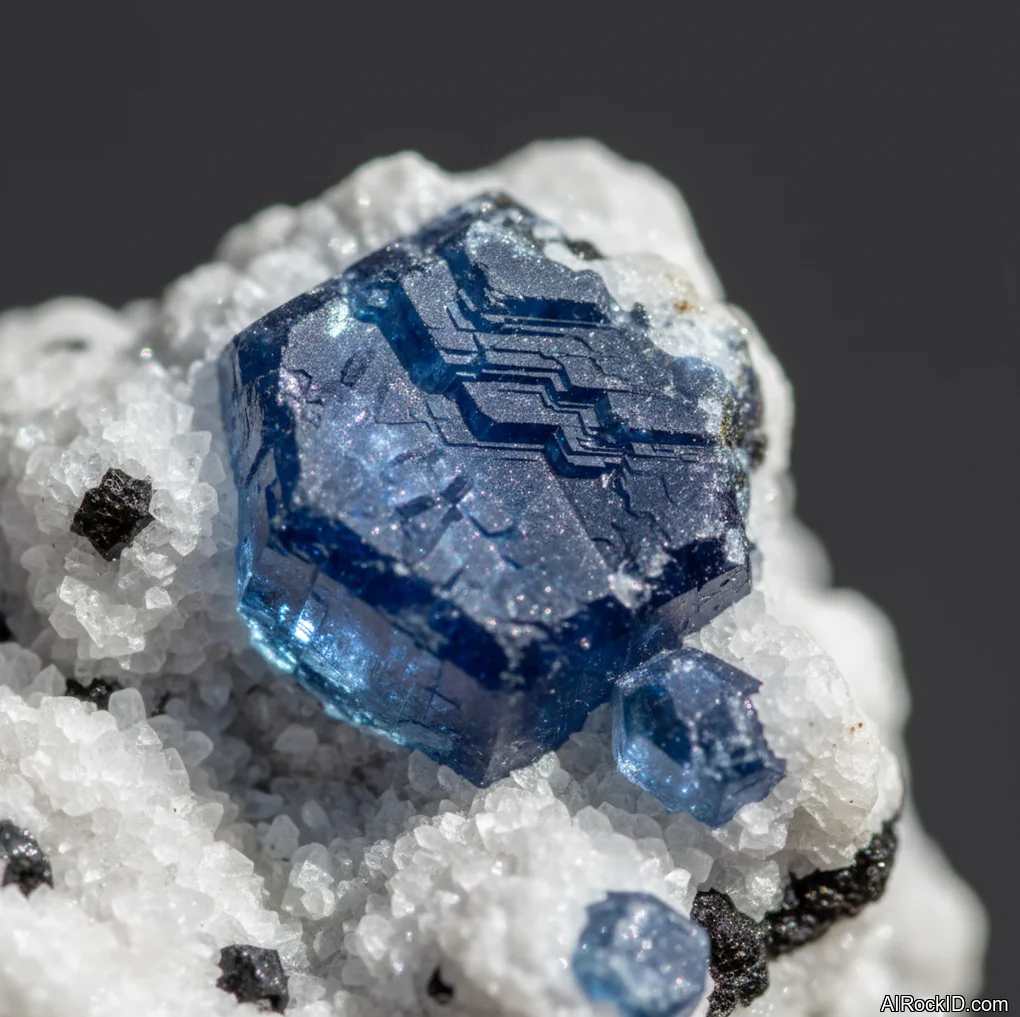
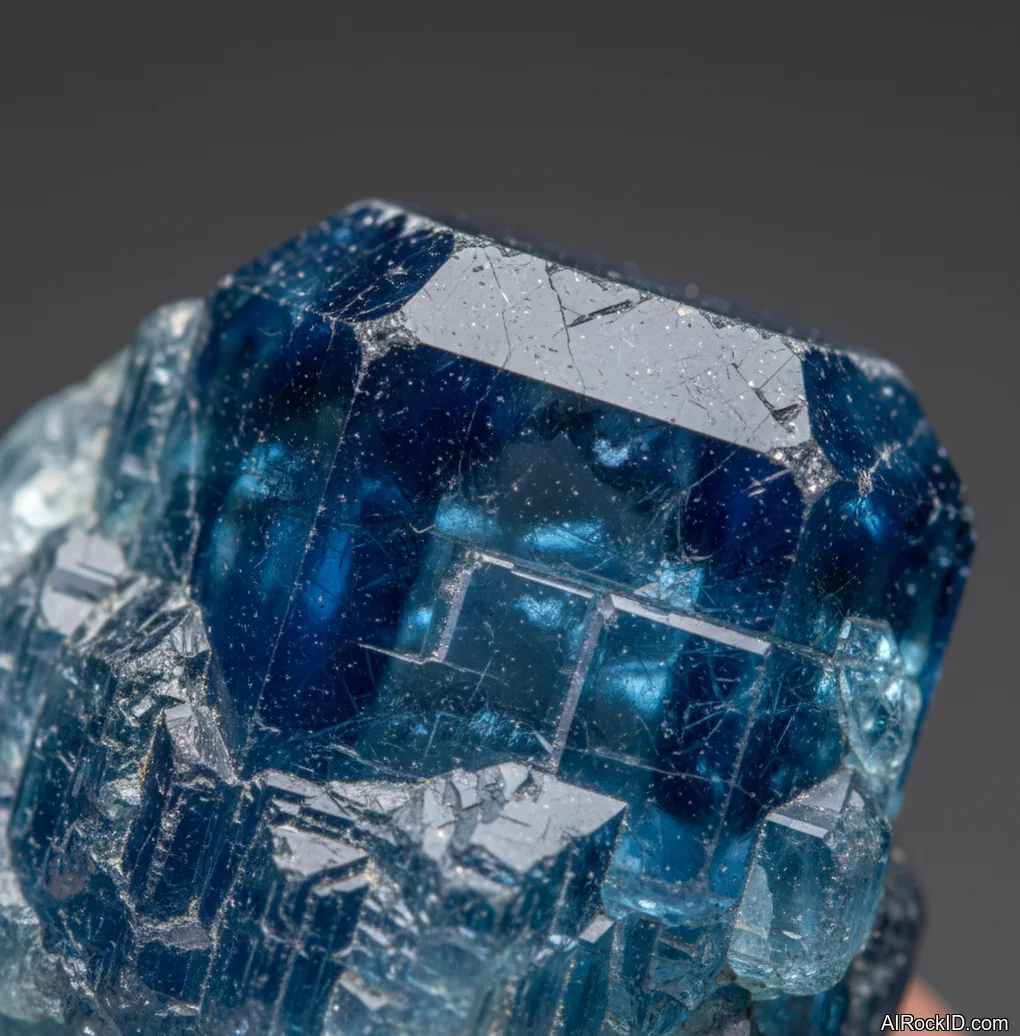
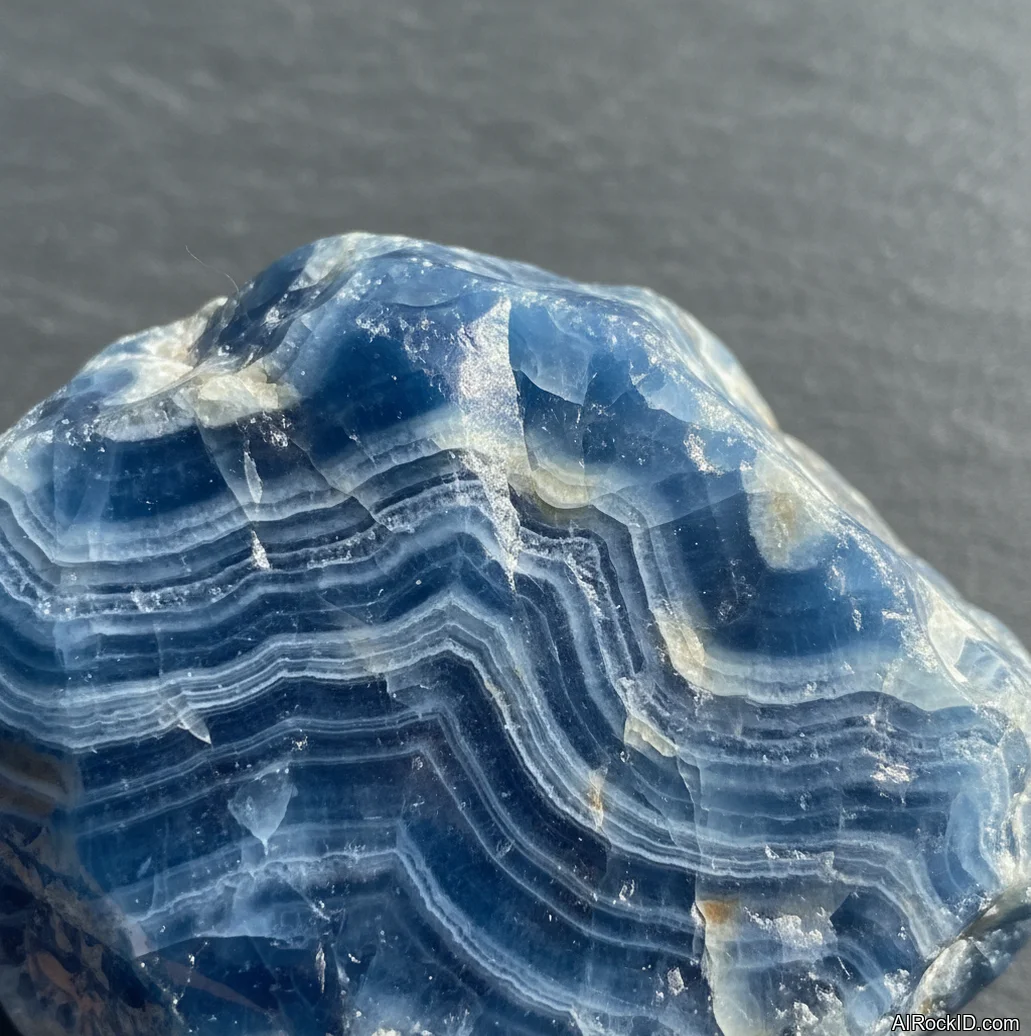
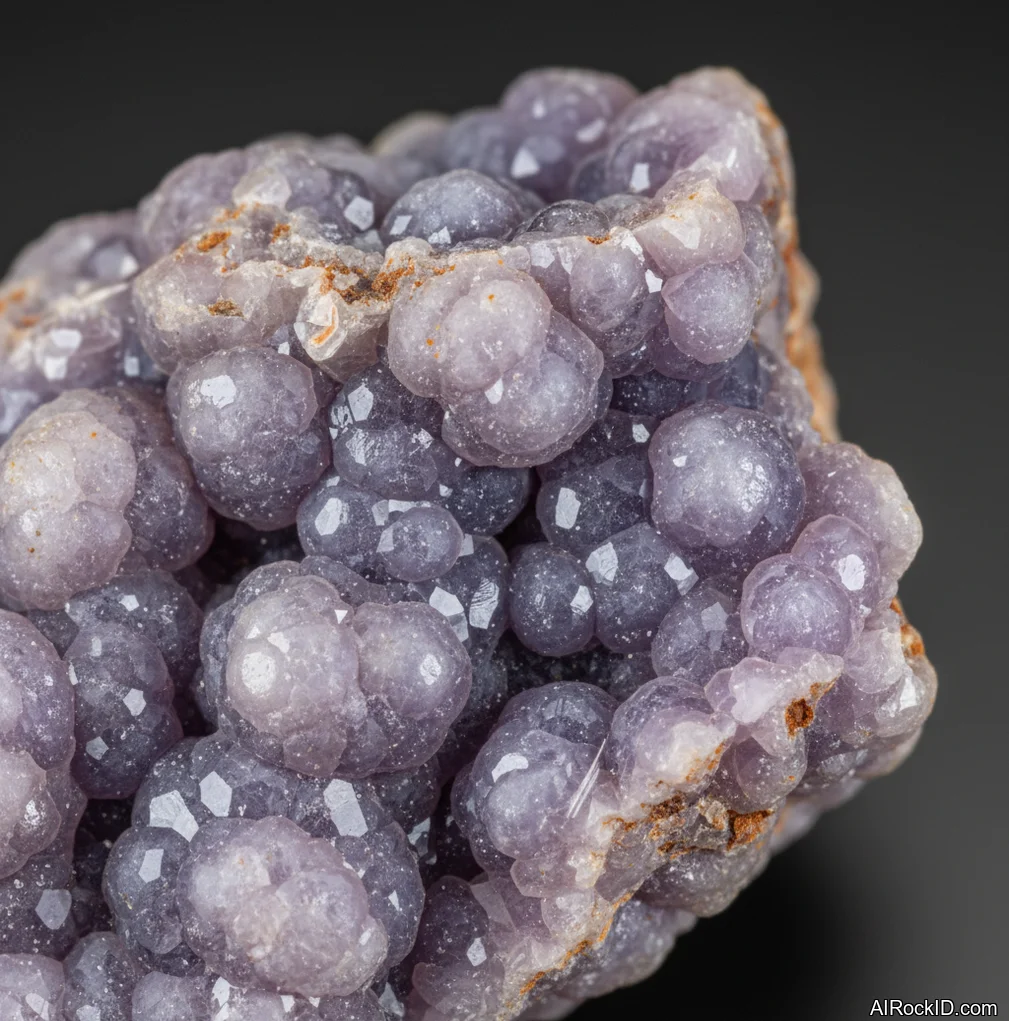
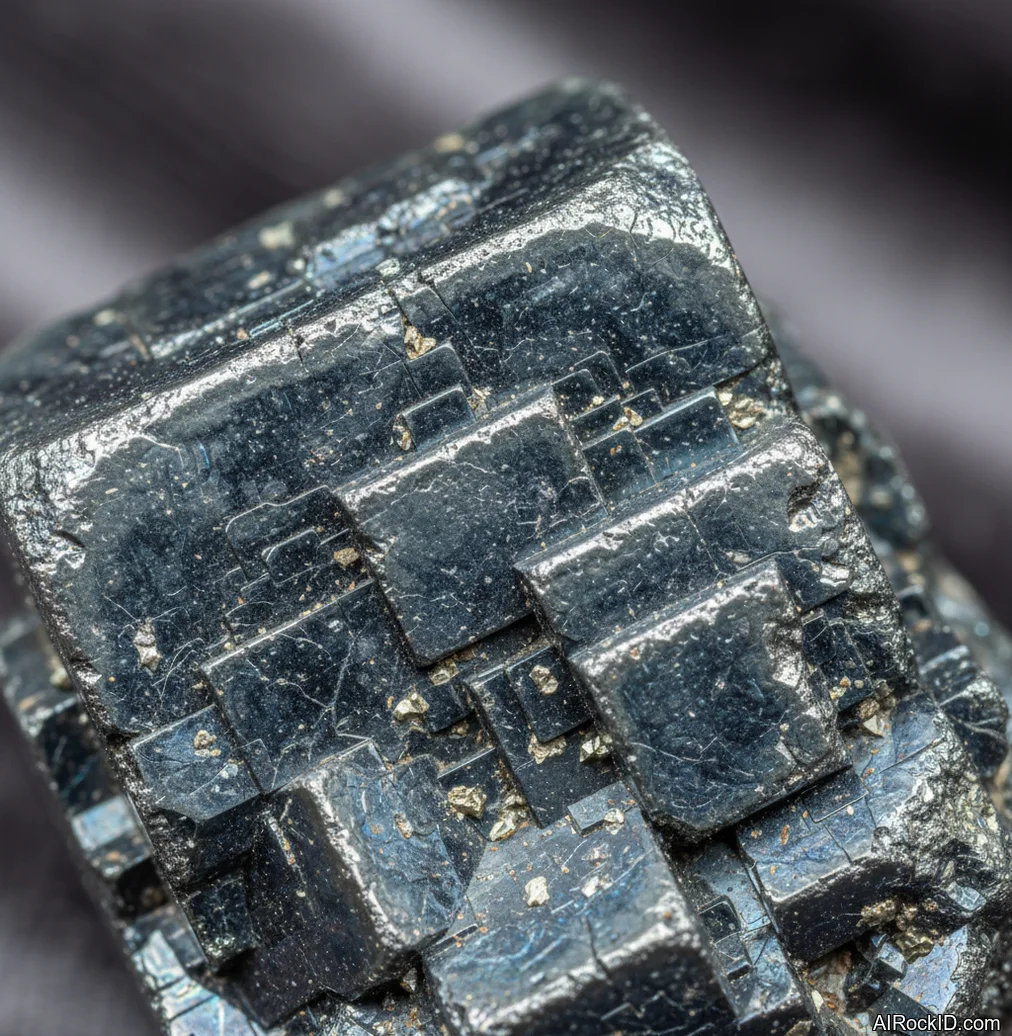
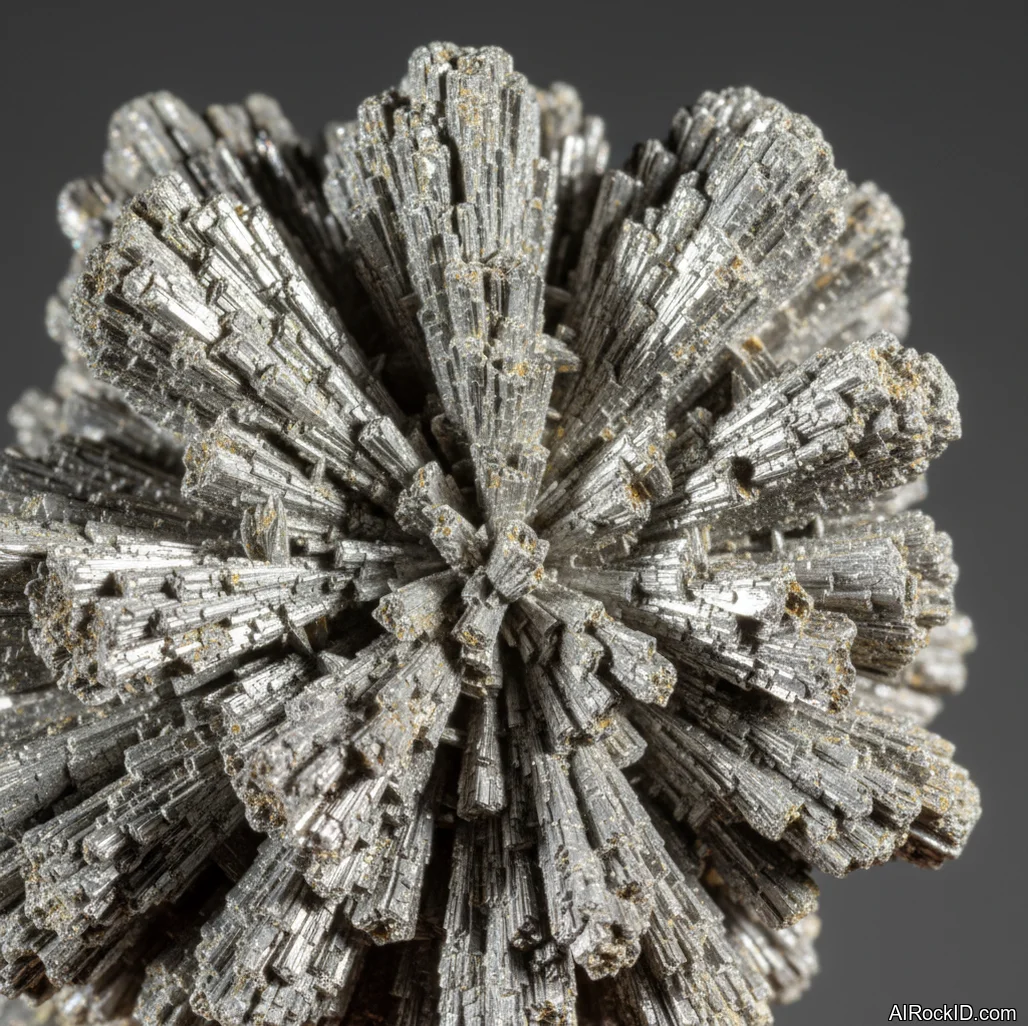
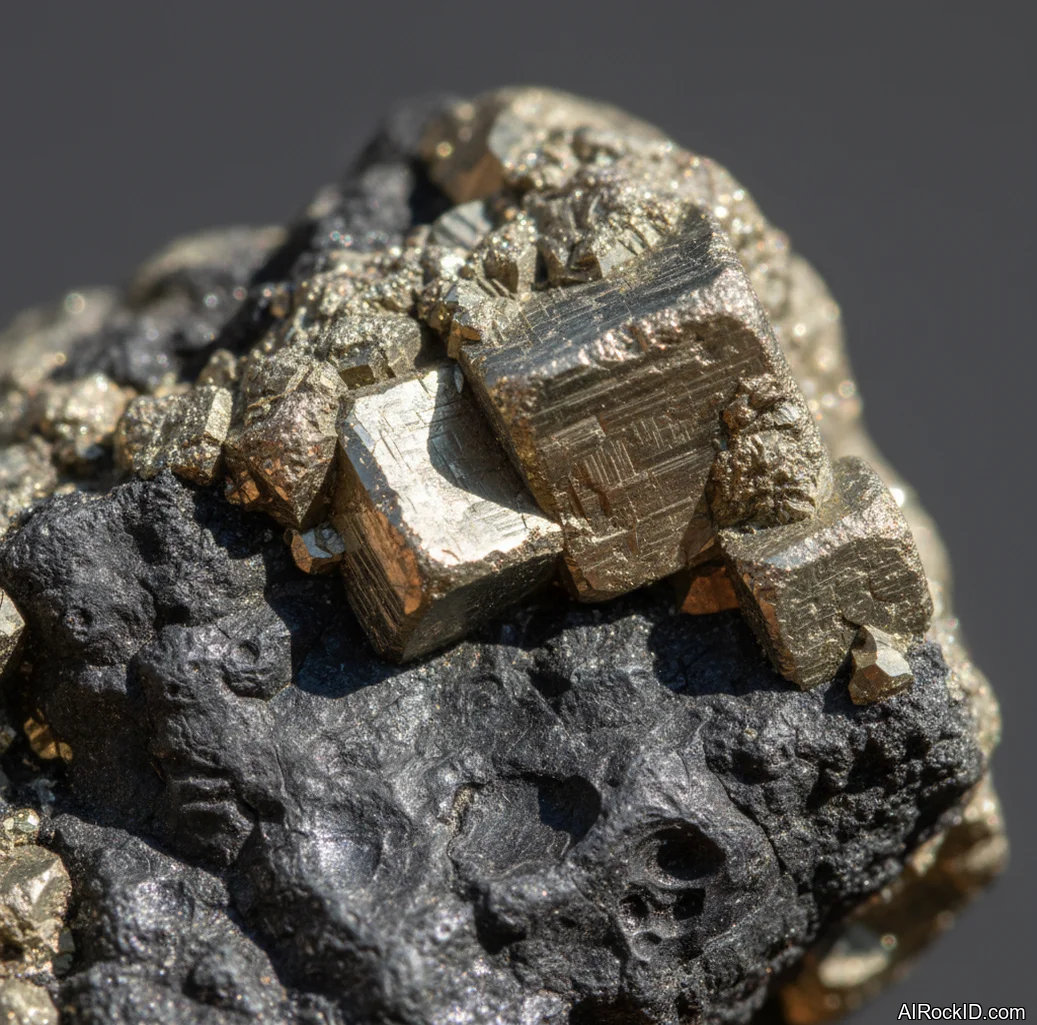
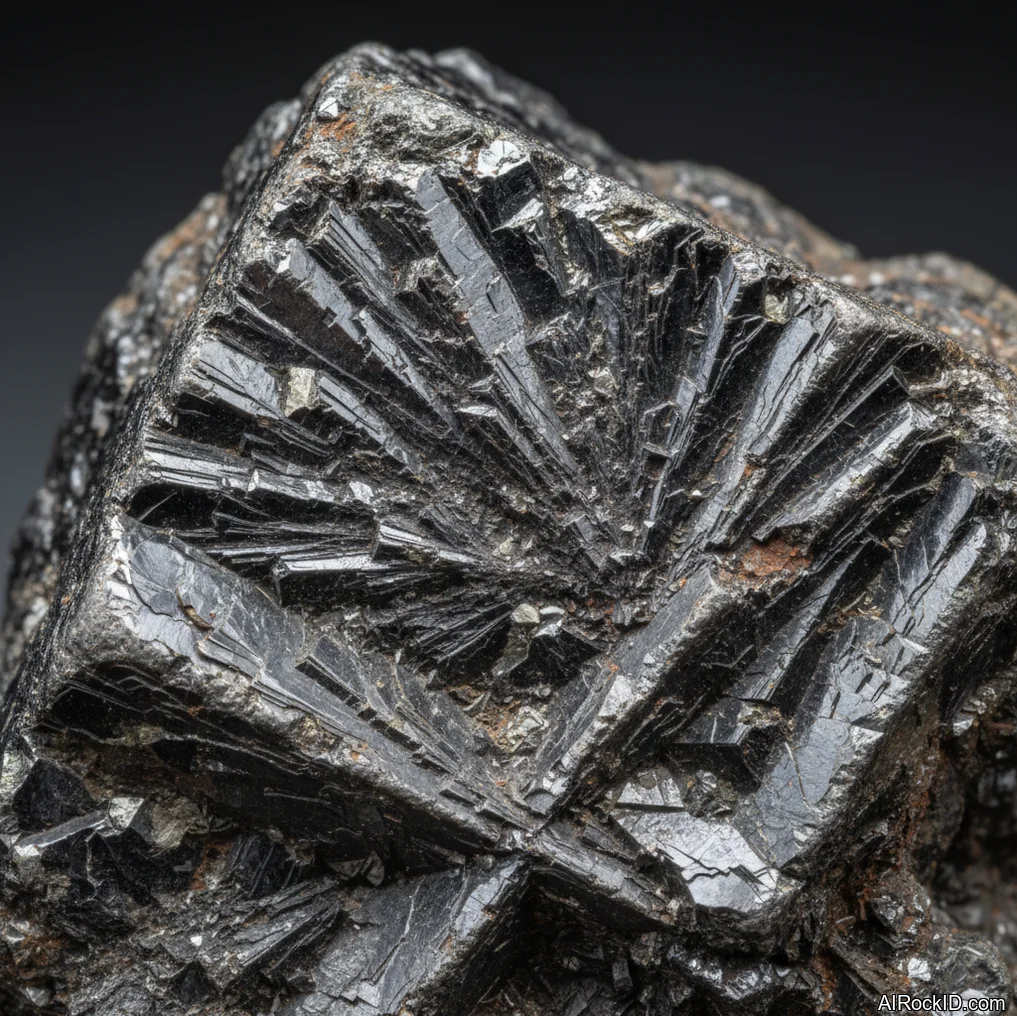
People also tie Saturn to stones that feel sober and disciplined: jet, shungite, galena, even certain forms of fluorite when the intention is mental order. Galena is the one I always warn folks about. It’s gorgeous, with cubic cleavage and that bright lead-gray mirror shine, but it’s soft and it sheds. If you handle galena a lot, wash your hands. Keep it out of a pocket that also holds lip balm. Saturn themes are about responsibility, and that includes basic mineral safety.
So how do you work with Saturn crystals without turning it into a vague mood board? Start with a job. One job. A piece of smoky quartz on the desk where you pay bills. Hematite by the door with your keys if you’re working on routines and follow-through. Black tourmaline near the spot where you doomscroll at night. Keep it practical. Saturn is about repetition, not one big ritual you forget tomorrow.
Thing is, wear and tear tells the truth, too. Soft stones and polished surfaces show real life fast. A hematite bracelet will pick up micro-scratches and go dull if it’s rubbing against a watch clasp. Tumbled black tourmaline chips around the edges because it’s brittle. If you want something that holds up, go for smoky quartz points, quartz with inclusions, or a well-cut onyx cabochon. If you want raw, accept that raw looks raw. That’s part of it.
Buying Saturn stones is where a little collector skepticism helps. Most dealers label anything black as “protective,” and sometimes the label is doing more work than the stone. Ask for the actual material name and source if they have it. Check temperature in hand. Glassy fakes and resin feel warmer; real stone stays cool longer. Use a flashlight on black pieces. Dyed agate often shows color pooling in cracks or along band lines. And with shungite, watch for pieces that leave black marks on your fingers. Some do naturally, but some sellers are moving soft carbon-rich material that crumbles.
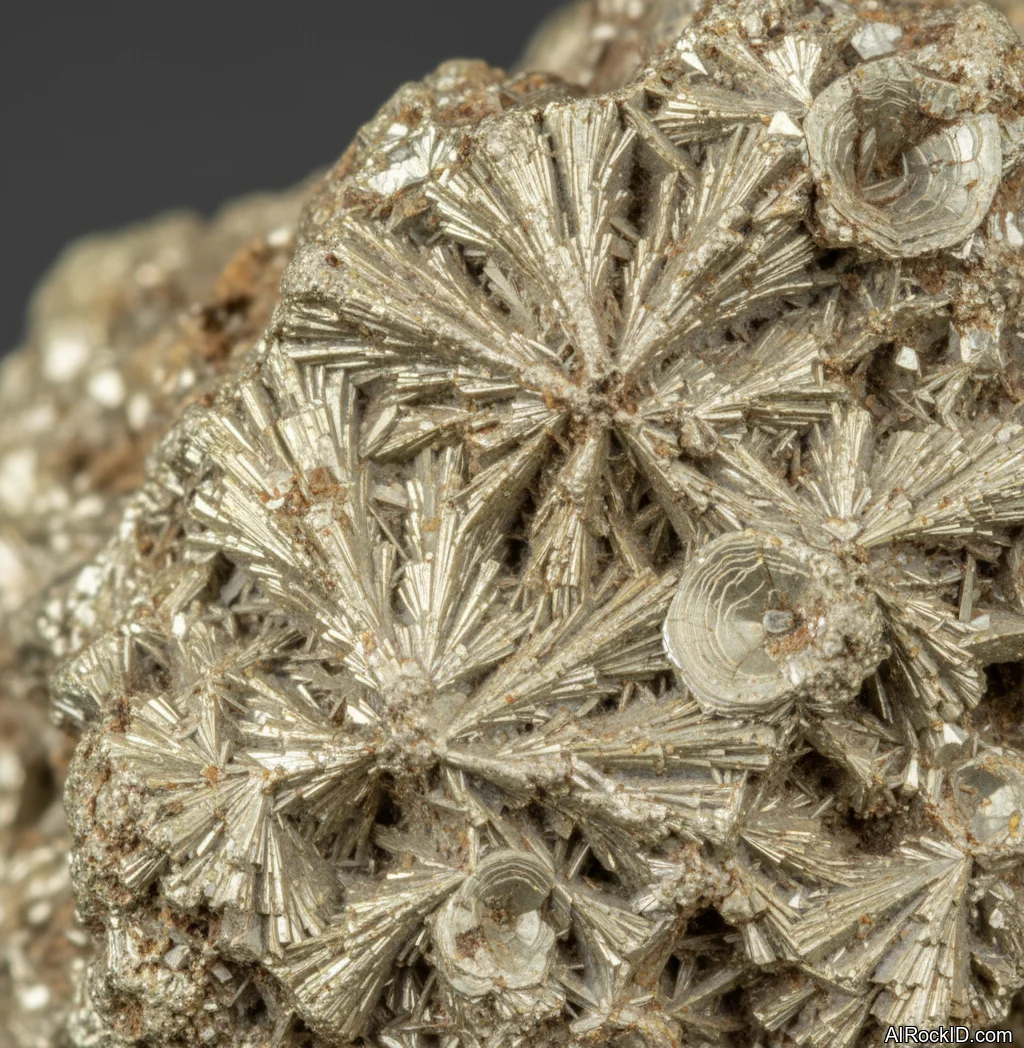
Care is simple, but specific. Keep black tourmaline out of ultrasonic cleaners because it can fracture along internal stress. Don’t soak galena or pyrite like they’re river stones. If you’re storing smoky quartz clusters, keep them out of long-term sun if you’re picky about color. Some smoky fades, and you’ll notice it first on the tips.
Saturn crystals aren’t about chasing a vibe. They’re about putting weight behind decisions. When you pick the right stone, you can feel it in your hand: dense, cool, honest. That’s the Saturn lane.
All Saturn Crystals (180)