Neptune Crystals
Learn how Neptune crystals like aquamarine, labradorite, and moonstone are used in crystal traditions, plus buying tips and care.
Neptune, in crystal circles, is the planet people grab when life gets foggy. Dreams turn the volume up. Intuition gets weird. Boundaries? Thin. If you’ve ever walked out of a movie feeling like you’re still stuck inside the plot, that’s the Neptune vibe people are trying to work with. It’s not the sharp, clean Saturn feeling, or the bright shove of Mars. Neptune is saltwater and mist, and that part of your brain that stitches symbols together while you sleep.
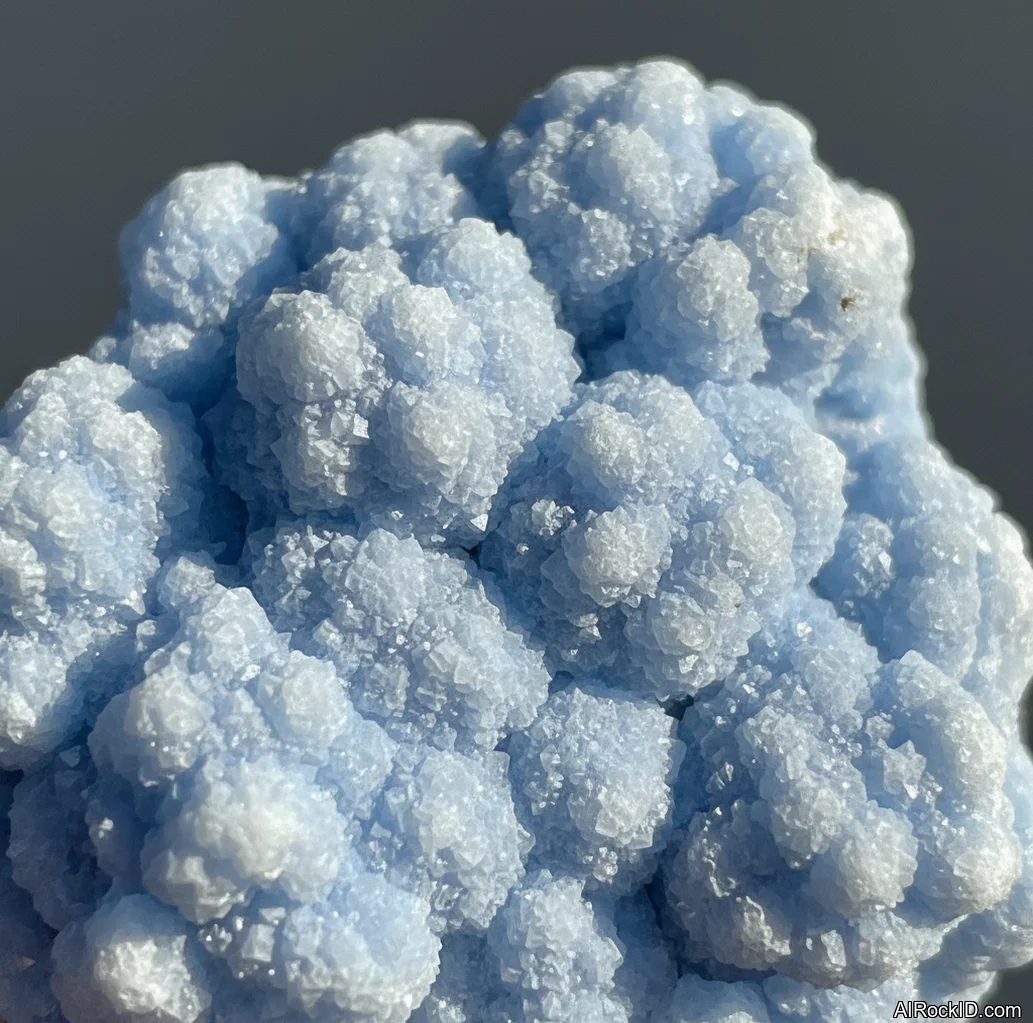
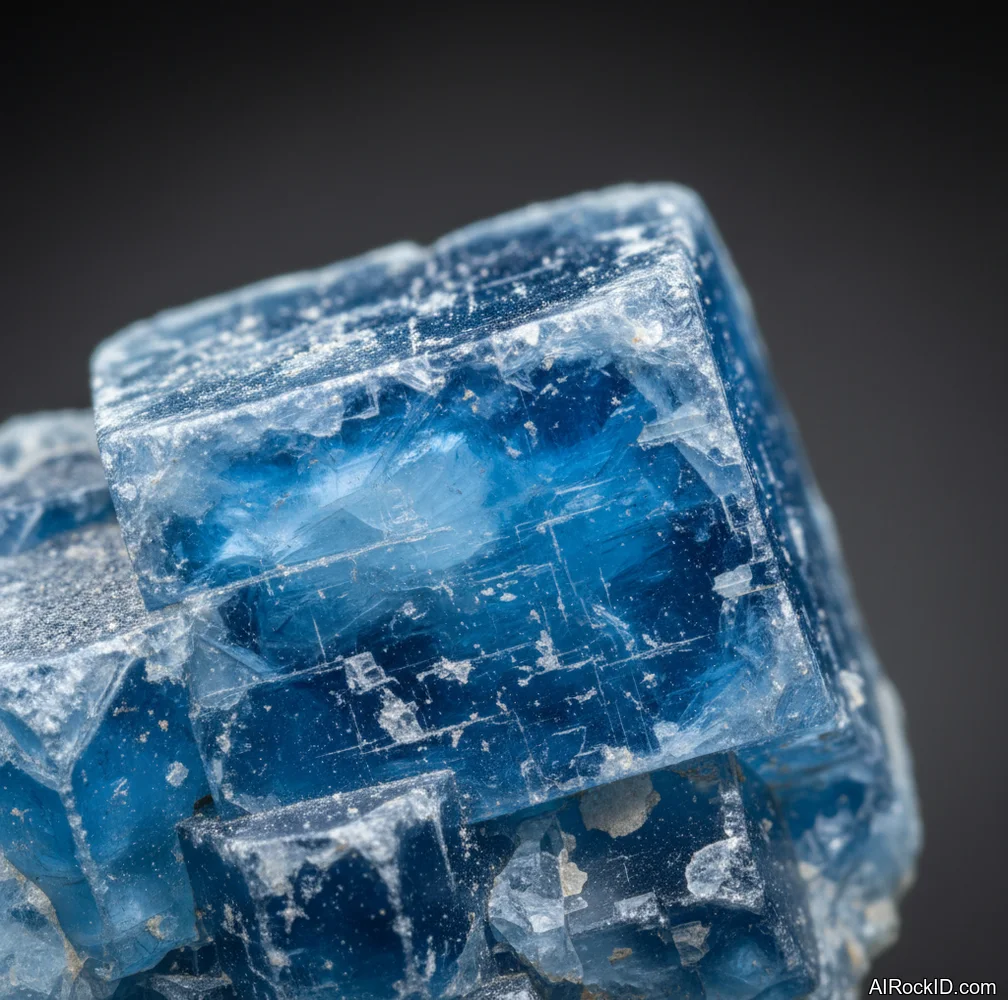
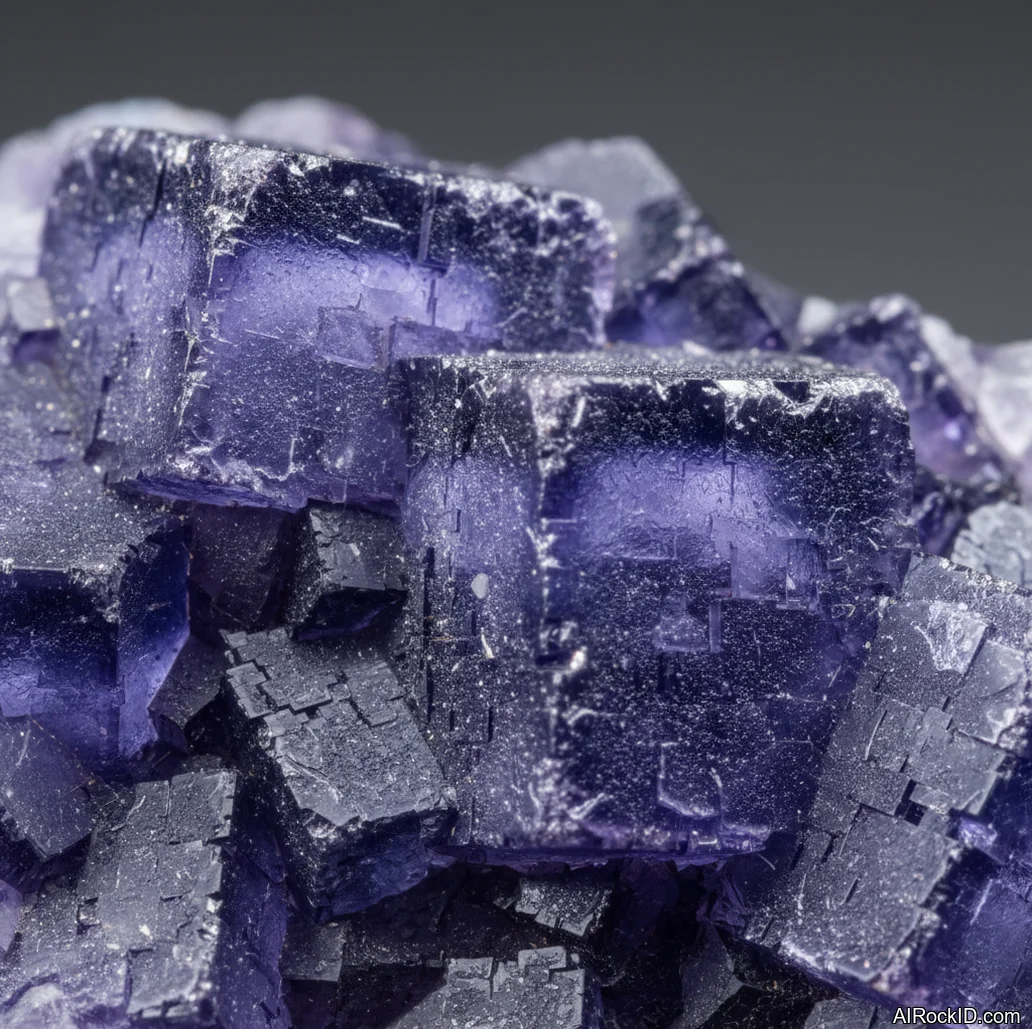
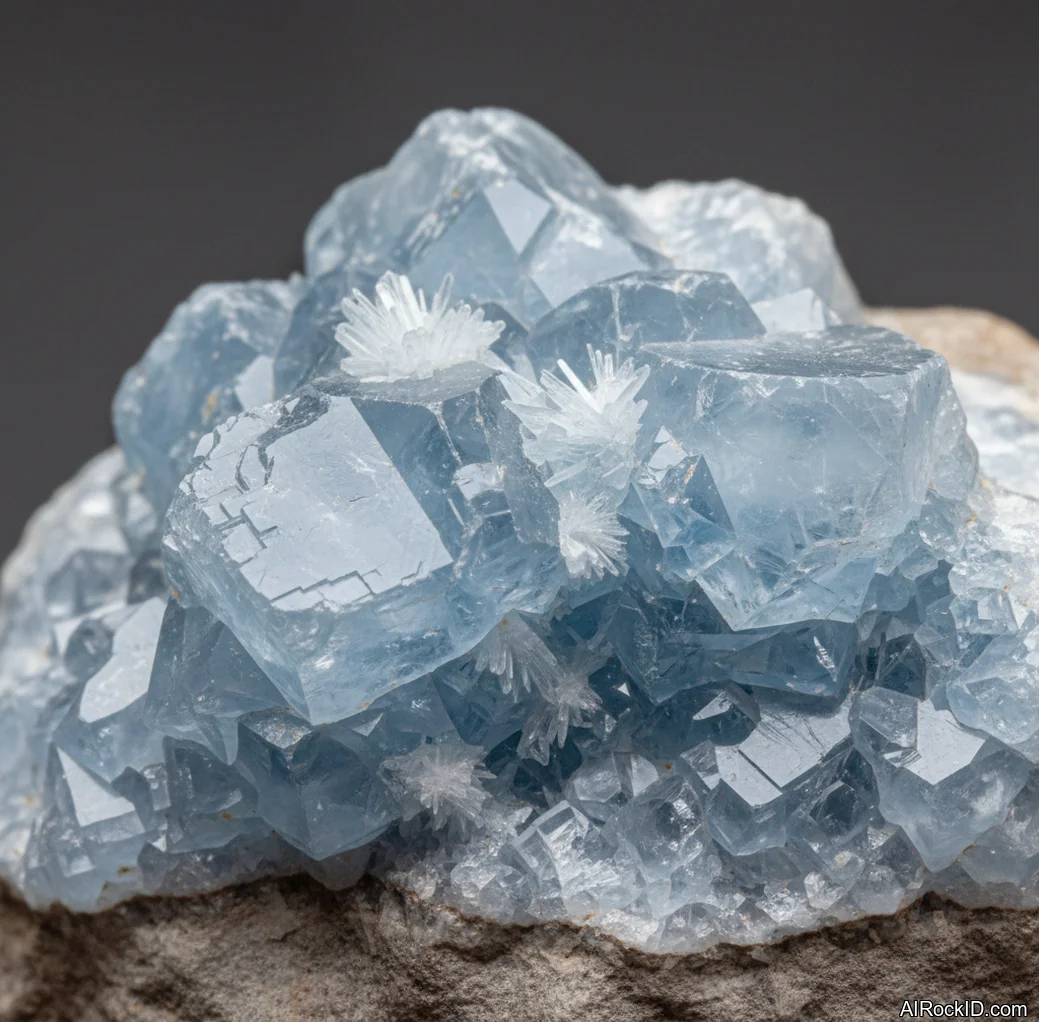
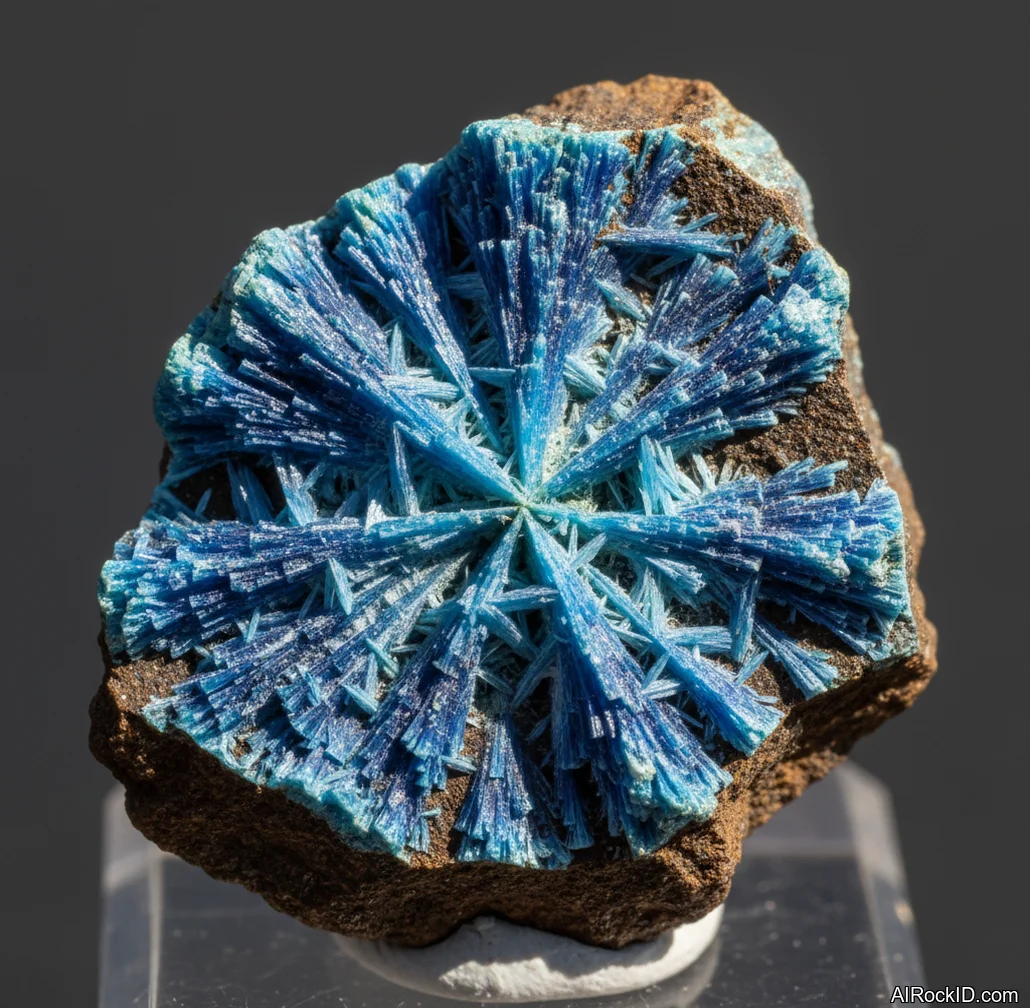
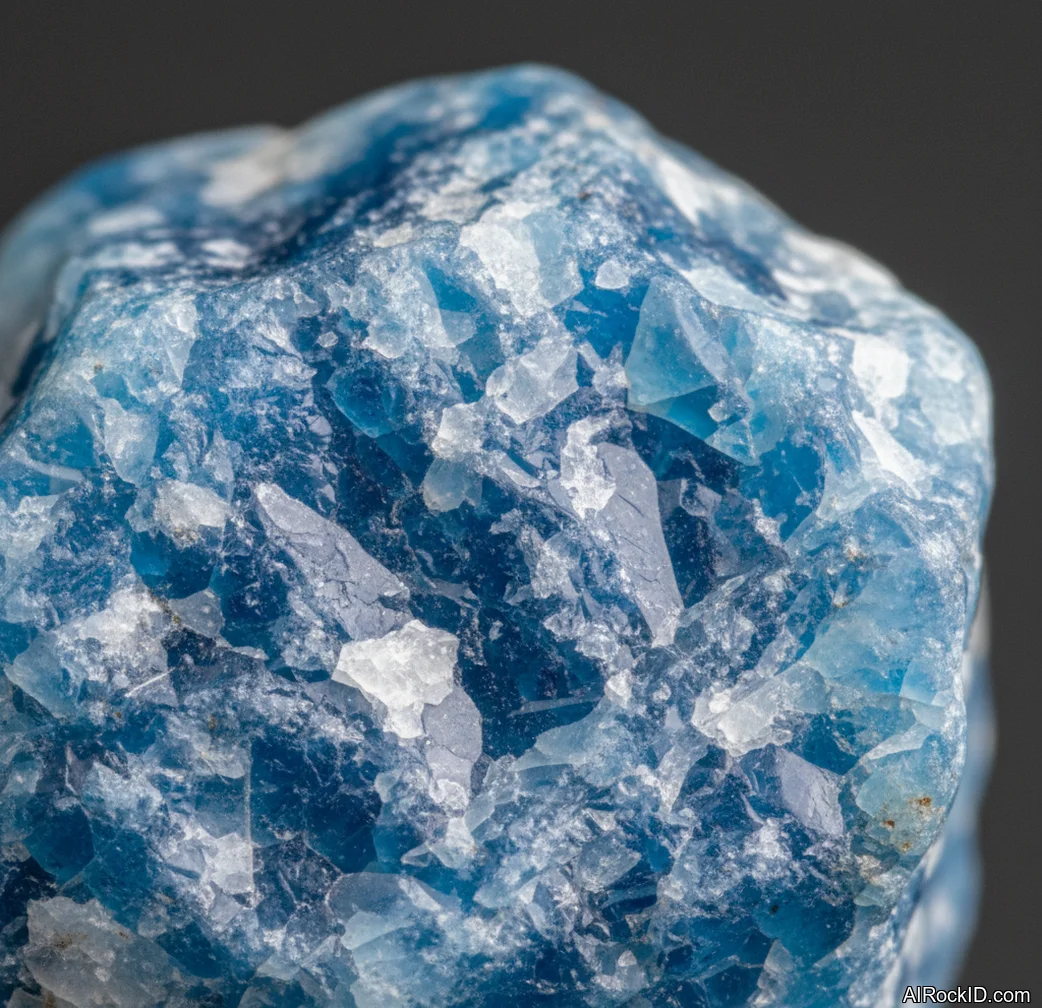
Most folks asking for “Neptune crystals” aren’t hunting sparkle. They want to calm overstimulation, track their dreams, or sit with emotions without getting dragged under. I hear it in the shop all the time: “I want something for intuition, but I don’t want to feel spacey.” That’s the tightrope. Stones tied to Neptune tend to be watery in color or effect, or they’ve got that shifting, hard-to-pin-down flash. Think Aquamarine, Moonstone, Labradorite, Larimar, Blue Lace Agate, Sodalite, and even Fluorite when you want the fog to clear instead of deepen.
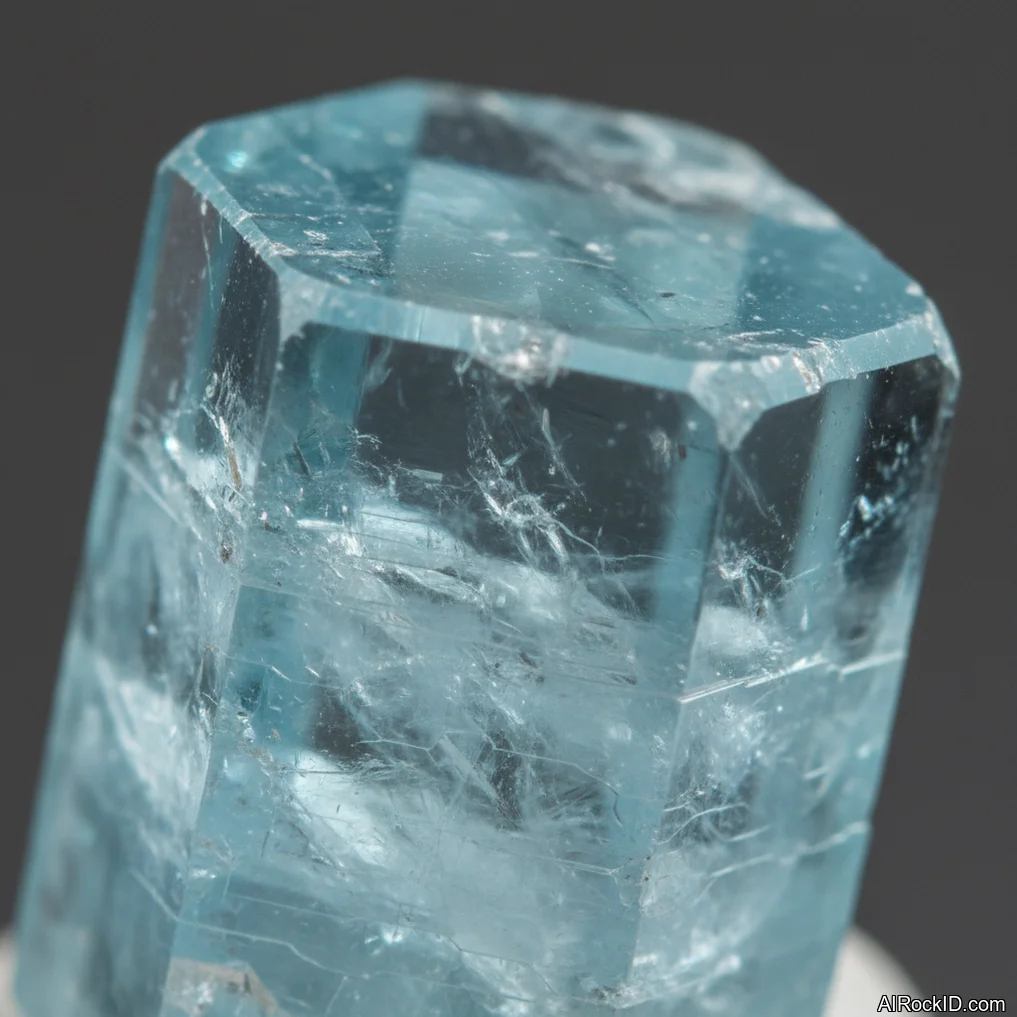
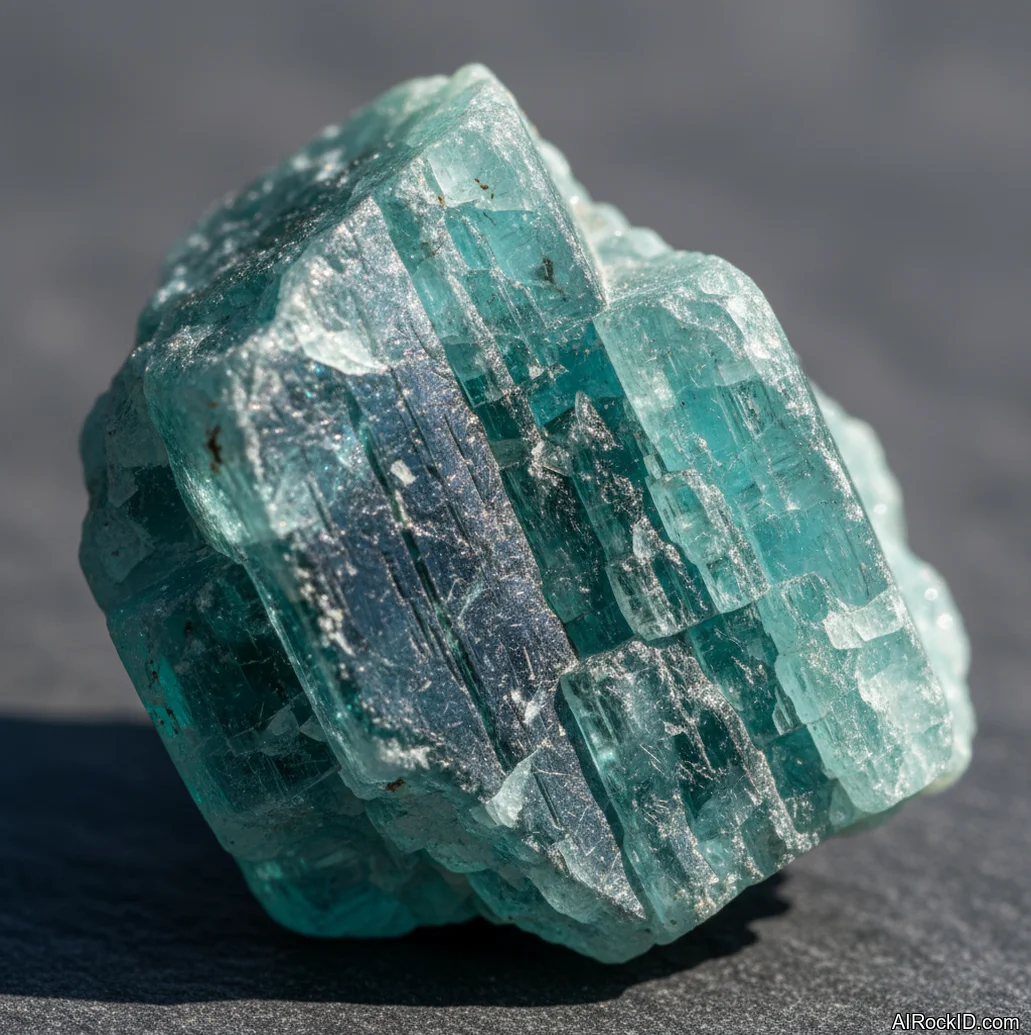
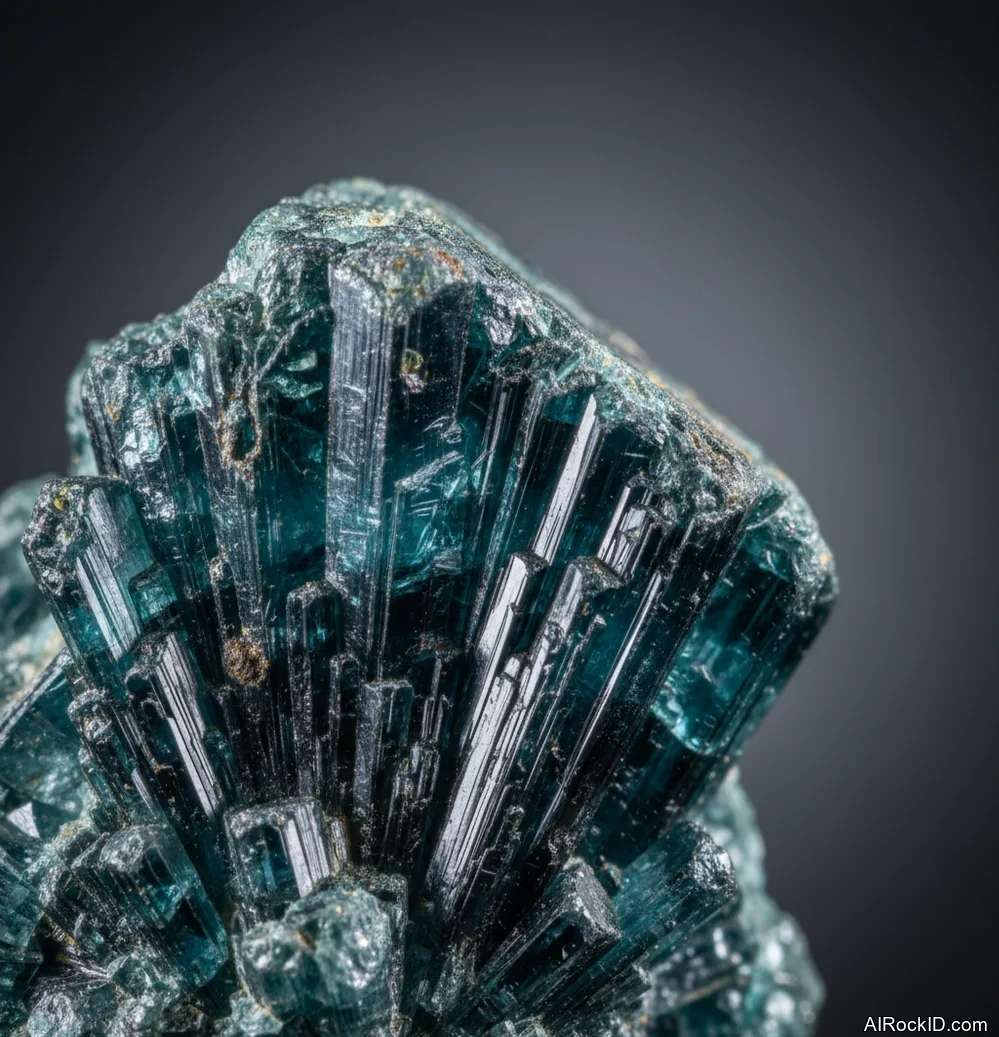
Pick up a good piece of Aquamarine and you’ll get why it’s linked to Neptune. It’s usually cool to the touch, glassy, and kind of slippery-feeling when it’s well-polished. Raw aquamarine grows in those long hexagonal habits, and the striations on the prism faces can look like fine pencil lines. And the color matters. Pale sky-blue is common, but the nicer stuff has that sea-glass tone that looks deeper when you tilt it under warm light. If you’re working with Neptune themes like emotional flow and “listening” instead of forcing, aquamarine is the cleanest, least dramatic option.
But Labradorite is the opposite. It’s Neptune when Neptune’s acting up. At first glance it can look like a boring gray fieldstone, then you roll it under a lamp and the labradorescence snaps on, usually blue, sometimes green or gold. That flash comes from internal lamellae, and it’s extremely angle-dependent. I’ve handled slabs where the color vanishes the second you shift your wrist. When people say a stone feels “psychic,” that’s often the one they’re reacting to, because your eyes keep chasing that moving light.
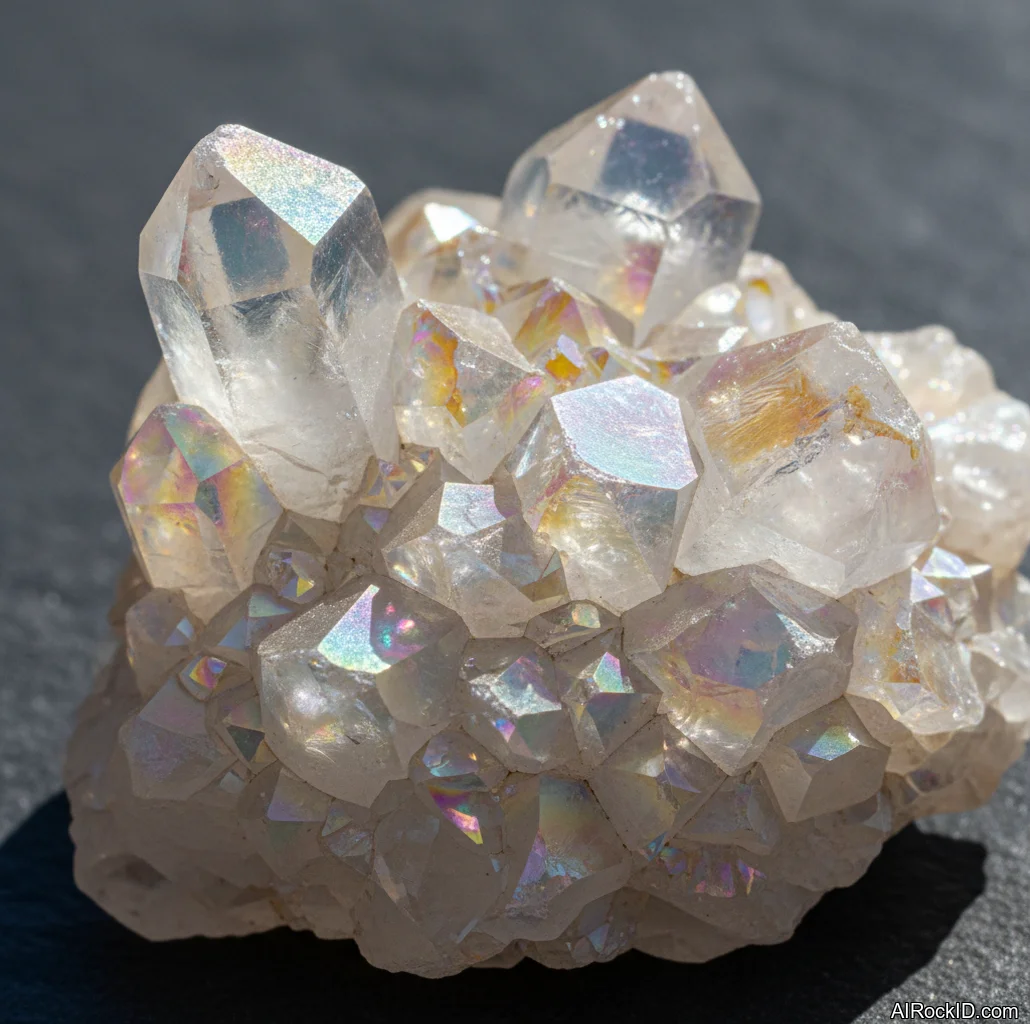
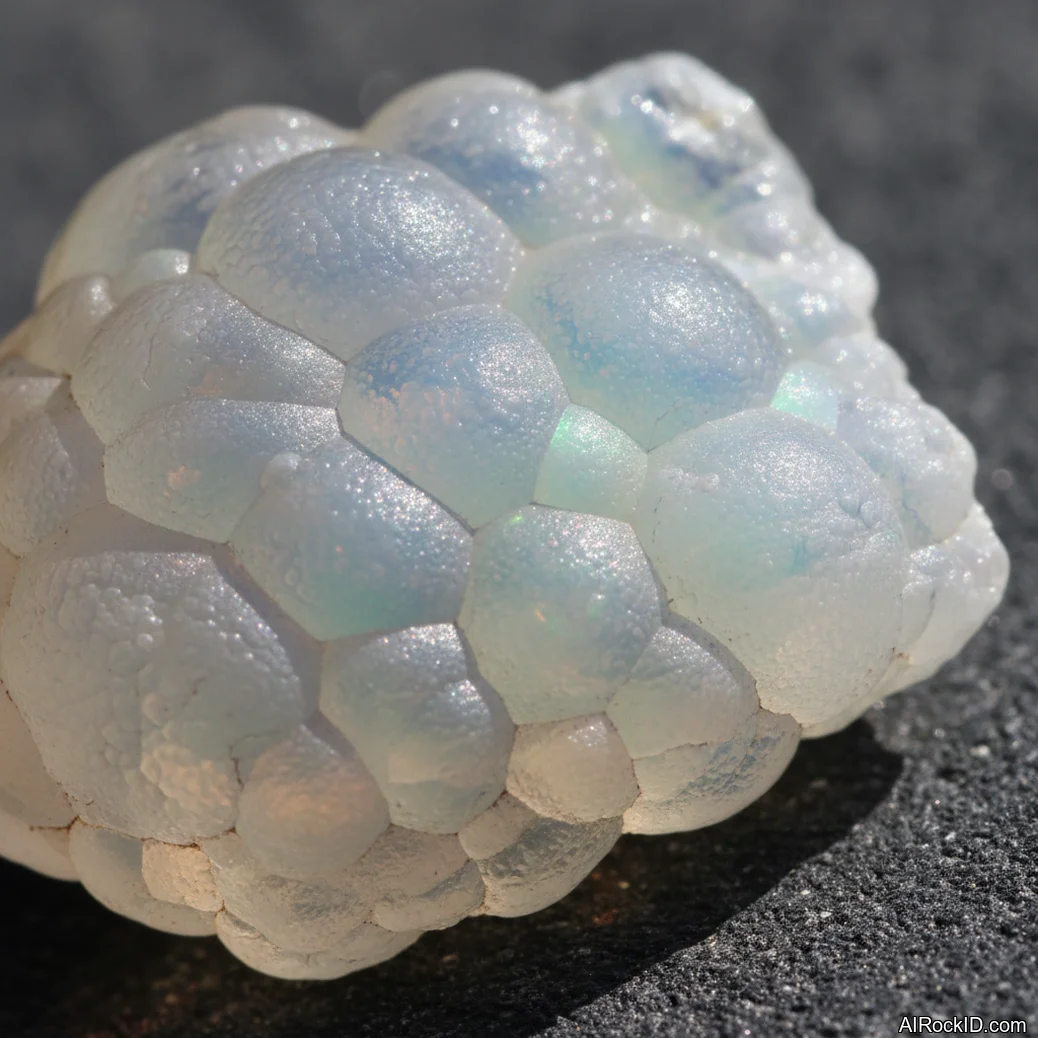
Moonstone sits in the middle. Real feldspar moonstone has adularescence, a soft glow that seems to float under the surface, not glittery sparkle sitting on top. If you’ve got a cabochon, move it slowly and watch that sheen skate across like a headlight in fog. Thing is, the moonstone market is messy. A lot of “rainbow moonstone” is actually white labradorite. It’s not wrong to use it, but it’s a different look, and you usually get a sharper blue flash instead of that milky, pooled glow.
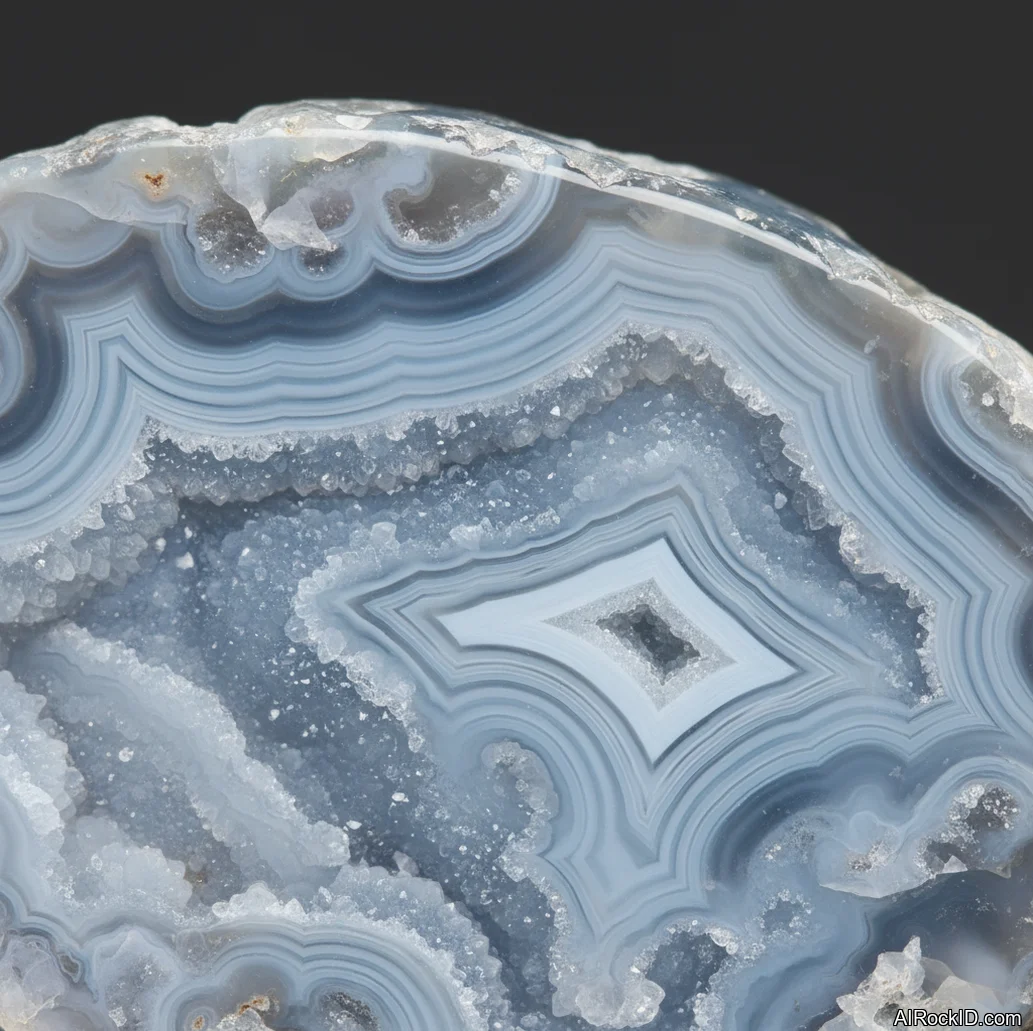
If you want Neptune without the drama, Blue Lace Agate is a steady pick. True blue lace has tight, ribbon-like bands, often with little white scallops. It feels like holding a cool ceramic egg when it’s tumbled, and it’s hard enough that it won’t scratch up in a pocket with keys. Sodalite is another practical one, but you’ve got to watch for dyed material. Real sodalite usually has white calcite streaks and a denim-to-ink blue body color, and the surface can look slightly waxy when it’s polished.
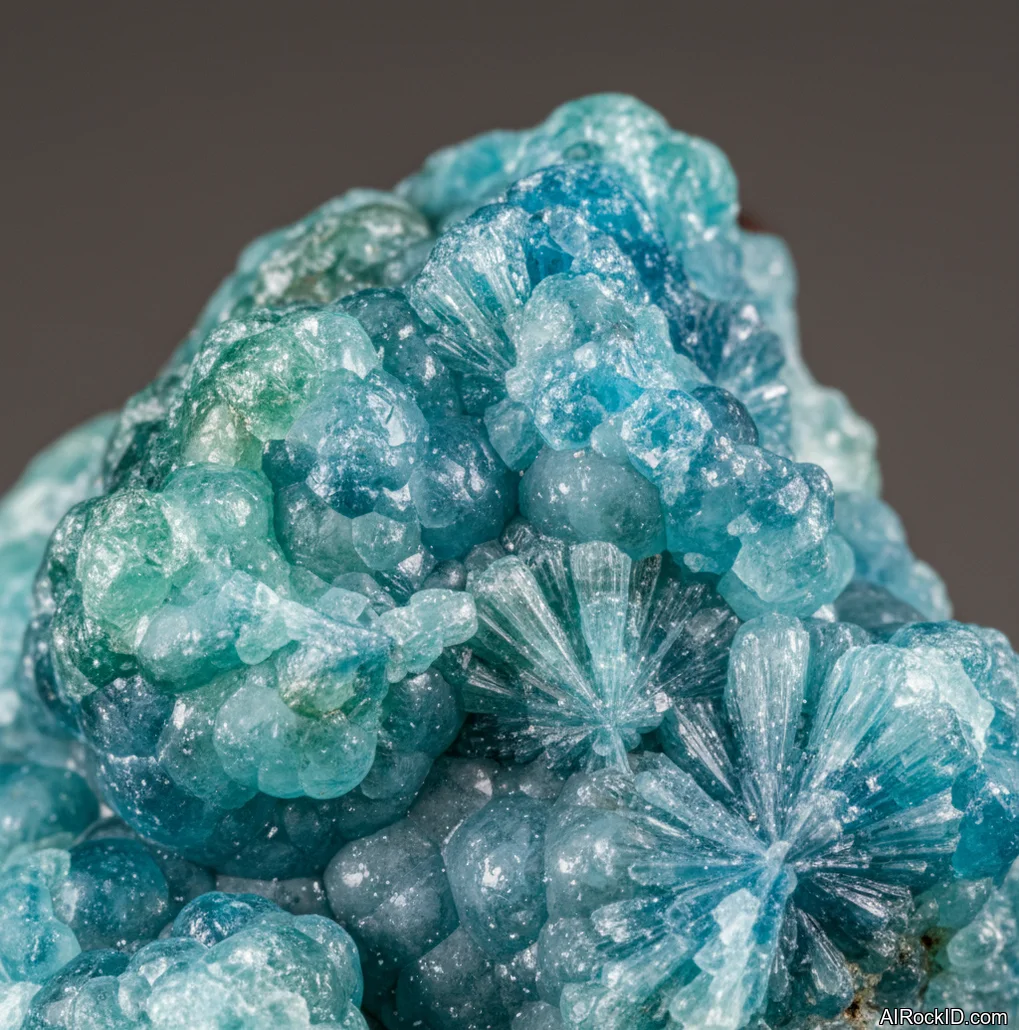
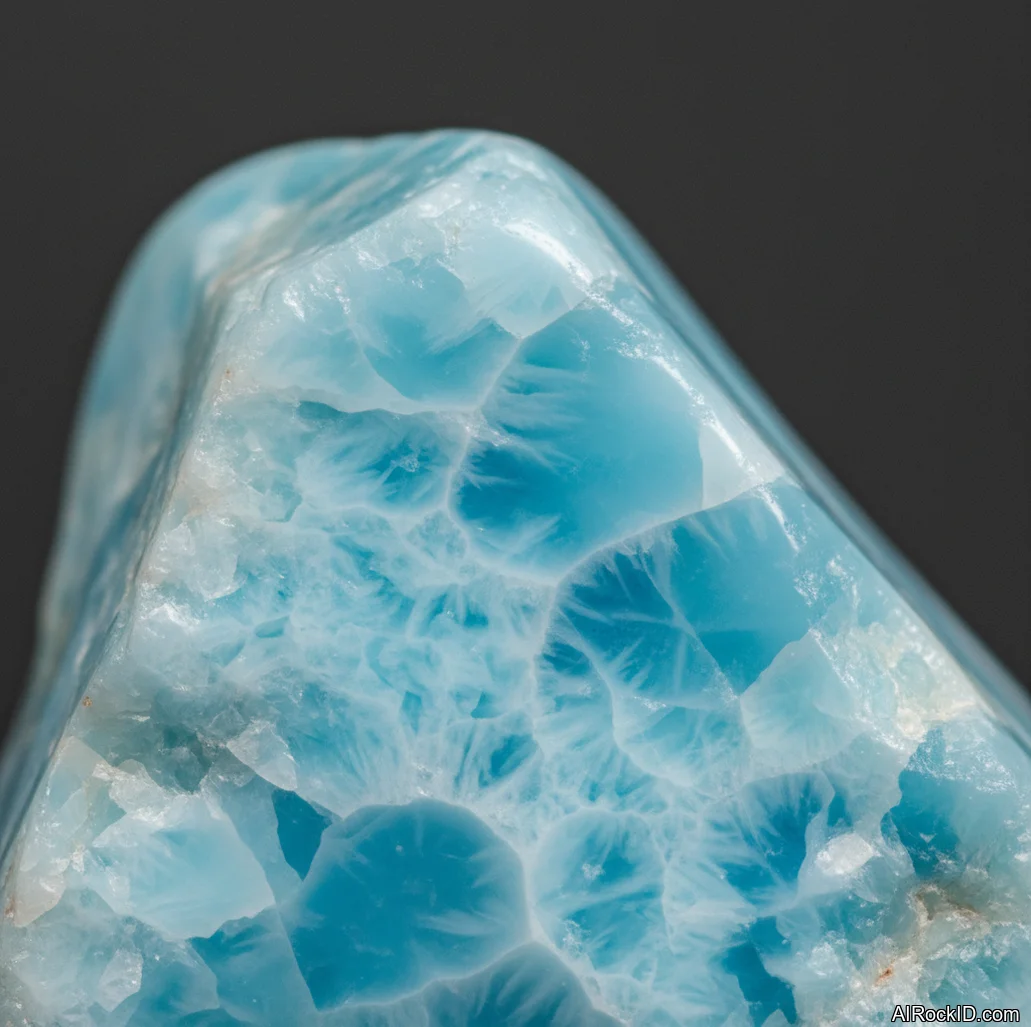
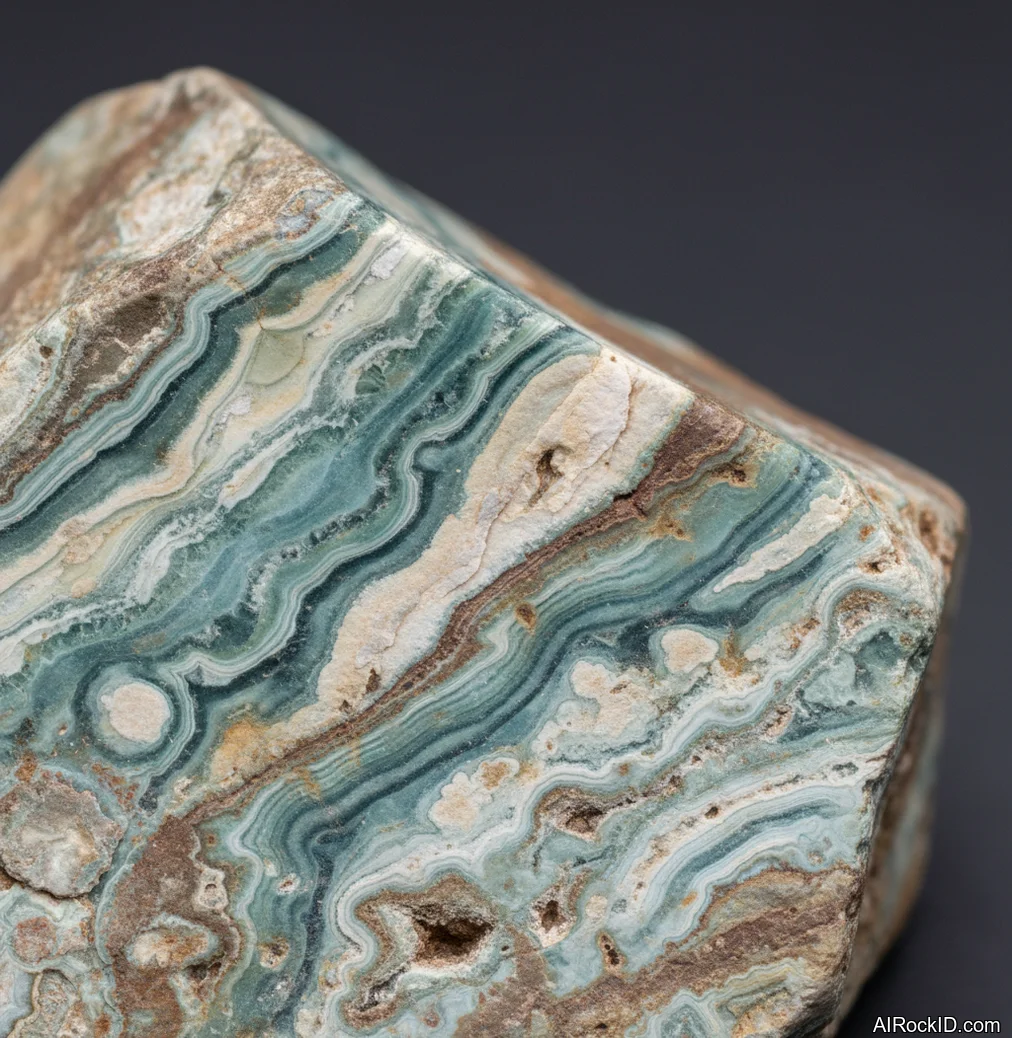
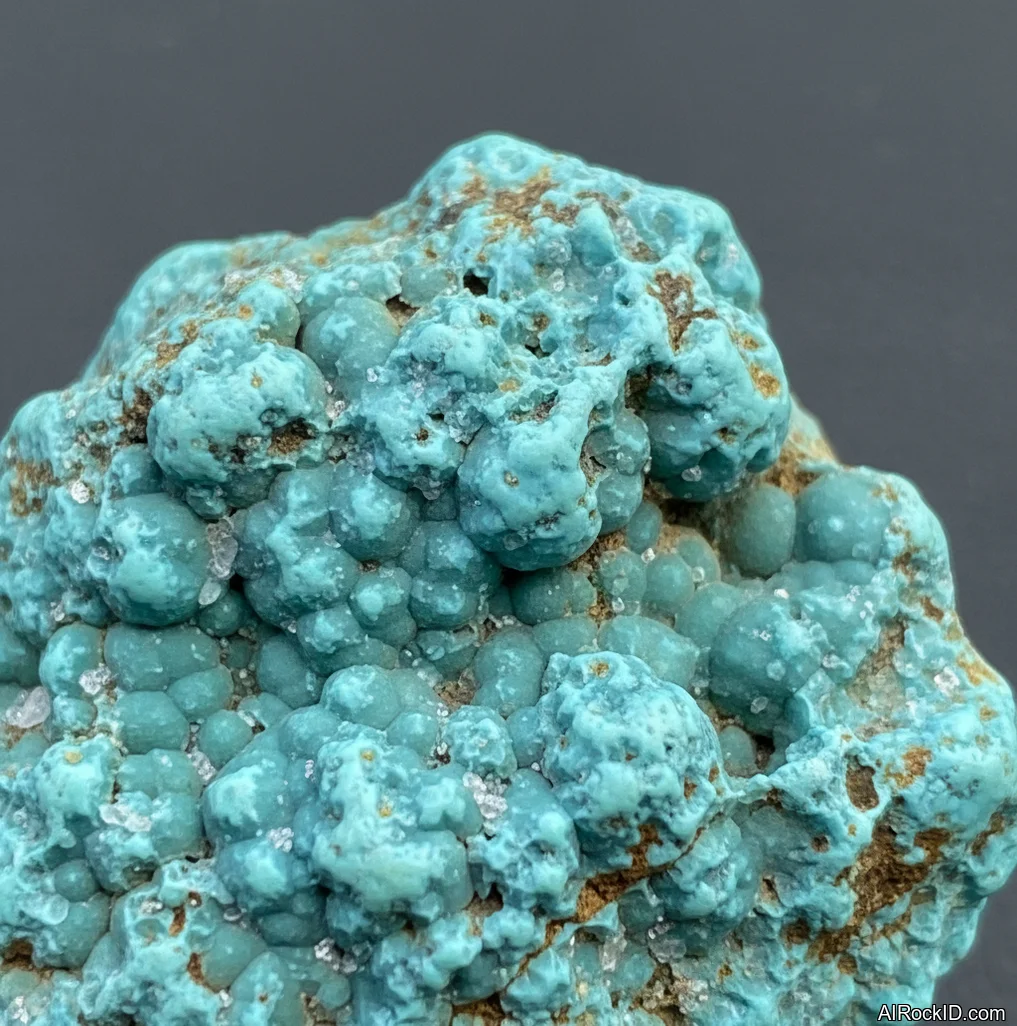
And then there’s Larimar, the Caribbean poster child for Neptune energy. It’s pectolite, and the good stuff looks like sunlit shallow water, blue with white webbing. It’s also softer than people expect. If you toss a larimar pendant in a bag with harder stones, it’ll pick up scuffs fast. I’ve seen gorgeous larimar get dulled just from rubbing against a quartz point in a pouch. Treat it like a softer decorative stone, not a pocket worry stone.
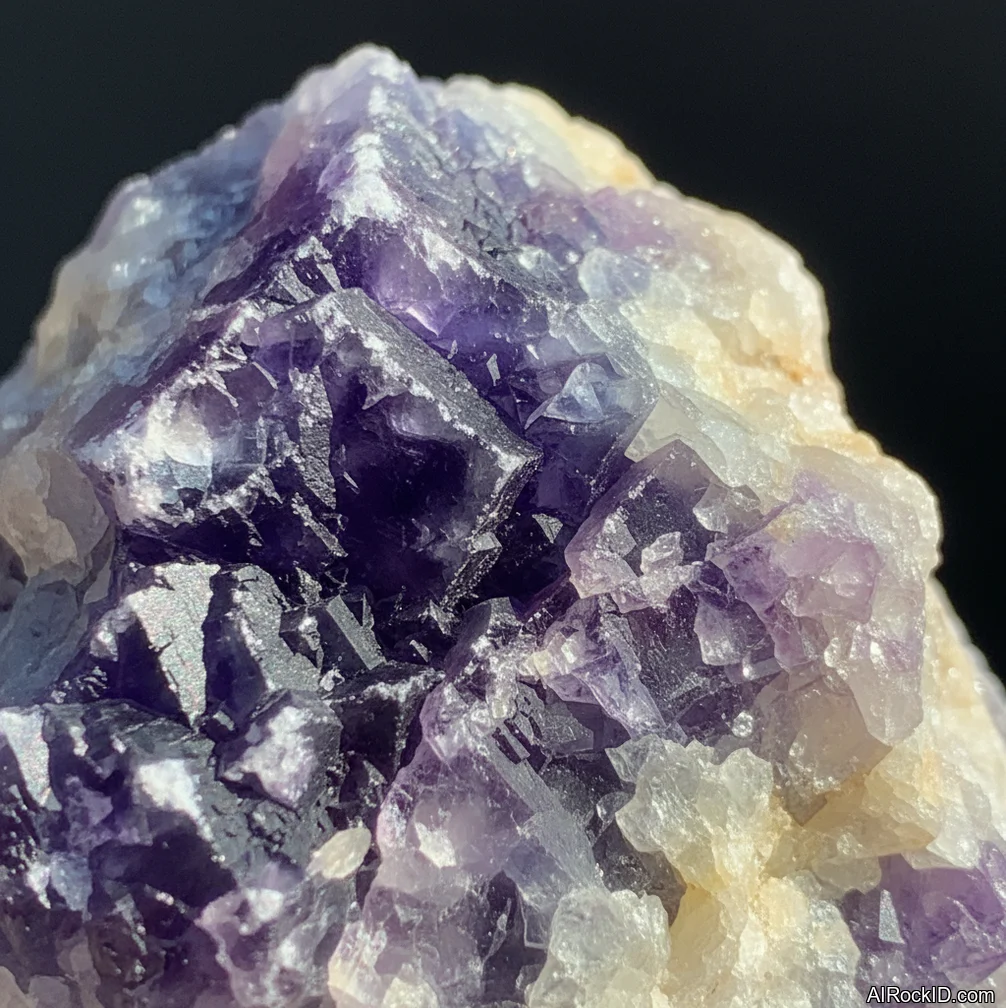
Working with Neptune crystals is mostly about setting containers. Neptune dissolves edges, so you give it edges on purpose. Try one stone at a time. Put Moonstone or Labradorite on a bedside table, not under the pillow, if you’re a light sleeper. Keep a notebook and write down the first three things you remember when you wake up, even if it’s nonsense. For daytime, Aquamarine or Blue Lace Agate in a pocket feels calmer. If you do meditation or breathwork, hold a Fluorite palm stone after, not before, because fluorite tends to pull your head back into “organize and sort” mode.
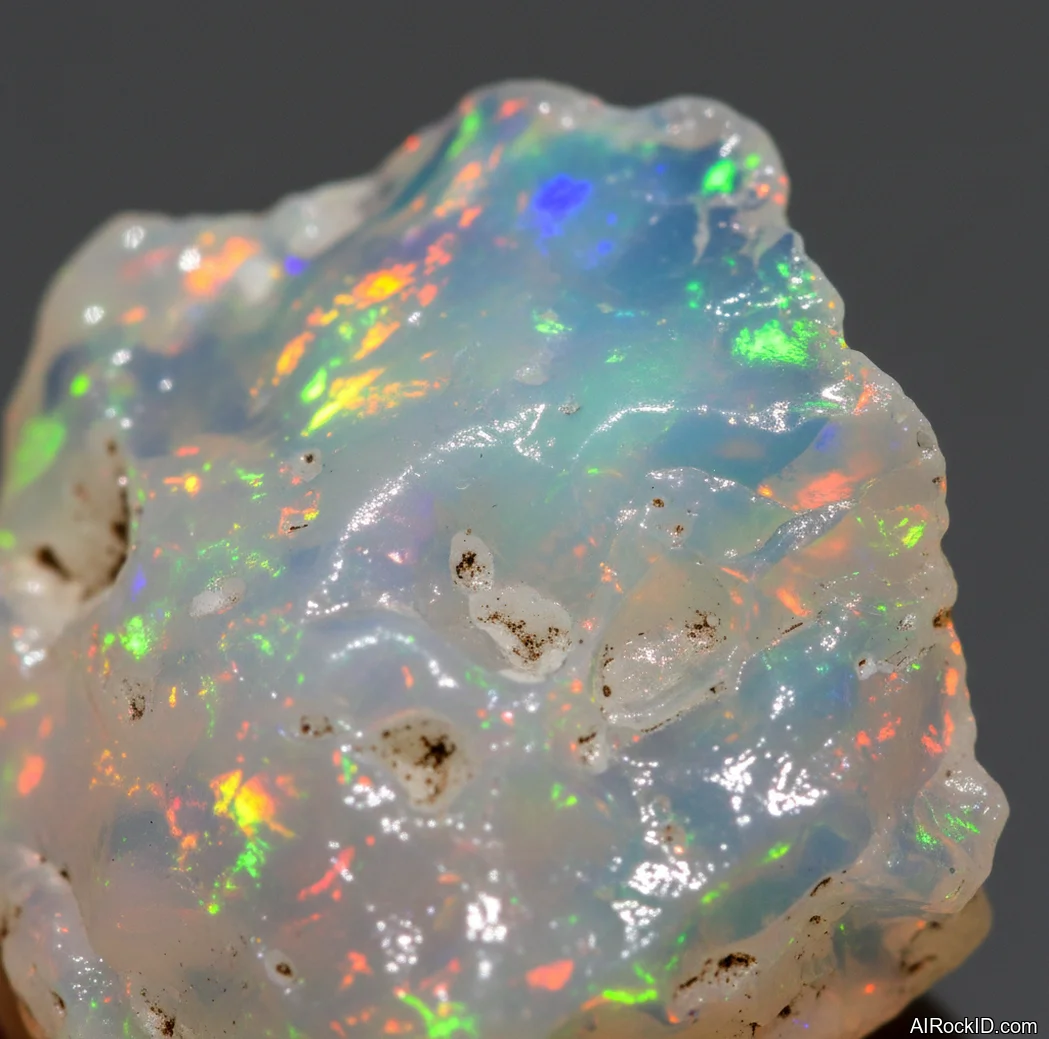
Buying tips really matter here, because Neptune-linked stones are prime targets for hype. Look closely at polish and texture. Cheap fakes feel warm to the touch right away, especially dyed agate and resin “opal” imitations, while natural stones usually stay cool for a bit. Check for dye pooling along cracks in blue agates. With Labradorite, insist on seeing it moved under light, because photos can catch the one magic angle and hide a dead stone. With Aquamarine, watch for overly saturated blue in perfectly uniform color, because some material is treated or mislabeled. And with Moonstone, ask if it’s feldspar moonstone or white labradorite so you’re paying for the effect you actually want.
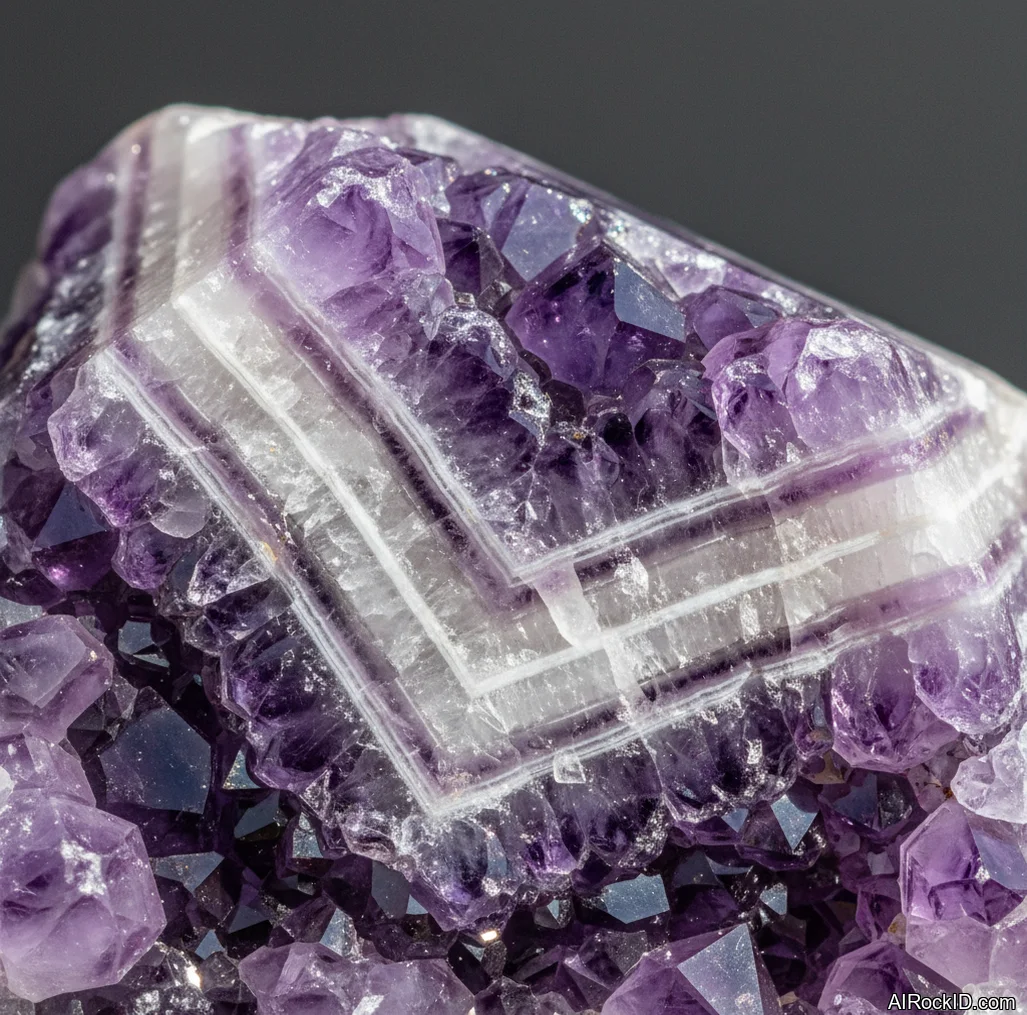
Care is simple, but it’s not identical across the list. Larimar, Fluorite, and Moonstone scratch more easily than quartz, and fluorite has perfect cleavage, so a drop onto tile can split it cleanly. Keep harder stones like Quartz or Topaz away from them in storage. So if you’re cleansing with water, remember “water-safe” doesn’t mean “wear it in the ocean.” Saltwater and grit can haze a polish fast. A soft cloth and mild soap is usually plenty.
Neptune work is best when you treat it like tide watching. You don’t force it. You check in, you notice patterns, and you back off when it gets too loud. The right crystal doesn’t make you more mystical. It just gives your hands something steady while your mind does its Neptune thing.
All Neptune Crystals (44)