Moon Crystals
Learn how Moon crystals like Moonstone, Selenite, and Labradorite are used, what they mean, and how to choose real pieces with confidence.
Moon energy, in crystal talk, is the quiet stuff. Night shift energy. Cycles, sleep, memory, gut-level decisions, mood swings you can’t quite explain. And that pull to go inward instead of pushing outward. When people say they want “Moon crystals,” they’re usually not chasing fireworks. They’re trying to settle their nervous system, track patterns, and give their inner world somewhere to land.
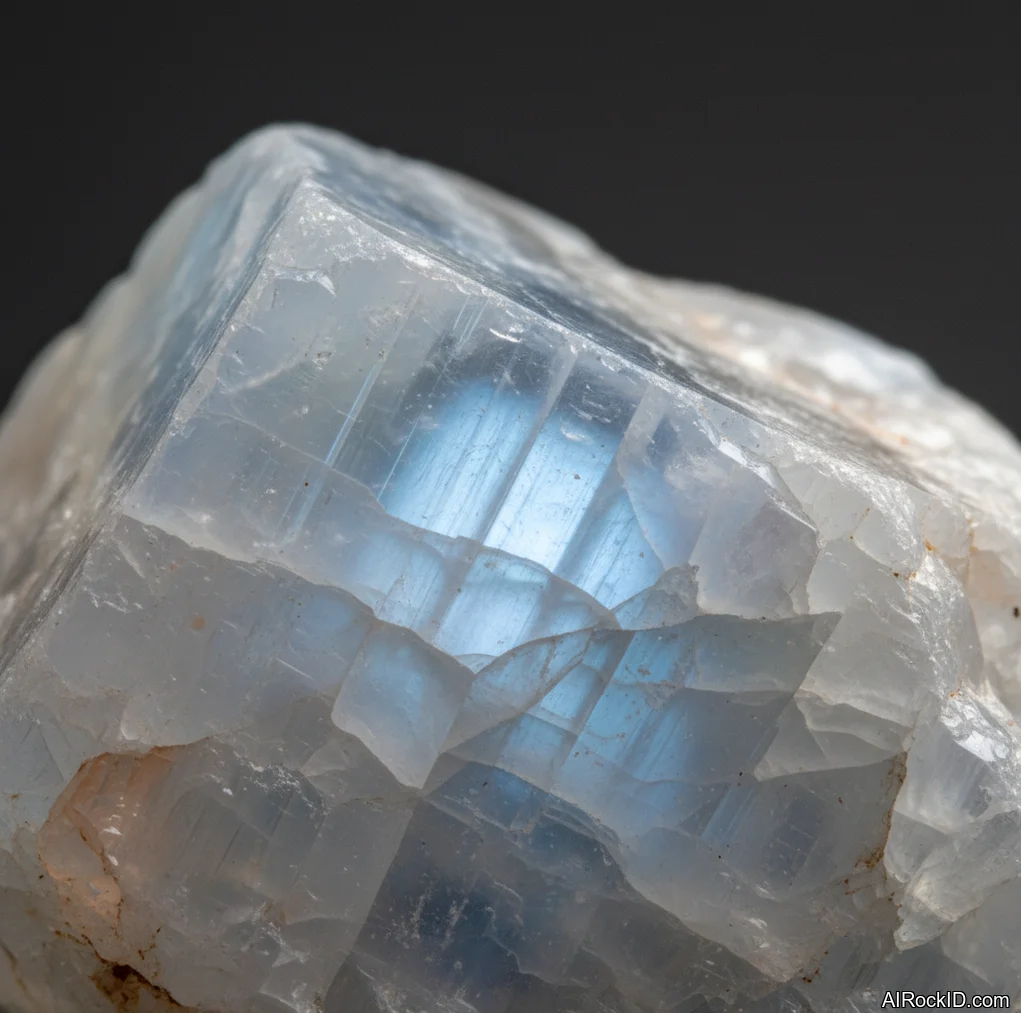
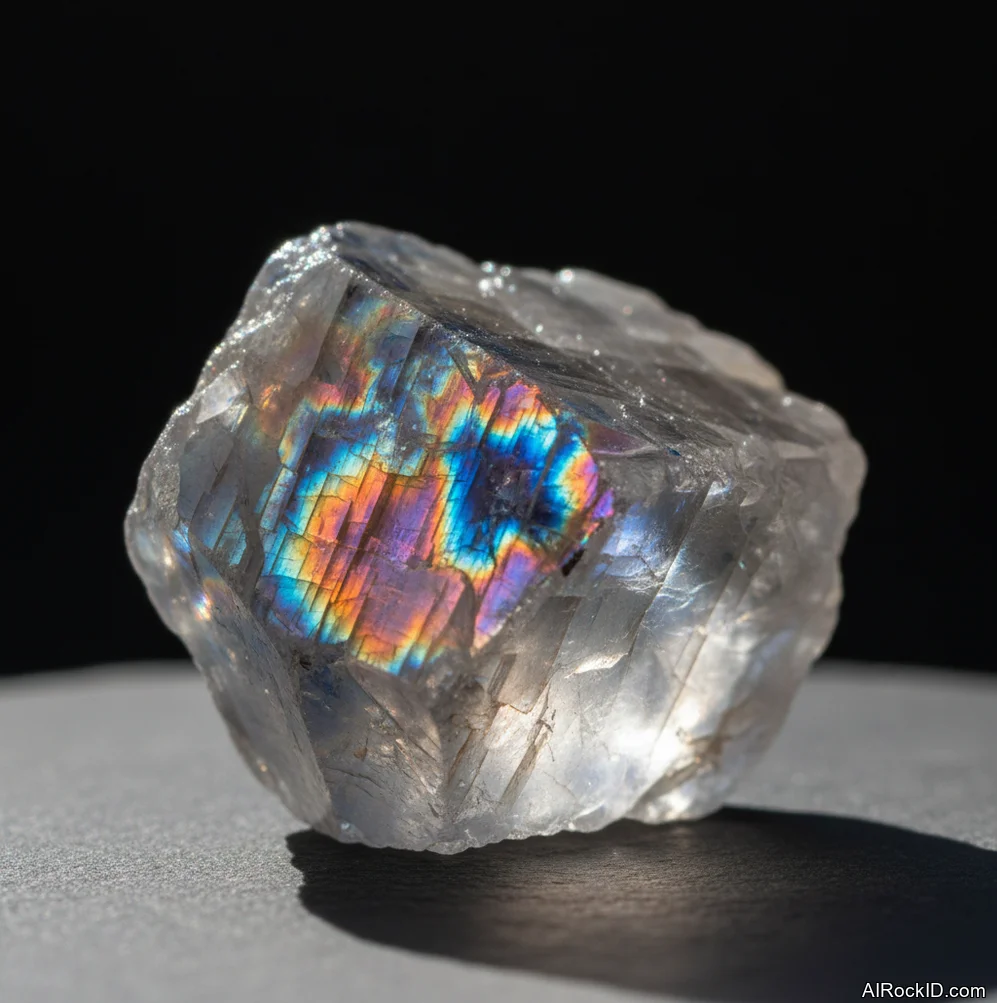
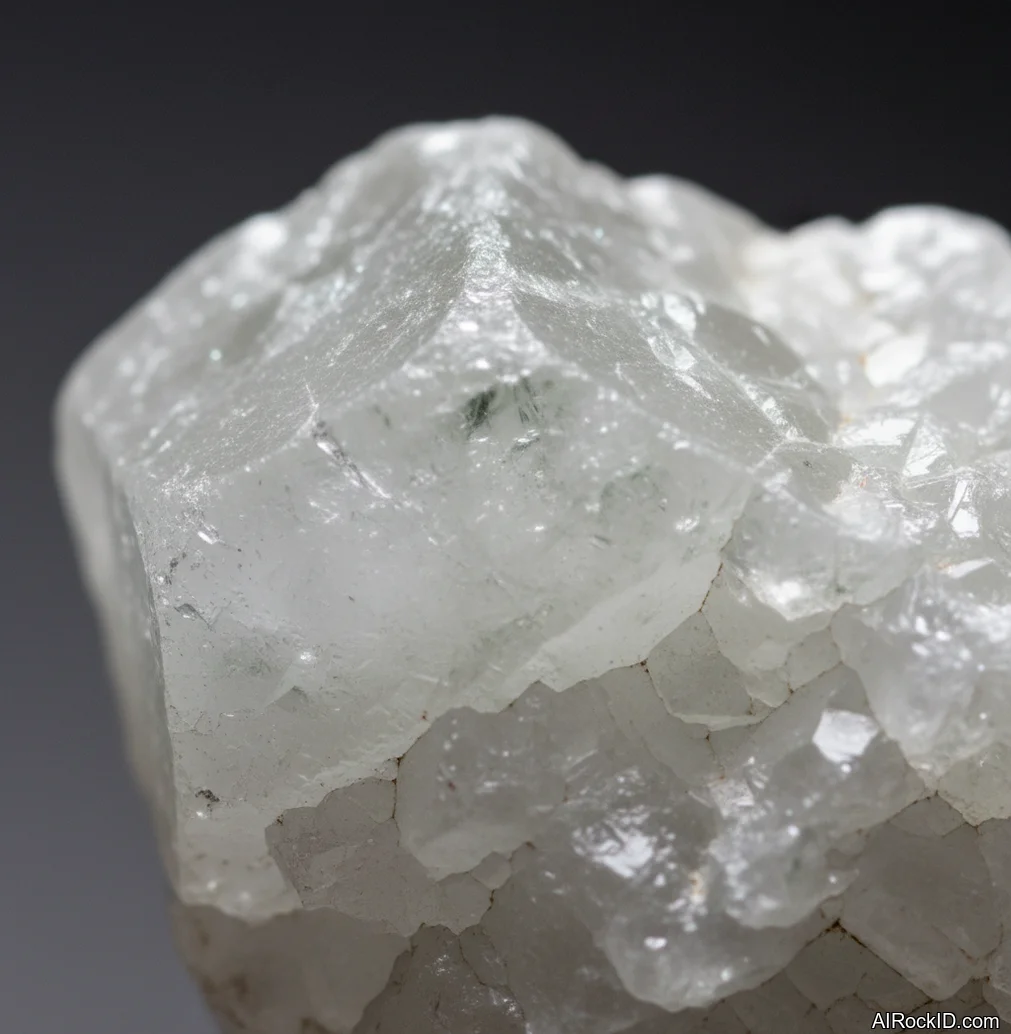
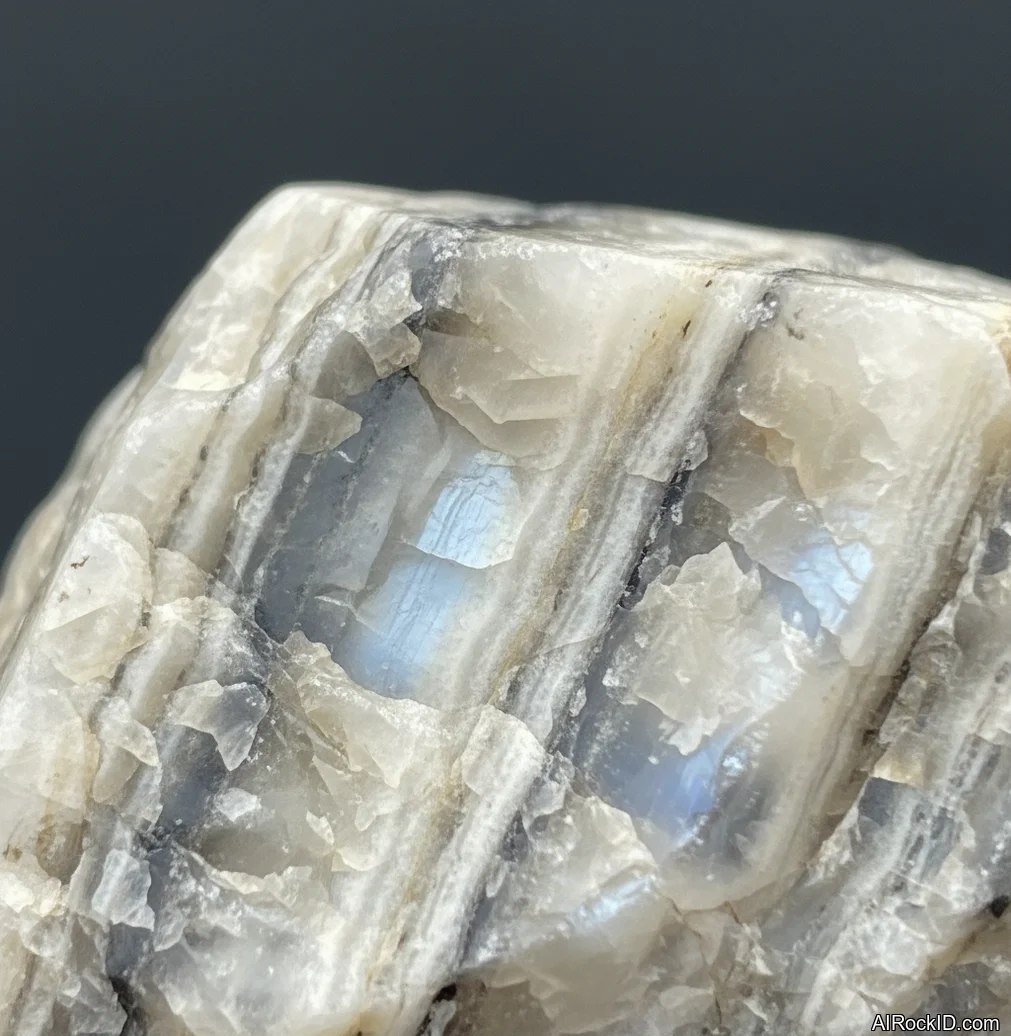
Pick up a good Moonstone cab and you’ll get why it’s the poster child. The adularescence isn’t a painted-on glow. Tilt it under a single overhead light and the blue sheen slides across the dome like a moving sheet, then vanishes when you hit the wrong angle. I’ve handled cheap rainbow “moonstone” that stays bright from every direction. That’s a tell. Real Moonstone can look kind of plain until it catches the light just right (and then, wow).
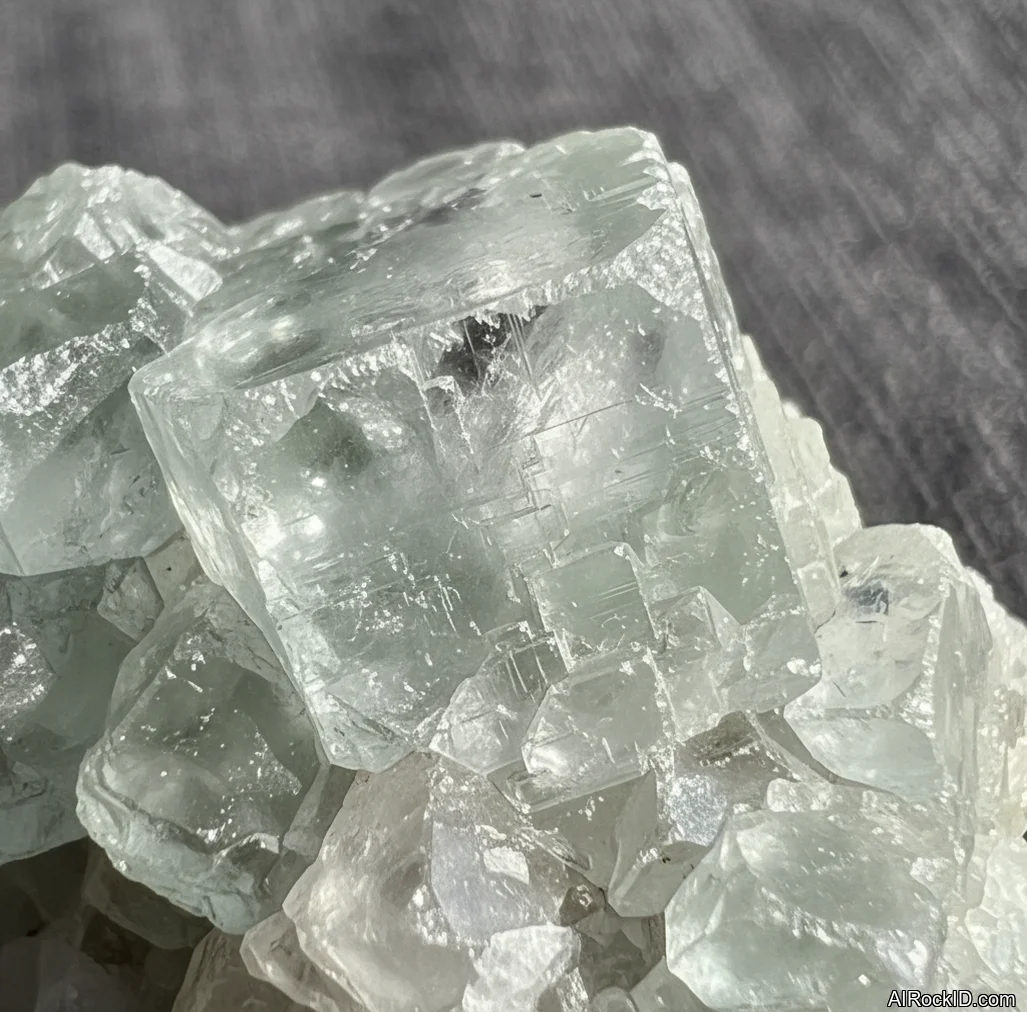
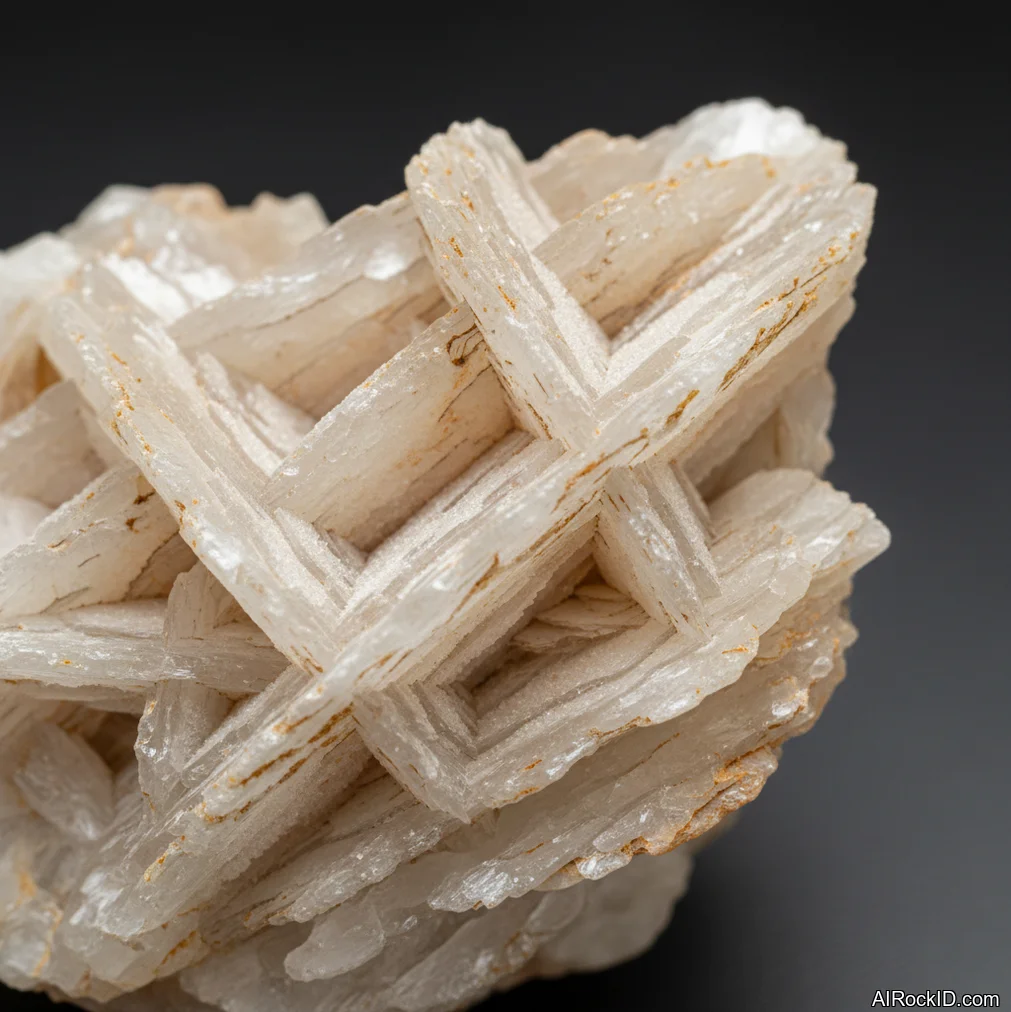
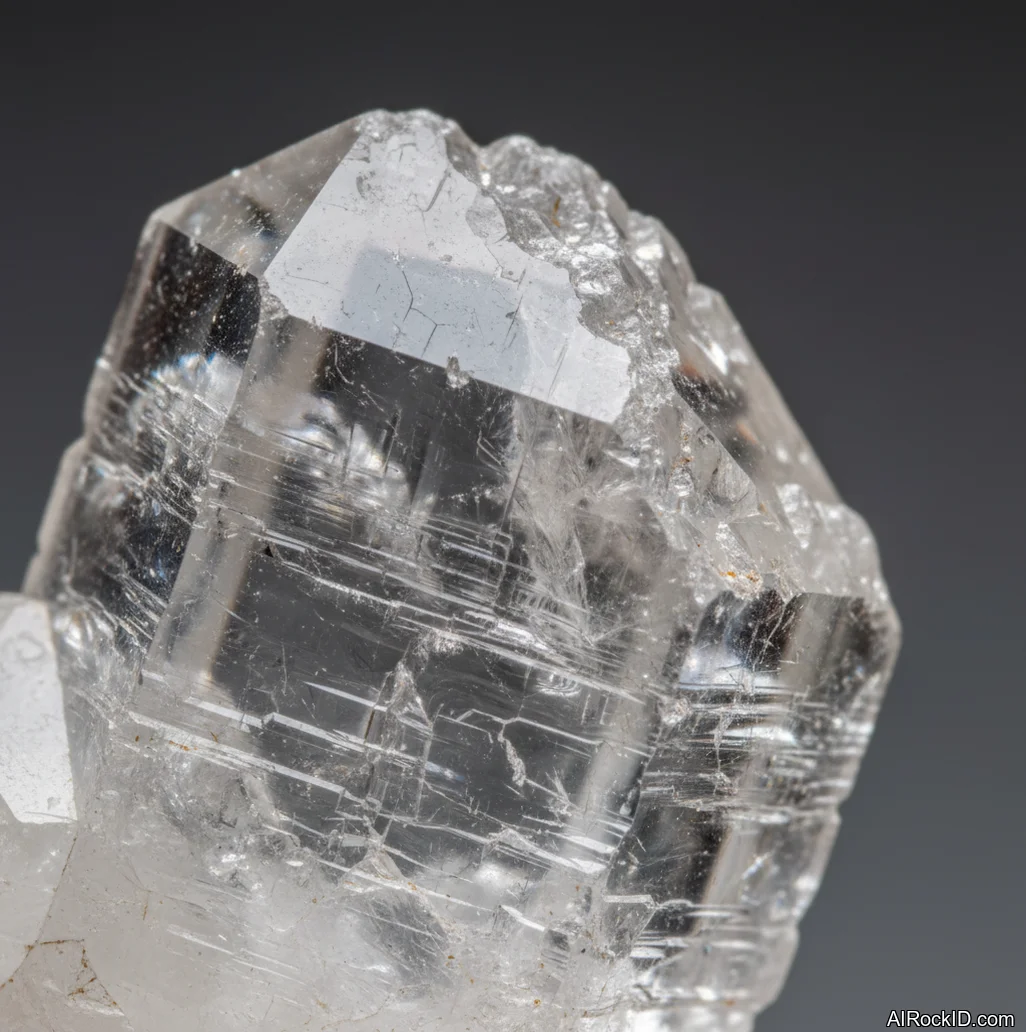
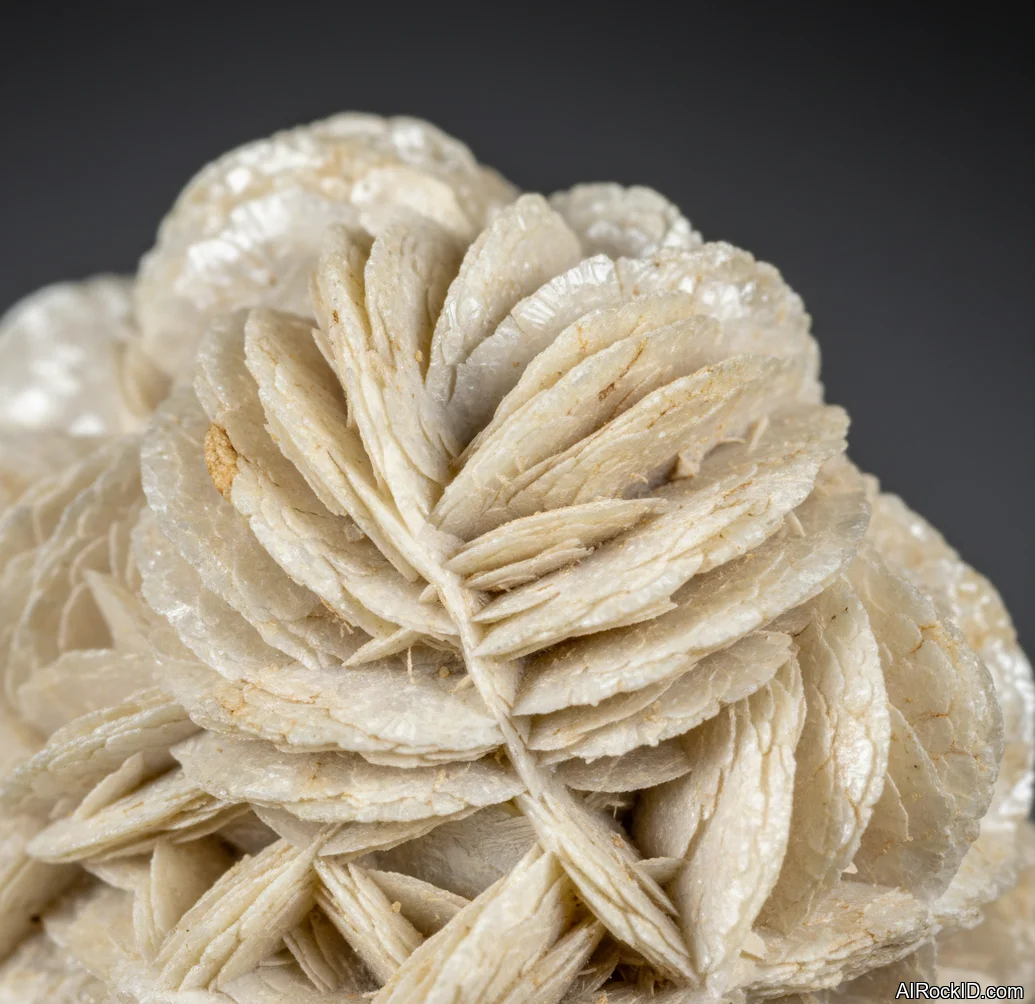
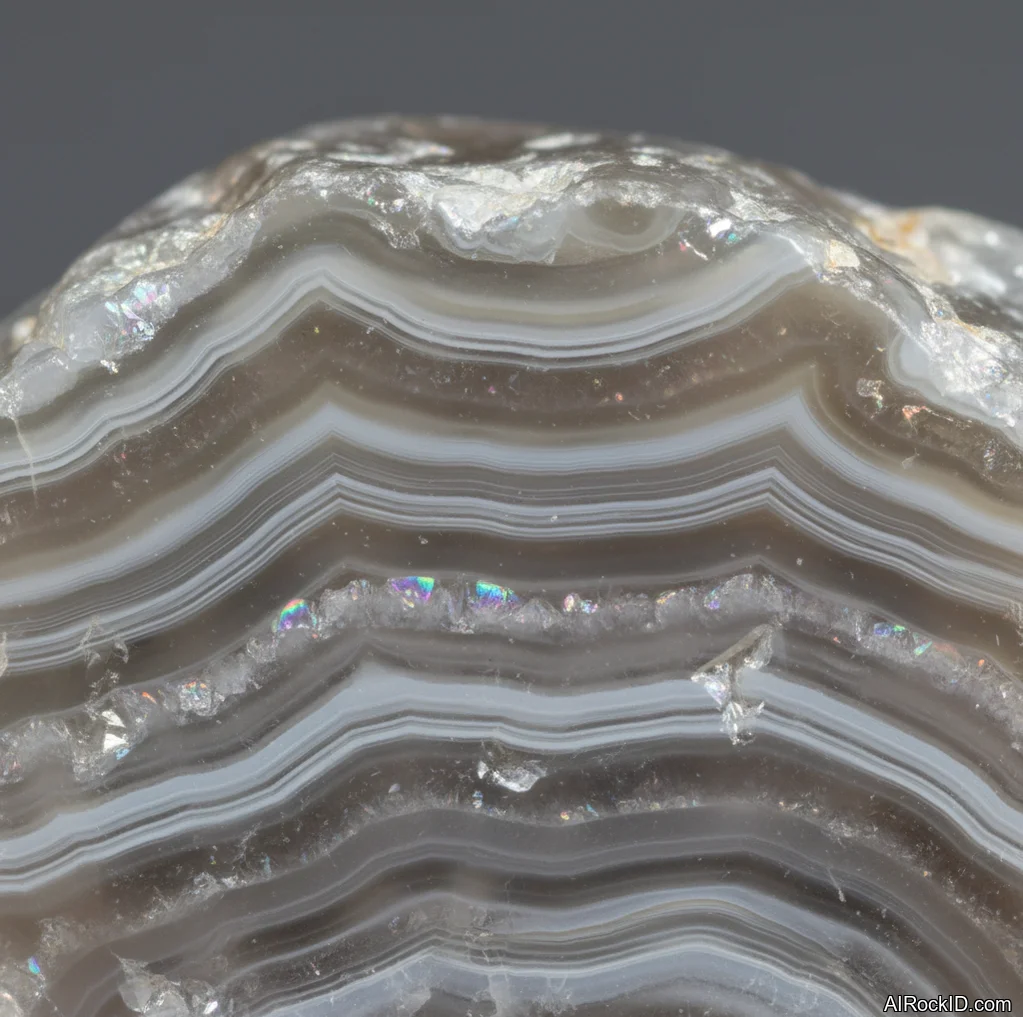
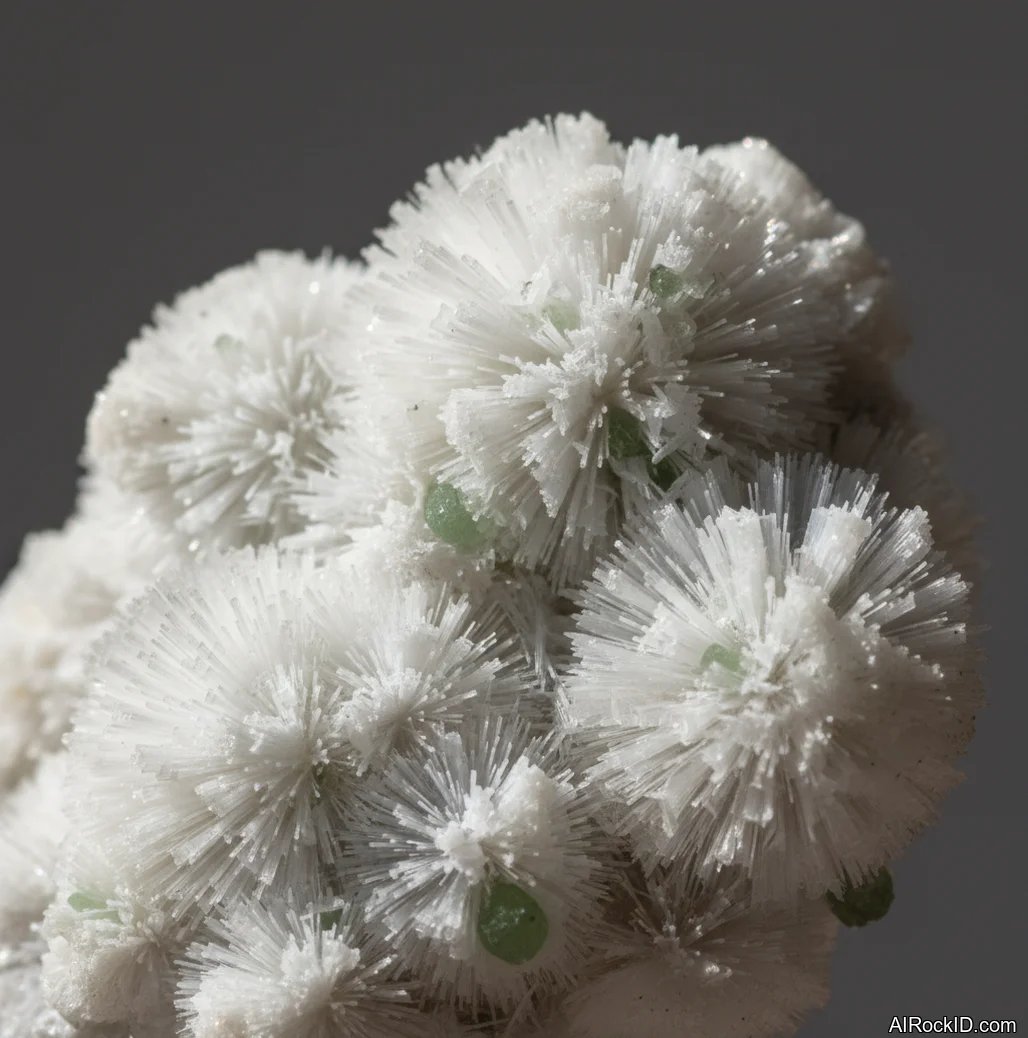
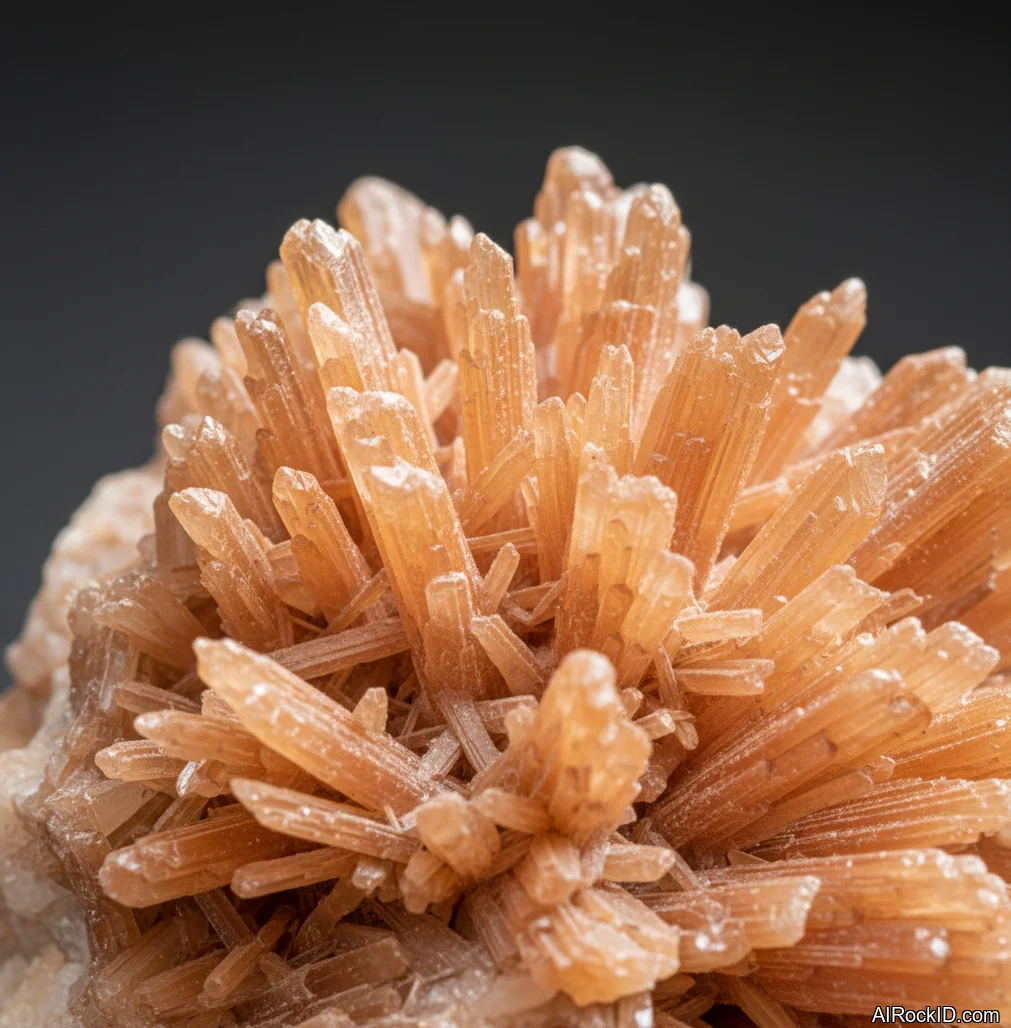
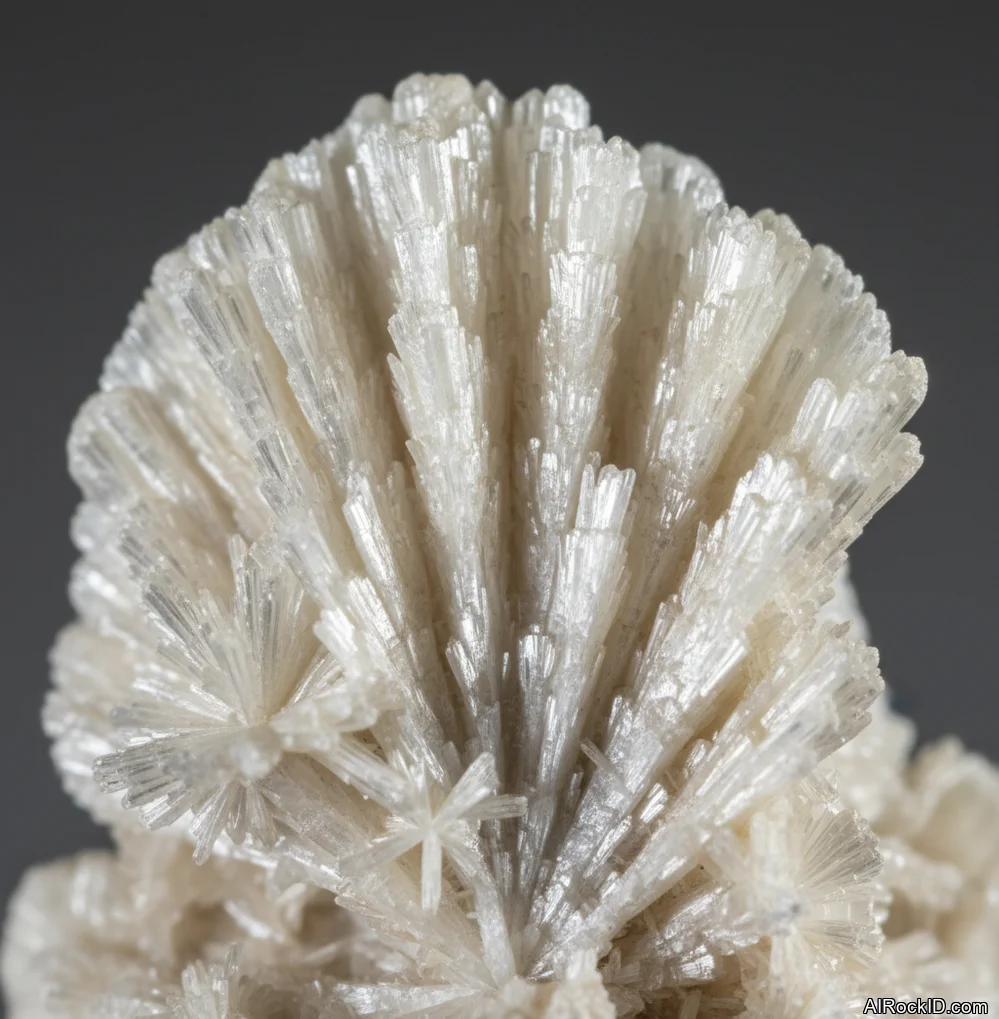
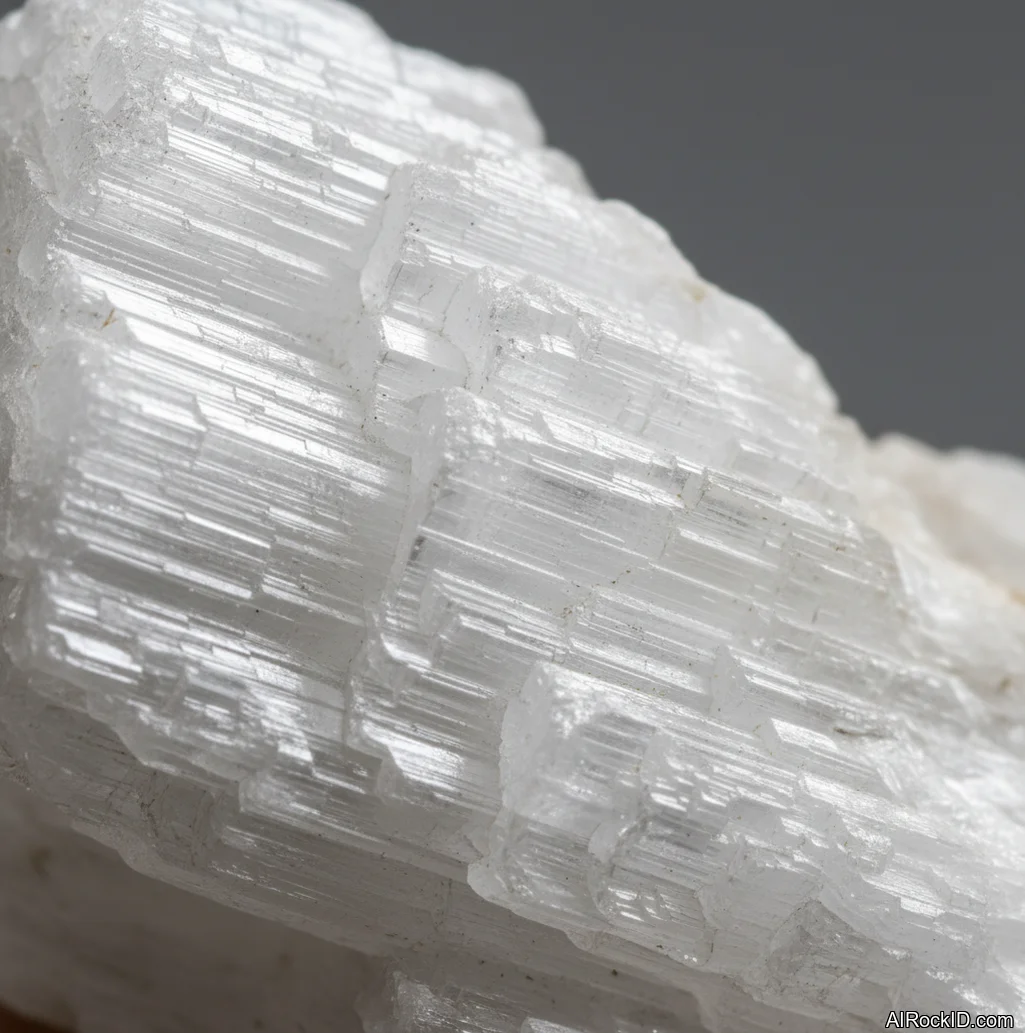
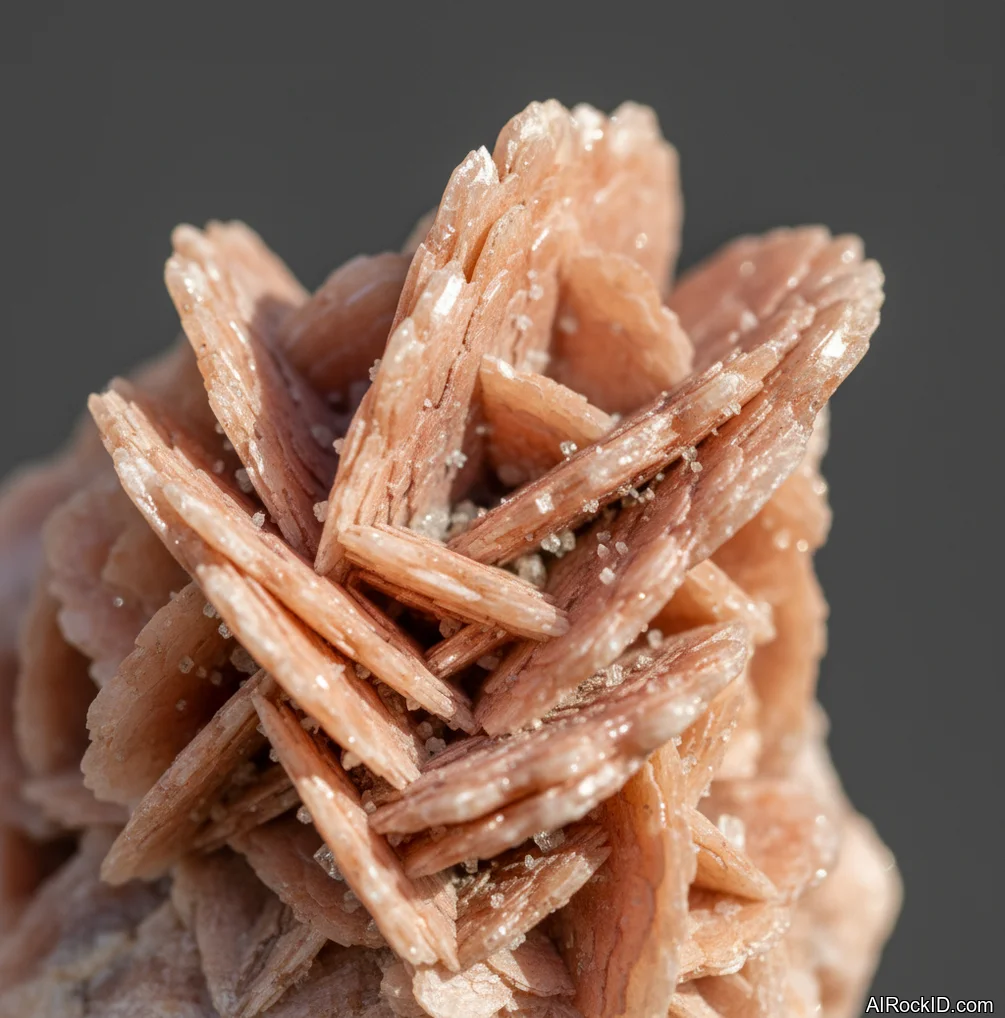
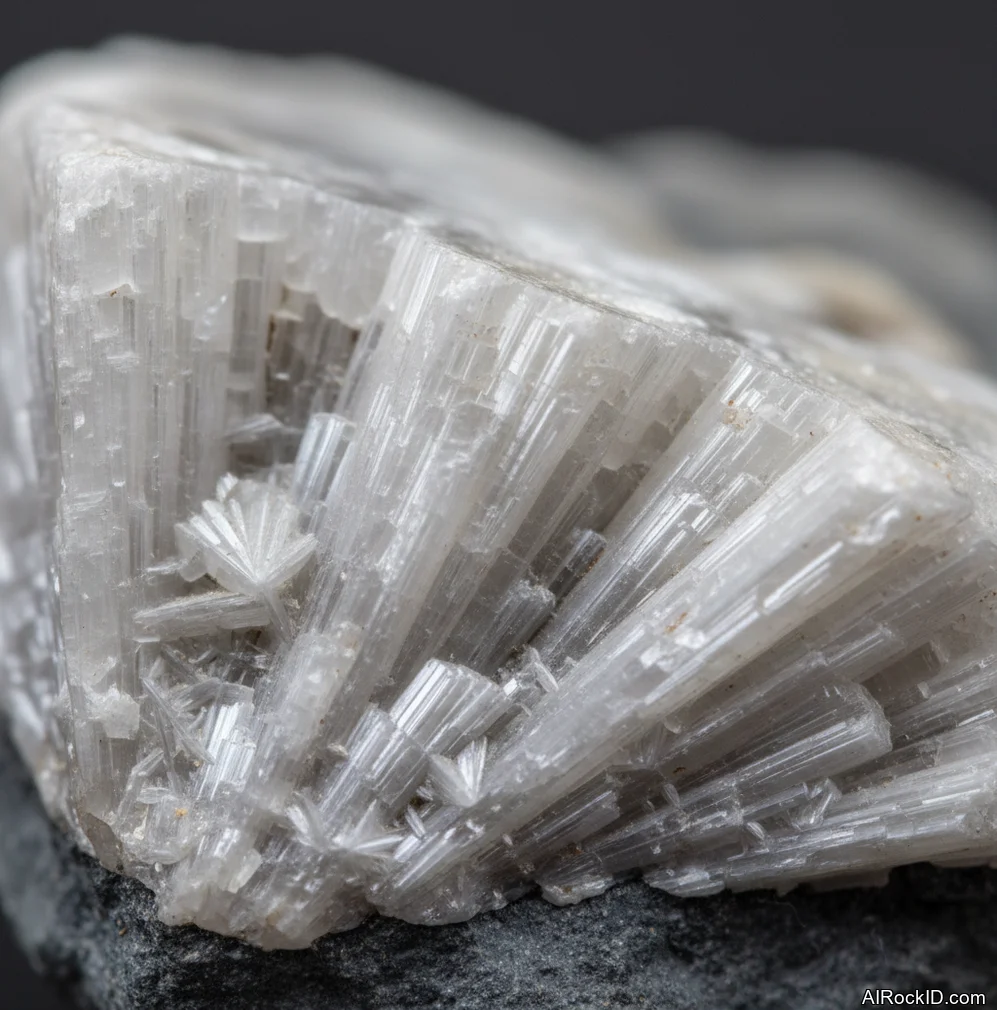
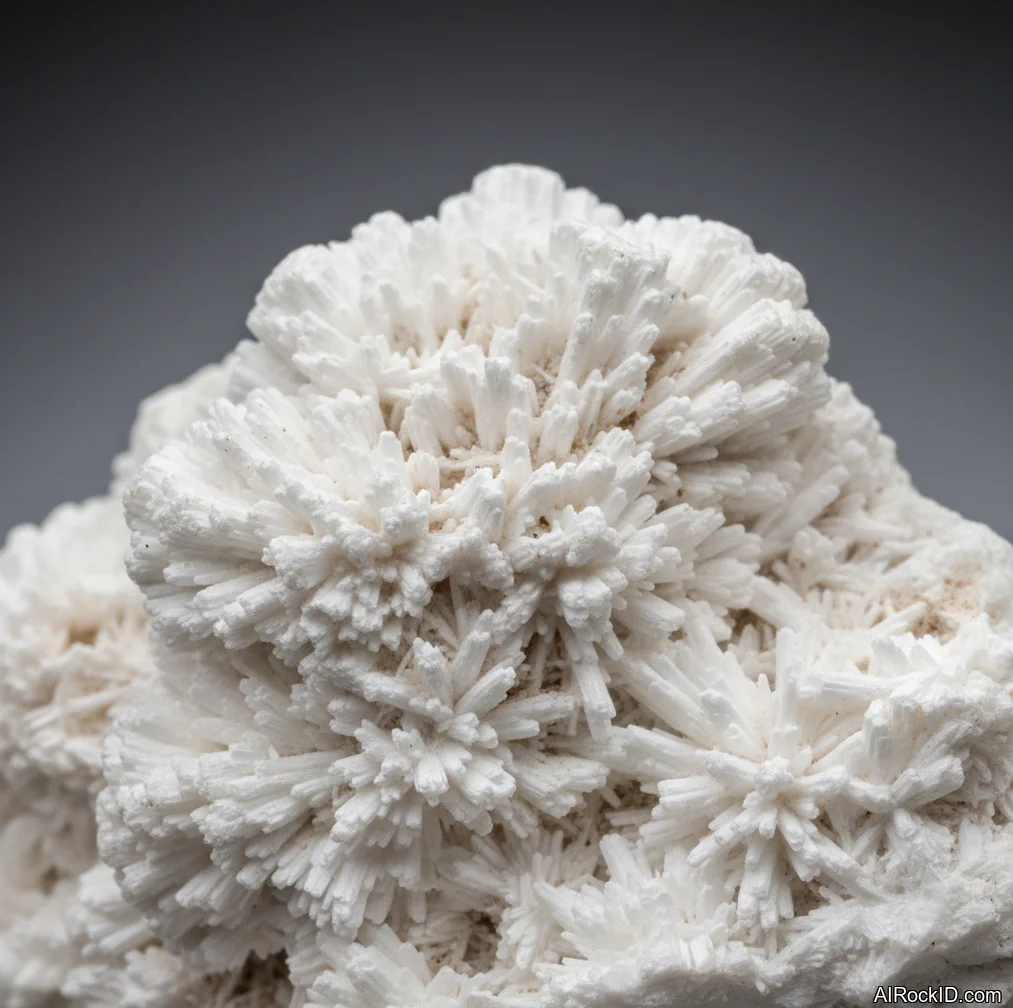
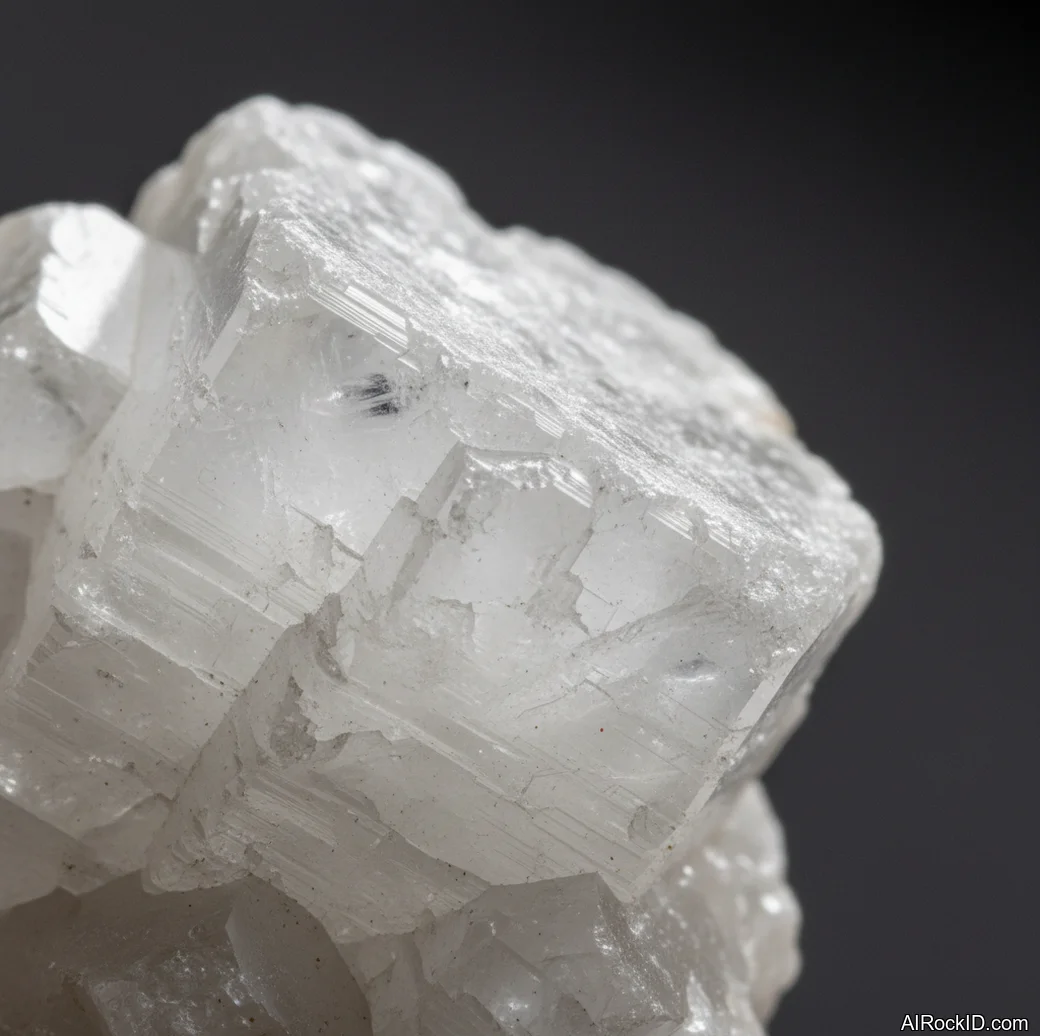
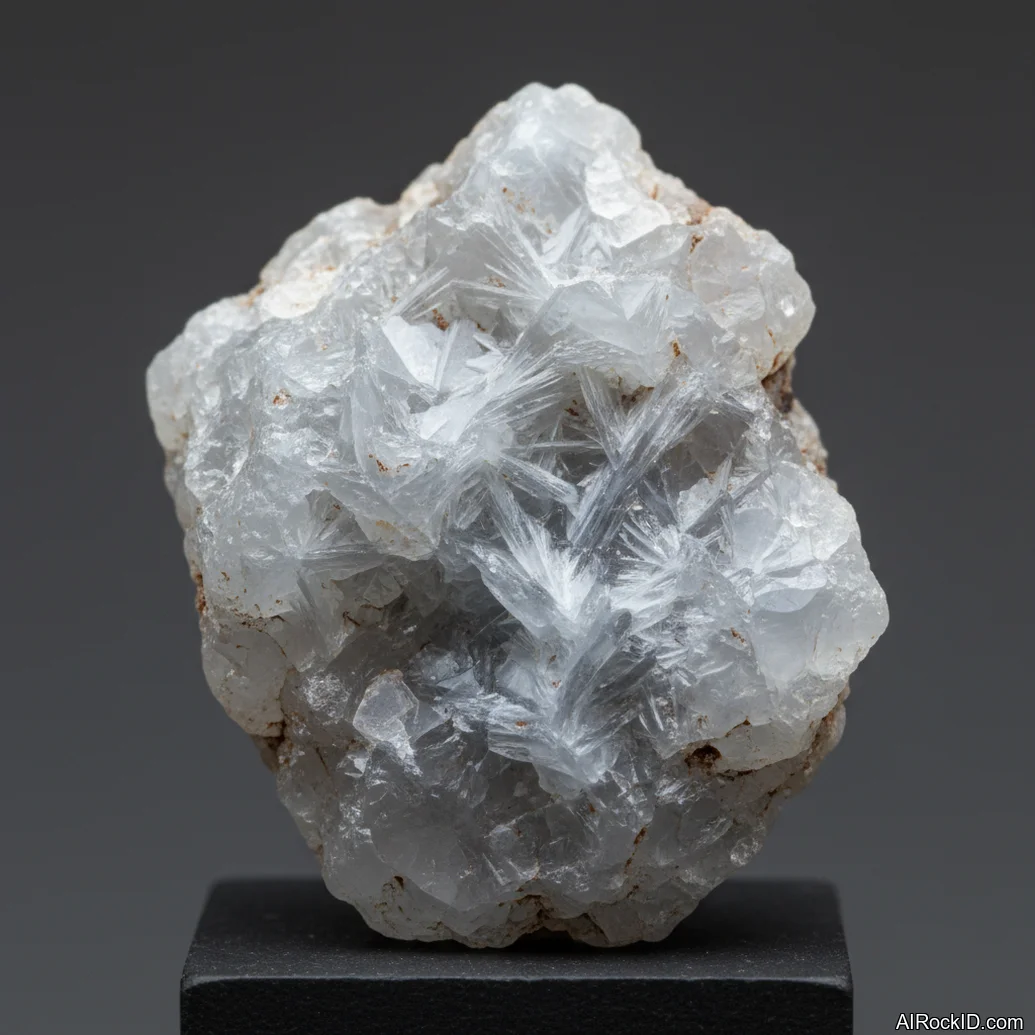
A lot of folks reach for Moon-linked stones when sleep is choppy or dreams feel turned up. Selenite is the classic bedside pick because it’s soft, chalky, and calm-looking, like a white curtain in moonlight. But it’s also fragile. Run a fingernail along it and you can leave a mark. I’ve seen people toss a selenite wand into a pocket with keys and wonder why it’s scratched to pieces by the end of the day. Keep it dry too. Satin spar (often sold as “selenite”) will fuzz and pit if it sits in water.
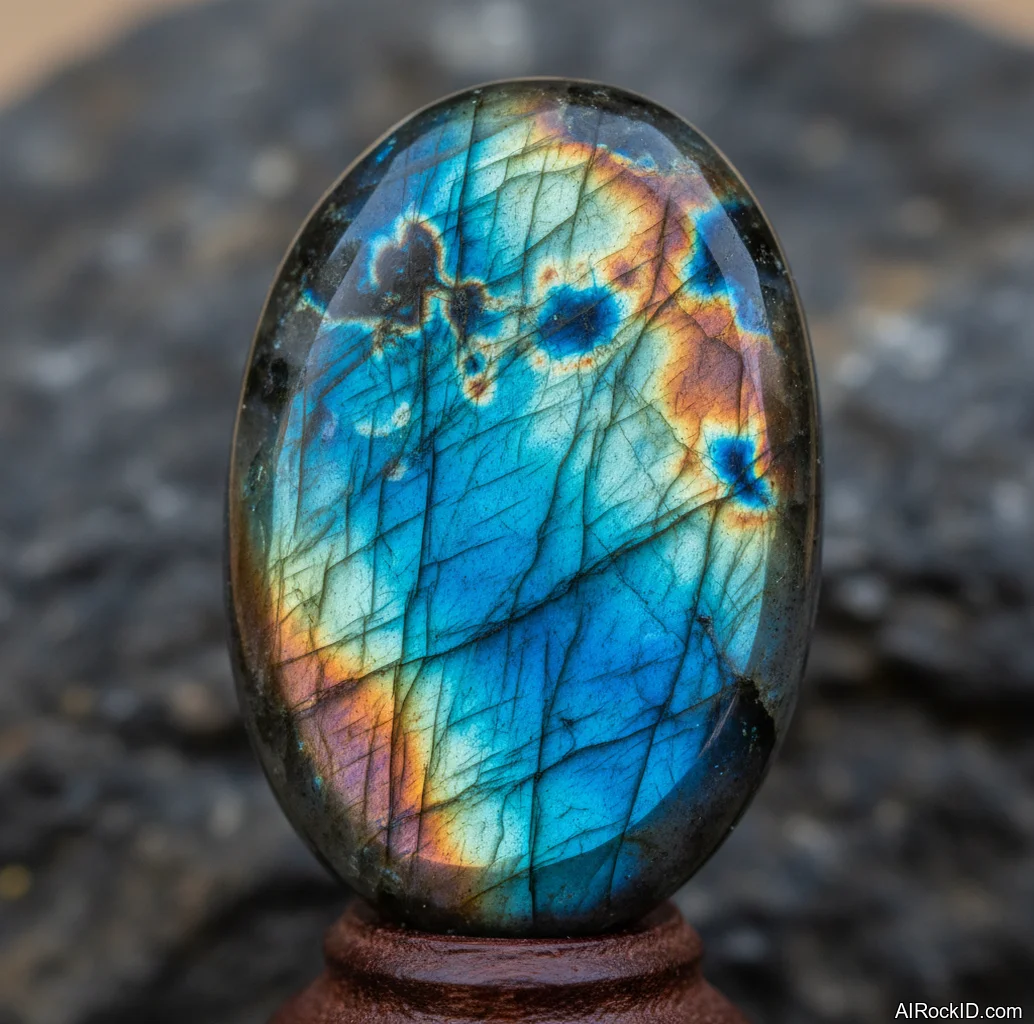
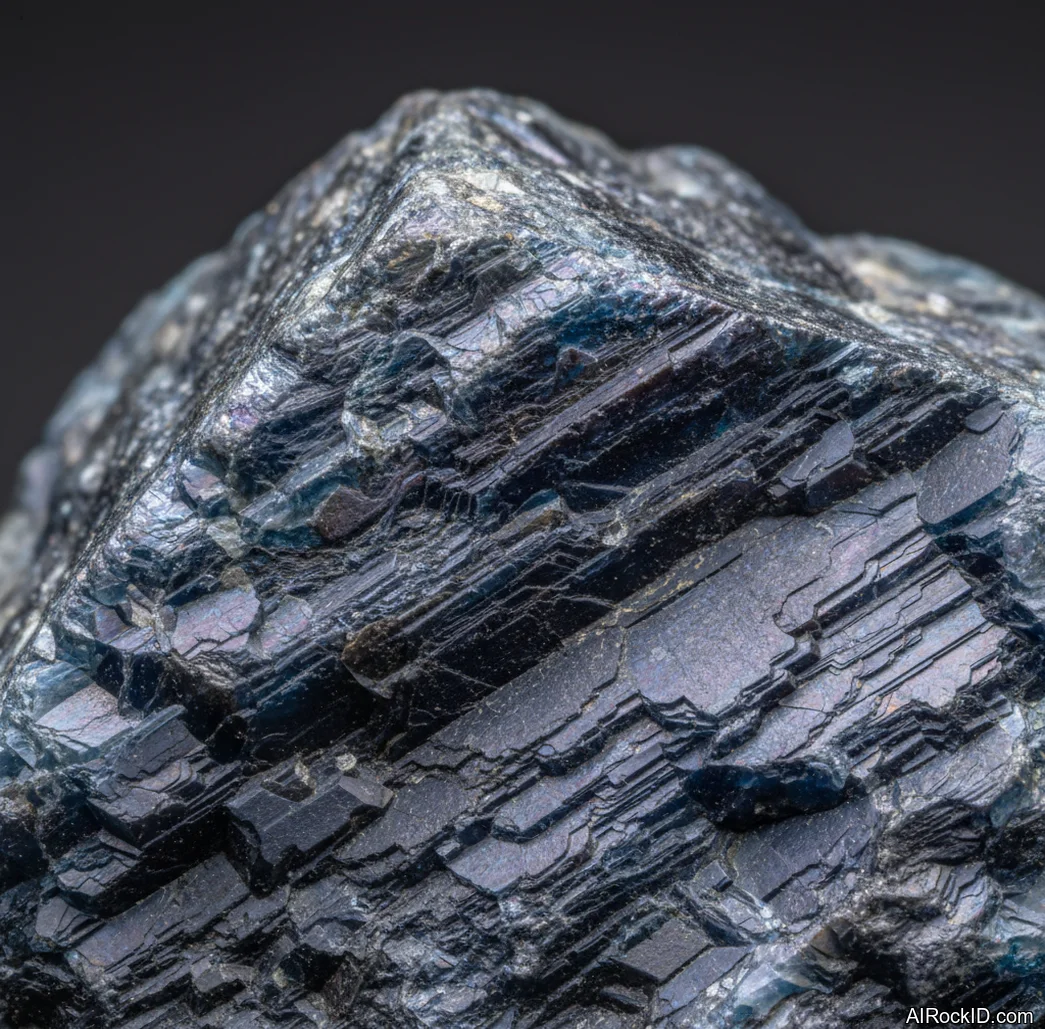
Then there’s Labradorite, which is Moon energy with teeth. It’s still lunar, but it’s not sleepy. It’s that shift when the light changes and you notice things you were ignoring. Look closely at a polished freeform and you’ll see the flash sits in layers. You move it a few degrees and the blue turns green, then a streak of gold pops, and the whole thing goes gray again. That gray is normal. If a seller’s photo makes it look like it’s glowing from every angle, they’re shooting it under a hard light for a reason.
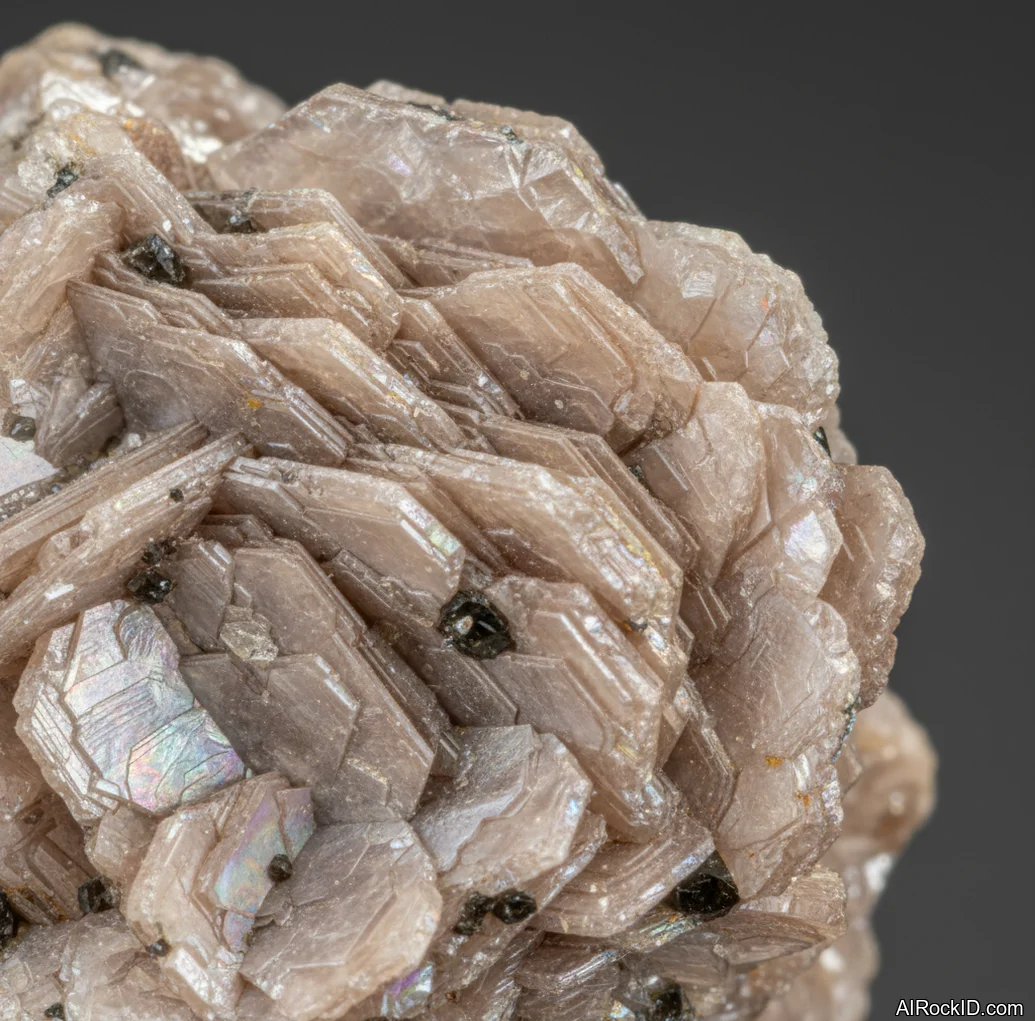
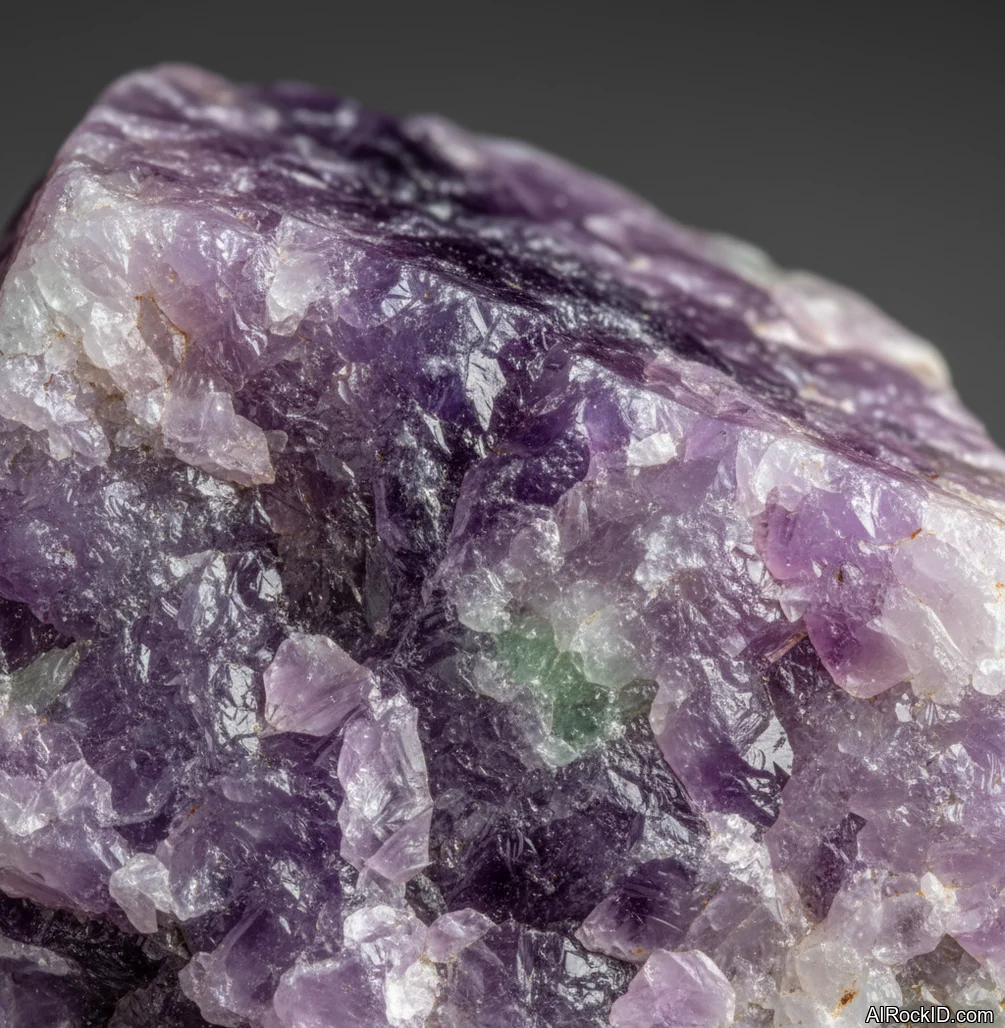
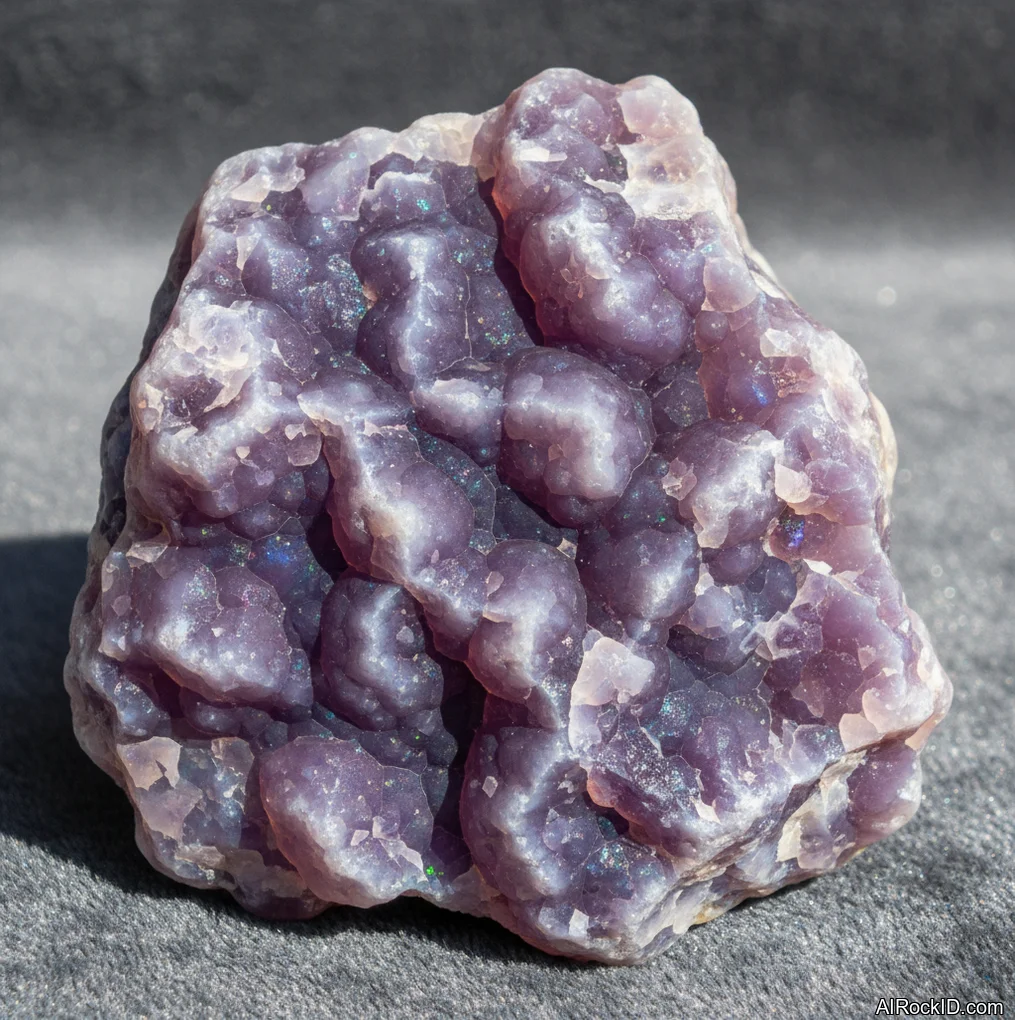
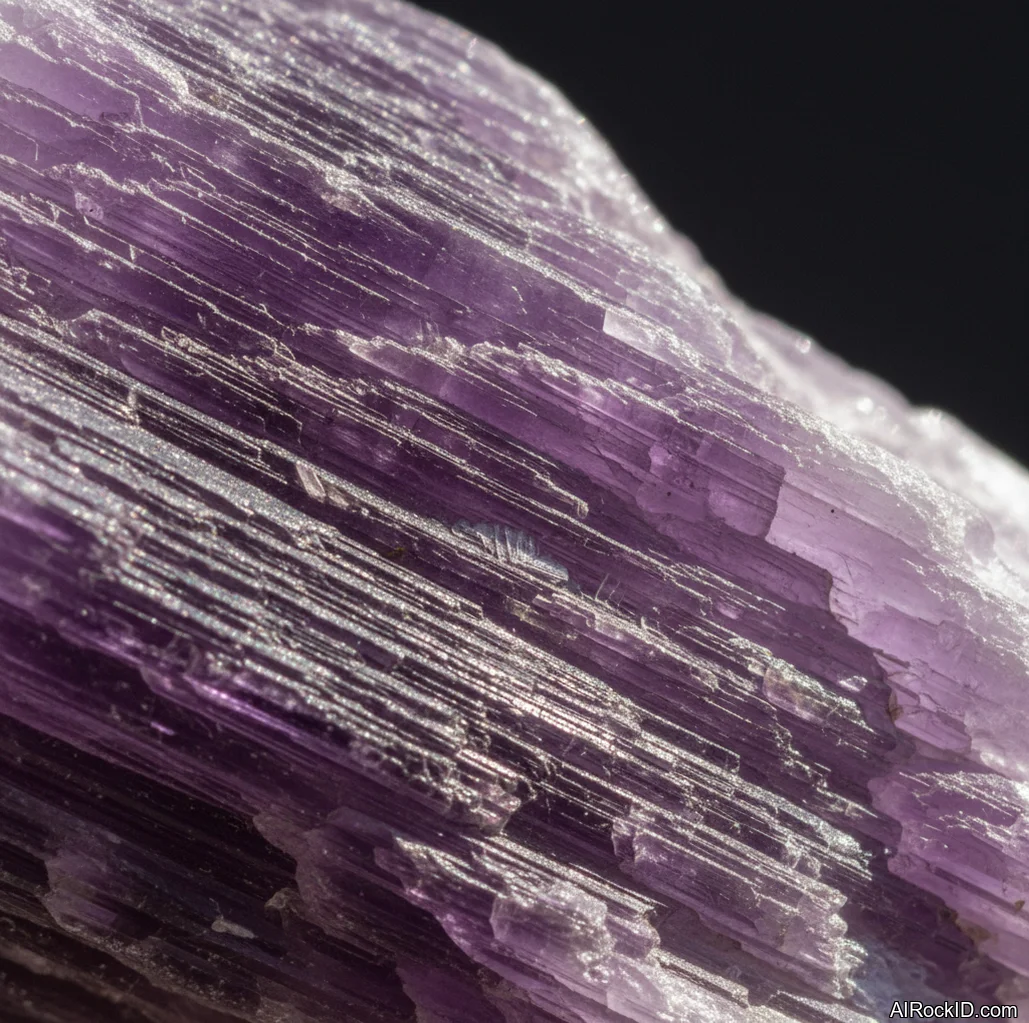
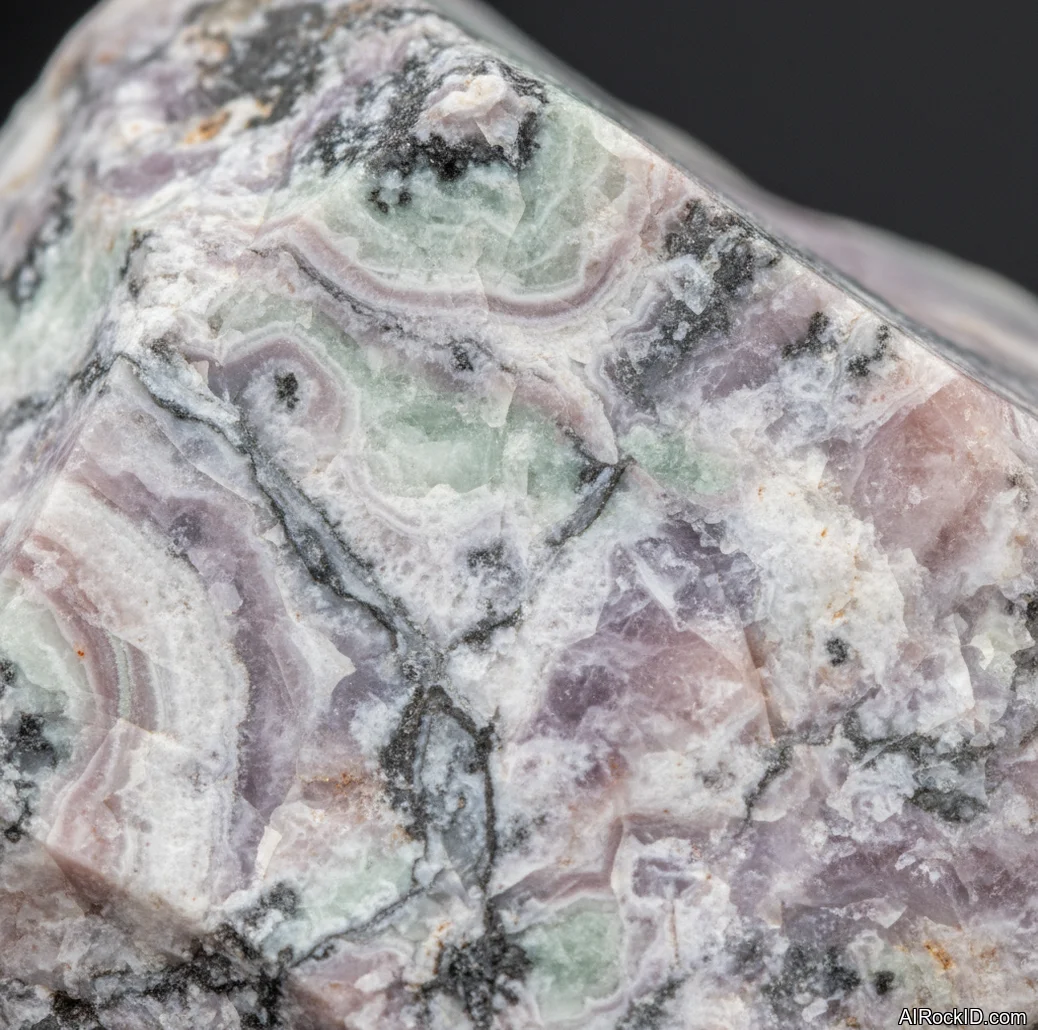
Moon work tends to be about rhythm. New moon, full moon, the in-between days when you’re tired for no obvious reason. Crystals slot into that as physical anchors. People keep Moonstone in a pocket for emotional steadiness, set Selenite on a nightstand to make the room feel quieter, or use Lepidolite when the mind won’t stop looping. Lepidolite is a mica, so it has that flaky, plated look on raw pieces, and it can shed little sparkly bits if you handle it a lot. Tumbled lepidolite feels smooth, but the color can be patchy, lilac to gray, sometimes with white quartz streaks.
Thing is, if you want a simple way to work with Moon crystals, don’t overcomplicate it. Put one stone where you’ll actually interact with it. A Moonstone palm stone by the sink where you do your night routine. A chunk of Labradorite on your desk where you’ll catch the flash and remember to check in with yourself. A small Selenite tower near the bed, but not where it can get knocked onto hardwood. Touch matters. These aren’t just pretty props. The cool-to-the-touch feel of feldspar (Moonstone, Labradorite) is different from the waxier feel of calcite, and your body notices that.
Cleansing and charging gets weird online, so here’s the practical collector take. Dust is the real enemy. Wipe polished pieces with a soft cloth. Don’t soak Moonstone or Labradorite if they’ve got fractures or weak spots, because water can get into those microcracks and make the stone look cloudy over time. Selenite and satin spar shouldn’t be wet at all. If you want “moon charging,” set your stones where they’ll catch moonlight but not morning sun. Sunlight can fade some dyed or treated material, and it can heat stones enough to stress tiny fractures.
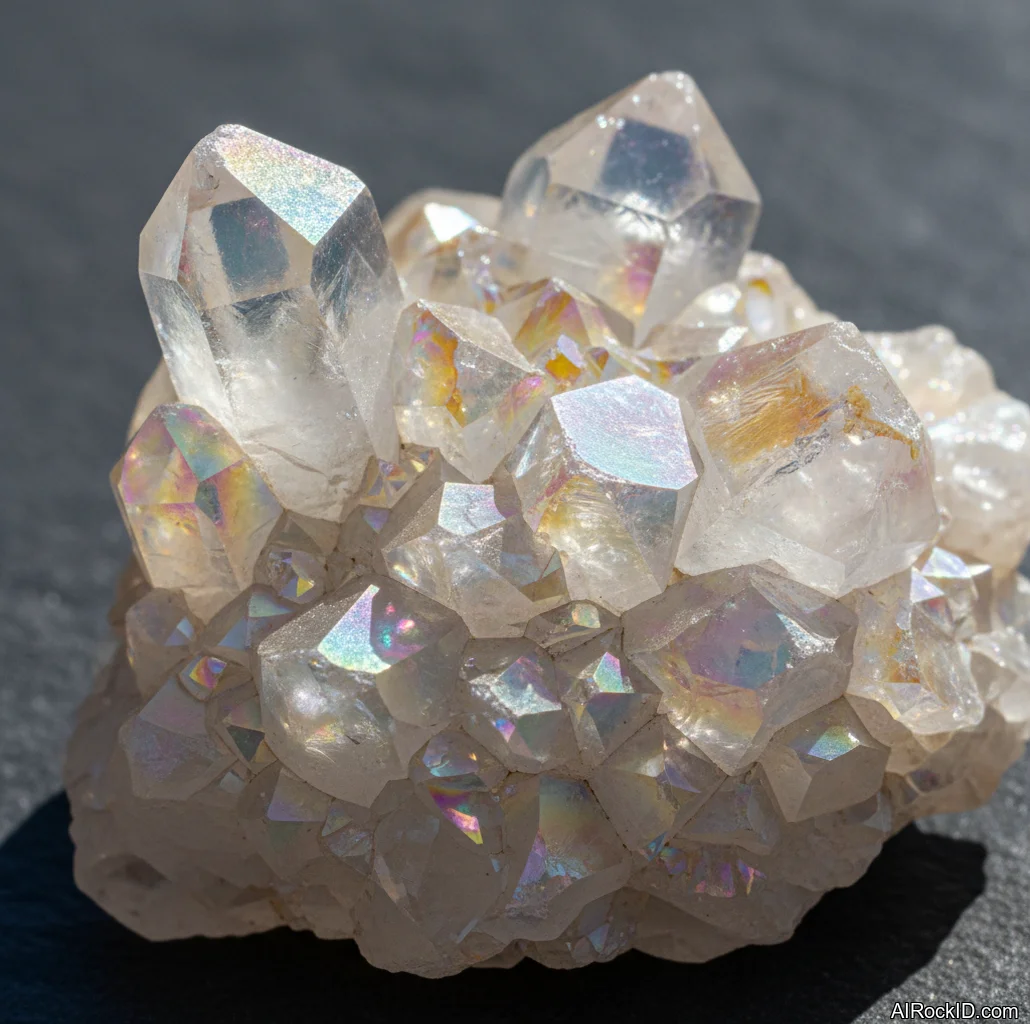
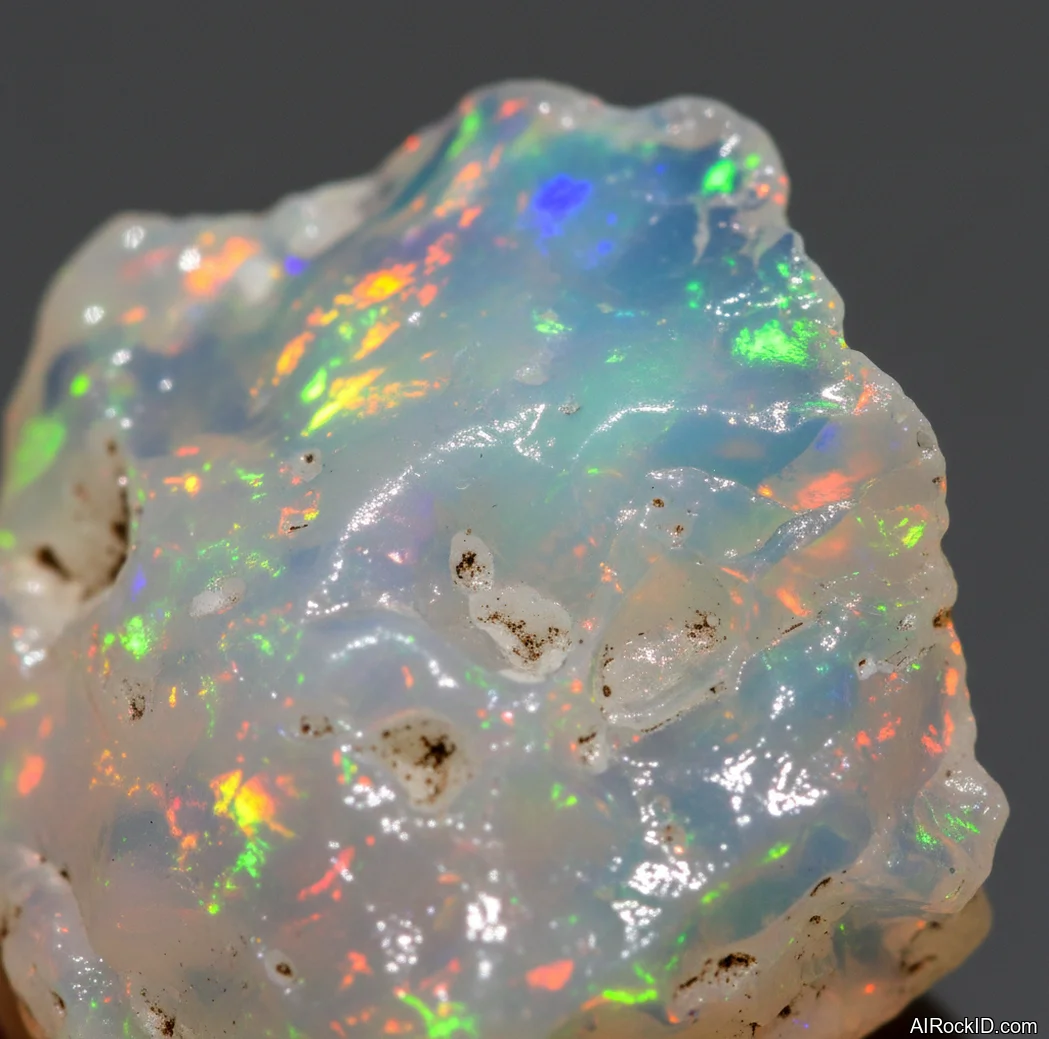
Buying Moon crystals is where people get burned. “Rainbow Moonstone” is usually White Labradorite, and that’s not automatically a scam. It’s just trade naming. The real test is the structure and the flash. Moonstone’s glow is a floating sheen, often blue or white, that drifts across. Labradorite’s labradorescence tends to look more like a sheet of color coming from inside the stone, sometimes with sharp edges to the flash zones. Ask for a short video in natural light. Still photos hide a lot (they really do).
Compared to most quartz-based stones, Moon-related feldspars can be a little fussy. They chip. They bruise on edges. A ring stone can get beat up fast if it’s not protected. If you’re buying jewelry, check the setting. A bezel around Moonstone or Labradorite saves heartbreak. Prong-set pieces look airy, but the corners take hits.
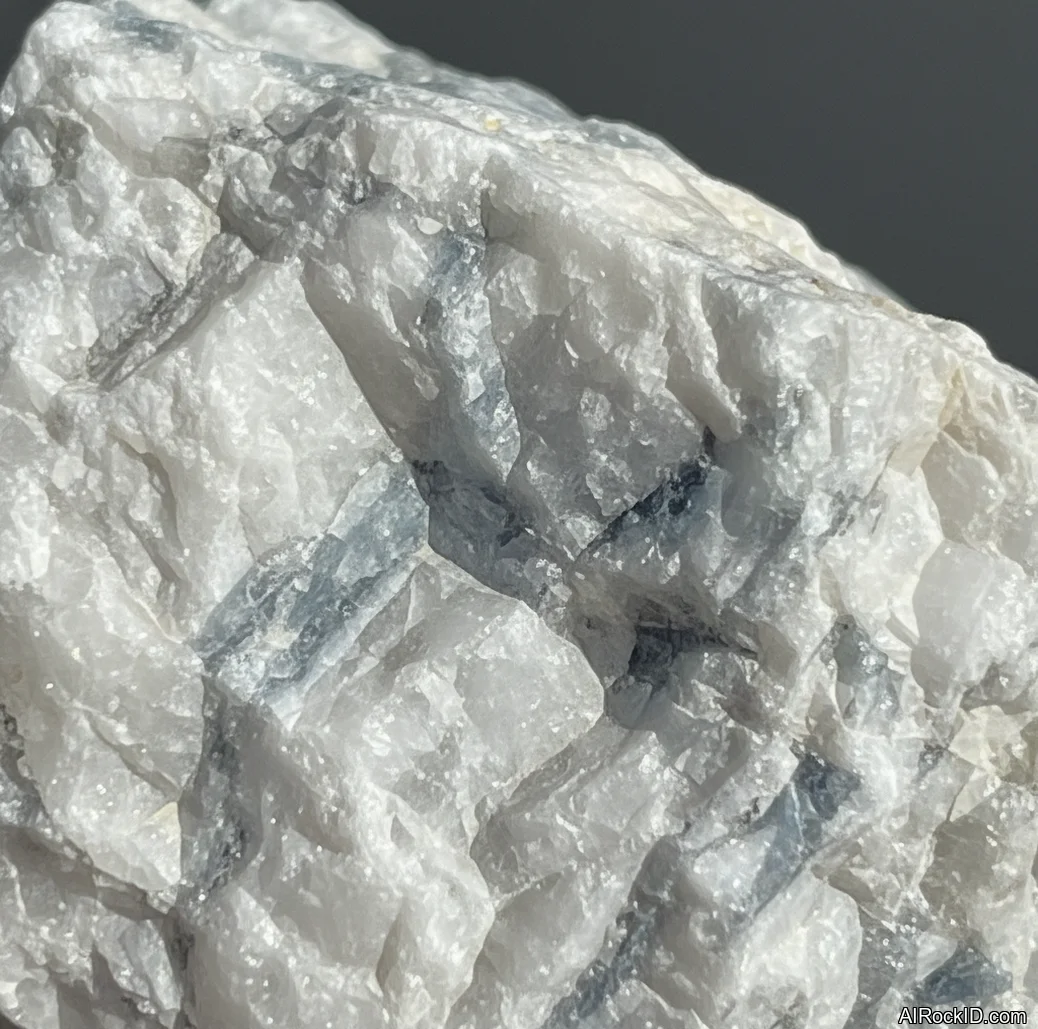
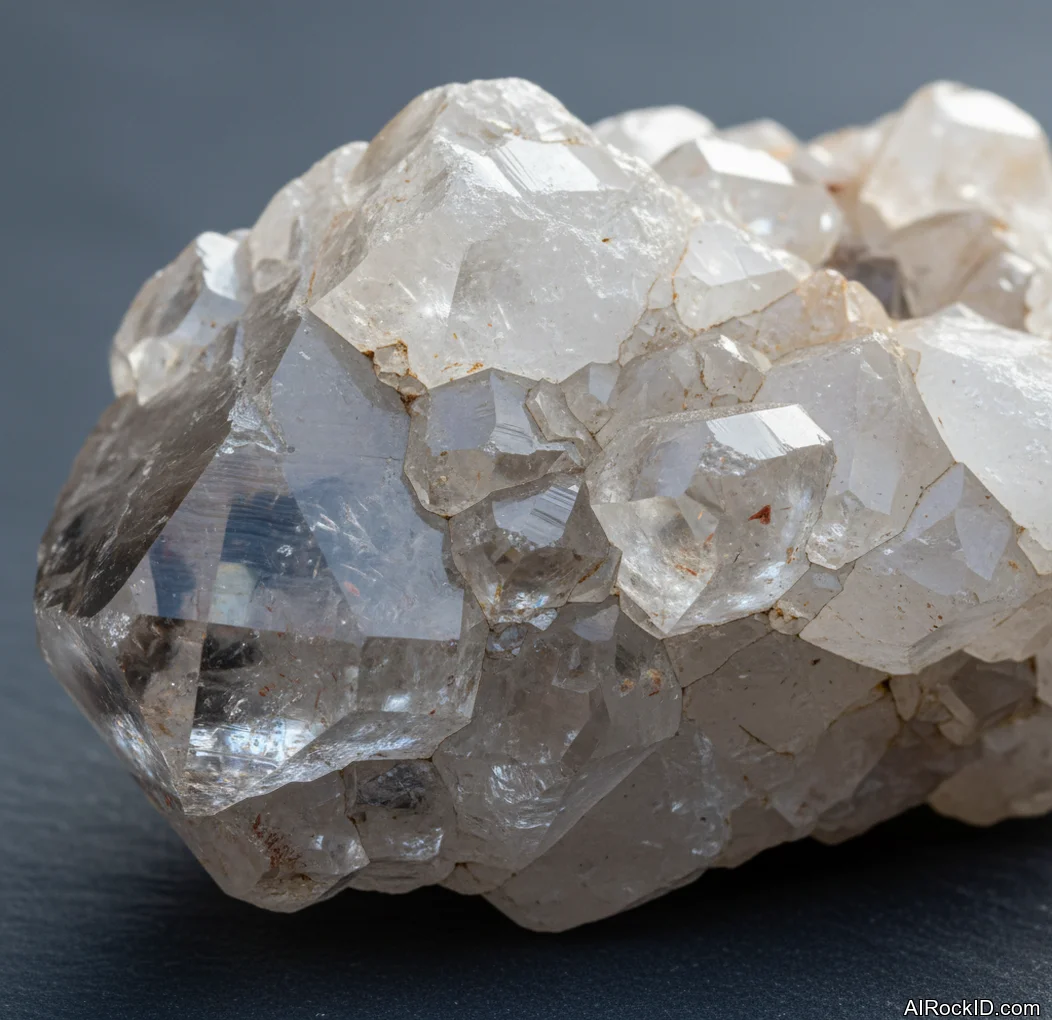
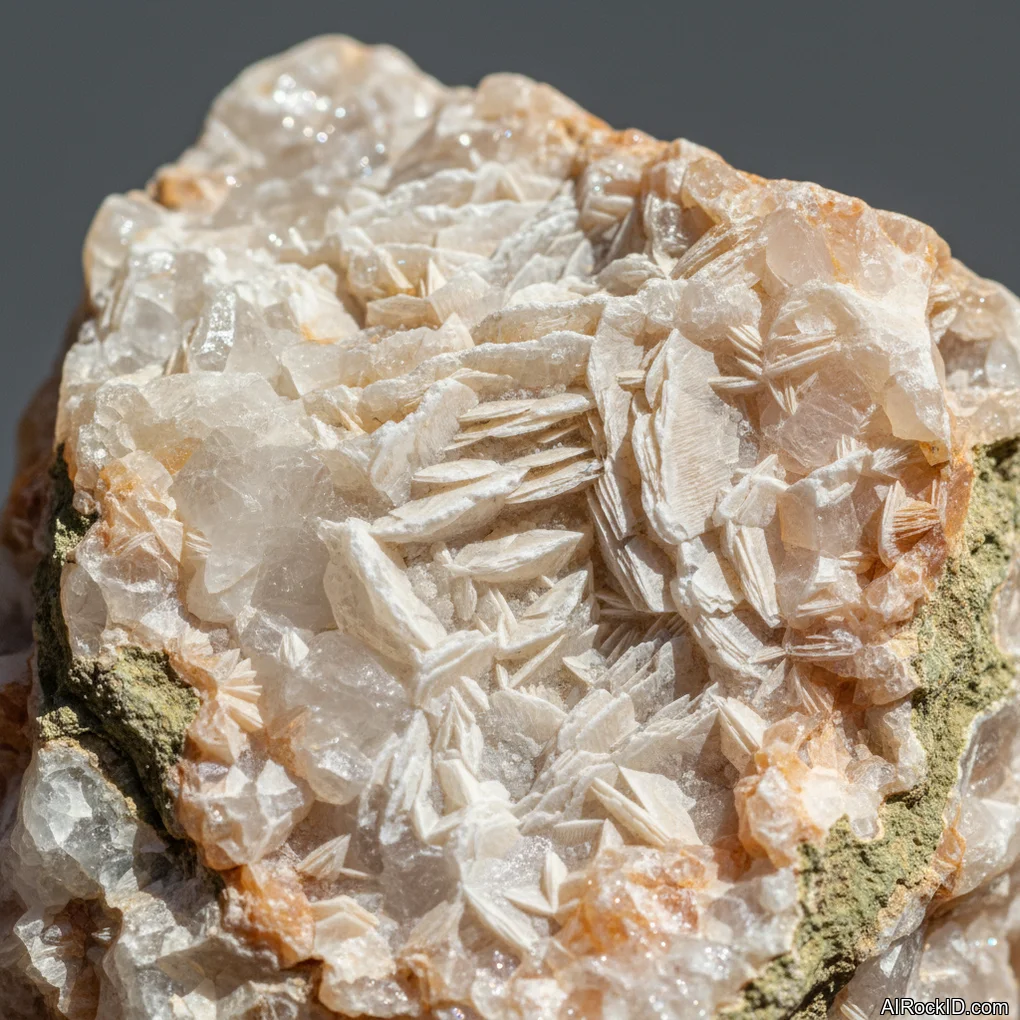
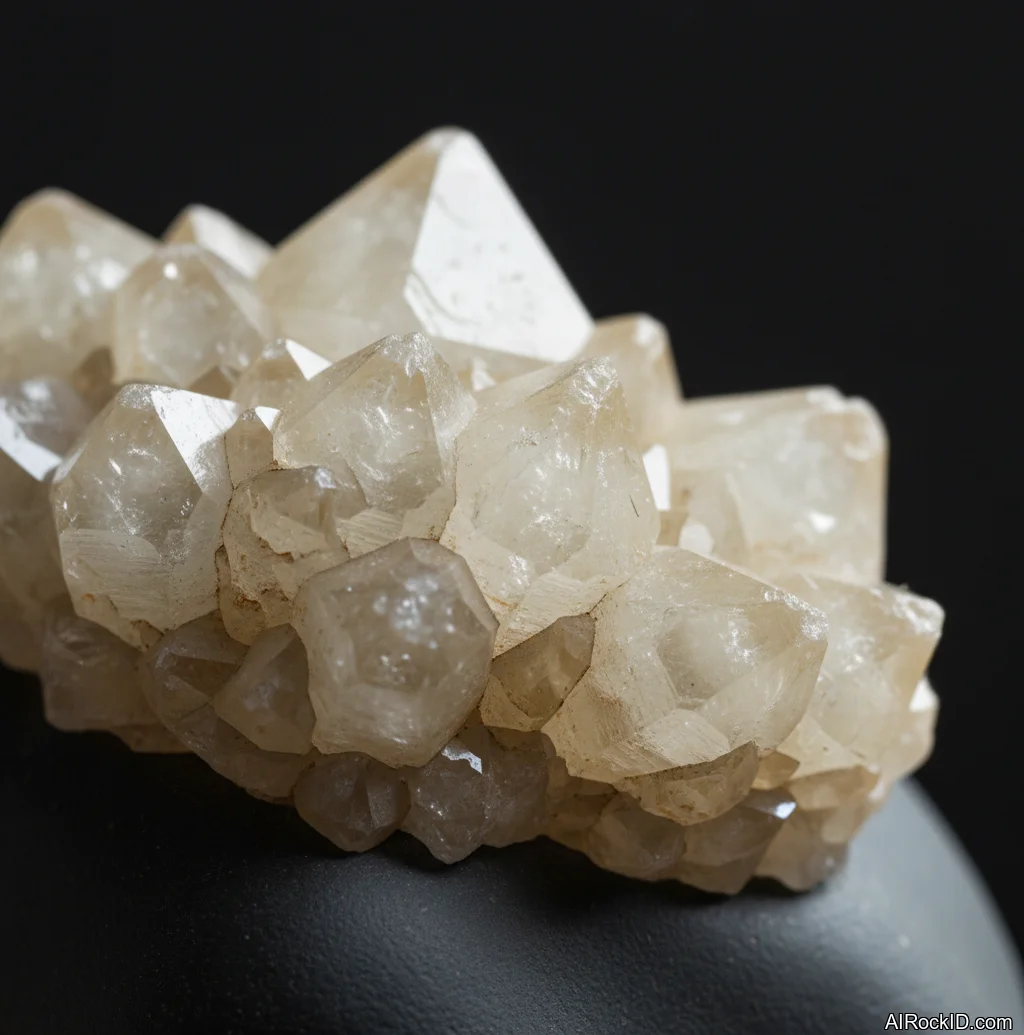
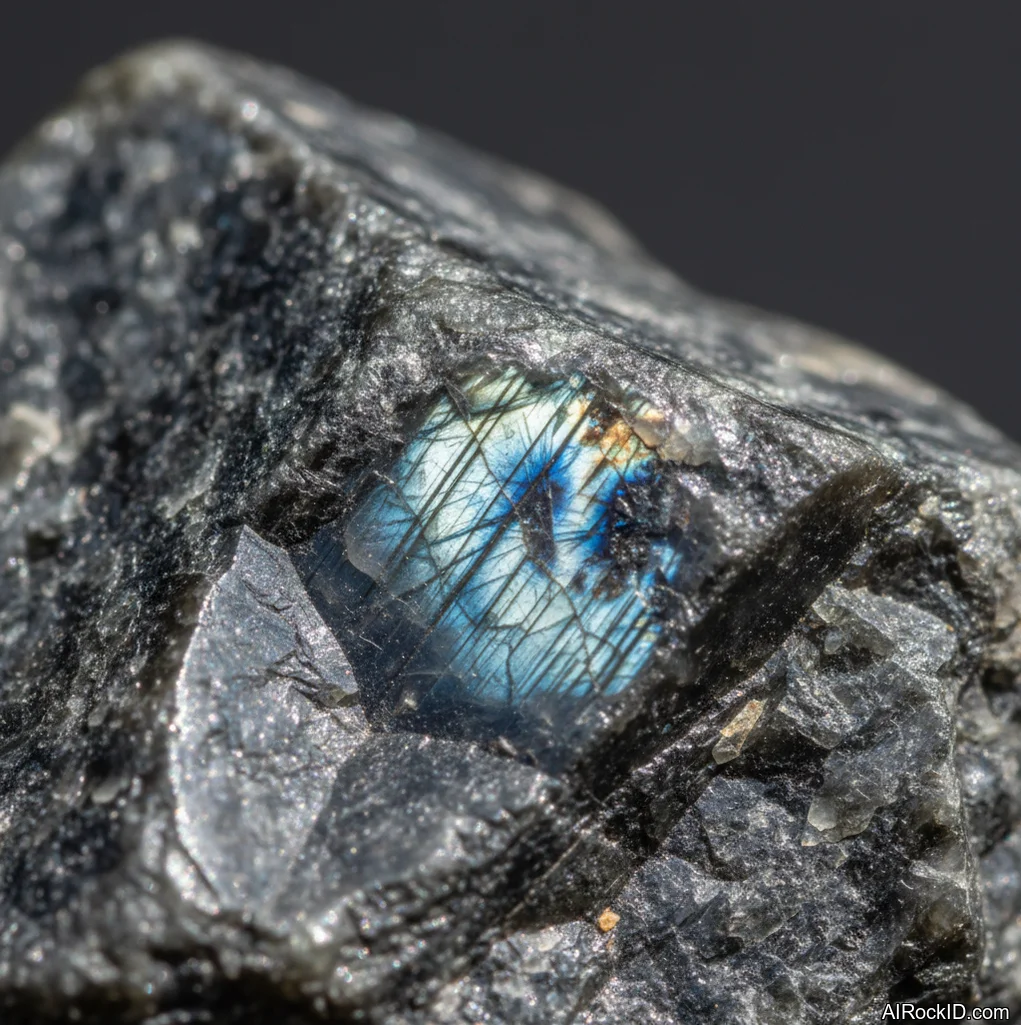
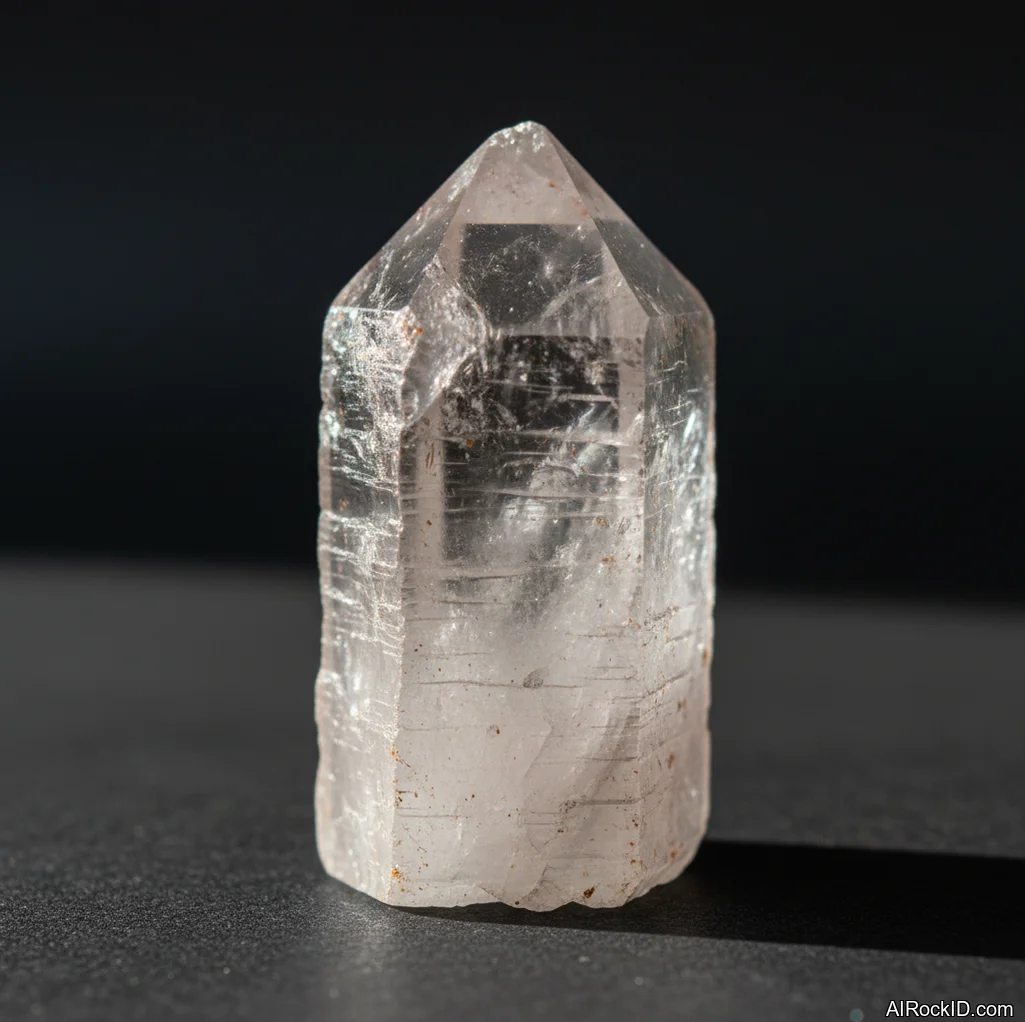
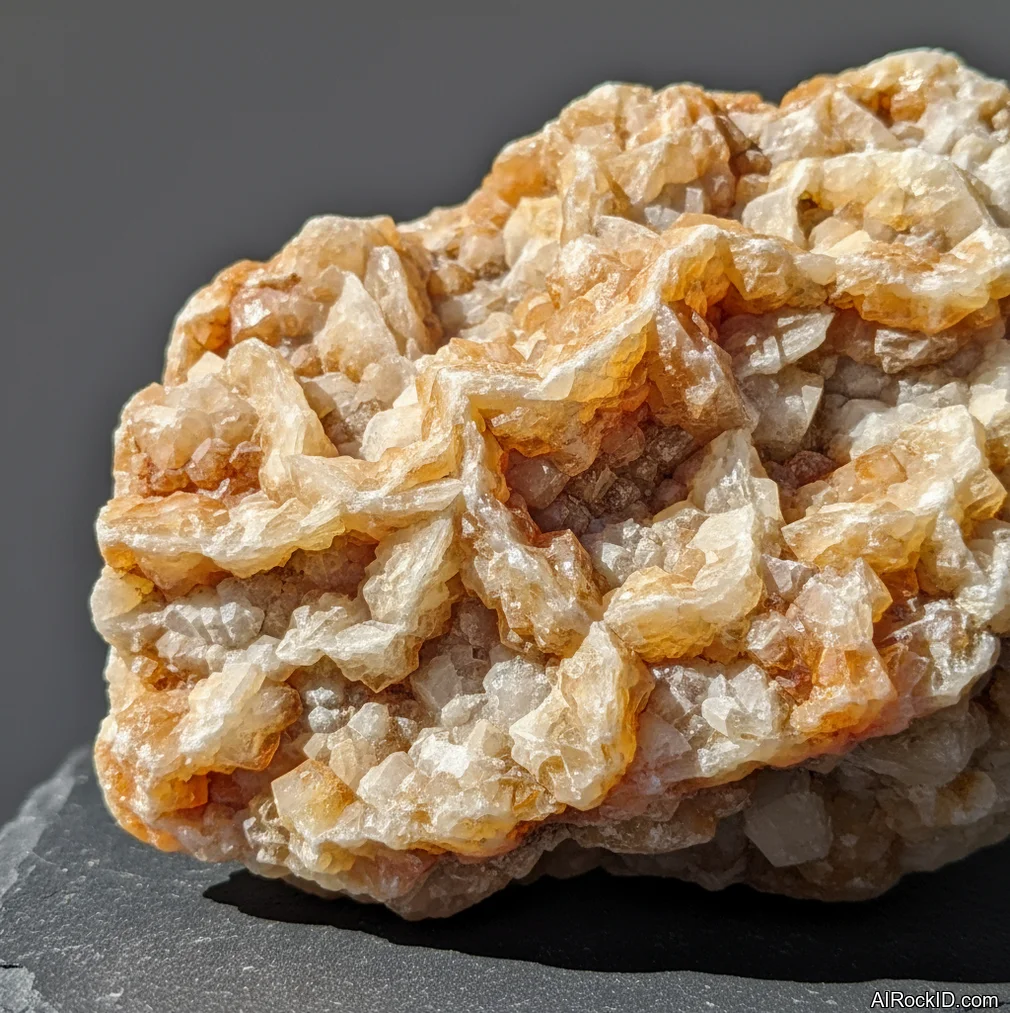
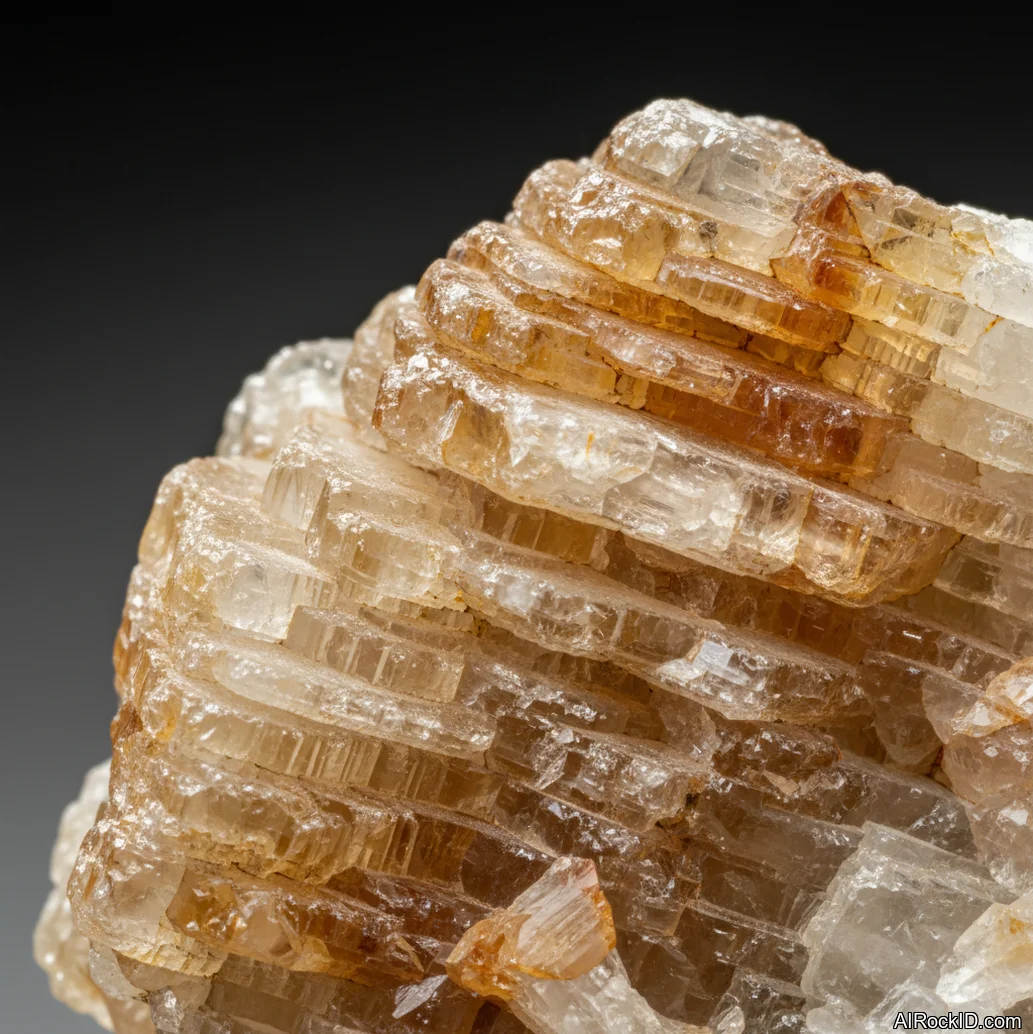
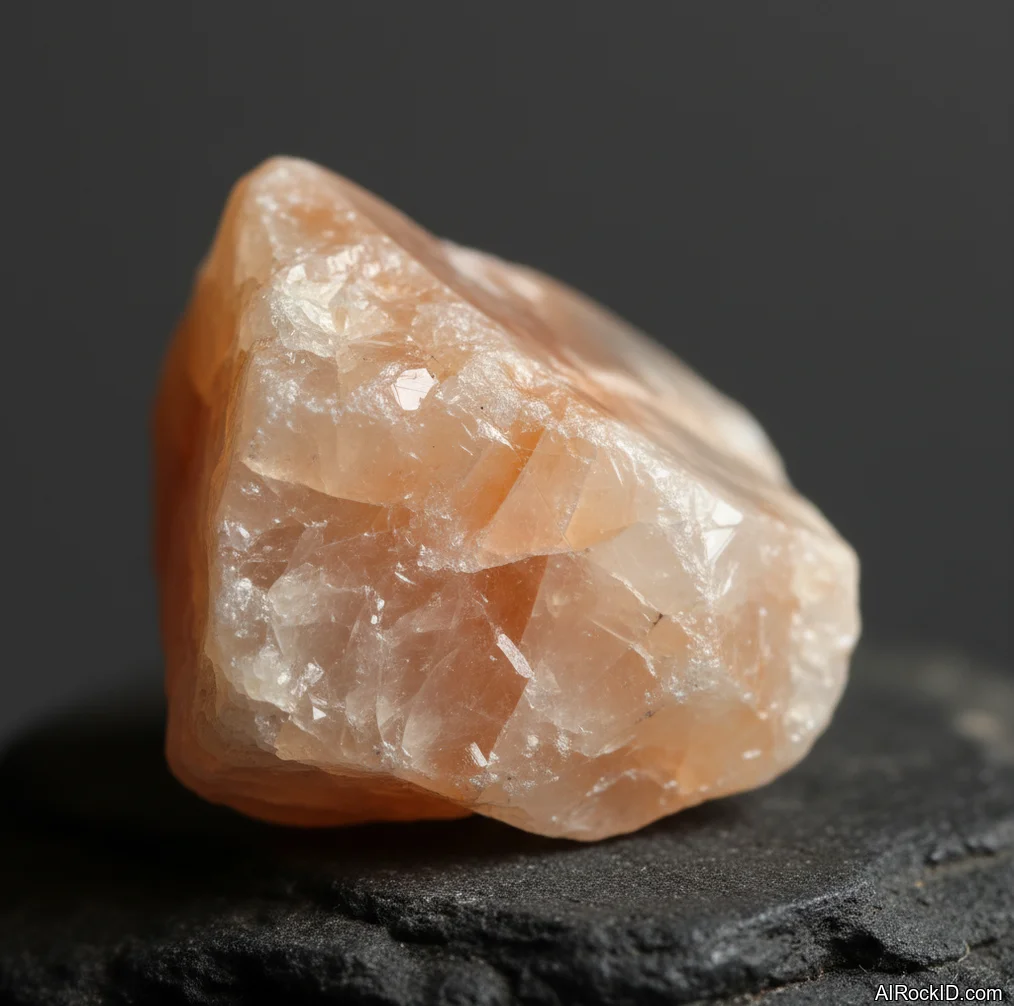
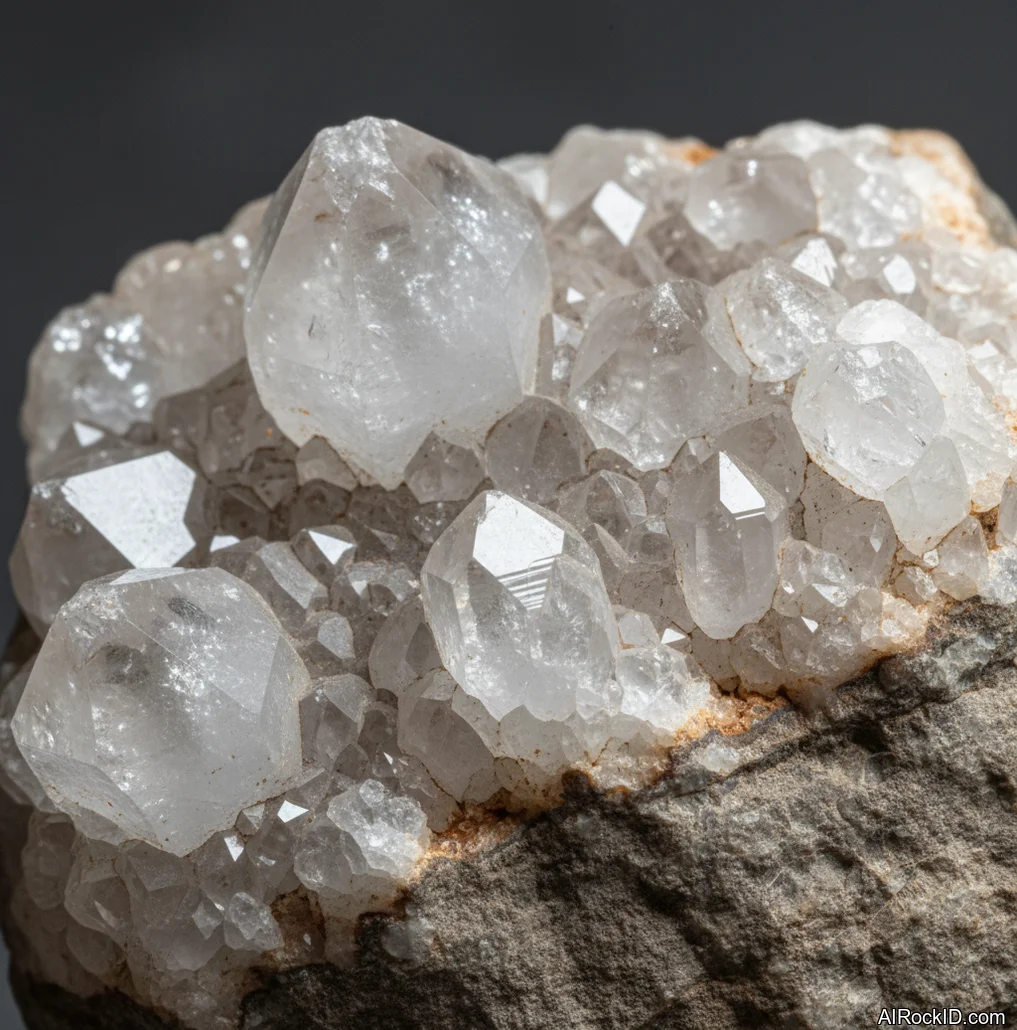
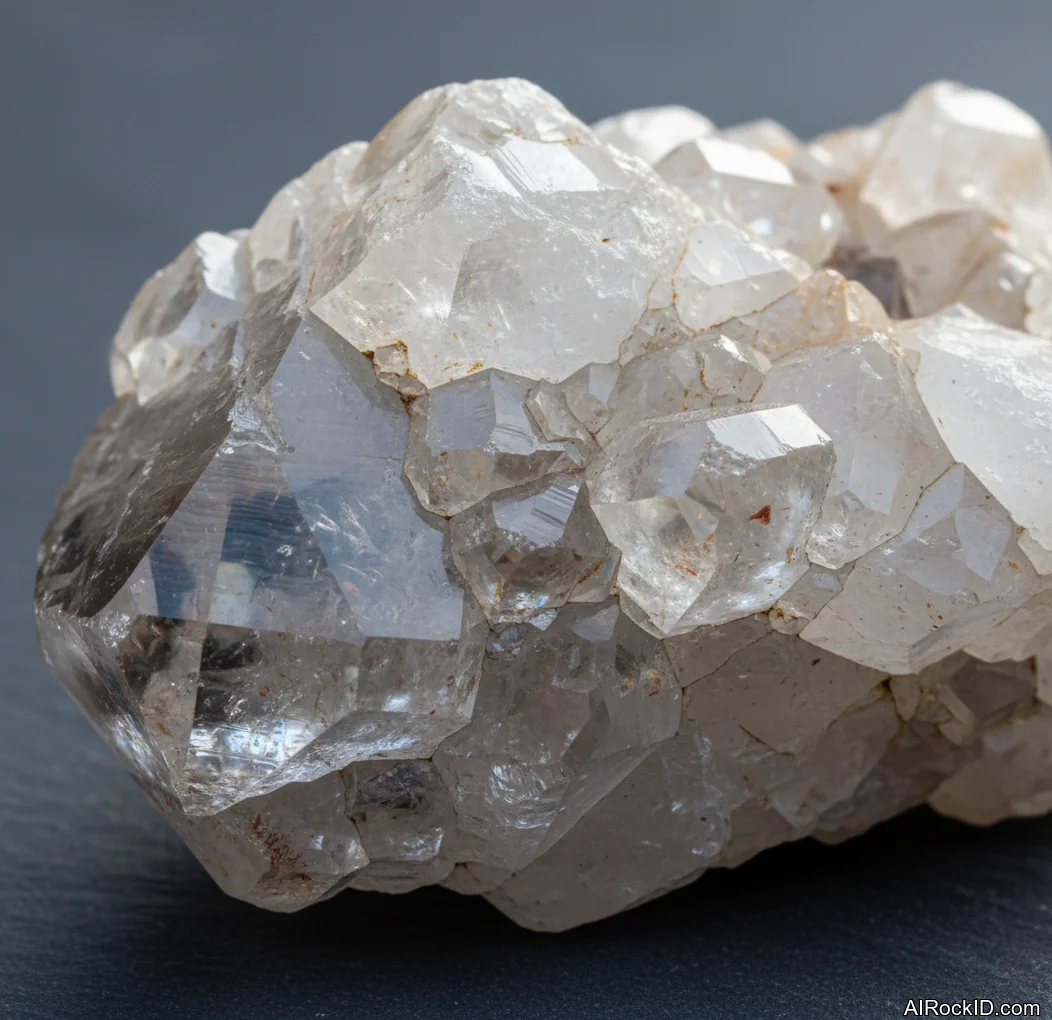
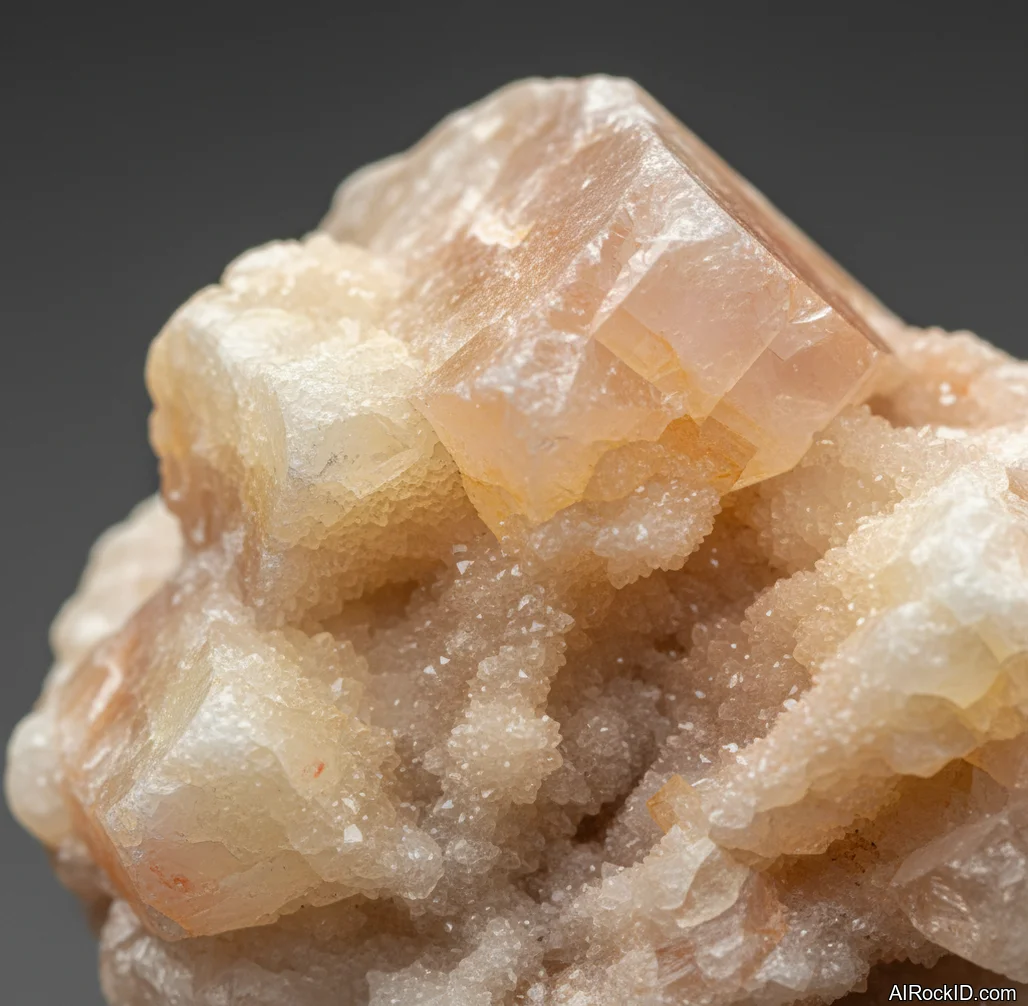
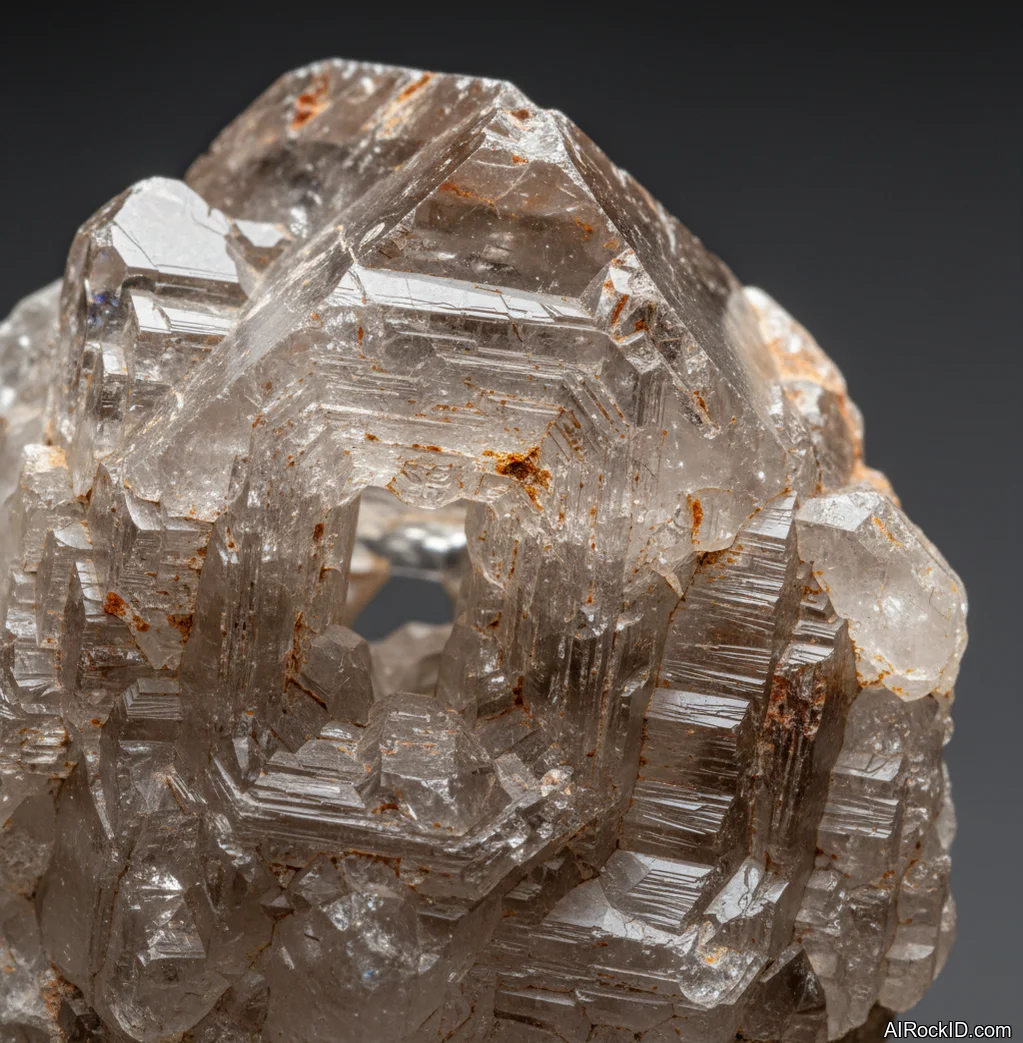
If you’re the type who likes raw material, look for honest surfaces. Moonstone rough often looks like pale, blocky feldspar with cleavage planes, not a perfect glowing chunk. Labradorite rough can be ugly until you find the flash face. Dealers will sometimes grind and polish one window on a rough piece so you can see the color. That’s a good sign, not a flaw. You’re buying for what it does in light, so you want proof. Simple as that.
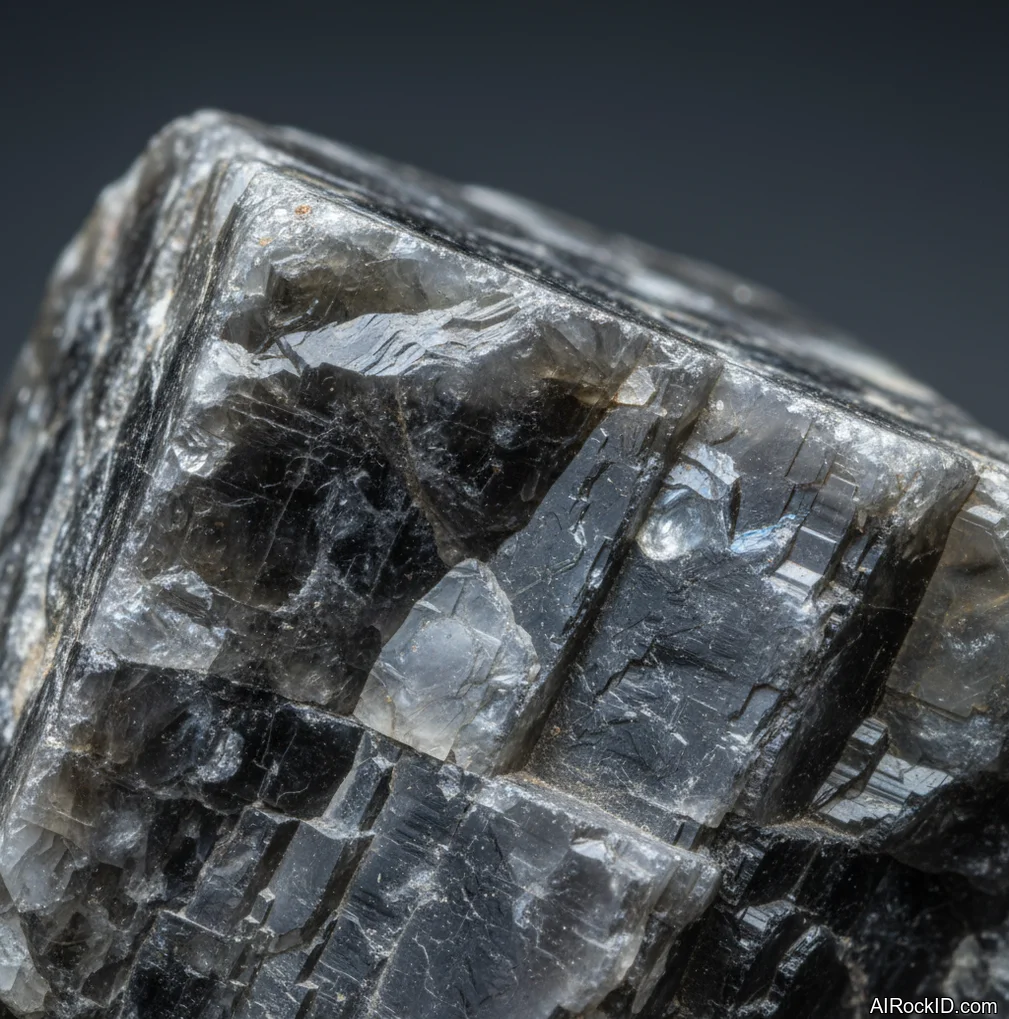
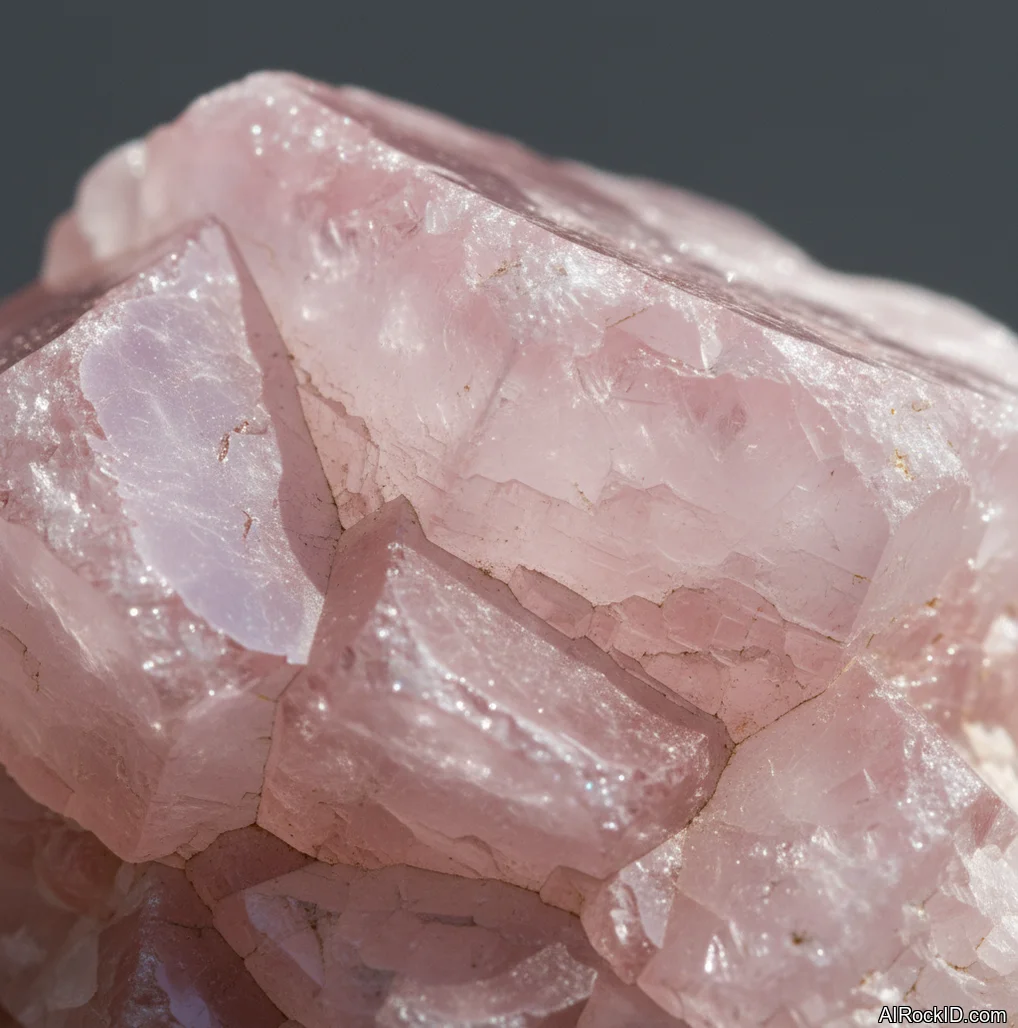
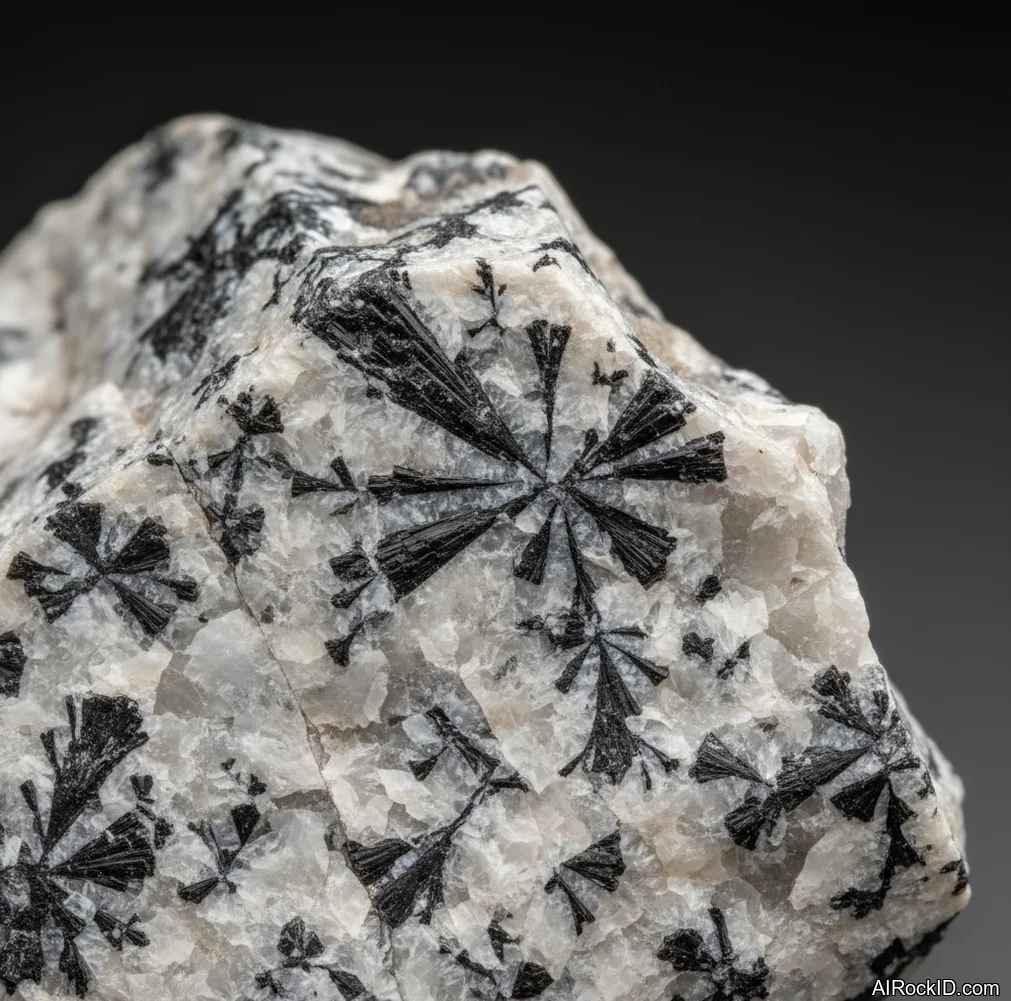
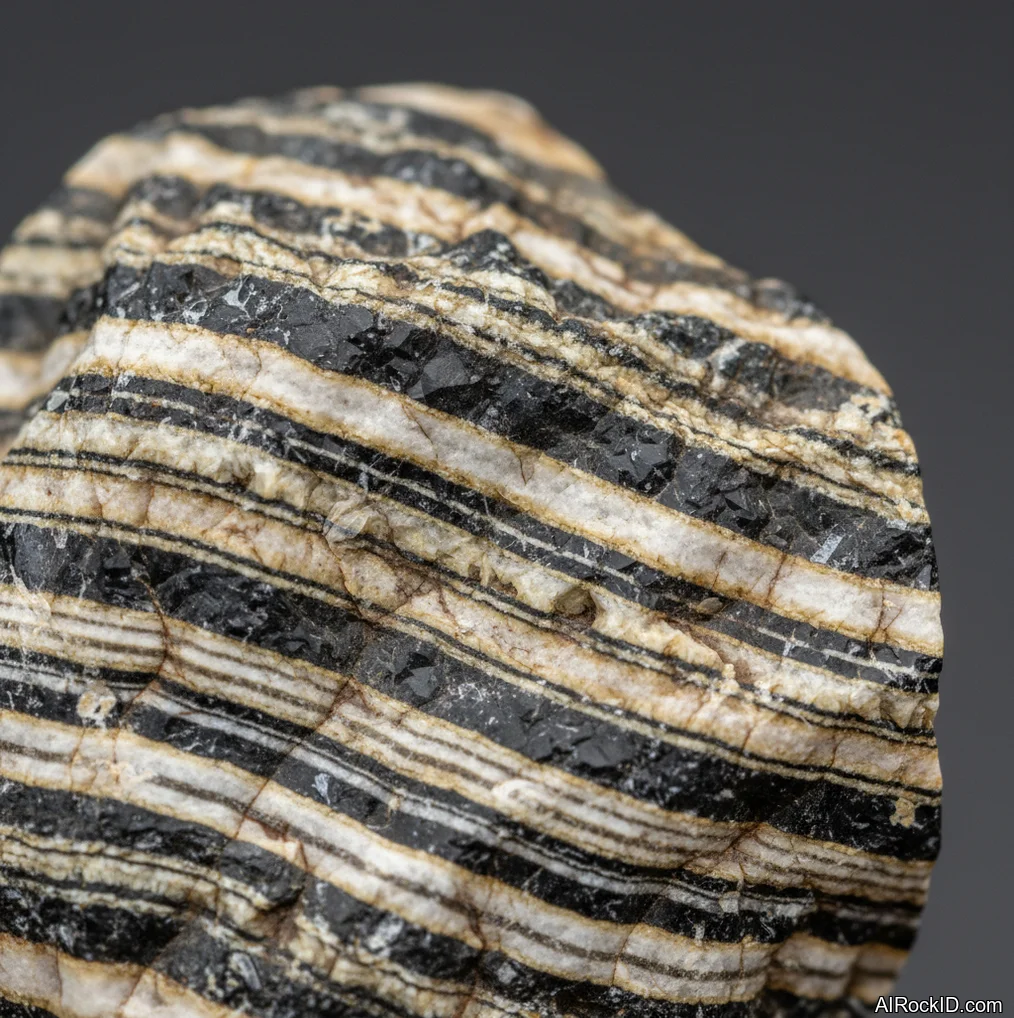
Moon crystals also pair well. Selenite with Moonstone is a soft, clean combo for night routines. Labradorite with Black Tourmaline is a good “keep your feet on the ground” setup when your head’s spinning. Rose Quartz with Moonstone leans into the emotional side, gentle and steady. But keep your expectations realistic. A stone won’t fix your sleep schedule if you’re doomscrolling until 2 a.m. It can, however, become the small physical cue that tells your brain it’s time to shift gears.
Our database lists 92 crystals tied to Moon themes, so you’ve got options beyond the usual three. So start with one you genuinely like holding. If it feels good in the hand, looks alive when you move it, and isn’t going to crumble the first time it gets bumped, you’re already doing it right.
All Moon Crystals (92)