Kammererite
What Is Kammererite?
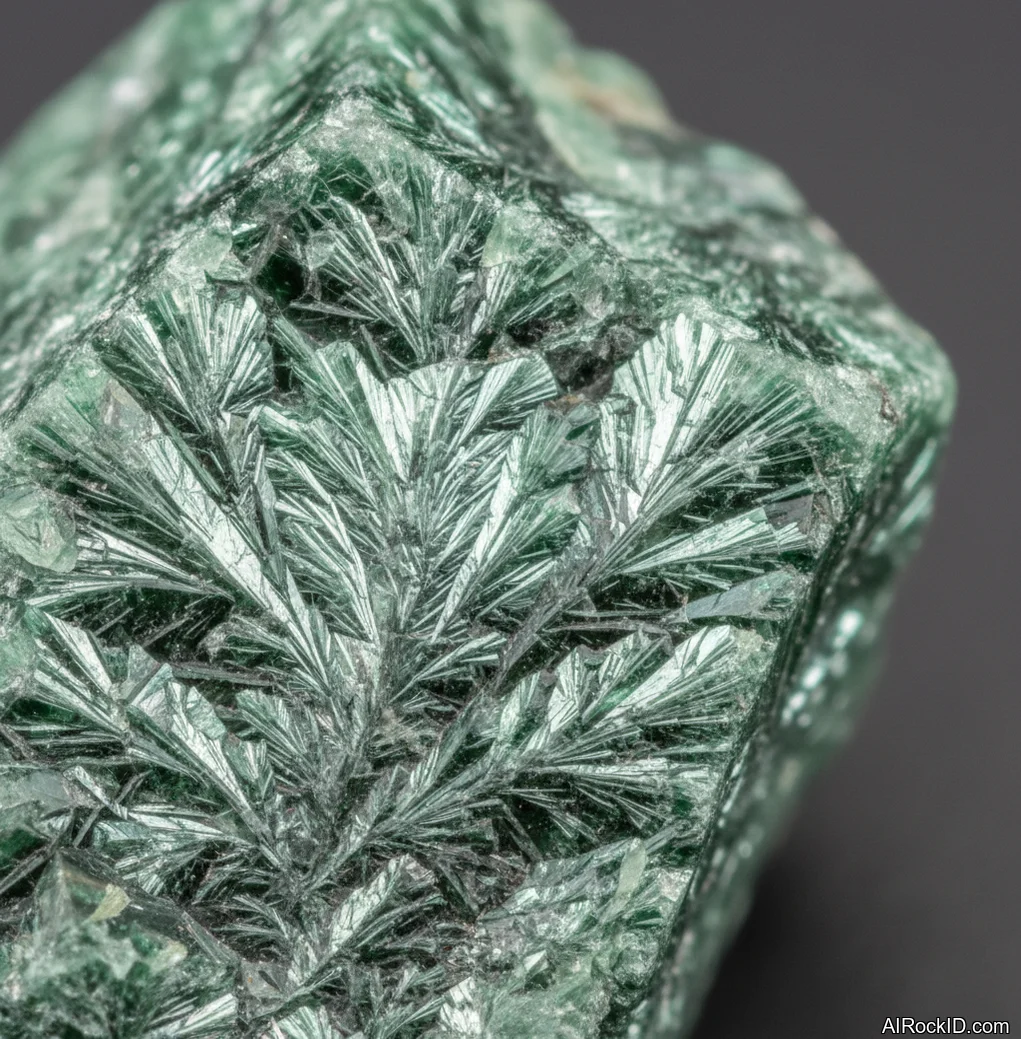
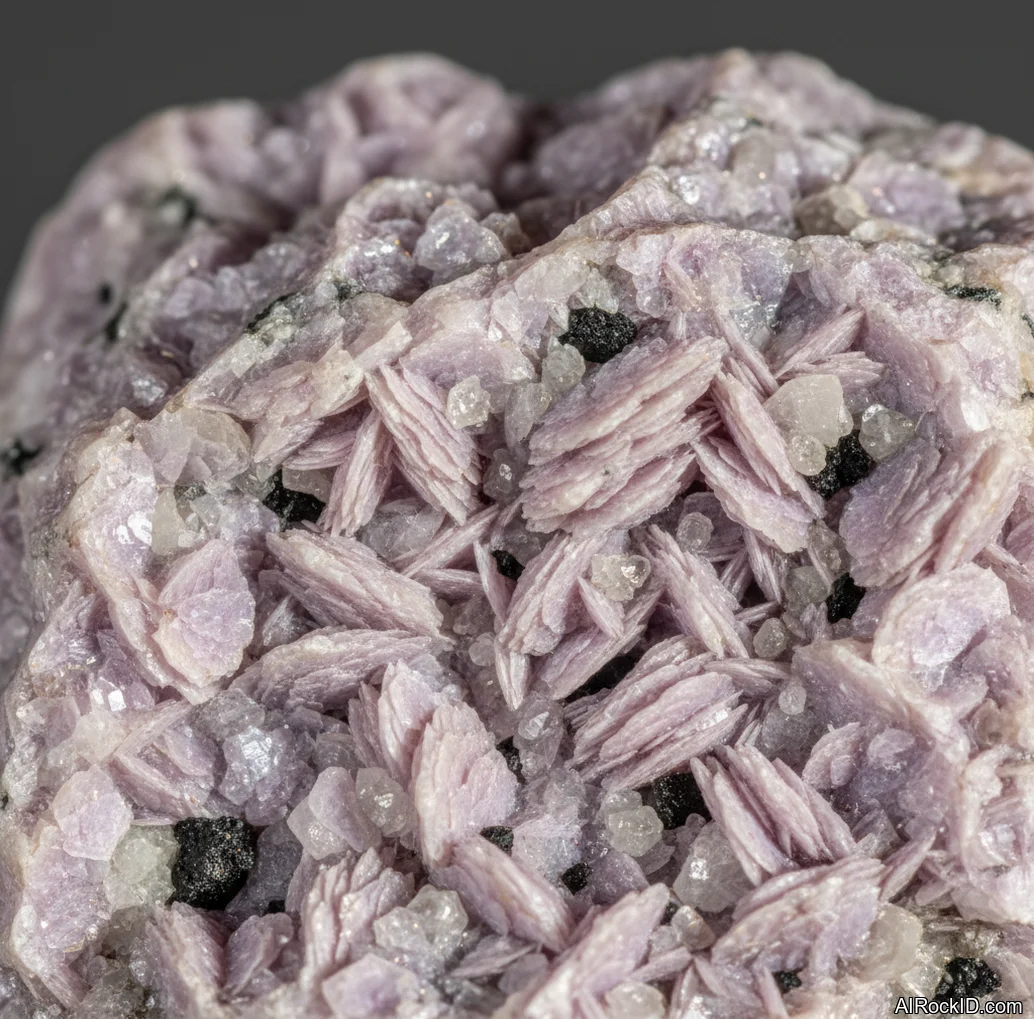
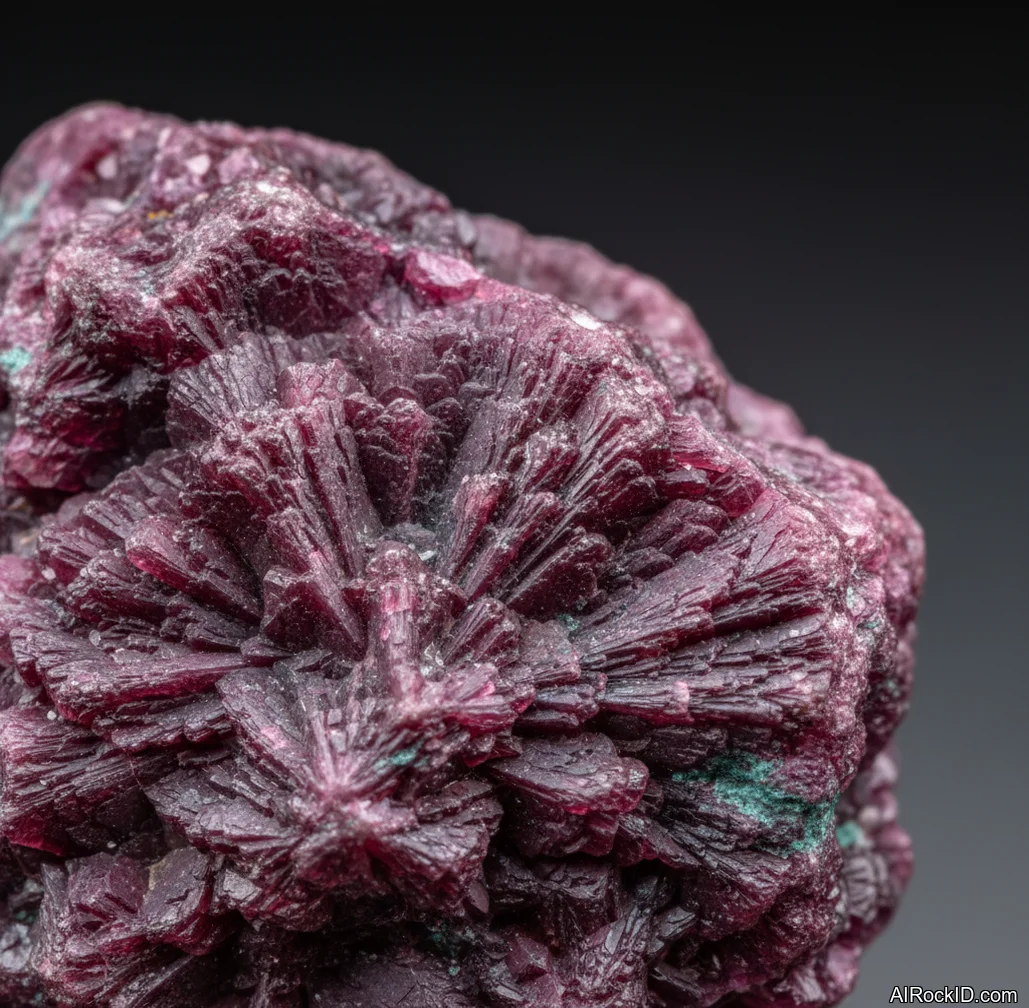
Kammererite is a purple to pink, chromium-rich variety of clinochlore in the chlorite group. The first time you see it, it honestly looks like somebody dyed it. Chlorite, in most people’s heads, is green, flaky, kind of plain. Then you run into kammererite and it’s this raspberry-purple that pops hard under a case light.
Pick up a piece and you’ll notice it’s usually lighter than it looks. And it’s got that platy, micaceous feel, like it wants to peel into thin sheets the second you get careless with your fingers. I’ve handled plenty of specimens where the crystals look chunky in photos, but in the hand they’re really stacks of thin plates, with little edges that grab the light like tiny mirrors. Put it on pale green serpentine or whitish dolomite and yeah, the contrast is basically the whole point.
At first glance people mix it up with purple mica, or even lepidolite. But kammererite doesn’t feel quite the same when you actually handle it. Lepidolite has that soft, “greasy mica” vibe (you know what I mean?) and it’s usually more lavender. Kammererite tends to run hot pink to deep magenta-purple, and the flashes off the cleavage can look almost silvery against the color.
Origin & History
Russia is where the name comes from. Kammererite got its first proper description in 1841 from the Bissersk area of the Ural Mountains, and it was named after Count Alexander von Kammerer, a Russian mining official who was tied into the region’s mineral work.
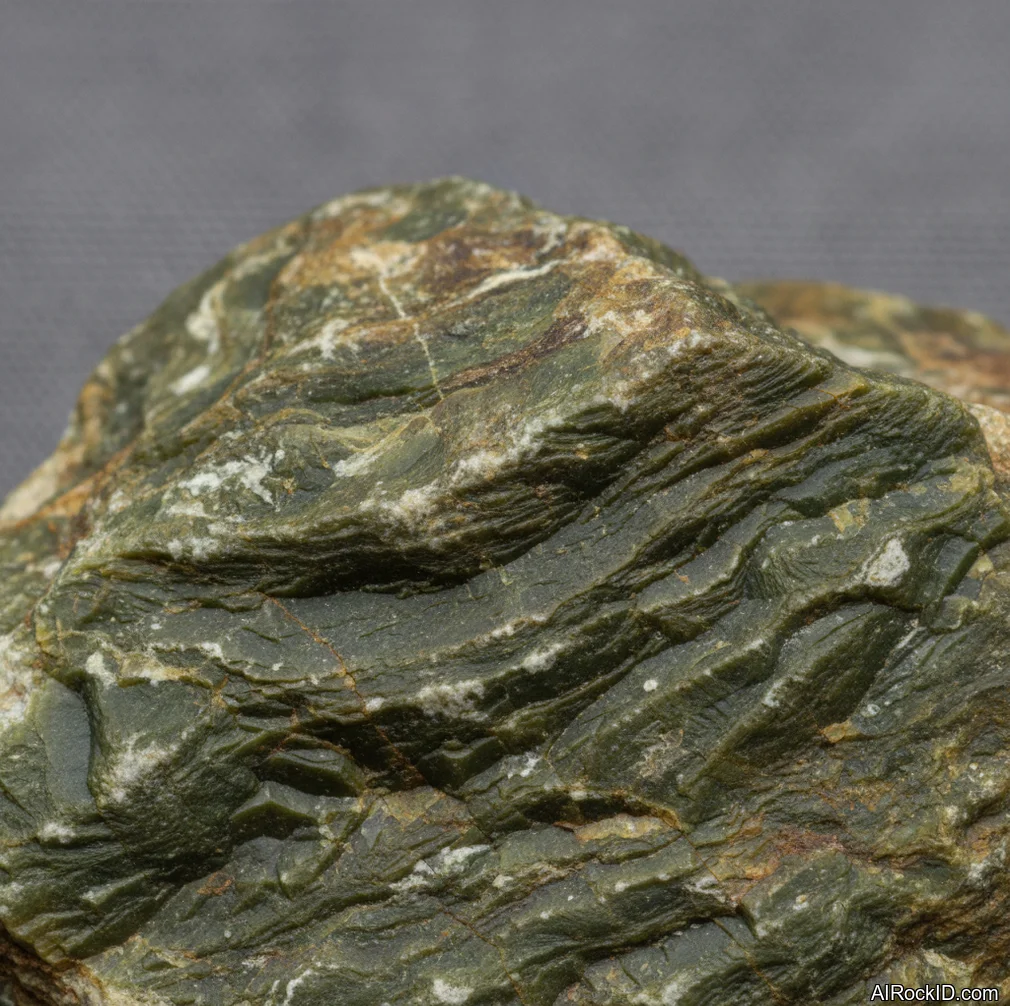
People still toss around “Ural kammererite” like it’s a brand name. And some of that makes sense, because the old Urals stuff has a very specific vibe: crisp, platy crystals that split into thin little plates if you’re not careful, punchy color, and that telltale green serpentinite host rock you see with ultramafic geology. But it isn’t a separate species. It’s clinochlore, with chromium doing the heavy lifting on the color.
Where Is Kammererite Found?
Most collector-grade kammererite comes from chromium-bearing ultramafic terrains, especially the Urals in Russia and the Kop Krom area in Turkey. Smaller occurrences show up in Alpine serpentinites and a few classic North American localities.
Formation
Most of what you’re looking at is just raw chunks of ultramafic country rock, no surprises there. Kammererite shows up later, when chromium-bearing ultramafics like peridotite and dunite get hit with metamorphism and hydrothermal alteration, and serpentinization is doing a lot of the heavy lifting. The chromium gets mobilized enough to slip into the chlorite structure, and that’s the moment the purple starts to show.
If you really stare at the matrix on a lot of specimens (like, nose-close), you can usually pick out the whole crew: serpentine, chromite sitting nearby, sometimes dolomite or calcite, plus other chlorites mixed in. The crystals tend to be platy or pseudohexagonal, and you’ll see them in rosettes sometimes. And, thing is, they’re often perched in tiny seams and pockets, which is why so many pieces have one “perfect” face while the back is just busted rock. Who hasn’t seen that?
How to Identify Kammererite
Color: Color ranges from pinkish purple through lilac to deep magenta-purple, sometimes with greenish chlorite mixed in. The most eye-catching pieces show strong color zoning across platy crystals.
Luster: Luster is pearly to vitreous on cleavage faces, often with a bright micaceous flash when you tilt it.
Pick up the specimen and gently run a fingernail along an edge. If it wants to peel into thin plates, you’re in chlorite territory. The real test is the look of the cleavage faces under a single light source: kammererite gives sharp, silvery flashes off flat plates, not the sugary sparkle you get from quartz druse. And if a seller is calling it “purple mica,” ask what the matrix is. Serpentine with chromite specks is a very common pairing for kammererite.
Properties of Kammererite
Physical Properties
| Crystal System | Monoclinic |
| Hardness (Mohs) | 2-2.5 (Soft (2-4)) |
| Density | 2.65-2.78 g/cm3 |
| Luster | Pearly |
| Diaphaneity | Translucent |
| Fracture | Uneven |
| Streak | white |
| Magnetism | Non-magnetic |
| Colors | purple, pink, magenta, lilac, green |
Chemical Properties
| Classification | Silicates (phyllosilicate) |
| Formula | (Mg,Fe)5Al(Si3Al)O10(OH)8 with Cr substituting for Al (chromian clinochlore) |
| Elements | Mg, Fe, Al, Si, O, H, Cr |
| Common Impurities | Cr, Fe |
Optical Properties
| Refractive Index | 1.57-1.59 |
| Birefringence | 0.020 |
| Pleochroism | Strong |
| Optical Character | Biaxial |
Kammererite Health & Safety
Handling it is safe. But if you cut or grind it, you can kick up fine silicate dust, the kind that hangs in the air and settles as a gritty film on your bench. Don’t breathe the dust from any lapidary work.
Safety Tips
If you’re cutting it up or shaping it, don’t do it dry. Use water on the cut, keep the air moving with decent ventilation, and wear a real respirator, because that fine grit gets everywhere and you can taste it if you’re not careful. And if it’s just a display piece, it’s simpler: handle it, then wash your hands afterward if there’s dusty matrix on it (you’ll see the powder on your fingers).
Kammererite Value & Price
Price Range
Rough/Tumbled: $30 - $600 per specimen
Cut/Polished: $20 - $120 per carat
Most of what you’re paying for comes down to two things: color saturation and crystal habit. Those clean, sharp, platy crystals sitting on a contrasting matrix, with crisp edges you can feel catch slightly if you run a fingernail along them, go for way more than those dull, mixed chlorite seams that just look kind of muddy up close.
Durability
Fragile — Scratch resistance: Poor, Toughness: Poor
It’s stable in normal indoor conditions, but the platy crystals bruise and cleave easily if they rattle around.
How to Care for Kammererite
Use & Storage
Store it in a box or a display case where it won’t get bumped. Those thin plates chip fast when two specimens touch.
Cleaning
1) Use a soft brush to flick off loose grit. 2) Rinse briefly with lukewarm water and a drop of mild soap if needed. 3) Pat dry and let it air-dry fully before putting it back on the shelf.
Cleanse & Charge
If you do energetic cleansing, keep it gentle: smoke, sound, or a quick pass over selenite. I wouldn’t bury a platy kammererite in salt or soil because it’s easy to scratch up.
Placement
A stable shelf away from high-traffic spots is best. Under a small spotlight, the cleavage flashes look great, but don’t aim for heat buildup.
Caution
Skip ultrasonic cleaners, steam cleaners, and any long soaks. And don’t just chuck it into a pouch with quartz or feldspar unless you’re fine with coming back to little scuffs and a chipped edge or two.
Works Well With
Kammererite Meaning & Healing Properties
Compared to a lot of purple stones, kammererite just feels… earthier. You pick it up and it doesn’t have that hard, glassy snap; it’s chlorite at its core, and you can tell. When I’m holding a good rosette, the plates feel slightly slick and layered under my thumb, and the stone has that cool, steady temperature that makes you pause without trying. That’s the whole pull for a lot of people. It tracks, even if you’re being practical about it.
In crystal shop terms, people usually connect it with insight and calming down the mental noise. Part of that is the color, sure, but part of it is the personality of the mineral. It’s quiet. Not flashy. But here’s the thing you can’t get around: it’s soft. If you want something to carry every single day, this one will argue with you. I’ve watched pocket pieces come back with the edges chewed up, turning into little purple crumbs after a week rattling around with keys and coins (you can feel the grit when you wipe it off).
If you’re using it for meditation or just as an on-the-desk stone, it’s way easier to live with. Set it down. Leave it alone. Let the color do its thing. And keep the claims in the right lane, too: it’s personal practice, not medical treatment.
Identify Any Crystal Instantly
Snap a photo and get properties, value, care instructions, and healing meanings in seconds.