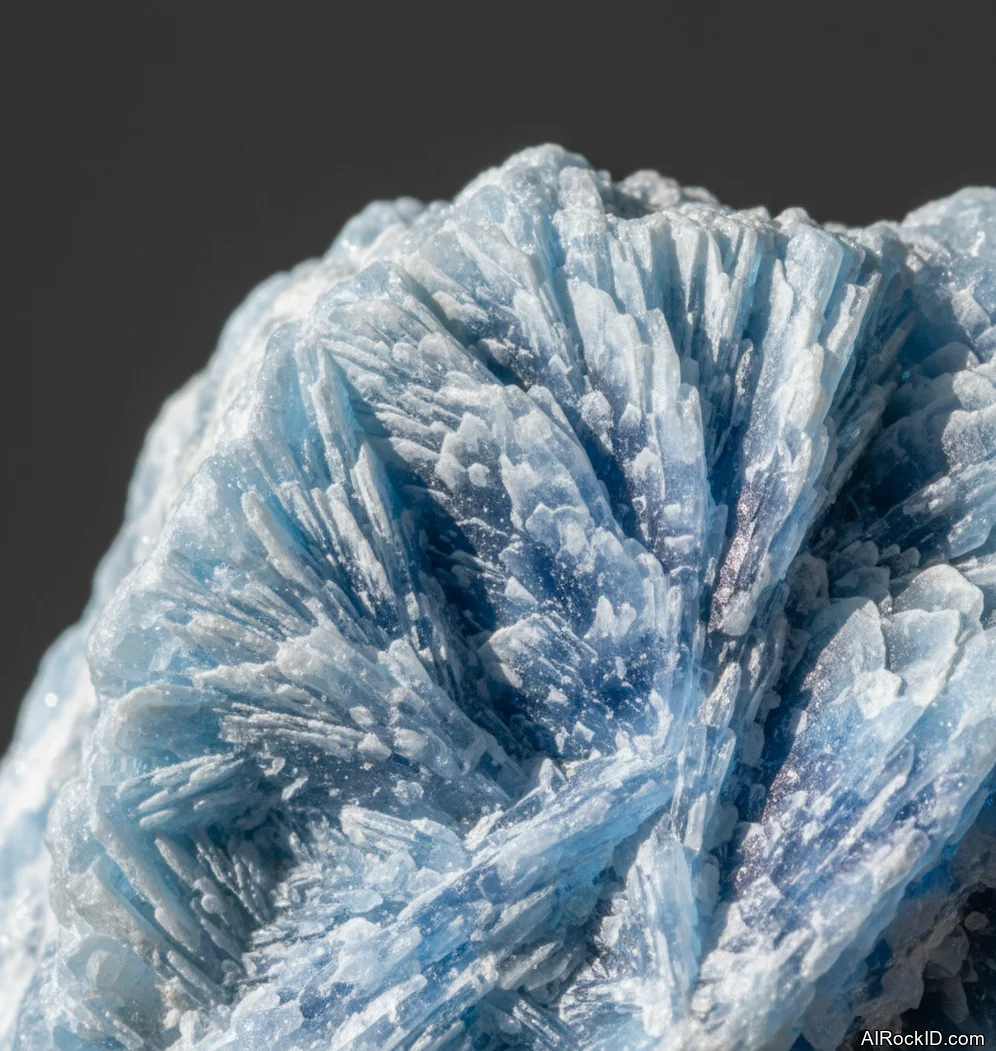
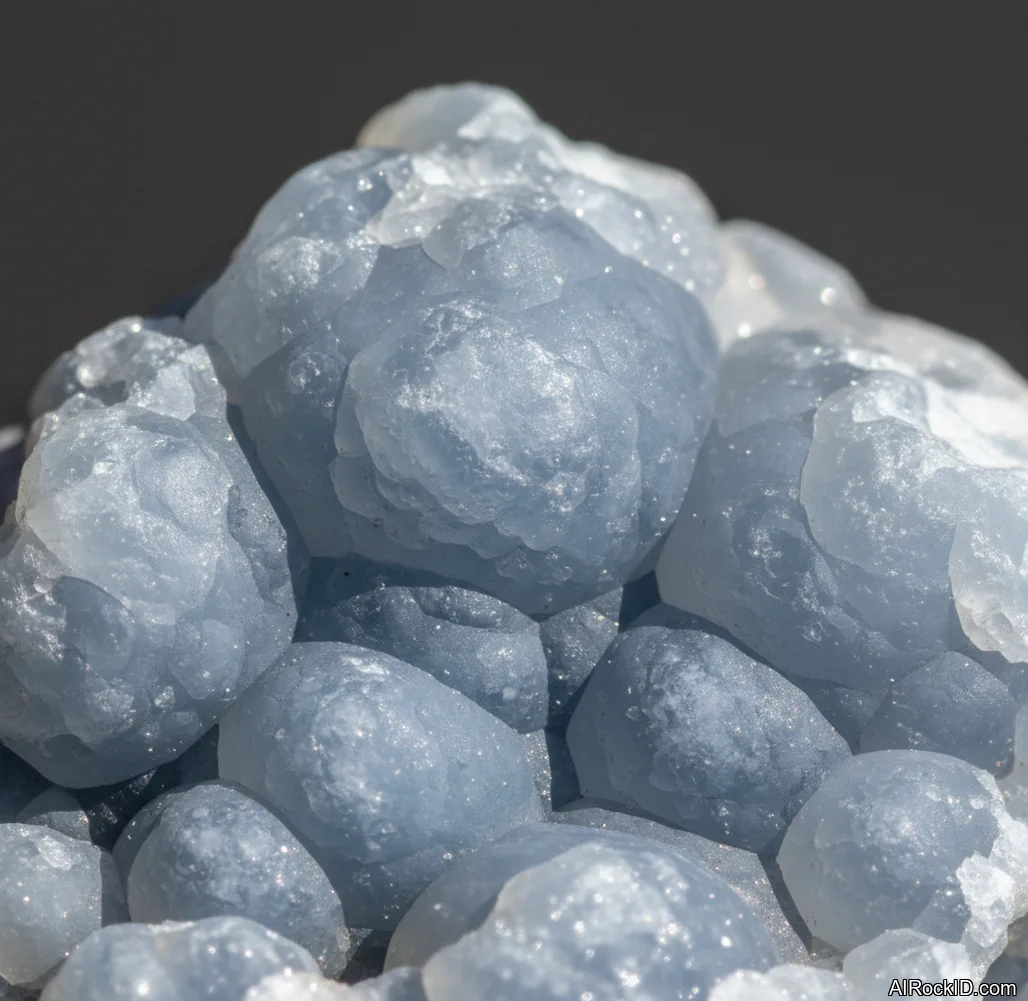
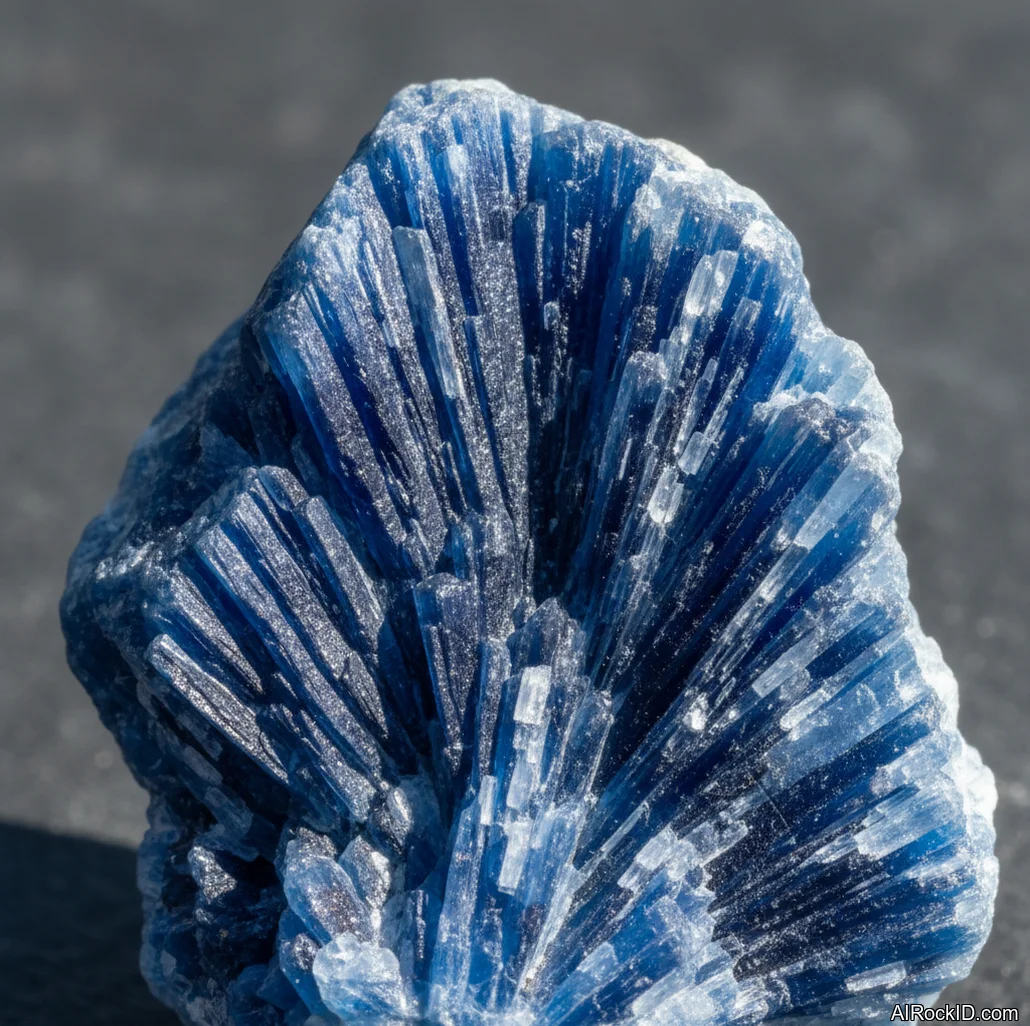
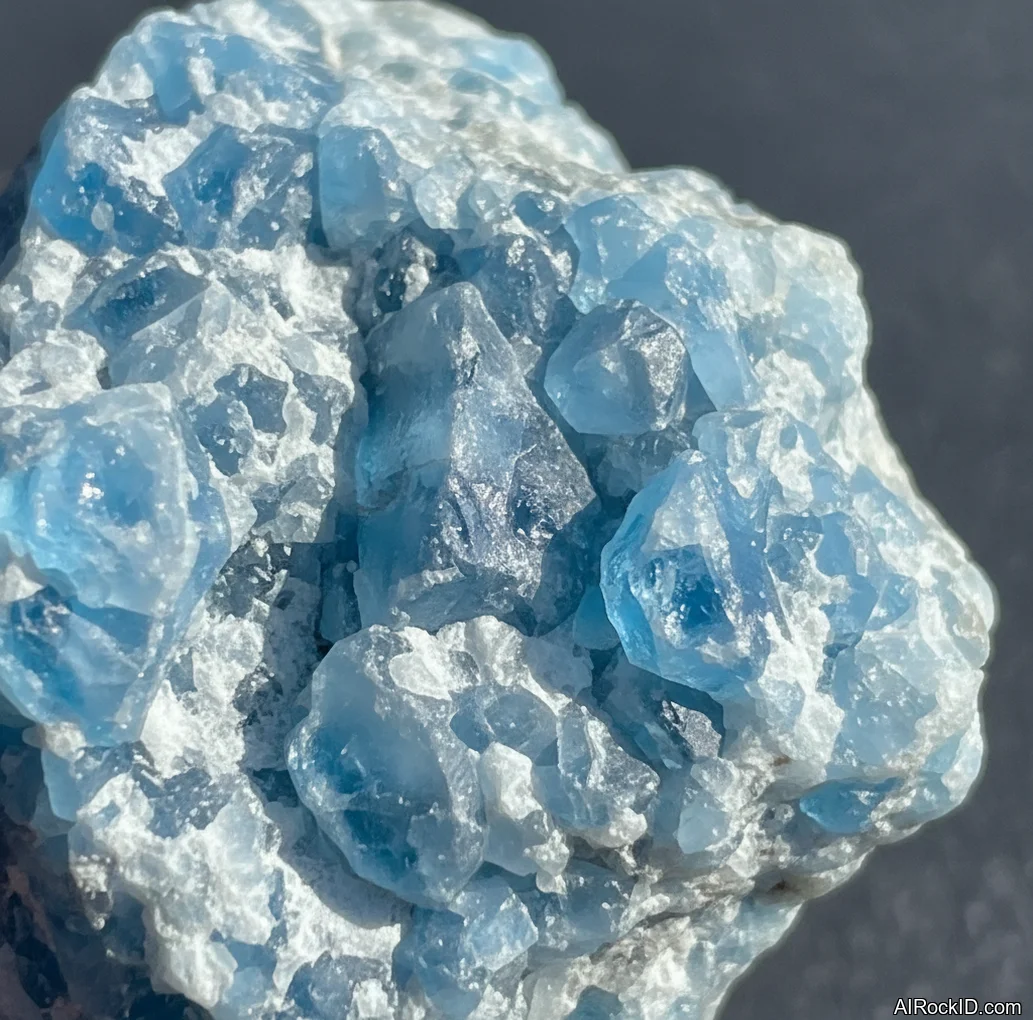
Mercury Crystals
Explore Mercury crystals for communication, learning, and focus. See top stones, buying tips, and how to use Mercury-aligned crystals daily.
Mercury gets pegged as the “mind planet” in crystal circles. Fast thinking. Words. Messages. Study sessions. All that speedy stuff that has you staring at your notes at 1 a.m. And when someone tells me they want a Mercury crystal, they’re usually not asking for a “pretty rock.” They want help staying sharp, speaking clearly, and keeping their thoughts from turning into a tangled ball of yarn.
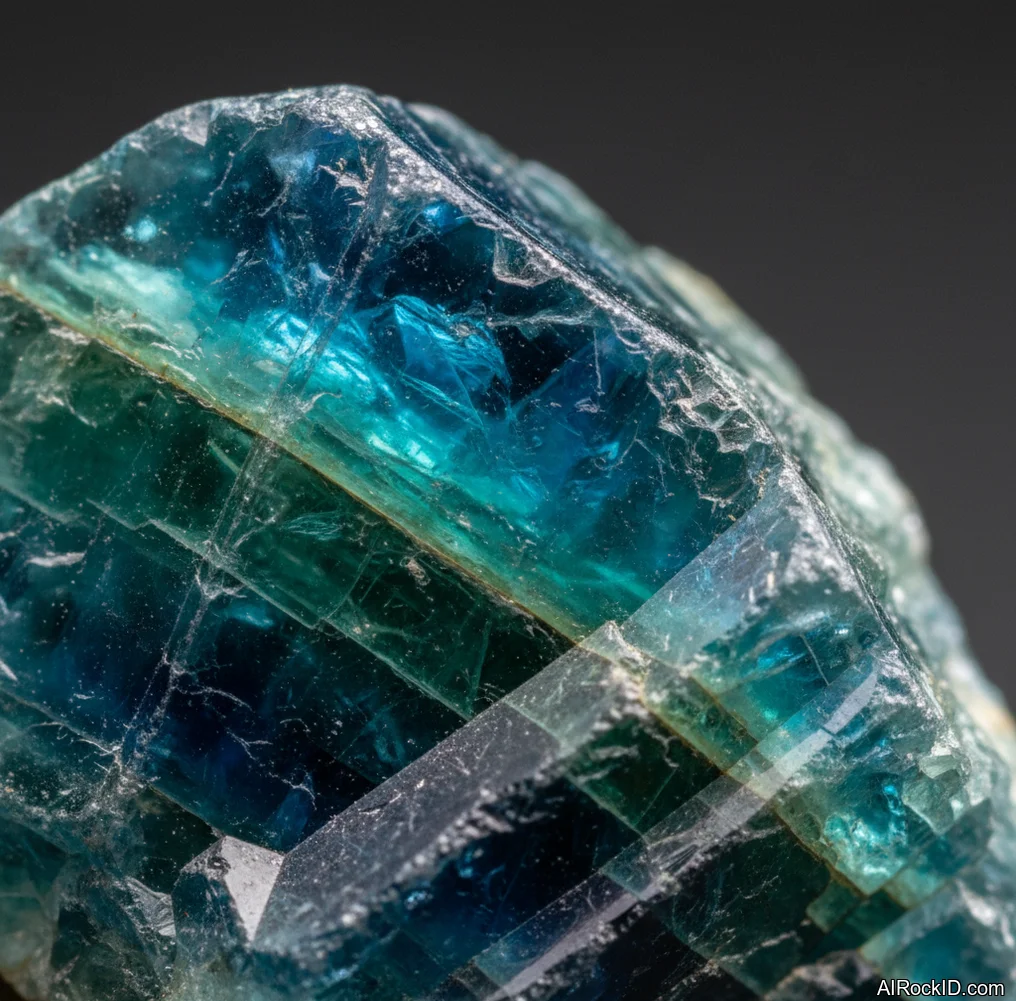
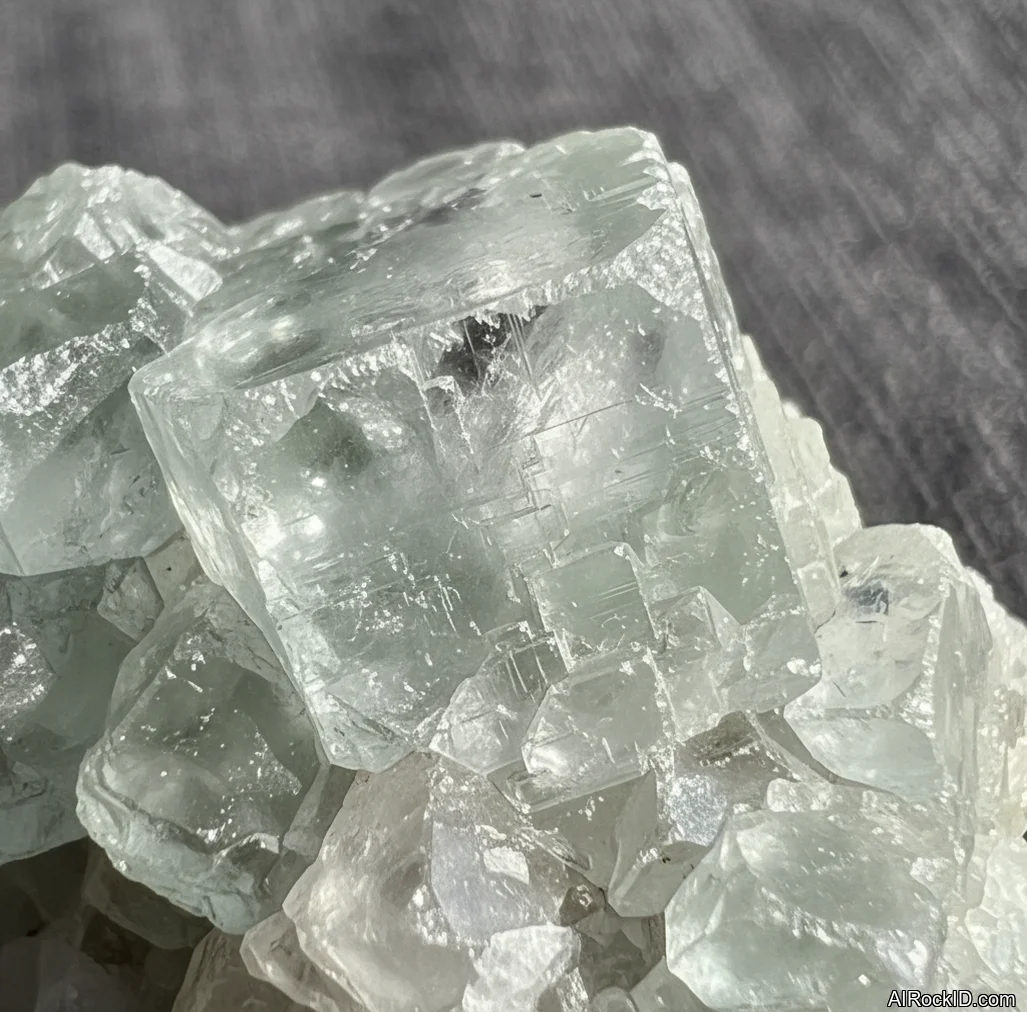
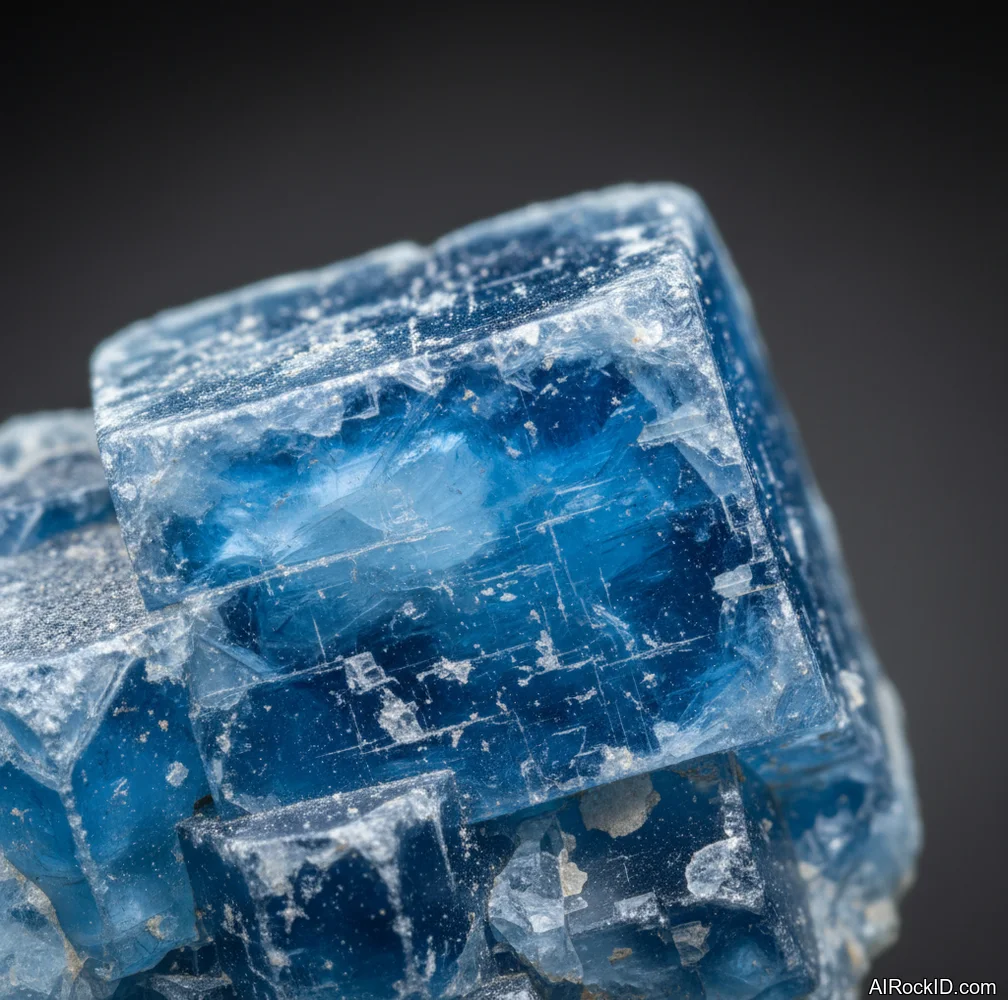
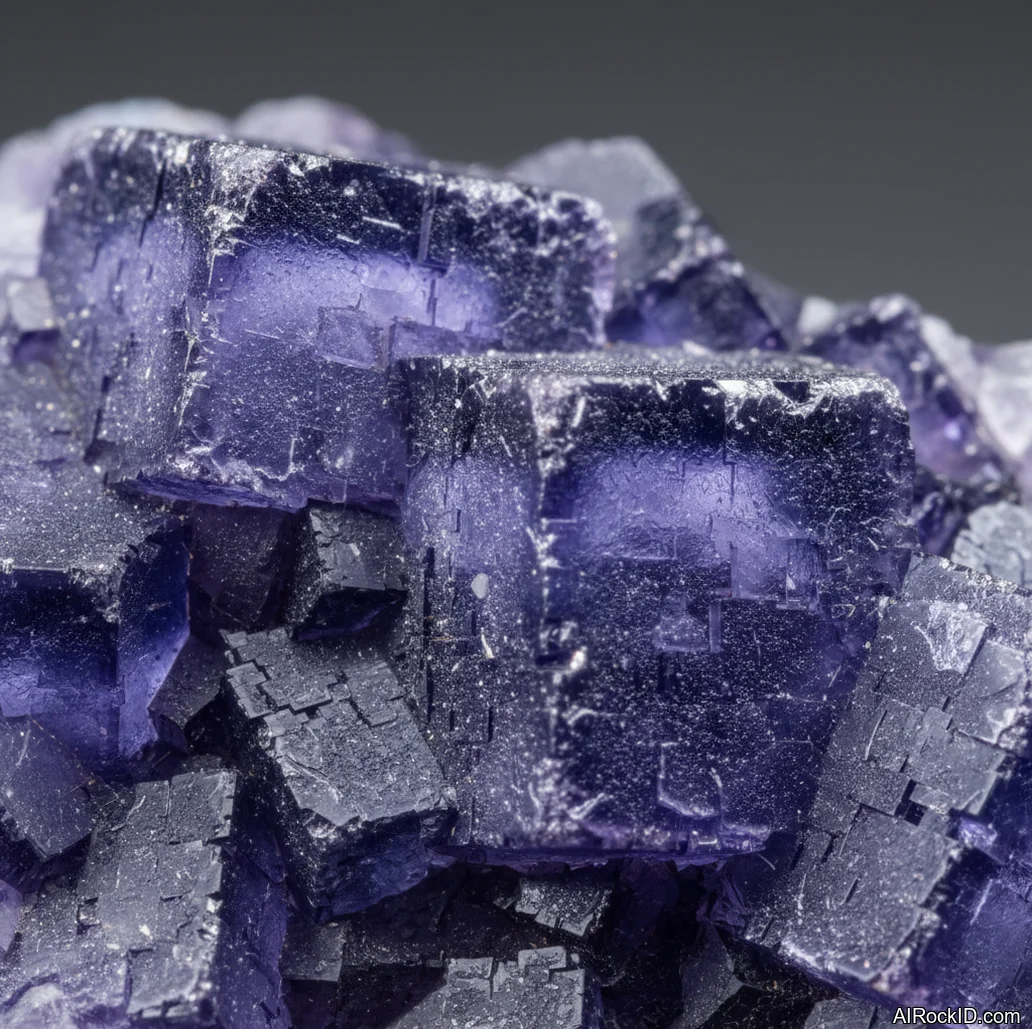
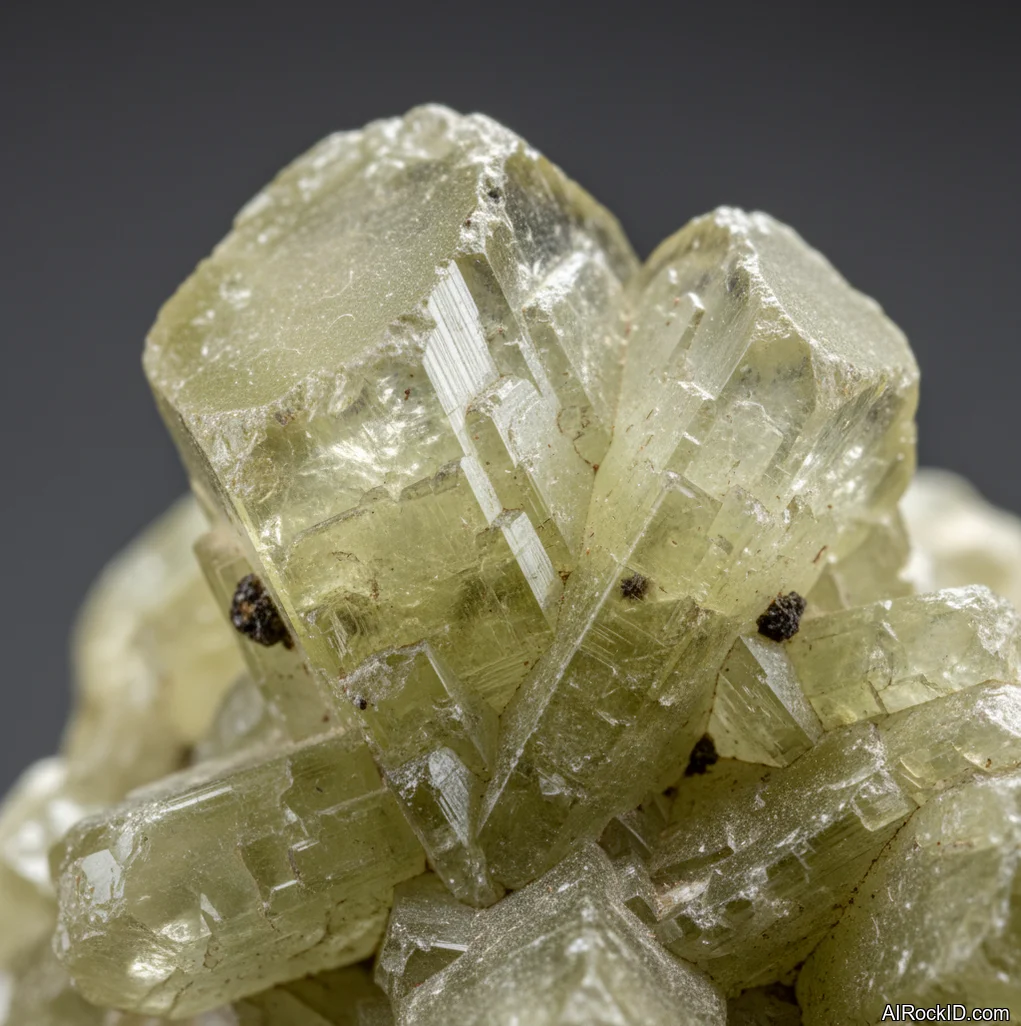
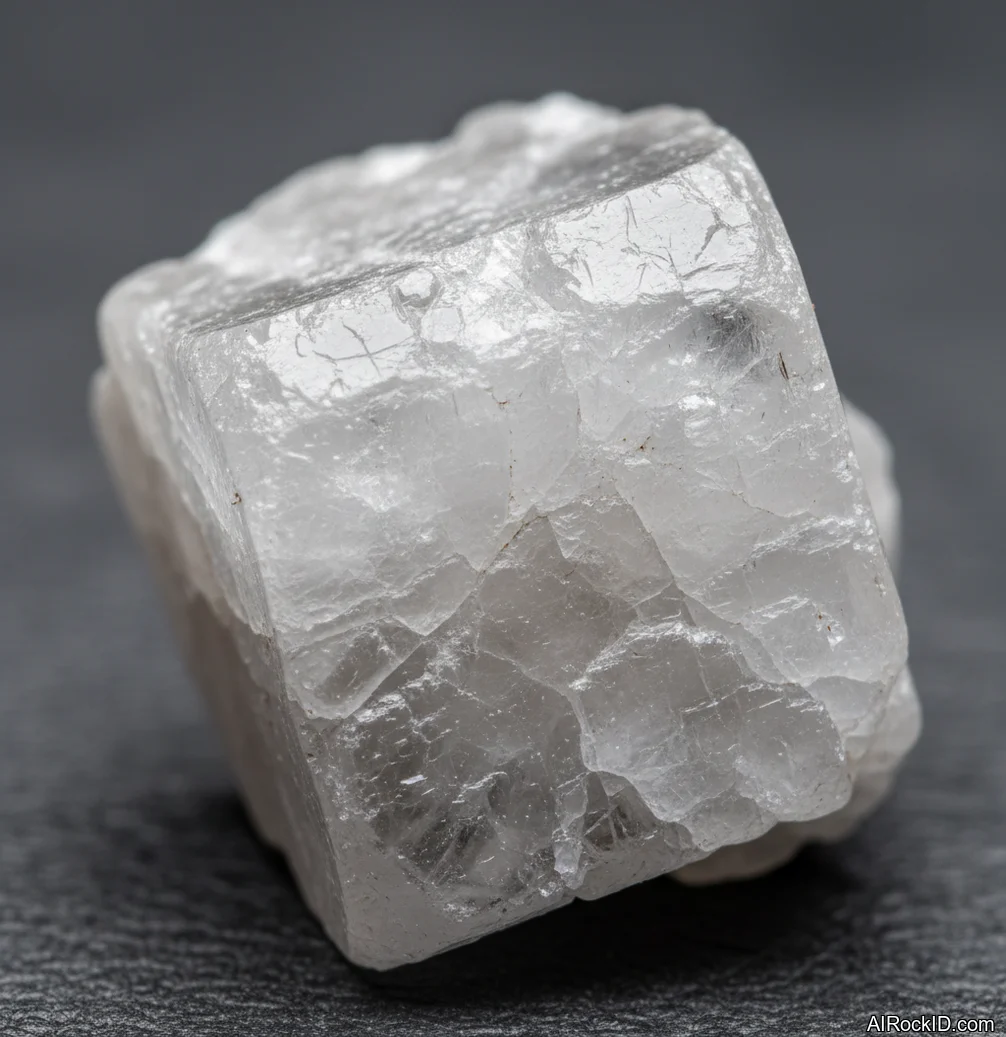
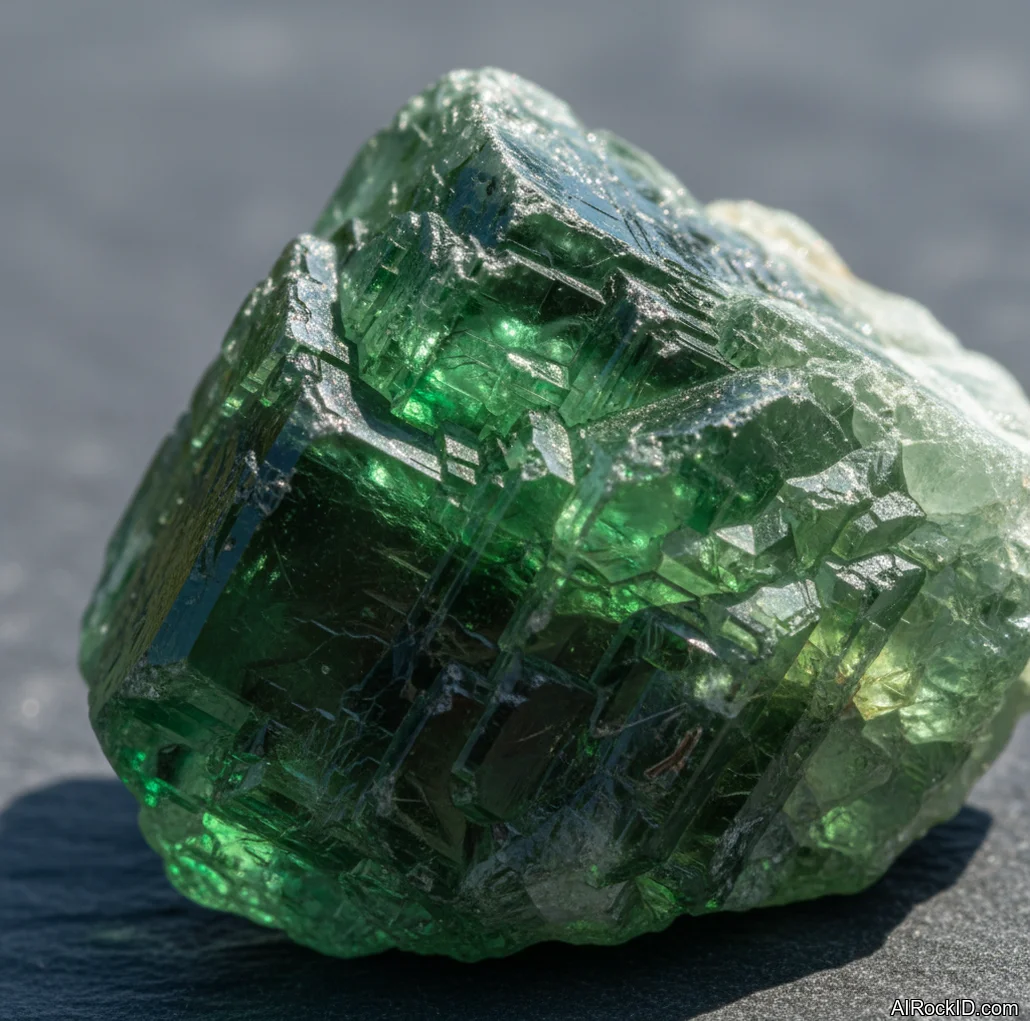
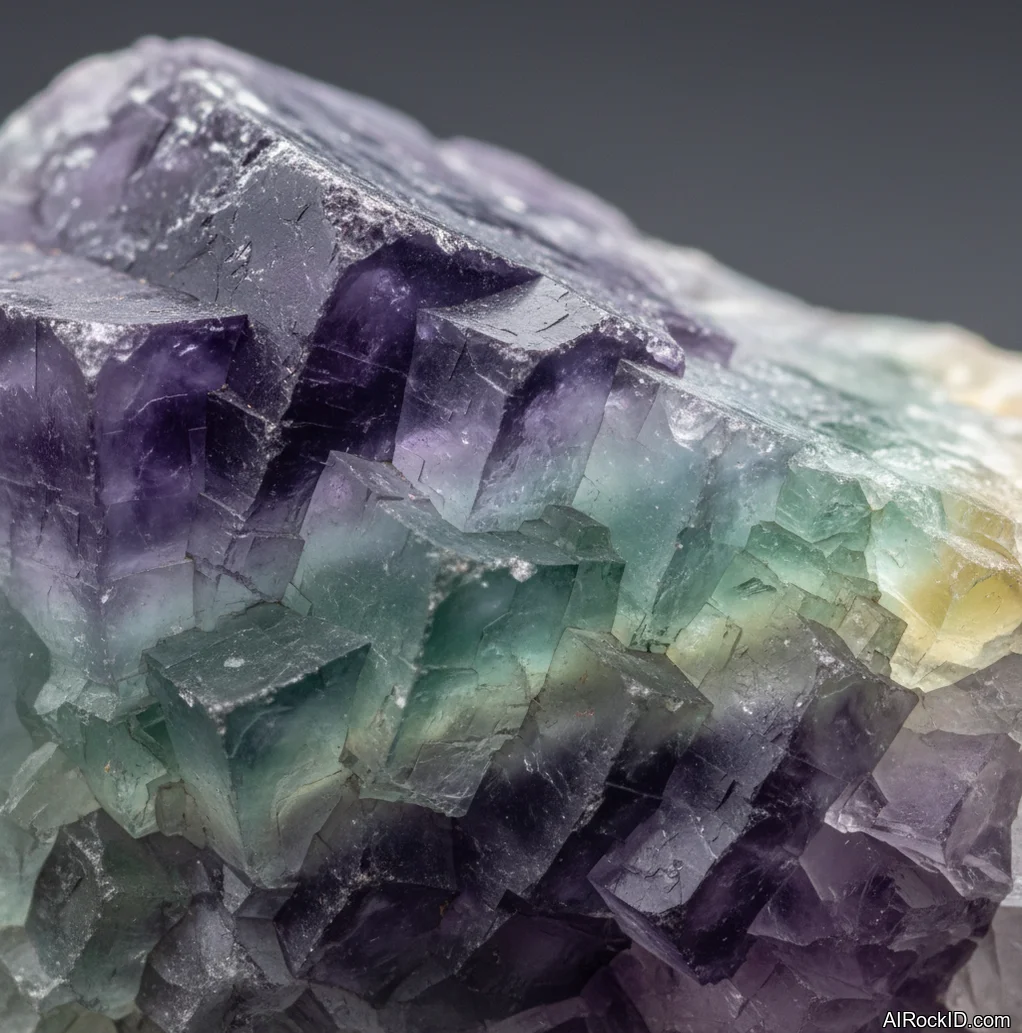
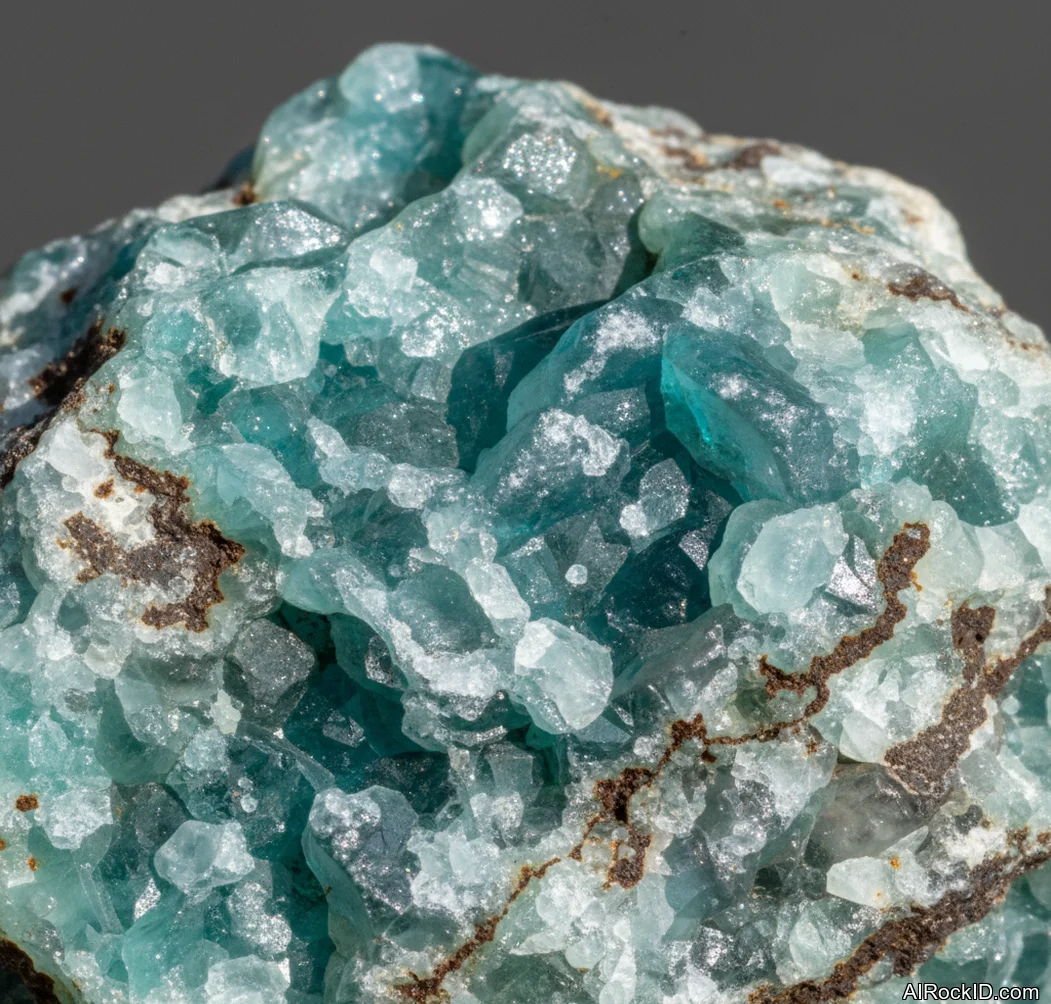
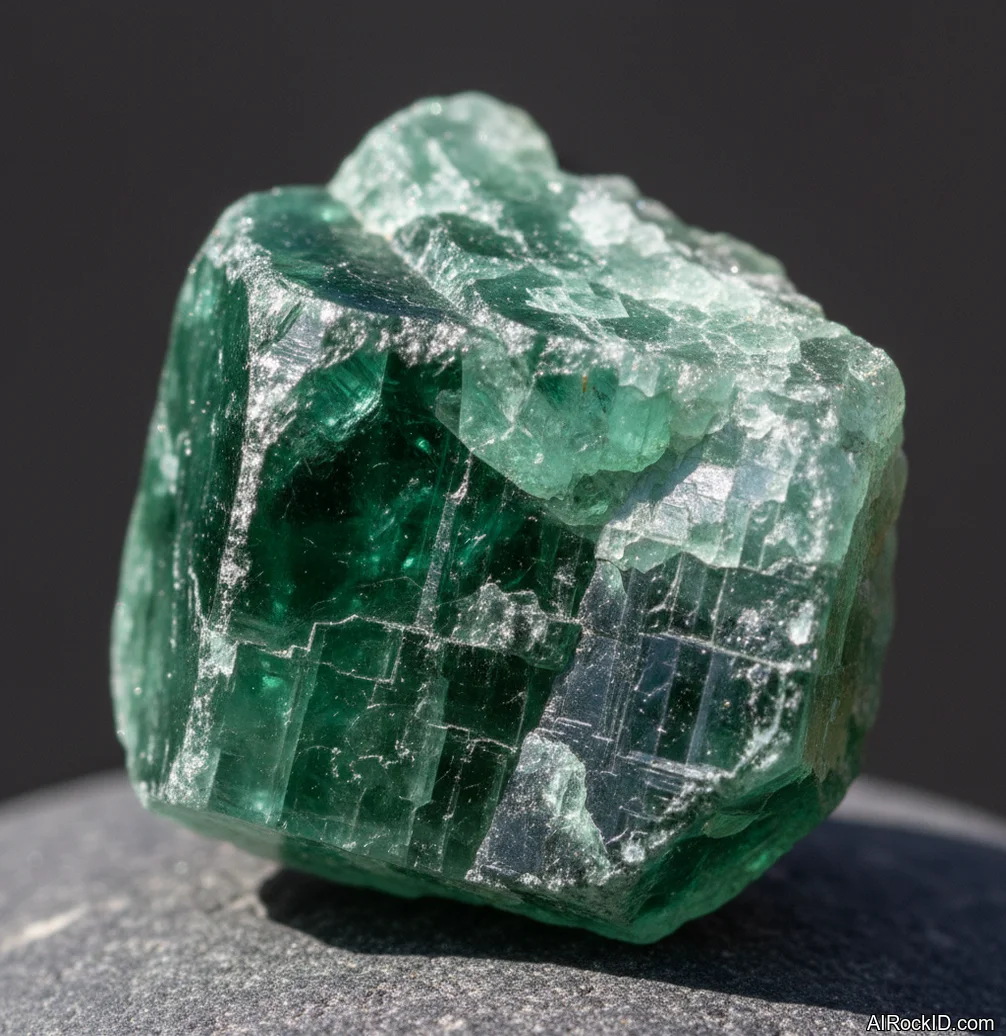
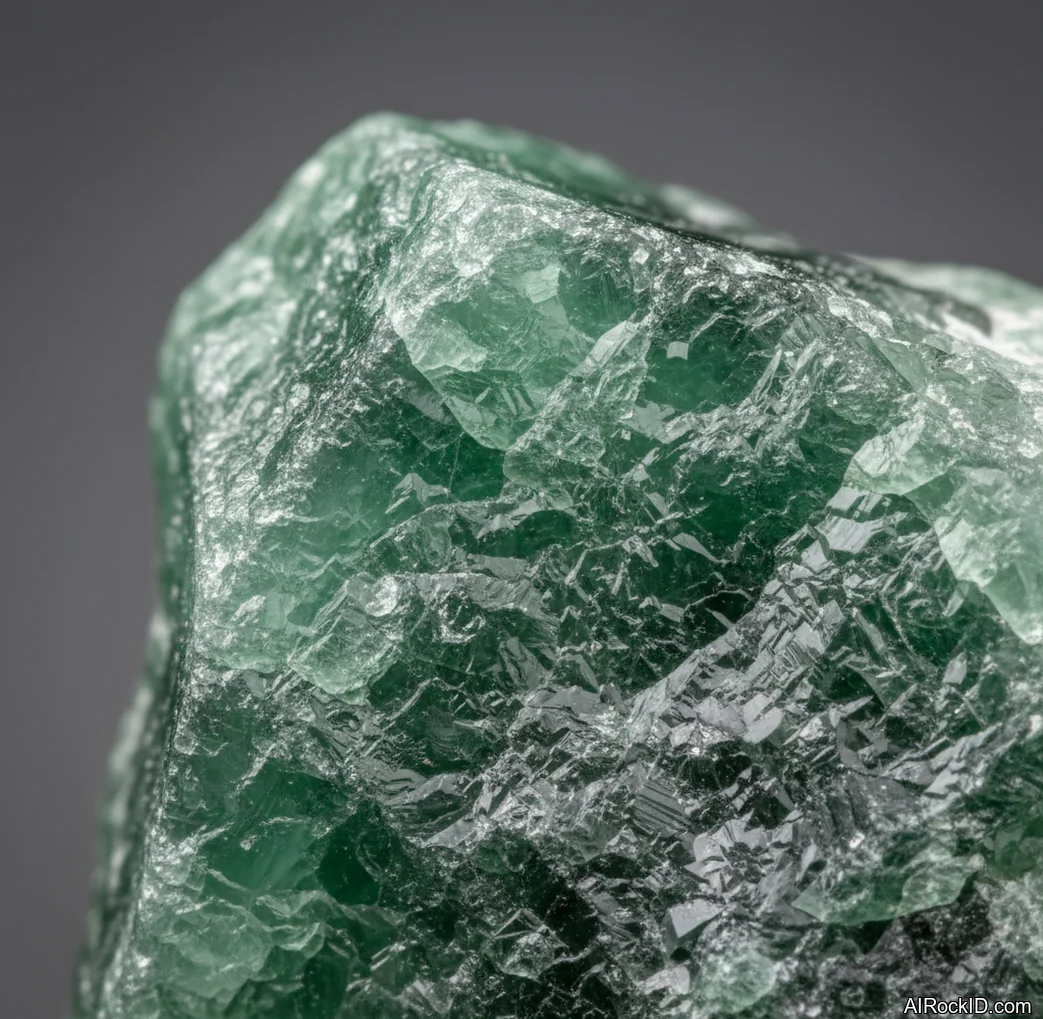
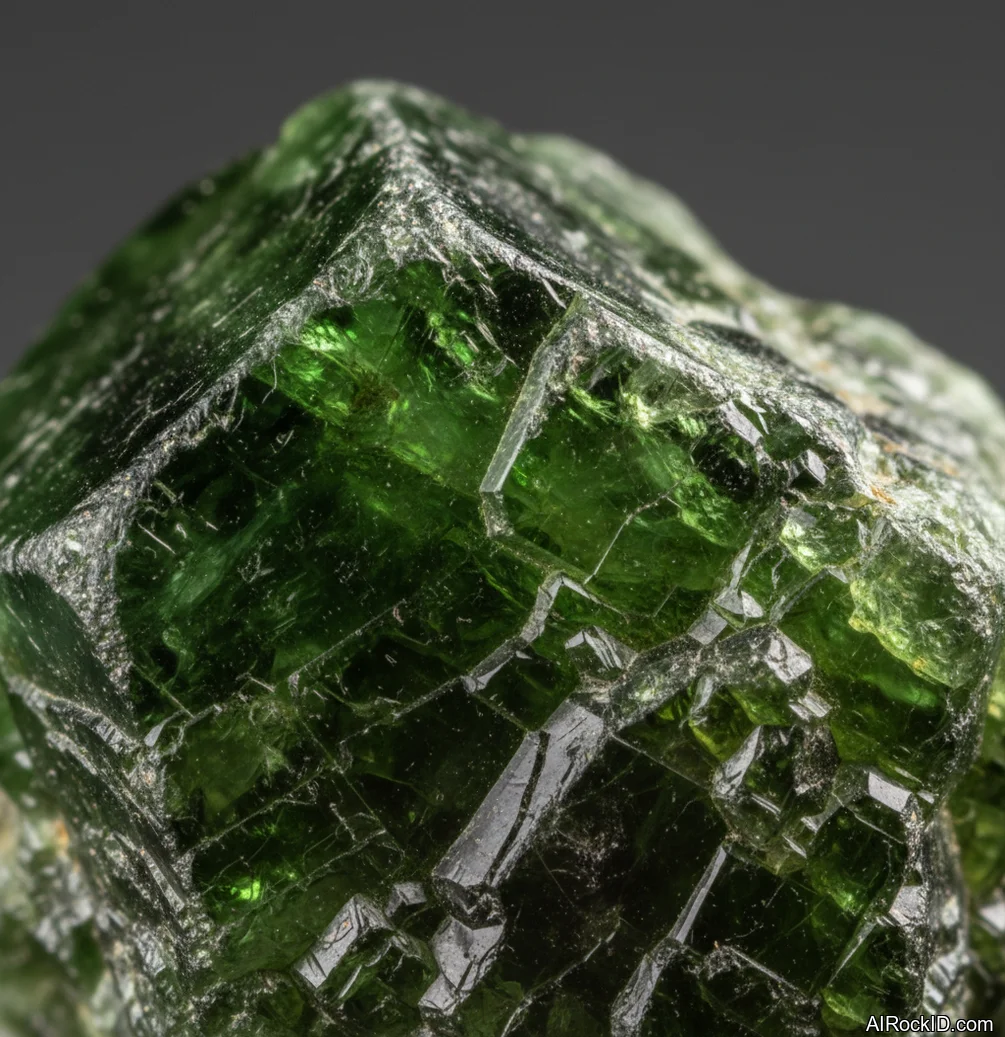
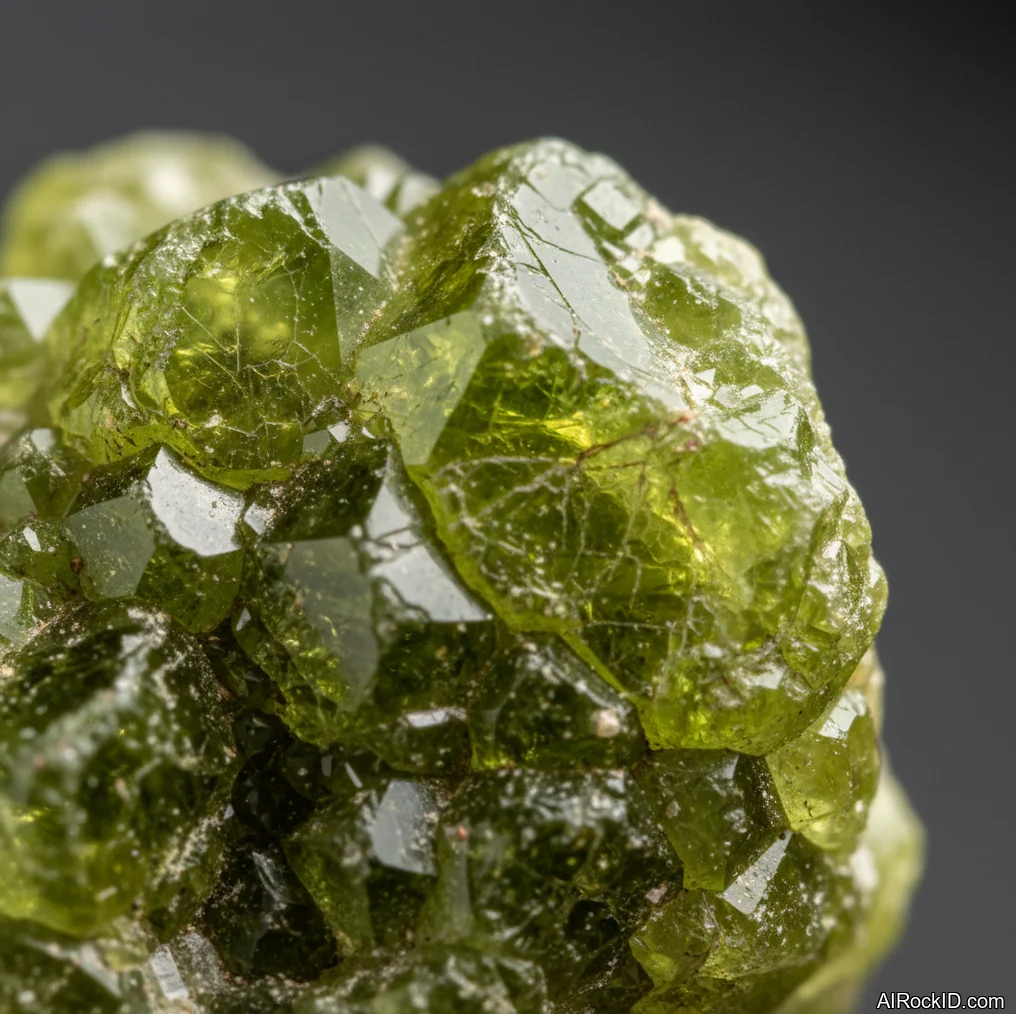
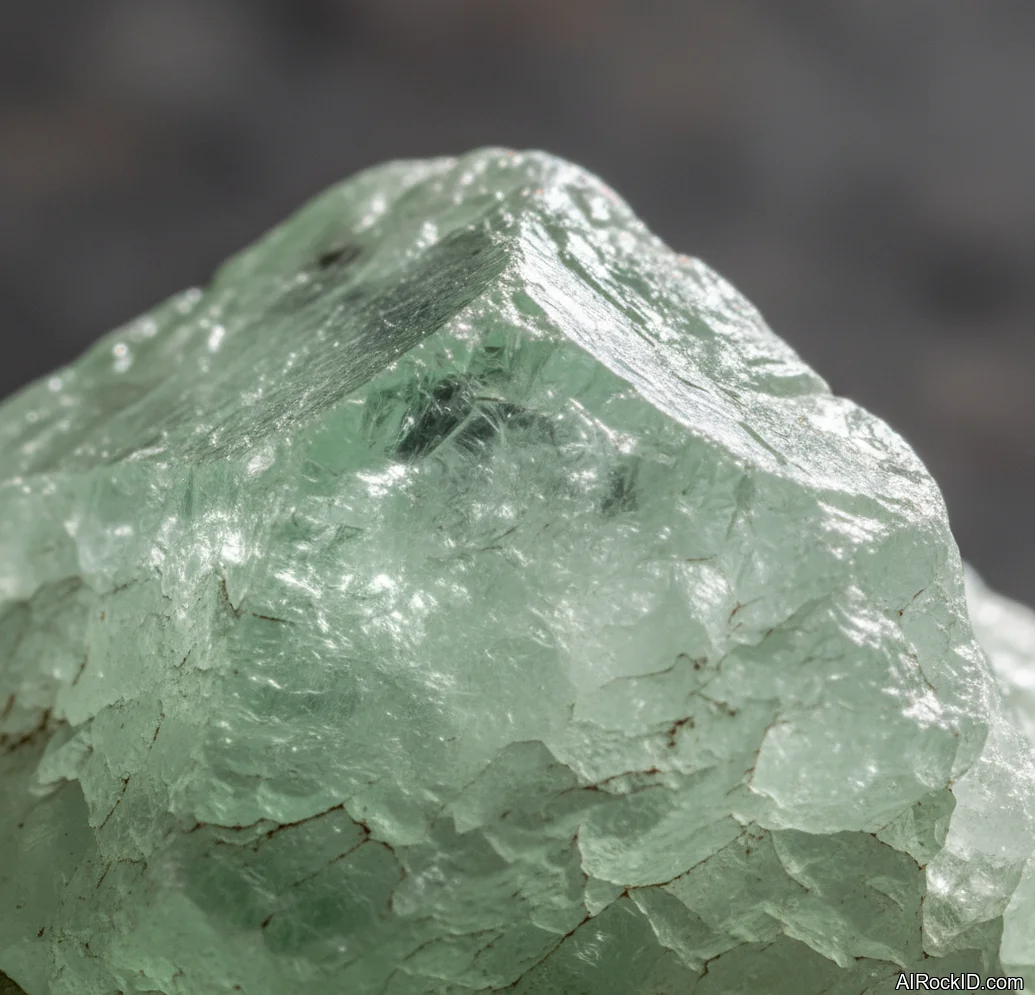
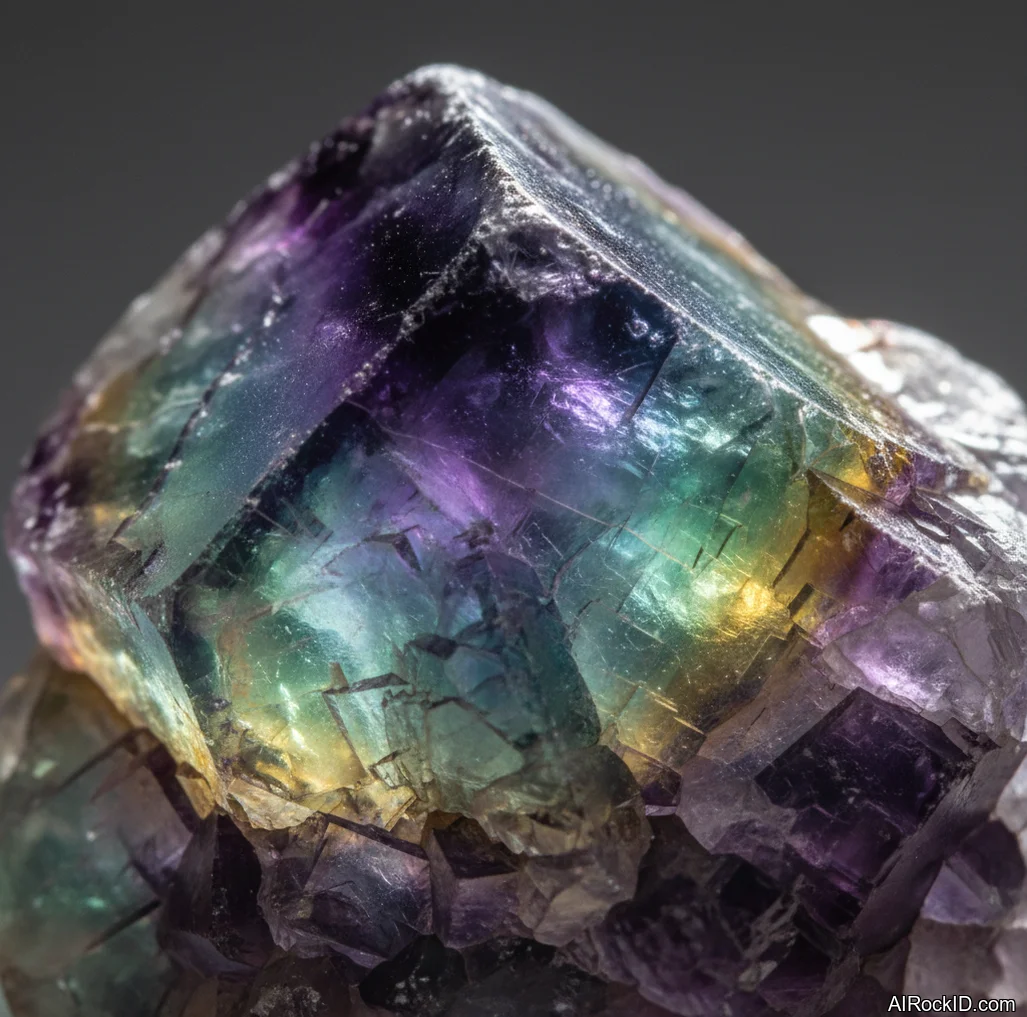
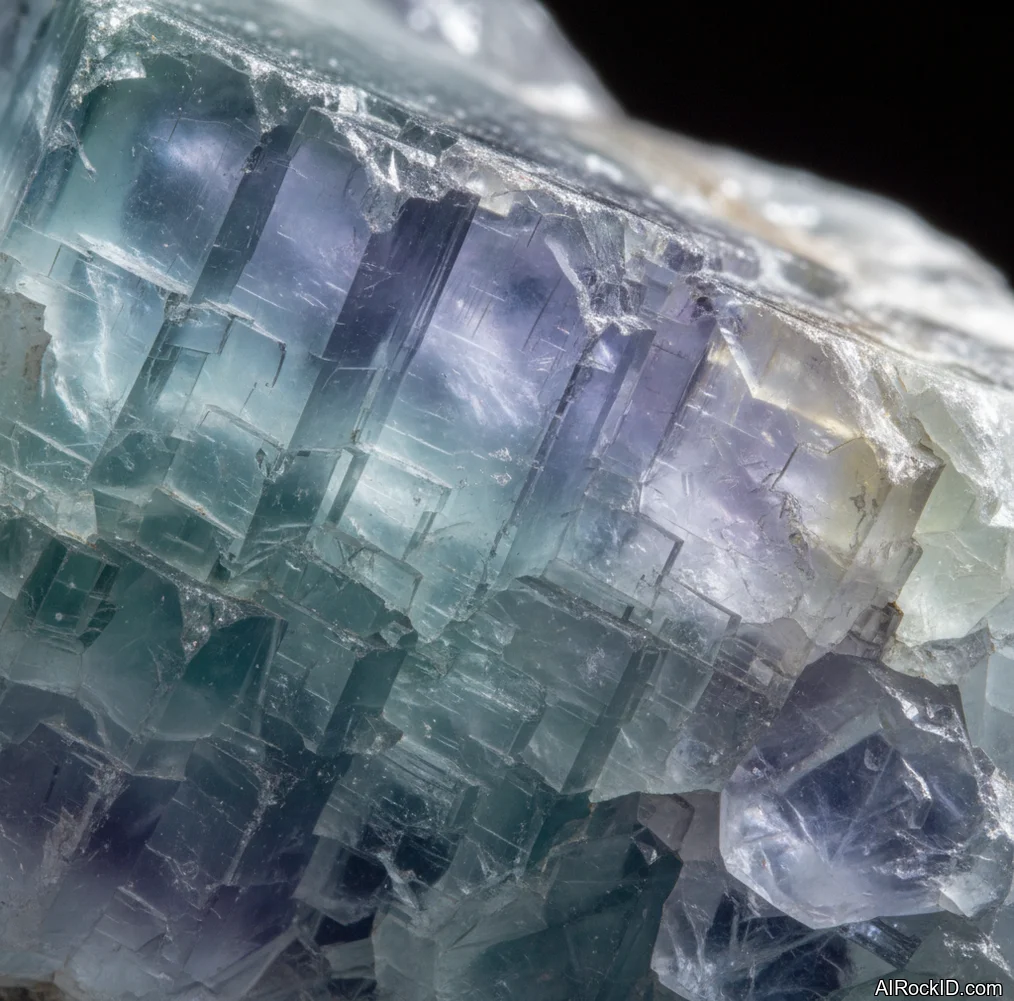
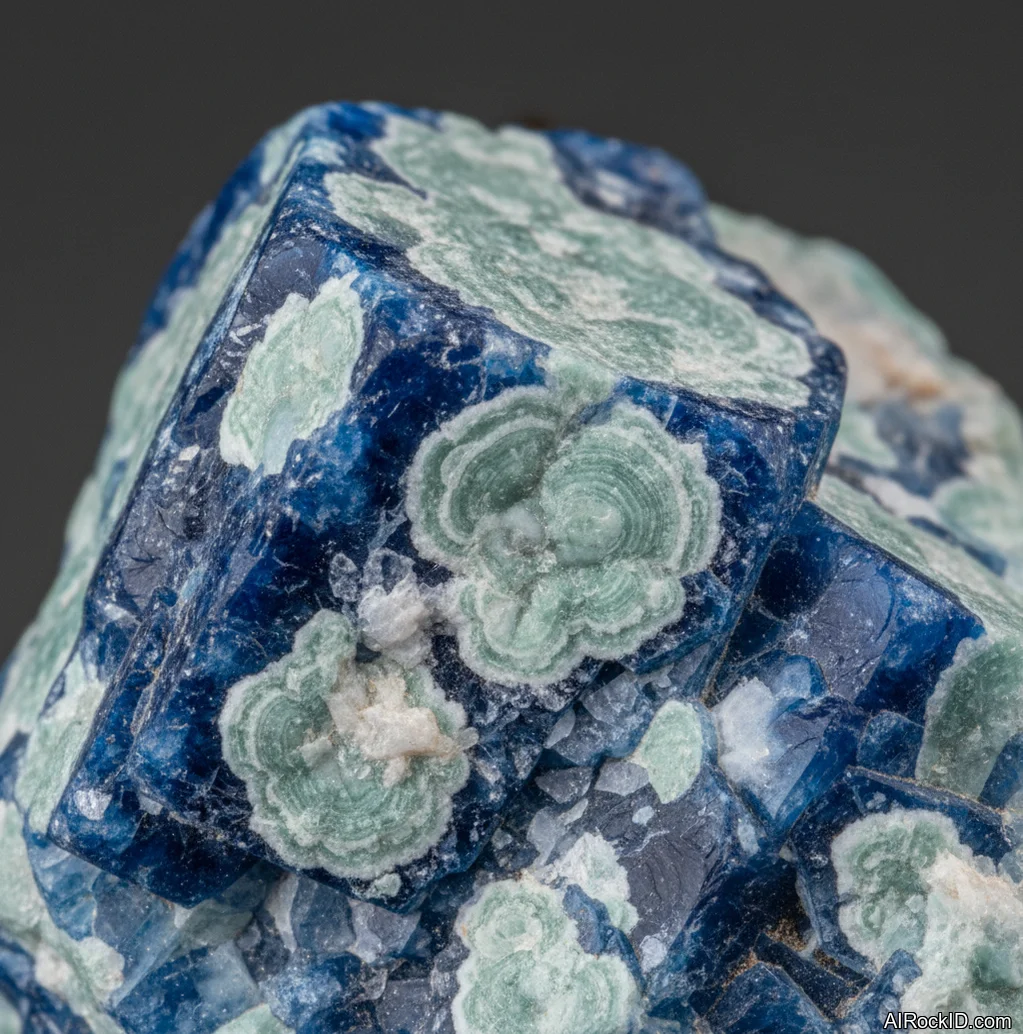
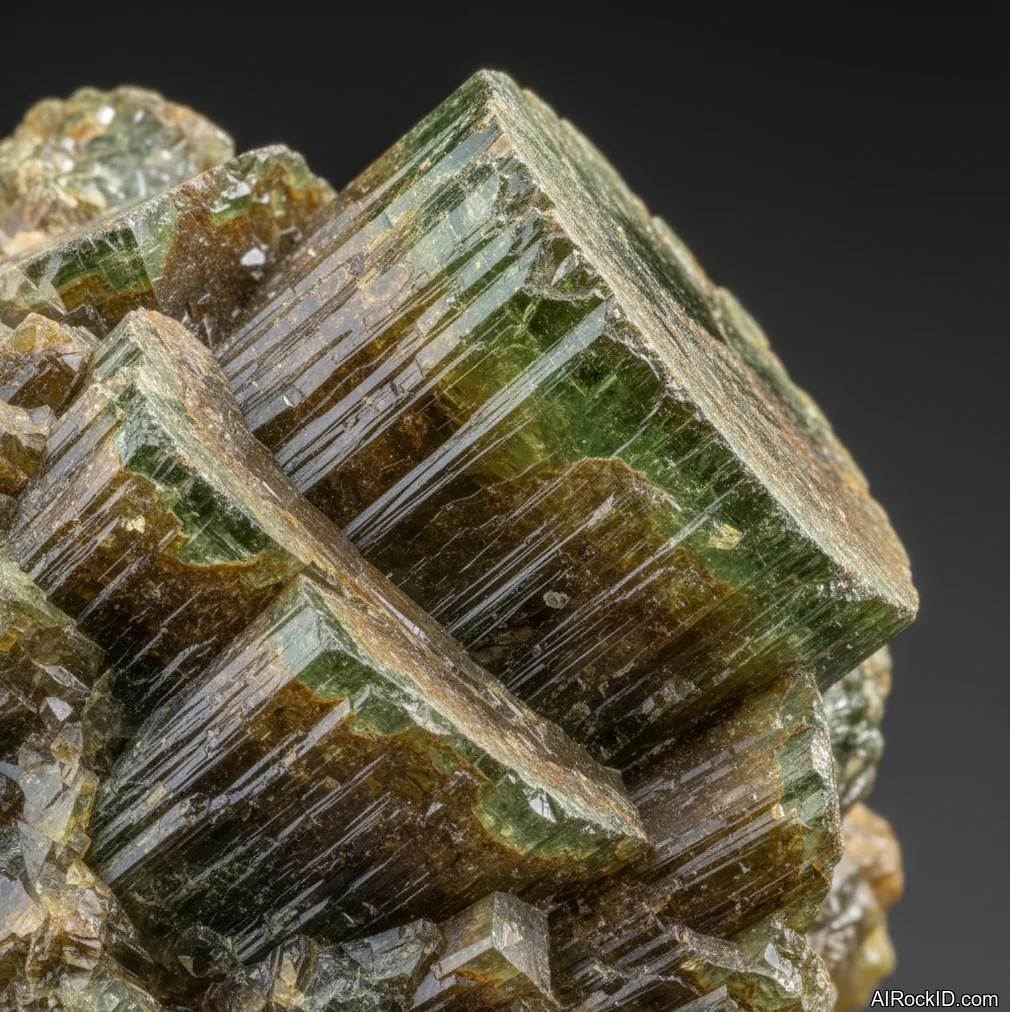
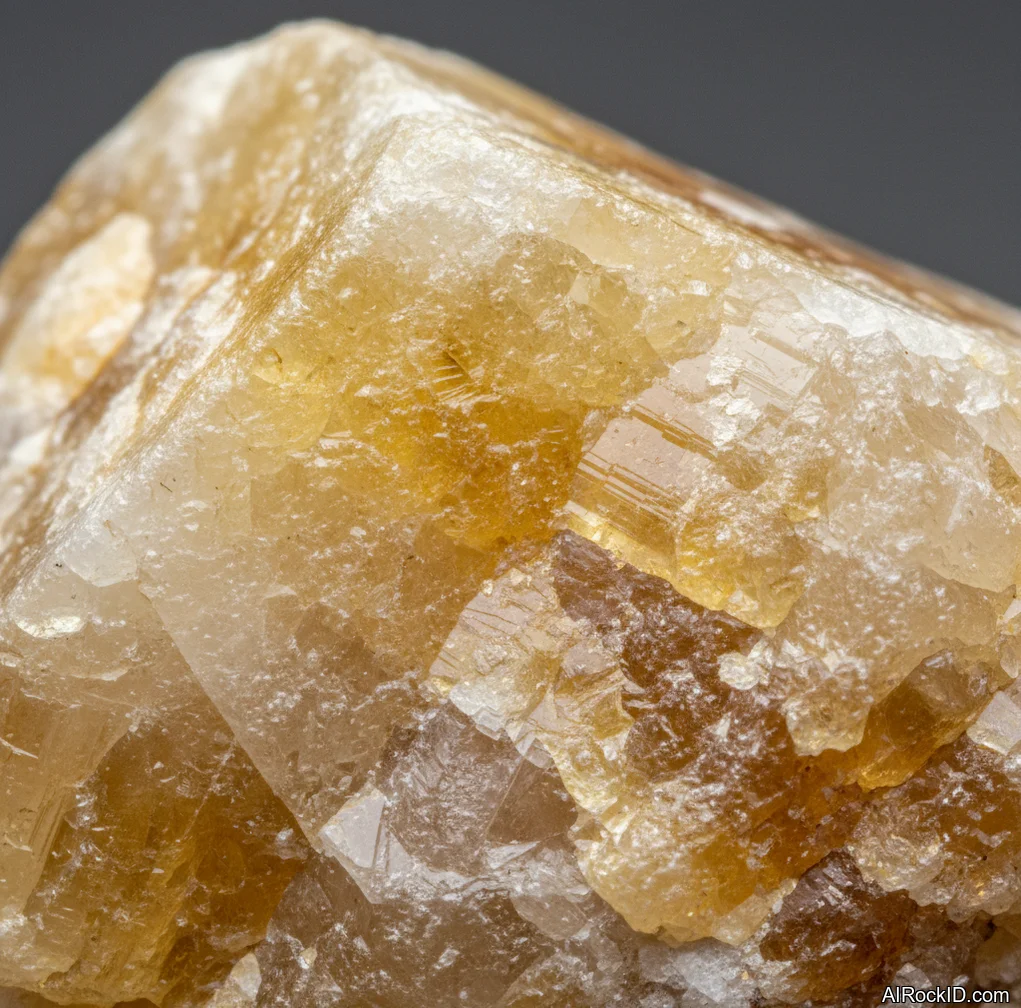
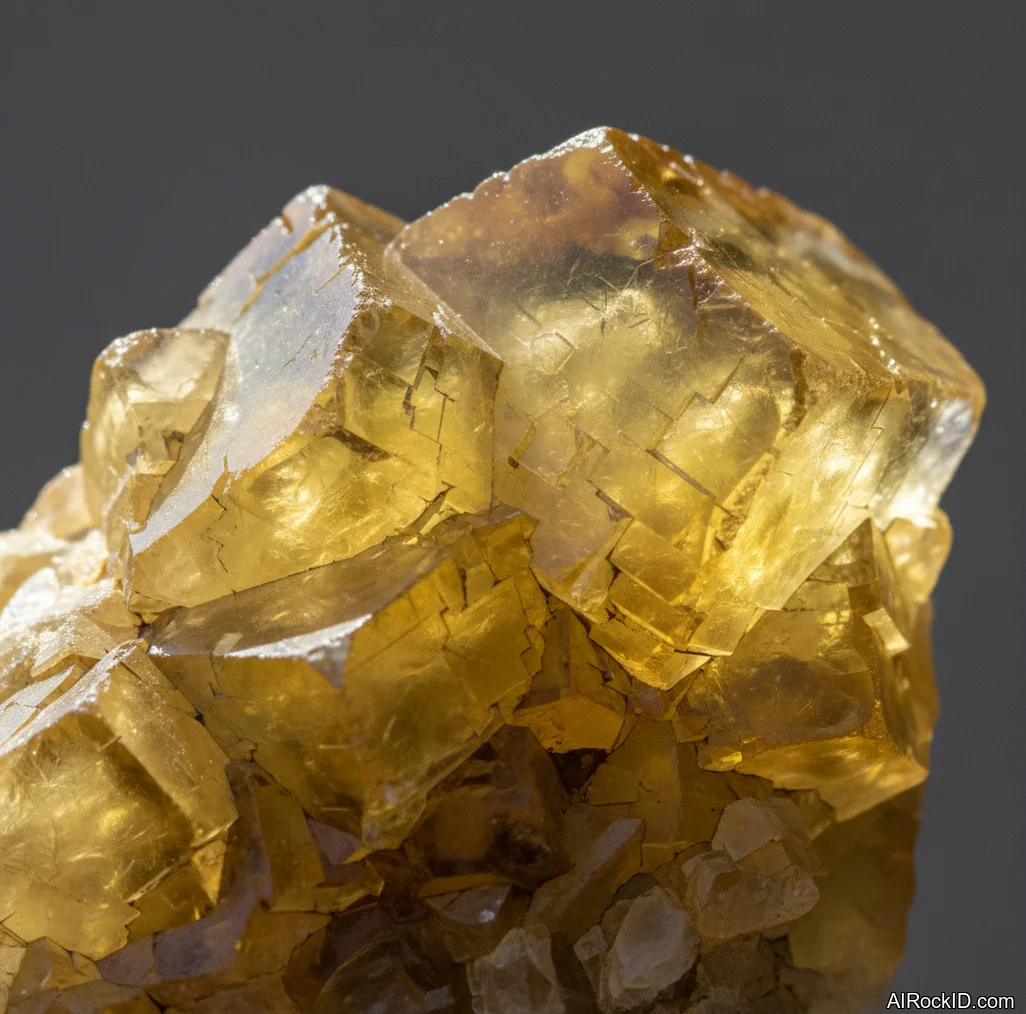
Pick up a piece of Fluorite and you’ll see why it lands on Mercury lists so often. The good stuff feels almost glassy-cool in your hand, and the edges on a cleaved chunk can be knife sharp if it’s freshly broken. I’ve handled green Fluorite cubes that look calm until you rotate them under a shop light, then the zoning pops like bands in a piece of hard candy. That order. That structure. That’s exactly what people are chasing when they say they want “Mercury energy.”
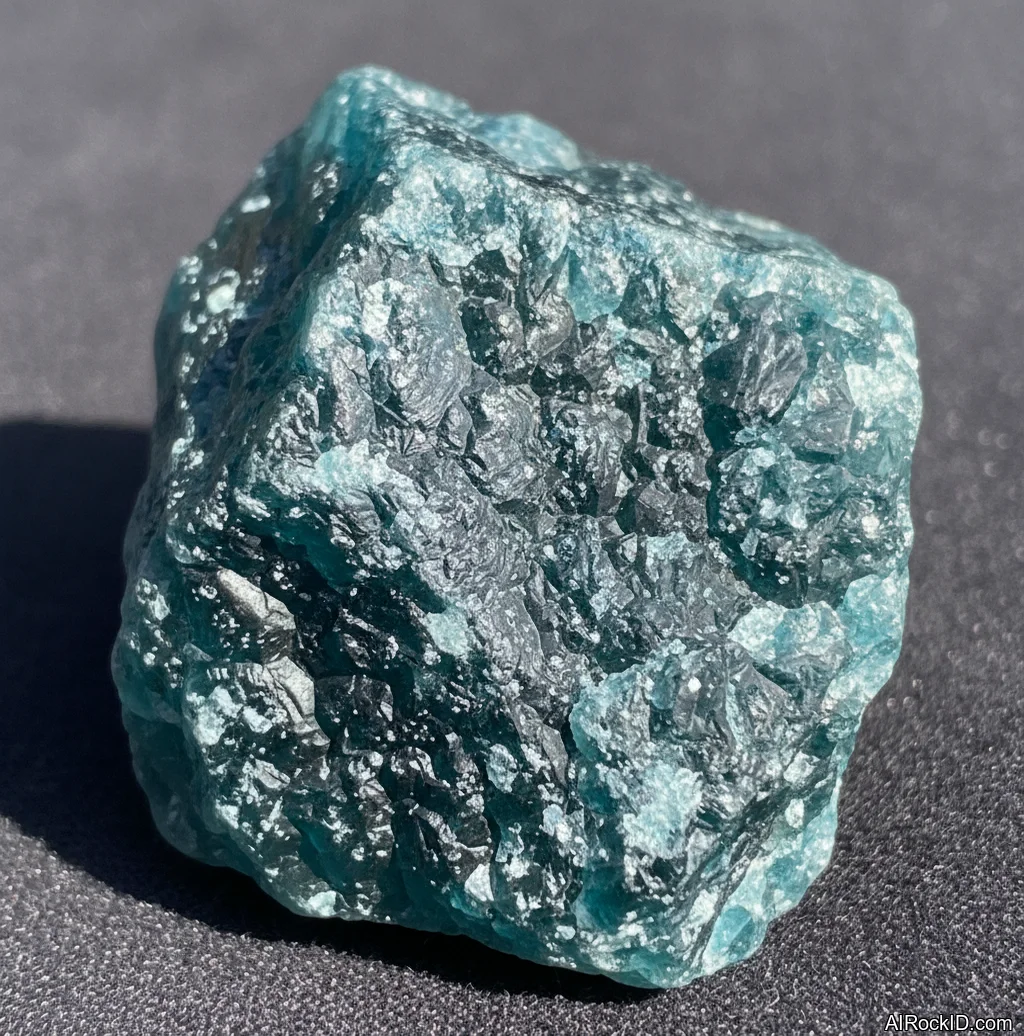
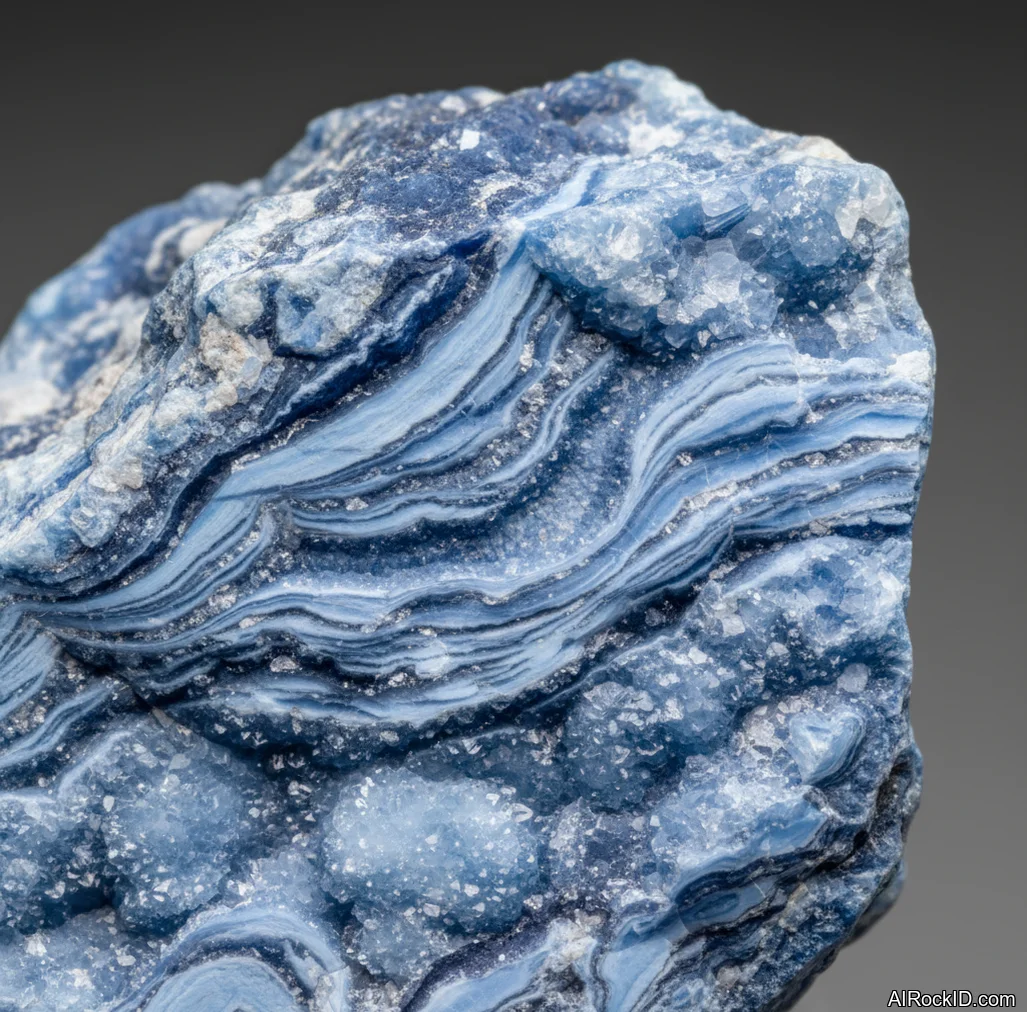
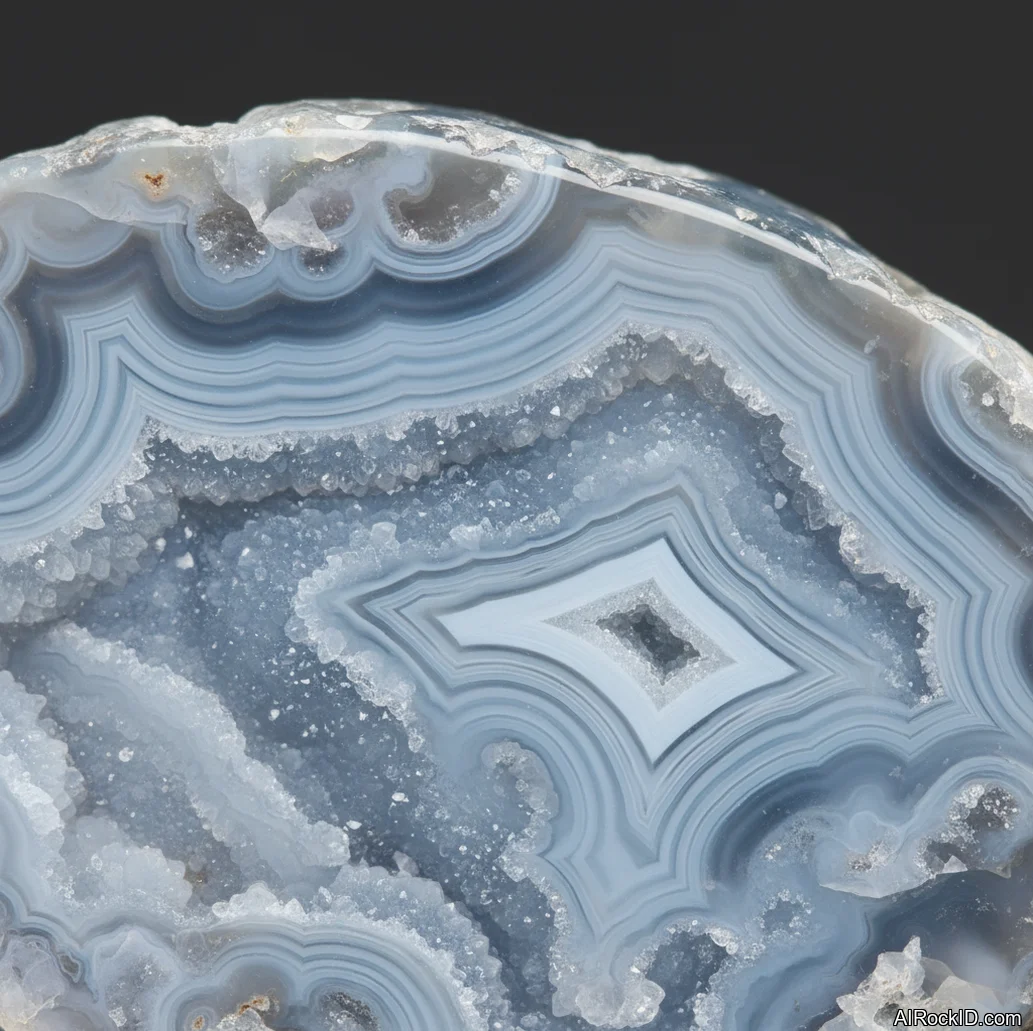
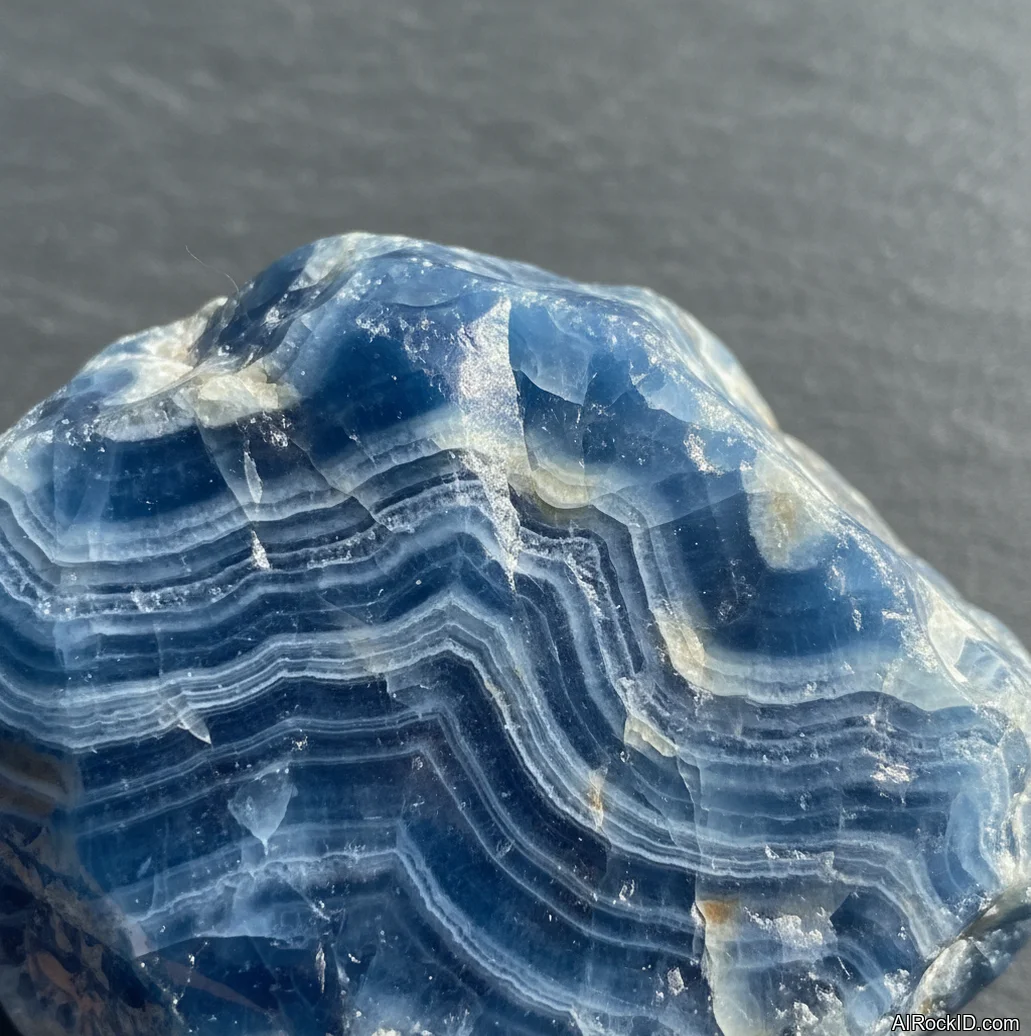
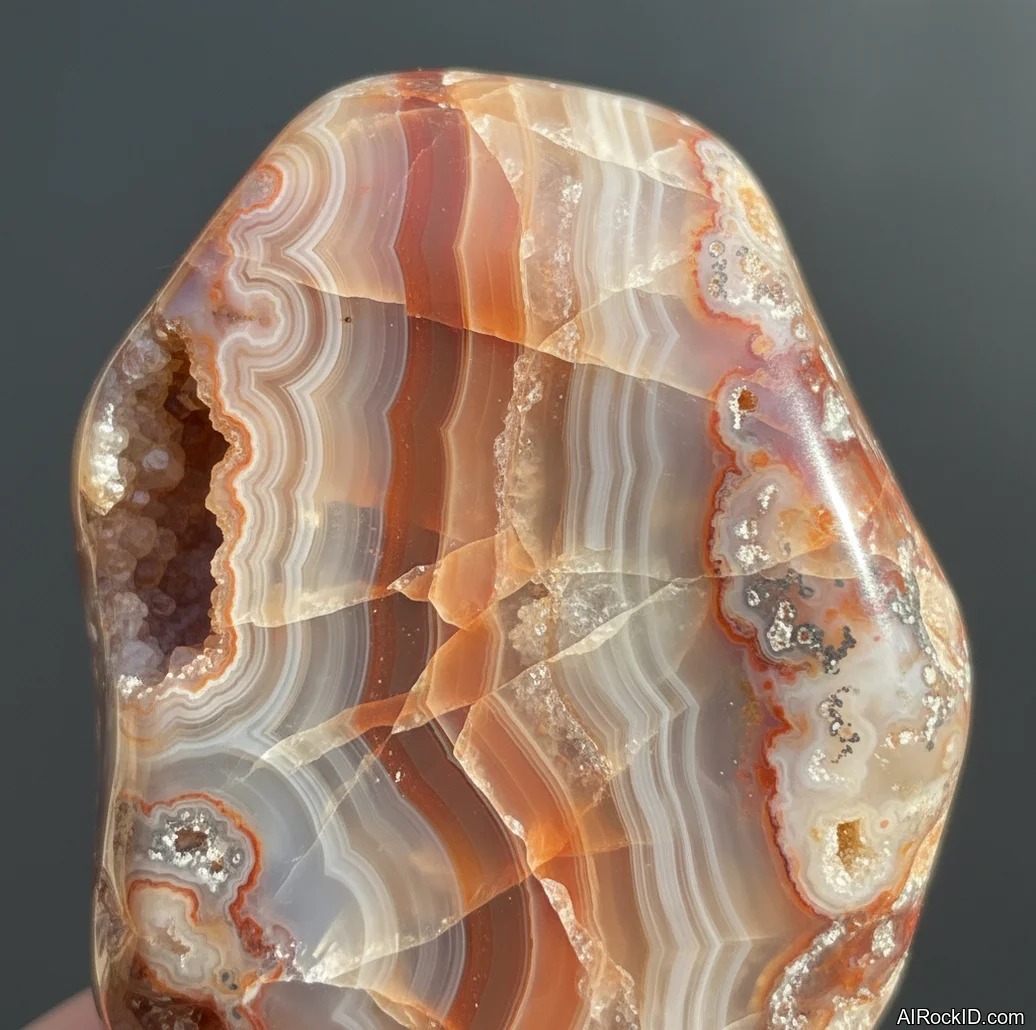
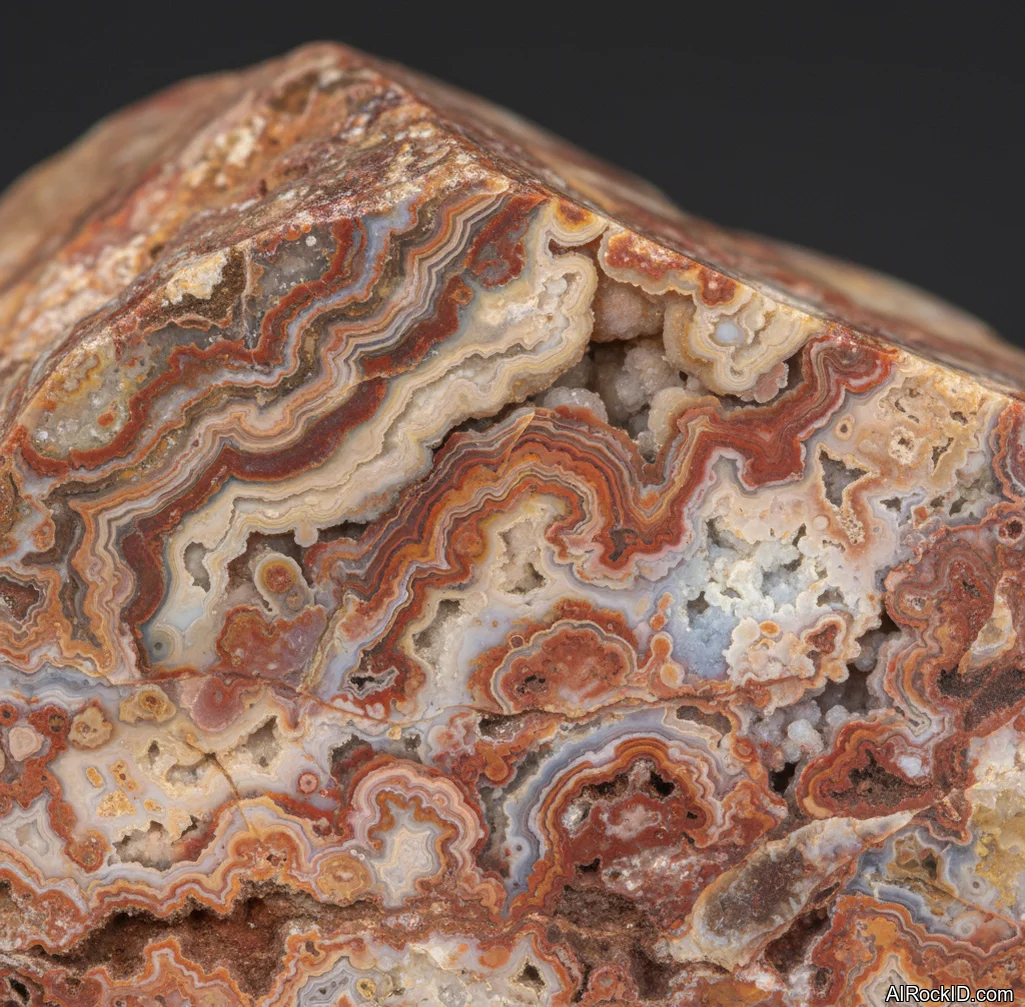
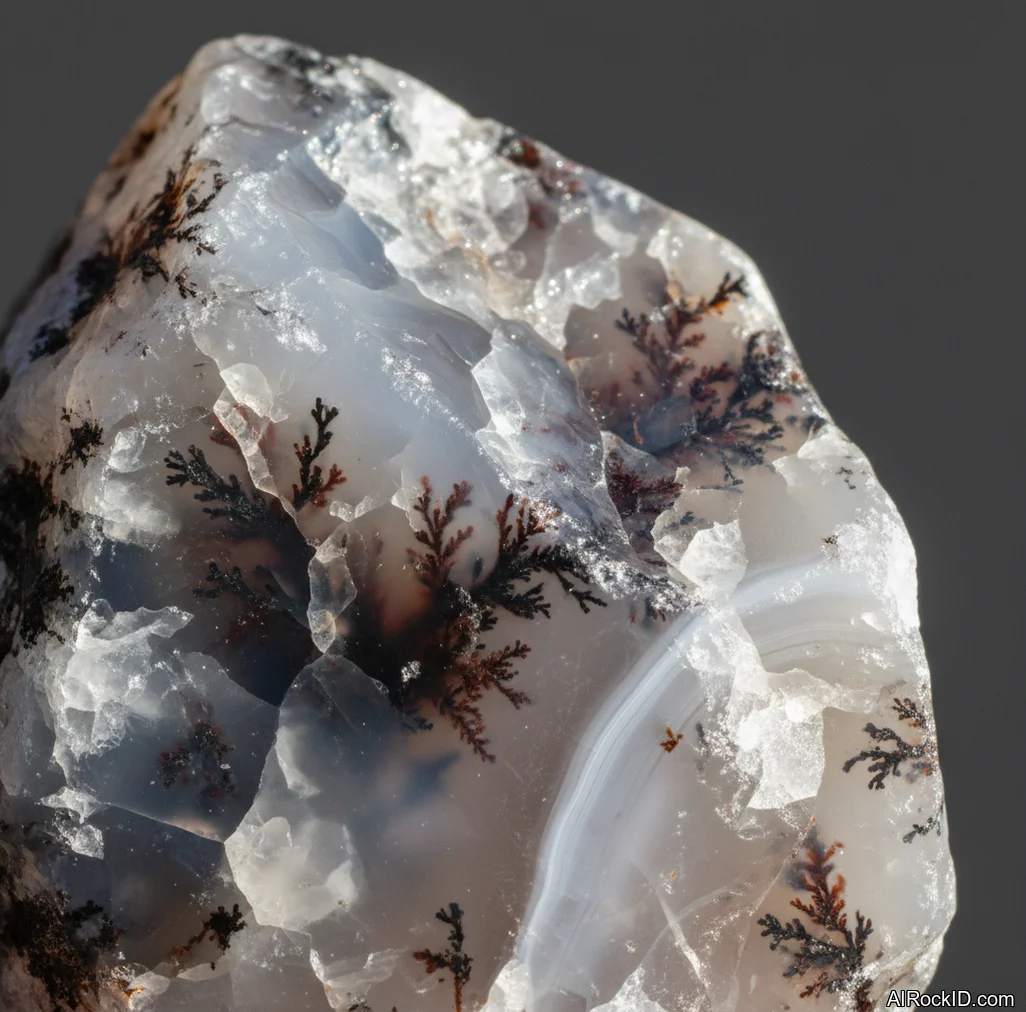
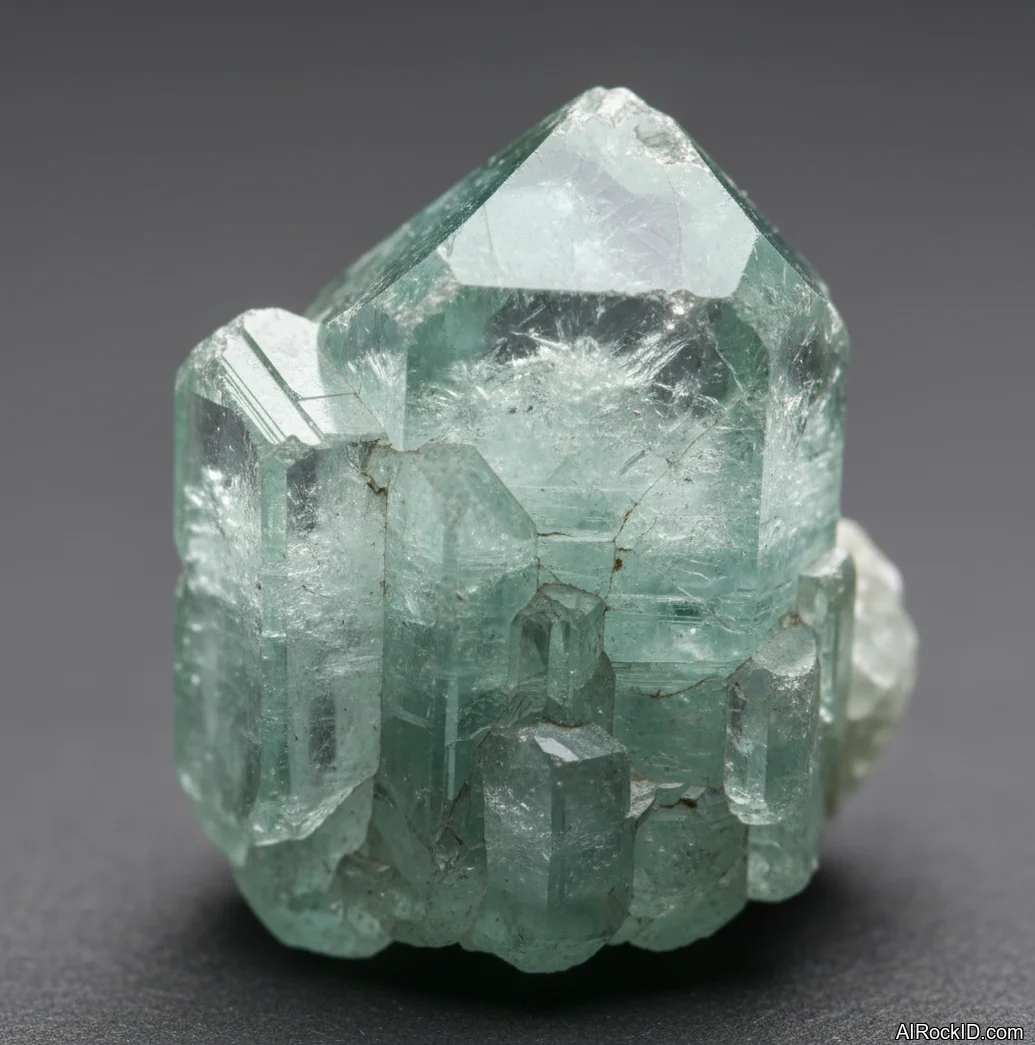
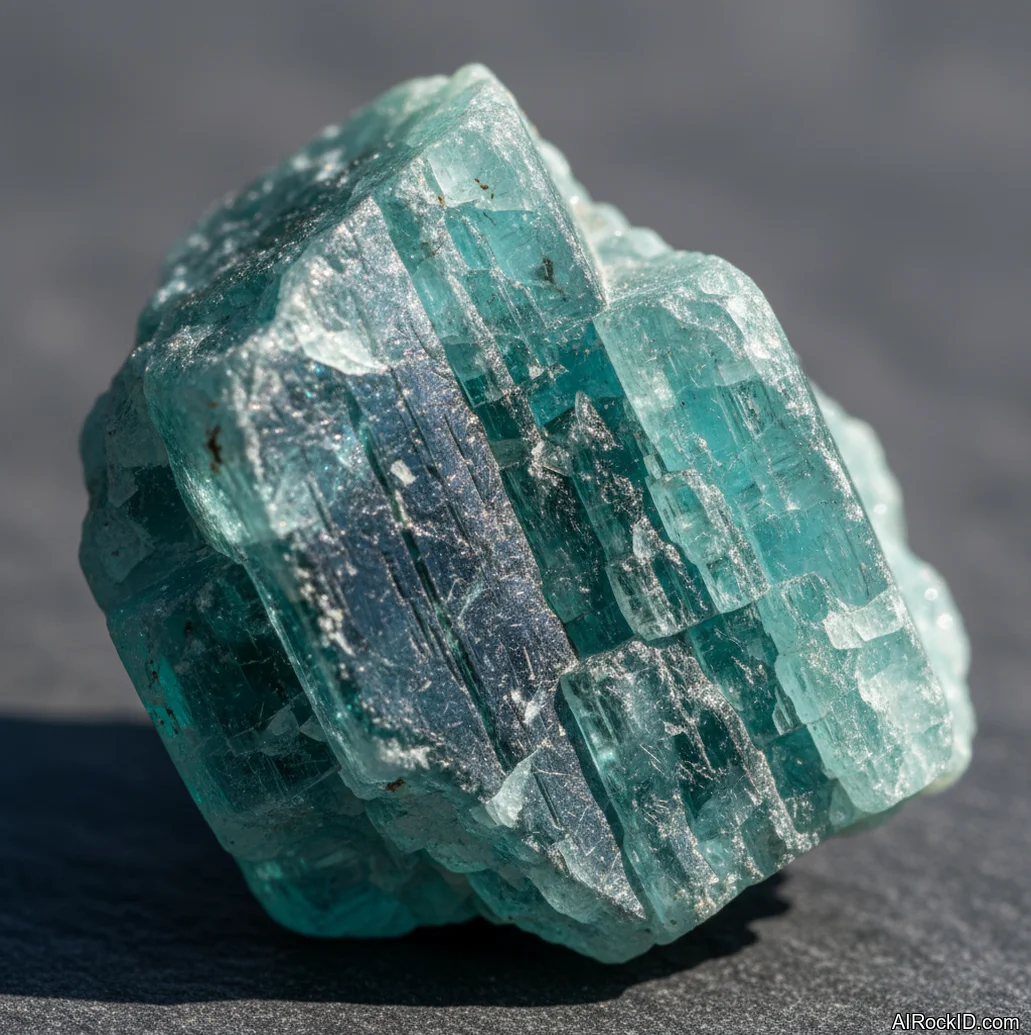
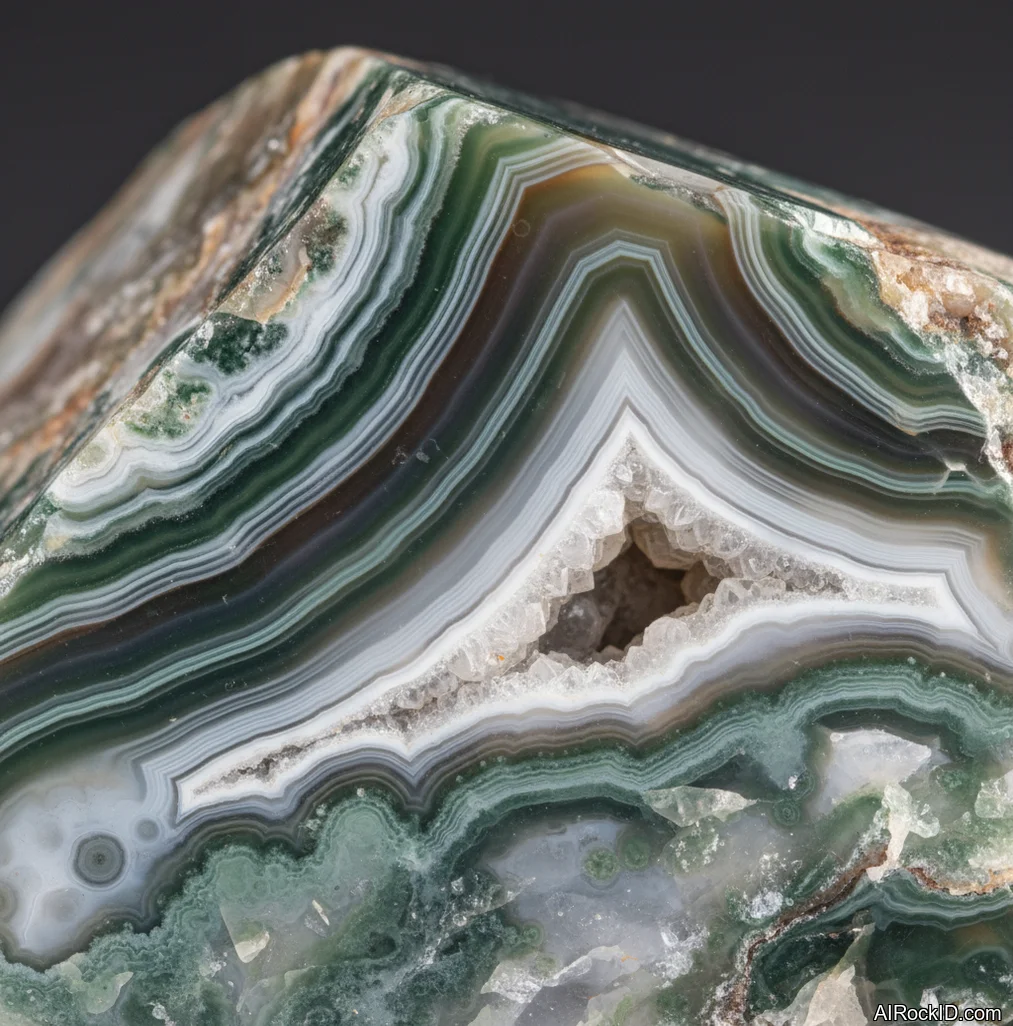
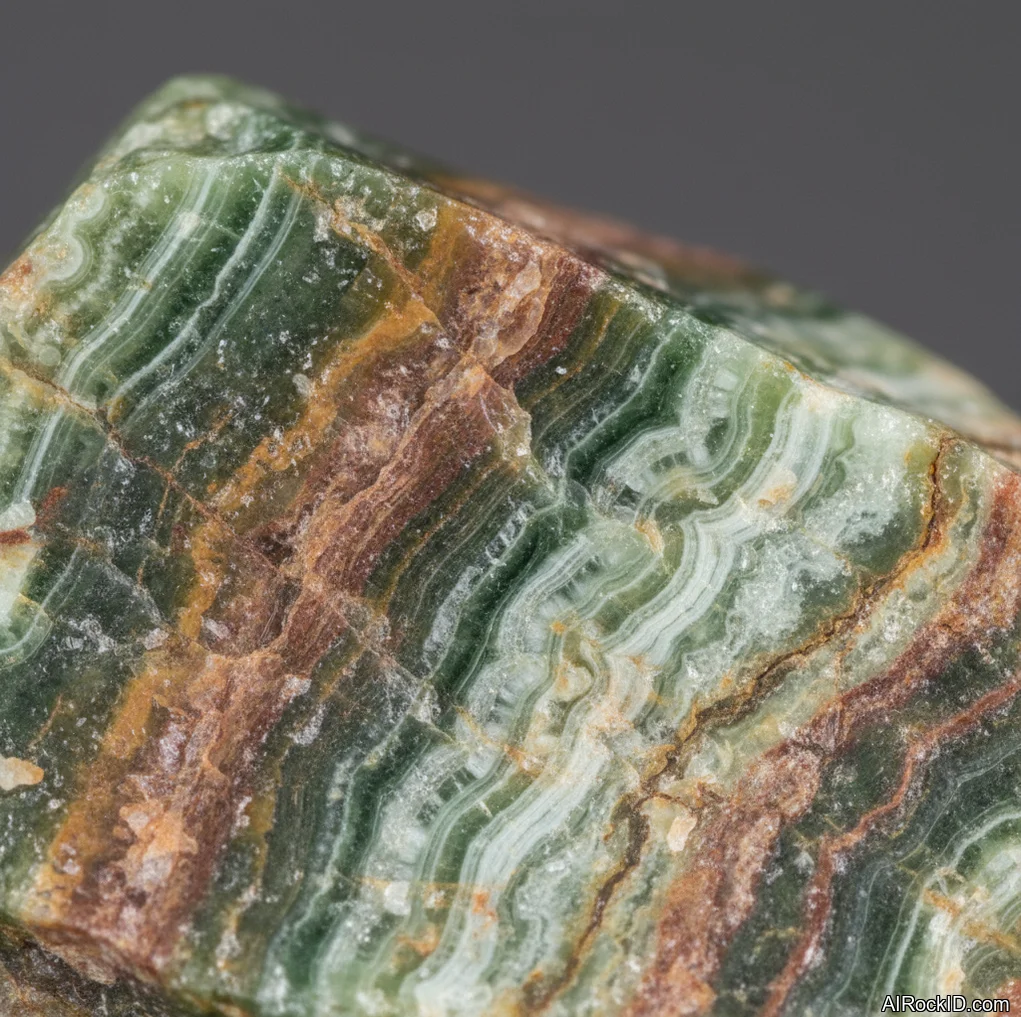
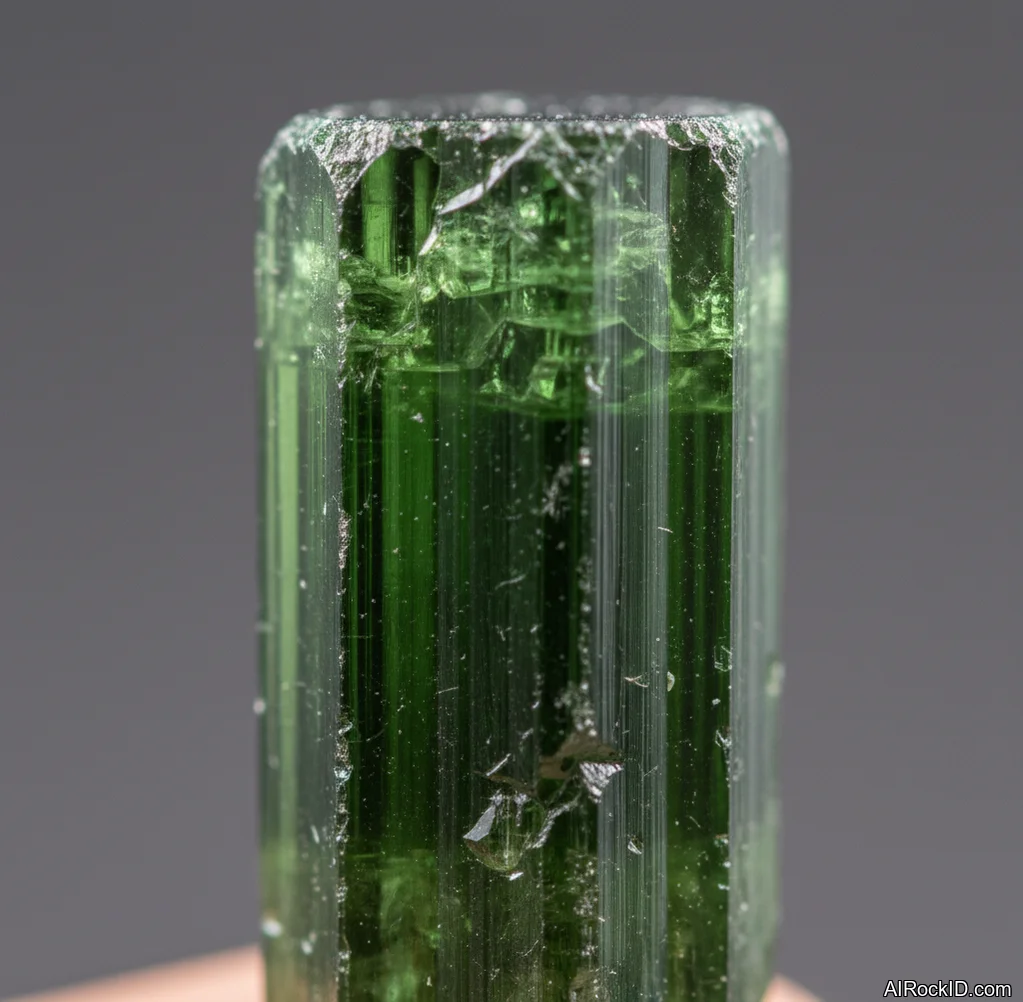
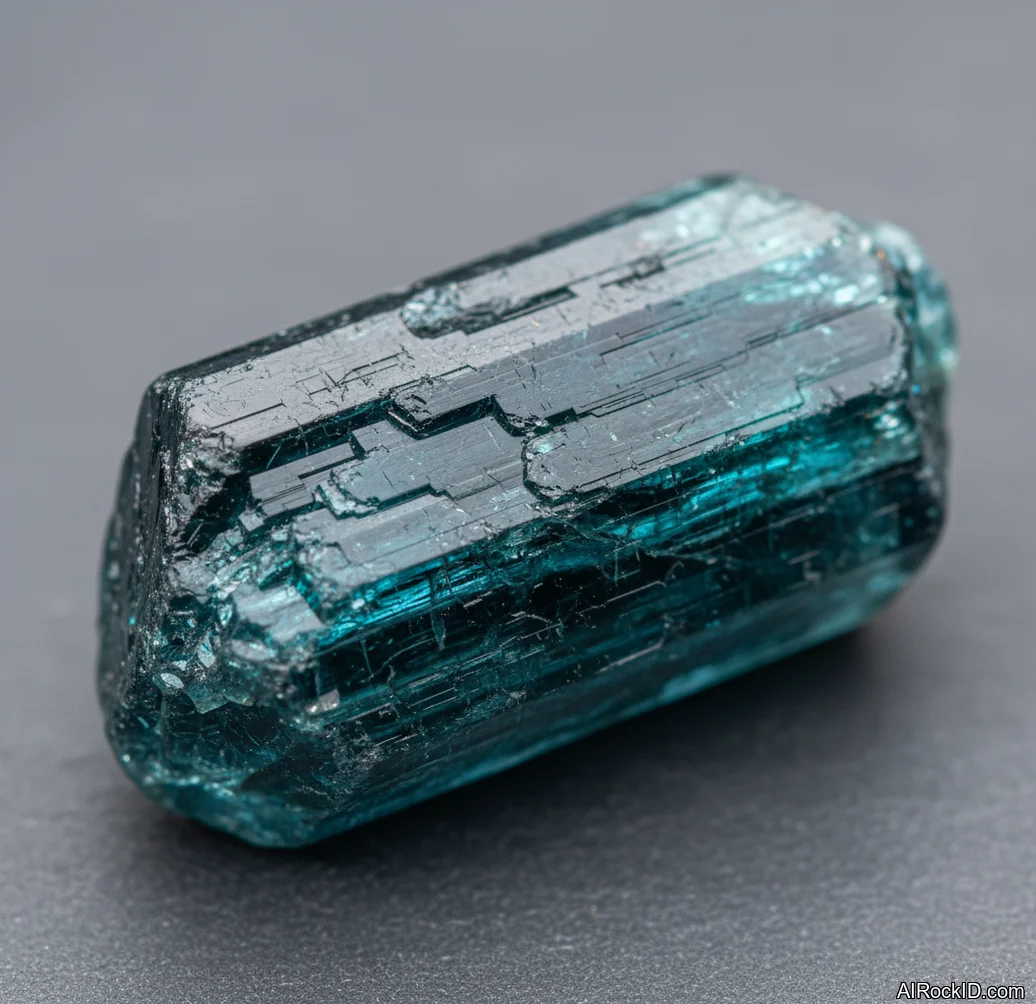
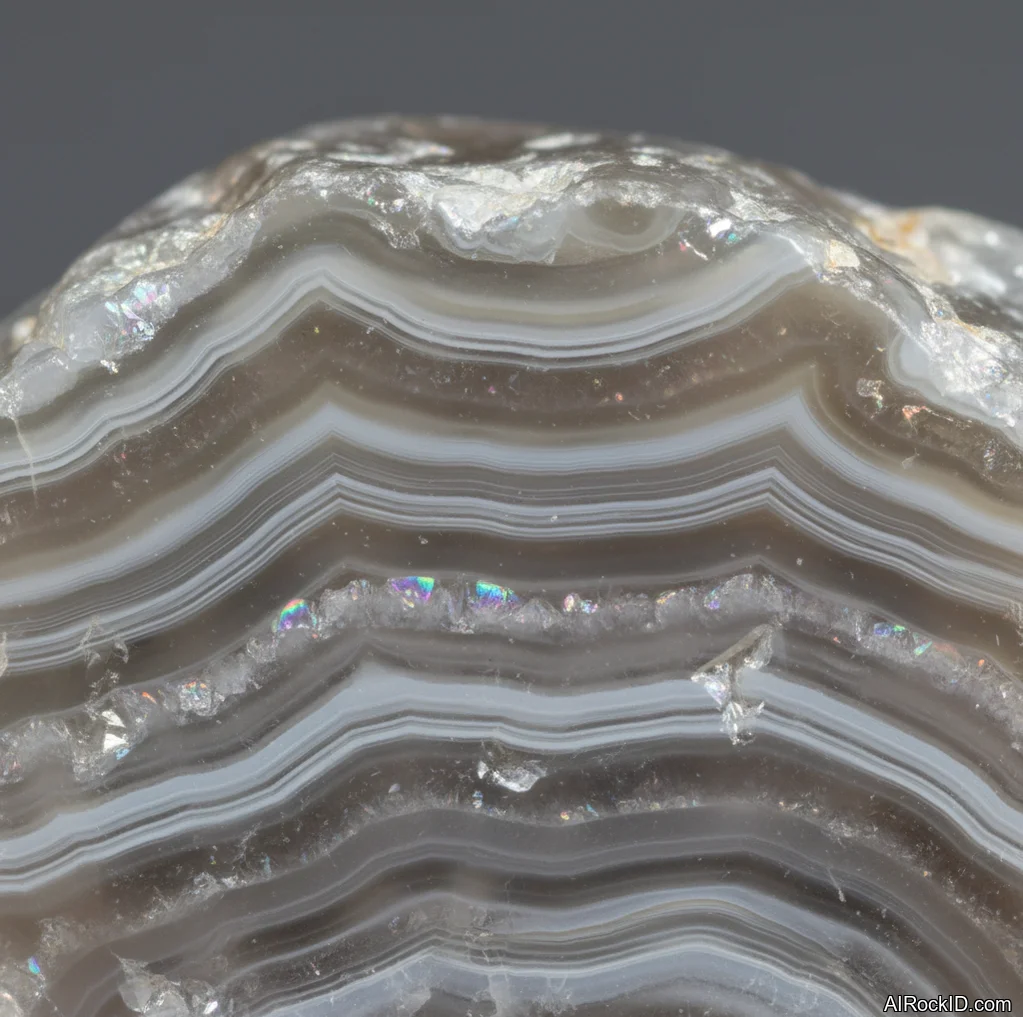
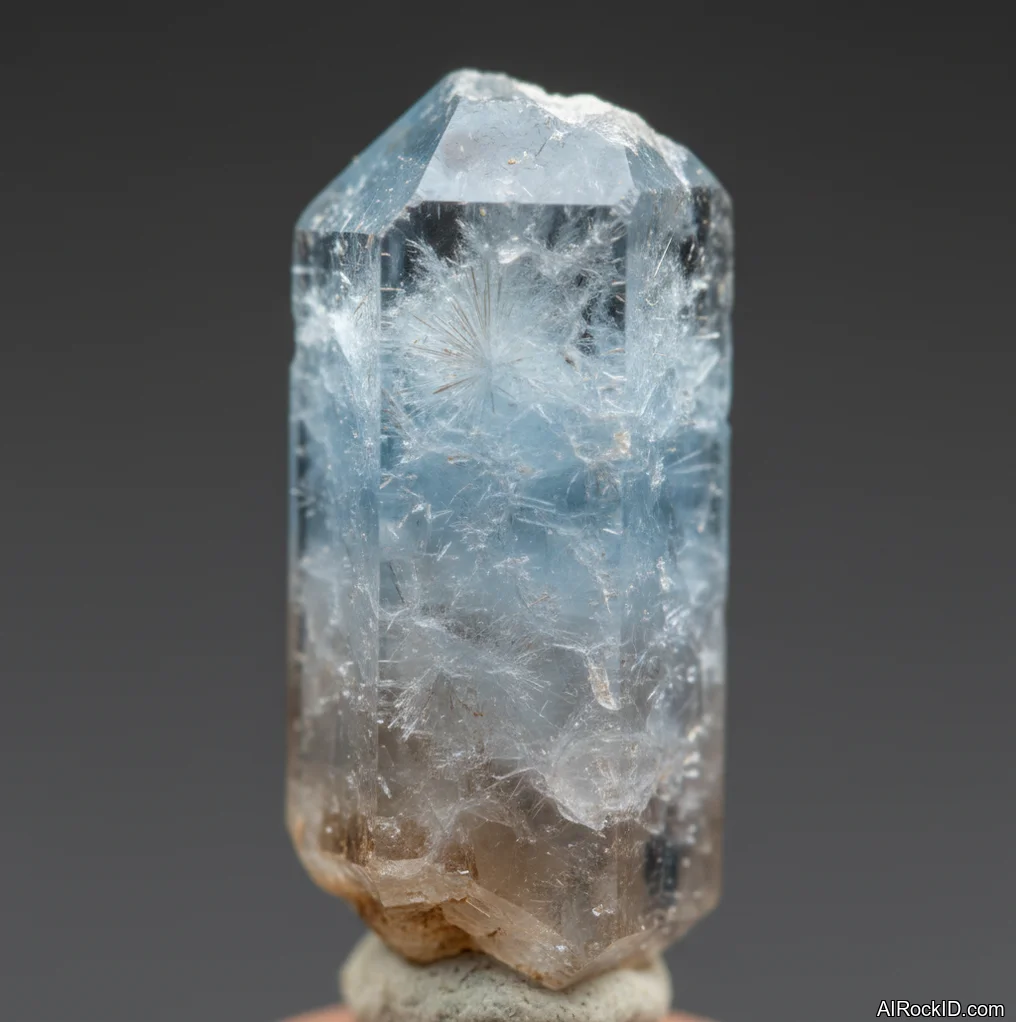
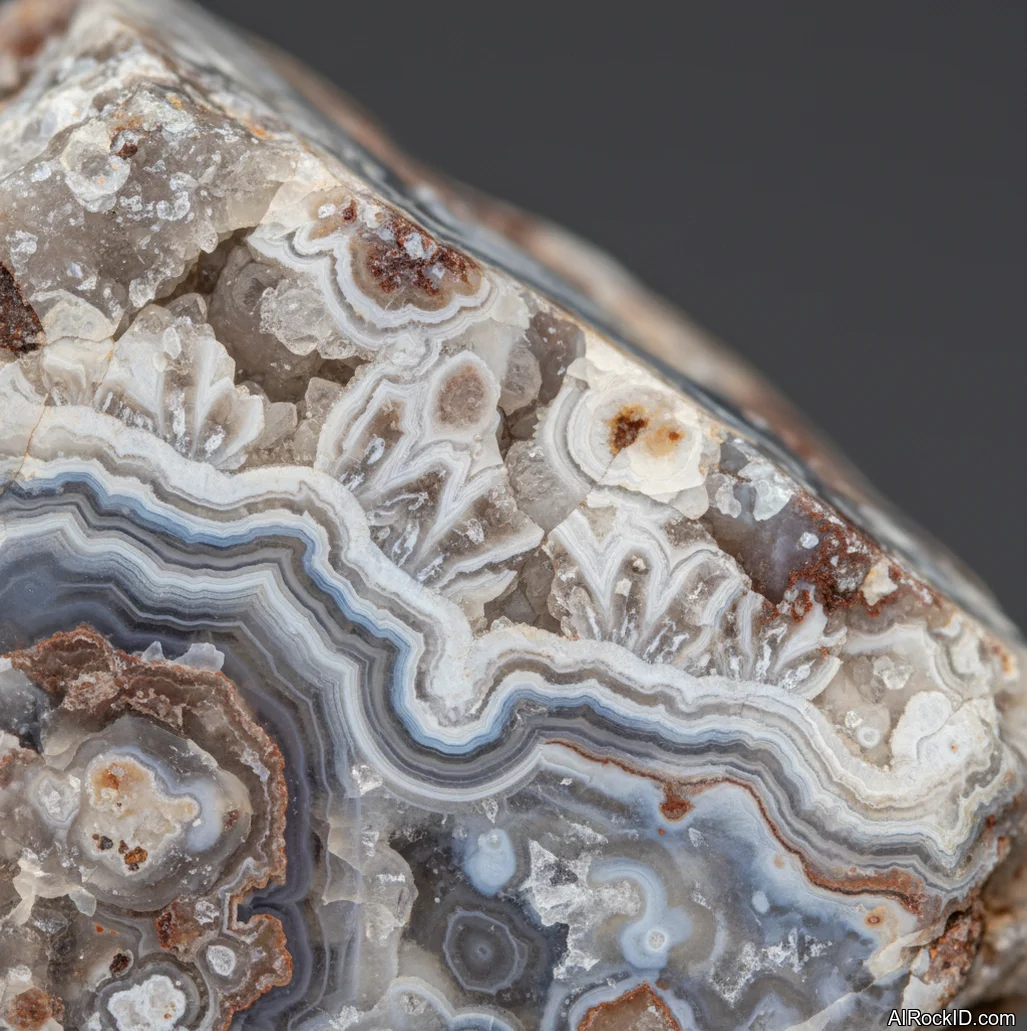
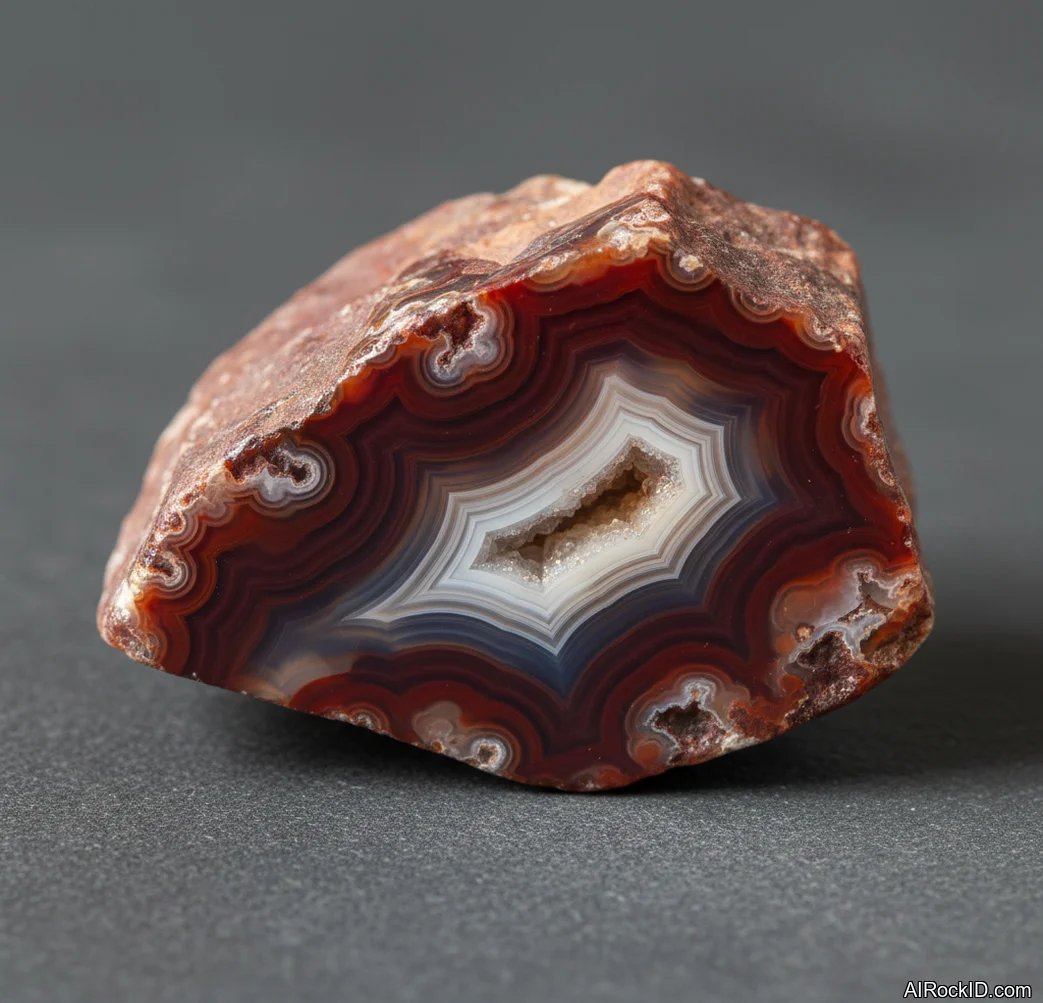
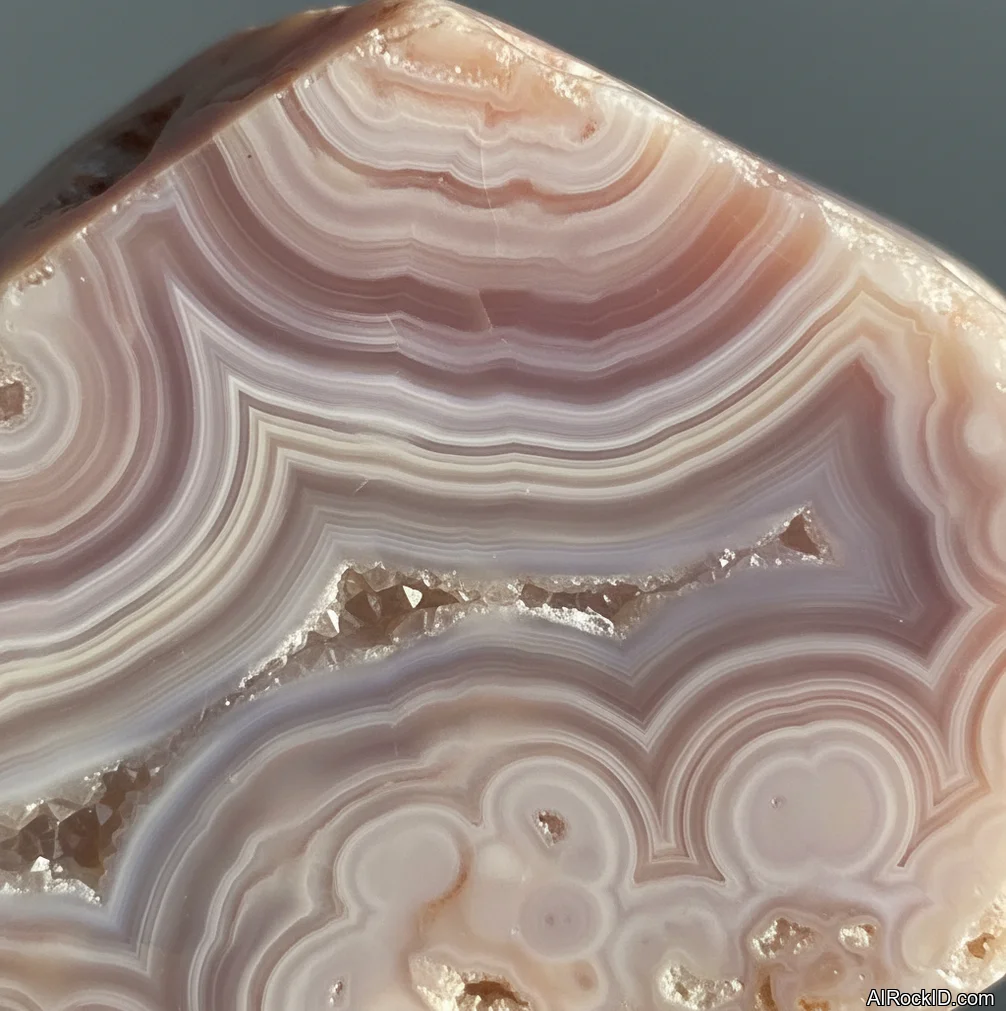
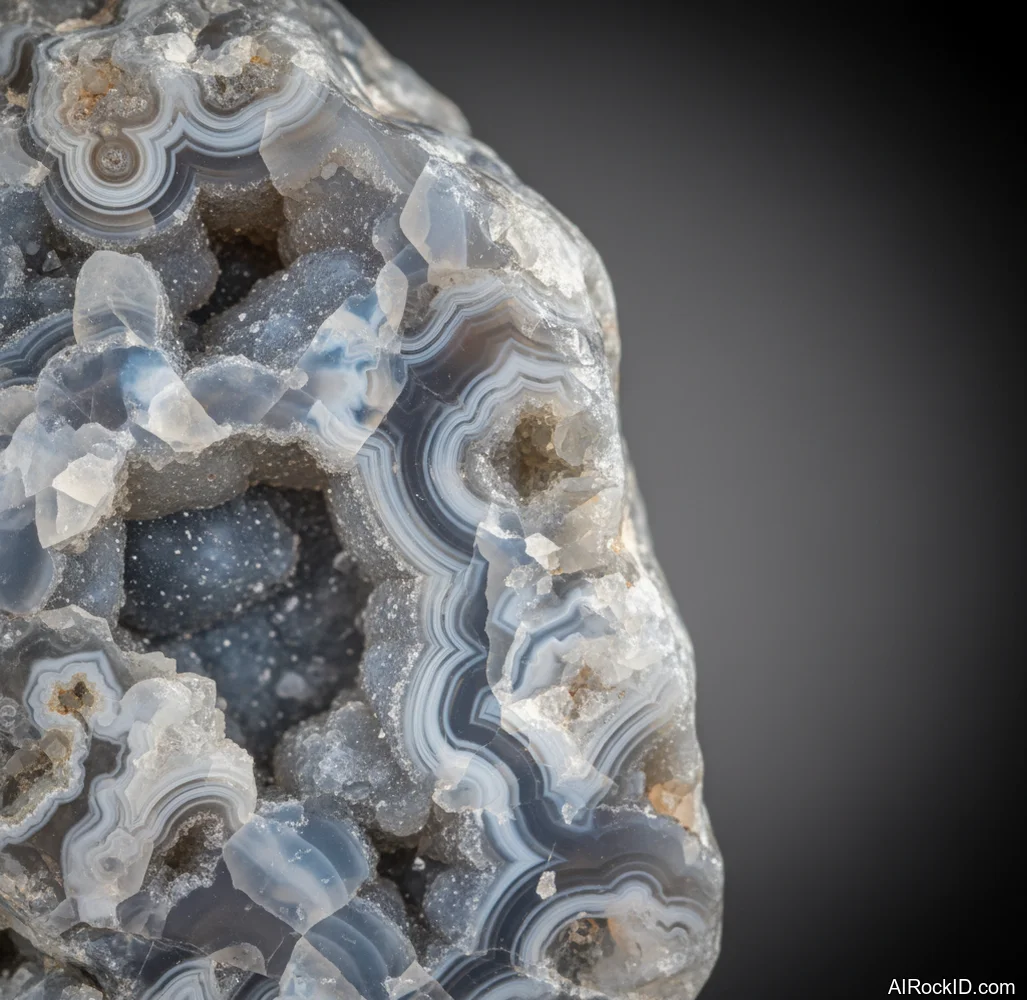
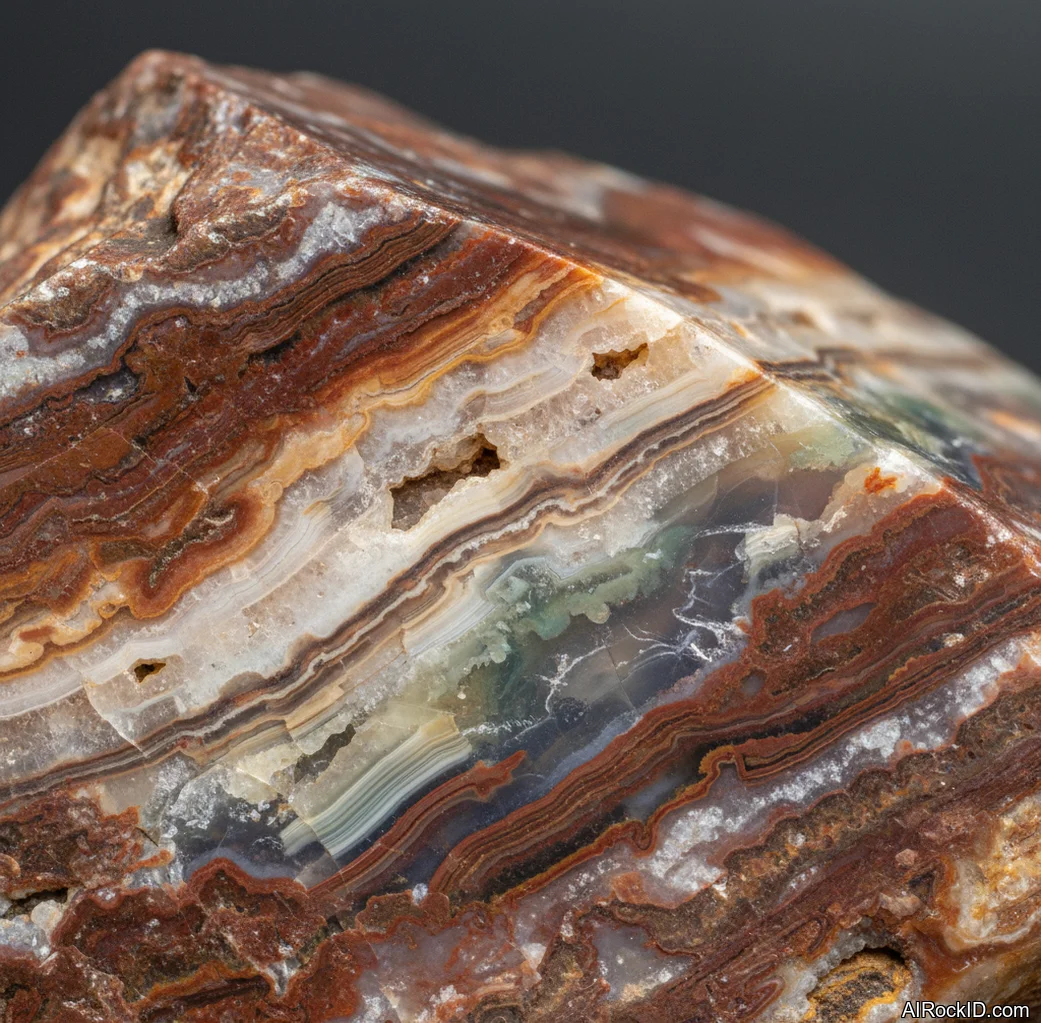
In real life, Mercury crystals are what folks reach for when they’re writing, learning, negotiating, presenting, coding, or trying to get through a tough conversation without freezing up. Blue Lace Agate comes up a lot for speech, and yeah, it tracks if you’ve ever run your thumb across a well-polished piece. It’s slick, almost waxy, and the bands look like tiny weather maps. Pair it with Aquamarine if you want a cleaner, more direct tone. Aquamarine’s different in the hand, colder and denser, and the nicer crystals have that watery look that seems to hold light inside the stone.
But Mercury isn’t all “calm mind.” Sometimes it’s restless. That’s where stones like Tiger’s Eye or Hematite get used as a brake pedal. Tiger’s Eye is a collector’s stone with a party trick: chatoyancy. Tilt a good cab and that bright band slides across like a cat’s pupil. It’s grounding without being sleepy. Hematite, especially a chunky tumbled piece, has that heavy-in-the-palm feel that’s hard to ignore. The weight itself becomes a cue to slow down.
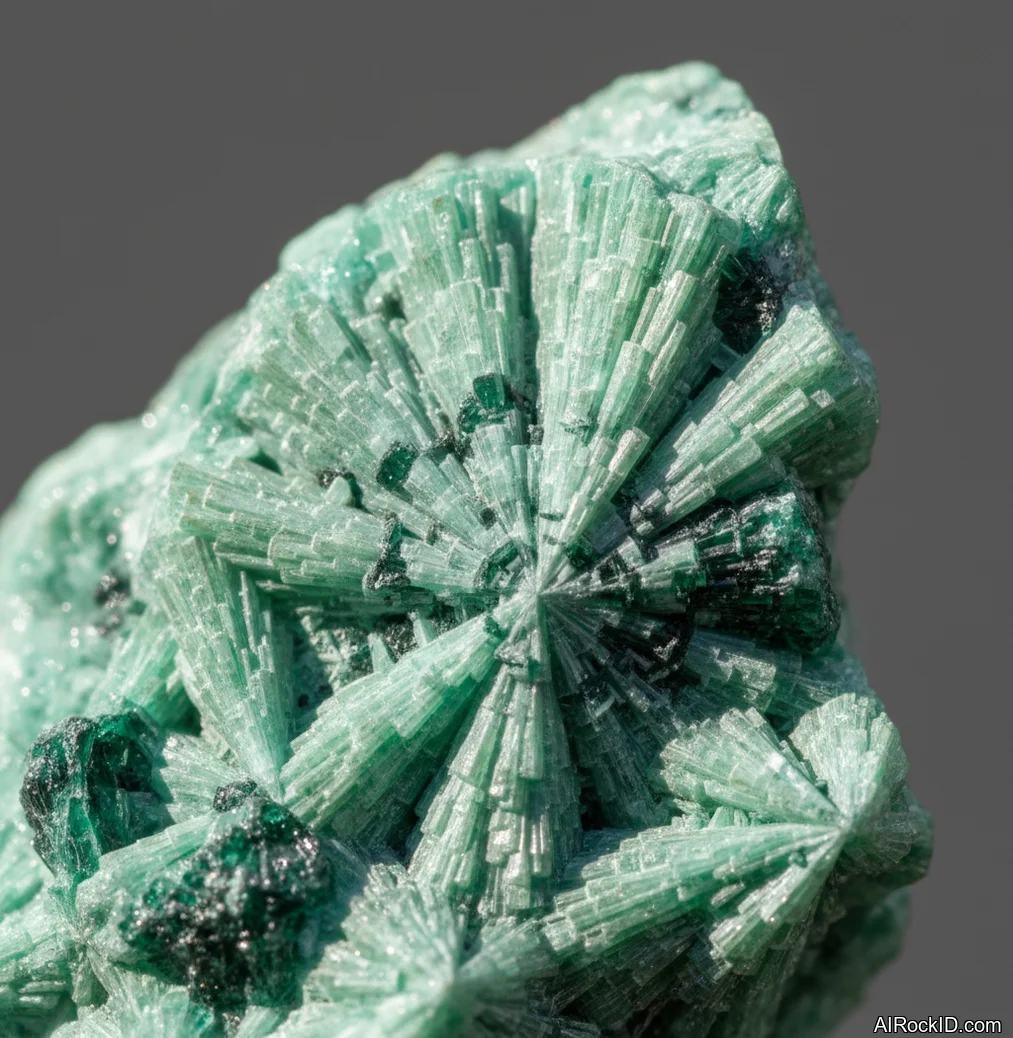
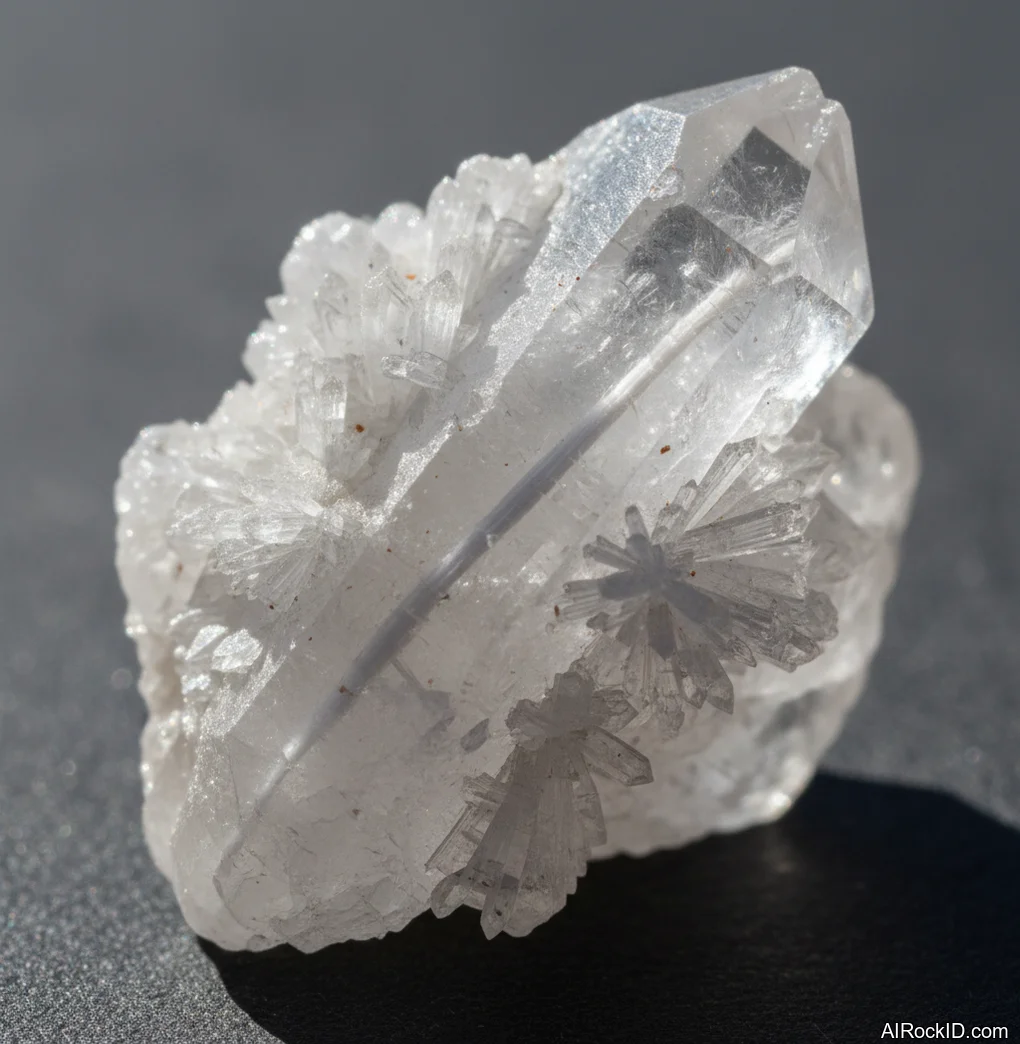
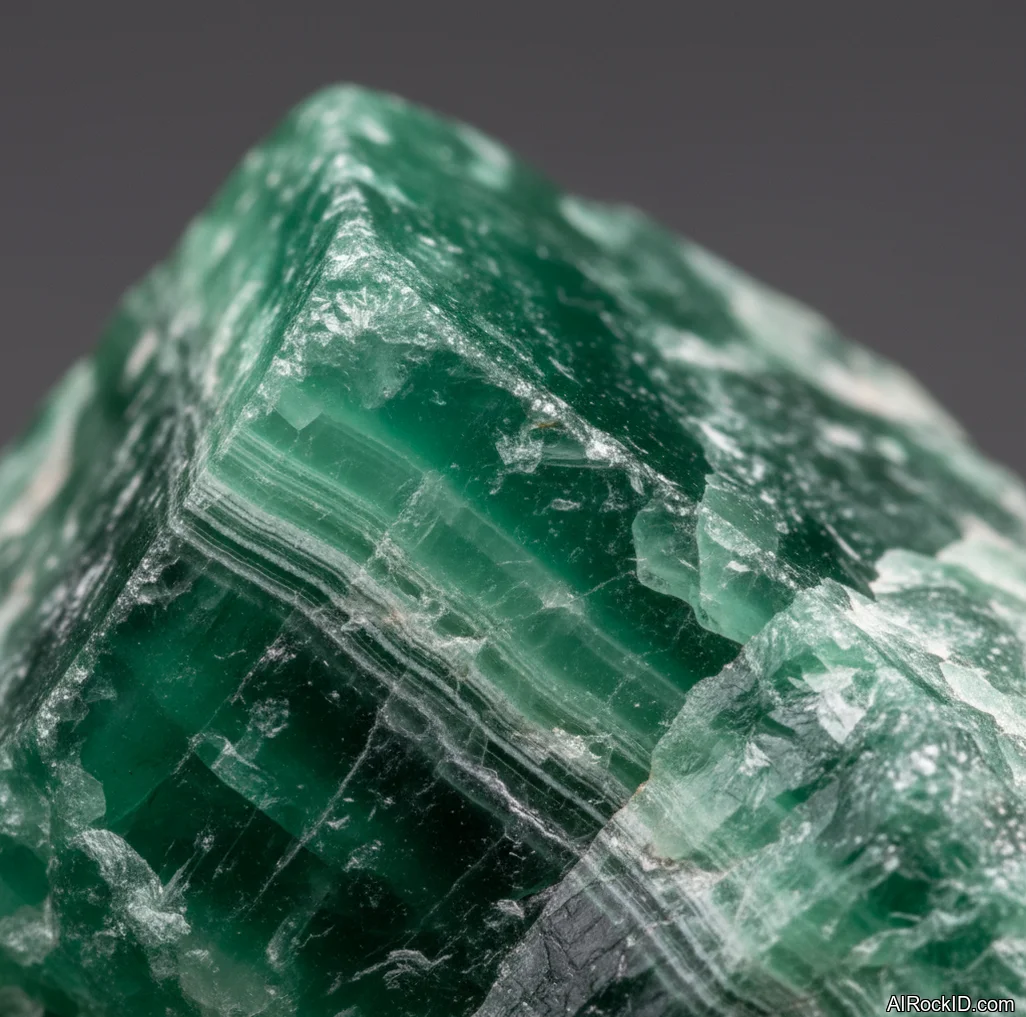
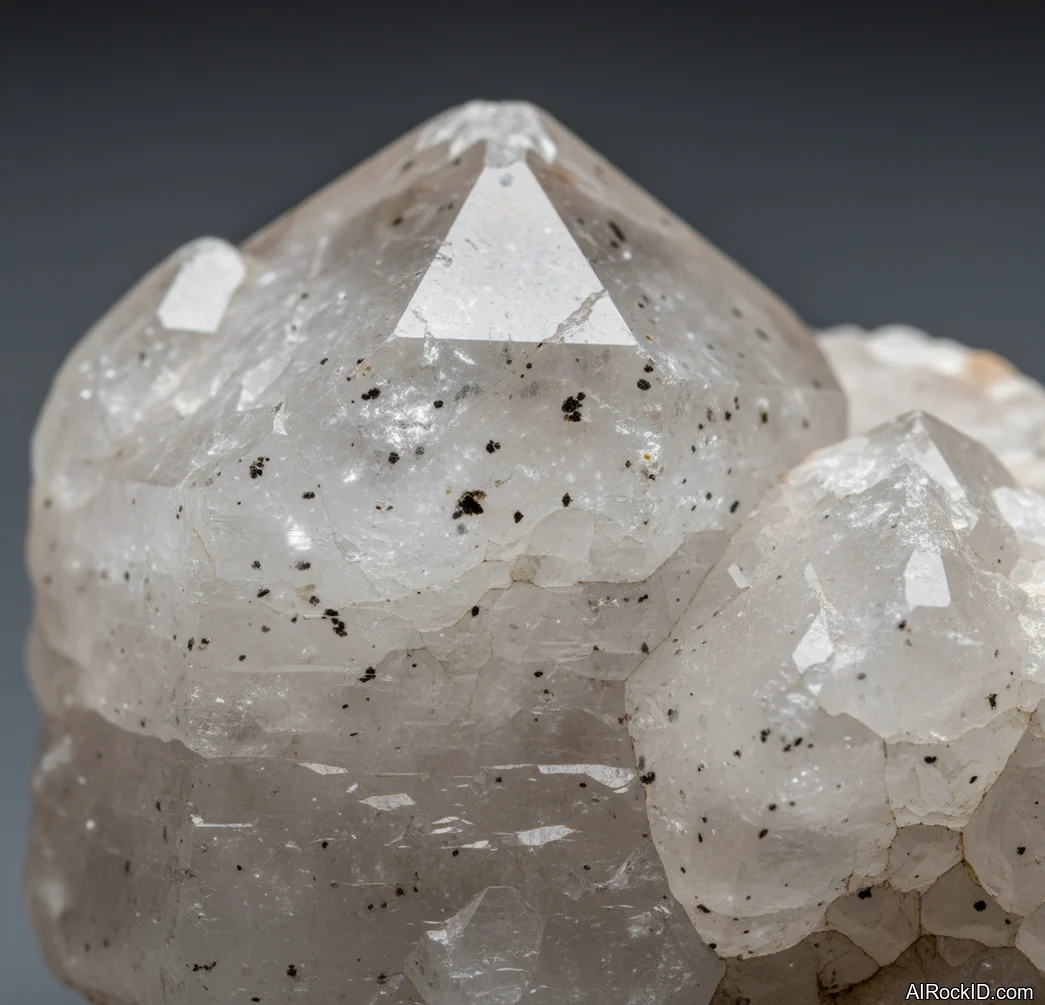
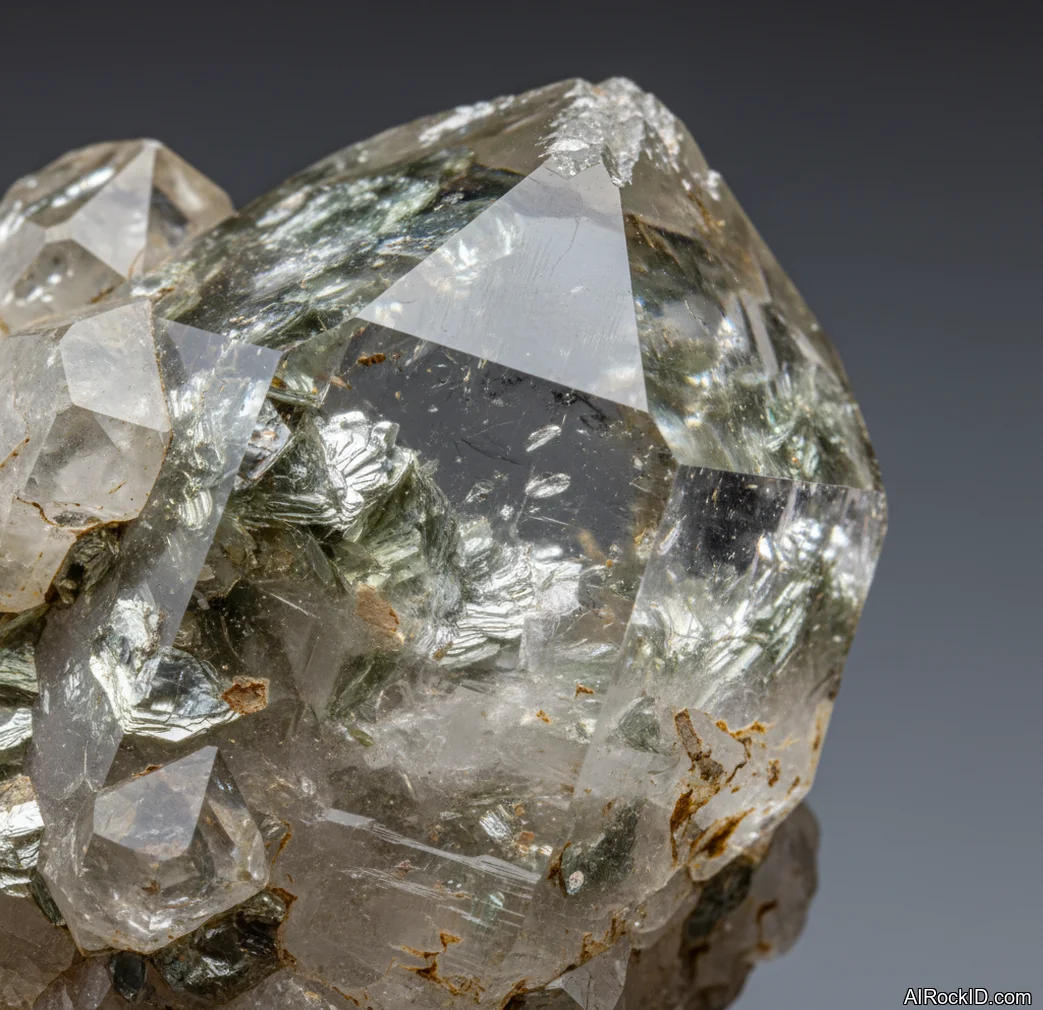
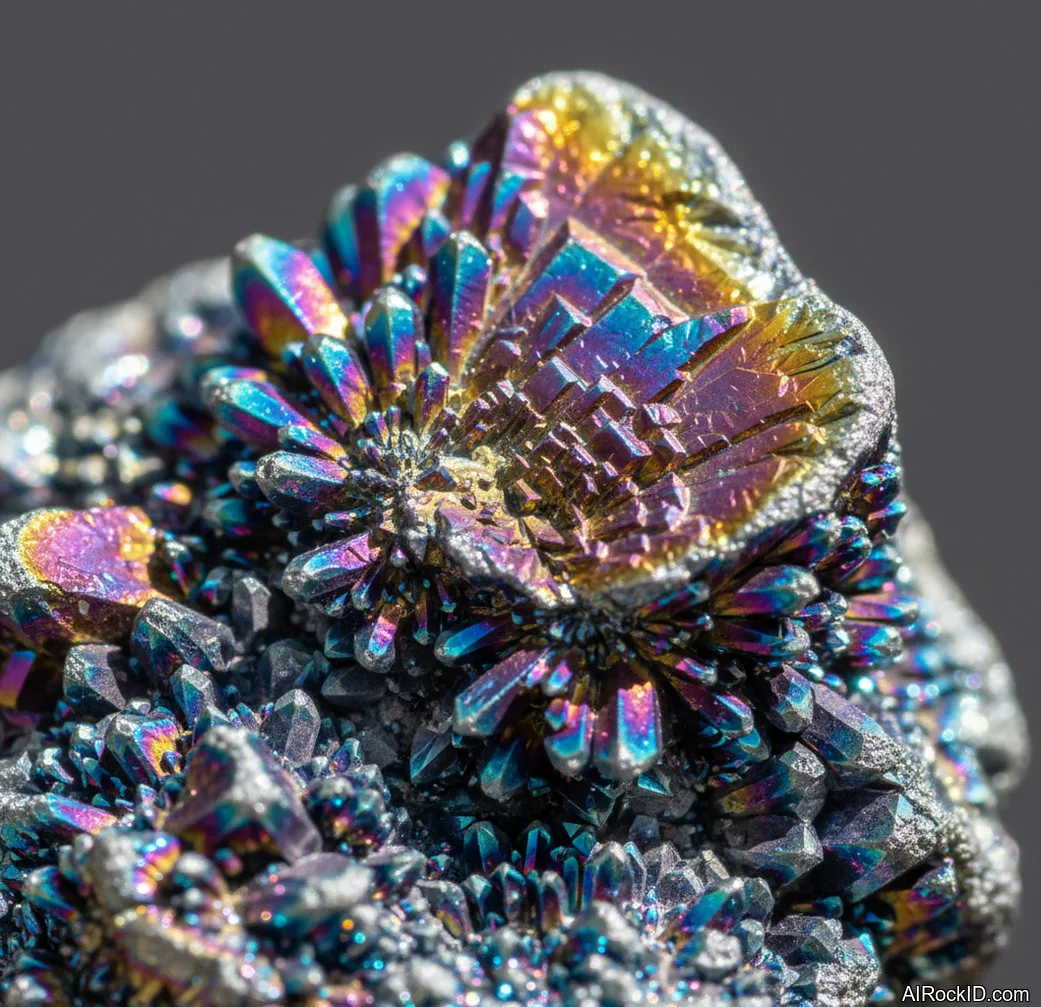
Thing is, if you’re actually working with Mercury-aligned stones, simple and repeatable wins. Put one where your brain-work happens. On a desk, I like Fluorite, Clear Quartz, or a small Pyrite cube. Pyrite’s another one people tie to mental sharpness and planning, and real Pyrite has crisp faces that catch light like tiny mirrors. Just remember it’s brittle, so don’t toss it loose in a bag with keys (unless you like surprise chips). For communication days, a small Blue Lace Agate or Amazonite in a pocket is easy. Amazonite has that seafoam green that can look flat online, but in person, good material has white streaking and a soft sheen that’s hard to photograph.
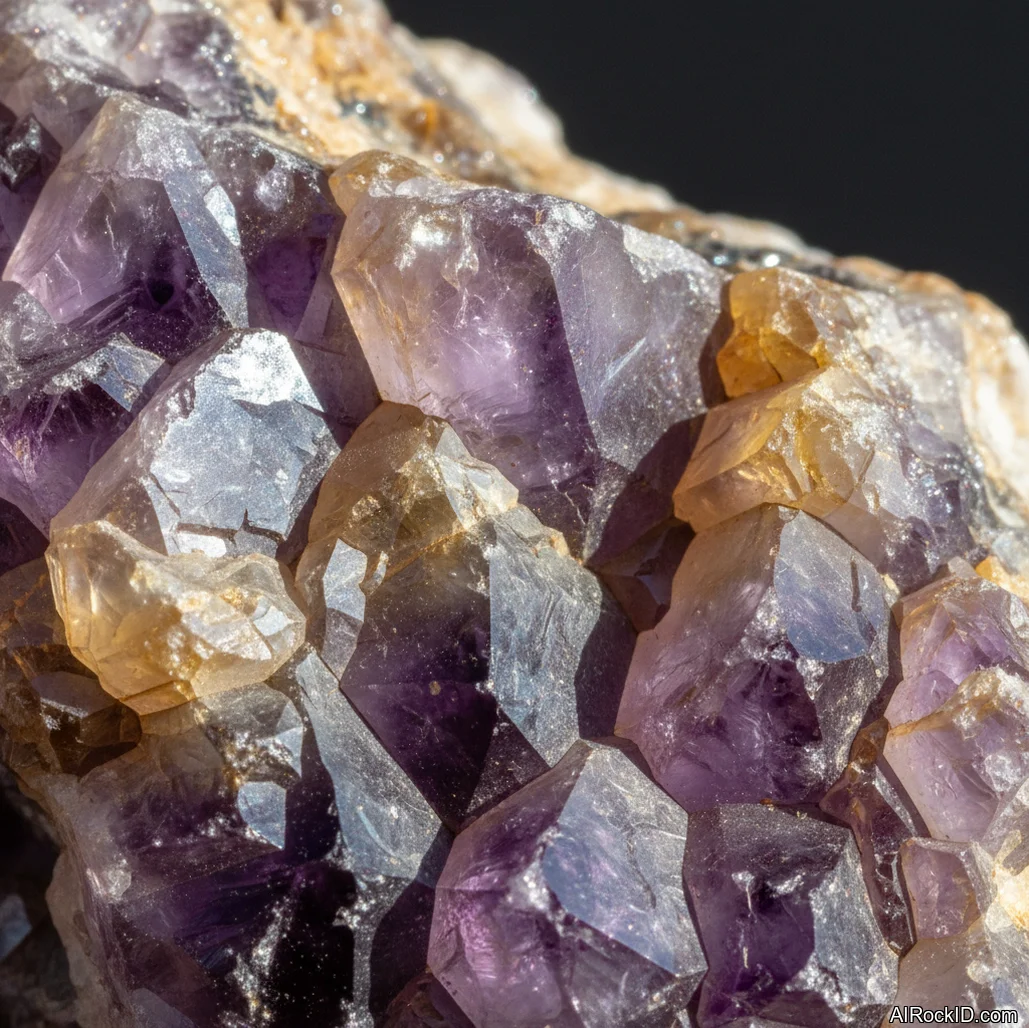
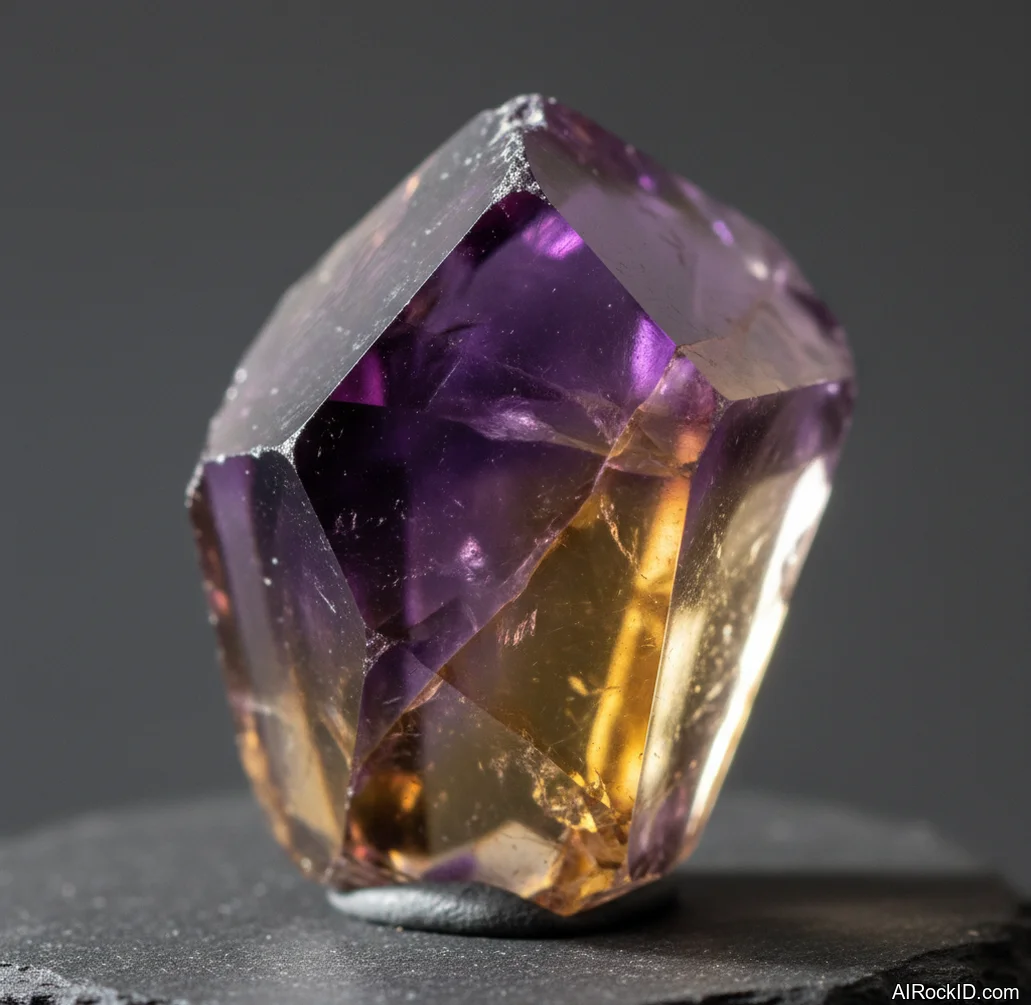
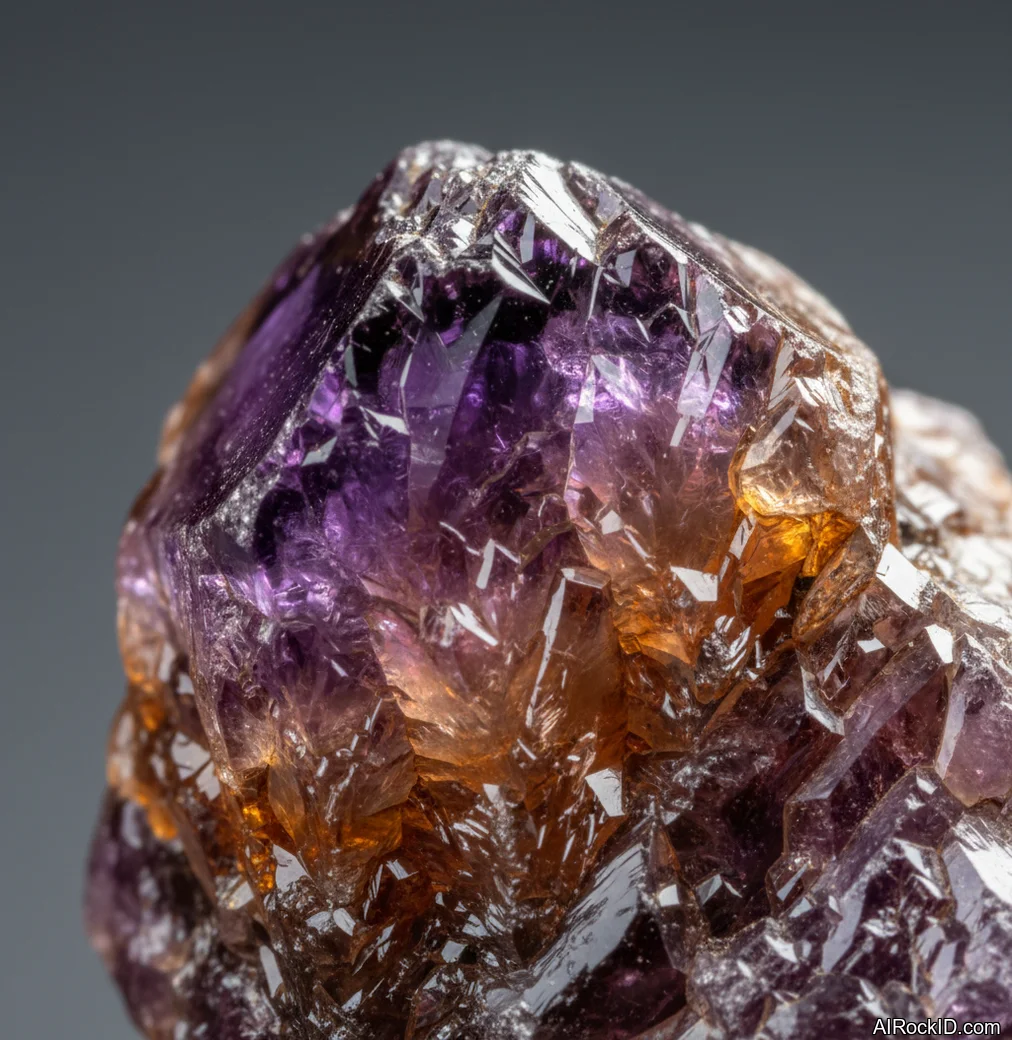
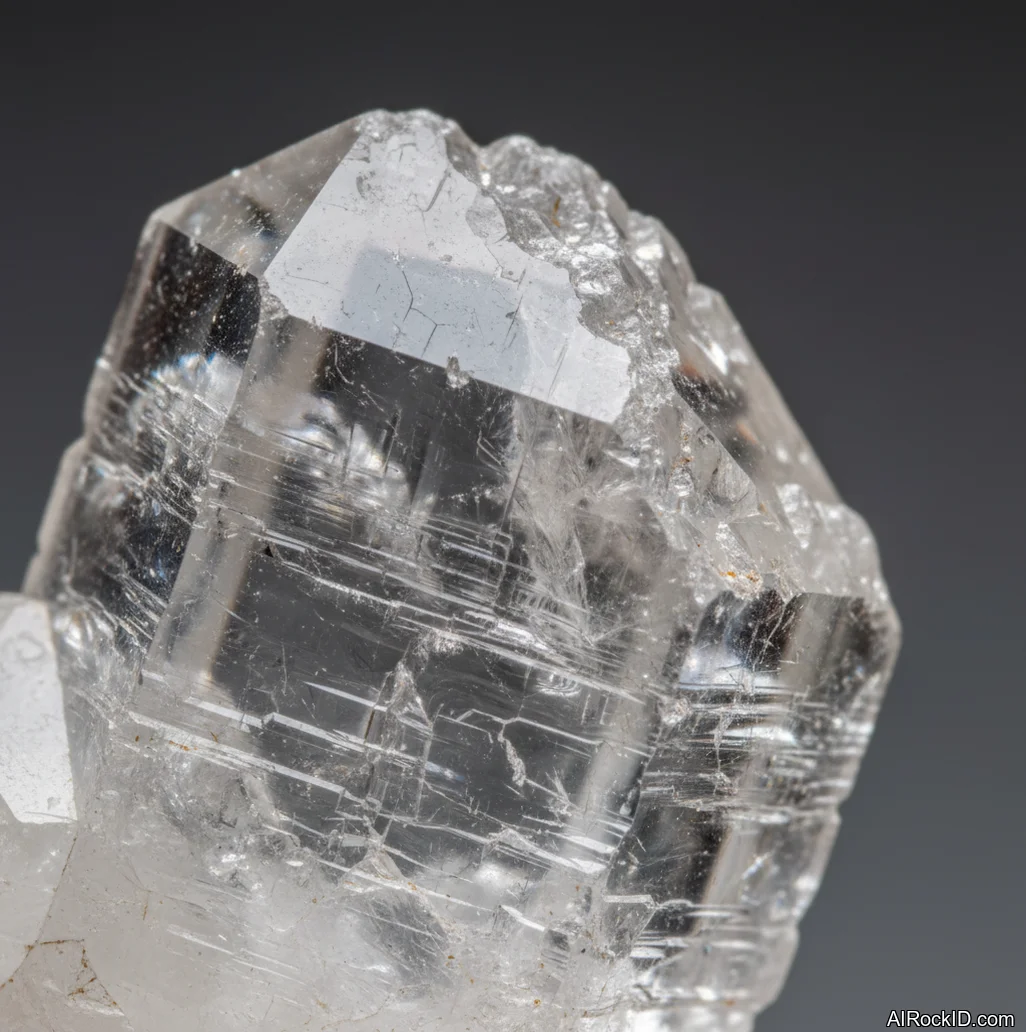
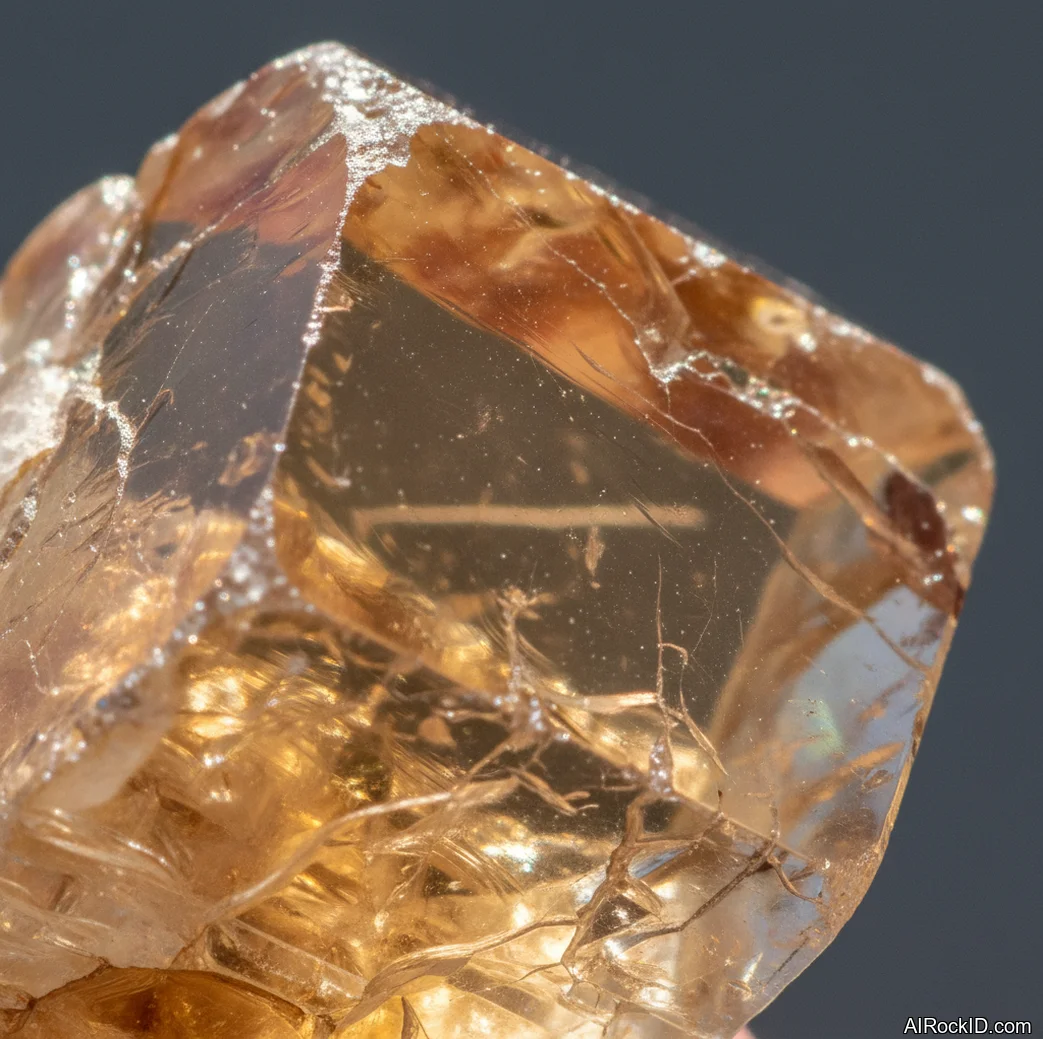
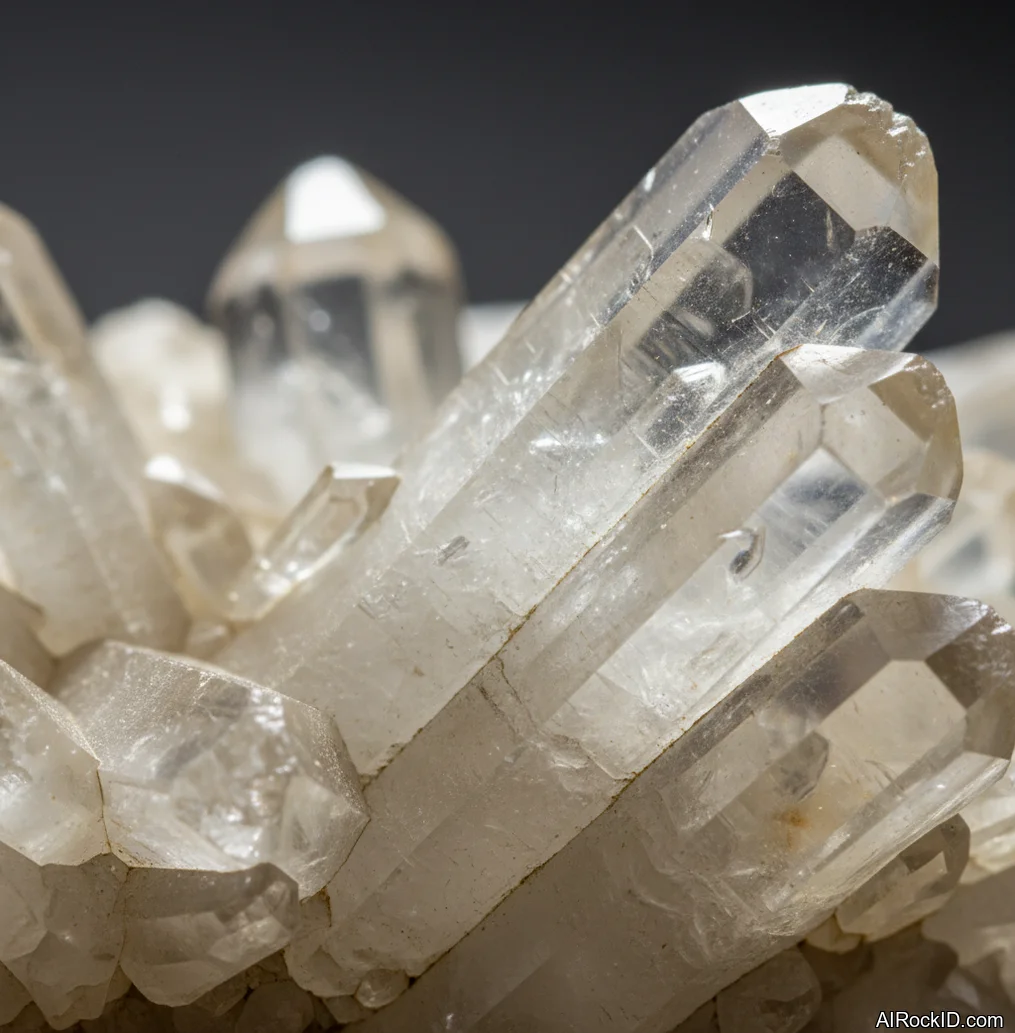
The annoying part about “Mercury crystals” is sellers will slap the label on anything blue or anything shiny. So when you’re buying, look for physical tells, not marketing. Fluorite is softer than people expect, so check for edge dings and surface scratches on polished pieces. Clear Quartz should feel cool and look clear or naturally included, not milky plastic-clear with rounded, too-perfect shapes. And if someone’s selling “citrine for Mercury” and it’s a deep orange-brown with a white base, that’s usually heat-treated amethyst. Nothing wrong with enjoying it. Just not what most people think they’re paying for.
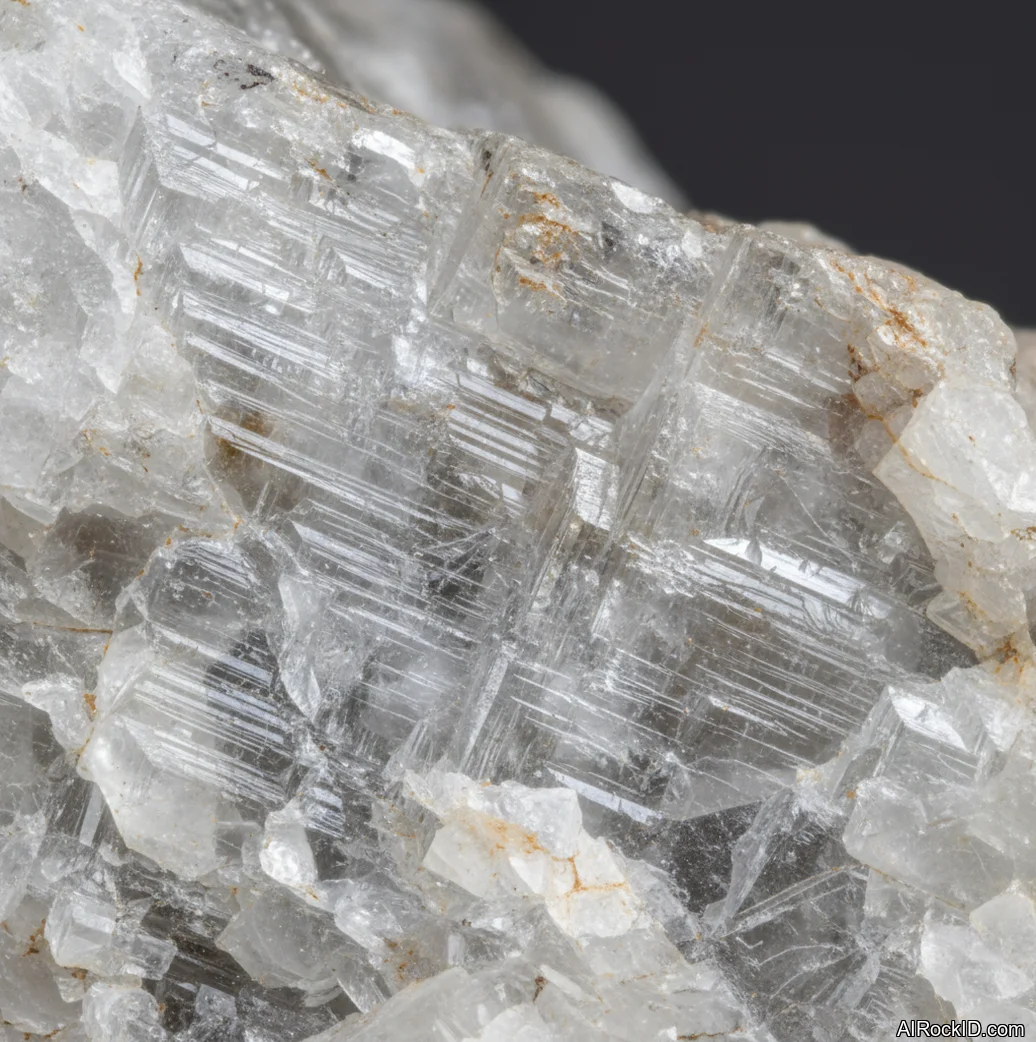
Compared to a lot of “spiritual sets,” Mercury stones get handled a lot. That means durability matters. Selenite looks gorgeous on a desk, but it dents if you bump it and it hates water. Fluorite and Calcite are also soft. If you want something you can fidget with all day, go for Quartz varieties, Agate, or Tiger’s Eye. If you do choose softer pieces, keep them in a cloth pouch and don’t clean them with salt water. A quick wipe with a damp cloth is usually plenty.
Look closely at shape and finish, too. Tumbles are practical for pockets, but they can be over-polished to the point where everything looks the same (same shine, same blob shape, same vibe). Raw or lightly polished points can be better for a “focus anchor” on a desk, because your eye has something to land on. With Aquamarine, watch for dyed material and overly saturated blues. Real aquamarine usually sits in a pale to medium blue-green, and inclusions are normal. With Blue Lace Agate, the banding should look natural and varied, not printed or suspiciously uniform.
So for a straightforward Mercury routine, I usually tell people to pick one “think” stone and one “speak” stone. Fluorite plus Blue Lace Agate is a classic pair. Clear Quartz plus Aquamarine also works if you want it cleaner and less fussy. Use them the same way every time: set them on your notebook, hold one for a minute before a call, or keep one next to your keyboard. Consistency does more than any elaborate ritual. And if a stone chips or gets scratched, that’s not a bad omen. It just means you actually used it.
Mercury is fast, but your collection doesn’t have to be. Start with a couple pieces you’ll touch and see every day, learn what real material feels like, and build from there. The best Mercury crystal is the one that keeps you showing up to your own thoughts and words, instead of getting lost in the noise.
All Mercury Crystals (132)