Sun Crystals
Learn which crystals align with Sun energy, how to choose authentic stones, and practical ways to work with Sun crystals for focus and confidence.
Sun, in crystal talk, isn’t about astronomy homework. It’s shorthand for a certain kind of energy people want more of: visibility, drive, confidence, warmth, and that clean “I can do this” feeling. When someone says they’re working with Sun crystals, they usually mean they’re trying to turn the lights on in their own life. Less hiding. More action. More daylight in the mood.
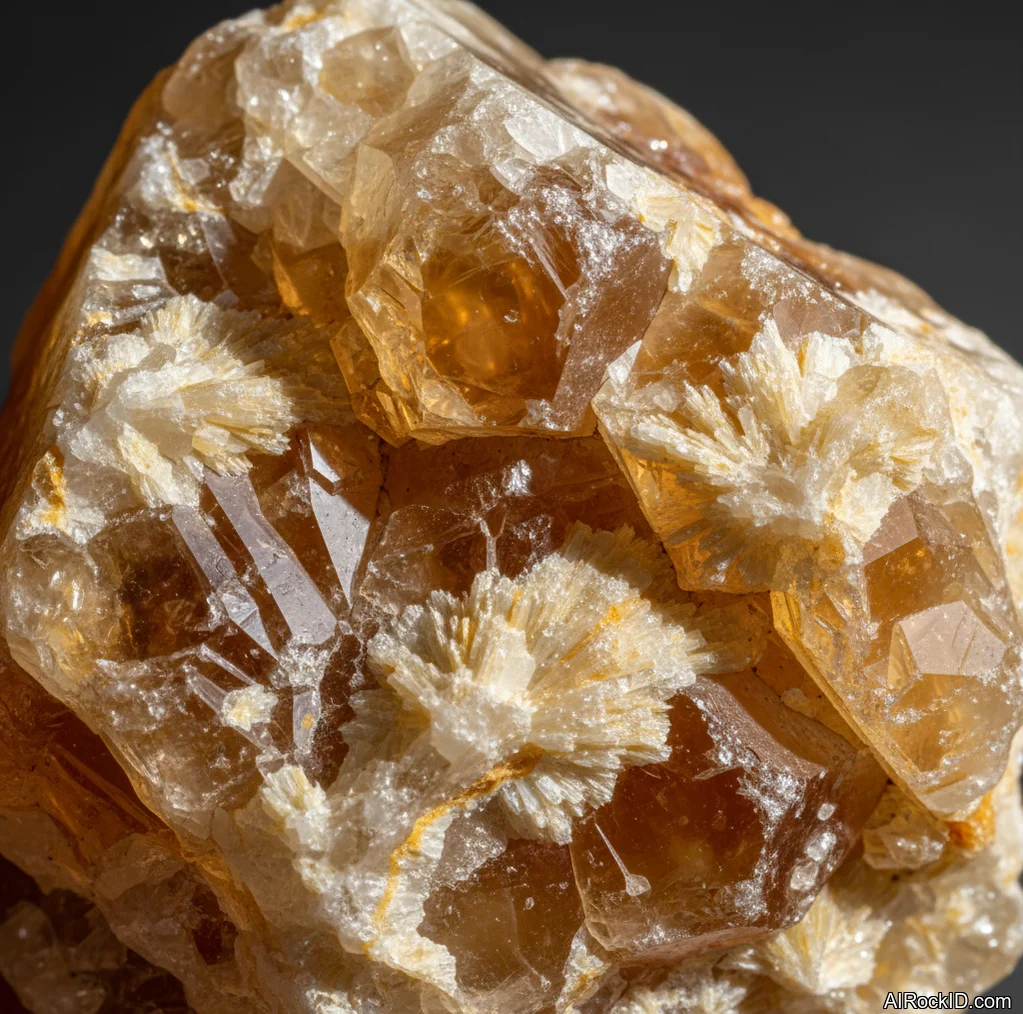
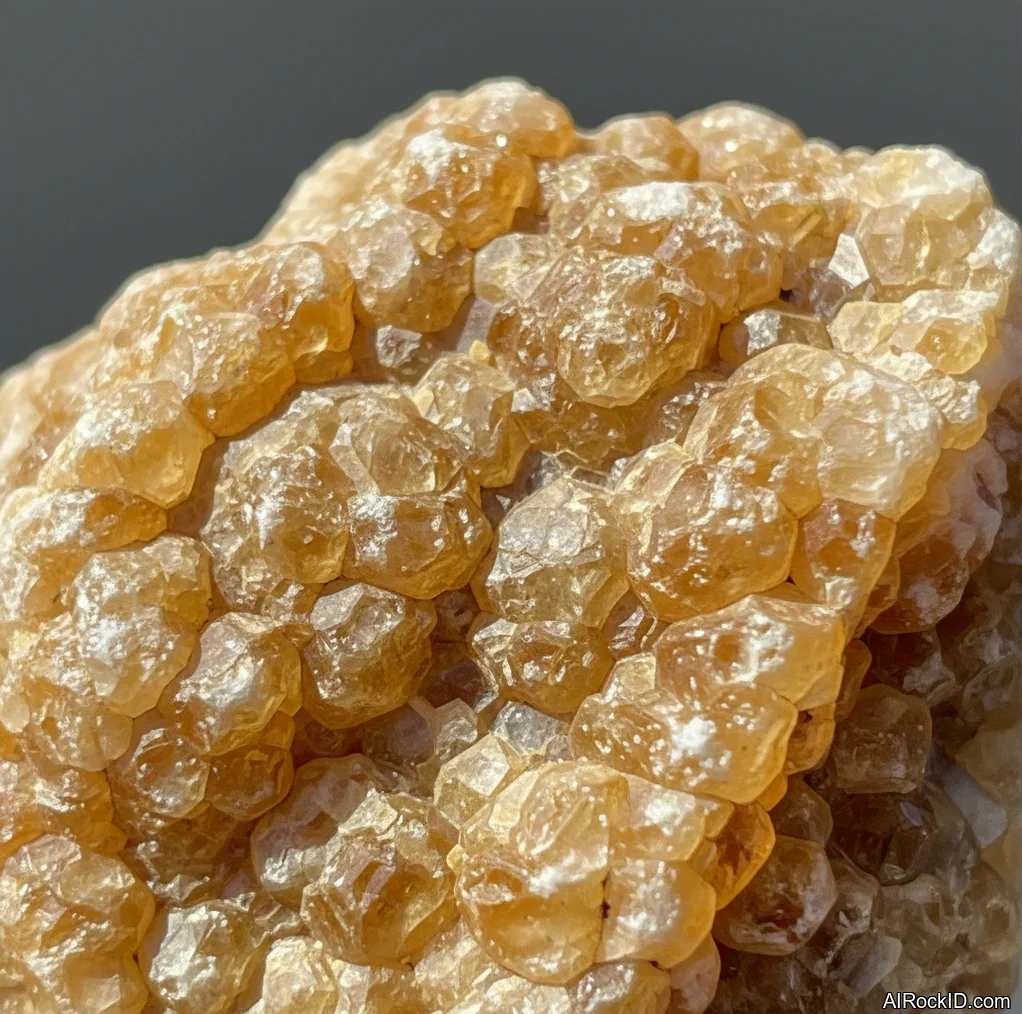
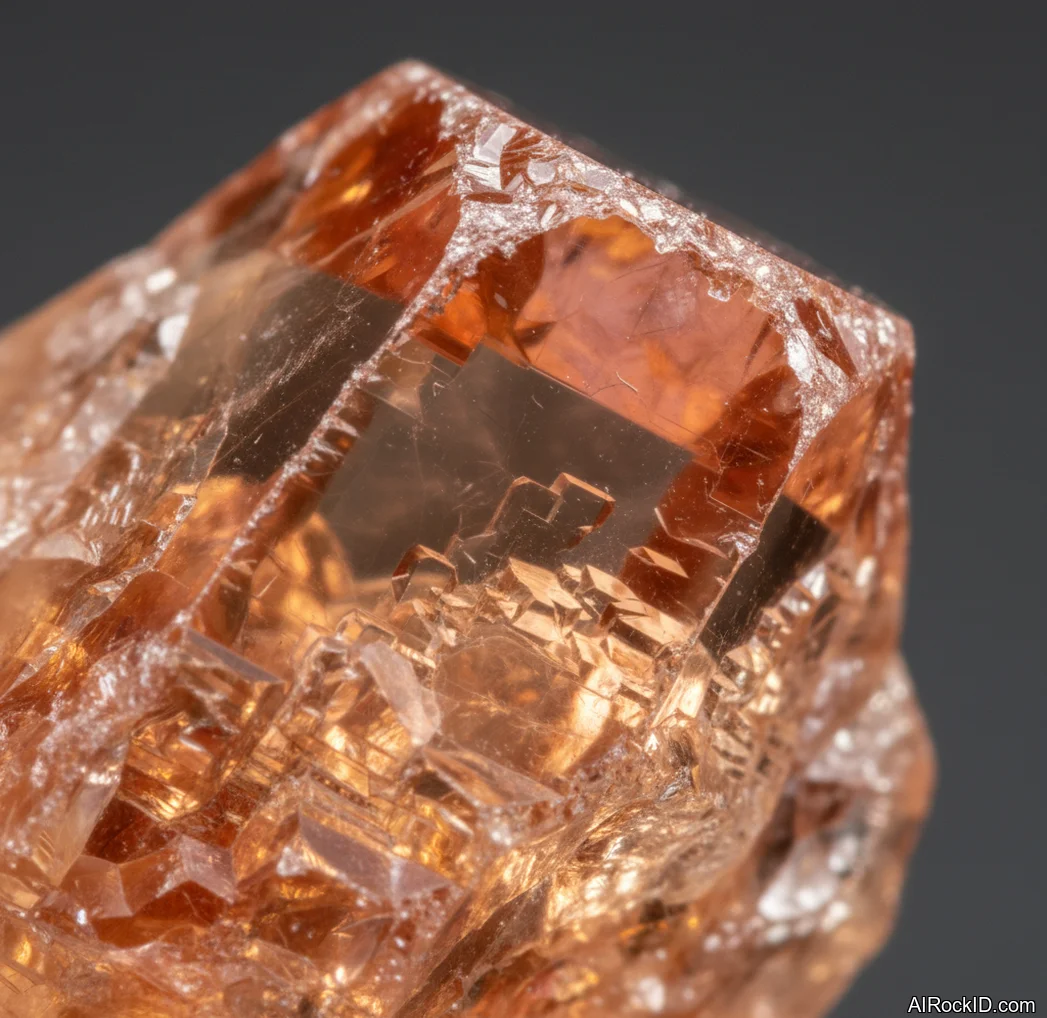
Pick up a good piece of Sunstone and you’ll get why it comes up first. It has that spangled flash, like copper glitter trapped under the surface. Tilt it under a shop lamp and the aventurescence pops, then vanishes when you move it a few degrees. Real sunstone stays cool in the hand at first, even when it looks like it should feel warm. A lot of the cheap stuff online is glassy and too perfect, or it’s just peach feldspar with no spark at all.
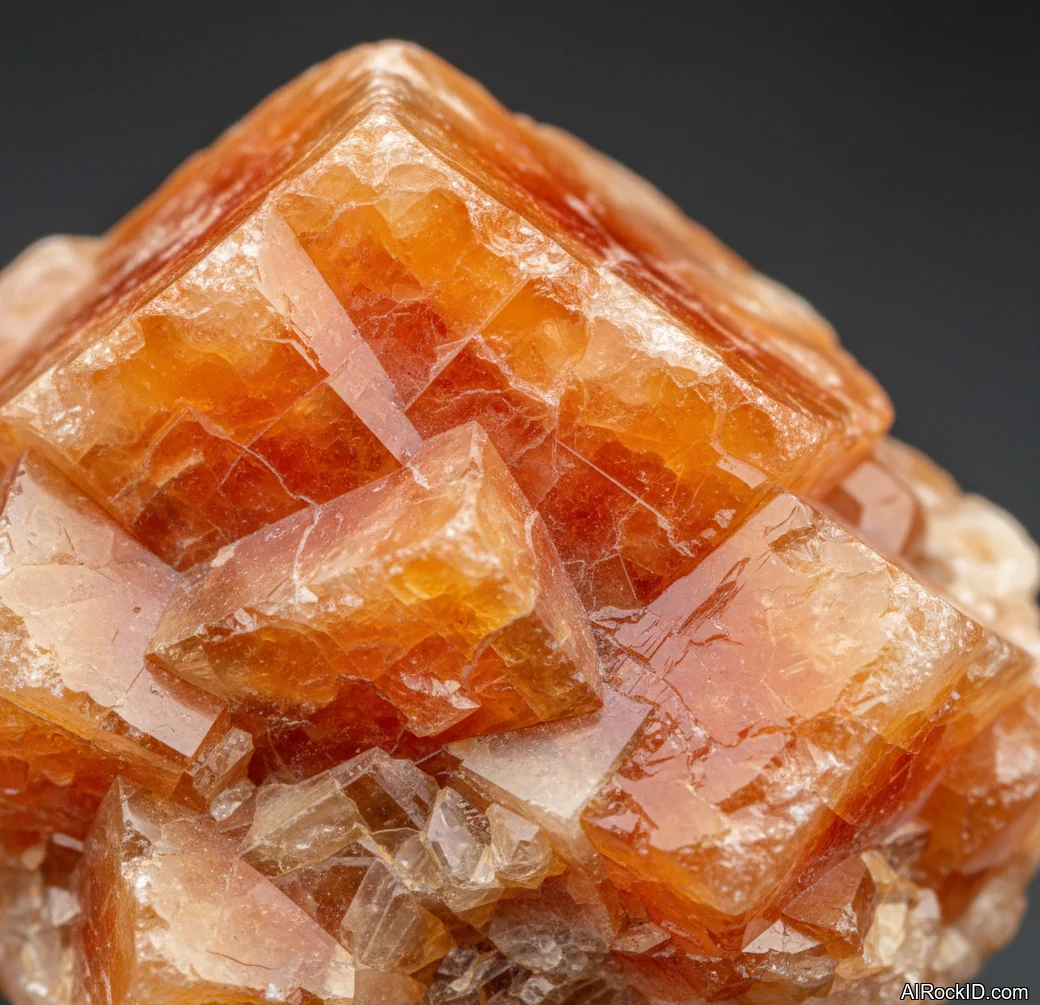
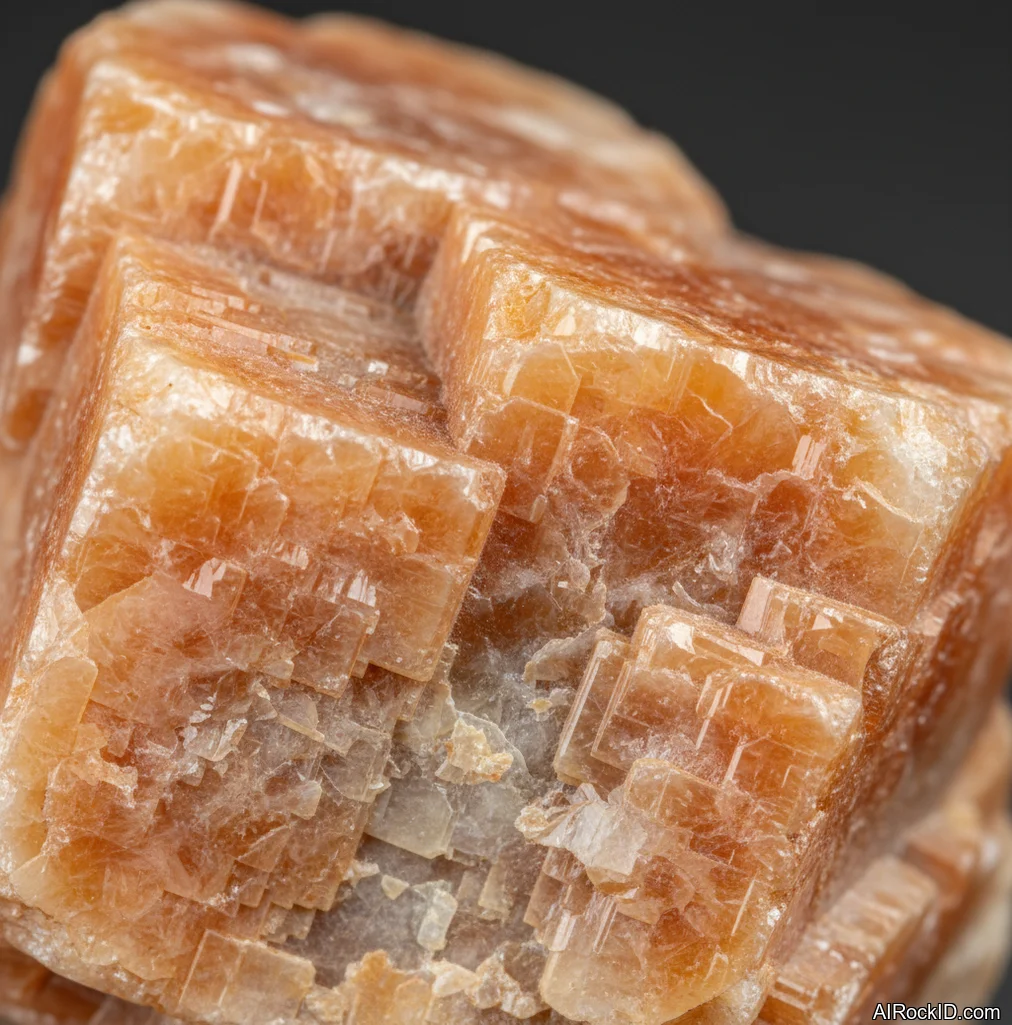
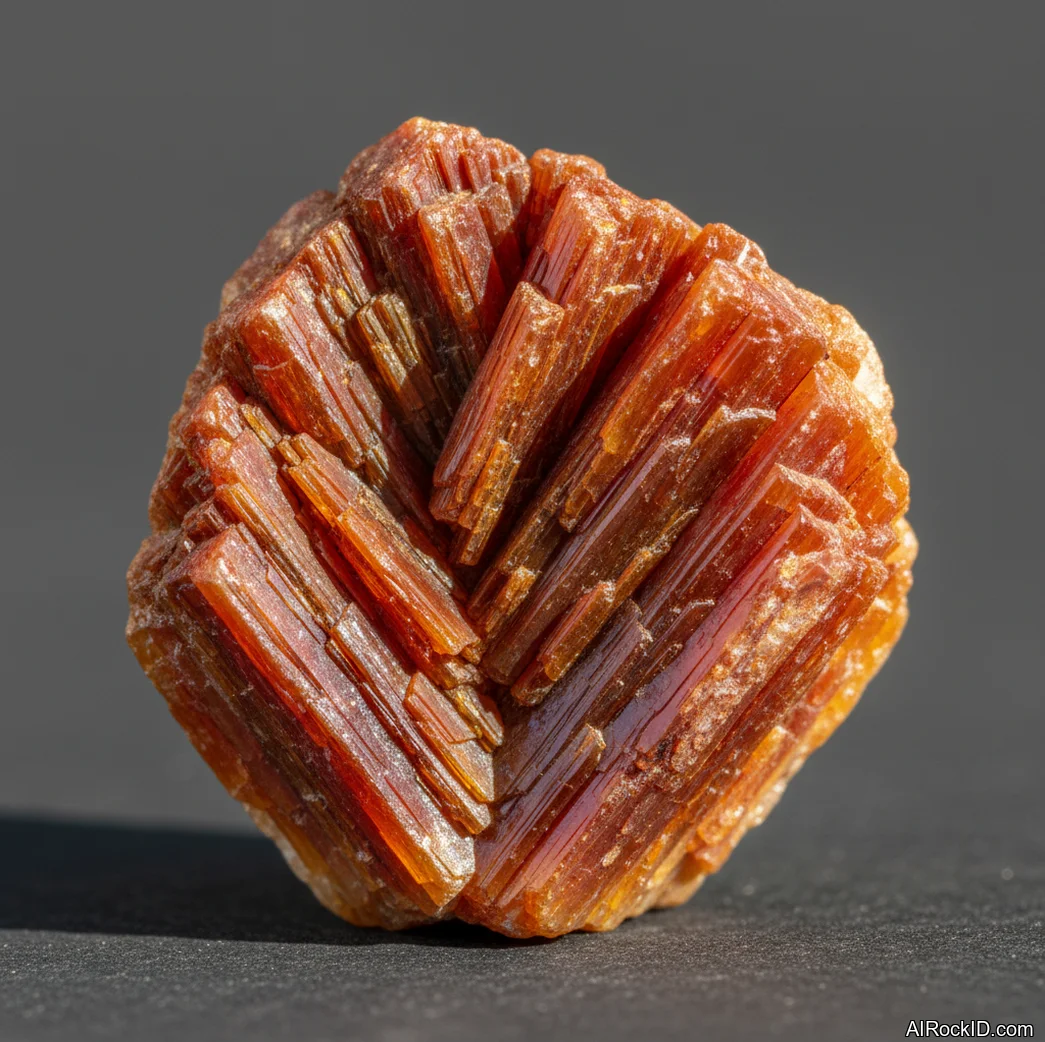
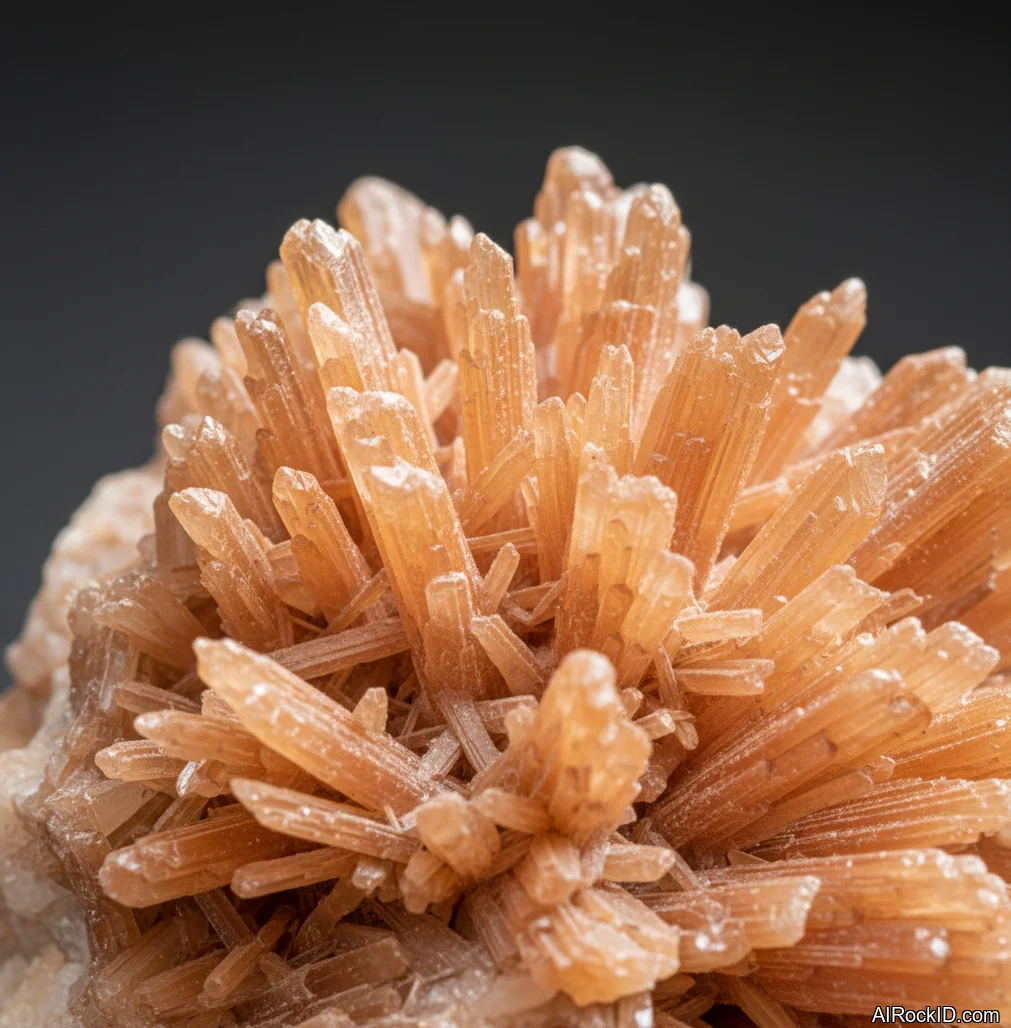
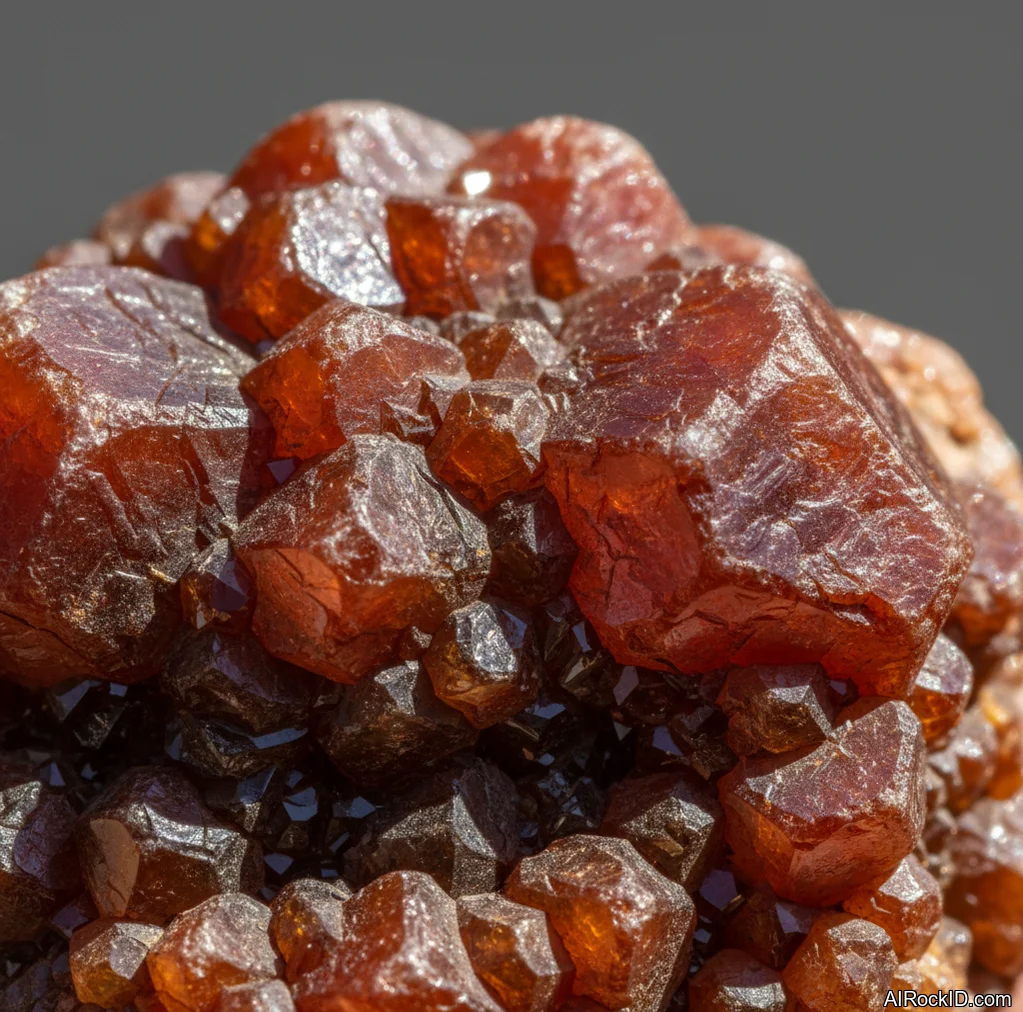
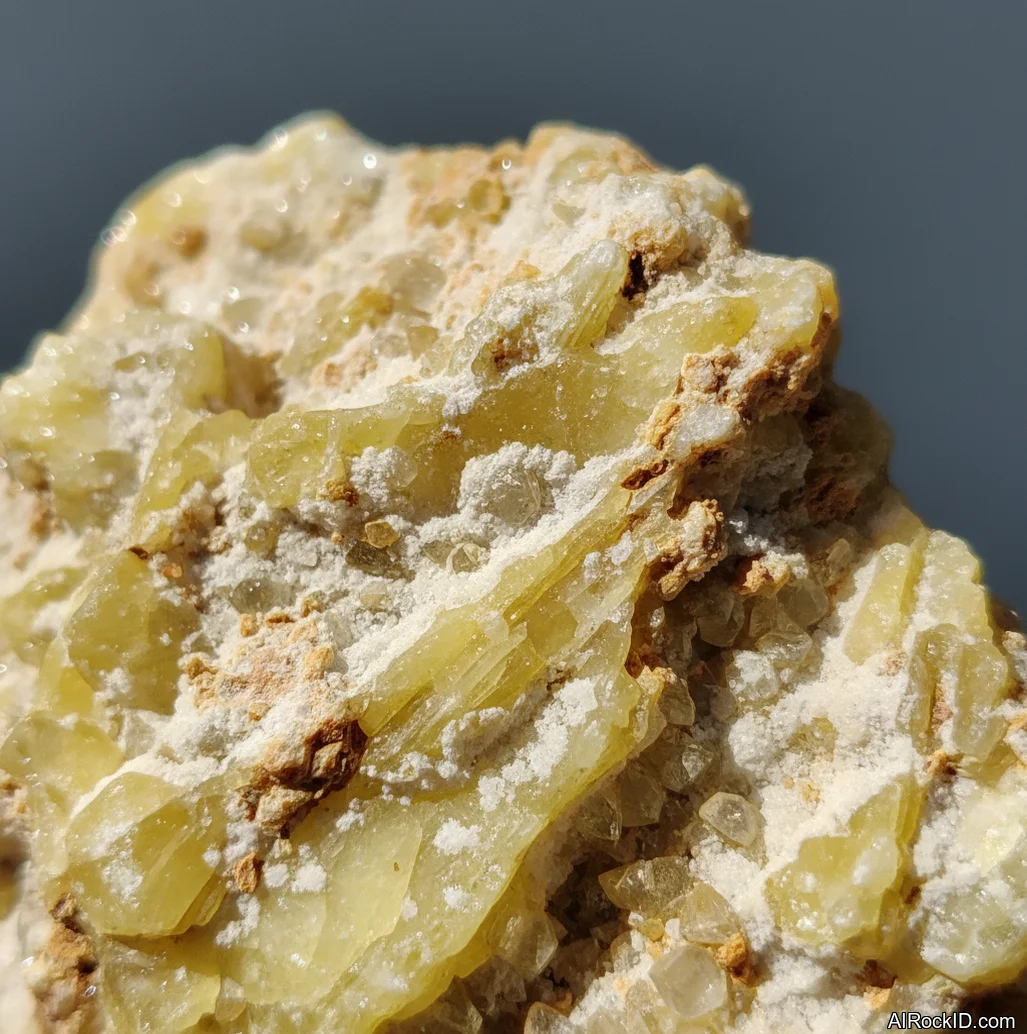
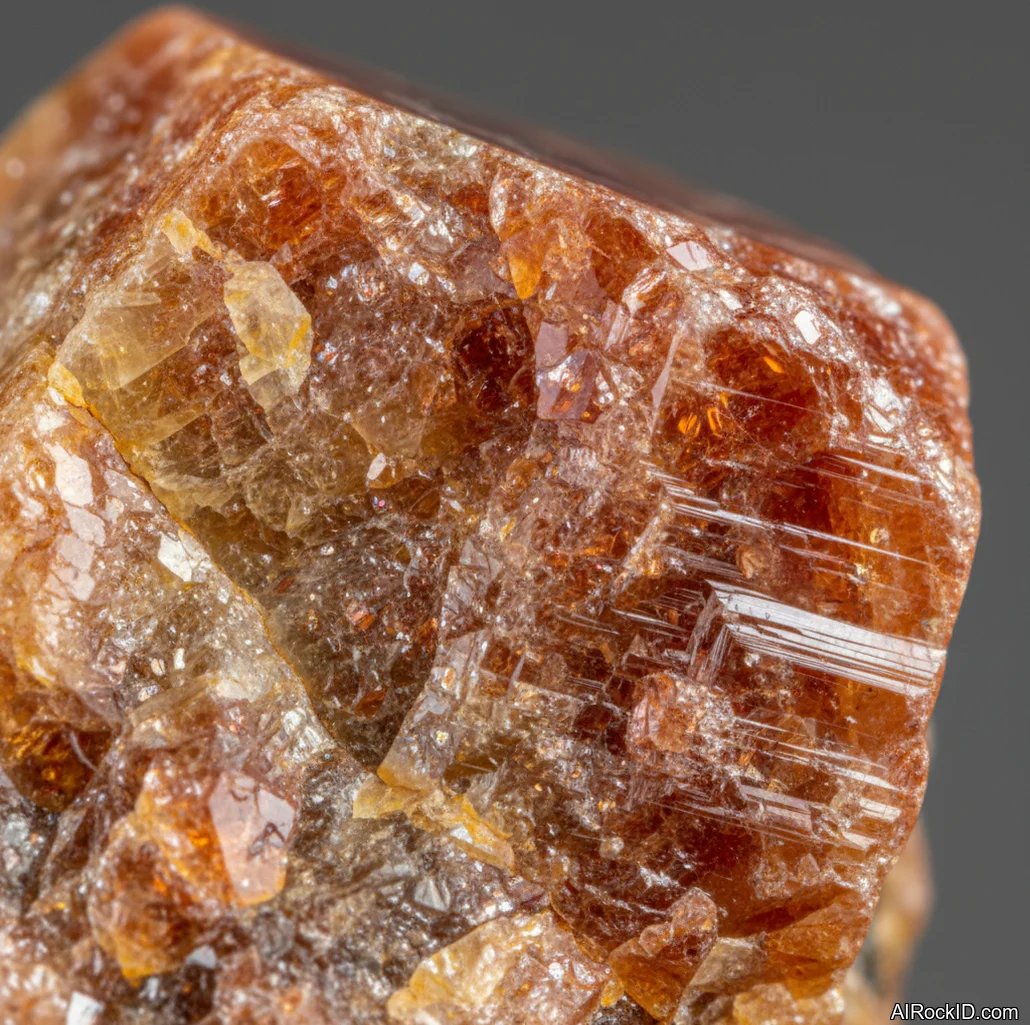
Most people who go hunting for Sun-linked crystals are trying to fix one of three things: low energy, low confidence, or low visibility. And visibility sounds abstract until you’ve watched it happen in real life. People reach for the “Sun shelf” when they’re interviewing, launching a project, crawling out of a slump, or trying to be seen without feeling like they’re begging for attention. That’s why you see Citrine, Tiger’s Eye, Pyrite, Goldstone, and Amber listed again and again. They read as bright. They look like light caught in something solid.
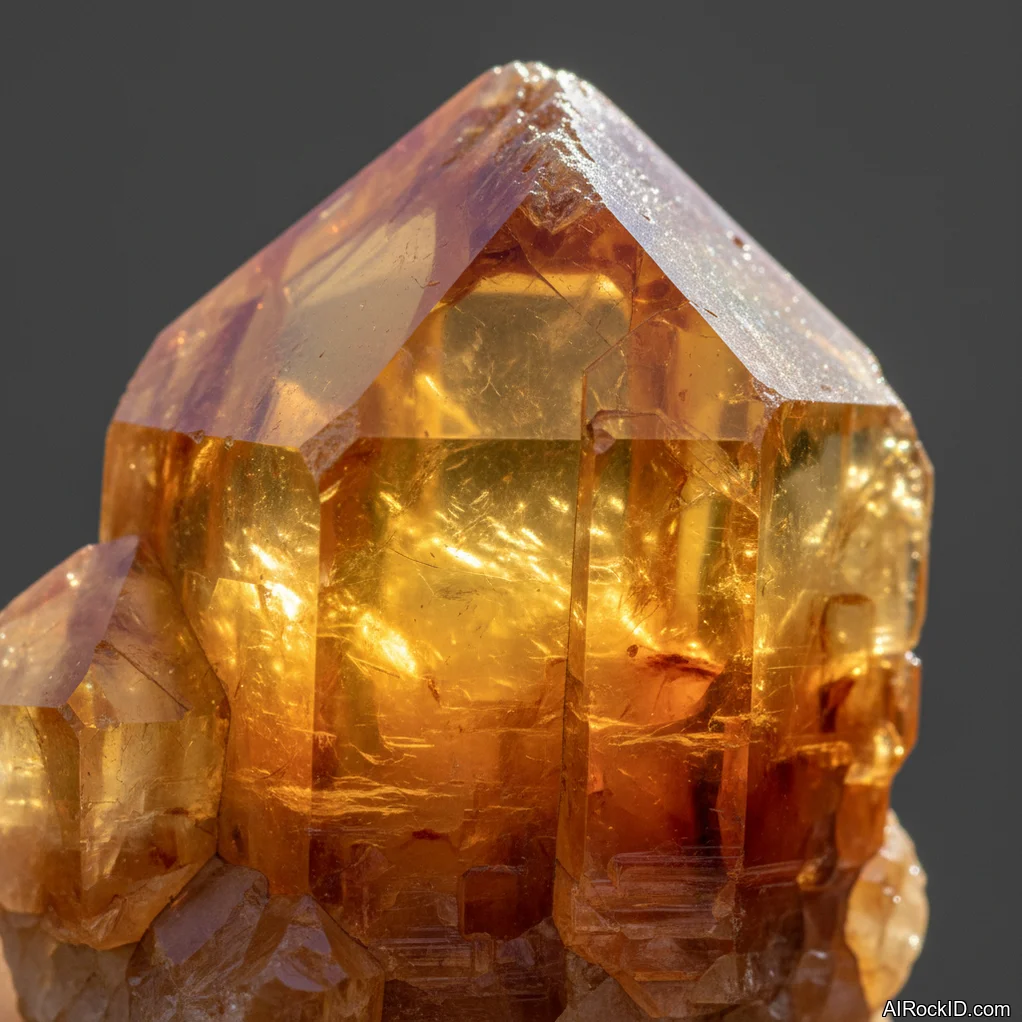
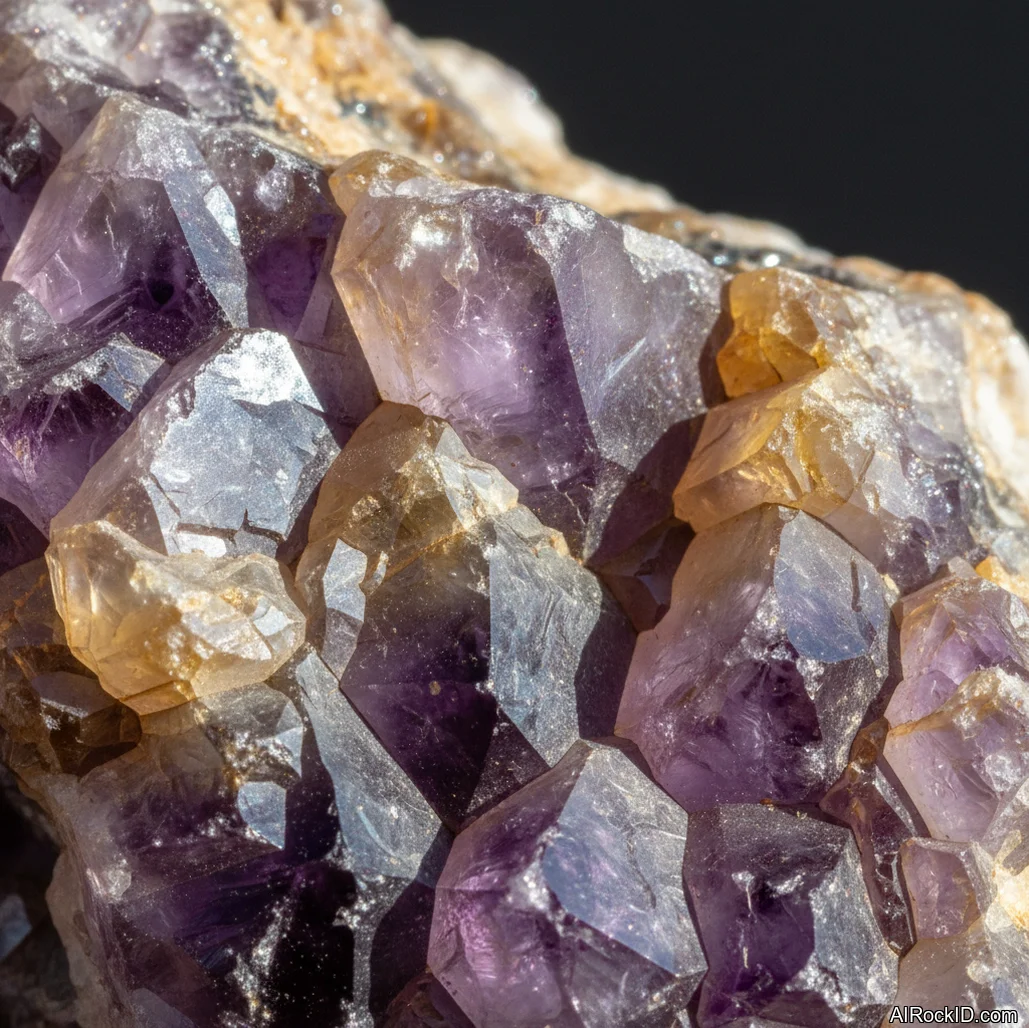
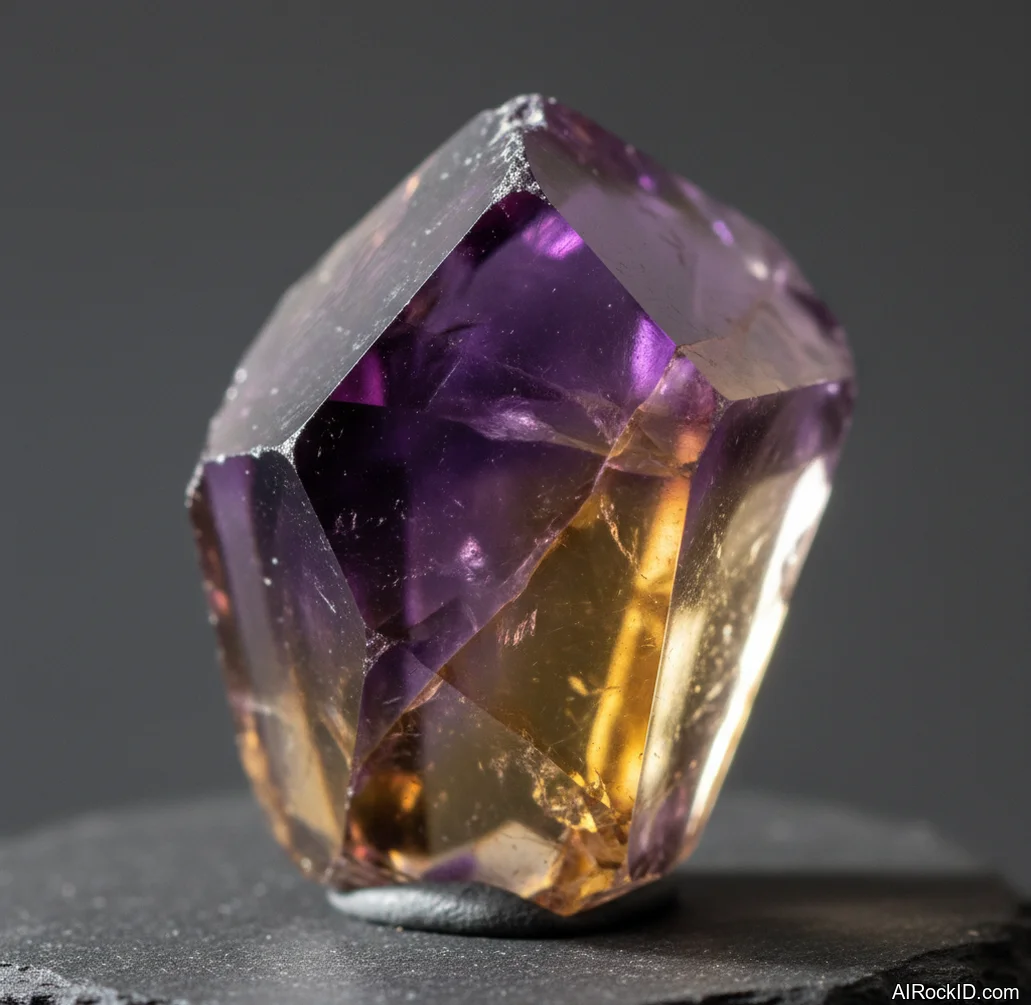
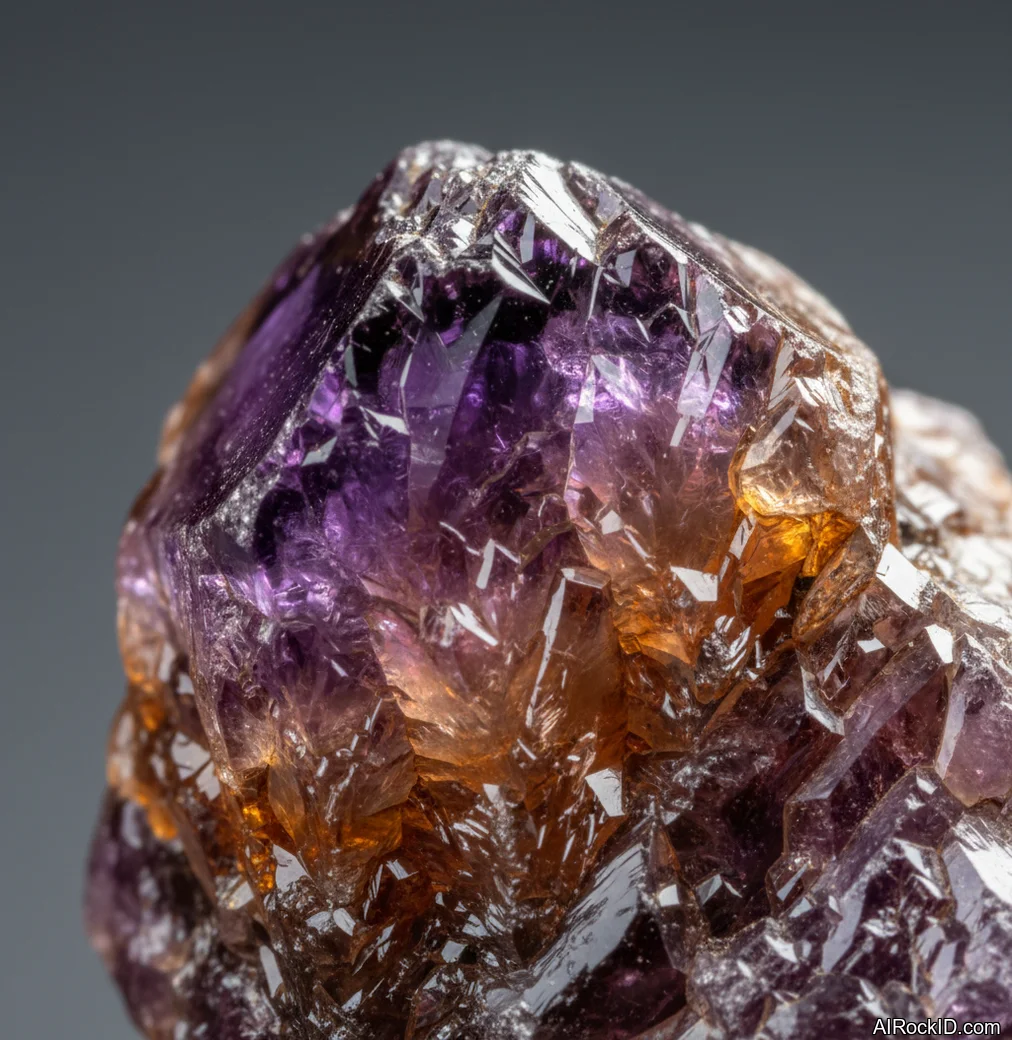
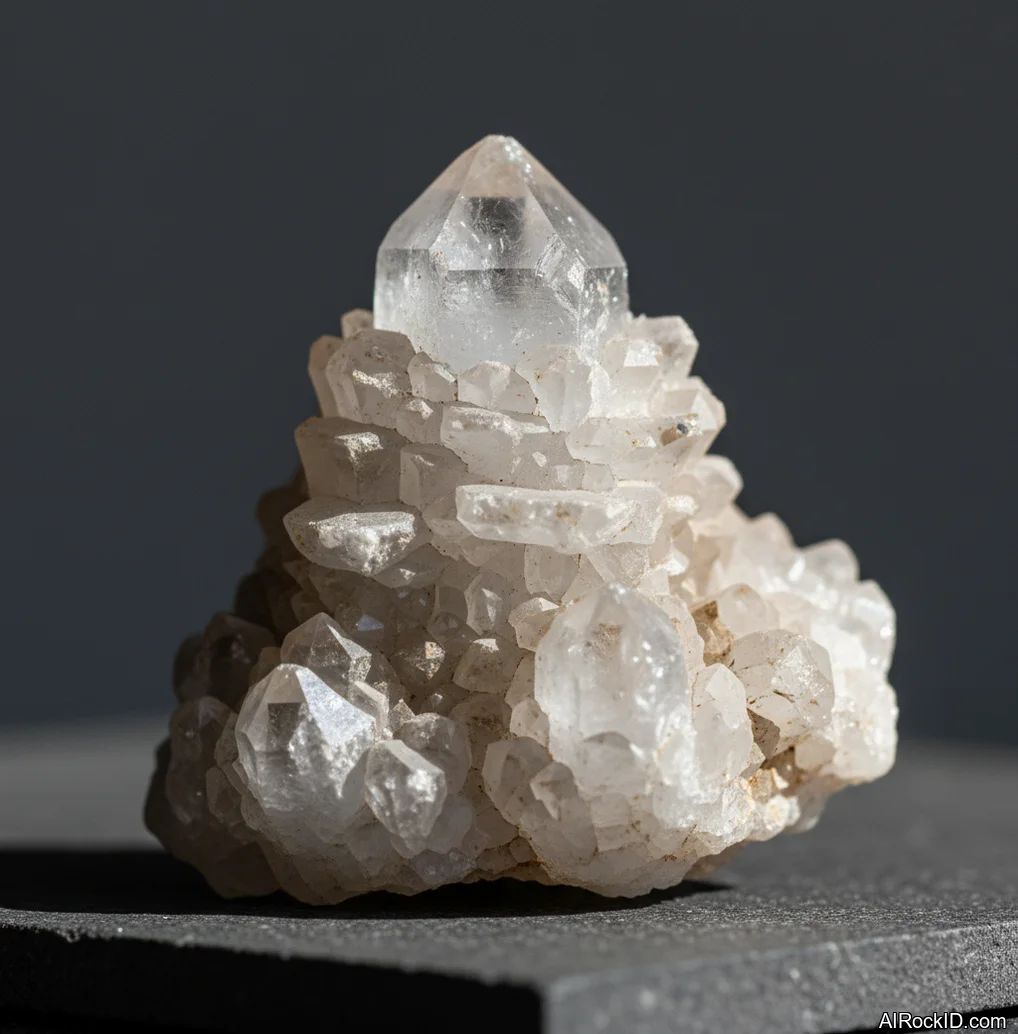
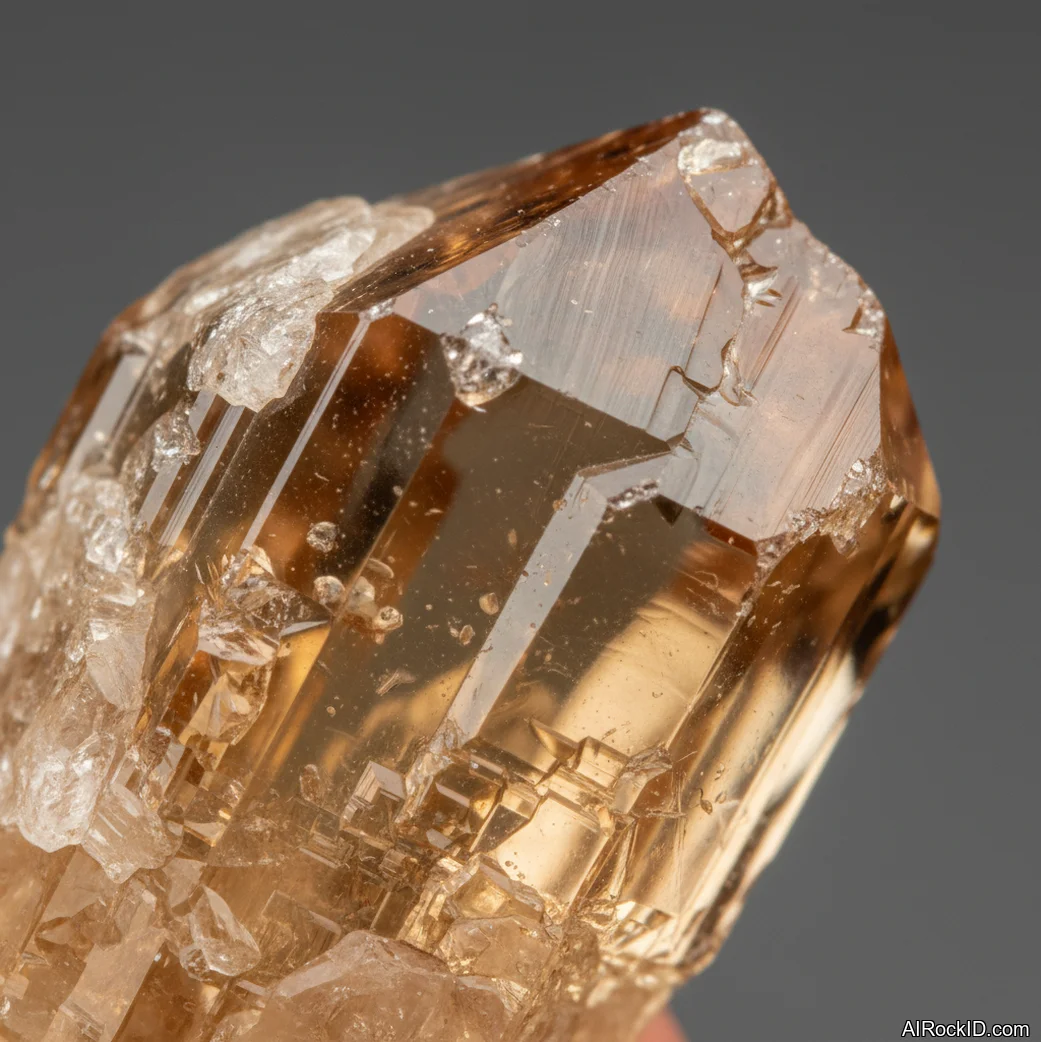
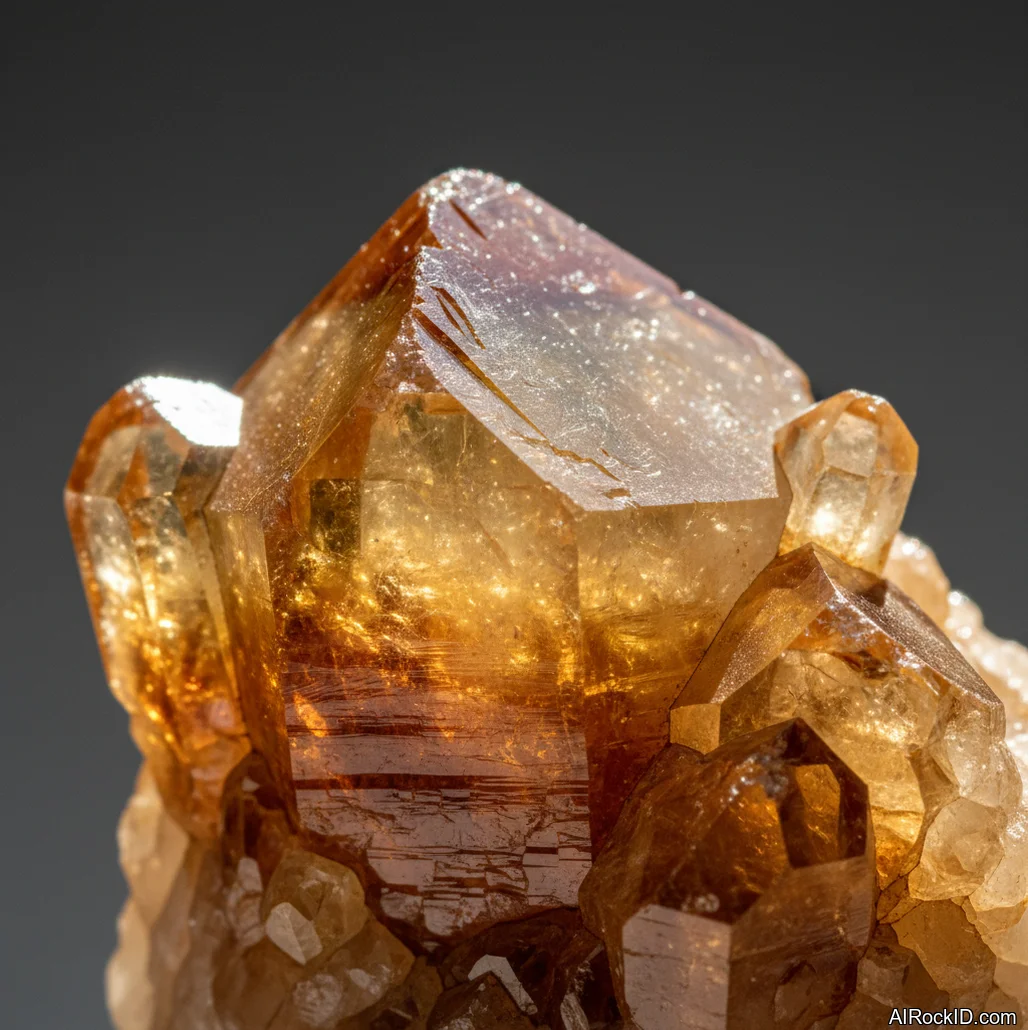
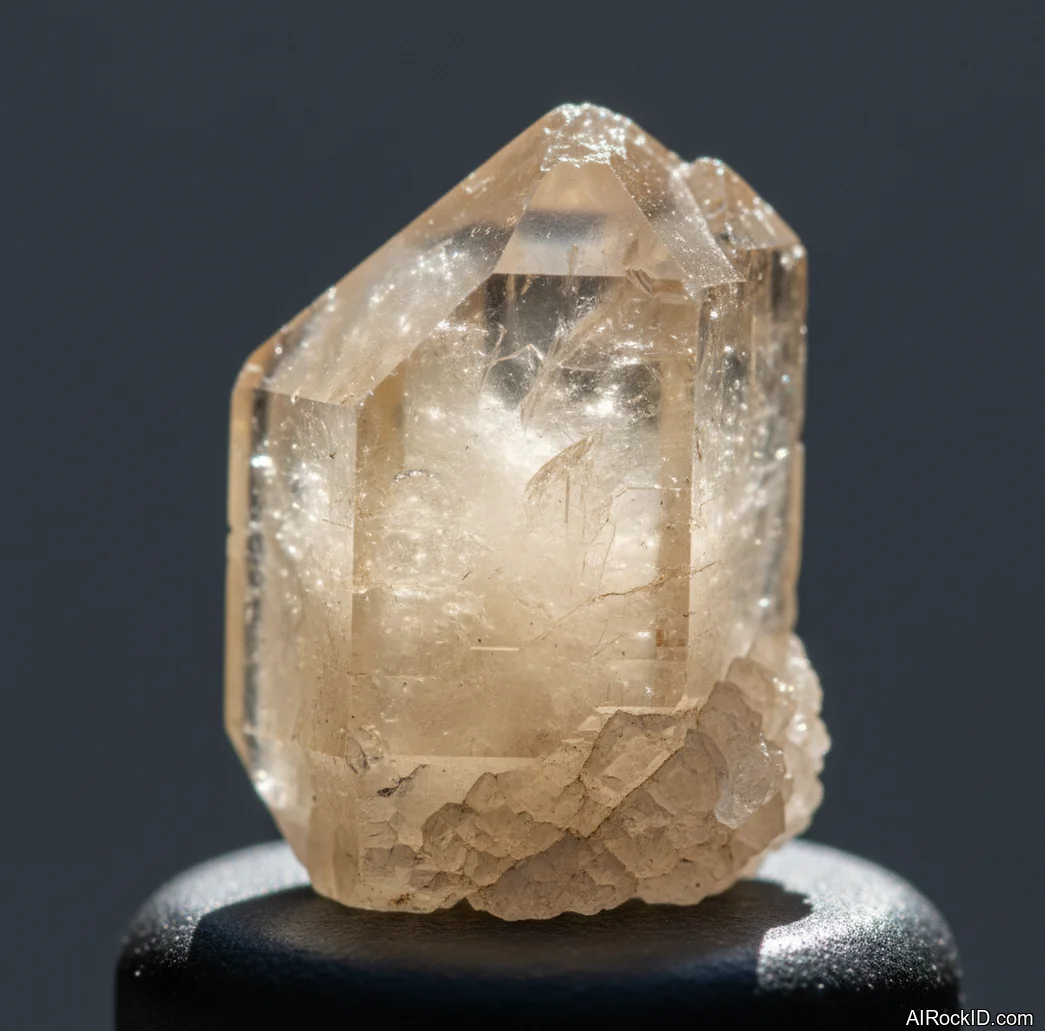
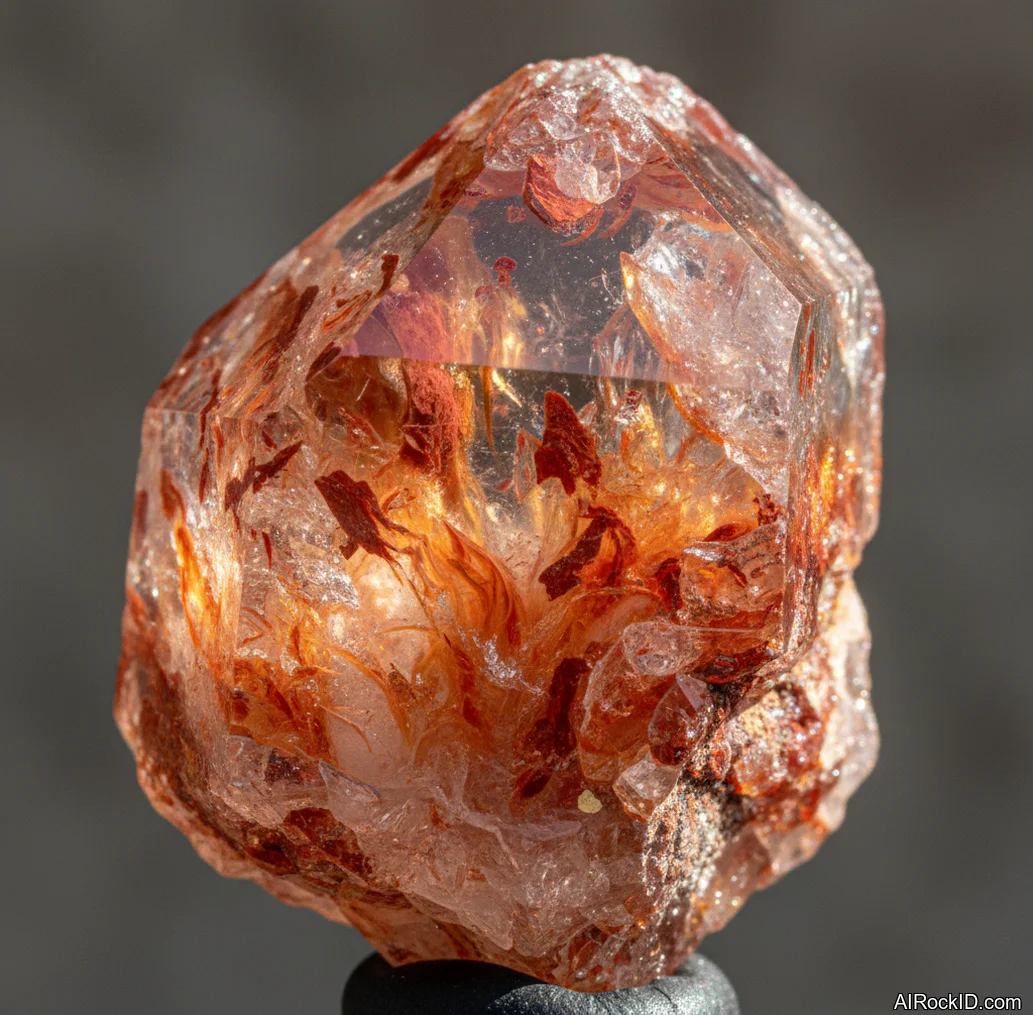
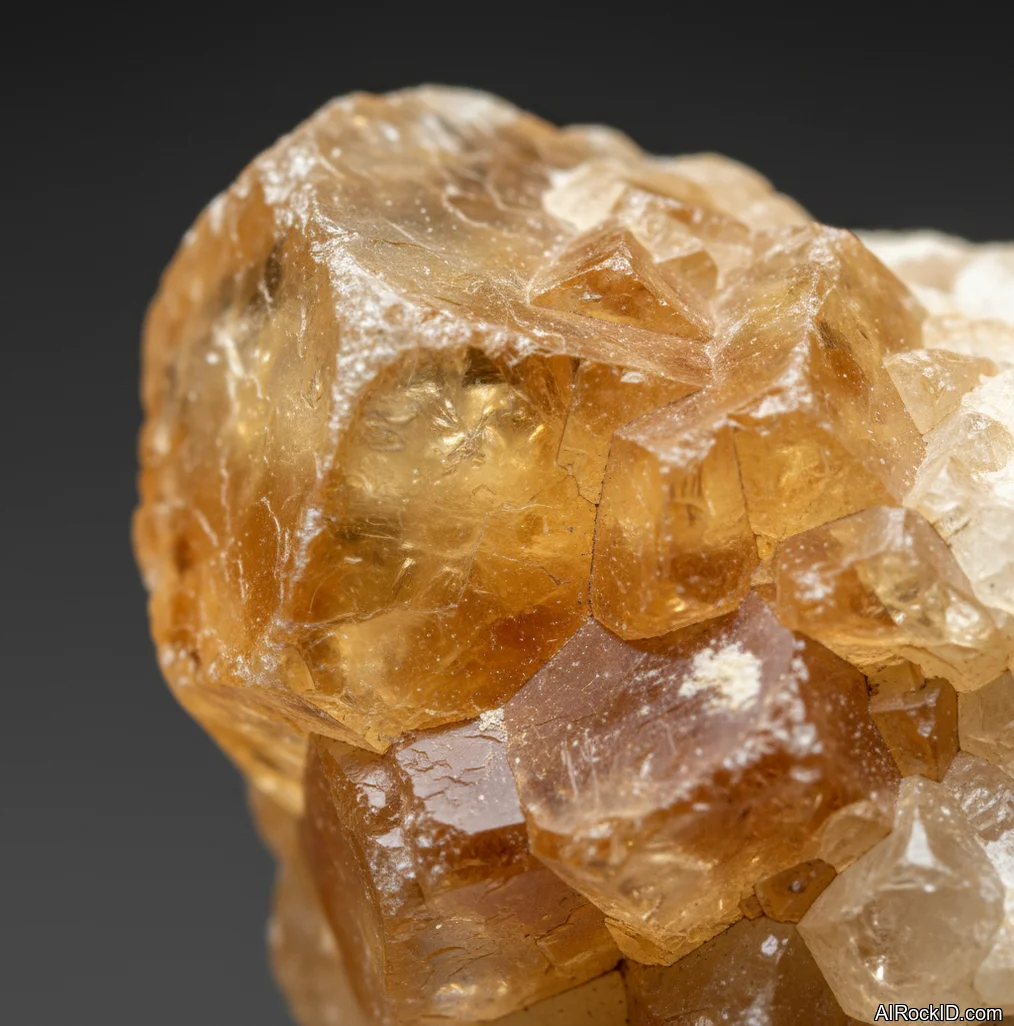
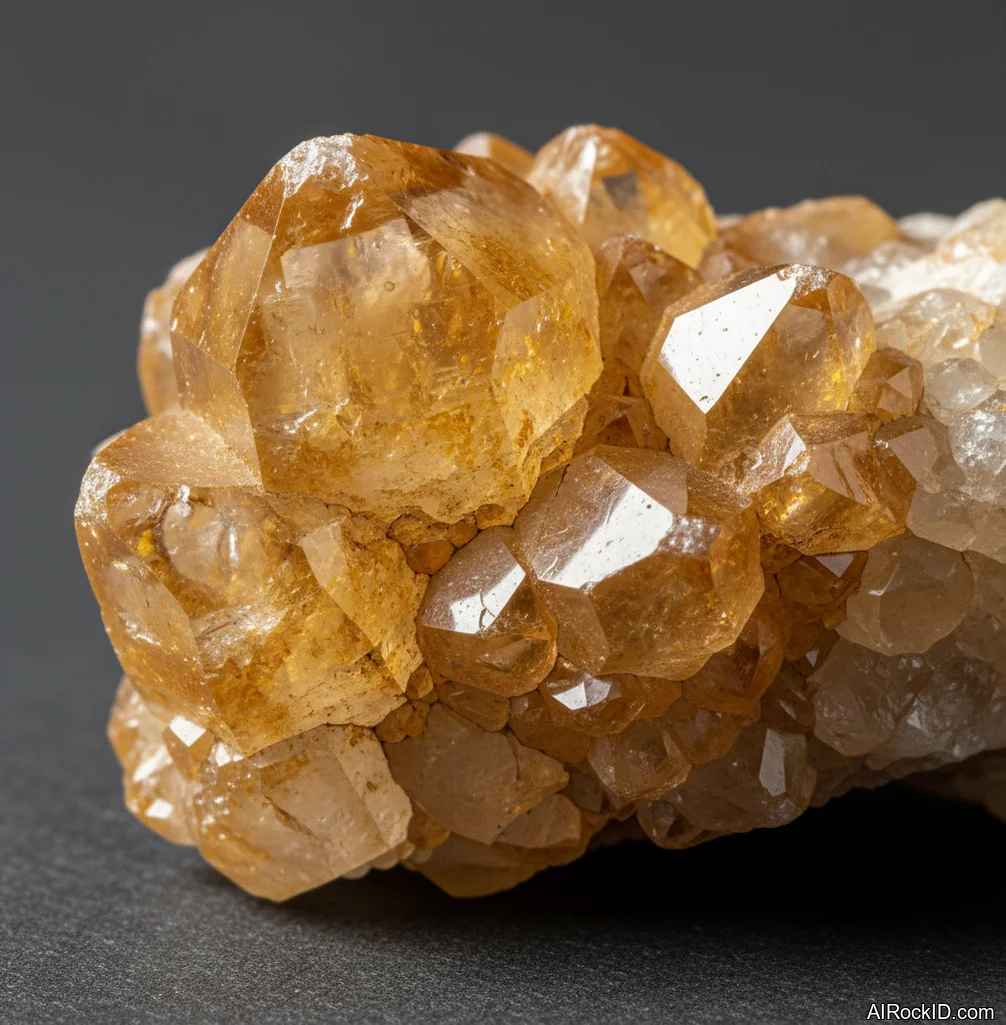
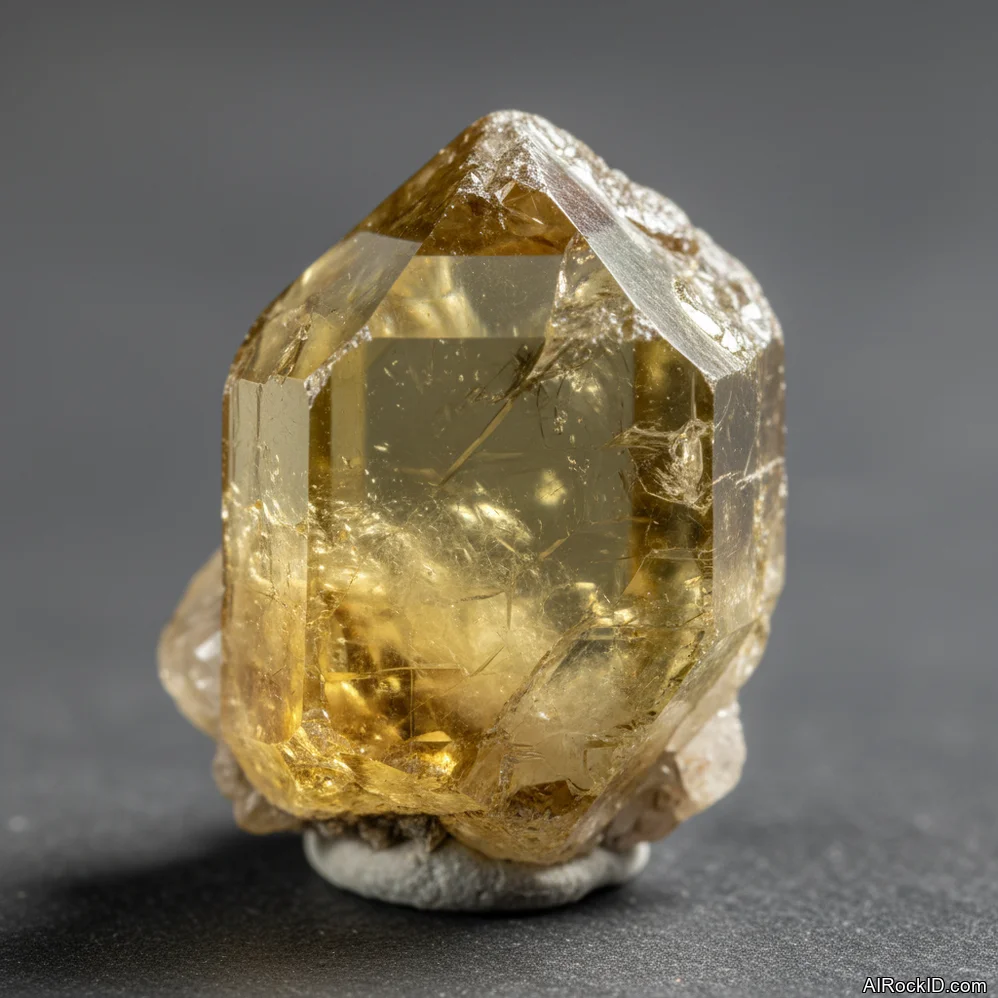
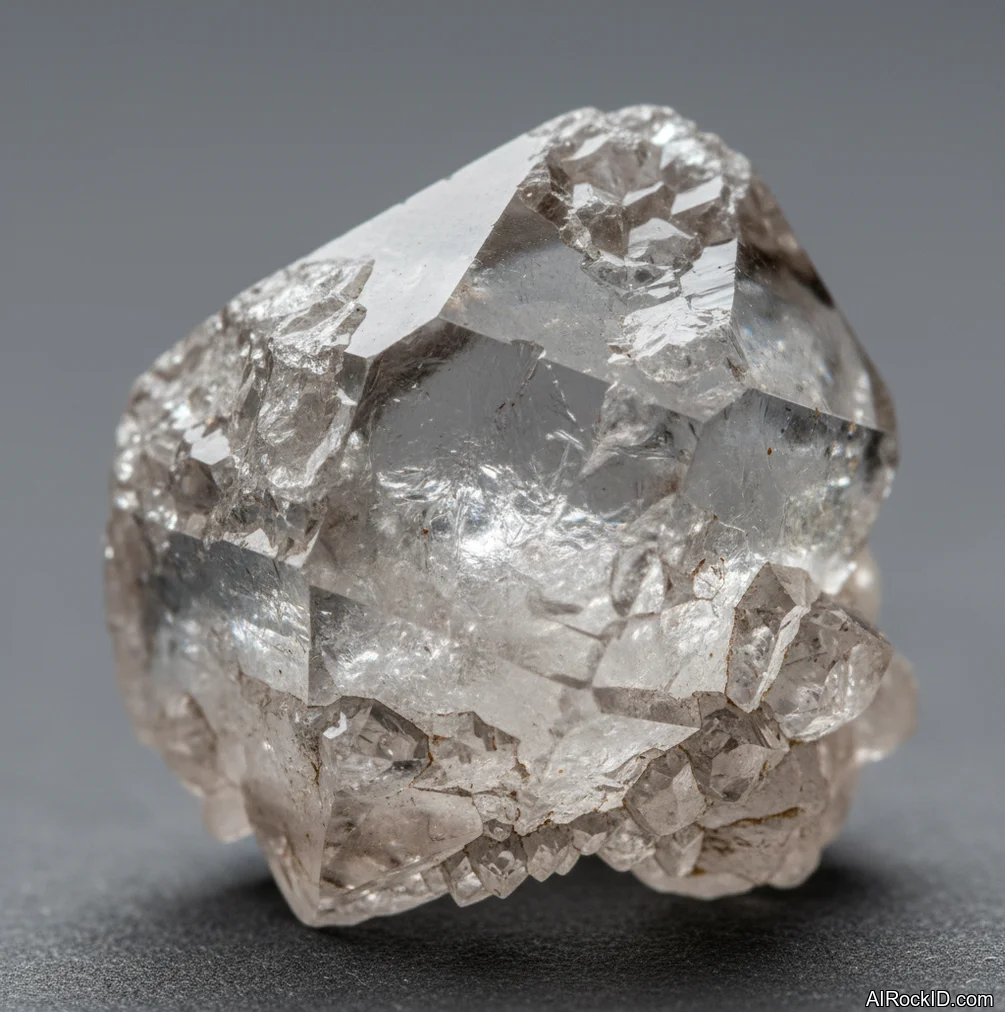
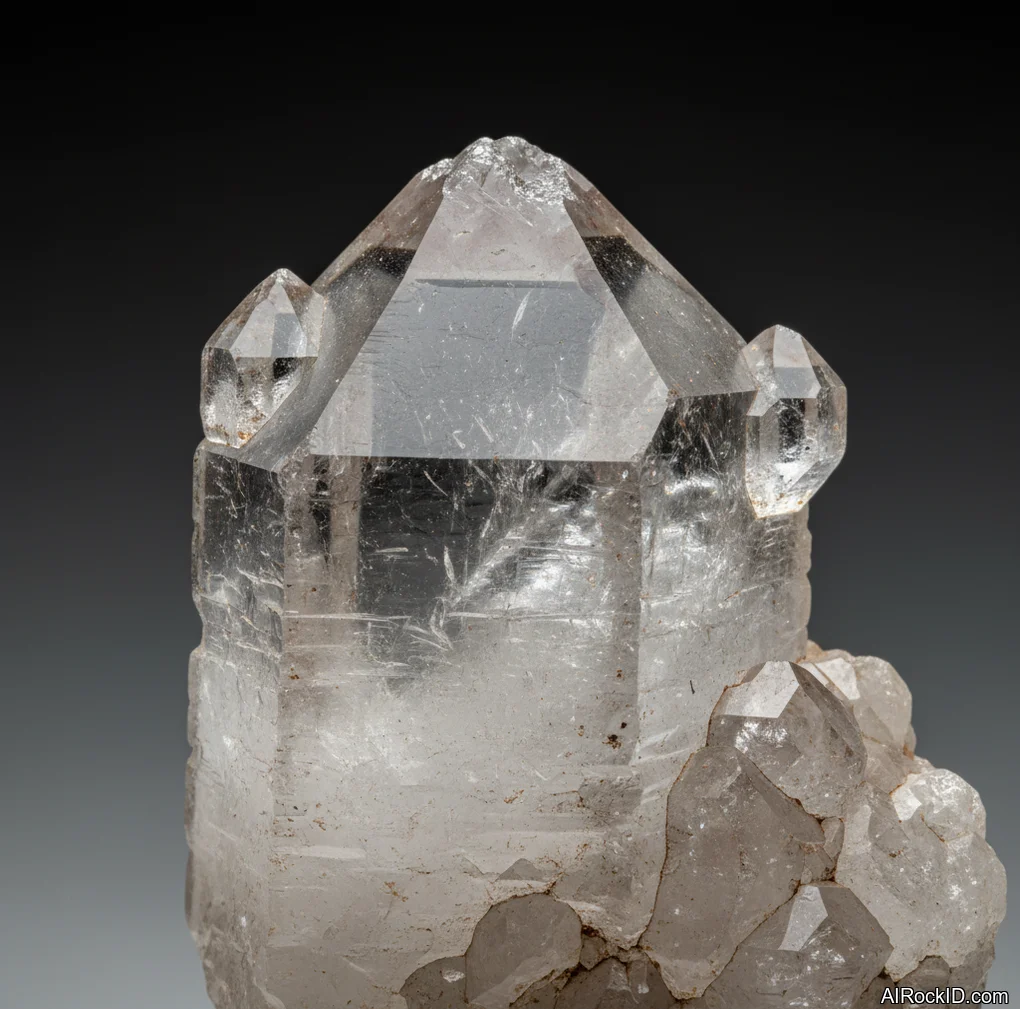
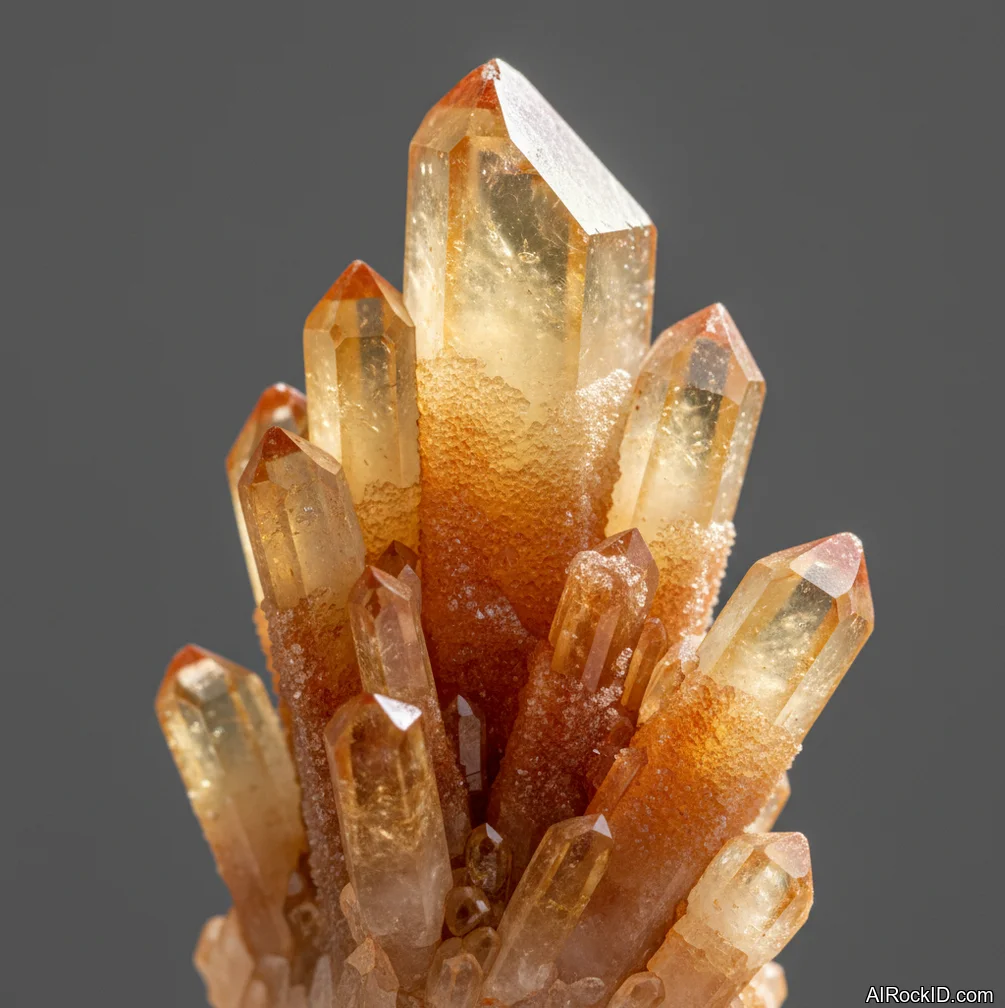
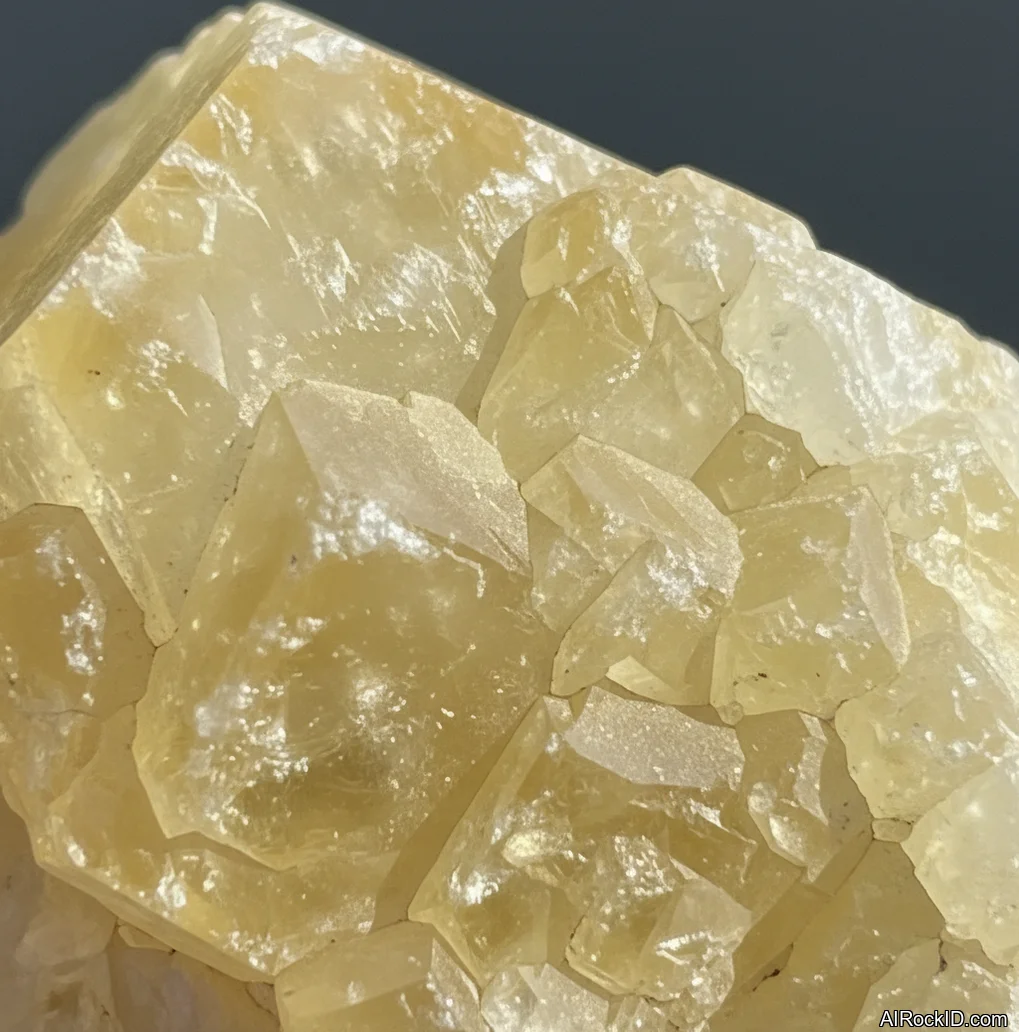
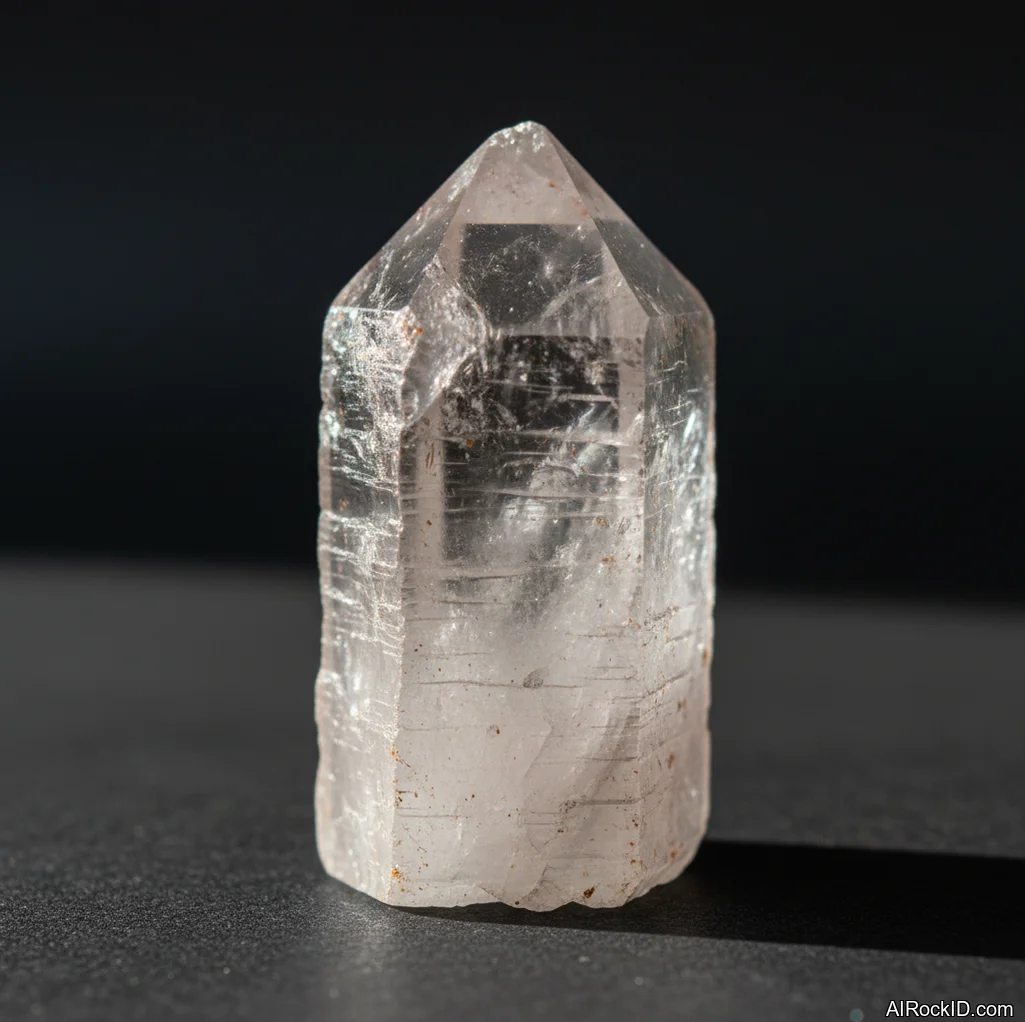
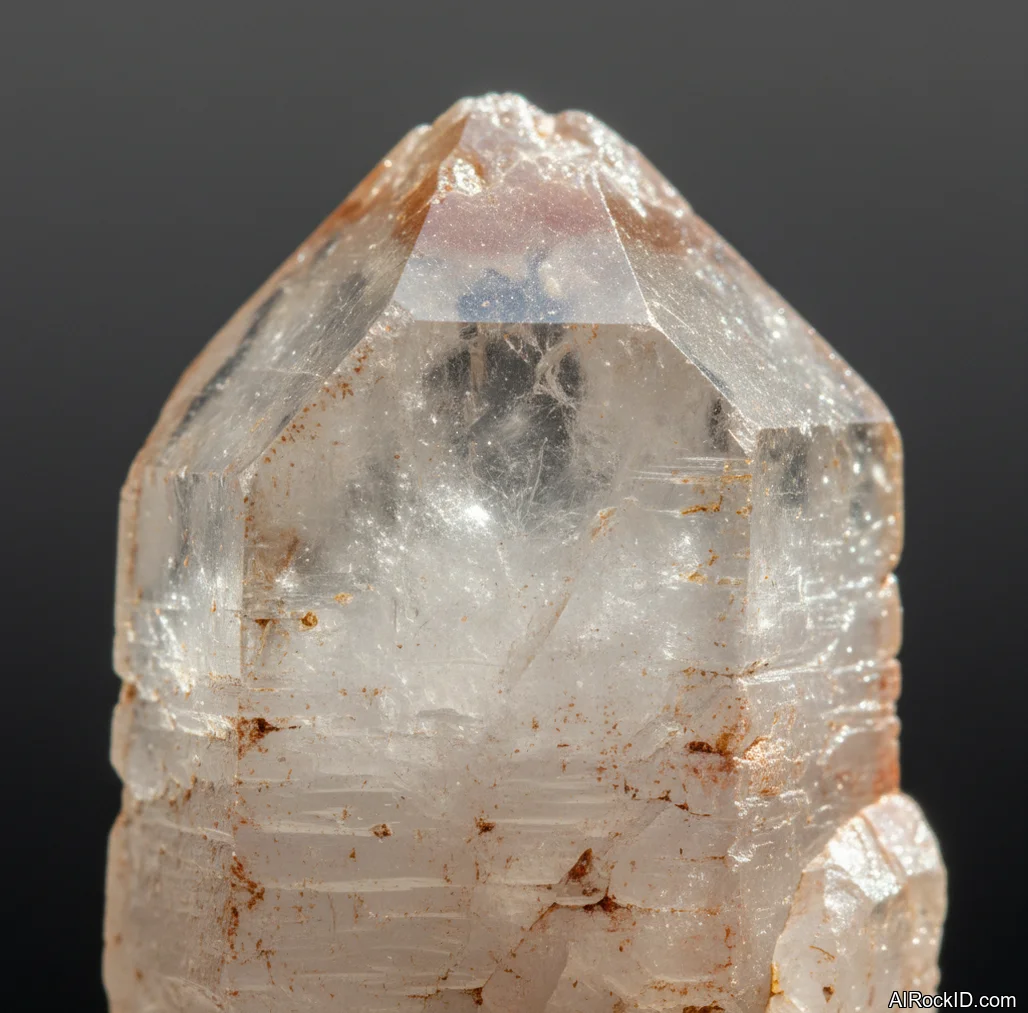
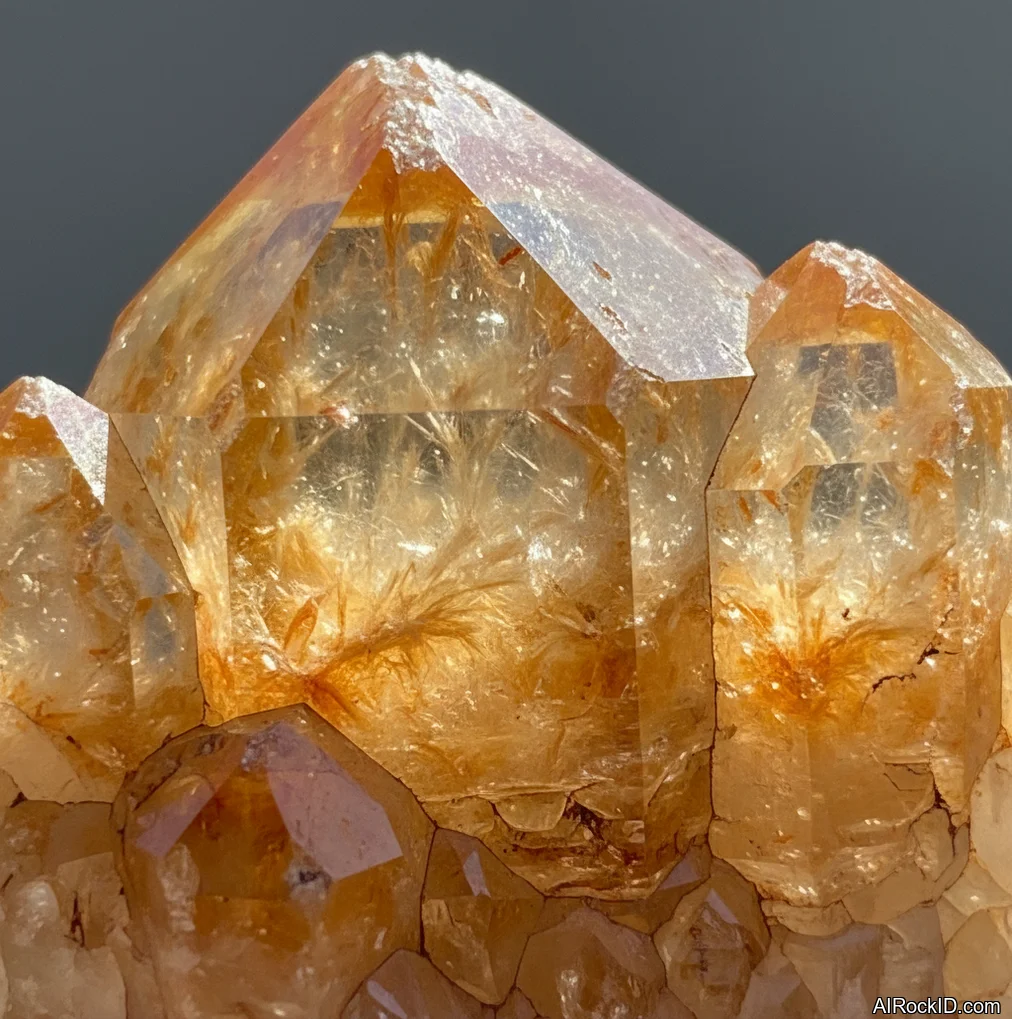
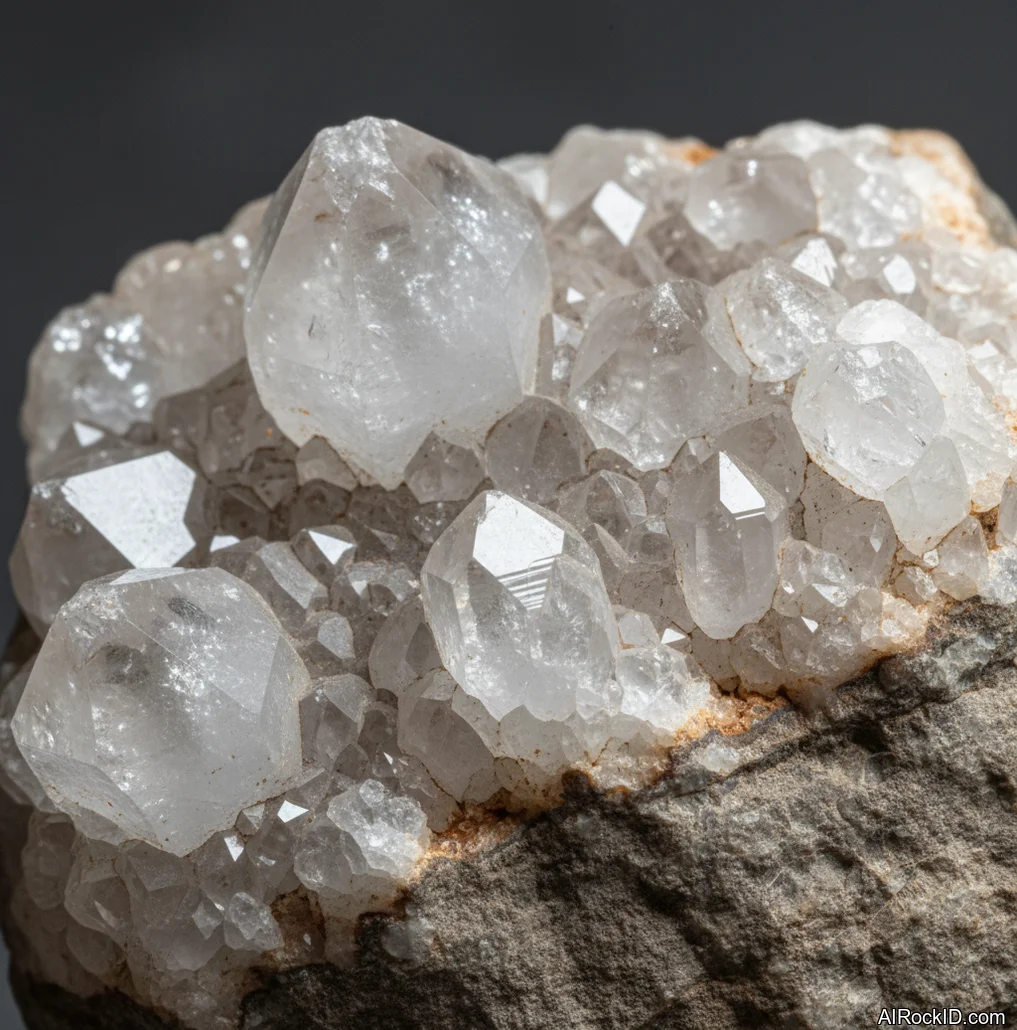
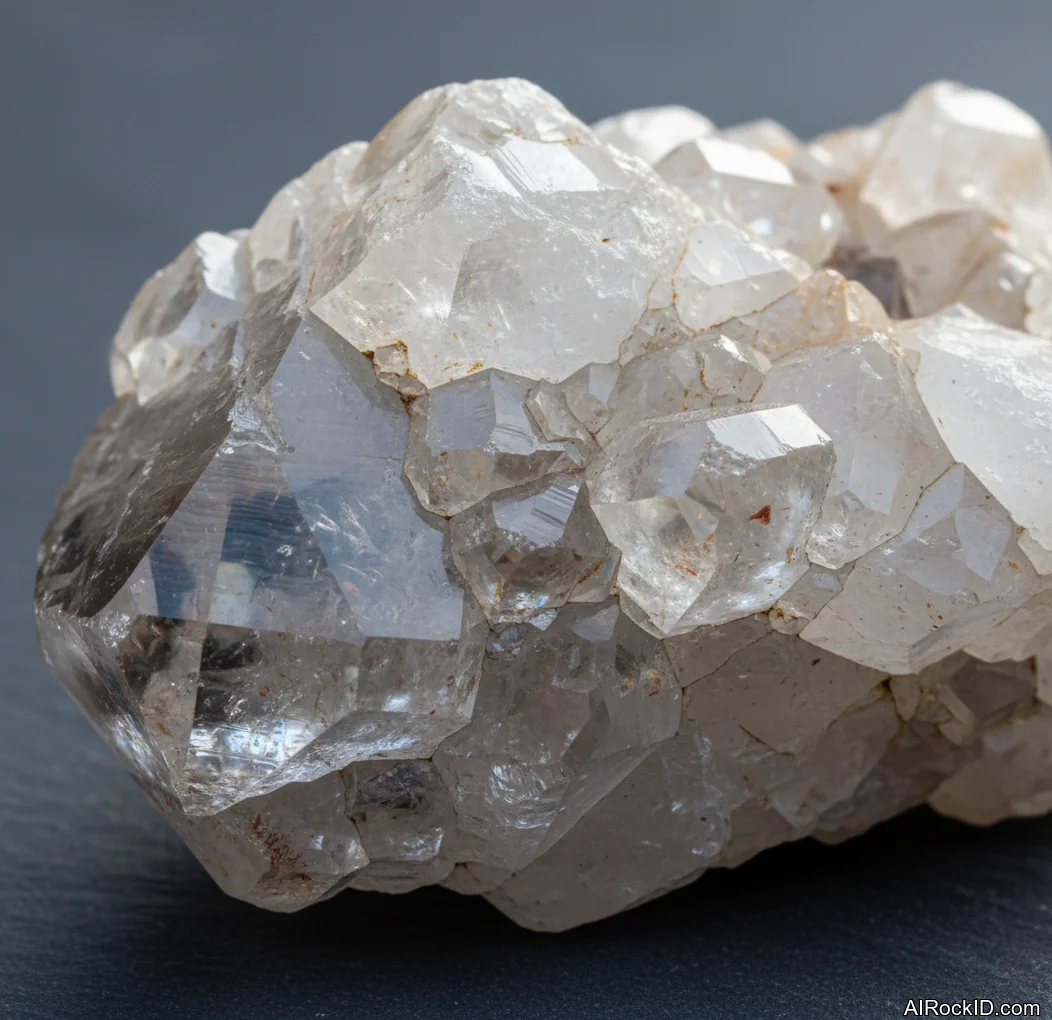
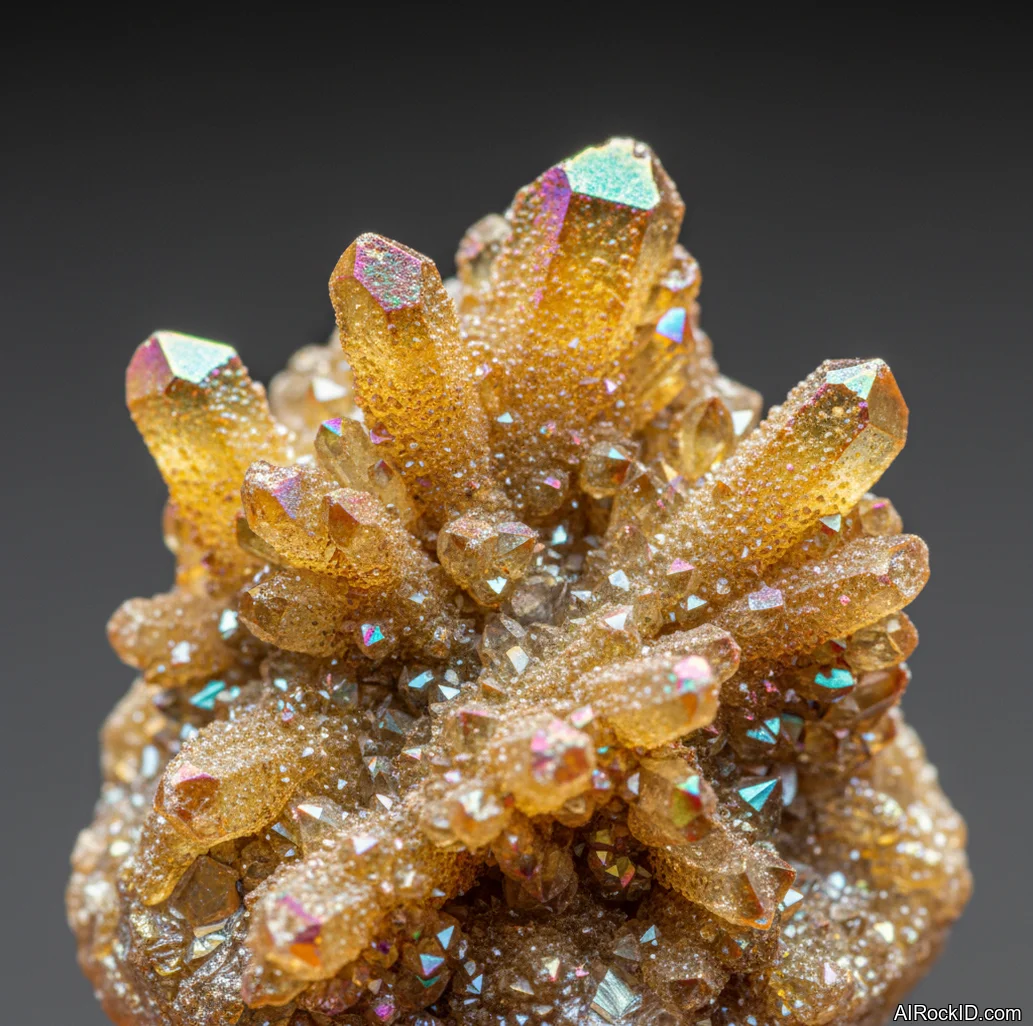
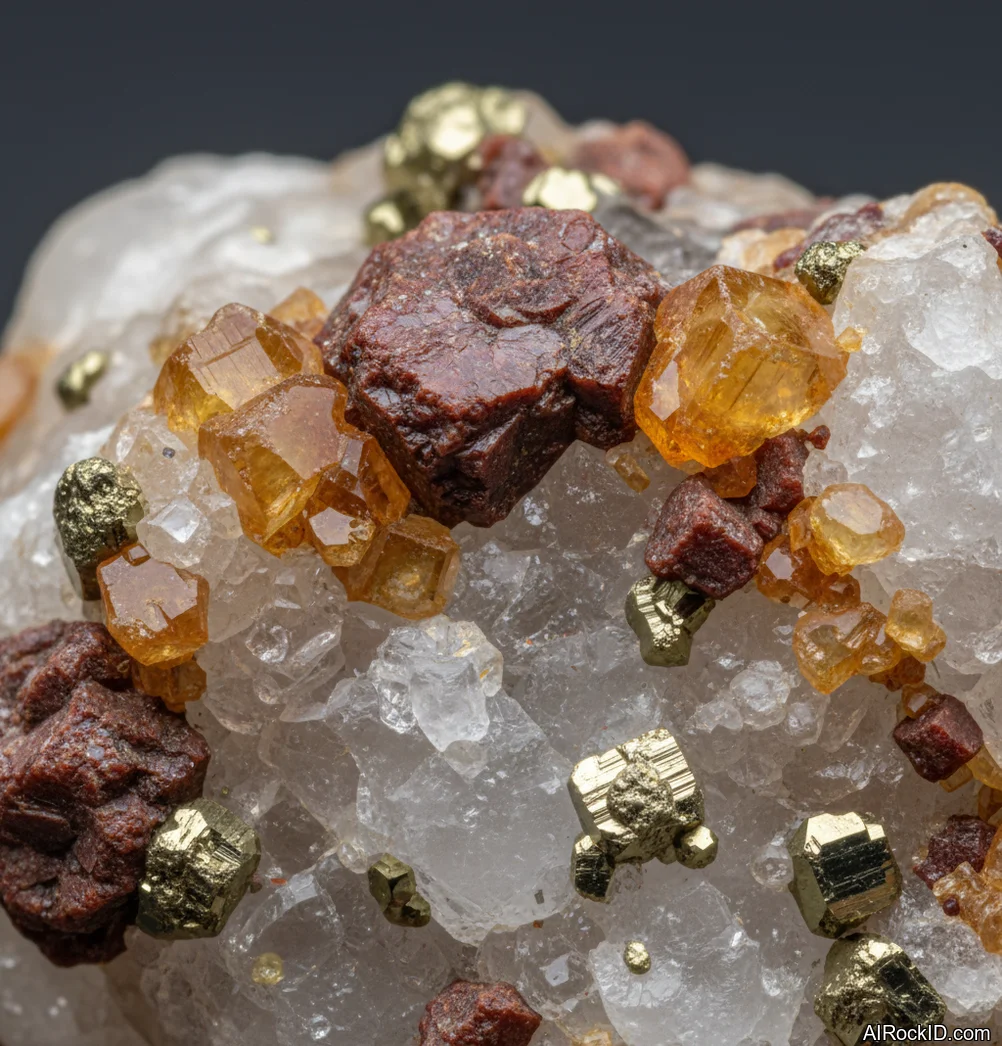
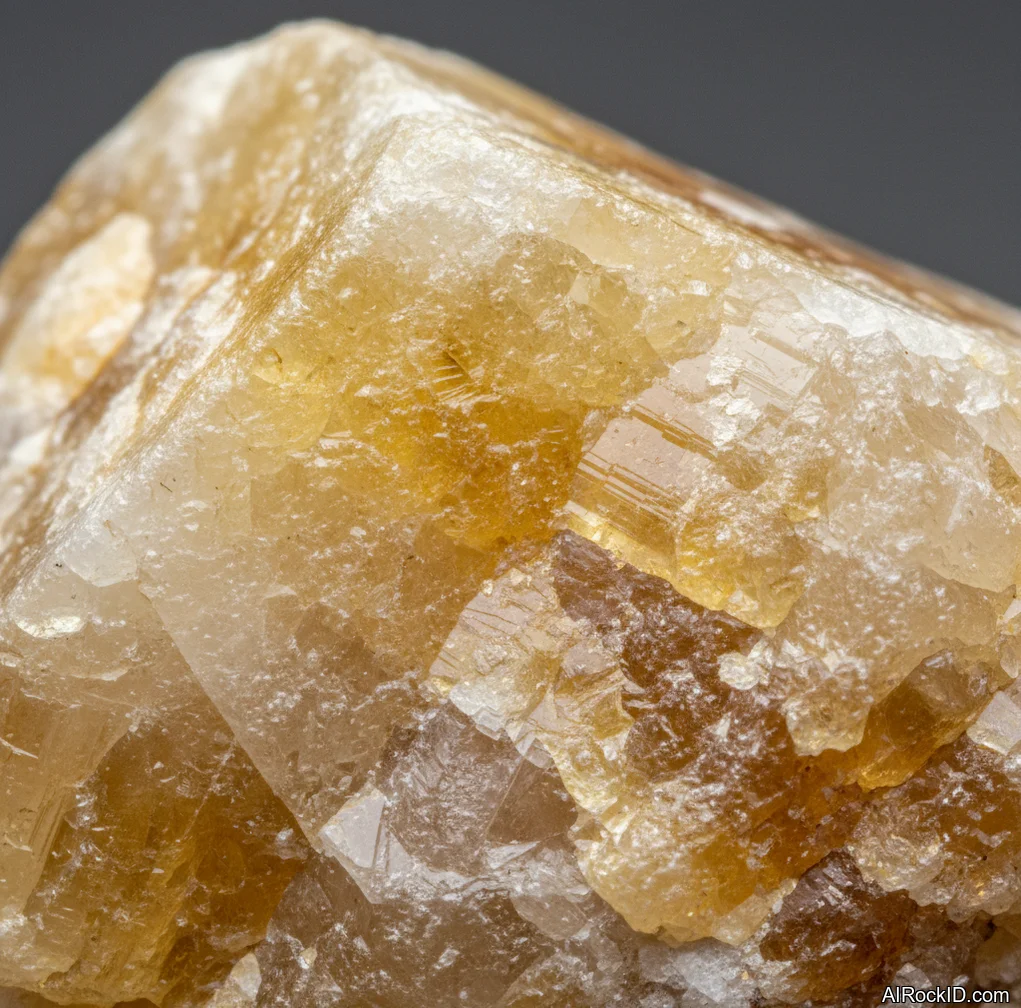
At first glance, Citrine seems simple. Yellow quartz. Done. But the market’s a mess. A huge chunk of “citrine” for sale is heat-treated amethyst or smoky quartz. It often shows a burnt orange tone and a white base on points, like the color got cooked in from the outside. Natural citrine usually sits in a softer champagne range and looks more even through the crystal, especially in well-formed points. If you’re buying tumbled stones, ask for origin or at least ask if it’s heat-treated. Some shops will tell you straight. Some won’t (and you can usually tell).
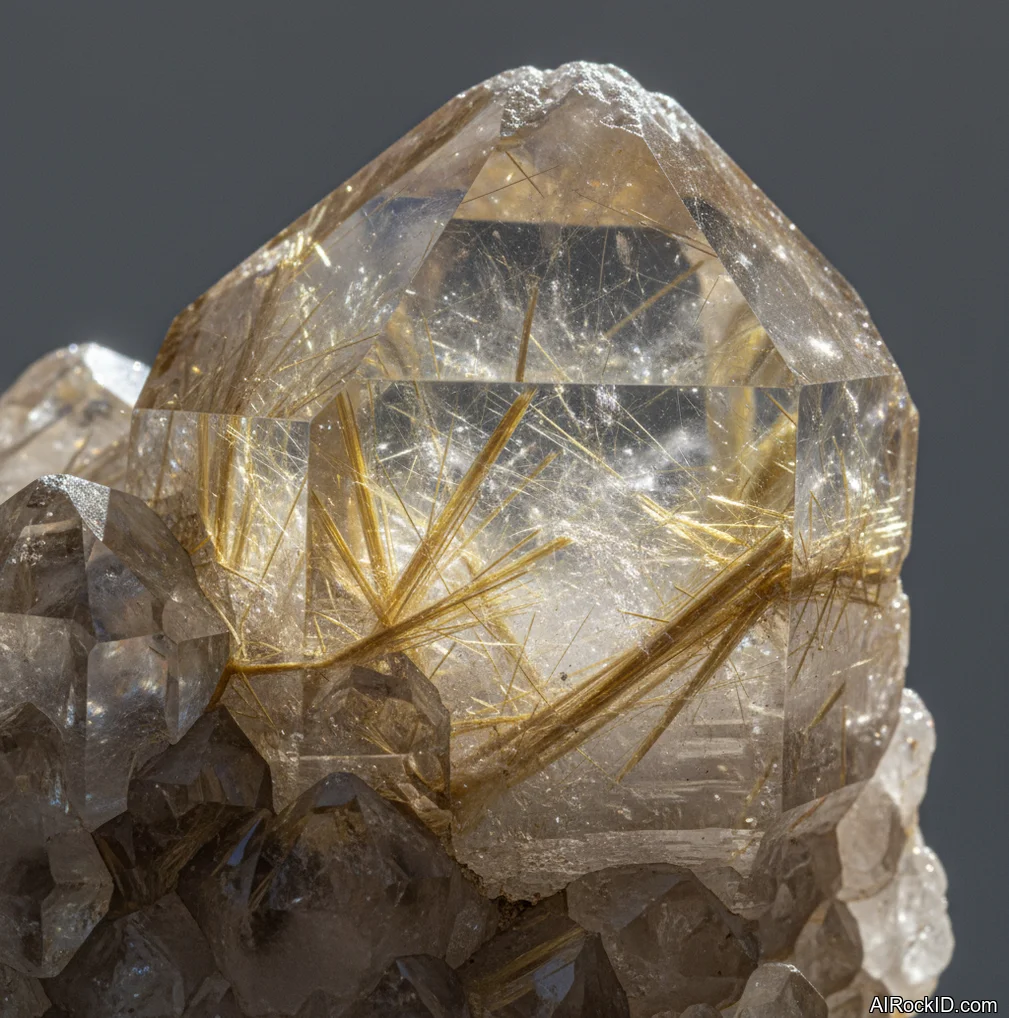
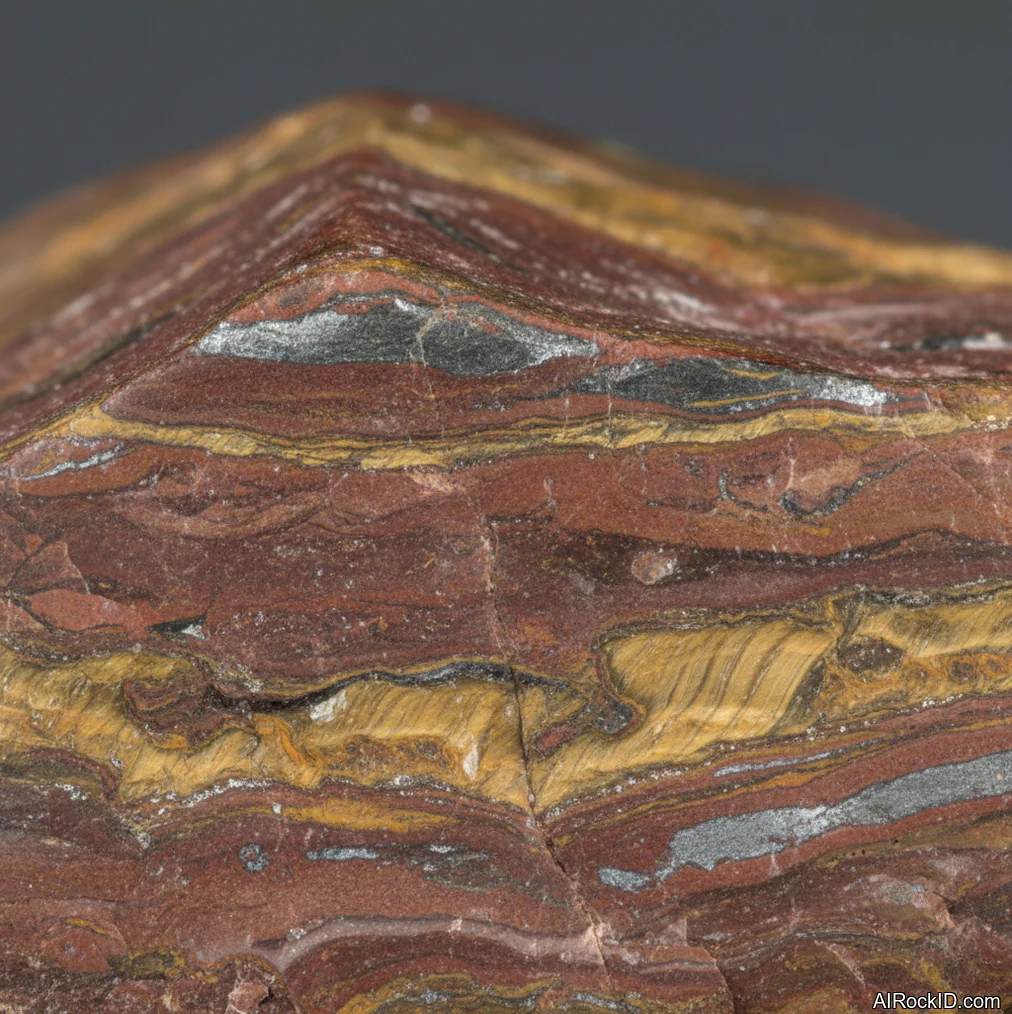
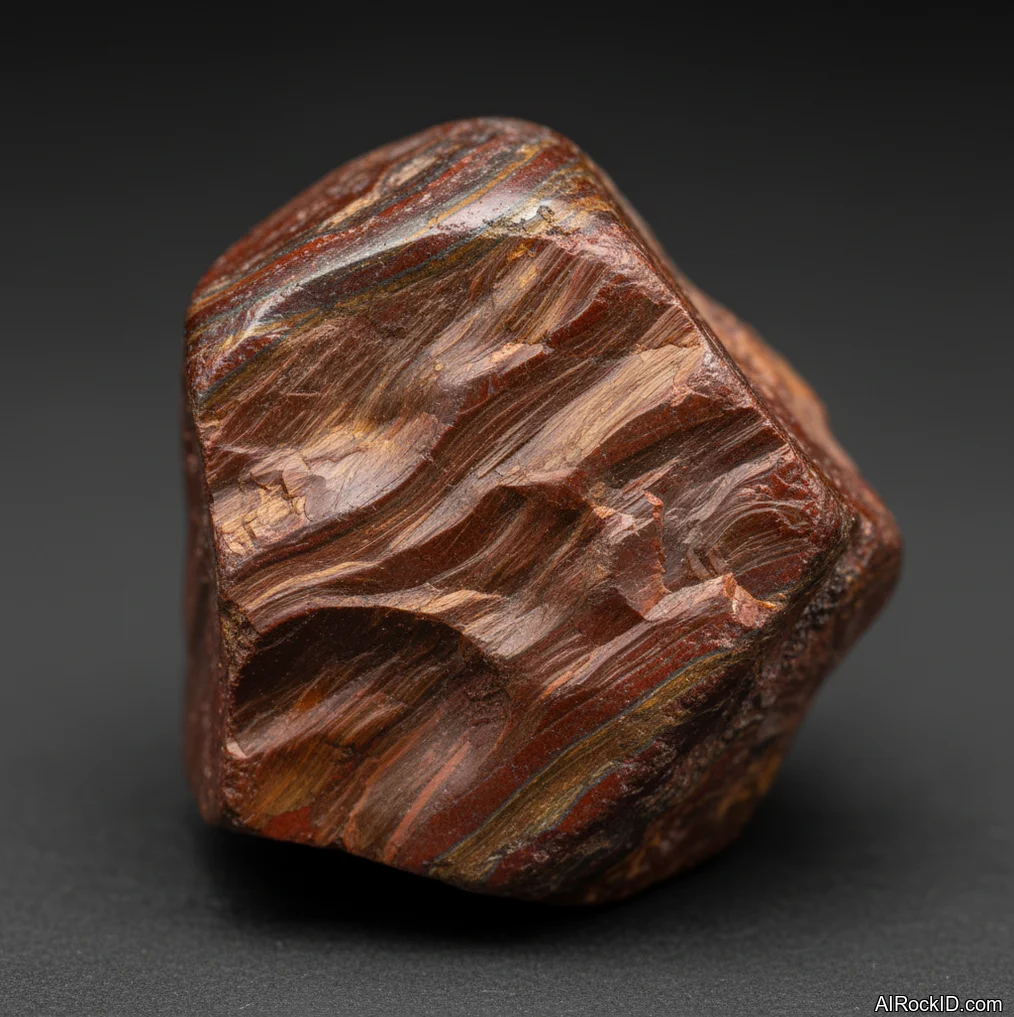
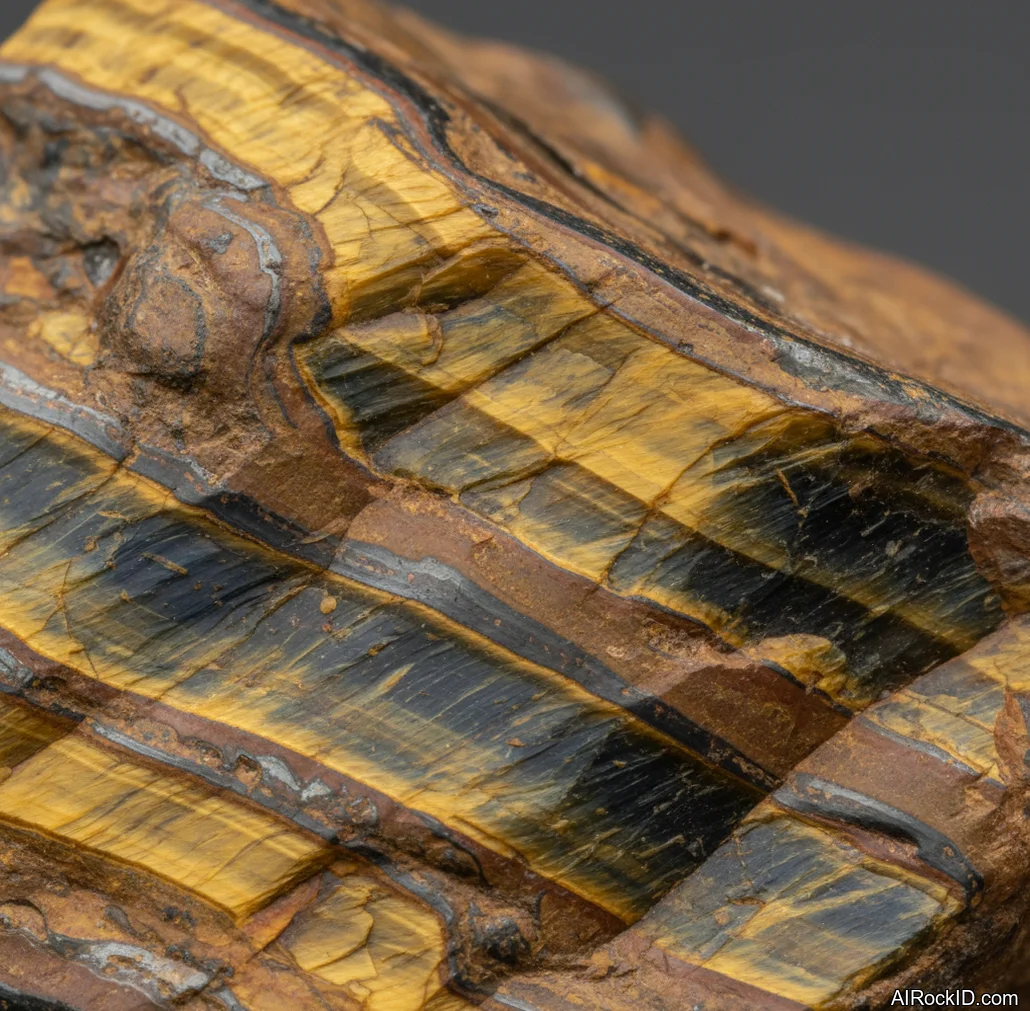
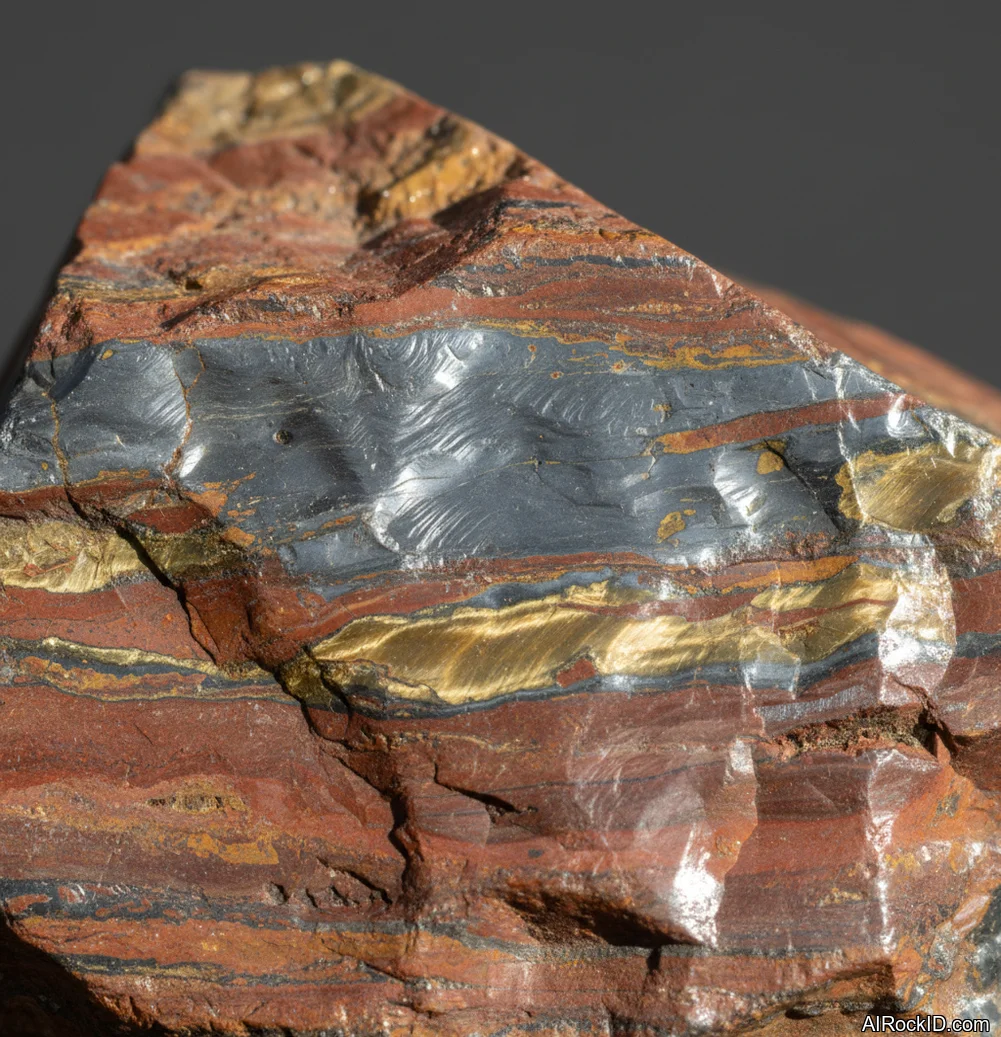
Look, stare at Tiger’s Eye for a second and you’ll see why people tie it to the Sun. That silky banding is chatoyancy from aligned fibers, and it moves like a cat’s pupil as you roll it. A good cabochon has a sharp, bright line that slides cleanly, not a muddy blur. Tiger’s Eye is also tough enough for daily carry. It doesn’t baby-scratch like selenite, and it won’t crumble like some softer calcites.
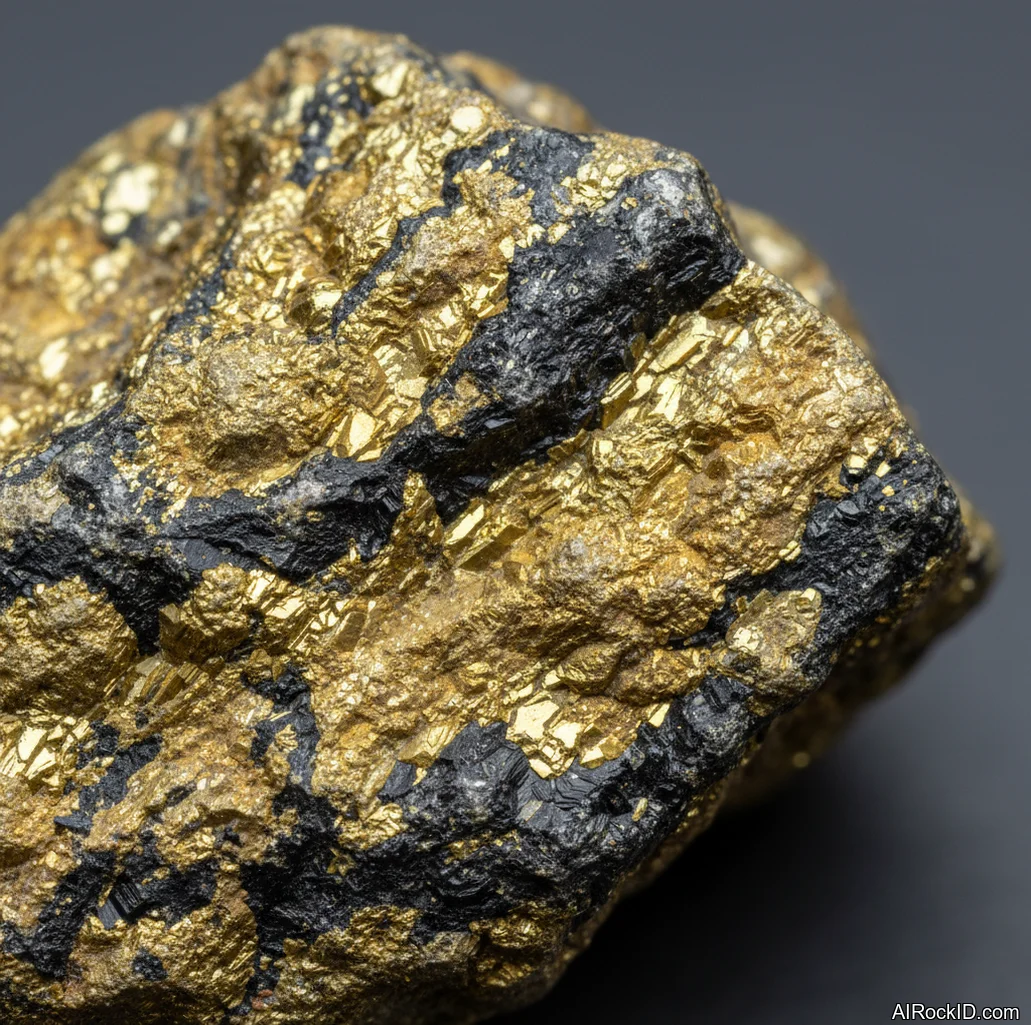
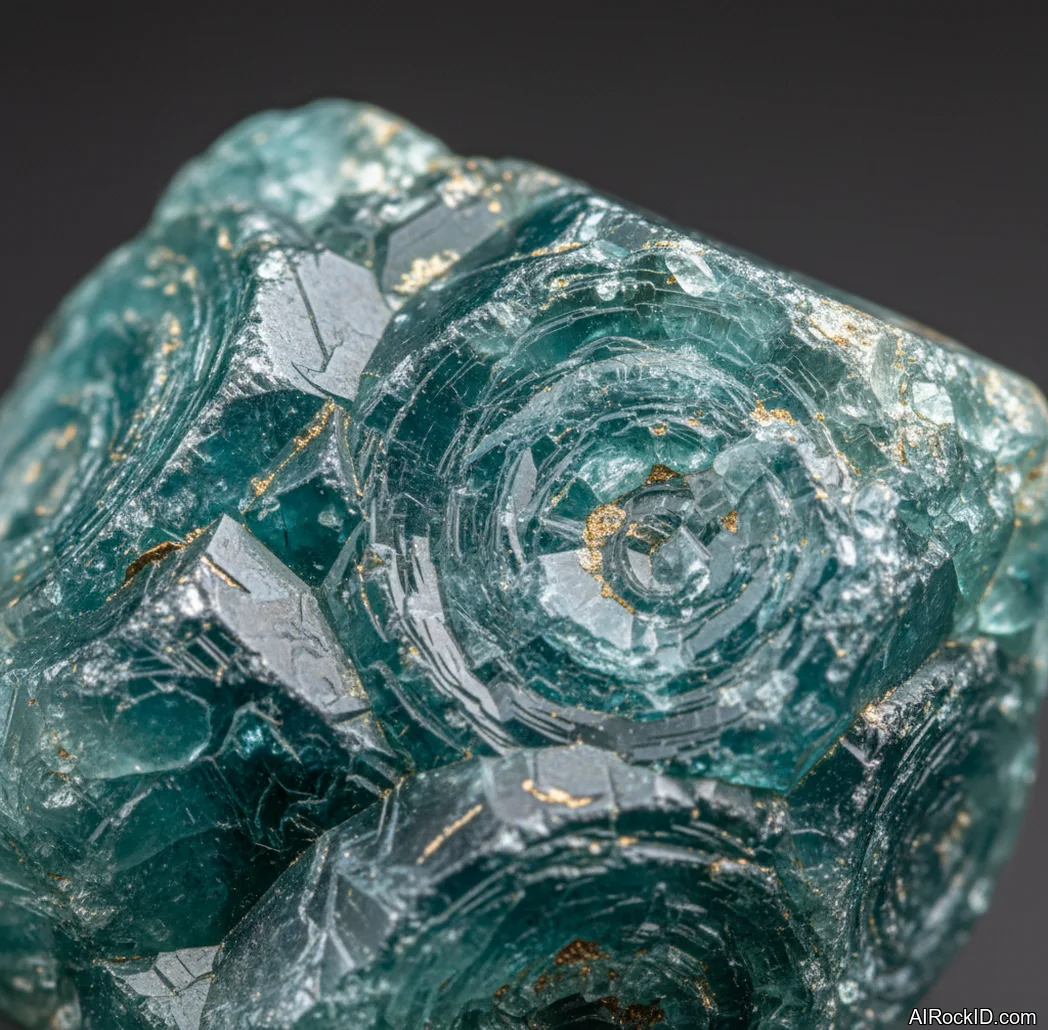
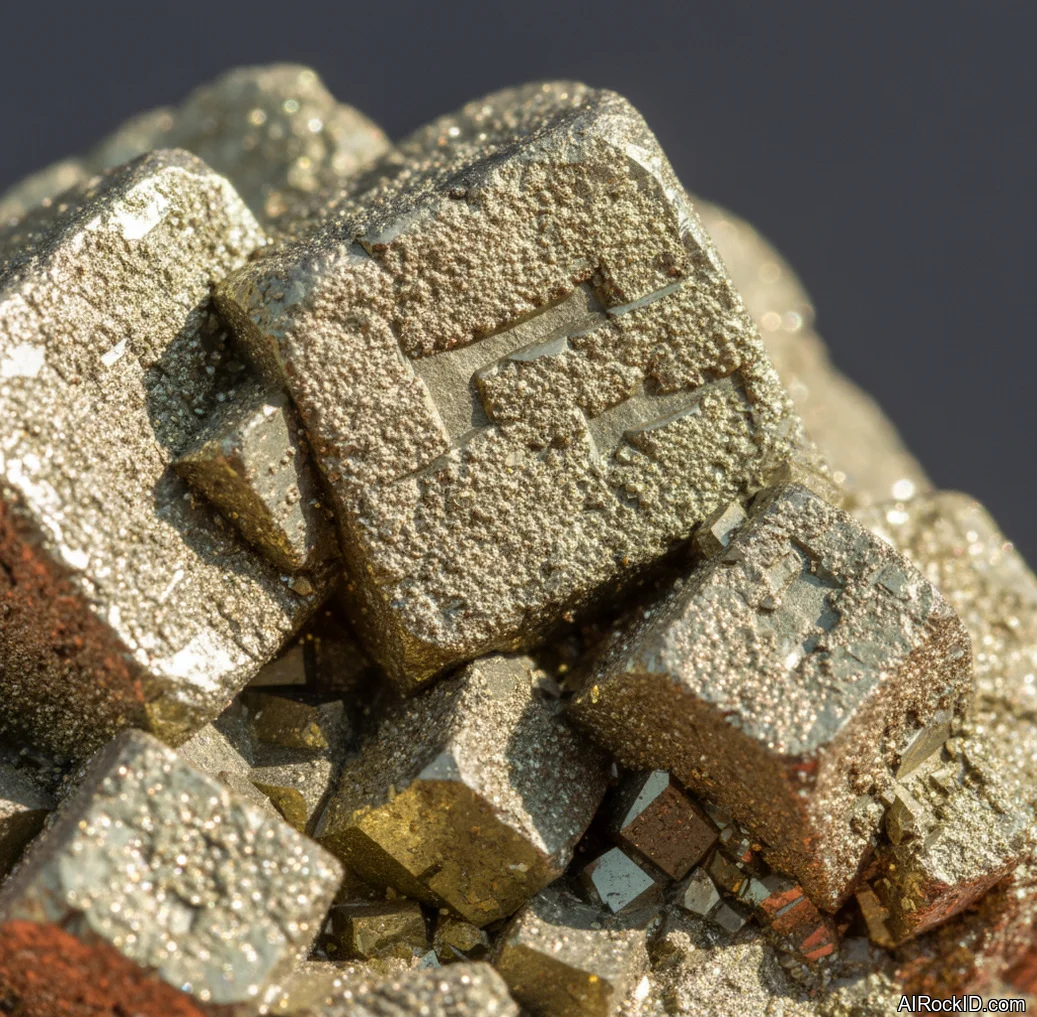
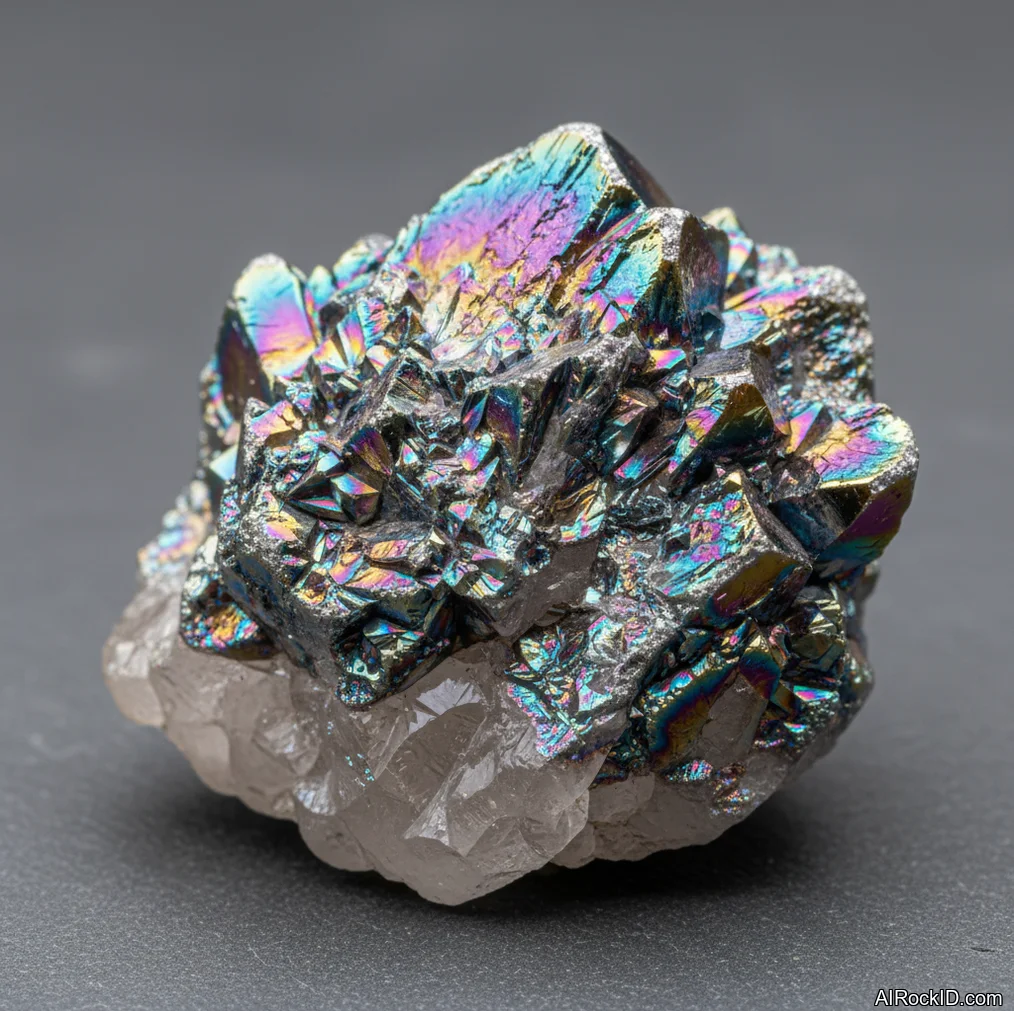
Then there’s Pyrite. It’s heavy. You notice the weight first, especially with chunky cubic pieces. If you’ve ever handled a bright, sharp-edged cube cluster, you remember how the faces mirror light like tiny metal tiles. It’s a classic “Sun” pick because it reads as gold, but buying it can be tricky. Pyrite can oxidize if it’s from unstable material or stored damp. If you see powdery spots, flaking, or a dull crust forming in pits, skip it or plan to keep it very dry with a desiccant pack.
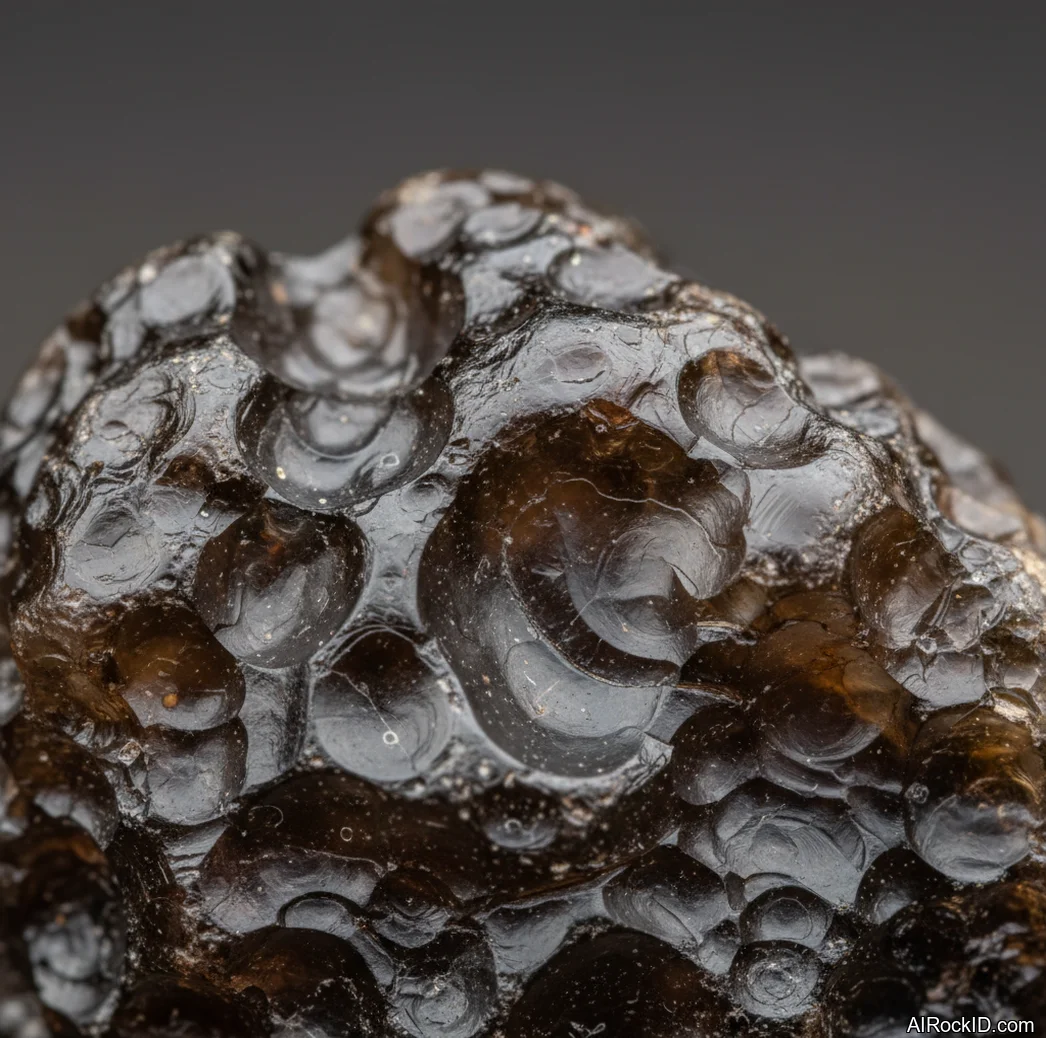
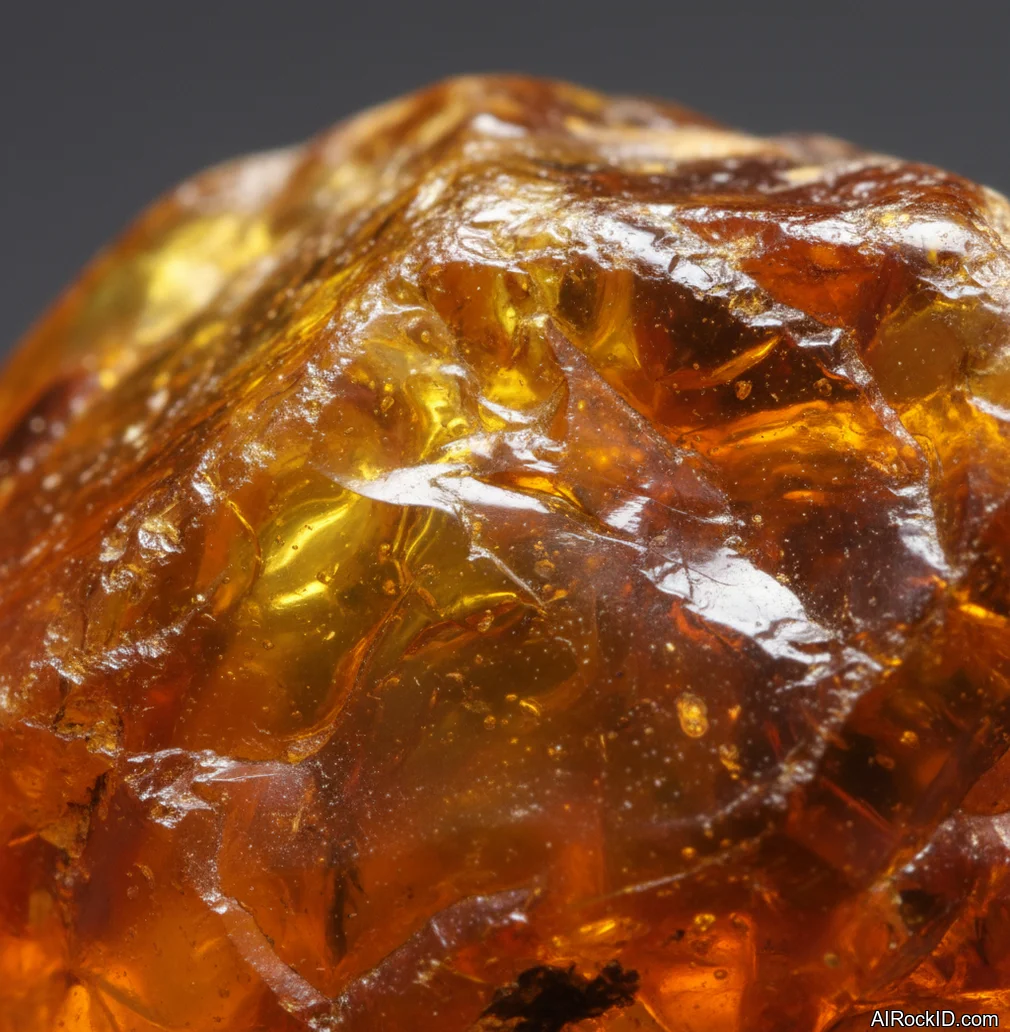
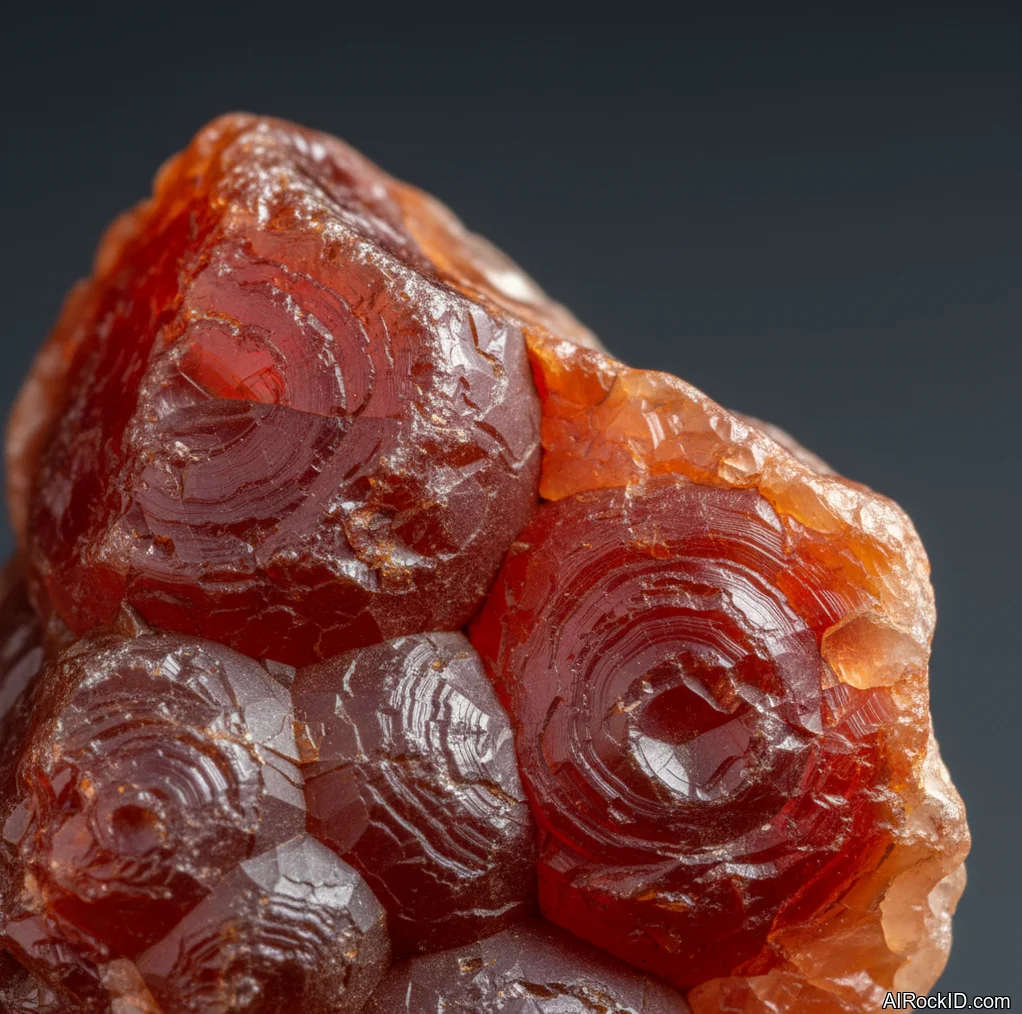
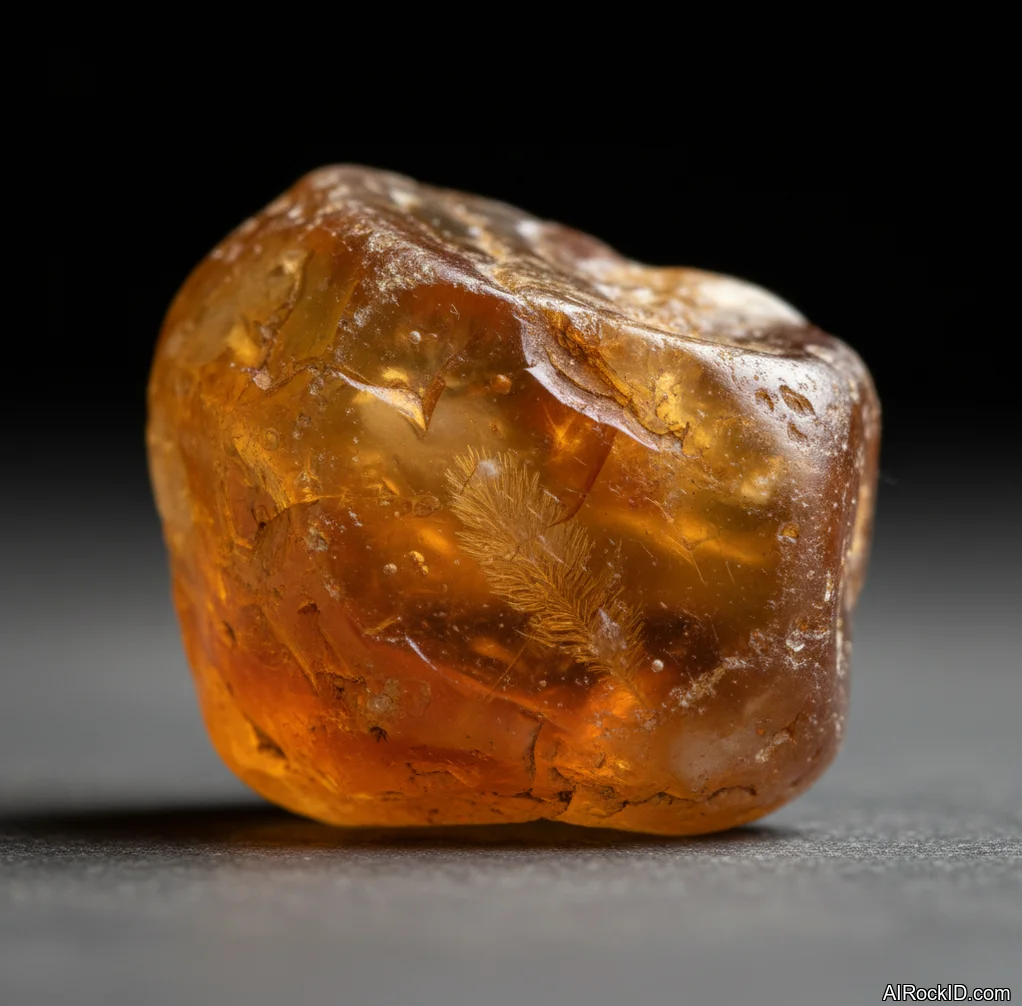
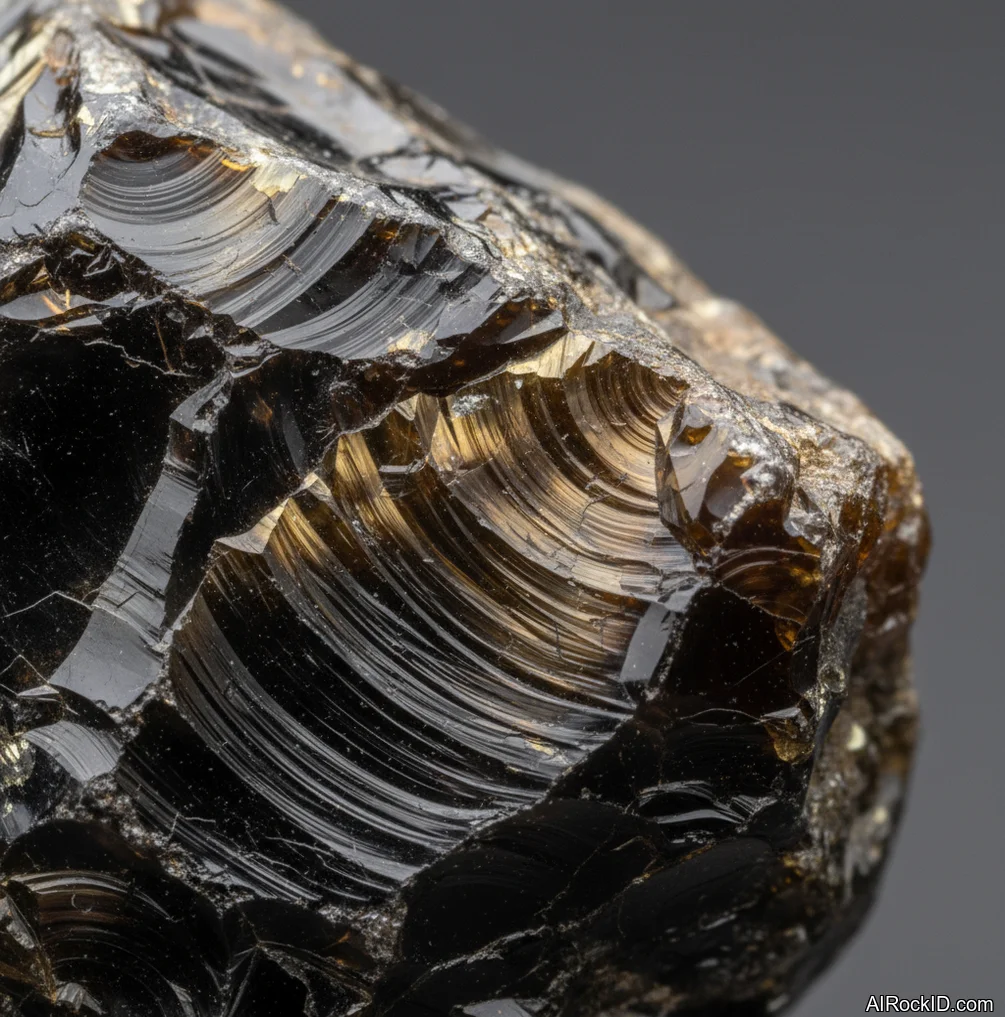
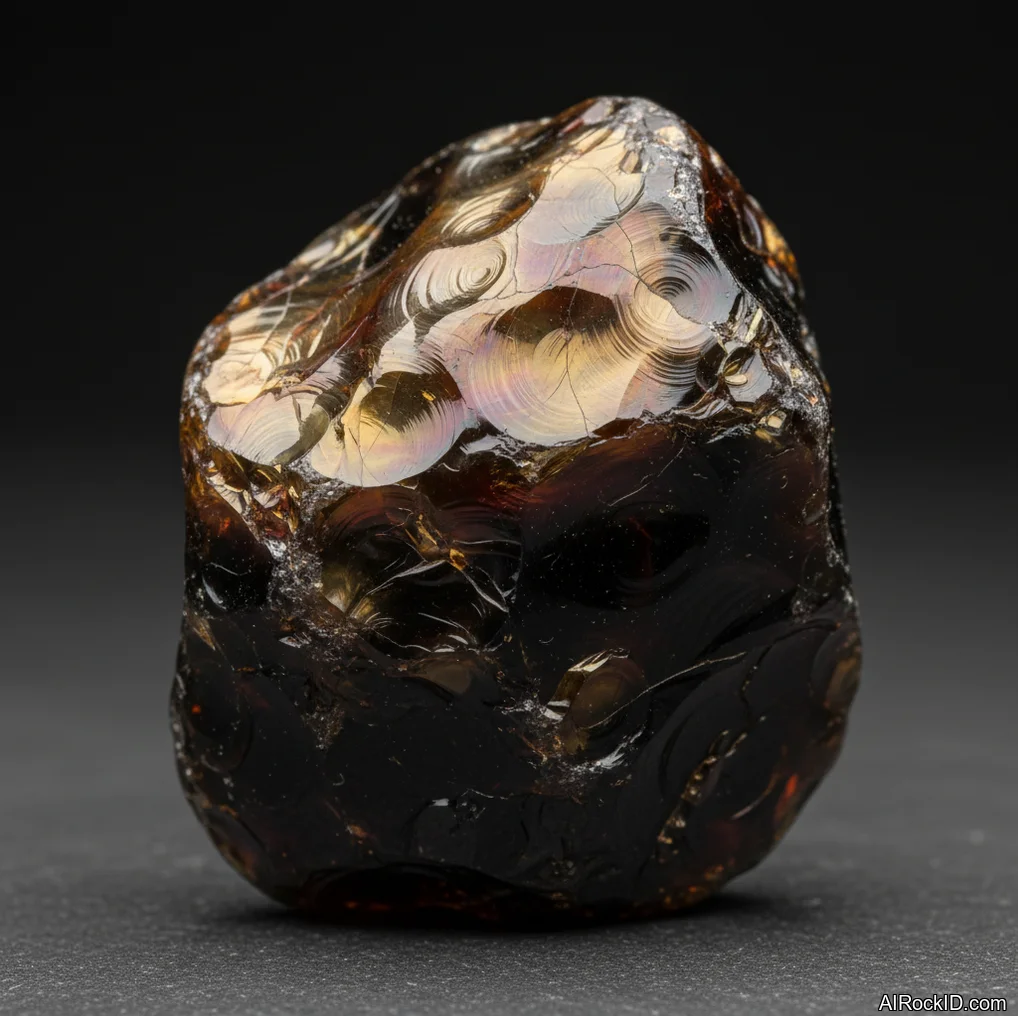
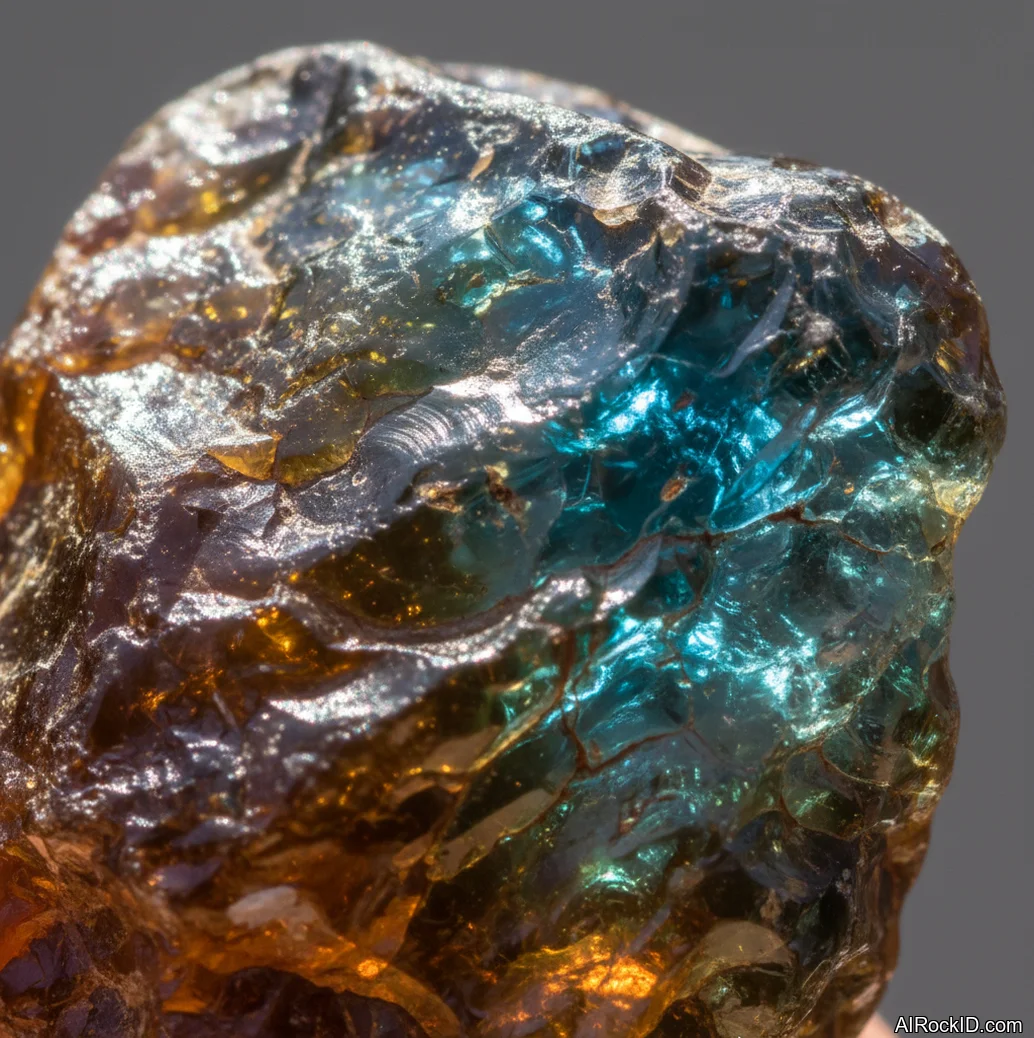
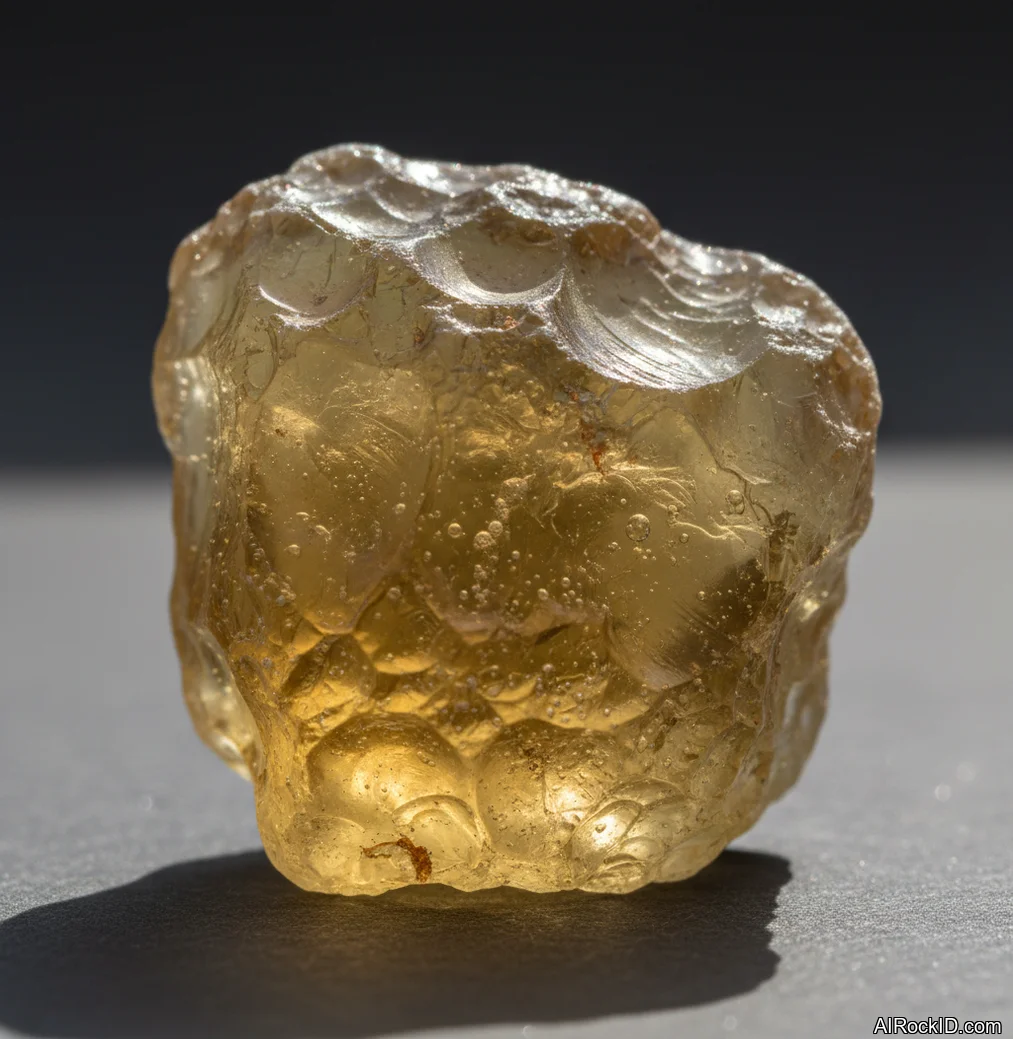
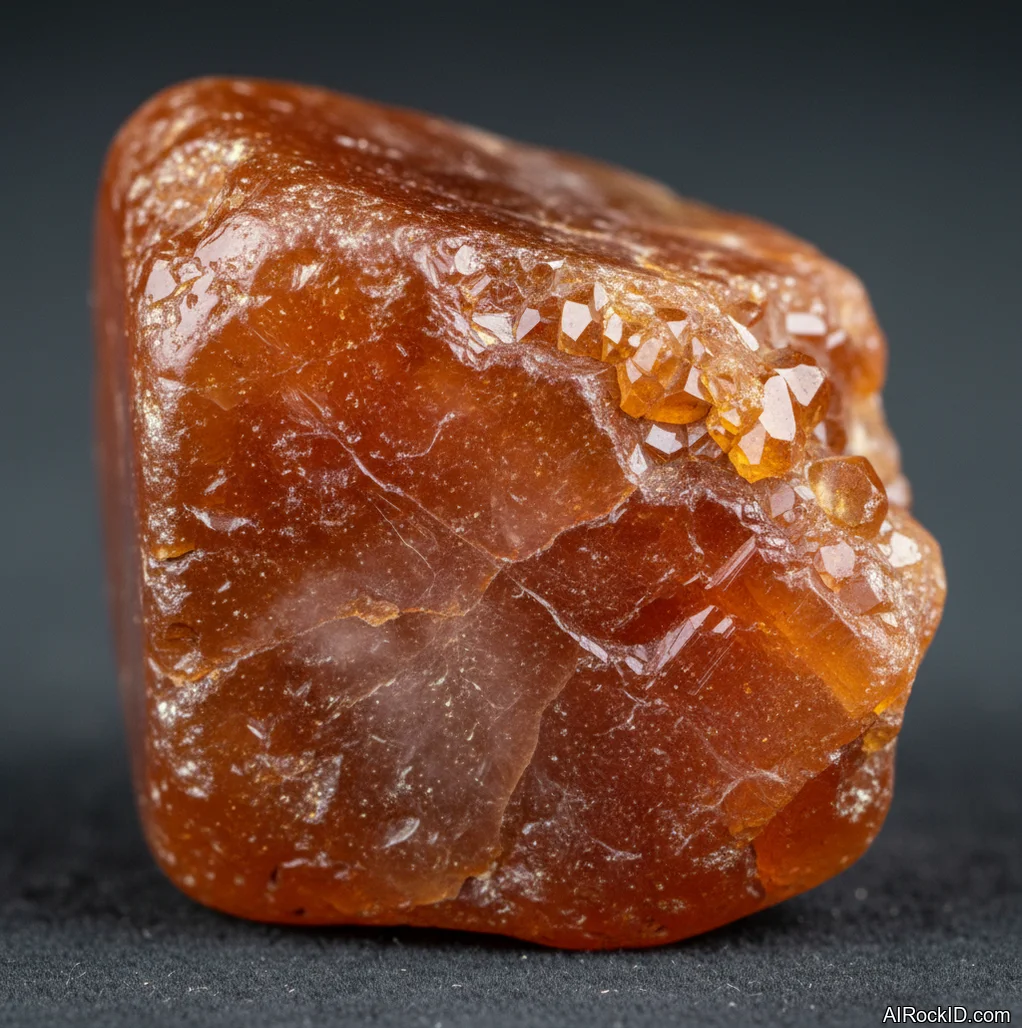
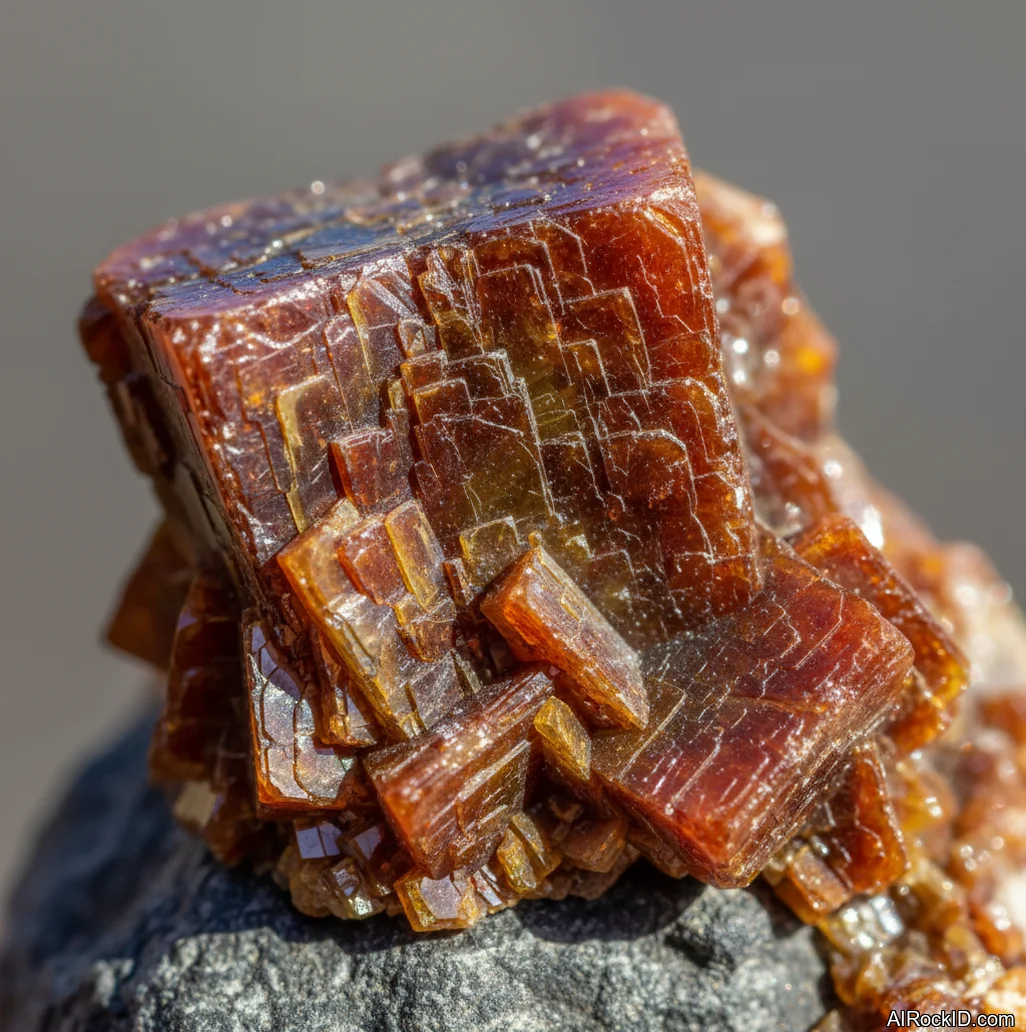
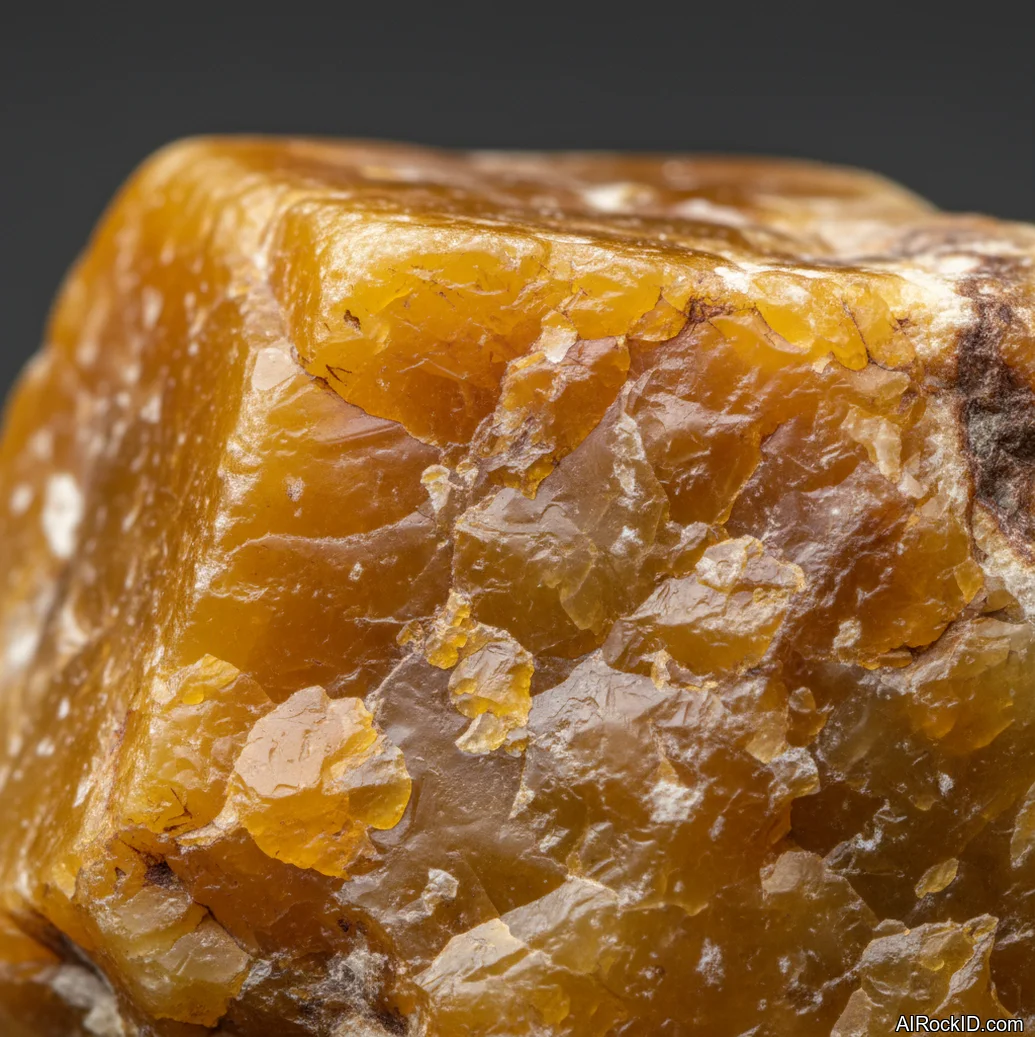
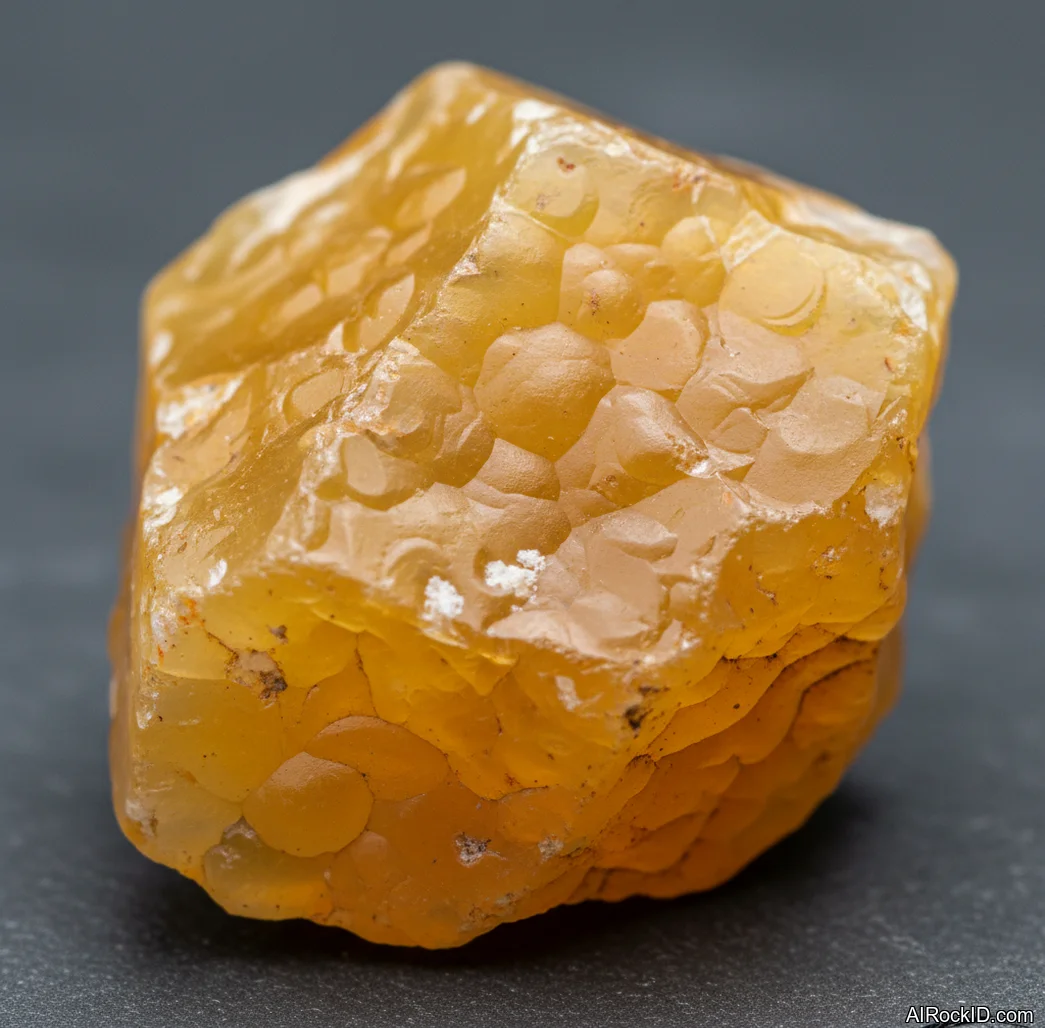
Amber isn’t a mineral, but collectors still treat it like a Sun stone because it literally comes from ancient resin and holds light in a warm, honey way. Real amber feels light for its size, and it warms up fast in your hand compared to quartz. Under UV light it often fluoresces, and you can sometimes spot tiny bubbles or plant bits inside. Copal gets sold as amber a lot. It’s younger and softer, and a hot pin test will make it go tacky fast, which you don’t want to do on a piece you plan to keep.
So how do you work with Sun crystals without turning it into a performance? Keep it physical. Wear a Tiger’s Eye bracelet on your dominant hand when you need steady confidence. Put a piece of Citrine or Sunstone where light hits it in the morning, like a desk corner, then actually sit there and do the thing you’ve been avoiding. Carry Pyrite when you’re budgeting or negotiating, but don’t toss it loose in a pocket with keys because it’ll chip and the edges can be surprisingly sharp (ask me how I know).
Thing is, the real test is whether the stone holds up in your routine. Tumbled Sunstone can take bumps, but it’ll look dull if it gets coated in hand lotion. Quick wash, mild soap, pat dry. Amber hates heat and solvents, so don’t leave it in a hot car, and keep perfume off it. Citrine and Tiger’s Eye are easy day-to-day. Pyrite is the high-maintenance friend.
Compared to Moon-linked stones that tend to be pale and watery, Sun stones usually look like they’ve got a light source inside. That’s a buying cue. If the color is dead flat, or the shine is plastic, pause. Ask for a video under moving light. Ask about treatments. A good dealer won’t get weird about those questions. If they do? That tells you plenty.
One last practical tip. People love to “charge” Sun crystals in direct sunlight, but some materials fade. Heat-treated amethyst sold as citrine can shift over time, and some dyed stones will bleach out. If you want the Sun connection without risking color, use morning light for a short window, or set the stones near a bright room instead of roasting them on a windowsill for weeks.
There are 82 crystals tied to the Sun in your database, so you’ve got room to match the vibe you want. If you want sparkle and warmth, grab Sunstone. If you want grounded confidence, Tiger’s Eye. If you want that metallic push, Pyrite. If you want old, soft light, Amber. Keep it simple, pick stones that look alive under real light, and let the work be what you do with them after you buy them.
All Sun Crystals (82)