Physical Healing Crystals
Learn about Physical Healing crystals, what the property means, how to use stones like hematite, jade, malachite, and clear quartz safely.
Physical Healing, in crystal terms, is basically the catch-all bucket people toss stones into when they want support for the body. Recovery. Stamina. Pain-management routines. Immune-season habits. And that plain old “I want to feel steadier in my skin” grounding.
It’s not a replacement for medical care. Not even close. It’s more like a tactile reminder, a tiny personal ritual you can hold while you do the boring stuff that actually moves the needle: sleep, hydration, rehab exercises, meds, follow-ups.
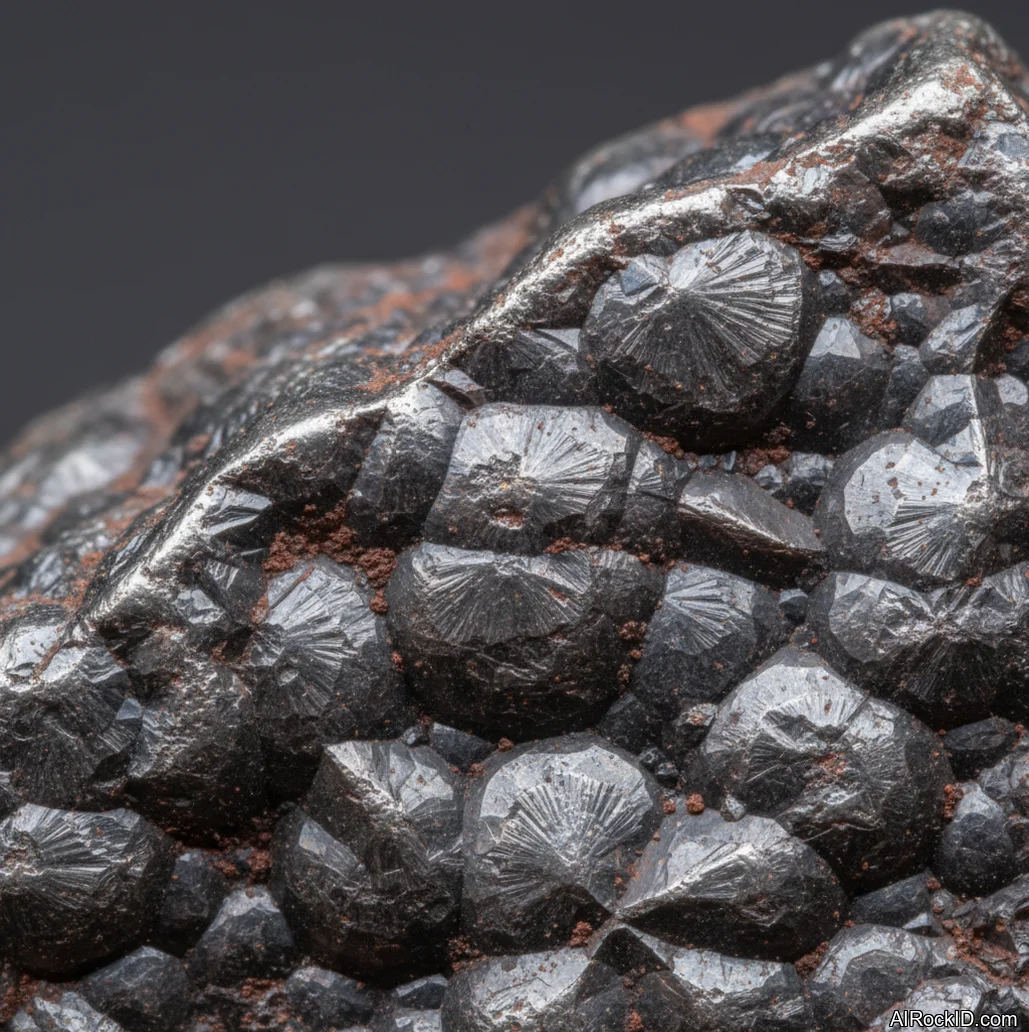
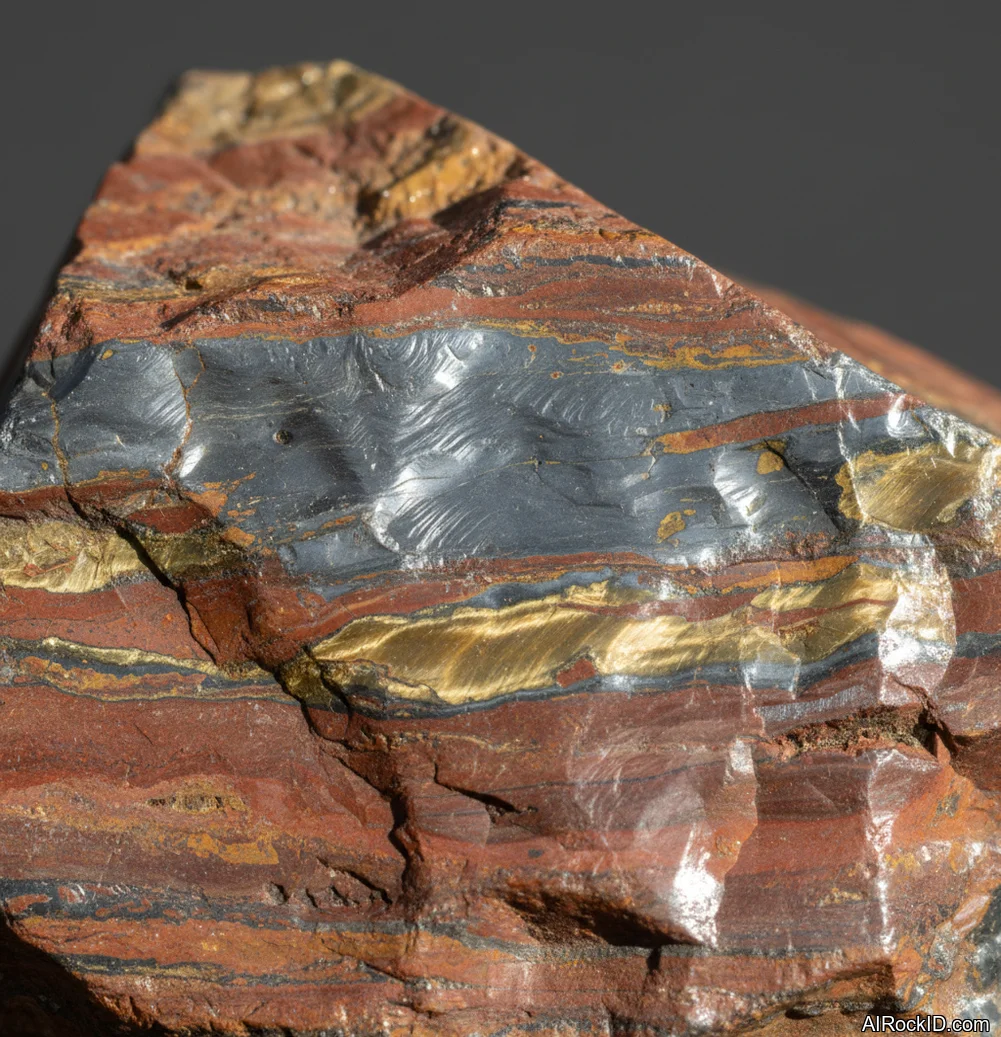
Pick up a dense piece of hematite and you’ll instantly get why it lands here. It sits heavy in the palm in a way that makes your brain go quiet for a second. Polished hematite feels almost oily-smooth, and it stays cool longer than glass. That sensory hit is a huge reason people chase Physical Healing stones. When you’re tired or hurting, a cold, weighty stone in your hand can be a simple anchor. No big philosophy required.
A lot of folks also come at Physical Healing through the “supportive minerals” angle. They want stones that feel earthy, protective, and body-forward. Green stones show up constantly.
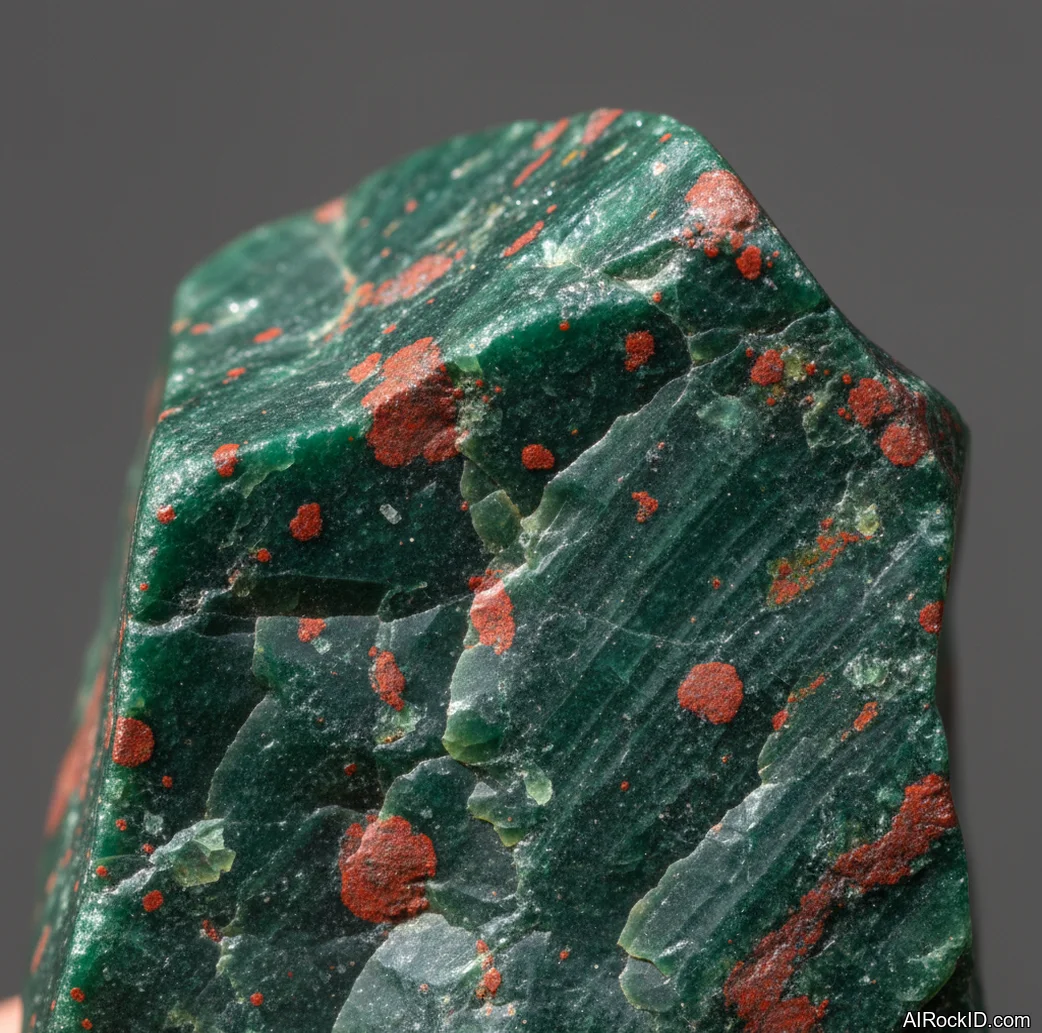
Jade is the classic example. Real nephrite jade feels waxy, tough as nails, and it doesn’t chip the way softer green stones do. If you tap it lightly, it has a muted, solid sound, not a hollow clink. People carry jade for steady, long-haul wellness vibes, not some dramatic overnight fix. Thing is, that “steady” feeling is exactly what a lot of people are after.
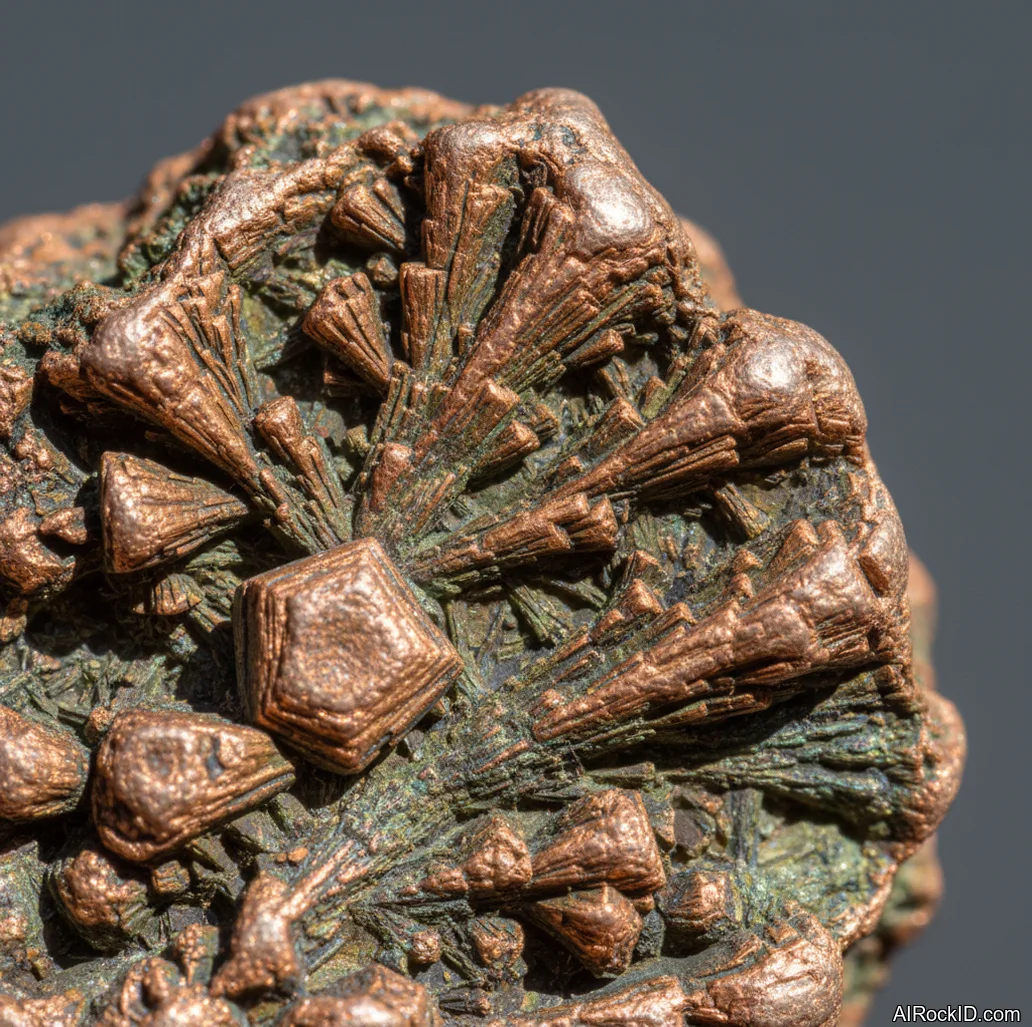
Then you’ve got malachite, which gets requested all the time for physical support, but it comes with a big asterisk. Raw malachite is soft and dusty, and the powder isn’t something you want on your hands or in your lungs. Even polished malachite can have tiny pits and cracks where green residue collects if it’s been cut poorly. I love malachite’s banding (those tight bullseye greens), but I treat it like a “look and hold, don’t grind and soak” stone. So if you’re doing Physical Healing work with malachite: keep it polished, keep it dry, and wash your hands after long handling.
Clear quartz ends up in almost every property list because it’s easy to program into whatever routine you’re building. The collector side of me cares about clarity and damage, though. Look closely at points for dings on the termination and chips along the edges, because those sharp rims are where quartz takes a beating in pockets and bags. A clean, intact point feels different to work with than a bruised one that’s been knocked around. And if you want a “bedside stone,” a chunky quartz cluster is safer than a spear-point that can snap if it tips.
Rose quartz gets filed under Physical Healing a lot because people connect recovery with gentleness and rest. At first glance, good rose quartz looks cloudy, almost like it has milk suspended inside. Cheap pieces can be weirdly glassy and too pink. But here’s a practical thing: if you leave rose quartz in direct sun, the color can fade fast, especially on pale material. I keep mine away from windowsills, not because it’s mystical, but because UV is real.
Amethyst shows up for Physical Healing too, usually tied to sleep and calming the nervous system. Compared to Brazilian amethyst, Uruguay pieces tend to have tighter, darker purple with crisp terminations, but they’re often smaller and pricier. The physical detail matters because your routine matters. If you want something to hold during breathwork, a palm stone works. If you want a “set it and forget it” piece near the bed, a small cathedral chunk is stable and won’t roll off the nightstand at 2 a.m. (Ask me how I know.)
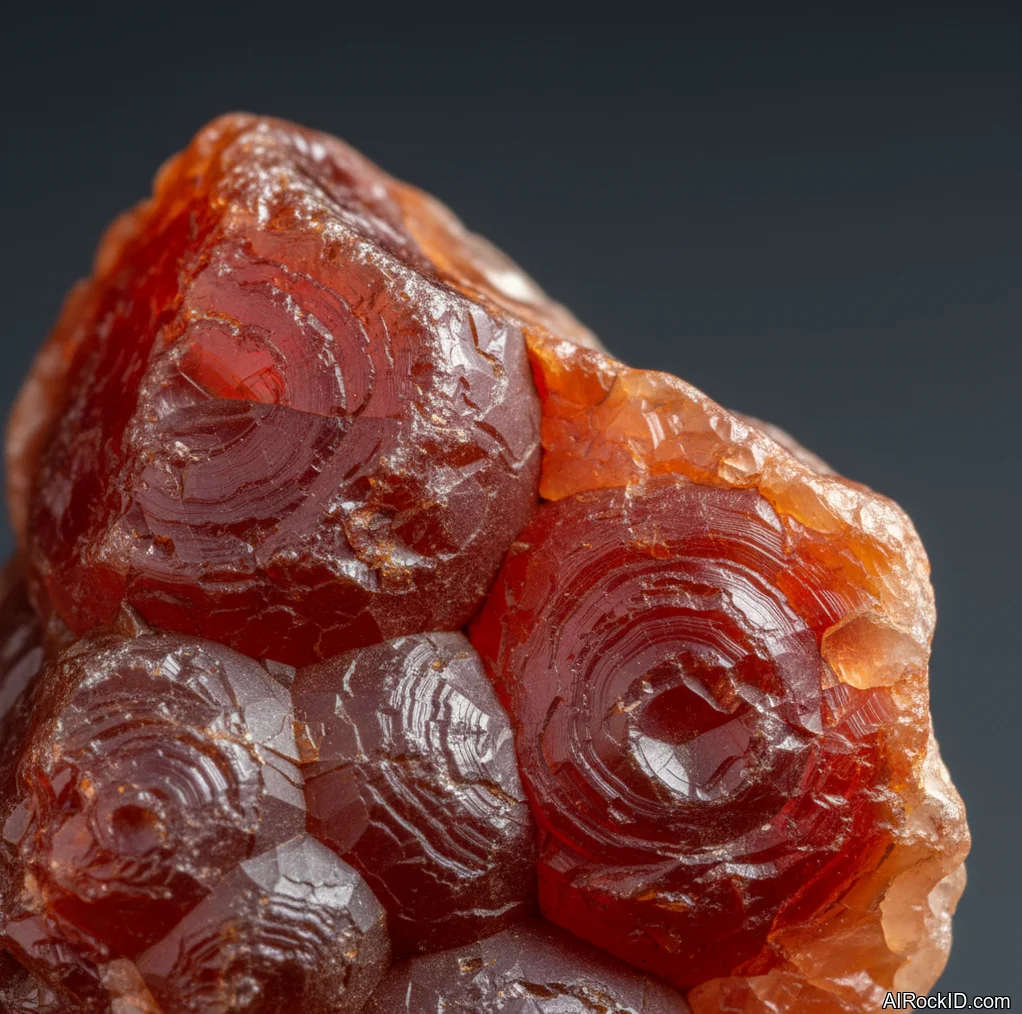
Carnelian is the one people reach for when the issue is energy, blood flow imagery, or getting moving again after feeling stuck. Real carnelian has that warm orange-to-reddish tone with gentle translucence at the edges when you hold it up to a lamp. Dyed agate can look too uniform, like orange candy. The real test is the internal texture: carnelian usually has soft, cloudy depth rather than hard stripe lines. Look, once you’ve seen that “candy orange” a few times, it’s hard to unsee.
Black tourmaline is the practical, beat-up workhorse in this category. Raw tourmaline has long striations that catch lint, and it sheds tiny crumbs if it’s brittle. That’s normal. I like it for Physical Healing routines because it’s easy to keep by the door or in a bag as a “grounding check-in” stone, but don’t expect a museum-grade crystal to survive pocket carry. Most dealers sell tourmaline as rough chunks for a reason.
So how do you actually work with Physical Healing crystals without turning it into a whole production? Keep it simple. Keep it repeatable.
Put hematite or black tourmaline where you’ll touch it before you leave the house. Keep amethyst or rose quartz by the bed if sleep is part of your healing plan. Use clear quartz as a “focus stone” while you do physical therapy stretches. If you’re doing a body scan meditation, lay jade or carnelian on your lower abdomen or hold it at the hip crease where your hand naturally rests. Two minutes counts. Seriously.
Buying tips matter because Physical Healing stones are often handled a lot, and durability becomes a real issue. Check for fractures that catch a fingernail, especially on quartz points and tumbled stones with a glossy finish hiding cracks. Ask if malachite is sealed or stabilized. Watch for heat-treated amethyst sold as citrine if you’re shopping by color, since burnt tips and harsh orange tones are common tells. And think about texture. A stone you hate touching won’t get used, no matter what the label says.
One last thing: the problem with Physical Healing crystals is the way listings can slide into medical claims. Don’t buy that. Buy stones that support your habits. A heavy hematite you’ll actually hold. A tough nephrite jade you’ll wear every day. A piece of amethyst that makes your room feel calmer because you like looking at it when you’re winding down. That’s the lane where crystals and physical healing routines can fit together without getting weird.
All Physical Healing Crystals (9)