Yellow Jasper
What Is Yellow Jasper?
Yellow Jasper is an opaque, microcrystalline quartz (jasper), and it gets its yellow color mostly from iron oxides and hydroxides.
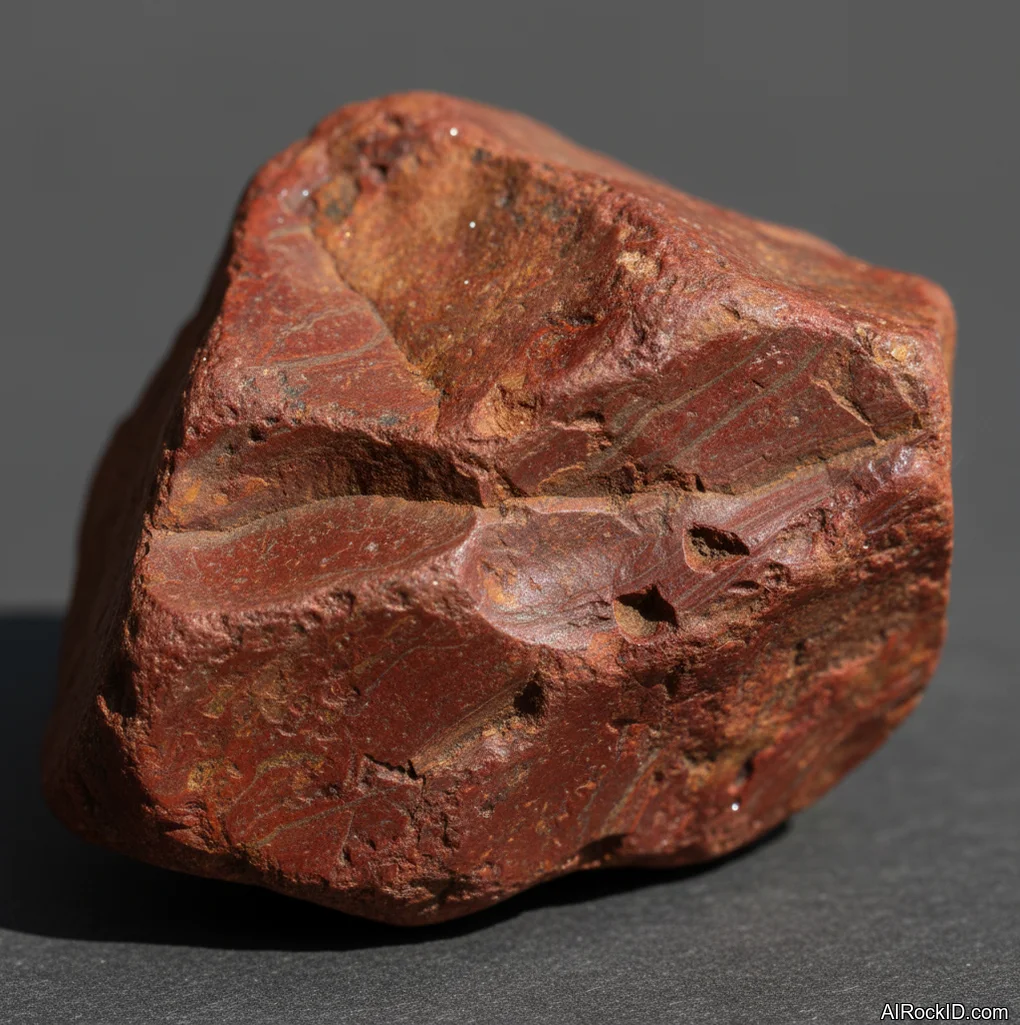
Pick up a decent chunk and you notice the quartz weight right away. It’s cool against your skin at first, then it warms up slowly, like it’s holding onto the cold. The surface usually has that slightly waxy, almost “tumbled jasper” feel under your thumb, not slick like glass. The color? Most pieces land in the mustard to golden-yellow range, with brown seams, tiny freckles, or soft banding, and it tends to read earthy instead of loud.
Thing is, a lot of sellers will slap “yellow jasper” on any yellow opaque stone. But real yellow jasper looks dense and tight-grained when you get close, not dusty or chalky (you can kind of tell just by how the light dies on it). And once it’s cut into cabochons, it’ll take a clean polish with a quiet glow, not that hard mirror shine.
Origin & History
“Jasper” traces back to the Greek *iaspis*, which people used way back when for stones that had spots or speckles in them. And “Yellow Jasper” isn’t really some formally separate mineral name so much as a trade habit, because jasper is basically chalcedony that’s opaque thanks to inclusions.
Flip through older lapidary books and you’ll see jasper treated like the workhorse stuff: seals, beads, small carvings, all over the place, across a lot of cultures. Why? It’s tough, there’s plenty of it, and it takes a polish you can actually feel when you rub a finished piece with your thumb (smooth, but with that slightly “glassy” bite). Yellow material sits in that same bucket, even if it didn’t always get called out with a tidy modern color label.
Where Is Yellow Jasper Found?
Yellow jasper turns up anywhere you get silica-rich rocks with iron staining, especially in volcanic and sedimentary settings. On the market you’ll commonly see material from Brazil and the western USA.
Formation
Most yellow jasper starts out with silica-rich fluids sneaking through cracks, tiny pores, or flat layers in a rock, then slowly leaving behind microcrystalline quartz as time drags on. The “yellow” usually comes from iron, stuff like goethite and limonite tinting the silica, and sometimes there’s a little clay or other fine inclusions mixed in that nudge it toward opaque.
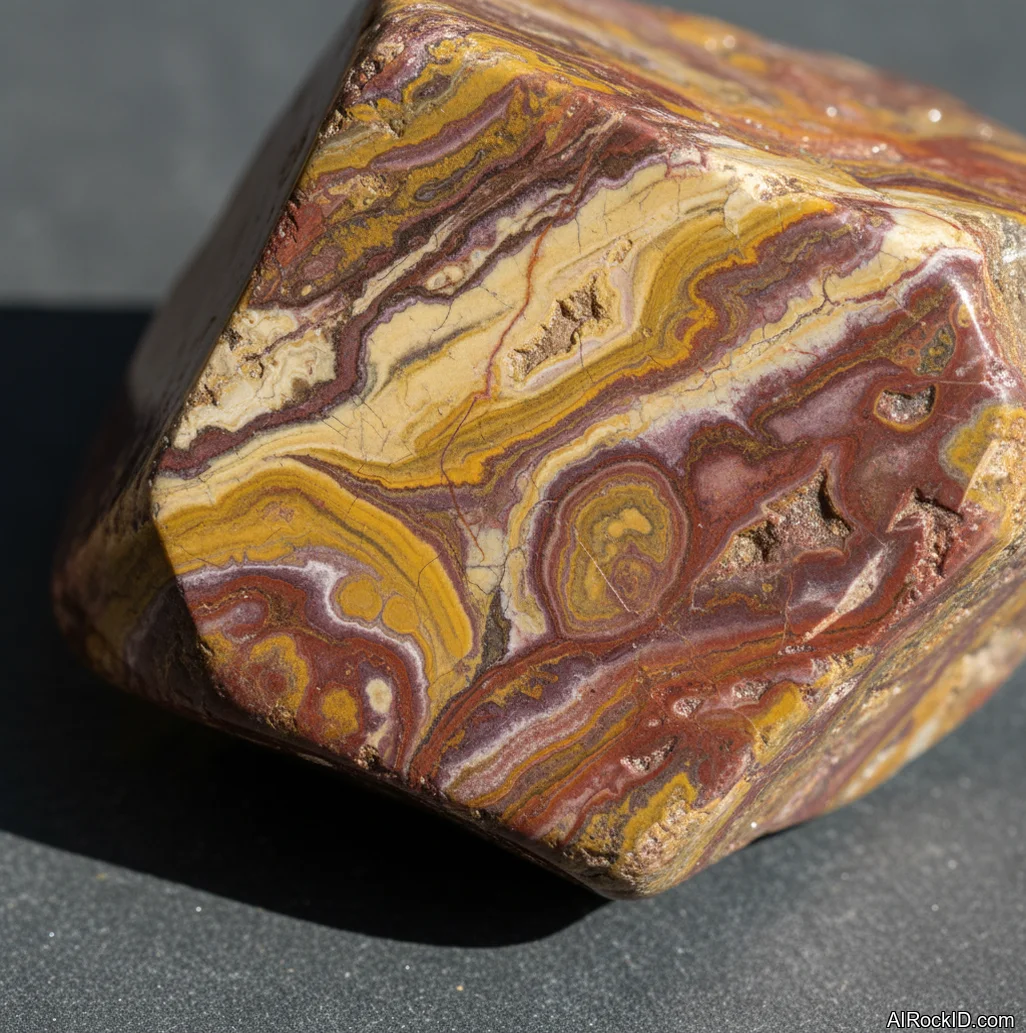
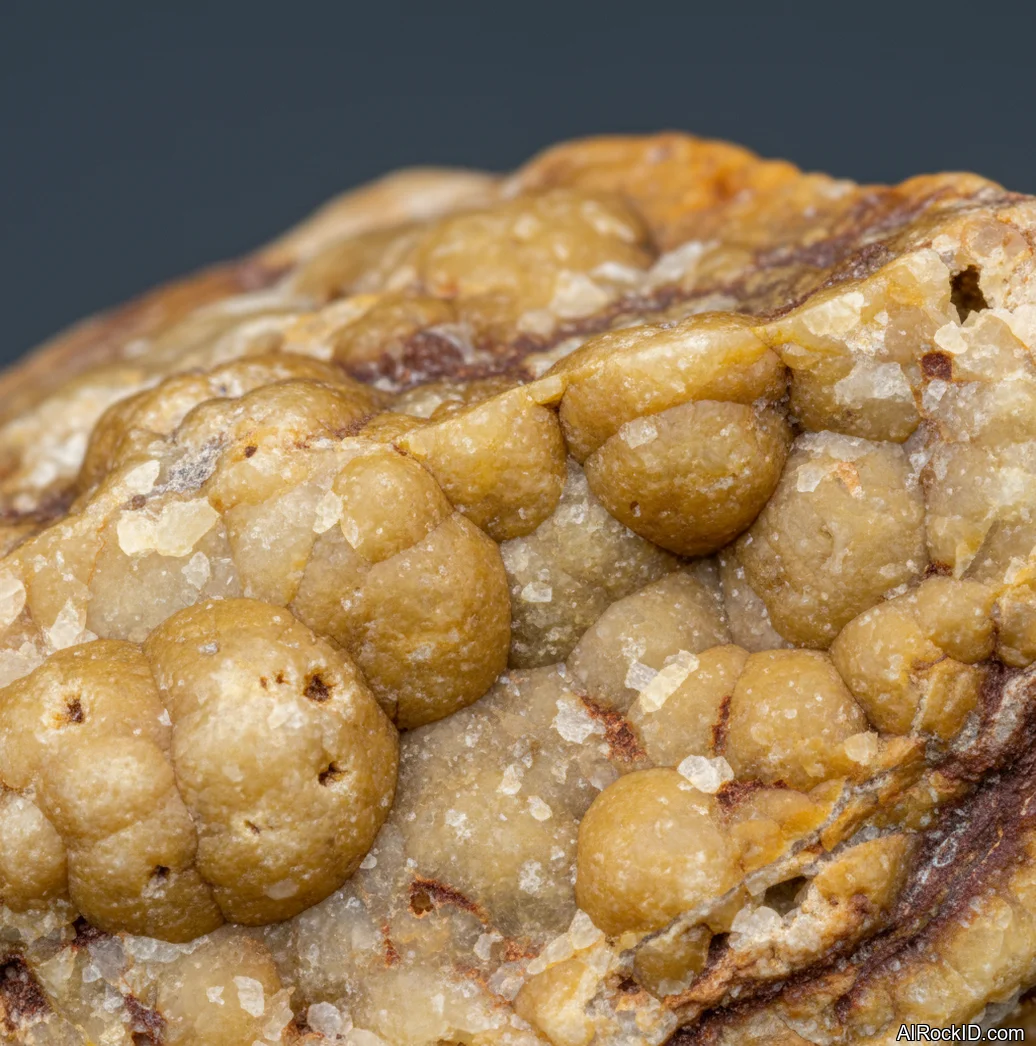
Look, if you’ve ever snapped a piece and stared at that fresh, dusty-looking break (the one that feels slightly waxy under your thumb), you can sometimes catch the way it grew in pulses. Some chunks have faint banding, like quiet little layers stacking up one after another. But other pieces are a mess in the best way: brecciated, with broken fragments that later got glued back together by a newer hit of silica. And no, you won’t see crystal faces. Jasper’s the solid, massive form of quartz, the kind that shows up as nodules, seams, and chunky pieces you can toss in a bucket after a dig (if you don’t mind the weight).
How to Identify Yellow Jasper
Color: Typically mustard yellow to golden yellow, often with brown, tan, or rusty streaks from iron oxides. Color is usually uneven, with freckles, seams, or soft banding rather than a flat, paint-like yellow.
Luster: Waxy to dull on raw surfaces, vitreous-waxy when well polished.
If you scratch it with a steel knife, it shouldn’t cut easily, and it’ll scratch glass like any quartz-rich stone. The real test is the texture on a fresh chip: jasper looks tight and smooth, not grainy like many yellow sandstones. Cheap versions are often dyed howlite or magnesite, and those feel a little “dry” and porous in hand and sometimes show dye pooling in pits or drill holes.
Properties of Yellow Jasper
Physical Properties
| Crystal System | Trigonal |
| Hardness (Mohs) | 6.5-7 (Hard (6-7.5)) |
| Density | 2.58-2.91 g/cm3 |
| Luster | Waxy |
| Diaphaneity | Opaque |
| Fracture | Conchoidal |
| Streak | White |
| Magnetism | Non-magnetic |
| Colors | Yellow, Mustard, Golden yellow, Tan, Brown, Rust |
Chemical Properties
| Classification | Silicates |
| Formula | SiO2 |
| Elements | Si, O |
| Common Impurities | Fe, Al, Mn, Ca |
Optical Properties
| Refractive Index | 1.53-1.54 |
| Birefringence | None |
| Pleochroism | None |
| Optical Character | Uniaxial |
Yellow Jasper Health & Safety
Yellow Jasper is usually fine to handle, and it’s fine around water too. The only real, practical issue is what happens when you cut or grind it, because like any silica-rich stone, that super-fine dust is the thing you don’t want to breathe in (it hangs in the air longer than you’d expect).
Safety Tips
If you’re cutting or grinding it, keep a little water on it, make sure you’ve got decent airflow, and wear a real respirator that’s rated for silica dust. But if you’re just using it normally and it’s gotten dirty, soap and a good hand wash is all you need.
Yellow Jasper Value & Price
Price Range
Rough/Tumbled: $2 - $20 per piece
Cut/Polished: $0.50 - $5 per carat
Prices bounce around based on the pattern and the polish. A solid, dead-even yellow piece is usually the cheaper route, but the ones with that landscape-style banding, a clean breccia look, or really punchy contrast tend to cost more.
Durability
Durable — Scratch resistance: Good, Toughness: Good
It’s stable for everyday handling, but a high-gloss polish can dull if it bangs around with harder stones in a pocket.
How to Care for Yellow Jasper
Use & Storage
Store it in a pouch or a compartmented box if it’s polished, since quartz can scratch softer stones and get its own surface scuffed up. Raw chunks can live together, but they’ll still chip if you toss them in a jar.
Cleaning
1) Rinse with lukewarm water and a drop of mild soap. 2) Use a soft toothbrush to get grime out of seams and pits. 3) Rinse well and air-dry or pat dry with a soft cloth.
Cleanse & Charge
For a simple reset, rinse and dry it, or leave it on a shelf overnight away from direct sun. If you use smoke or sound, keep it gentle and don’t overthink it.
Placement
On a desk it reads like a warm, earthy pop of color without being loud. If you keep a bowl of tumbled stones, put Yellow Jasper near the top or it’ll get lost visually among darker jaspers.
Caution
Skip the harsh cleaners and don’t let it sit forever in something acidic. Sure, quartz doesn’t dissolve easily, but that kind of soak can shift the surface gunk around and you end up with that annoying cloudy film you only notice once it’s dry and under a light. And look, if you actually want a polished piece to stay shiny, don’t toss it in a pocket with your keys. Keys scuff fast, and you’ll see those little dull streaks right away.
Works Well With
Yellow Jasper Meaning & Healing Properties
In the shop, Yellow Jasper is the stone people grab when they want steady, not shiny. It gets talked about as grounded energy with a small “okay, go do it” nudge, kind of like the feel of a warmed rock in your jacket pocket on a brutal cold morning. I’ve carried a tumbled piece on long show days, standing on concrete for hours, and it’s funny how it turns into a thumb-stone. You catch yourself rubbing that smooth spot without even thinking. (It’s usually a little waxy-slick from handling, too.)
Thing is, if you use crystals in a personal or spiritual way, yellow jasper tends to land in the confidence and stamina bucket, with practical focus thrown in. It’s not a lightning-bolt kind of stone. It’s more of a slow burn that sits there with you while you keep moving.
But here’s the ceiling on it: if you’re waiting for a dramatic mood flip, you’ll likely end up annoyed. What it’s actually good at is being something solid to hold while you do the real work: journaling, therapy, rest, or just finishing the task that’s been sitting on your list all week. Simple. Physical. Real.
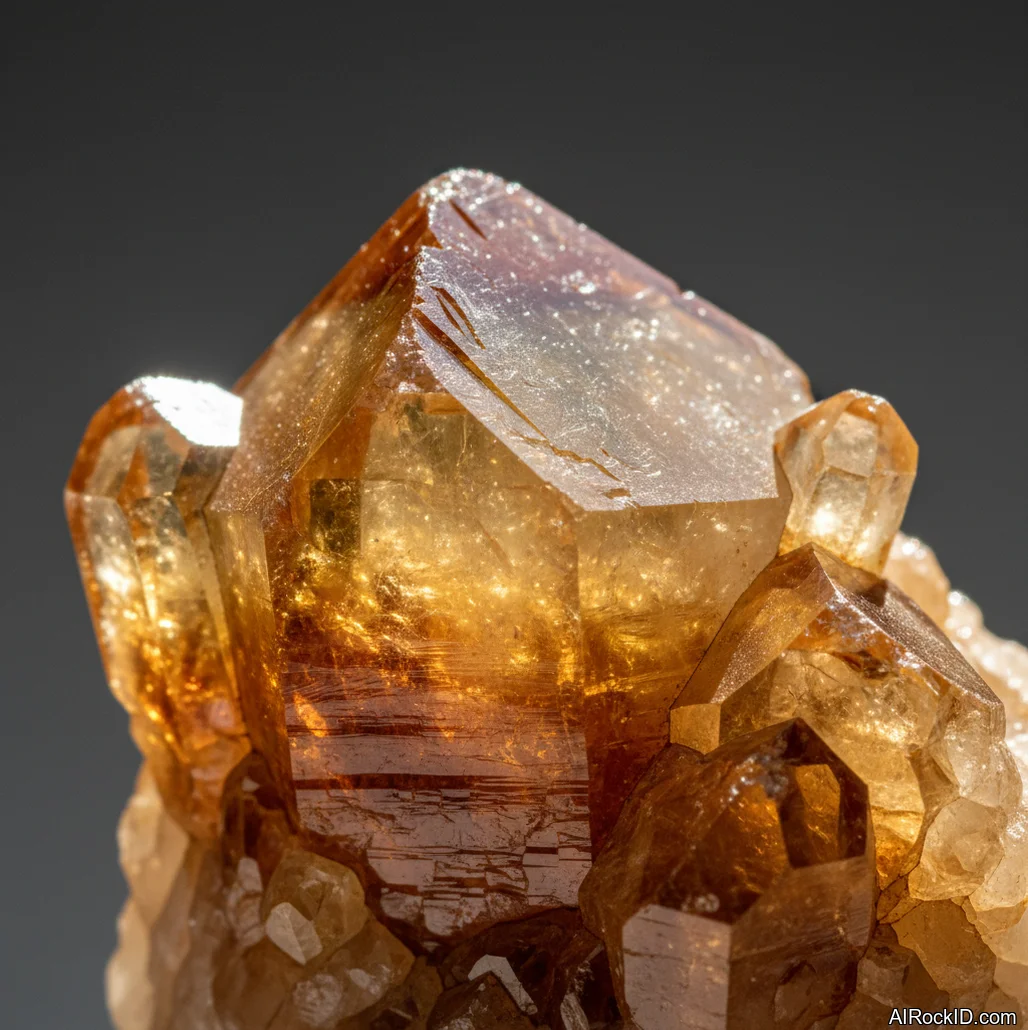
And I see people mix up Yellow Jasper and Citrine all the time in metaphysical conversations. Citrine is transparent to translucent quartz, and it feels different both in the hand and in the market. Yellow Jasper is opaque and earthy. If you’re into symbolism, you can use that contrast as a reminder to keep goals practical and measurable, not just “manifested.” So yeah, none of this is medical advice. It’s personal practice and tradition layered on top of a very ordinary, very sturdy silica rock.
Identify Any Crystal Instantly
Snap a photo and get properties, value, care instructions, and healing meanings in seconds.