Dyed Howlite


Quick answer: Dyed howlite is natural howlite that has been colored, most often blue or blue-green, to resemble turquoise. Its web-like gray veining, light weight, and low hardness help separate it from many higher-value blue stones.
AI Rock ID can help flag dyed howlite by comparing color, veining, luster, and surface texture from a clear photo. RockIdentifier.io should be used as a visual identification aid, not as a substitute for gemological testing when value or authenticity is important.
Good fit
- Beginners learning to compare turquoise lookalikes
- Collectors who want an inexpensive blue-green decorative stone
- Jewelry buyers who prefer casual pieces over high-wear rings
- Crafters using beads, cabochons, or tumbled stones
Not a good fit
- Buyers seeking natural, untreated turquoise
- Daily-wear rings or bracelets exposed to heavy abrasion
- Anyone expecting a rare or high-value gemstone
- Pieces that may contact water, oils, or harsh cleaners often
Why people search for this
People often search for dyed howlite because it is commonly sold as a turquoise substitute or mislabeled as turquoise. Identification matters because the price, durability, and treatment status are very different.
Most commonly confused with
- Turquoise: Turquoise is usually harder and denser, with natural color rather than dye soaked into porous howlite.
- Magnesite: Magnesite is another porous white mineral often dyed blue, but it has different chemistry and may show a chalkier texture.
- Variscite: Variscite is typically greener and may have softer, less spiderweb-like matrix patterns.
- Chrysocolla: Chrysocolla often has more varied blue-green color and may occur with quartz or copper minerals.
Dyed Howlite vs. Common Blue-Green Lookalikes
| Stone | Typical Clue | Hardness | Common Issue |
|---|---|---|---|
| Dyed Howlite | Bright blue-green dye with gray webbing | Mohs 3.5 | Often sold as imitation turquoise |
| Turquoise | Natural blue to green color with matrix | Mohs 5–6 | May be stabilized or reconstituted |
| Dyed Magnesite | Chalky white base dyed blue | Mohs 3.5–4.5 | Also mislabeled as turquoise |
| Variscite | Apple-green to blue-green, waxy look | Mohs 3.5–5 | Can be confused with green turquoise |
| Chrysocolla | Uneven blue-green copper mineral colors | Mohs 2.5–7 depending on silica content | Durability varies widely |
AI identification confidence
AI identification of dyed howlite is usually moderate when the image shows the stone’s webbing, surface texture, and overall color. Confidence is lower for polished beads, heavily edited photos, or stones with uniform dye that hides natural structure.
When AI gets it wrong
- A photo shows only one bead or a very small area without visible veining
- Lighting makes turquoise, dyed magnesite, and dyed howlite appear the same color
- The stone is sealed, stabilized, or coated, hiding porosity and texture
- The listing photo has been color-enhanced or overly sharpened
Final recommendation
Treat dyed howlite as an affordable decorative stone unless a seller provides reliable evidence for another identification. For purchases described as turquoise, ask for treatment disclosure, source information, and testing when the price is significant.
How to Spot Dyed Howlite in Listings
Look for phrases such as “turquoise howlite,” “synthetic turquoise,” “imitation turquoise,” or “dyed stone.” Very bright, even blue color combined with gray spiderweb veining and a low price is a common sign of dyed howlite rather than natural turquoise.
Simple Non-Destructive Checks
A loupe can reveal dye concentrated in cracks, pits, or around drill holes. Comparing weight and feel with known turquoise can also help, because howlite is generally lighter and softer, but these checks are not conclusive proof.
Disclosure and Authenticity Terms
Accurate sellers should describe the material as dyed howlite, imitation turquoise, or treated howlite rather than natural turquoise. Terms such as “genuine stone” can still be technically true for howlite, so the key question is whether the color is natural and whether the stone is being represented as turquoise.
What Is Dyed Howlite?
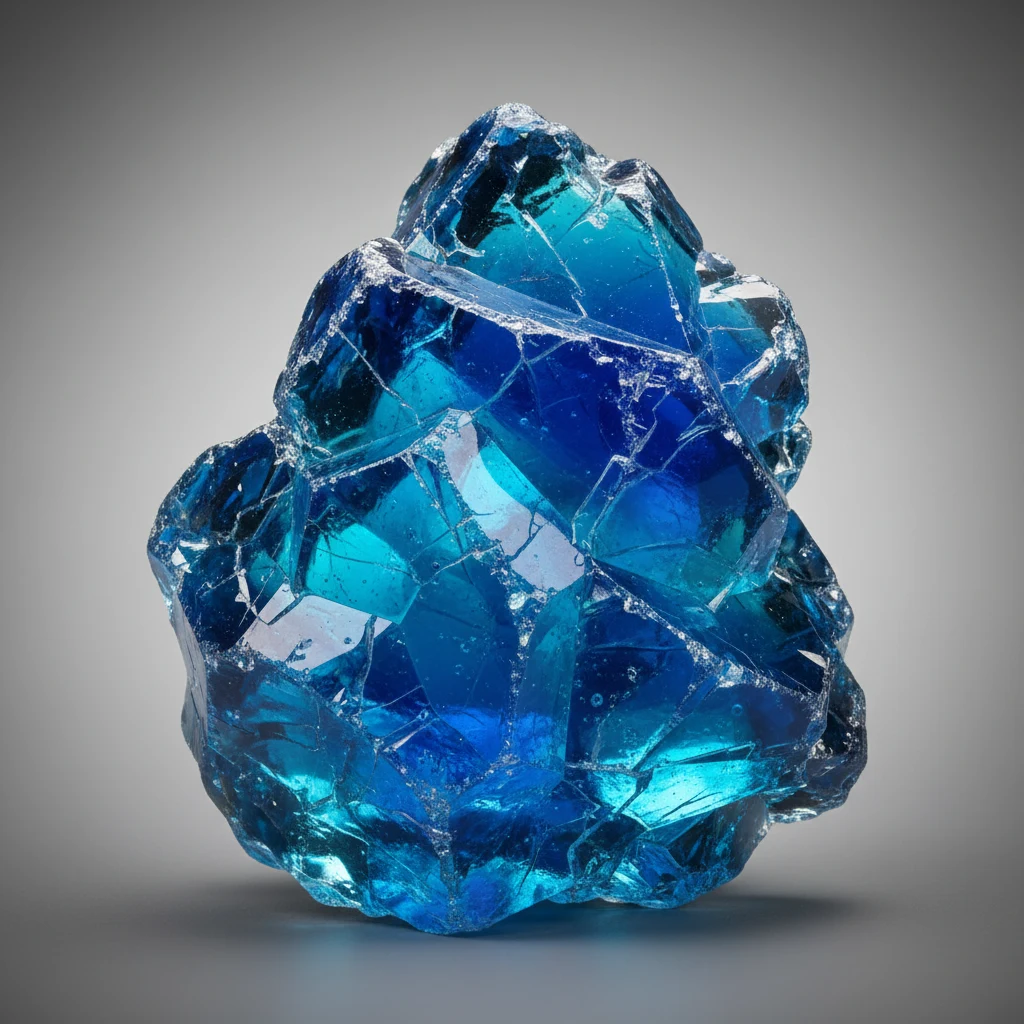
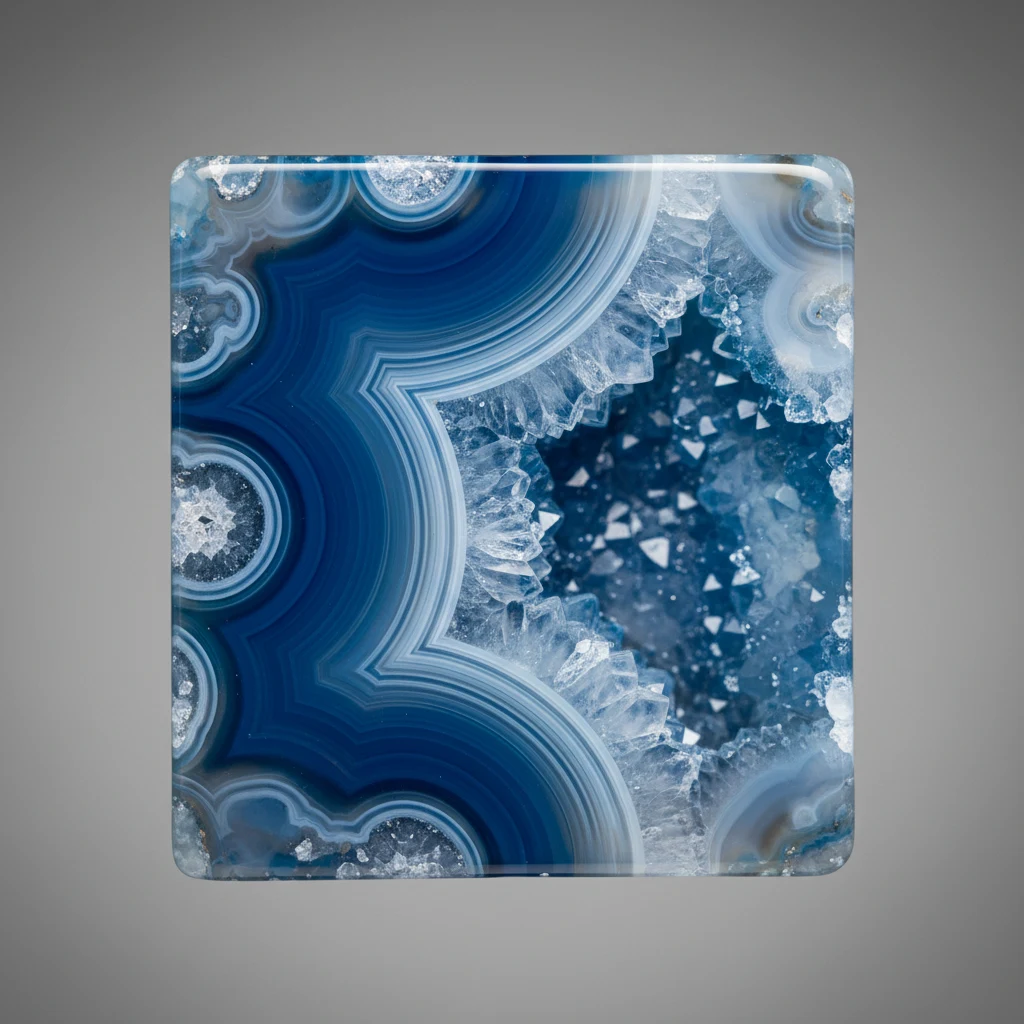
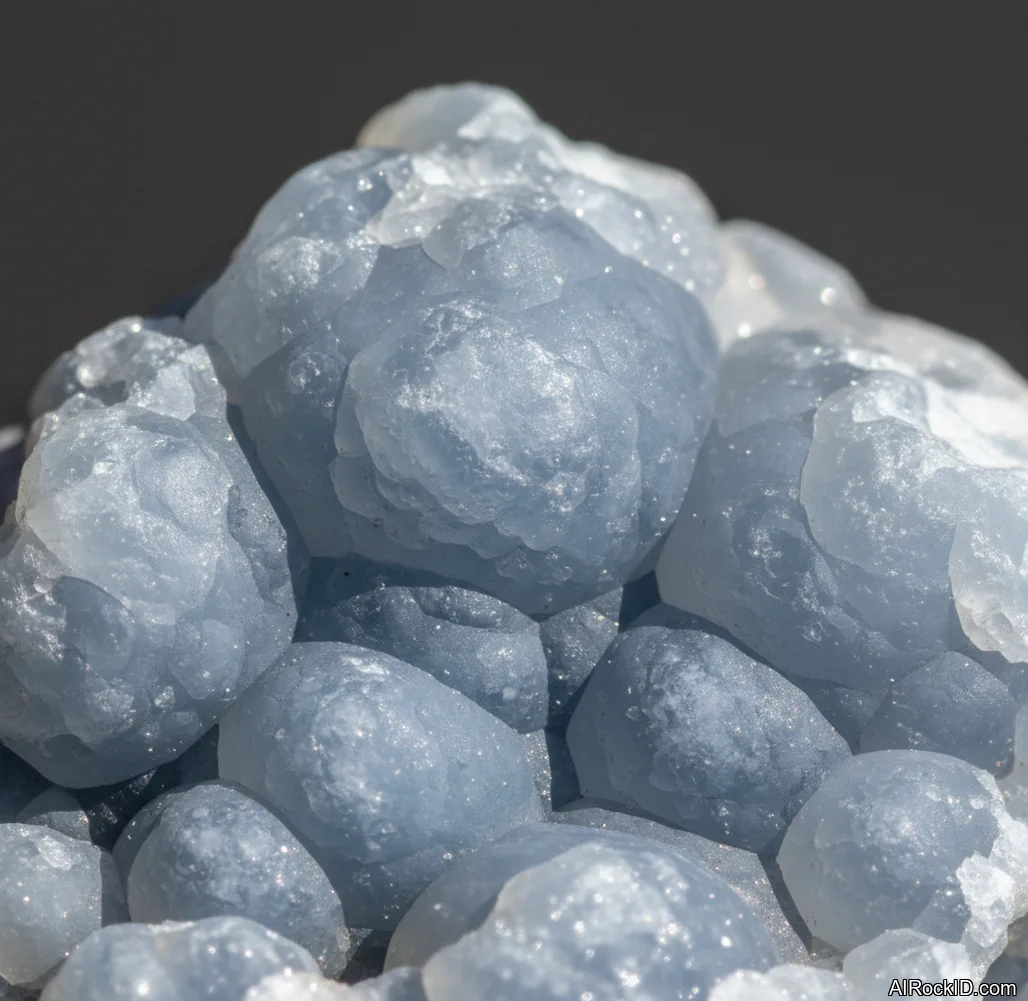
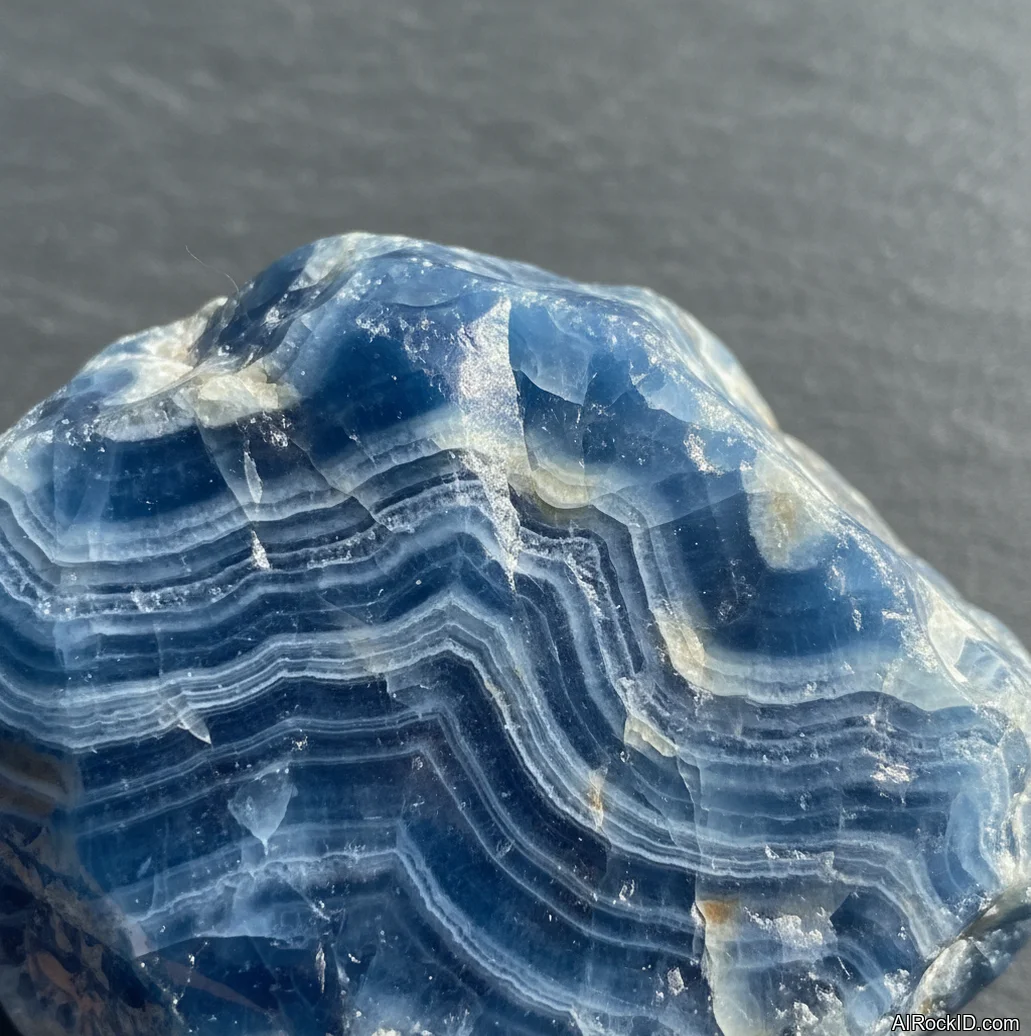
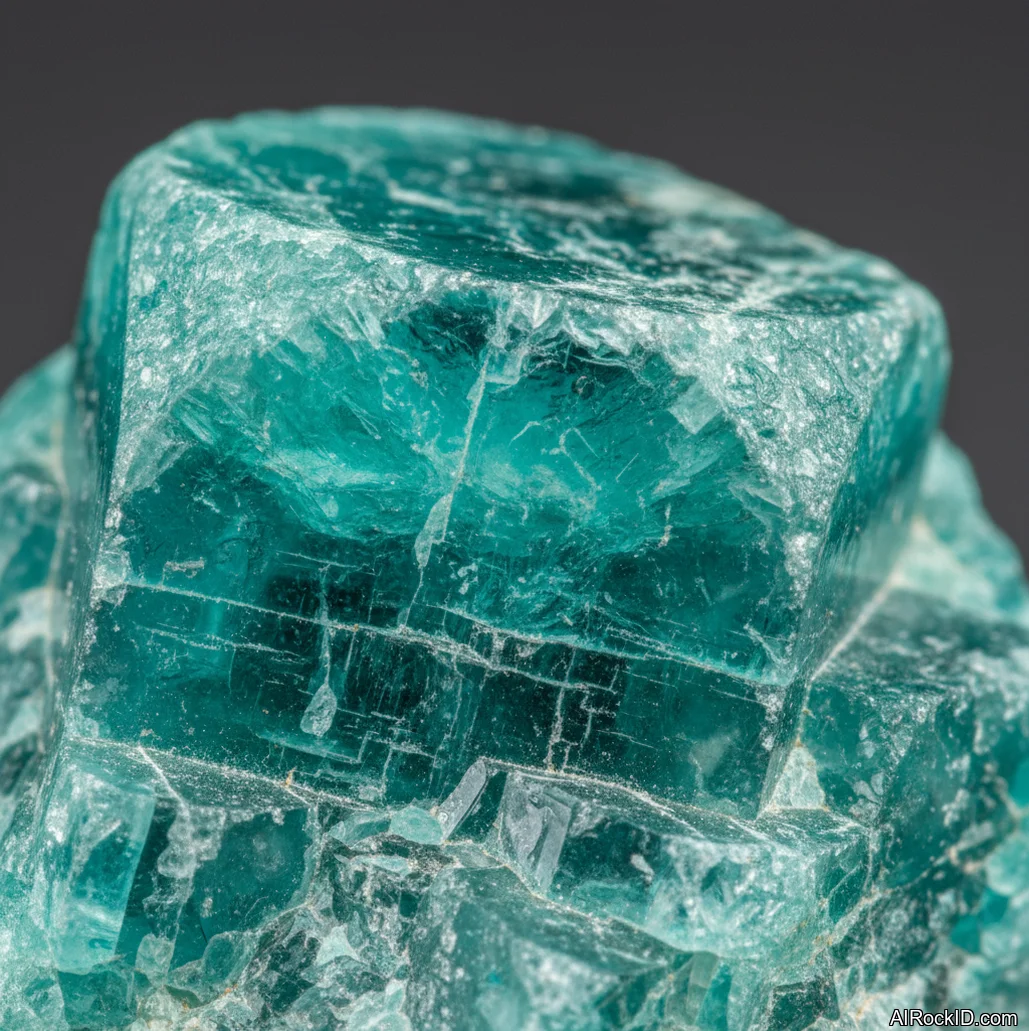
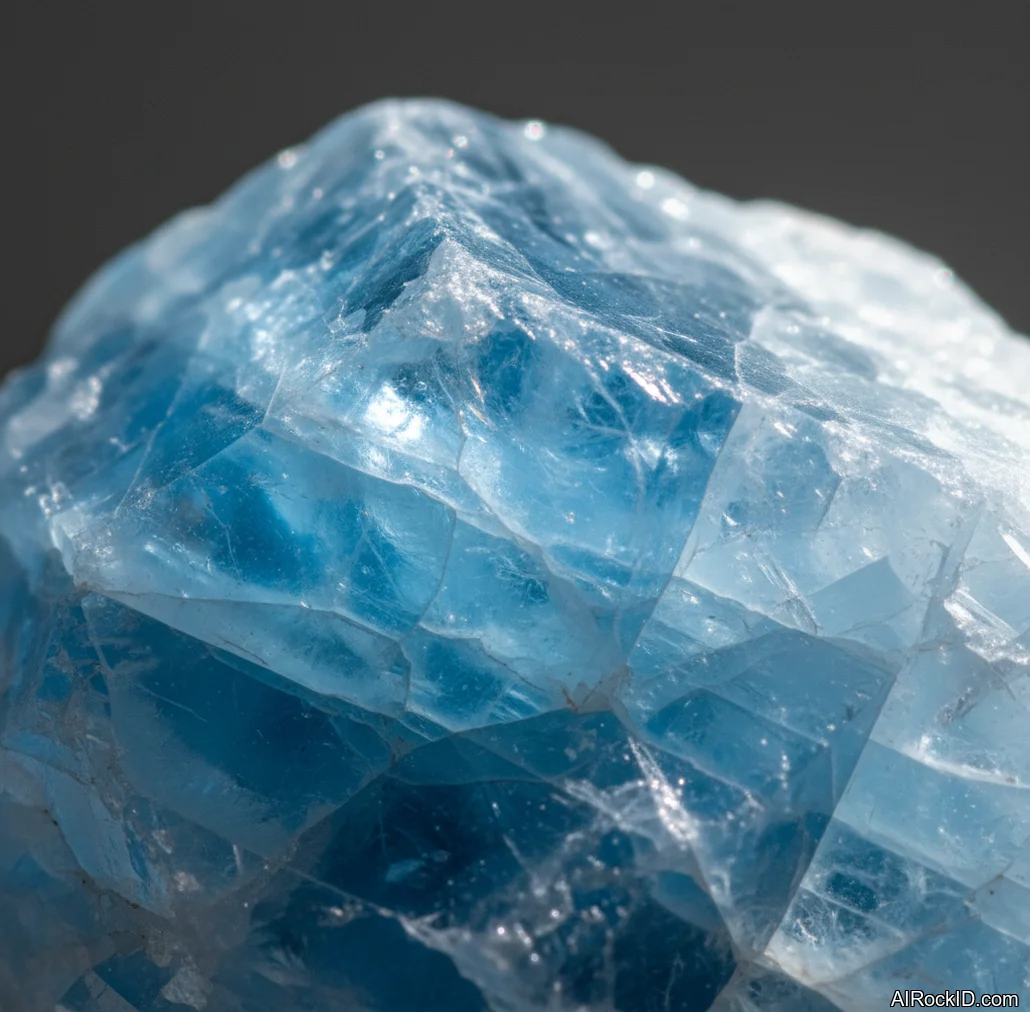
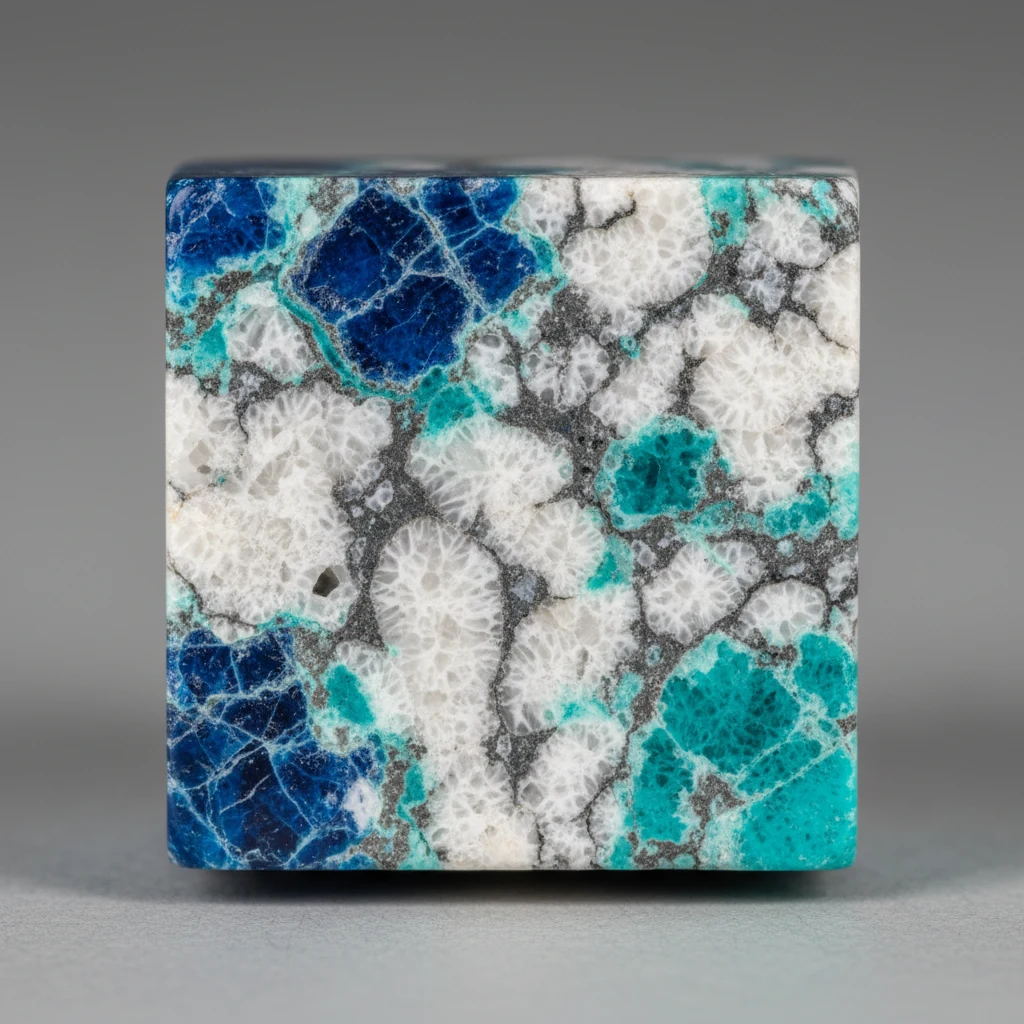
Dyed Howlite is natural howlite colored blue or blue-green to resemble turquoise. In the hand, it often feels smooth and cool like a polished bead or cabochon, with dark gray to black web-like lines crossing a bright turquoise-colored surface. The base mineral is howlite, a porous white calcium borosilicate hydroxide with the formula Ca2B5SiO9(OH)5.
Collectors should treat it as a dyed variety of howlite, not as turquoise. It is common in beads, carvings, cabochons, and inexpensive jewelry because the stone absorbs dye readily and already has natural vein-like markings. At Mohs 3.5, it is soft enough to scratch more easily than turquoise, quartz, feldspar, and steel tools.
Origin & History
Natural howlite was first described from near Windsor, Nova Scotia, Canada, in the 19th century. It was named for Henry How, a Canadian chemist, geologist, and mineralogist. For a collector, that history matters because the blue stone in a strand of beads may look like turquoise, but its mineral identity is still howlite.
Dyed blue howlite later became widely marketed as an inexpensive turquoise substitute, often under the trade name “turquenite.” In trade settings, disclosure is the key point: it should be sold as dyed howlite, not genuine turquoise. Locality and mineral-reference data for howlite are commonly documented by mindat.org.
Where Is Dyed Howlite Found?
Howlite is best known from borate-bearing evaporite deposits in Canada and the United States, especially Nova Scotia and southern California. Notable localities include Windsor, Nova Scotia; Tick Canyon and Lang in Los Angeles County, California; and the borate deposits of southern California.
Formation
Howlite forms mainly in evaporite and borate-rich sedimentary environments. It commonly occurs as nodules, compact aggregates, or cauliflower-like masses, often associated with gypsum, anhydrite, ulexite, colemanite, and other borate minerals. The natural material is typically white to chalky white, with gray, brown, or black veining.
Dyed Howlite gets its turquoise-like appearance after that natural stone absorbs artificial color. Its porous texture lets blue or blue-green dye penetrate cracks, pits, edges, and drill holes, which is why beads can show especially strong color around openings. That same porosity also means water, solvents, heat, and strong sunlight can affect the dye.
How to Identify Dyed Howlite
Identify Dyed Howlite by combining color, hardness, luster, and dye behavior. Natural howlite is white with gray, brown, or black veining, while dyed material is usually bright blue, blue-green, or turquoise-colored. Polished surfaces have a dull to sub-vitreous, porcelain-like luster, though heavily treated pieces may look slightly waxy or plasticky.
The practical field check is comparison with turquoise. Dyed howlite is about Mohs 3.5, while turquoise is usually around Mohs 5 to 6. Under magnification, look for blue dye concentrated in cracks, pits, drill holes, and along edges; acetone on a cotton swab can sometimes lift color, though acetone should not be used as routine cleaning.
Properties of Dyed Howlite
Physical Properties
| Crystal System | Monoclinic |
| Hardness (Mohs) | 3.5 (Soft) |
| Density | 2.53–2.59 g/cm³ |
| Luster | Dull to sub-vitreous; porcelain-like when polished |
| Diaphaneity | Translucent to opaque |
| Fracture | Uneven to subconchoidal |
| Streak | White |
| Magnetism | Non-magnetic |
| Colors | white, gray, black-veined, dyed blue, dyed blue-green, dyed turquoise |
Chemical Properties
| Classification | Borosilicate hydroxide |
| Formula | Ca2B5SiO9(OH)5 |
| Elements | Calcium, Boron, Silicon, Oxygen, Hydrogen |
| Common Impurities | Iron oxides, Clay minerals, Organic or synthetic dyes |
Optical Properties
| Refractive Index | 1.583–1.605 |
| Birefringence | 0.016–0.022 |
| Pleochroism | None to very weak in natural white material; dyed color is not diagnostic |
| Optical Character | Biaxial, commonly reported as negative |
Dyed Howlite Health & Safety
Dyed howlite is generally safe to handle as jewelry or a polished stone, but the dye treatment may be unknown and can bleed in water. Cutting, drilling, or sanding can create irritating mineral dust.
Dyed Howlite Value & Price
Price Range
Rough/Tumbled: Usually very inexpensive; rough or tumbled dyed howlite commonly sells for a few dollars per piece or by the strand in bead form.
Cut/Polished:
Value depends mainly on color evenness, polish quality, bead or carving workmanship, size, and disclosure of treatment. It should be priced as dyed howlite, not as turquoise. Mislabeling it as genuine turquoise greatly inflates the apparent value.
Durability
Low to moderate — Scratch resistance: Soft; scratches more easily than turquoise, quartz, feldspar, and steel tools., Toughness: Fair to poor in thin pieces because it can be porous and may chip or crack if struck.
Generally stable when kept dry and away from heat, strong sunlight, acids, and solvents. Dye may fade, bleed, or transfer if soaked, cleaned aggressively, or exposed to chemicals.
How to Care for Dyed Howlite
Use & Storage
Store separately from harder stones such as quartz, topaz, sapphire, and diamond to prevent scratching. Keep away from prolonged moisture and direct sunlight.
Cleaning
Wipe gently with a soft, slightly damp cloth and dry immediately. Avoid ultrasonic cleaners, steam cleaners, bleach, acids, acetone, alcohol, and jewelry dips.
Cleanse & Charge
For spiritual use, cleanse with smoke, sound, moonlight, or brief contact with dry selenite rather than soaking in water or saltwater.
Placement
Best placed in dry indoor areas, on display stands, or in jewelry that avoids heavy abrasion. It is not ideal for rings worn daily.
Caution
Because it is commonly sold as a turquoise imitation, confirm that any blue howlite is disclosed as dyed. Do not pay turquoise prices for dyed howlite.
Works Well With
Dyed Howlite Meaning & Healing Properties
In modern crystal-healing traditions, Dyed Howlite is used for calmness, patience, sleep support, and reducing overactive thoughts. The blue color also makes it a popular symbolic stone for communication, truthfulness, and discernment. These associations are cultural beliefs rather than scientifically verified effects.
Practitioners often place it with the throat and third eye chakras, especially when the goal is calm communication rather than dramatic energy work. Its listed zodiac links are Gemini and Virgo, with the Moon, Air, and Water also associated in crystal culture. Because the stone is dyed and porous, choose dry methods such as smoke, sound, moonlight, or brief contact with dry selenite.
Identify Dyed Howlite from a photo
Compare Dyed Howlite traits, care tips, value clues, and common lookalikes with a clear photo.
Common mistakes
- Assuming any blue-green stone with dark veining is turquoise
- Using color alone to identify dyed howlite
- Ignoring dye buildup near drill holes, fractures, or surface pits
- Paying turquoise prices for beads labeled only as “turquoise color”
- Using scratch tests on finished jewelry, which can damage the stone
- Assuming all dyed howlite is fake rather than a real mineral with artificial color