Lapis Nevada


Quick answer: Lapis Nevada is a trade name for uncommon blue allophane from Nevada, not a variety of true lapis lazuli. It is typically softer, more porous, and less durable than lapis lazuli, so identification should focus on texture, hardness, and any signs of dye or stabilization.
AI Rock ID can help compare Lapis Nevada with similar blue materials by analyzing visible color, texture, luster, and surface features. RockIdentifier.io should be used as a screening tool rather than a final lab-grade identification for porous or treated blue stones.
Good fit
- Collectors interested in unusual Nevada minerals and lapidary trade names
- Specimens with soft blue color and a matte to waxy surface
- Cabochons, display pieces, or low-wear jewelry settings
- People comparing blue allophane with lapis lazuli, turquoise, or dyed stones
Not a good fit
- Rings, bracelets, or other jewelry exposed to frequent abrasion
- Ultrasonic cleaners, steam cleaning, or chemical dips
- Buyers who need a lapis lazuli substitute with the same durability
- Projects requiring a hard, nonporous blue gemstone
Most commonly confused with
- Lapis Lazuli: True lapis lazuli is a rock dominated by lazurite and commonly shows calcite or pyrite, while Lapis Nevada is blue allophane and is much softer.
- Turquoise: Turquoise is a copper aluminum phosphate and is usually harder than allophane, with a different chemistry and often a more opaque, waxy look.
- Chrysocolla: Chrysocolla can be blue to blue-green and soft, but it is a copper silicate and often occurs with copper minerals such as malachite or azurite.
- Dyed Howlite: Dyed howlite may imitate blue stones but often shows dark veining and may reveal white material in scratches or chips.
Lapis Nevada vs. Similar Blue Stones
| Material | Typical Hardness | Key ID Clue | Durability |
|---|---|---|---|
| Lapis Nevada | About Mohs 3 | Soft blue allophane; porous, often matte to waxy | Low to moderate |
| Lapis Lazuli | About Mohs 5–5.5 | May show pyrite flecks or white calcite | Moderate |
| Turquoise | About Mohs 5–6 | Opaque blue to green phosphate, often with matrix | Moderate |
| Chrysocolla | About Mohs 2–4 | Blue-green copper silicate, often mixed with other copper minerals | Variable |
| Dyed Howlite | About Mohs 3.5 | White base may show through chips or scratches | Low to moderate |
AI identification confidence
AI photo identification for Lapis Nevada is usually moderate at best because many porous blue minerals and dyed materials look similar in images. Confidence improves when photos include close-ups of surface texture, matrix, fracture, untreated edges, and a reference shot in natural light.
When AI gets it wrong
- A dyed or stabilized stone is photographed only from the polished front
- Lighting makes blue-green chrysocolla appear more lapis-blue
- A listing uses the word “lapis” even though the material is not lapis lazuli
- The specimen is a mixed rock with more than one blue mineral present
Final recommendation
Choose Lapis Nevada for its identity as a soft blue Nevada allophane, not as a direct replacement for lapis lazuli. For higher-wear jewelry, a harder blue stone such as lapis lazuli, turquoise, or sodalite is usually more practical.
How to Check Lapis Nevada Authenticity
Authentic Lapis Nevada should be represented as blue allophane from Nevada rather than as true lapis lazuli. Ask sellers for the source, any stabilization or dye disclosure, and clear photos of unpolished areas or edges. A very uniform electric-blue color, color concentration in cracks, or blue residue from a damp cotton swab can suggest treatment, although non-destructive observations cannot prove every treatment.
What to Ask Before Buying Lapis Nevada
Ask whether the stone has been stabilized, sealed, dyed, or backed, because porous allophane can absorb treatments. Confirm whether the item is suitable for the intended use, especially if it will be set in jewelry. For higher-value pieces, request a written description that states “Lapis Nevada” or “blue allophane” and does not imply the stone is lapis lazuli.
Field Clues for Separating Lapis Nevada from Lapis Lazuli
Lapis Nevada is noticeably softer than lapis lazuli and may show a more porous or earthy texture on broken or unpolished surfaces. True lapis lazuli commonly contains a mix of blue lazurite with white calcite and sometimes metallic pyrite. A simple hardness observation on an inconspicuous area can be useful, but scratch testing can damage soft material and should be avoided on finished pieces.
What Is Lapis Nevada?
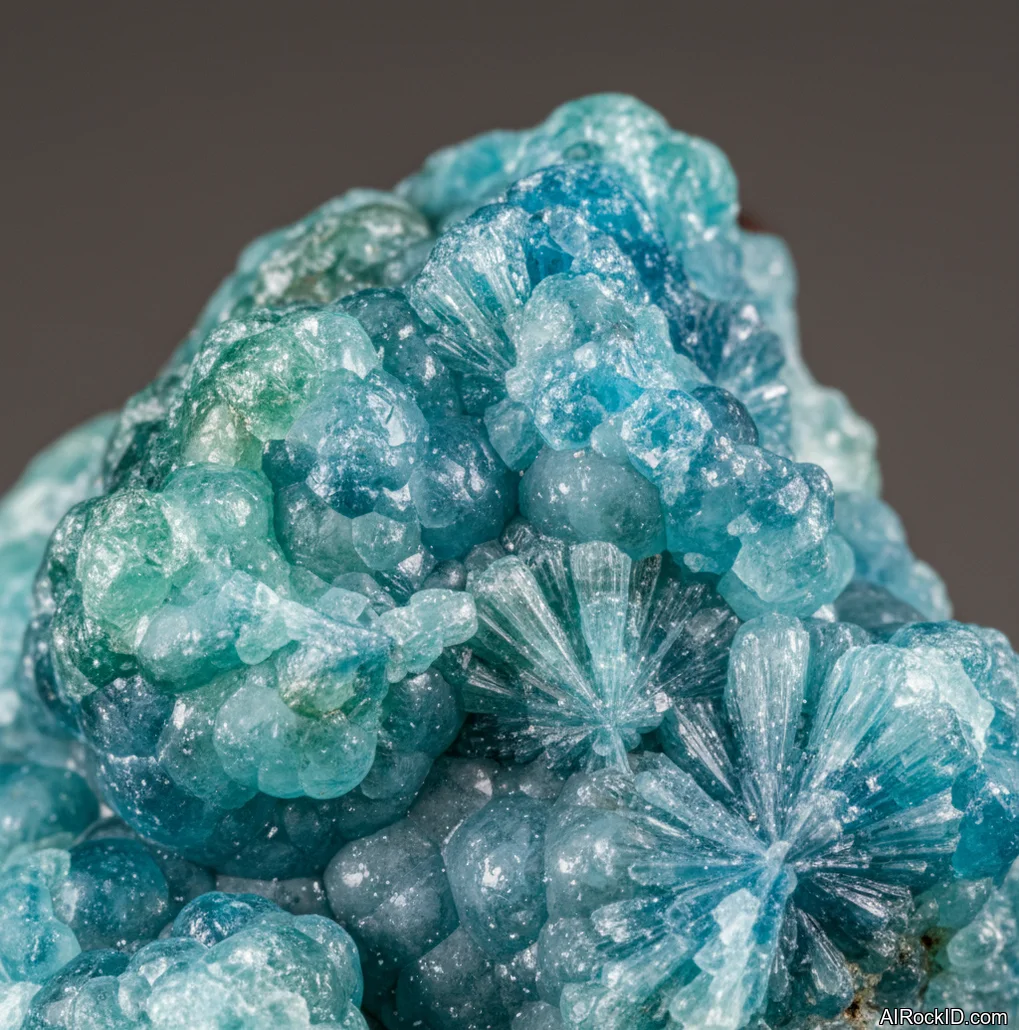
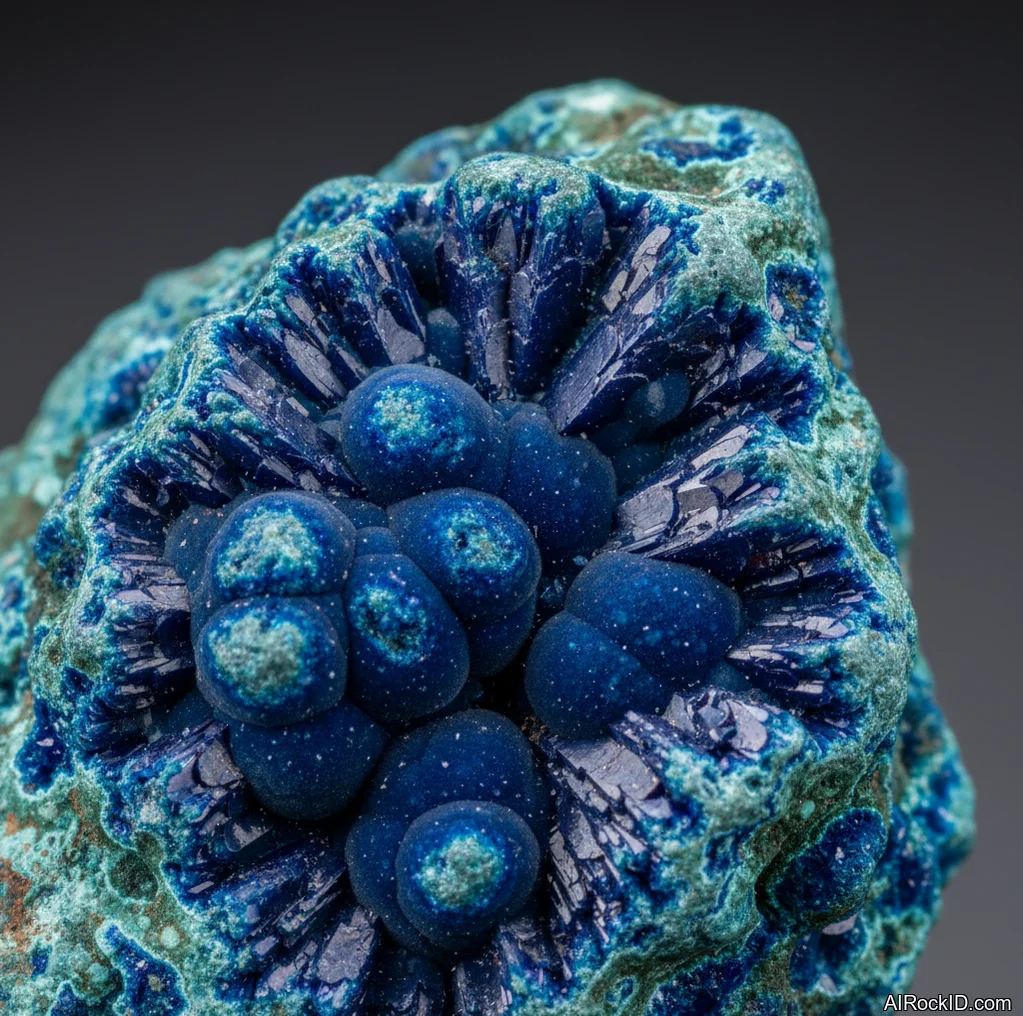
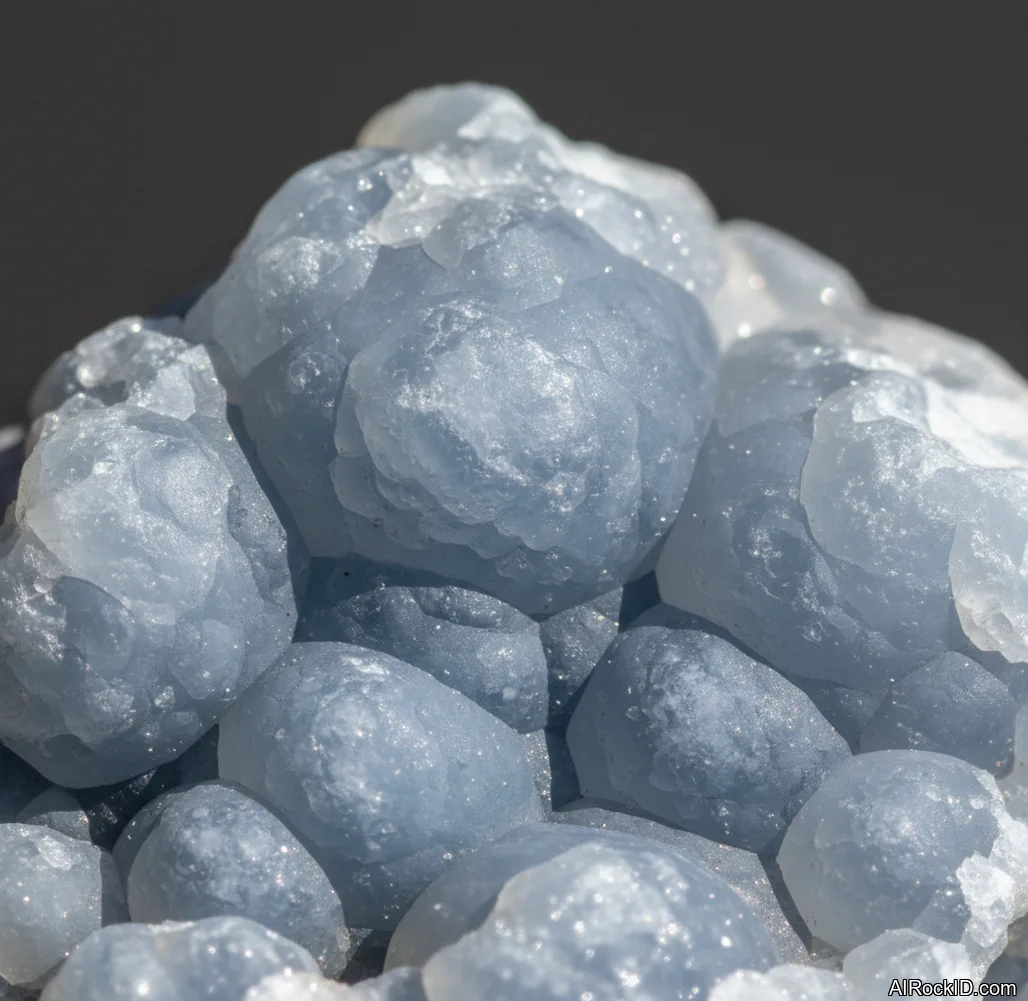
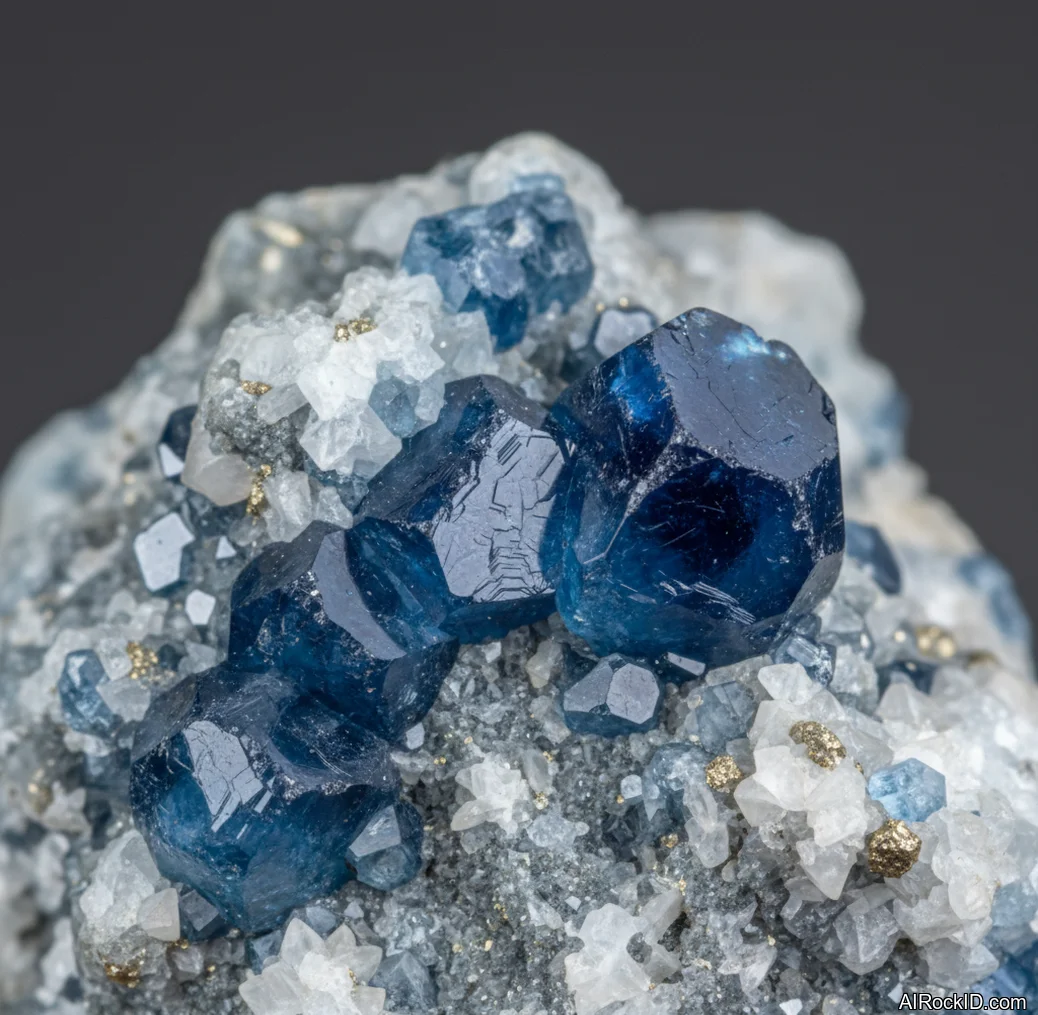
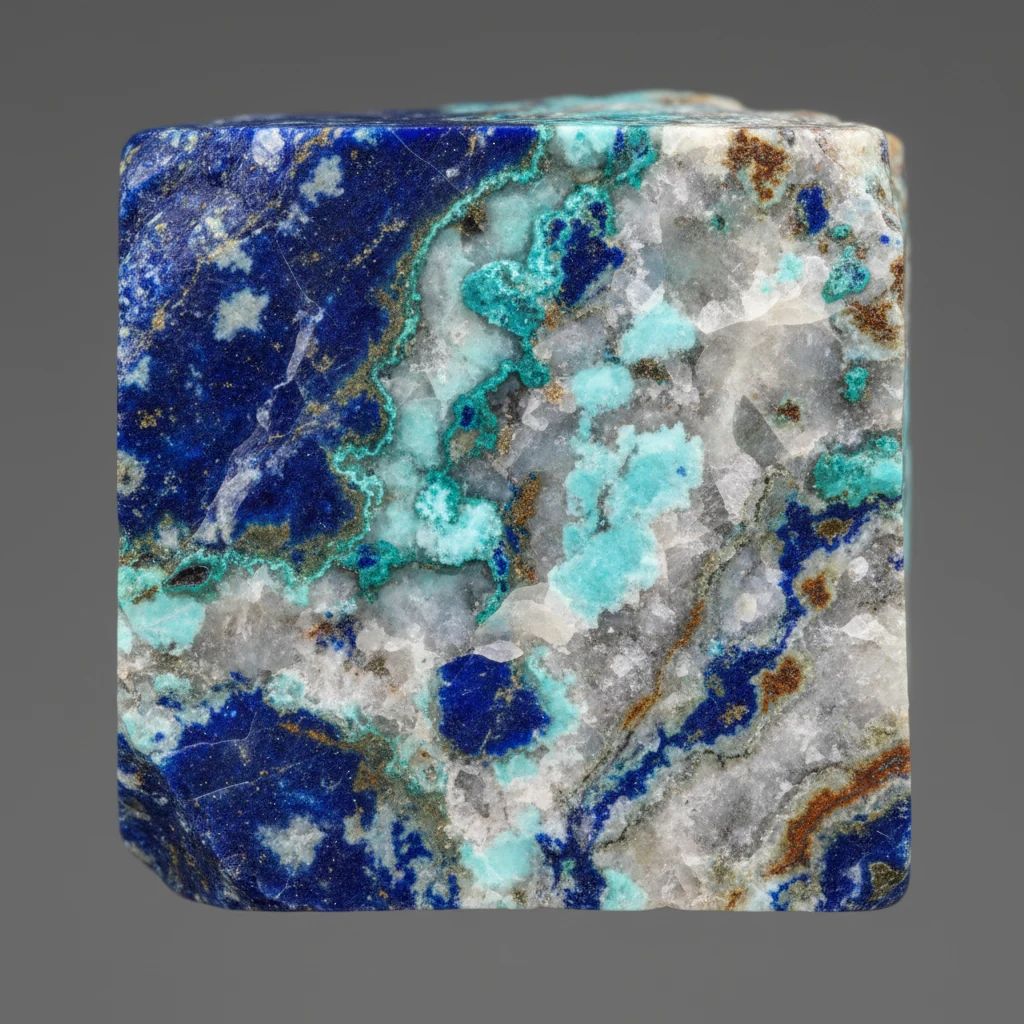
Lapis Nevada is a collector and lapidary trade name for compact blue allophane, a hydrous aluminum silicate. In the hand it can look deceptively lapis-like, with sky-blue, turquoise-blue, medium-blue, or deep-blue color, but it is not true lapis lazuli. True lapis lazuli is a lazurite-bearing metamorphic rock; Lapis Nevada is softer, hydrated, porous, and commonly massive, botryoidal, earthy, or waxy.
Collectors like Lapis Nevada for its saturated blue color and Nevada identity, especially when a piece is compact enough to polish without crumbling. Its Mohs hardness is about 3, so it feels like a display or protected lapidary material rather than a daily-wear jewelry stone. Good pieces should be handled more like a soft mineral specimen than quartz, agate, or classic lapis lazuli.
Origin & History
The name Lapis Nevada is modern and commercial, not an approved mineral species name. It was adopted for blue Nevada material because the color suggested lapis lazuli to collectors and lapidaries. Mineralogically, the material is best described as blue allophane or allophane-rich material, with composition that can vary from piece to piece because it is sold under a trade name.
A careful label should say Lapis Nevada, Nevada lapis, or blue allophane rather than implying it is lazurite-rich lapis lazuli. For name-checking, mindat.org is a useful reference for the mineral allophane, while the trade name itself should be understood as a market term. That distinction matters when buying, because accurate labeling strongly affects collector confidence and value.
Where Is Lapis Nevada Found?
Lapis Nevada is found in the United States, specifically as Nevada blue material associated with altered and oxidized mining environments. Notable collector references include Nevada, USA; the Yerington district in Lyon County, Nevada; the Battle Mountain area in Lander County, Nevada; and copper or oxidized metal-mining districts of Nevada. The trade name is tied to Nevada provenance, even though allophane itself is more widely distributed worldwide.
Formation
Lapis Nevada forms as a secondary, low-temperature alteration product. Allophane develops when aluminum- and silica-bearing rocks, clays, volcanic materials, or mineralized zones are chemically weathered by circulating groundwater. In Nevada, the blue material is commonly linked to oxidized, altered mining environments where trace elements and fine mineral mixtures can influence the final color.
This formation history explains its feel: compact pieces may polish to a waxy or slightly vitreous surface, while earthy material can chip, crumble, or absorb liquids. Unlike true lapis lazuli, it does not come from the high-grade metamorphic environments typical of classic lapis. For practical collecting, treat it as a hydrated, porous alteration material rather than a hard crystalline gem.
How to Identify Lapis Nevada
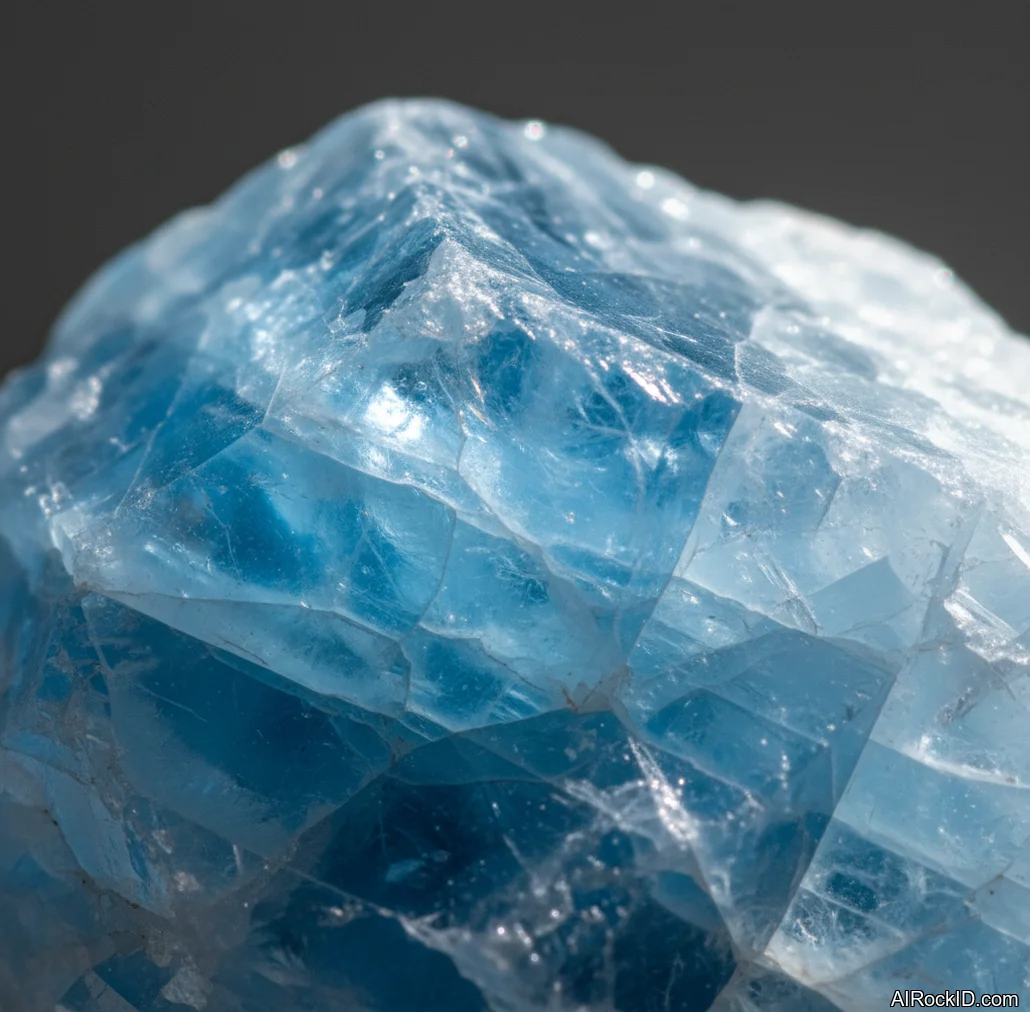
Identify Lapis Nevada by its blue color, soft feel, amorphous structure, and waxy to earthy surface. It is usually sky blue, turquoise blue, medium blue, deep blue, blue-green, or blue-white, often with cream, gray, brown, or matrix-rich zones. Its streak is white to pale blue, and its luster is commonly waxy, dull, earthy, or slightly vitreous when polished.
The most useful field clue is softness: Lapis Nevada is about Mohs 3, much softer than quartz and generally softer than true lapis lazuli. It also lacks the typical golden pyrite flecks and lazurite-calcite-pyrite assemblage seen in many lapis lazuli specimens. Because it is amorphous and porous, massive pieces may look porcelain-like or clay-like rather than visibly crystalline.
Properties of Lapis Nevada
Physical Properties
| Crystal System | Amorphous |
| Hardness (Mohs) | About 3 on the Mohs scale (Soft) |
| Density | Approximately 1.8-2.0 g/cm³, variable with porosity and impurities |
| Luster | Waxy, dull, earthy, sometimes slightly vitreous when polished |
| Diaphaneity | Opaque to translucent in thin edges |
| Fracture | Uneven to conchoidal; earthy material may crumble or break irregularly |
| Streak | White to pale blue |
| Magnetism | Non-magnetic |
| Colors | blue, sky blue, turquoise blue, blue-green, white, cream, gray, brown |
Chemical Properties
| Classification | Hydrous aluminum silicate |
| Formula | Al2O3·(SiO2)1.3-2·2.5-3H2O |
| Elements | aluminum, silicon, oxygen, hydrogen |
| Common Impurities | iron, copper, manganese, calcium, magnesium, clay minerals, silica |
Optical Properties
| Refractive Index | Approximately 1.47-1.51 |
| Birefringence | None; amorphous material is isotropic |
| Pleochroism | None |
| Optical Character | Isotropic, amorphous |
Lapis Nevada Health & Safety
Lapis Nevada is generally safe to handle as a display or collector stone, but it is soft and porous. Dust from cutting, sanding, or polishing any silicate mineral material should not be inhaled, and material with unknown copper or metal-bearing matrix should not be used for drinking-water infusions.
Lapis Nevada Value & Price
Price Range
Rough/Tumbled: Small rough or tumbled pieces commonly sell for about $5-$30; larger, richly colored polished pieces or attractive specimens may sell for $30-$150+ depending on color, size, polish, and provenance.
Cut/Polished:
Value is driven by vivid blue color, solid compact texture, attractive polish, lack of crumbling or chalky areas, size, and credible Nevada provenance. Because it is a trade-name material and not true lapis lazuli, accurate labeling strongly affects collector confidence.
Durability
Low to moderate — Scratch resistance: Poor; it can be scratched by a copper coin, steel tools, quartz, and most common jewelry materials., Toughness: Variable; compact pieces may take a polish, but porous or earthy material can chip, crumble, or absorb liquids.
Stable for dry display, but it should be kept away from soaking, acids, harsh cleaners, ultrasonic machines, steam cleaning, and prolonged abrasion. Hydrated and porous material may dull or stain if exposed to oils, dyes, or water.
How to Care for Lapis Nevada
Use & Storage
Store separately from harder stones in a padded box or soft pouch to prevent scratching and edge damage.
Cleaning
Clean gently with a dry or slightly damp soft cloth. Avoid soaking, detergents, acids, ultrasonic cleaners, steam cleaners, and stiff brushes.
Cleanse & Charge
For spiritual use, choose dry methods such as moonlight, sound, smoke, or placing it near clear quartz or selenite; avoid salt water or prolonged water cleansing.
Placement
Best for display shelves, specimen trays, meditation spaces, or protected decorative use rather than rings or high-wear jewelry.
Caution
Do not confuse Lapis Nevada with lapis lazuli. It is softer, more porous, and mineralogically different. Avoid prolonged contact with water, oils, perfumes, and cosmetics.
Works Well With
Lapis Nevada Meaning & Healing Properties
In modern crystal-healing traditions, Lapis Nevada is used as a calming blue stone for communication, honest expression, emotional cooling, and reflection. These meanings are cultural and spiritual interpretations, not medical claims. Practitioners often connect its blue color with the Throat and Third Eye chakras, and its landscape identity with a gentle Southwestern grounding quality.
For spiritual care, keep the stone dry and protected. Moonlight, sound, smoke, or placing it near clear quartz or selenite are preferred over salt water or soaking. Its listed zodiac associations are Sagittarius, Aquarius, and Pisces, with Mercury and Neptune as planetary links and Water and Air as elemental themes.
Identify Lapis Nevada from a photo
Compare Lapis Nevada traits, care tips, value clues, and common lookalikes with a clear photo.
Common mistakes
- Assuming the word “lapis” means the stone is lapis lazuli
- Using lapis lazuli price expectations for a softer allophane material
- Ignoring dye or stabilization disclosures on porous blue stones
- Cleaning Lapis Nevada with water soaking, acids, steam, or ultrasonic devices
- Setting soft Lapis Nevada in high-impact jewelry without protection
- Identifying a polished blue cabochon by color alone