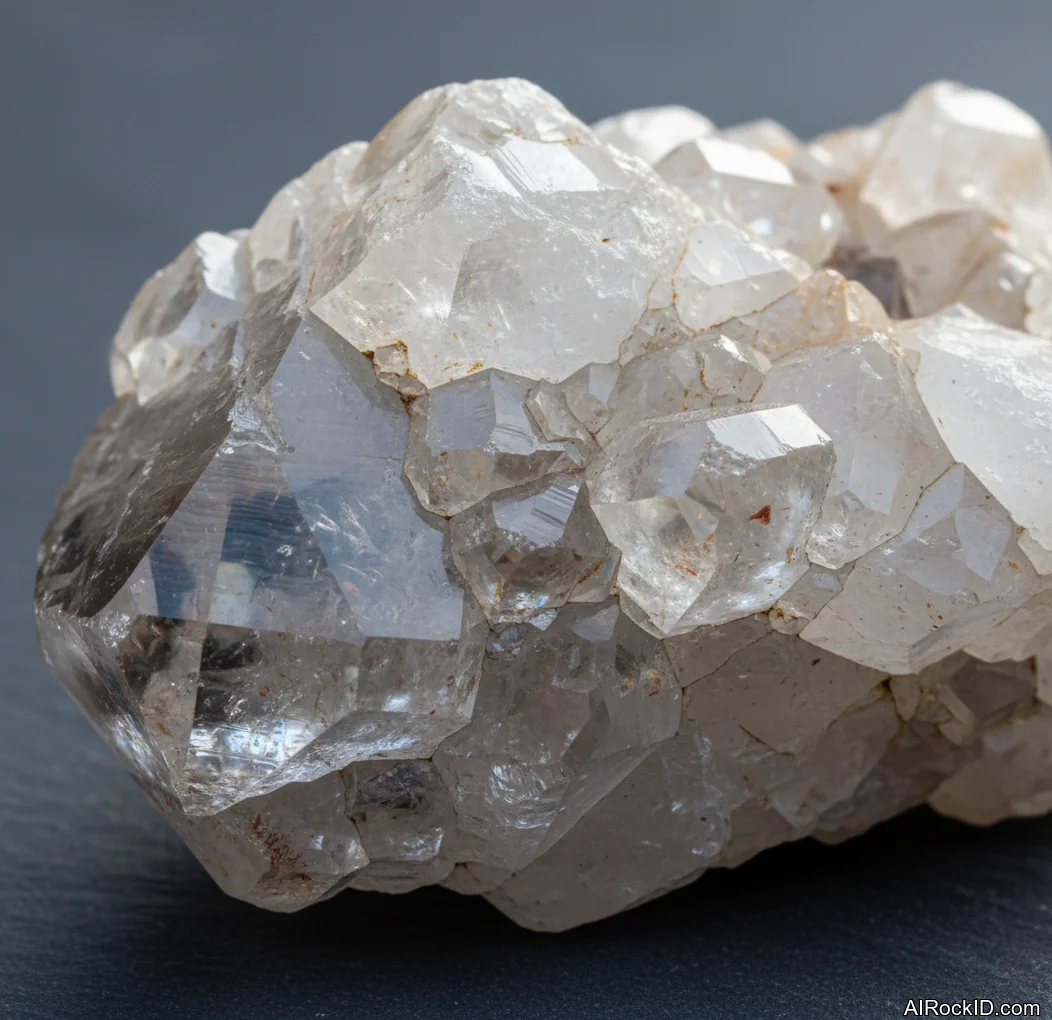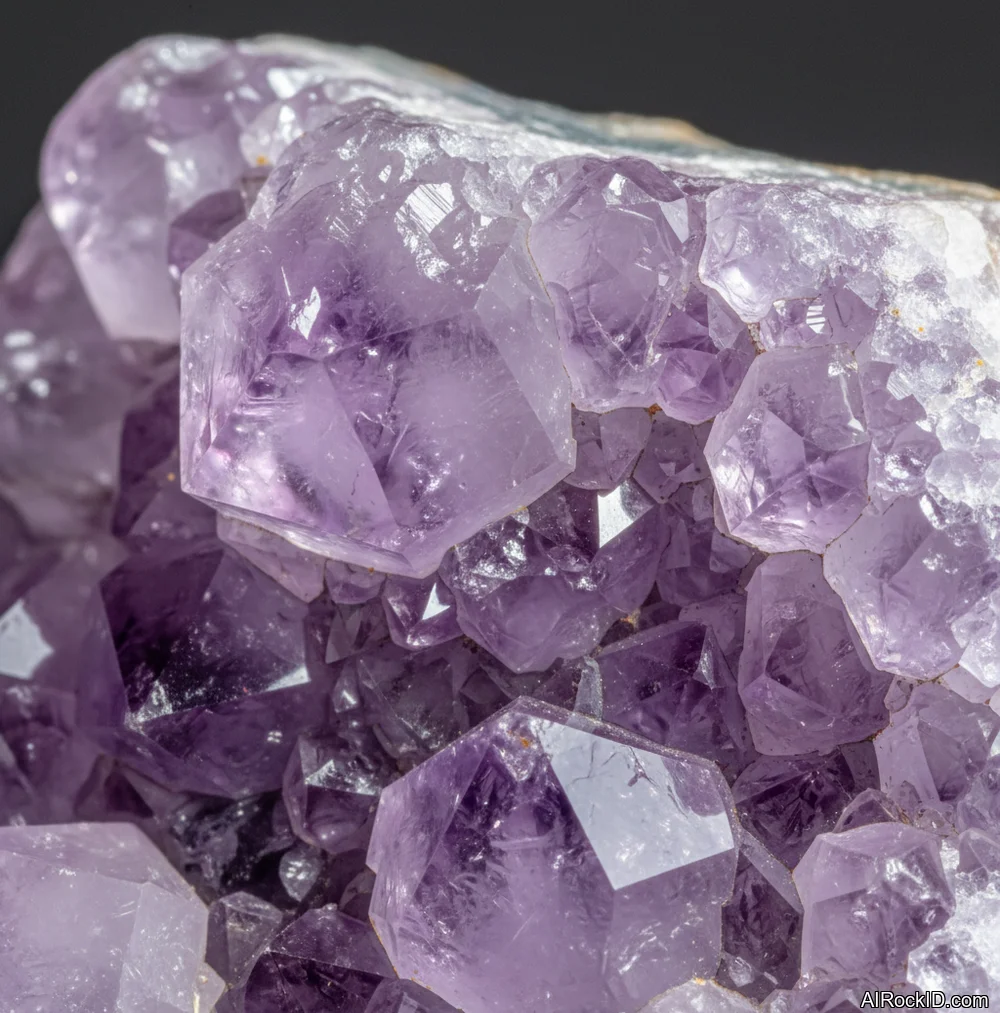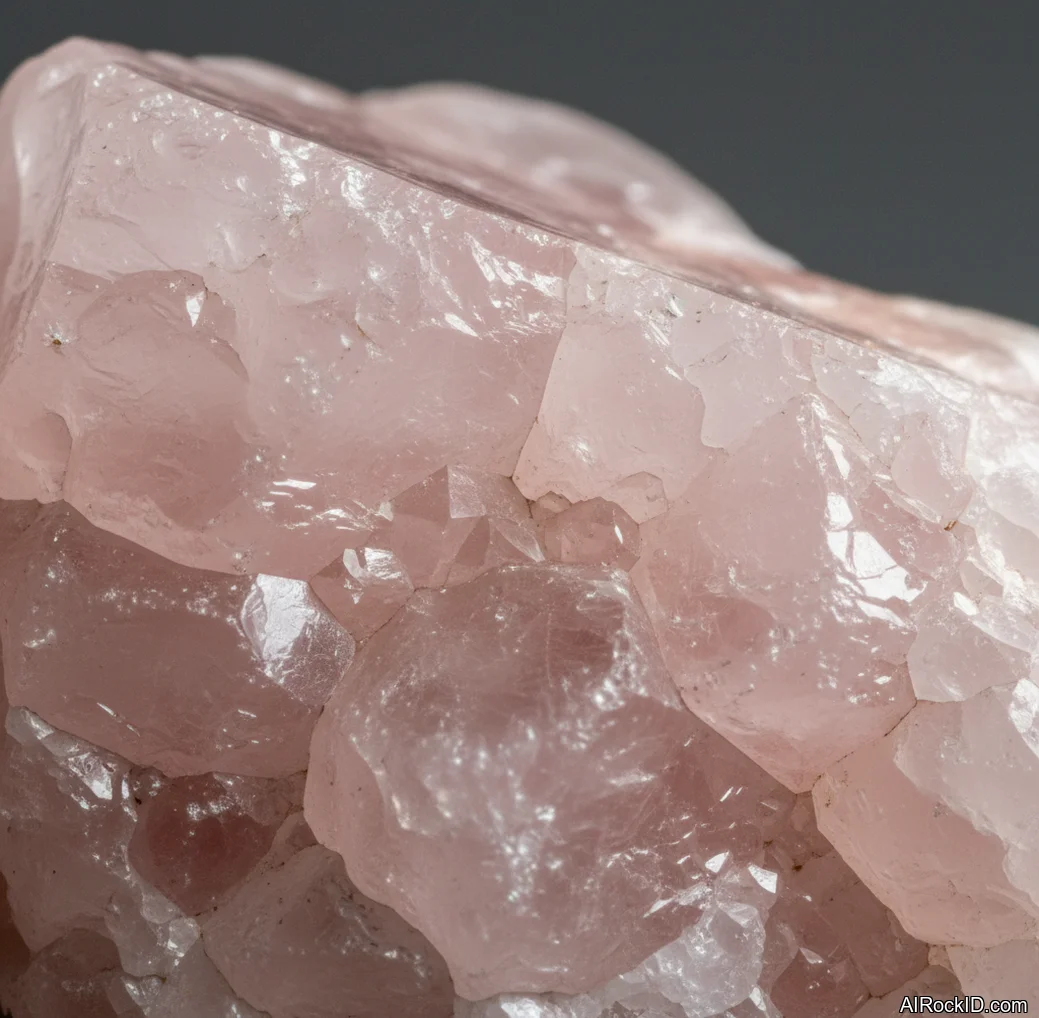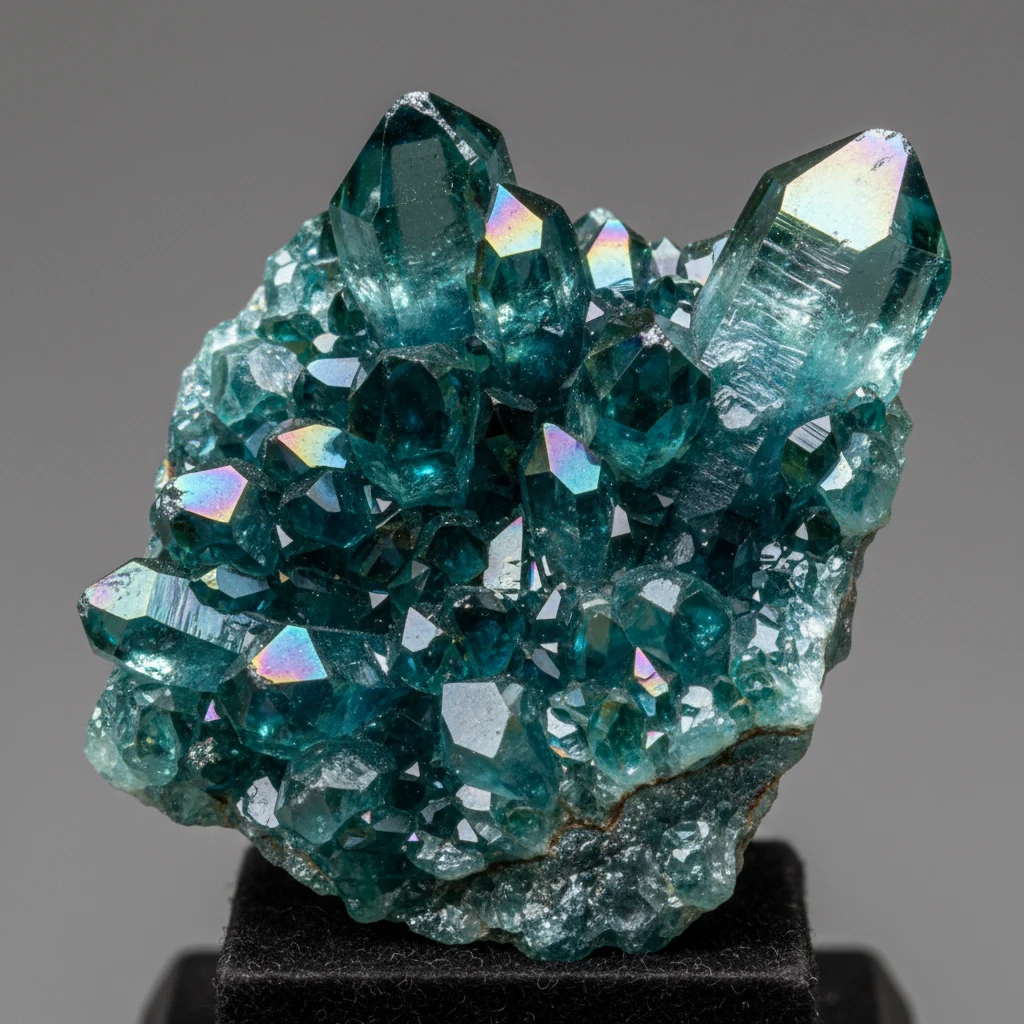
Aurora Borealis Crystal


Quick answer: Aurora Borealis Crystal usually refers to quartz with a blue-green iridescent surface effect rather than a separate mineral species. Its core material is commonly SiO2 quartz with Mohs hardness around 7, while the rainbow-like sheen may come from natural surface effects or treatment depending on the specimen.
AI Rock ID can help screen Aurora Borealis Crystal by comparing its color, luster, transparency, crystal habit, and surface iridescence against similar quartz and coated stones. RockIdentifier.io provides visual identification support, but unusual coatings, lighting effects, and trade names may require confirmation from a gemologist or mineral lab.
Good fit
- Collectors who like iridescent quartz appearances
- Beginners looking for a hard, display-friendly crystal
- People comparing treated quartz with natural-looking specimens
- Buyers who want a blue-green sheen without choosing softer stones
Not a good fit
- Buyers who require an untreated or fully natural specimen without documentation
- Collectors who need a formally recognized mineral species name
- Jewelry uses that involve heavy abrasion against metal, sand, or harder gems
- Anyone expecting color effects to prove authenticity by appearance alone
Most commonly confused with
- Angel Aura Quartz: Angel Aura Quartz is typically quartz with a metallic vapor coating, often showing pastel rainbow colors.
- Aqua Aura Quartz: Aqua Aura Quartz usually has a stronger electric blue surface color from a gold-based coating process.
- Rainbow Quartz: Rainbow Quartz may show internal fractures or inclusions that create color flashes rather than an external blue-green sheen.
- Labradorite: Labradorite is feldspar, not quartz, and displays labradorescence from internal structure with lower hardness around 6 to 6.5.
Aurora Borealis Crystal Lookalikes
| Stone | Key Visual Clue | Typical Difference |
|---|---|---|
| Aurora Borealis Crystal | Blue-green iridescent sheen on quartz | Usually quartz-based with Mohs hardness around 7 |
| Angel Aura Quartz | Soft pastel rainbow coating | Commonly treated with a metallic vapor layer |
| Aqua Aura Quartz | Bright metallic blue surface | Often more uniformly blue than aurora-style quartz |
| Labradorite | Flash appears from within the stone | Feldspar, lower hardness, often gray body color |
| Opal | Patchy play-of-color in a softer material | Hydrated silica and more sensitive to heat and dryness |
AI identification confidence
AI identification confidence is usually moderate when the specimen clearly shows quartz crystal habit, glassy luster, and a distinct blue-green iridescent surface. Confidence is lower when photos use strong colored lighting, filters, dark backgrounds, or close-up angles that hide the crystal structure.
When AI gets it wrong
- A metallic coating makes treated quartz resemble other aura quartz varieties.
- Reflections from lamps or phone screens create false blue-green color patches.
- Tumbled or polished pieces hide natural quartz crystal habit.
- Labradorite, opal, or coated glass may be photographed at angles that mimic quartz iridescence.
Final recommendation
Choose Aurora Borealis Crystal when you want quartz durability with a visible iridescent blue-green surface effect. Ask whether the color is natural, coated, dyed, or otherwise treated if authenticity or collector value matters.
How to Check Authenticity Before Buying
Ask the seller whether the specimen is natural quartz, coated quartz, dyed quartz, or glass. Request photos in daylight, from multiple angles, and against a neutral background because iridescence can change strongly with lighting. A real quartz base should typically be hard enough to resist scratching from a steel knife, but scratch testing can damage finishes and should be avoided on valued pieces.
Photo Tips for Identifying Aurora Borealis Crystal
Use indirect daylight and avoid colored bulbs, flash glare, or beauty filters when photographing the crystal. Take one image of the whole specimen and one close-up that shows surface texture, transparency, and any crystal faces. Include a plain white or gray background so the blue-green sheen is easier to judge.
Treatment Disclosure and Trade Names
Aurora Borealis Crystal is a trade-style name and may be applied to different iridescent quartz products. Some pieces may owe their color to thin metallic coatings or other enhancement processes rather than natural surface weathering. Clear treatment disclosure is important for pricing, resale, and collector expectations.
What Is Aurora Borealis Crystal?
Aurora Borealis Crystal is an uncommon quartz variety admired for iridescent color that resembles the Northern Lights. In the hand, the appeal is immediate: a transparent to translucent body with a shifting blue or green tint, a glassy vitreous luster, and a rainbow-like sheen that catches best in good light.
Mineralogically, it is a tectosilicate quartz with the formula SiO2 and a hexagonal crystal system. It has a Mohs hardness of 7, a density of 2.65 g/cm3, white streak, conchoidal fracture, and non-magnetic behavior, making it durable enough for regular display and careful handling.
Origin & History
The name Aurora Borealis Crystal comes from the Latin term for the Northern Lights, a fitting description for its shimmering, color-shifting appearance. It was first described in the late 20th century and is commonly discussed by collectors and metaphysical users for its visual and symbolic qualities.
As a quartz-based semi-precious gemstone, it sits in the familiar collector space of attractive, handleable silica minerals rather than fragile cabinet-only pieces. A useful external mineral reference for quartz is mindat.org, which can be consulted alongside specimen labels when confirming basic quartz data.
Where Is Aurora Borealis Crystal Found?
Aurora Borealis Crystal is found in countries known for quartz deposits, including Brazil, Madagascar, and the United States. Notable localities listed for this material include Minas Gerais in Brazil, Antananarivo in Madagascar, and California in the USA.
Formation
Aurora Borealis Crystal forms in hydrothermal veins where silica-rich fluids cool and crystallize. That origin matches its quartz identity: silicon and oxygen combine as SiO2, building a hard, vitreous crystal that may be transparent to translucent.
In practical terms, the vein setting helps explain why specimens can show clean faces, glassy luster, and internal clarity when well preserved. Iron and titanium are listed as common impurities, and the finished collector impression depends strongly on the intensity of color and clarity visible under light.
How to Identify Aurora Borealis Crystal
Identify Aurora Borealis Crystal by looking for a transparent to translucent quartz specimen with a distinct rainbow-like sheen, commonly showing blue or green tint over a clear body. The surface should read as vitreous rather than waxy or dull, especially when turned under a lamp.
Confirm the practical mineral traits: Mohs hardness 7, white streak, conchoidal fracture, non-magnetic response, and hexagonal crystal system. Its listed optical properties include refractive index 1.54 to 1.55, weak pleochroism, uniaxial optical character, and no birefringence.
Properties of Aurora Borealis Crystal
Physical Properties
| Crystal System | Hexagonal |
| Hardness (Mohs) | 7 (Hard (6-7.5)) |
| Density | 2.65 g/cm3 |
| Luster | Vitreous |
| Diaphaneity | Transparent to translucent |
| Fracture | Conchoidal |
| Streak | White |
| Magnetism | Non-magnetic |
| Colors | Blue, Green, Clear |
Chemical Properties
| Classification | Tectosilicate |
| Formula | SiO2 |
| Elements | Si, O |
| Common Impurities | Fe, Ti |
Optical Properties
| Refractive Index | 1.54 - 1.55 |
| Birefringence | None |
| Pleochroism | Weak |
| Optical Character | Uniaxial |
Aurora Borealis Crystal Health & Safety
There are no significant health risks associated with handling this crystal.
Aurora Borealis Crystal Value & Price
Price Range
Rough/Tumbled: $10 - $50 per specimen
Cut/Polished: $30 - $150 per carat
Price is influenced by color intensity and clarity.
Durability
Durable — Scratch resistance: Good, Toughness: Fair
It is stable under normal conditions.
How to Care for Aurora Borealis Crystal
Use & Storage
Store in a soft pouch to prevent scratches.
Cleaning
Clean with warm soapy water and a soft cloth. Avoid harsh chemicals.
Cleanse & Charge
Place under moonlight or in a bowl of salt for cleansing.
Placement
Display in a well-lit area to enhance its colors.
Caution
Avoid exposing to extreme temperatures.
Works Well With
Aurora Borealis Crystal Meaning & Healing Properties
In crystal-healing traditions, Aurora Borealis Crystal is associated with creativity, emotional balance, calm, intuition, focus, trust, growth, transformation, and joy. It is commonly linked with the throat and heart chakras, so users often choose it for communication work, emotional steadiness, or meditative reflection.
These meanings are traditional and not a substitute for medical treatment. For care in a healing set, it is safe to handle and safe in water, but it should still be cleaned gently with warm soapy water and a soft cloth, kept away from harsh chemicals, and protected from extreme temperatures.
Identify Aurora Borealis Crystal from a photo
Compare Aurora Borealis Crystal traits, care tips, value clues, and common lookalikes with a clear photo.
Common mistakes
- Assuming every blue-green iridescent quartz is naturally colored
- Using a single flash photo to judge color, coating, or authenticity
- Confusing a trade name with a formal mineral species
- Cleaning coated pieces with harsh chemicals or abrasive cloths
- Comparing prices without checking size, clarity, coating quality, and treatment disclosure
- Mistaking labradorite flash or opal play-of-color for quartz iridescence