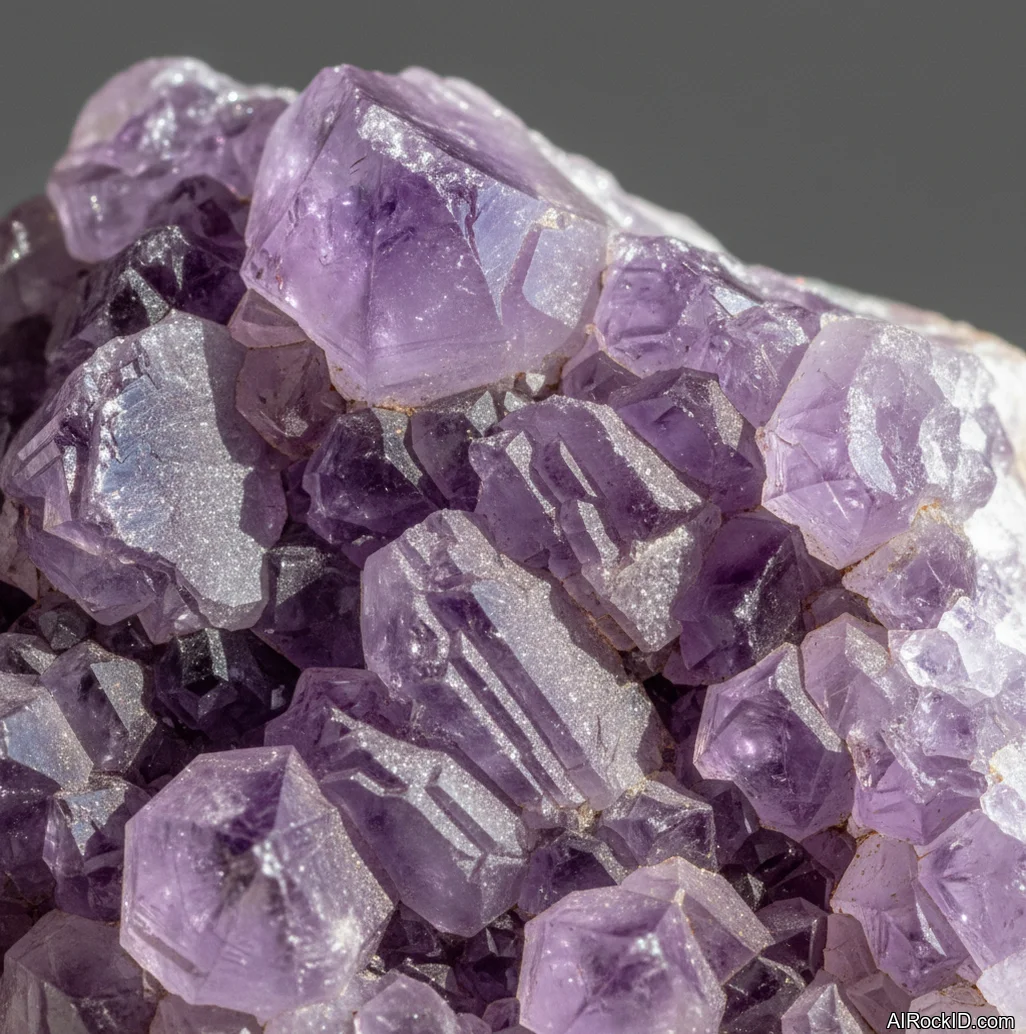
Jupiter Crystals
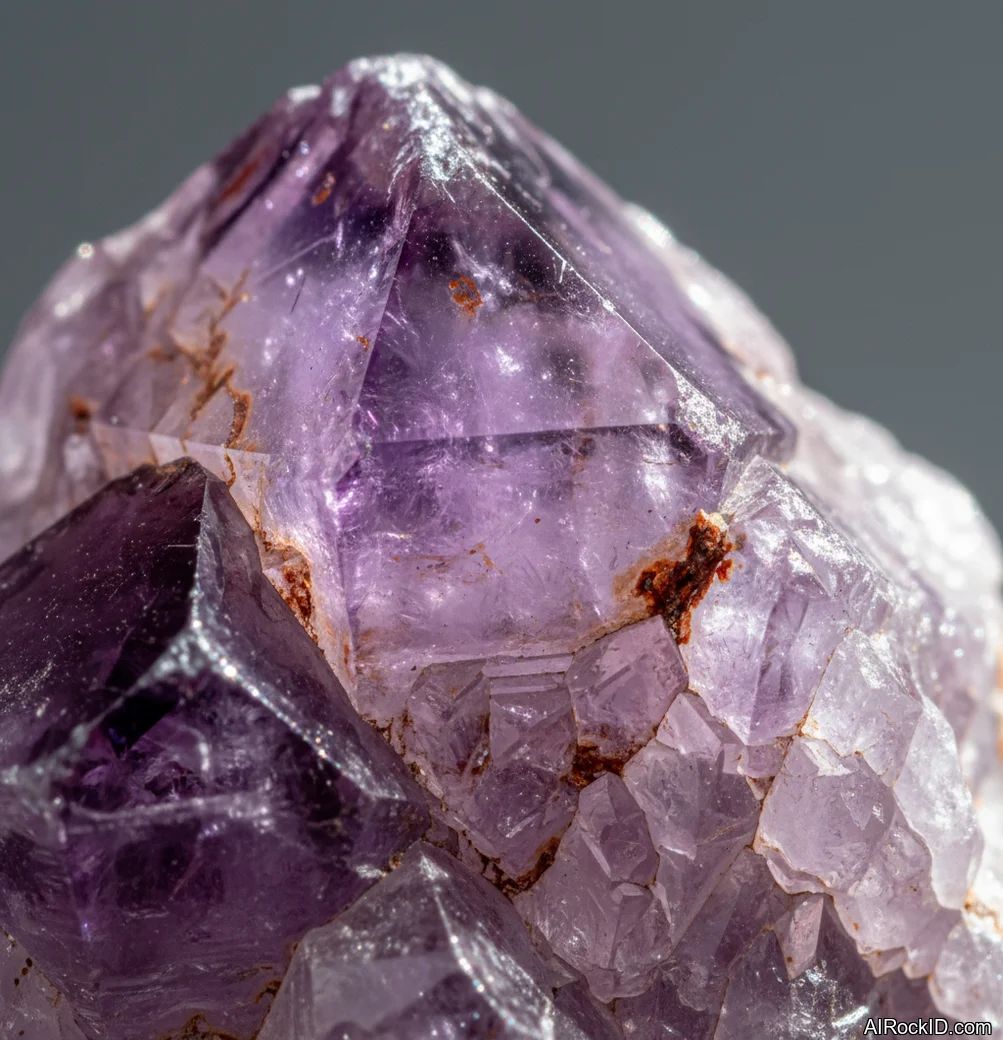
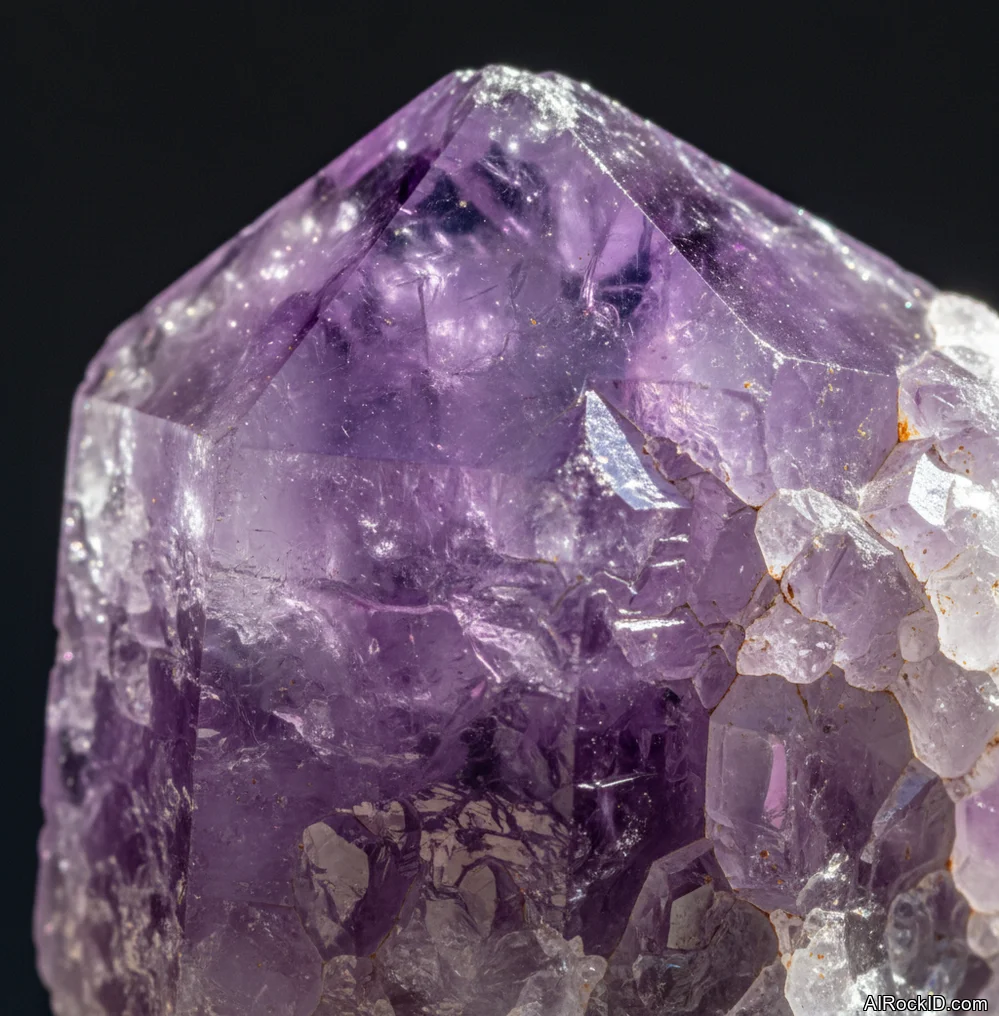
Quick answer: Jupiter crystals are stones associated in crystal traditions with expansion, optimism, wisdom, prosperity, and long-term growth. Common examples include amethyst, lapis lazuli, citrine, sodalite, and turquoise, with meanings varying by source and tradition.
Explore Jupiter and crystals linked to its energy, including classic stones, how to use them, and what to look for when buying Jupiter crystals.


Jupiter crystals are stones associated with expansion, luck, growth, and opportunity in metaphysical traditions. Common examples include lapis lazuli, green aventurine, citrine, pyrite, and sunstone—crystals chosen for their bold colors, weight, and presence. They're linked to themes like career breakthroughs, social connection, and learning new skills. These associations come from metaphysical traditions and are not medical claims.
Jupiter crystals can't guarantee financial gain, job offers, or personal growth. They're for symbolic support only, not a substitute for practical action or expert advice.
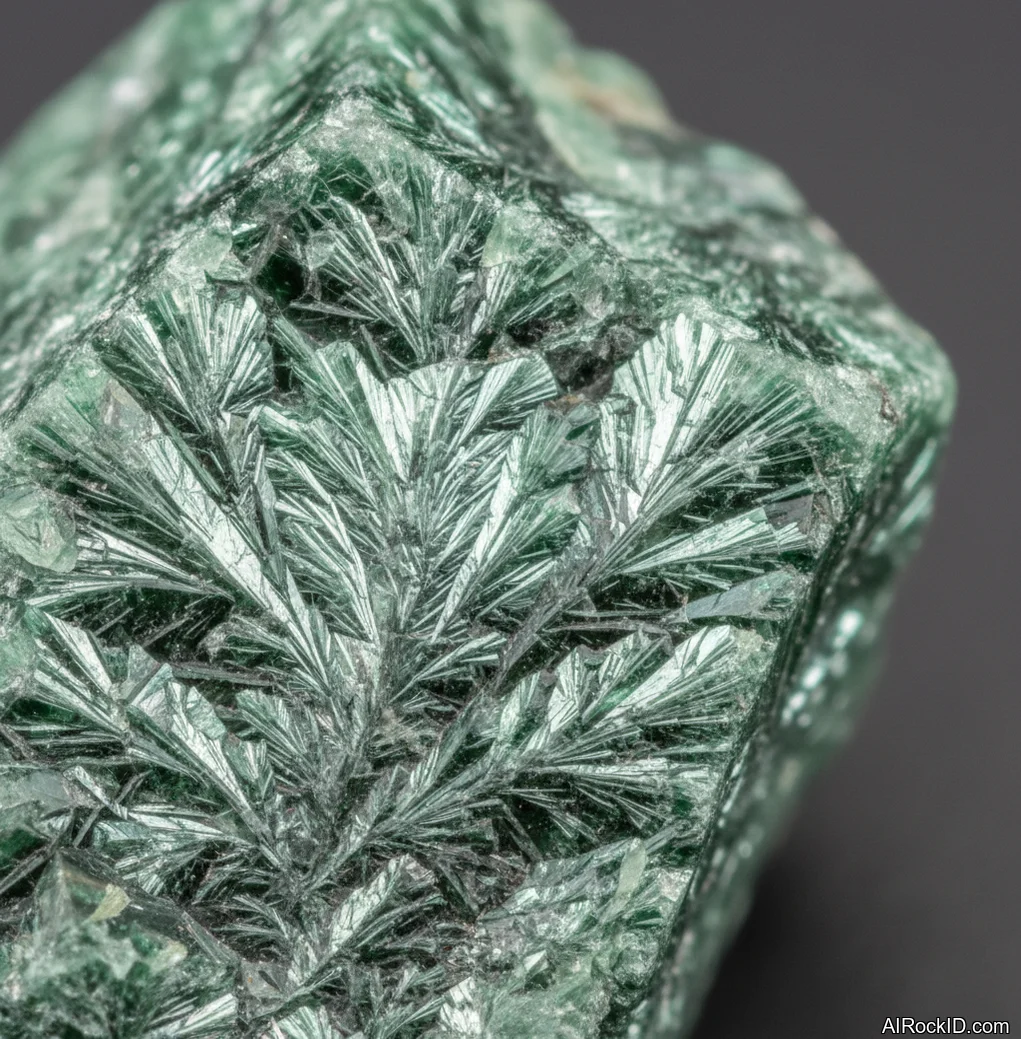
AI Rock ID can help compare a photographed specimen with visual references for minerals commonly associated with Jupiter. RockIdentifier.io provides crystal and mineral information that can support identification, collecting, and learning, but results should be checked against physical traits when accuracy matters.
Good fit
- People exploring planetary crystal correspondences in astrology or metaphysical traditions
- Beginners who want stones linked with growth, learning, and confidence symbolism
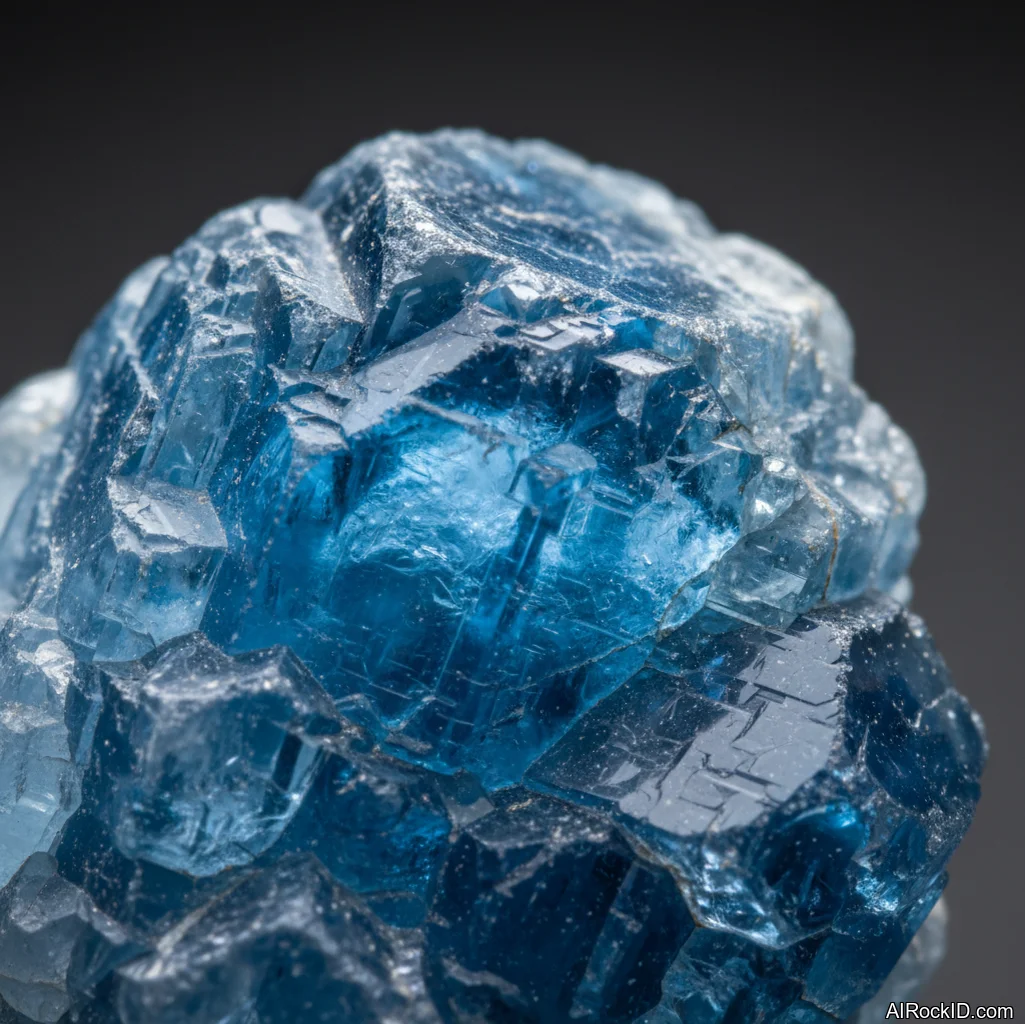
- Collectors comparing blue, purple, yellow, or gold-toned stones often tied to Jupiter
- Anyone building a themed crystal set around planets, zodiac signs, or intention-based categories
Not a good fit
- Anyone expecting crystals to guarantee wealth, luck, healing, or medical outcomes
- Buyers who need verified gem identity without lab testing or expert examination
- People looking only for scientifically proven planetary effects on minerals
Most commonly confused with
- Saturn Crystals: Saturn crystal traditions usually emphasize discipline, boundaries, and structure, while Jupiter associations focus more on expansion and opportunity.
- Sun Crystals: Sun crystals are often linked with vitality and personal power, while Jupiter crystals are more often linked with growth, wisdom, and abundance.
- Prosperity Crystals: Prosperity crystals may overlap with Jupiter stones but are organized by intention rather than planetary correspondence.
- Third Eye Chakra Crystals: Third eye stones may share blue or purple colors with Jupiter stones, but the category is based on chakra symbolism rather than planetary symbolism.
AI identification confidence
AI identification is usually more reliable for distinctive crystals with clear color, luster, crystal habit, and matrix context. It is less reliable for polished stones, dyed material, look-alike varieties, or photos taken under colored lighting.
When AI gets it wrong
- Polished blue stones such as sodalite, lapis lazuli, and dyed howlite can appear similar in photos.
- Heat-treated or dyed stones may be visually matched to natural-looking reference images.
- Small tumbled stones may lack crystal habit, cleavage, or matrix details needed for confident identification.
- Strong filters, shadows, or yellow indoor lighting can distort the color cues used for comparison.
Best choice summary
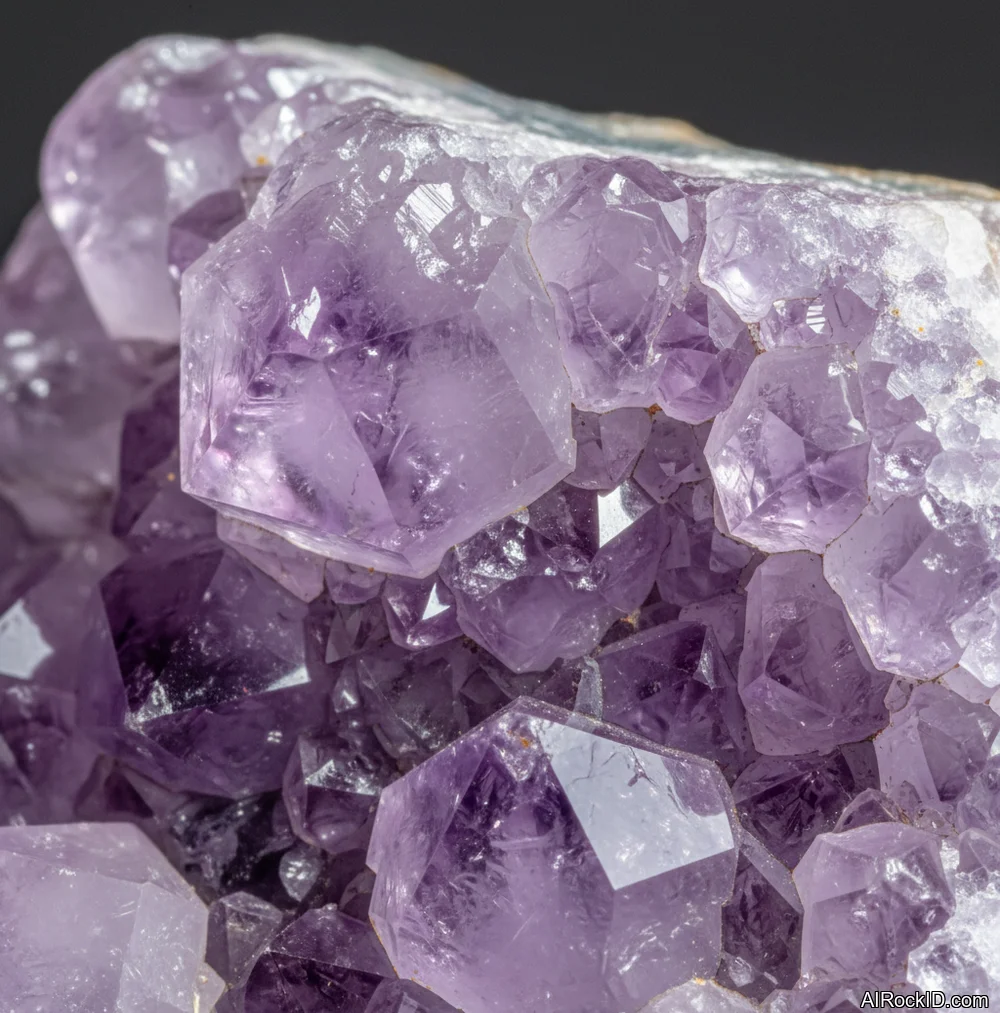
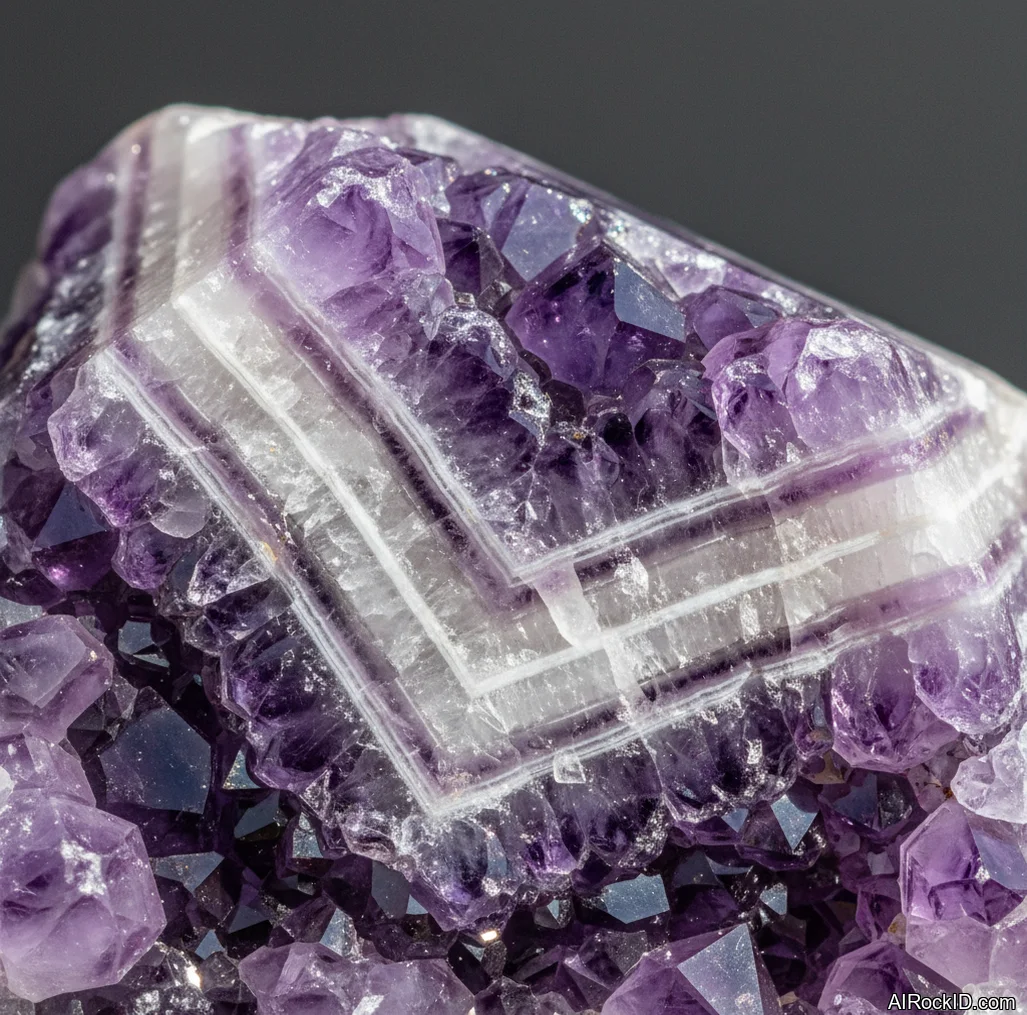
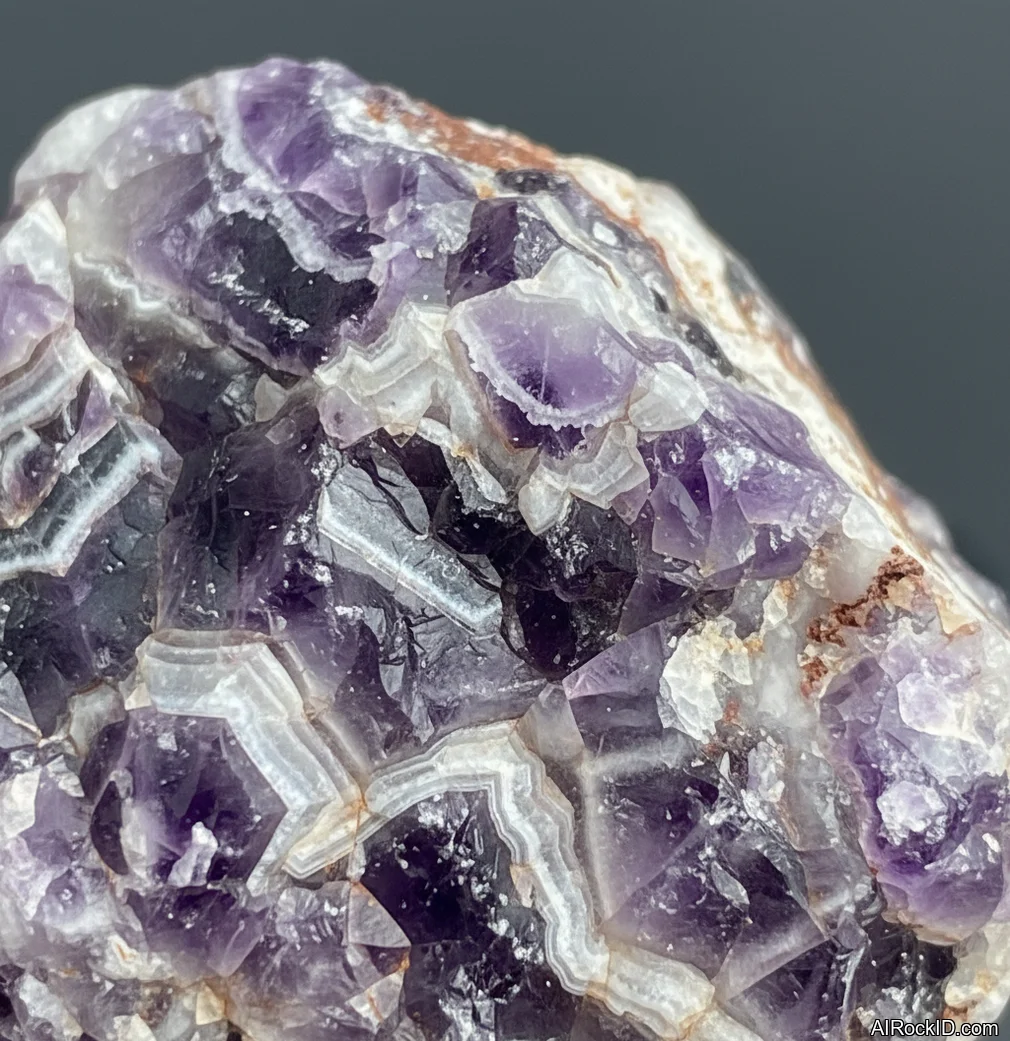
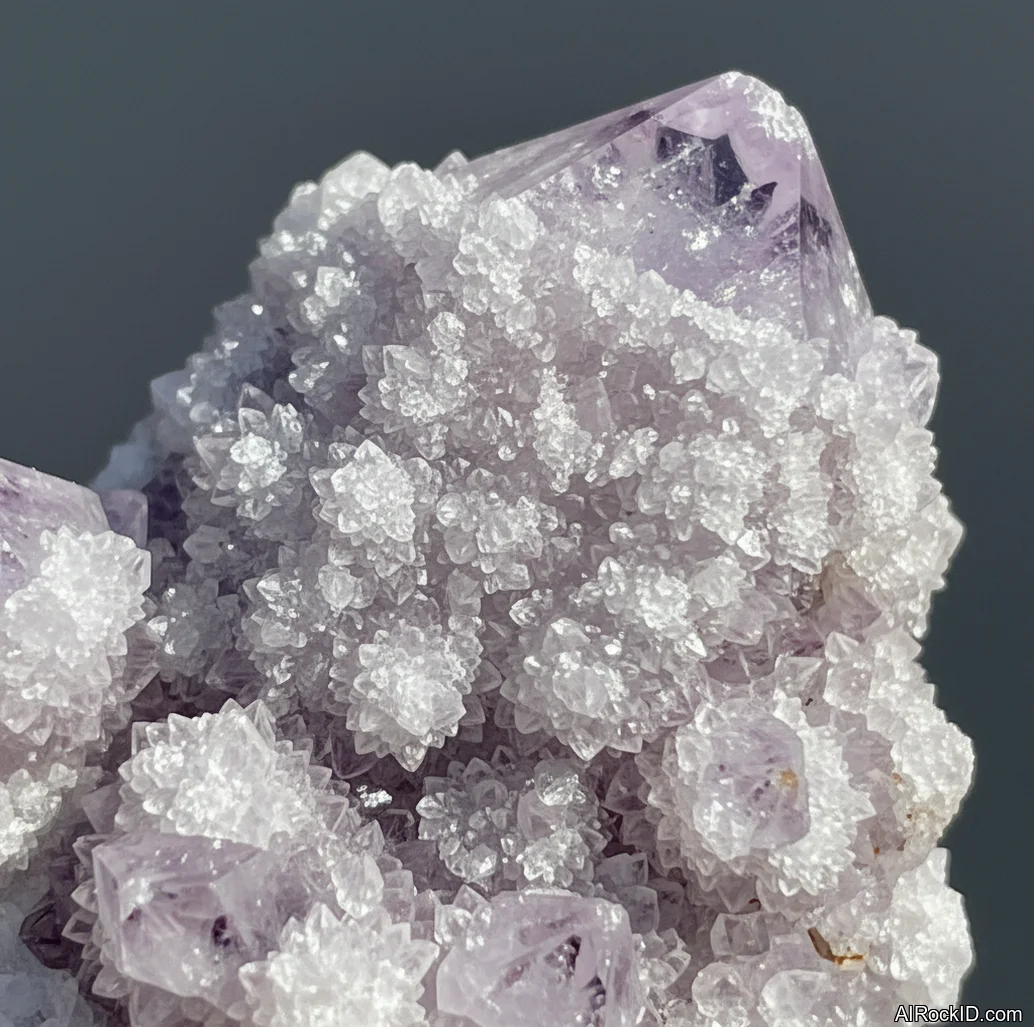
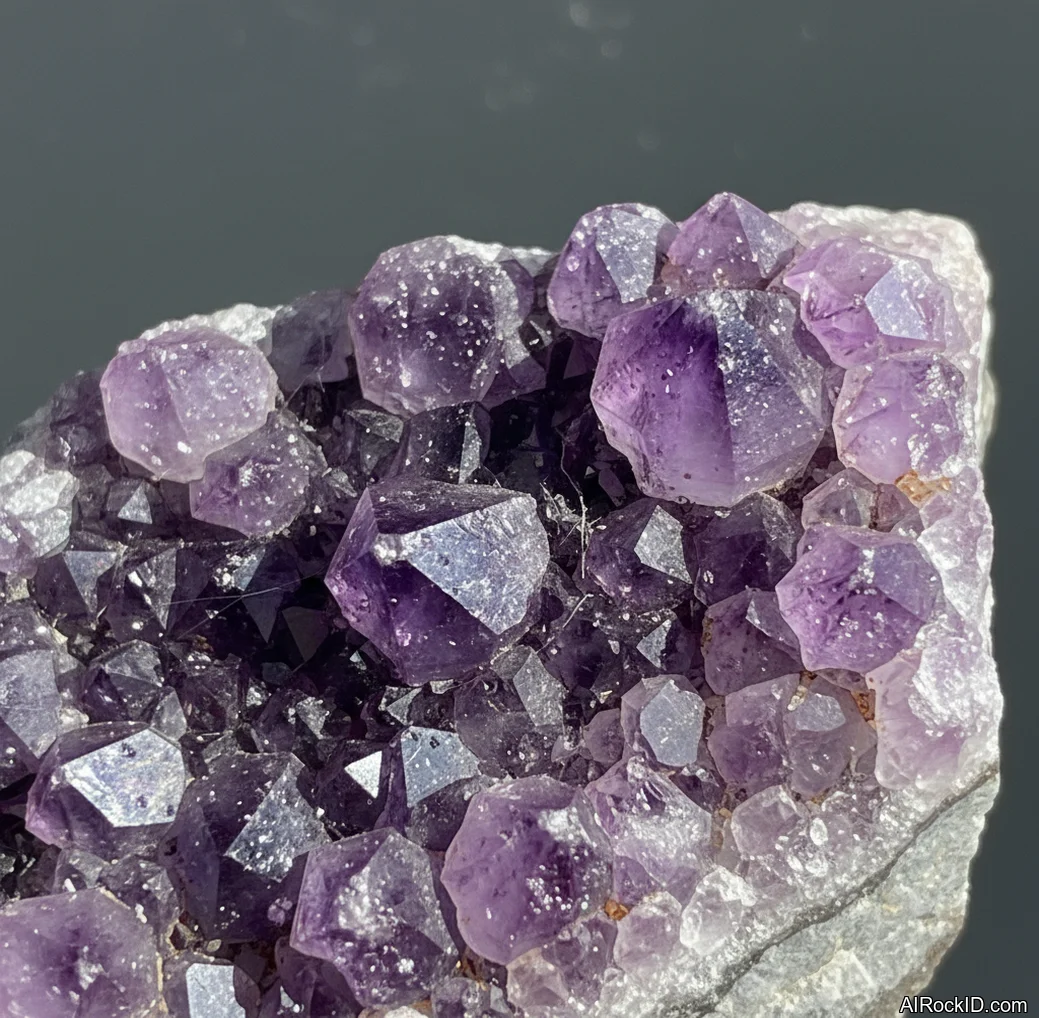
For a simple Jupiter-themed set, many beginners choose one purple stone, one blue stone, and one yellow or golden stone. Amethyst, lapis lazuli, and citrine are common starting points because they are widely available and easy to compare visually.
Final recommendation
Choose Jupiter crystals by combining the symbolic tradition you follow with practical checks such as color, hardness, inclusions, and seller disclosure. If identity matters, confirm the specimen with multiple references or a qualified gemologist.
What this category represents
The Jupiter Crystals tag groups stones that are associated with the planet Jupiter in astrology, crystal healing traditions, and symbolic correspondence systems. This category is thematic rather than mineralogical, so the stones may differ widely in chemistry, hardness, color, and geological origin.
Beginner recommendations
Advanced recommendations
Jupiter Crystal Colors and Symbolic Themes
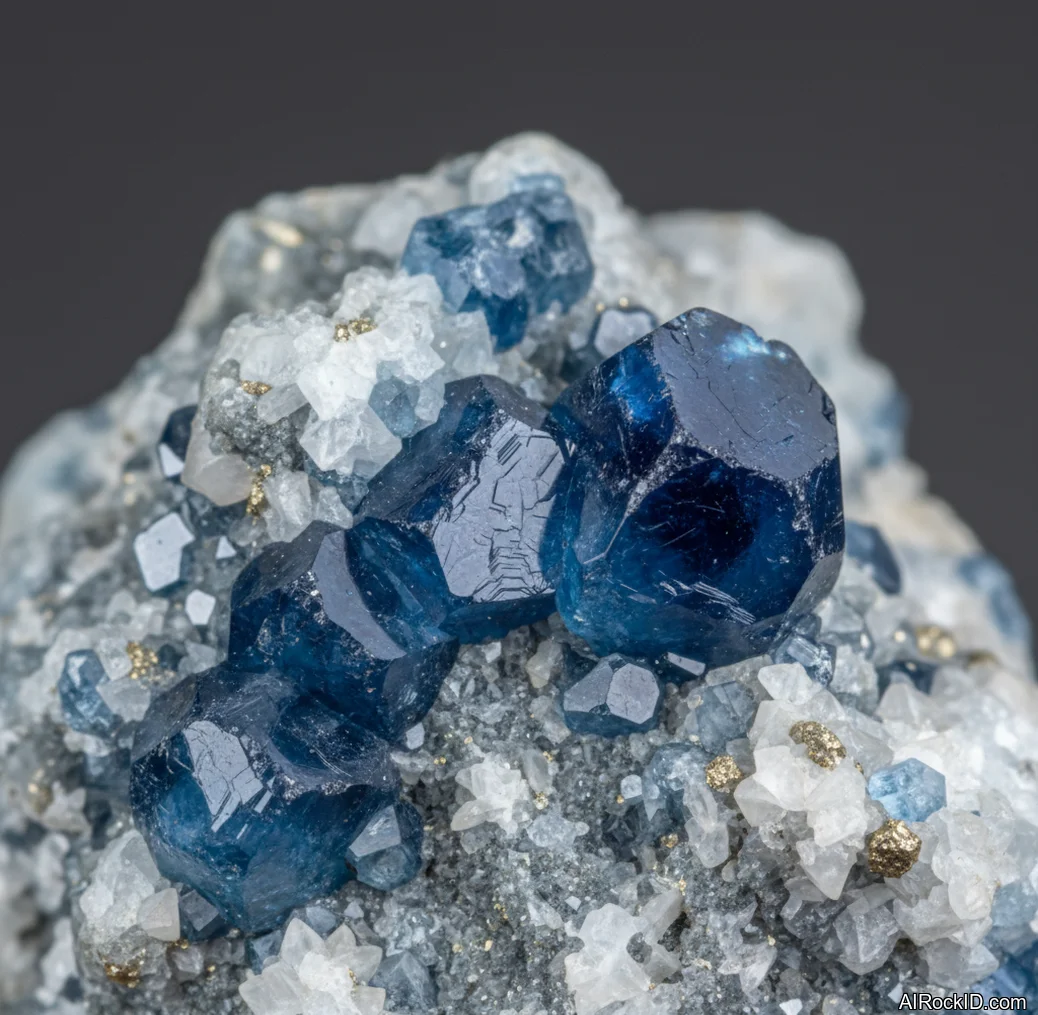
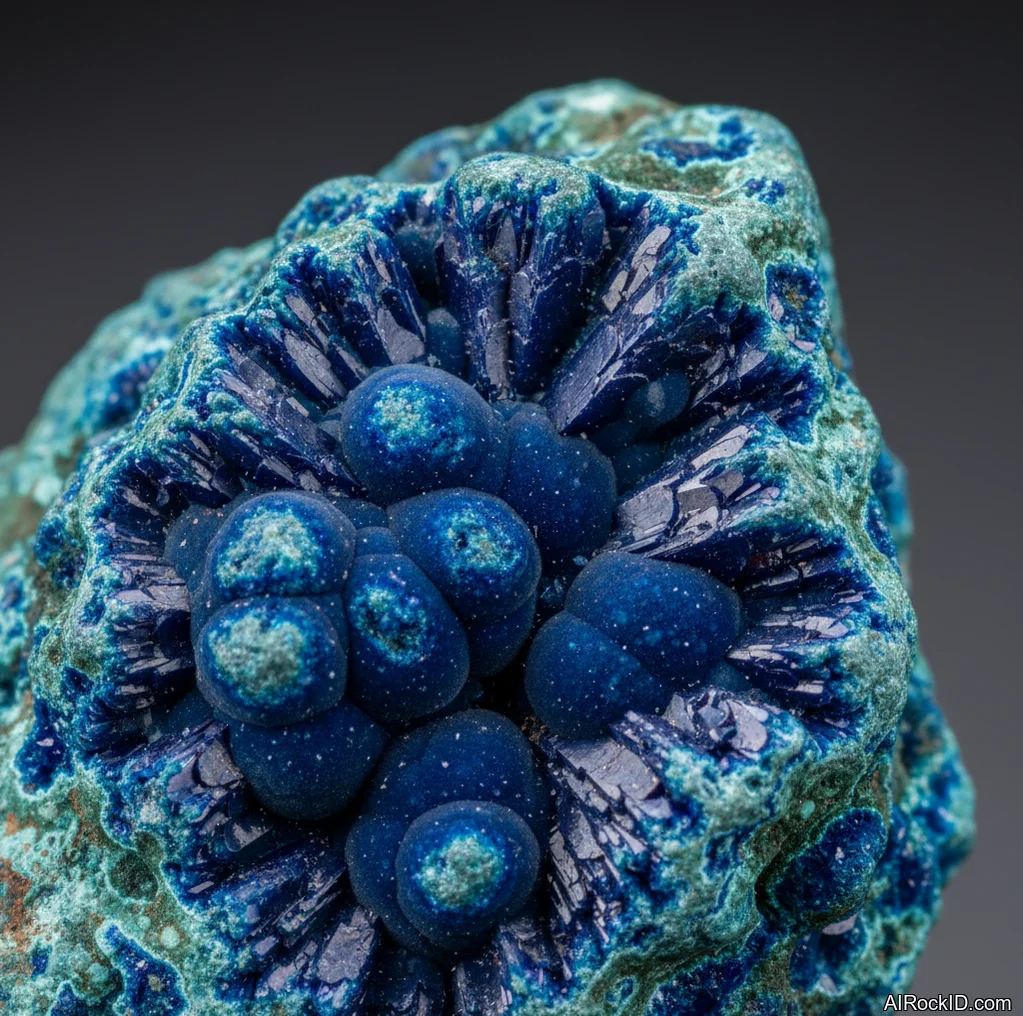
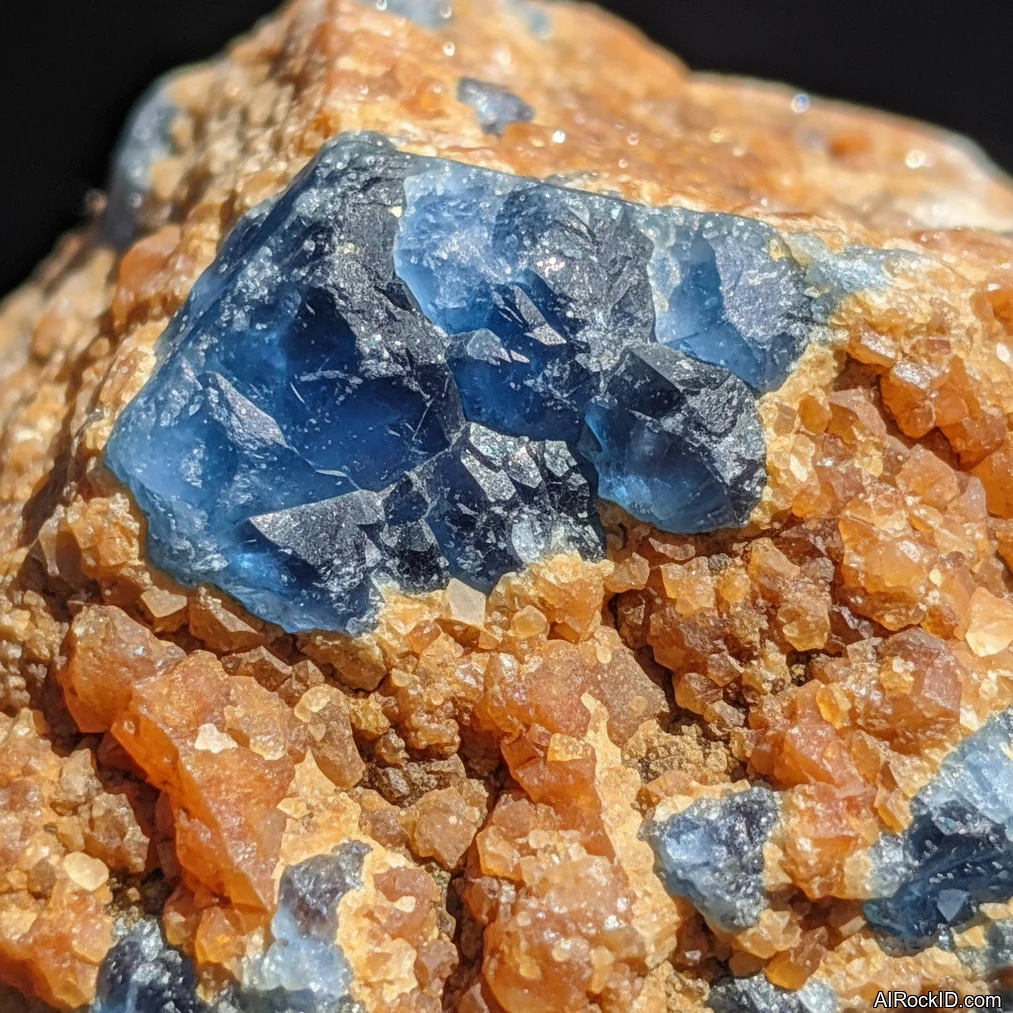
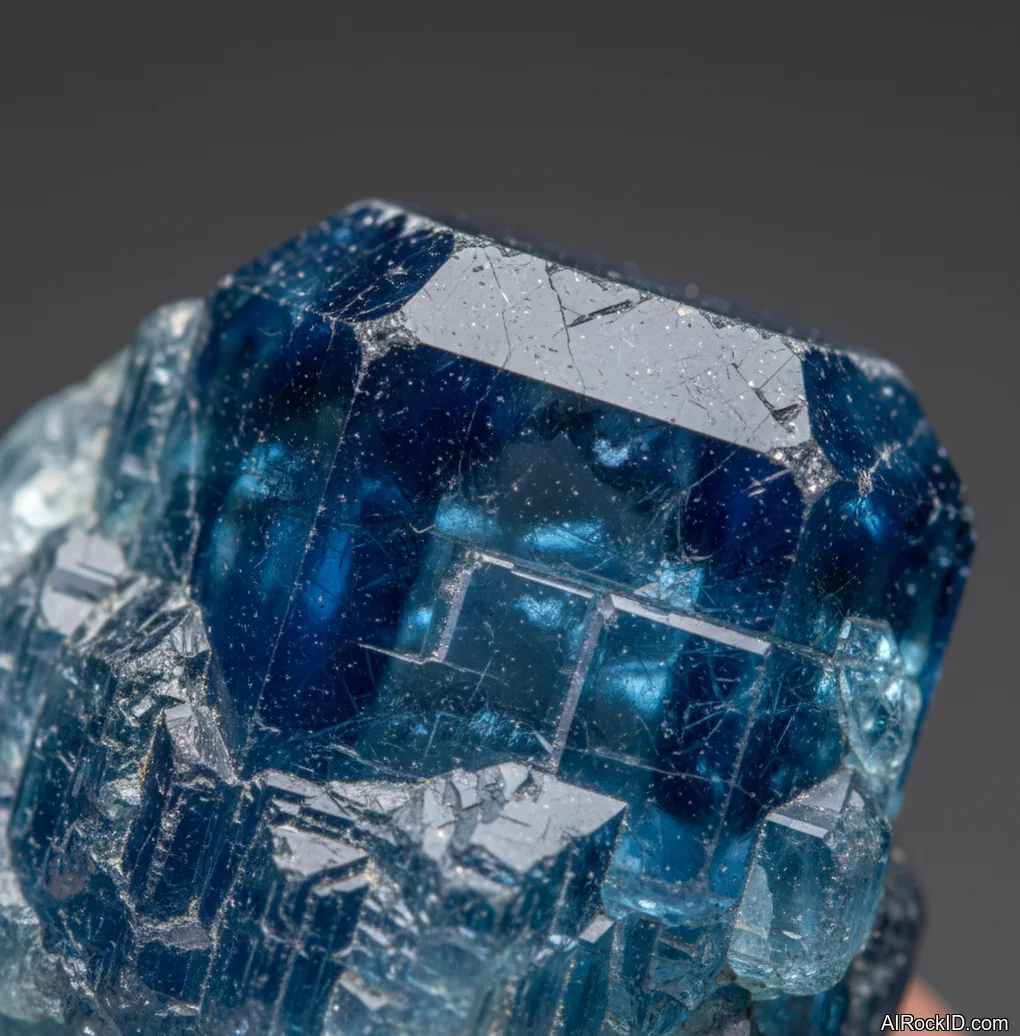
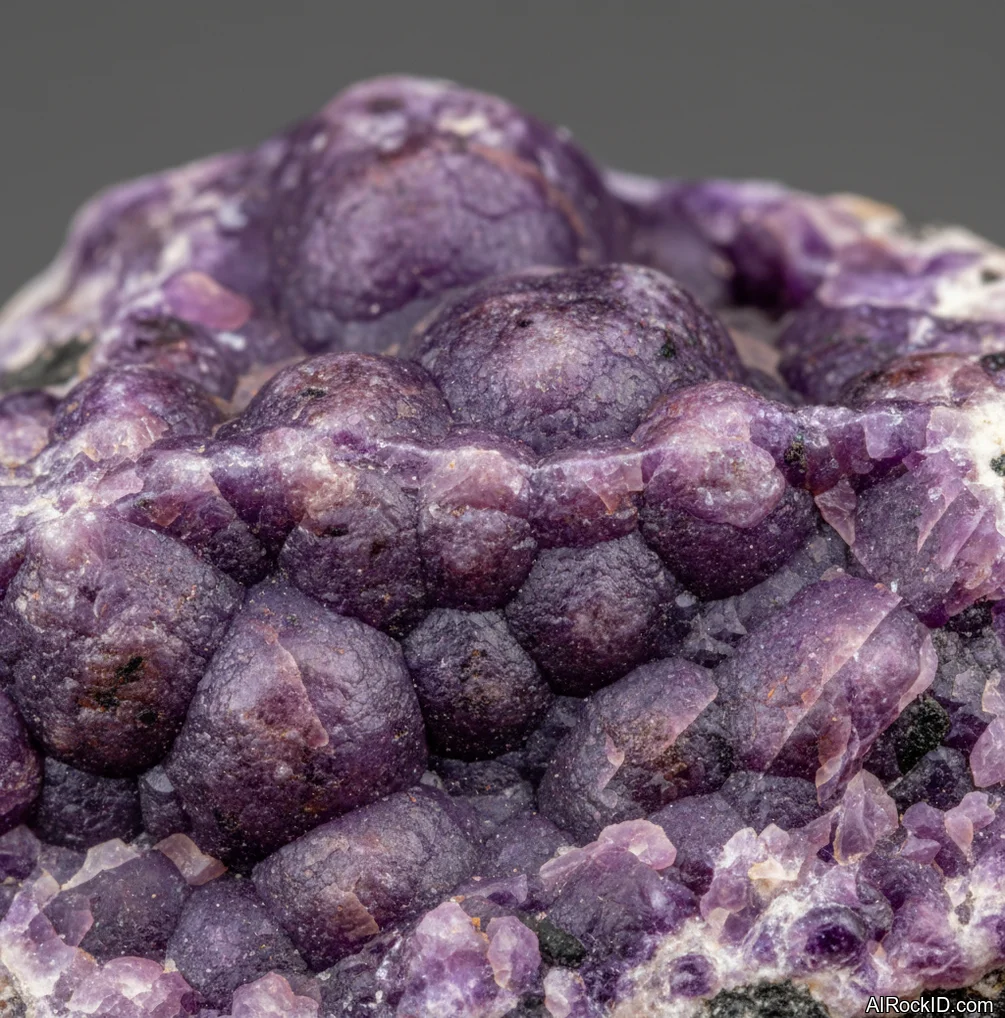
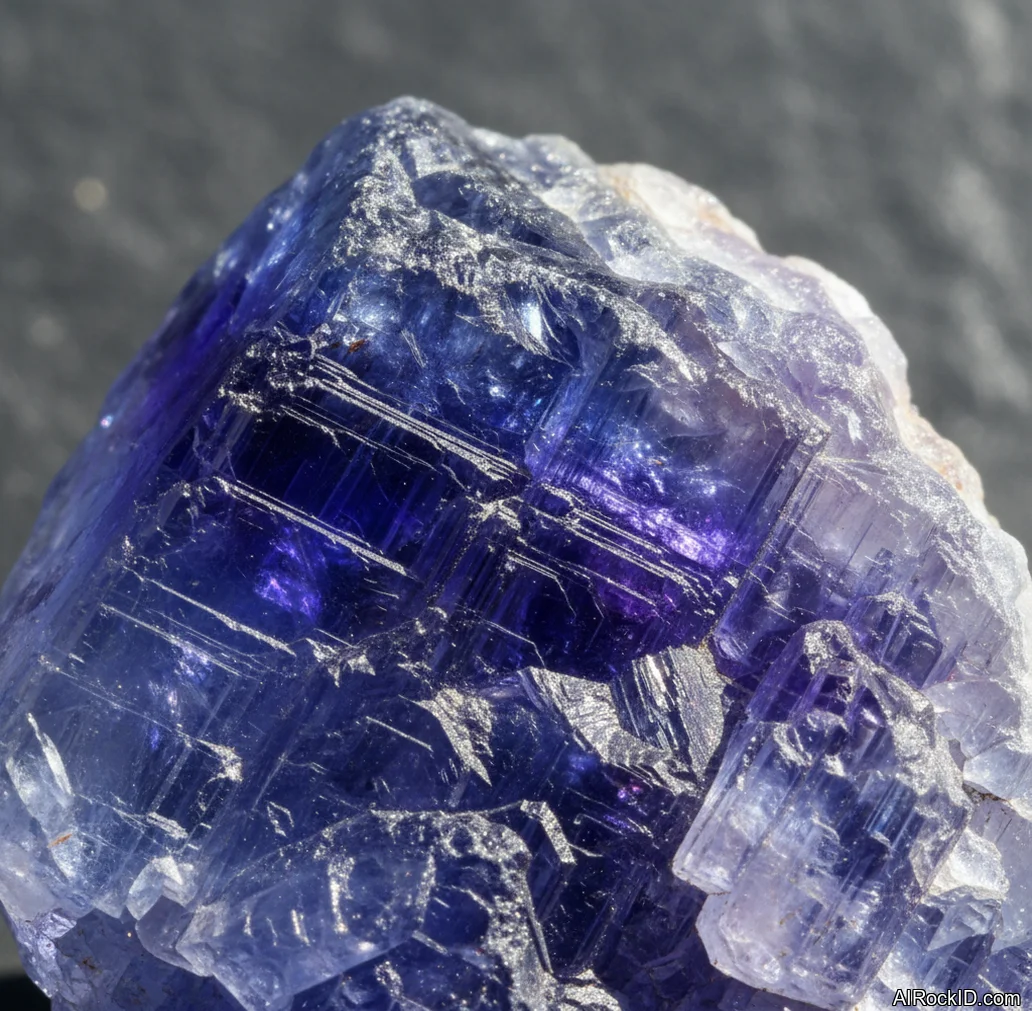
Jupiter crystal lists often feature royal blue, purple, golden yellow, and deep indigo stones. In metaphysical traditions, these colors are commonly connected with wisdom, vision, generosity, confidence, and expansive thinking.
Jupiter Crystals in Astrology Traditions
In astrology-based crystal systems, Jupiter is commonly associated with Sagittarius and Pisces, though exact correspondences vary by author and lineage. Stones in this category are often selected for symbolic links to learning, travel, philosophy, faith, and broad perspective.
Buying Jupiter Crystals by Theme
A Jupiter-themed collection does not require rare or expensive stones. Buyers can start with clearly labeled, common minerals and then add more specialized pieces after learning how to recognize treatments, imitations, and natural variation.
What Are Jupiter Crystals? Physical Qualities and Everyday Uses
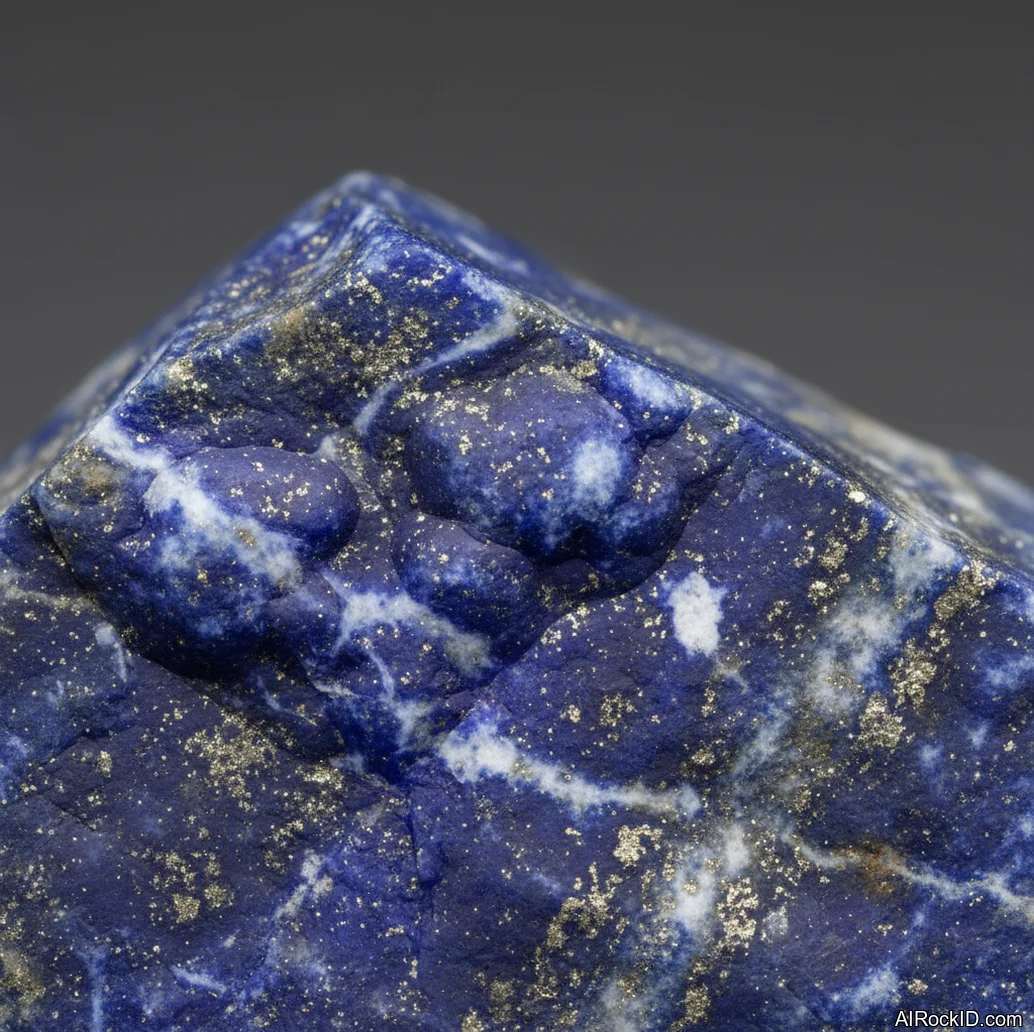
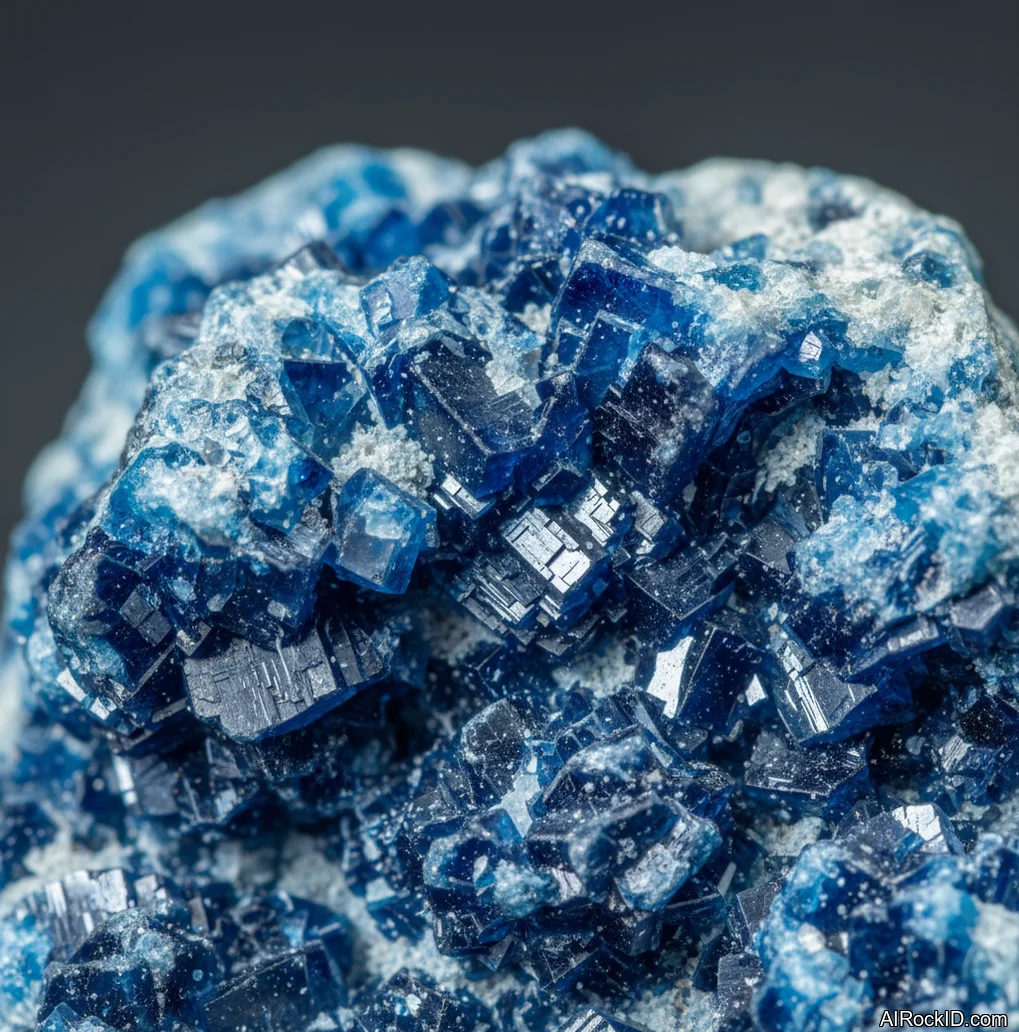
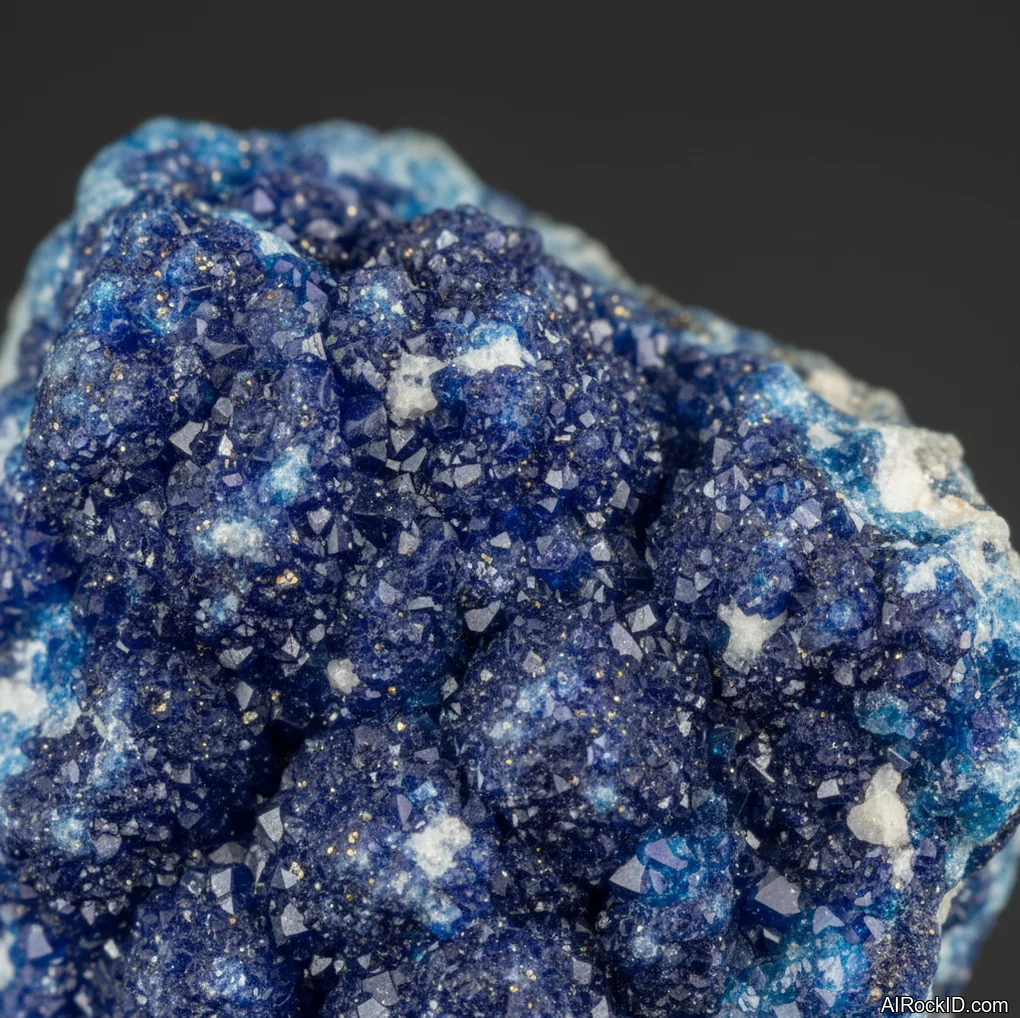
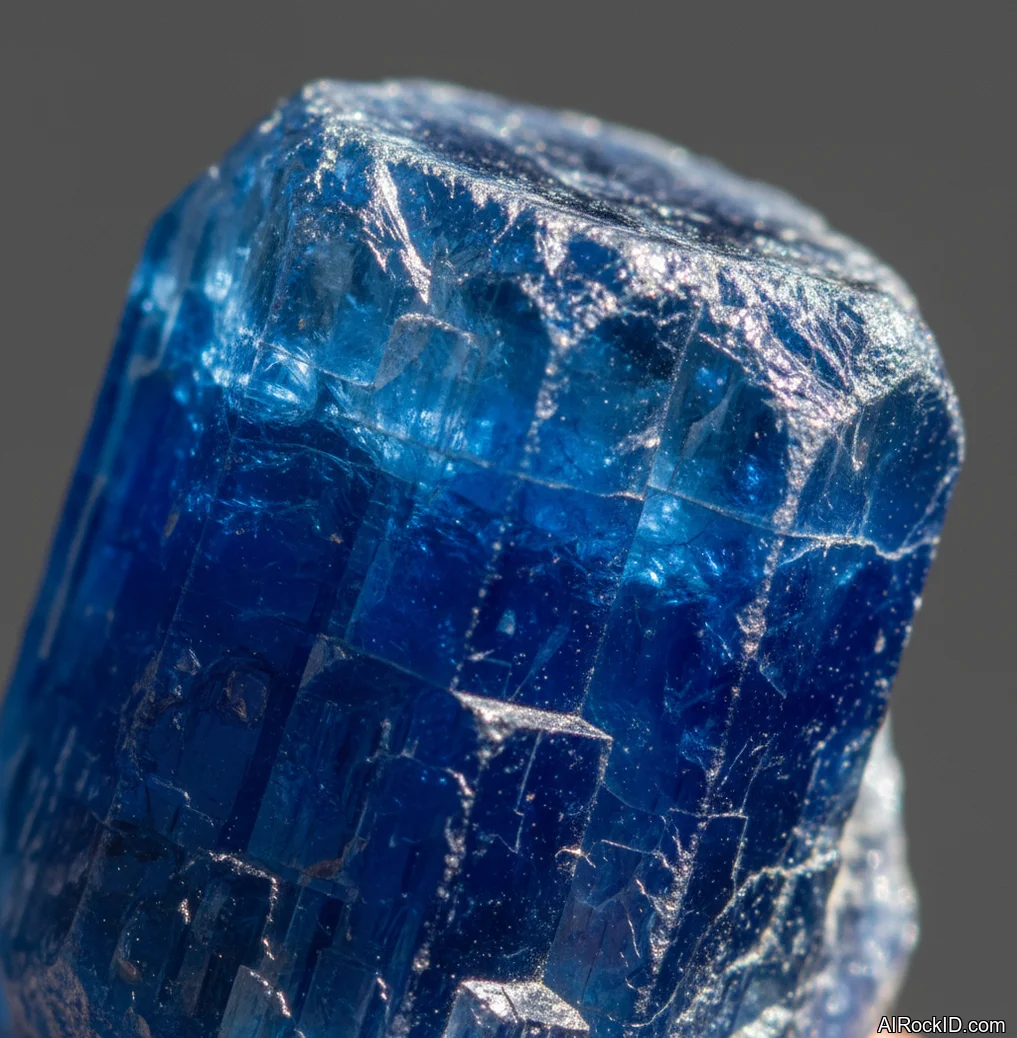
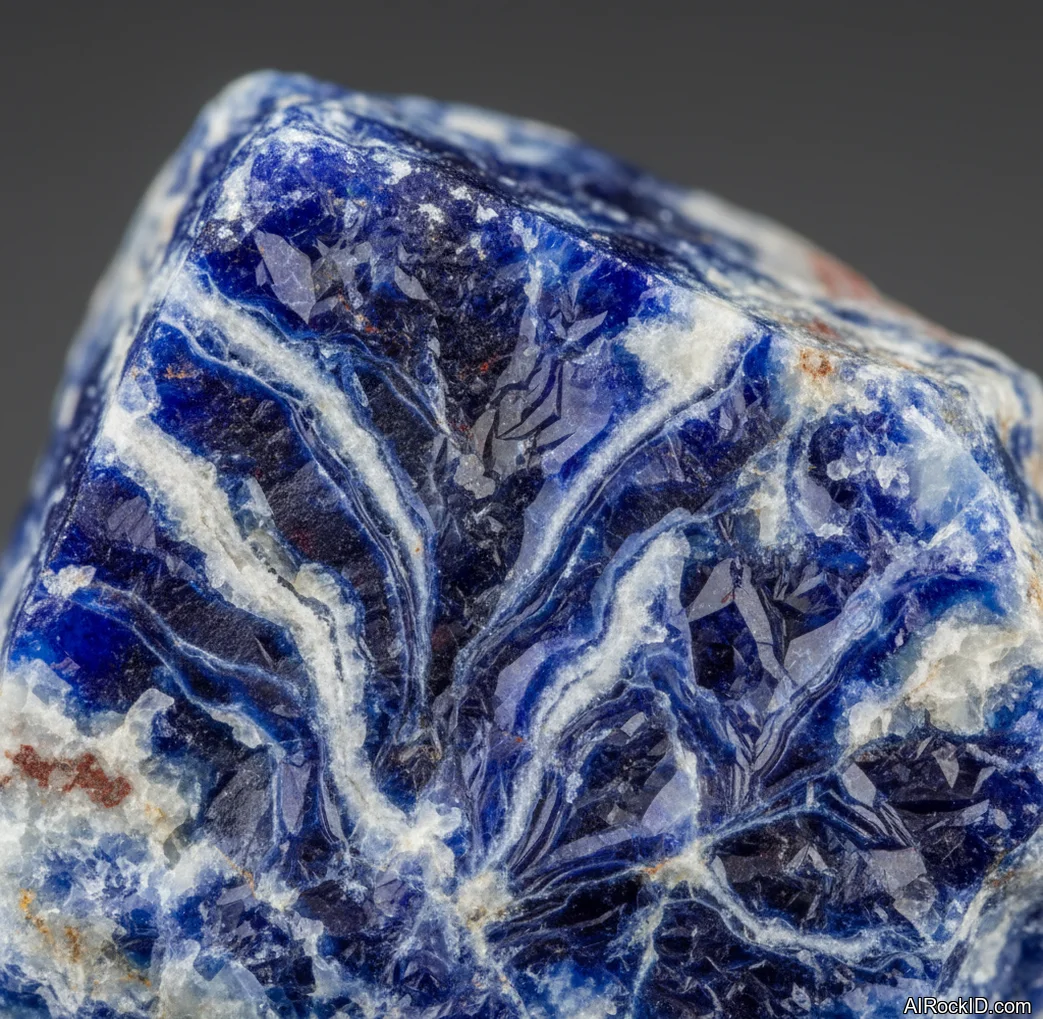
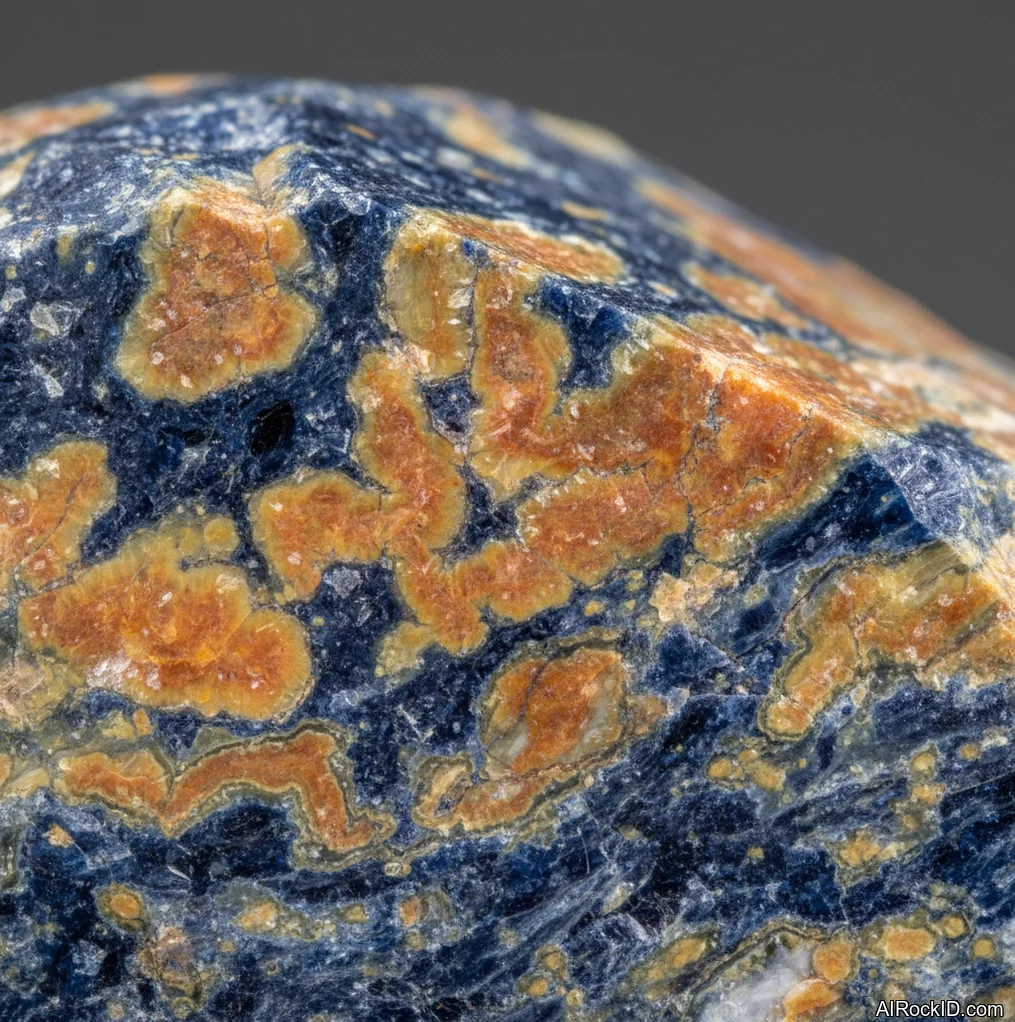
Jupiter crystals aren’t subtle. People pick them when they want more: more luck, more confidence, a bigger stage. You can feel it in the stones themselves. Lapis lazuli, for example, has a cool heft and deep blue streaked with gold pyrite—a combo that brings to mind big skies or wide-open opportunity. The good pieces show a true ultramarine, not the washed-out blue you’ll find in lower grade material. If you’ve ever held a fat chunk of citrine, you’ve noticed it scratches glass but stays clear and warm-toned even after years on a shelf. Sunstone throws coppery flashes when you tilt it under a lamp, and green aventurine often has mica flecks that almost look like crushed foil inside the rock.
People turn to these stones for moments when they’re after growth or a nudge out of a rut: new jobs, promotions, big moves, or just wanting to stop playing small. Most Jupiter picks are about presence and feel—big palm stones, wide slices, or hefty tumbled pieces that fill the hand. You’ll rarely see Jupiter energy in tiny, delicate stones. It’s about picking something that feels substantial, both for display and daily carry.
Jupiter Crystal Meanings: Growth, Abundance, and Opportunity
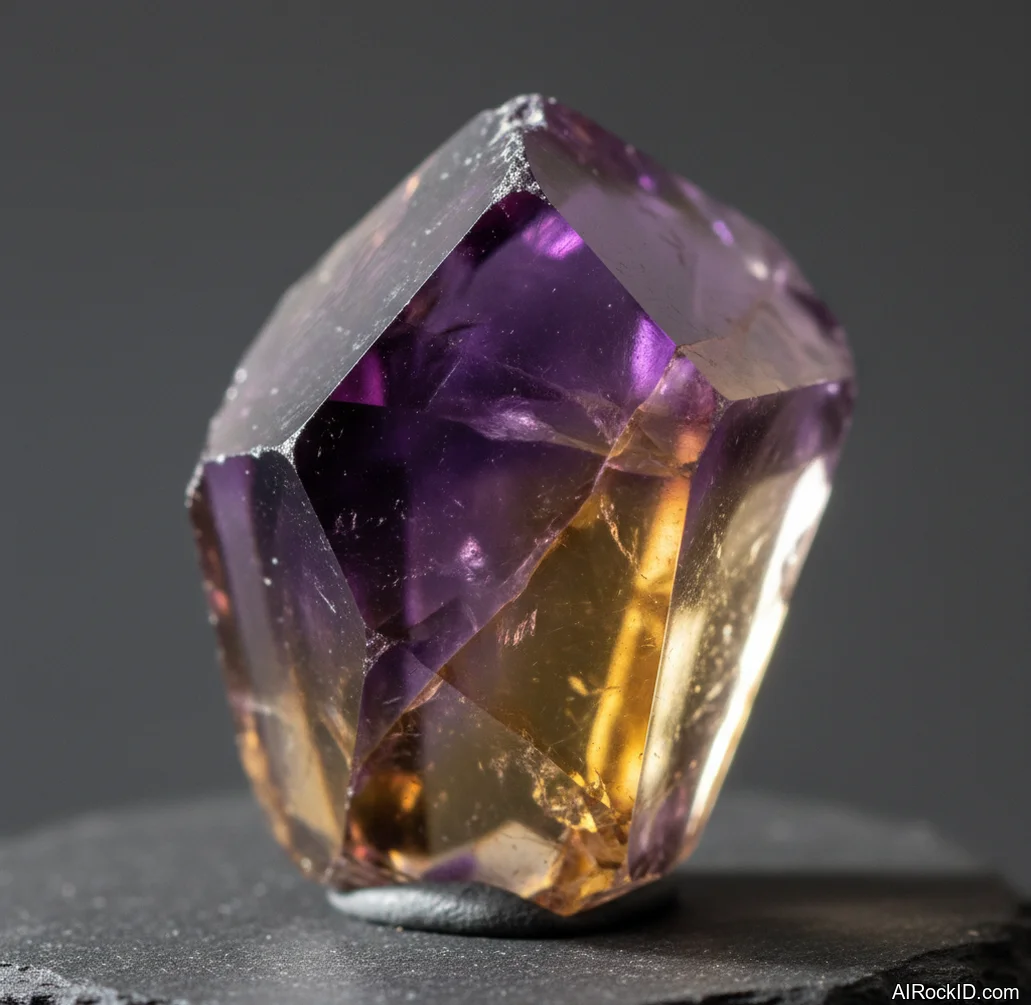
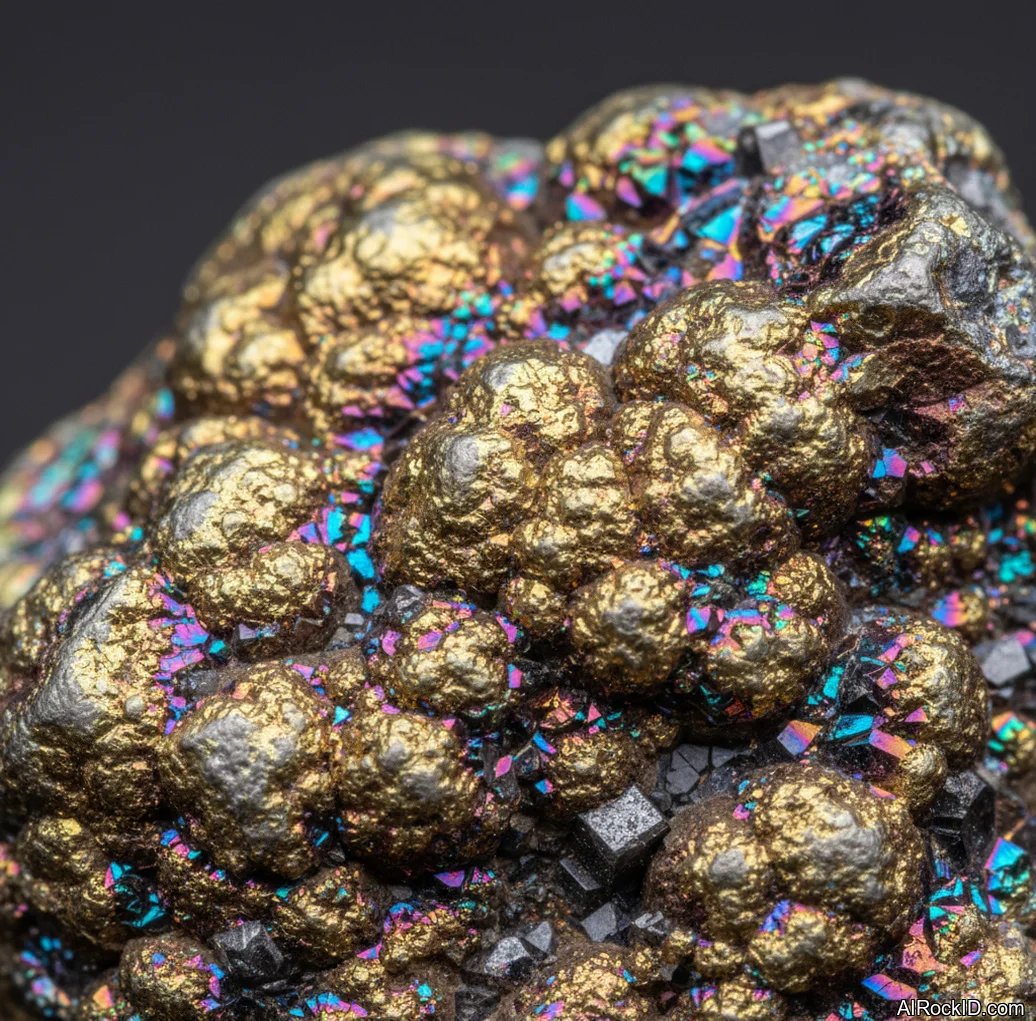
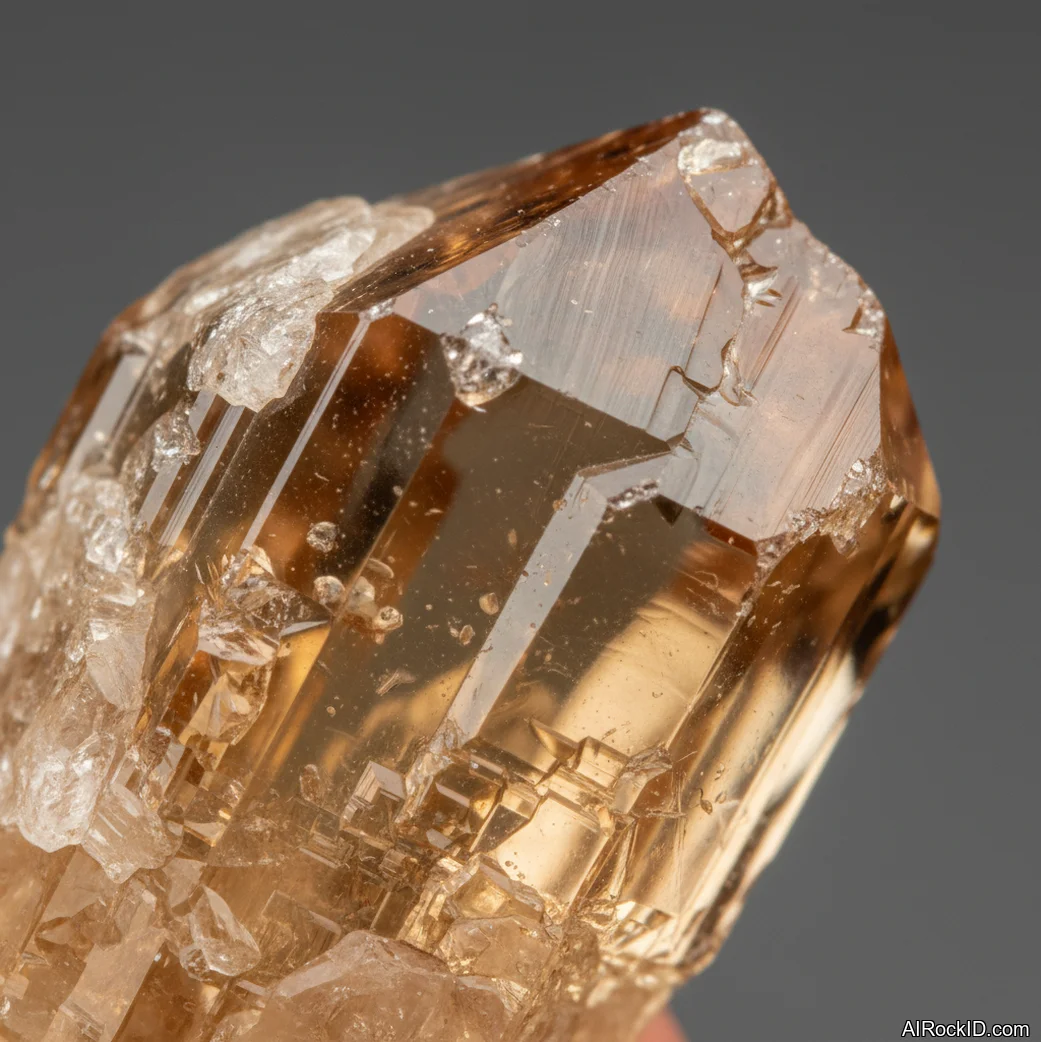
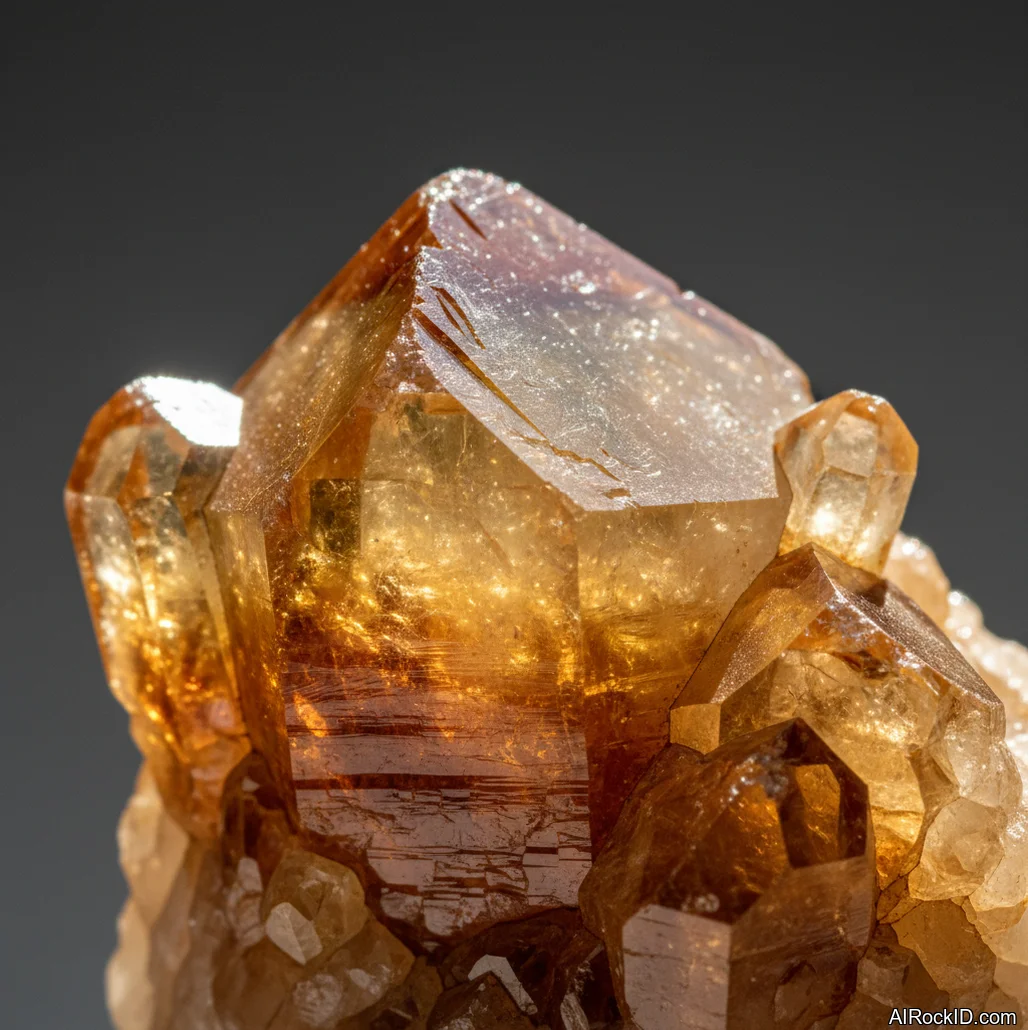
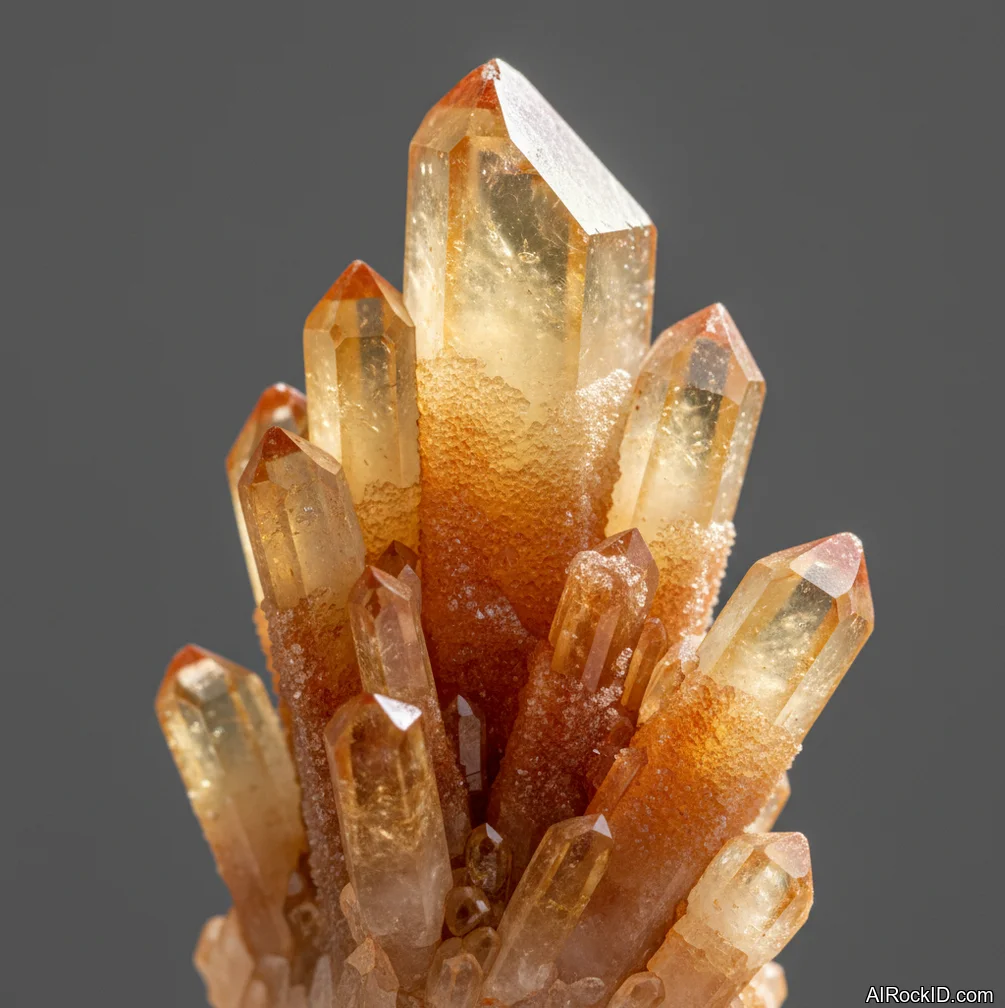
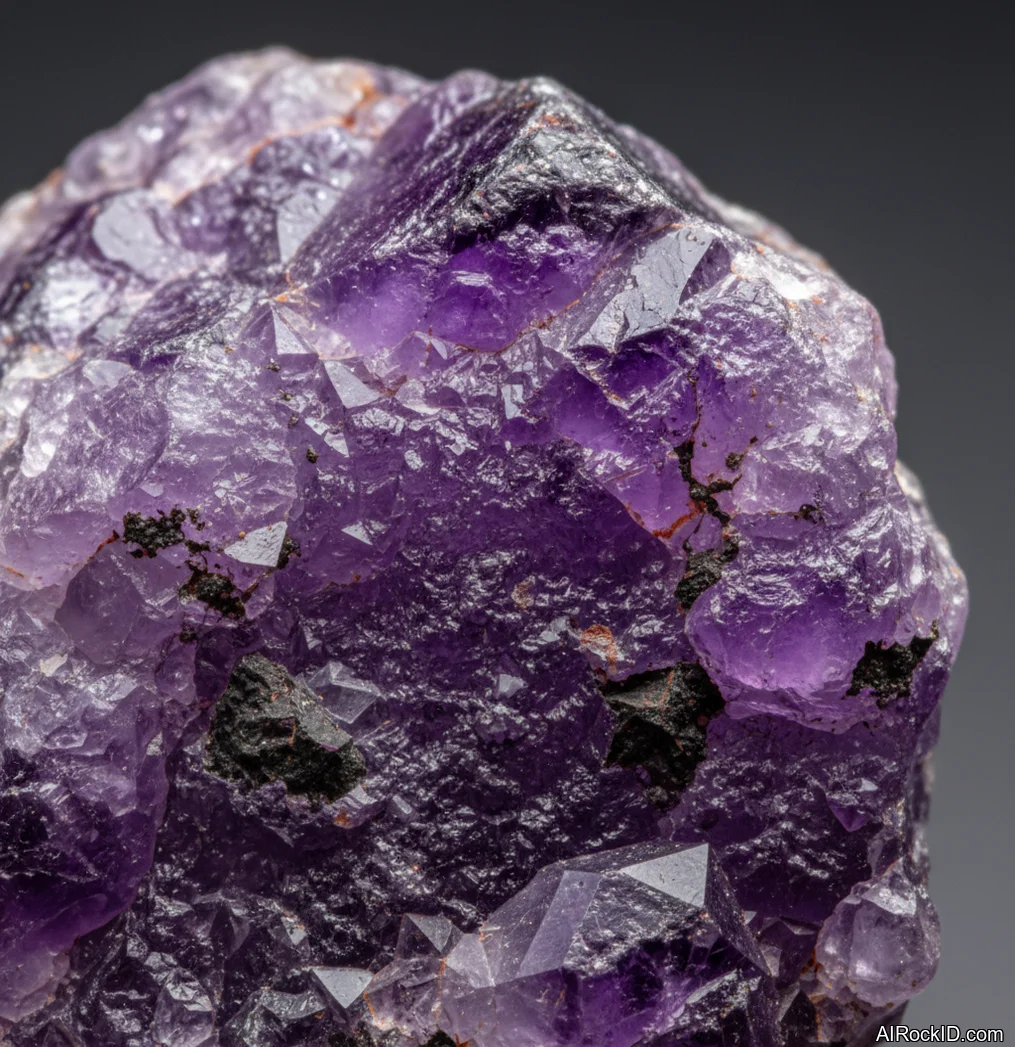
Ask around crystal shops and you’ll hear Jupiter energy tied to luck, expansion, and ‘going big’. Citrine is the obvious money stone here, with its honey-yellow color and habit of forming thick, chunky points. But not all citrine is the same—the baked amethyst sold as citrine tends to be more orange and uniform, while natural citrine is paler and often more translucent. Pyrite, sometimes called ‘fool’s gold’, brings a metallic heft and forms in blocky cubes or clusters with sharp faces. People grab these stones for work desks, business launches, or just to have a reminder to take up more space.
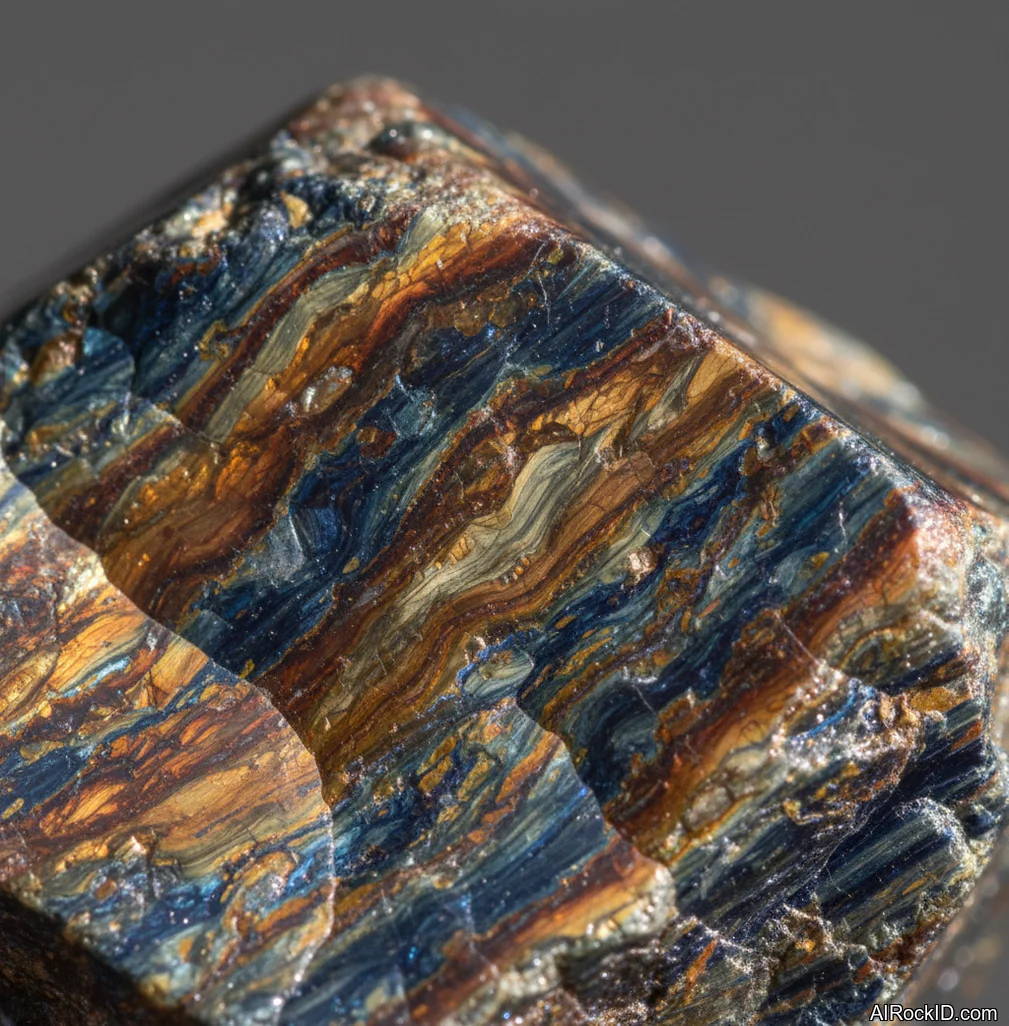
Other Jupiter-linked stones lean into leadership and visibility. Sunstone flashes bright under direct light, almost like it’s signaling from a distance. Tiger’s eye, with its golden bands and silky luster, has a weight that sits solid in the hand—a steadying stone for anyone stepping into a new role. And sodalite or fluorite often get pulled in for learning and strategy, especially during exams or career pivots.
How to Choose and Use Jupiter Crystals for Daily Life
Most people pick Jupiter crystals based on what’s coming up in life. New job? Promotion? Moving to a new city? These are the moments folks want a physical anchor—a stone on the desk, a palm stone in the pocket, or a slab near the door. I’ve watched customers skip past perfect little specimens and grab the largest green aventurine chunk in the bin, just for the sense of abundance. Aventurine often has a slight sparkle from mica inclusions, and it’s tough enough to carry without chipping. Raw pyrite cubes will leave a mark on your skin if you squeeze them too hard, and they tarnish if left out in humid air—keep them dry and avoid water.
Jupiter stones, compared to Mars or Saturn types, are almost always about volume and presence. The goal isn’t subtle energy. It’s about being seen, feeling solid, and putting a little extra momentum behind goals. Don’t expect miracles—but after a decade of handling these rocks, I can say that people consistently come back for the largest, showiest, and most physically satisfying pieces when they want Jupiter energy.
Physical Signs of Authentic Jupiter Crystals: Collector’s Tips
Real Jupiter crystals have some physical cues you can spot even without fancy equipment. Lapis lazuli feels heavier than it looks, and legit pieces show uneven gold flecks—not sprayed-on glitter or perfect dots. Green aventurine has a gritty feel on rough edges and tiny sparkling bits in the matrix. Citrine points, if natural, often show faint color zoning and aren’t a solid orange-yellow all the way through. Pyrite’s cubic forms have sharp edges and a cold, metallic surface that warms slowly in your hand. Sunstone’s flashes move as you tilt the stone, but cheap dyed feldspar won’t show this effect.
Always watch for fakes: lapis dyed from howlite will bleed blue if you soak it, and pyrite clusters glued to matrix crumble apart with rough handling. If you’re shopping, ask to pick up the stone—you’ll feel the difference. Real Jupiter crystals have a solid, weighty presence that’s hard to fake.
Best Jupiter Crystals to Start With
| Level | Crystal | Note |
| Gentle / Beginner | Green Aventurine | It’s tough, easy to find, and usually comes in smooth palm stones or tumbled pieces that fit well in a pocket. Won’t scratch skin or chip easily. |
| Balanced / Everyday | Citrine | Natural citrine is good for daily use—clear, warm in color, and doesn’t fade with regular handling. Works well for workspaces or carrying. |
| Intense / Advanced | Lapis Lazuli | Heavier and more expensive, with a saturated blue and gold pyrite flecks. Feels substantial and best for those who want a strong visual anchor. |
| Best for Carrying | Tiger’s Eye | Dense, smooth, and banded. Holds up to daily pocket use and feels grounding to carry during big transitions. |
| Best for Display | Pyrite | Blocky cubes or clusters catch the light and look impressive on shelves, but shouldn’t get wet or handled too roughly. |
Jupiter Crystal Comparison
| Crystal | Common Use | Feel / Use Style | Care Caution |
| Lapis Lazuli | Confidence, big-picture thinking | Heavy, cool, with metallic pyrite flecks | Porous—don’t soak or use harsh cleaners |
| Green Aventurine | Luck, new opportunities | Slightly gritty, often sparkly with mica | Stable, but can fade in direct sun |
| Citrine | Wealth, motivation, clarity | Smooth, glassy, warm-toned | Check for heat-treated fakes; natural is paler |
| Pyrite | Manifestation, career focus | Solid, metallic, sharp-edged cubes | Tarnishes in humidity; avoid water and rough handling |
How to Identify Jupiter Crystals with AI Rock ID
To use an AI Rock ID app for Jupiter crystals, start by photographing your stone in natural daylight to capture true color and luster. Take one full-view photo and one close-up of any unique features, like pyrite flecks or banding. Upload these to the app, then check the results against physical details like hardness (can it scratch glass?), luster (metallic, glassy, or silky), and streak color if you have a streak plate. Comparing your specimen’s actual weight and feel with the app’s database will help confirm if it’s the real thing.
All Jupiter Crystals (37)