Marcasite


Quick answer: Marcasite is a brassy, metallic iron sulfide that is often confused with pyrite but has a different crystal structure and lower long-term stability. It is best identified by its pale greenish-black to gray-black streak, brittle behavior, and distinctive cockscomb or spear-shaped crystal habits.
AI Rock ID can help compare a marcasite specimen against visually similar metallic sulfides using color, crystal habit, and surface texture. RockIdentifier.io provides additional reference details so users can check whether a brassy metallic sample is likely marcasite, pyrite, or another lookalike.
Good fit
- Collectors interested in metallic sulfide minerals with unusual crystal habits
- Specimens showing cockscomb, spear-like, or radiating crystal forms
- Educational comparisons between marcasite and pyrite
- Display collections kept in dry, stable indoor conditions
Not a good fit
- Jewelry intended for daily wear or moisture exposure
- Collectors who need highly stable, low-maintenance specimens
- Outdoor display, humid storage, or unsealed cabinets
- Handling by young children without supervision due to brittleness and dust concerns
Why people search for this
People often search for marcasite because the name is used both for the mineral and for vintage-style jewelry that may actually contain pyrite or metal-set faceted pieces. Searches also focus on distinguishing natural marcasite from pyrite, hematite, or tarnished metal.
Most commonly confused with
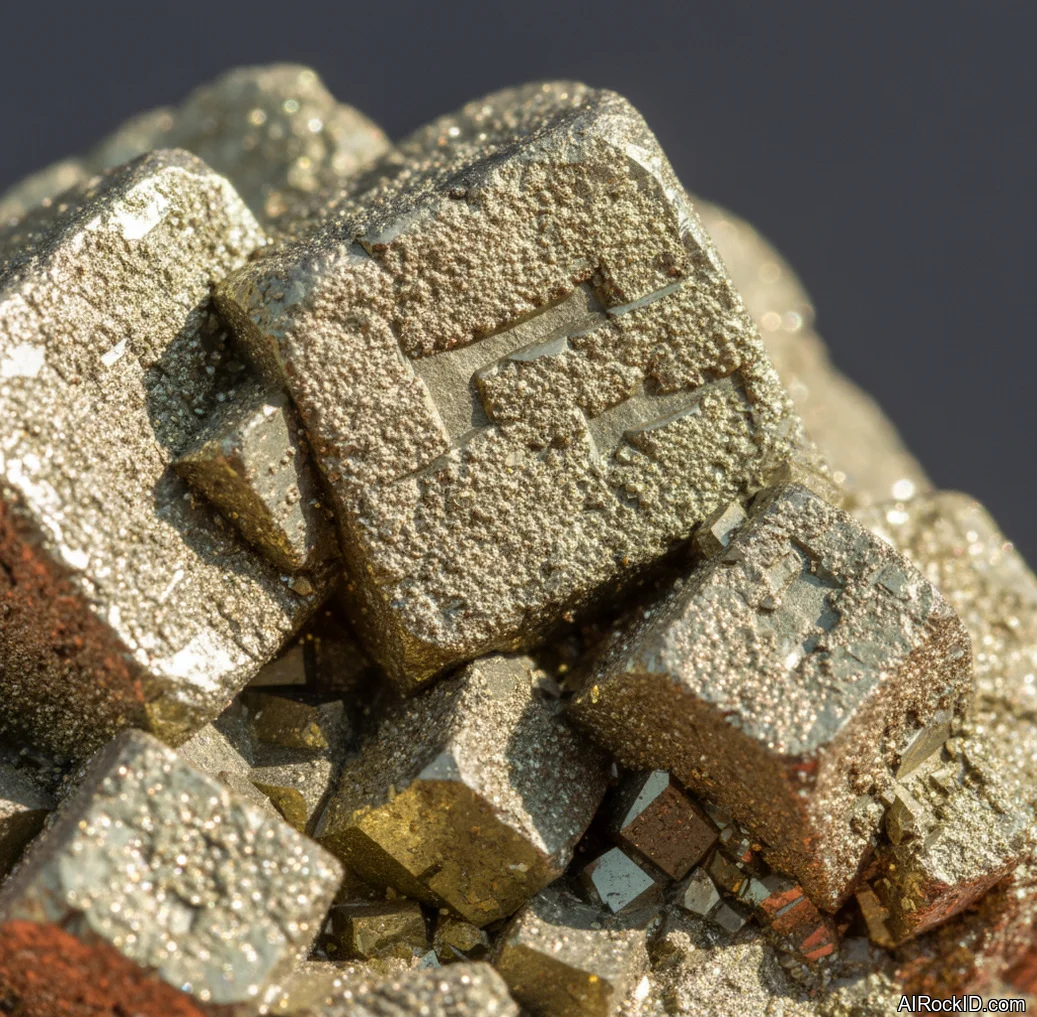
- Pyrite: Pyrite is also FeS2 but is cubic, usually more stable, and commonly forms cubes or pyritohedrons rather than cockscomb aggregates.
- Chalcopyrite: Chalcopyrite is a copper iron sulfide with a warmer yellow tone and often iridescent tarnish, while marcasite is typically paler and grayer.
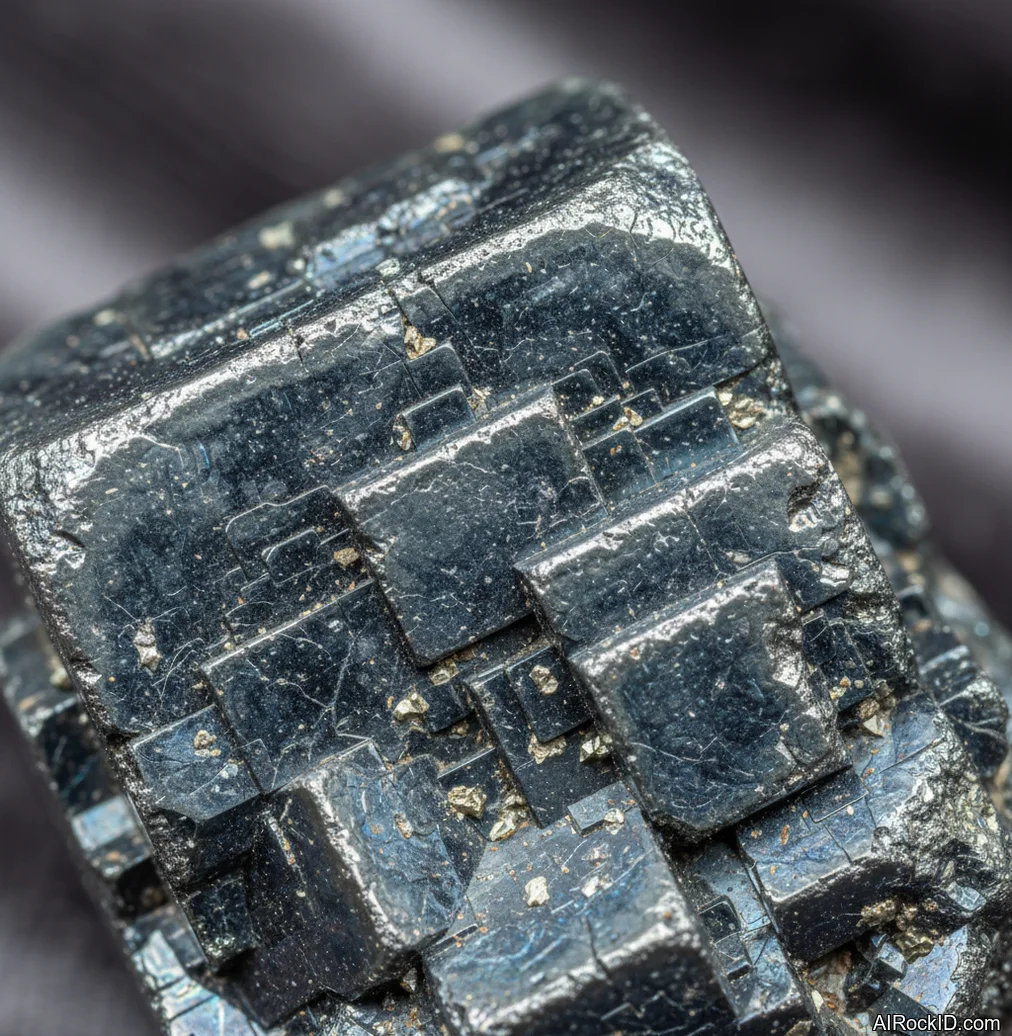
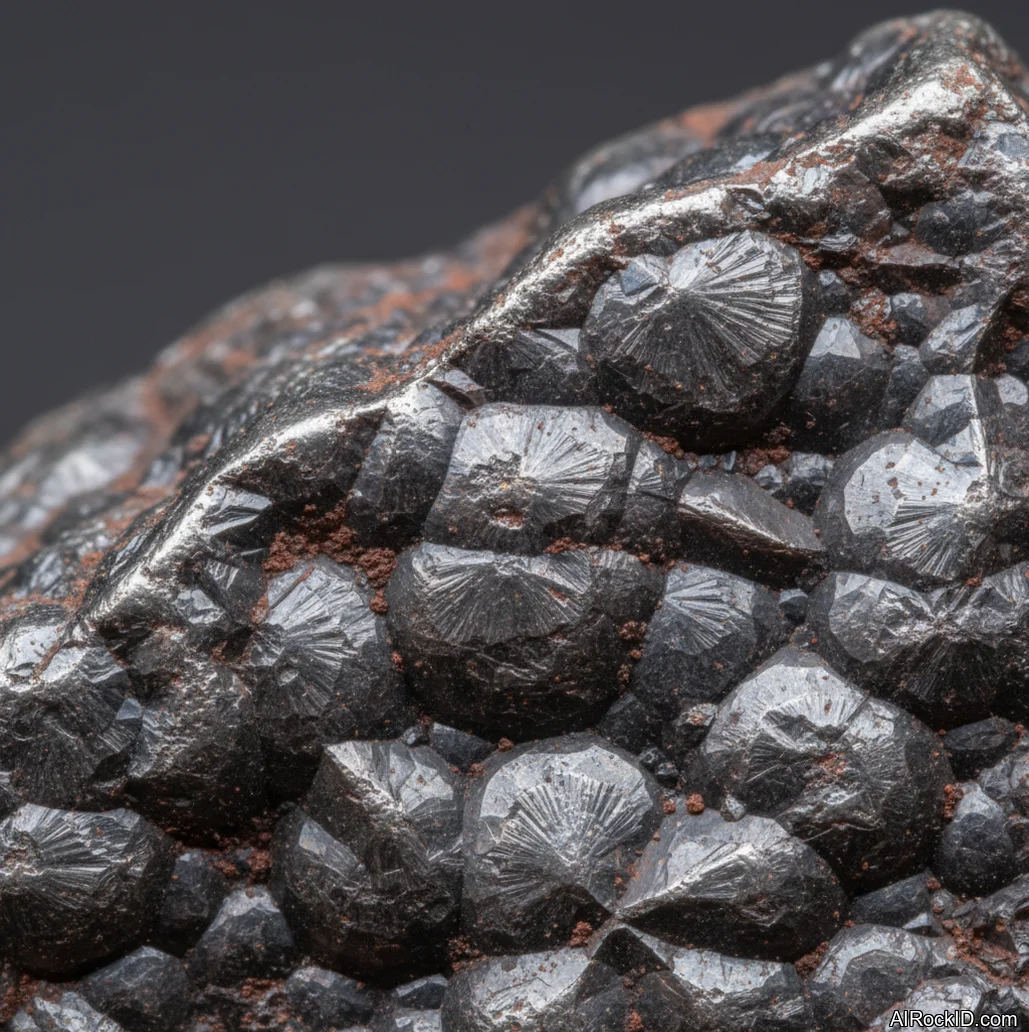
- Hematite: Hematite may appear metallic gray but has a red-brown streak, unlike marcasite’s pale greenish-black to gray-black streak.
- Galena: Galena is lead sulfide with a bright lead-gray color, high density, and cubic cleavage rather than marcasite’s brassy tone and brittle fracture.
Marcasite vs. Common Lookalikes
| Feature | Marcasite | Pyrite | Hematite |
|---|---|---|---|
| Chemical type | Iron sulfide, FeS2 | Iron sulfide, FeS2 | Iron oxide, Fe2O3 |
| Crystal system | Orthorhombic | Cubic | Trigonal |
| Typical appearance | Pale brassy, cockscomb or radiating forms | Brassy cubes or granular masses | Steel-gray to black metallic masses |
| Streak | Pale greenish-black to gray-black | Greenish-black to brownish-black | Red-brown |
| Stability | Can alter in humid conditions | Generally more stable | Generally stable |
AI identification confidence
AI identification confidence for marcasite is usually moderate when the photo clearly shows crystal habit, metallic luster, and color. Confidence drops when the specimen is massive, tarnished, embedded in matrix, or photographed under warm lighting that makes pyrite and marcasite look alike.
When AI gets it wrong
- Brassy metallic color alone can cause pyrite to be labeled as marcasite.
- Vintage jewelry sold as “marcasite” may contain pyrite, glass, or base-metal components rather than natural marcasite.
- Tarnished chalcopyrite or metallic coatings can imitate marcasite in photos.
- A streak test, density estimate, and crystal habit check may be needed for a stronger identification.
Final recommendation
Choose marcasite as a collector specimen when the goal is mineralogical interest rather than durability. For jewelry or frequent handling, pyrite or more stable metallic-looking materials are usually more practical choices.
Marcasite in Jewelry Names
The term “marcasite jewelry” often refers to small faceted metallic stones set into silver-tone designs, especially in antique or vintage styles. Many of these pieces use pyrite or manufactured components rather than true natural marcasite because real marcasite is brittle and less stable. A jewelry trade name is not always the same as a mineral identification.
Buying and Authenticity Checks
A reliable marcasite listing should state whether the item is a natural mineral specimen, a jewelry trade product, or a pyrite substitute. For mineral specimens, look for clear photos, locality information when available, and visible crystal habit such as cockscomb, spear-like, or radiating forms. Avoid assuming that every brassy metallic stone labeled “marcasite” is the mineral marcasite.
Field Clues for Identification
Marcasite is most convincing when several clues match at the same time: pale brassy color, metallic luster, orthorhombic crystal habit, brittle texture, and a pale greenish-black to gray-black streak. Cubic crystals strongly suggest pyrite rather than marcasite. A red-brown streak points away from marcasite and toward hematite.
What Is Marcasite?
Marcasite is an orthorhombic iron sulfide mineral with the formula FeS2. Same chemistry as pyrite, different structure. And that tiny structural swap is why it can act like a completely different beast once it’s sitting on your shelf.
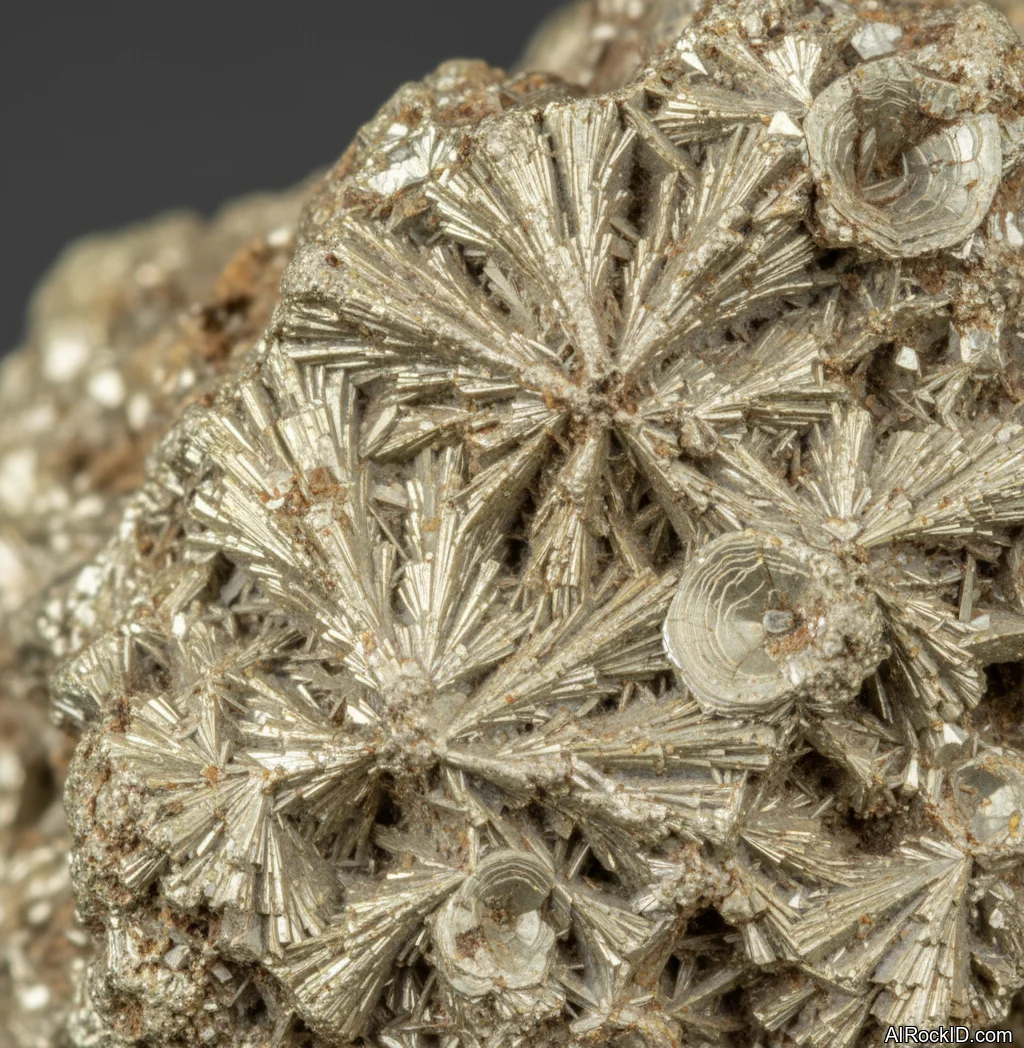
At a quick glance, yeah, you might blurt out “pyrite” because it can flash that brassy, metallic look. But marcasite usually reads lighter, sometimes with a silvery tint, and it really likes growing into sharp spearheads or those radiating sprays that catch on a microfiber cloth. Grab a decent nodule and the first thing you notice is the heft. It just sits heavy in your palm, and if you drag a fingernail over a cockscomb piece the surface feels like tiny stacked blades (almost like a little serrated ridge).
Thing is, collectors learn this one the annoying way. Marcasite can be cranky. Leave it in a damp room and it can break down, go powdery, and you’ll get that sour sulfur smell when you crack open the box. I’ve had little “sun” nodules that looked flawless under the show lights, then a year later the edges started crumbling because I’d tucked them into a basement cabinet. Who thinks that’ll matter until it does?
Origin & History
The name “marcasite” has been floating around forever, and for a long stretch it was kind of a mess, because people slapped it on several different shiny sulfides. Thing is, once crystallography came along, the modern mineral species finally got nailed down: FeS2 can show up as either cubic (pyrite) or orthorhombic (marcasite).
The word comes in through Middle English and French from an Arabic term (often written as marqashīthā), and it basically meant a pyrite-like stone. And if you’ve ever handled those old “marcasite” jewelry pieces, you know what they’re talking about: tiny, sharp little faceted pyrite bits set into silver, the kind that catch on a cloth if you rub them wrong. Real marcasite is too unstable for that sort of everyday wear, so the trade name ended up sticking to pyrite even when the mineral didn’t actually match.
Where Is Marcasite Found?
Marcasite shows up in sedimentary rocks, coal measures, and low-temperature ore veins. You’ll see it as nodules in chalk and limestone, and as cockscomb aggregates in some classic mining districts.
Formation
Most of the marcasite I’ve actually had in my hands has been from low-temperature spots where iron and sulfur are getting shuttled around by water: sedimentary settings, coal beds, and the cooler end of hydrothermal veins. It’s happier in acidic conditions than pyrite is, so it’ll show up in places where pyrite just doesn’t want to form.
Look, if you get your face close to one of those radiating sprays, you can almost “see” the way it grew. The blades are paper-thin, they stack on each other, then they flare out, and sometimes you end up with that classic cockscomb shape that honestly looks like metallic coral. And when it’s sitting in chalk or limestone, it can start as a little nodule, then it fills outward in this tight radial pattern. Crack one open (careful, they can be crumbly) and you’ll sometimes catch that sunburst texture that makes people freeze in front of your display case.
How to Identify Marcasite
Color: Pale brass to tin-white brass, often tarnishing to gray, brown, or iridescent tones. Fresh surfaces can look brighter than the older, oxidized skin.
Luster: Metallic.
Pick up a piece and compare it to pyrite if you can. Marcasite commonly forms spearheads, cockscombs, and radiating sprays, while pyrite loves cubes and pyritohedrons. If you scratch it with unglazed porcelain, the streak is greenish-black to brownish-black, not the black you’d expect from a lot of random metallic minerals. The problem with field IDs is sellers sometimes call anything sparkly “marcasite”, so crystal habit is your best friend.
Common Look-Alikes
Marcasite is sometimes confused with these materials:
- Pyrite (especially small cubic clusters sold as “marcasite”)
- Pyrrhotite (bronzy iron sulfide that can read similar in photos)
- Arsenopyrite (silvery steel-gray with sharp crystals that can fool you at a glance)
- Hematite (specular hematite and botryoidal pieces sold as “silver marcasite”)
- Galena (bright lead-gray metallic chunks, often mislabeled in mixed lots)
- “Marcasite jewelry” rhinestones (foil-backed glass crystals used in vintage settings)
Market Cautions & Treatments
When AI Can Get This Wrong
At first glance, phone cameras push marcasite into “pyrite” because both throw that brassy metallic flash, and AI tends to over-weight color over crystal habit. Radiating cockscomb sprays and spearhead blades help, but photos still mis-tag hematite and arsenopyrite when the piece is more silvery than brass. The real test is in-hand: marcasite feels brittle, often shows fine striations on blade faces, and it’ll give a dark gray streak while pyrite trends greener-black, plus marcasite pieces are way more likely to show edge crumbling or rusty dust in the display box.
Properties of Marcasite
Physical Properties
| Crystal System | Orthorhombic |
| Hardness (Mohs) | 6-6.5 (Hard (6-7.5)) |
| Density | 4.88-4.90 g/cm3 |
| Luster | Metallic |
| Diaphaneity | Opaque |
| Fracture | Uneven |
| Streak | Greenish-black to brownish-black |
| Magnetism | Non-magnetic |
| Colors | pale brass, silvery brass, gray, brown, iridescent tarnish |
Chemical Properties
| Classification | Sulfides |
| Formula | FeS2 |
| Elements | Fe, S |
| Common Impurities | As, Cu, Ni, Co |
Optical Properties
| Refractive Index | 1.81-1.82 |
| Birefringence | None |
| Pleochroism | None |
| Optical Character | Biaxial |
Marcasite Health & Safety
Handling is usually safe. But if it sits in humid air for a long time, it can start breaking down and leave stains on nearby minerals or even on the paper label sitting next to it (I’ve seen that faint brown halo effect). And if the specimen’s already crumbling, don’t breathe in the dust. Why risk it?
Safety Tips
Keep it somewhere dry and toss in a silica gel pack. Don’t leave it sitting in a sealed container that’s got any humidity trapped inside (you know that damp, foggy-lid look?). And if you spot that powdery yellow-brown crust starting to form, pull the specimen out and quarantine it away from the rest of your collection.
Marcasite Value & Price
Price Range
Rough/Tumbled: $5 - $120 per specimen
Price mostly comes down to looks and how solid the piece feels in your hand: sharp, bright cockscombs and those clean, radiating sprays are what get paid for. But that crumbly “pyrite disease” stuff? It’s basically a paperweight that just hasn’t admitted it yet.
Durability
Fragile — Scratch resistance: Good, Toughness: Poor
Marcasite can oxidize and break down in humid conditions, especially if stored in closed boxes with fluctuating temperature.
How to Care for Marcasite
Use & Storage
Keep marcasite in a dry display case or a ventilated cabinet with desiccant. I don’t store it in foam-lined plastic boxes unless I’m swapping silica packs regularly.
Cleaning
1) Dust with a soft, dry brush. 2) If there’s loose grit, use a quick rinse in distilled water and pat dry immediately. 3) Let it air-dry fully in a warm, dry spot before putting it back with the rest of your sulfides.
Cleanse & Charge
For a metaphysical reset, use smoke, sound, or a dry bowl of salt nearby rather than soaking. If you’re into moonlight, keep it behind glass so dew can’t get to it.
Placement
A stable indoor shelf is better than a windowsill. Bathrooms and kitchens are rough on it, and a damp basement is basically a slow-motion disaster.
Caution
Don’t let it sit in moisture for long, and don’t stash it away in a sealed, humid container (think a closed plastic box that comes out feeling damp). Skip harsh chemical cleaners too. And no acids or ultrasonic cleaners, either, since they can make surface wear and oxidation happen a lot faster.
Works Well With
Marcasite Meaning & Healing Properties
Most people who grab marcasite seem to be hunting for something “sharp,” mentally. I get that. It feels crisp and metallic in your hand, kind of cool to the touch, and when I’m flipping through flats at a show, it’s one of the few minerals that makes me slow down and obsess over tiny stuff: edges, symmetry, and what’s actually real versus what’s just wishful labeling.
If you’re the type who uses crystals in a reflective or meditative way, marcasite tends to click with journaling, planning, or doing a hard inventory of your habits. It’s not soft. Not cozy, either. It’s more like that little voice saying, tighten the bolts (seriously, do the maintenance). But look, I’ll say it straight: none of that is medical care, and it doesn’t replace treatment for anxiety or anything else.
And there’s a practical side that sneaks into the symbolism, too. Marcasite can degrade if you ignore storage and humidity, and that’s a pretty solid mirror for boundaries. Keep it dry, keep it clean, and it stays sharp. Let the environment run the show, and you’ll see the consequences on the surface first. Who wants that?
Common mistakes
- Identifying any brassy metallic mineral as marcasite without checking crystal habit
- Assuming “marcasite jewelry” always contains the mineral marcasite
- Using color alone to separate marcasite from pyrite
- Ignoring humidity-related alteration when storing marcasite specimens
- Confusing hematite with marcasite without performing a streak test
Identify Marcasite from a photo
Compare Marcasite traits, care tips, value clues, and common lookalikes with a clear photo.