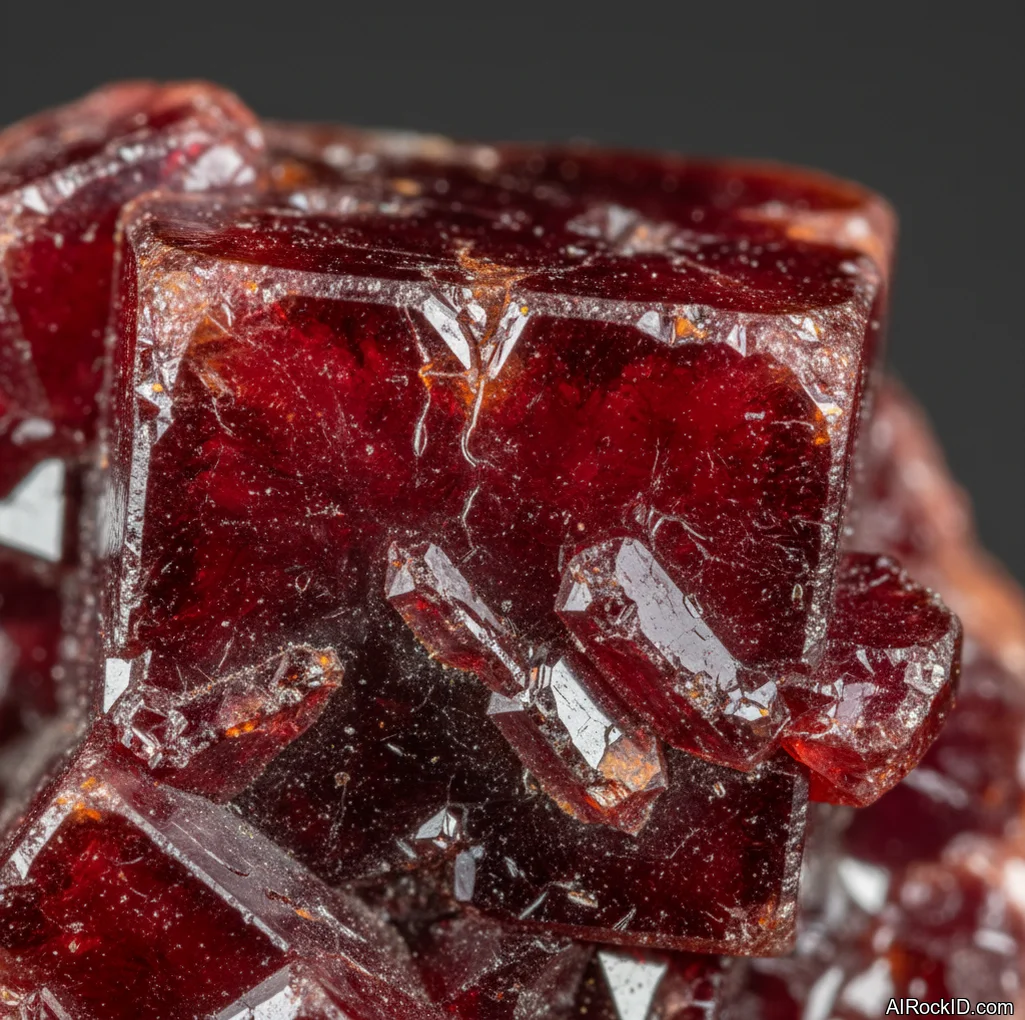
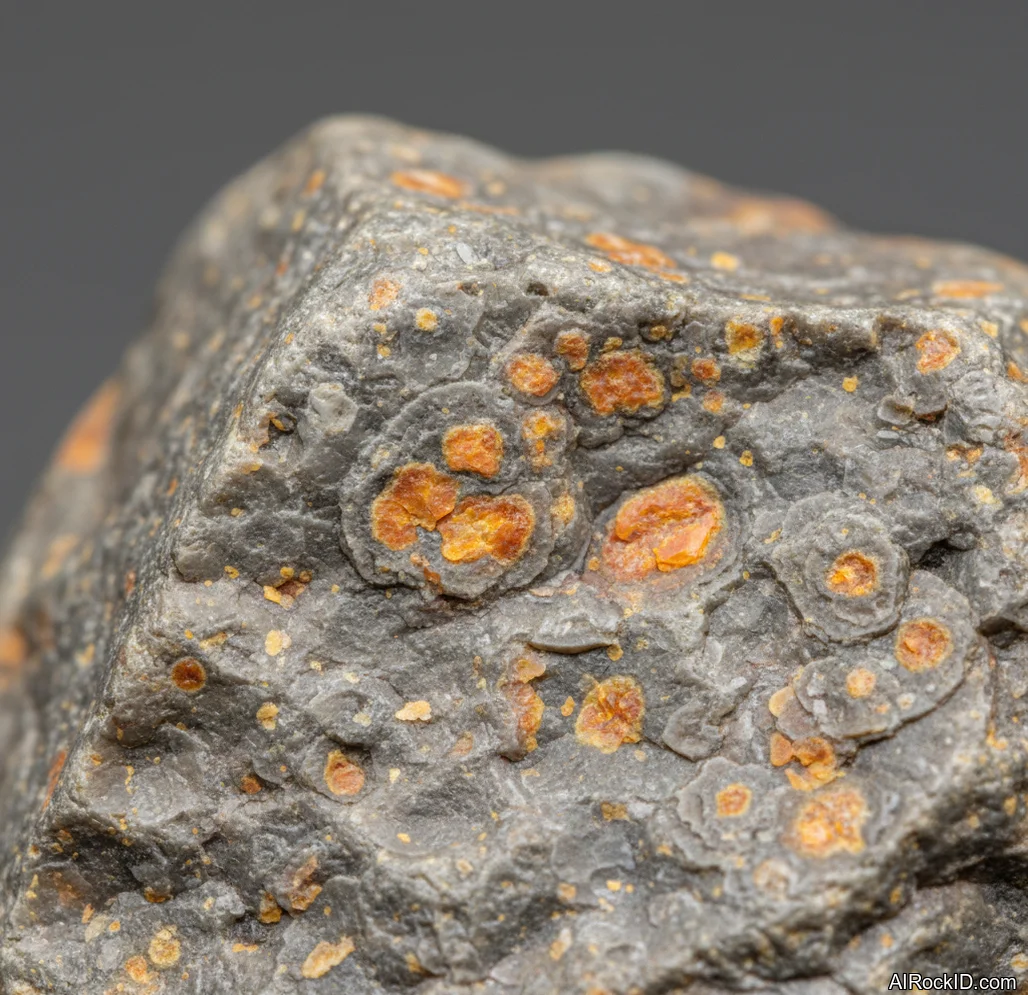
Storm Crystals
Quick answer: Storm crystals are stones associated with dramatic visual contrast, metallic weight, dark color, or flash-like optical effects. Common examples include labradorite, hematite, black tourmaline, smoky quartz, and obsidian.
Explore Storm crystals: meanings, properties, and how to choose authentic stones like labradorite, hematite, and black tourmaline.


Storm crystals are minerals associated with rapid change, electrical energy, and the push-pull tension you feel before a thunderstorm breaks. Common examples include hematite, black tourmaline, smoky quartz, and labradorite. They’re chosen by collectors and practitioners for their dense, grounding feel and the sense of charge or momentum they bring to a space. These associations come from metaphysical traditions and are not medical claims.
Storm crystals can’t actually change weather, stop anxiety attacks, or protect electronics from real surges. Their effects are symbolic and shouldn’t replace medical or technical solutions.
AI Rock ID can help compare a photographed stone against known visual traits such as luster, color zoning, translucency, and surface texture. RockIdentifier.io provides crystal and rock reference pages that can support identification, collecting, and comparison.
Good fit
- Collectors who like dark, metallic, iridescent, or high-contrast stones
- Beginners looking for recognizable minerals such as hematite, smoky quartz, or black tourmaline
- People interested in traditional symbolism linked with grounding, protection, change, or intensity
- Display collections that use contrast between matte, glassy, metallic, and flashing surfaces
Not a good fit
- Anyone expecting a crystal to diagnose, treat, or prevent a medical condition
- Collectors who want only pastel, transparent, or uniformly light-colored stones
- Buyers who cannot tolerate fragile edges, coatings, or surface scratches on some dark stones
Most commonly confused with
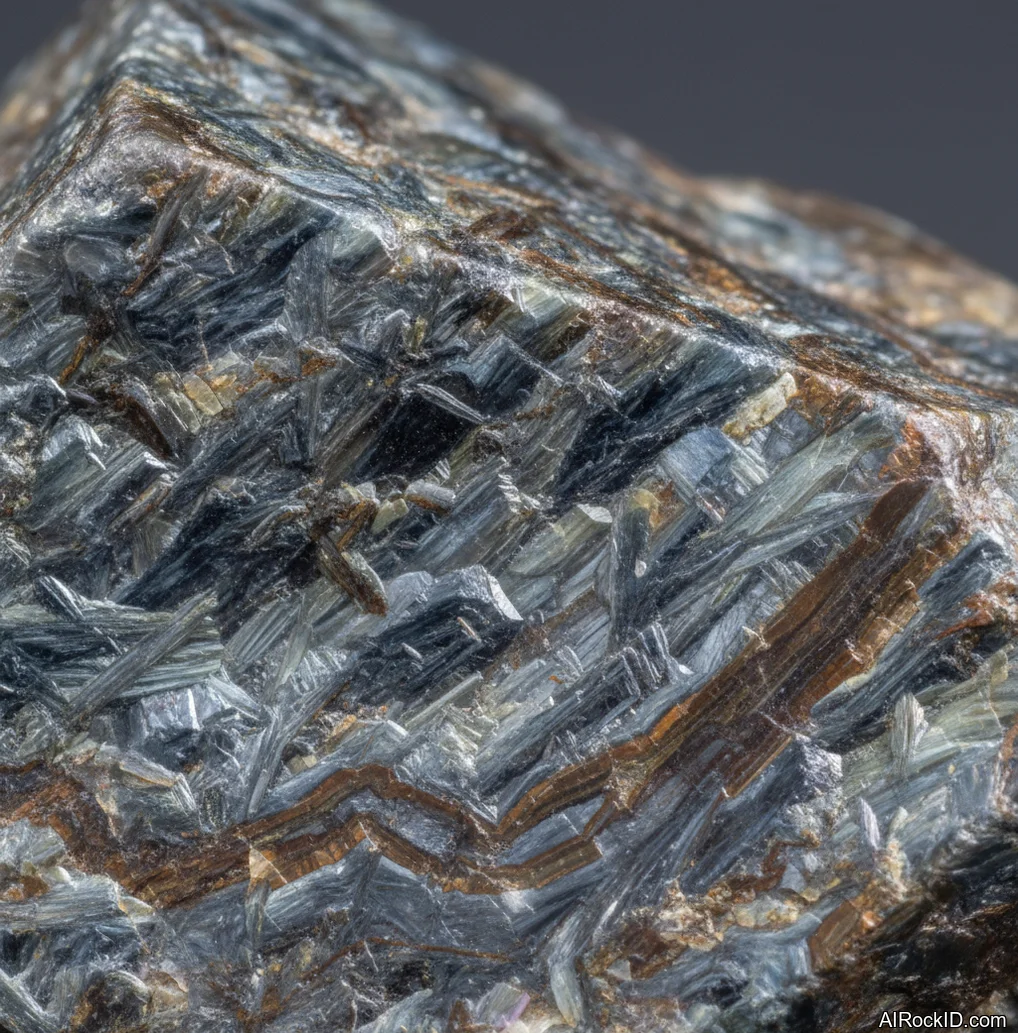
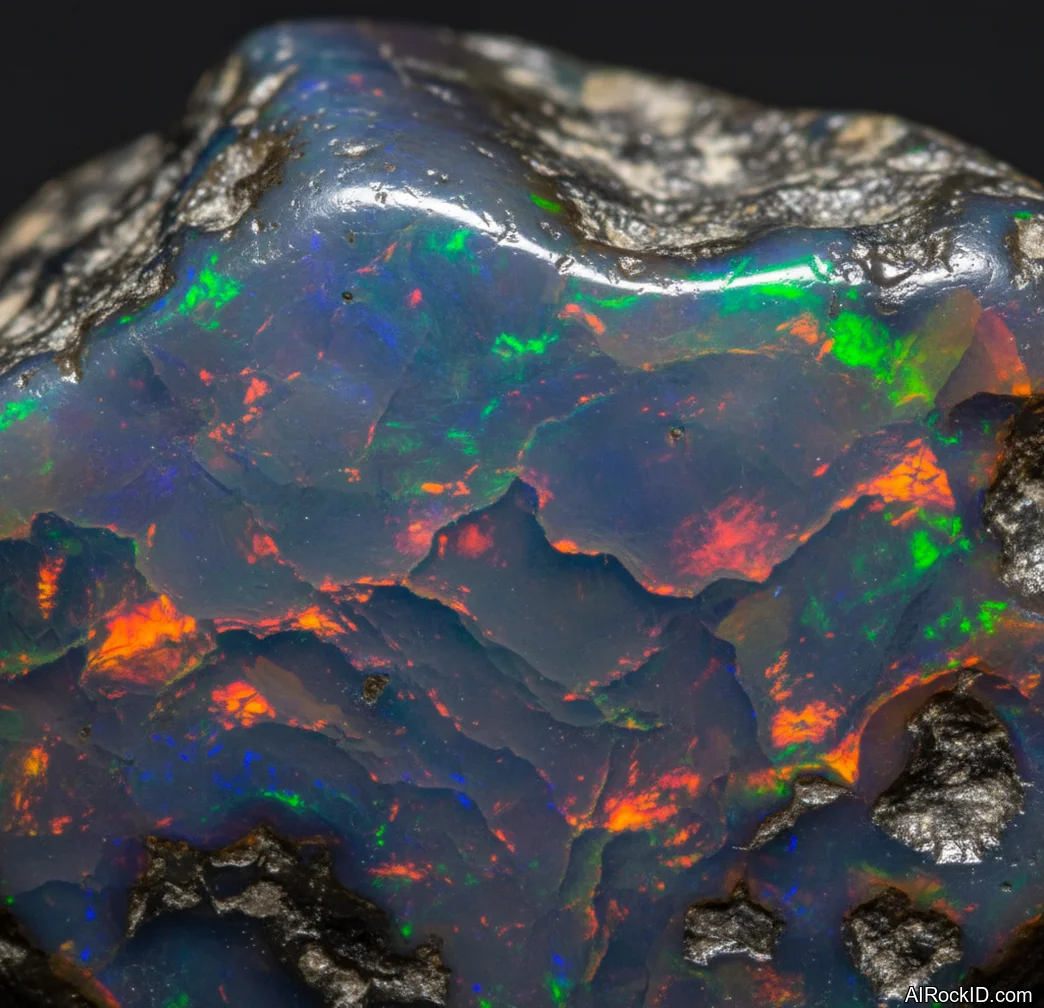
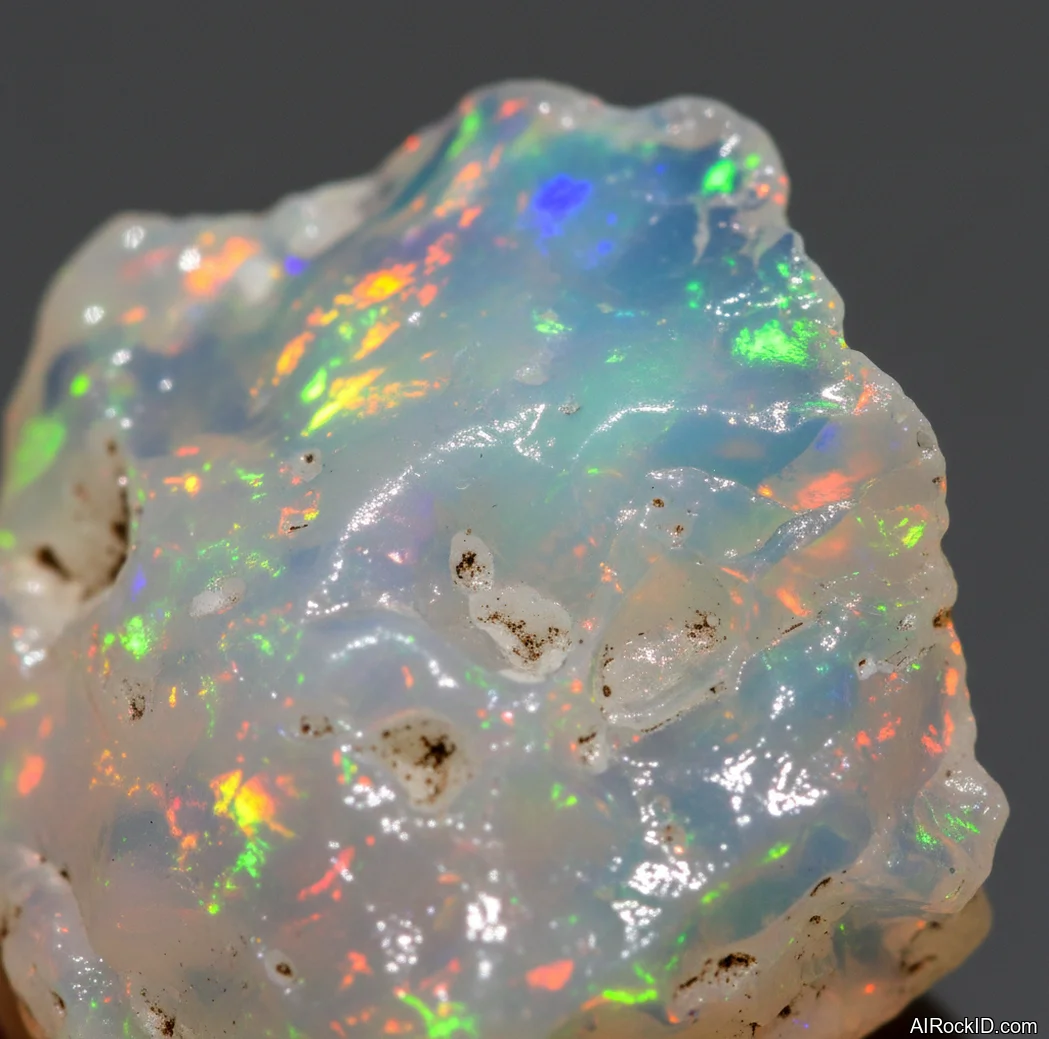
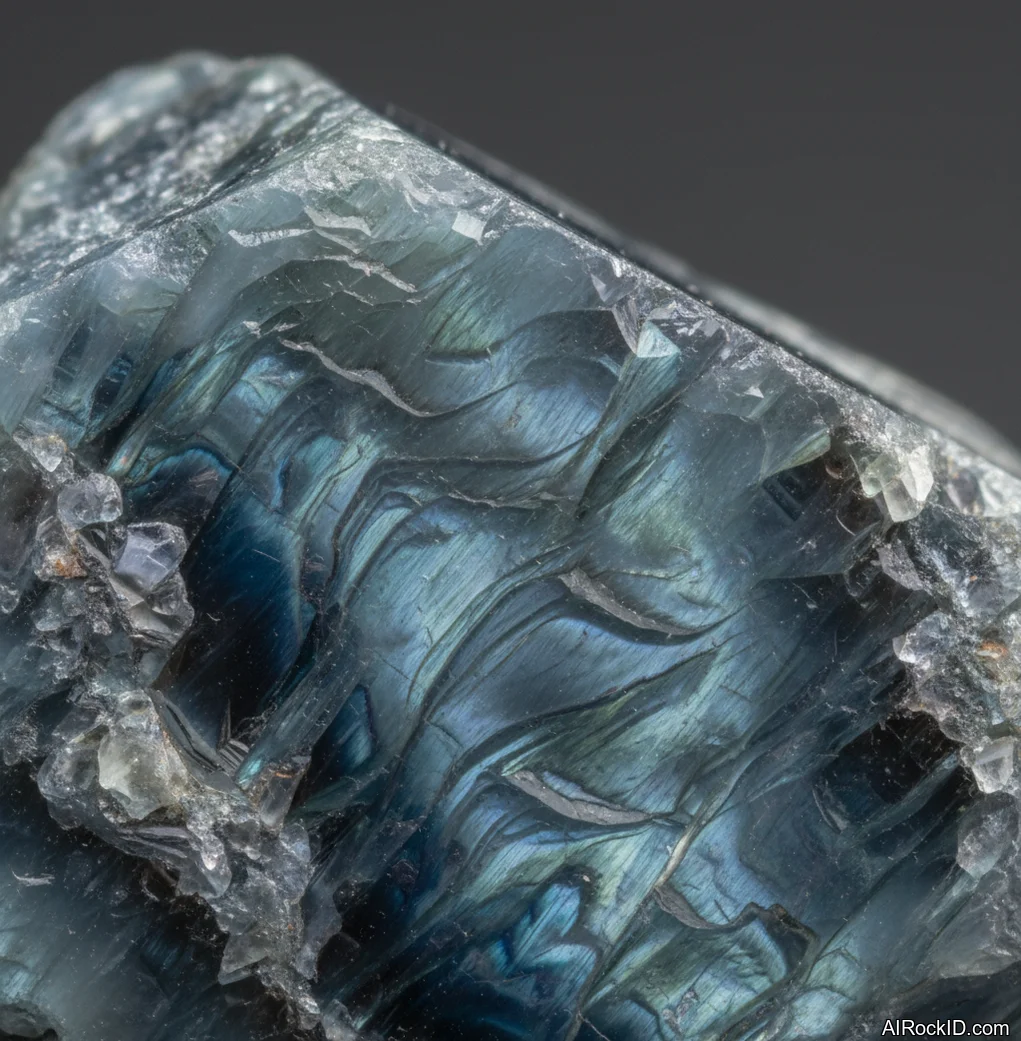
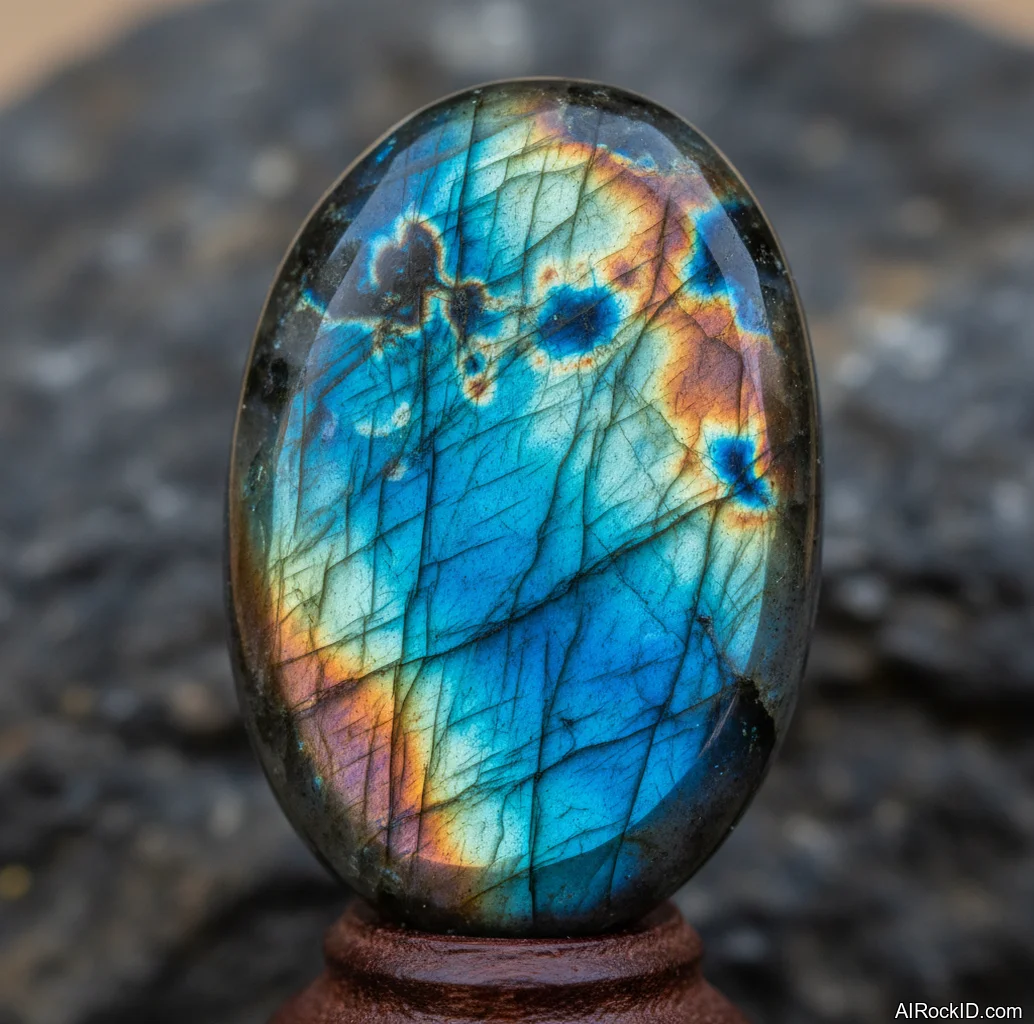
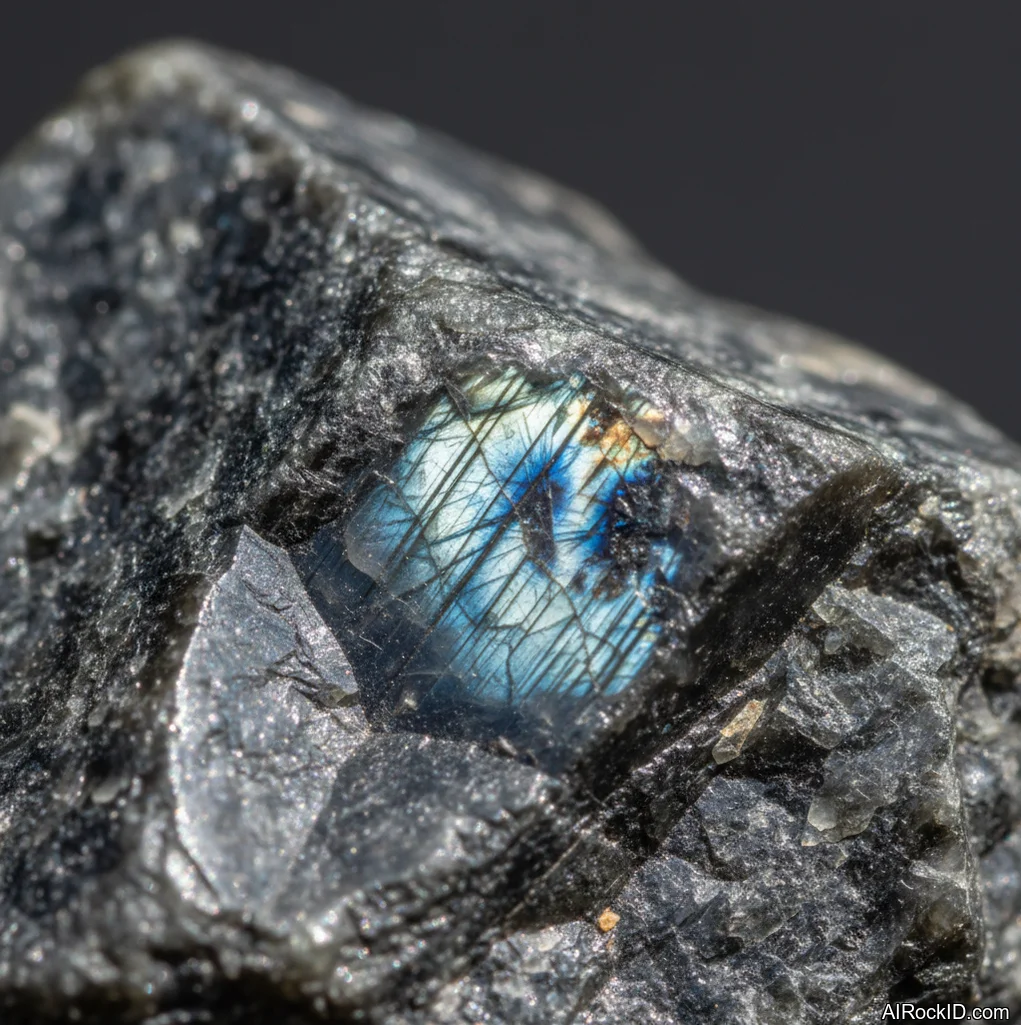
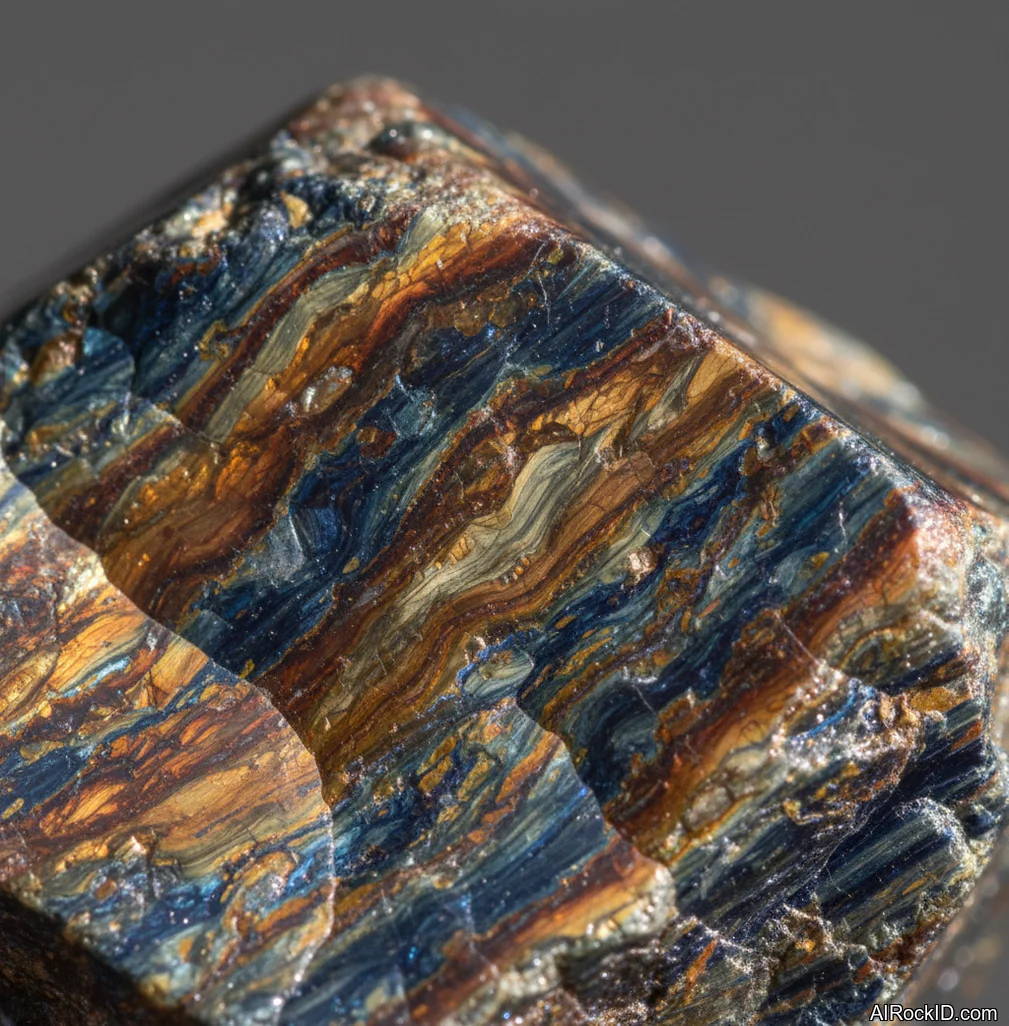
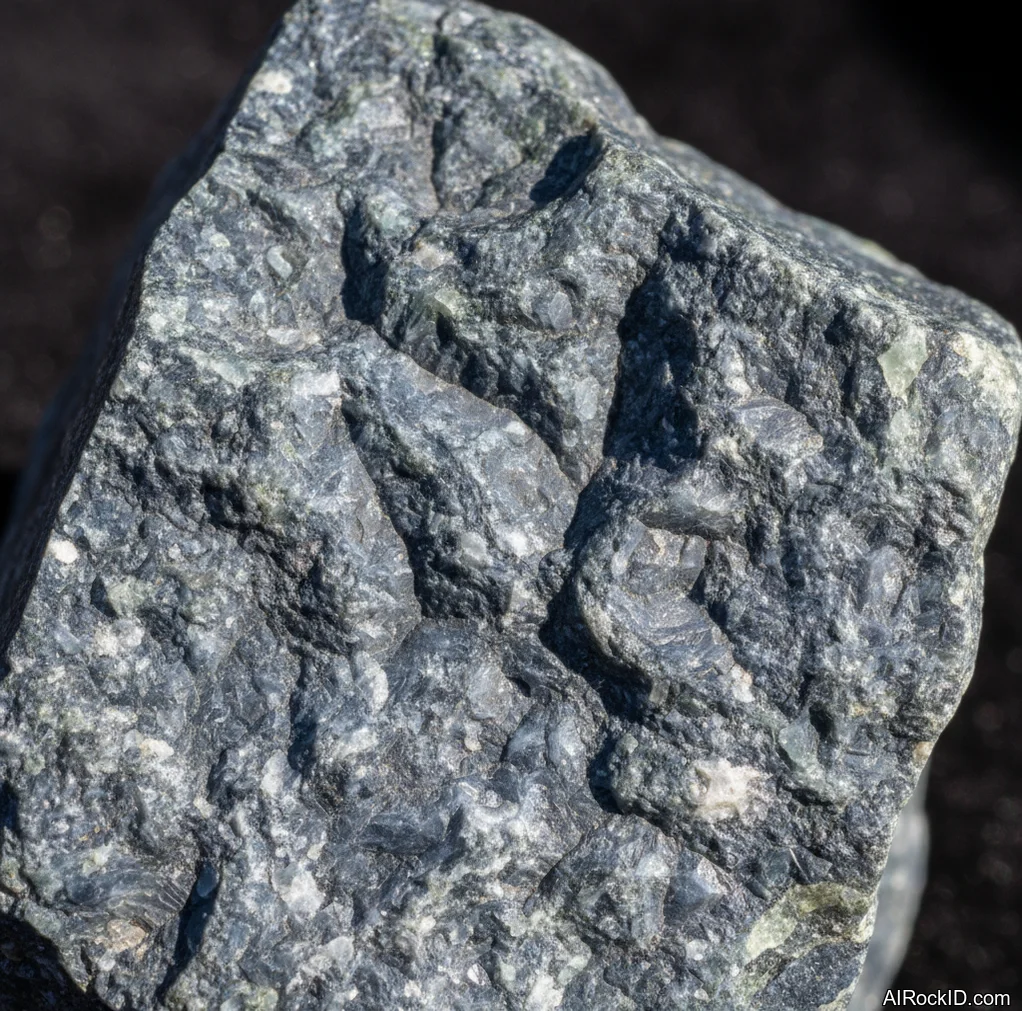
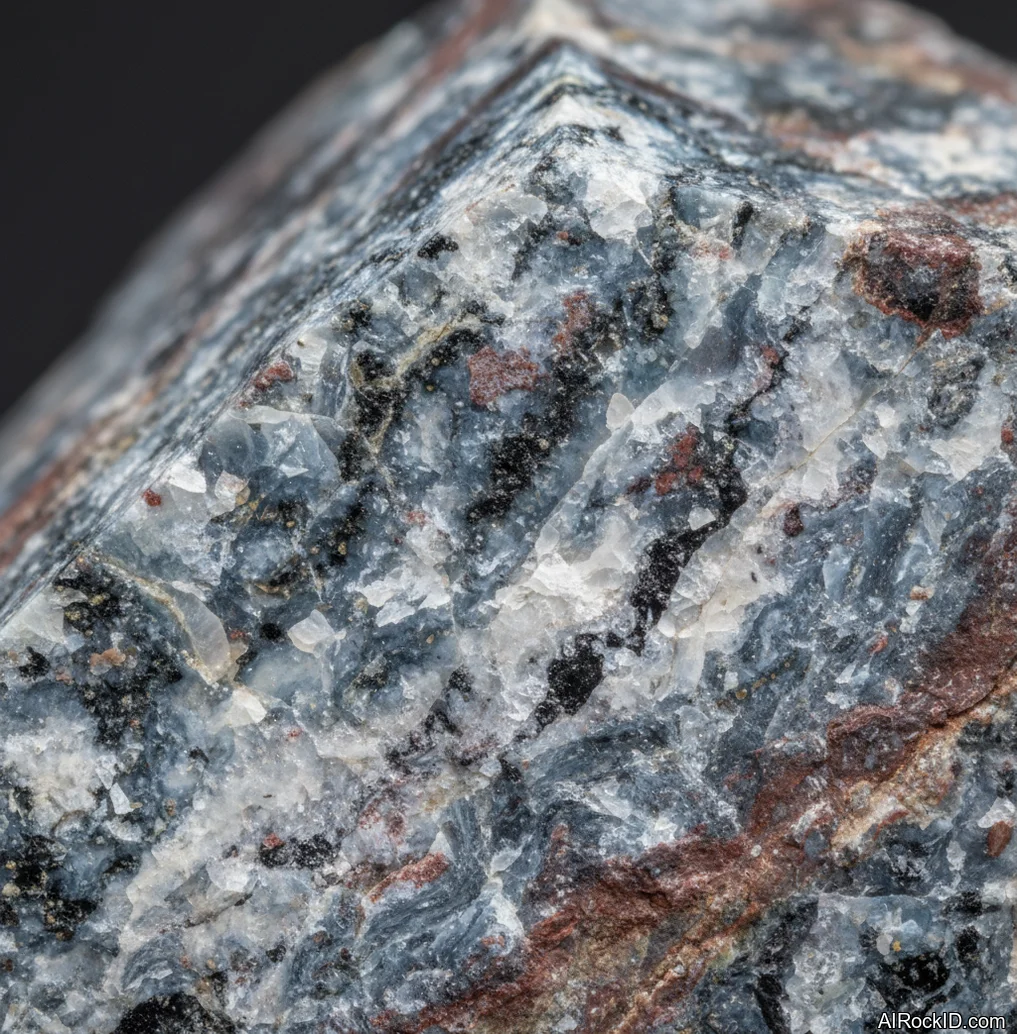
- Labradorite: Often grouped with storm crystals because of its blue, green, or gold flash; the flash is labradorescence, not surface dye.
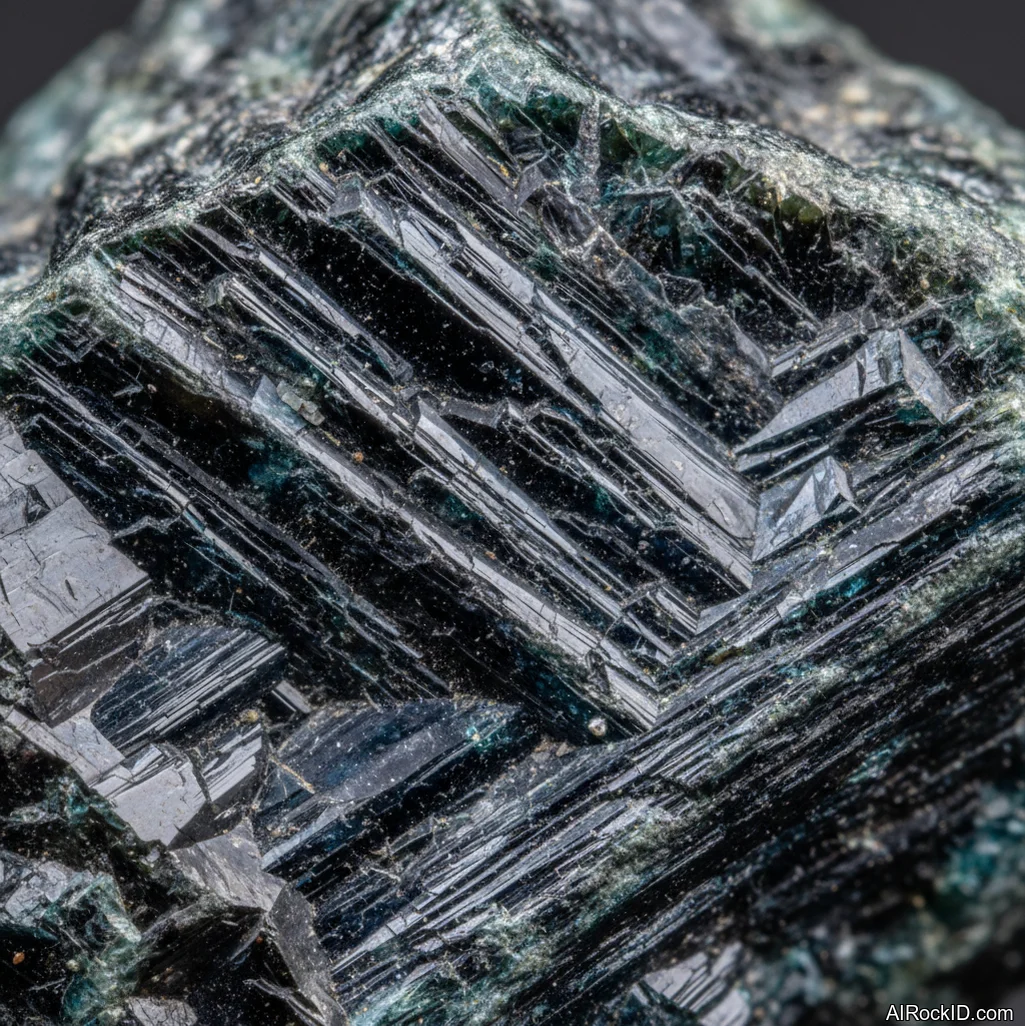
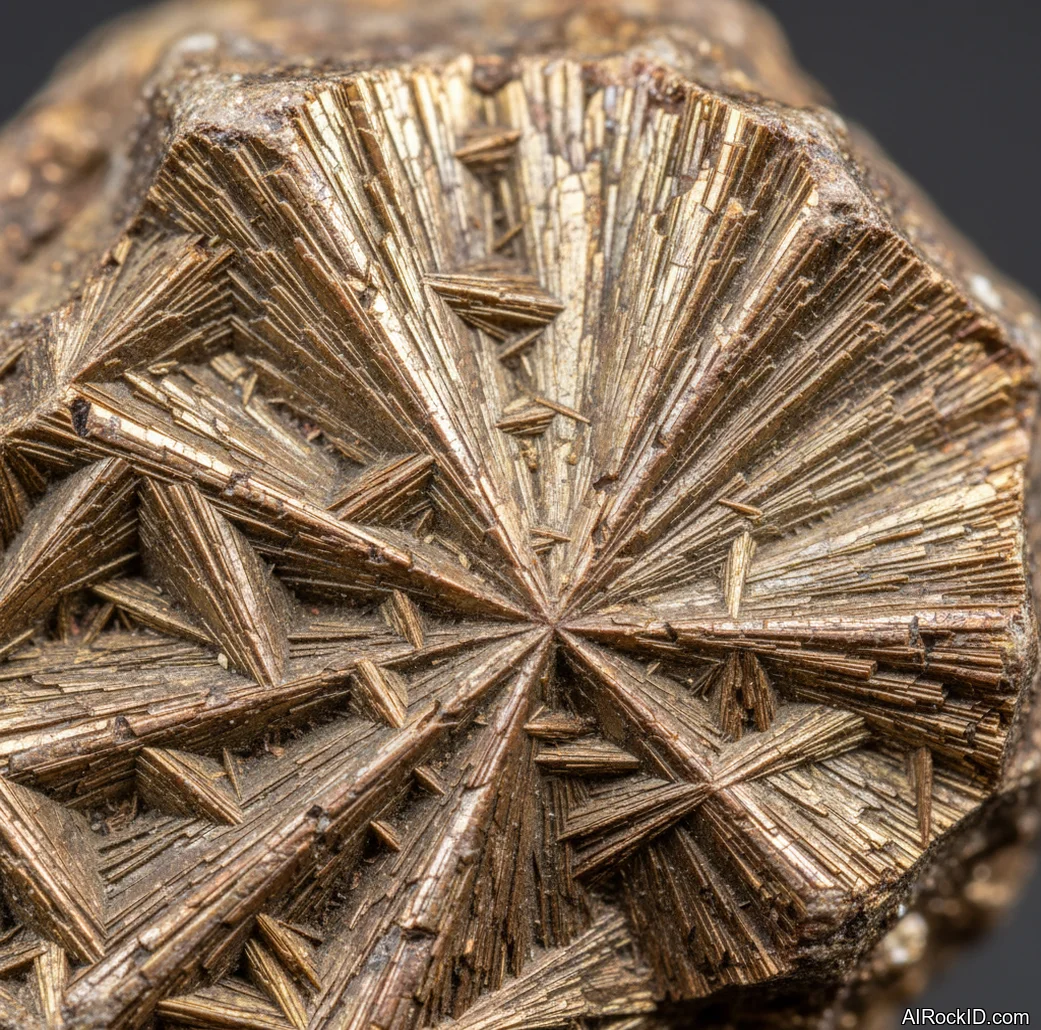
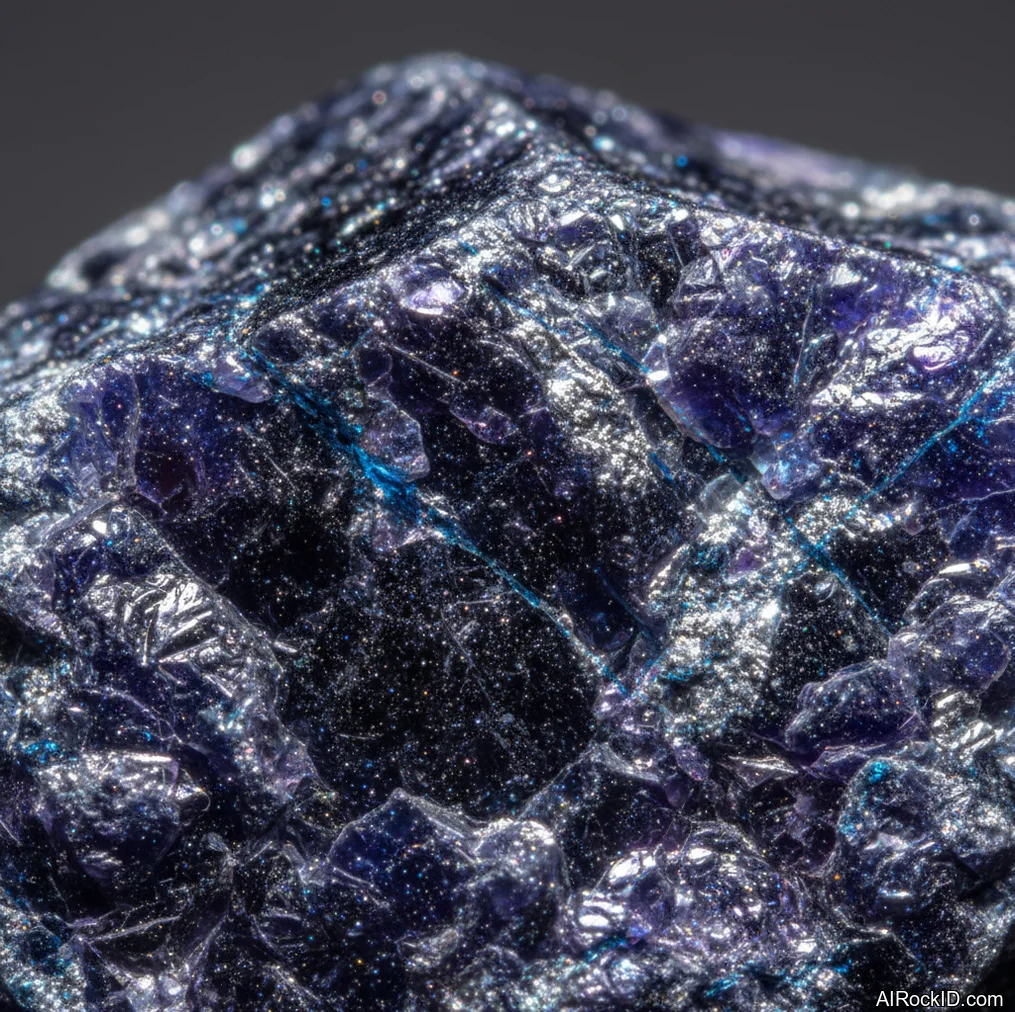
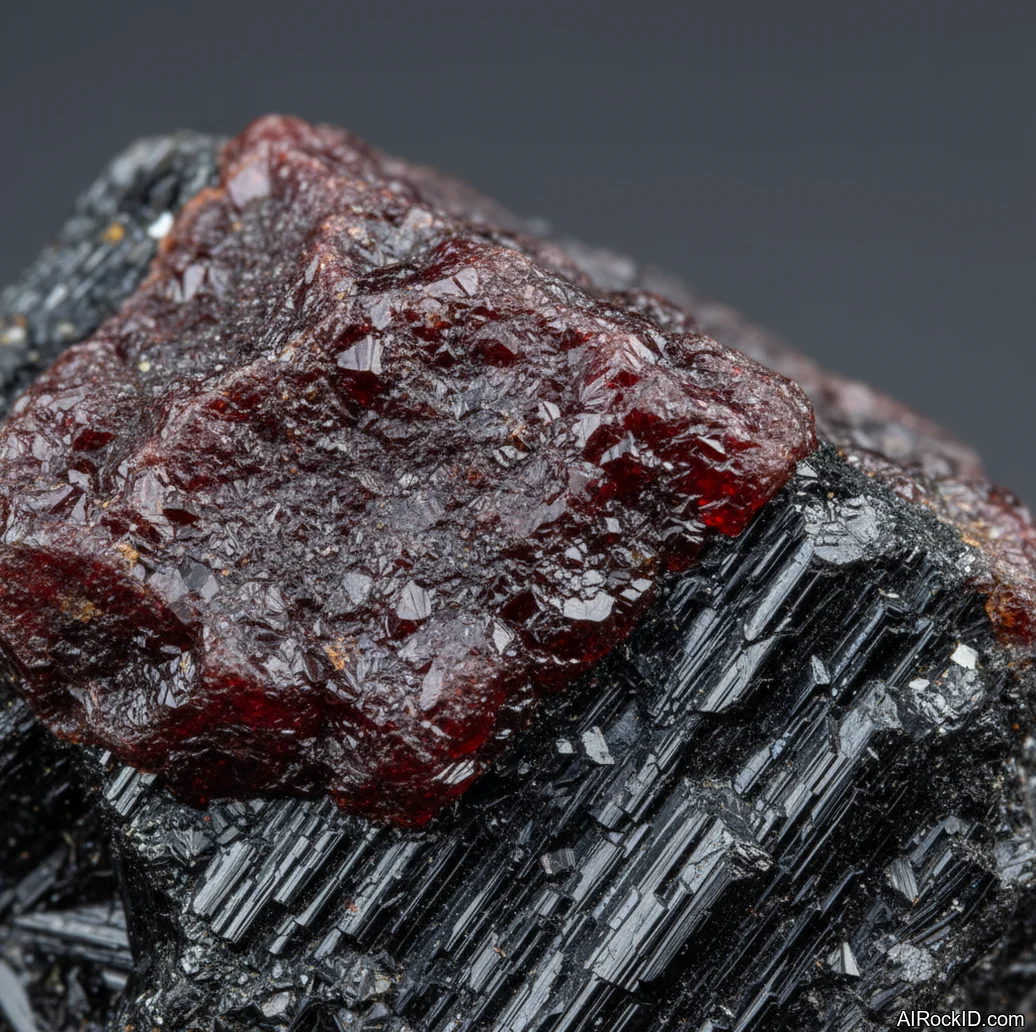
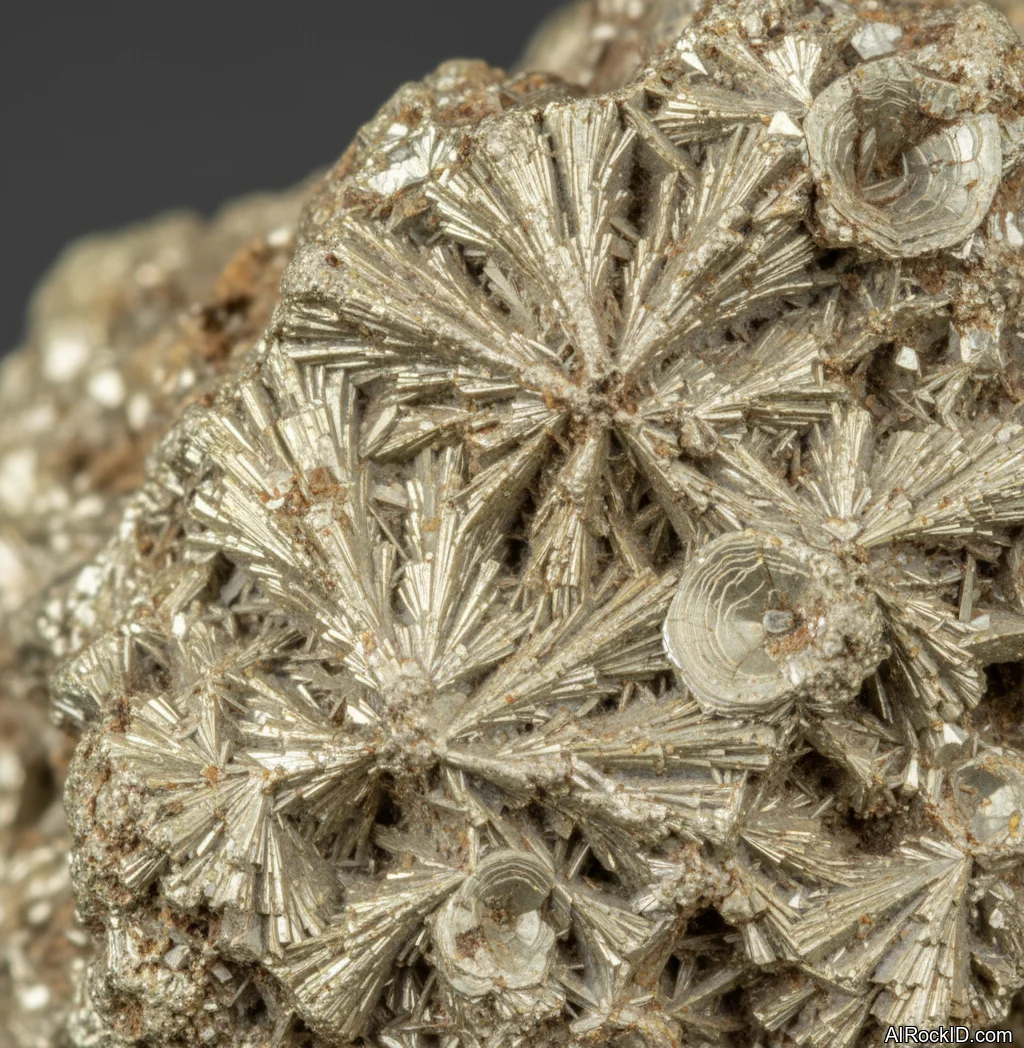
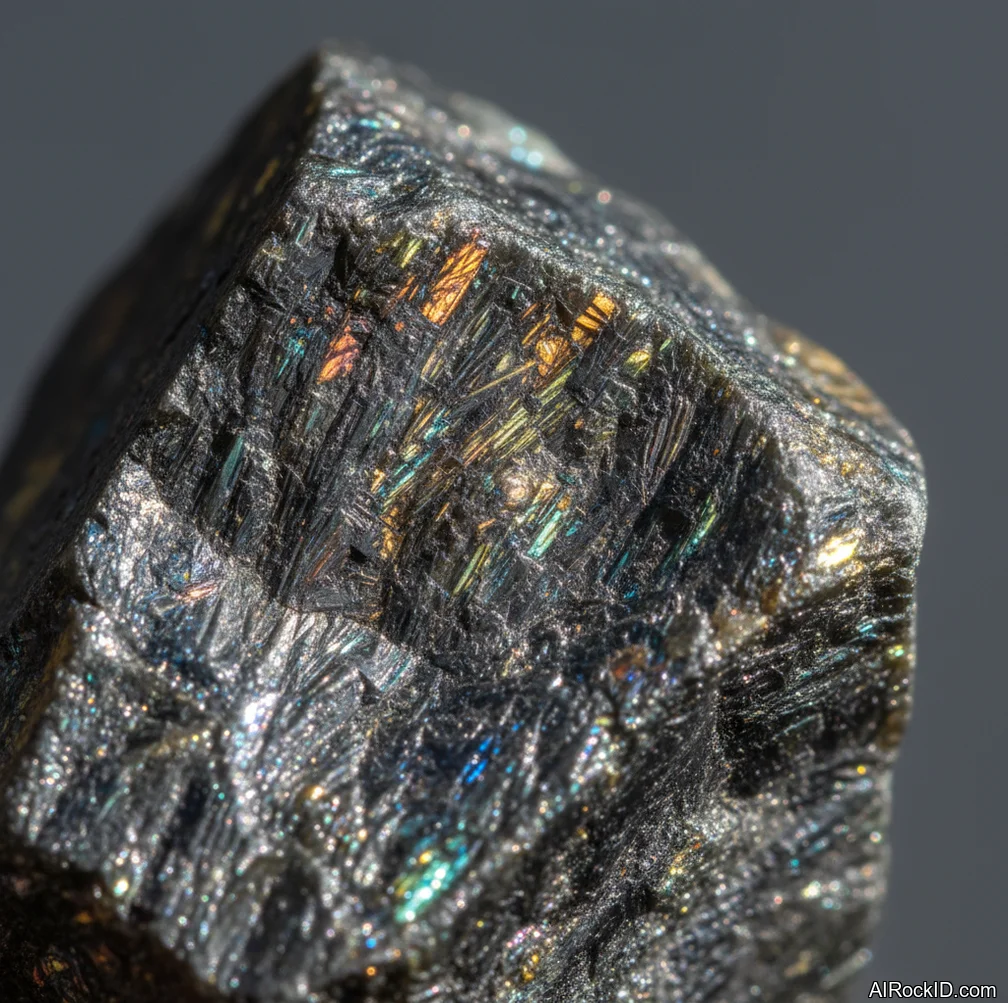
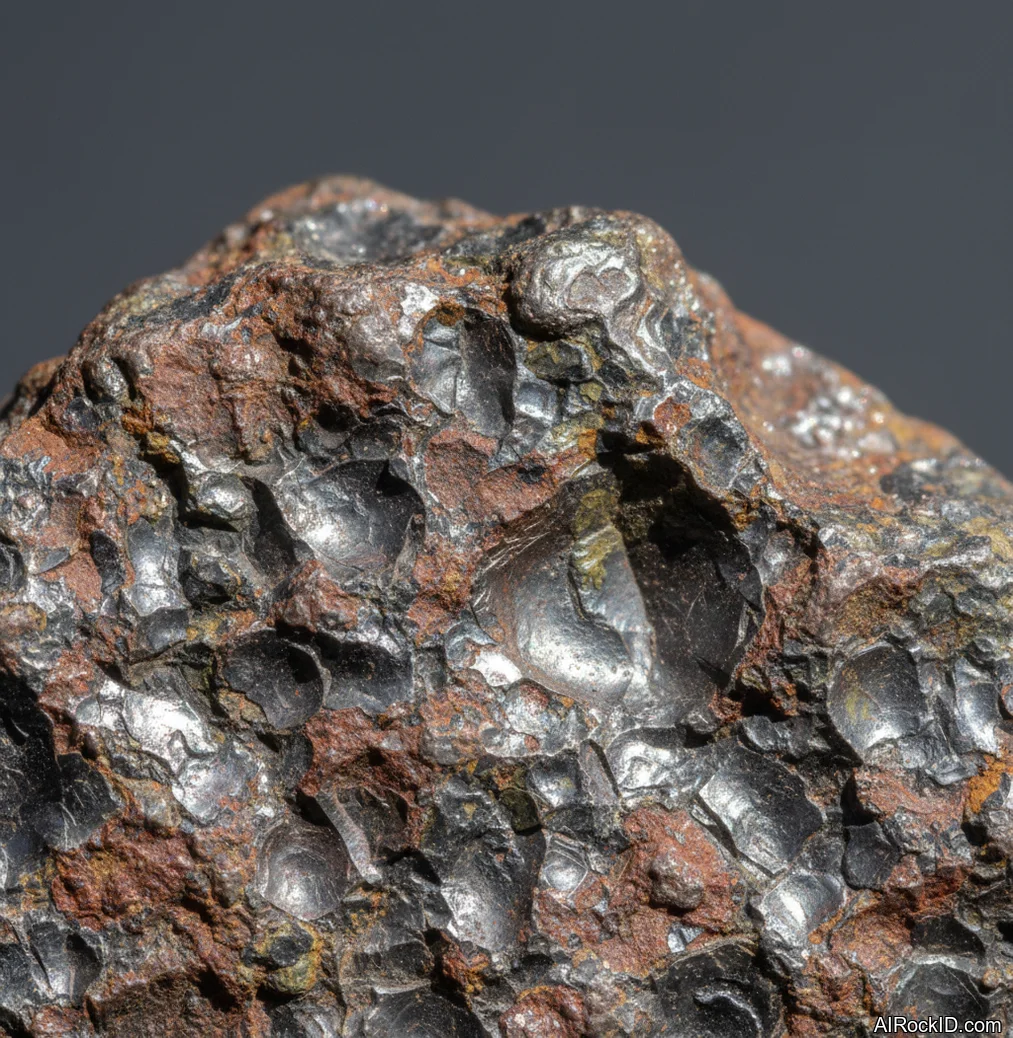
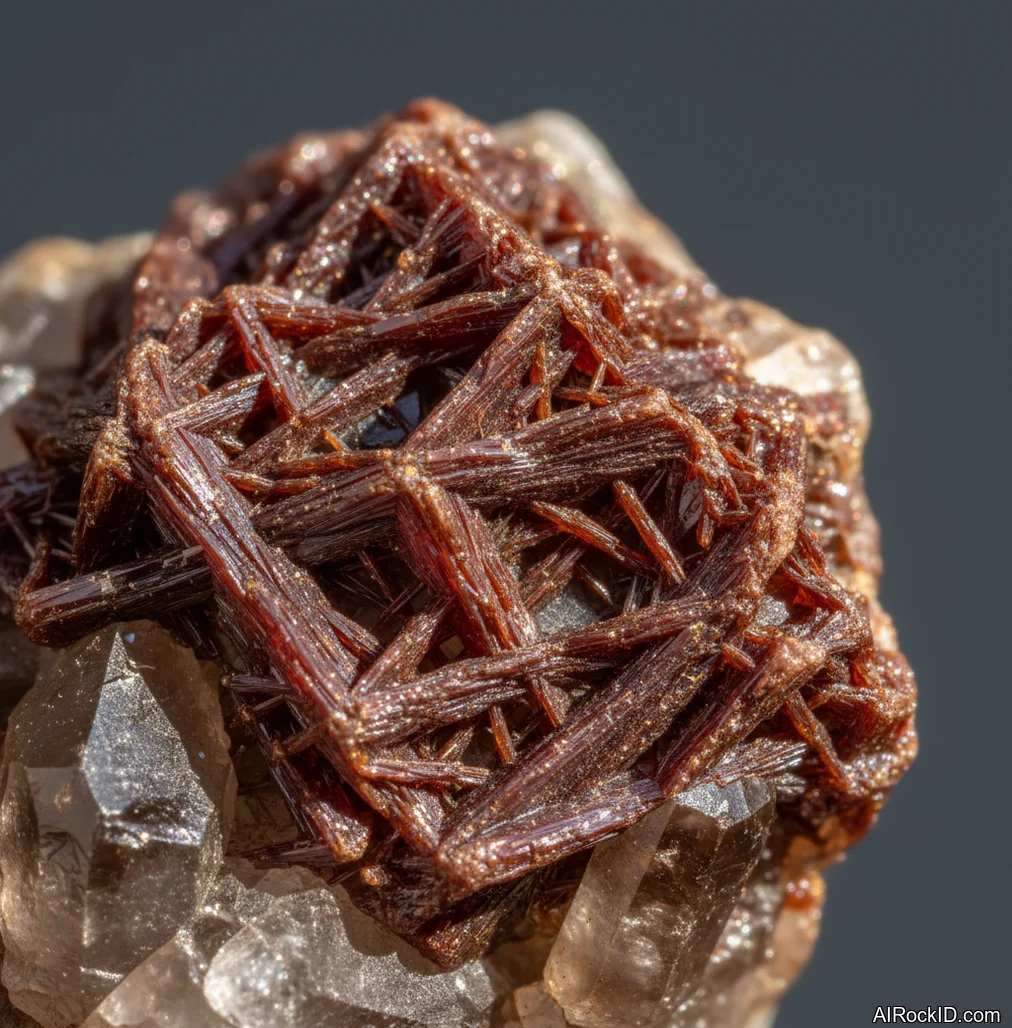
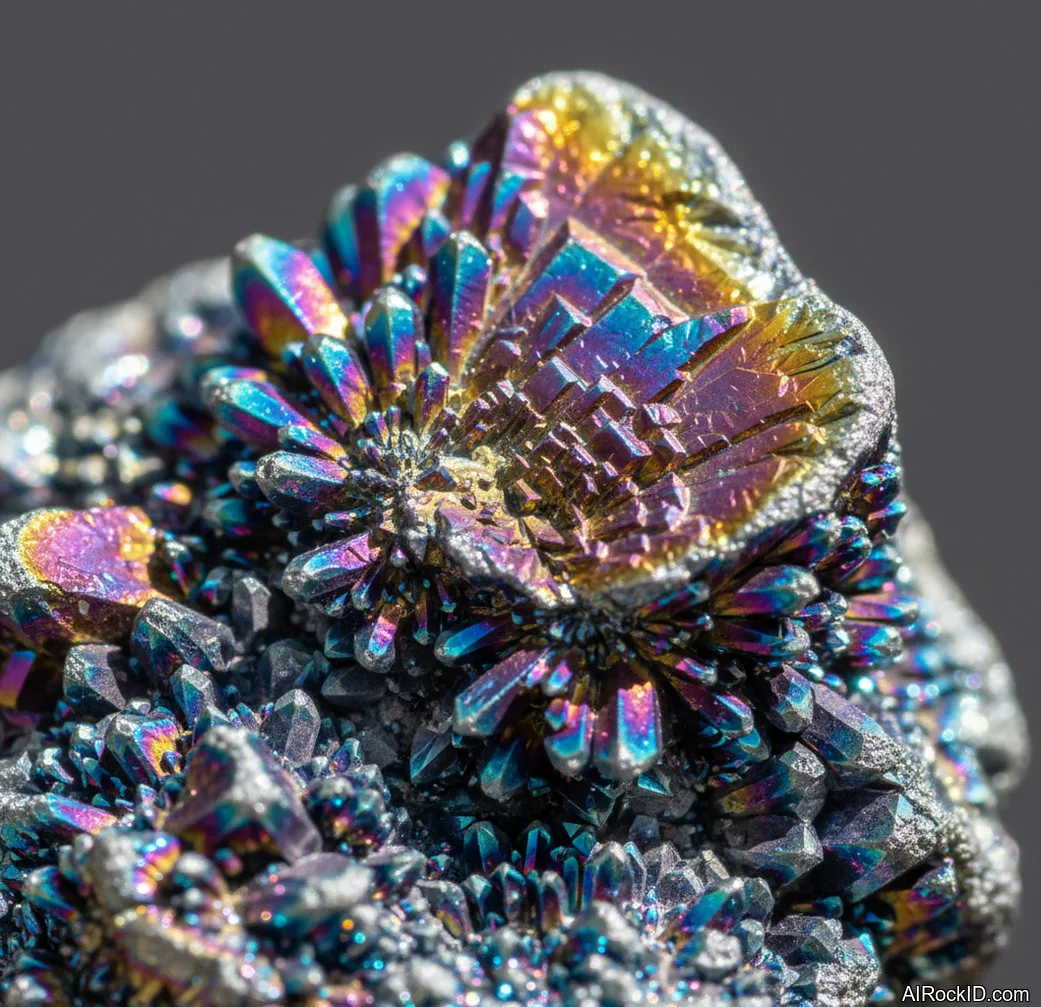
- Hematite: A metallic gray iron oxide with high density; it is heavier and more mirrorlike than most black crystals.
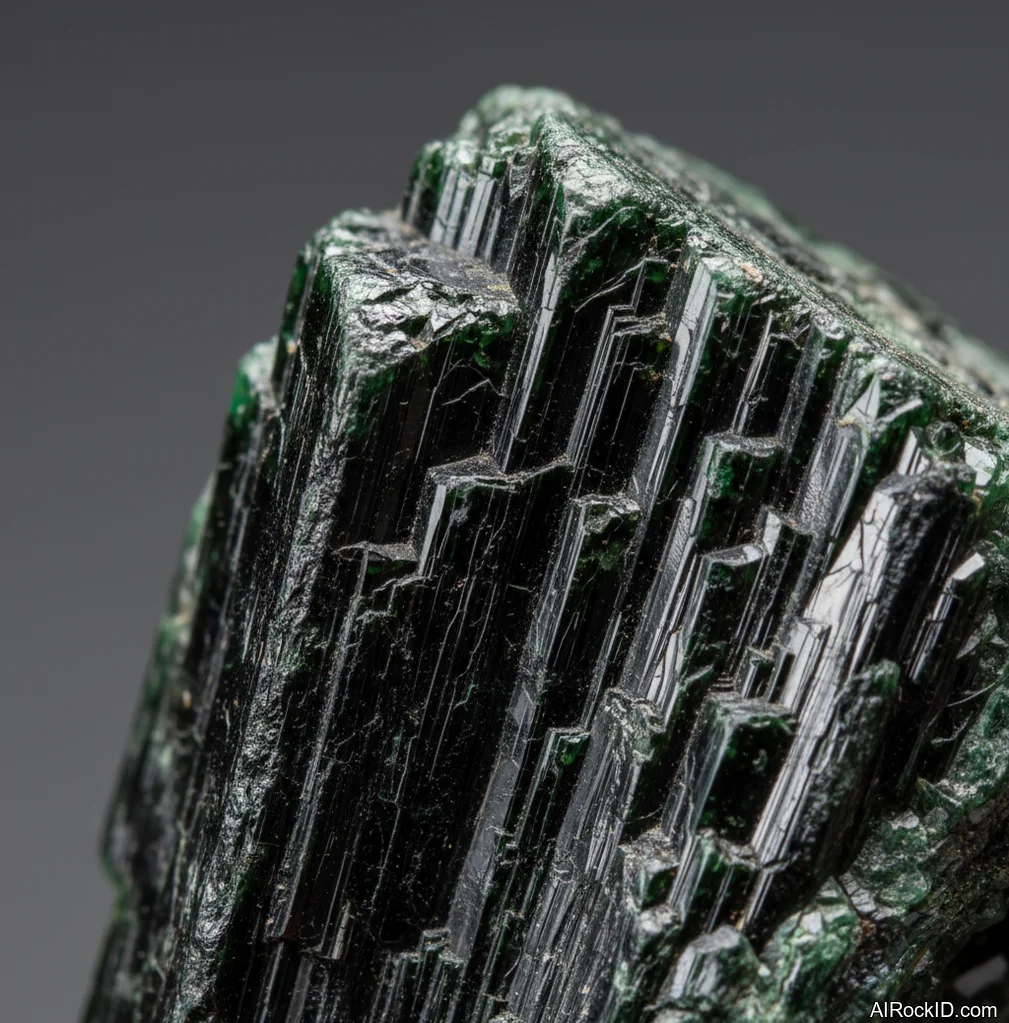
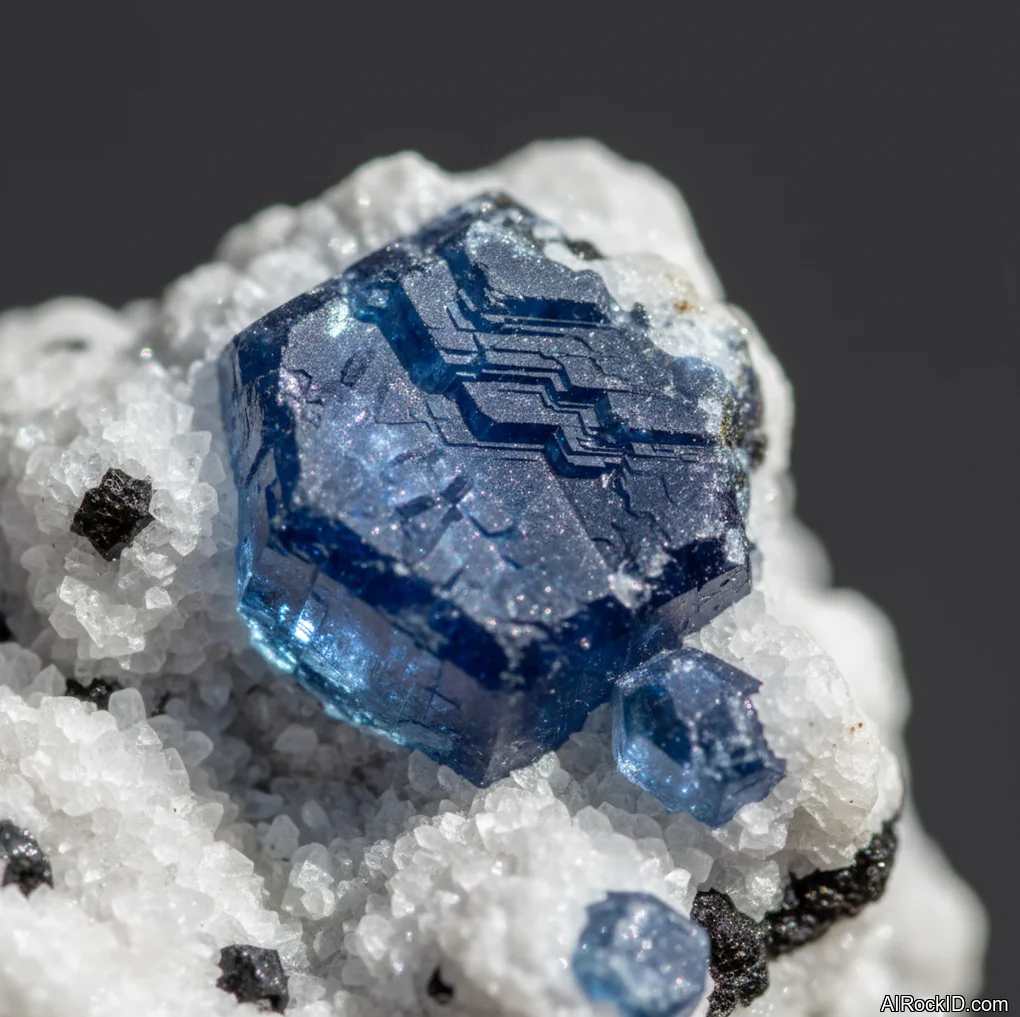
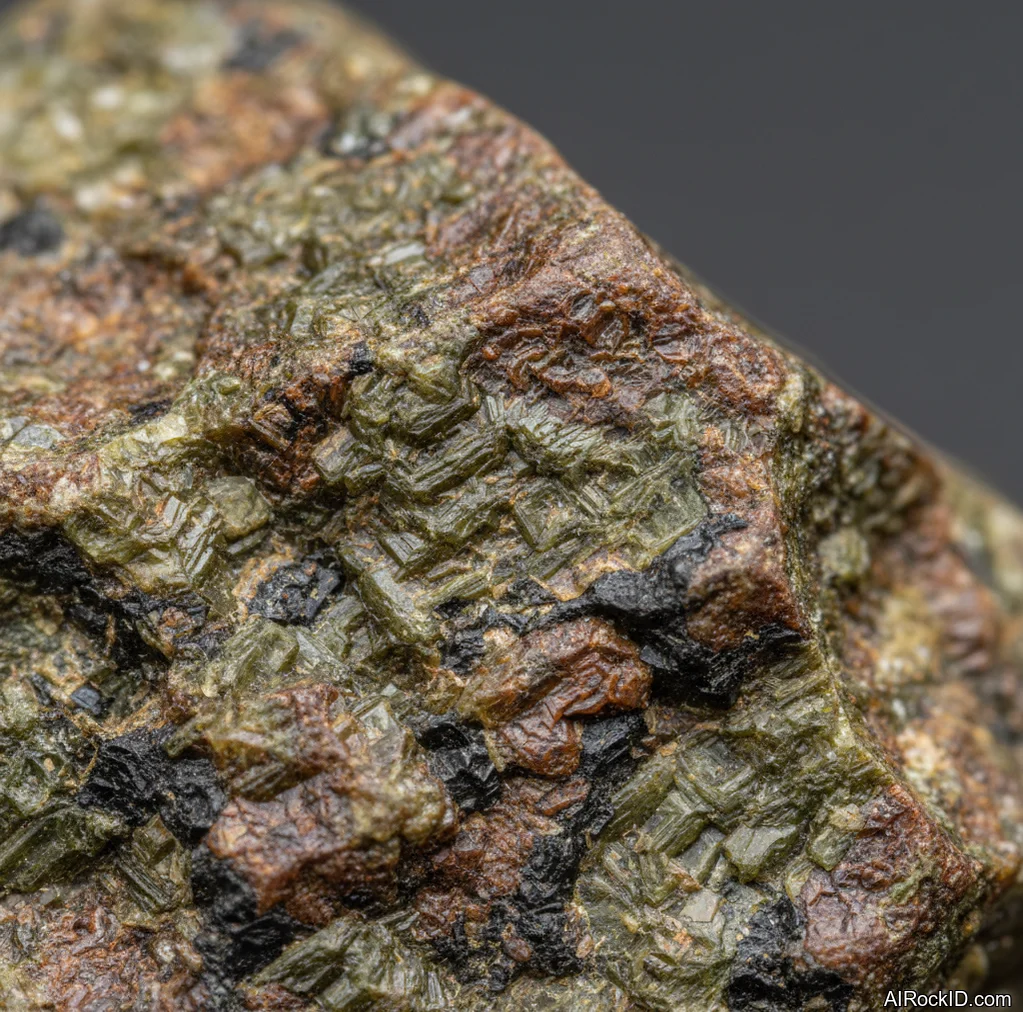
- Black Tourmaline: Usually shows vertical striations and a prismatic habit, unlike glassy obsidian or massive black stones.
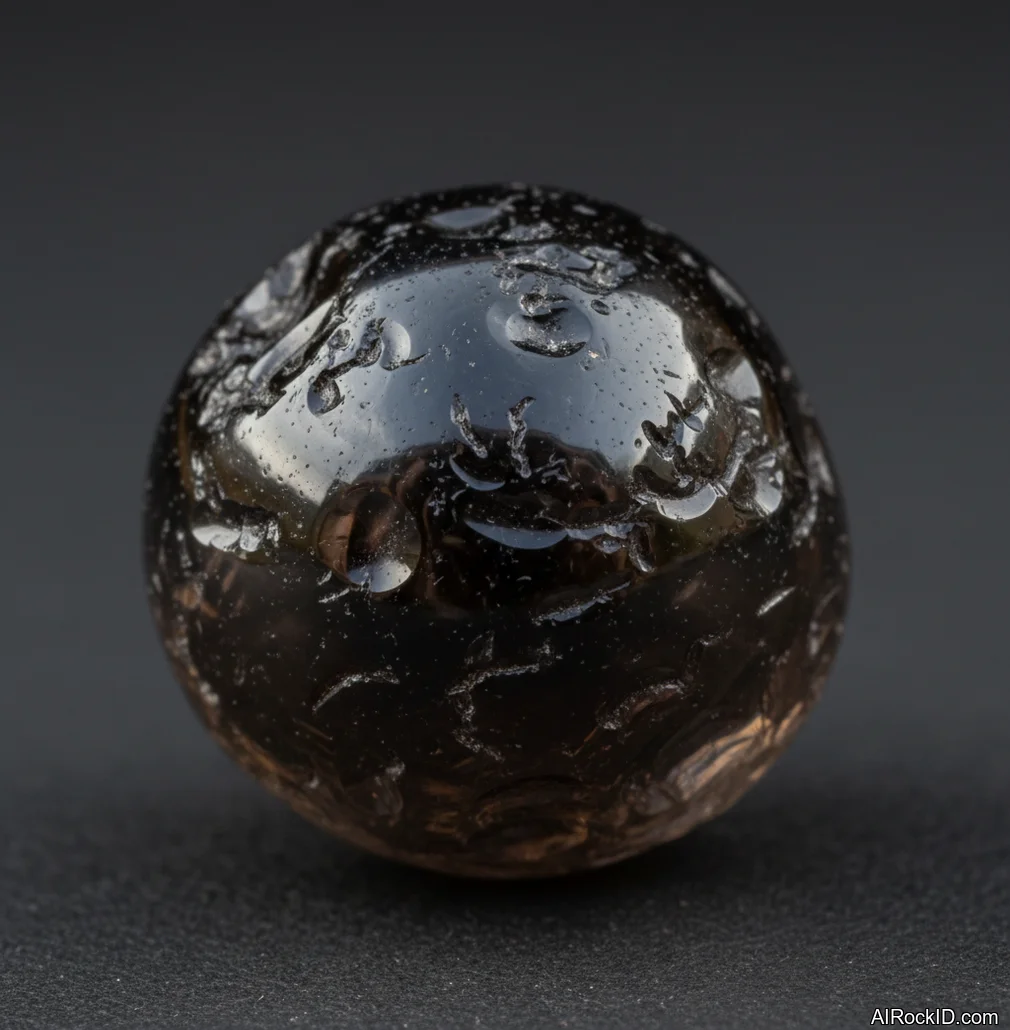
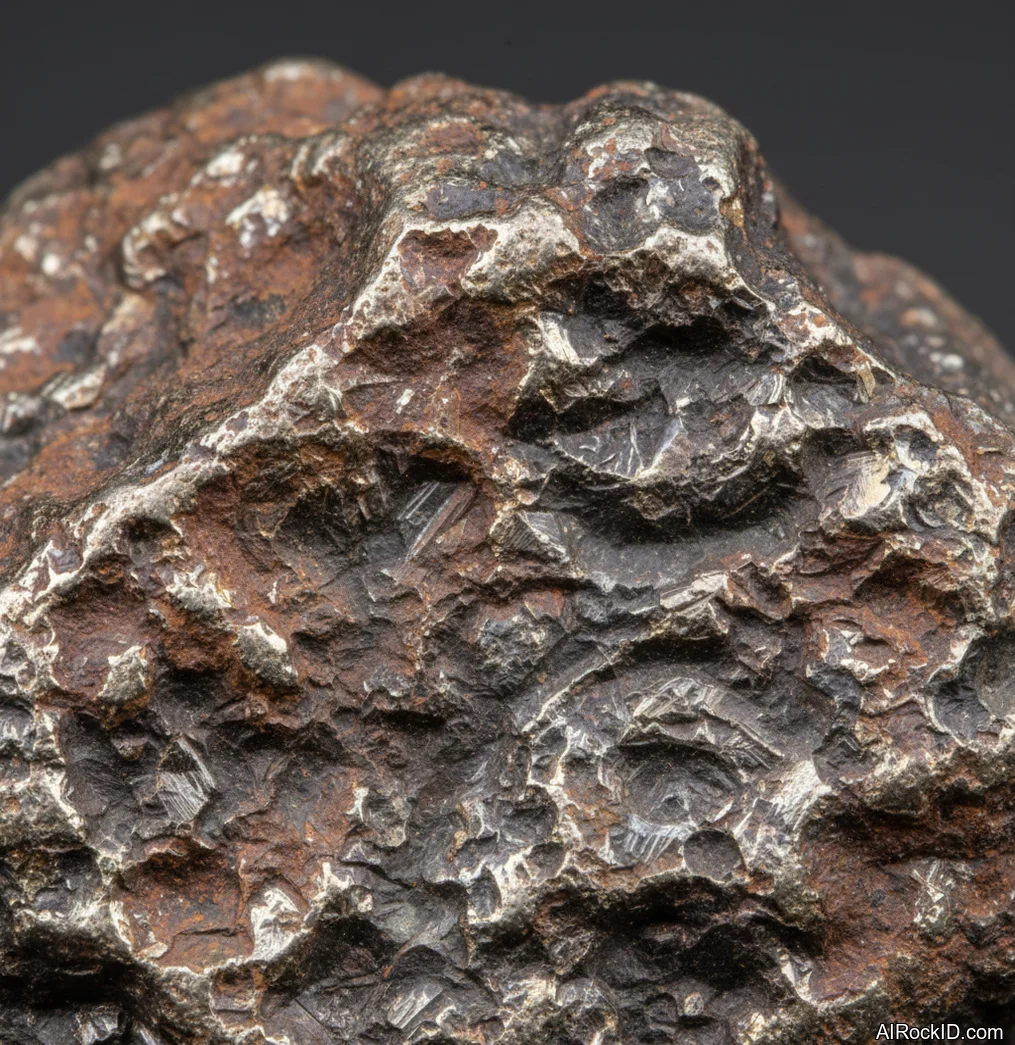
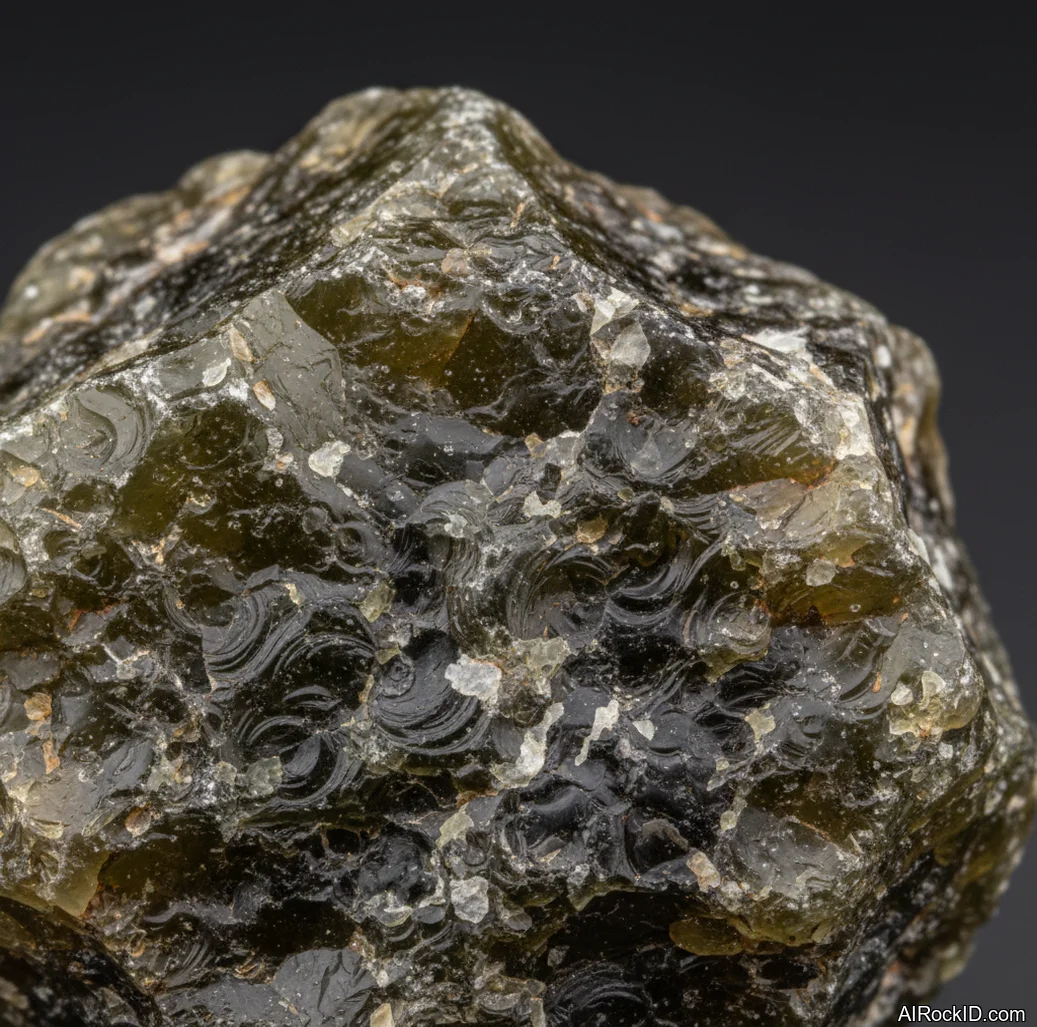
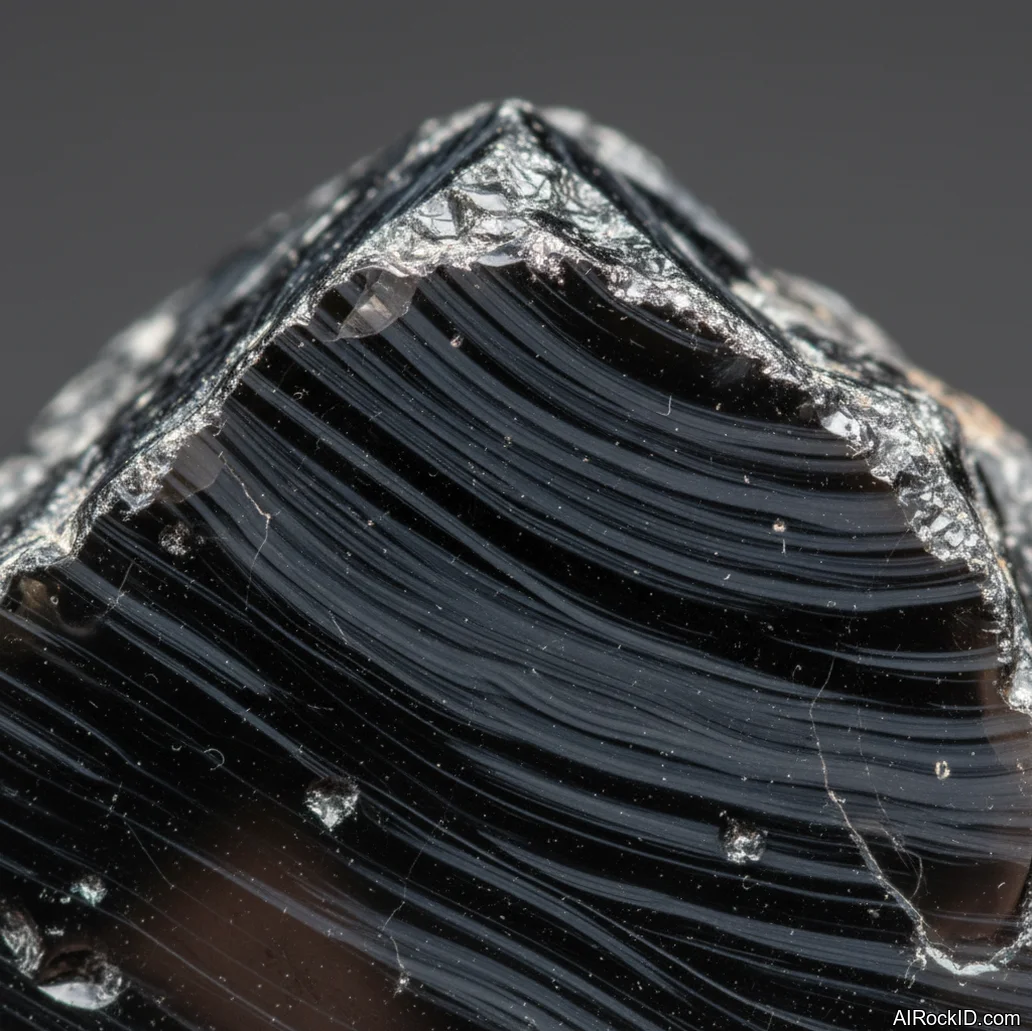
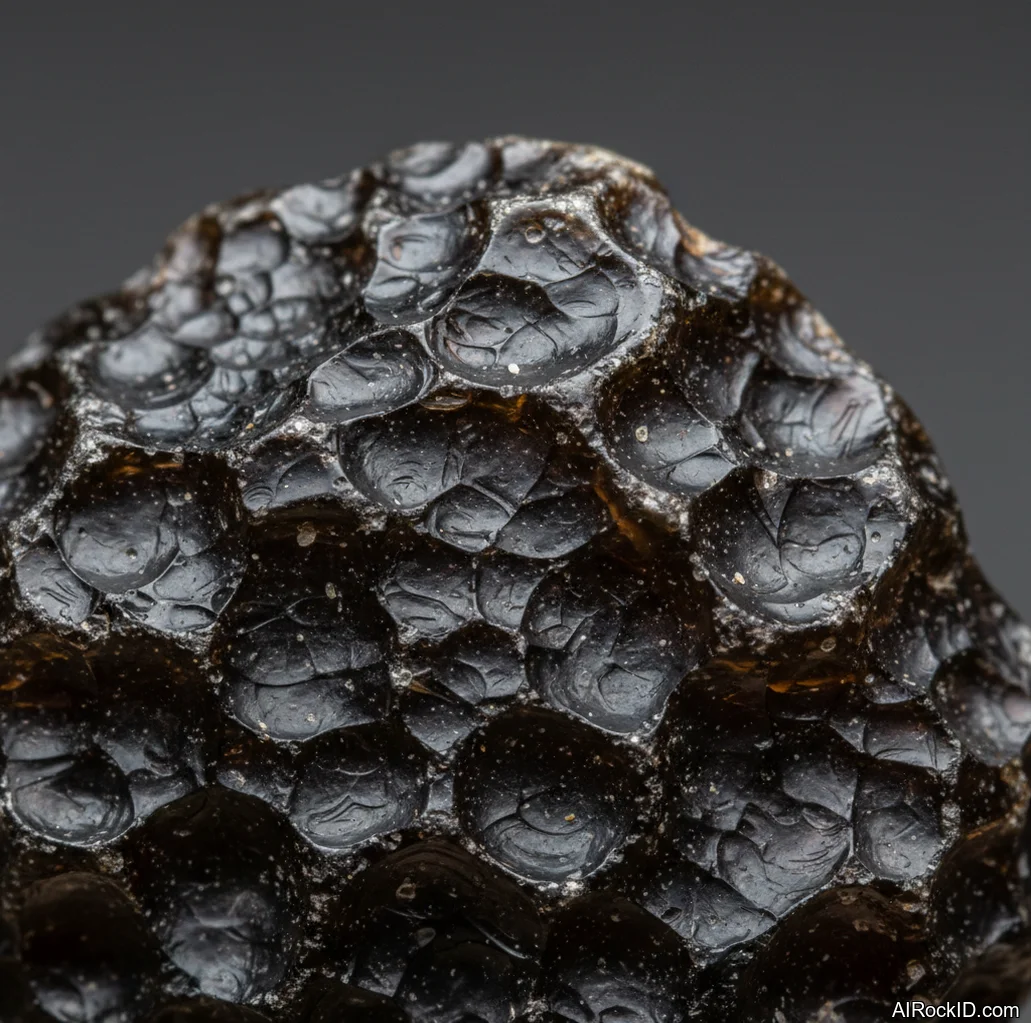
- Obsidian: A natural volcanic glass with conchoidal fracture; it is not a crystalline mineral in the strict geological sense.
AI identification confidence
AI identification is most useful when the photo clearly shows luster, fracture, crystal habit, color, and any flash. Confidence is usually lower for polished black stones because many species can appear similar after tumbling or carving.
When AI gets it wrong
- A polished black stone has no visible crystal habit, streak, or fracture details
- Lighting hides labradorite flash or creates reflections that look like iridescence
- Dyed, coated, or heat-treated material is photographed without close-up surface detail
- The stone is shown in a pendant or setting that blocks edges, weight clues, and texture
Best choice summary
For a first storm-themed collection, labradorite, hematite, black tourmaline, smoky quartz, and obsidian offer a useful range of flash, metallic luster, opacity, and transparency. Choose labeled specimens from reliable sellers and compare weight, hardness, surface texture, and natural variation before buying.
Final recommendation
Start with stones that have easy-to-check traits, such as hematite’s weight, black tourmaline’s striations, or labradorite’s directional flash. Use metaphysical meanings as cultural or personal associations, not as substitutes for professional medical or safety advice.
Why people search for this
People often search for storm crystals when they want stones with a moody, dramatic appearance or traditional associations with protection, grounding, and transformation.
What this category represents
The Storm Crystals tag groups stones that collectors associate with stormlike themes such as darkness, flash, metallic sheen, grounding, and energetic contrast. The category is descriptive and cultural rather than a formal mineralogical classification.
Beginner recommendations
Advanced recommendations
Natural Storm Look vs Treated Appearance
Some storm crystals have a naturally dark or flashing appearance, while others may be dyed, coated, heat-treated, or artificially enhanced. Natural variation often looks uneven, with changes in depth, inclusions, or flash angle, while surface coatings may appear overly uniform or collect along cracks.
Geology Behind Common Storm Crystal Looks
Metallic storm stones often contain iron-rich minerals, while glassy examples may form from volcanic material or silica-rich solutions. Flash effects can come from internal mineral layering, cleavage, or oriented inclusions that reflect light at specific angles.
Using Storm Crystals in a Labeled Collection
A storm crystal display is easier to understand when labels include both the mineral name and the reason it fits the theme, such as metallic luster, dark color, or optical flash. This helps separate geological identity from symbolic or aesthetic grouping.
Understanding Storm Energy in Crystals: What Makes a Stone 'Storm'
Storm, as an element, isn’t just about thunder and lightning. It’s pressure shifts. Static you feel in your hair right before a downpour. That crackle in the air when a storm’s brewing is what Storm crystals try to capture. In mineral collecting, Storm means movement and charge—stones that feel like they’re holding tension, ready to snap. When you pick up a chunk of hematite, it sits heavy in your palm, almost like gravity’s kicked up a notch. Black tourmaline feels different. It’s lighter than you’d expect, often striated with ridges you can run a nail along, and the ends look like they were torn free from the earth. Those physical differences matter. Hematite’s dense and grounding, while tourmaline’s airy and sharp. Both feel alive in a way that matches the chaos of a thunderstorm. A lot of people go after Storm crystals for protection or clearing, but the real draw is control—finding your balance in the middle of a mess. Storm stones are for people who want to push through blocks or steady themselves when life’s noisy. They don’t whisper. They cut through.
Physical Properties of Storm Crystals: Weight, Texture, and Flash
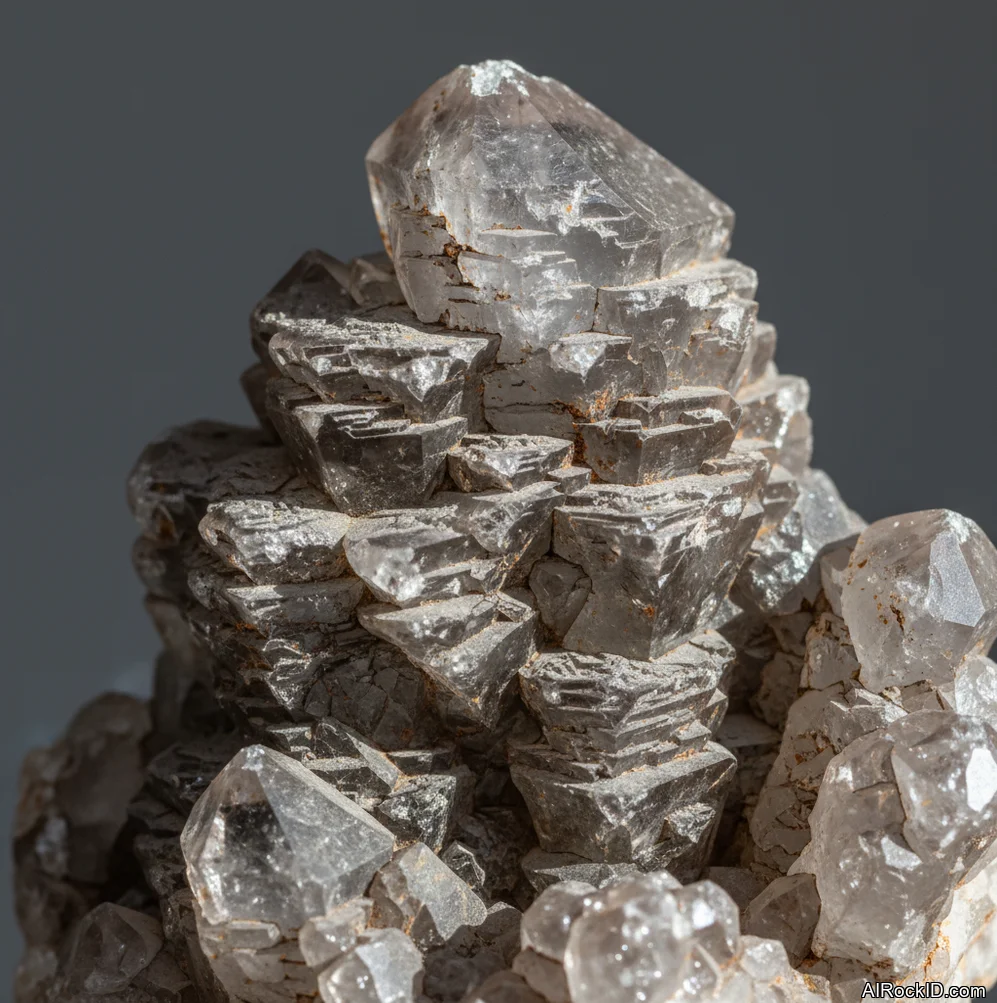
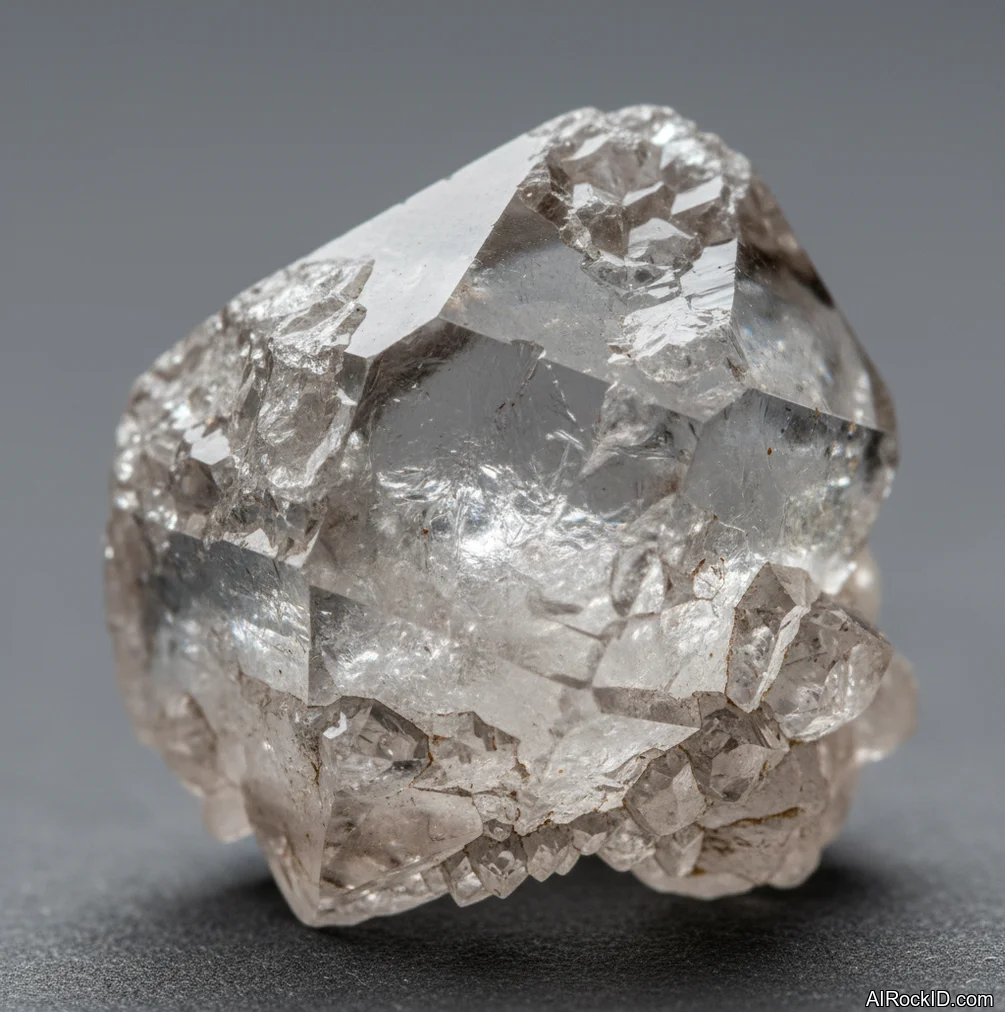
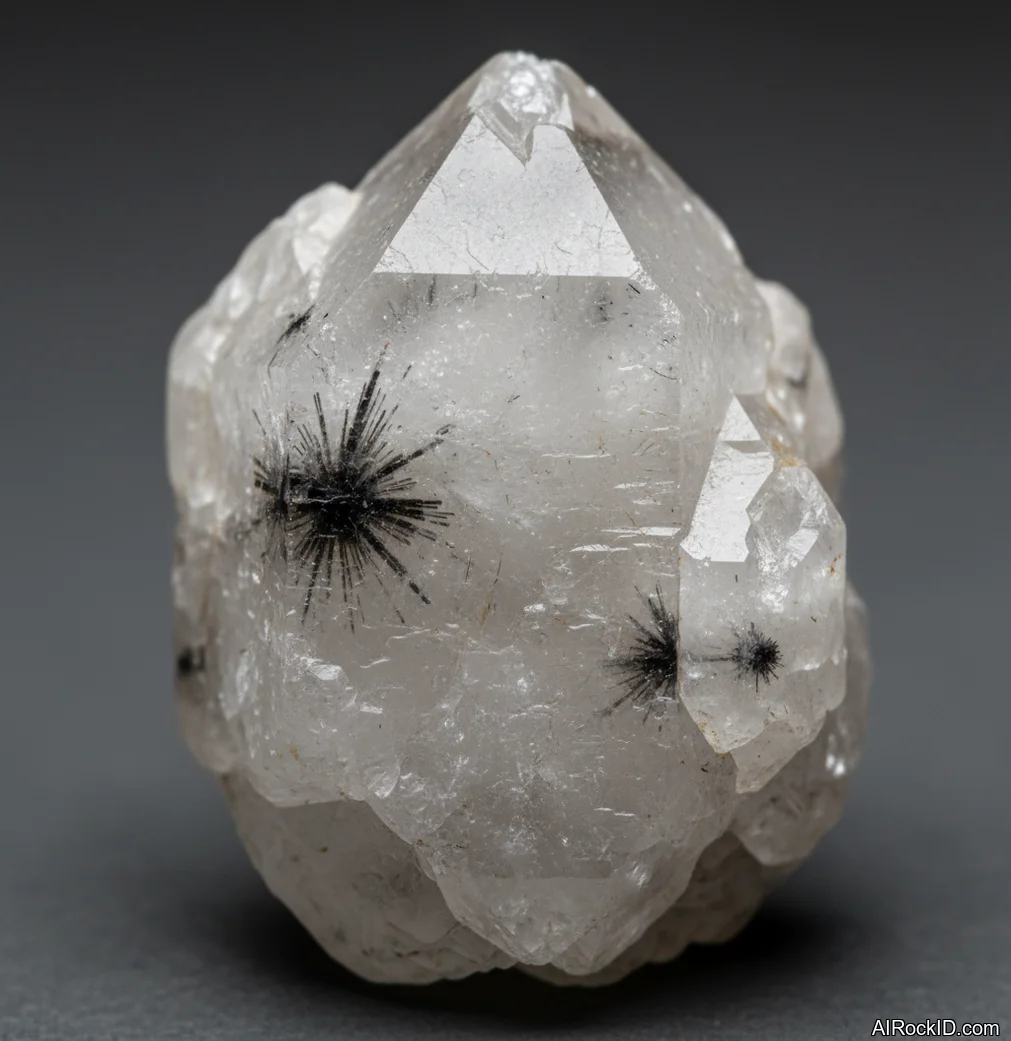
Pick up a good Storm crystal and you’ll get it instantly. Hematite is cold at first touch, then warms in your hand, and the metallic sheen can almost reflect your face if you catch a clean surface. Black tourmaline breaks along long, shiny grooves—striate it with your thumbnail and you’ll feel the rough edges. Smoky quartz is another classic. Transparent, but with a gray-brown fog inside that looks like a storm cloud caught in glass. The best pieces let you see into the stone, but never all the way through. Labradorite looks plain at first, just gray feldspar, but tilt it the right way and a blue-green flash shoots across the surface. That flash—the labradorescence—is like lightning. It only shows up when the light hits just right, and then it disappears, leaving you holding what looks like nothing special. That's the physical, tactile experience collectors talk about. Storm stones aren’t always comfortable or pretty in the usual sense. Sometimes the best ones feel challenging—like they’re pushing back.
How Collectors Use Storm Crystals: Placement, Carrying, and Daily Use
Most people use Storm crystals for momentum or to break out of a rut. Keep a raw black tourmaline at your front door and you might notice it gets dusty faster than other stones—the ridges trap dirt, and the surface seems to attract static. Some set labradorite near their work space to catch that flash of color during a dull afternoon. If you want something to hold, smoky quartz palm stones work for grounding—look for ones with visible inclusions or cloudy patches, not the perfectly clear kind. There’s no need for rituals or drama. Just put the stone where you feel the buzz: near electronics, your bedside table, or even in a pocket. The important thing is interaction. Touch matters. These aren’t museum pieces behind glass. Most collectors find that the best Storm stones are the ones they actually handle, not just display on a shelf.
Choosing and Caring for Storm Crystals: Real-World Collector Tips
Storm stones take a bit of abuse but don't neglect them. Hematite will rust if you leave it wet or in a humid bathroom. Black tourmaline is brittle—drop a raw piece on tile, and you could lose a chunk. Labradorite needs a soft cloth and a little water for cleaning, but avoid salt or harsh chemicals, or the flash loses its punch. Smoky quartz is tougher, but those with lots of inclusions can crack if you move them between hot and cold quickly. Most dealers sell tumbled versions because it's easier to handle and less likely to chip. Raw pieces always cost more, partly because it’s hard to find ones that survive transport. If you see a Storm stone with weirdly perfect edges or colors that seem off, check if it’s been dyed or stabilized. Real specimens have flaws—chips, uneven color, or a bit of matrix rock still stuck on. That’s normal.
Best Storm Crystals to Start With
| Level | Crystal | Note |
| Gentle / Beginner | Smoky Quartz | Smoky quartz is easy to find, tough enough for pockets, and the energy feels steady without being too intense. |
| Balanced / Everyday | Hematite | Hematite gives you that grounding weight and stays cool in the hand, ideal for keeping at your desk or bedside. |
| Intense / Advanced | Black Tourmaline | Raw black tourmaline brings in strong, almost edgy energy, especially noticeable for people sensitive to crystal vibes. |
| Best for Carrying | Labradorite | A pocket-sized piece flashes when you move, and the flat surface makes it easy to rub with your thumb discreetly. |
| Best for Display | Large Raw Hematite | A big chunk of raw hematite draws the eye and feels solid—just don’t leave it somewhere damp, or you’ll see rust. |
Storm Crystal Comparison
| Crystal | Common Use | Feel / Use Style | Care Caution |
| Hematite | Grounding, stability, staying focused | Heavy, cold, slightly metallic surface | Can rust if left damp; keep dry |
| Black Tourmaline | Clearing, protection, energy reset | Light, striated, brittle edges that can flake | Shatters easily; handle with care |
| Labradorite | Mental clarity, quick shifts, insight | Smooth, flashes color when tilted, otherwise dull gray | Flash fades if scratched or cleaned with harsh chemicals |
| Smoky Quartz | Gentle clearing, grounding, stress relief | Cool, smooth, foggy transparency with internal inclusions | Avoid sudden temperature changes; may crack |
How to Identify Storm Crystals with AI Rock ID
To ID Storm crystals with an AI Rock ID app, take clear photos in natural daylight—one showing the full specimen, another close-up of texture or inclusions. Upload both for best results. Compare the app’s suggestions with your stone’s hardness, luster, and any streaks left on a white tile. Using both the app and hands-on details helps you spot real hematite or tourmaline and avoid lookalikes or dyed fakes.
All Storm Crystals (38)