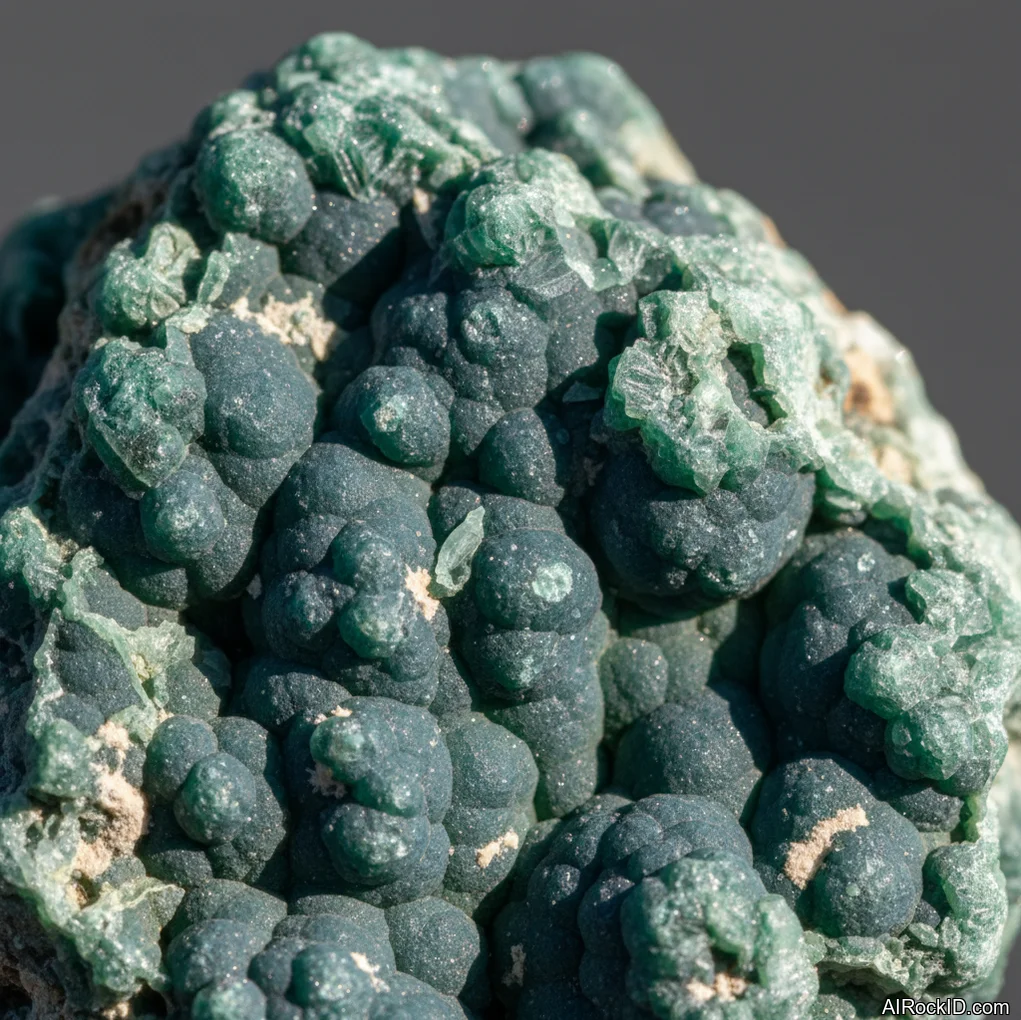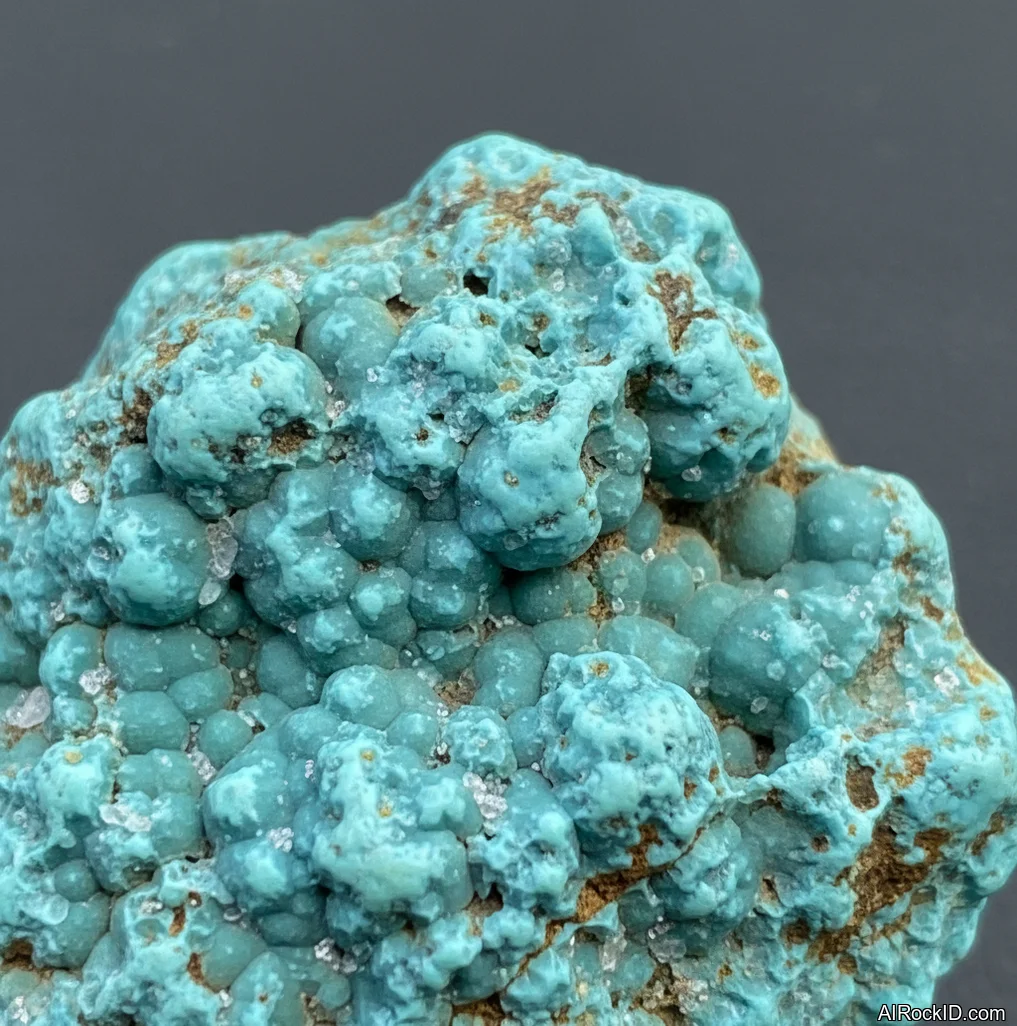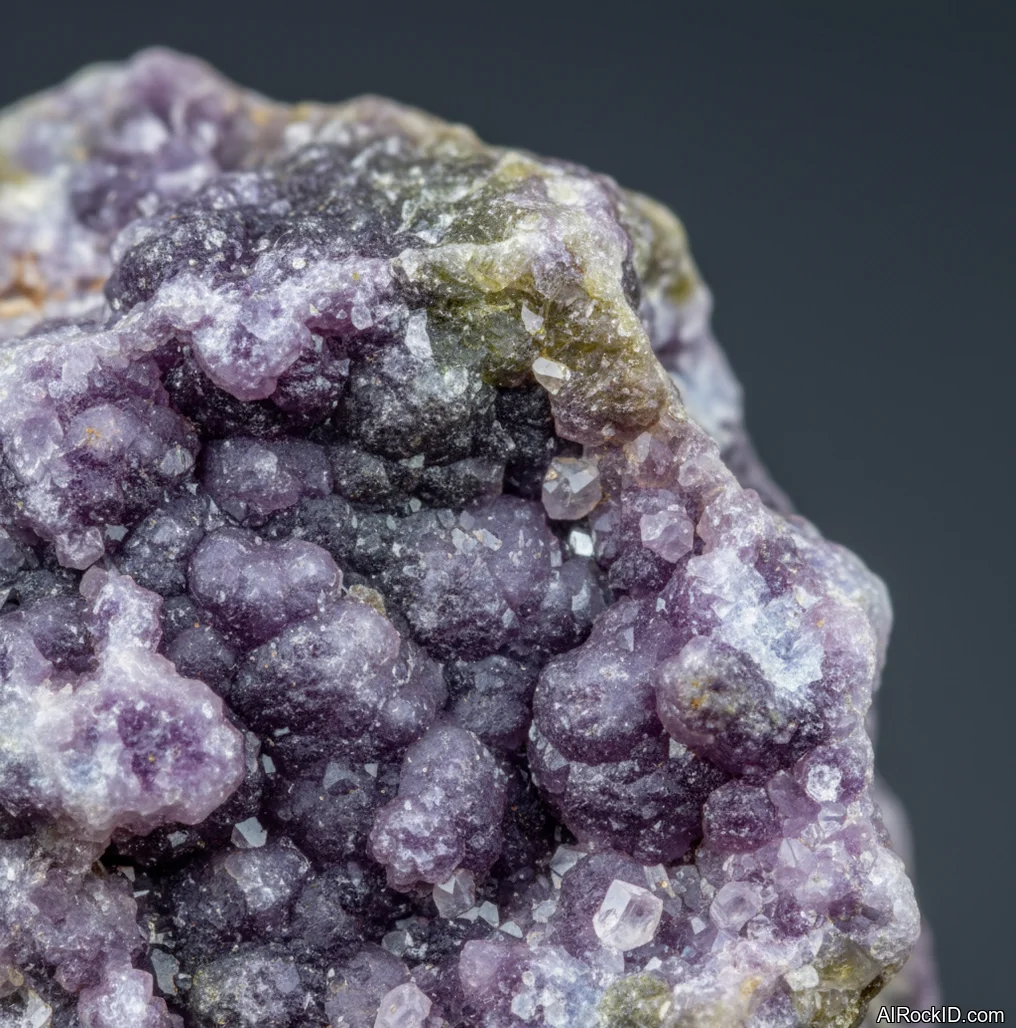
Phosphosiderite


Quick answer: Phosphosiderite is a hydrated iron phosphate best known for lilac, pink-purple, and reddish-violet colors. Because it is relatively soft and can resemble other purple minerals, identification should consider hardness, luster, transparency, and whether the specimen shows natural crystal habits or dyed/treated material.
AI Rock ID can help screen a phosphosiderite photo by comparing visible color, habit, luster, and texture against similar minerals. RockIdentifier.io provides crystal reference information that can be used alongside physical tests and seller details for a more reliable identification.
Good fit
- Collectors who want a soft purple phosphate mineral with distinctive pastel color
- Specimens intended for display rather than daily-wear jewelry
- Buyers comparing natural purple minerals that can look similar in photos
- People who prefer translucent to opaque stones with a gentle, matte-to-vitreous appearance
Not a good fit
- Rings, bracelets, or other jewelry that will be knocked or abraded often
- Situations where water exposure, ultrasonic cleaning, or harsh chemicals are likely
- Buyers who need a durable purple gemstone for everyday use
- Identification based on color alone, since several minerals can be purple or lavender
Most commonly confused with
- Sugilite: Sugilite is usually tougher-looking, more opaque, and commonly deeper purple, while phosphosiderite is softer and often pastel lilac to pink-purple.
- Lepidolite: Lepidolite is a mica with a flaky or platy texture, unlike the more massive, compact, or crystalline habit of phosphosiderite.
- Amethyst: Amethyst is quartz with much greater hardness and a glassy appearance, while phosphosiderite is softer and can look waxy or duller.
- Purpurite: Purpurite is commonly darker red-purple to violet and may show a more earthy surface, while phosphosiderite is often lighter lilac or pinkish purple.
Phosphosiderite vs. Similar Purple Stones
| Stone | Typical look | Key distinction | Durability clue |
|---|---|---|---|
| Phosphosiderite | Lilac to pink-purple, translucent to opaque | Hydrated iron phosphate with relatively soft hardness | Mohs about 3.5–4 |
| Sugilite | Rich purple, often opaque | Usually more saturated and massive-looking | Generally harder than phosphosiderite |
| Lepidolite | Lavender to purple with mica sheen | Flaky, scaly, or layered texture | Soft and splits along mica layers |
| Amethyst | Transparent to translucent violet quartz | Glassy quartz appearance and crystal points | Mohs 7 |
| Dyed Howlite | Purple color with possible gray veining | Dye may collect in cracks or look unnaturally even | Porous material often sold polished |
AI identification confidence
AI identification confidence for phosphosiderite is usually moderate from photos because its purple color overlaps with sugilite, lepidolite, purpurite, amethyst, and dyed materials. Confidence improves when images show crystal habit, surface texture, scale, multiple lighting angles, and any known hardness or locality information.
When AI gets it wrong
- A photo is strongly color-corrected, over-saturated, or taken under purple-tinted lighting
- The specimen is a polished cabochon or tumble with no visible natural texture
- Dyed howlite, dyed magnesite, or resin-filled material is photographed without close-up surface detail
- Only one image is provided and the app cannot compare hardness, streak, or specimen context
Final recommendation
Choose phosphosiderite when you want a collectible purple phosphate mineral and can protect it from abrasion, moisture, and impact. For jewelry that needs frequent wear, harder purple stones such as amethyst are usually more practical.
How to Check Phosphosiderite Before Buying
Ask for clear photos in daylight, including close-ups of the surface, edges, and any matrix. A reliable listing should state whether the piece is natural, stabilized, dyed, or sold as a lookalike. Be cautious with very bright, uniform purple pieces offered without mineral name, locality, or treatment information.
Photo Tips for More Accurate Identification
Photograph phosphosiderite on a neutral background in indirect natural light to avoid shifting its purple color. Include a scale object, a close-up of the surface, and at least one image that shows the whole specimen. If a safe hardness comparison is available, note whether the stone is easily scratched by common materials.
Natural vs. Treated Purple Material
Natural phosphosiderite color usually appears within the mineral rather than only in cracks or surface pores. Dyed substitutes may show concentrated color along fractures, unusually intense purple staining, or color transfer when improperly finished. Treatment disclosure is especially important for polished beads, cabochons, and inexpensive bulk parcels.
What Is Phosphosiderite?
Phosphosiderite is a hydrated iron phosphate mineral with the formula FePO4·2H2O. Most folks run into it as that soft lilac to raspberry-pink stuff cut into cabochons, because clean natural crystals are usually the kind of thing sitting behind glass at a show, not tossed into every dealer’s bargain bin.
Pick up a polished piece and you notice the feel right away. It’s gentle. Not heavy like hematite. Not glassy like quartz, either. Under a lamp it has this slightly buttery look, and the color can shift from dusty rose to a cooler purple depending on the light. I’ve handled plenty of stones that look amazing in photos and then fall flat in your hand, but phosphosiderite usually flips that. The color has depth, even when it’s a little cloudy.
But it’s not tough. Toss it in a pocket with keys and it’ll come back with little white scuffs and bruised edges (ask me how I know). This is a treat-it-like-calcite mineral, even though on paper it’s a hair harder.
Origin & History
Germany gets the naming nod here. Phosphosiderite was first described in the late 1800s, and the name pretty much says exactly what it is: “phospho” for phosphate, “sider” for iron. No poetry. Just a label that tells you what you’re holding.
Most collectors run into it while chasing iron-phosphate minerals in weathered pegmatites or poking around old, phosphate-rich zones. And if you’ve ever stood at a gem show with your fingers dusty from flipping cabochons, staring at a tray of pinkish stones and wondering why some tags say phosphosiderite while others claim “purple turquoise”, yeah, that’s part of the modern headache. The mineral is its own thing, but trade names get sloppy fast.
Where Is Phosphosiderite Found?
It shows up in a handful of phosphate localities worldwide, with a lot of the lapidary-grade material in the market tied to South America and Brazil.
Formation
Look at where phosphosiderite actually grows and the shape starts to click. Most of the time it shows up as chunky, massive material or a crust on a seam, not those big, clean crystal points people hope for. It’s a secondary mineral.
So you start with iron-bearing rocks or pegmatites, phosphate-rich fluids move through, and then time does its slow thing. Earlier phosphates and iron minerals get altered into hydrated iron phosphates.
Out in the field it usually sits in a little “phosphate neighborhood” with strengite, variscite, wavellite, plus other phosphates that feel kind of chalky or a bit waxy when you run a finger across a fresh surface (you can almost feel that dull drag). And the water in the structure matters. In hot, dry conditions some phosphates can shuffle their water content and their look can drift over time, which is why I’m not a fan of leaving phosphosiderite in direct sun or parked under those display-case lights that make the glass warm to the touch. Why risk it?
How to Identify Phosphosiderite
Color: Most material is pink, lilac, mauve, or purple, sometimes with white or tan patches from mixed phosphate matrix. The color is often slightly uneven, with cloudy zones rather than sharp banding.
Luster: It’s usually waxy to dull on massive pieces, and can look vitreous on better polished surfaces.
If you scratch it with a copper penny, it may mark or at least take a dull scuff, which surprises people used to harder “purple stones”. The real test is the feel and the look together: it tends to stay cool to the touch and the polish looks soft, not mirror-bright like dyed agate. And if a seller is calling it “purple turquoise,” ask for a hardness and a specific gravity, because phosphosiderite behaves like a soft phosphate, not like true turquoise.
Common Look-Alikes
Phosphosiderite is sometimes confused with these materials:
- Purpurite (often sold as phosphosiderite; tends to look more brick-purple and earthy, and it’s usually a bit tougher)
- Lepidolite (lilac mica; sparkly, flaky platelets instead of that smooth, waxy cab look)
- Sugilite (purple cab material; usually denser and more opaque, with a different “plastic-waxy” polish)
- Dyed magnesite or dyed howlite (takes bright pink/purple dye easily; dye loves cracks and drill holes)
- Dyed chalcedony/agate sold as “purple phosphosiderite” (color can look too even, with dye halos along fractures)
- Purple glass or resin cabochons (too uniform, too clean, and they feel warm fast in the hand)
Market Cautions & Treatments
When AI Can Get This Wrong
In photos, AI trips hardest on purple cab materials: lepidolite, sugilite, and dyed howlite/magnesite all get called phosphosiderite because the lilac range overlaps and polish hides texture. The real test is hands-on: phosphosiderite feels softer and a little “buttery” in luster, and a steel needle will bite a hidden edge easier than it will on chalcedony or most sugilite. If the purple looks perfectly even with dark seams in cracks, assume dye until a loupe says otherwise.
Properties of Phosphosiderite
Physical Properties
| Crystal System | Orthorhombic |
| Hardness (Mohs) | 3.5-4 (Soft (2-4)) |
| Density | 2.7-2.9 |
| Luster | Waxy |
| Diaphaneity | Translucent to opaque |
| Fracture | Uneven |
| Streak | White |
| Magnetism | Non-magnetic |
| Colors | Pink, Lilac, Purple, Mauve, Rose, Reddish pink, White (as matrix) |
Chemical Properties
| Classification | Phosphates |
| Formula | FePO4·2H2O |
| Elements | Fe, P, O, H |
| Common Impurities | Al, Mn |
Optical Properties
| Refractive Index | 1.69-1.72 |
| Birefringence | 0.020 |
| Pleochroism | Weak |
| Optical Character | Biaxial |
Phosphosiderite Health & Safety
Day-to-day handling is safe. But like any mineral, don’t breathe in the dust if you’re grinding or sanding it (that fine, chalky powder that hangs in the air for a bit).
Safety Tips
If you’re going to cut or polish it, run water the whole time, put on a respirator, then rinse the gritty slurry off your tools and scrub your hands clean afterward (that stuff gets into every little groove).
Phosphosiderite Value & Price
Price Range
Rough/Tumbled: $10 - $120 per piece
Cut/Polished: $2 - $15 per carat
Prices jump fast once the purple is clean and really saturated, especially if the surface has a crisp polish you can feel when you run a fingernail across it. And pieces with crystals or those sharp, pseudomorph-like habits usually cost more. But most of what you’ll actually run into is cab material with a bit of cloudiness in it (the kind that shows up as a milky haze when you tilt it under a light).
Durability
Nondurable — Scratch resistance: Fair, Toughness: Poor
It can scratch and bruise easily and should be kept away from heat, harsh cleaners, and prolonged direct sunlight.
How to Care for Phosphosiderite
Use & Storage
Store it separately from harder stones, ideally in a soft pouch or a compartmented box. If you stack it in a bowl with quartz, the quartz will win every time.
Cleaning
1) Rinse briefly with lukewarm water. 2) Use a mild soap and your fingers or a very soft cloth to wipe the surface. 3) Rinse and pat dry, then let it air-dry fully before putting it away.
Cleanse & Charge
If you do energetic cleansing, keep it gentle: smoke, sound, or a quick pass over selenite works fine. I wouldn’t bake it in sun or leave it soaking overnight just because it’s “a water stone.”
Placement
On a desk or nightstand it looks great, but keep it where it won’t get knocked onto tile. A little museum putty under a display piece saves a lot of heartbreak.
Caution
Skip ultrasonic cleaners, steam cleaning, and anything with harsh chemicals. And don’t wear phosphosiderite rings every day. The edges really do chip (especially around the corners), and the polish goes cloudy fast.
Works Well With
Phosphosiderite Meaning & Healing Properties
Next to the flashier stones, phosphosiderite feels quiet the second you pick it up. When I’m sorting trays at the shop with those little paper labels and the overhead lights glaring off everything, it’s the one that somehow makes people talk softer without even noticing. Not science. Just a weirdly consistent thing I’ve seen happen, over and over.
In crystal-healing circles, people usually connect it with calming, emotional processing, and gentle support during stress. I take that as personal and symbolic, not medical. Still, I get the impulse. The color just reads like “soft landing,” and the surface has that soothing feel, kind of like sea glass that never fully frosted over (still smooth, but not glossy).
But the practical part gets skipped a lot. If you use it as a pocket stone, it’ll get beat up fast, and once phosphosiderite is scratched up, it doesn’t hit the same for most people. So I usually tell folks to keep a nicer piece at home for meditation or quiet time, and carry something tougher if they want a daily worry stone.
Common mistakes
- Identifying any lilac stone as phosphosiderite based only on color
- Assuming a polished purple bead is natural phosphosiderite without treatment disclosure
- Using ultrasonic cleaners or soaking because the specimen appears solid
- Comparing it to amethyst without accounting for the large hardness difference
- Overlooking lepidolite’s flaky mica texture when evaluating lavender specimens
- Expecting phosphosiderite to perform like a durable everyday jewelry stone
Identify Phosphosiderite from a photo
Compare Phosphosiderite traits, care tips, value clues, and common lookalikes with a clear photo.