Fuji Lava Stone 2
What Is Fuji Lava Stone 2?
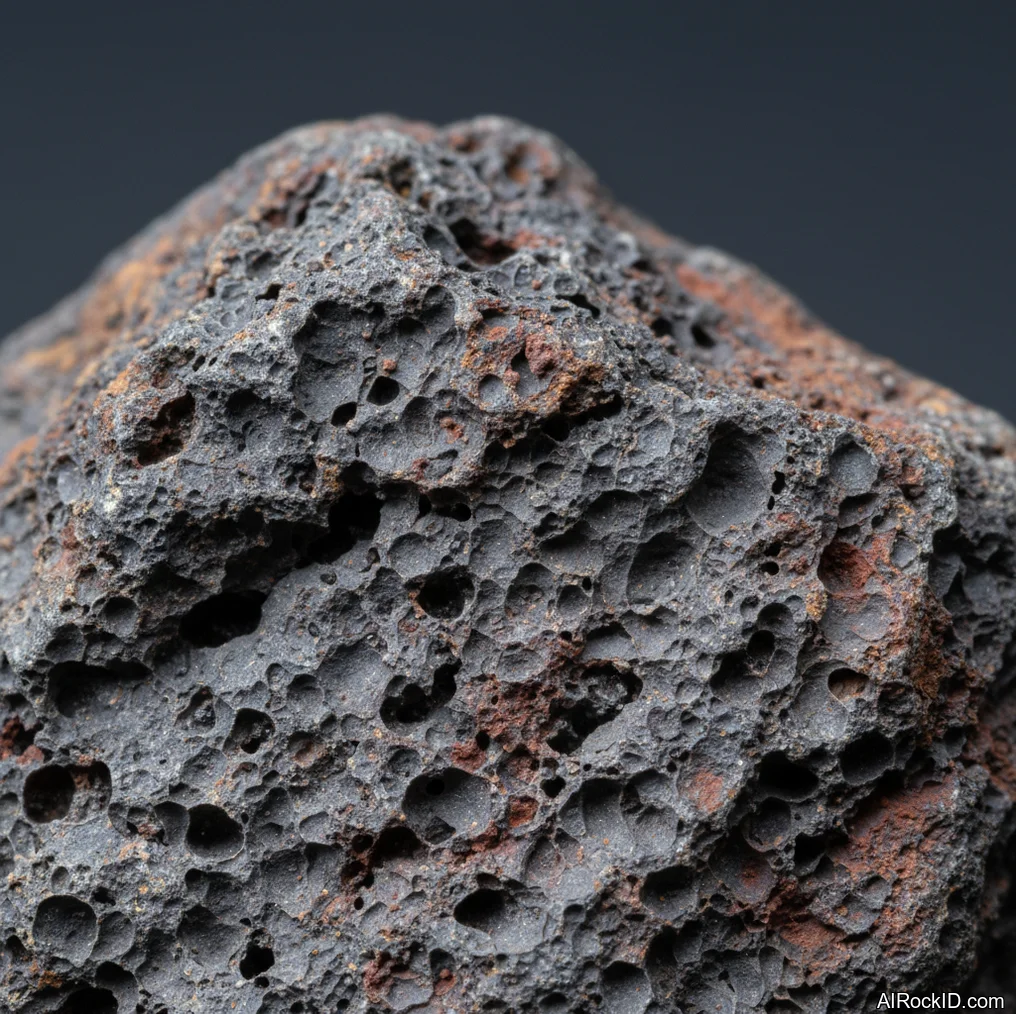
Fuji Lava Stone 2 is basically a trade name people use for porous basaltic lava rock (often scoria-like) tied to the Mount Fuji volcanic area in Japan. Grab a piece and you notice the surface right away. It’s not slick like obsidian. It has this grippy, peppery texture, and the tiny holes kind of snag on the ridges of your fingerprints.
From across the table it can pass as just another black rock. But once it’s in your hand, it’s pretty easy to spot. It’s usually lighter than folks expect because of all the vesicles, and it has that dead-matte finish that sort of eats light instead of kicking it back. I’ve handled a lot of “lava stone” beads at shows, and the strands labeled Fuji tend to have more uniform, small pores than the chunkier, frothier stuff that gets sold as generic volcanic rock (you can feel the difference just rubbing your thumb across it).
But here’s where things get messy. Plenty of material is just basalt from somewhere else, not Japan, and it still gets tagged “Fuji” because it moves. The upside? You’re not buying it for gemmy transparency or rare chemistry. You’re buying a tactile volcanic rock. And honestly, the feel is half the point.
Origin & History
“Lava stone” isn’t a single mineral name, so there isn’t one official “first described” moment the way there is for a brand-new mineral species. It’s more of a catch-all label. Basalt, though, is a real rock type that got described and pinned down back in the early days of geology, and the word itself runs back through Latin usage, “basaltes,” for a very hard, dark stone.
And the “Fuji” bit? That’s modern trade naming. Dealers started using it to nudge buyers toward the Mount Fuji volcanic region, because it’s one of the most recognizable volcano names on Earth. Historically, volcanic rocks around Fuji were used locally as building stone and aggregate, and today the same kind of material shows up as beads, palm stones, and simple carvings that lean hard on that volcano story.
Where Is Fuji Lava Stone 2 Found?
Basaltic lava rock occurs in volcanic regions worldwide. Material sold as “Fuji” is marketed as coming from the Mount Fuji area, but supply chains can be mixed.
Formation
Basalt flow chunks start out as runny magma loaded with iron and magnesium. It erupts, hits the surface, and cools fast. Really fast. That quick chill keeps the crystals tiny, so you won’t see big, obvious grains like you do in granite.
If the lava’s gassy, the bubbles don’t have time to escape. They get trapped as everything locks up, and you’re left with vesicles. That’s the holey texture people point at when they say “lava stone.”
On a fresh break, you can sometimes catch this salt-and-pepper look, like fine microcrystals sprinkled through a glassy groundmass (kind of like it snapped clean instead of crumbling). Some bits have denser patches with fewer holes. Others are so vesicular they feel almost like pumice’s cousin, just basaltic. And after it sits outside for a while, the outside skin can pick up a dusty brown film from iron oxidation, even when the inside stays charcoal black. How many rocks do that?
How to Identify Fuji Lava Stone 2
Color: Usually black to charcoal gray, sometimes with brownish weathering on the surface or in pores. The color is typically uniform, not banded.
Luster: Dull to earthy, with a matte surface that doesn’t flash under light.
Pick up a bead or a chunk and rub it with your thumb. Real lava rock feels dry and slightly abrasive, not slick like dyed glass or resin. The real test is the pores: they should look like irregular bubbles, not perfectly round drilled pits that repeat the same size. If you scratch it with a steel nail, you’ll often get a faint gray mark and a powdery feel from the fine-grained rock.
Properties of Fuji Lava Stone 2
Physical Properties
| Crystal System | Amorphous |
| Hardness (Mohs) | 5.5 - 6.0 (Medium (4-6)) |
| Density | 2.6 - 3.0 g/cm3 |
| Luster | Dull |
| Diaphaneity | Opaque |
| Fracture | Uneven |
| Streak | gray |
| Magnetism | Weakly Magnetic |
| Colors | black, charcoal gray, dark gray, brown (weathered) |
Chemical Properties
| Classification | Silicates |
| Formula | No single fixed formula (rock composed mainly of plagioclase feldspar and pyroxene, sometimes olivine, with minor iron oxides) |
| Elements | Si, O, Al, Ca, Na, Fe, Mg |
| Common Impurities | Ti, Mn, K |
Optical Properties
| Refractive Index | 1.50 - 1.60 |
| Birefringence | None |
| Pleochroism | None |
| Optical Character | Isotropic |
Fuji Lava Stone 2 Health & Safety
Normal handling is pretty low risk. Thing is, the real problem shows up when you start grinding, drilling, or sanding it, because that’s when you kick up dust.
Safety Tips
If you’re going to cut or drill, put on a respirator and keep the dust down with water. It makes a gritty little slurry that sticks to the surface (and your gloves). Then wash your hands when you’re done.
Fuji Lava Stone 2 Value & Price
Price Range
Rough/Tumbled: $5 - $40 per piece
Price mostly comes down to size, how clean the surface looks, and what form it’s in: loose beads, a bracelet, or a bigger display chunk you can actually feel the weight of in your palm. And that “Mount Fuji” label? It can bump the price even when the rock itself is just pretty standard basalt.
Durability
Moderate — Scratch resistance: Fair, Toughness: Good
It’s generally stable, but the porous texture chips on edges and can hold oils, soap, or dye in the pits.
How to Care for Fuji Lava Stone 2
Use & Storage
Store it away from softer polished stones that could pick up scuffs from the rough surface. If it’s jewelry, keep it in a pouch so the pores don’t collect lint.
Cleaning
1) Rinse briefly in lukewarm water. 2) Use a soft toothbrush with a drop of mild soap to lift grime from the pores. 3) Rinse well and air-dry completely before storing.
Cleanse & Charge
If you use it for intention work, a quick rinse and a full dry does the job for most people. Smoke cleansing is common too, especially since the stone itself is already a “fire” product in a literal sense.
Placement
On a desk it’s great as a worry stone substitute because it has traction. In a bowl with other stones, put it on top so it doesn’t scratch shinier pieces.
Caution
Don’t leave dyed lava beads sitting in water for ages. Some of the cheaper strands are color-treated, and the dye can leach out and bleed. And skip harsh cleaners or oily stuff if you’re trying to keep that dry, chalky matte look, because oils will darken the surface and make it look slick.
Works Well With
Fuji Lava Stone 2 Meaning & Healing Properties
Next to the flashy crystals, lava stone isn’t really here to sparkle. It’s more about how it feels in your hand. In my own little pile, it’s the one I reach for when I’m keyed up and I need something grounding in a plain, physical way. The surface is full of tiny holes, kind of like a pumice stone, so your fingertips have something to work on. Seems minor. It isn’t, not when you’re trying to slow your brain down.
Most dealers and makers pair lava stone with scent for a simple reason: the rock is naturally porous. A bracelet will hang onto a drop of essential oil longer than smooth agate or quartz, and you’ll get these quick little whiffs as you move around. But look, keep your expectations in check. That’s aromatherapy and habit-building, not medicine, and it’s not a substitute for treatment if you’re dealing with anxiety or sleep issues.
The tricky part with metaphysical talk around “Fuji” material is the story can run way ahead of the actual rock. If the origin isn’t documented, I treat it as lava stone first and a Mount Fuji souvenir second. And still, the volcano association is real enough in the most literal sense: you’re holding cooled magma. It’s a solid reminder of heat, pressure, and time (the real stuff), without pretending it’s going to fix your life.
Identify Any Crystal Instantly
Snap a photo and get properties, value, care instructions, and healing meanings in seconds.