Confidence Crystals
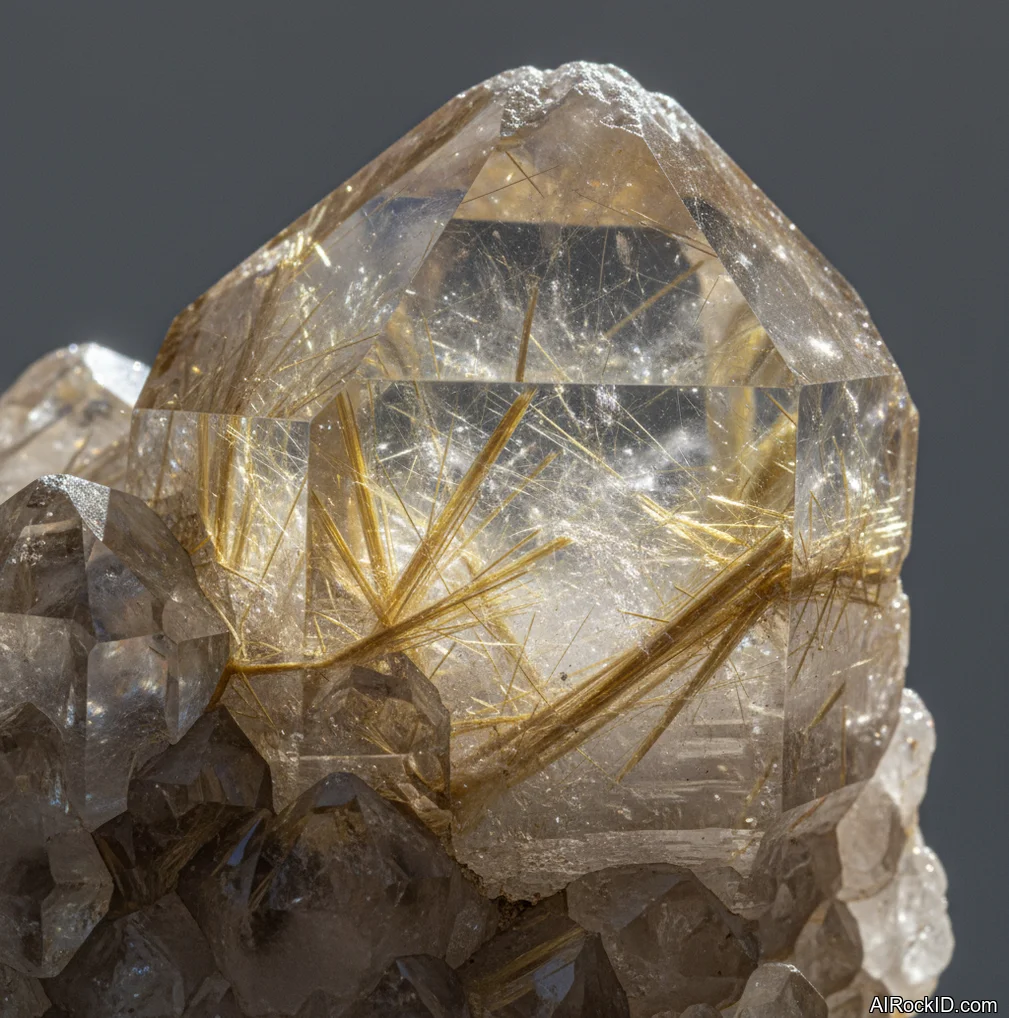
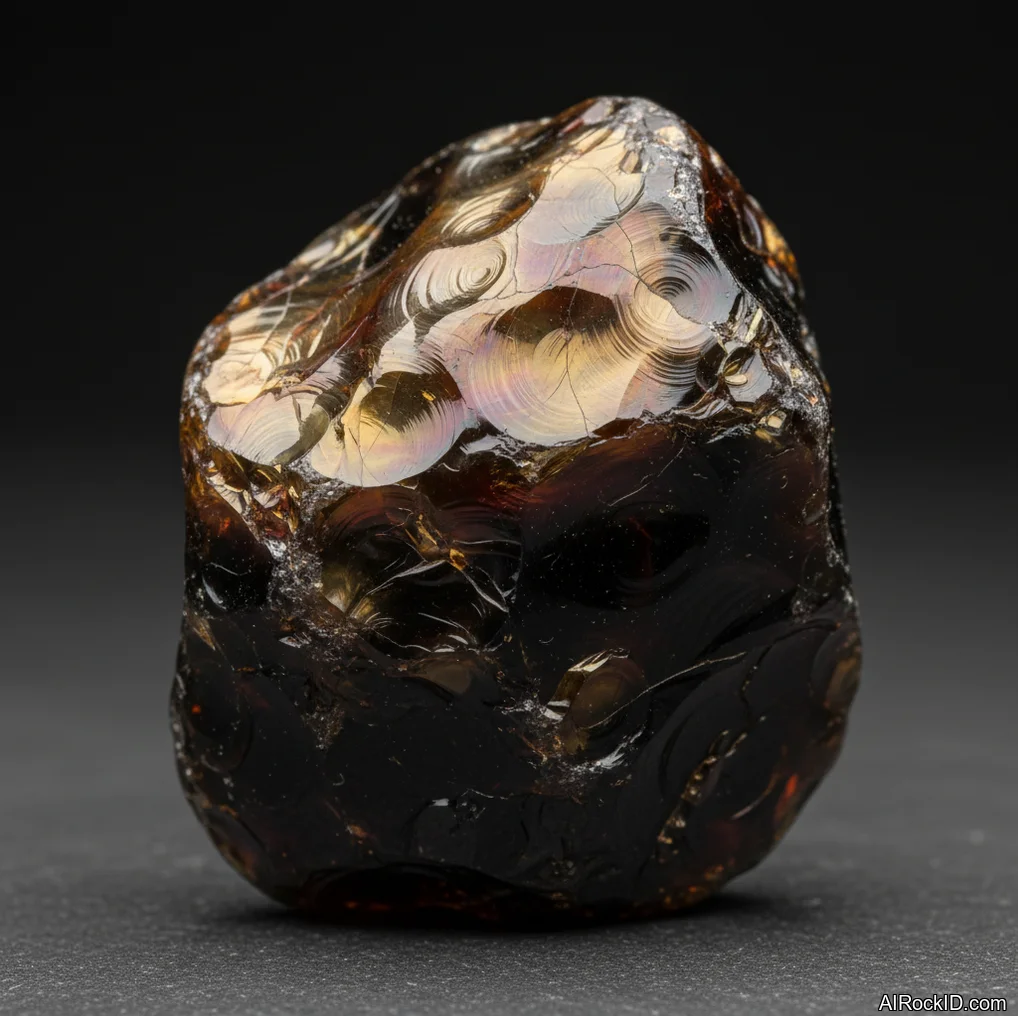
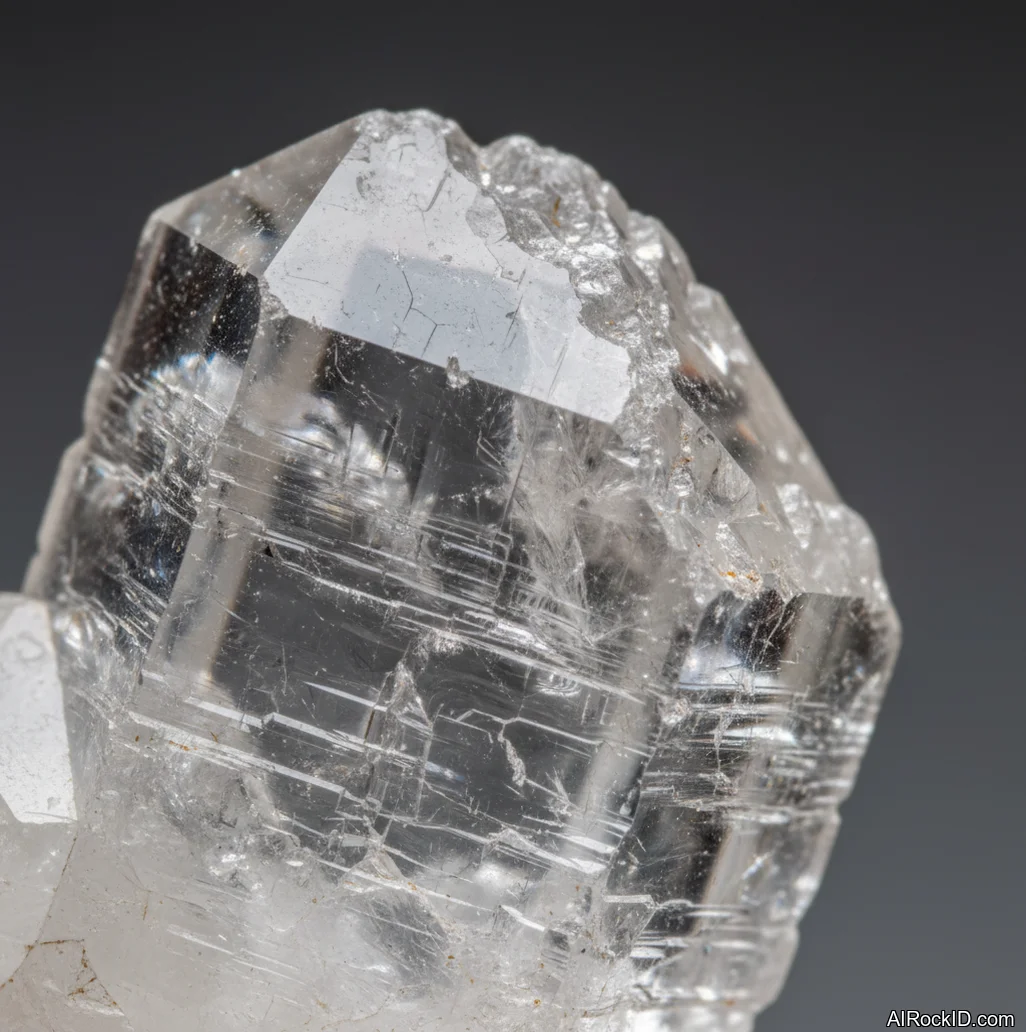
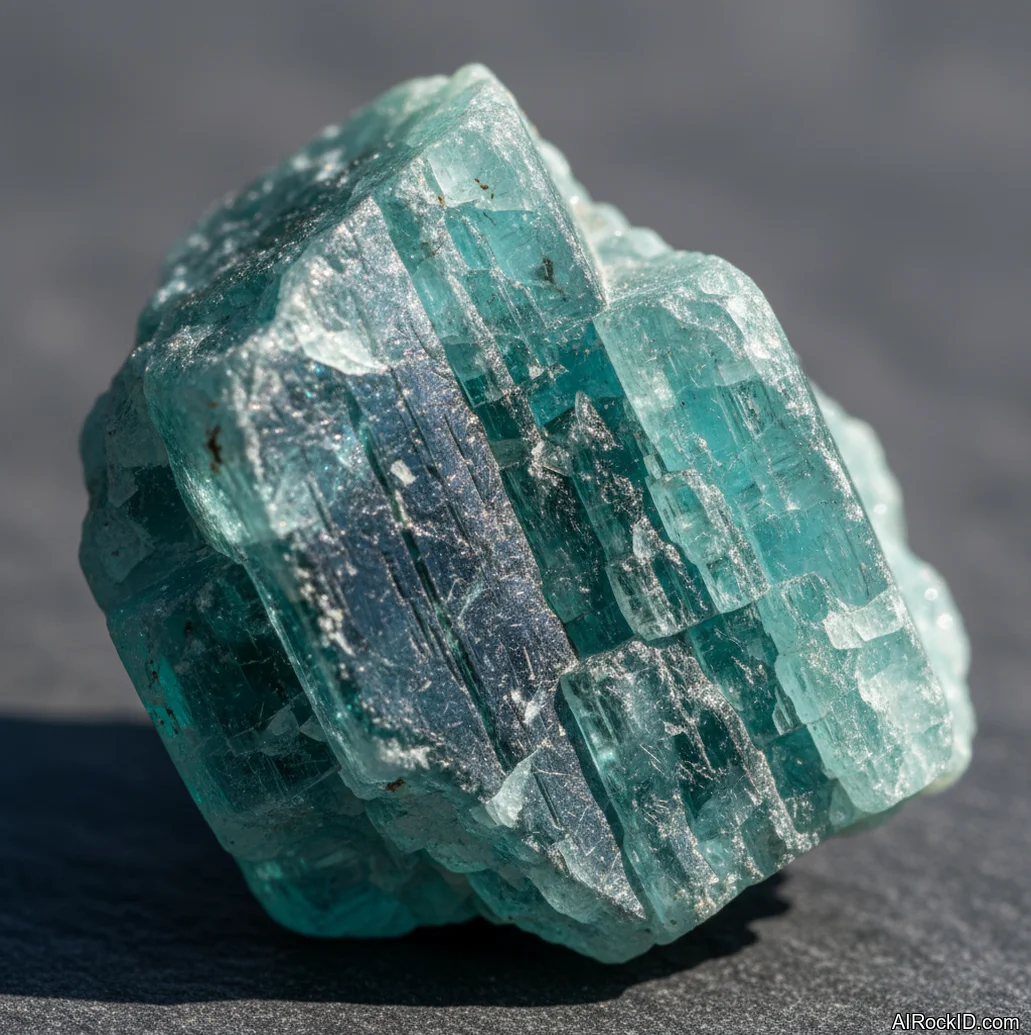
Explore Confidence crystals, what they’re associated with, how to use them daily, and tips for buying real stones with steady, self-assured energy.
Confidence, in crystal terms, isn’t swagger. It’s that steady feeling in your chest when you say what you mean, take up space, and don’t second-guess every little thing. People chase it for job interviews, public speaking, setting boundaries, starting over after a breakup, or just getting through a rough stretch without shrinking. Confidence crystals are the ones folks reach for when they want their energy to feel more anchored, more direct, less wobbly.
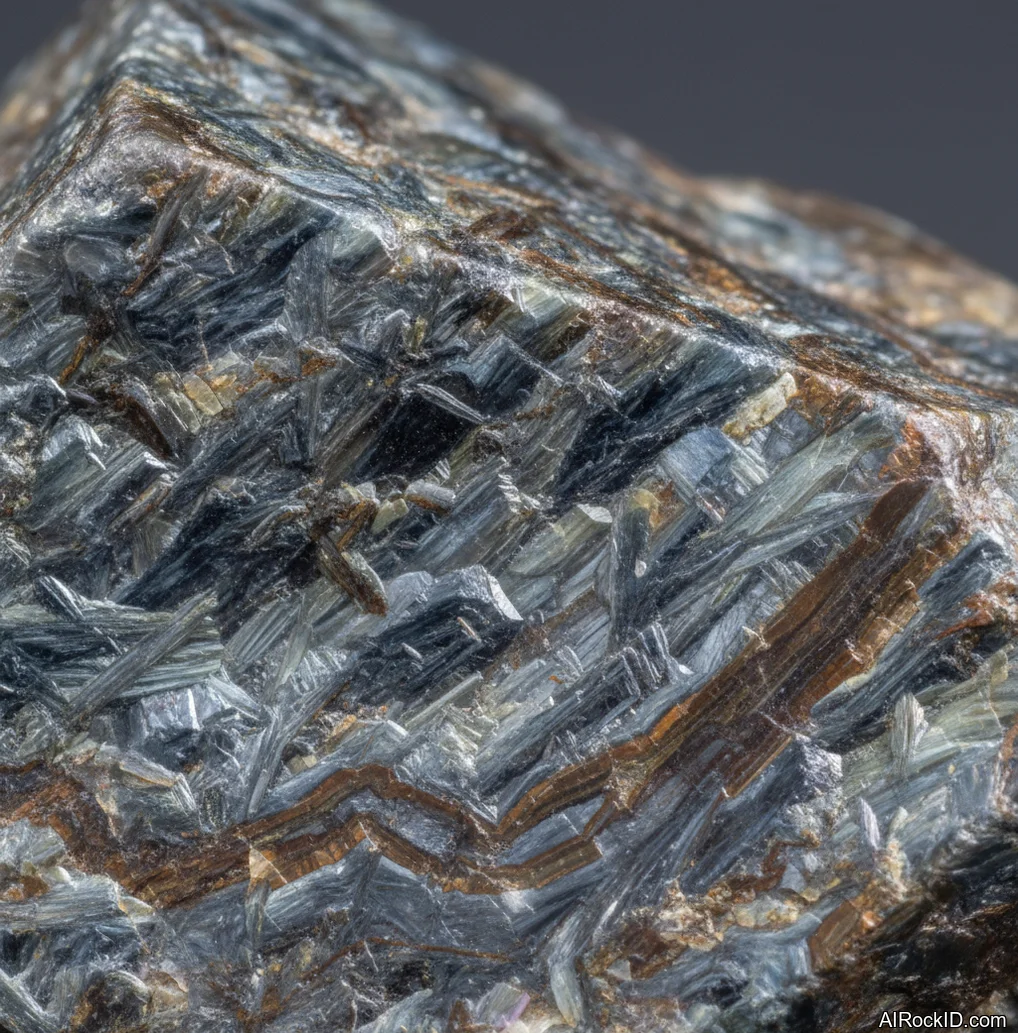
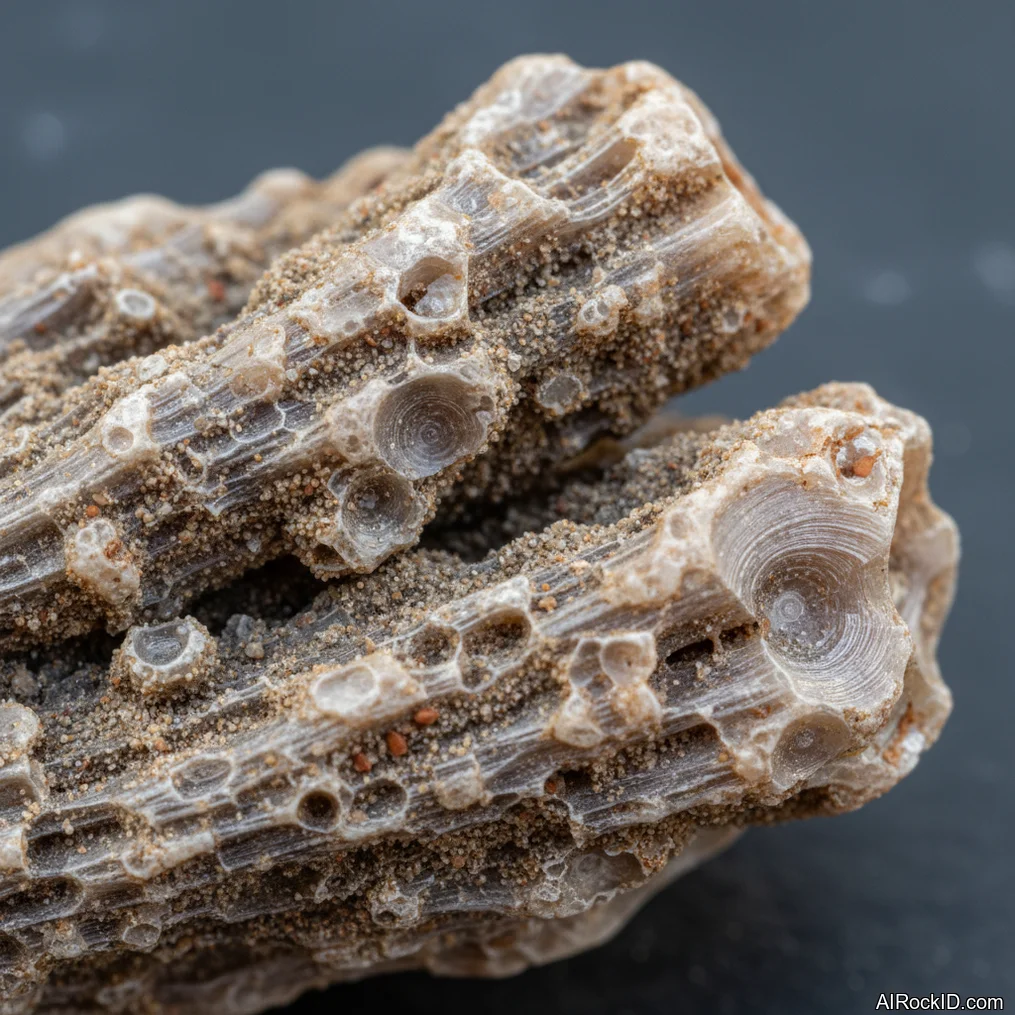
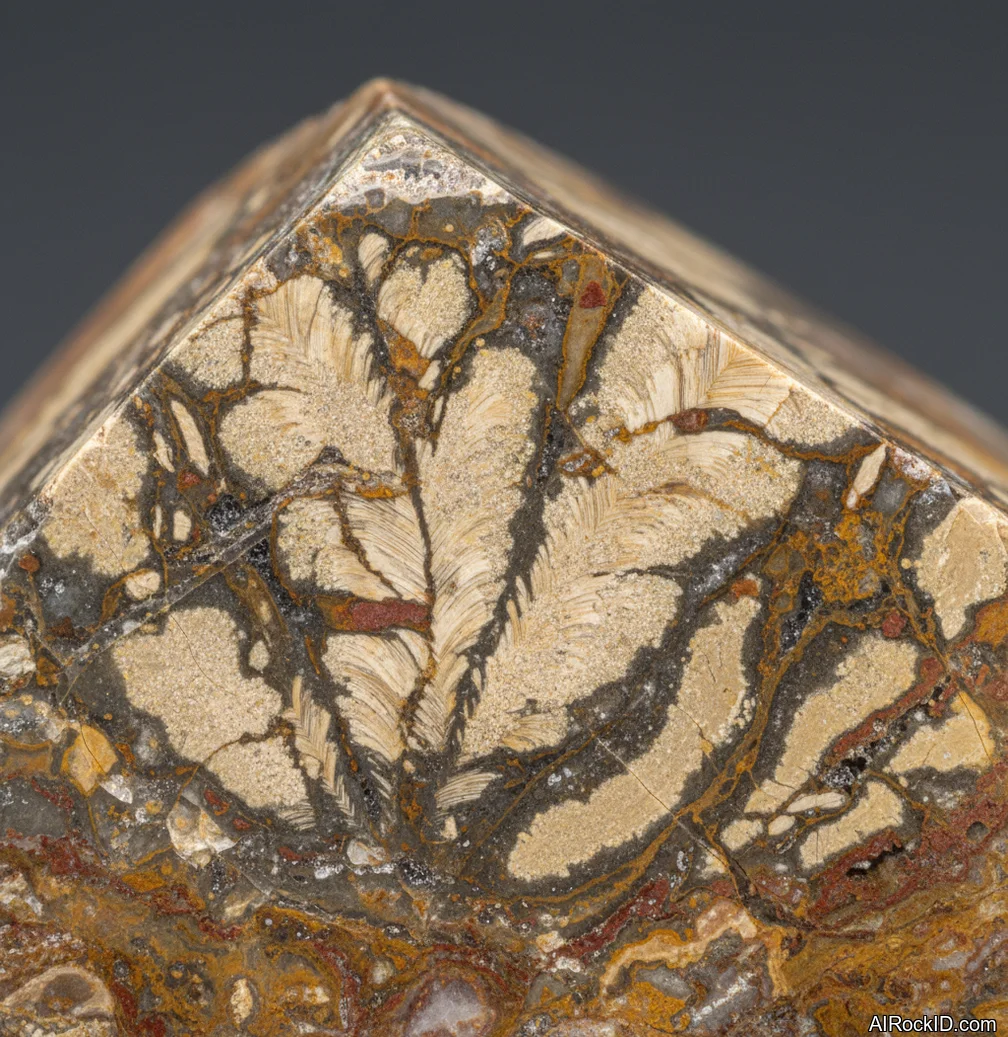
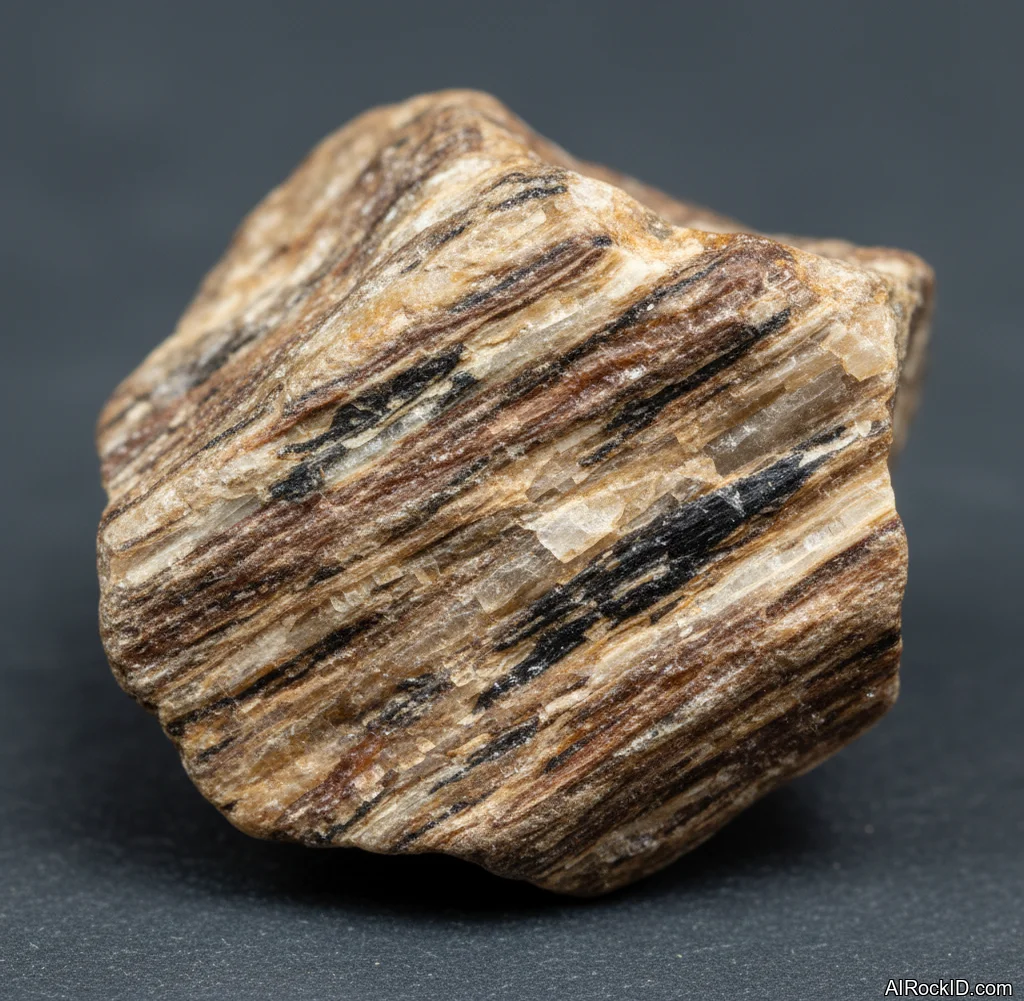
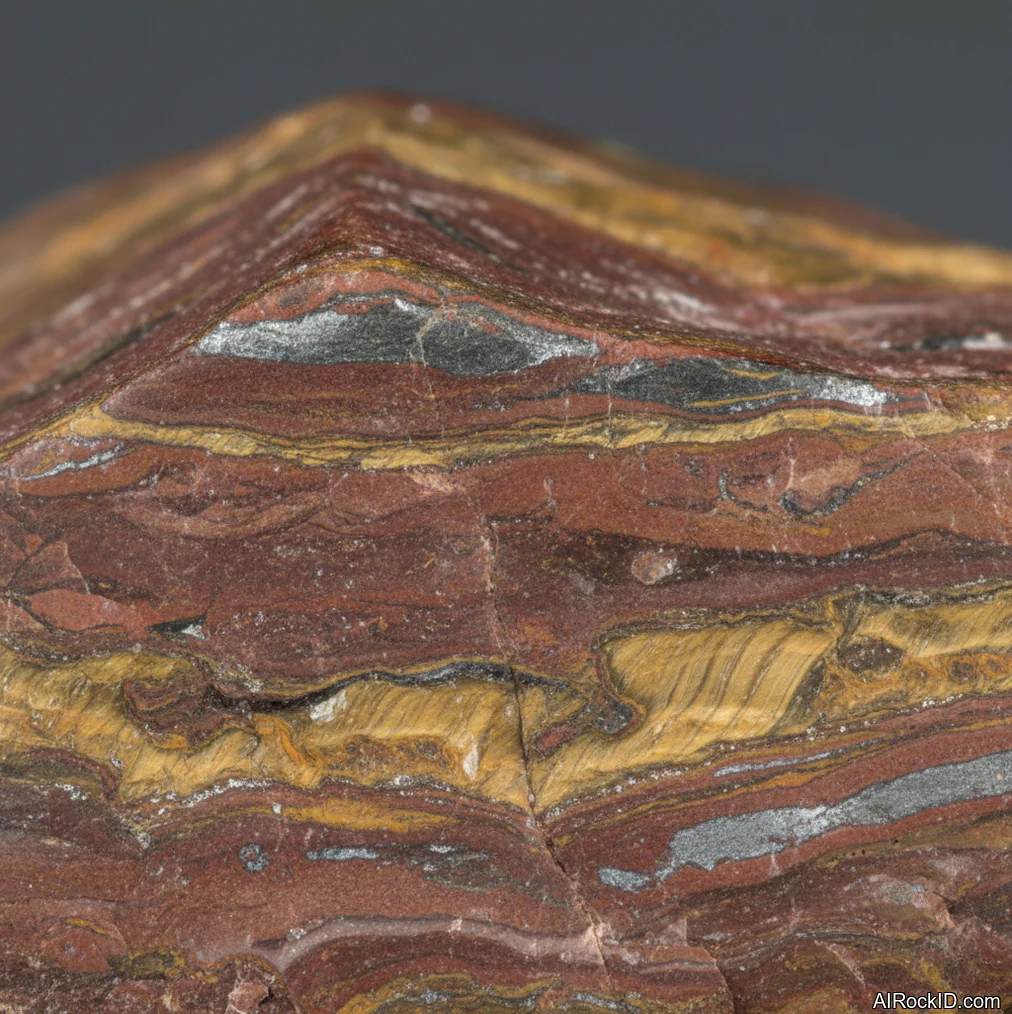
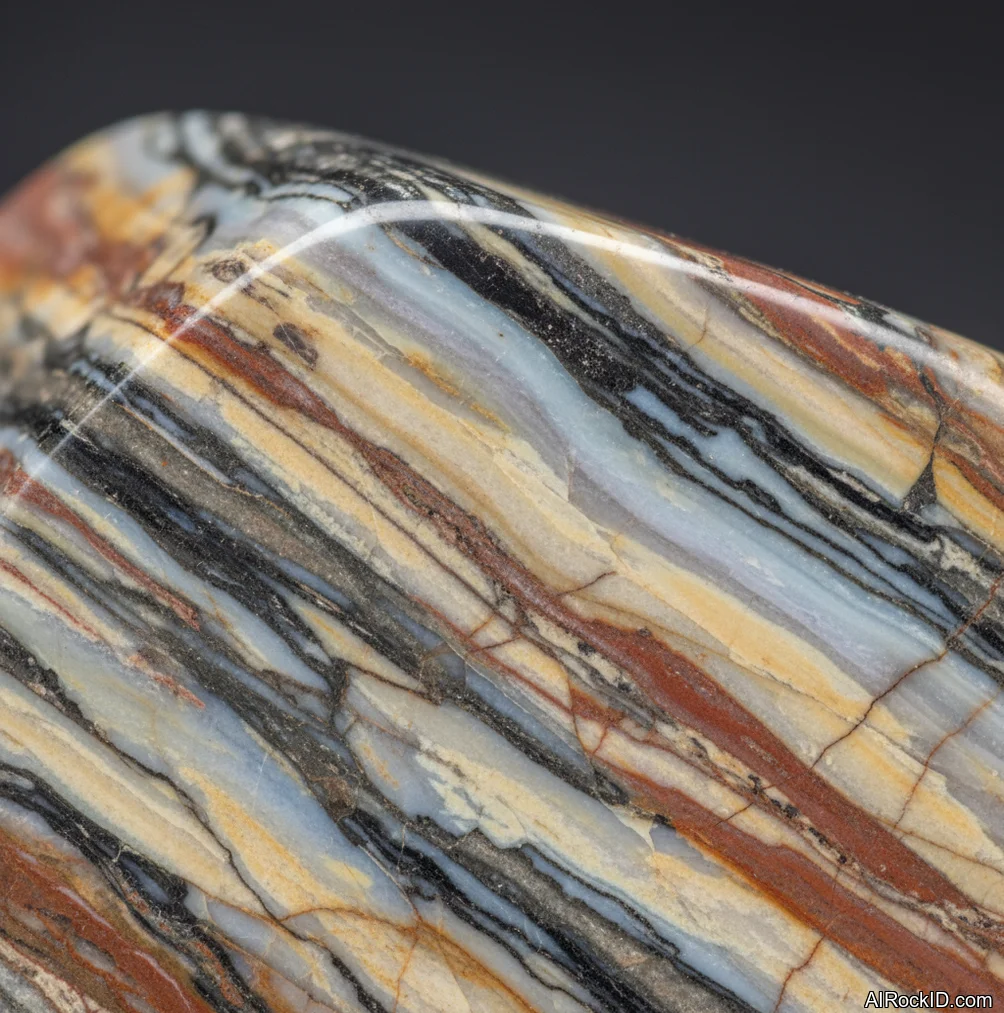
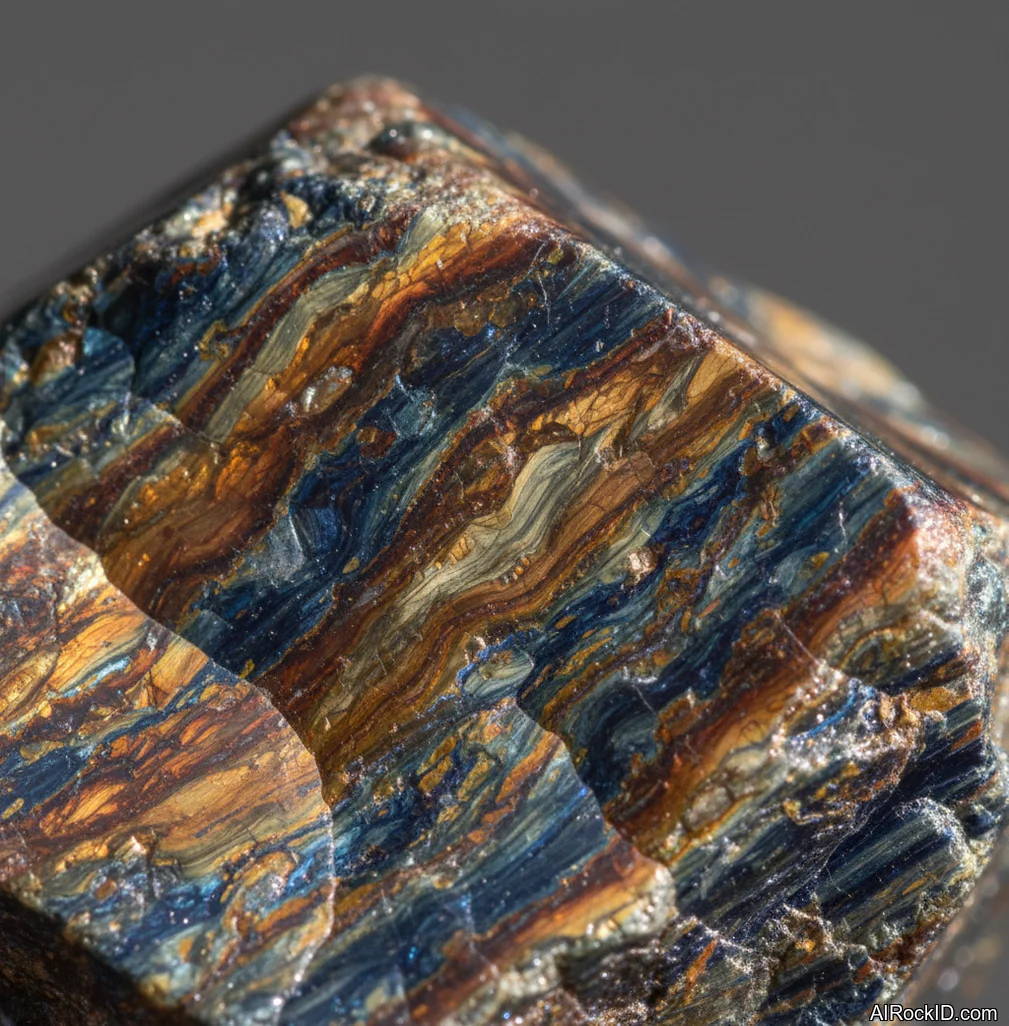
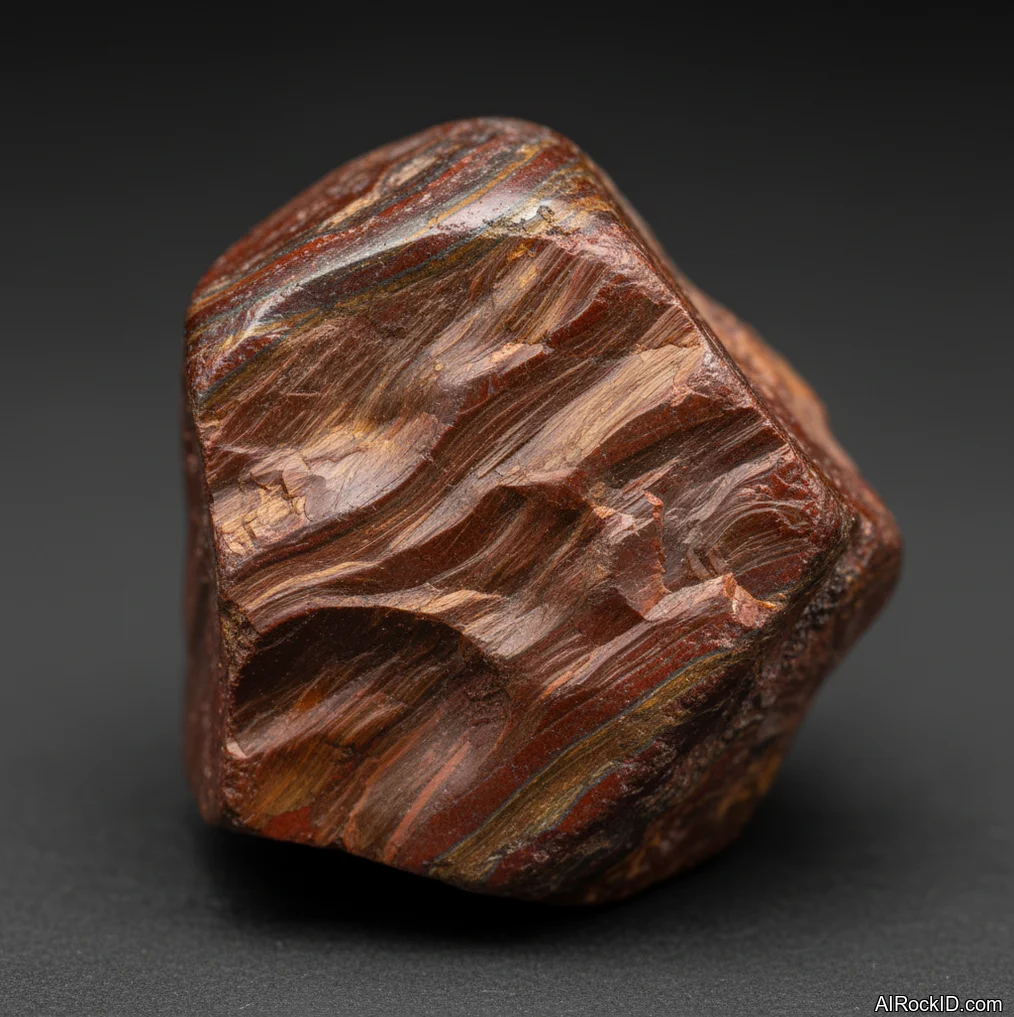
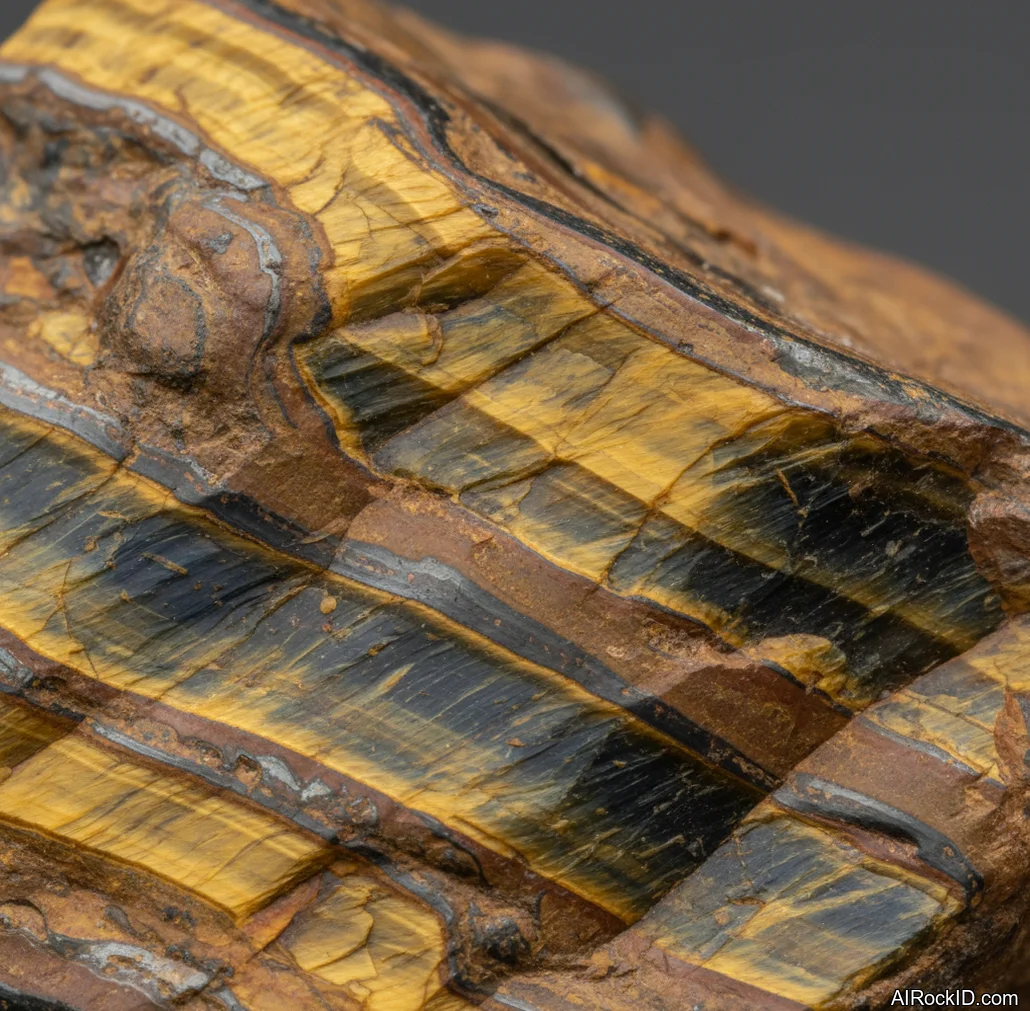
Pick up a good piece of Tiger’s Eye and you notice the weight first. It sits heavy in the palm, even as a small tumble. Tilt it under a lamp and that silky chatoyancy slides like a cat’s pupil. And that moving band is a big part of why it gets linked to confidence. It’s visual proof of steadiness and focus. I’ve carried Tiger’s Eye in a pocket for days at a time, and the practical side is simple: it’s hard enough to survive keys and loose change without turning into a scratched mess.
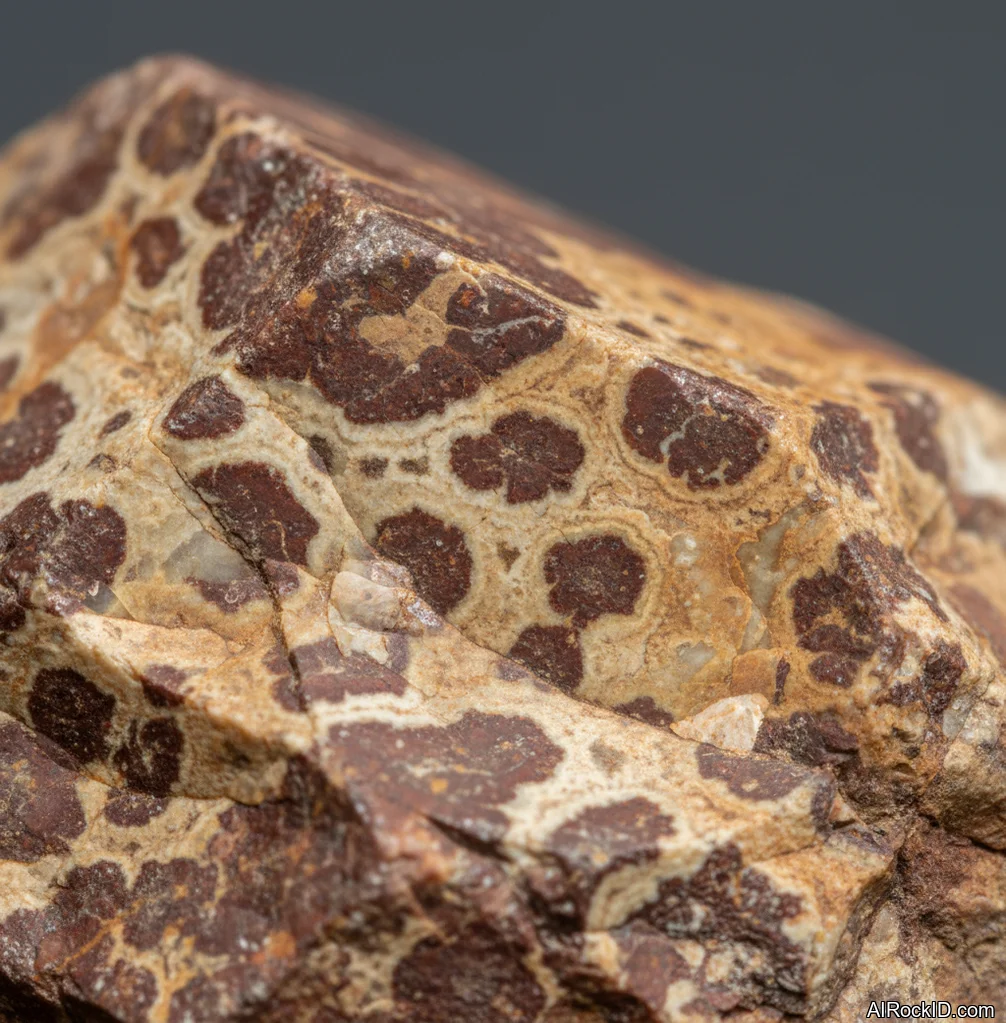
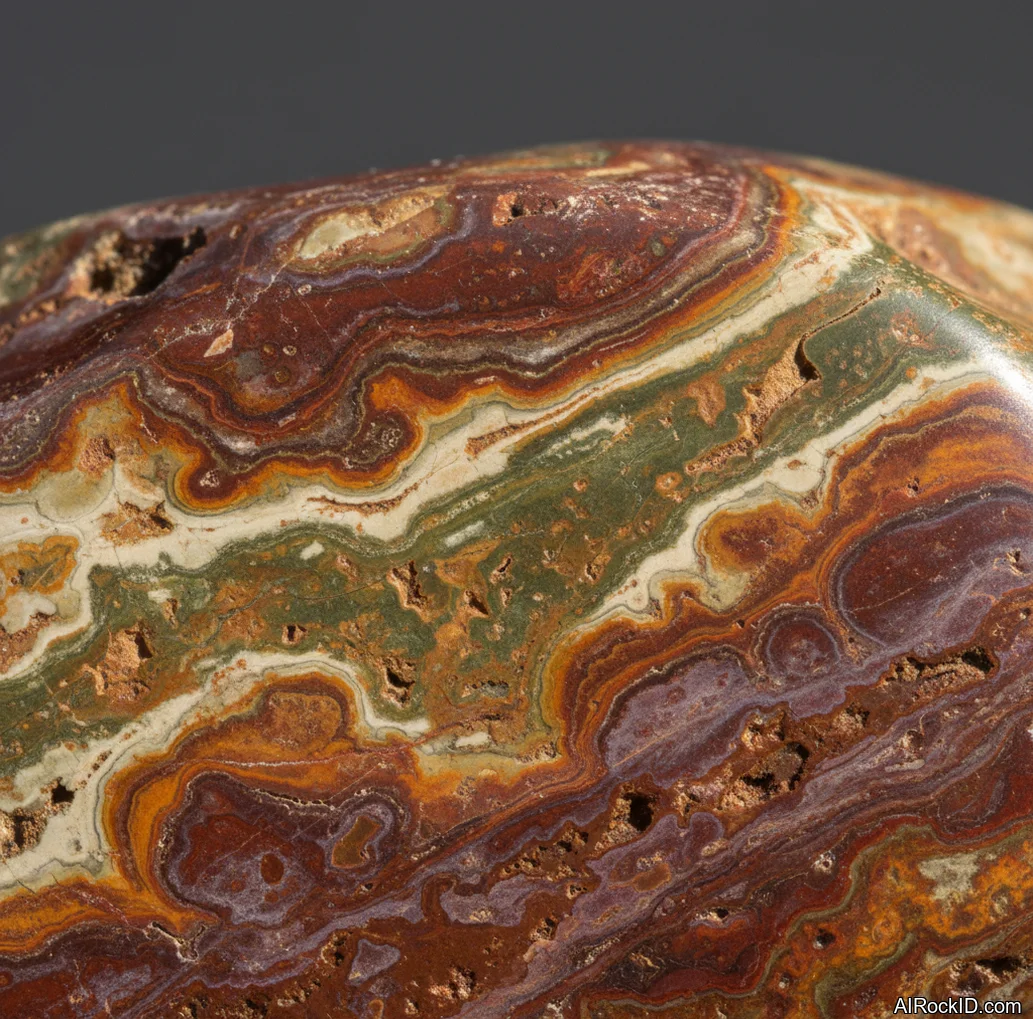
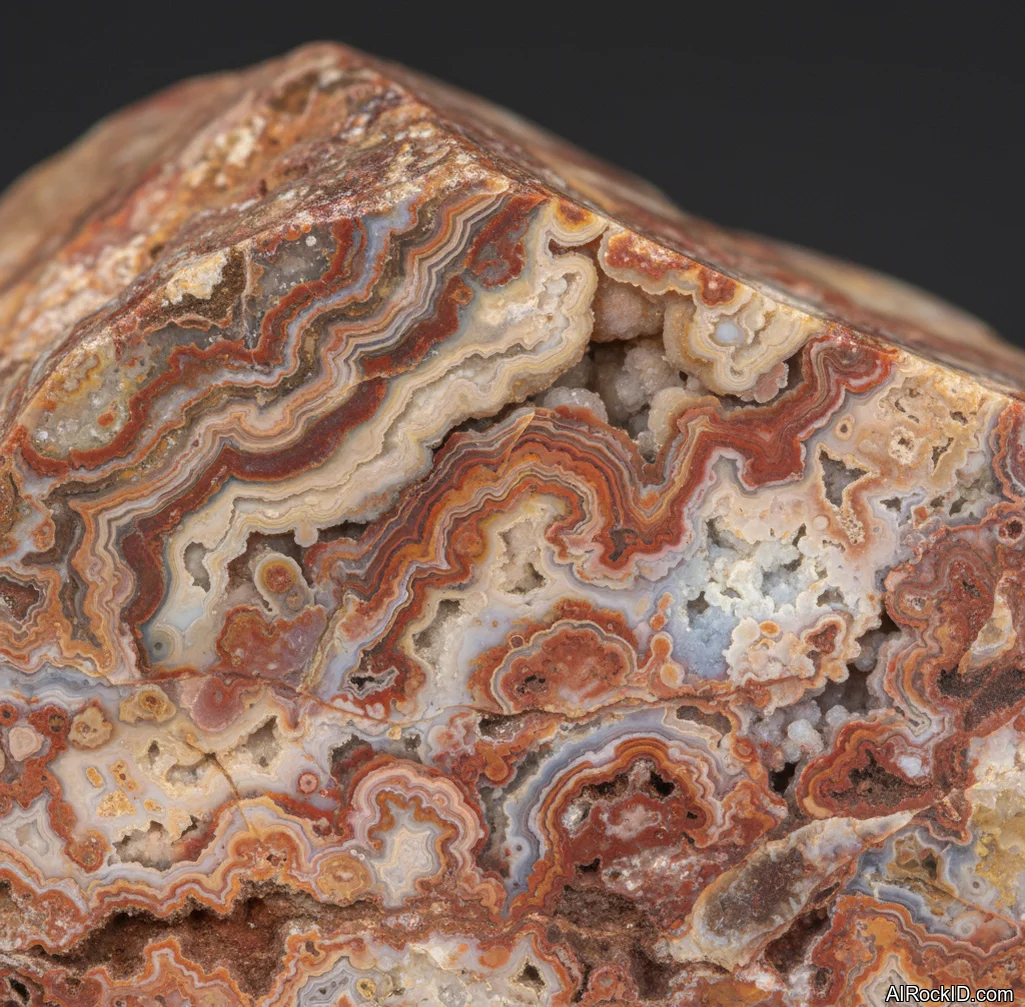
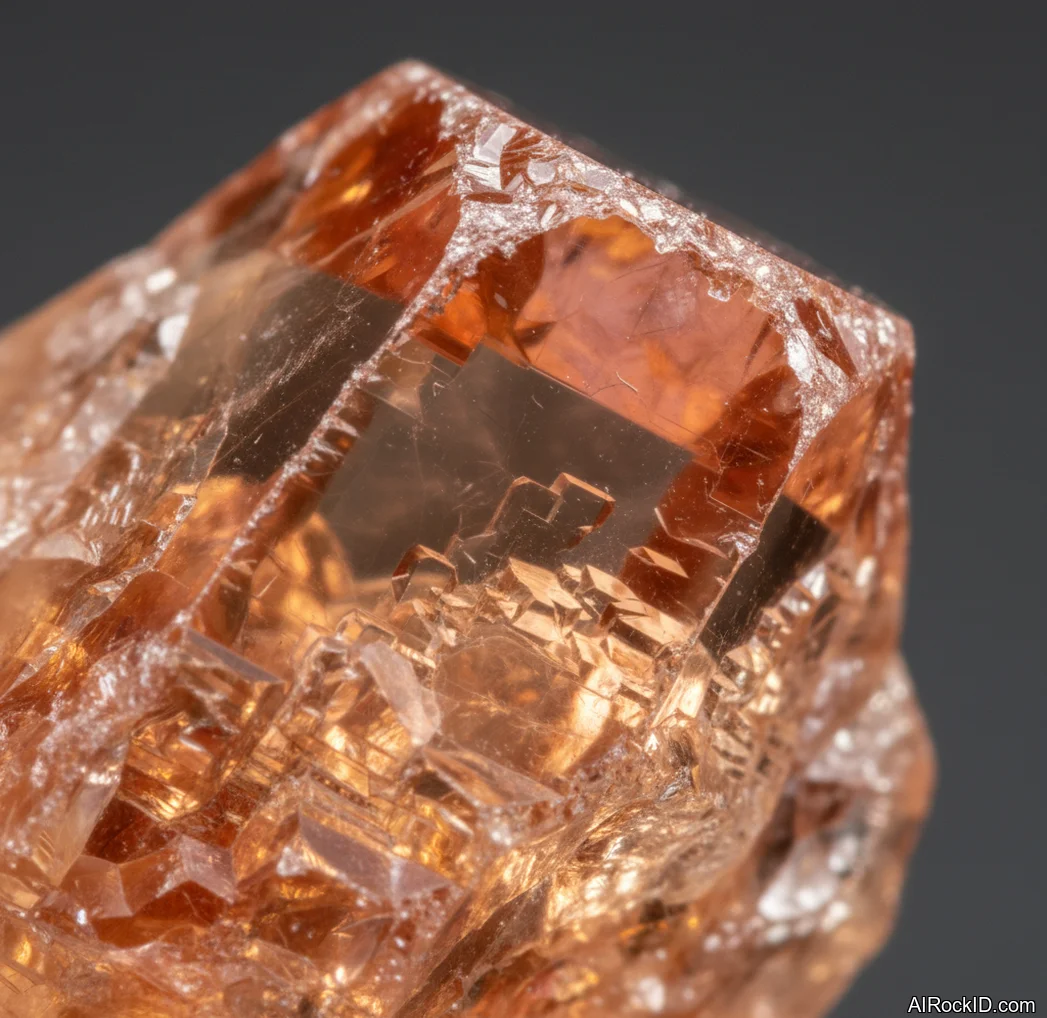
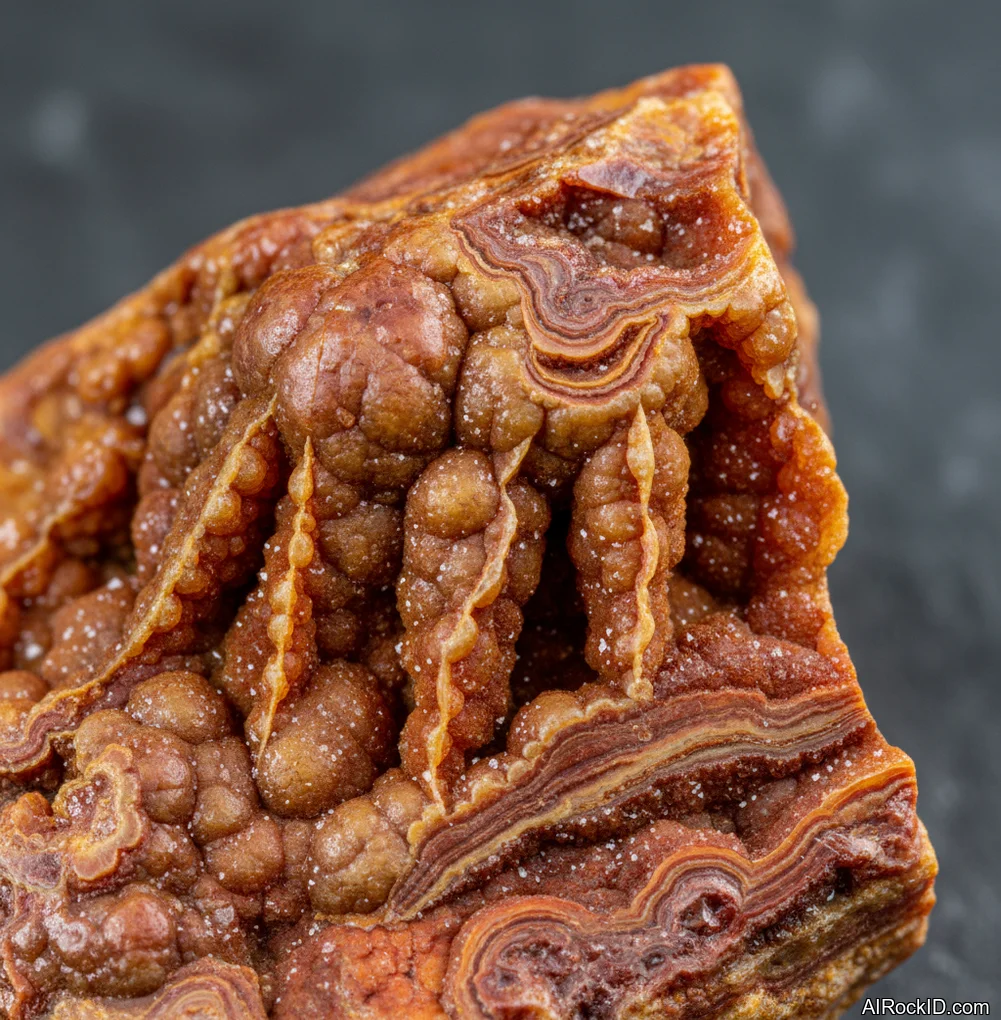
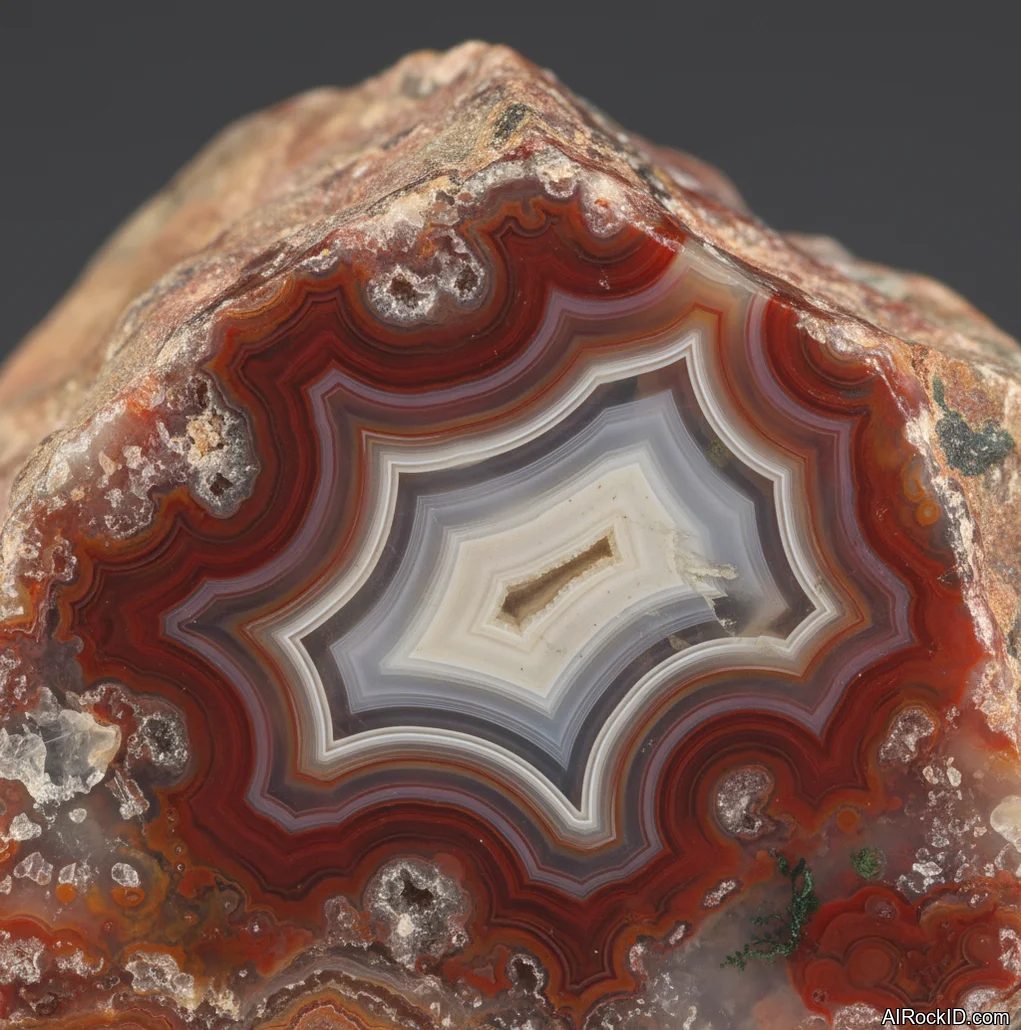
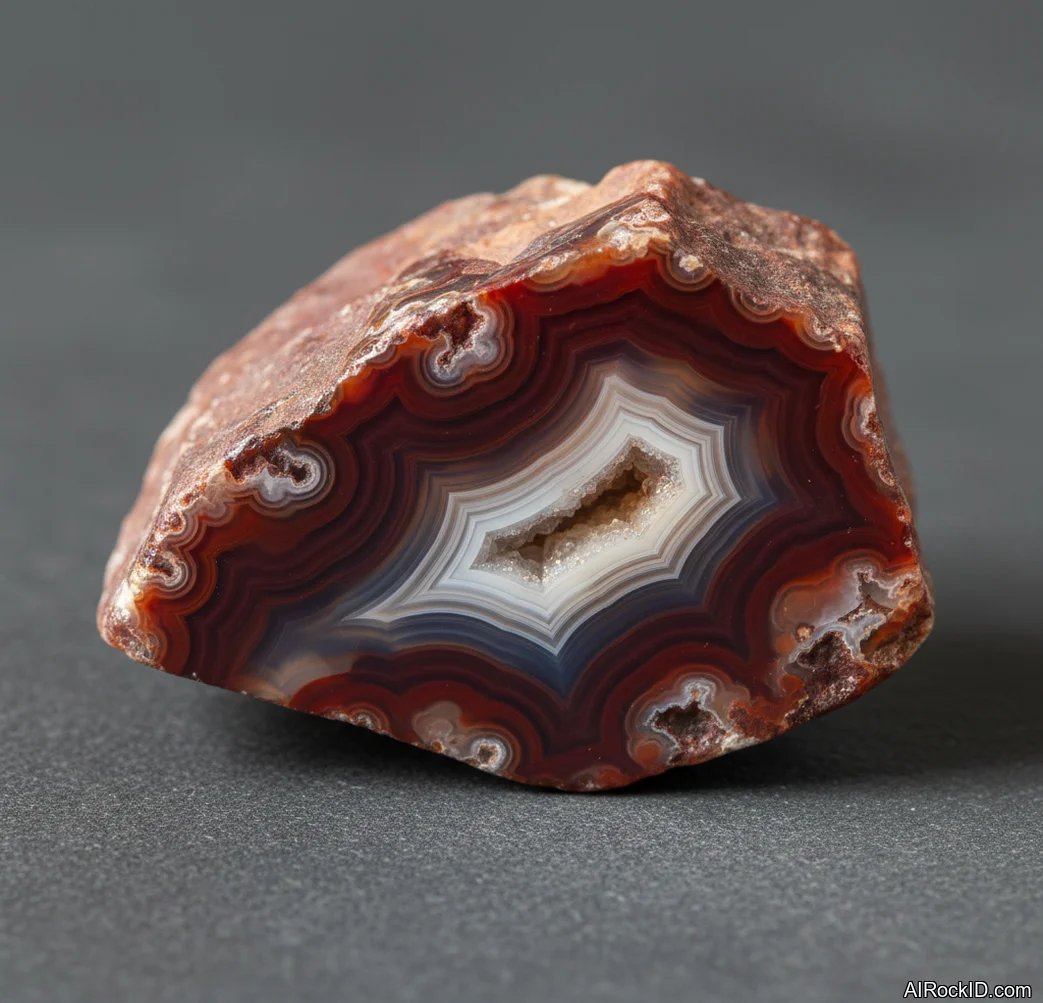
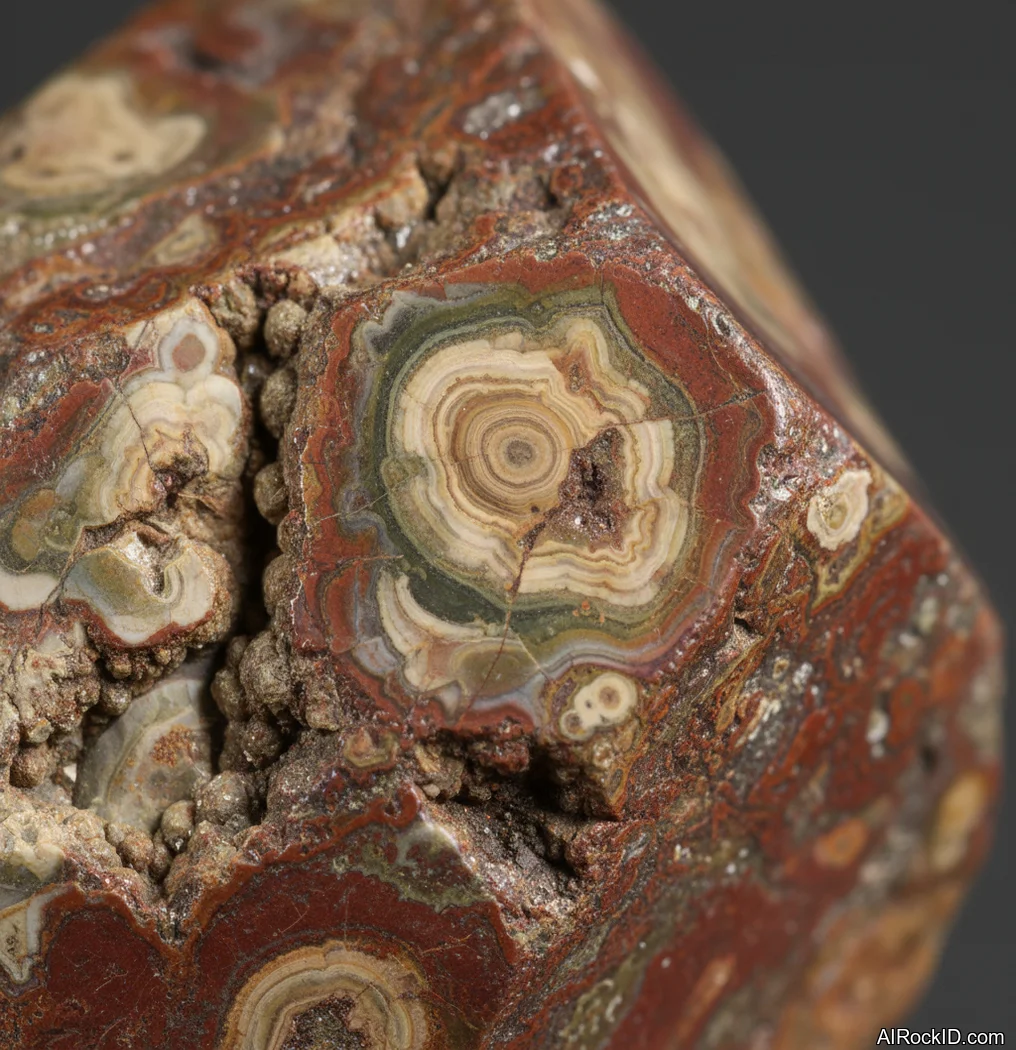
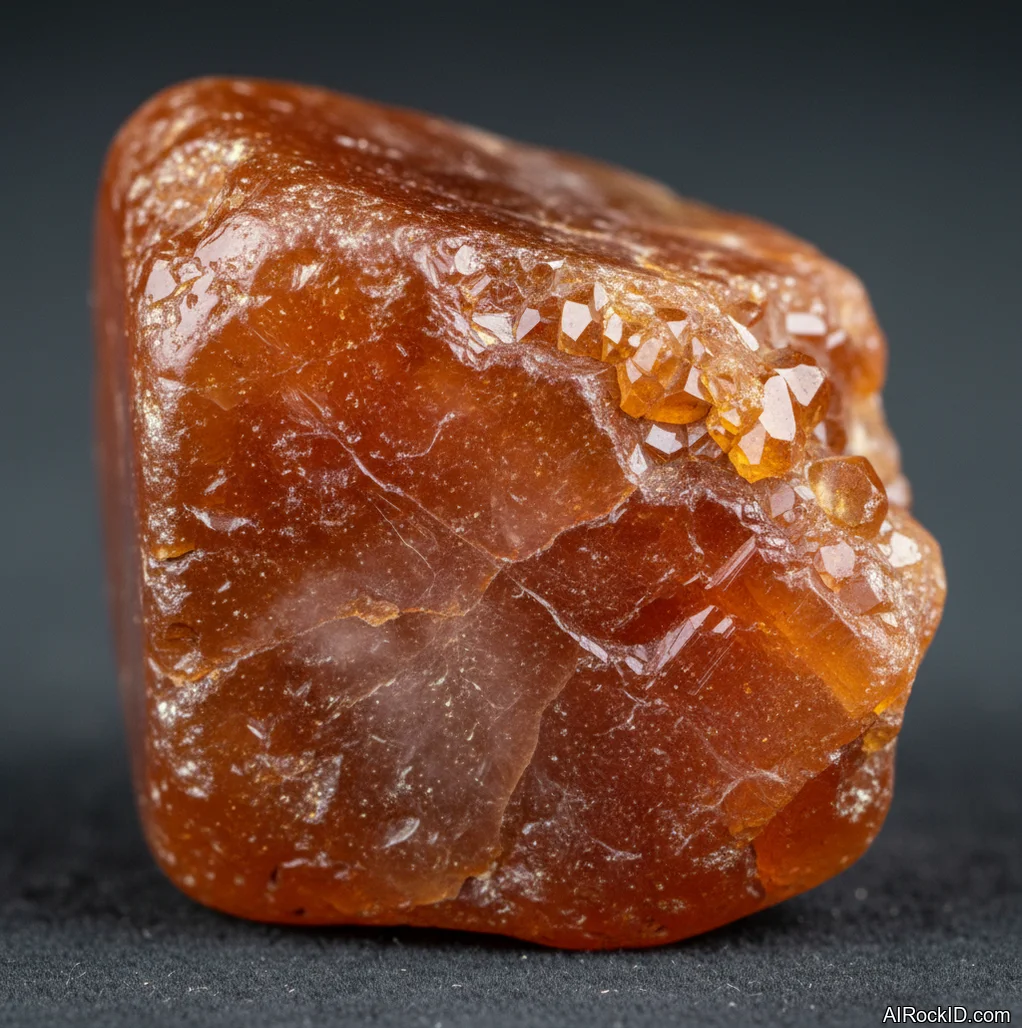
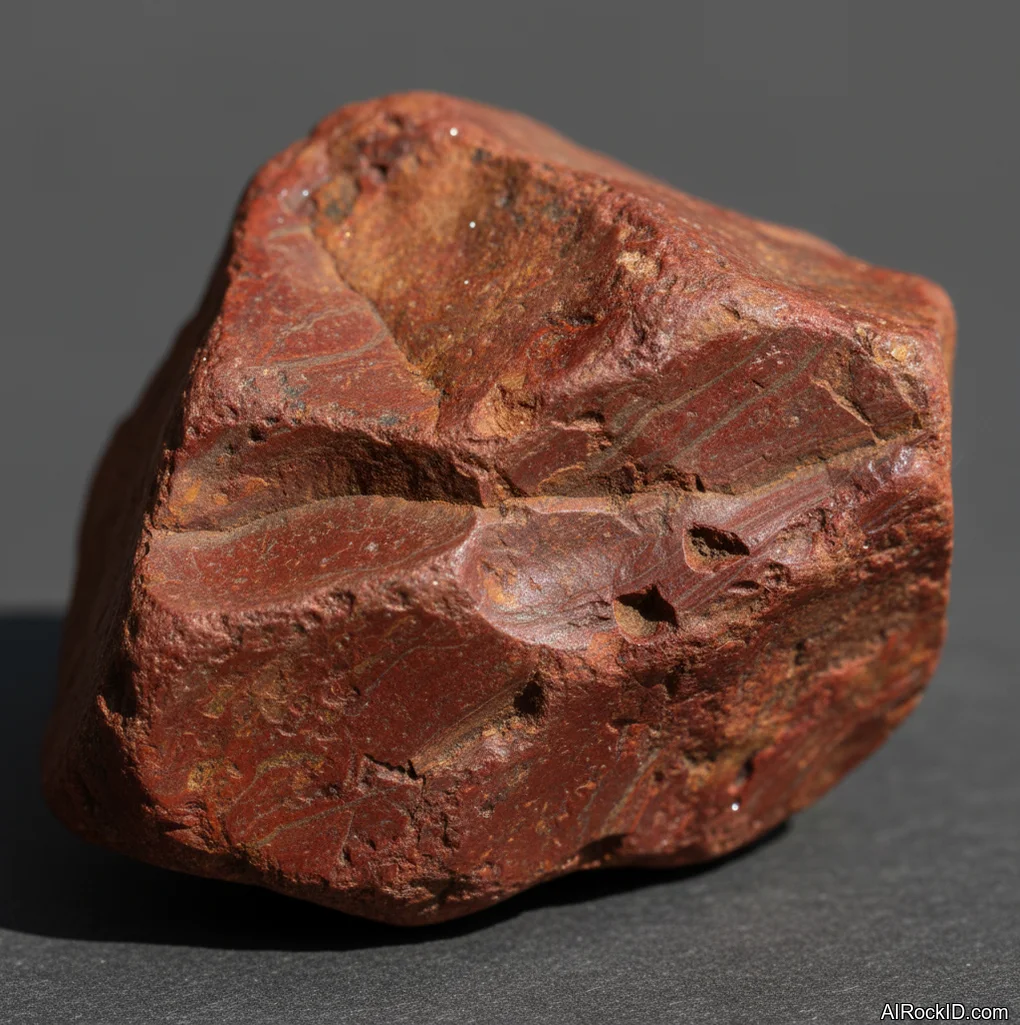
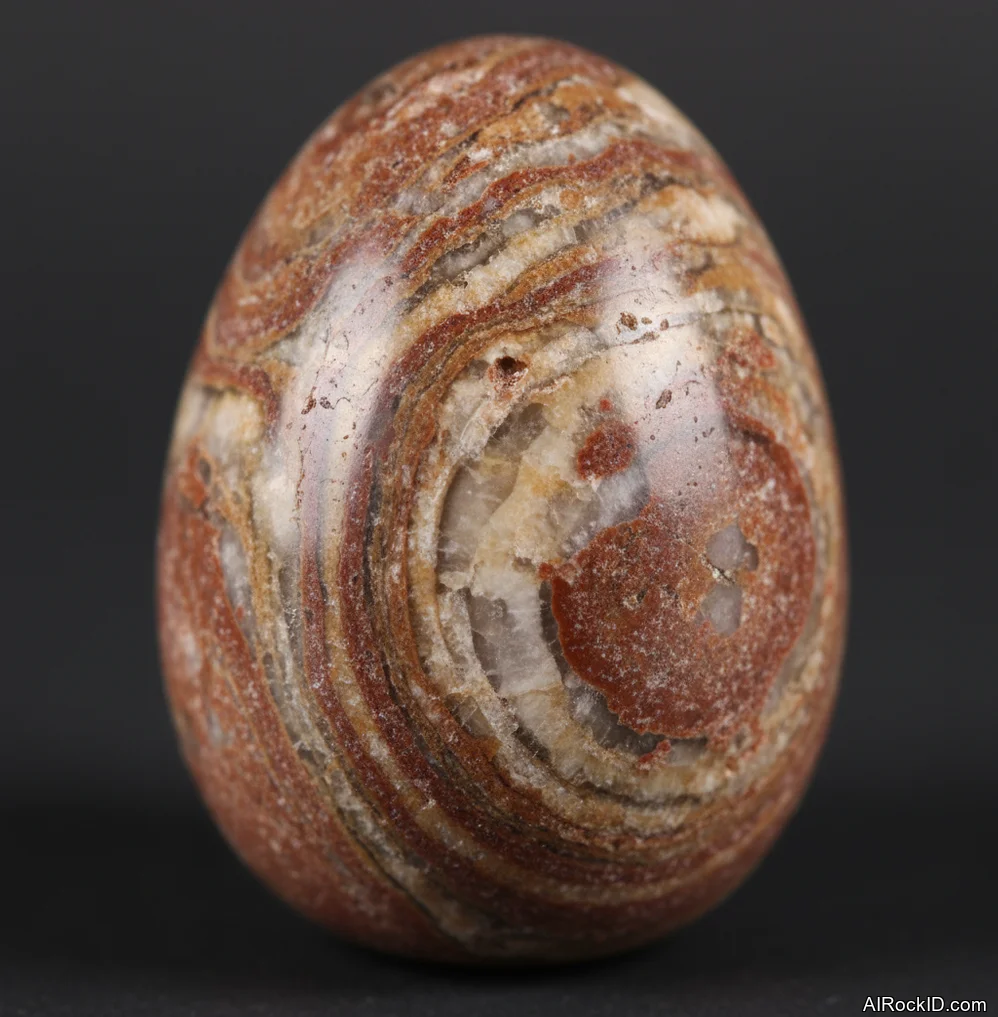
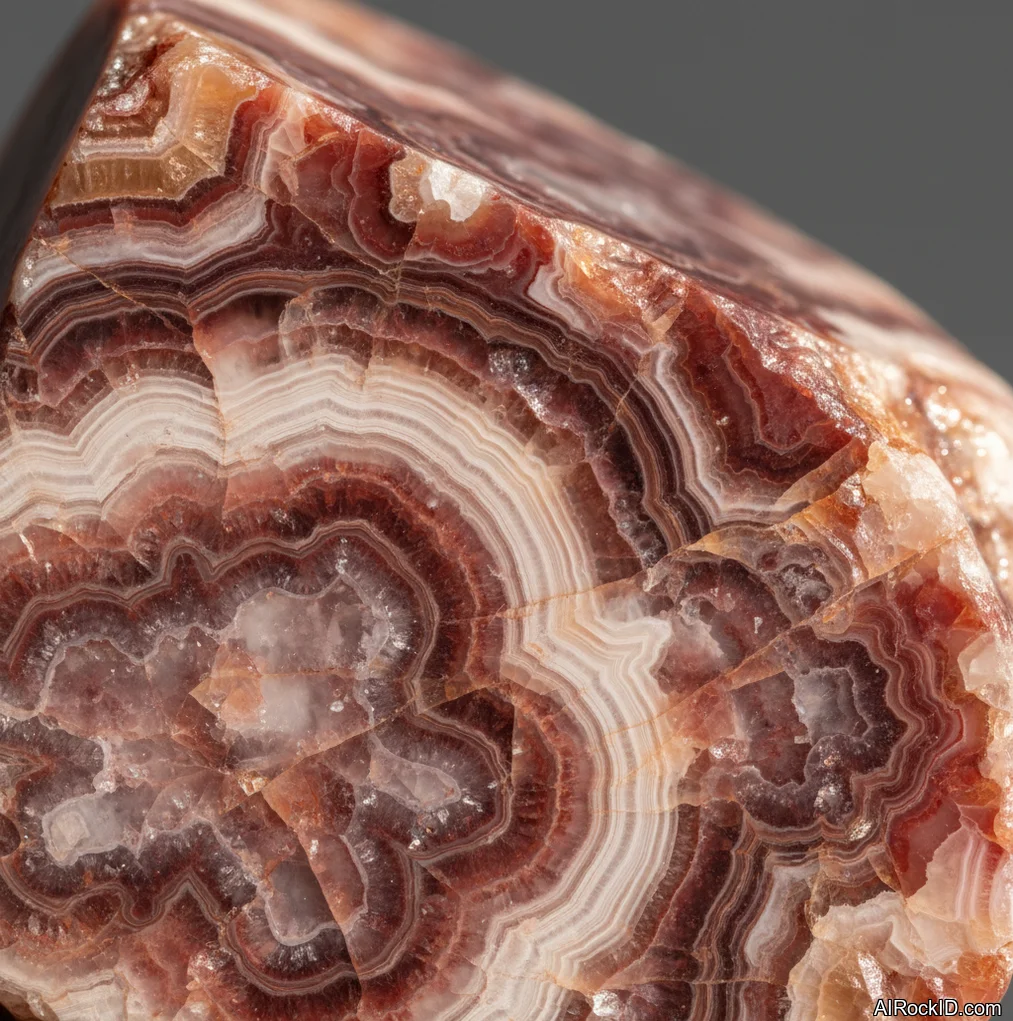
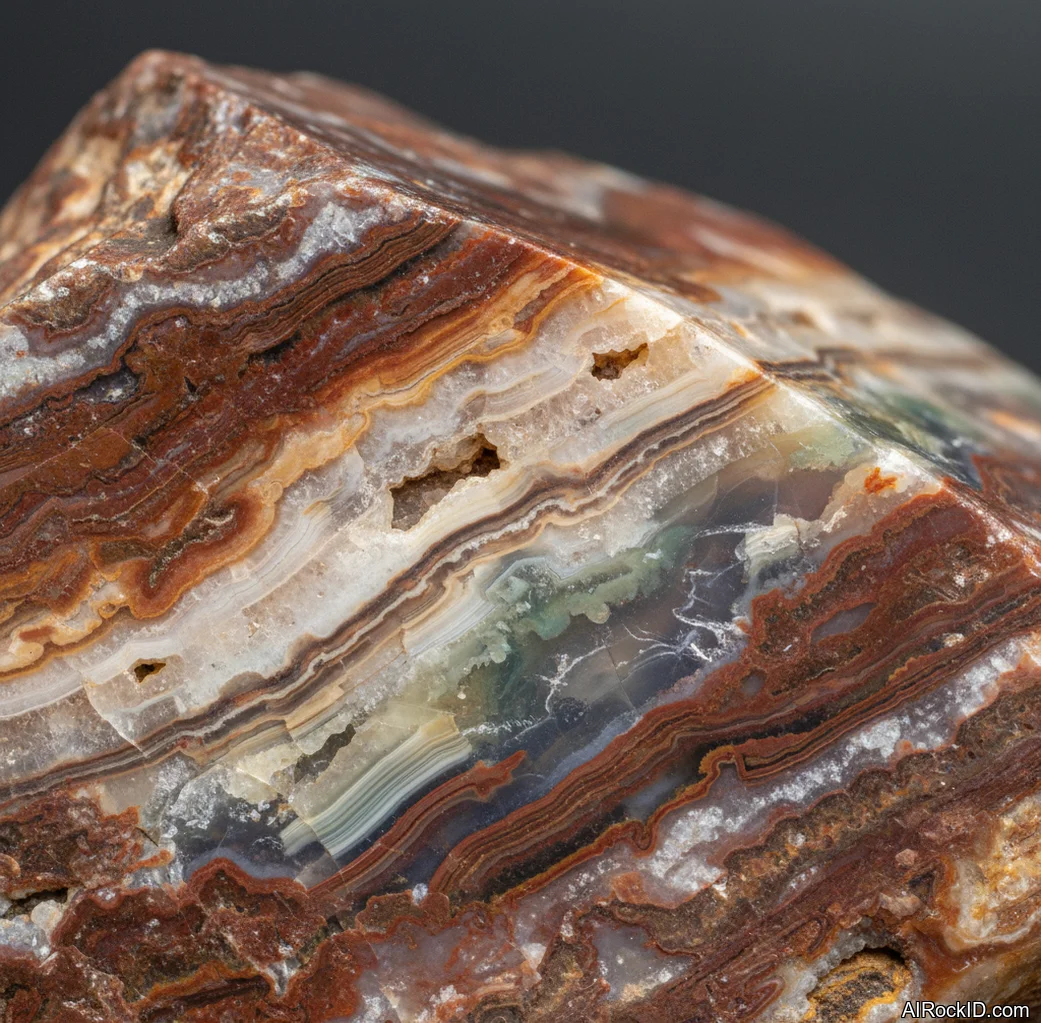
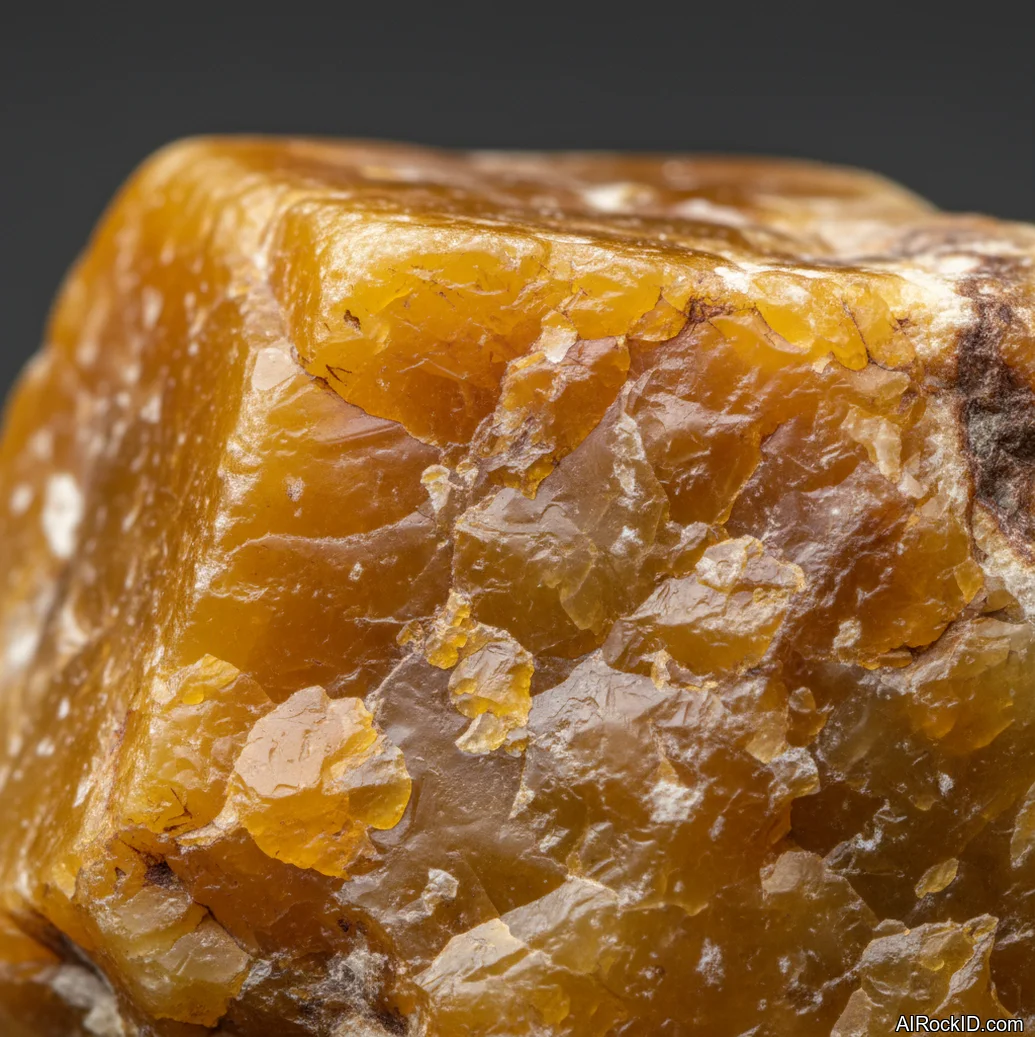
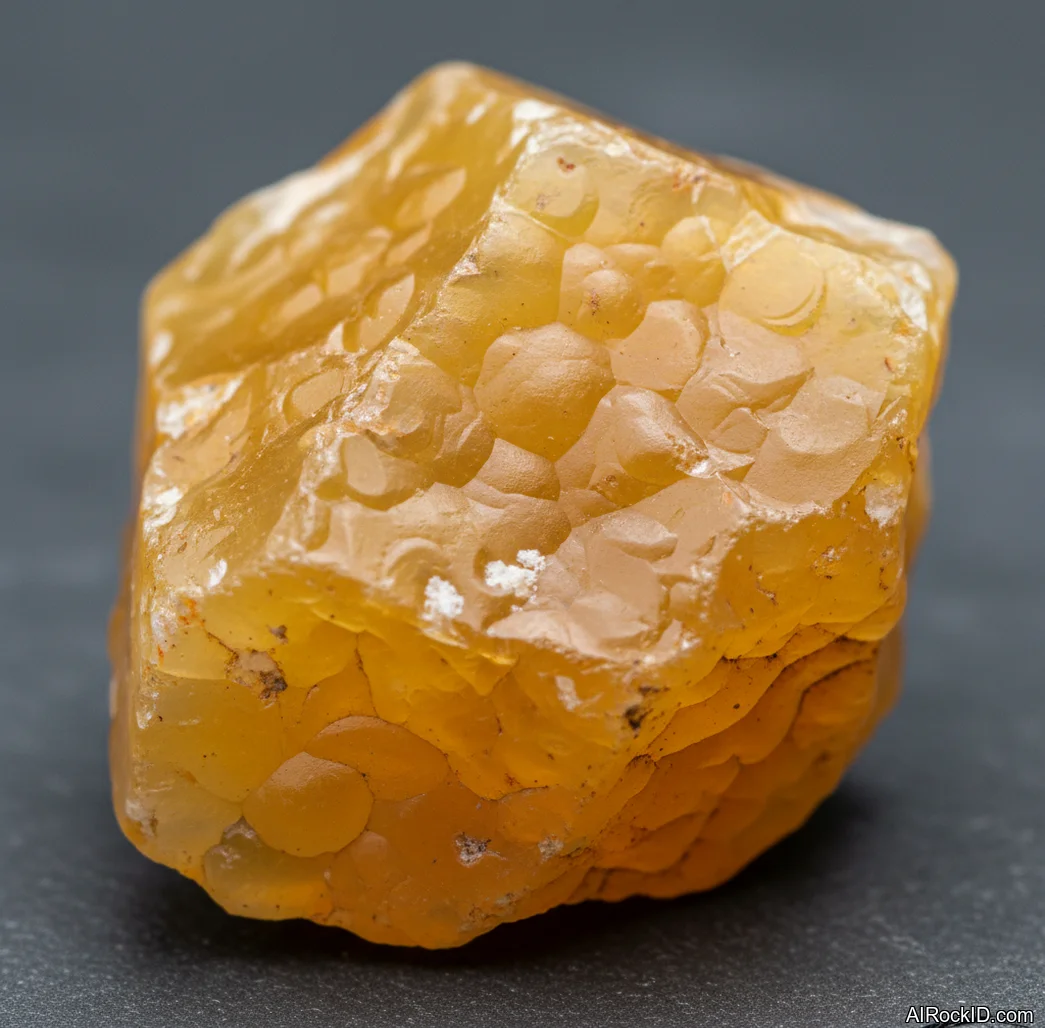
Carnelian is a different flavor. Warm. Orange-red. Sometimes it has pale bands when it’s cut from agate-like material. A lot of carnelian on the market is heat-treated chalcedony, and that doesn’t automatically make it “bad” (not at all), but it does mean the color can look a little too uniform, like traffic cone orange. When the color has natural variation and soft cloudy areas, it tends to look less manufactured. People pair carnelian with confidence because it tracks with motivation, speaking up, taking action, and not getting stuck in rehearsal mode.
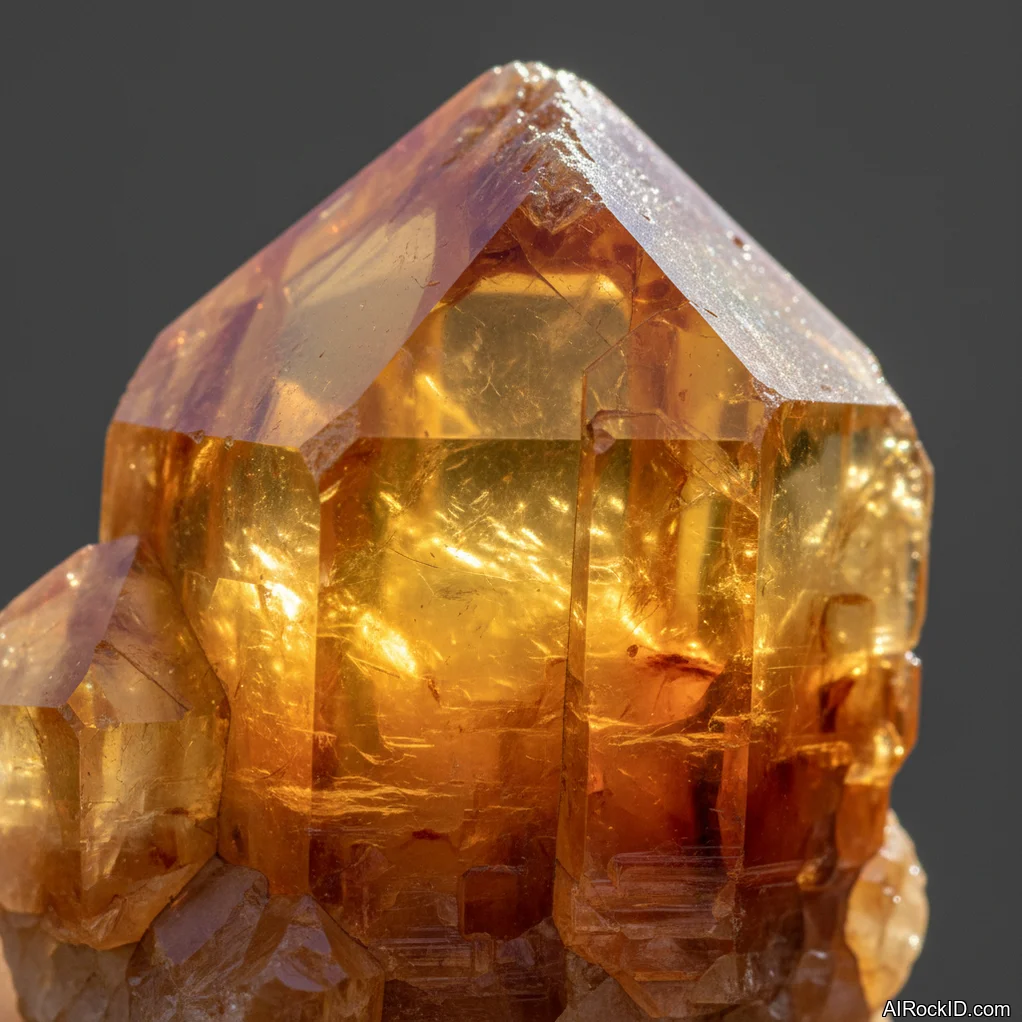
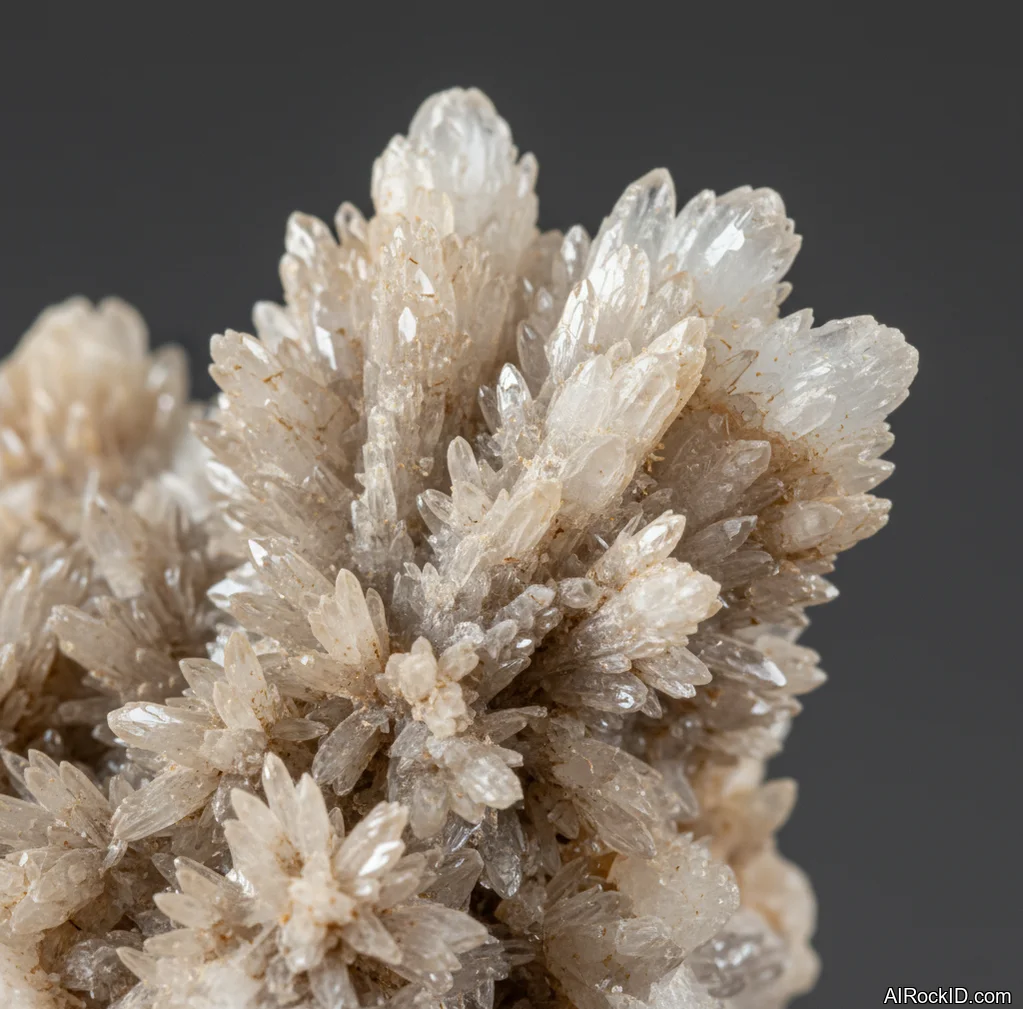
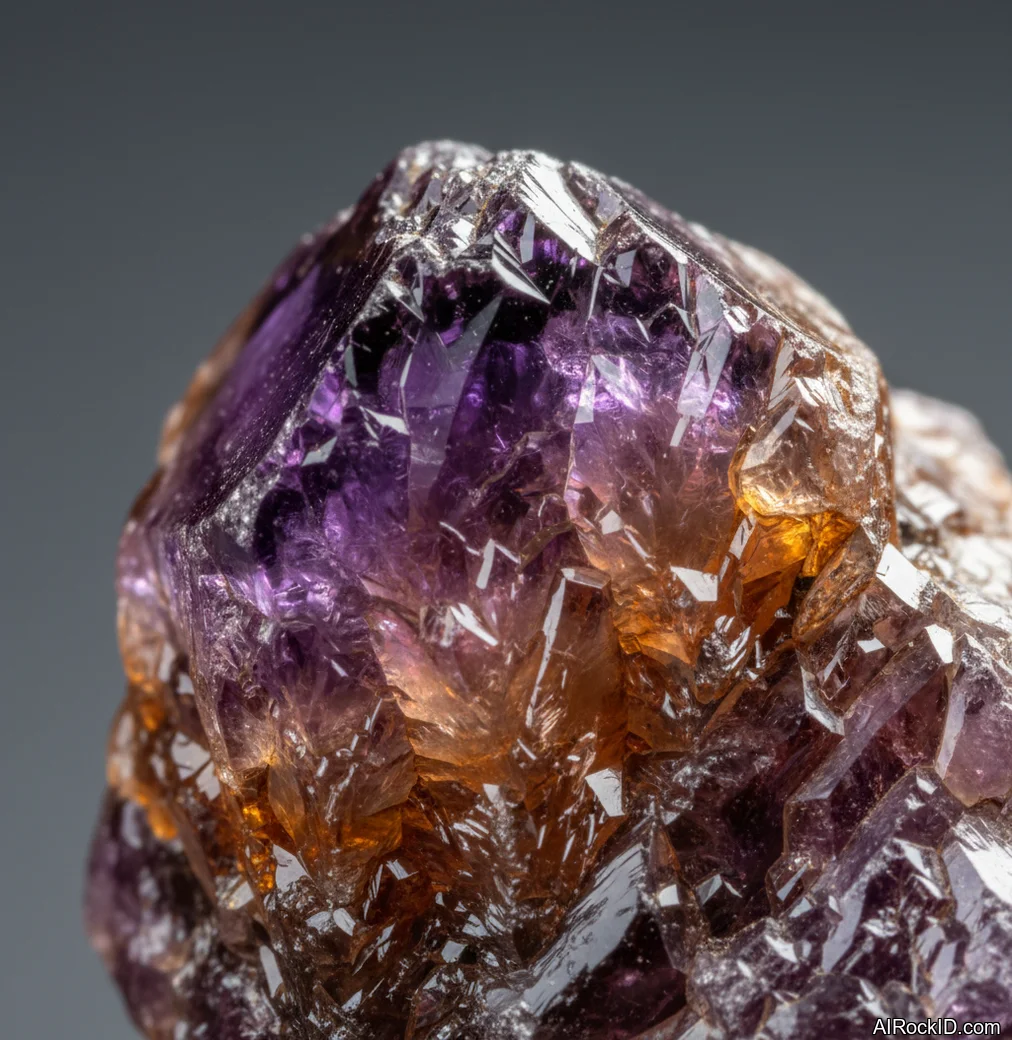
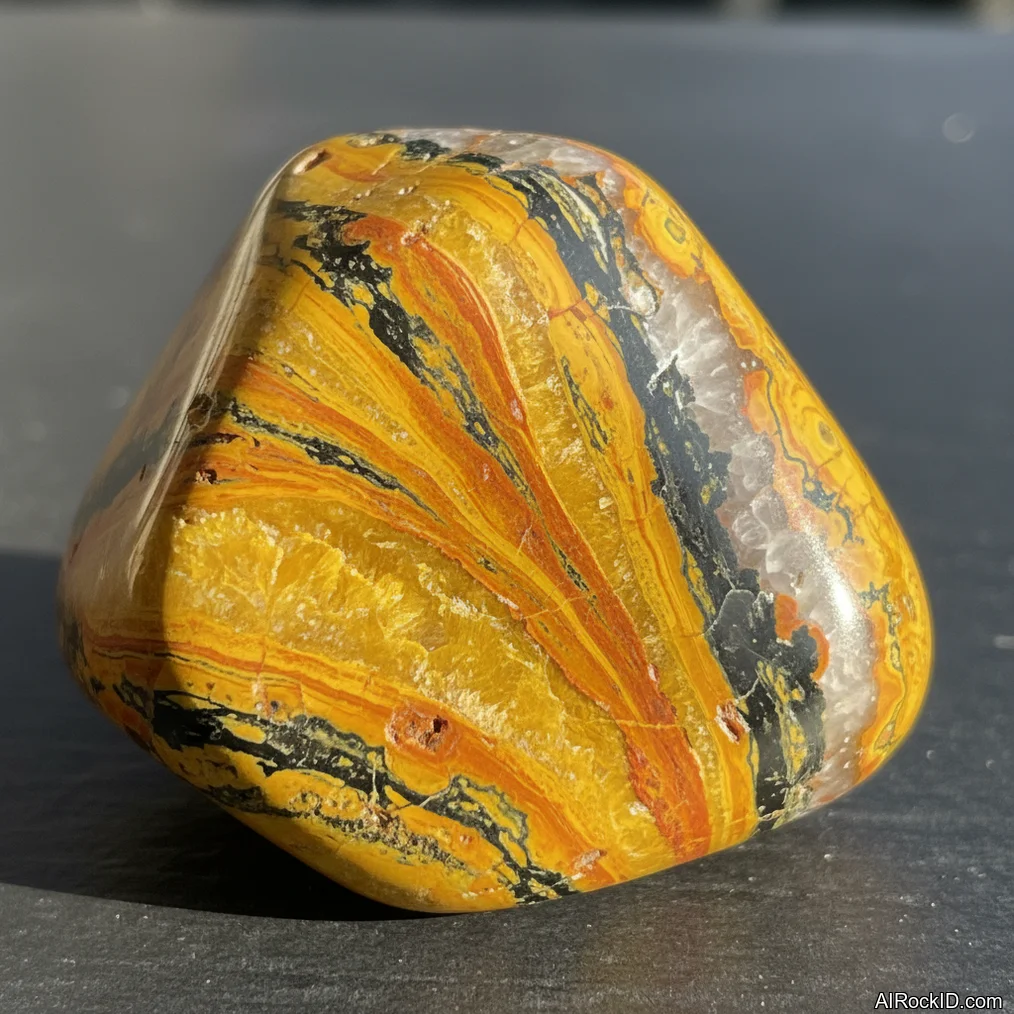
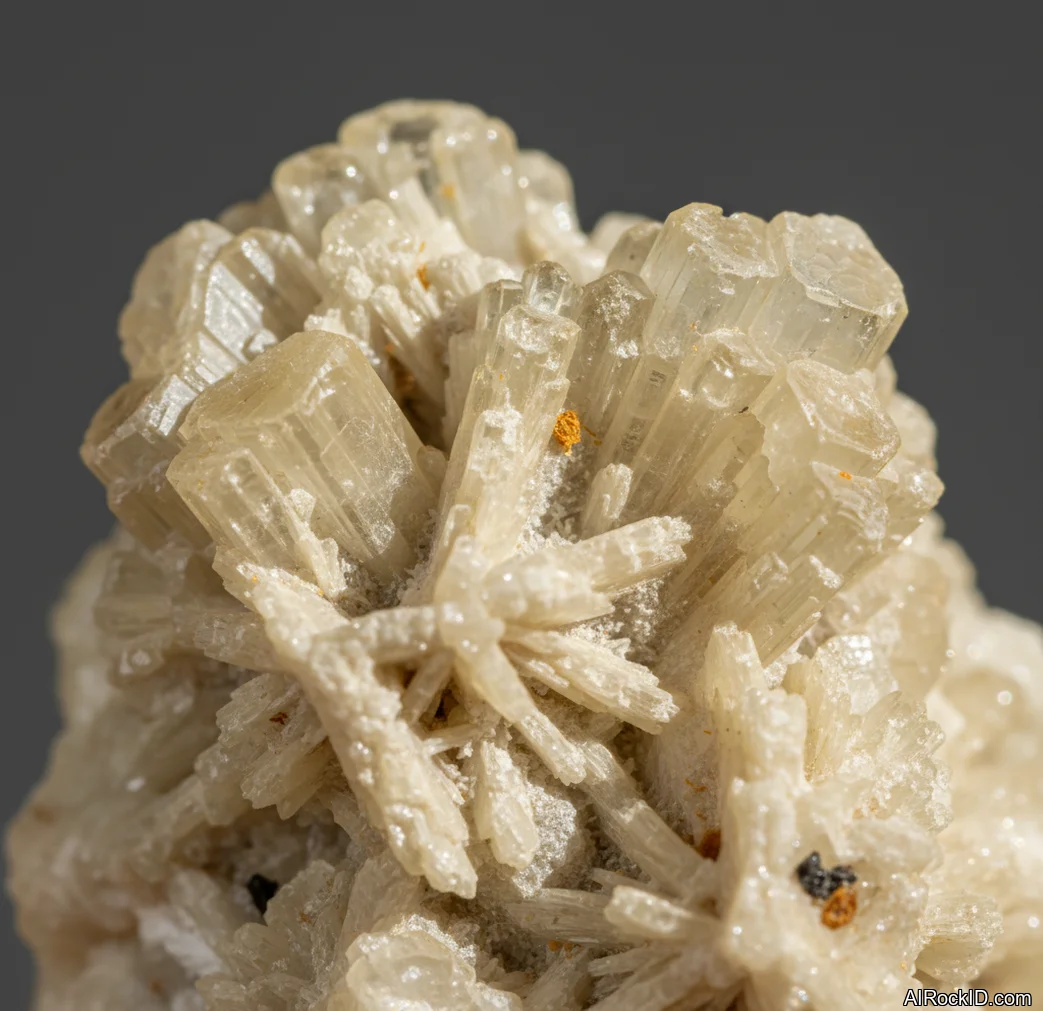
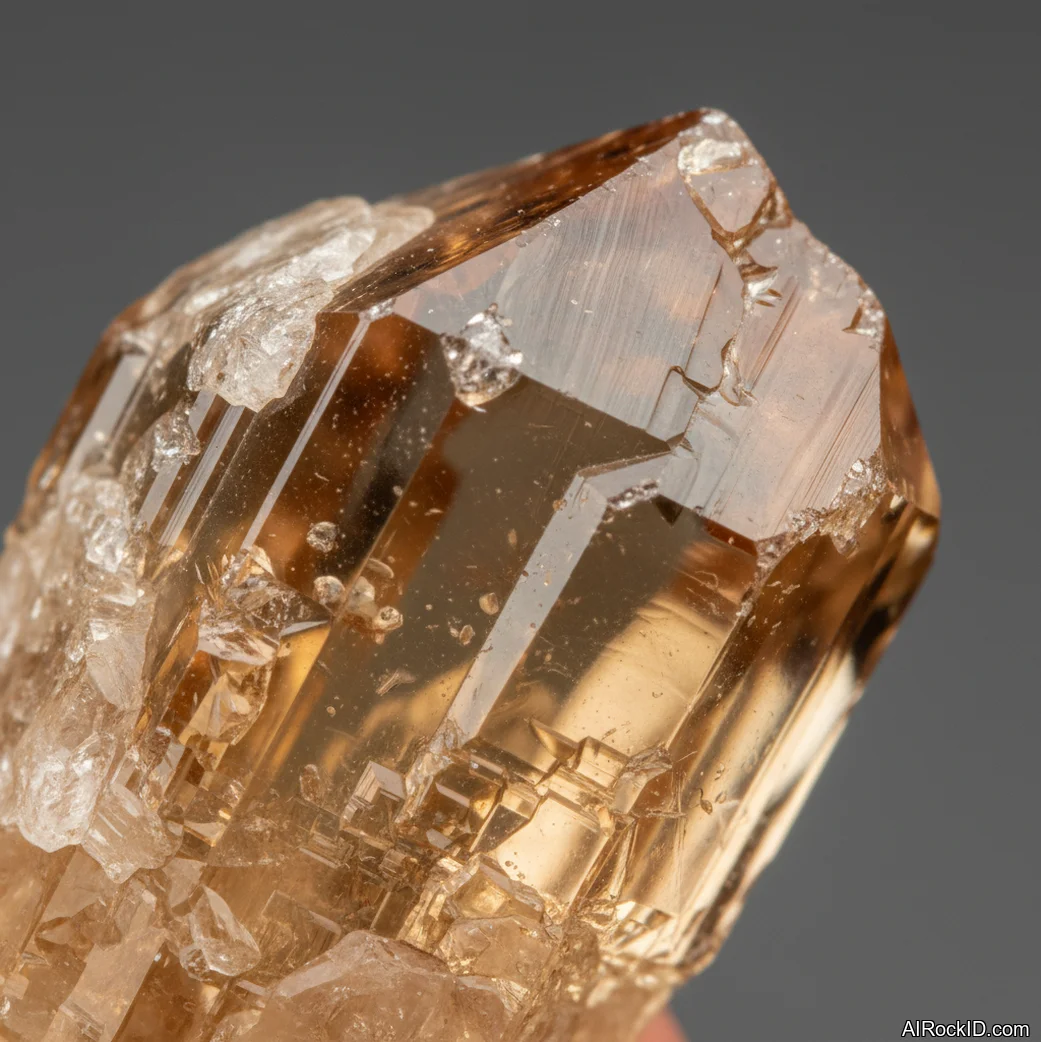
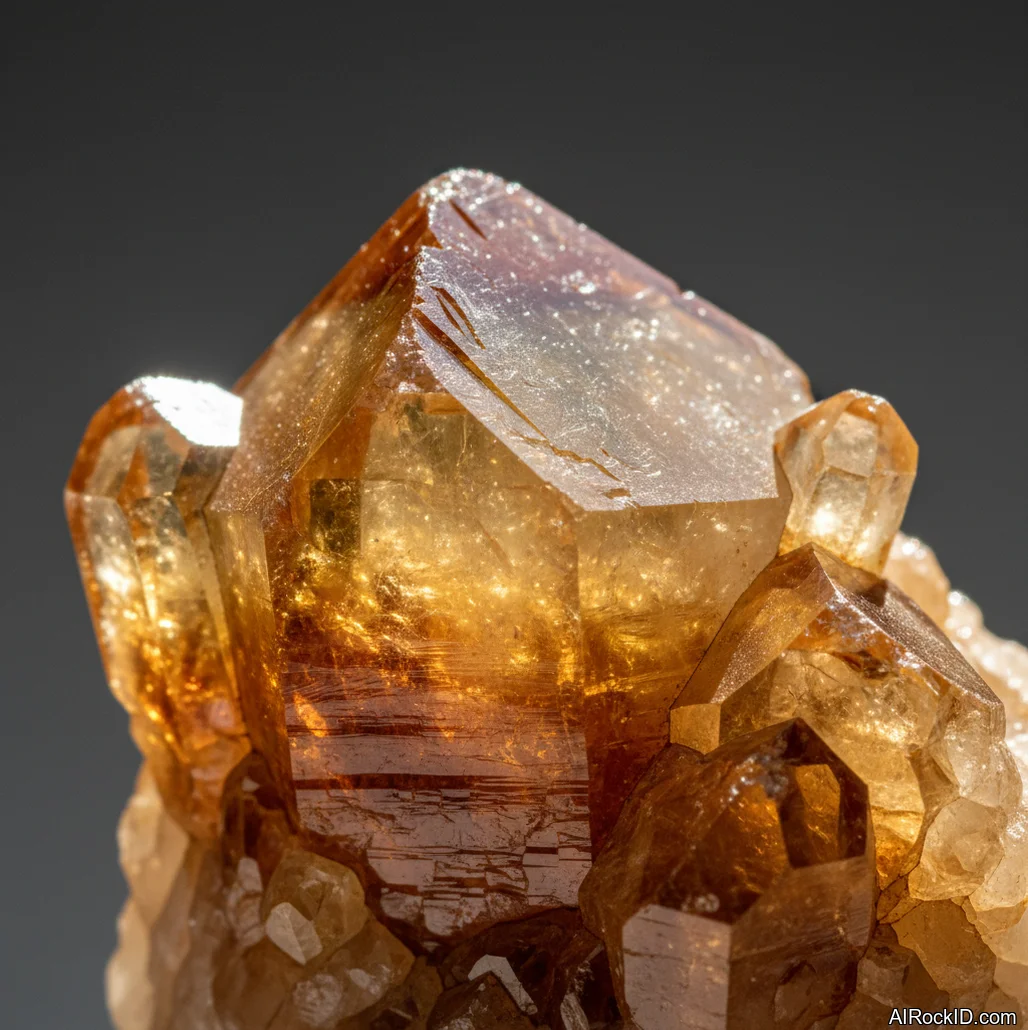
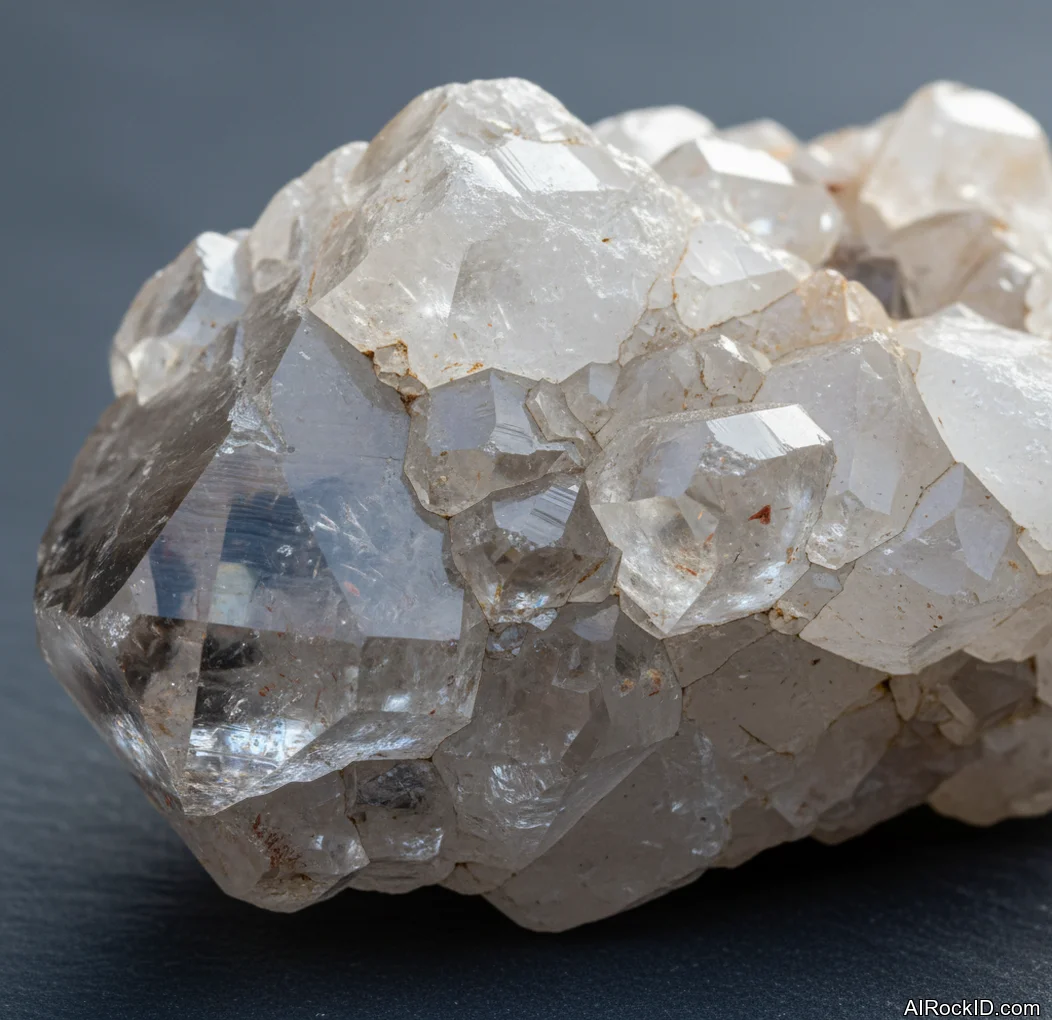
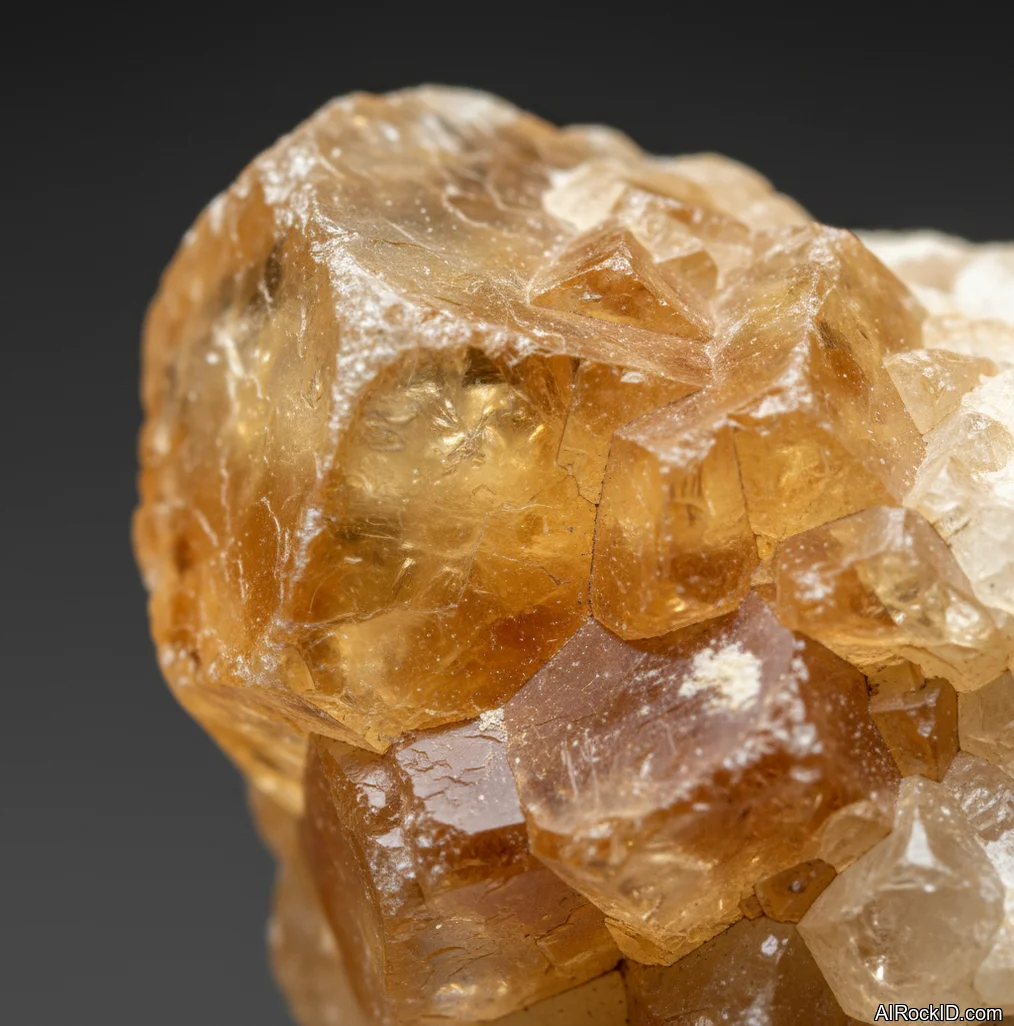
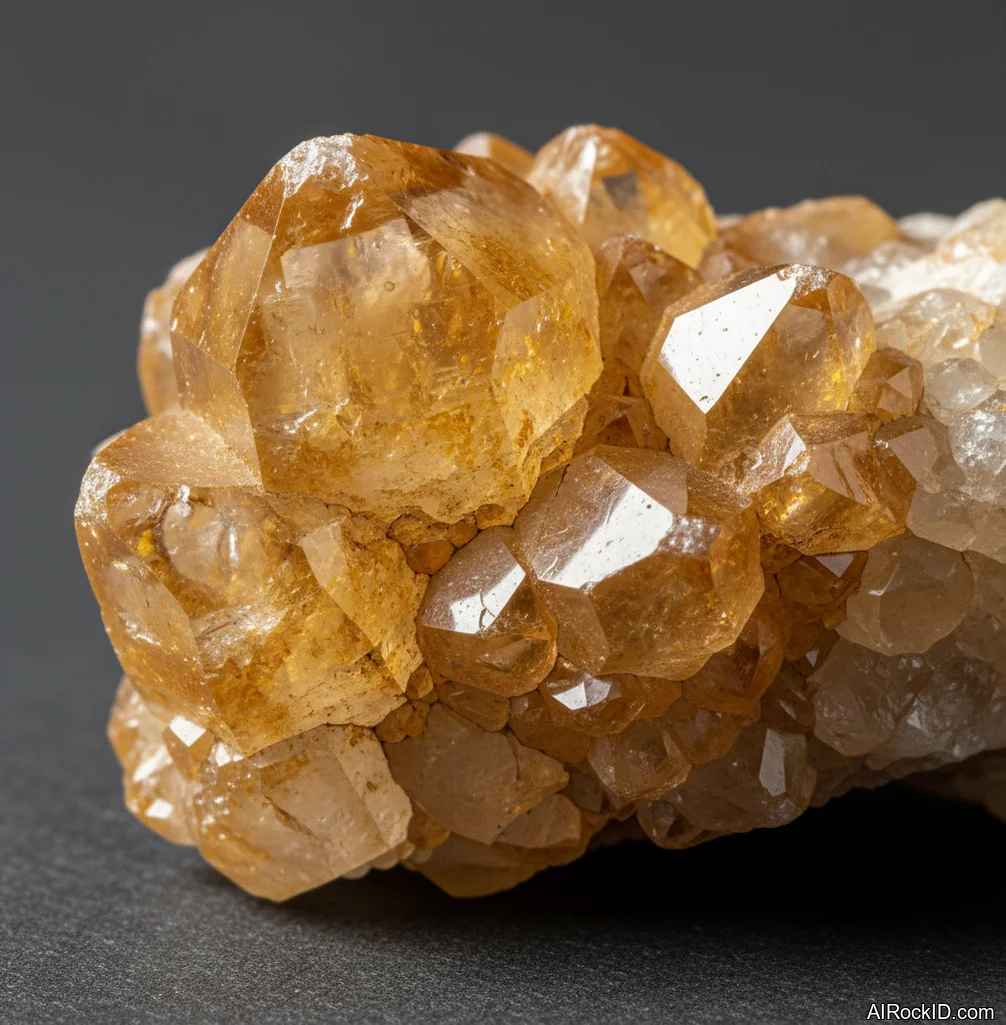
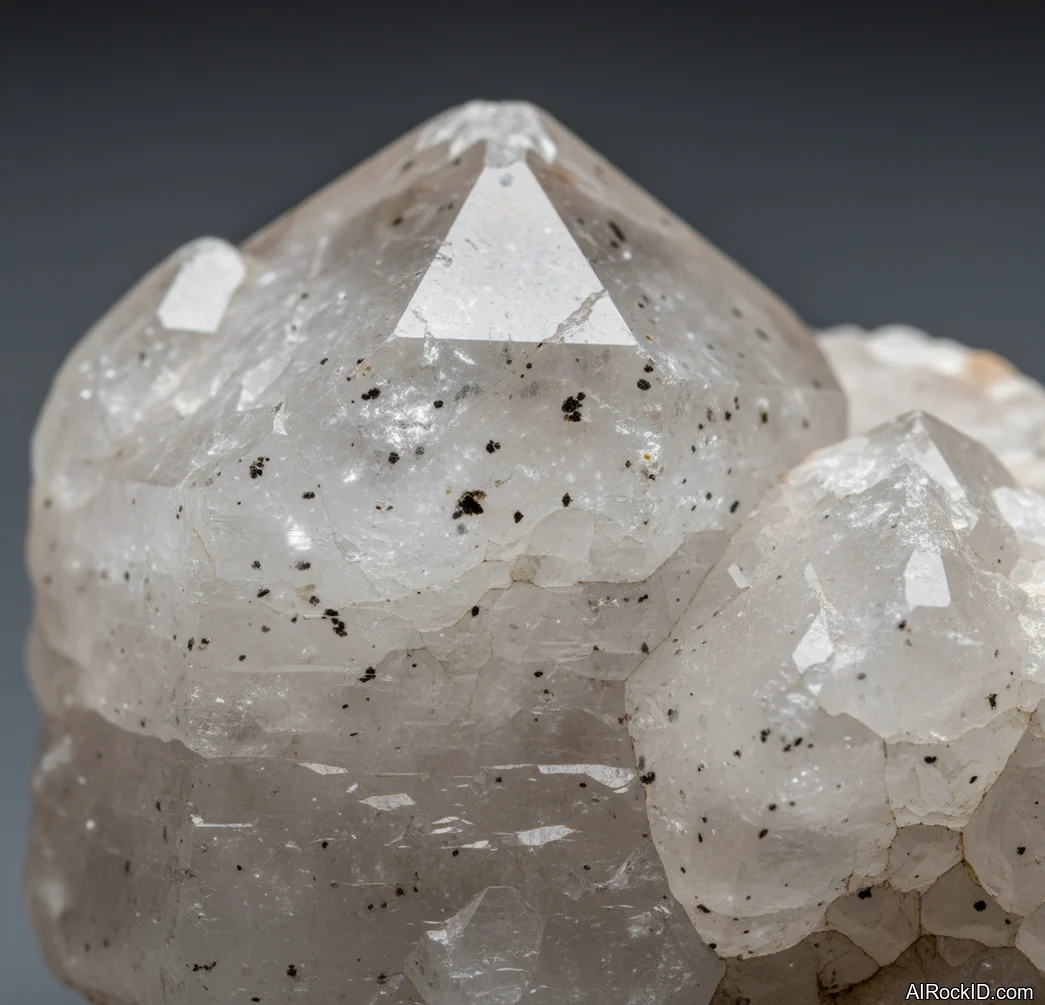
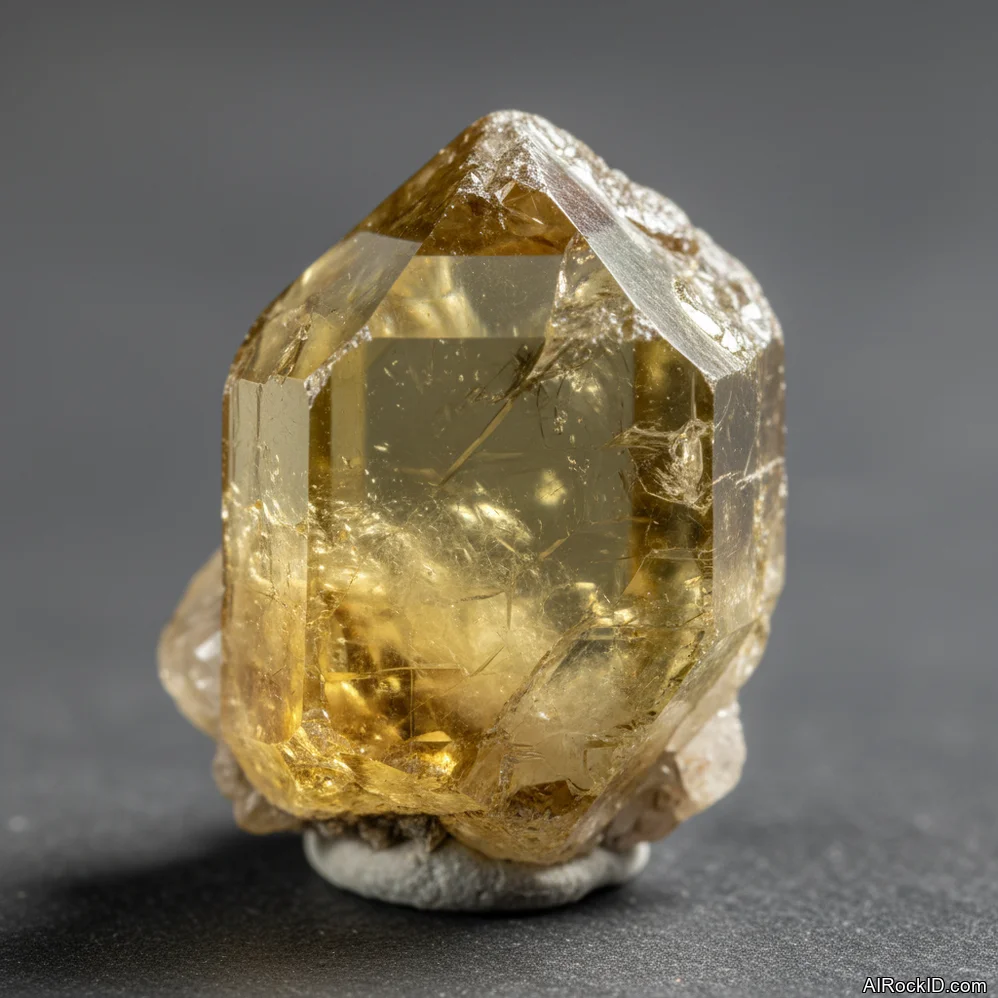
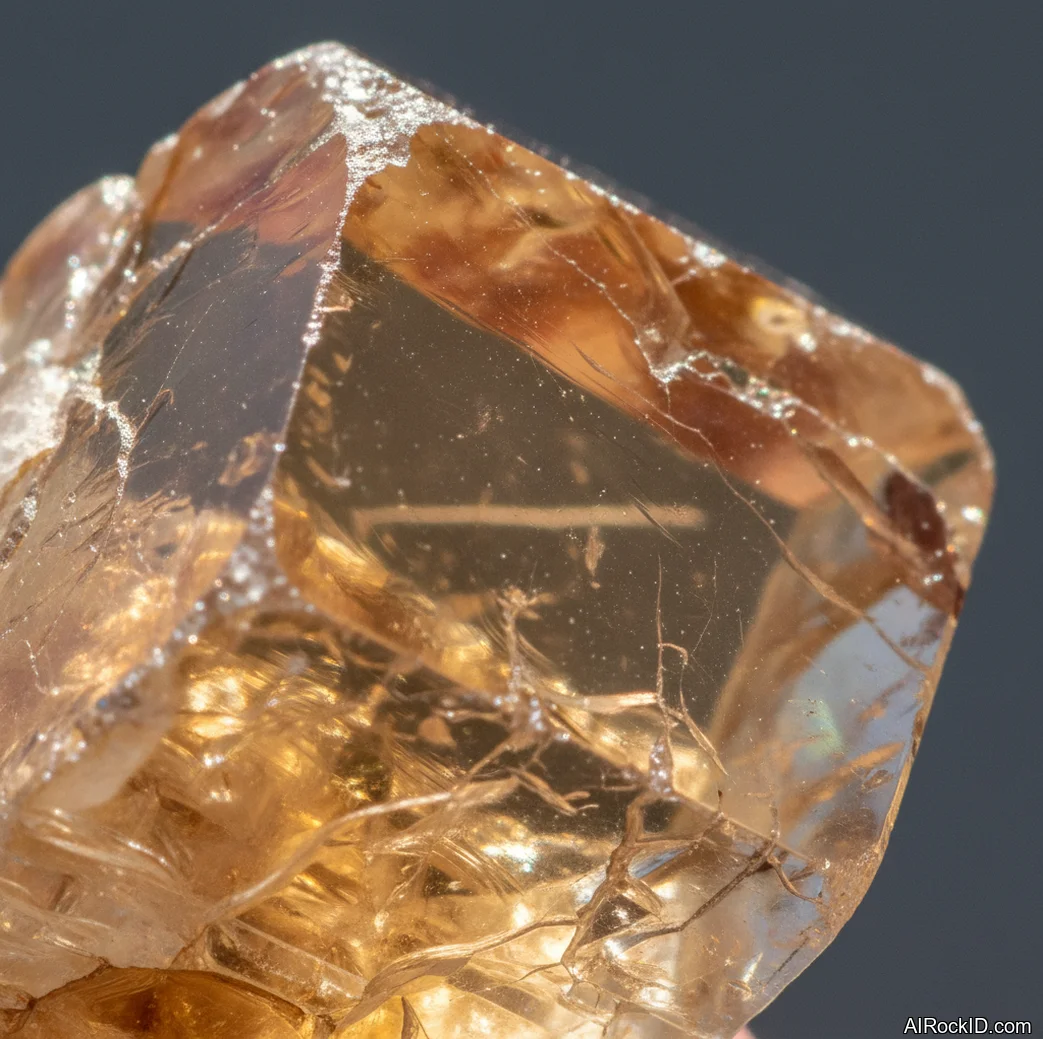
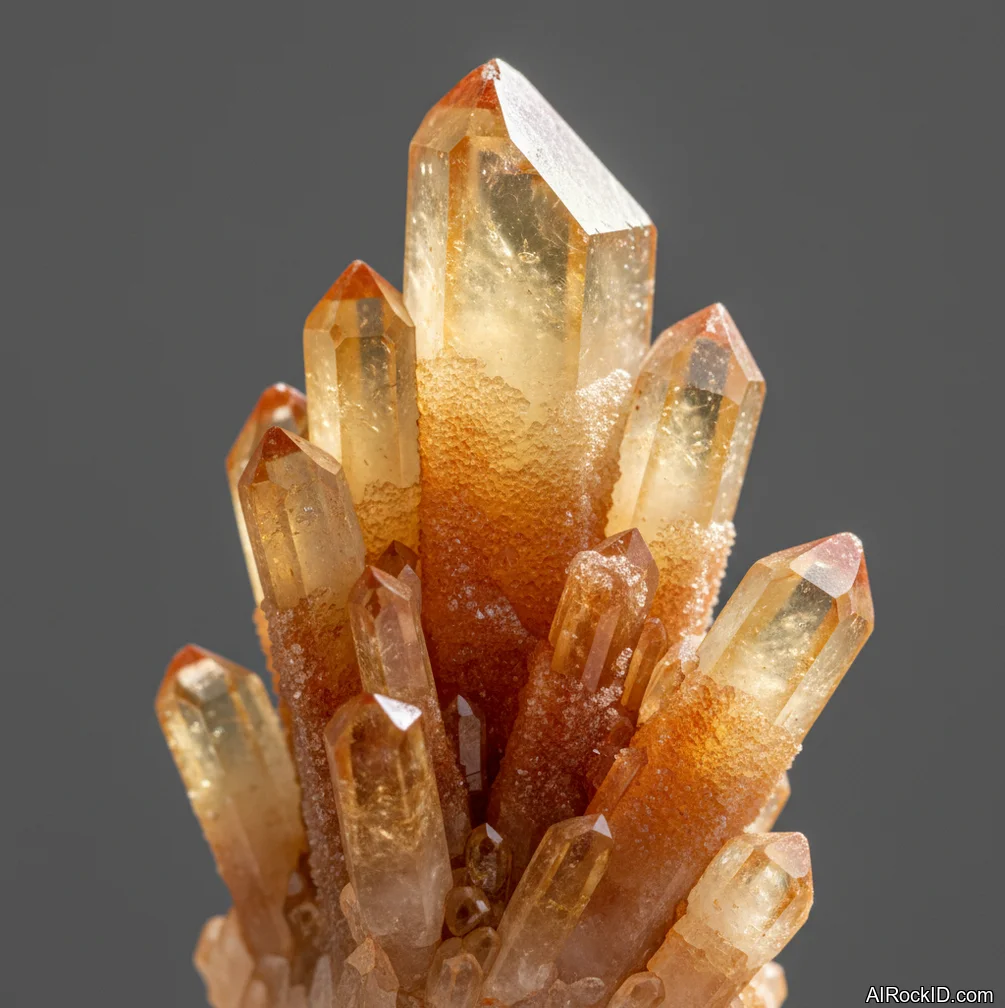
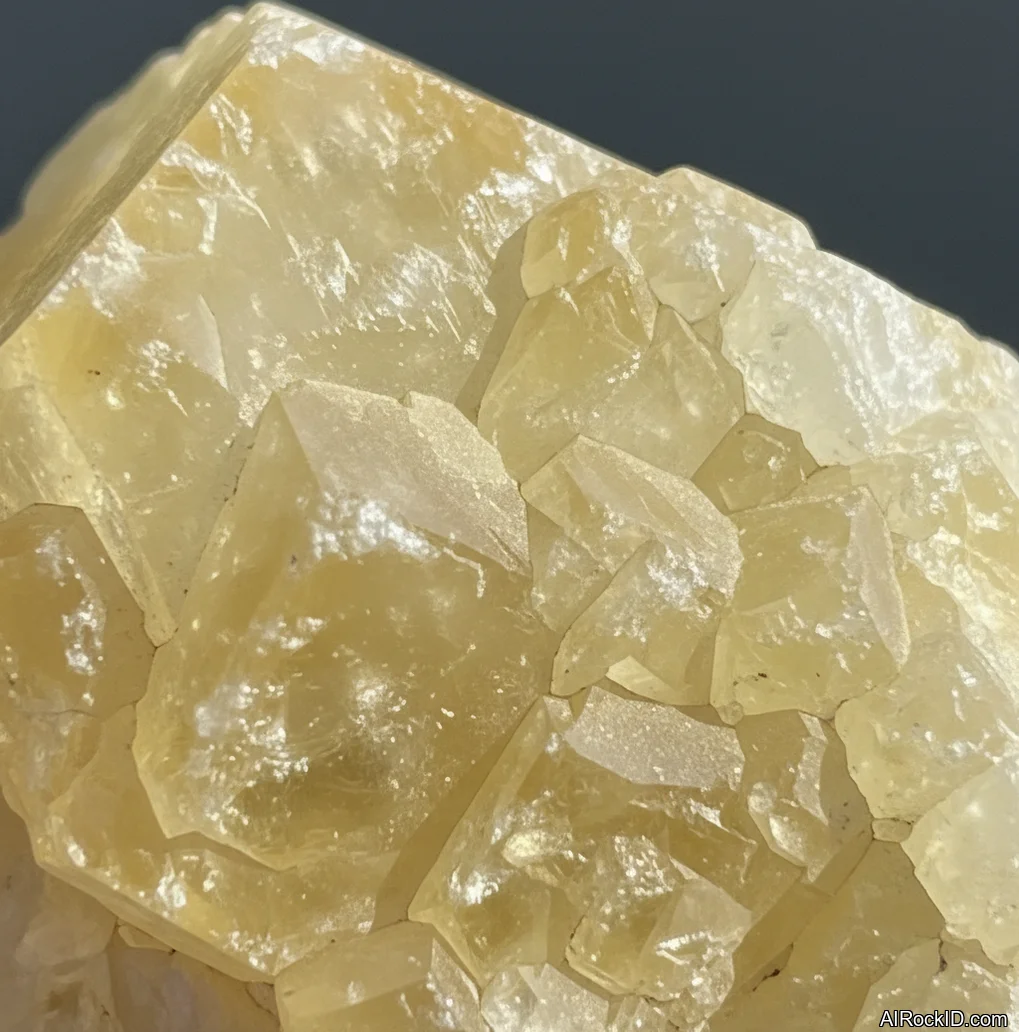
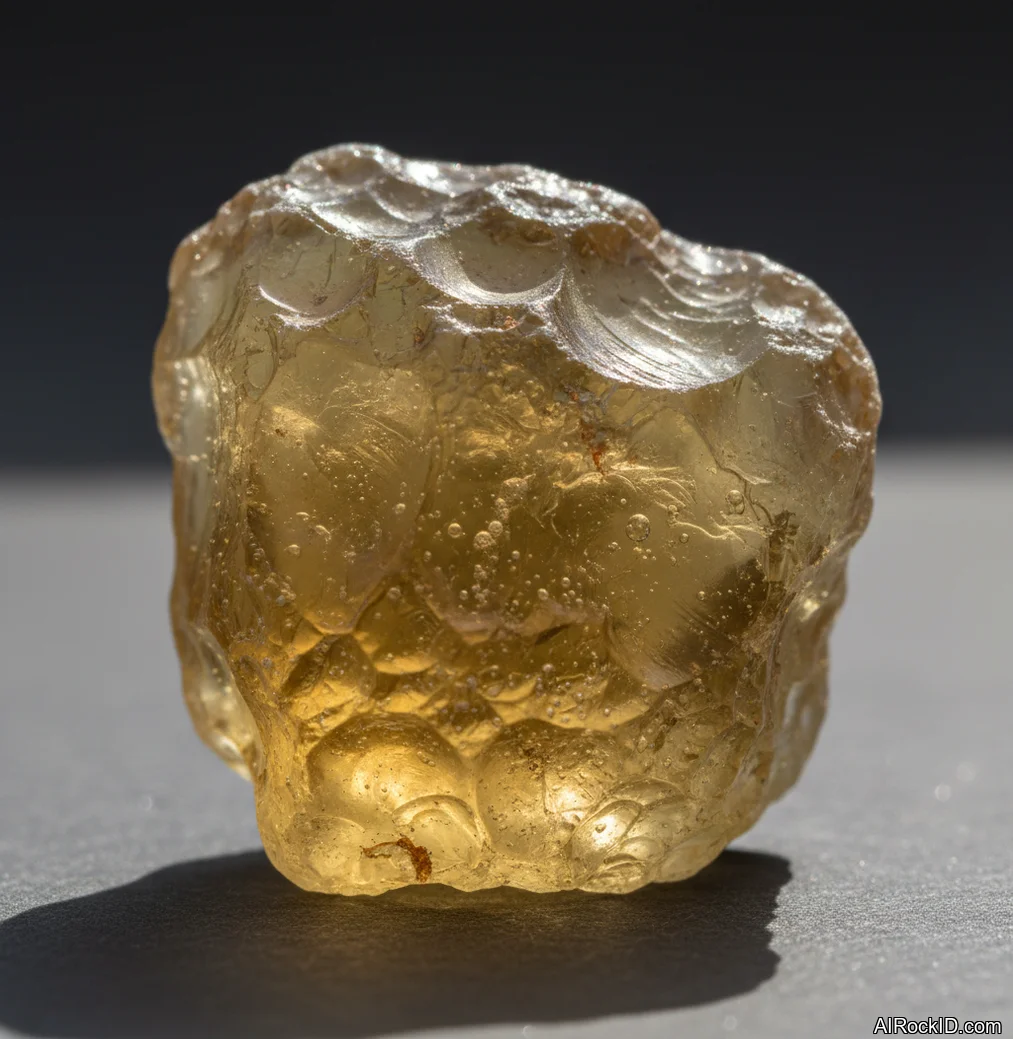
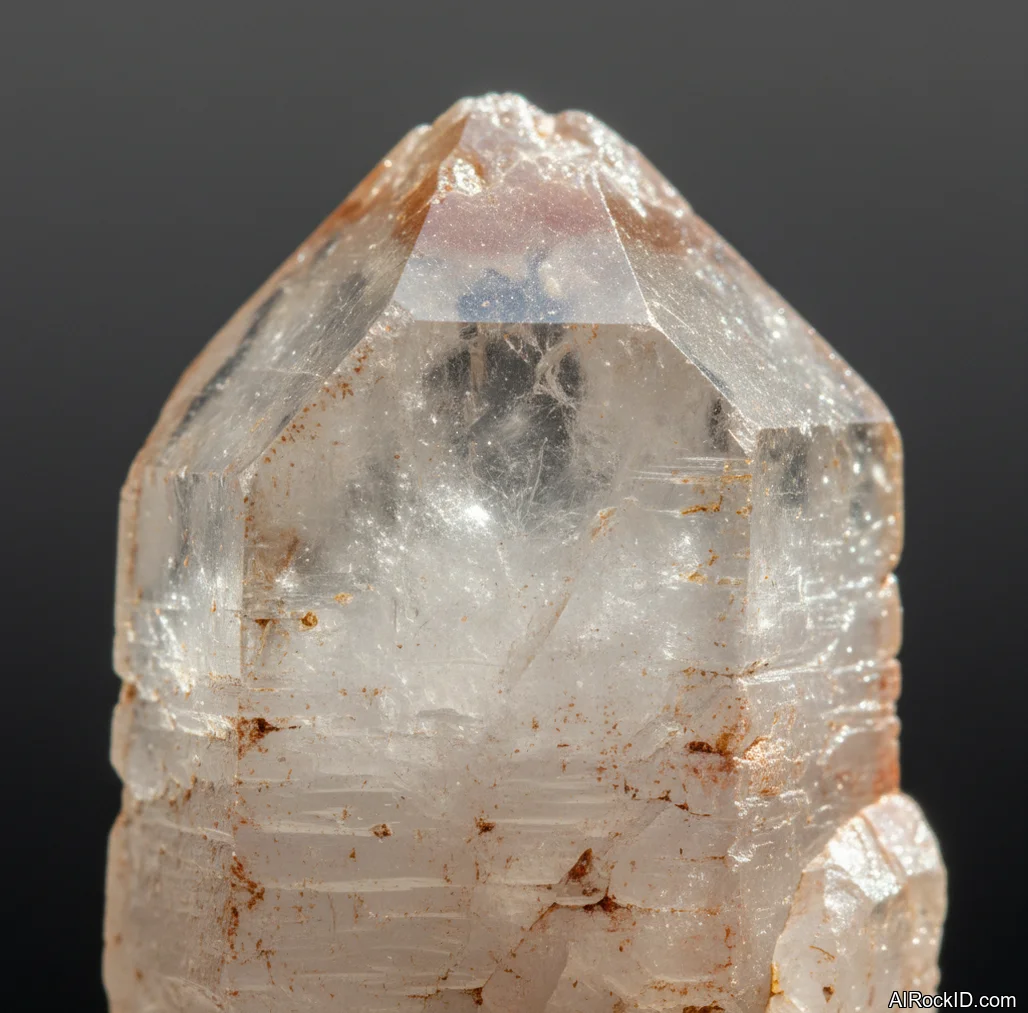
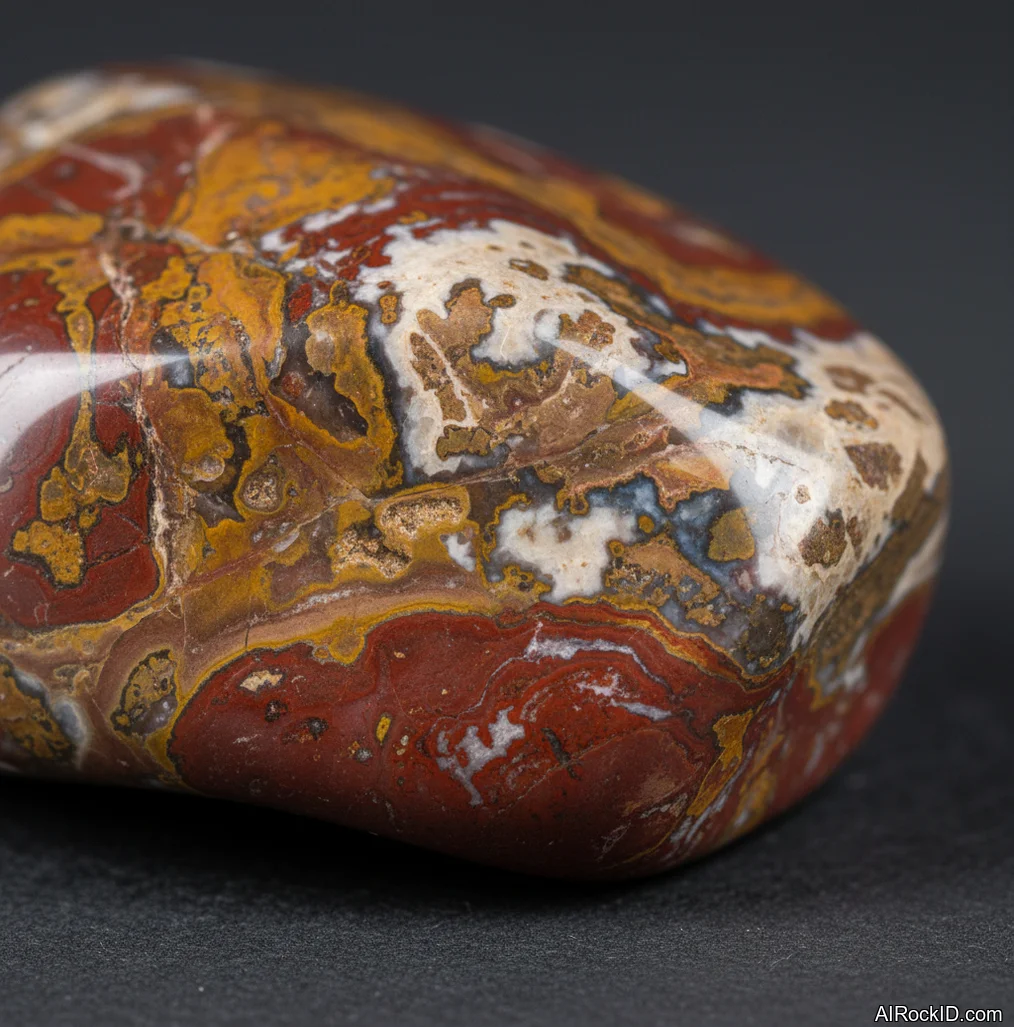
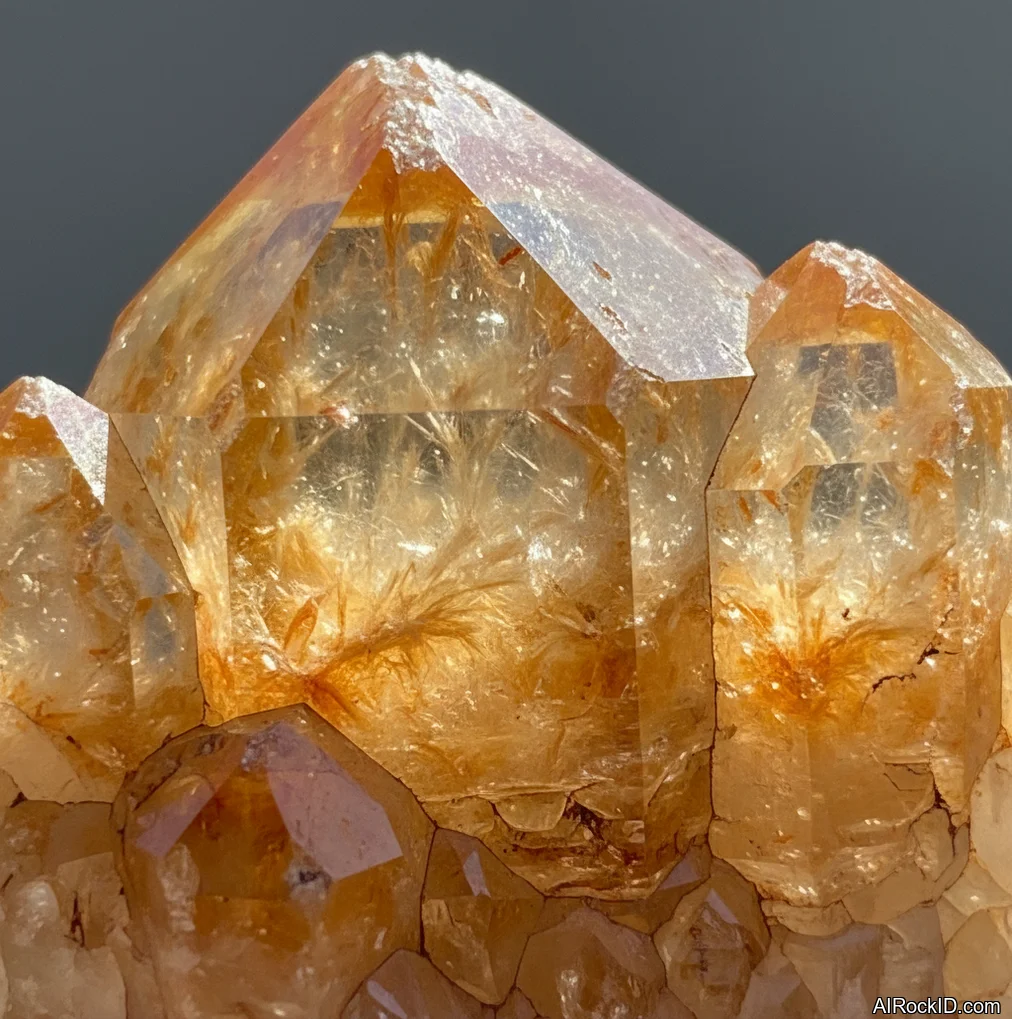
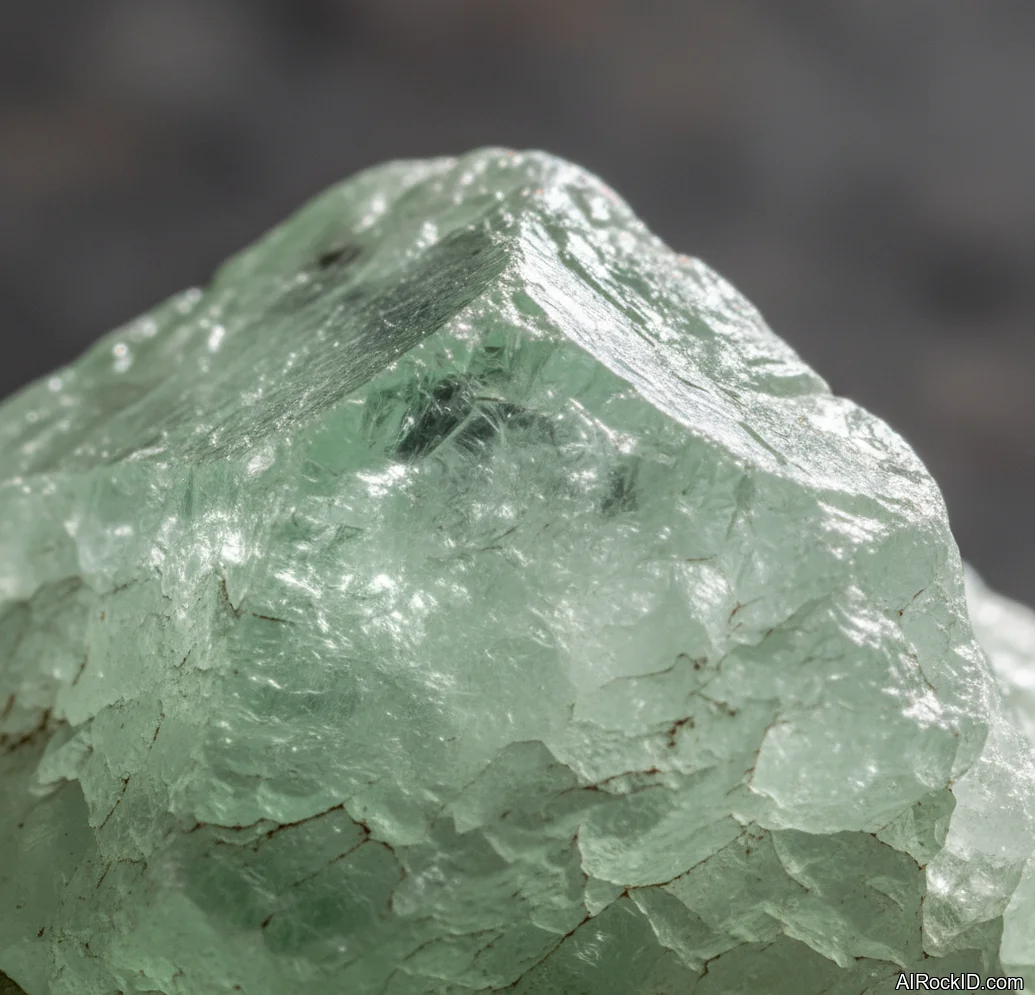
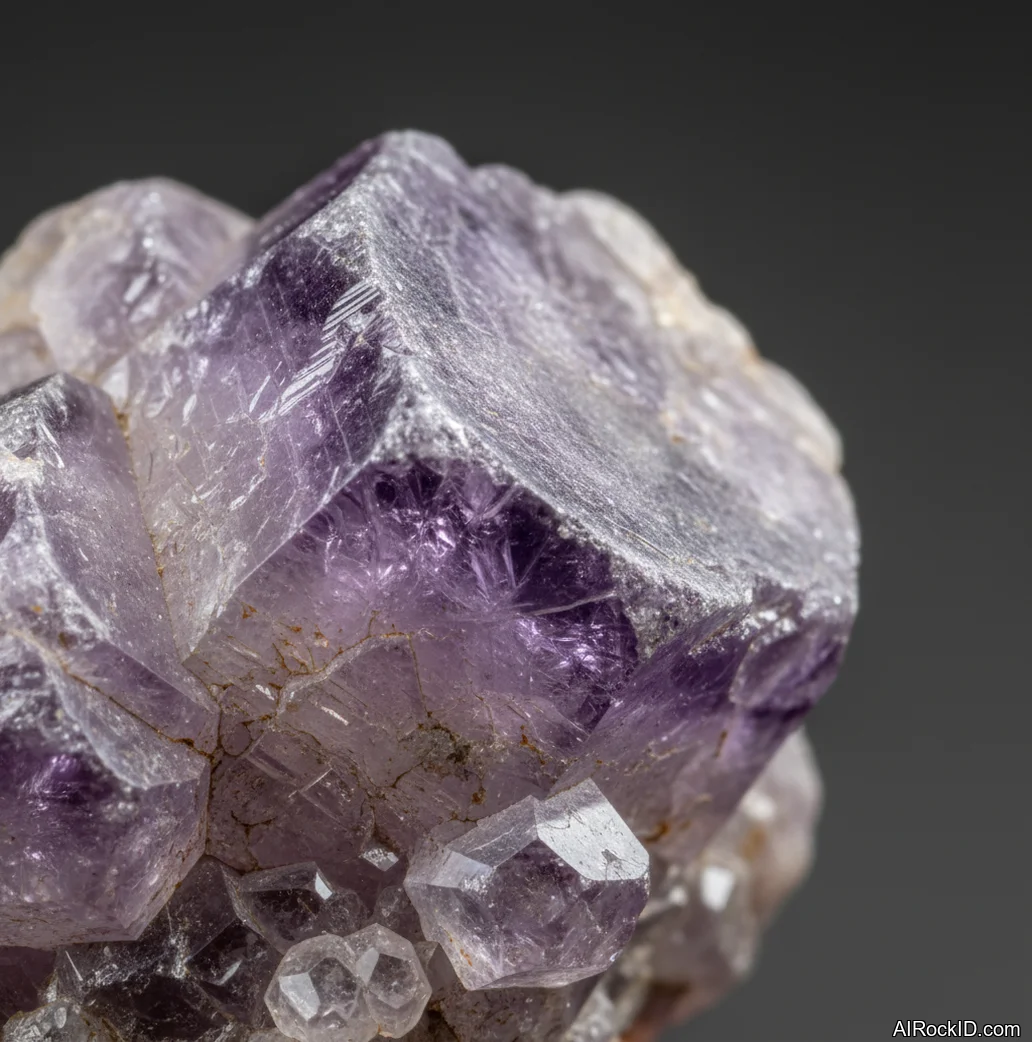
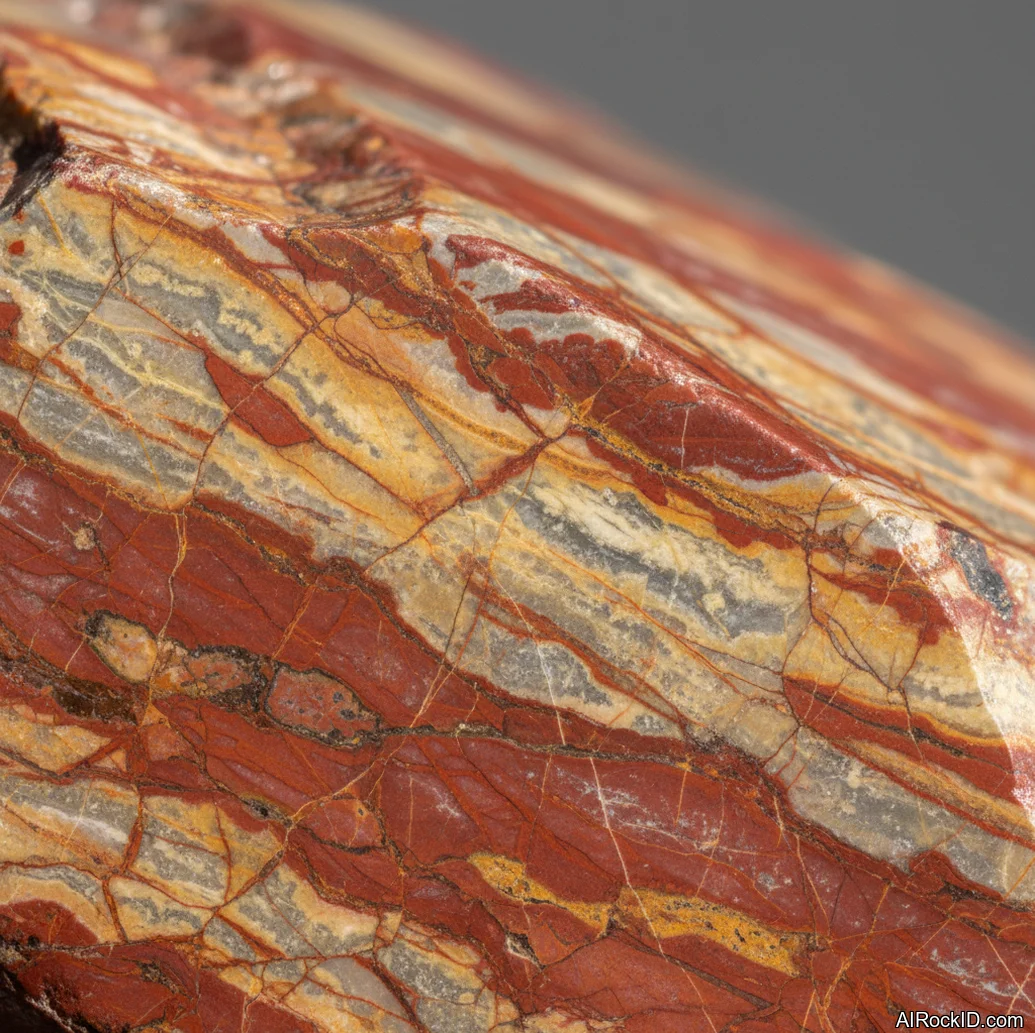
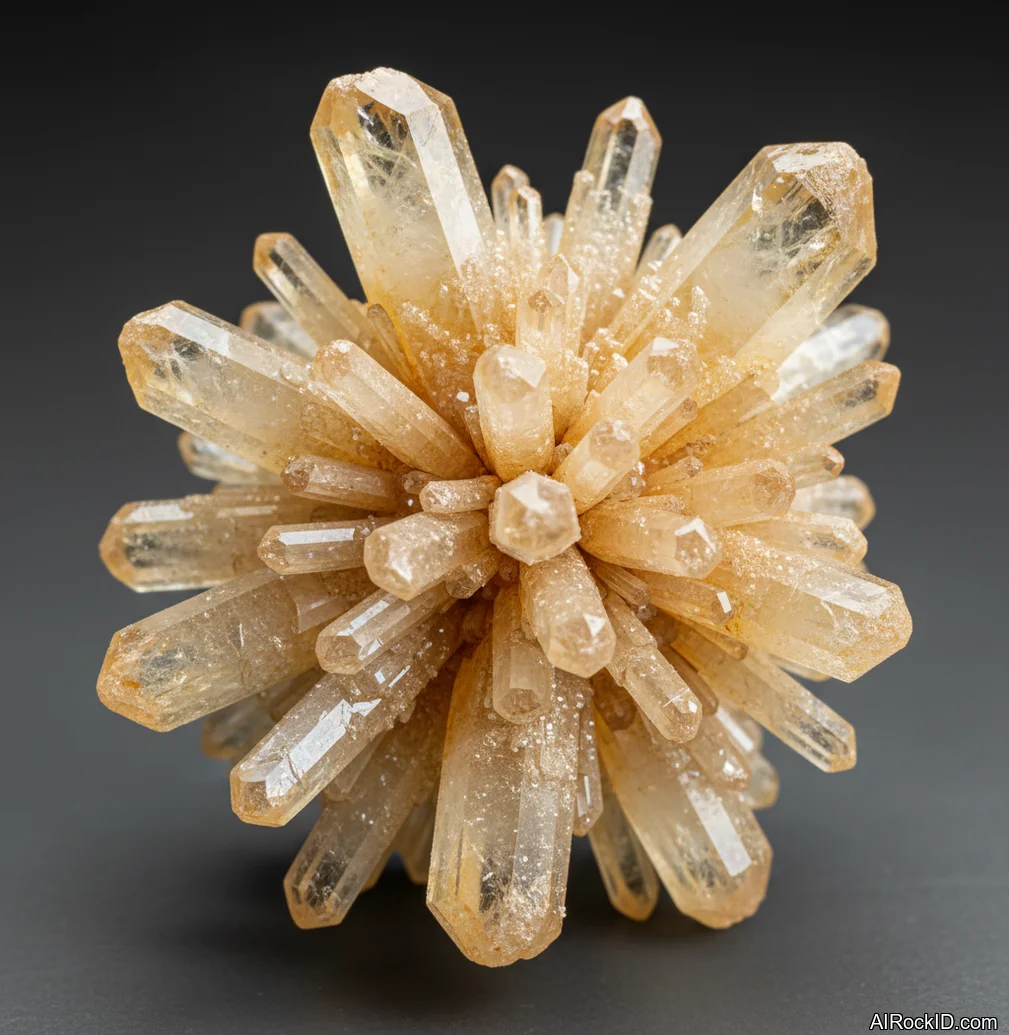
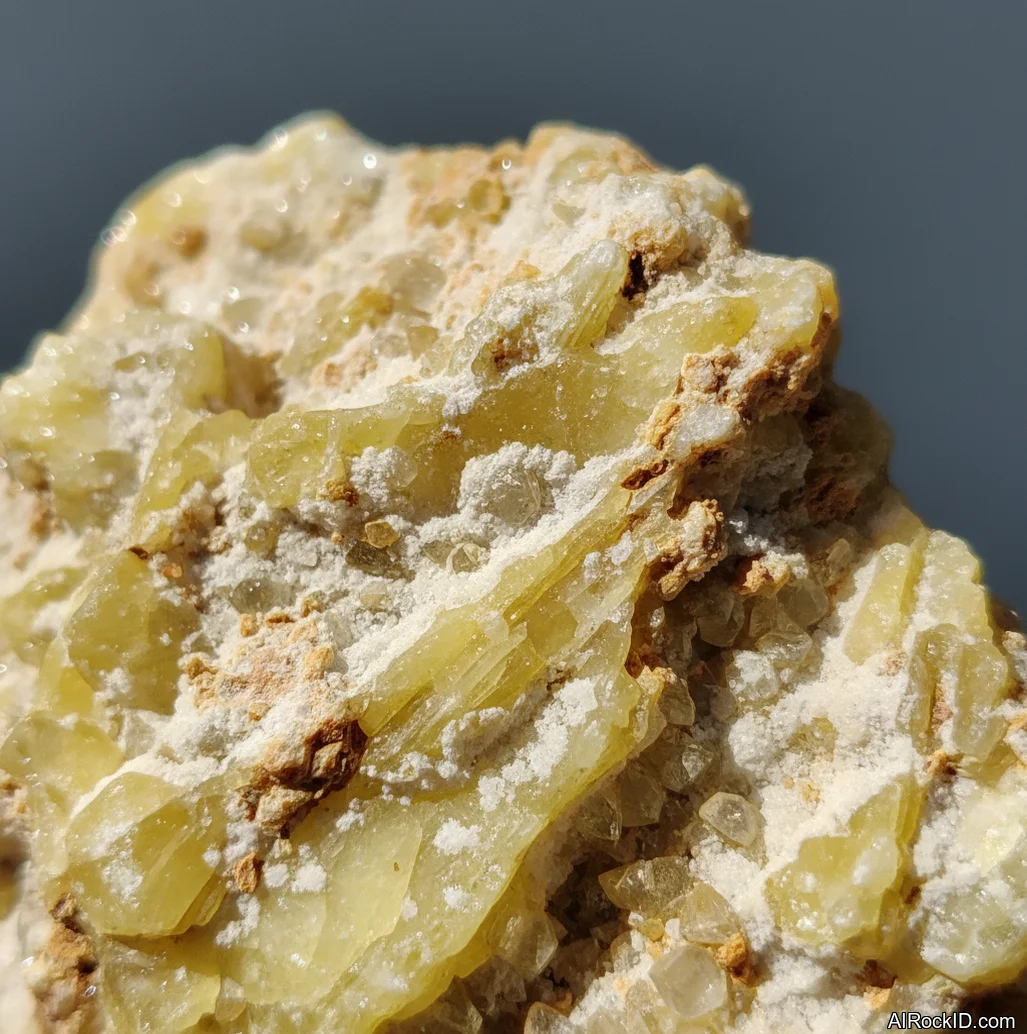
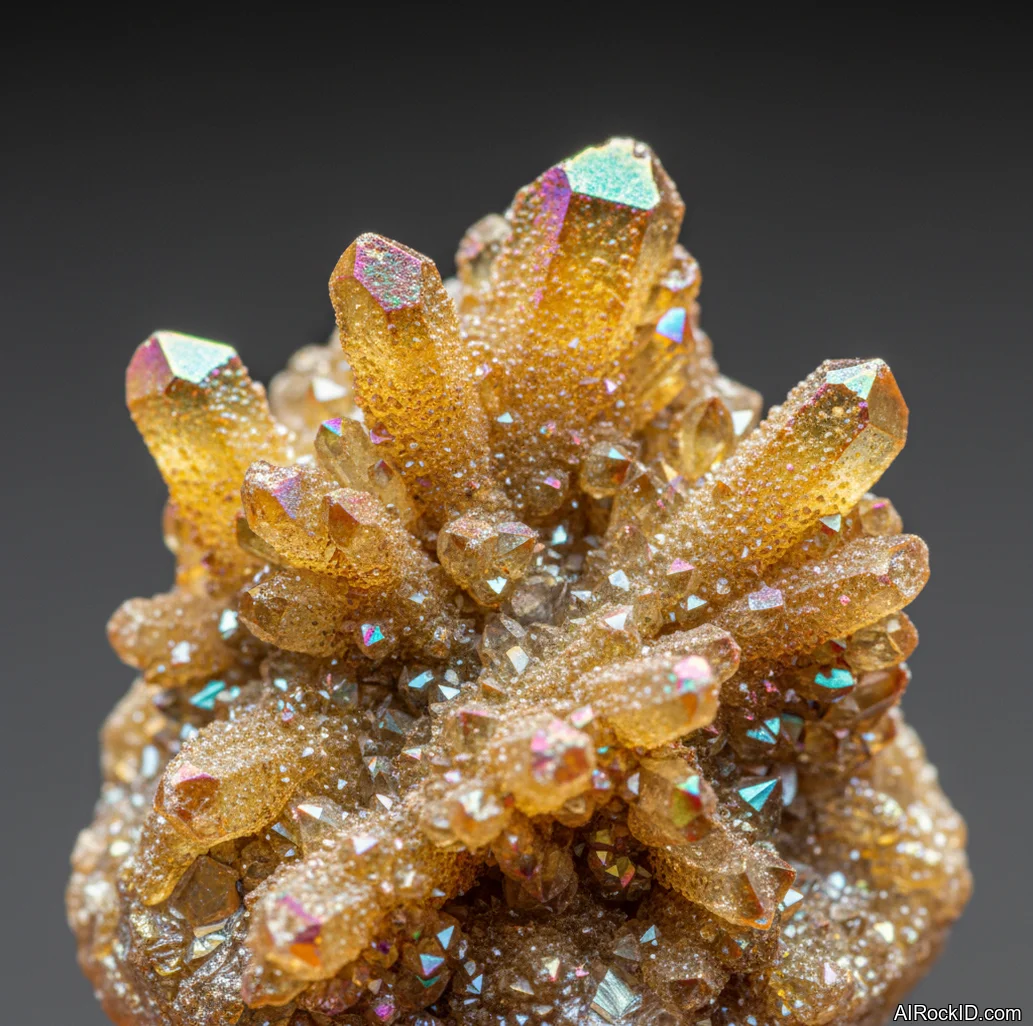
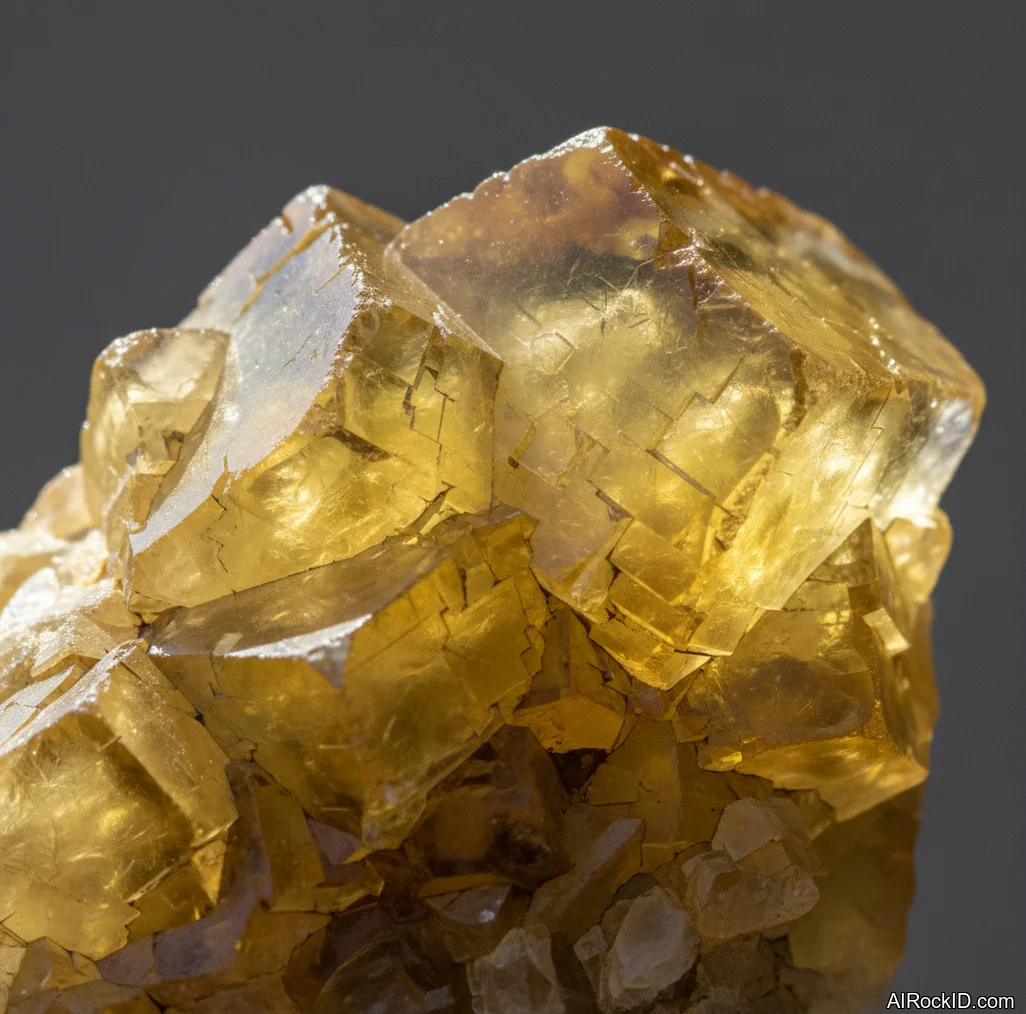
Citrine shows up in every confidence conversation, but here’s the problem with citrine: most “citrine” for sale is heated amethyst or smoky quartz. The giveaway is that burnt honey color pooled at the tips, or a harsh orange tone that looks baked-in. Natural citrine is usually paler, straw to champagne, and it’s rarer in clean points. If you want the confidence vibe without the citrine drama, Golden Calcite or Yellow Jasper can scratch that itch. Just remember calcite is soft. Toss it in a bag with a phone and you’ll see scuffs fast.
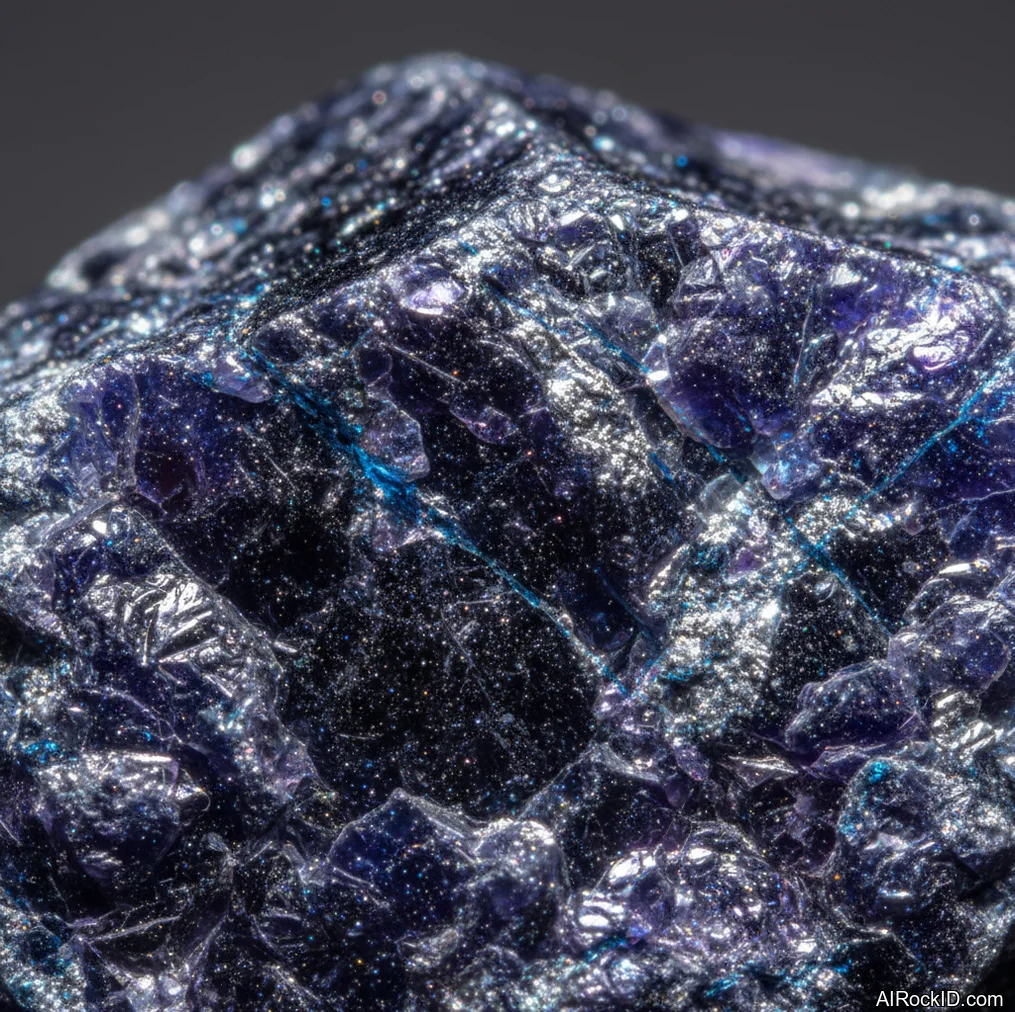
Sunstone is another one that feels made for confidence work because it literally flashes. Look closely and you’ll see tiny reflective platelets (aventurescence) that catch light as you rotate the stone. Some pieces are subtle. Some sparkle like cinnamon sugar. That visual pop is why people keep it around for self-worth and showing up as themselves. But sunstone can be fragile if it’s cut thin, and the flash disappears if the cutter misses the right angle, so buy from someone who’ll show video in moving light.
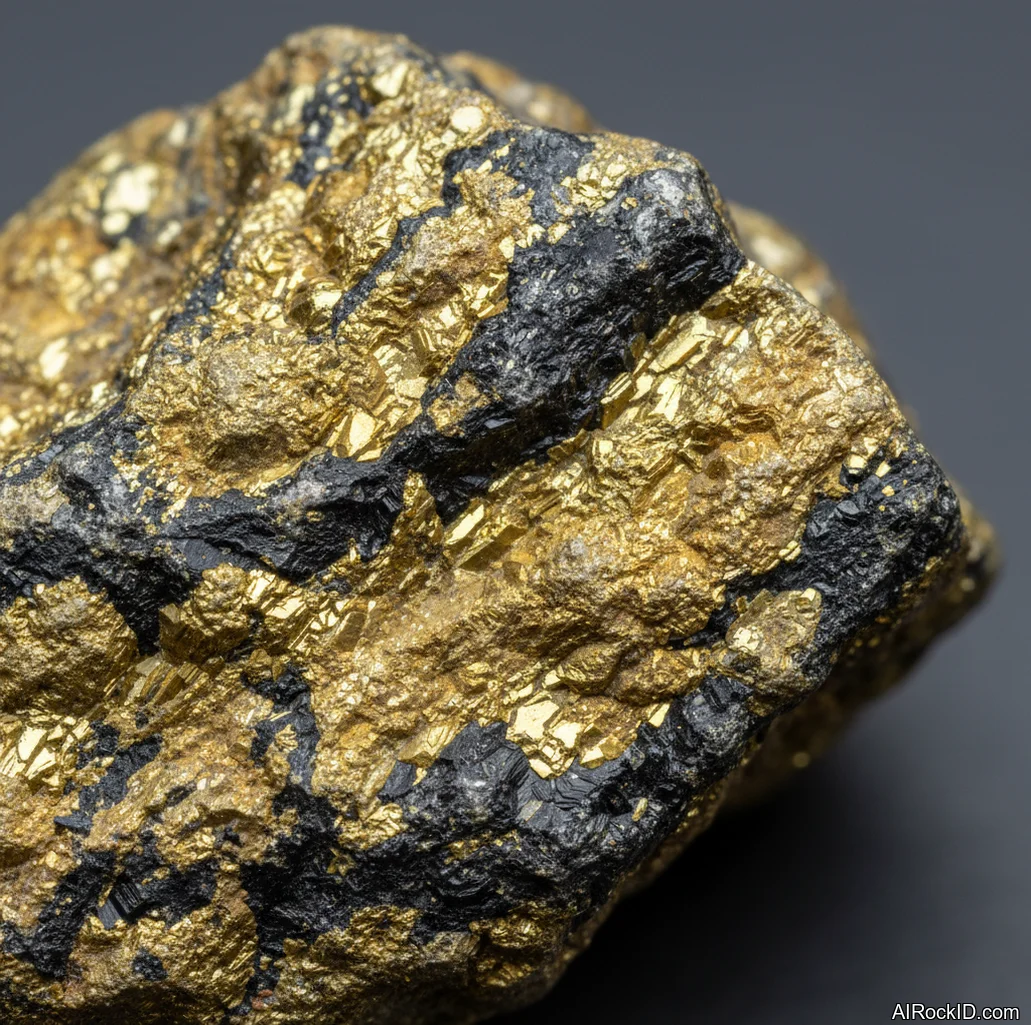
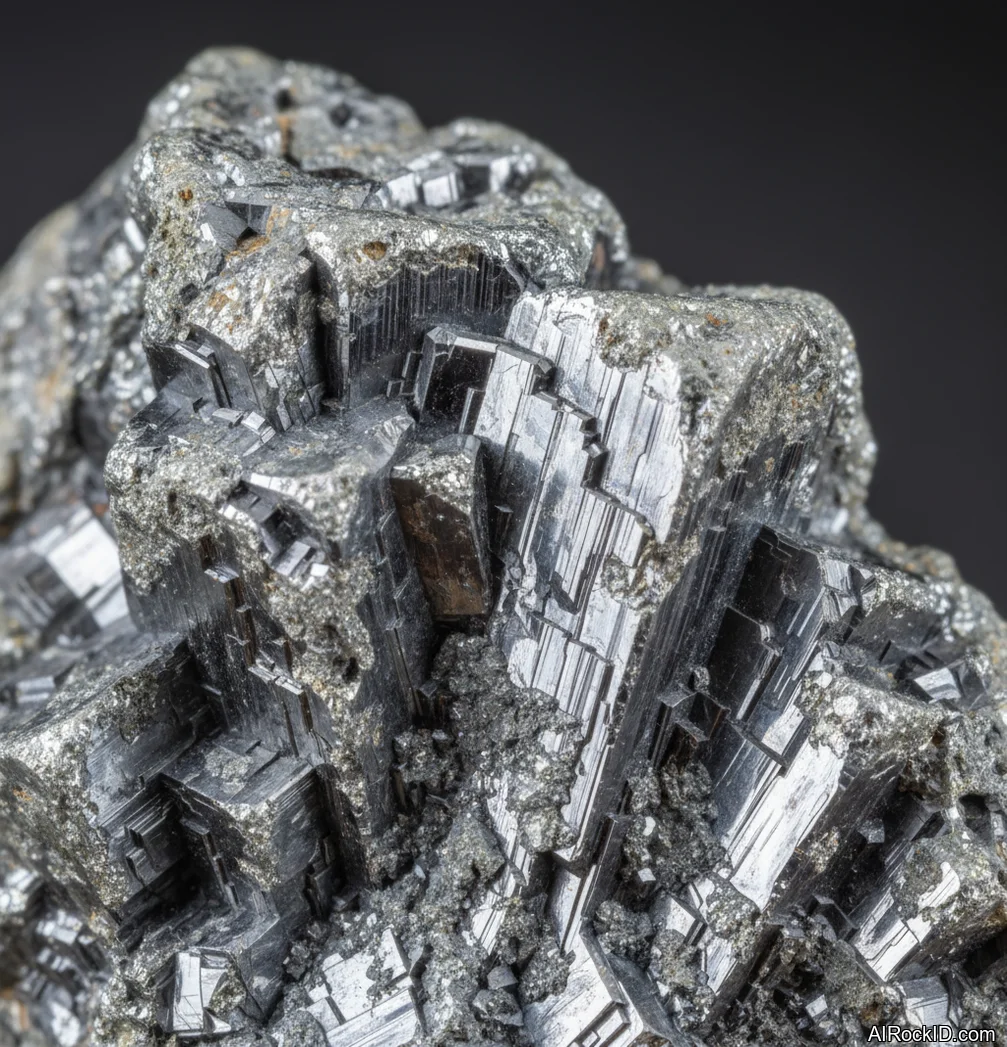
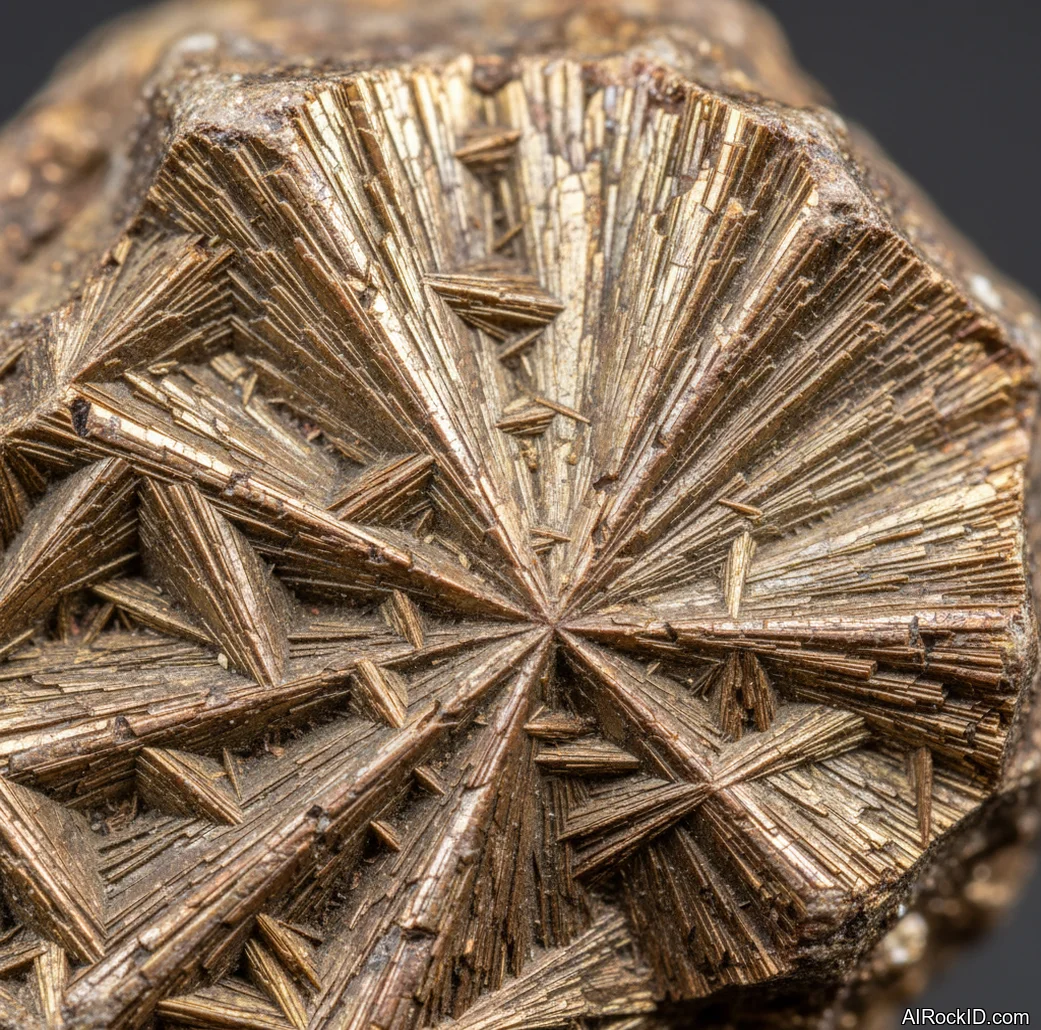
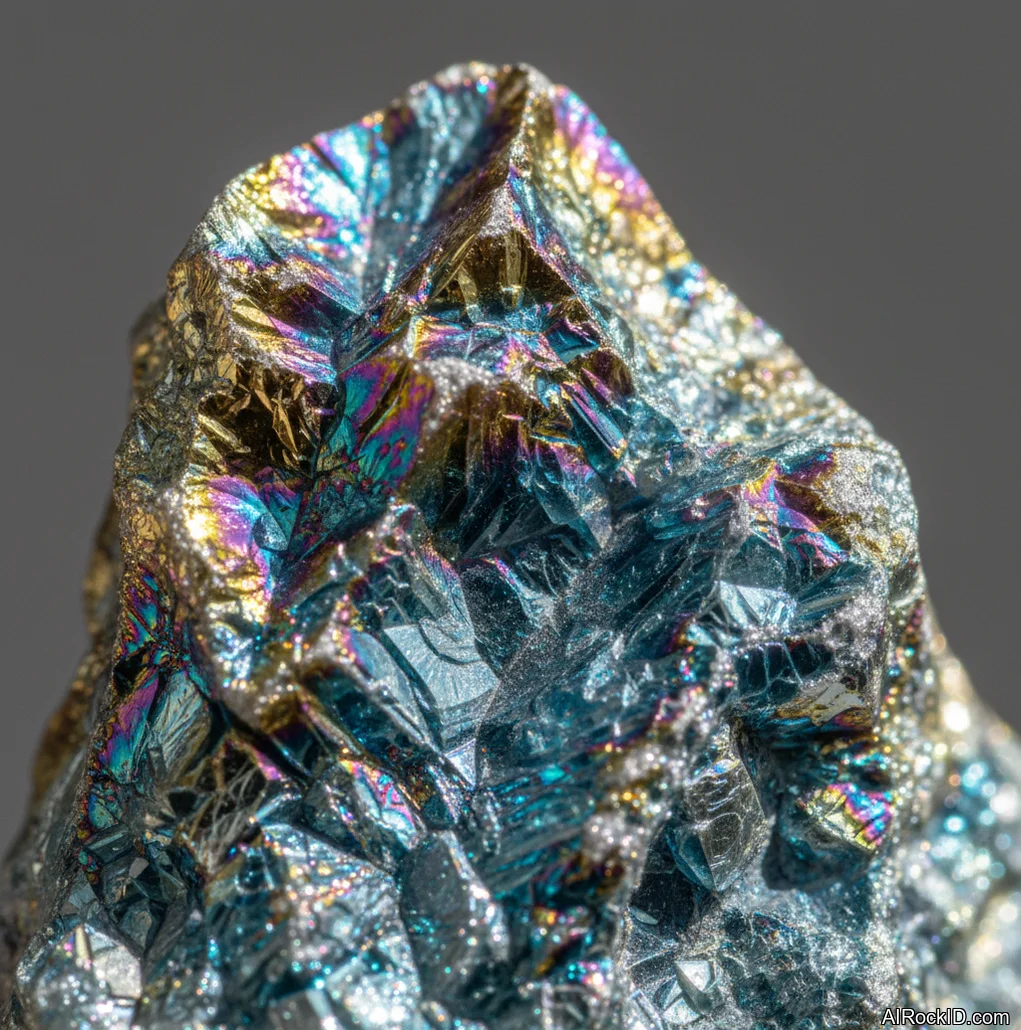
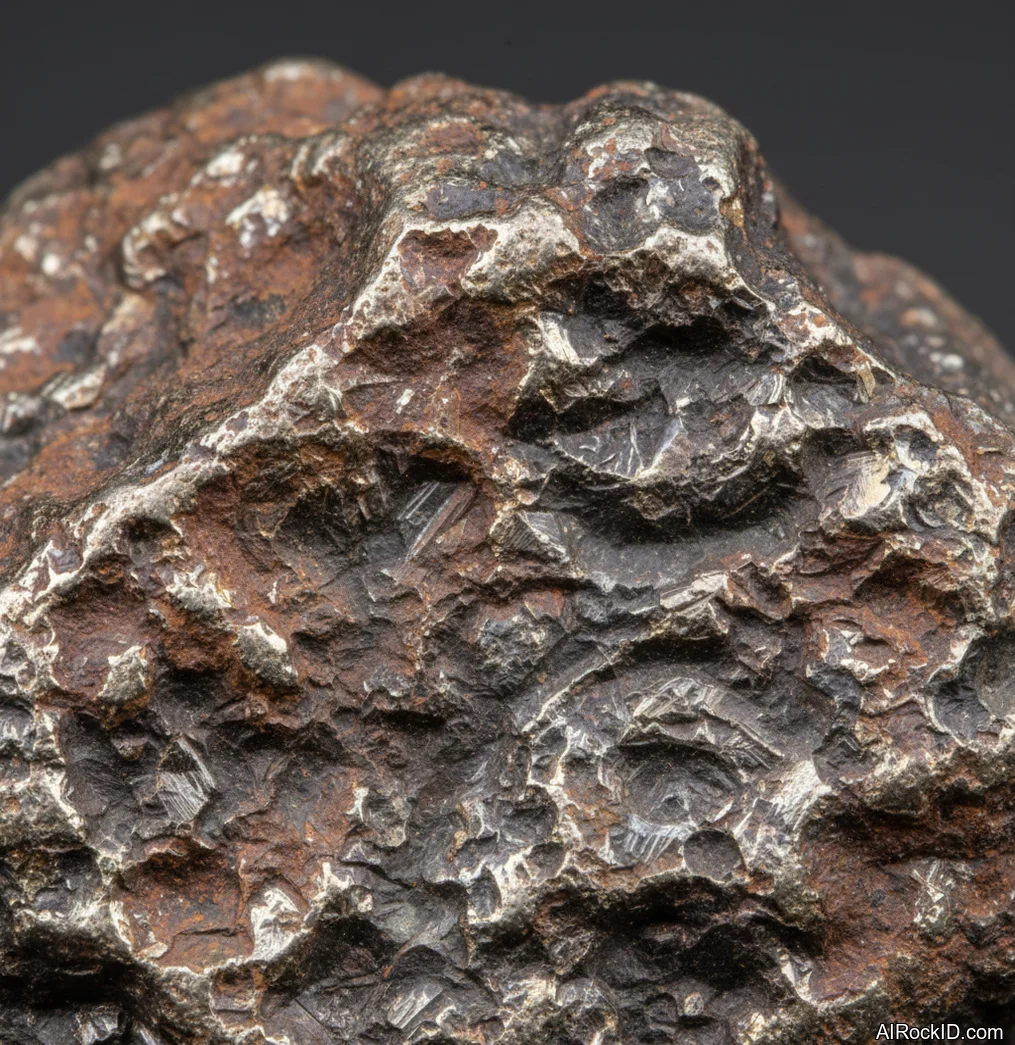
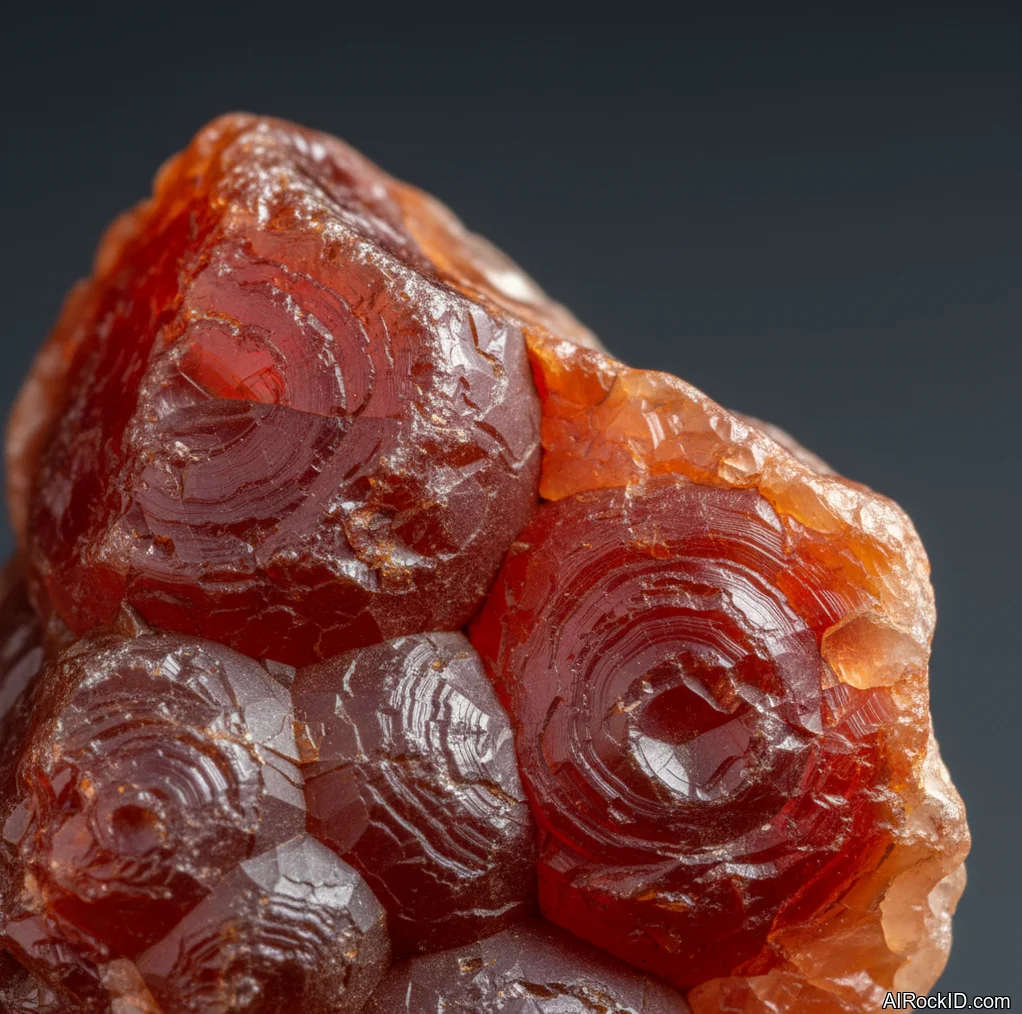
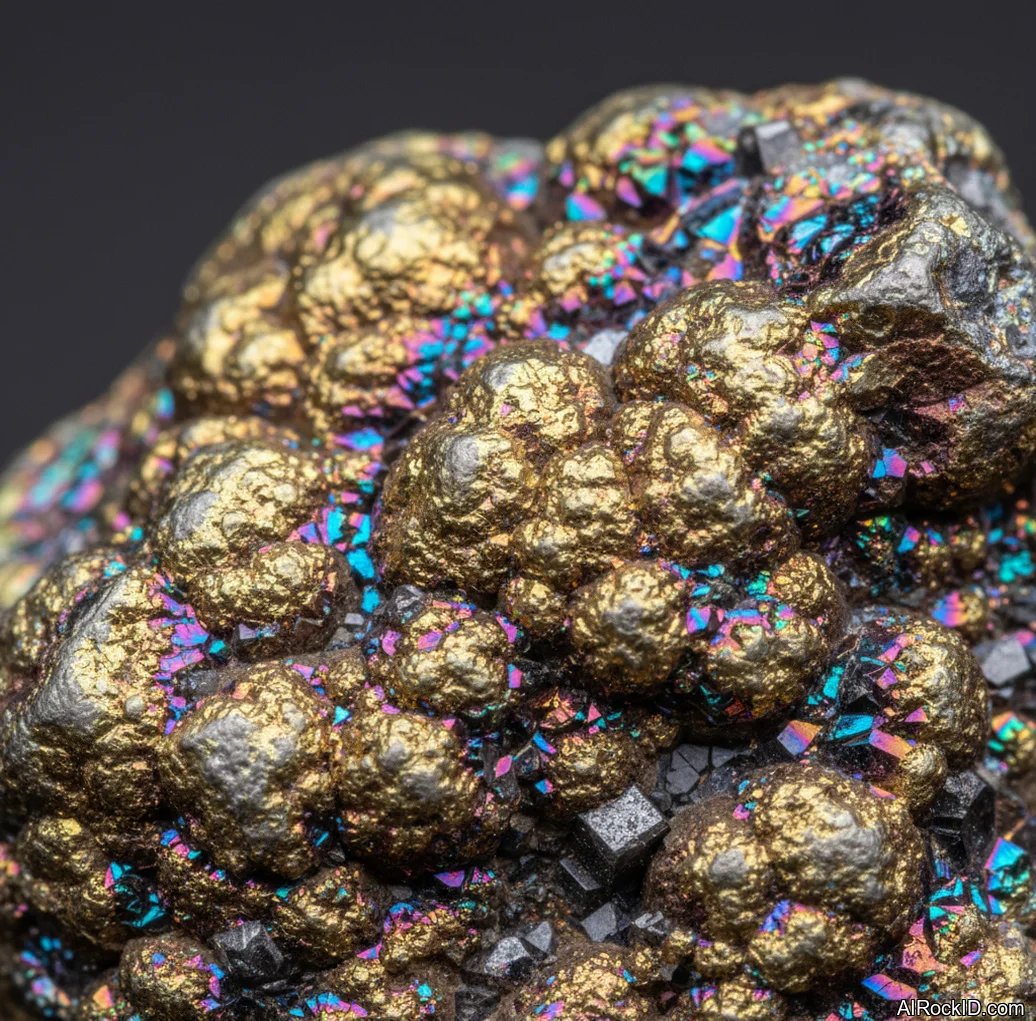
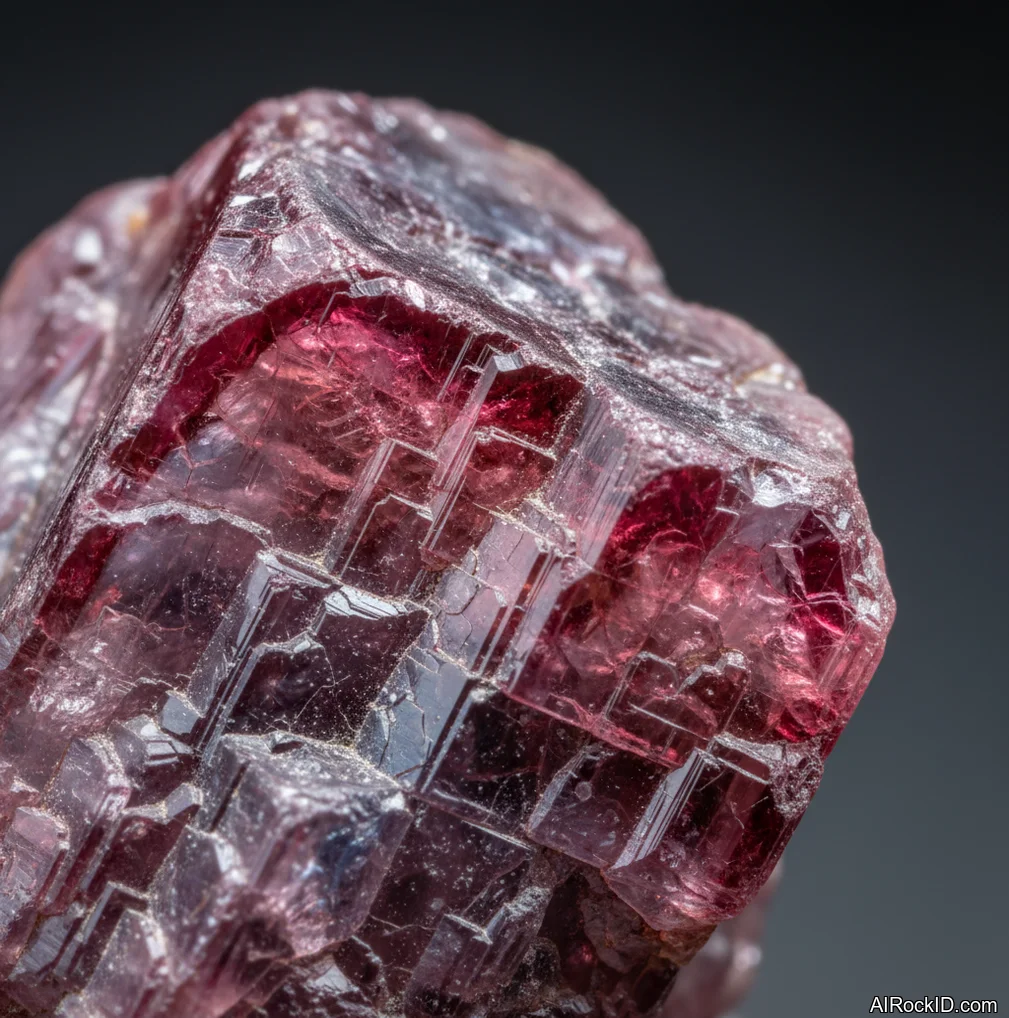
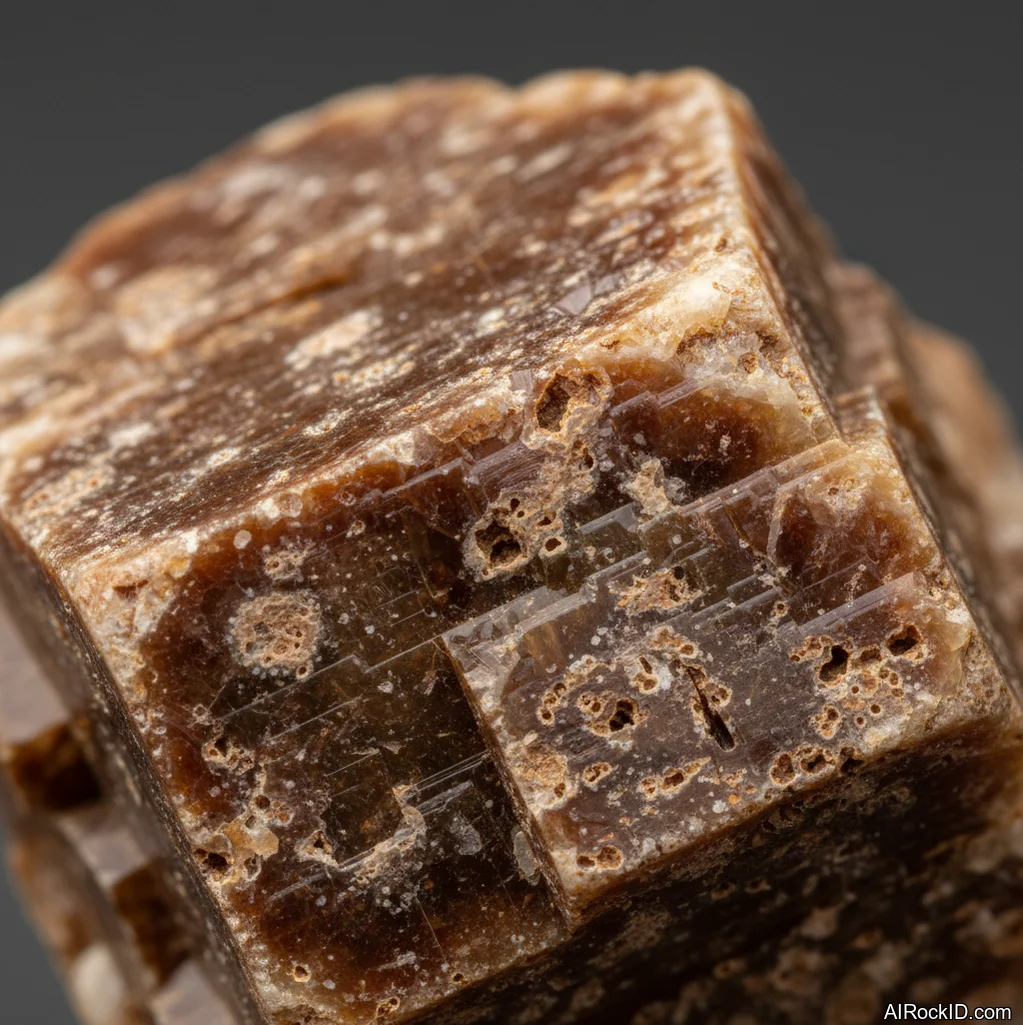
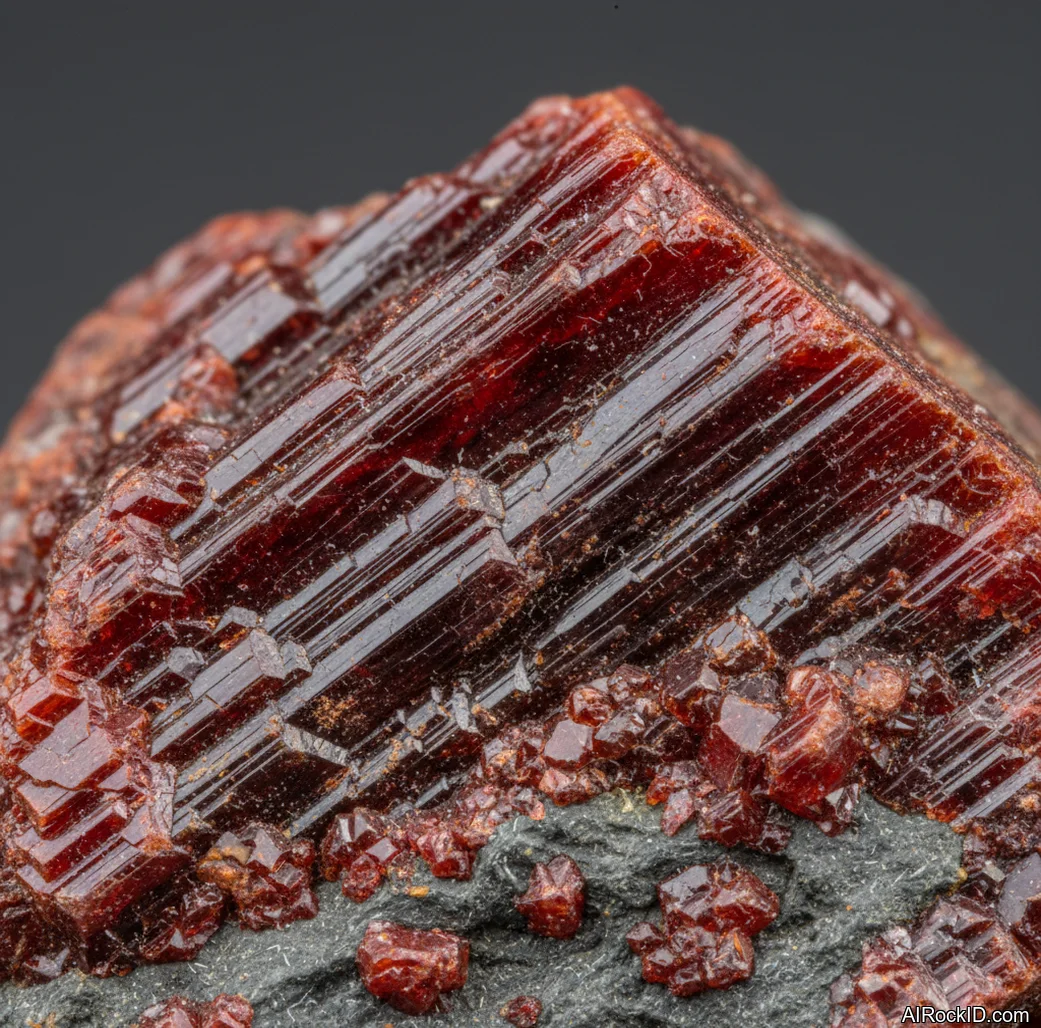
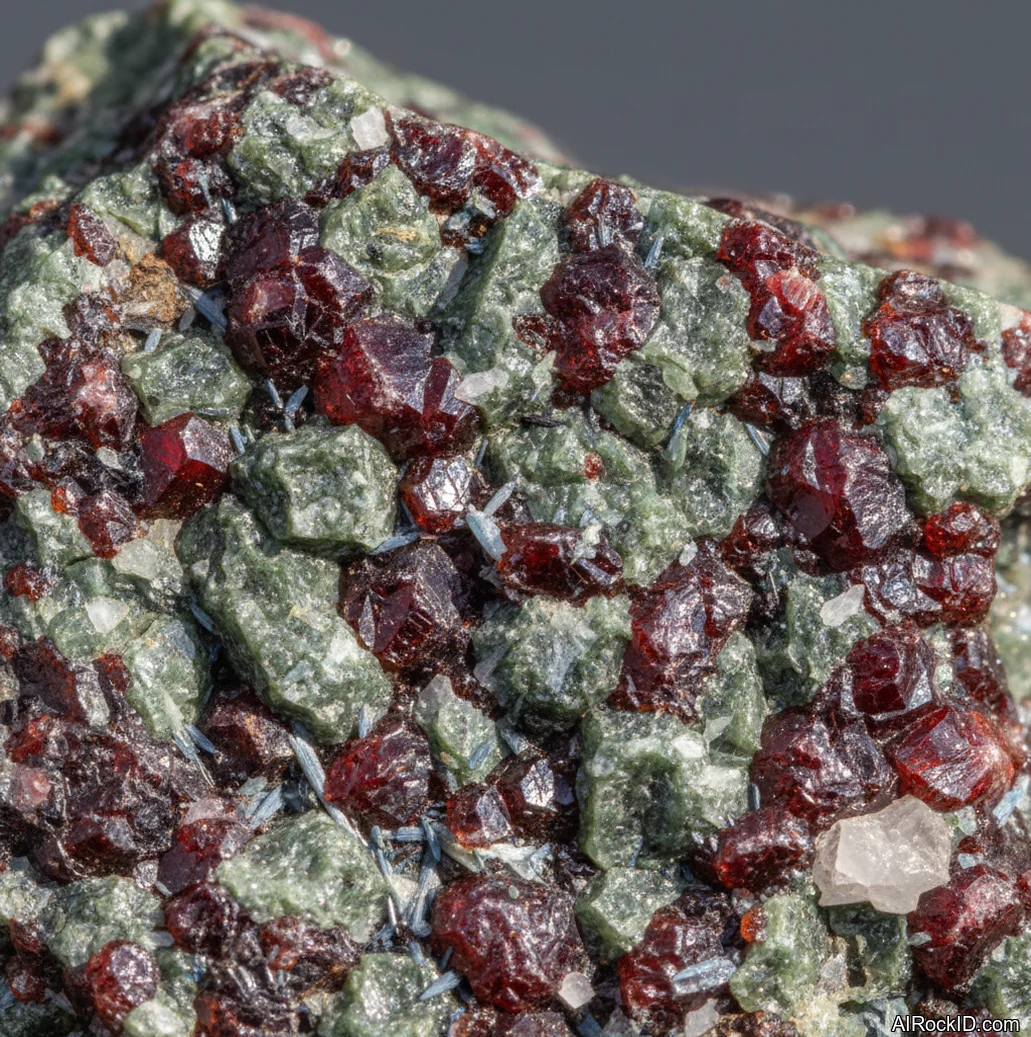
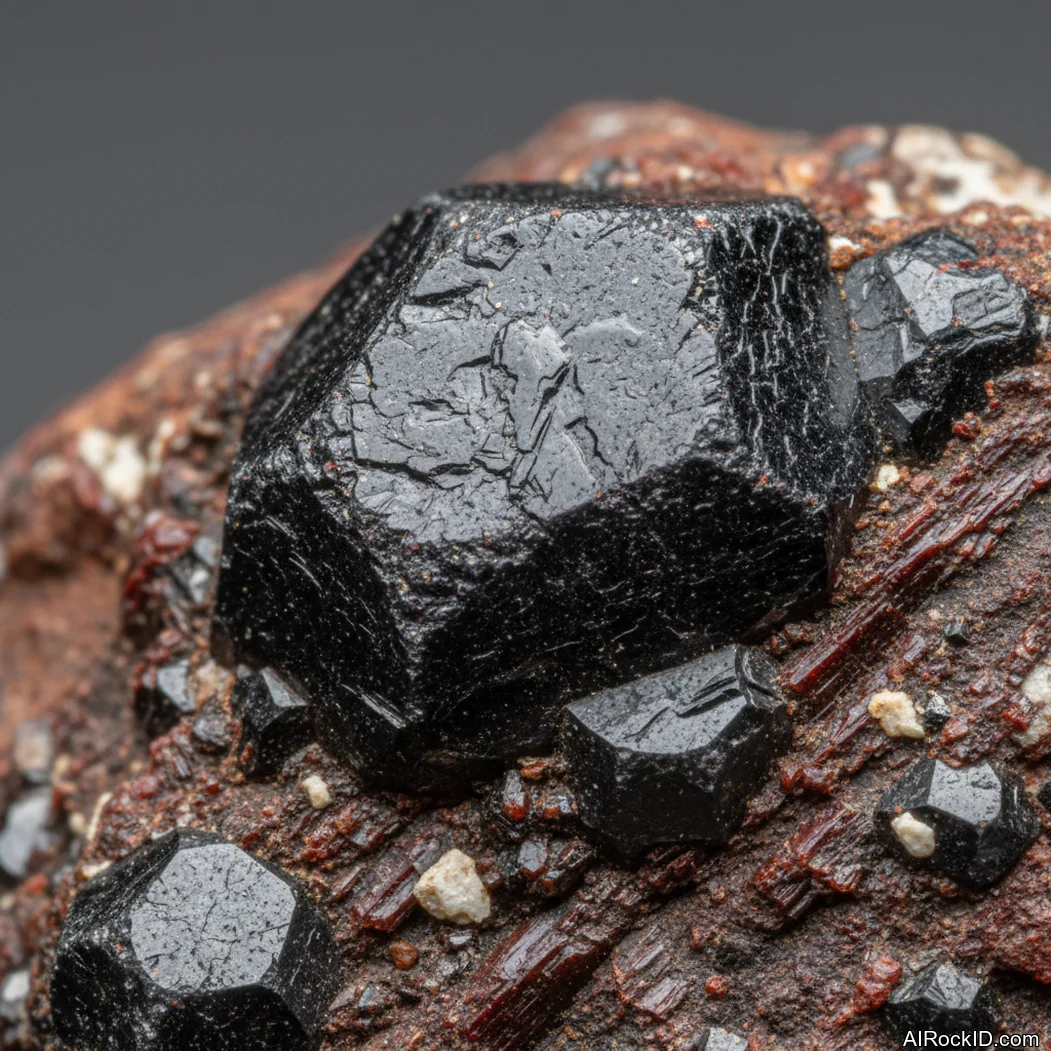
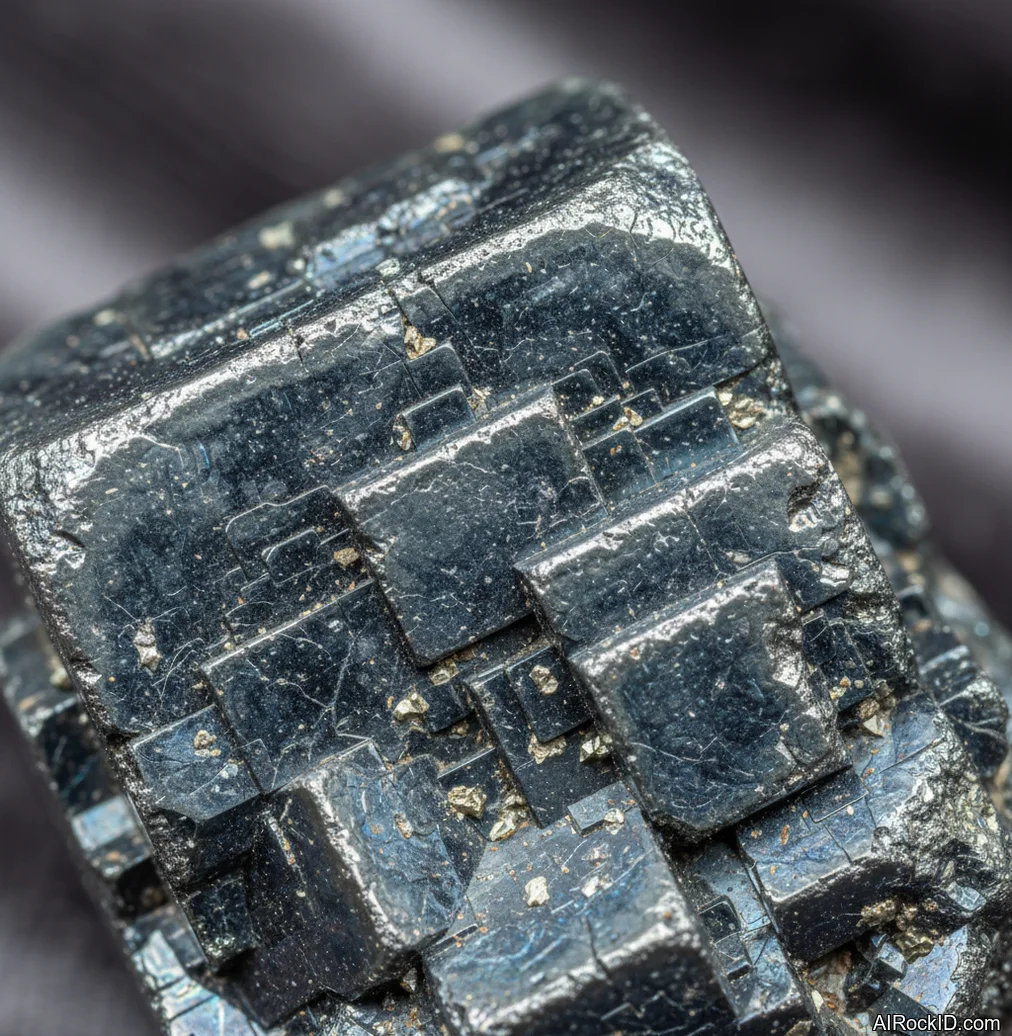
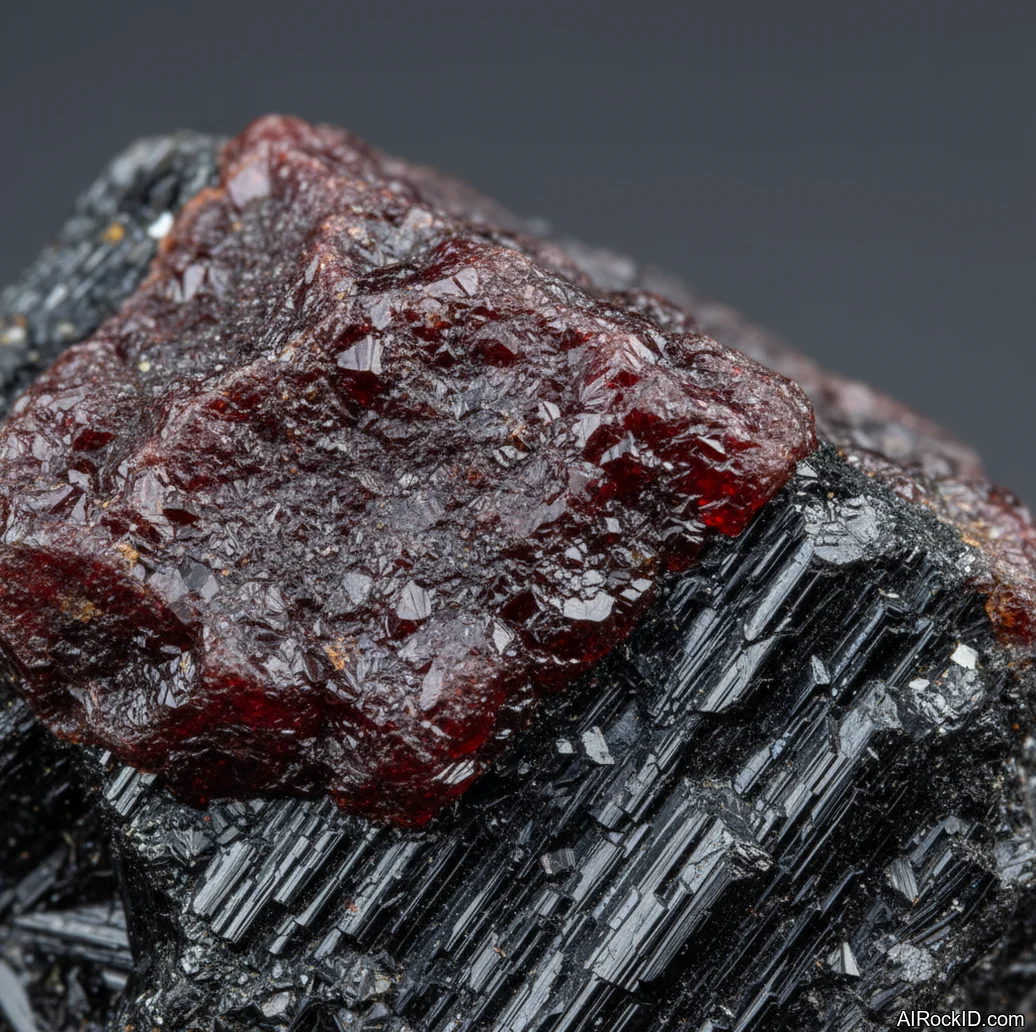
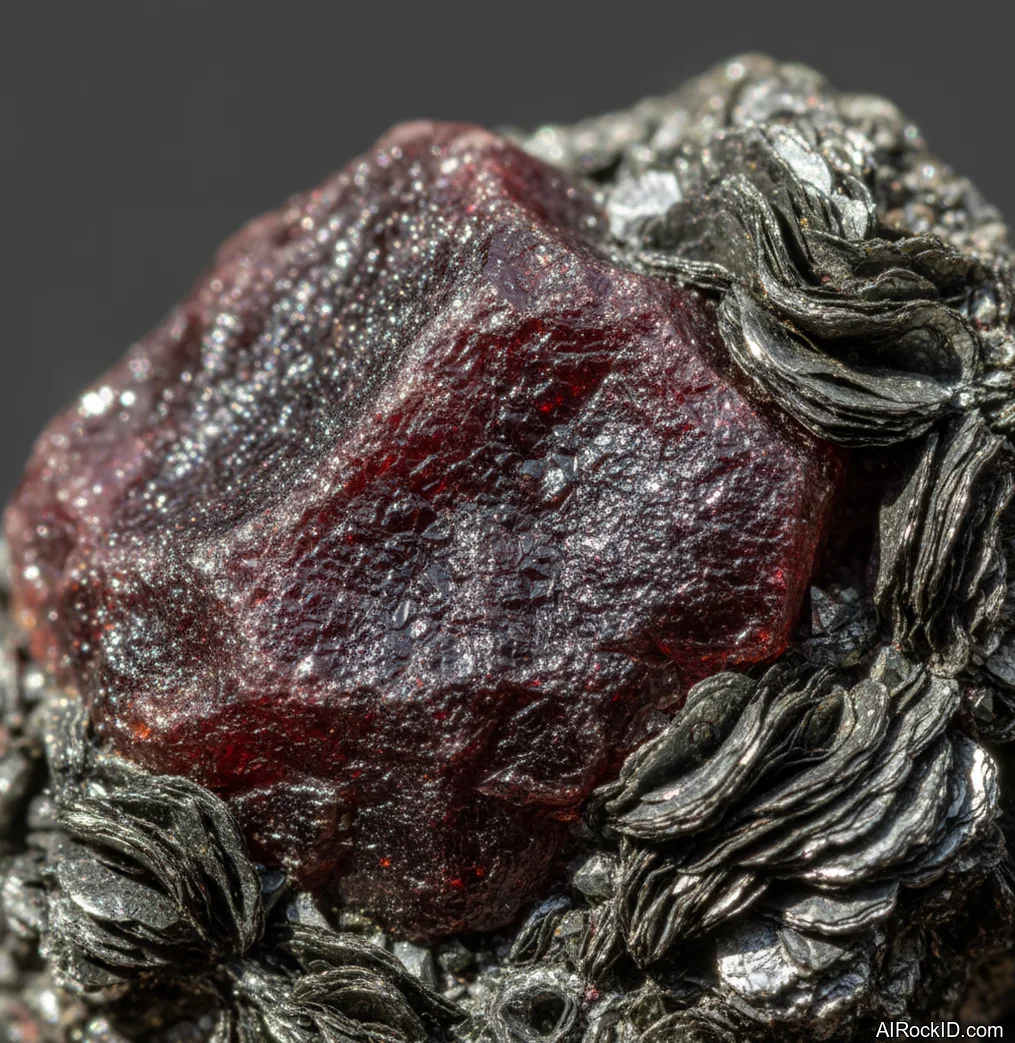
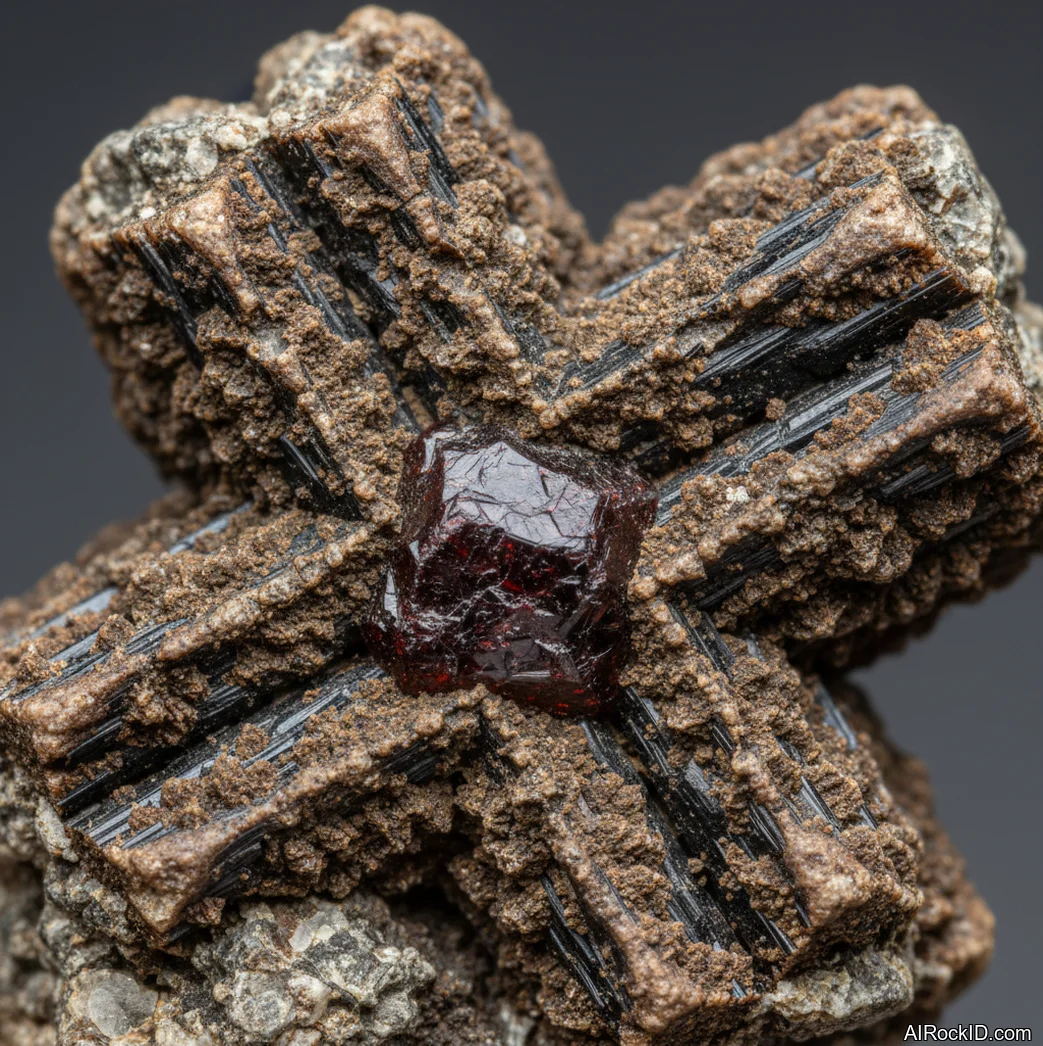
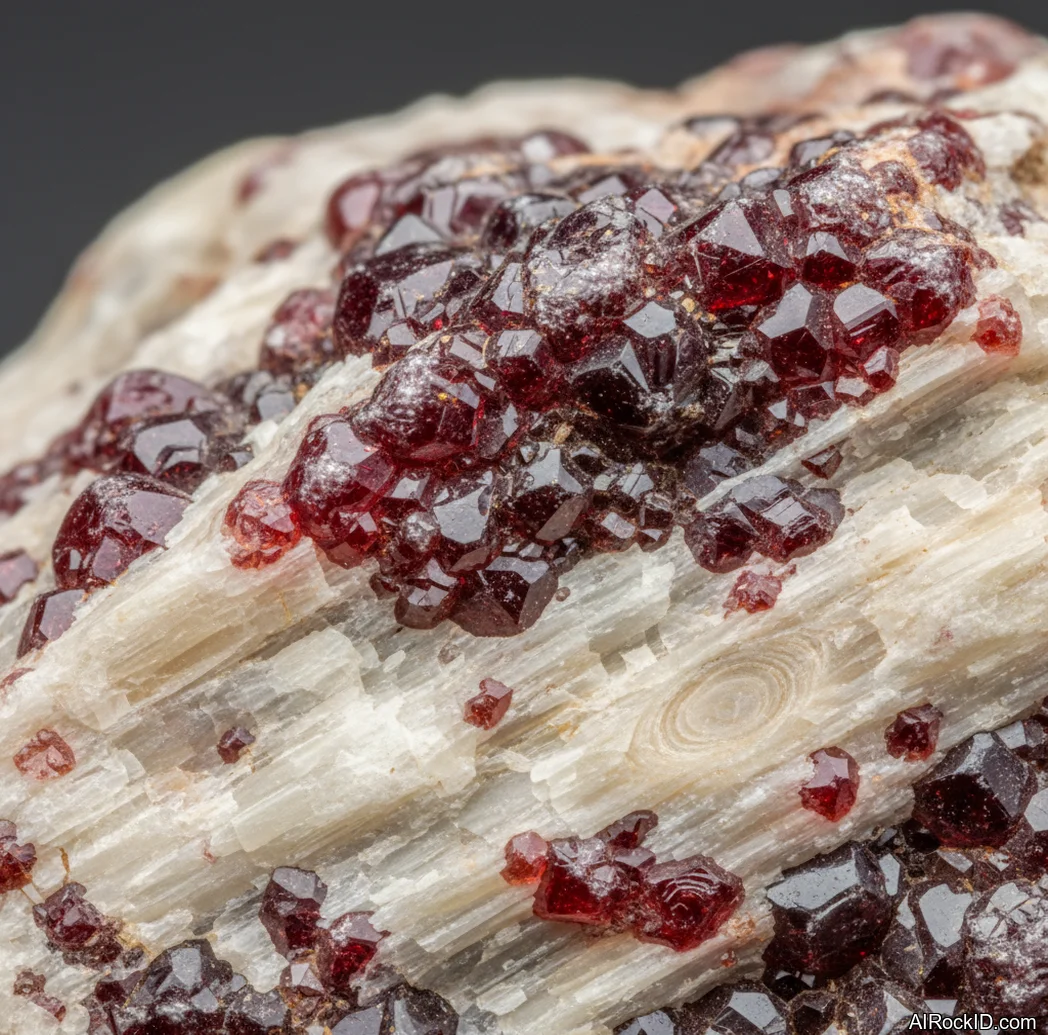
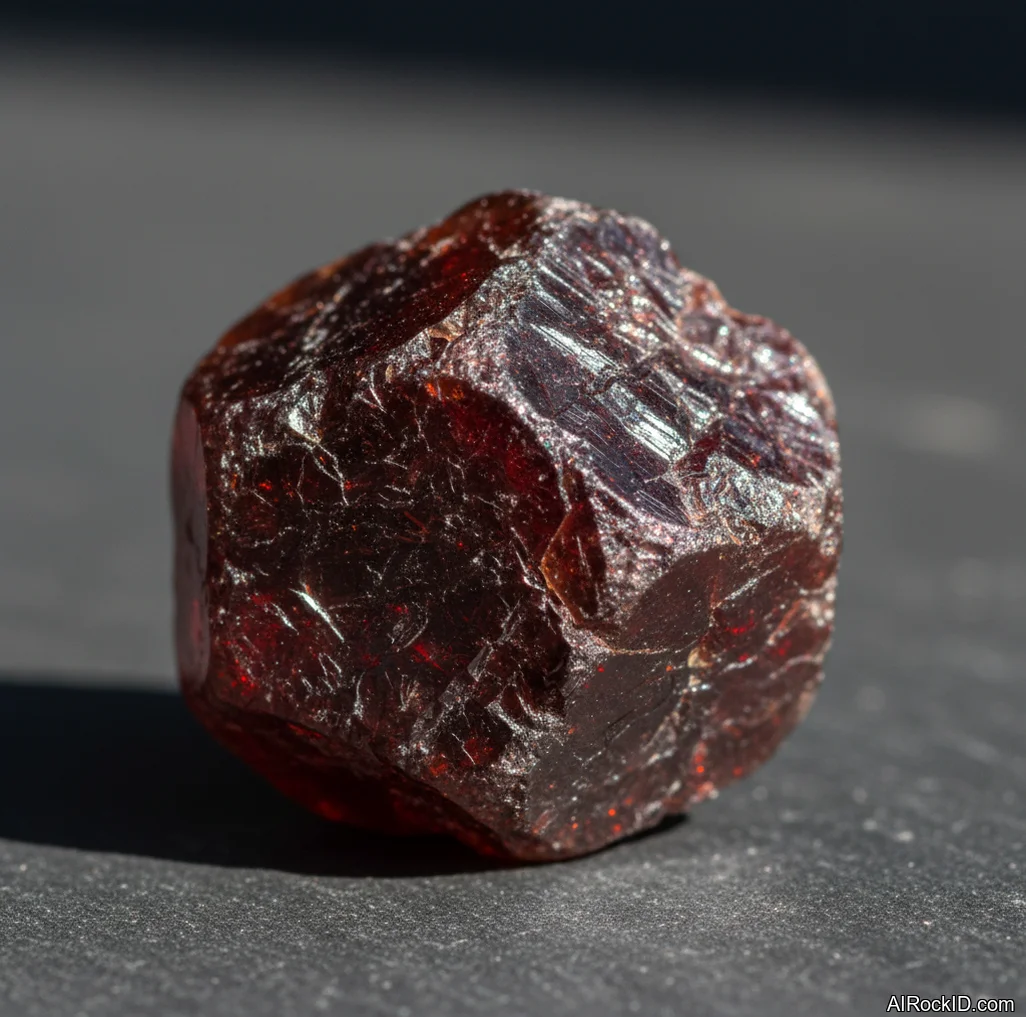
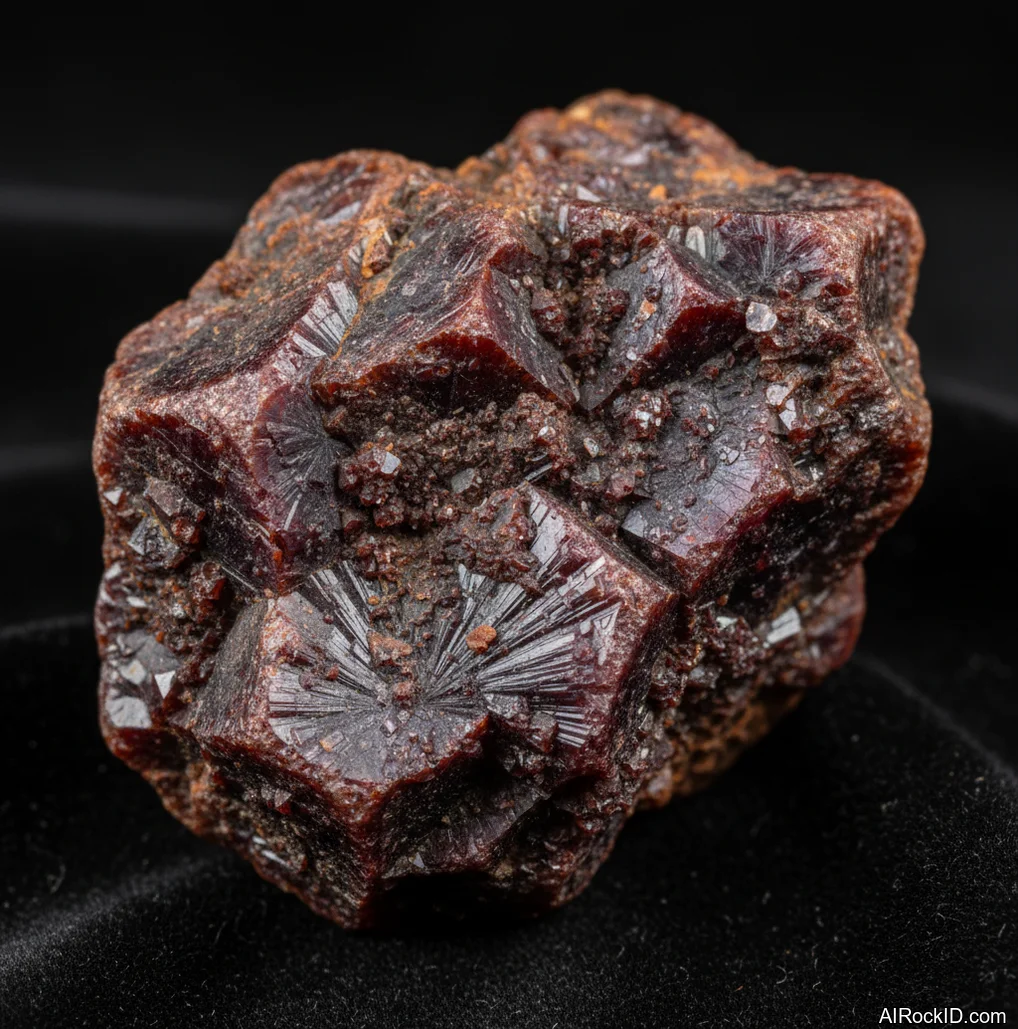
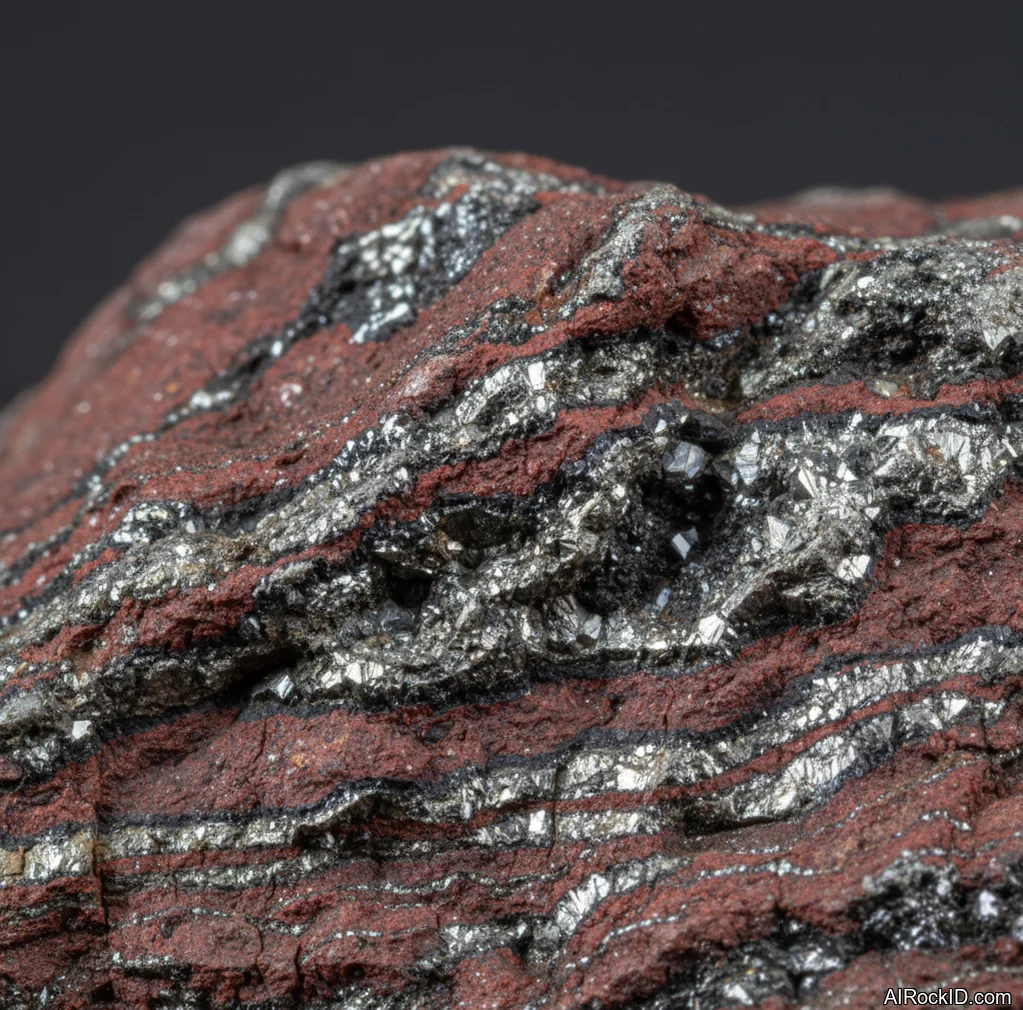
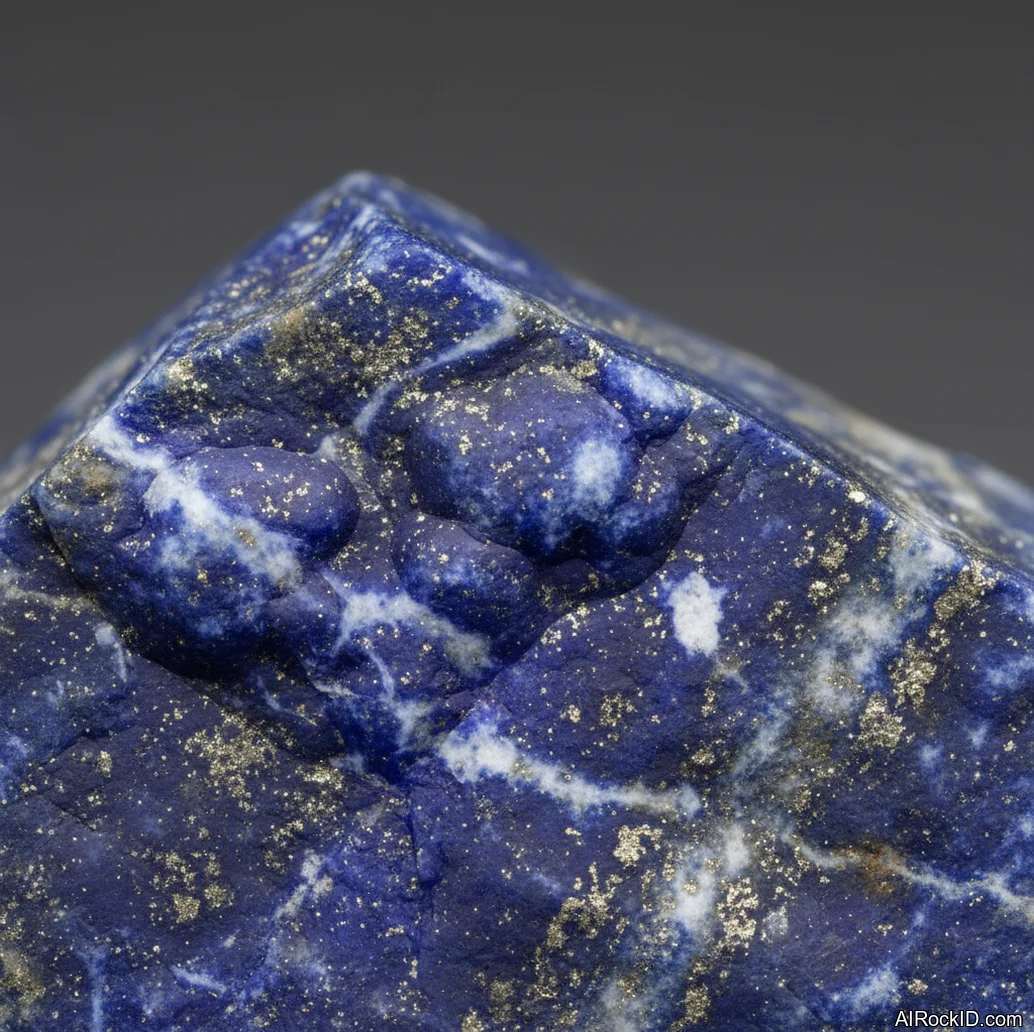
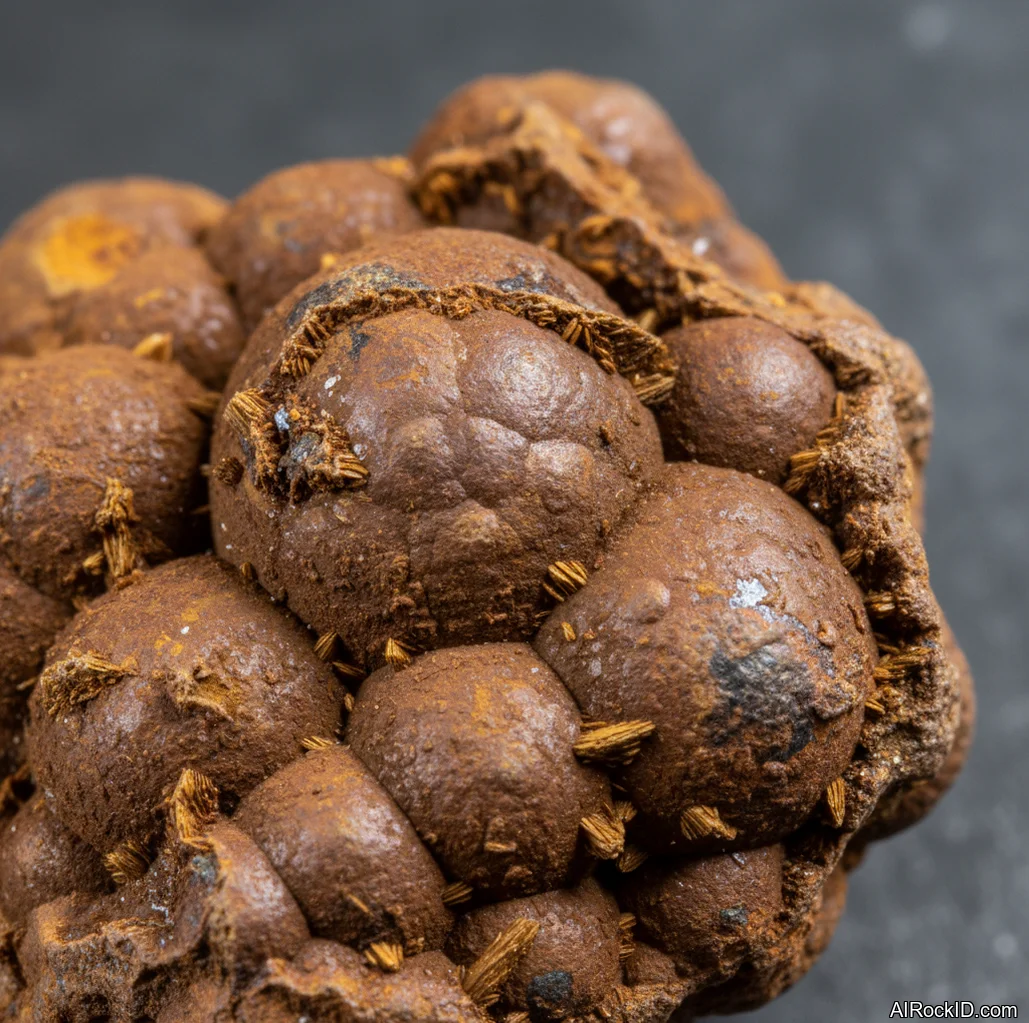
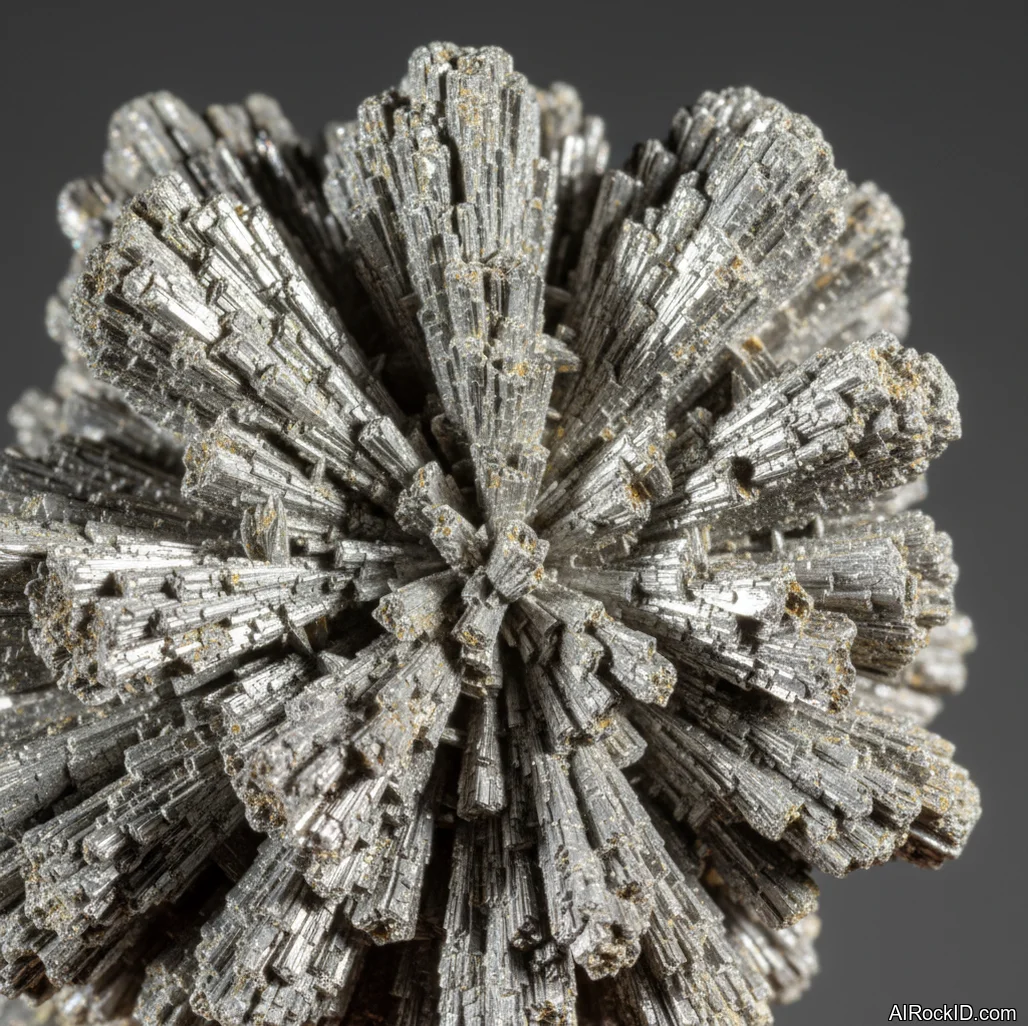
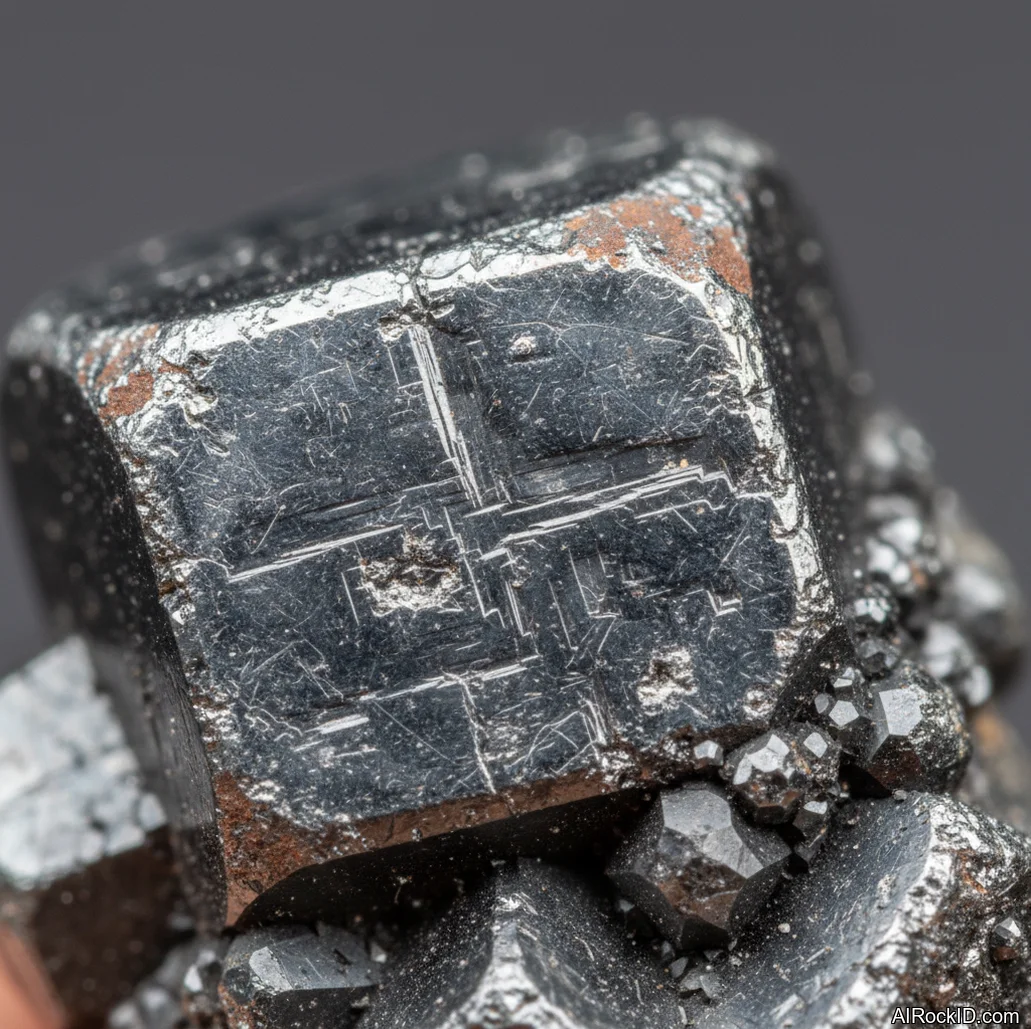
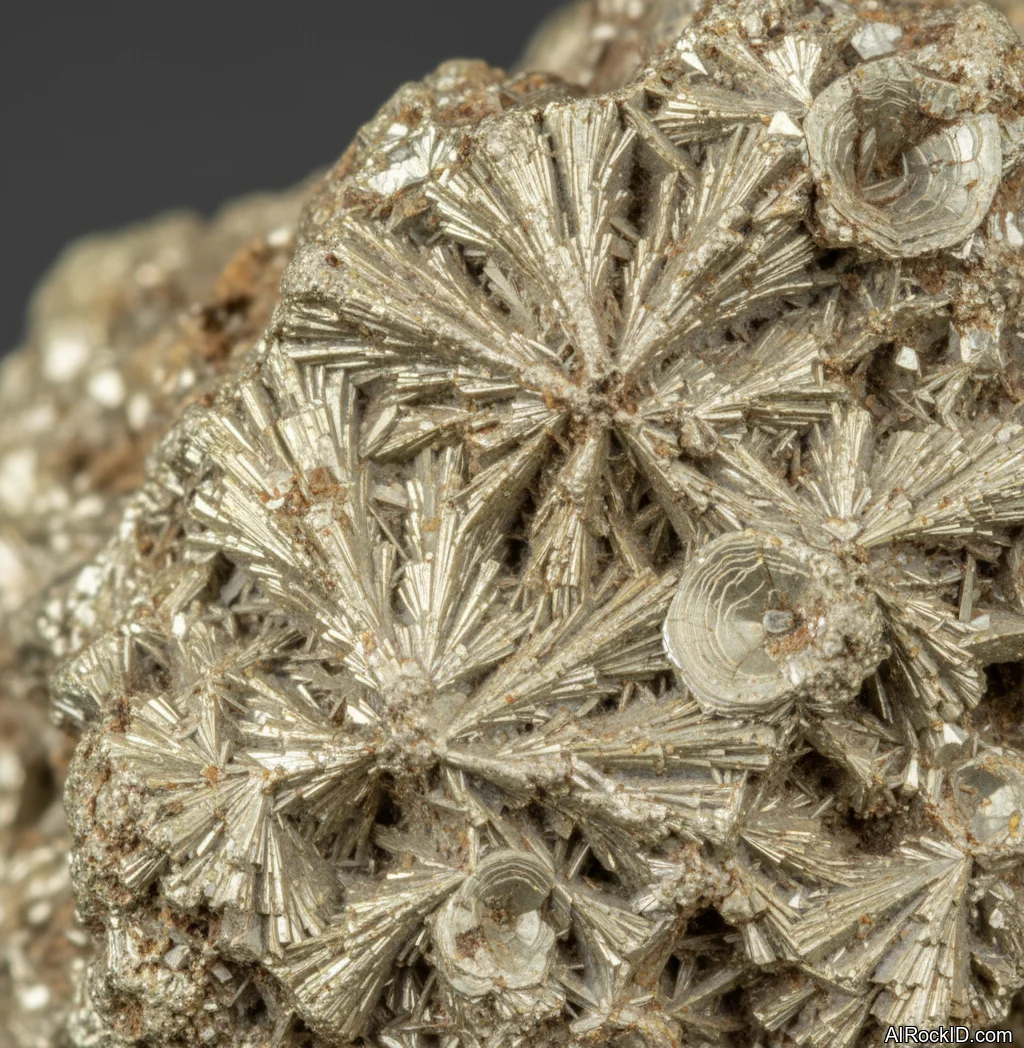
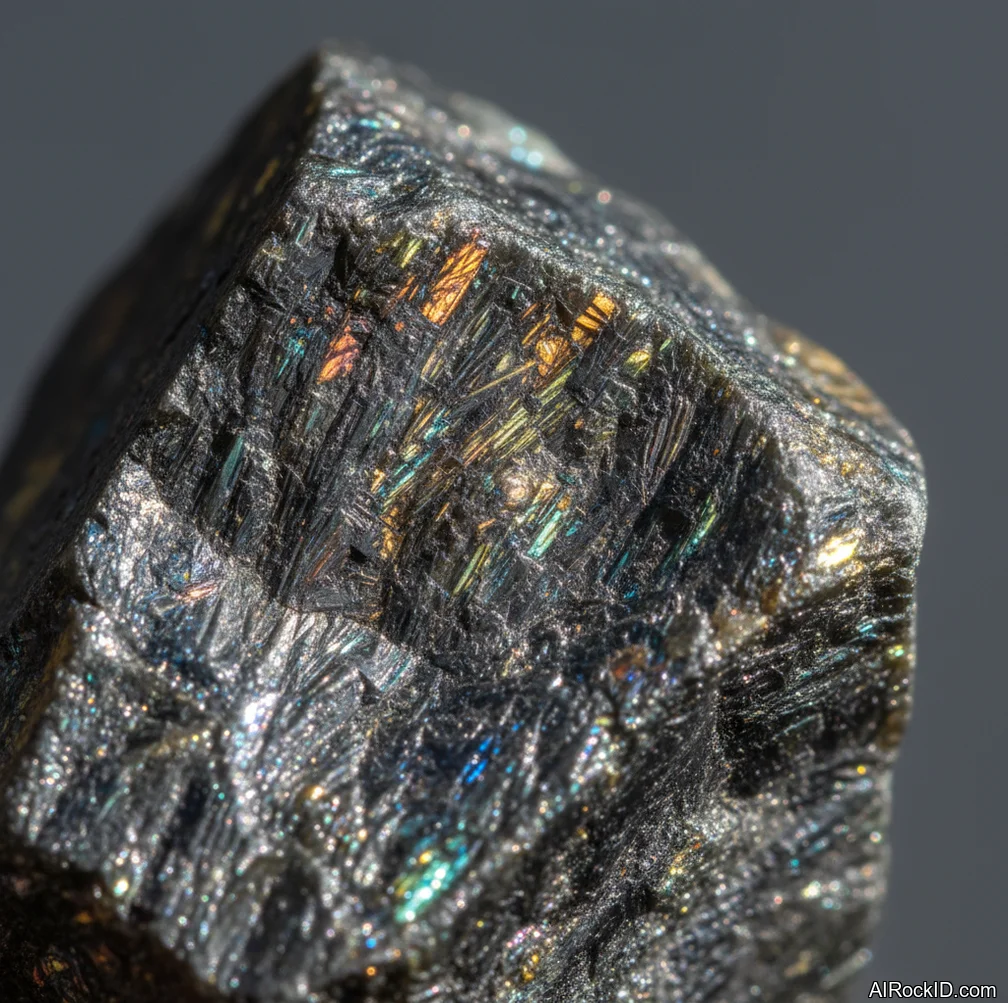
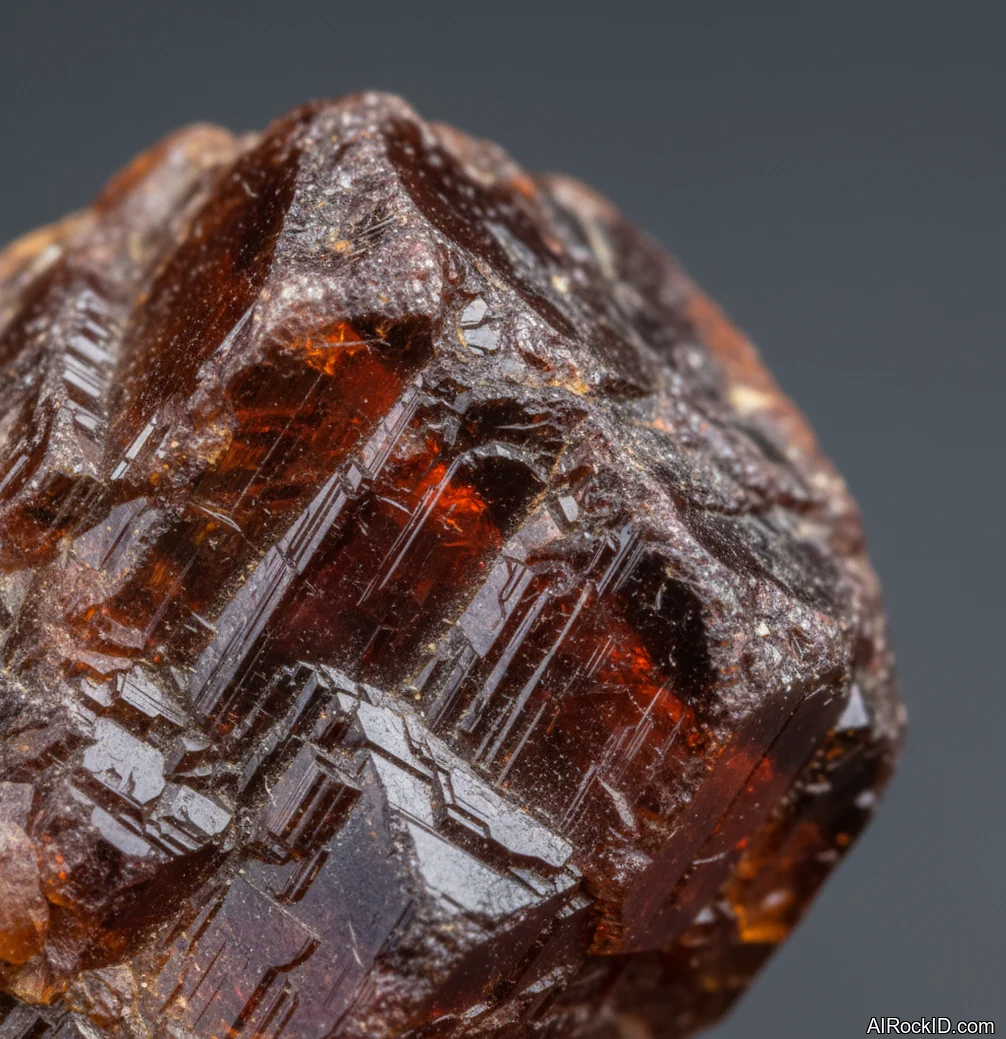
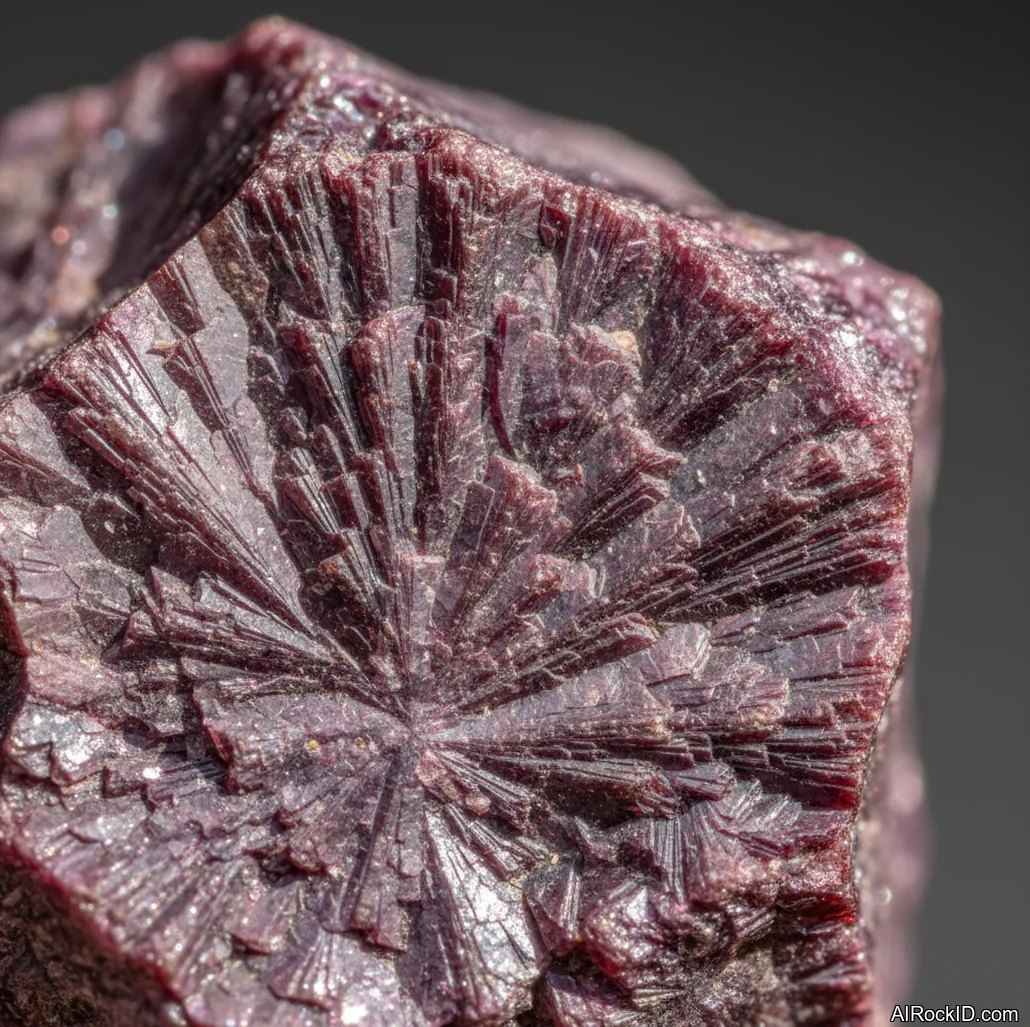
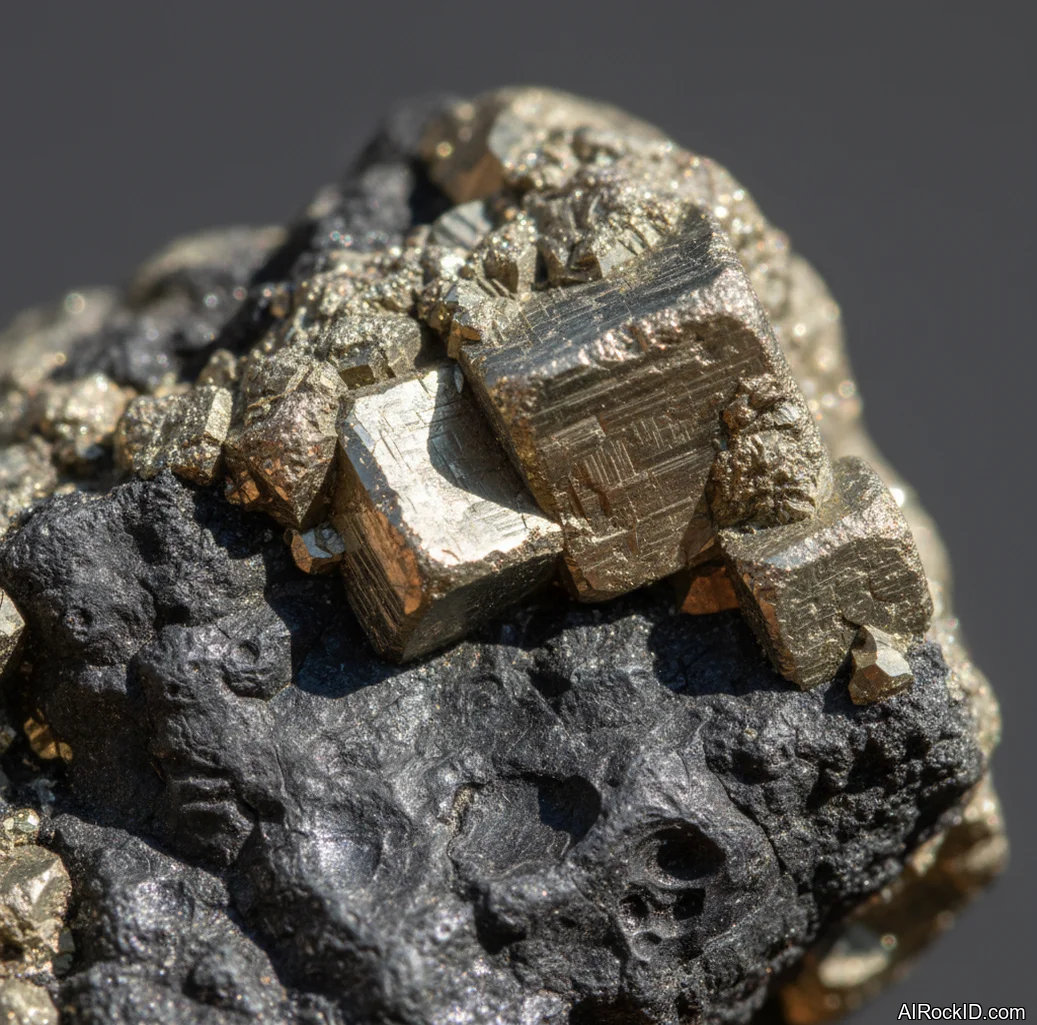
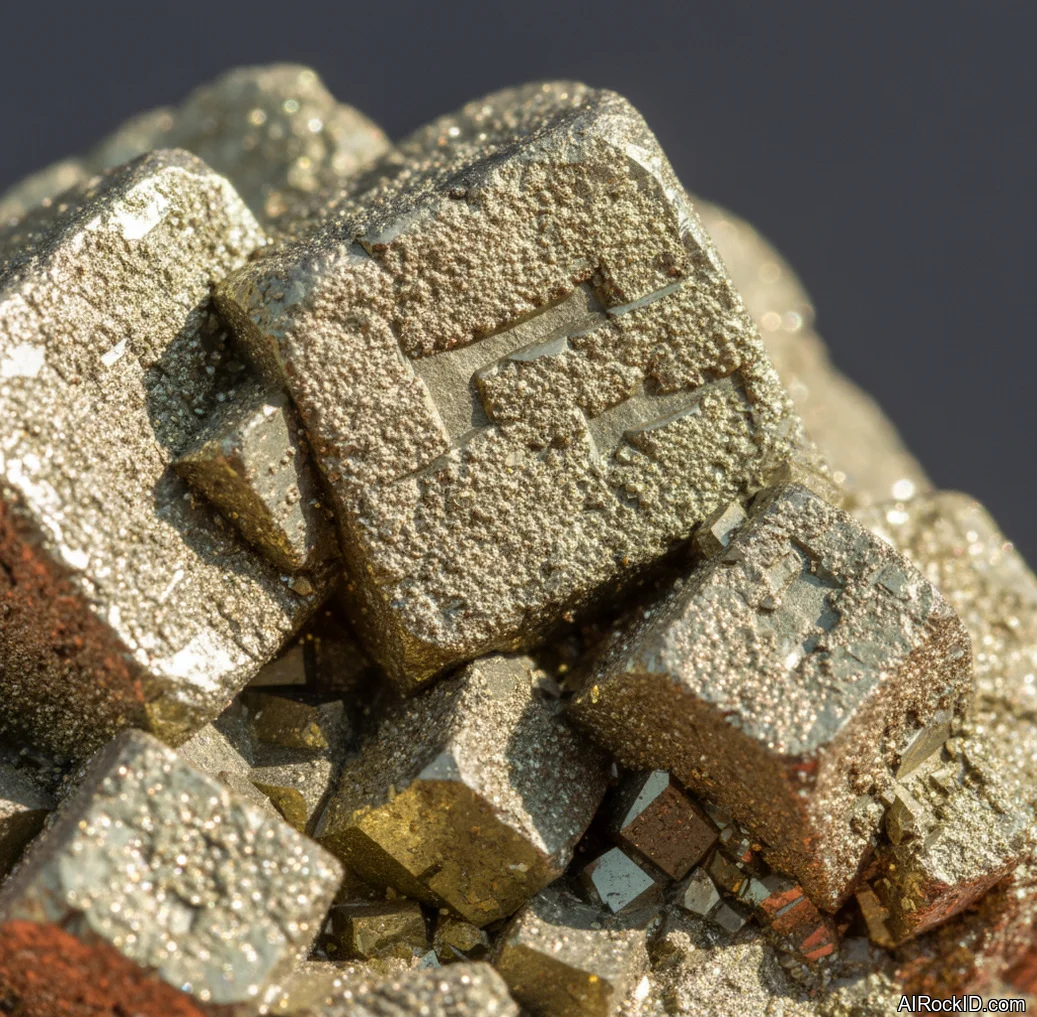
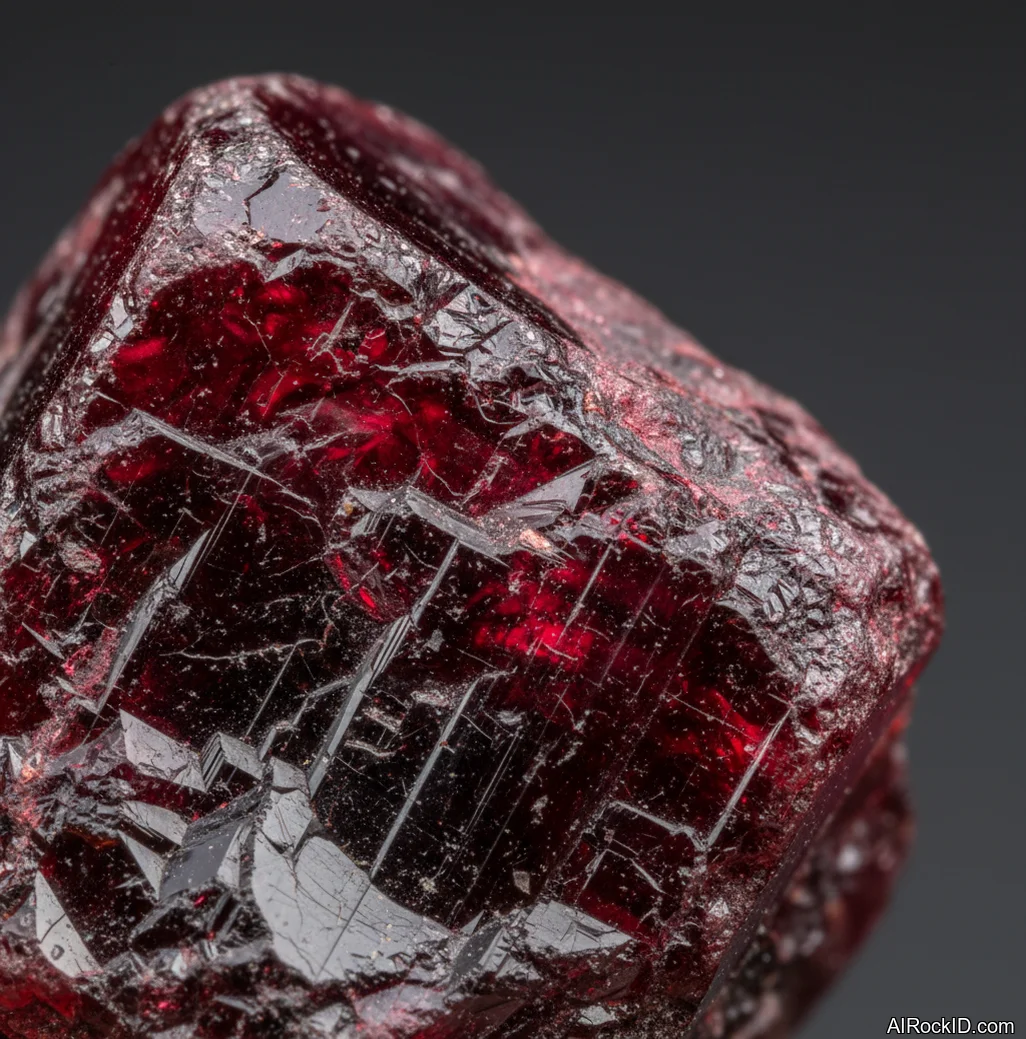
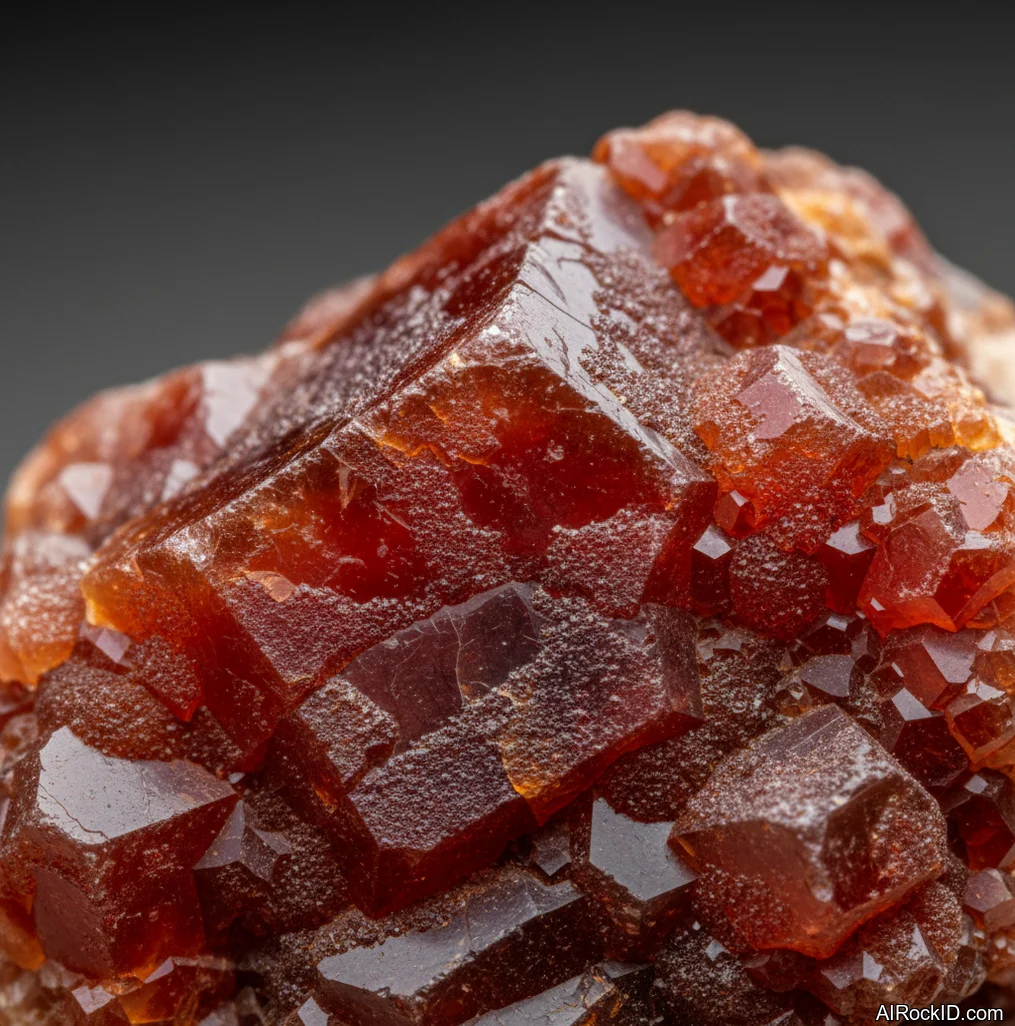
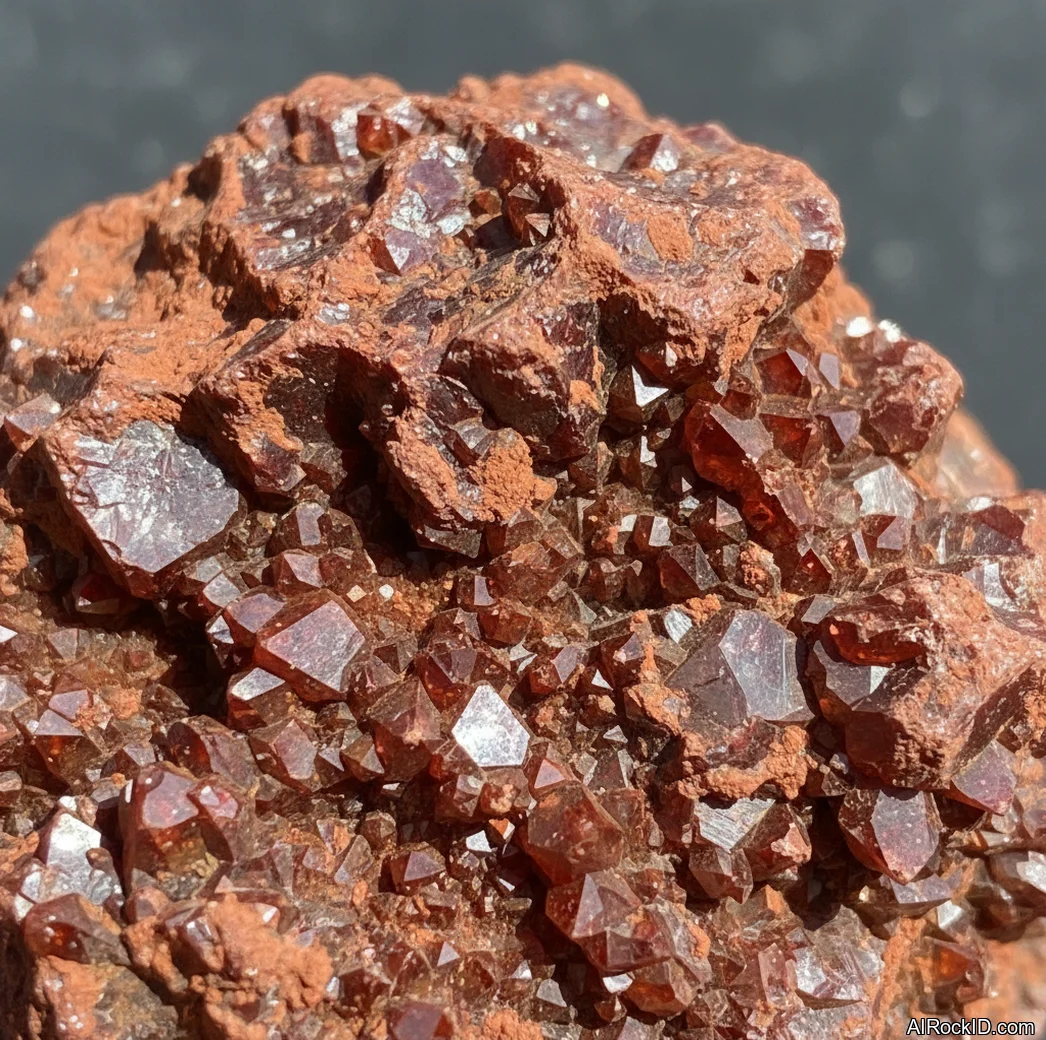
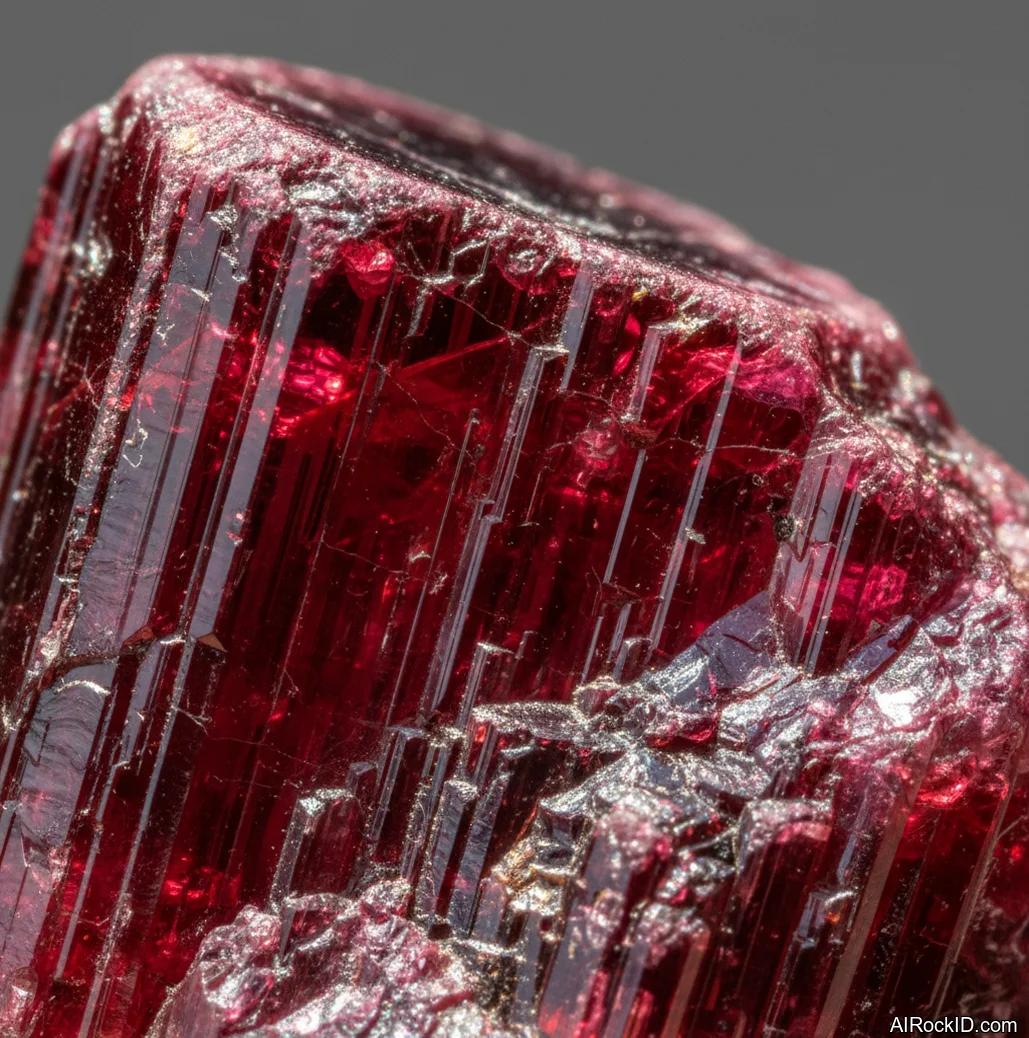
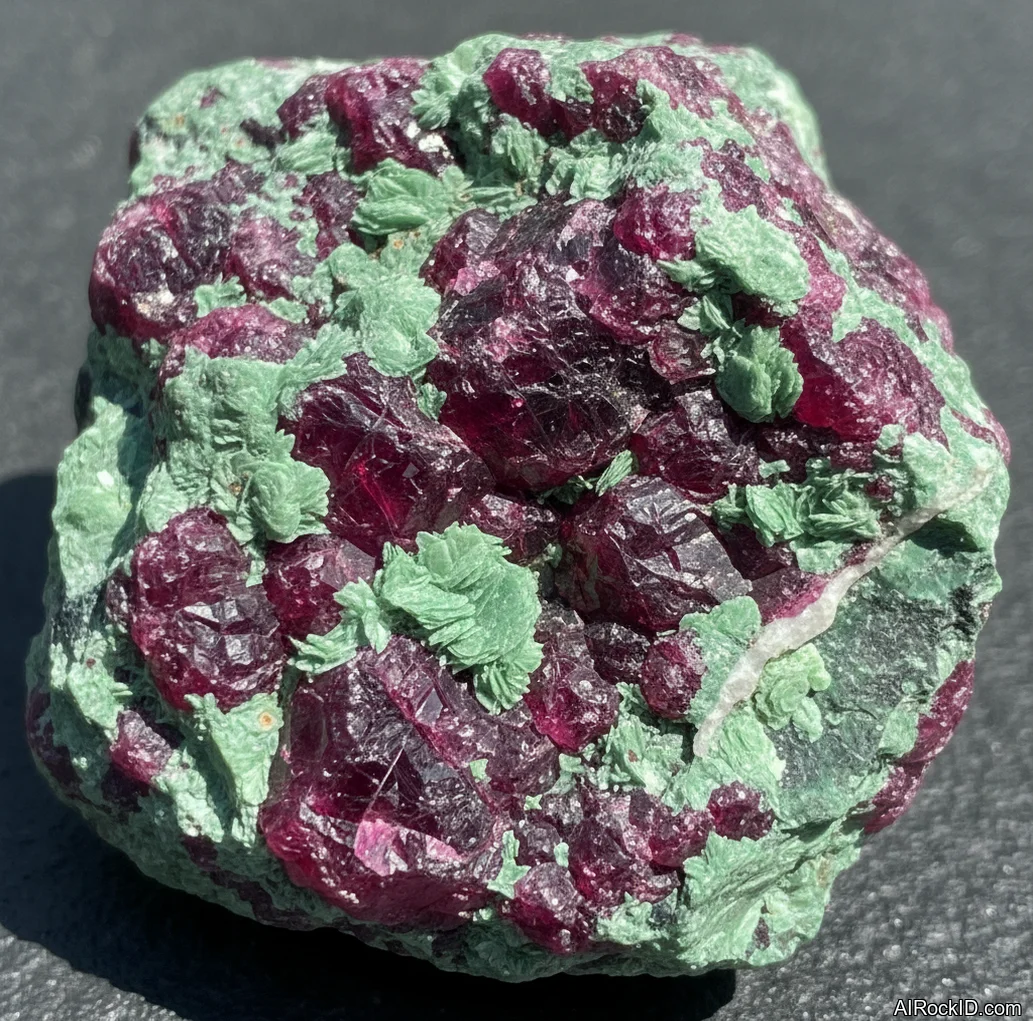
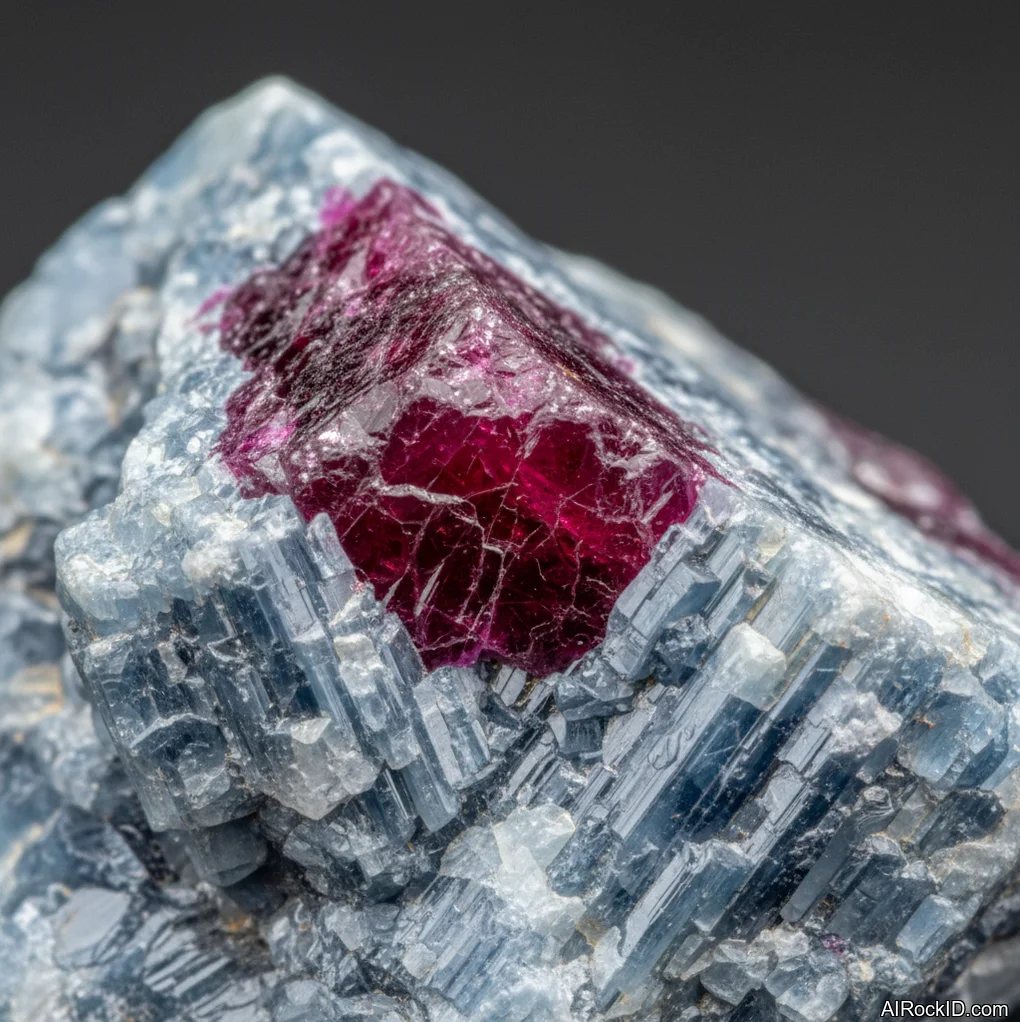
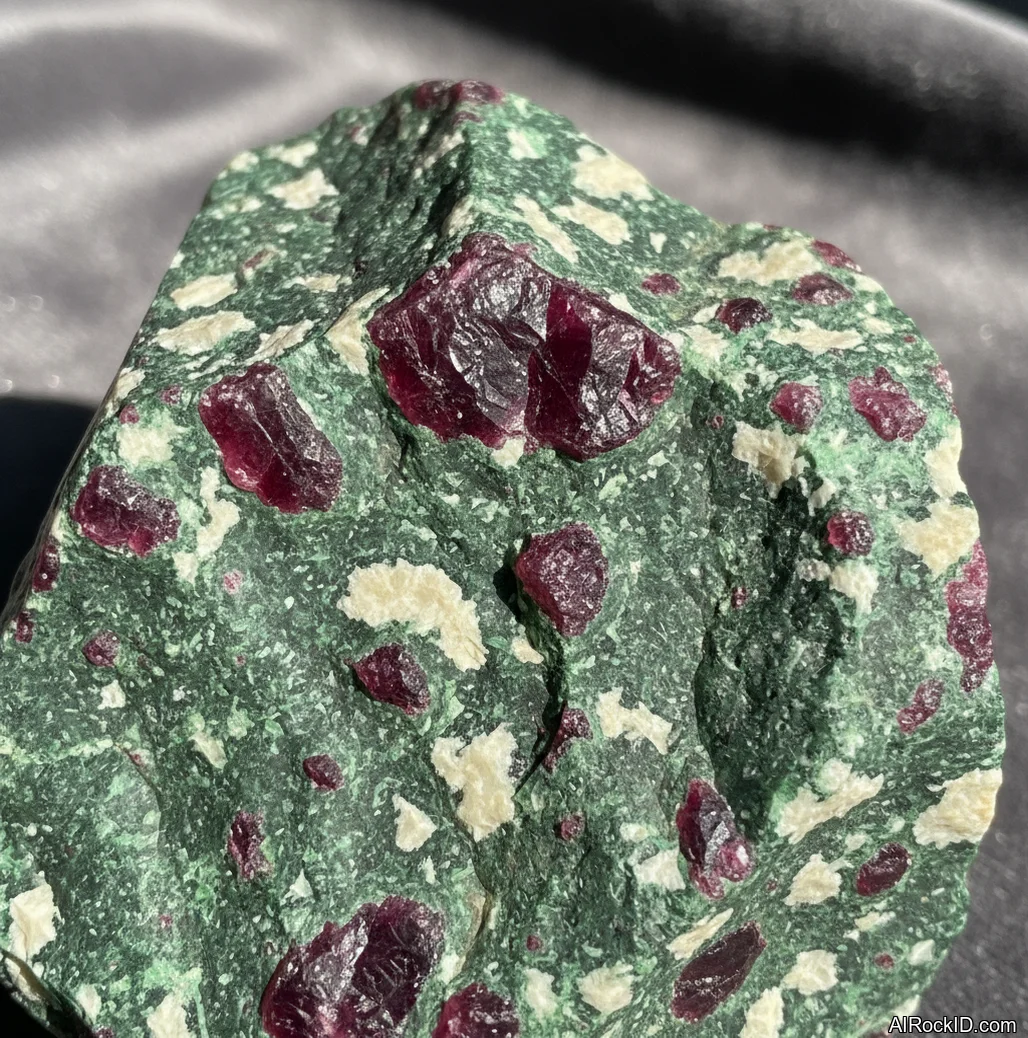
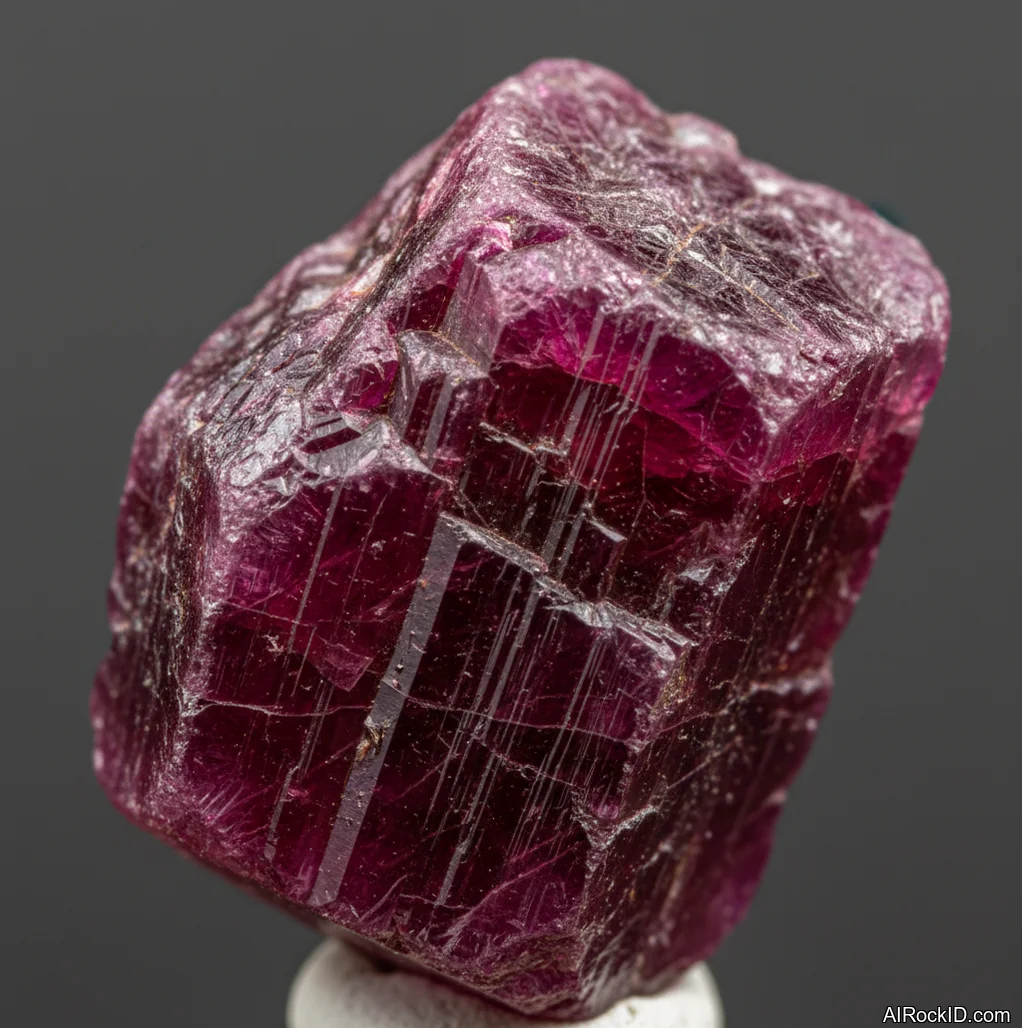
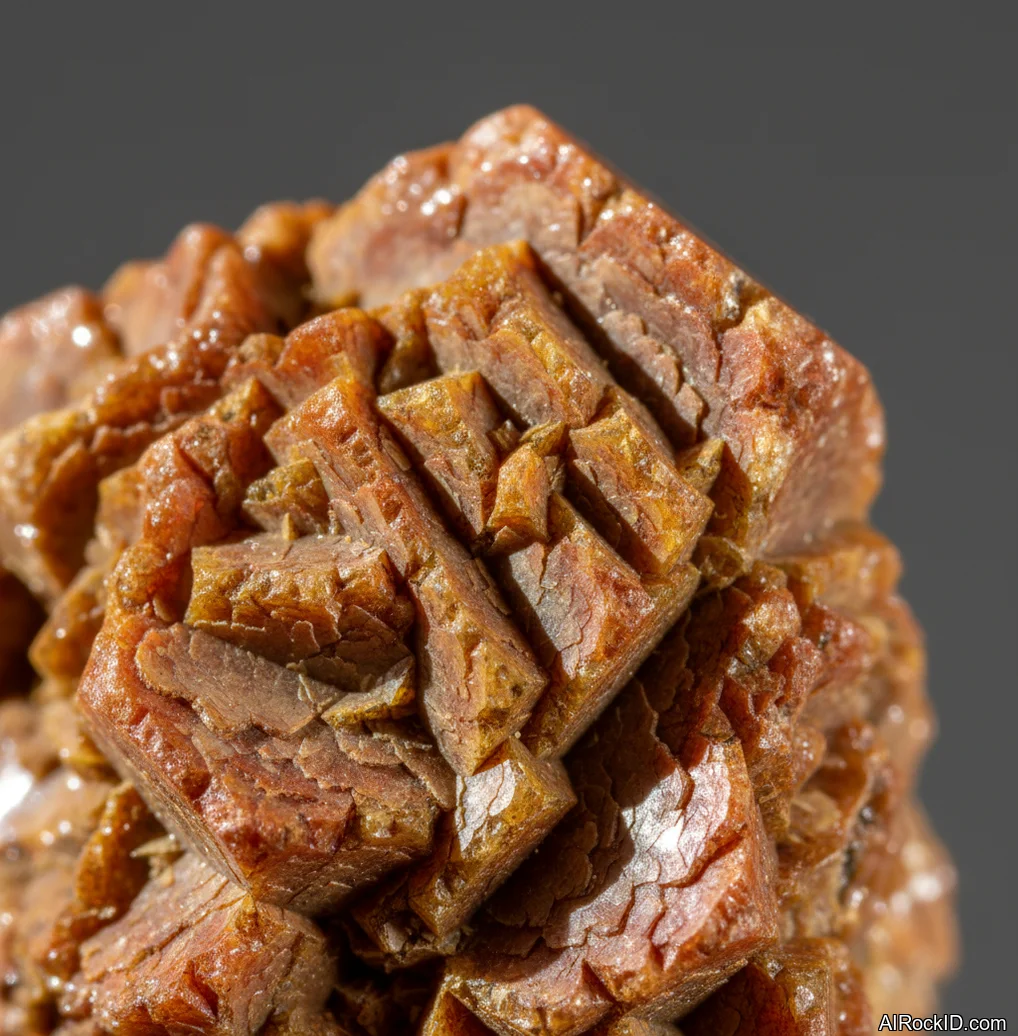
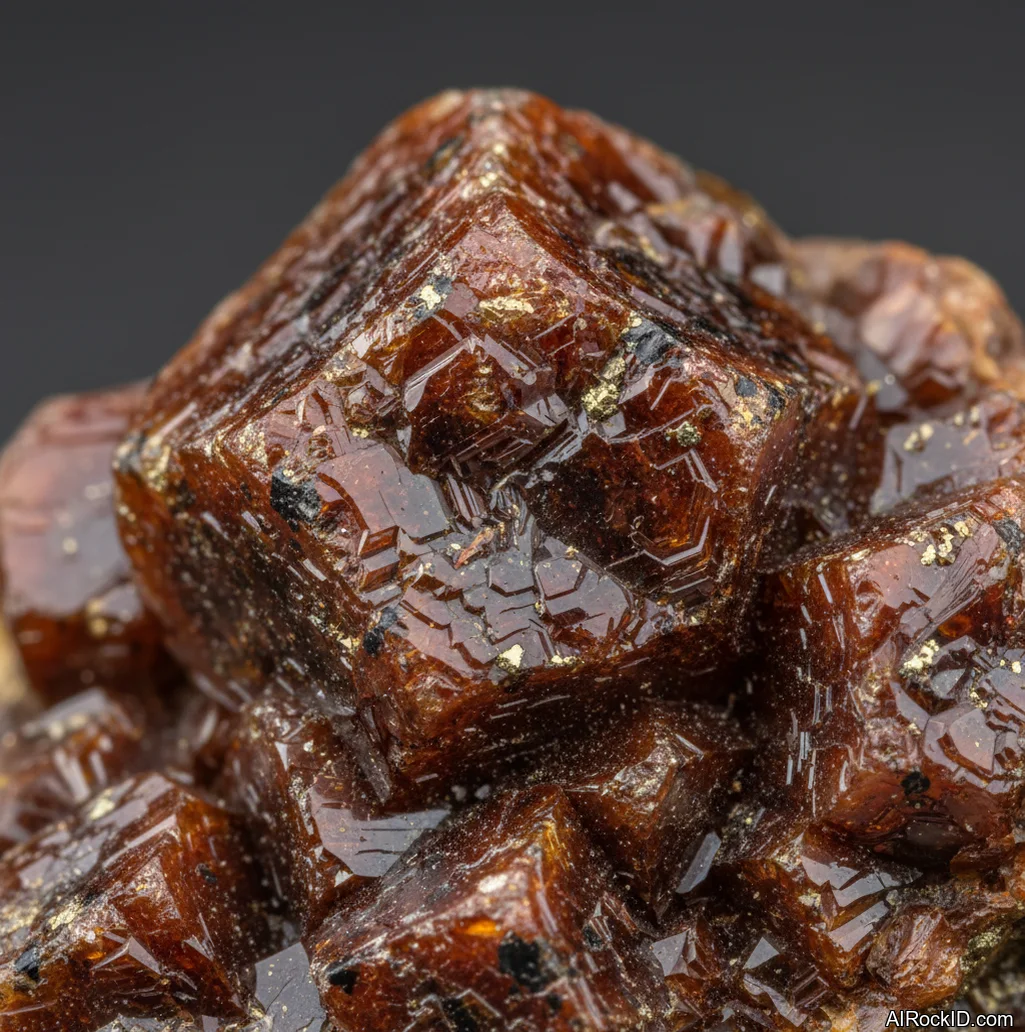
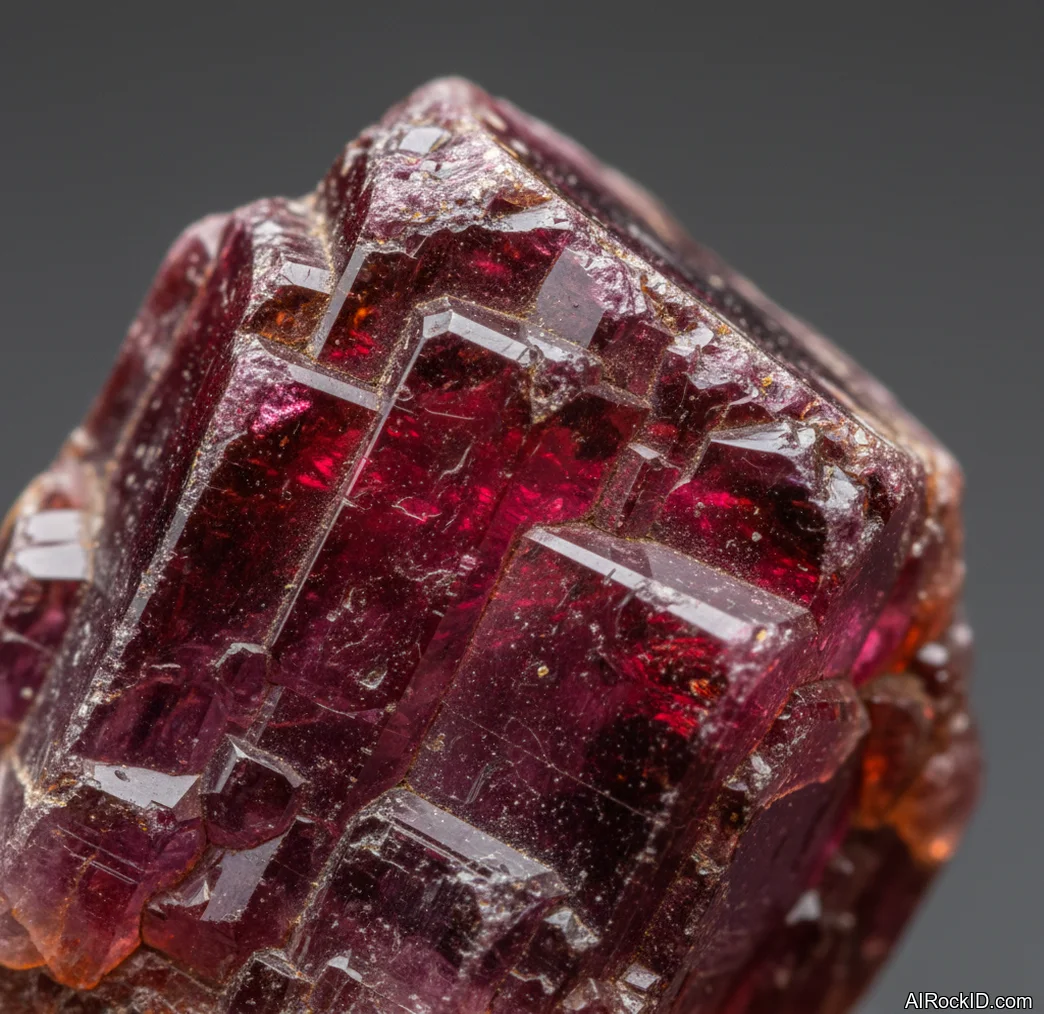
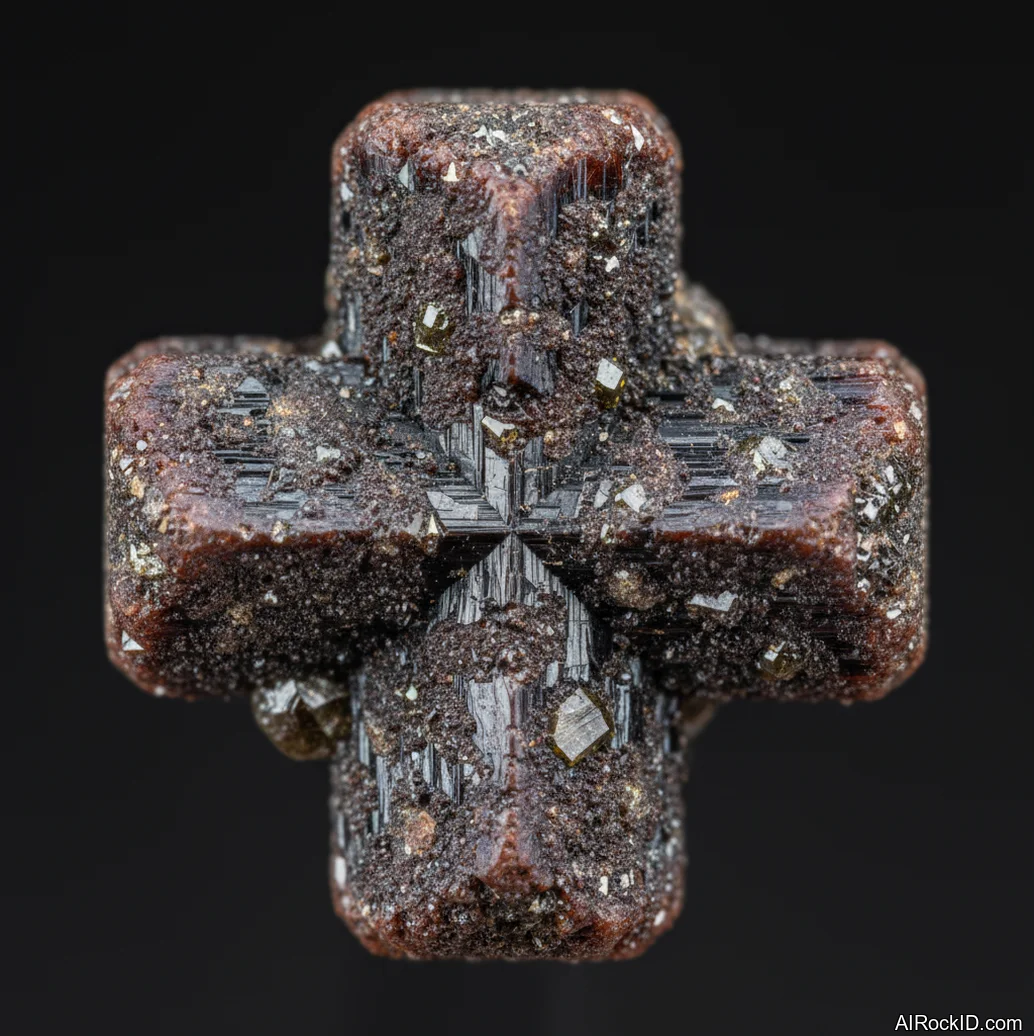
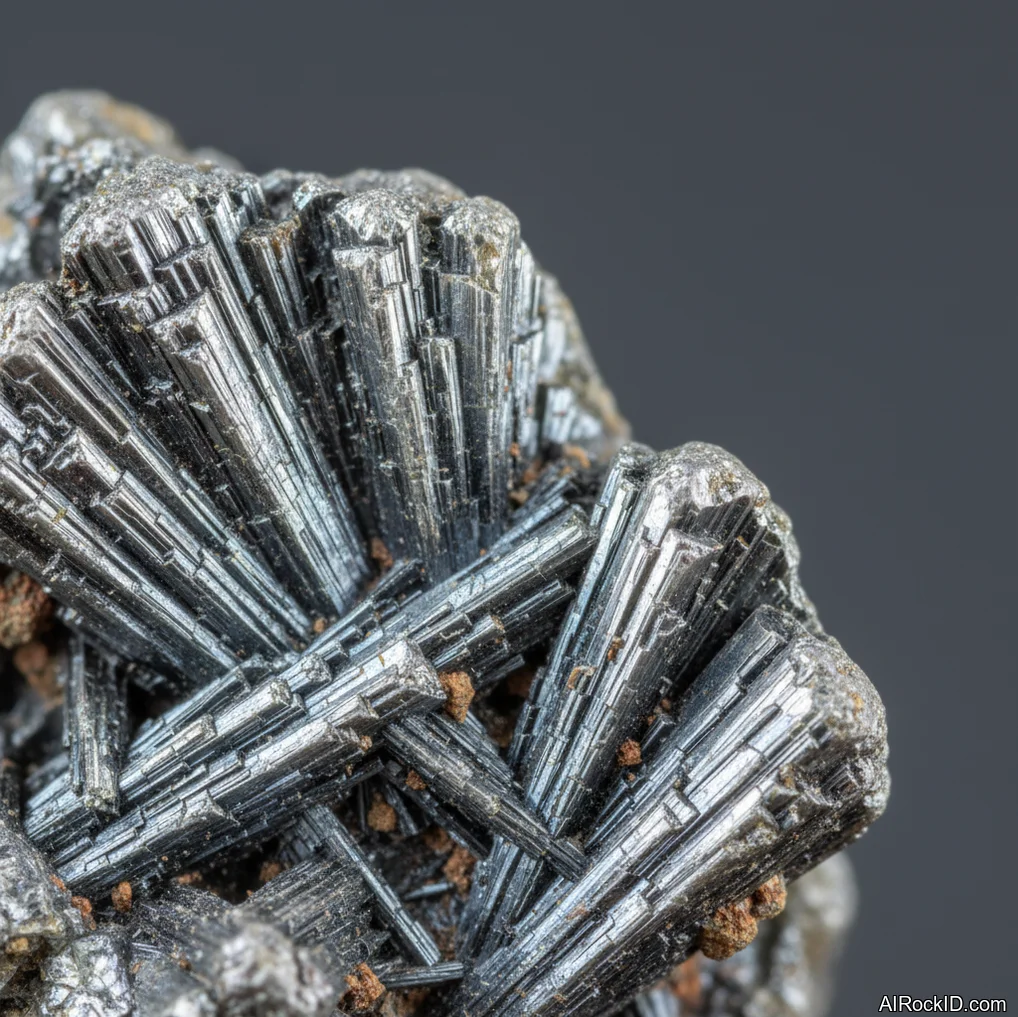
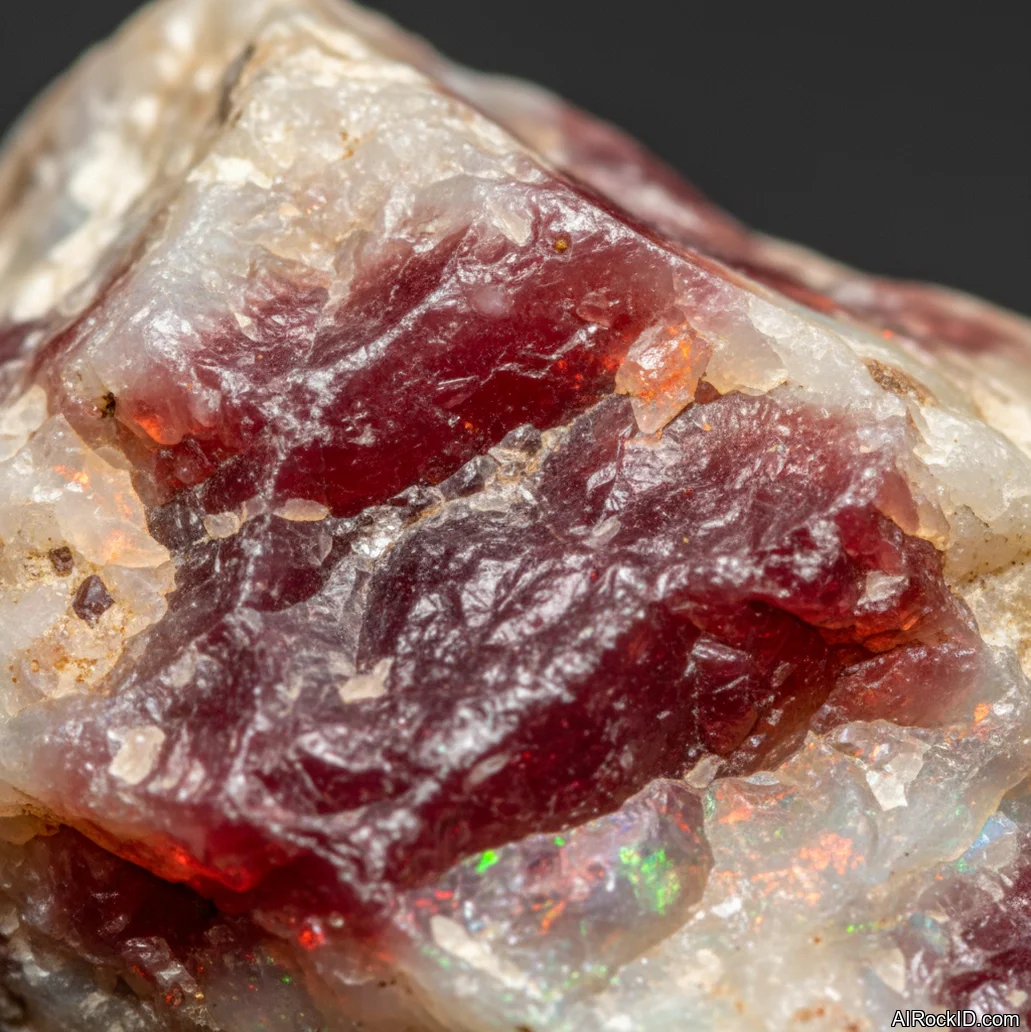
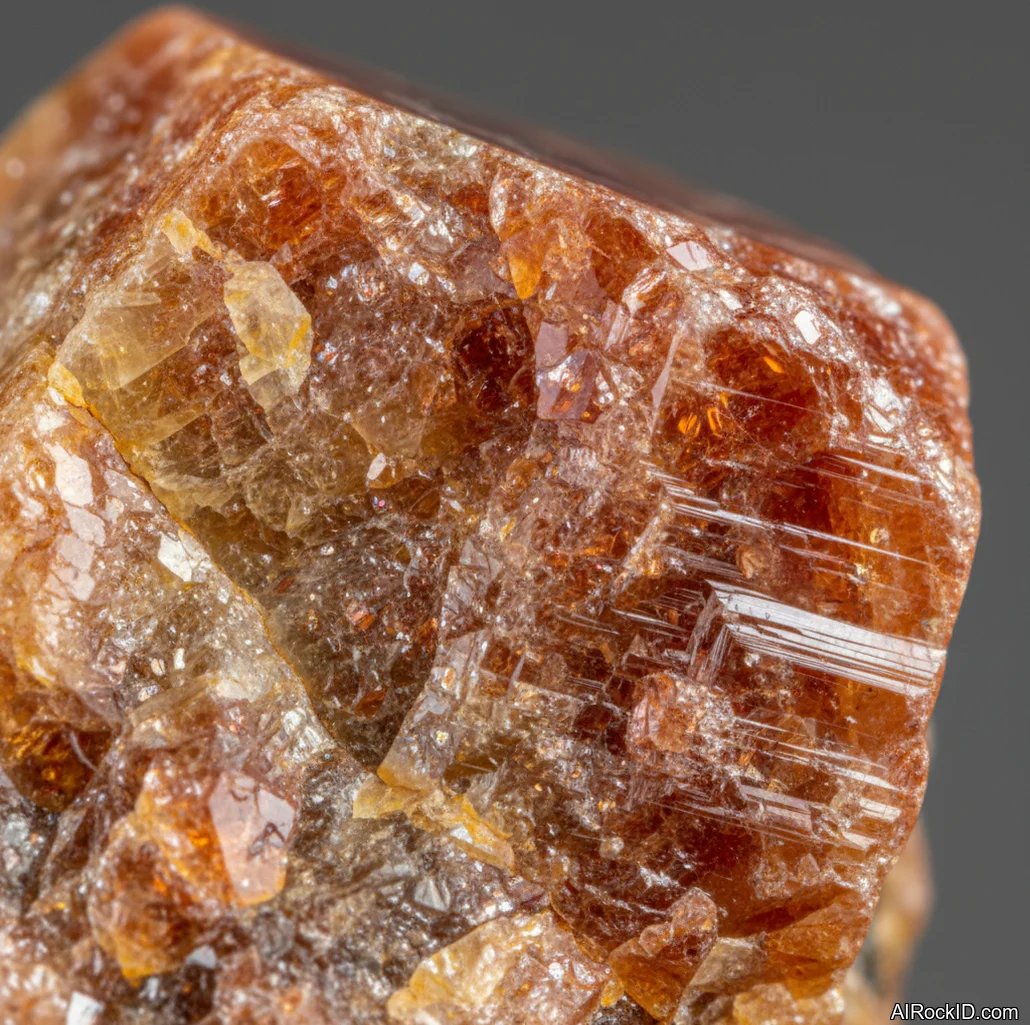
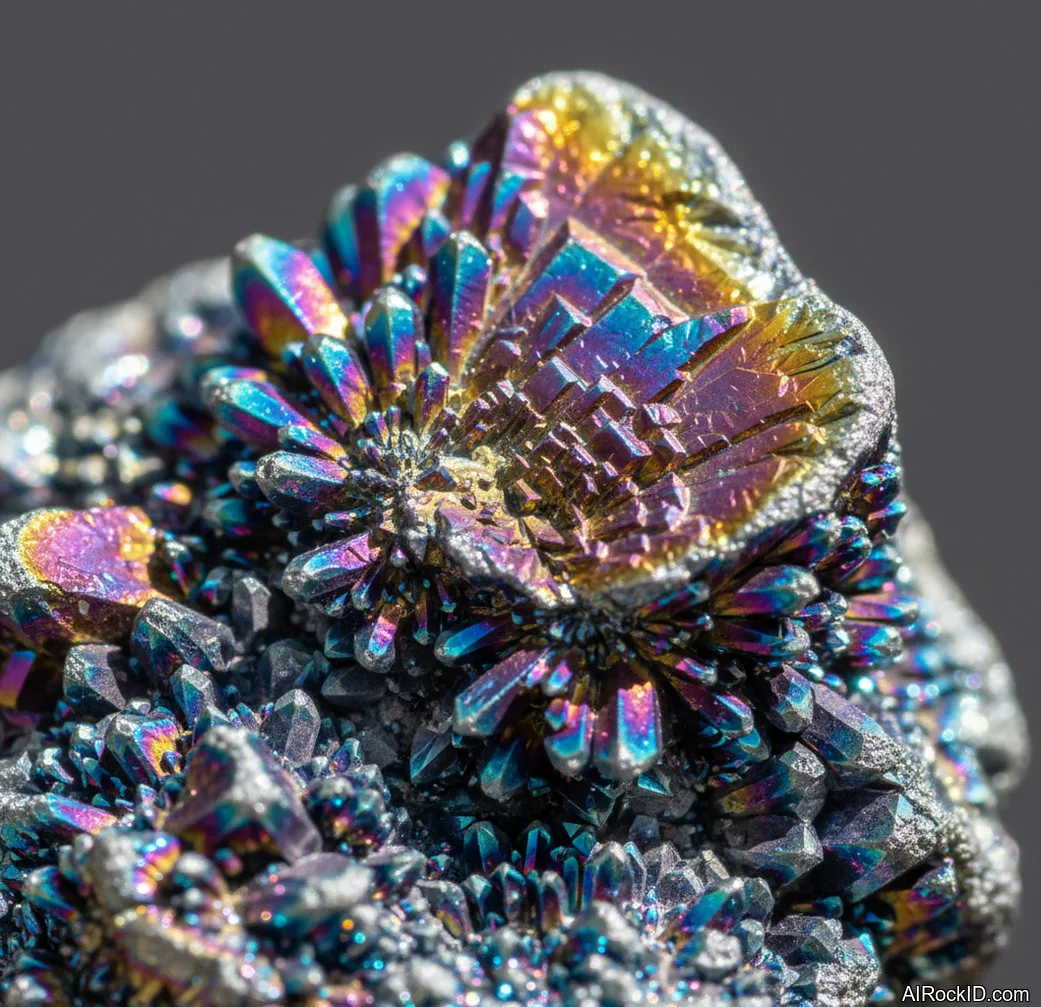
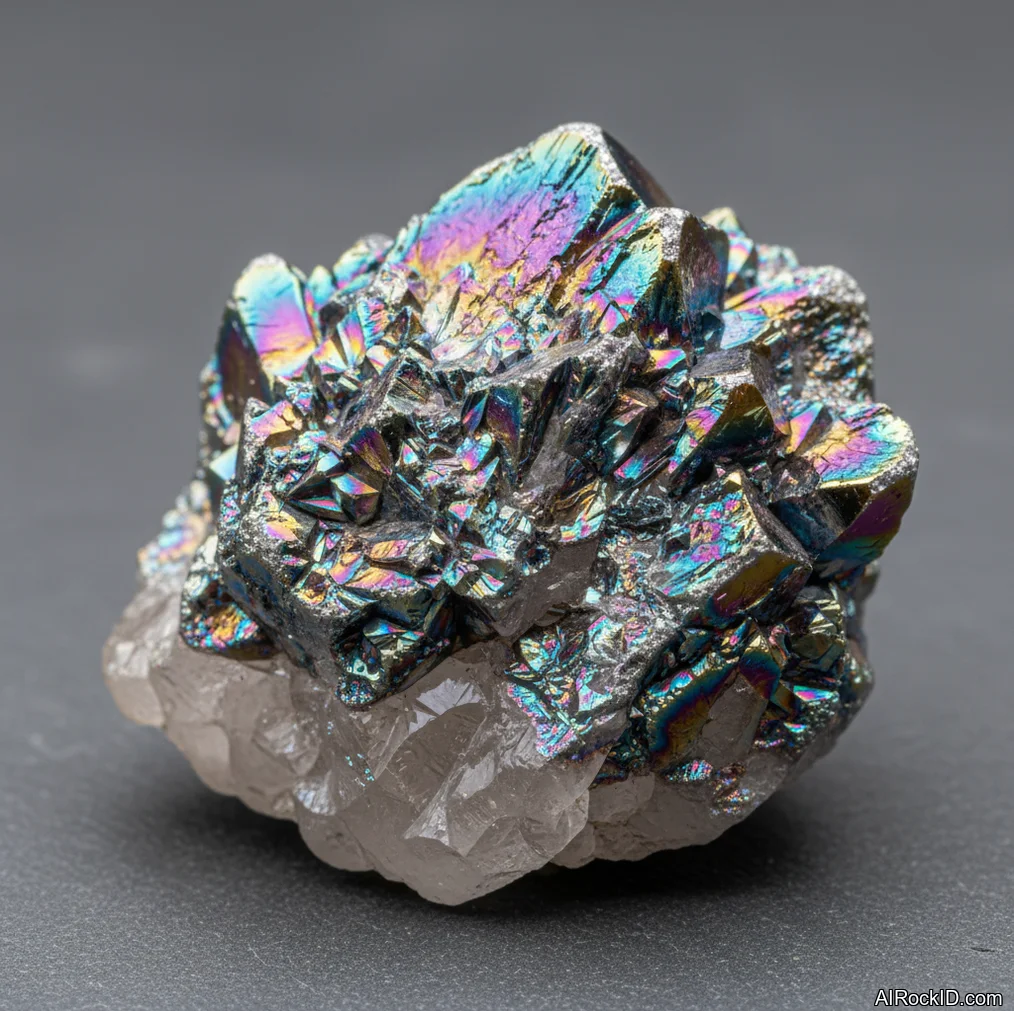
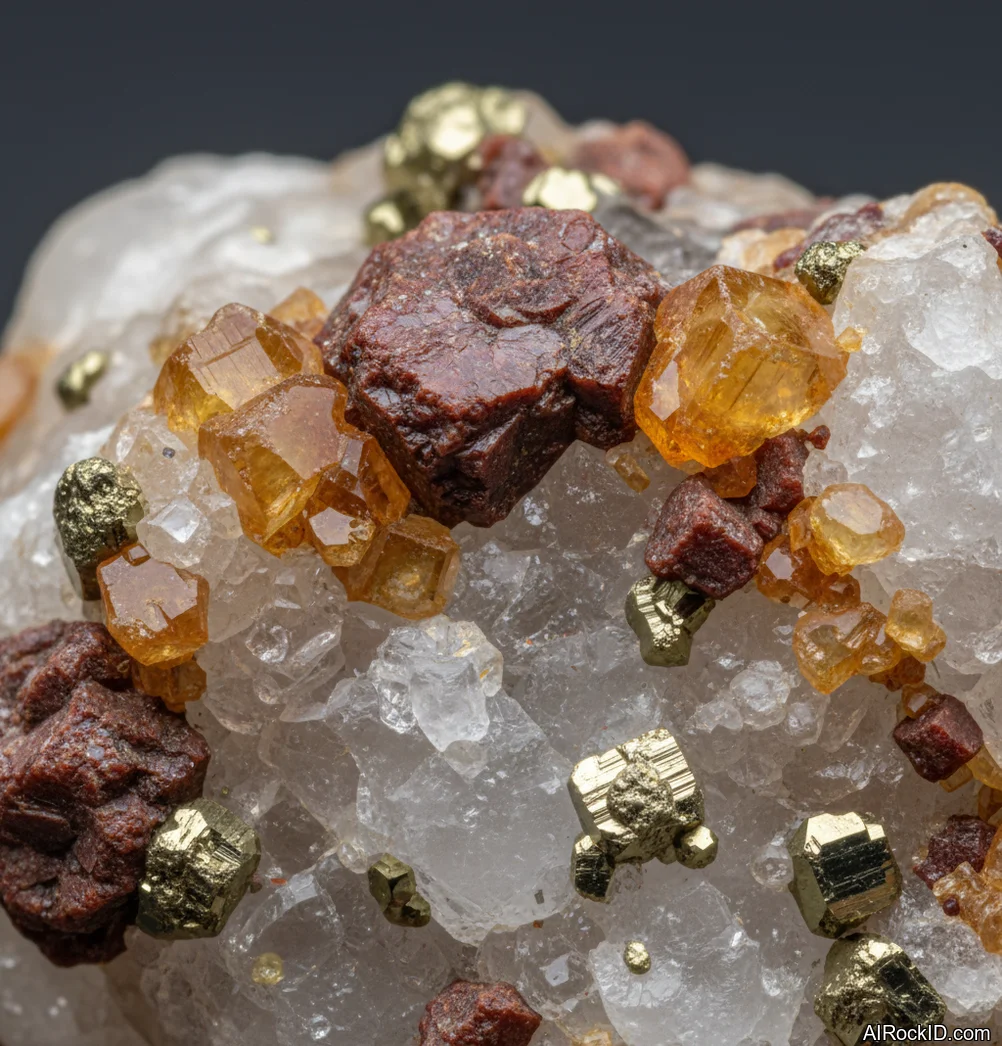
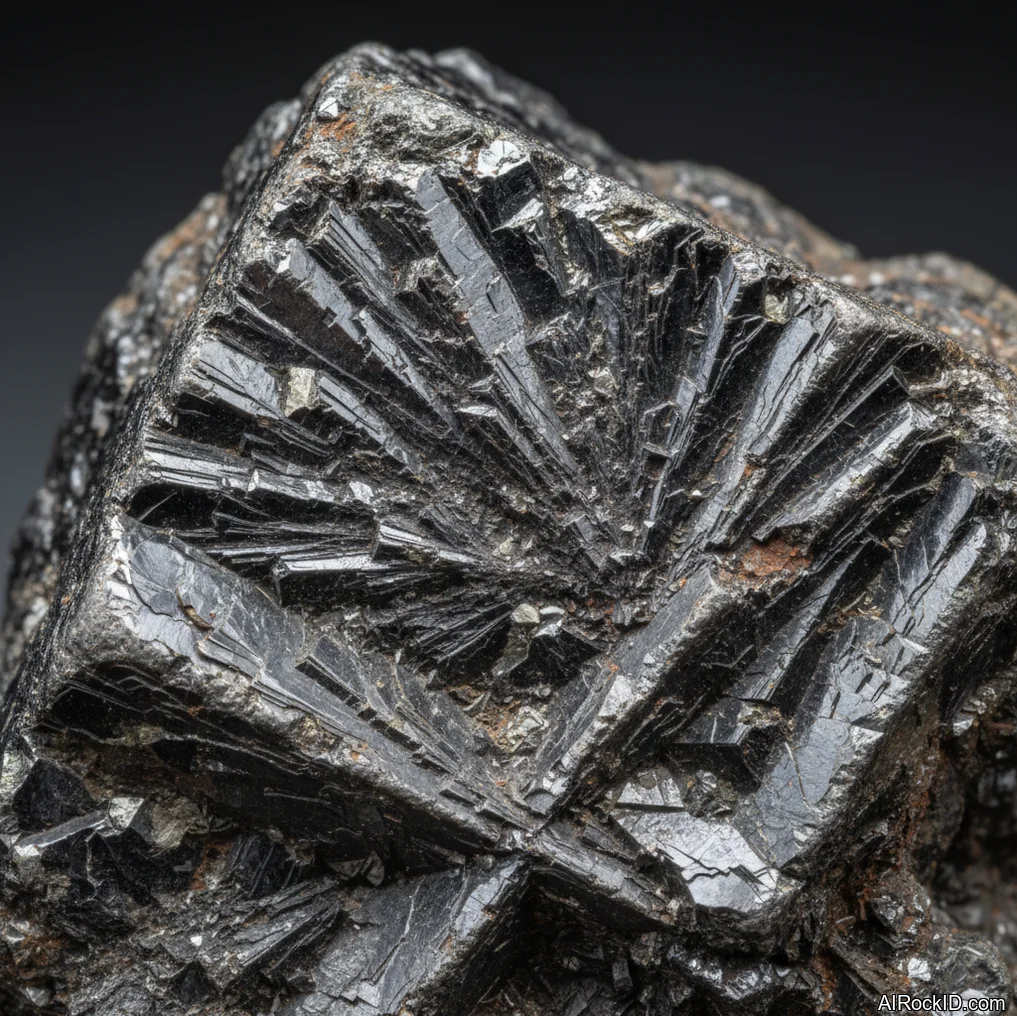
For the “leadership and spine” type of confidence, I see people go for Pyrite and Garnet. Pyrite has that brassy cube look when it’s good material: sharp edges, mirror faces. Real pyrite stays cool to the touch at first, and it’s heavier than it looks. Thing is, the market friction is that pyrite can oxidize if you keep it damp, especially crumbly material or pieces with exposed matrix. Store it dry. Garnet, especially deep red almandine, is tougher than it looks and wears well as jewelry. A garnet ring you actually use is a whole different thing than a delicate statement piece you’re scared to bump.
So how do you work with confidence crystals without turning it into a complicated ritual you won’t keep up with? Keep it physical and repeatable. Put a piece of Tiger’s Eye or Pyrite on your desk where you’ll see it before calls. Wear carnelian or garnet close to the skin if you like jewelry. If you meditate, hold the stone in your non-dominant hand and pay attention to posture first. Shoulders down. Jaw unclenched. Confidence starts in the body, and crystals are basically tactile cues that help you get back into that stance.
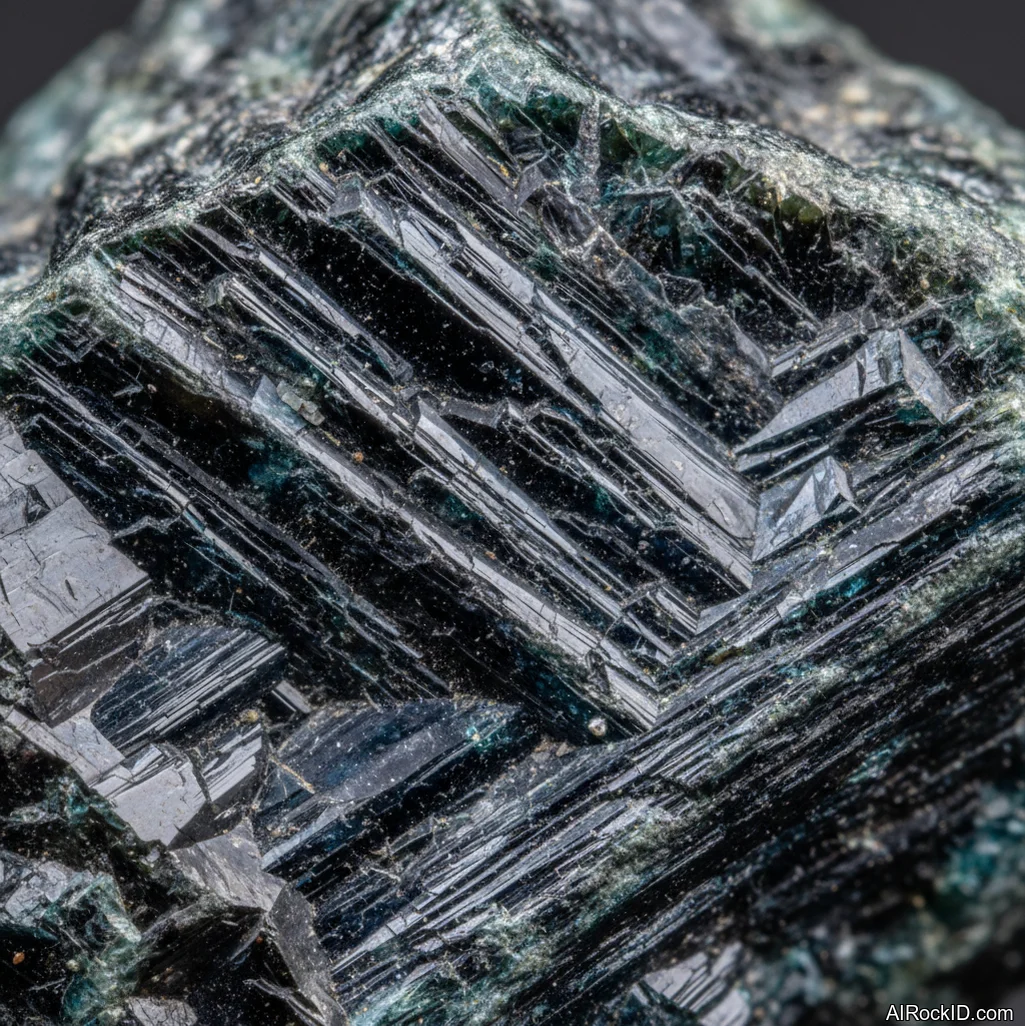
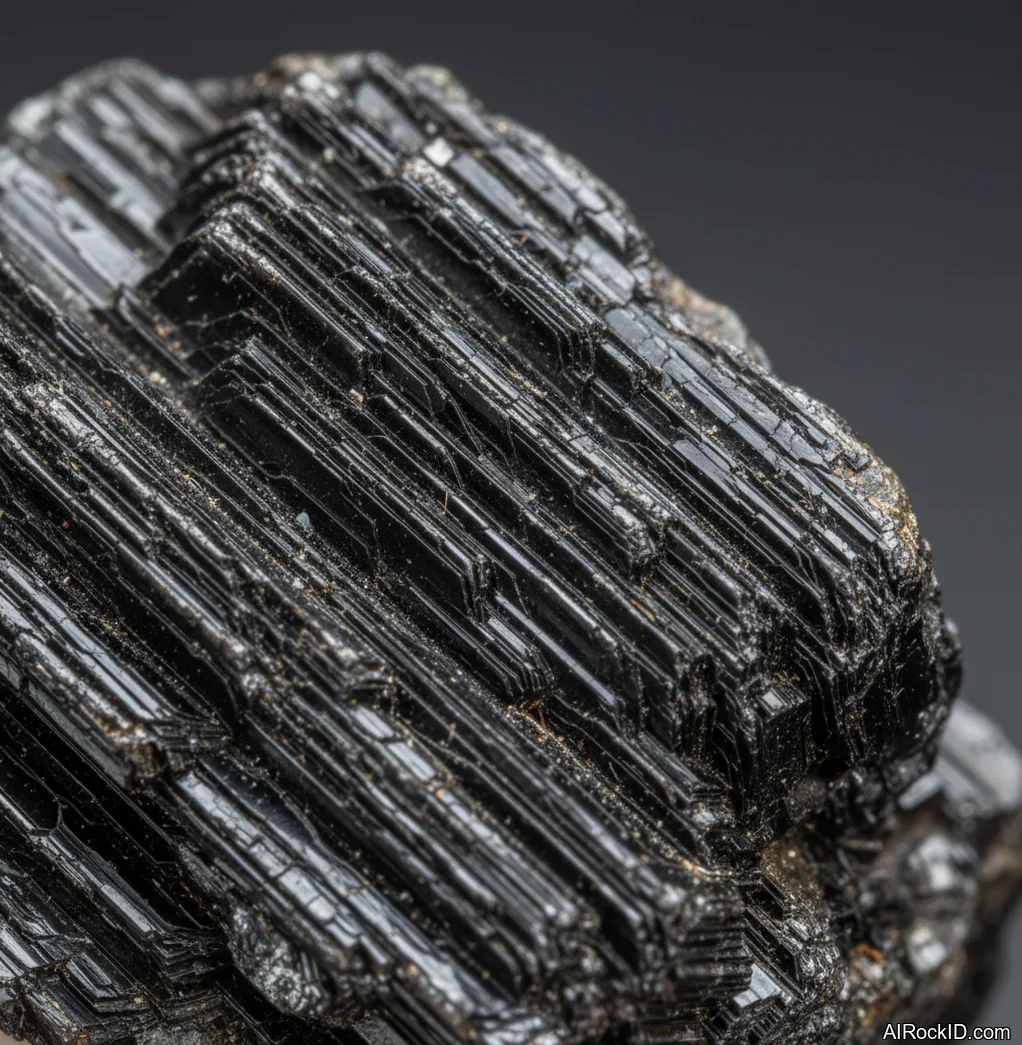
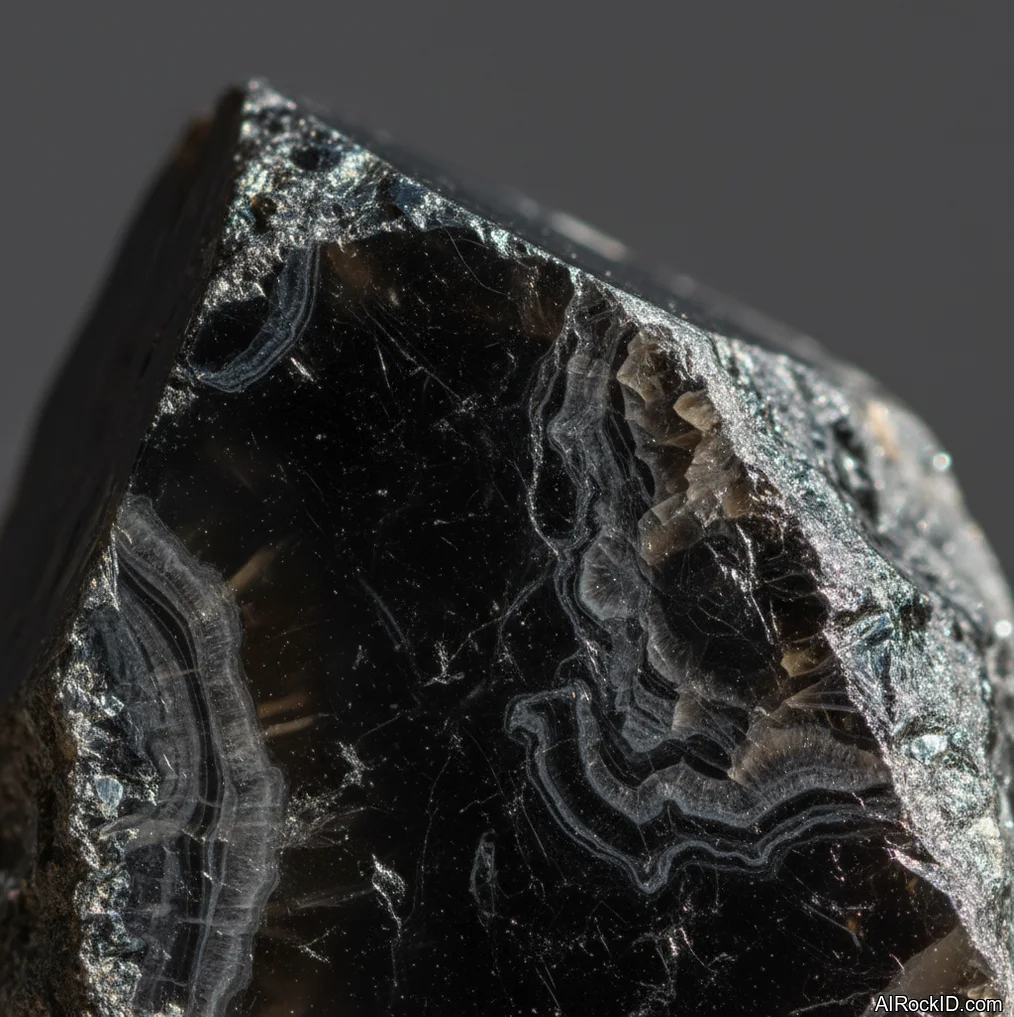
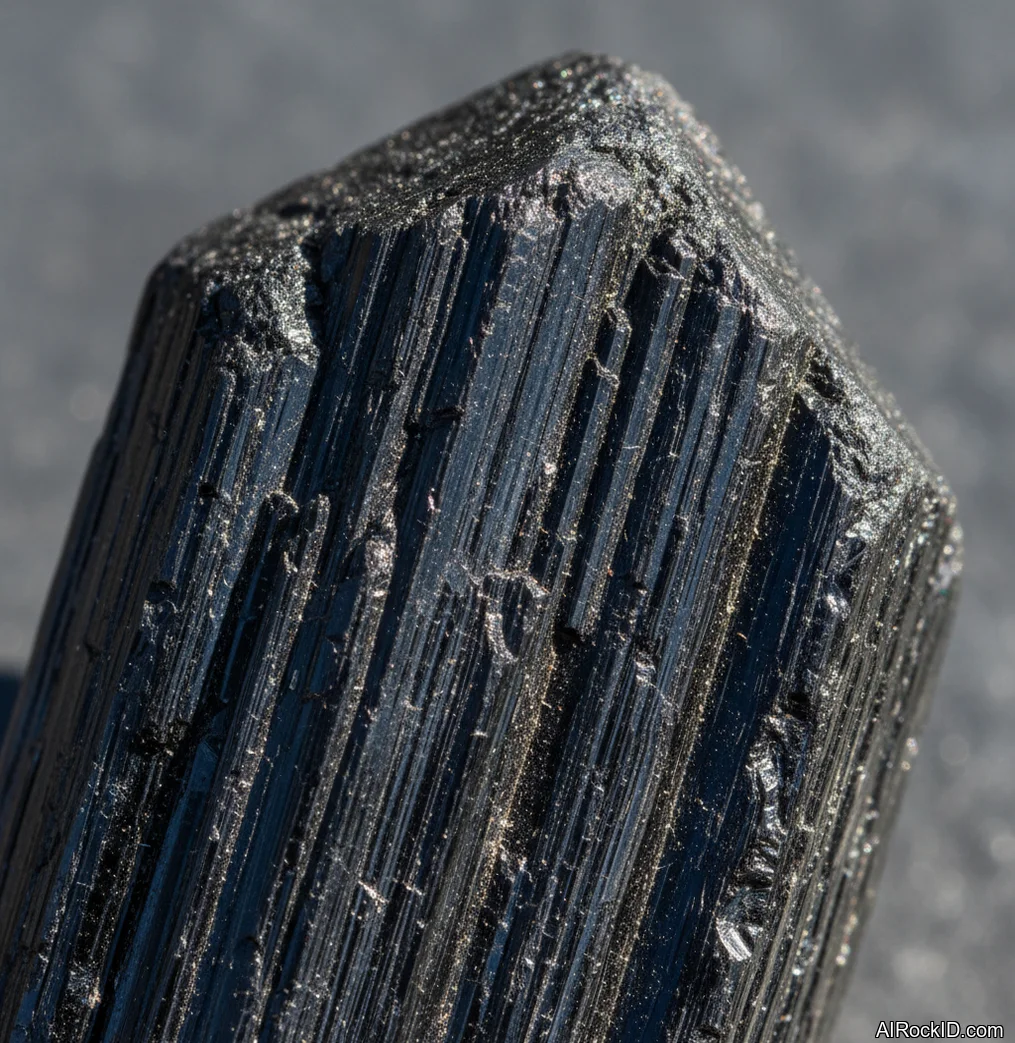
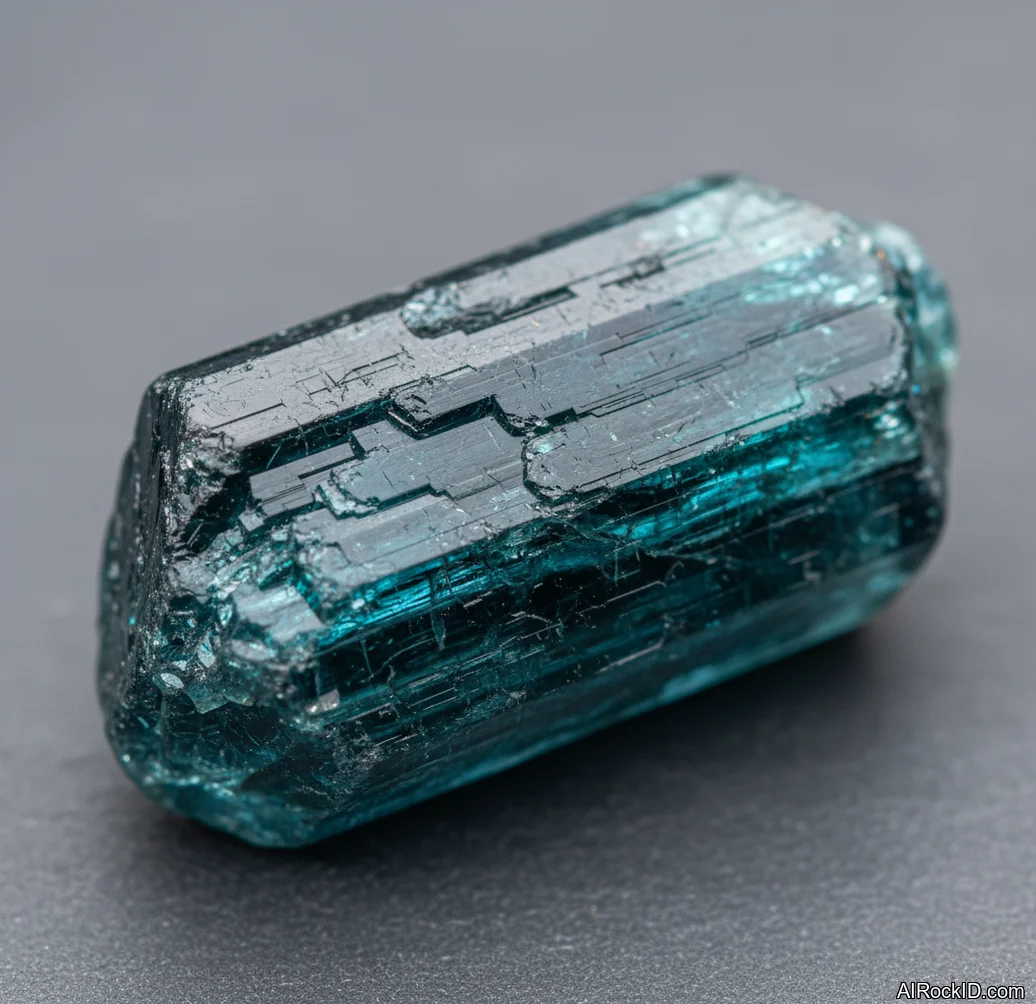
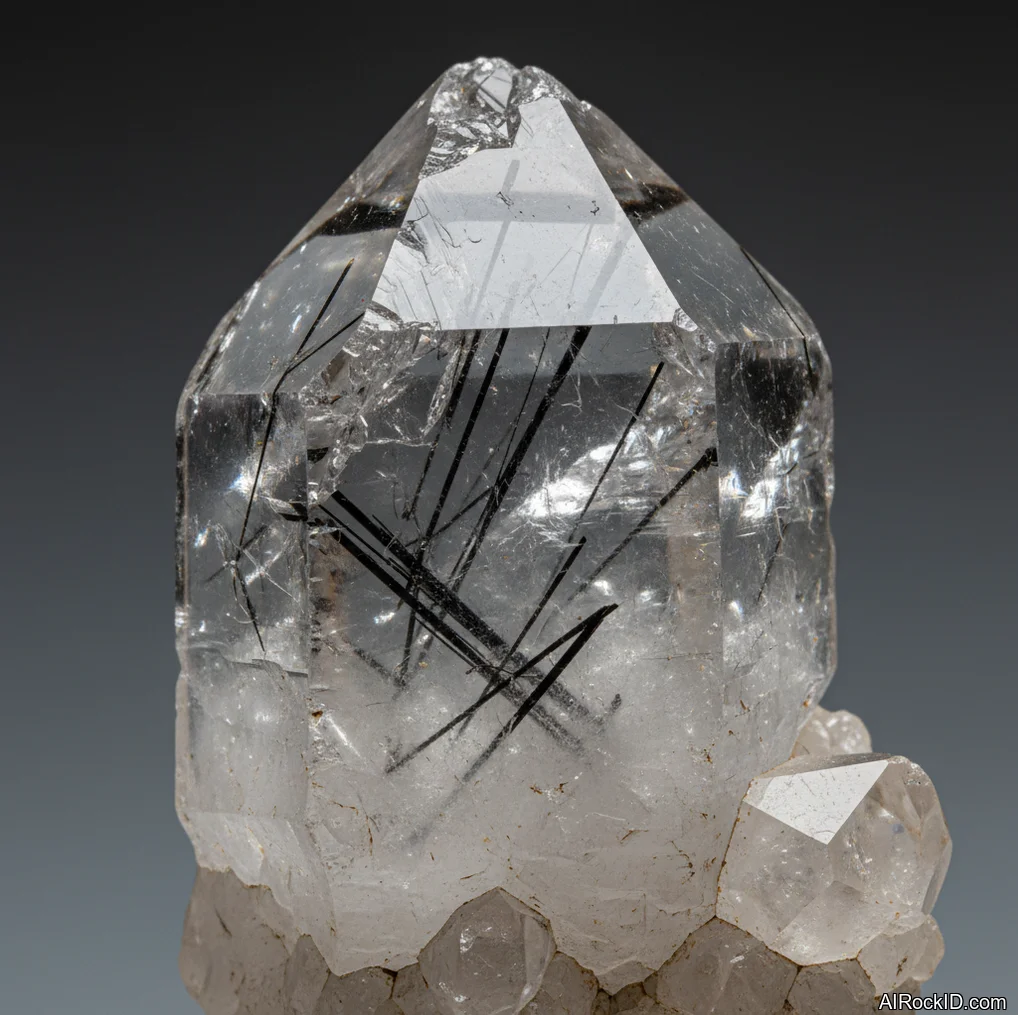
I also like “task pairing.” One stone, one job. Carnelian for speaking and creating. Tiger’s Eye for focus and follow-through. Sunstone for self-image days when you don’t feel like being perceived. If you’re prone to spiraling, Black Tourmaline or Smoky Quartz can sit in the mix to keep you grounded, but don’t bury the point. Confidence work is about forward motion, not hiding.
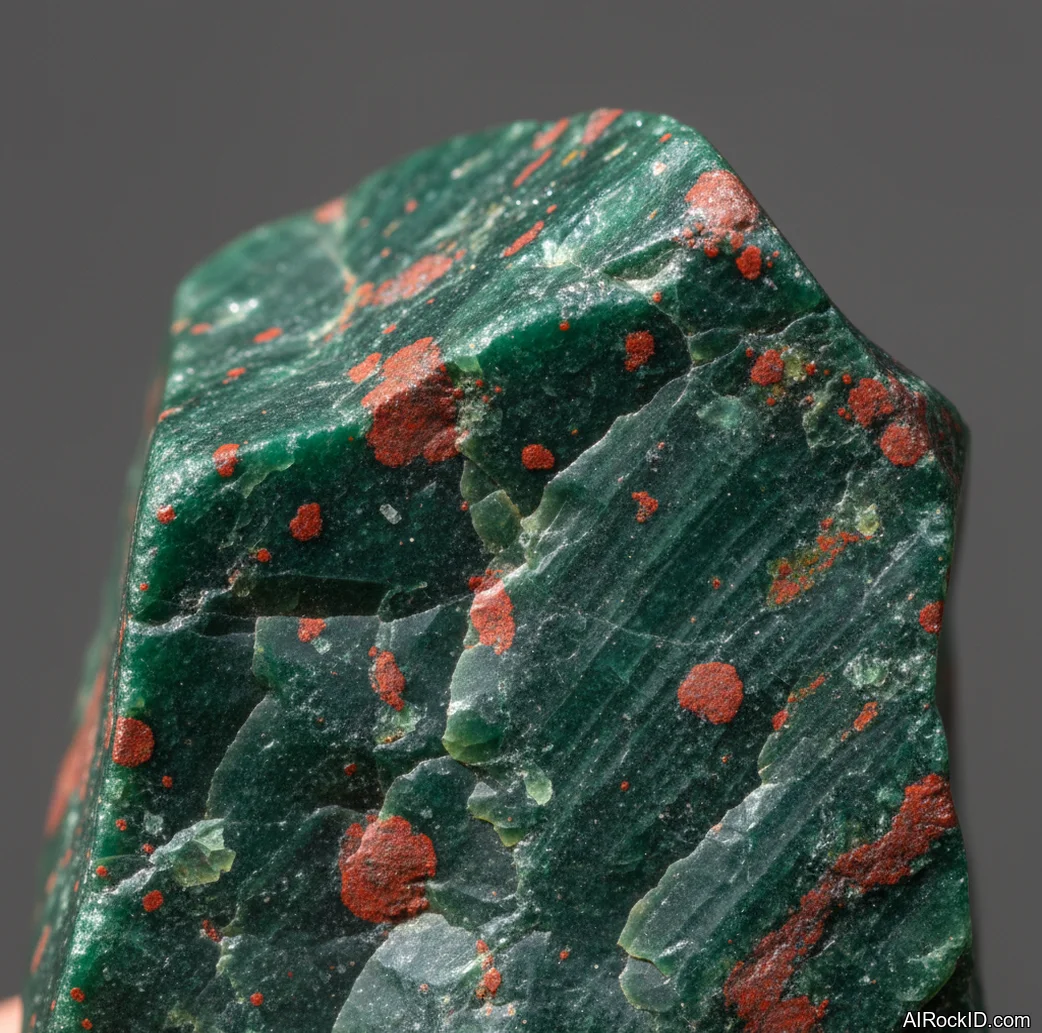
Buying tips matter because confidence crystals attract a lot of dyed and mislabeled material. Cheap versions of “citrine” and “ruby” get pushed hard. Look for realistic color zoning and natural imperfections. Dyed agate and dyed quartz often bleed color into cracks and drill holes, and the hue can look too electric. Ask for a photo in natural light and one under indoor light. A stone that looks neon under every lighting setup is usually telling on itself.
Most dealers sell tumbled stones because they move fast. That’s fine. But if you want something that feels personal, hunt for a piece with texture: a raw carnelian chunk with a waxy luster, a pyrite cube cluster with clean faces, a sunstone cab that actually flashes across the whole surface. Pick up the stone, if you can. The real test is whether it makes you stand a little straighter when it’s in your hand. Not because magic happened, but because your brain and body just got a solid cue: this is the version of me that shows up.
All Confidence Crystals (347)