Grounding Crystals
Learn what Grounding means in crystal work, which crystals are linked to Grounding, and how to choose, use, and care for grounding crystals.
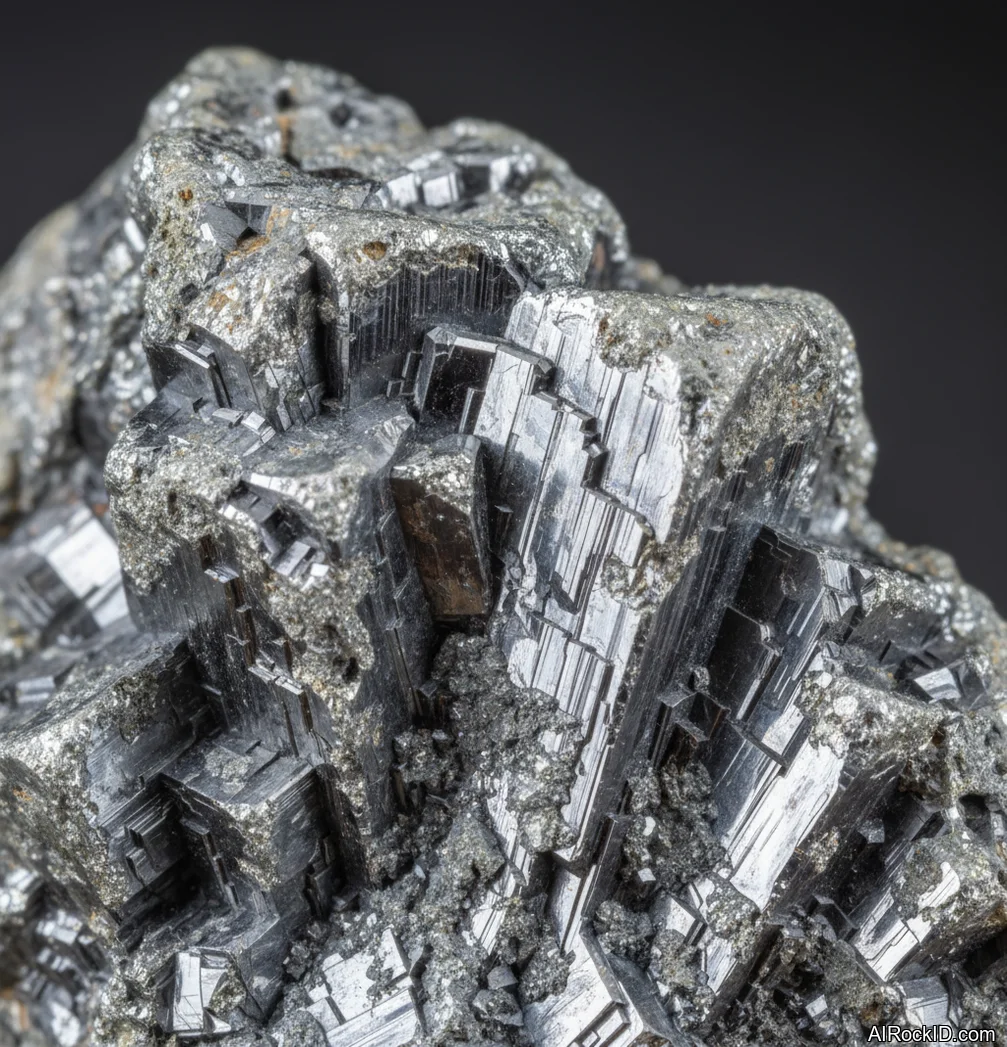
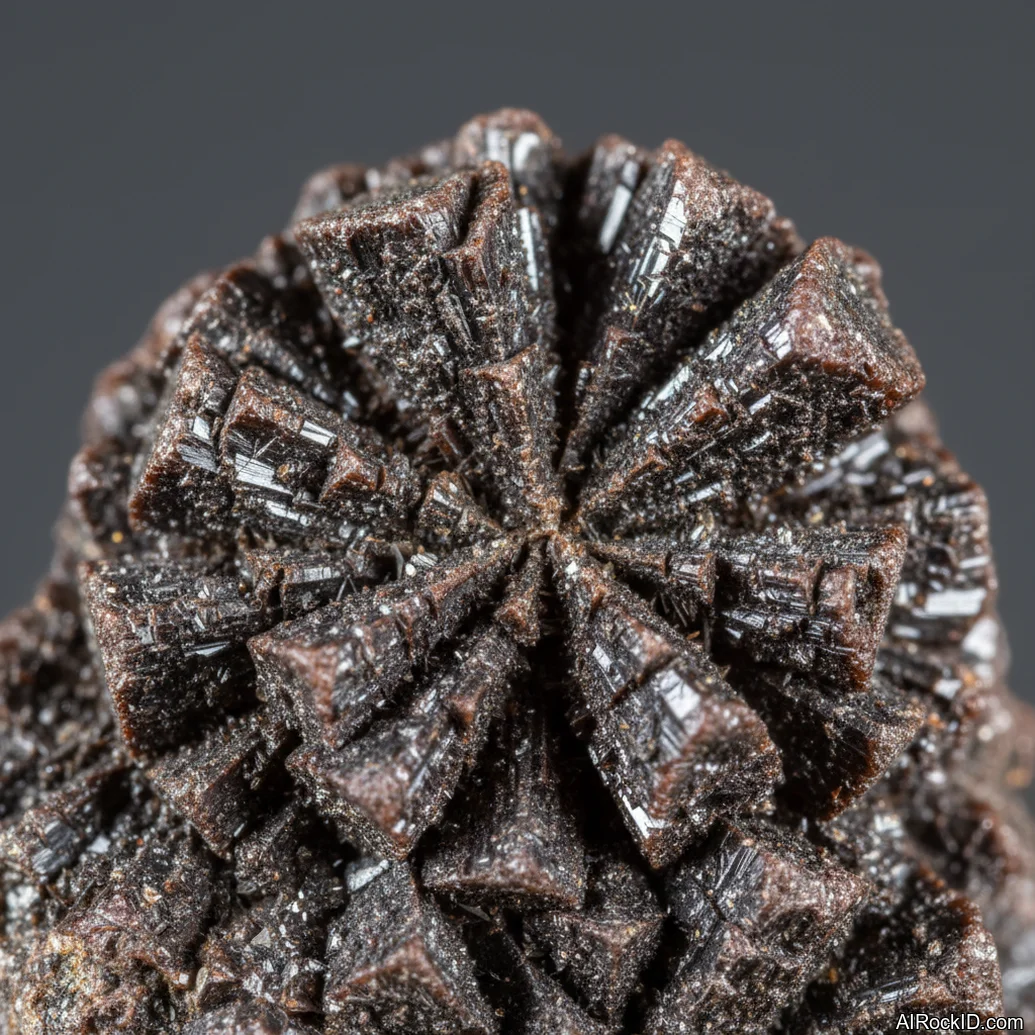
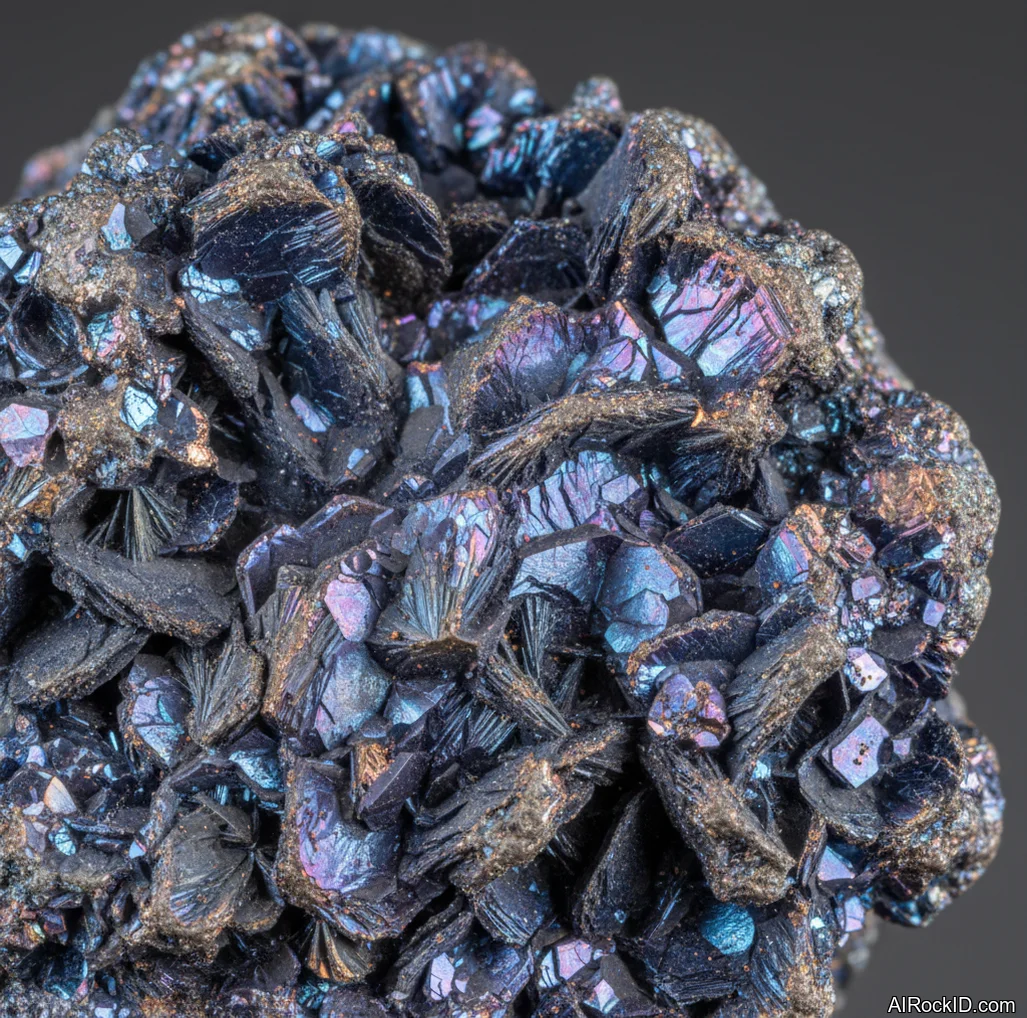
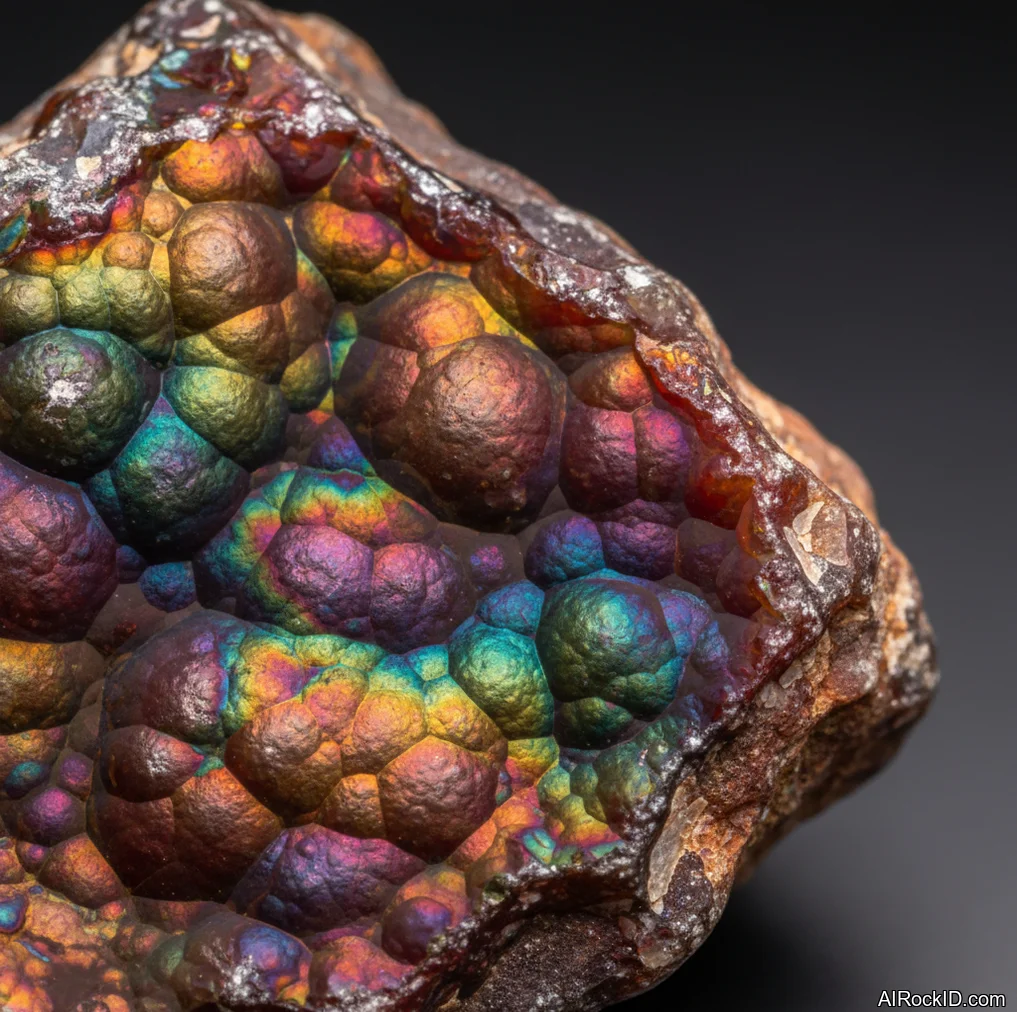
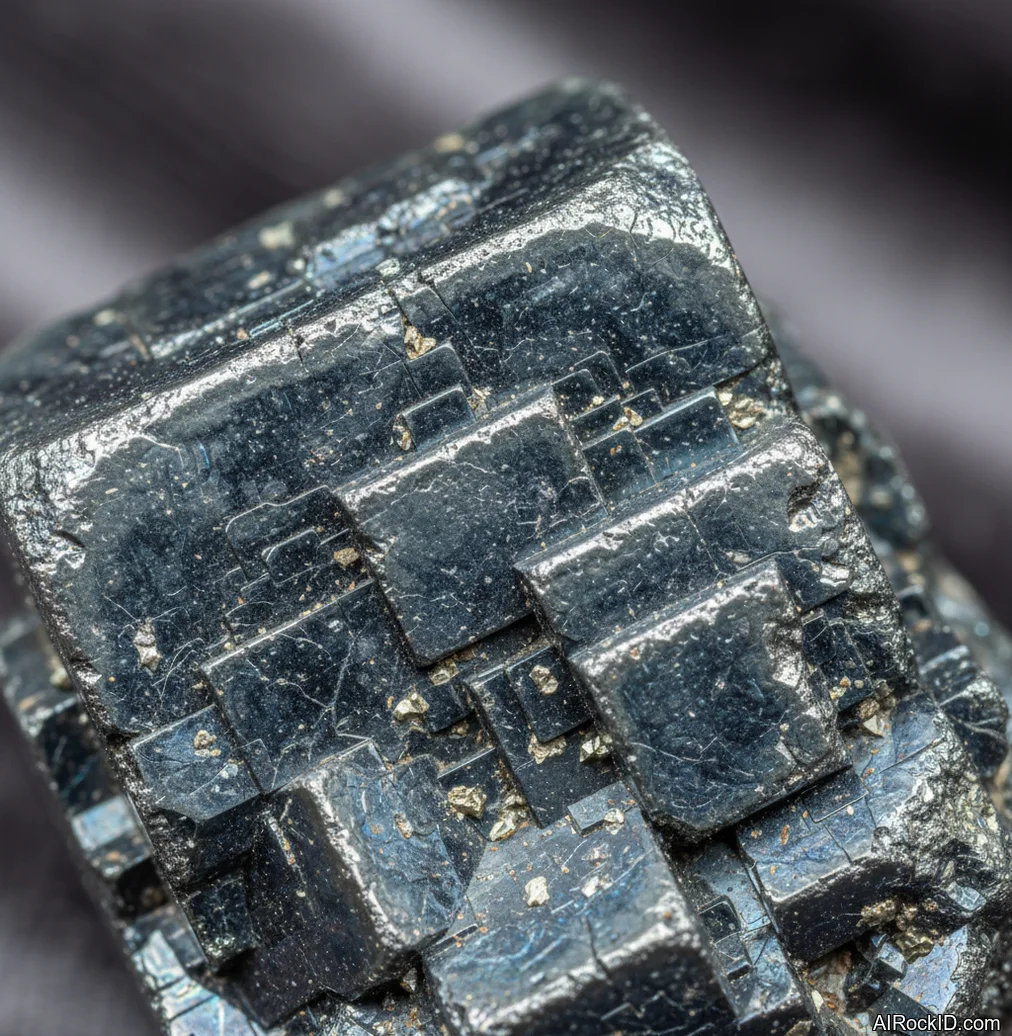
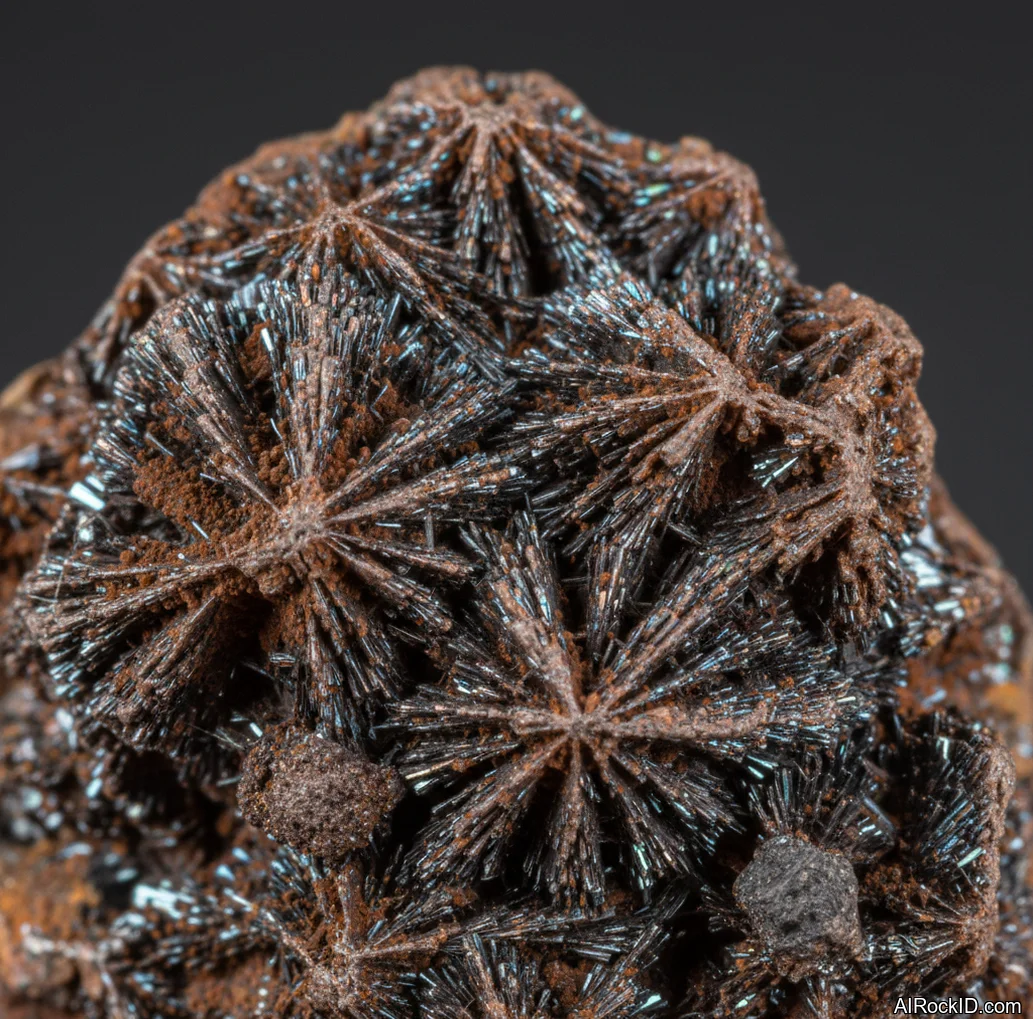
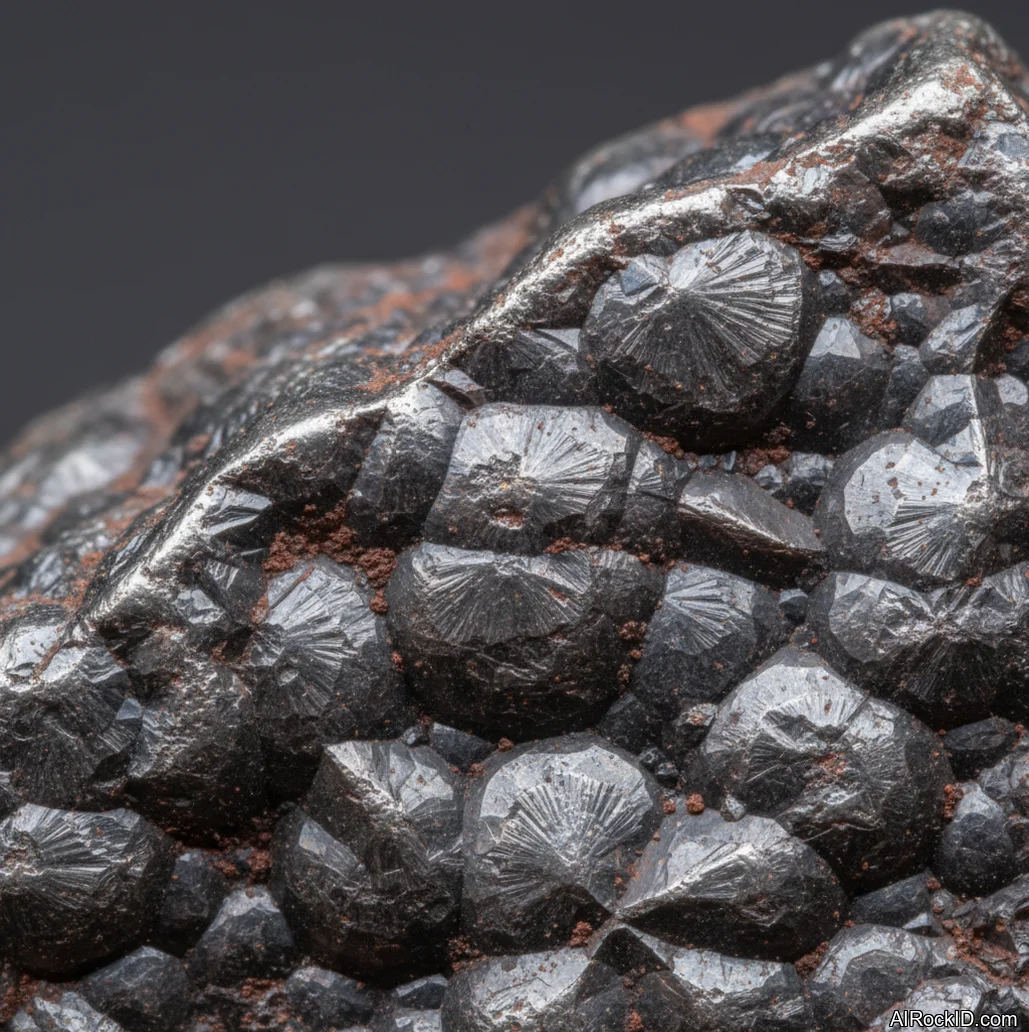
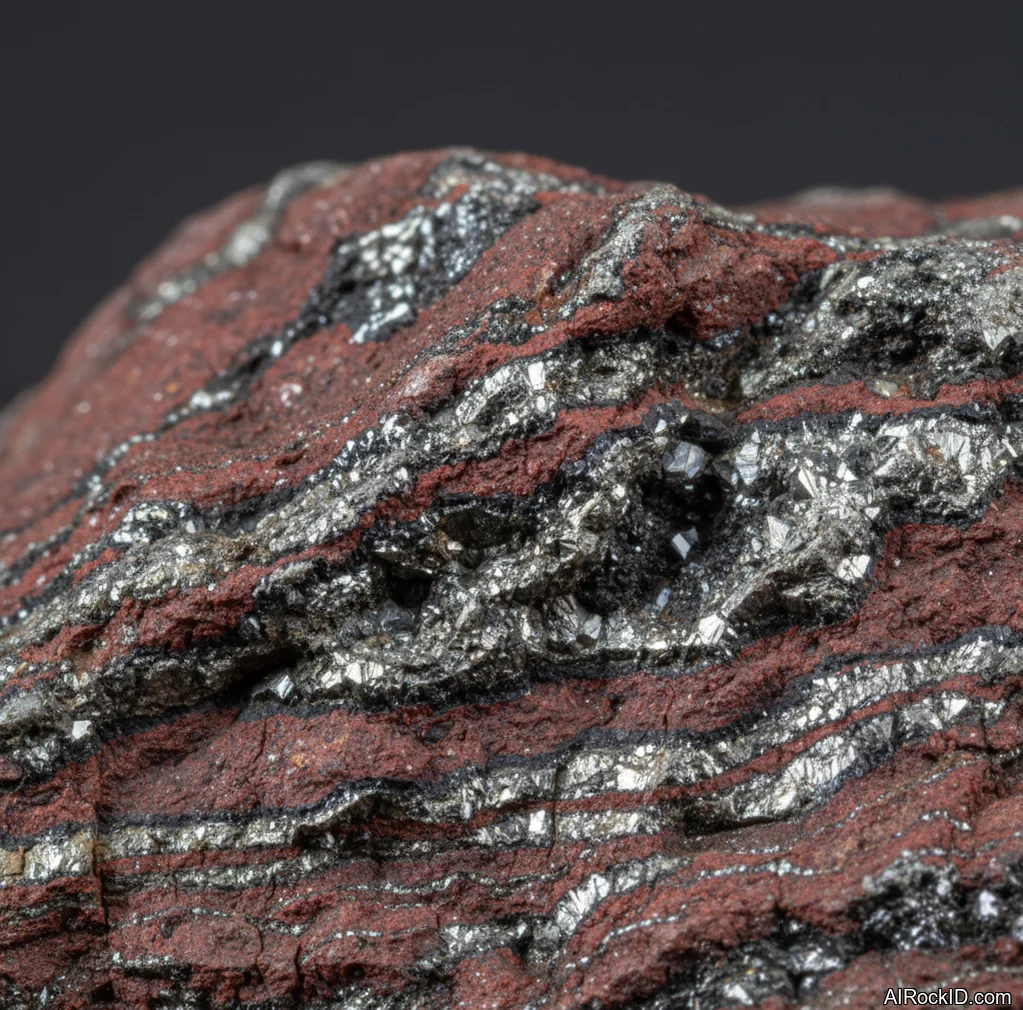
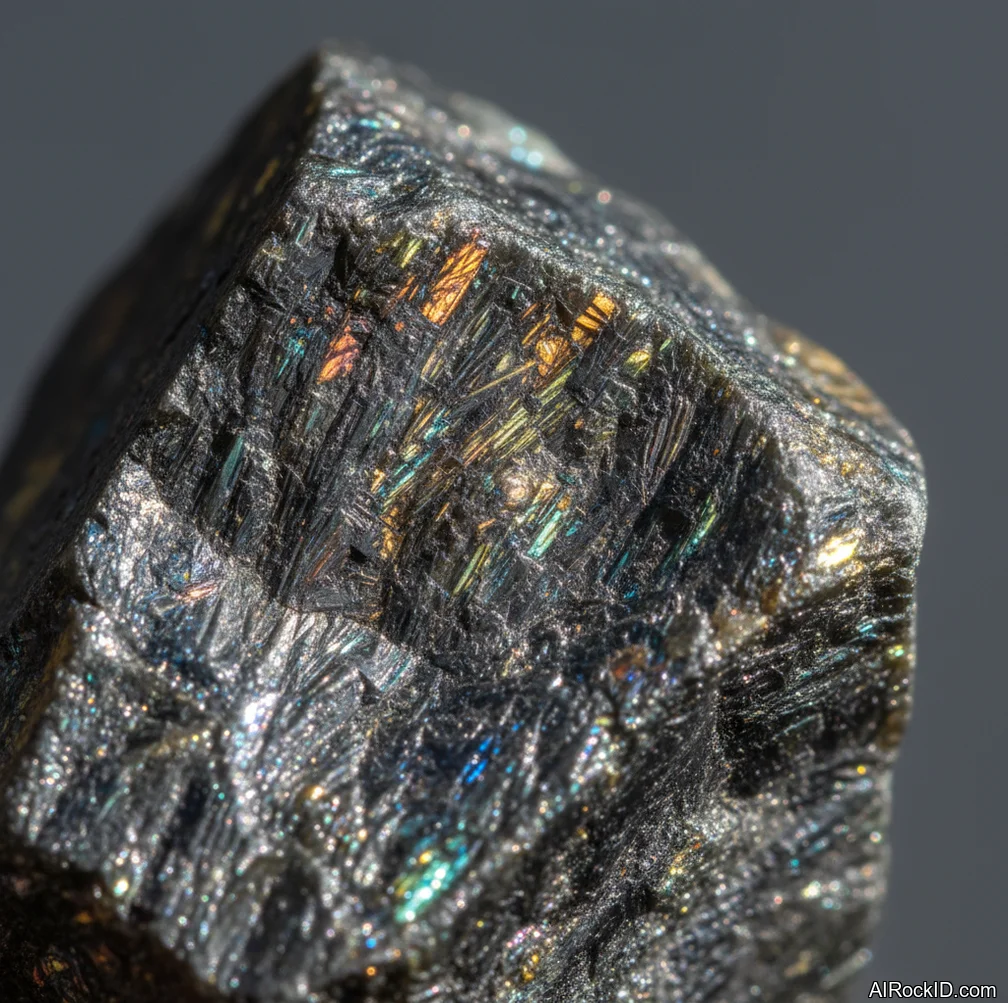
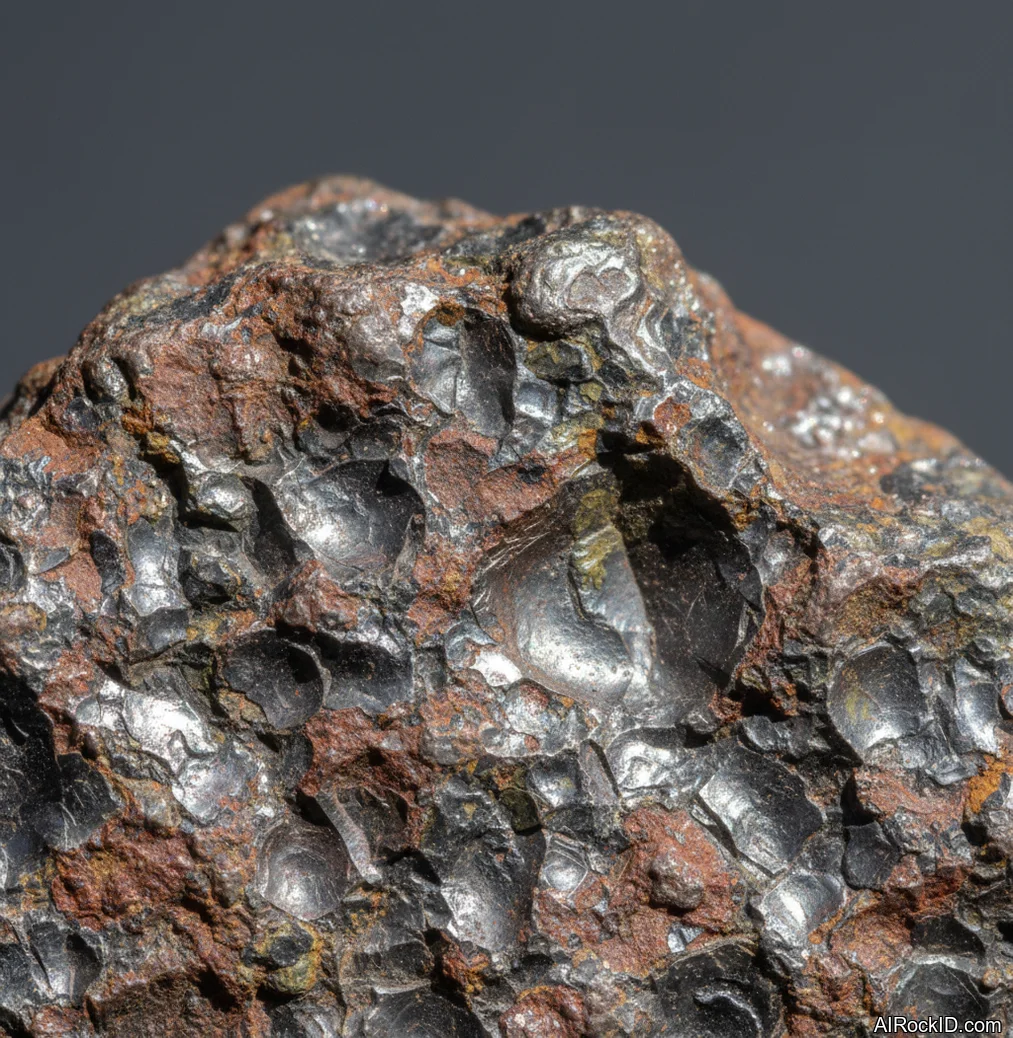
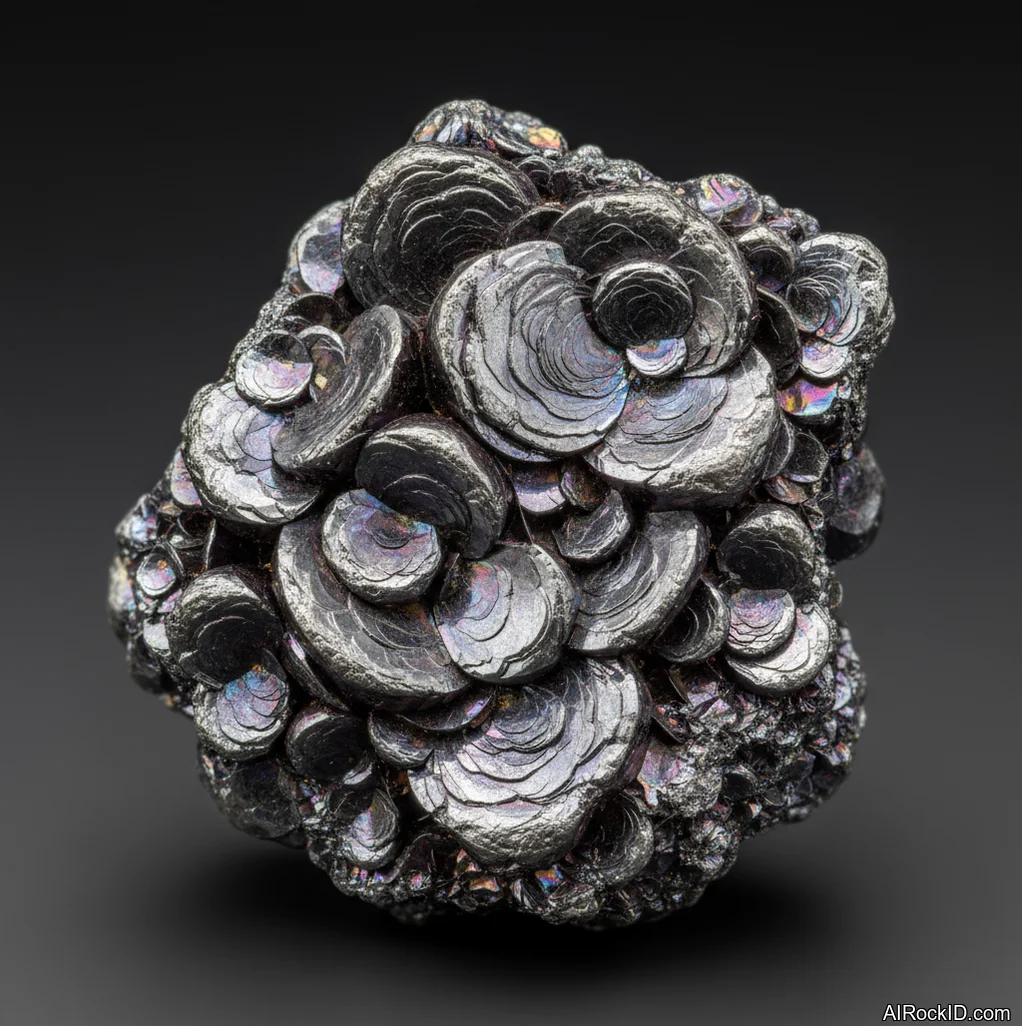
Pick up a chunk of hematite and you feel it right away. Not the shine. The weight. A good piece sits heavy in the palm, colder than you expect, like it’s pulling your attention down out of your head and into your hands. That’s the vibe people are chasing when they talk about grounding in crystal terms: getting back into the body, settling the nervous system, and feeling steady when everything else feels loud.
Grounding, the way most crystal folks mean it, is about stability and presence. Less spinning thoughts. Less scattered energy. More “I’m here, I can deal with today.” So yeah, grounding crystals end up in pockets, on desks, by the front door, and at the bottom of crystal grids. People reach for them during anxiety, after intense emotional work, when they’re overstimulated from screens, or when they’ve been doing a lot of spiritual practices and feel a little floaty afterward.
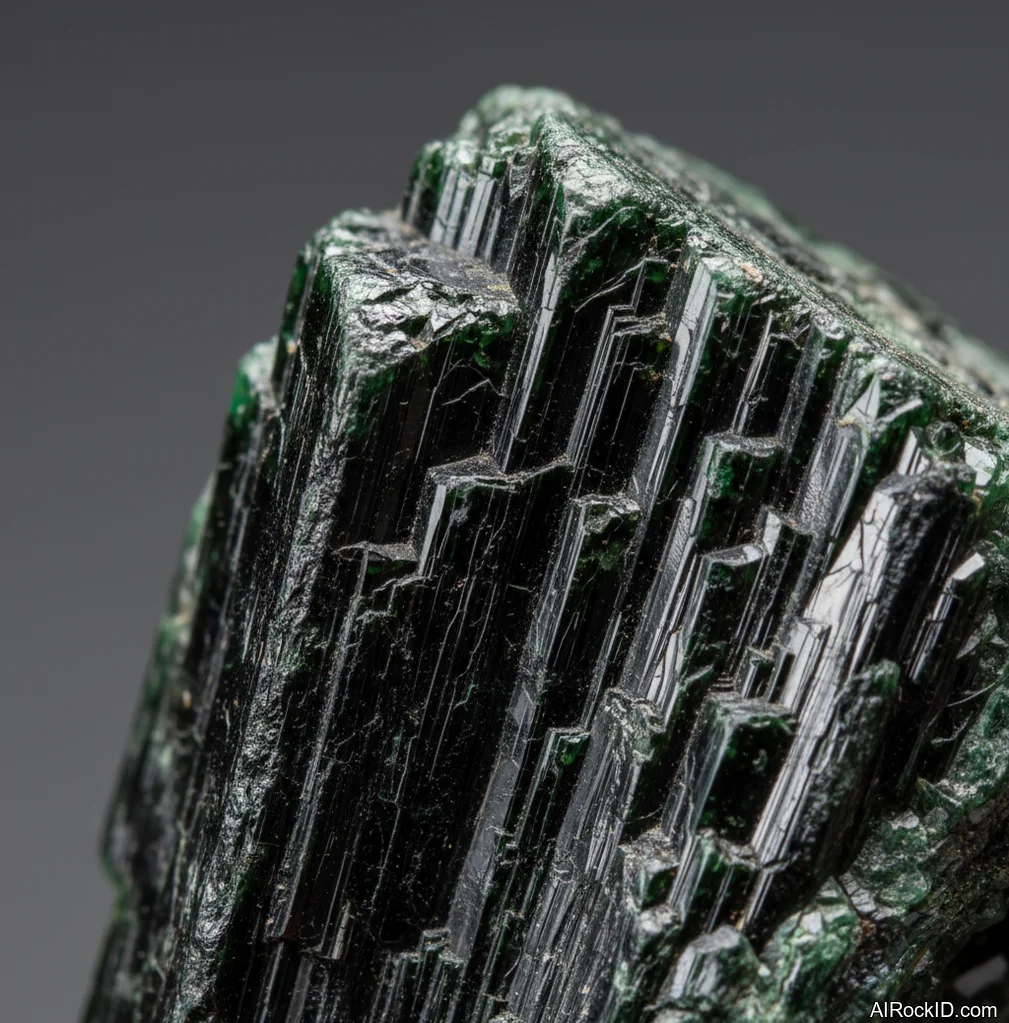
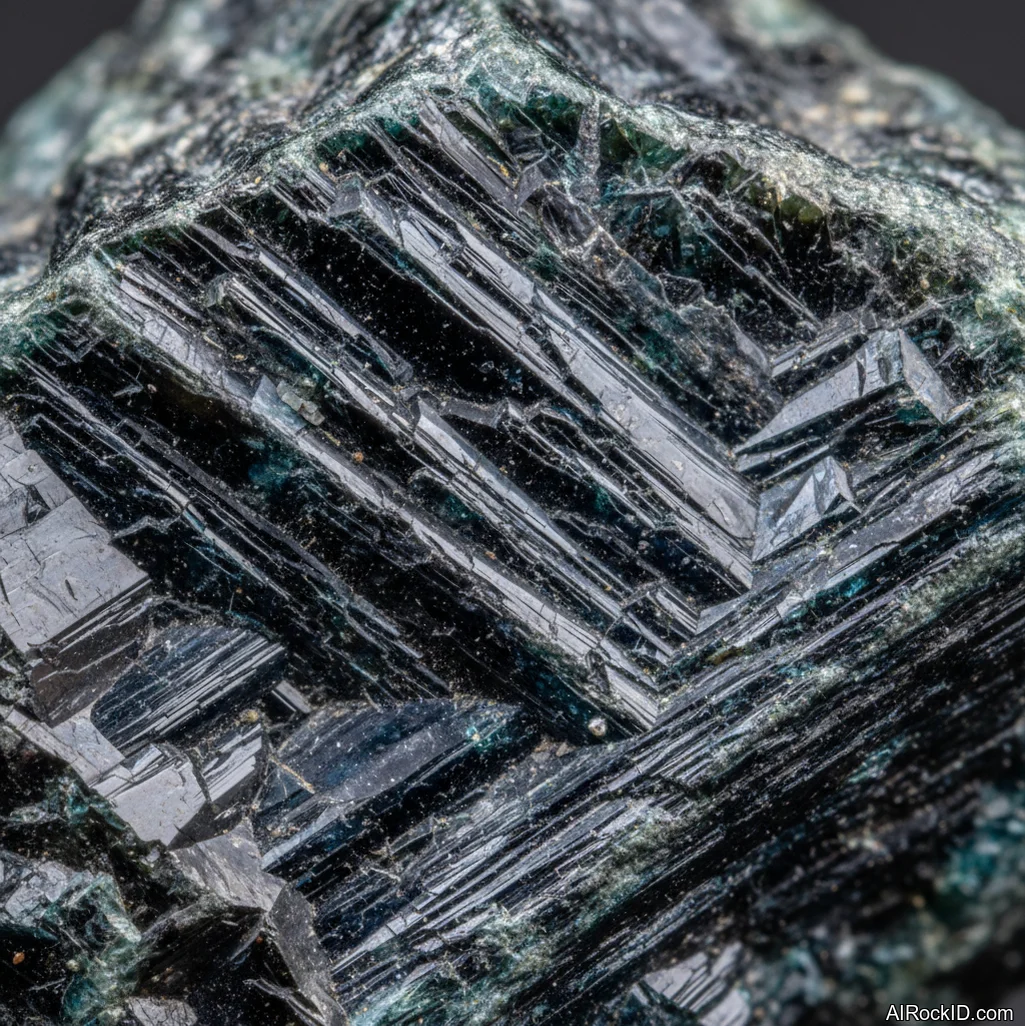
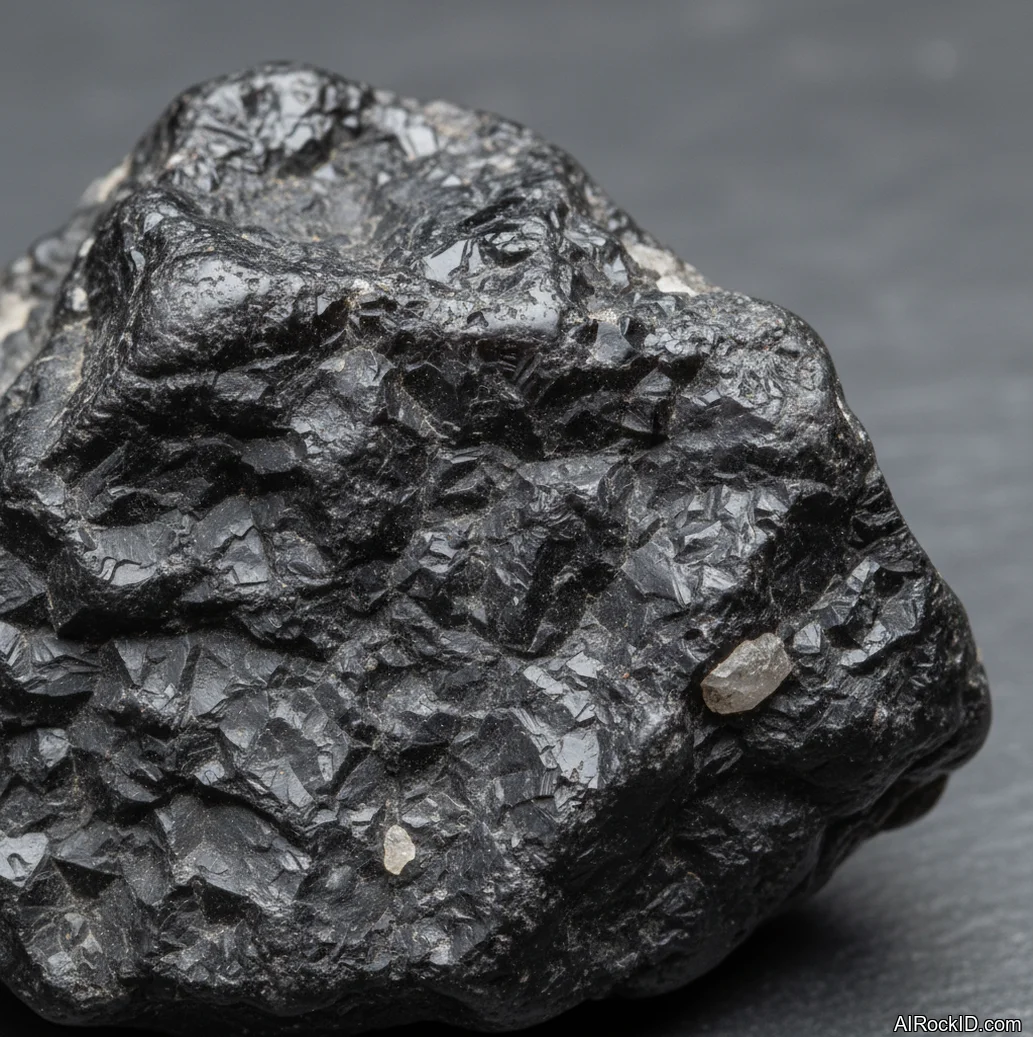
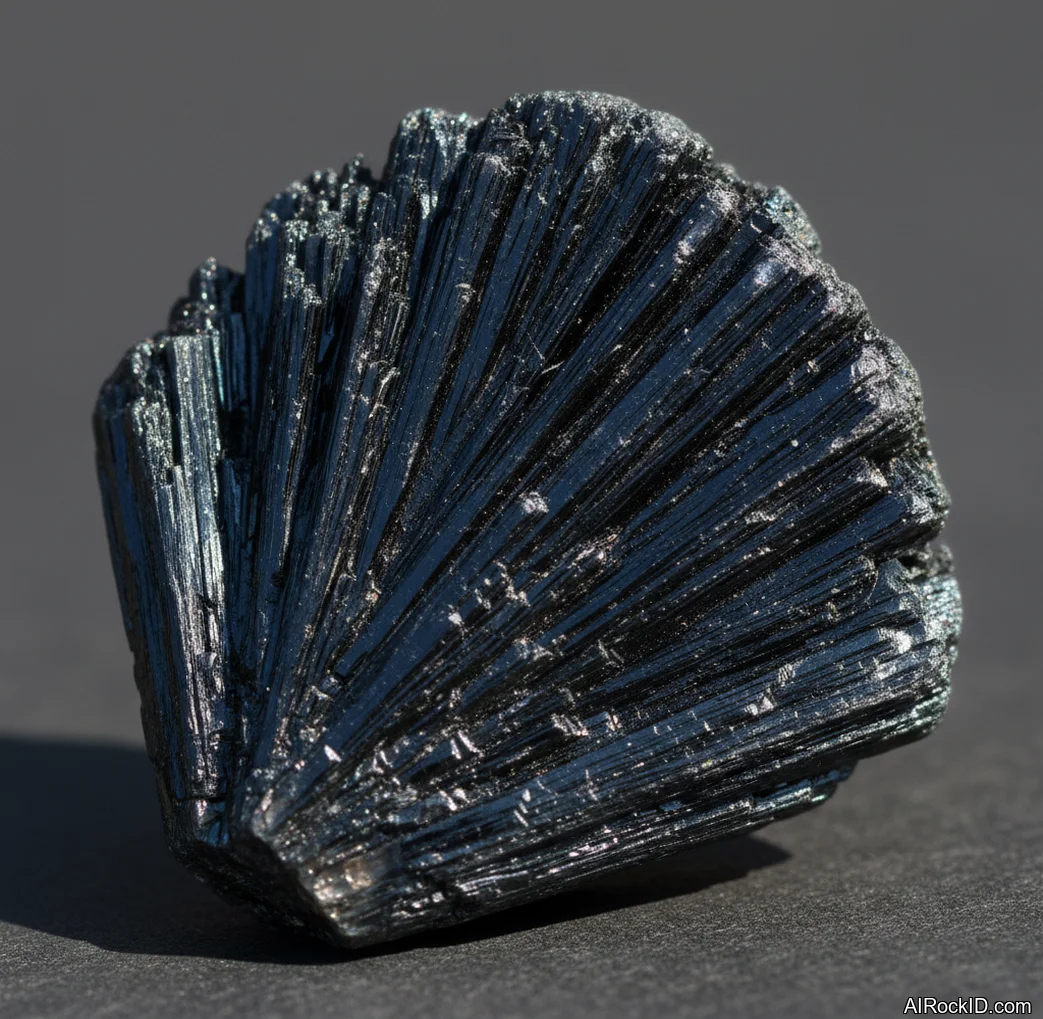
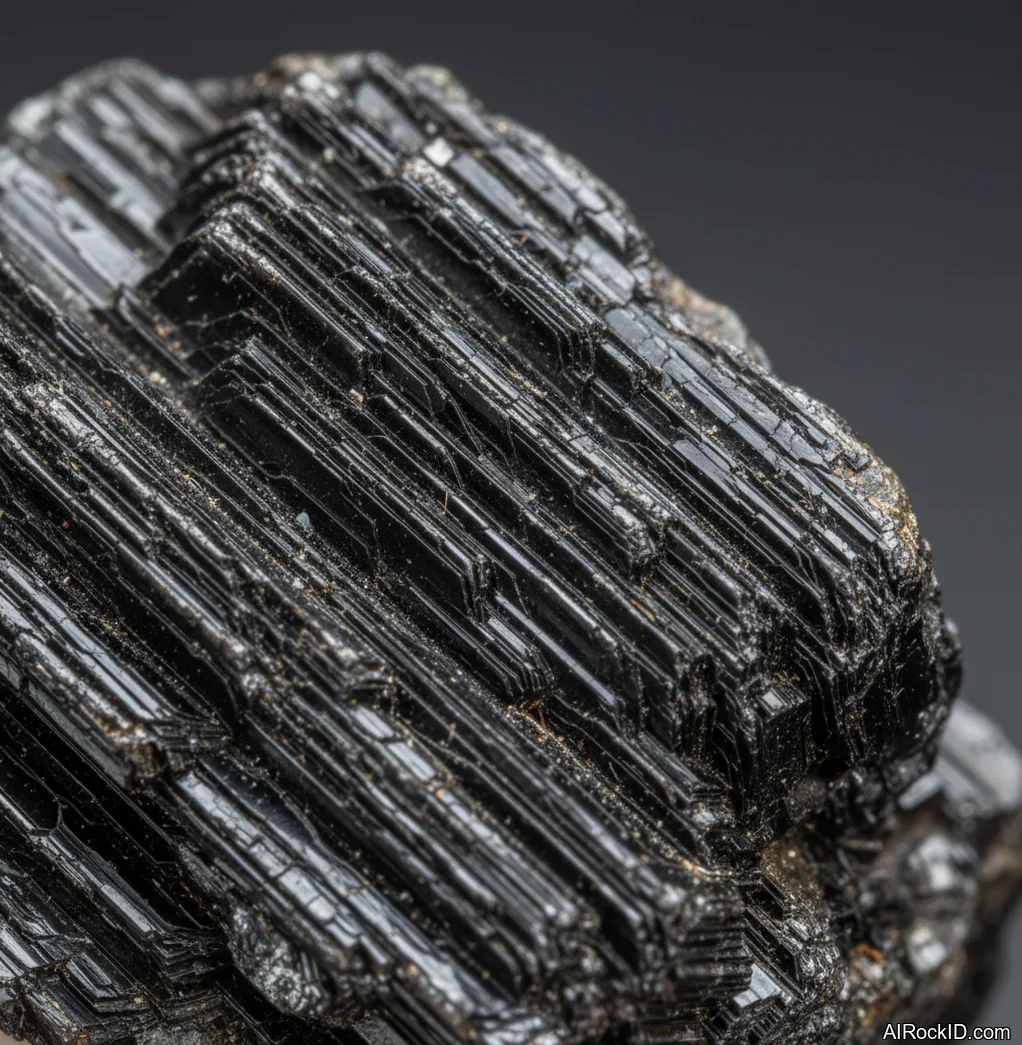
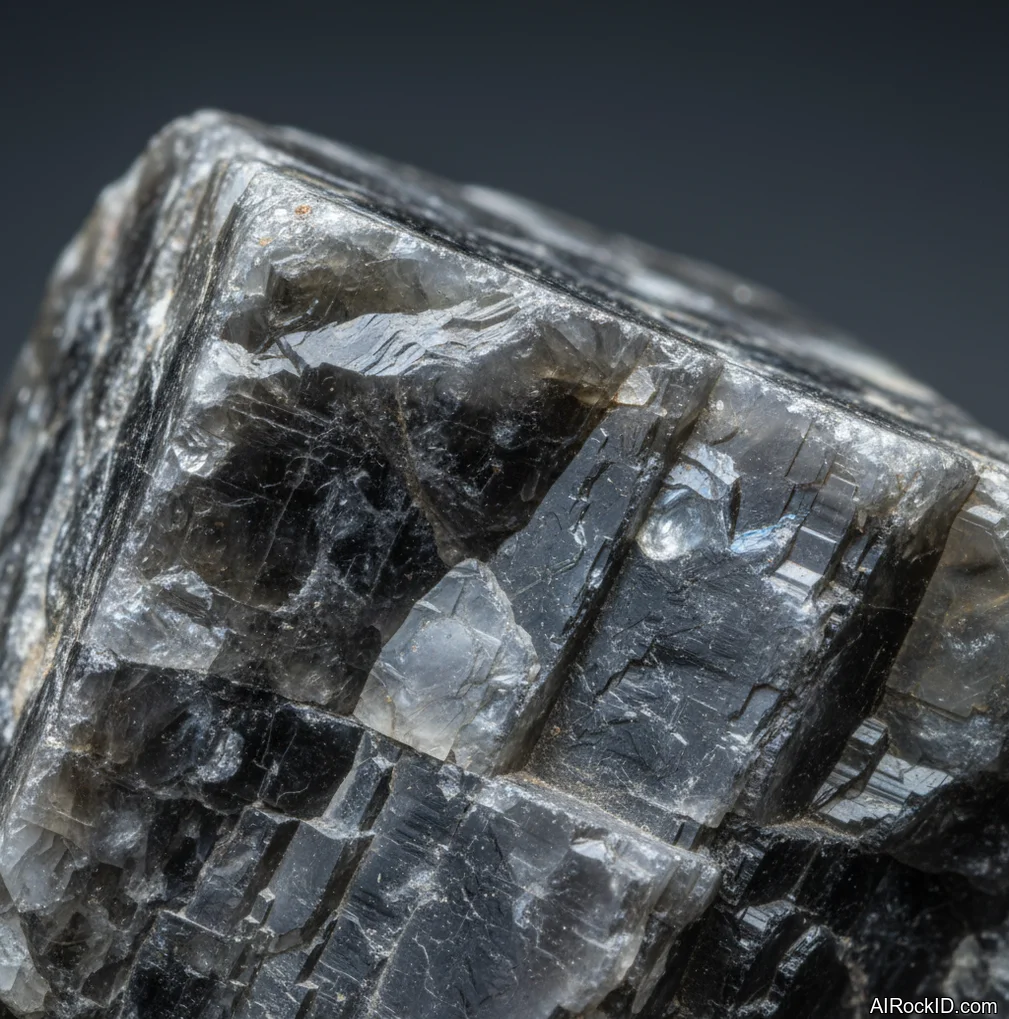
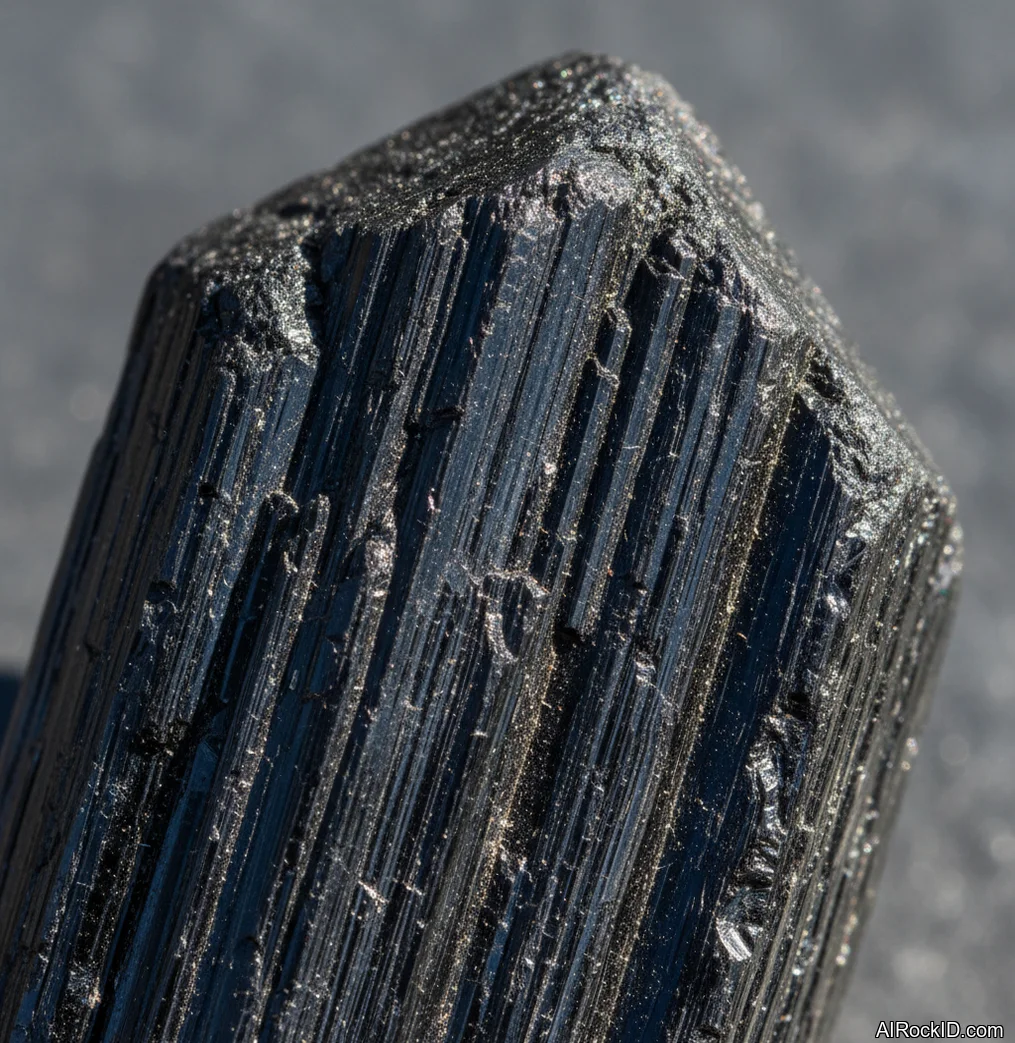
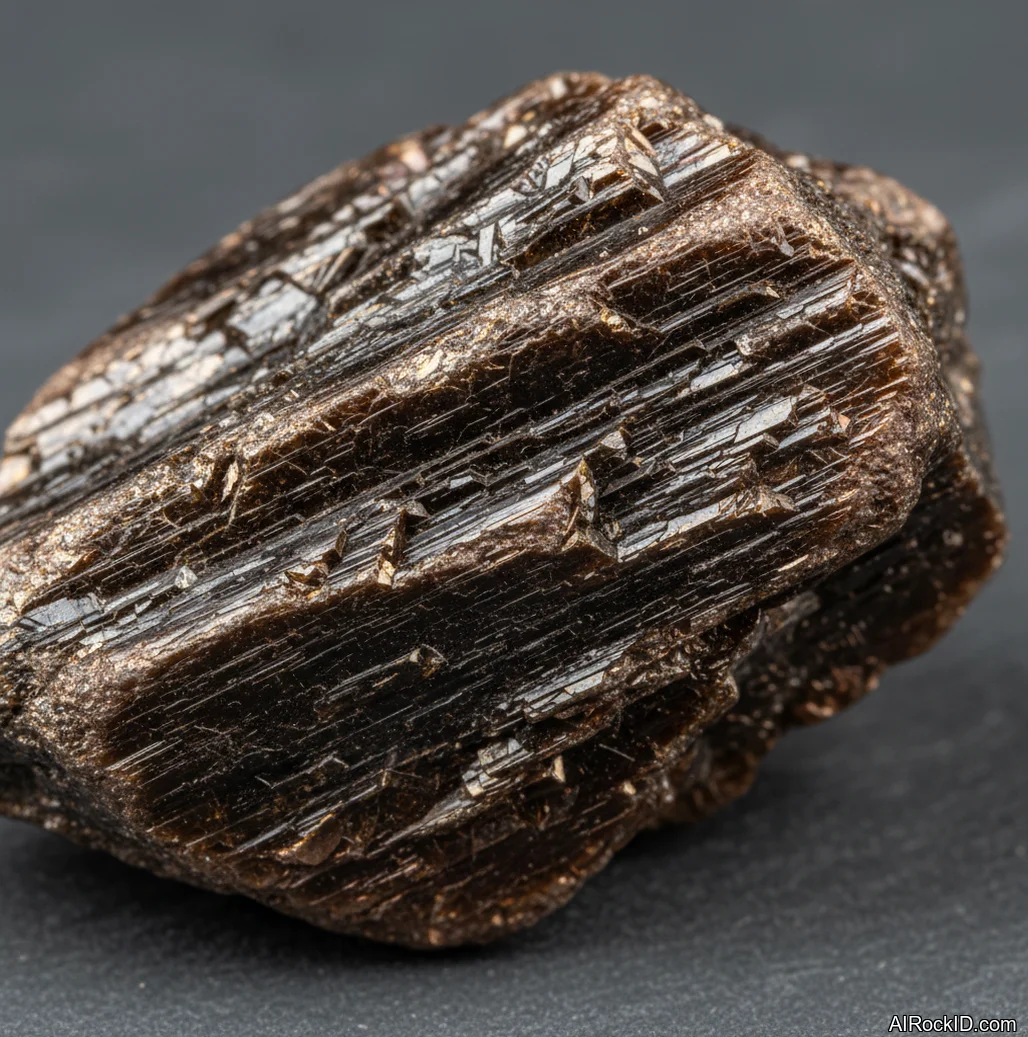
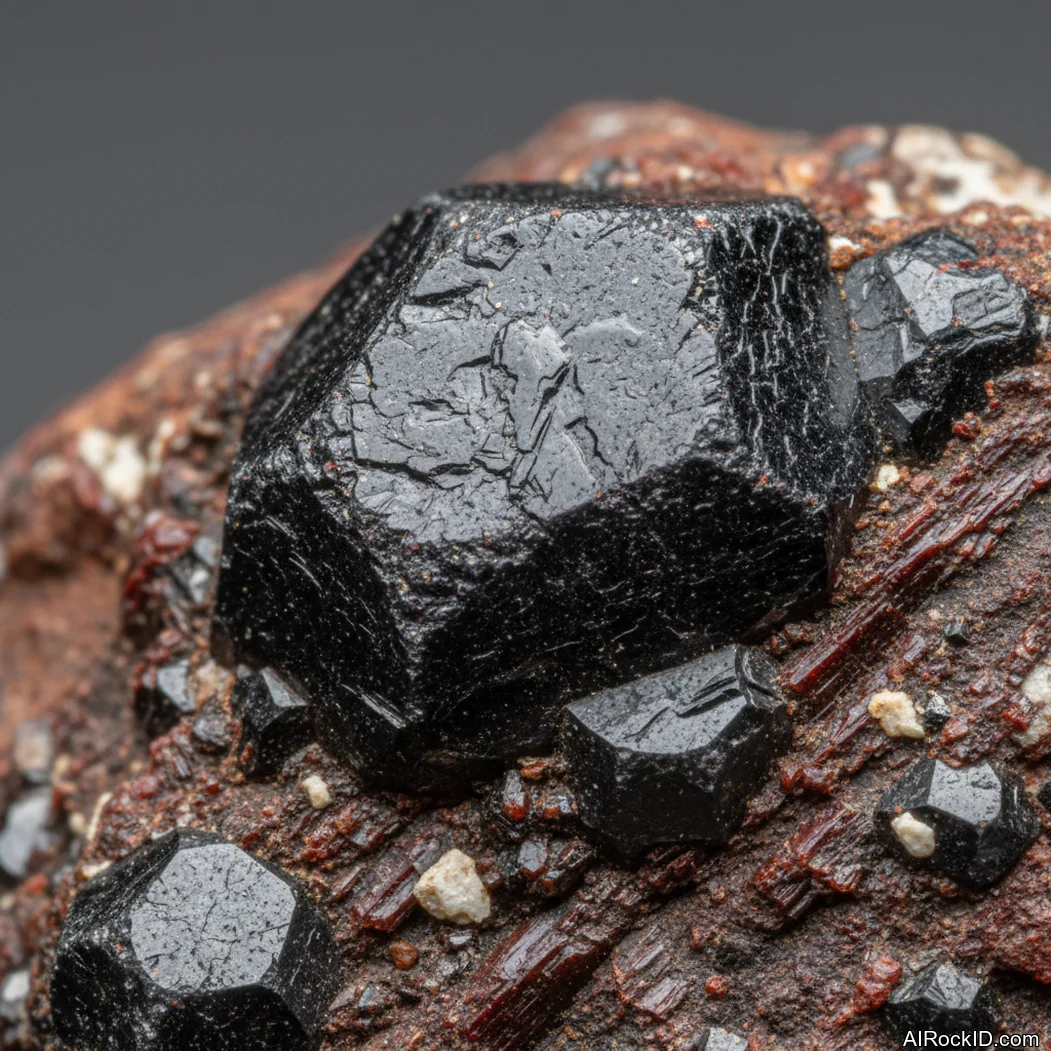
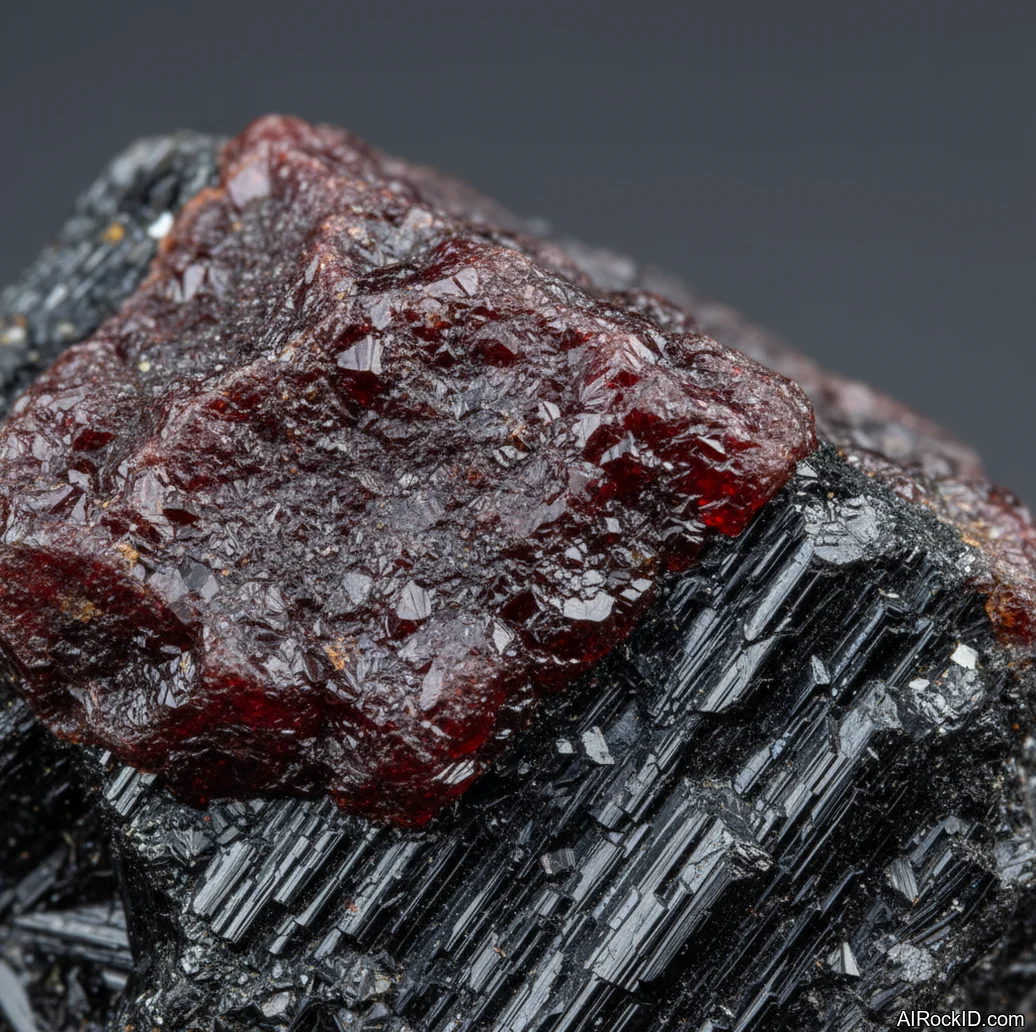
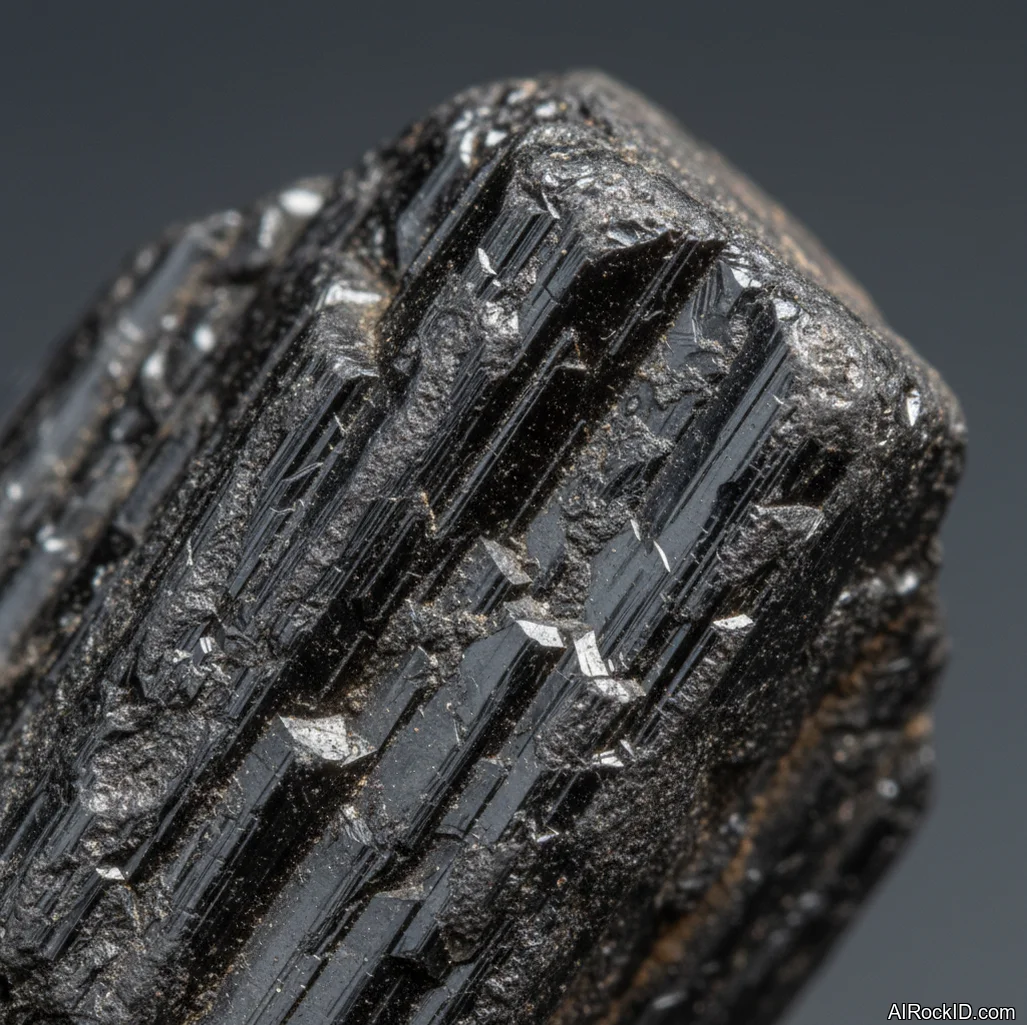
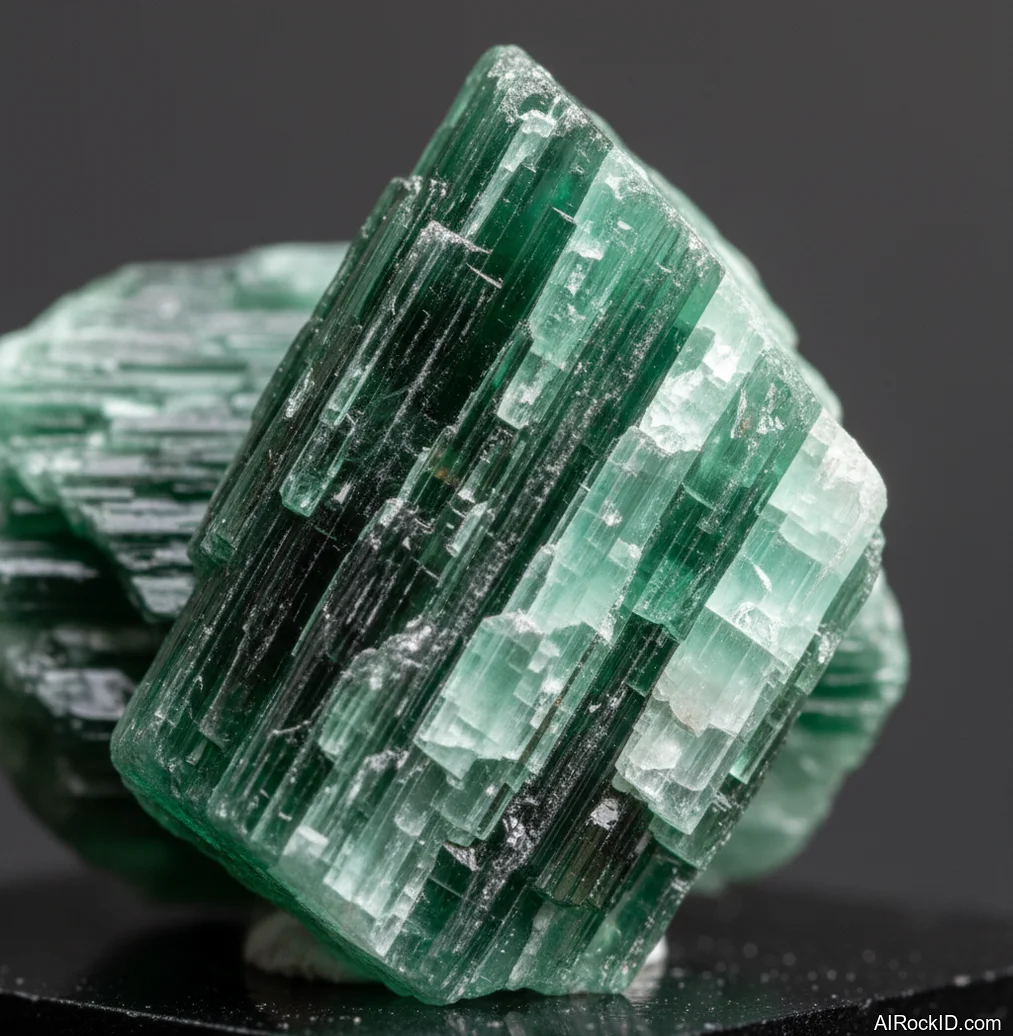
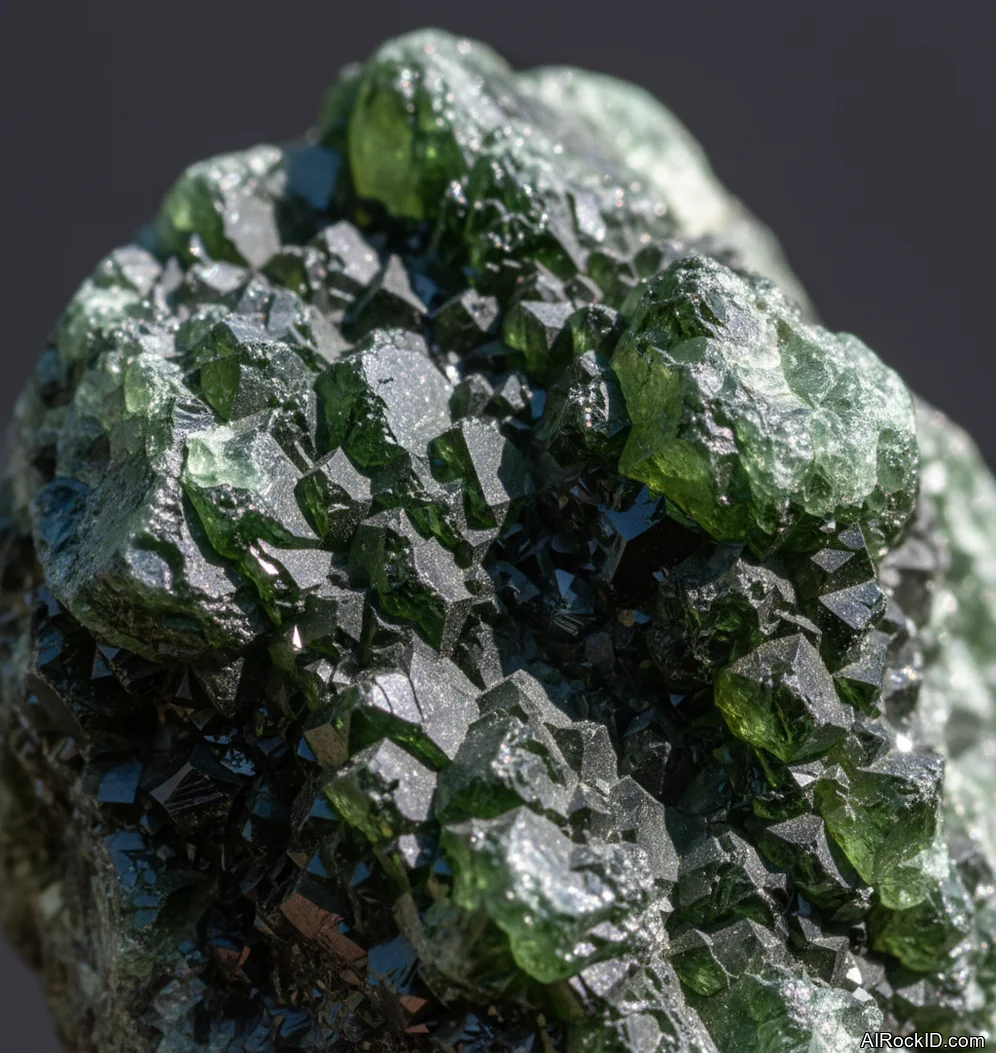
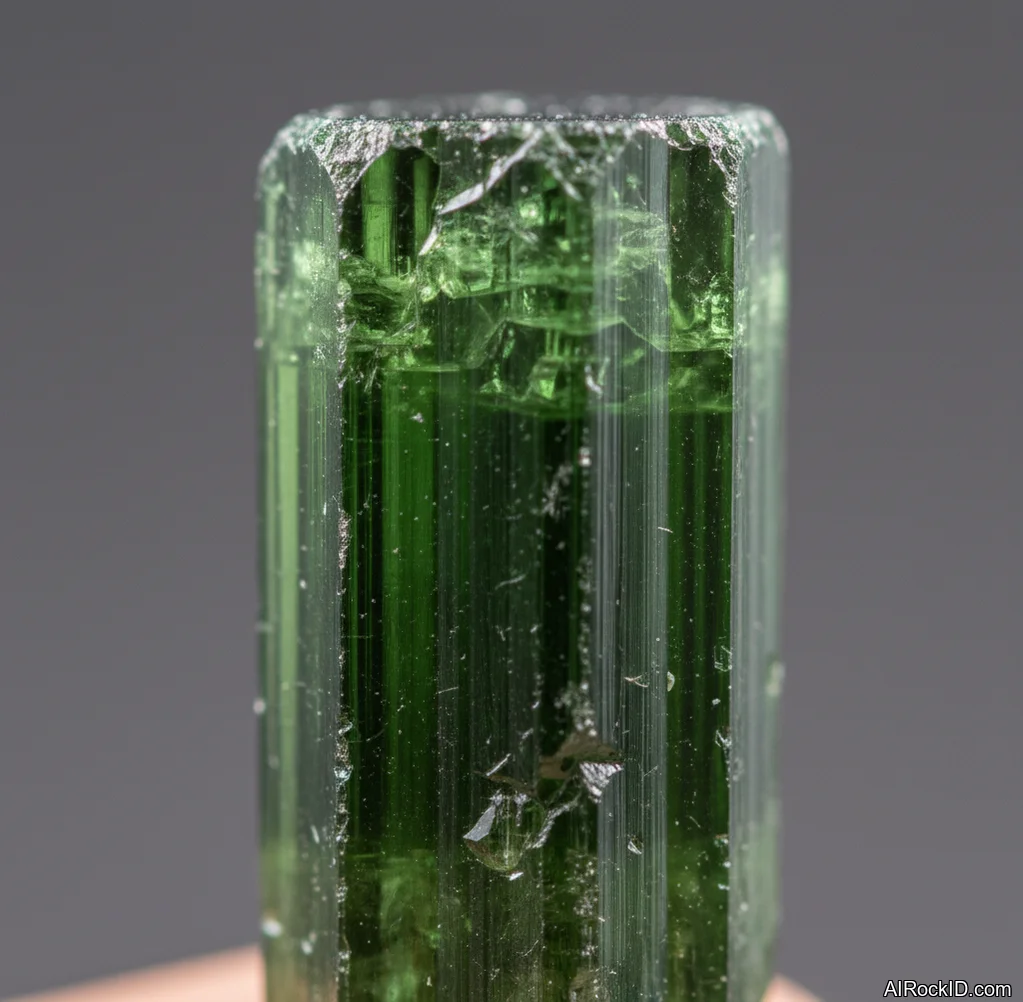
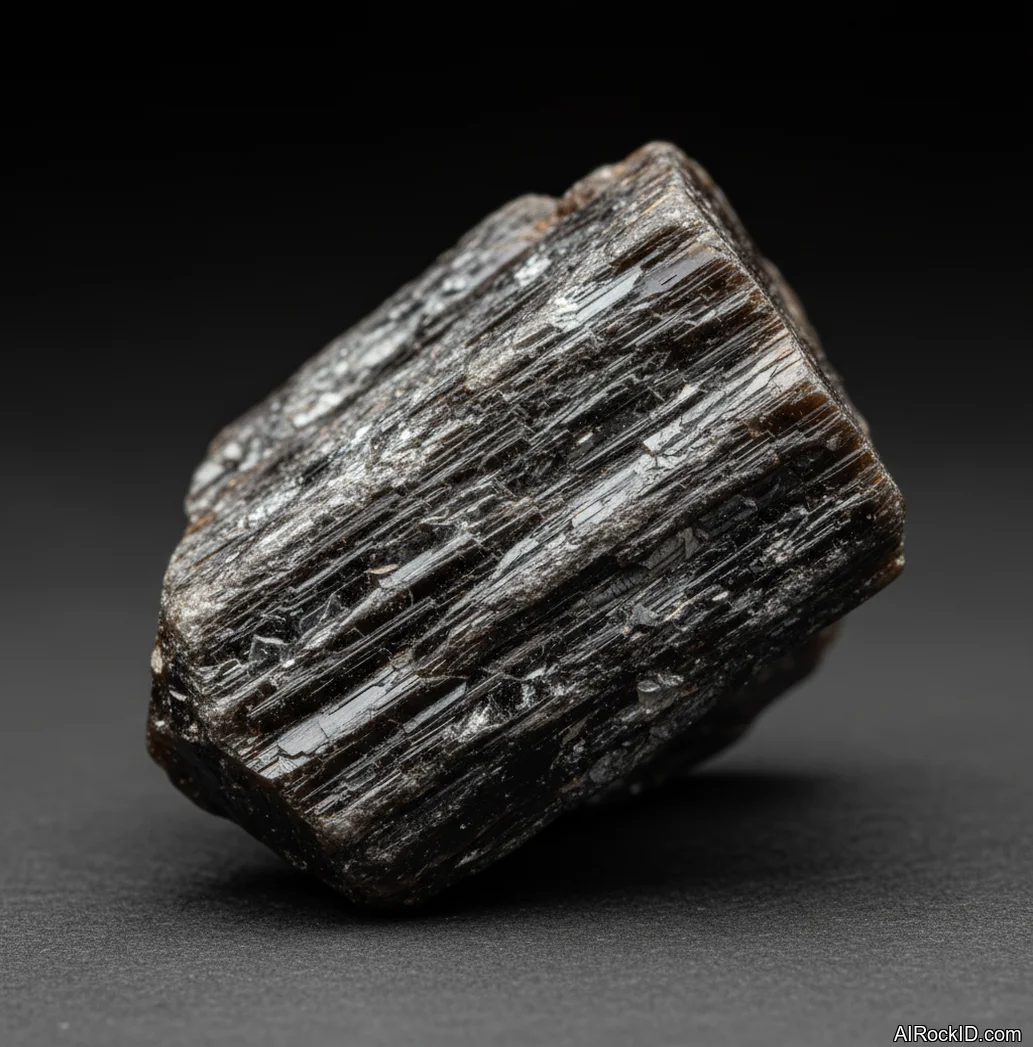
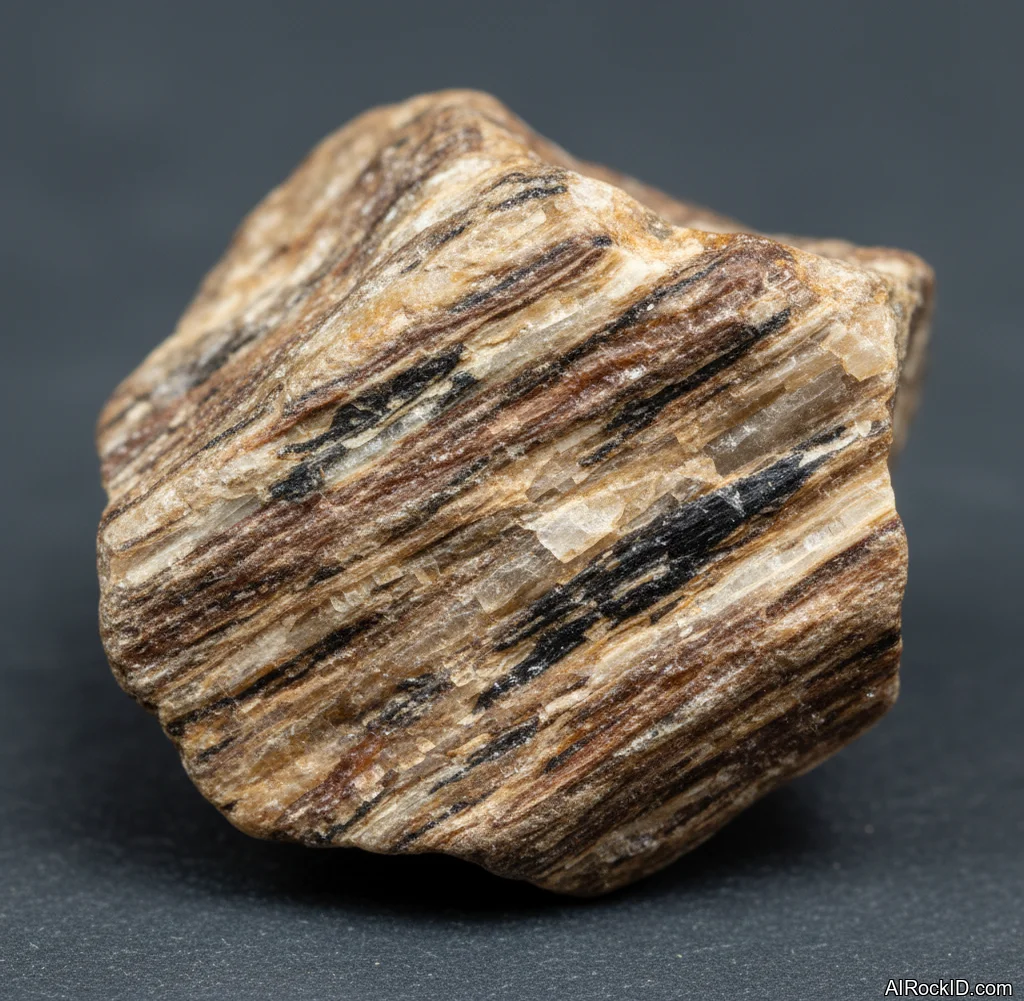
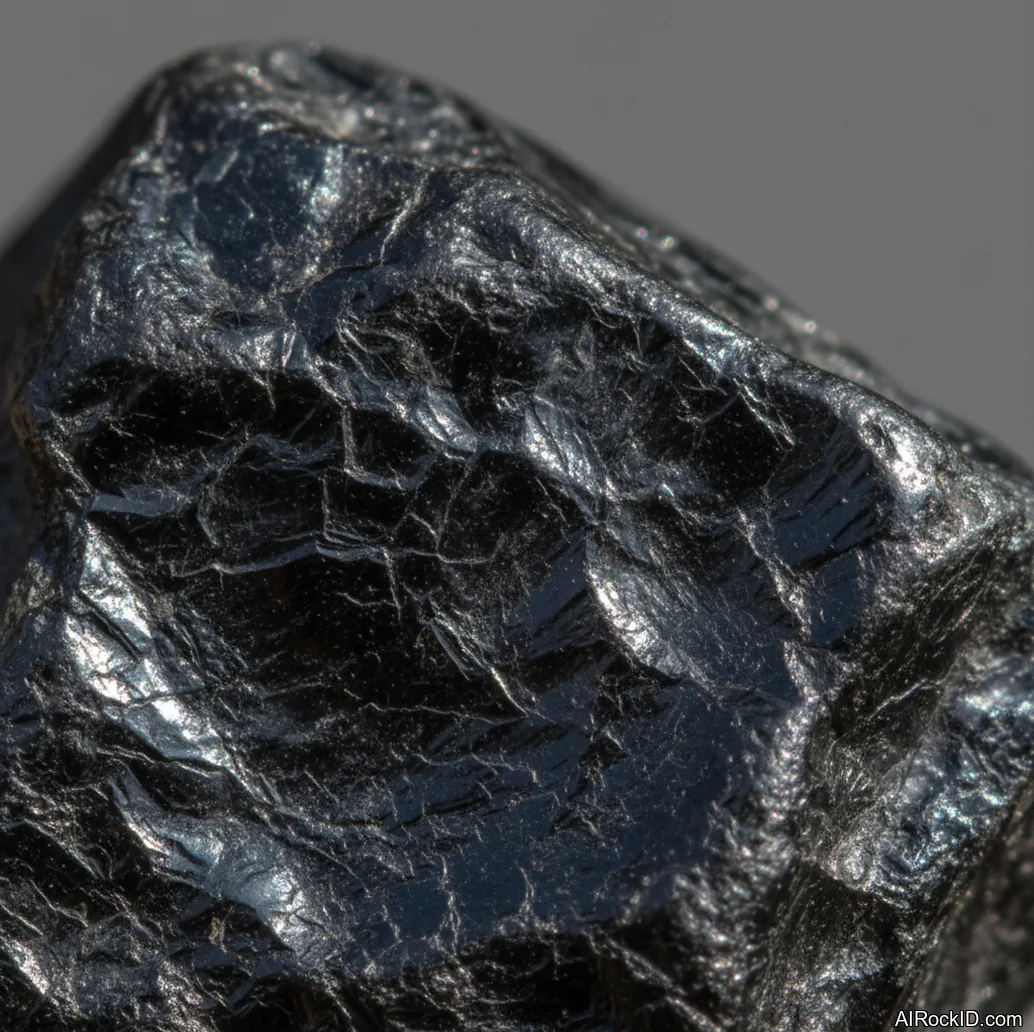
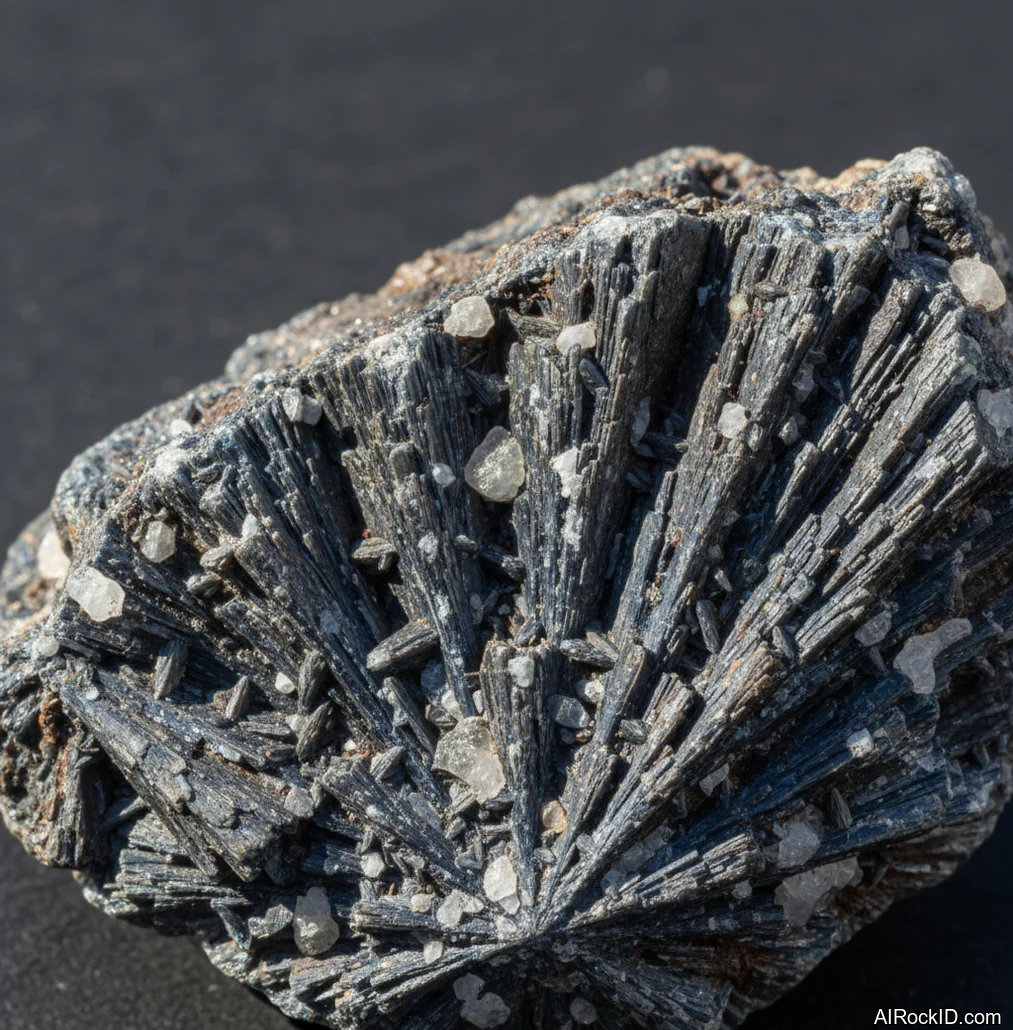
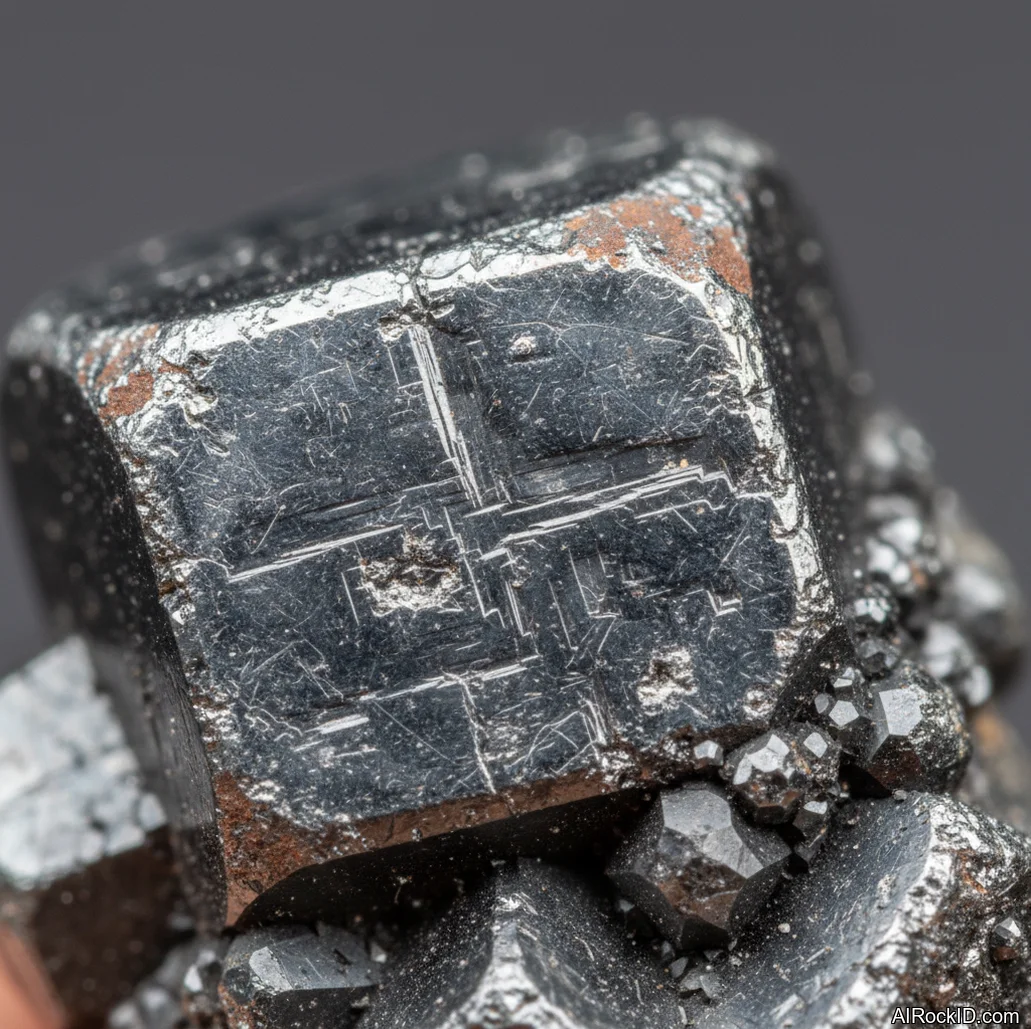
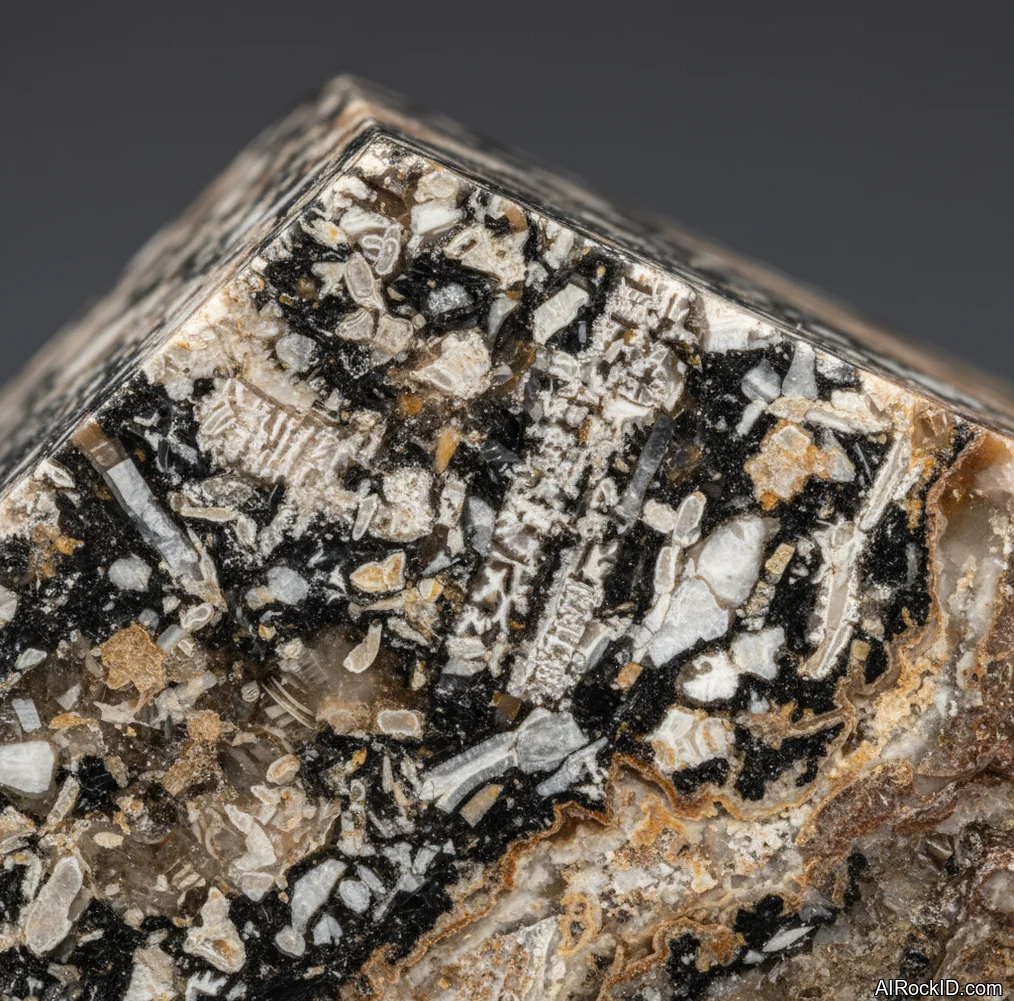
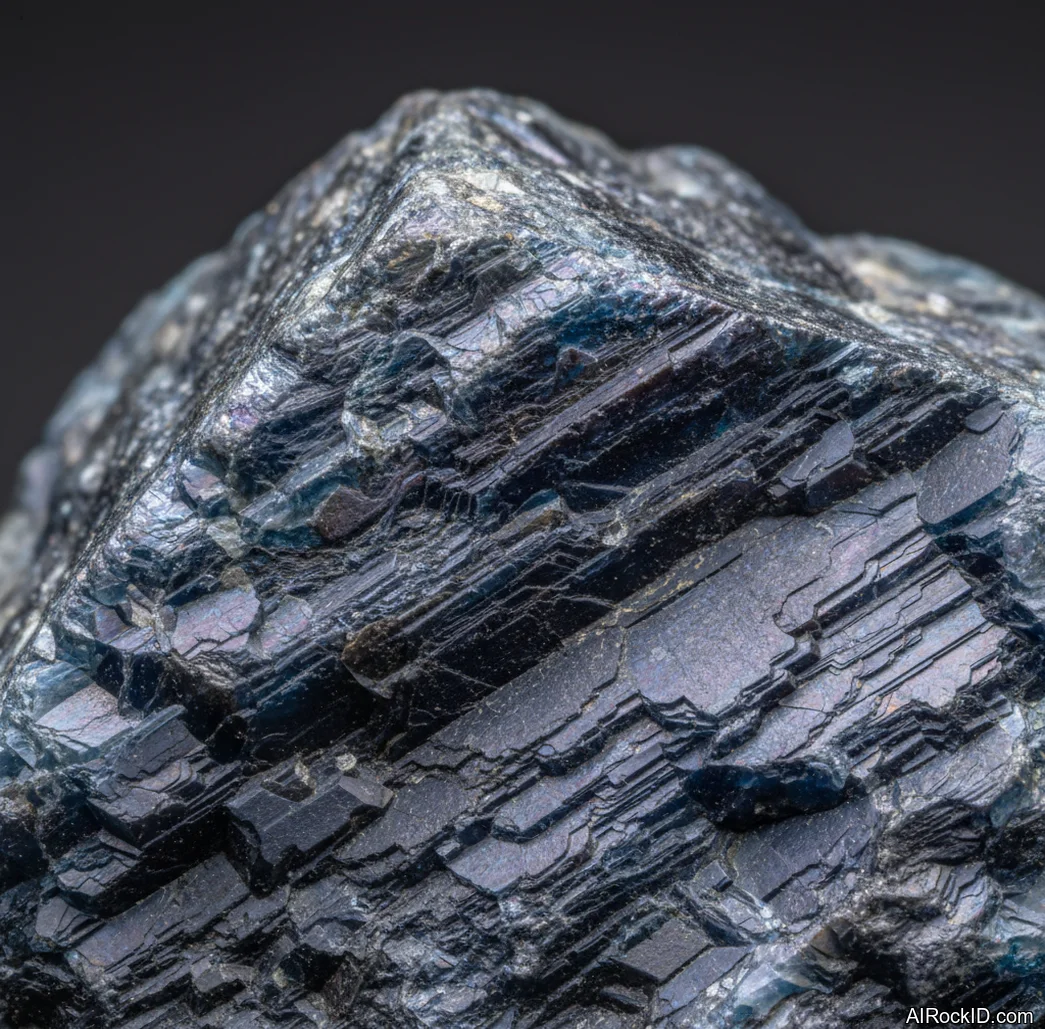
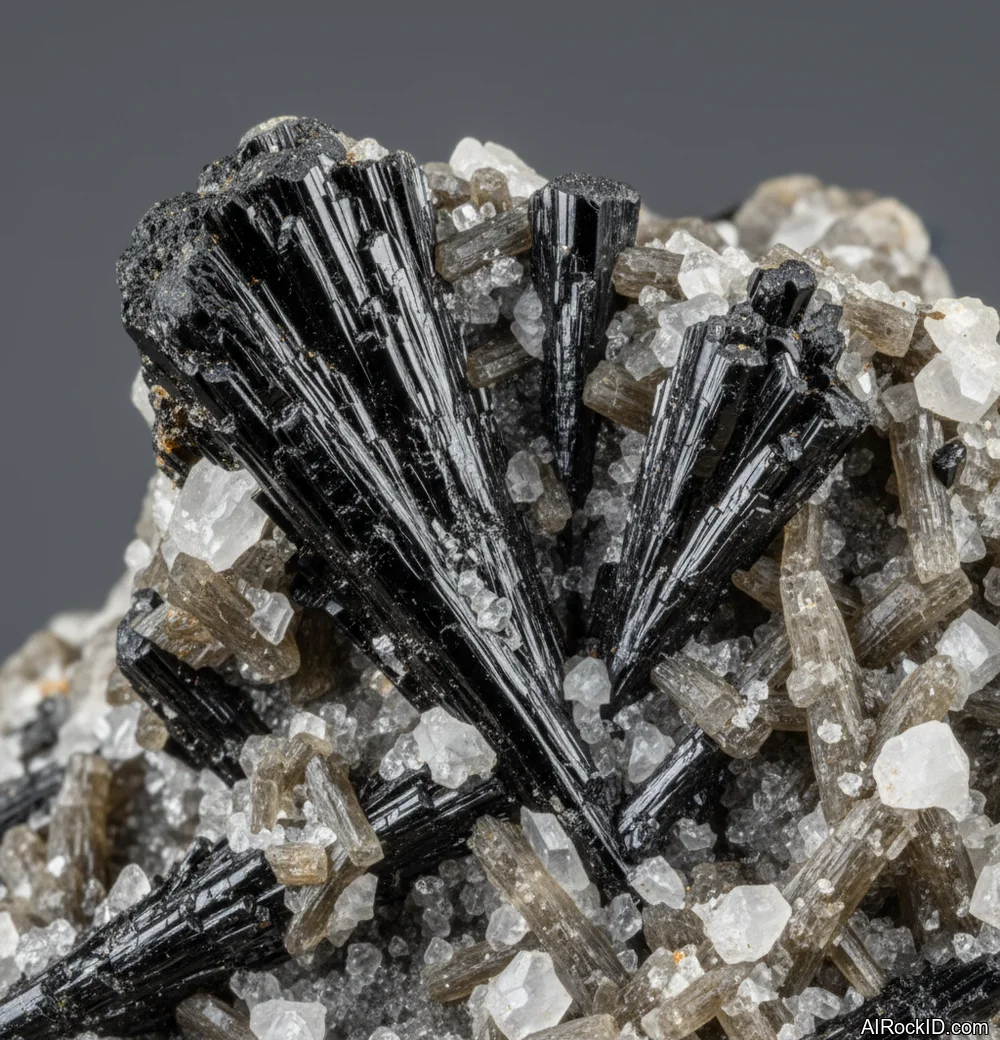
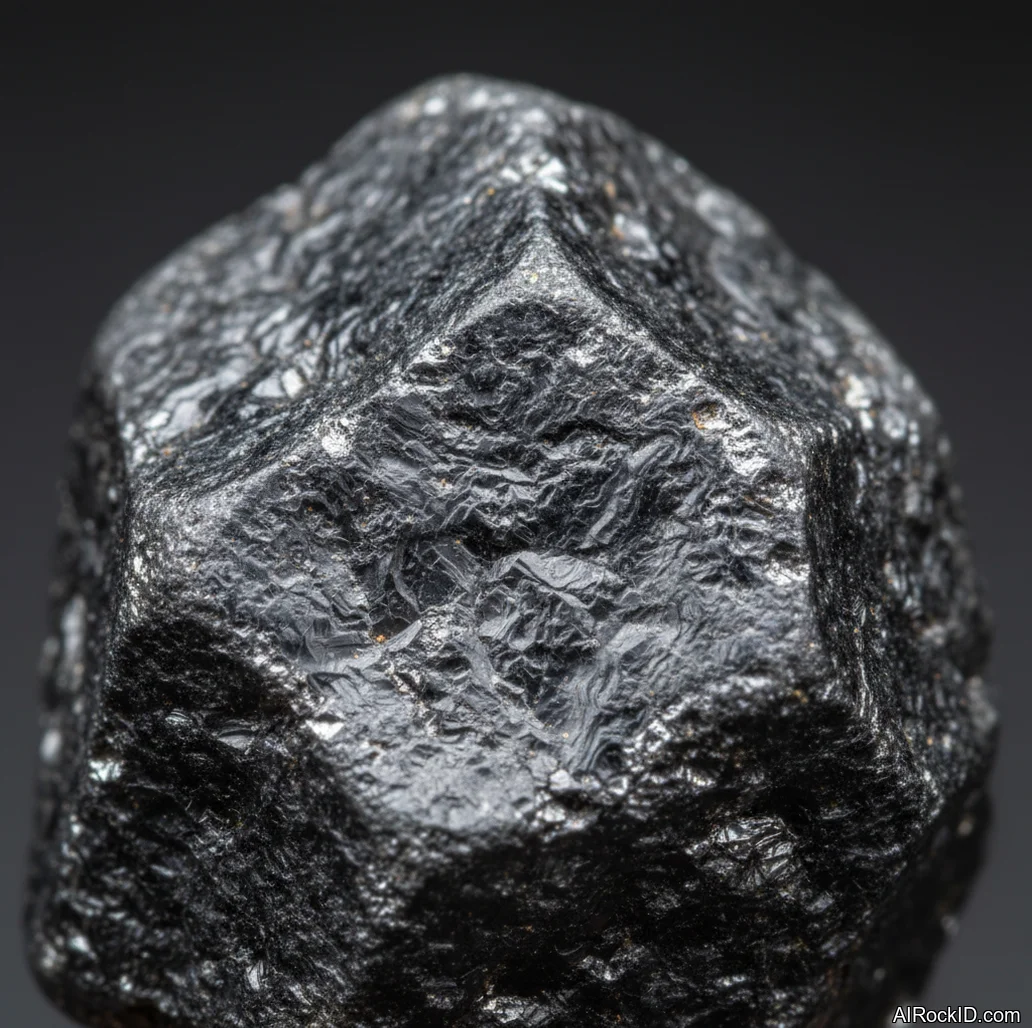
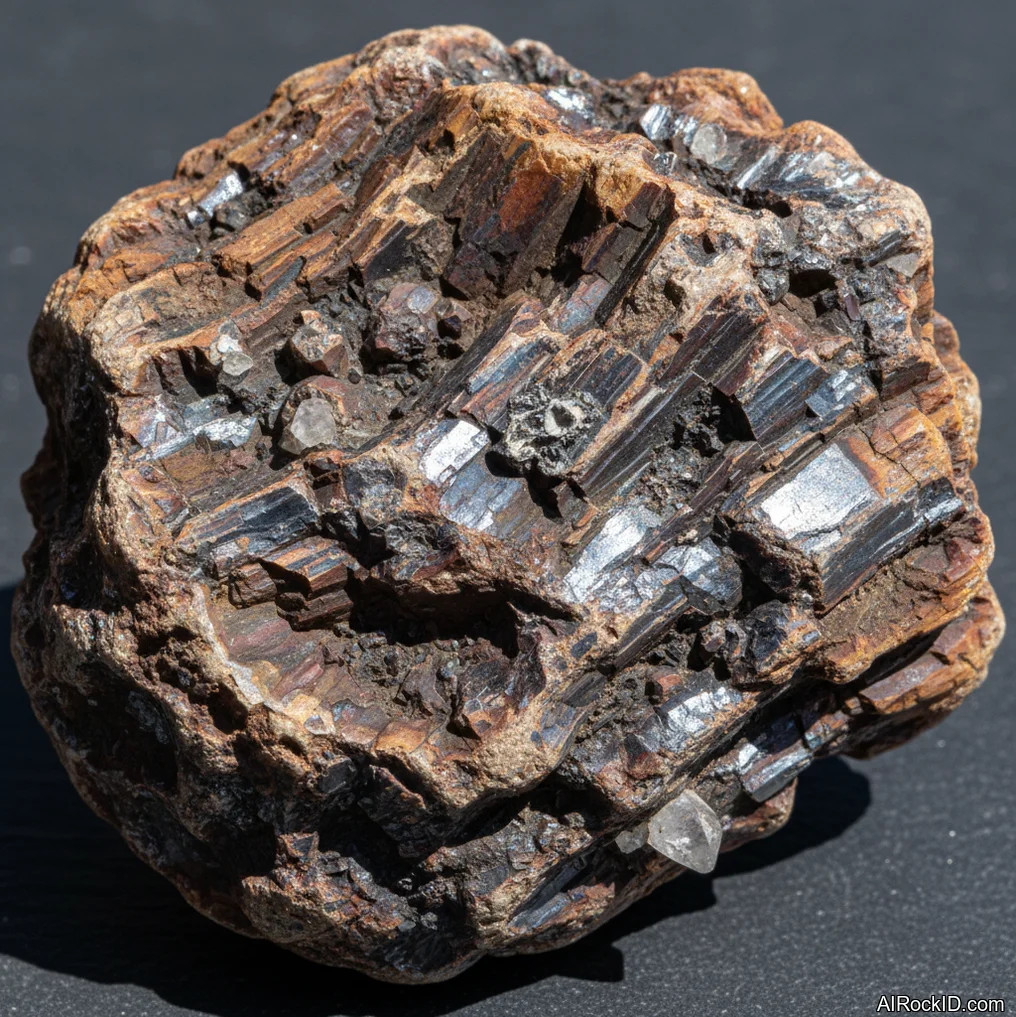
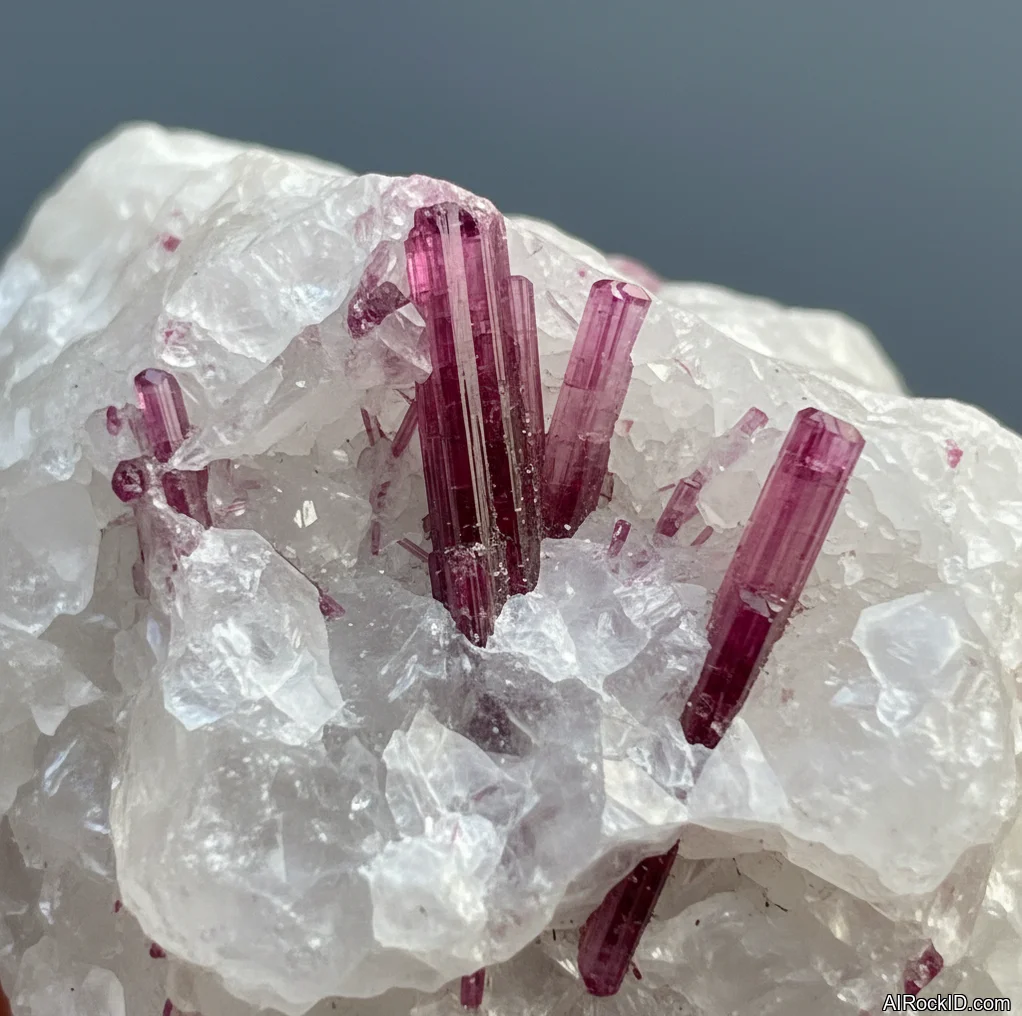
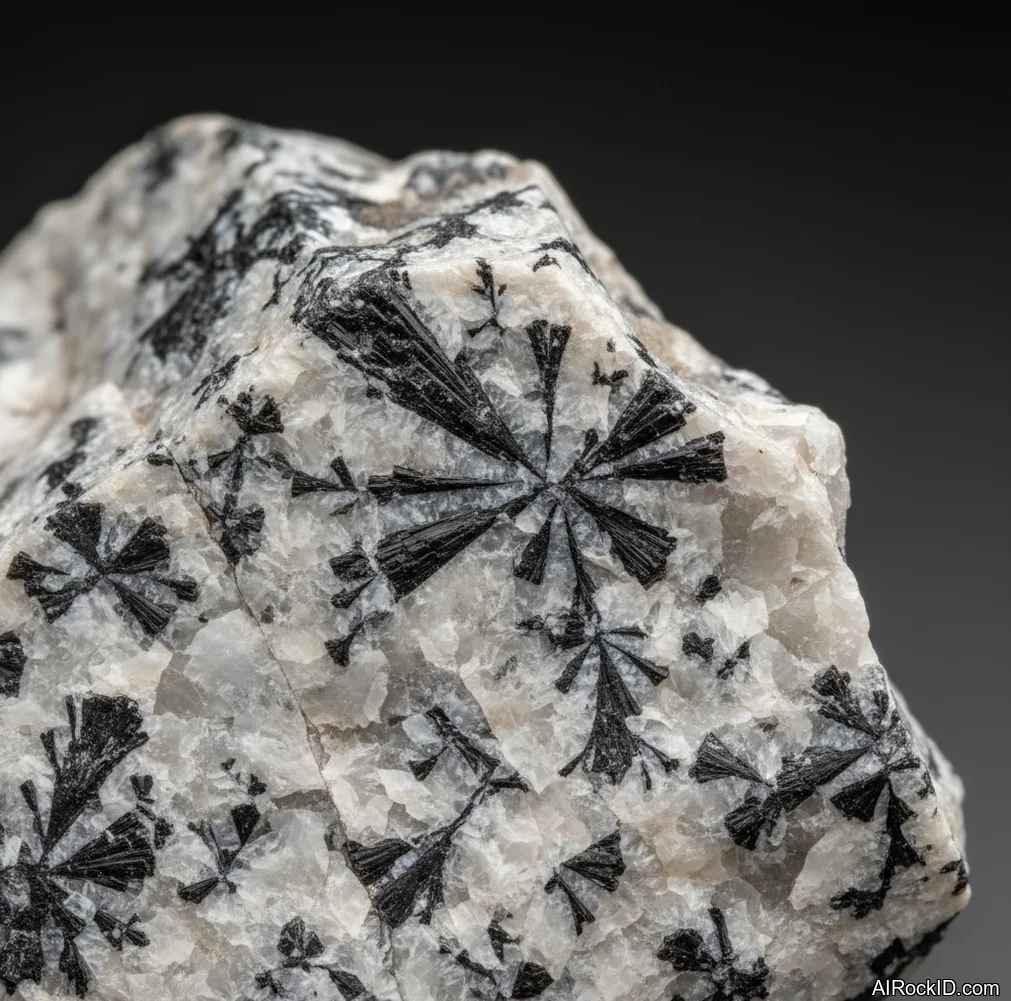
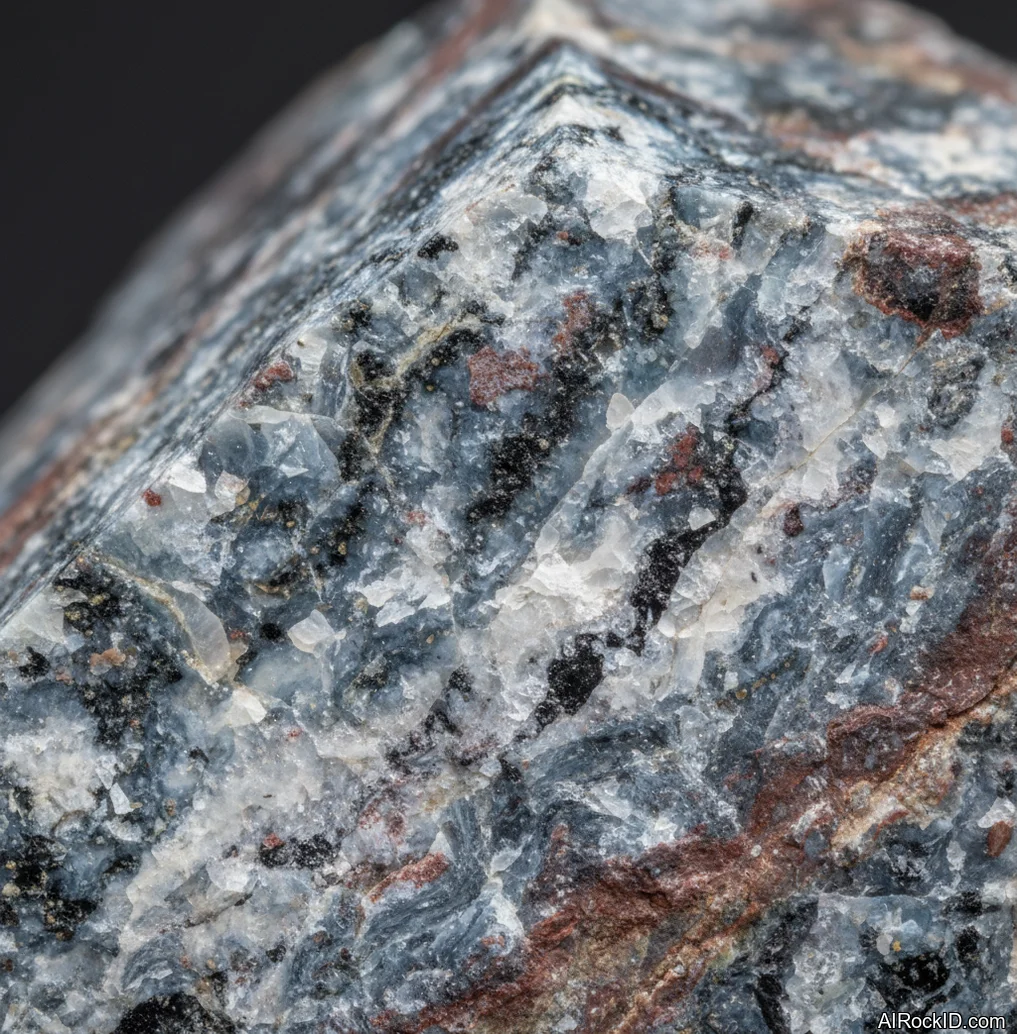
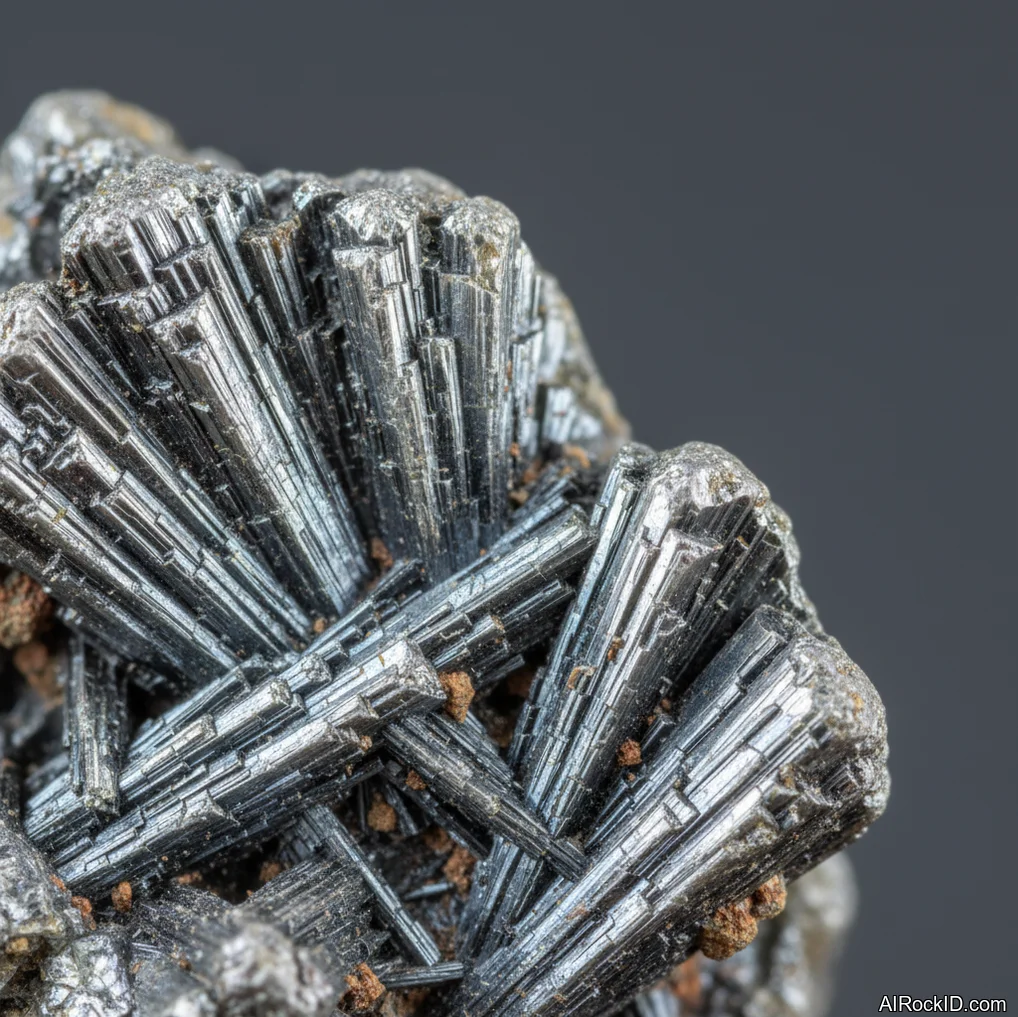
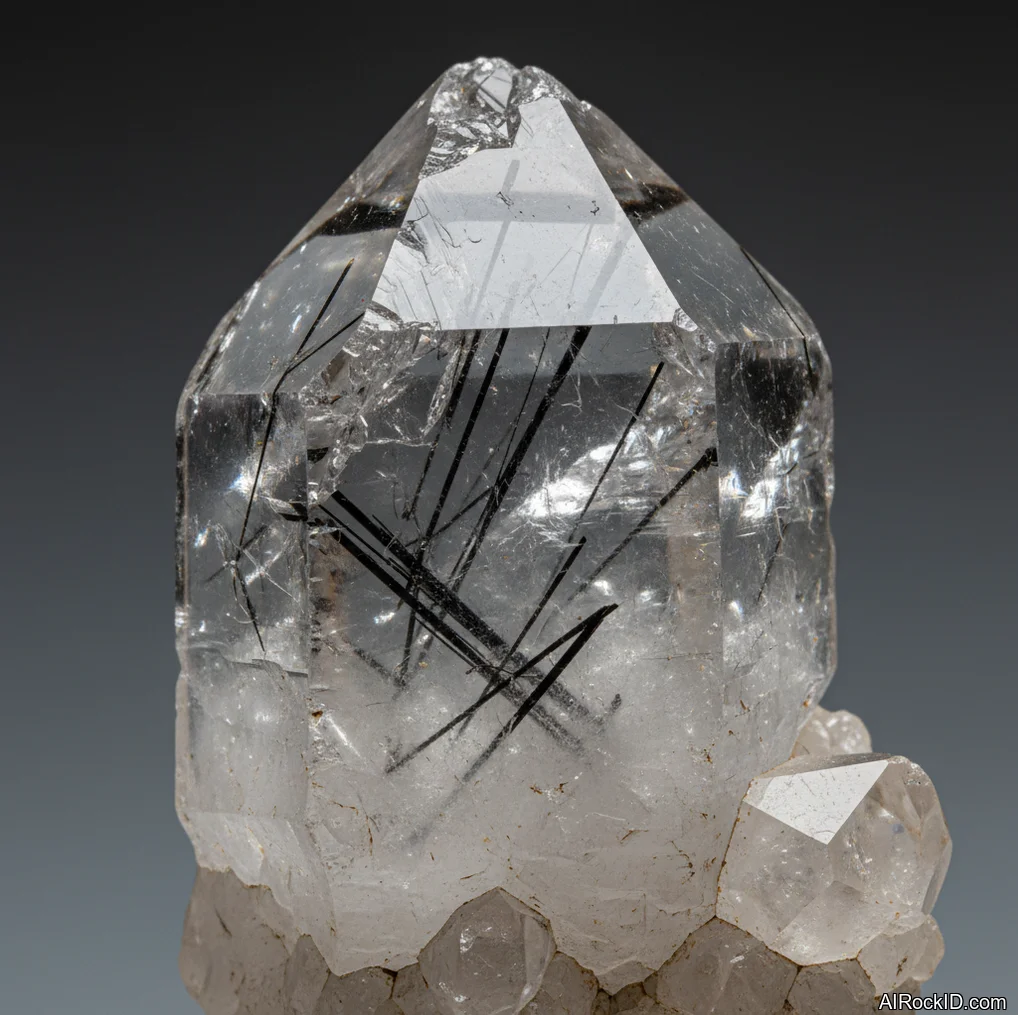
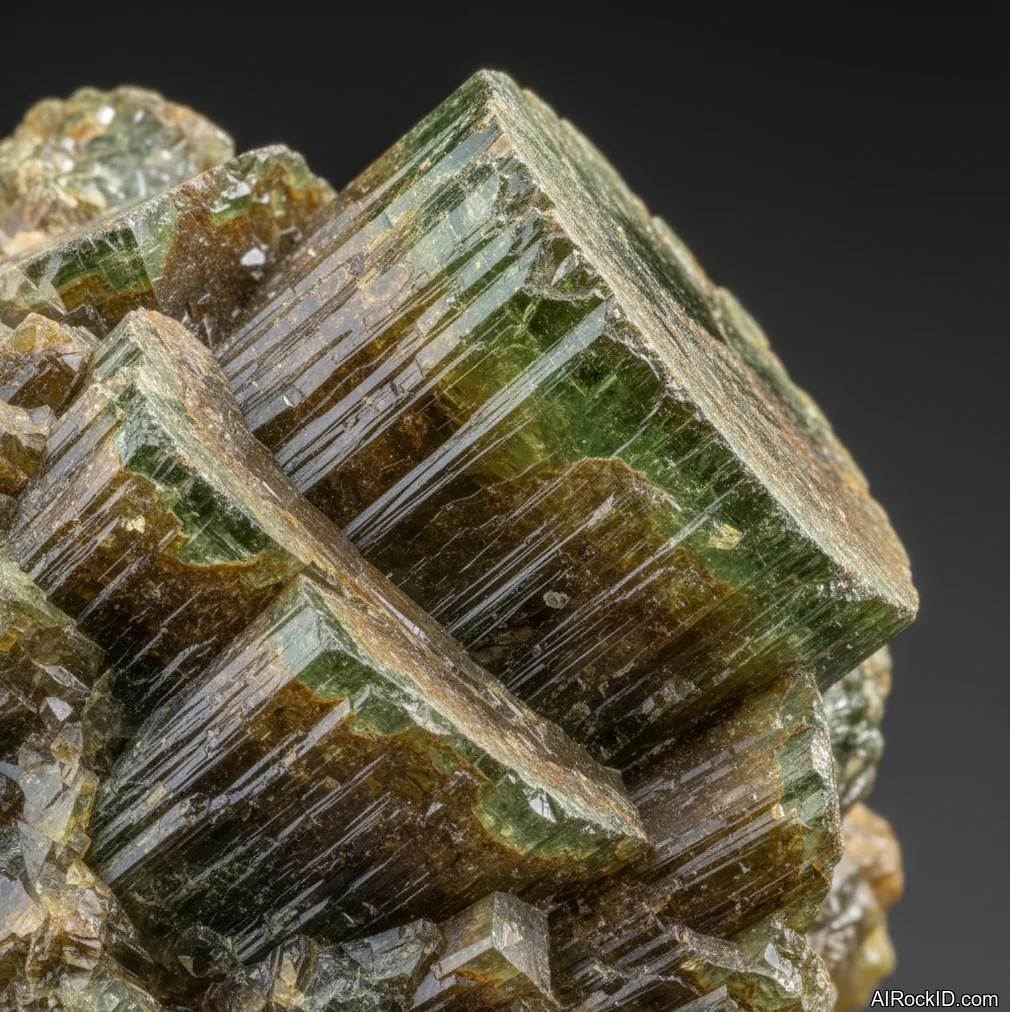
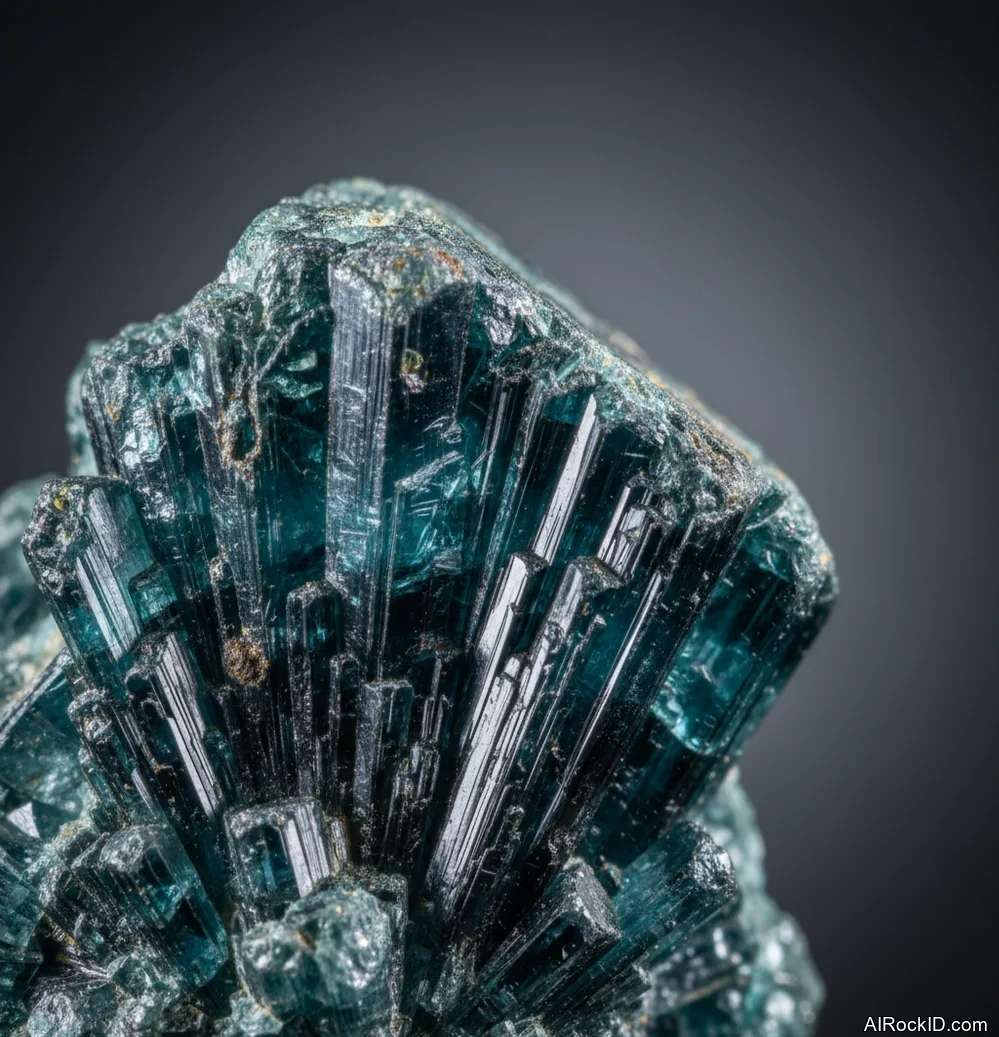
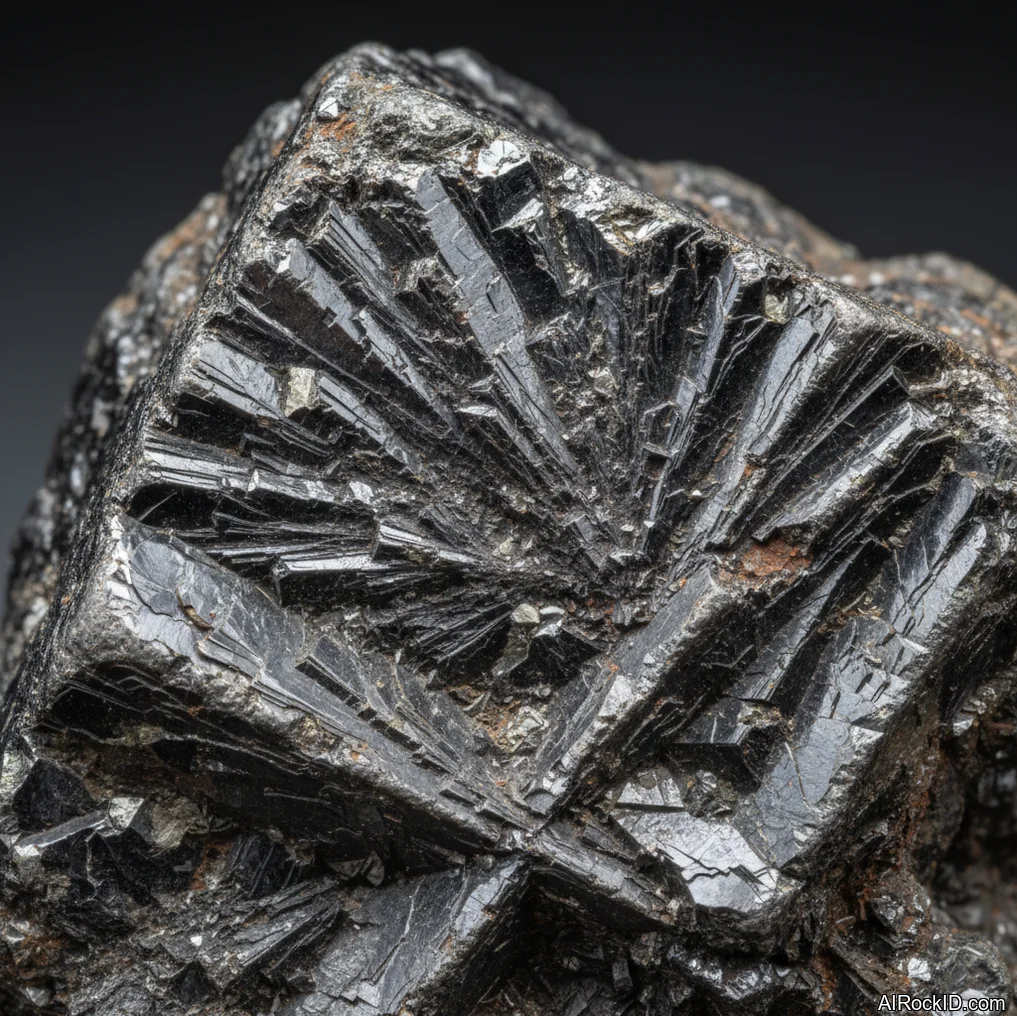
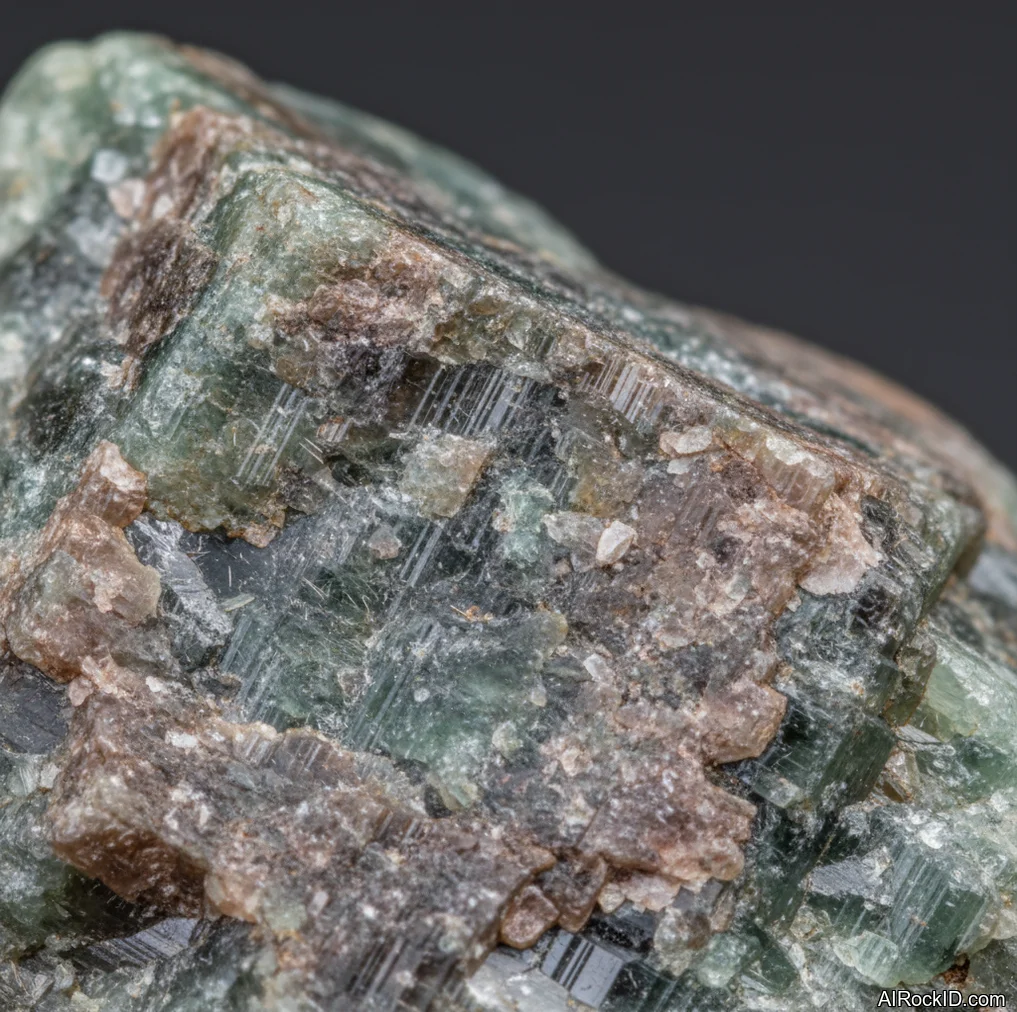
Look closely at the stones that get labeled “grounding” and there’s a pattern. They’re often dark, iron-rich, or earthy, and they tend to feel dense for their size. Black tourmaline (schorl) is the classic. Raw pieces have long triangular striations running down the length, and the ends are usually chipped because tourmaline doesn’t like being knocked around. And it’s brittle, so if you drop a big wand on tile it can snap or shed little splinters. That physical “nope, I’m staying solid” quality is part of why people like it.
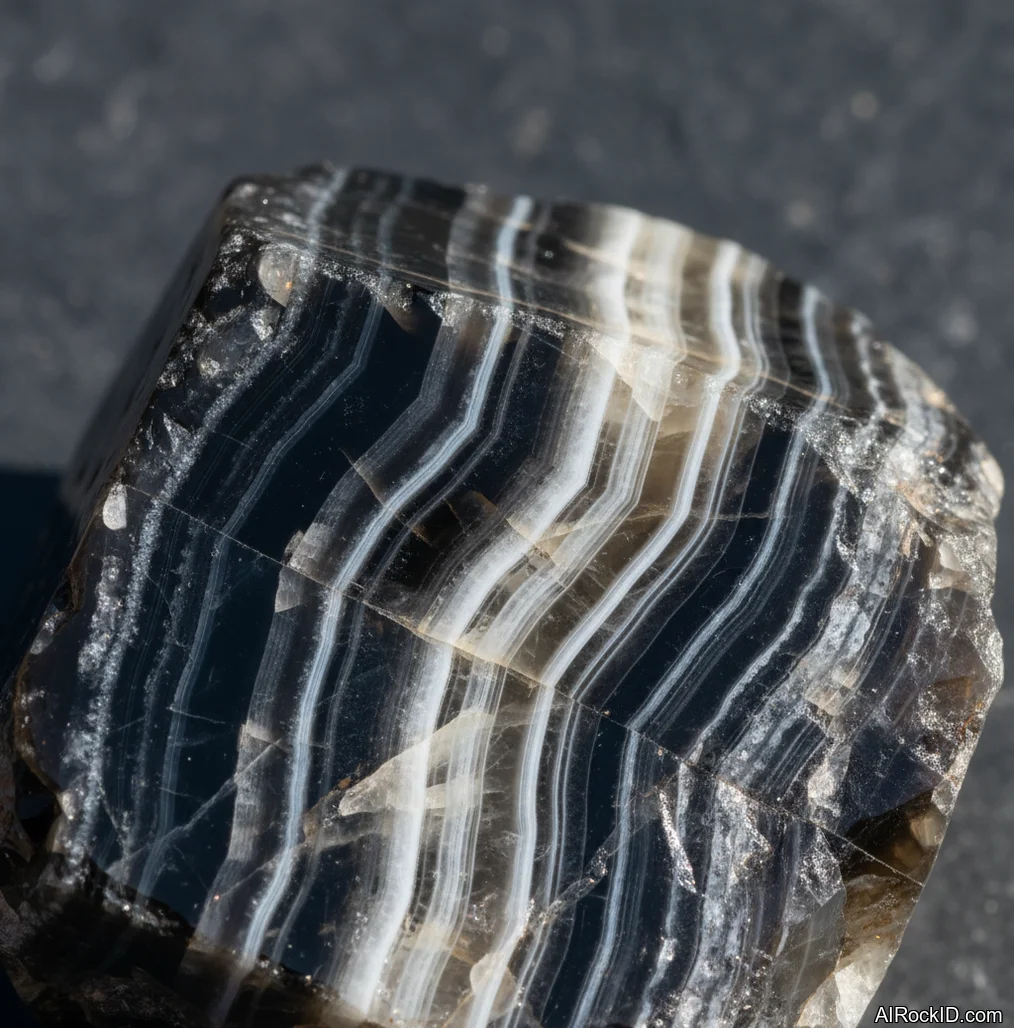
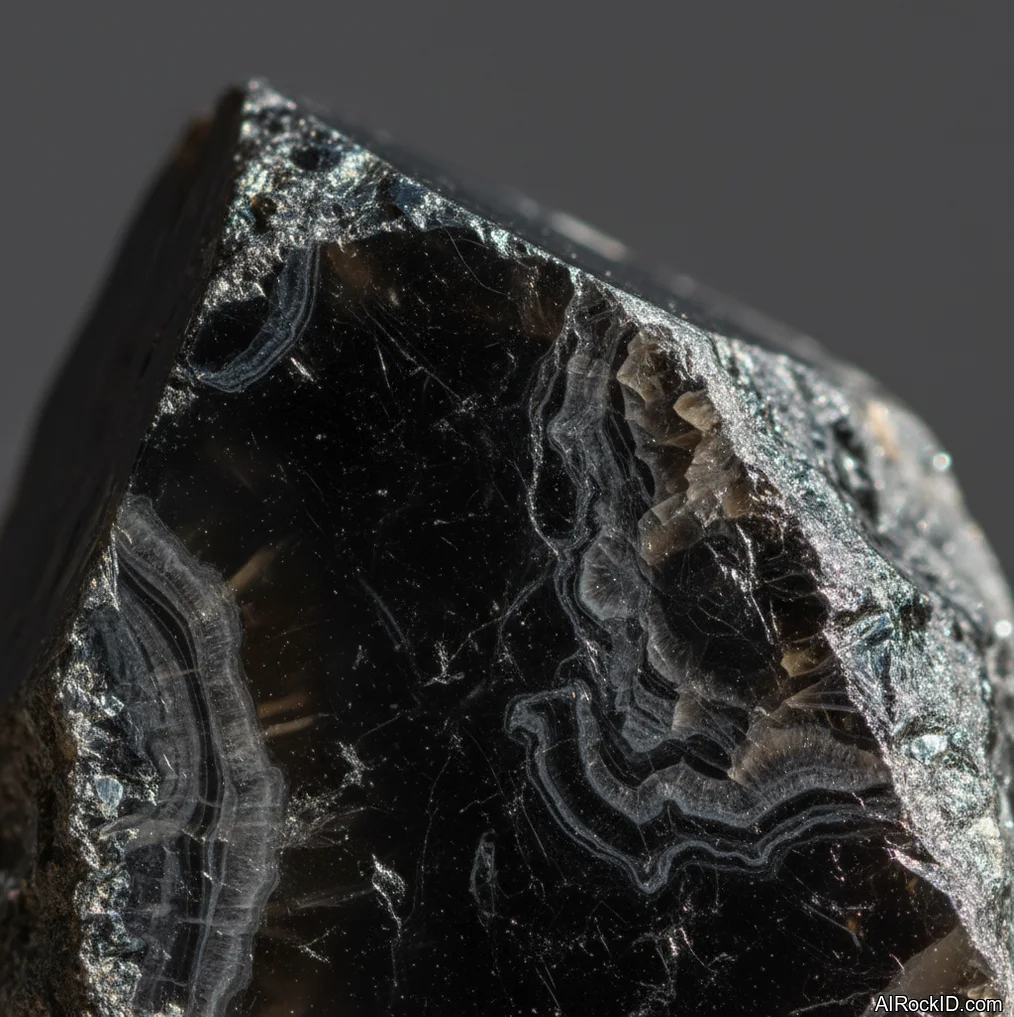
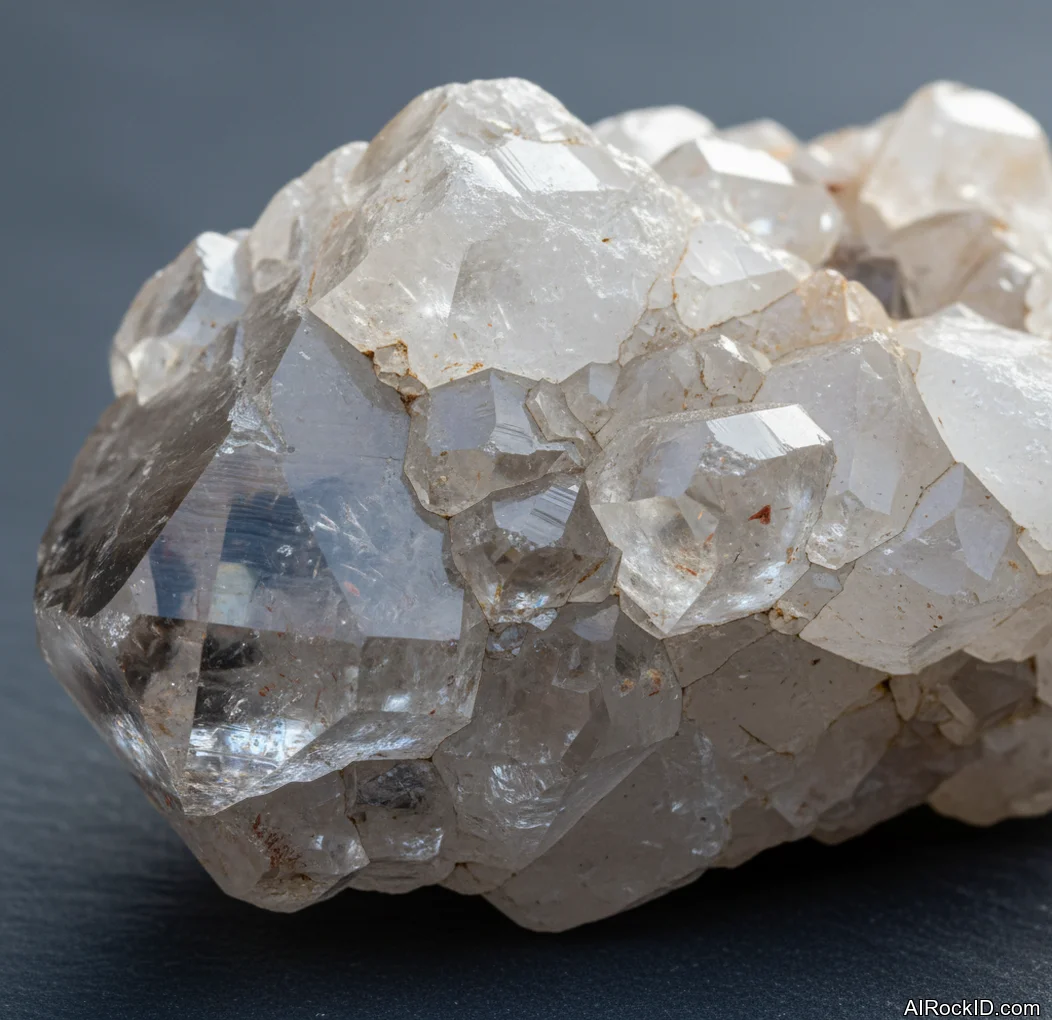
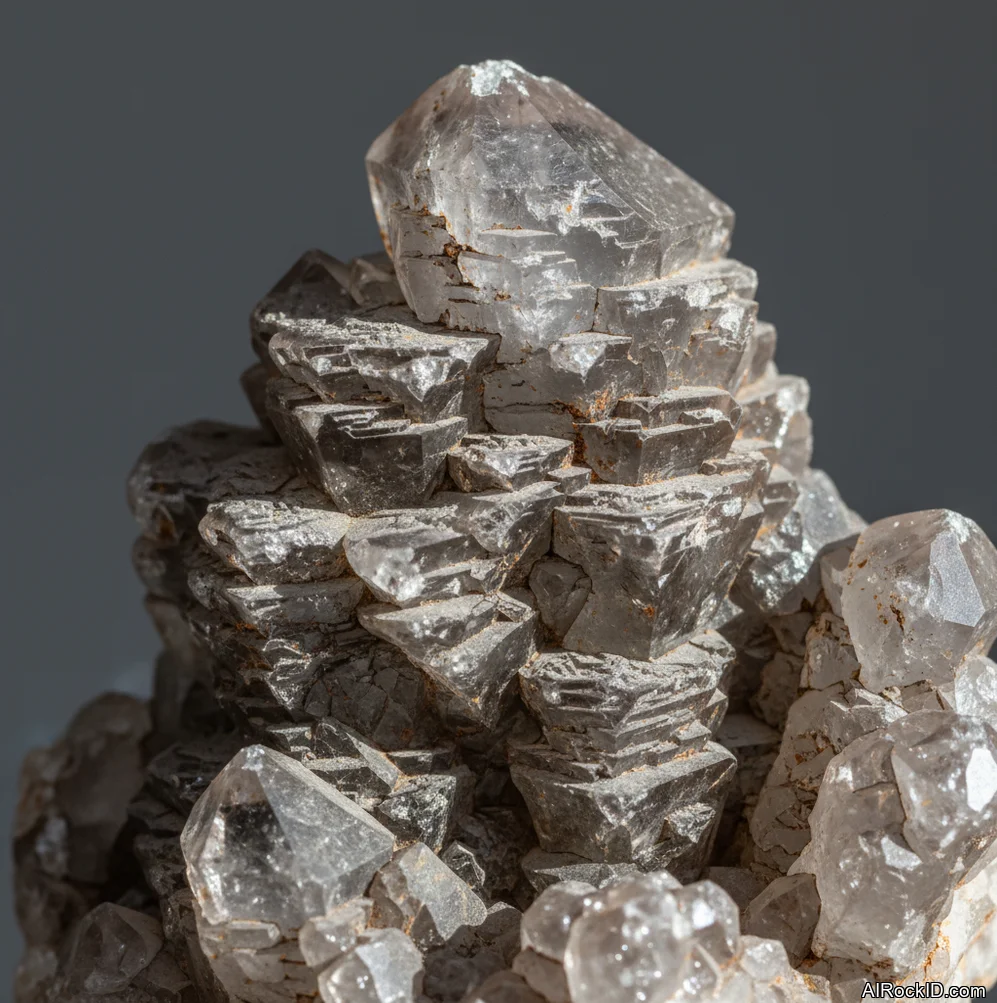
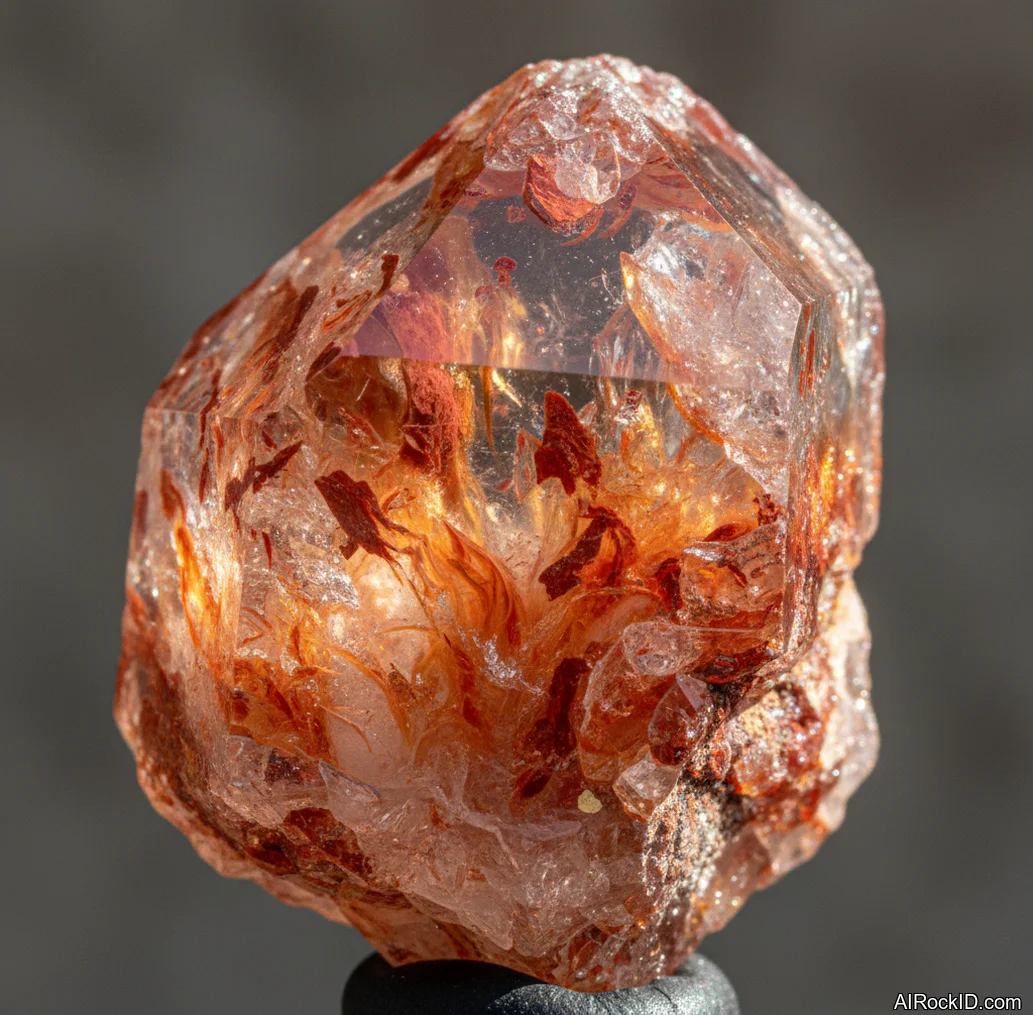
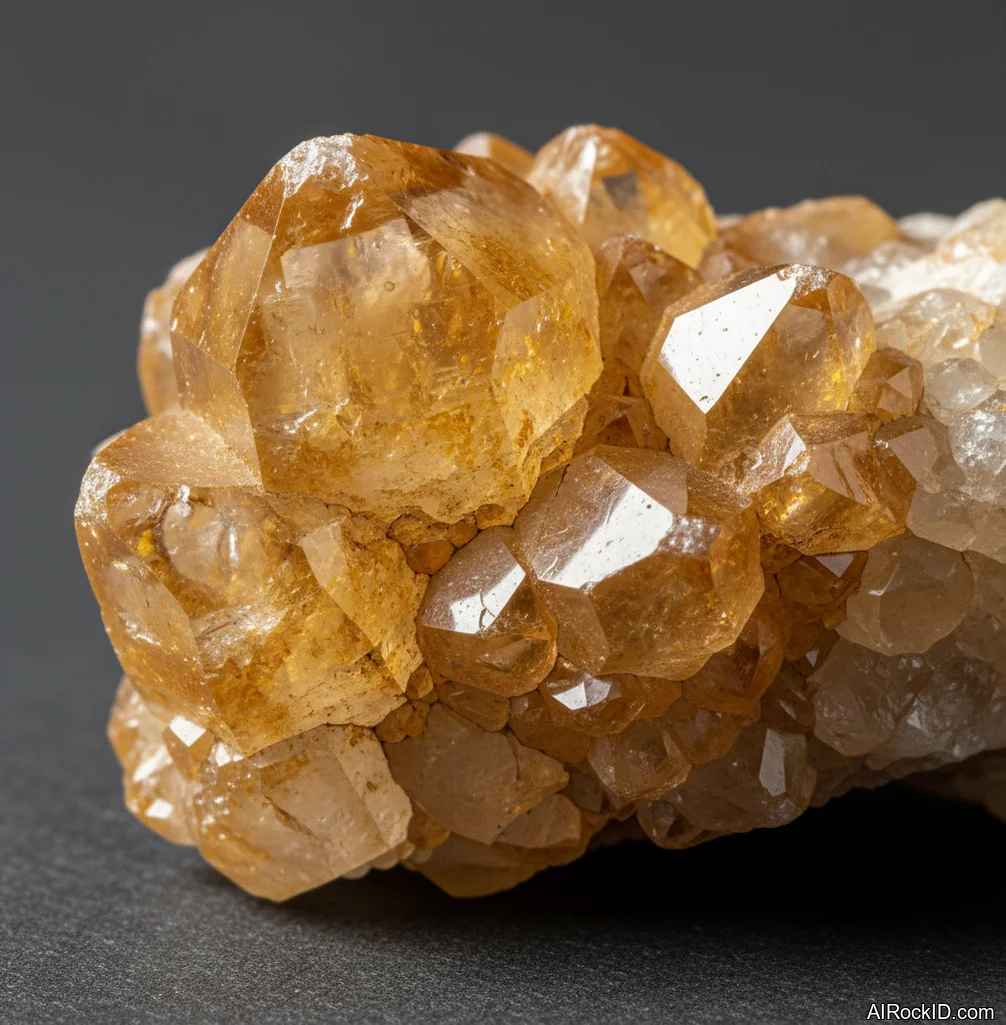
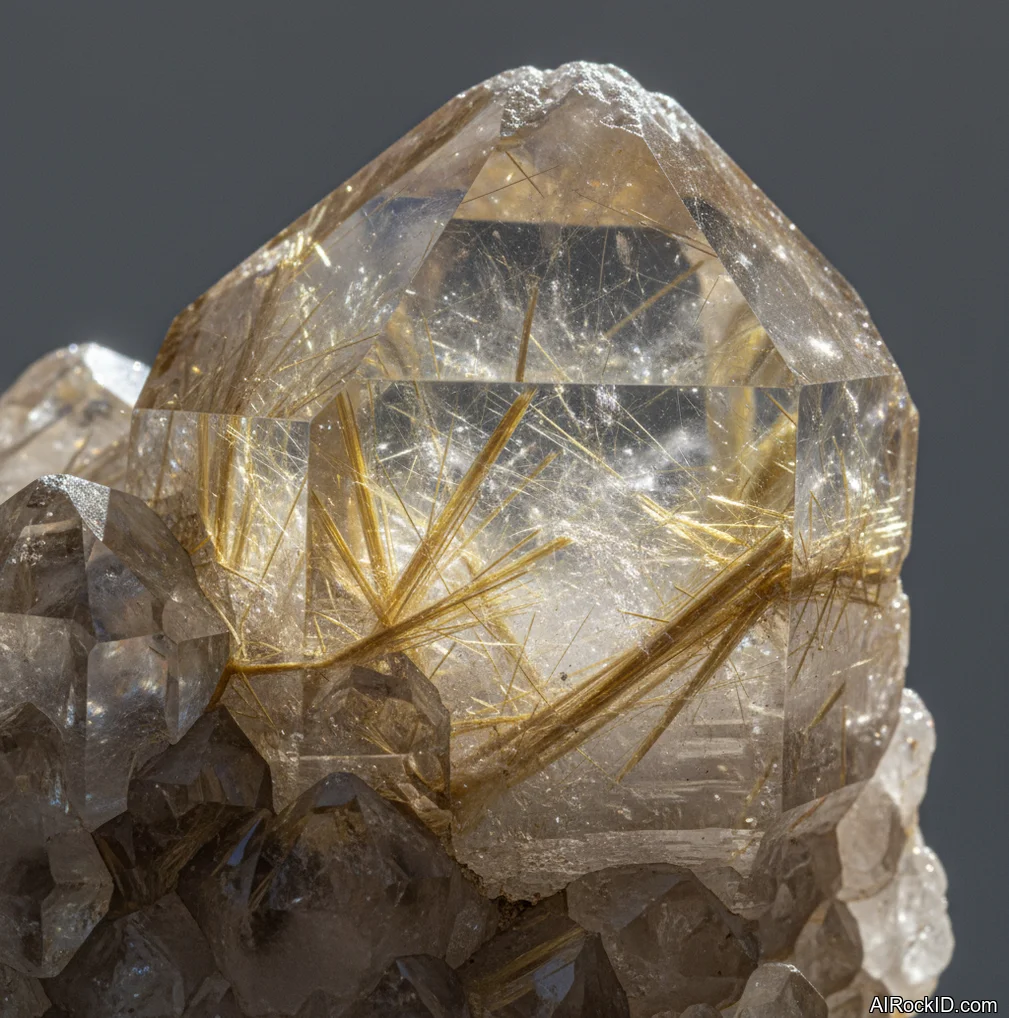
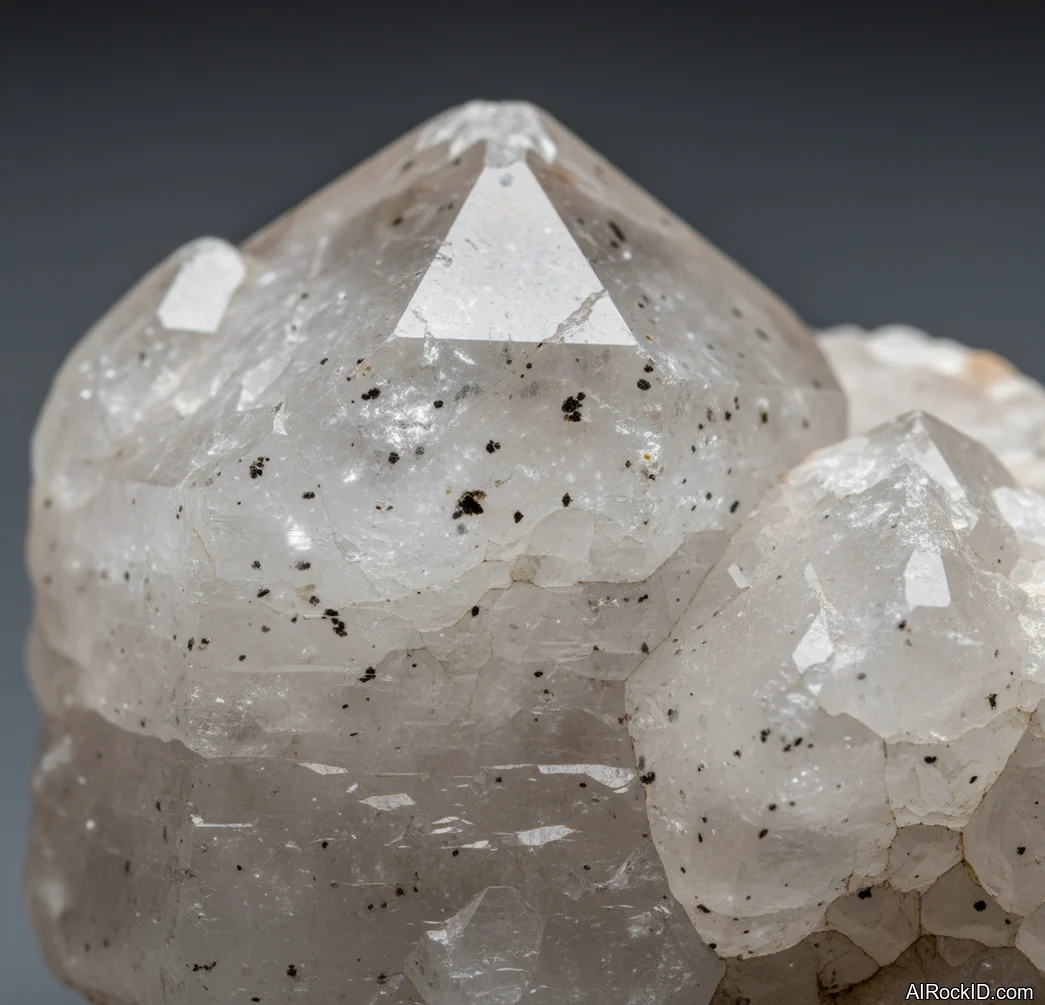
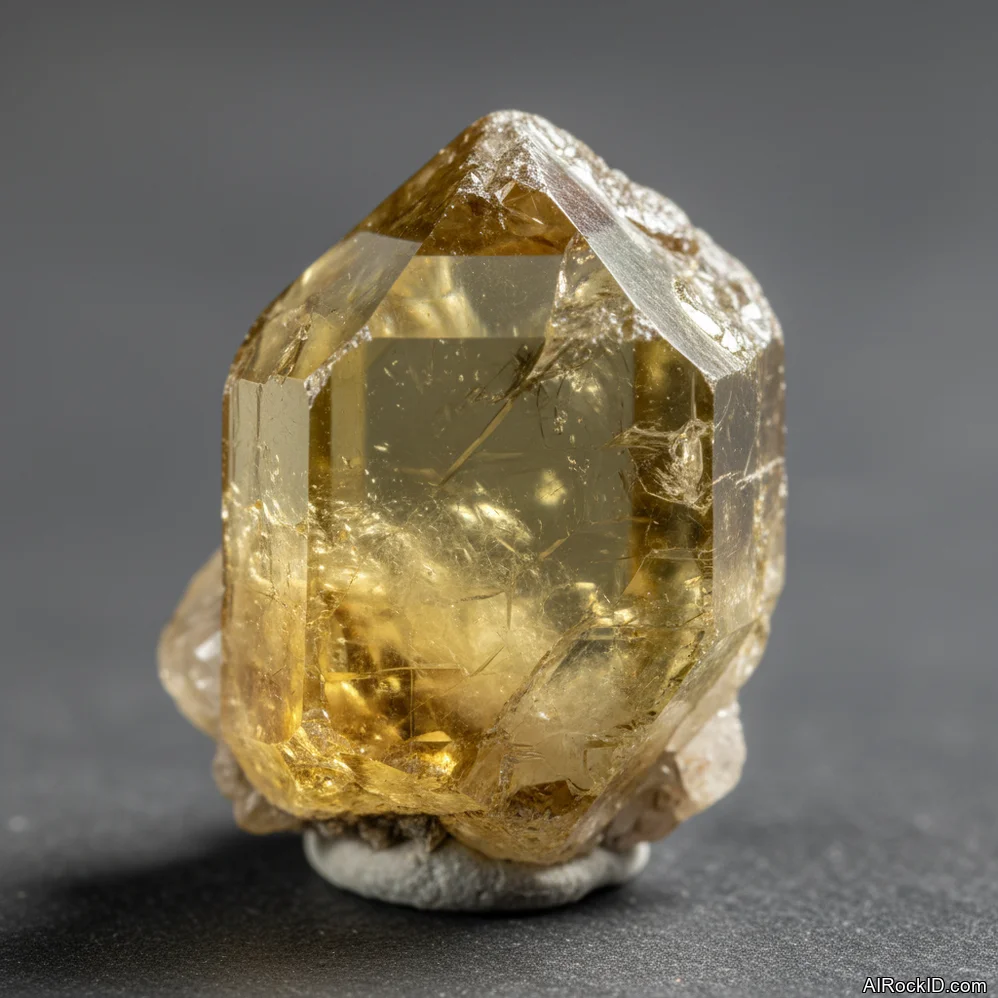
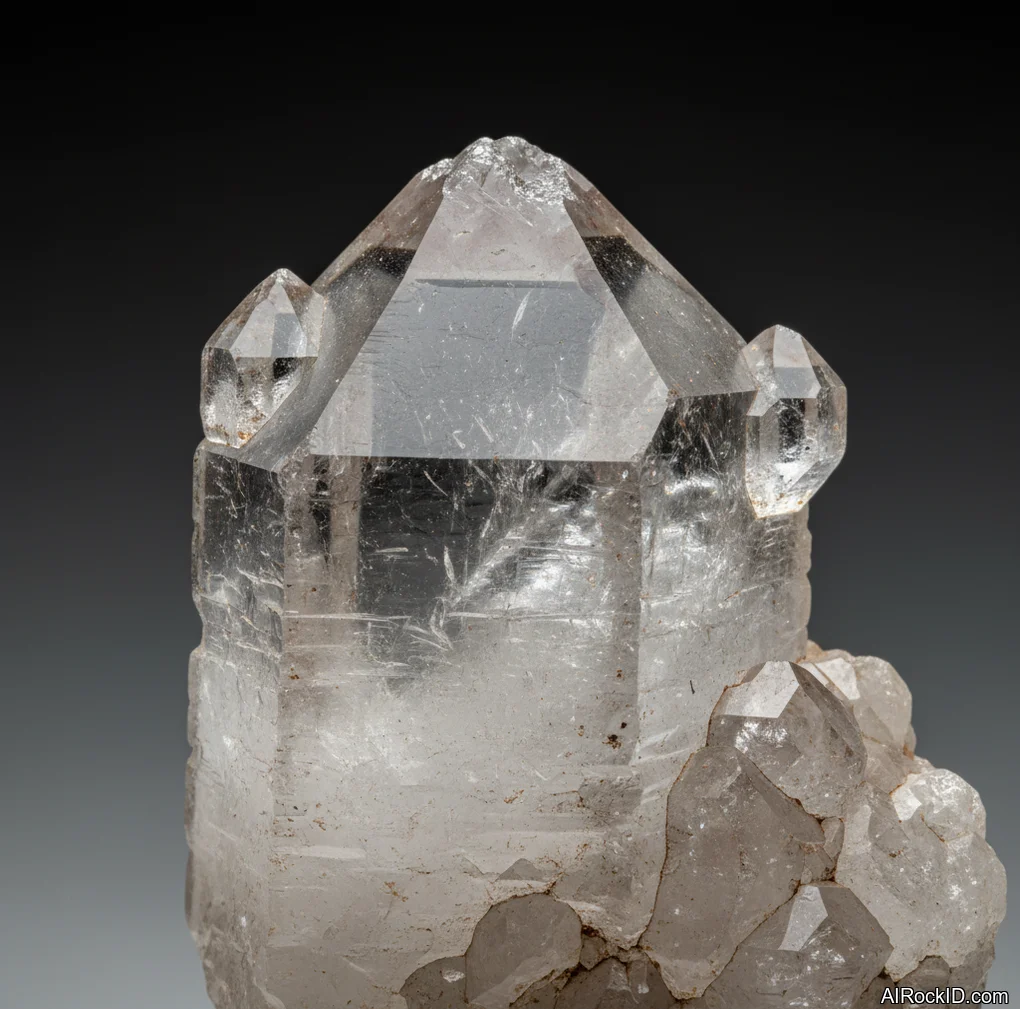
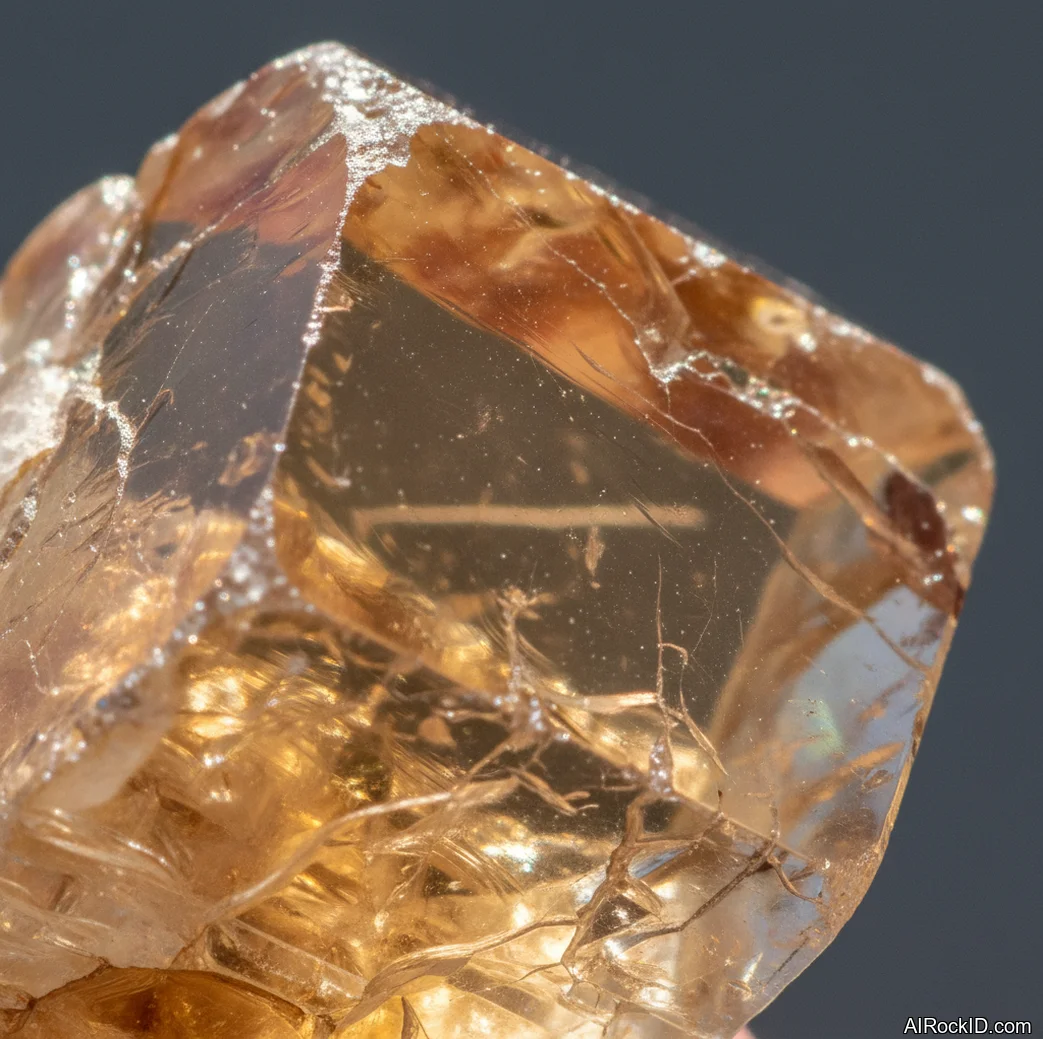
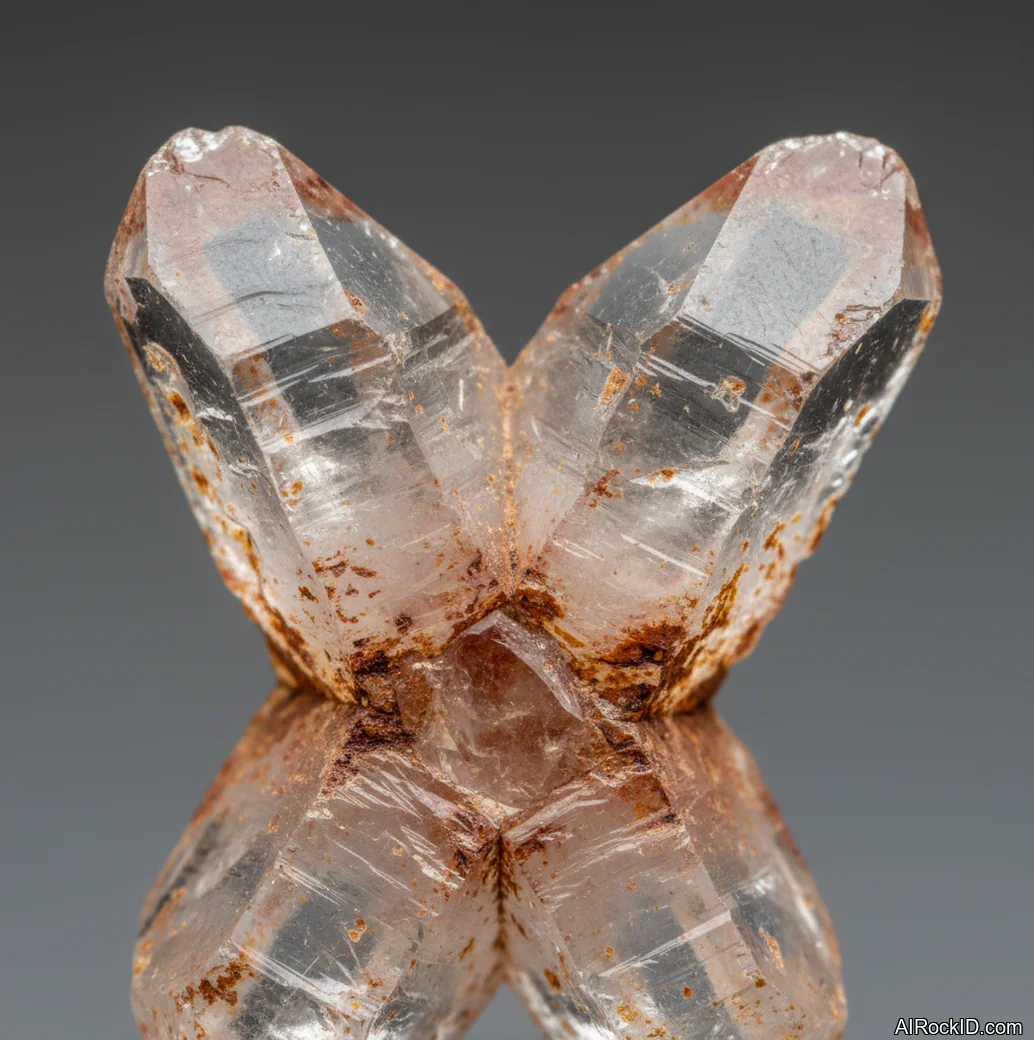
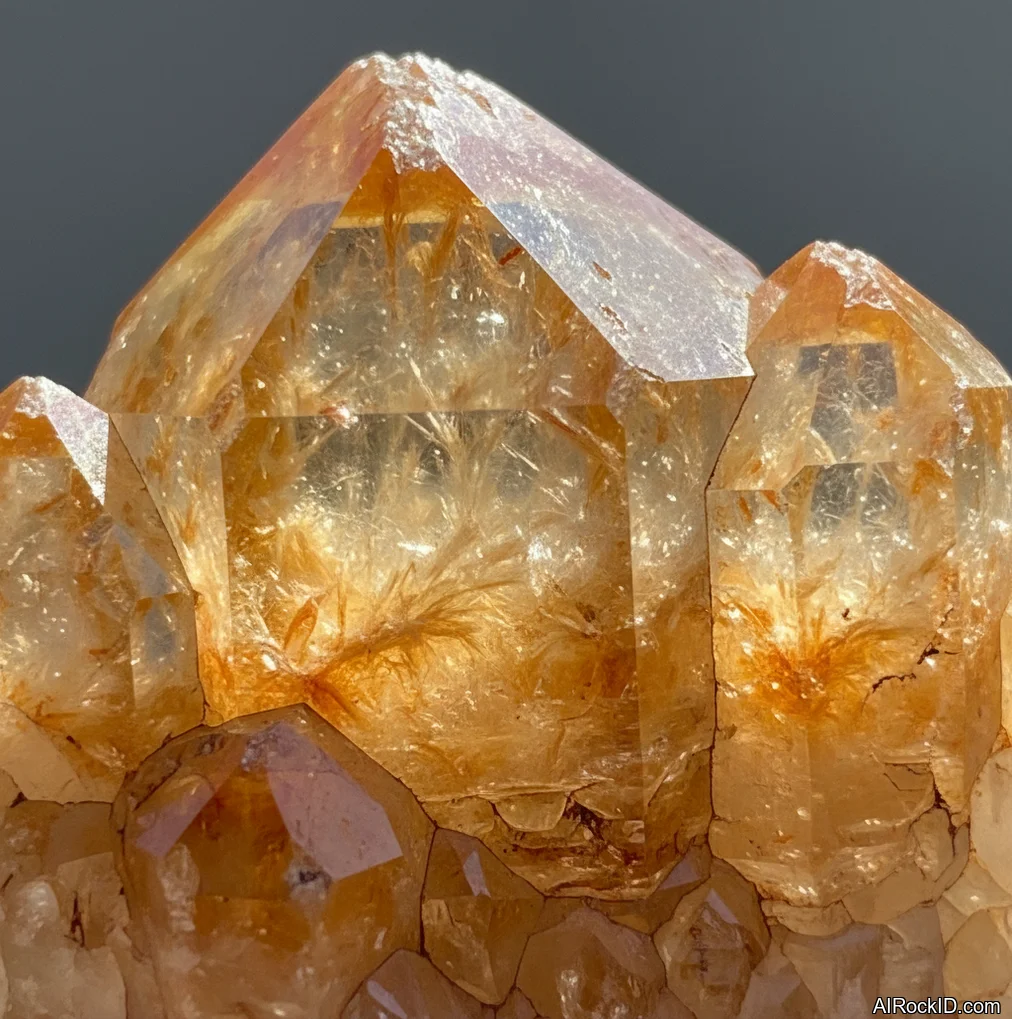
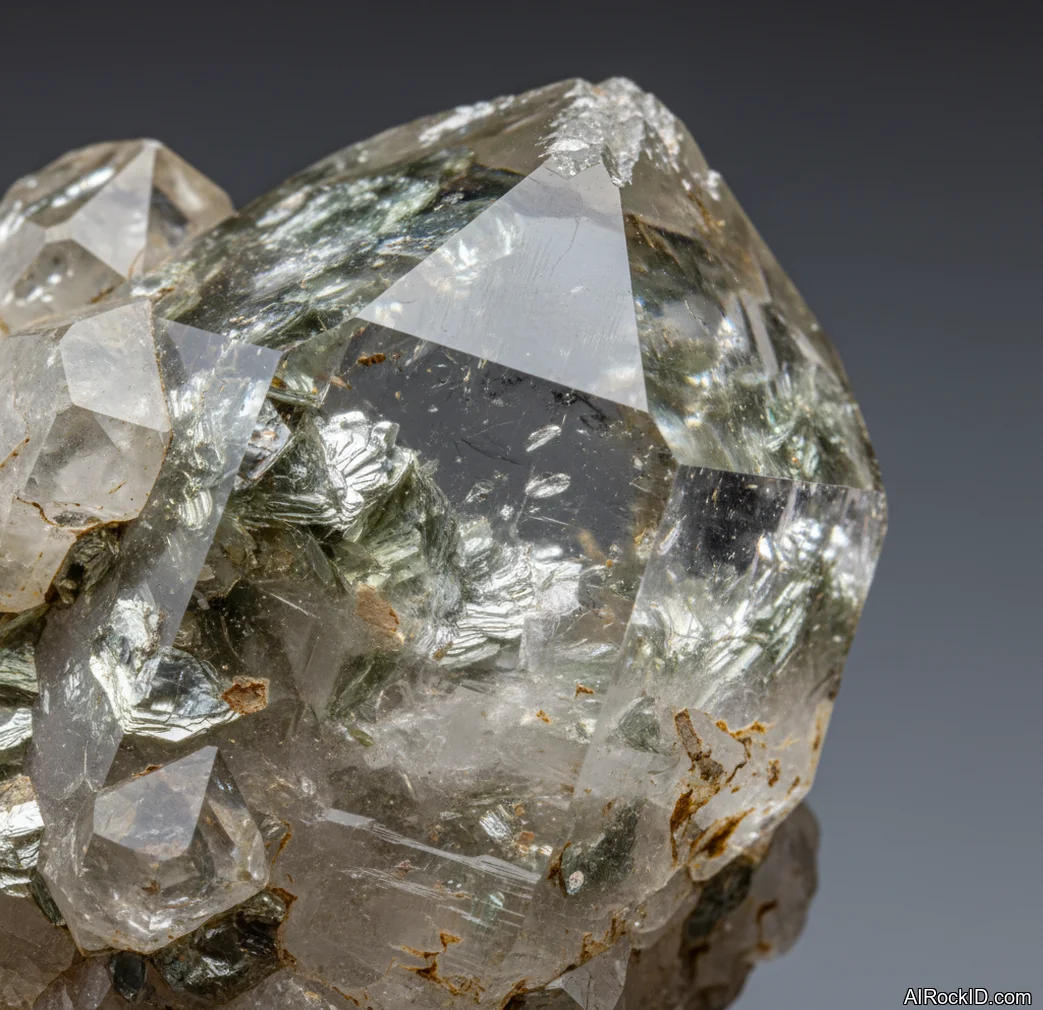
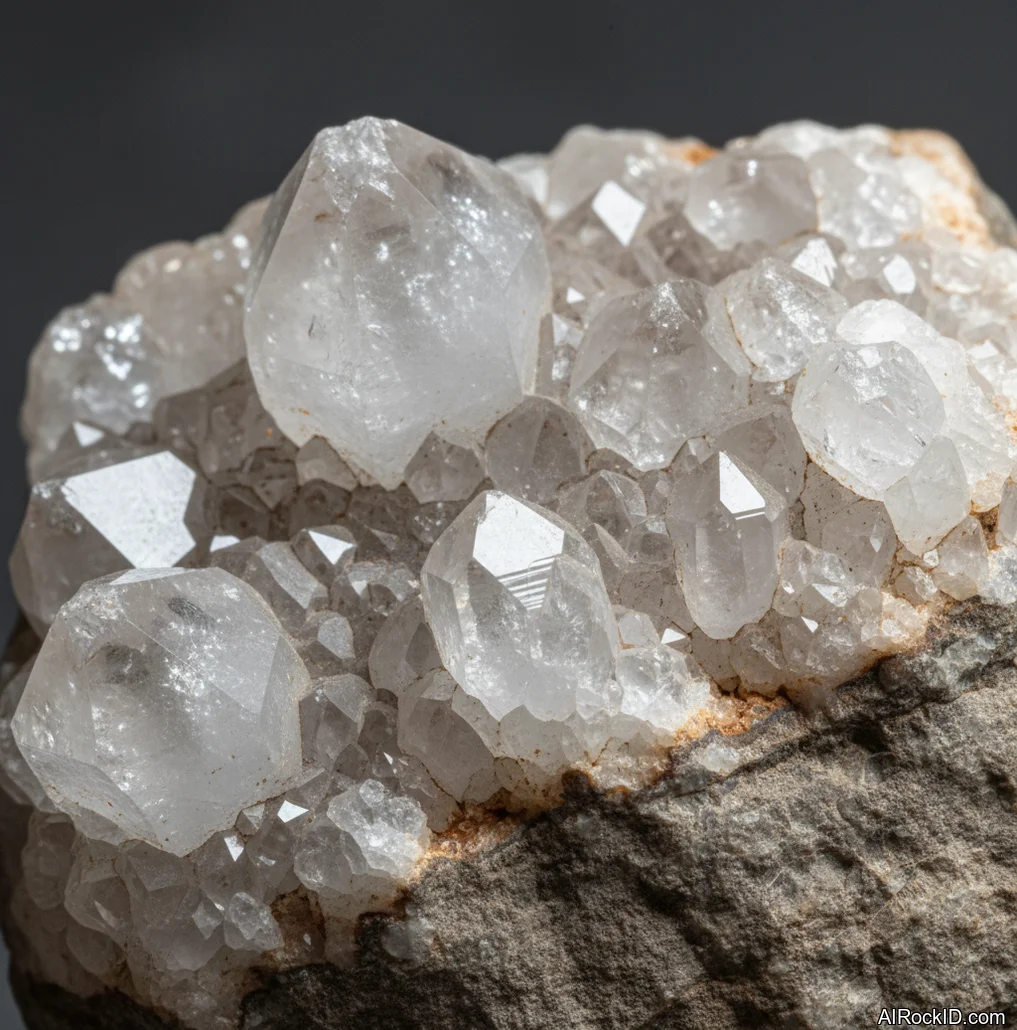
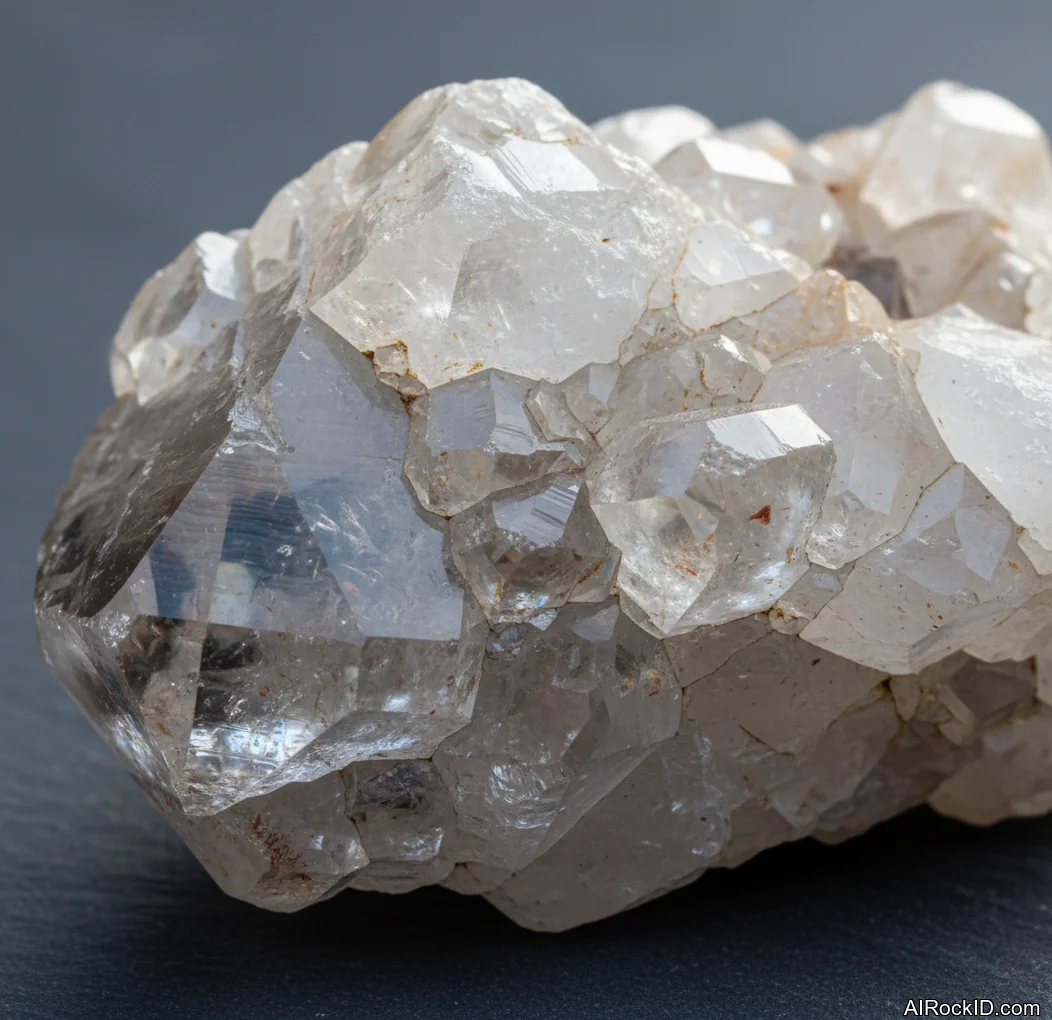
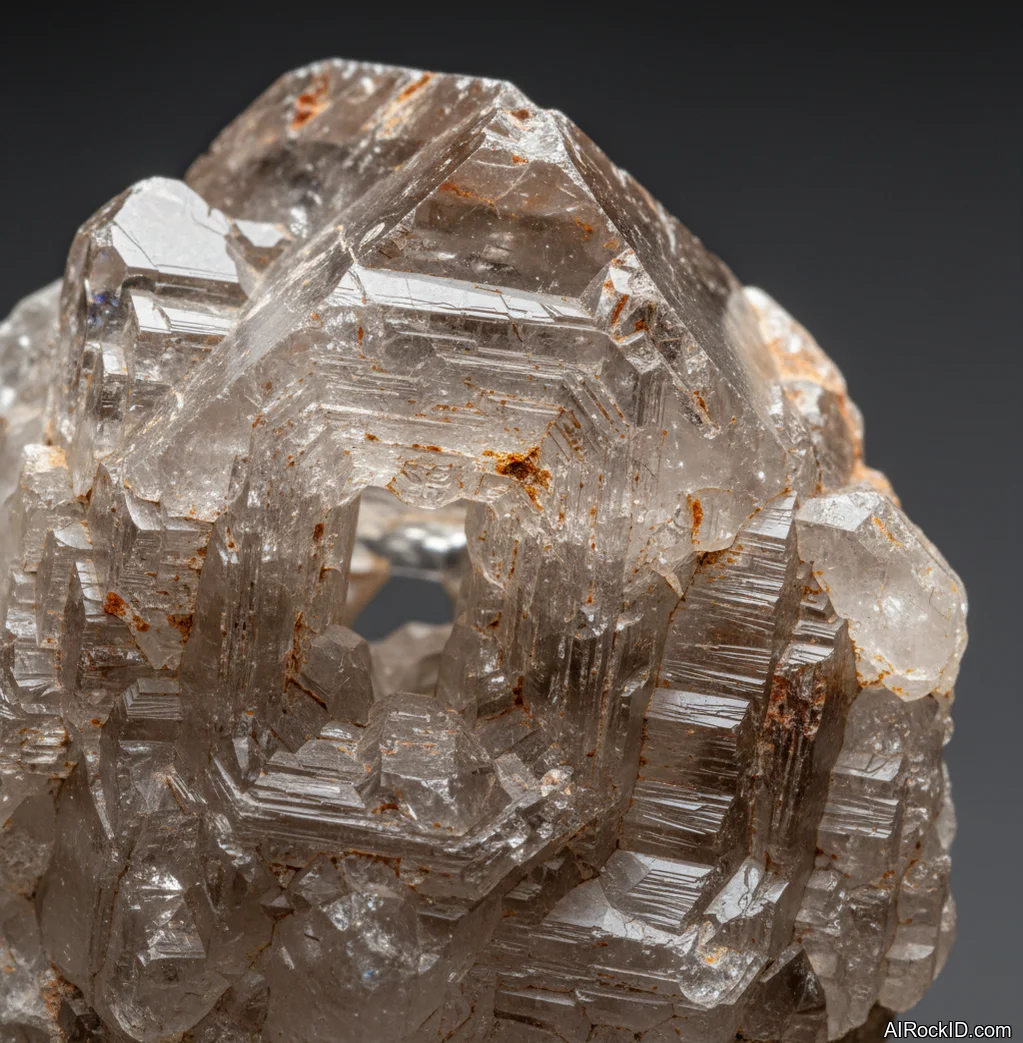
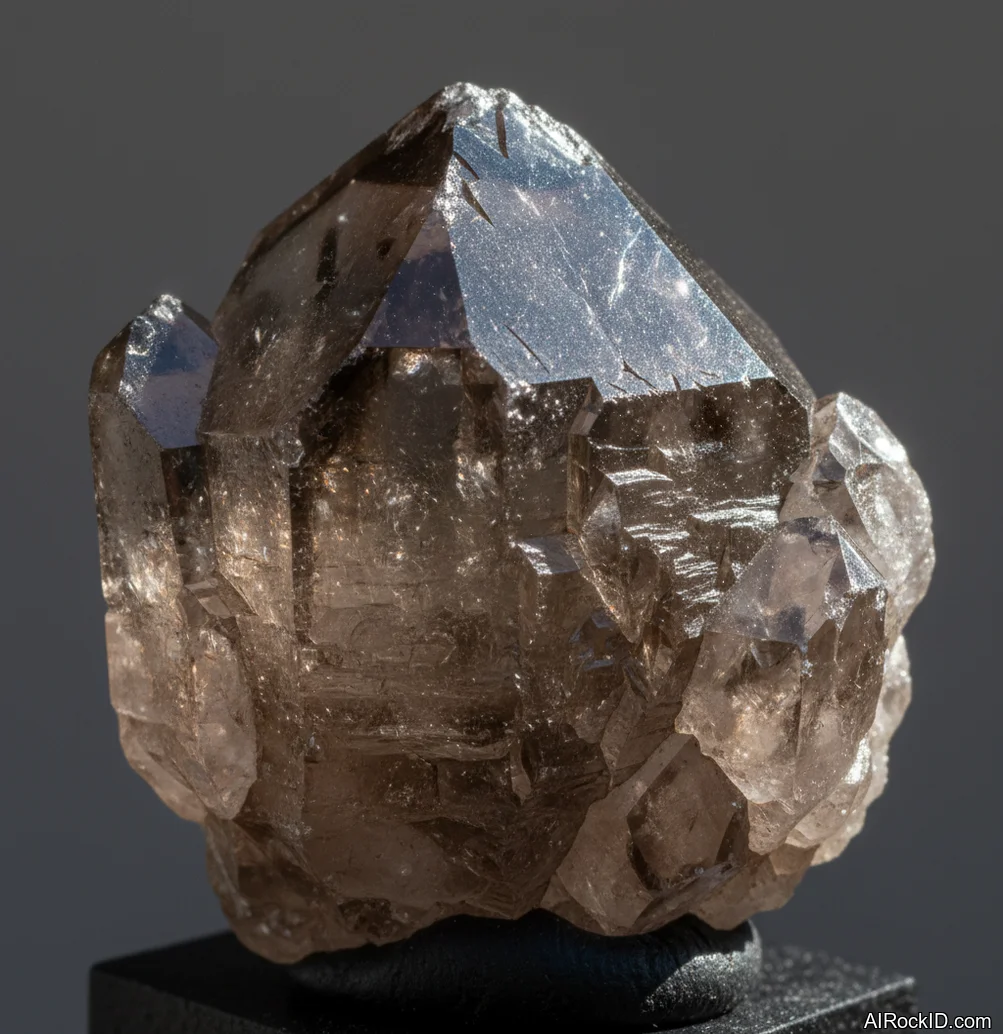
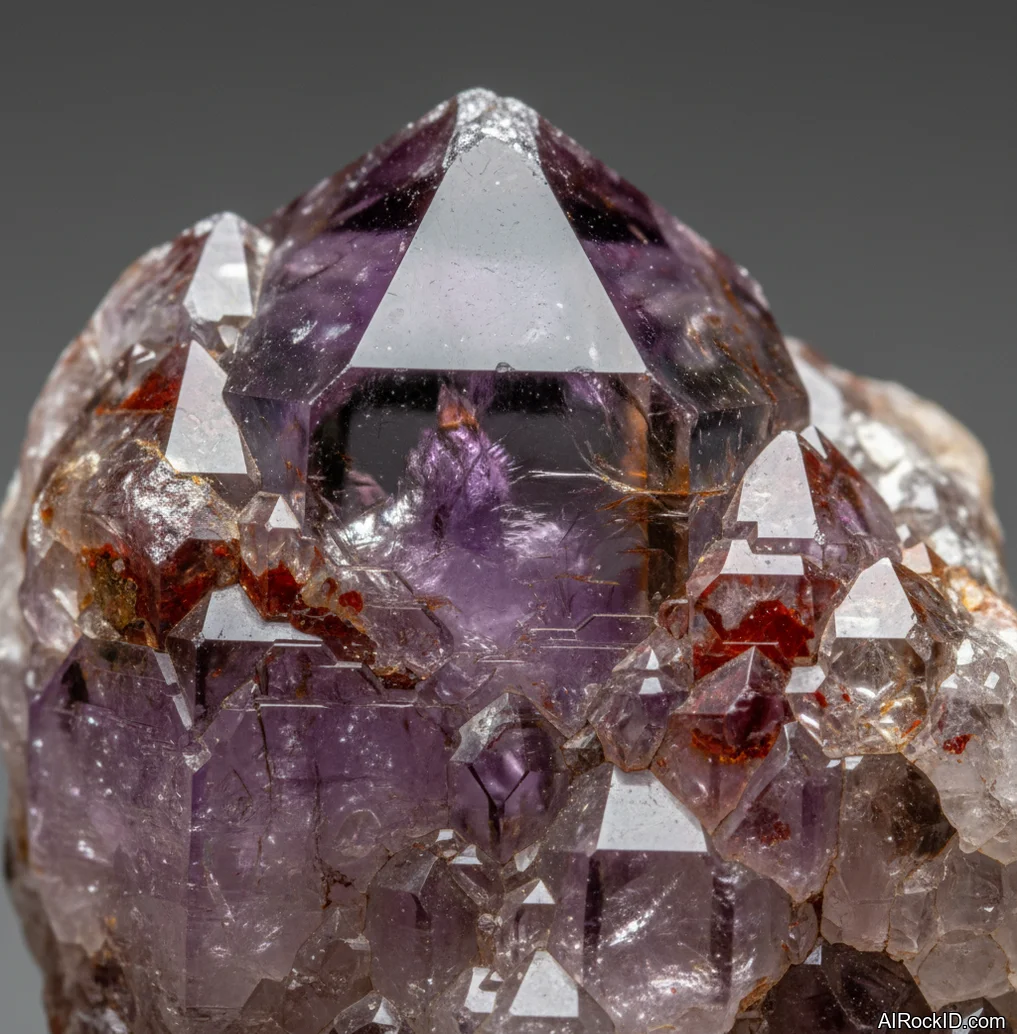
Smoky quartz comes up constantly too, and it’s a different kind of grounding. It’s still quartz, still glassy, but the color can sit like smoke trapped in ice, especially in cleaner pieces from places like Brazil or the Alps. I’ve handled smoky quartz points that look almost black until you hold them up to a window, and then you catch the brown transparency. Those are great for grounding that doesn’t feel heavy or blunt. More like clearing mental static while keeping you functional.
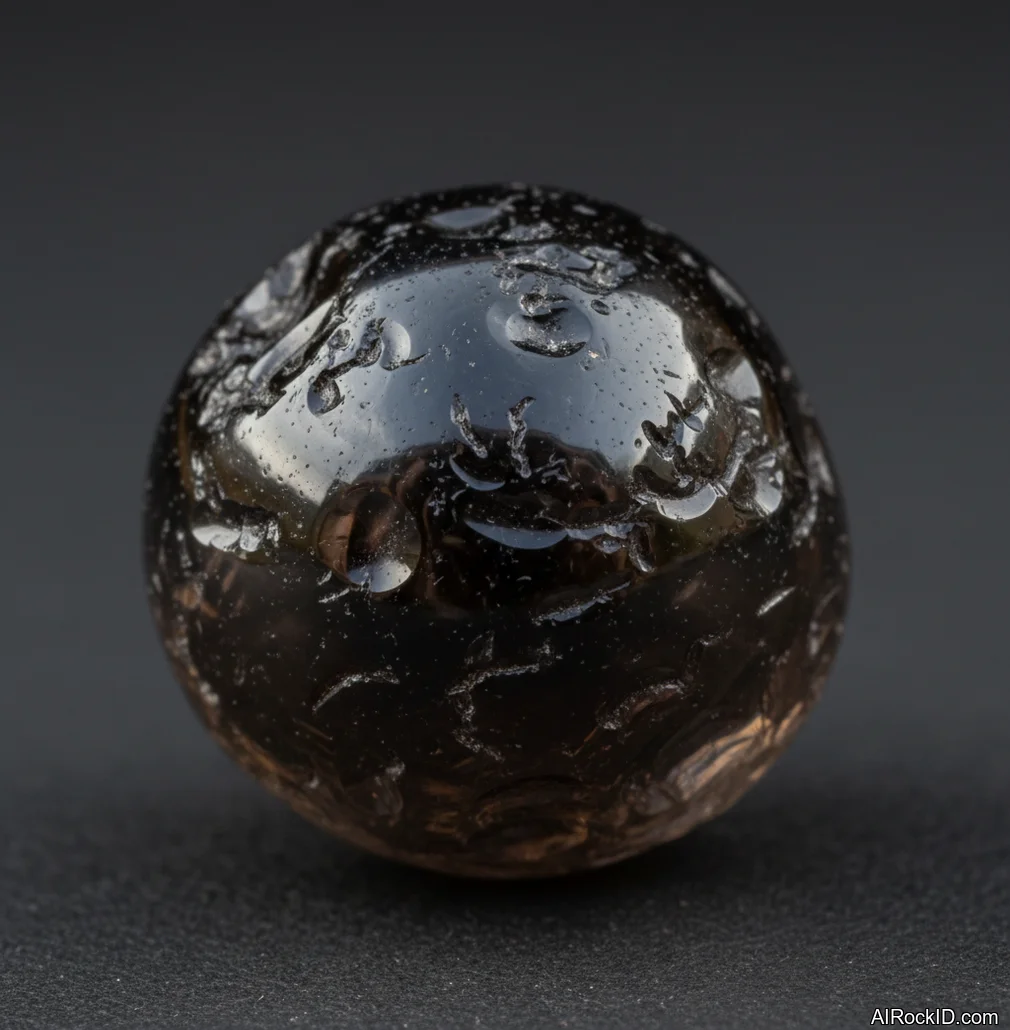
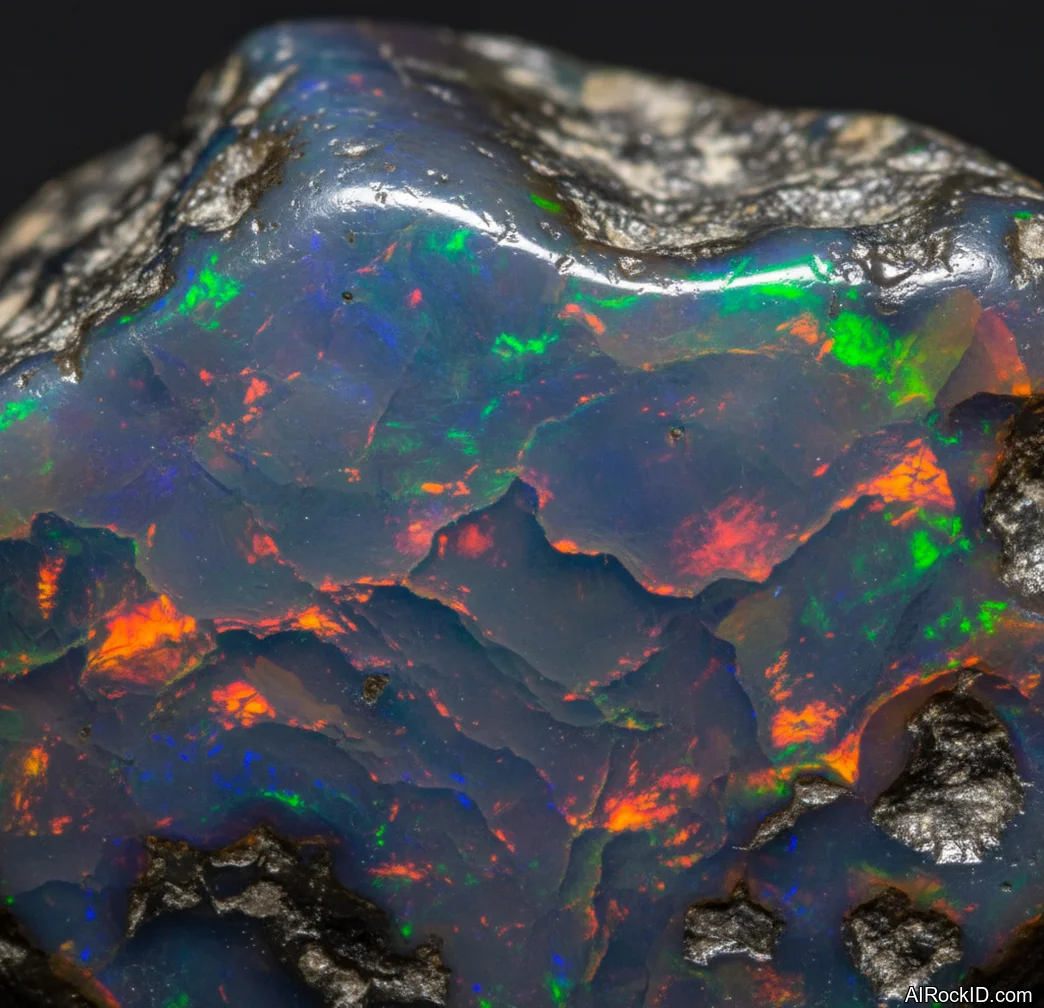
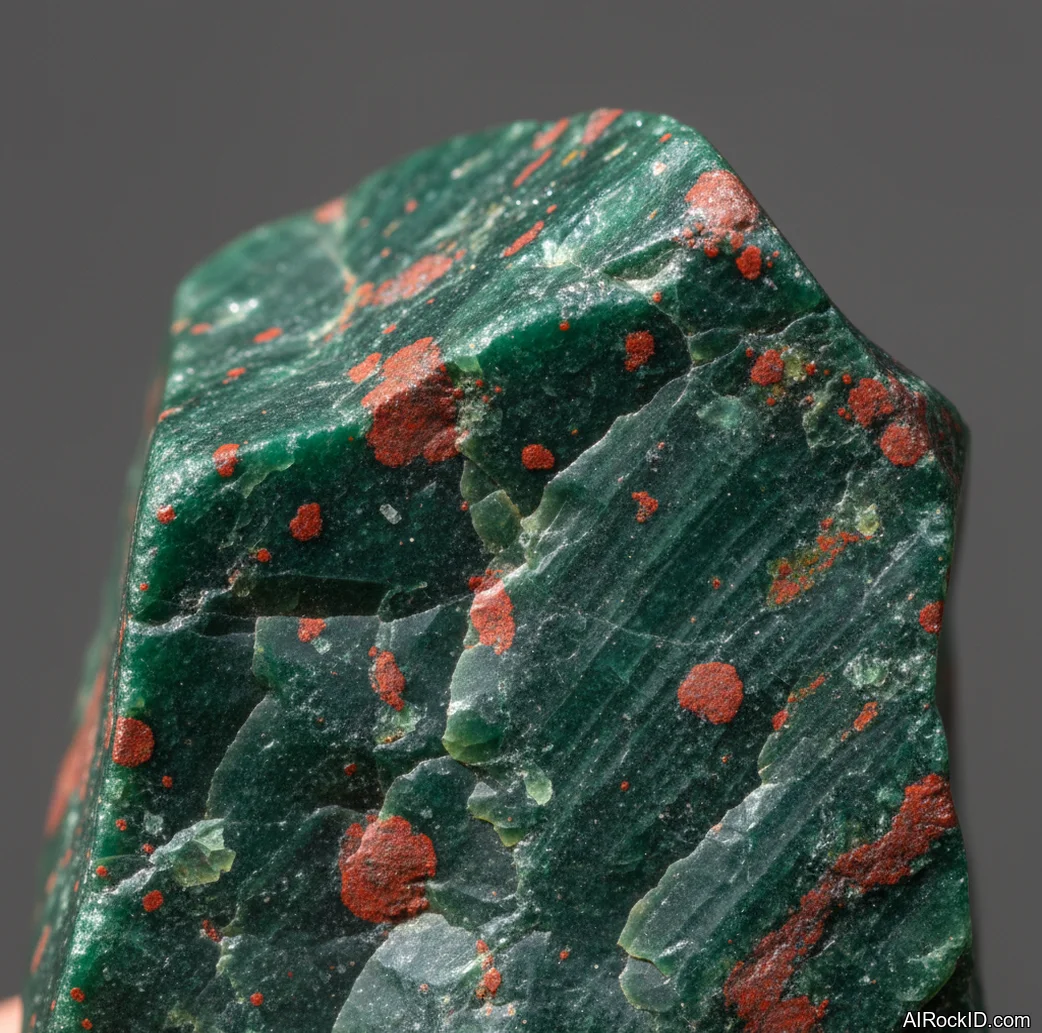
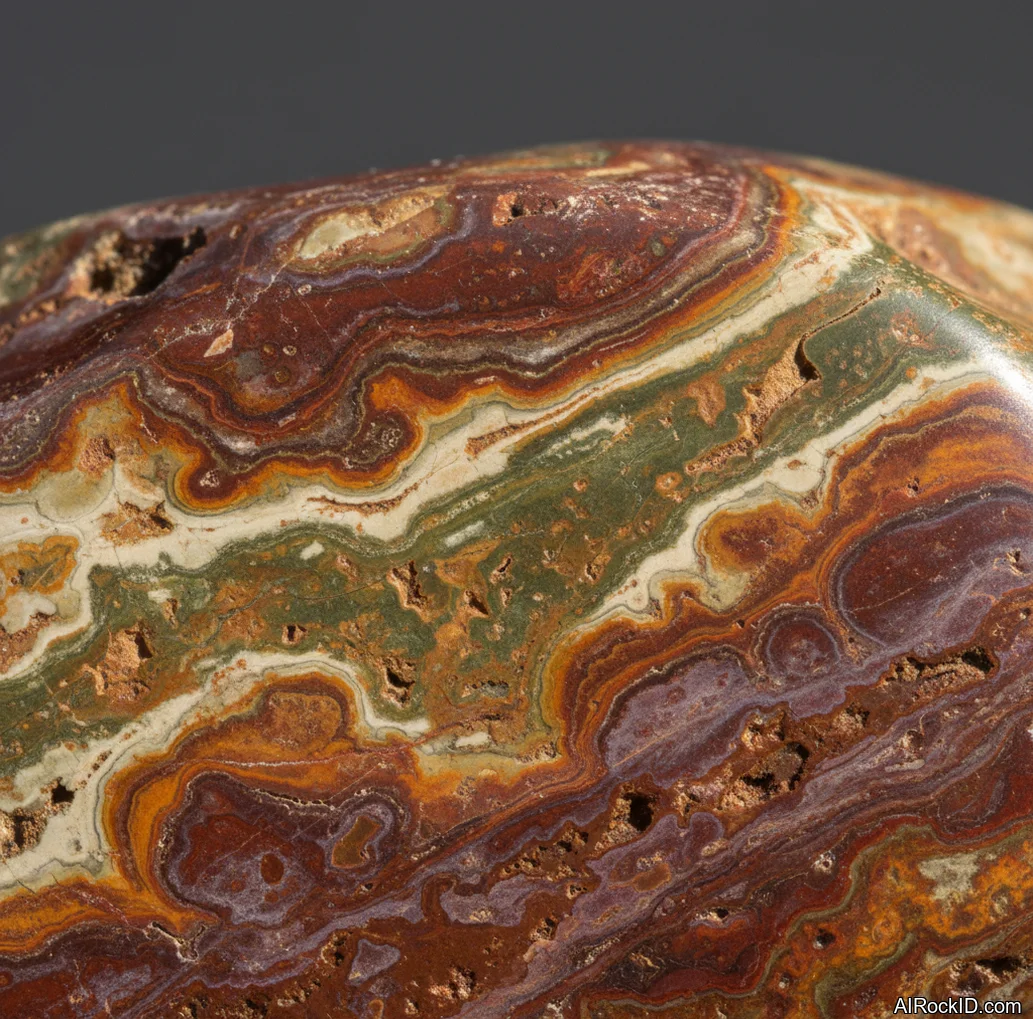
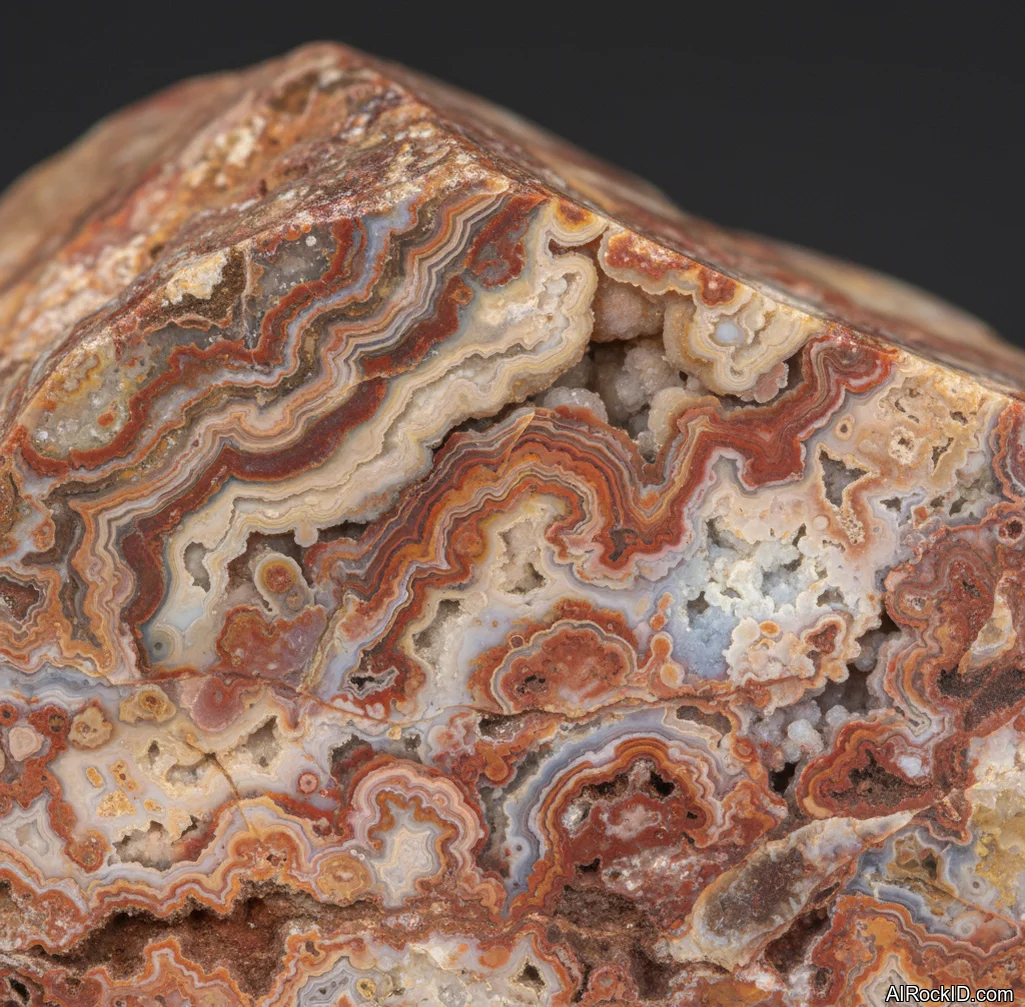
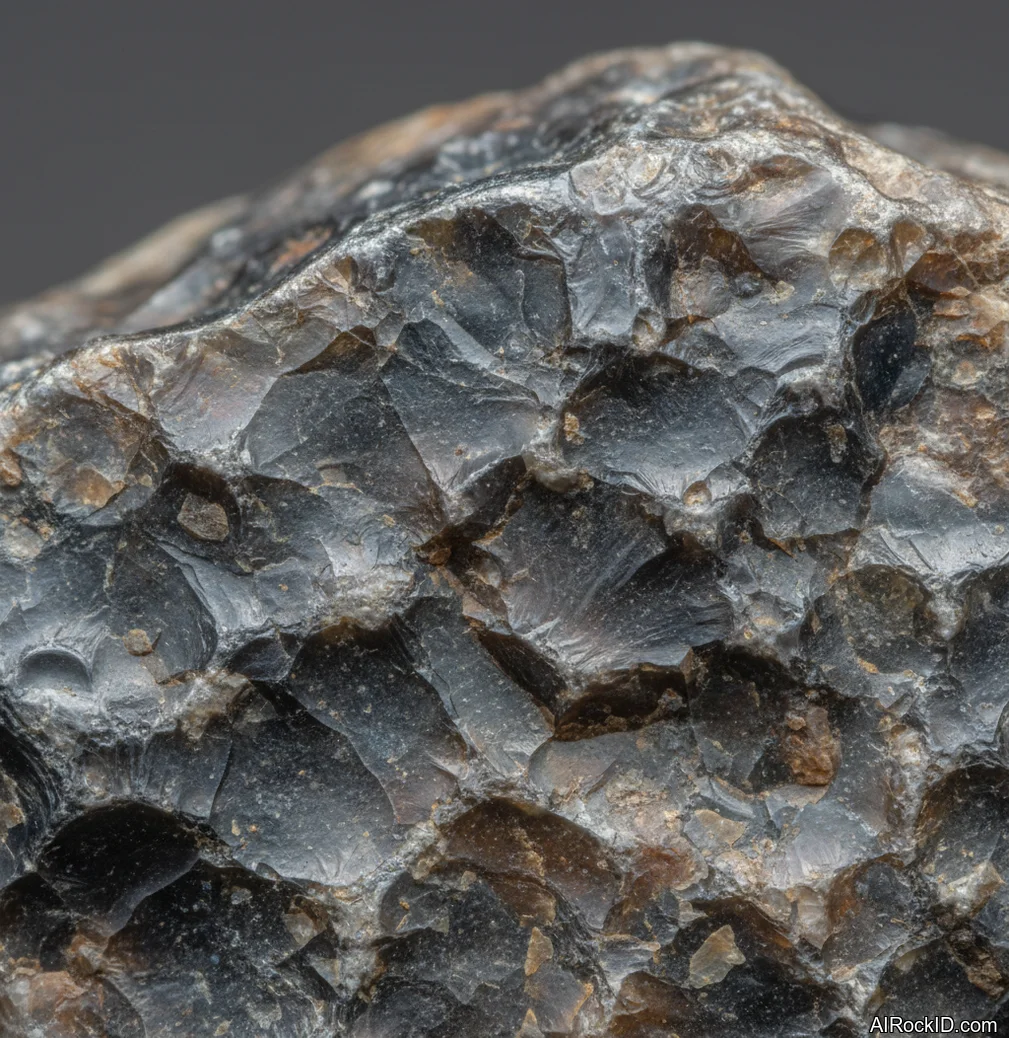
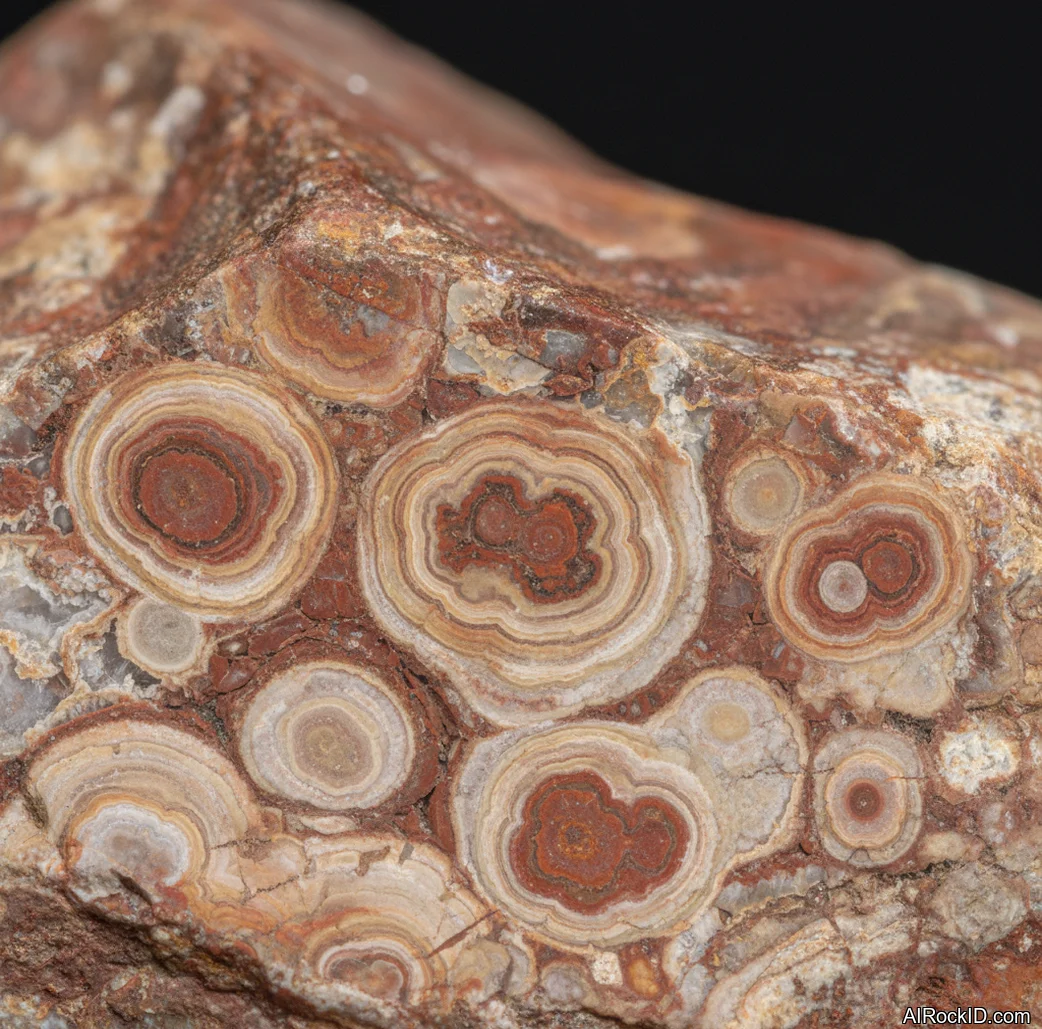
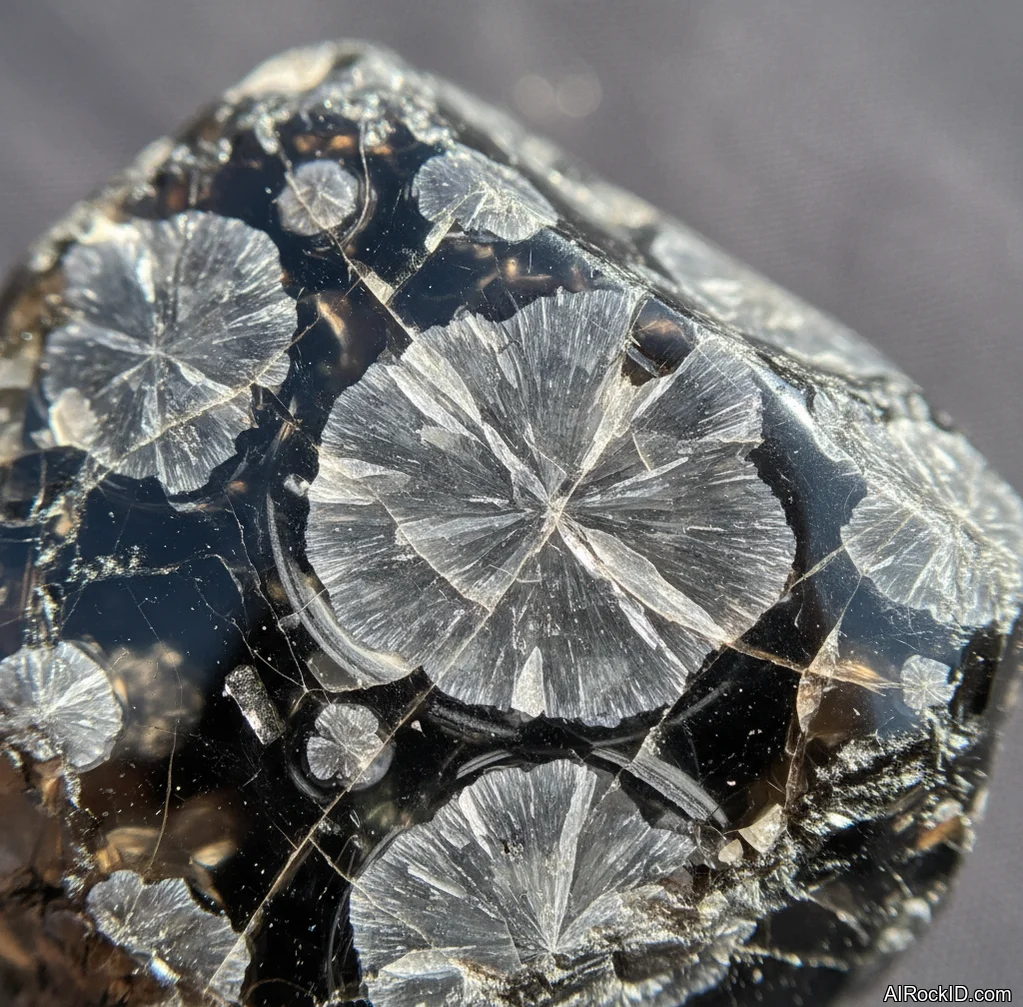
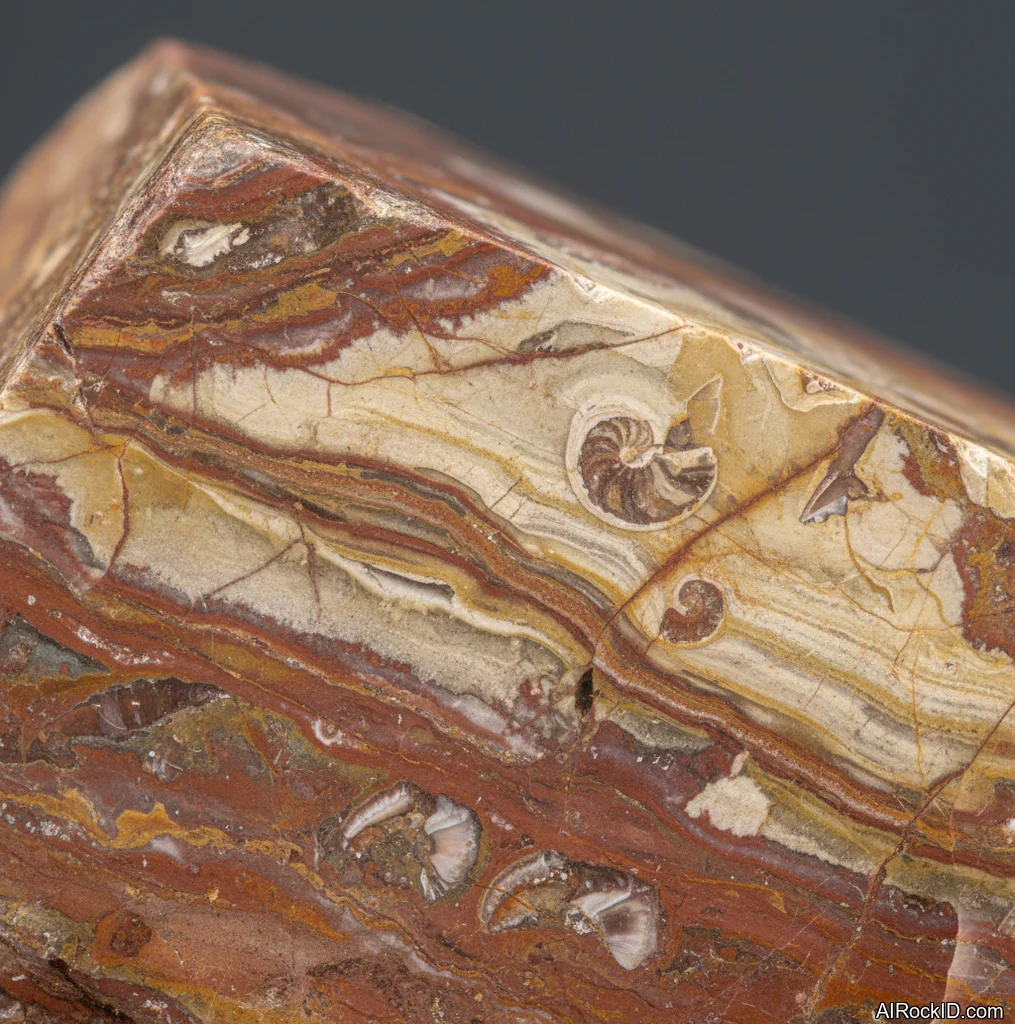
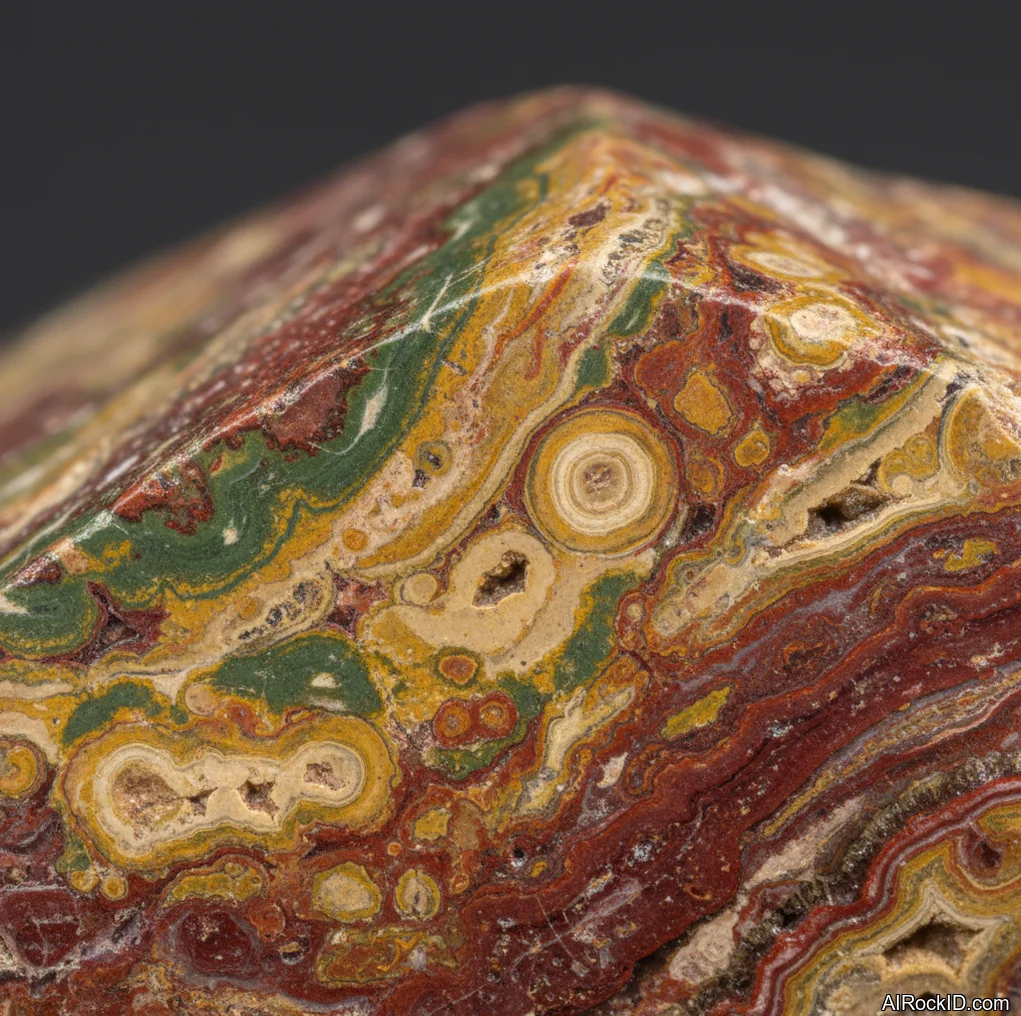
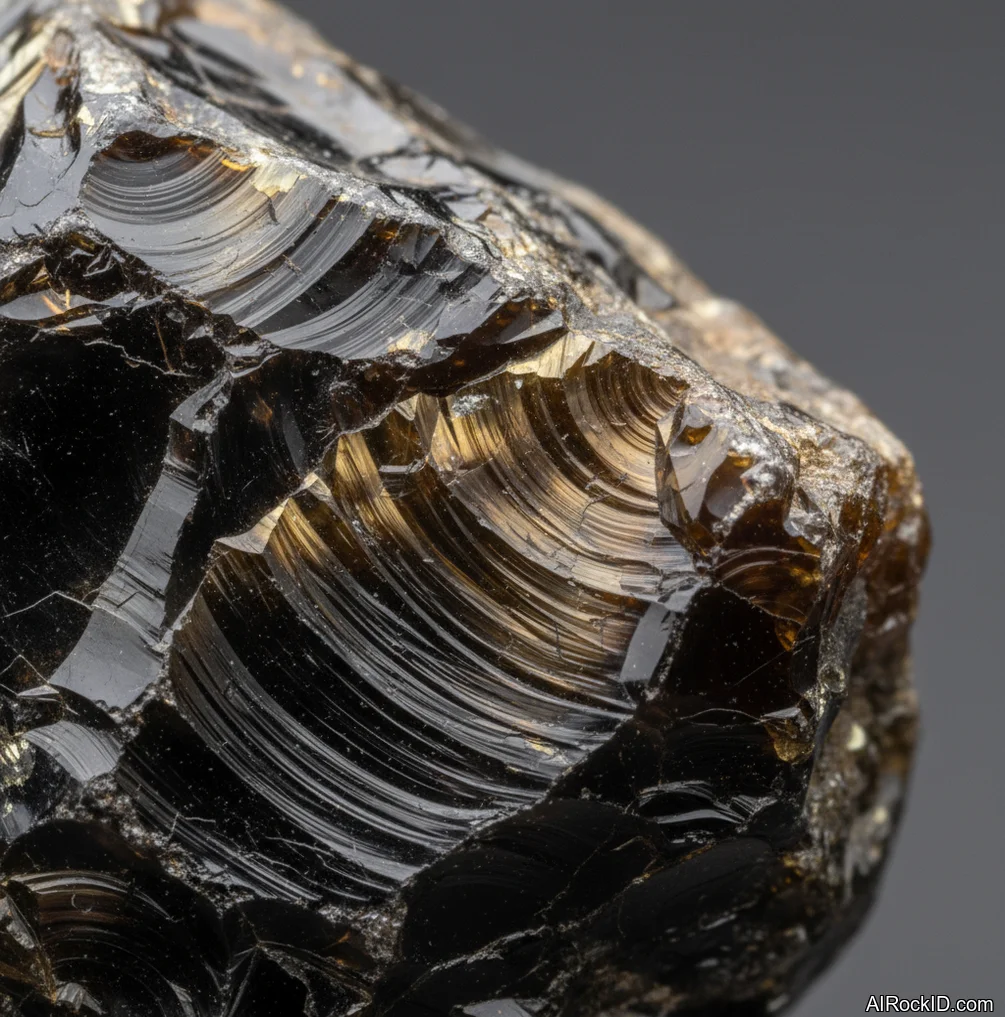
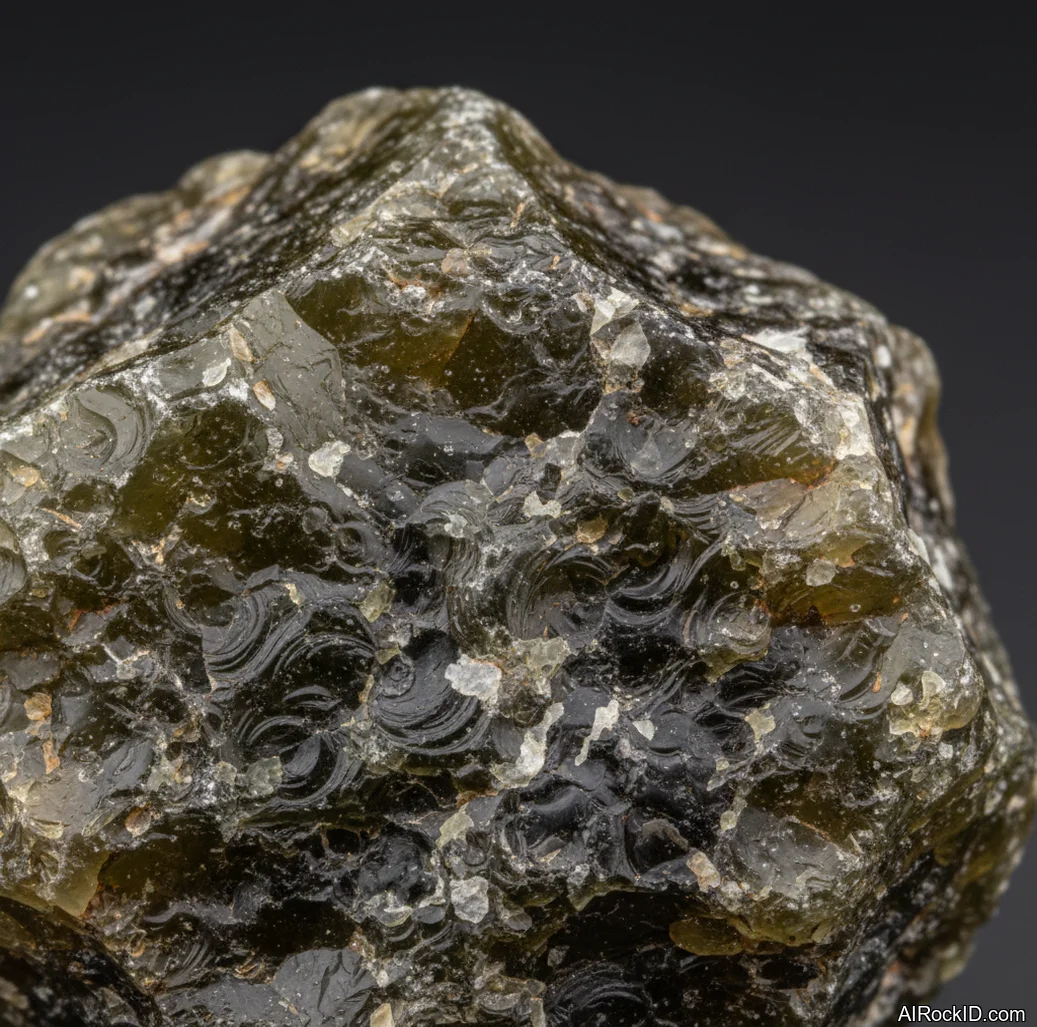
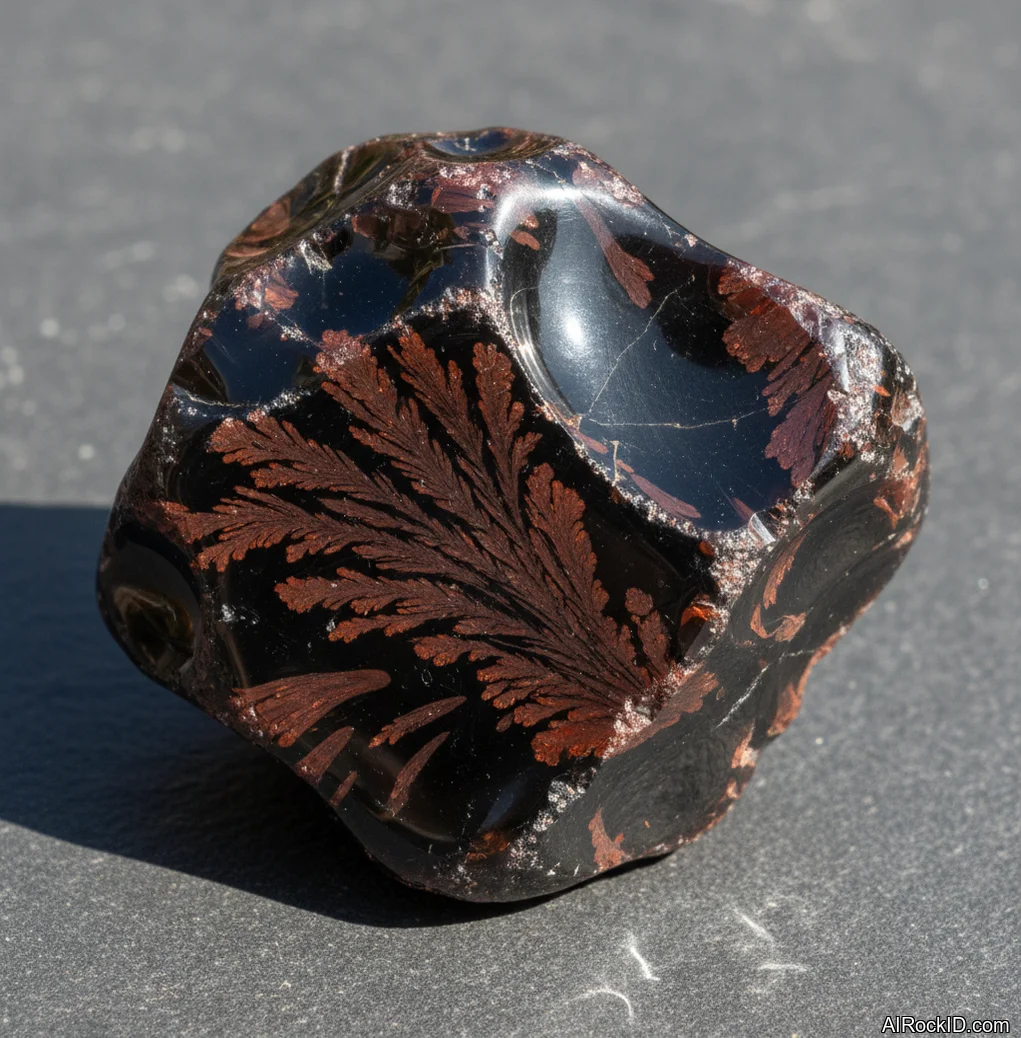
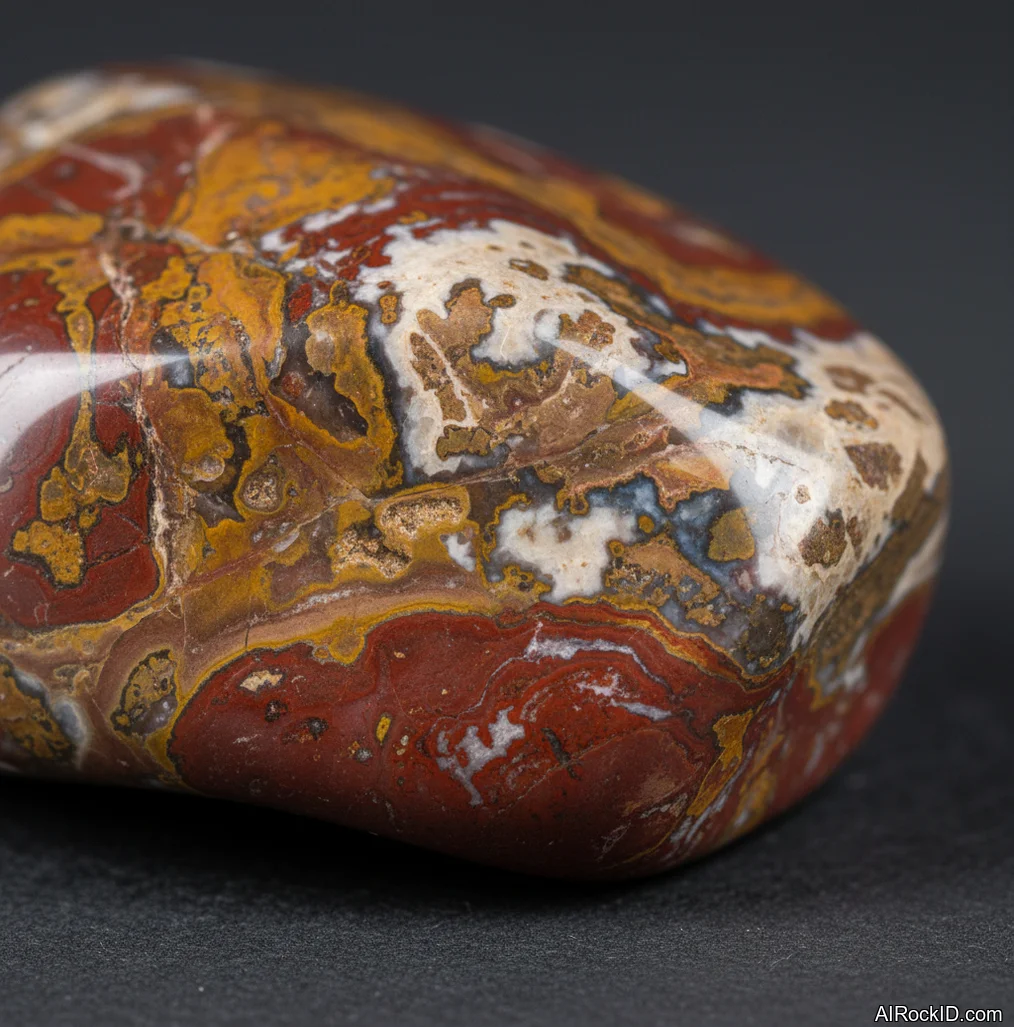
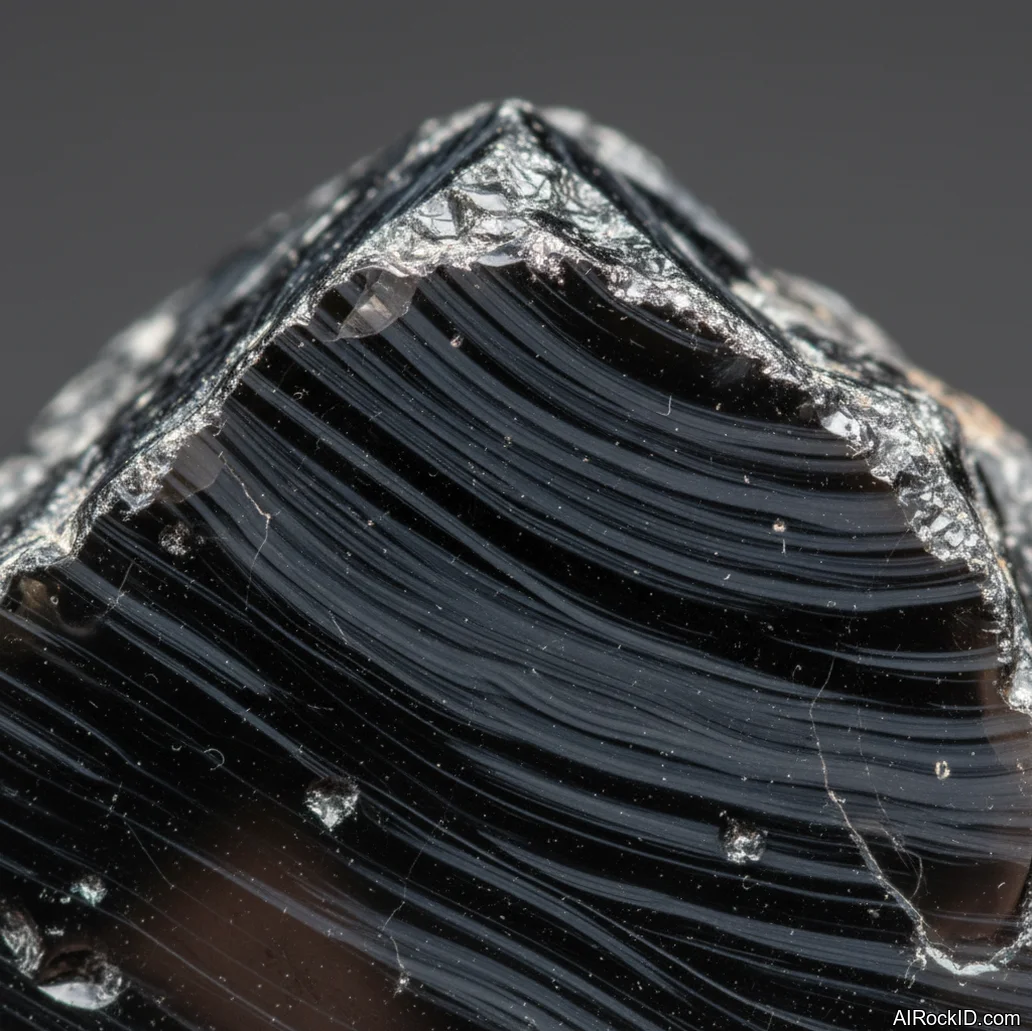
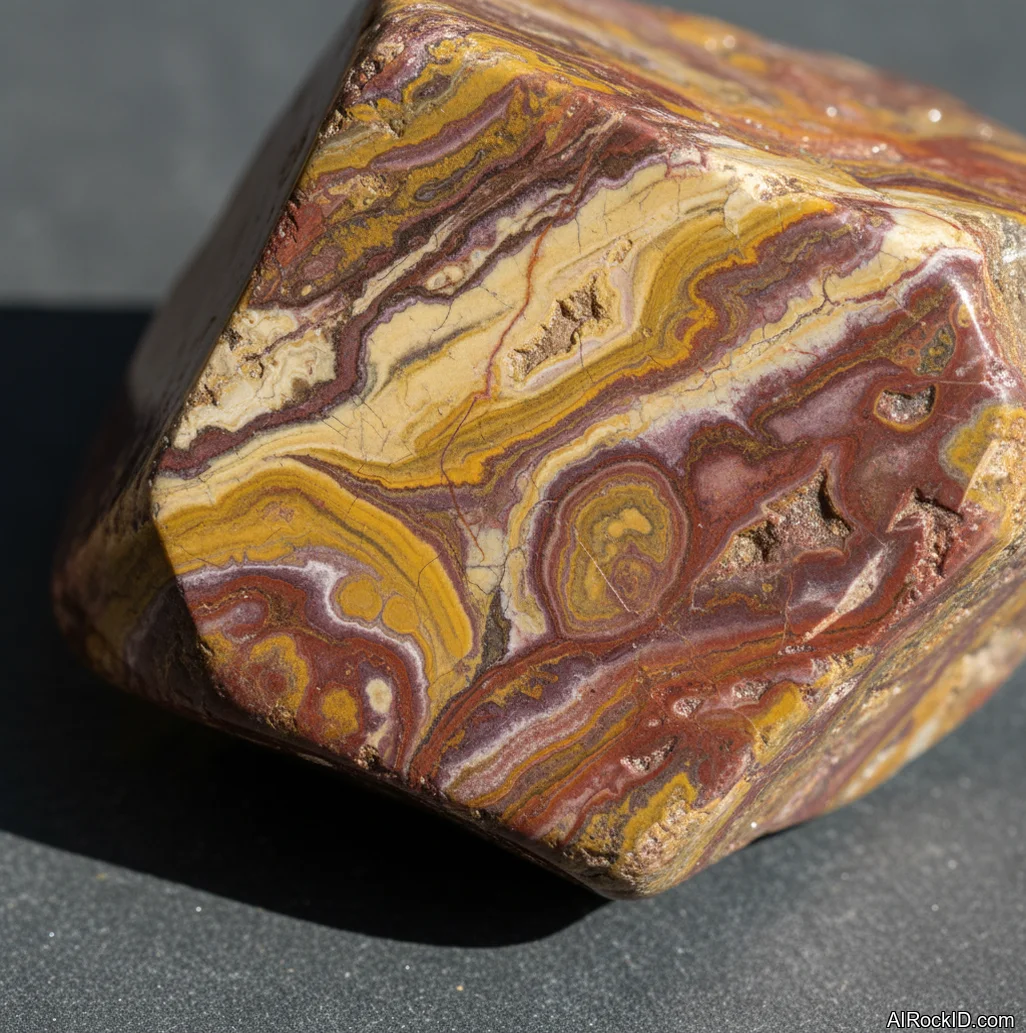
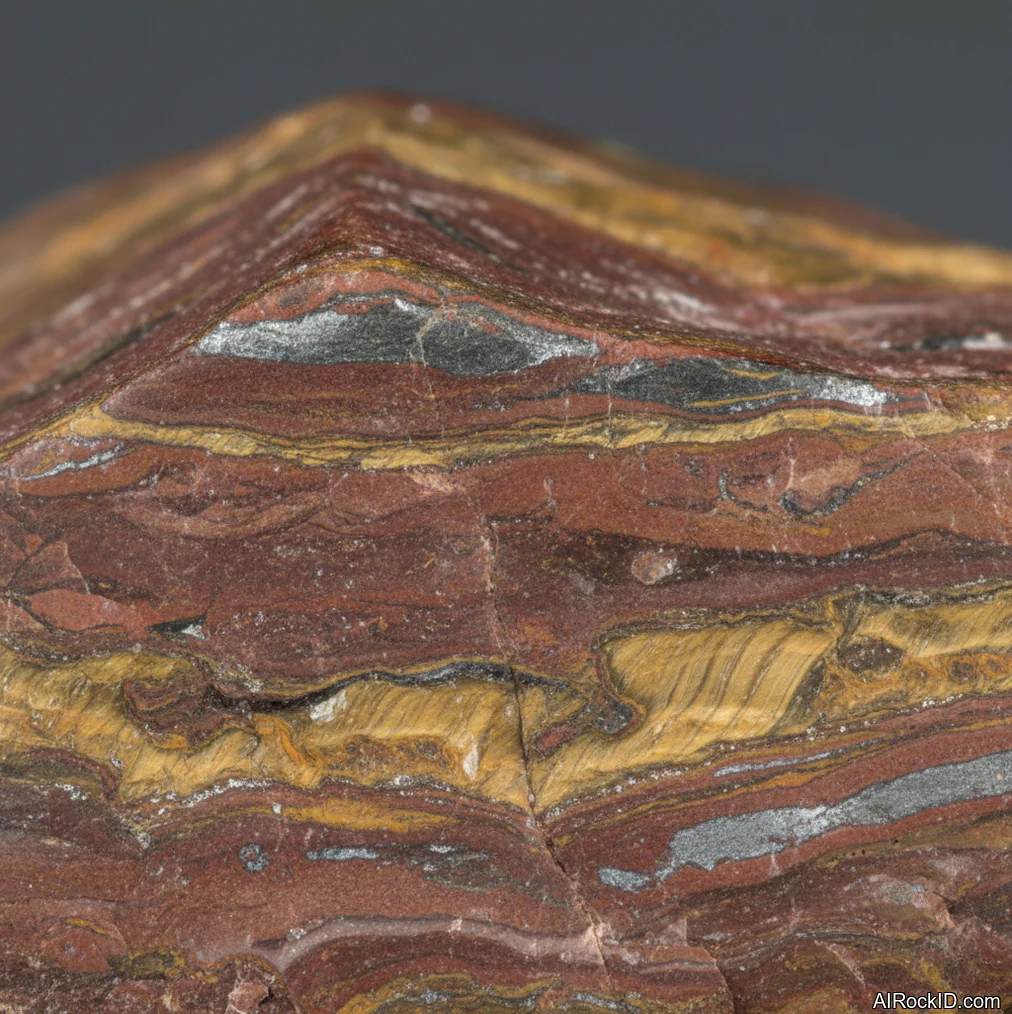
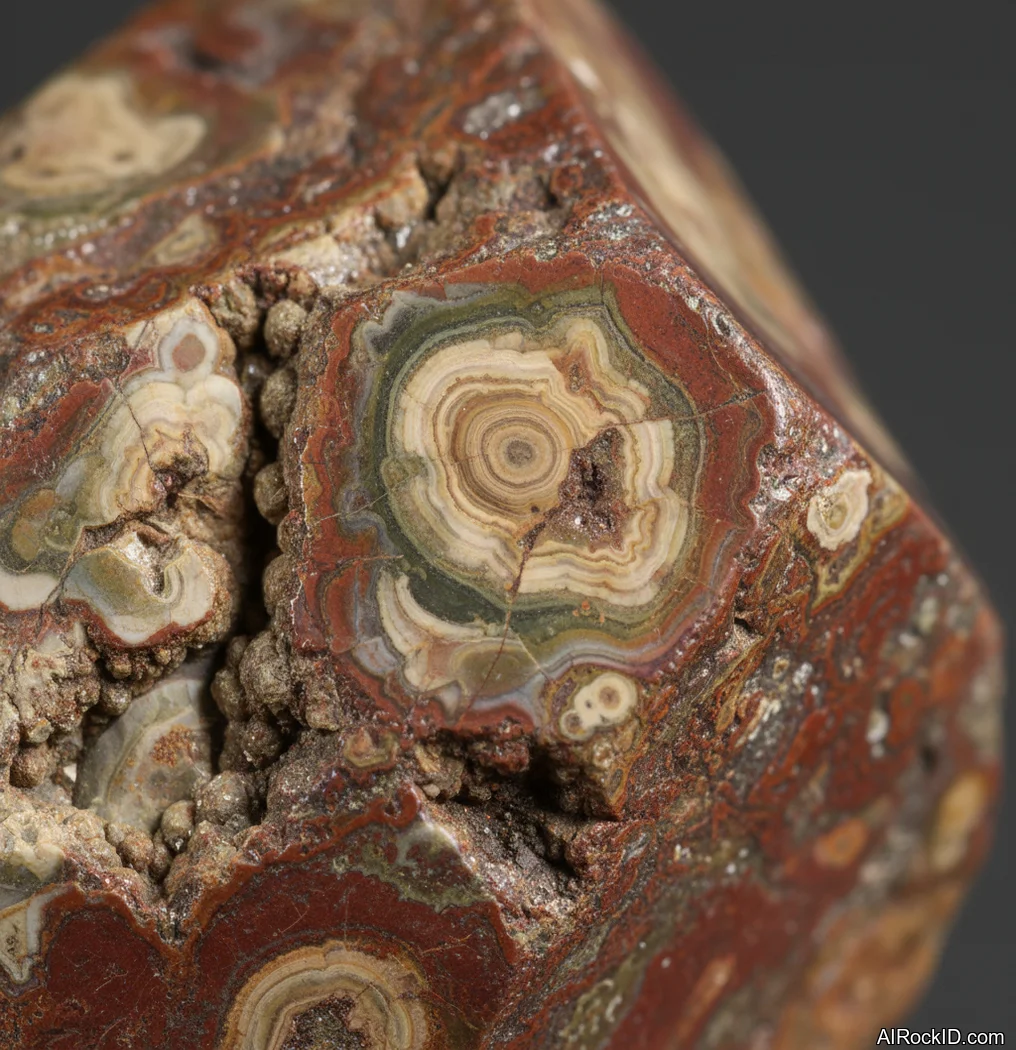
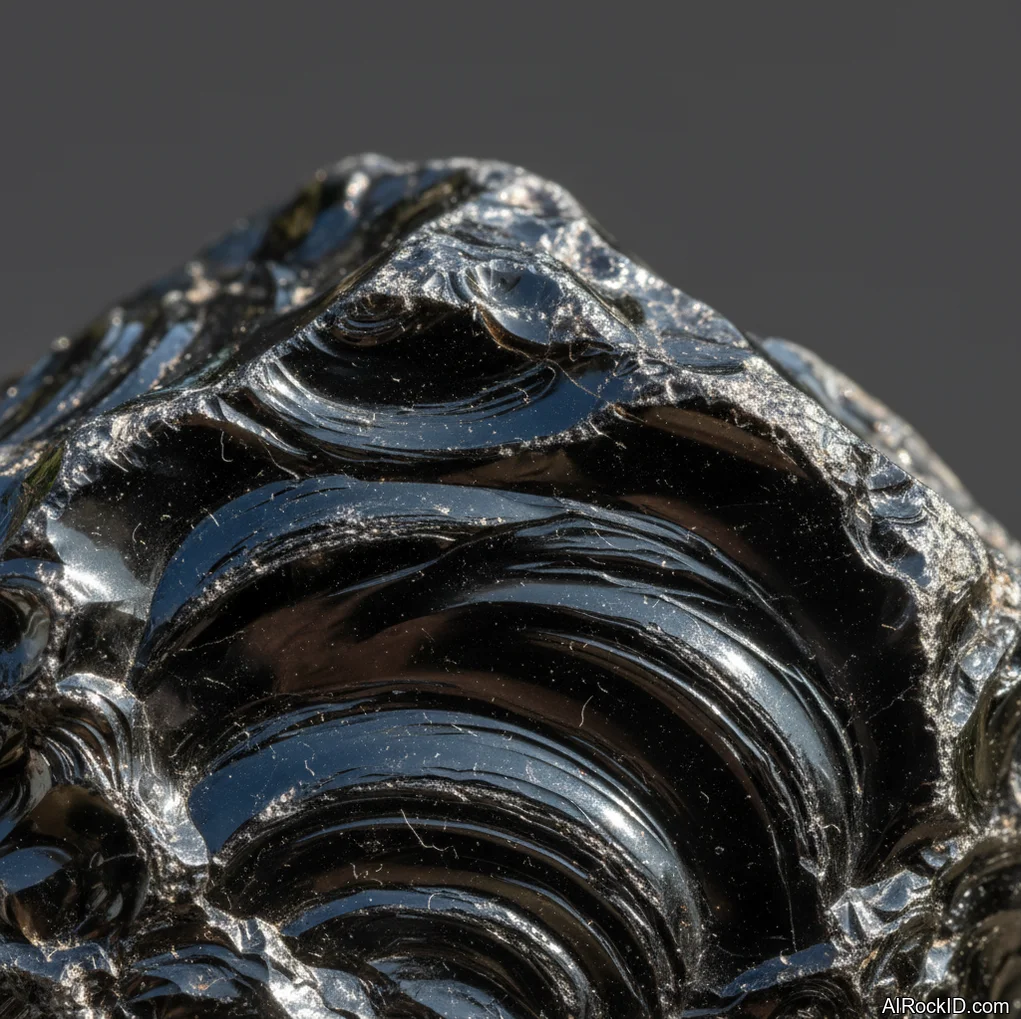
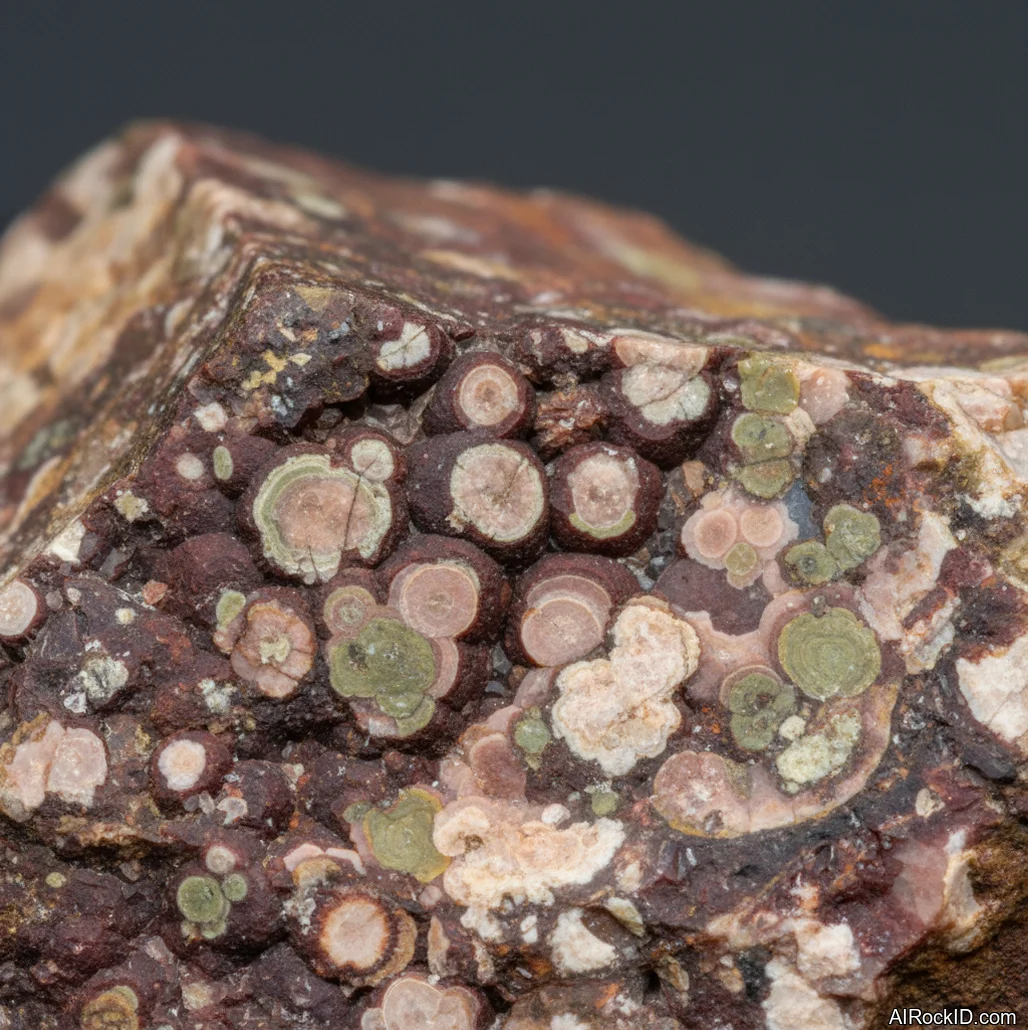
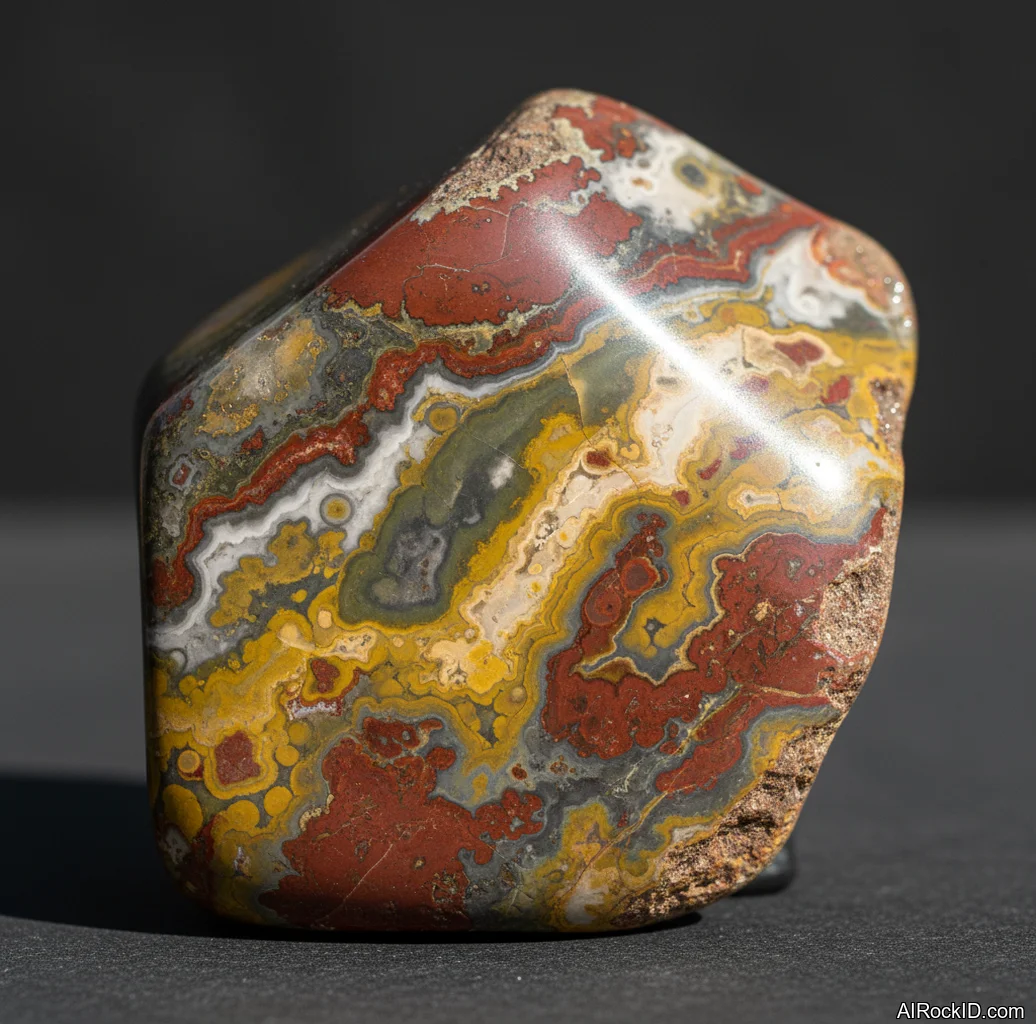
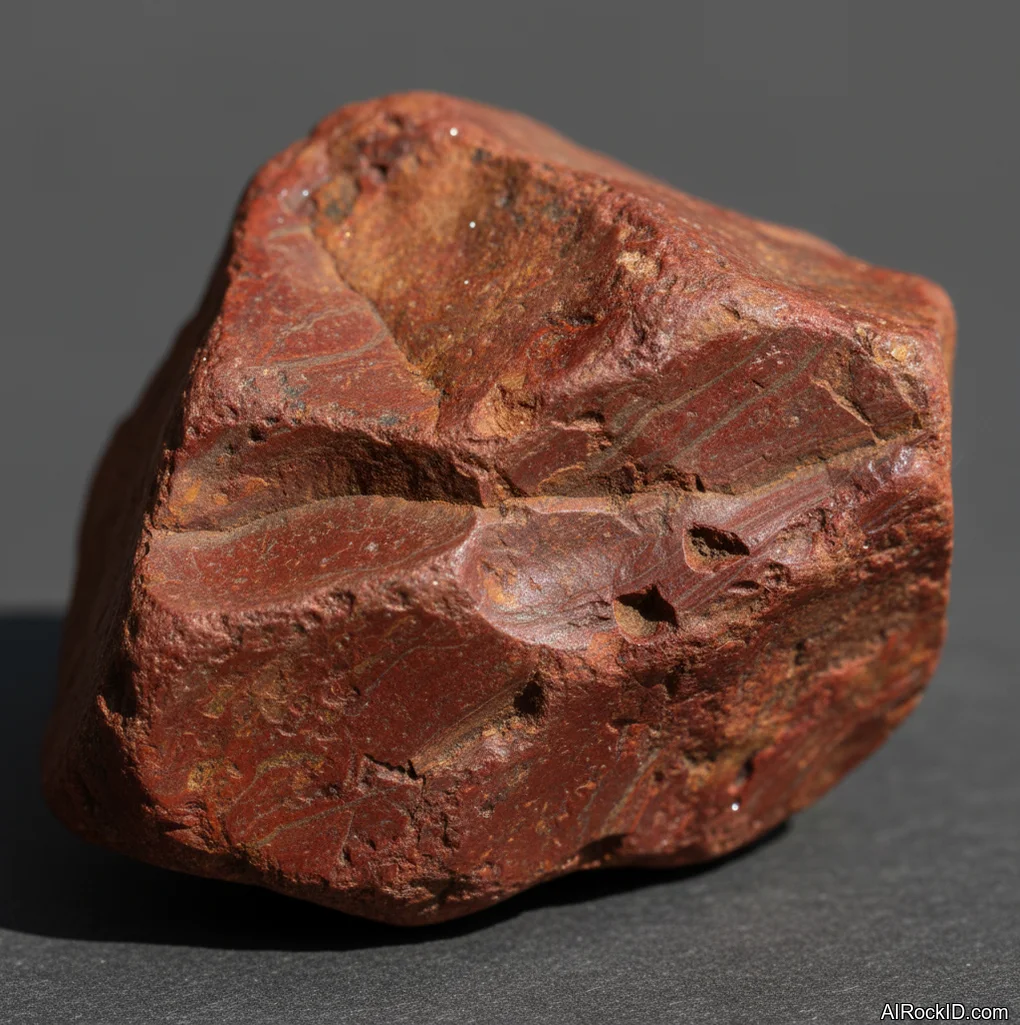
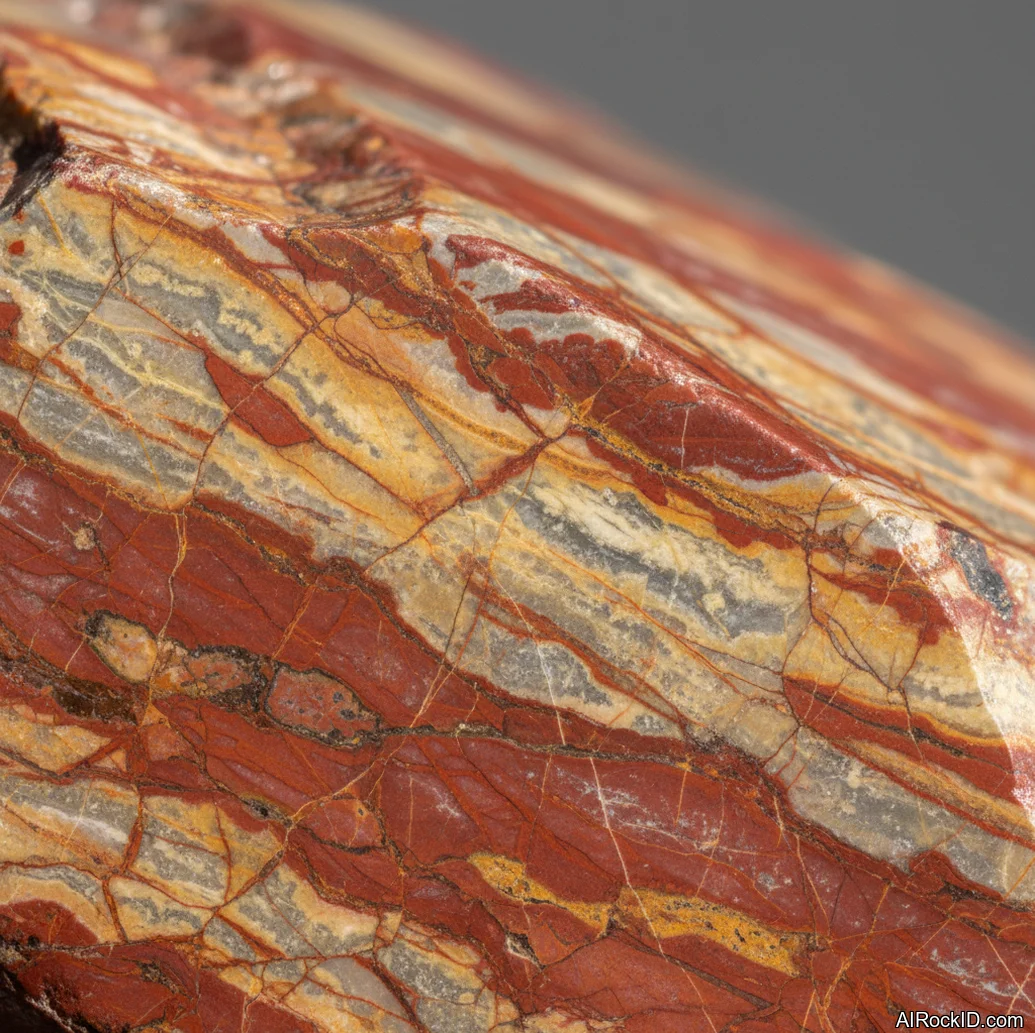
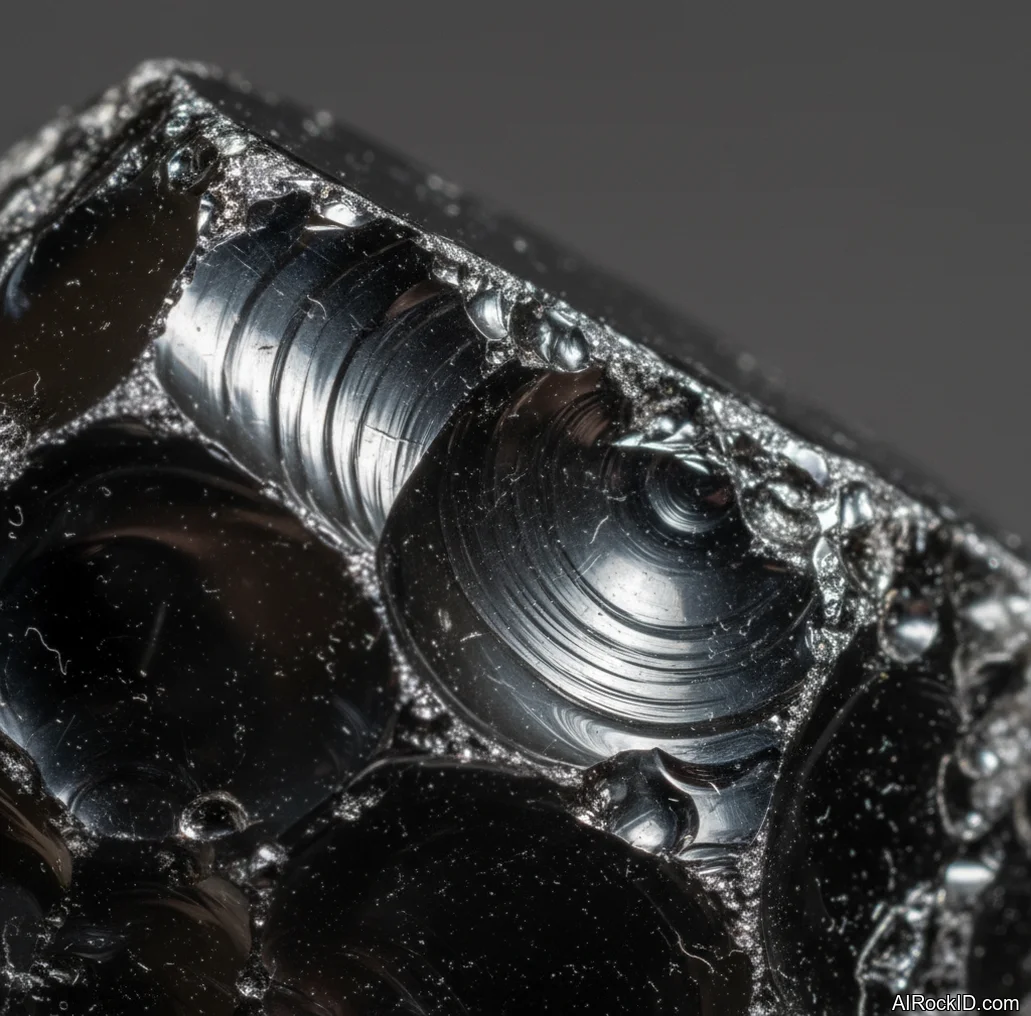
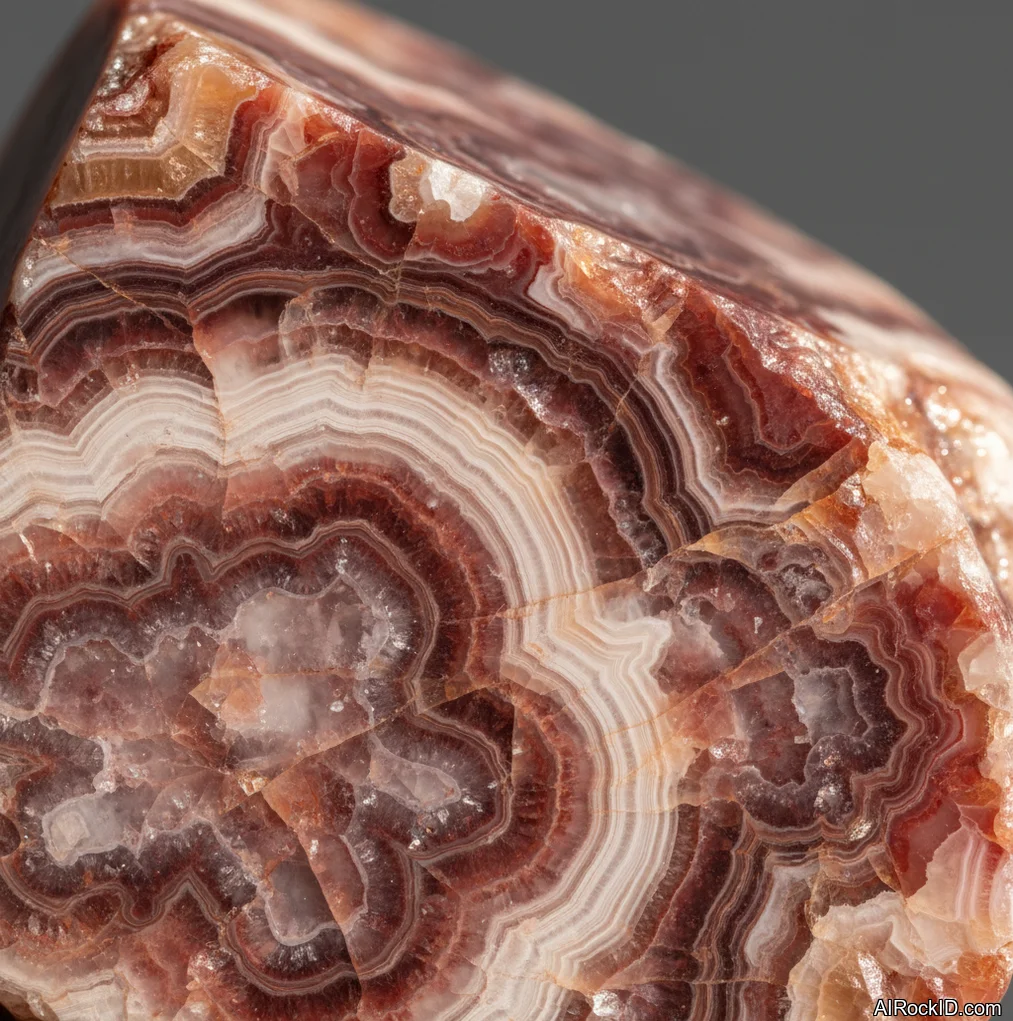
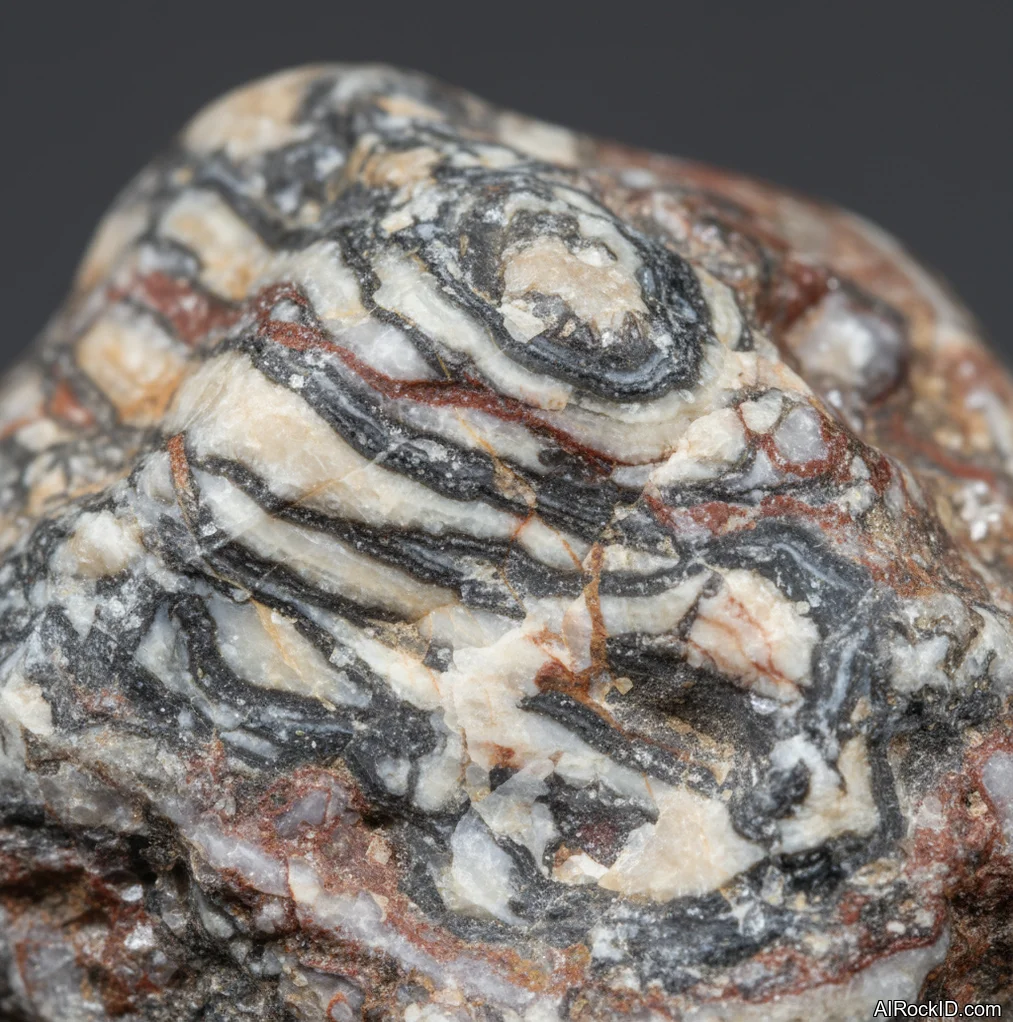
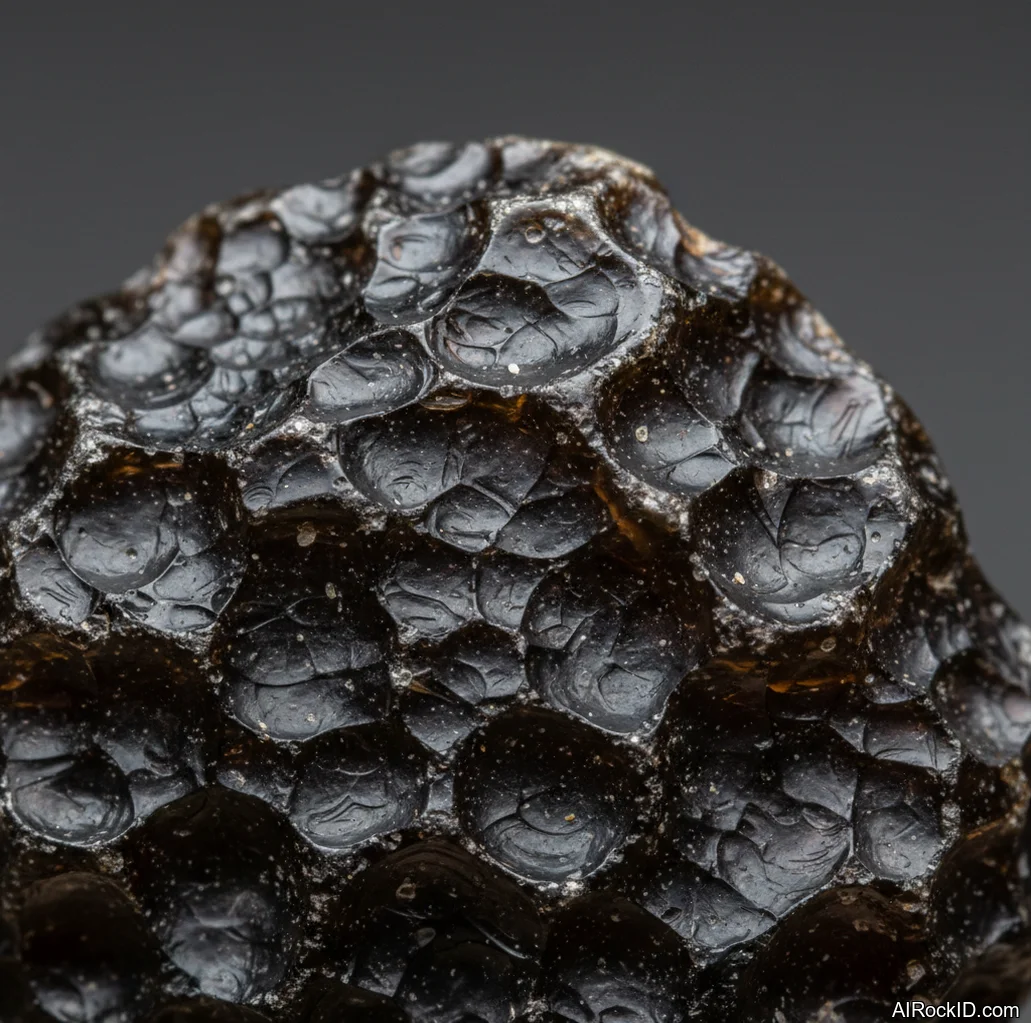
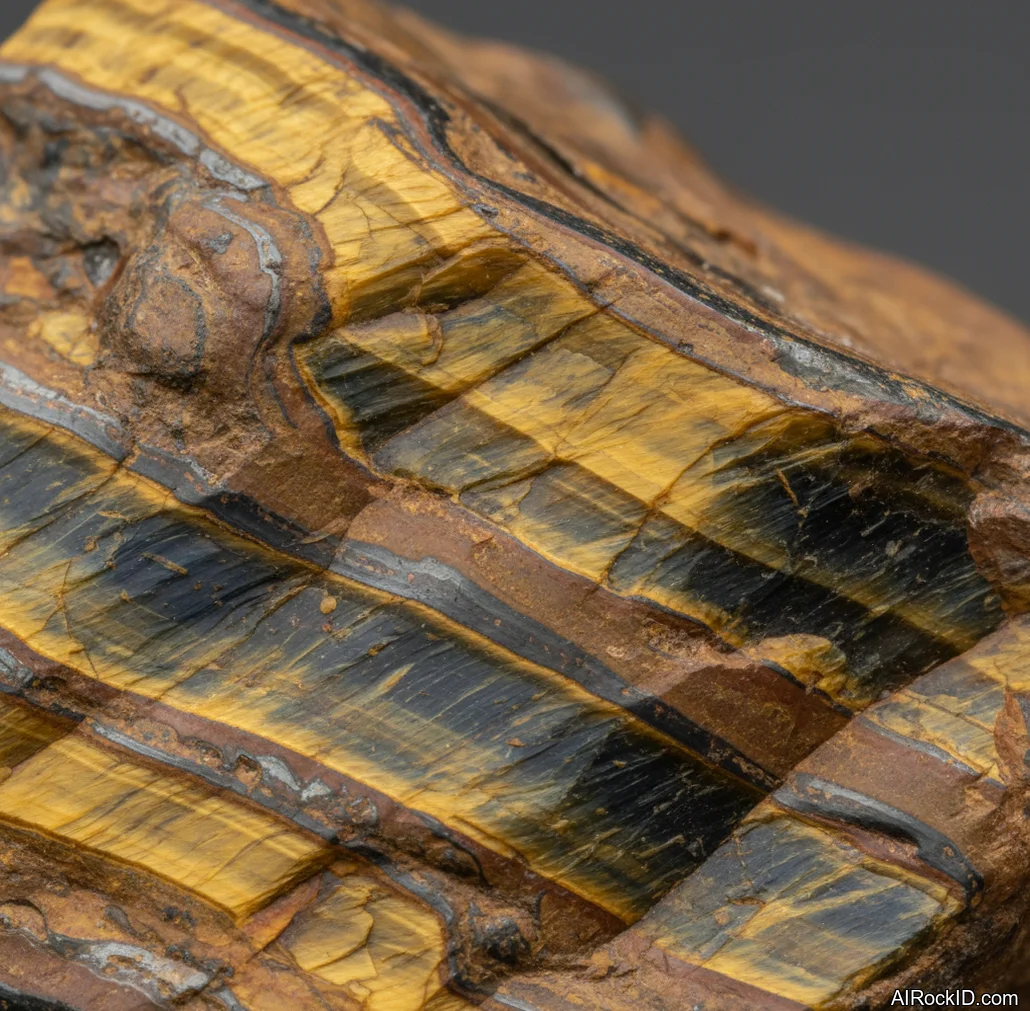
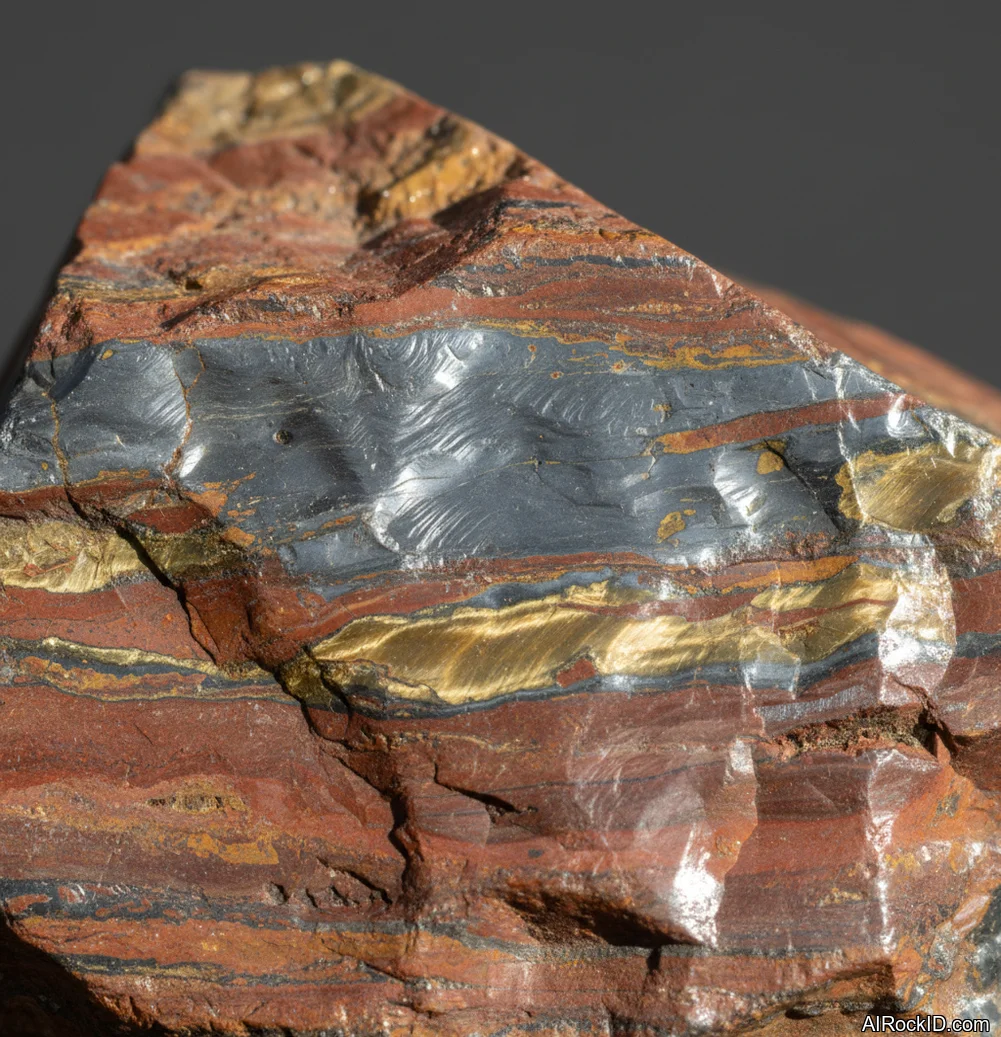
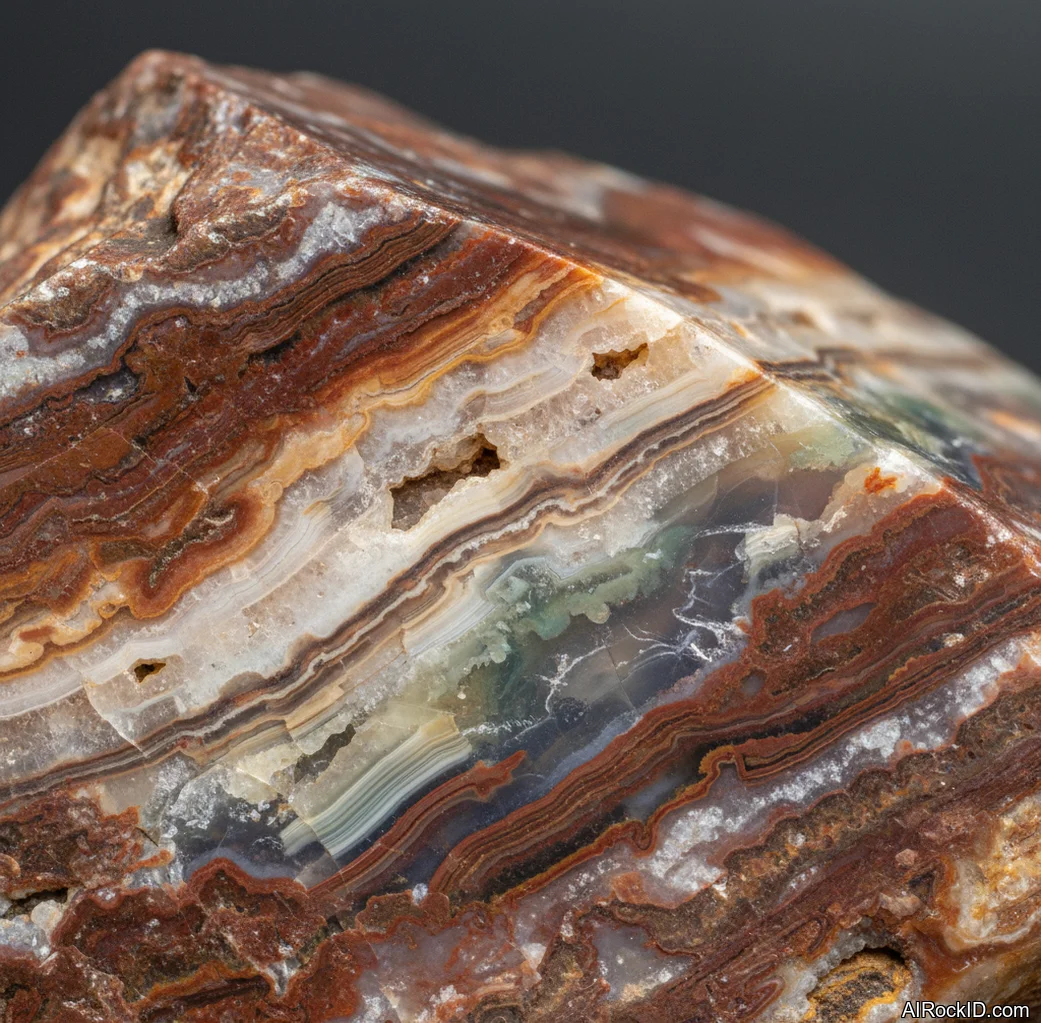
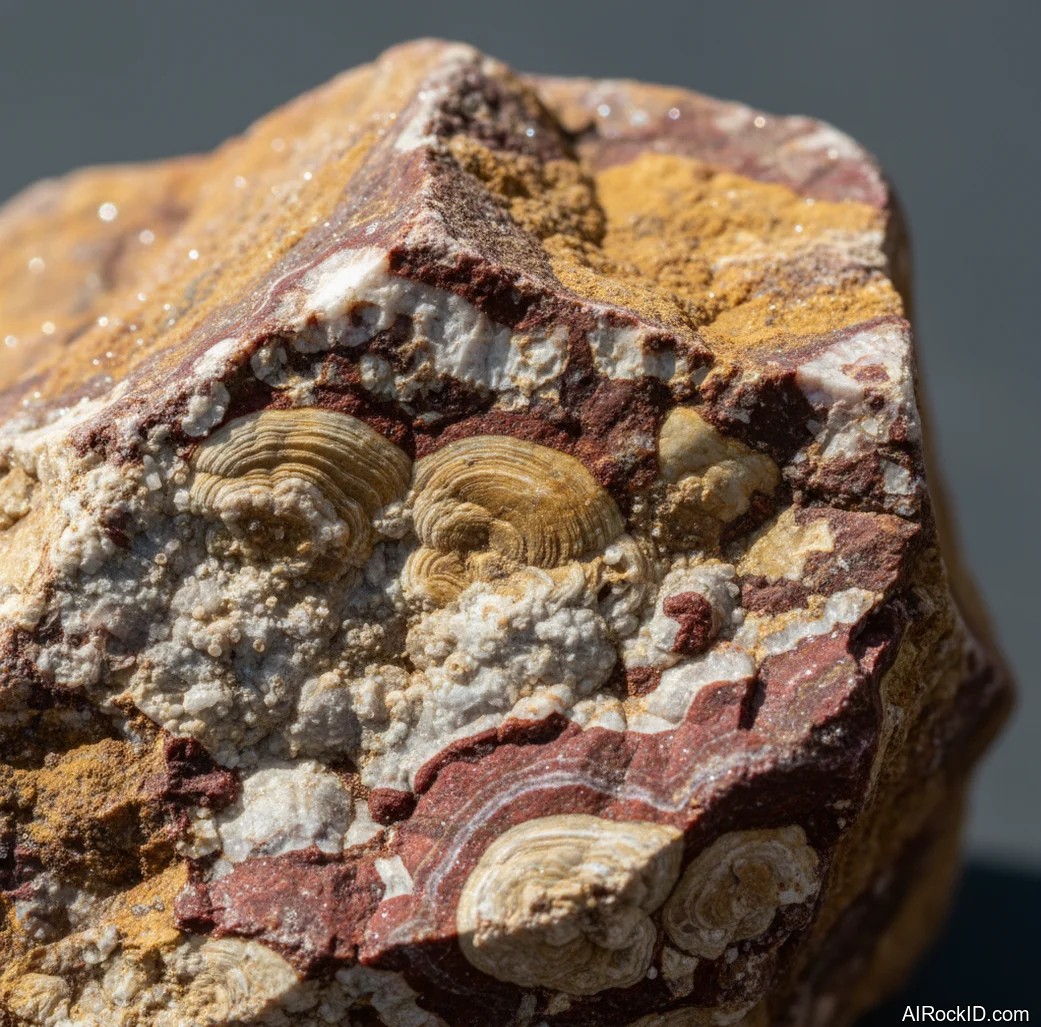
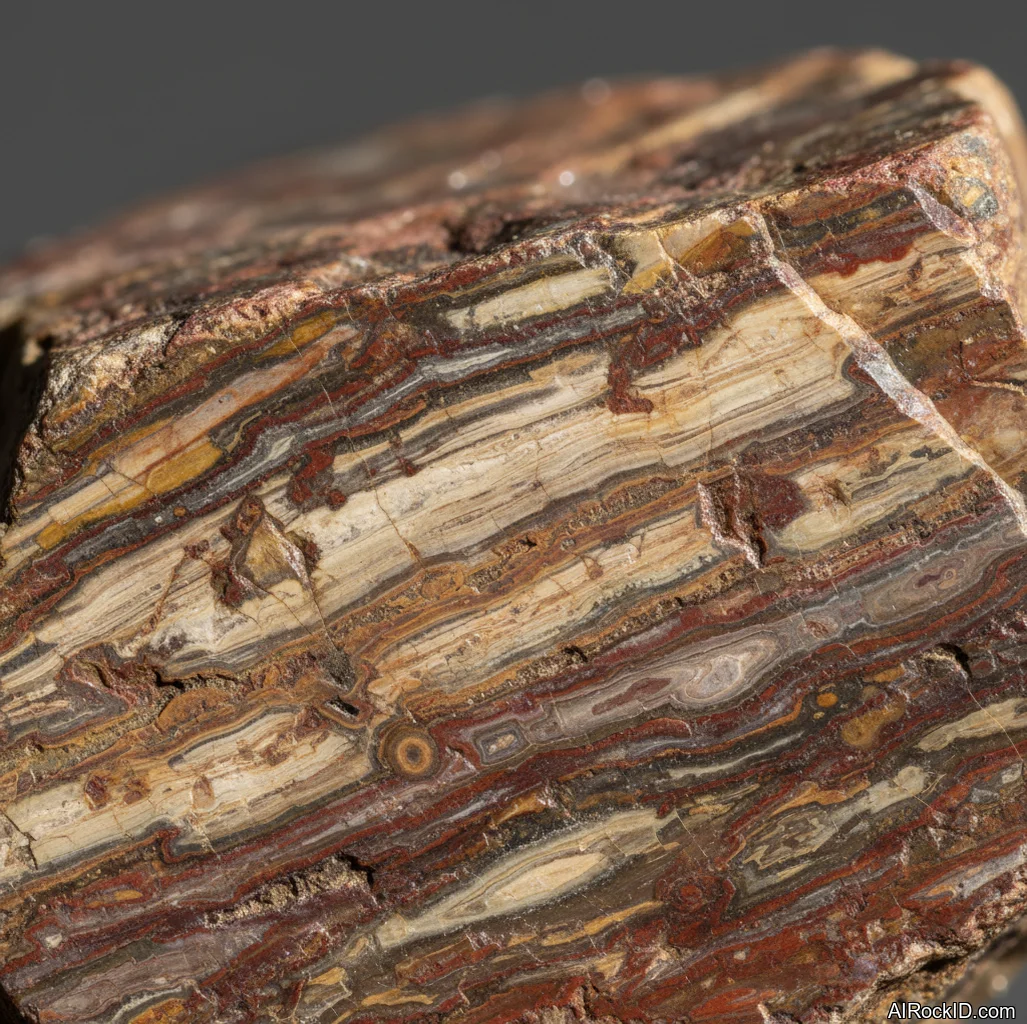
Then you’ve got the “boots on the ground” stones: red jasper, tiger’s eye, and obsidian. Red jasper is usually opaque and fine-grained, and the best pieces have that brick-red tone without looking chalky. Tiger’s eye is grounding in a practical way, but you’ve gotta watch the quality. A good tiger’s eye has a clean chatoyant band that moves like a cat’s pupil when you tilt it under a lamp, not a muddy stripe that barely shifts. Obsidian is glass, so it can be razor-sharp when it breaks. Tumbled obsidian is safer to carry, but raw edges can chew up a pocket and your fingers if you fidget with it (ask me how I know).
Working with grounding crystals doesn’t need to be complicated. Put one where your body already goes when you’re stressed. Pocket. Under your keyboard hand. The shower niche where you’ll actually see it. If you’re doing meditation, try a stone at your feet instead of your forehead. A chunk of black tourmaline by the ankles feels different than a little sphere in your hands. For sleep, people often use smoky quartz or hematite on a nightstand instead of under the pillow, because dense stones can feel too activating if you’re sensitive.
Thing is, the real test is consistency. Grounding is a day-to-day thing, not a one-time ritual. I’ve seen people buy a palm stone, use it twice, then wonder why nothing changed. Try pairing the stone with something physical: take three slow breaths while holding hematite, do a quick body scan with smoky quartz, or stand up and feel your feet while squeezing a piece of red jasper. That’s when grounding crystals make sense as tools. They’re cues for your nervous system as much as they’re objects.
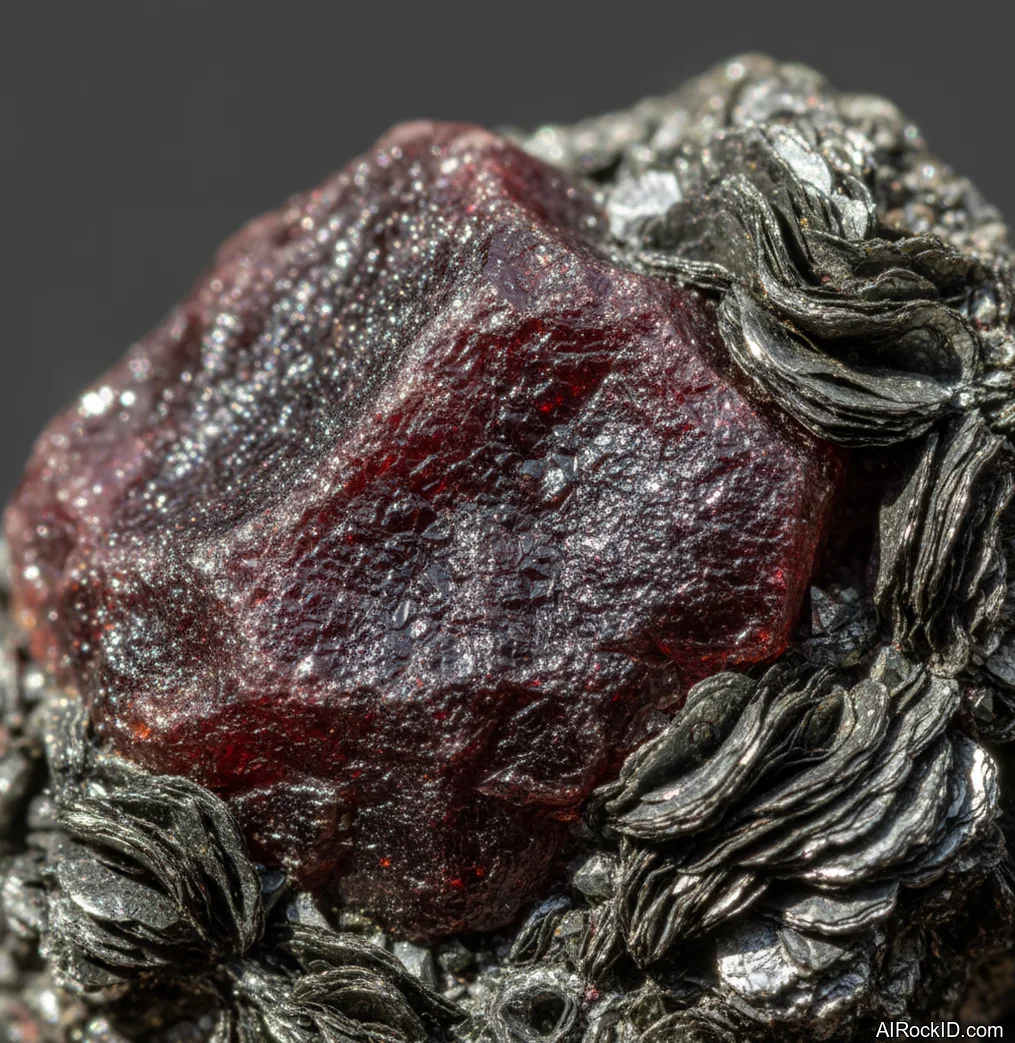
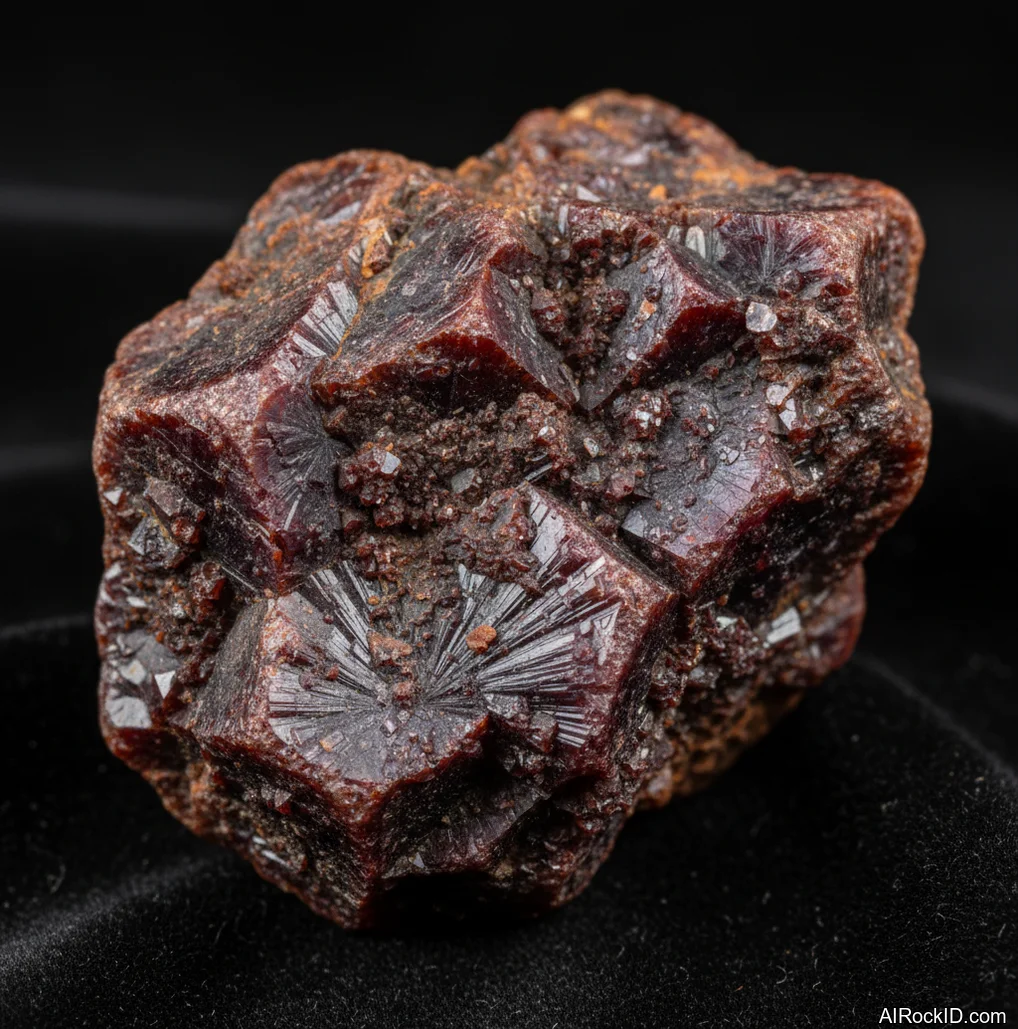
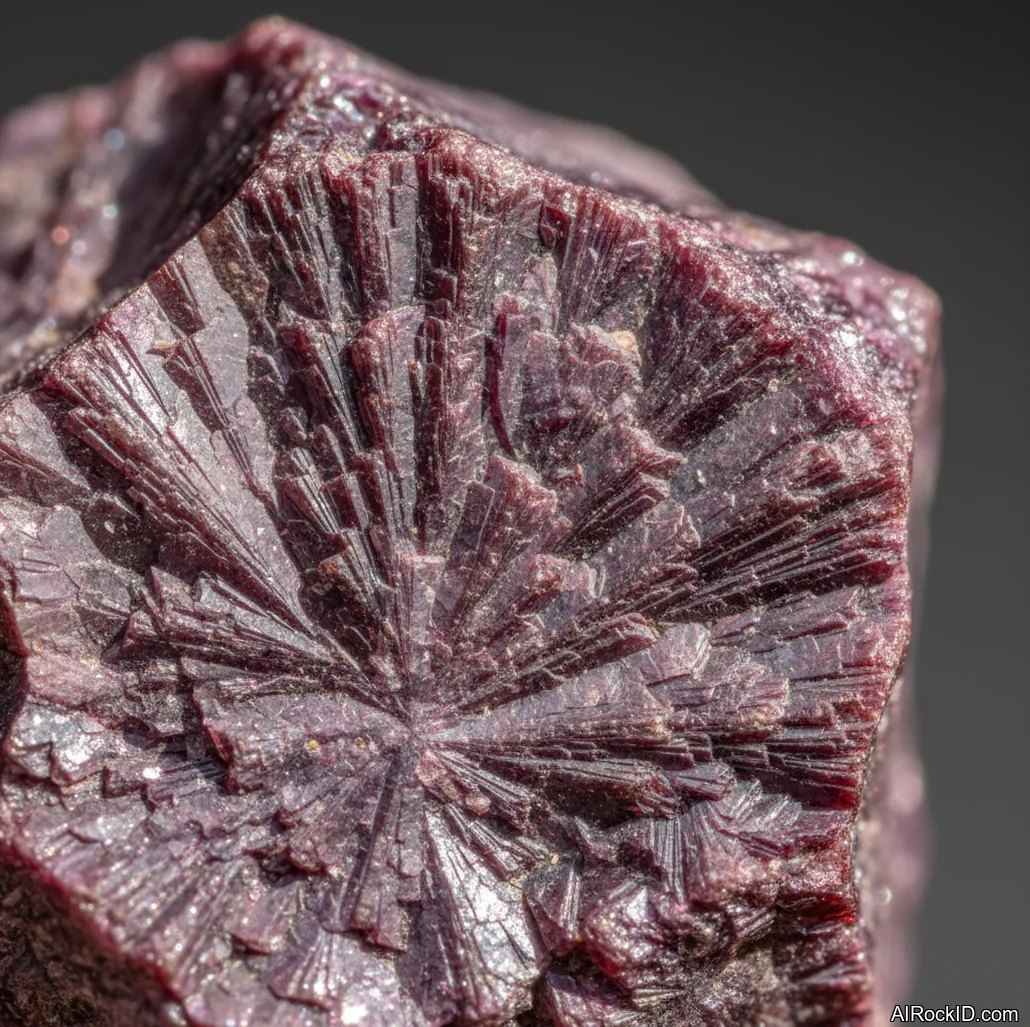
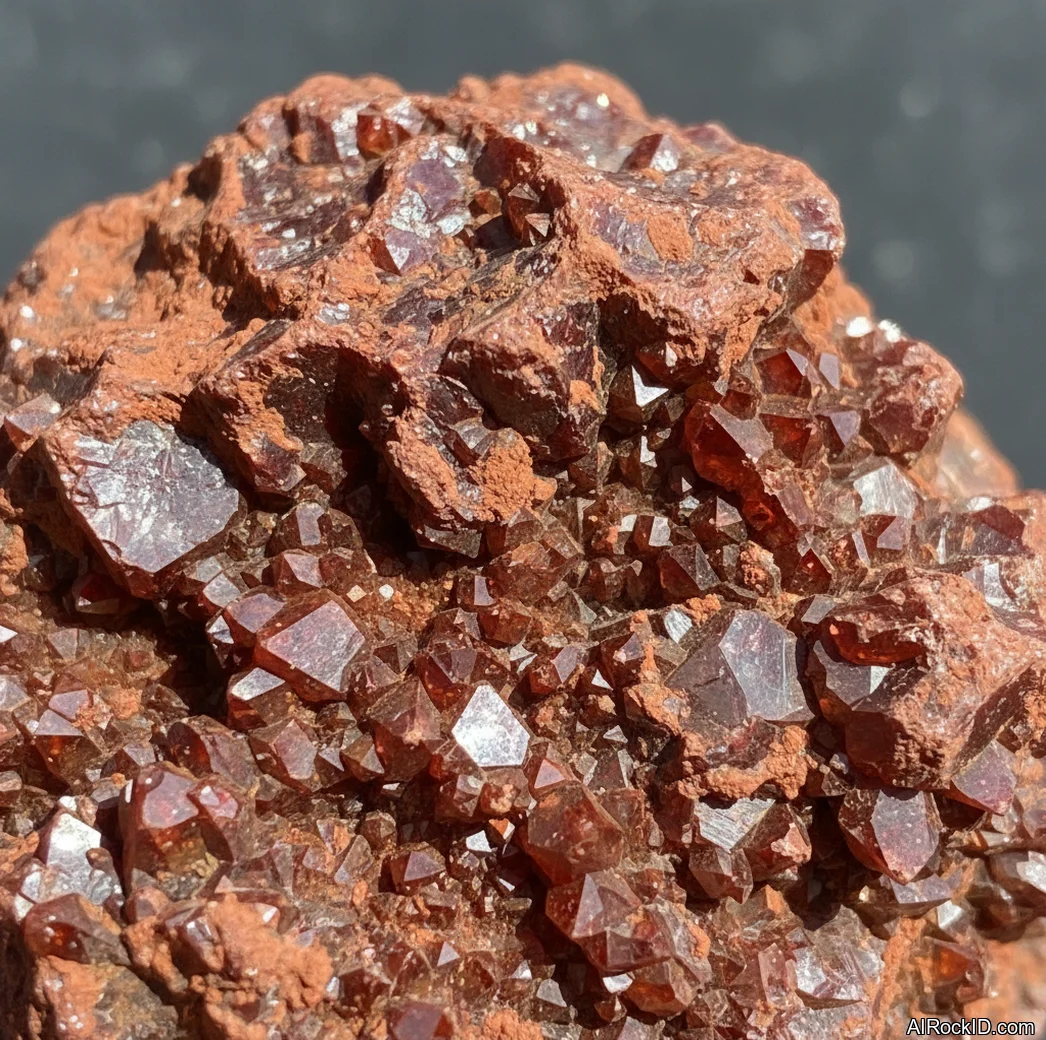
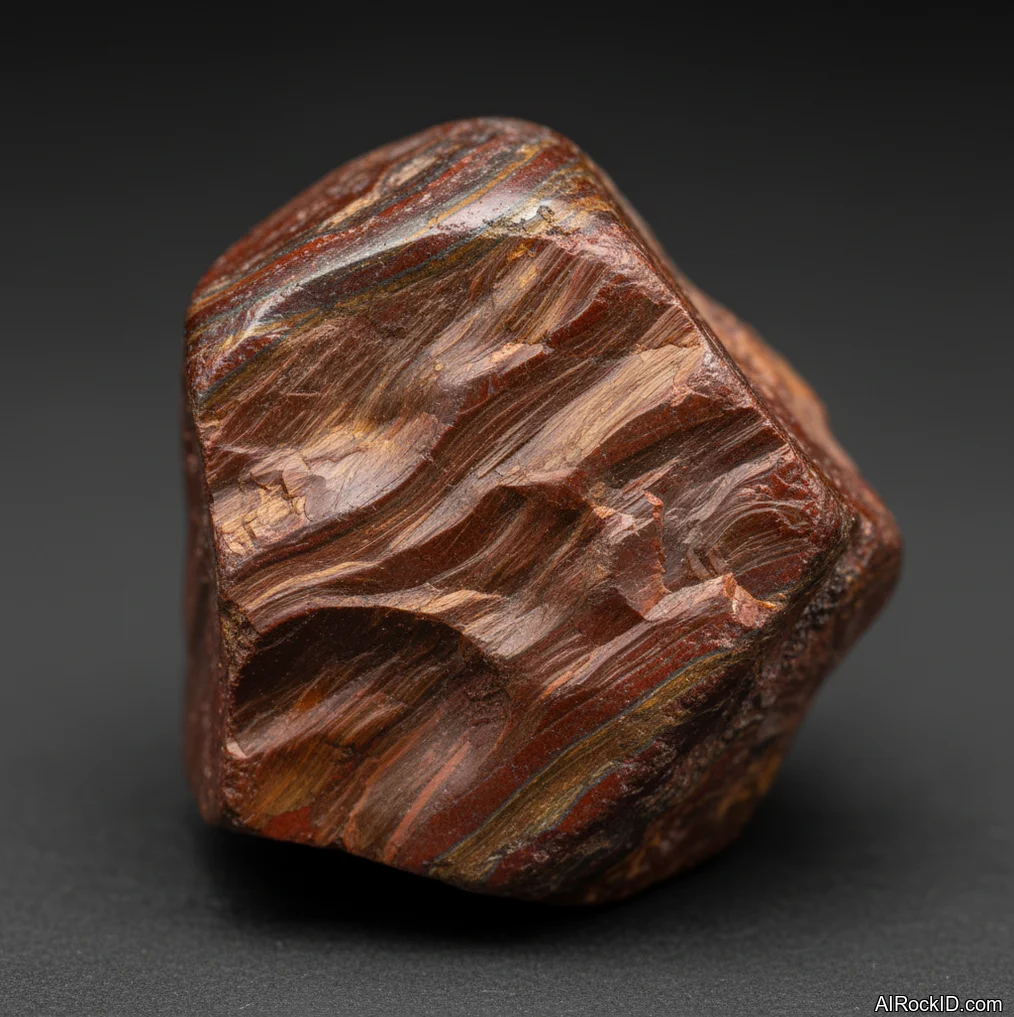
When you’re buying grounding stones, don’t just shop by the name. Shop by feel, and by how the material is supposed to look. Hematite is often faked as “magnetic hematite,” which is usually sintered material with an unnaturally strong magnetism and a too-perfect mirror finish. Real hematite can be weakly magnetic at best, and it often shows reddish-brown streaking if you rub it on unglazed porcelain. Black tourmaline should show natural striations and uneven faces. If it looks like a perfectly smooth black rod, you might be looking at dyed material or molded glass.
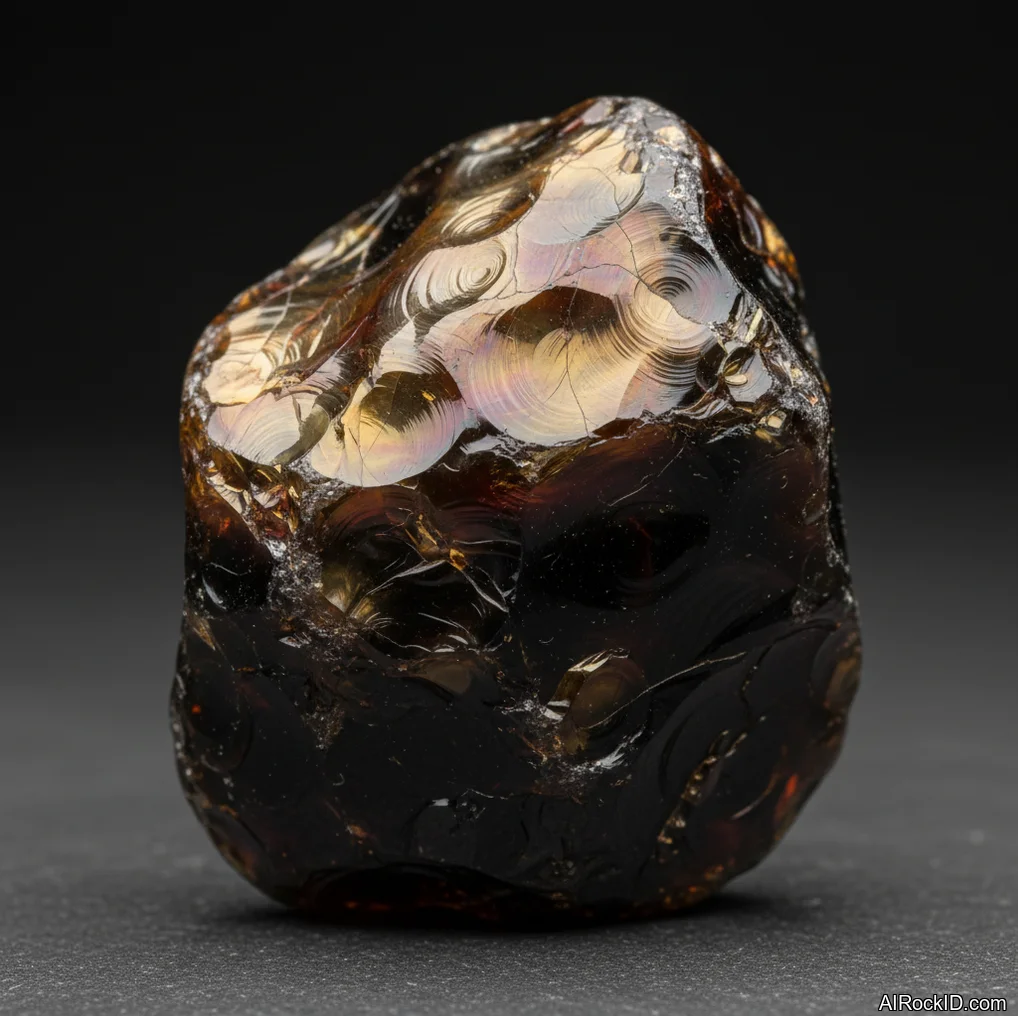
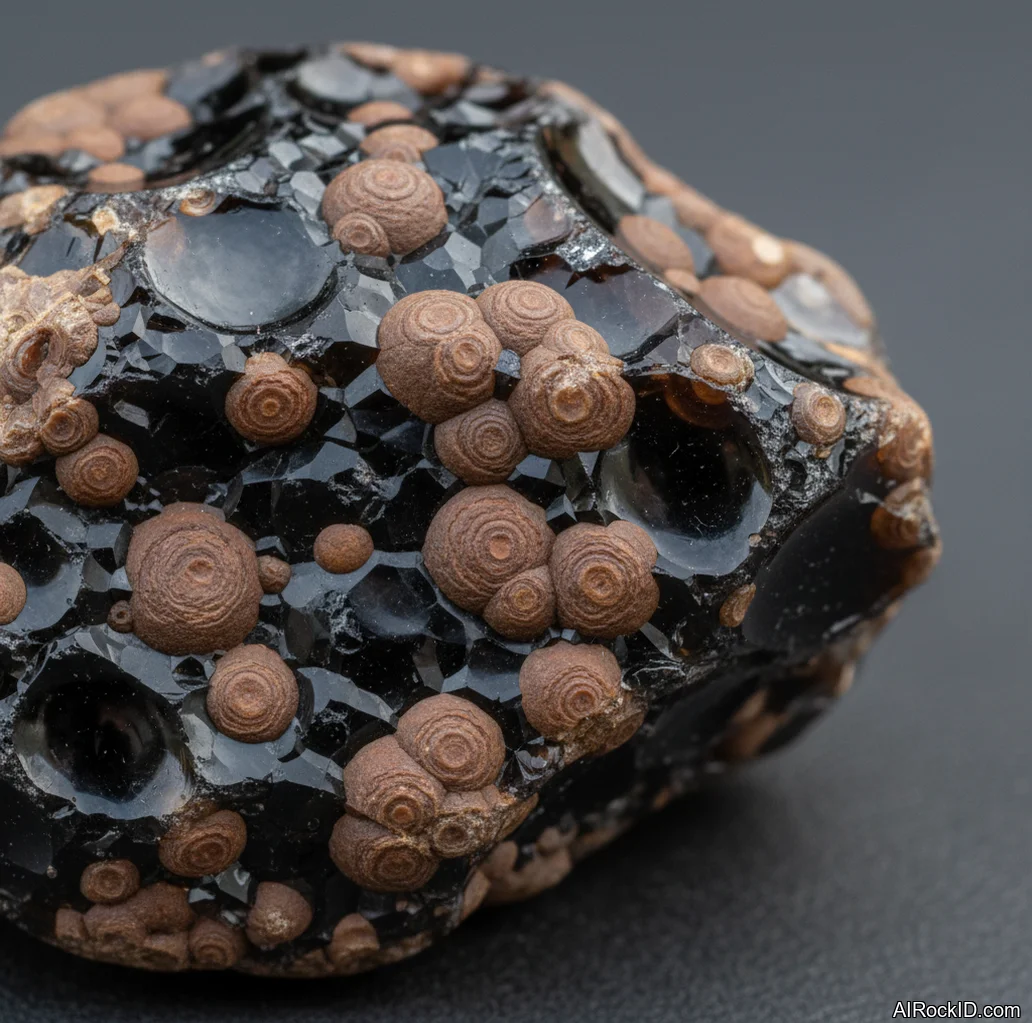
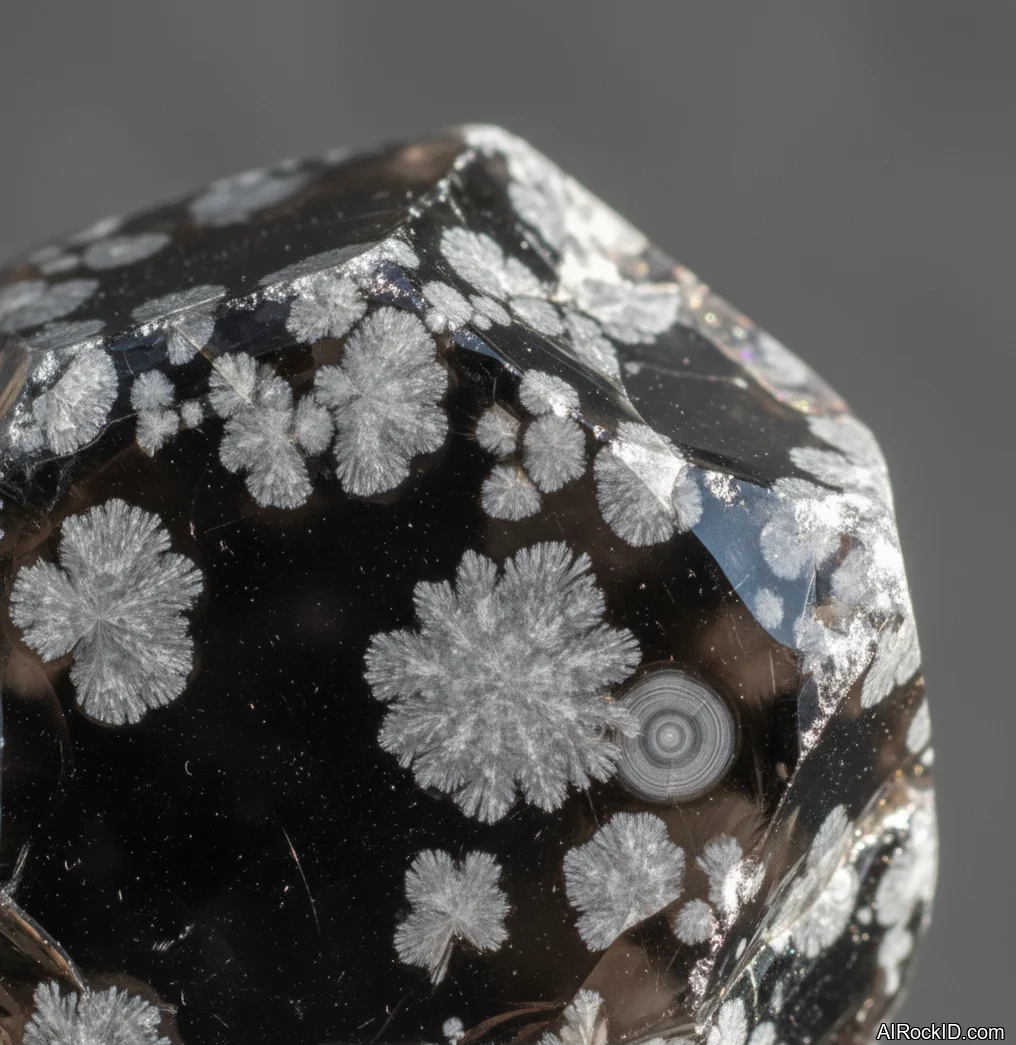
Most dealers sell grounding stones tumbled because people want something pocket-friendly. That’s fine. But know what you’re trading off. Tumbling can round off diagnostic features, and some stones take a dye or a polish that hides fractures. With smoky quartz, check for uniform, inky color that looks painted on. Natural smoky tends to have zoning or at least subtle shifts in tone. With obsidian, watch for “aura” coatings. They’re pretty, sure, but that’s a surface treatment, and if you want straight grounding energy, plain black or snowflake obsidian is the usual pick.
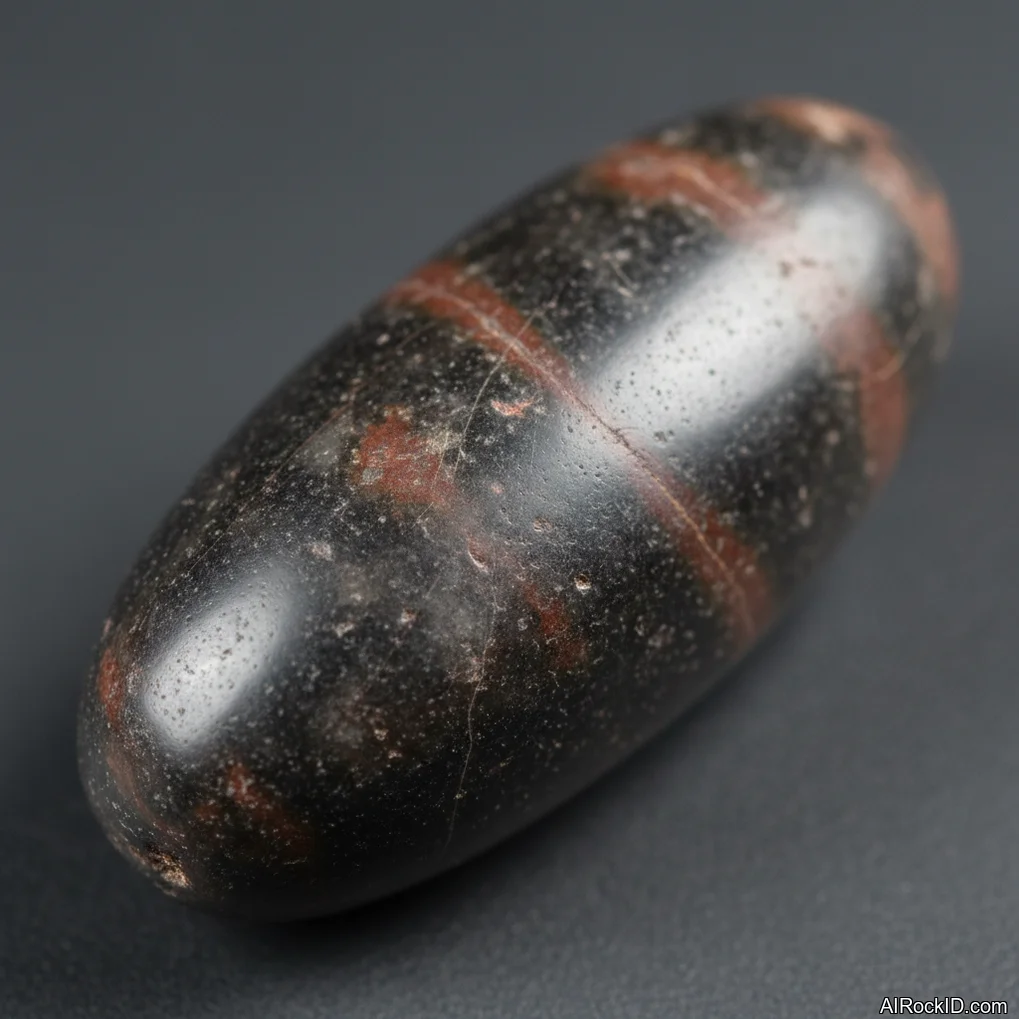
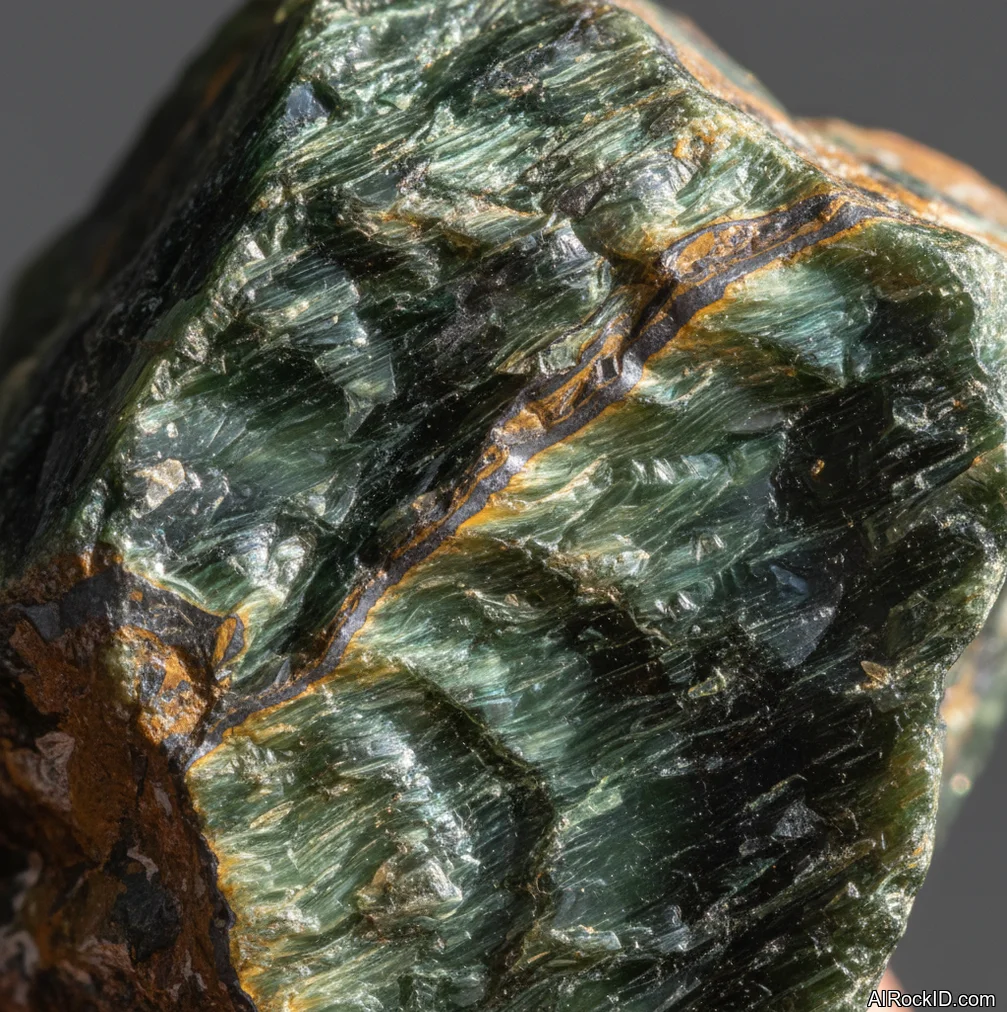
Care matters too, especially with the dark stones people carry daily. Black tourmaline can shed little chips, hematite can rust if it’s porous or if you leave it wet, and shungite can leave black residue on your fingers. Keep a small cloth in your bag if you handle them a lot. If you cleanse with water, don’t soak selenite near your grounding stones on the same dish, because it can slowly dissolve and leave a chalky mess. Smoke cleansing and sound are low-risk options if you’re not sure.
Grounding isn’t about feeling numb or heavy. It’s about being steady enough to do what you need to do. With 428 crystals associated with grounding in a database like yours, the trick is picking the few that actually match your life. If you want dense and direct, hematite or black tourmaline fits. If you want calm clarity, smoky quartz is hard to beat. If you want something you can toss in a pocket and forget, red jasper is the workhorse. Try one for a week, notice what changes, then adjust. That’s how collectors end up with the stones they actually use, not just the ones that look good on a shelf.
All Grounding Crystals (428)