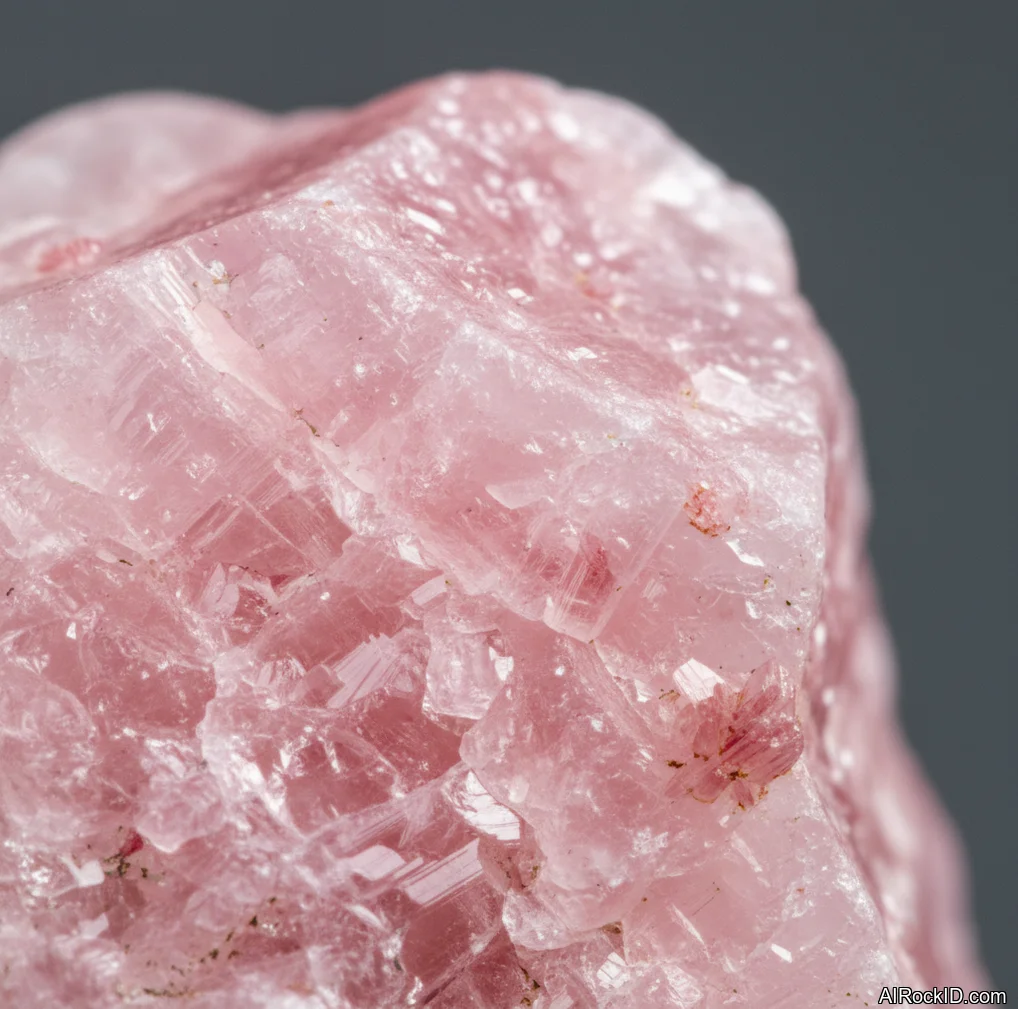
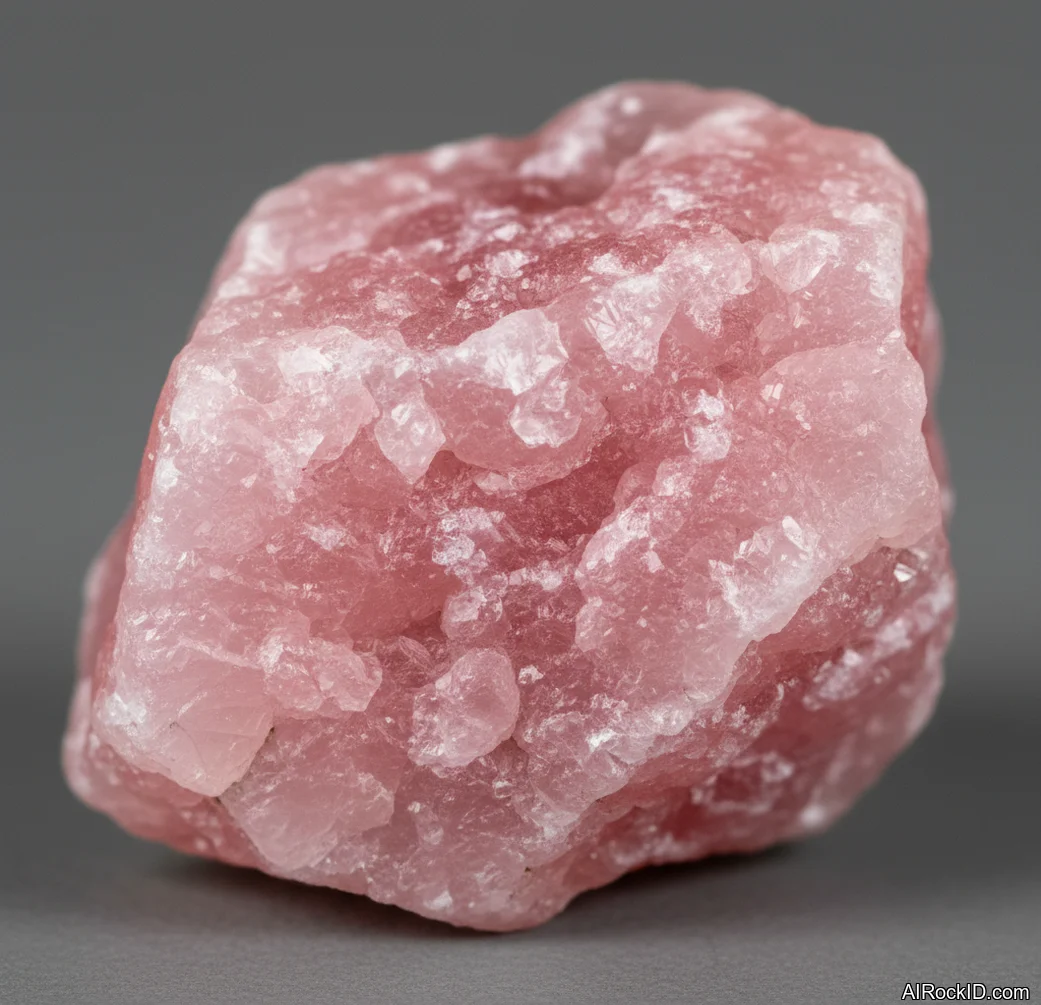
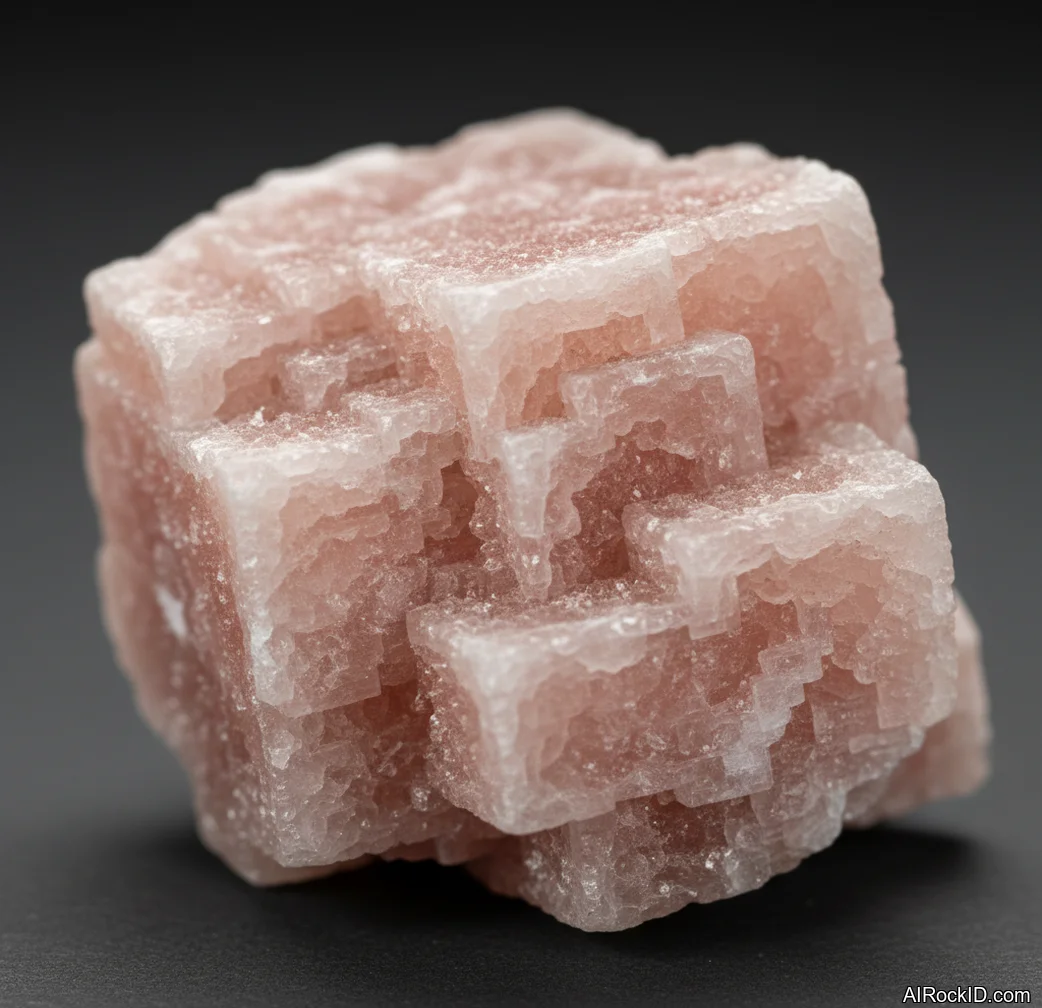
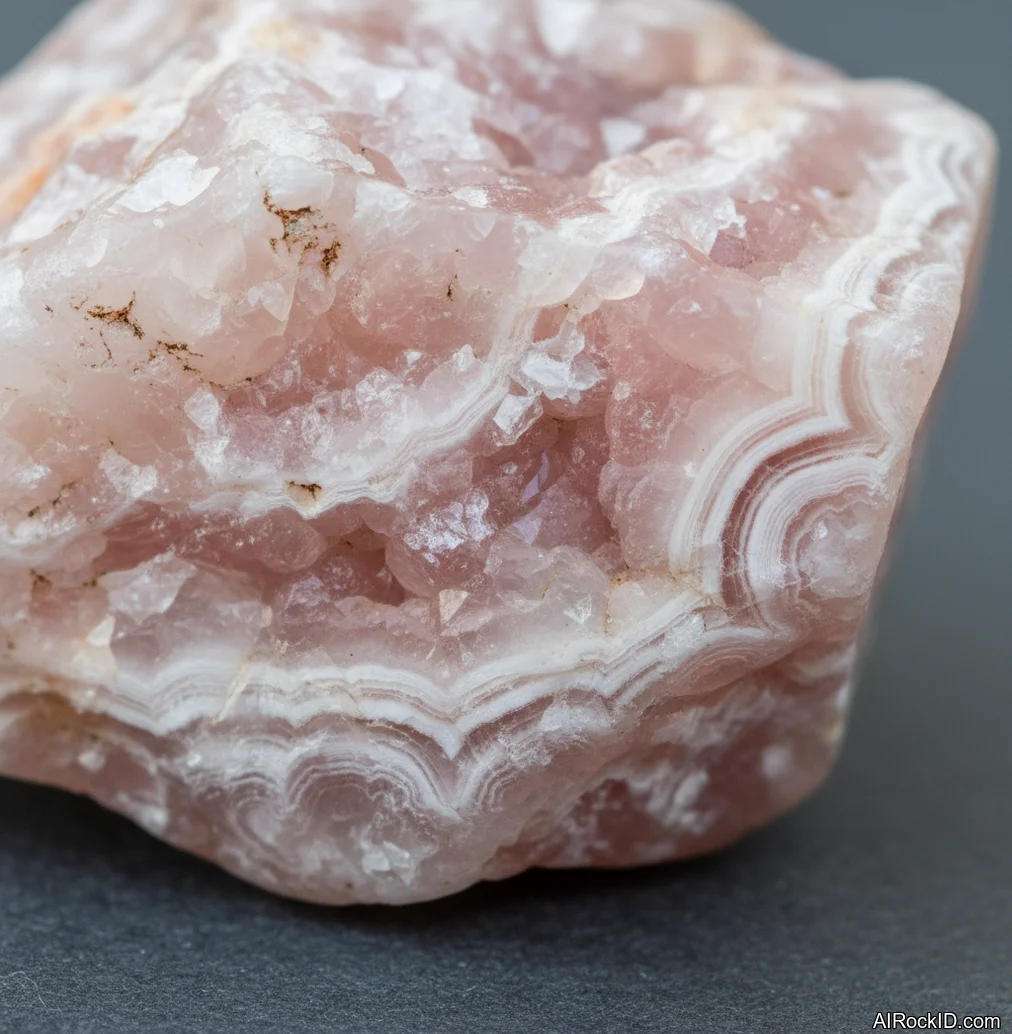
Relaxation Crystals
Learn how Relaxation crystals are used, what to buy, and practical ways to work with calming stones like amethyst, lepidolite, and blue lace agate.
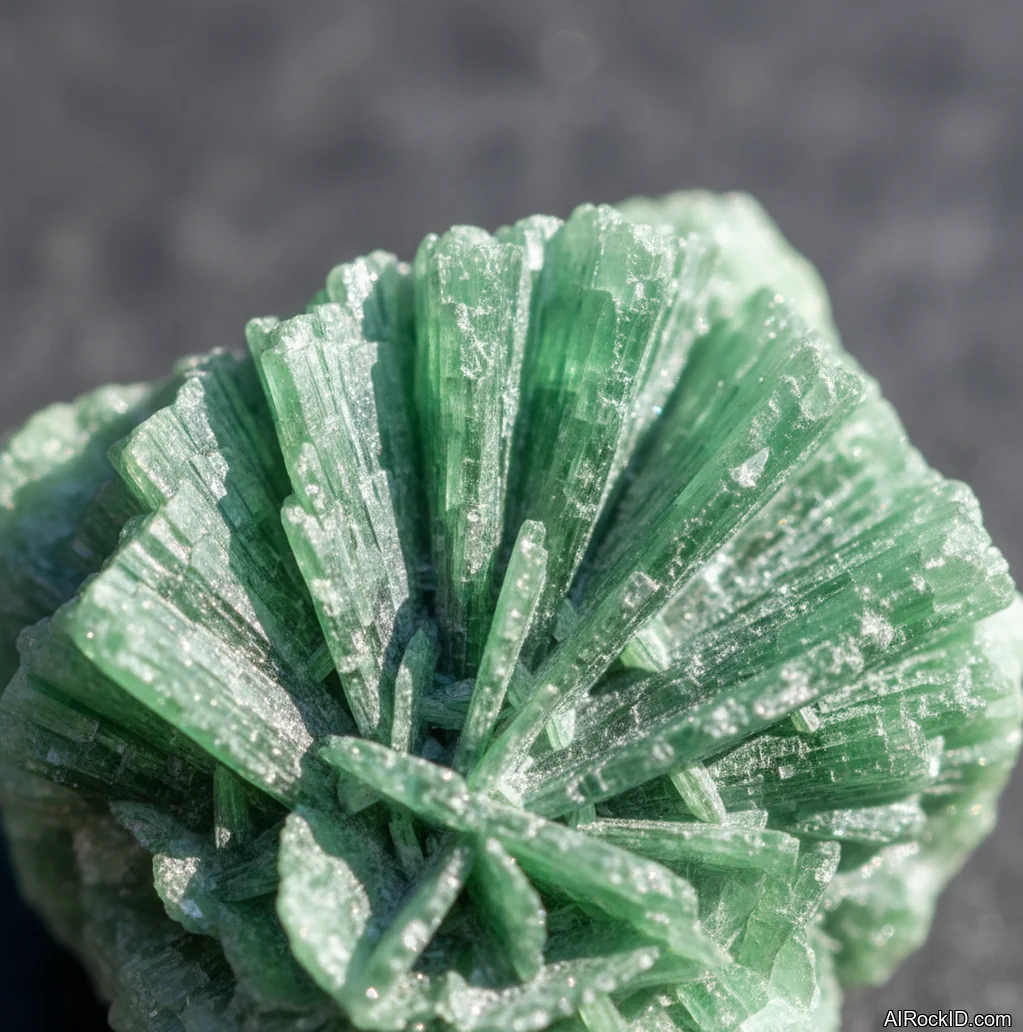
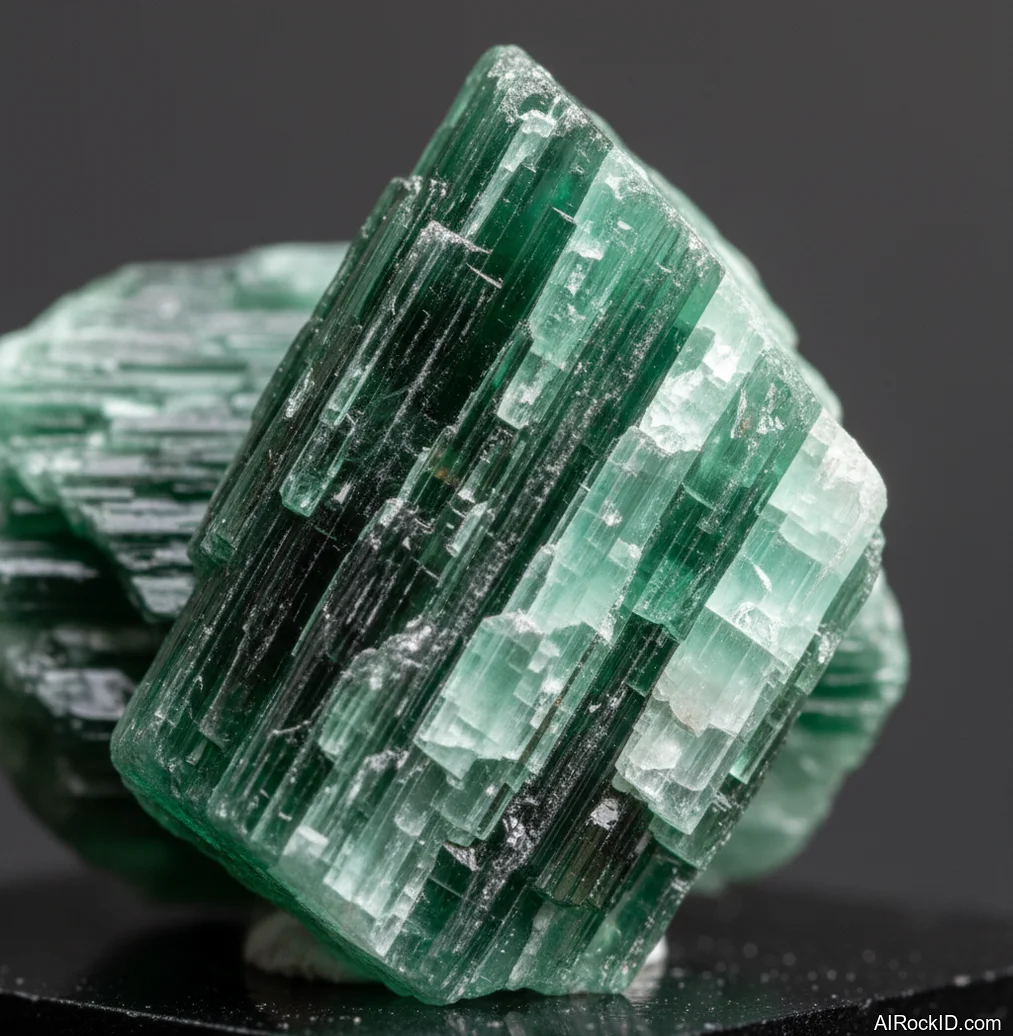
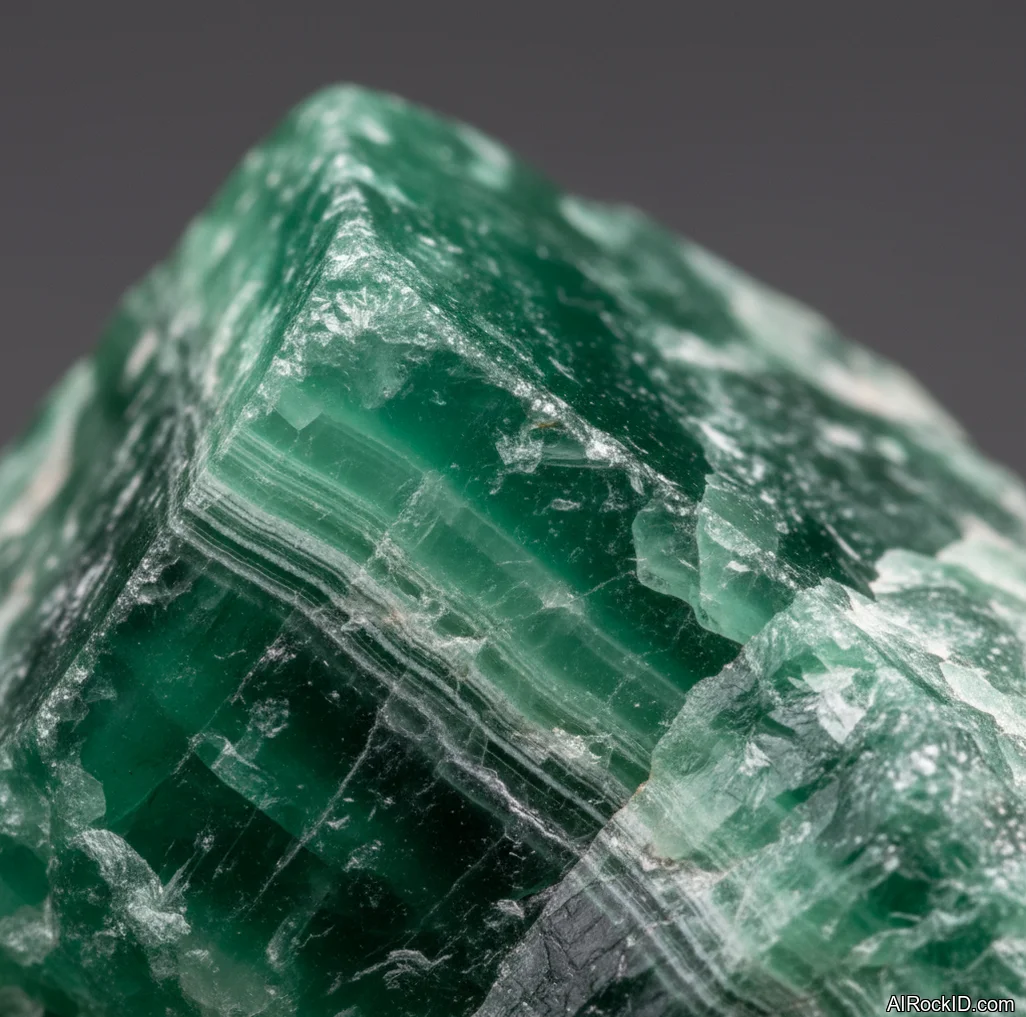
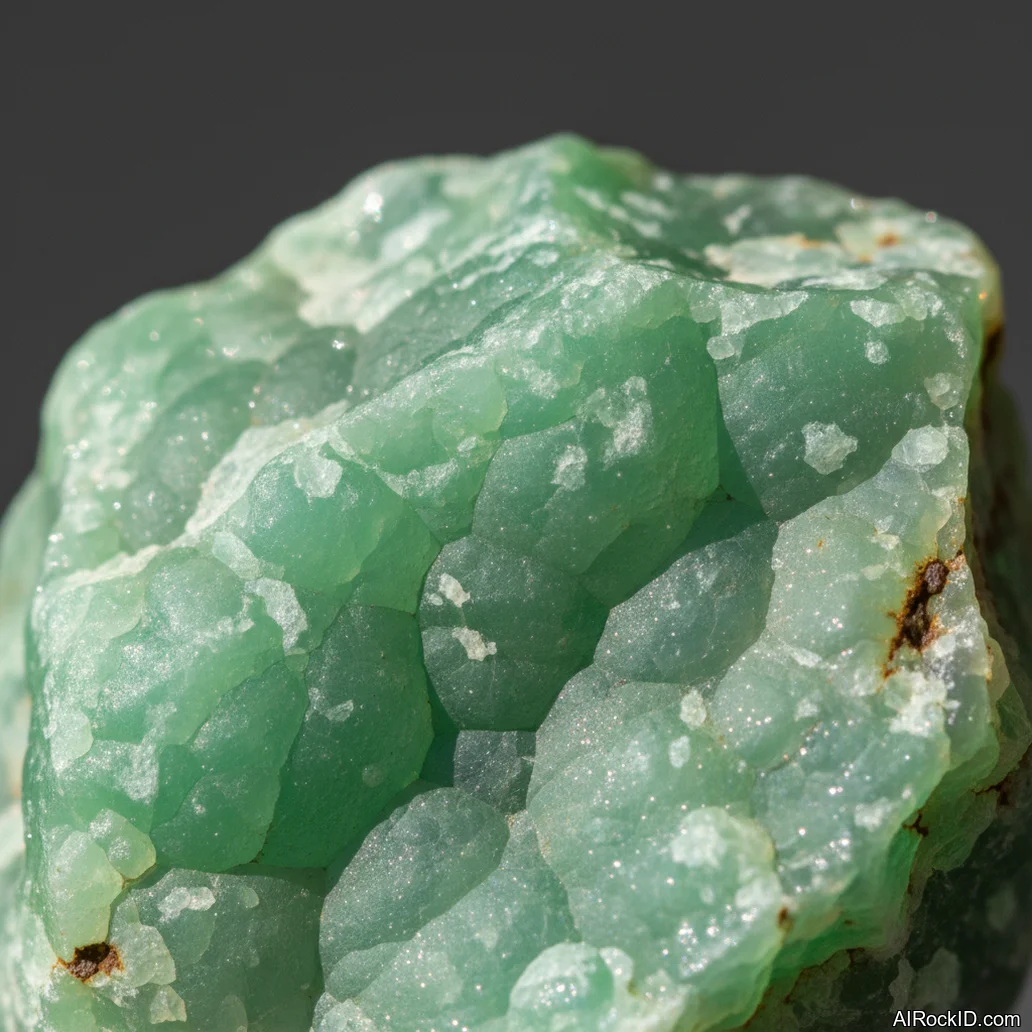
Relaxation, in crystal talk, isn’t about zoning out or trying to force your brain to shut up. It’s the moment your shoulders drop and your breath stops hovering up in your chest. That’s it. People go after that feeling for all kinds of reasons. Some want sleep. Some just need the edge taken off after a long commute. Some want their space to feel less buzzy. And relaxation crystals get picked because they’re easy to keep nearby, easy to fold into a routine, and they give you a physical anchor you can literally hold.
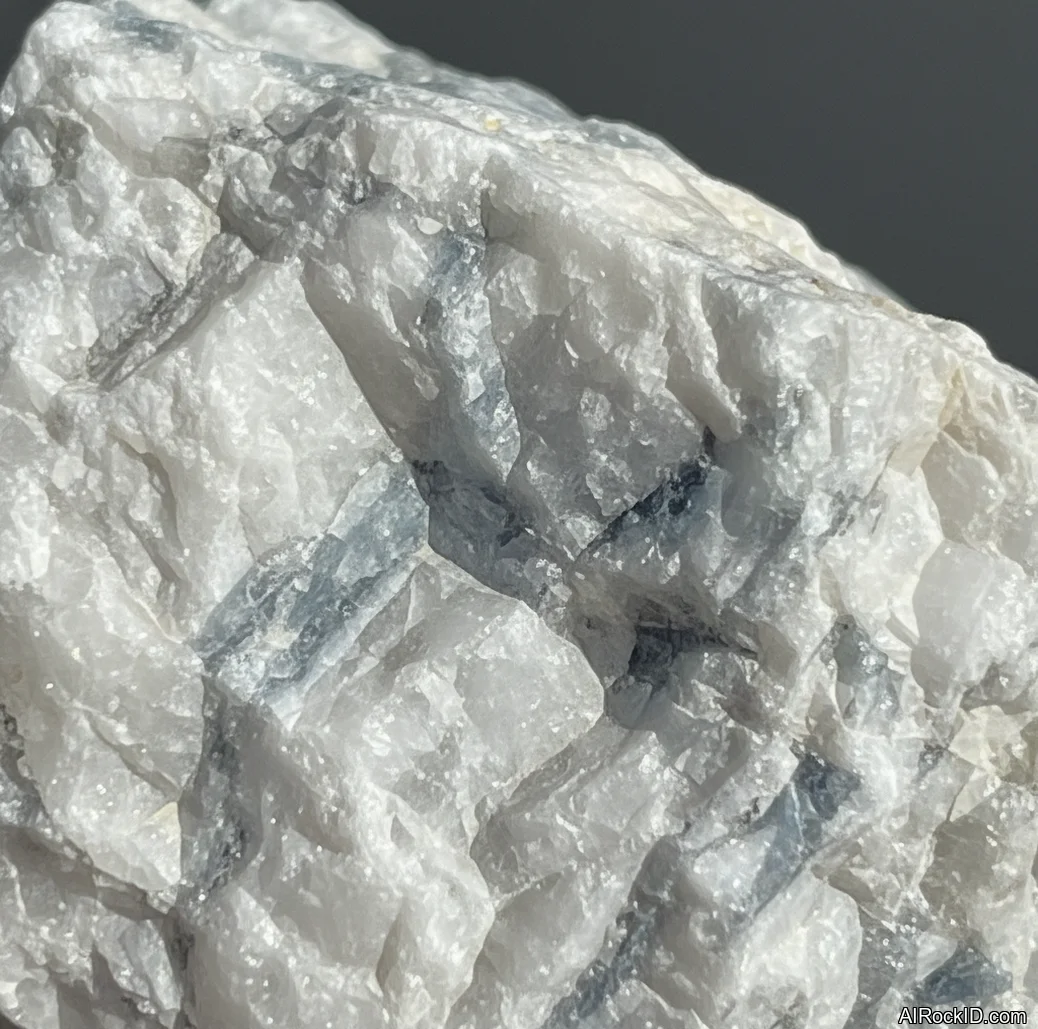
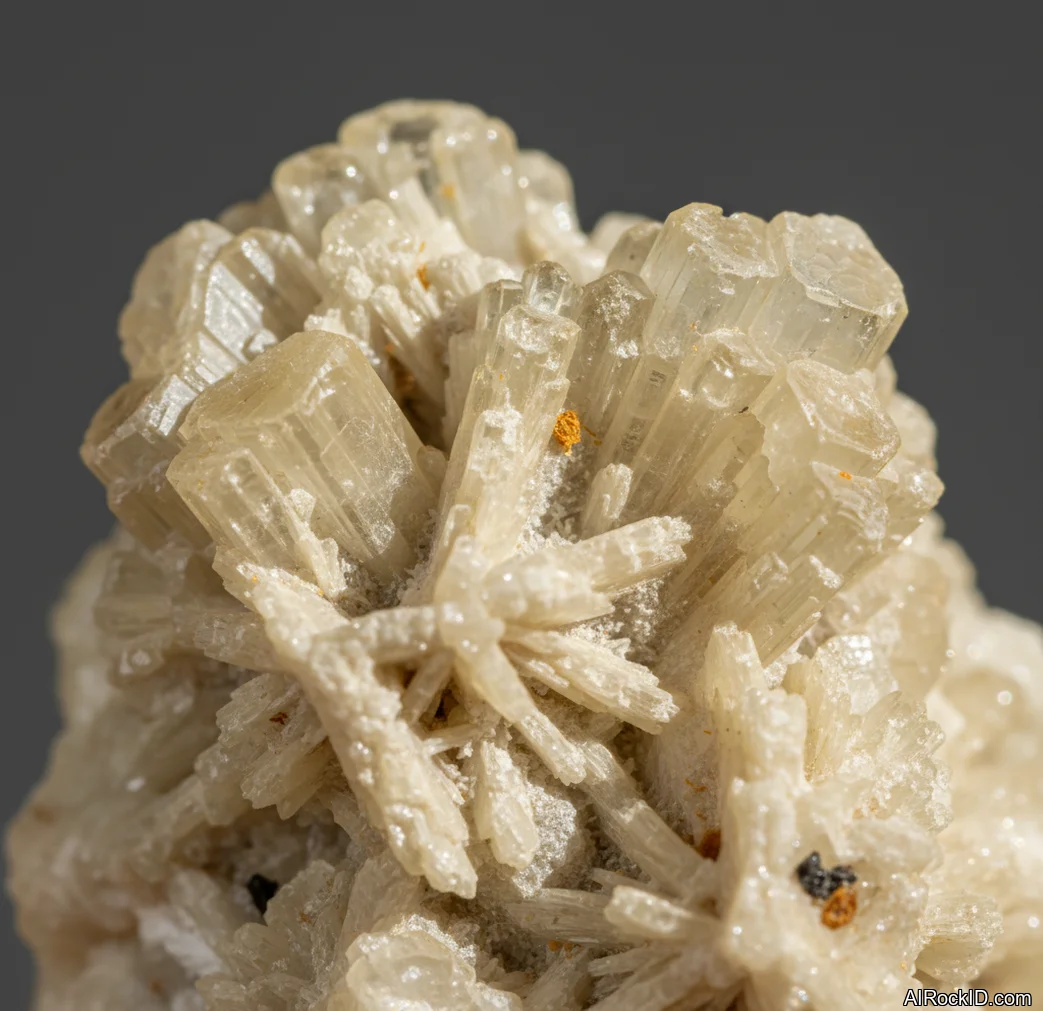
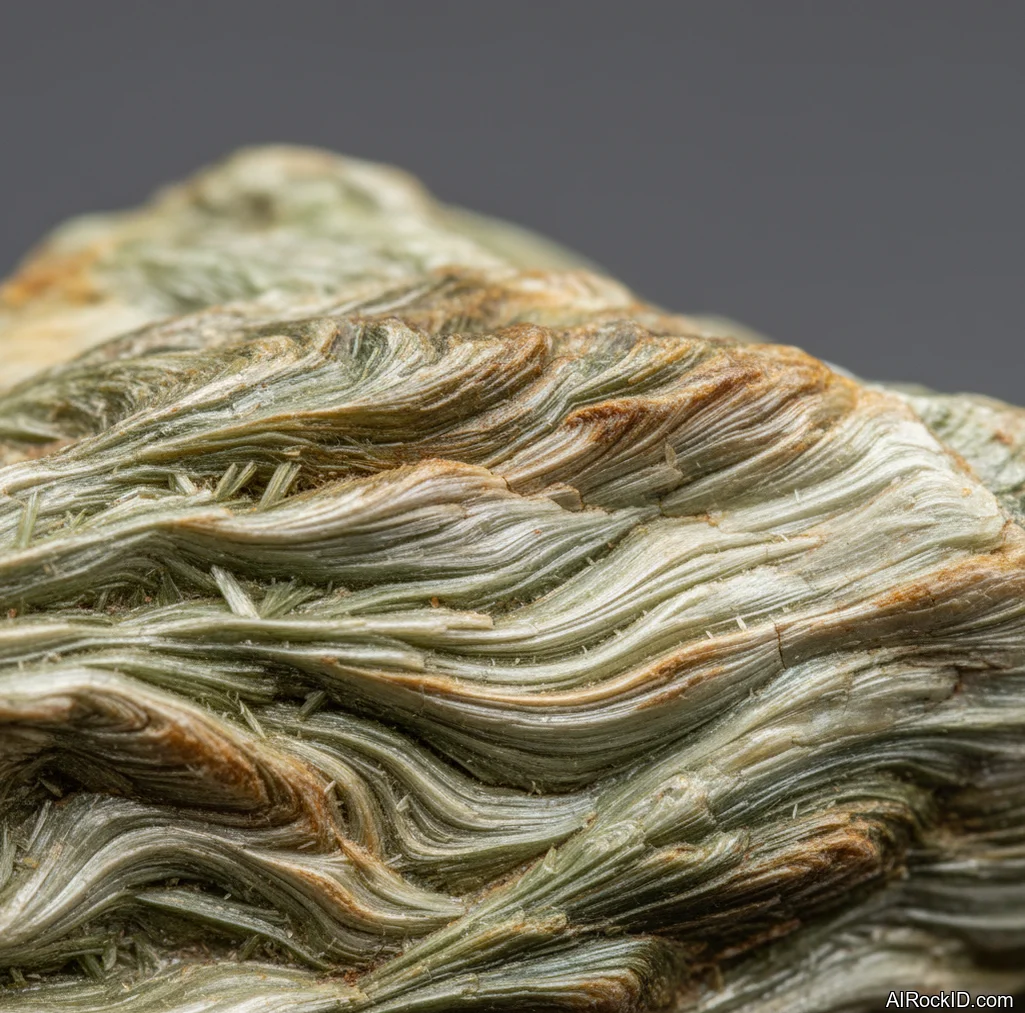
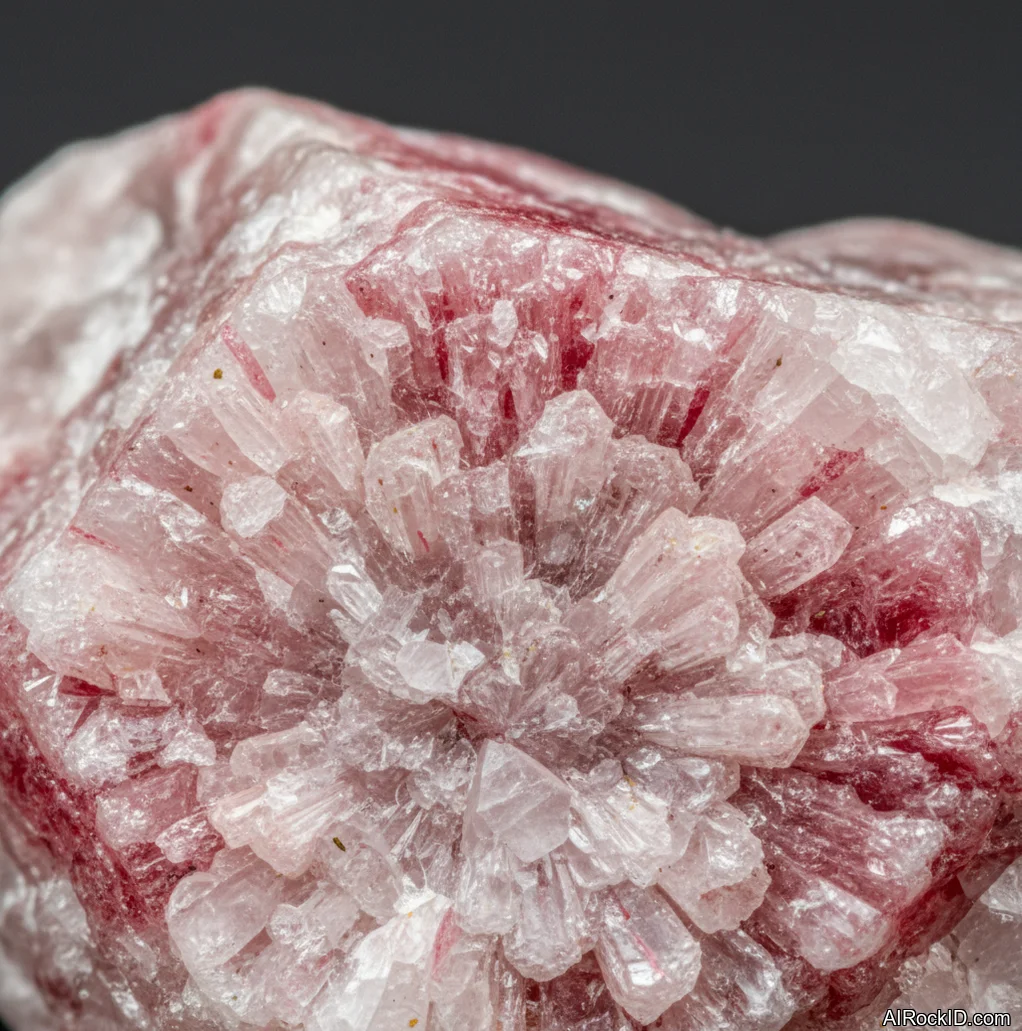
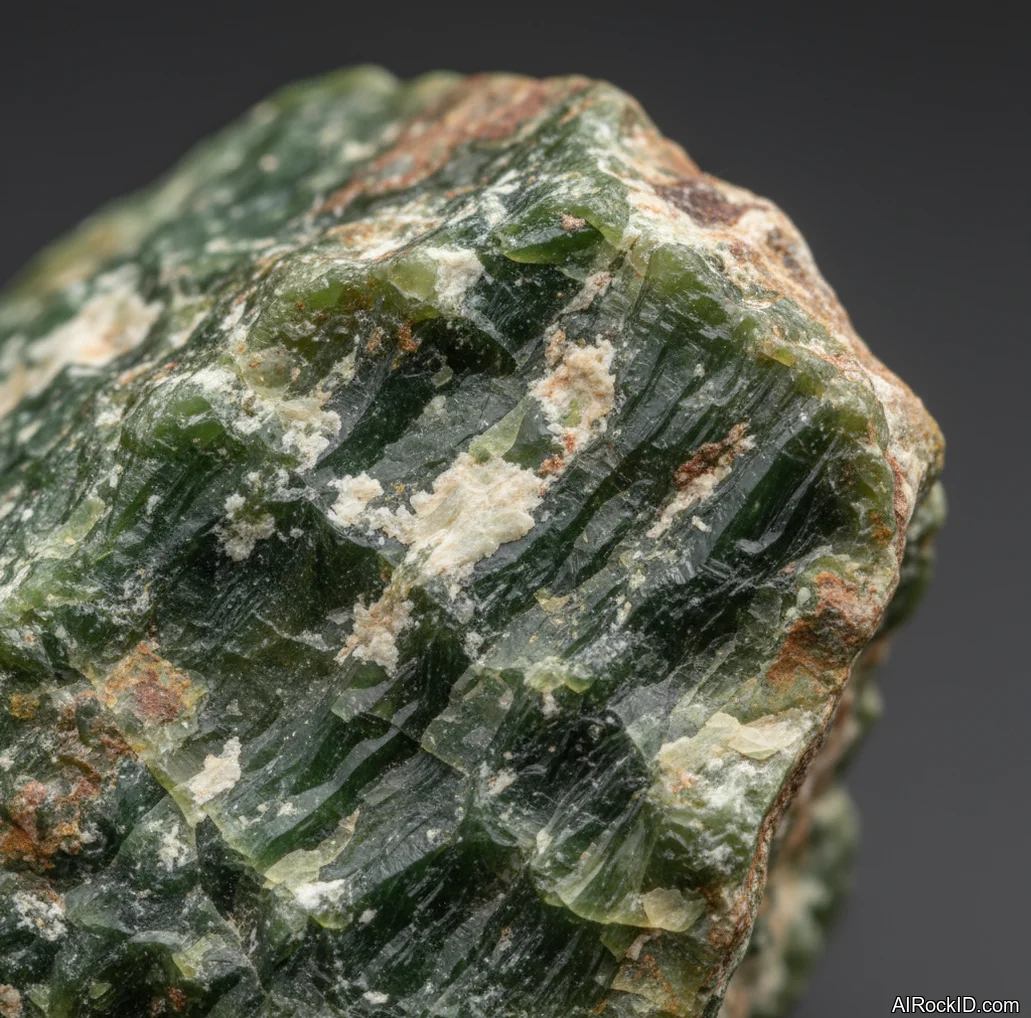
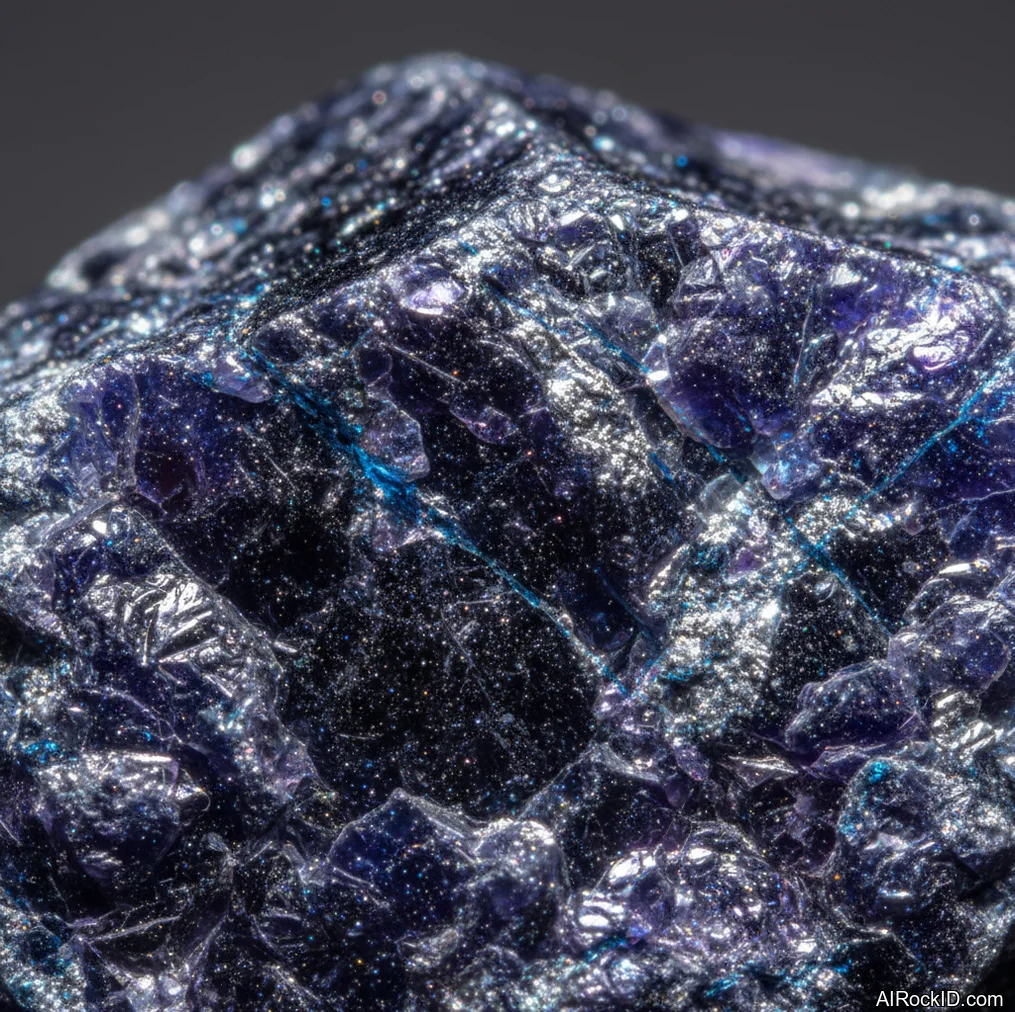
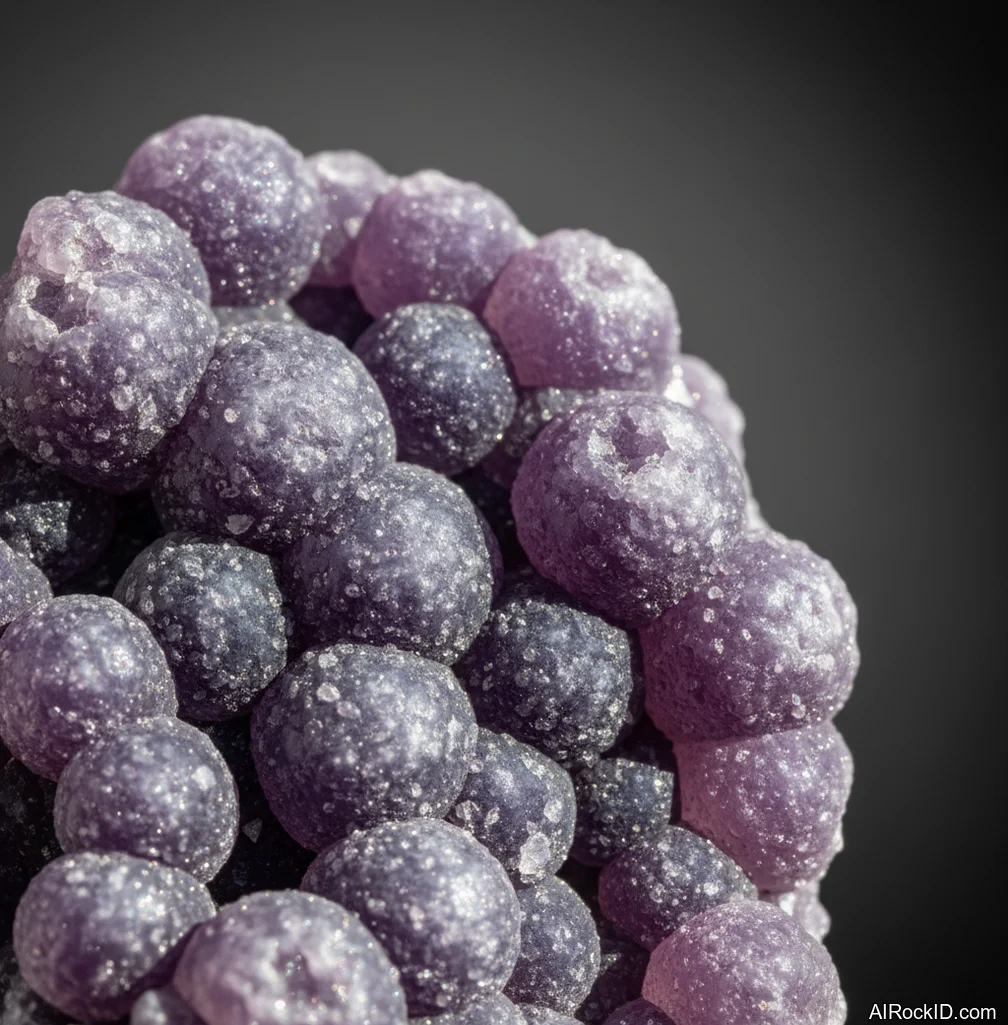
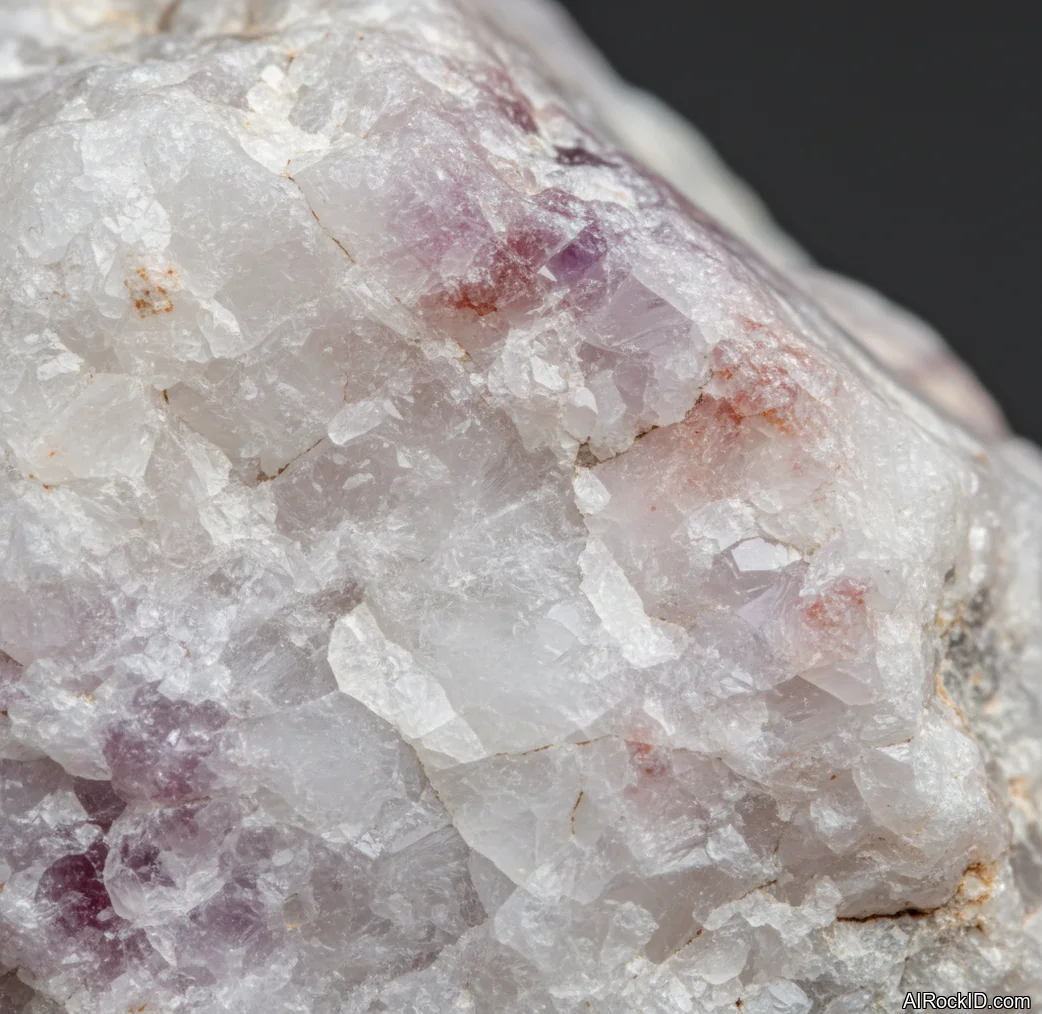
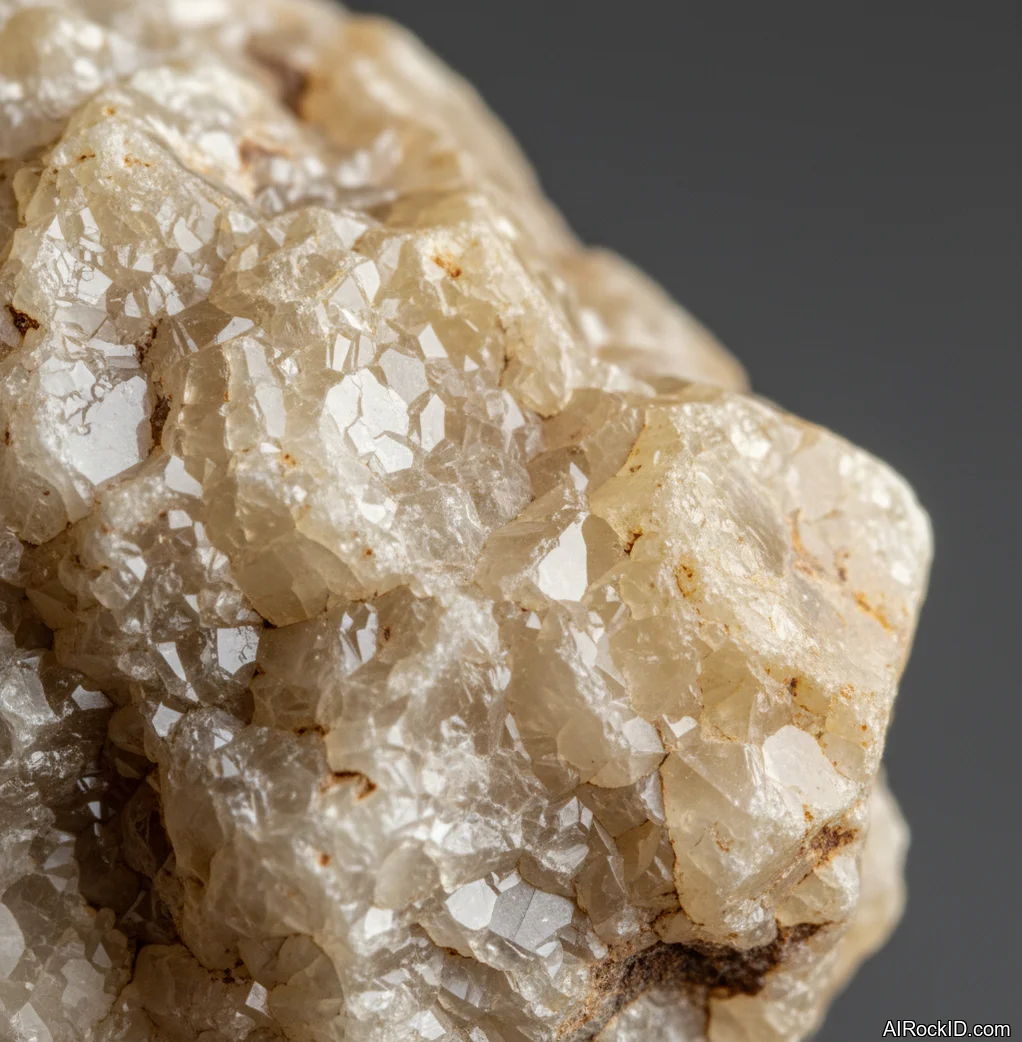
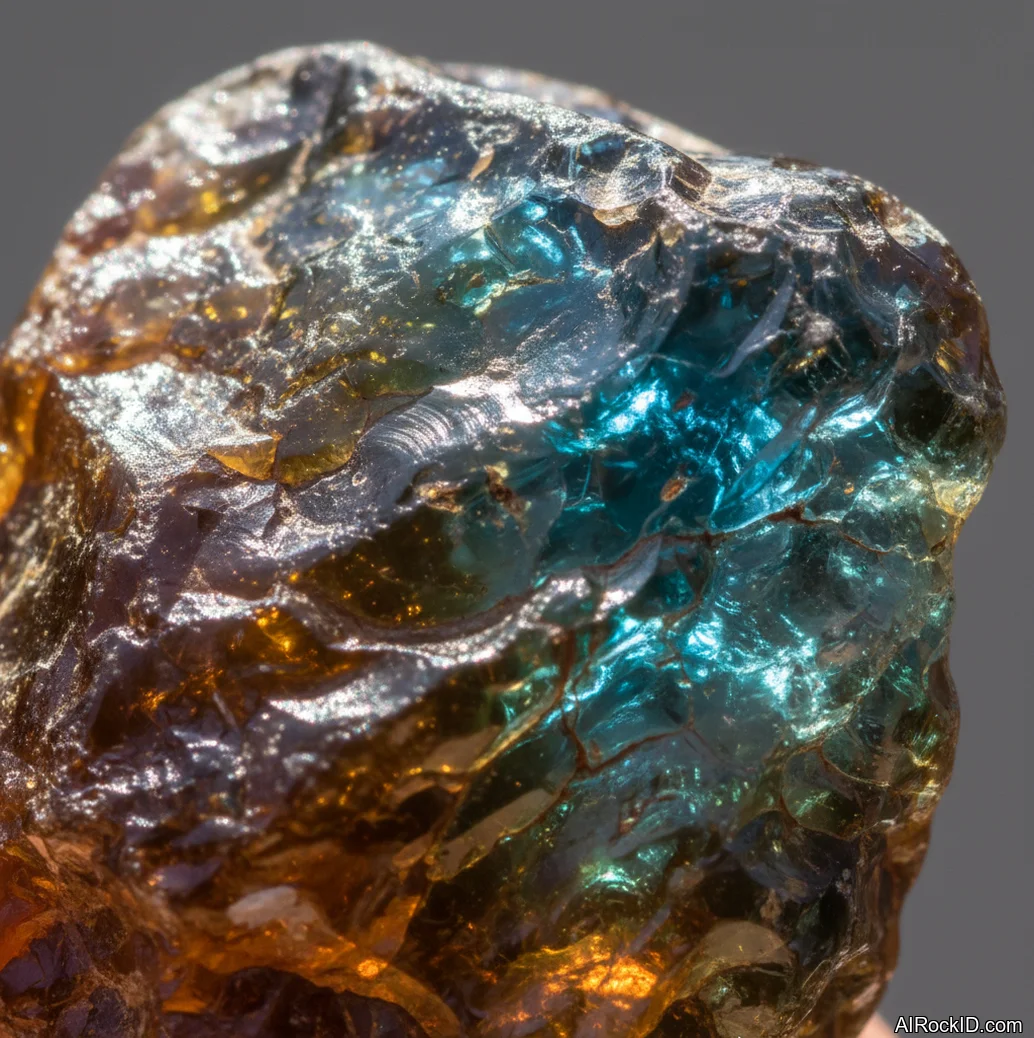
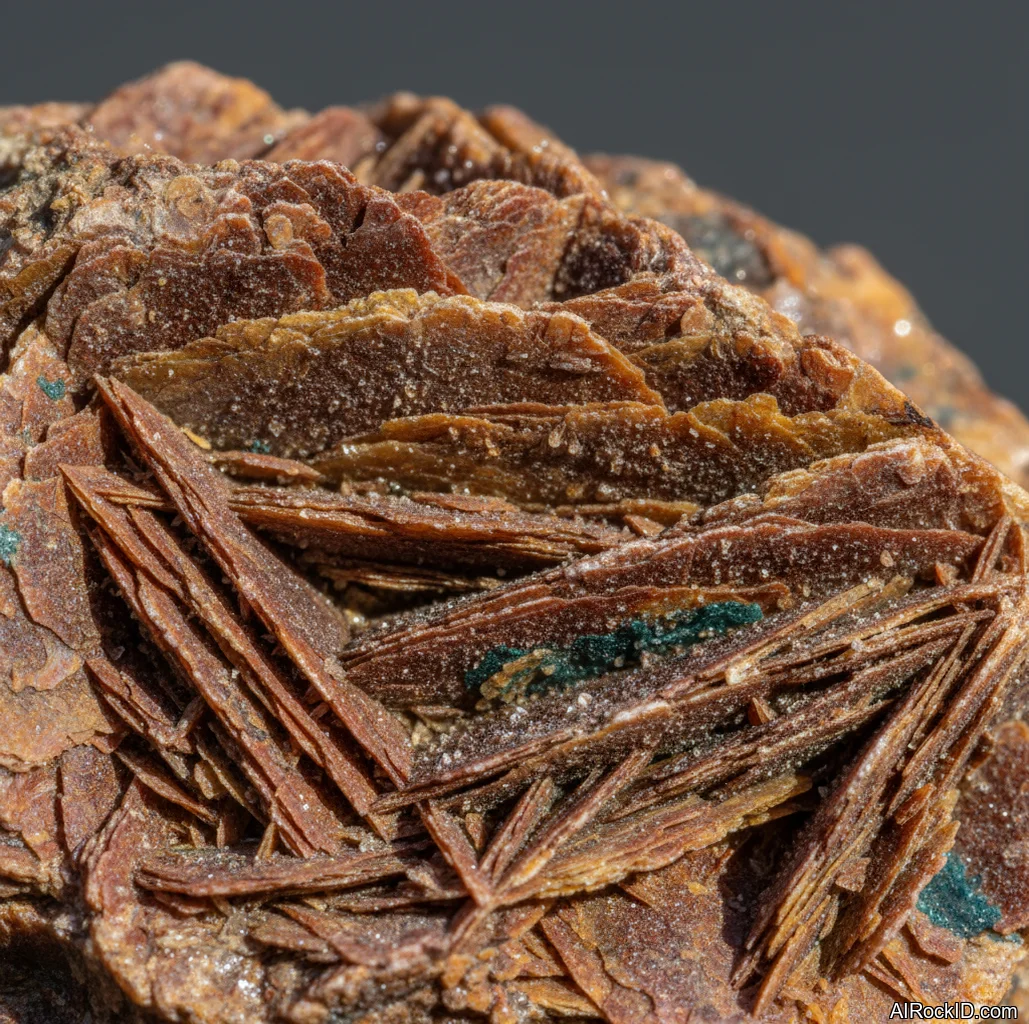
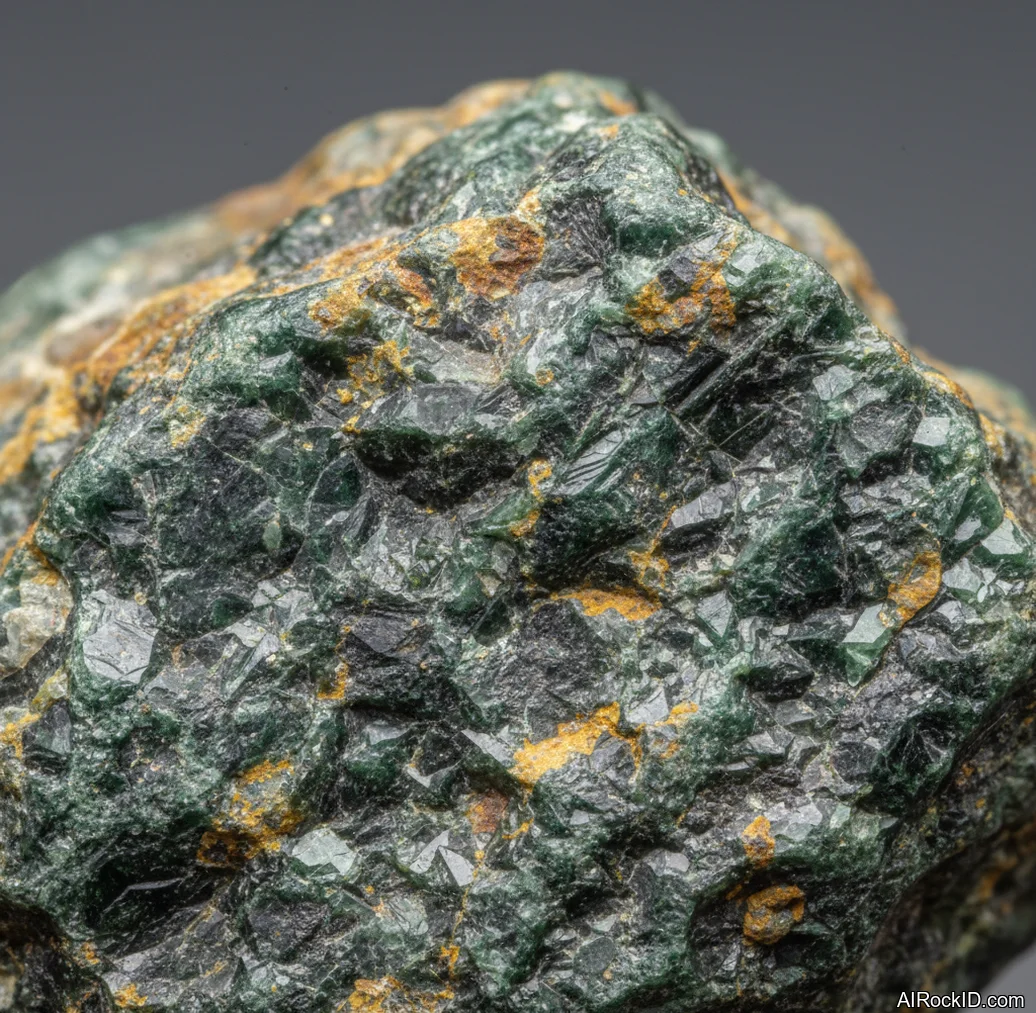
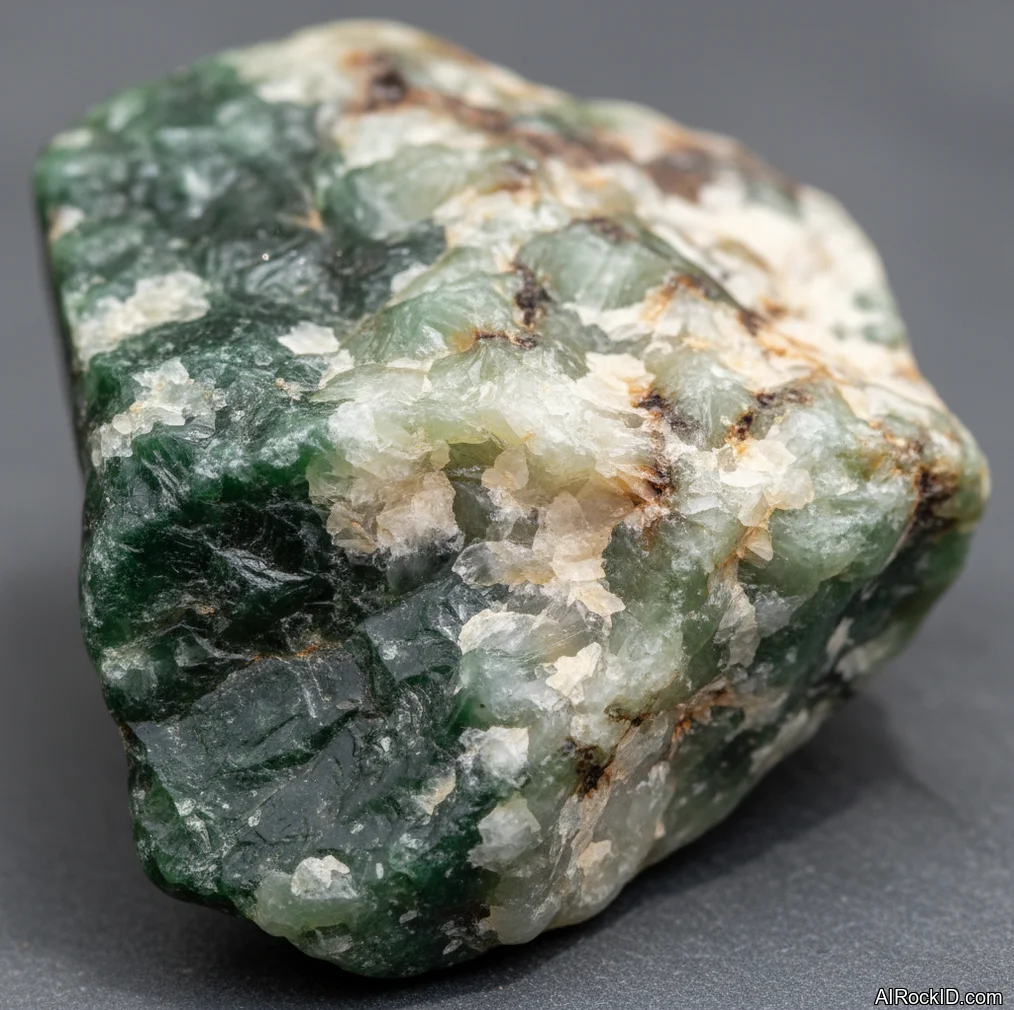
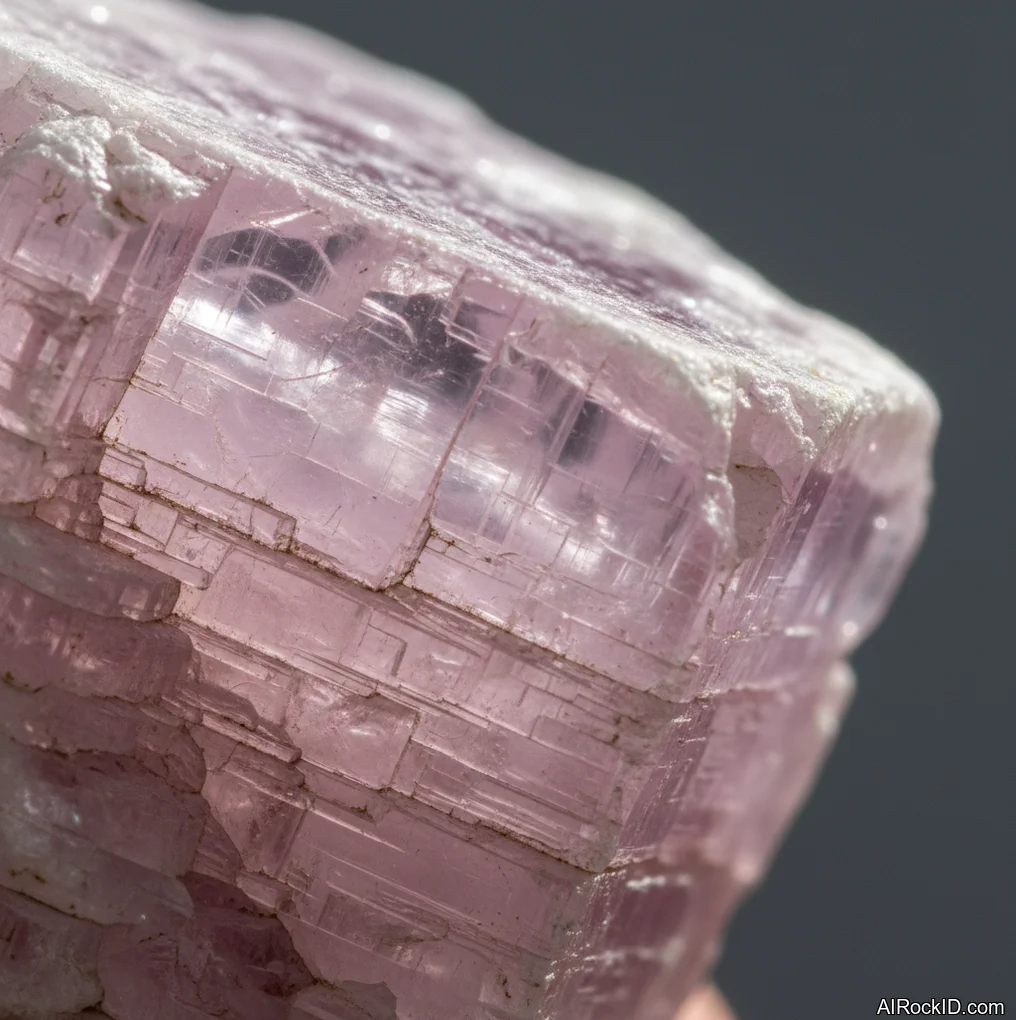
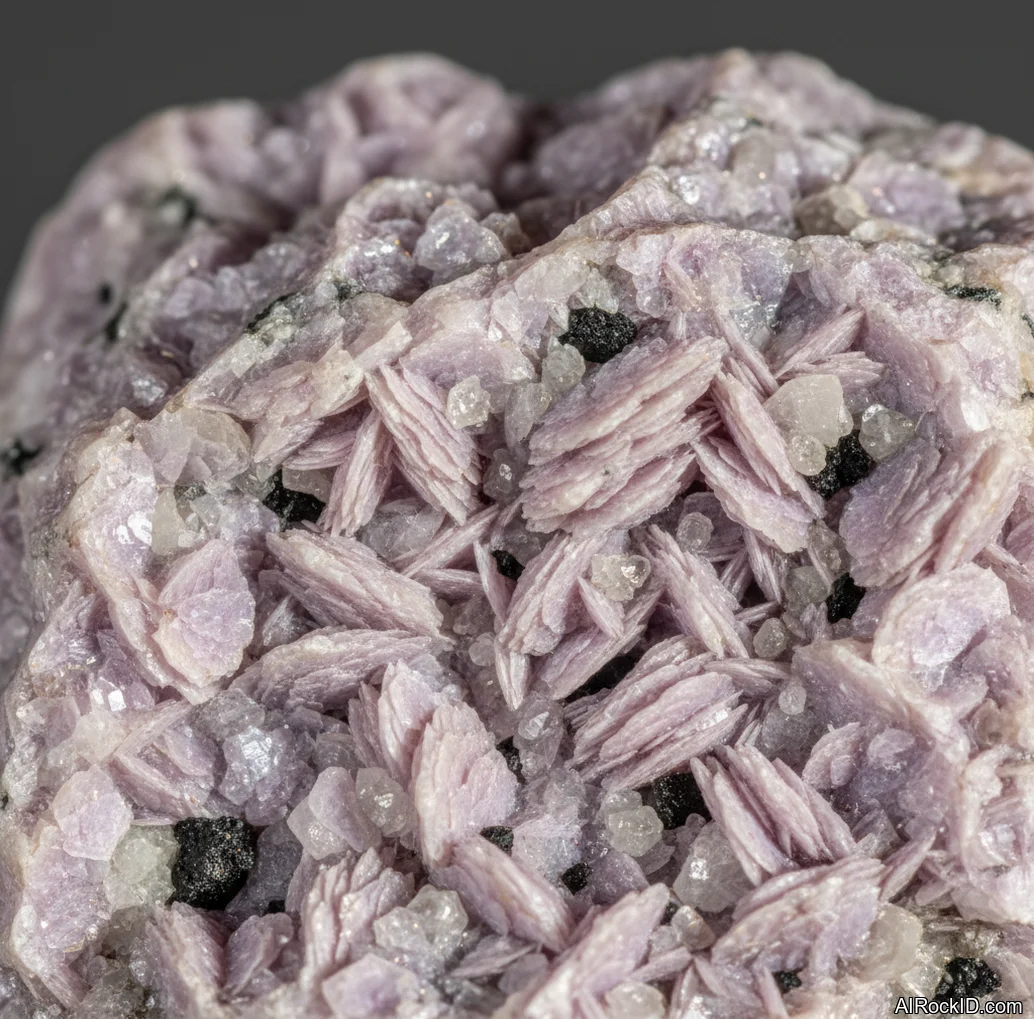
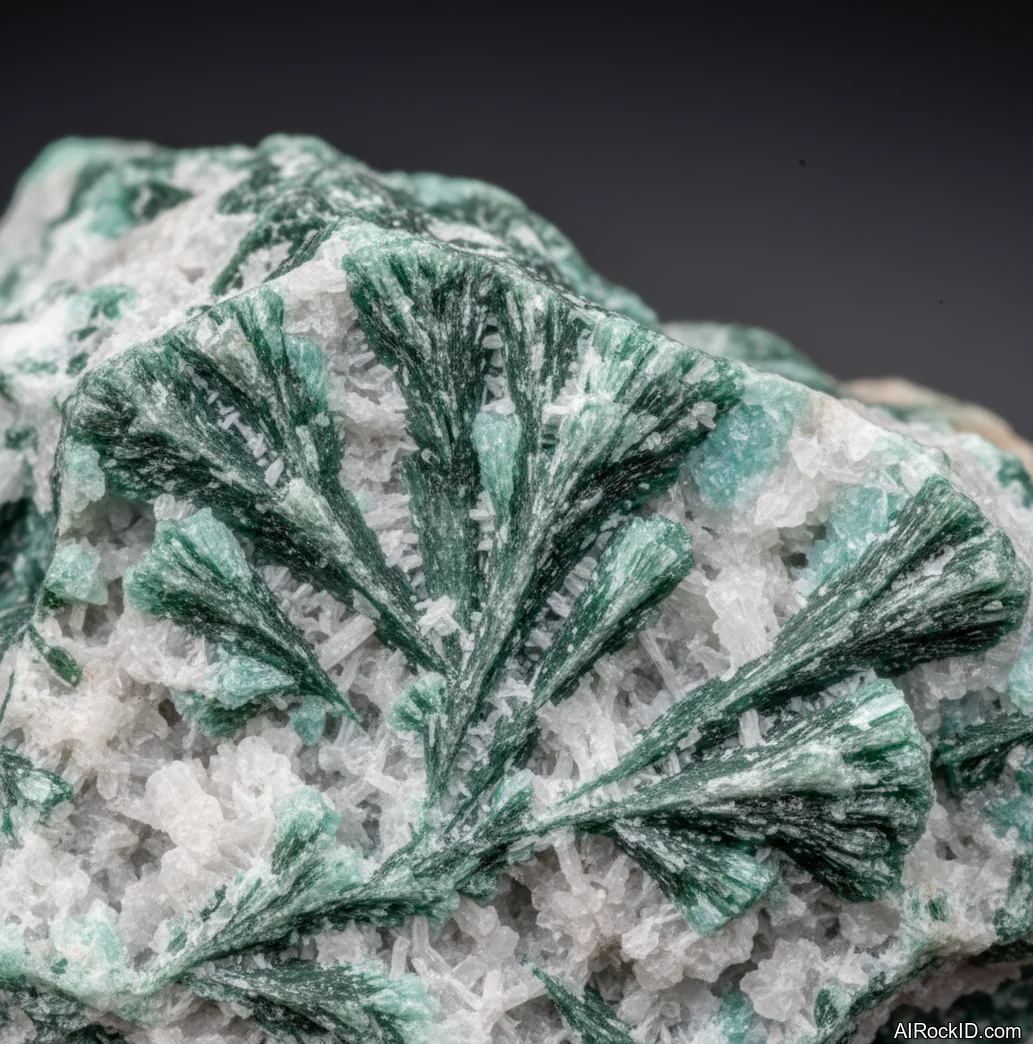
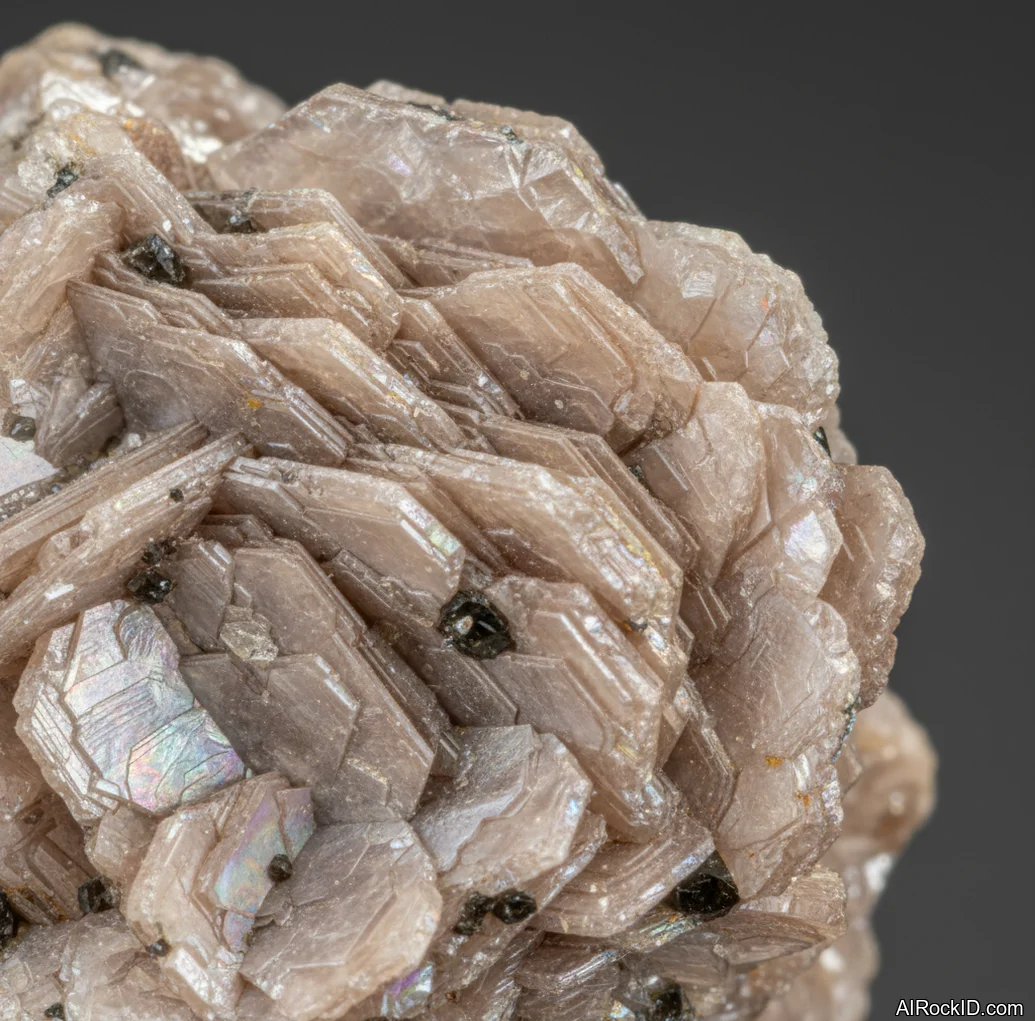
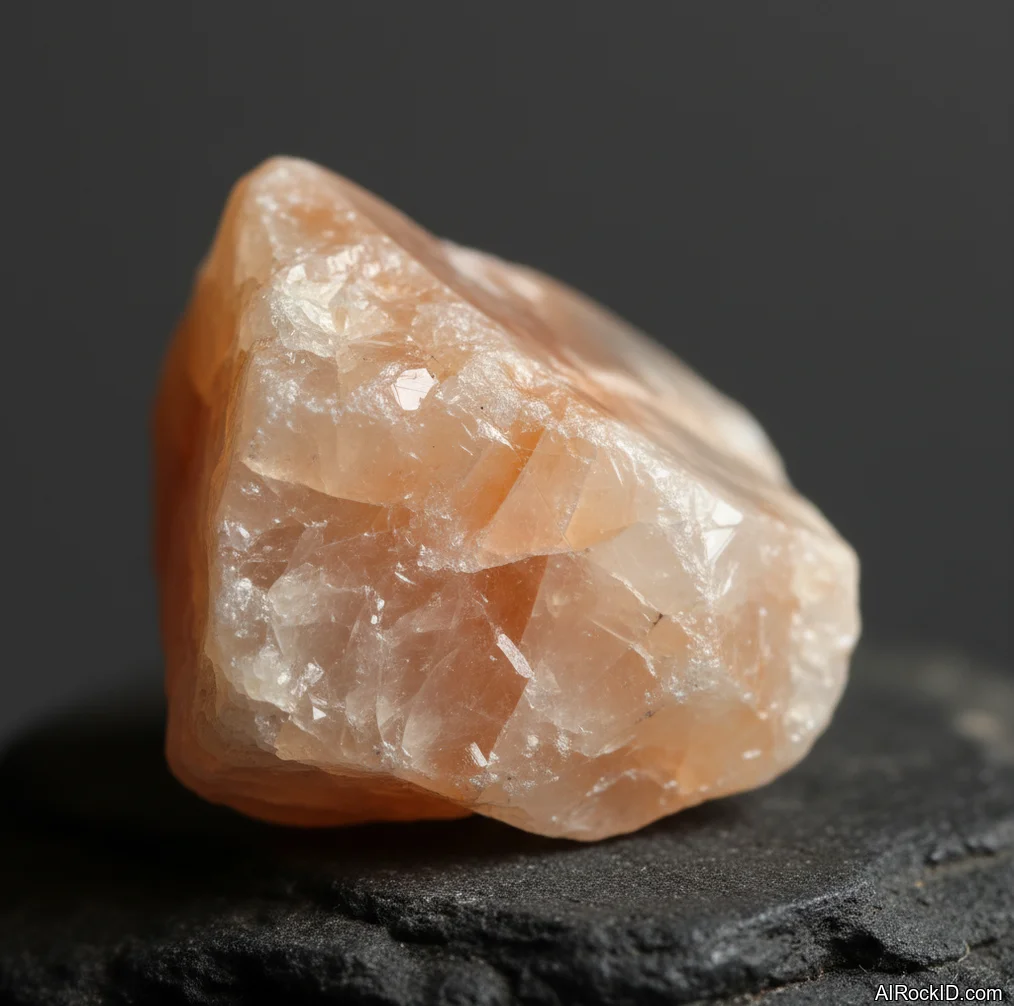
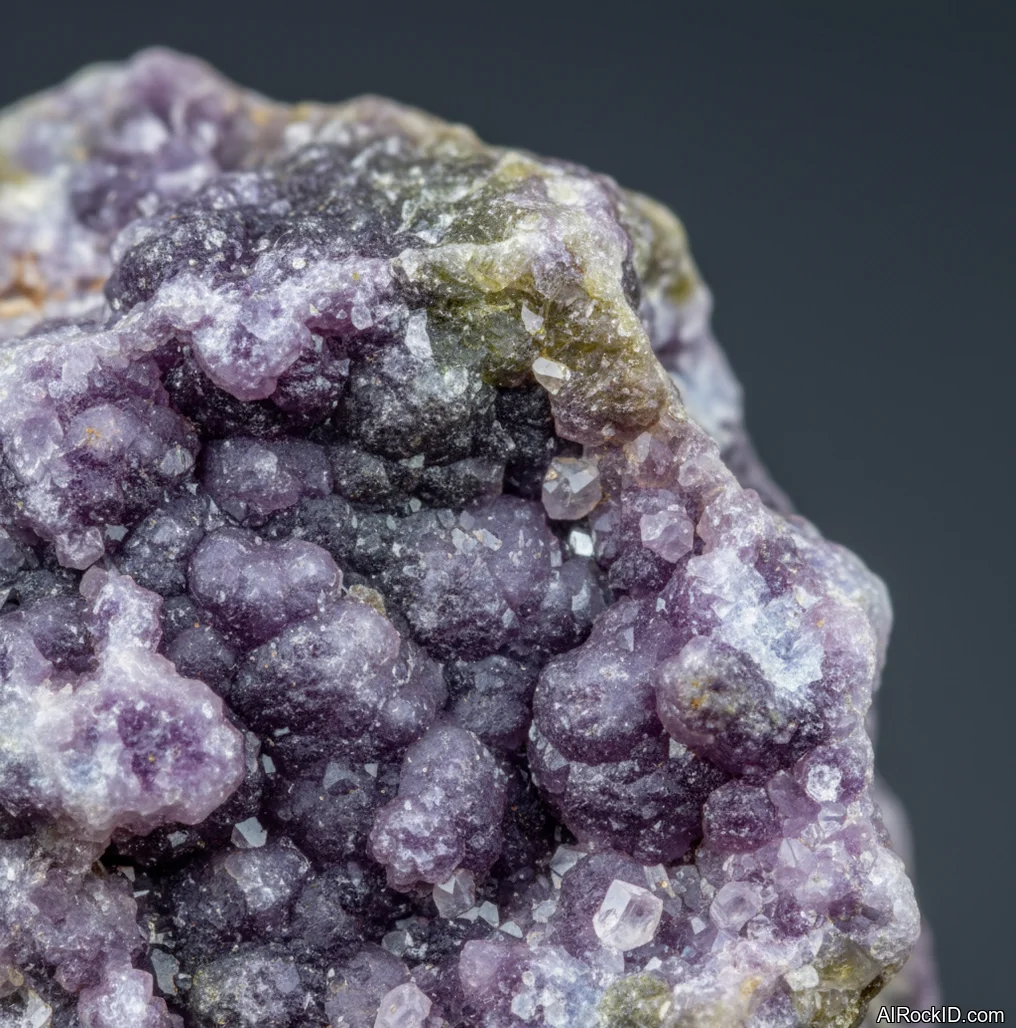
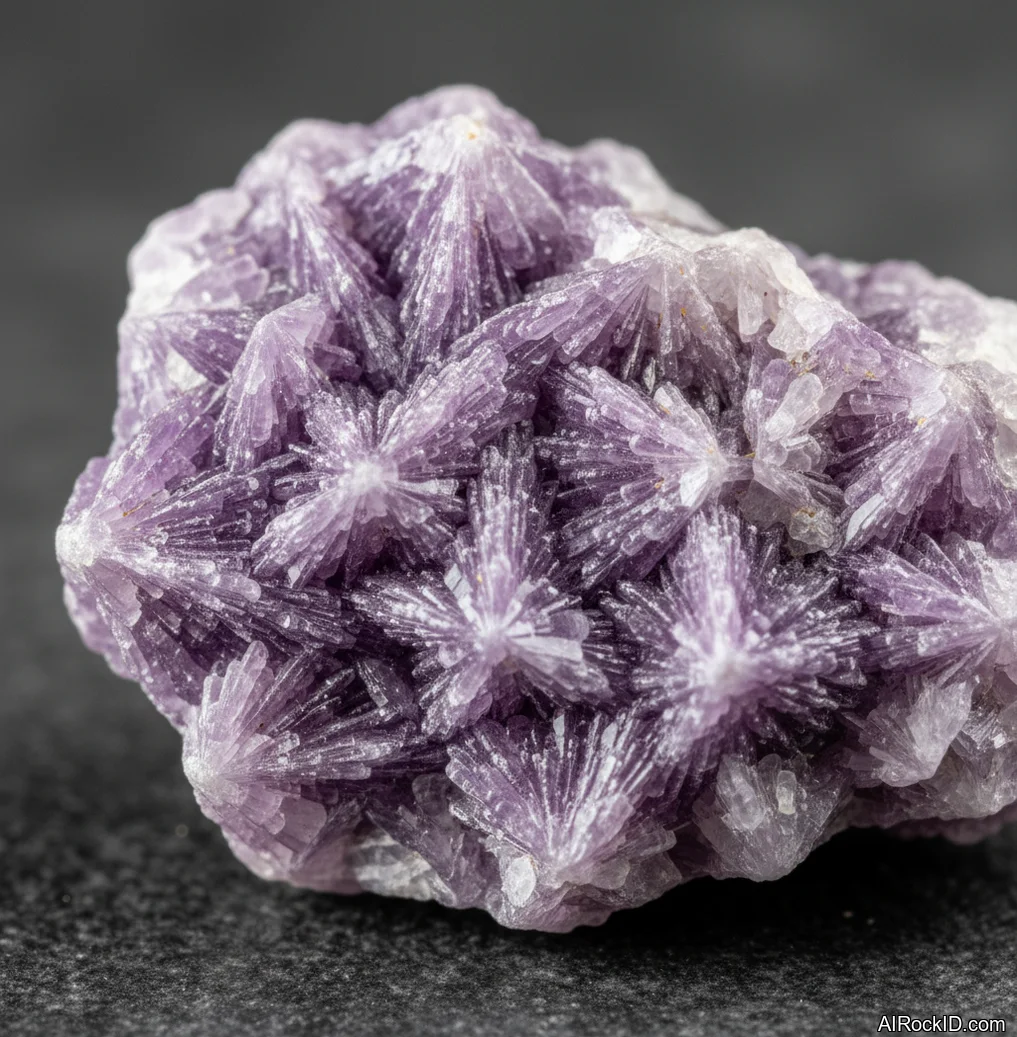
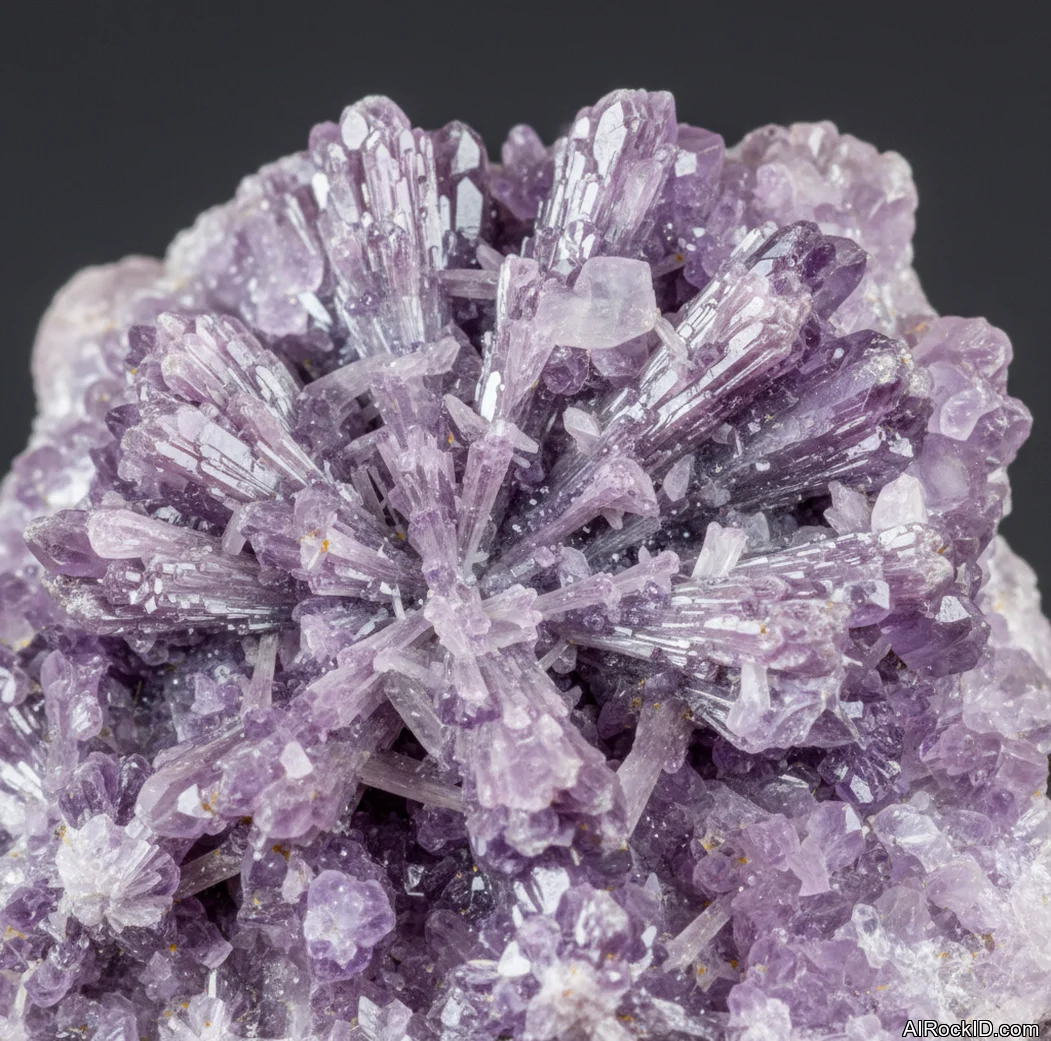
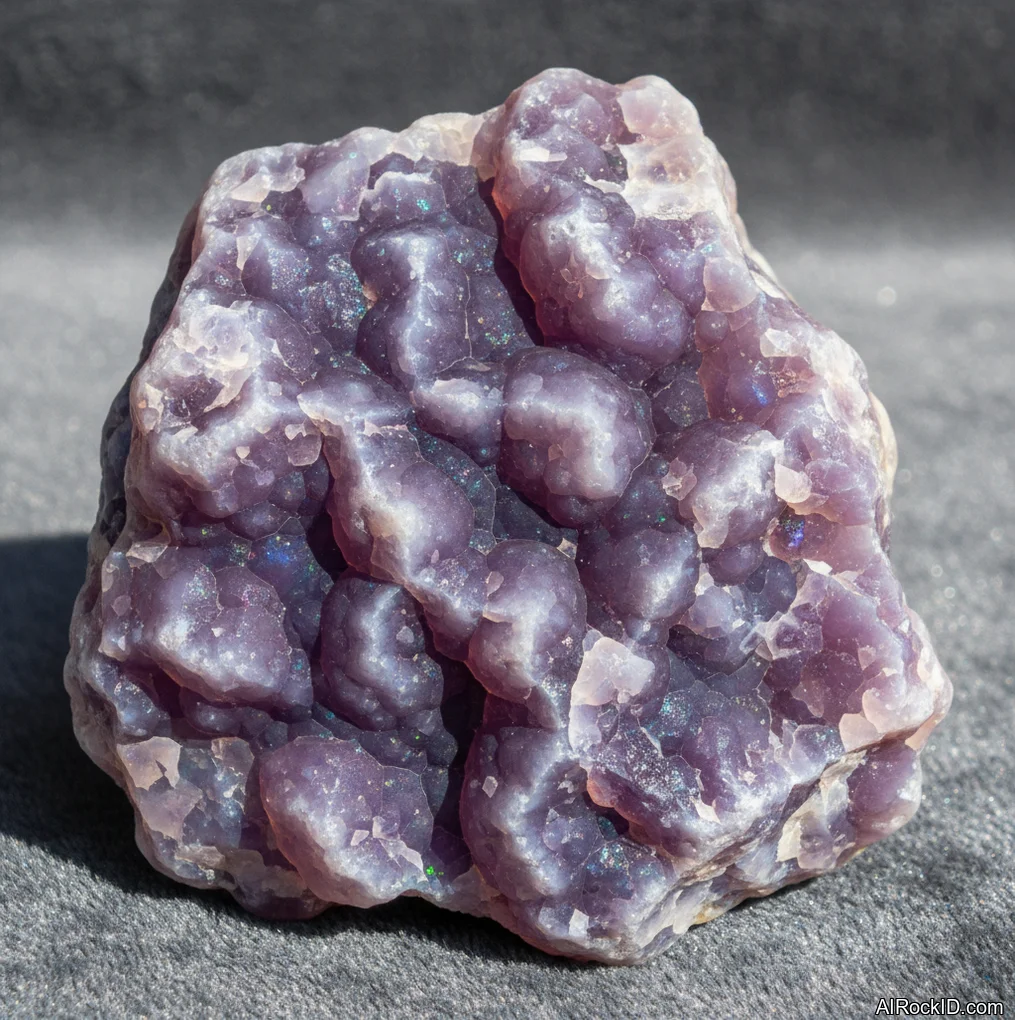
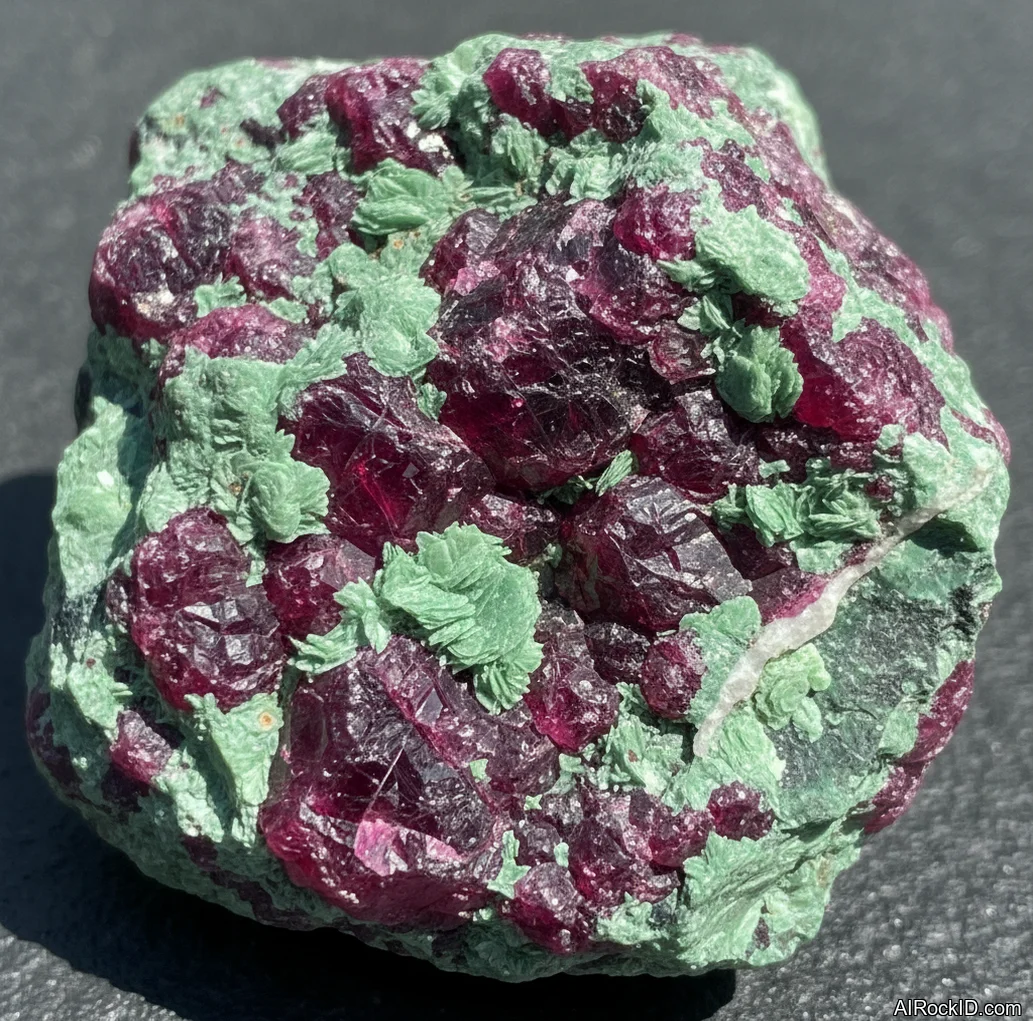
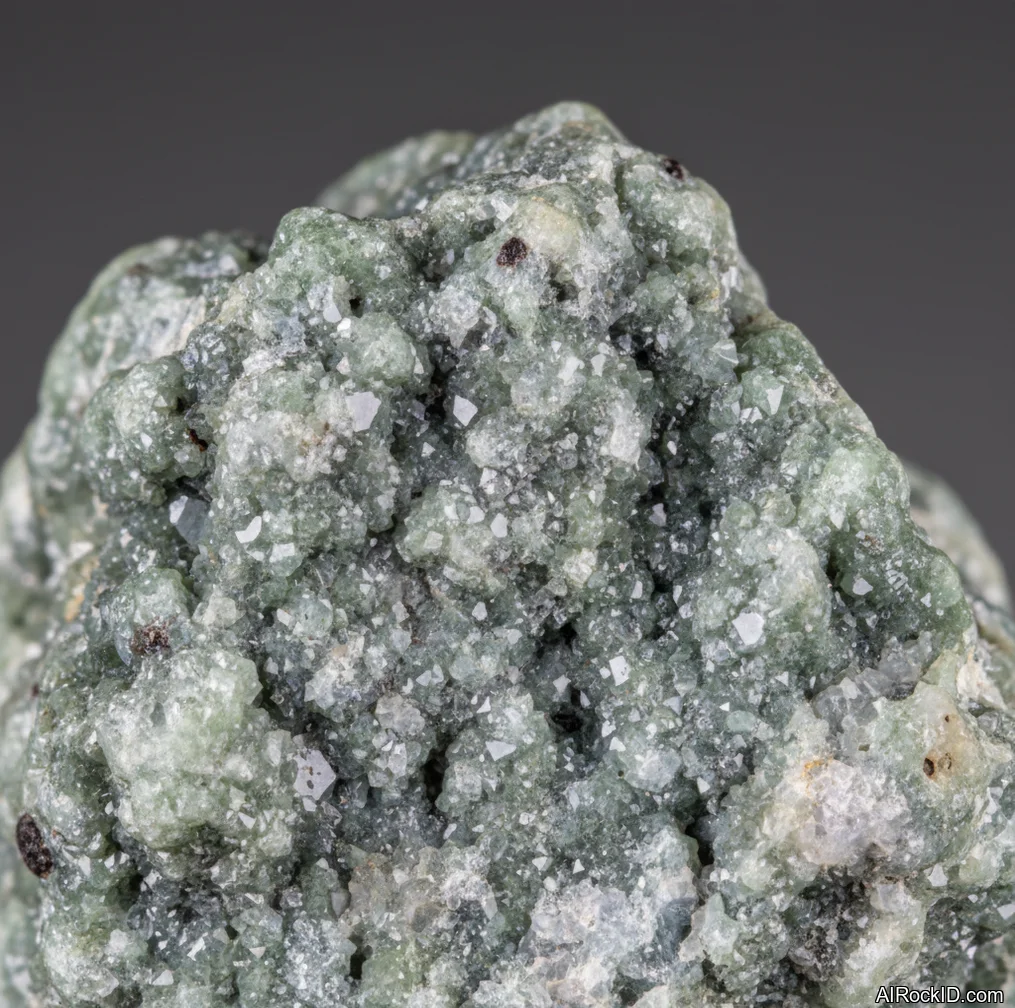
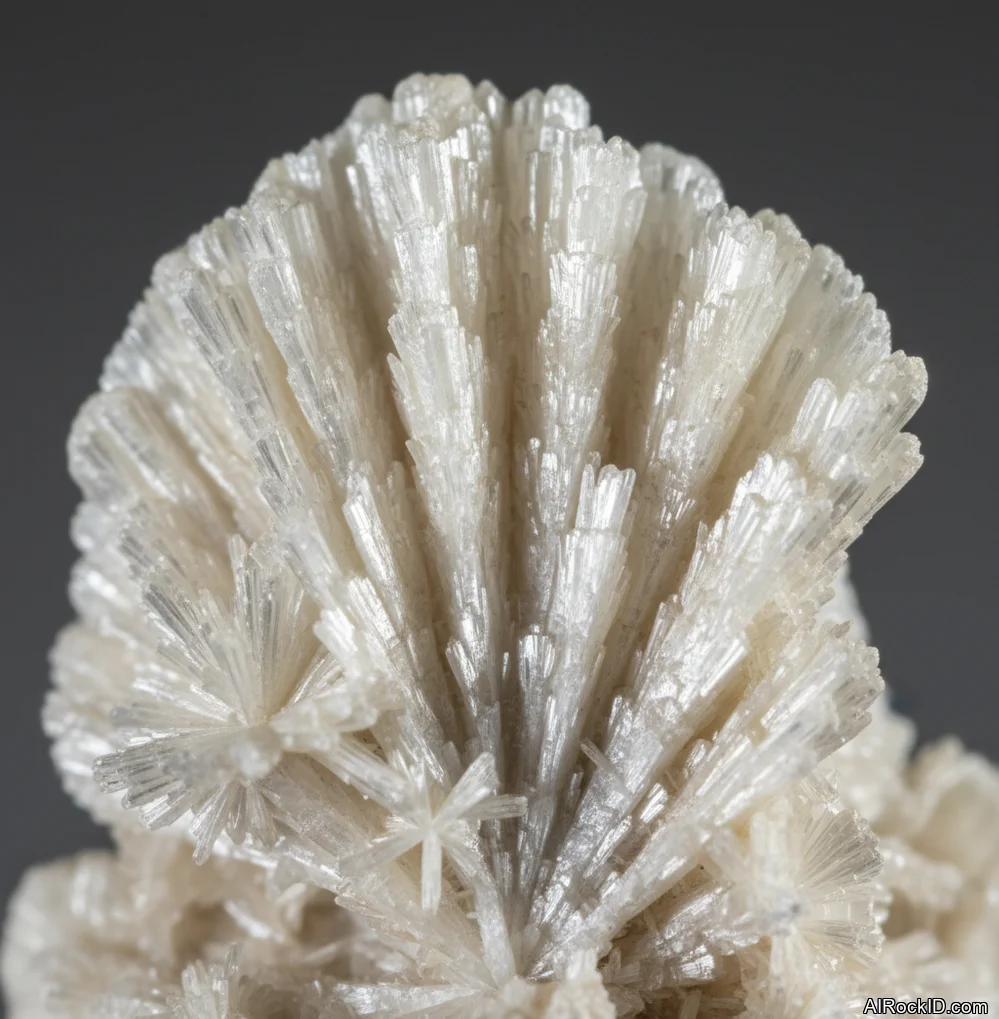
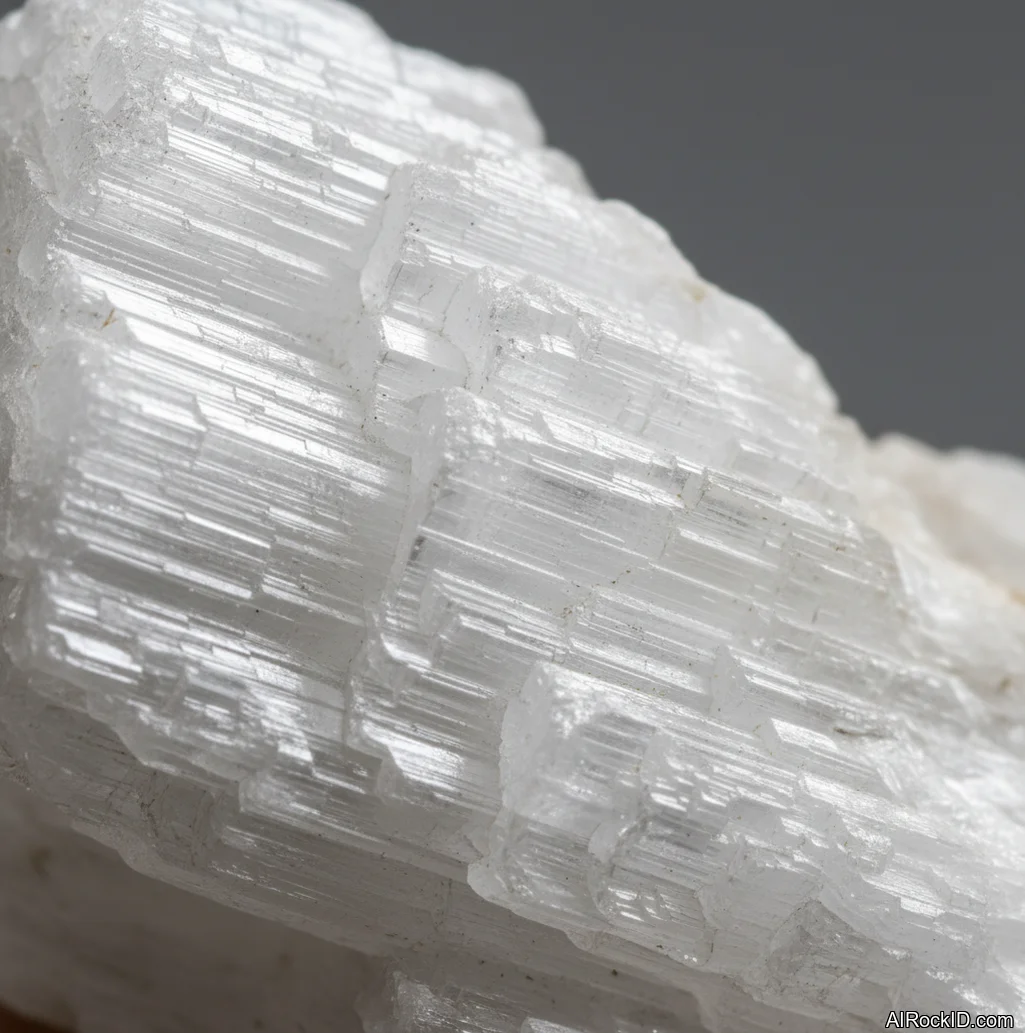
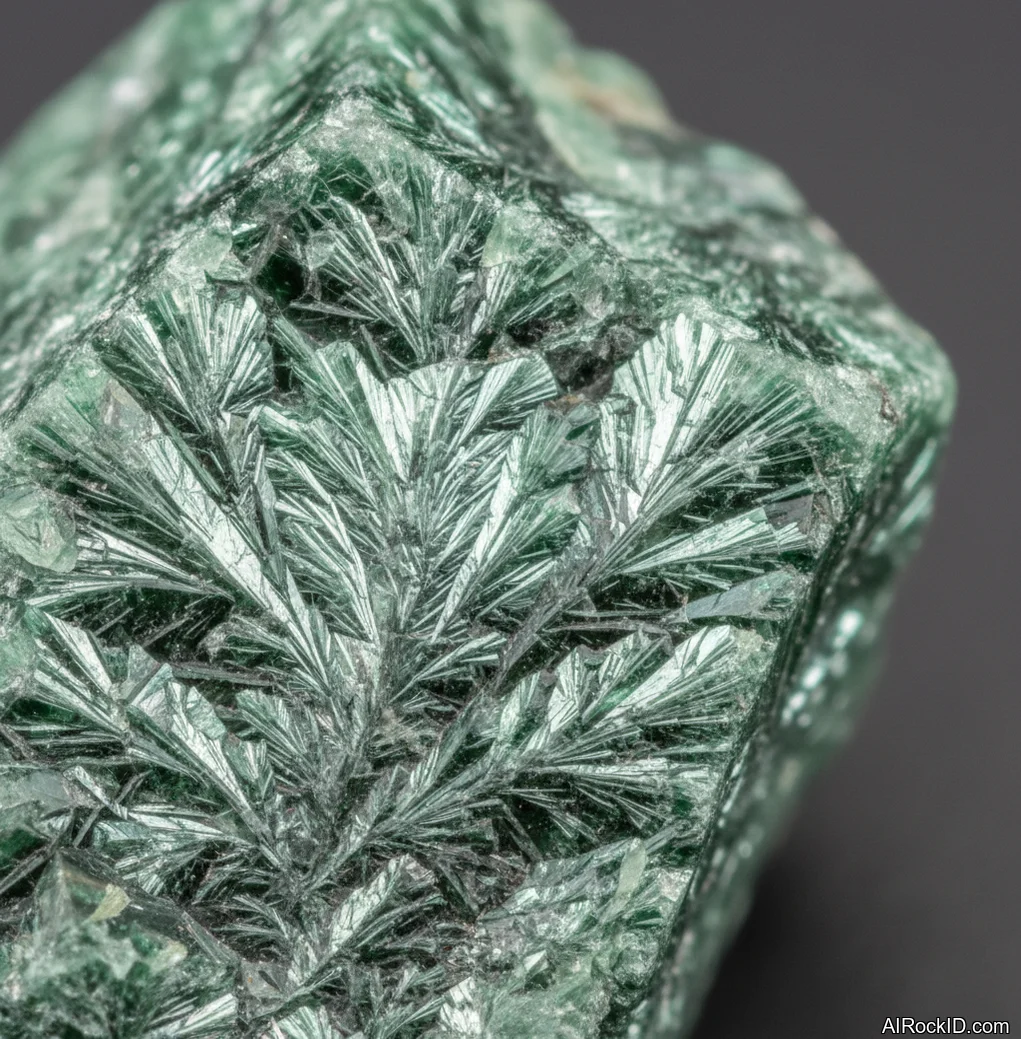
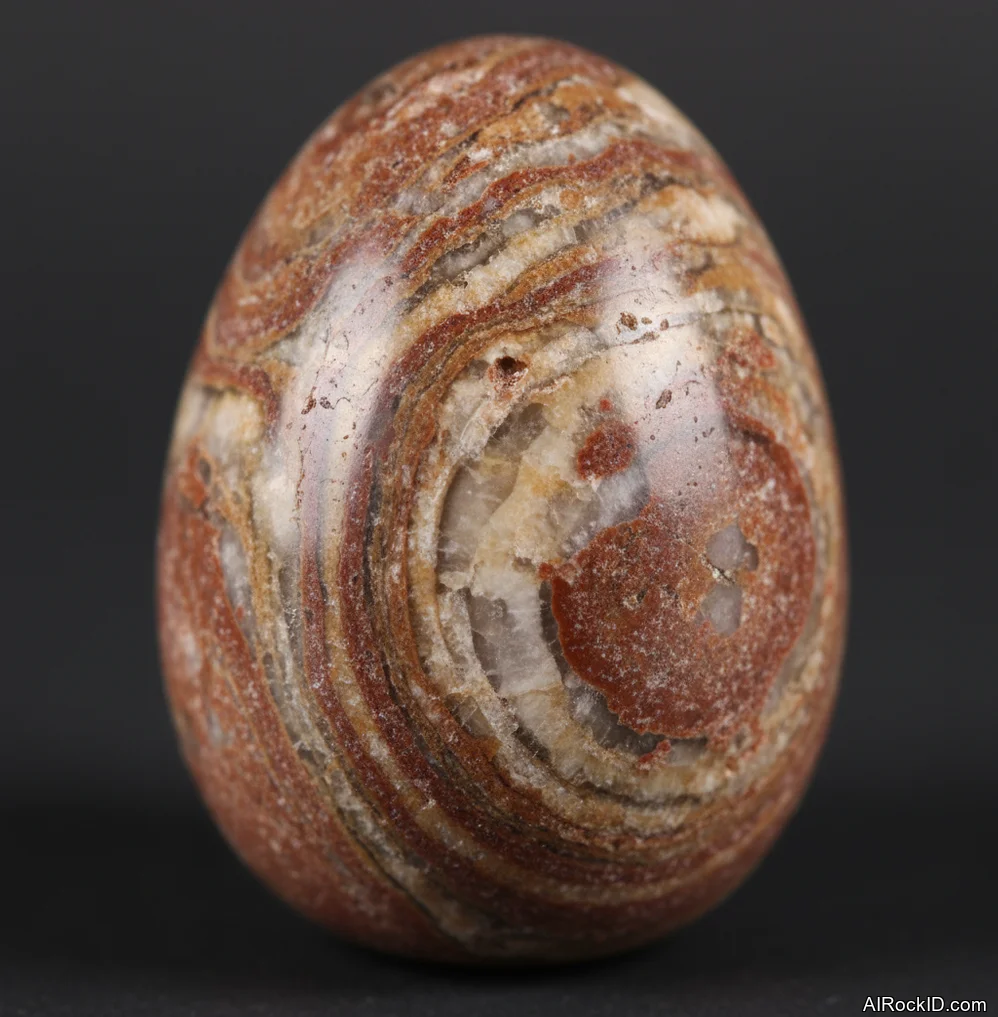
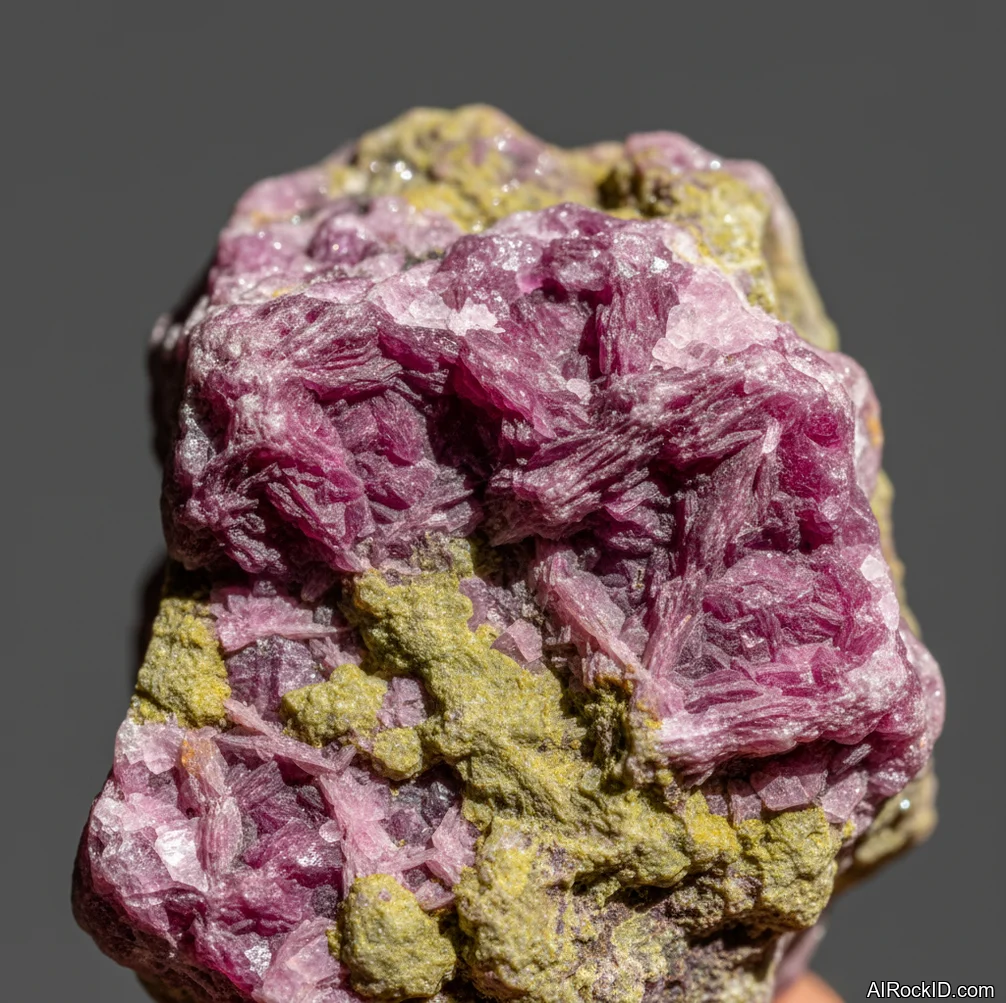
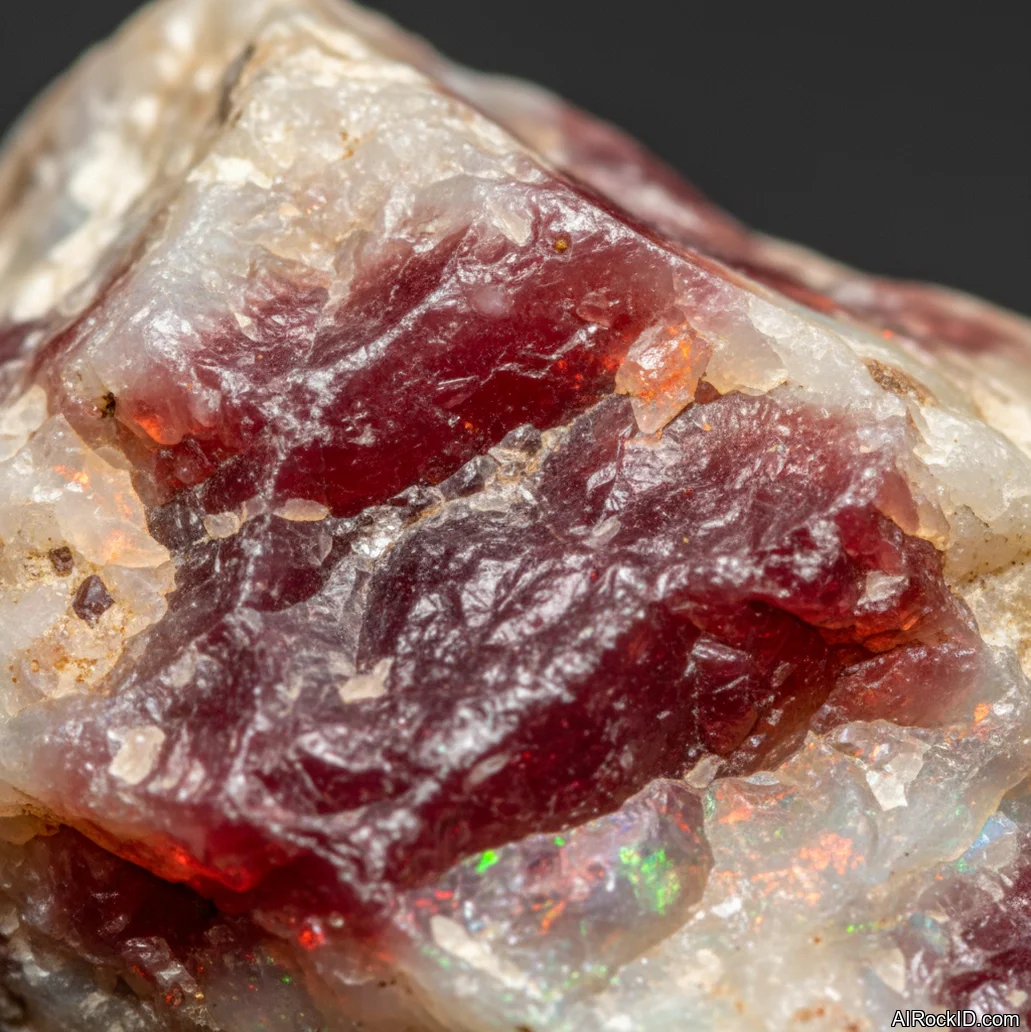
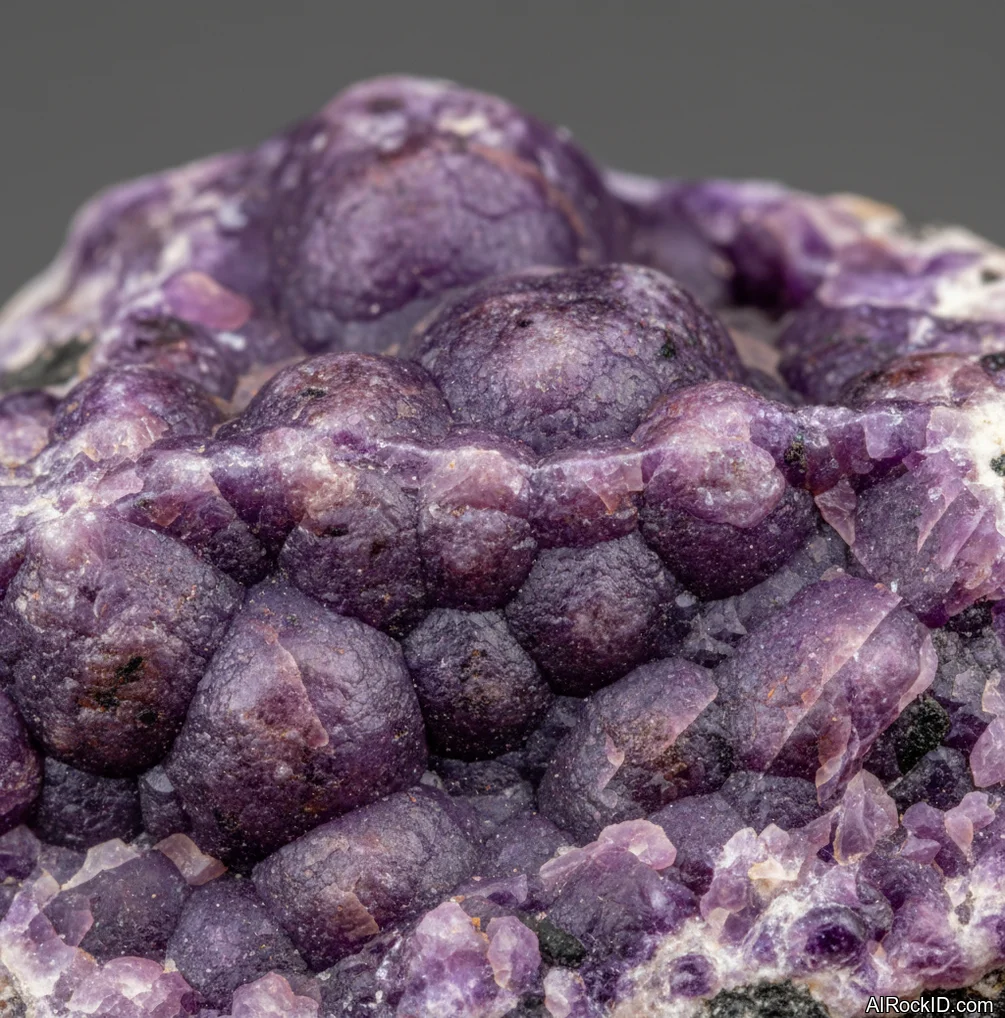
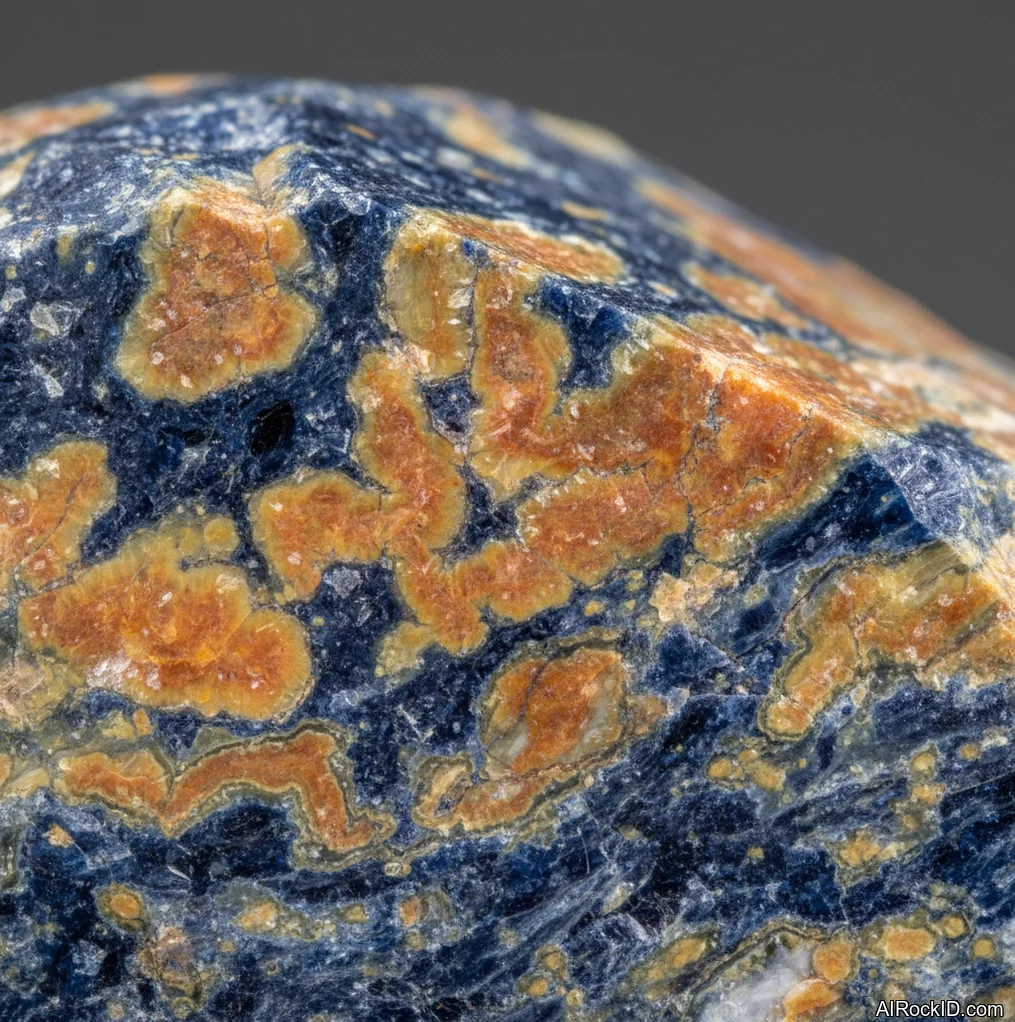
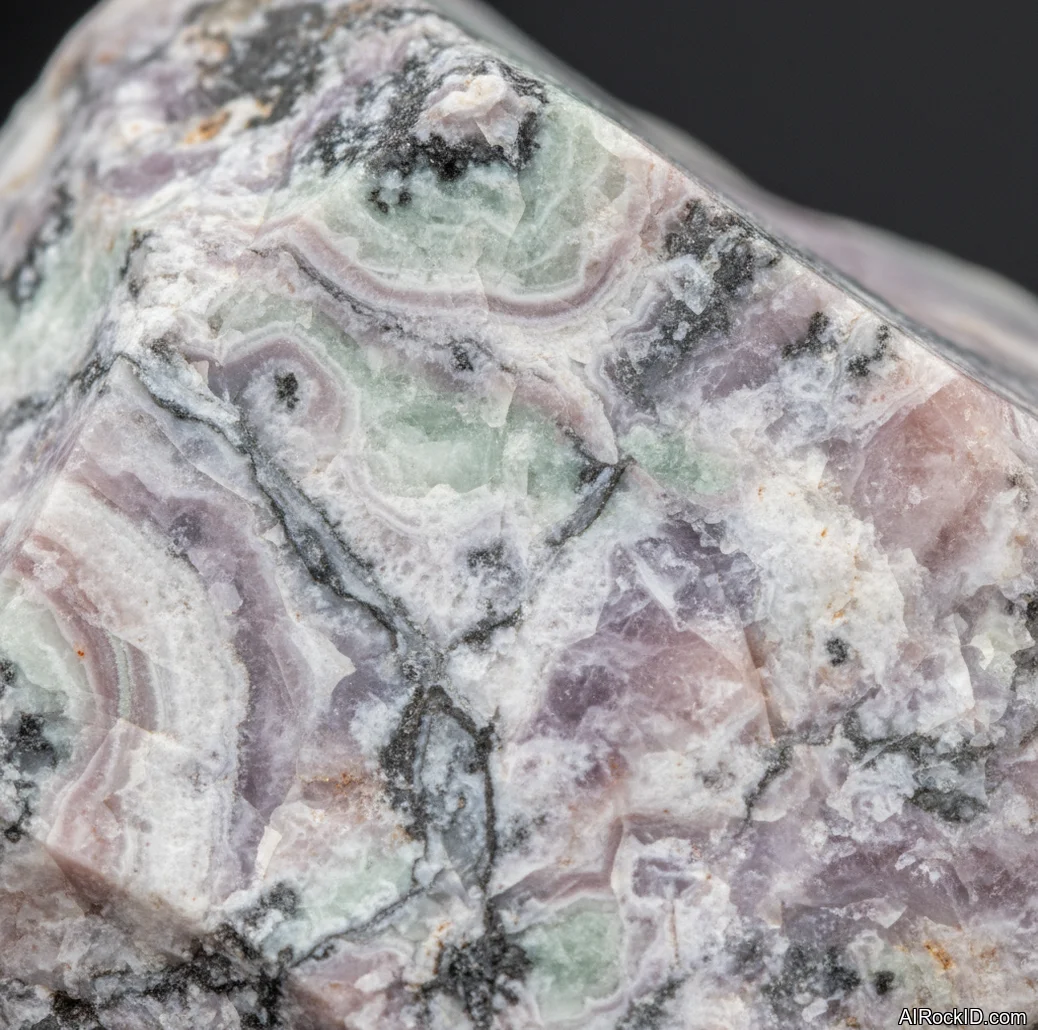
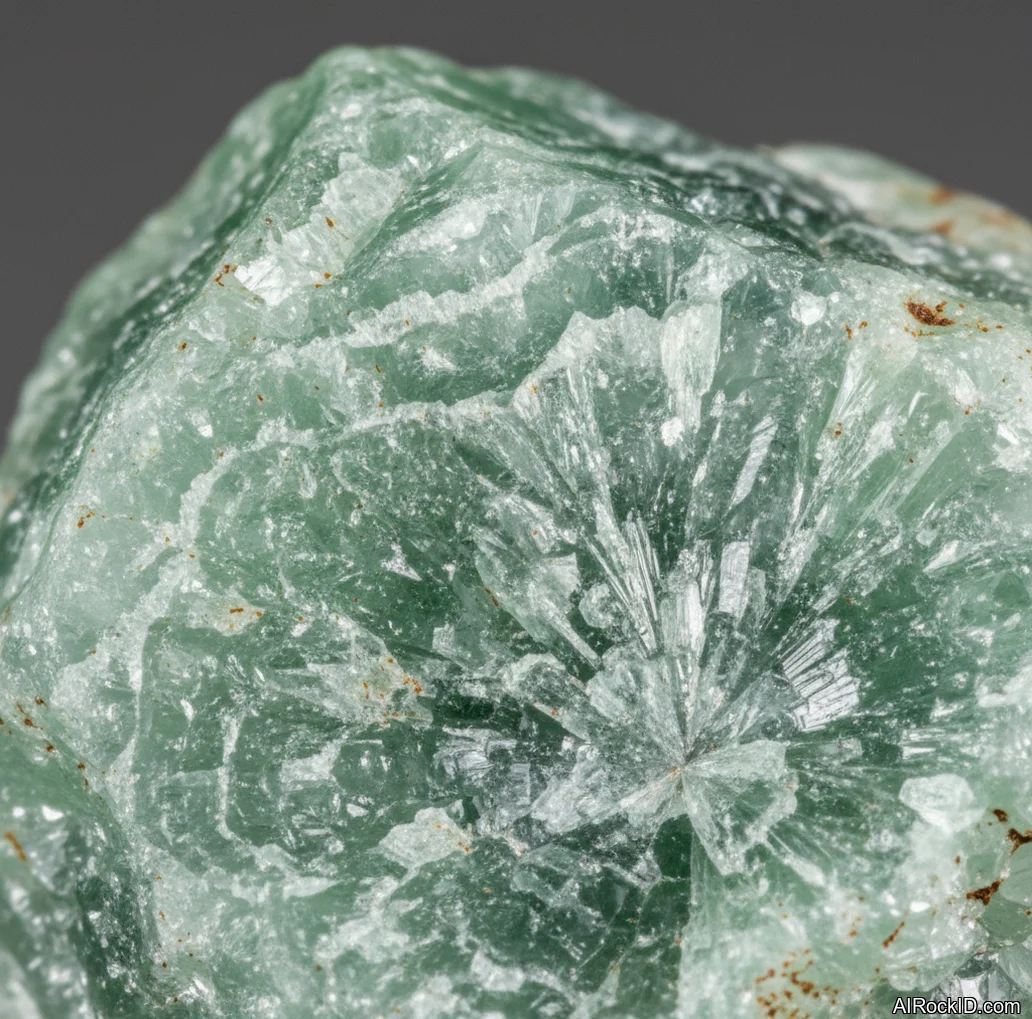
Pick up a chunk of lepidolite and you’ll see what I mean. It’s got that soft, micaceous feel, like tiny pages stacked on top of each other, and it often looks like lavender glitter trapped in stone. It starts cool in your palm, then warms up slowly. That little shift is half the point. When you’re trying to relax, your mind wants something to latch onto, right? A smooth amethyst palm stone, a waxy piece of blue lace agate, or a satin-sheen selenite wand gives your hands a job while the rest of you settles down.
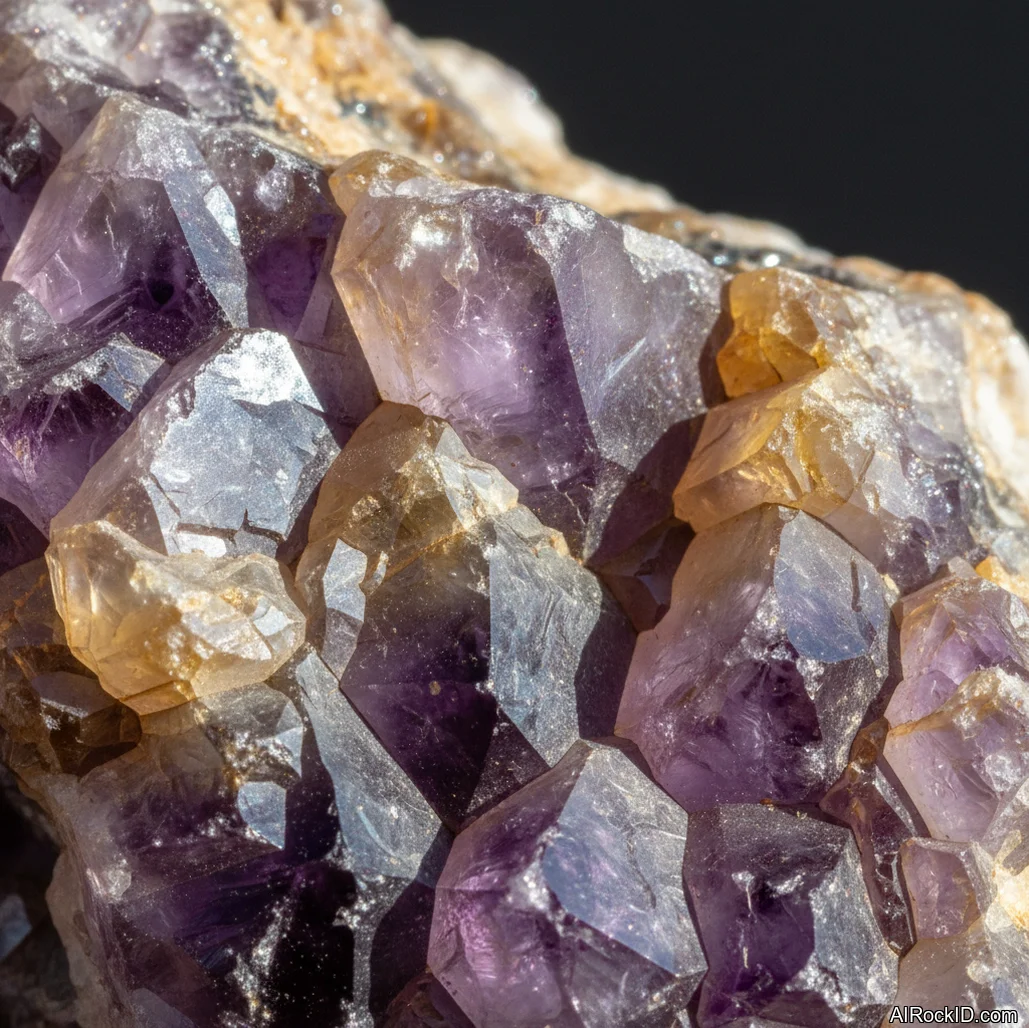
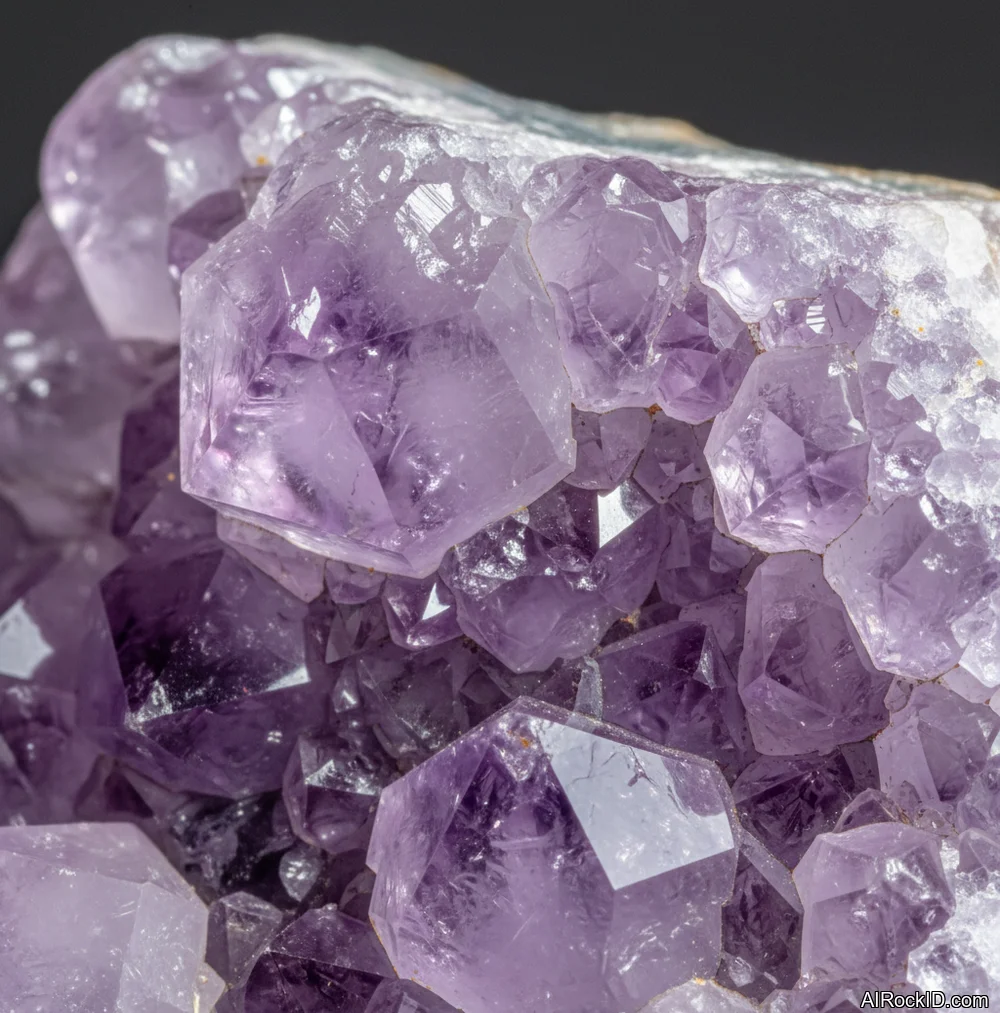
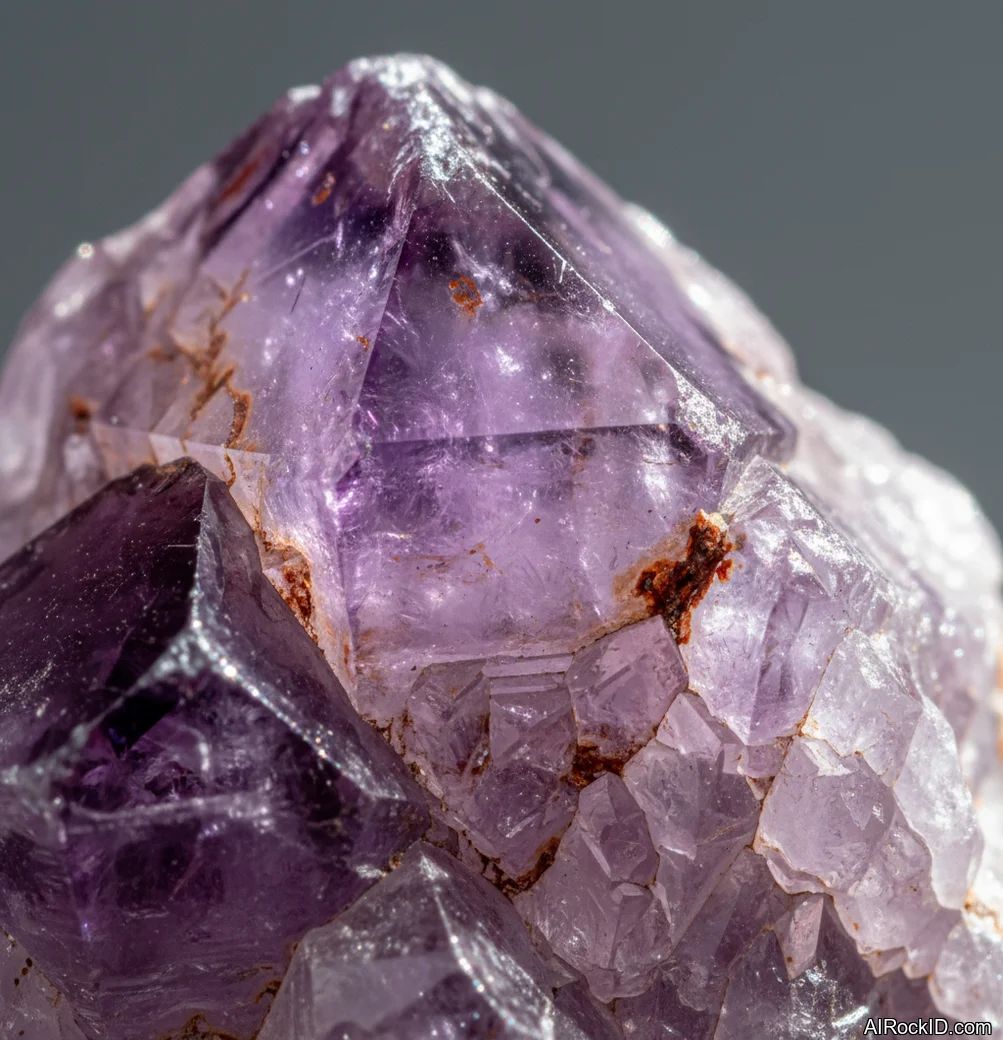
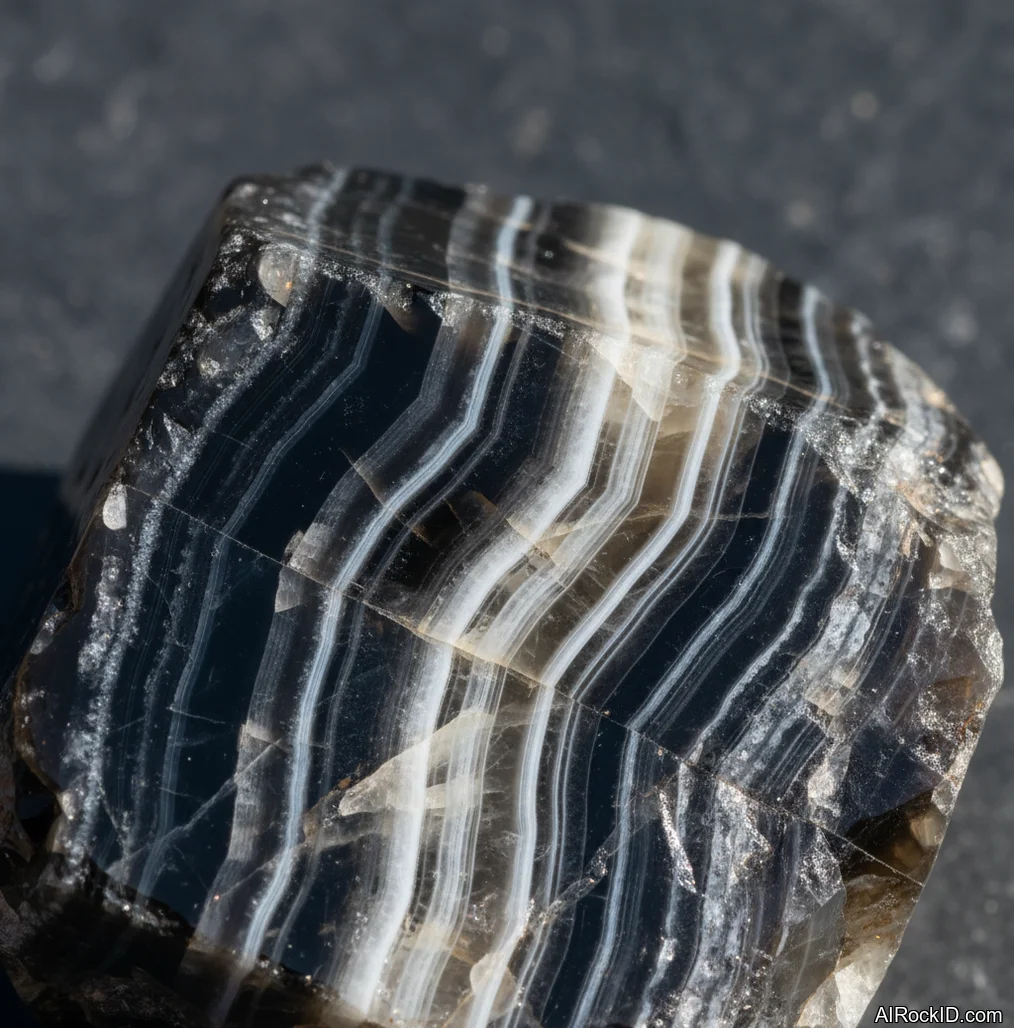
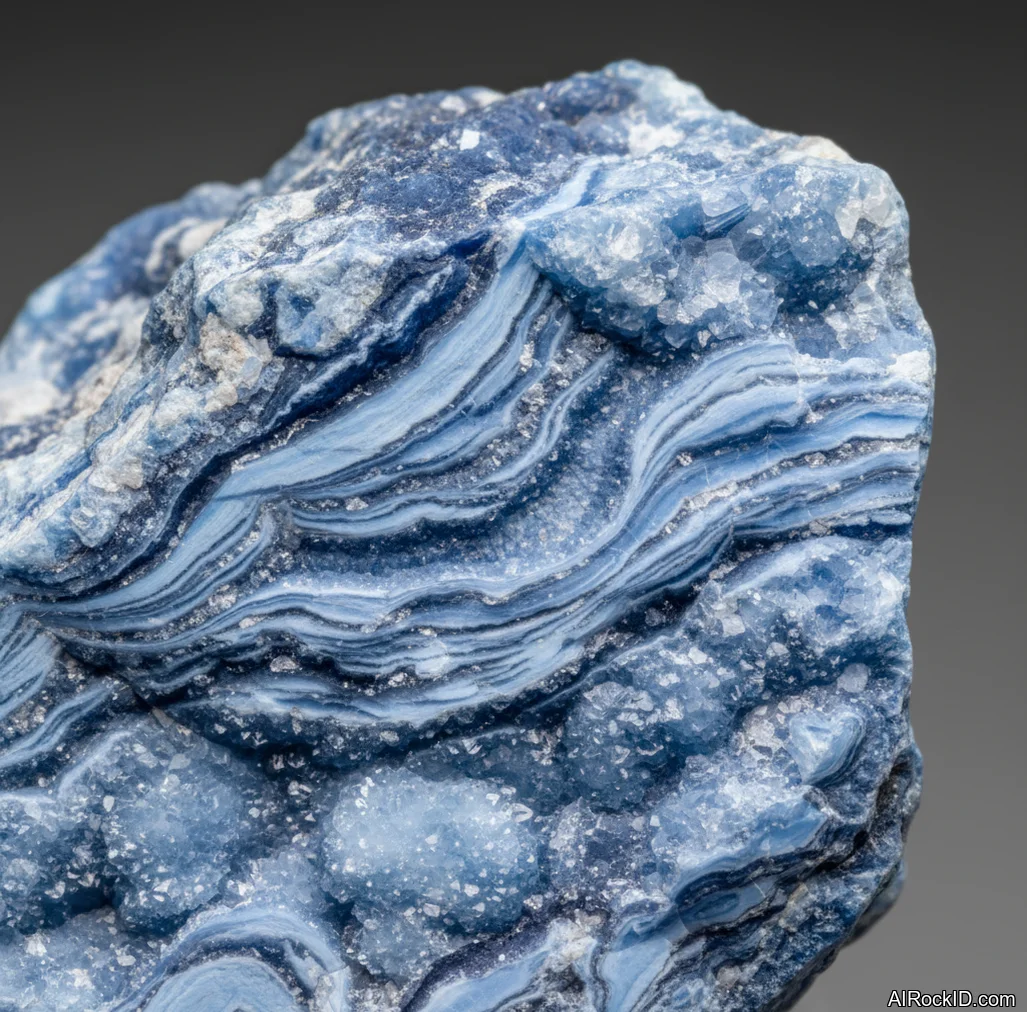
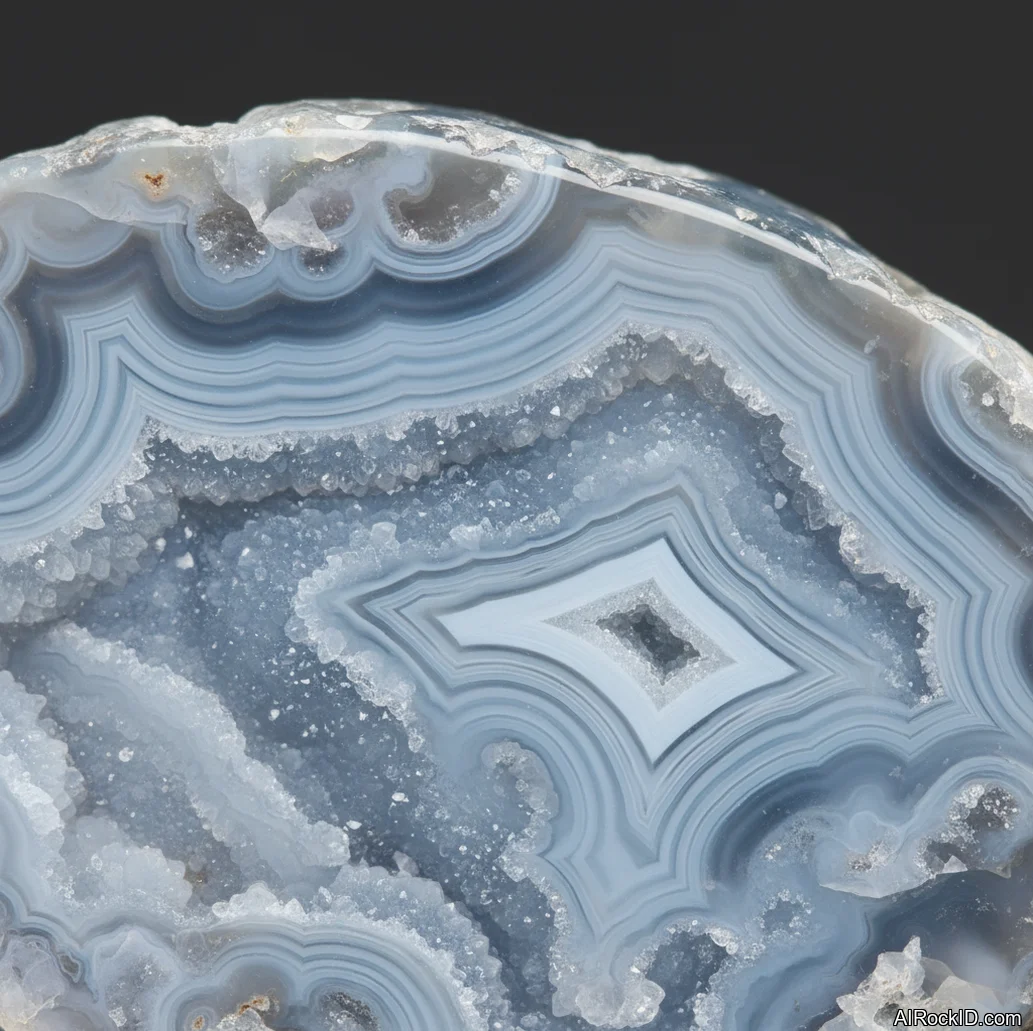
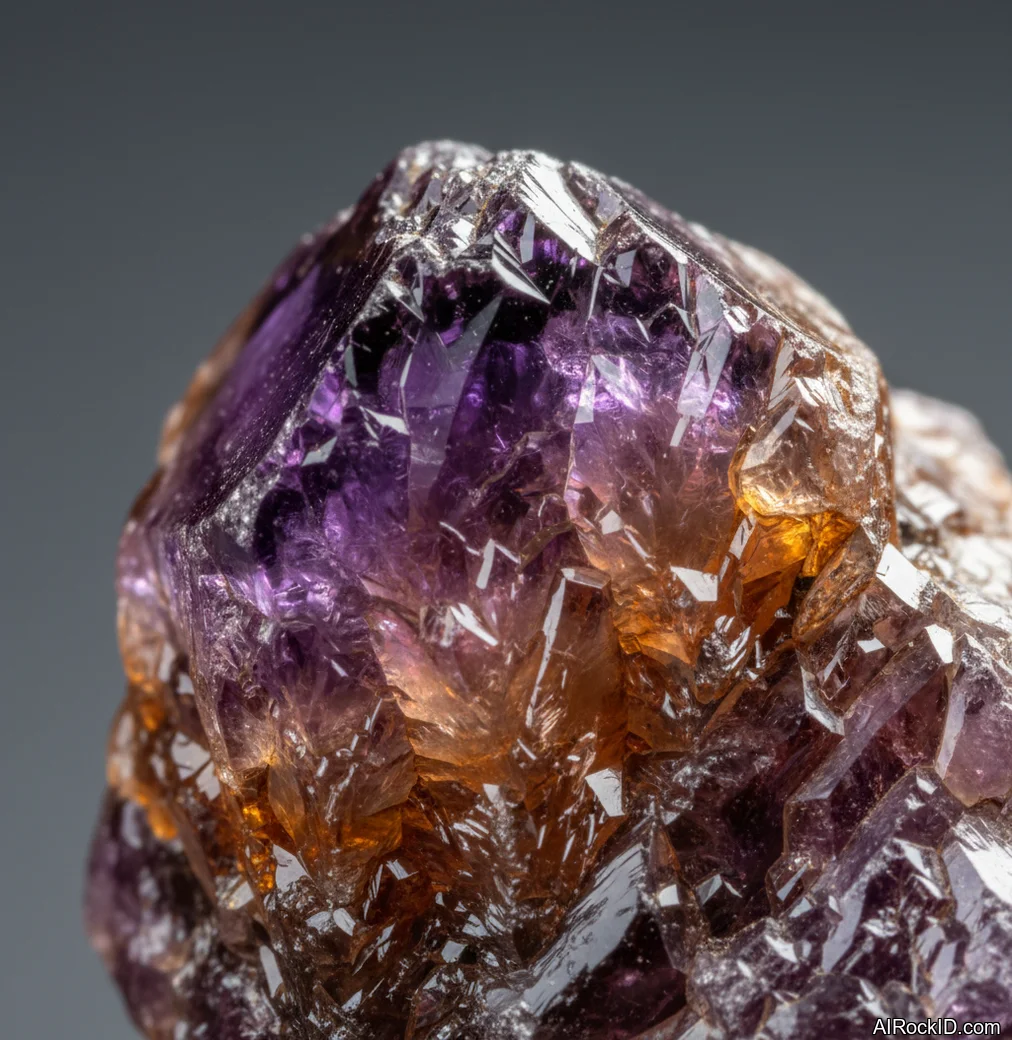
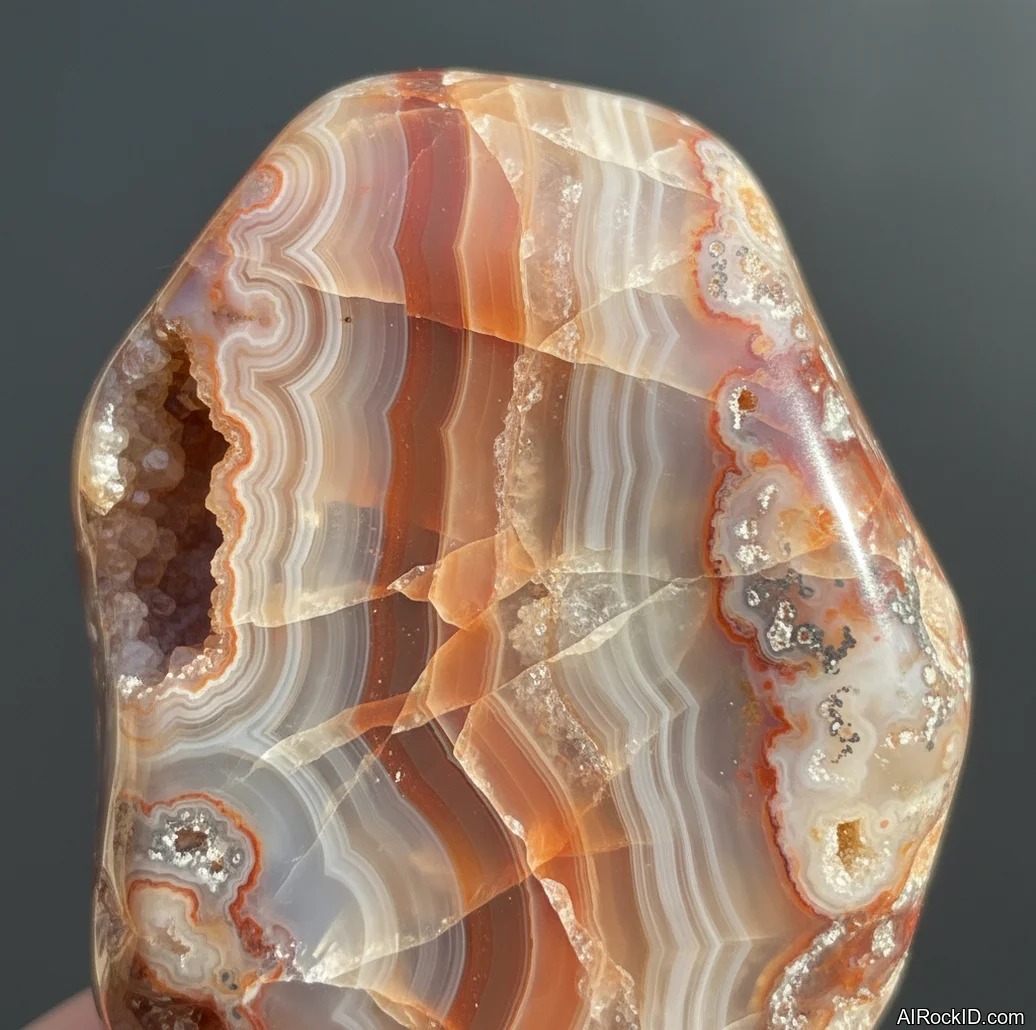
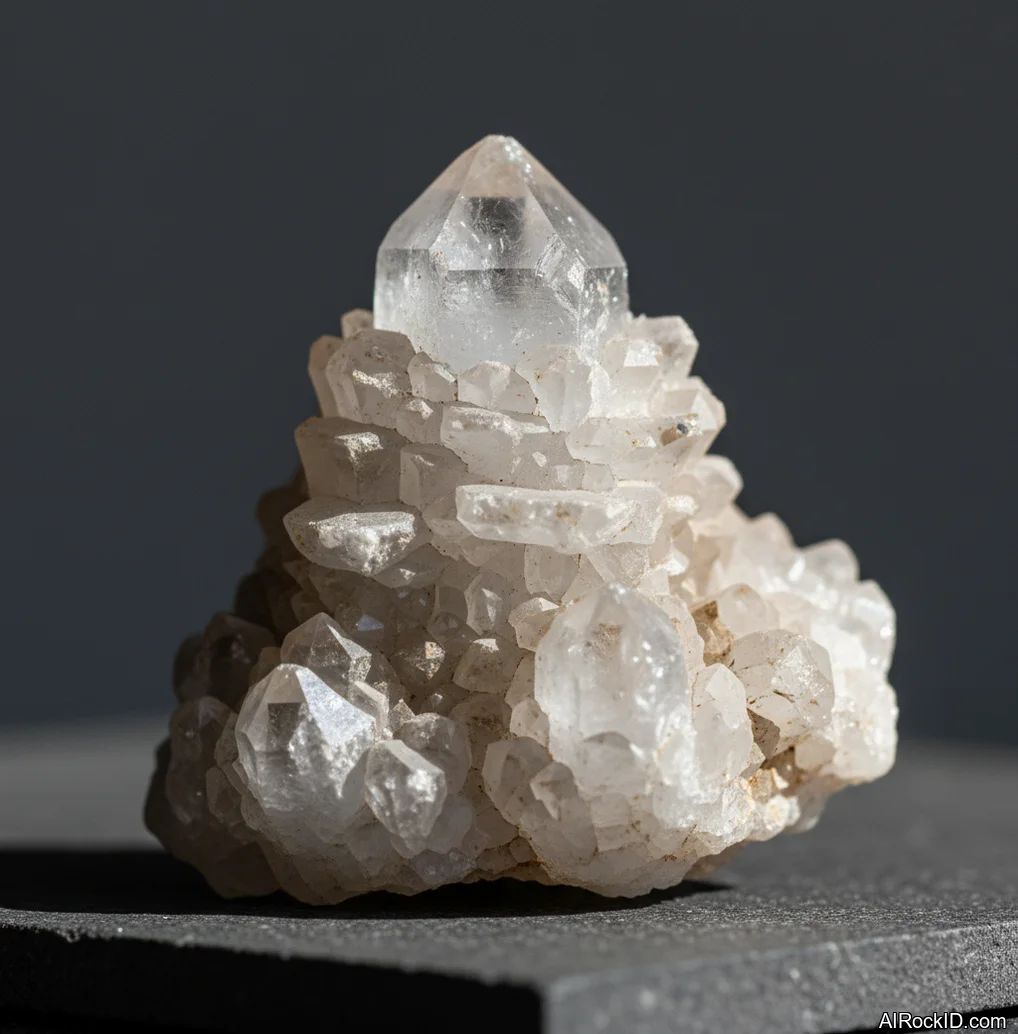
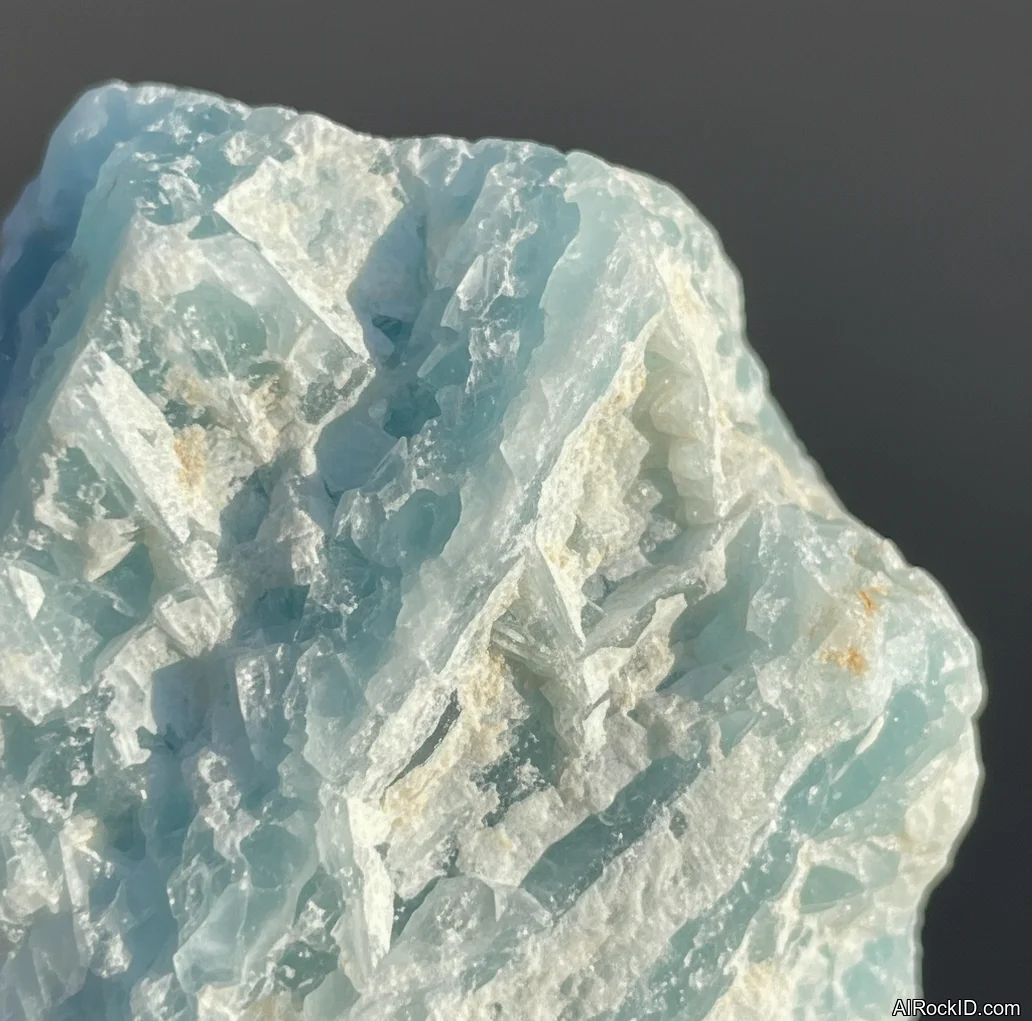
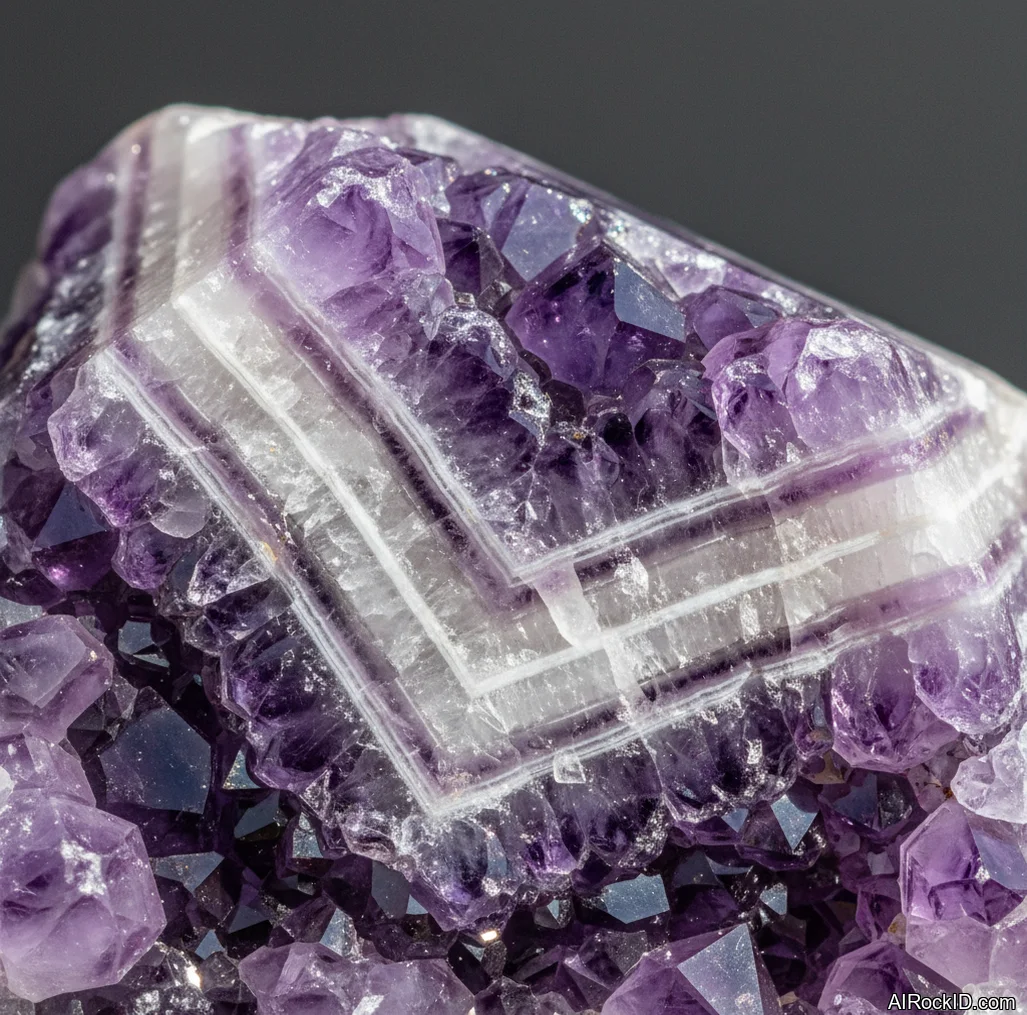
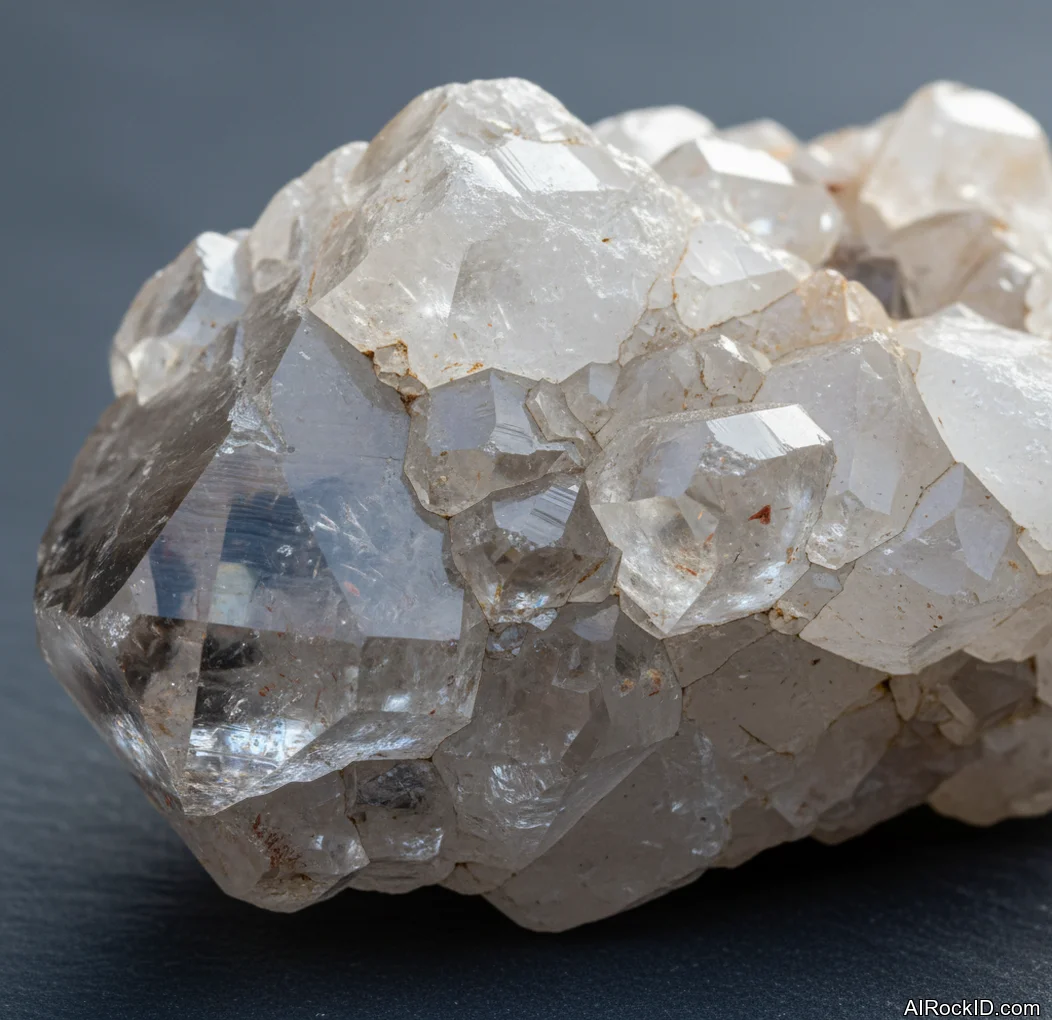
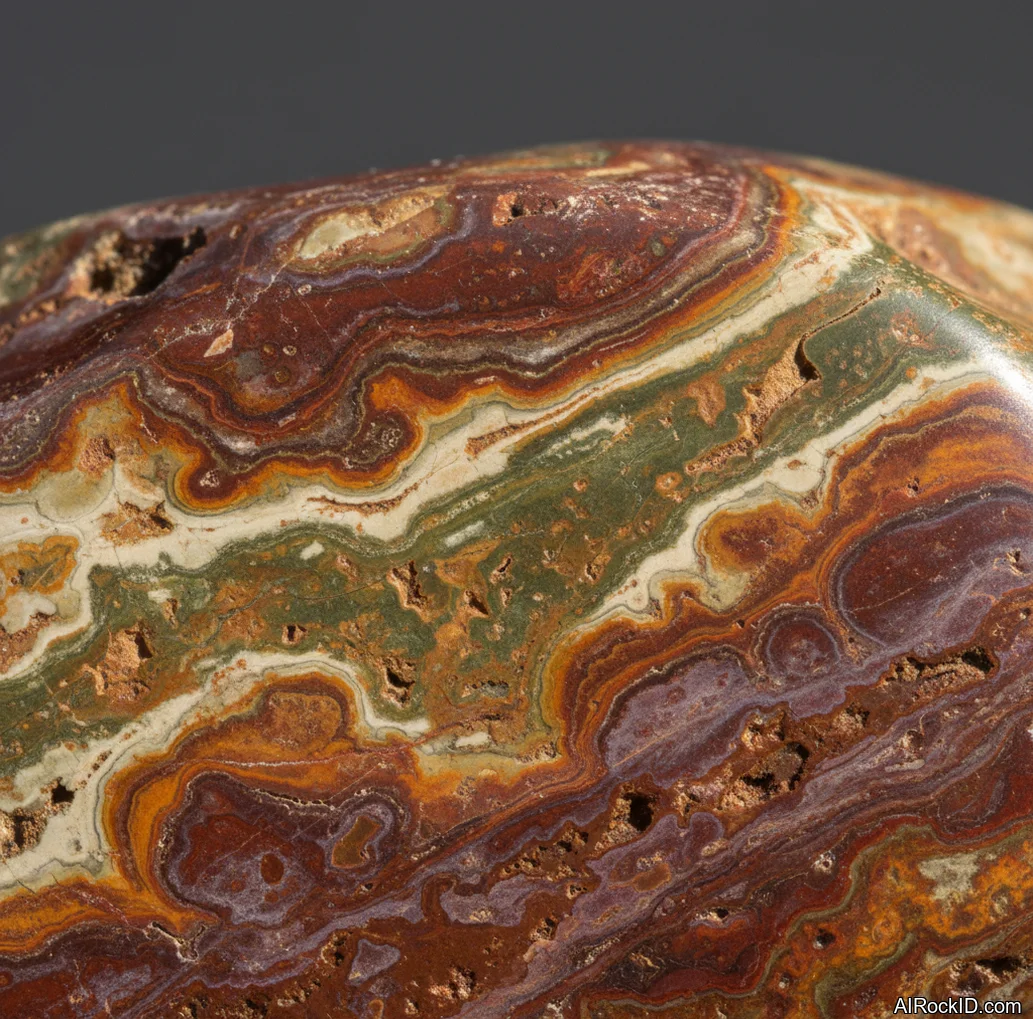
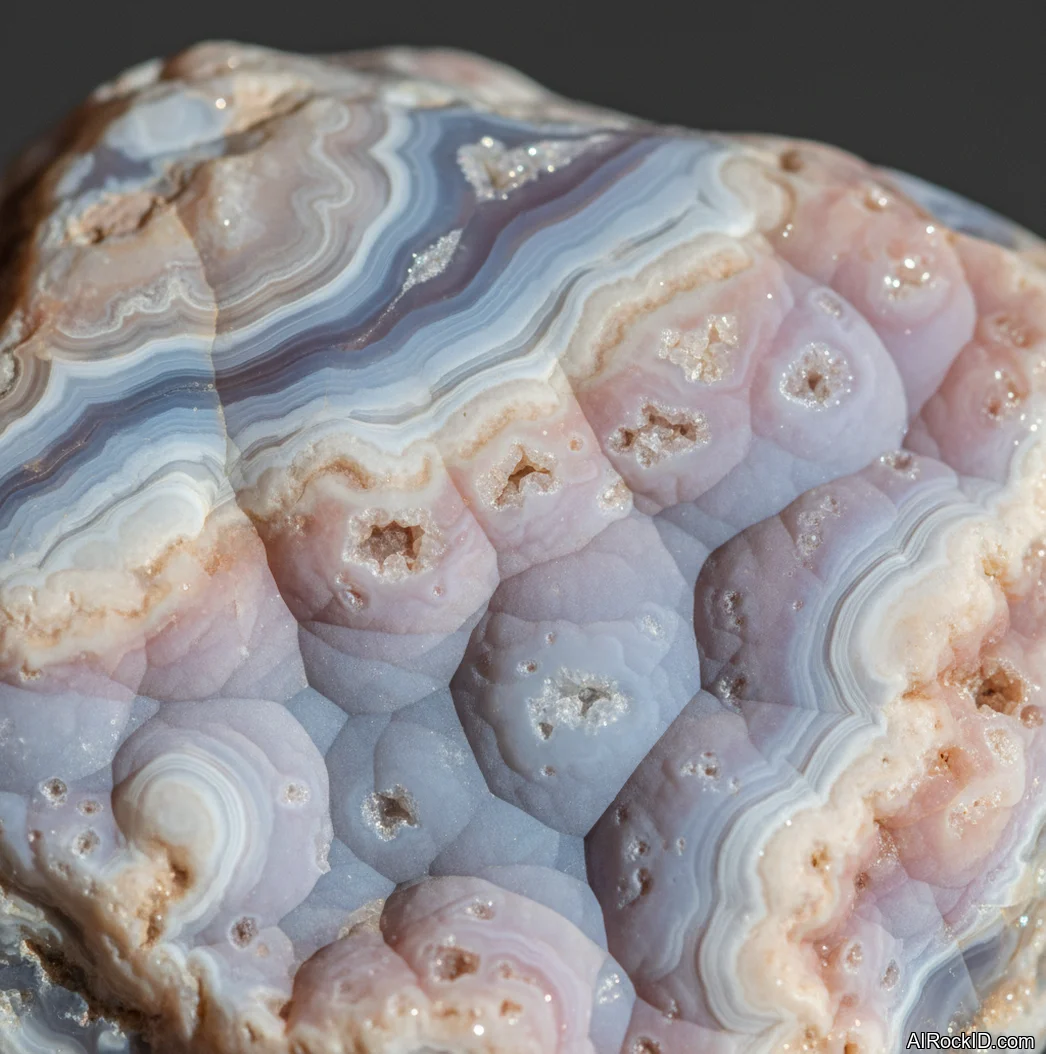
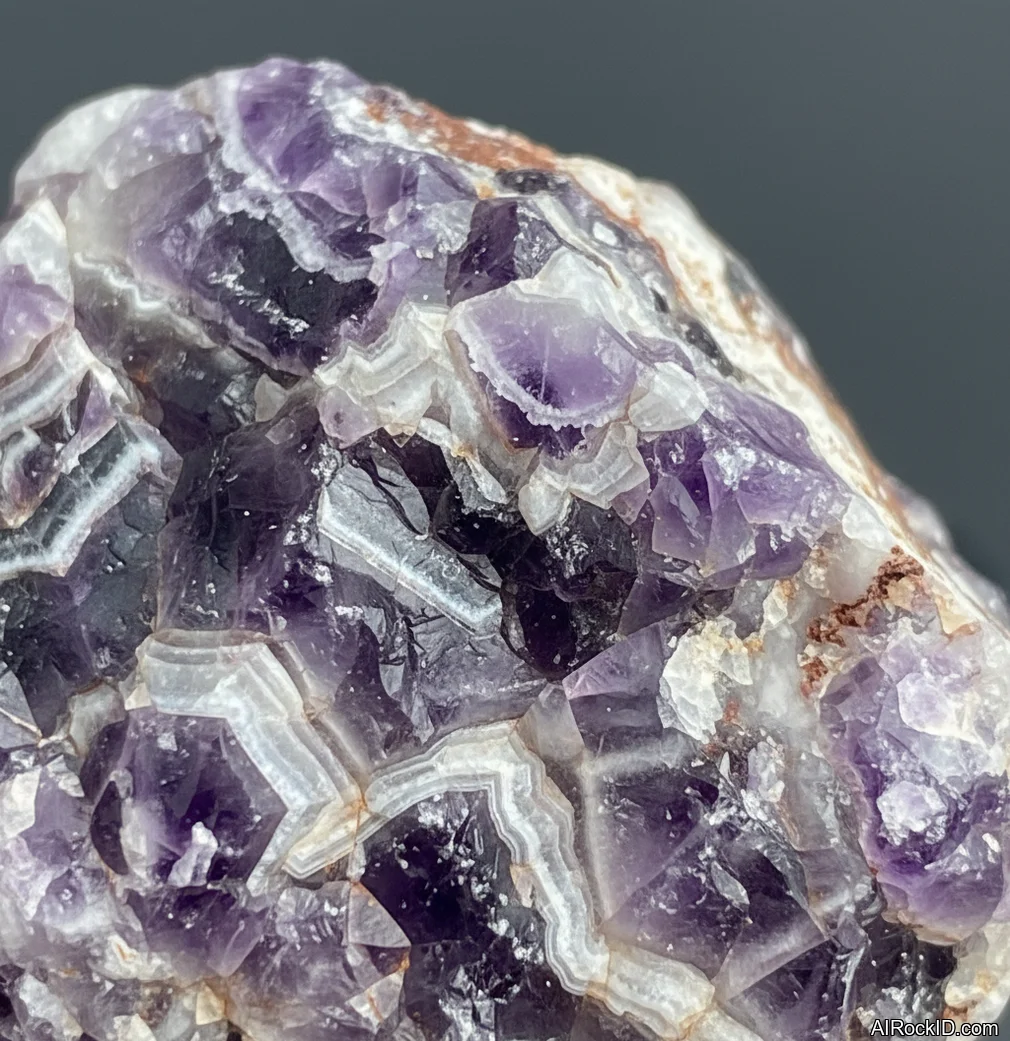
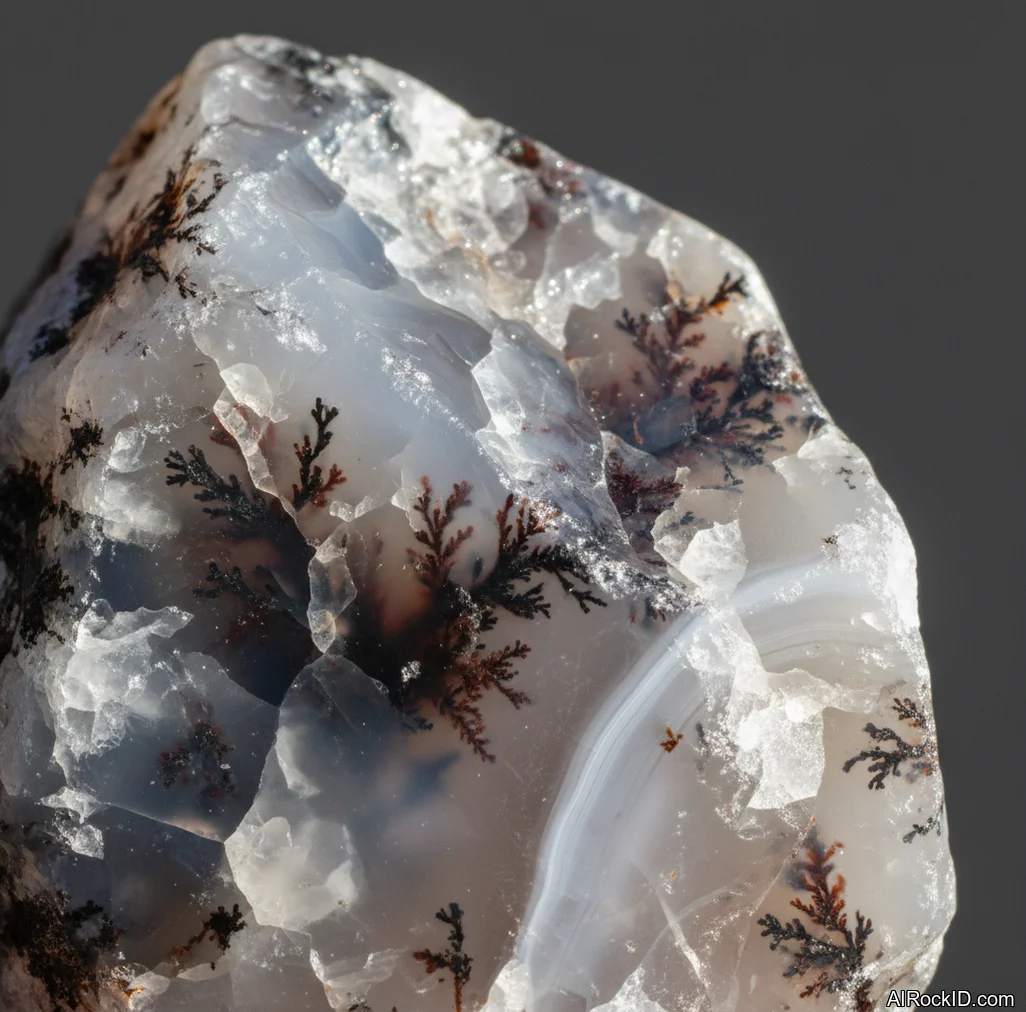
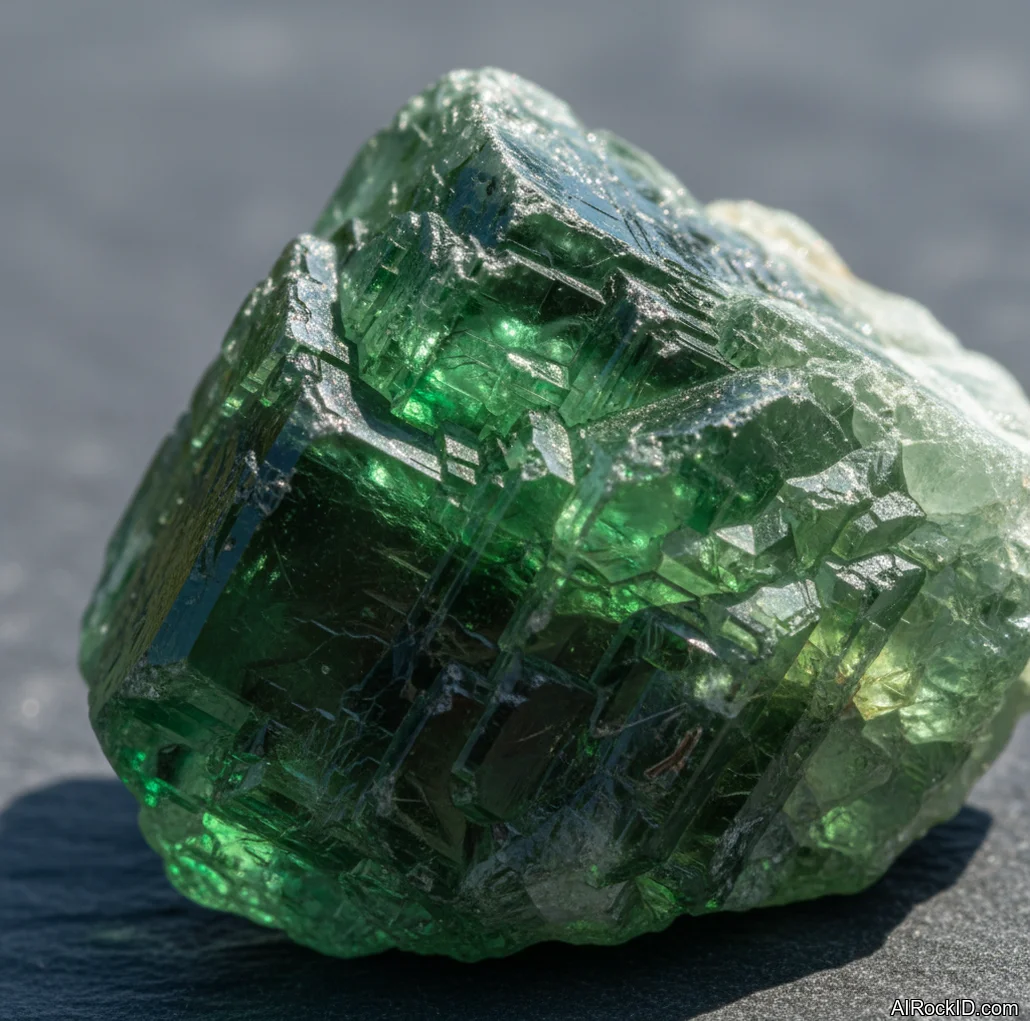
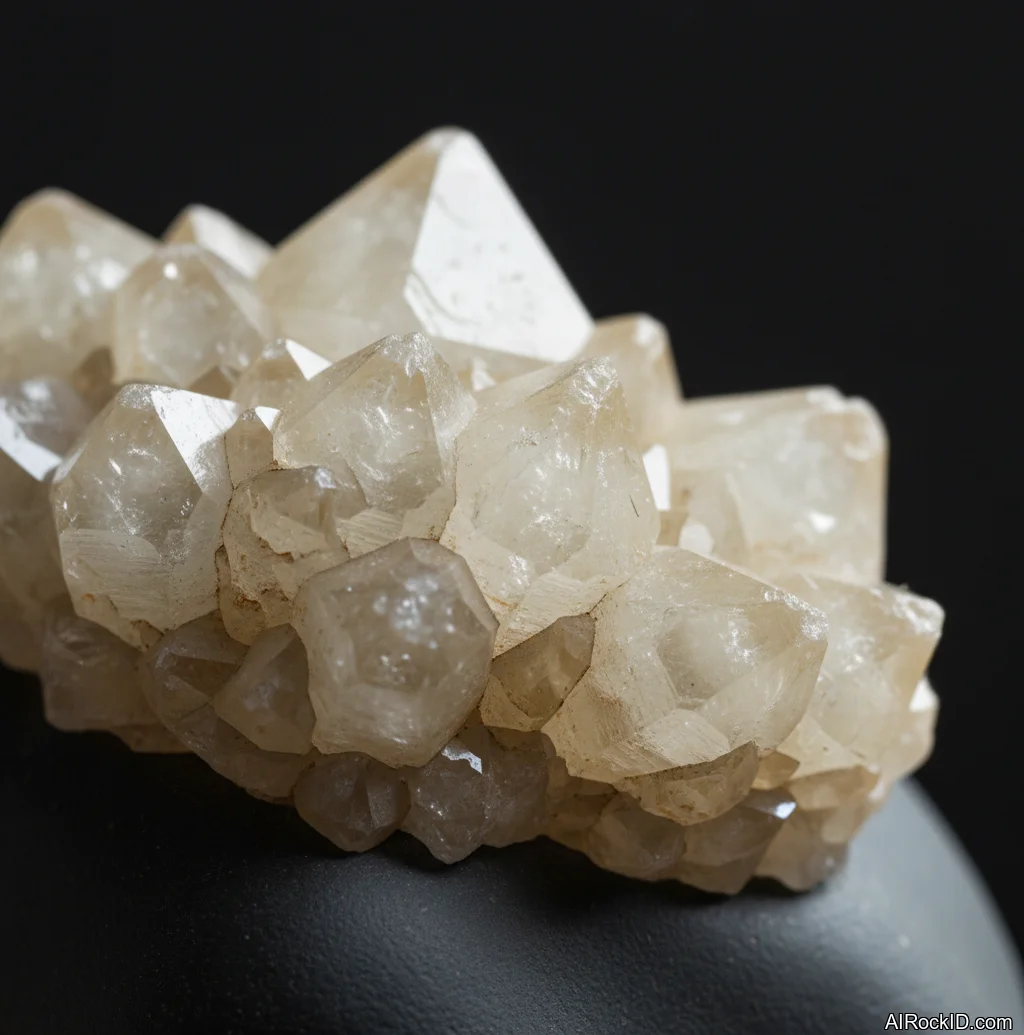
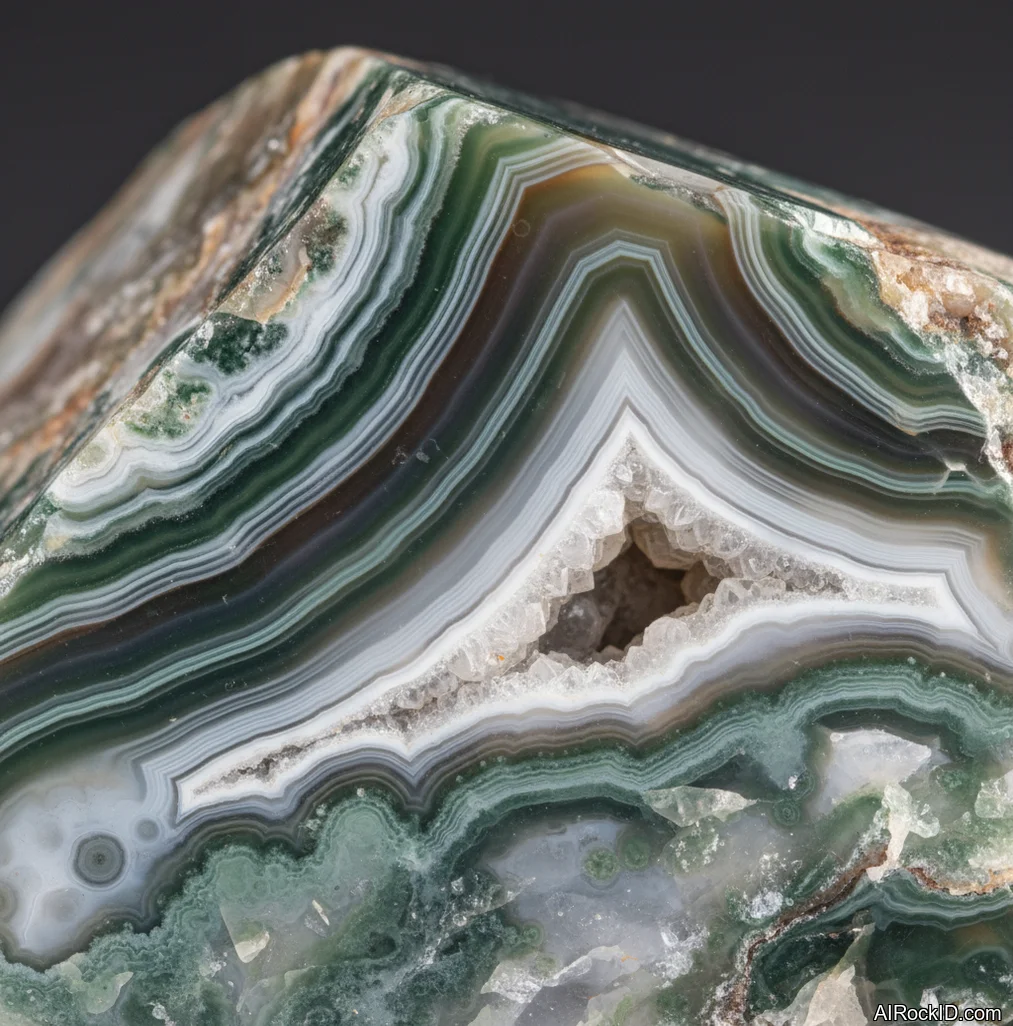
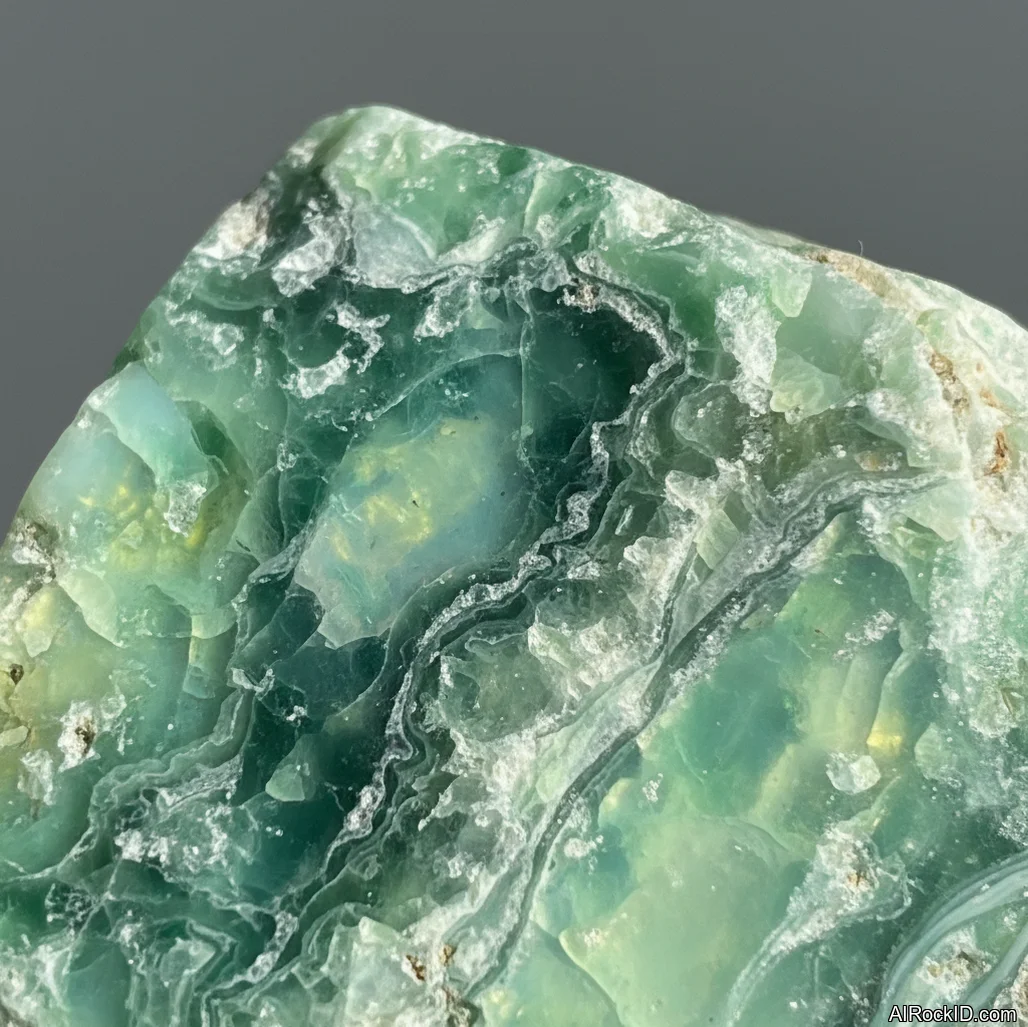
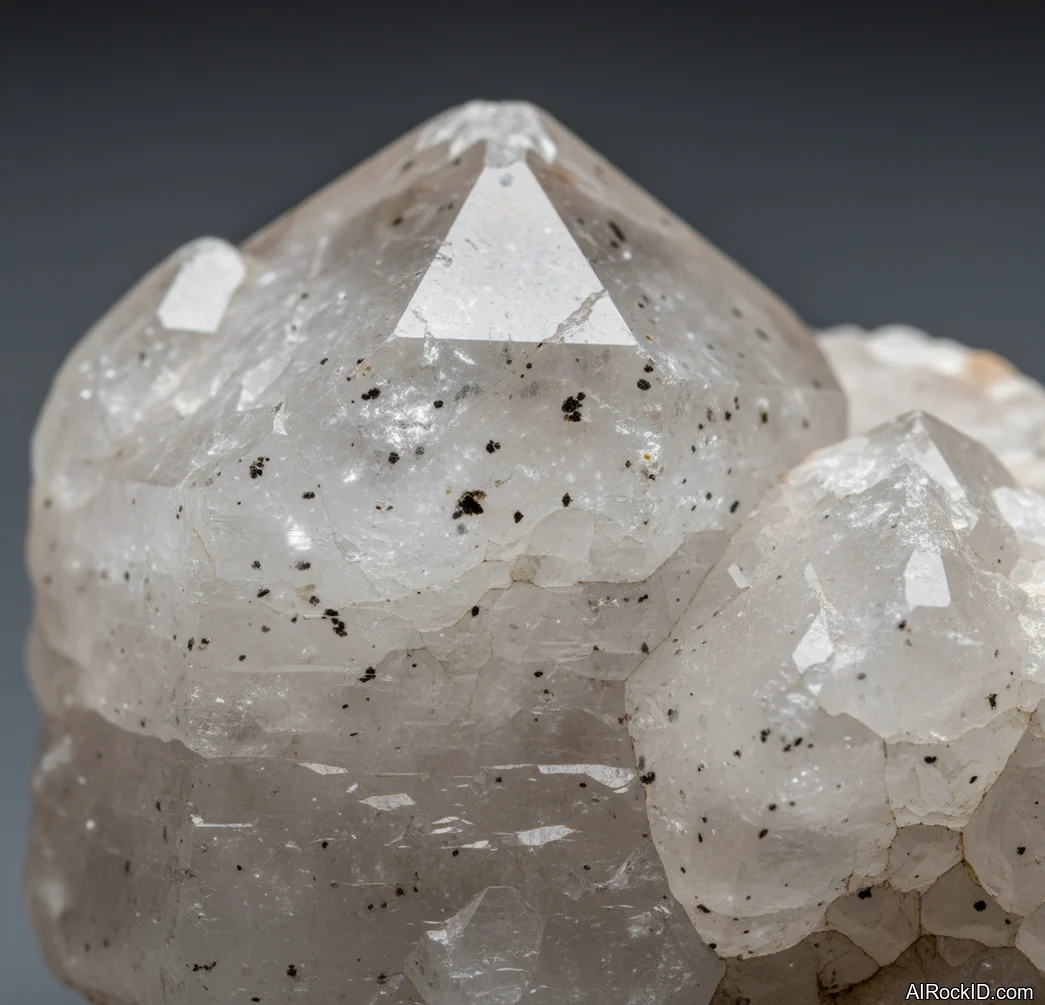
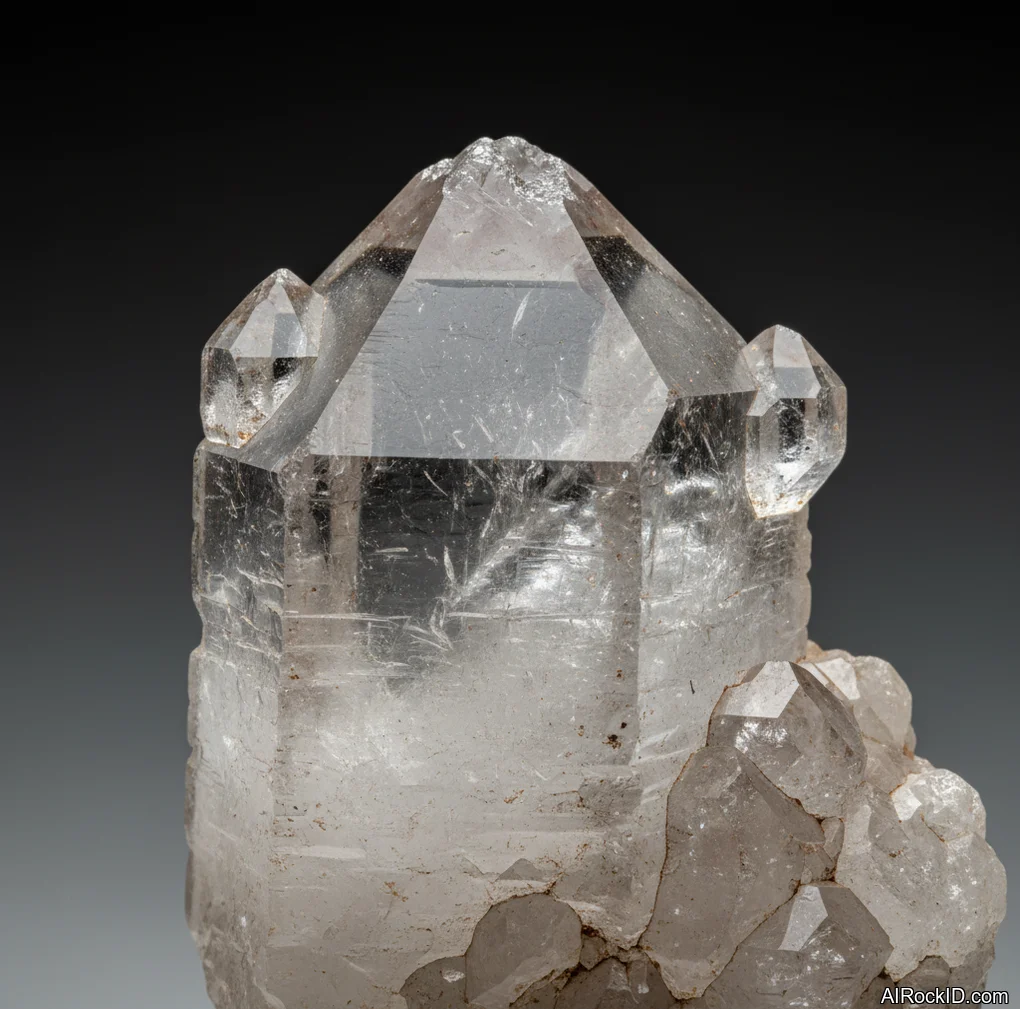
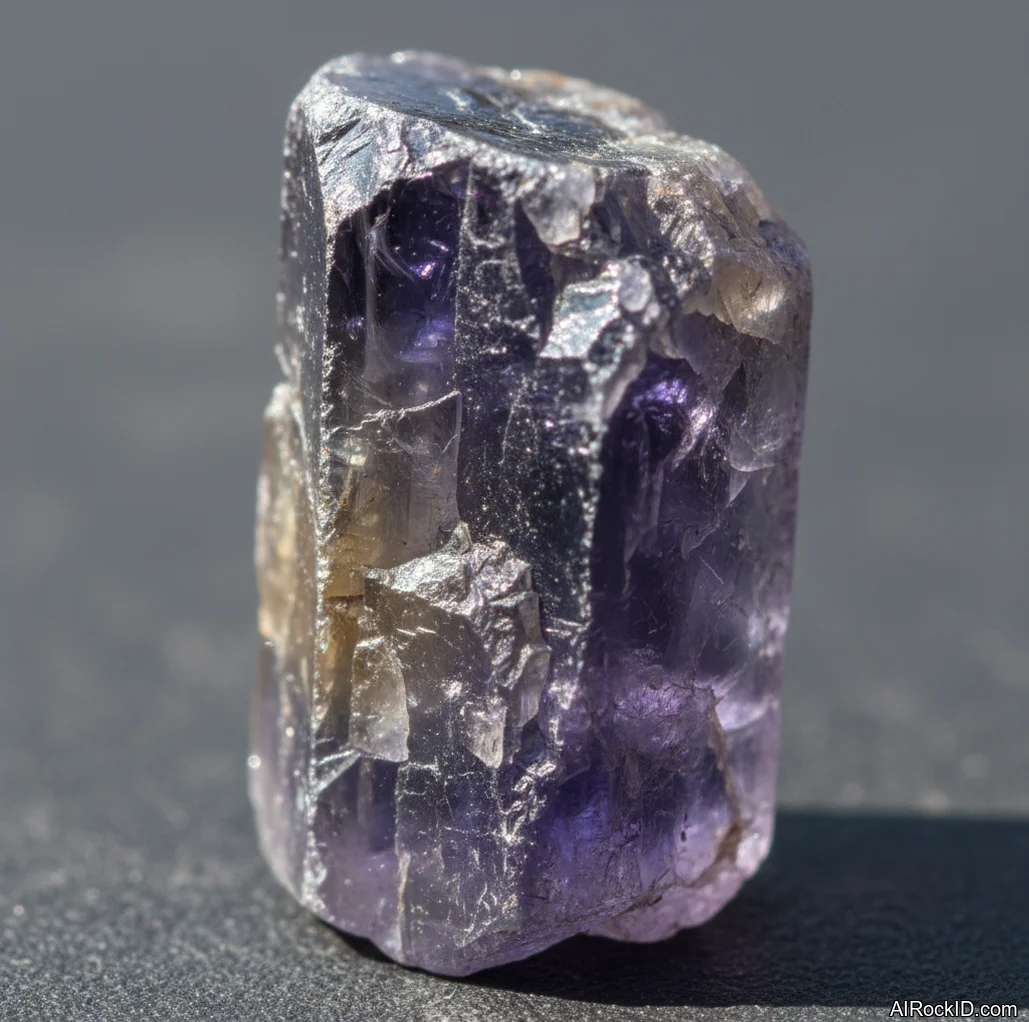
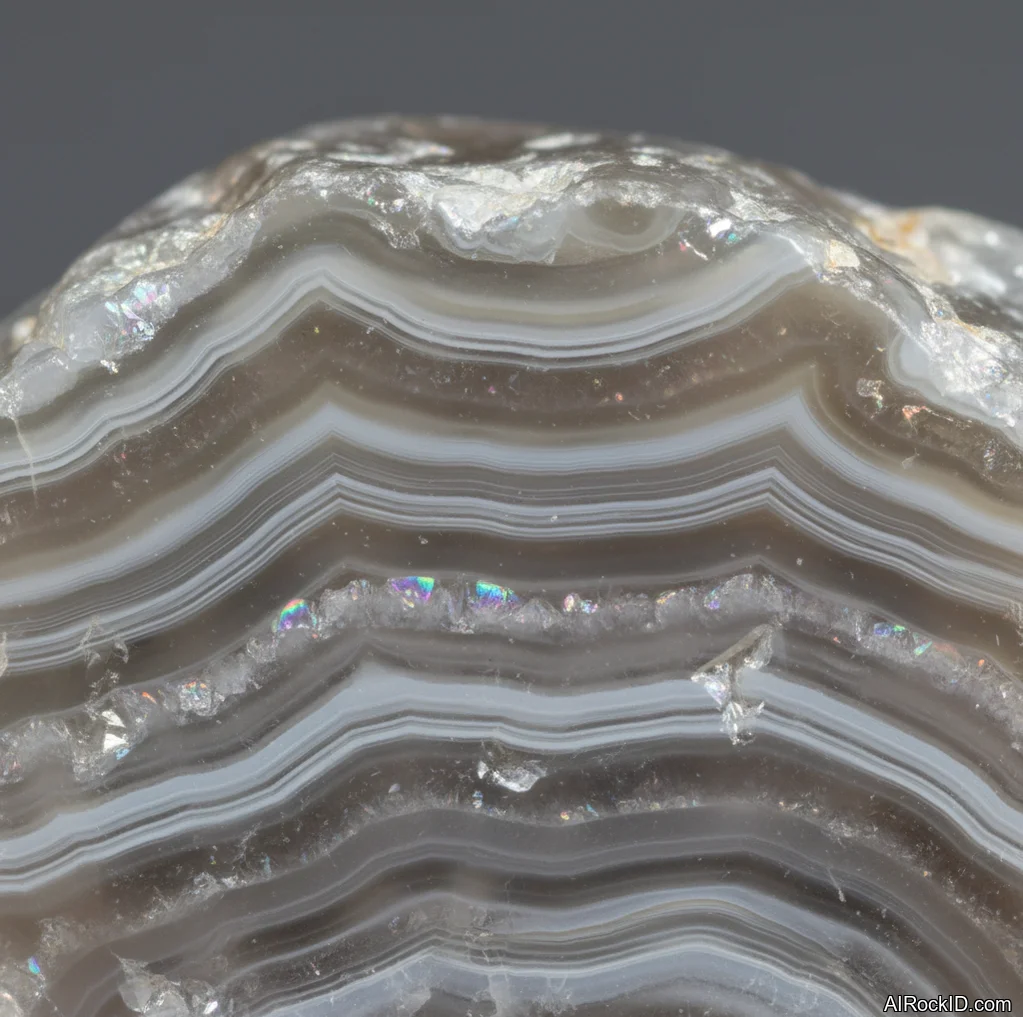
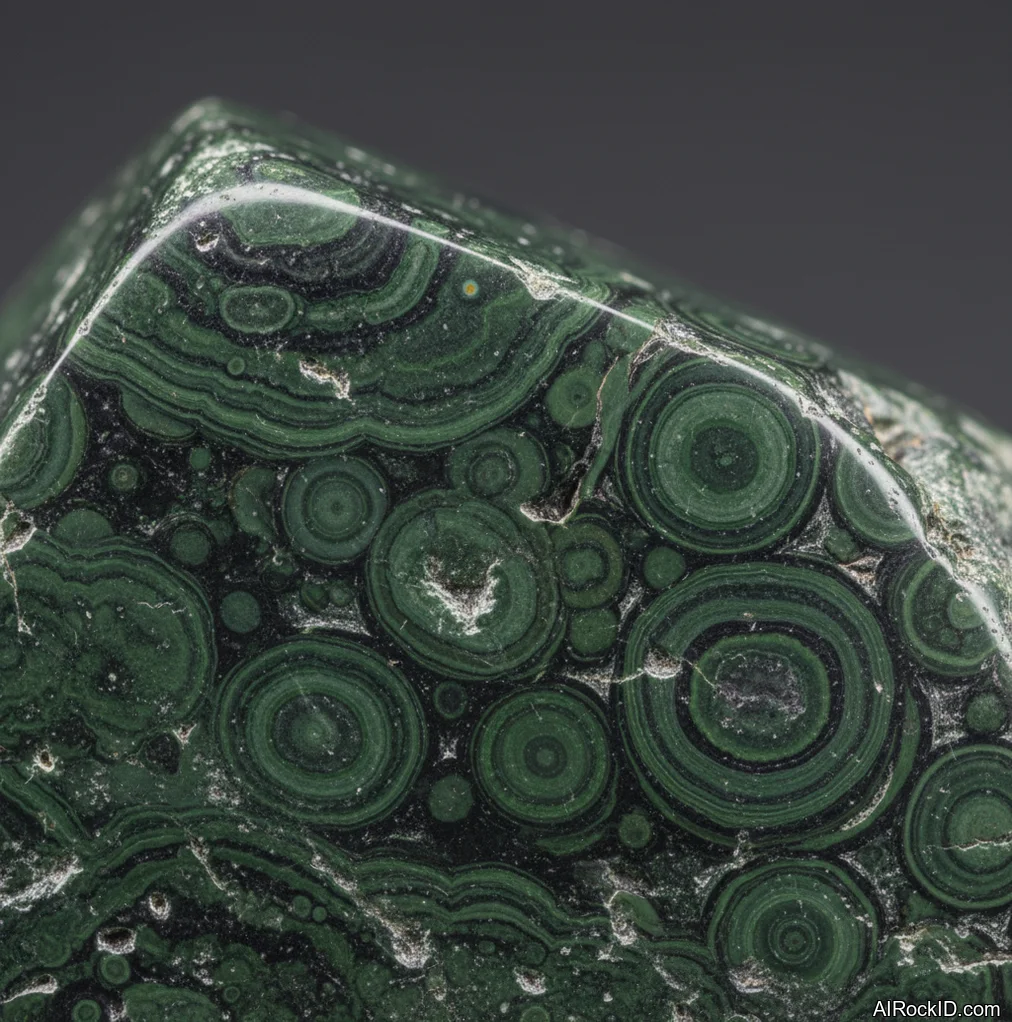
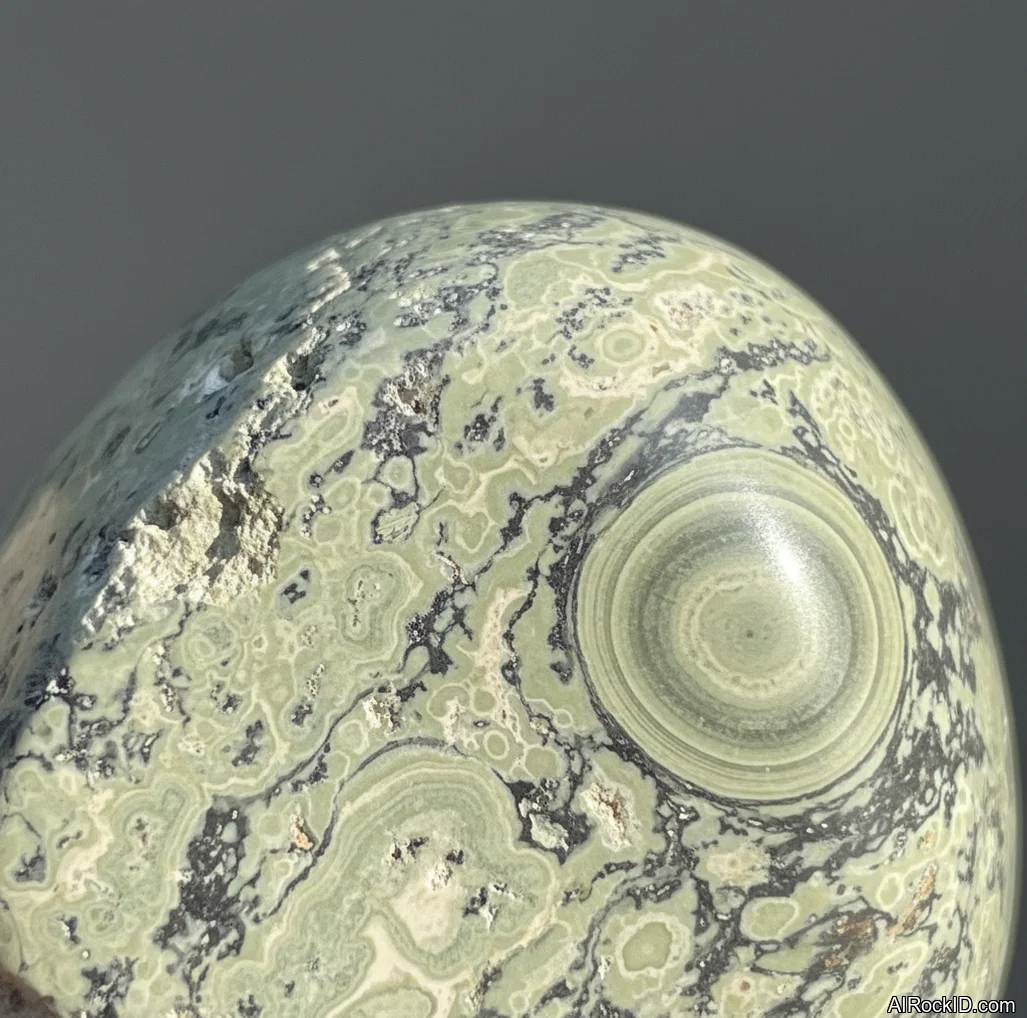
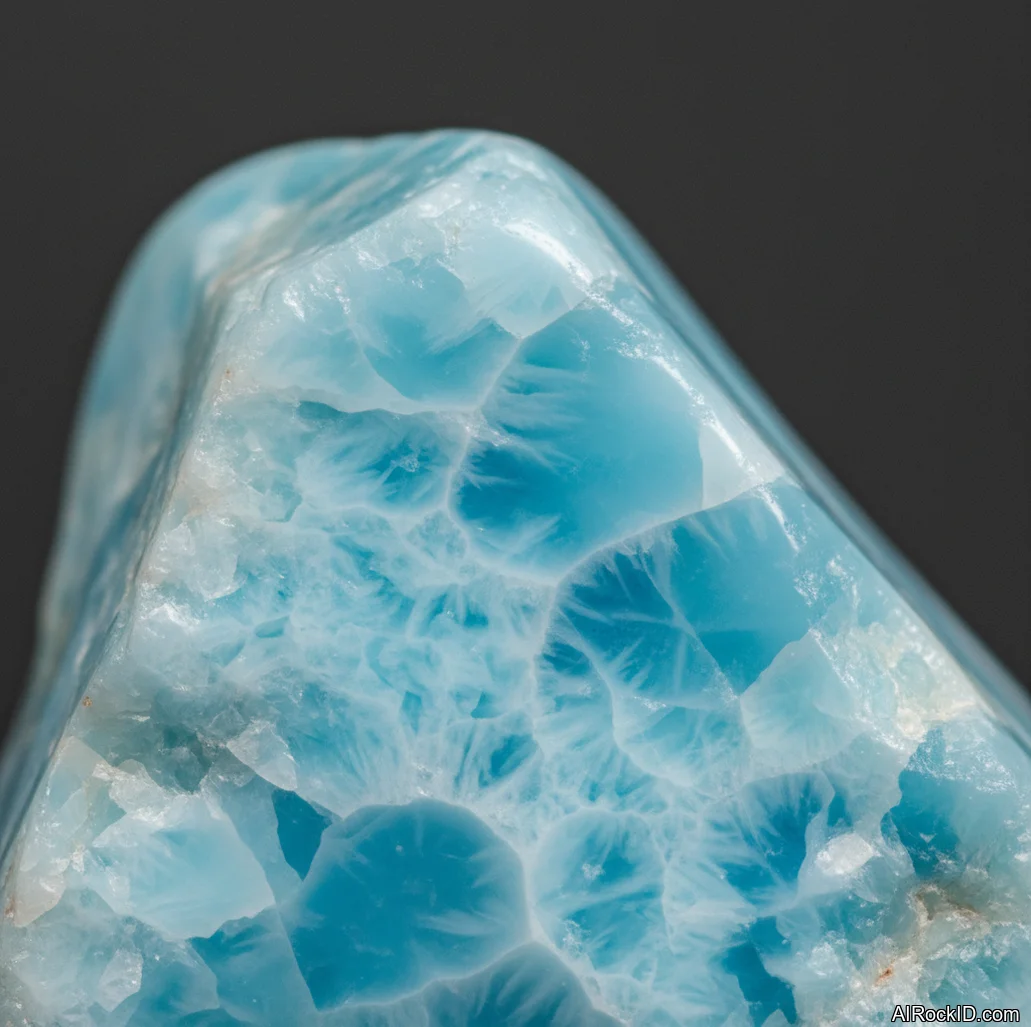
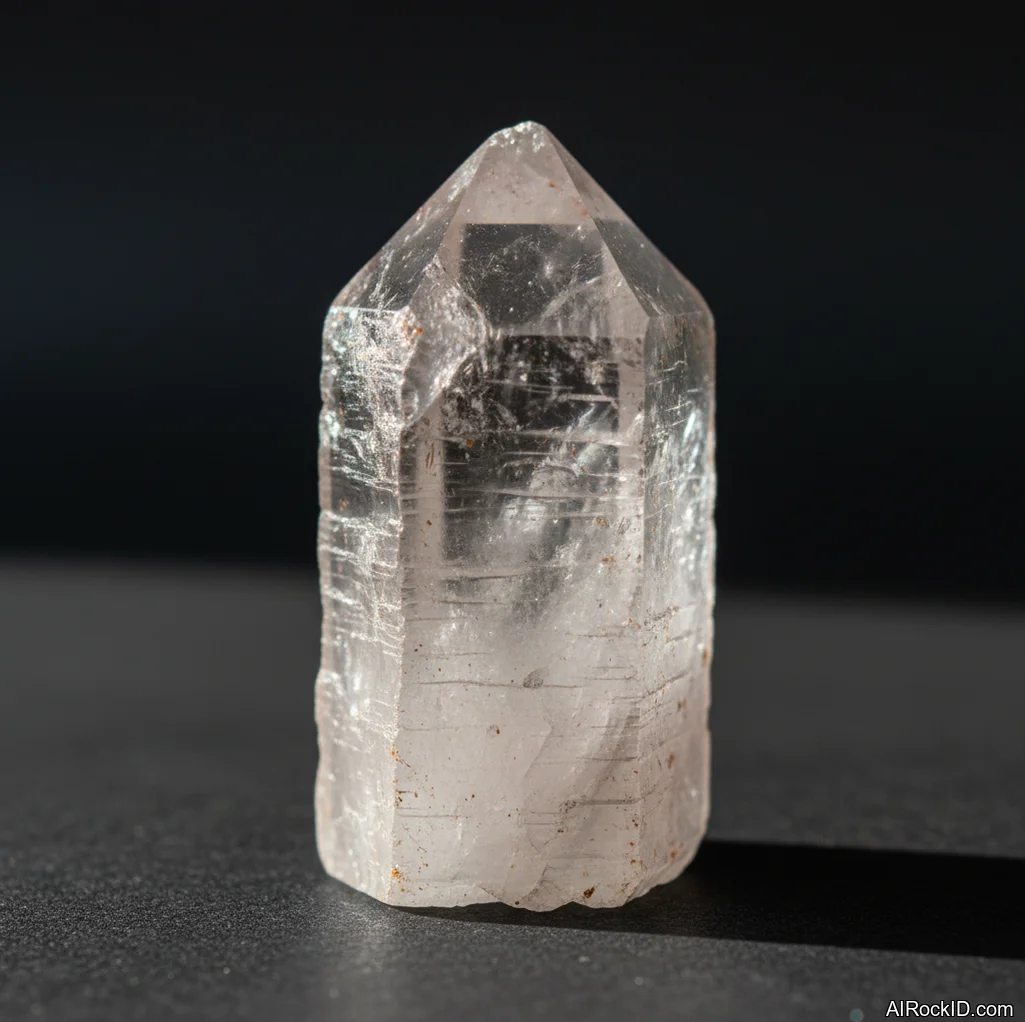
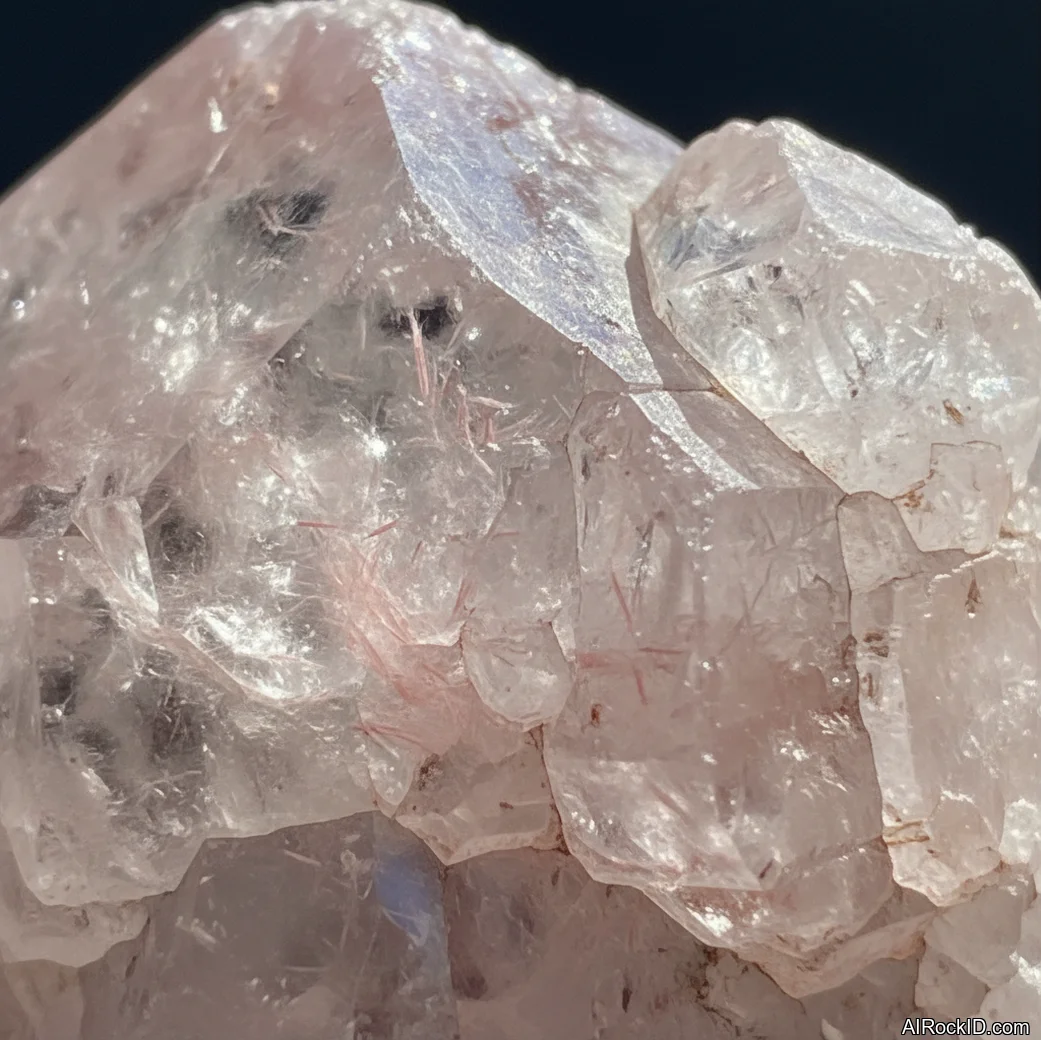
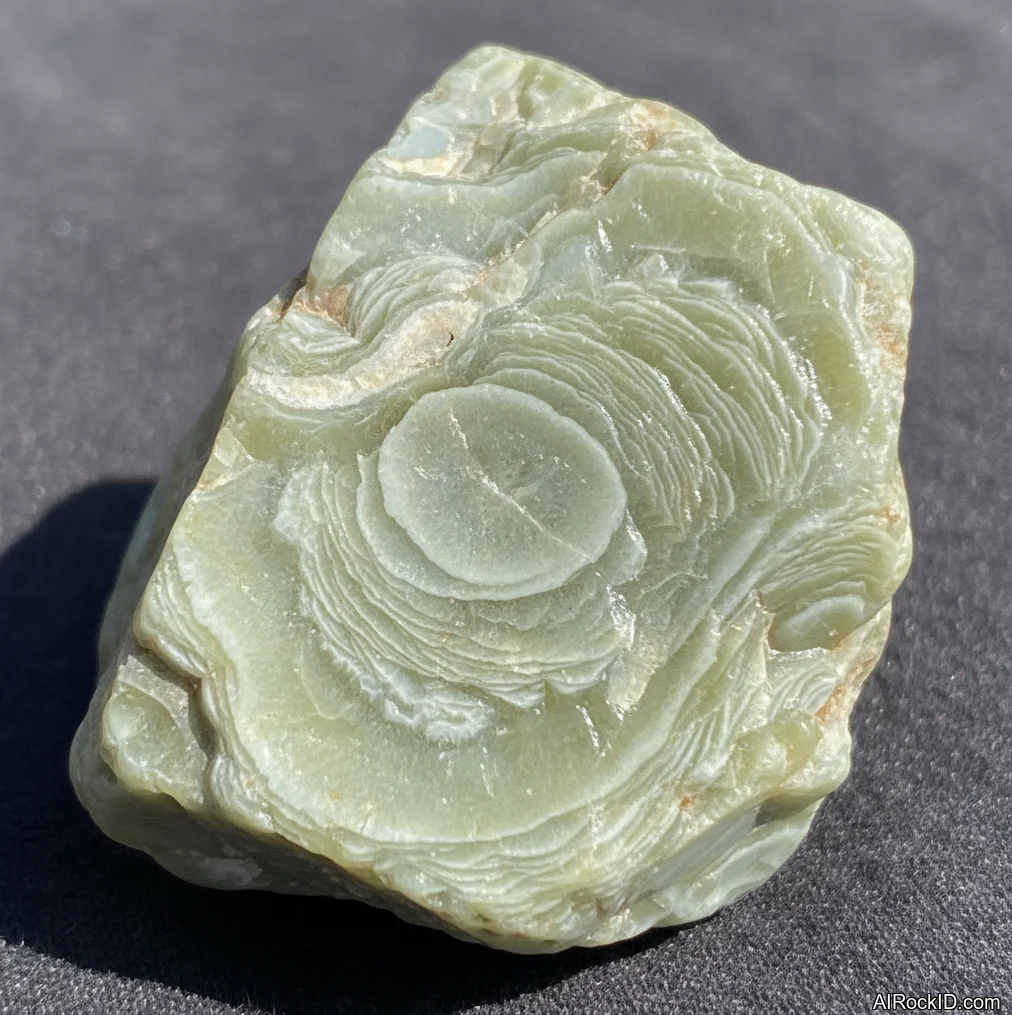
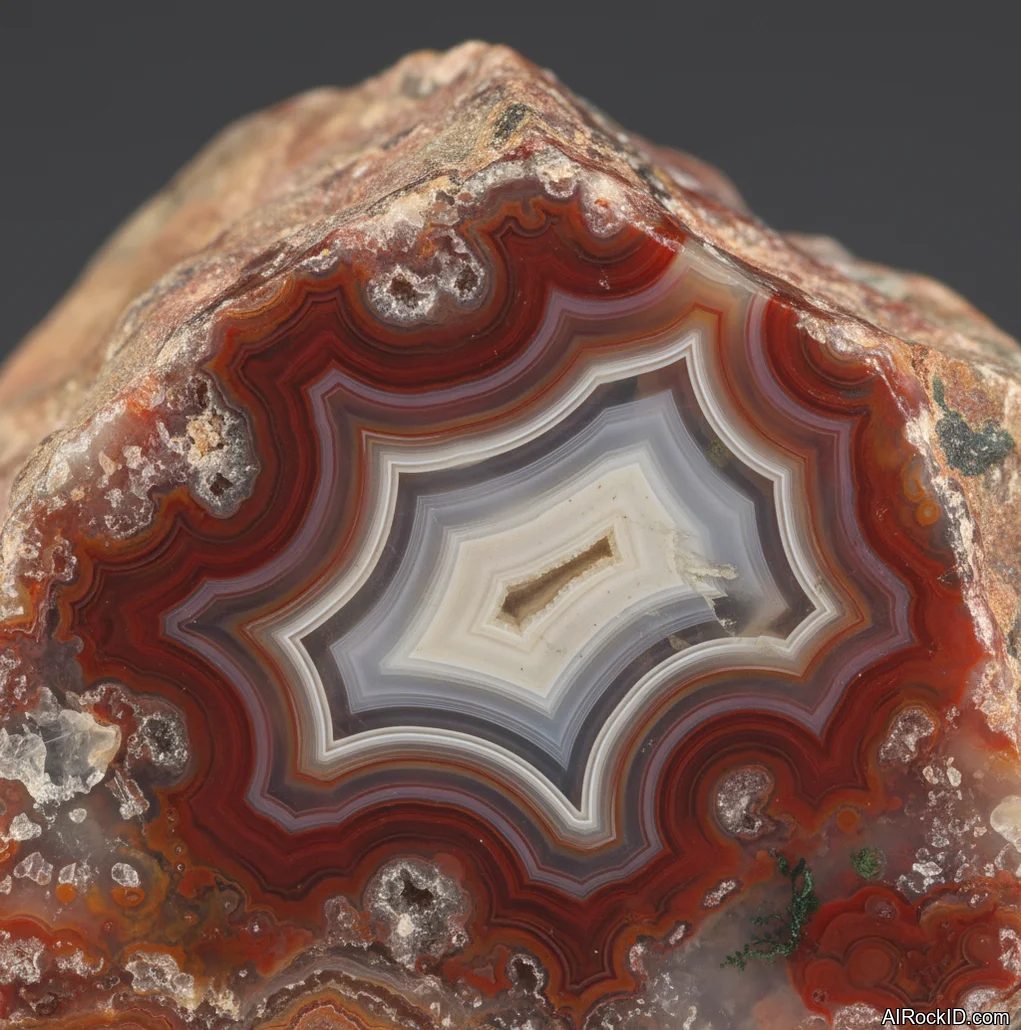
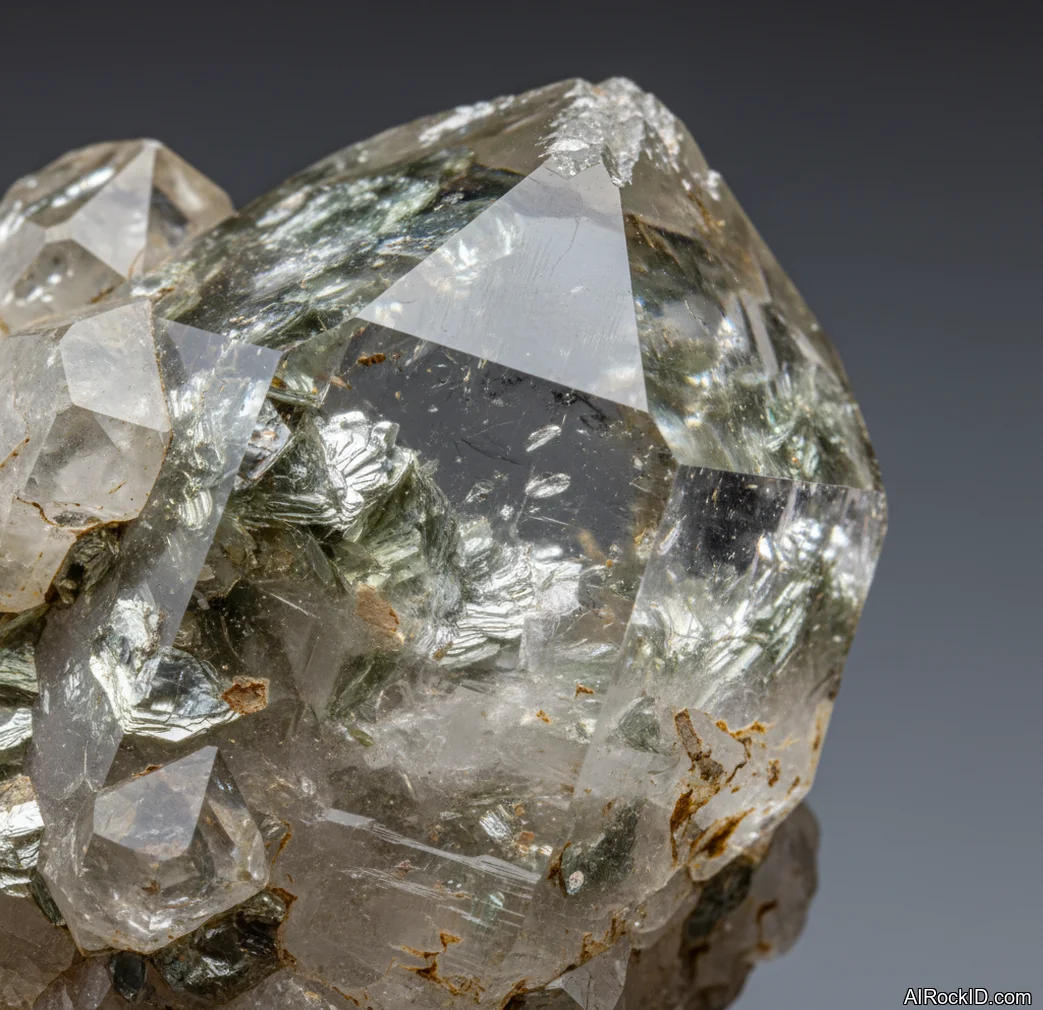
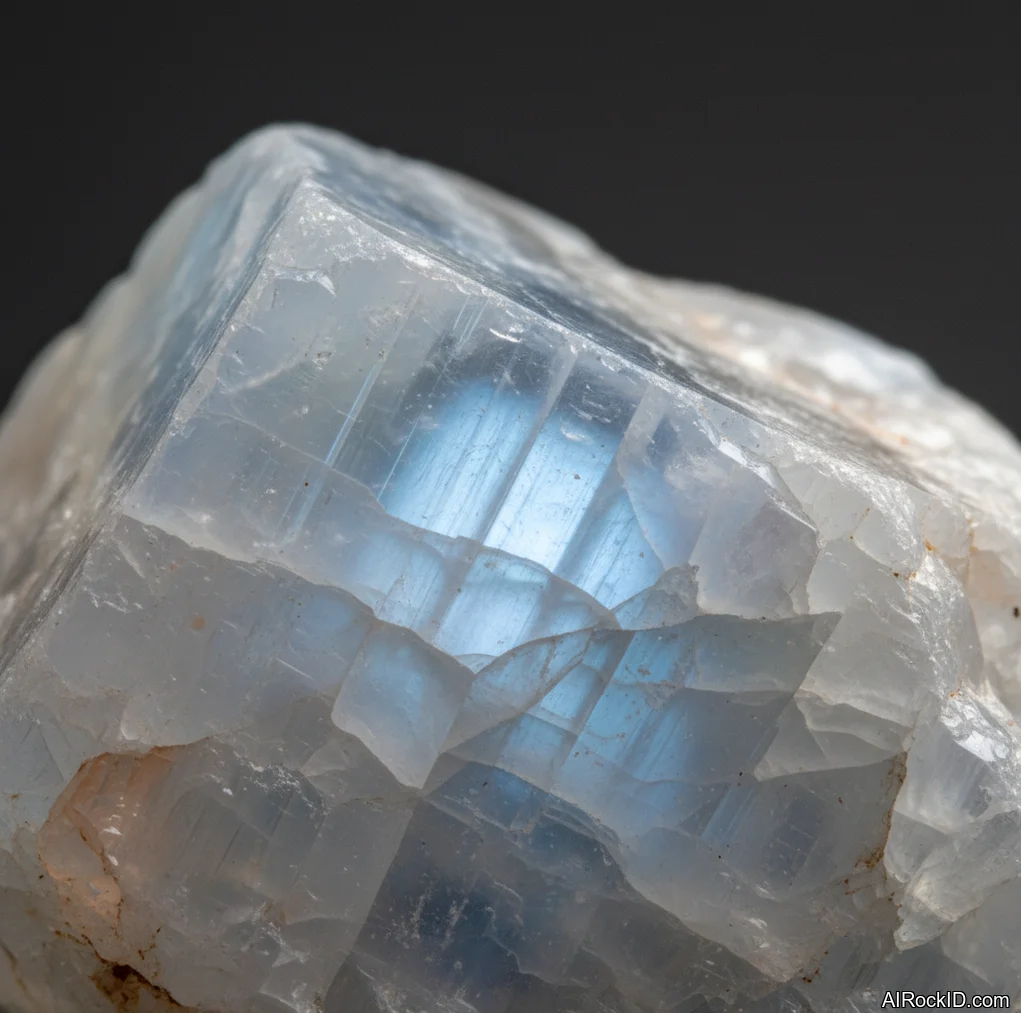
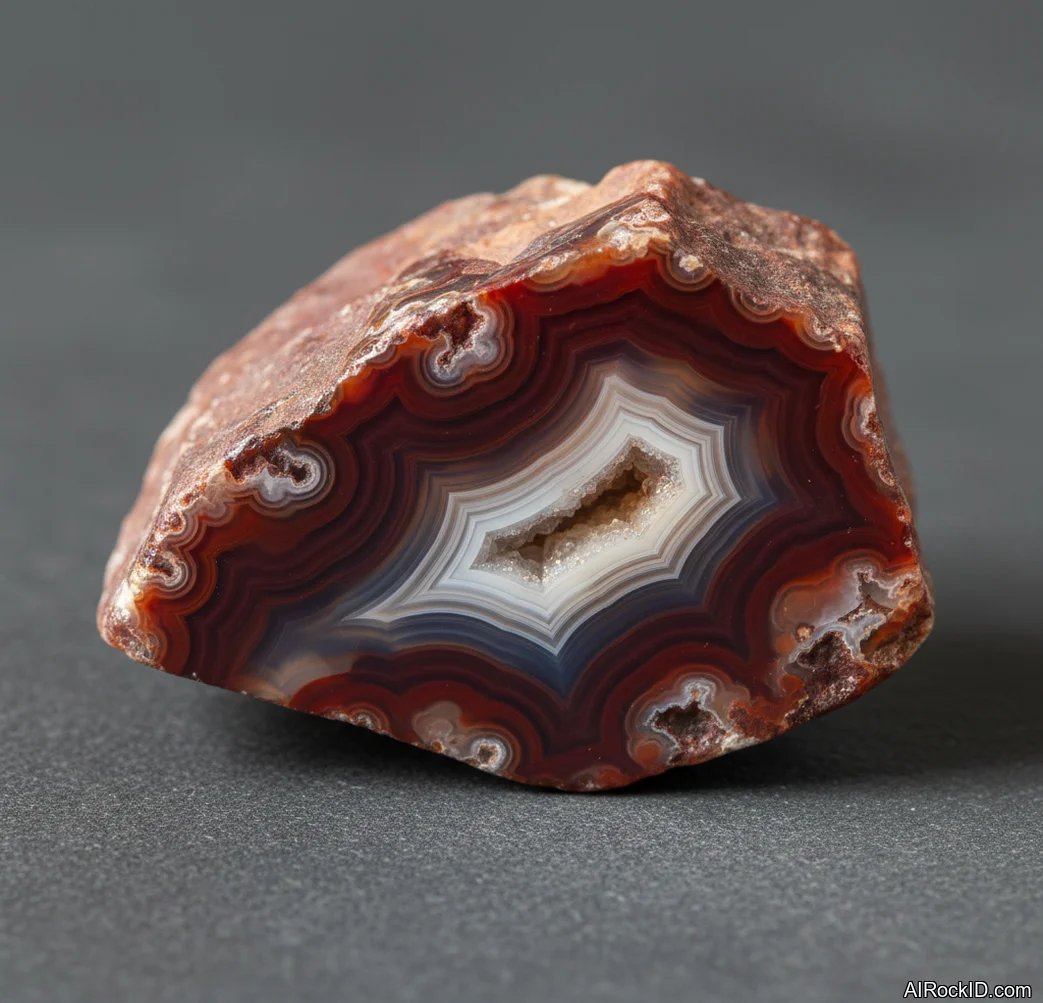
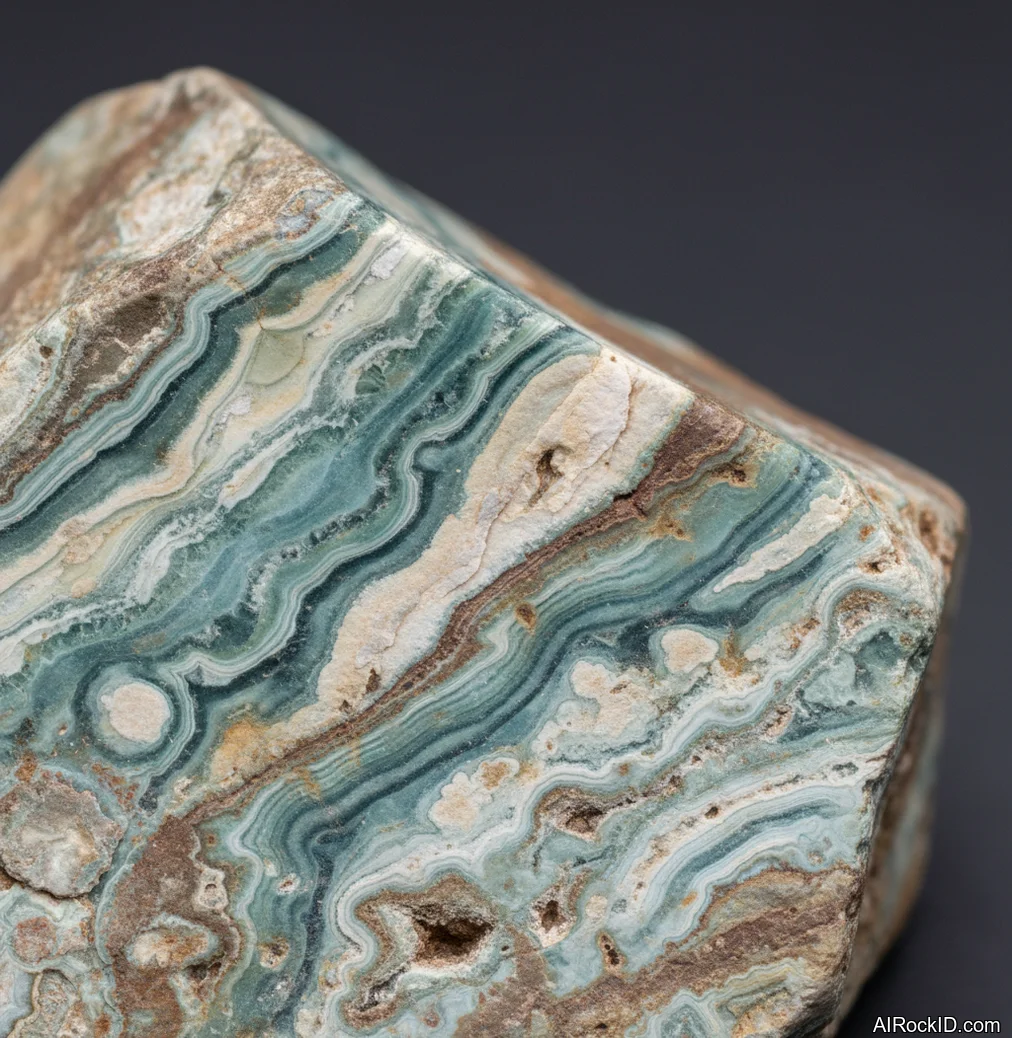
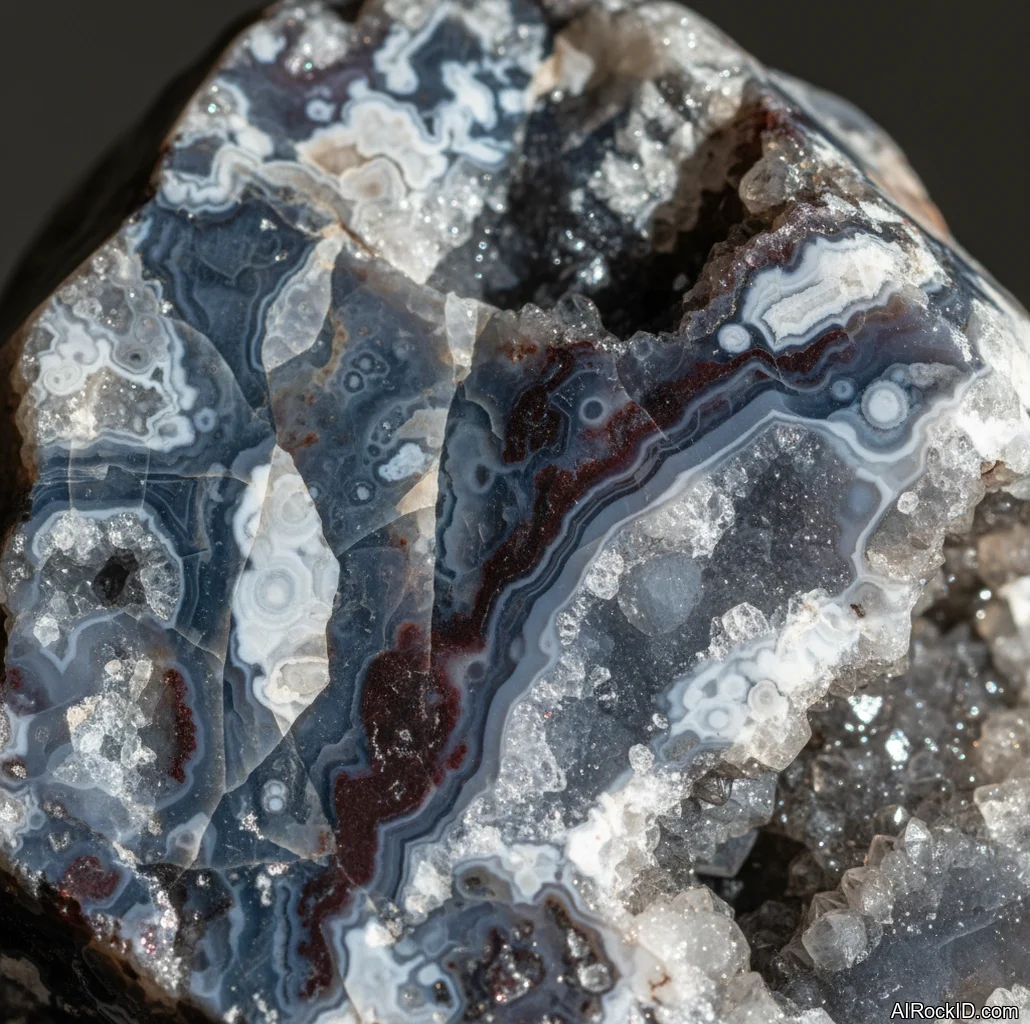
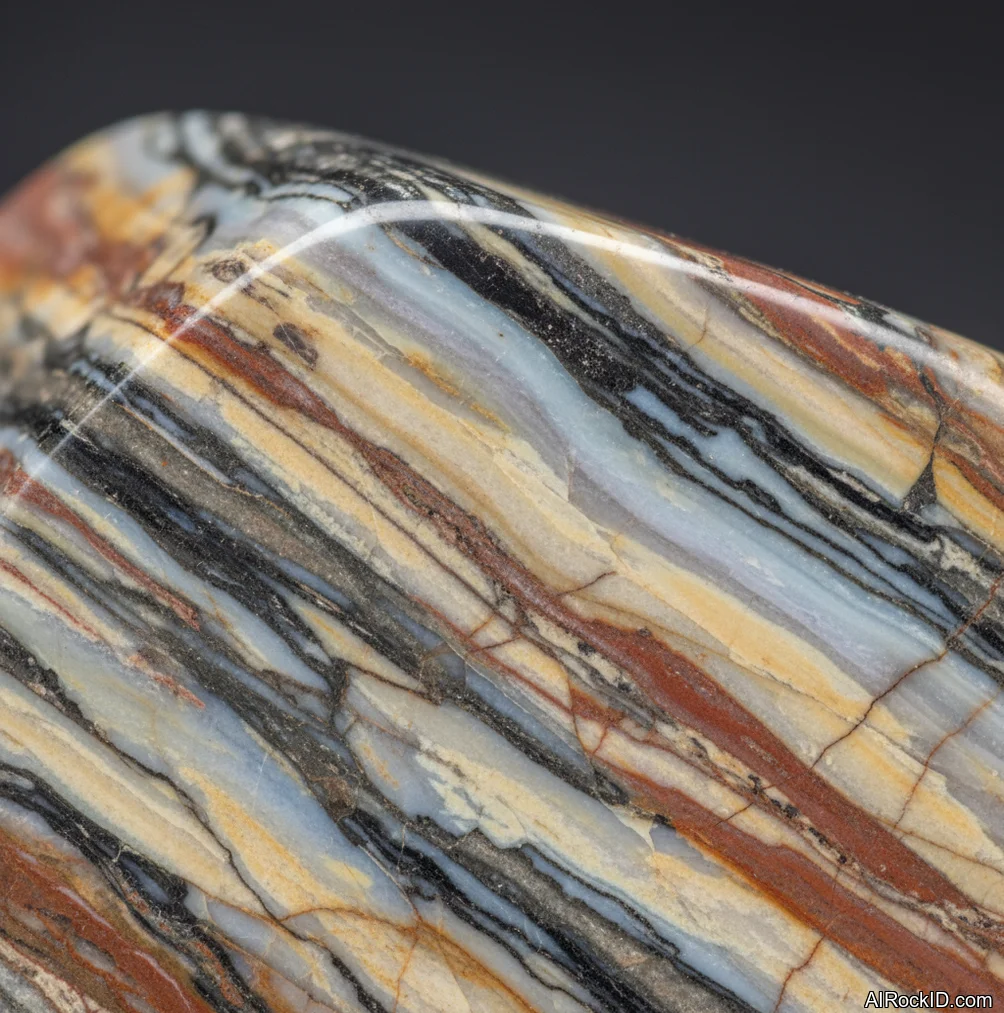
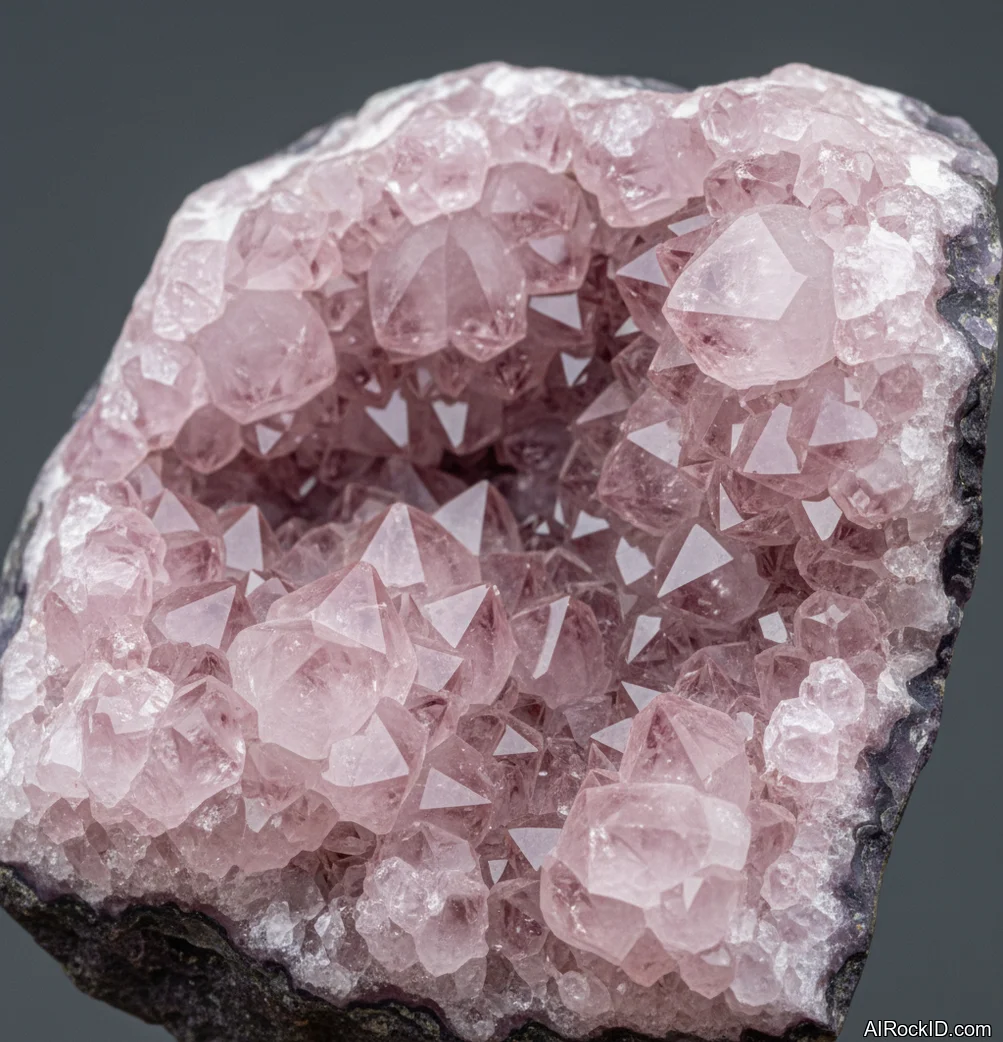
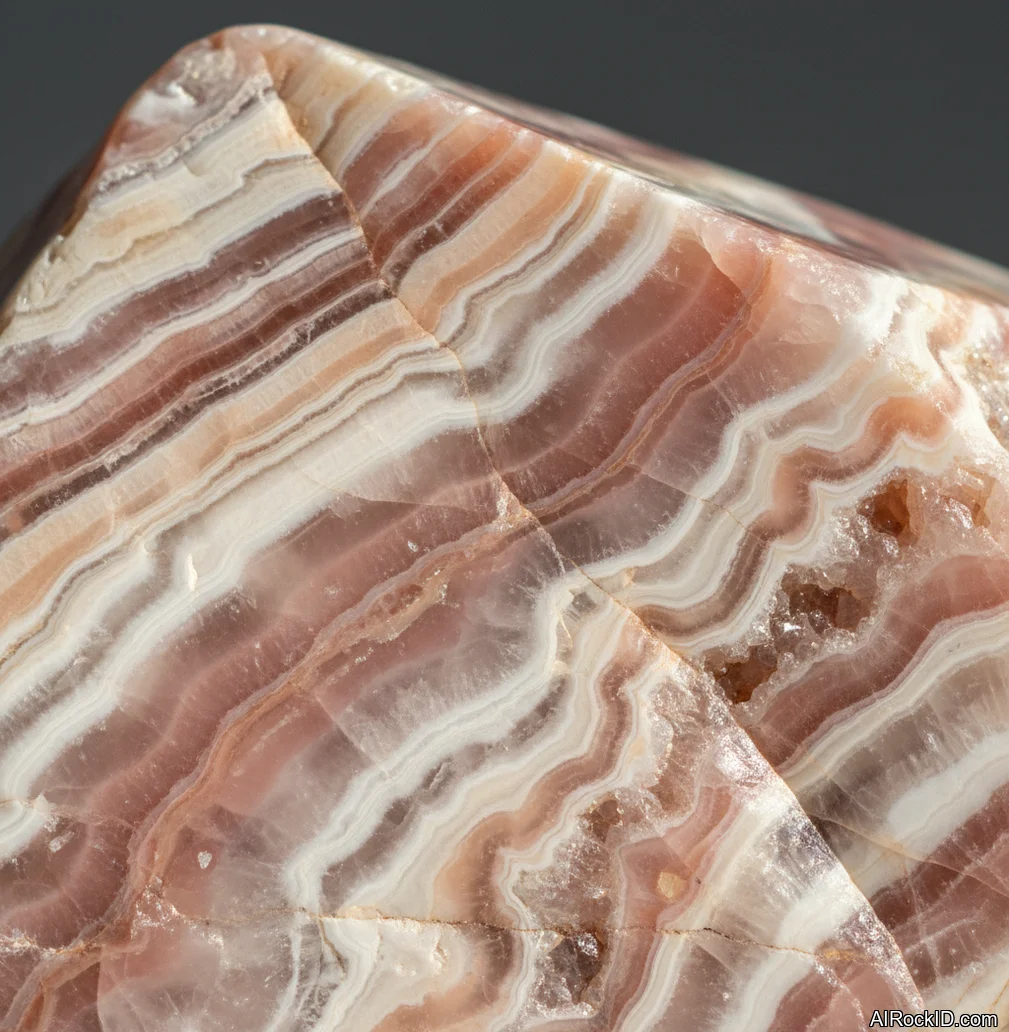
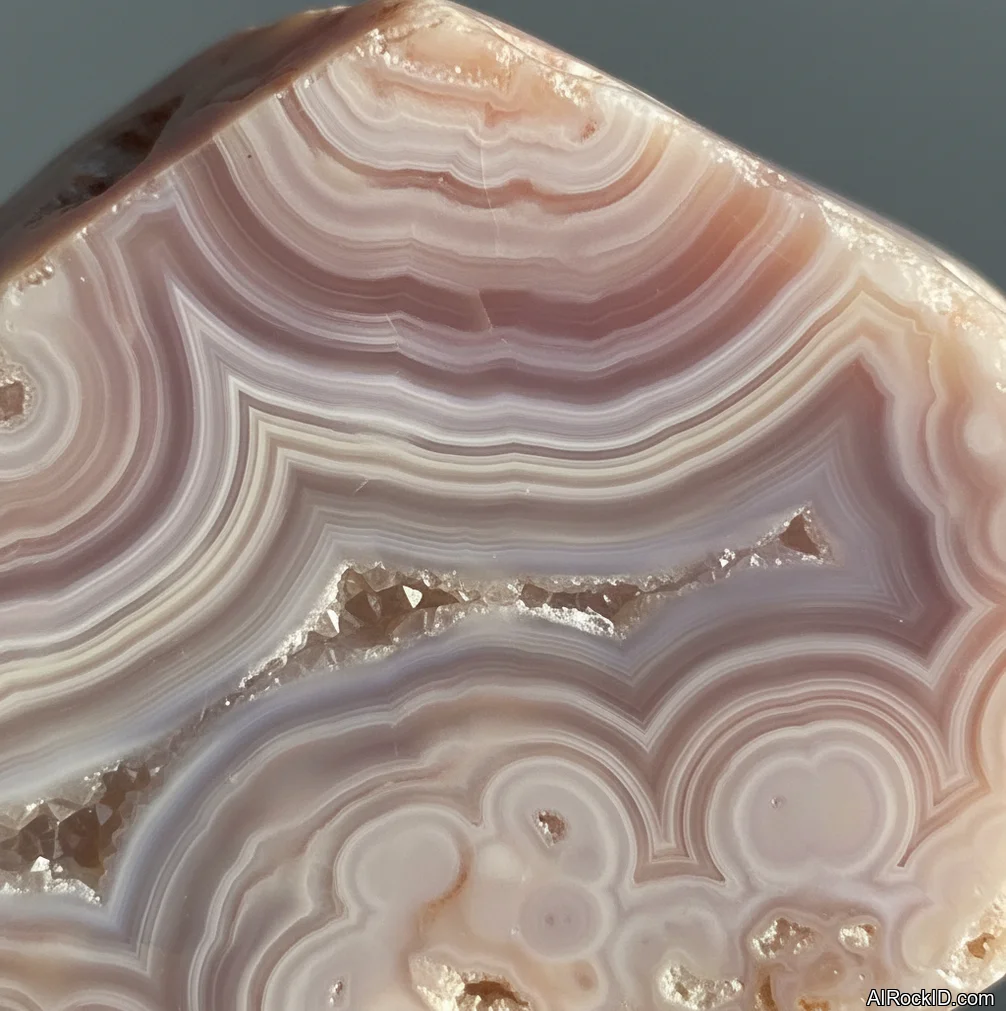
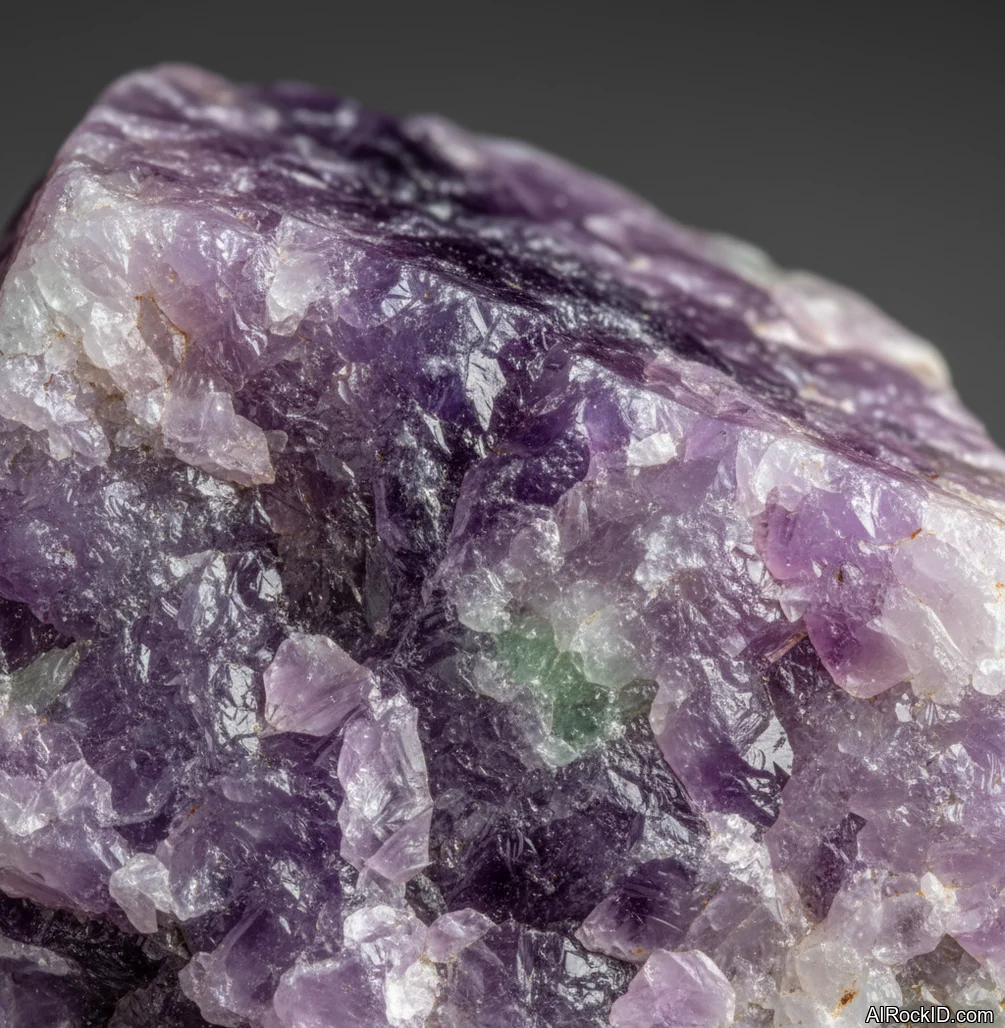
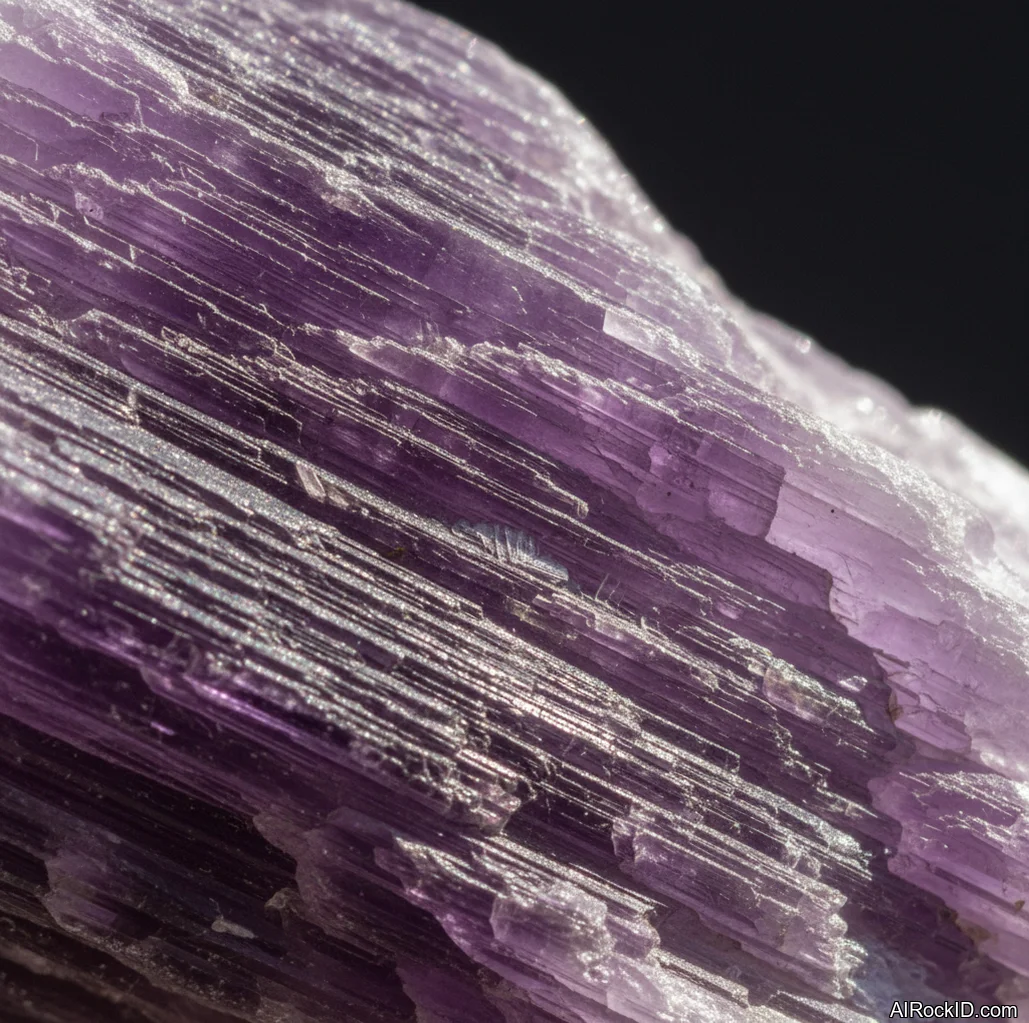
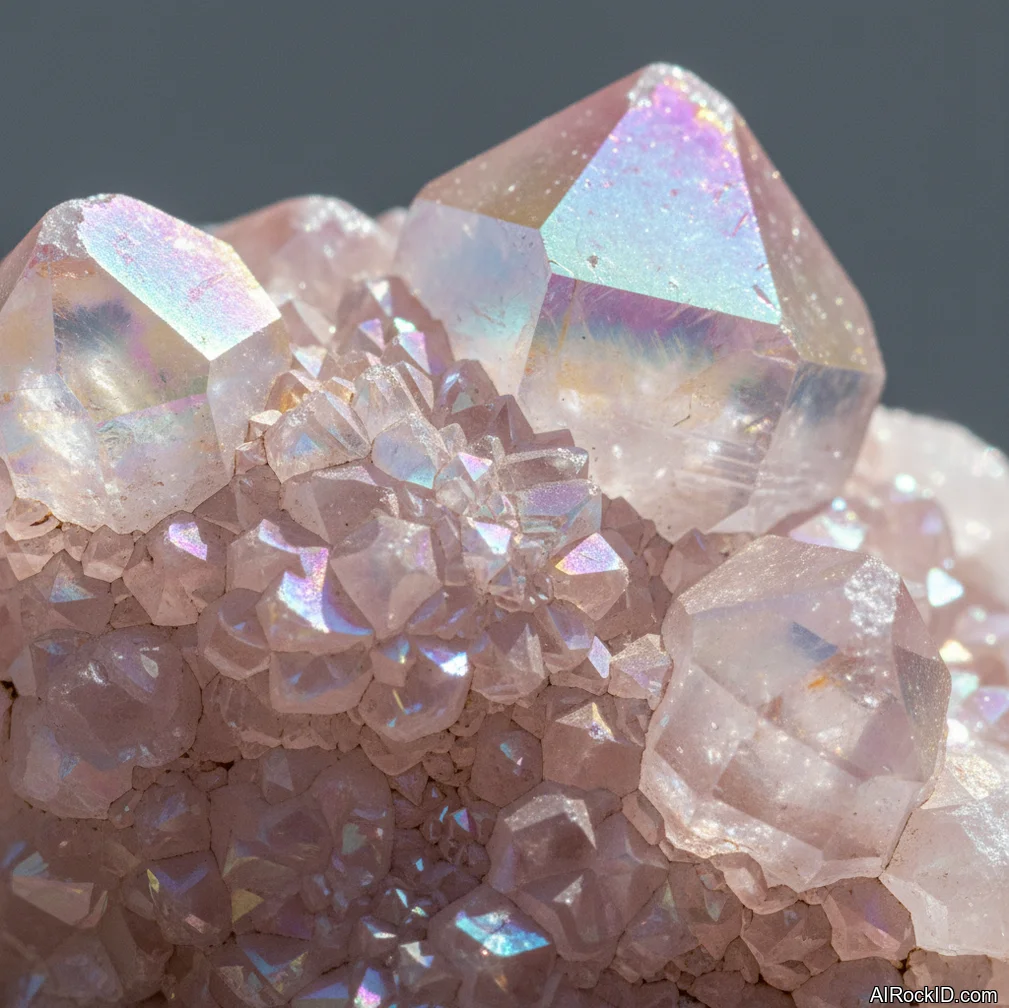
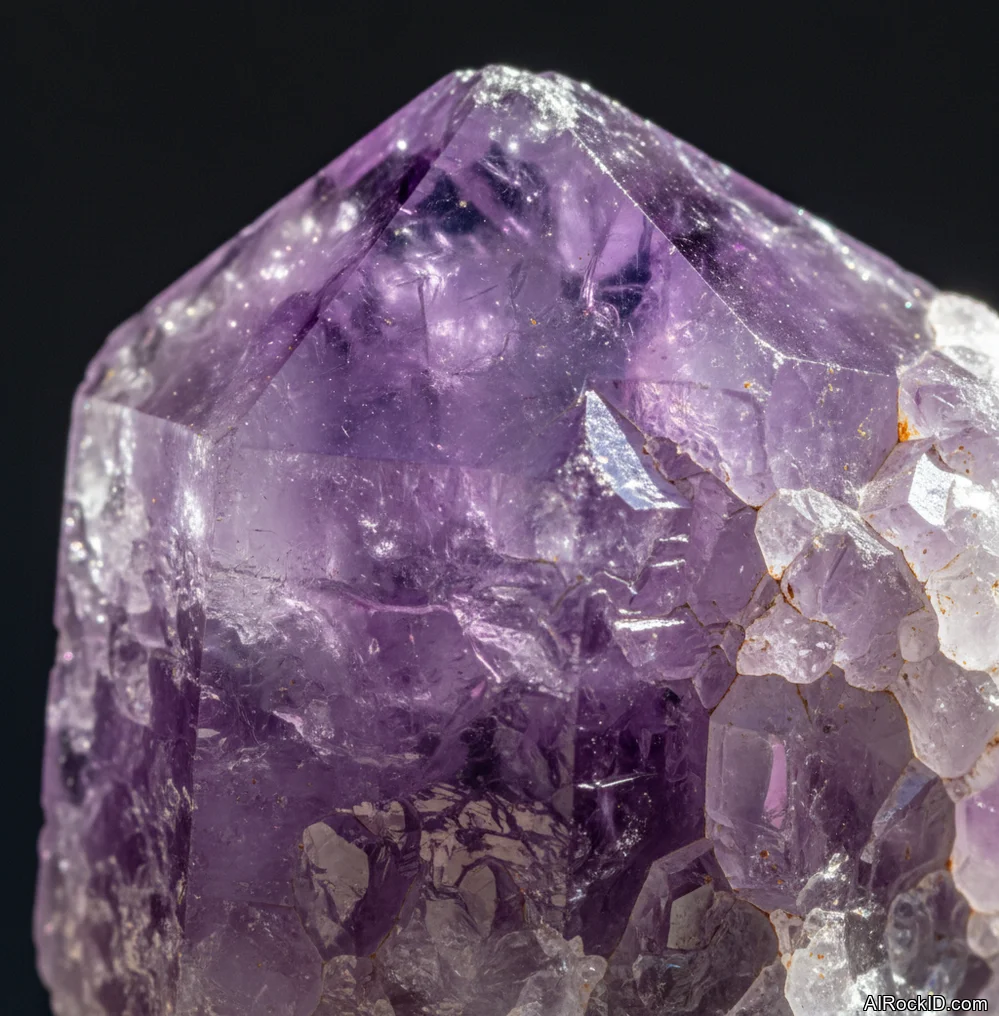
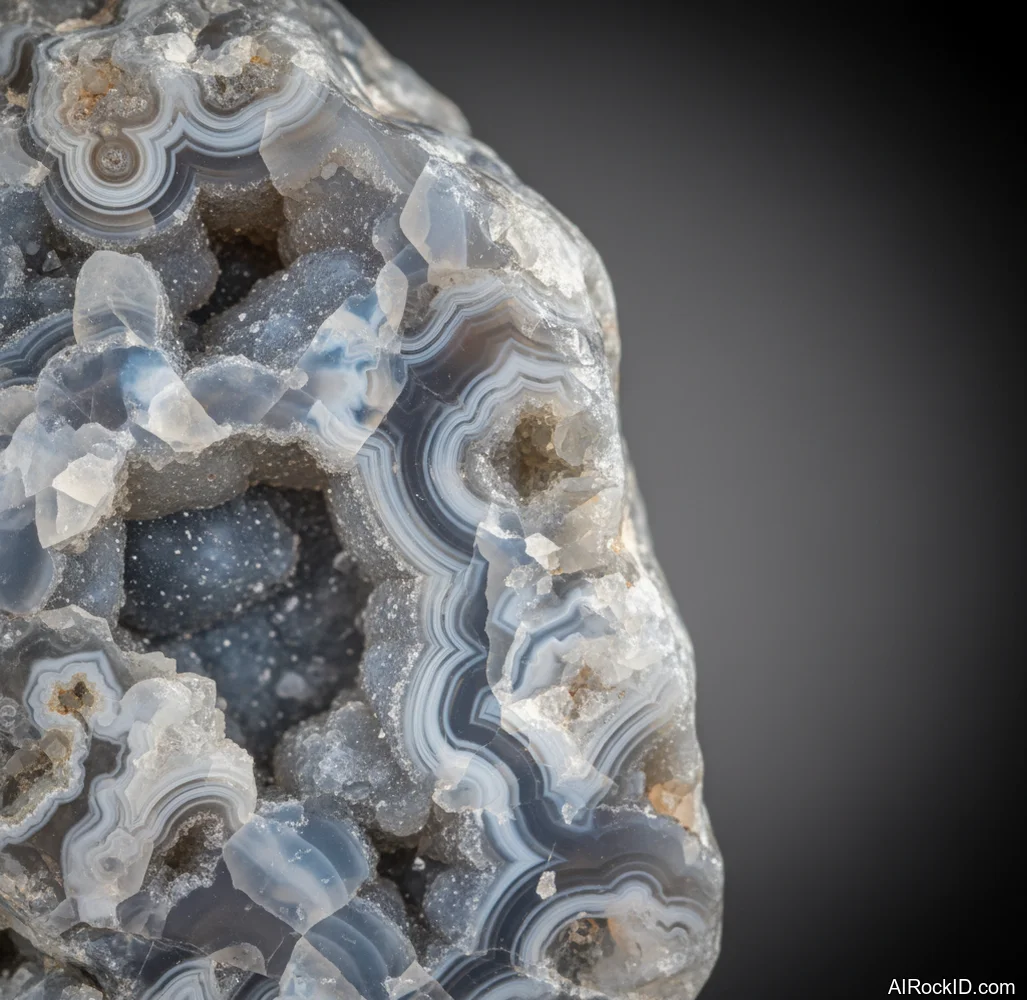
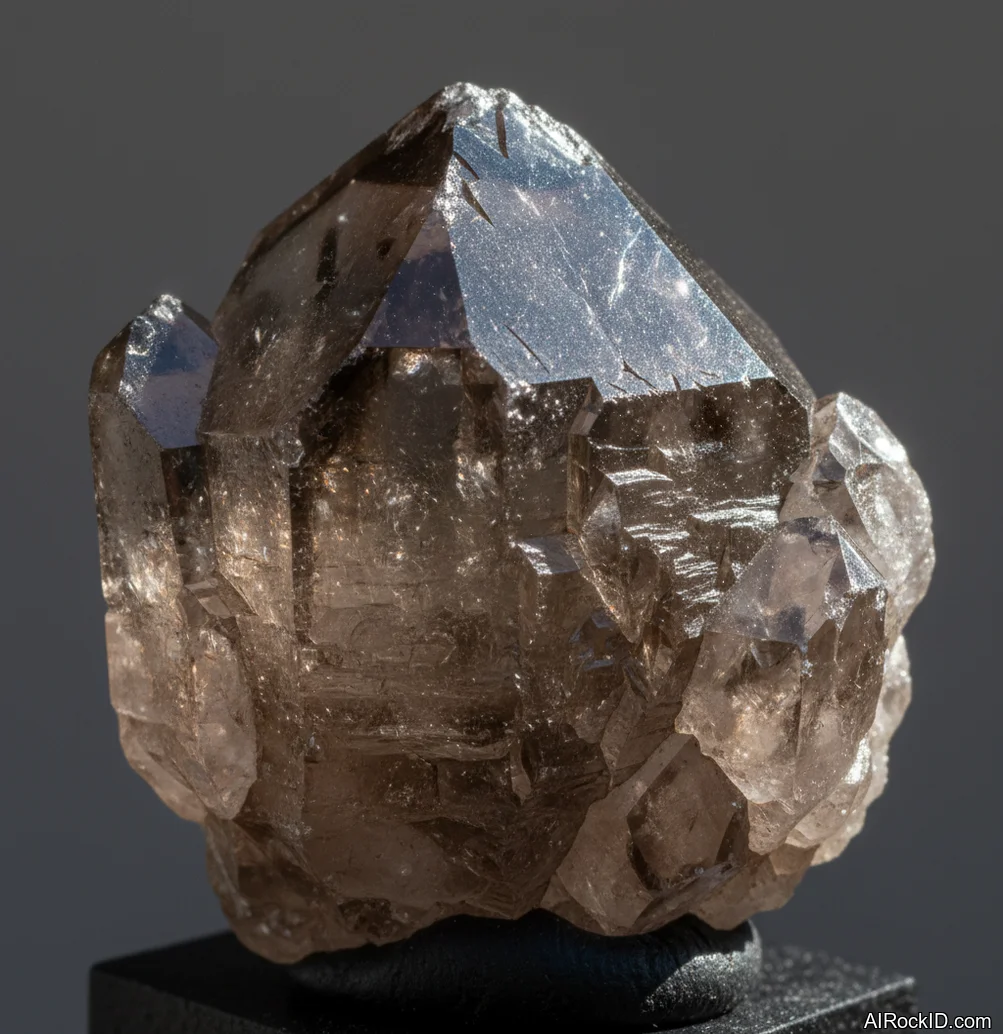
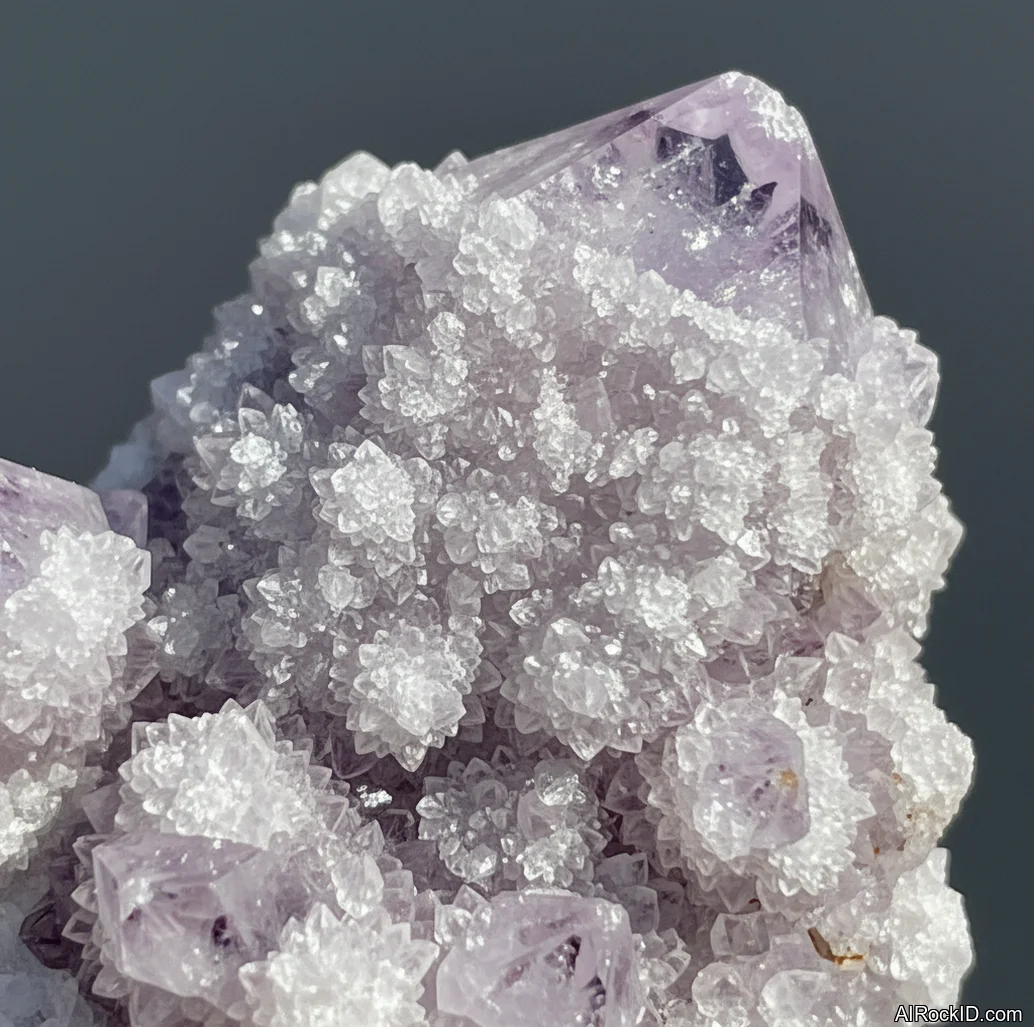
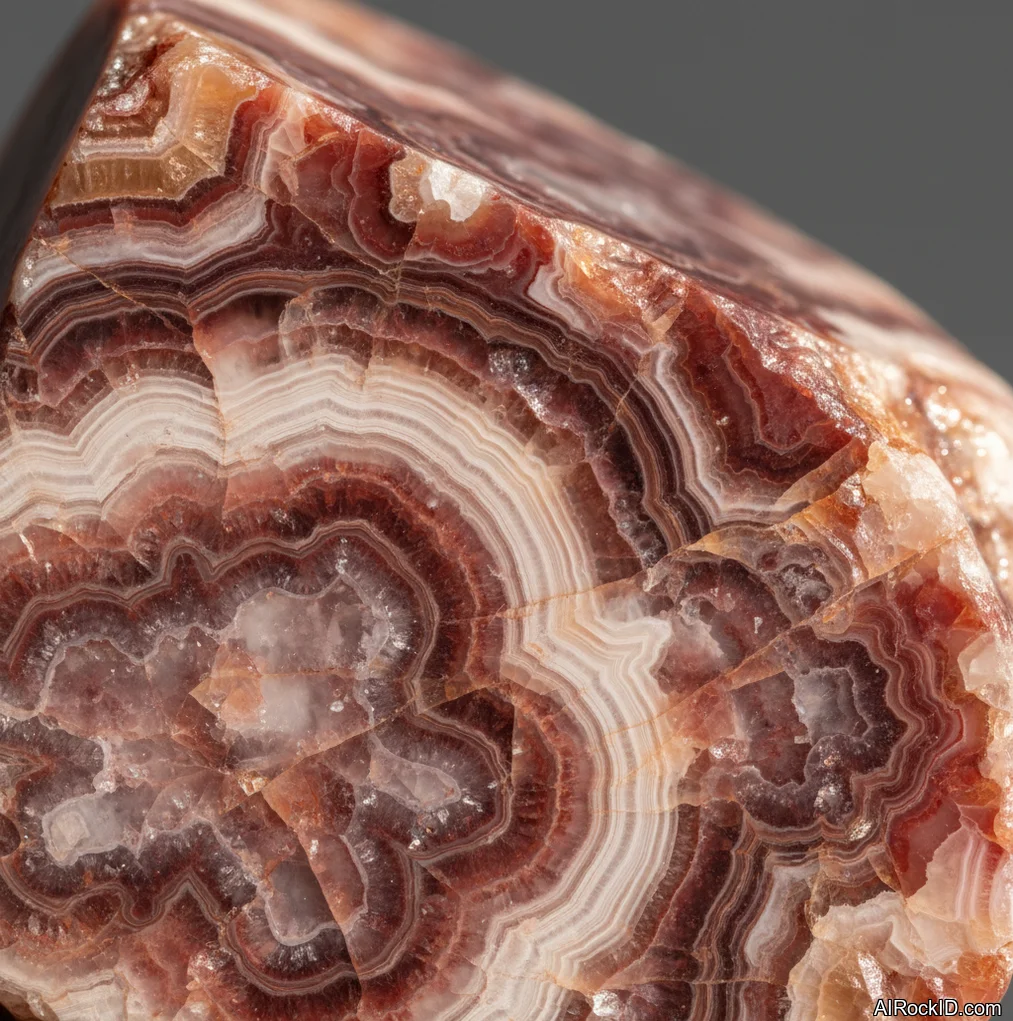
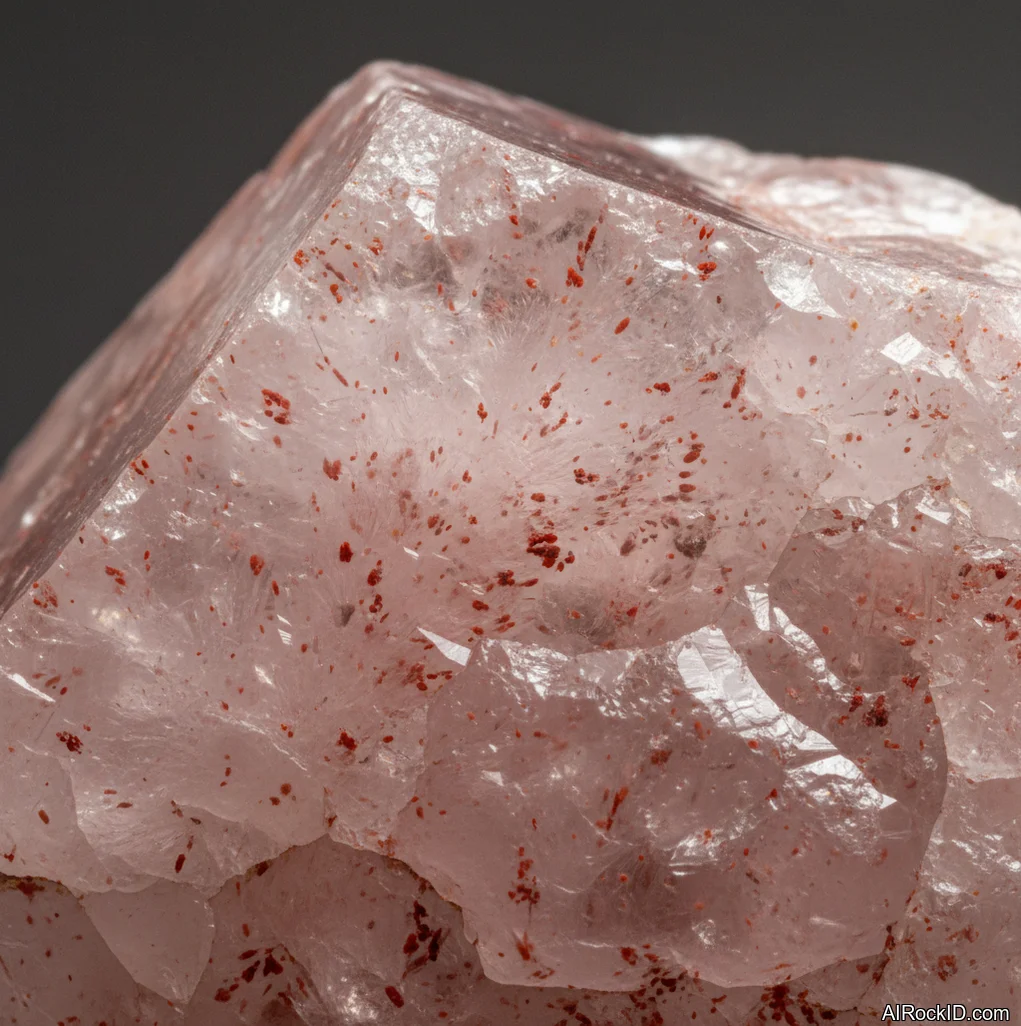
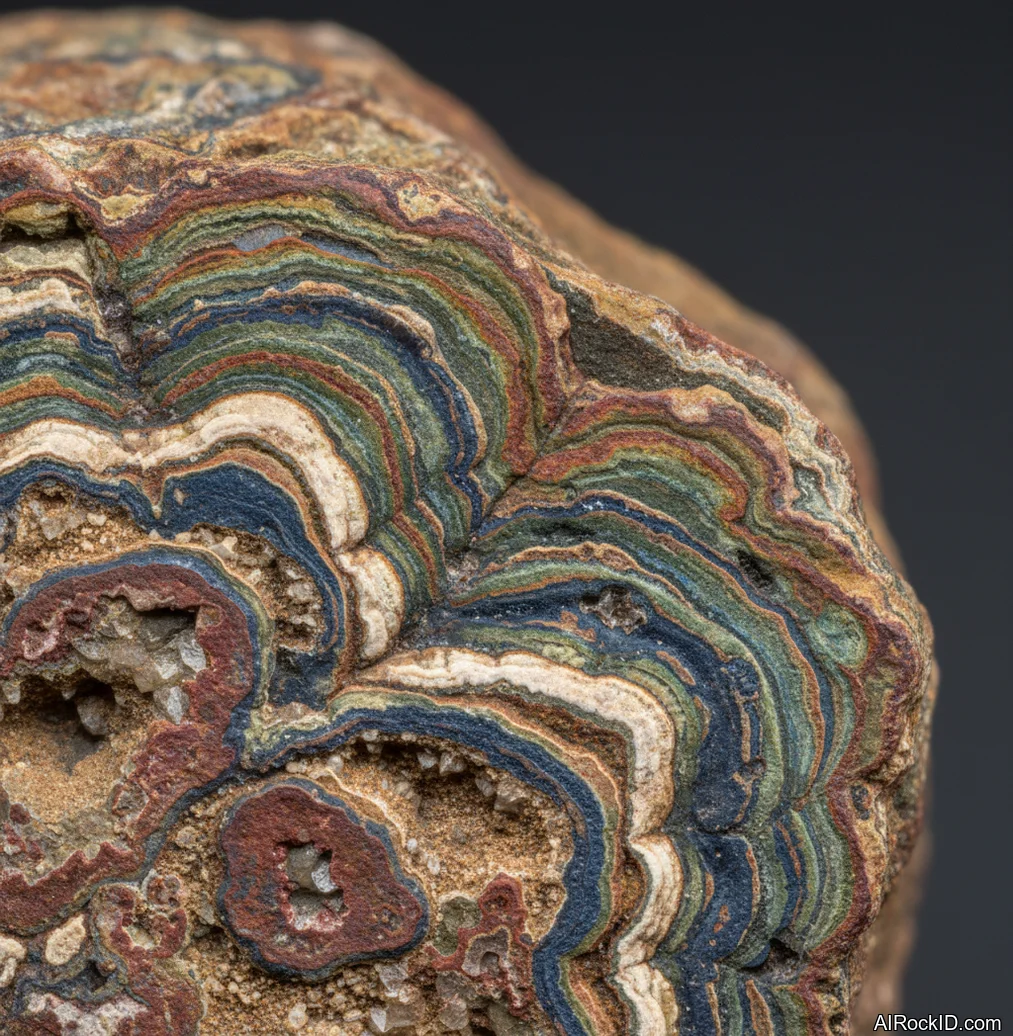
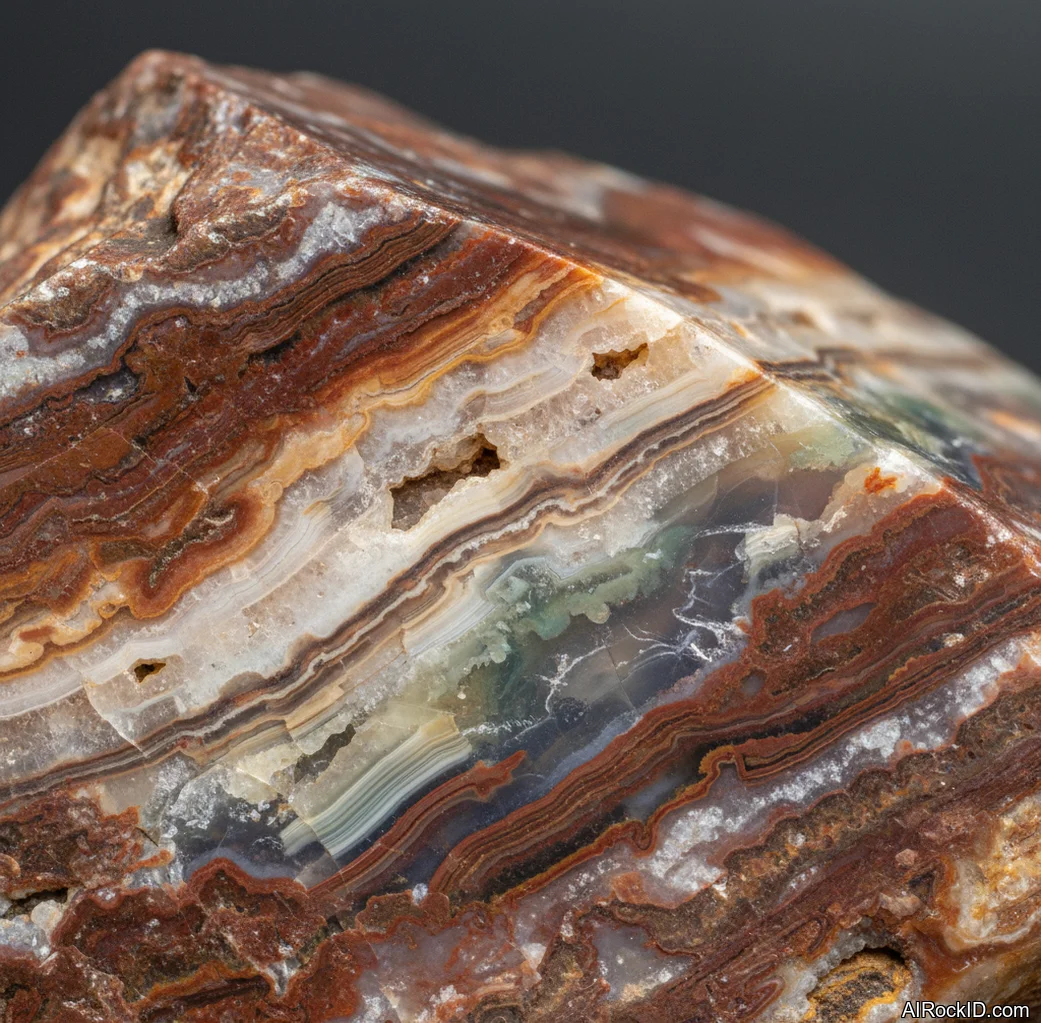
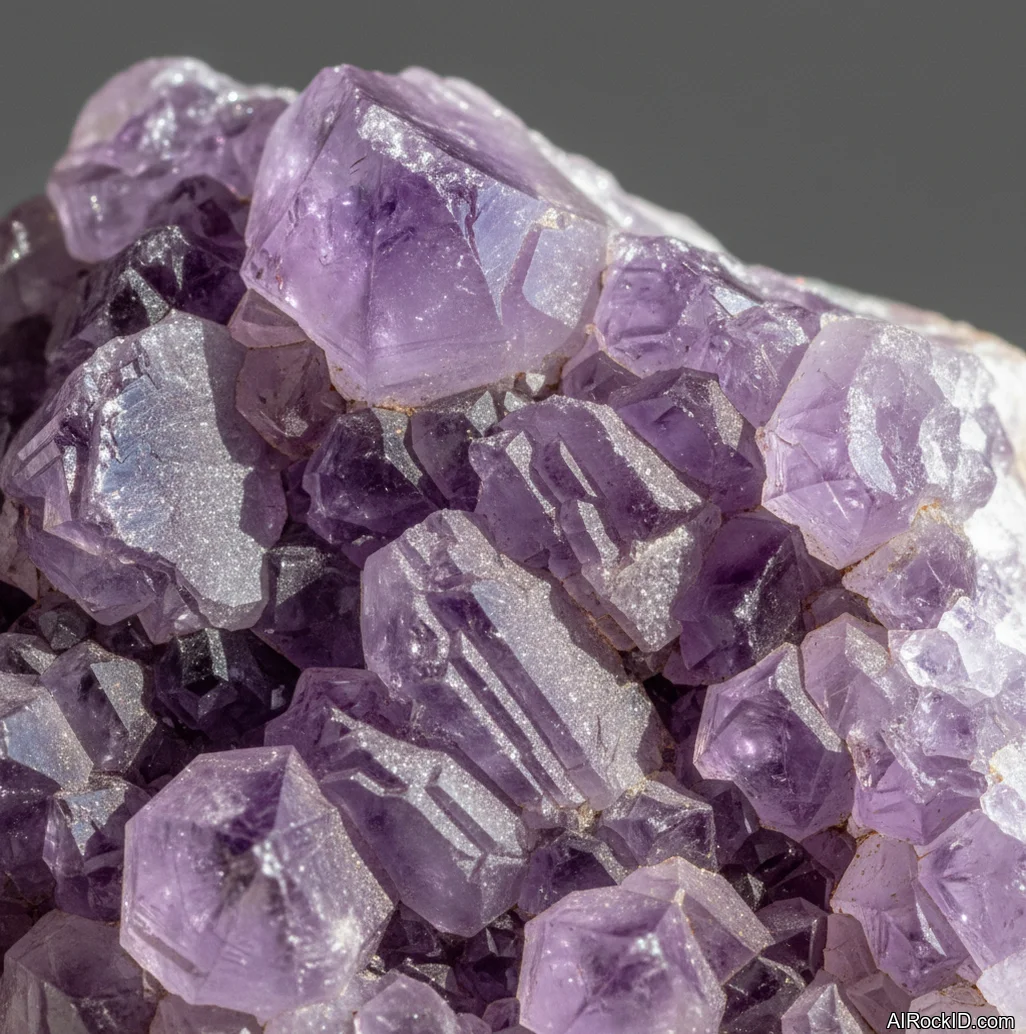
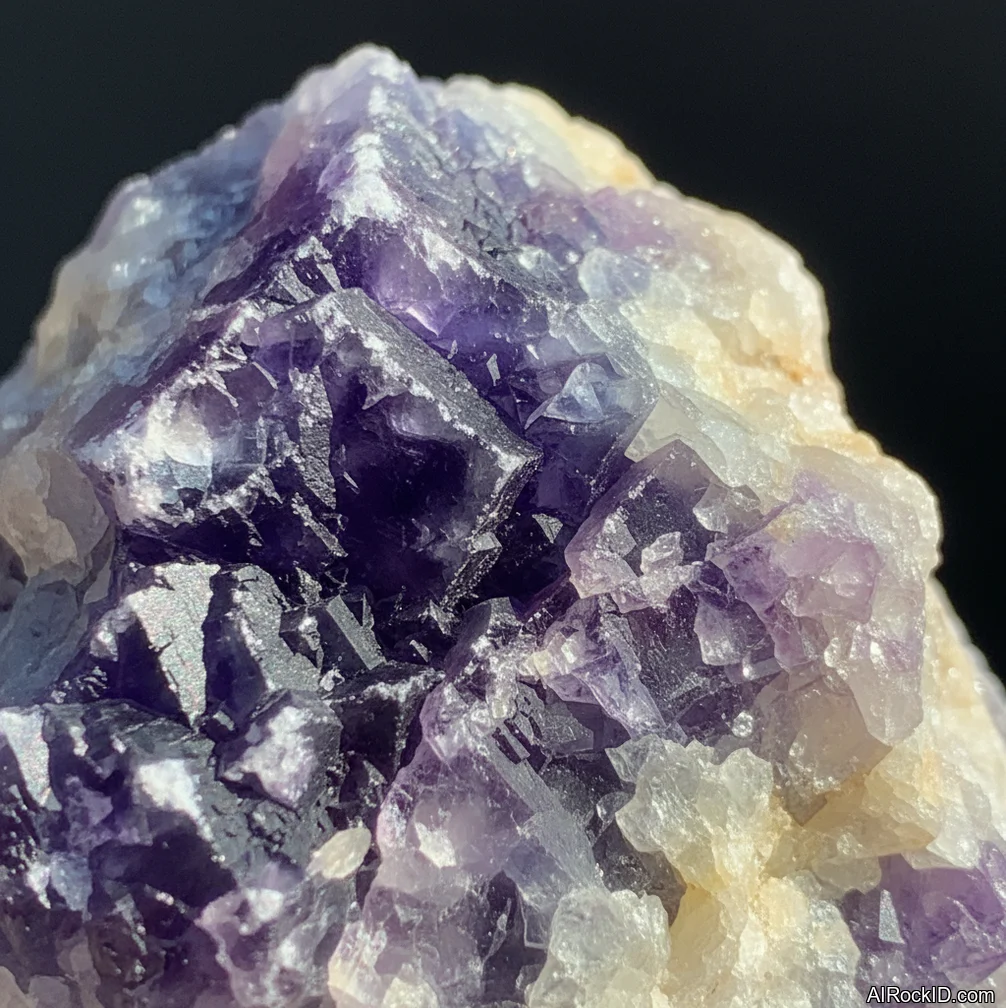
In a lot of collections, the big relaxation trio ends up being amethyst, lepidolite, and blue lace agate. They’re common enough to find in decent quality, and they hit different “vibes” people are after. Amethyst is the classic for winding down at night, and the color can tell you a lot about where it came from. The deepest purple material tends to be Uruguayan, and it’s often sold as tight crystal clusters with small points. Brazilian pieces are more likely to be a lighter lavender, sometimes with a bit of smoky zoning if you tilt it under warm indoor light. Blue lace agate is usually cut and polished since it’s banded and the patterns show best on a domed surface. Good material has soft, cloudy bands, not harsh, painted-looking lines.
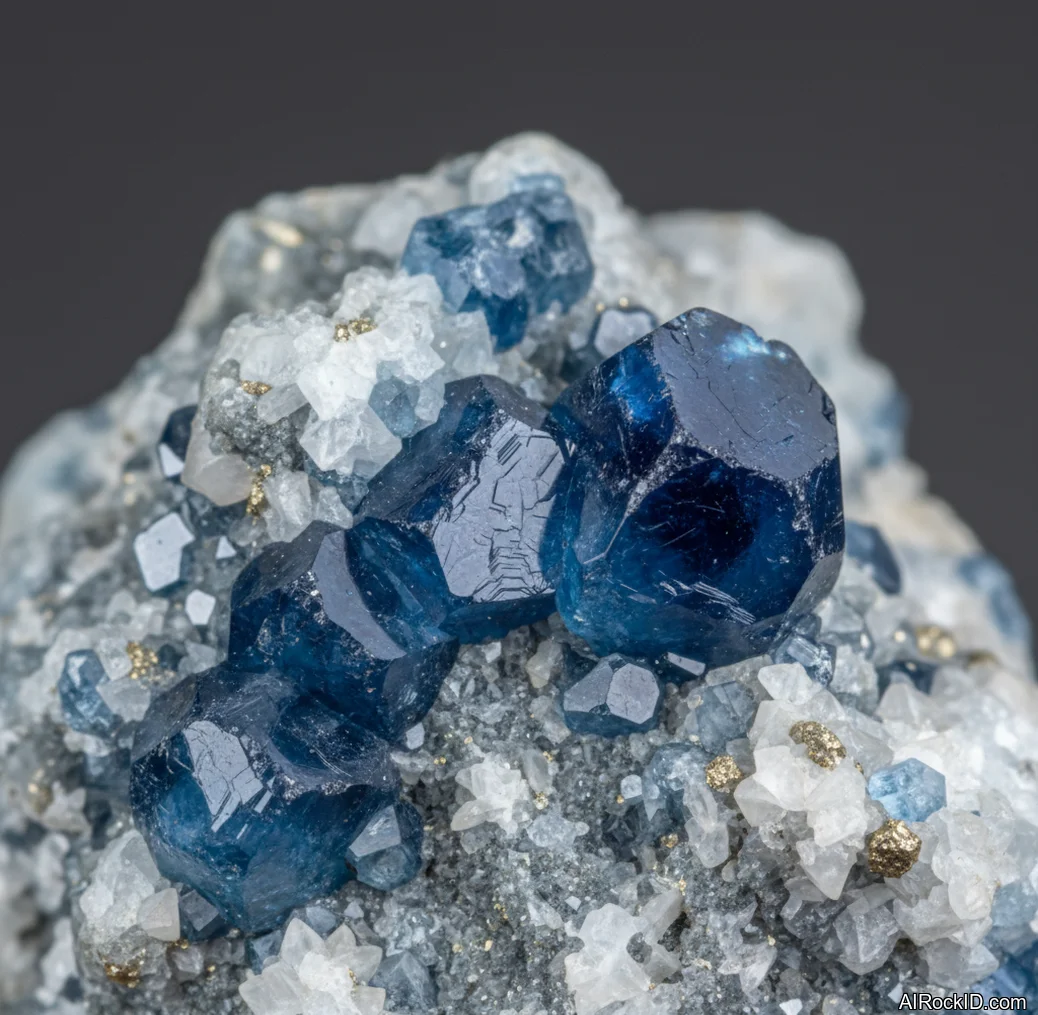
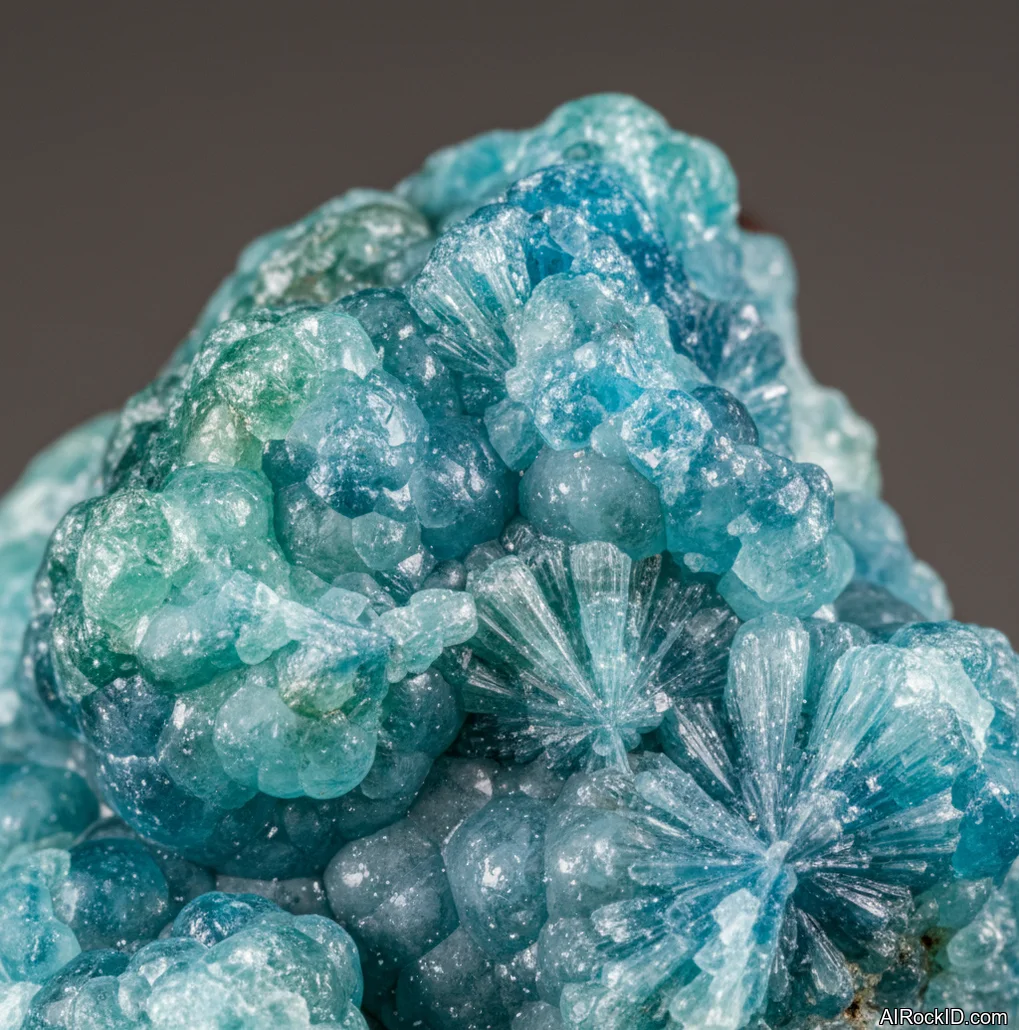
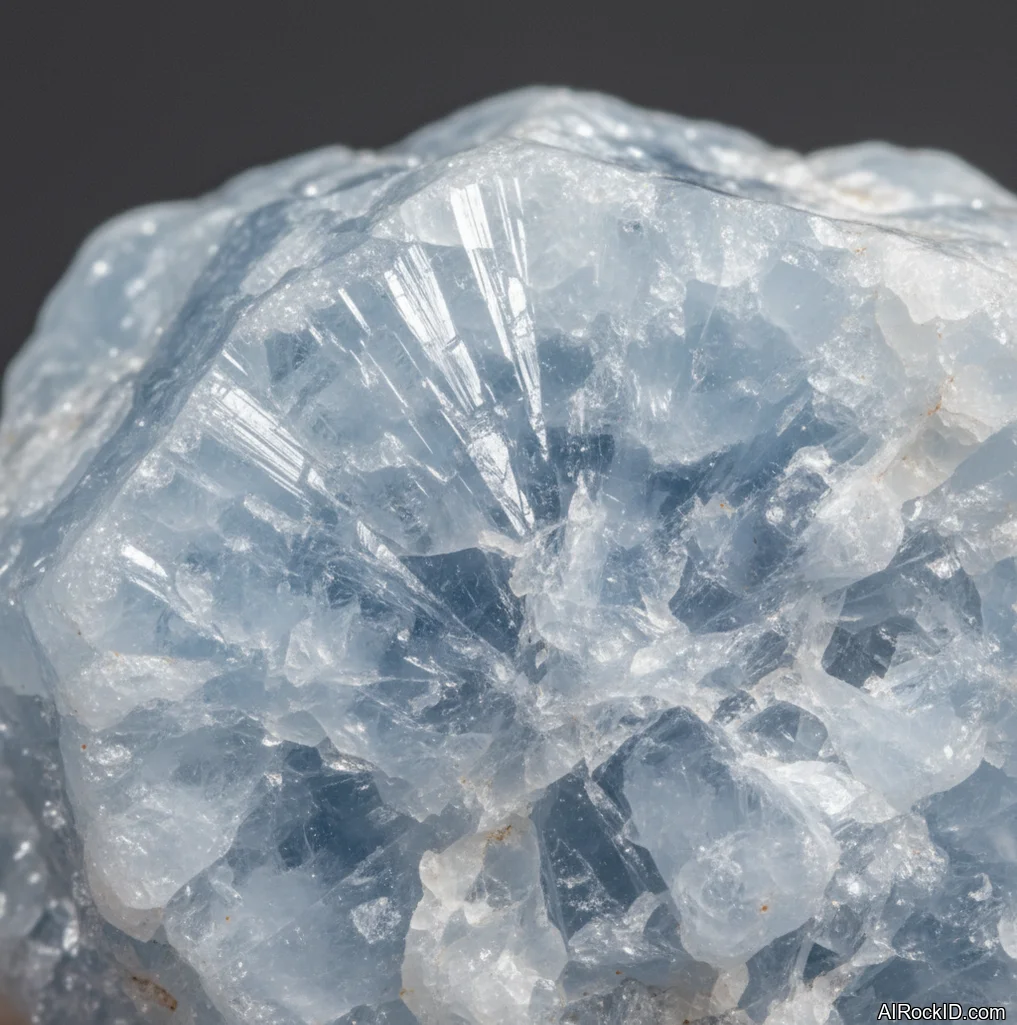
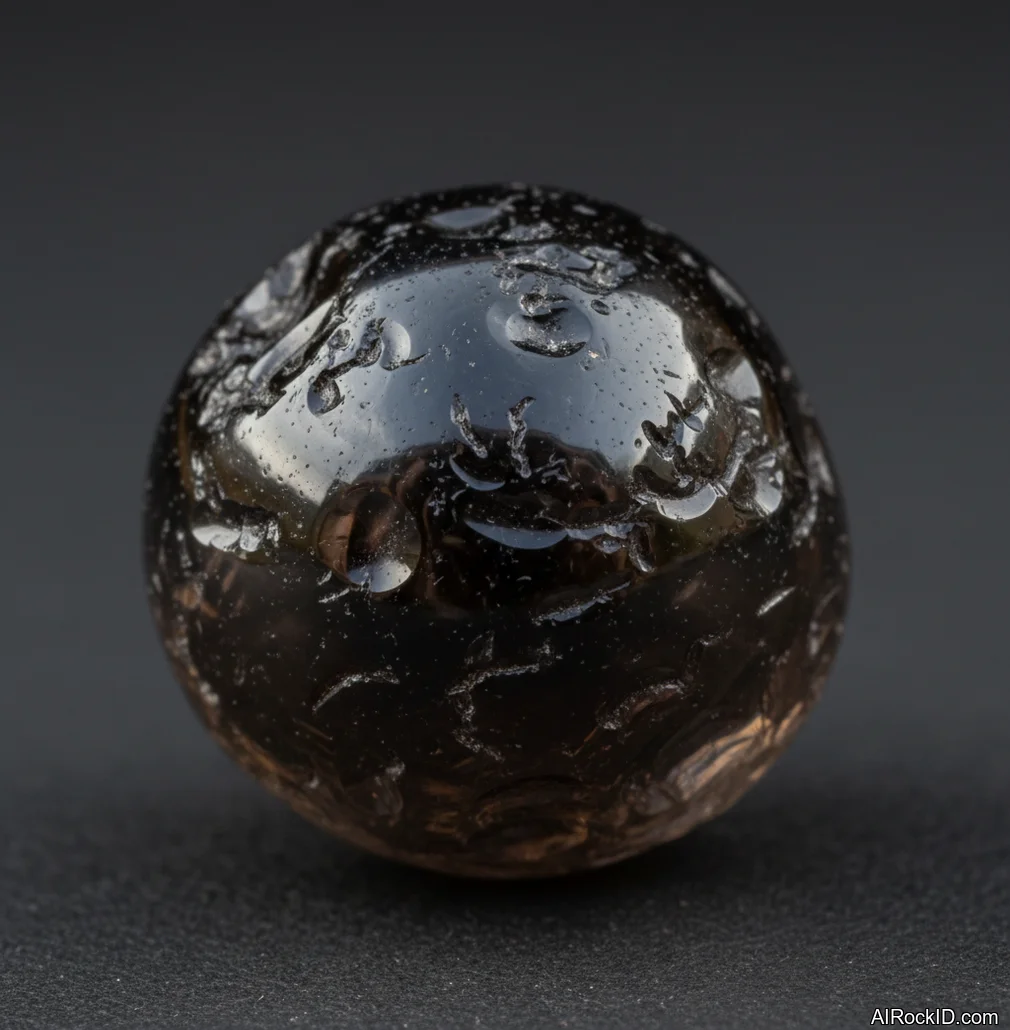
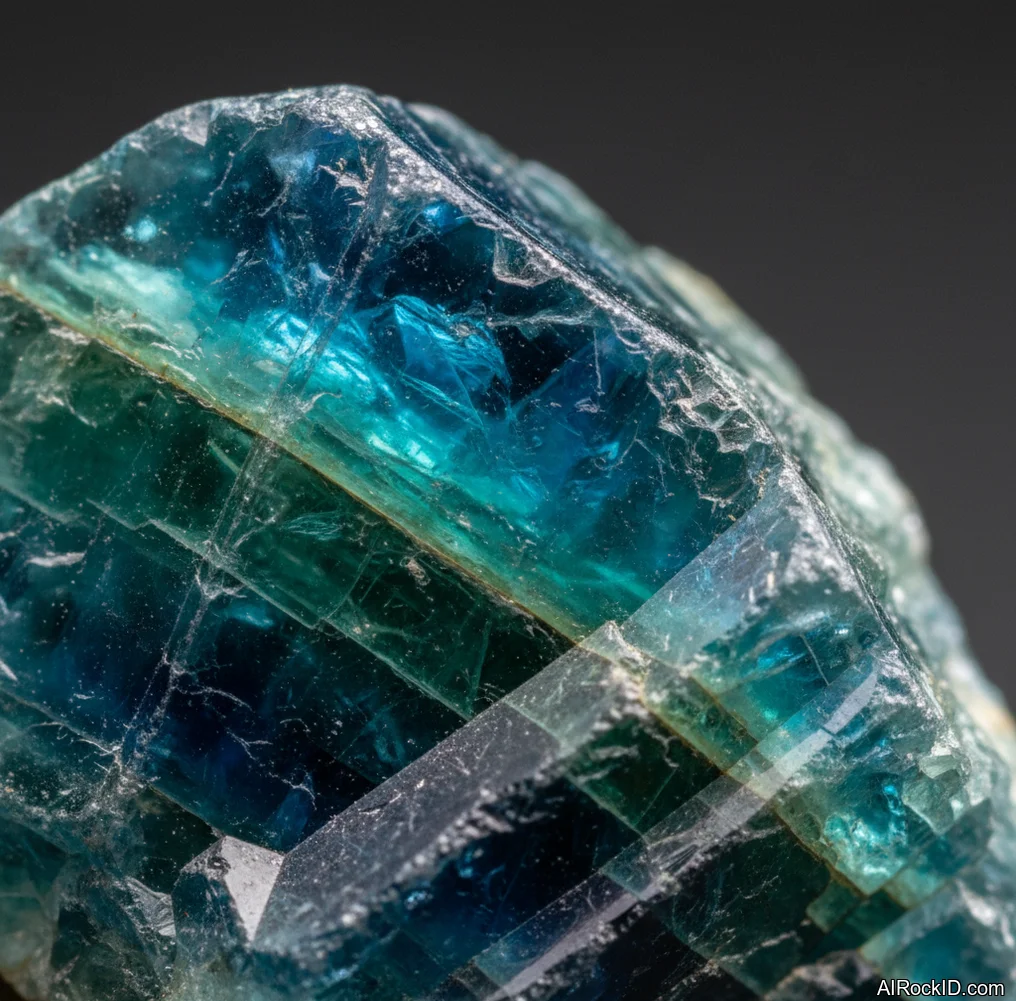
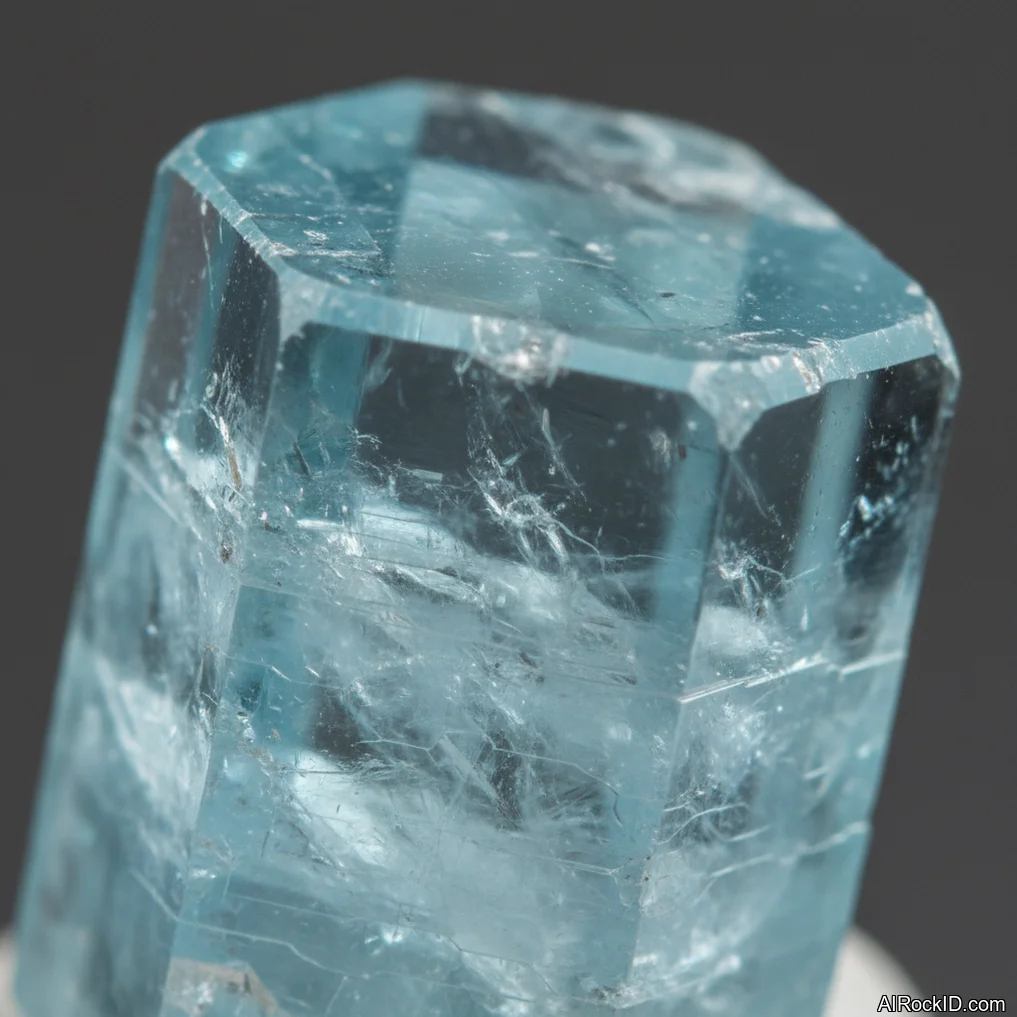
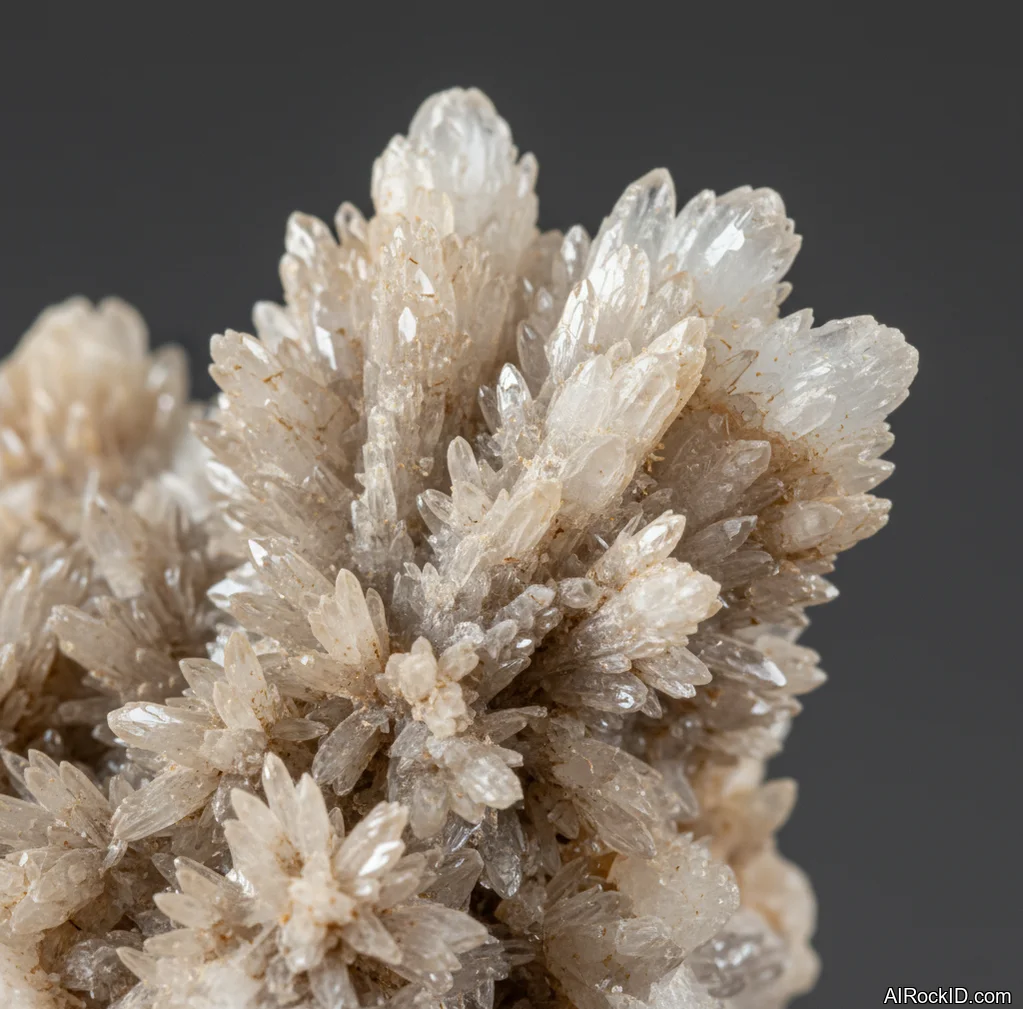
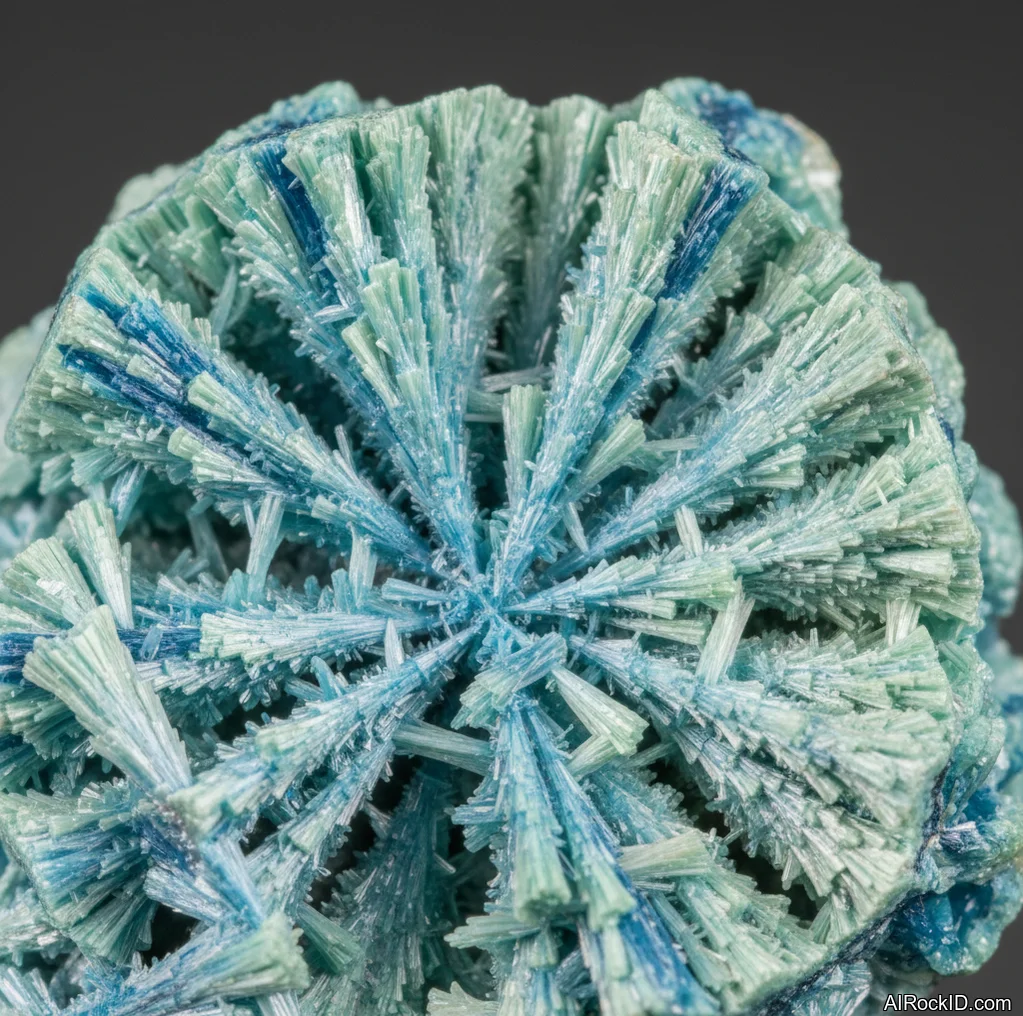
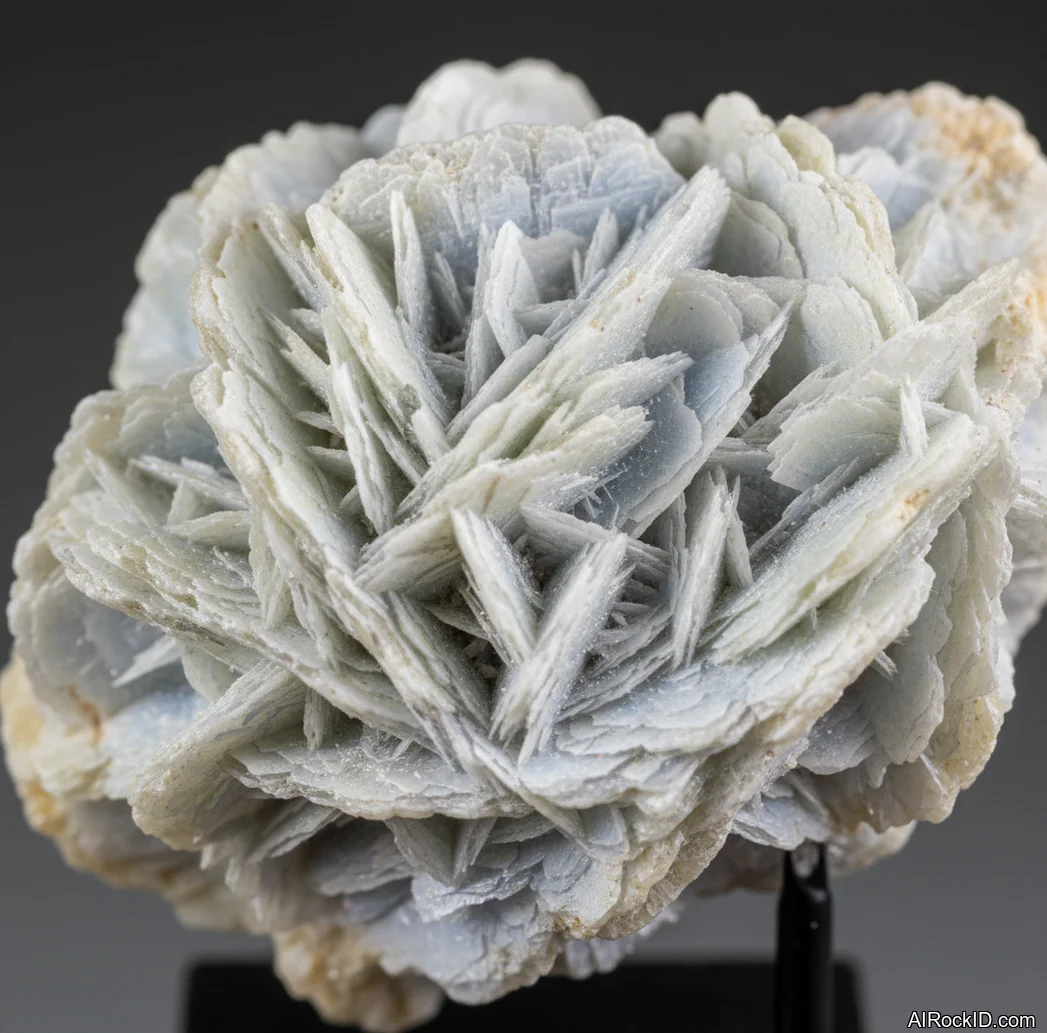
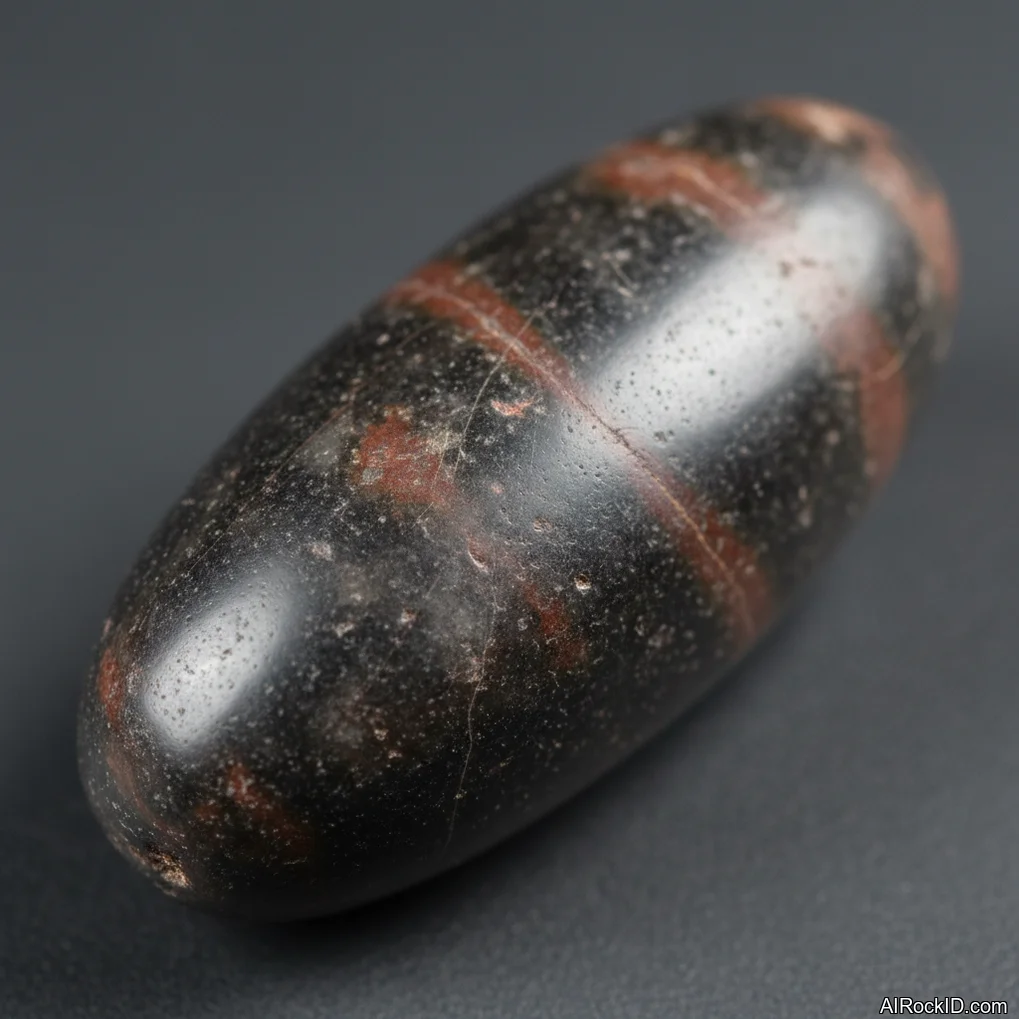
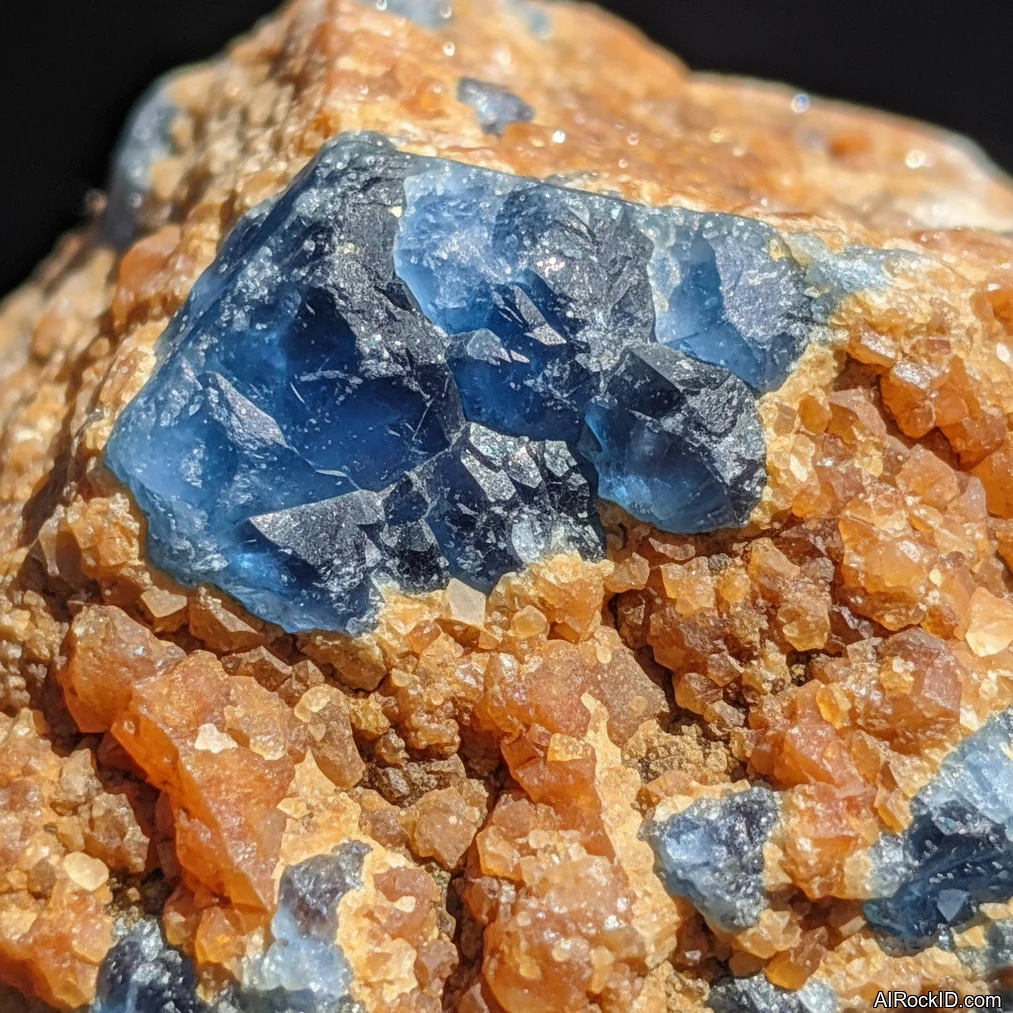
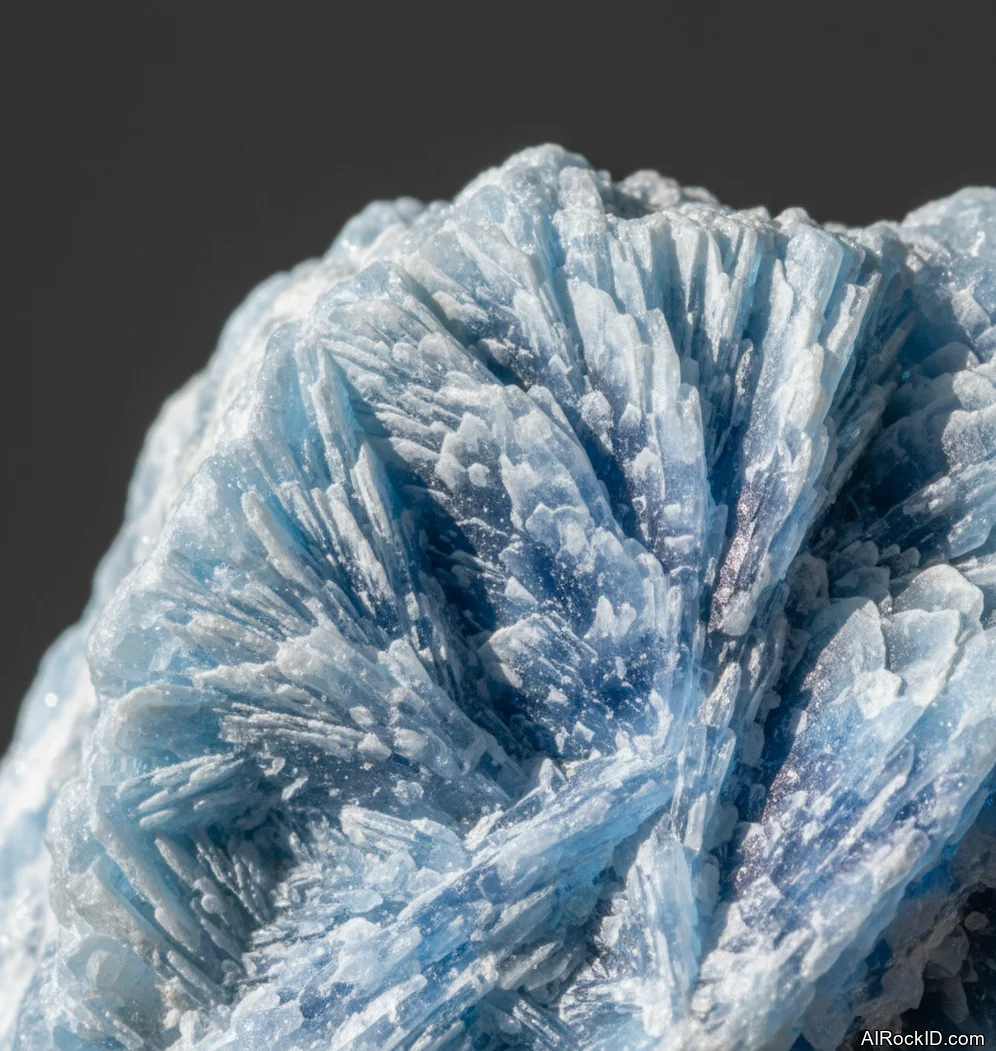
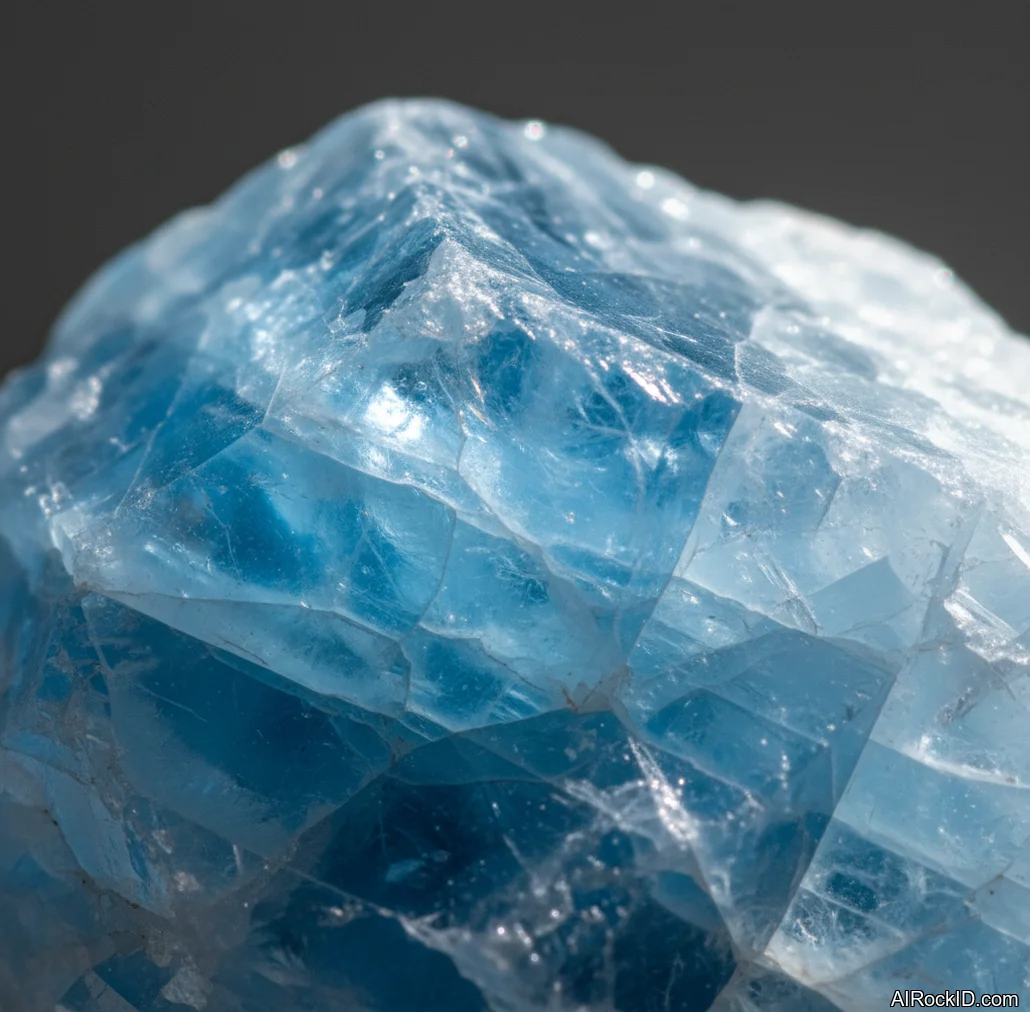
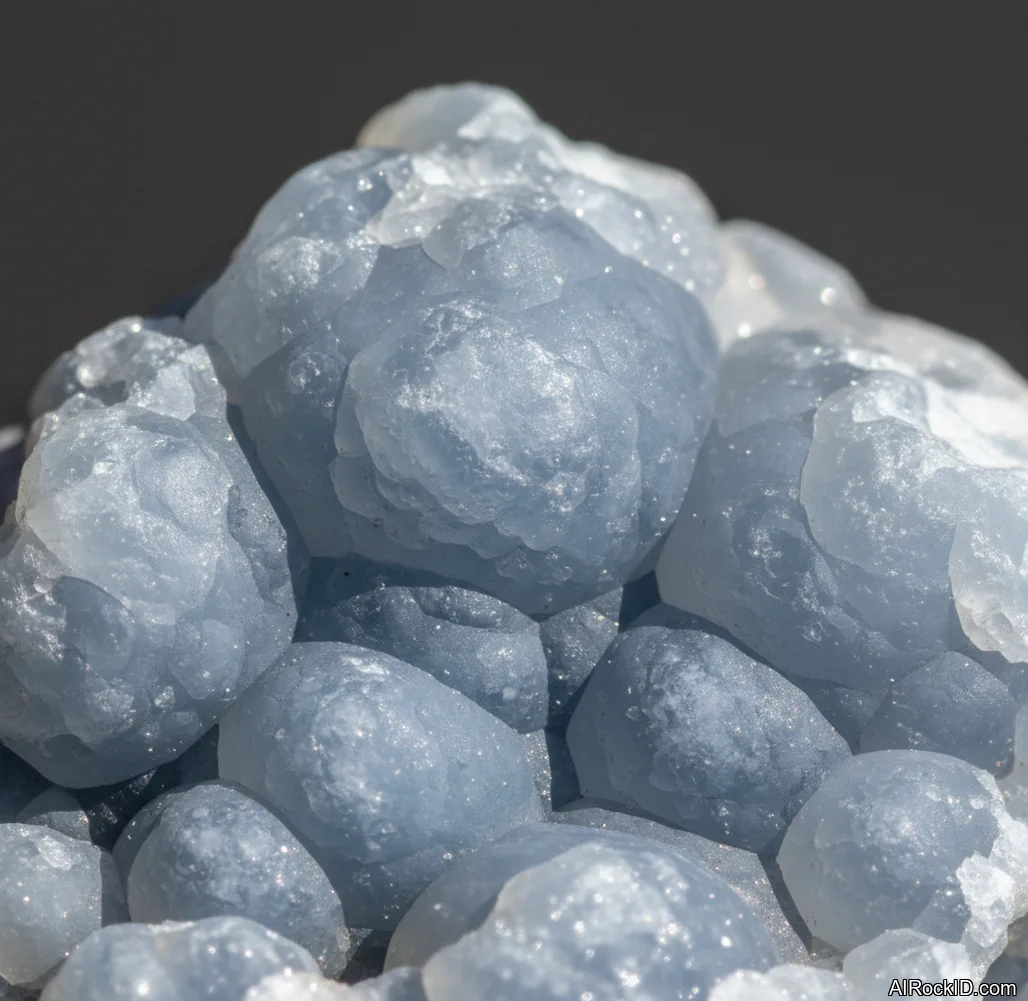
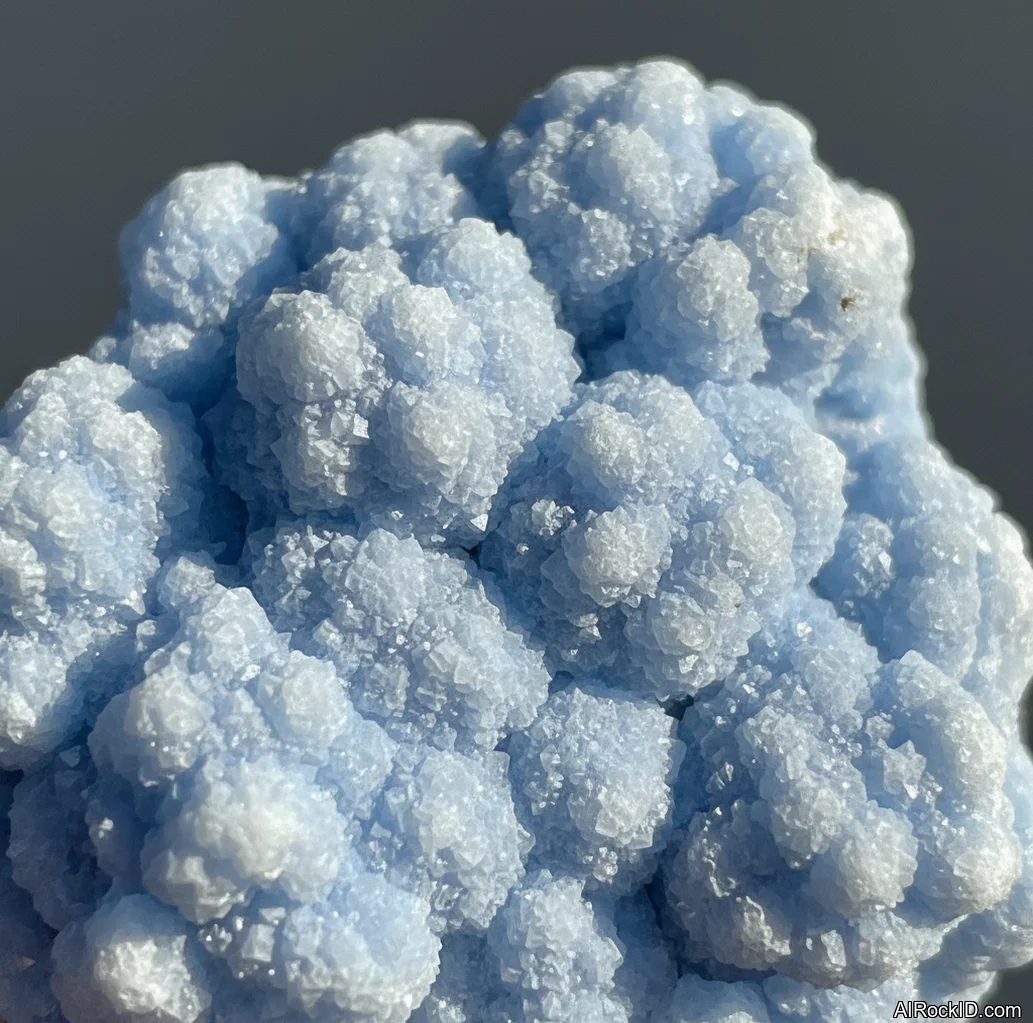
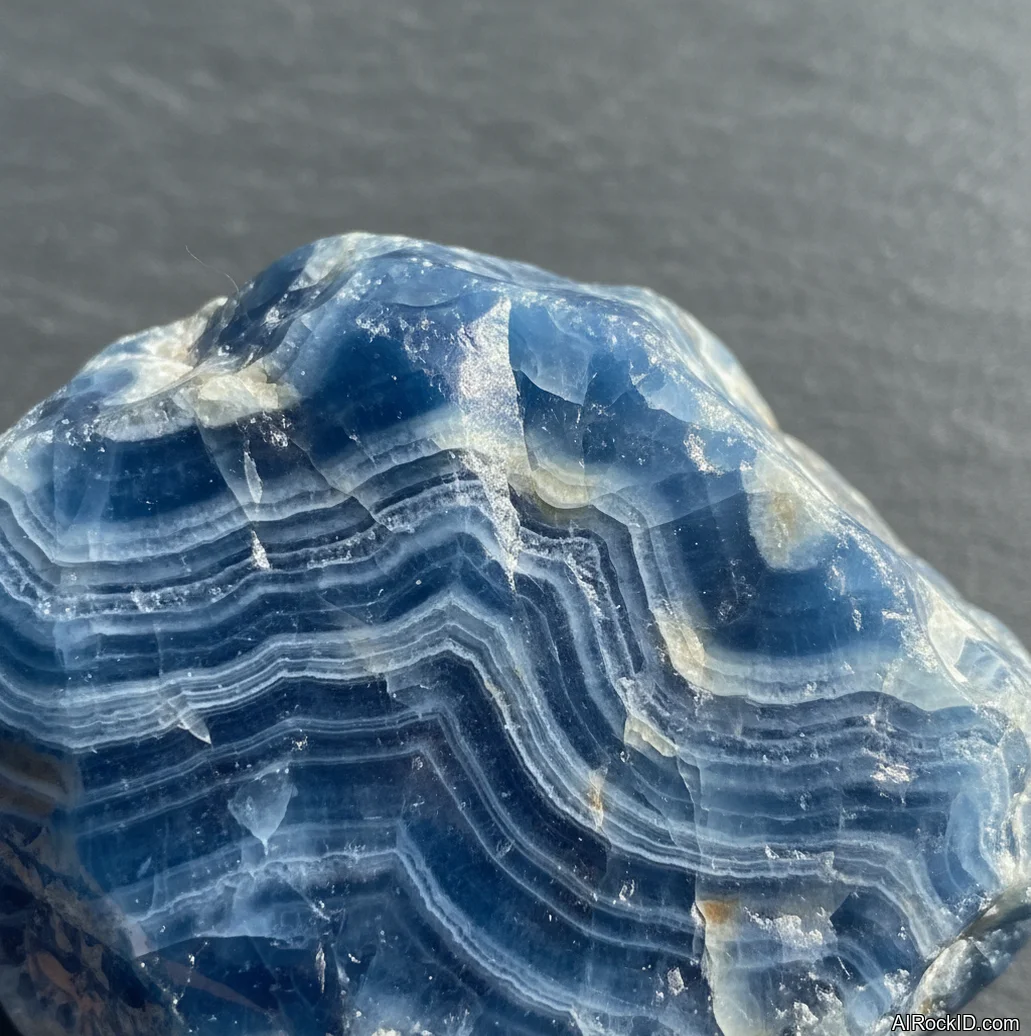
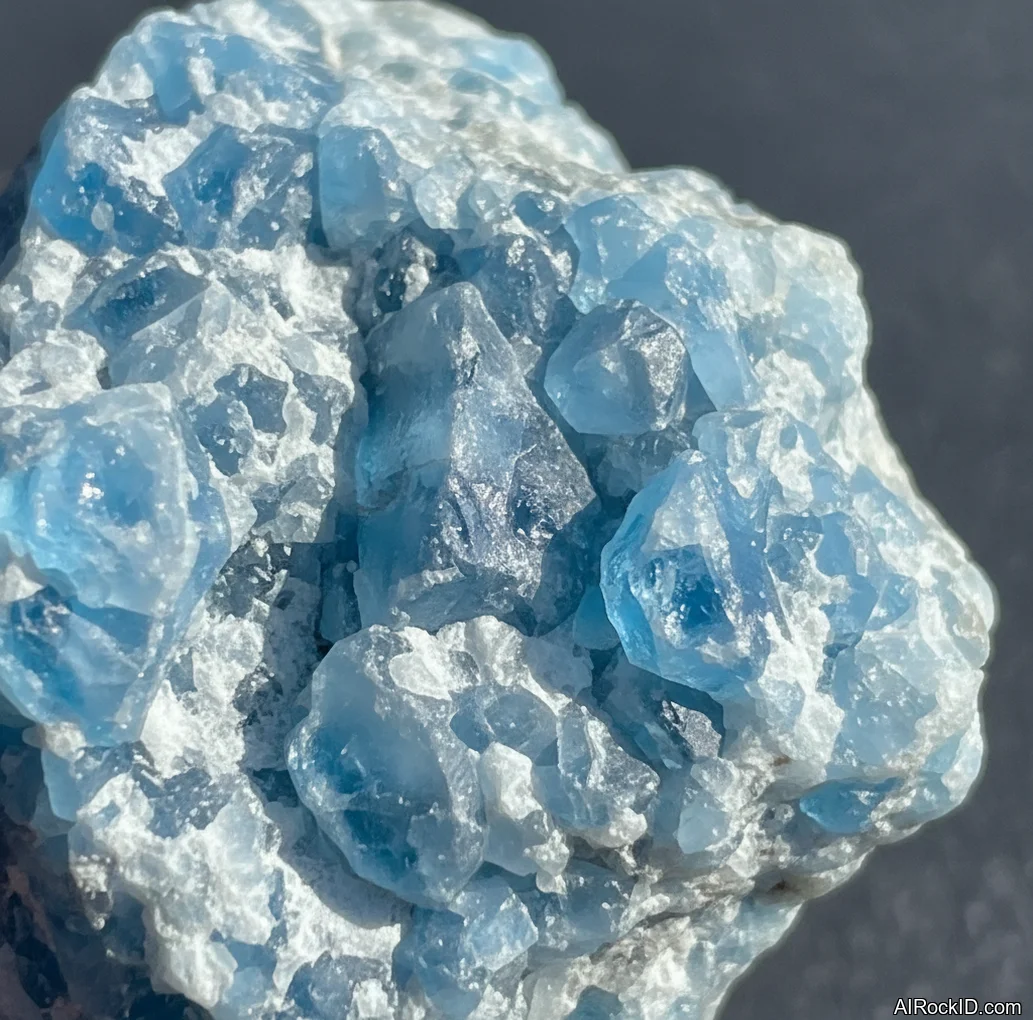
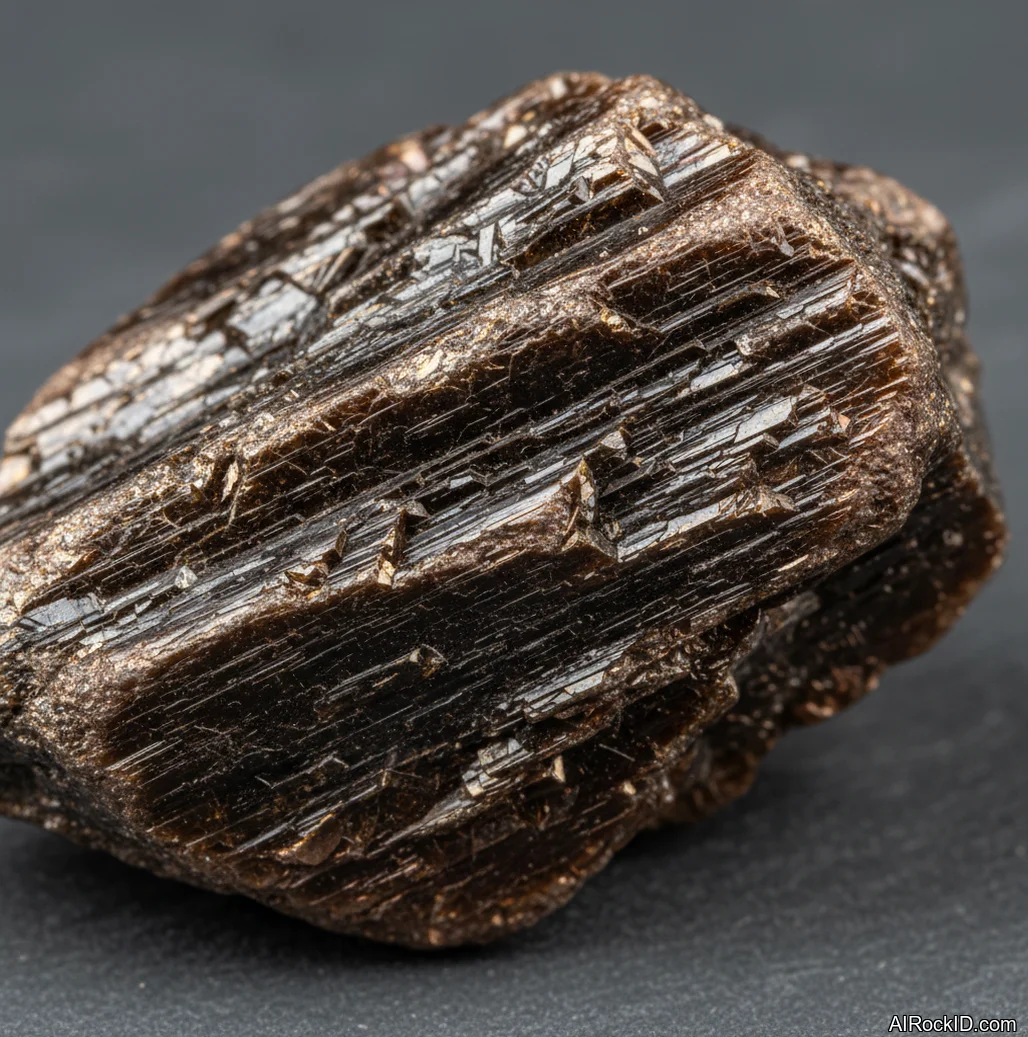
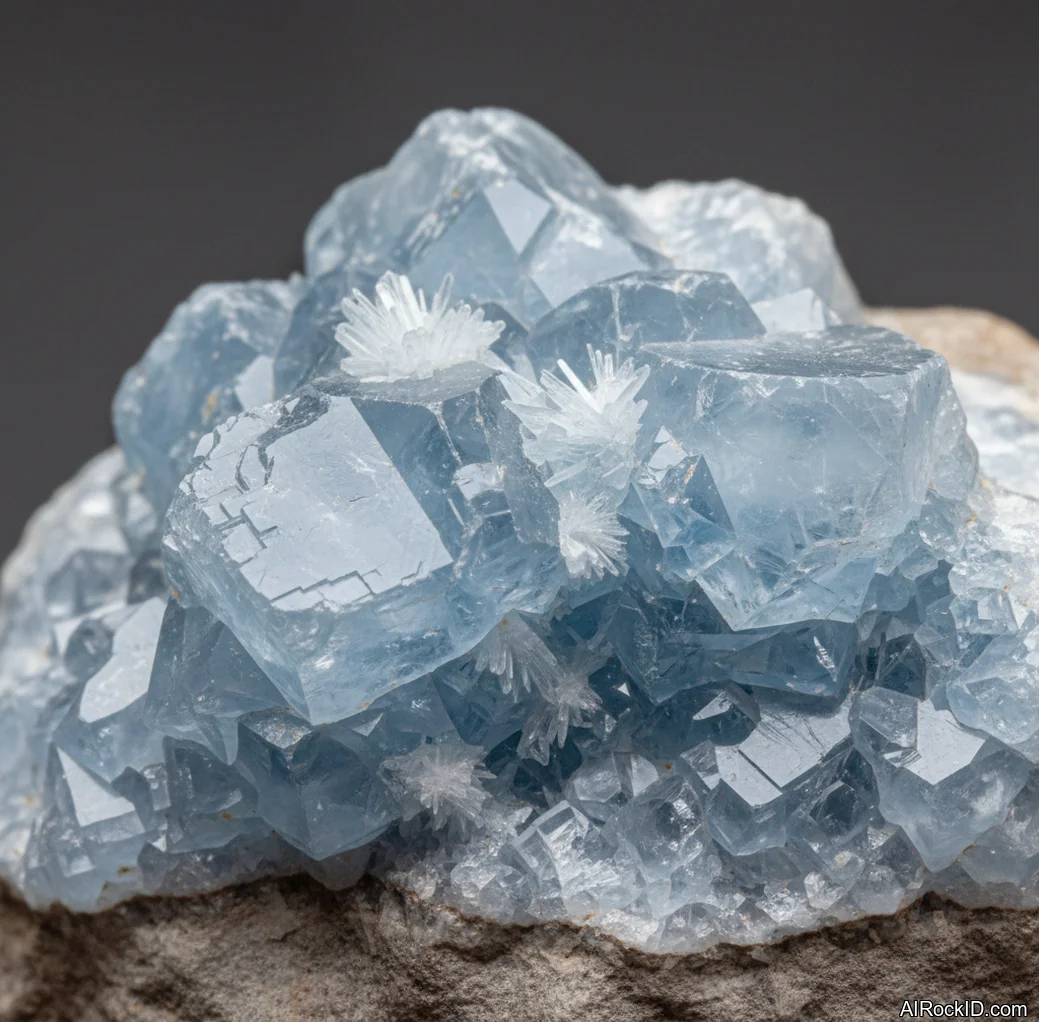
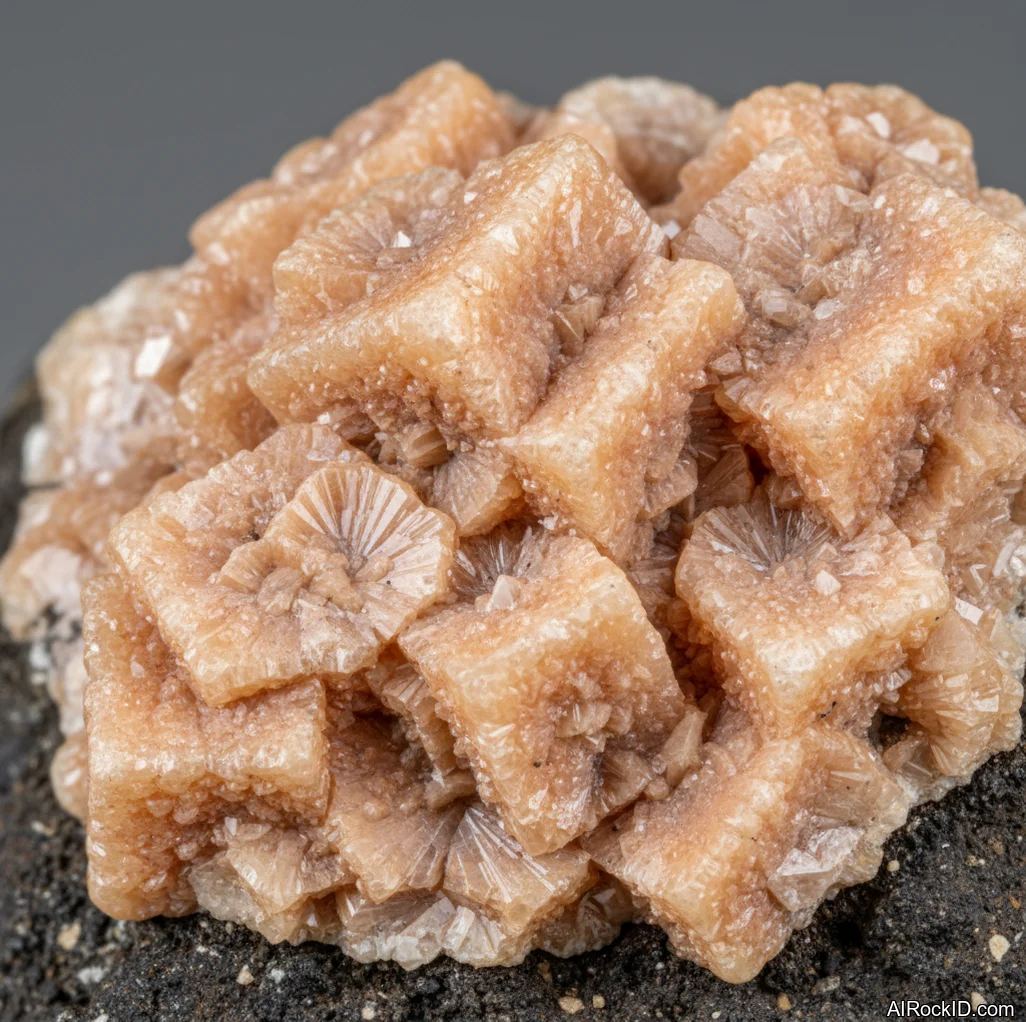
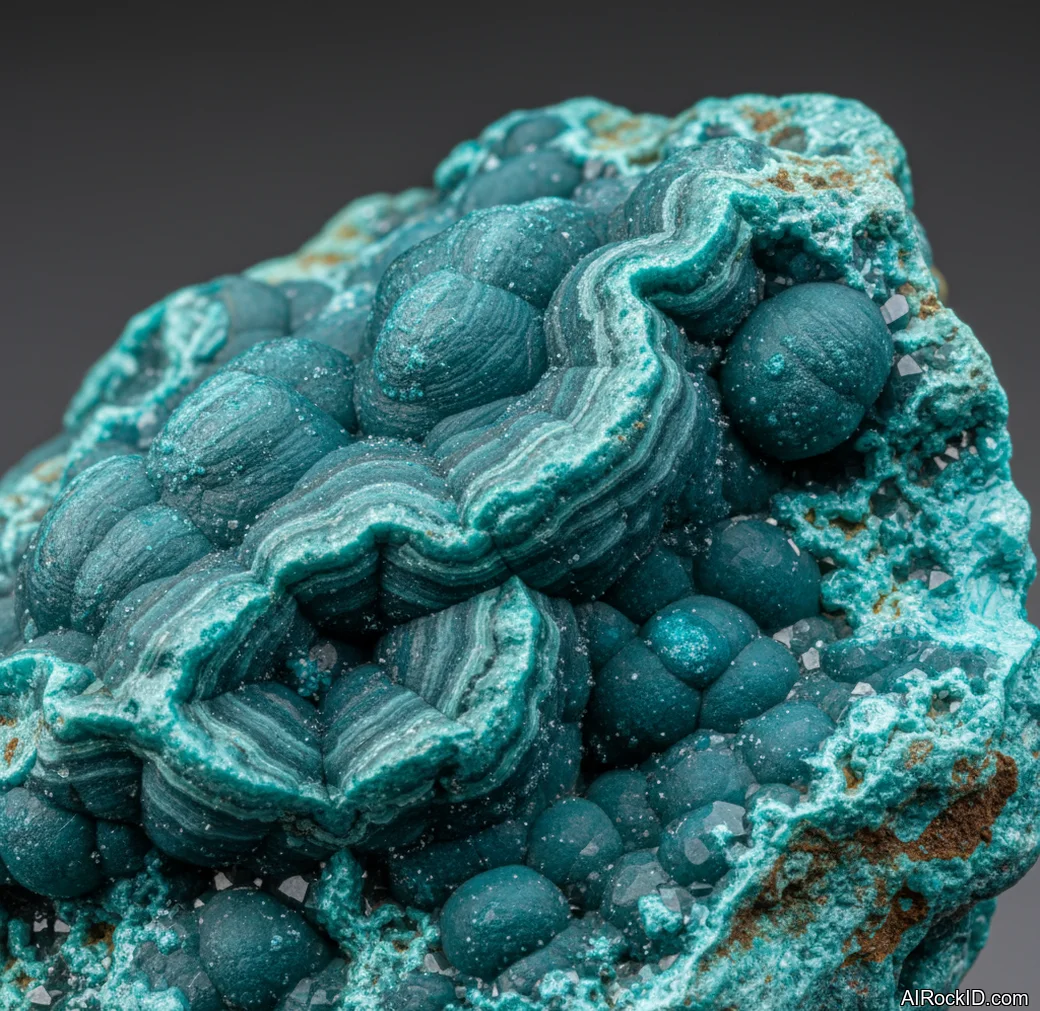
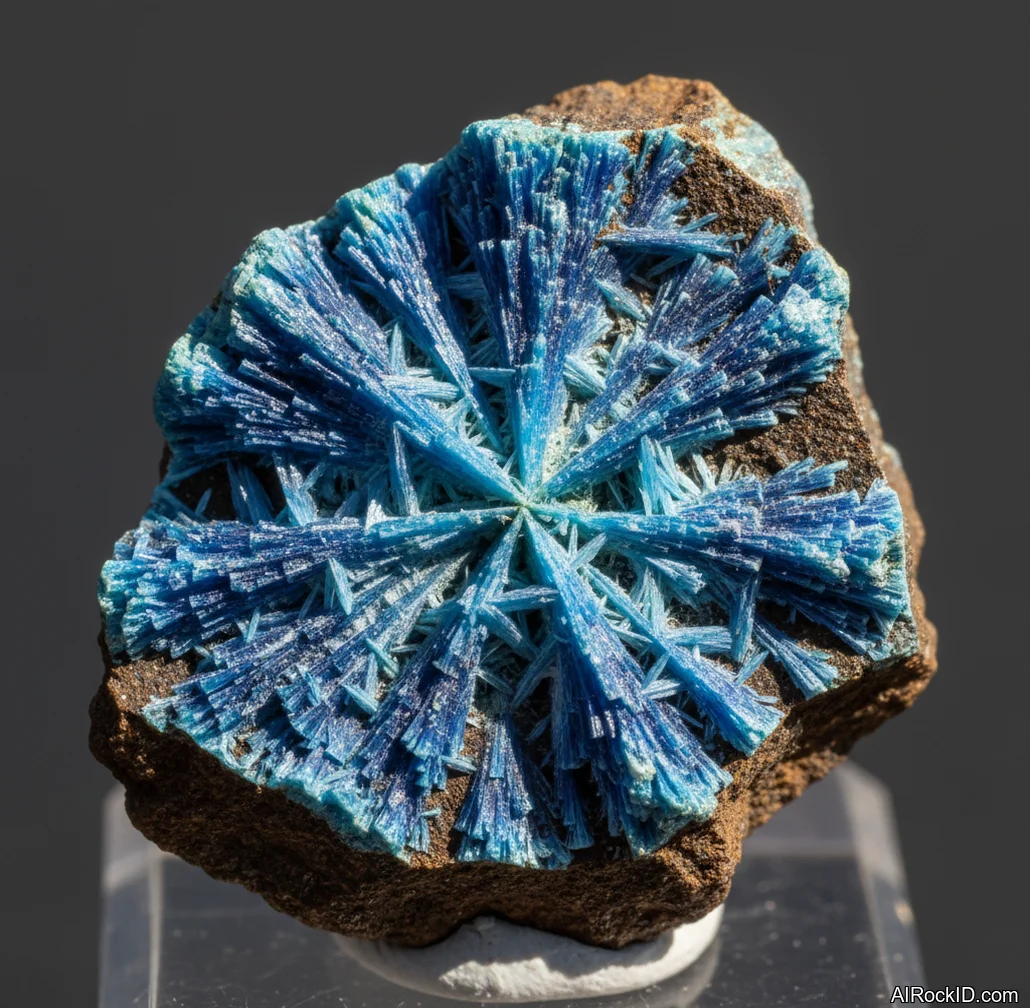
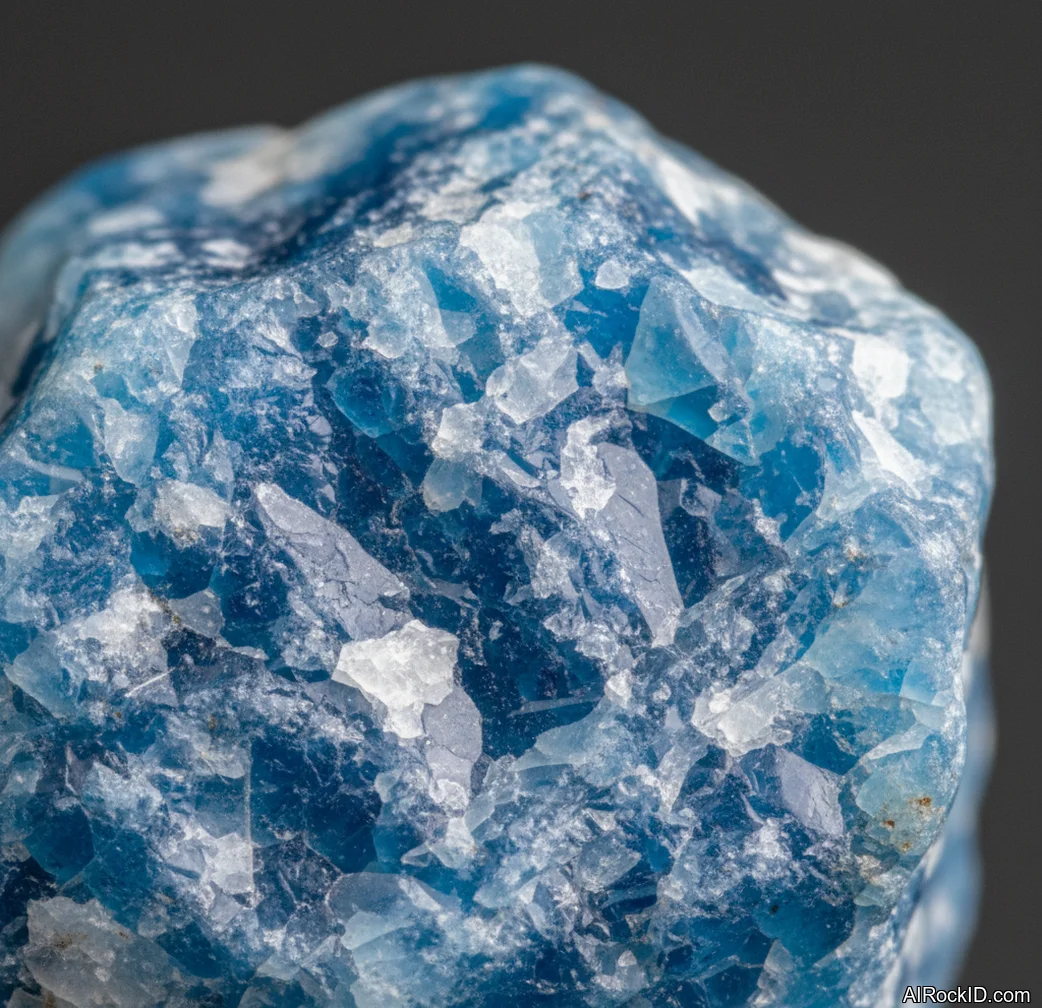
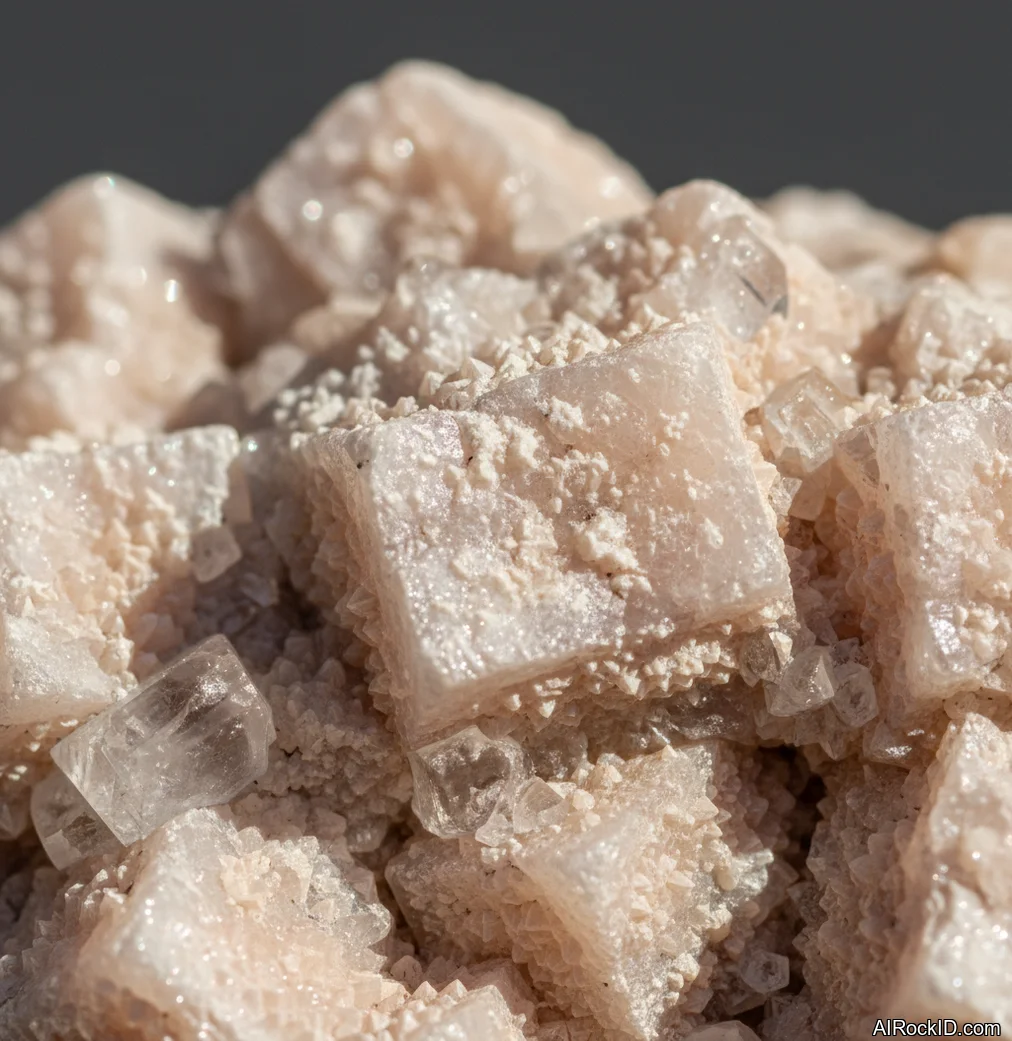
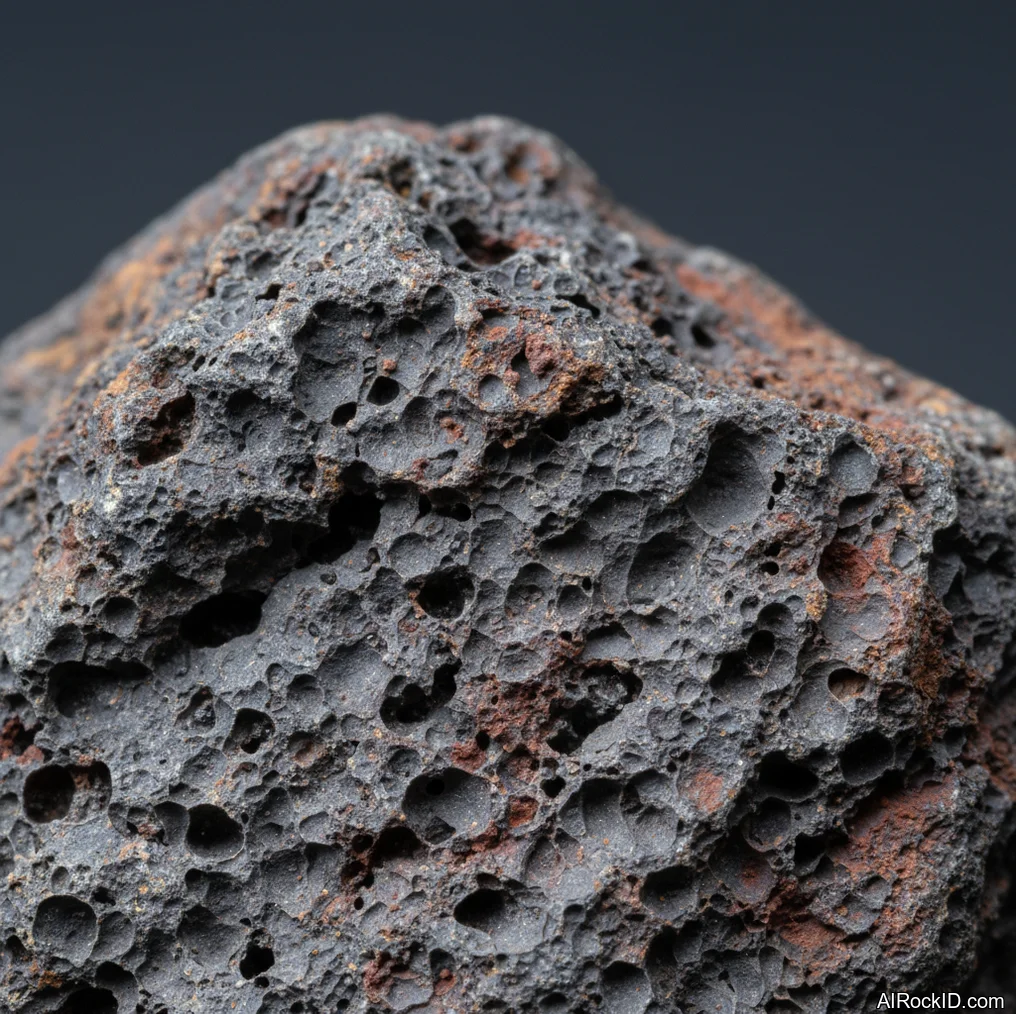
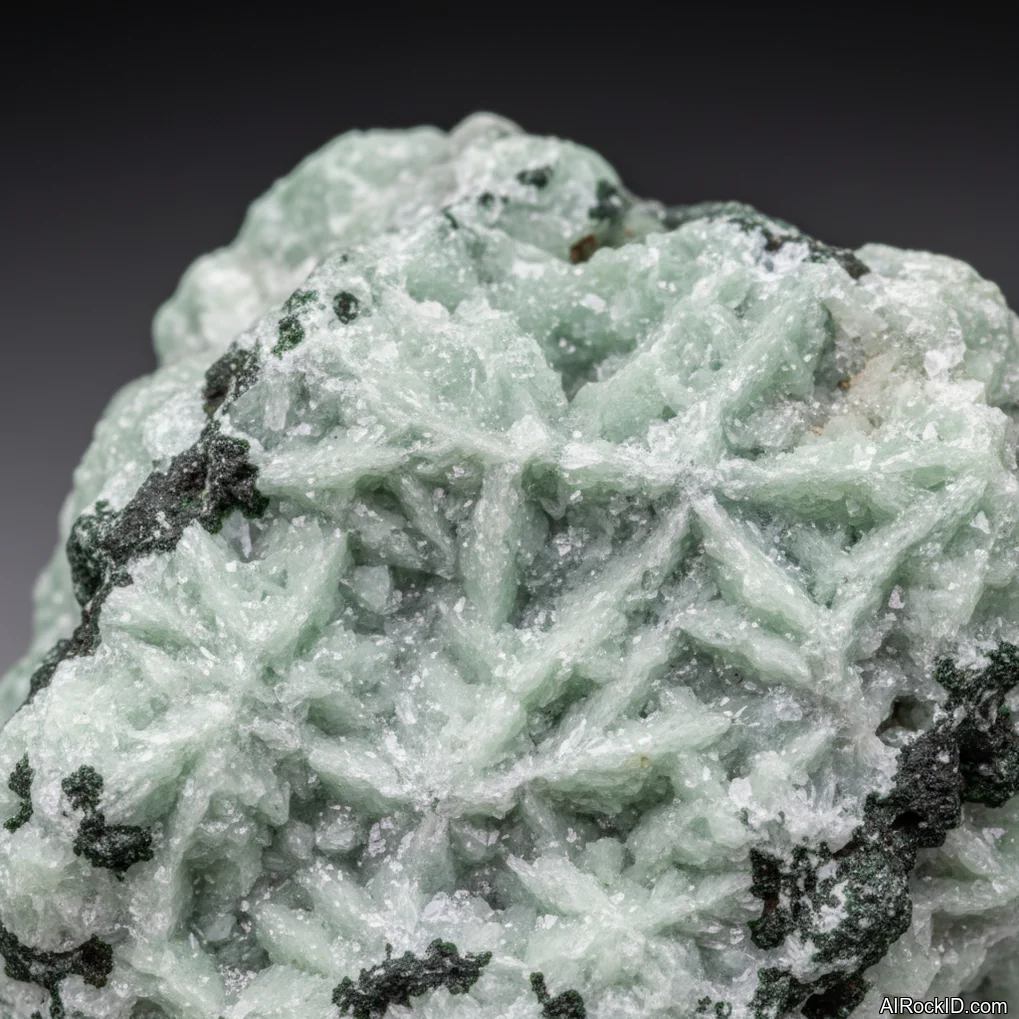
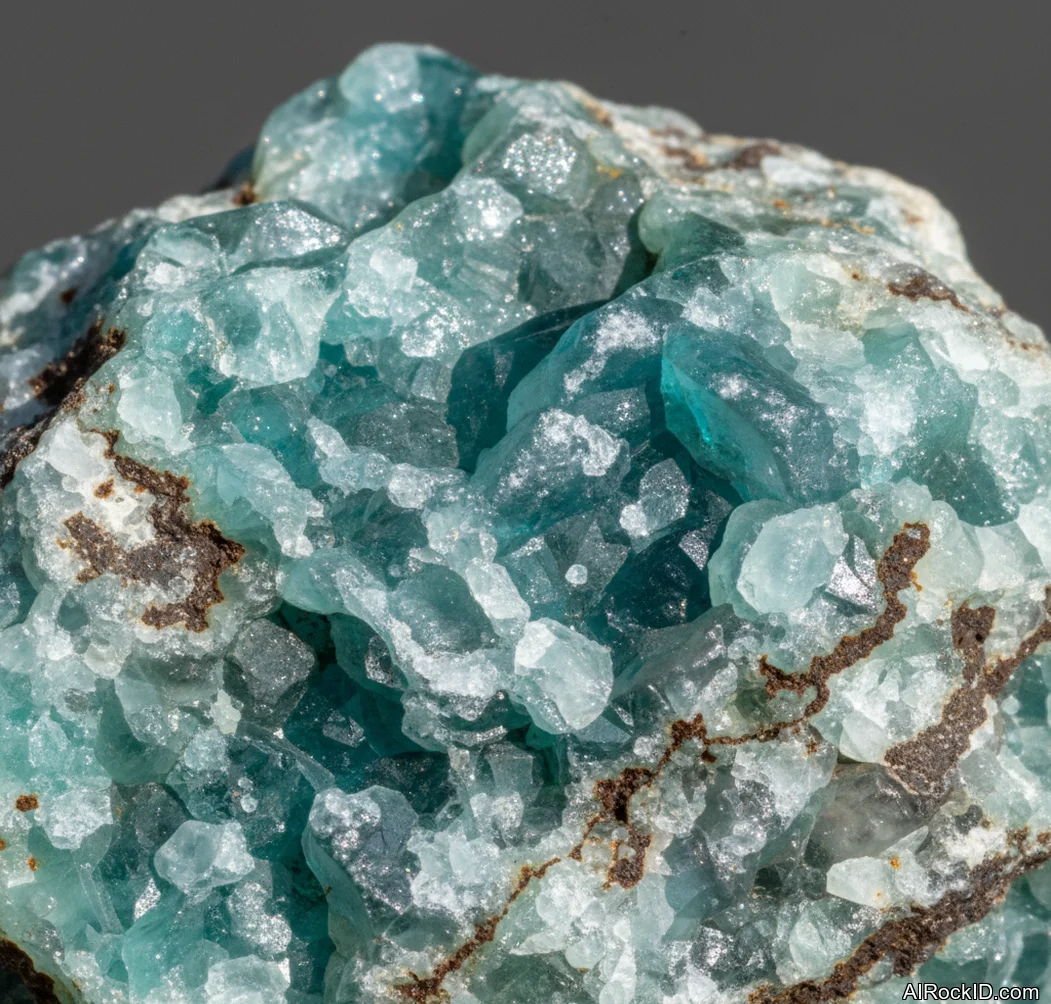
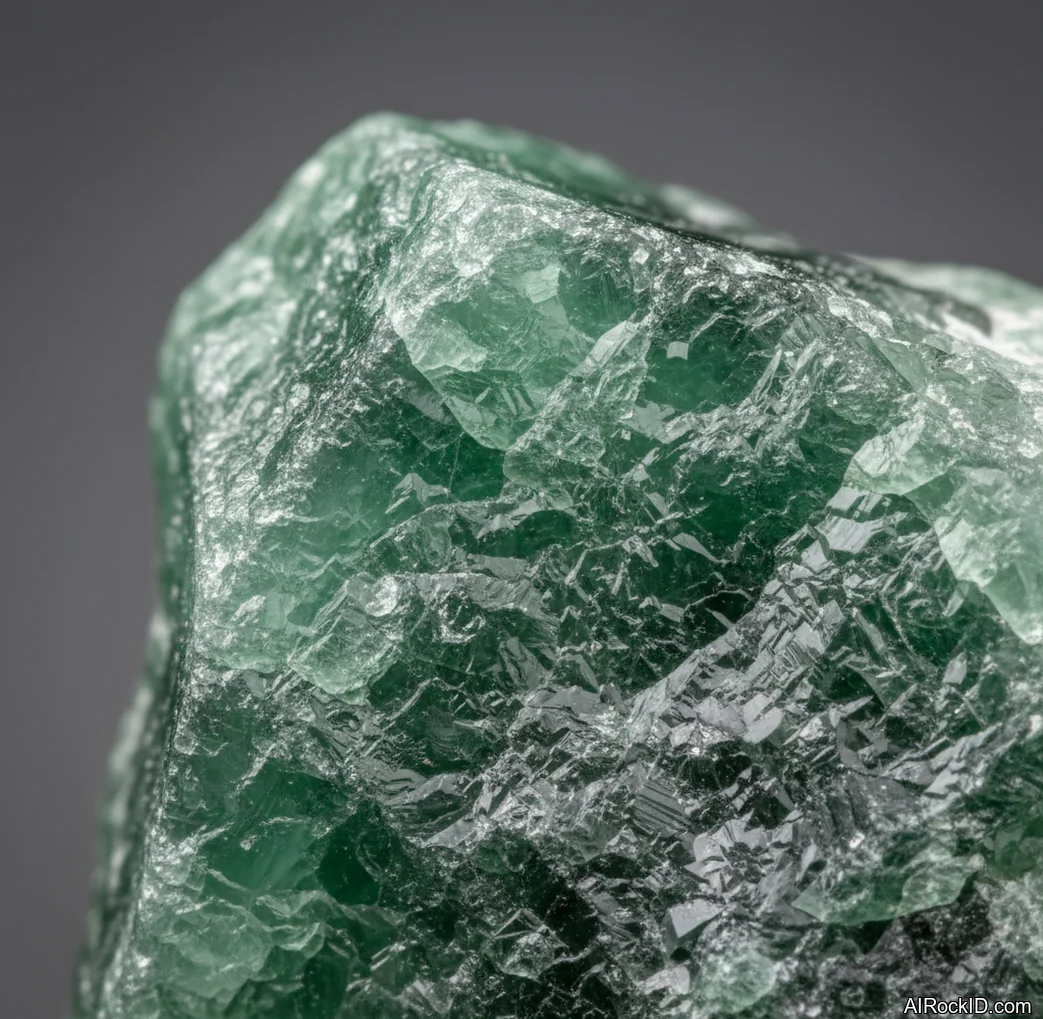
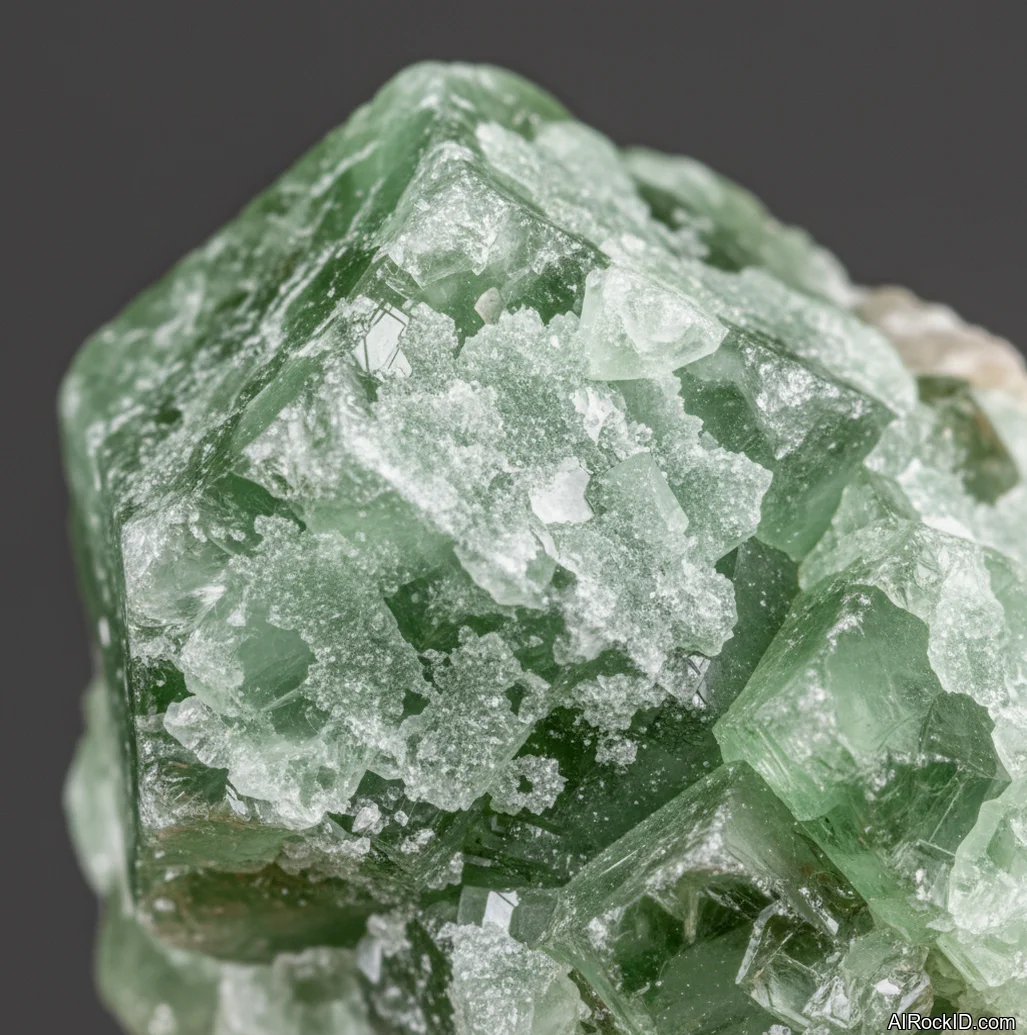
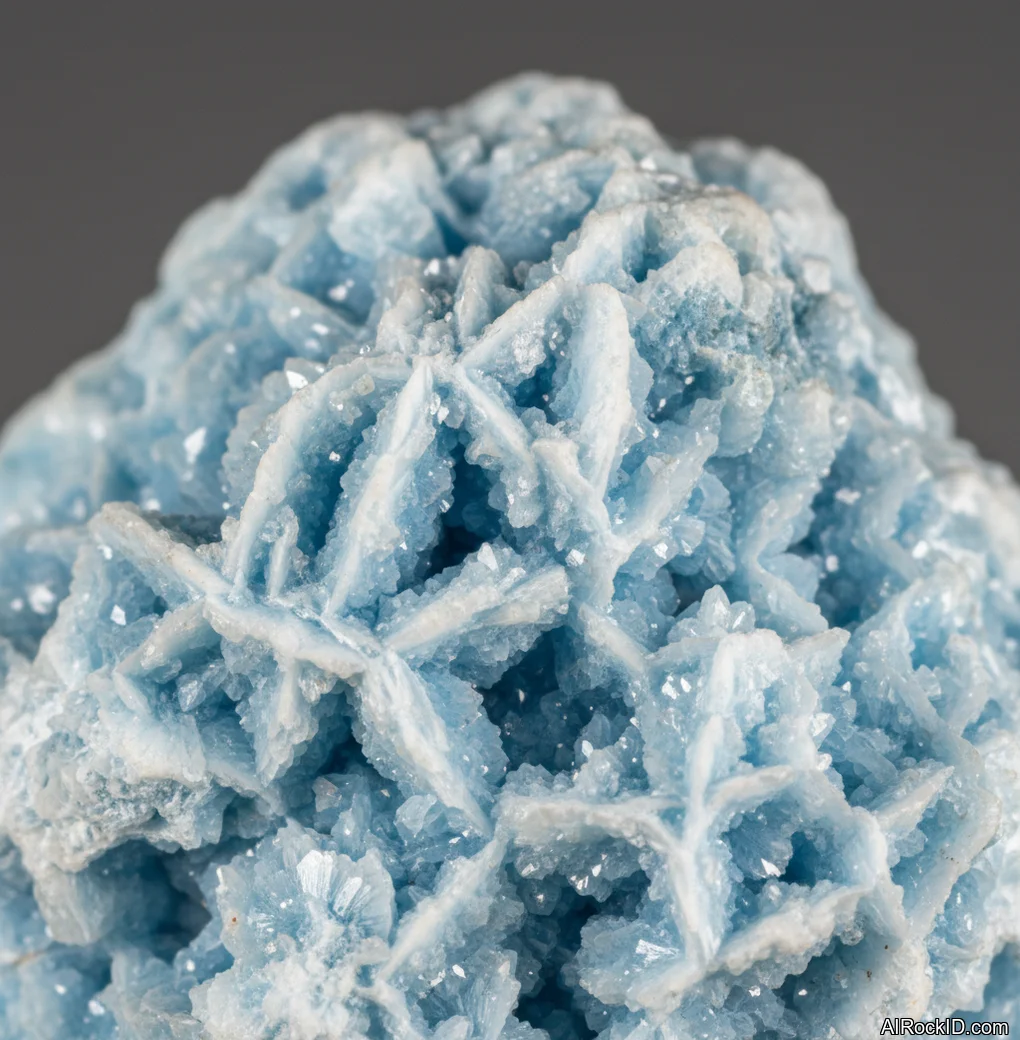
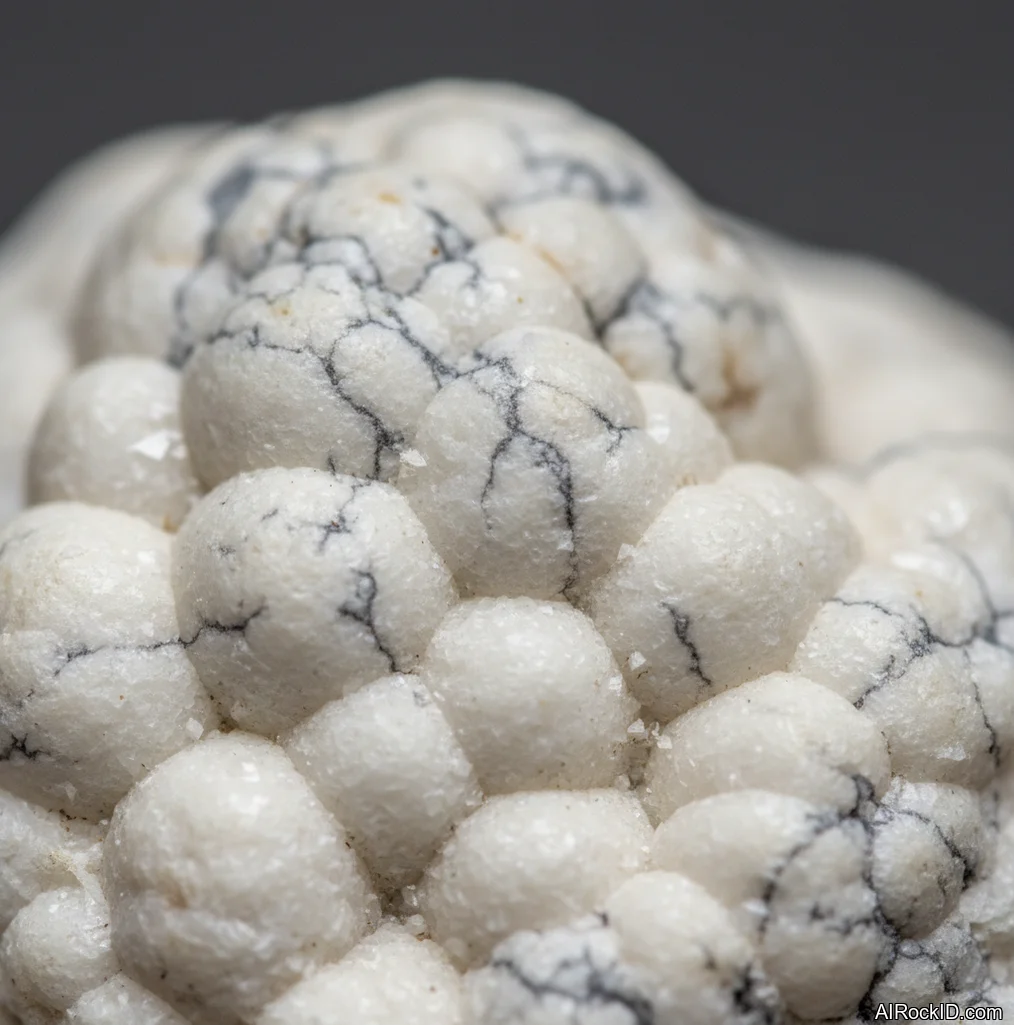
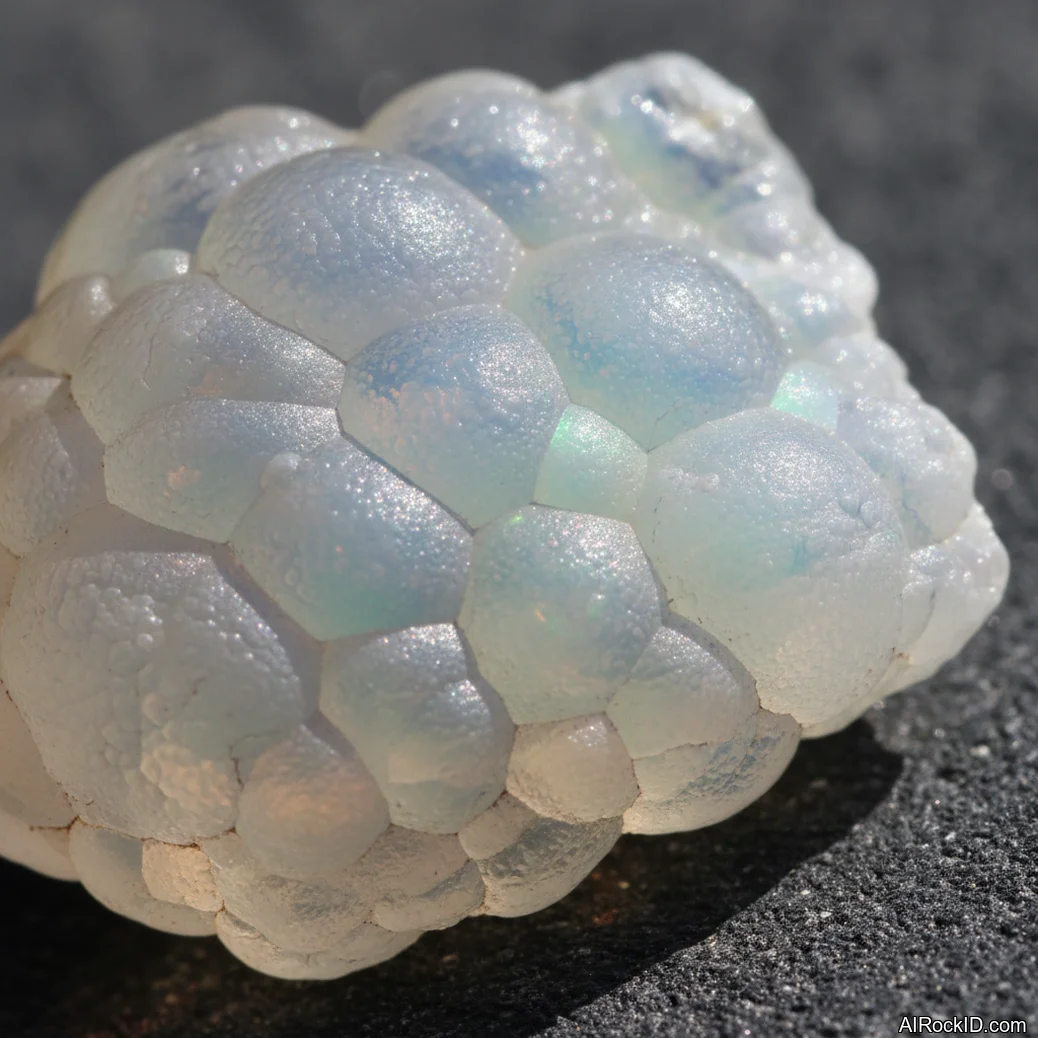
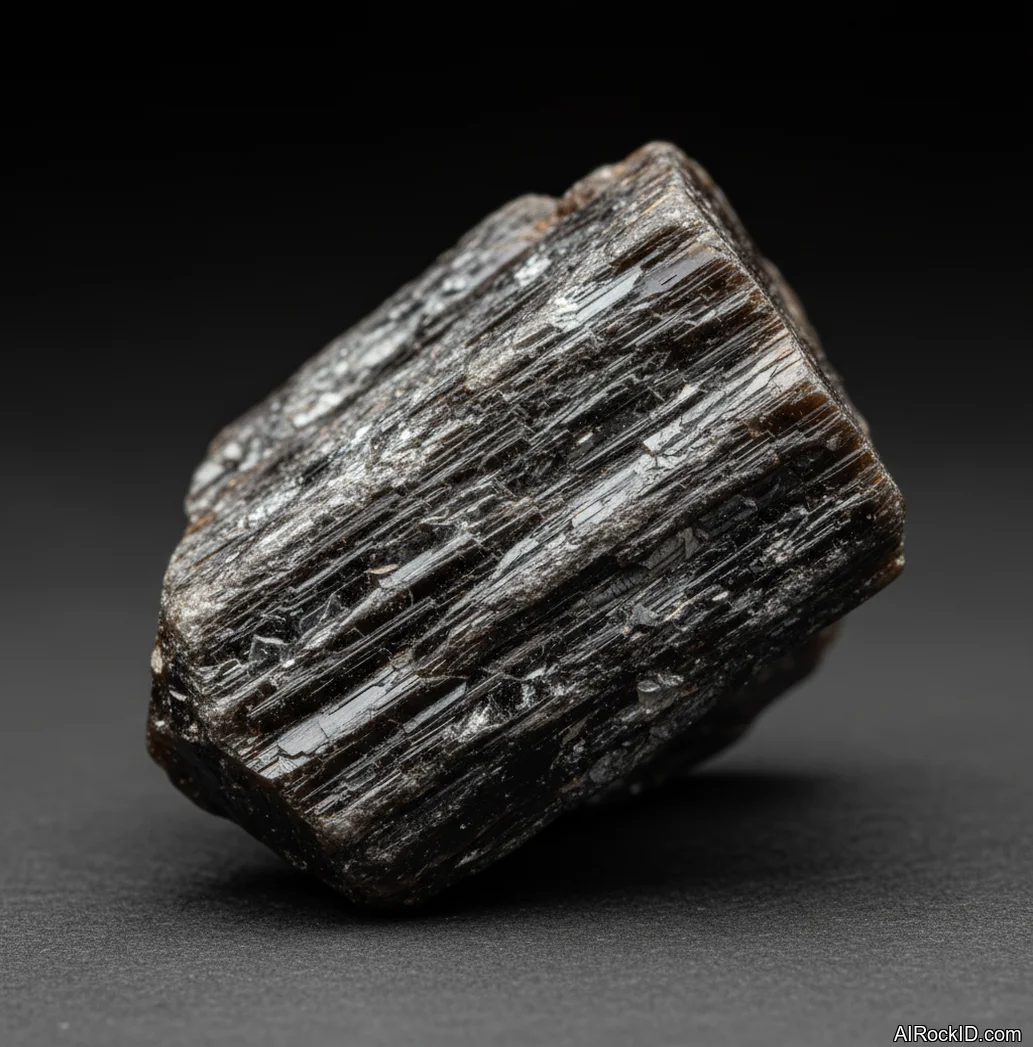
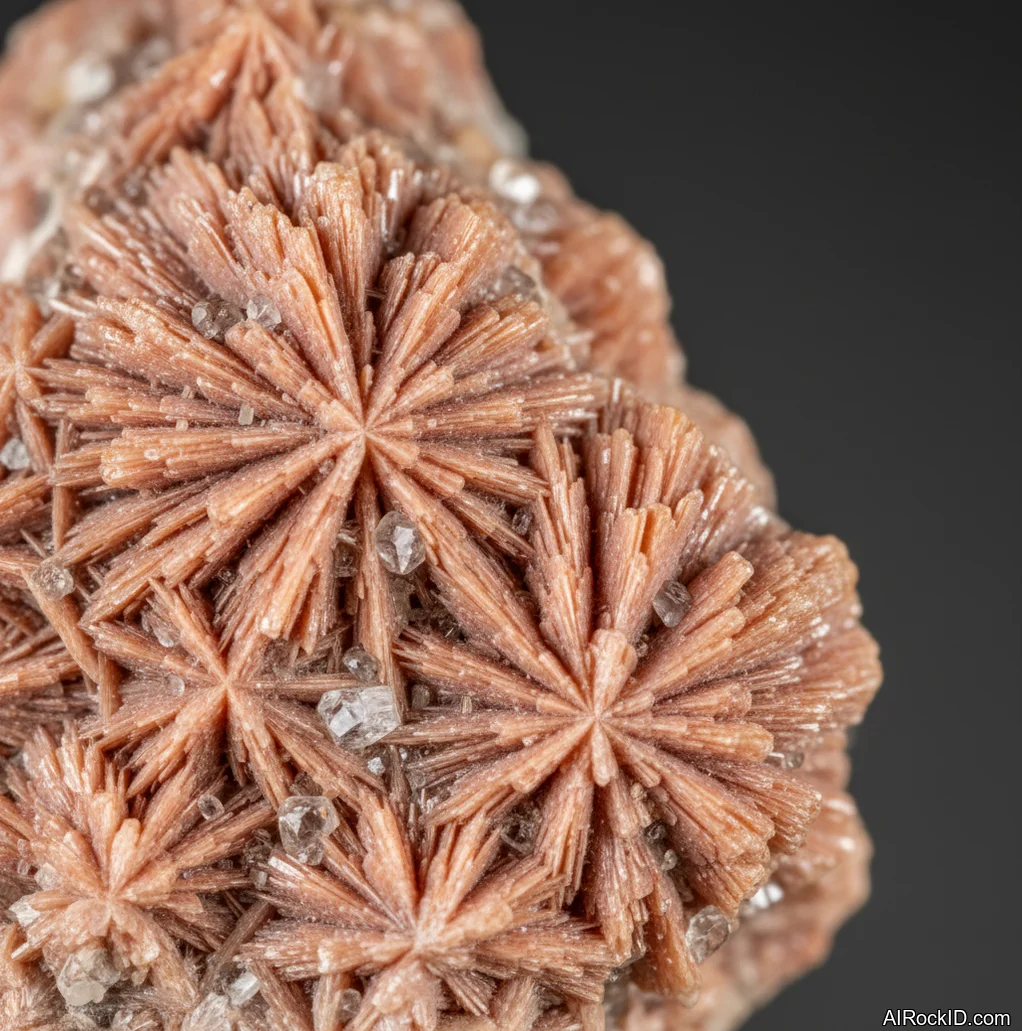
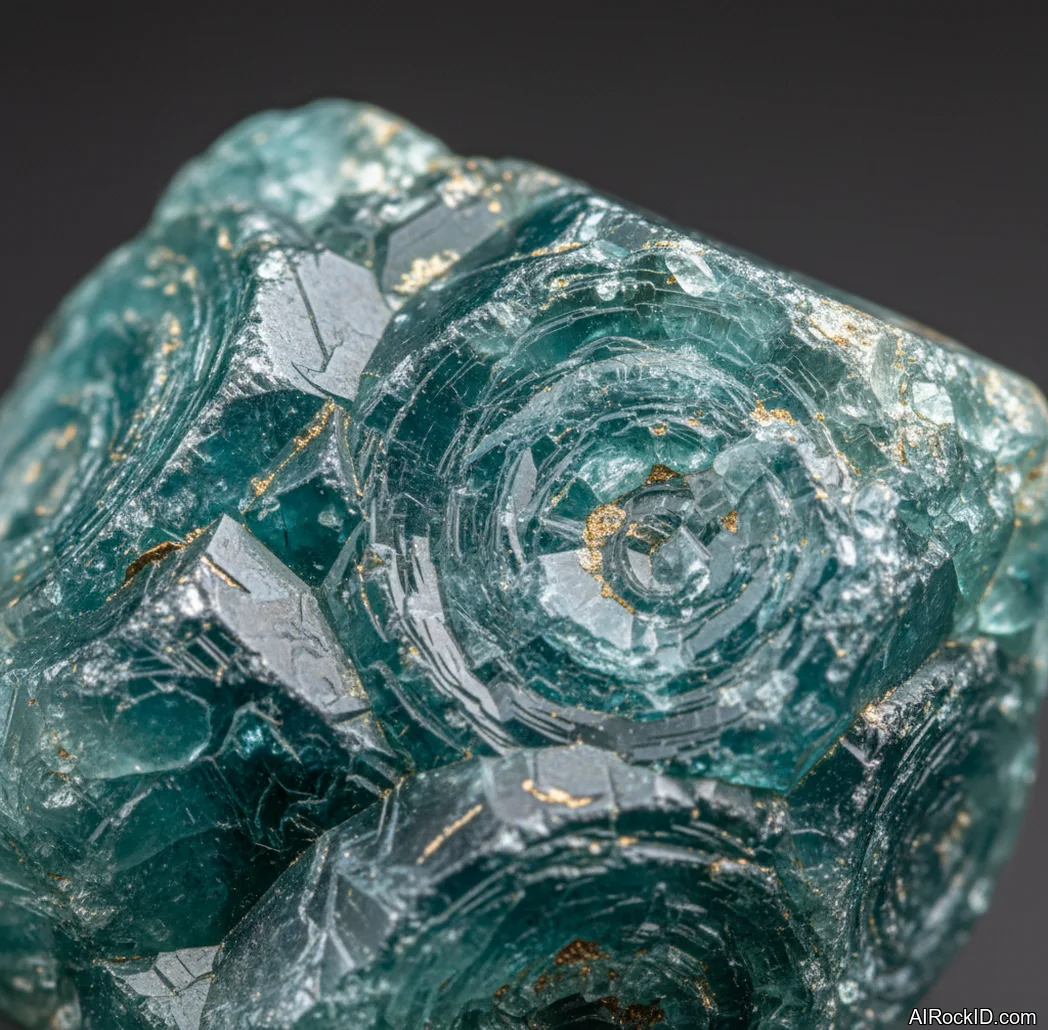
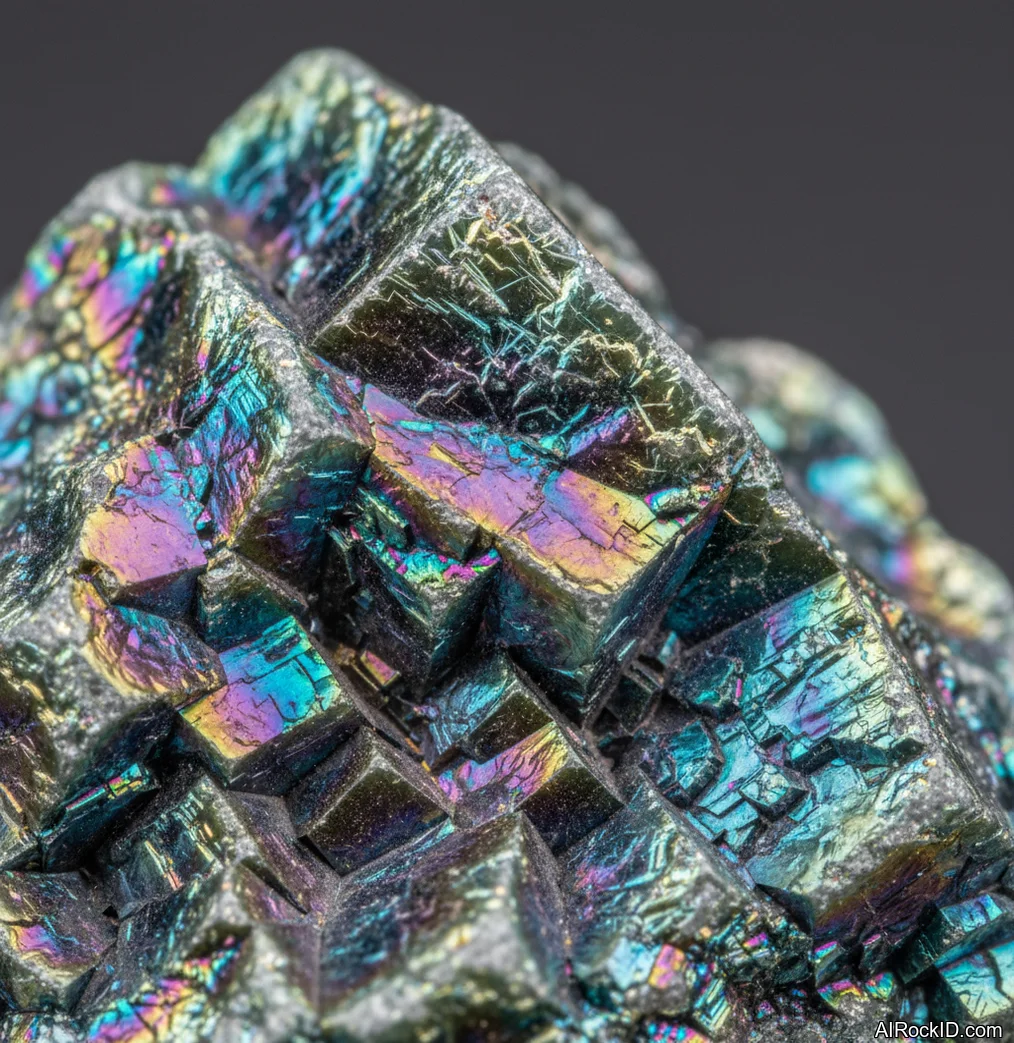
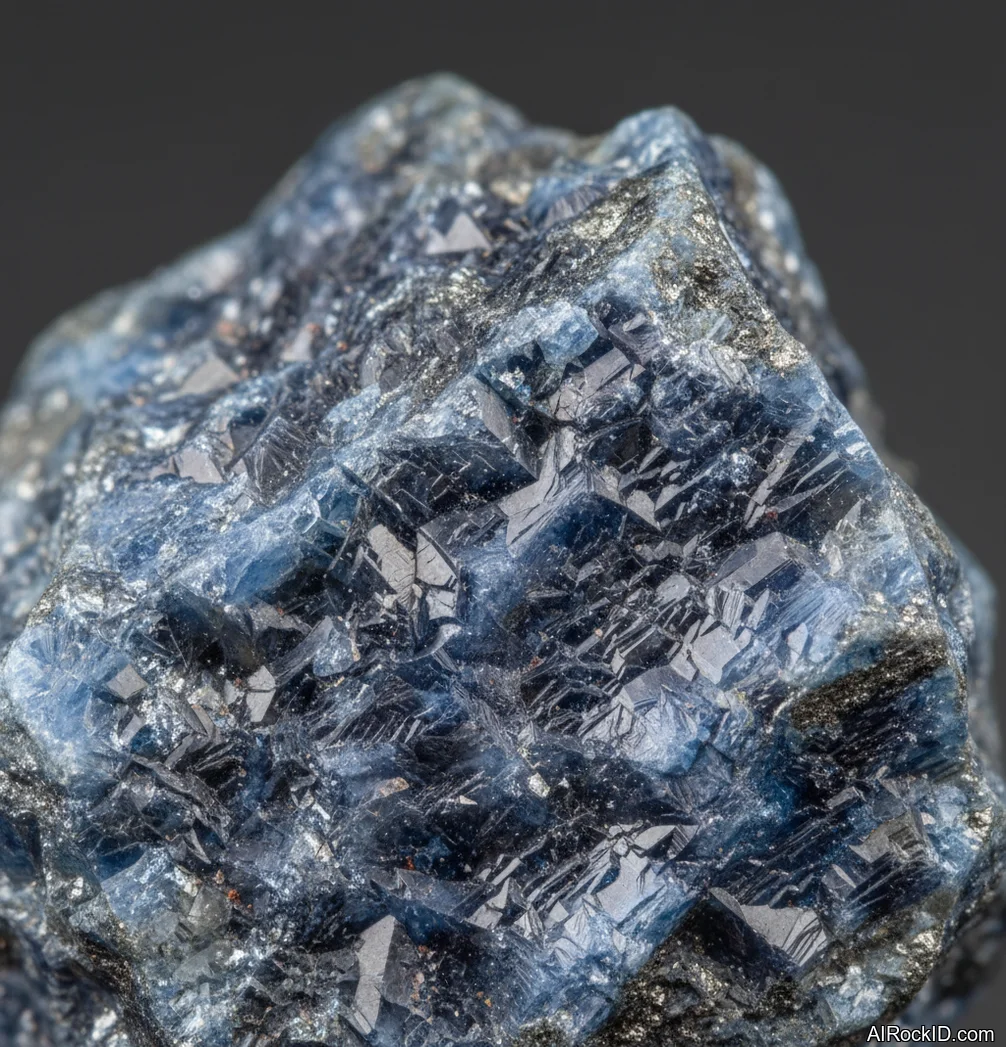
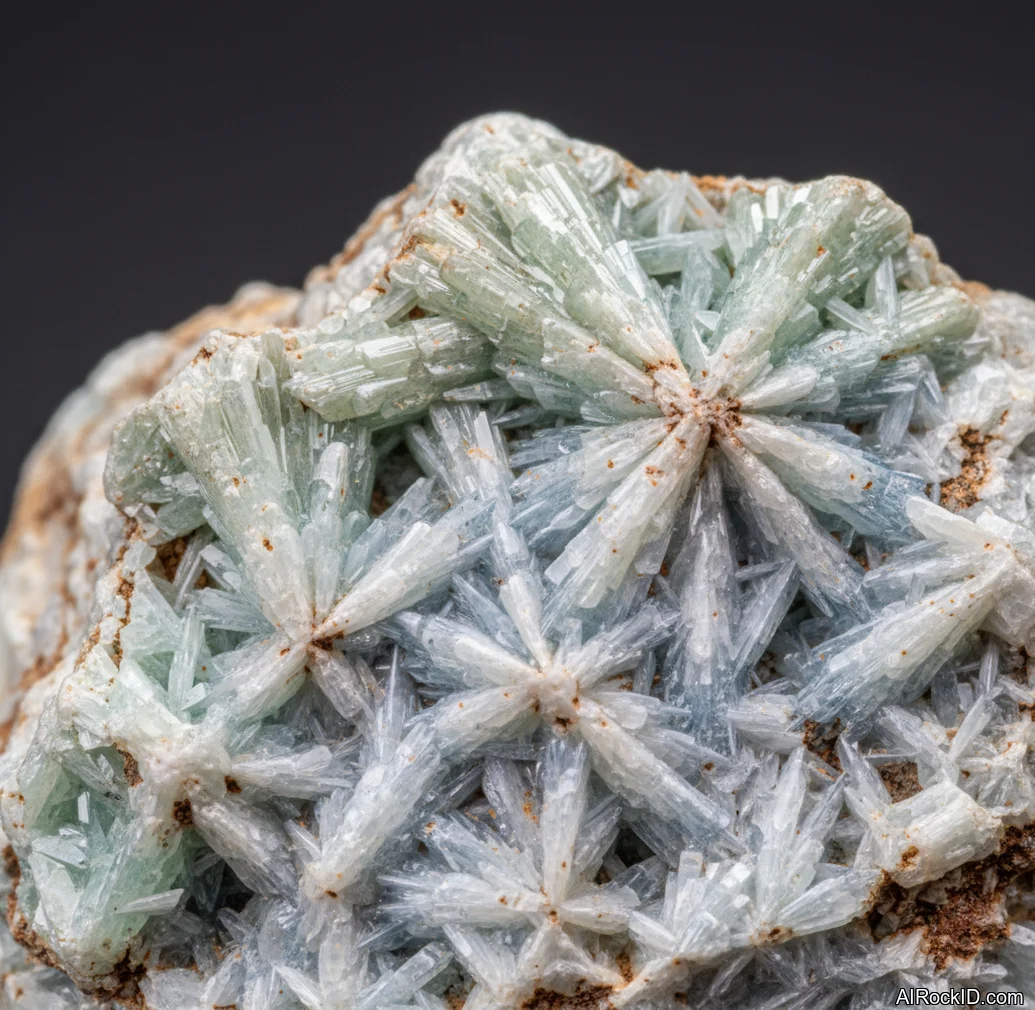
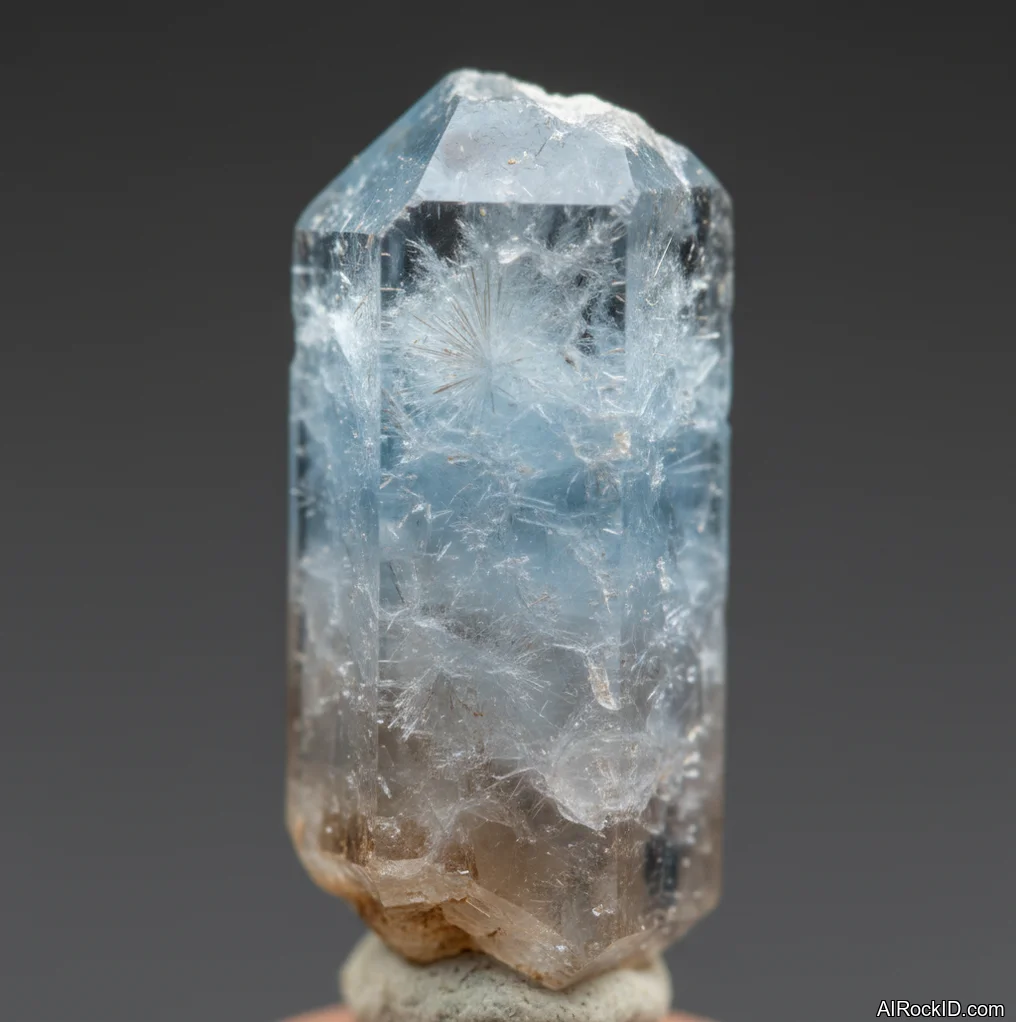
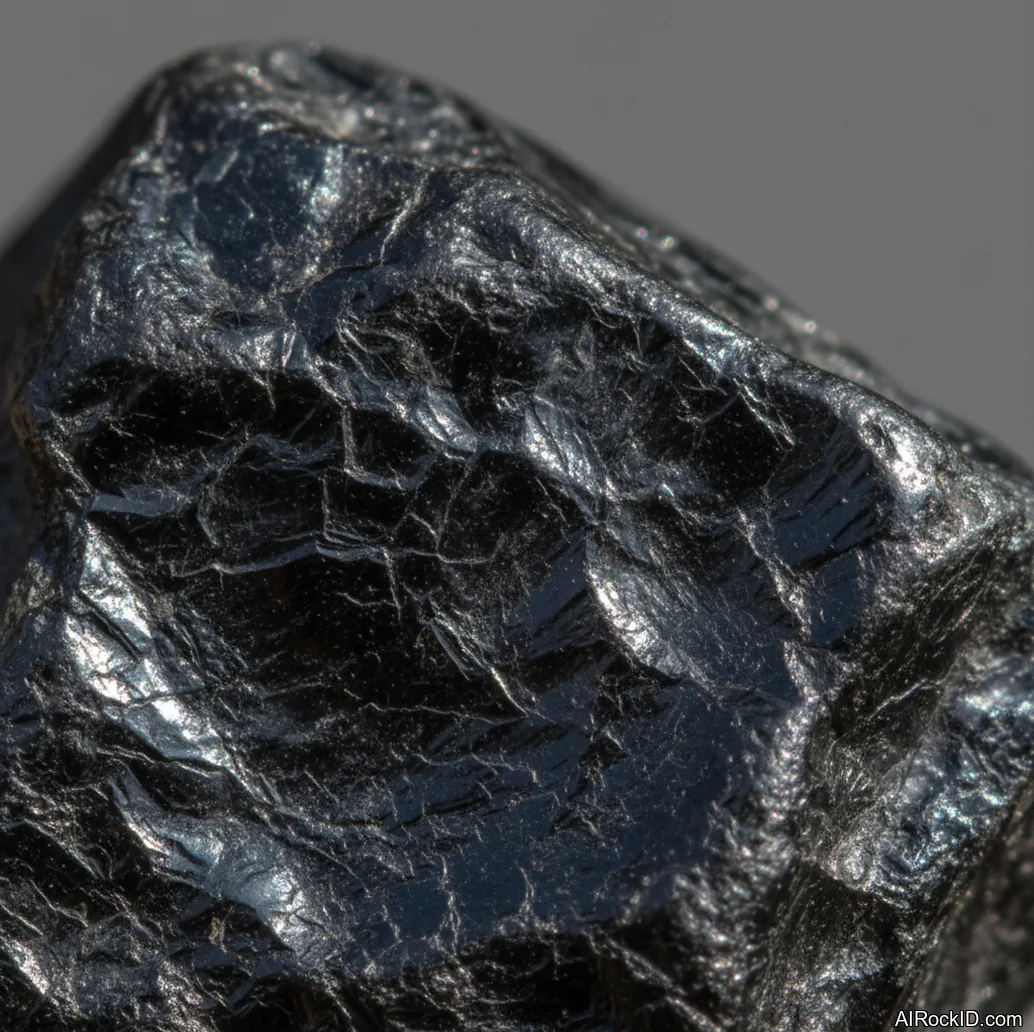
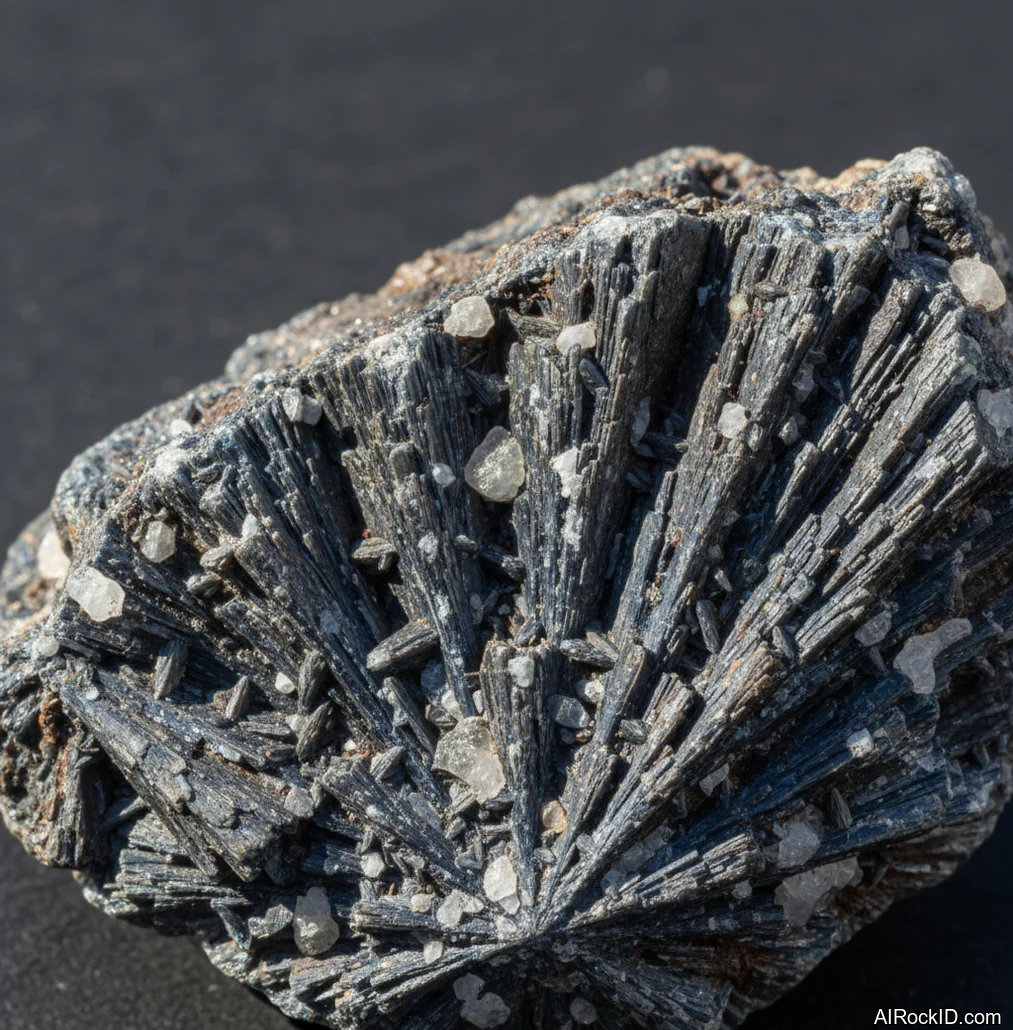
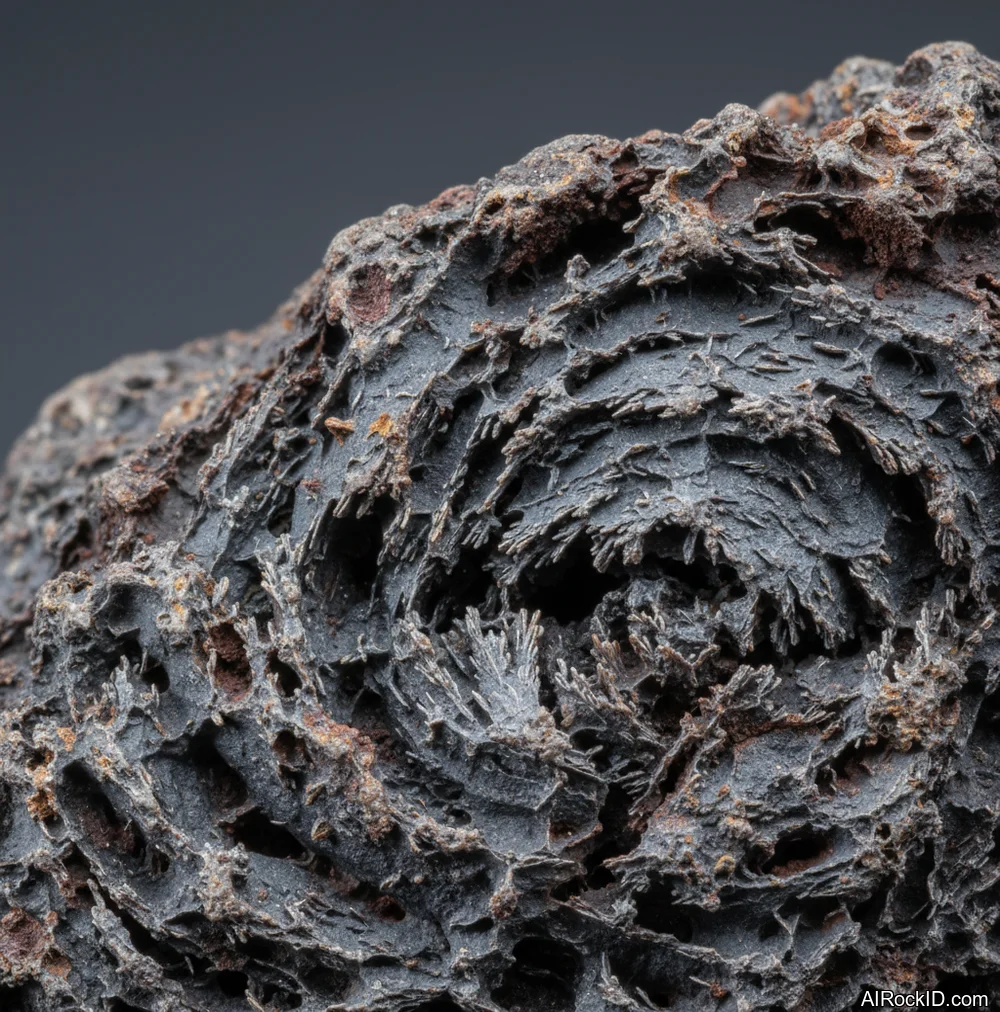
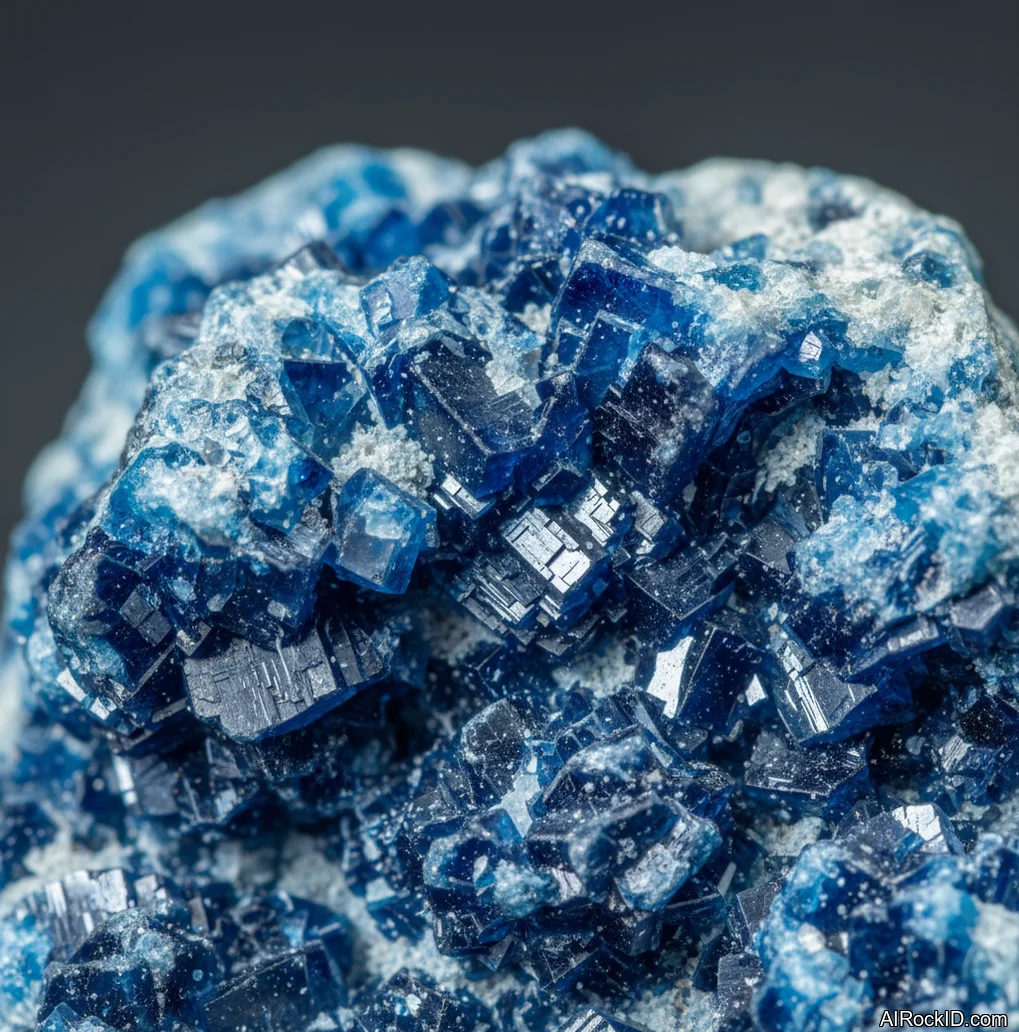
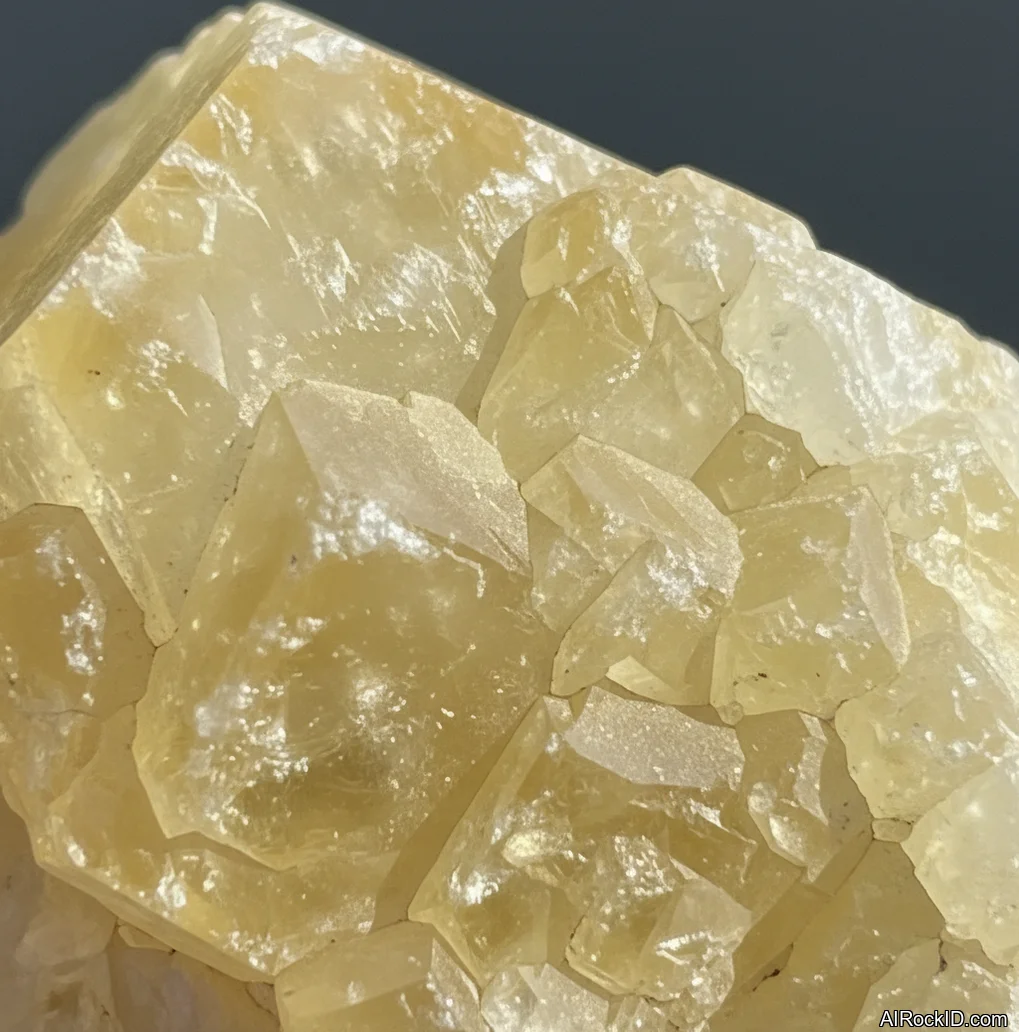
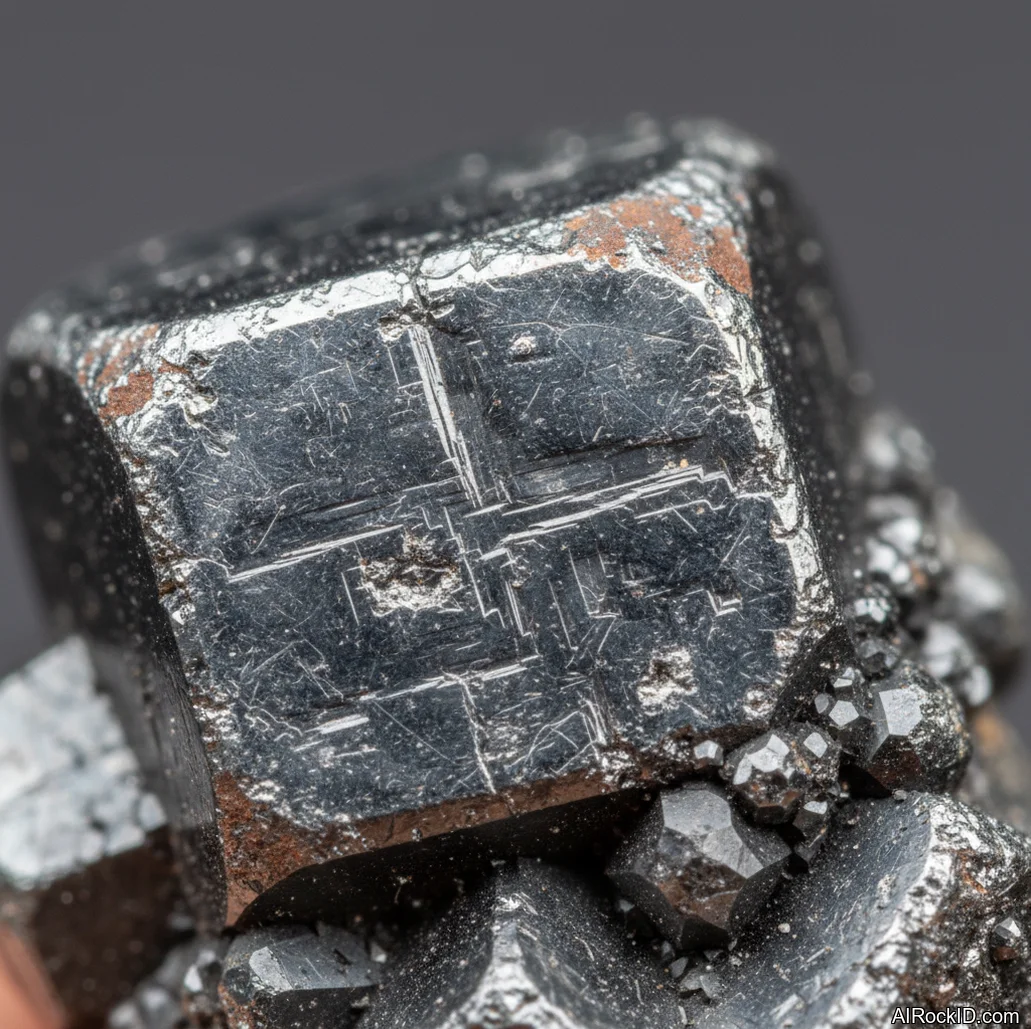
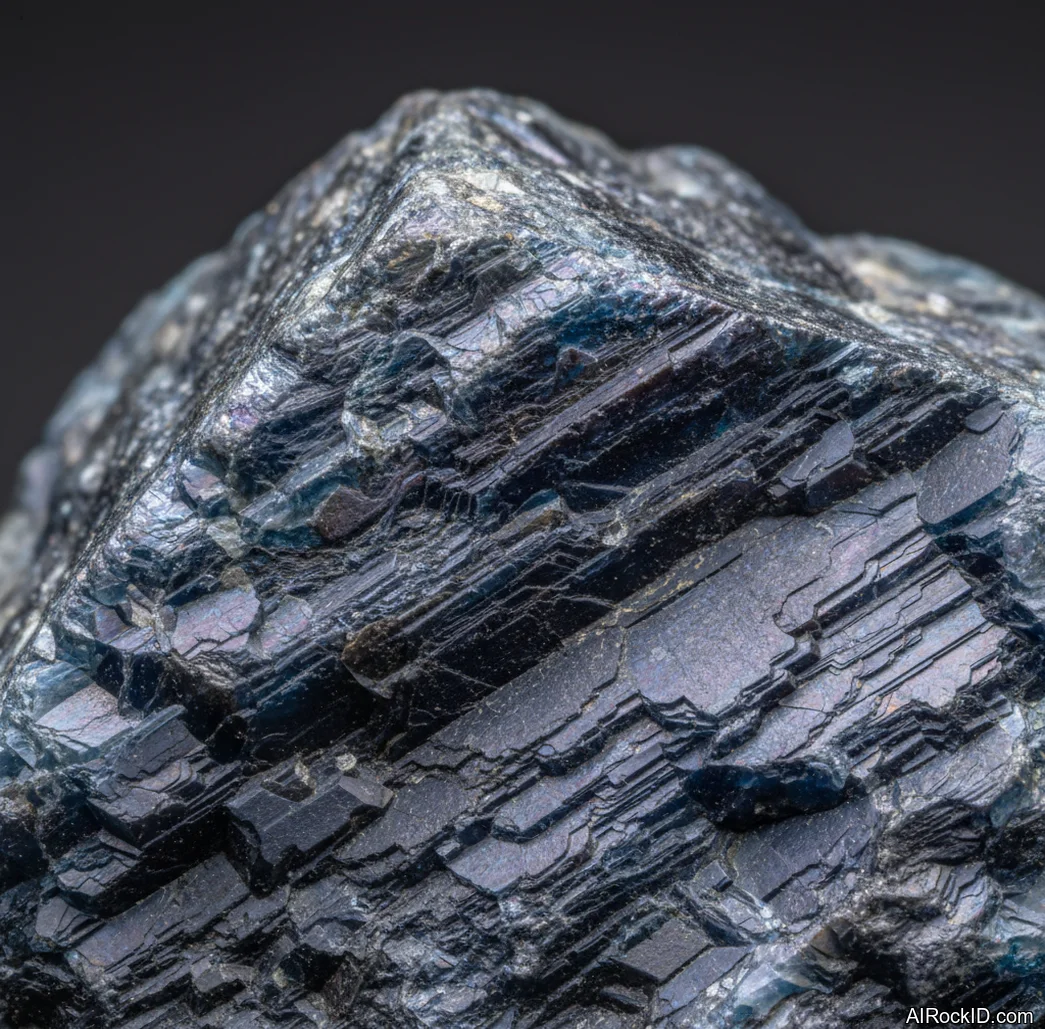
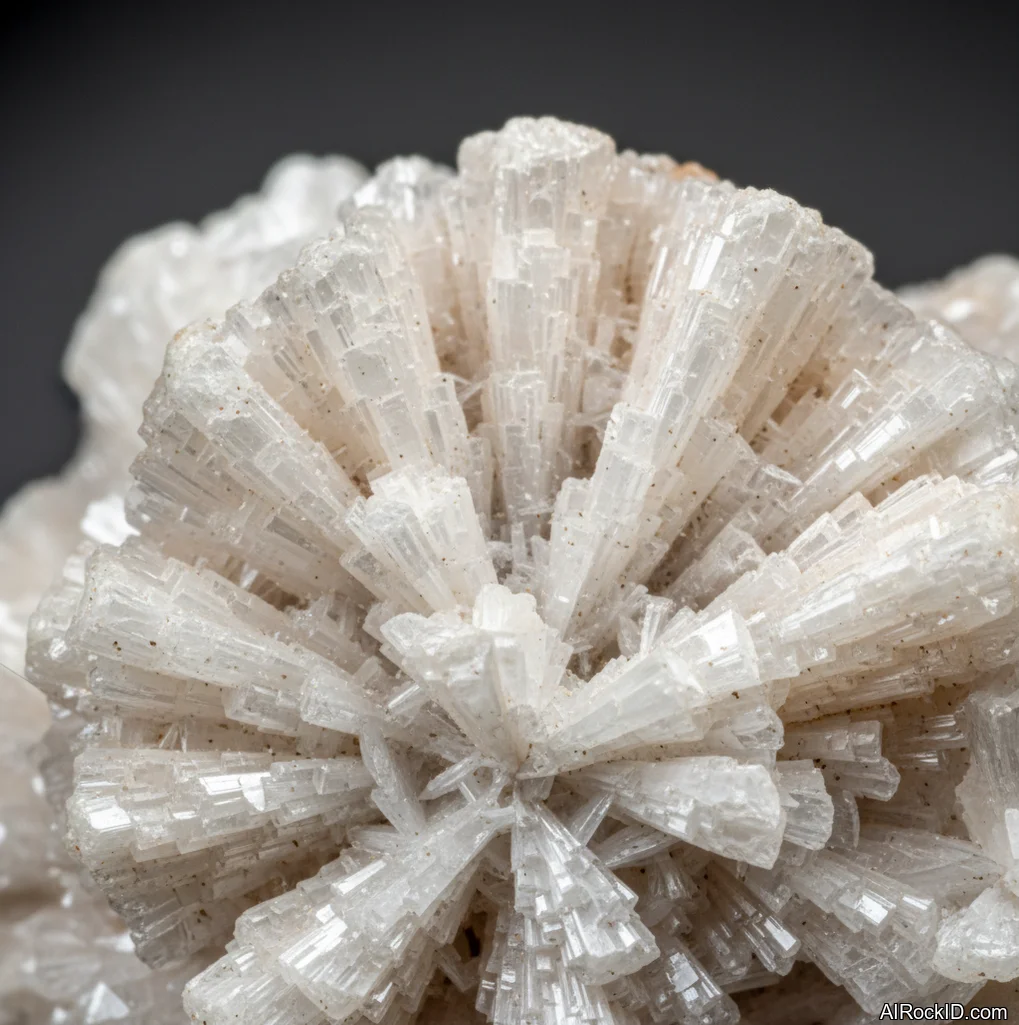
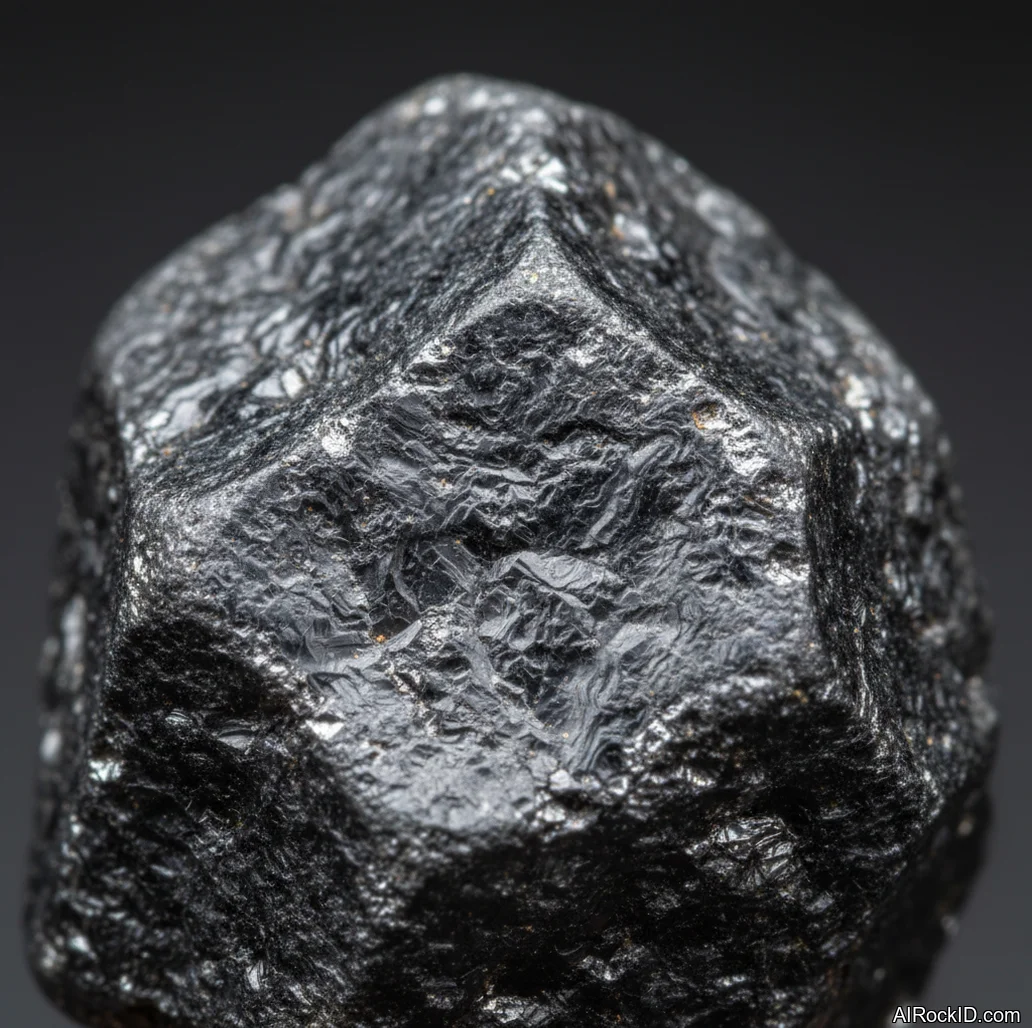
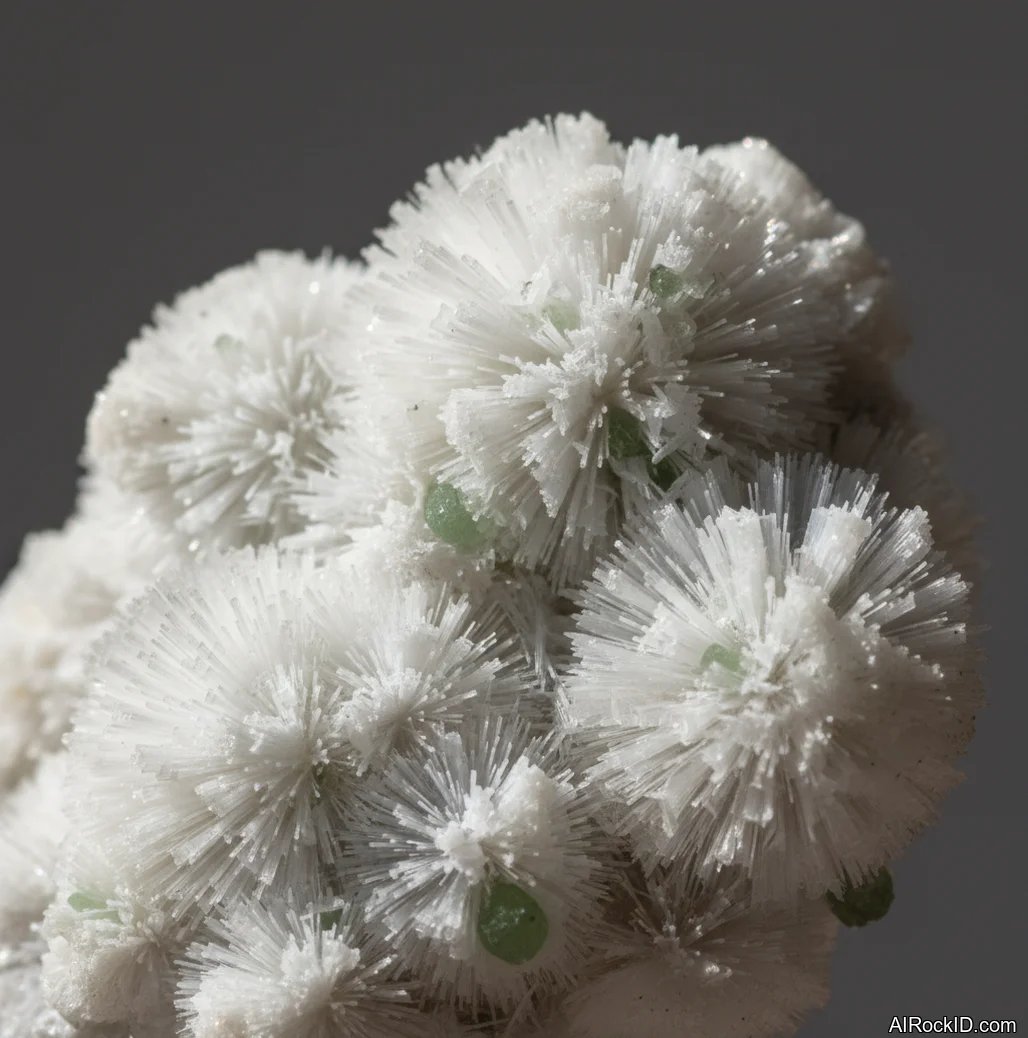
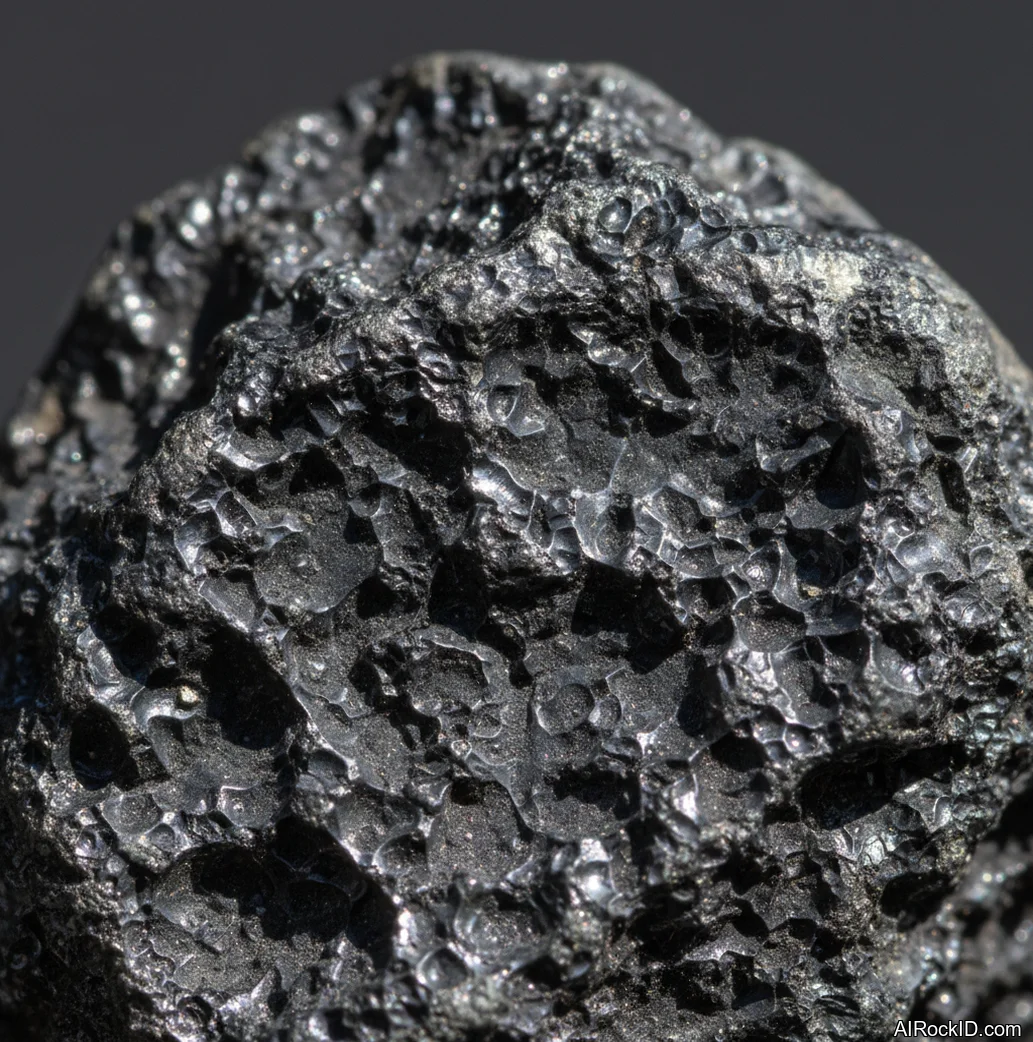
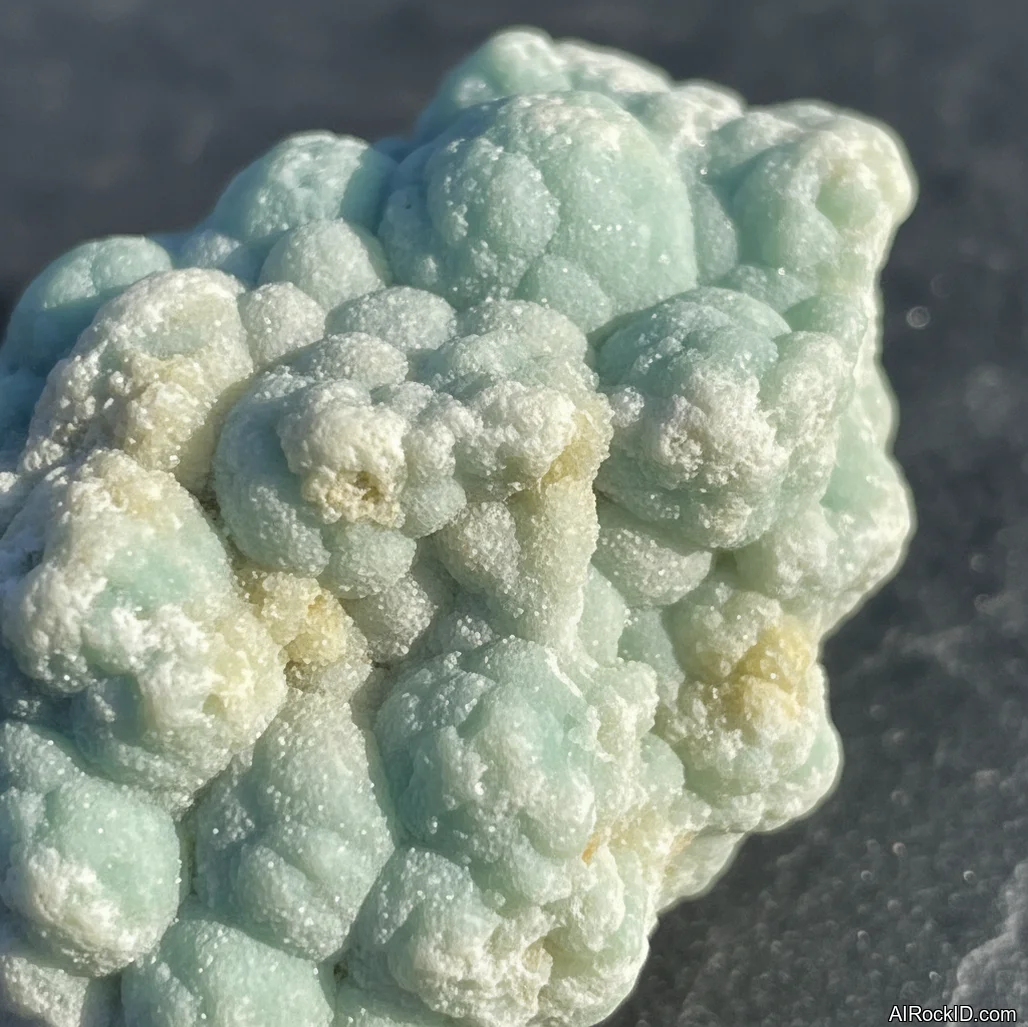
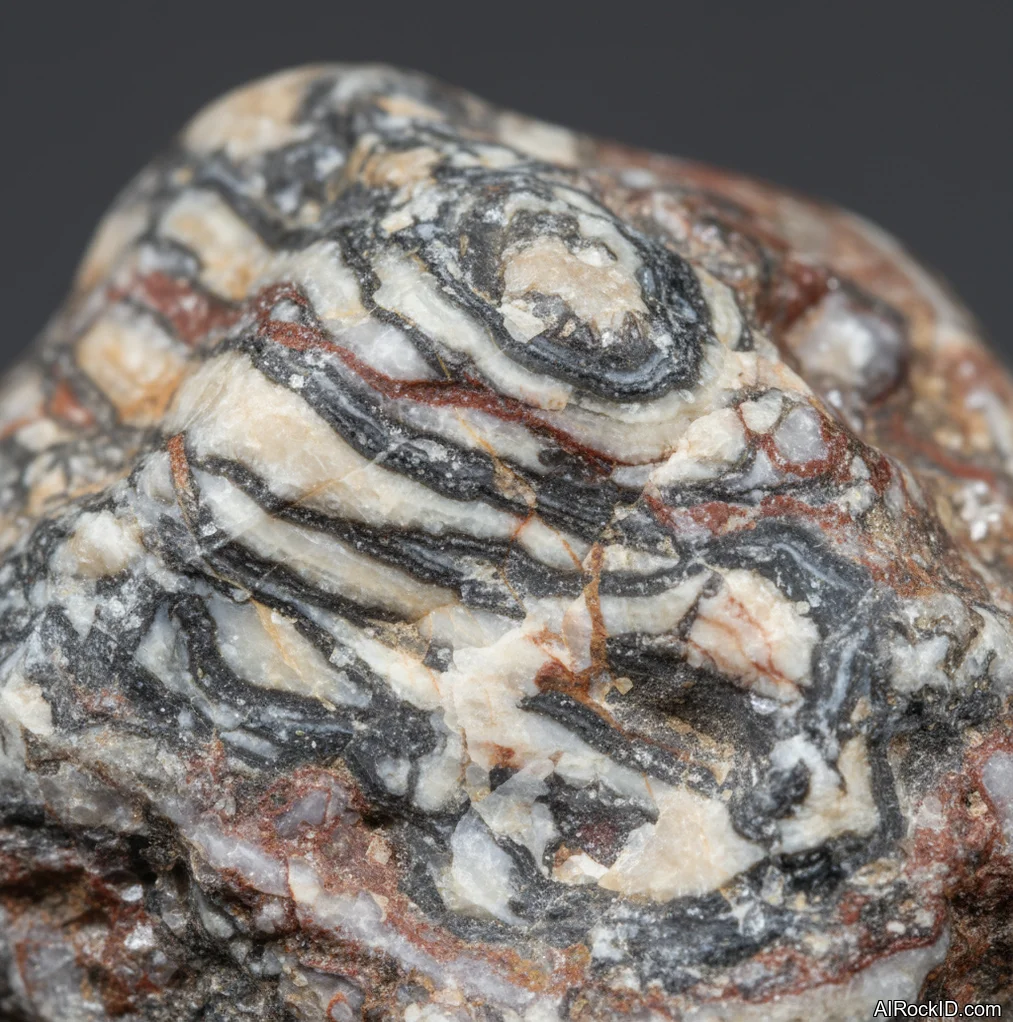
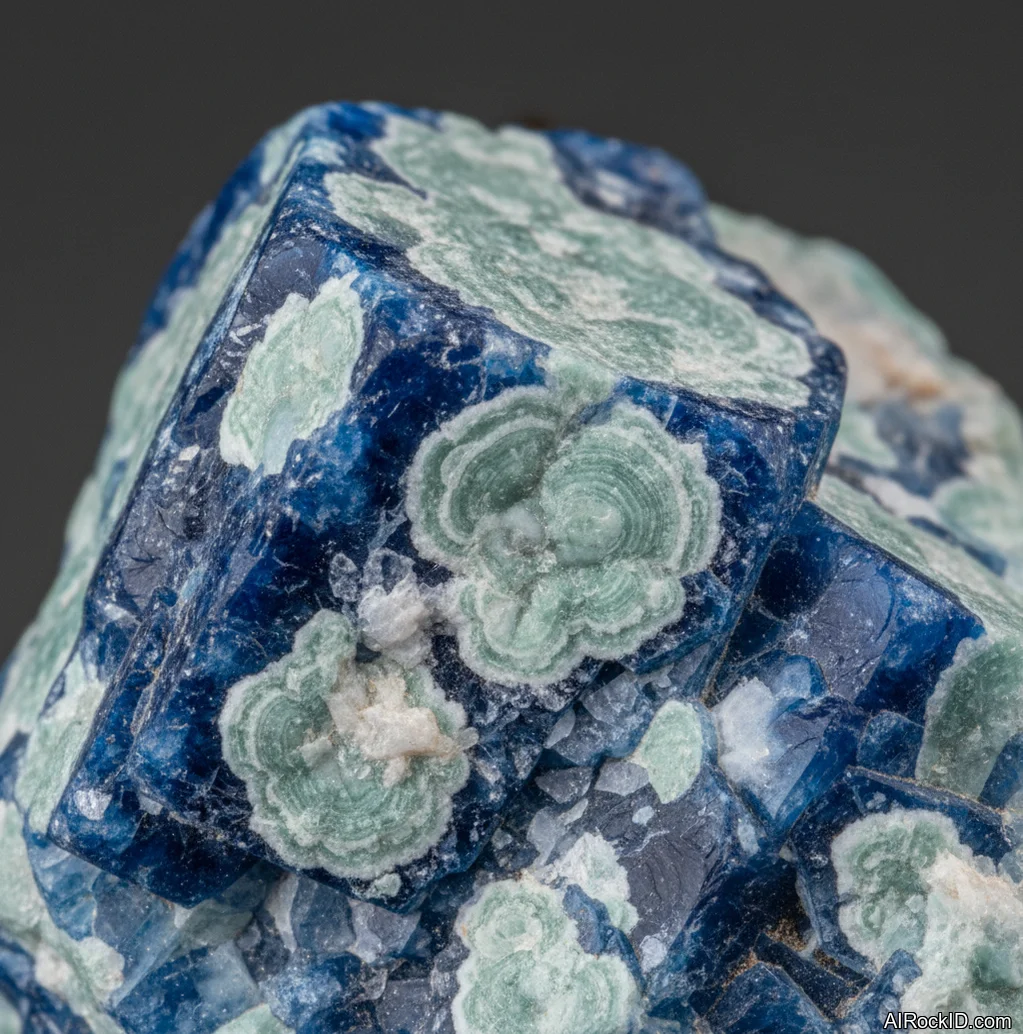
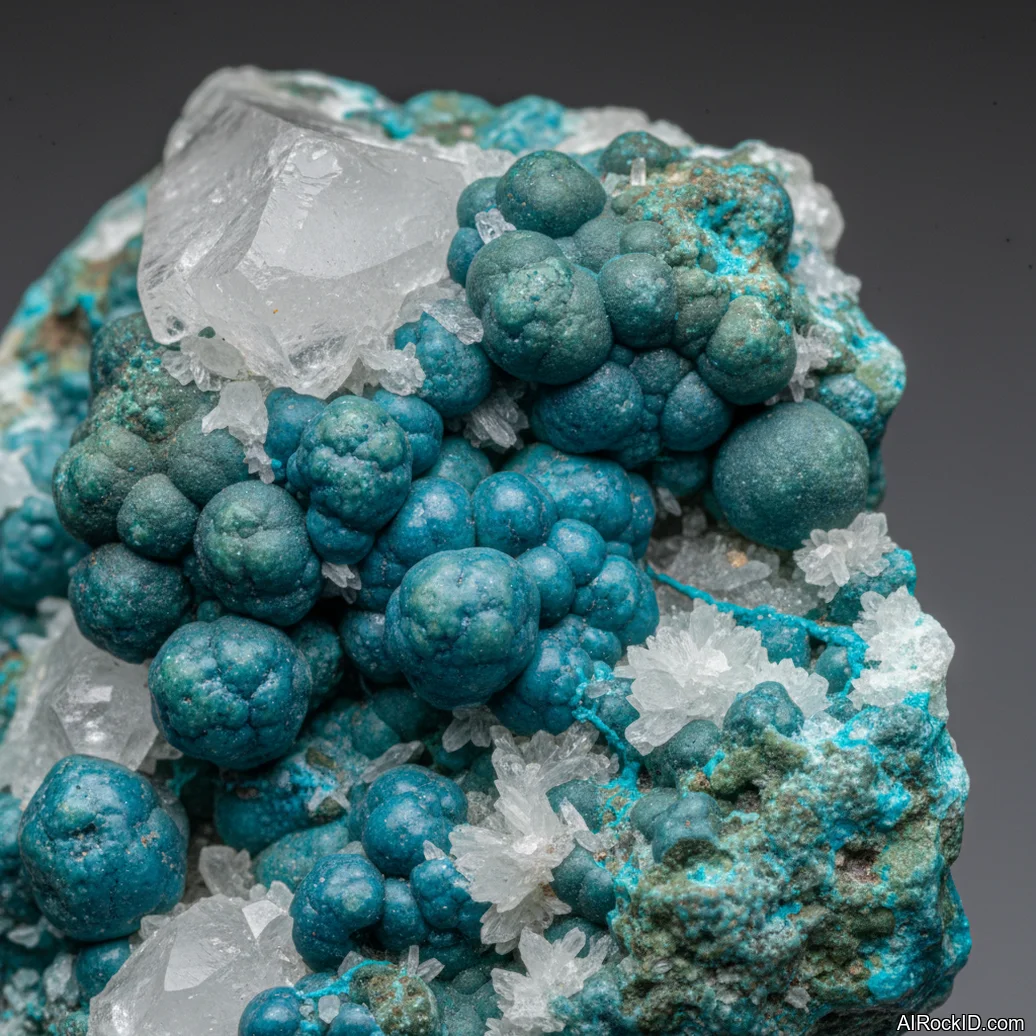
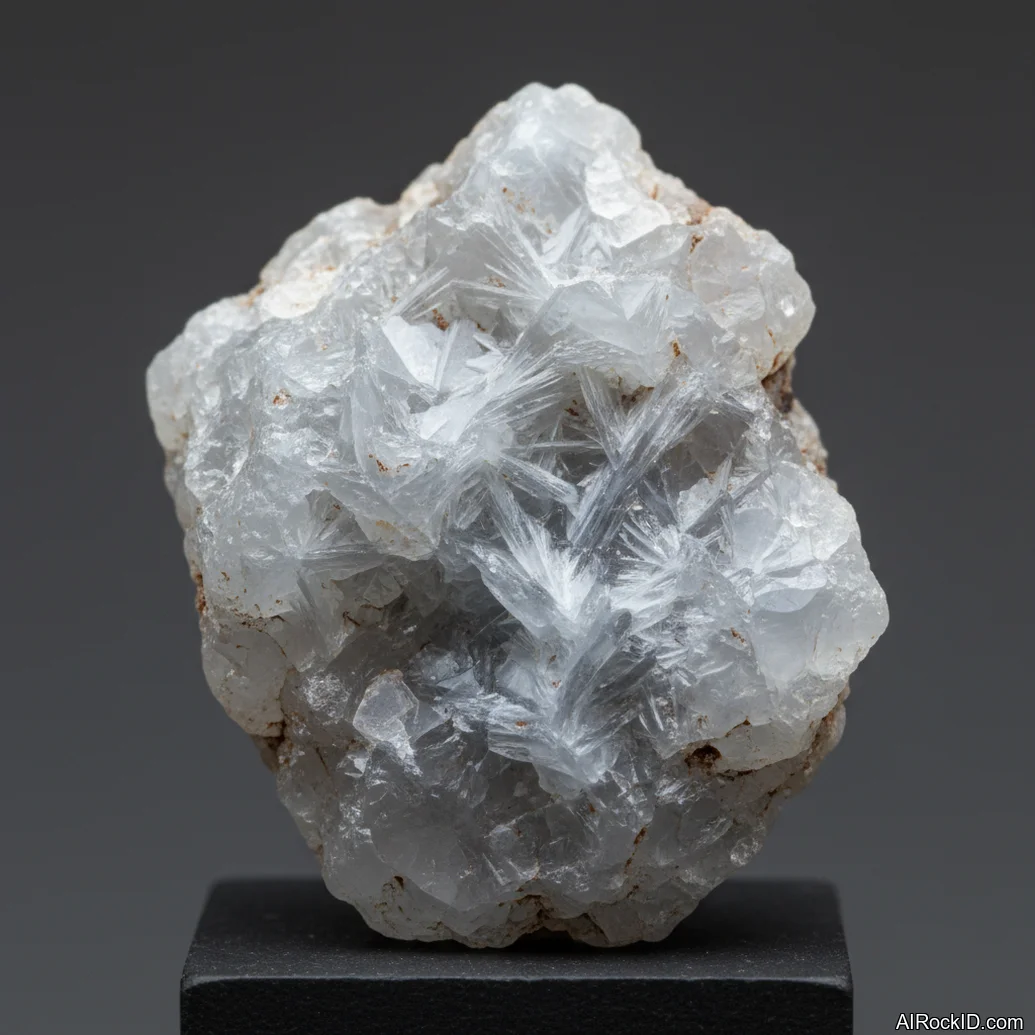
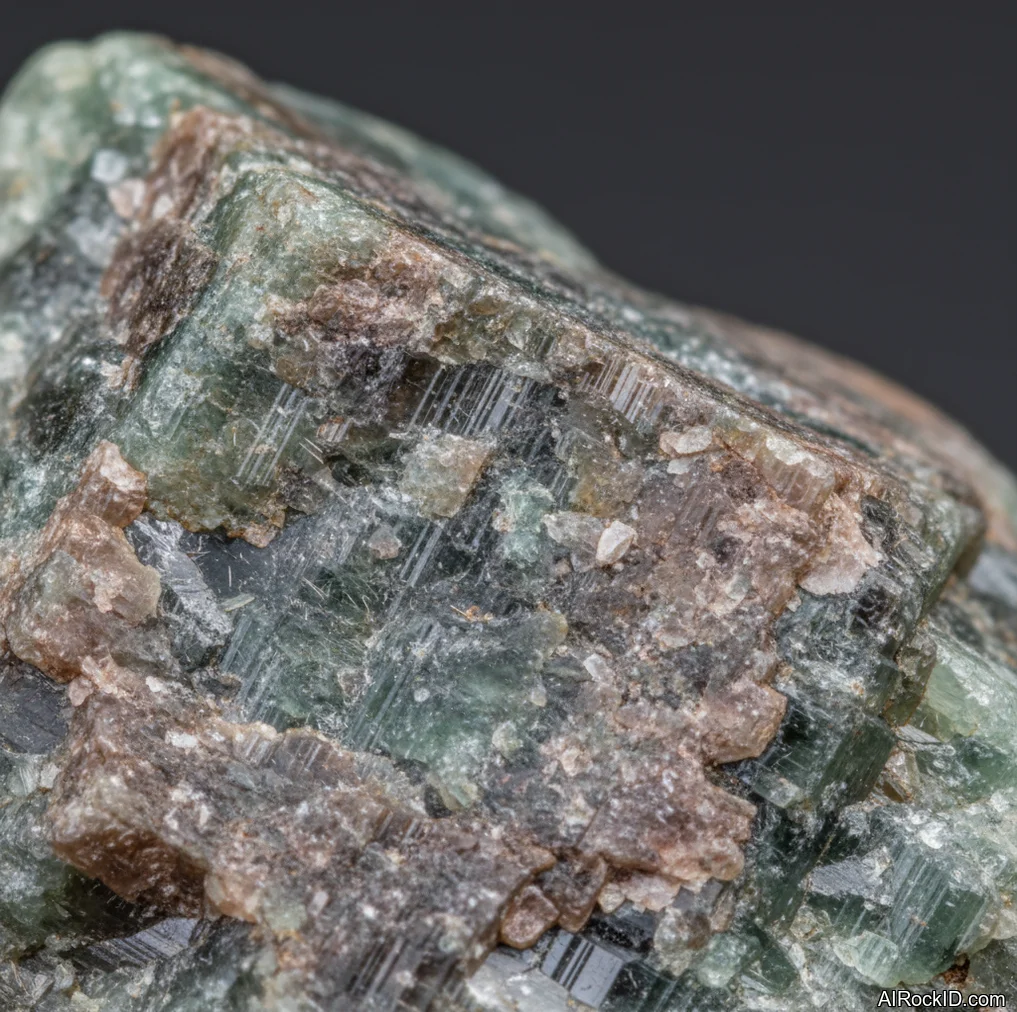
But relaxation crystals aren’t only about color. Weight and texture matter too. Hematite’s heft can feel grounding when you’re fidgety, even though it isn’t “sleepy” the way amethyst is. Howlite has that chalky, porous feel and that white-with-gray veining that reads calm on a bedside table, but it chips more easily than people expect because it’s relatively soft. Celestite looks like a little geode of sky-blue sugar, and it’s gorgeous in a quiet corner, but it’s brittle. If you’ve handled a celestite cluster, you know the points shed when you bump it against a hard shelf.
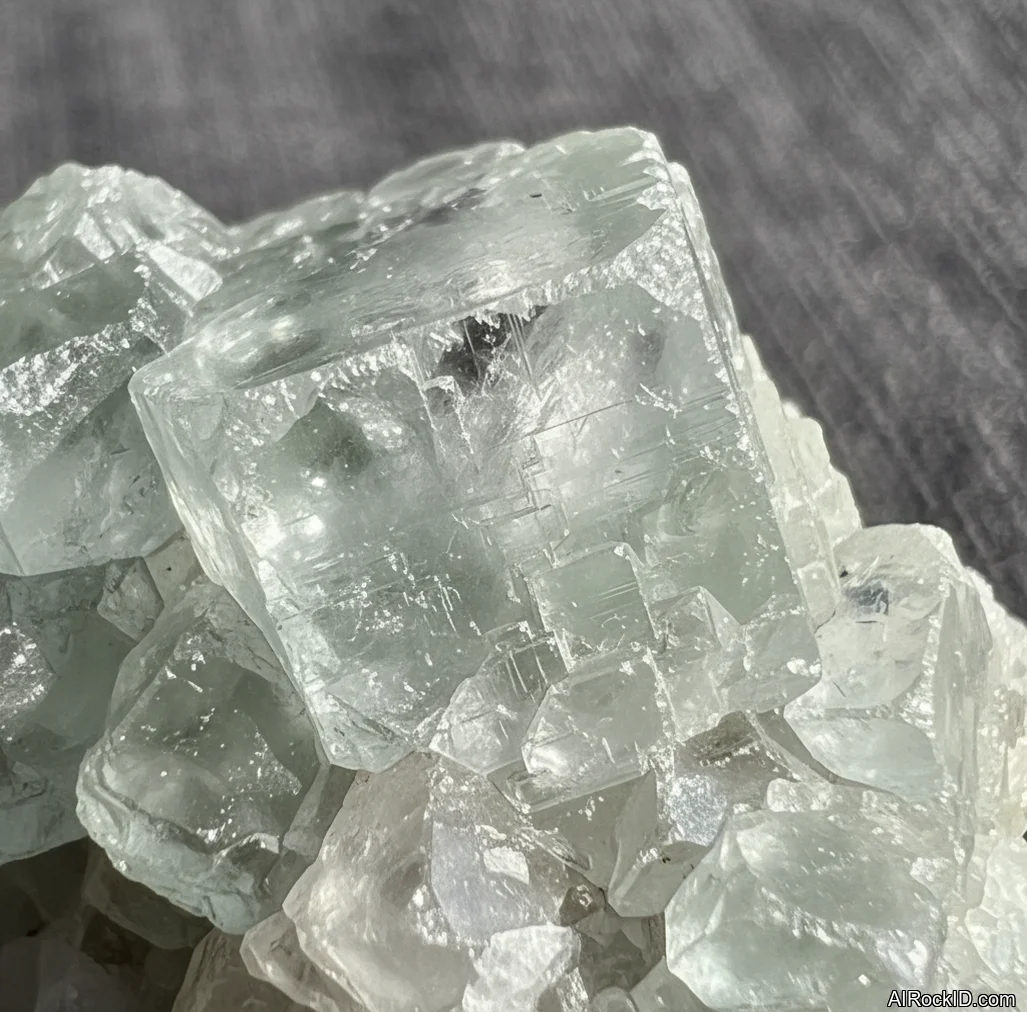
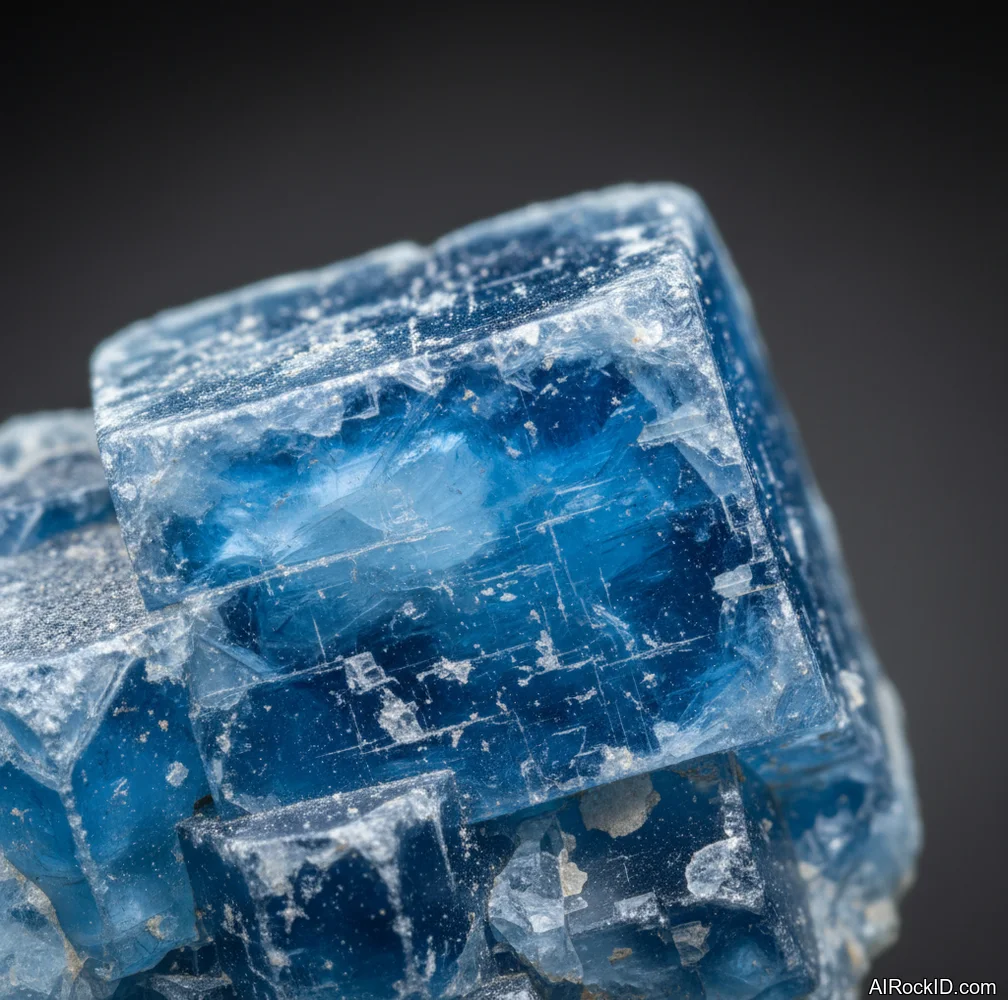
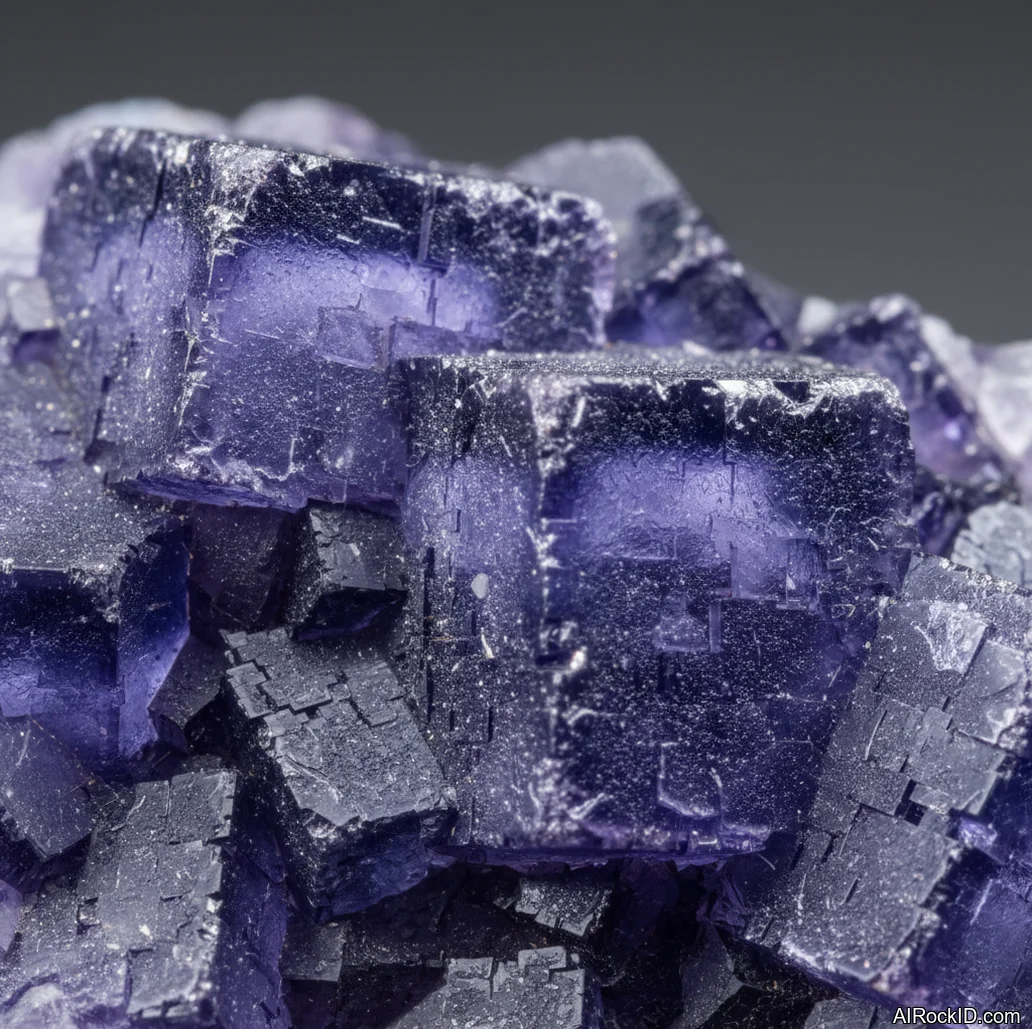
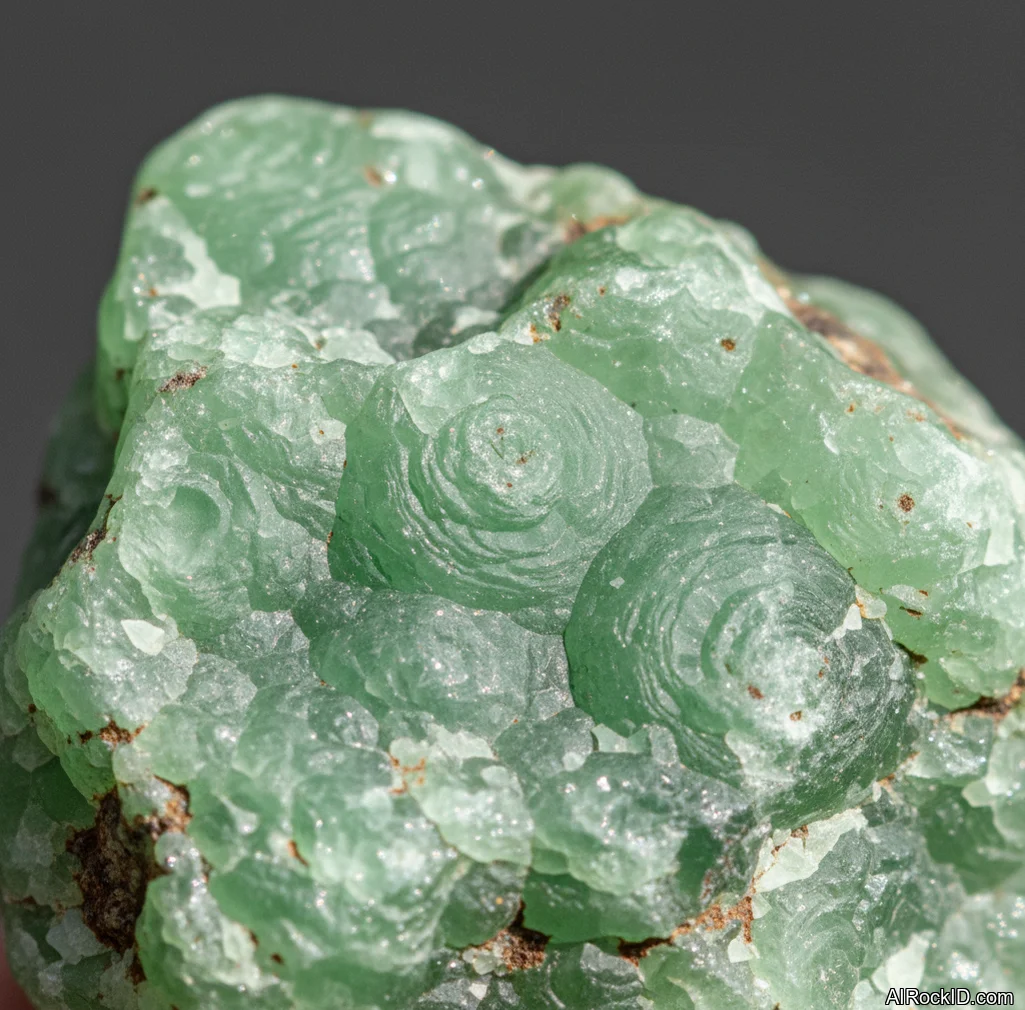
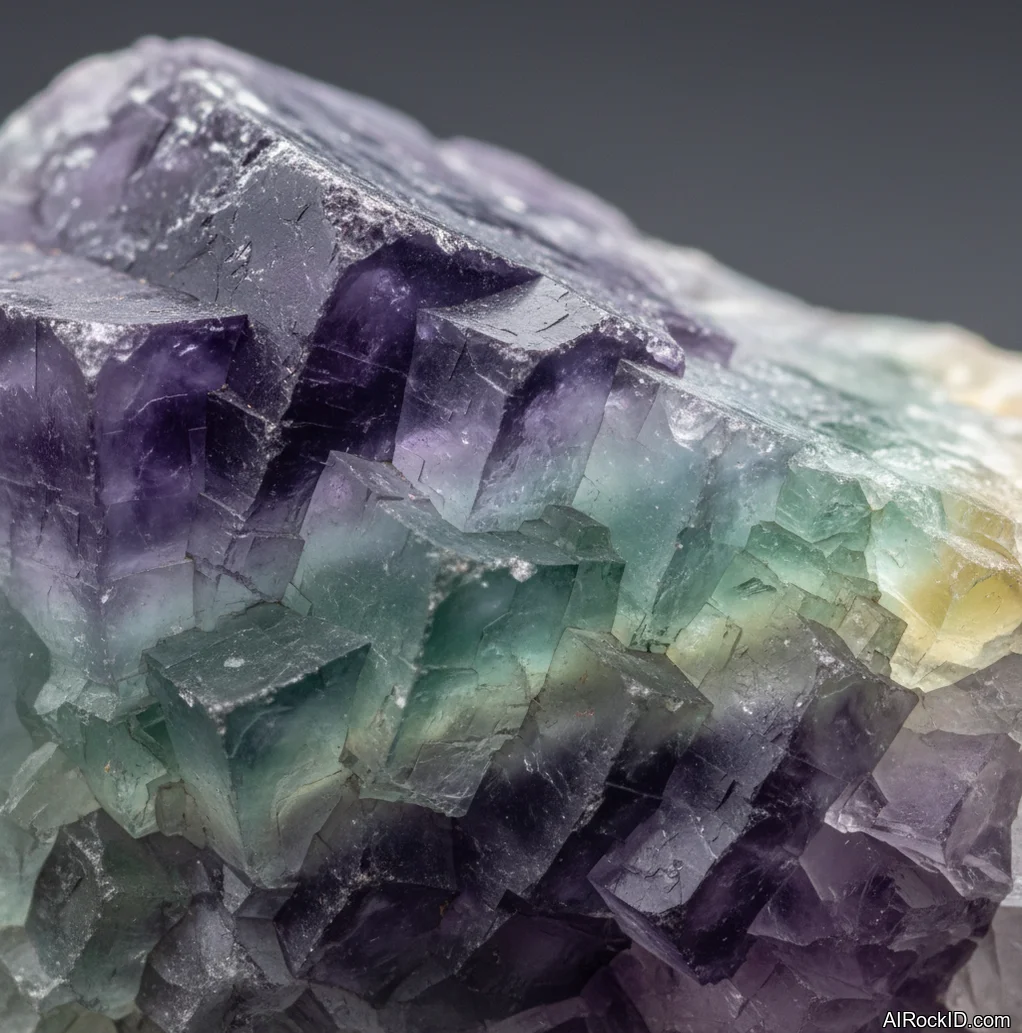
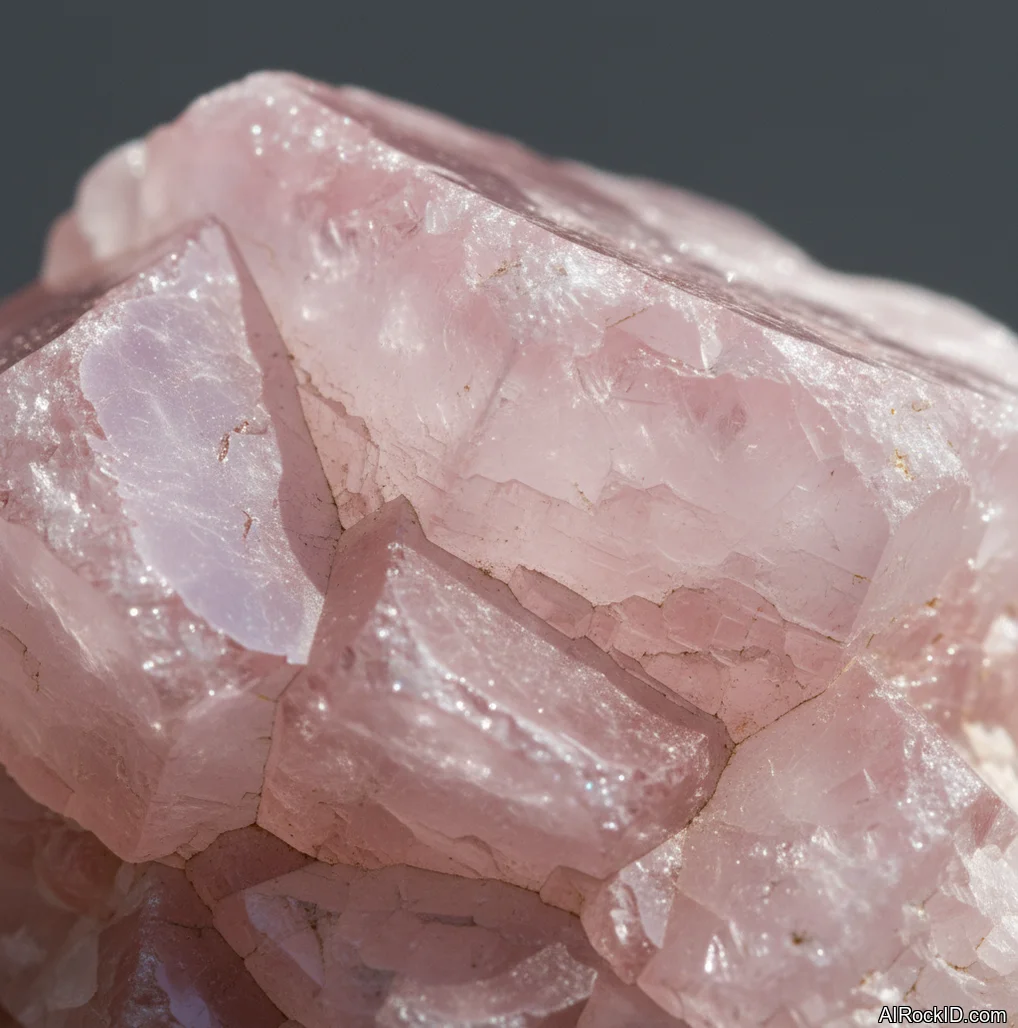
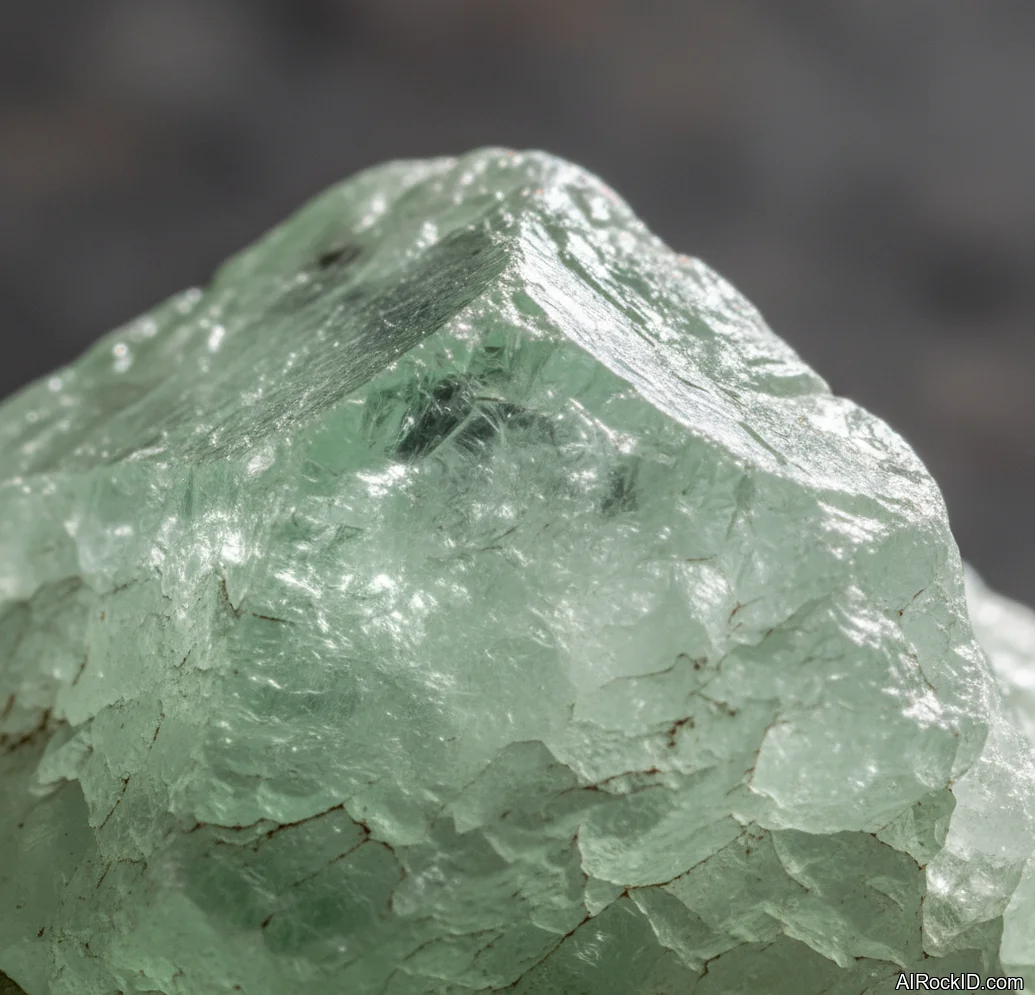
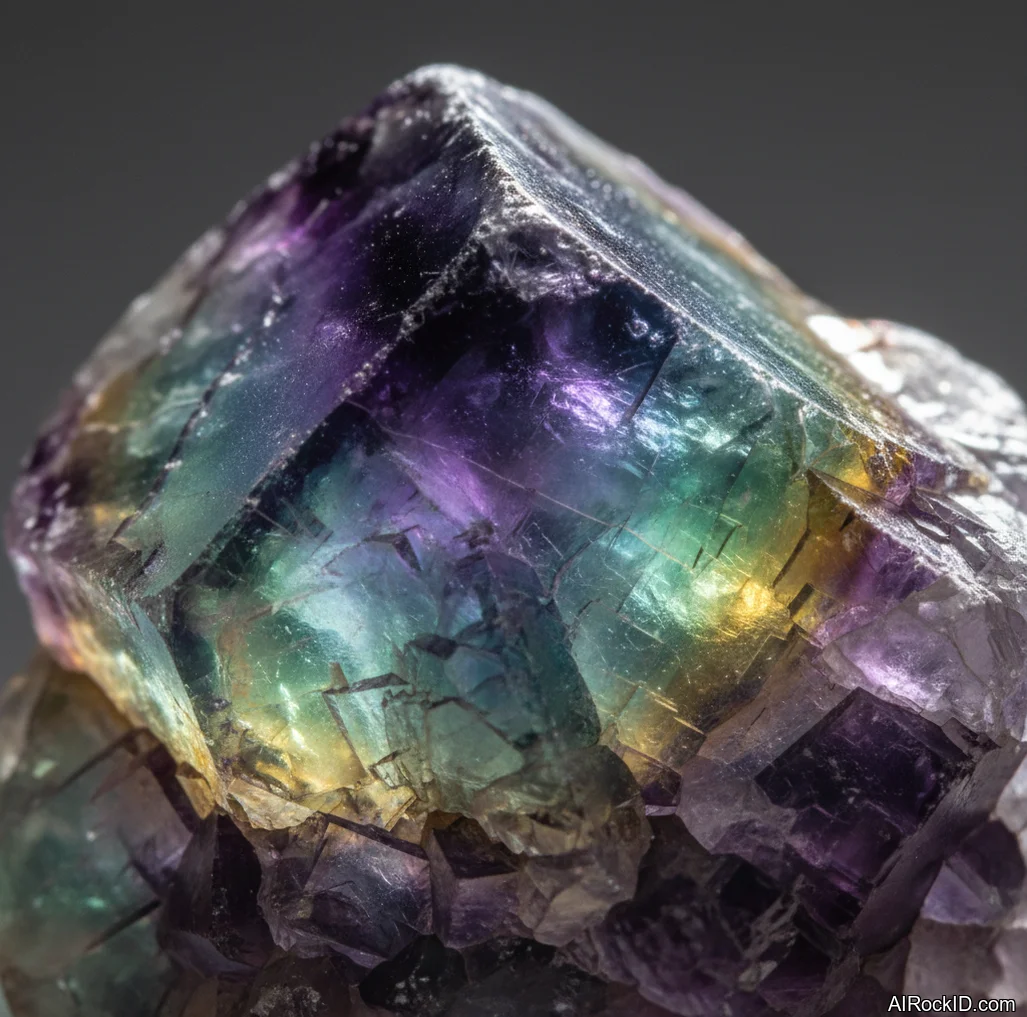
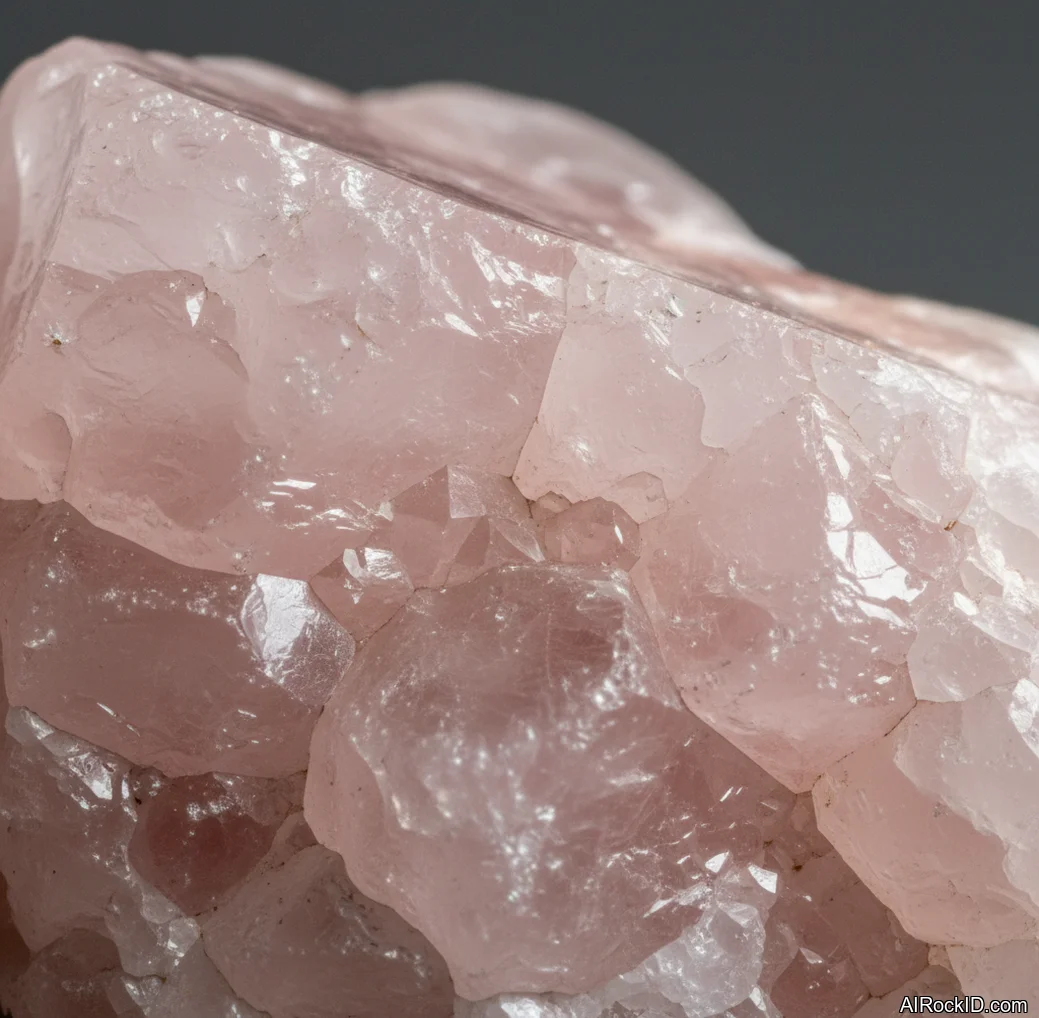
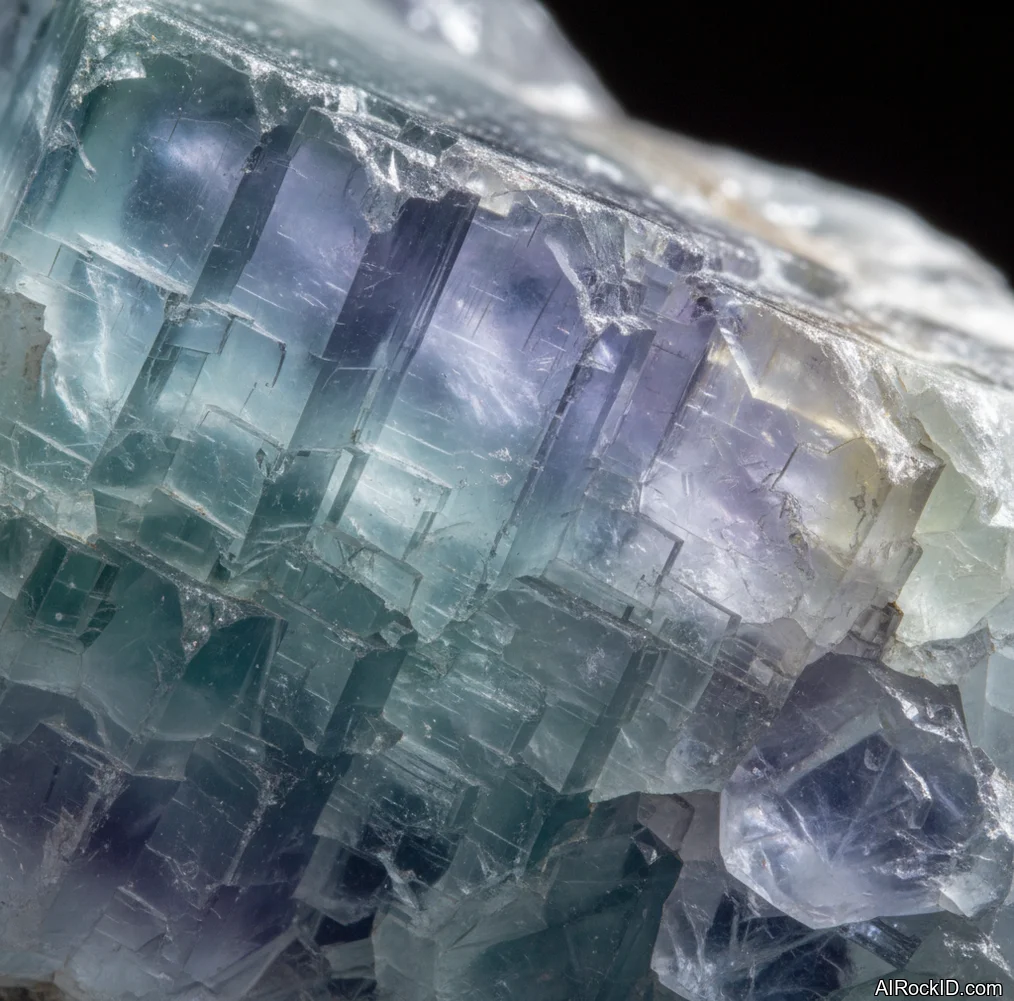
So why do people seek relaxation crystals in the first place? A lot of it is environment. Your home can feel loud even when it’s silent (weird but true). A bowl of tumbled stones on your desk, a fluorite cube next to your keyboard, or a chunk of rose quartz by the bed turns into a visual cue to slow down. And the cue matters. You’re basically training your brain: when I sit here and touch this stone, I breathe lower. Simple conditioning. Crystals make it easier because they’re physical, pretty, and consistent.
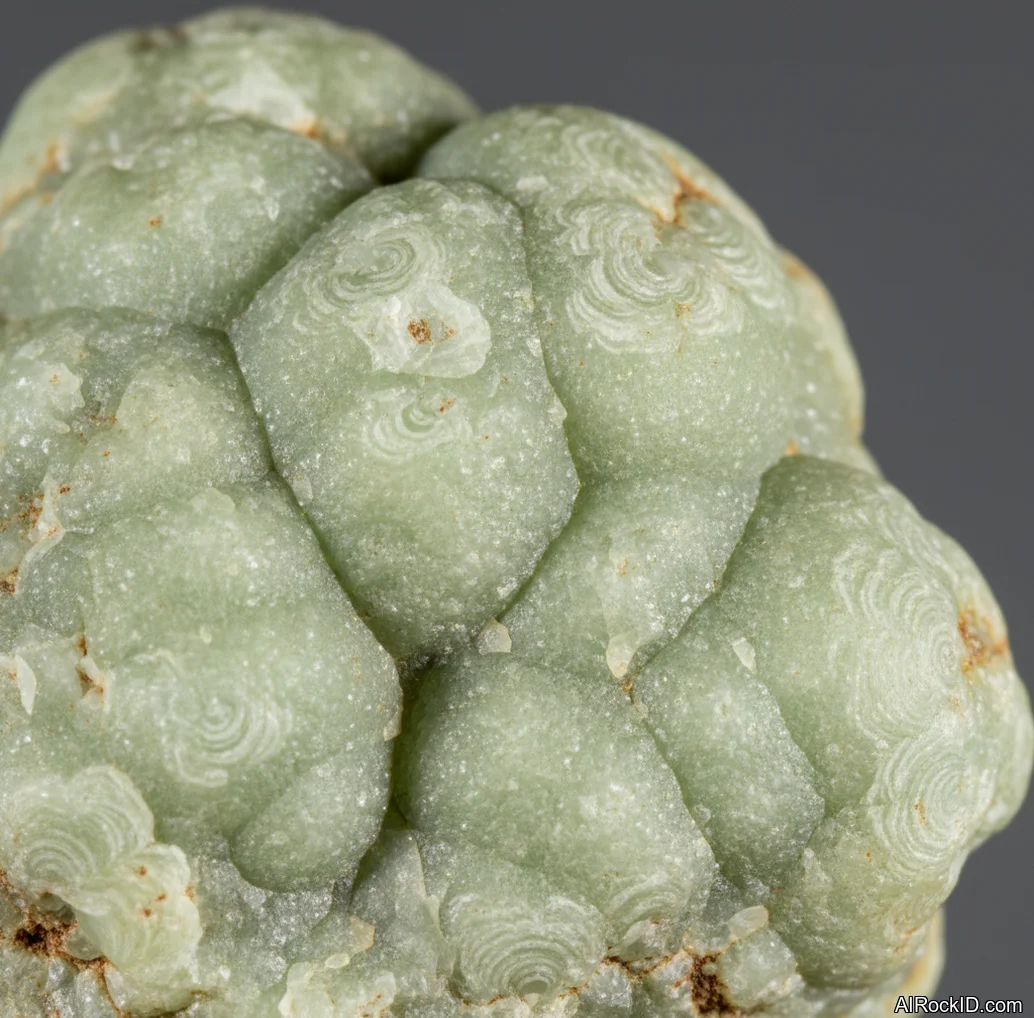
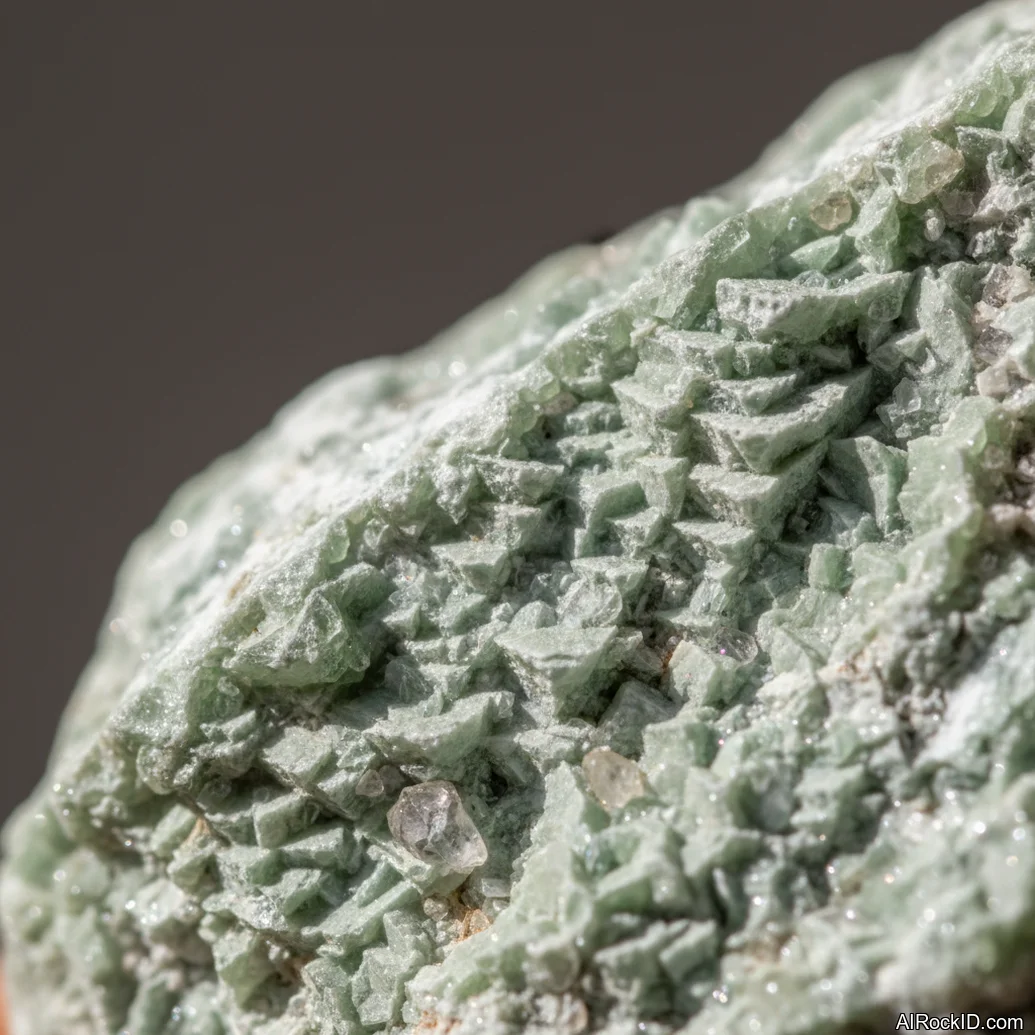
Thing is, working with them doesn’t need to be a whole ceremony. Try one stone, one habit. Keep a palm stone of amethyst or lepidolite where you actually spiral, not where you wish you did. Nightstand. Couch arm. Car cupholder. The real test is whether you’ll reach for it without thinking. For sleep, people often use a small amethyst cluster on the nightstand and a tumbled stone in the hand for a few minutes, then set it down so it doesn’t vanish into the sheets. For daytime calm, blue lace agate or amazonite in a pocket works well because they’re tough enough for daily carry and they don’t crumble like softer minerals.
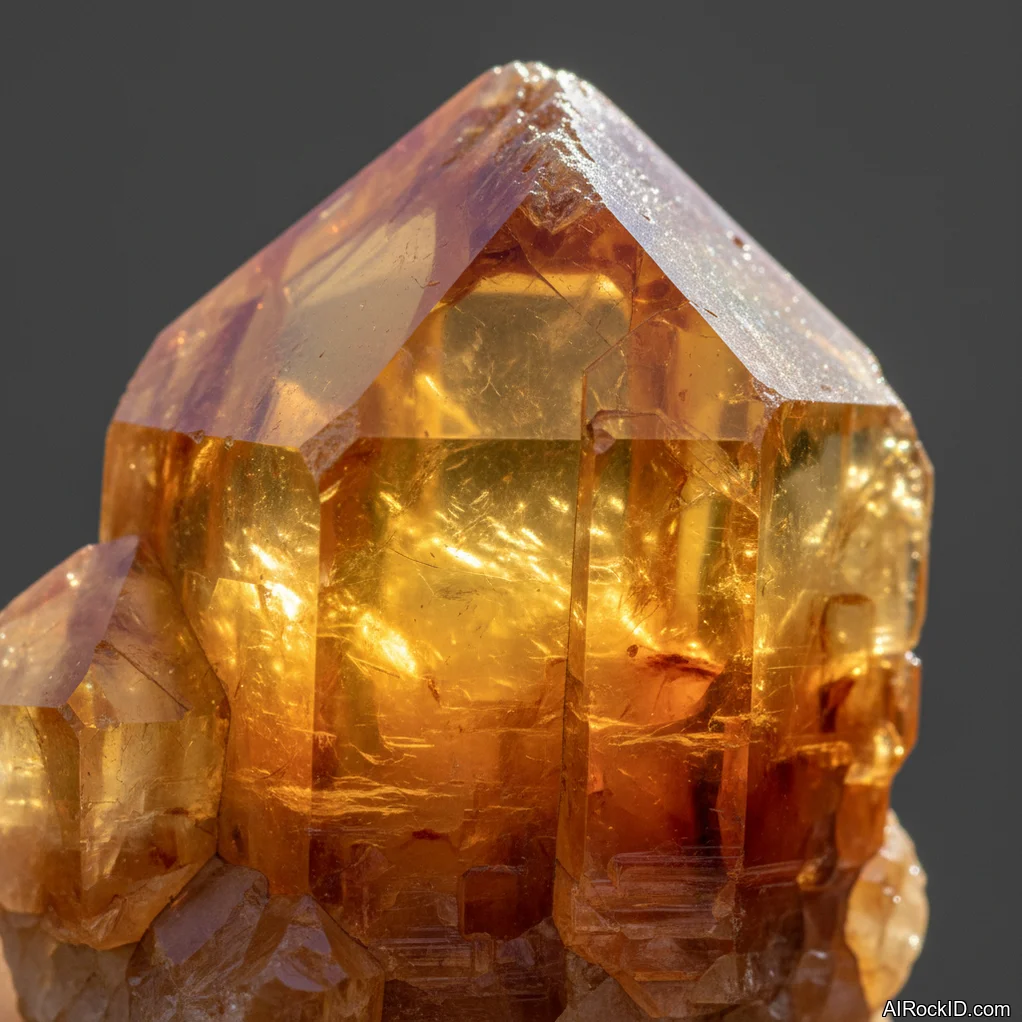
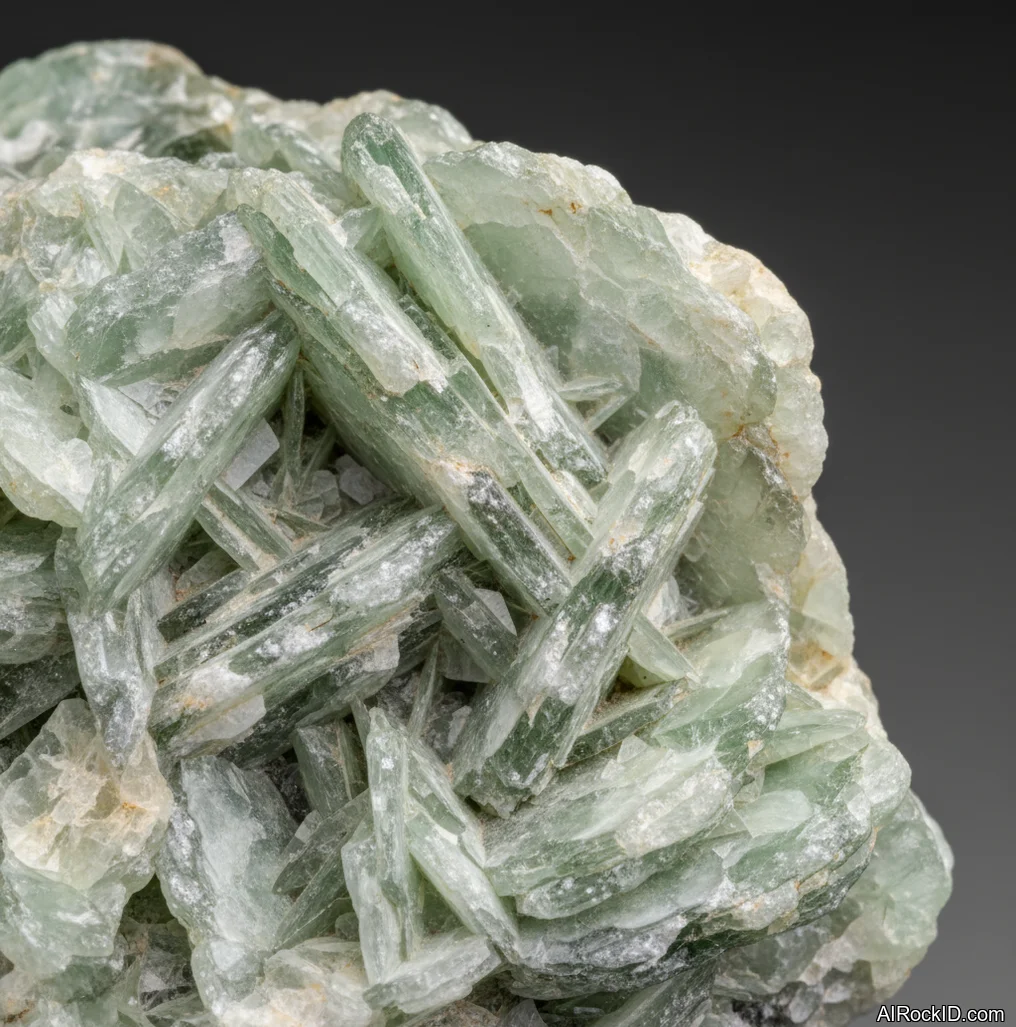
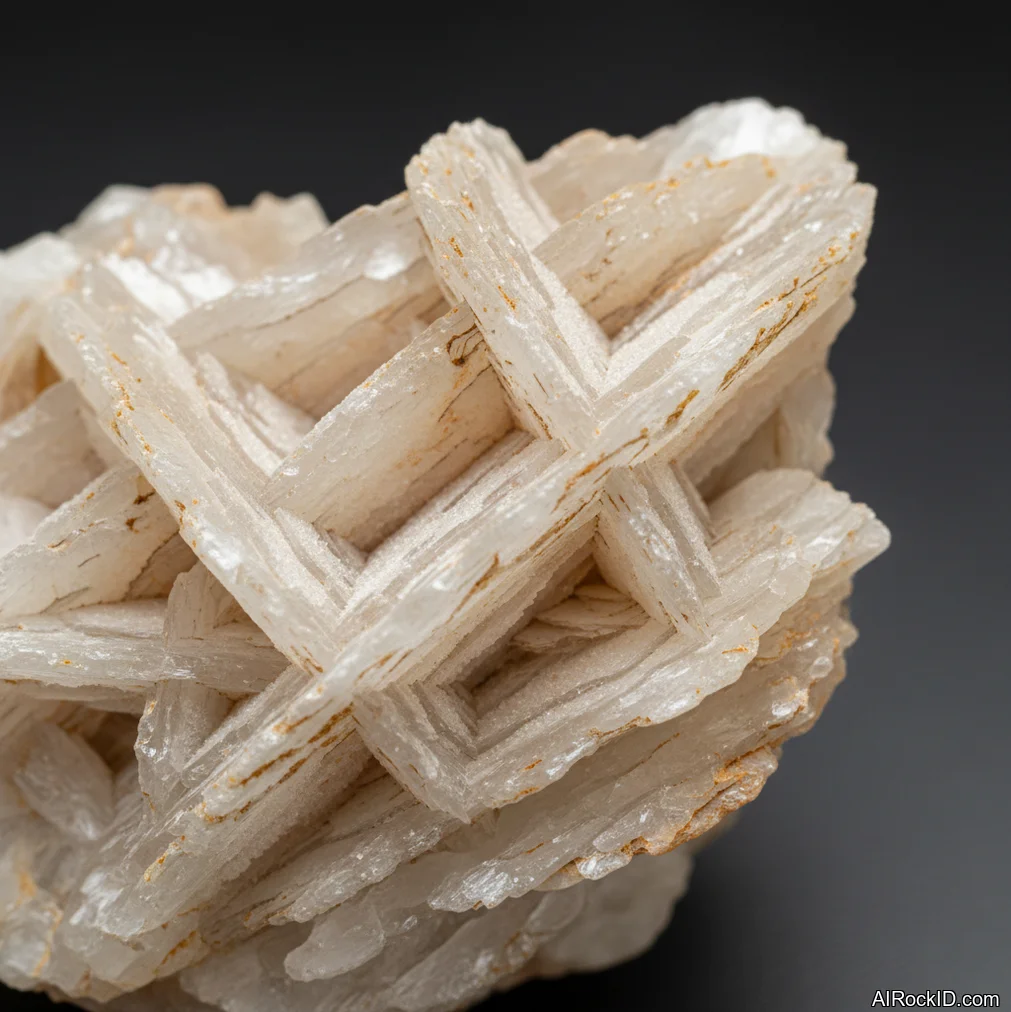
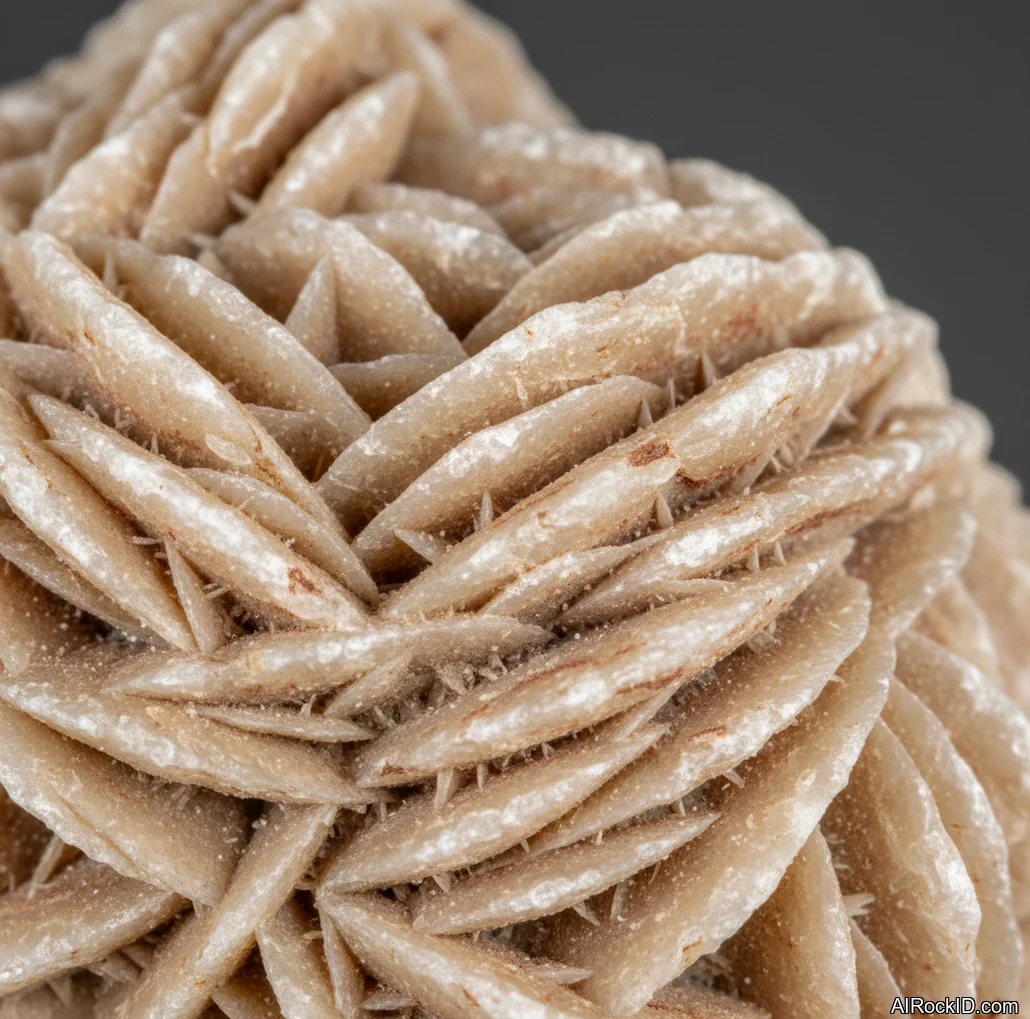
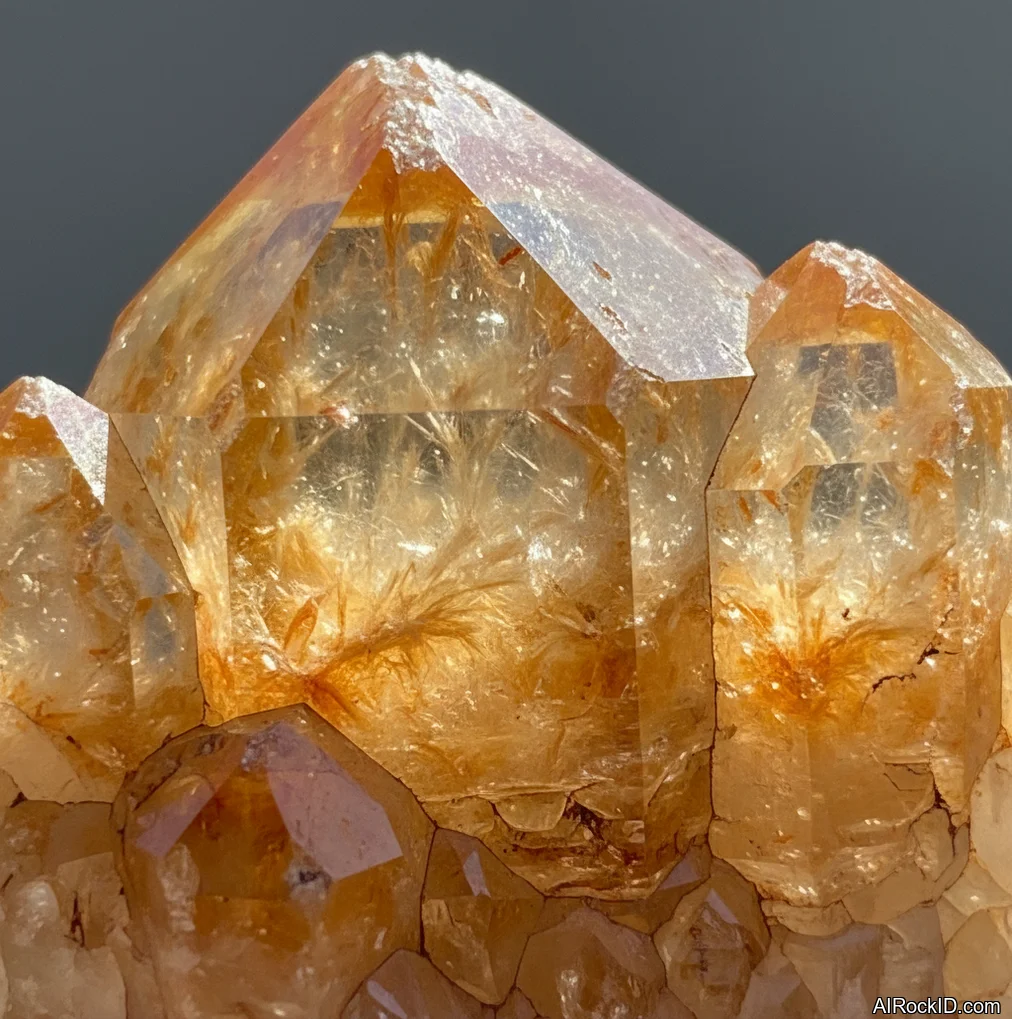
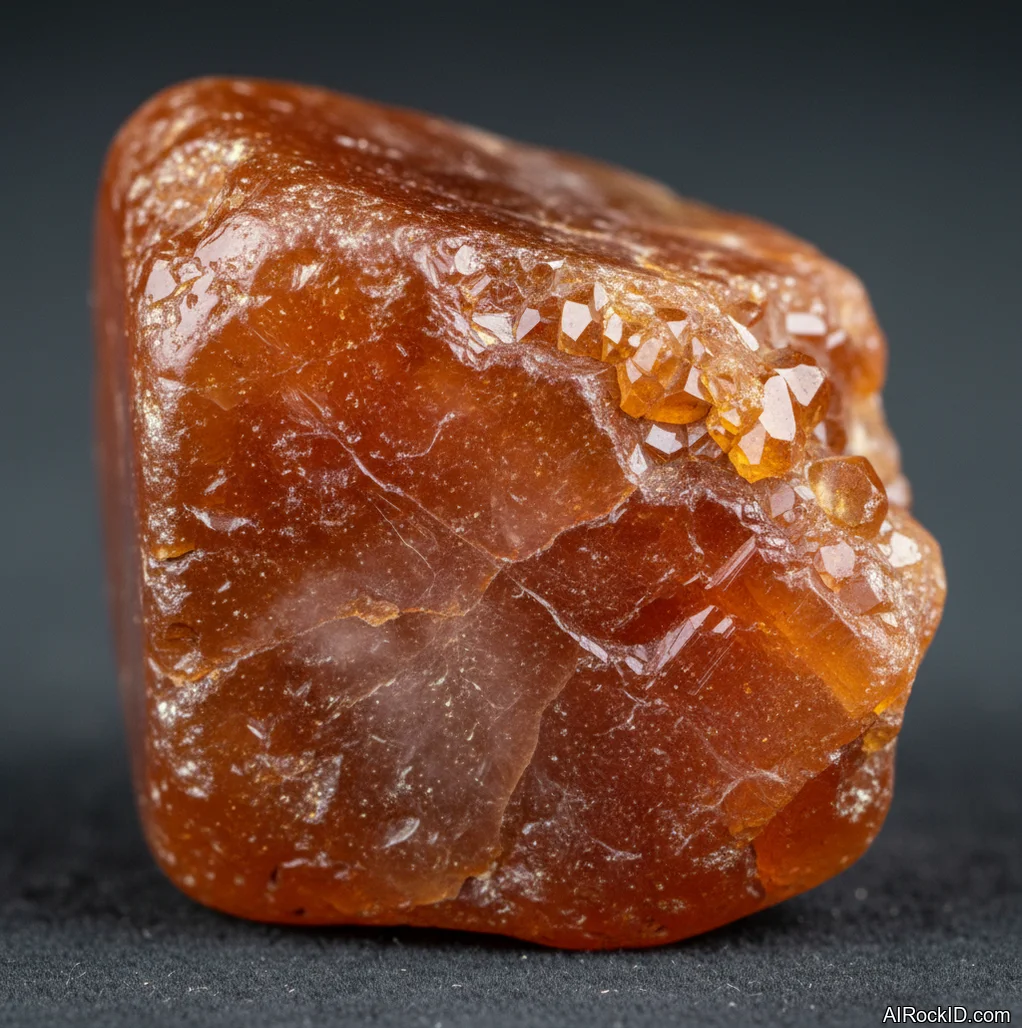
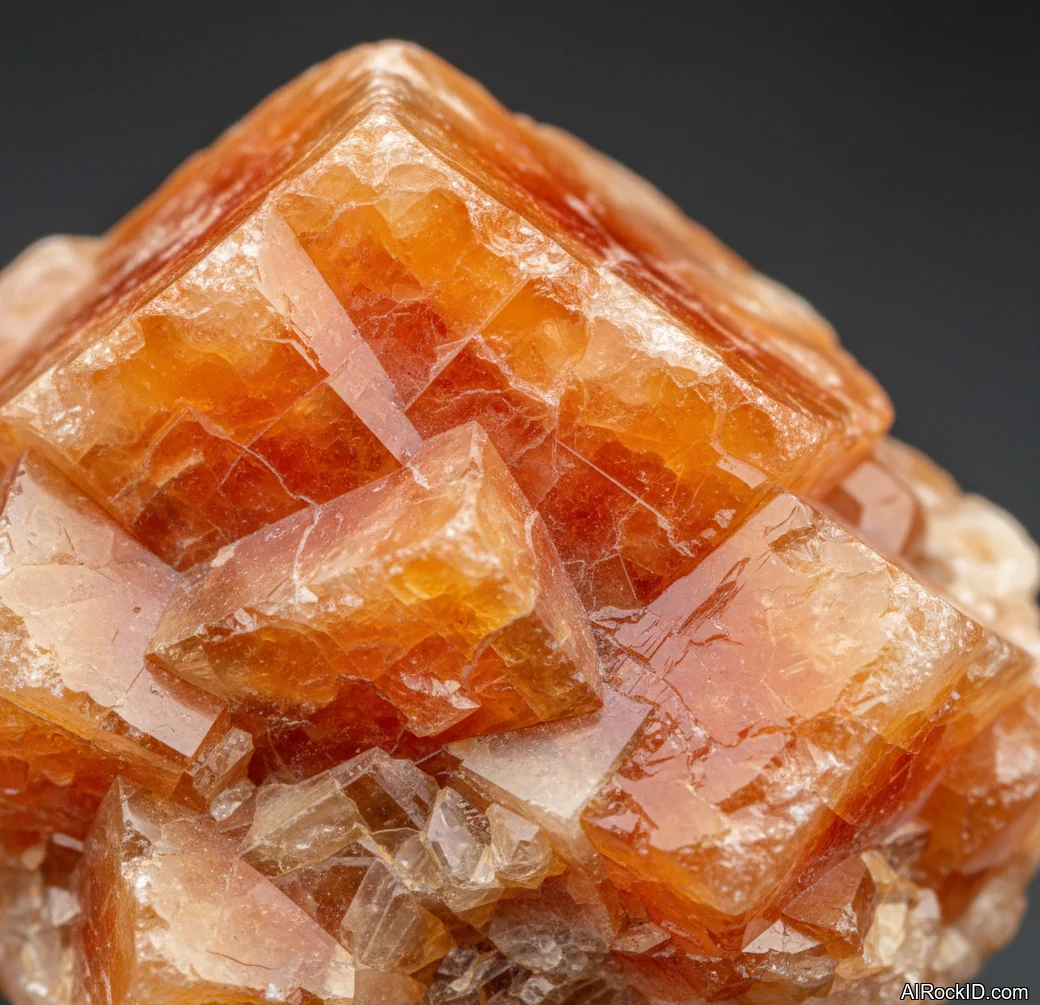
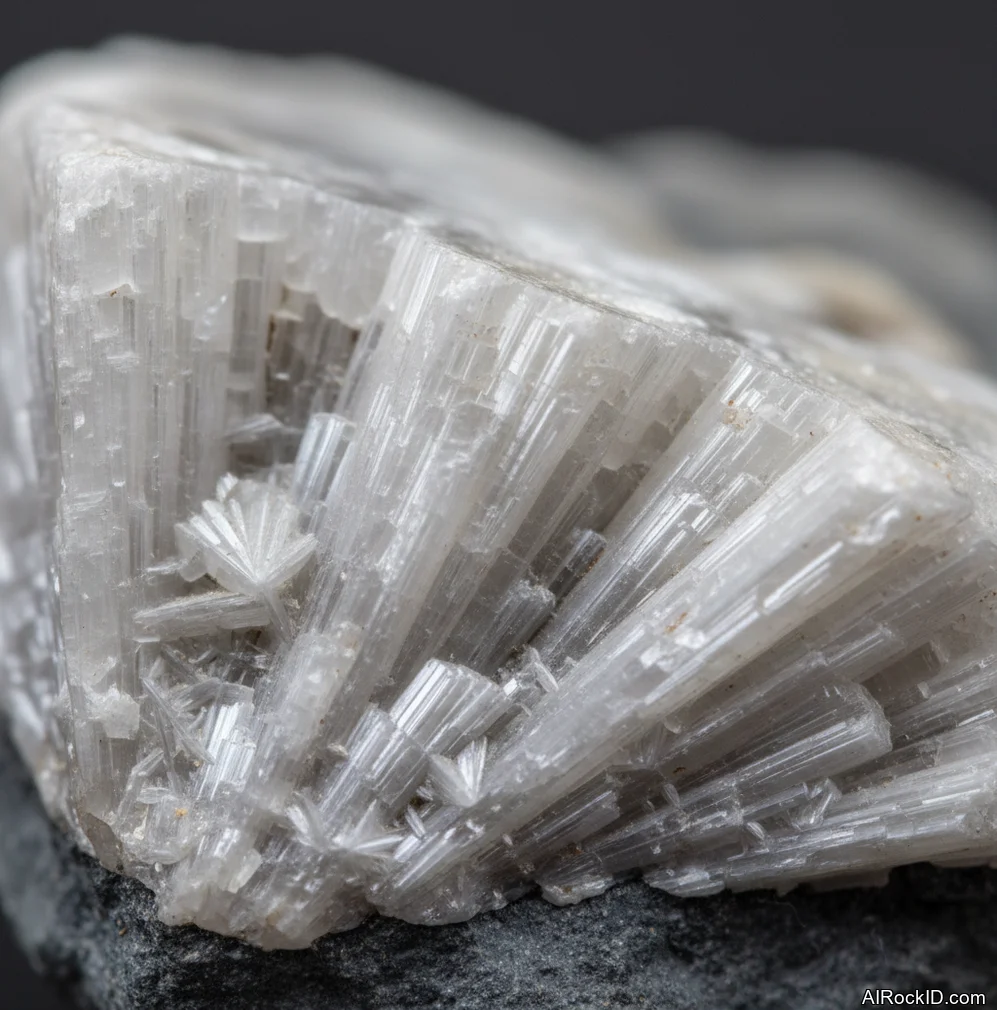
Look, pay attention when you’re buying. Relaxation stones get faked in the most boring ways. “Citrine” sold for calm is often heat-treated amethyst, and the giveaway is an orange-yellow color that looks too uniform, especially in clusters where every point matches. Cheap dyed agate can look like neon blue toothpaste, and the dye pools in cracks or around drilled holes. Selenite is another one: true selenite (gypsum) scratches with a fingernail and hates water. If a seller tells you to rinse it under the tap to cleanse it, they either don’t know what they have or they don’t care.
Compared to flashy collector pieces, most relaxation crystals on the market are tumbled and polished because people want them in the hand. That’s totally fine. Just check the finish. A good tumble feels silky and even, not sticky, and it won’t have sharp little ridges that snag your skin. With lepidolite, some natural flaking is normal. If it’s perfectly glossy and looks like plastic, it could be a composite or a resin mix. With amethyst, watch for dyed quartz being sold as “super purple.” Real amethyst has depth. Under bright light, you’ll see zoning, pale-to-dark patches, and sometimes tiny inclusions that look like wisps.
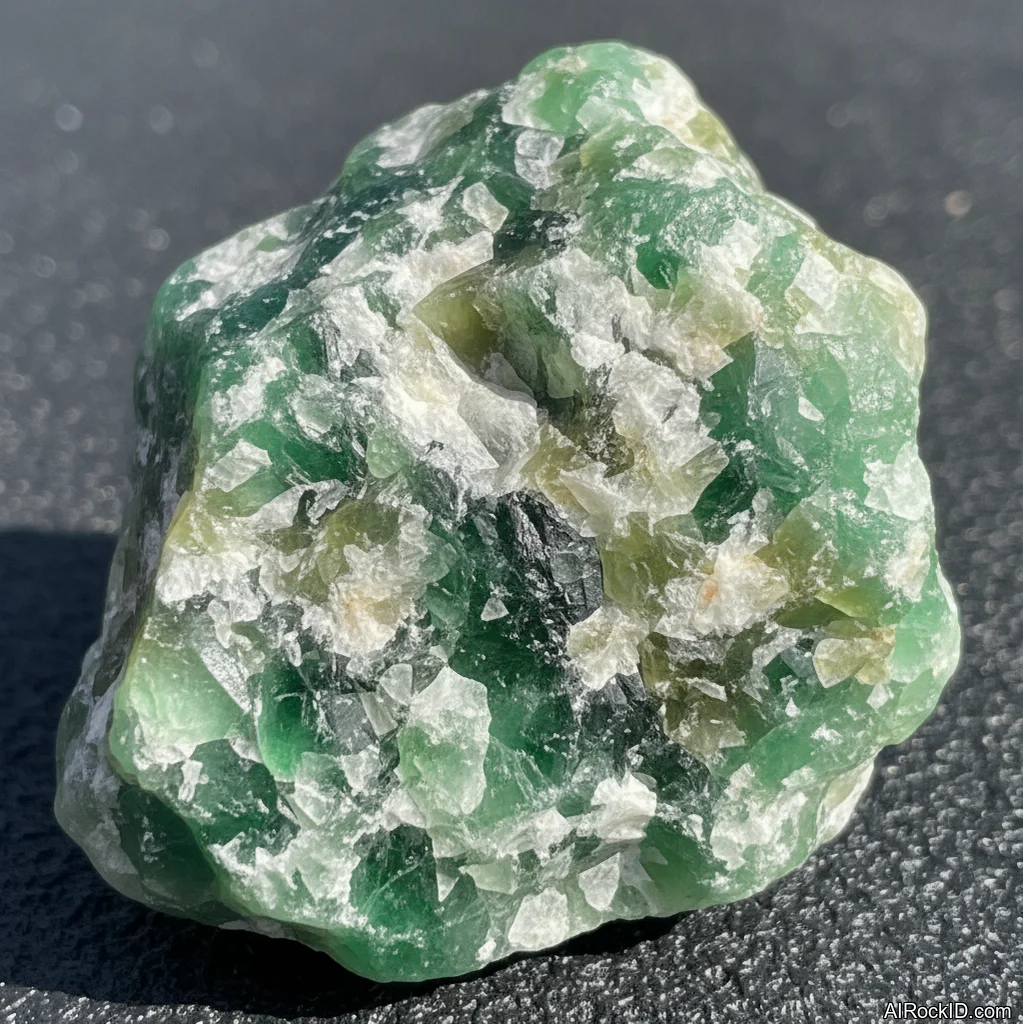
And practical tips beat lofty promises every time. Keep a small “calm kit” in one spot: a palm stone (lepidolite), a tougher pocket stone (blue lace agate or fluorite), and a display piece (amethyst cluster or celestite). If clutter stresses you out, cap it at three pieces so it doesn’t turn into a messy pile. Clean them in ways that fit the mineral. Wipe agate, quartz, and jasper with a damp cloth. Keep selenite and celestite dry. And don’t leave colored stones in a sunny window; some amethyst fades over time, and the pale patches show up first on the points.
Relaxation is a broad property in a database with hundreds of matches because people mean different things by it. Some want soft and sleepy. Others want steady and grounded. The trick is choosing stones you’ll actually use, in forms that fit your life, and in a quality that feels good in your hand. When you land on the right one, you don’t overthink it. You just pick it up, breathe, and your body gets the hint.
All Relaxation Crystals (322)