Root Chakra Crystals
Root Chakra crystals guide with meanings, properties, and tips for choosing, buying, and using grounding stones like hematite, garnet, and obsidian.
If you’ve ever stood in a rock shop holding a heavy piece of hematite and felt your shoulders drop a little, you already get what people are chasing with Root Chakra work. It’s a vibe.
In crystal terms, the Root Chakra is the “base” theme: stability, safety, boundaries, and all the body stuff that’s easy to ignore until it isn’t. It’s the chakra people grab when life feels too floaty, too fast, or too loud. And you don’t have to swallow every spiritual claim to notice the practical side. Dense stones feel different. They sit different in your palm. That physical feedback is a big reason Root Chakra crystals have such a following.
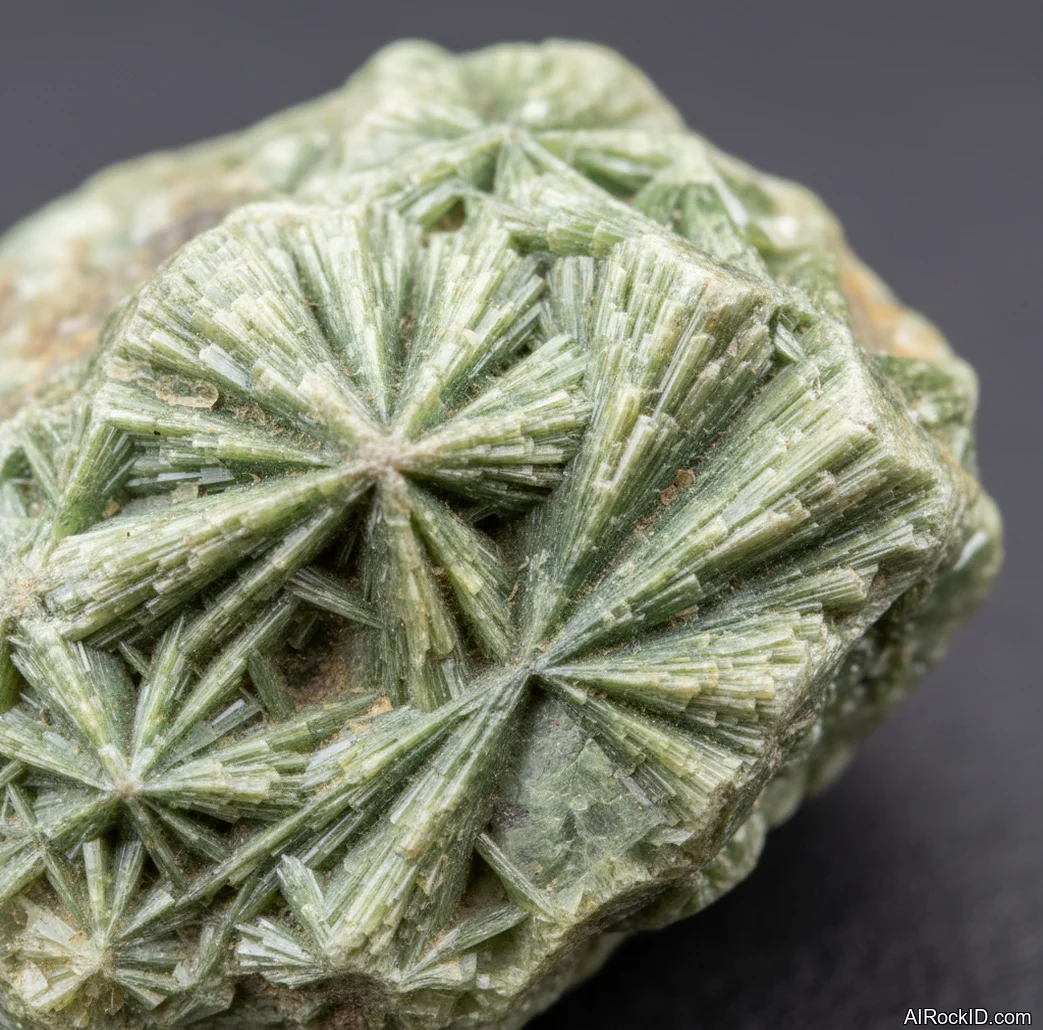
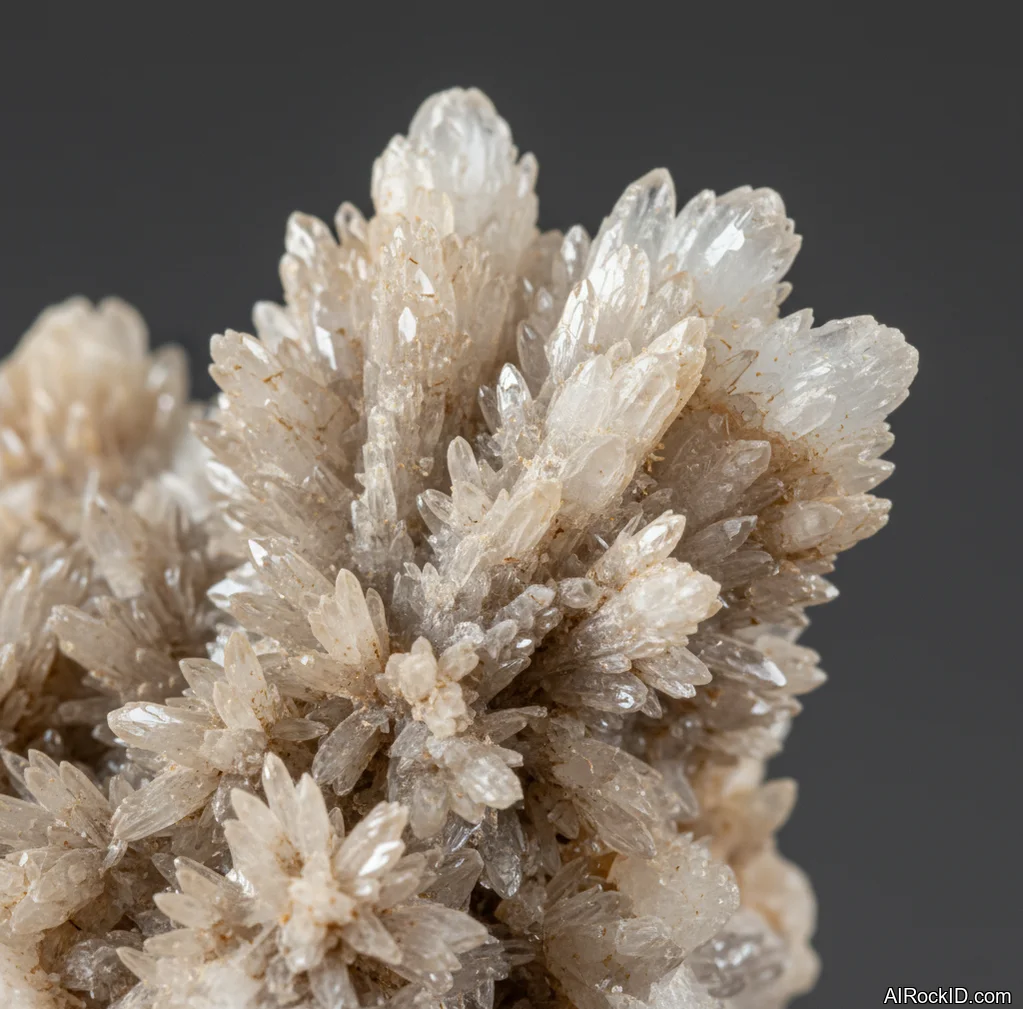
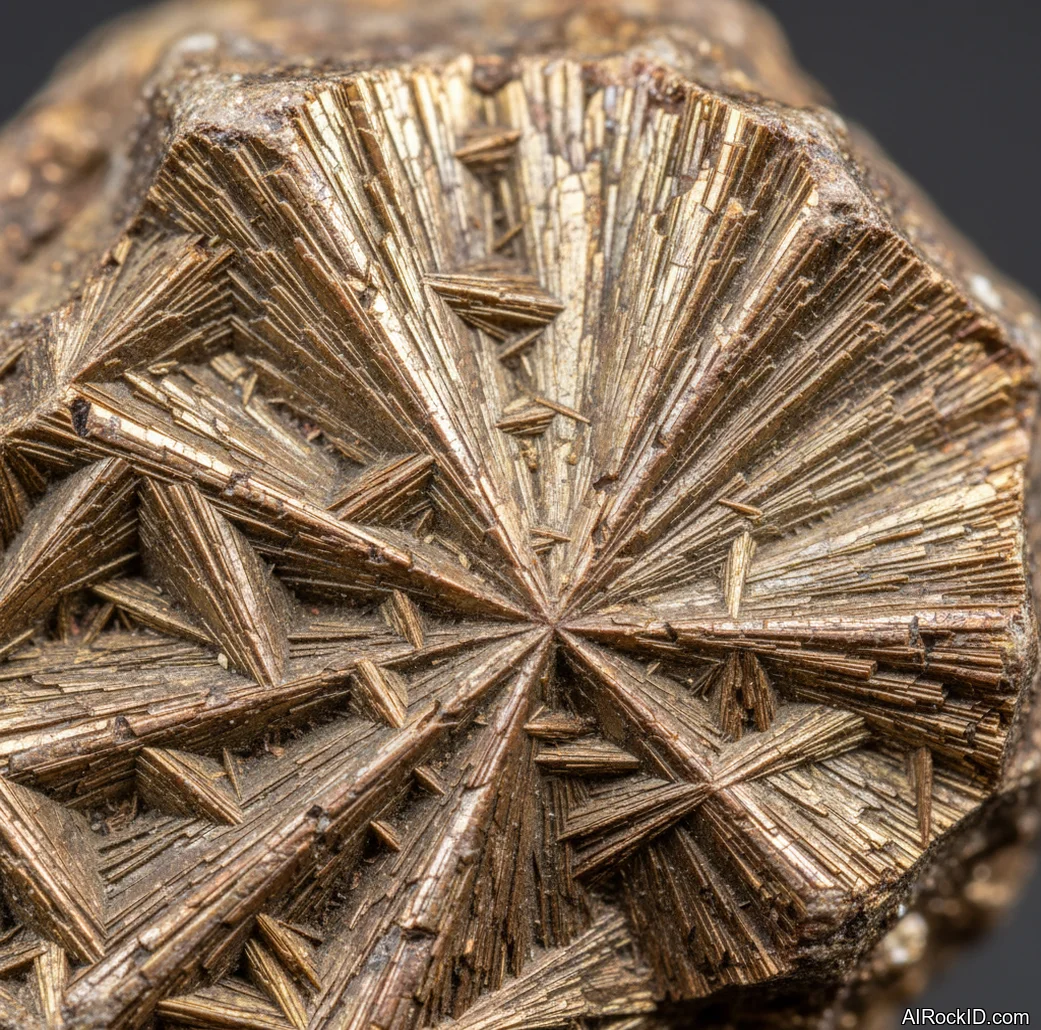
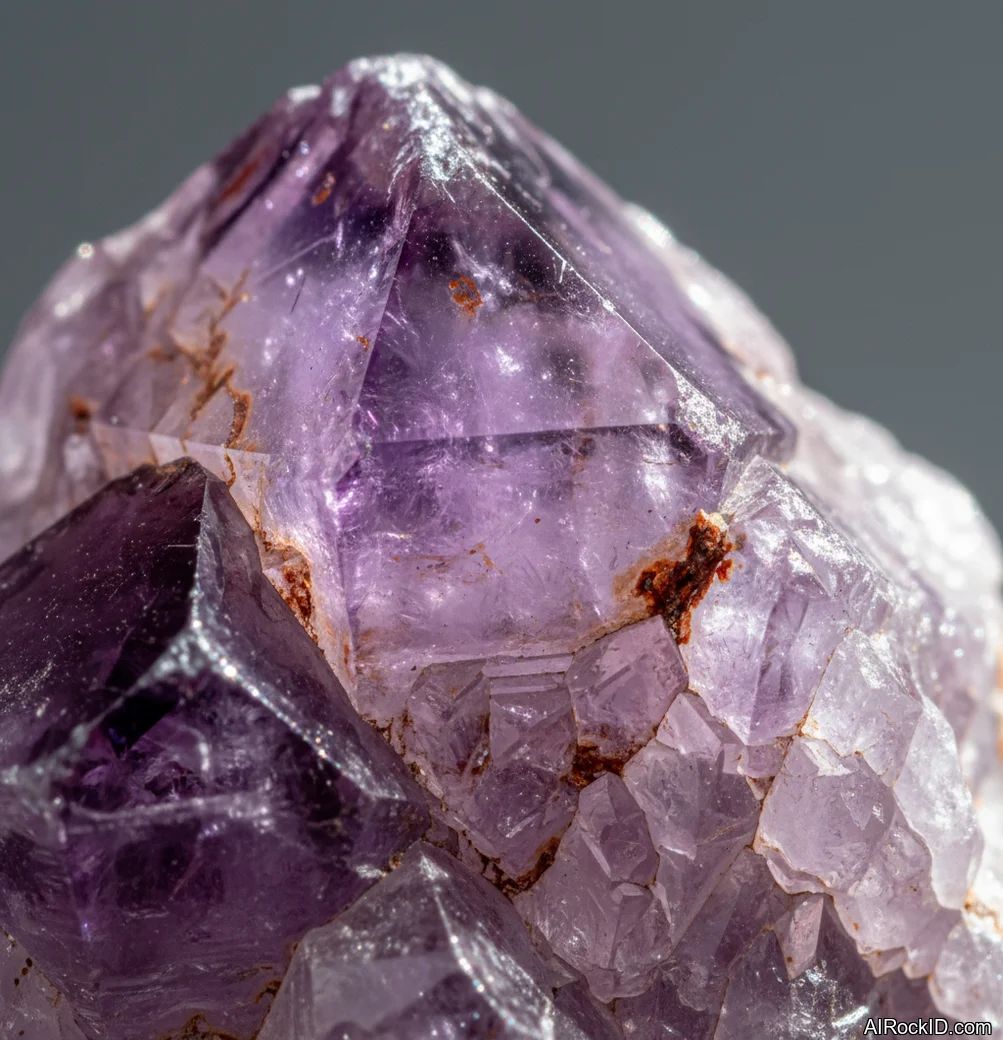
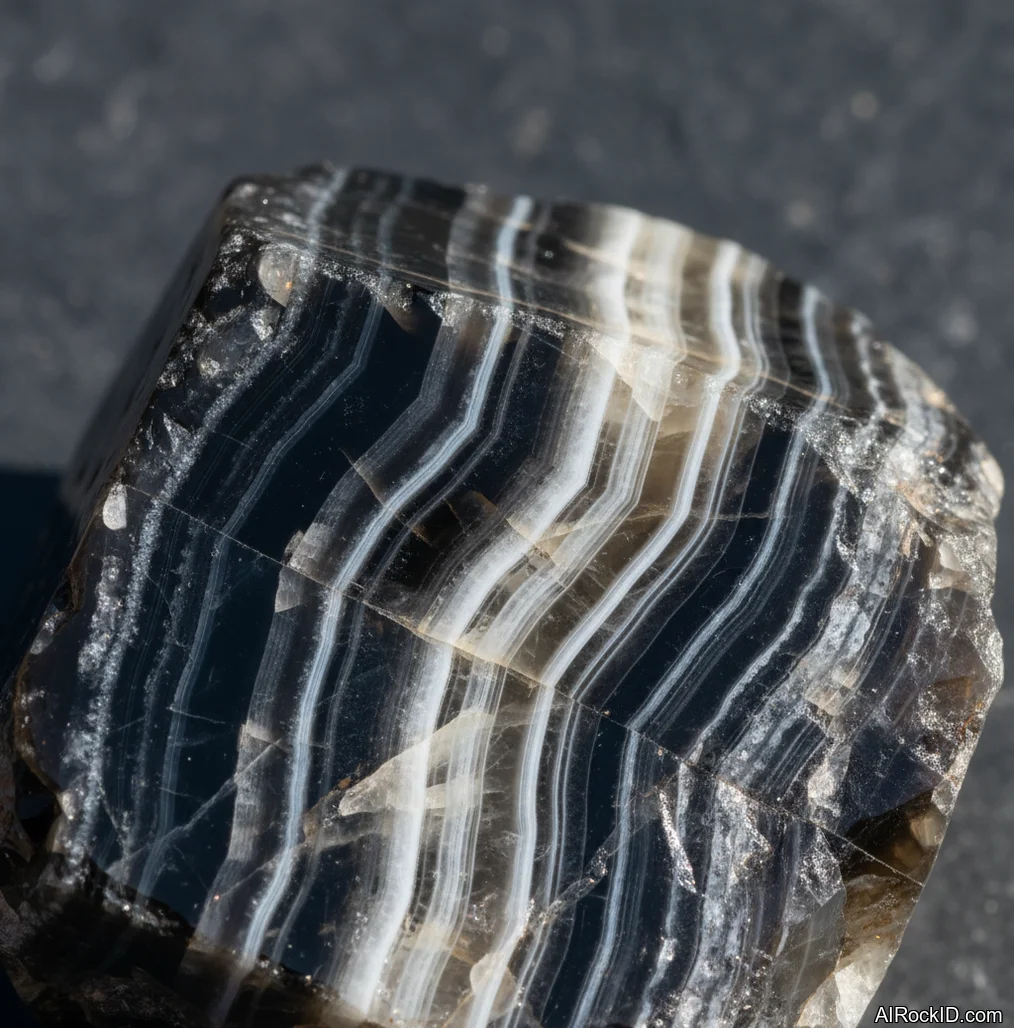
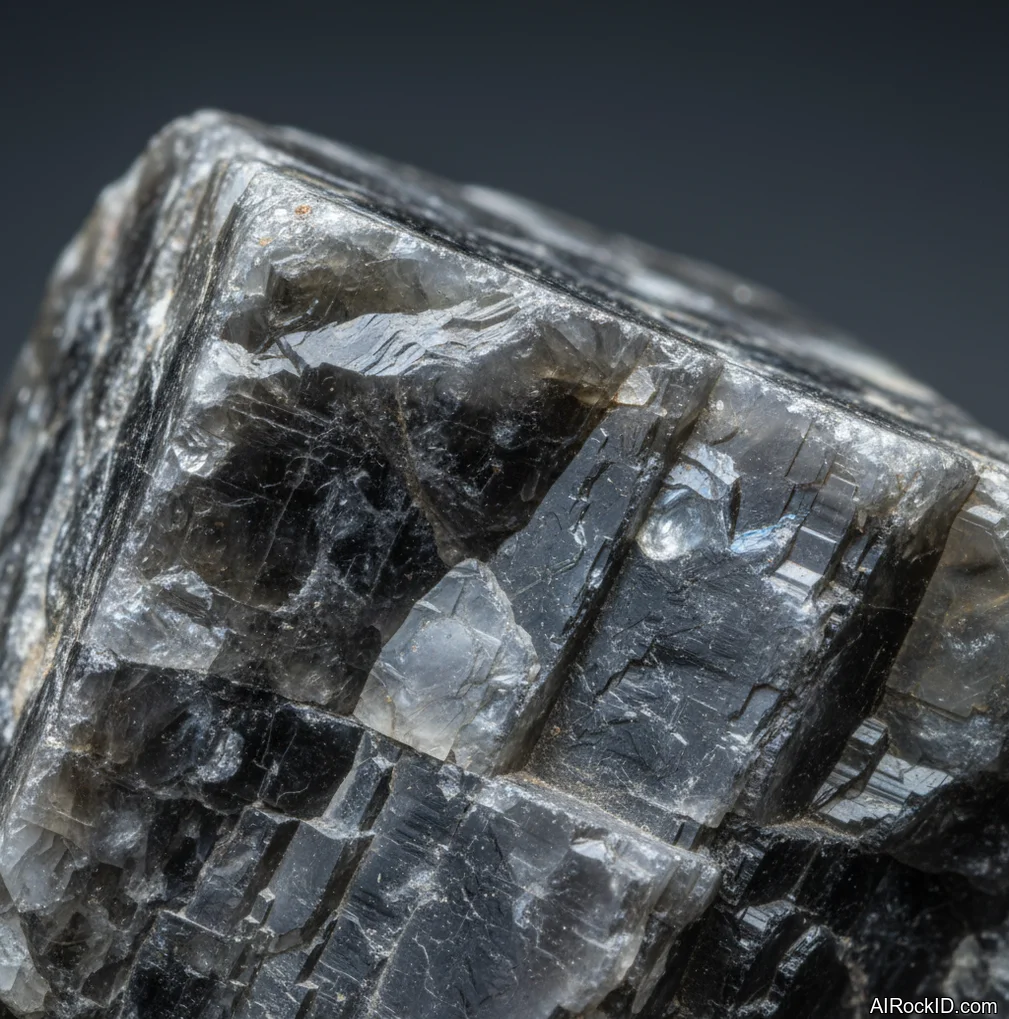
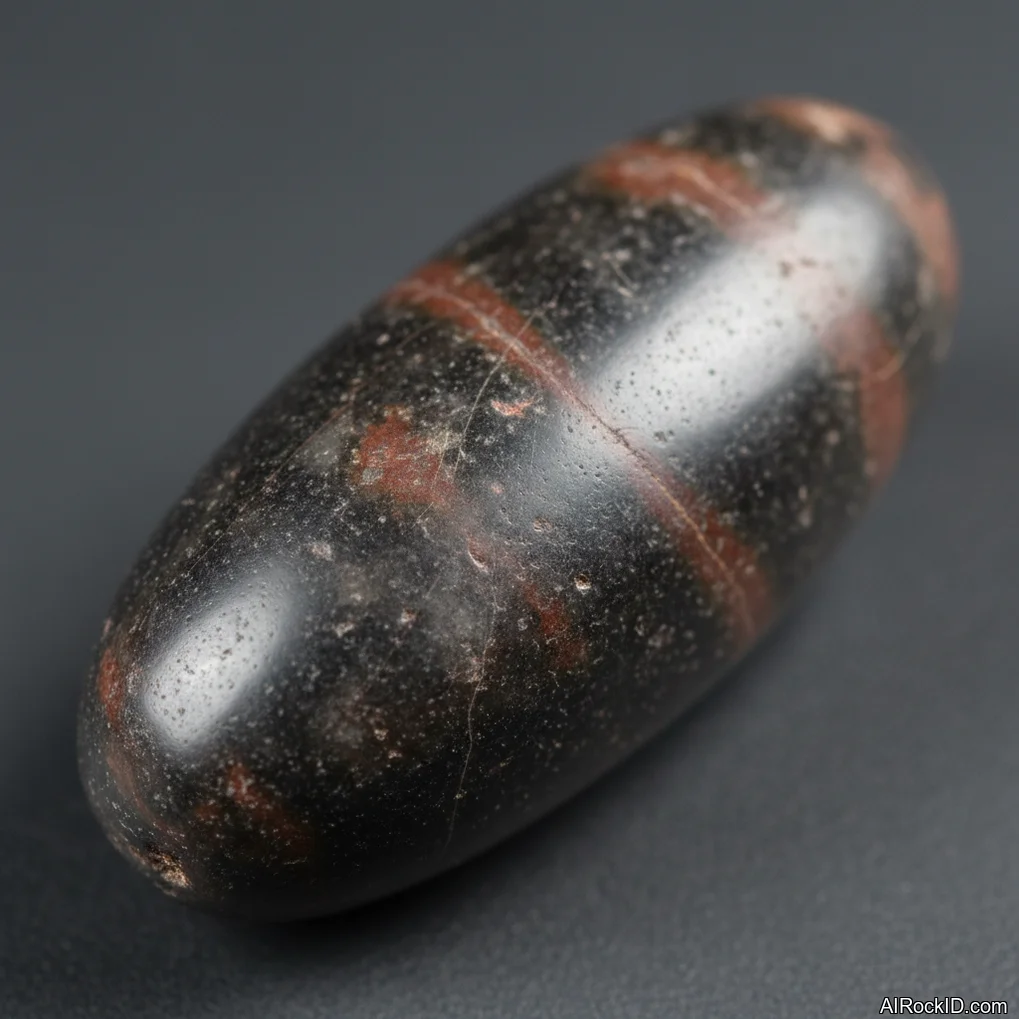
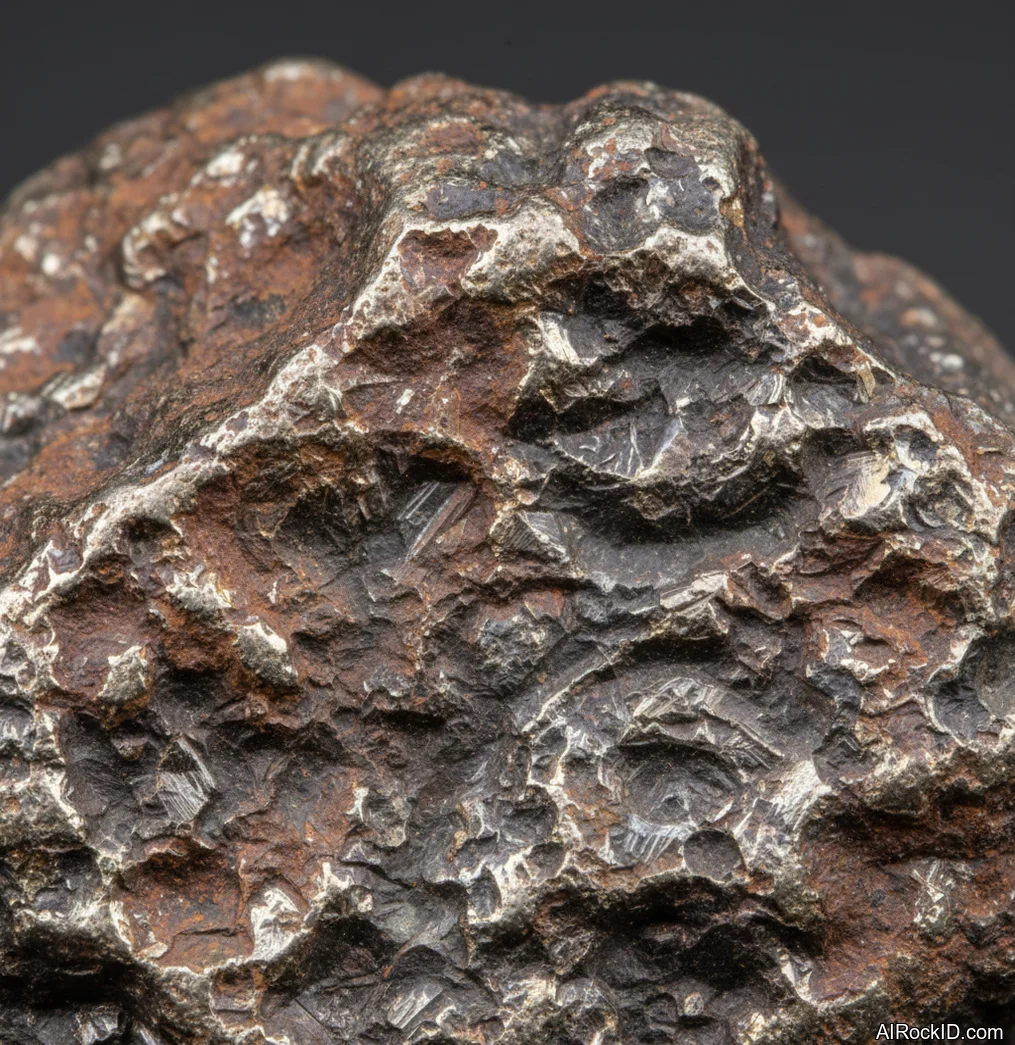
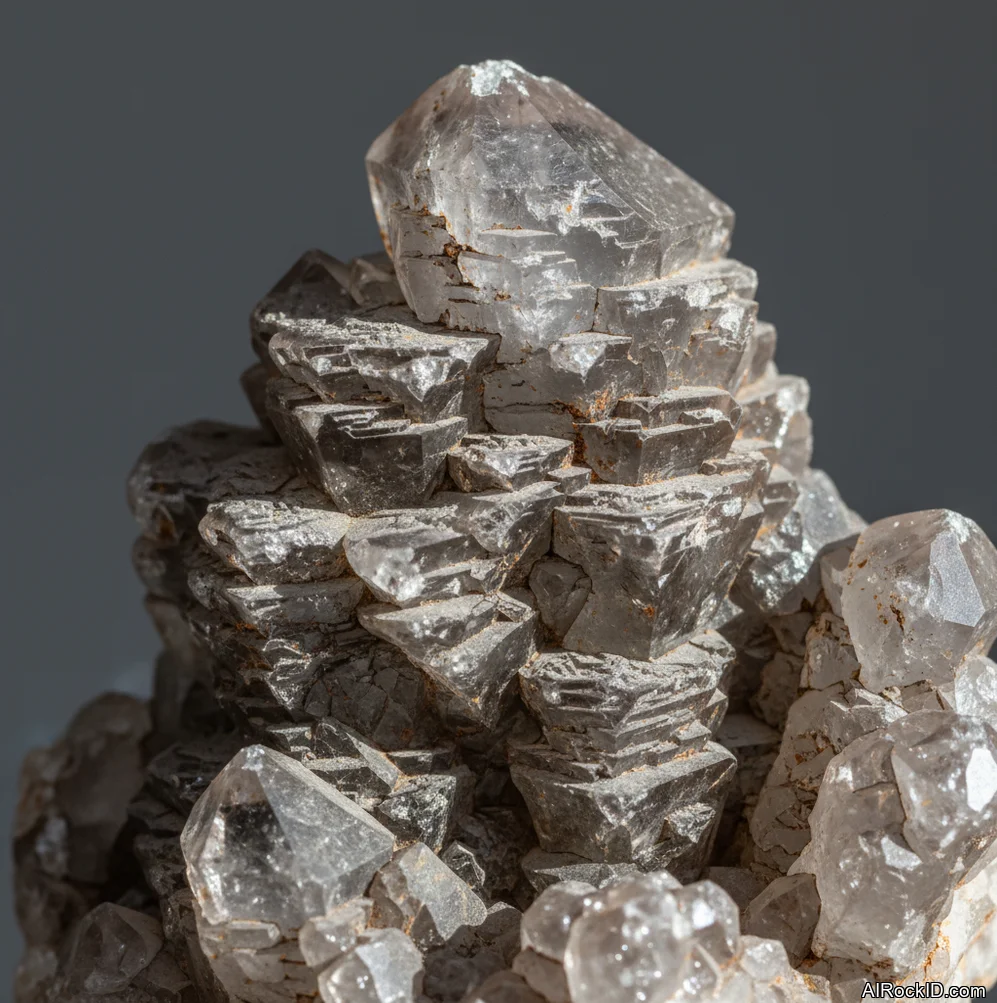
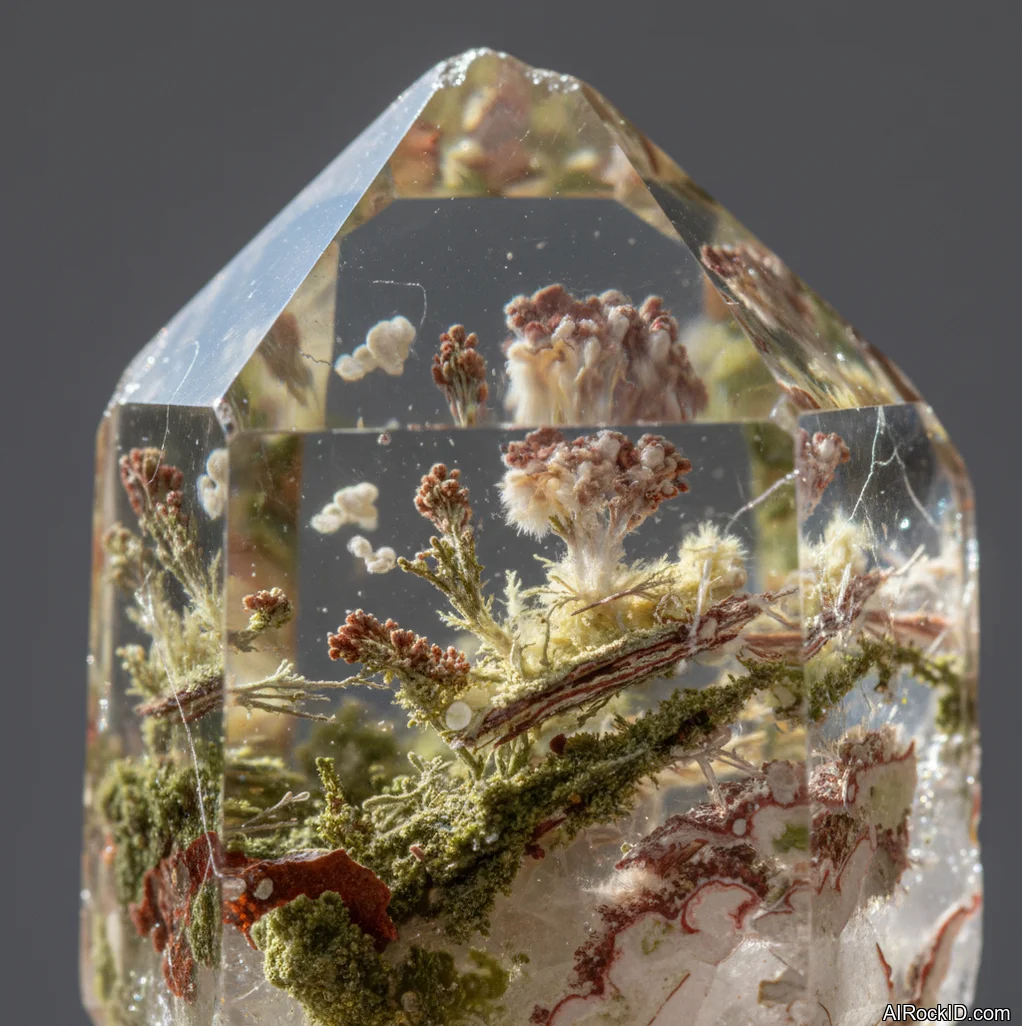
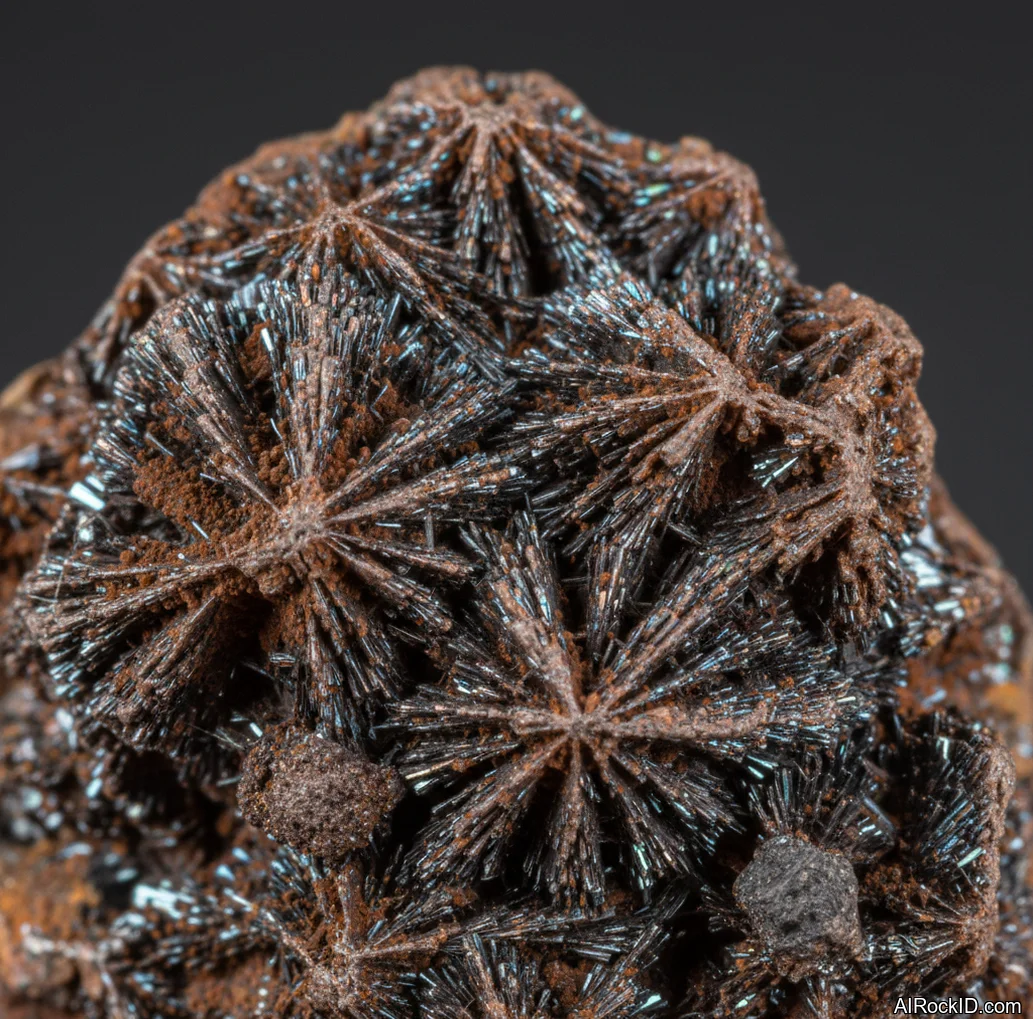
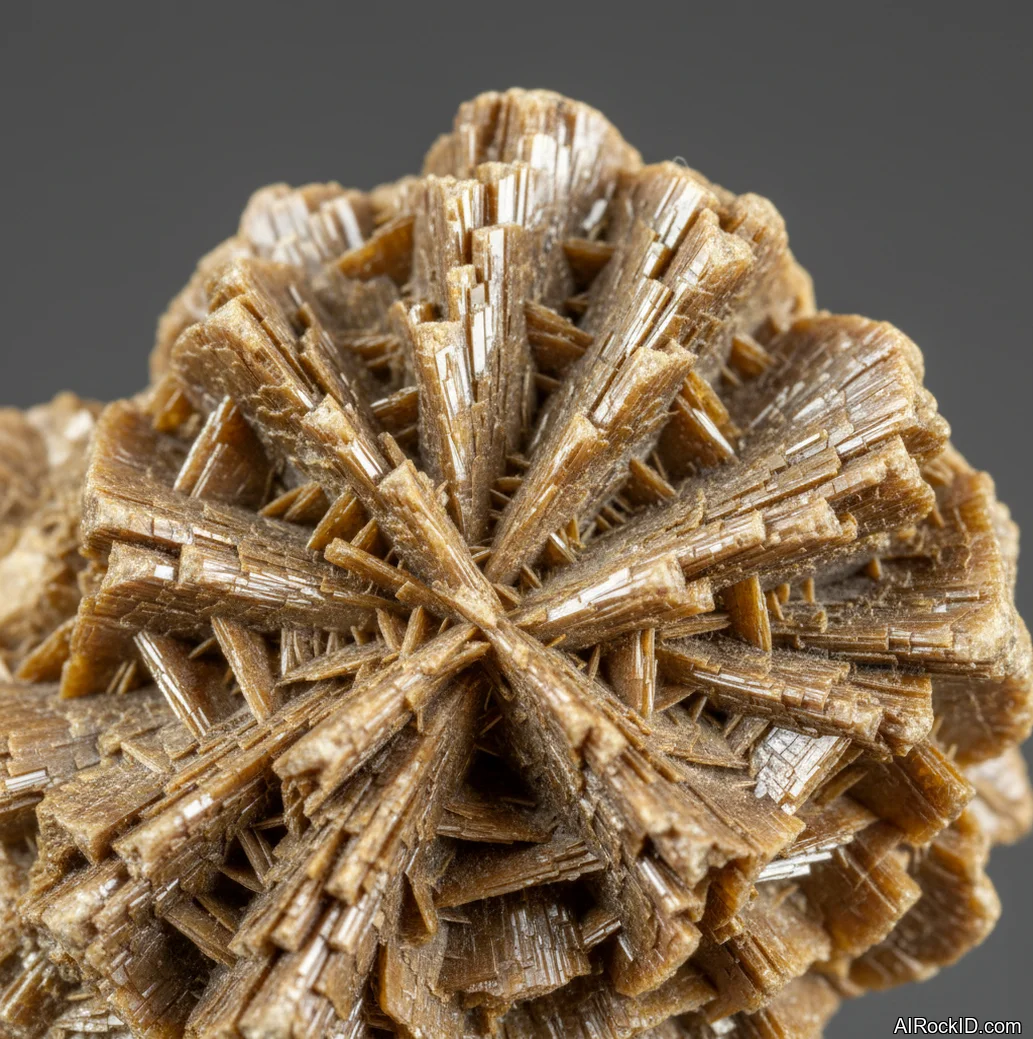
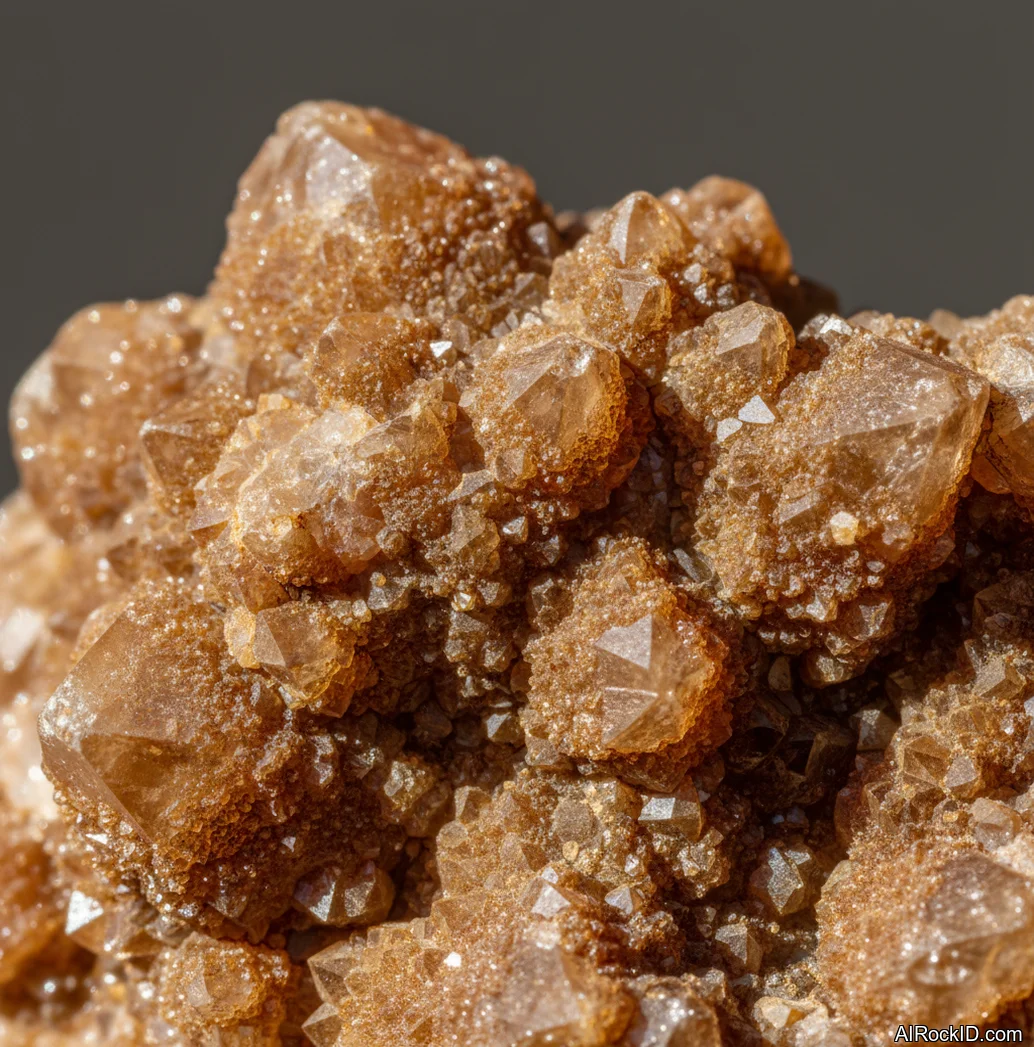
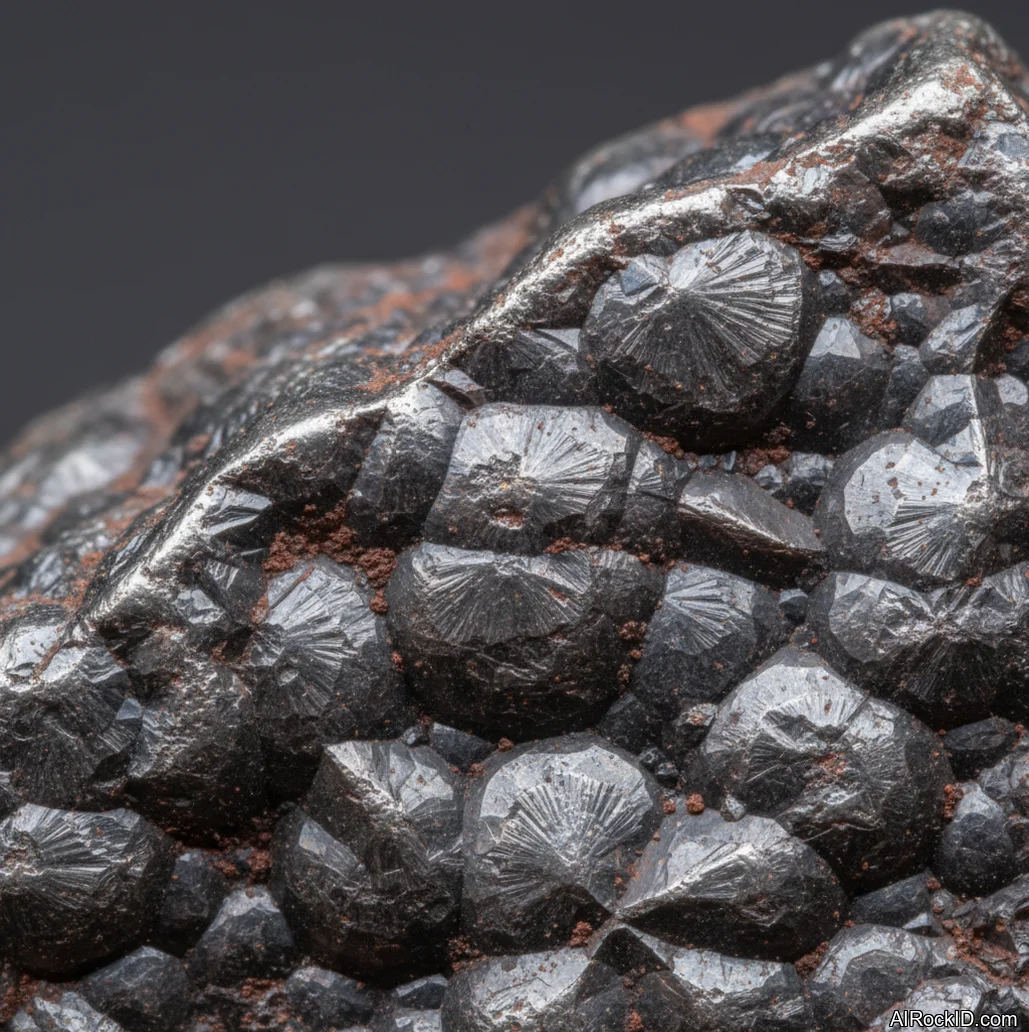
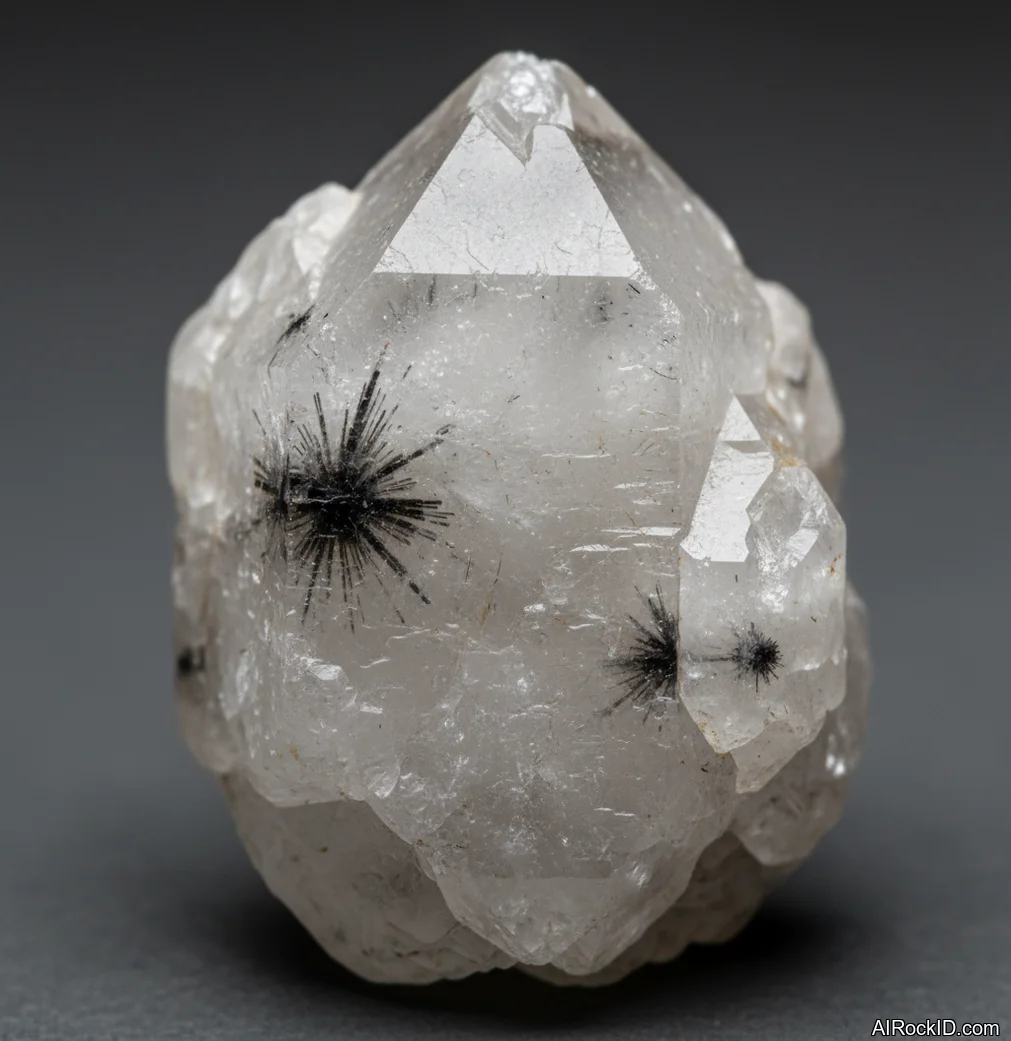
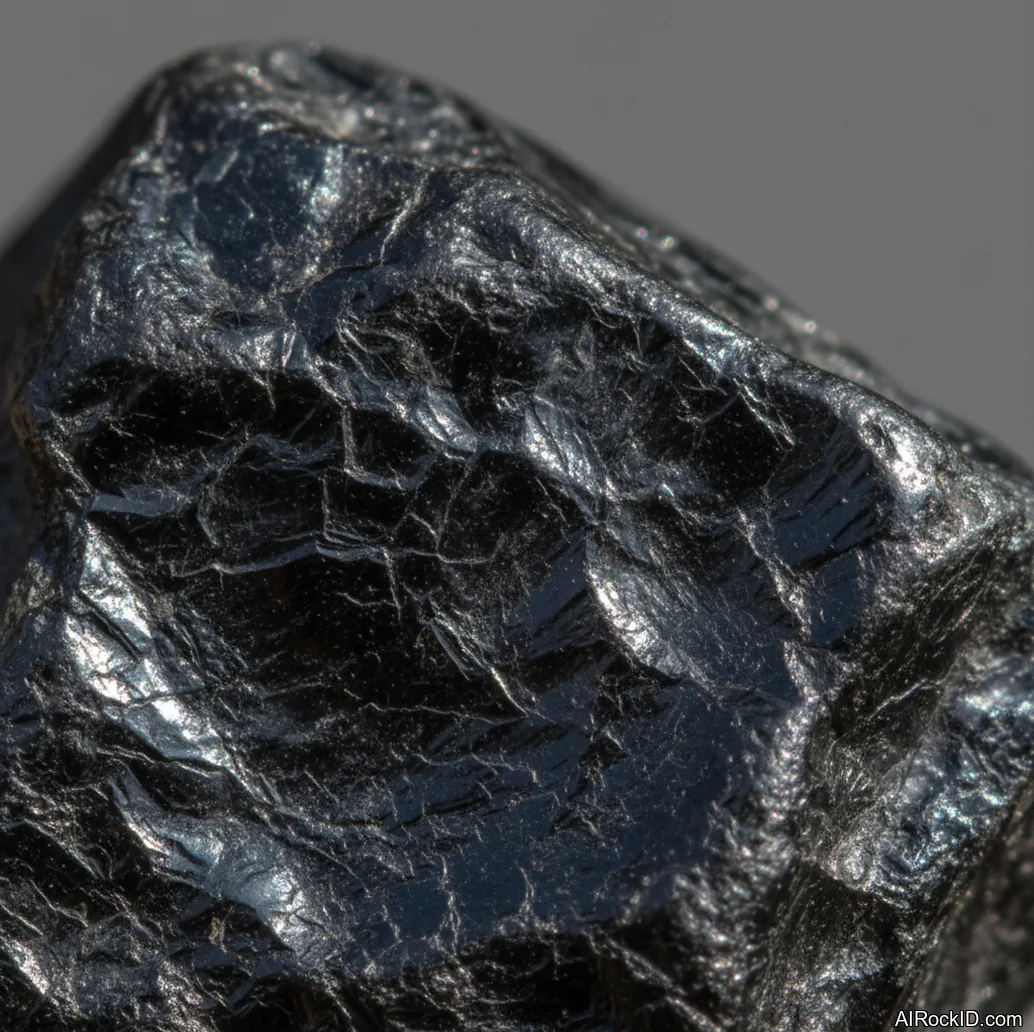
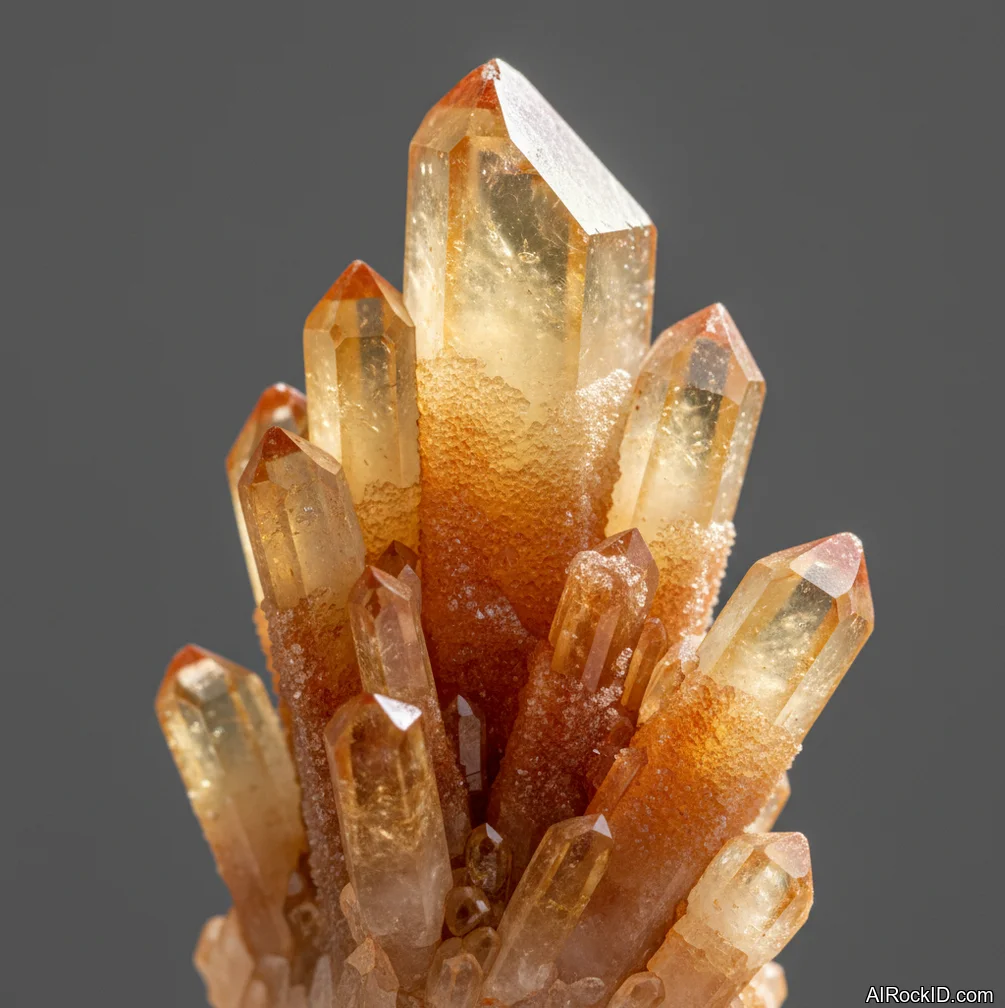
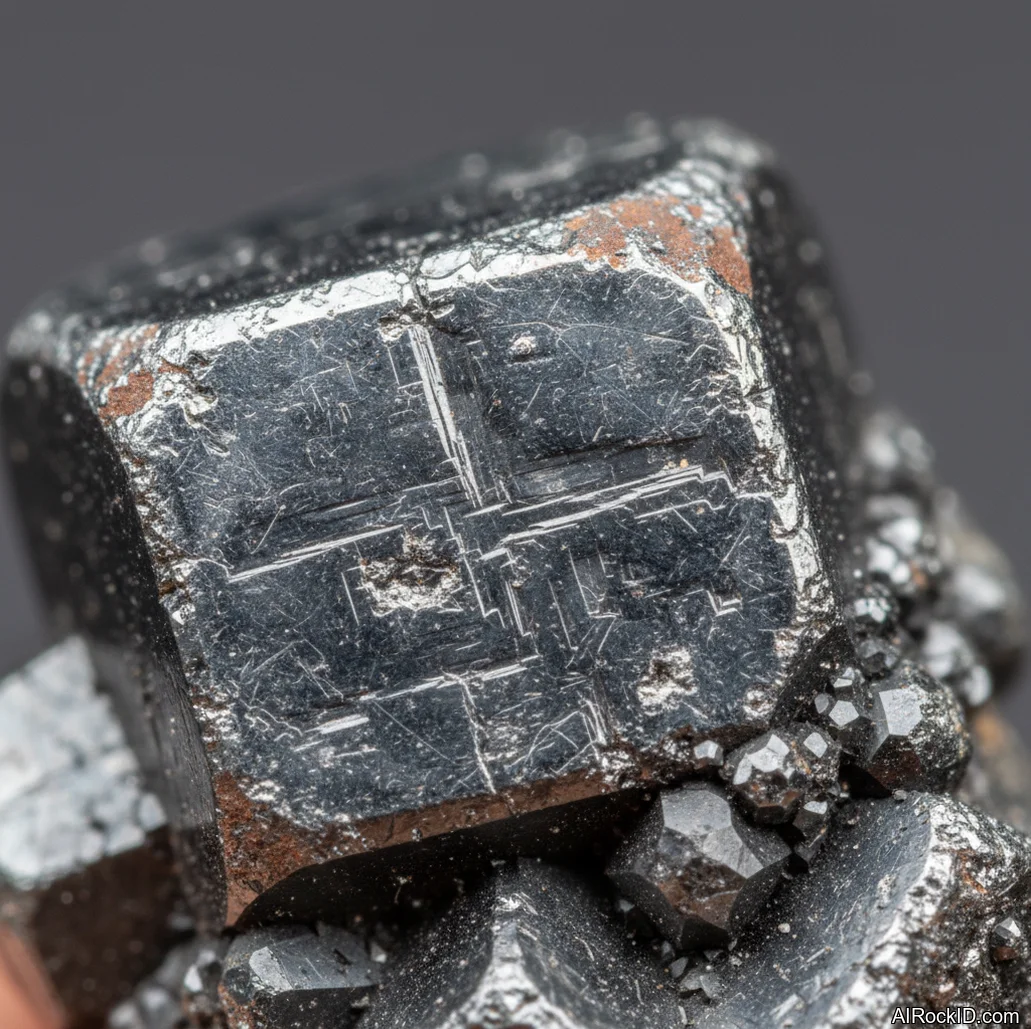
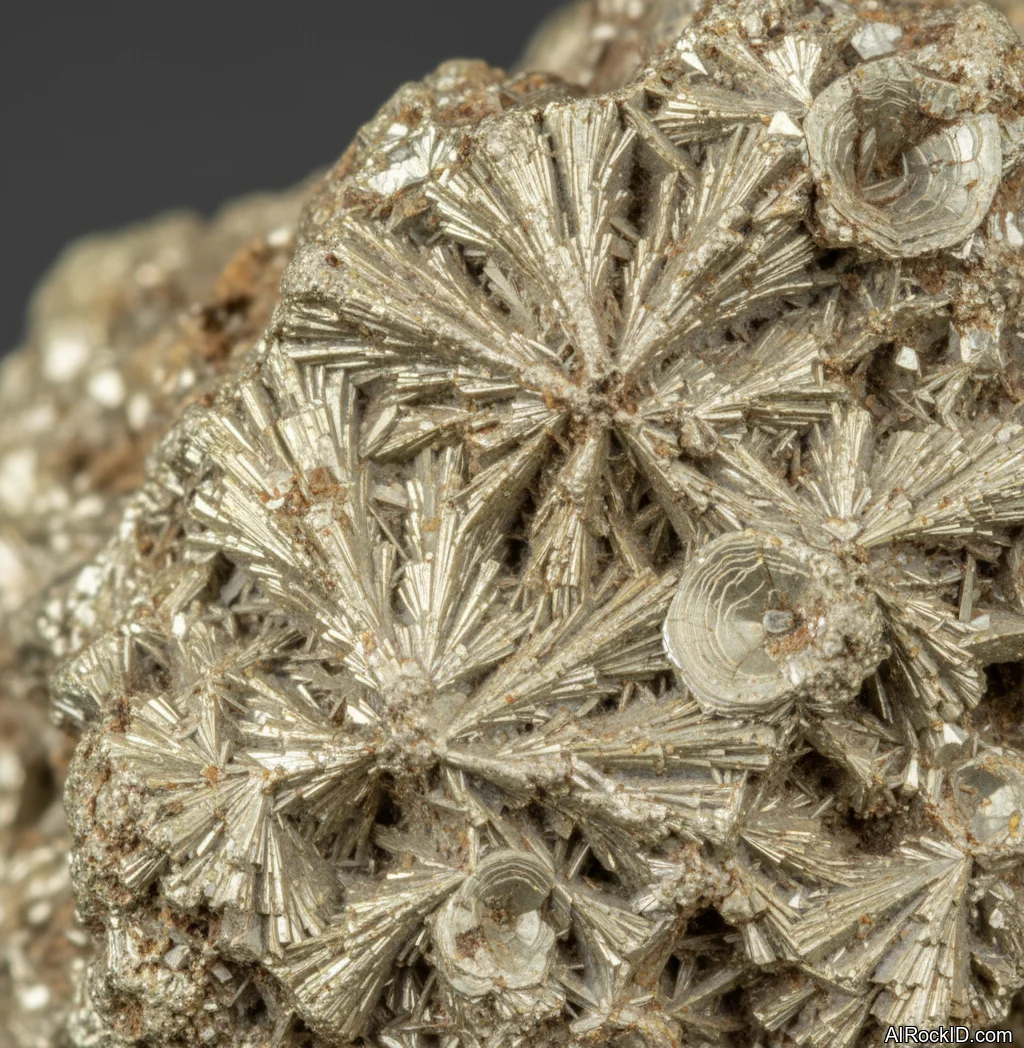
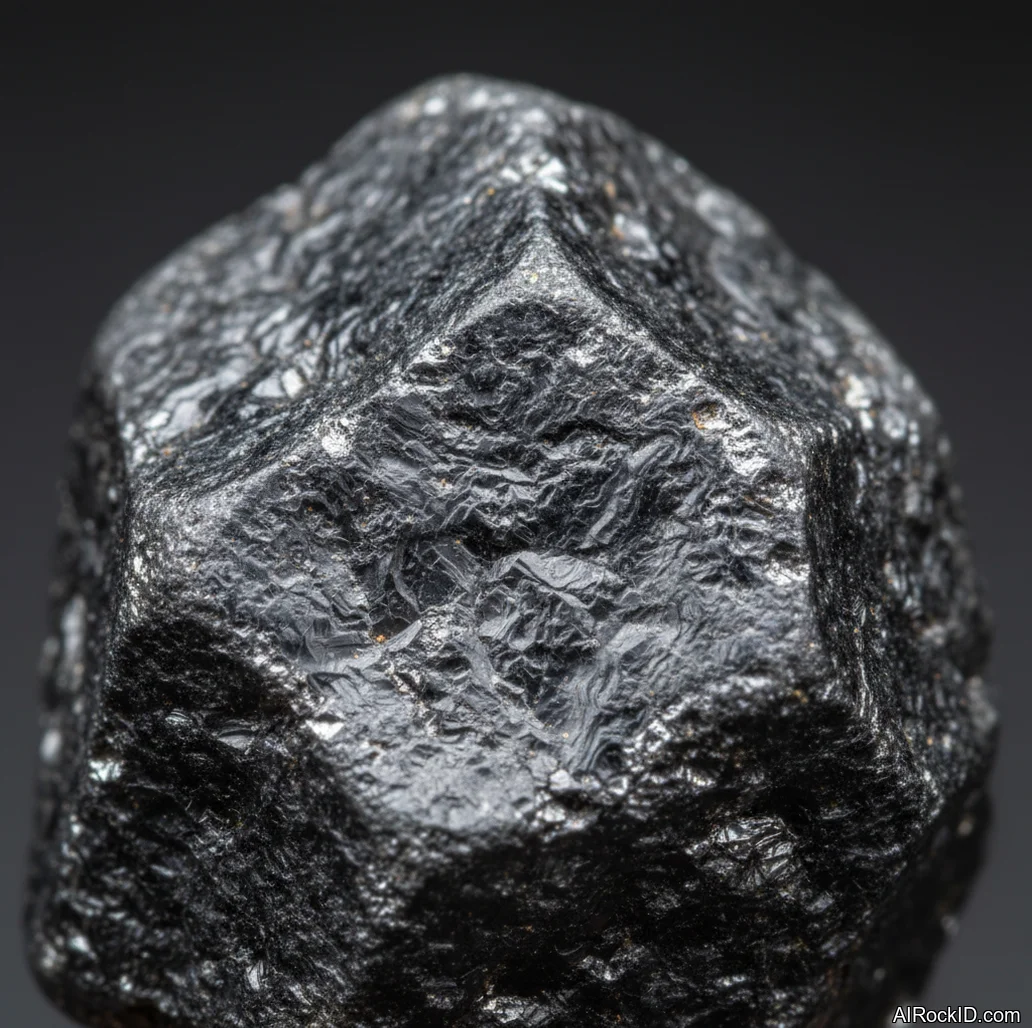
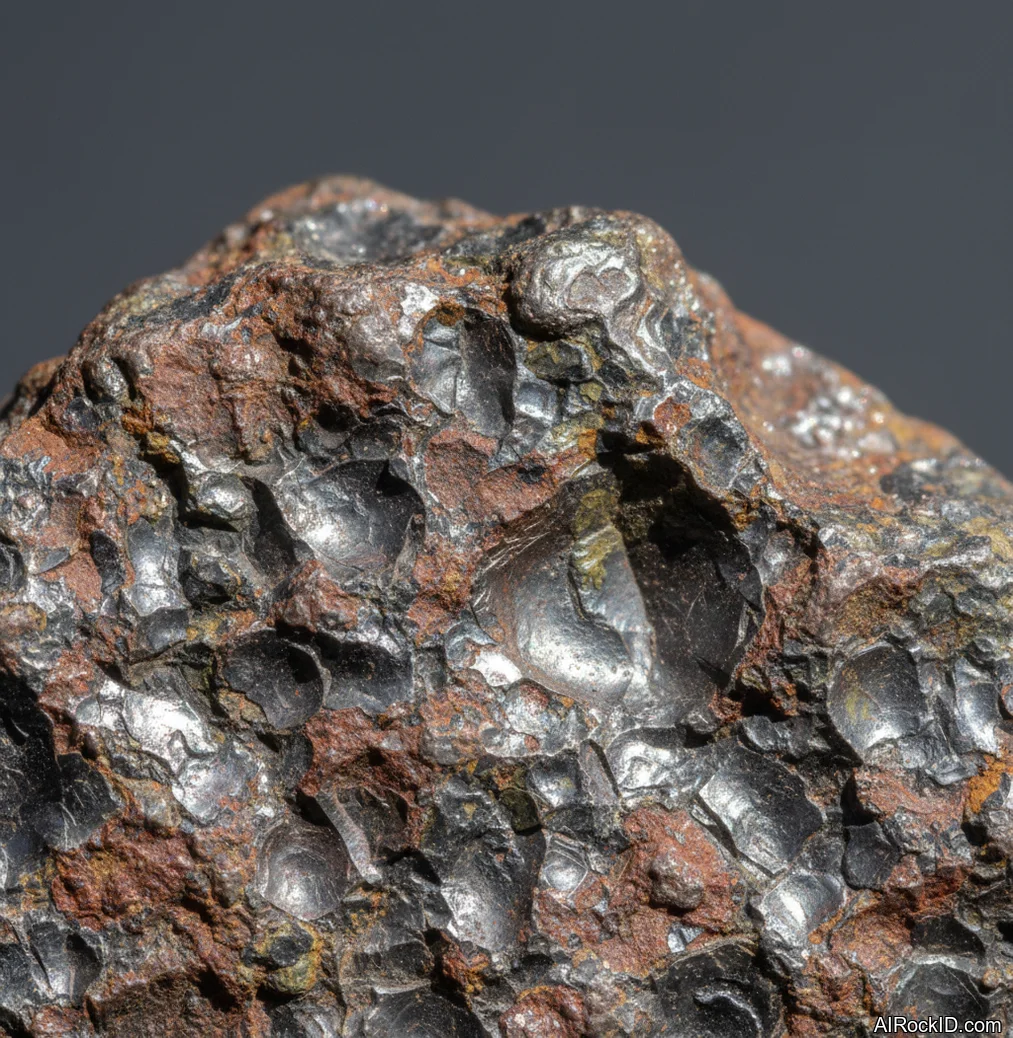
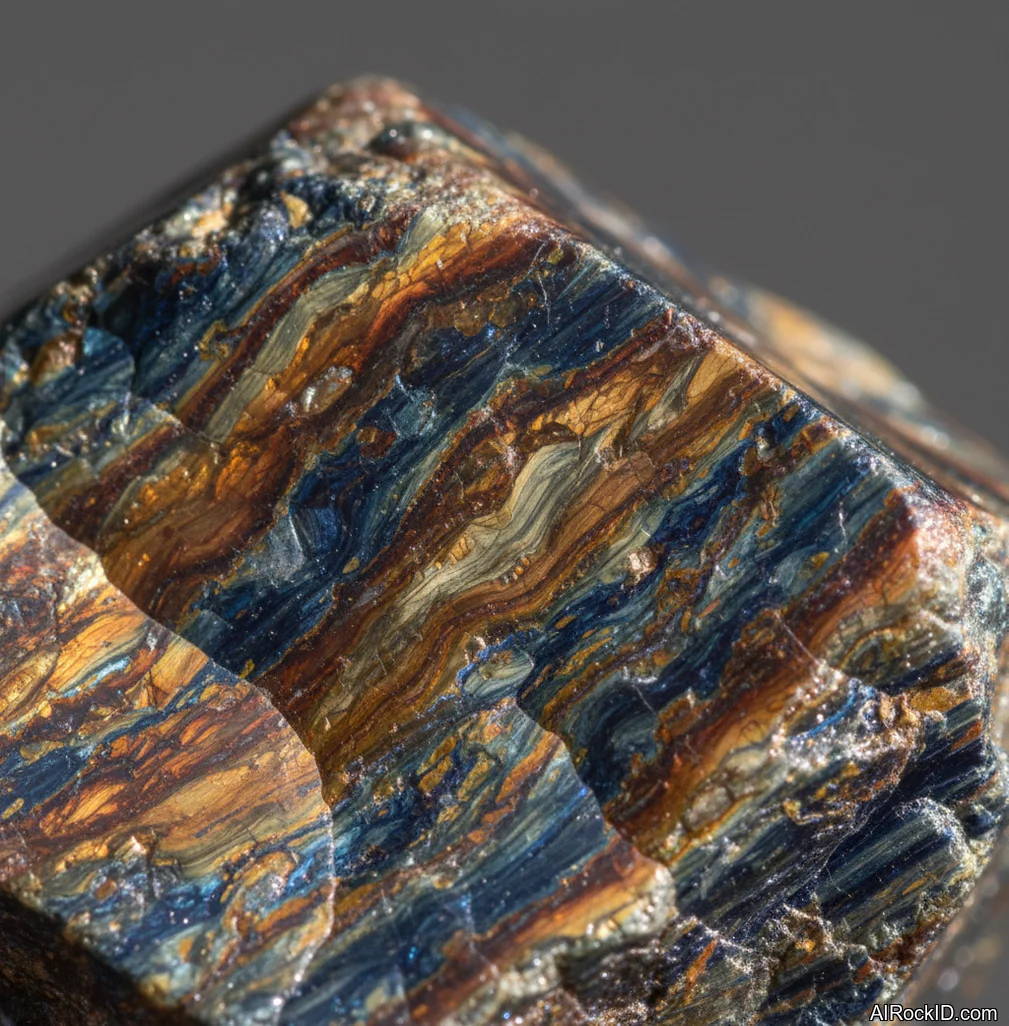
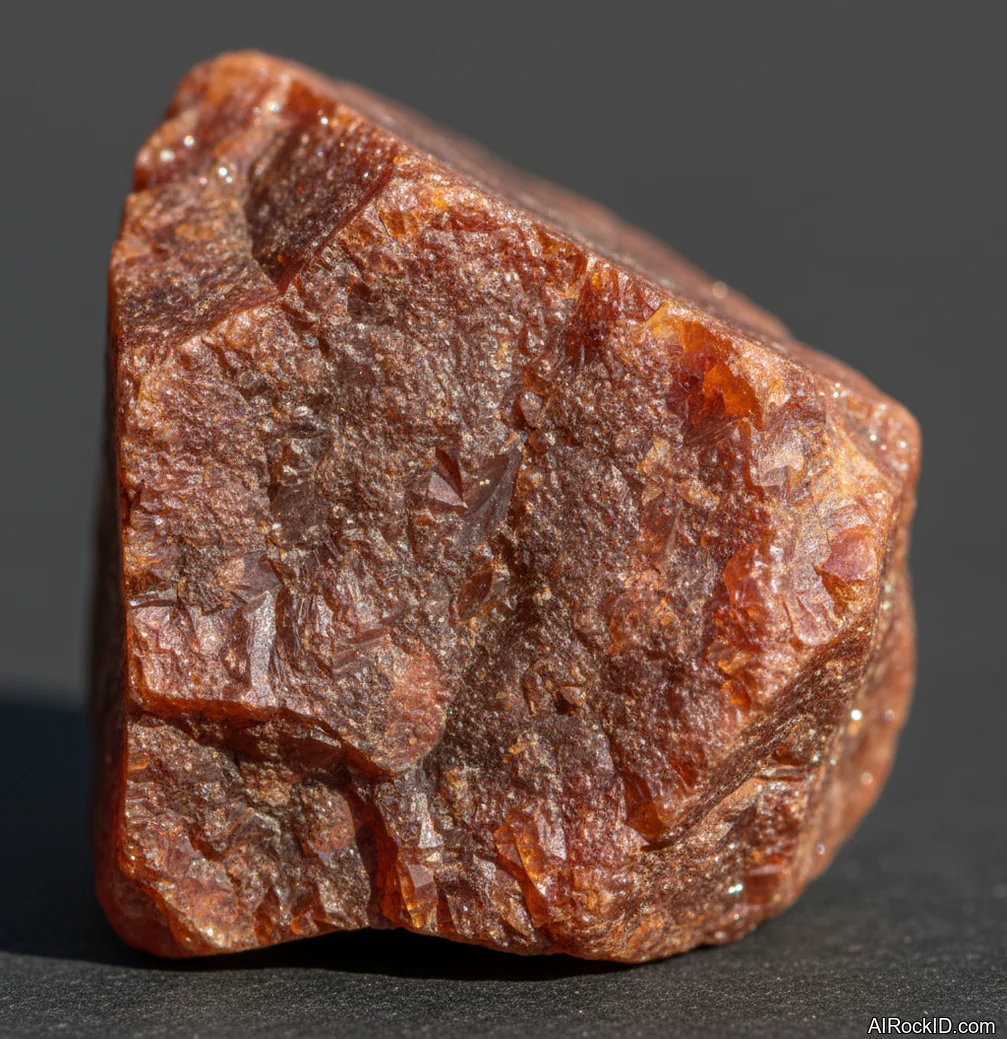
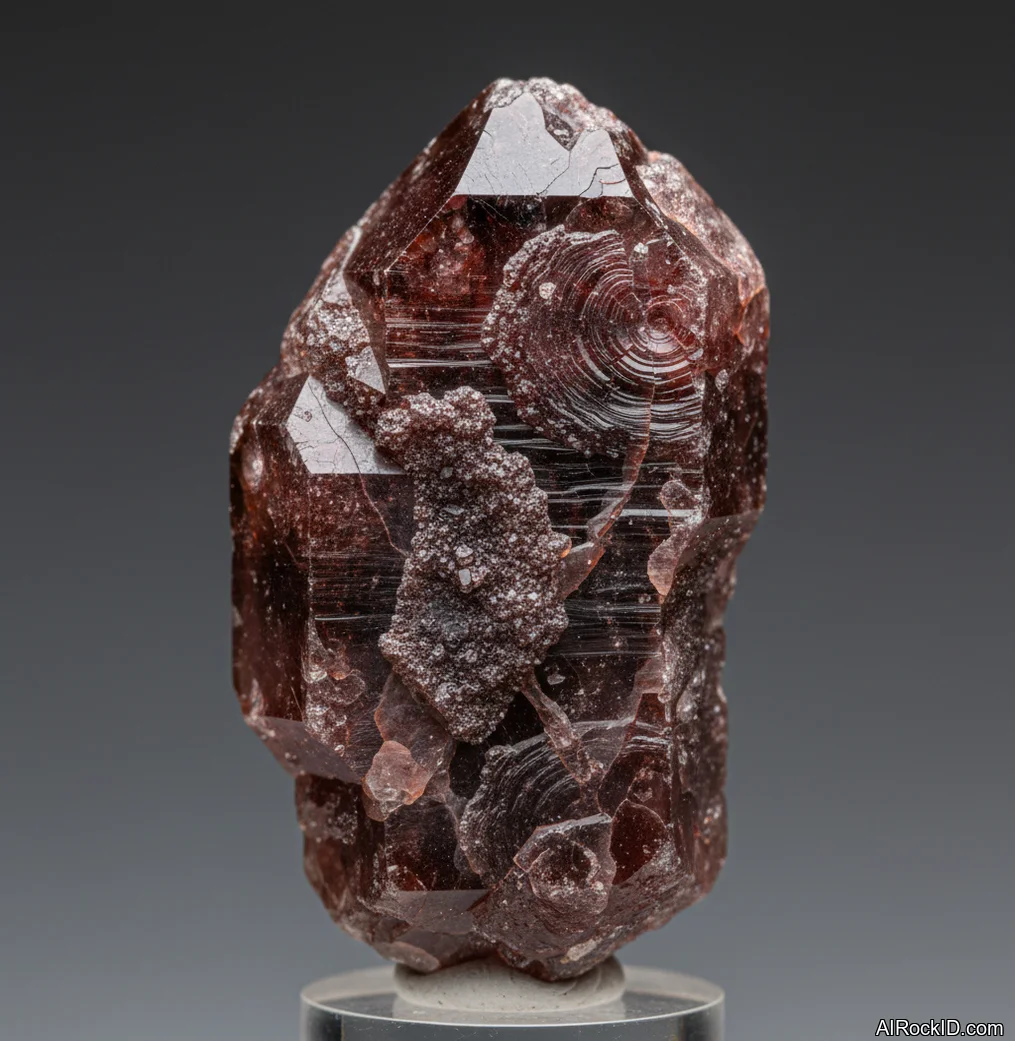
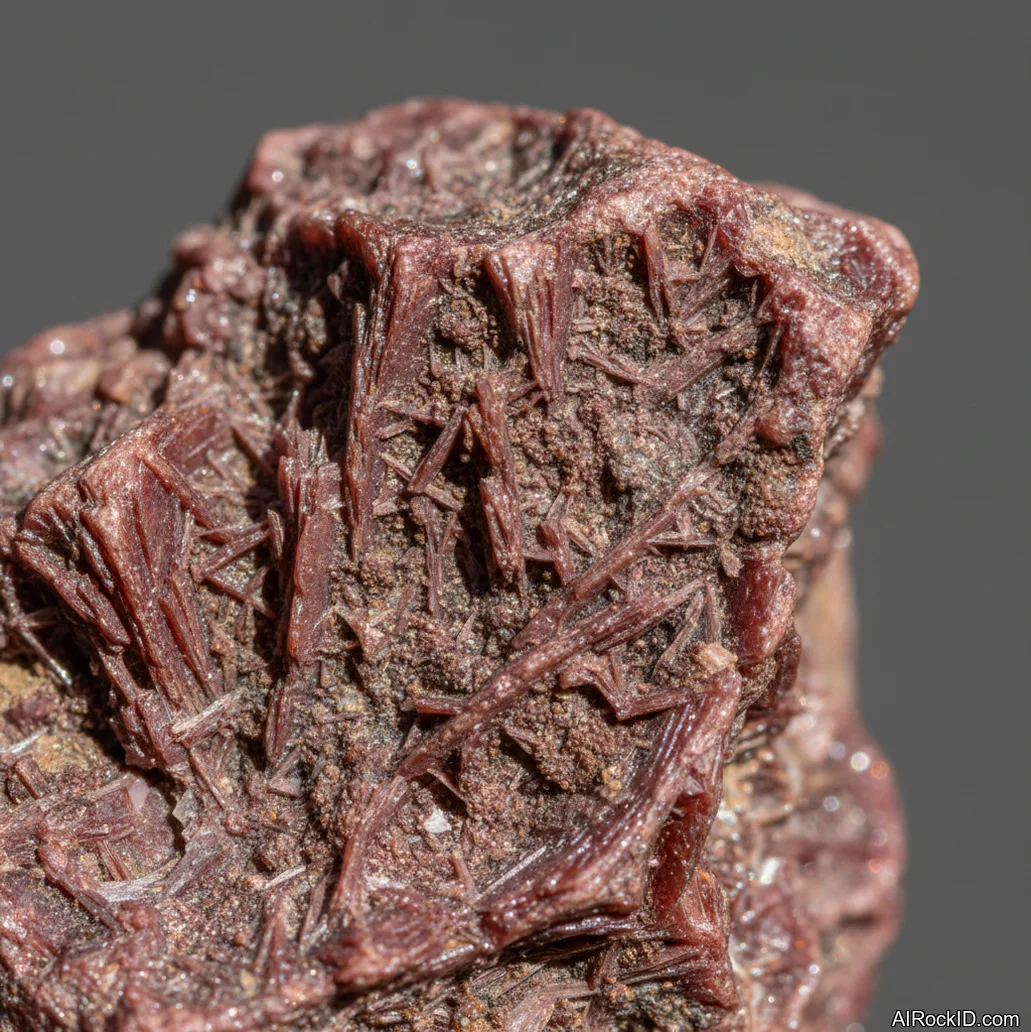
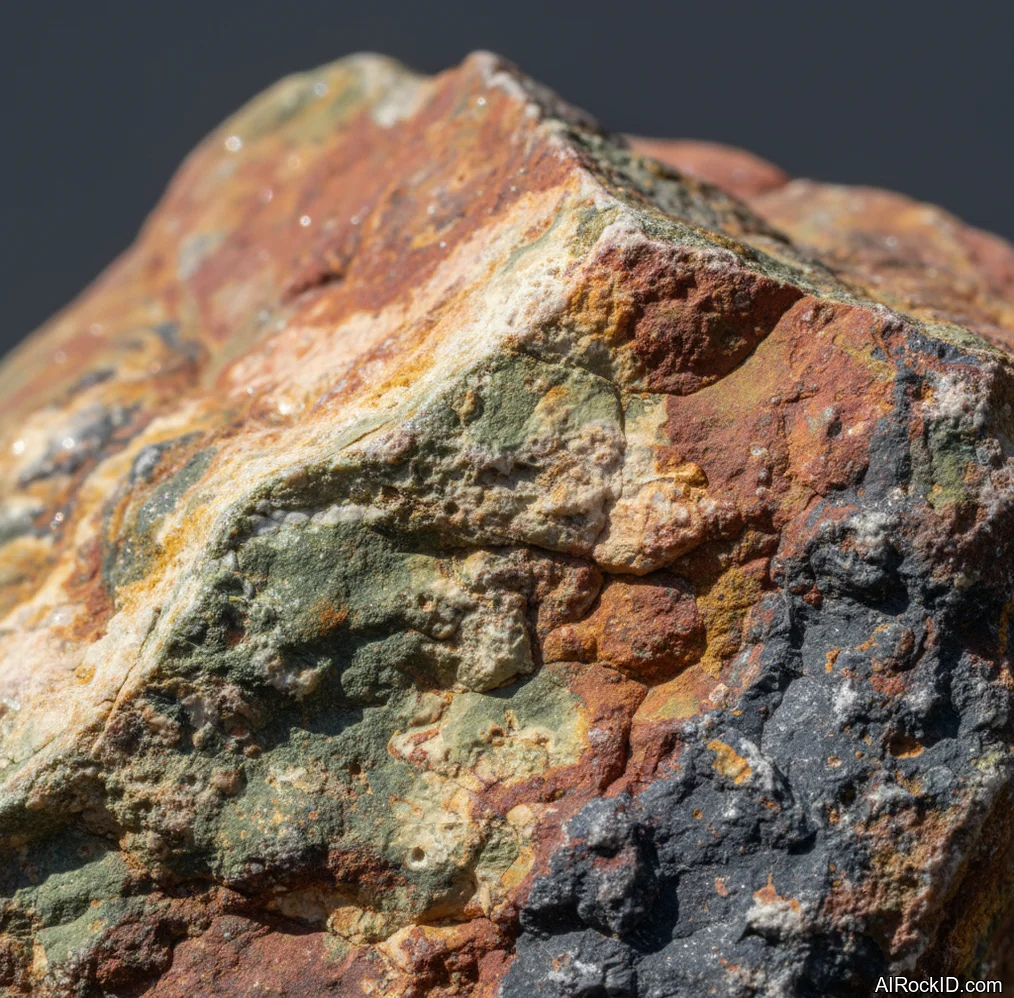
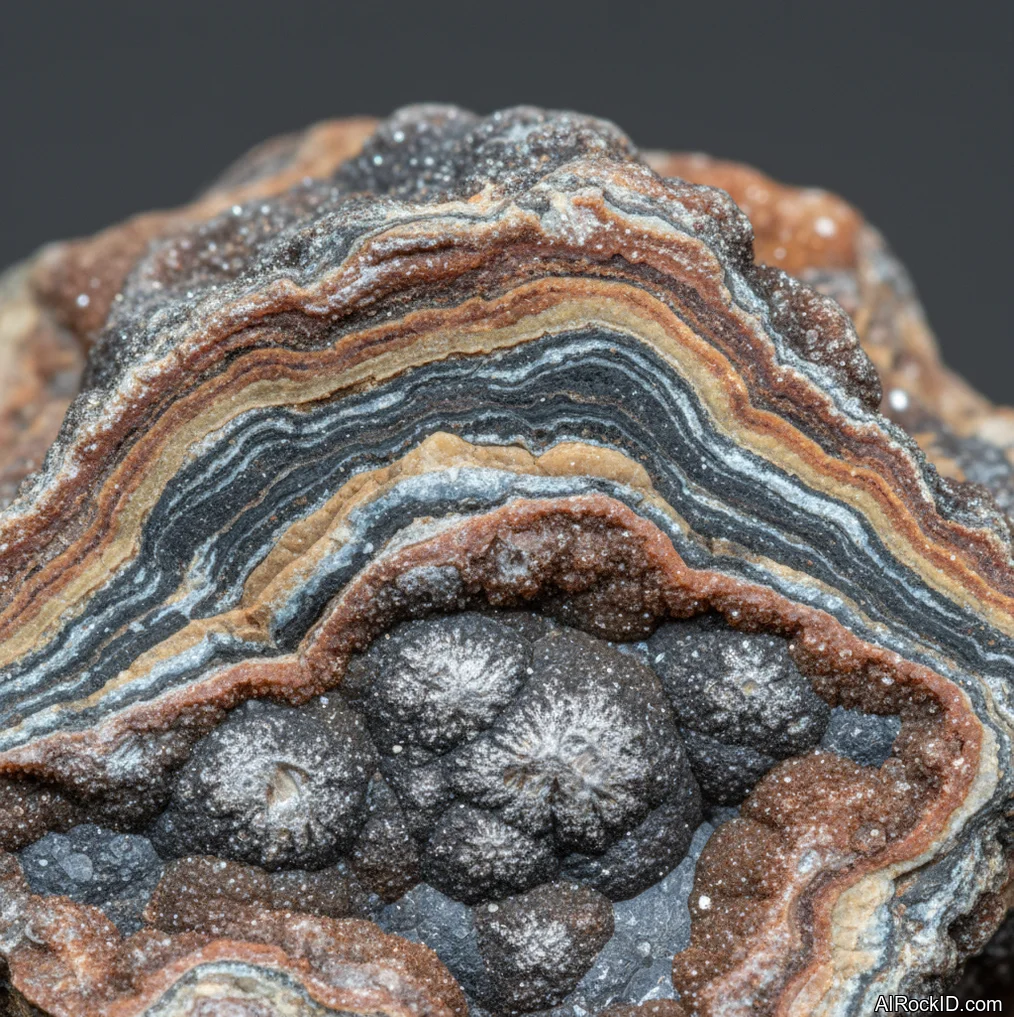
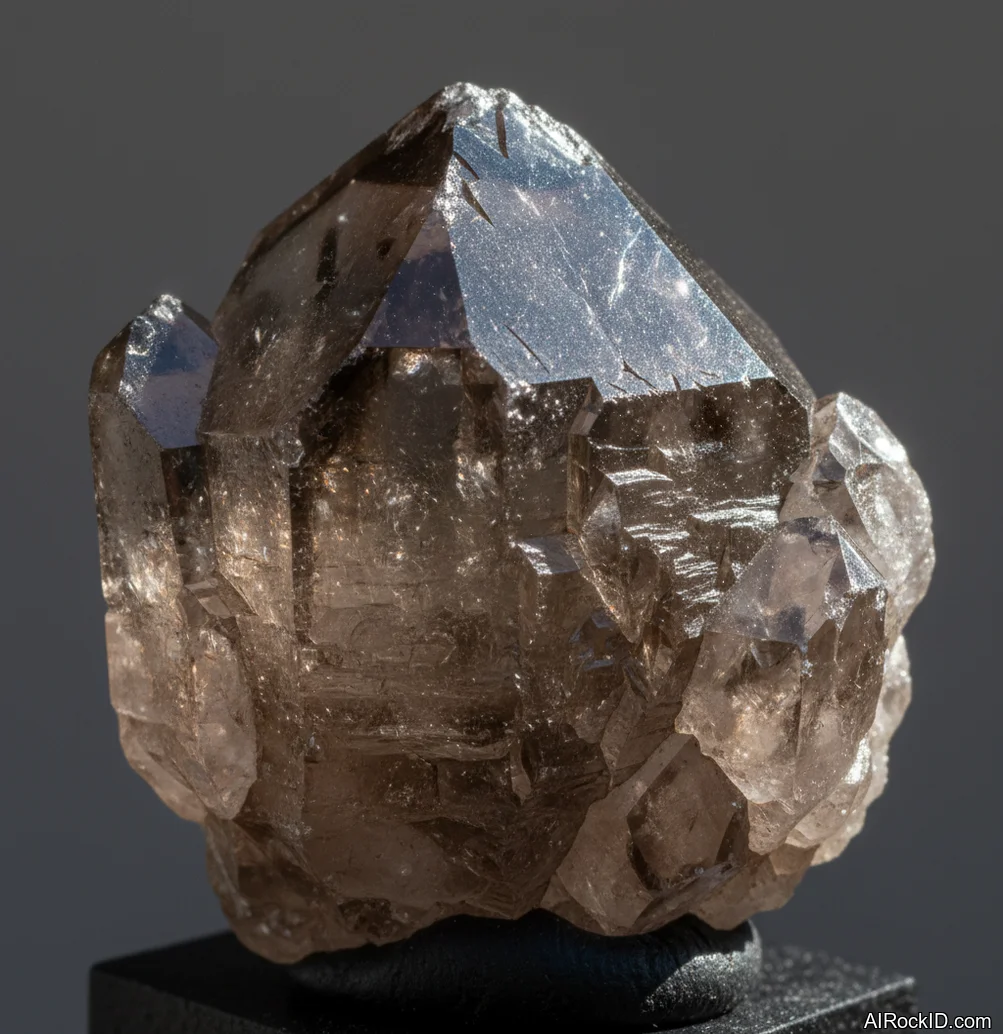
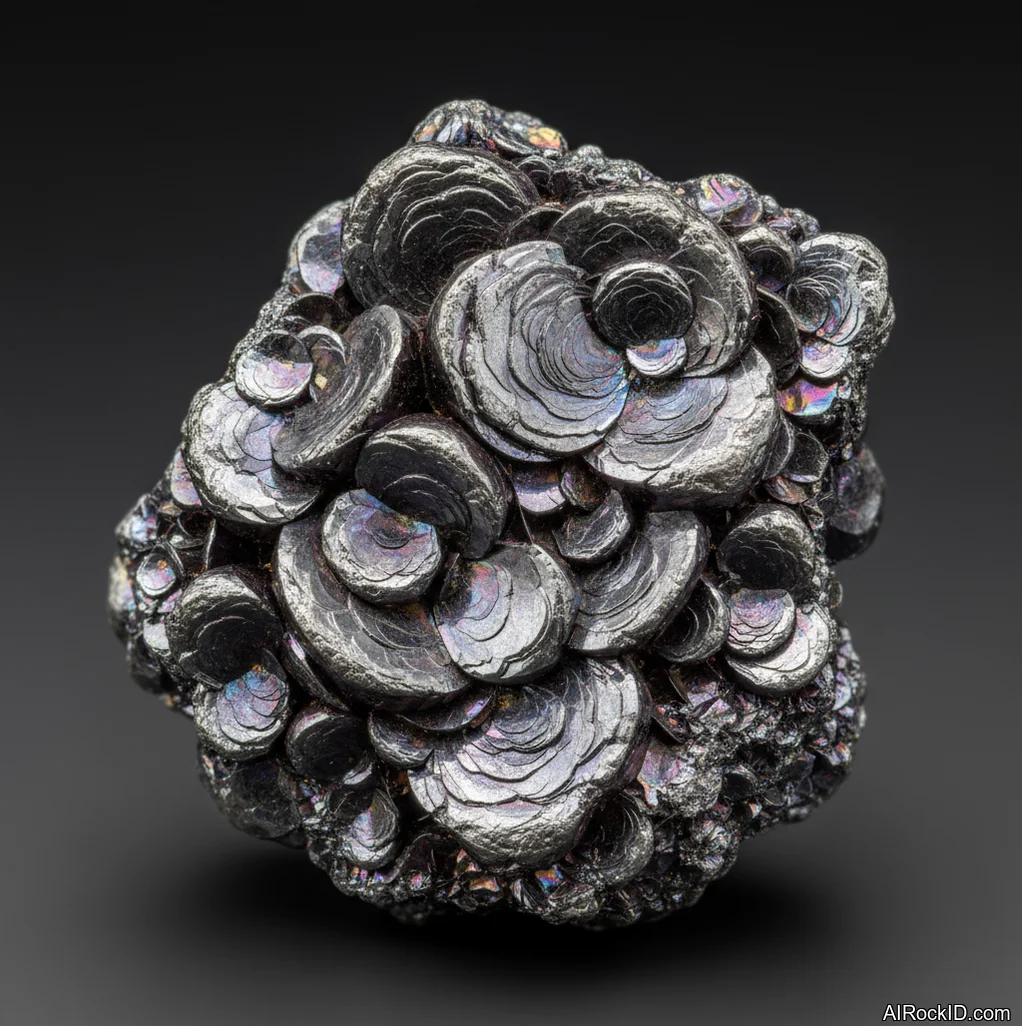
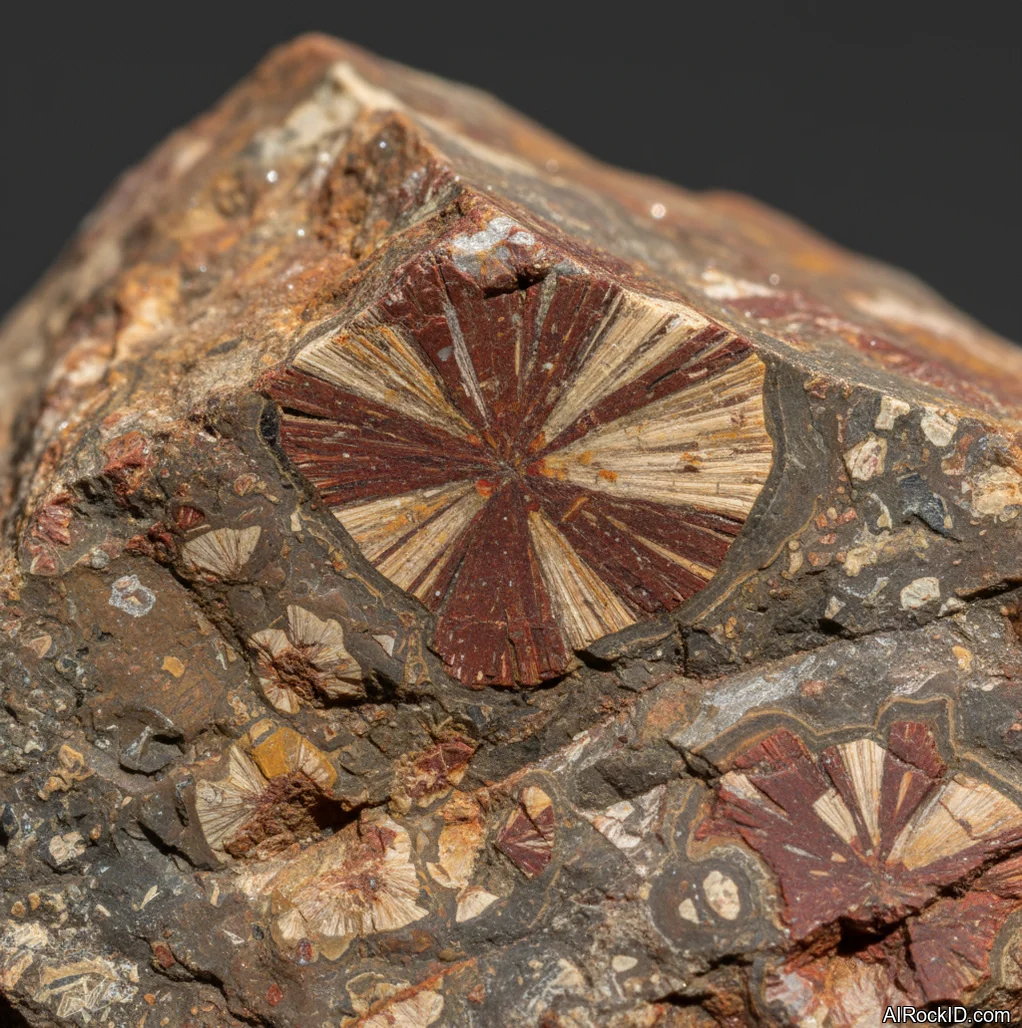
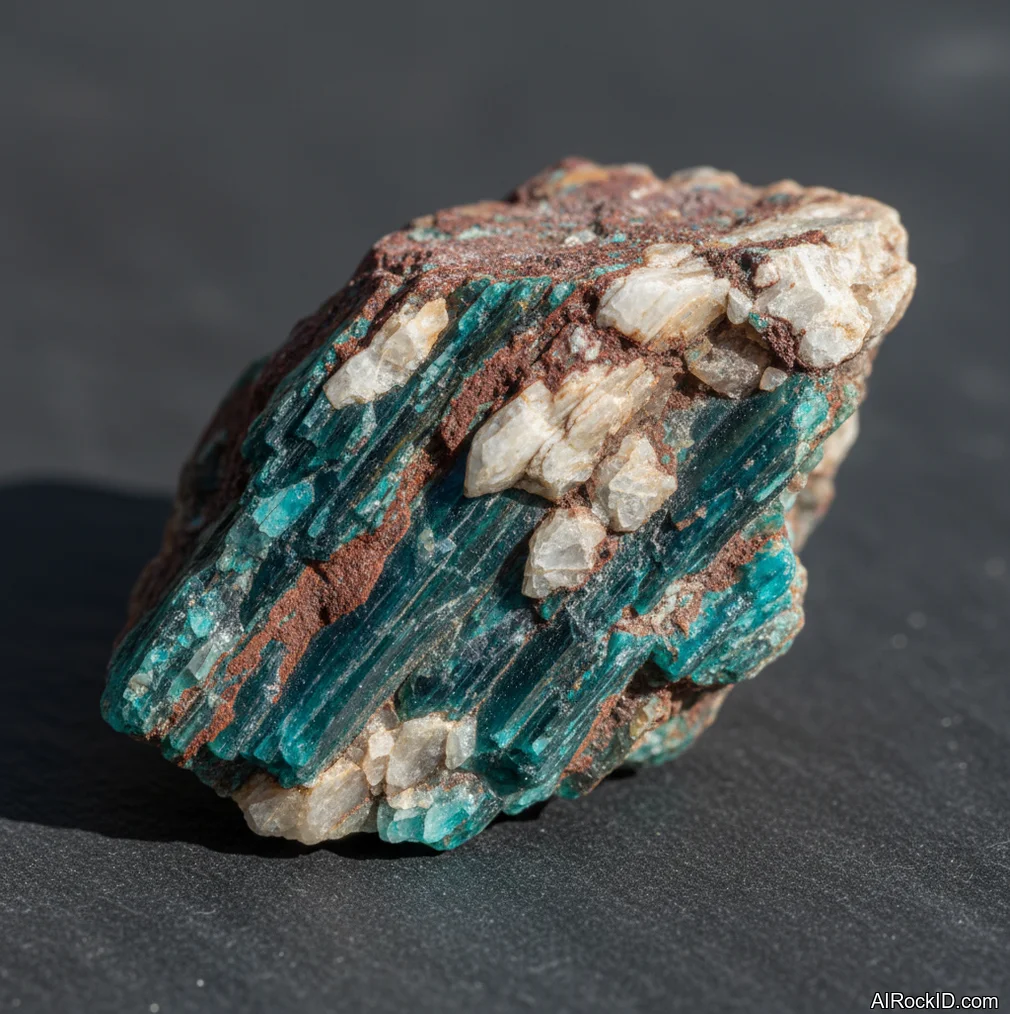
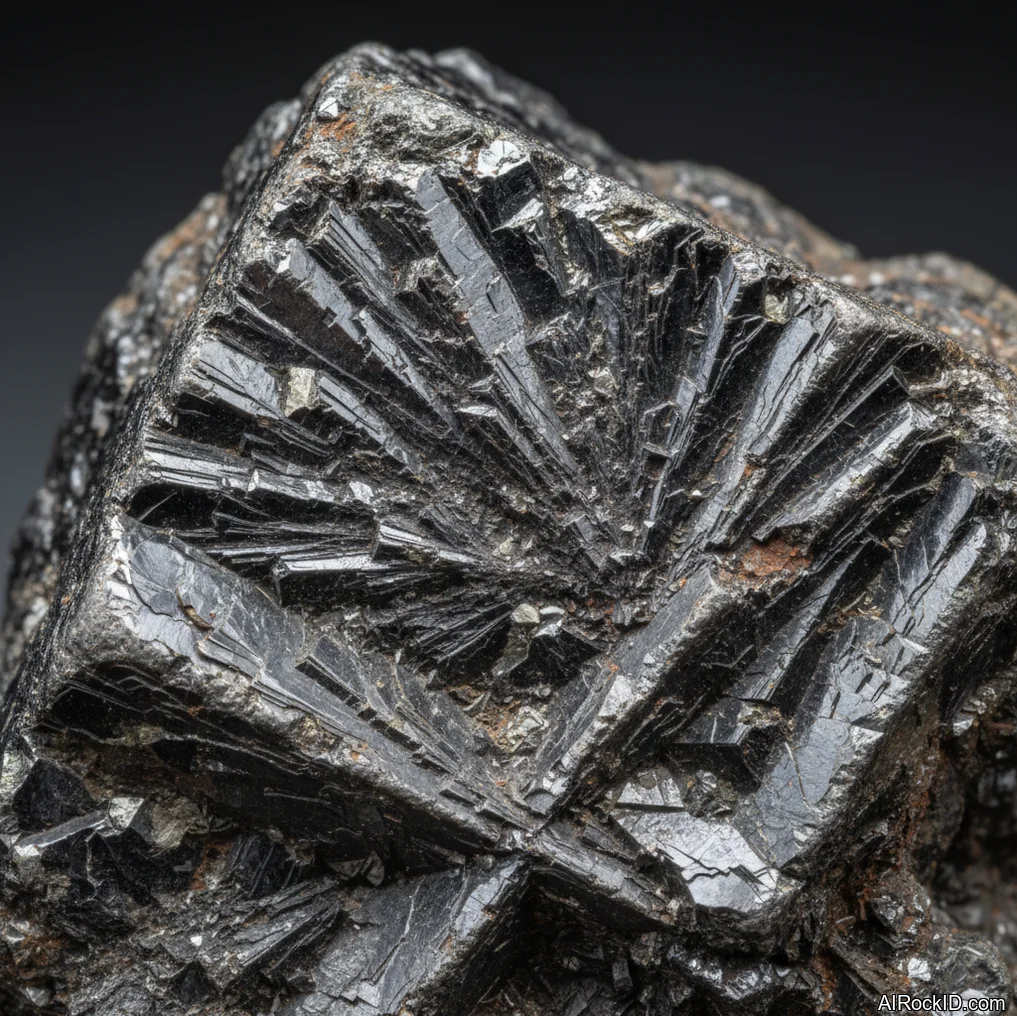
Root Chakra stones tend to be the dark, the red, and the iron-heavy crew. Think hematite, black tourmaline, smoky quartz, obsidian, and red garnet. Pick up a tumbled hematite and the weight surprises you. It’s that specific “cold, dense, metal-ish” feel, even though it’s an oxide mineral and not a chunk of steel. Compare that to smoky quartz, which feels lighter for its size and has that glassy chill. Different sensations, same goal: bring you back down into your feet.
People usually seek Root Chakra crystals for three very normal reasons. One, grounding during stress or anxiety. Two, trying to build routines and actually stick to them, like sleep, work, or training. Three, dealing with a move, breakup, job change, or anything where security feels shaky. It’s not always dramatic. Sometimes it’s just, “my brain won’t shut up at night.” A palm stone of smoky quartz by the bed is an easy, low-effort ritual. Not magic. Just a tactile cue that tells your nervous system, “we’re done for the day.”
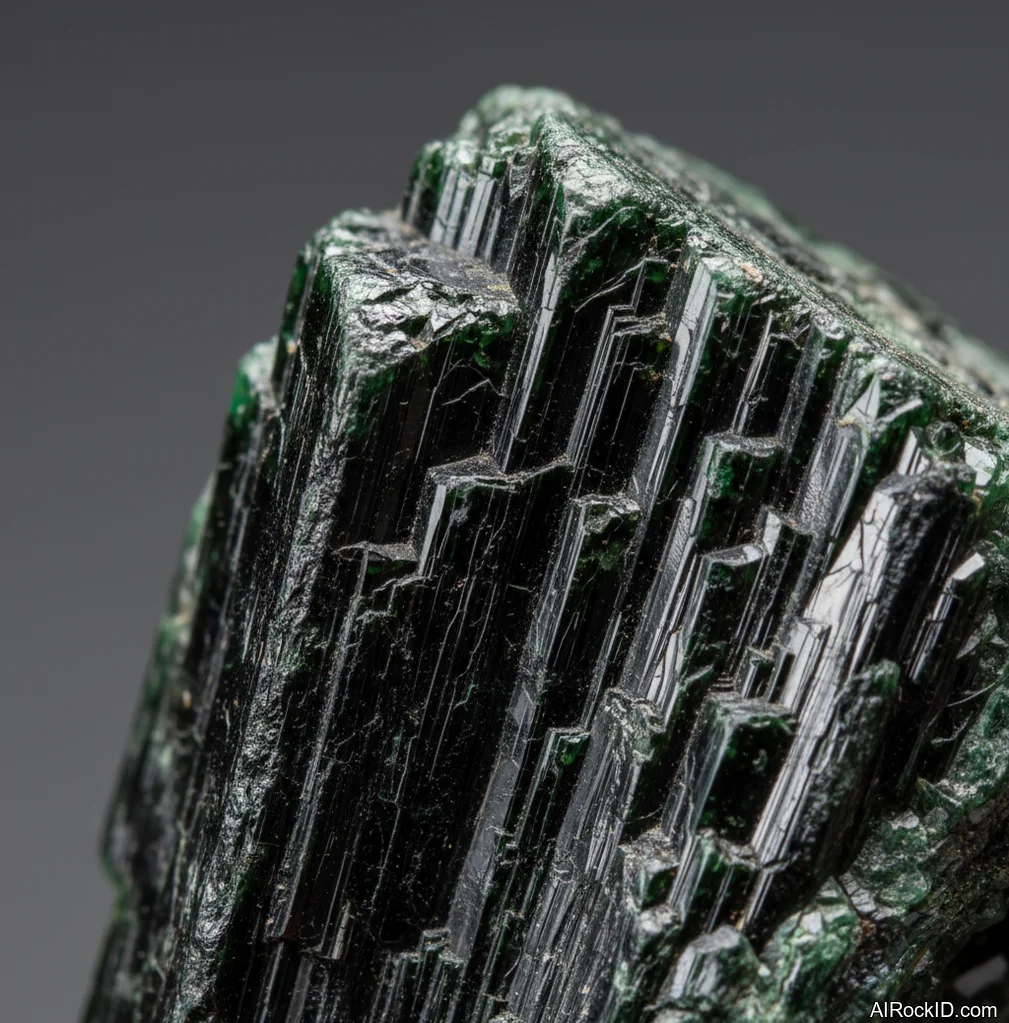
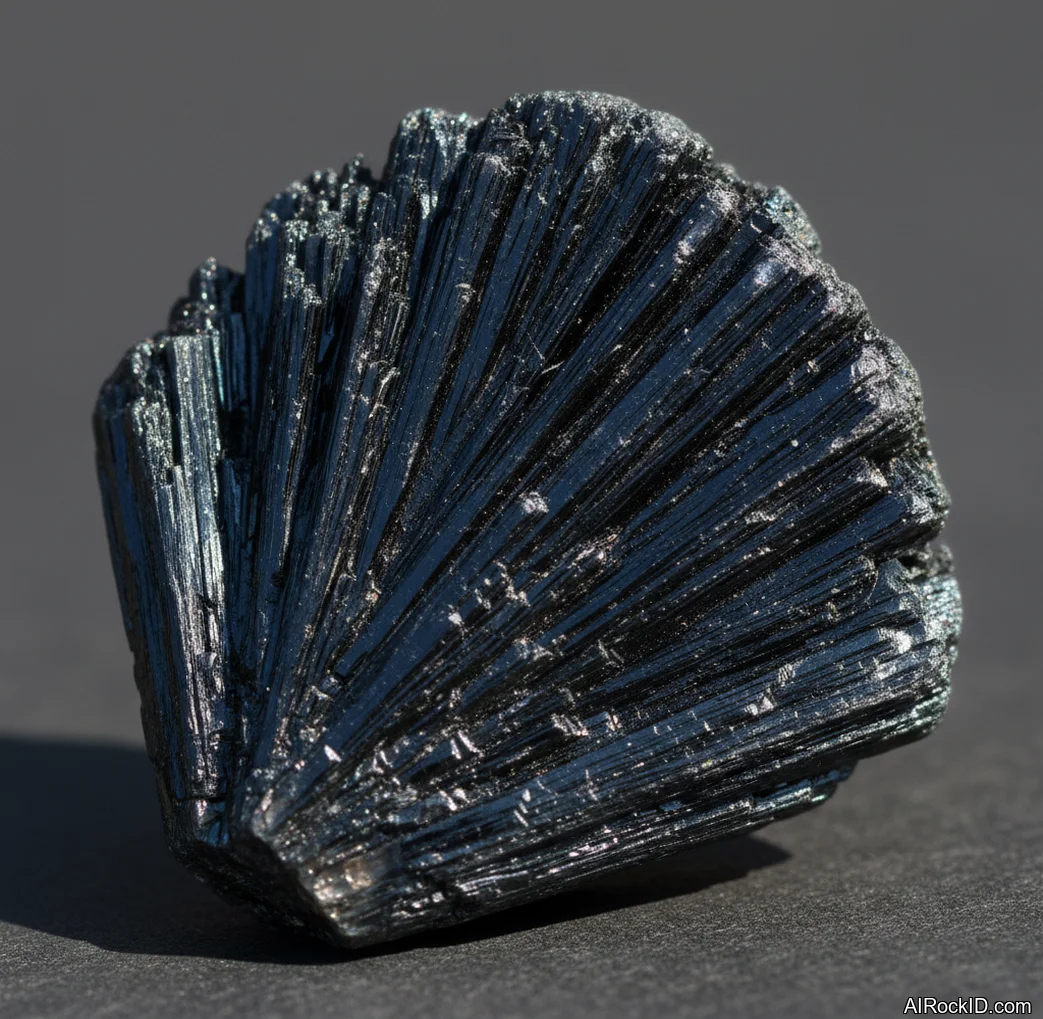
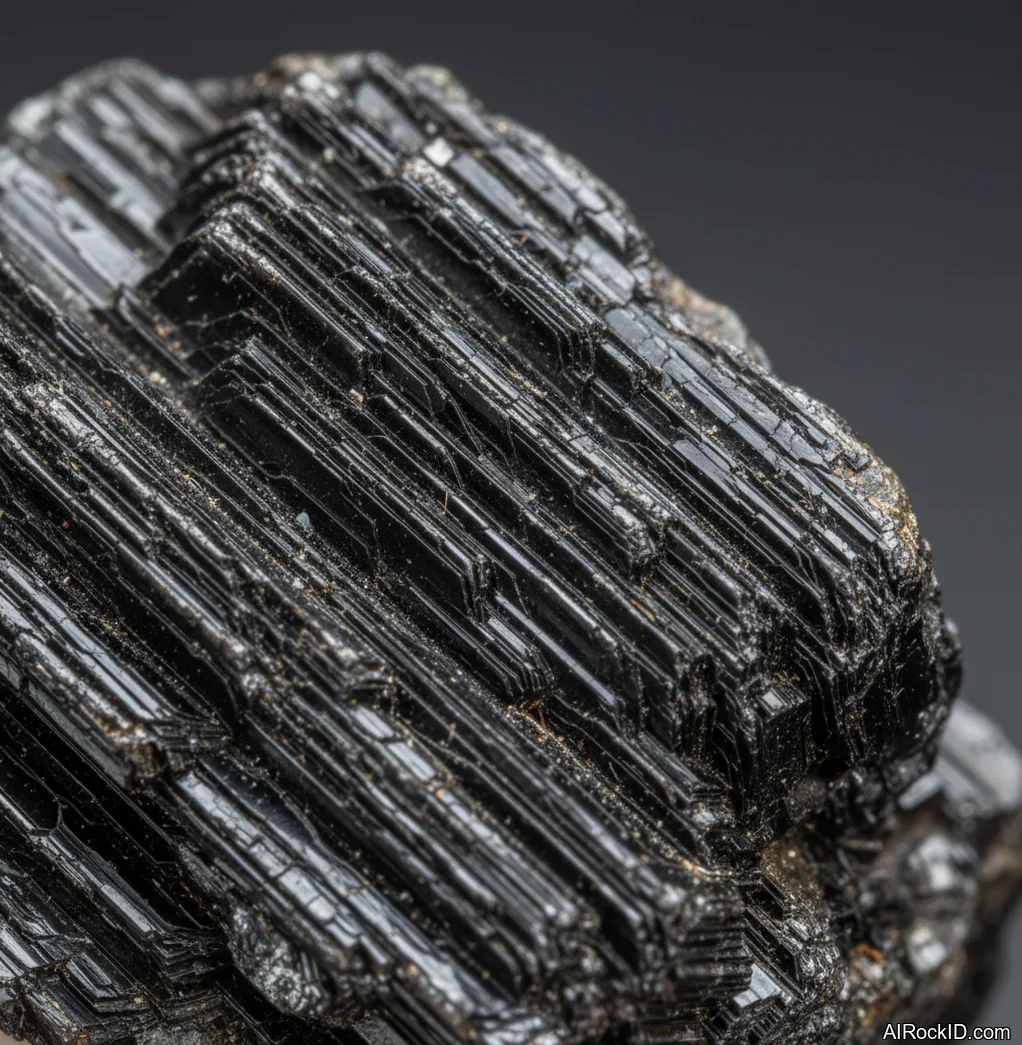
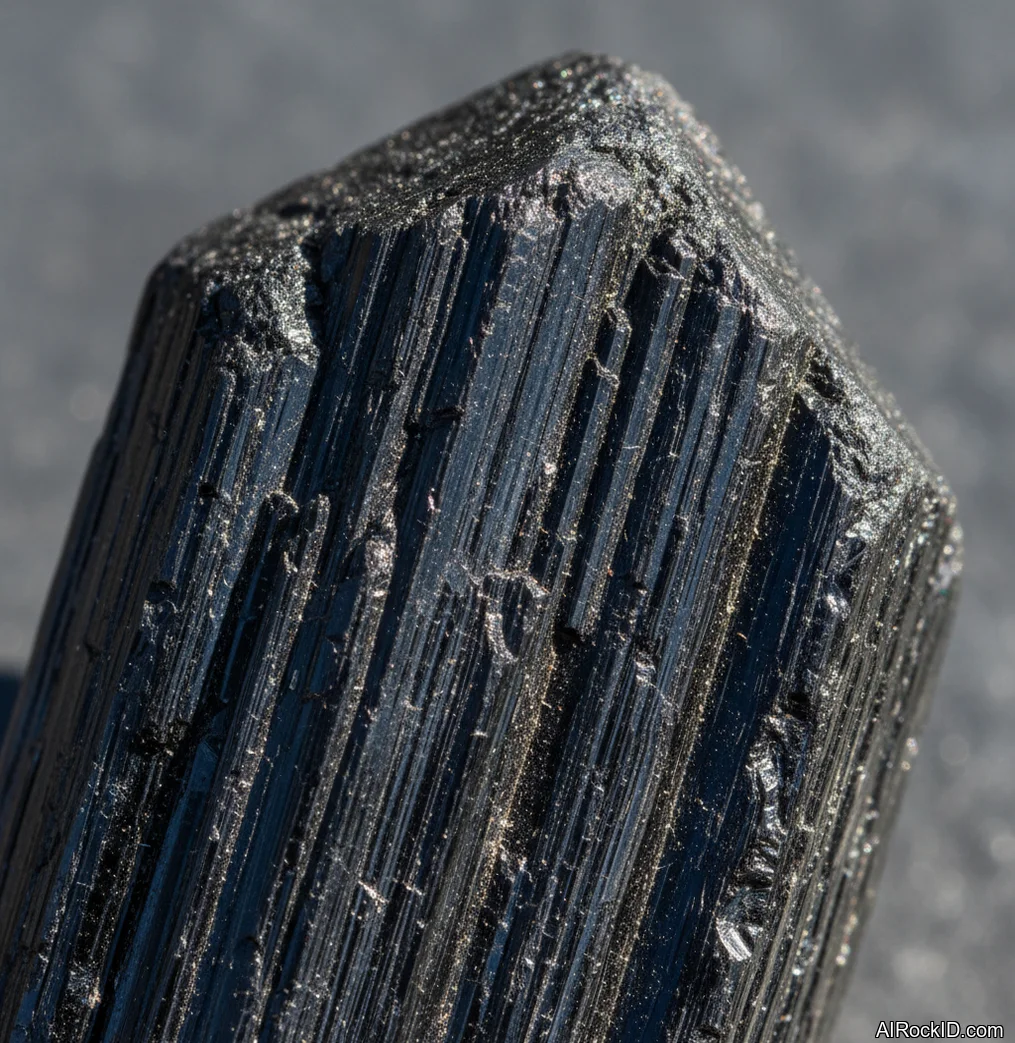
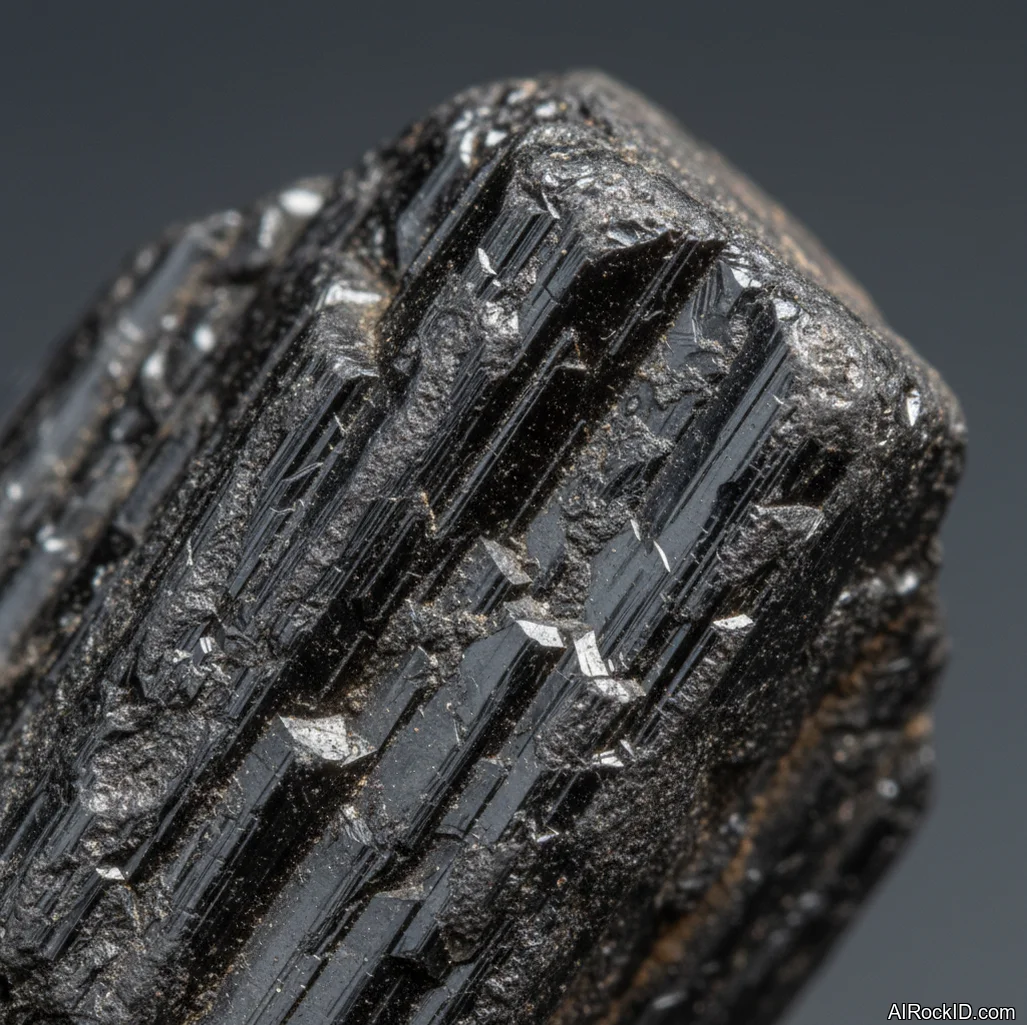
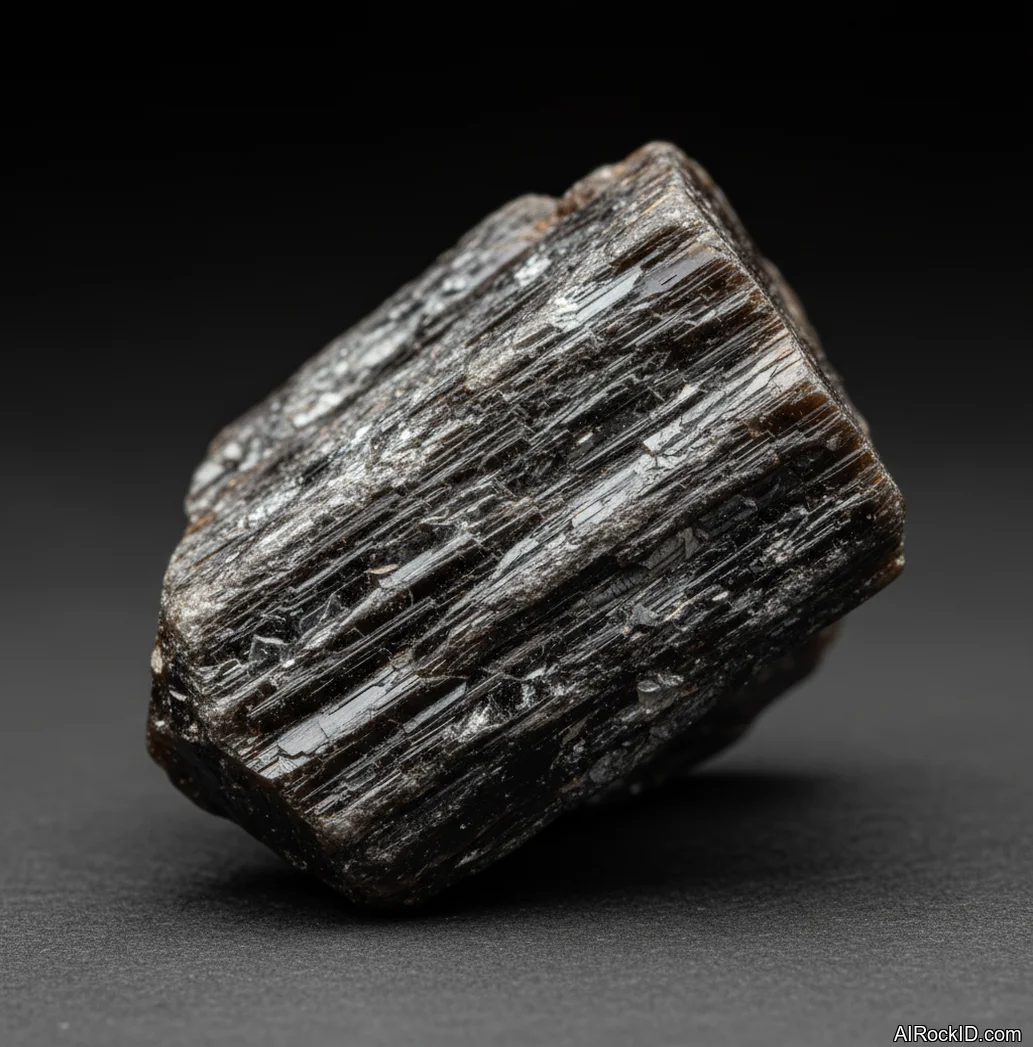
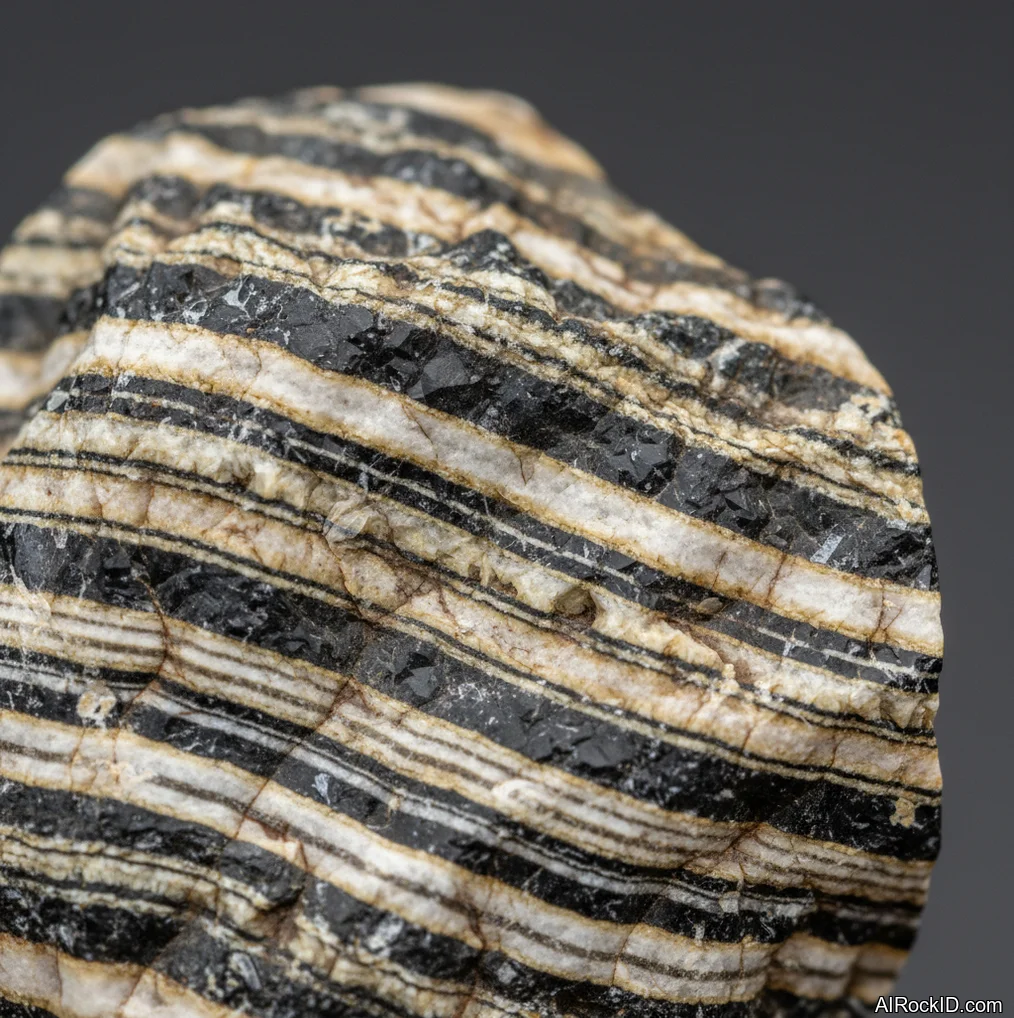
Working with Root Chakra crystals doesn’t have to look like a full altar setup. Start simple. Keep one stone in a pocket, and actually touch it when you feel scattered. Black tourmaline is great for this because it’s tough enough for daily carry, and the striations give your fingers something to grab (tiny built-in fidget tool, basically). If you like bracelets, hematite beads are common, but watch for the super lightweight ones. Real hematite beads feel oddly heavy for their size. If they feel warm and plastic-y, they’re usually hematine or a coated imitation.
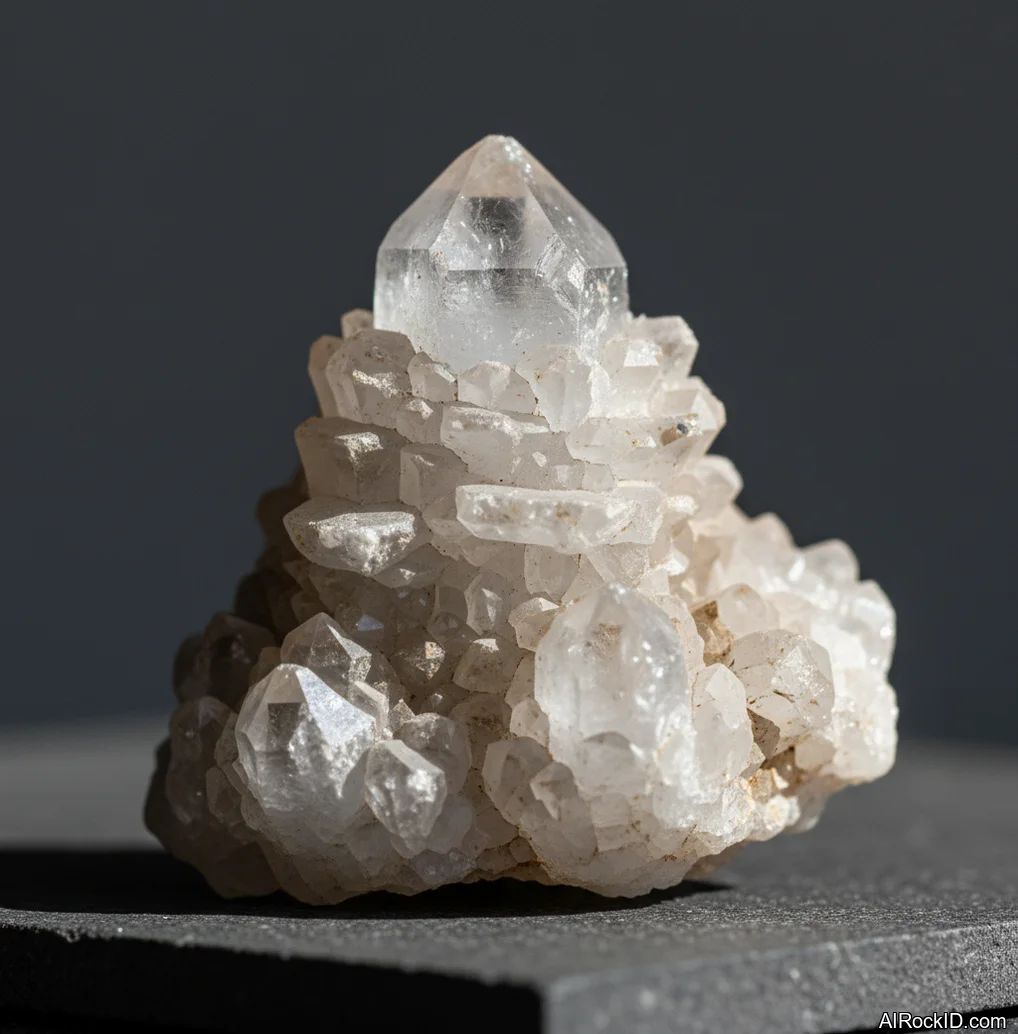
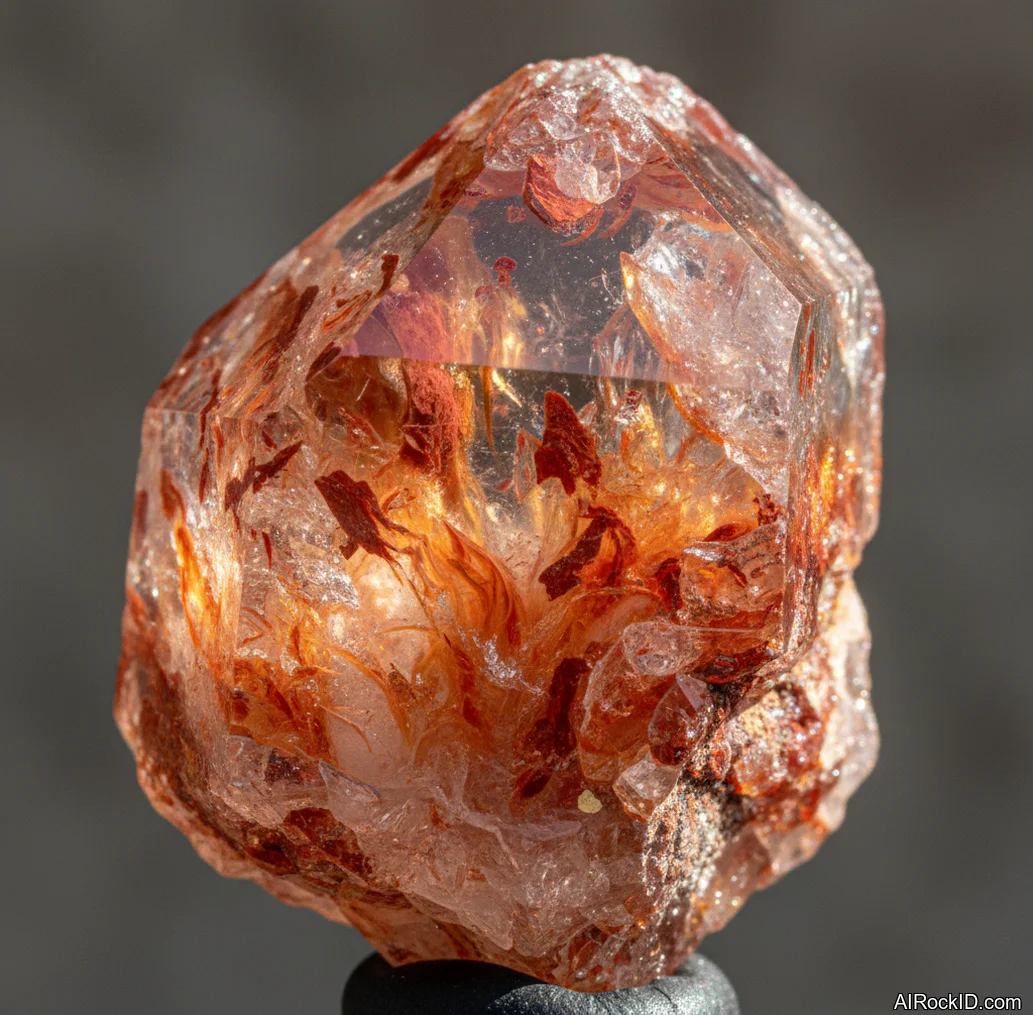
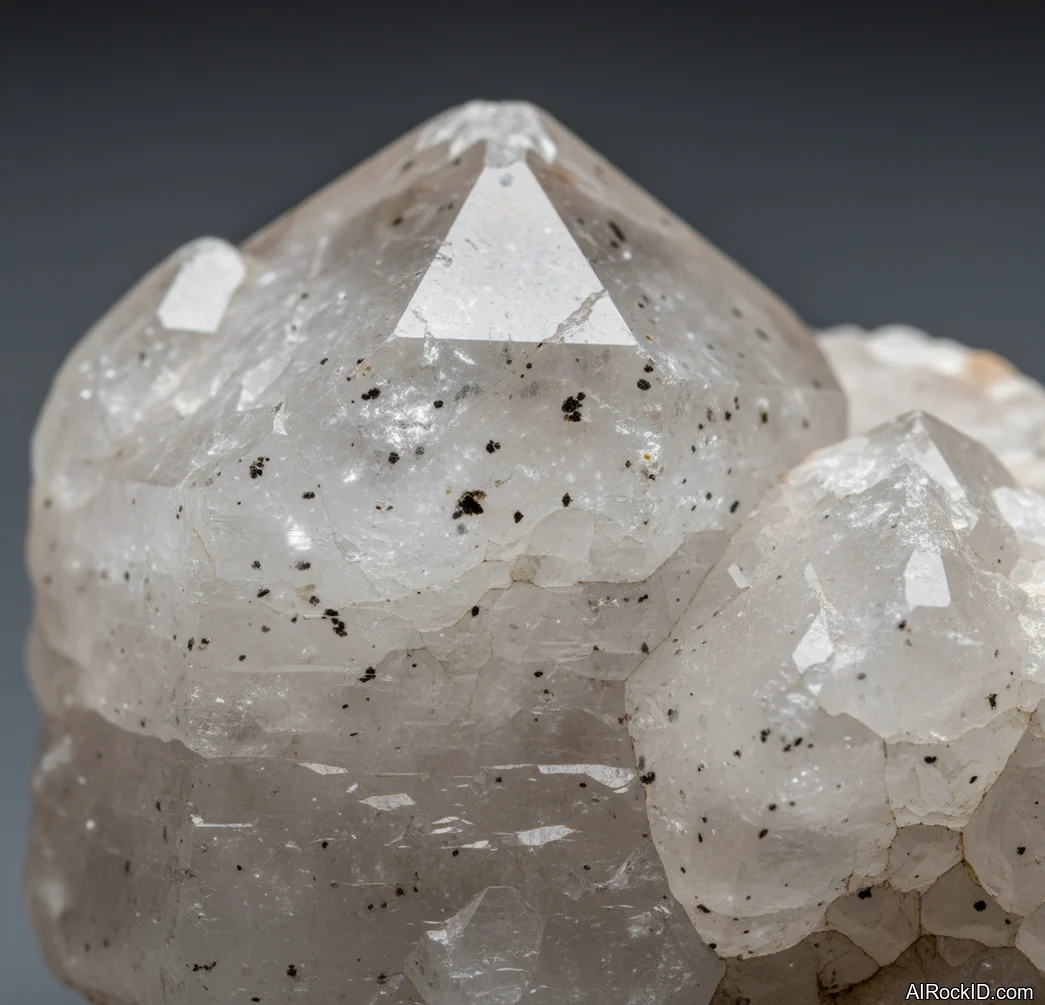
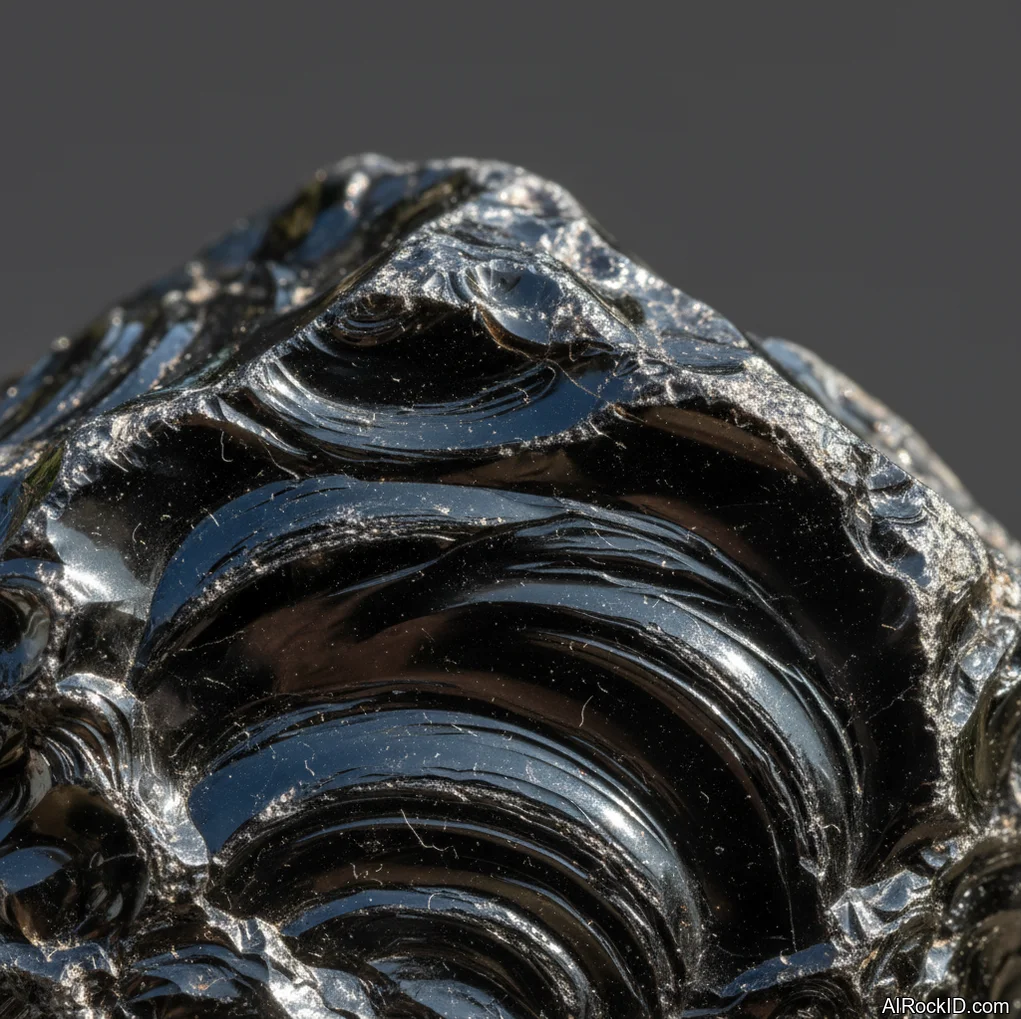
Placement matters in a practical way. If you’re doing a body layout, stones go low: base of the spine, lower belly, hips, knees, ankles, or between the feet. A flat piece of obsidian on the lower abdomen feels like a cool tile at first, then warms up slowly. And that slow warm-up is a nice reality check that you’re actually present in your body. For meditation, I like sitting with a chunkier specimen between my feet, especially a raw smoky quartz point with some heft. It keeps the whole practice from turning into a head trip.
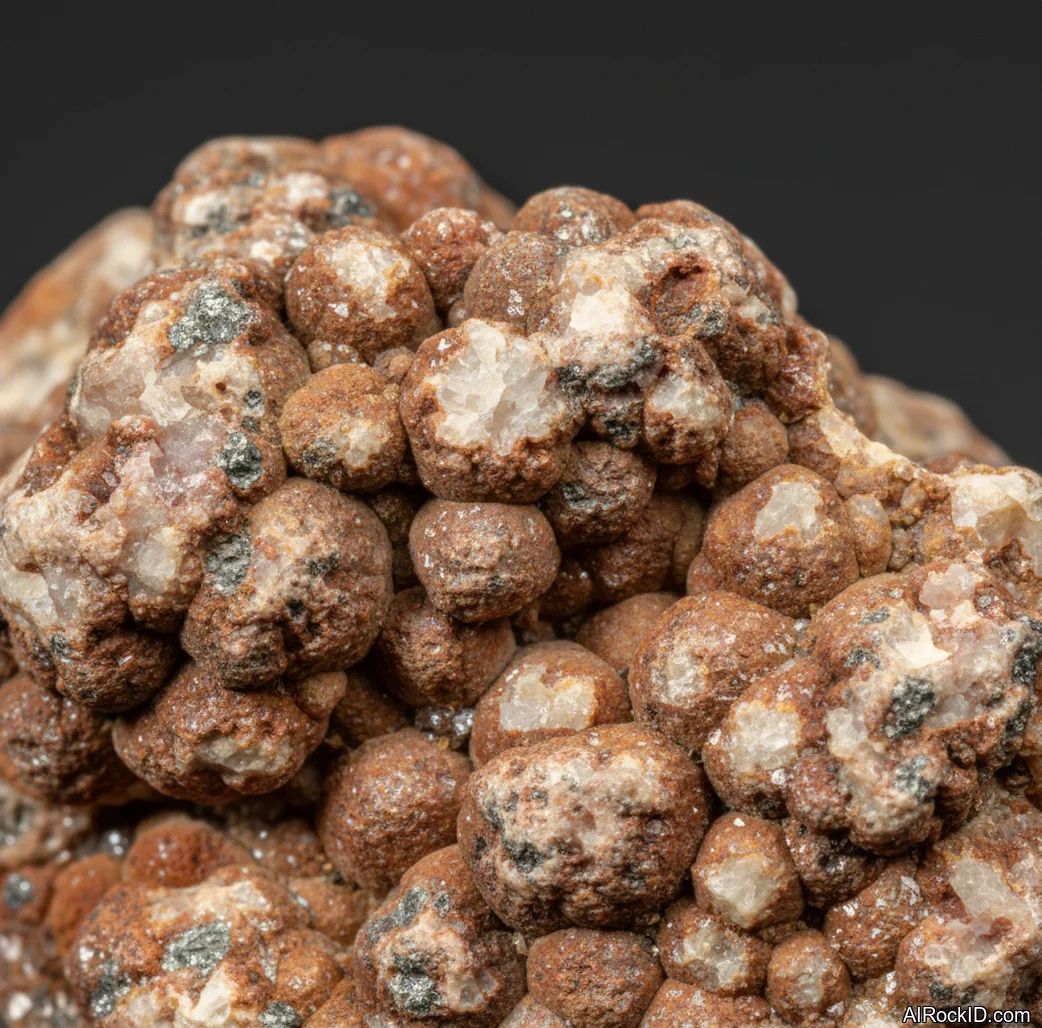
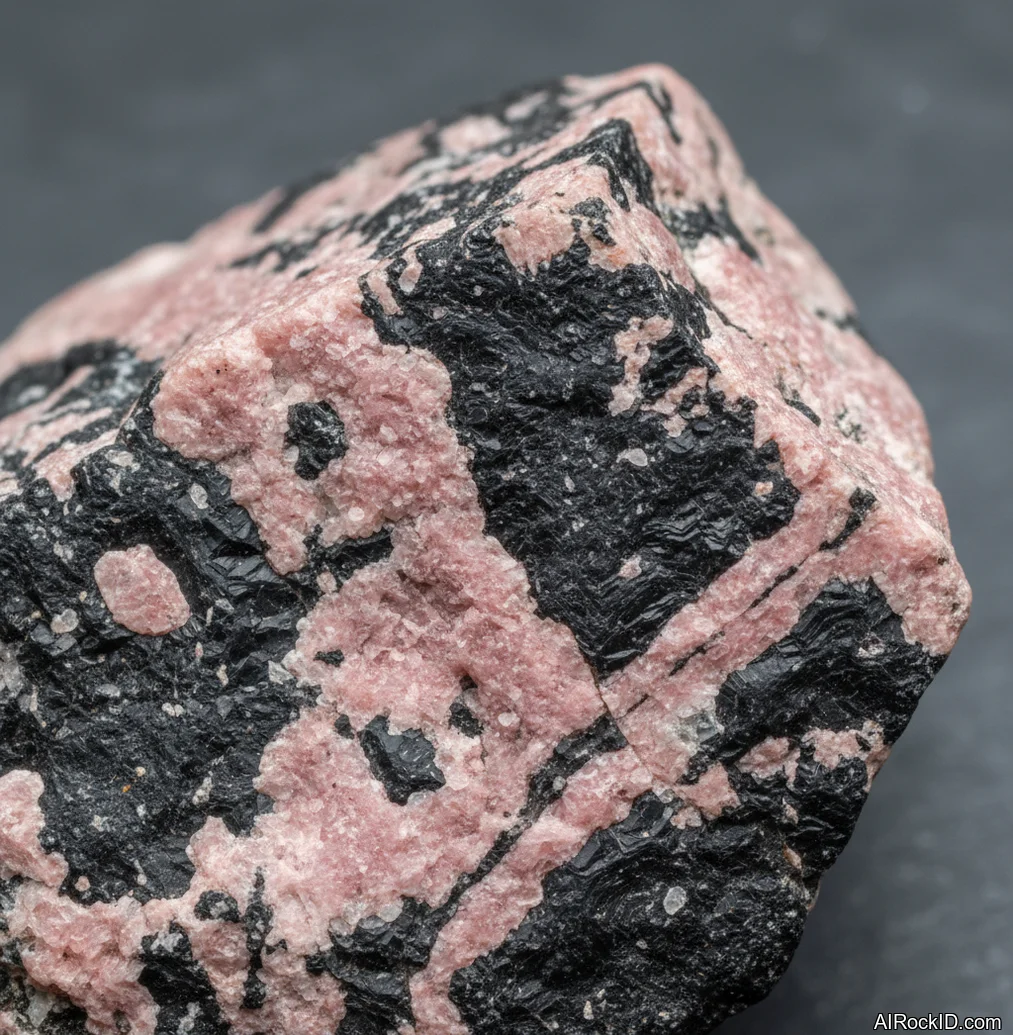
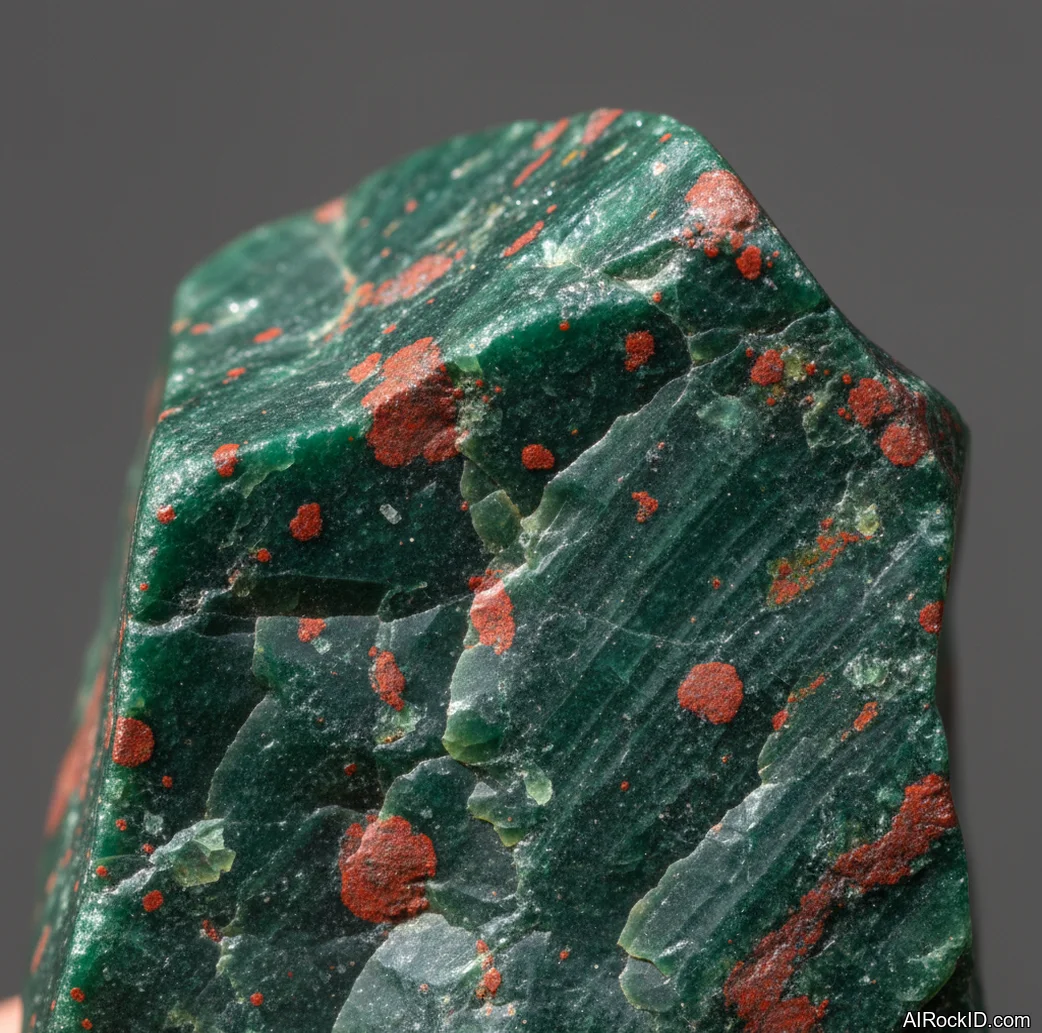
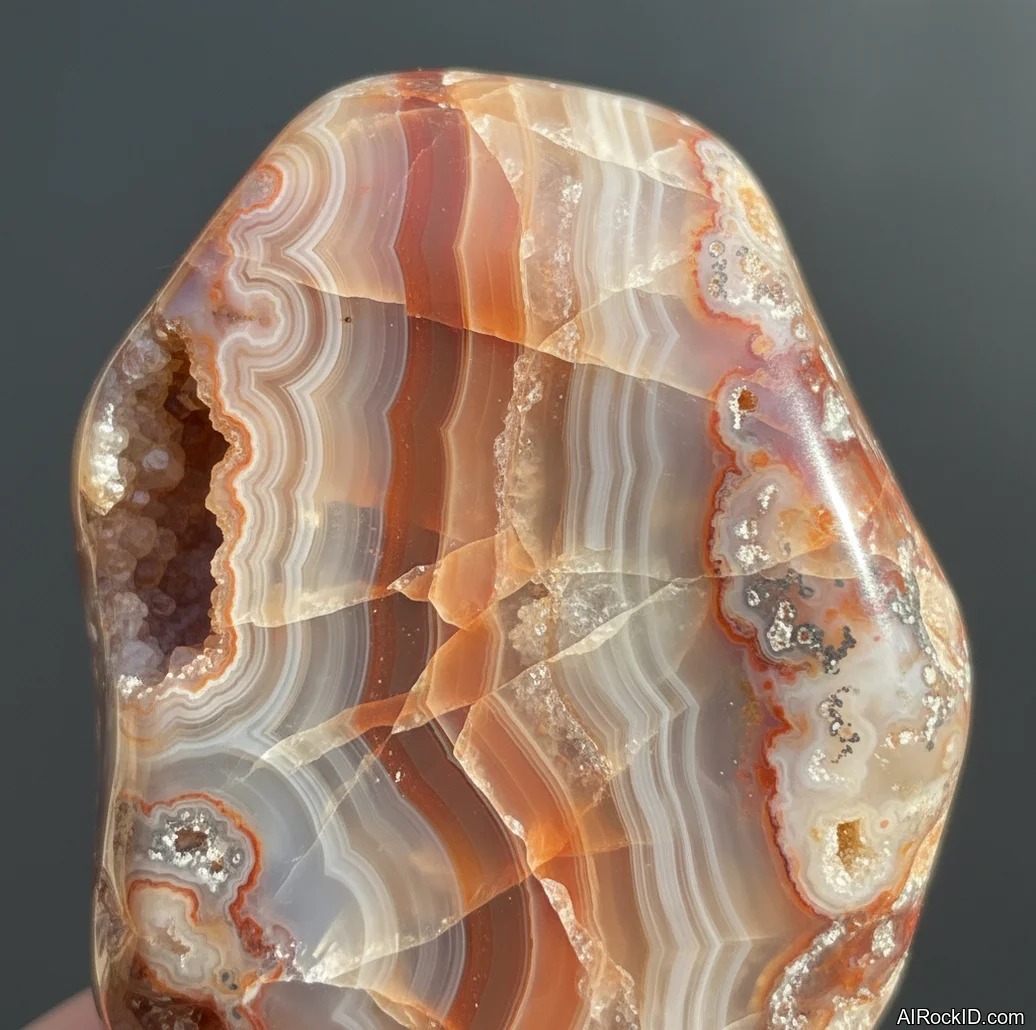
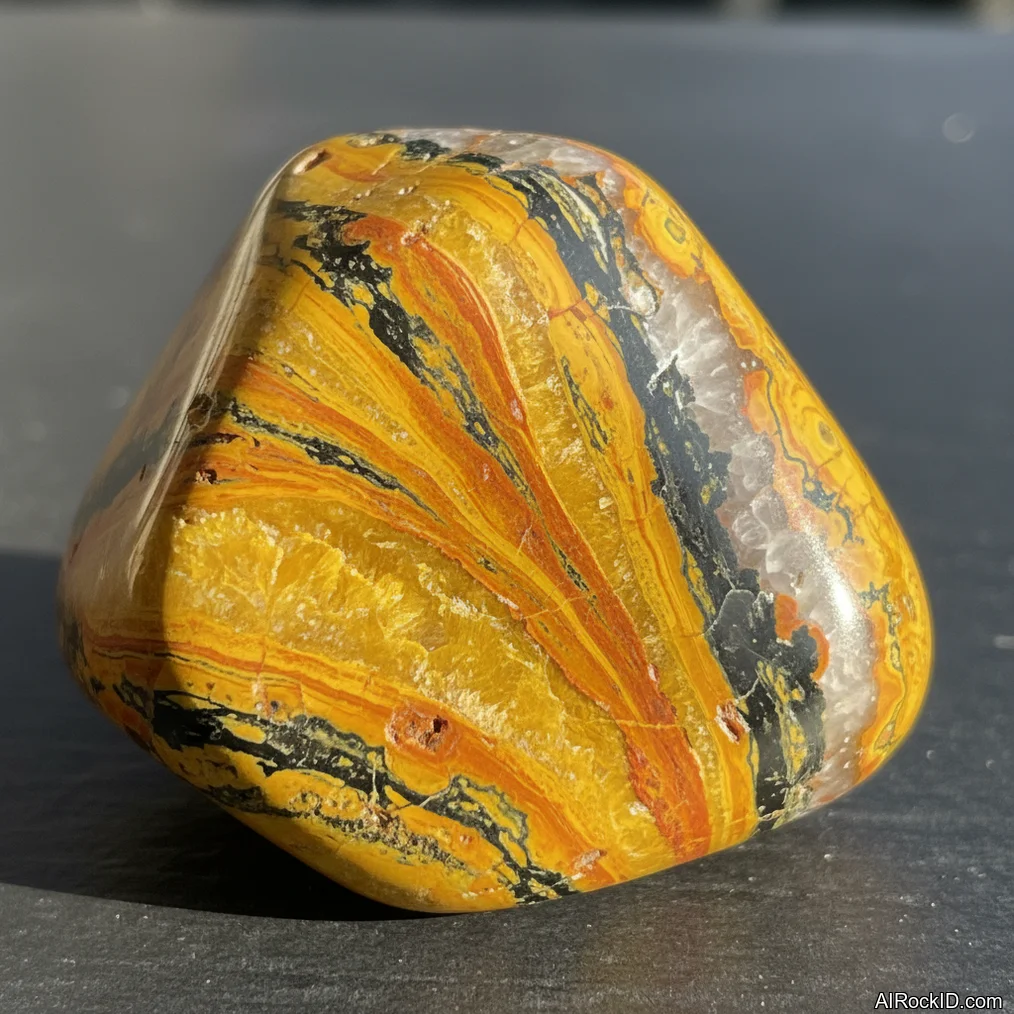
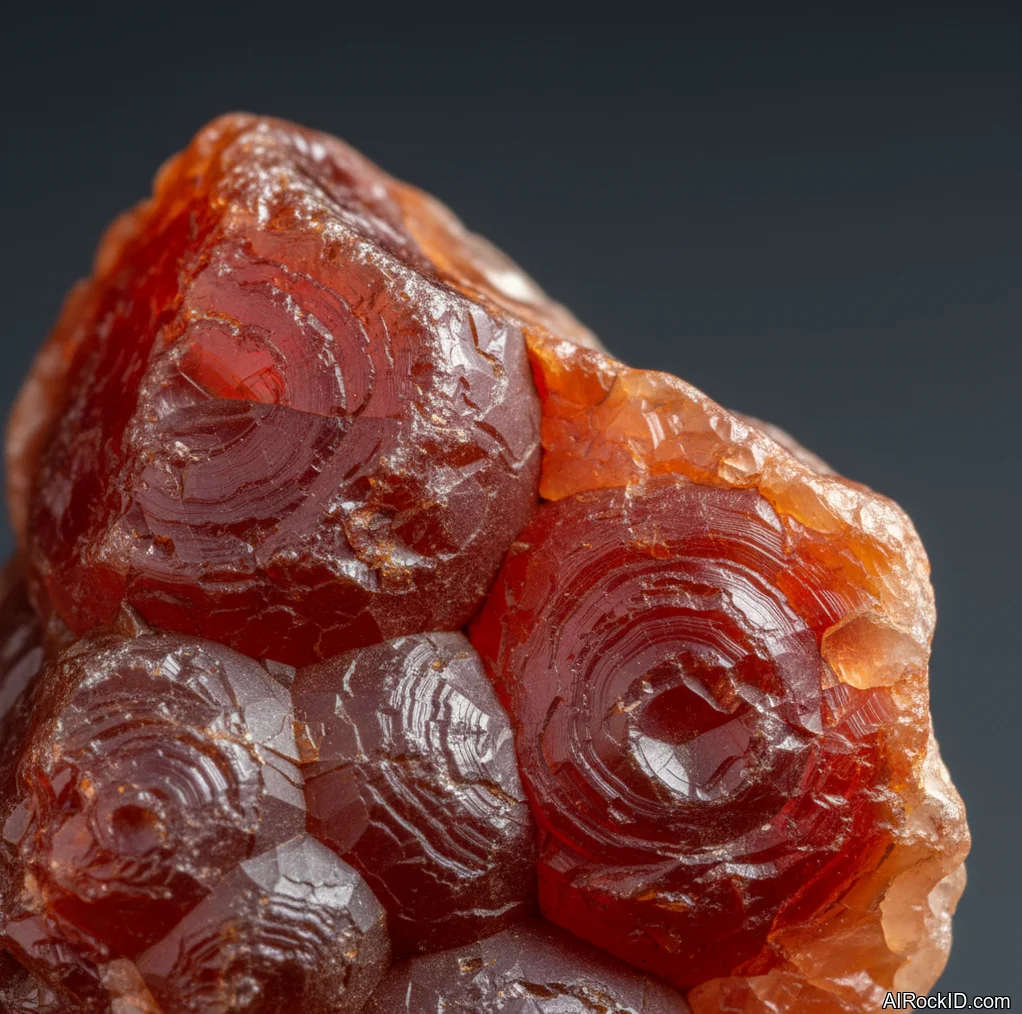
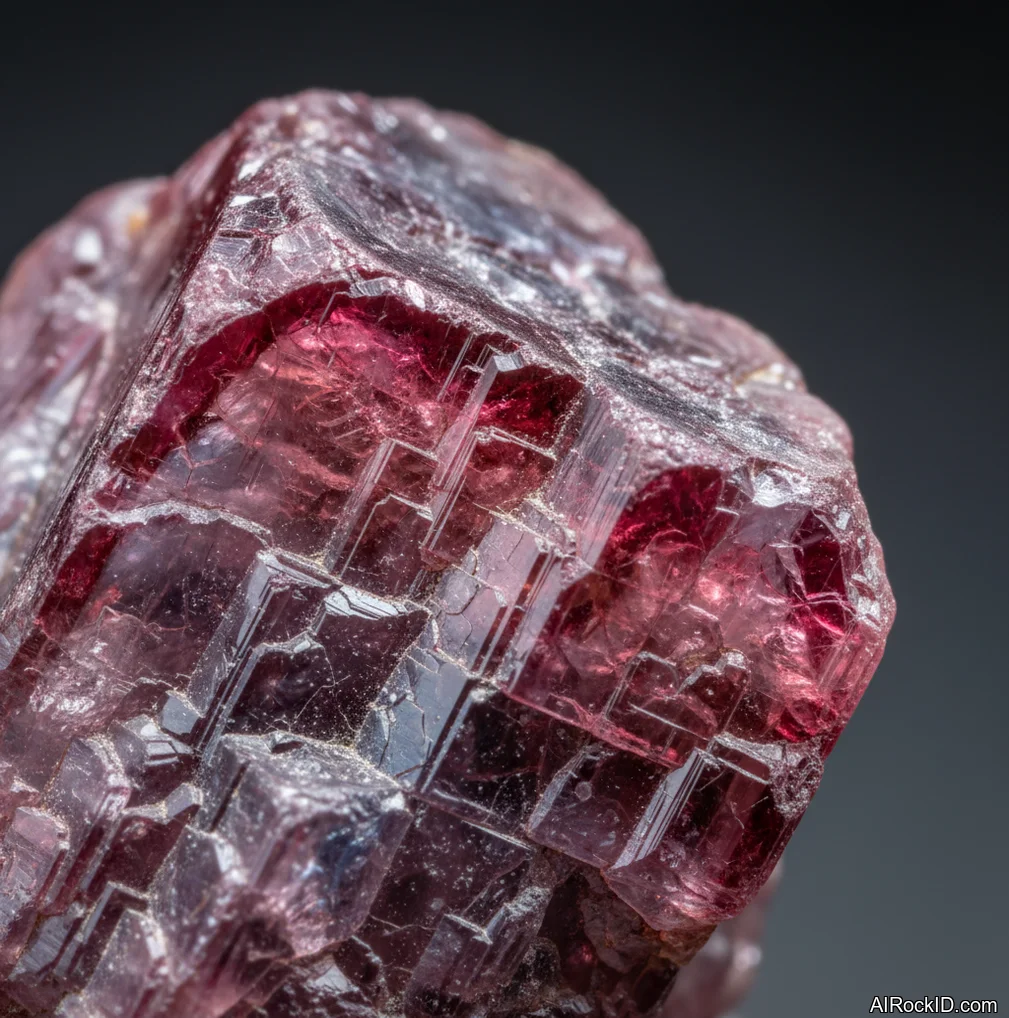
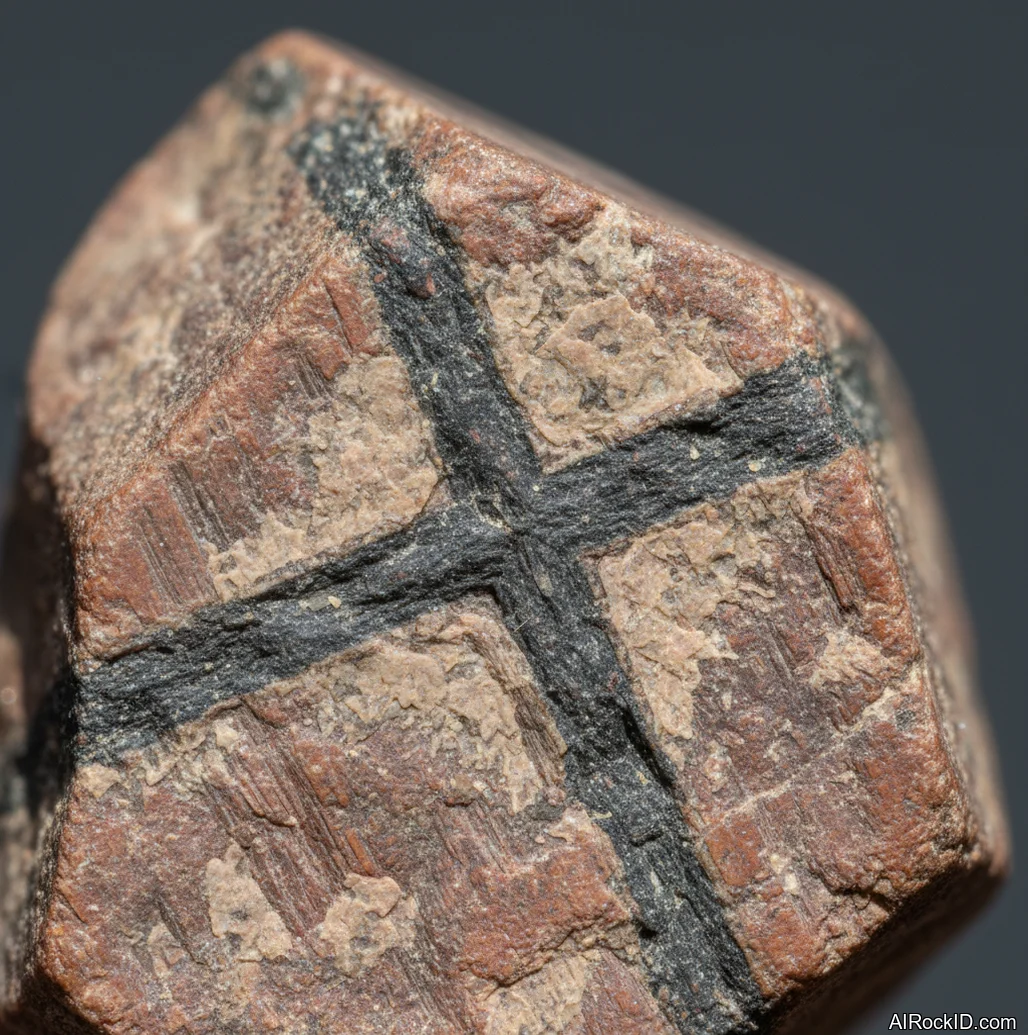
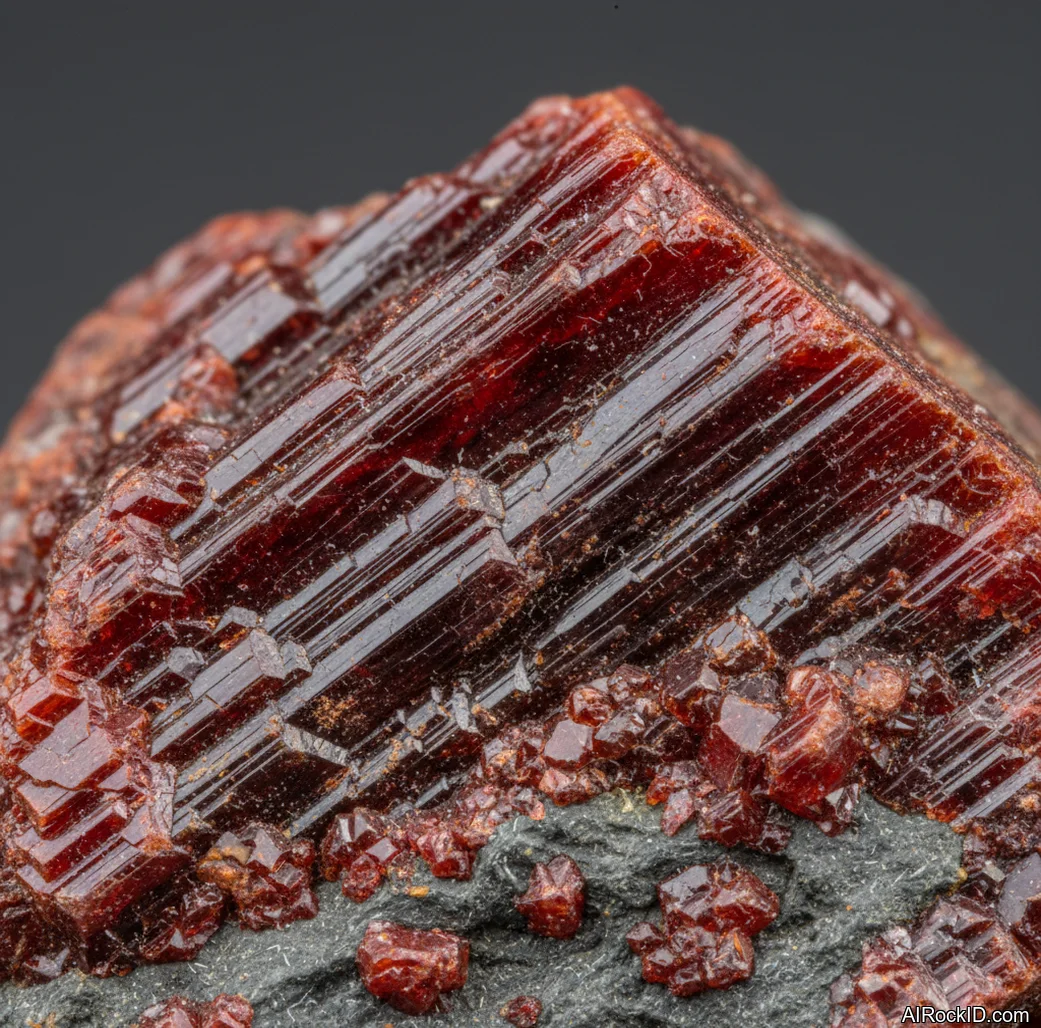
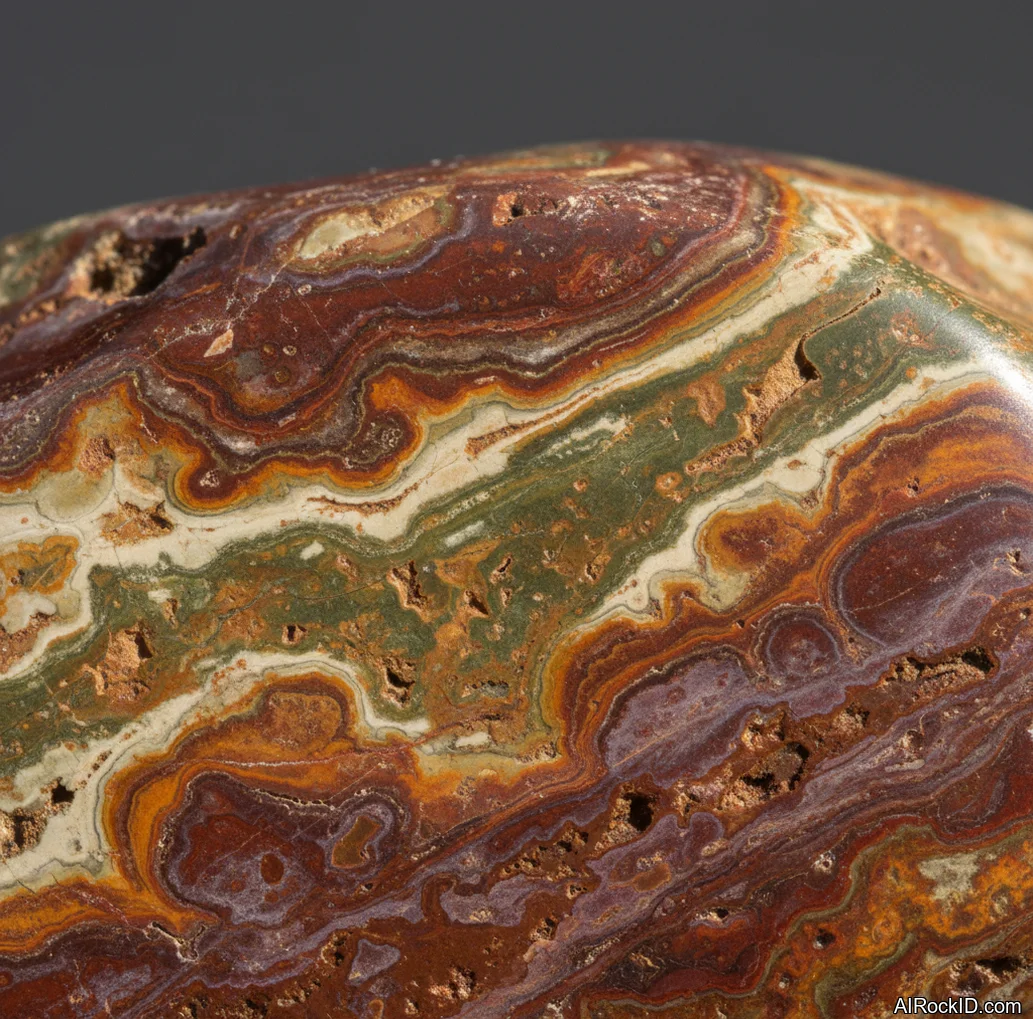
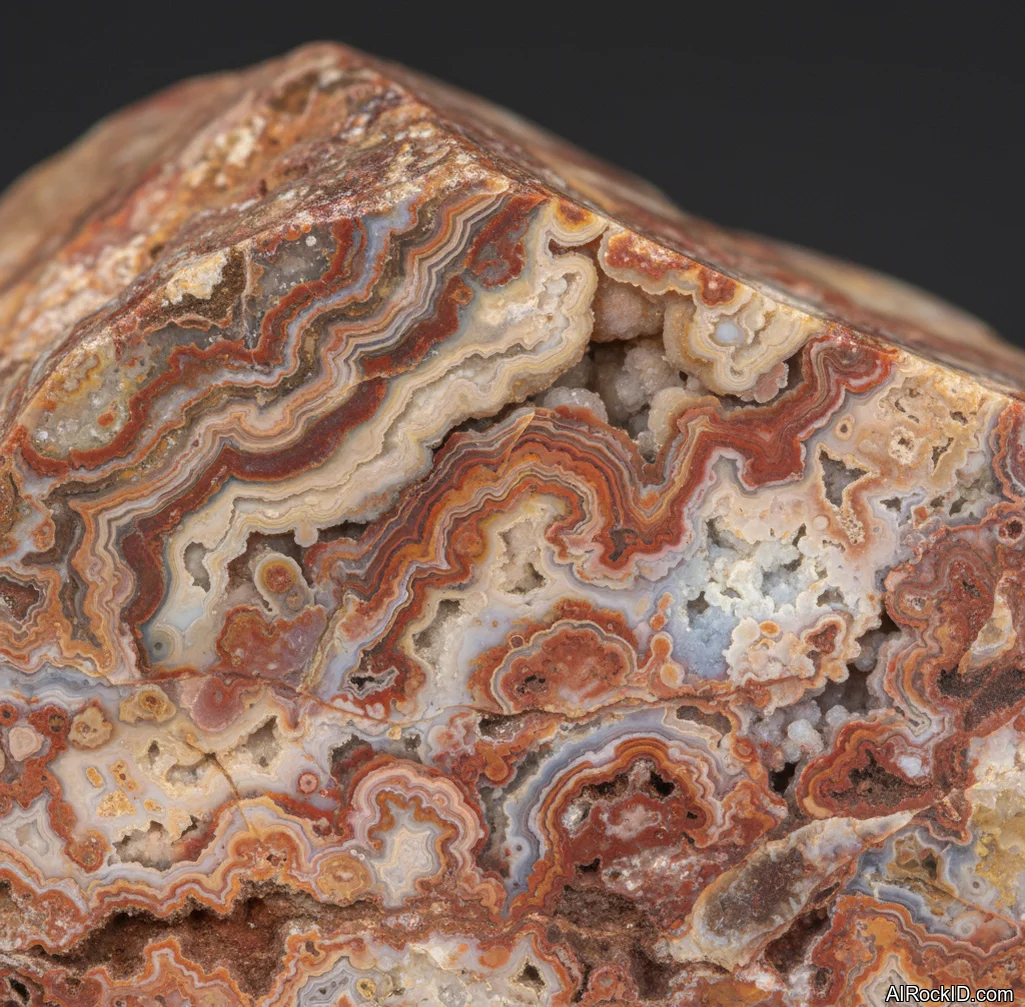
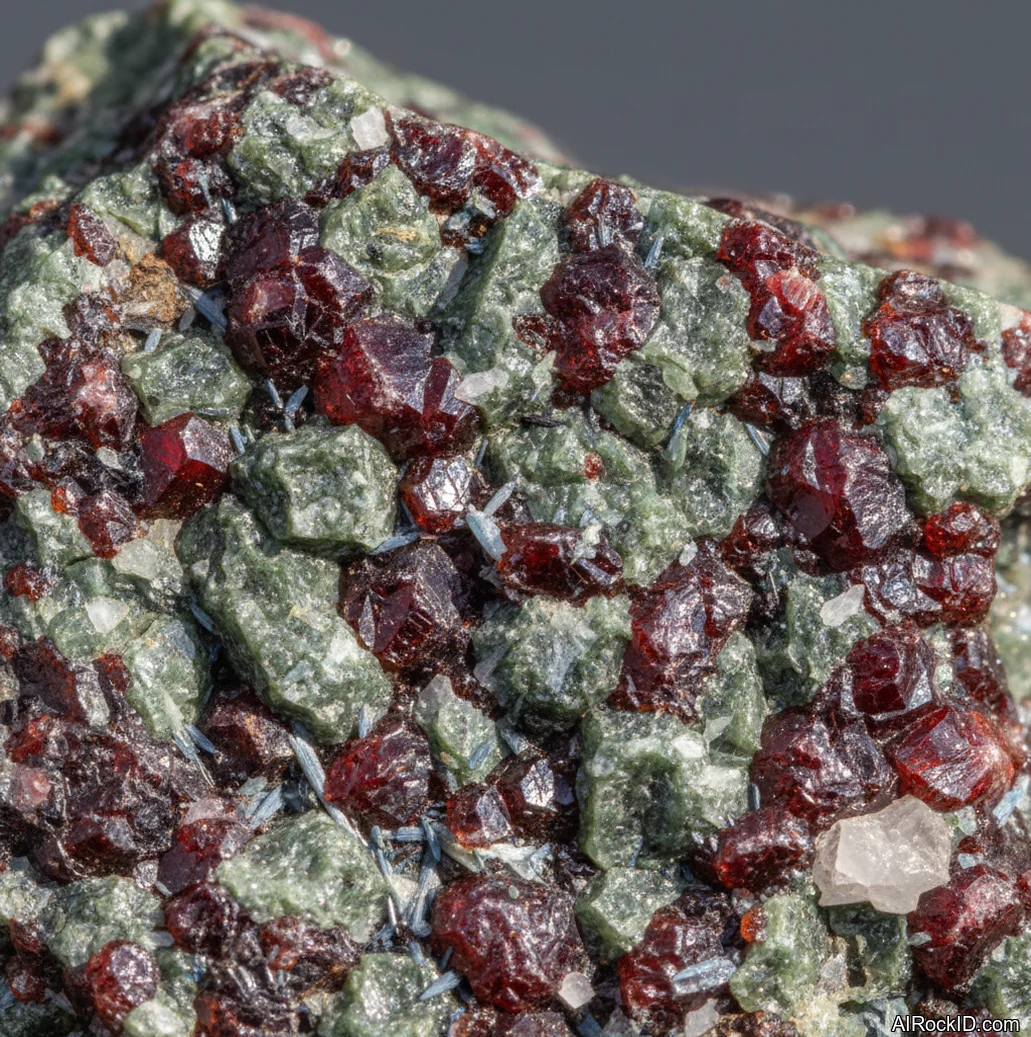
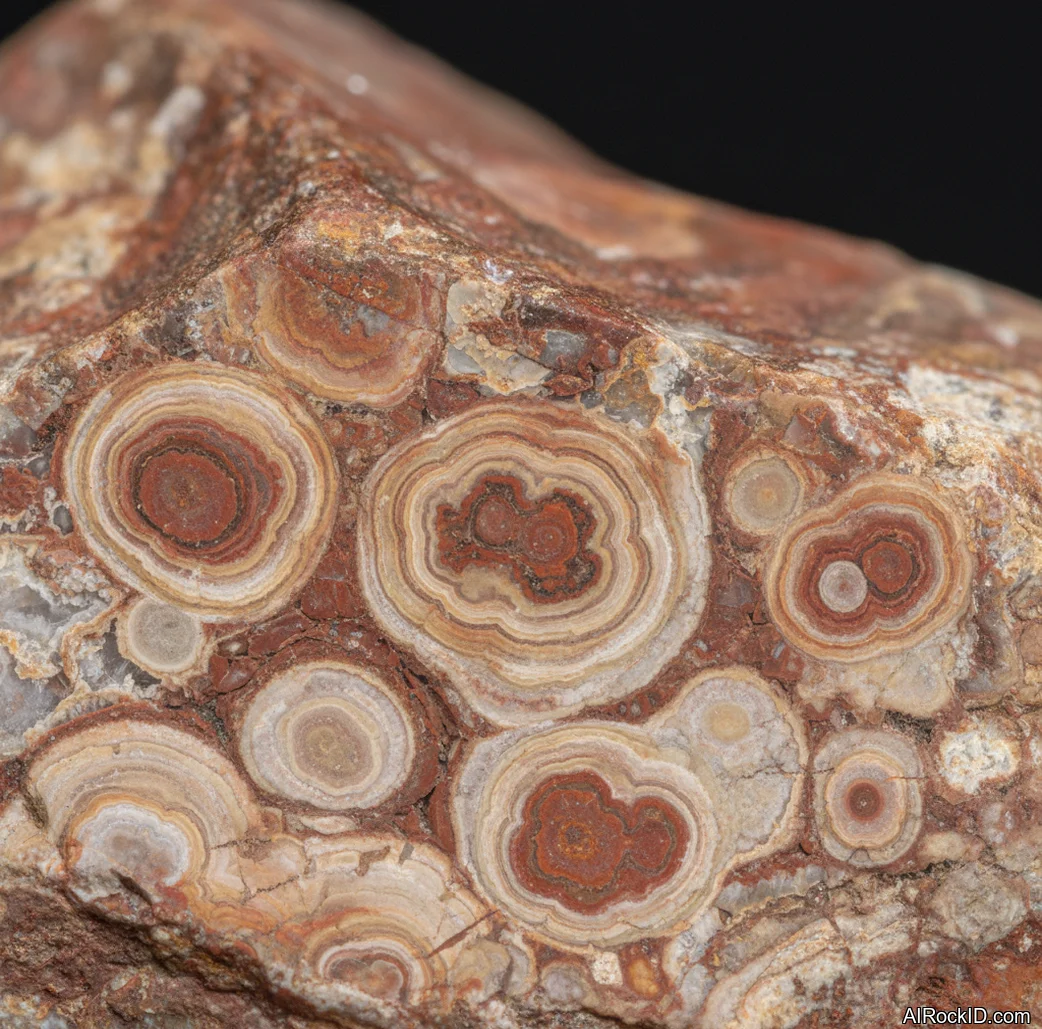
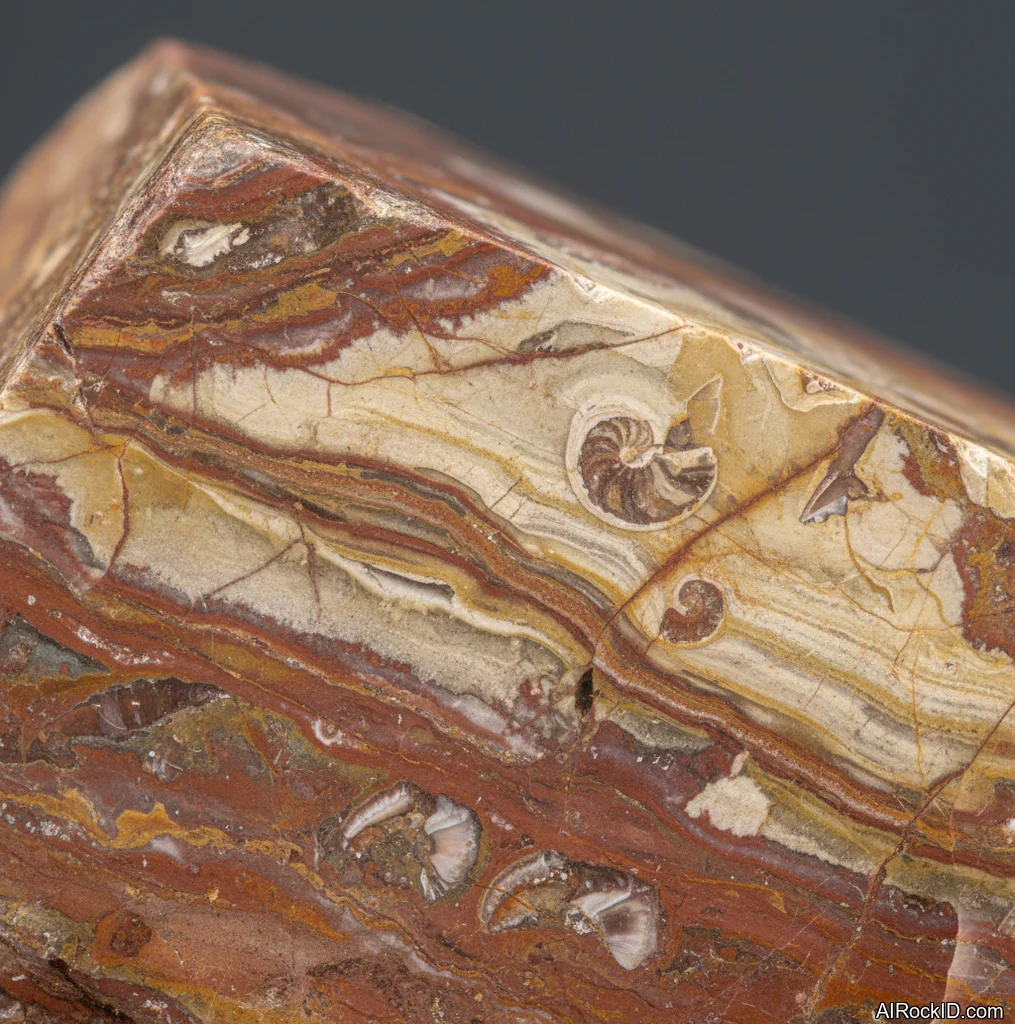
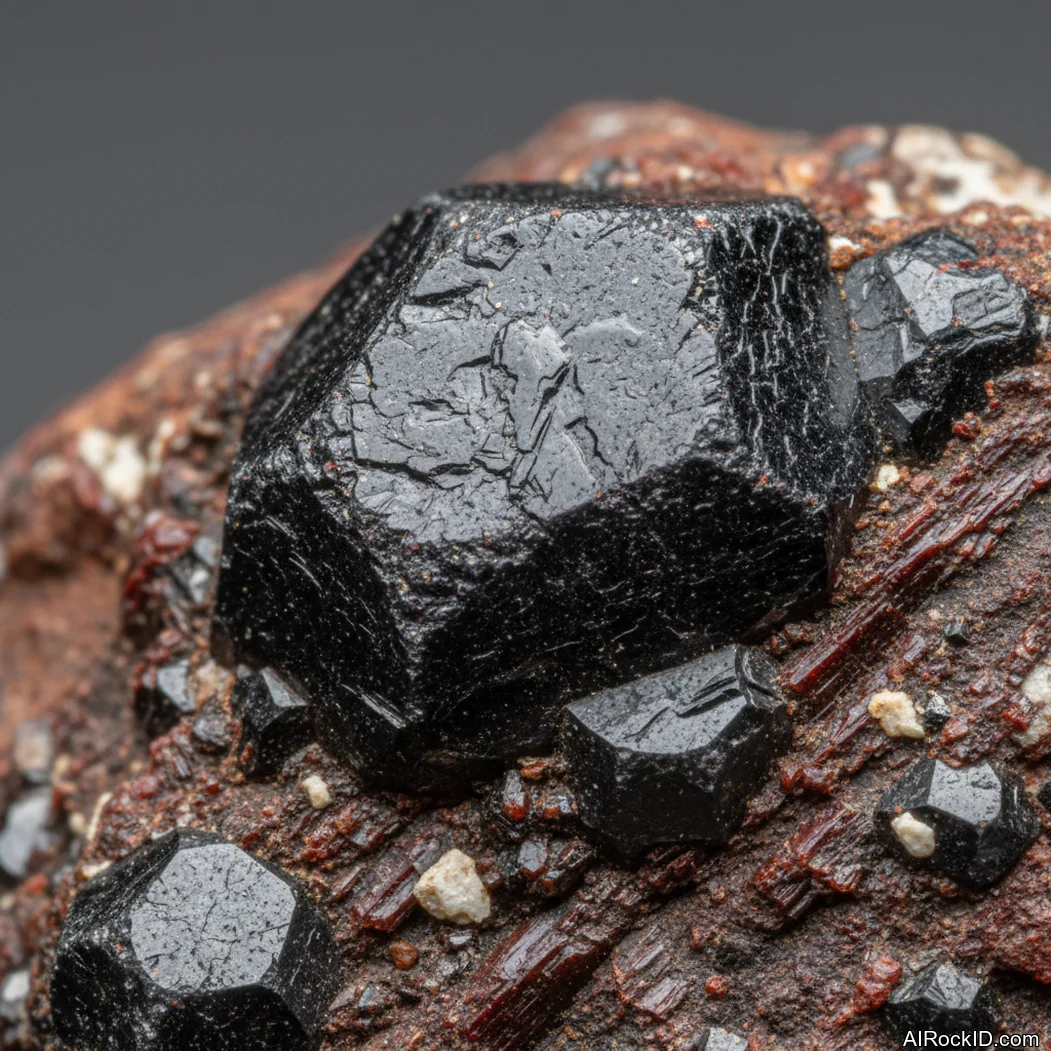
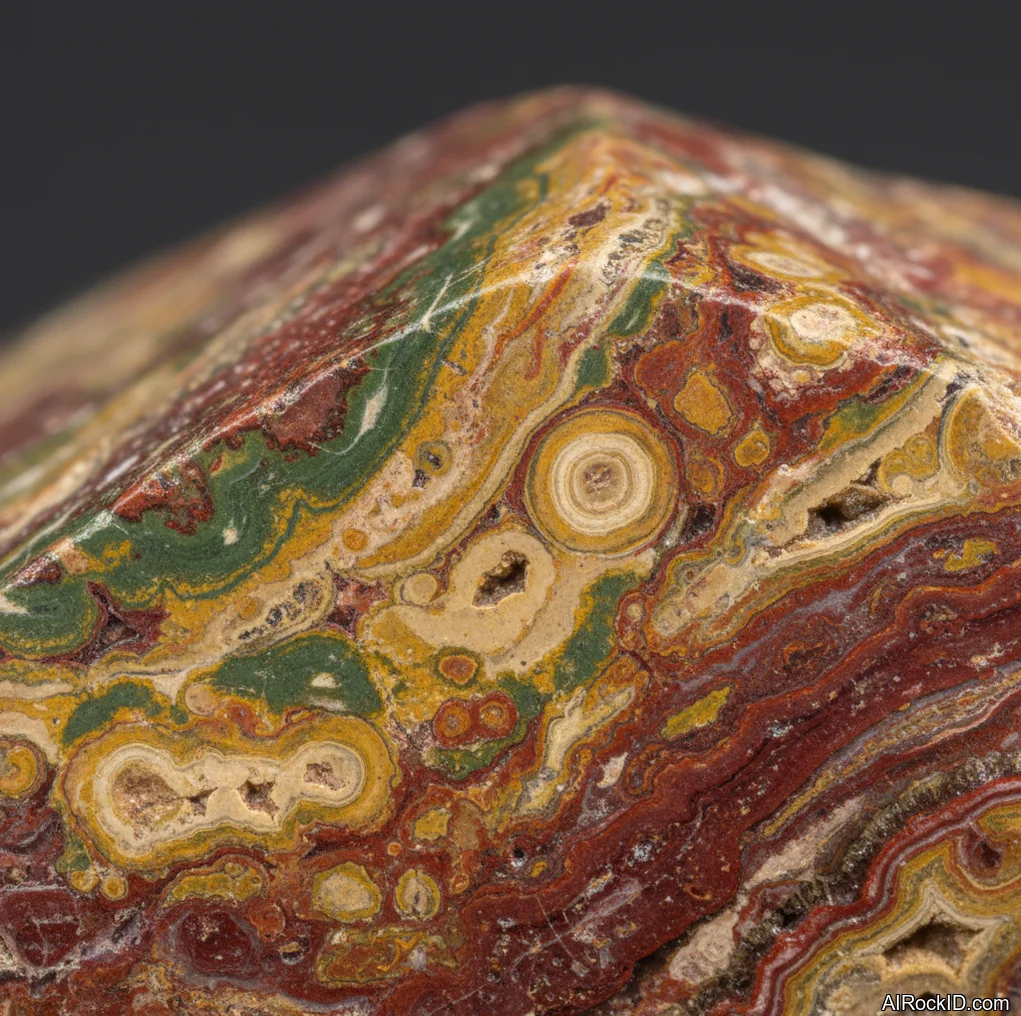
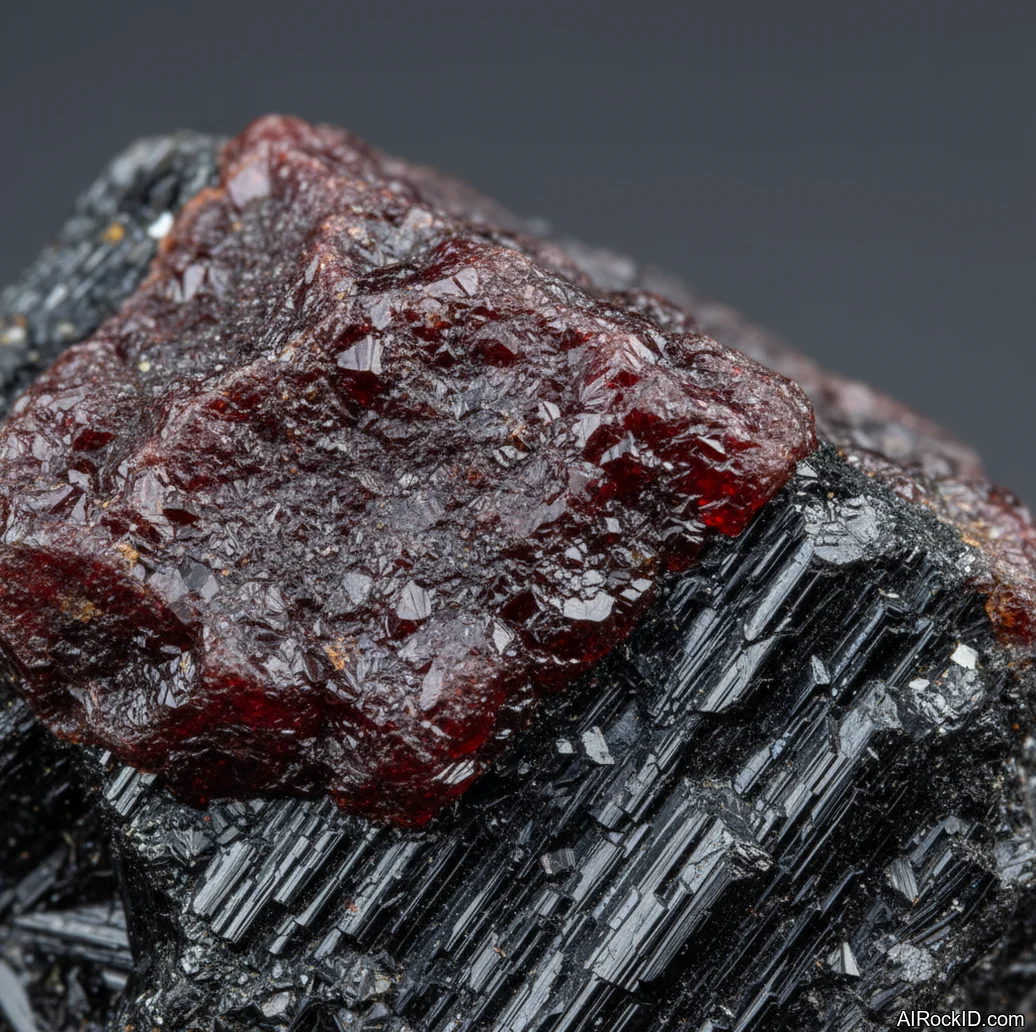
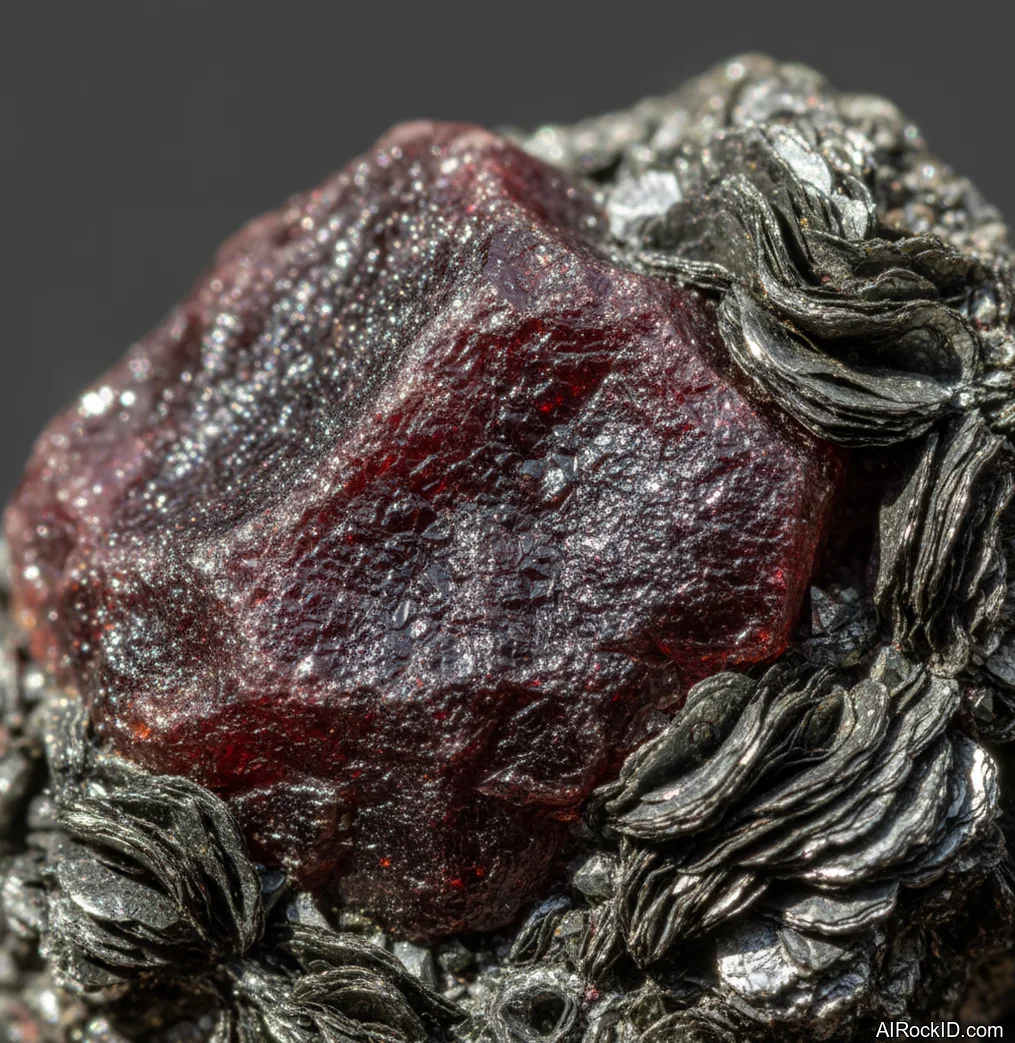
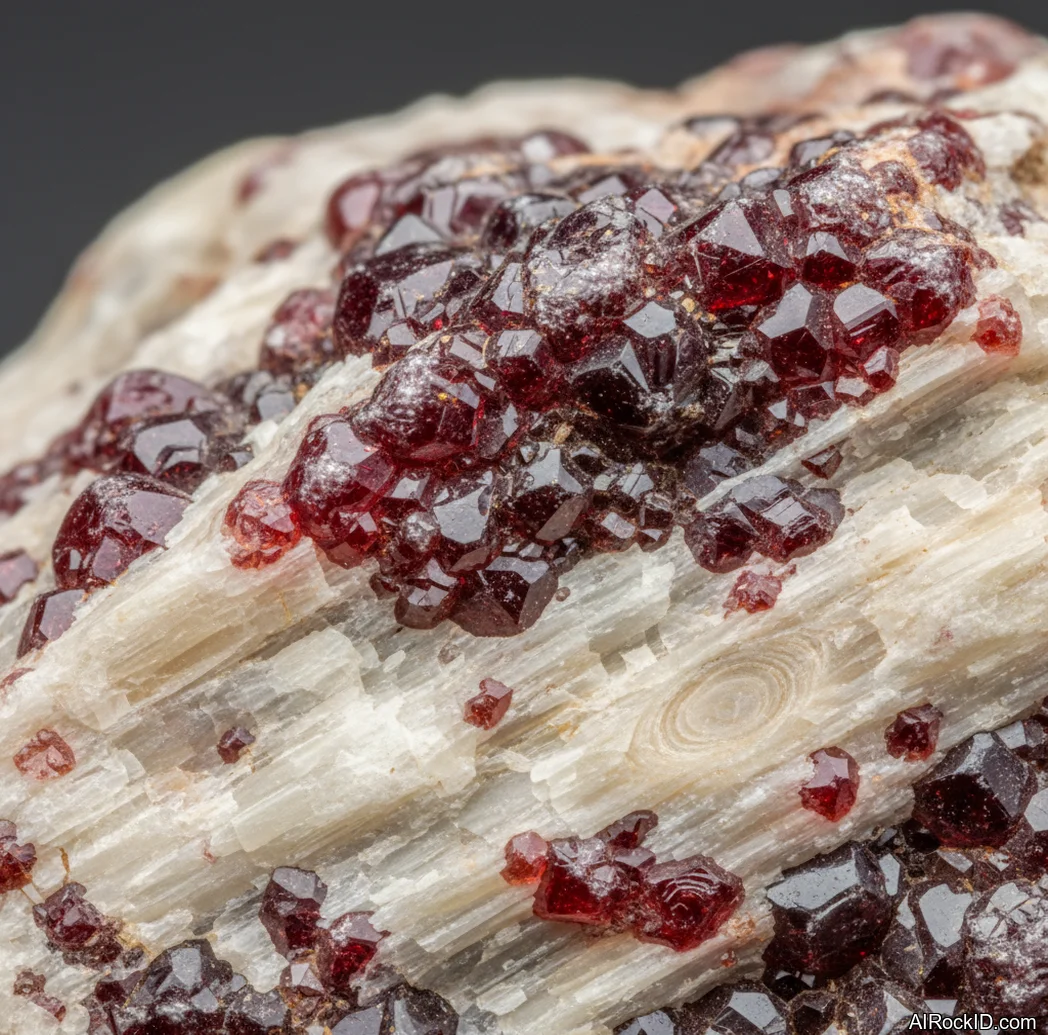
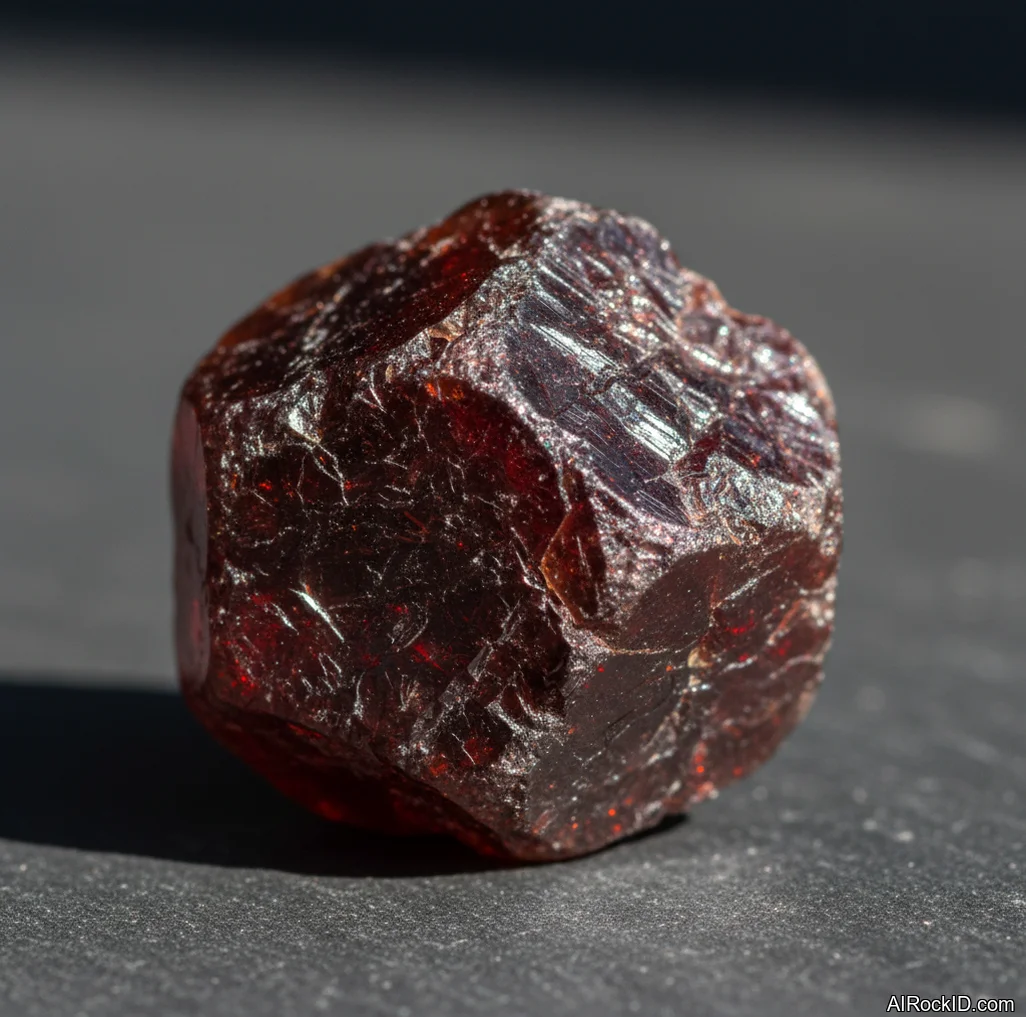
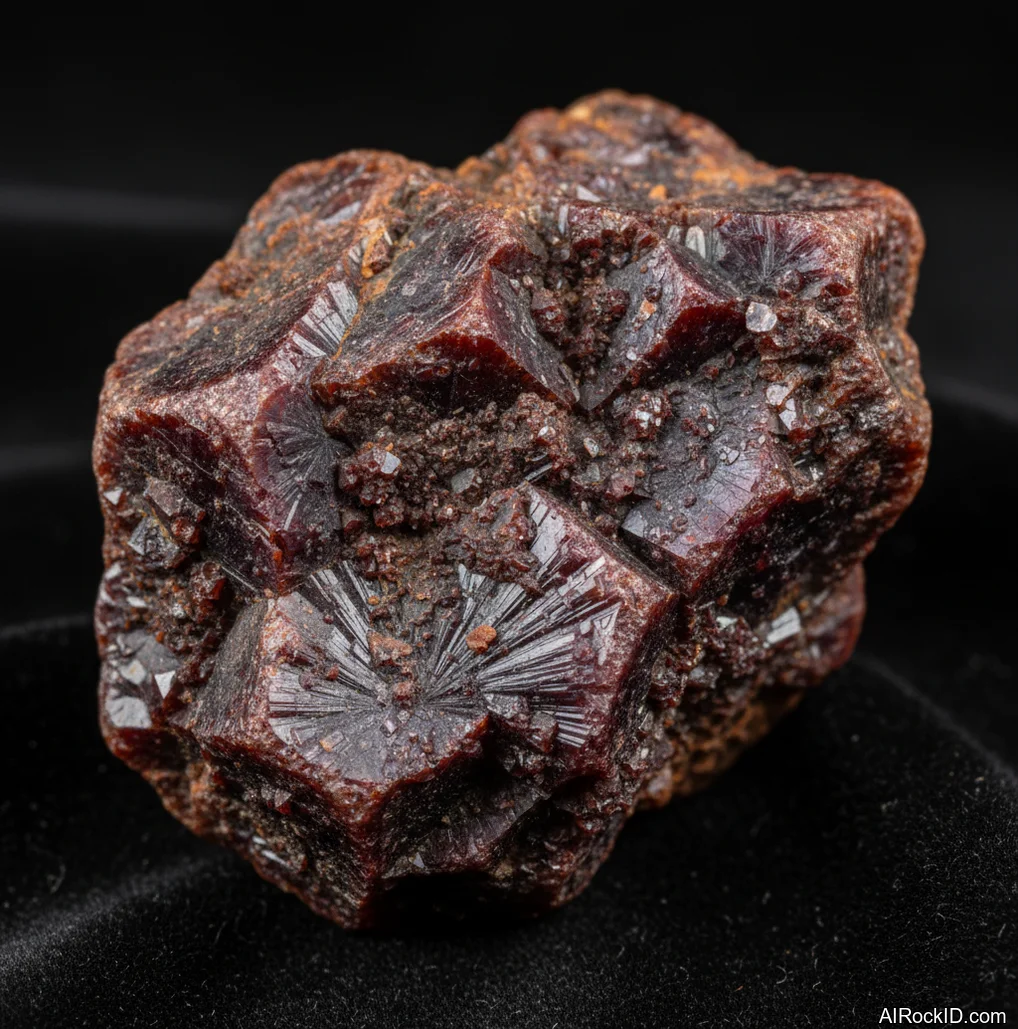
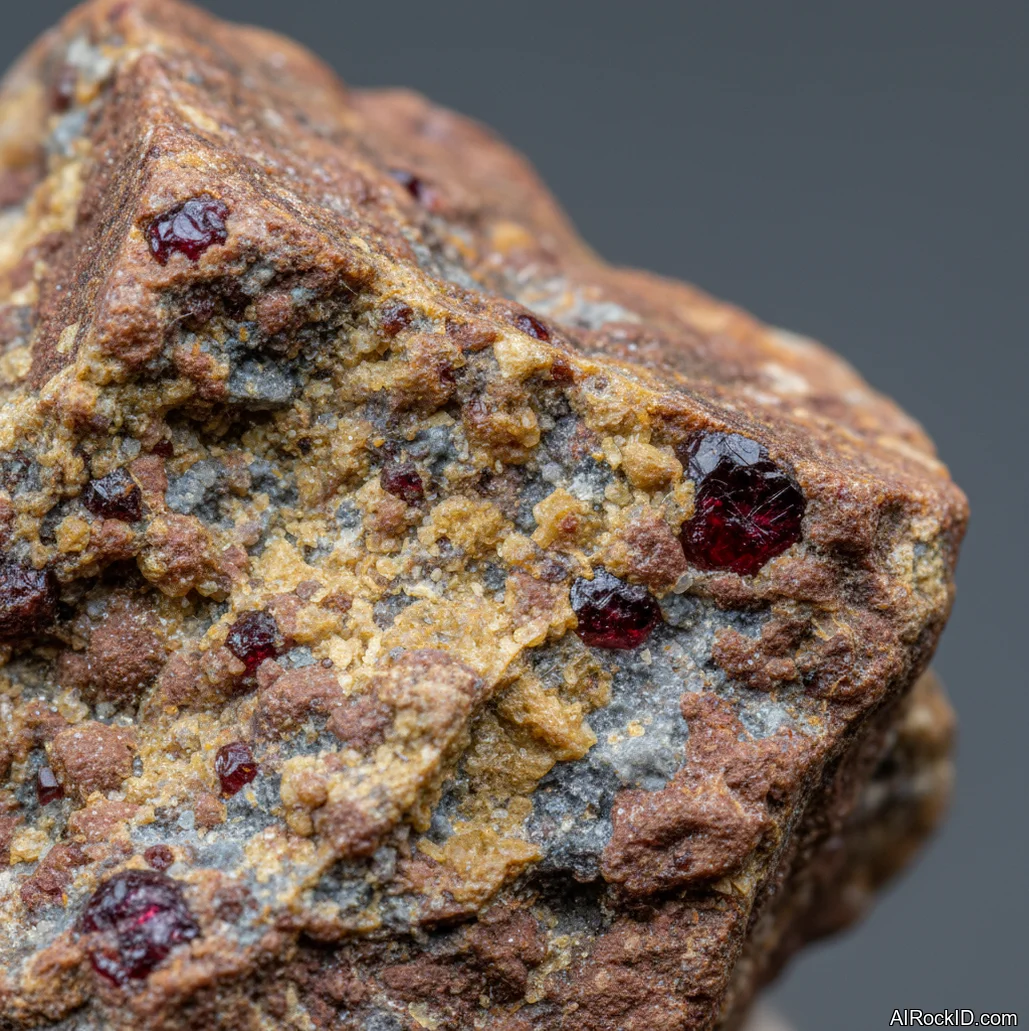
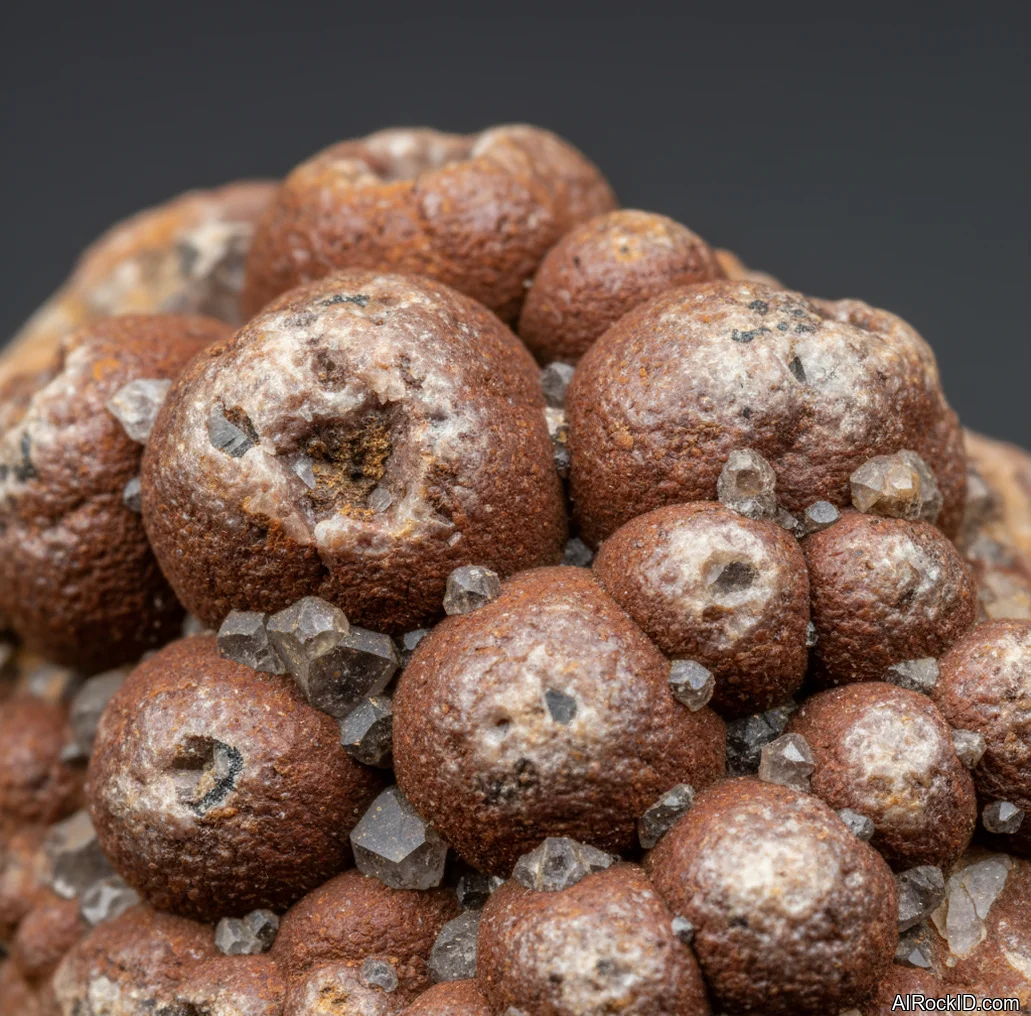
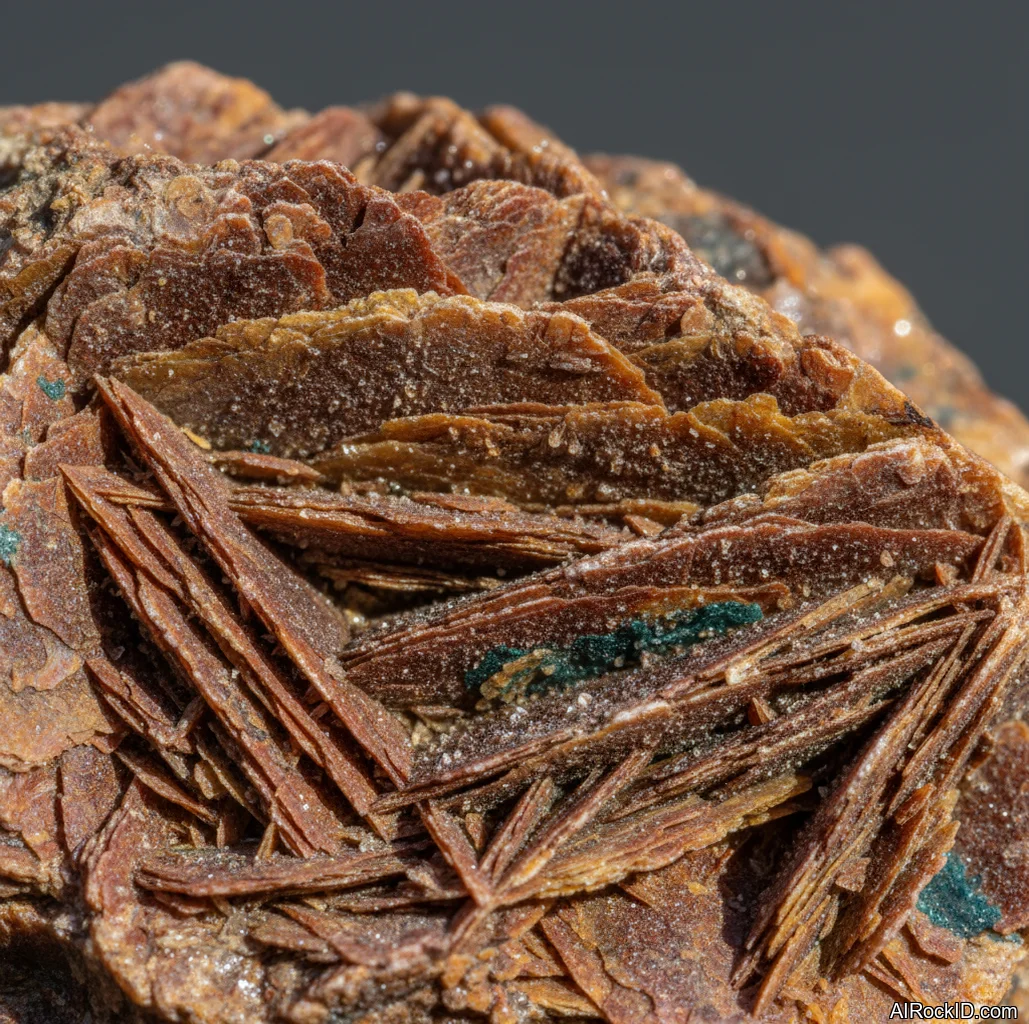
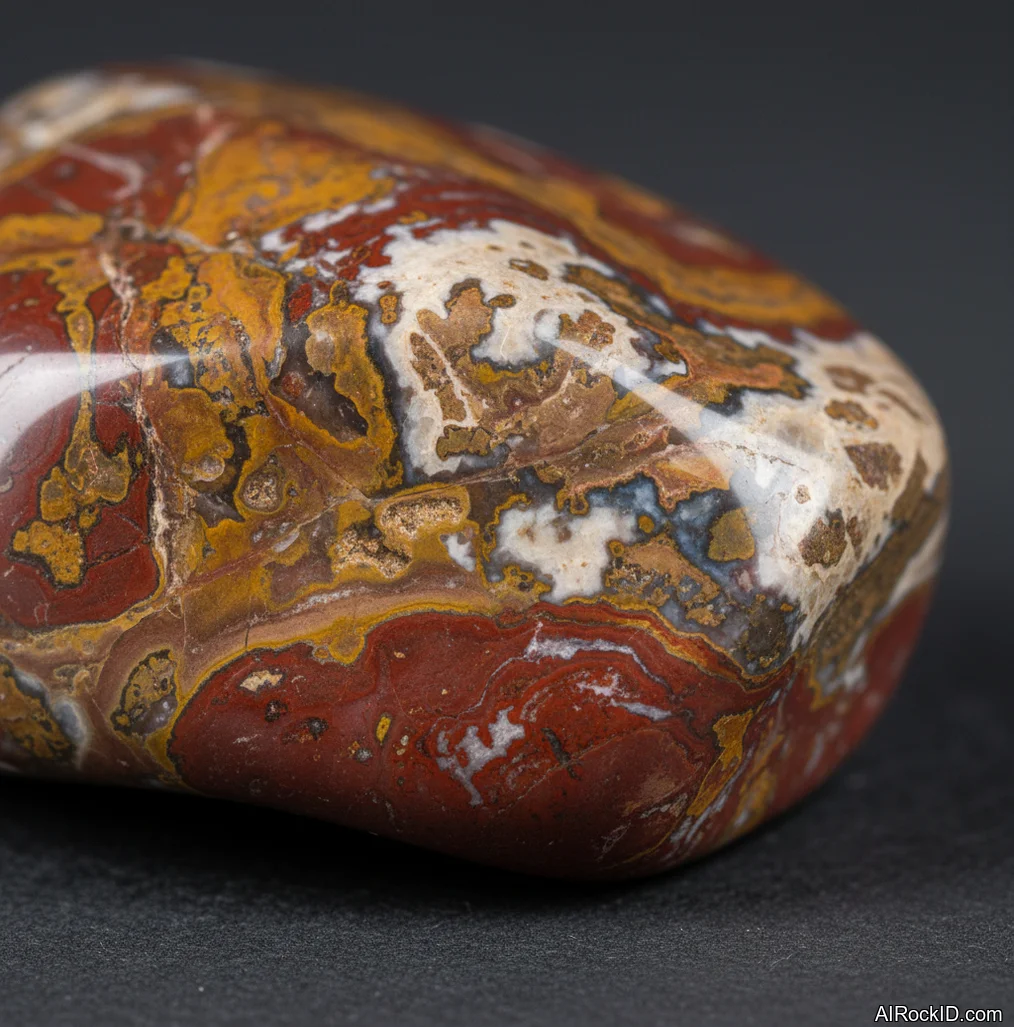
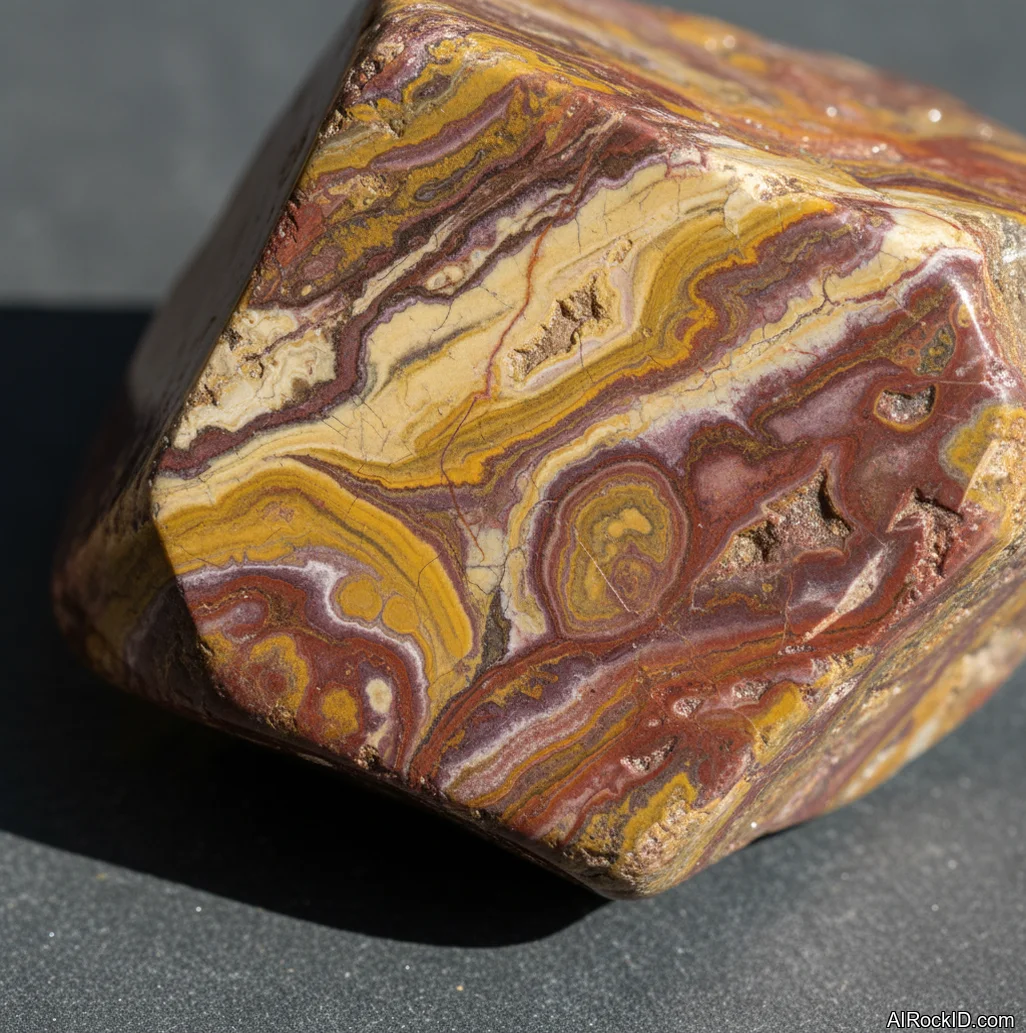
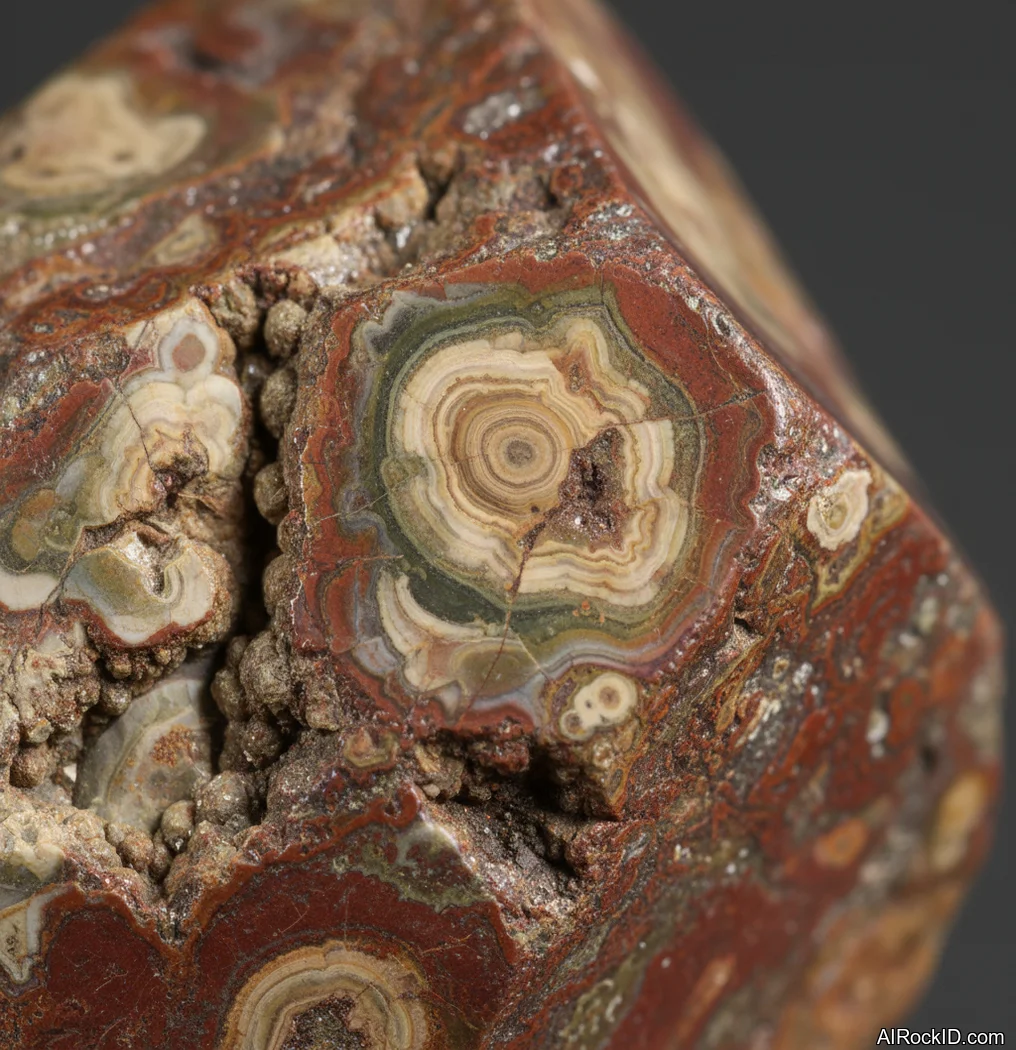
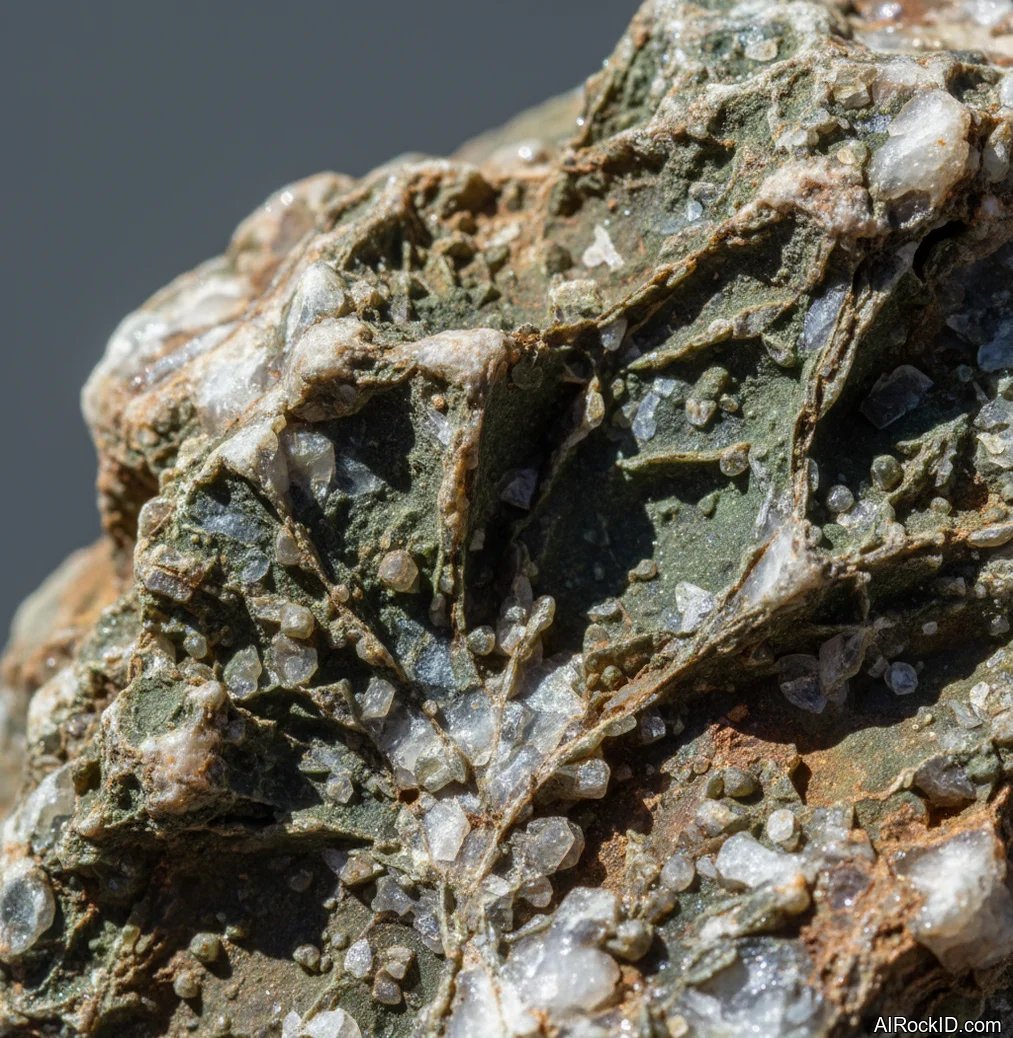
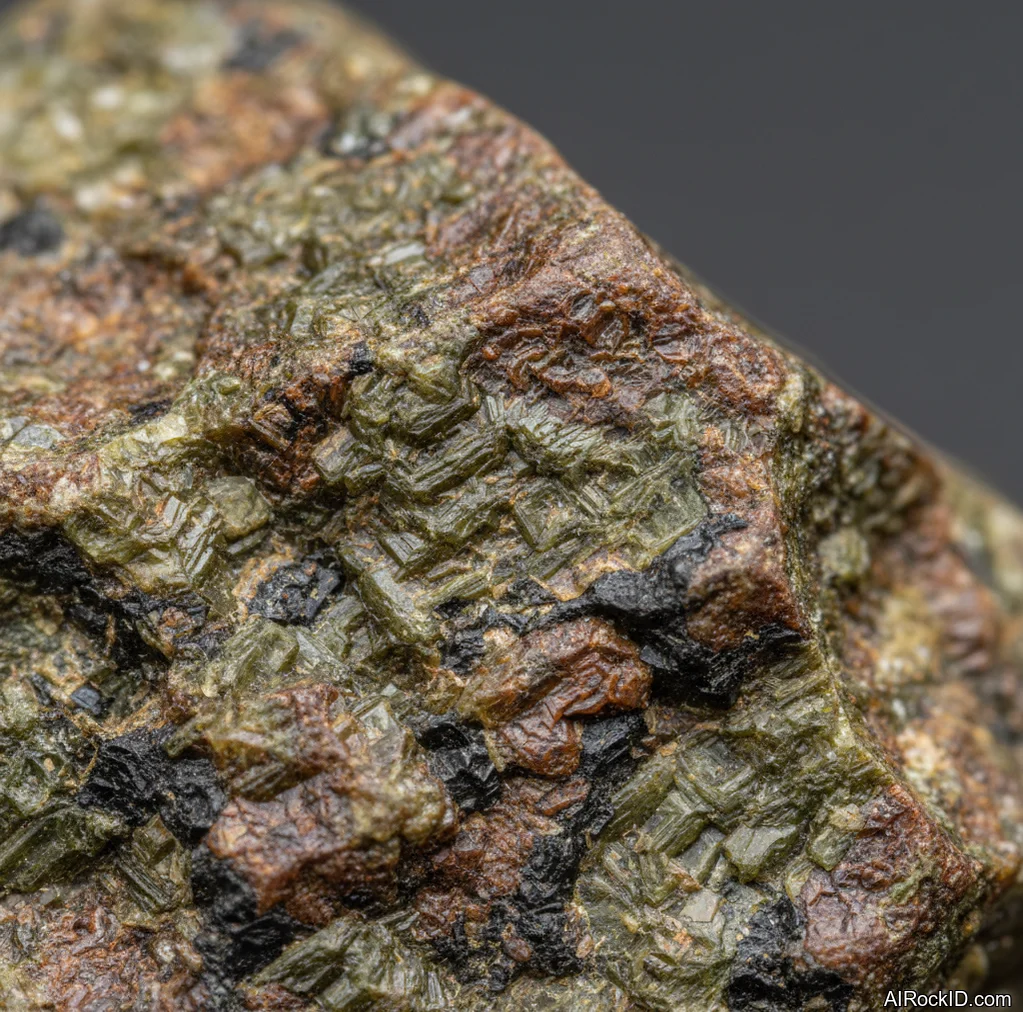
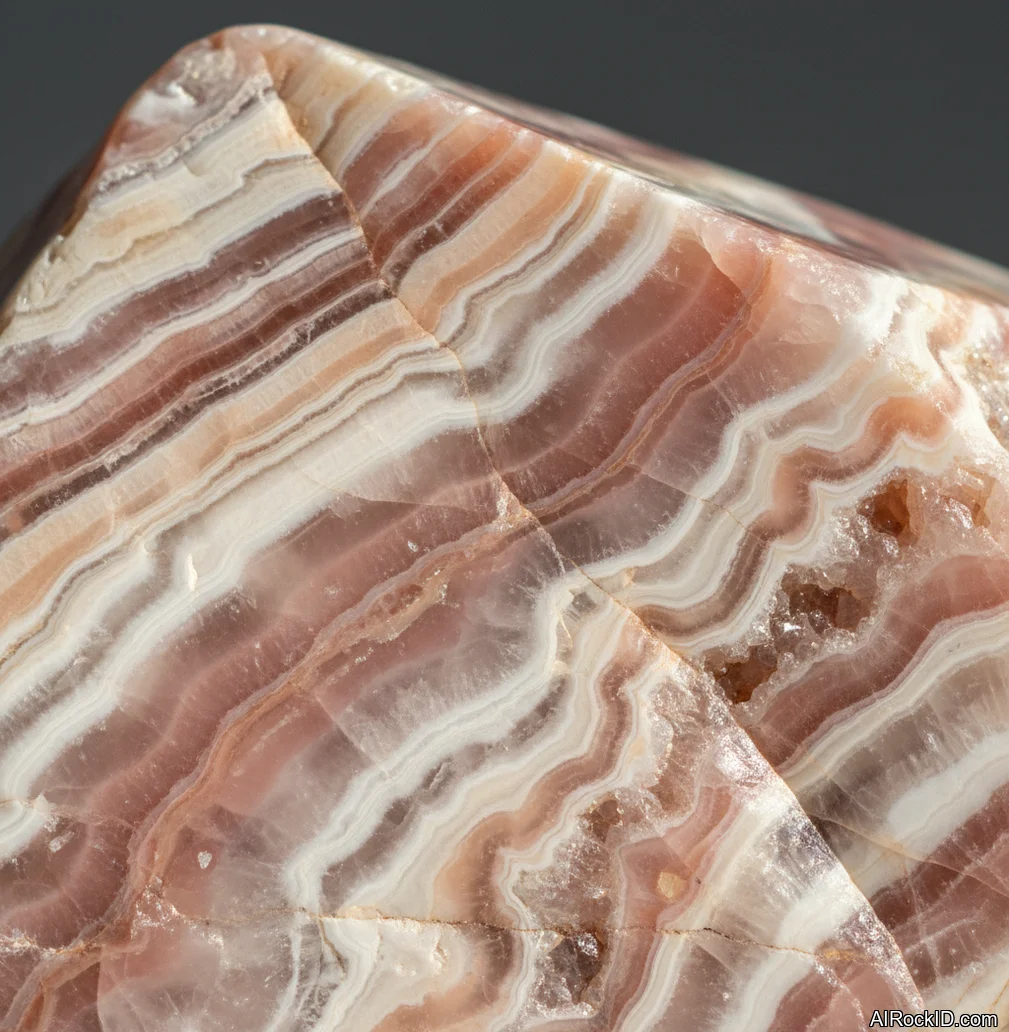
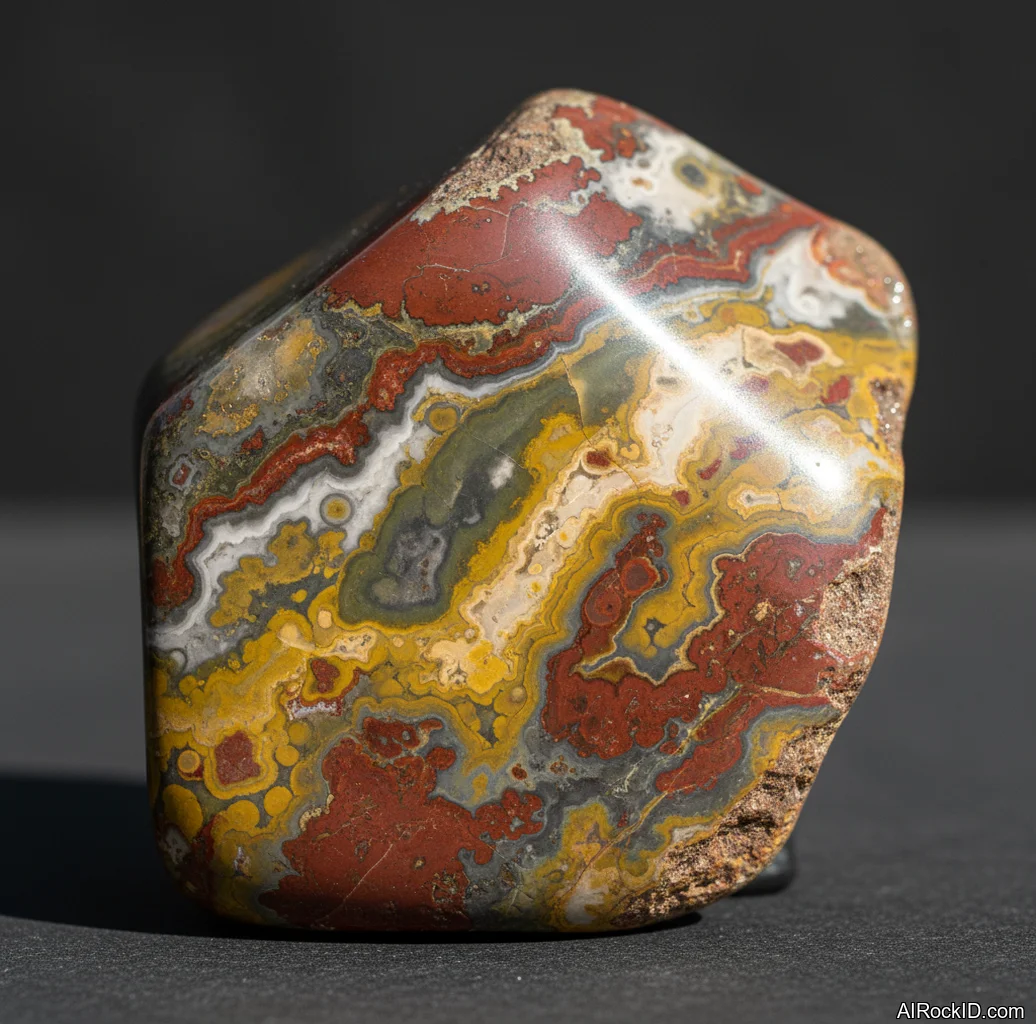
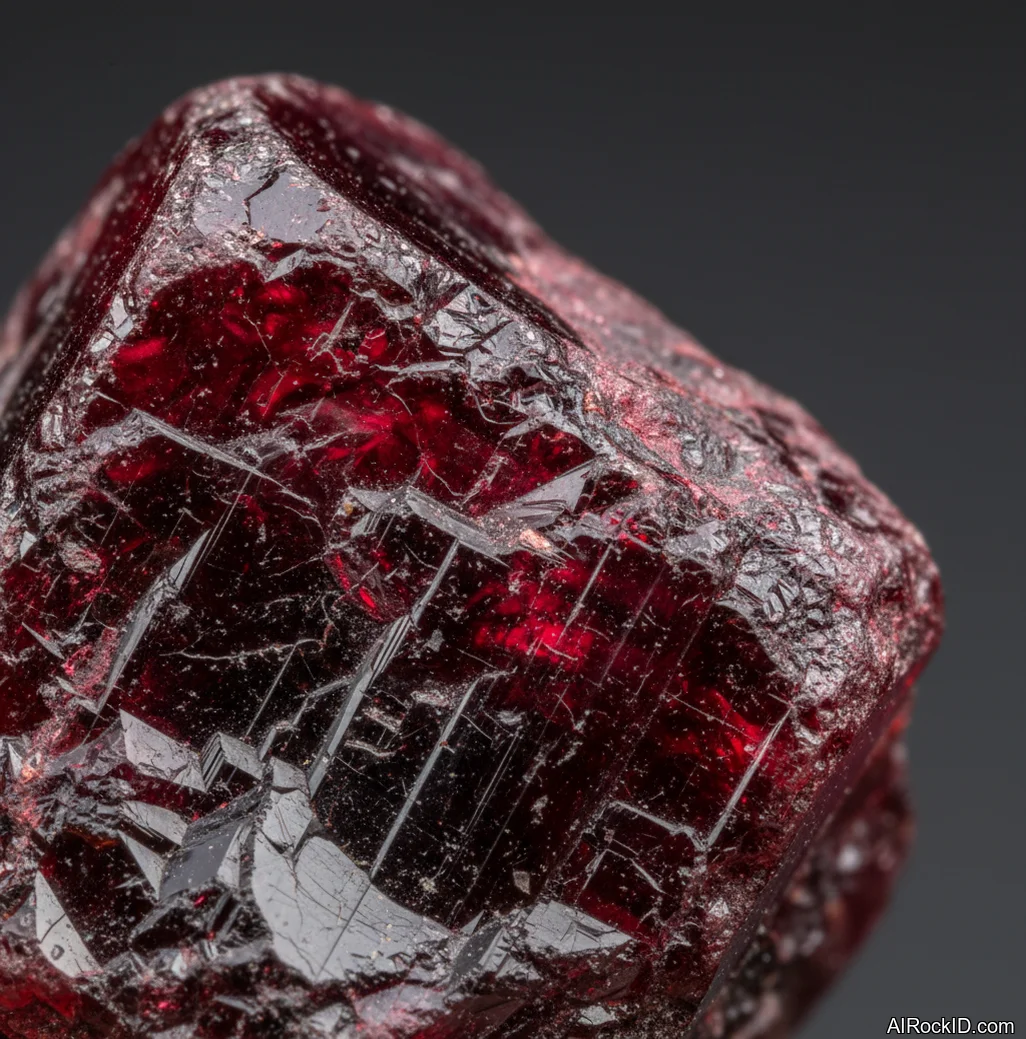
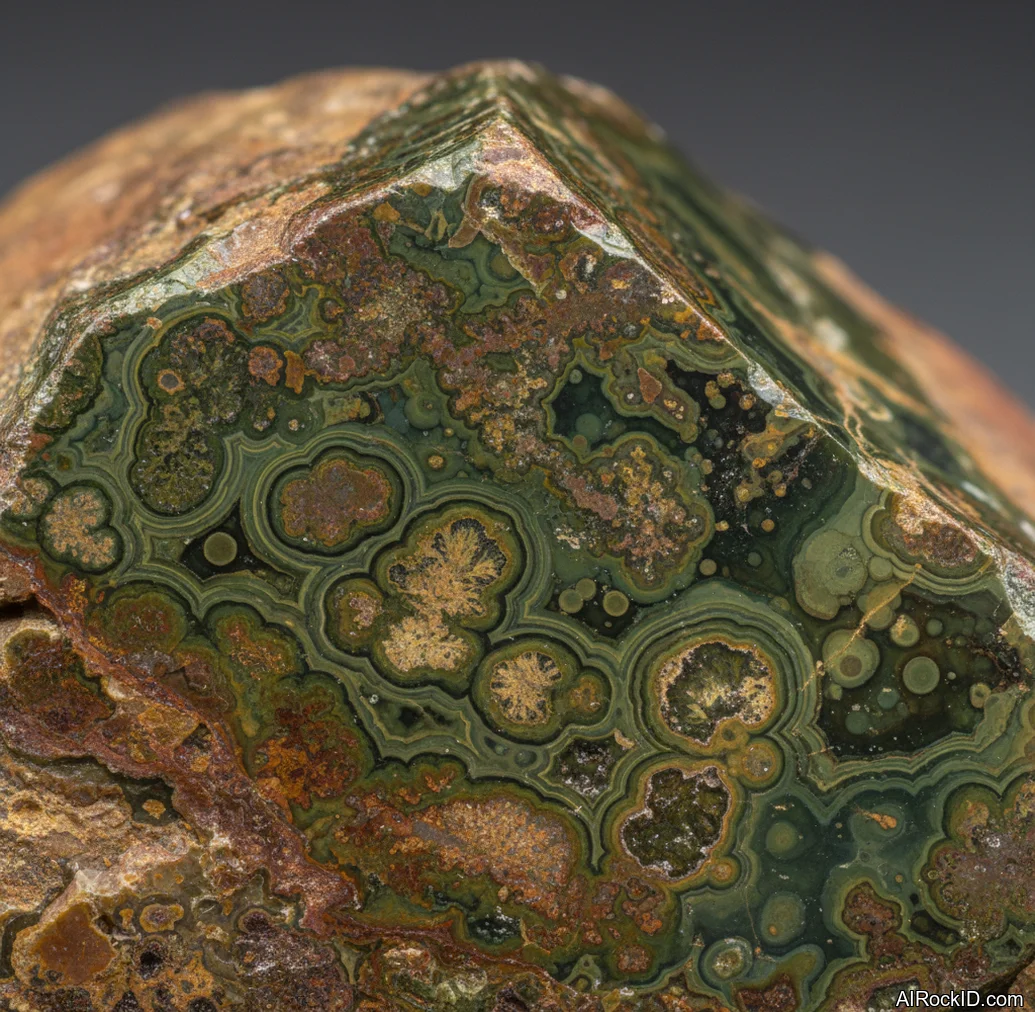
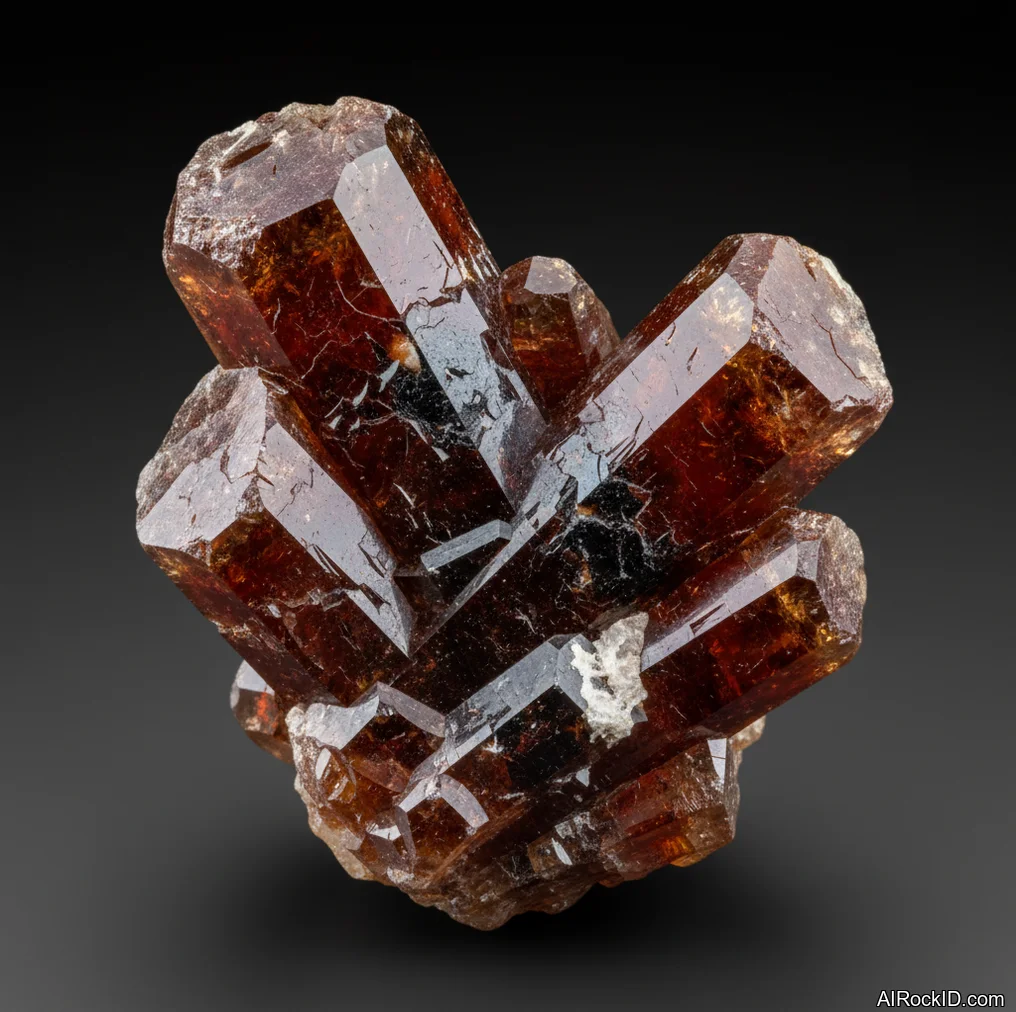
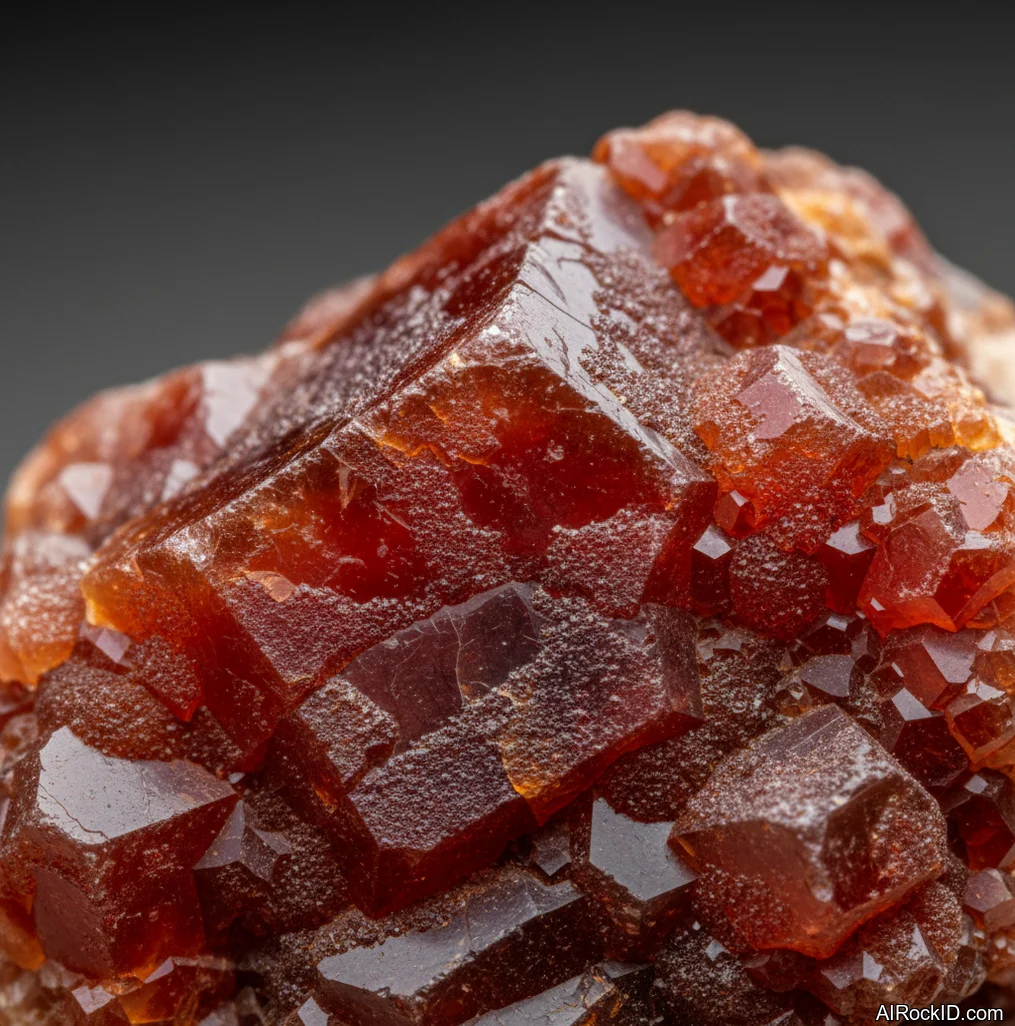
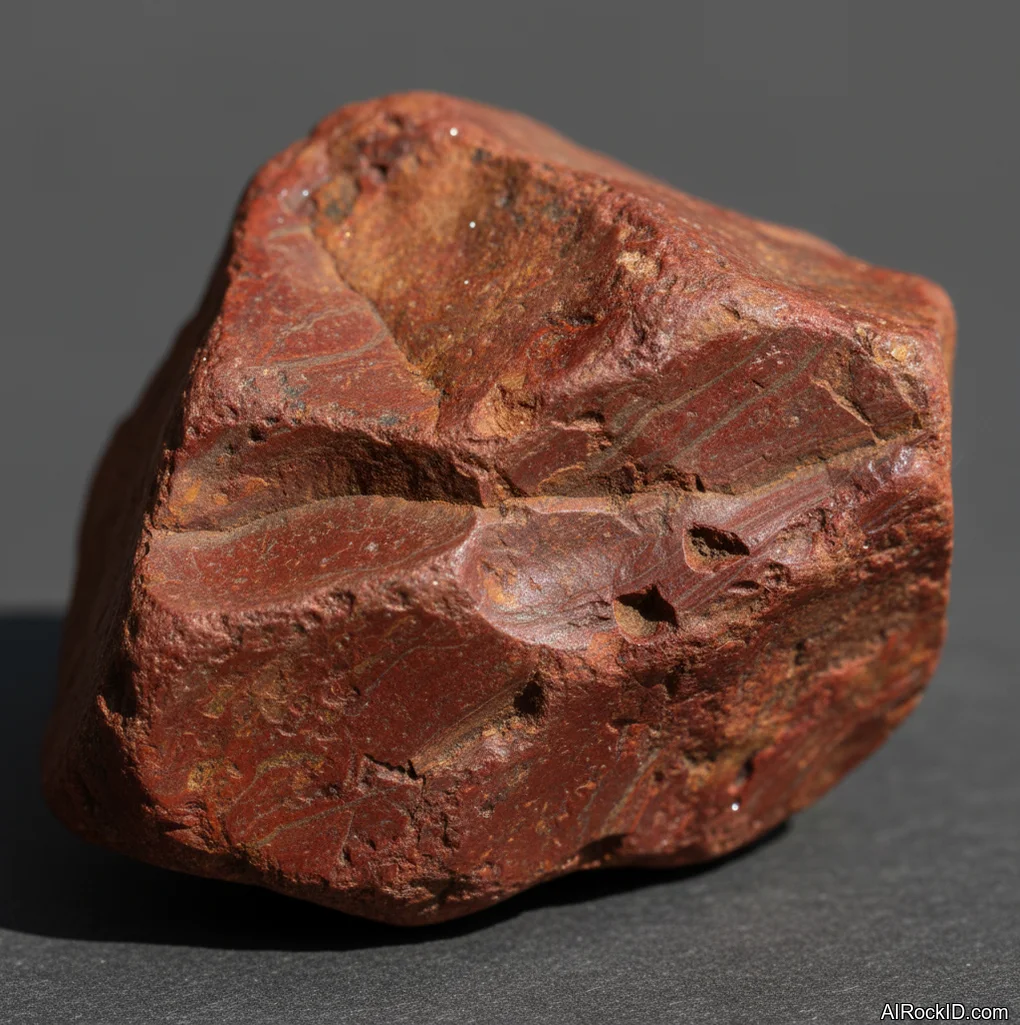
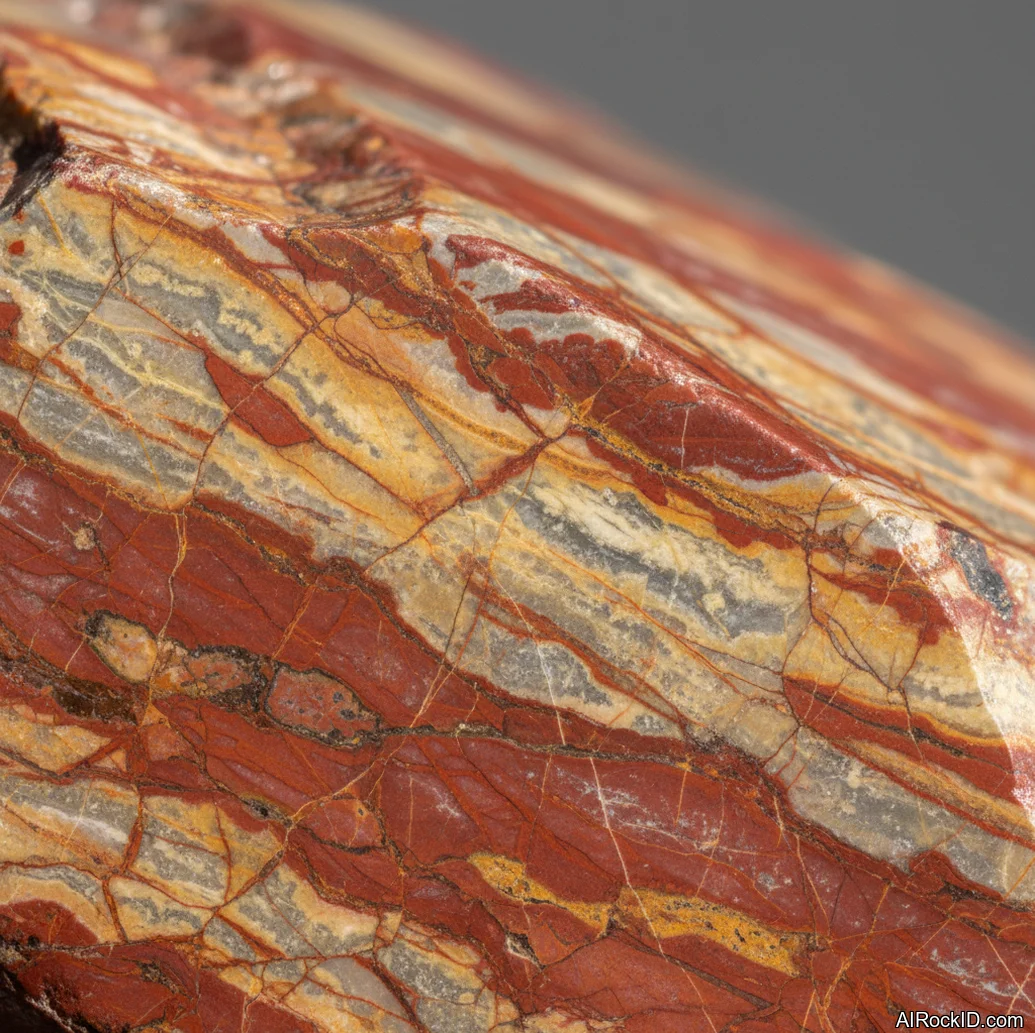
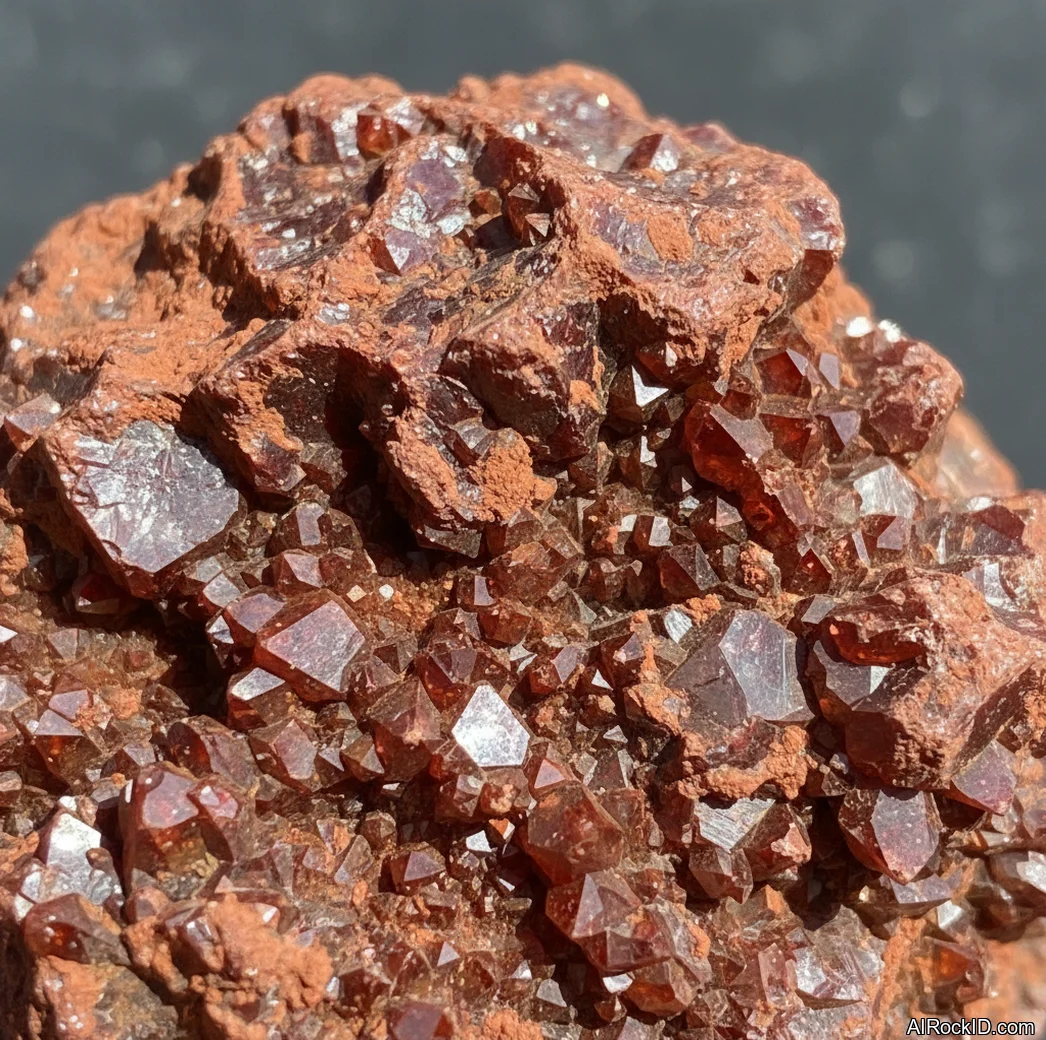
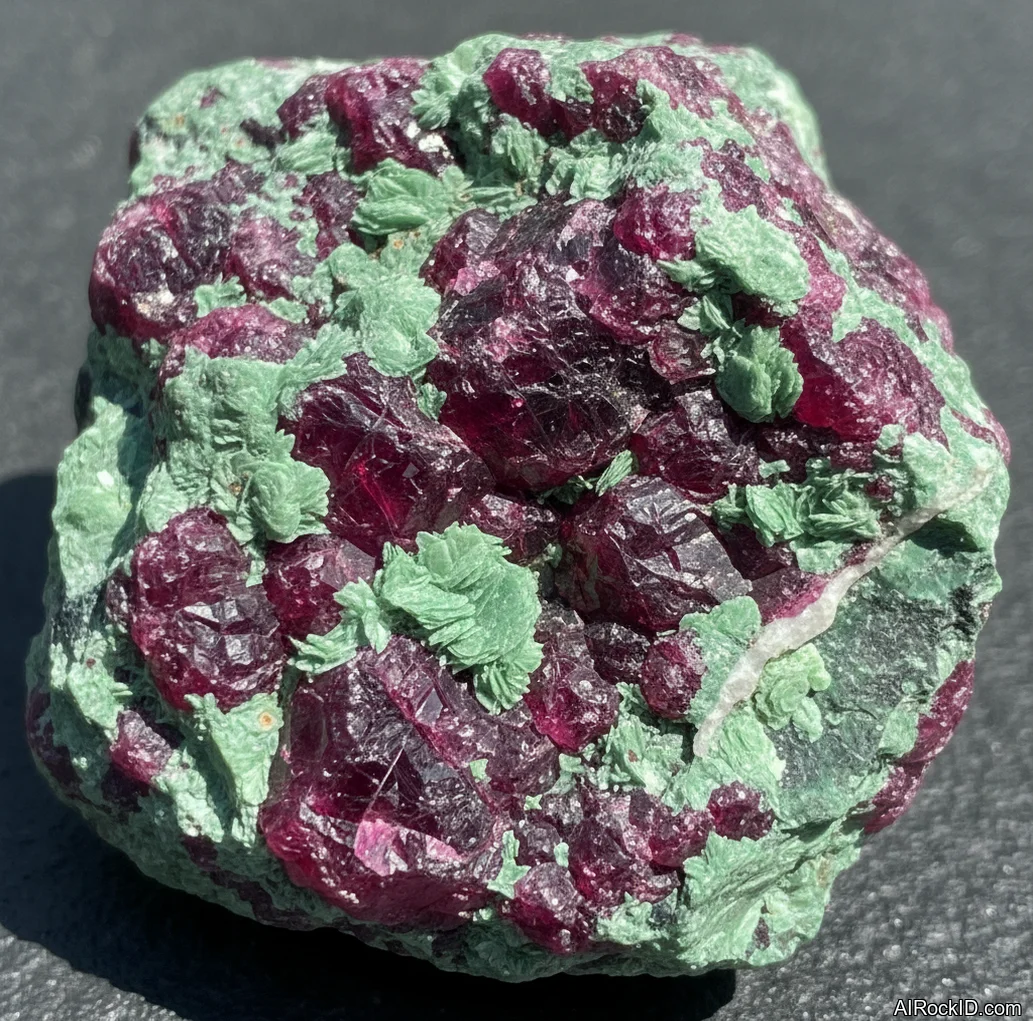
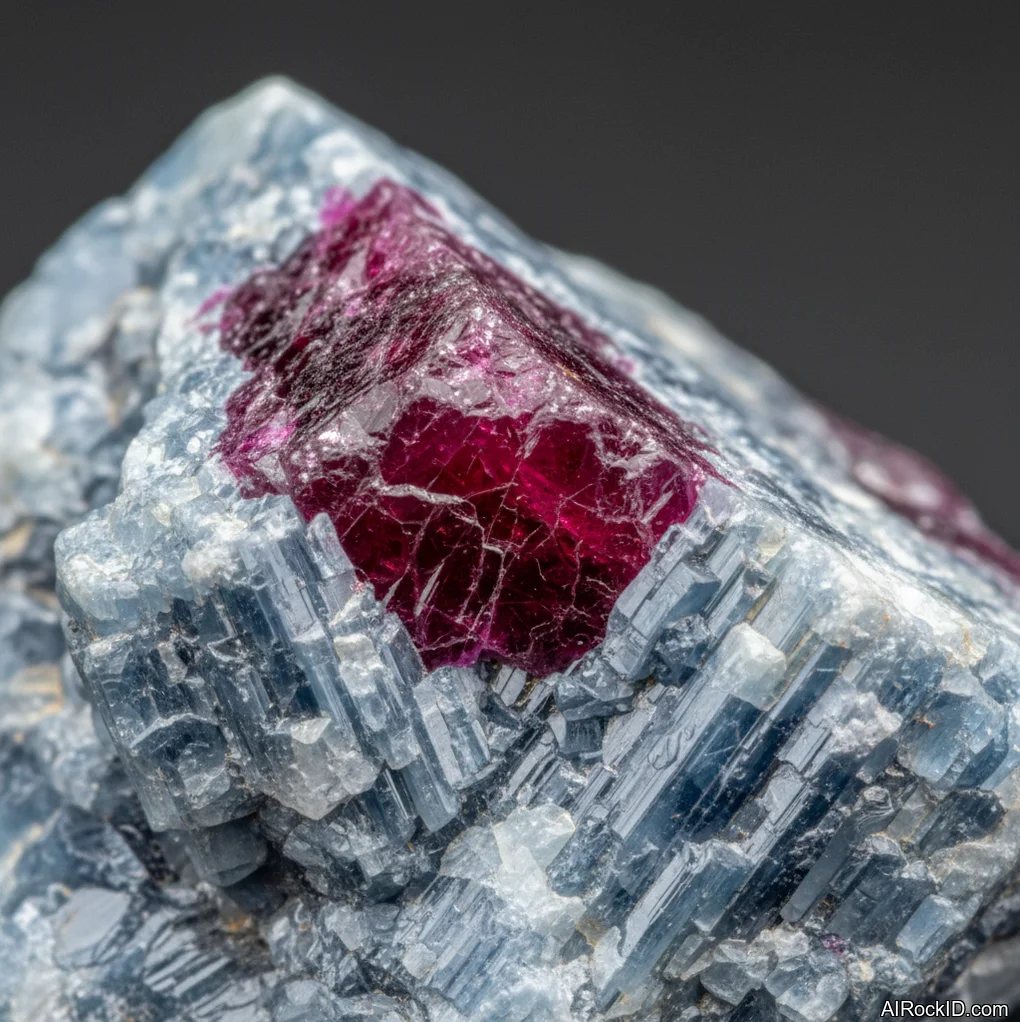
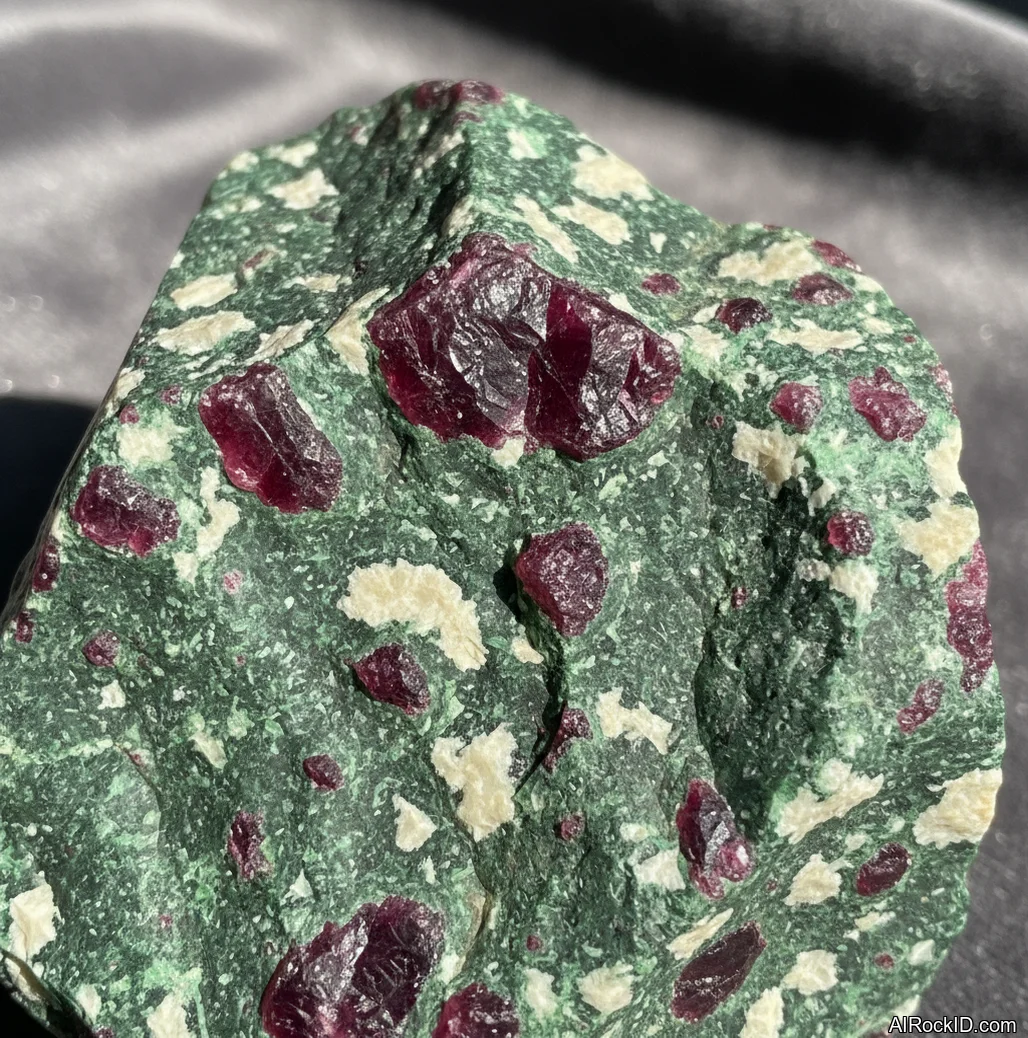
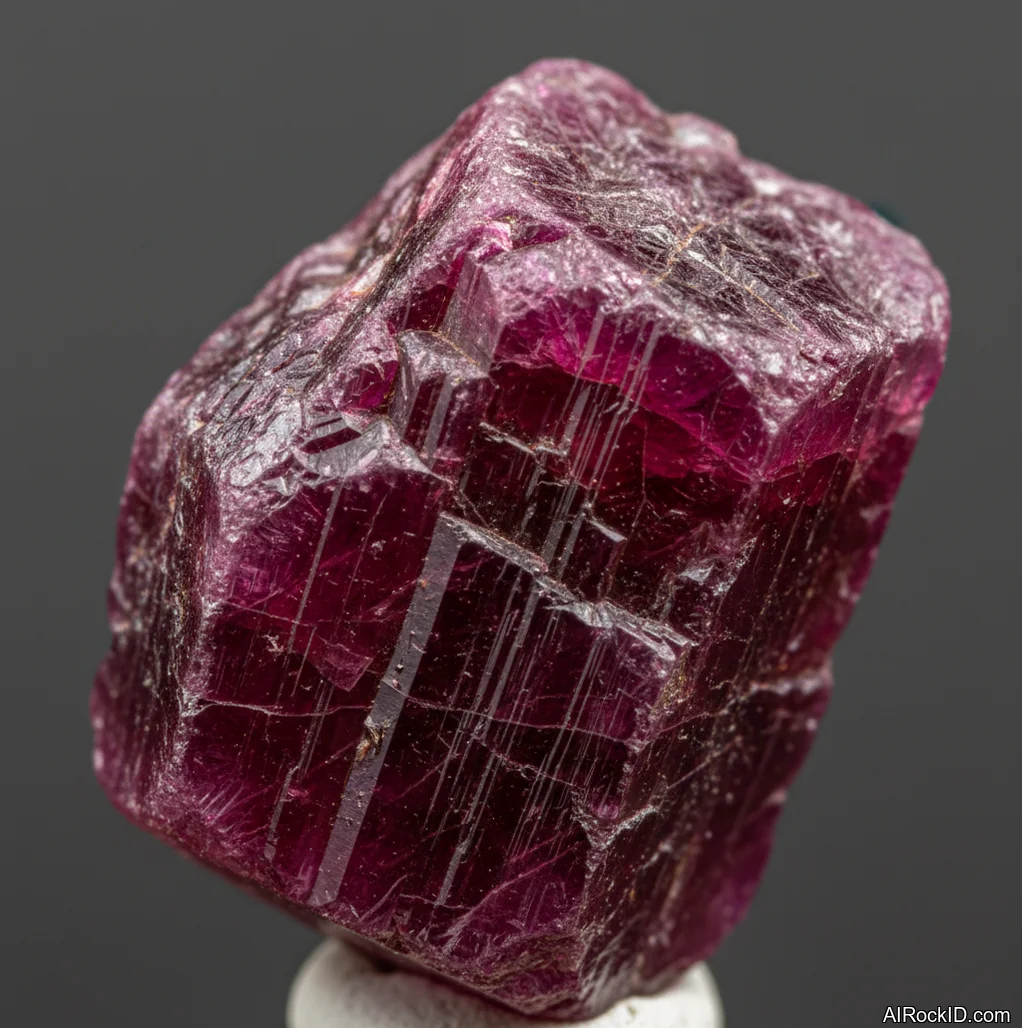
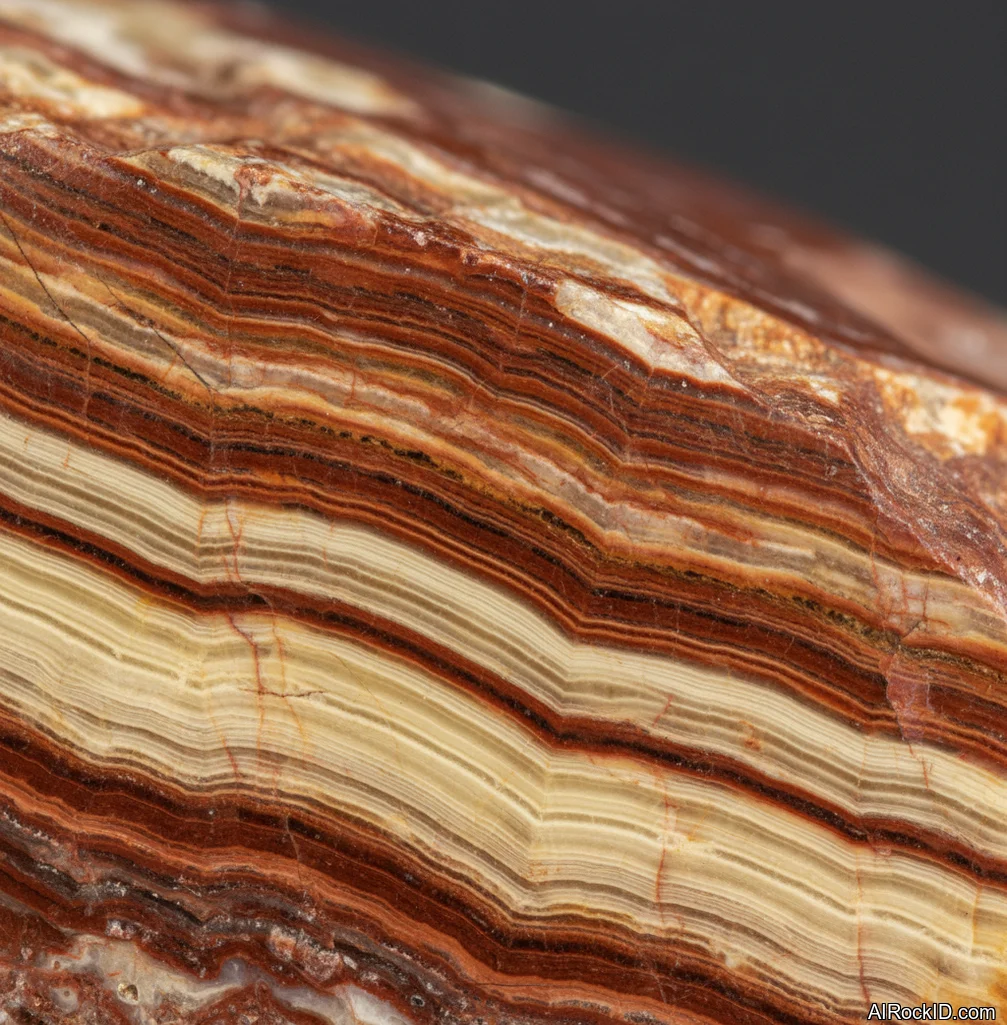
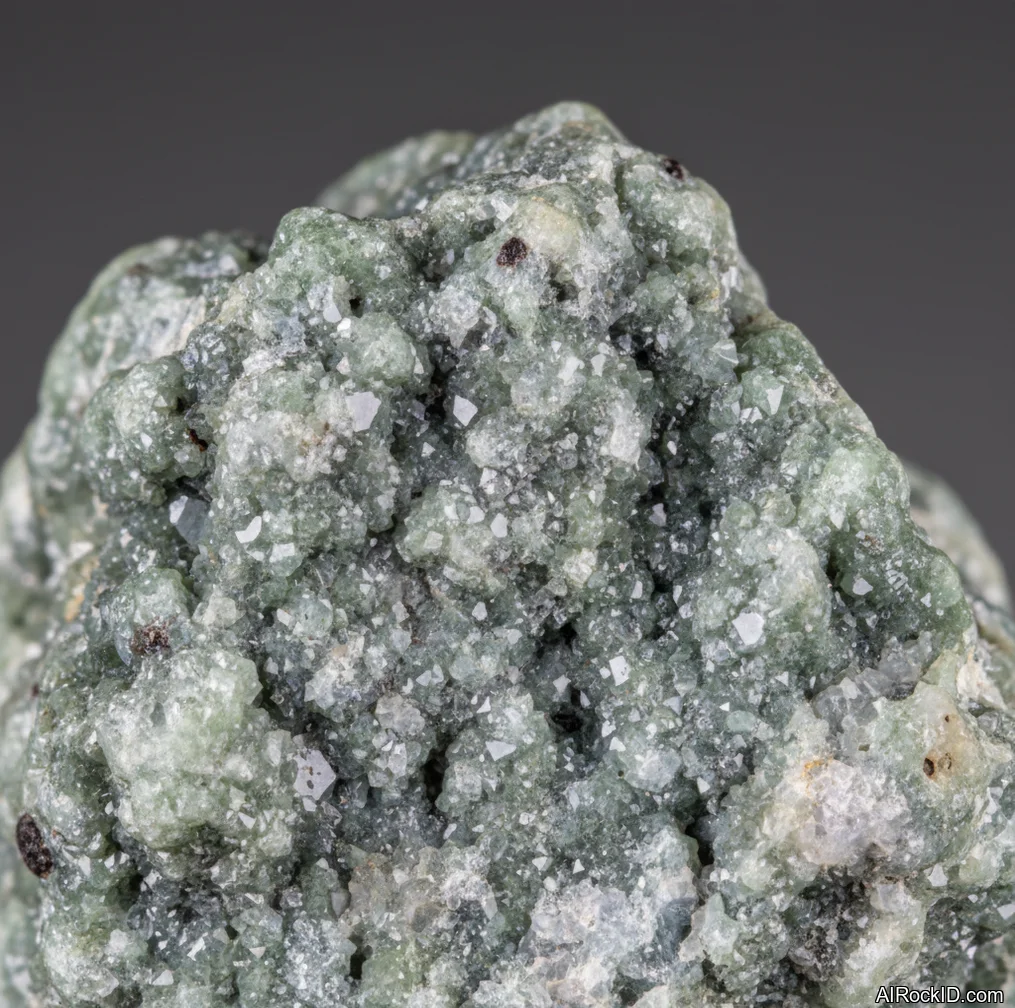
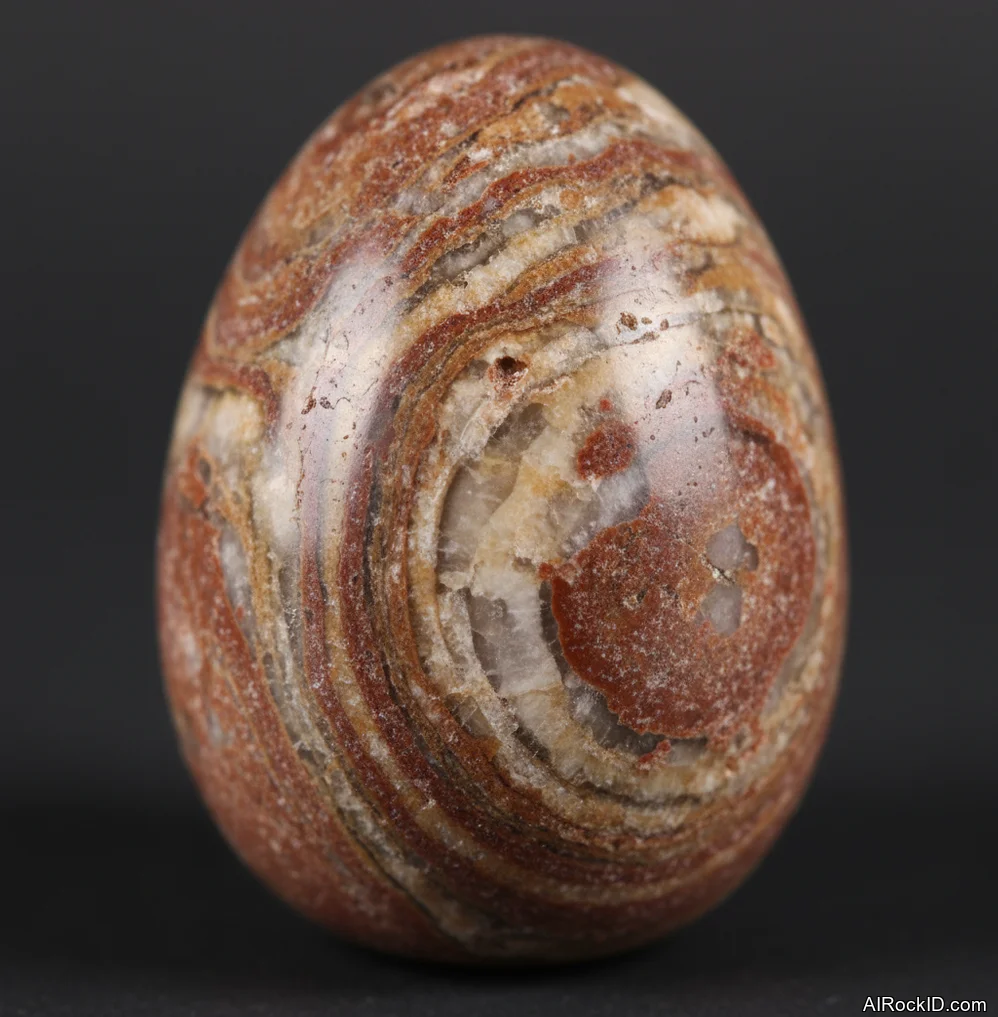
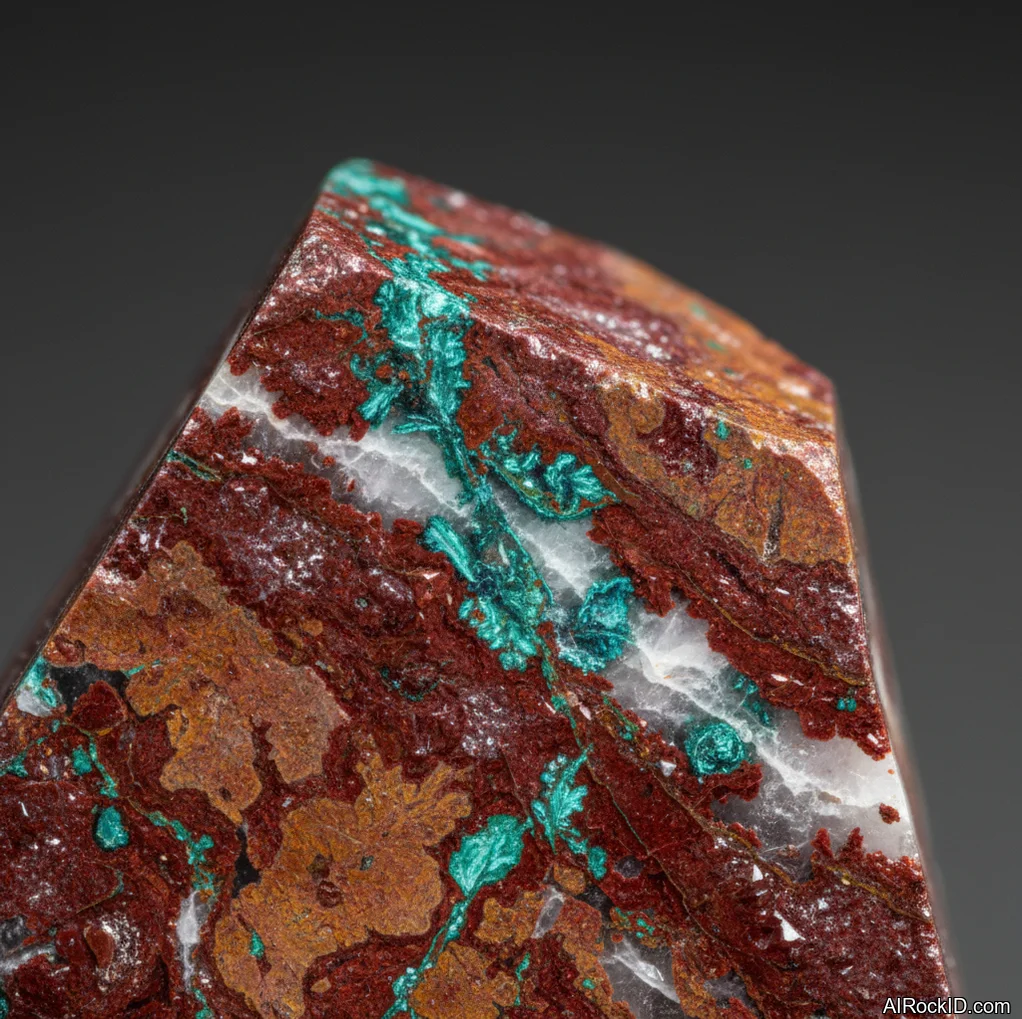
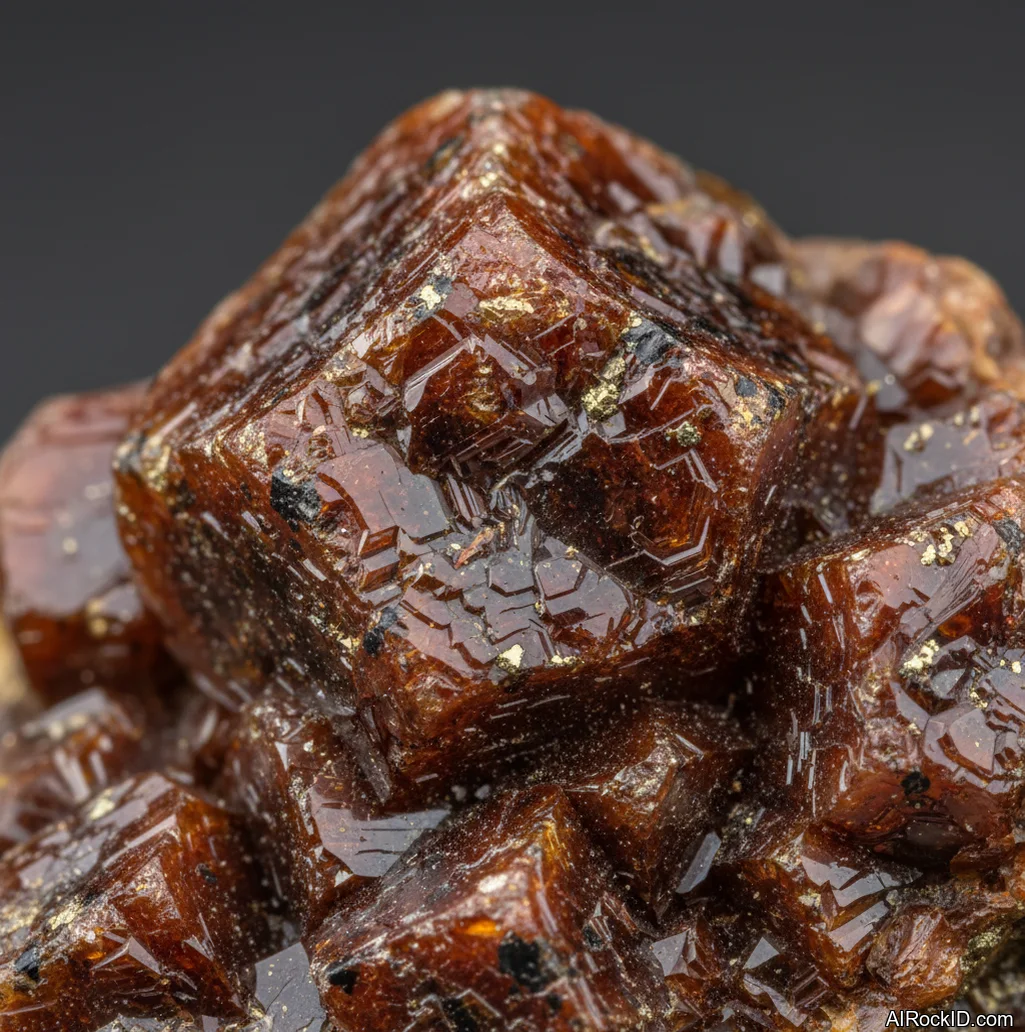
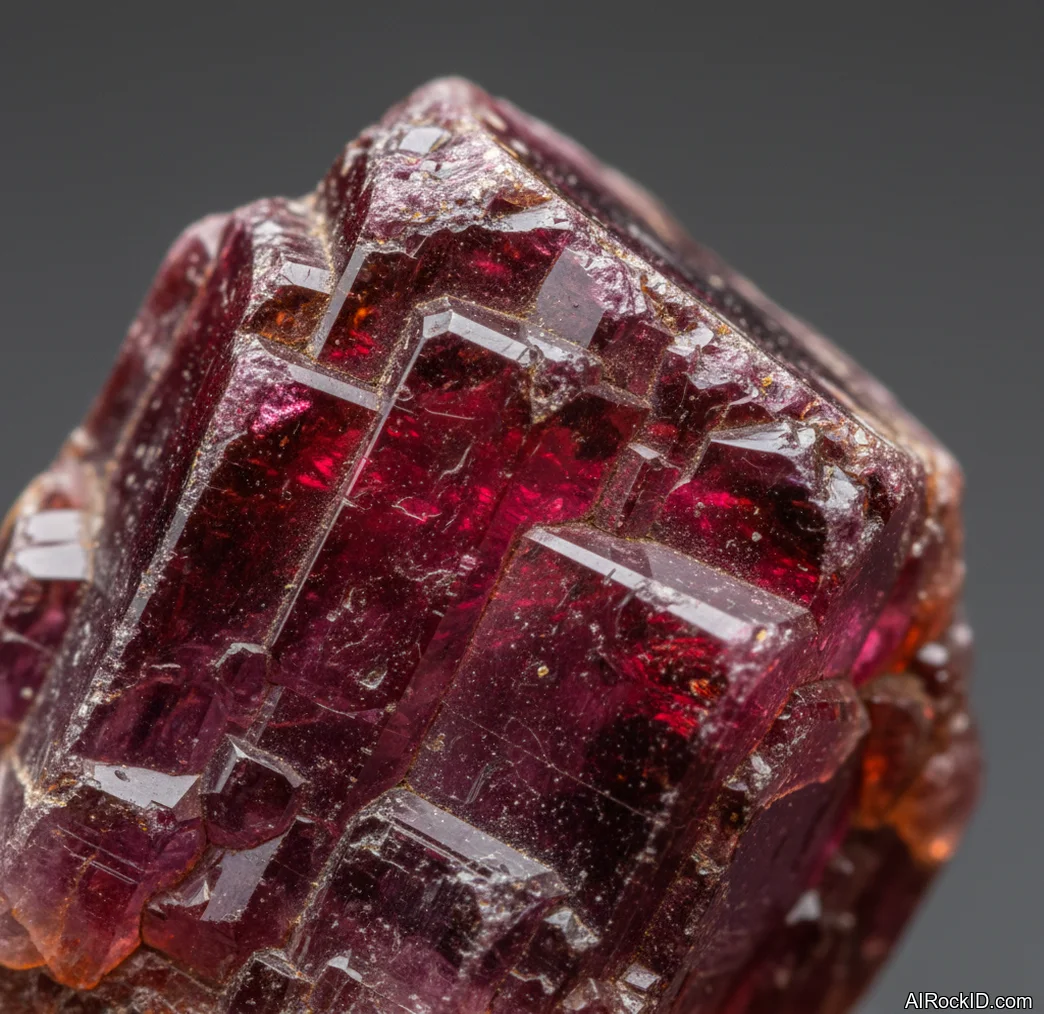
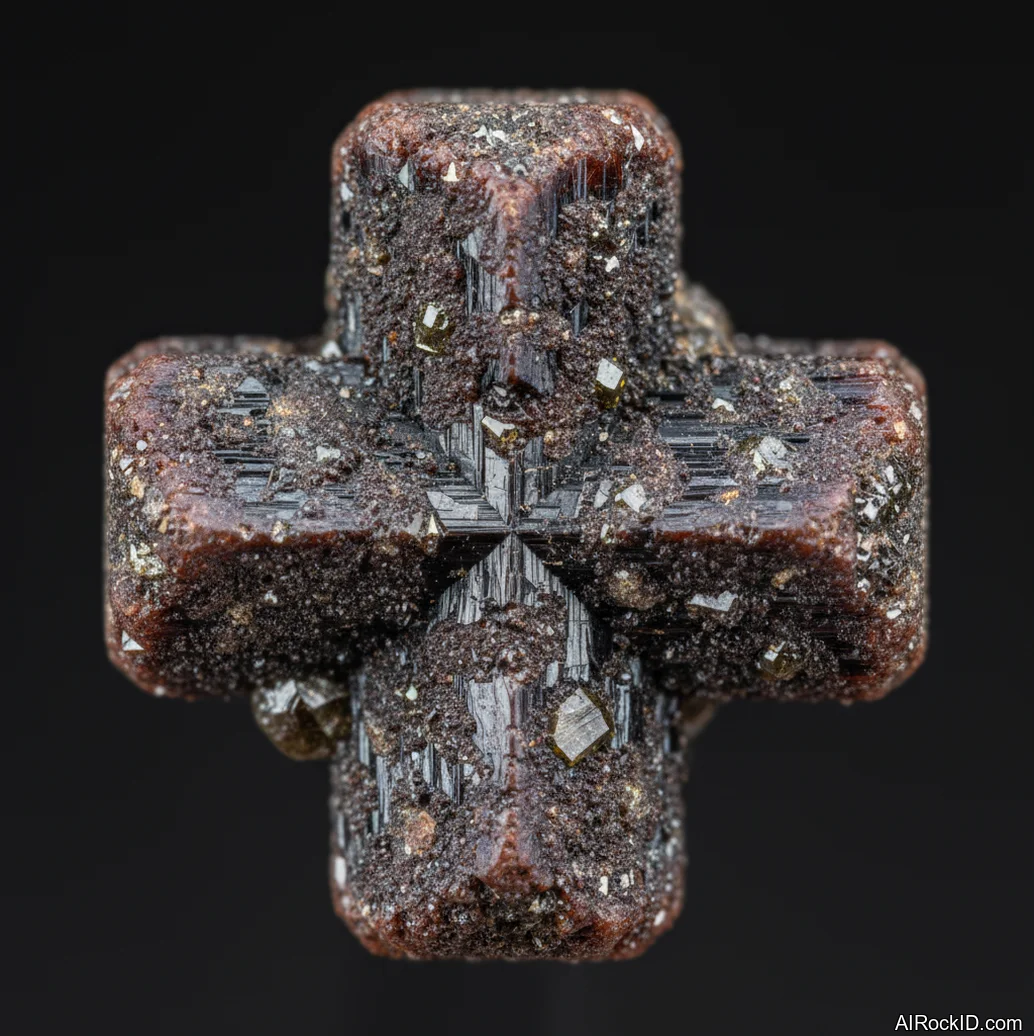
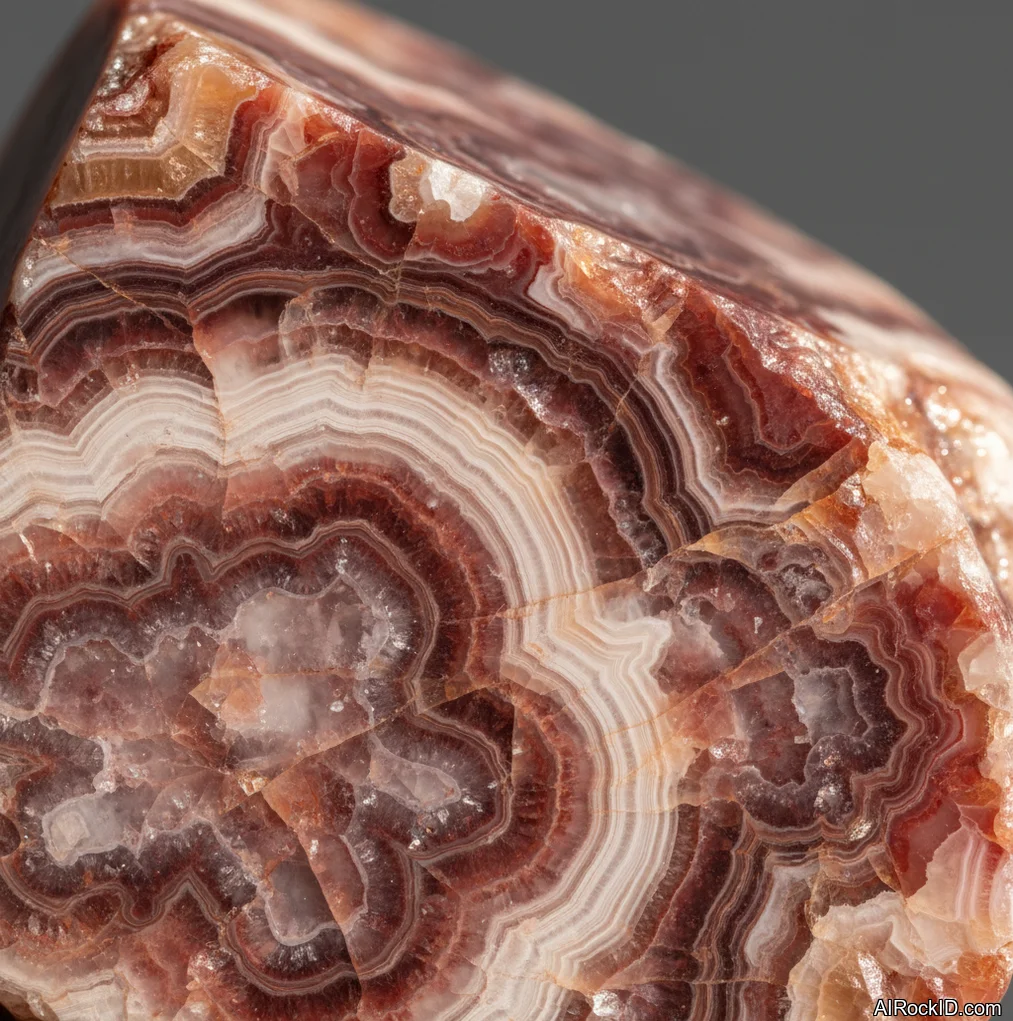
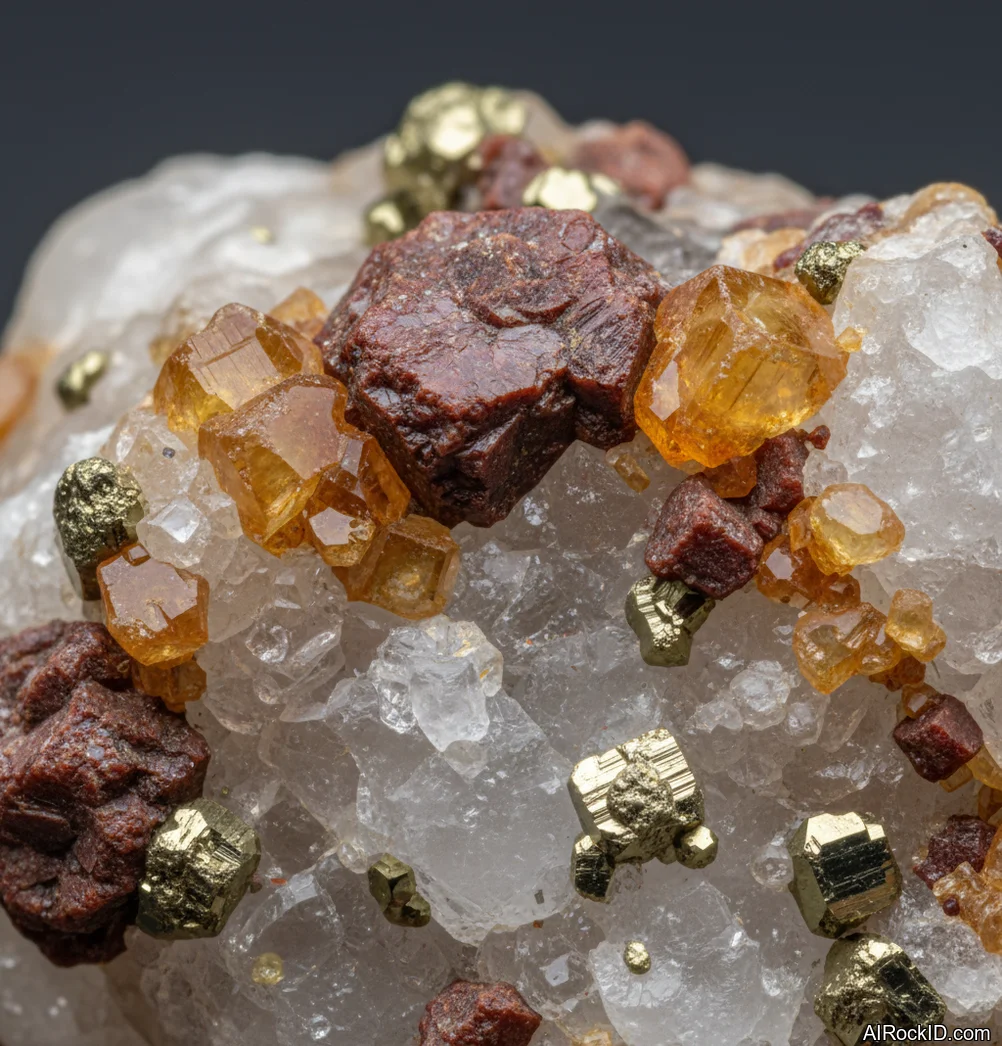
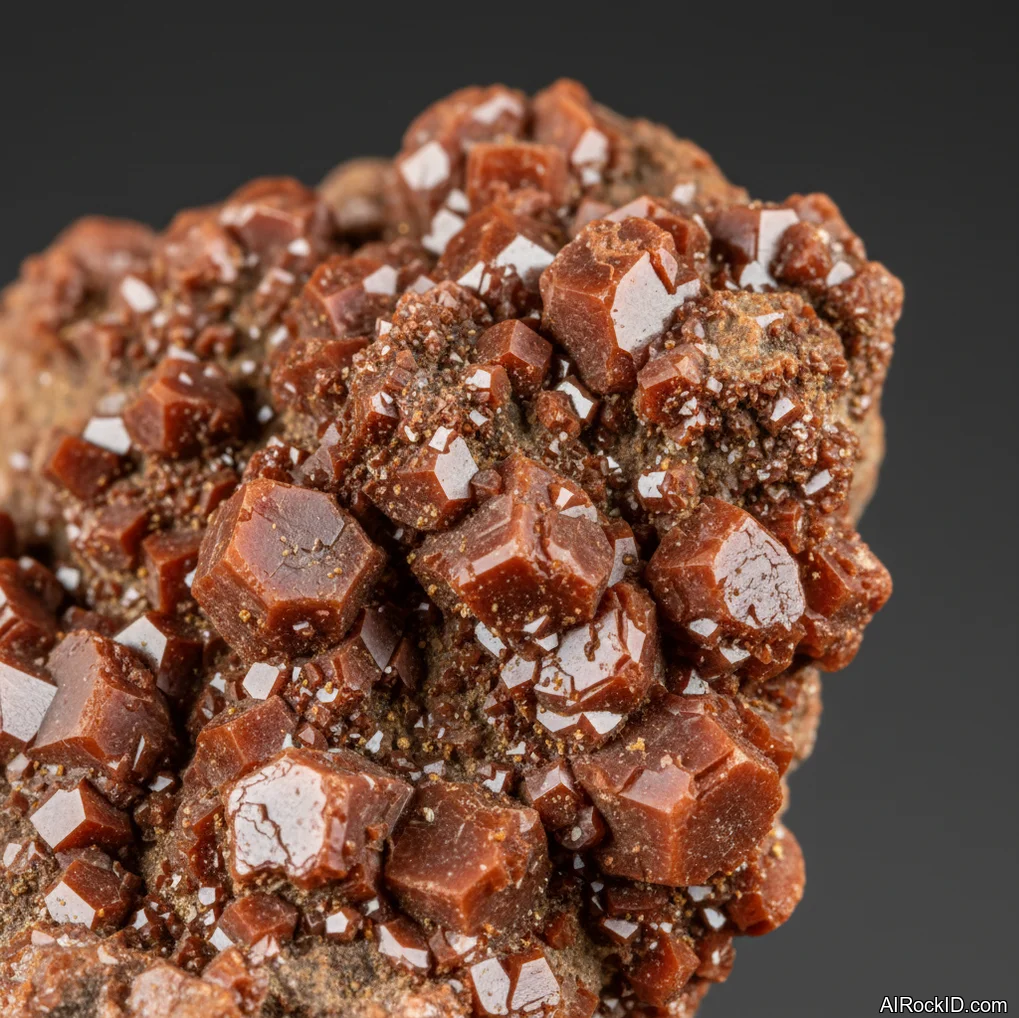
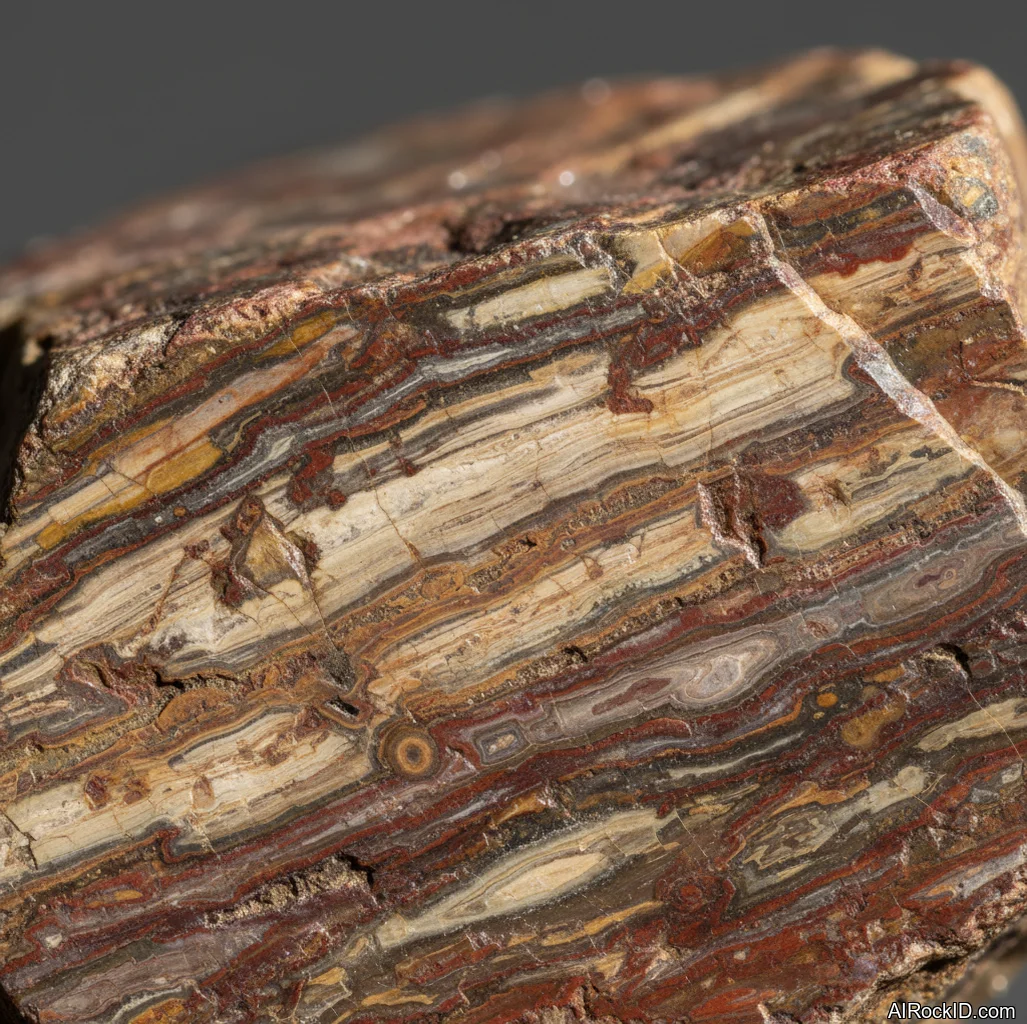
Mixing stones is where people either get results or get annoyed. Too many pieces on the table and it turns into clutter. So try one “anchor” stone and one “support” stone. Example: black tourmaline as the anchor, red jasper as the support. Red jasper is usually opaque and earthy, and good material has that brick-red look with little streaks or swirls. Another pairing is hematite with garnet. Garnet’s often sold as tumbled dark red pebbles, but if you can find almandine crystals in schist, you get that sparkly wine-red flash on the dodecahedron faces when you tilt it under a lamp.
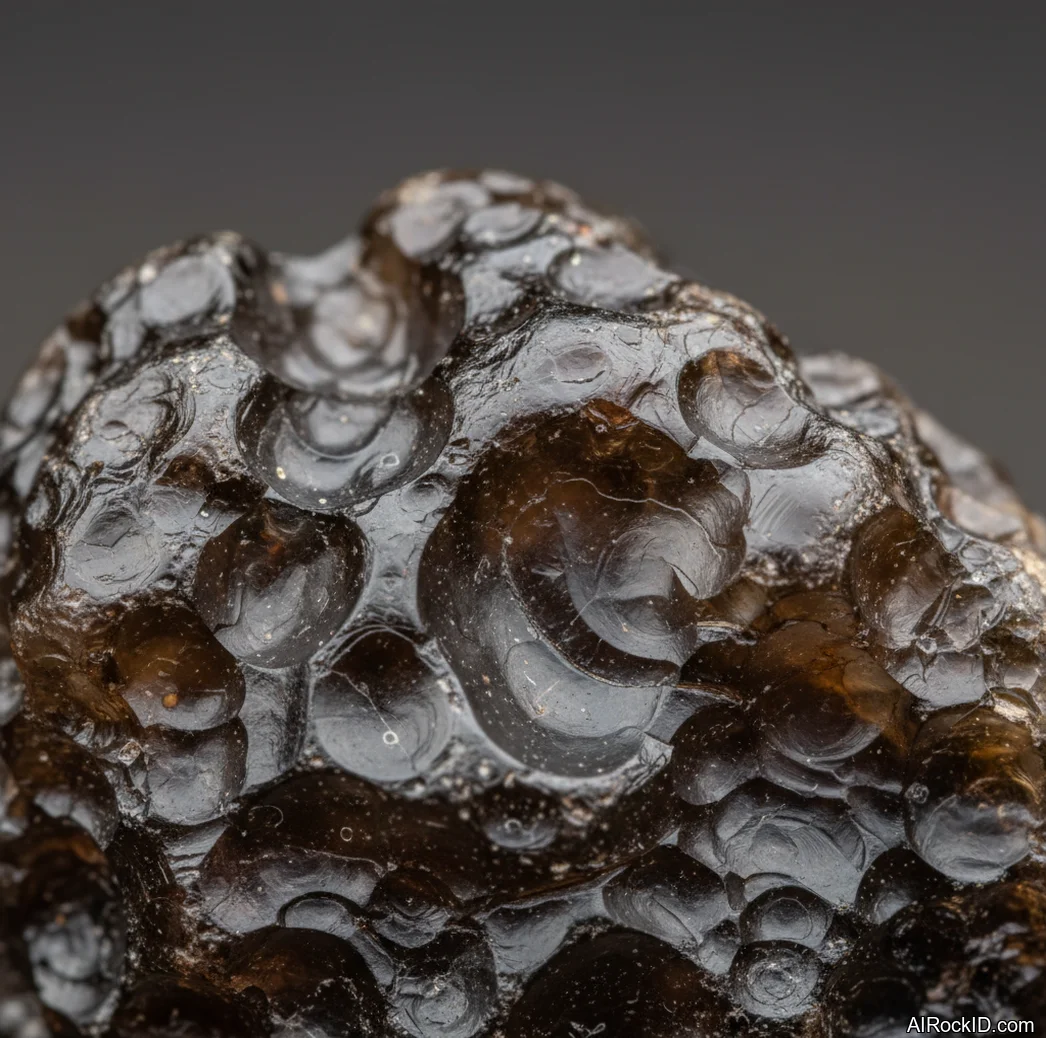
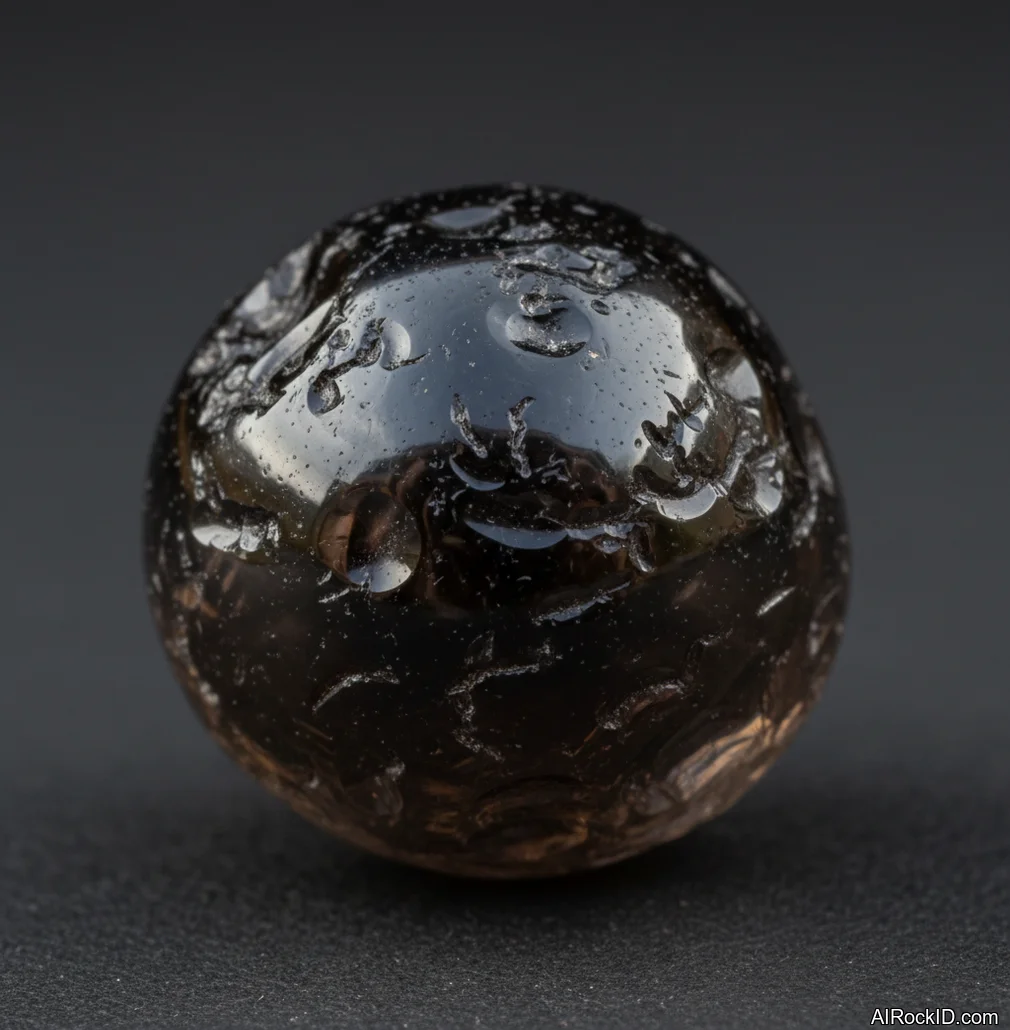
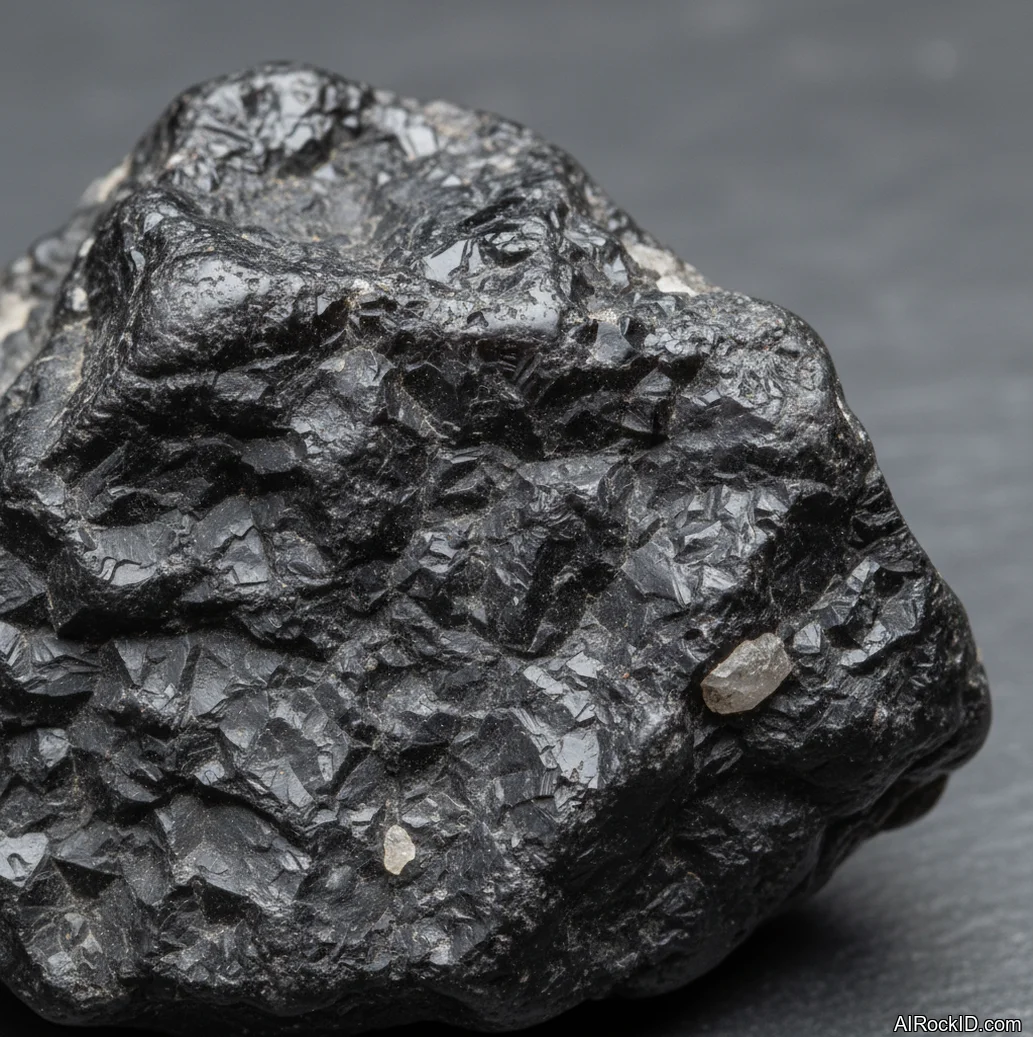
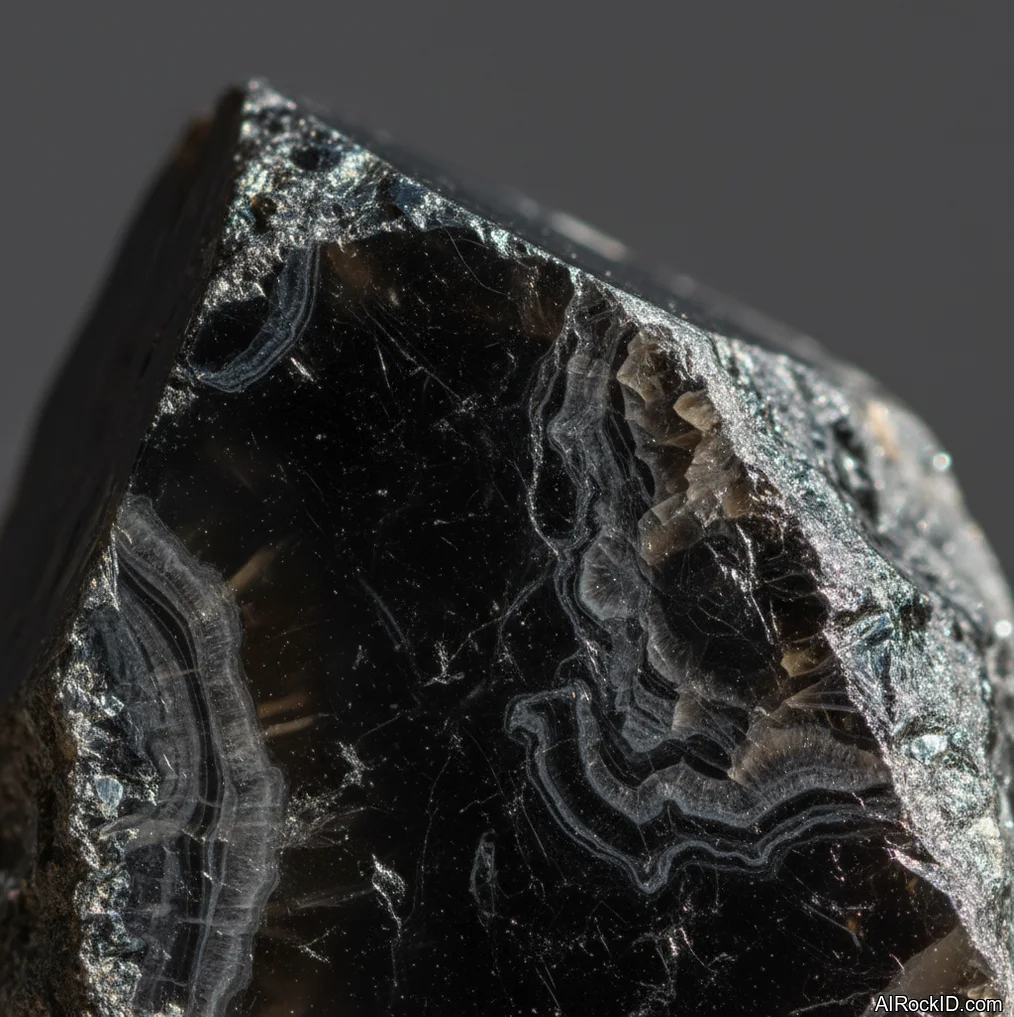
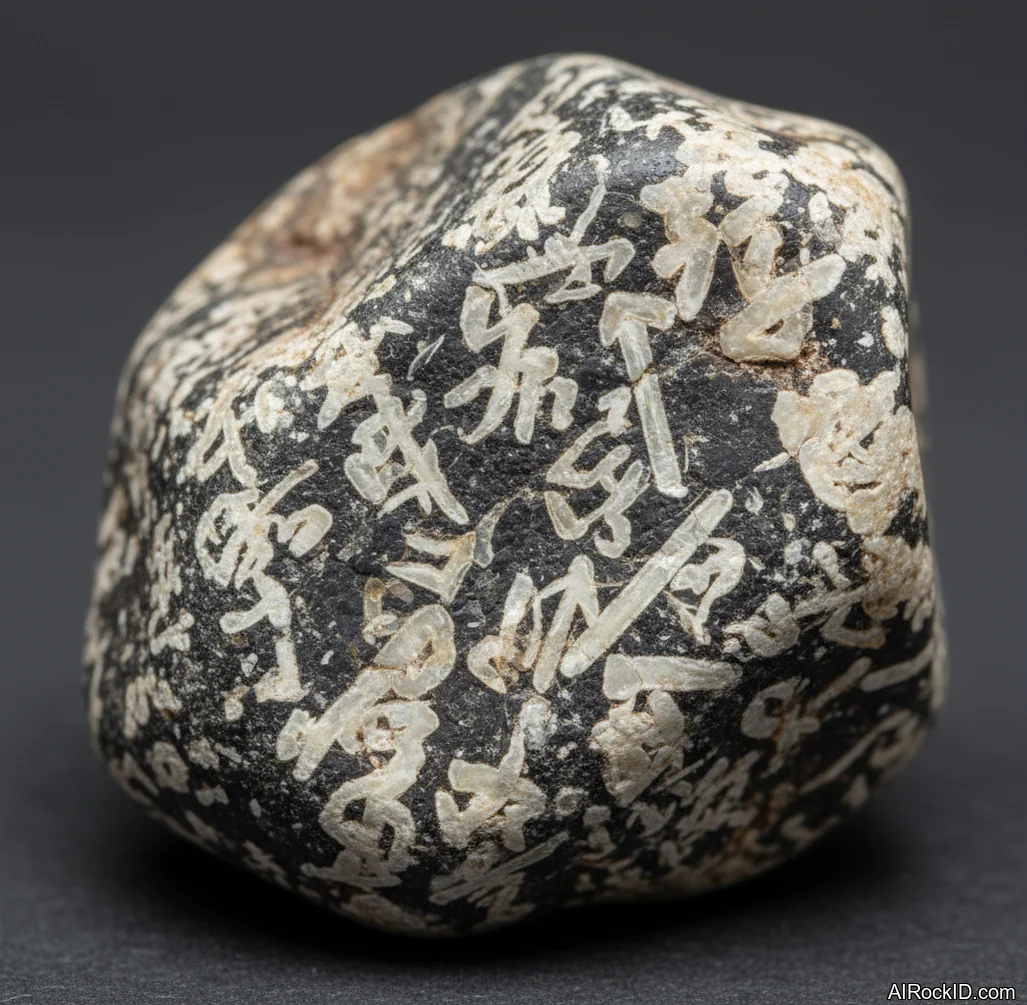
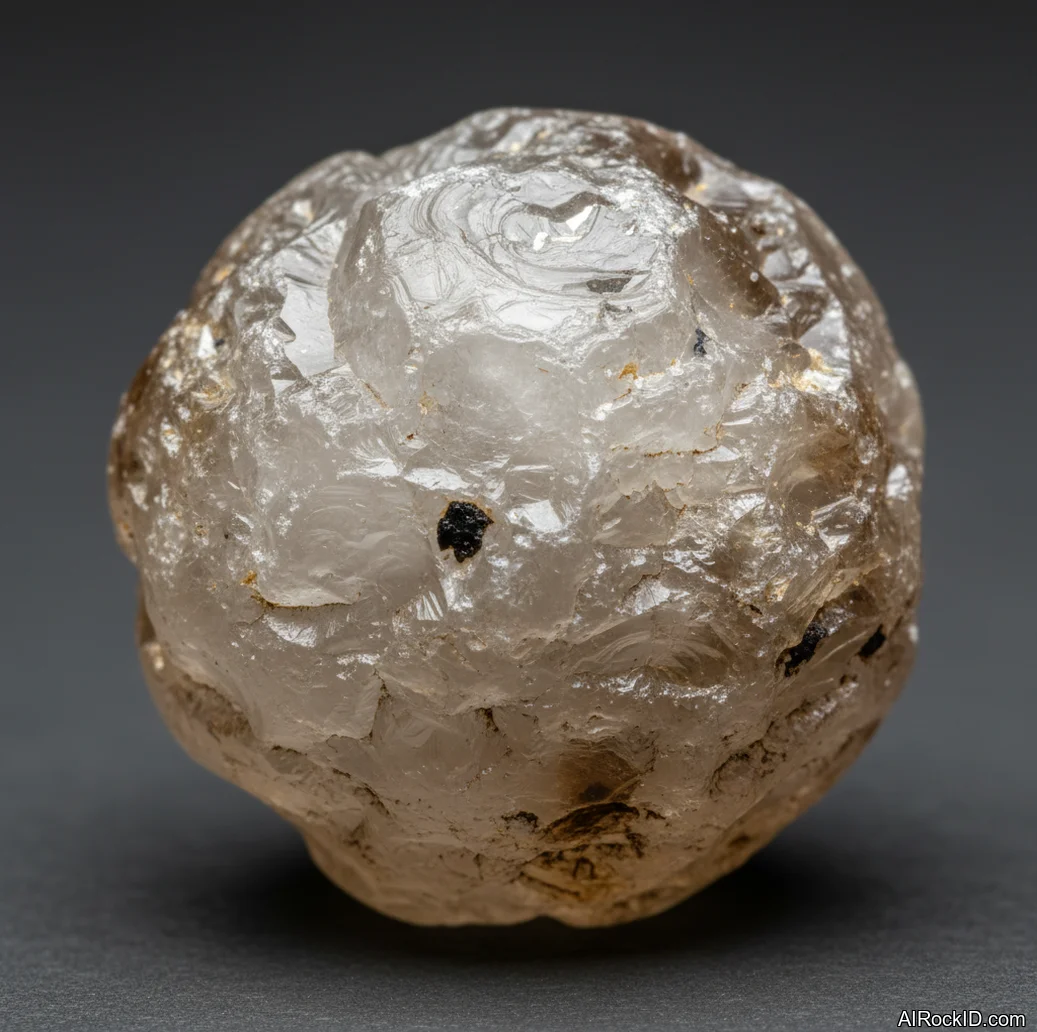
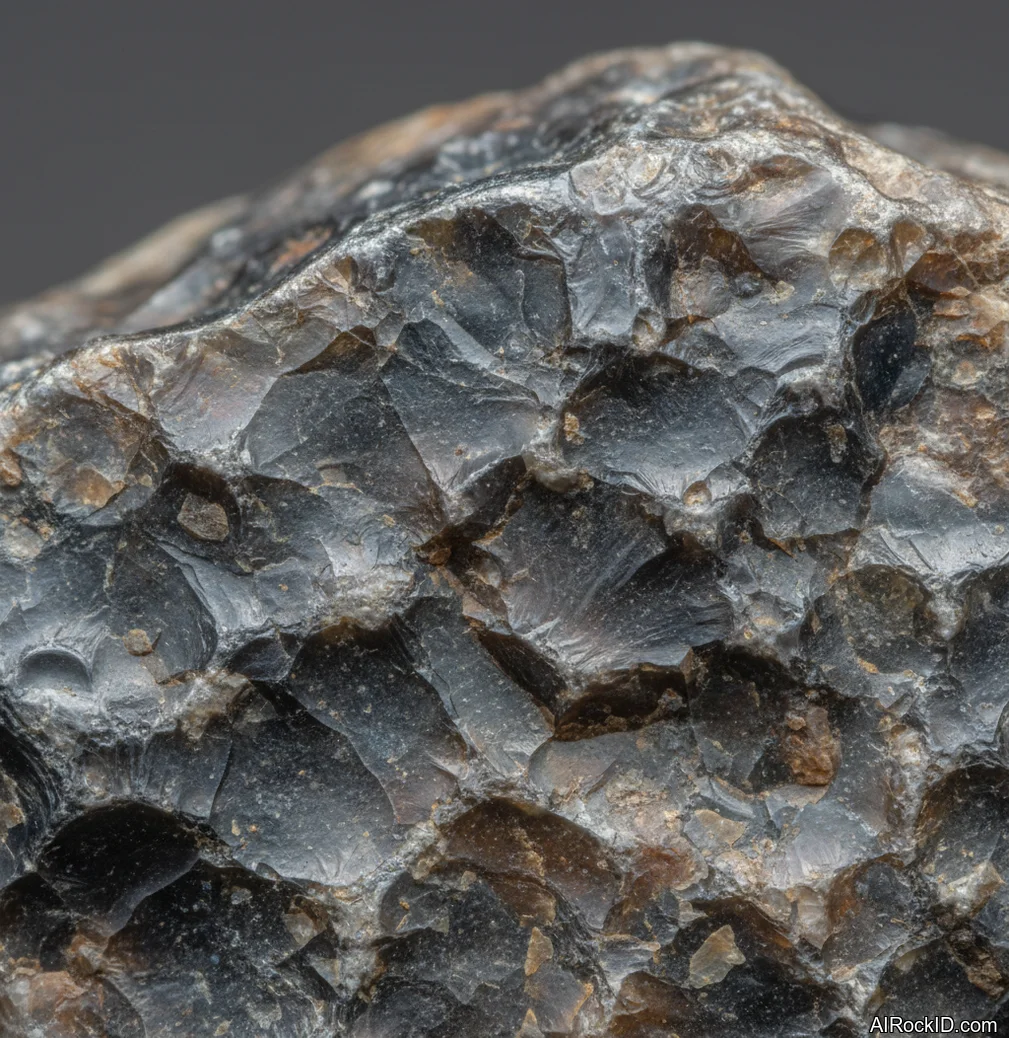
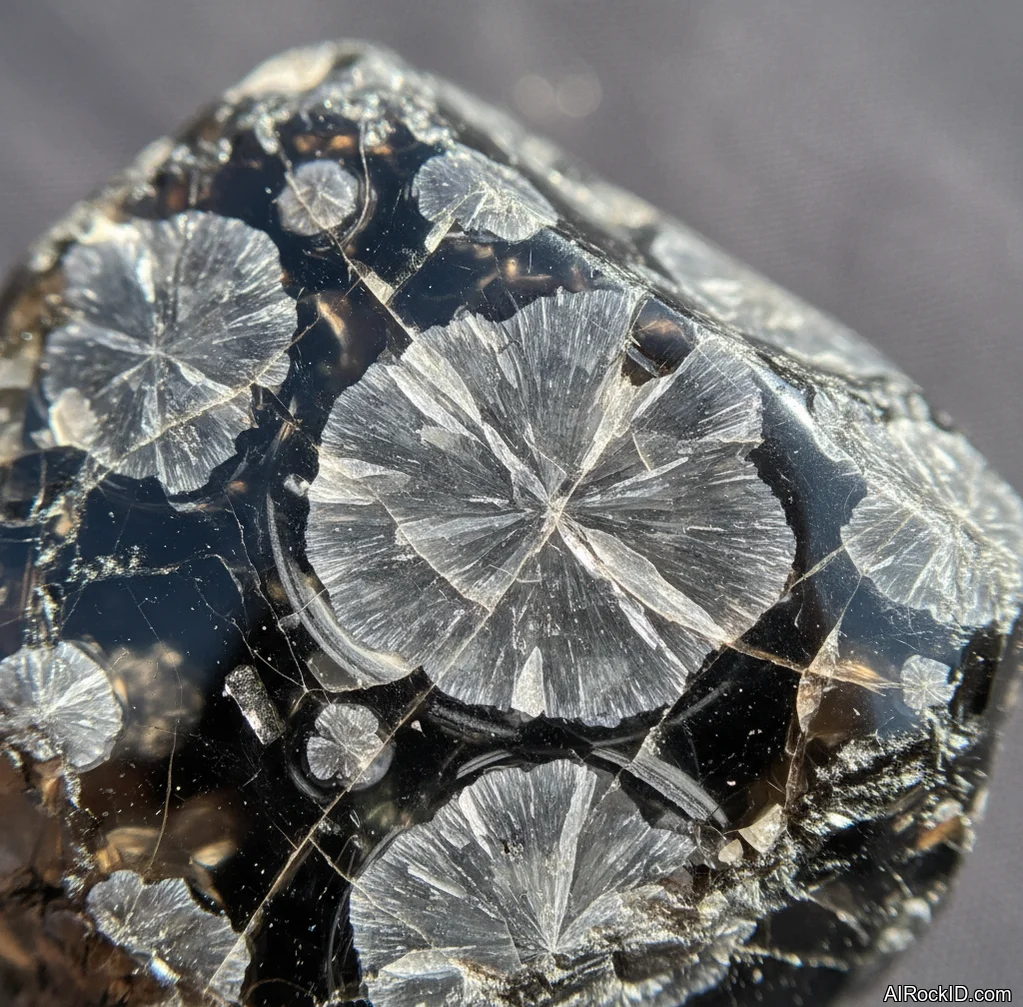
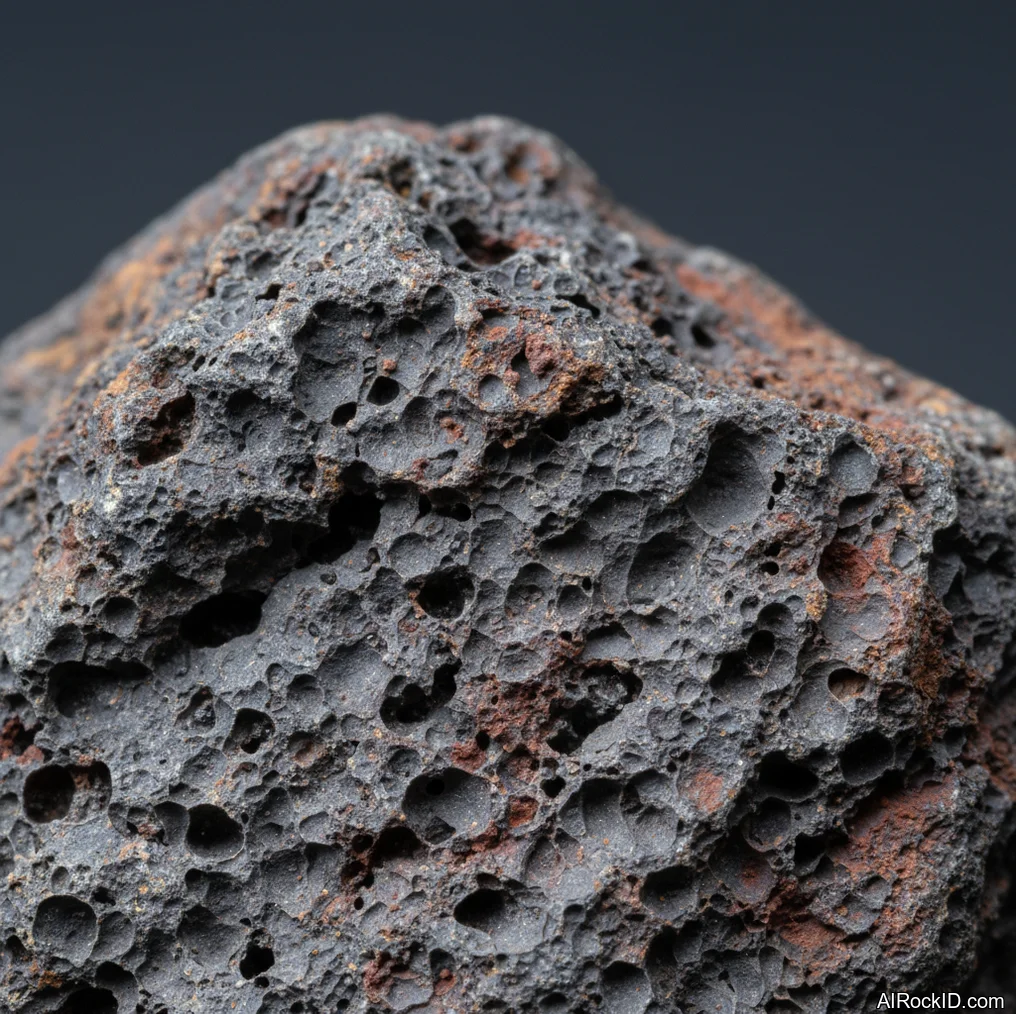
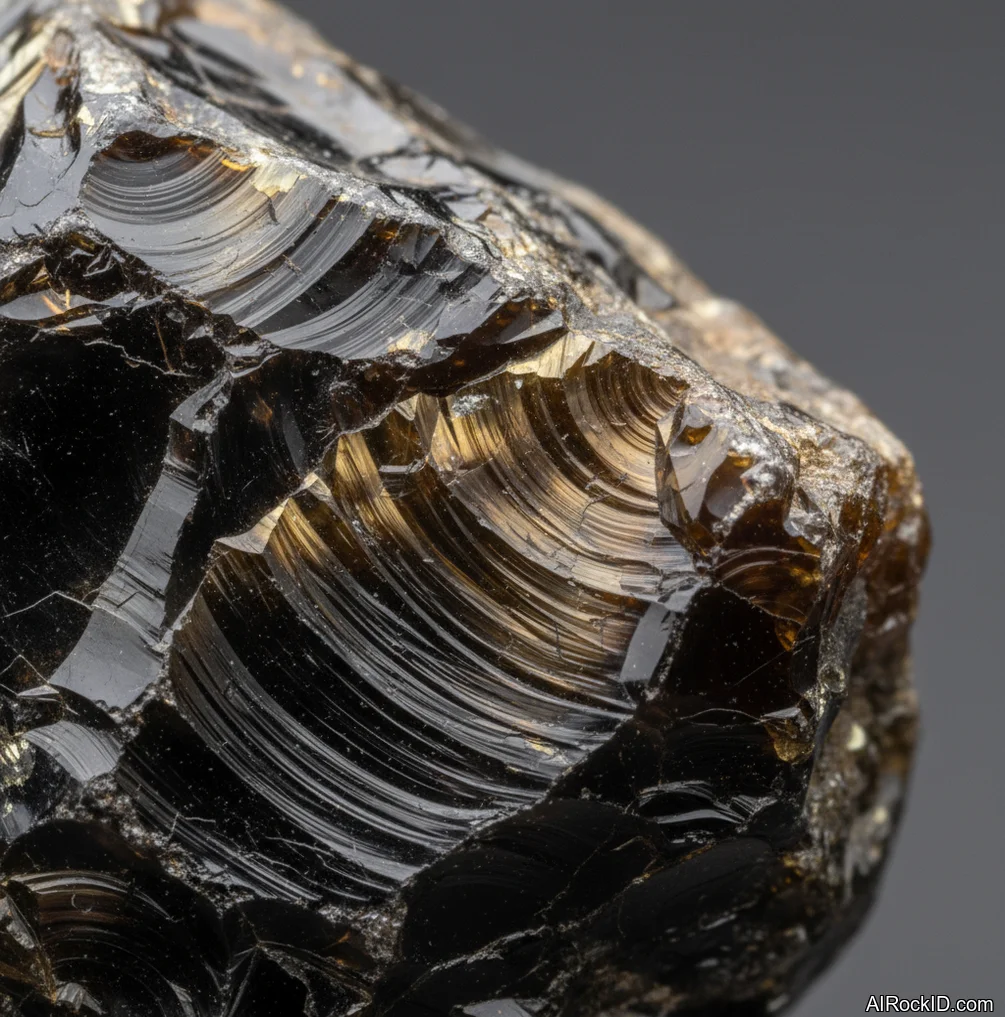
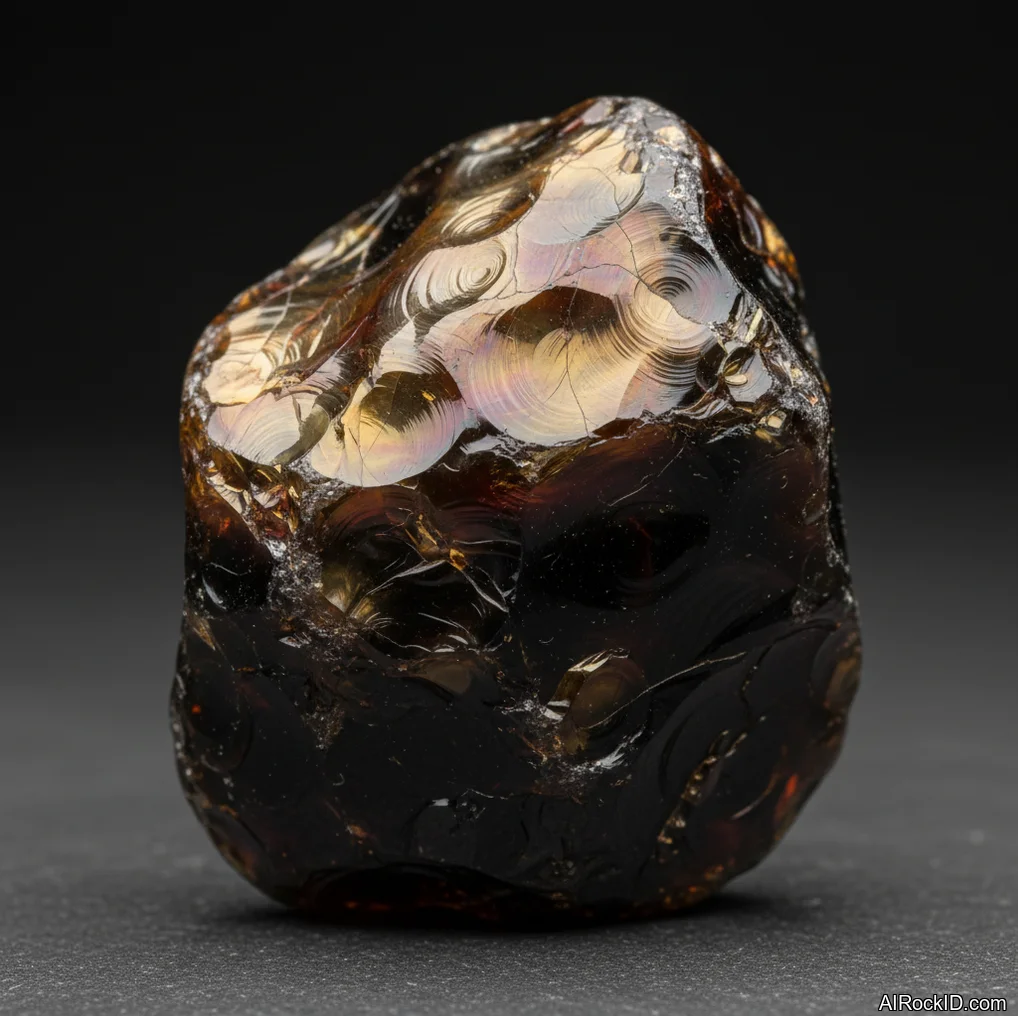
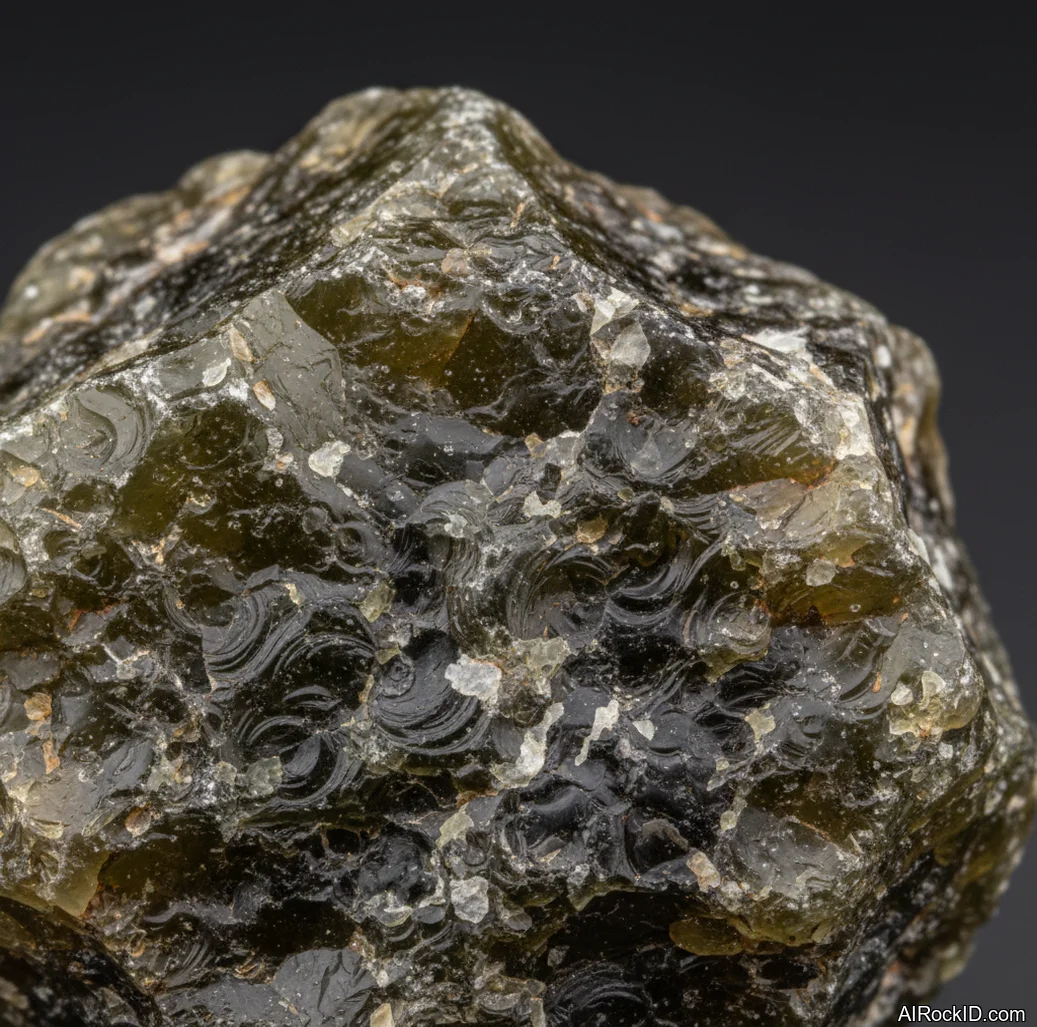
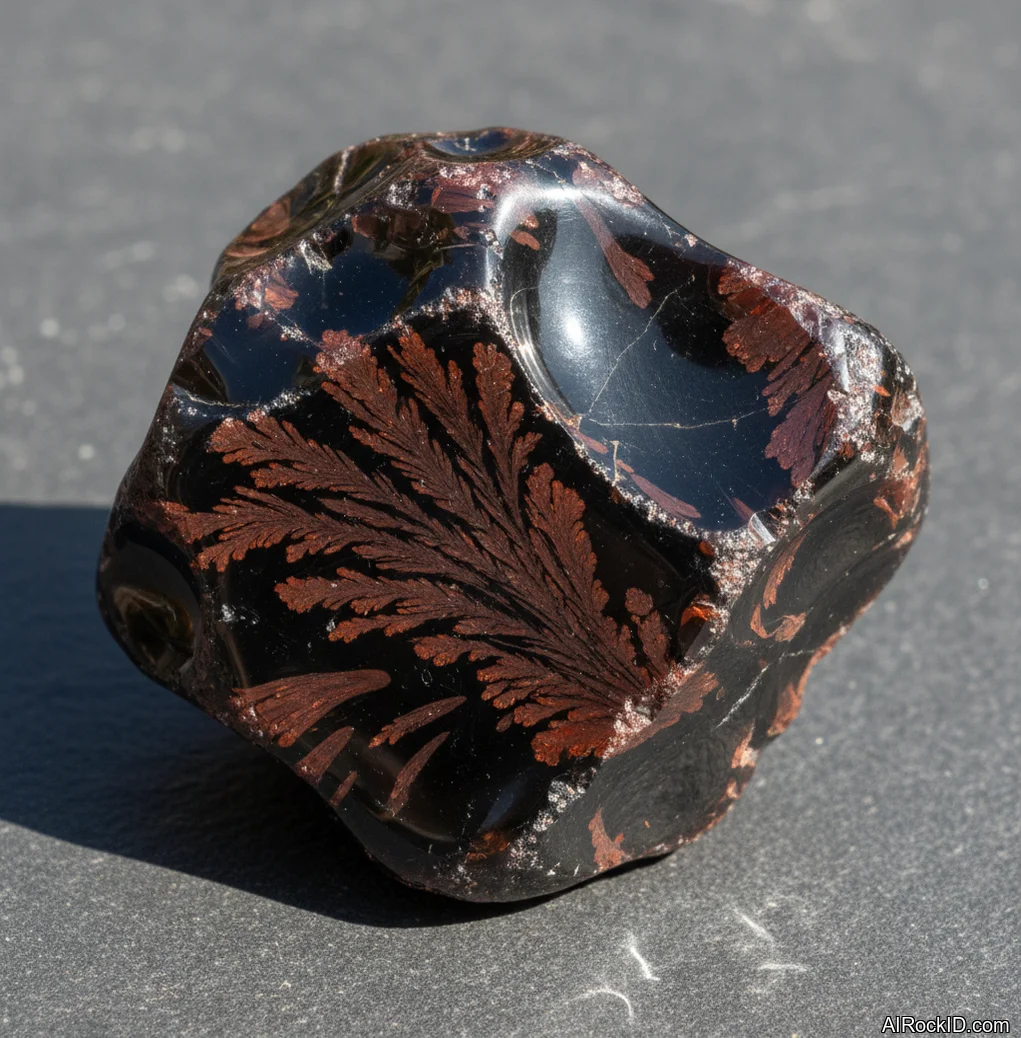
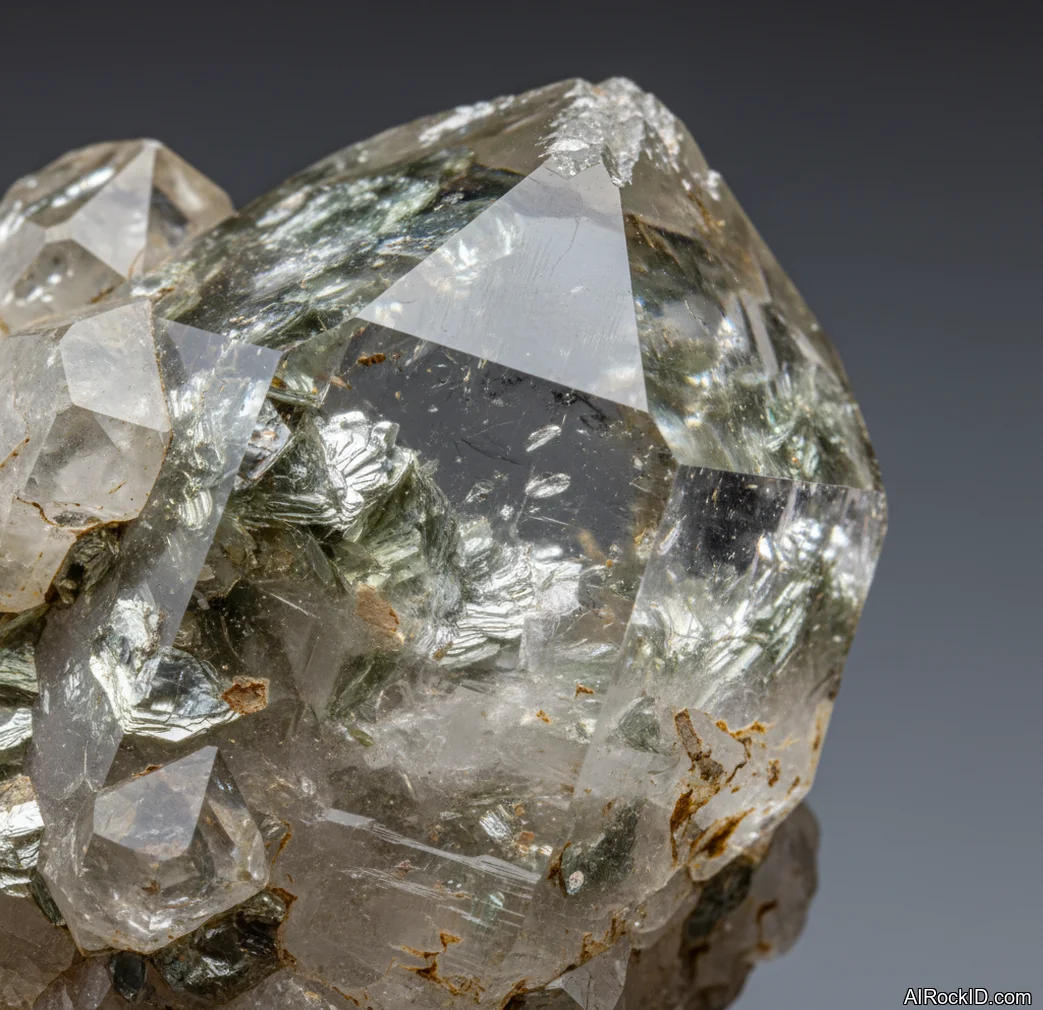
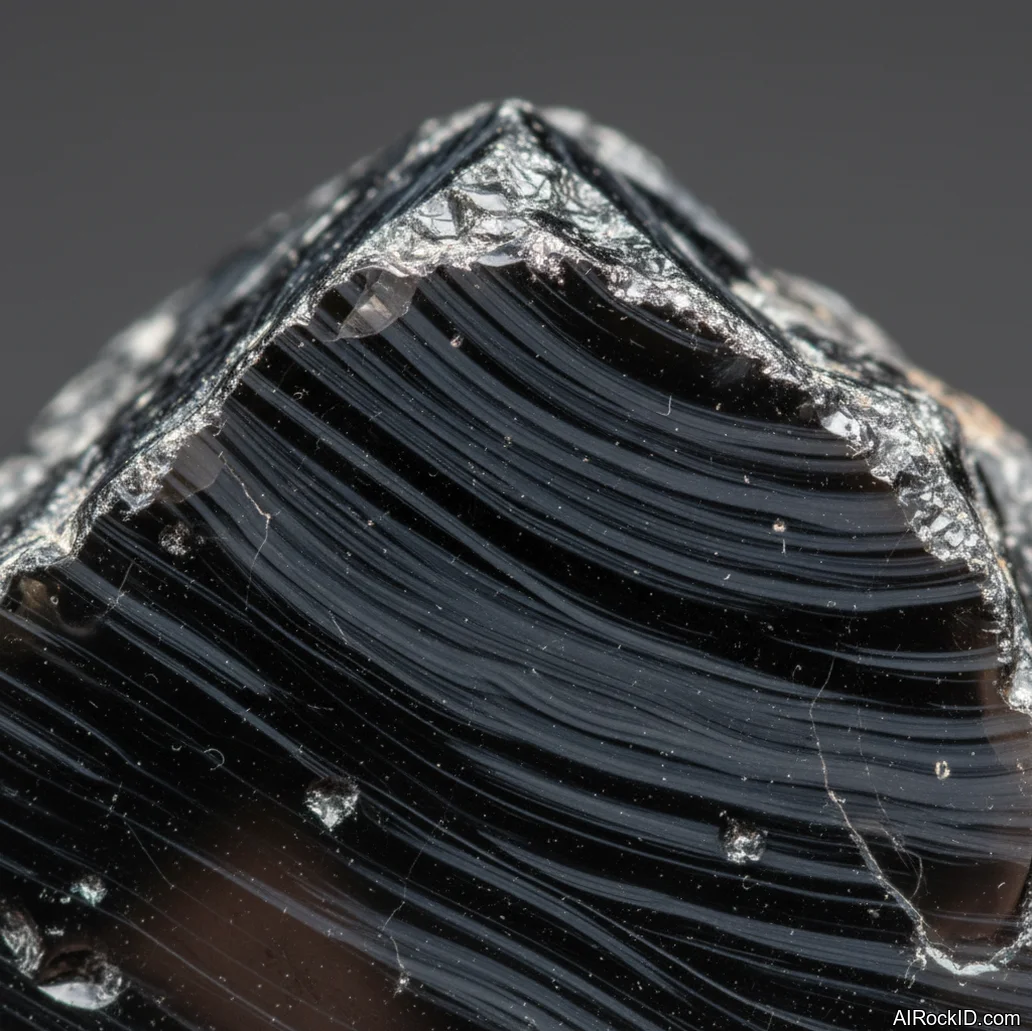
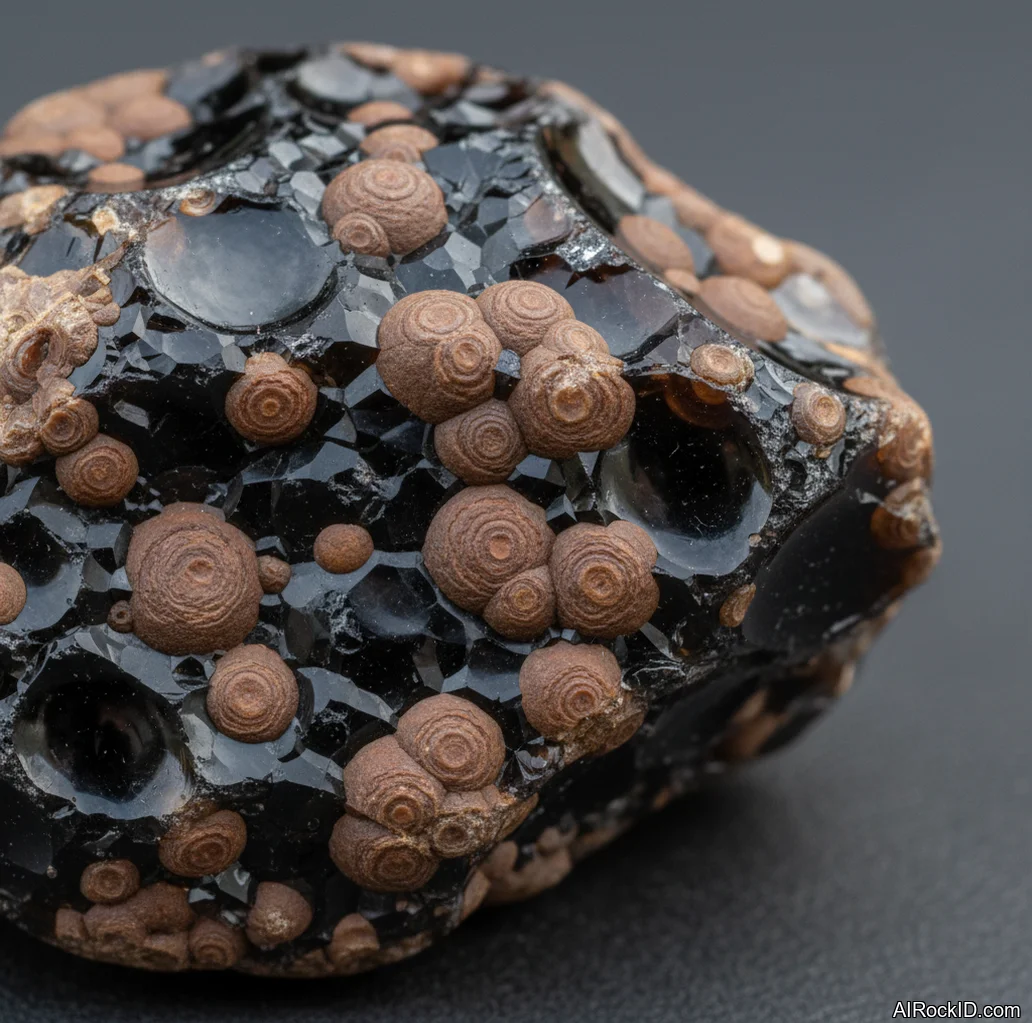
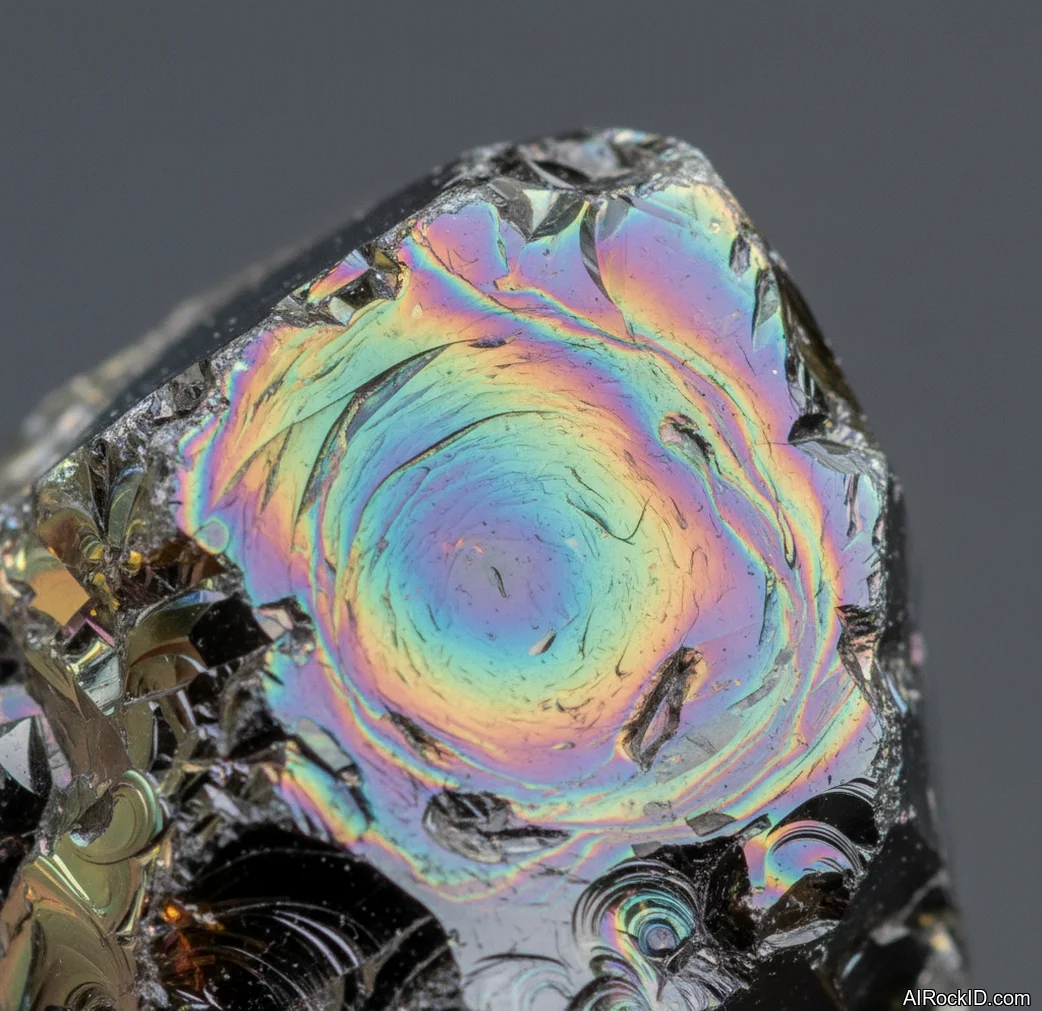
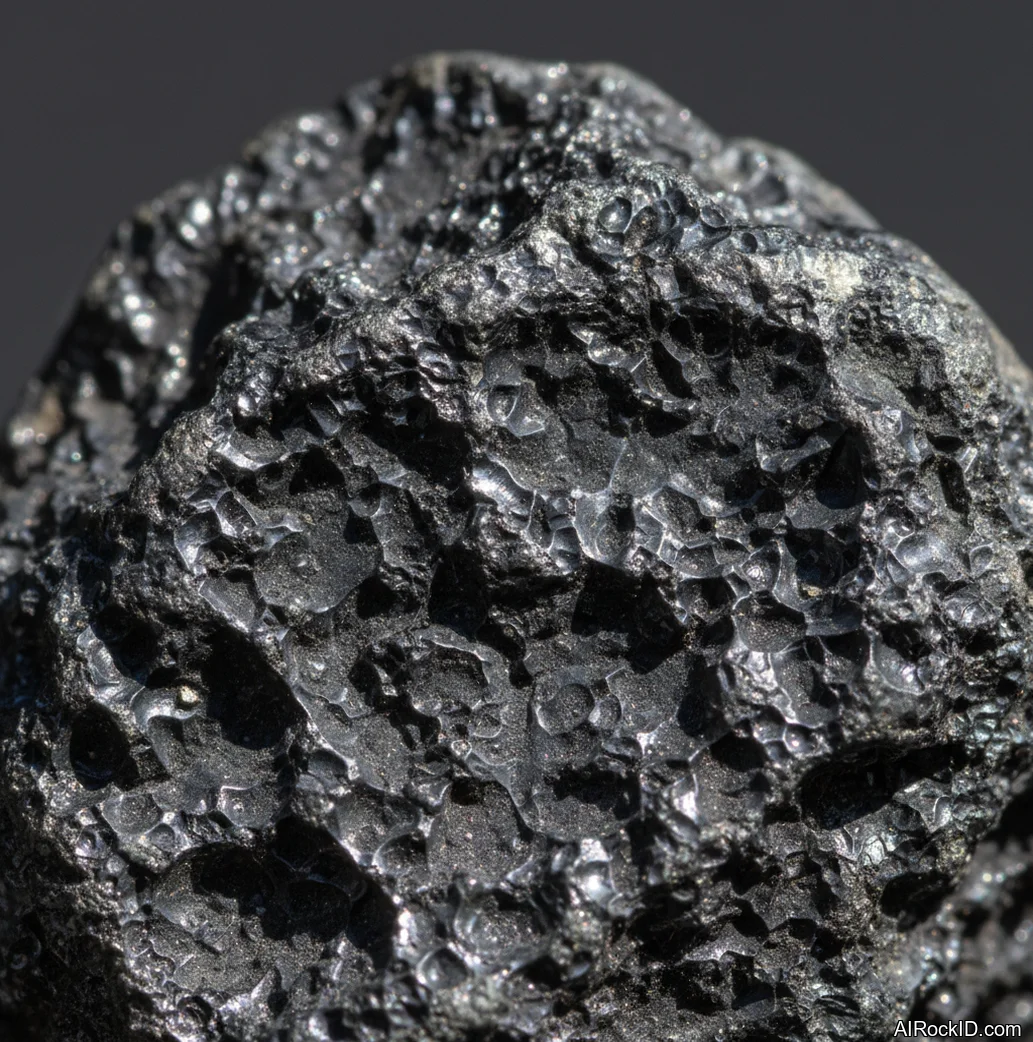
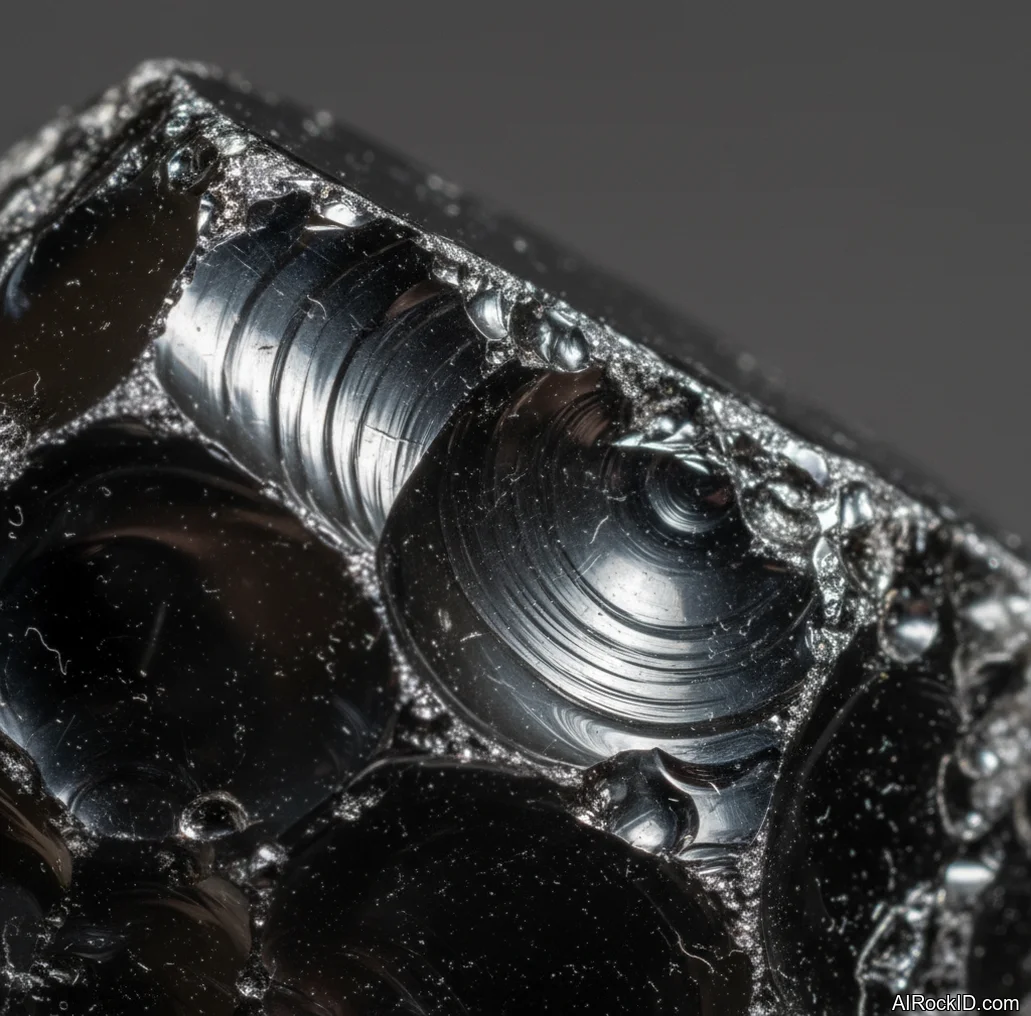
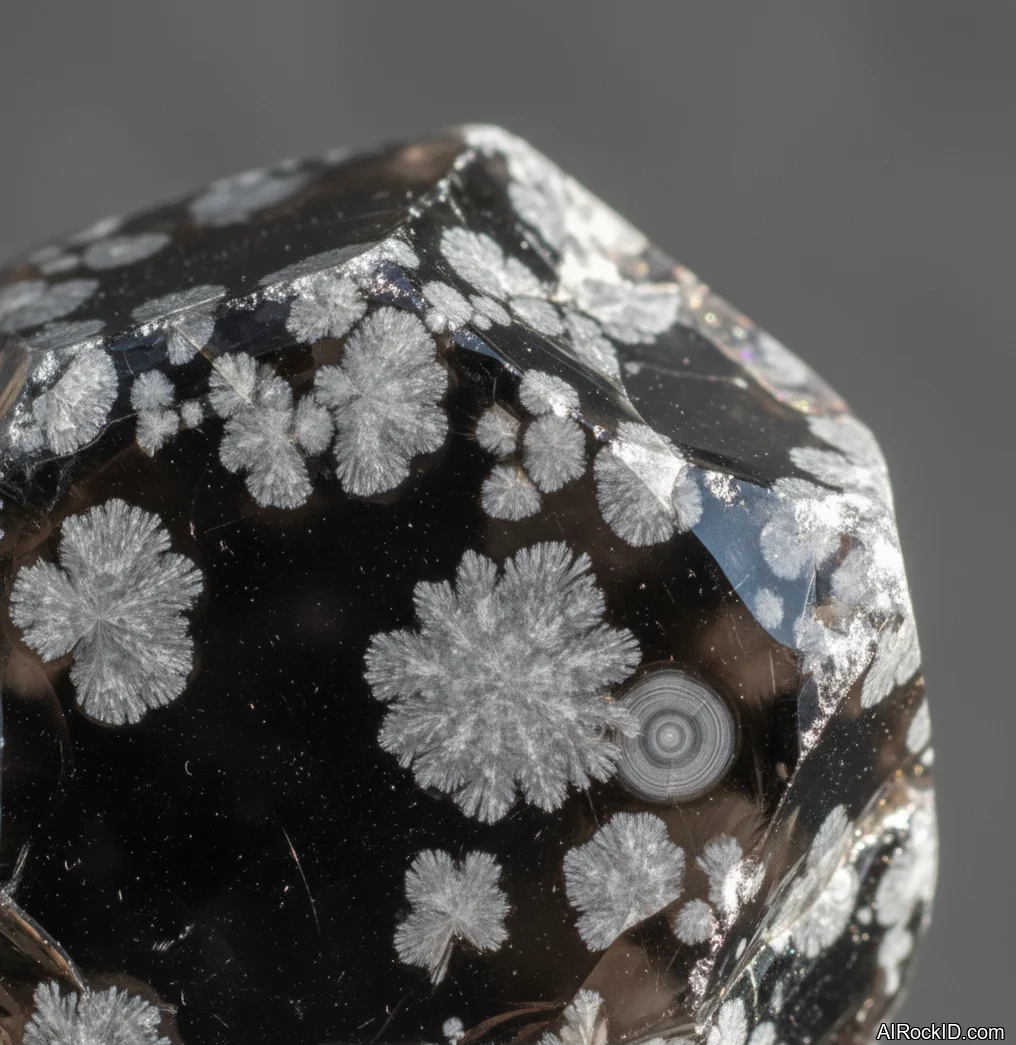
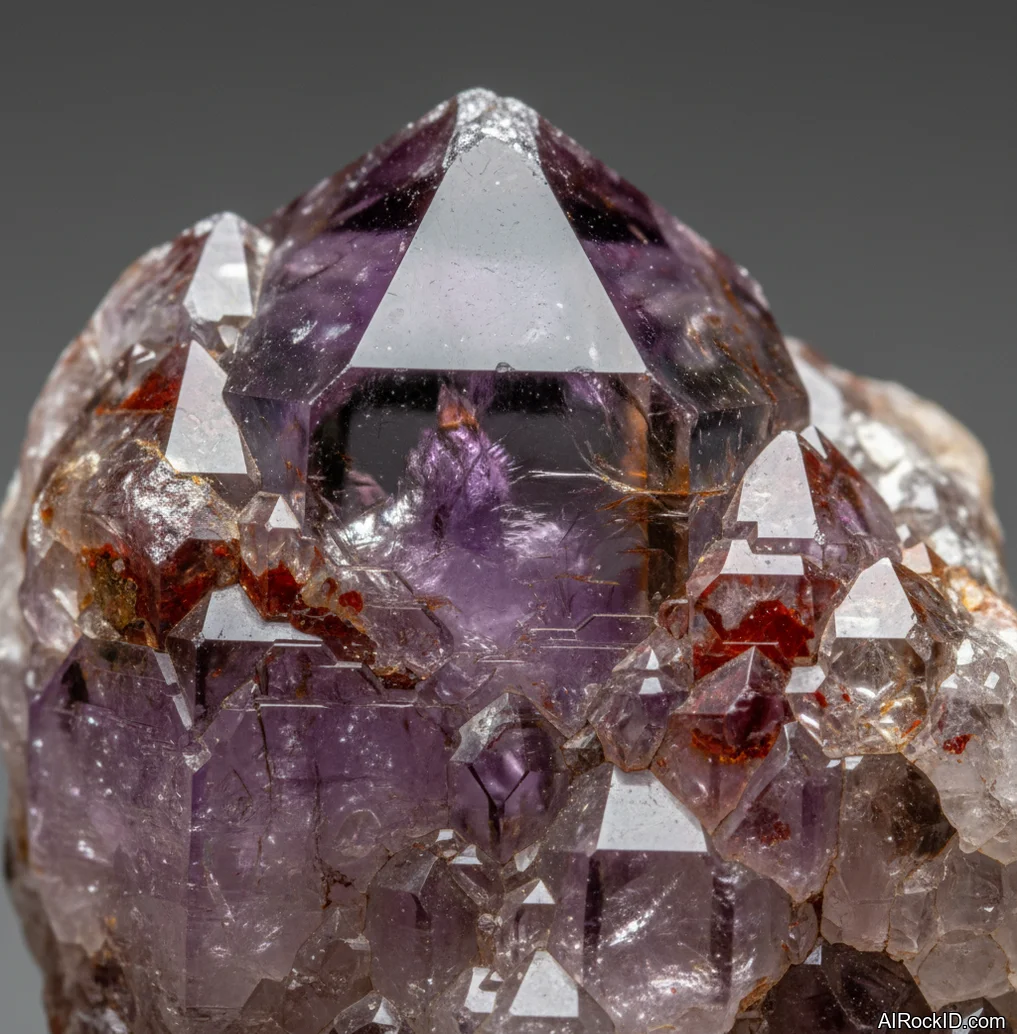
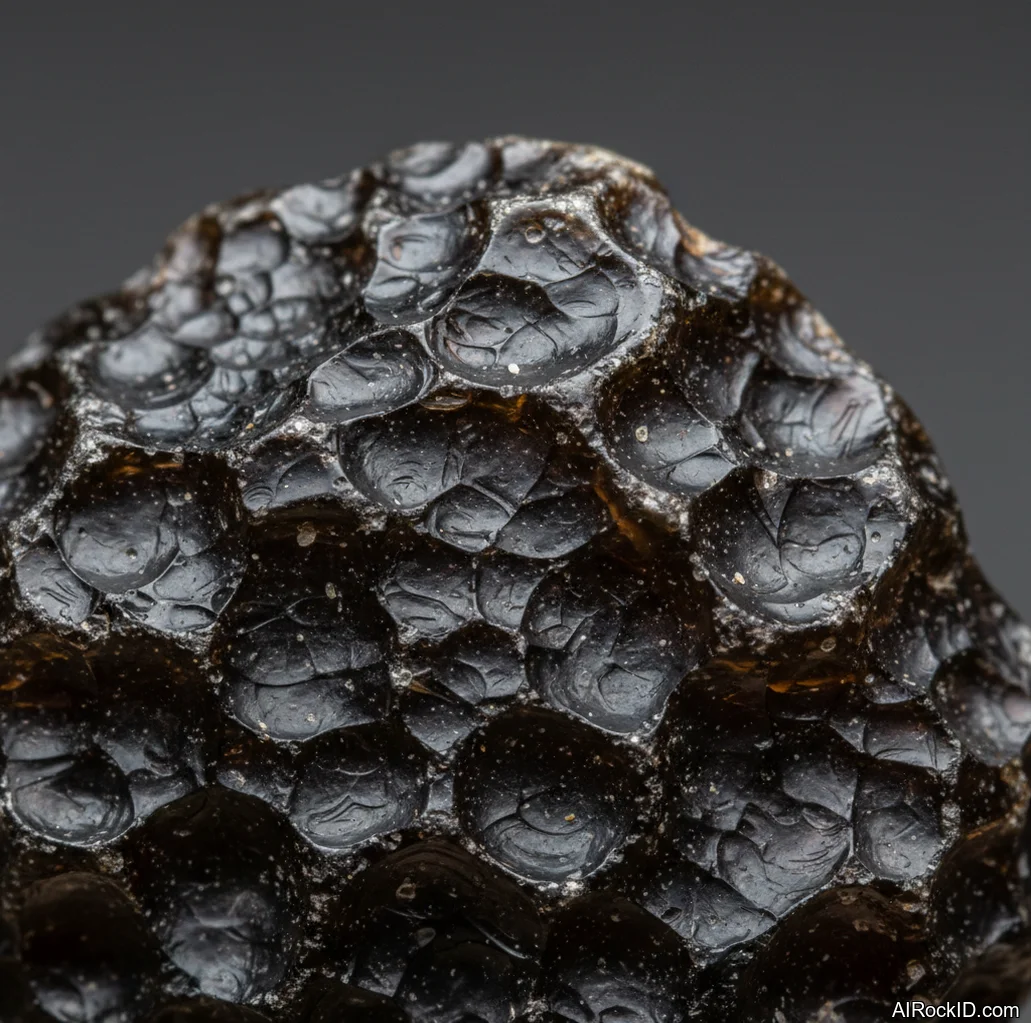
Buying Root Chakra crystals is where a little mineral-shop skepticism saves you money. The problem with “obsidian” online is that a lot of it is just black glass with a fancy label, and sometimes that’s literally what obsidian is, but sellers don’t always tell you if it’s manmade. Real volcanic obsidian often has flow lines, tiny bubbles, or a slightly greasy luster on fresh fractures. Look closely at the edge. If it’s perfectly uniform and looks like a cut bottle, be cautious. With smoky quartz, watch for color that looks too even and too dark. Some pieces are irradiated to deepen the brown, and the color can look like it was poured in.
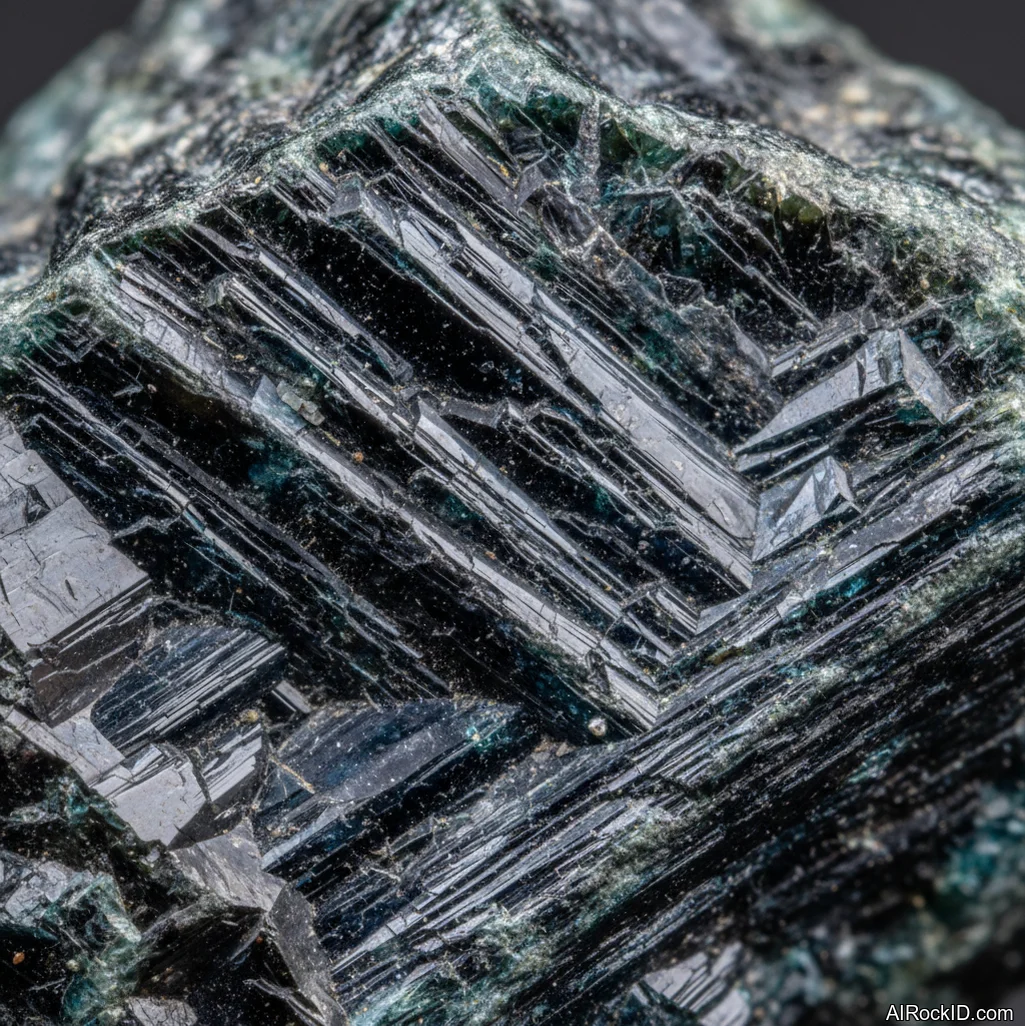
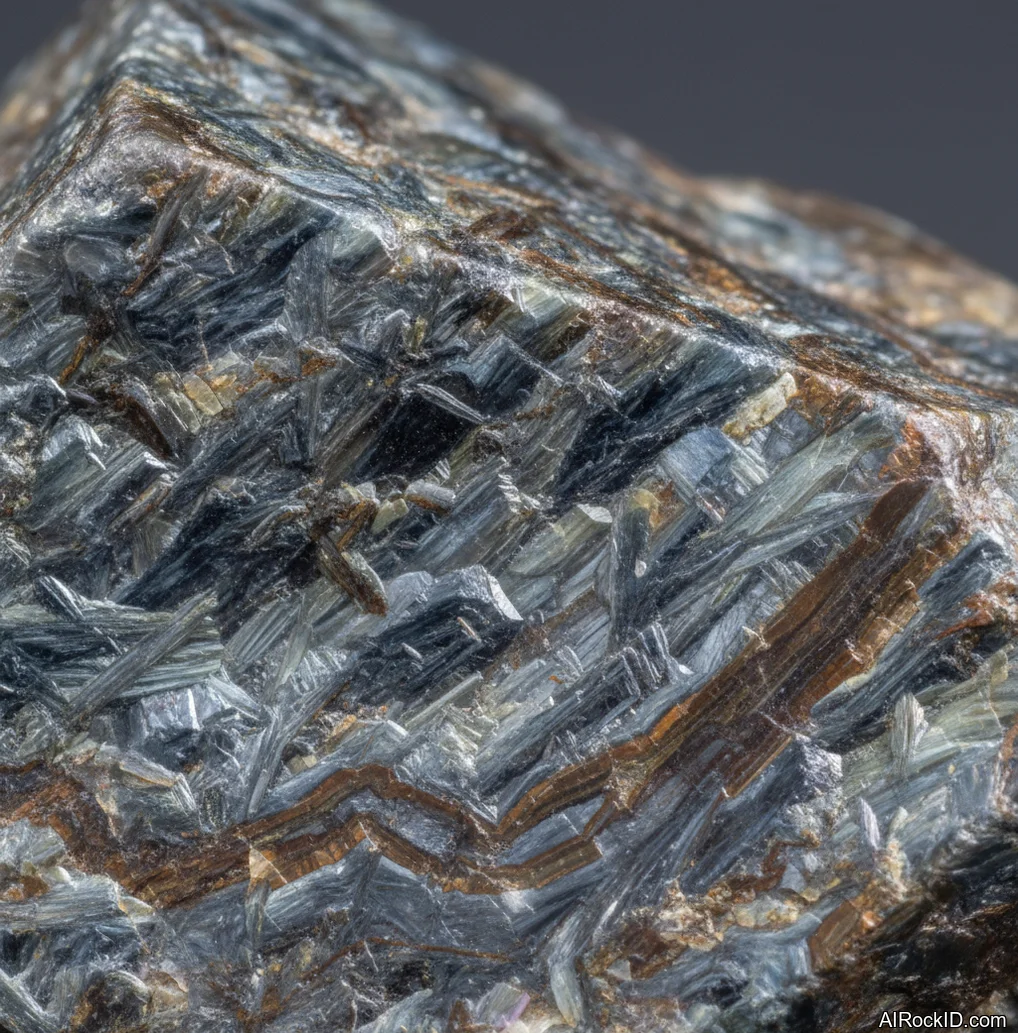
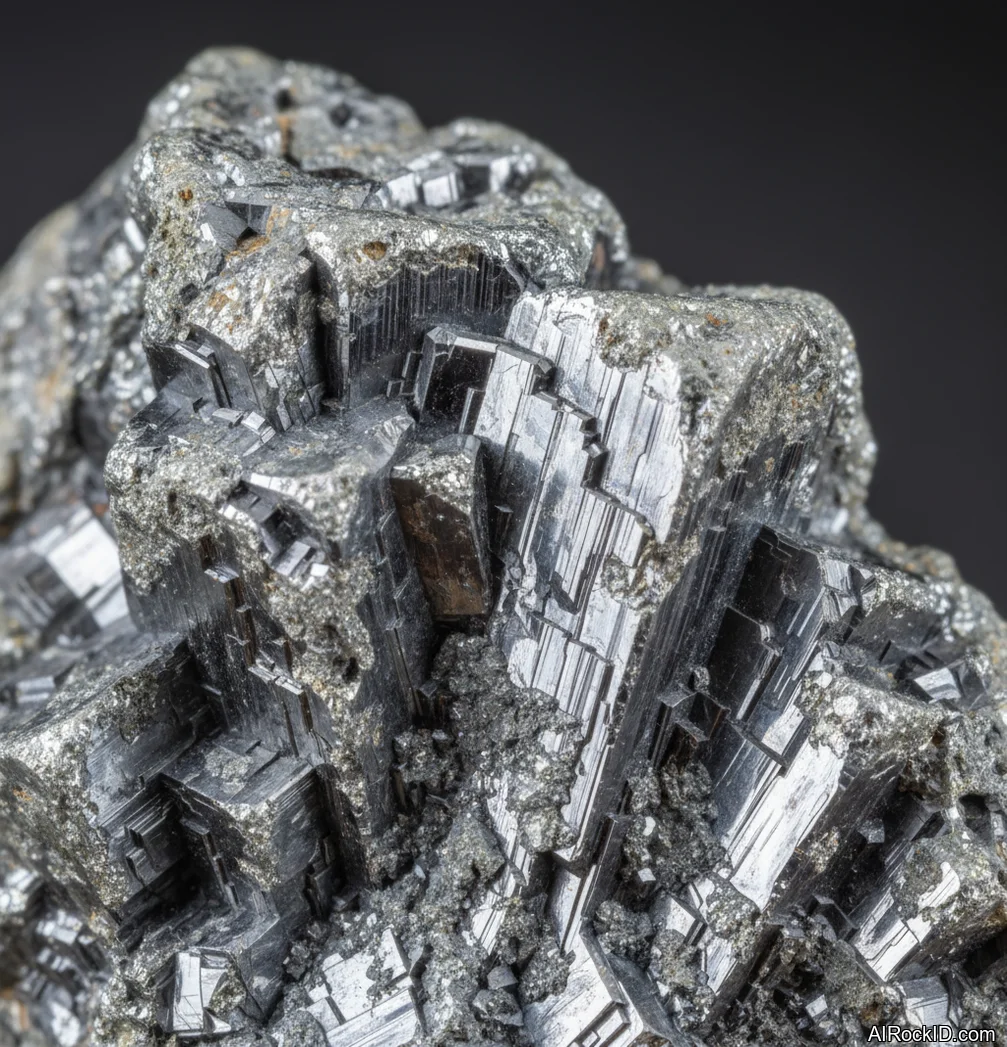
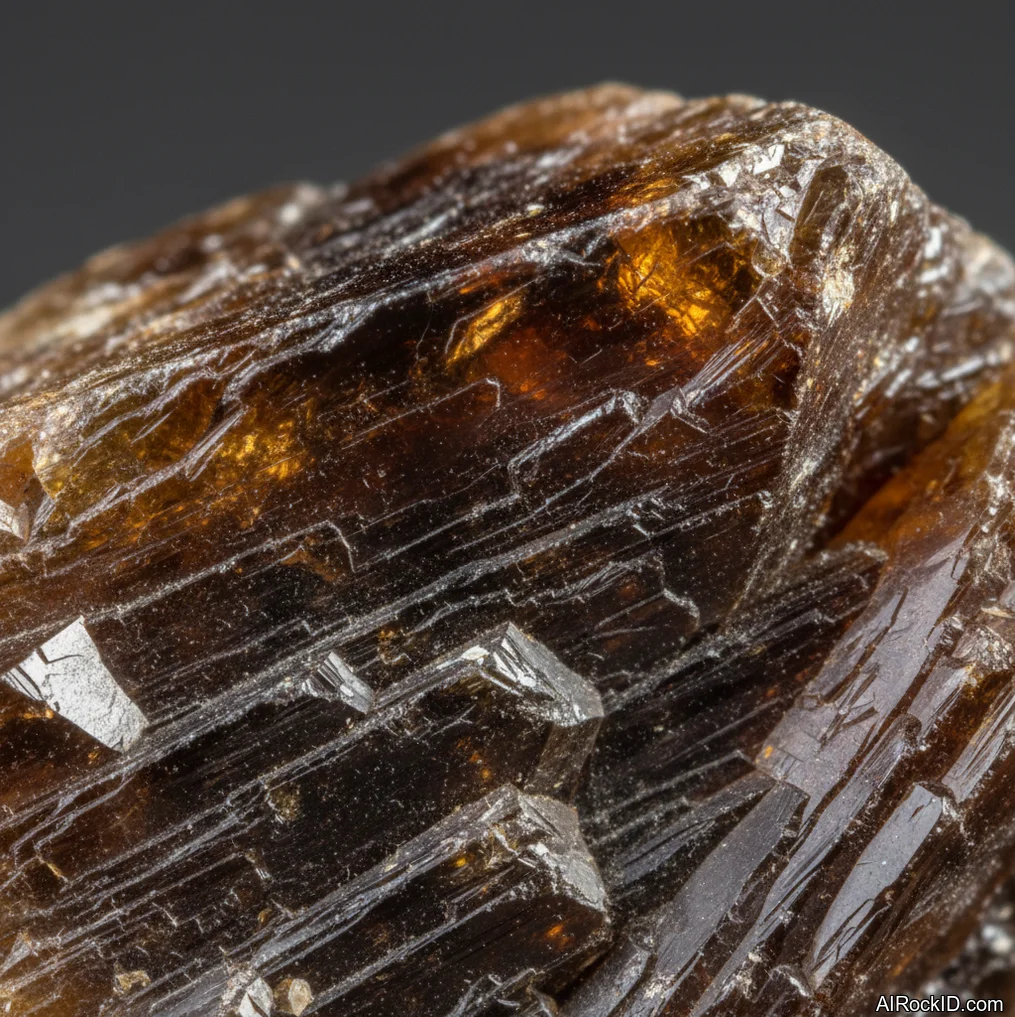
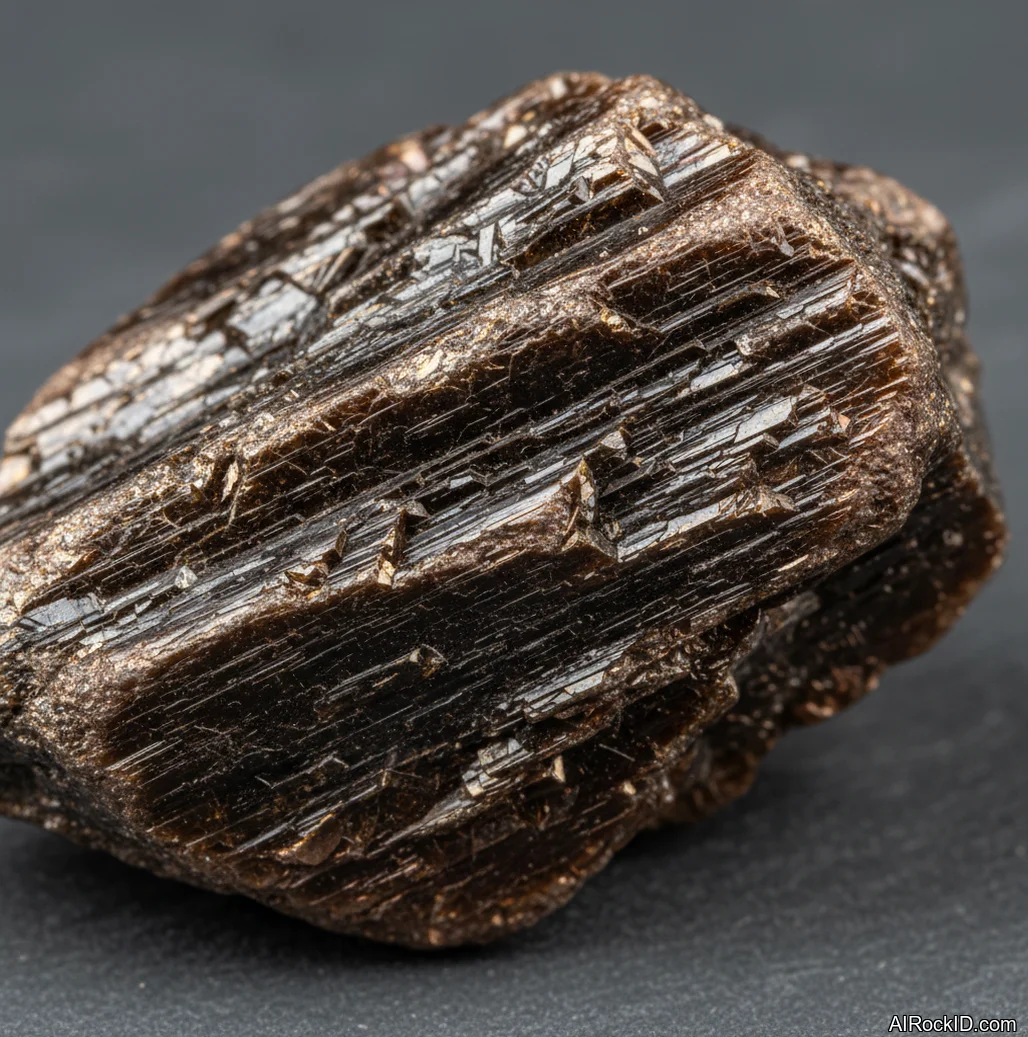
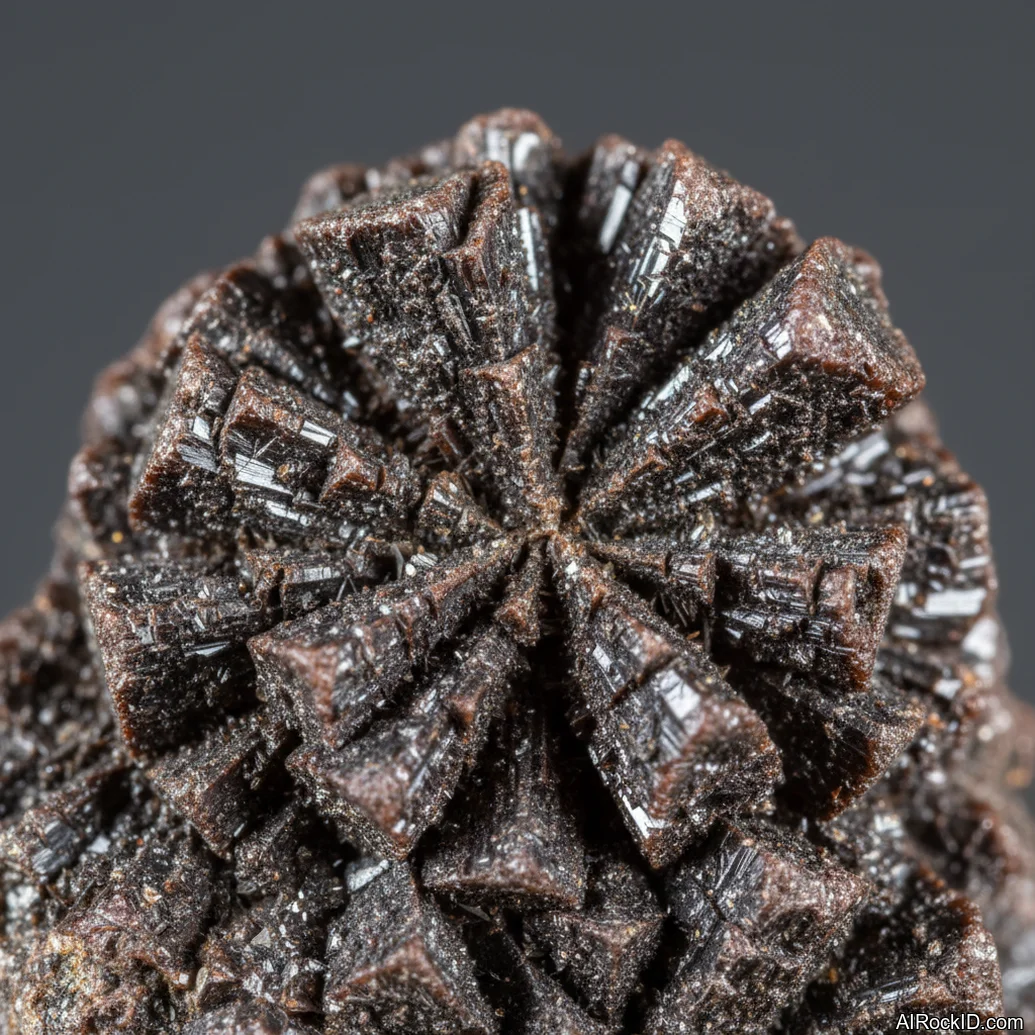
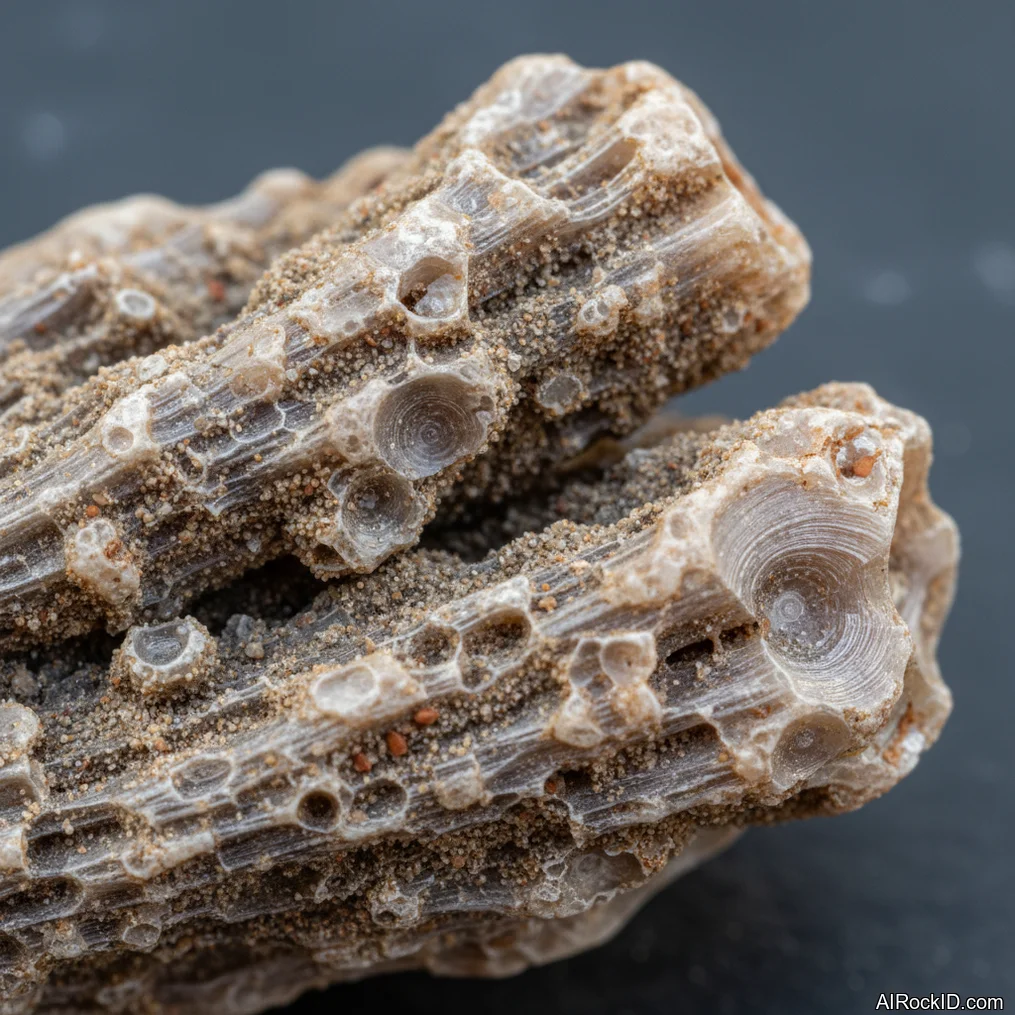
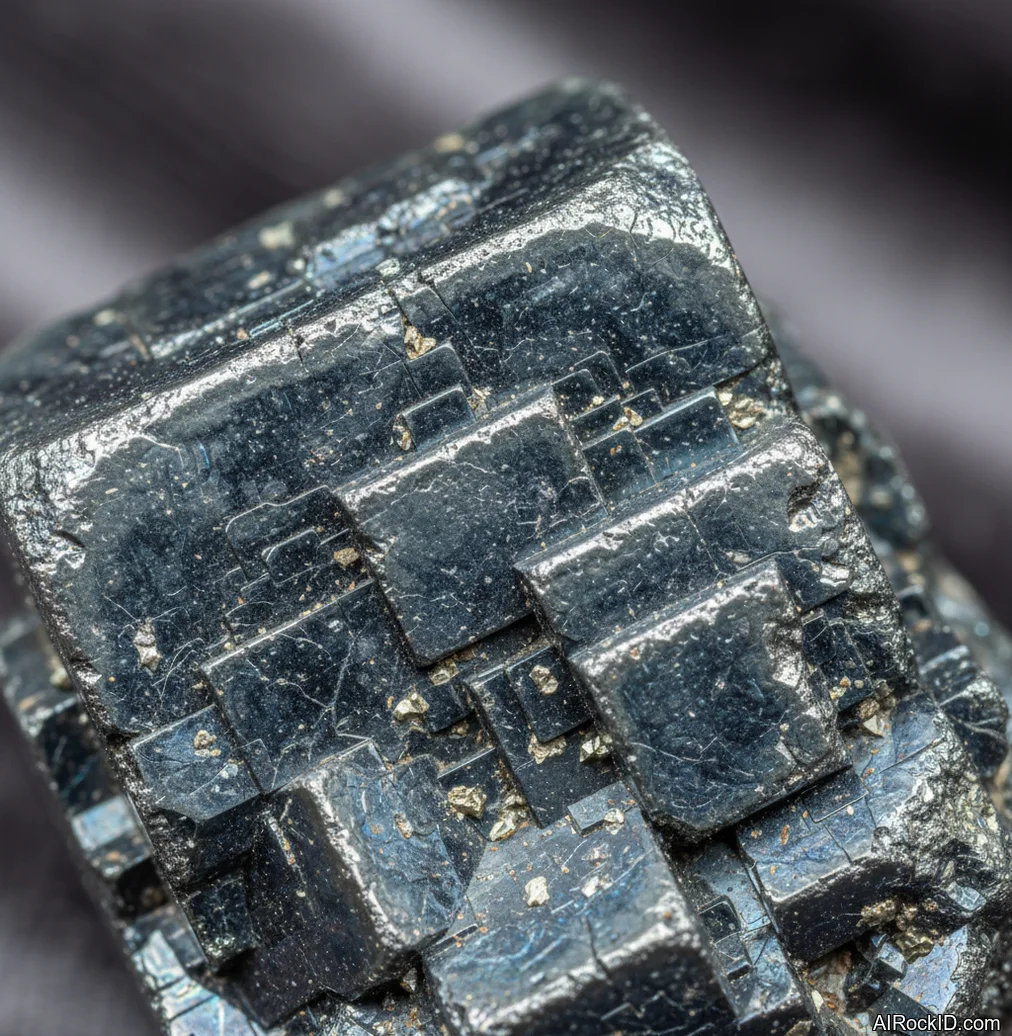
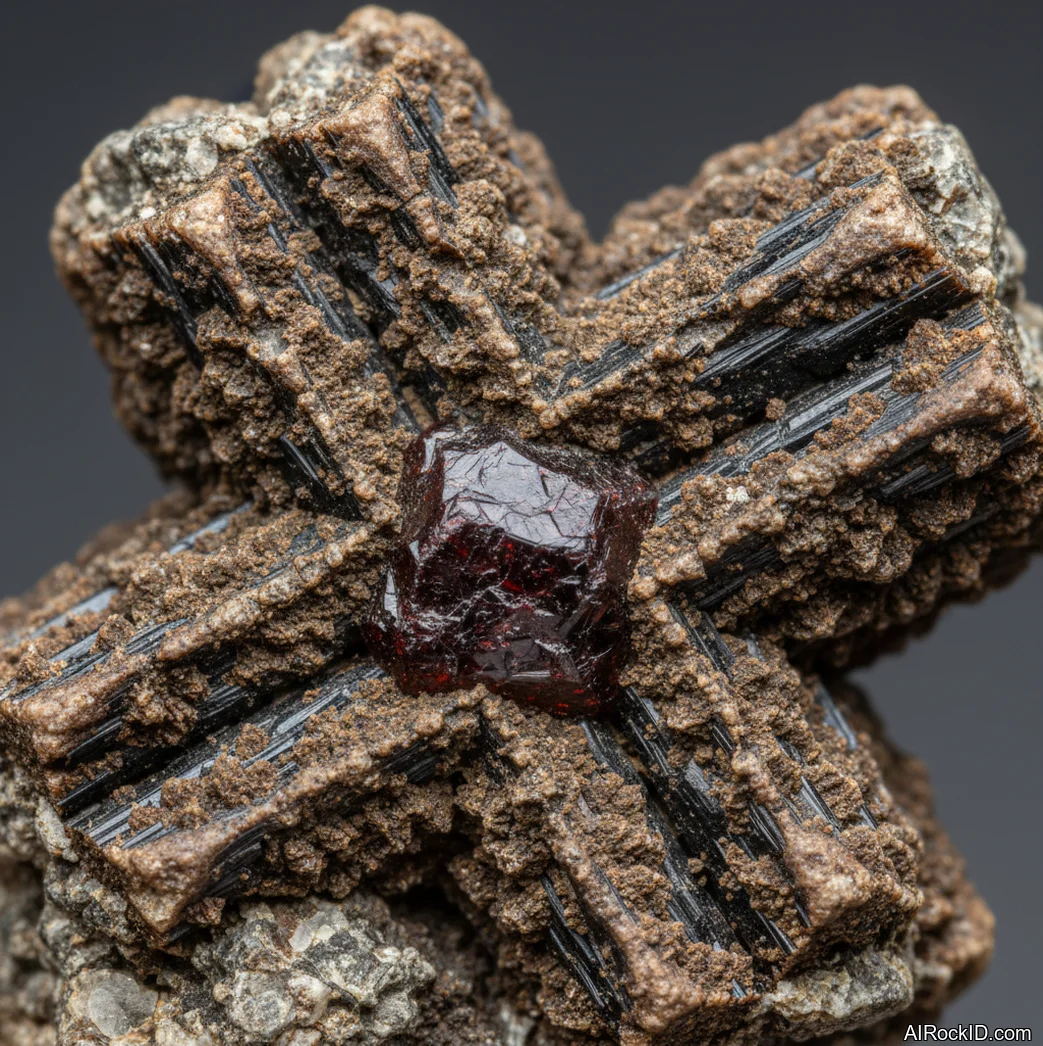
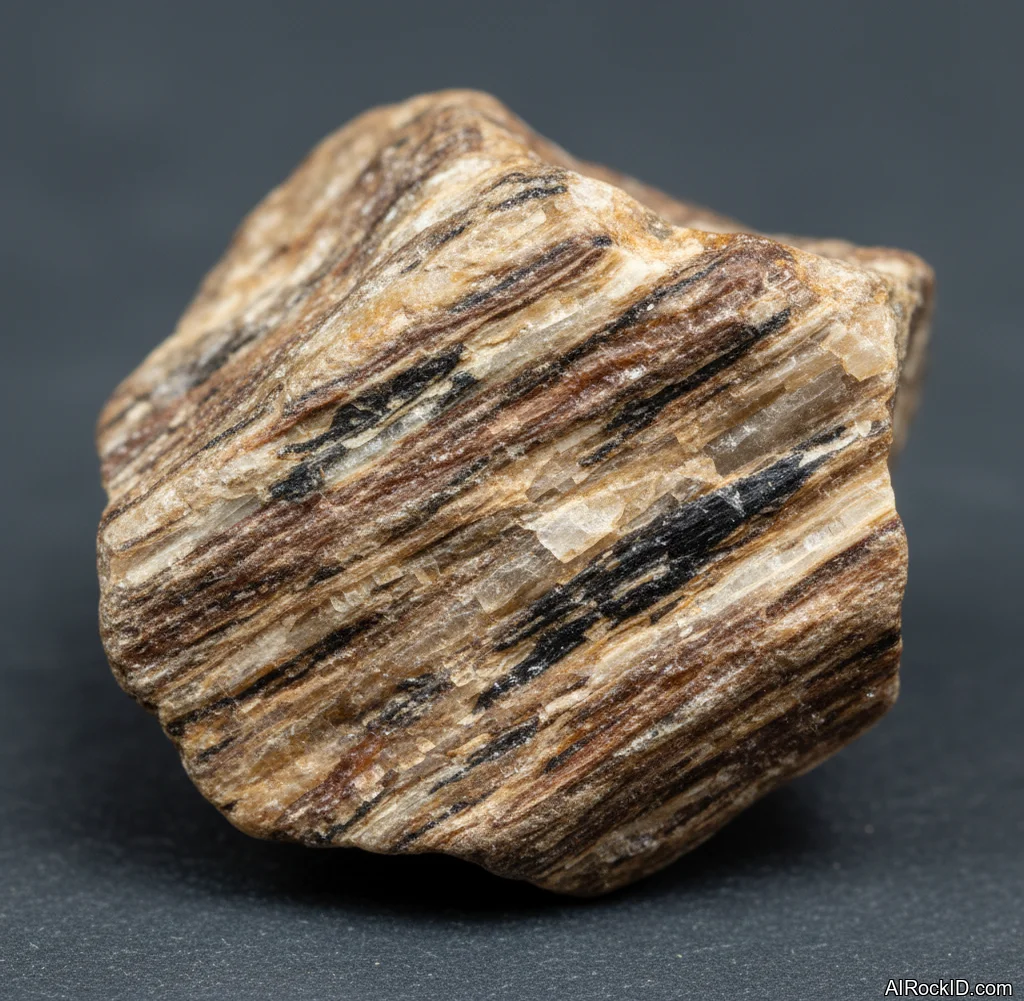
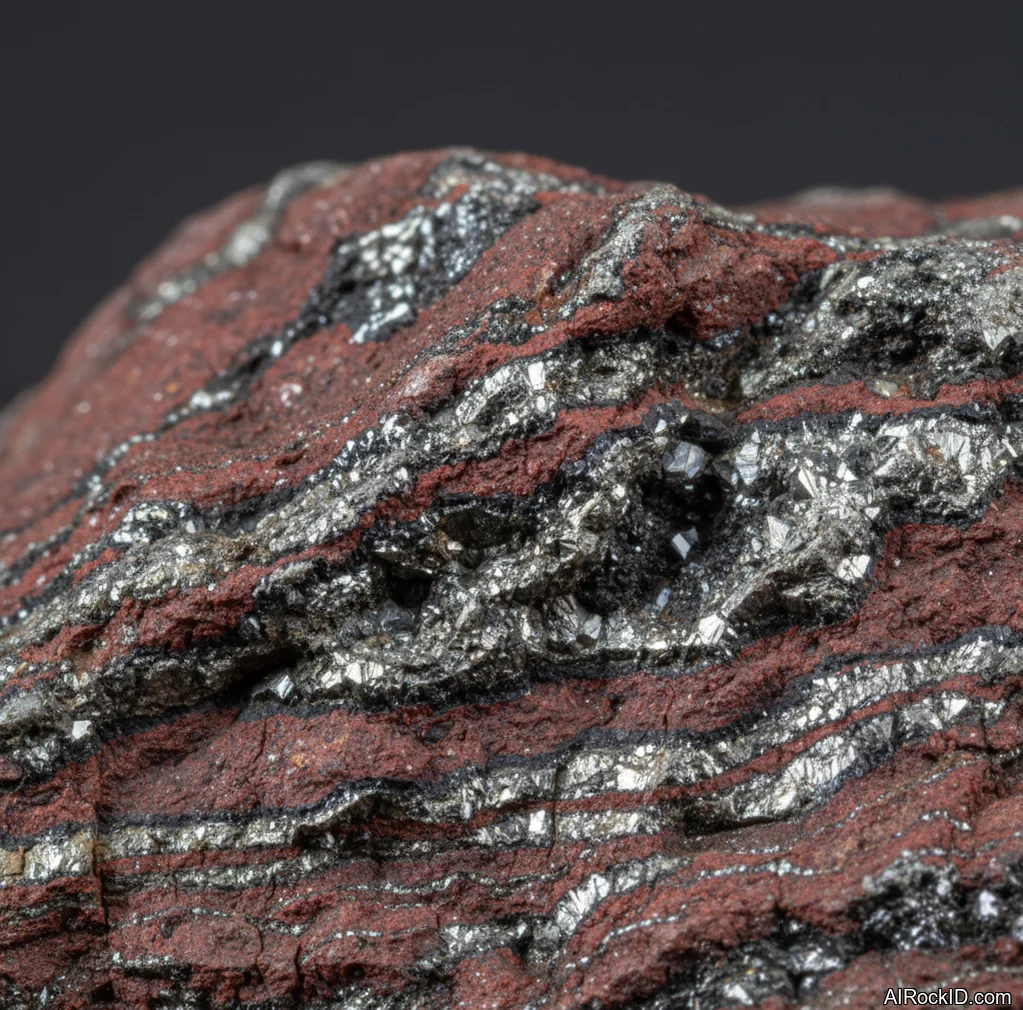
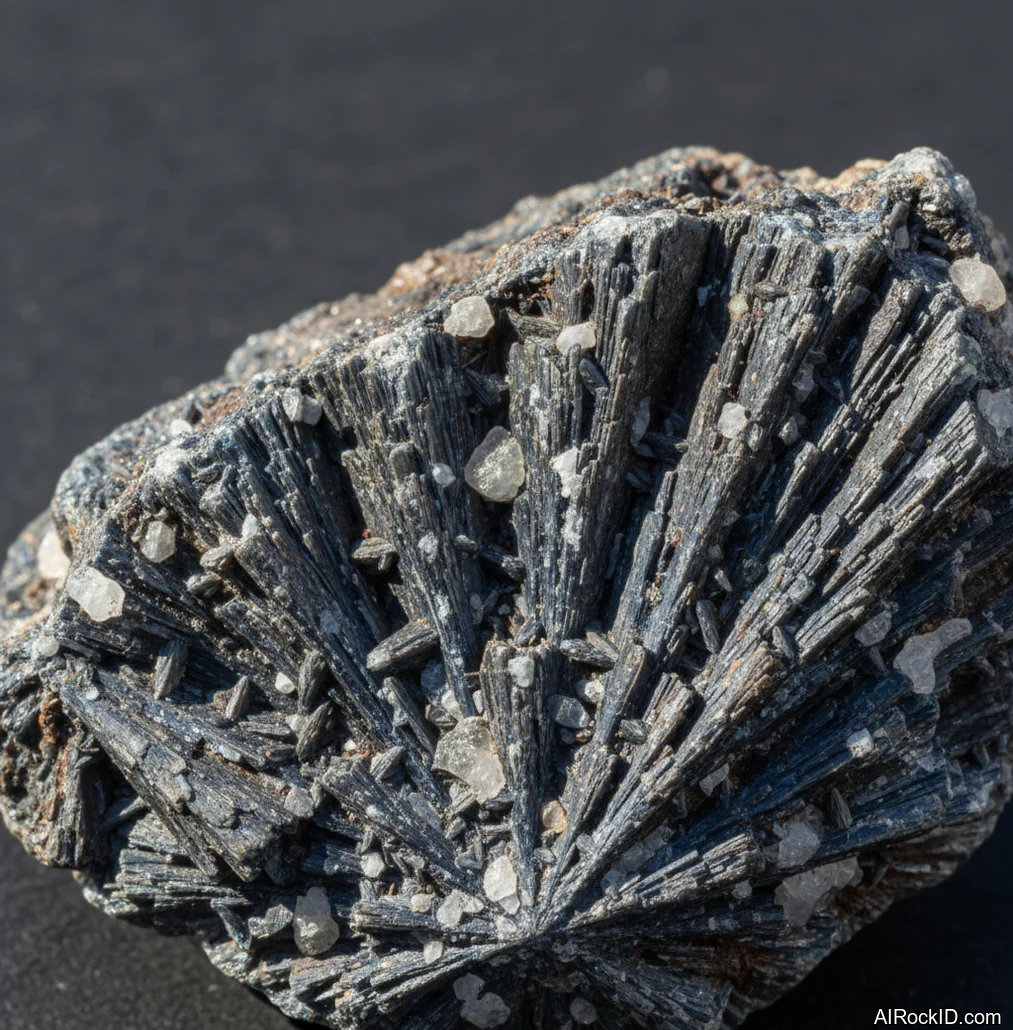
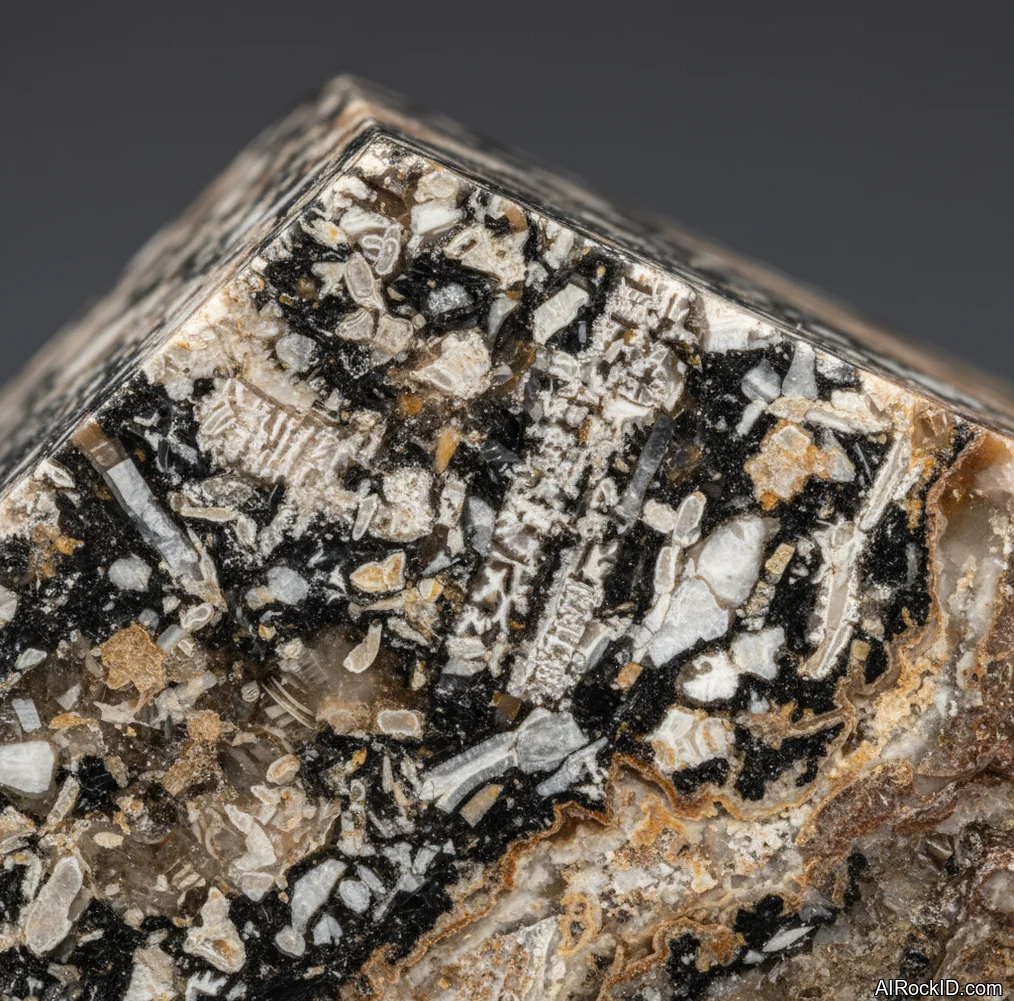
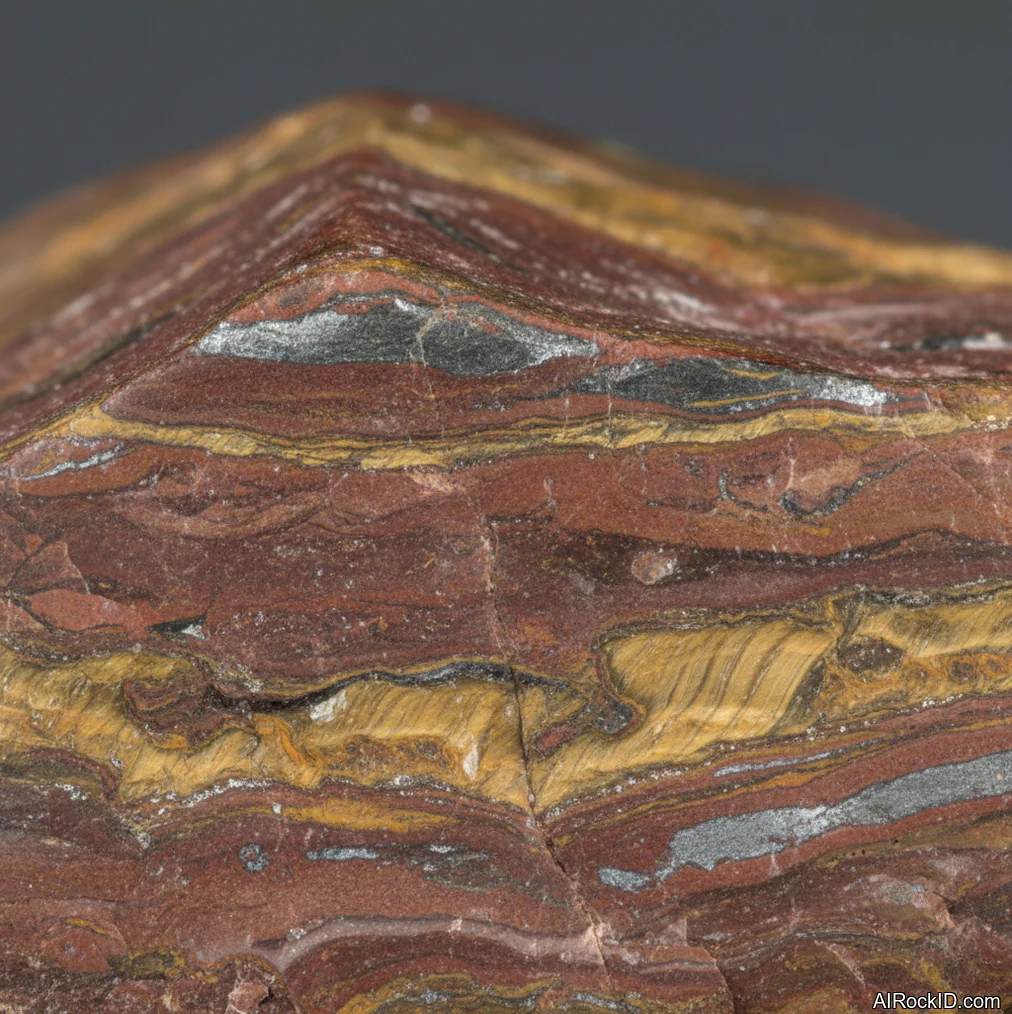
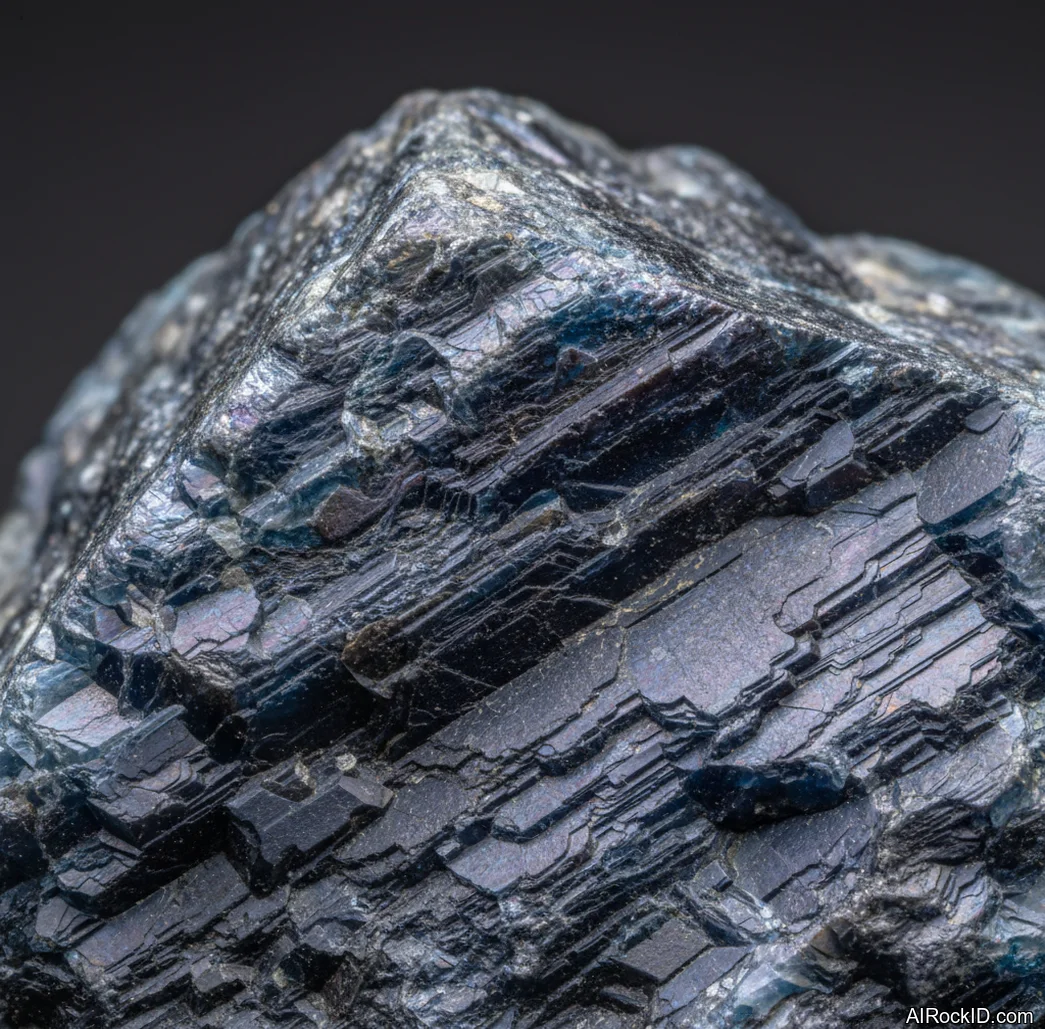
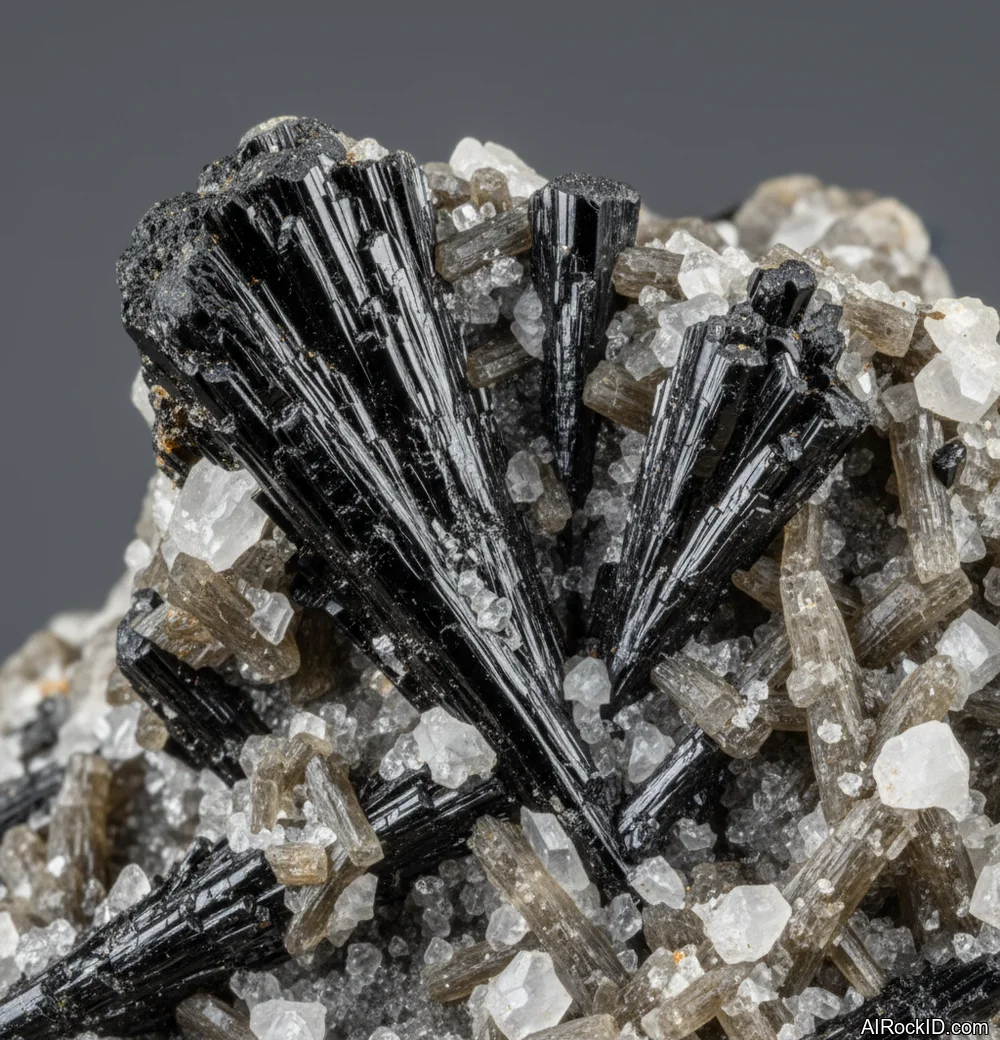
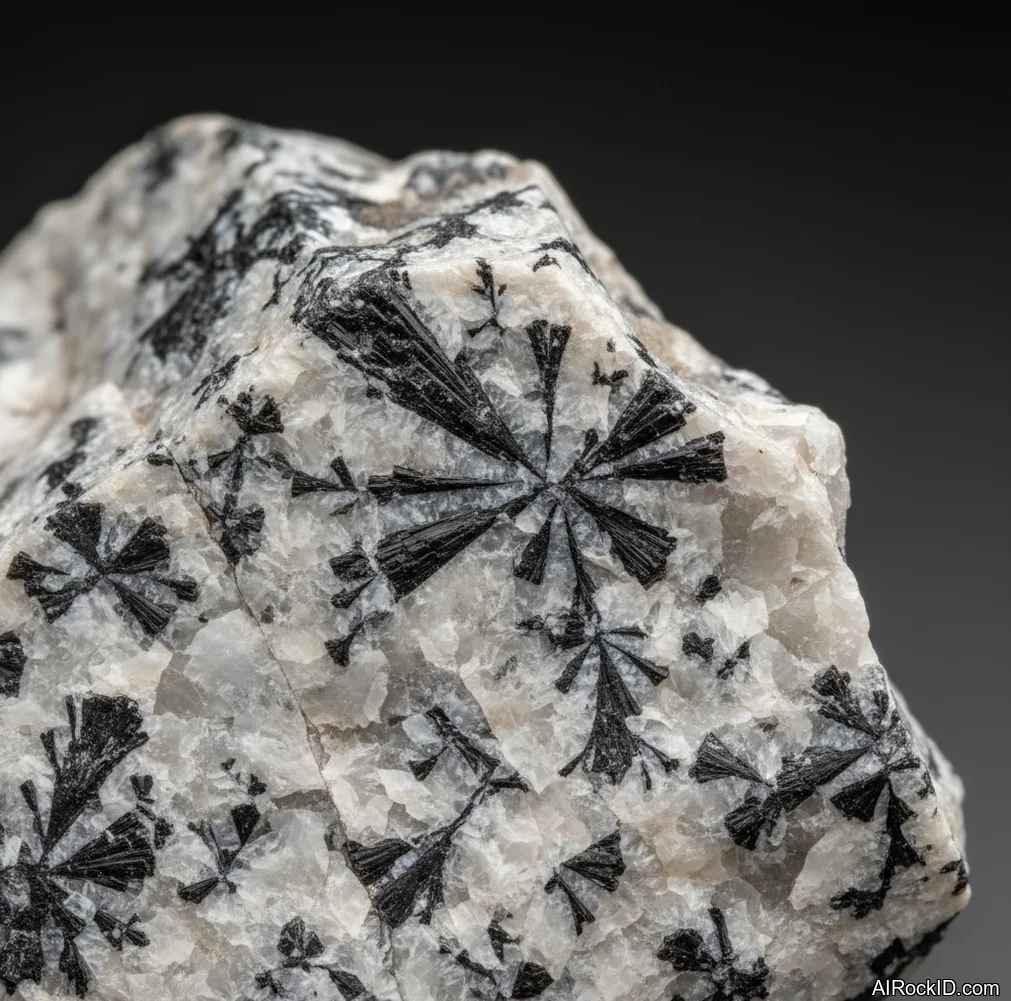
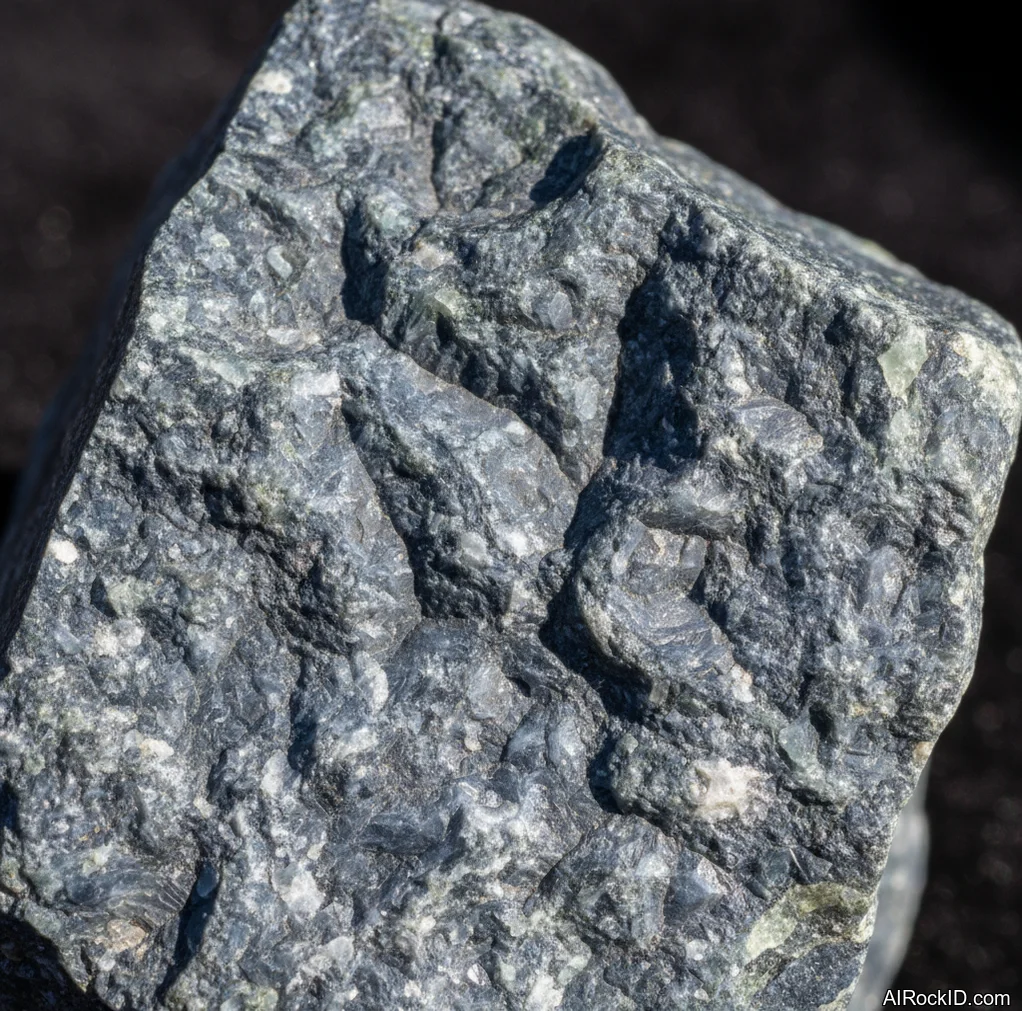
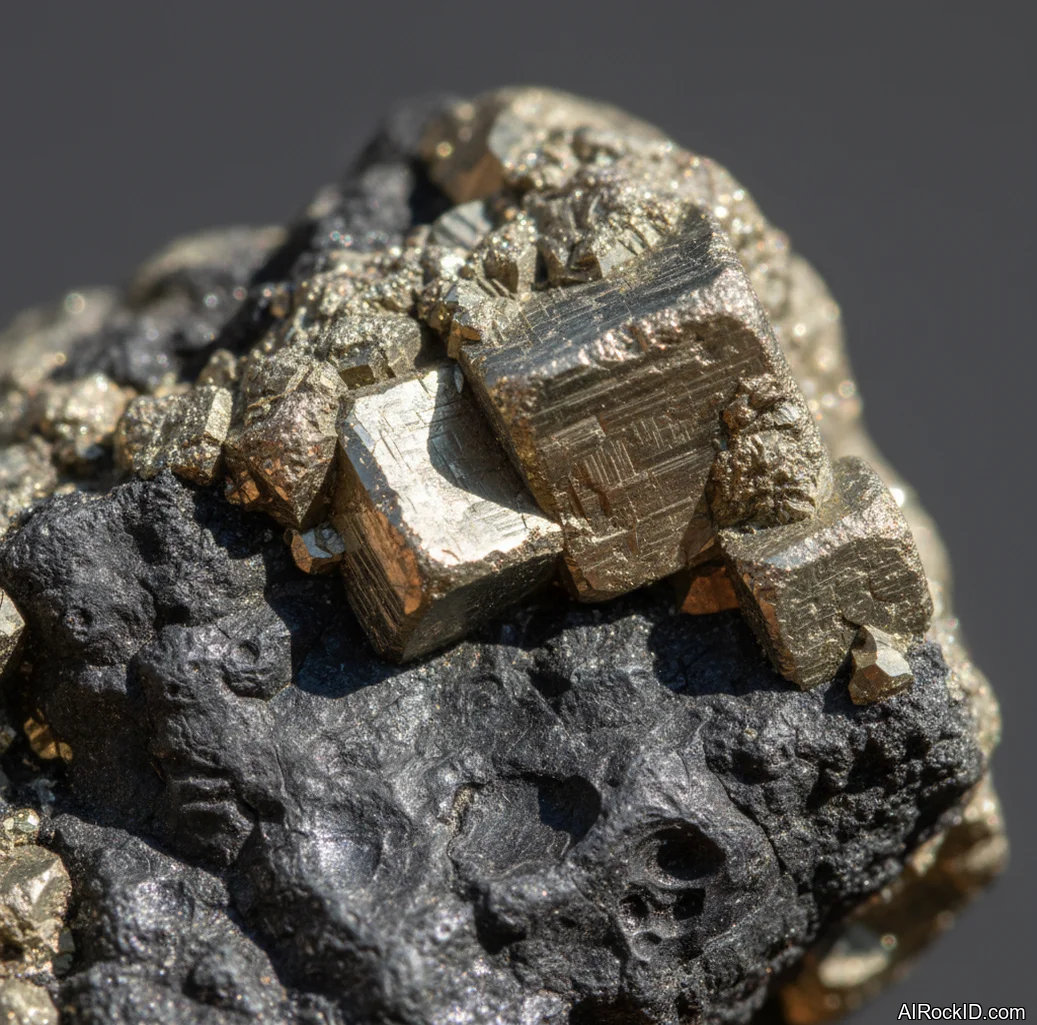
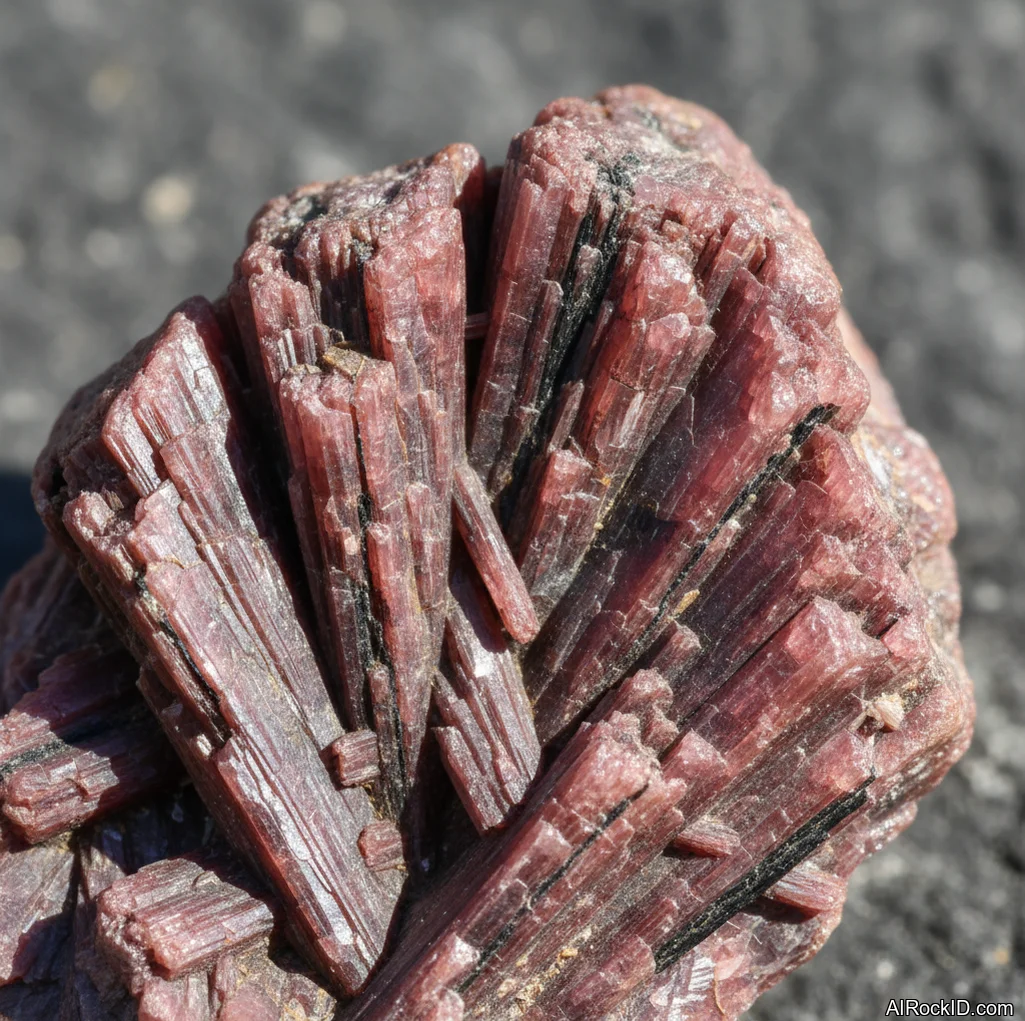
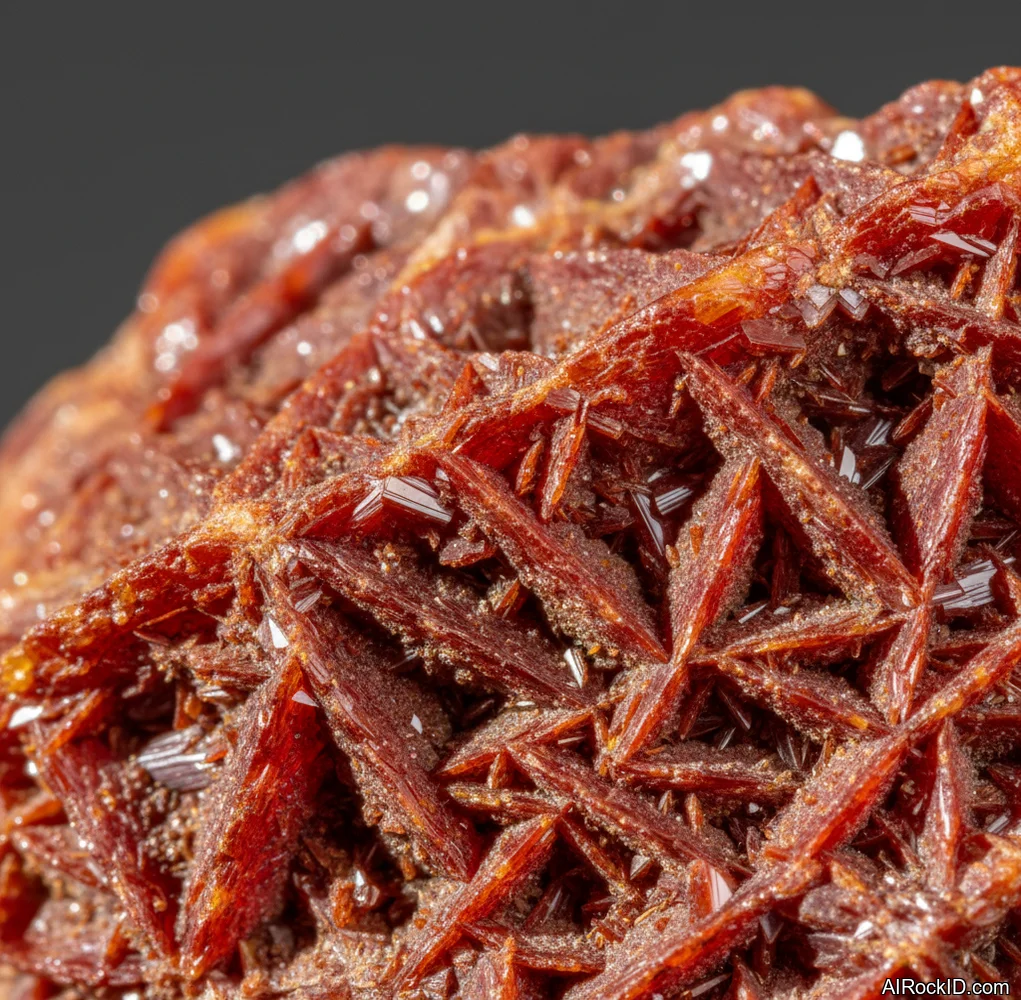
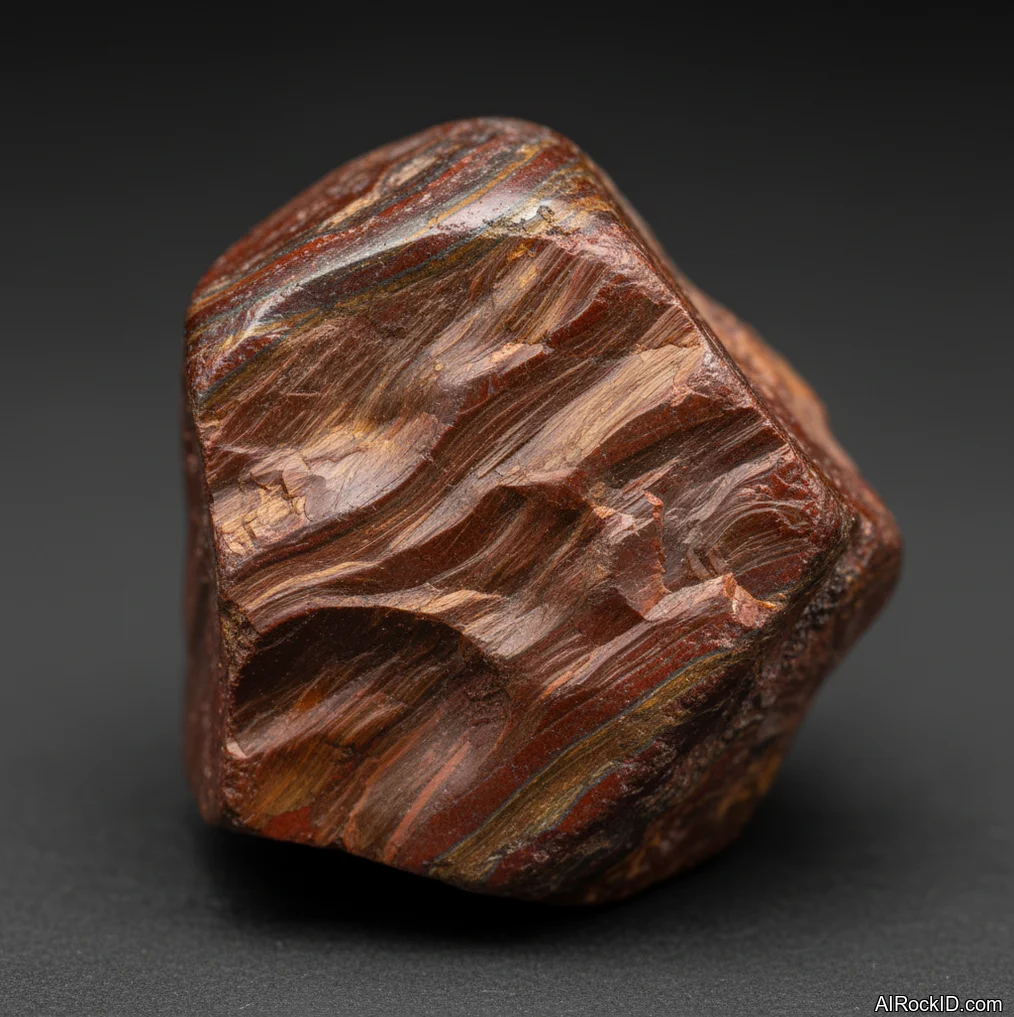
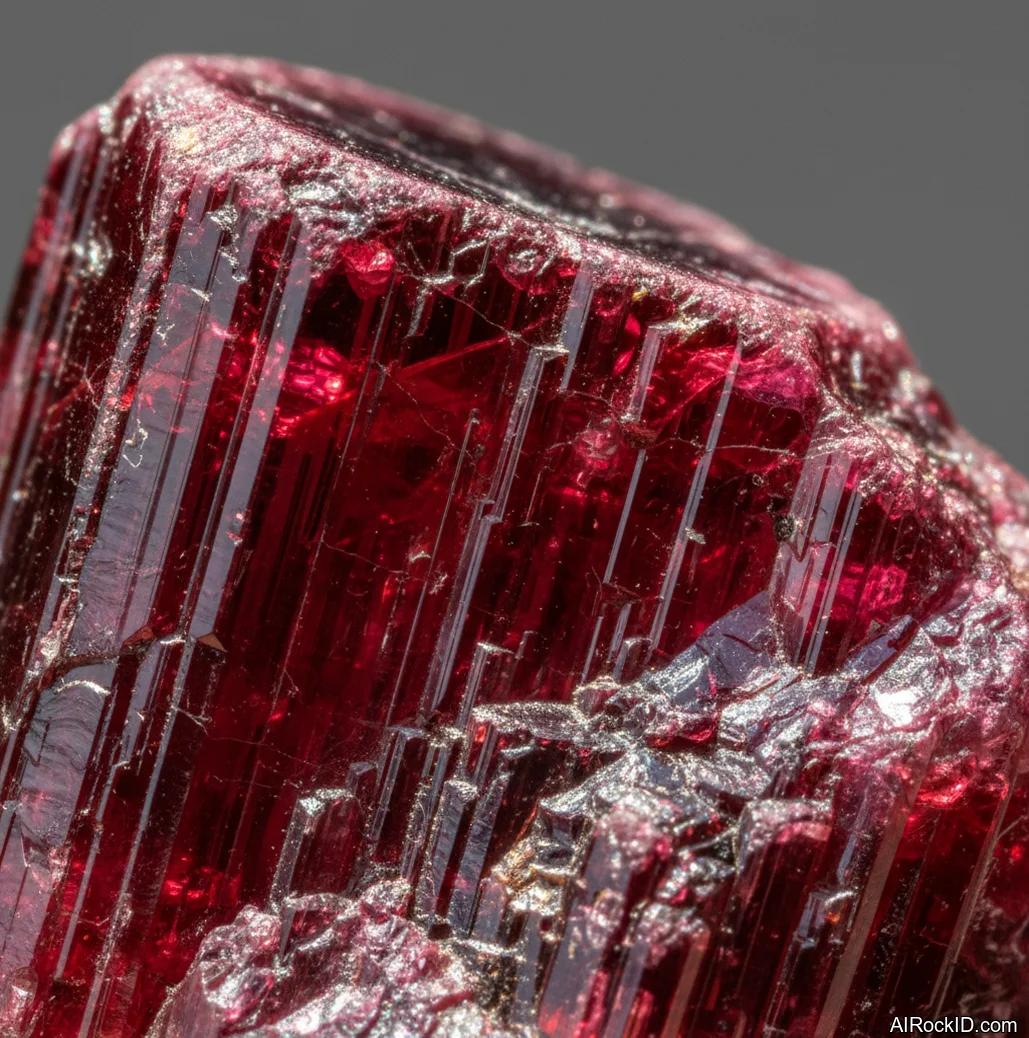
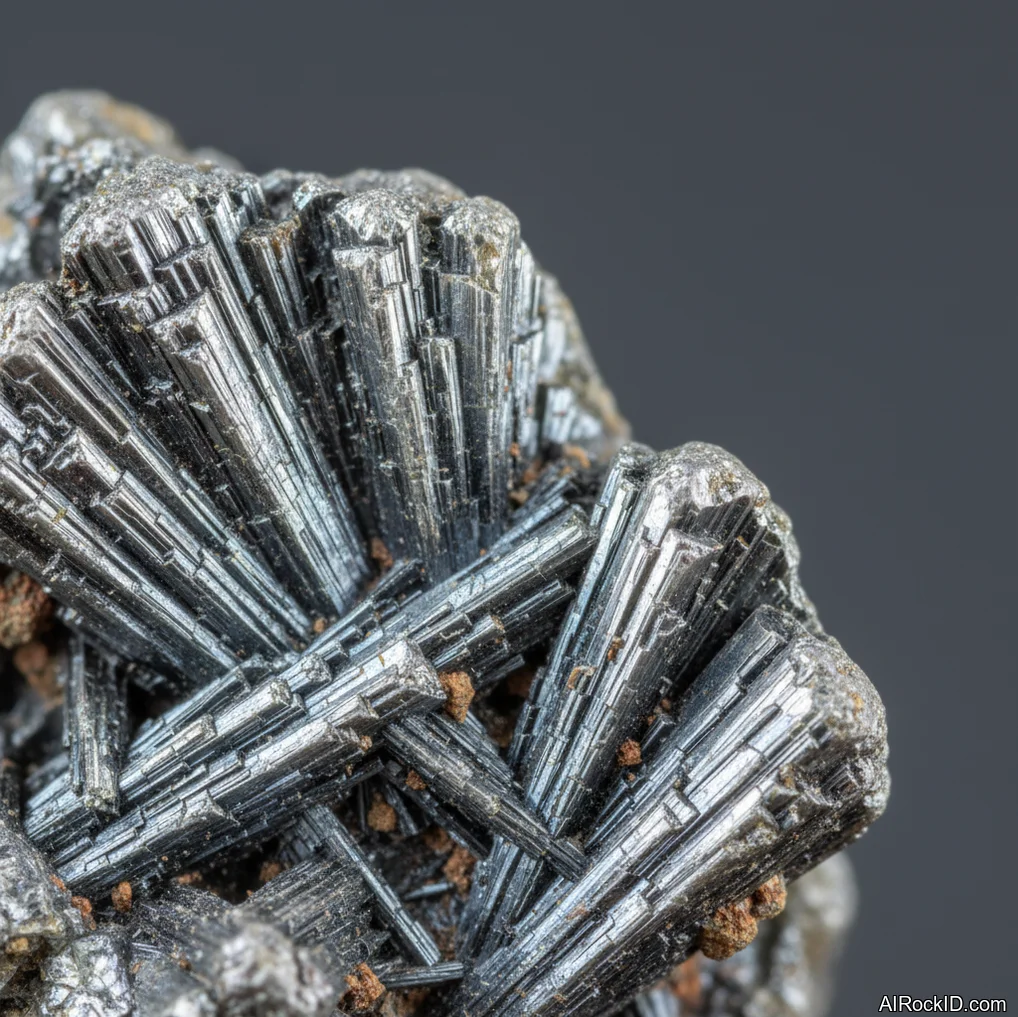
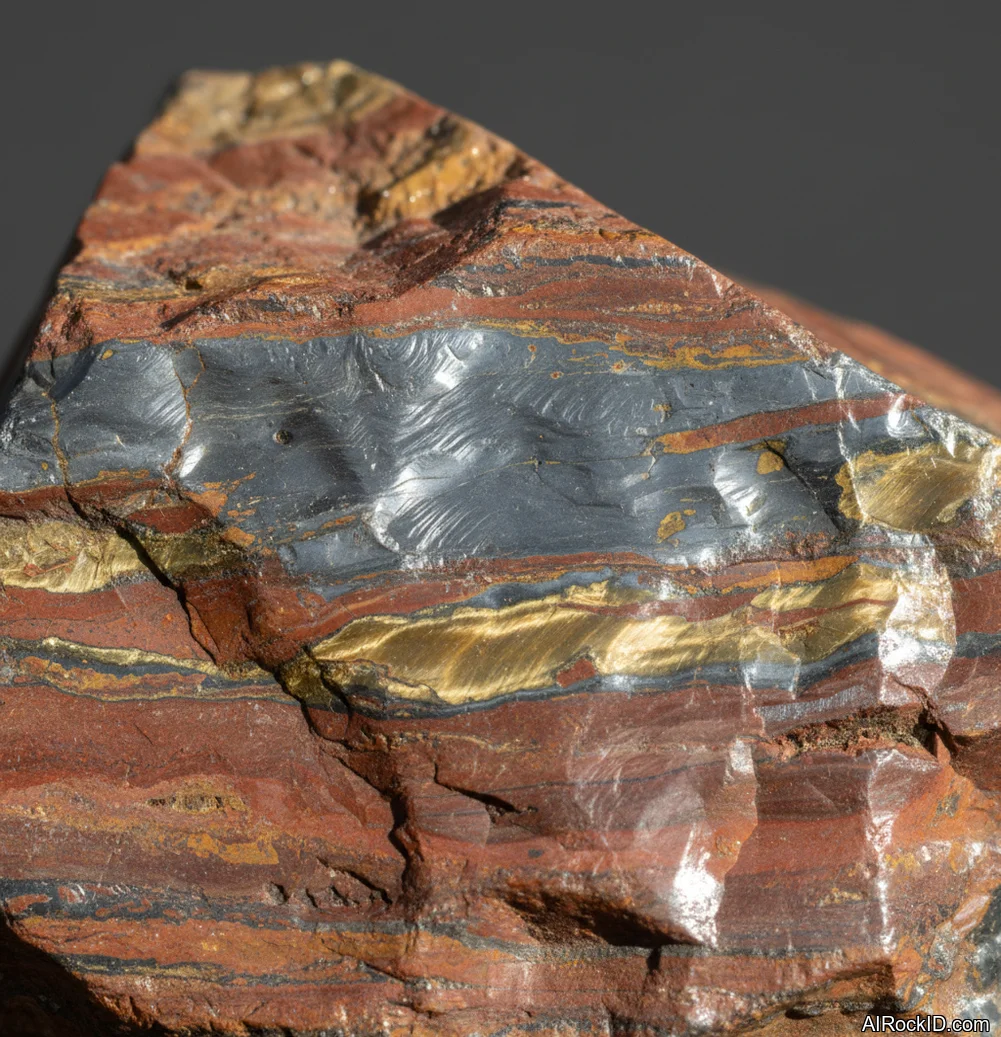
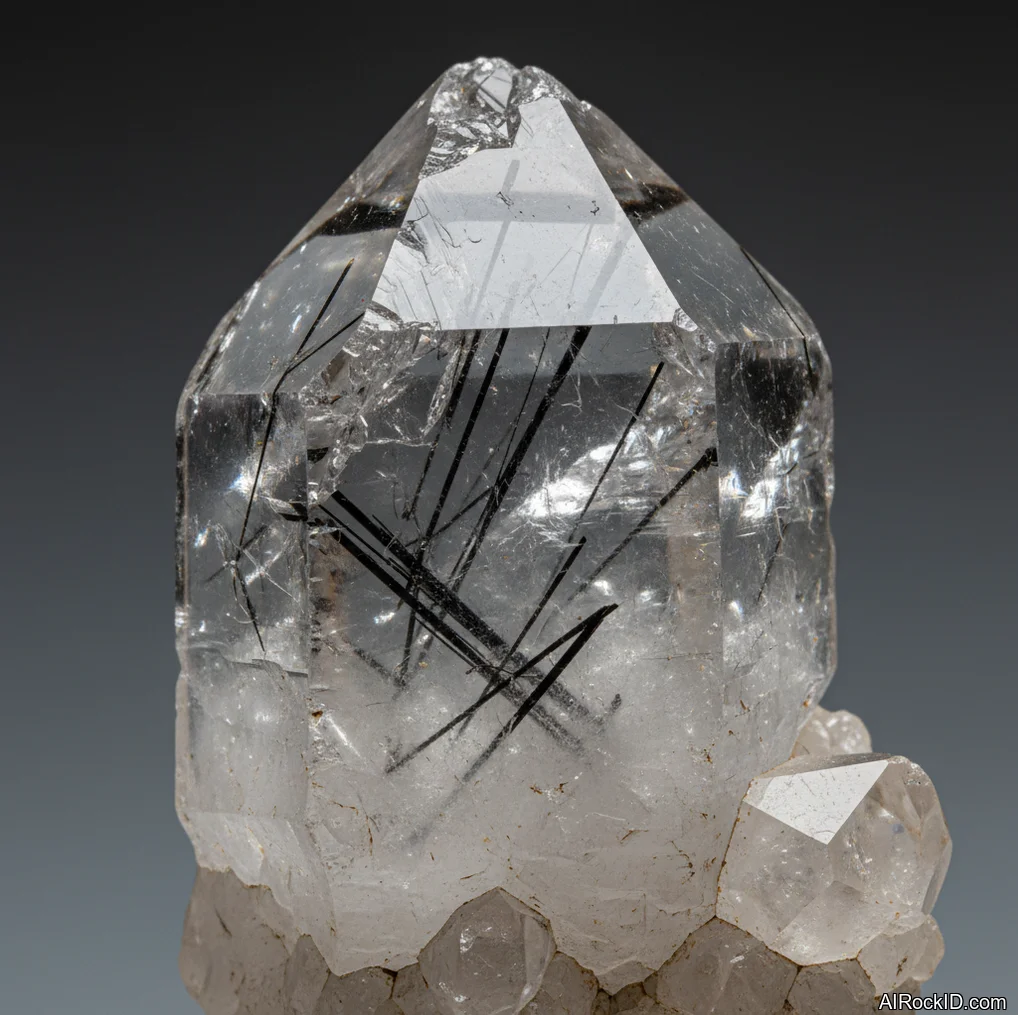
For black tourmaline, don’t expect a perfect, glossy wand every time. Raw schorl often comes with chips, uneven terminations, and bits of host rock. That’s normal. What you do want is hardness and texture. If you scratch it with a steel nail, it shouldn’t gouge easily. And those vertical striations are a good sign you’re looking at actual tourmaline structure, not a dyed resin stick. As for hematite, the classic collector trick is the streak test. On unglazed ceramic, real hematite leaves a reddish-brown streak even when the stone itself looks gunmetal gray.
Care is straightforward, but there are a couple gotchas. Selenite and salt bowls are trendy for “clearing,” but don’t toss everything in there without thinking. Hematite can rust if it lives damp, and some porous stones pick up residue. I wipe my daily-carry pieces with a damp cloth, dry them, and call it good. Sunlight is another one. Smoky quartz usually handles light fine, but dyed stones and some treated materials fade if you leave them on a windowsill for weeks.
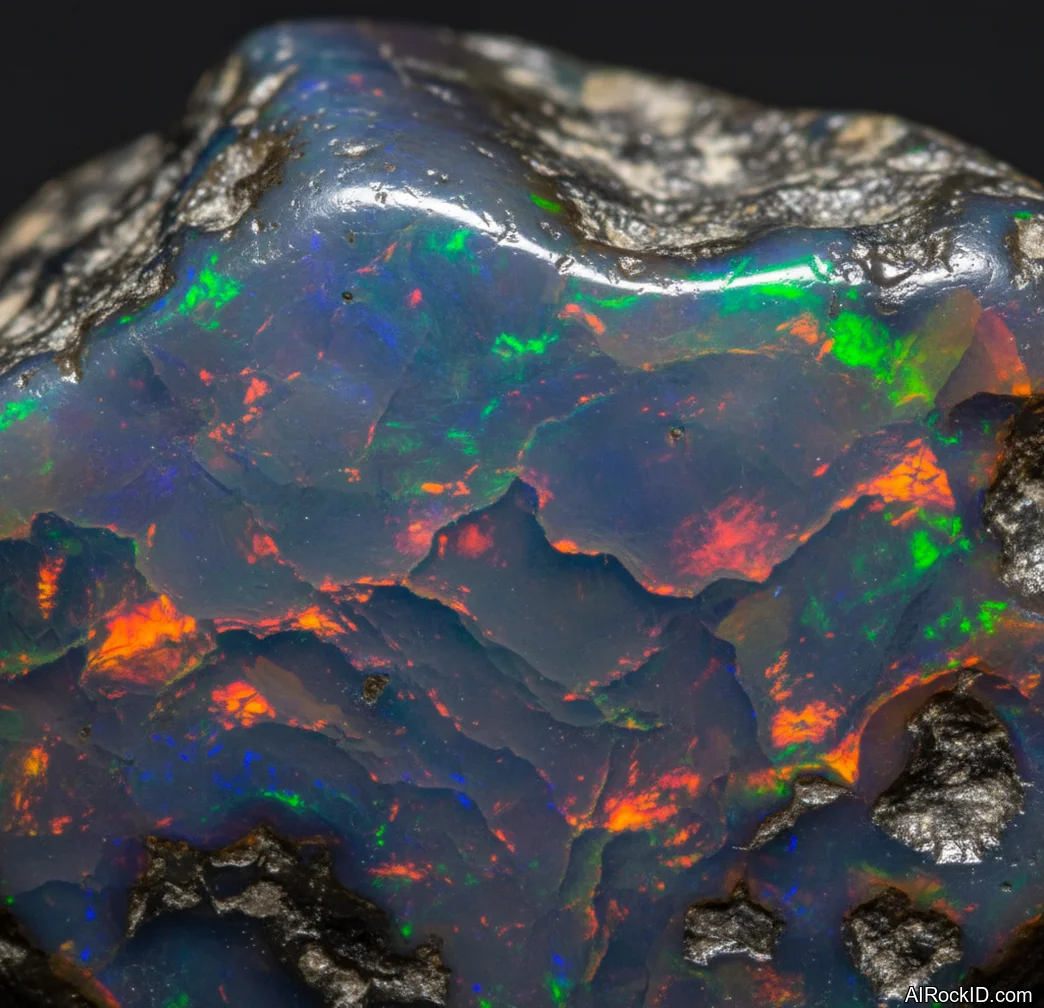
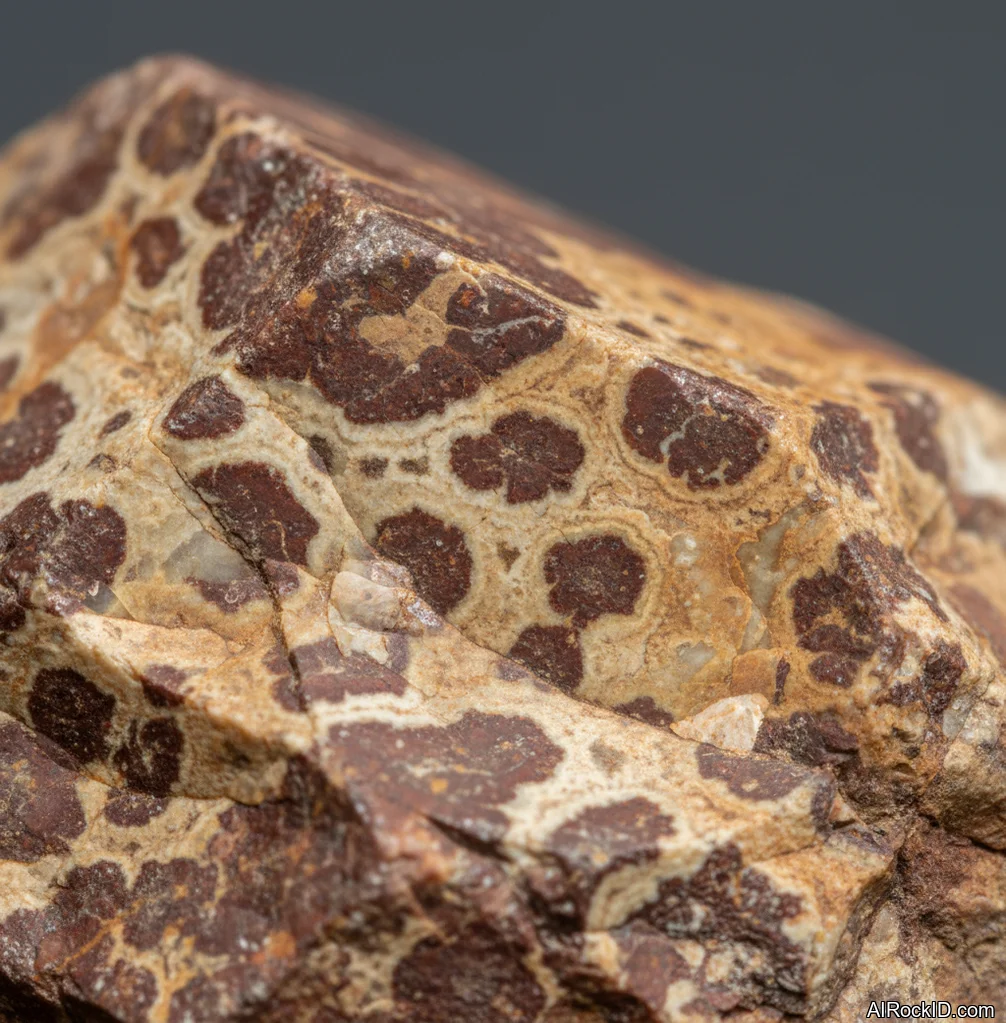
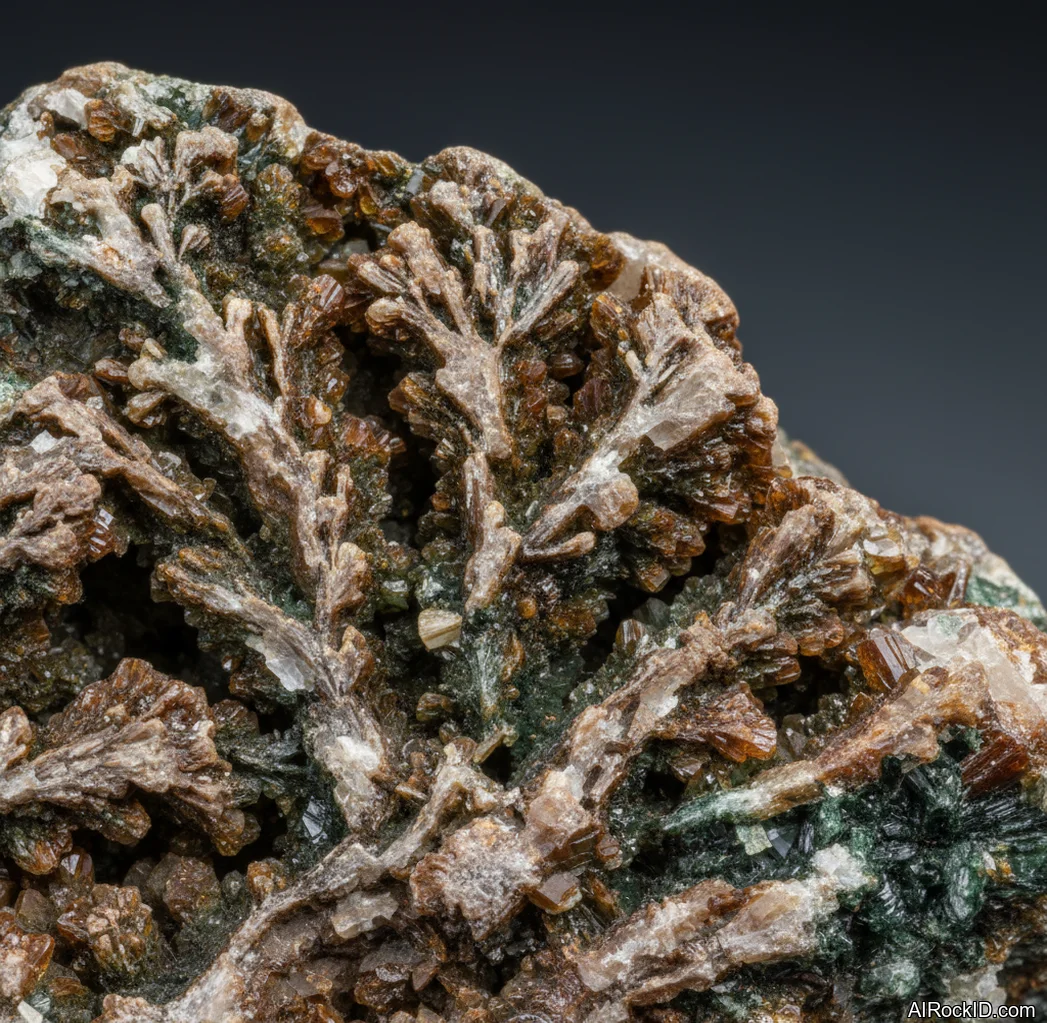
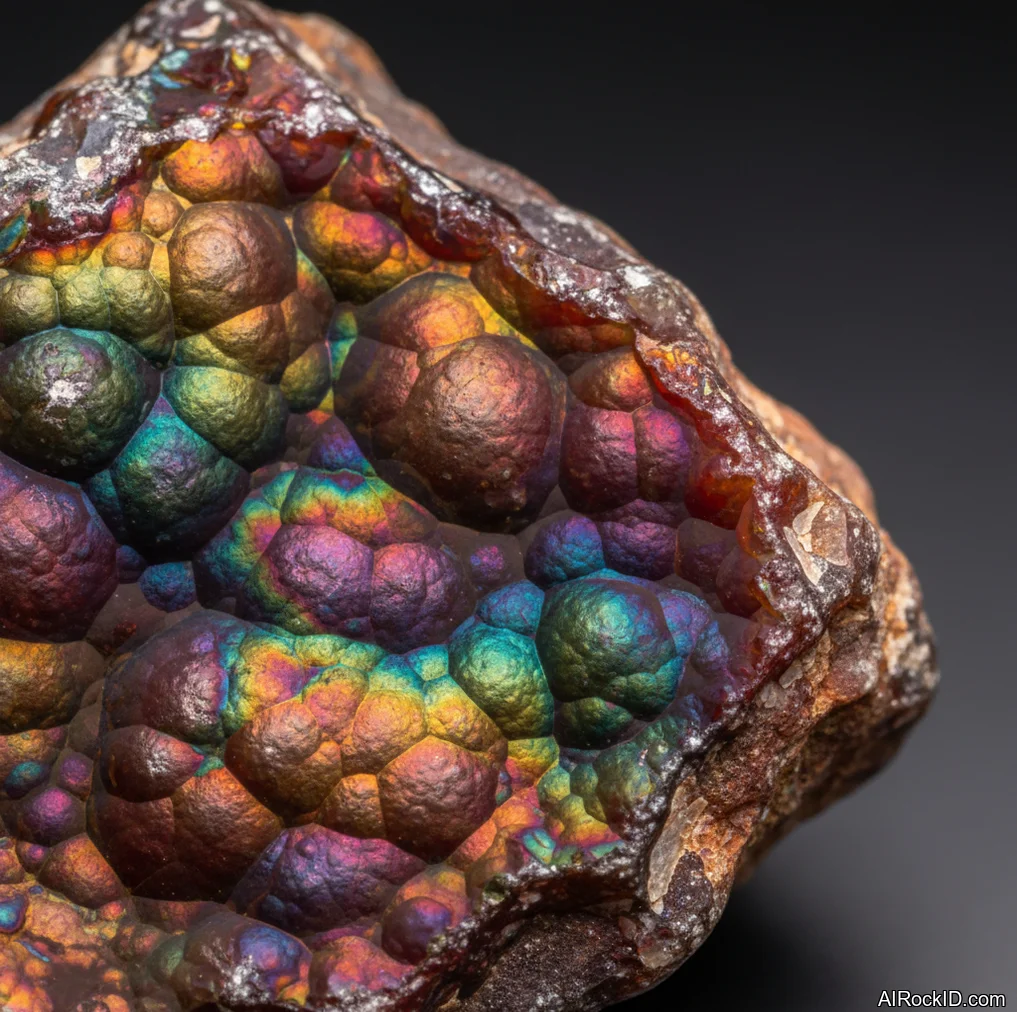
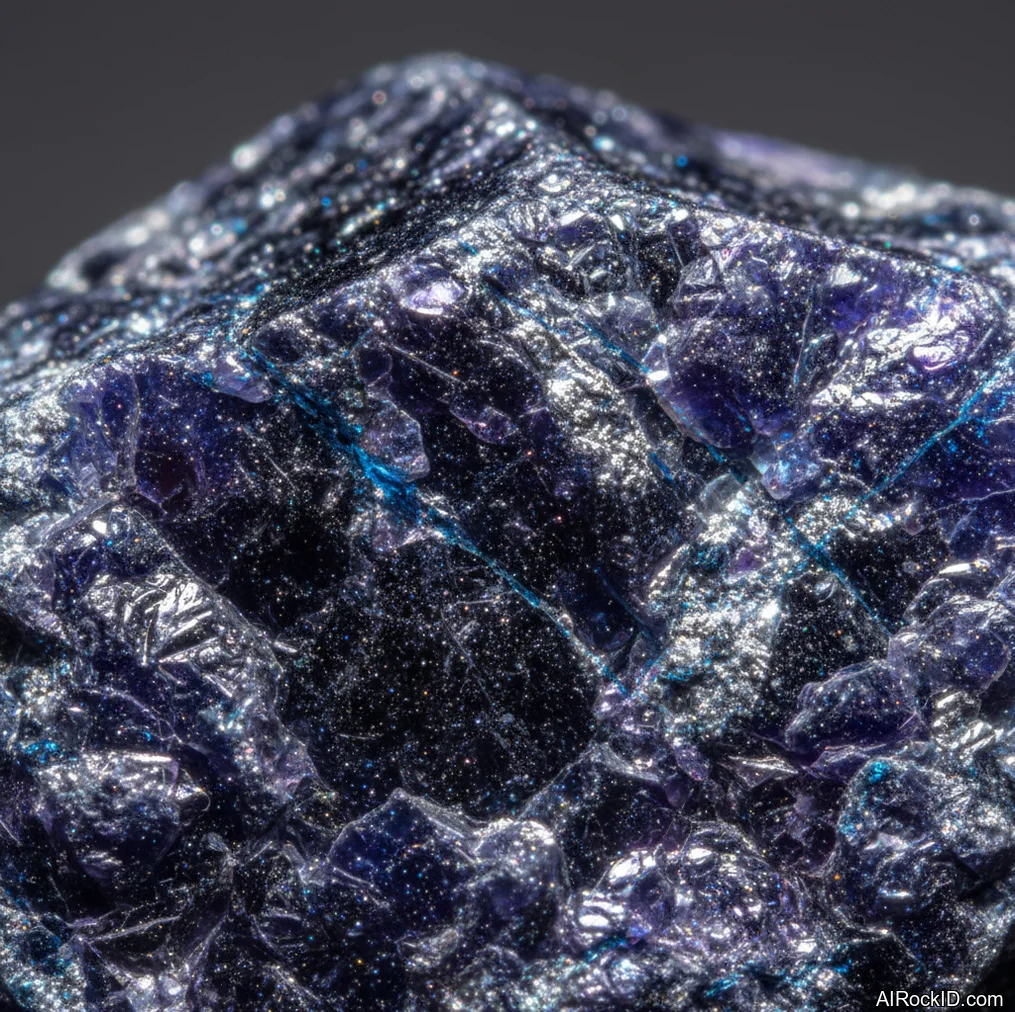
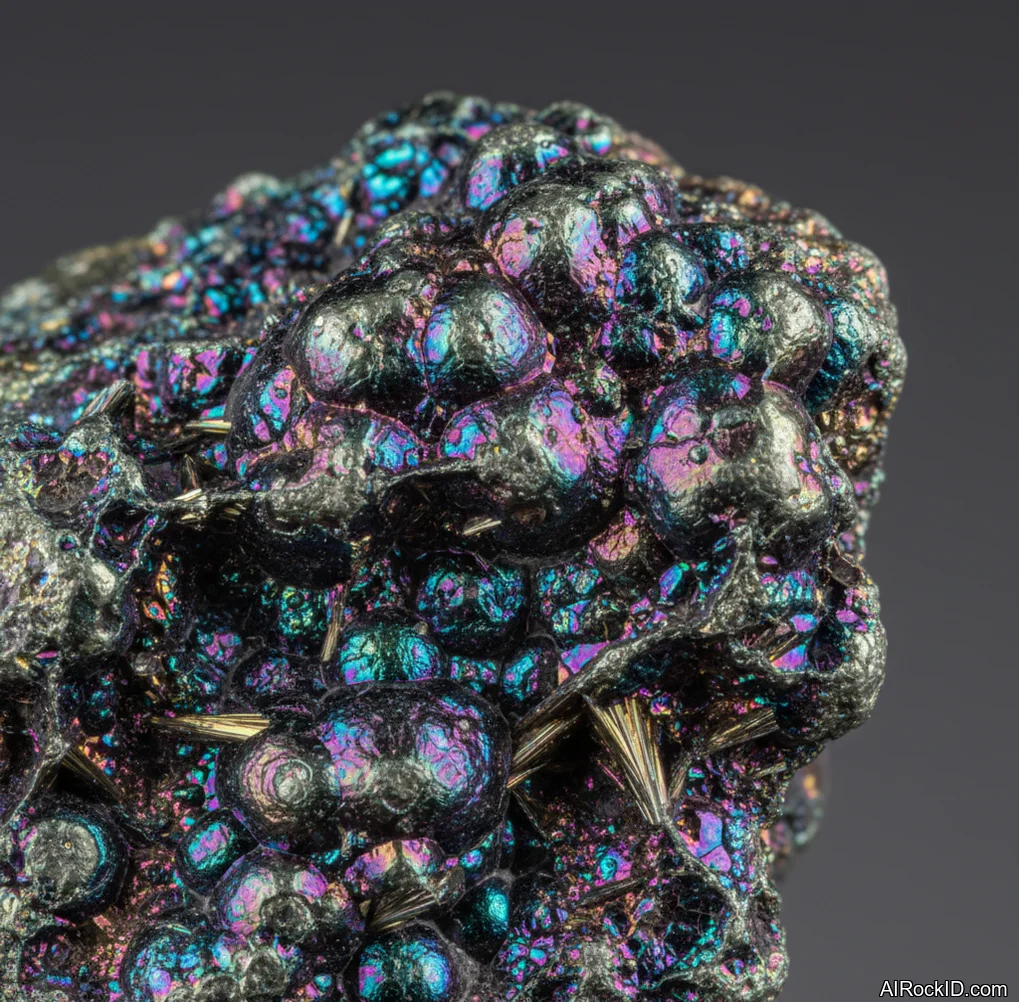
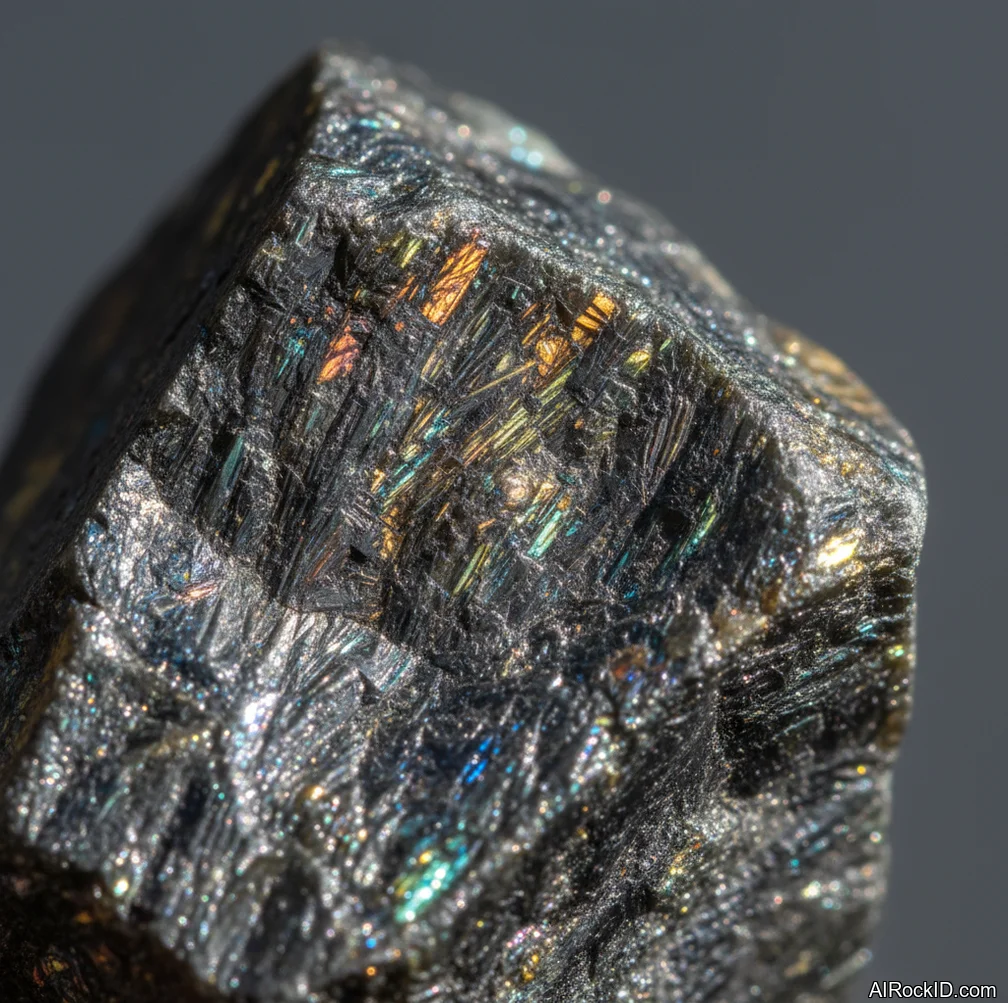
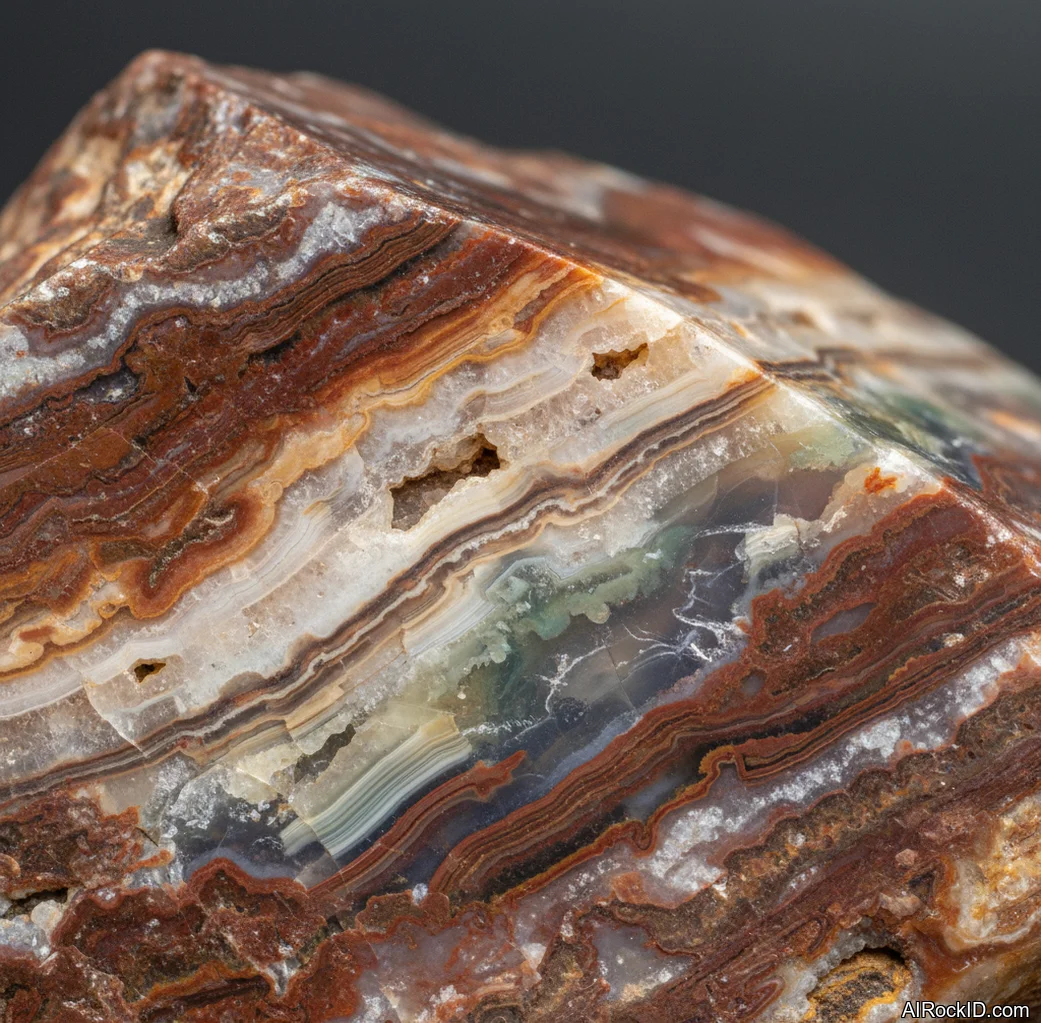
If you’re building a Root Chakra set from scratch, don’t chase the rarest thing first. Start with one stone you’ll actually use. A palm-sized smoky quartz, a sturdy chunk of black tourmaline, or a heavy hematite tumble is enough to get the feel. Then, if you want to nerd out, add character pieces: a rainbow-sheen obsidian slab, a garnet-in-mica schist specimen, or a red jasper with interesting patterning. Root Chakra work, at its best, is consistent and boring in the right way. Same stone. Same touchpoint. Day after day, until “grounded” stops being a concept and starts being a habit.
All Root Chakra Crystals (254)