Trust Crystals
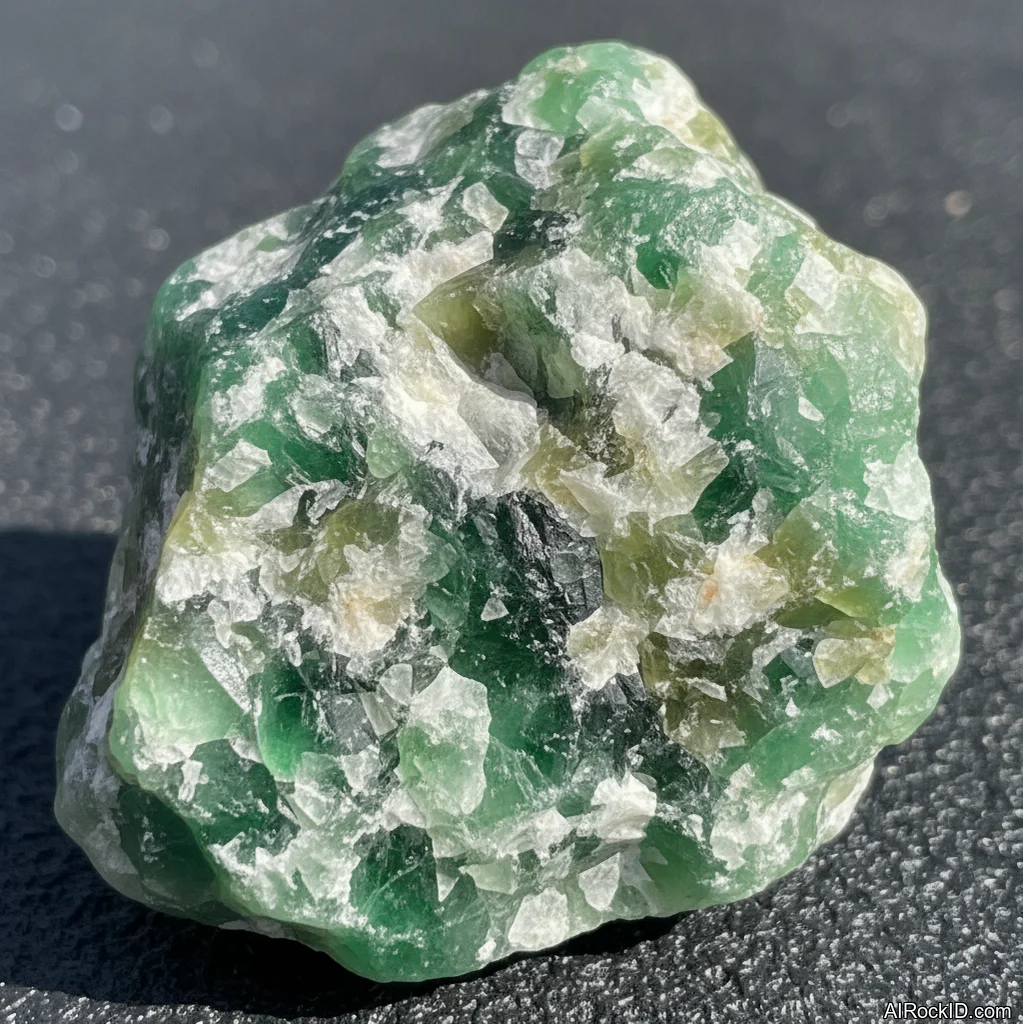
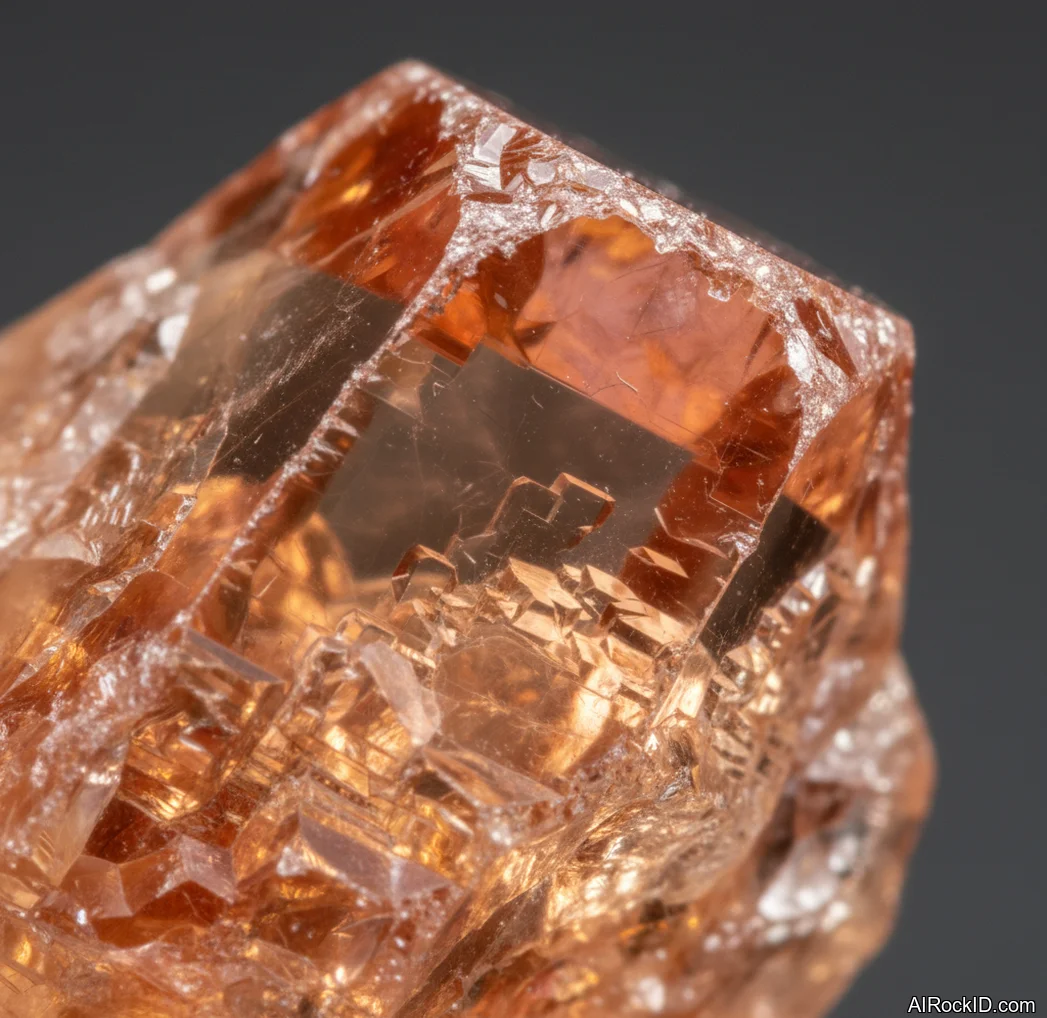
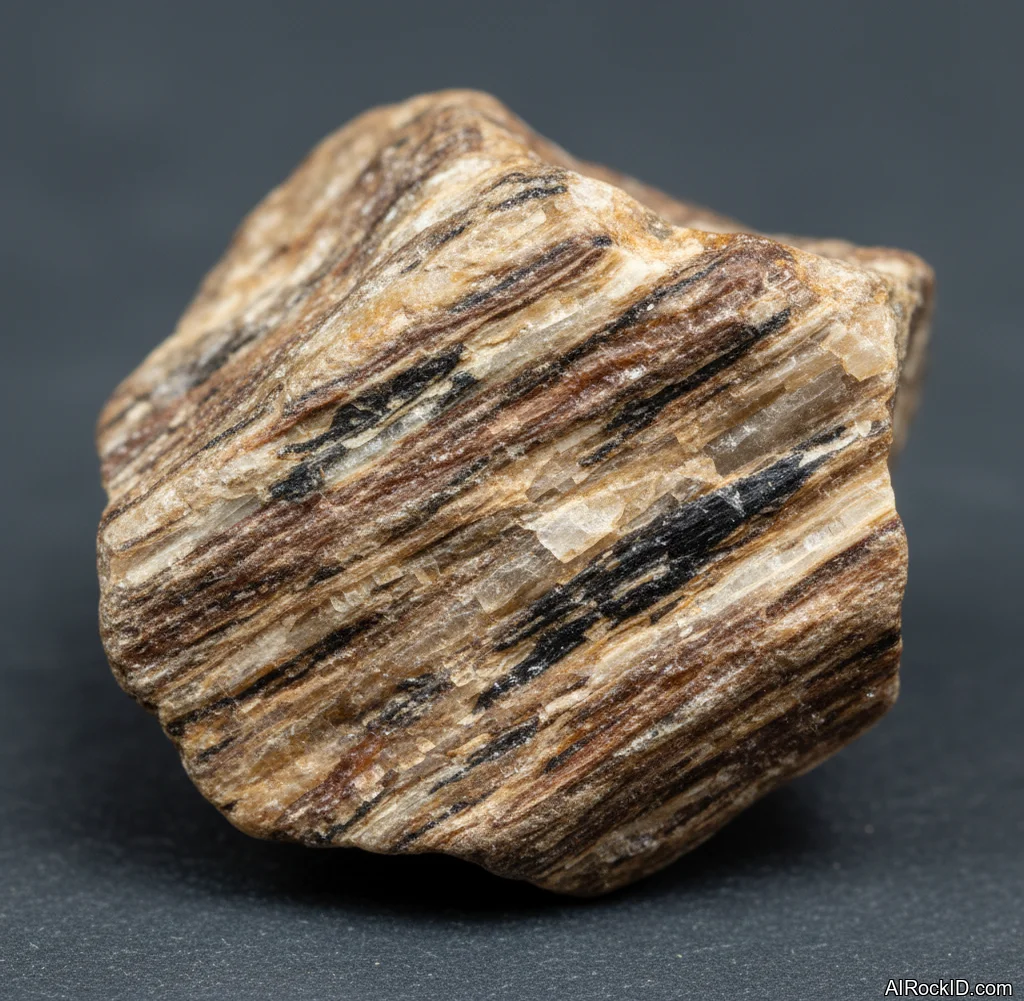
Learn about Trust crystals, what they mean, how to use them, and what to look for when buying. Explore top crystals linked with Trust.
Trust, in crystal terms, isn’t about making yourself “believe.” It’s the steadier layer under that. The sense that you can trust your read on a situation, keep your word, and let people show you who they are without gripping the wheel white-knuckle tight.
People reach for Trust crystals when they’re rebuilding after a breakup, trying to stop second-guessing every text, or learning how to stay consistent with themselves. It’s also a quiet ask: help me relax enough to be honest.
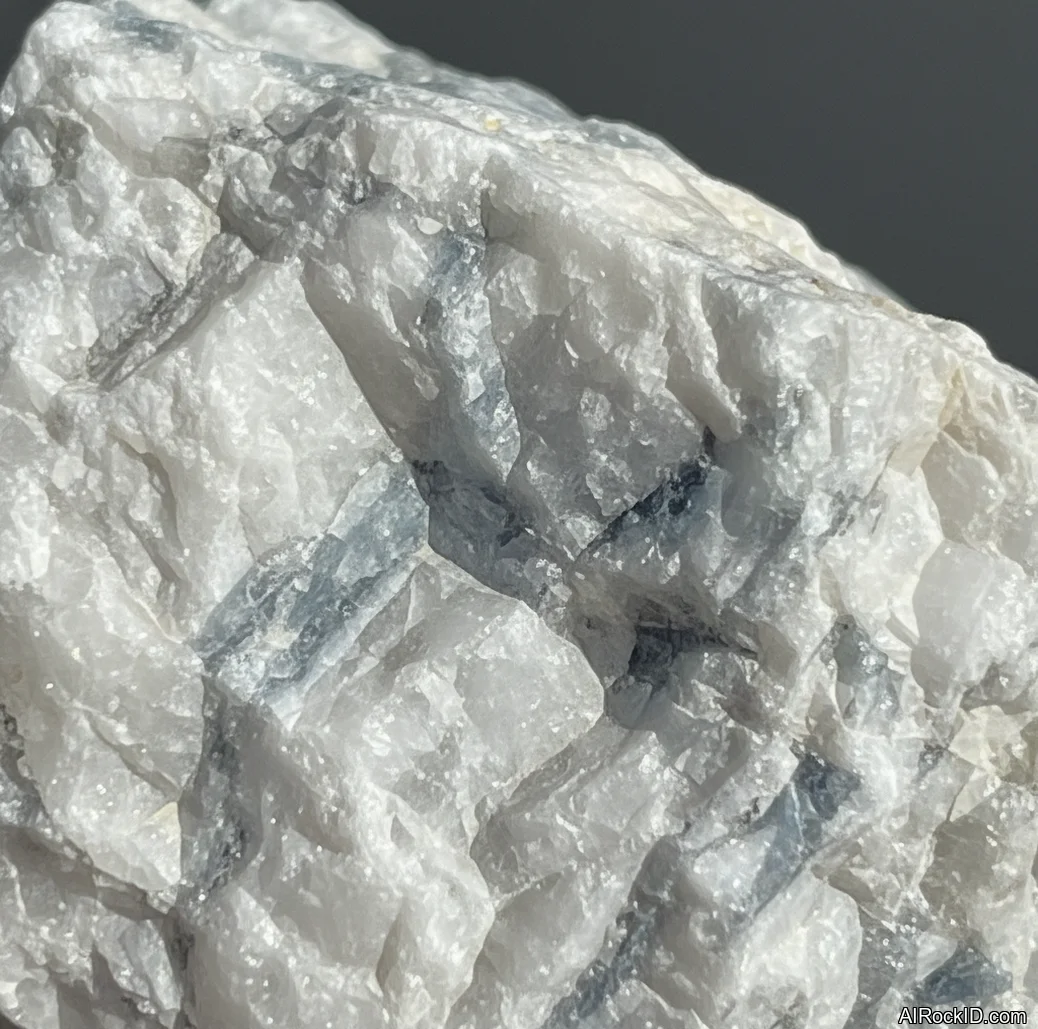
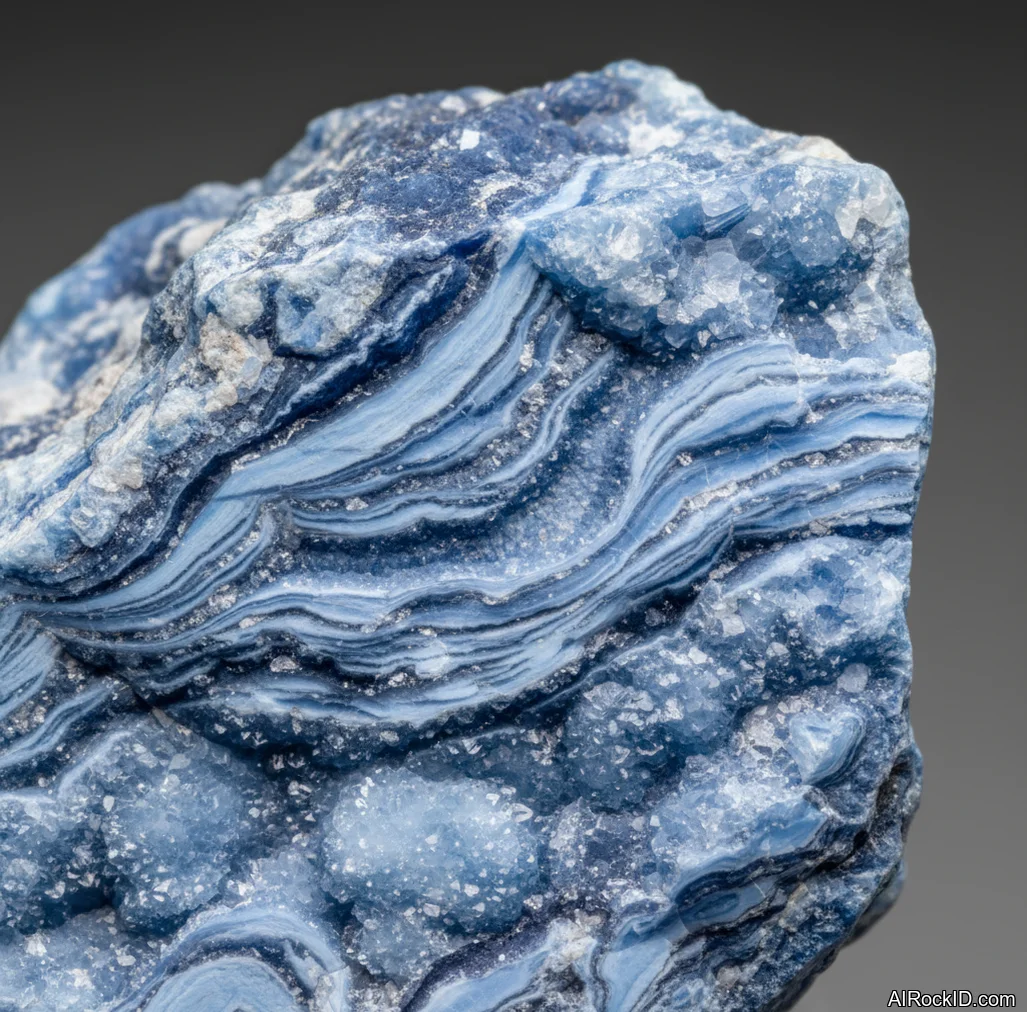
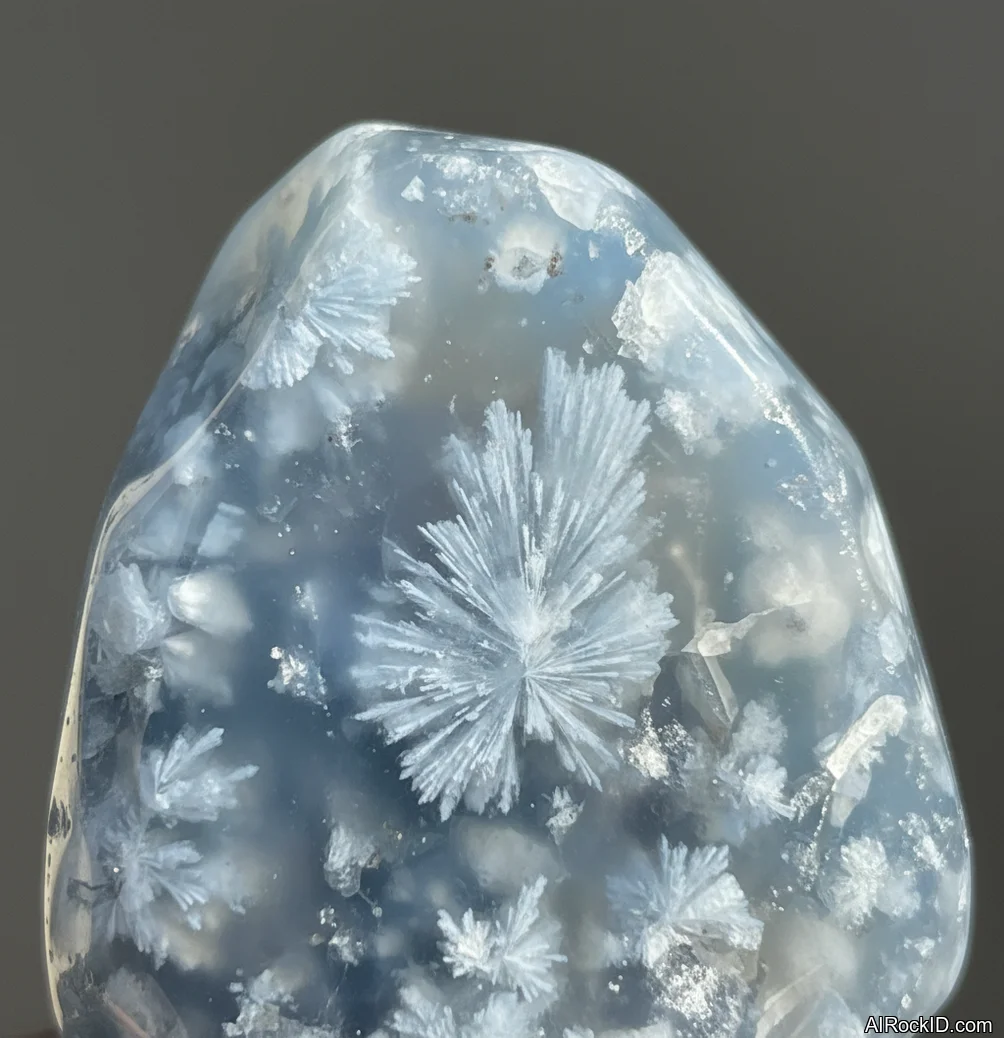
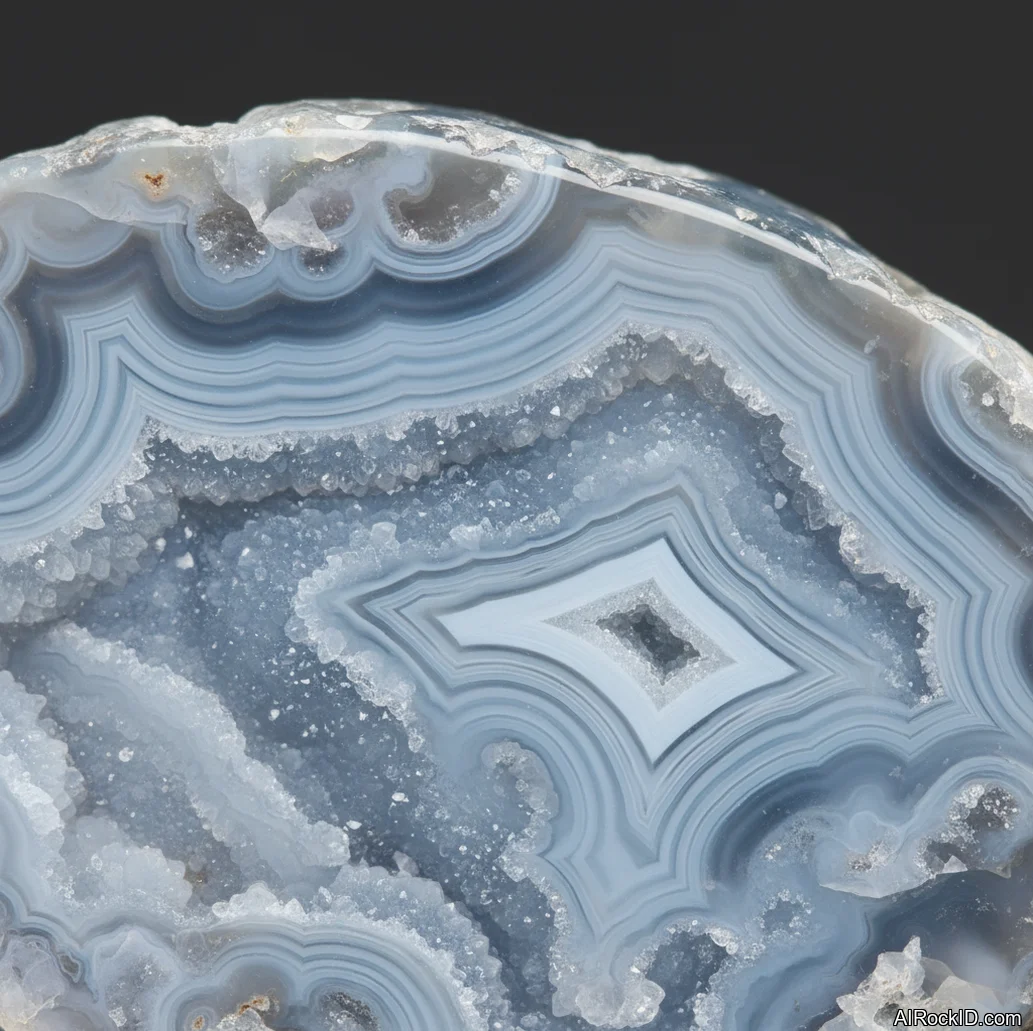
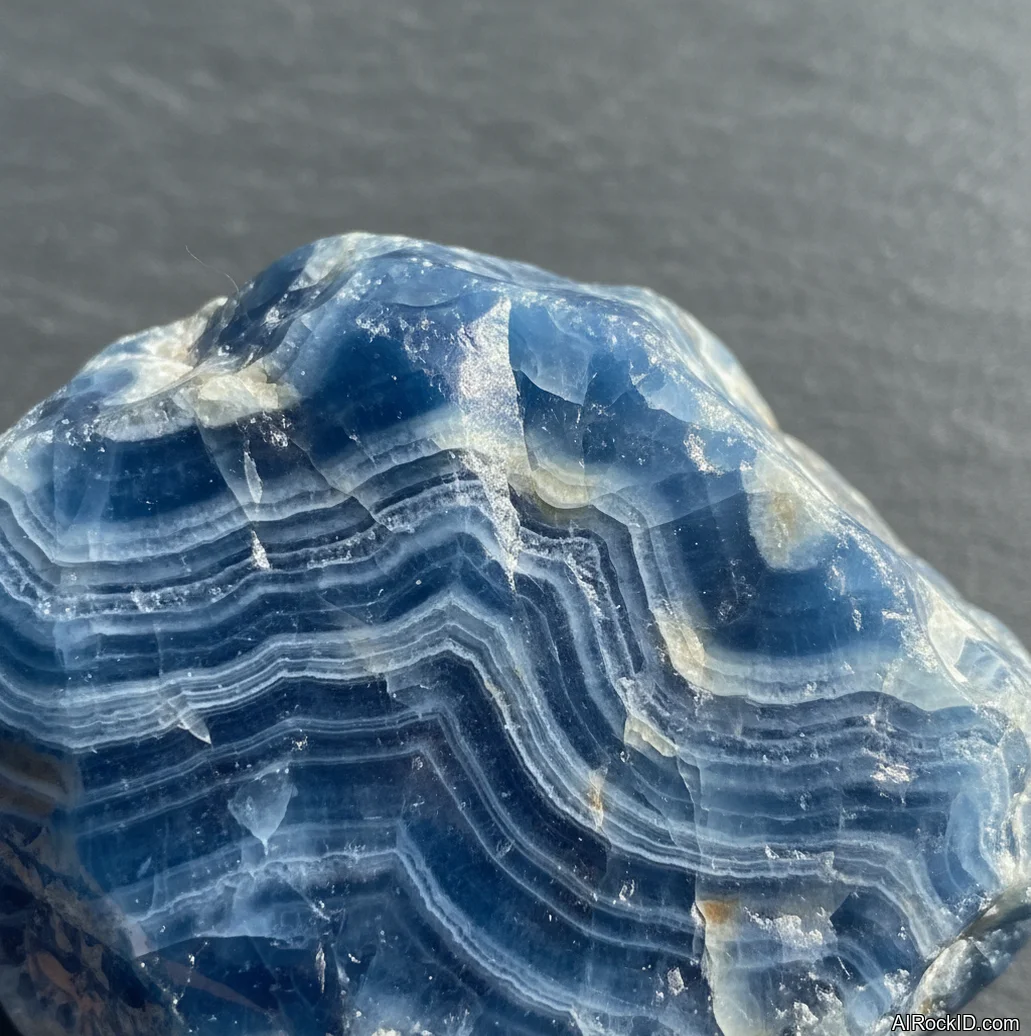
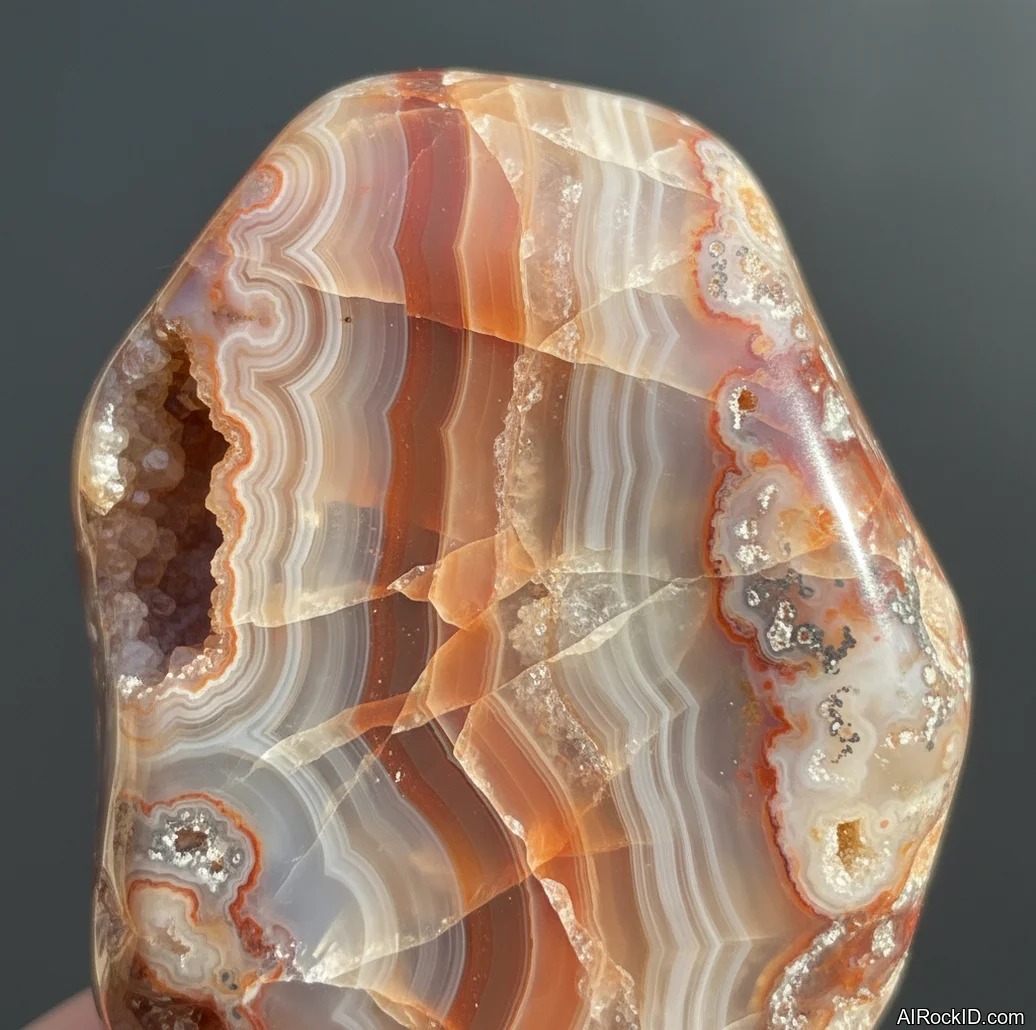
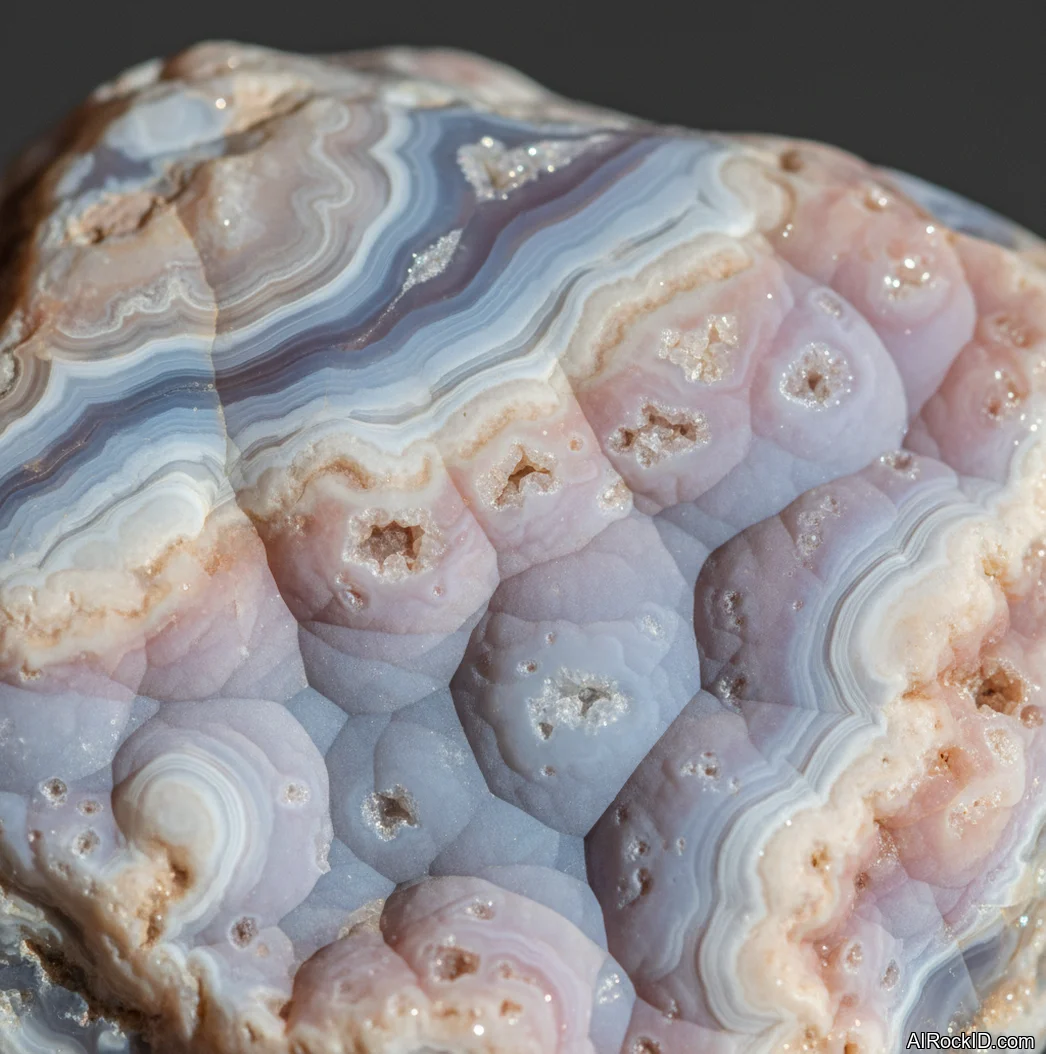
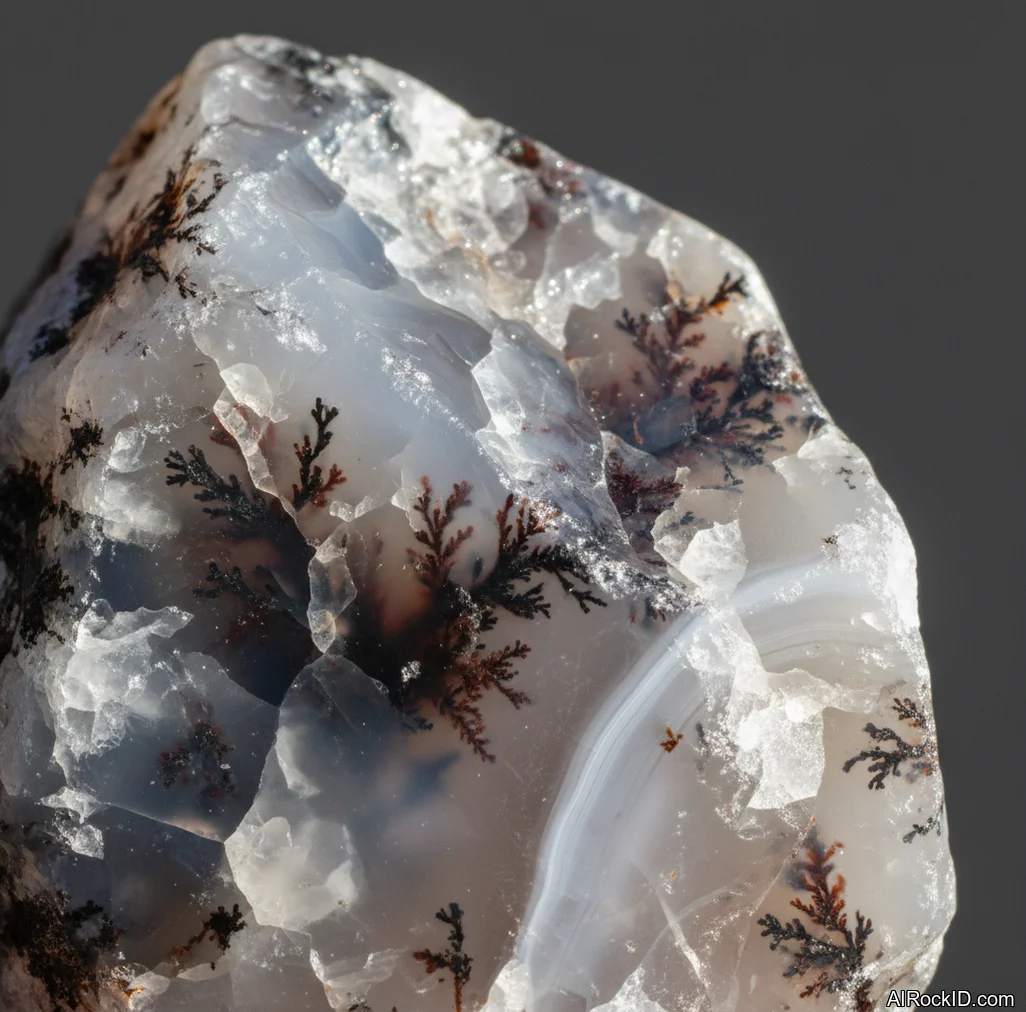
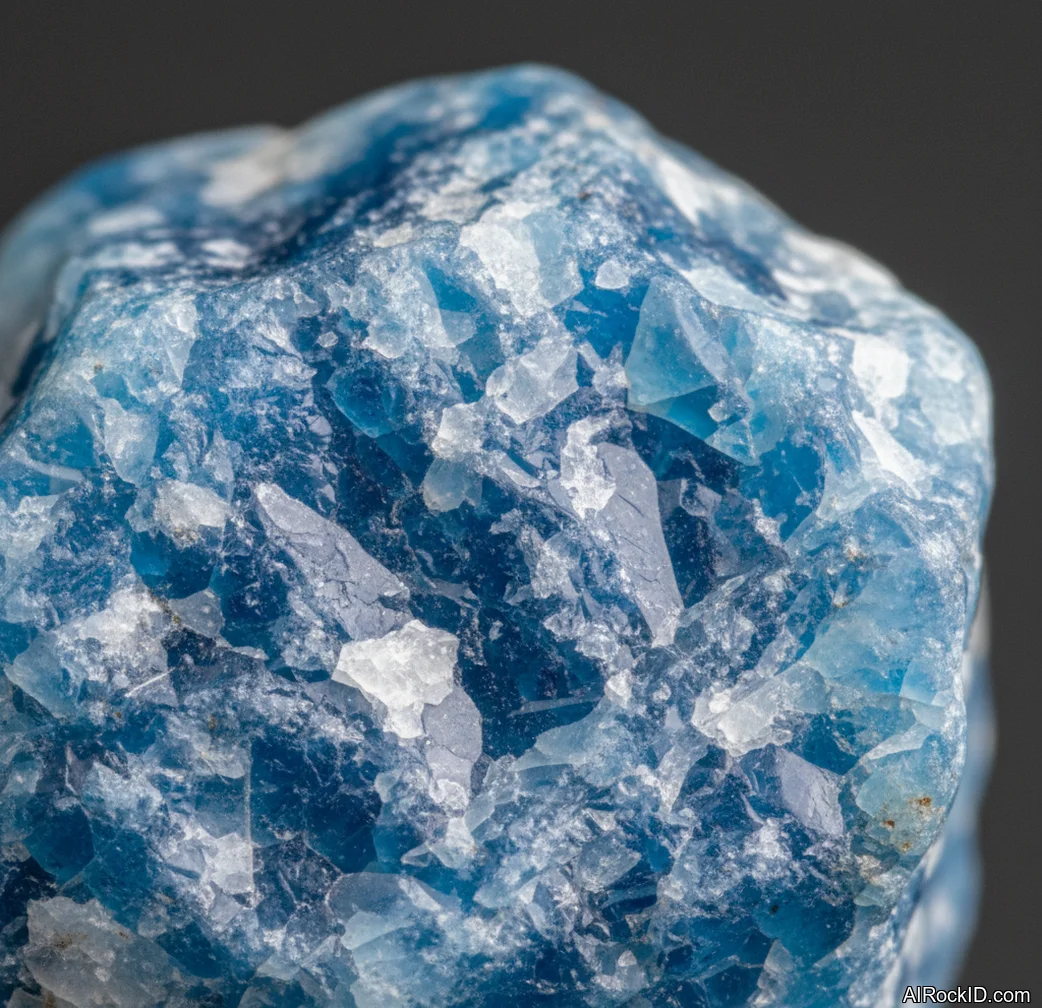
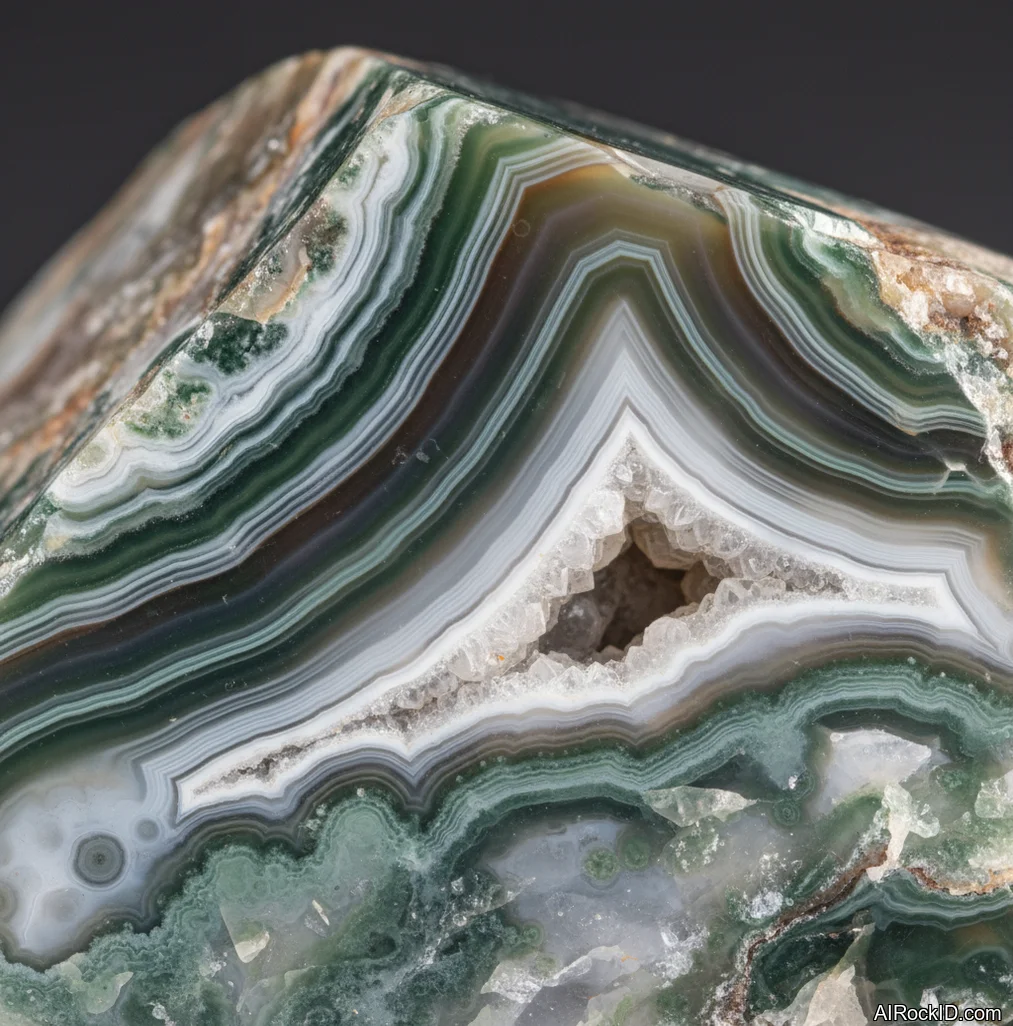
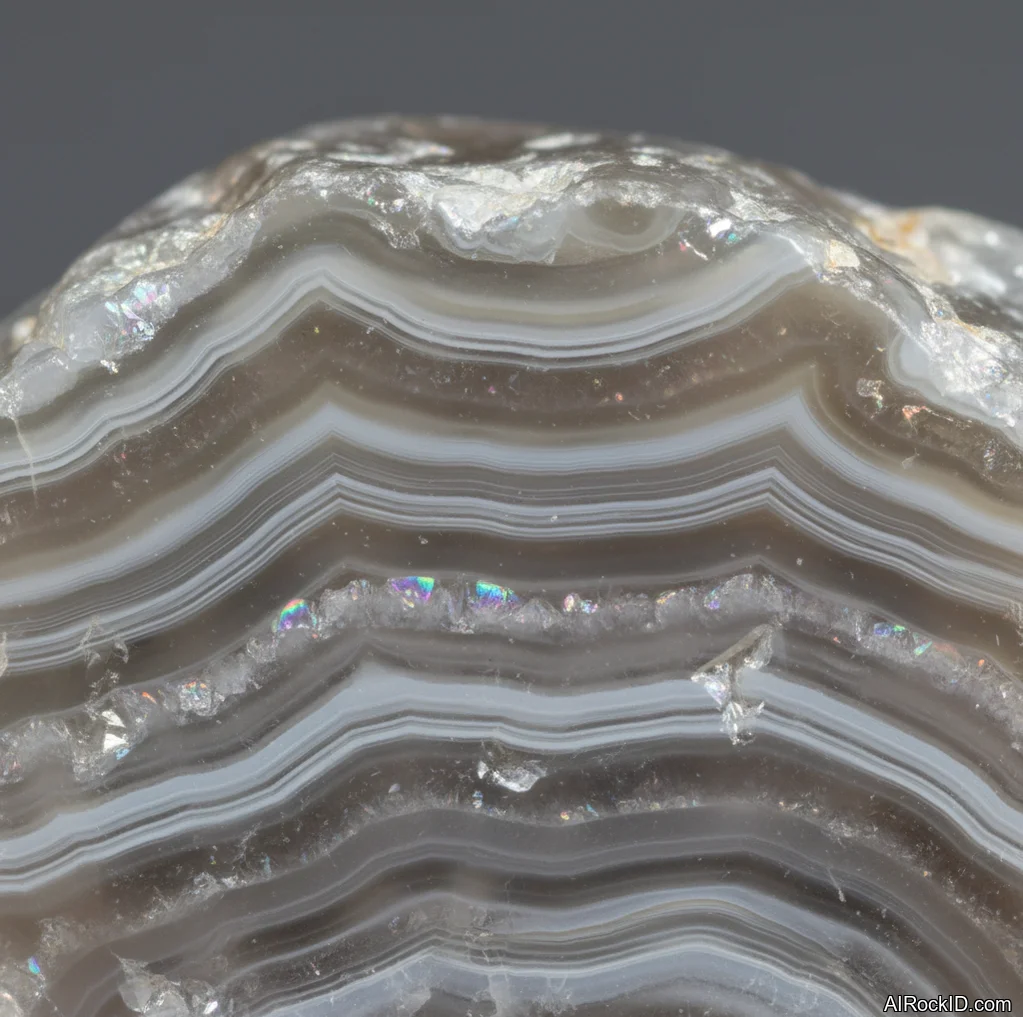
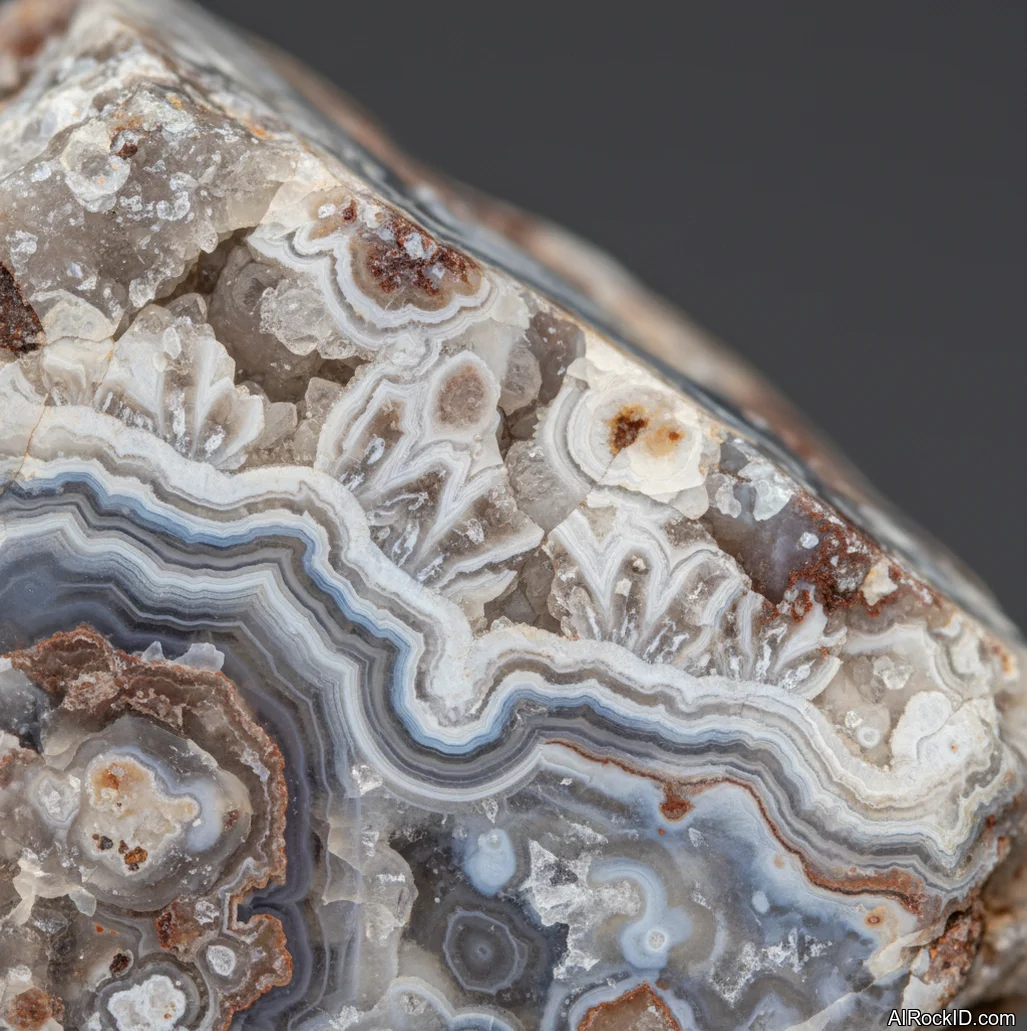
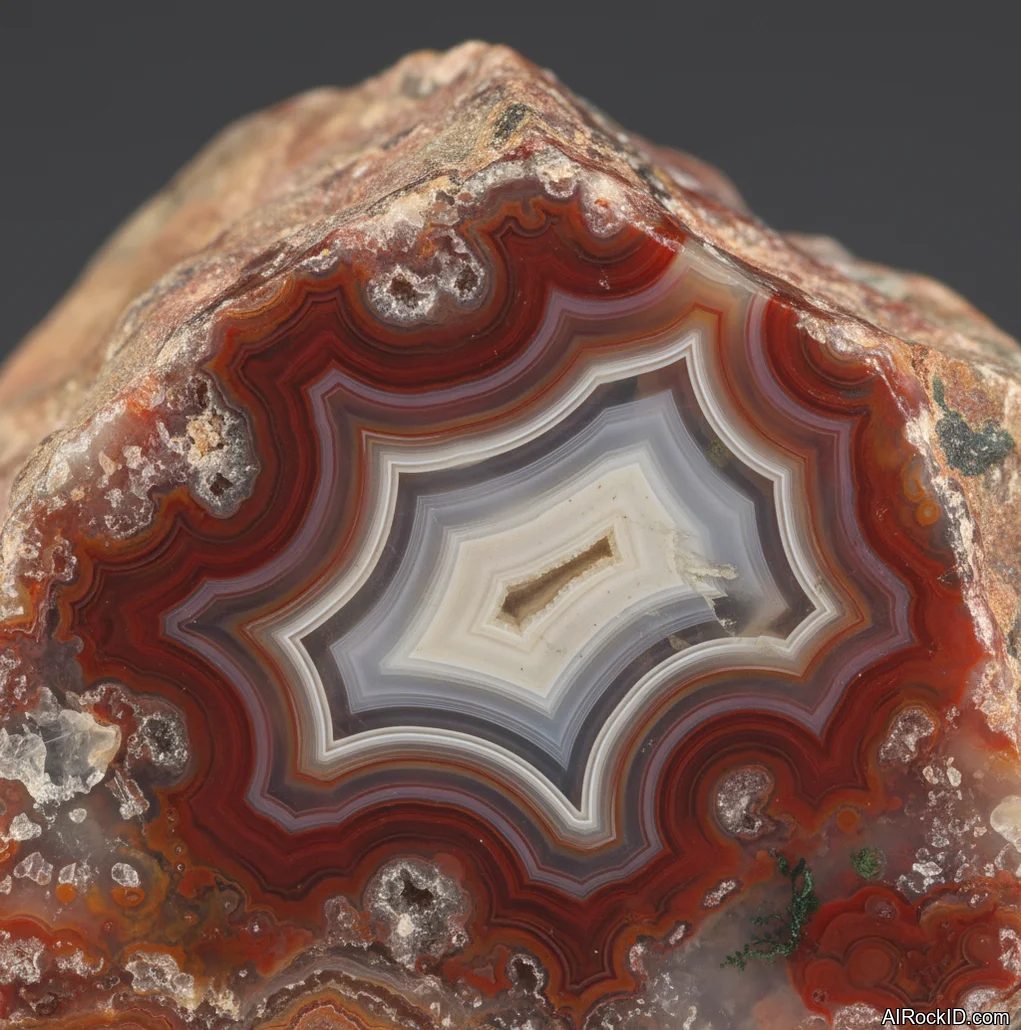
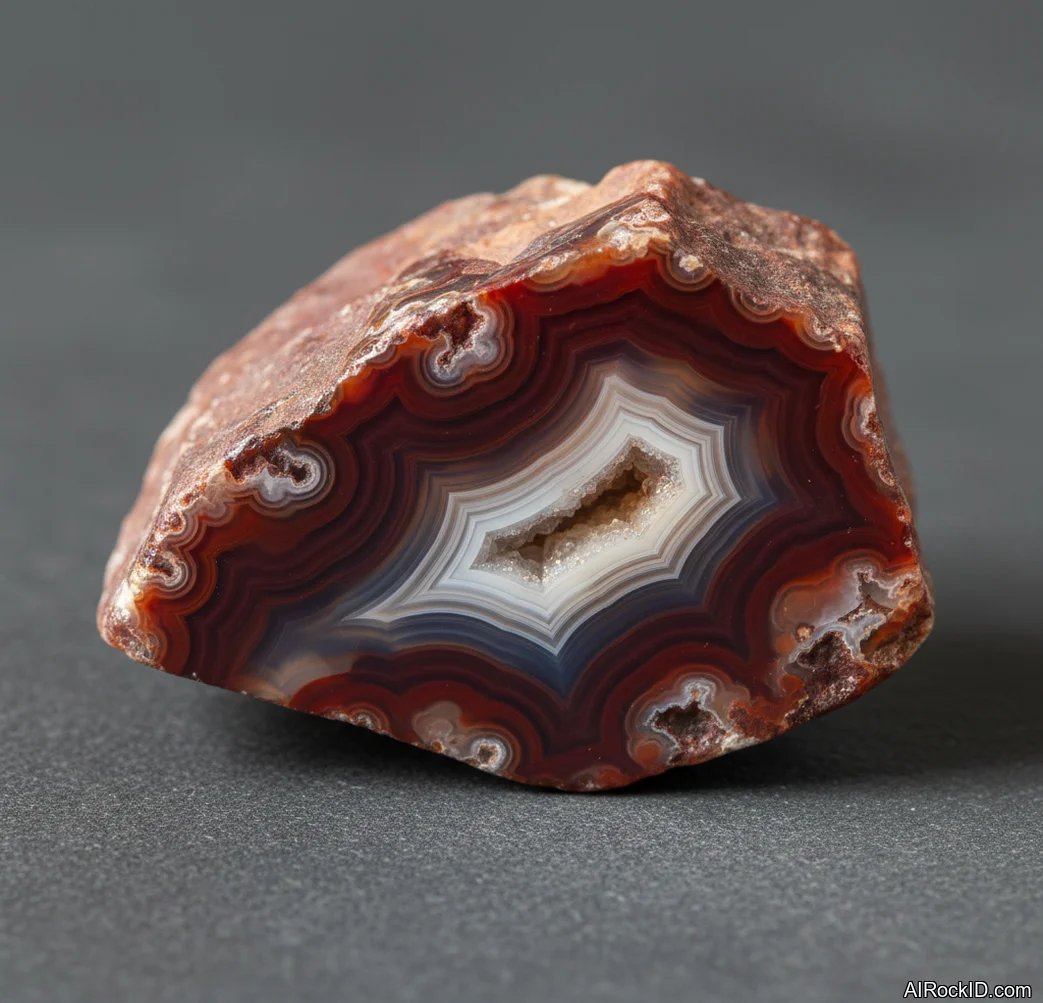
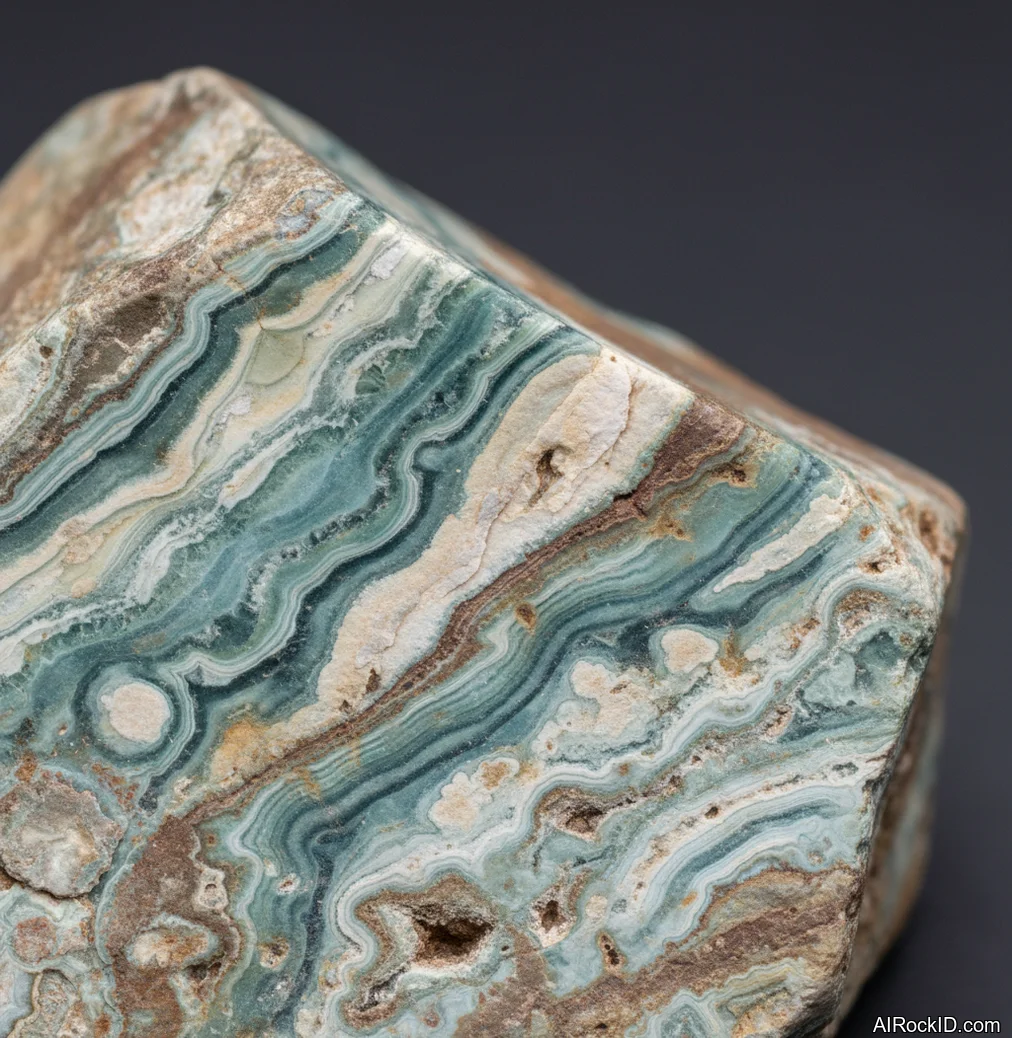
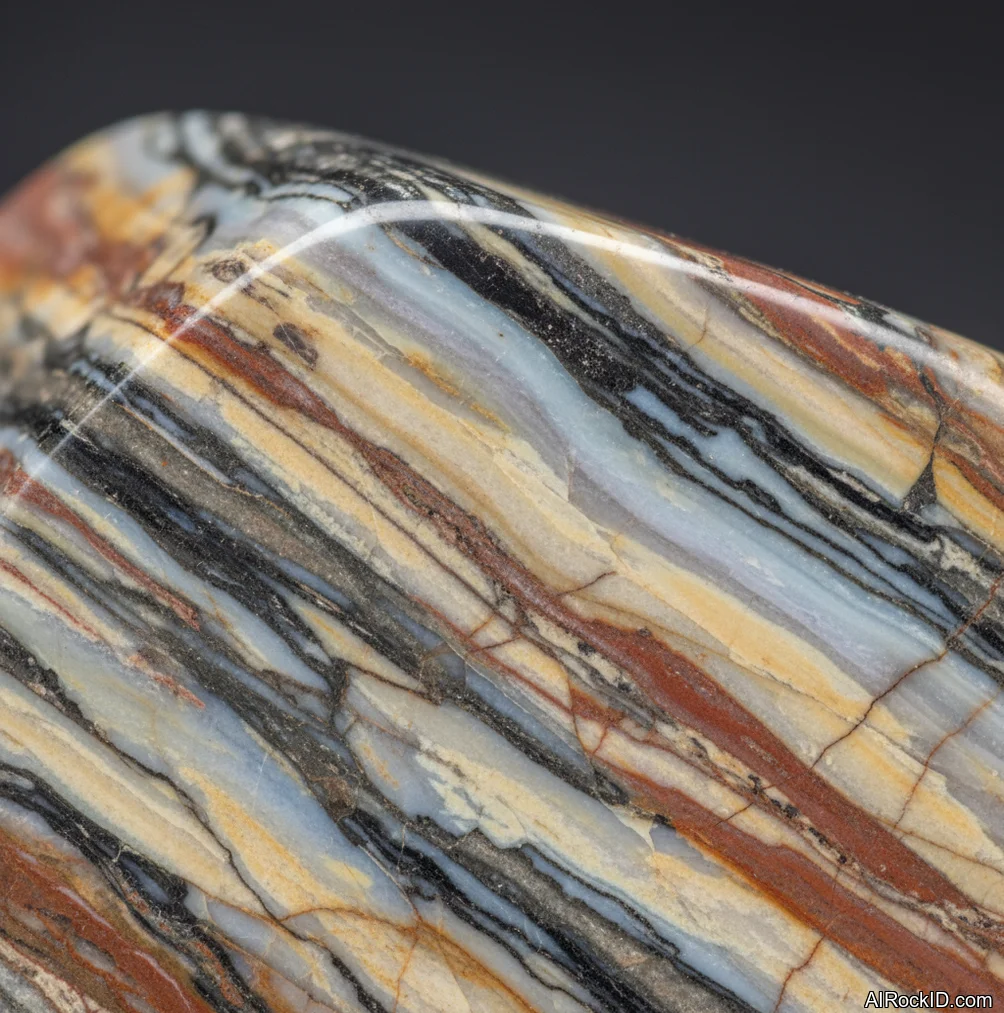
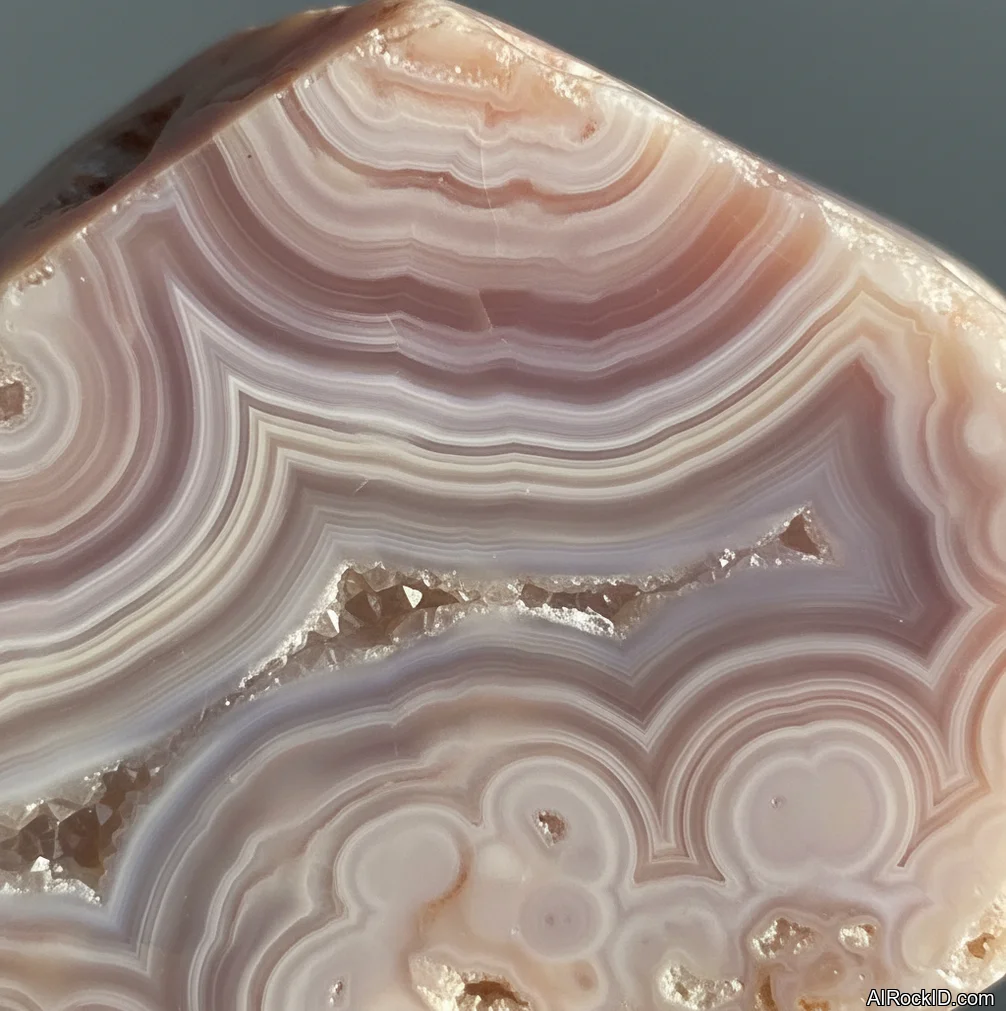
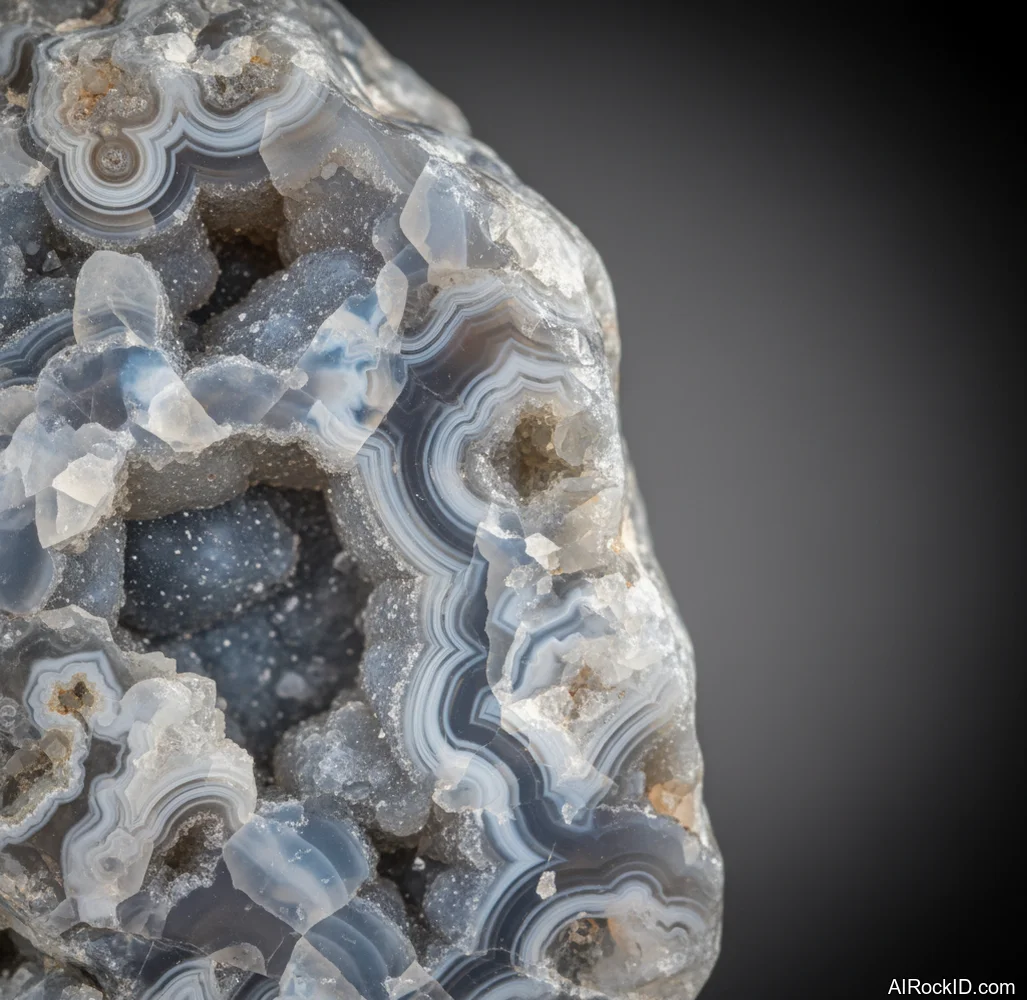
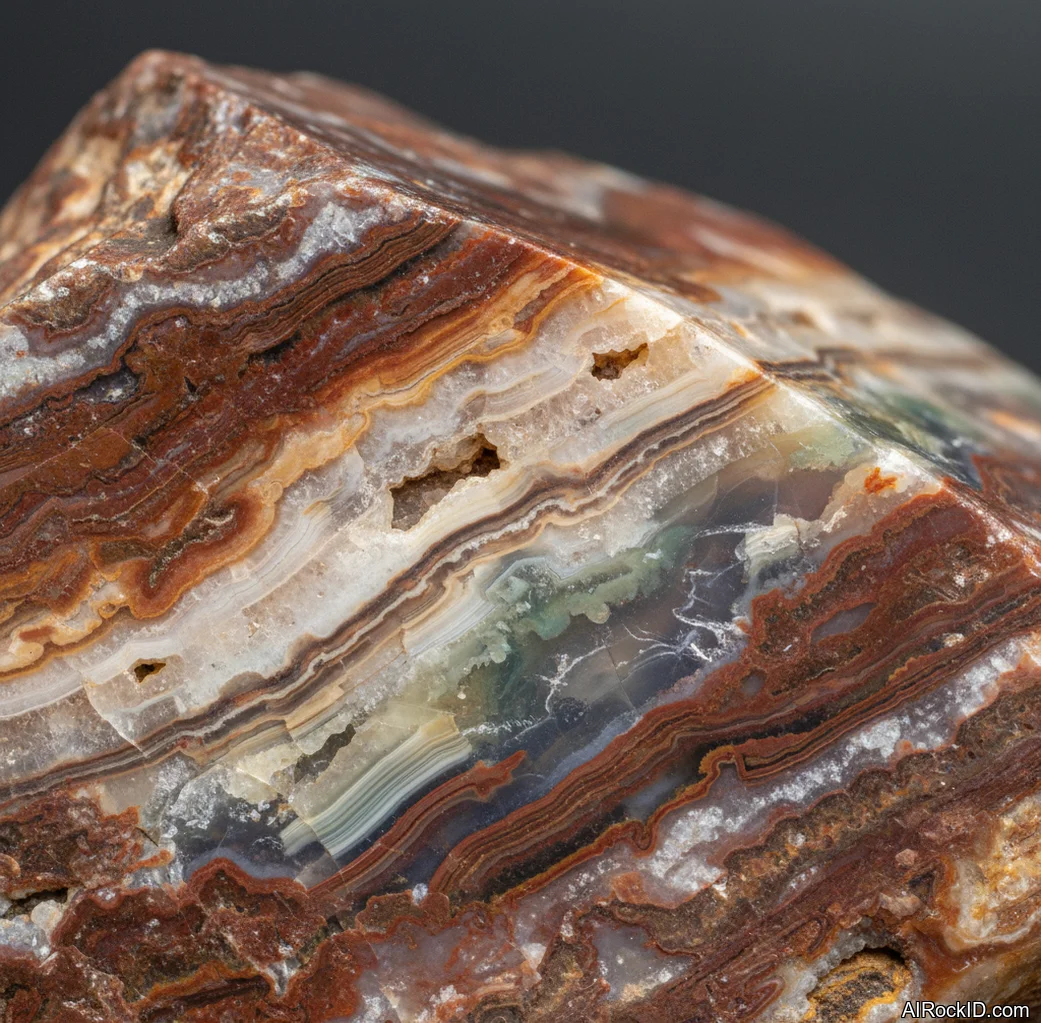
Pick up a good piece of Blue Lace Agate and you’ll see why it comes up every time. It sits cool and a little waxy in your palm, and the banding looks like thin clouds or smoke rings caught inside stone. The calming vibe people talk about stops being abstract the second it’s in your hand. Those pale blue layers slow you down. And I point to it when someone’s trust issues show up as throat and jaw tension, because it nudges you toward speaking plainly instead of over-explaining (you know the spiral).
Thing is, the Trust category in crystal work usually splits into two lanes.
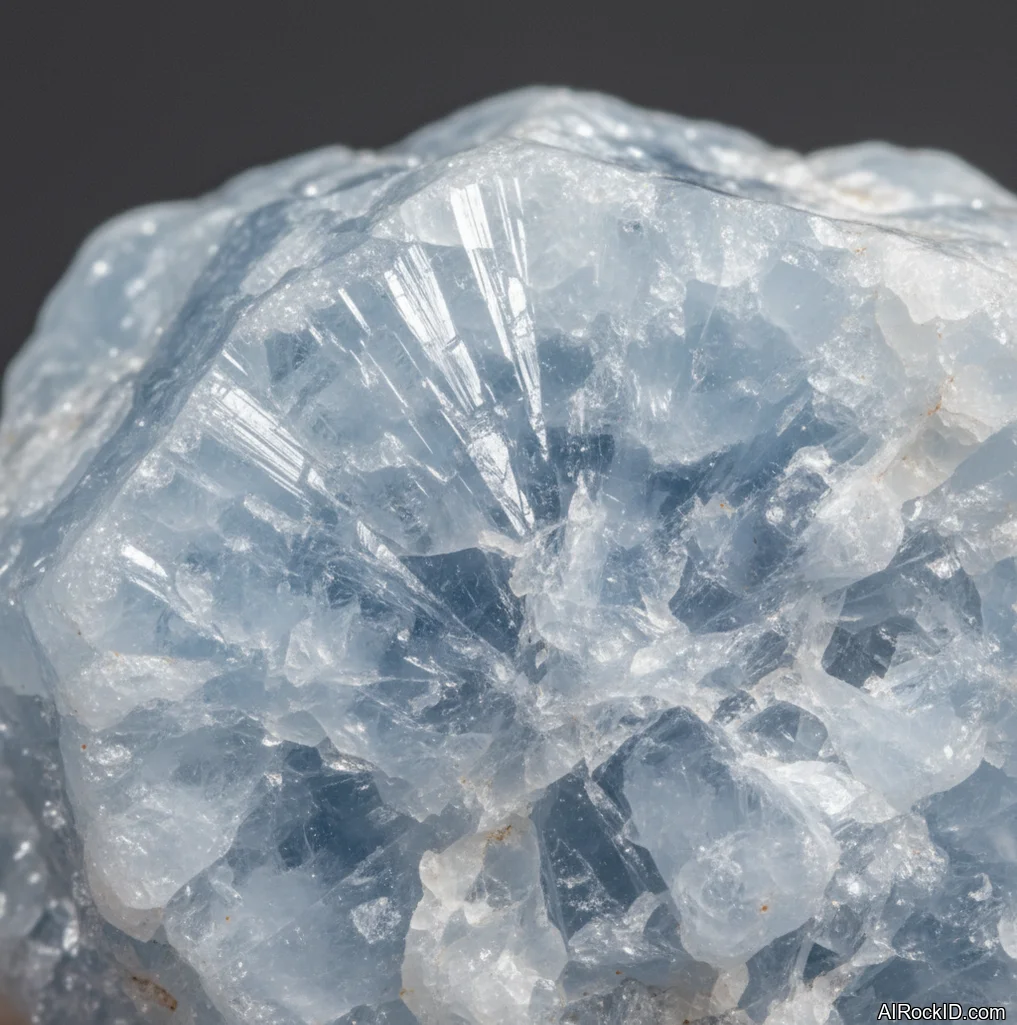
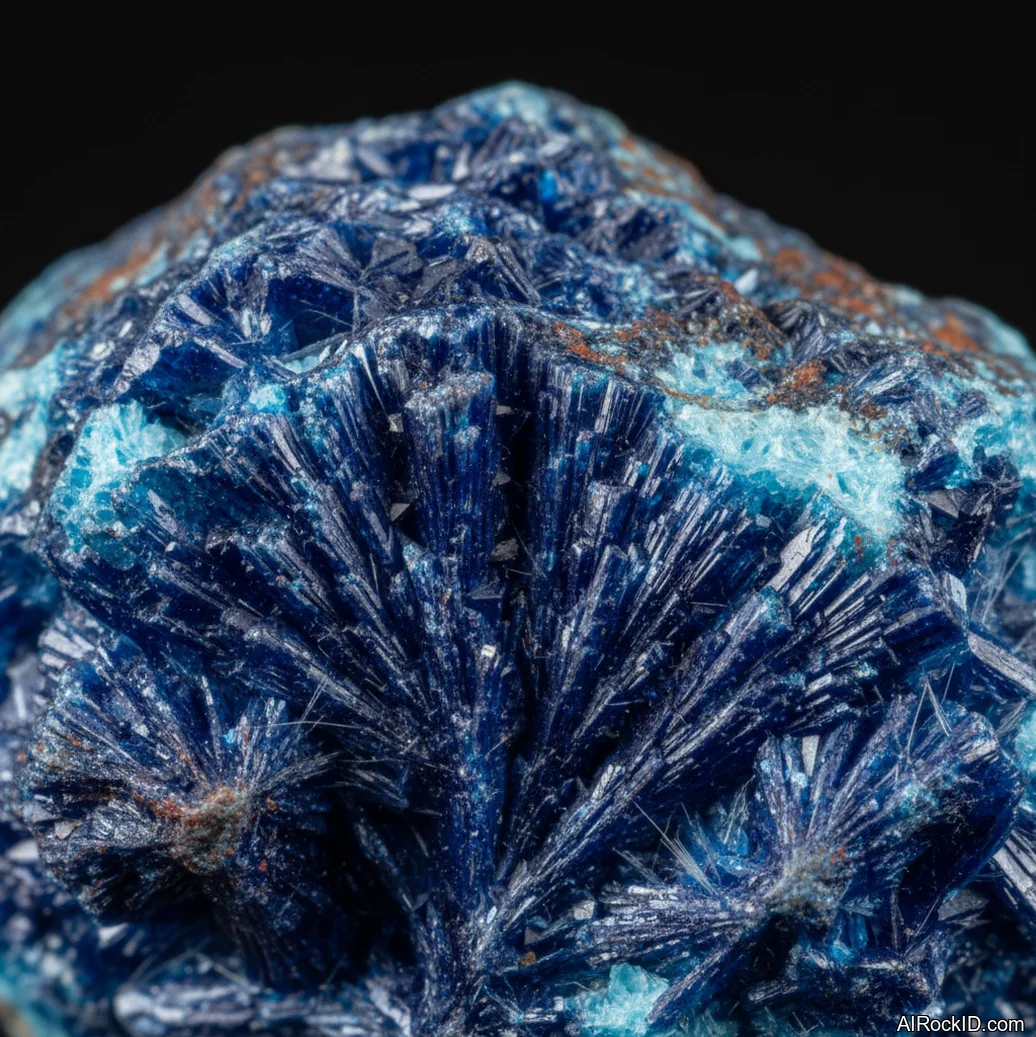
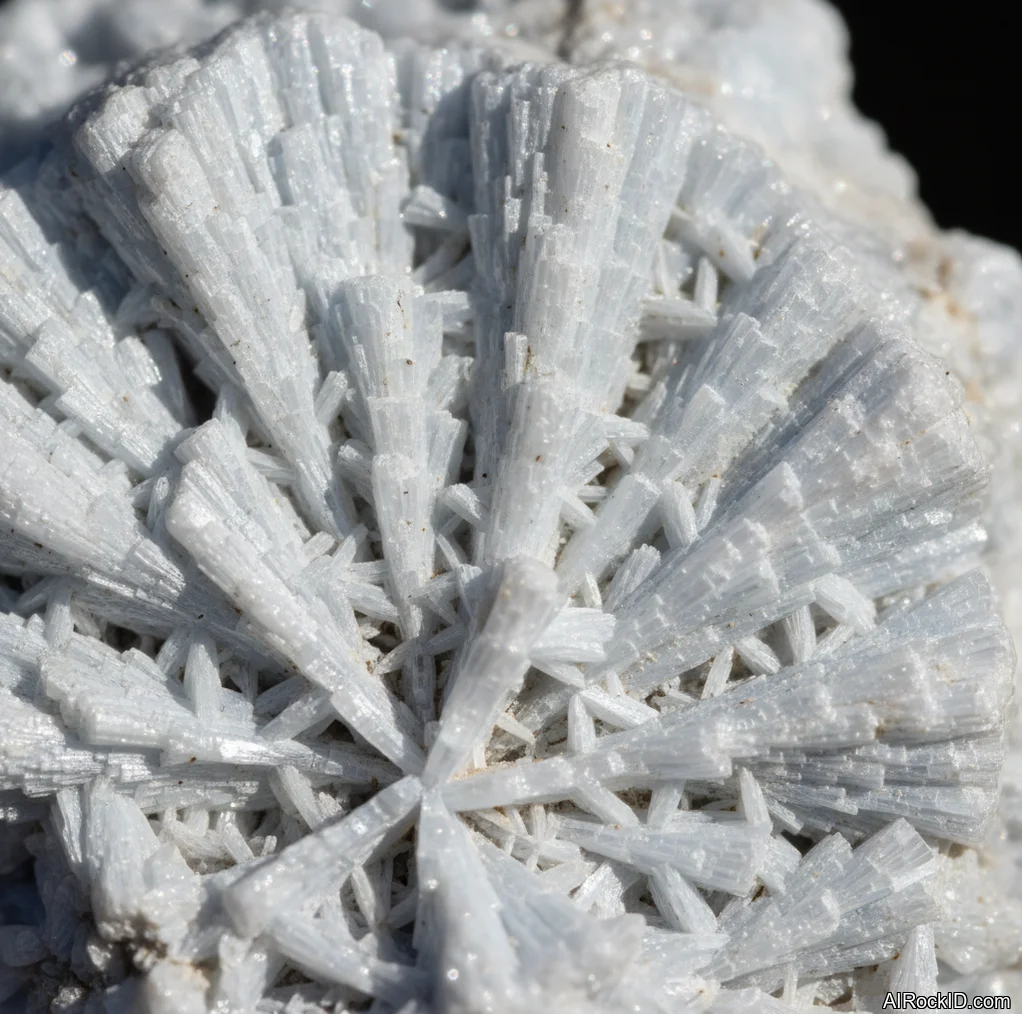
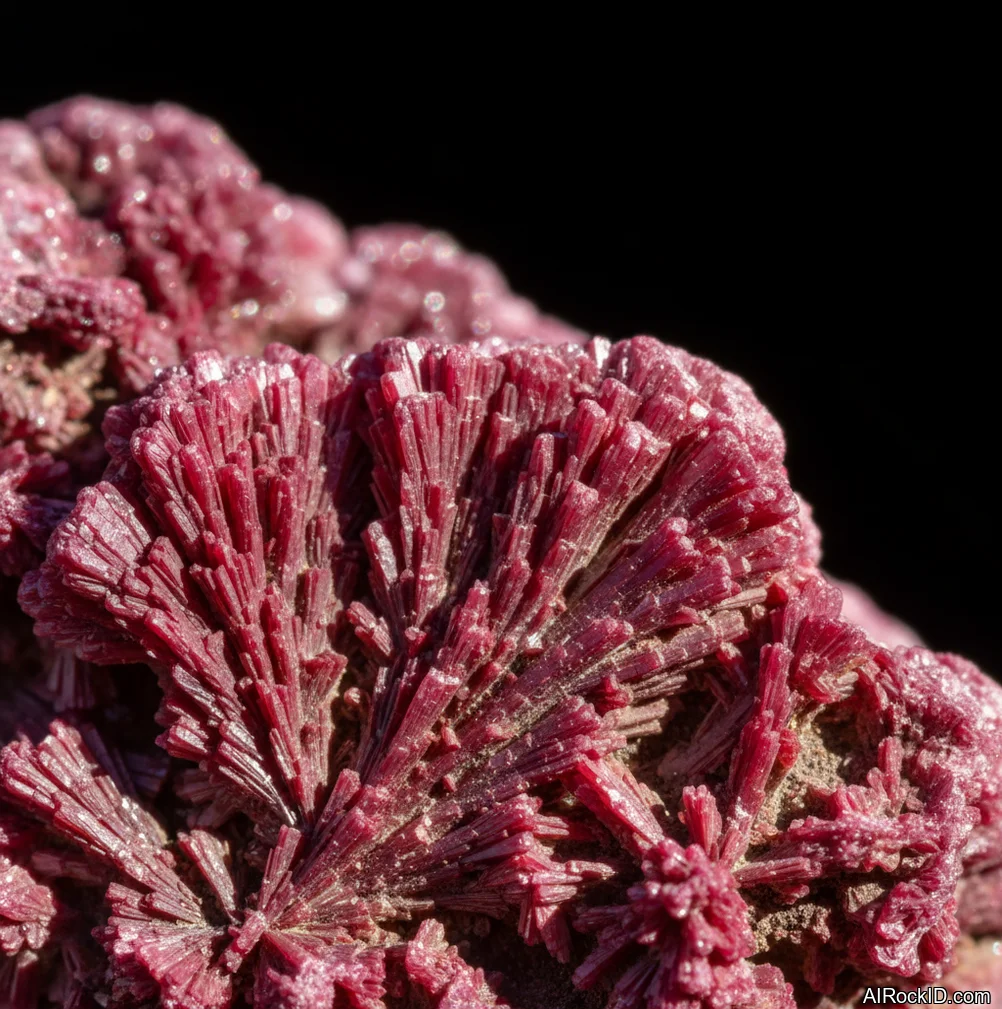
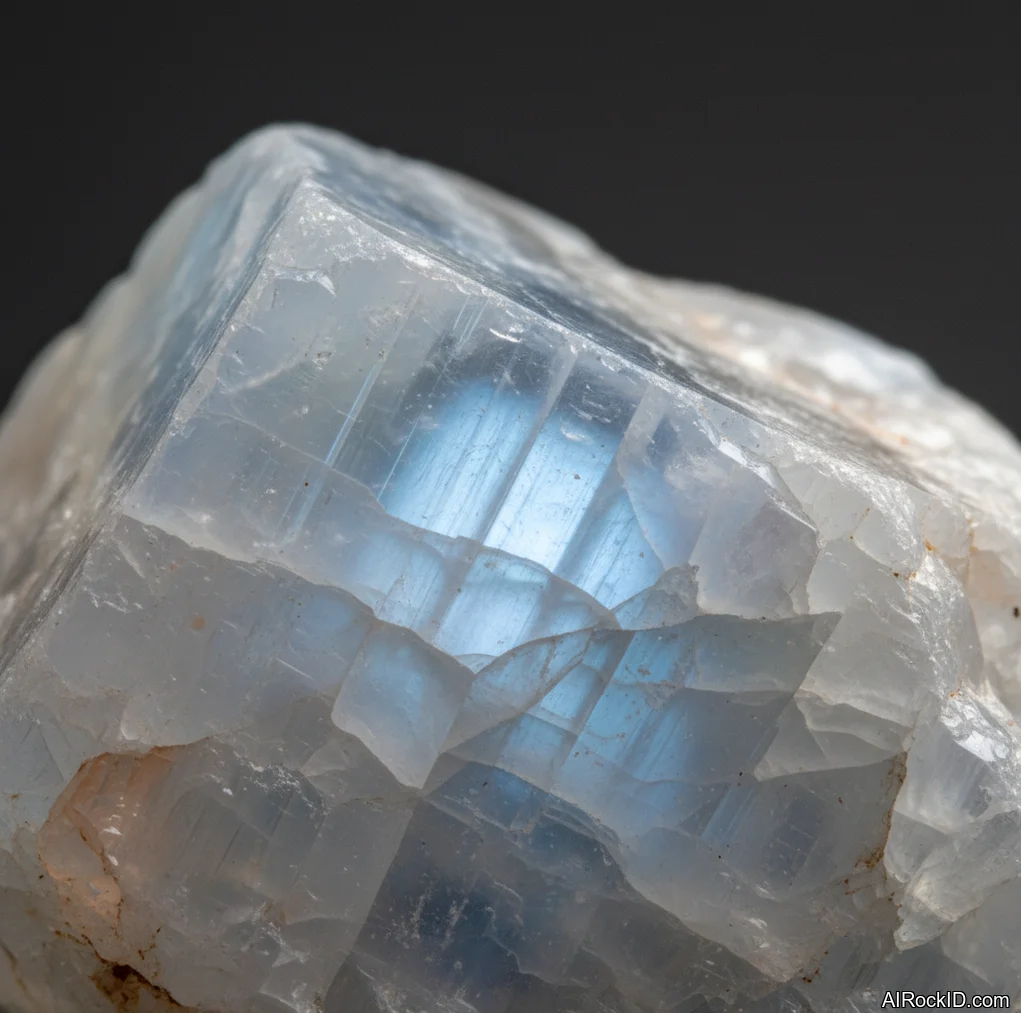
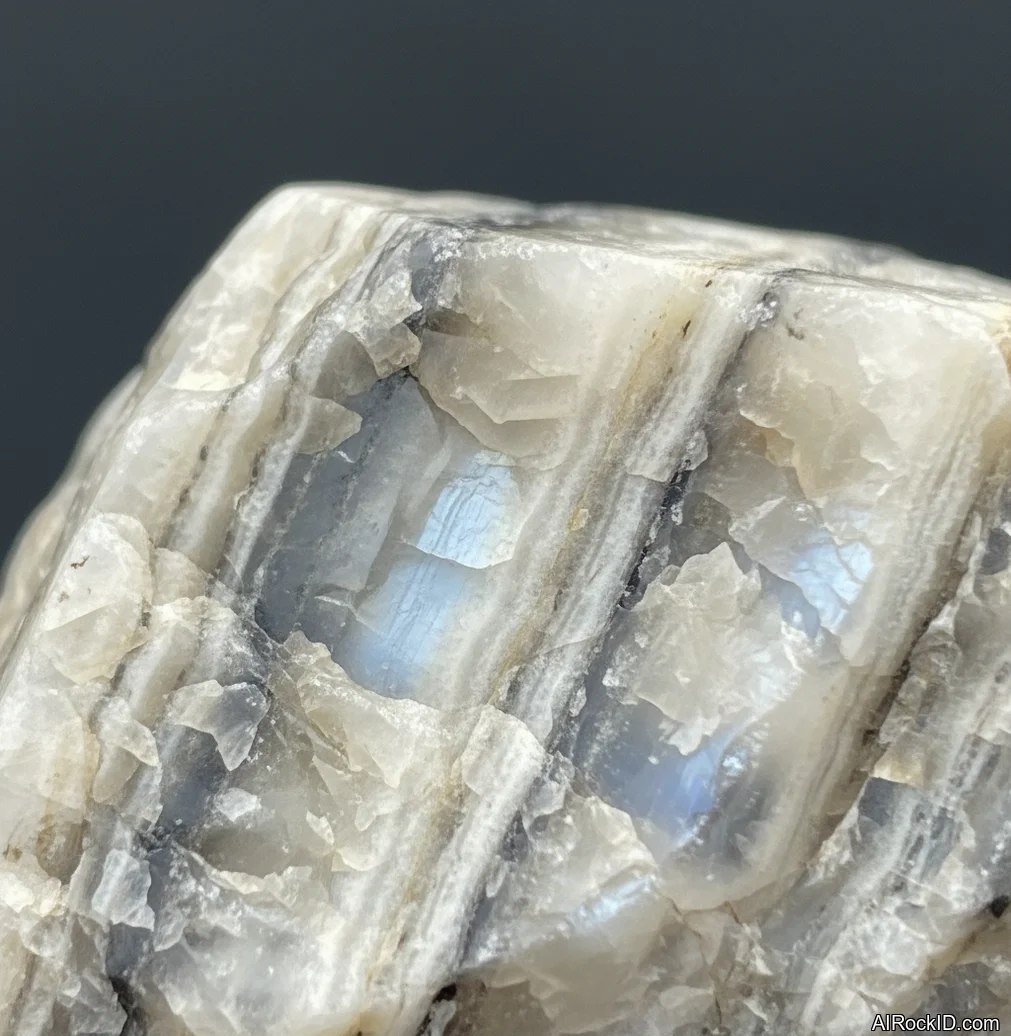
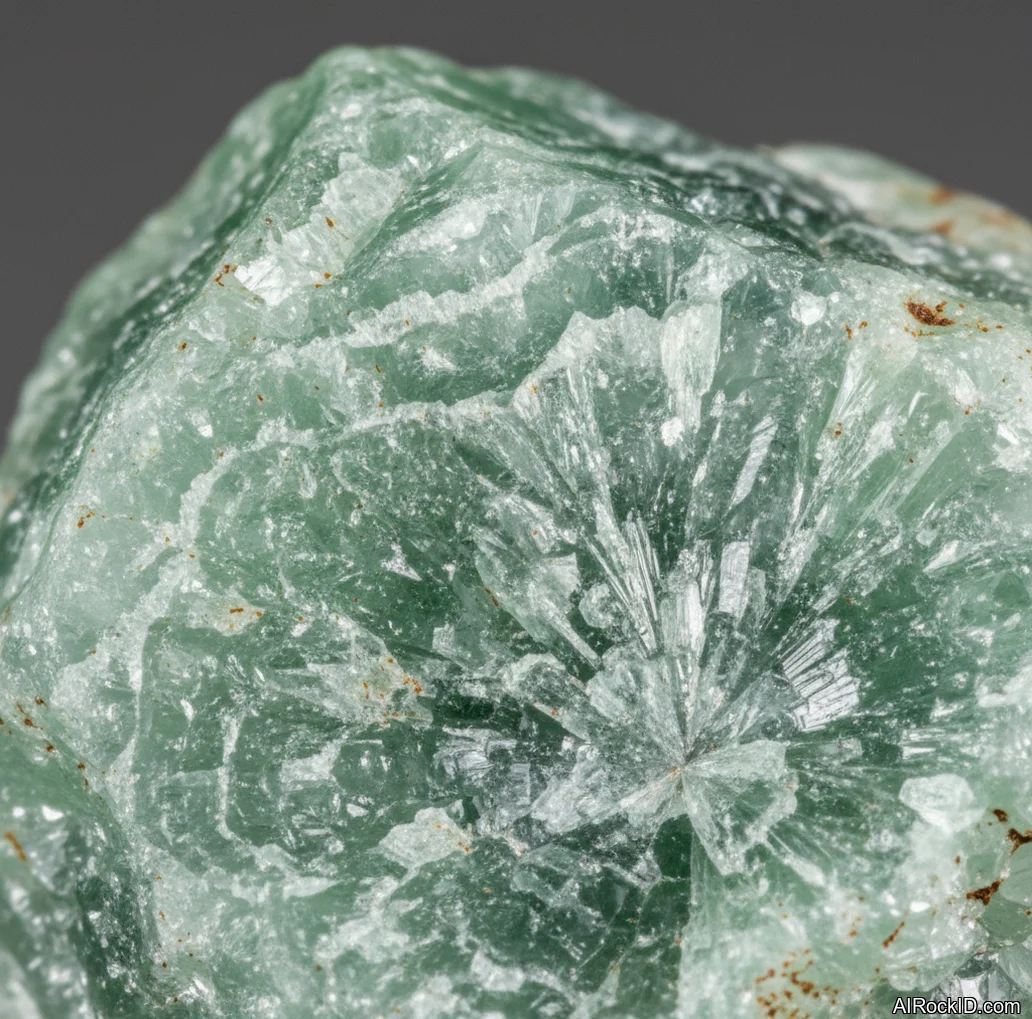
One lane is self-trust: Moonstone, Labradorite, and sometimes Amazonite. The other lane is relational trust: Rose Quartz, Rhodonite, and a lot of the softer blues like Aquamarine and Celestite. Neither lane is “better,” but they don’t feel the same.
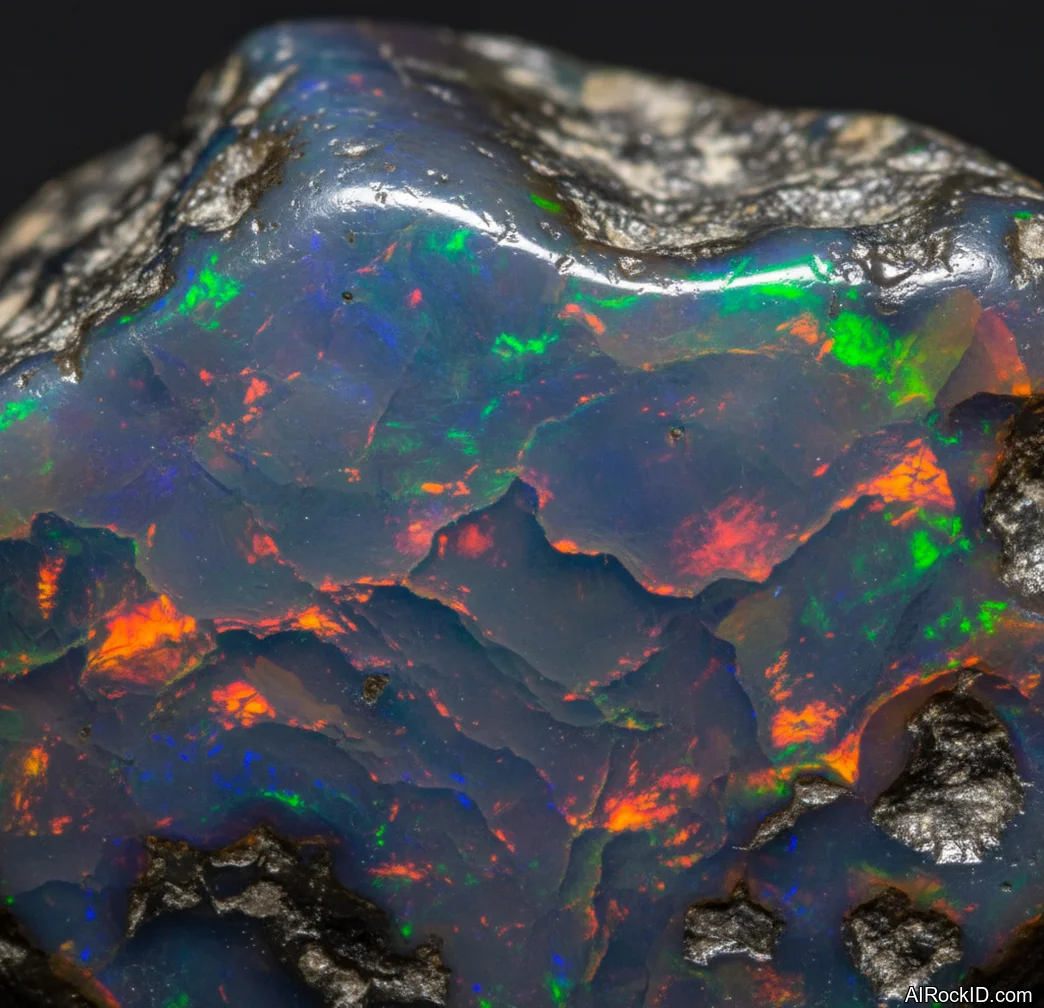
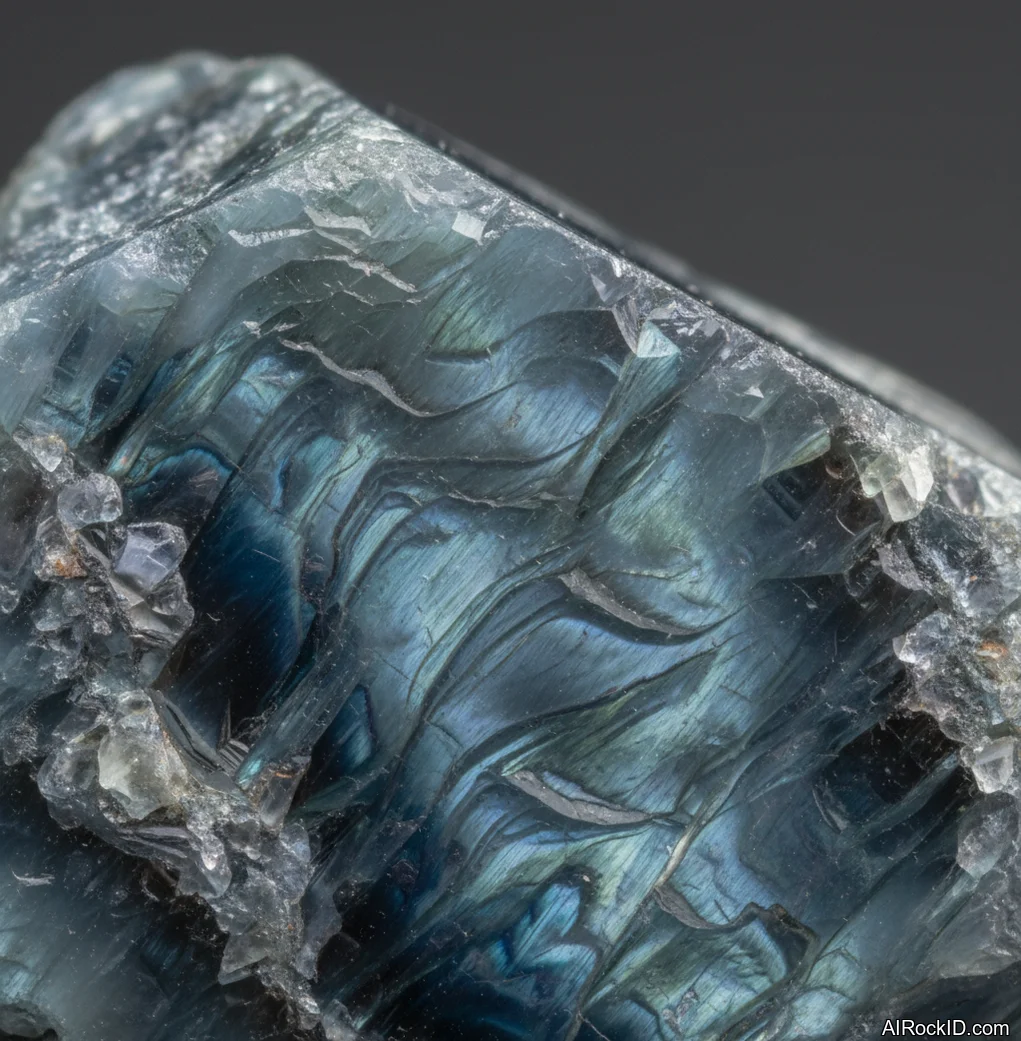
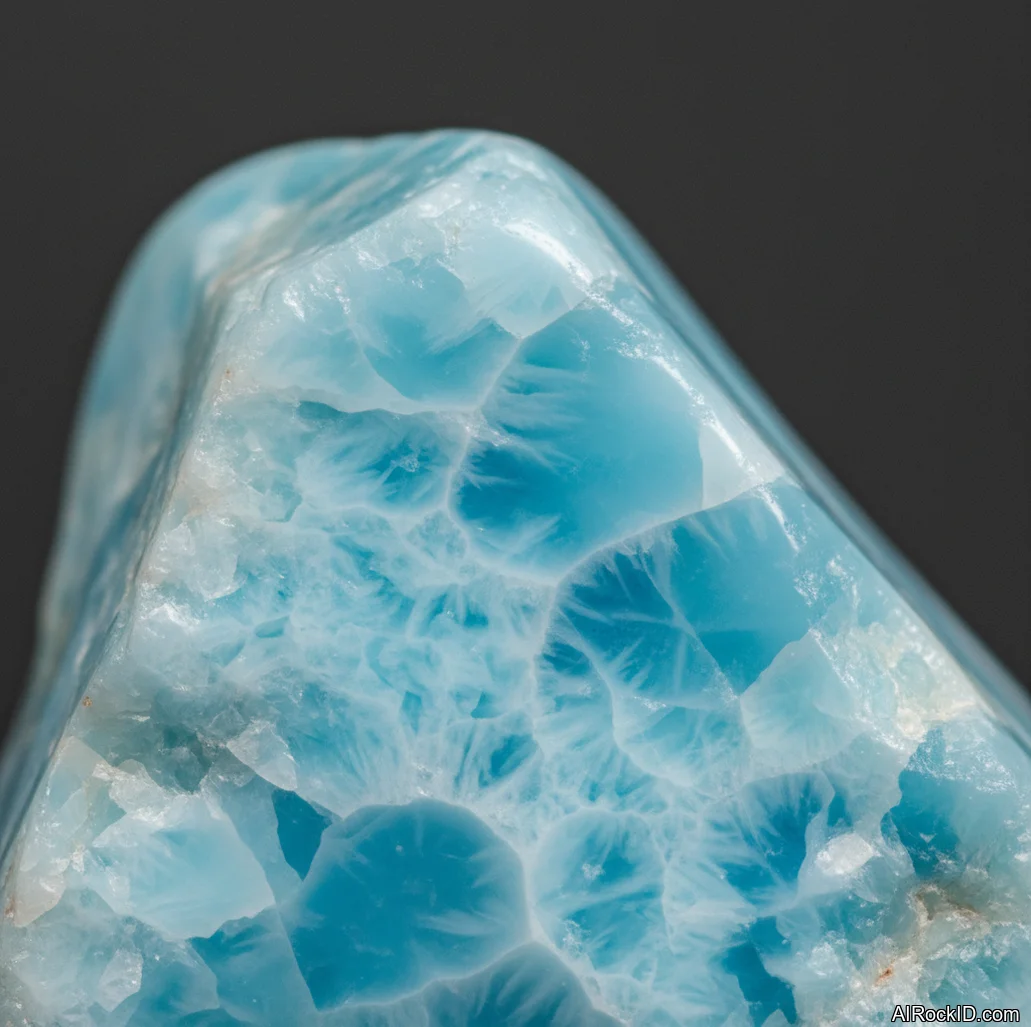
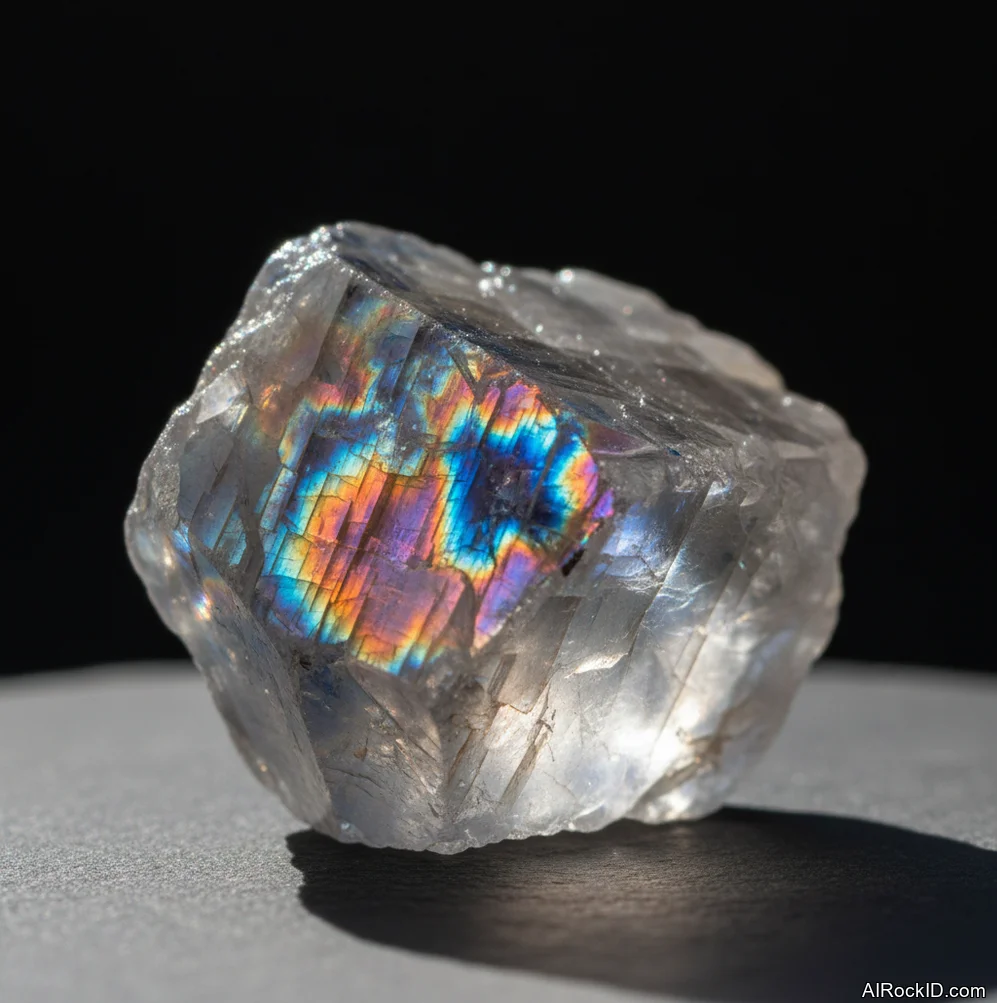
Labradorite, for example, isn’t gentle. It’s like a flashlight in a dark room. Tilt it under a lamp and the flash can go electric blue, green, even gold, then vanish when you shift the angle. That little trick of the light matches what people want from self-trust: to see what’s there, then act without begging for reassurance.
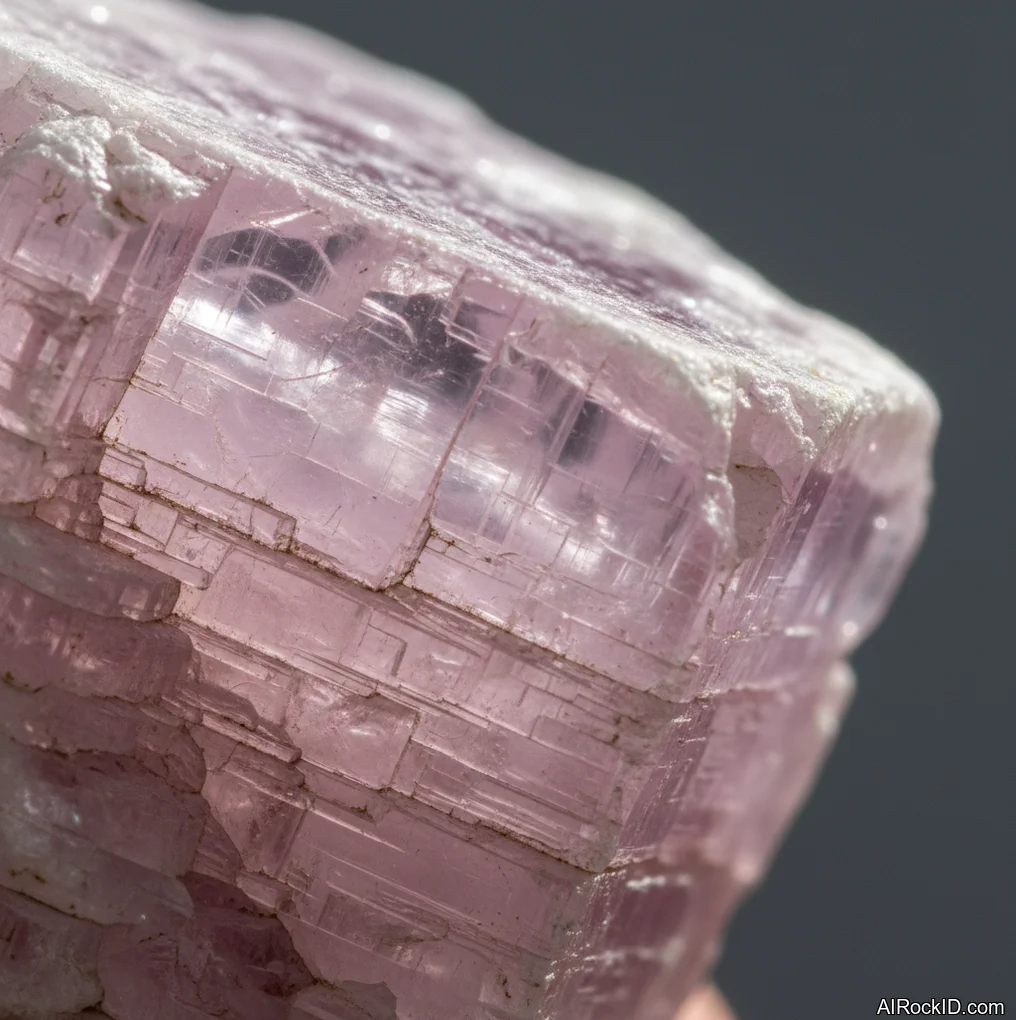
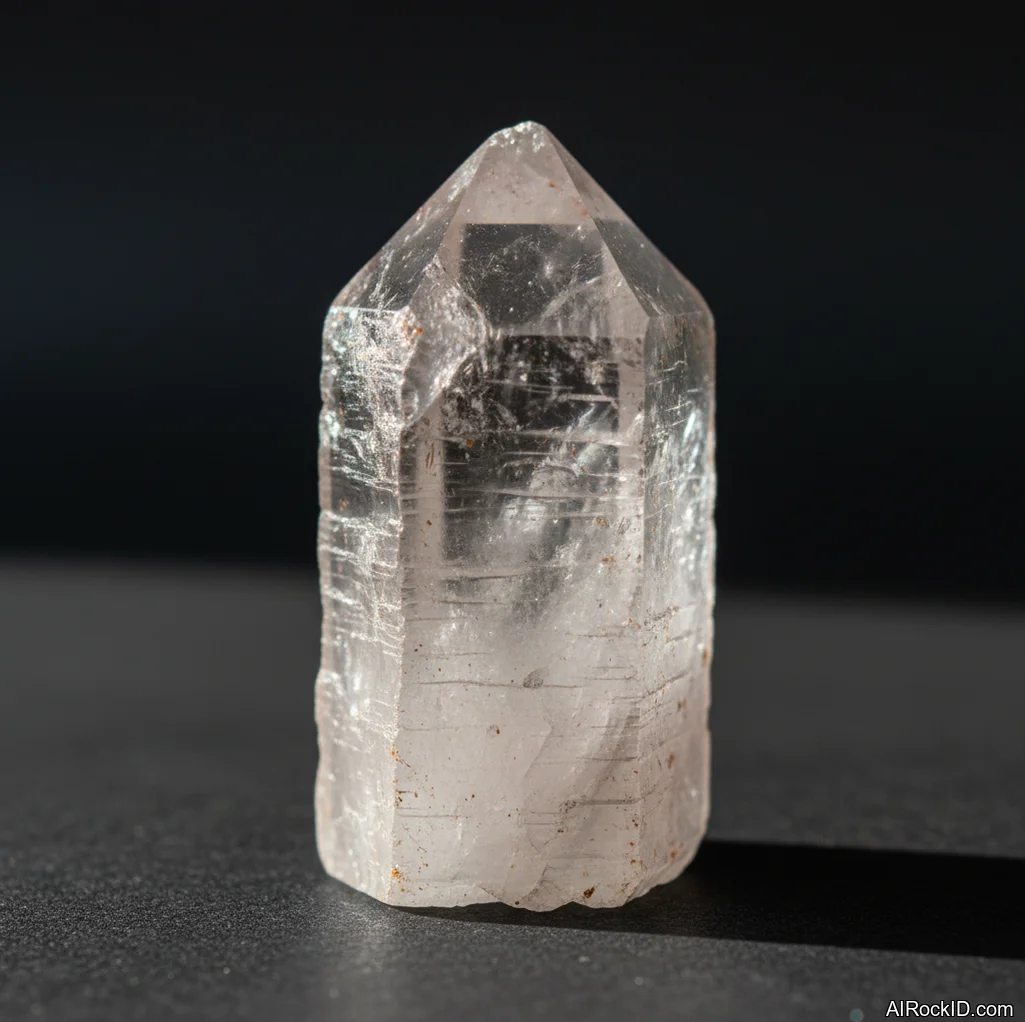
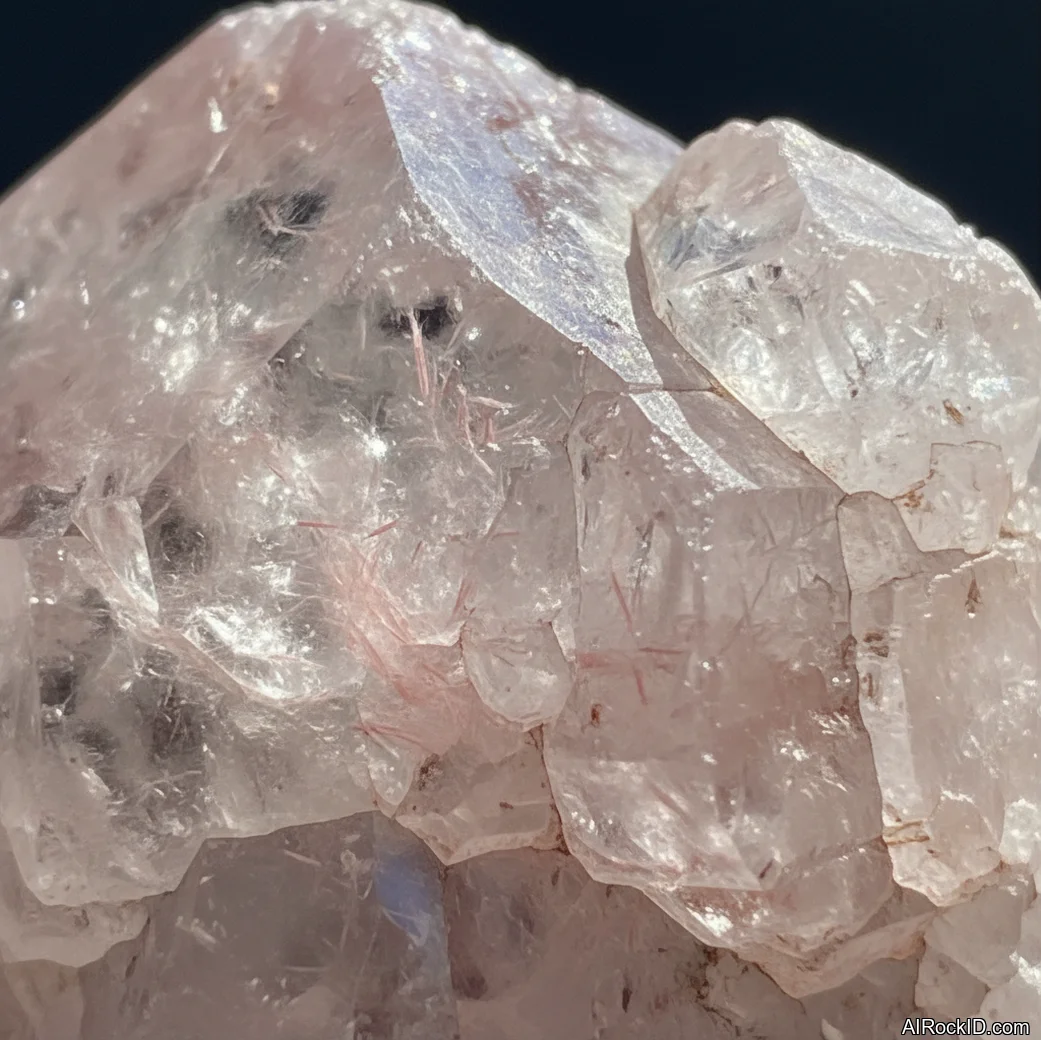
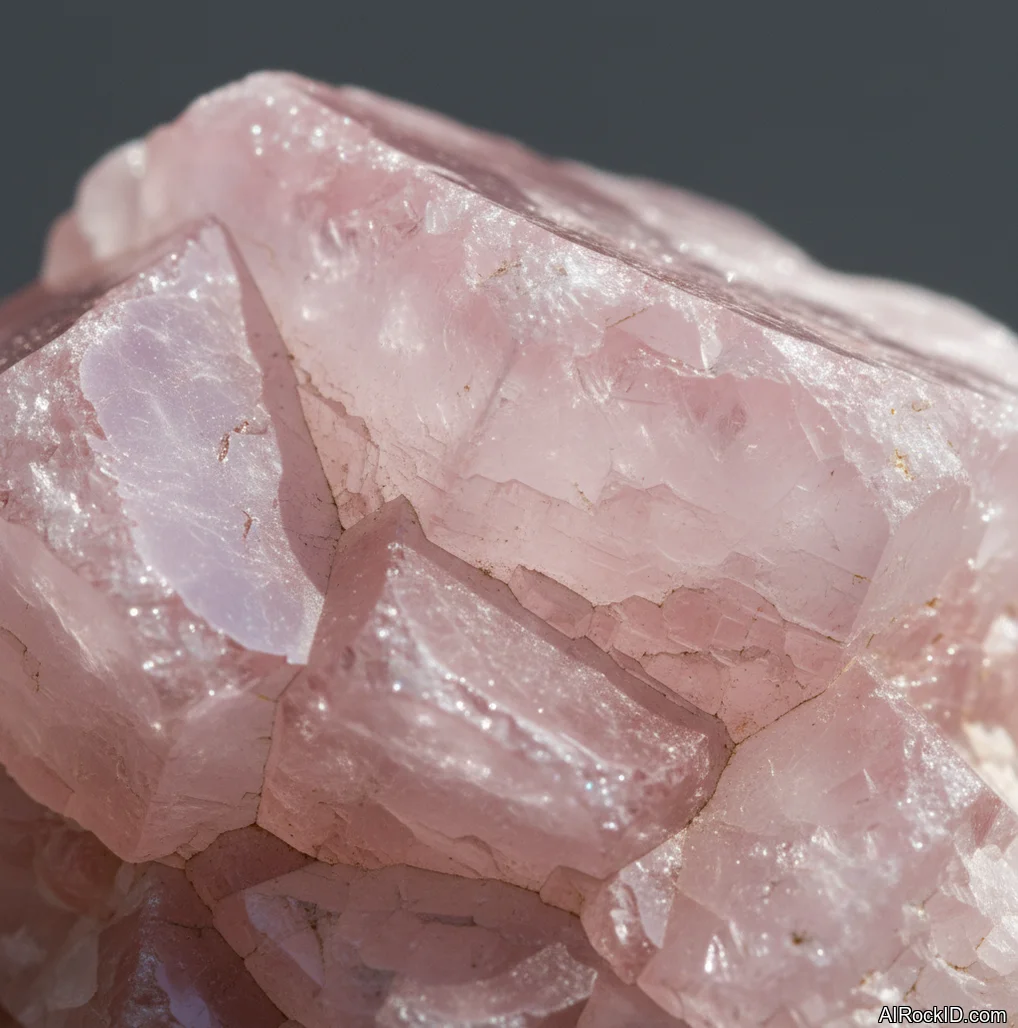
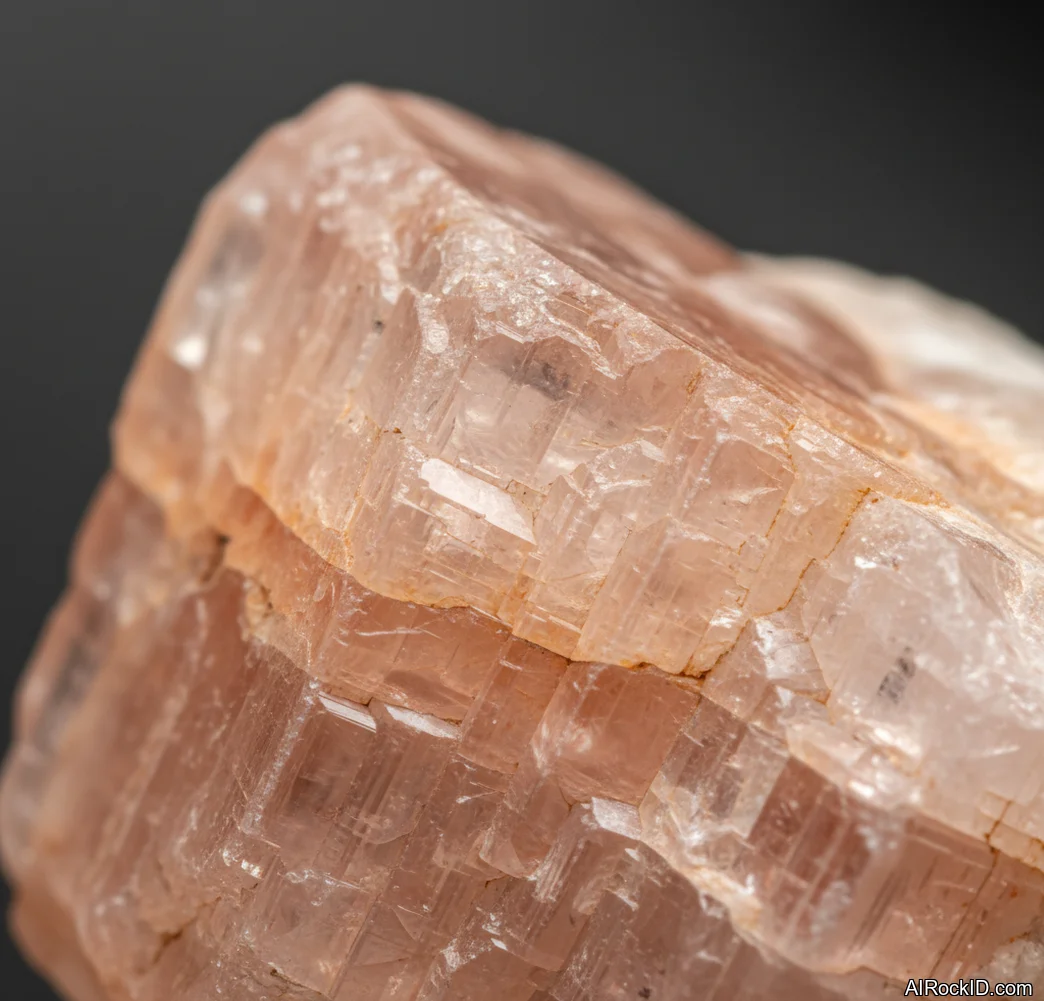
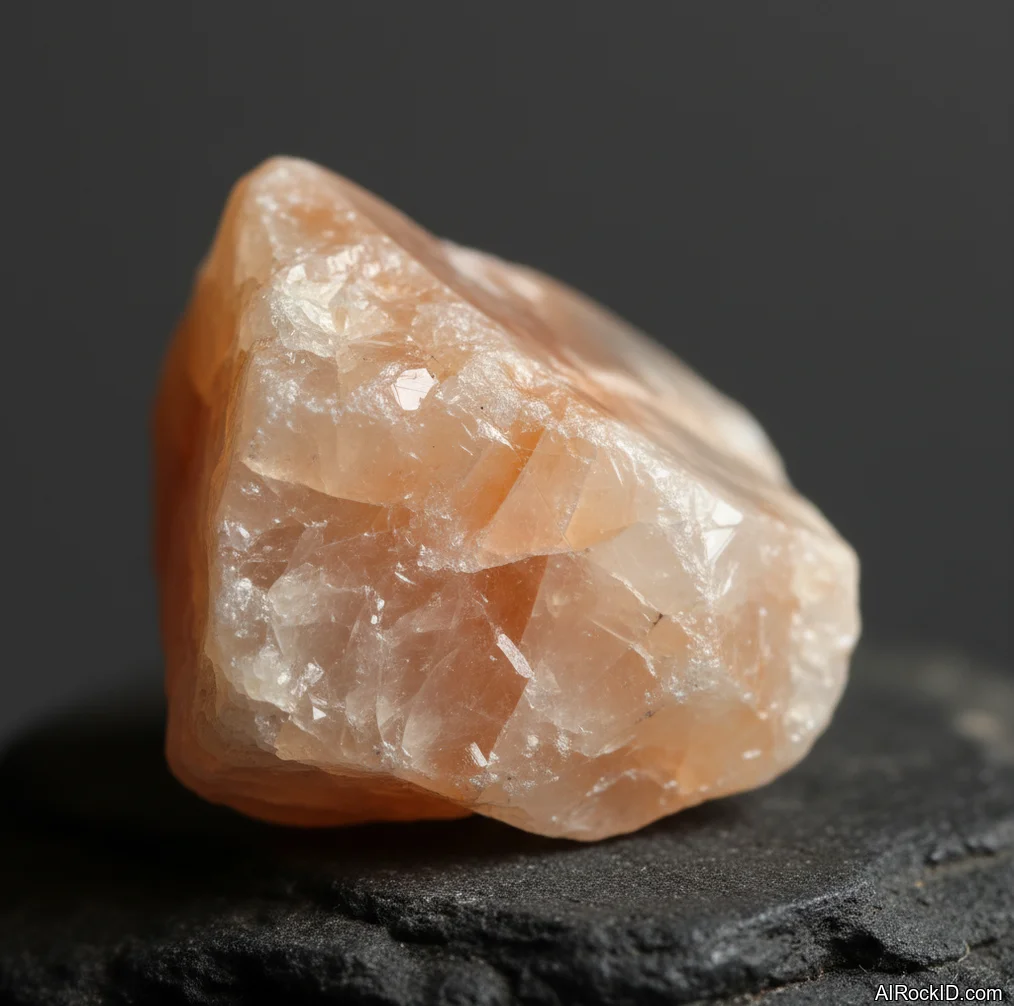
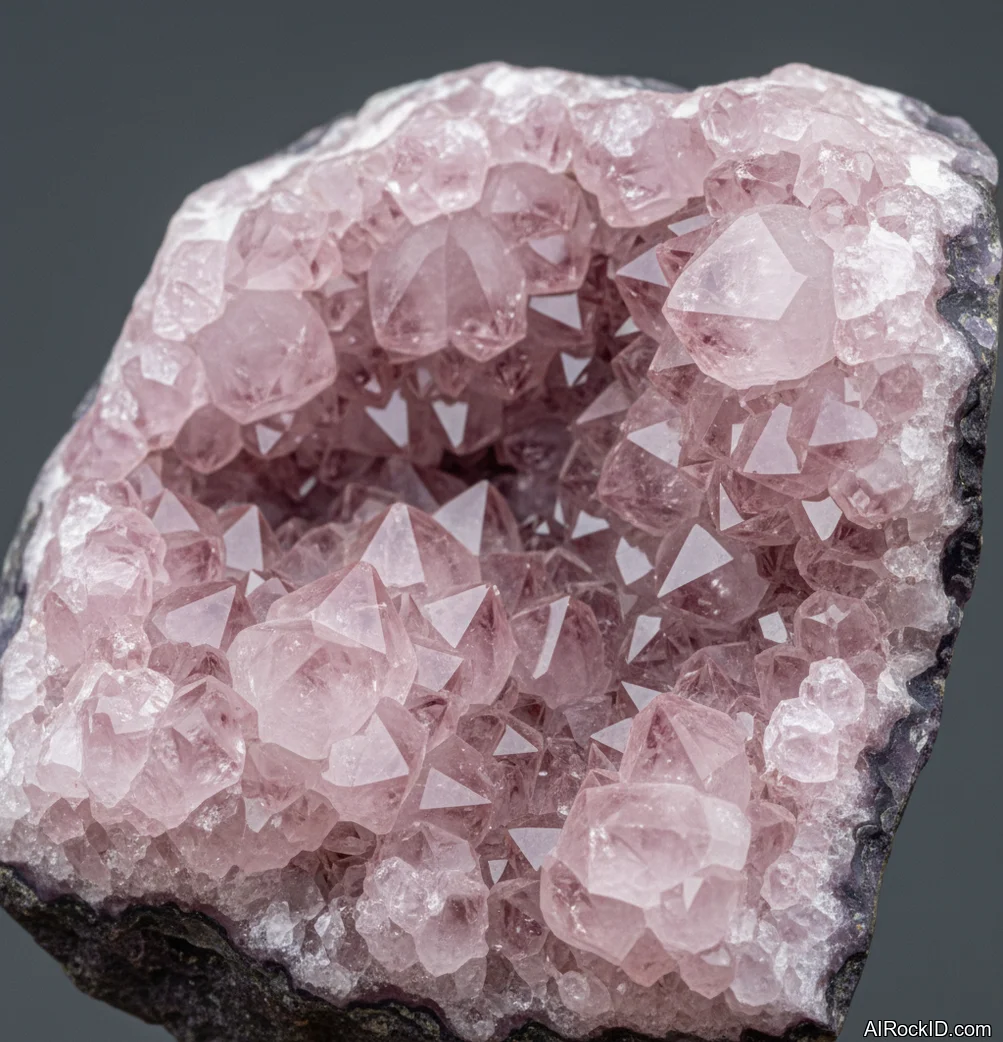
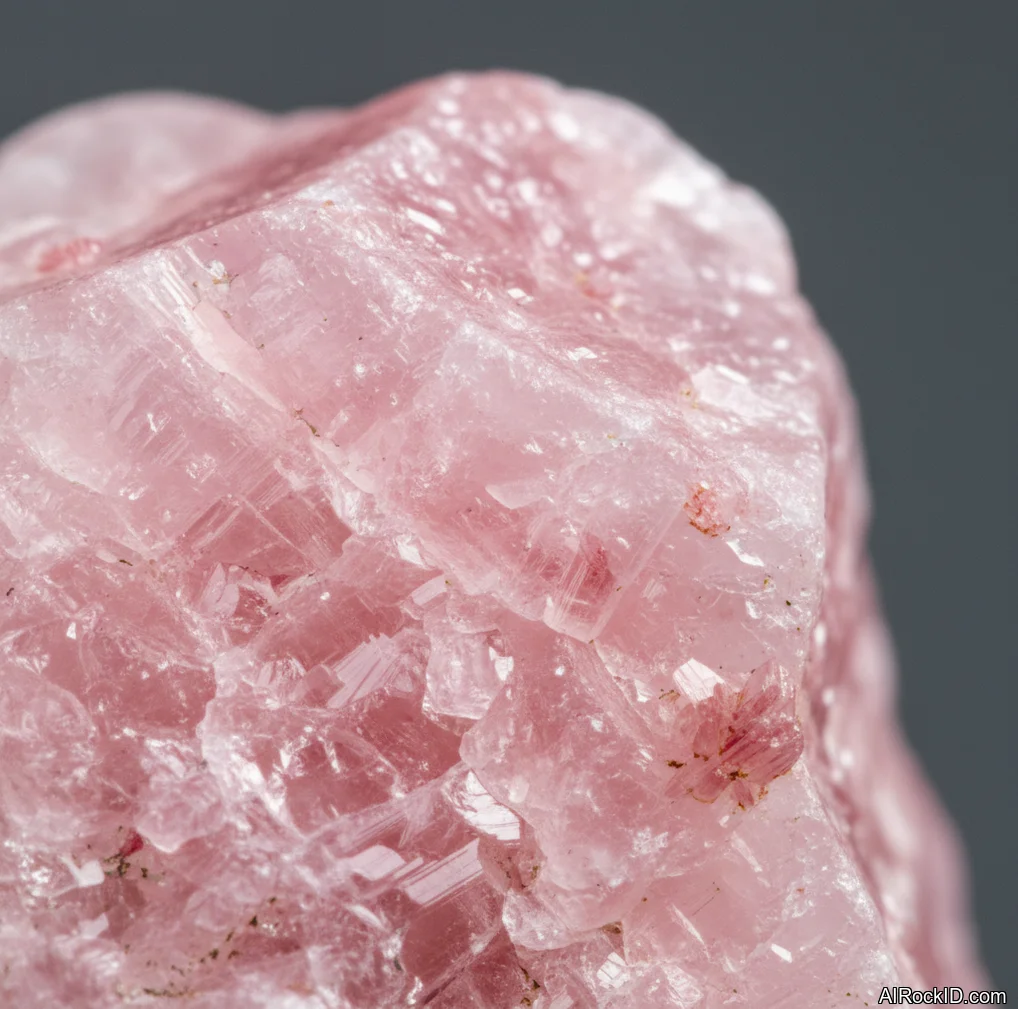
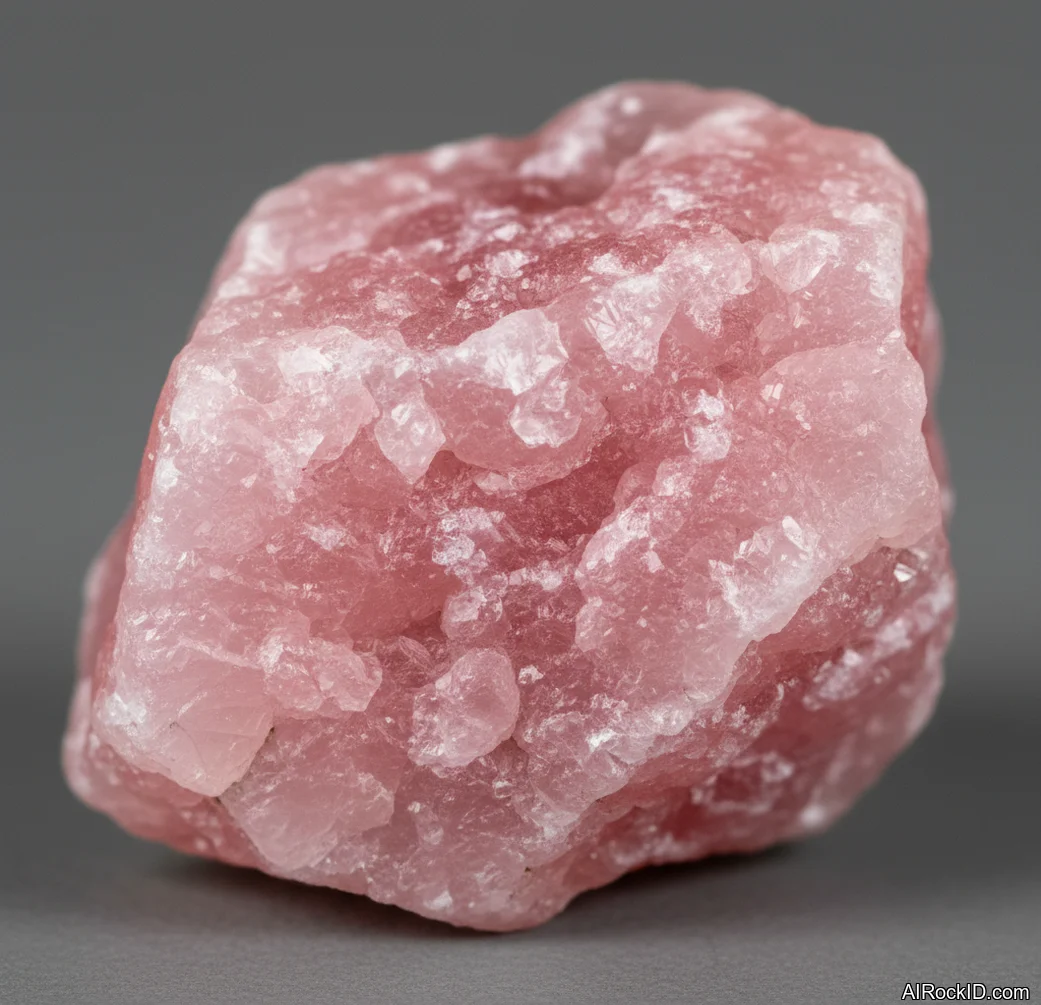
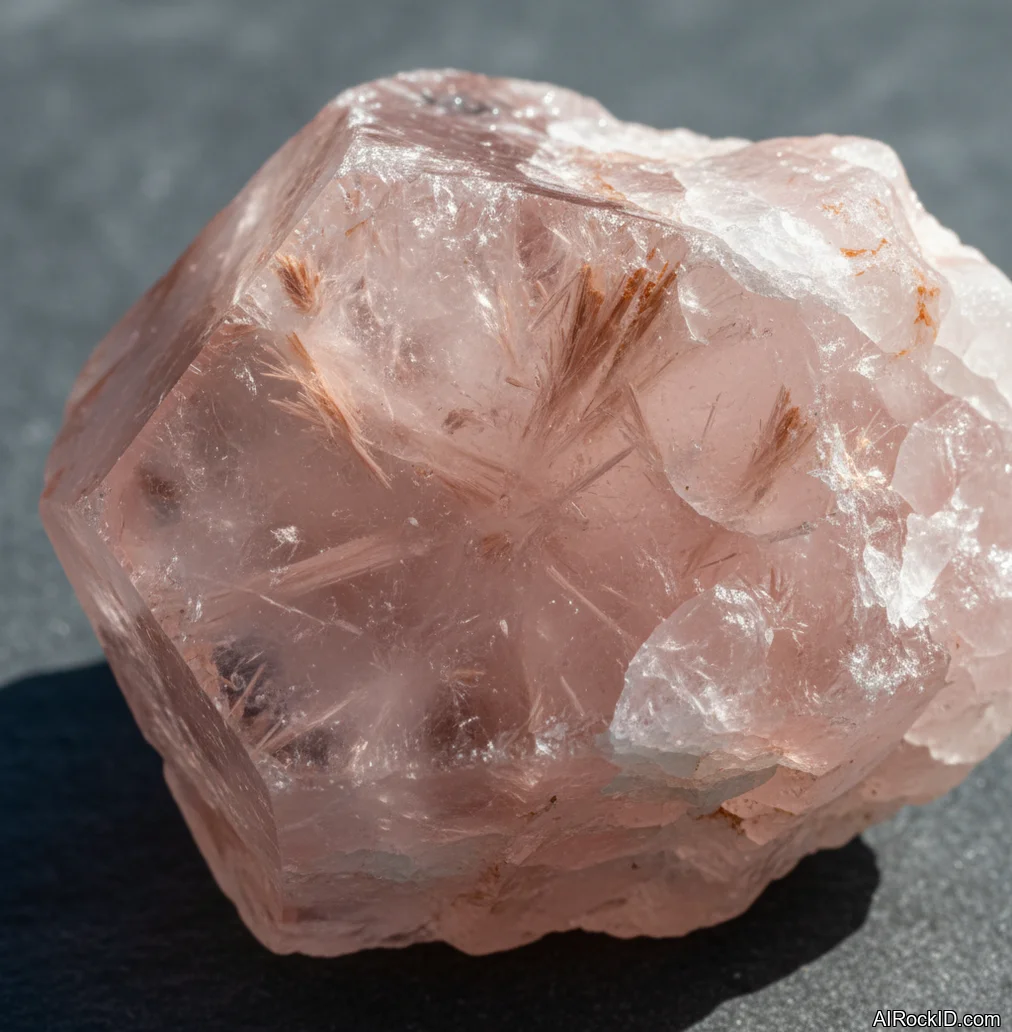
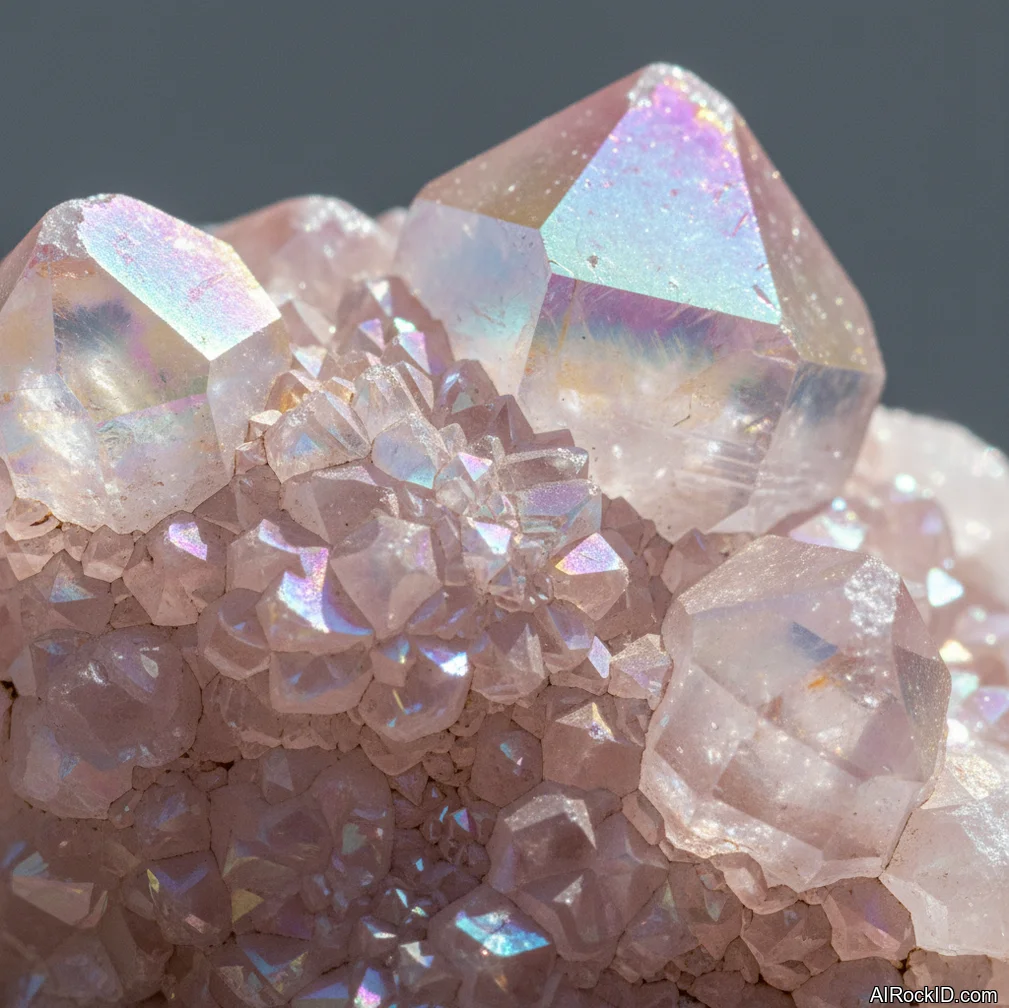
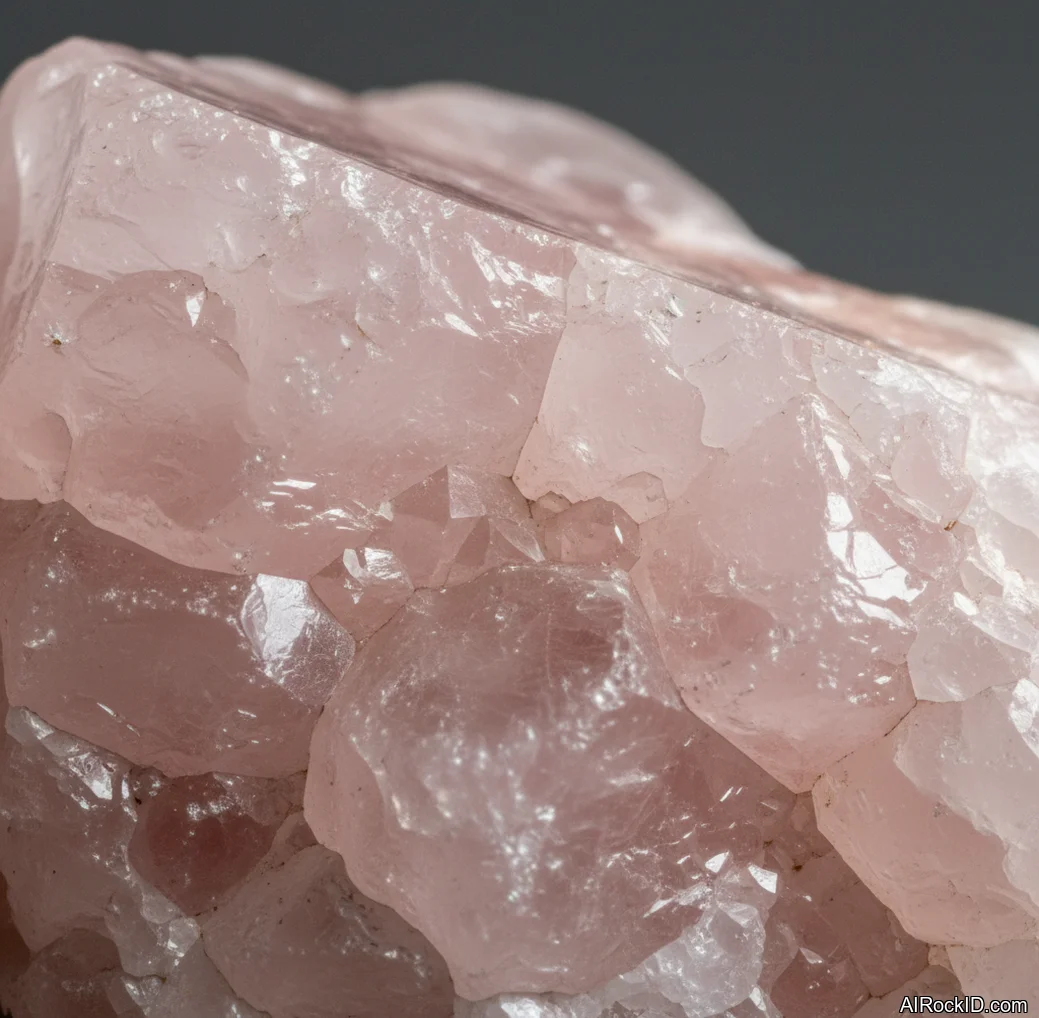
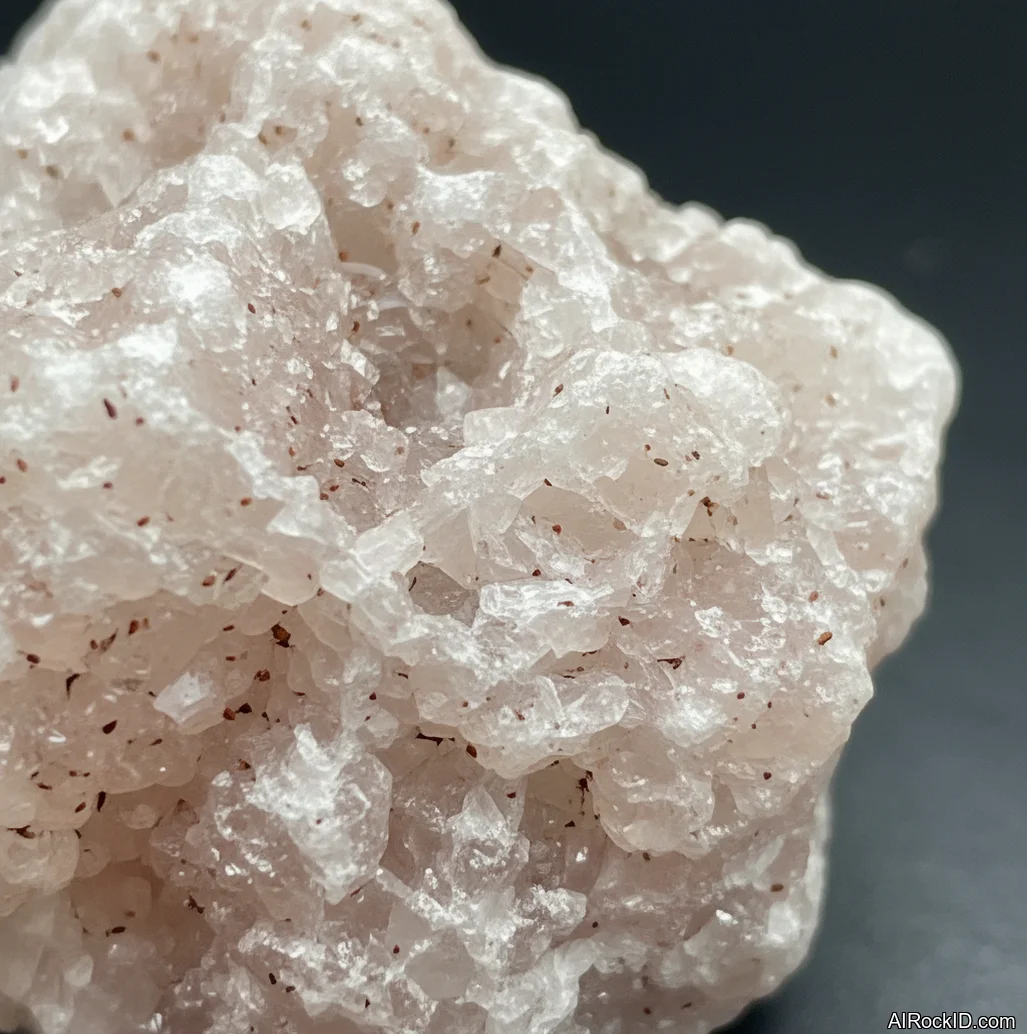
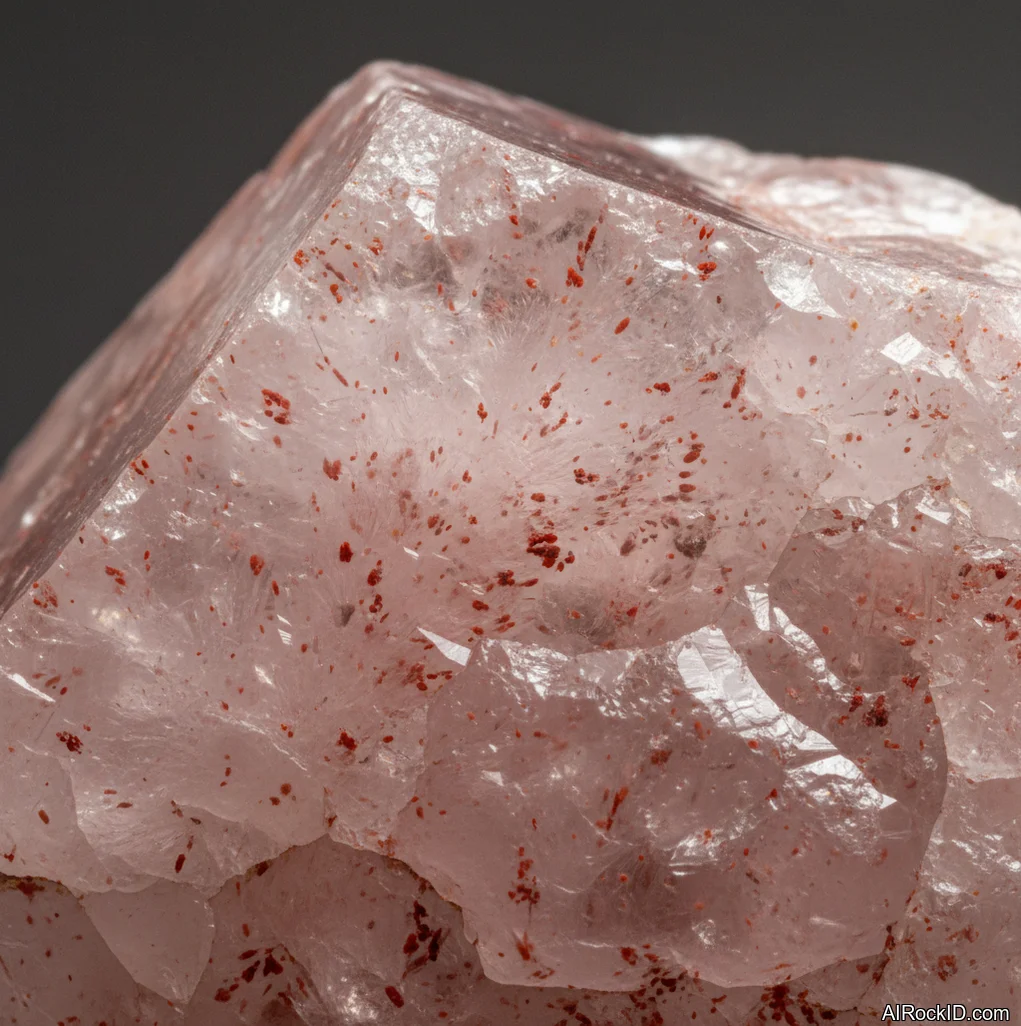
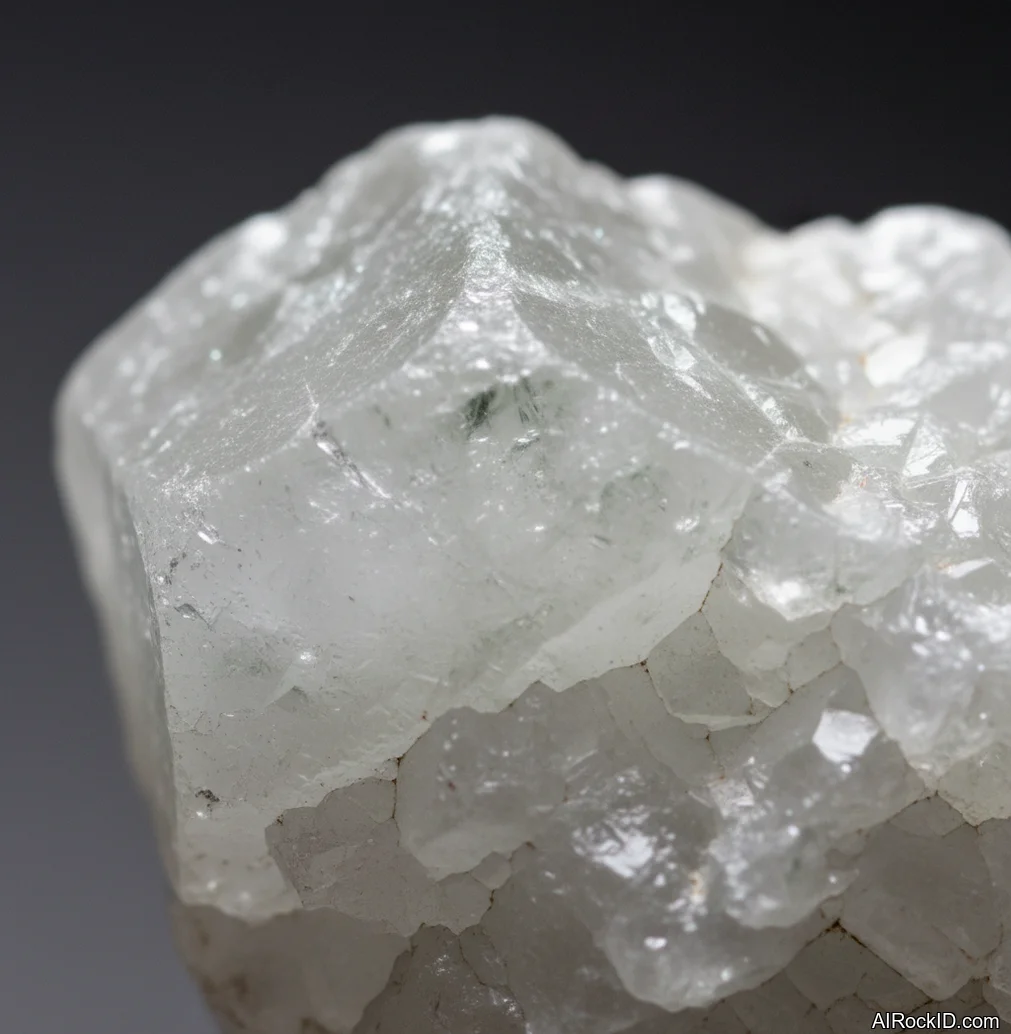
But Rose Quartz is about easing that braced-for-impact posture. Good rough Rose Quartz has a cloudy, milky translucence, sometimes with tiny internal fractures that catch light like frost. A lot of the really pretty material is from Madagascar and tends to be more saturated than the pale chunks you’ll see labeled “Brazil.” People chase it for Trust because it’s tied to emotional safety, and safety is where trust actually grows.
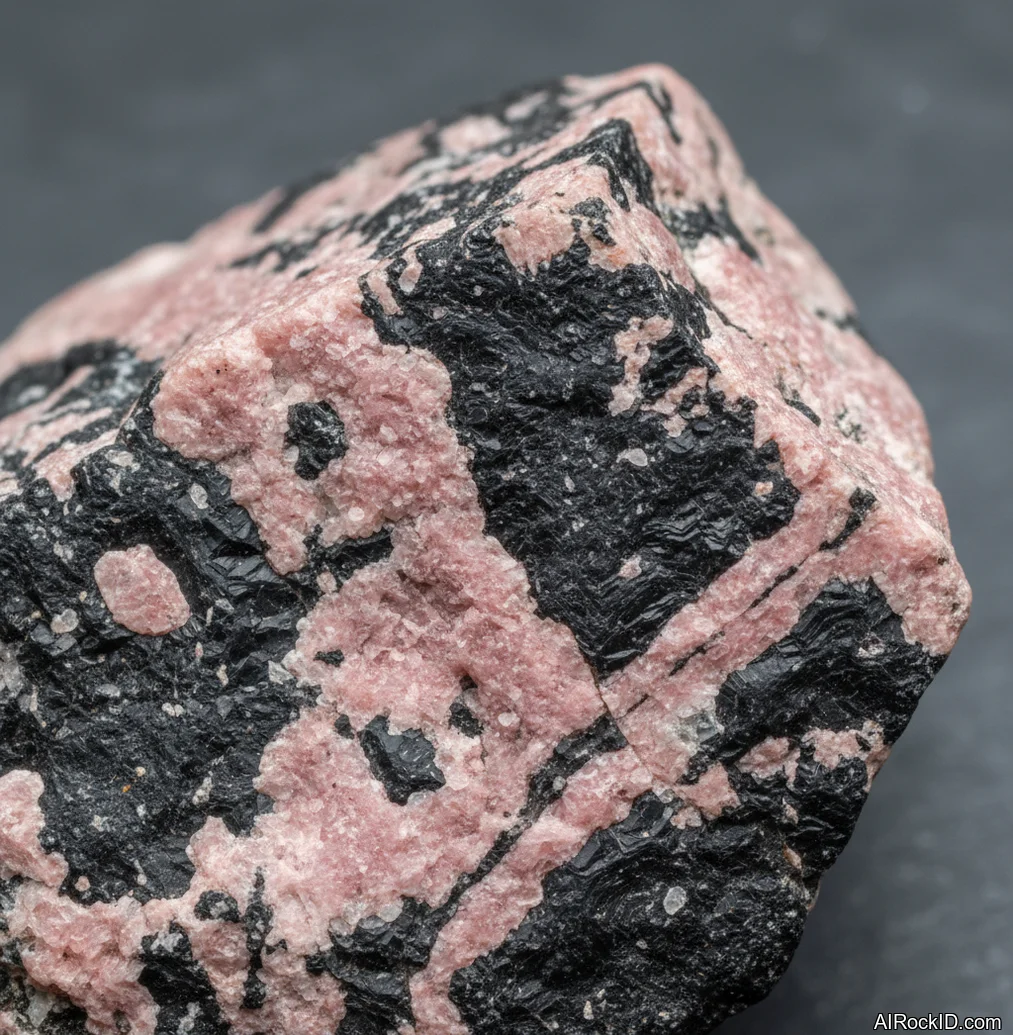
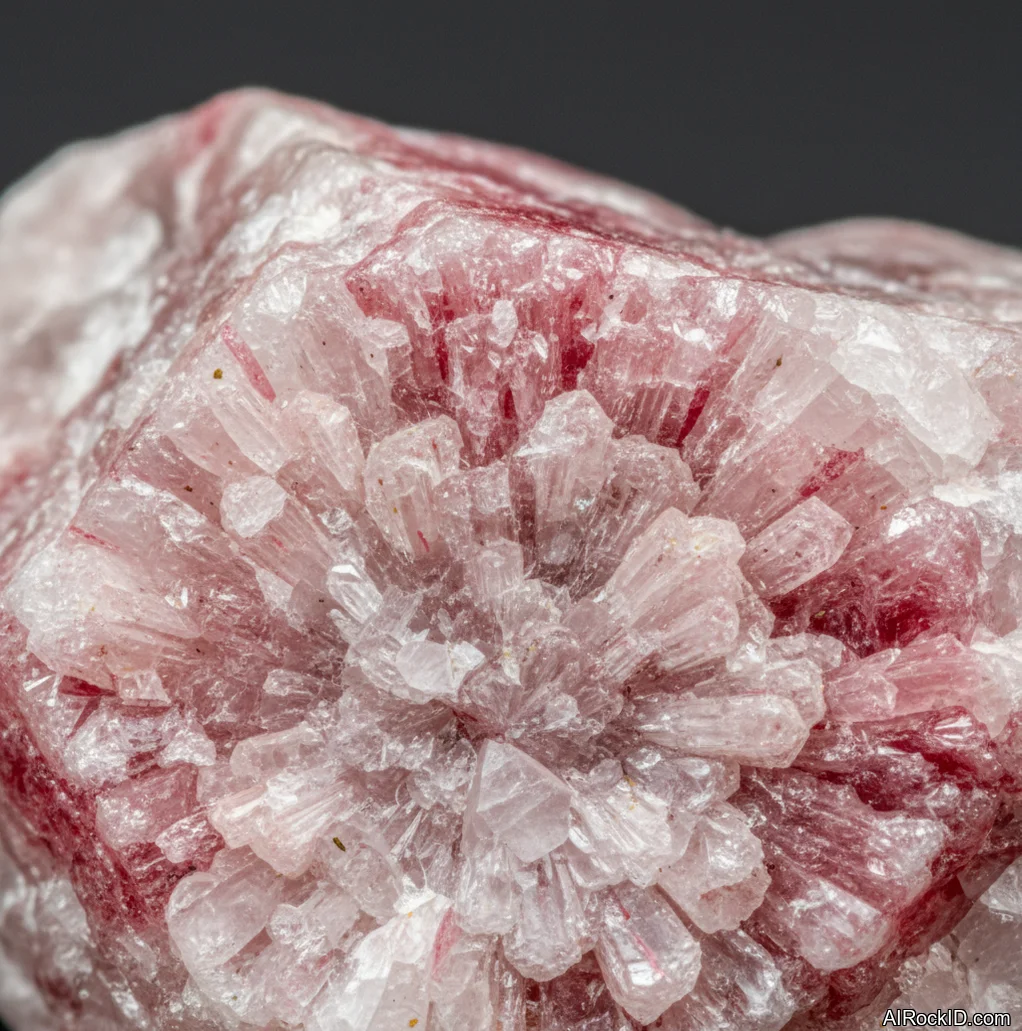
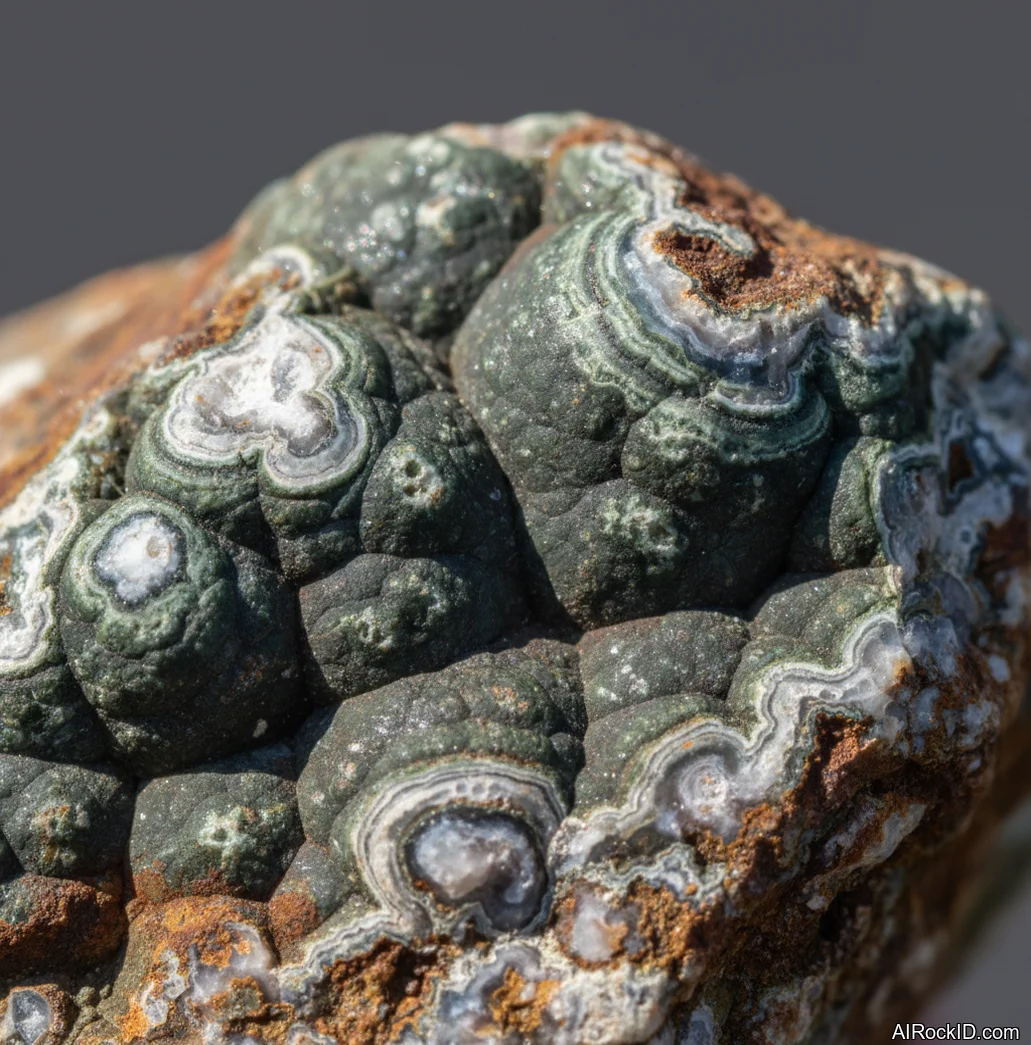
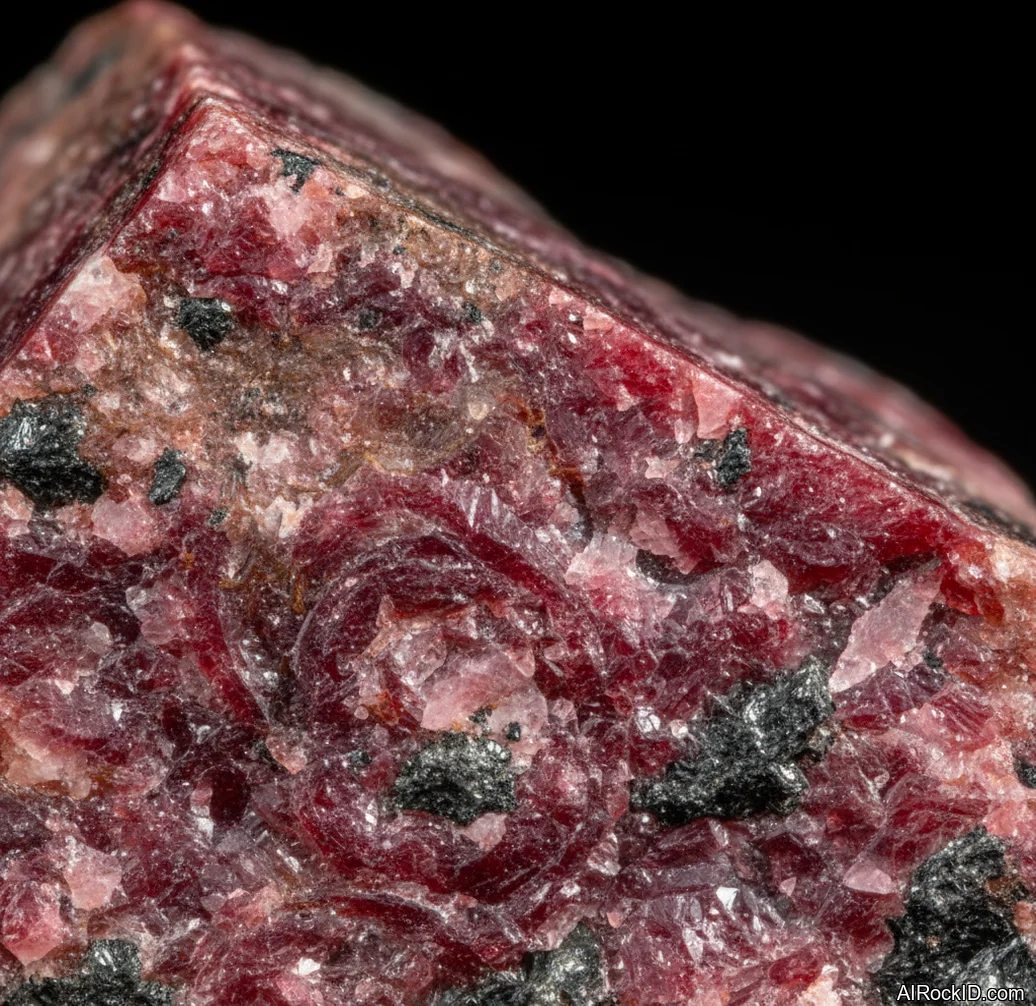
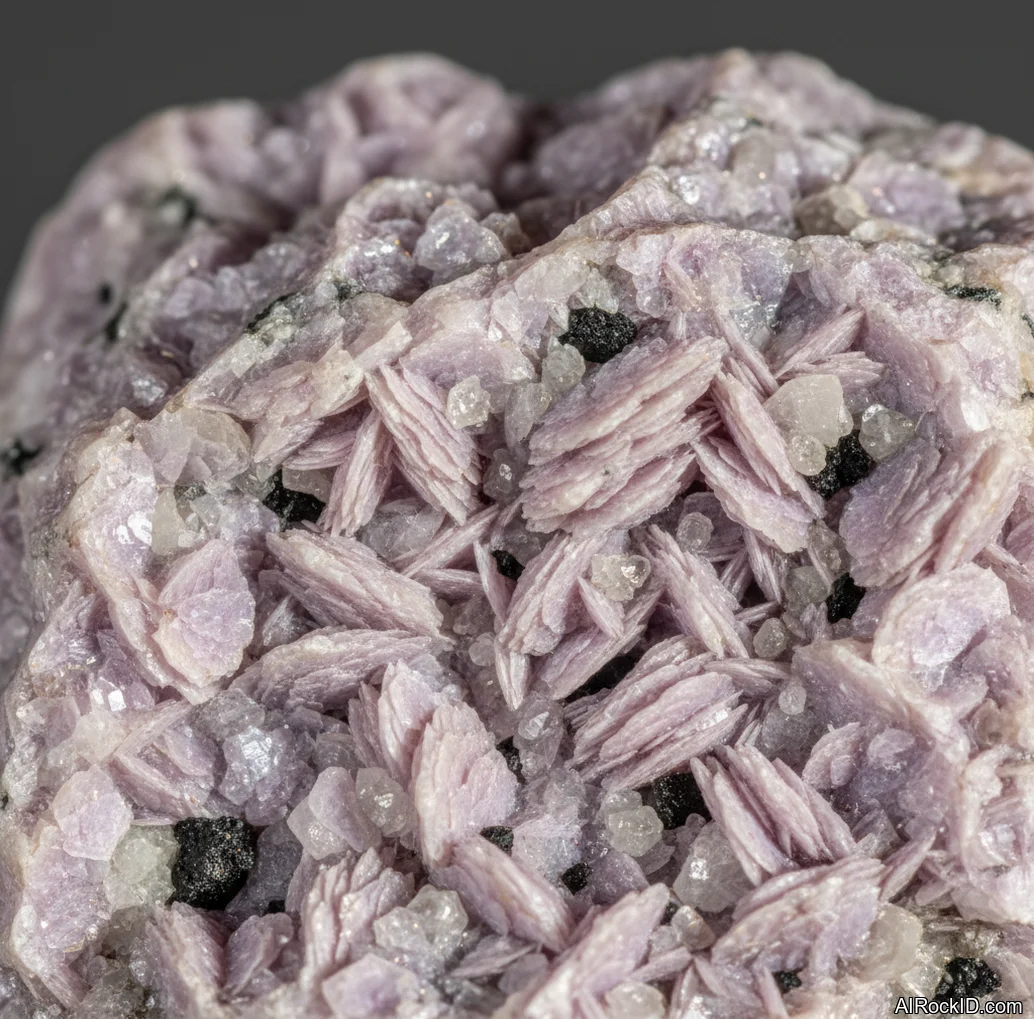
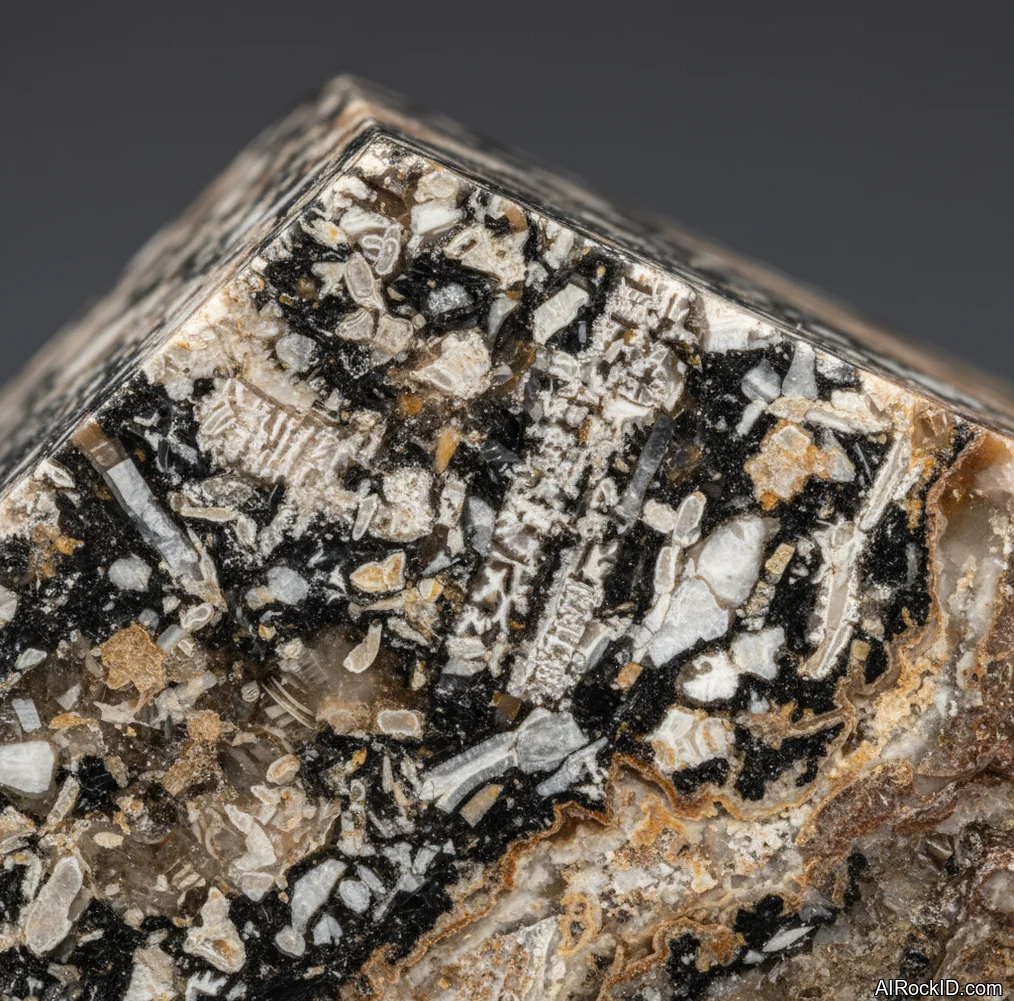
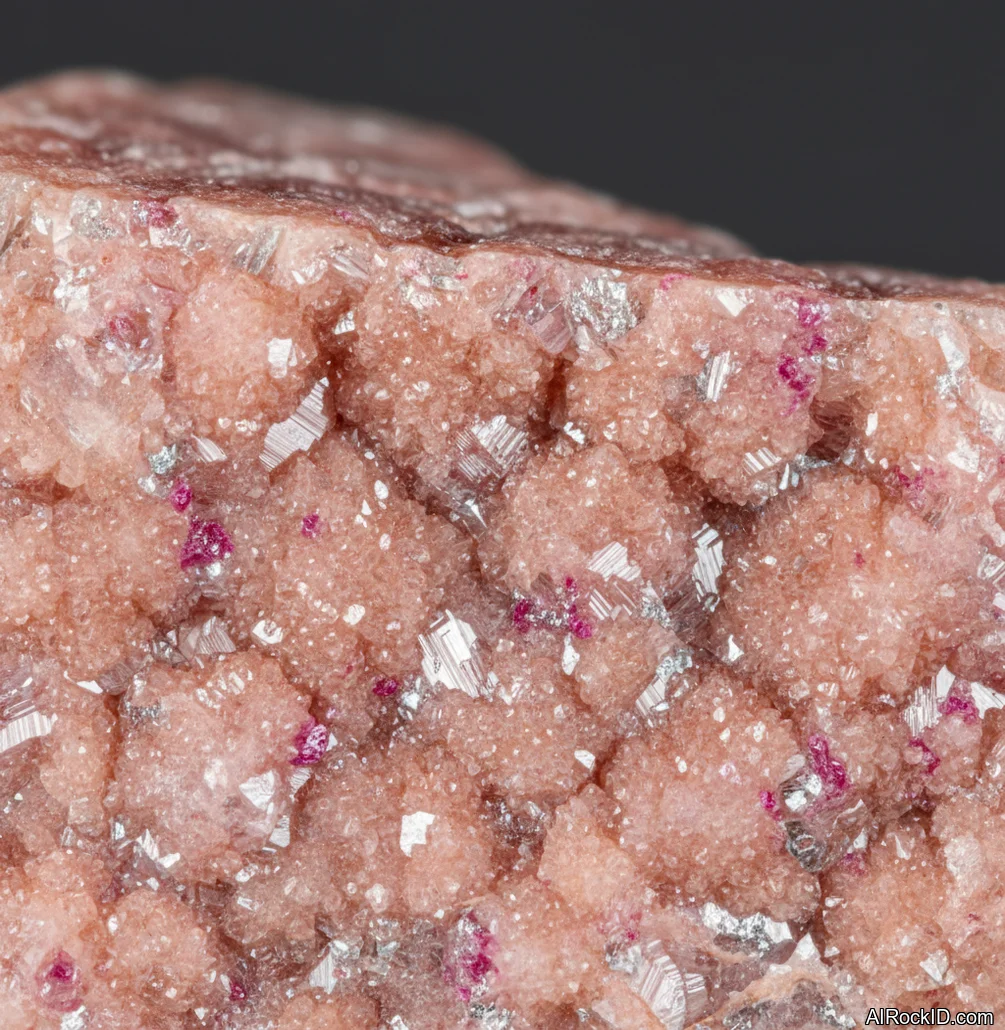
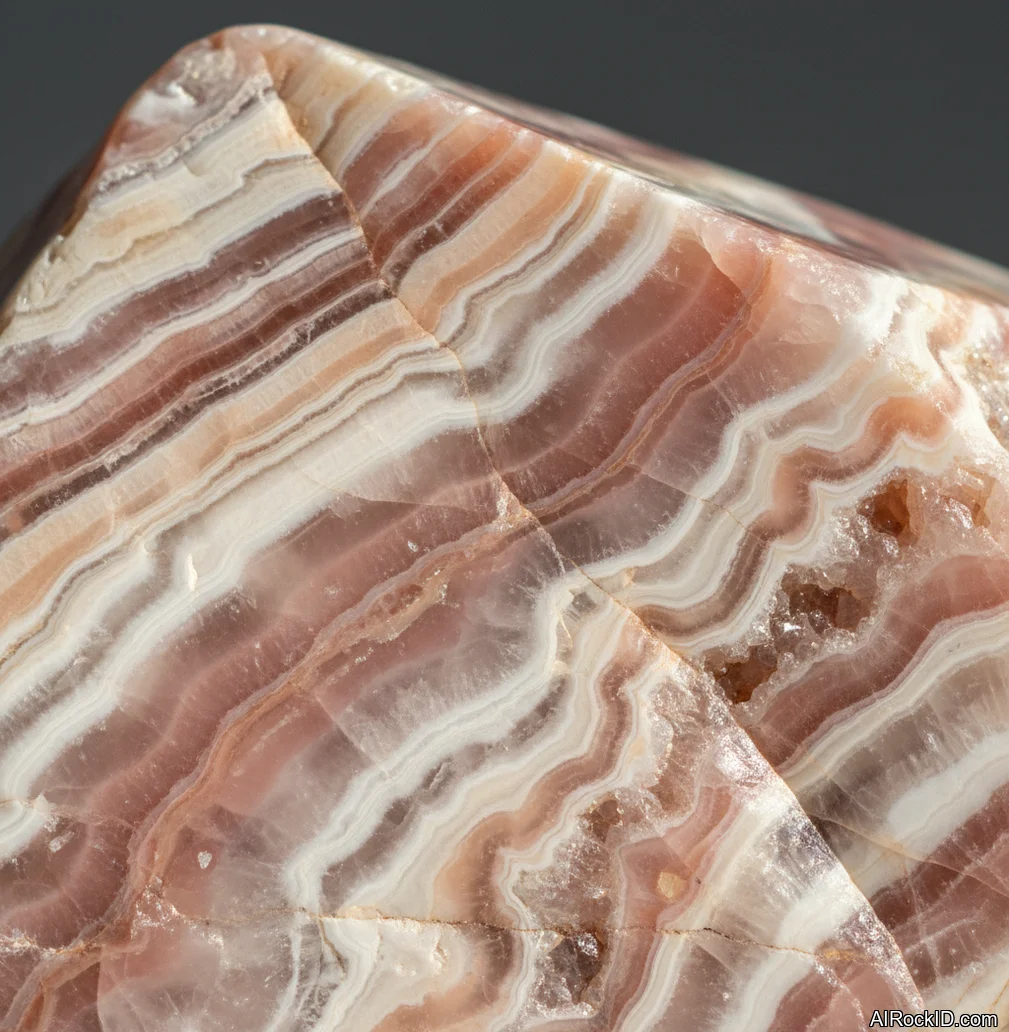
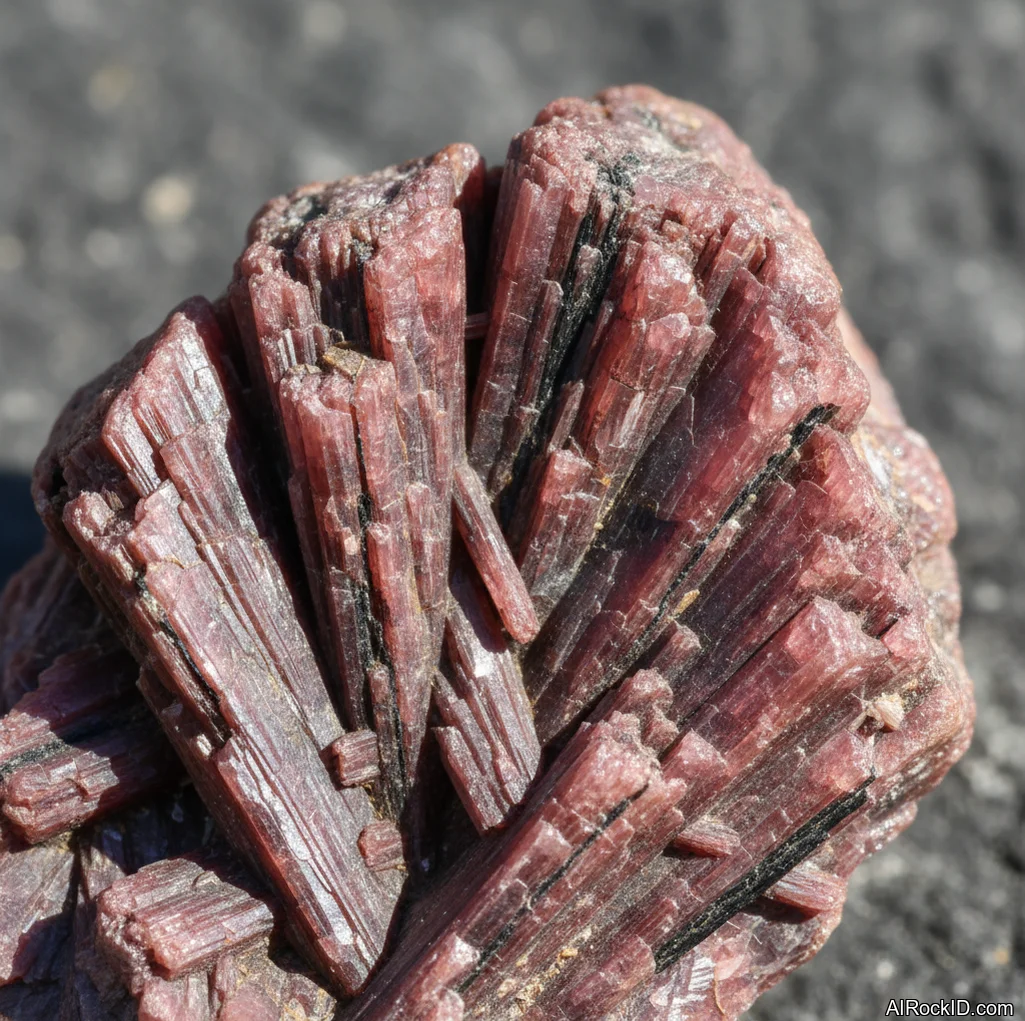
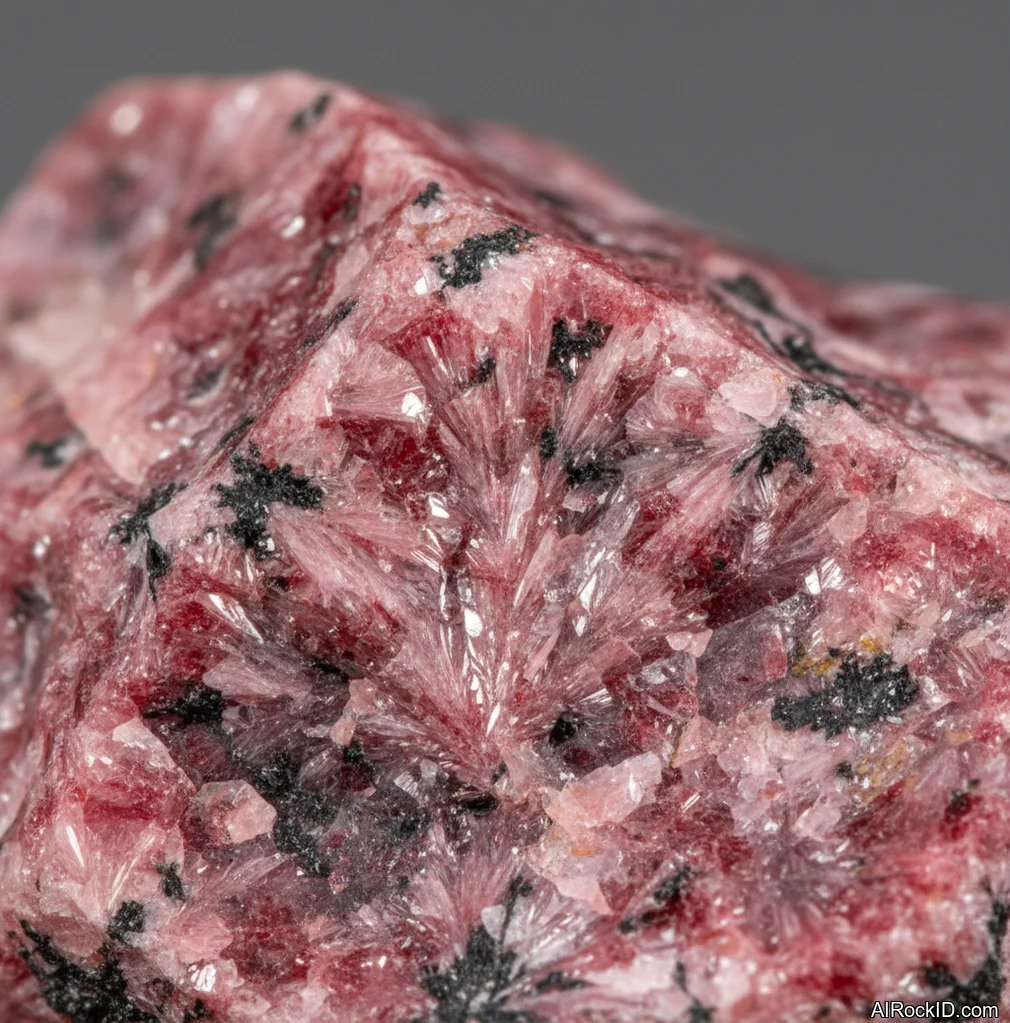
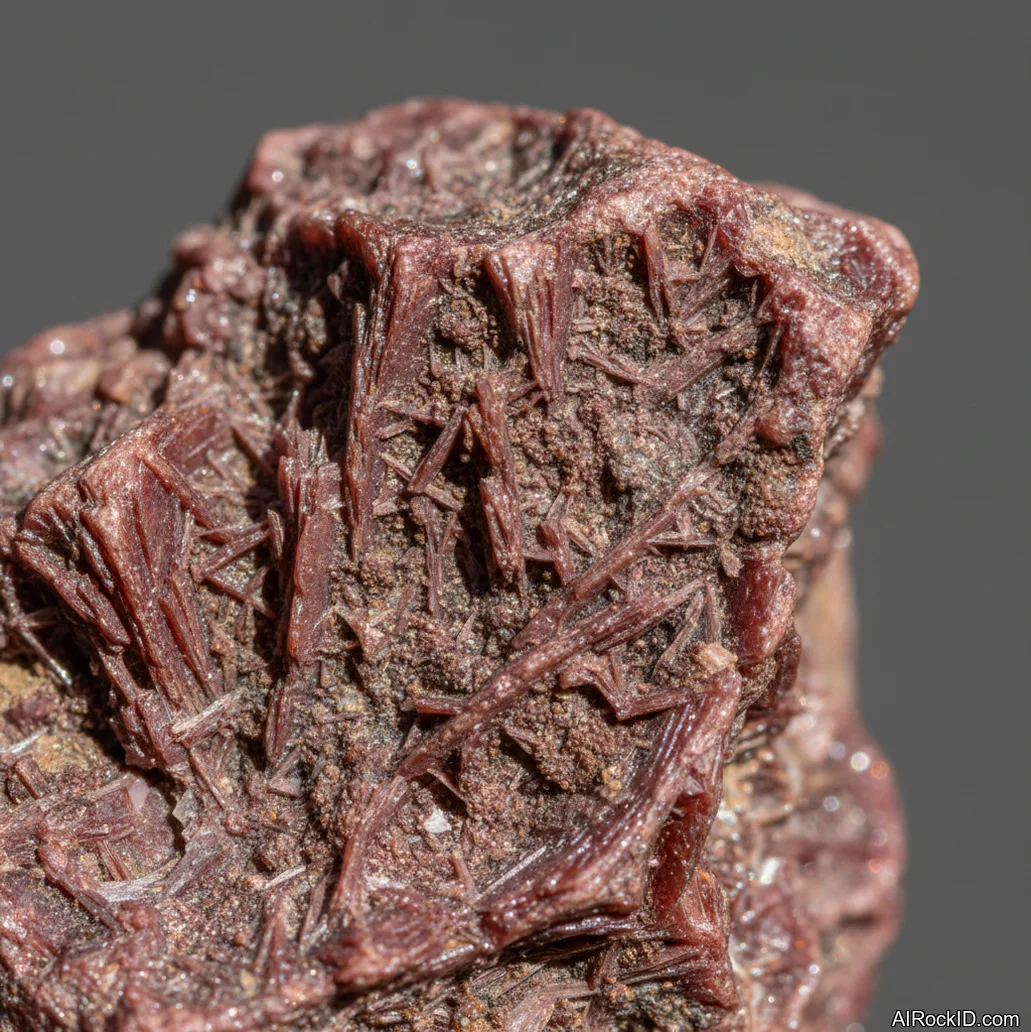
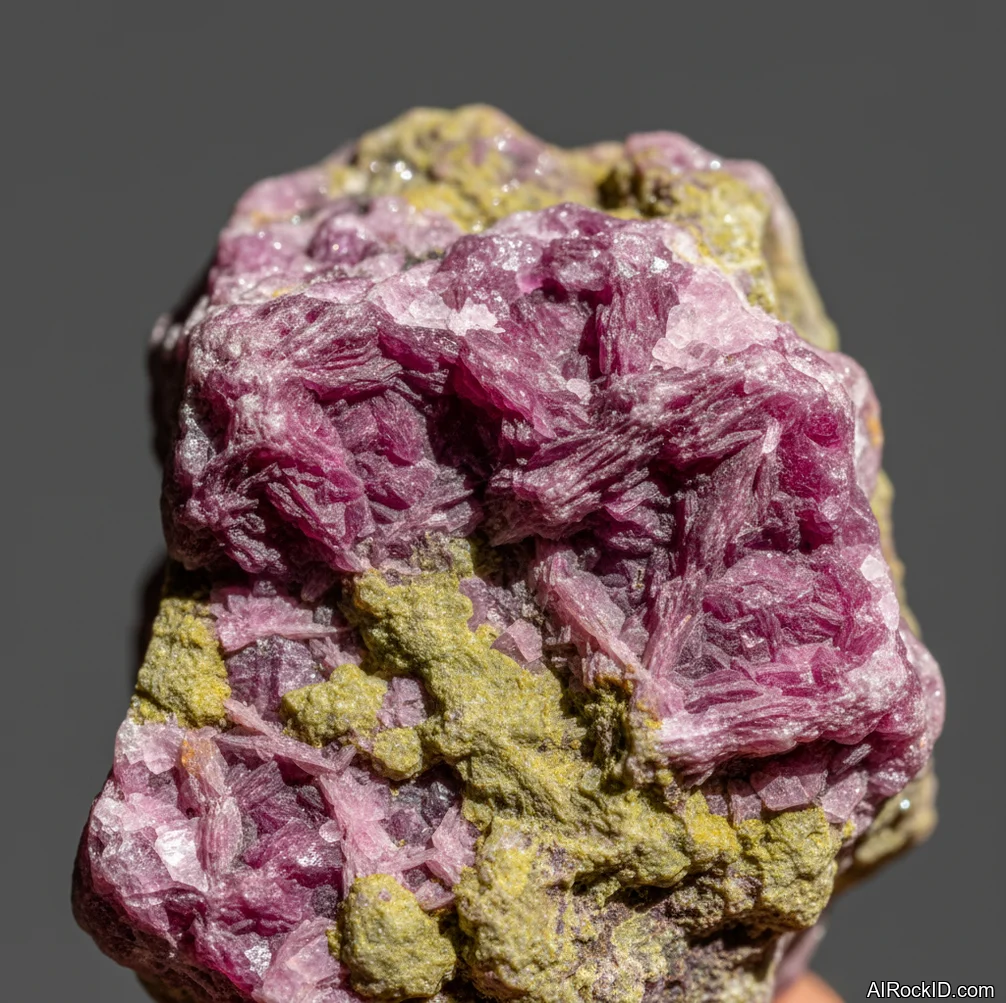
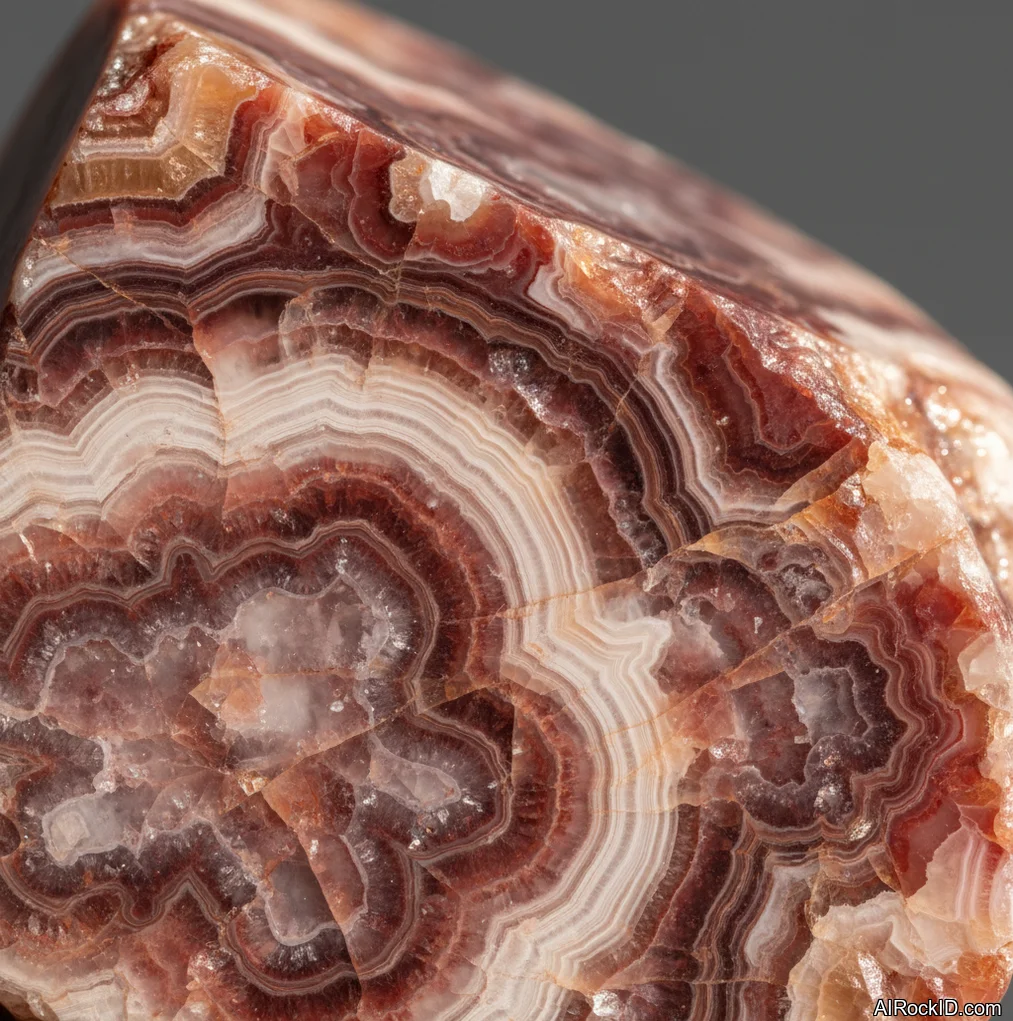
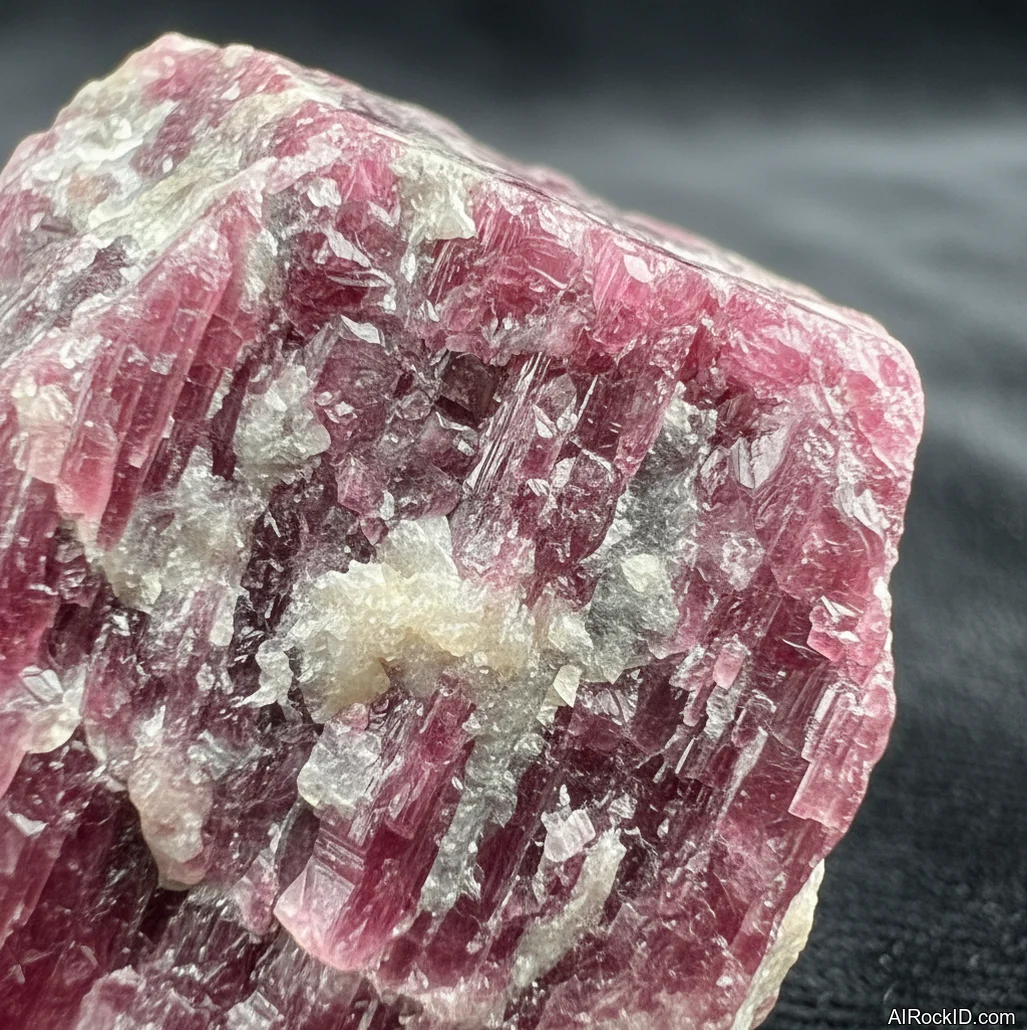
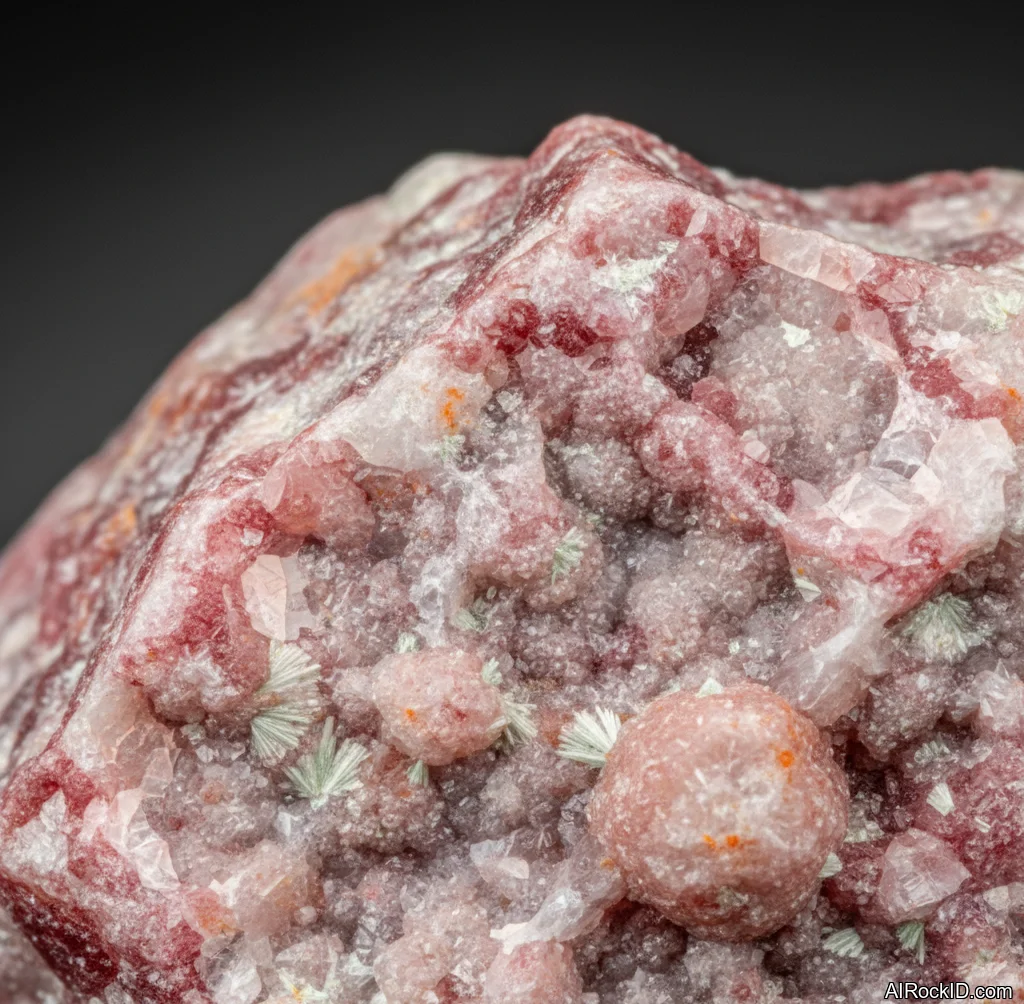
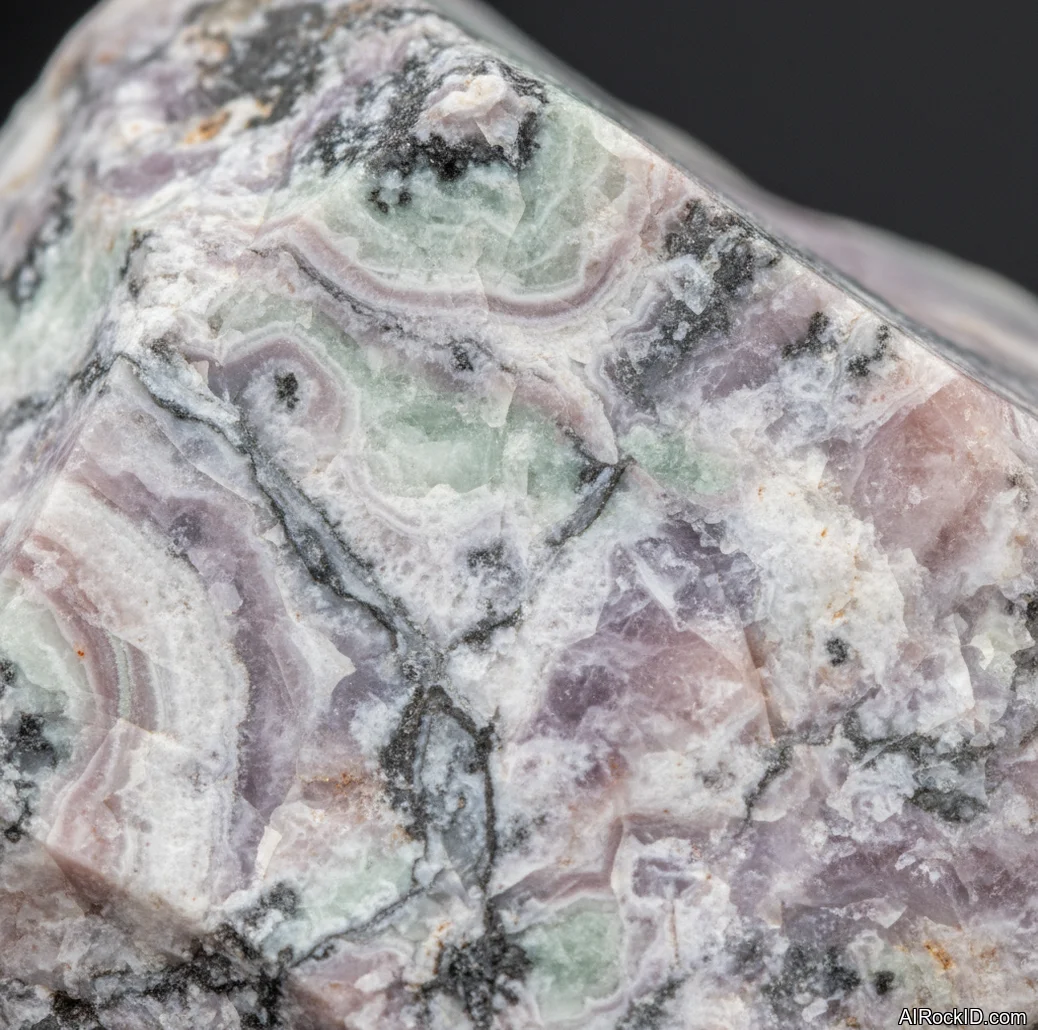
And Rhodonite comes in when trust is bruised but you still want to stay in the conversation. Look closely and you’ll see why. The pink is rarely clean. It’s laced with black manganese veining, like old repair lines.
So how do you work with Trust crystals without turning them into shelf décor? Keep it practical.
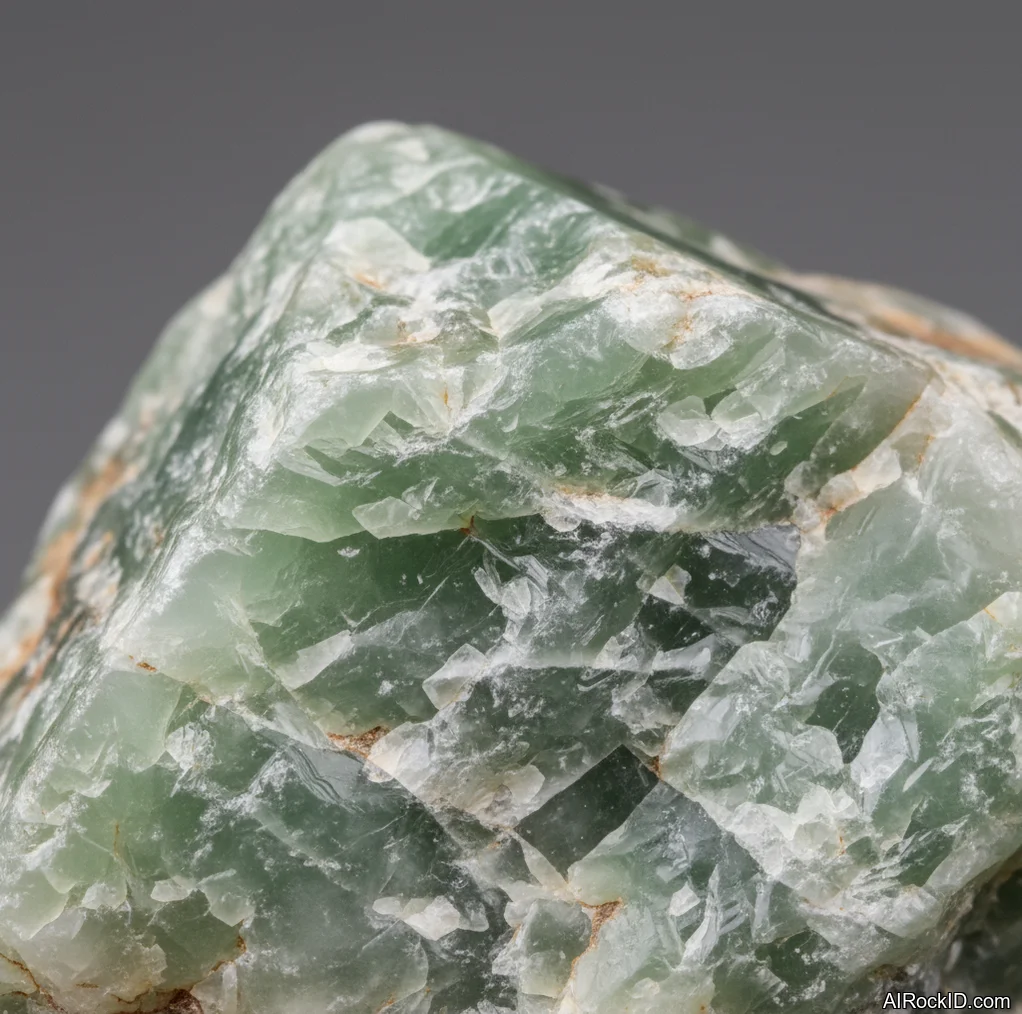
If you’re trying to trust your own decisions, carry a small tumbled Amazonite or Moonstone in a pocket you use every day. Touch it right before you answer a hard email or say yes to something. That pause is the point.
If the goal is relational trust, put Rose Quartz or Blue Lace Agate somewhere you talk, not somewhere you just walk past. Nightstand beats windowsill. Same with journaling: set Labradorite by the notebook, not across the room. You want the stone in the moment you’re practicing. Not nearby. In it.
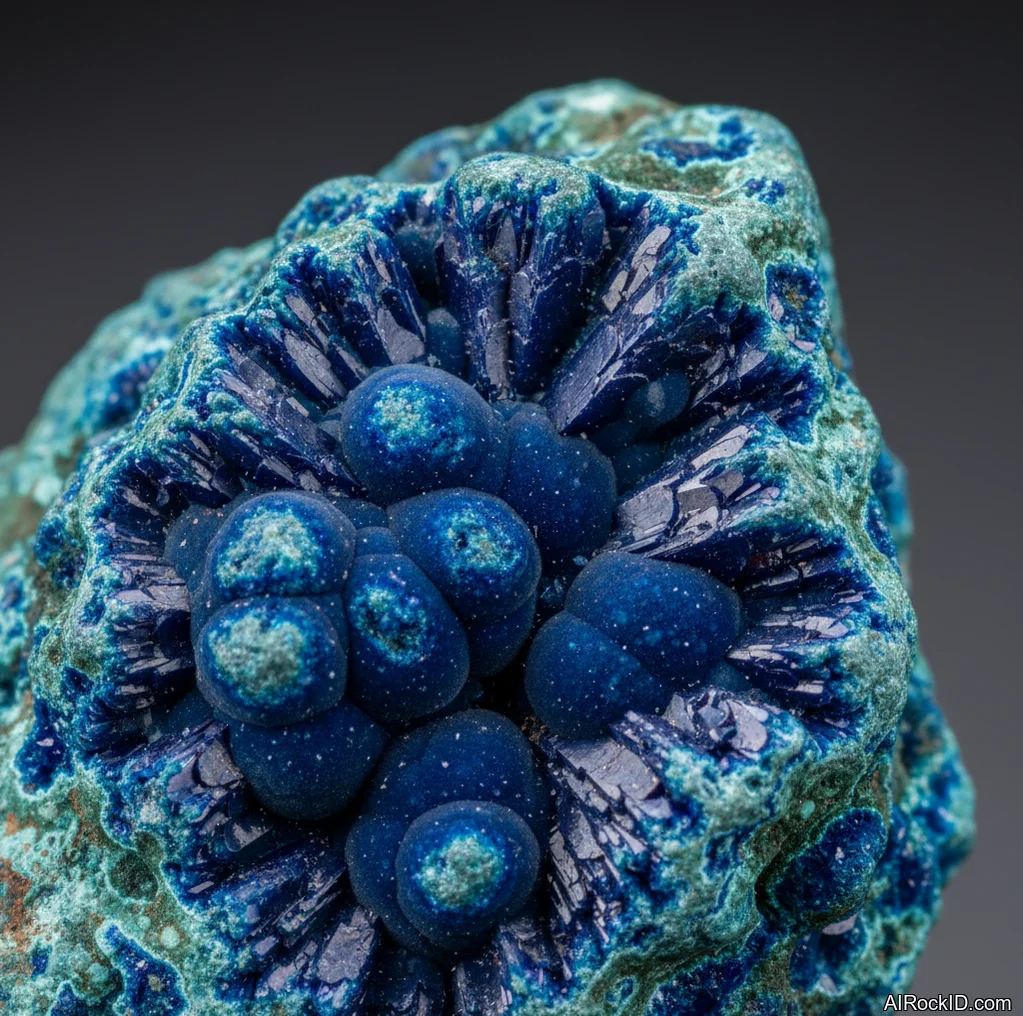
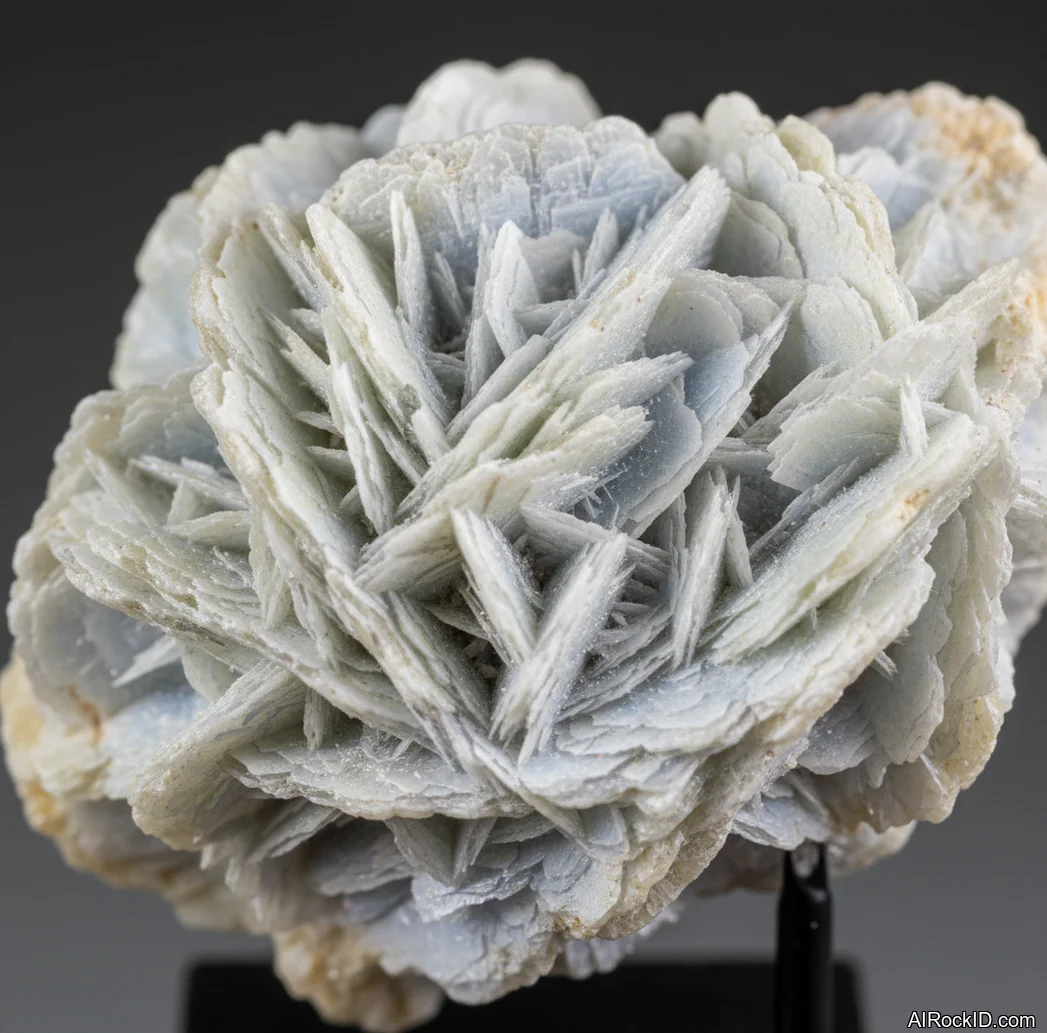
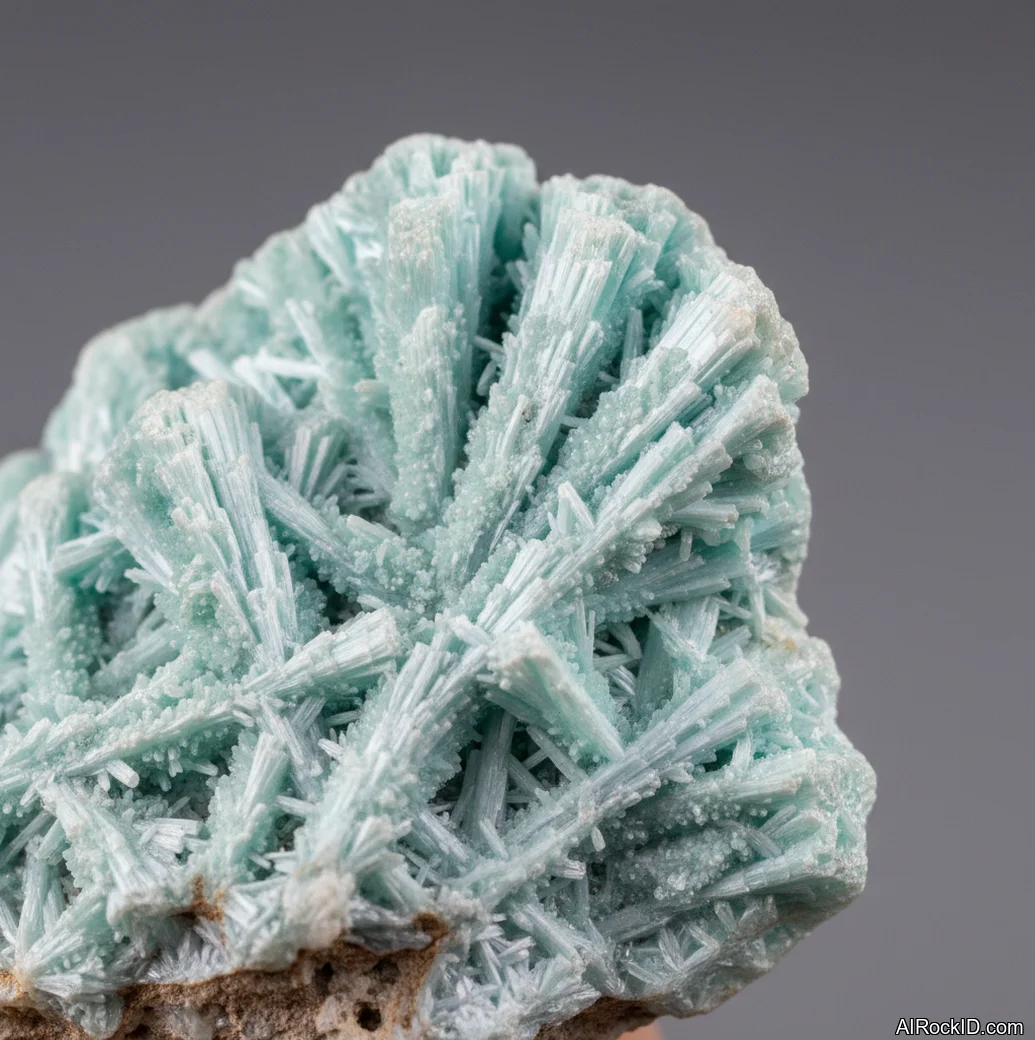
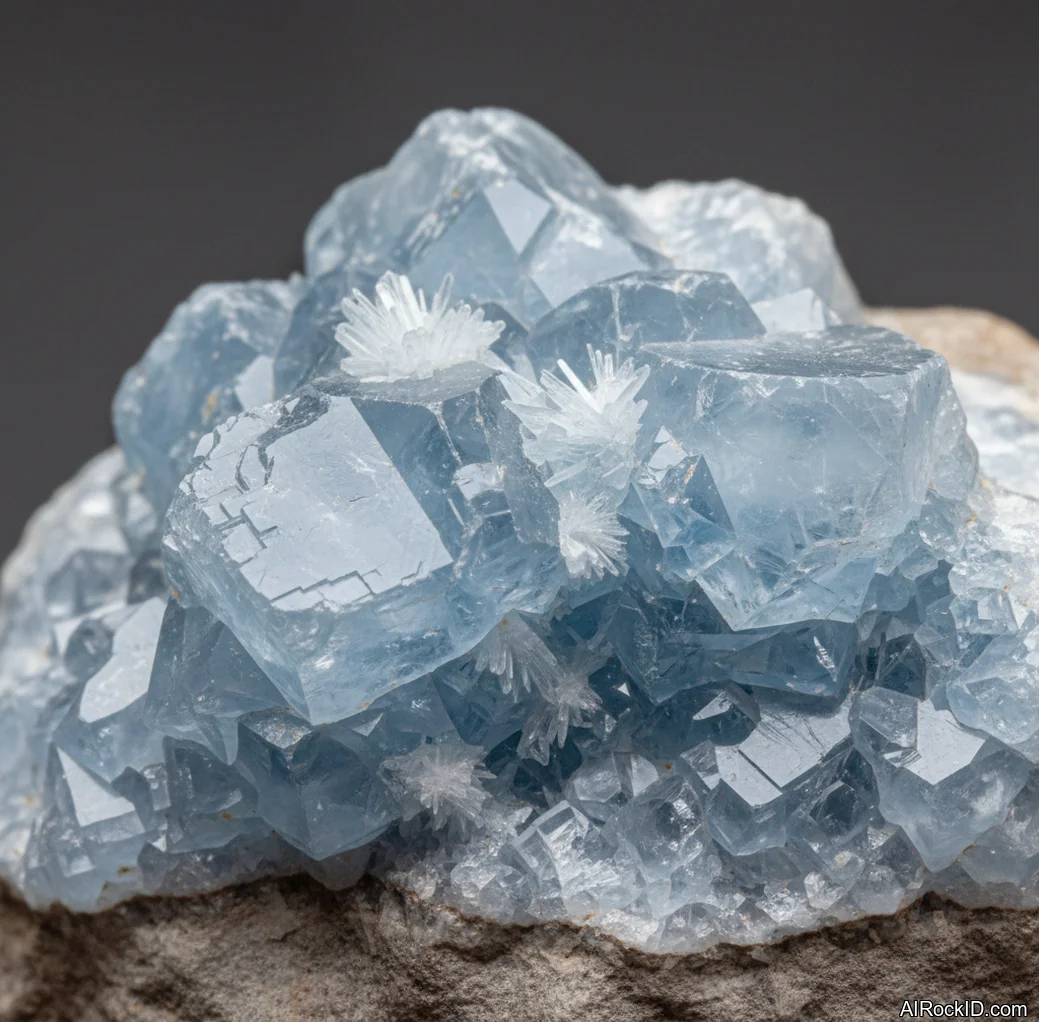
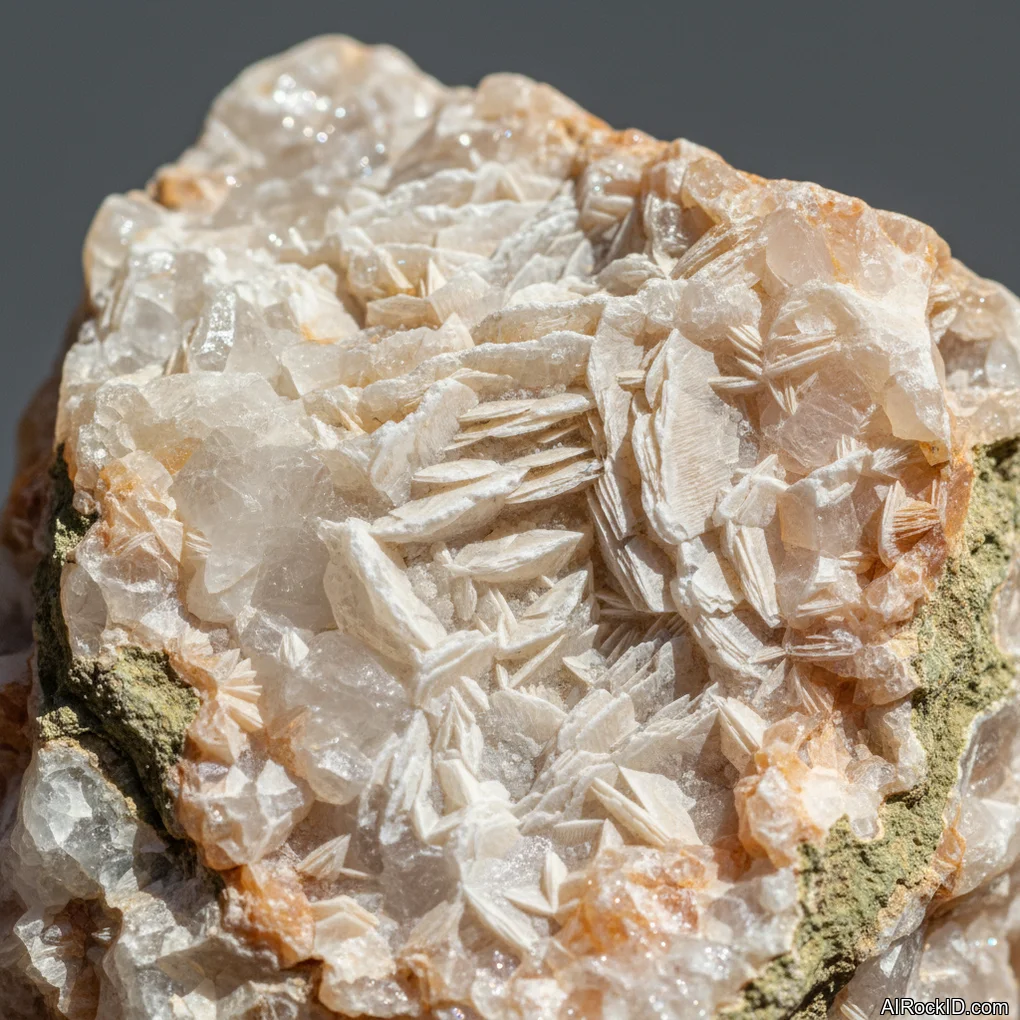
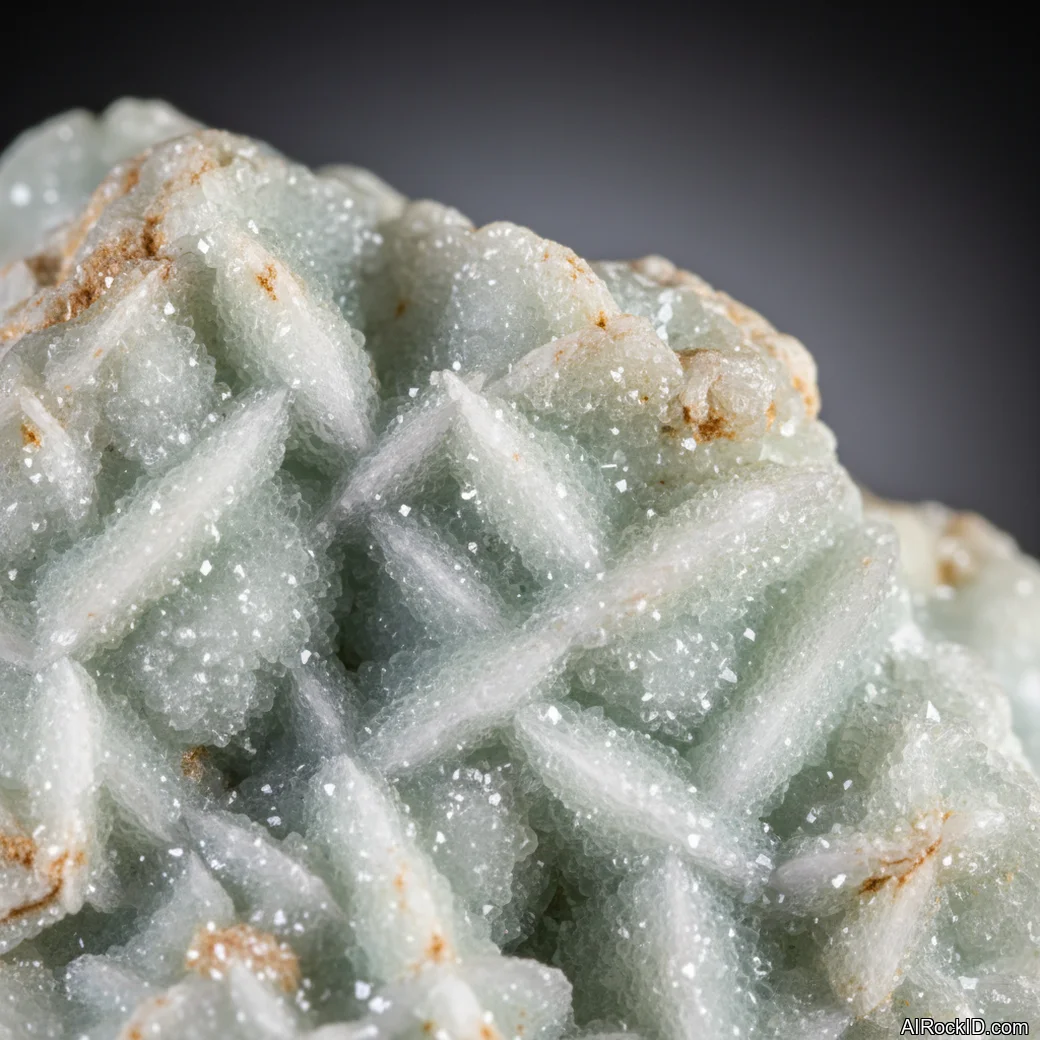
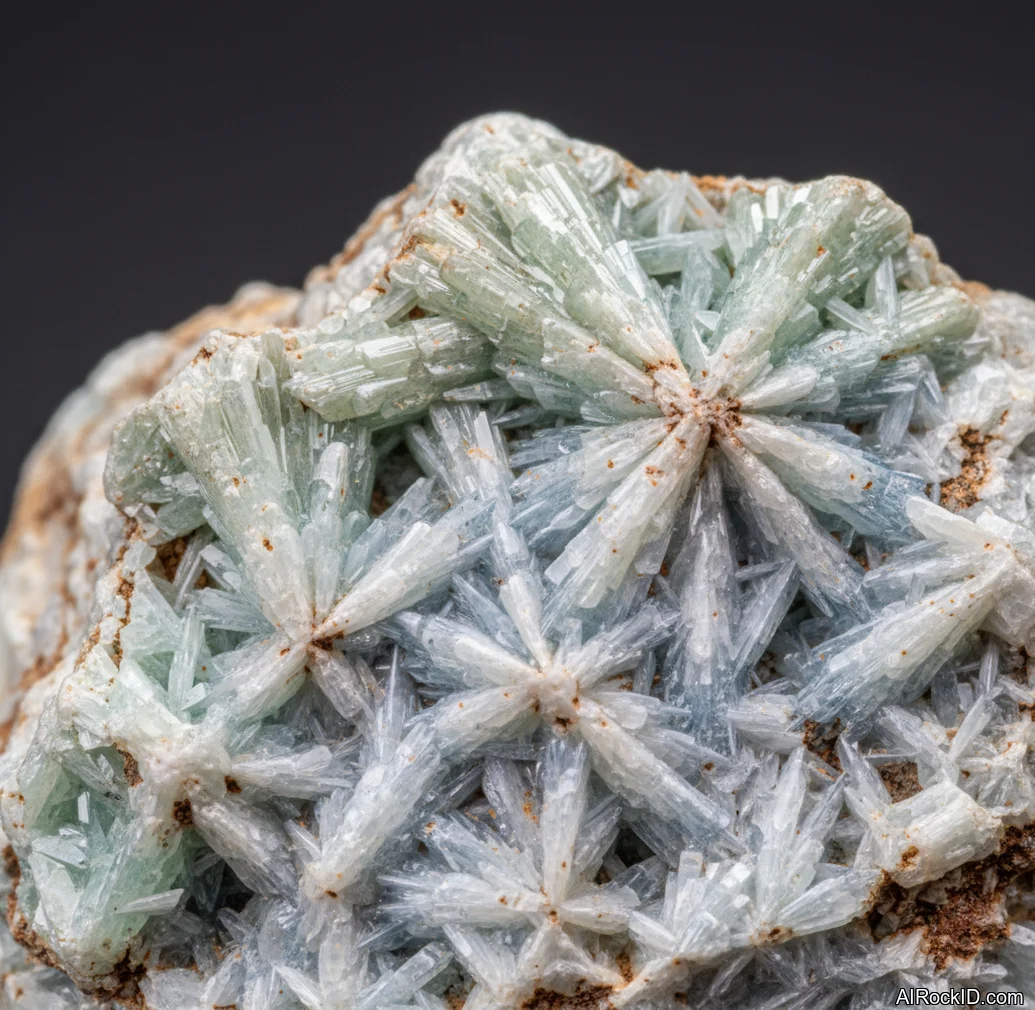
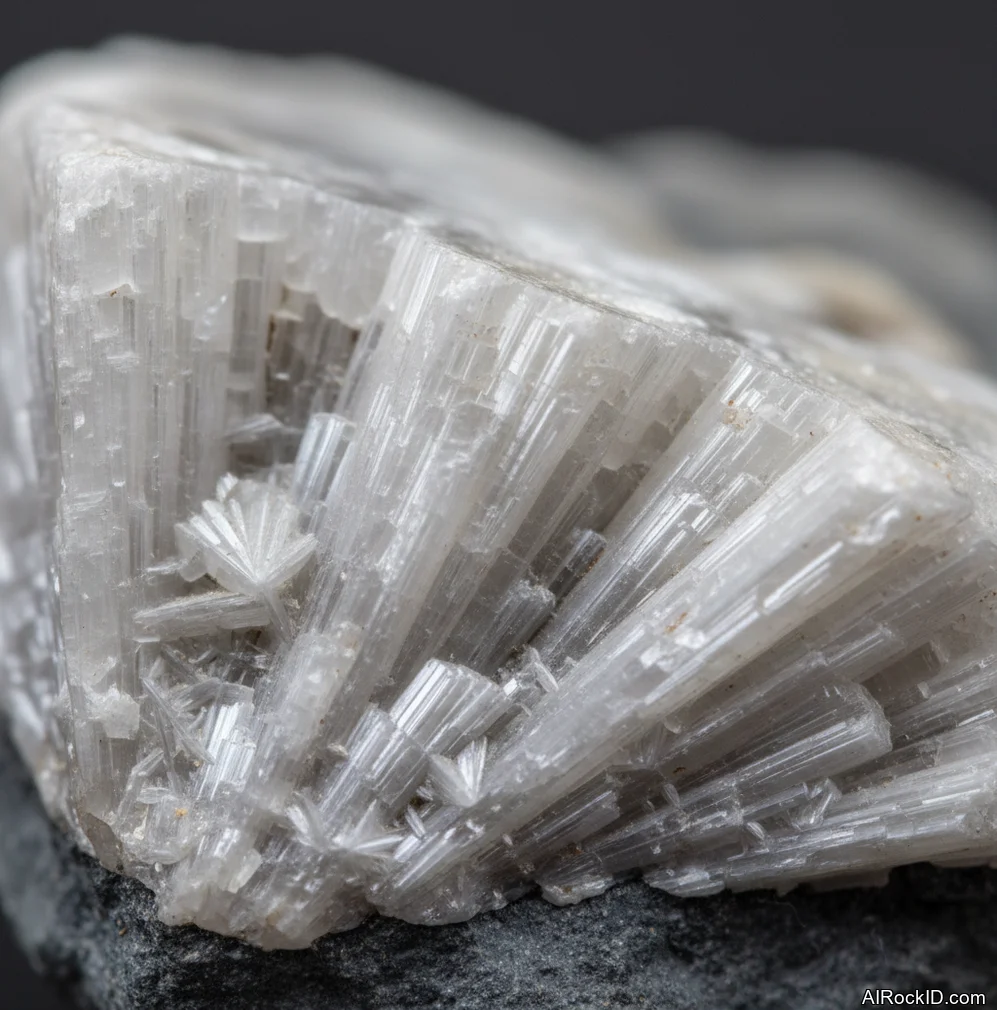
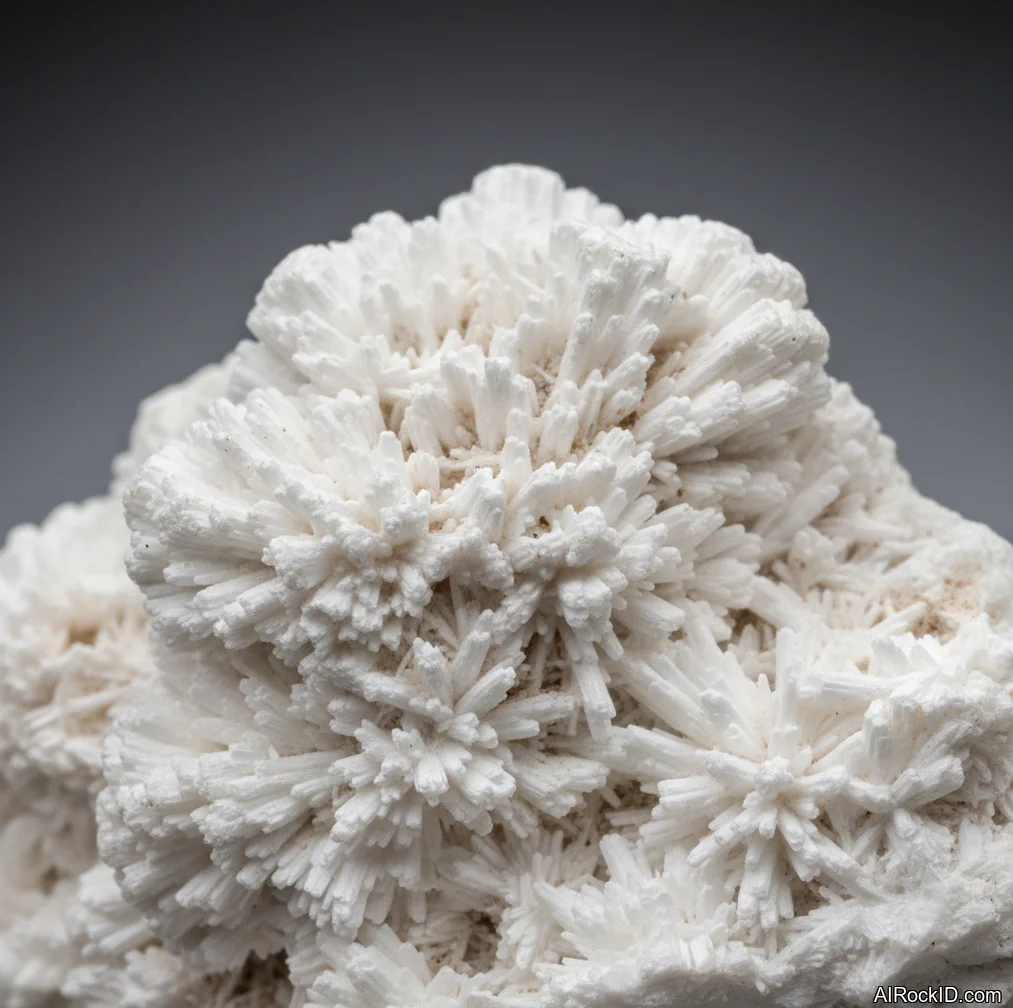
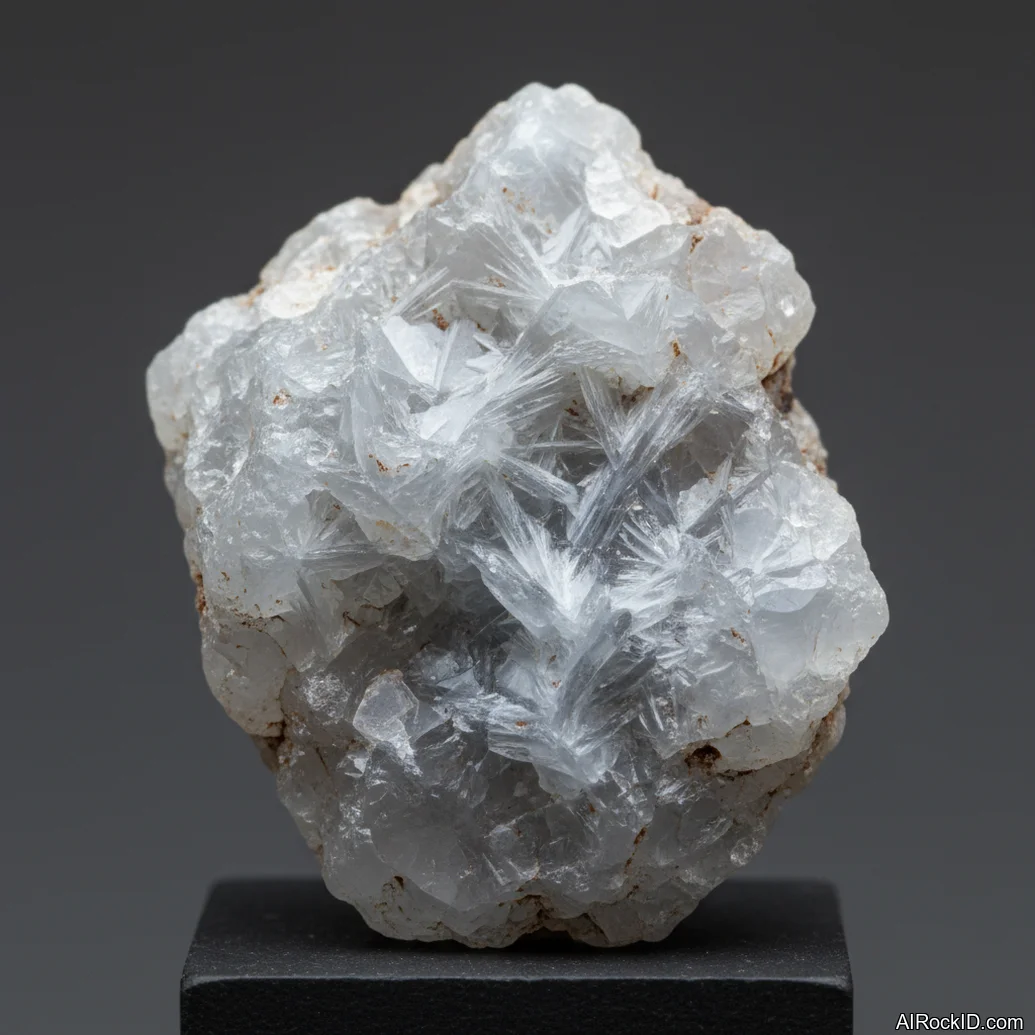
Cleansing and resetting is where people get weird, so I keep it simple. Wipe stones down with a damp cloth if they’ve been handled a lot, especially softer materials like Blue Lace Agate or Amazonite that pick up skin oils and start to look dull. Celestite is fragile and can flake, so don’t soak it. Selenite is even touchier and will start to look fuzzy or etched if it gets wet.
The real test is whether the stone still feels “present” when you pick it up. If it feels dead and dusty, clean it, let it sit overnight away from your phone and keys, then try again.
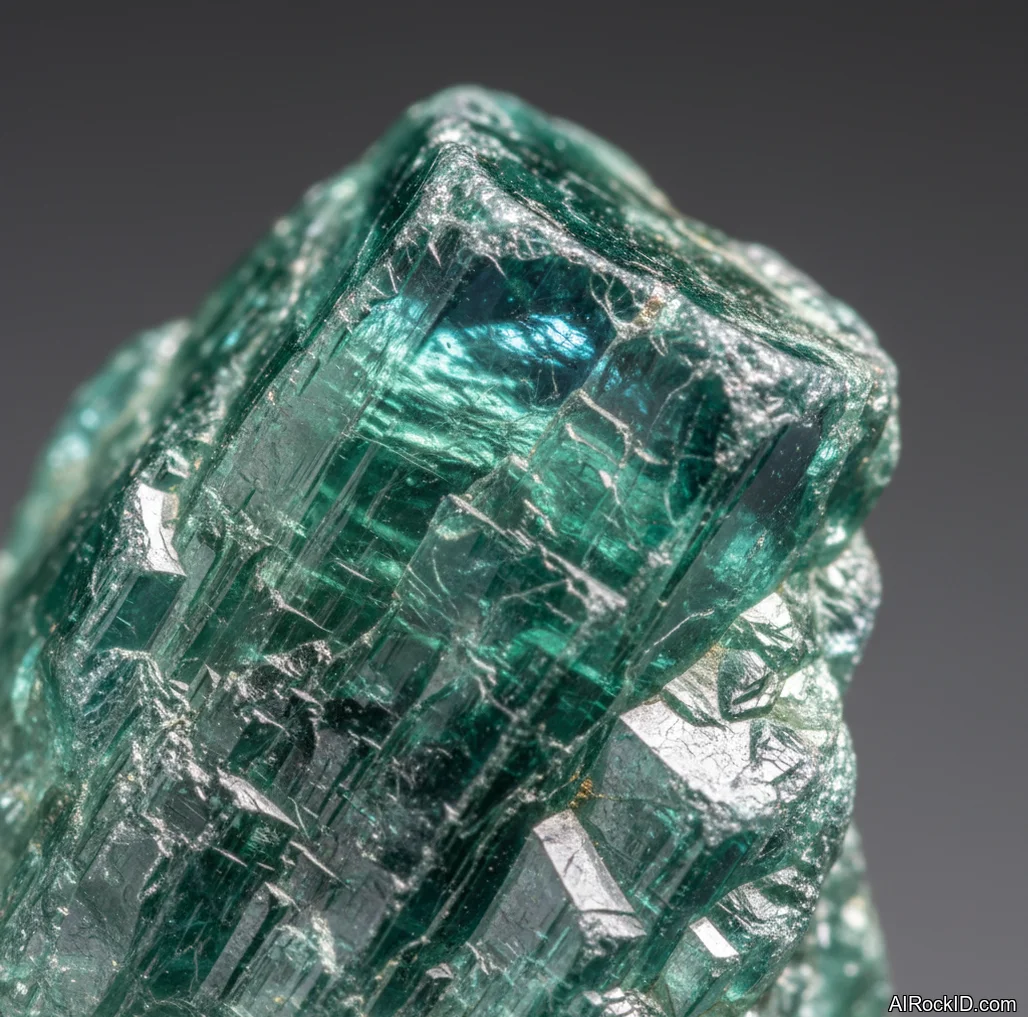
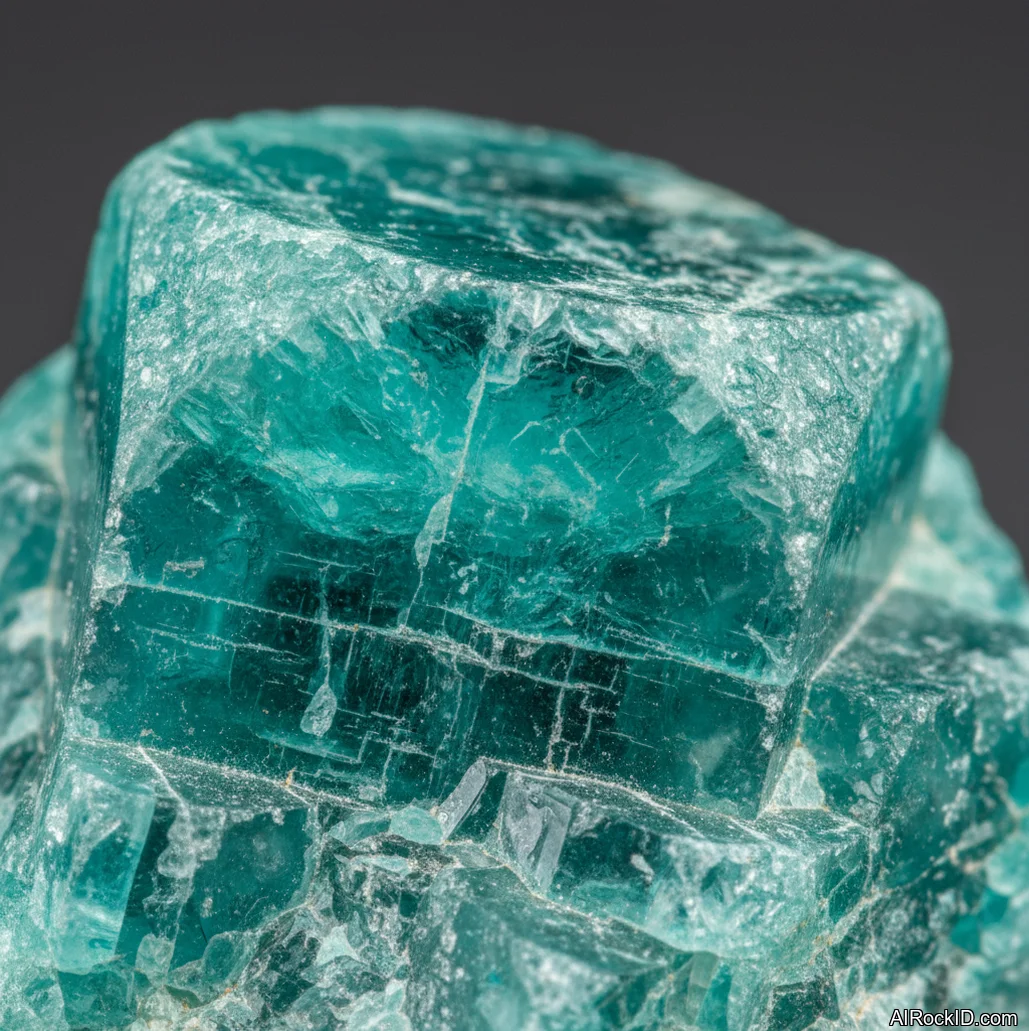
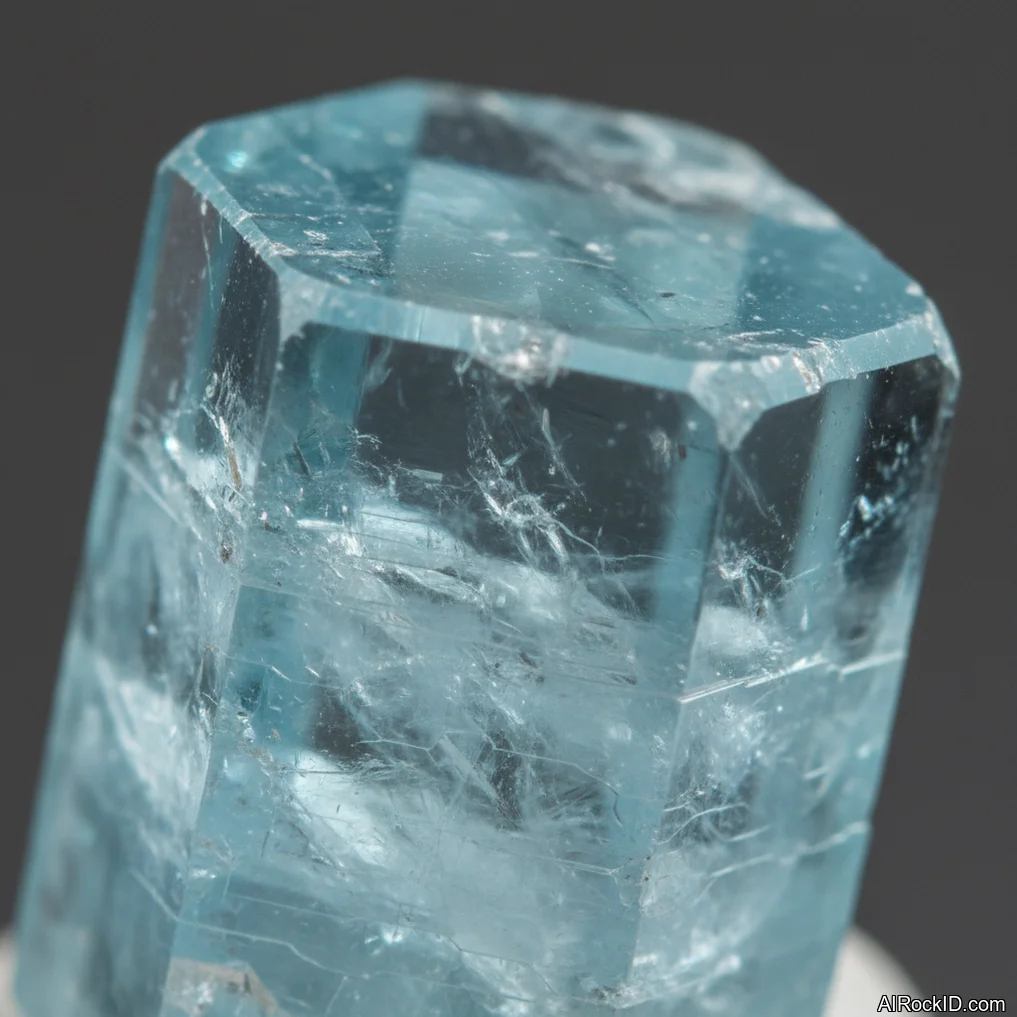
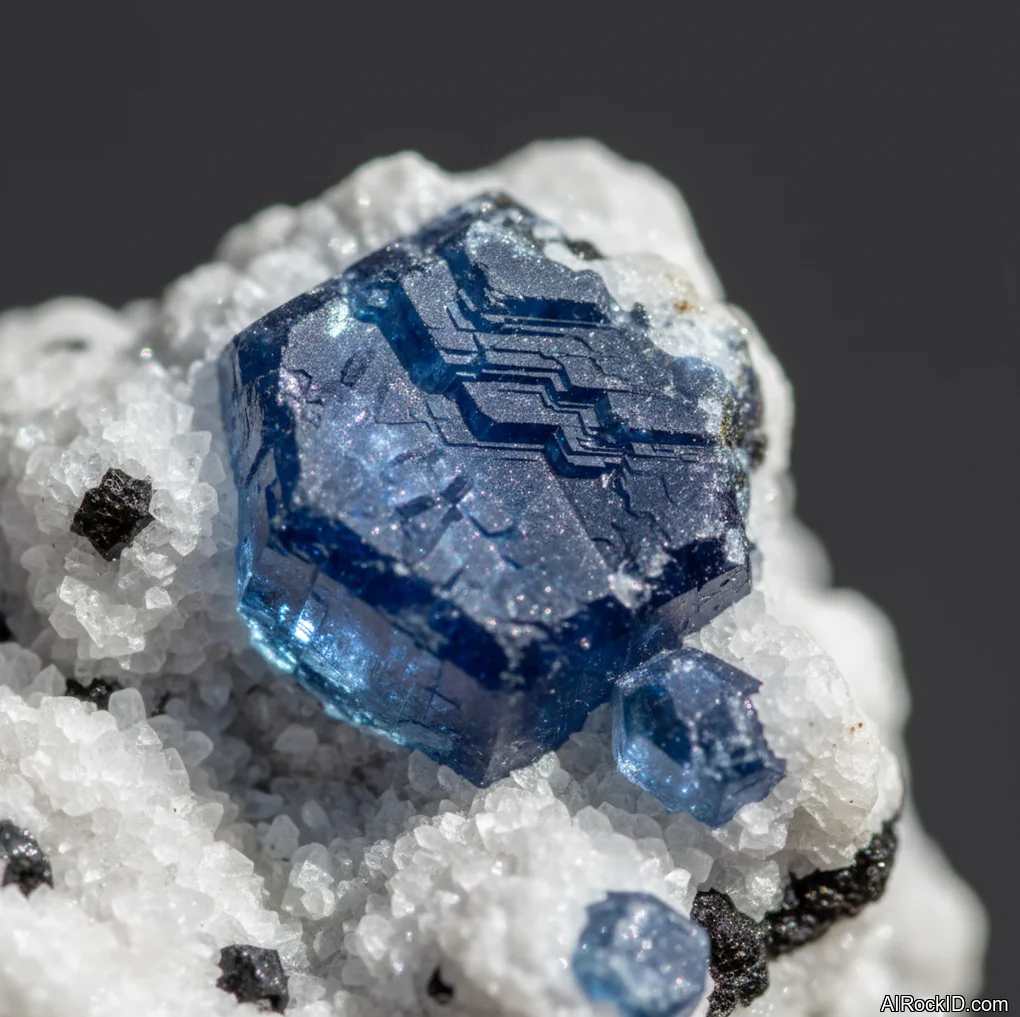
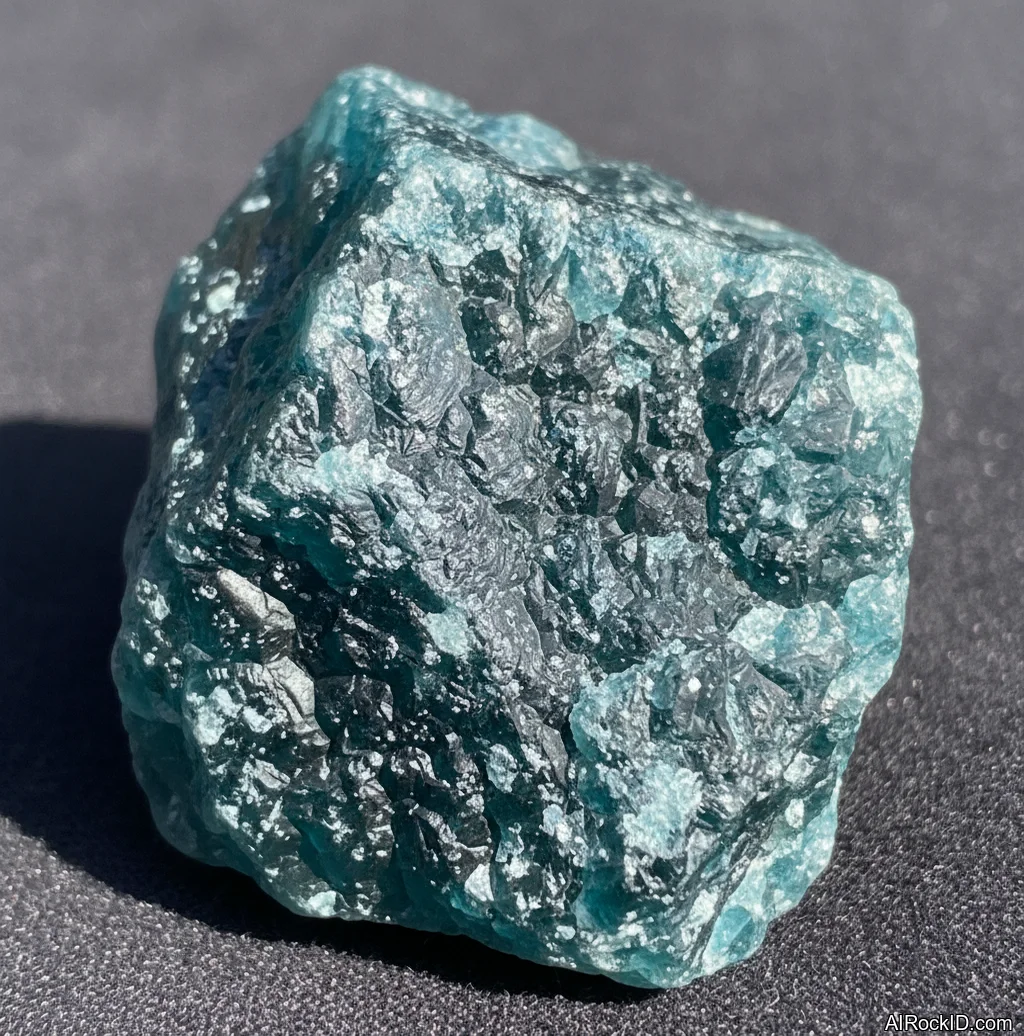
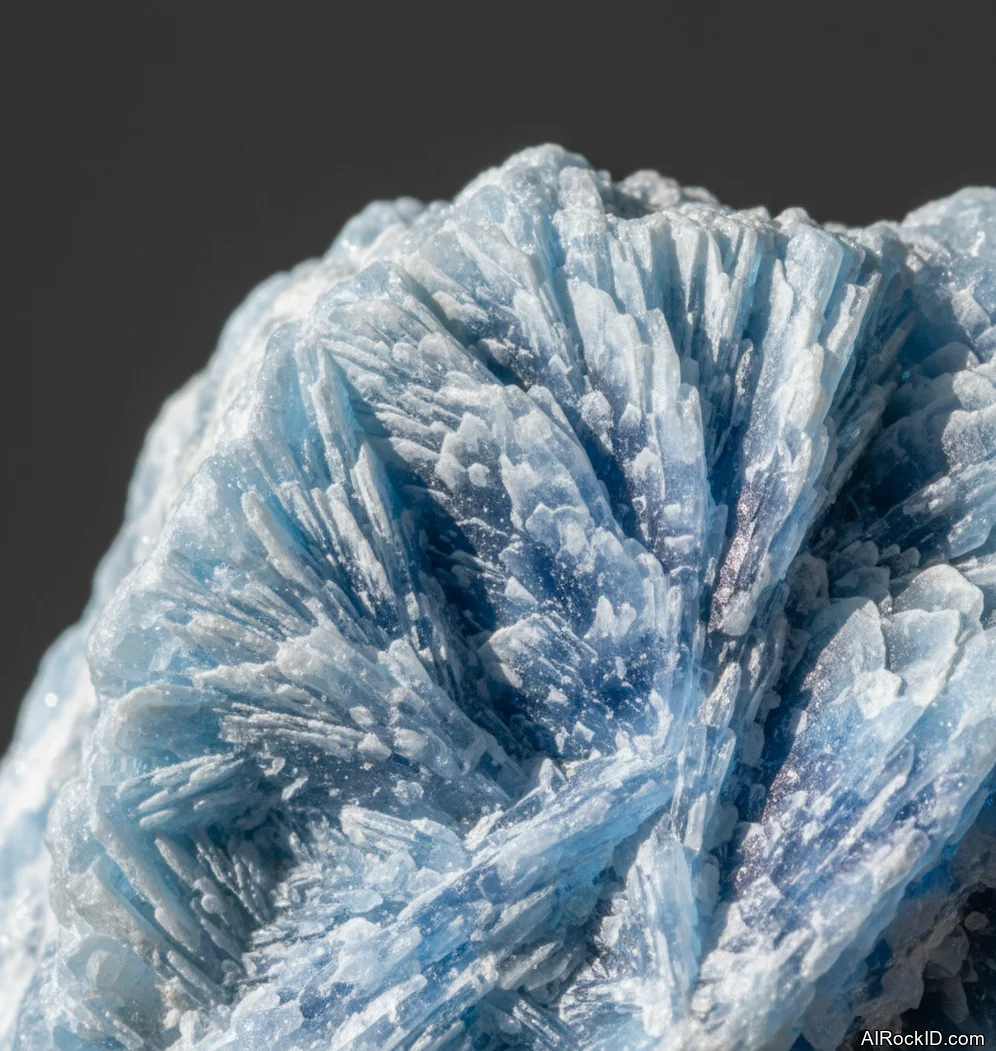
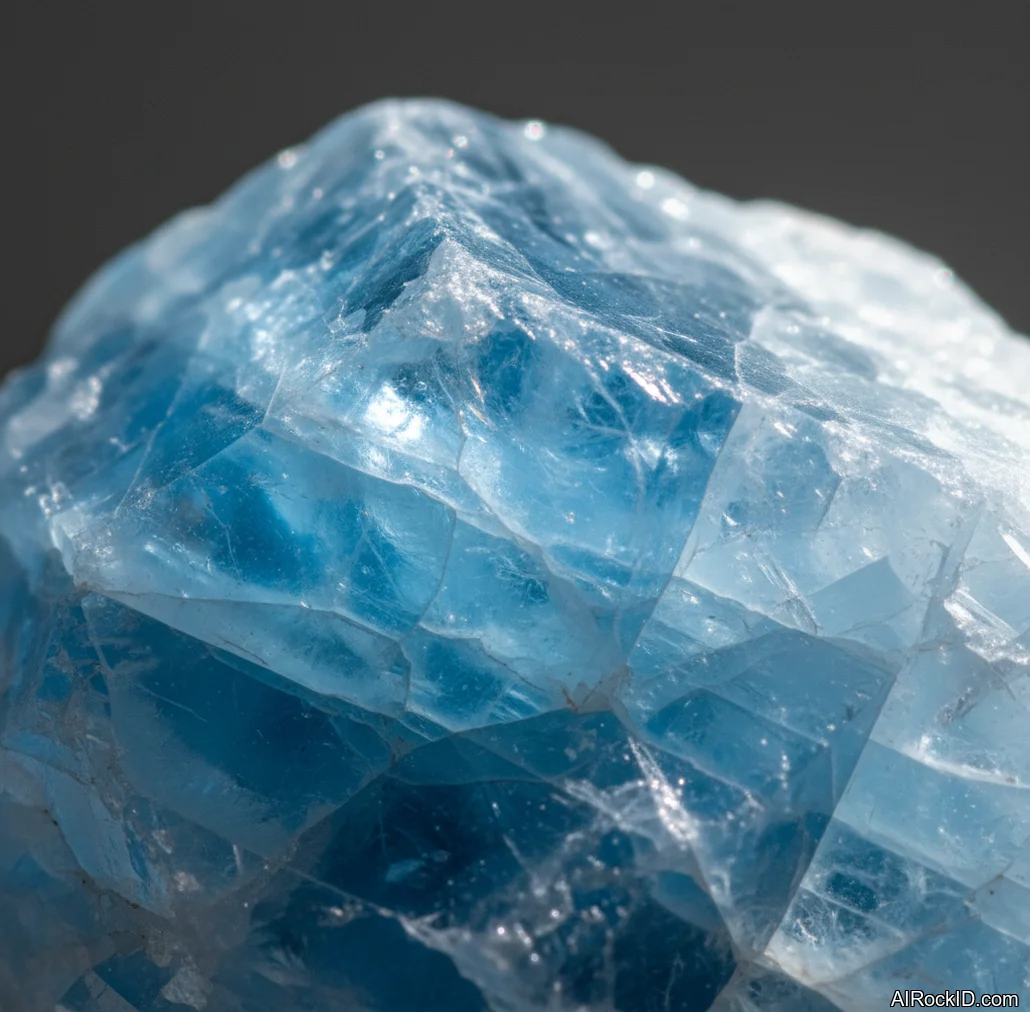
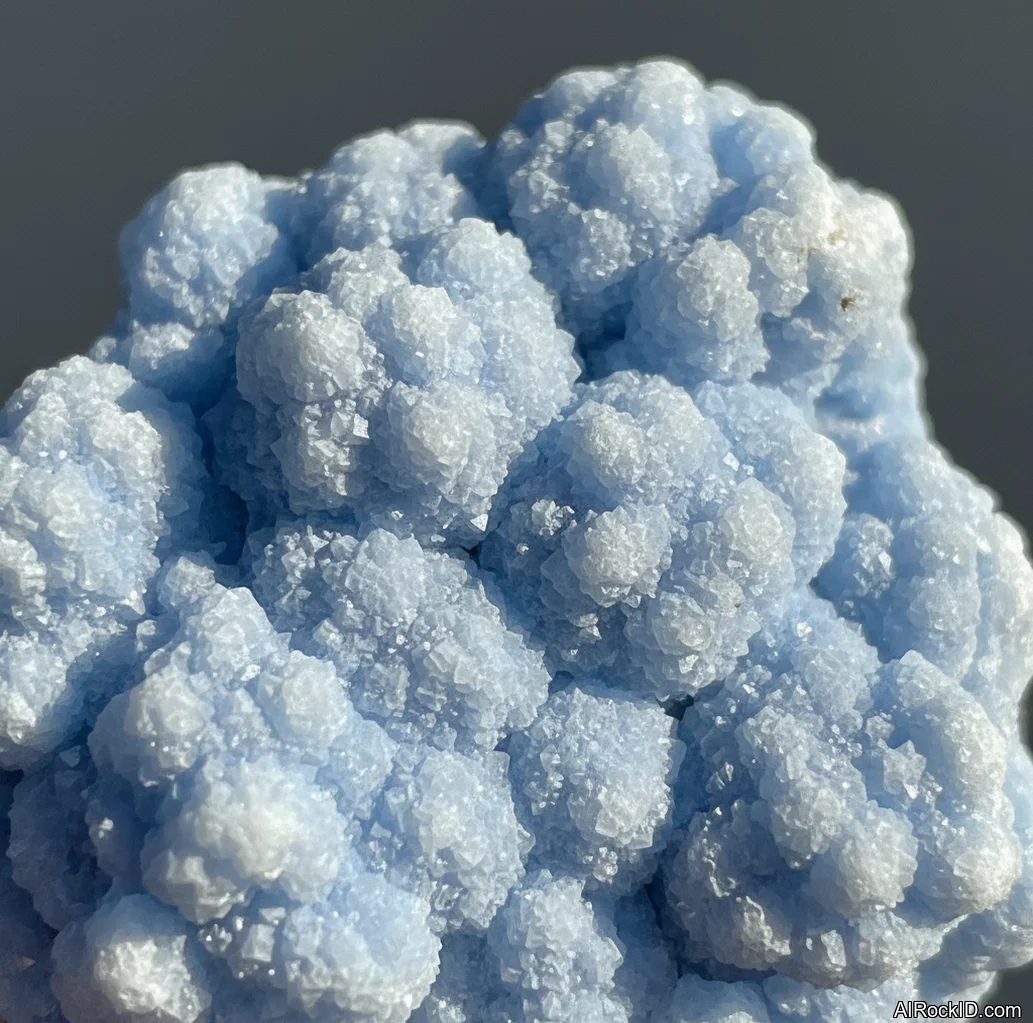
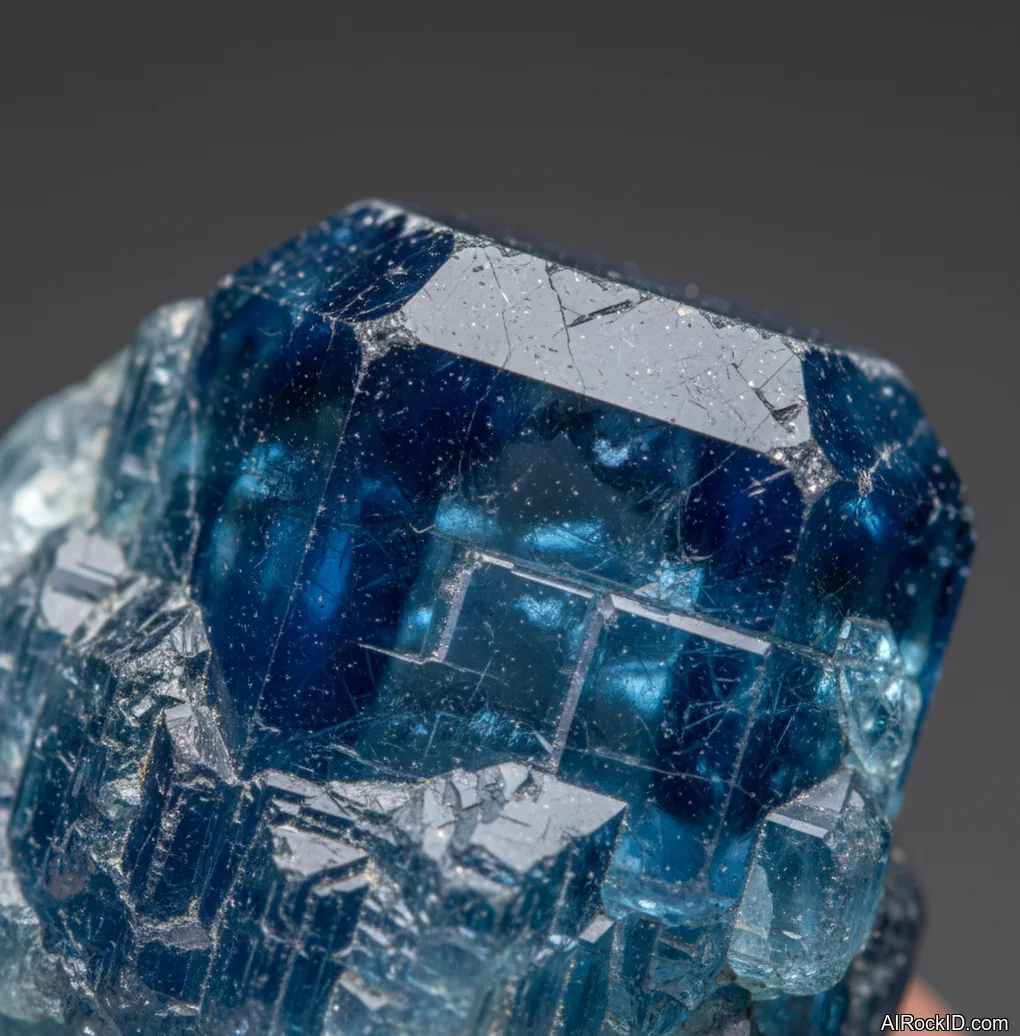
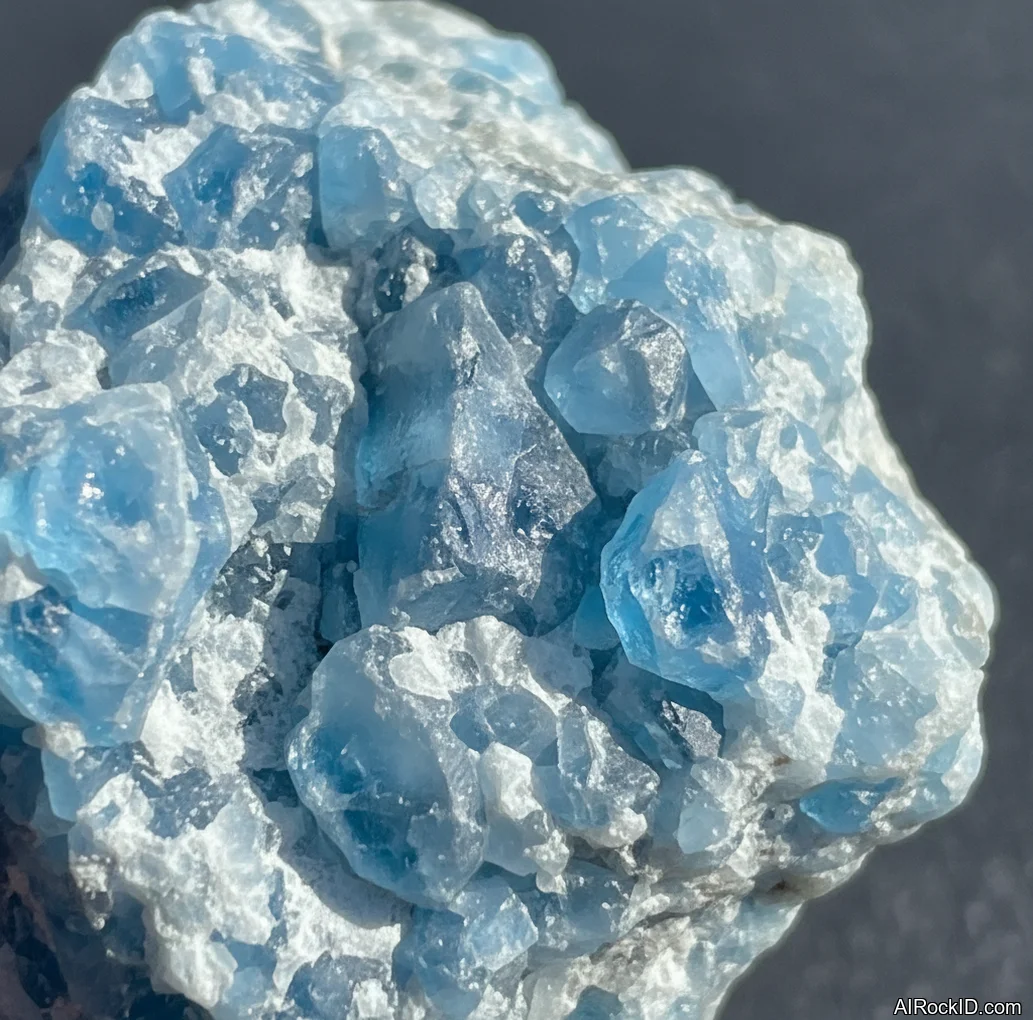
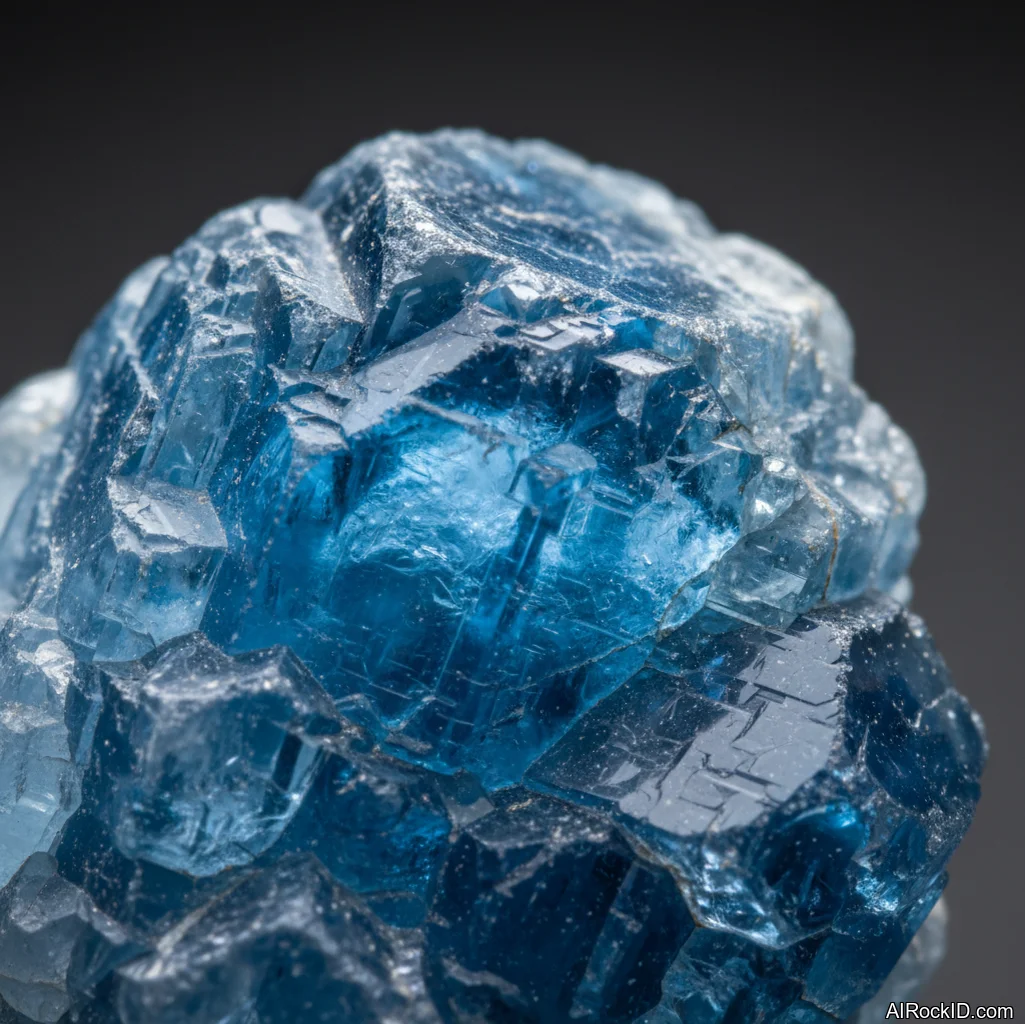
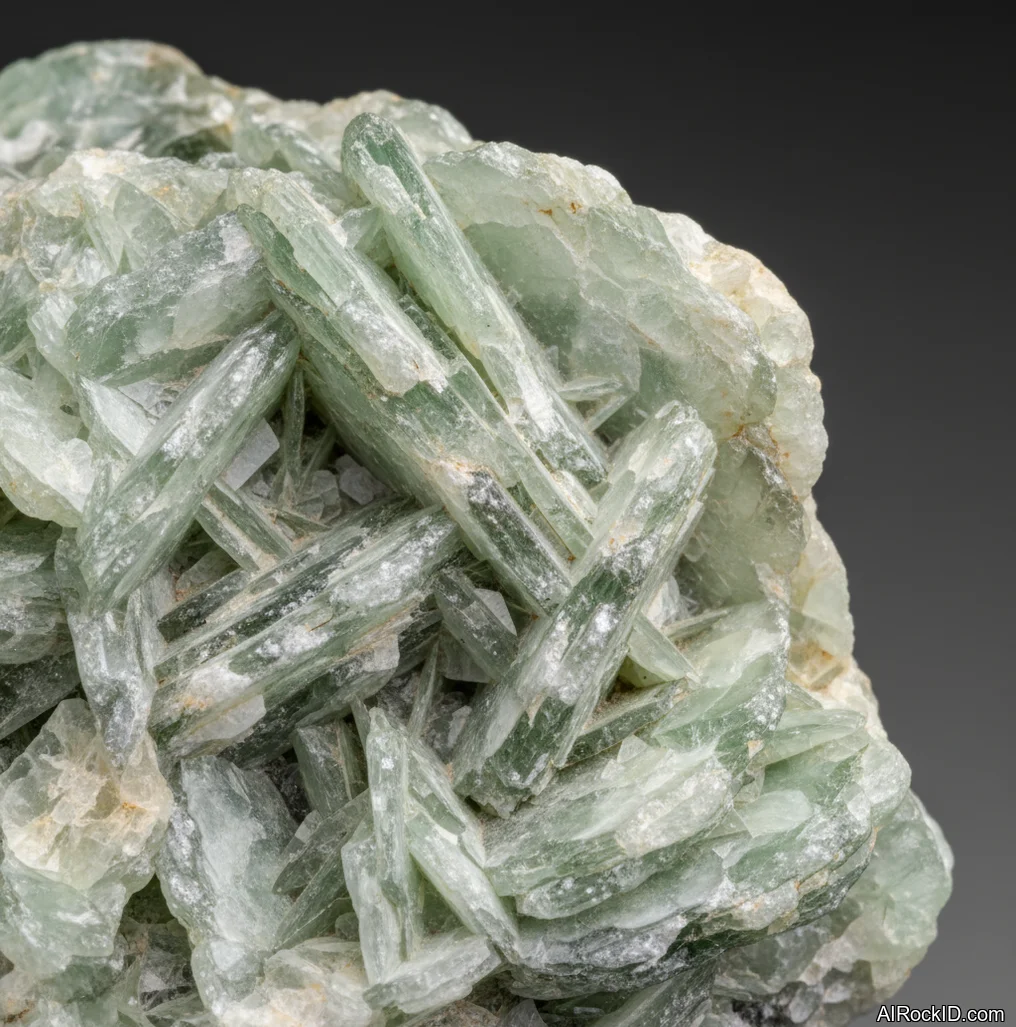
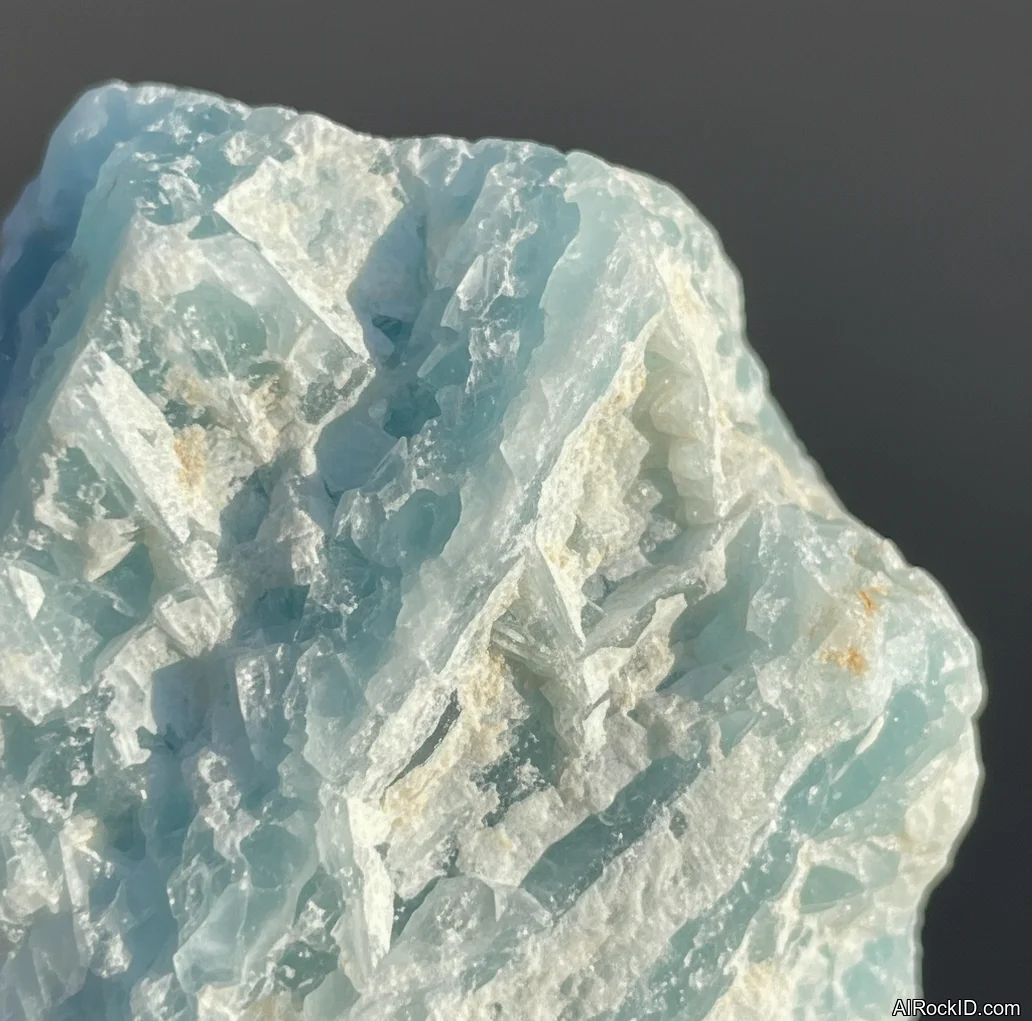
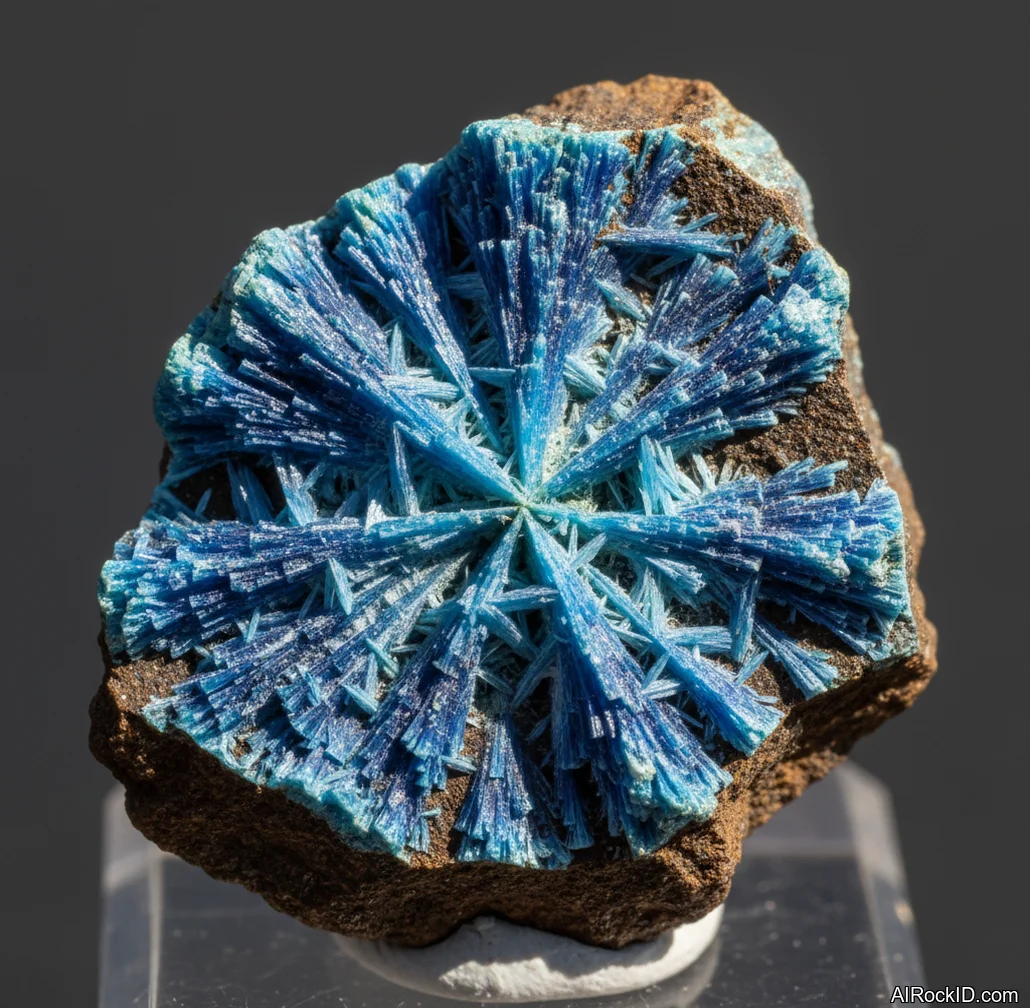
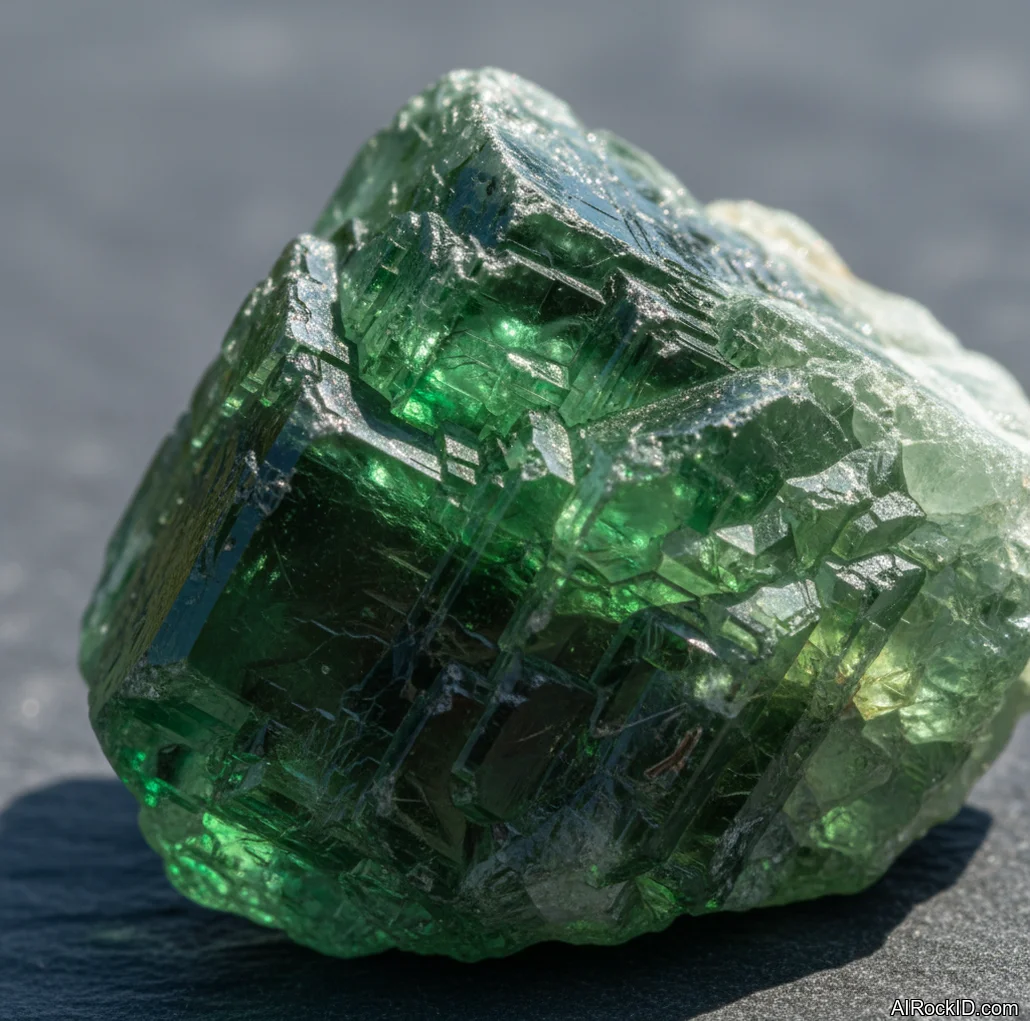
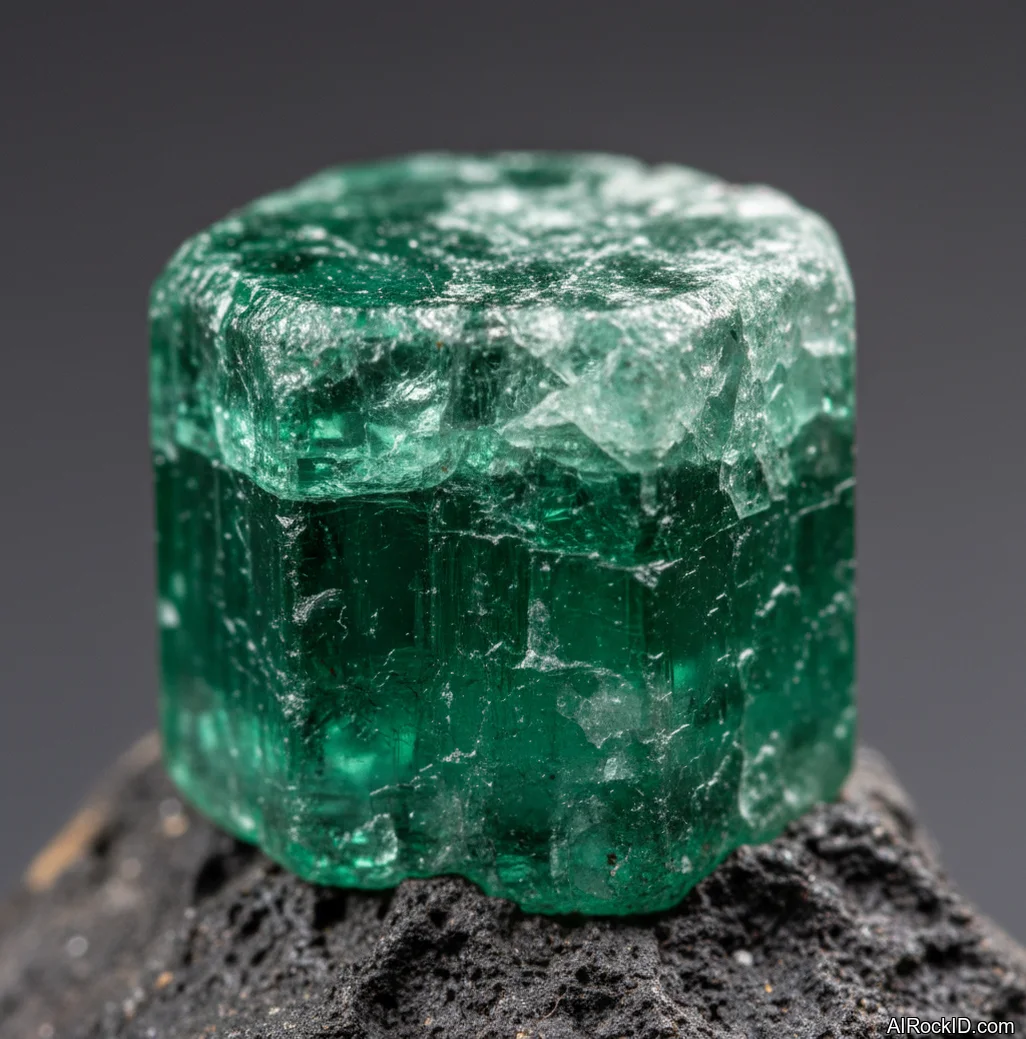
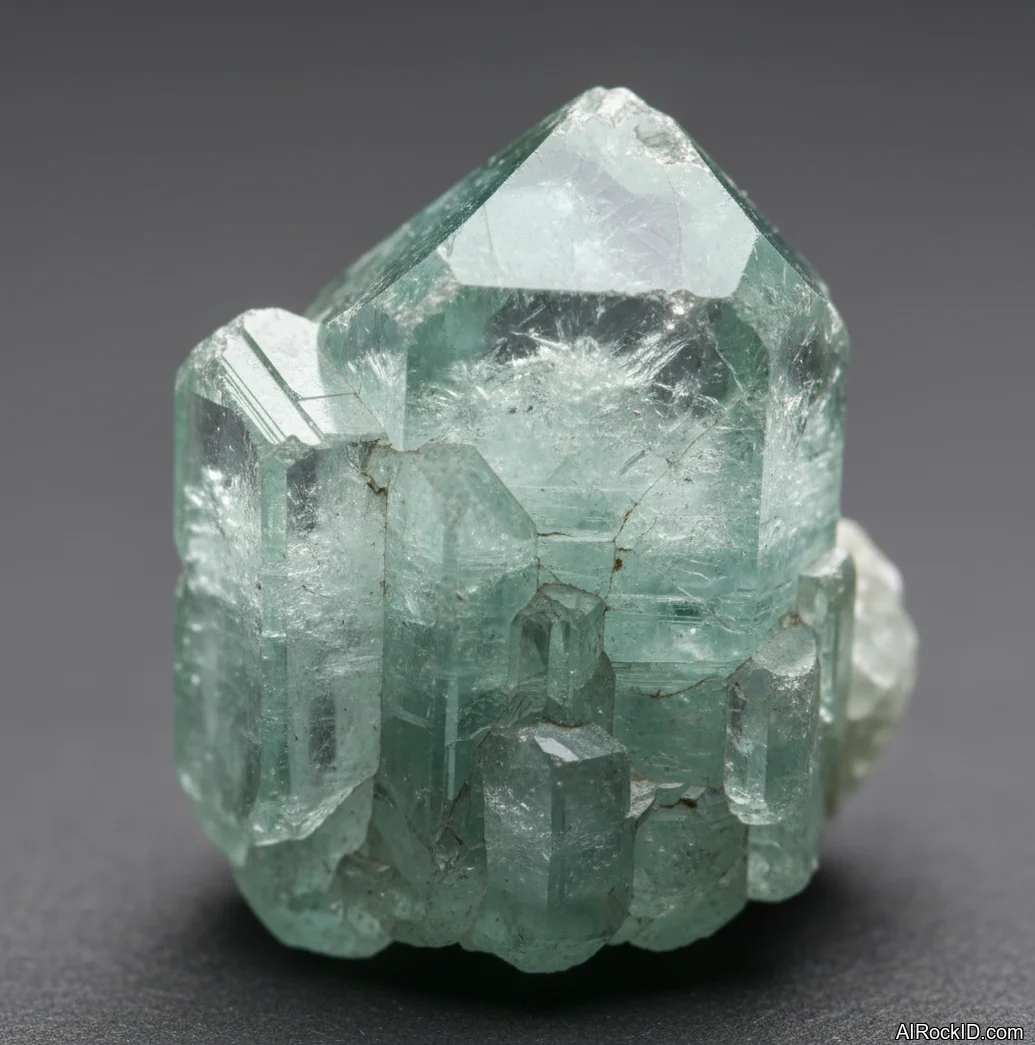
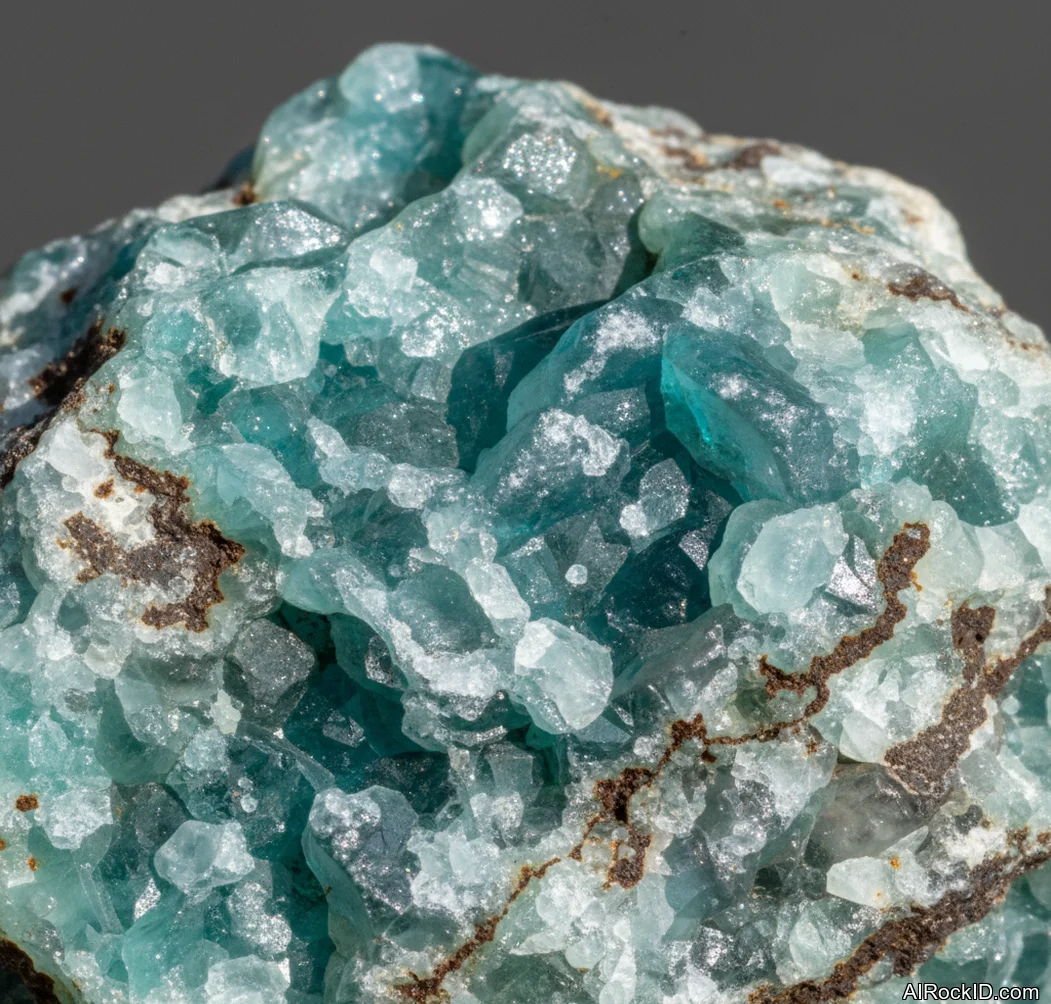
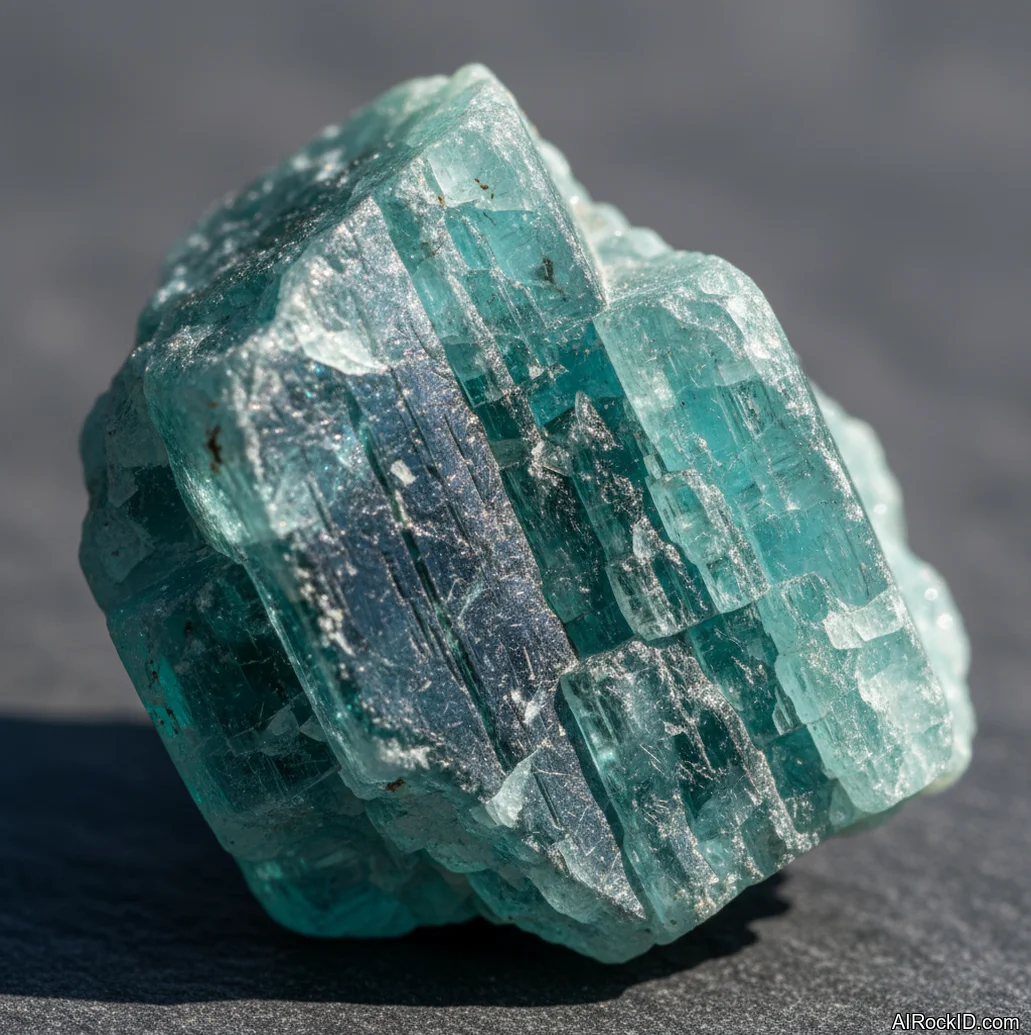
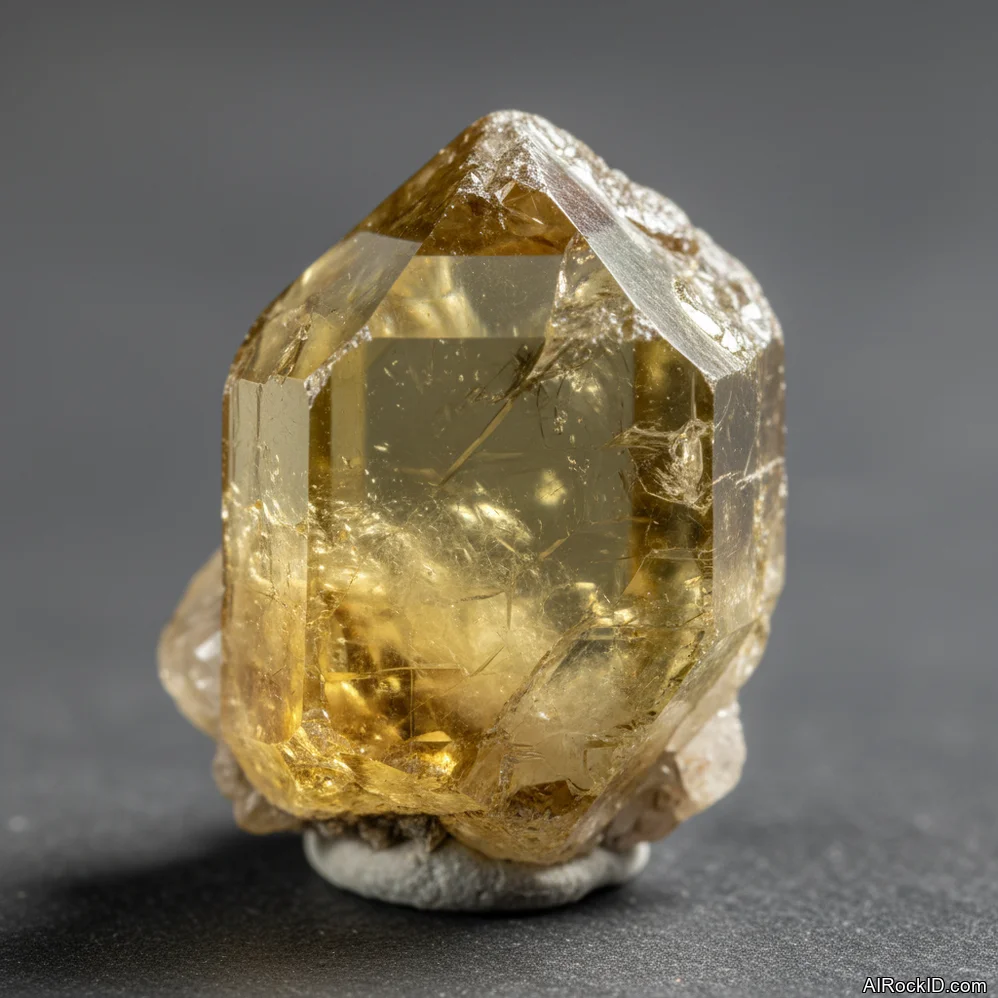
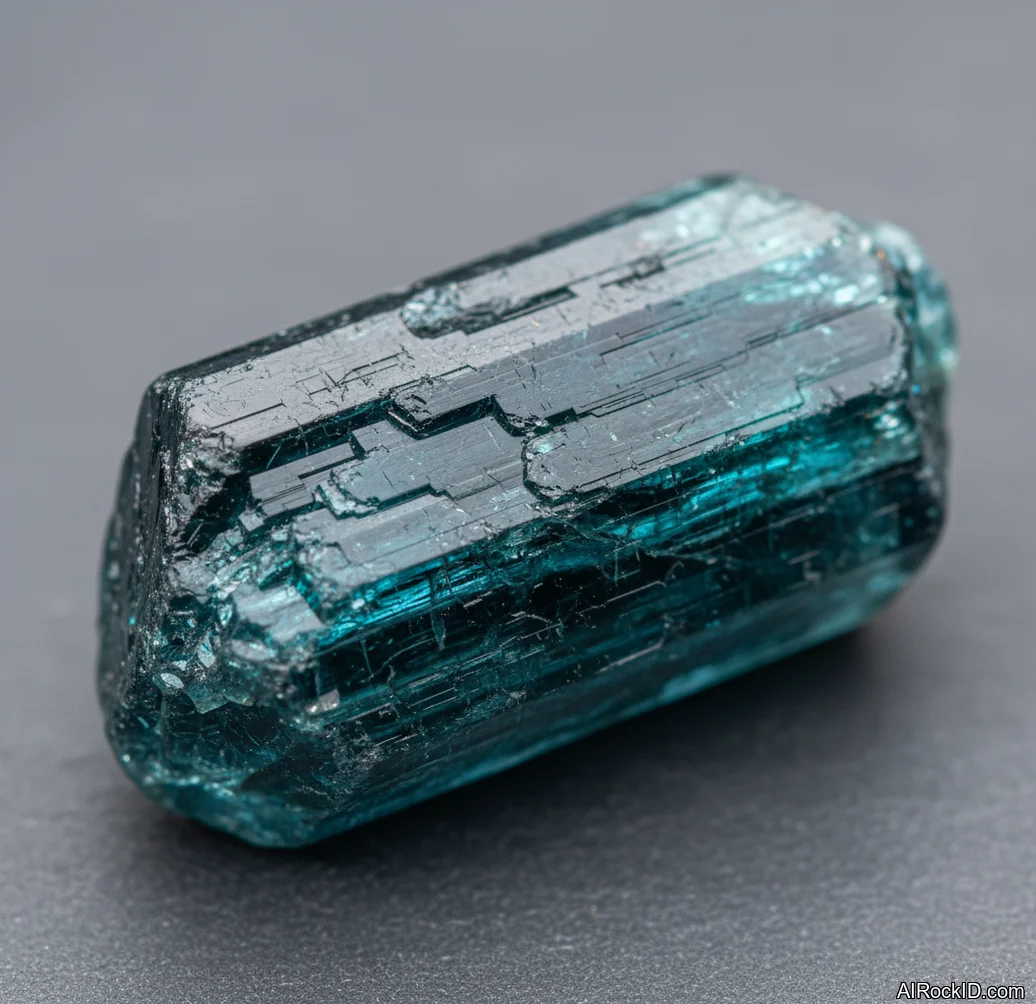
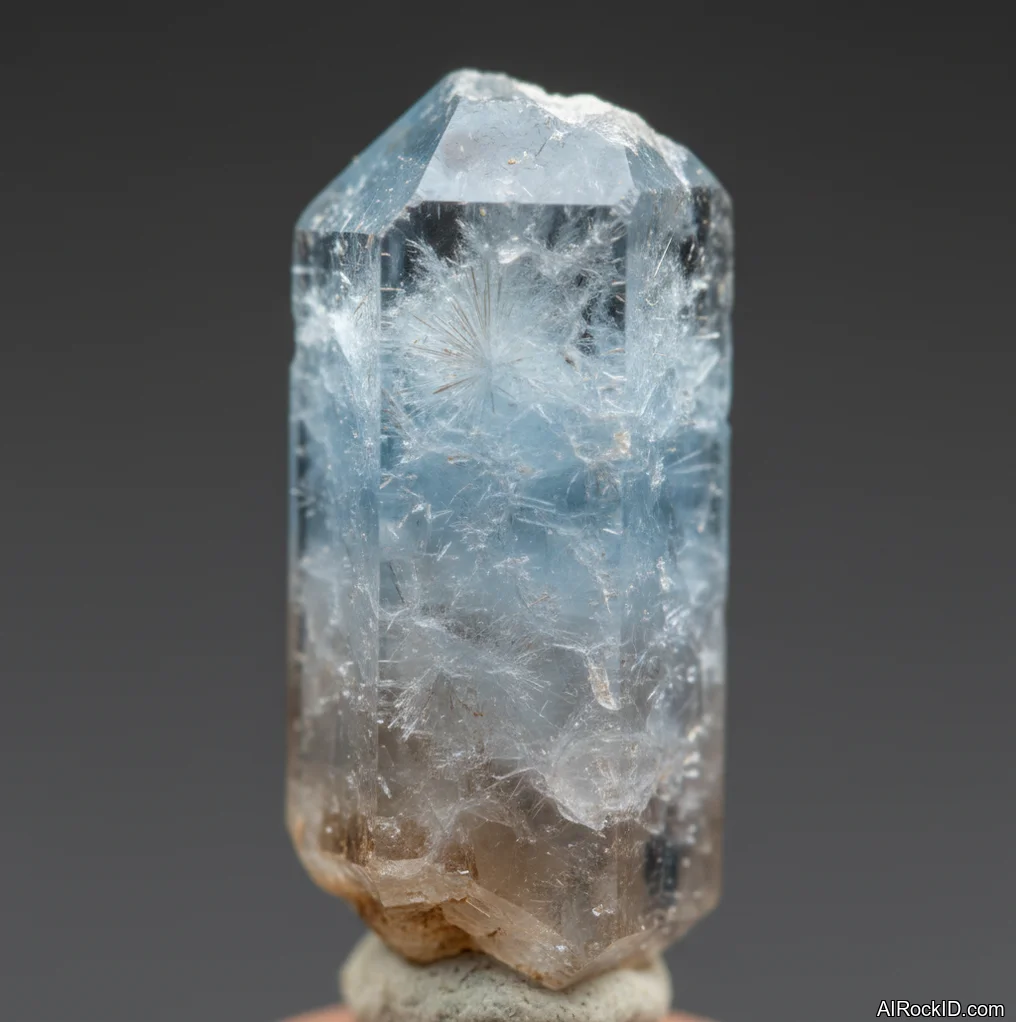
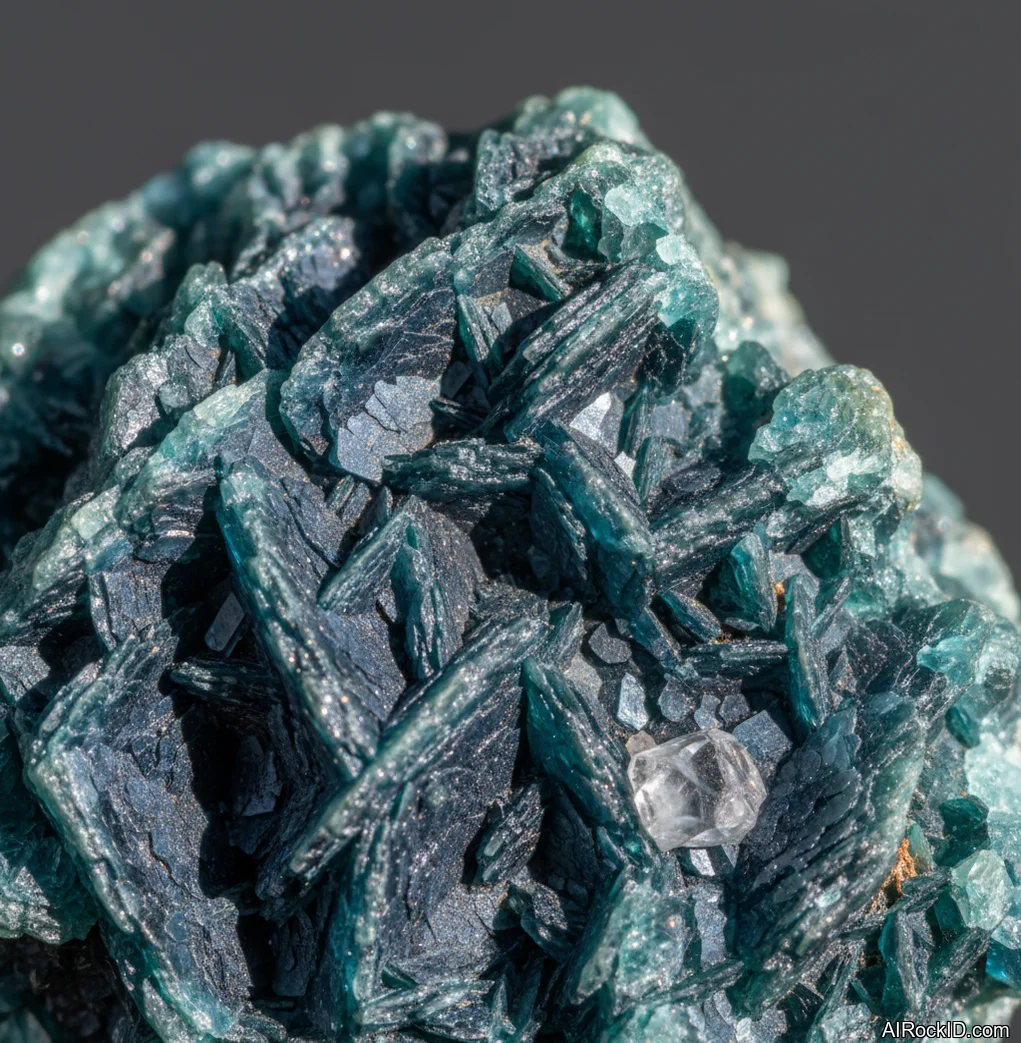
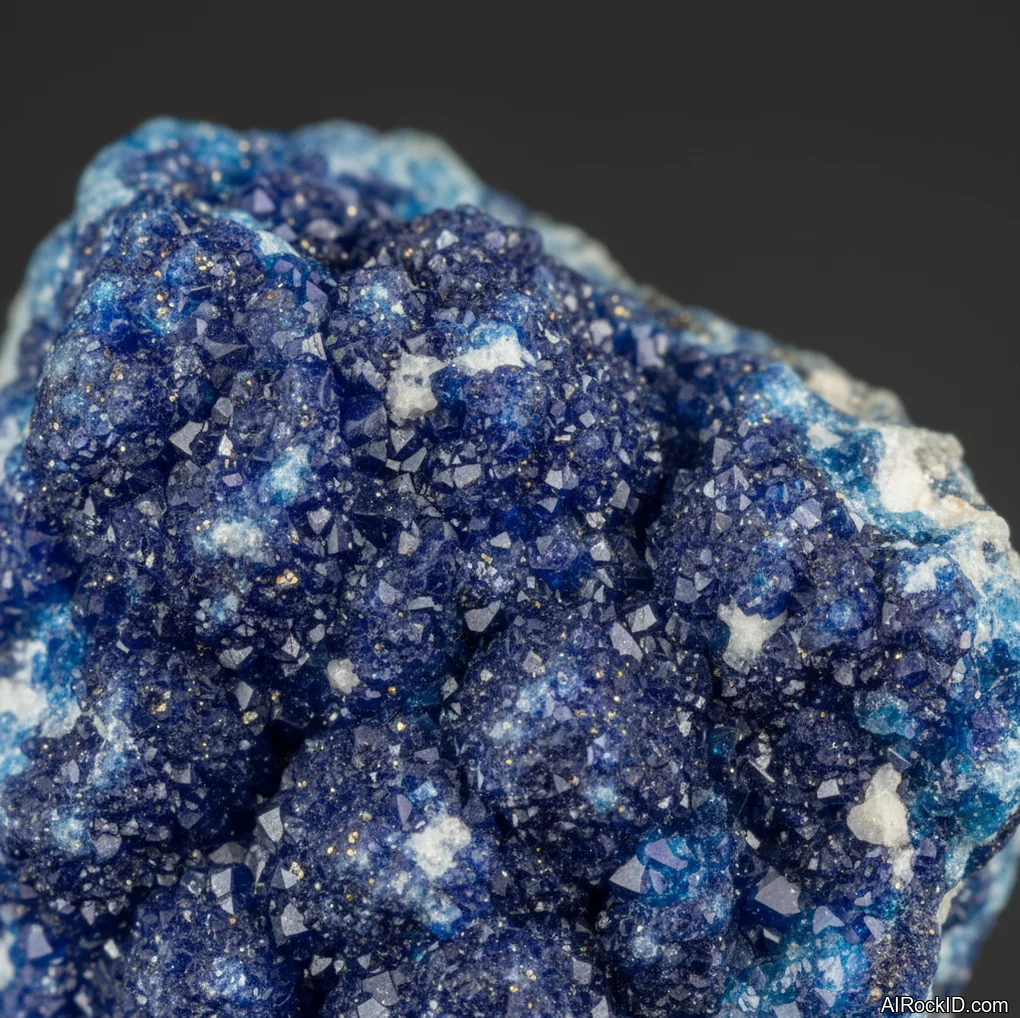
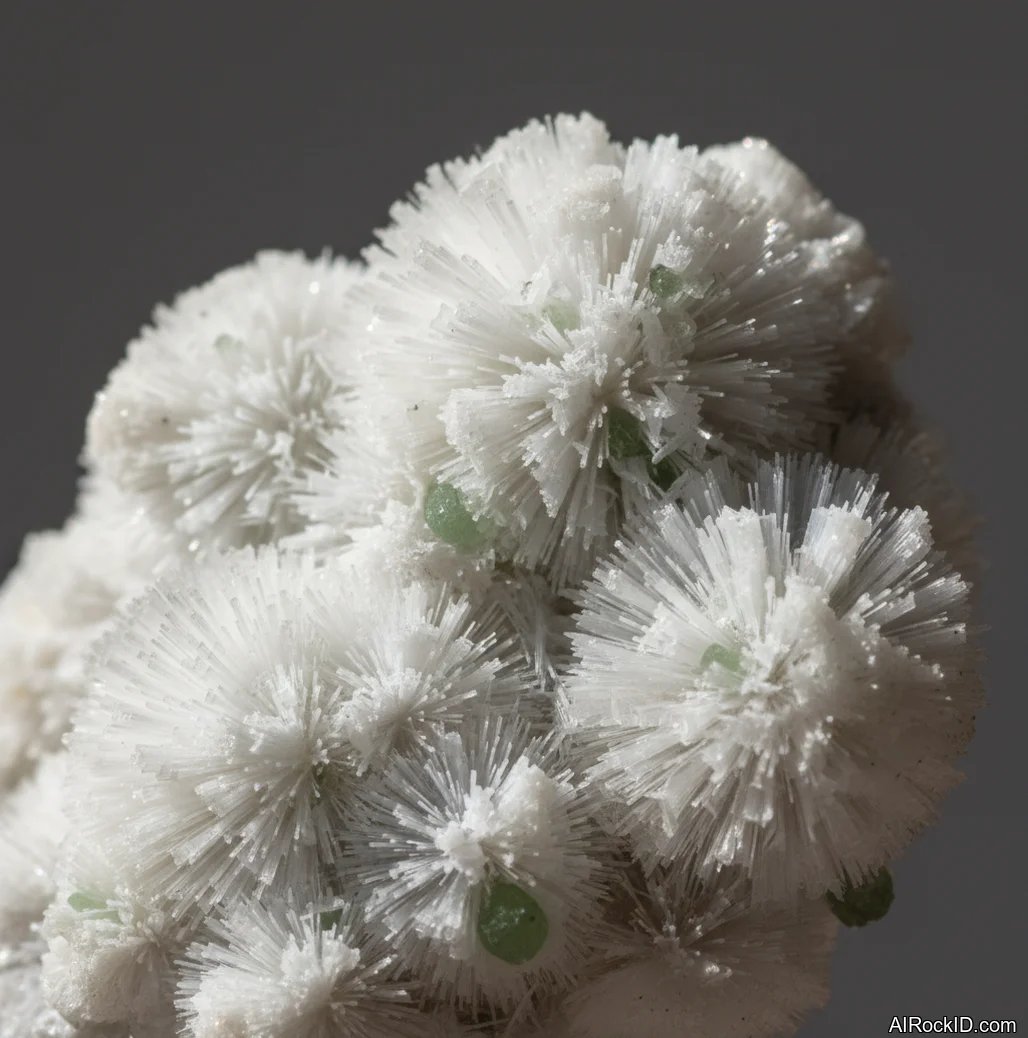
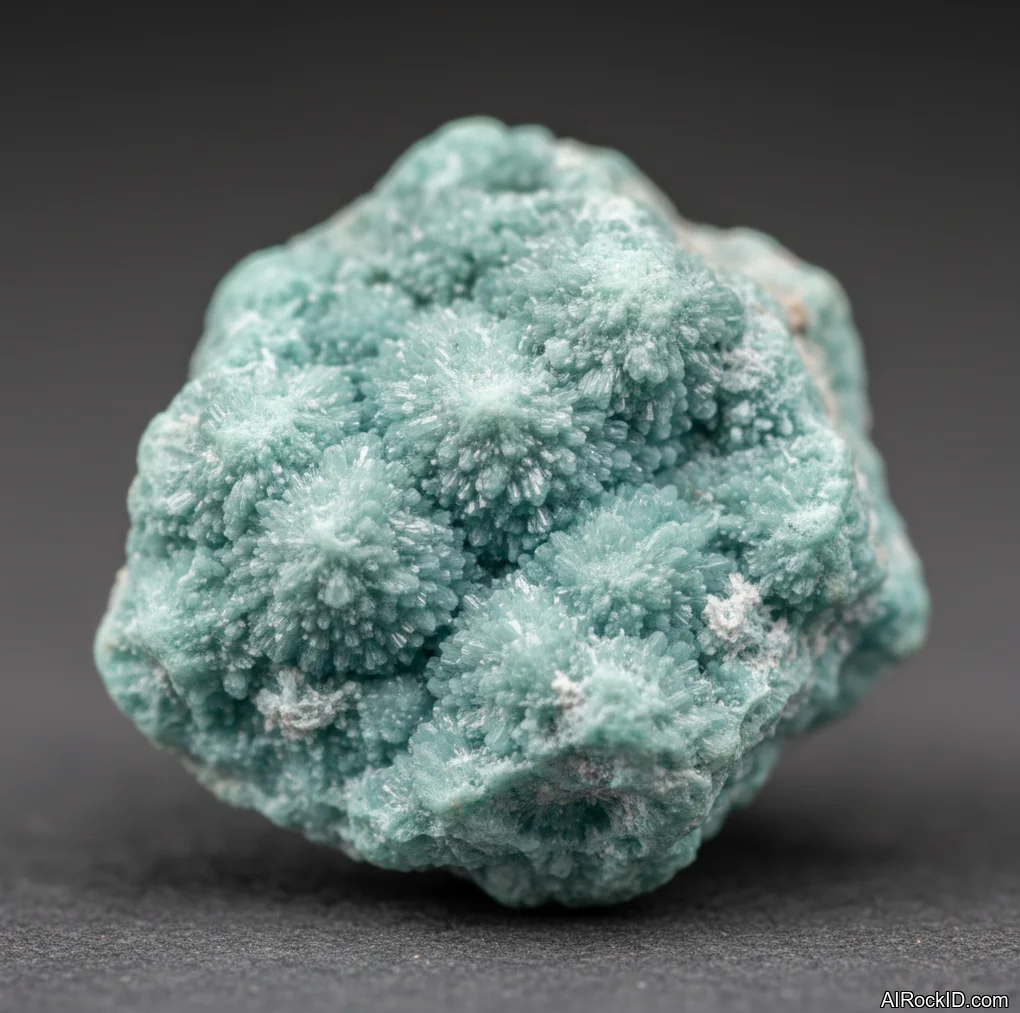
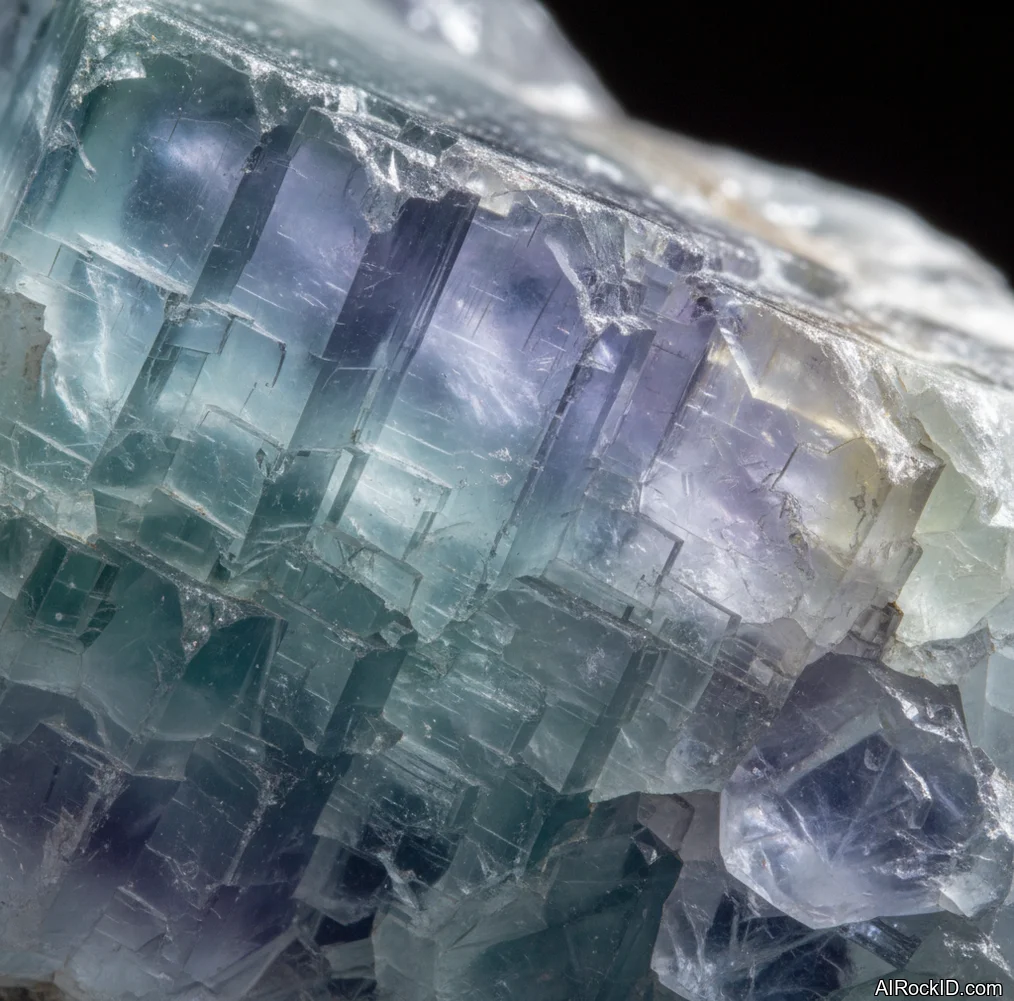
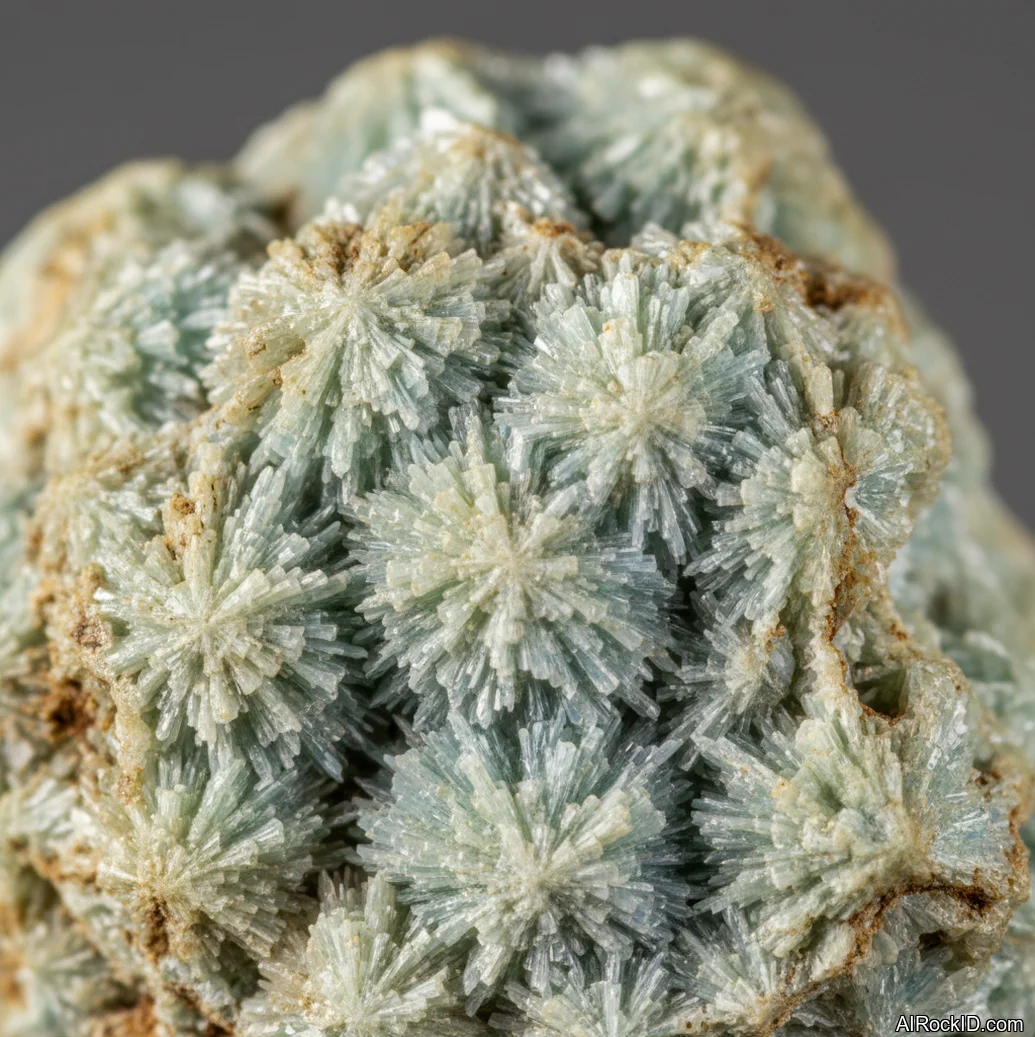
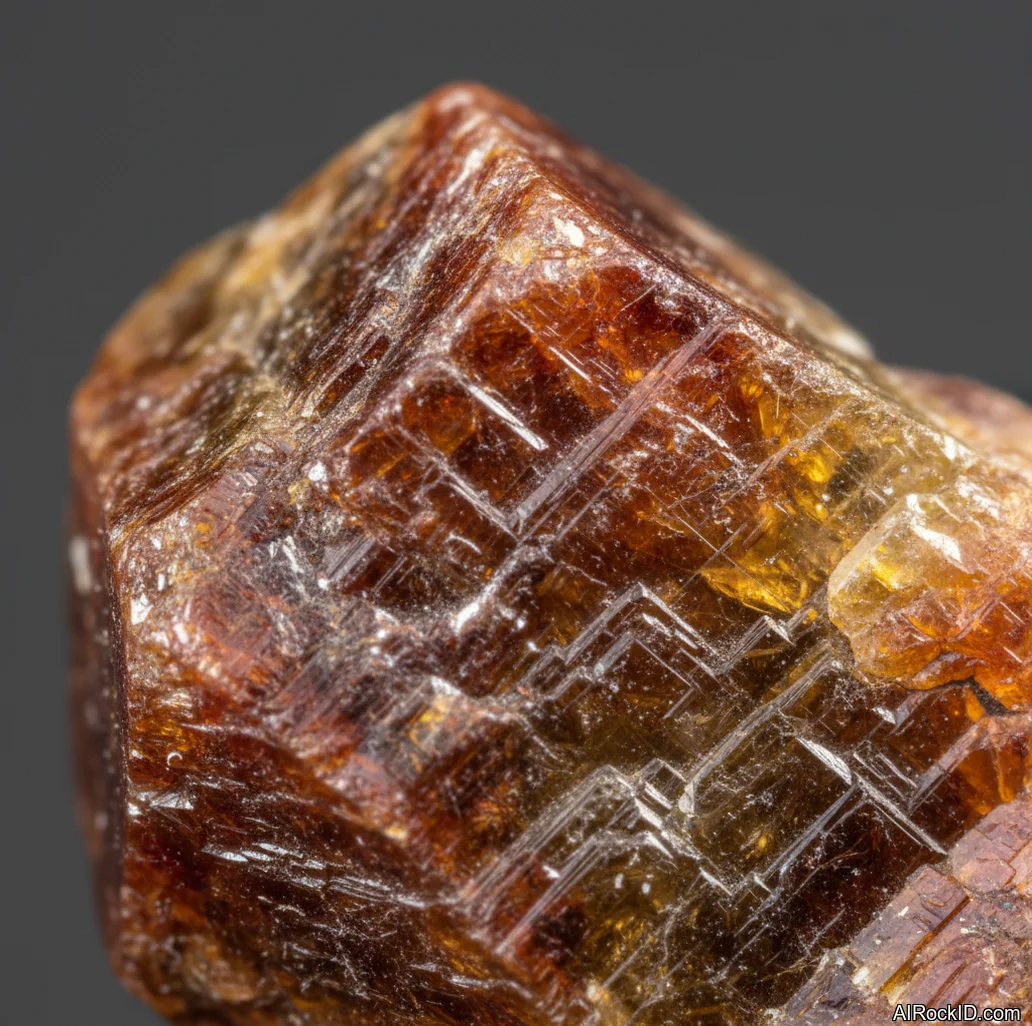
Buying Trust crystals is half mineral know-how, half market reality. The issue with “Aquamarine” online is the name gets slapped on a lot of pale blue, beryl-adjacent material, and photos are almost always edited cooler. Real aquamarine in crystal form has that icy, seawater blue-green, and the surfaces can show natural striations running lengthwise. It should feel crisp, not chalky.
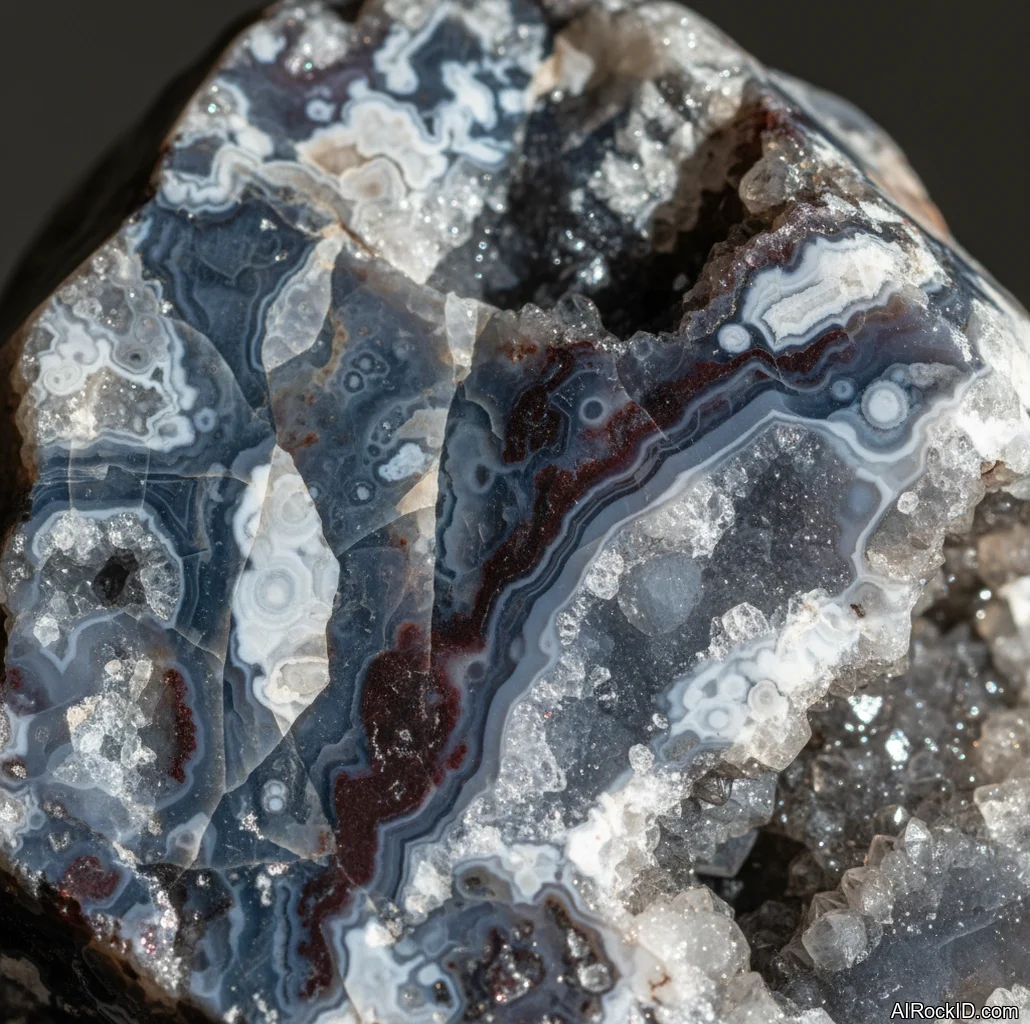
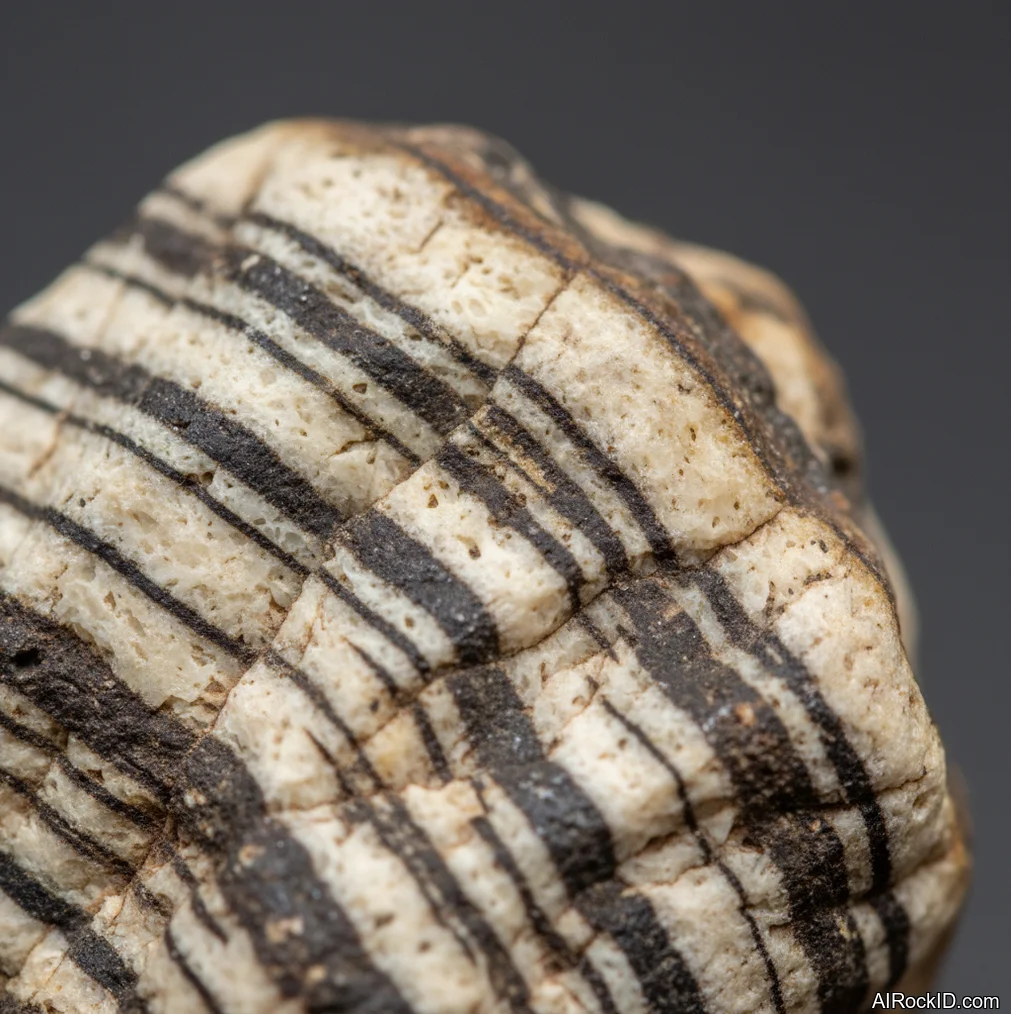
For Blue Lace Agate, watch for dyed banded agate being sold as the real thing. Dye tends to pool in fractures, and the blue looks too loud, too uniform. Natural Blue Lace has soft transitions, and you’ll often see white or cream bands that look slightly translucent at the edges.
Labradorite has its own trap: the flash. Dealers light it perfectly, then you get it home and go, wait, where’d the magic go? Flash is angle-dependent. A good piece still has body color and interesting structure even when the sheen disappears, and the surface shouldn’t feel like plastic. Cheap ones sometimes have a resin coating that’s warm to the touch and scratches too easily.
If you can, pick a piece with a few natural pits and solid weight. Sounds odd, I know. But those little imperfect spots are often a sign it wasn’t factory-perfected into something fake-looking.
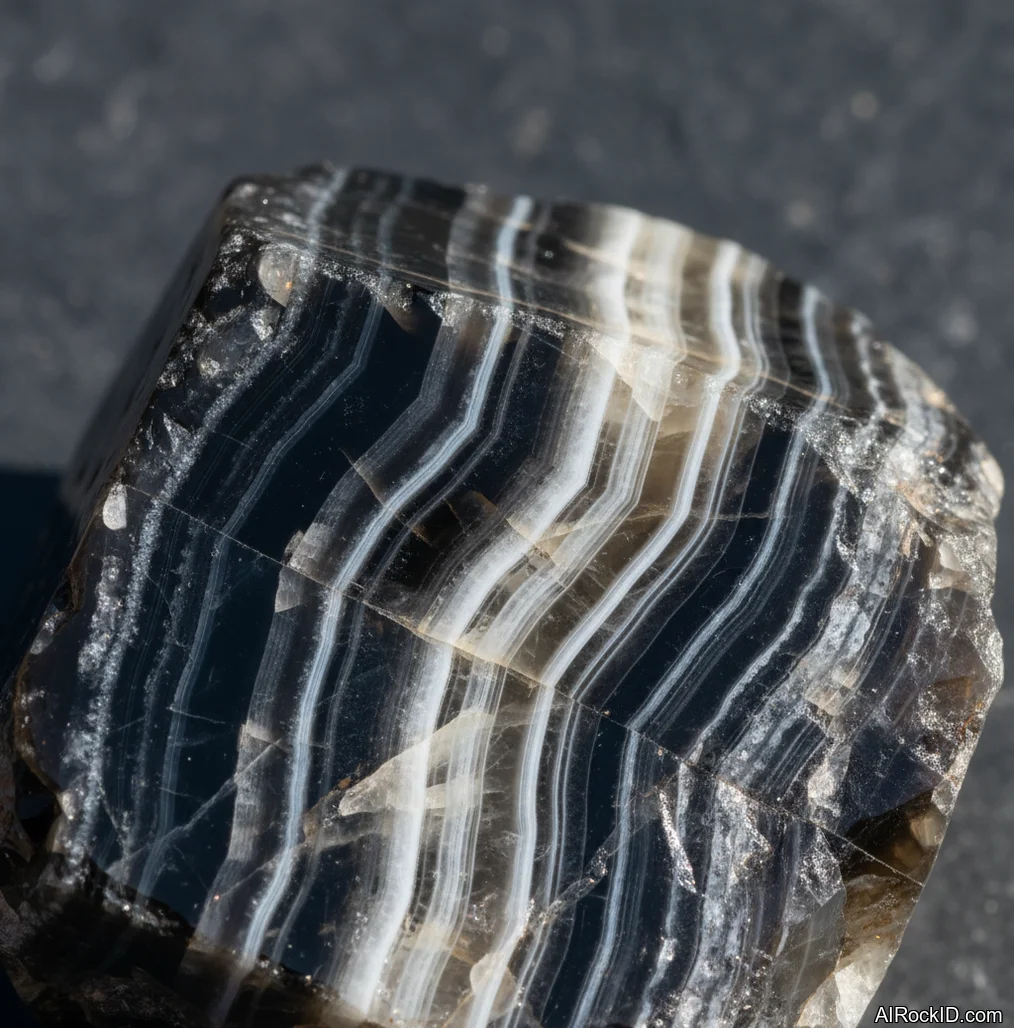
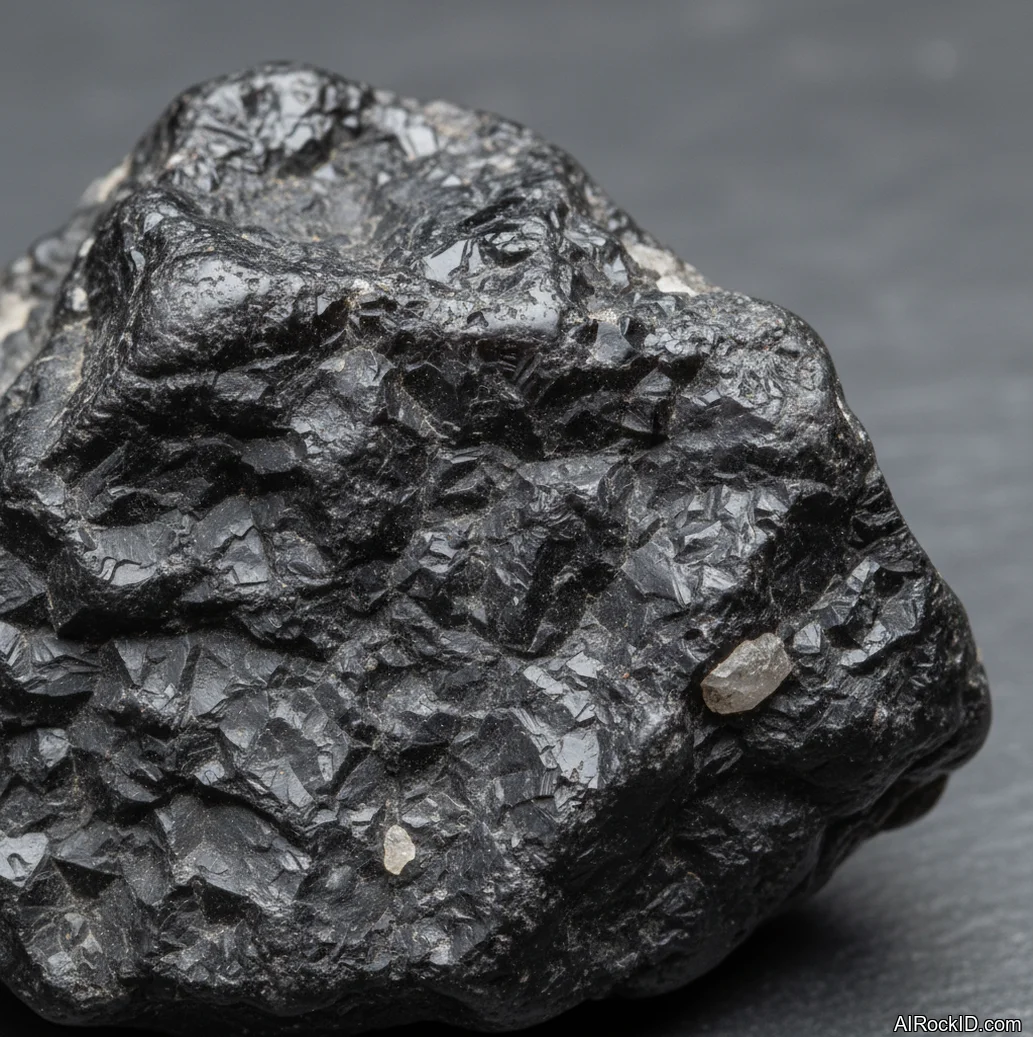
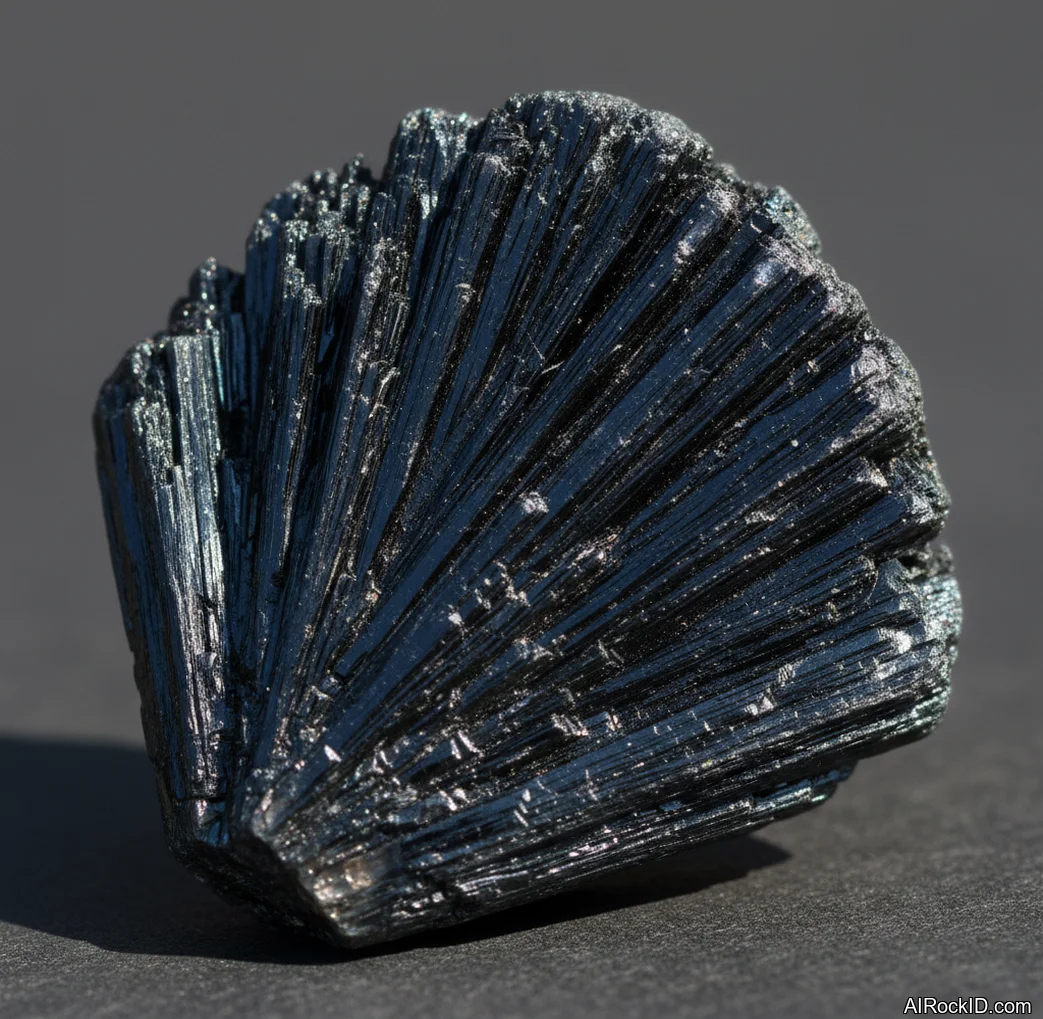
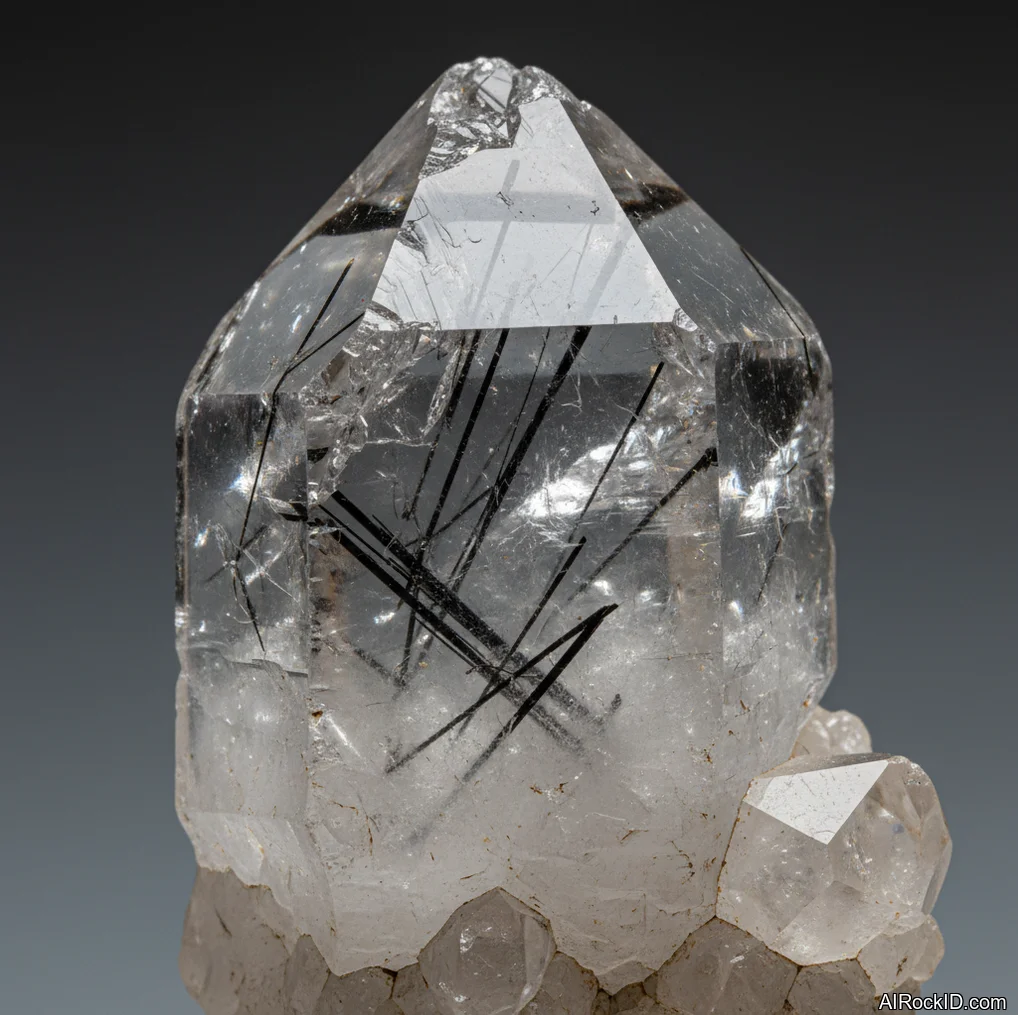
Look, if you’re working on trust, don’t ignore the stones that set boundaries. Black Tourmaline and Smoky Quartz show up on Trust lists for a reason: trust isn’t the same thing as blind access.
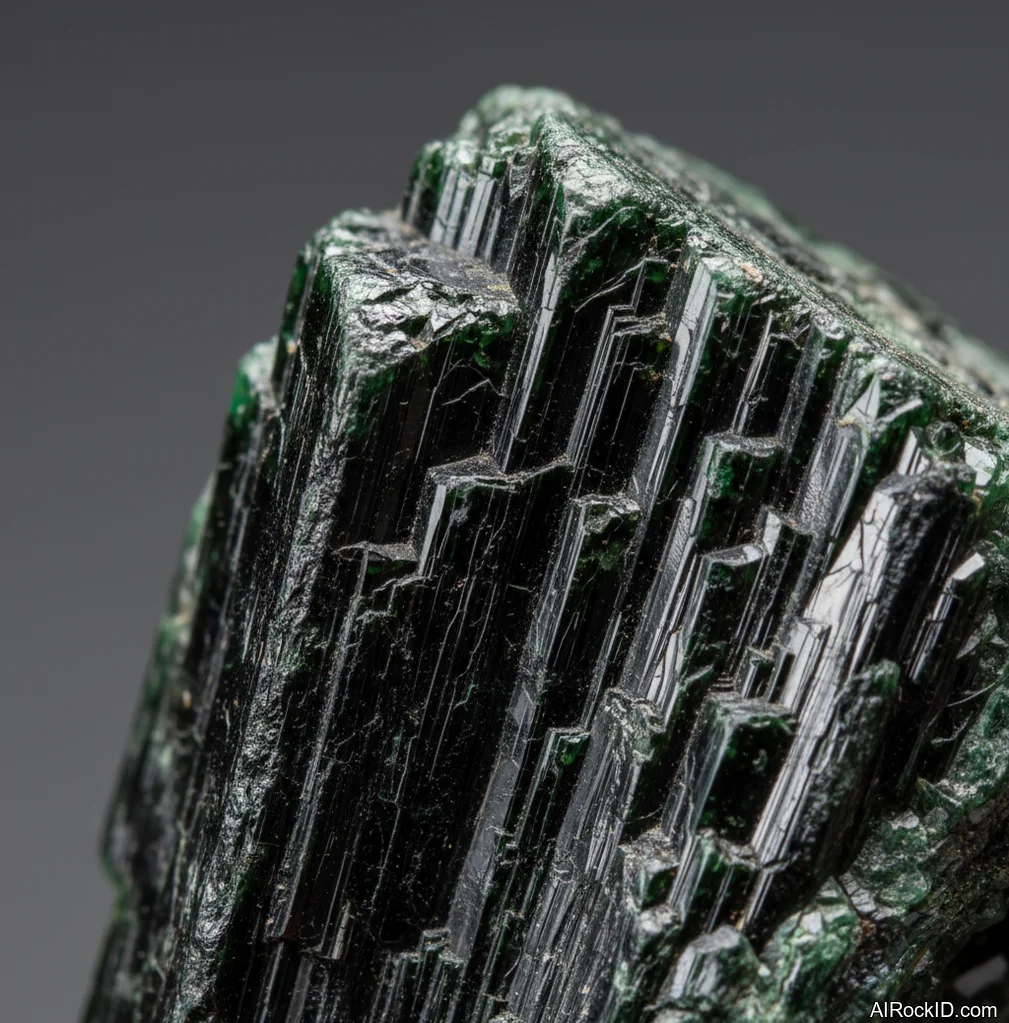
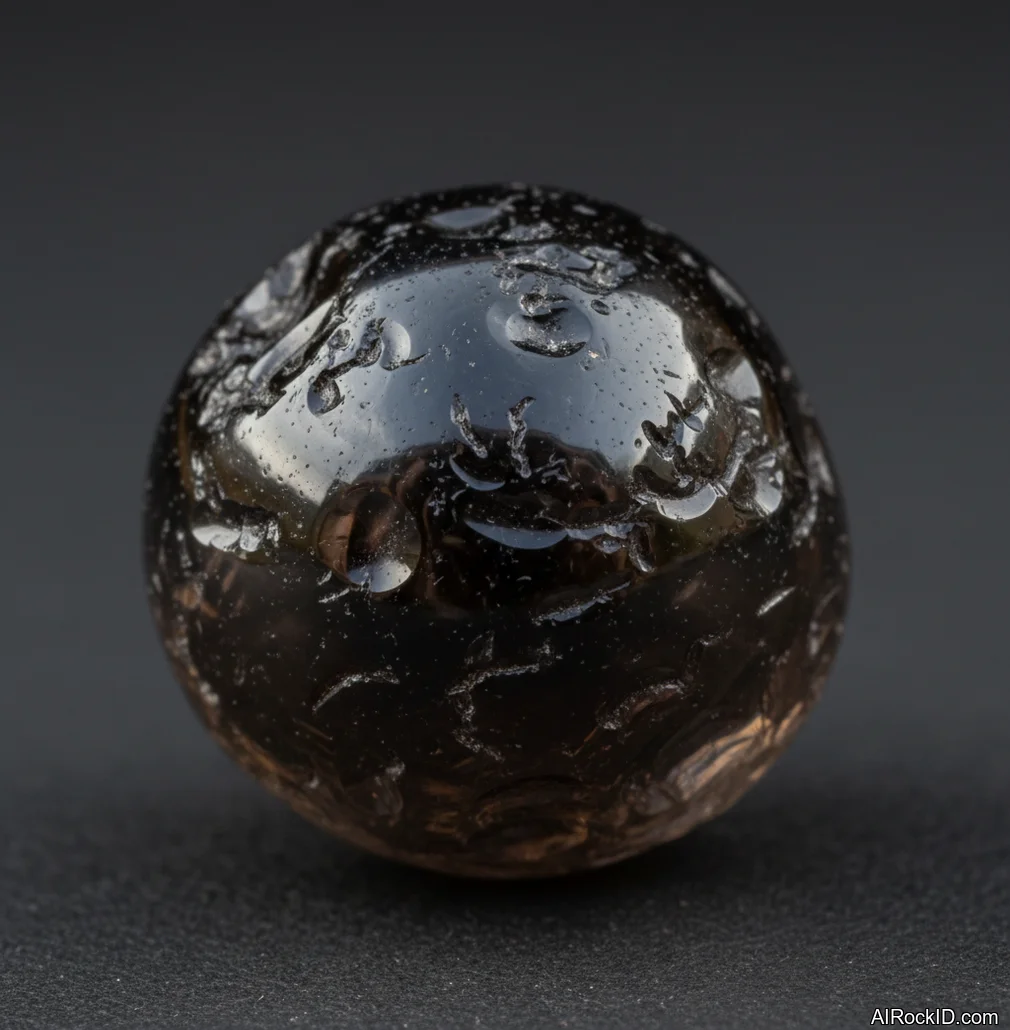
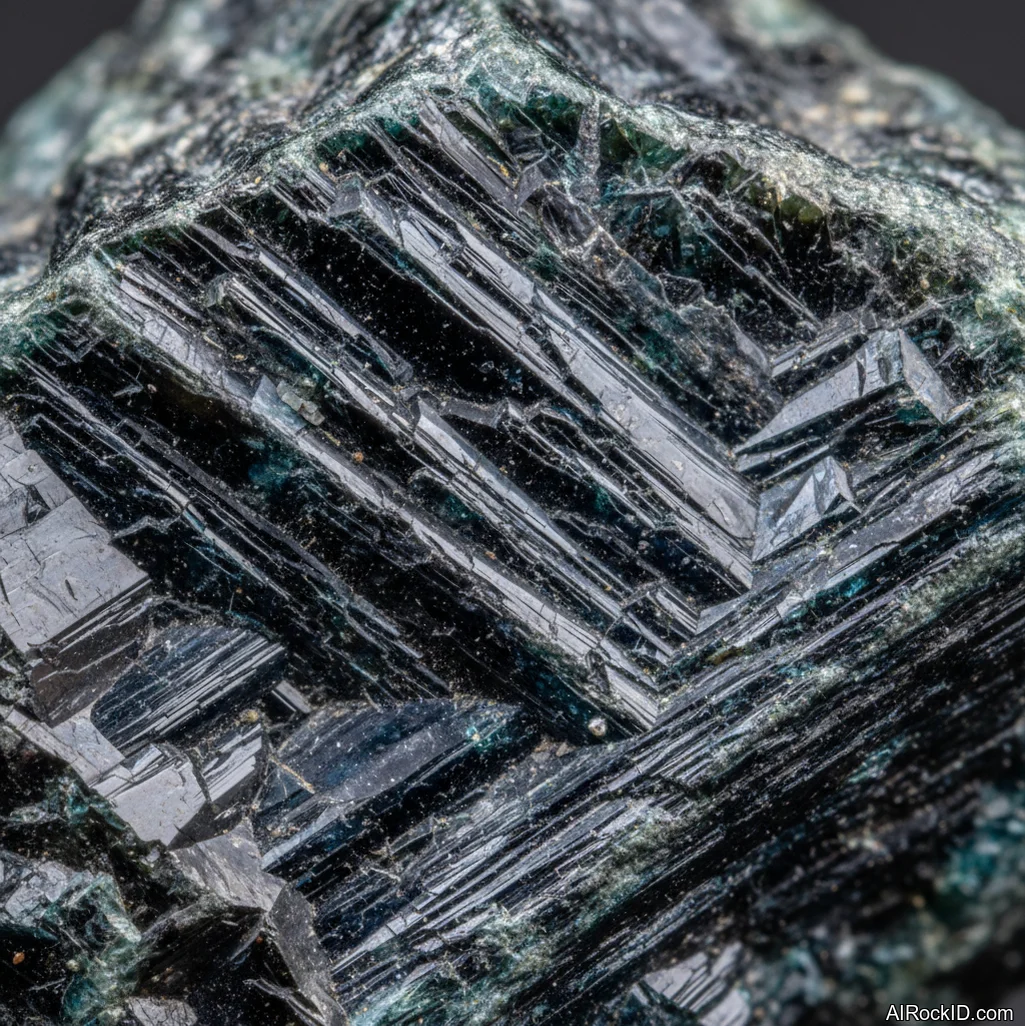
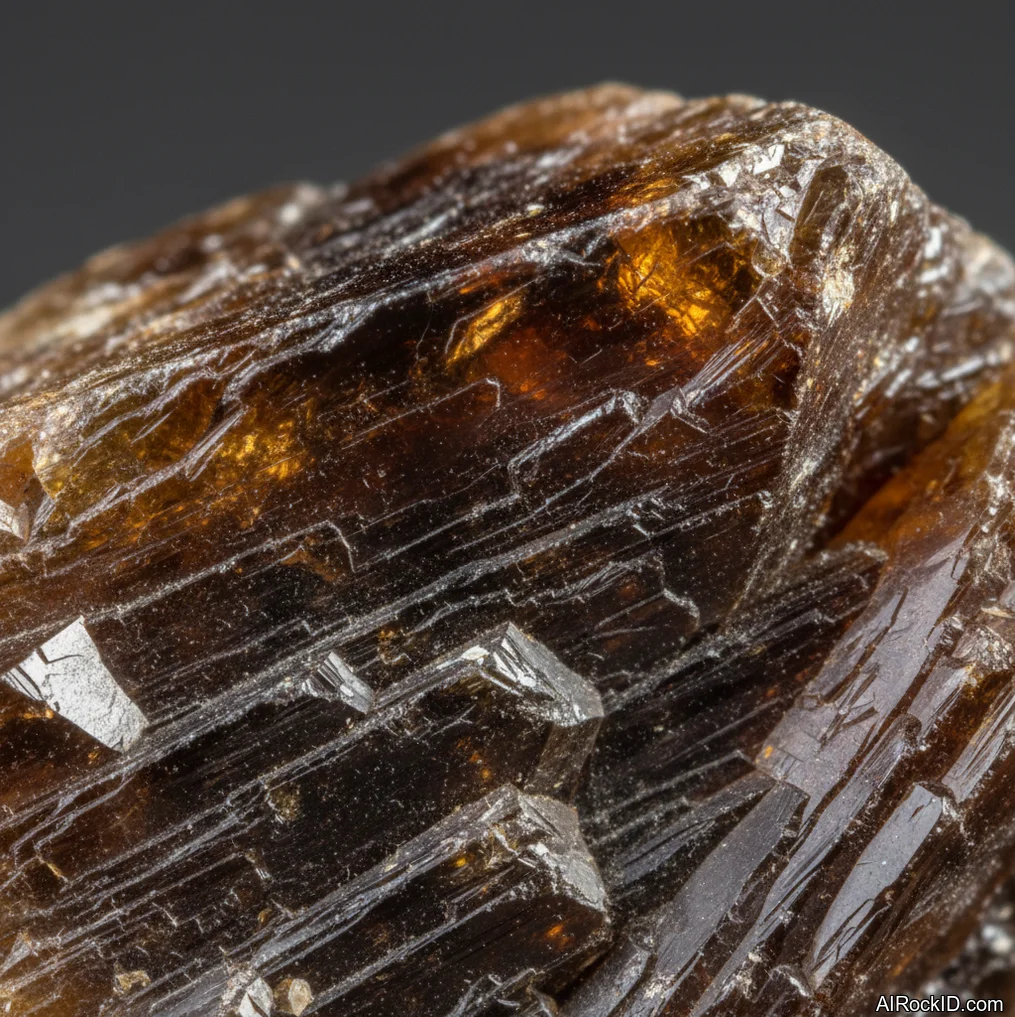
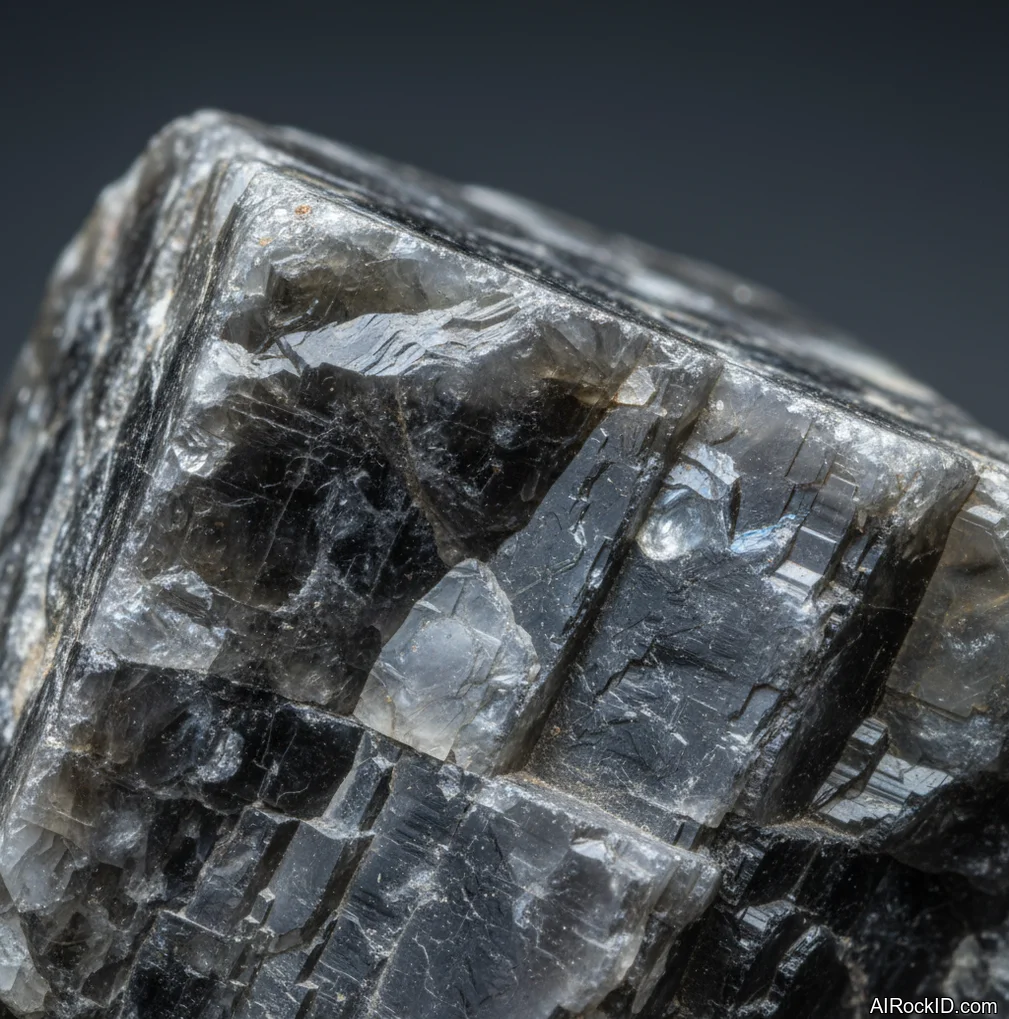
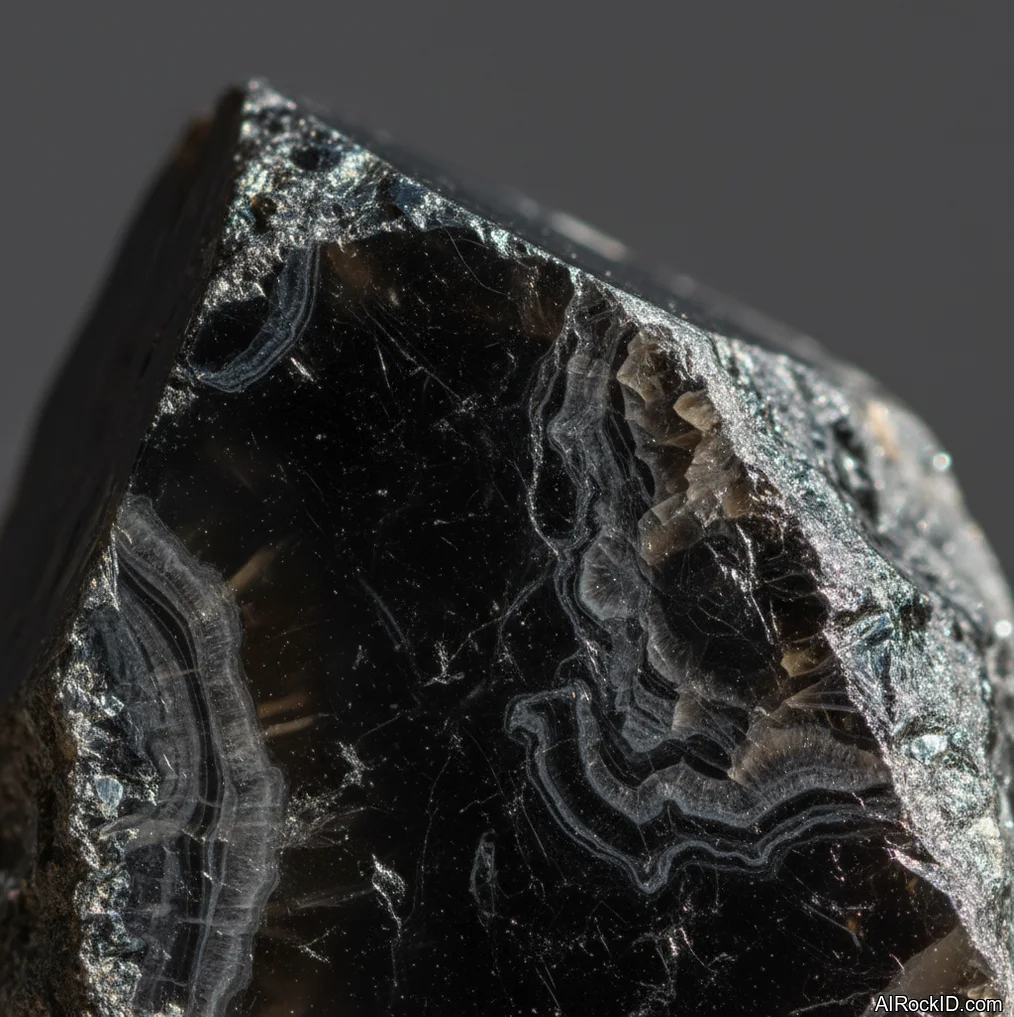
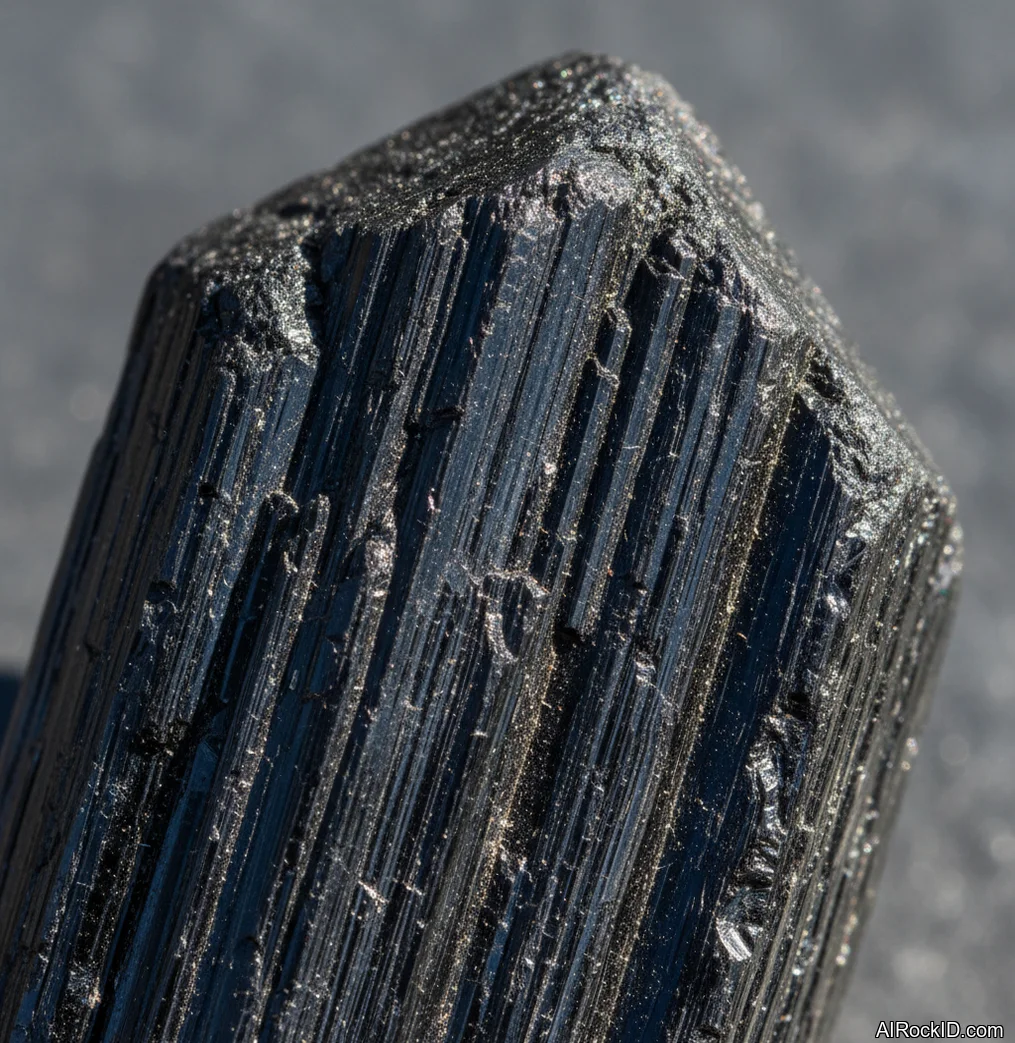
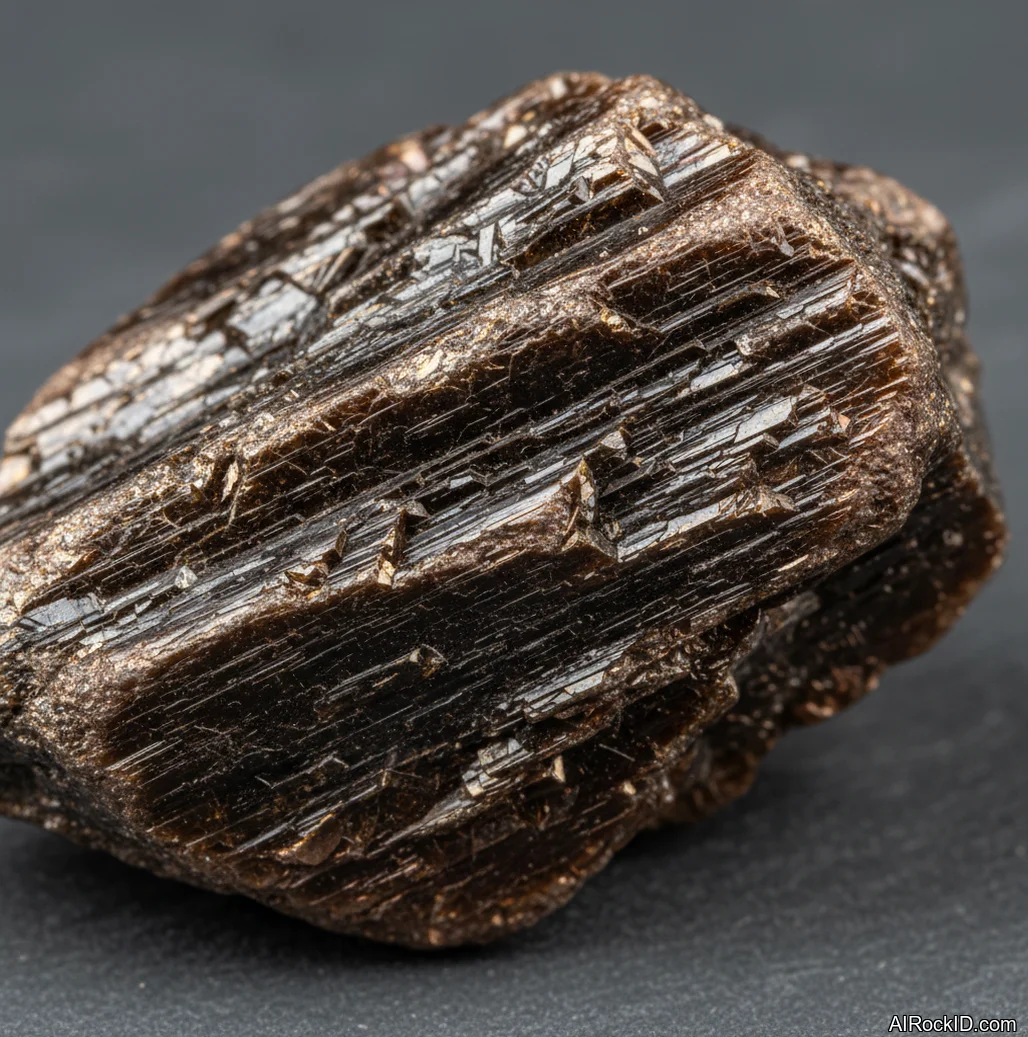
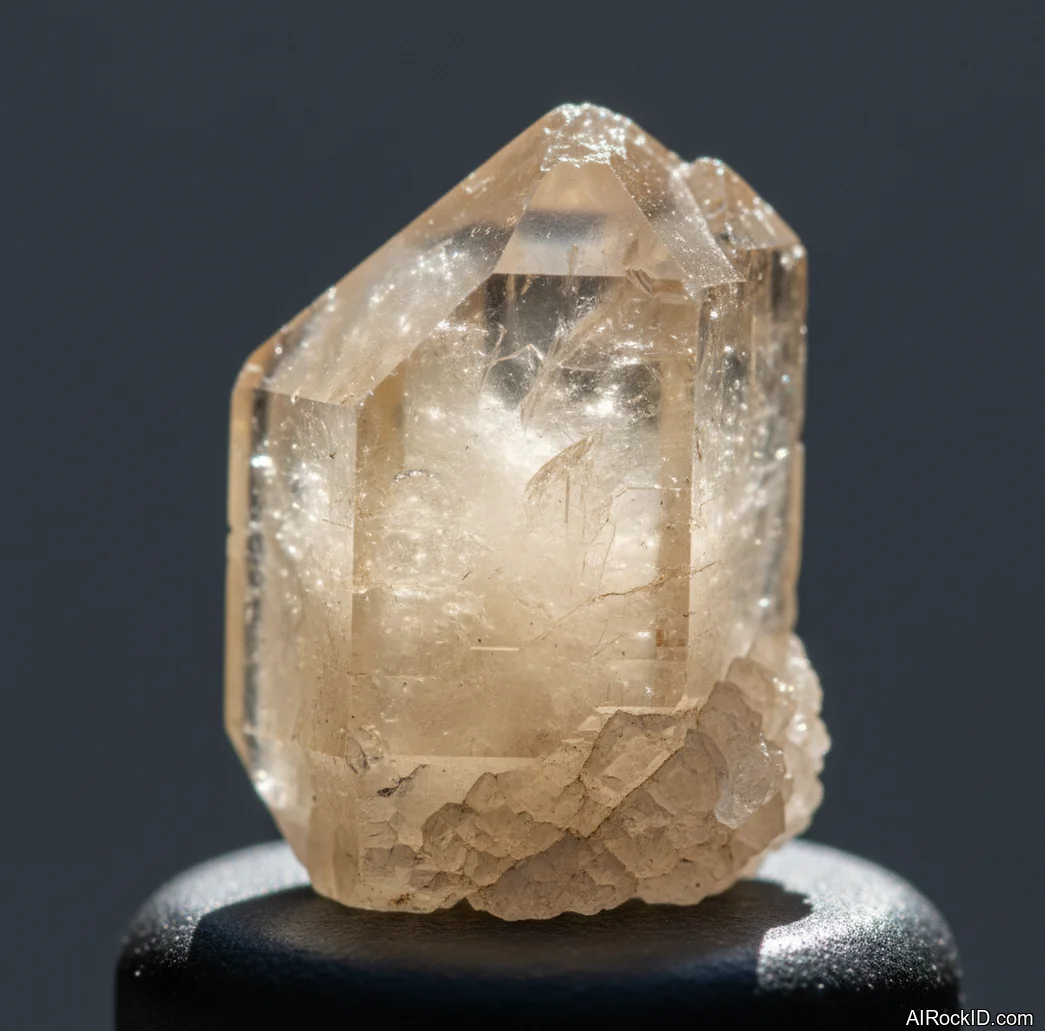
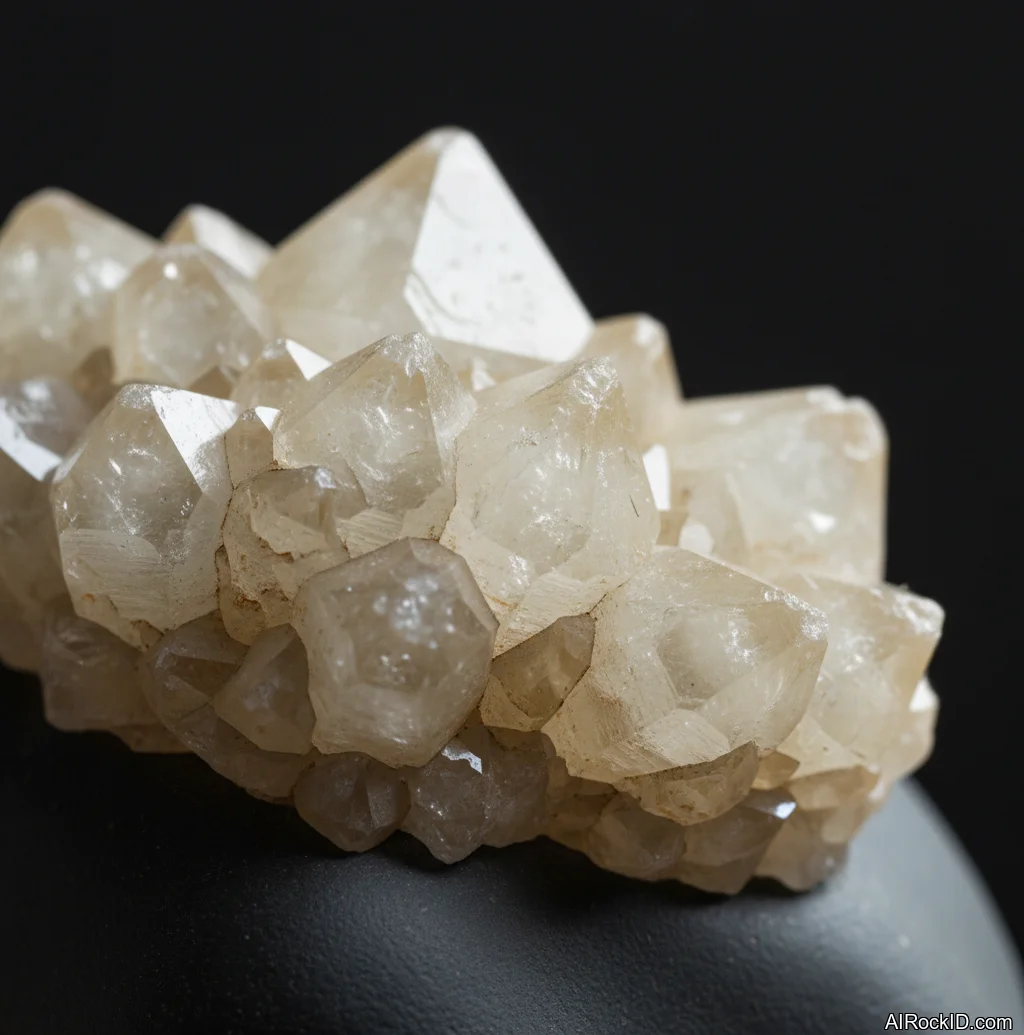
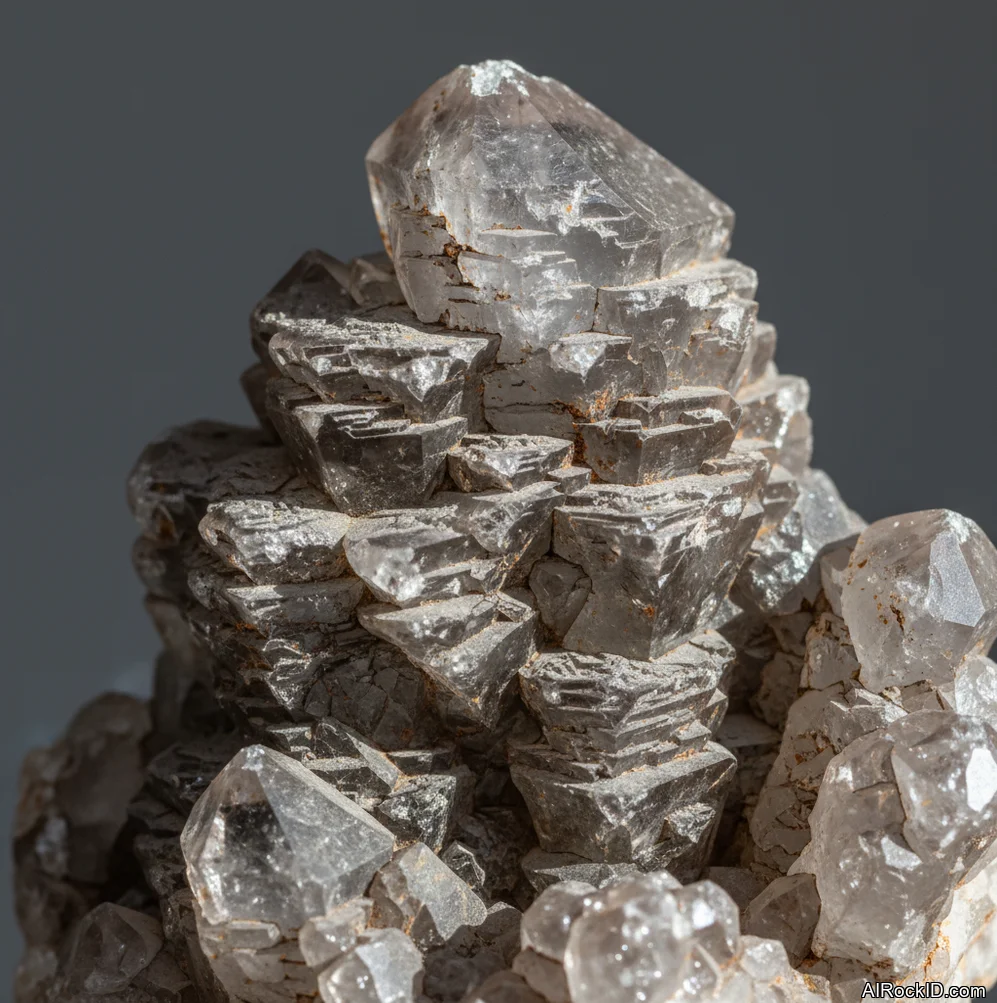
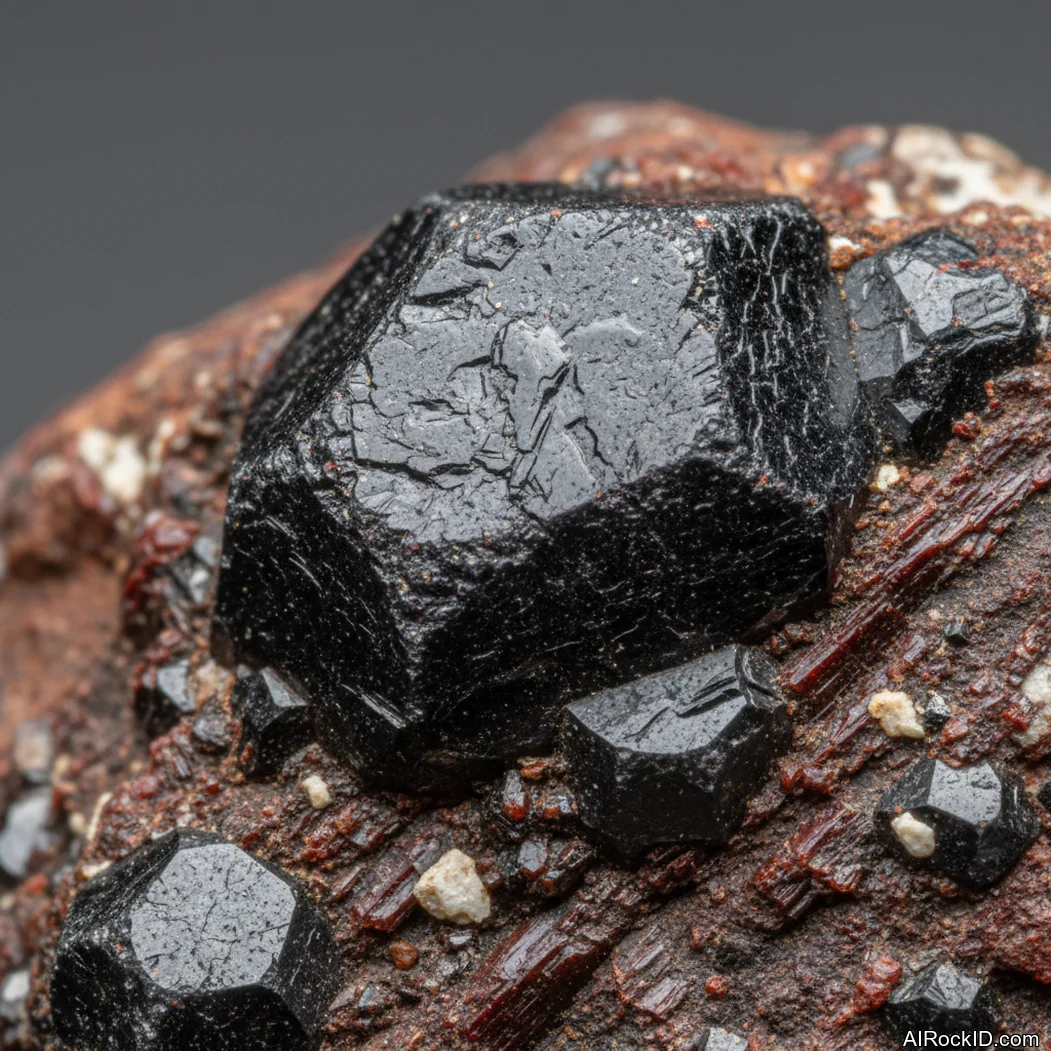
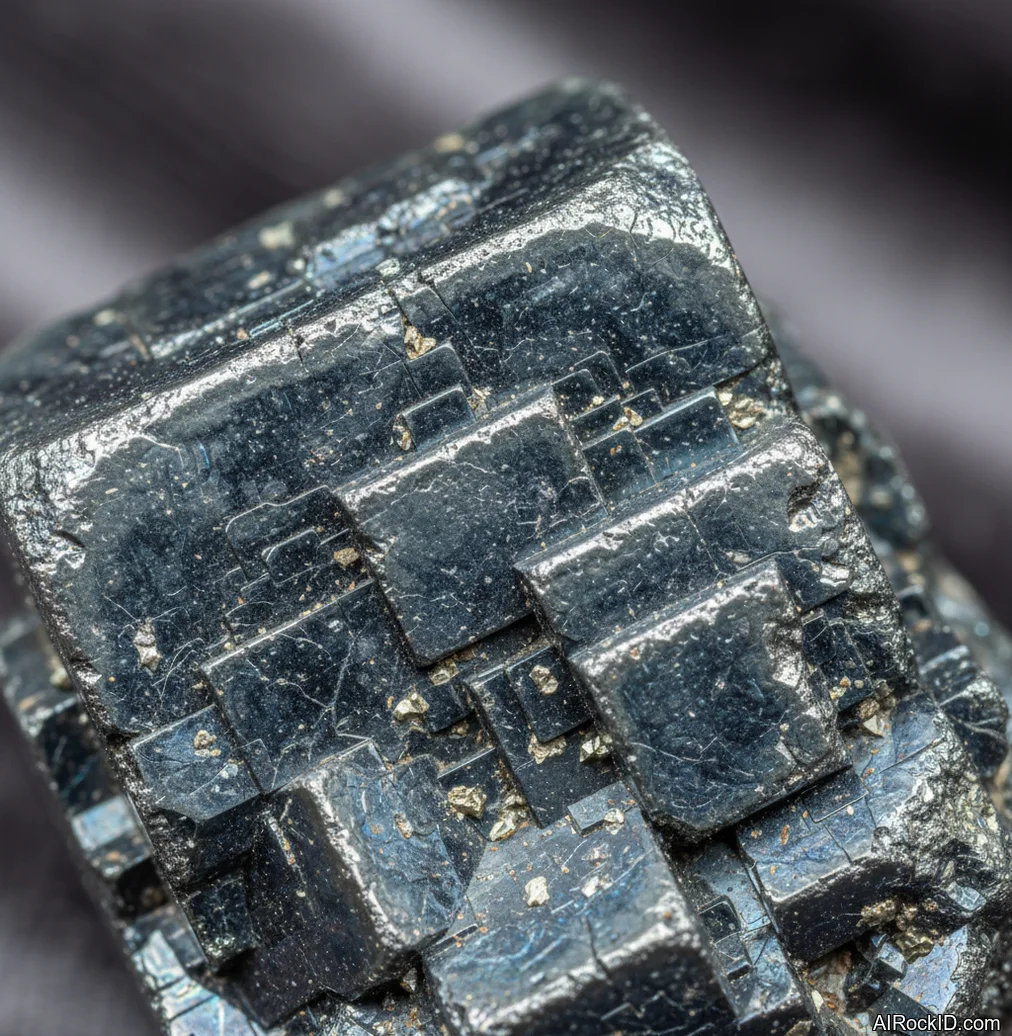
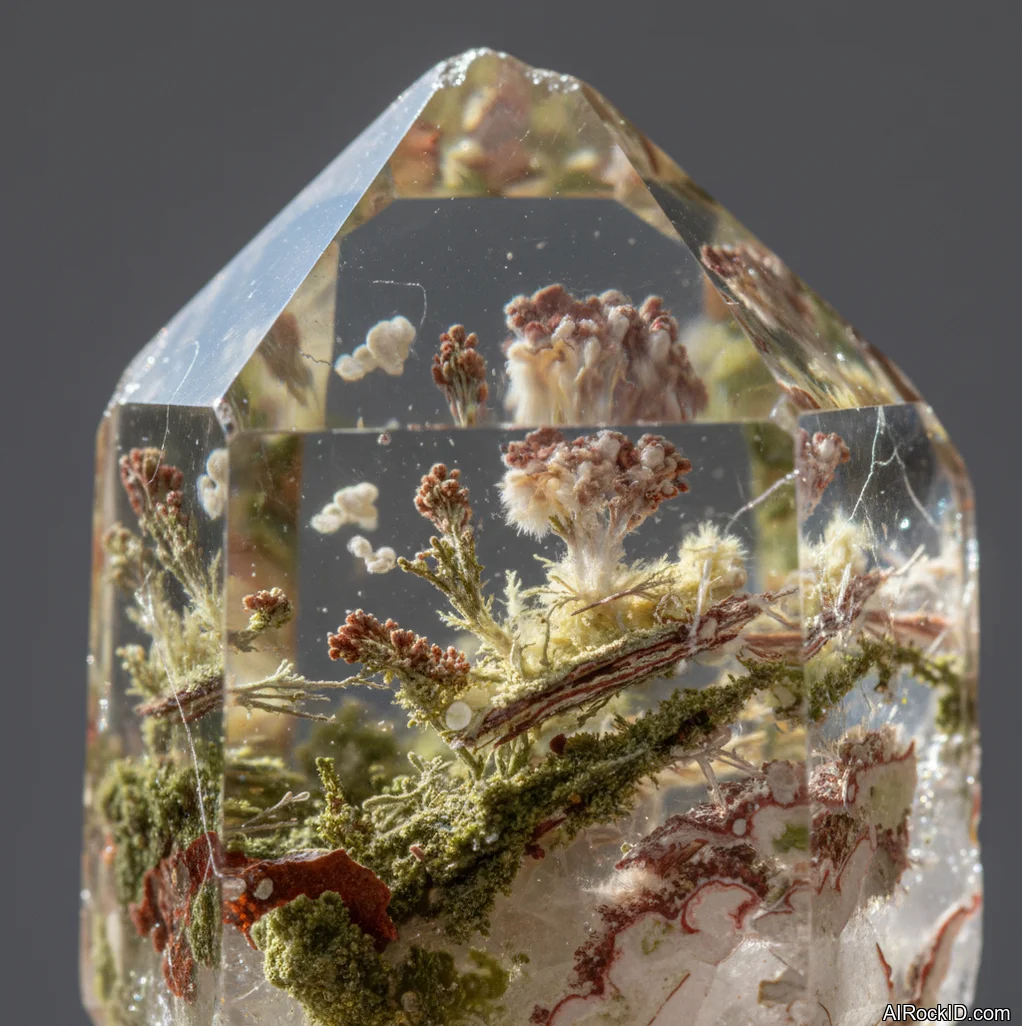
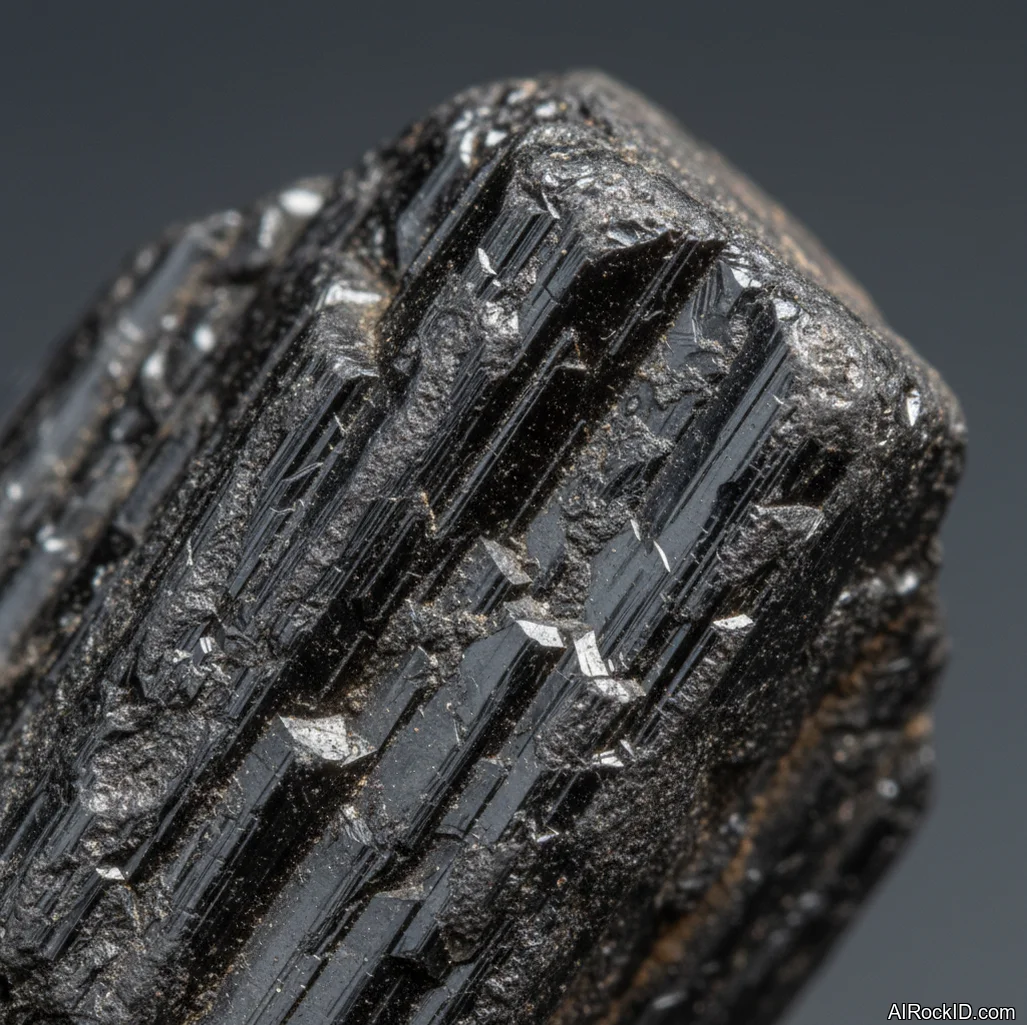
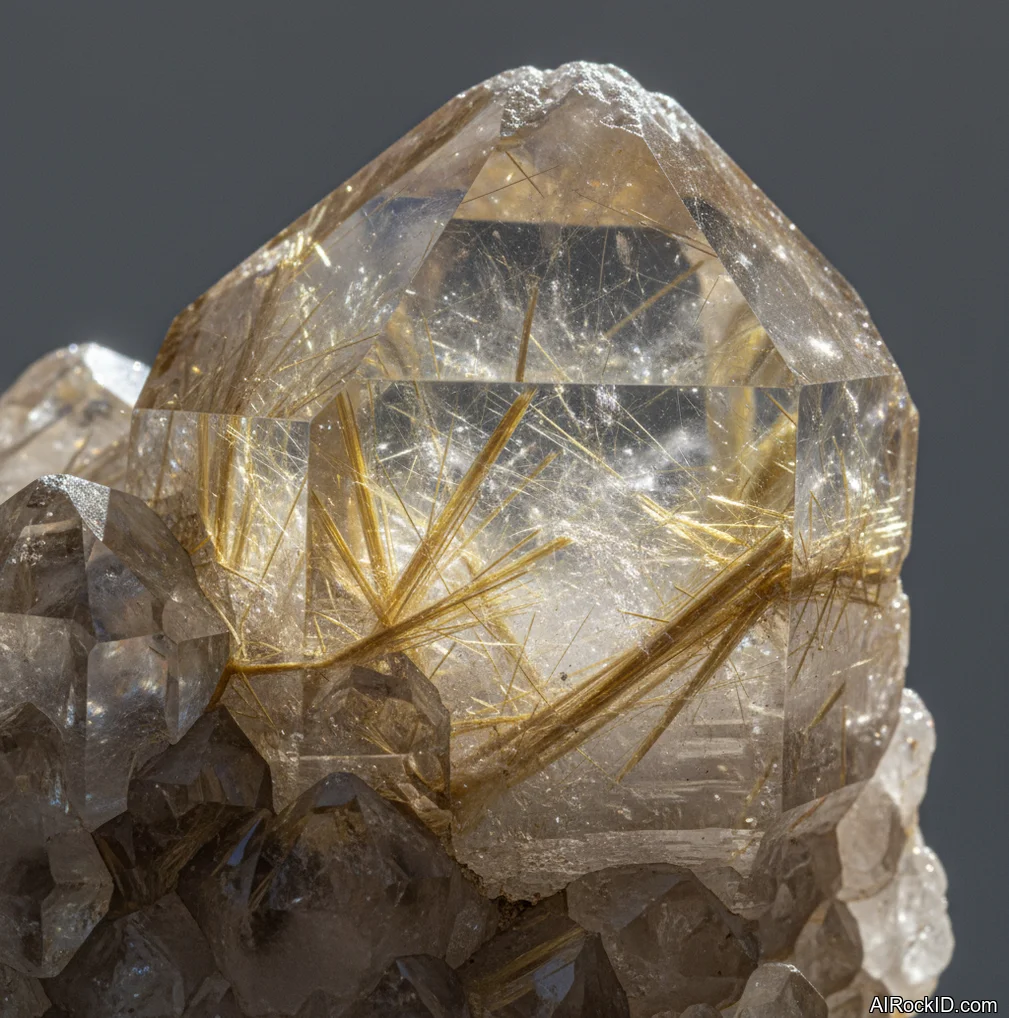
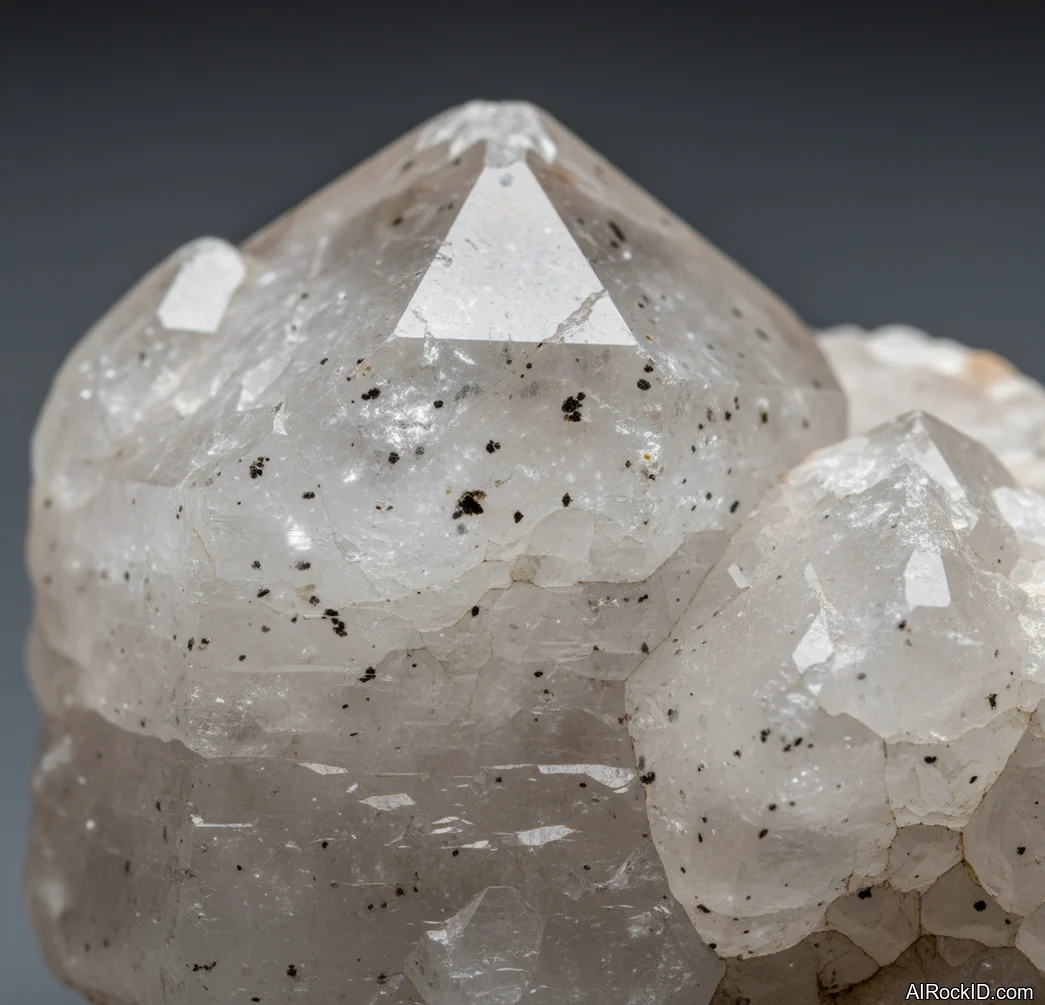
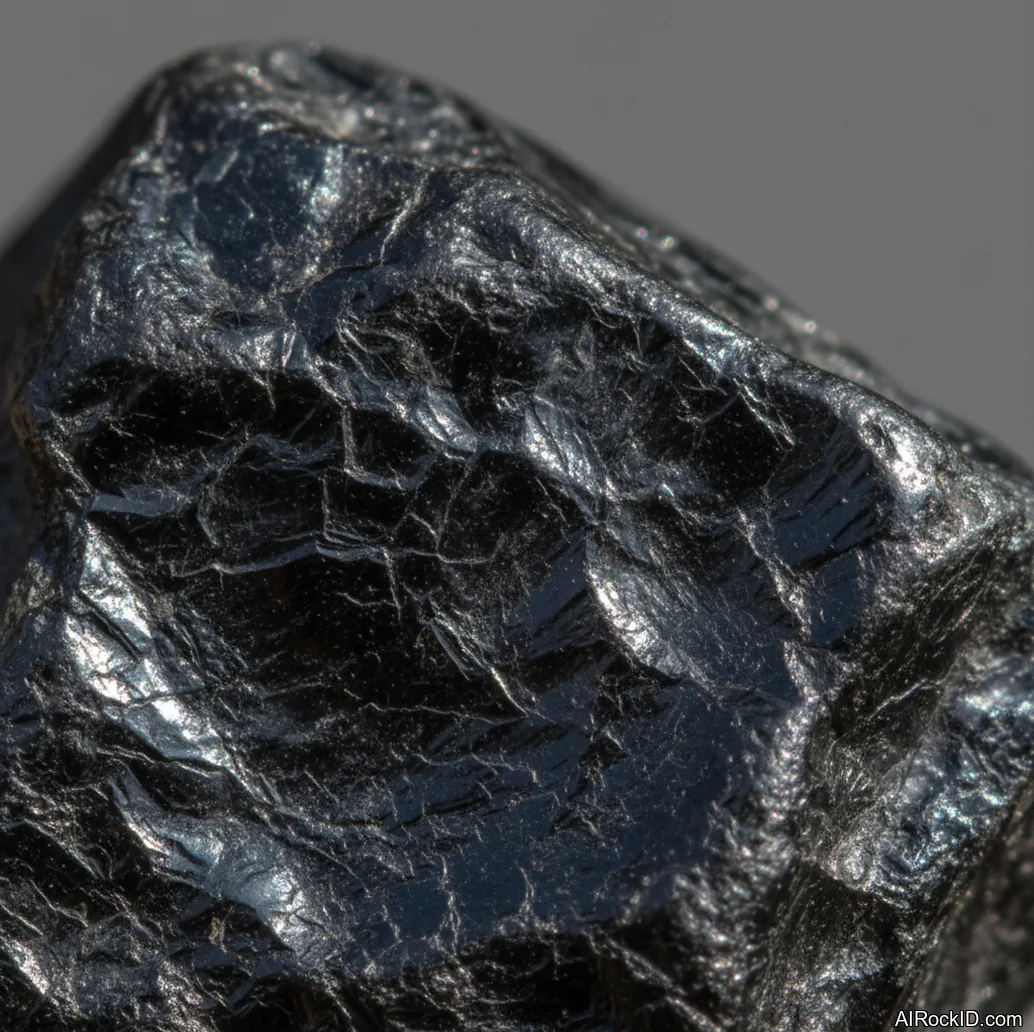
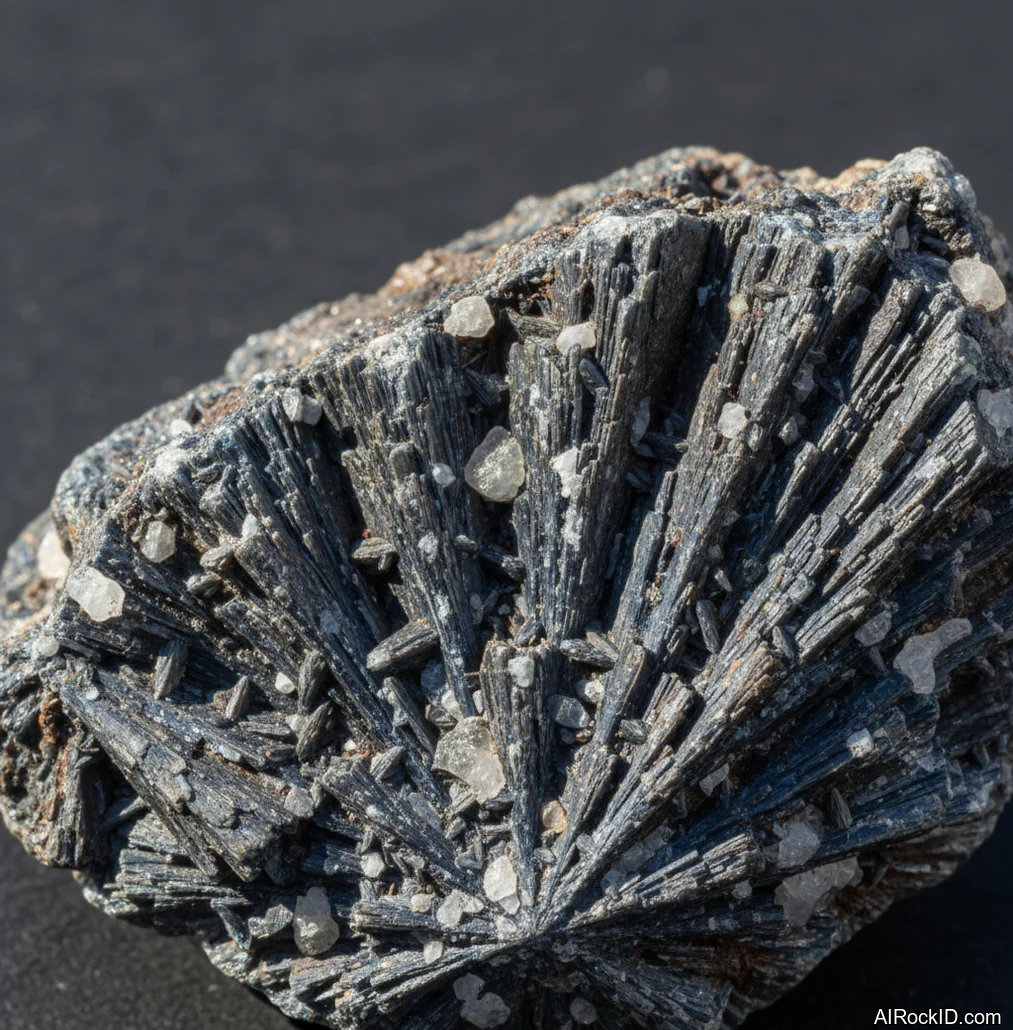
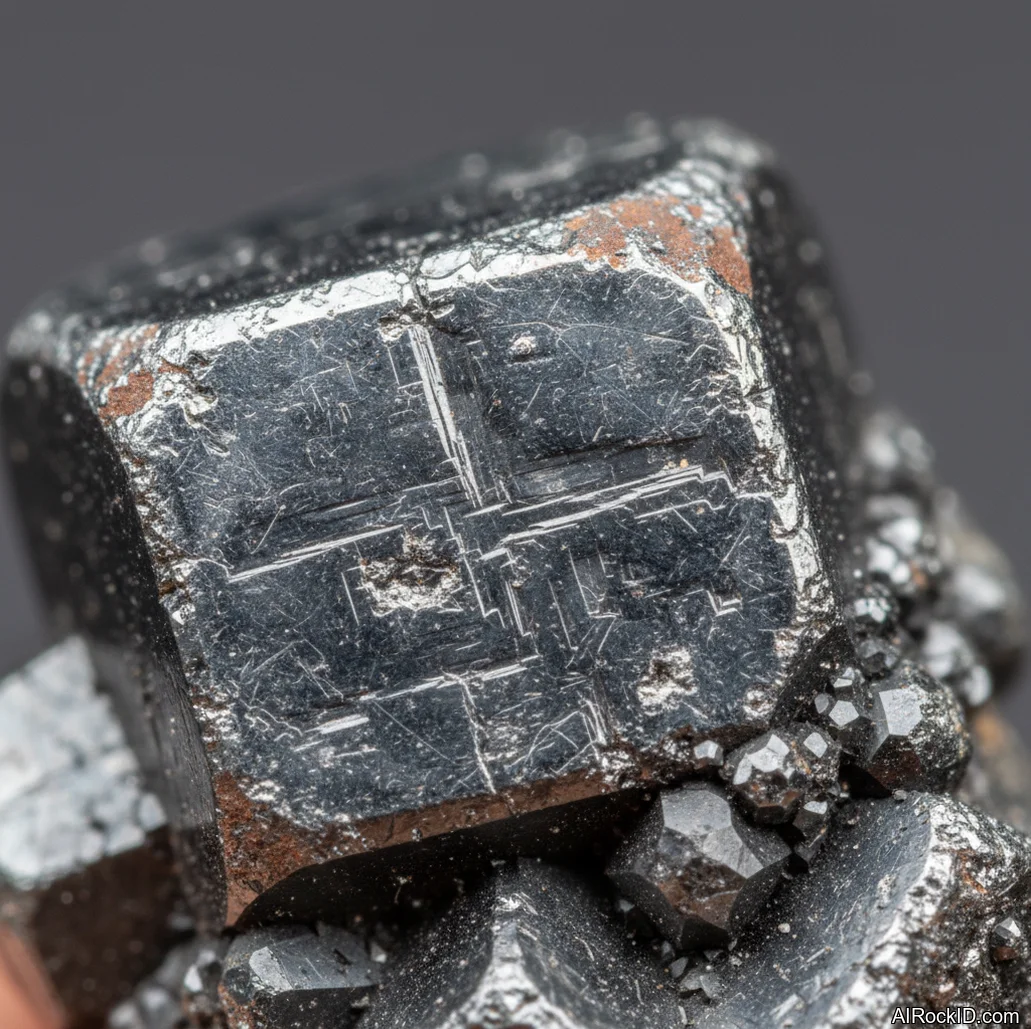
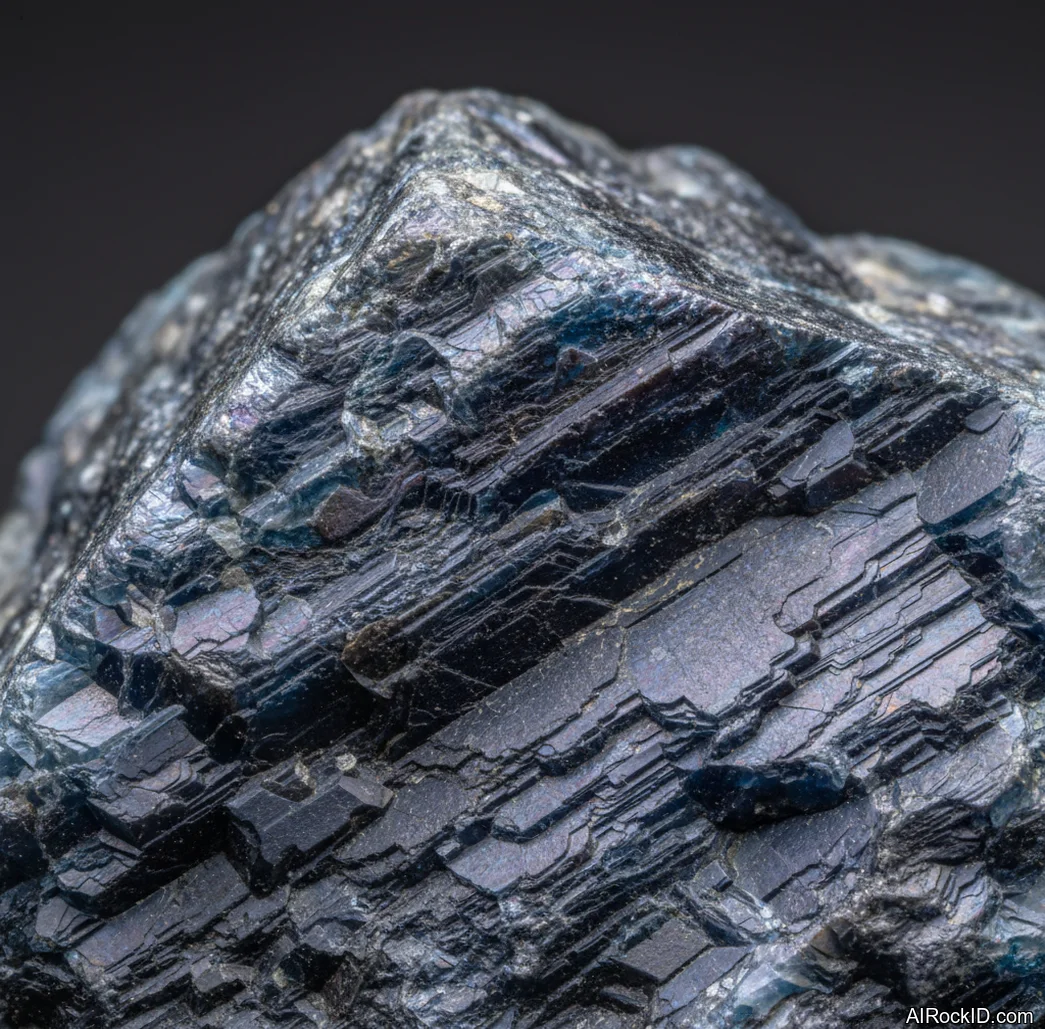
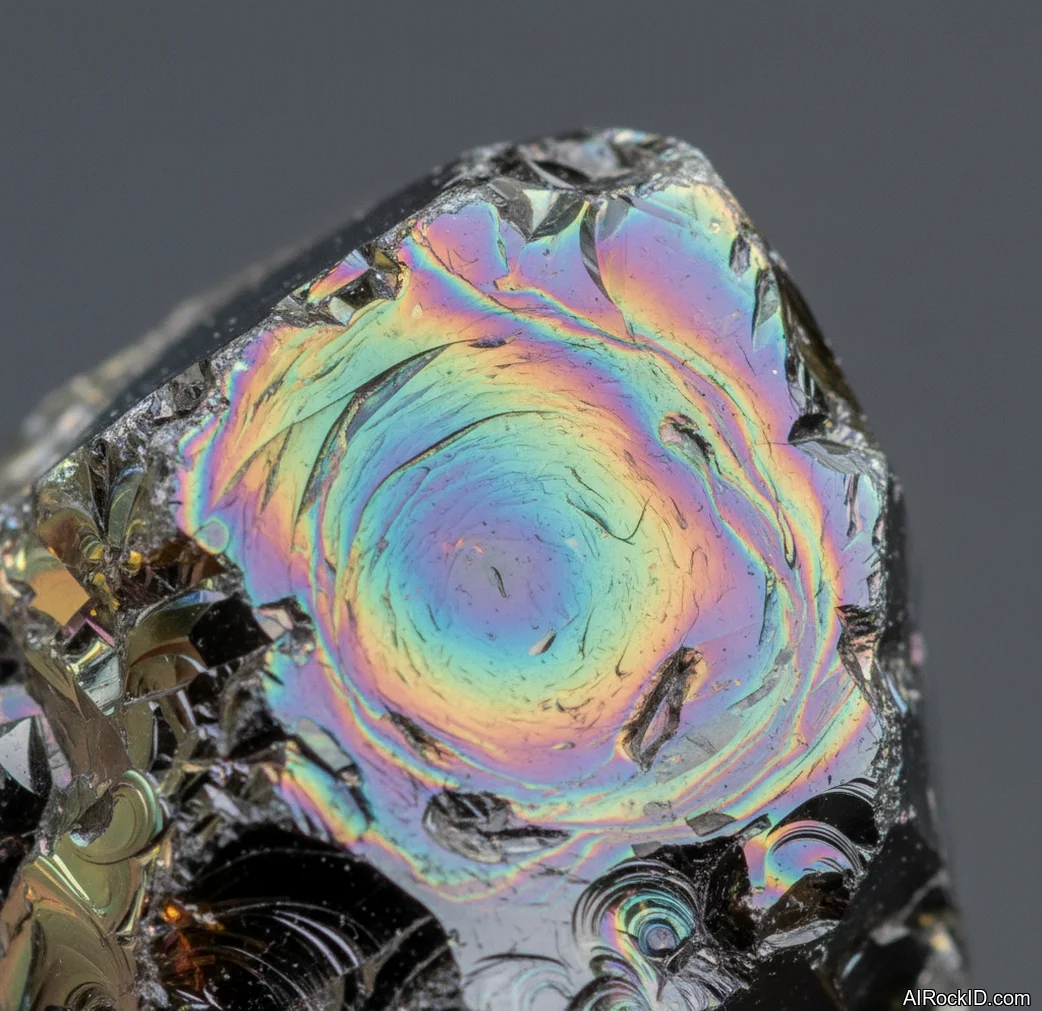
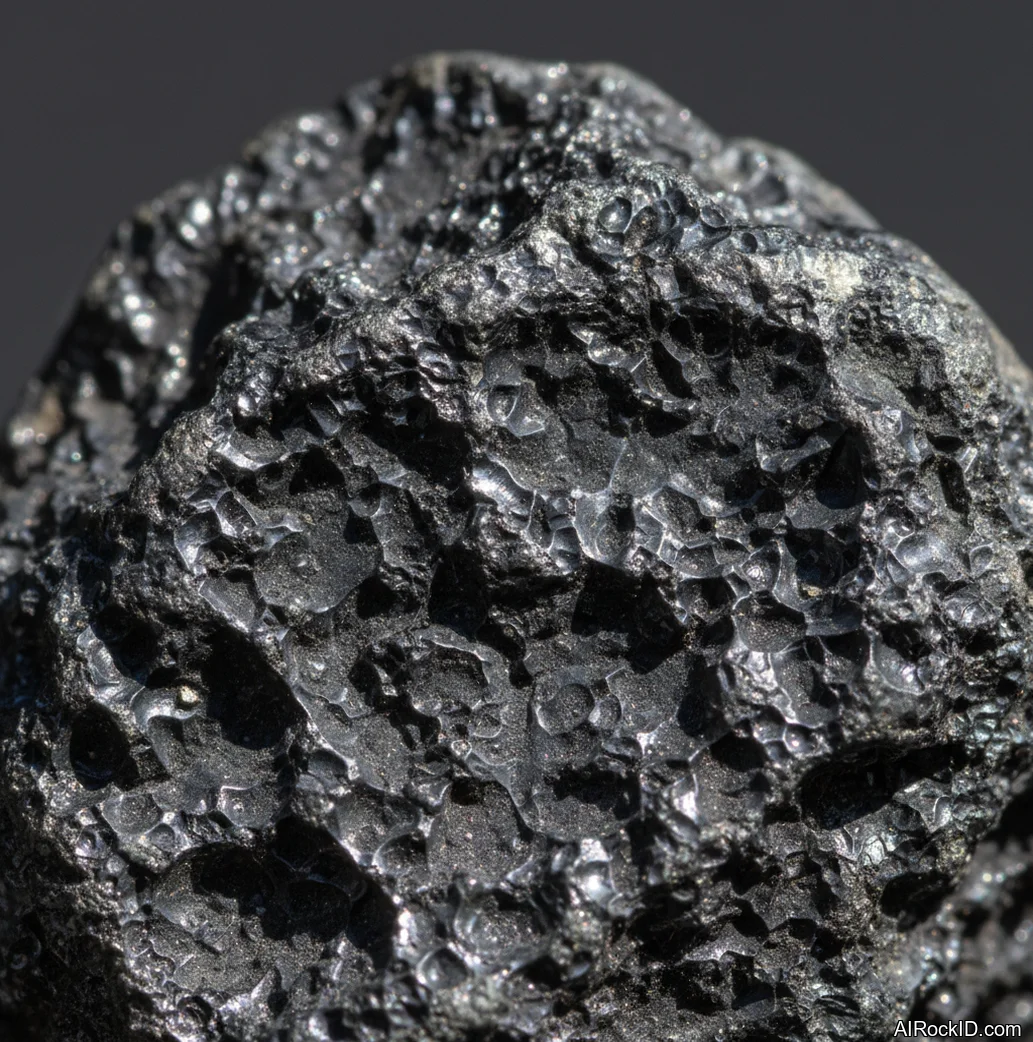
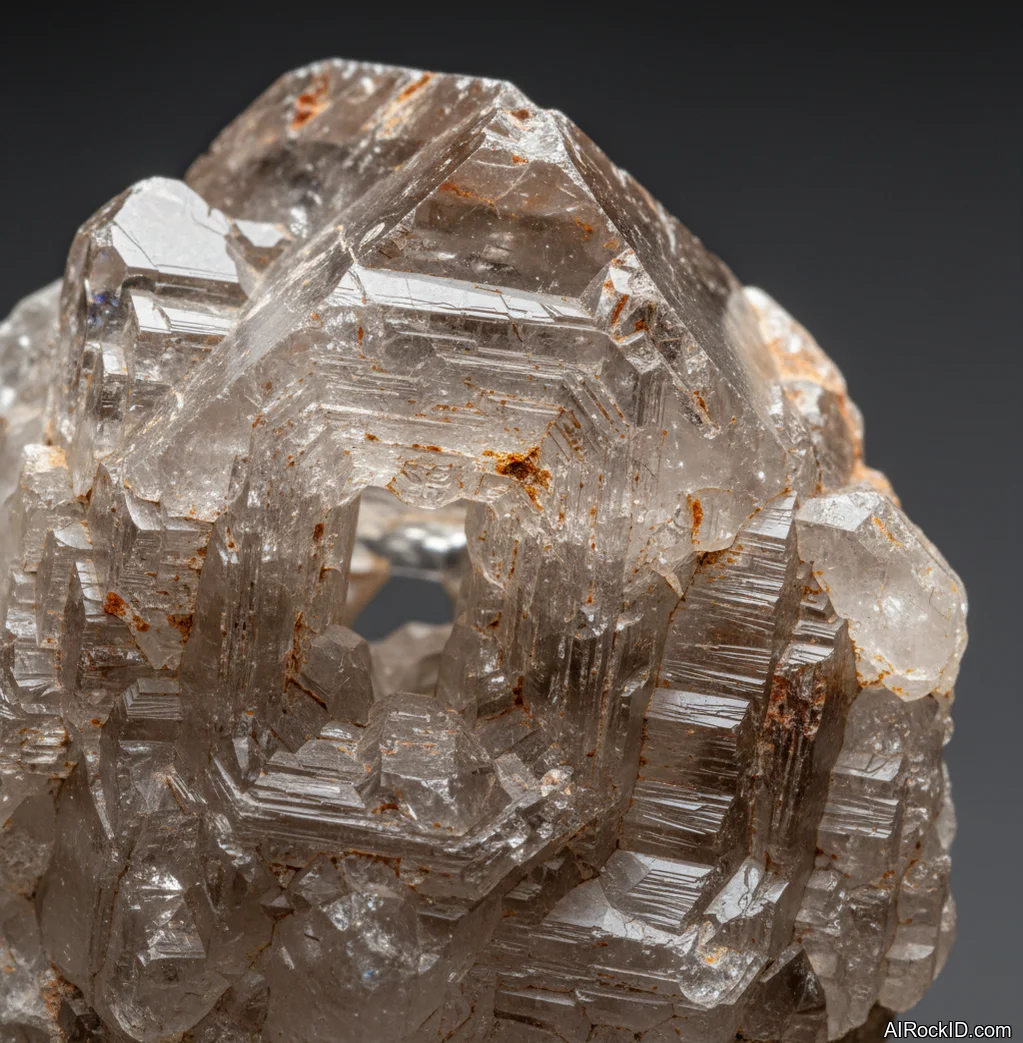
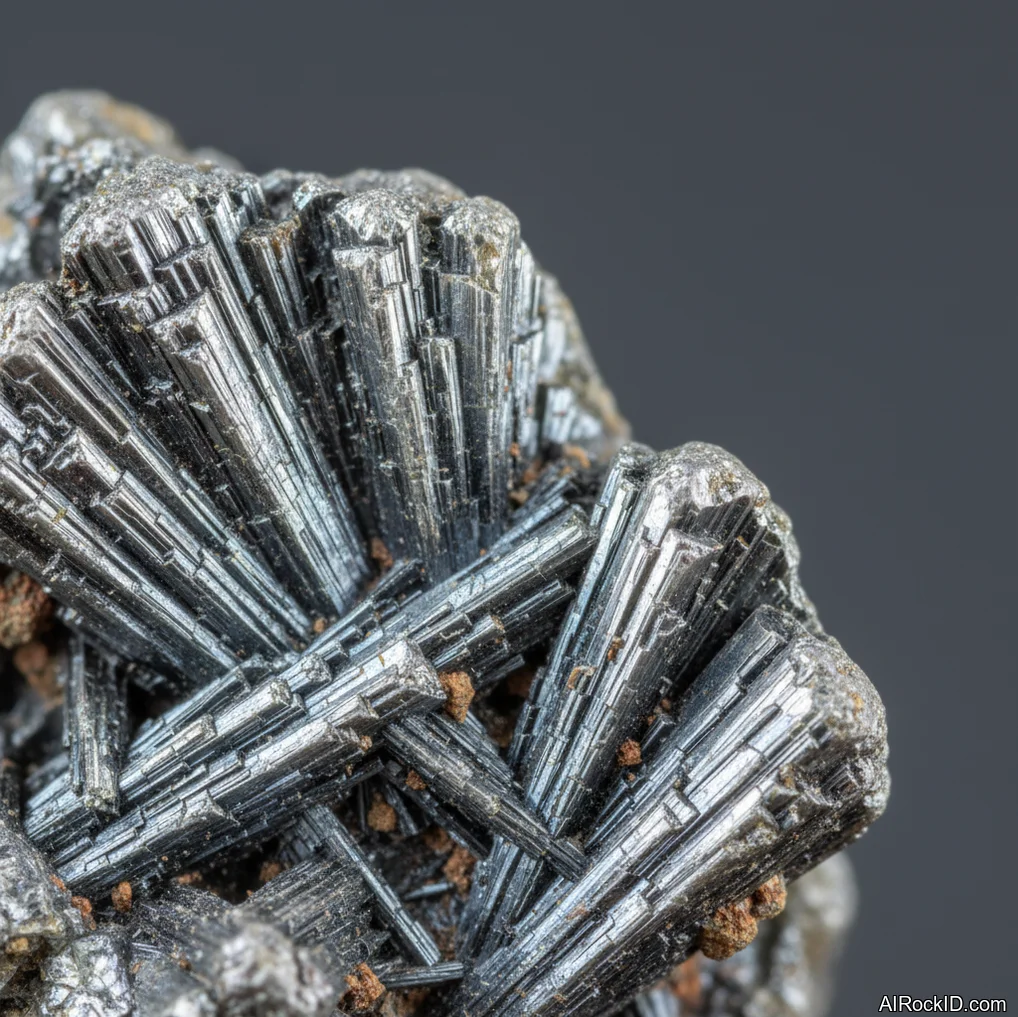
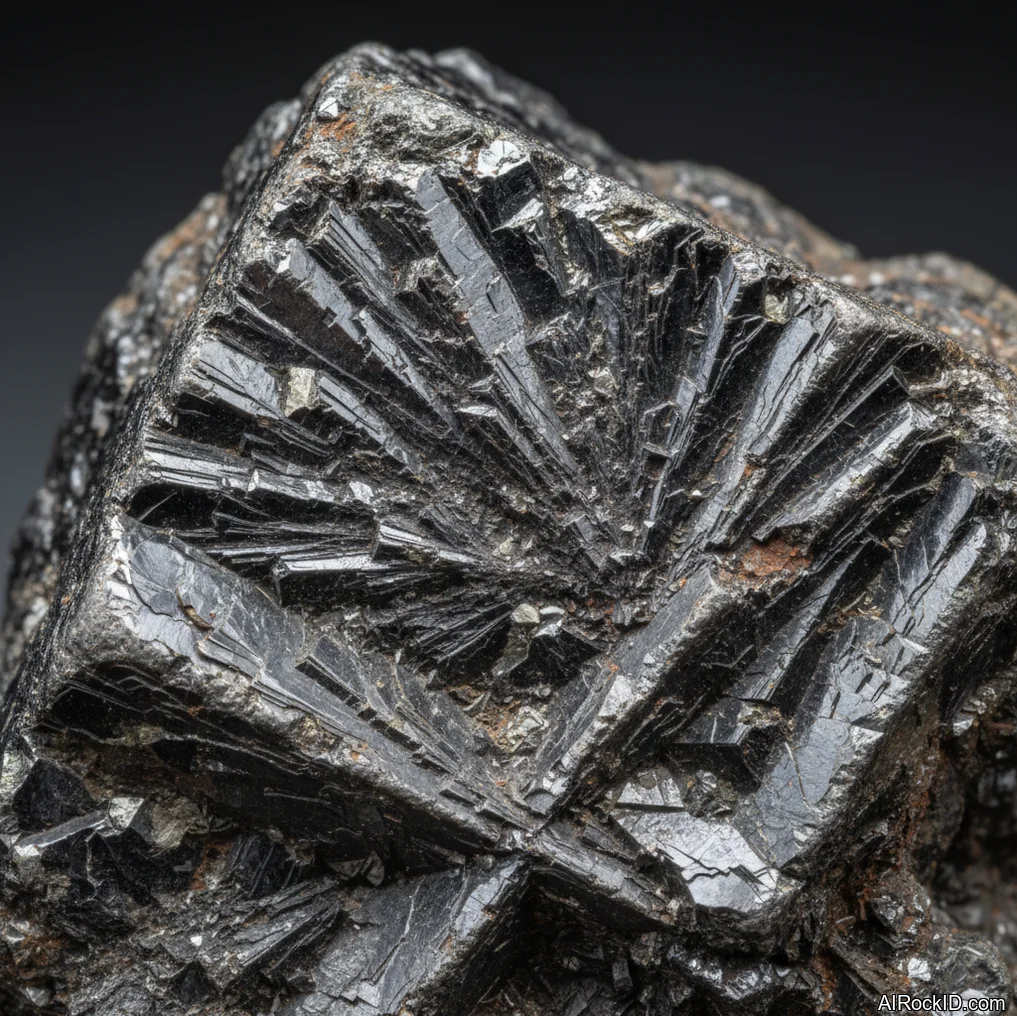
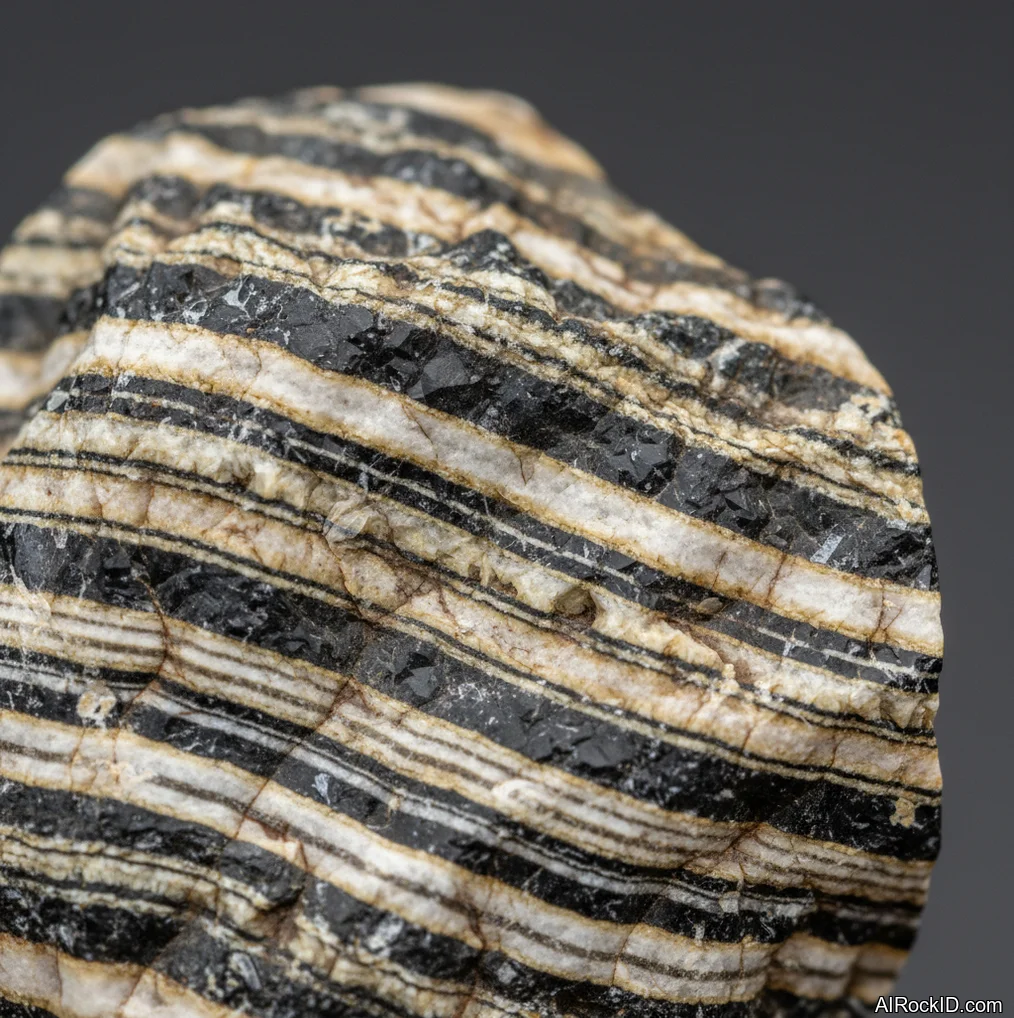
A chunky piece of Black Tourmaline feels like a tool. Striated. Matte. Sometimes with sharp edges that snag a cloth if you rub it. It’s a reminder to check your perimeter. Smoky Quartz does the quieter version. Look into a smoky point and there’s depth, like tinted glass with wisps inside. People use that grounded feel to keep their nervous system from rewriting the story in real time.
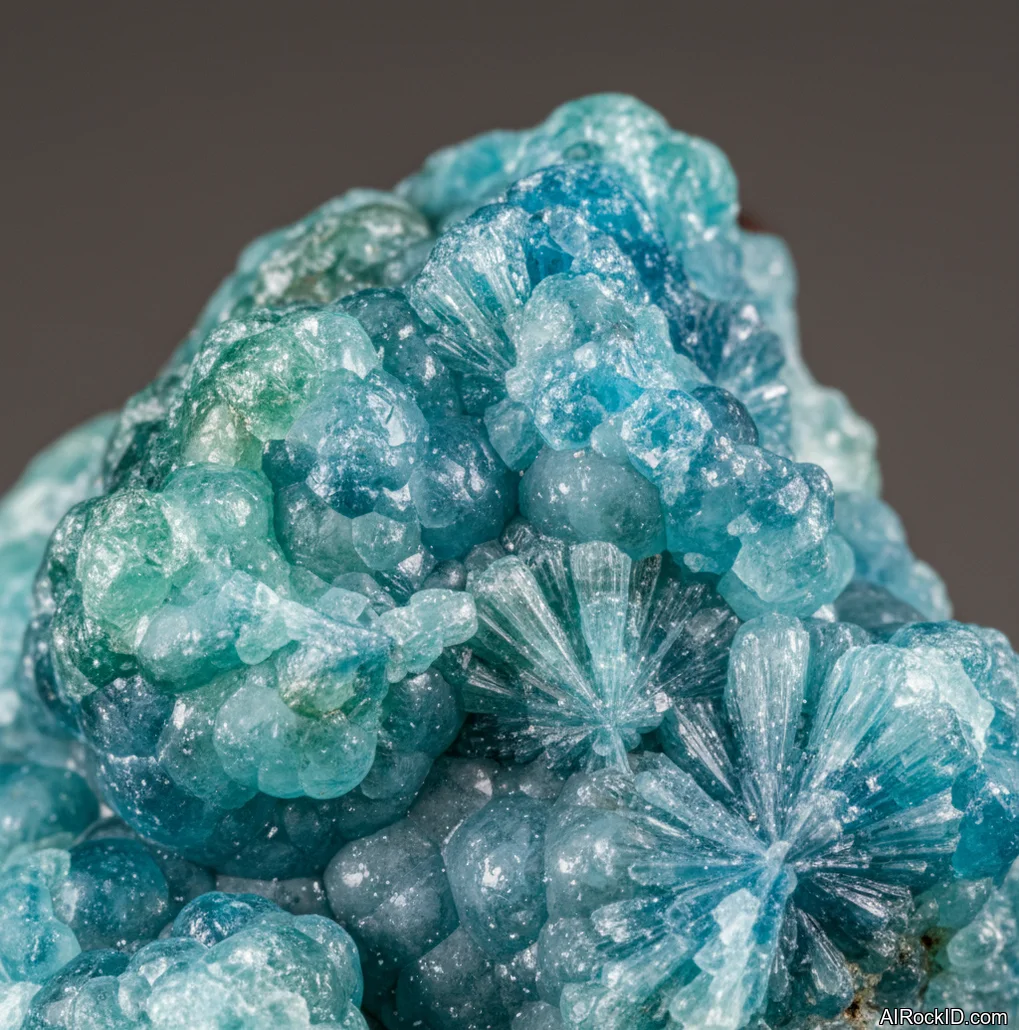
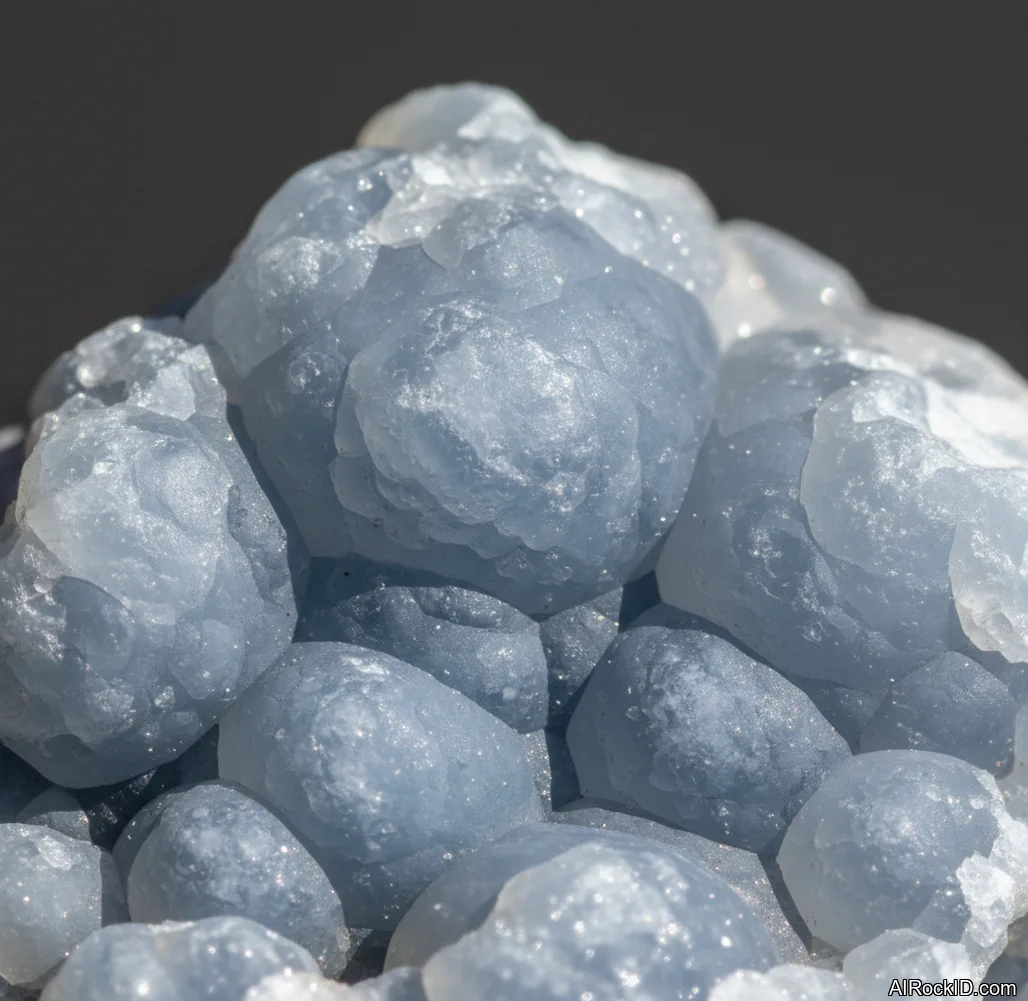
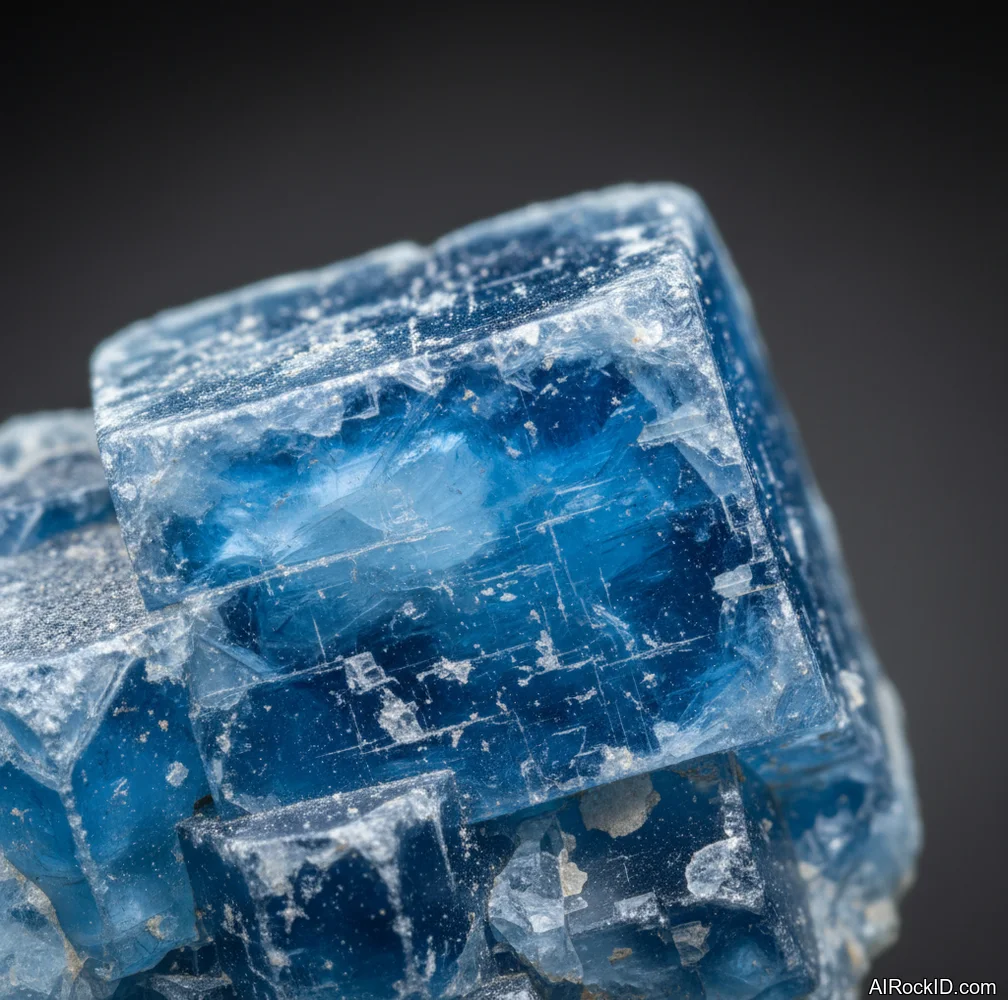
One last collector tip that actually matters: sunlight. A lot of pale blues fade. Celestite and some Aquamarine can wash out if you leave them on a bright windowsill for weeks. Keep display pieces out of direct sun if Trust is the quality you’re trying to keep “on.”
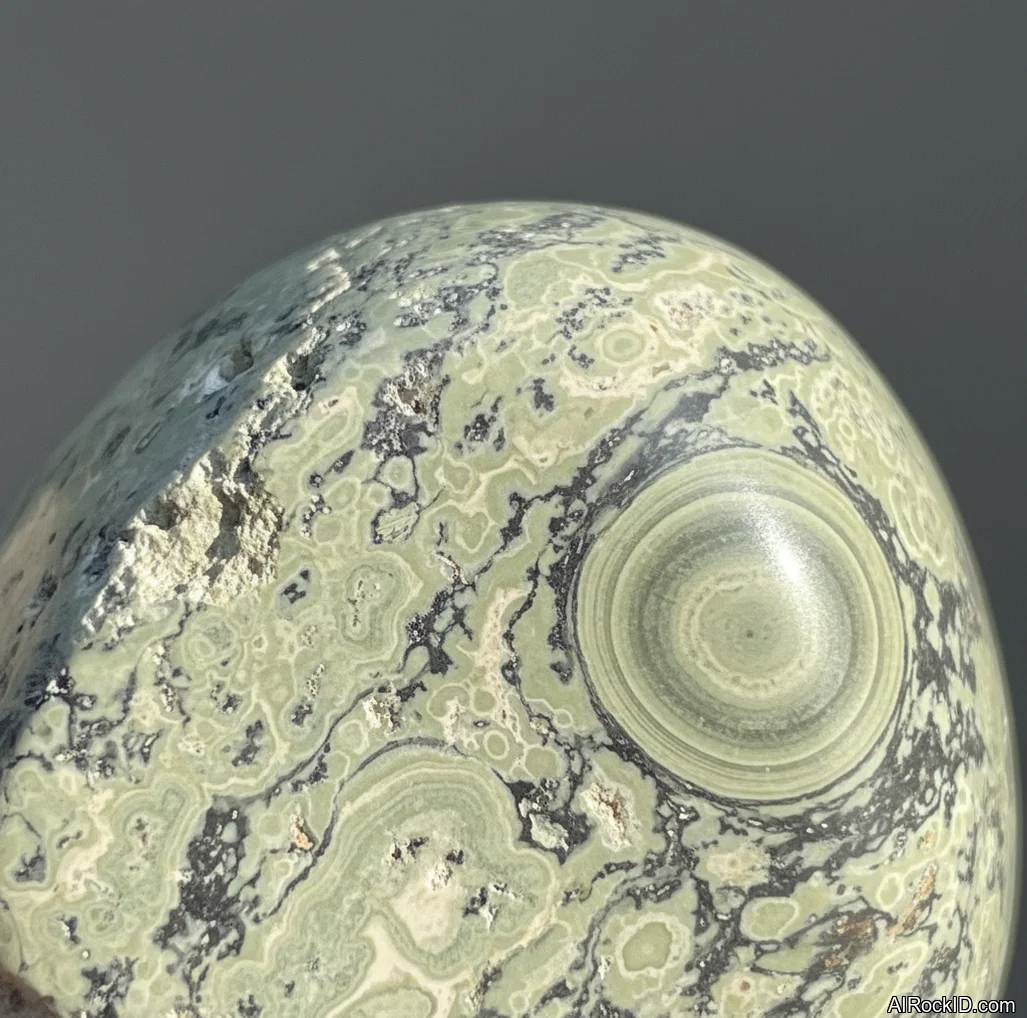
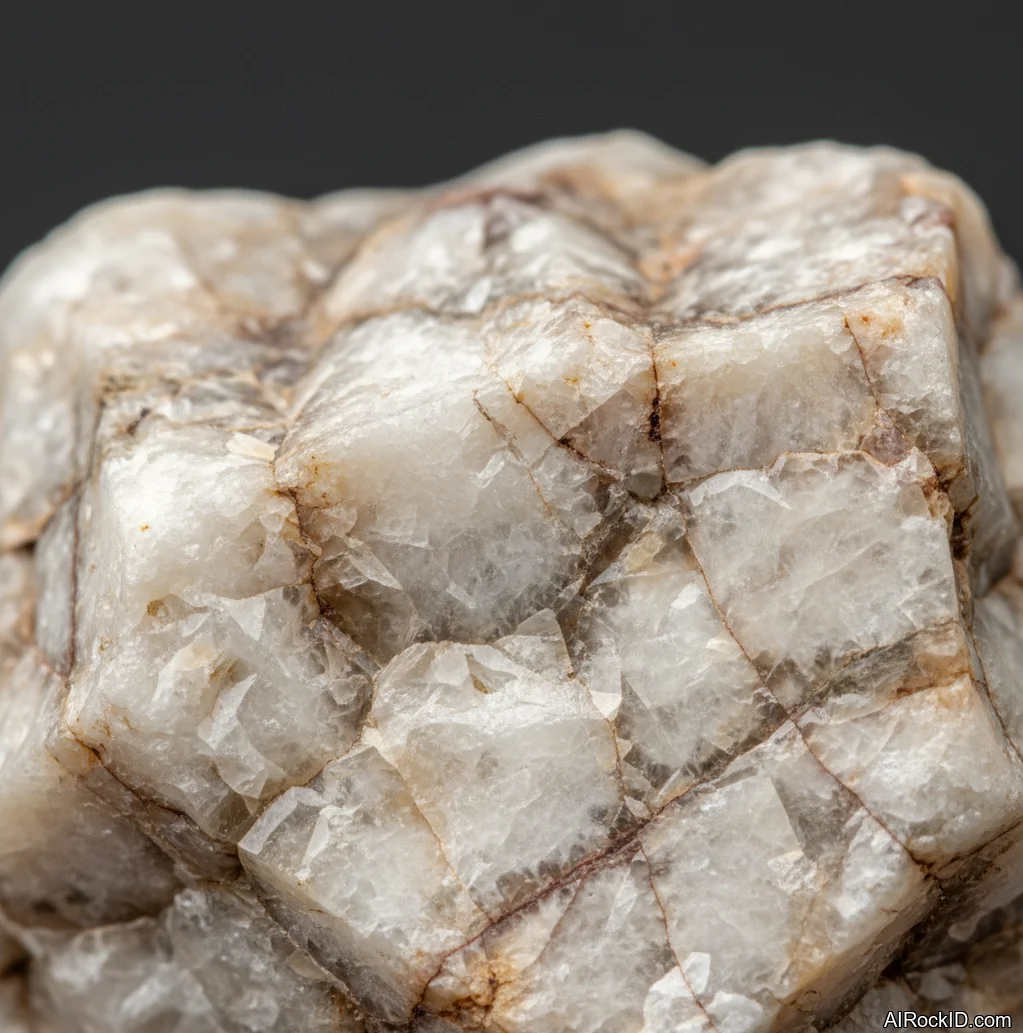
And don’t chase perfection. Trust work is messy. Stones with a little haze, a little veining, a little grit often feel more honest than flawless, glassy pieces that photograph well but don’t hold your attention once they’re in your hand.
All Trust Crystals (424)