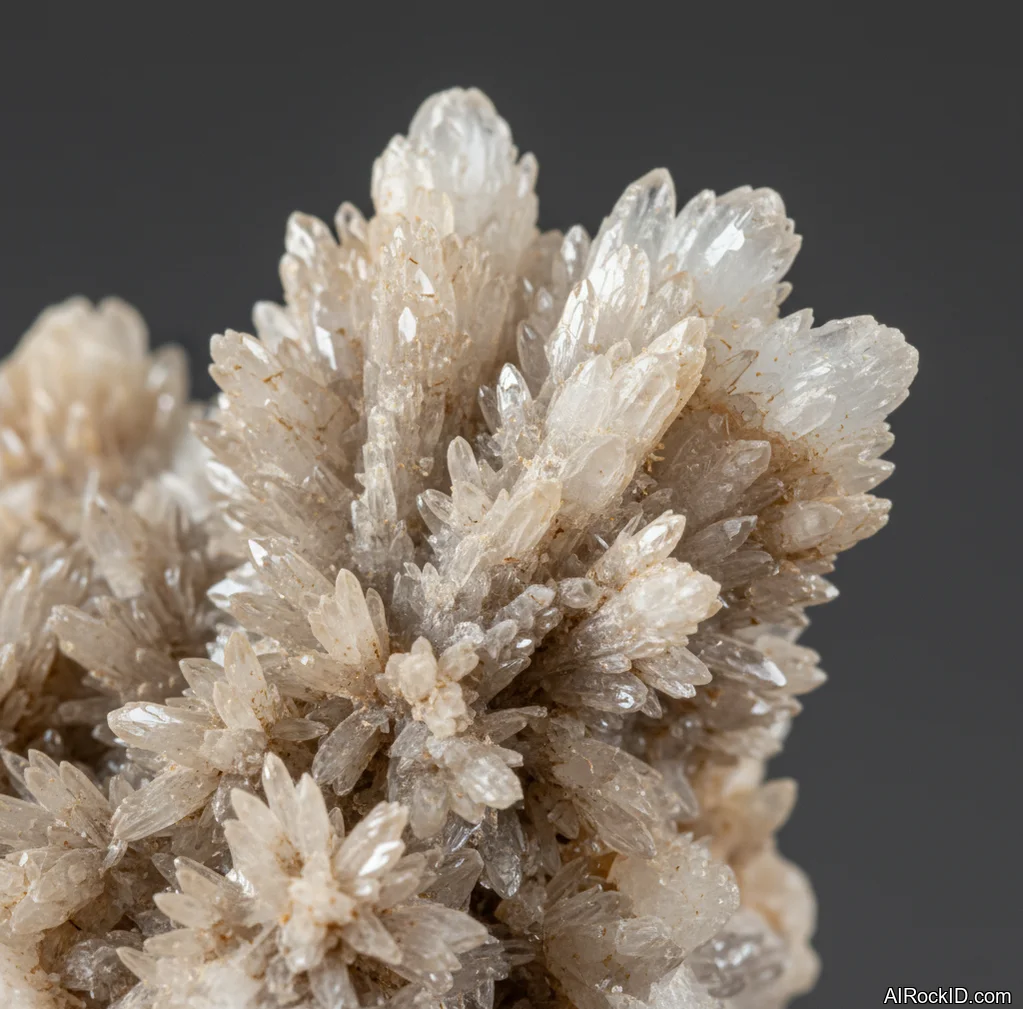
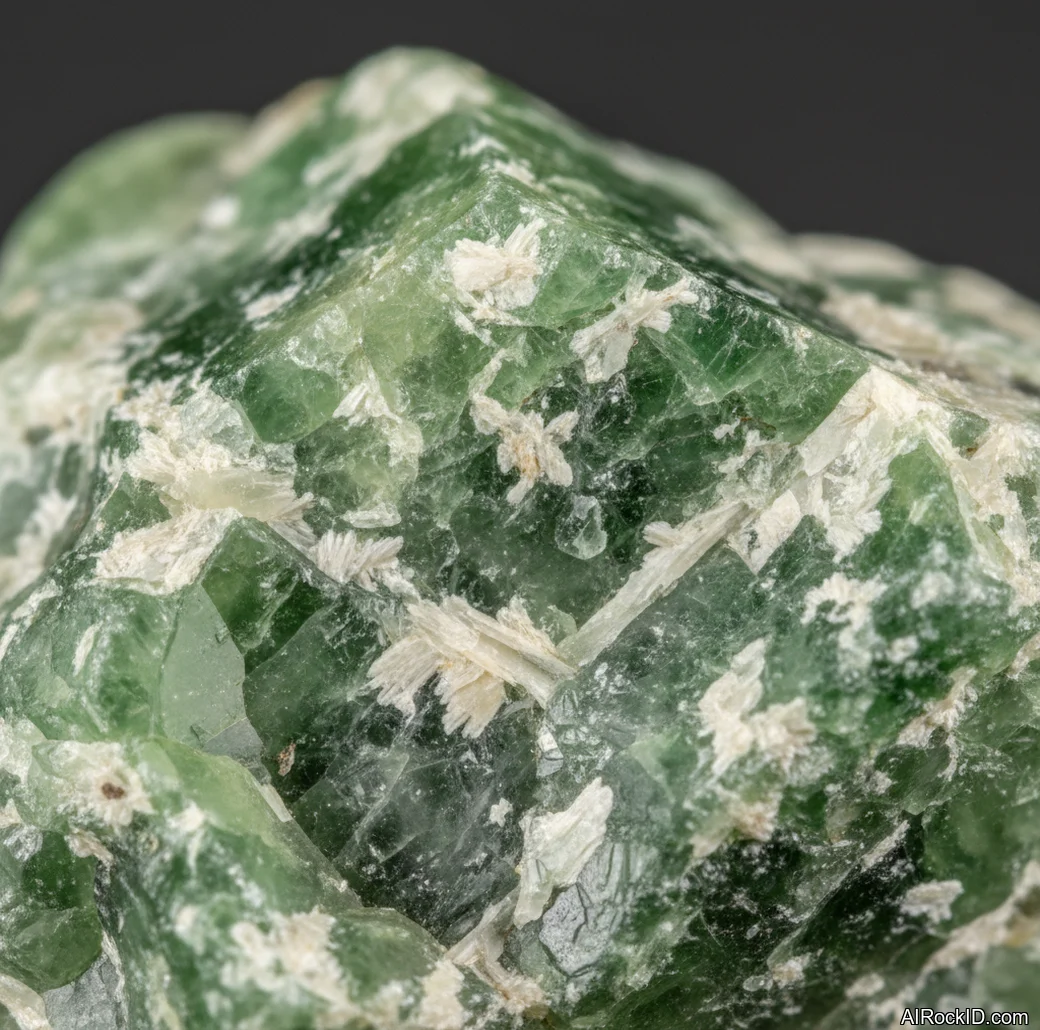
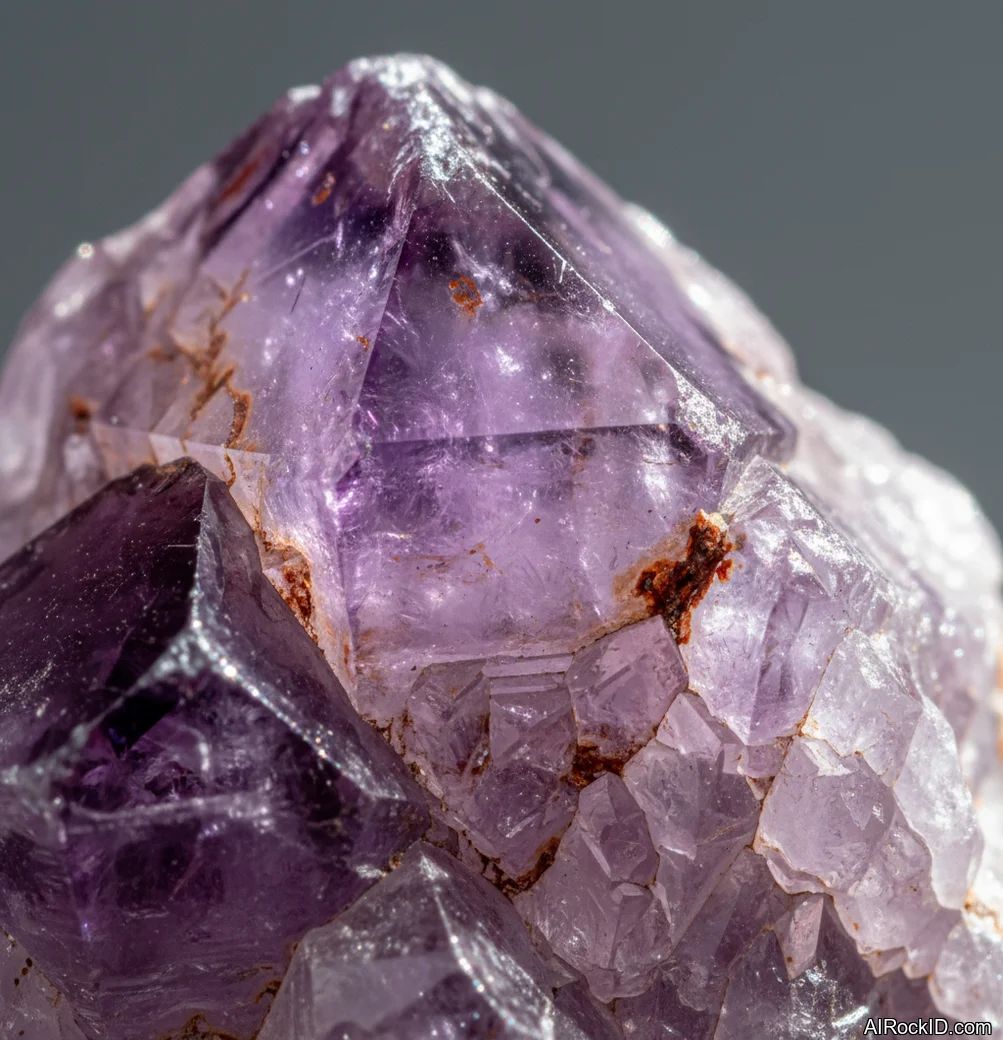
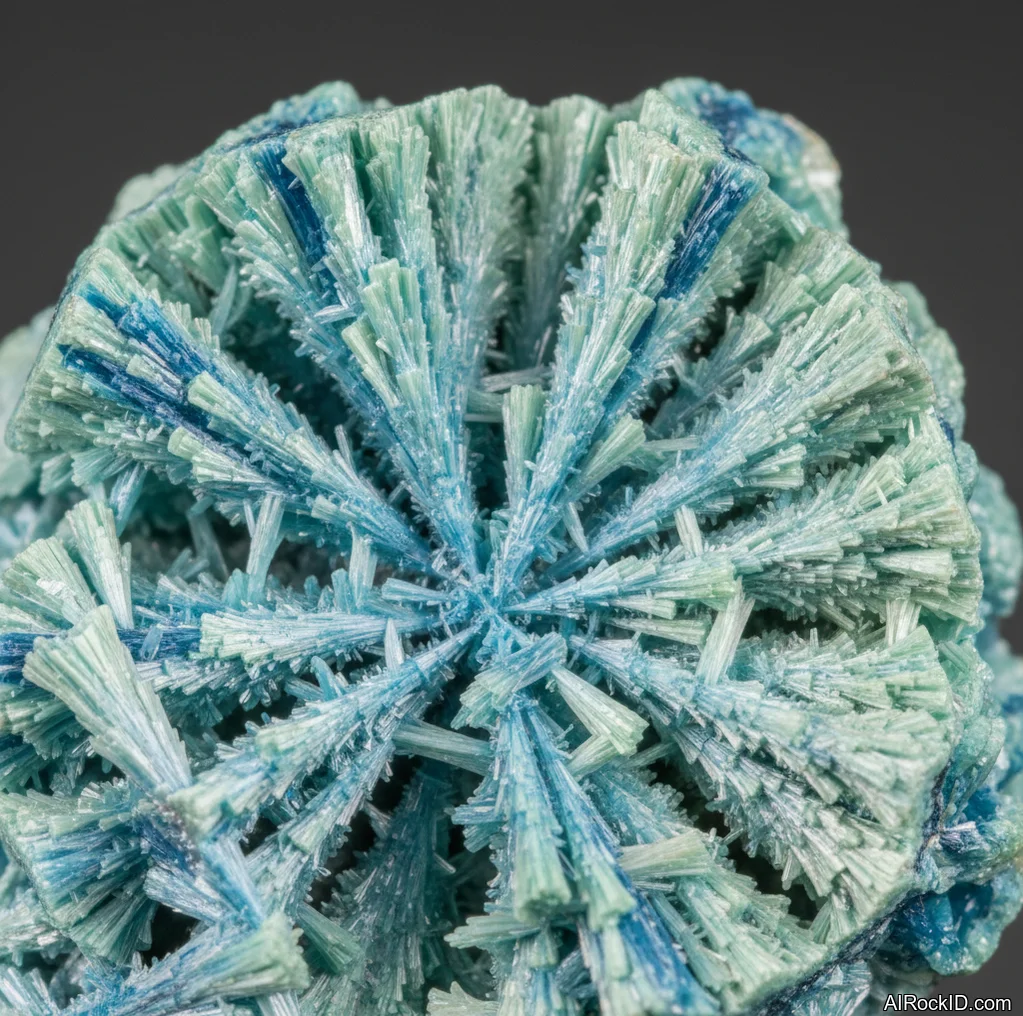
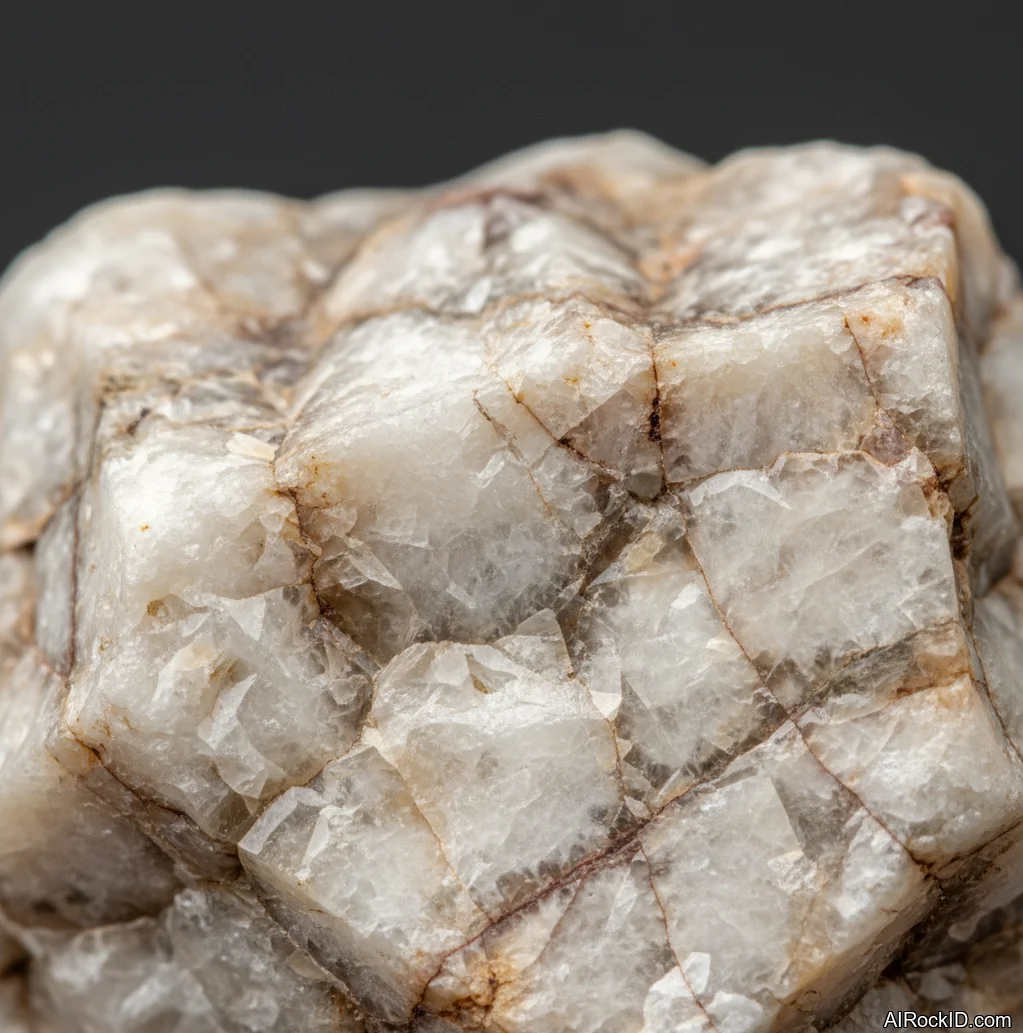
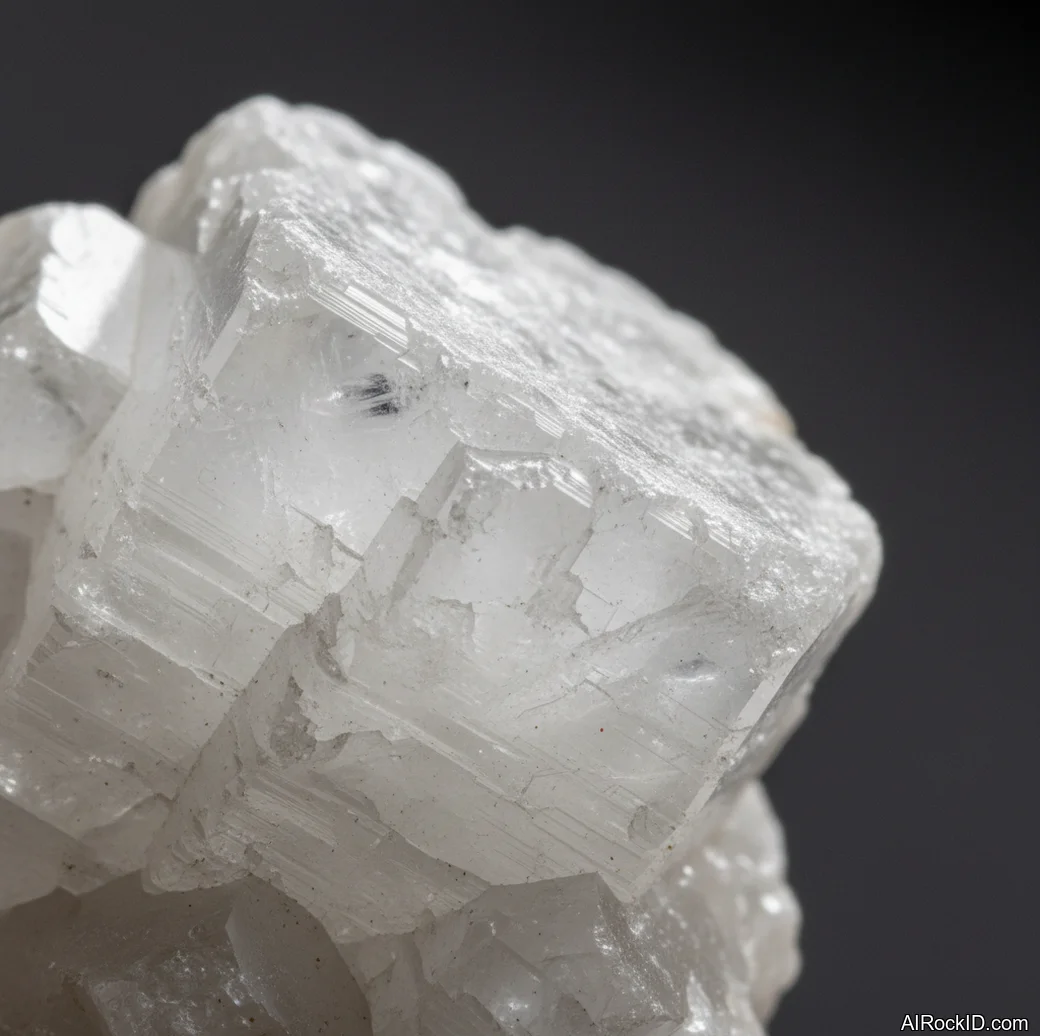
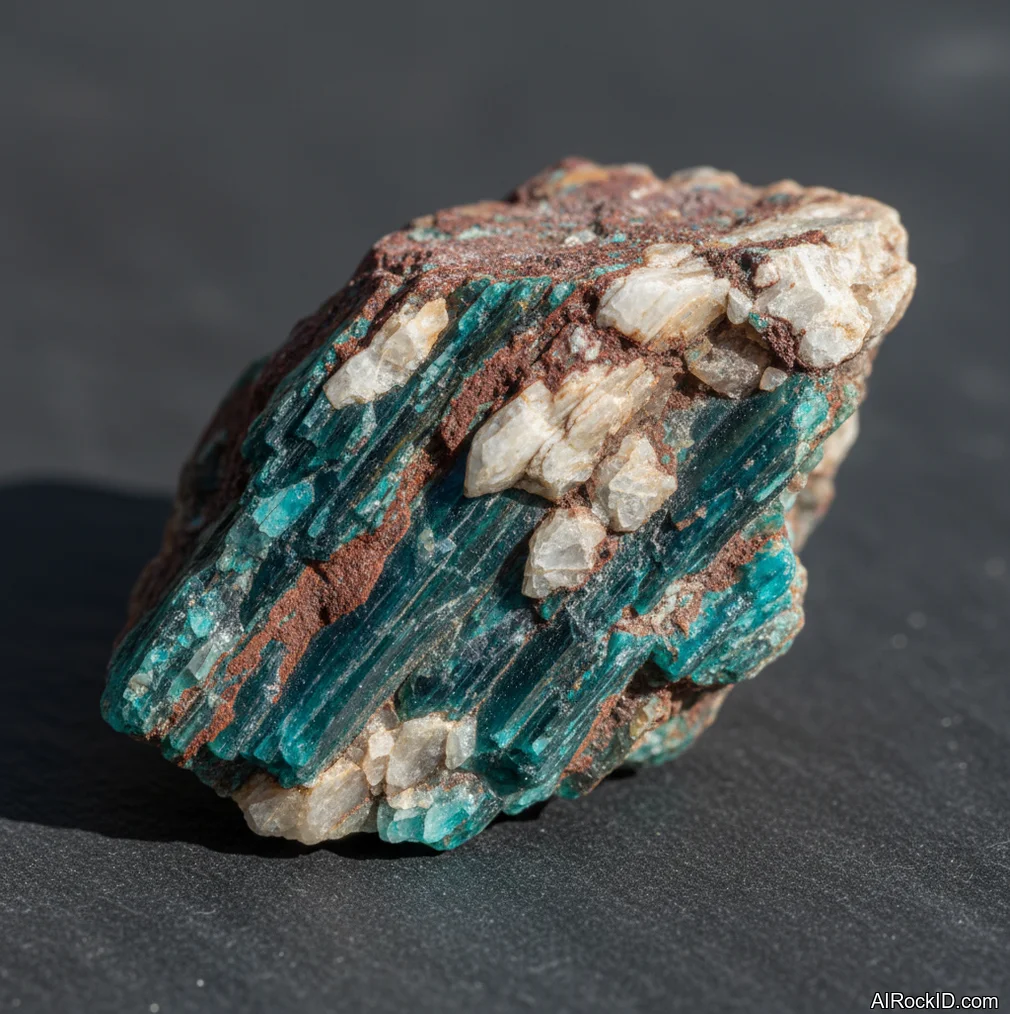
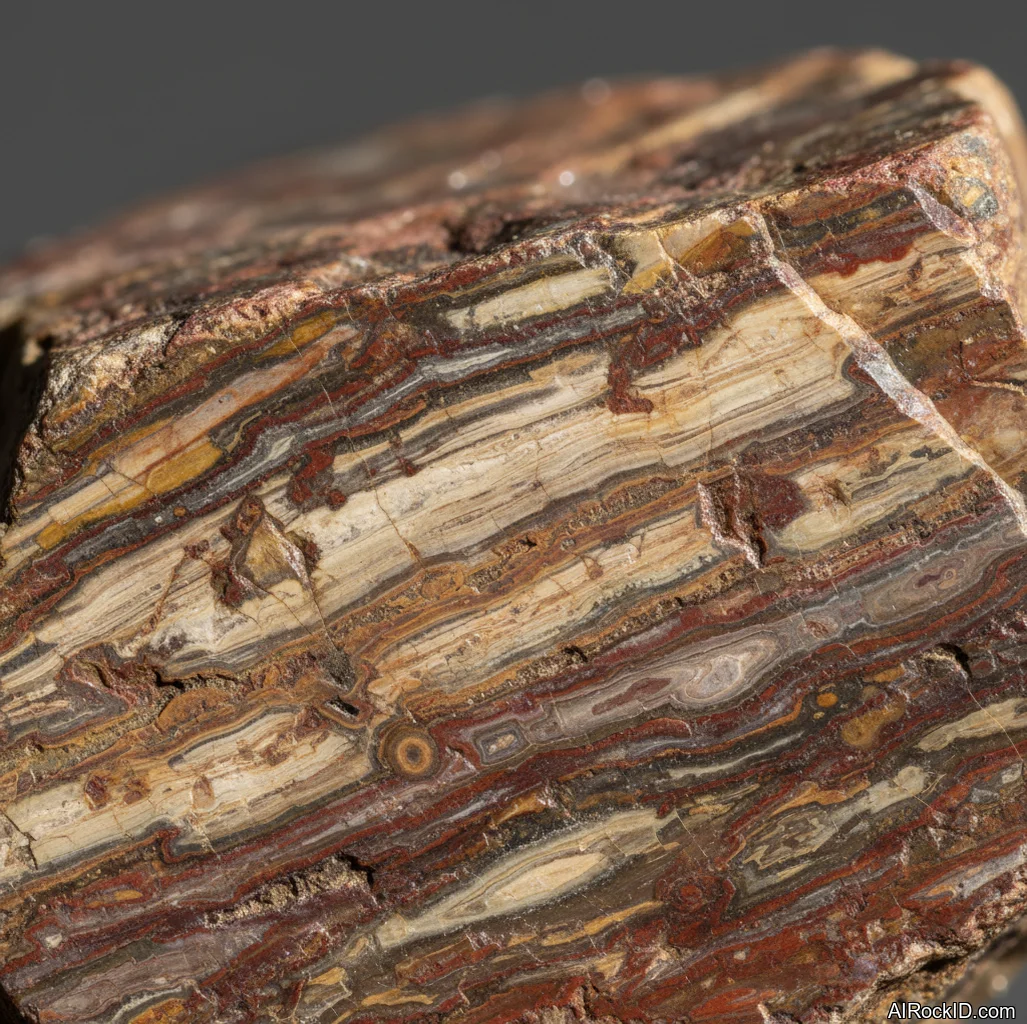
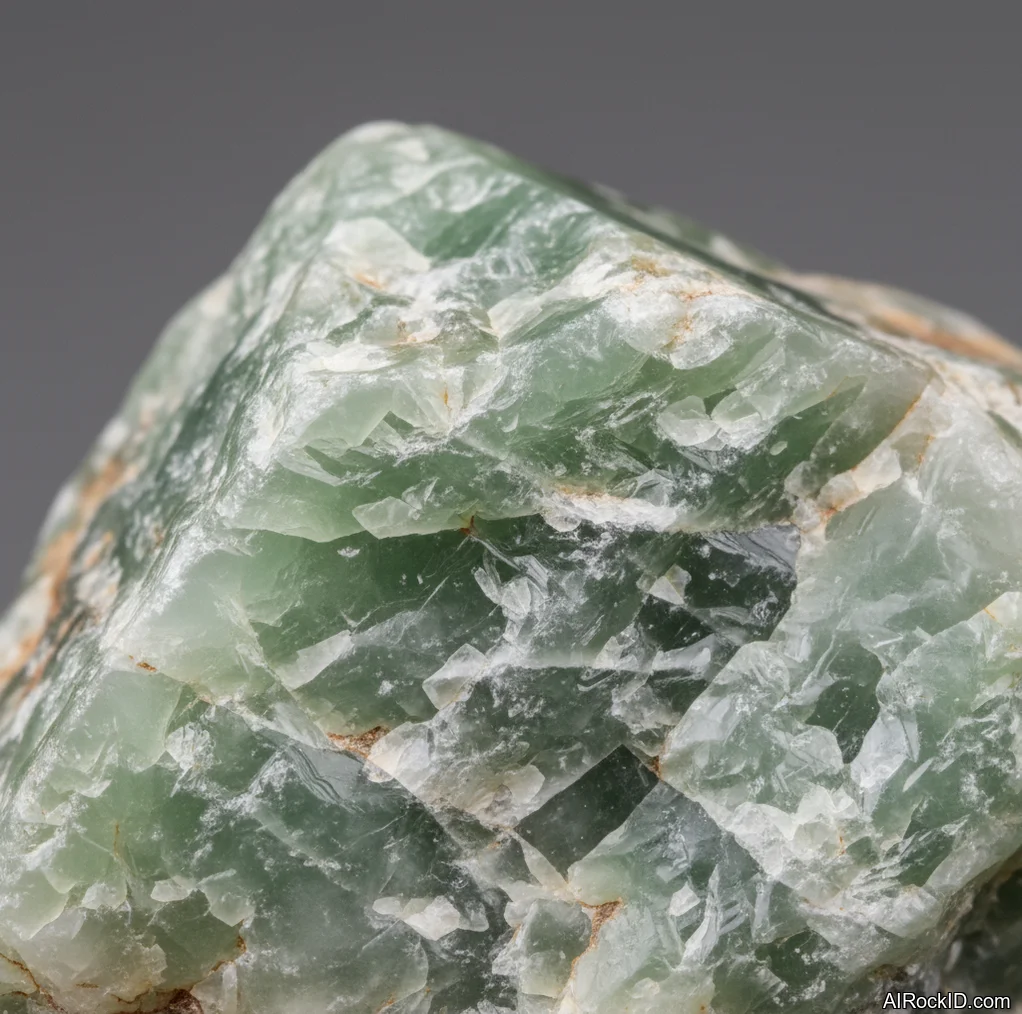
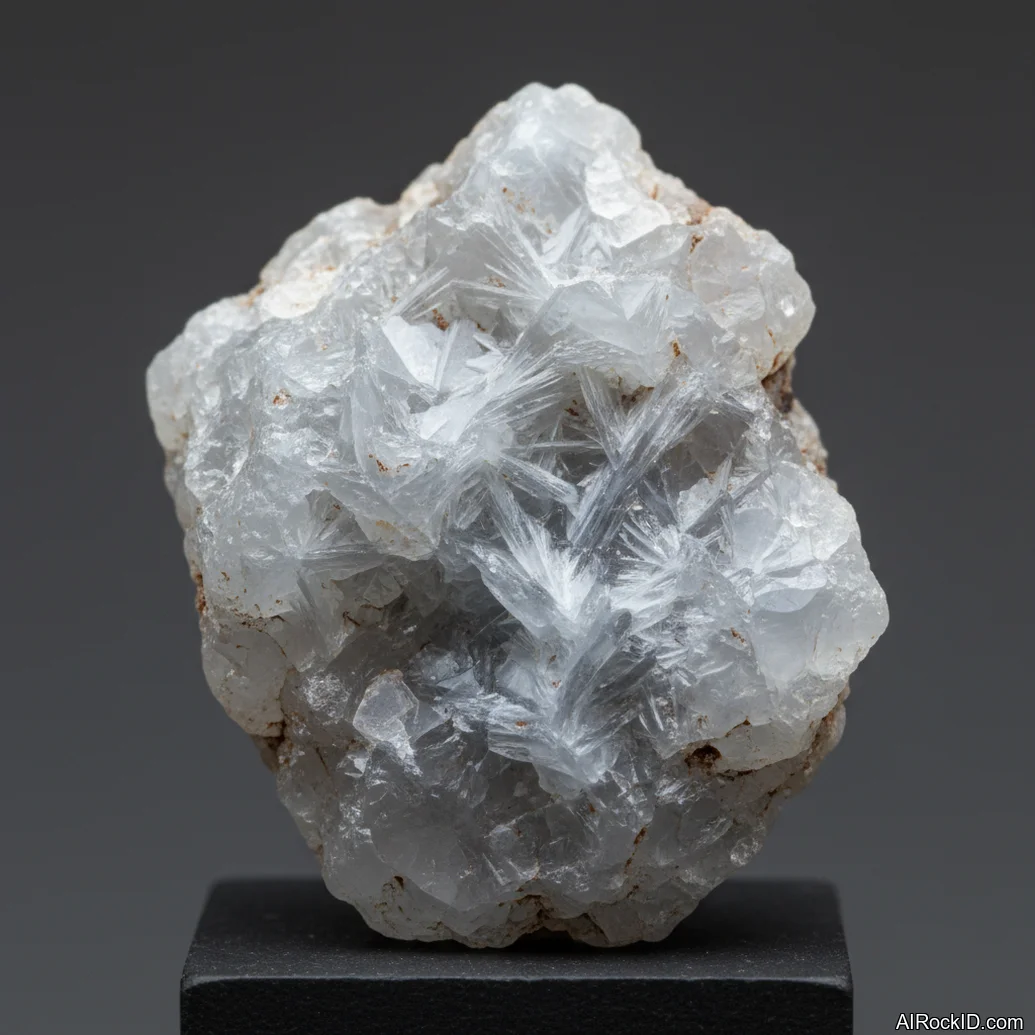
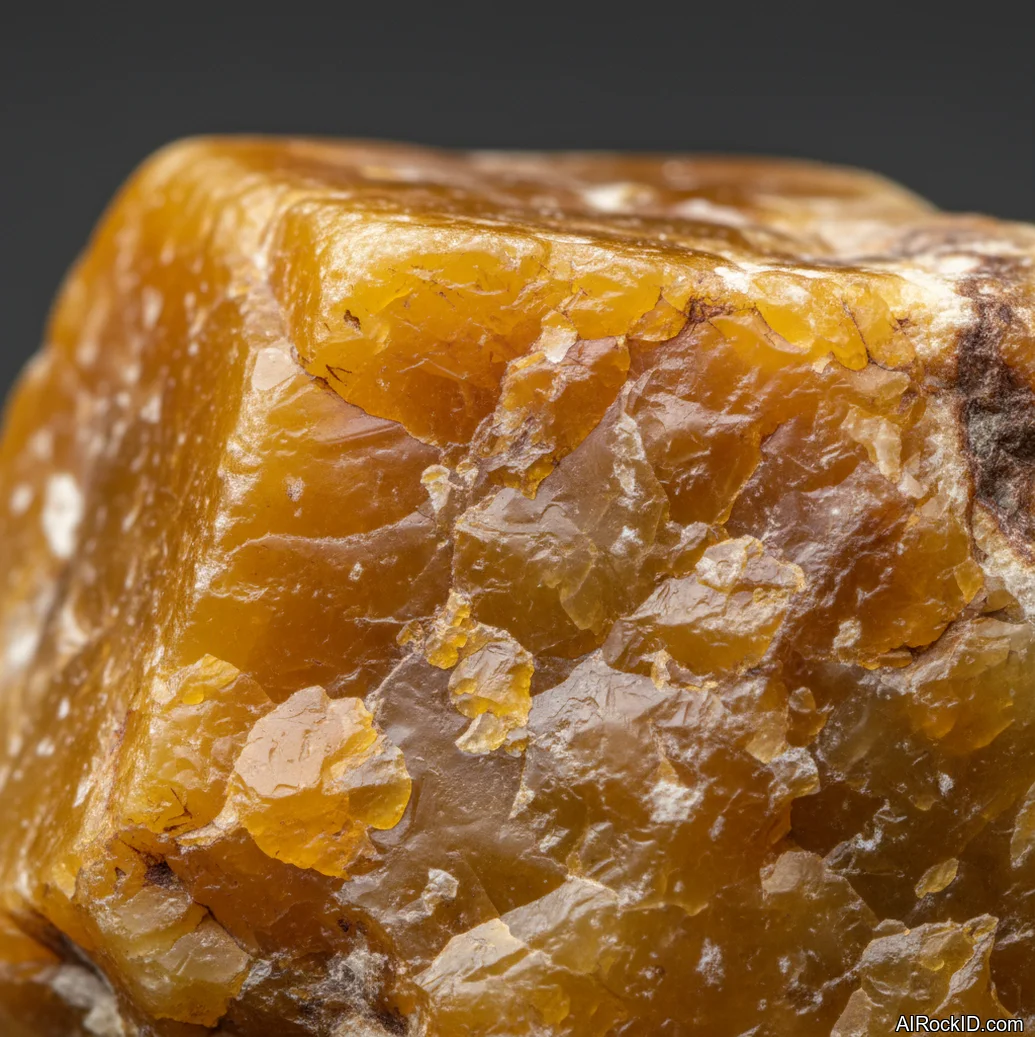
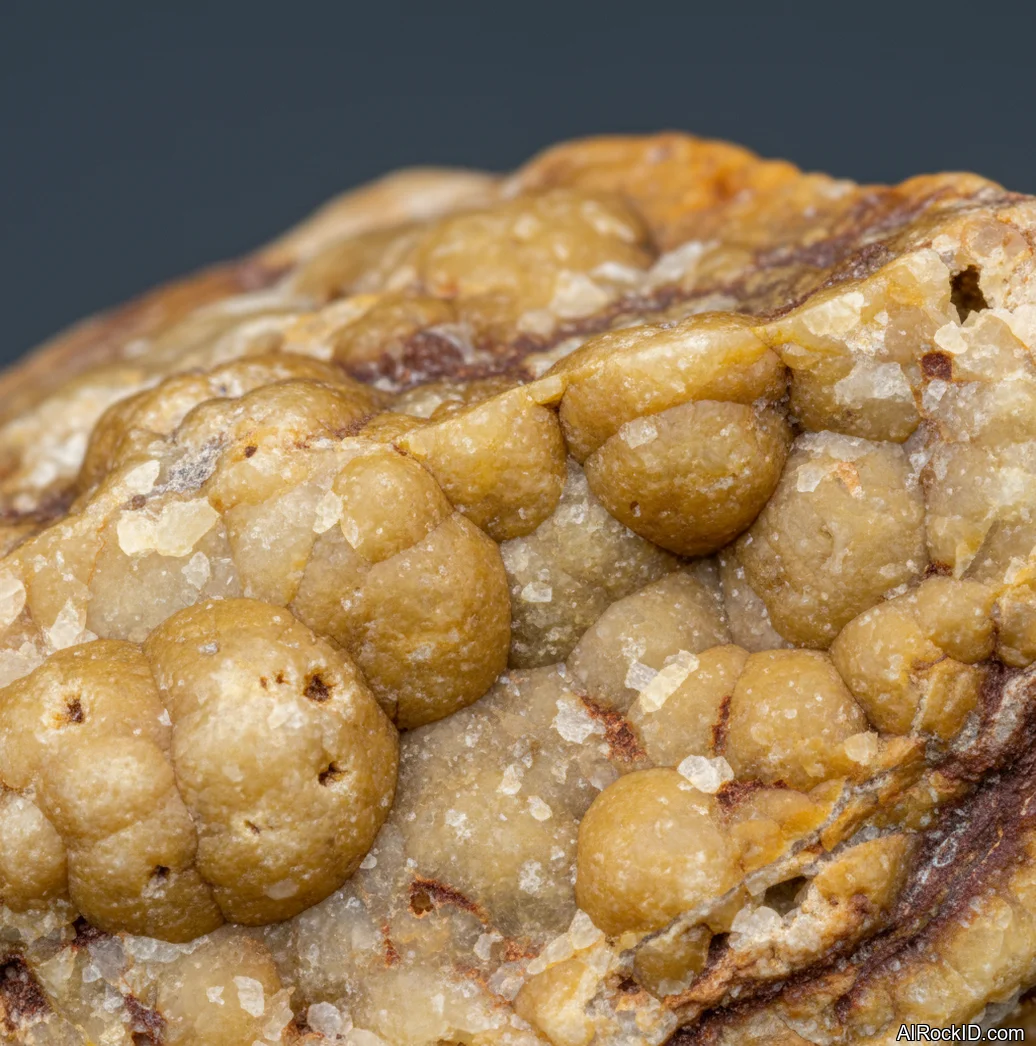
Soothing Crystals
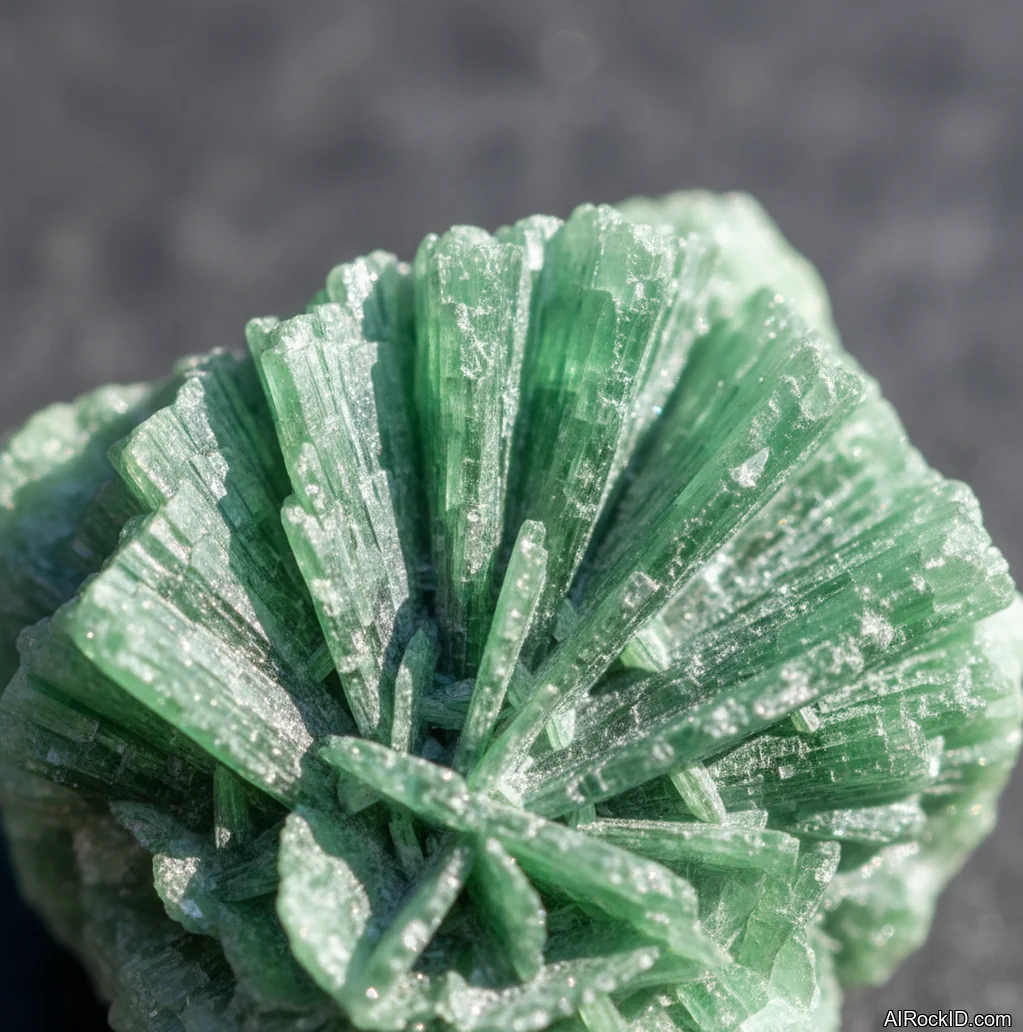
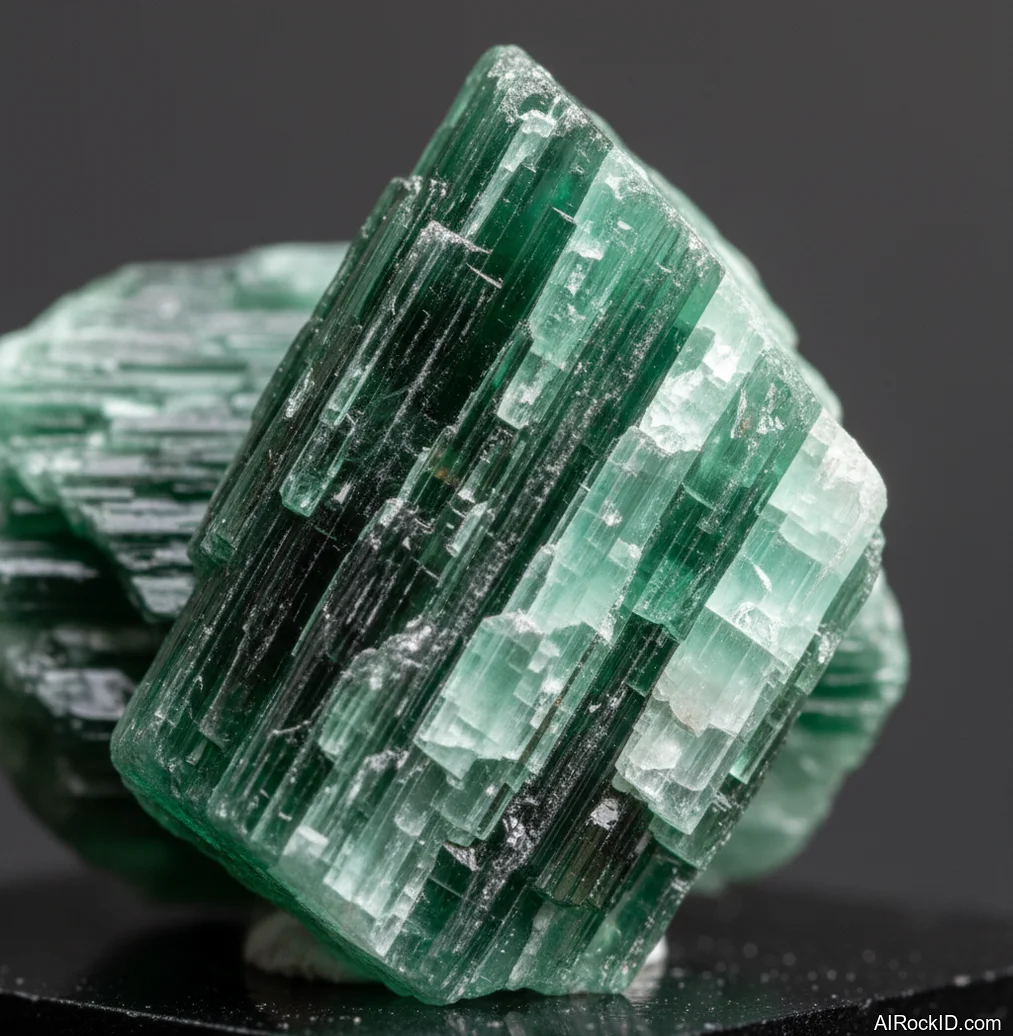
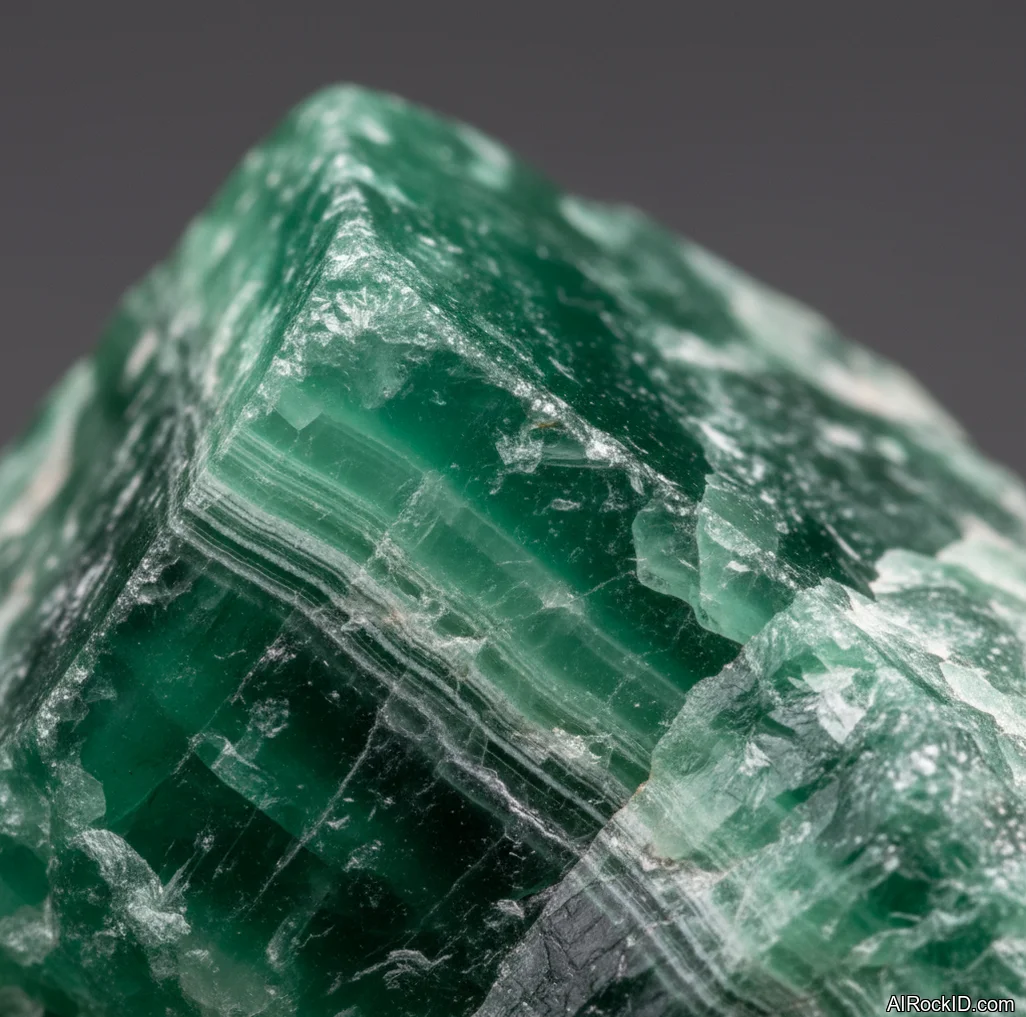
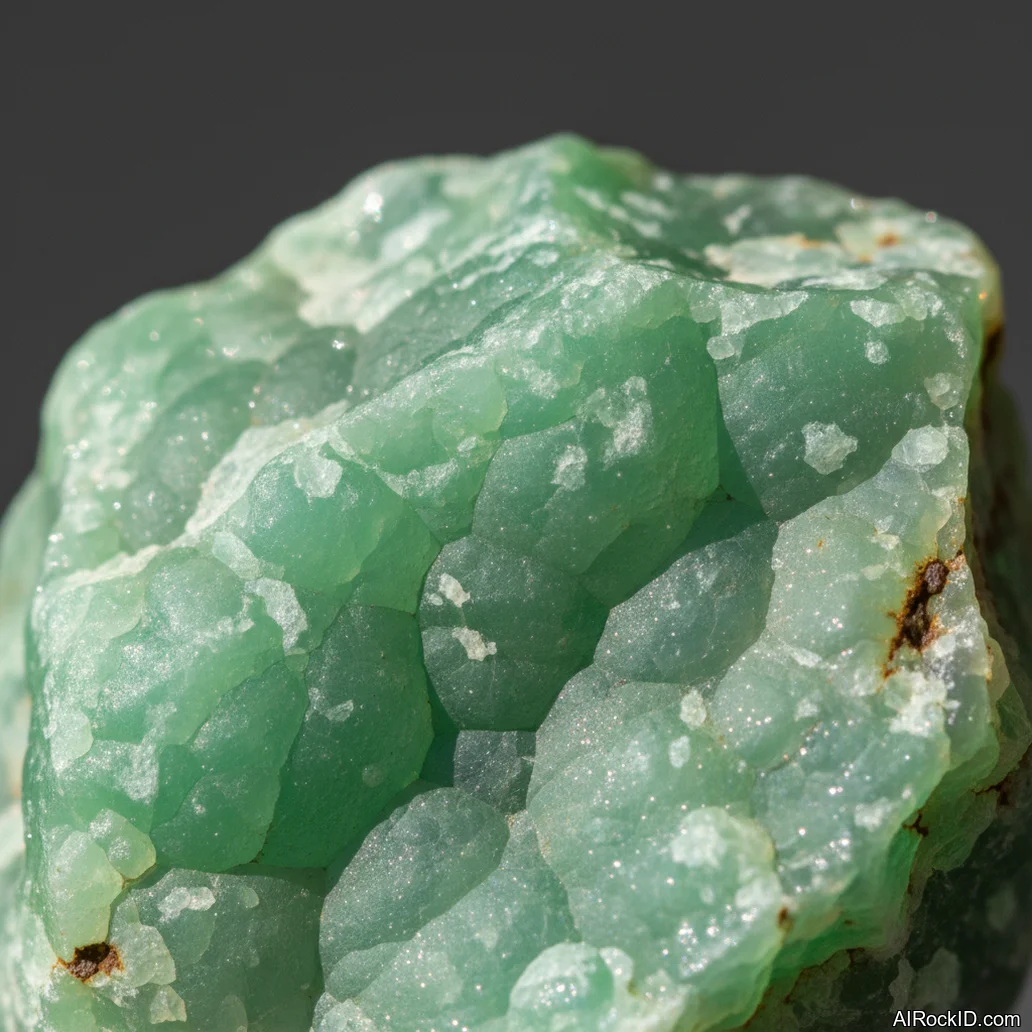
Learn what Soothing means for crystals, which stones are linked to Soothing, and how to choose, use, and care for Soothing crystals daily.
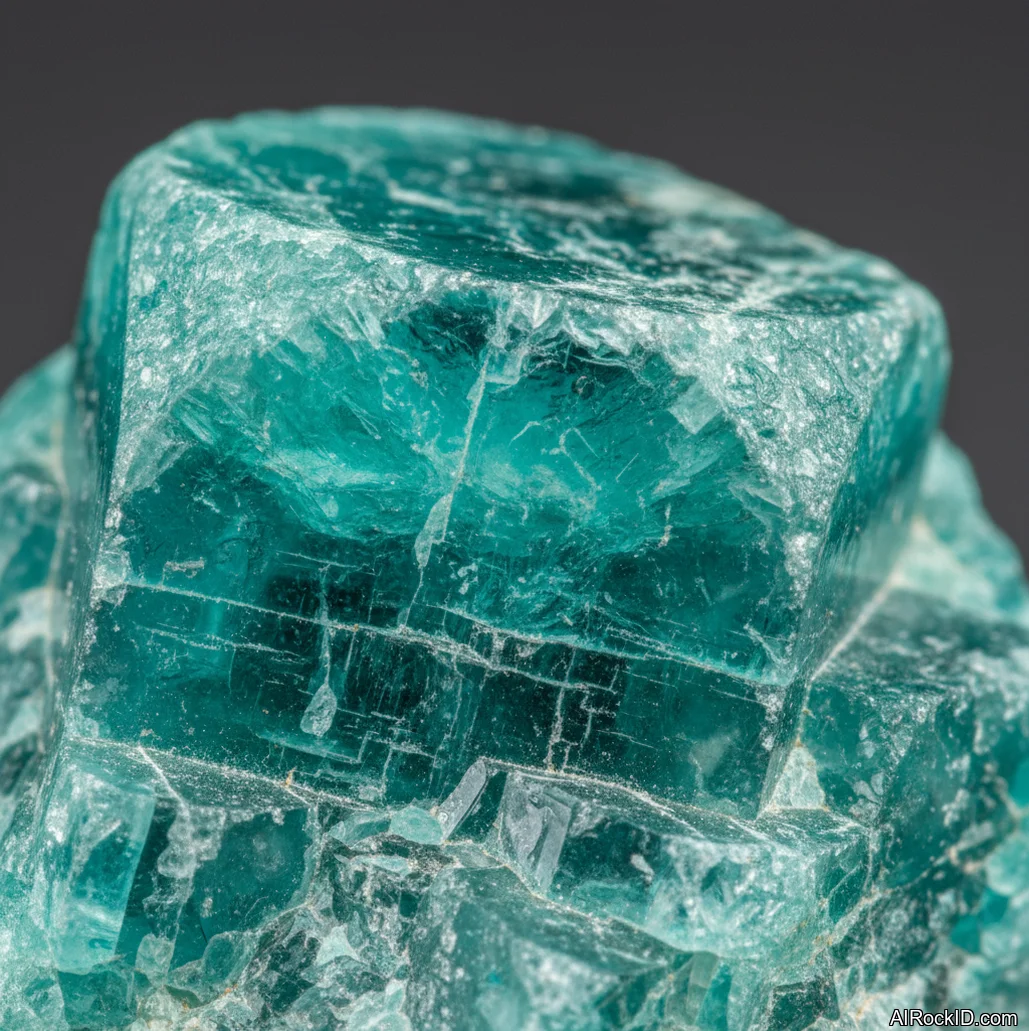
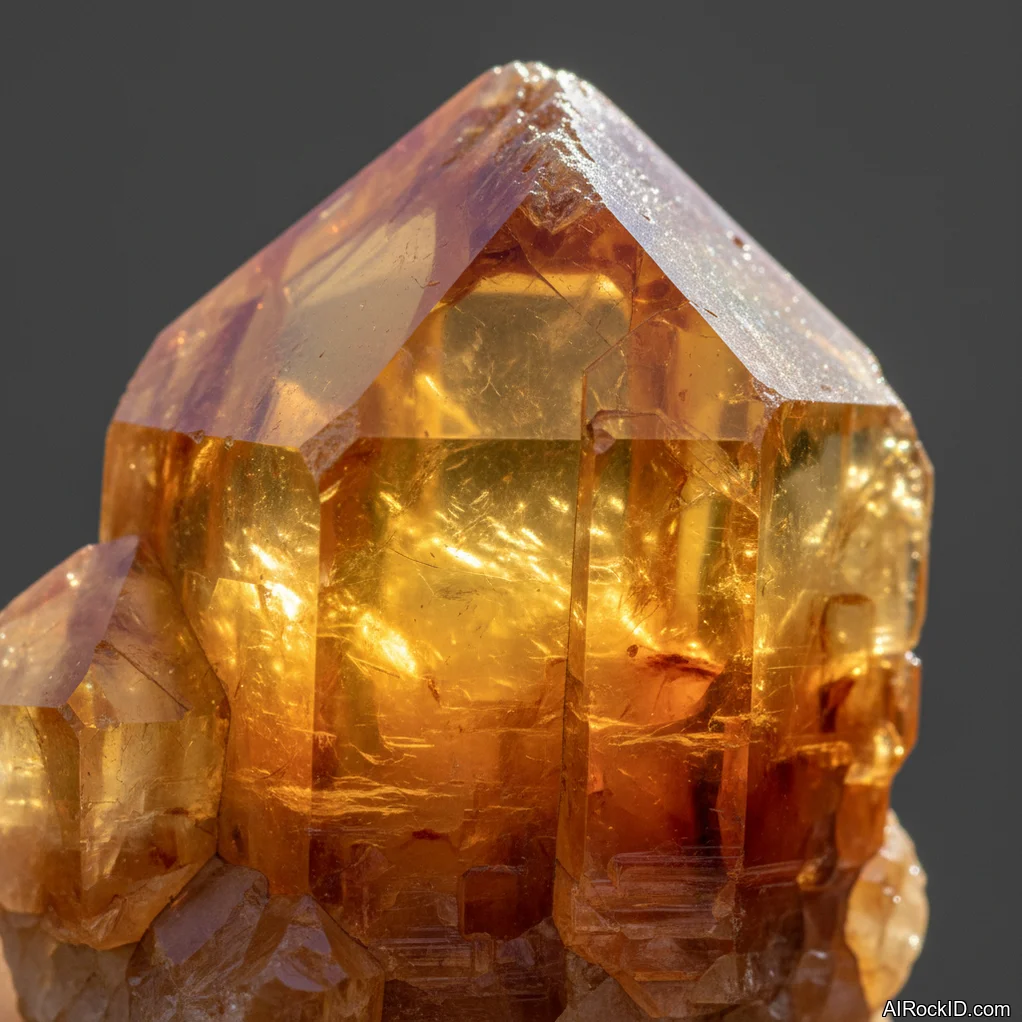
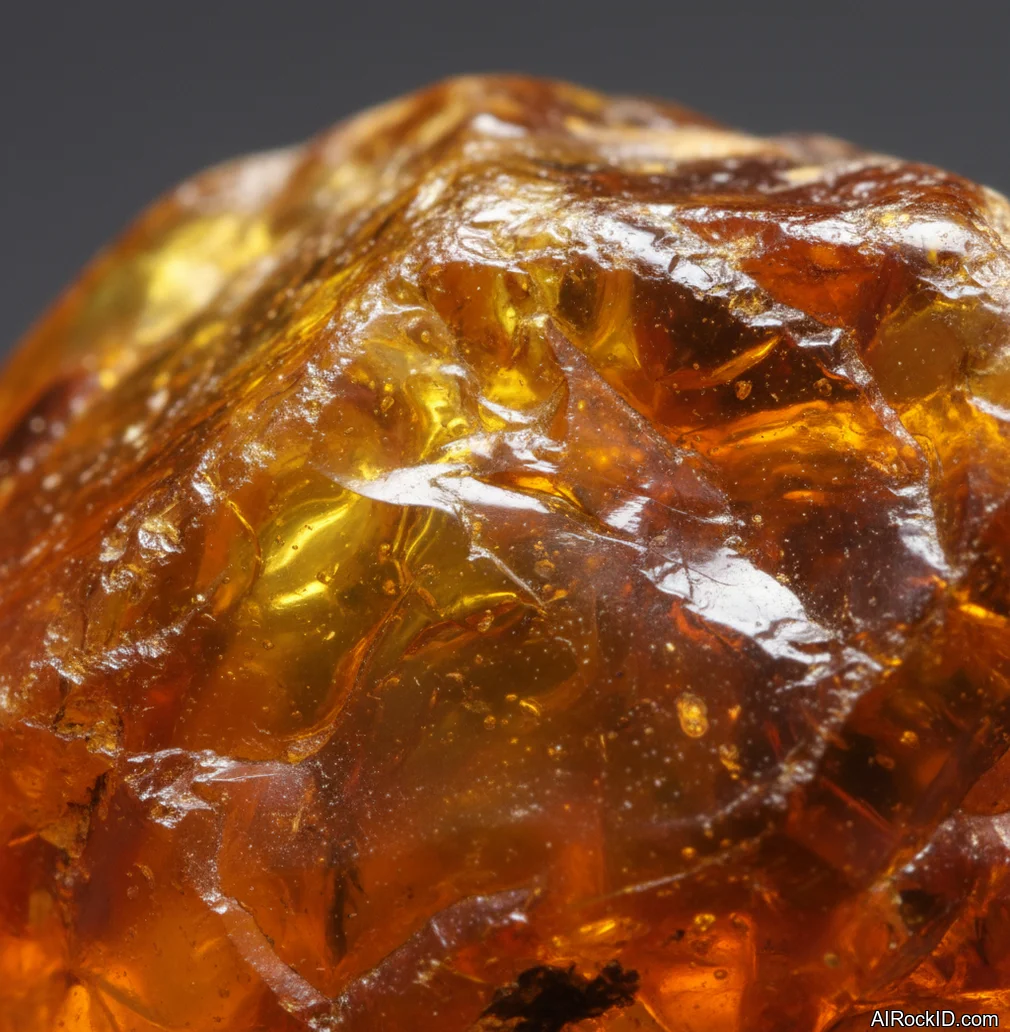
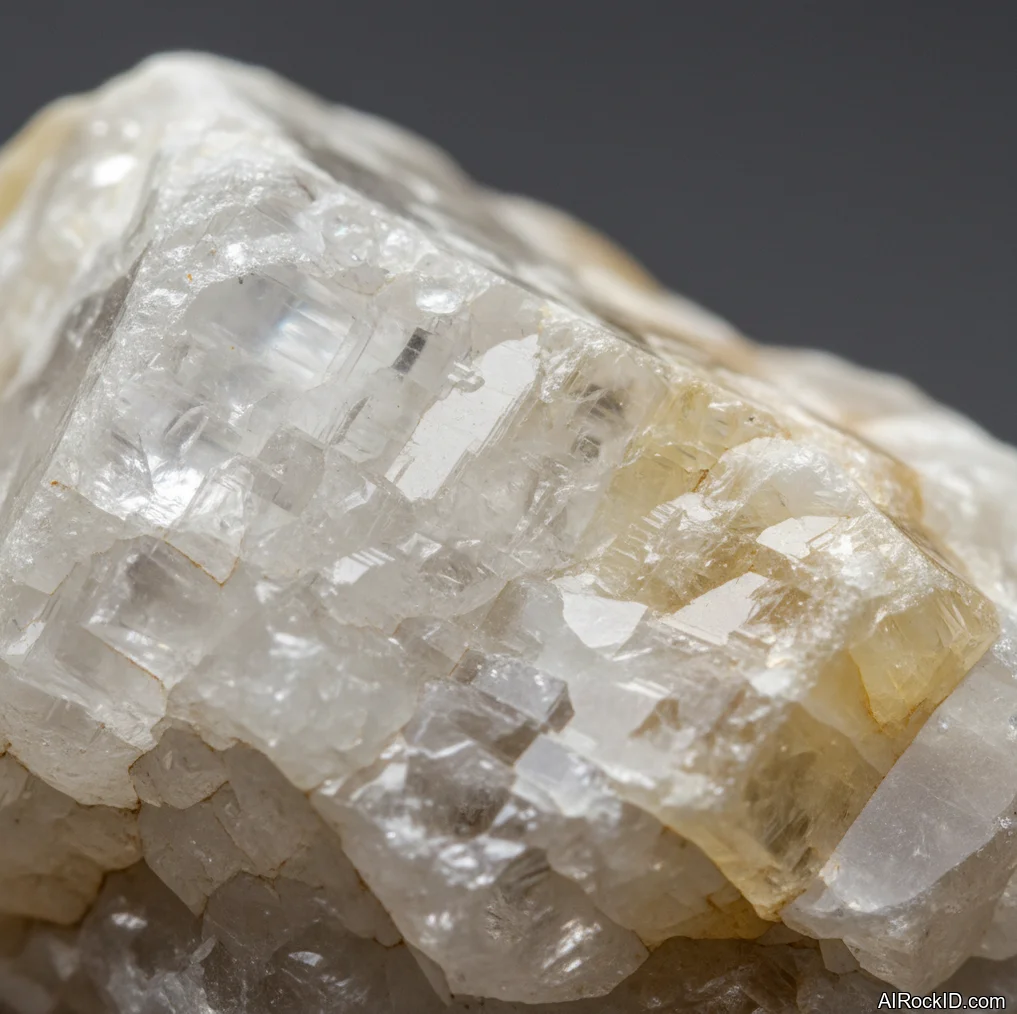
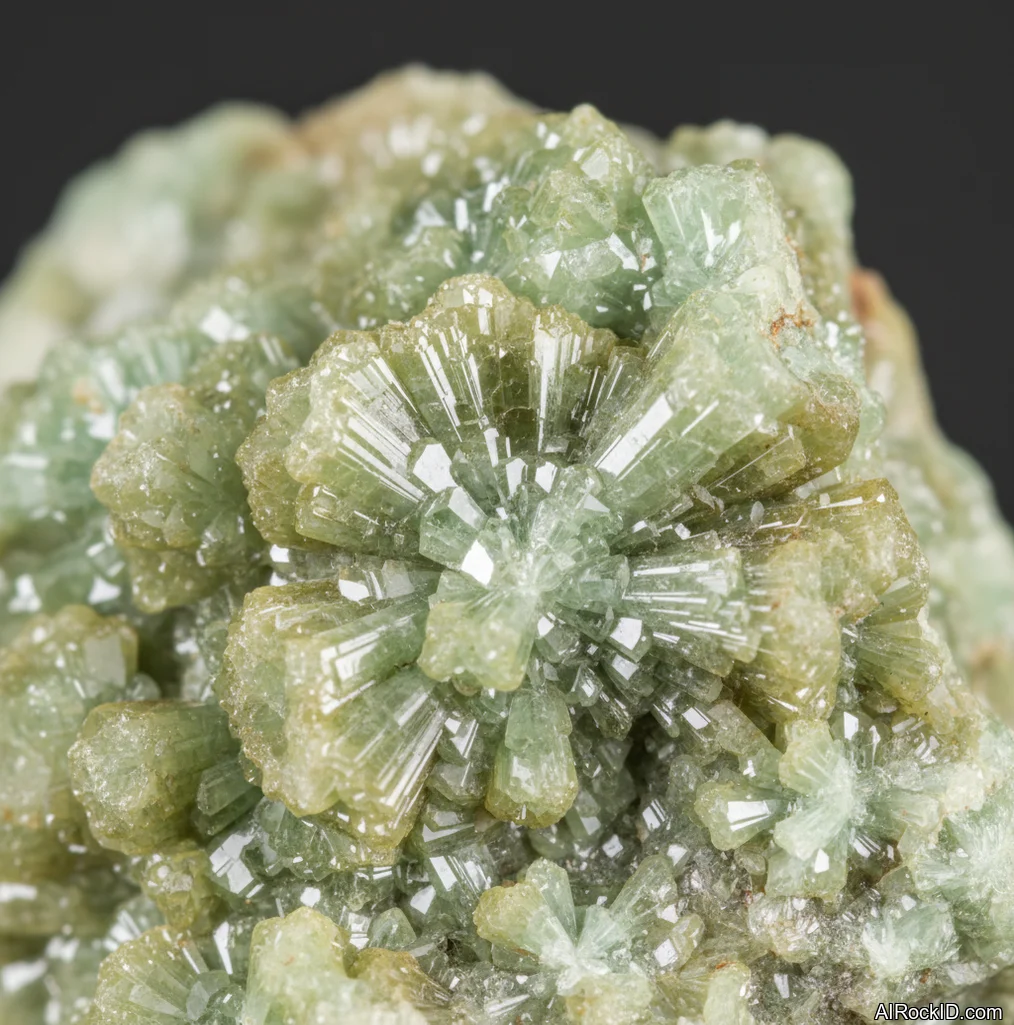
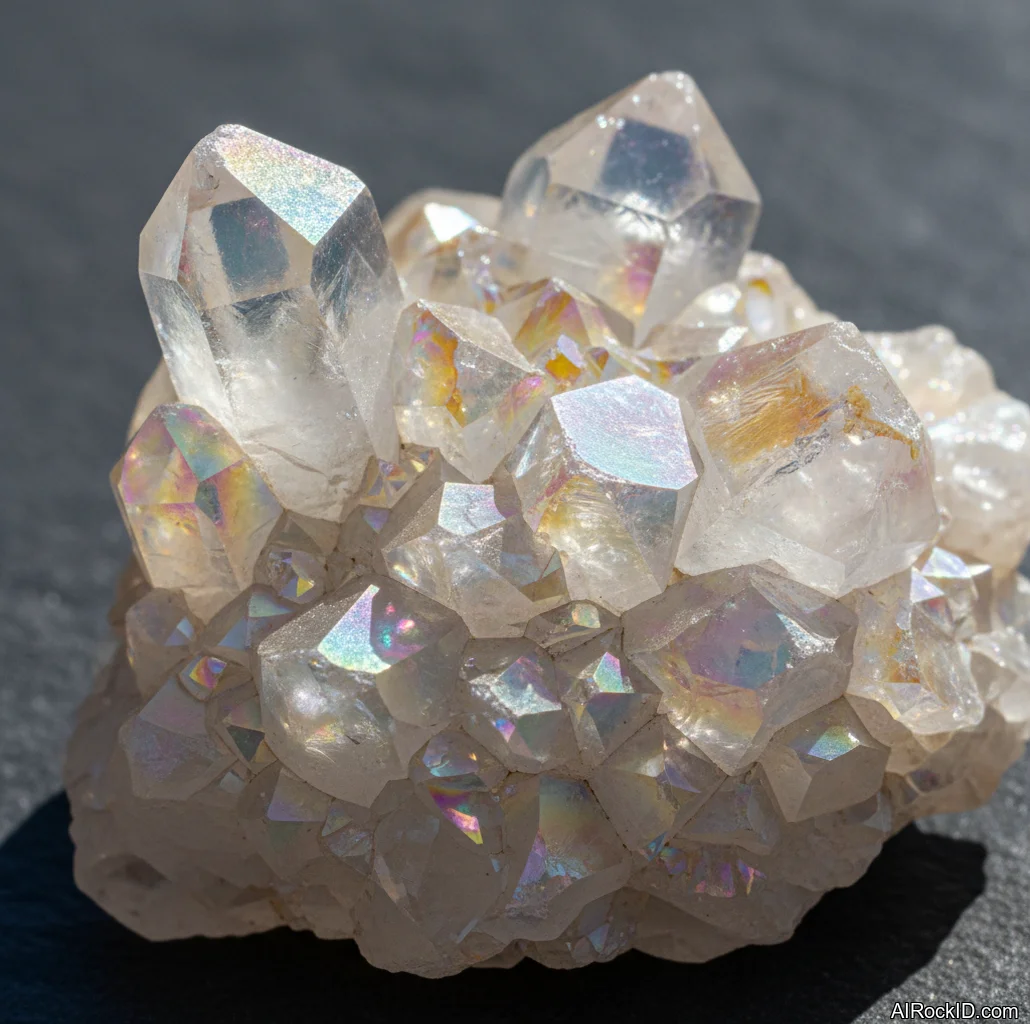
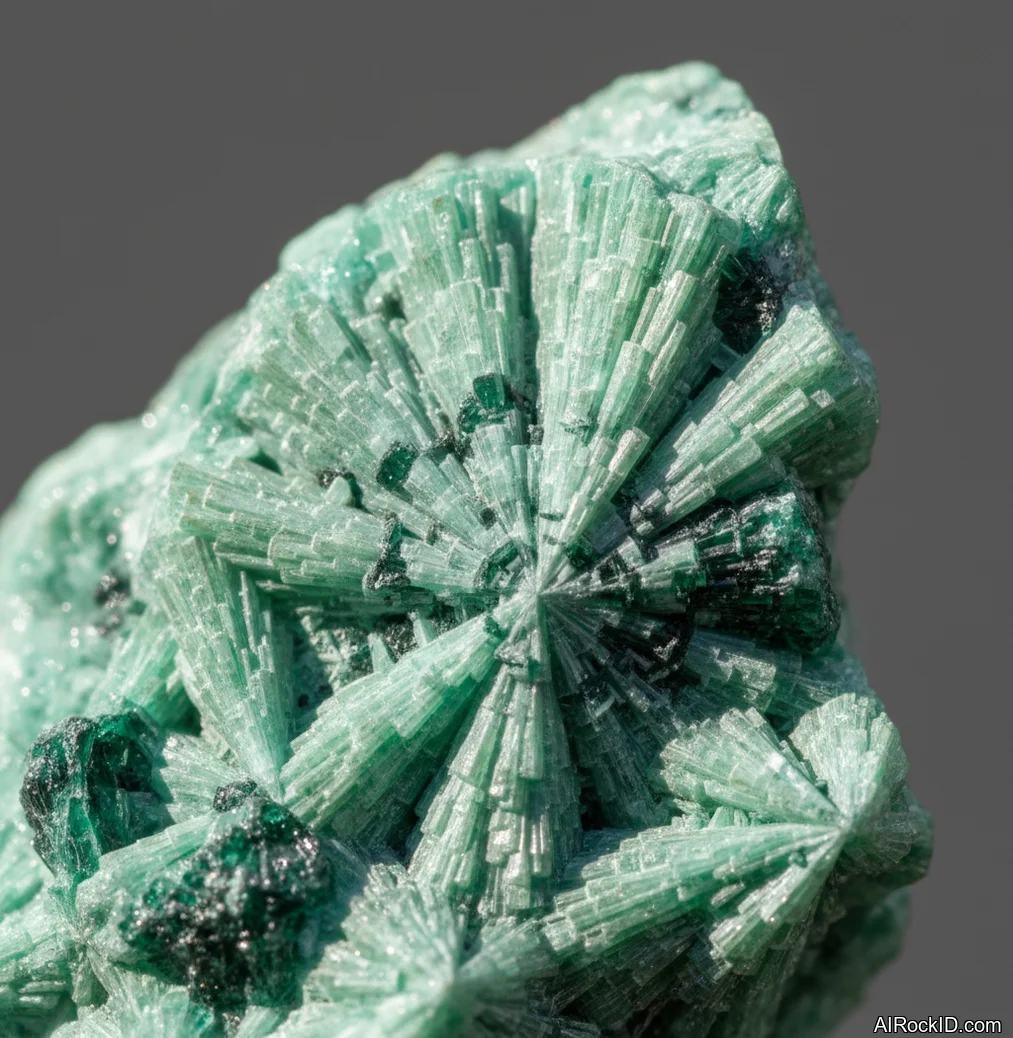
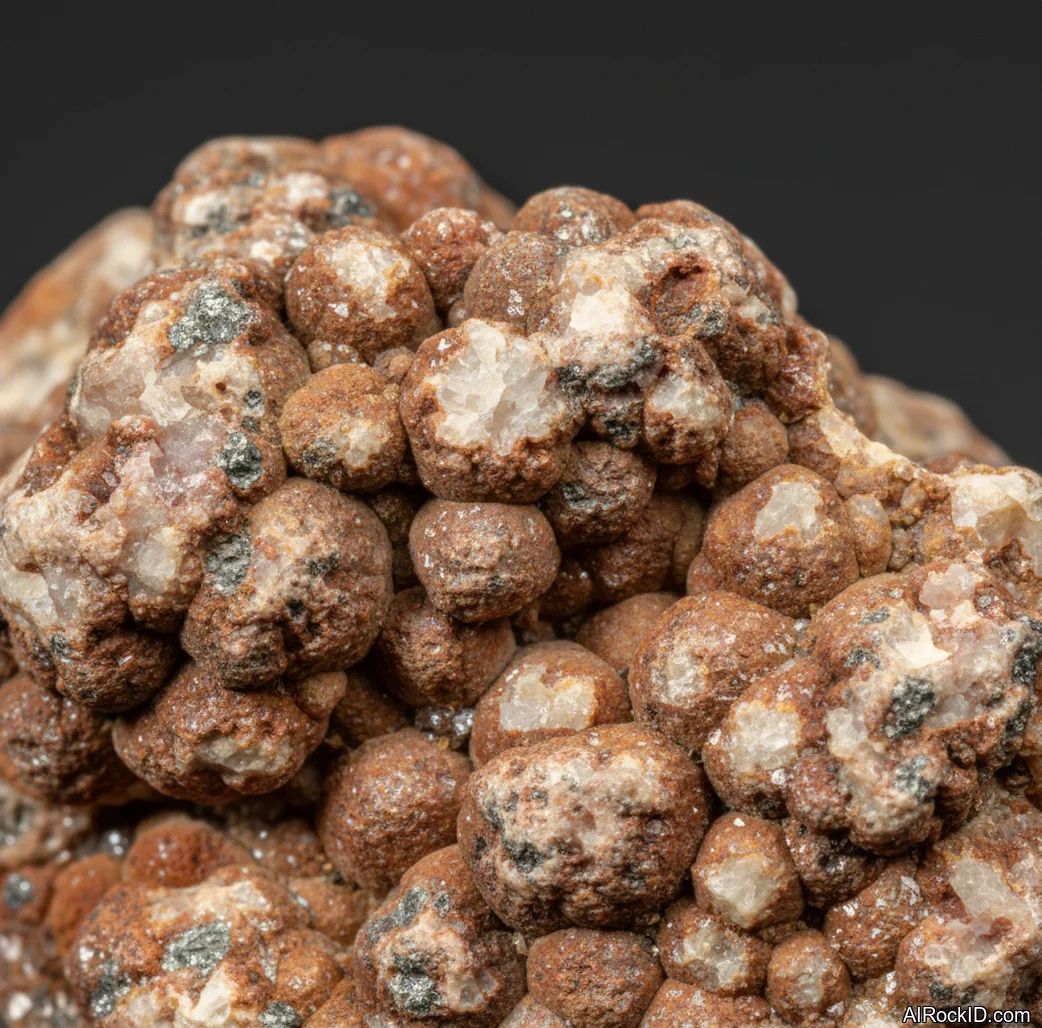
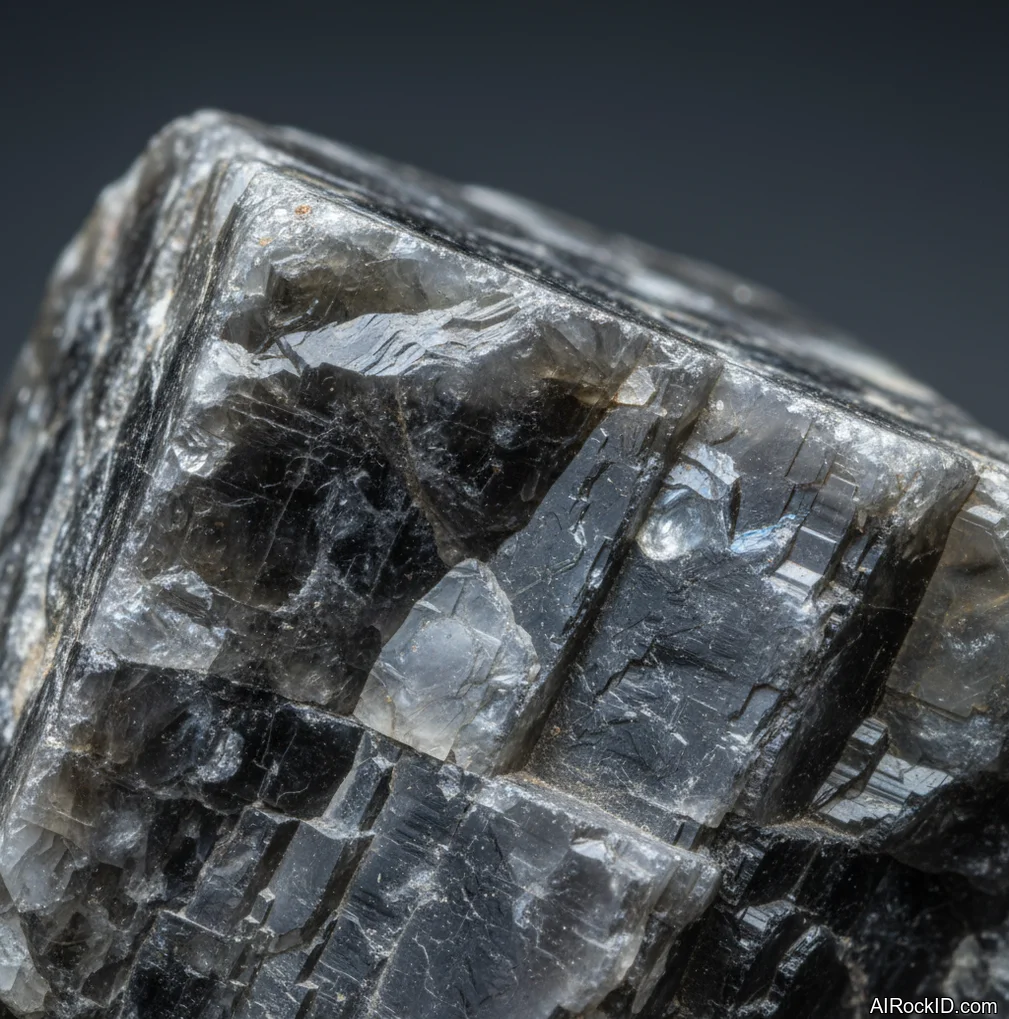
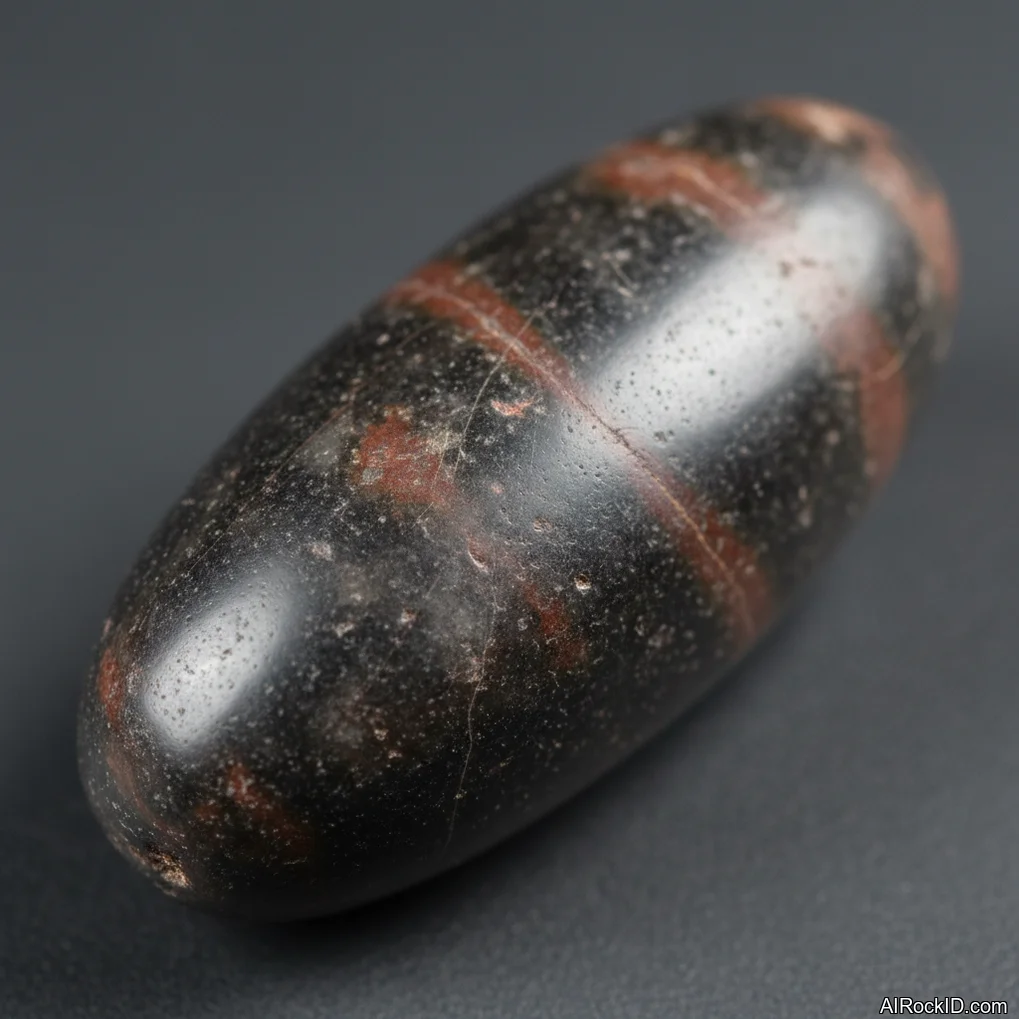
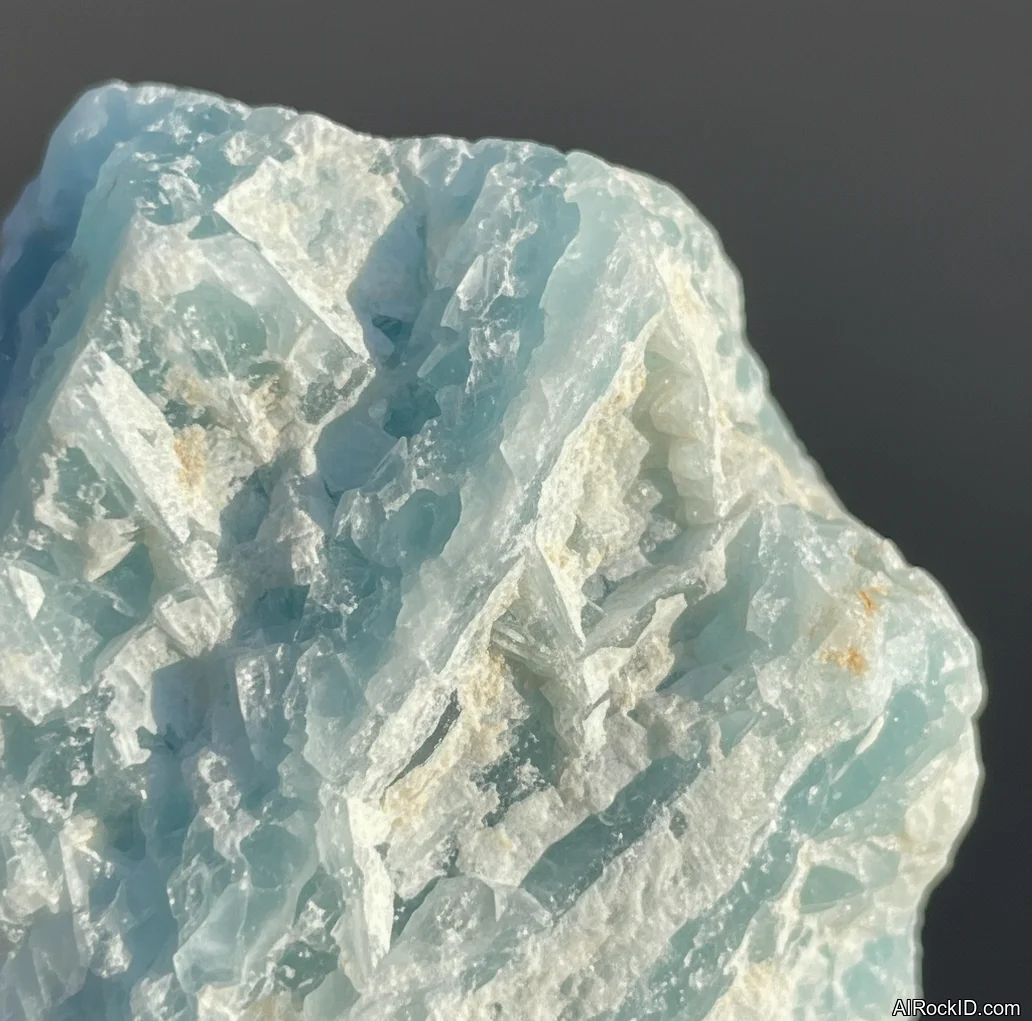
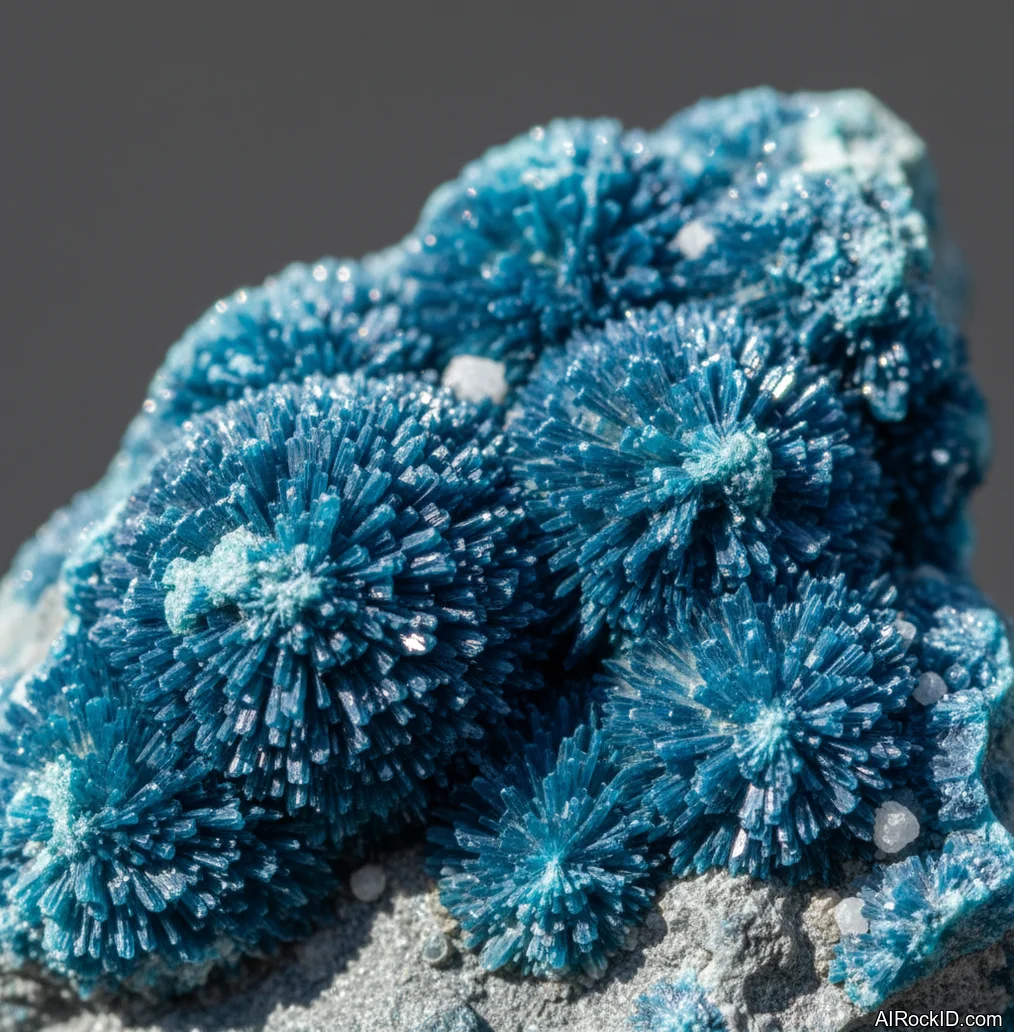
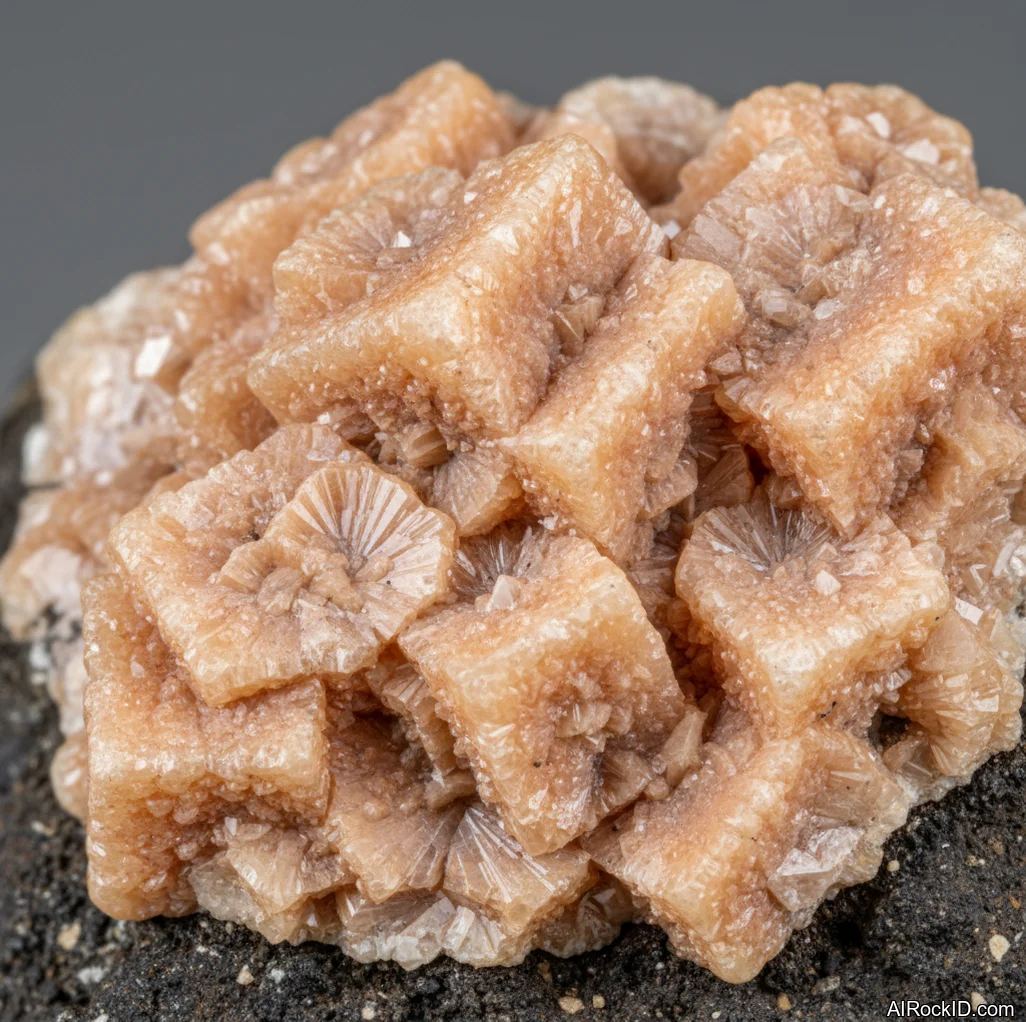
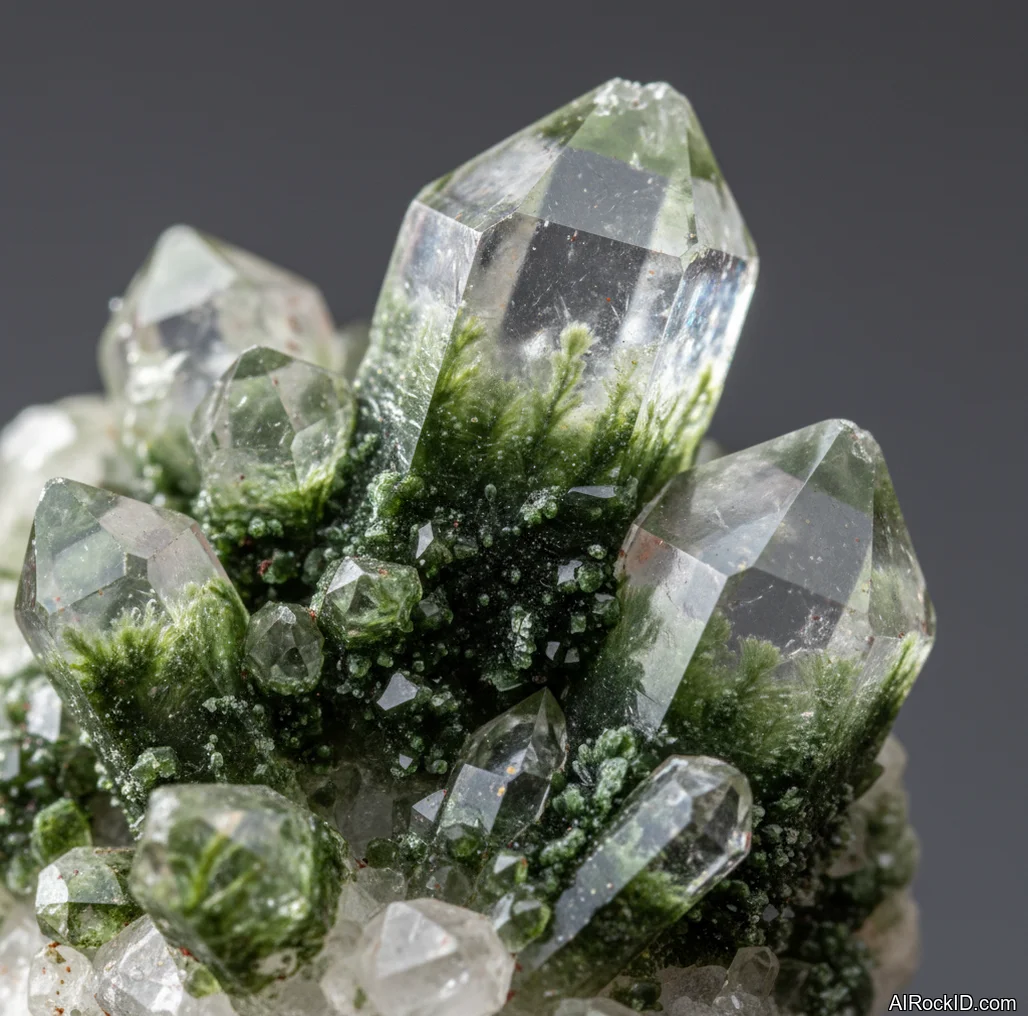
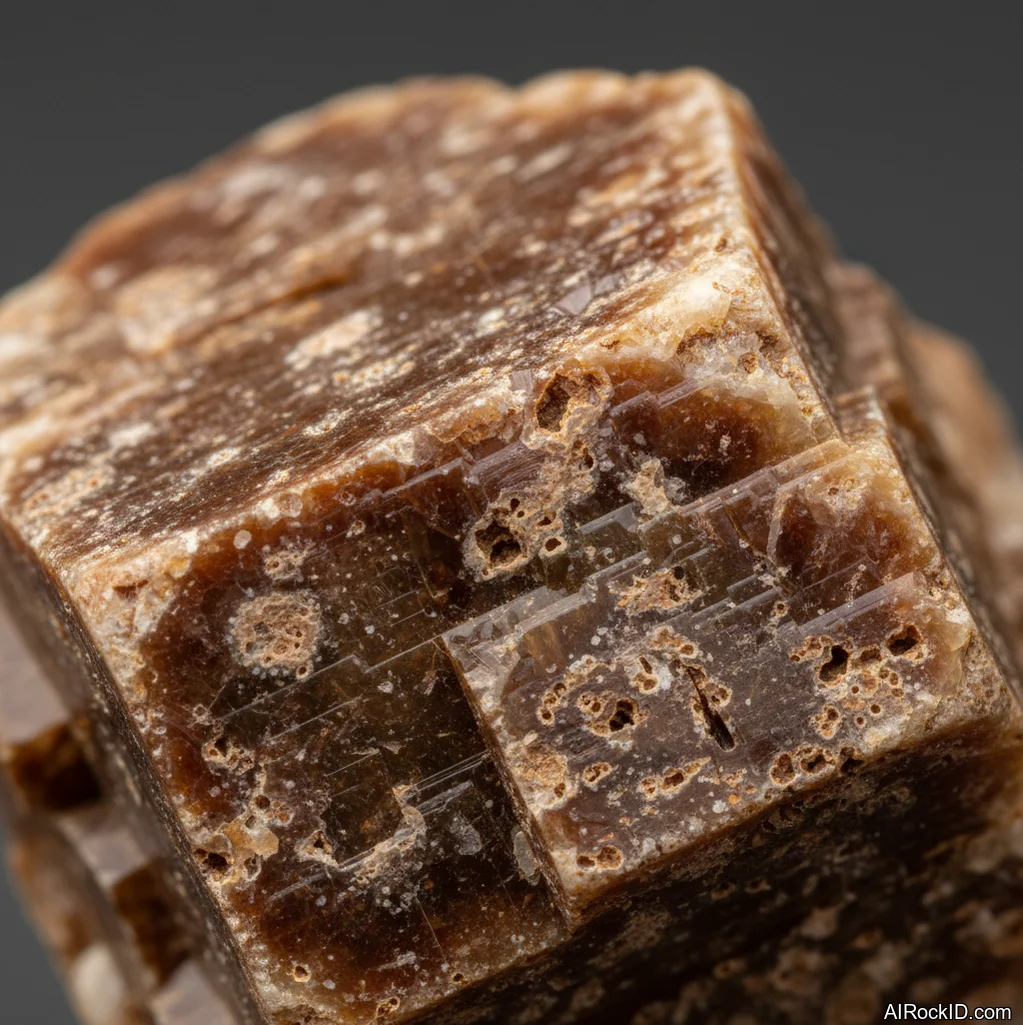
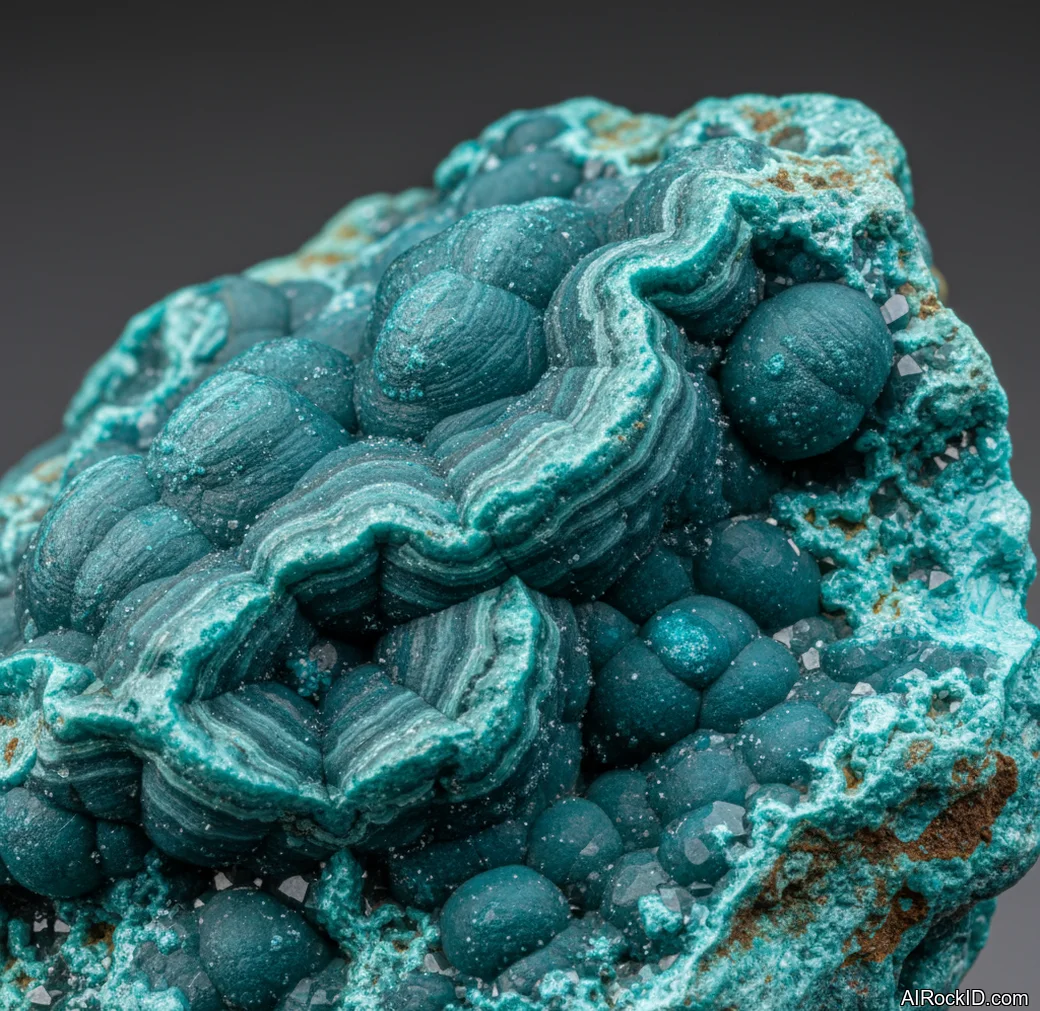
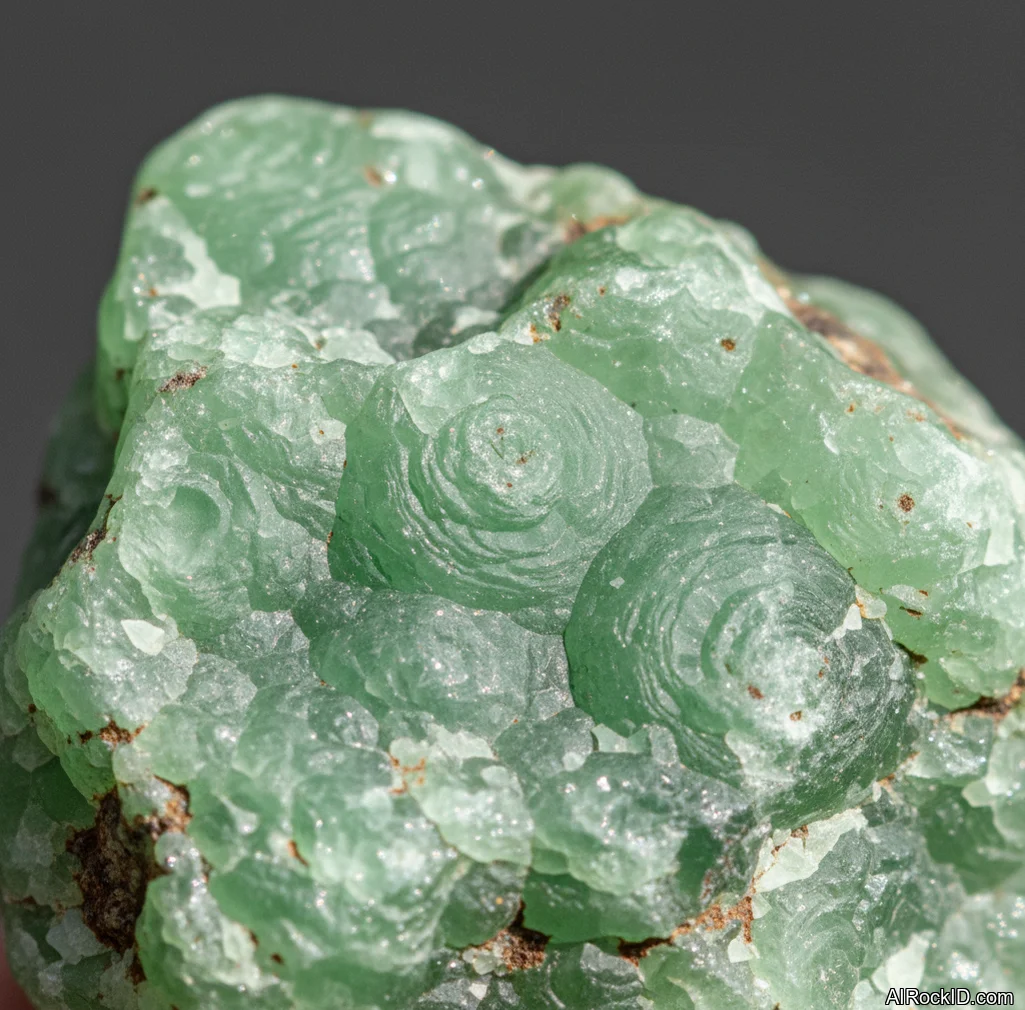
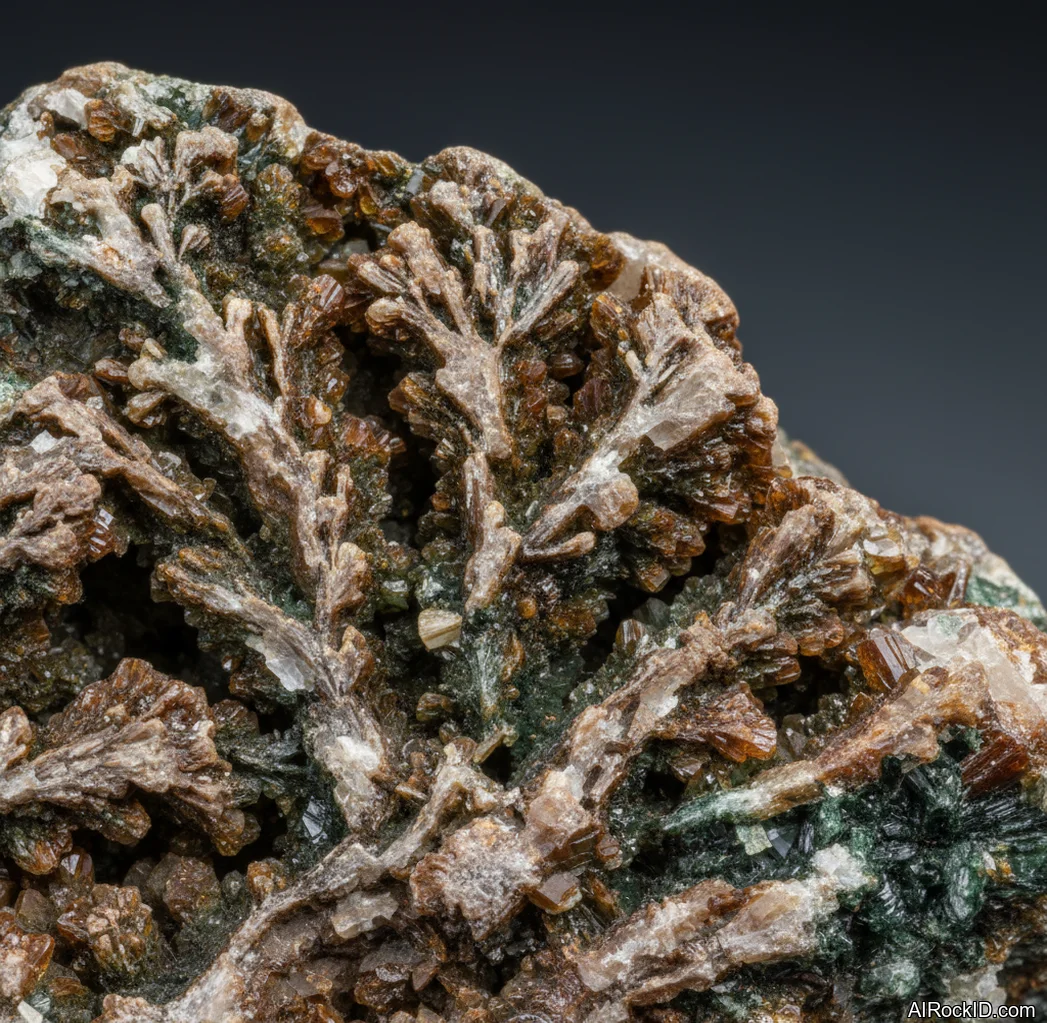
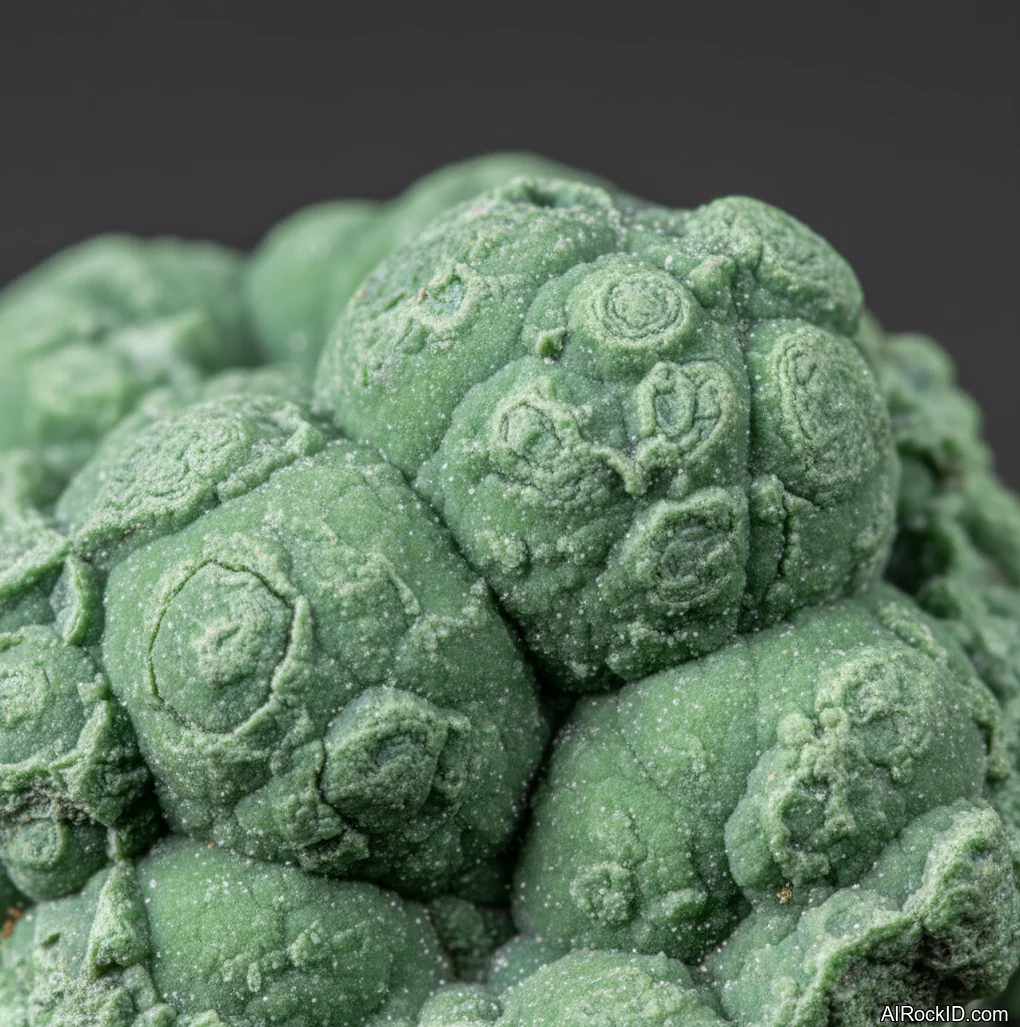
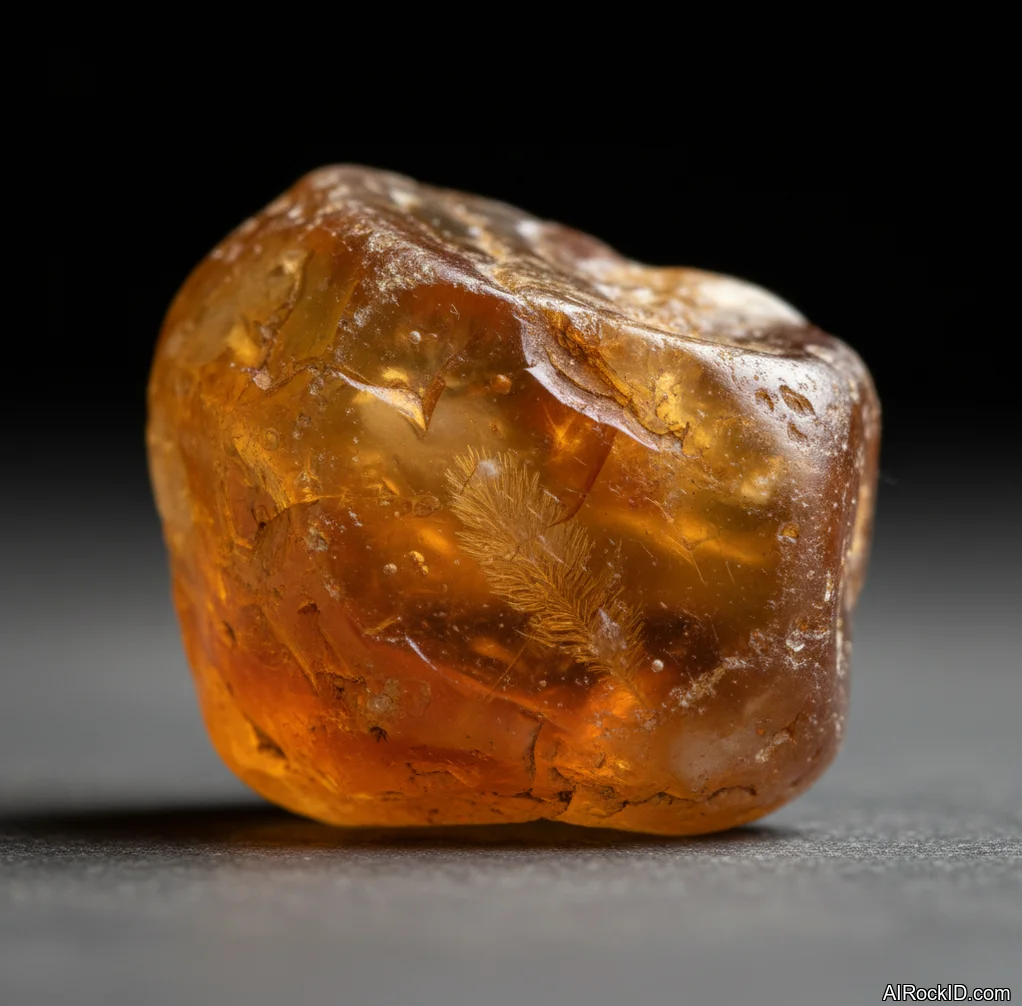
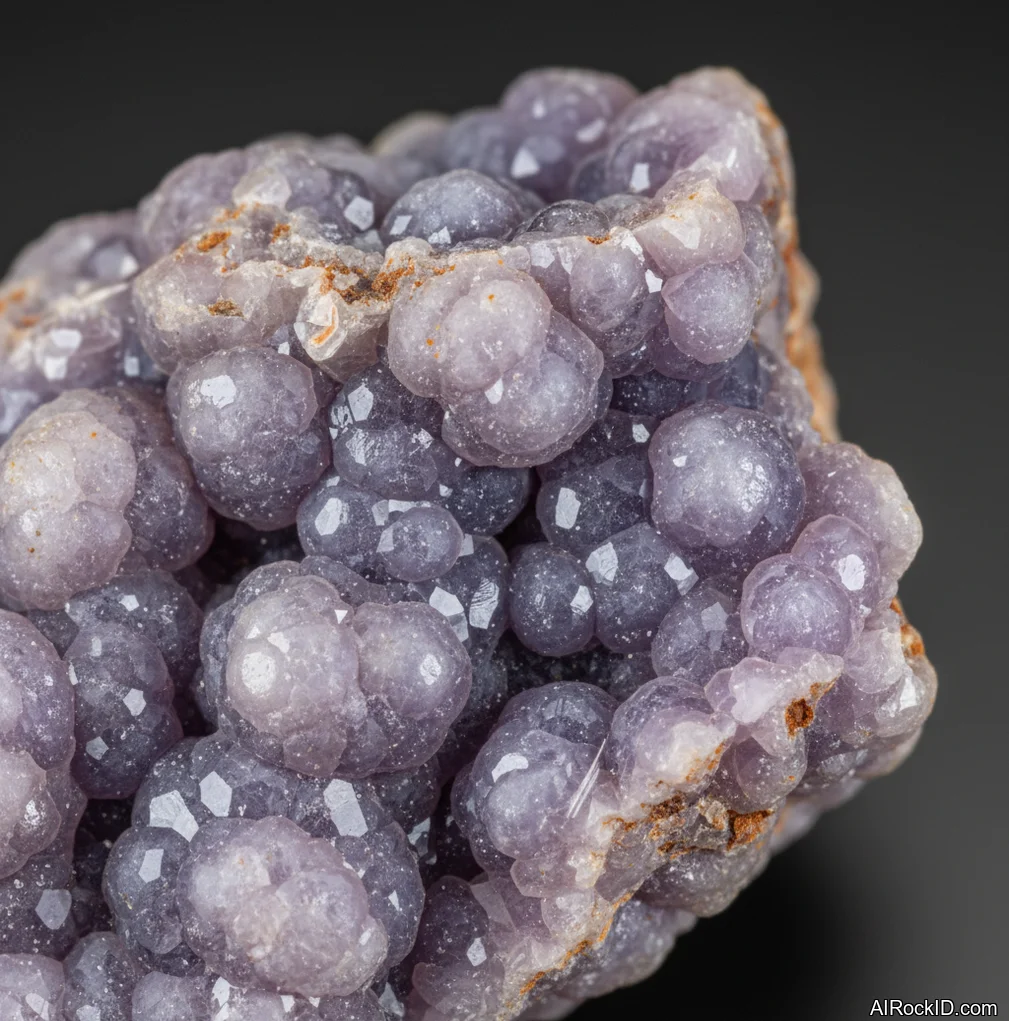
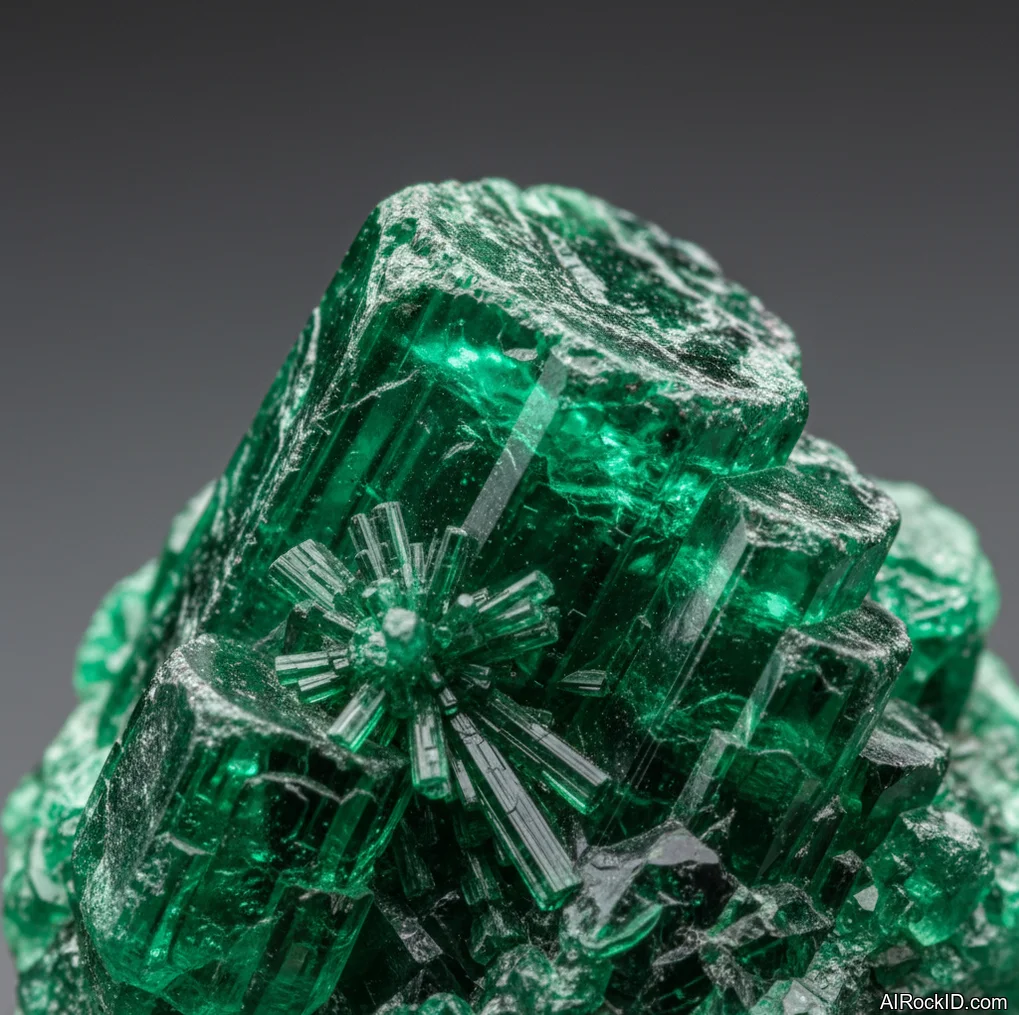
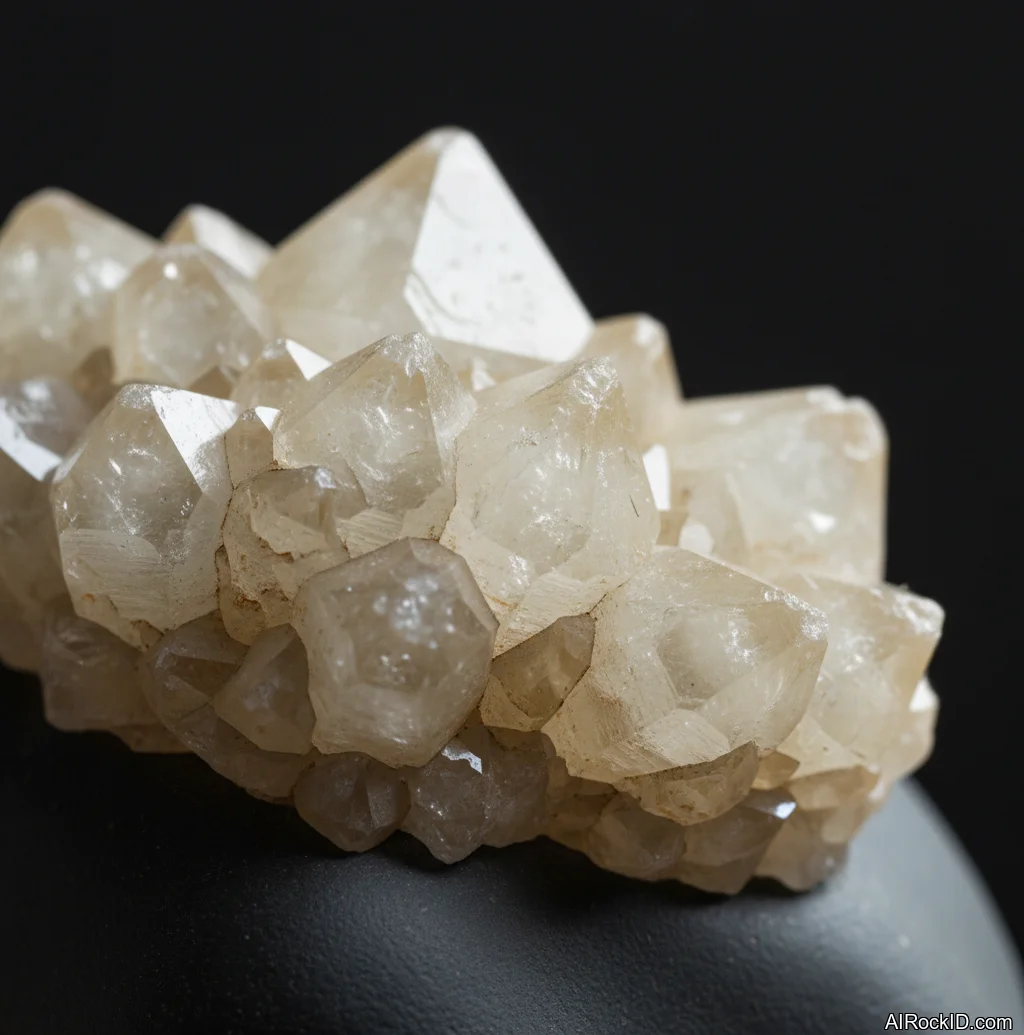
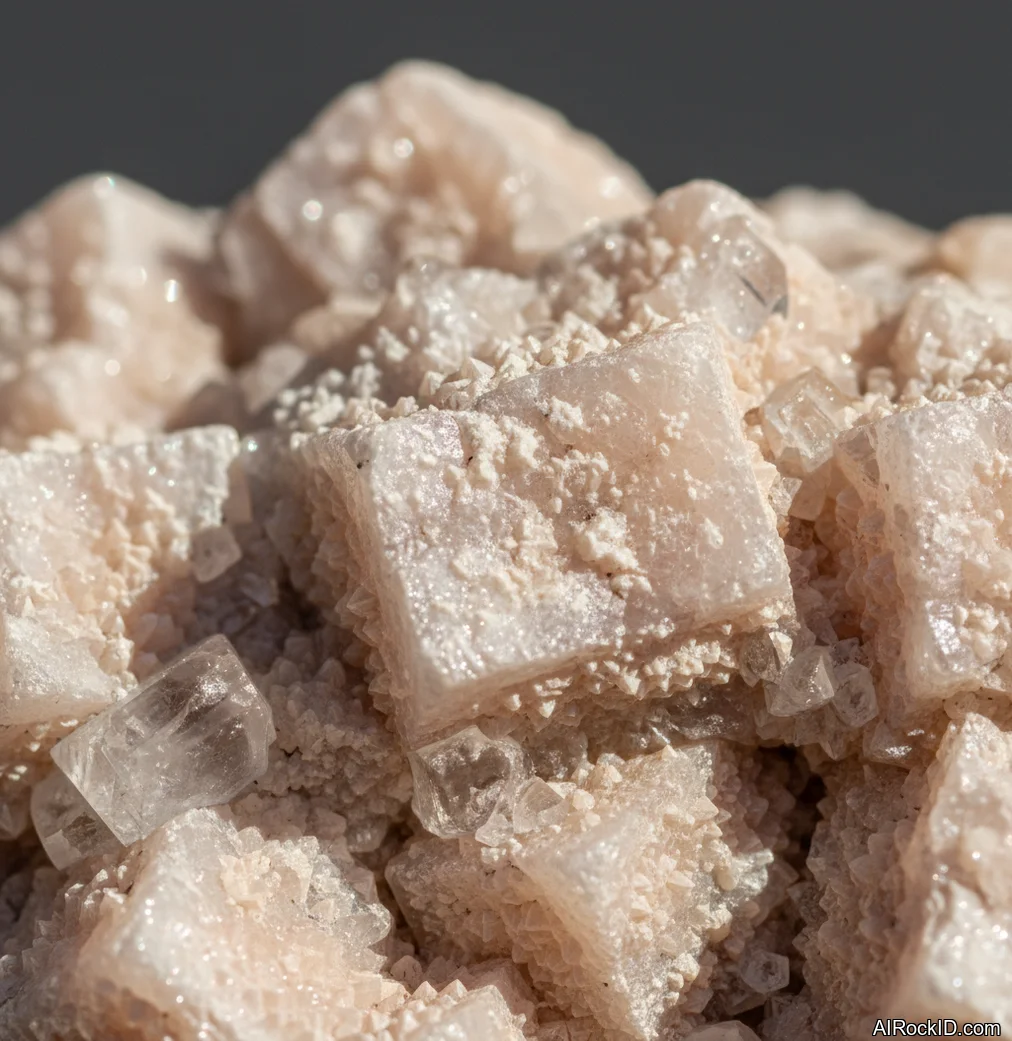
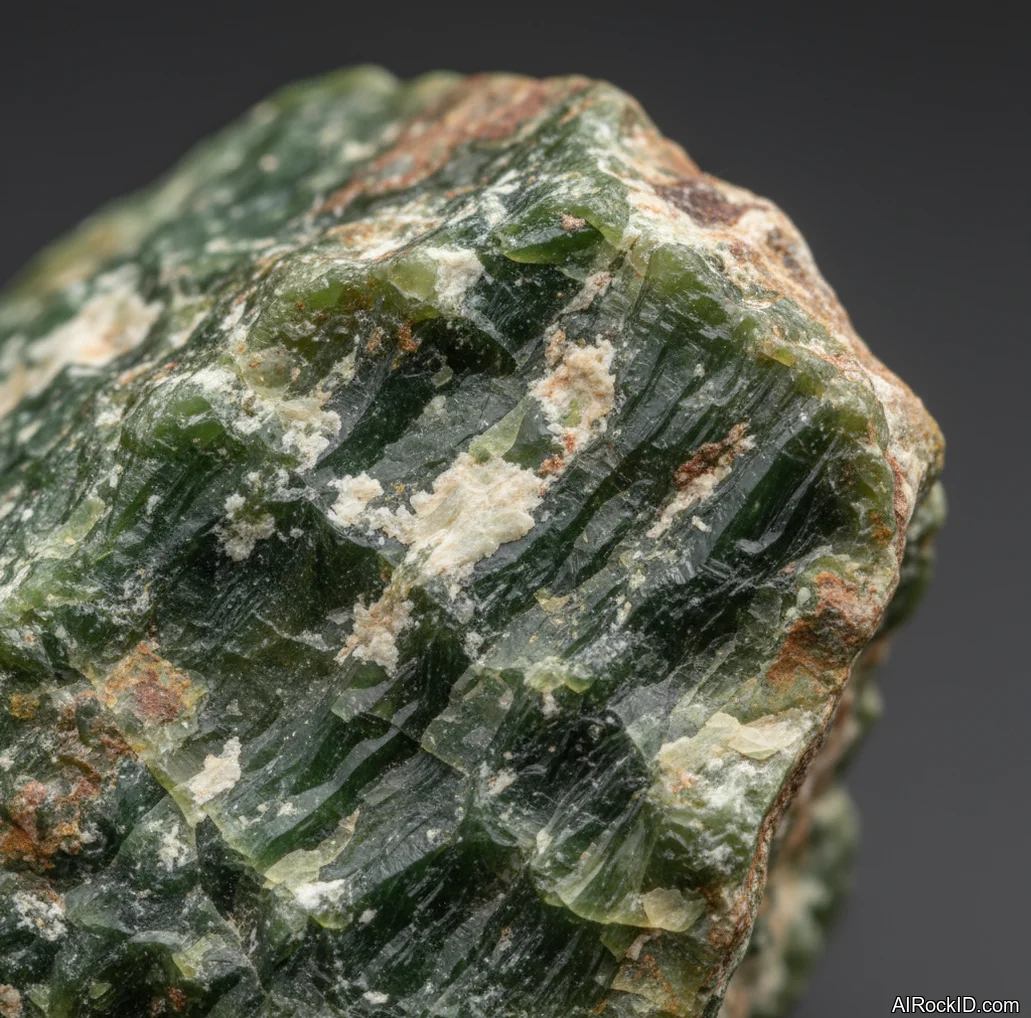
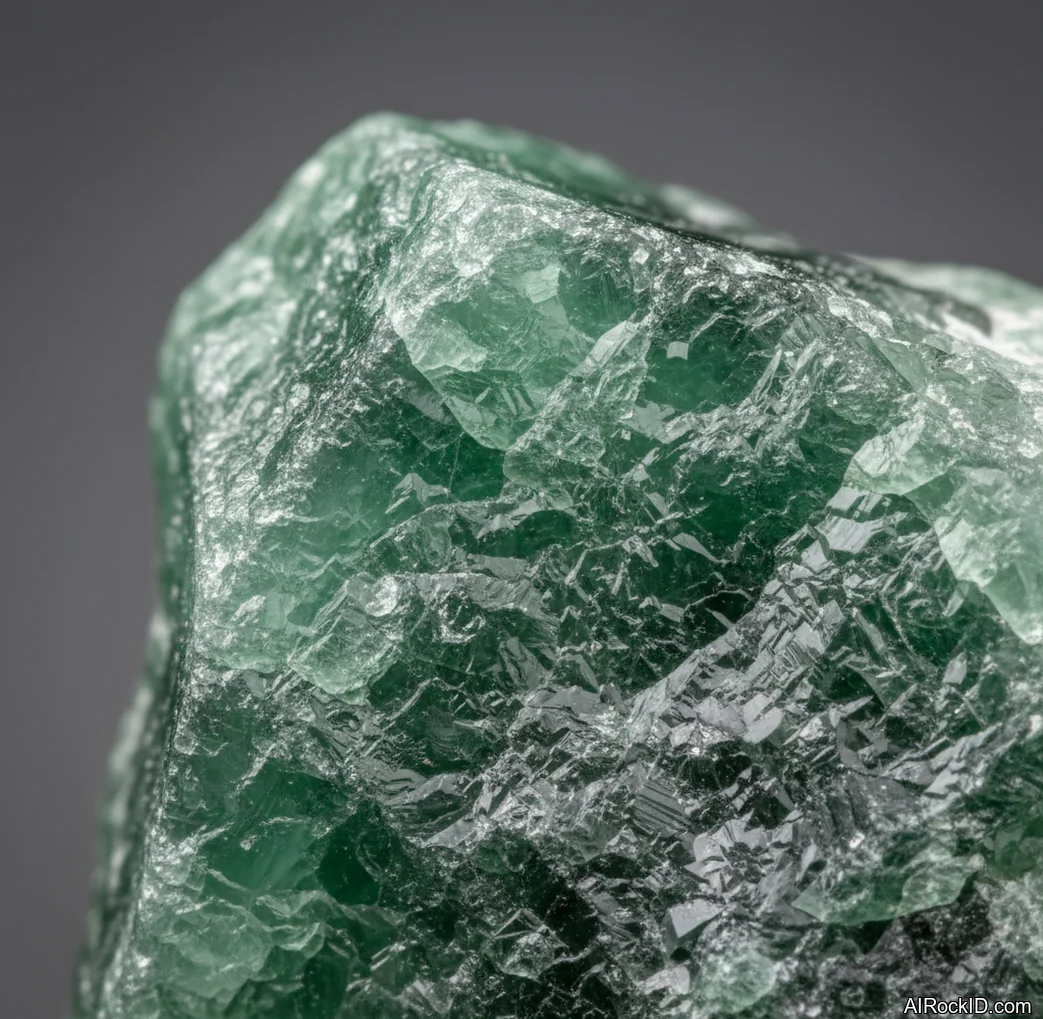
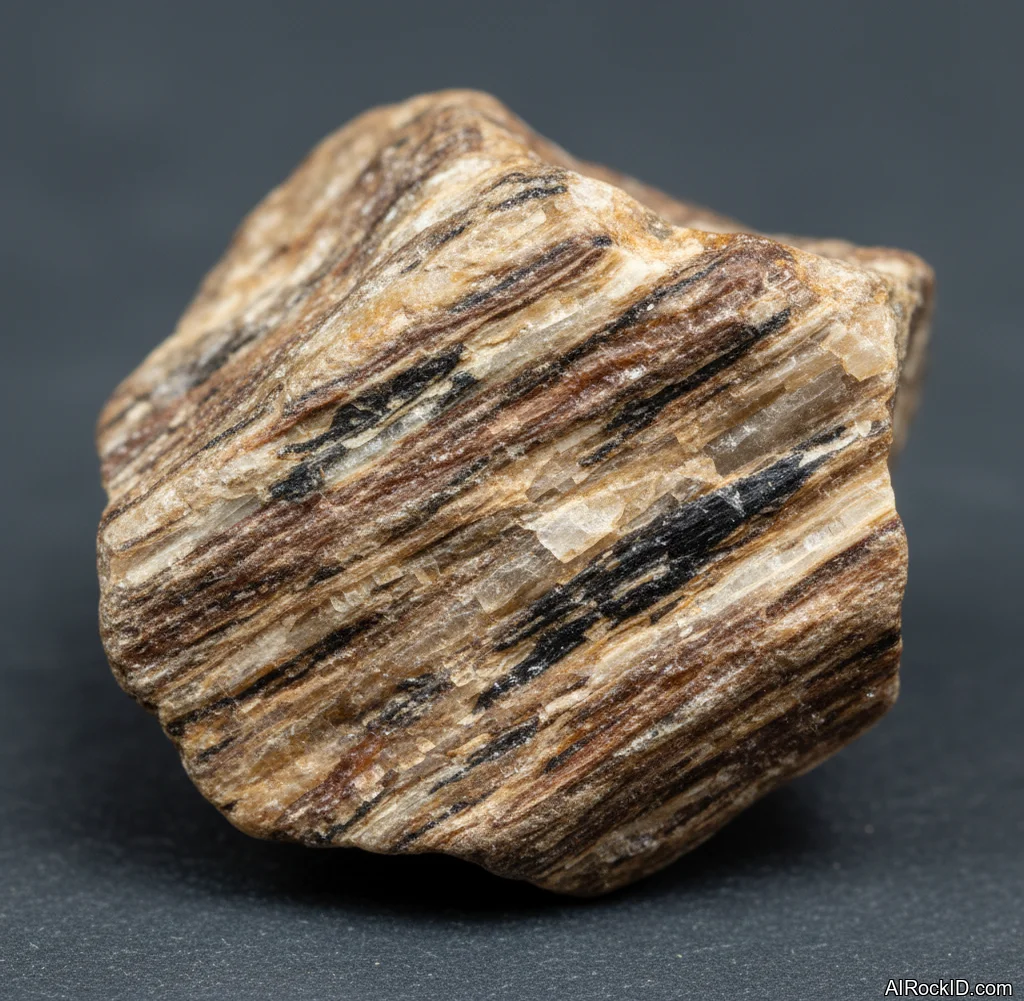
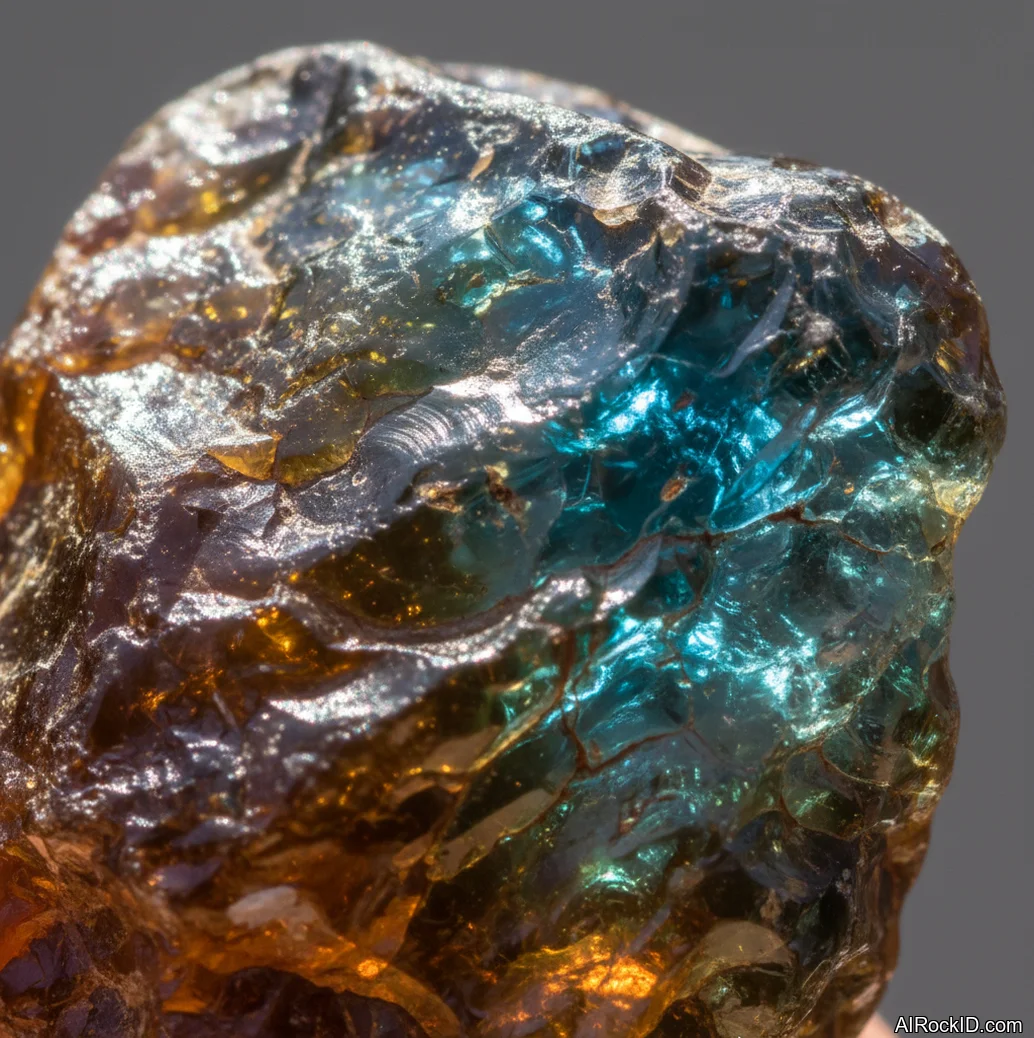
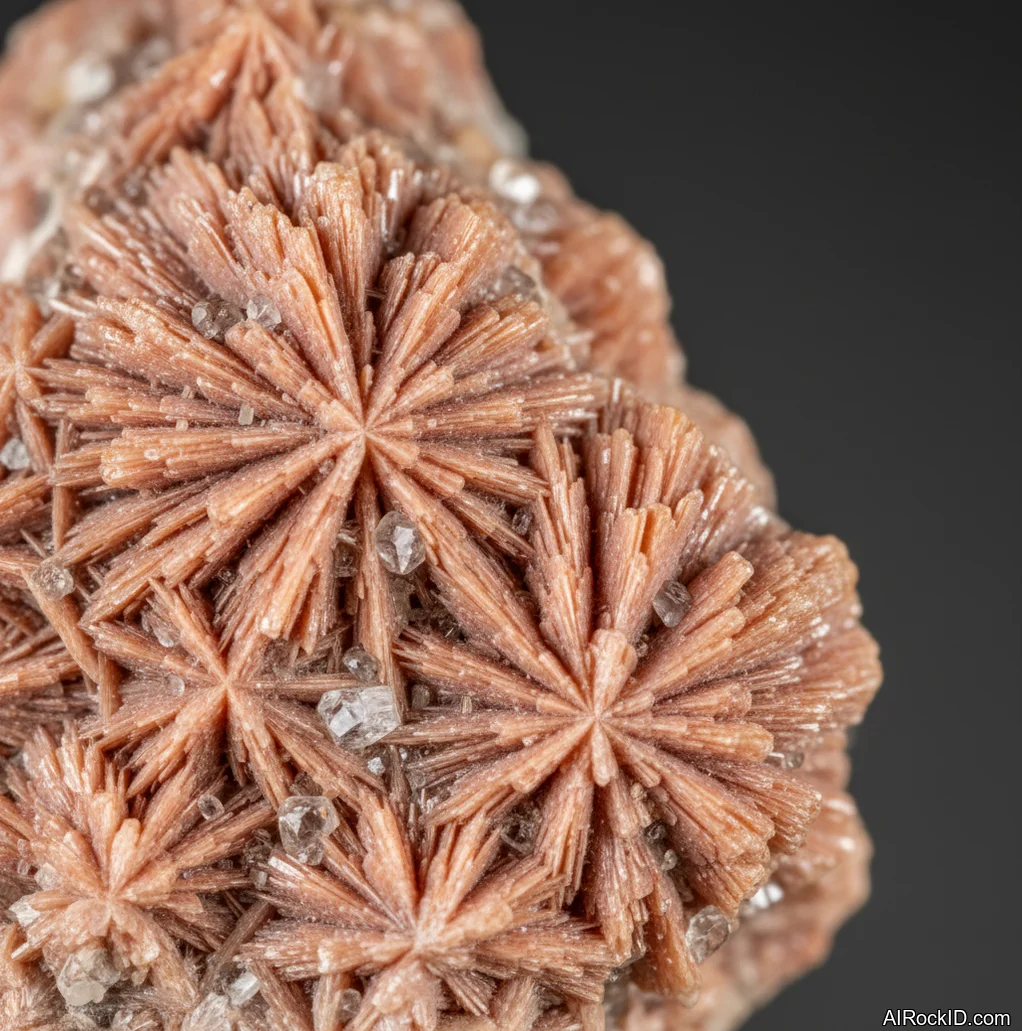
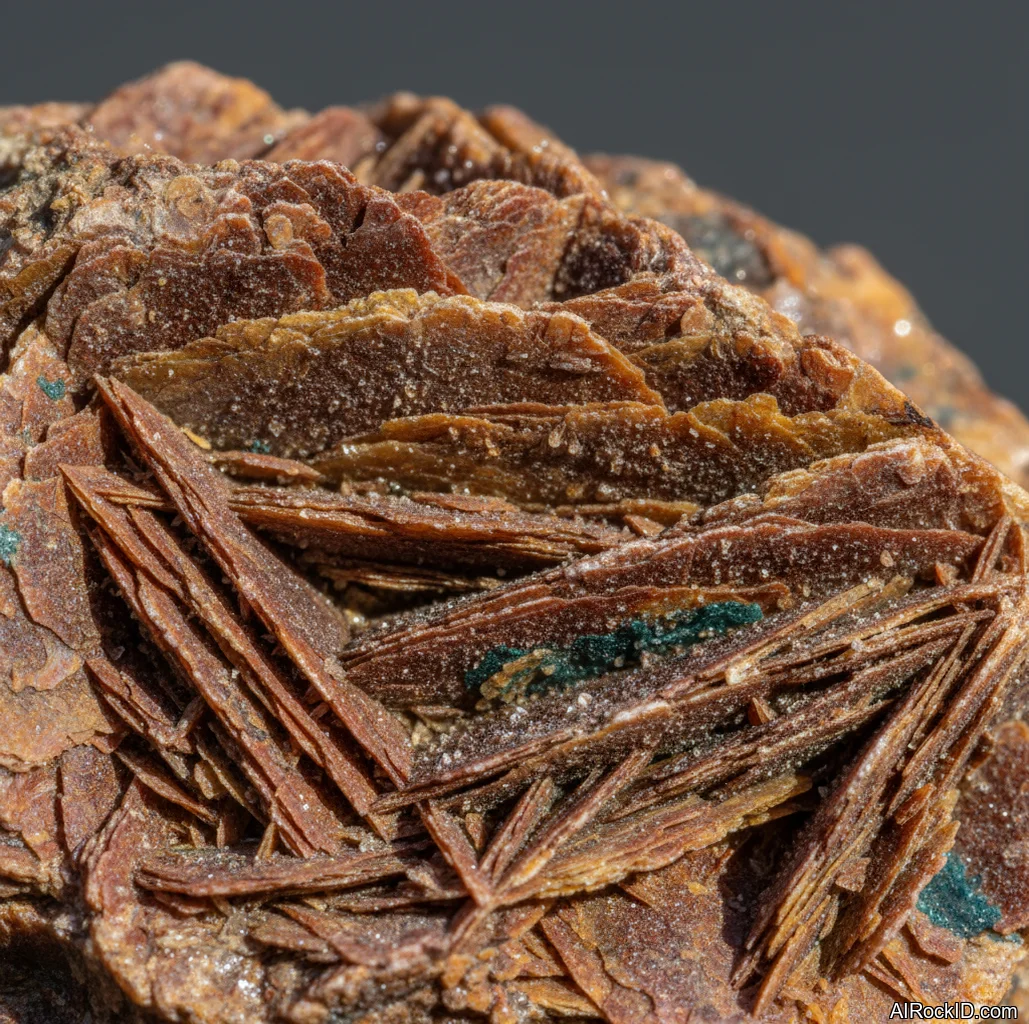
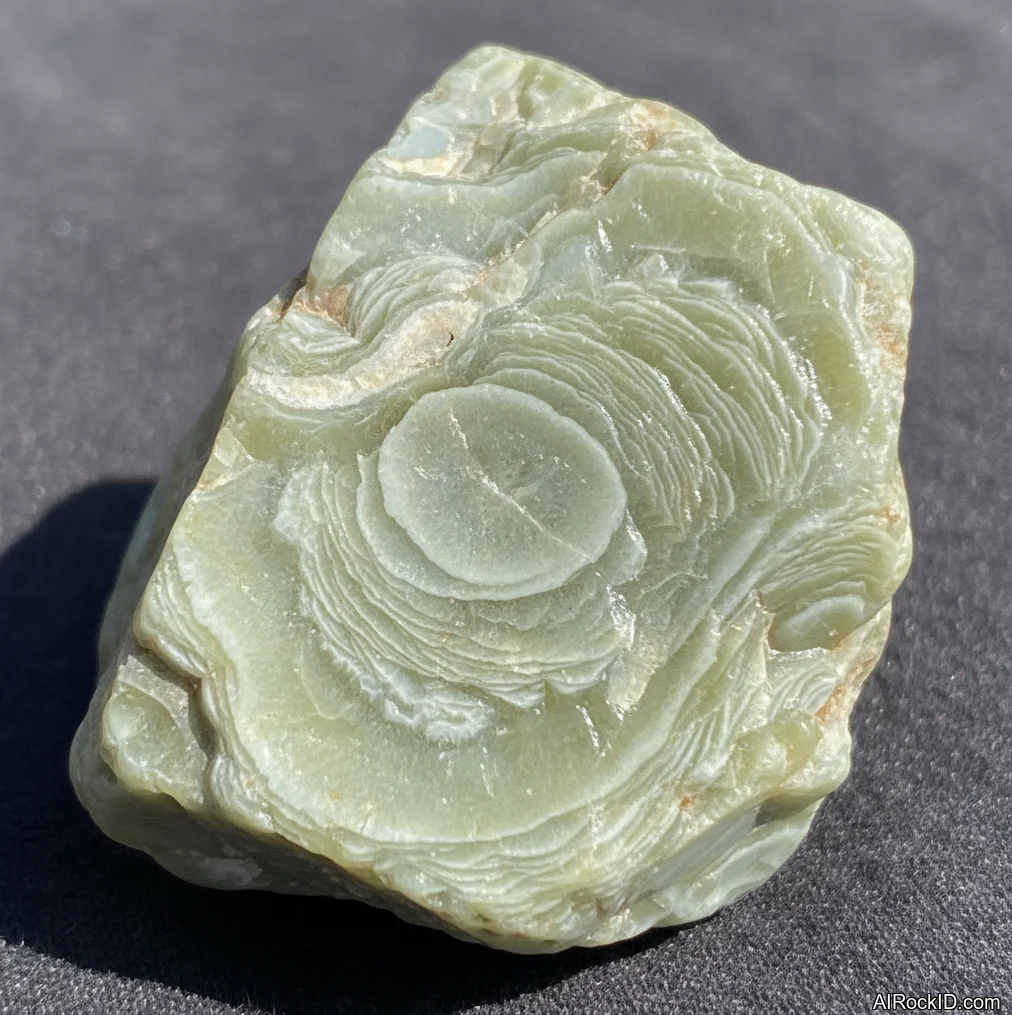
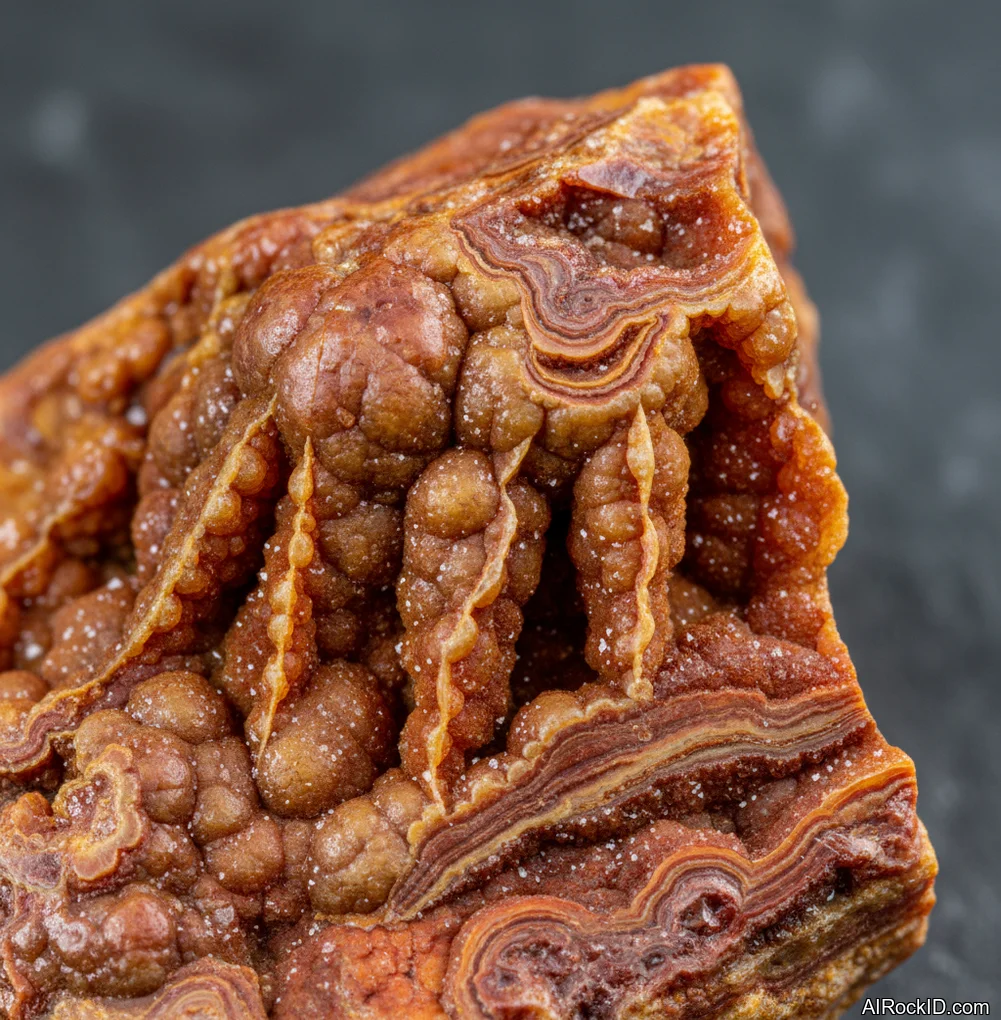
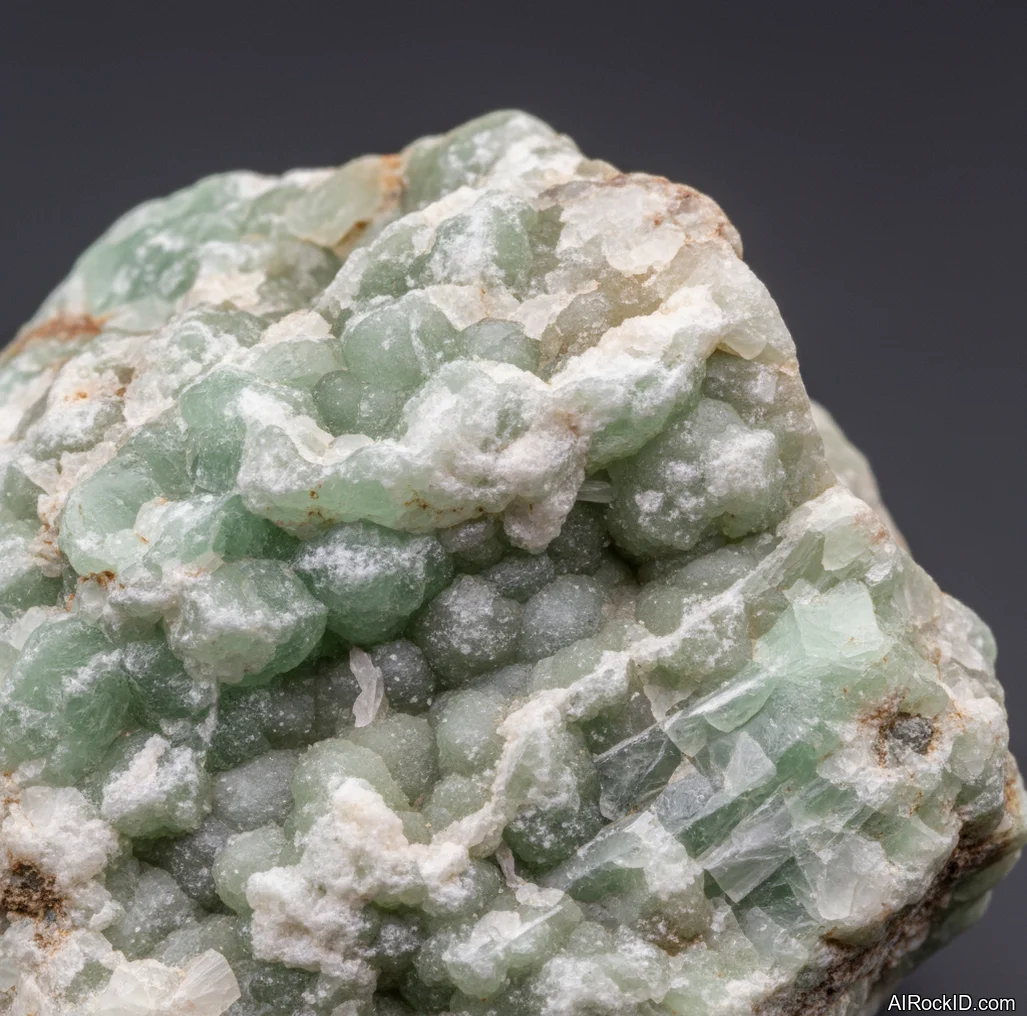
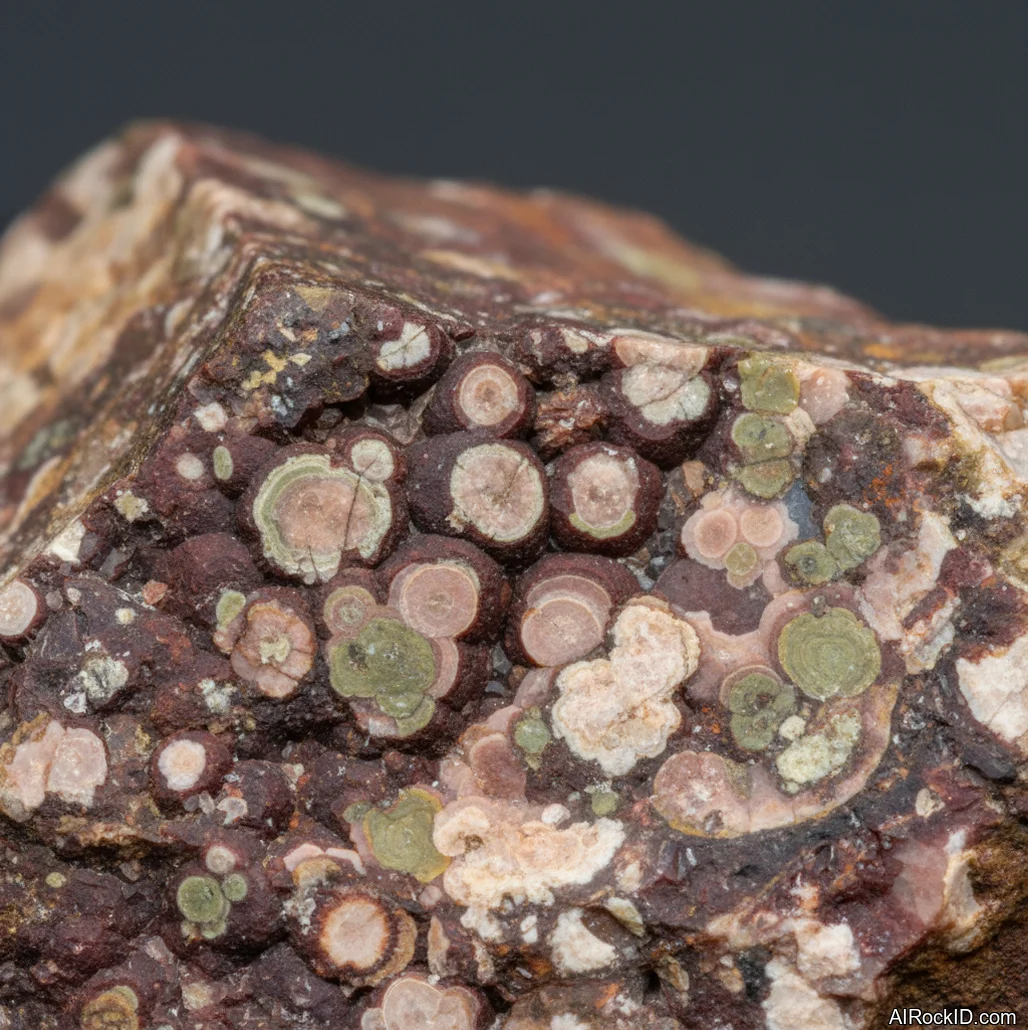
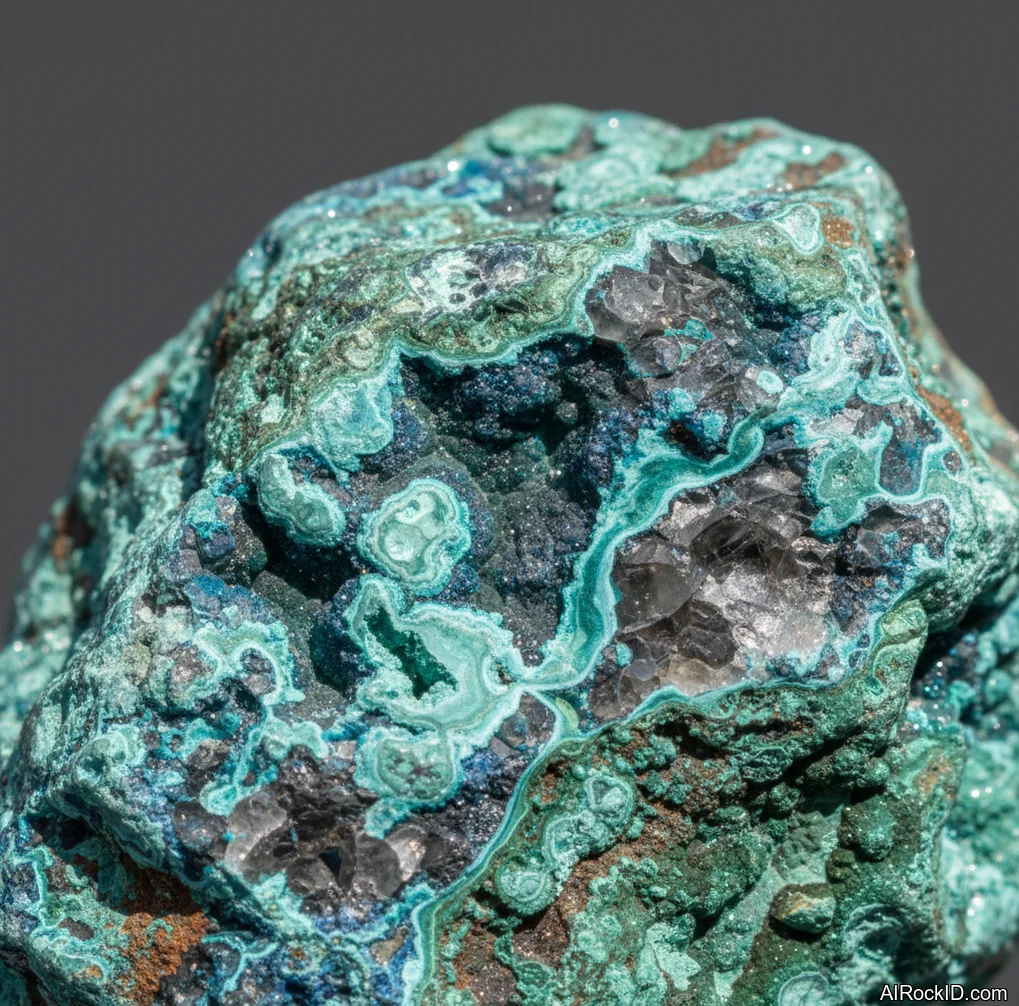
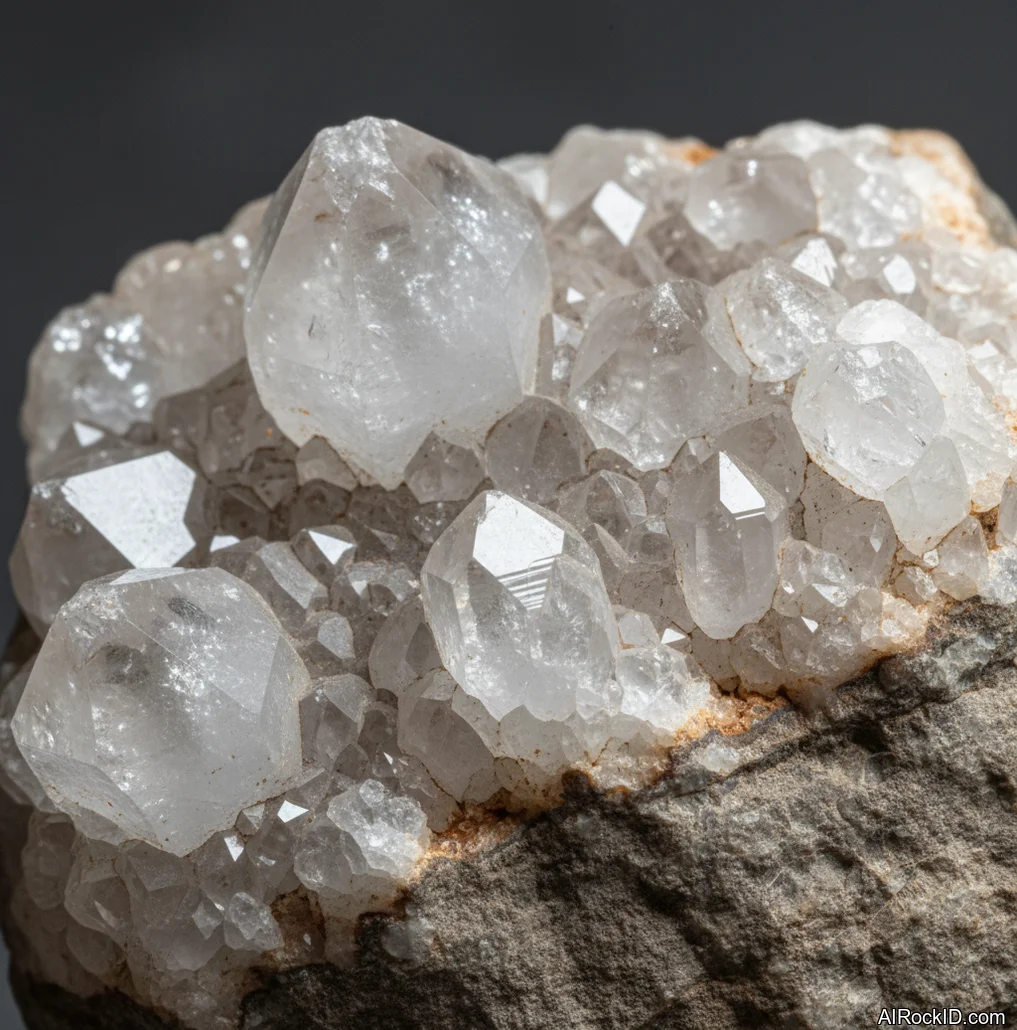
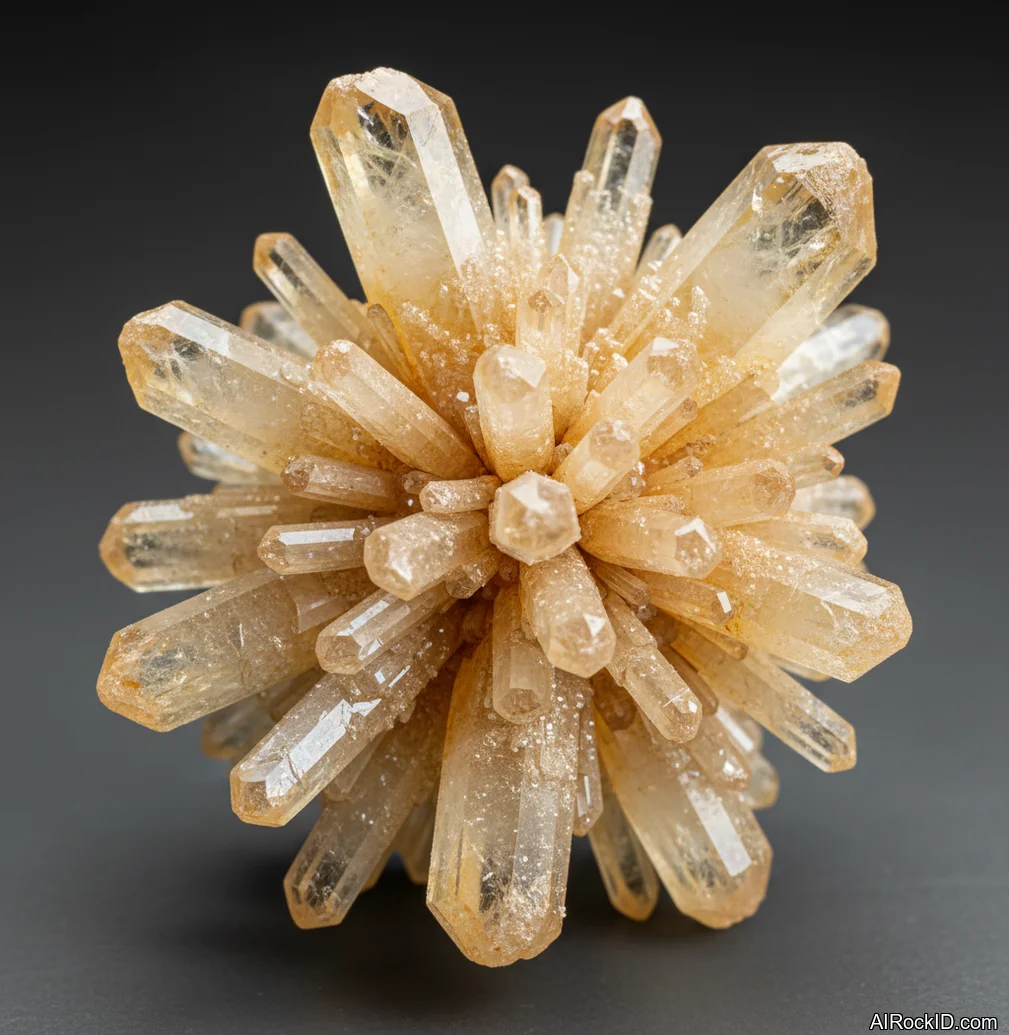
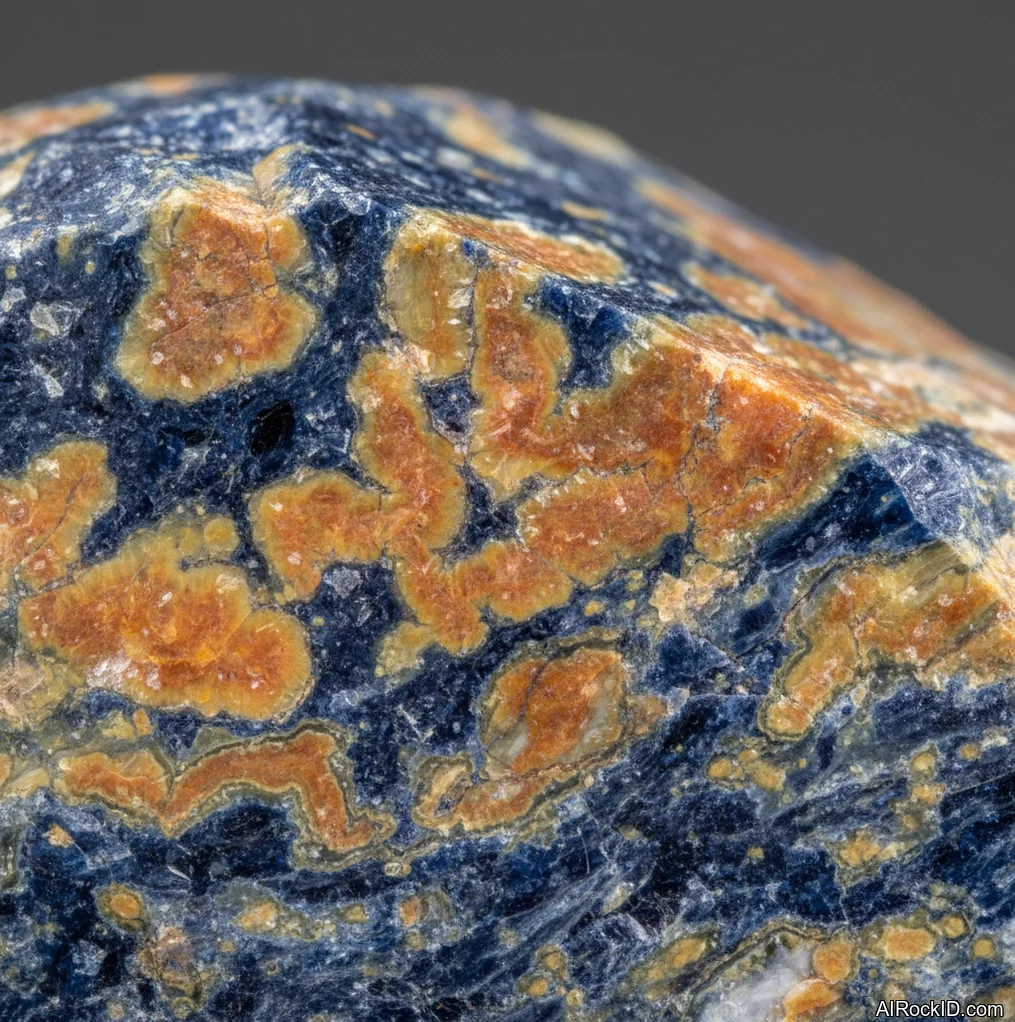
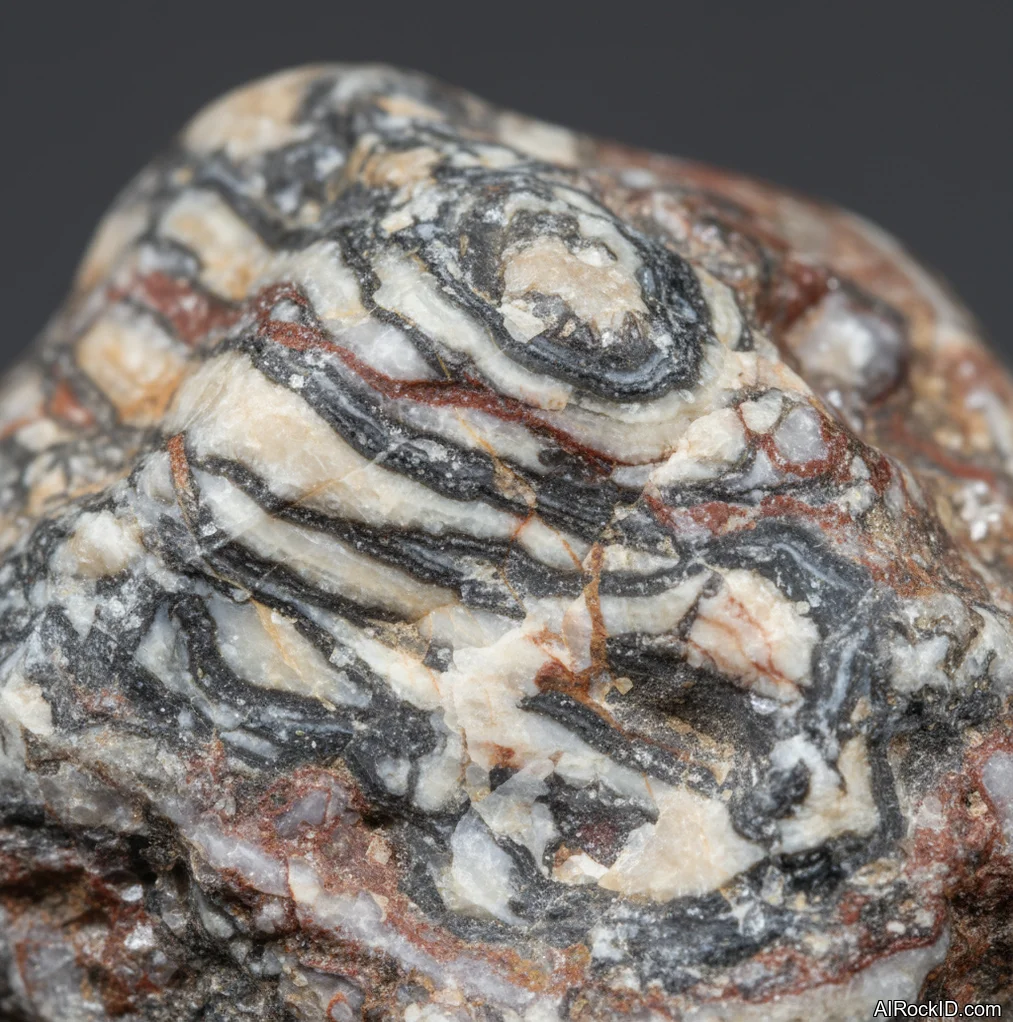
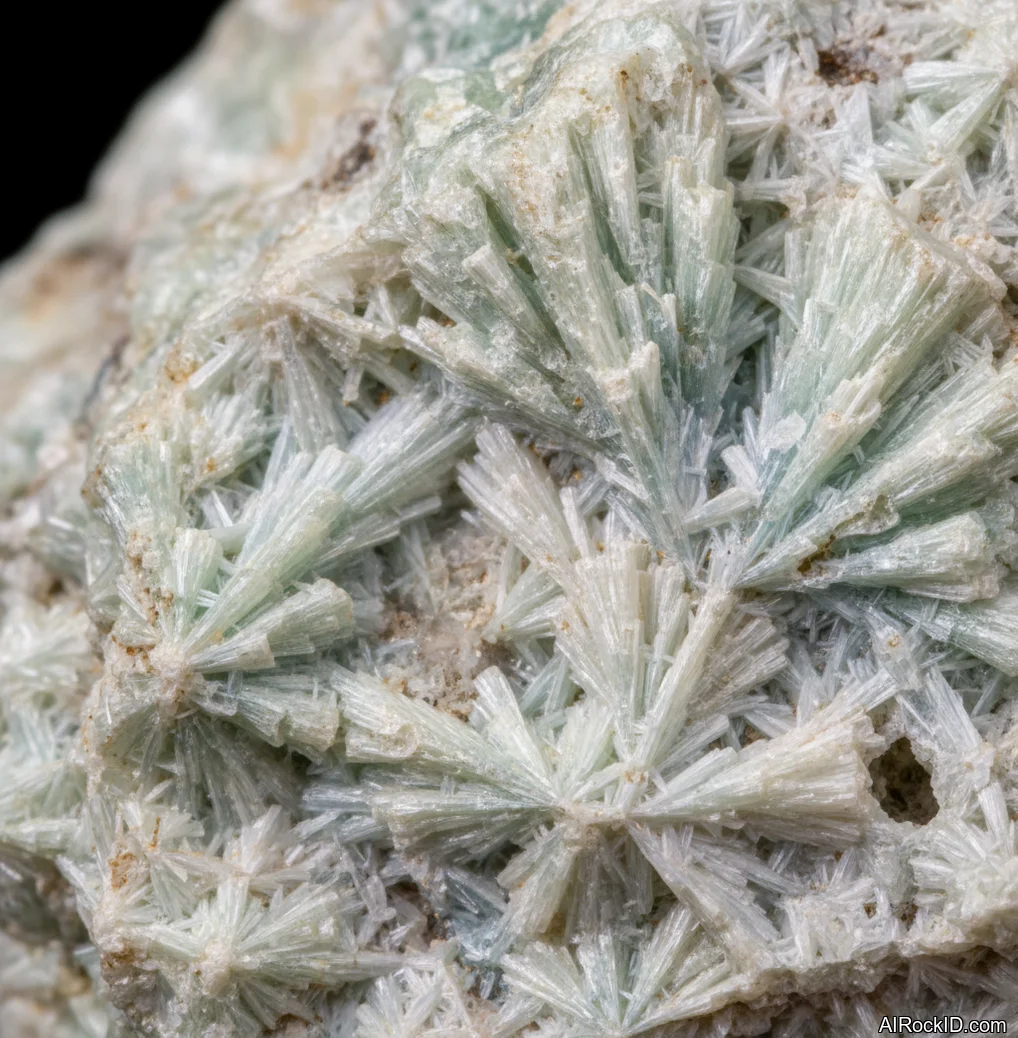
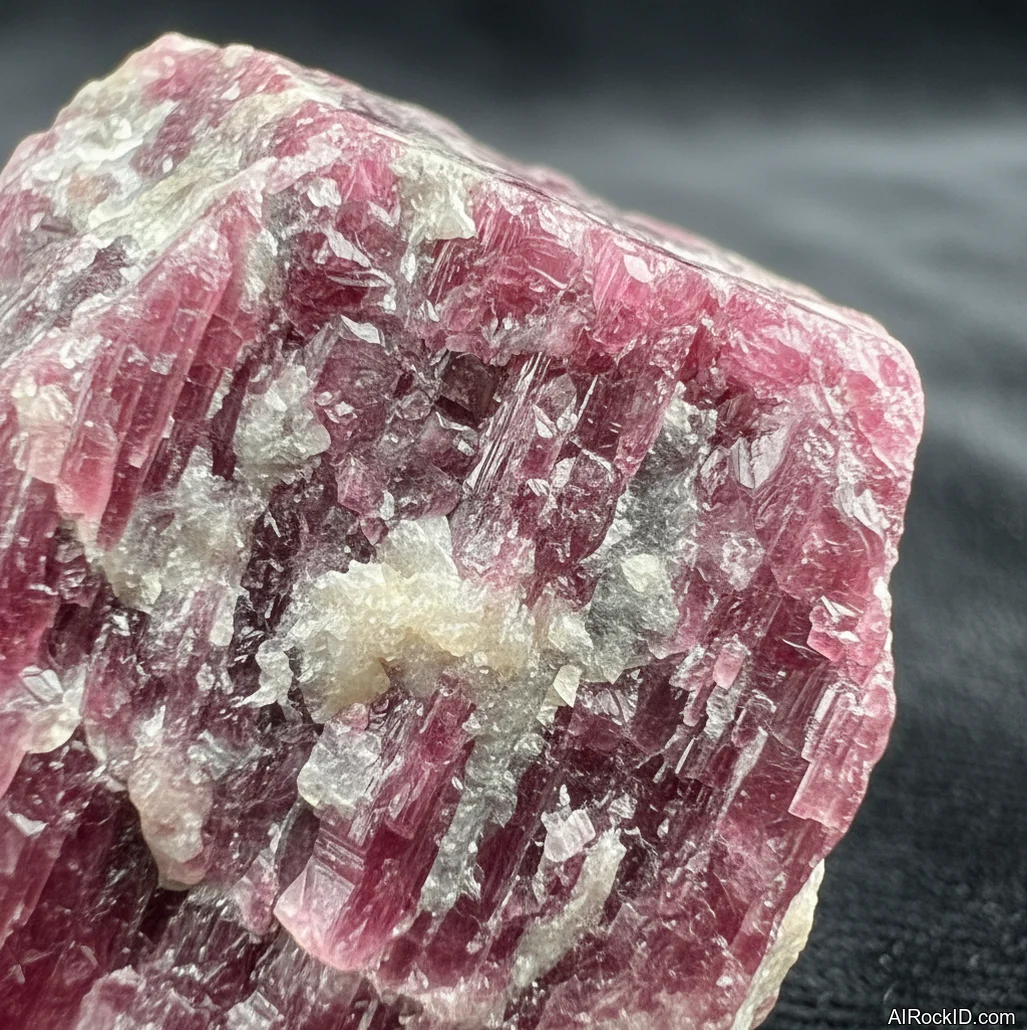
Soothing, in crystal talk, is the opposite of that buzzy, jangly feeling you get when your nervous system just won’t downshift. It’s the “soften the edges” bucket. People reach for it when they’re wound tight, overstimulated, grieving, sick to their stomach with stress, or just trying to get through a loud day without snapping at everyone. In collections, I think of Soothing stones as the ones you want within arm’s reach. Not locked in a display case.
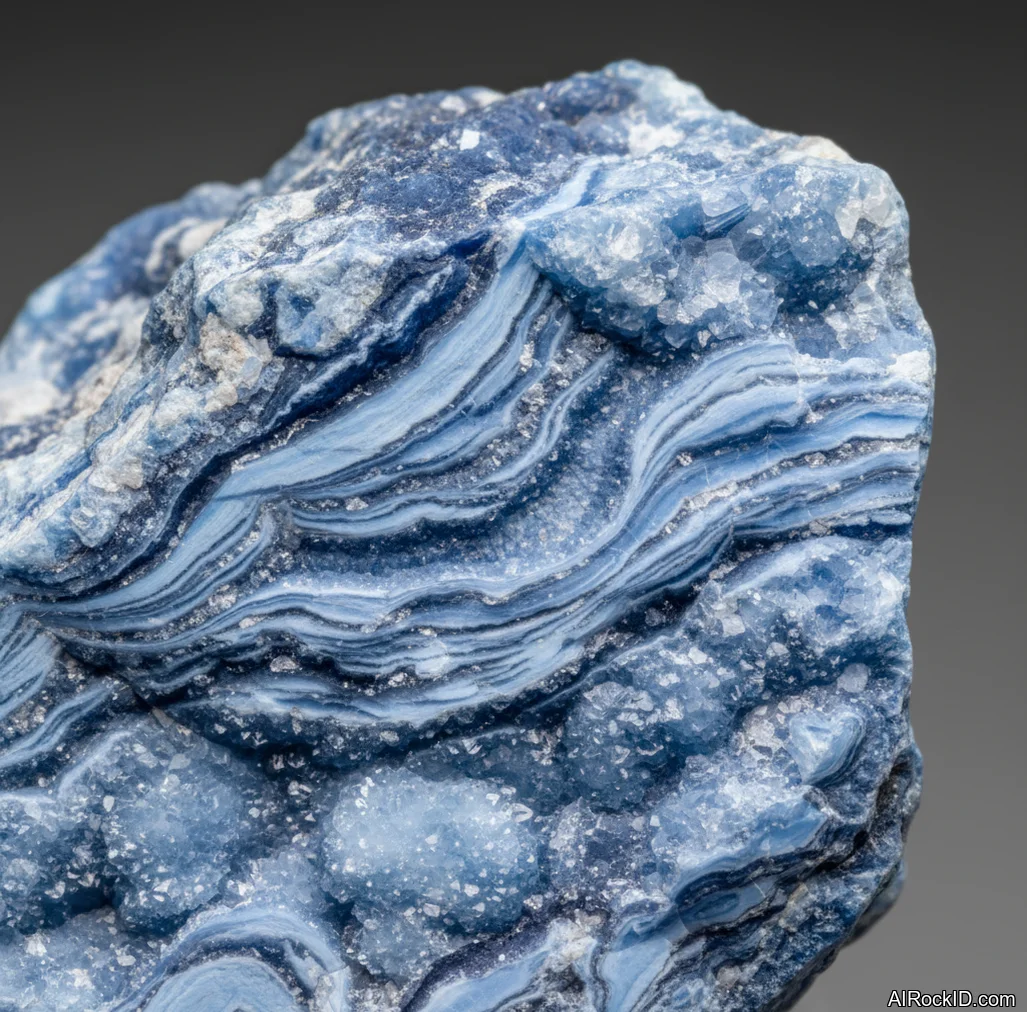
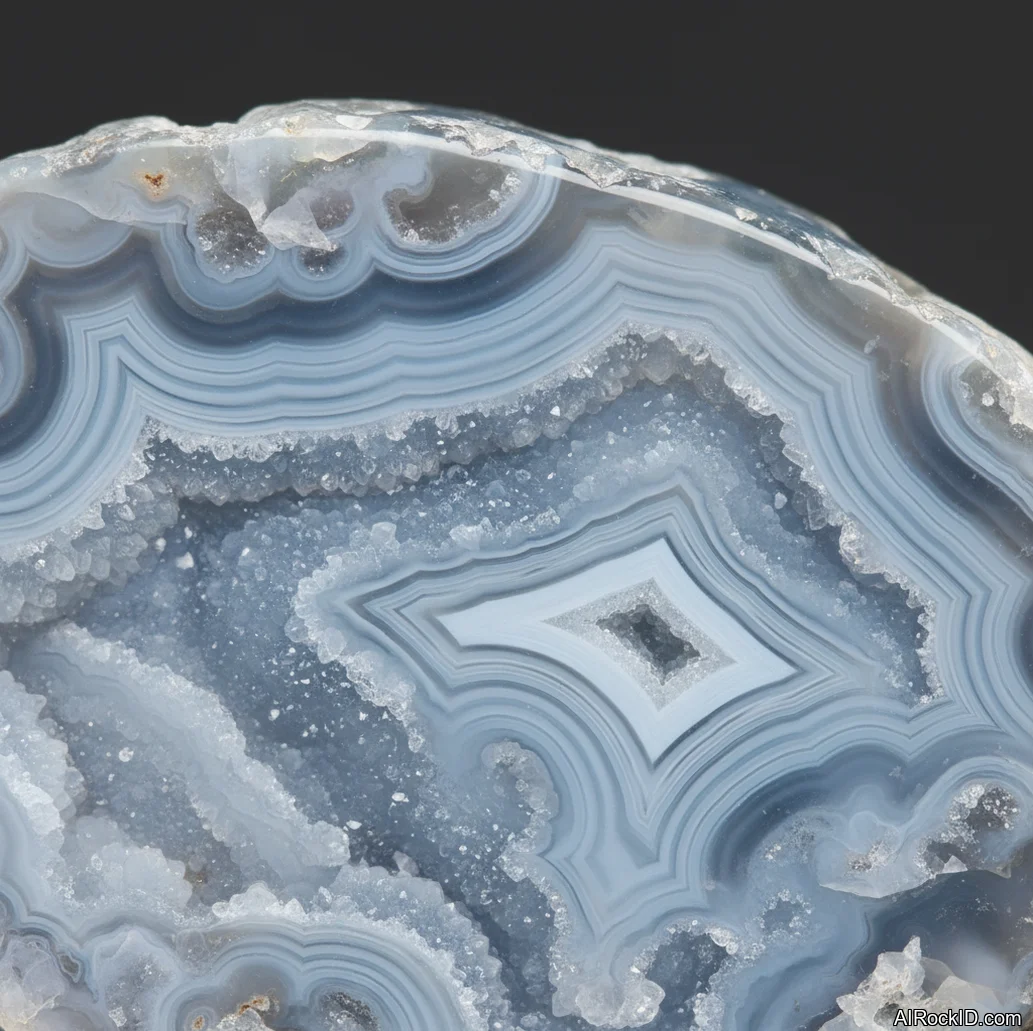
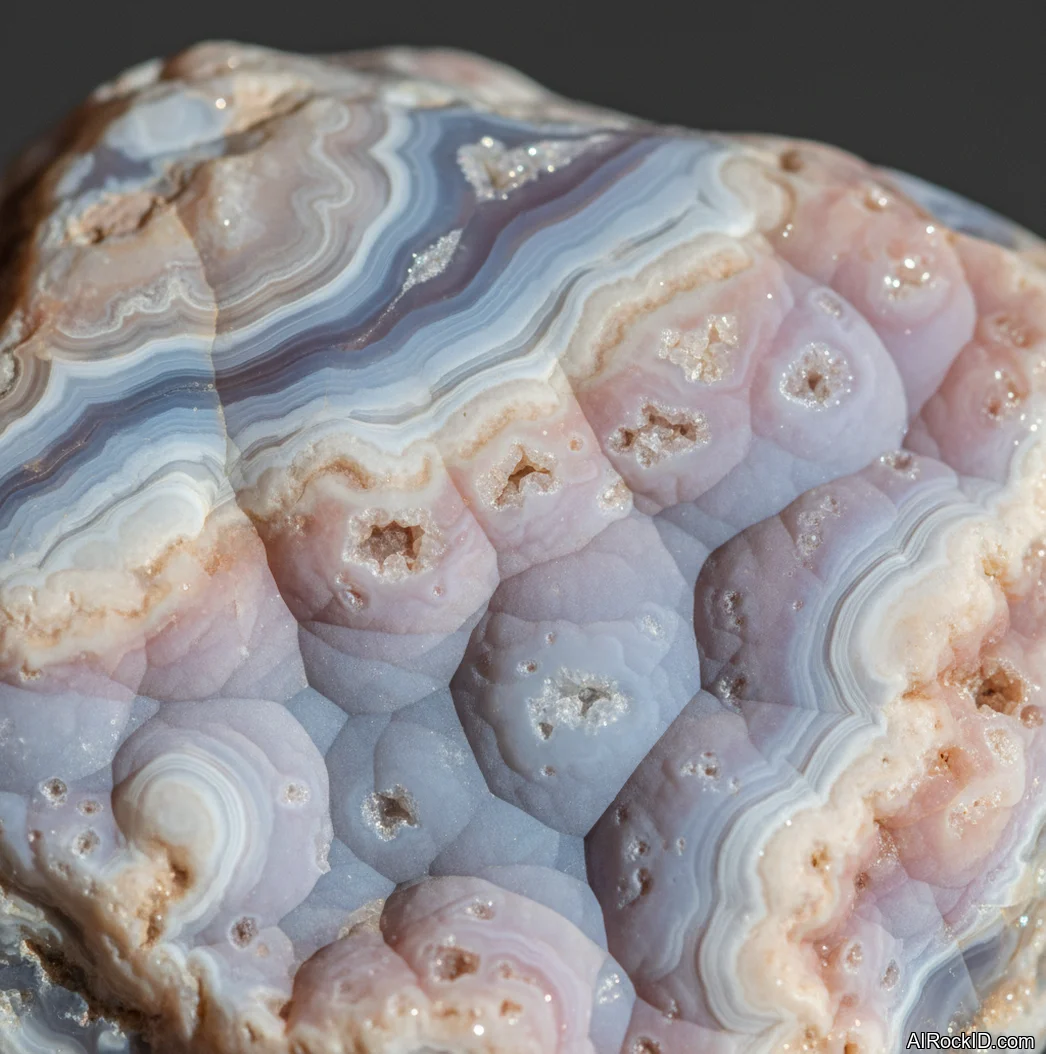
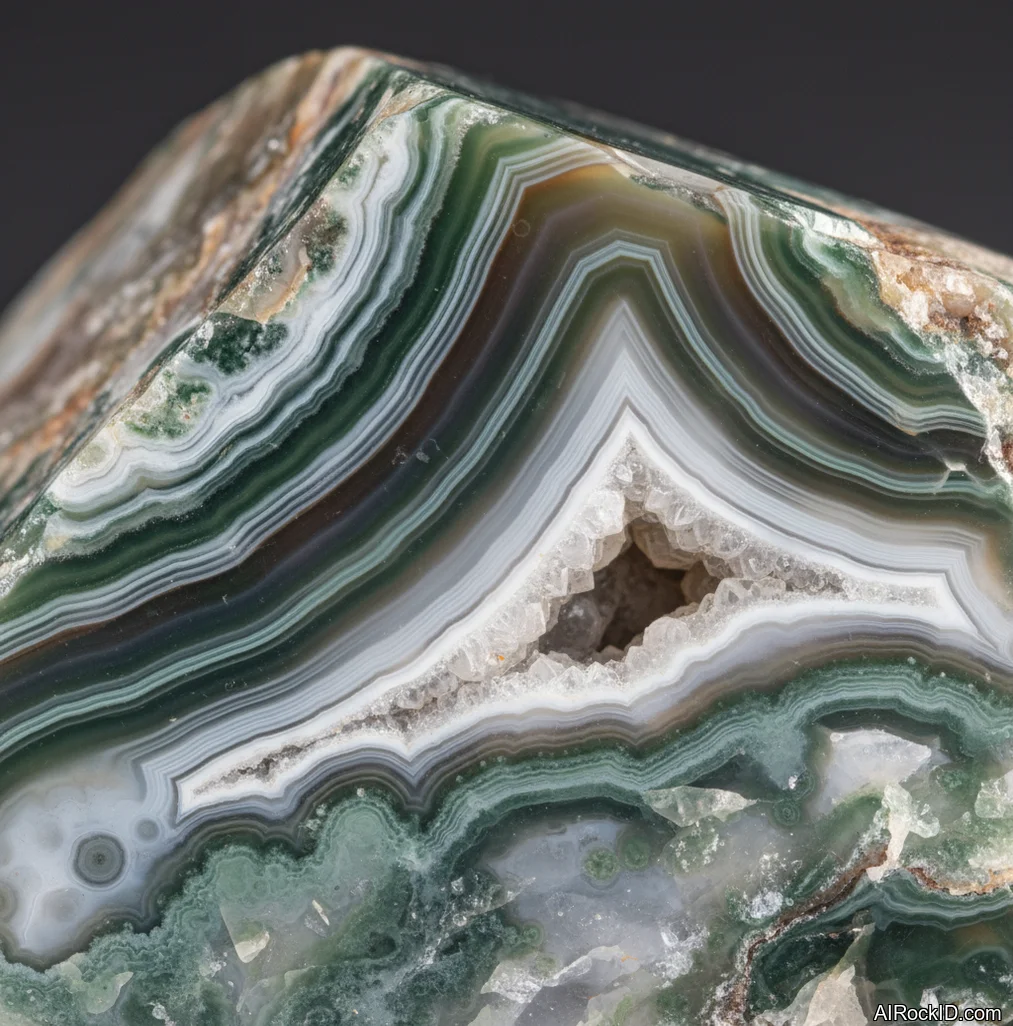
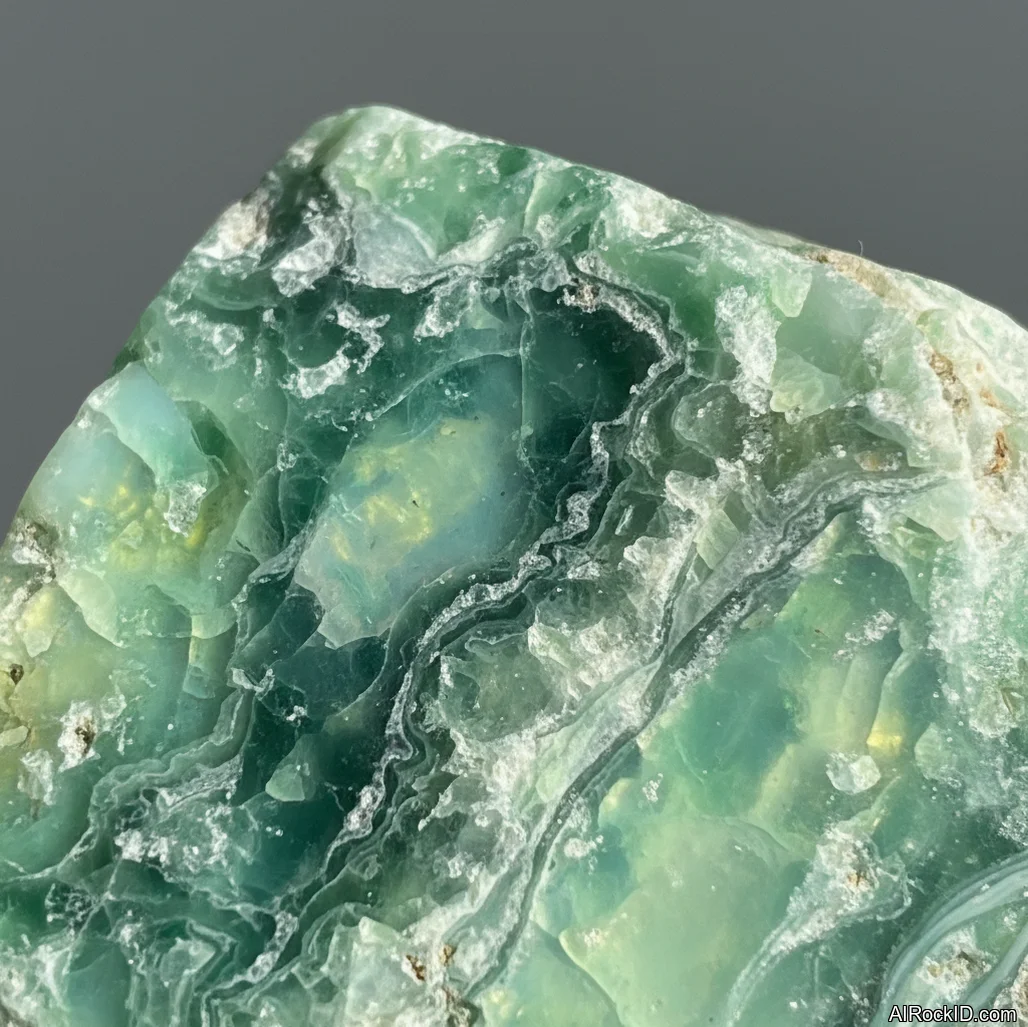
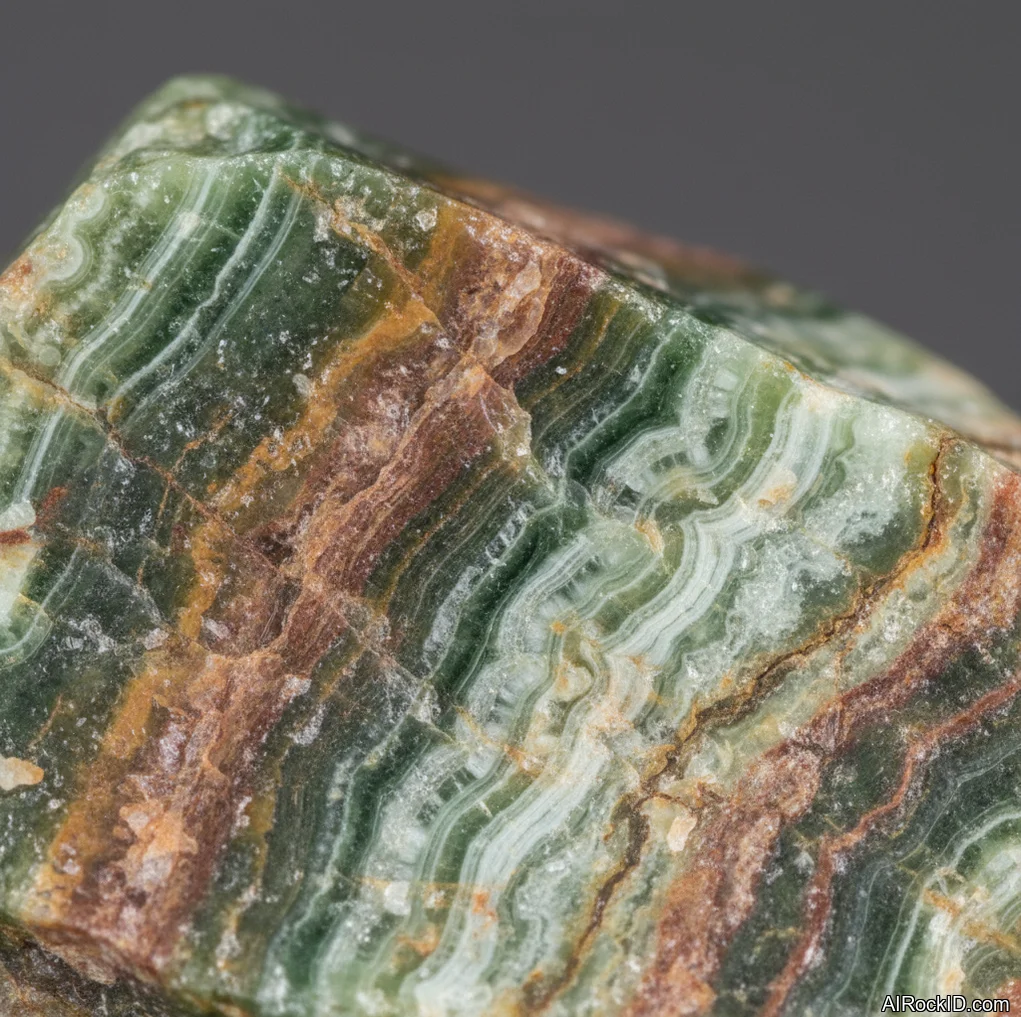
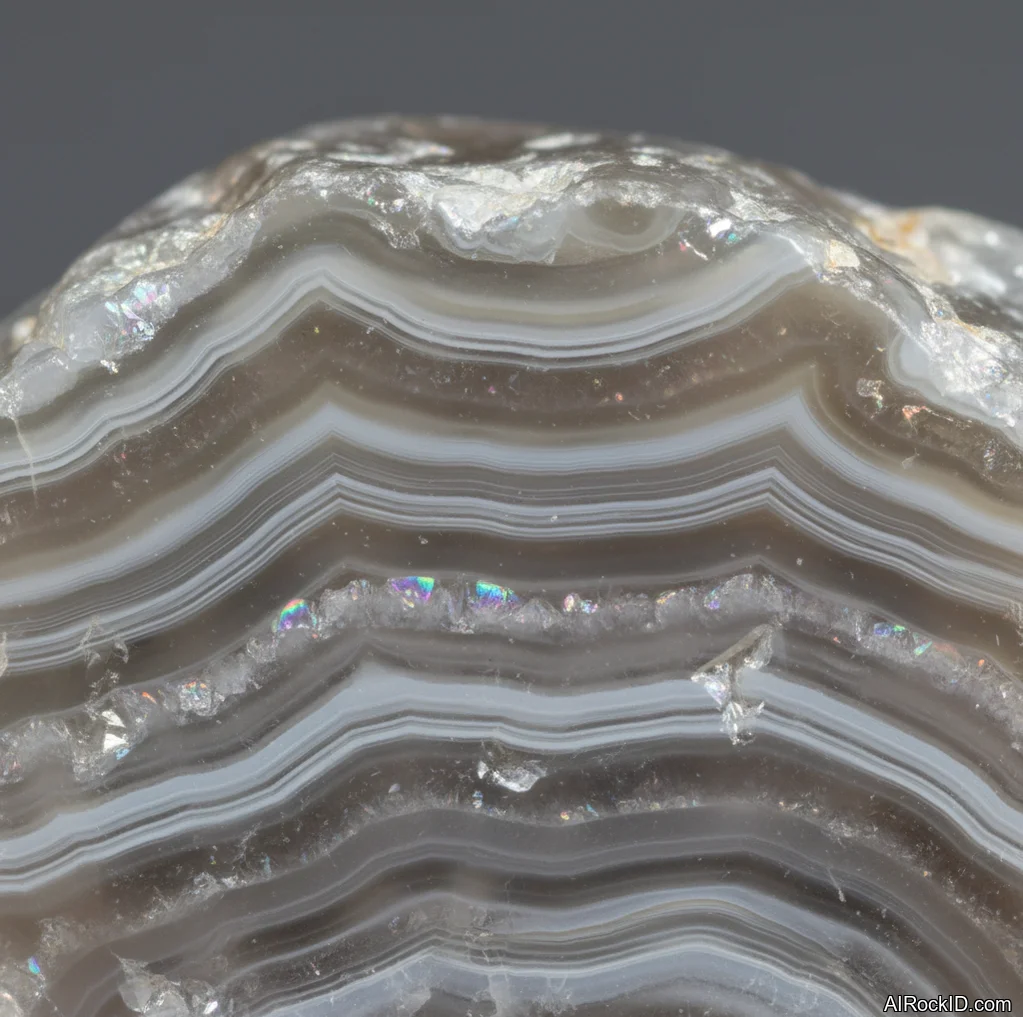
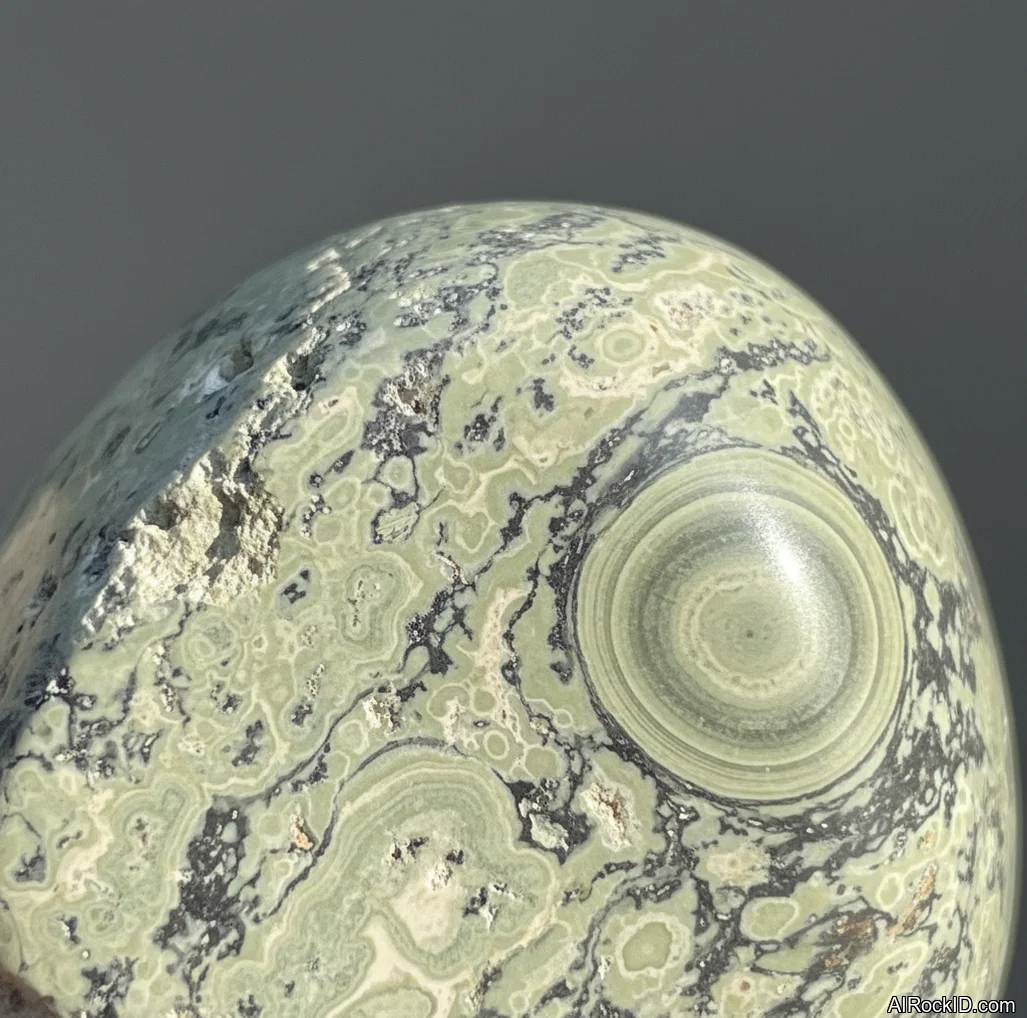
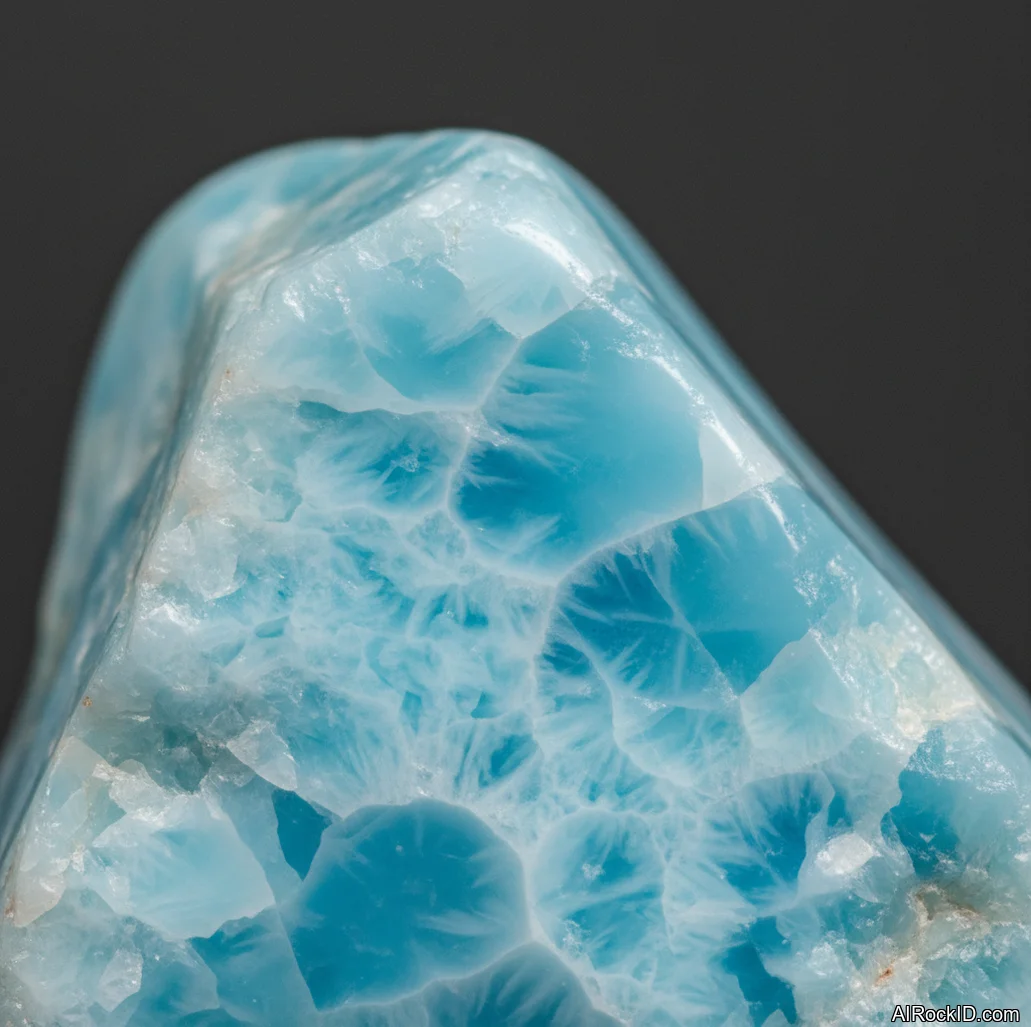
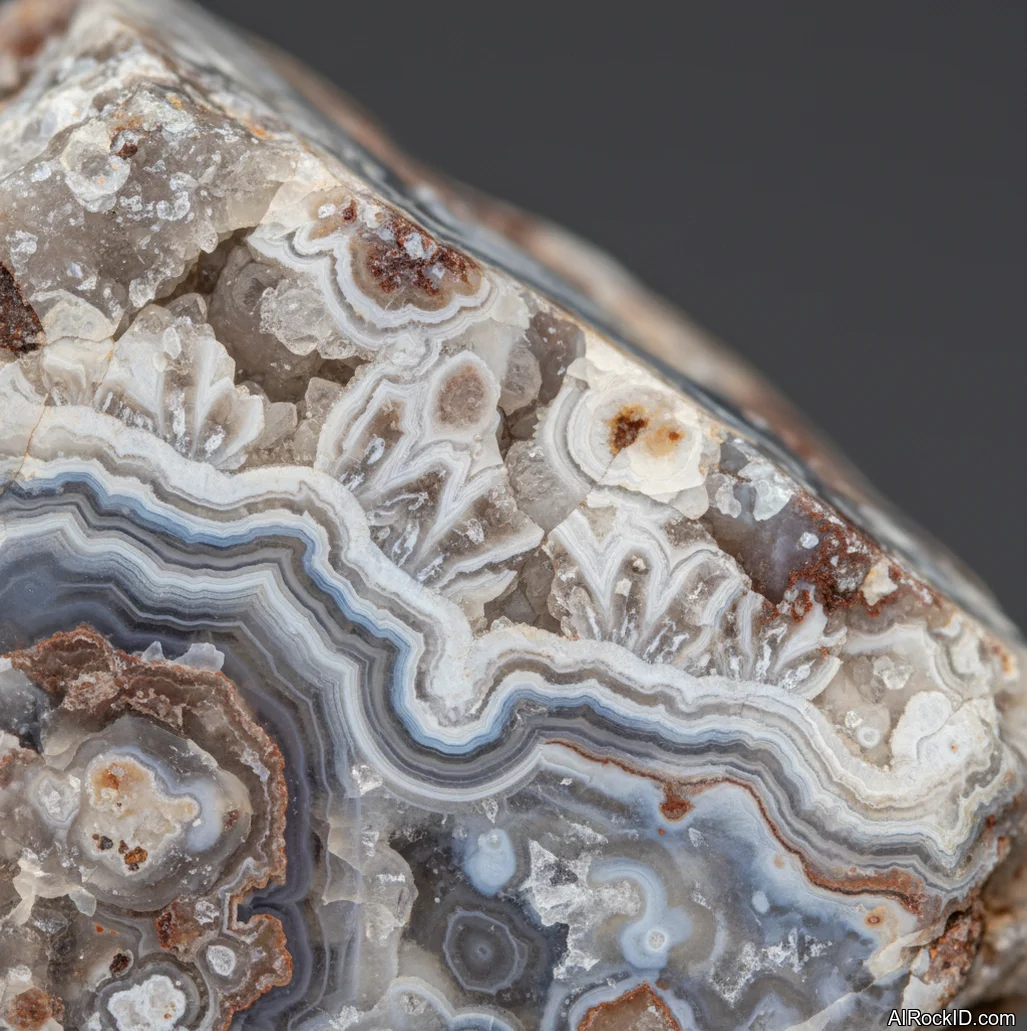
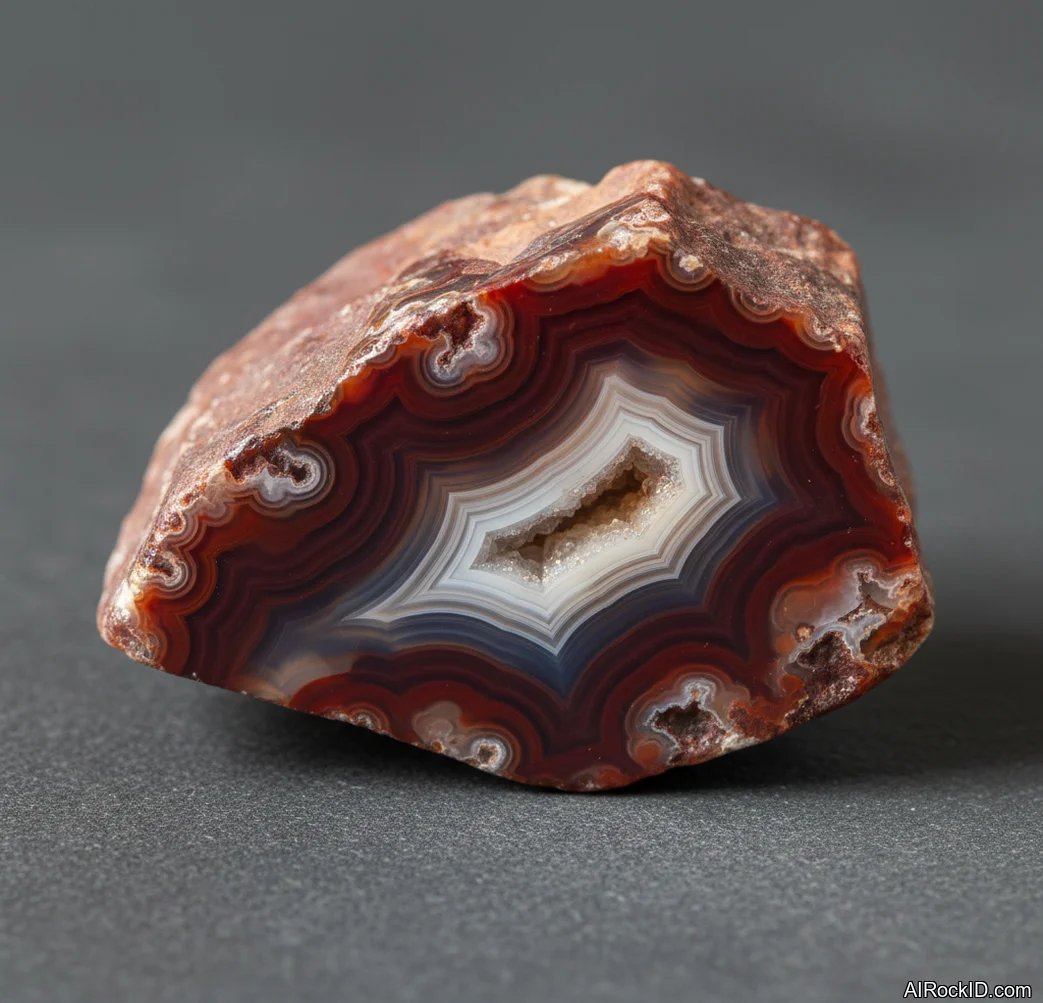
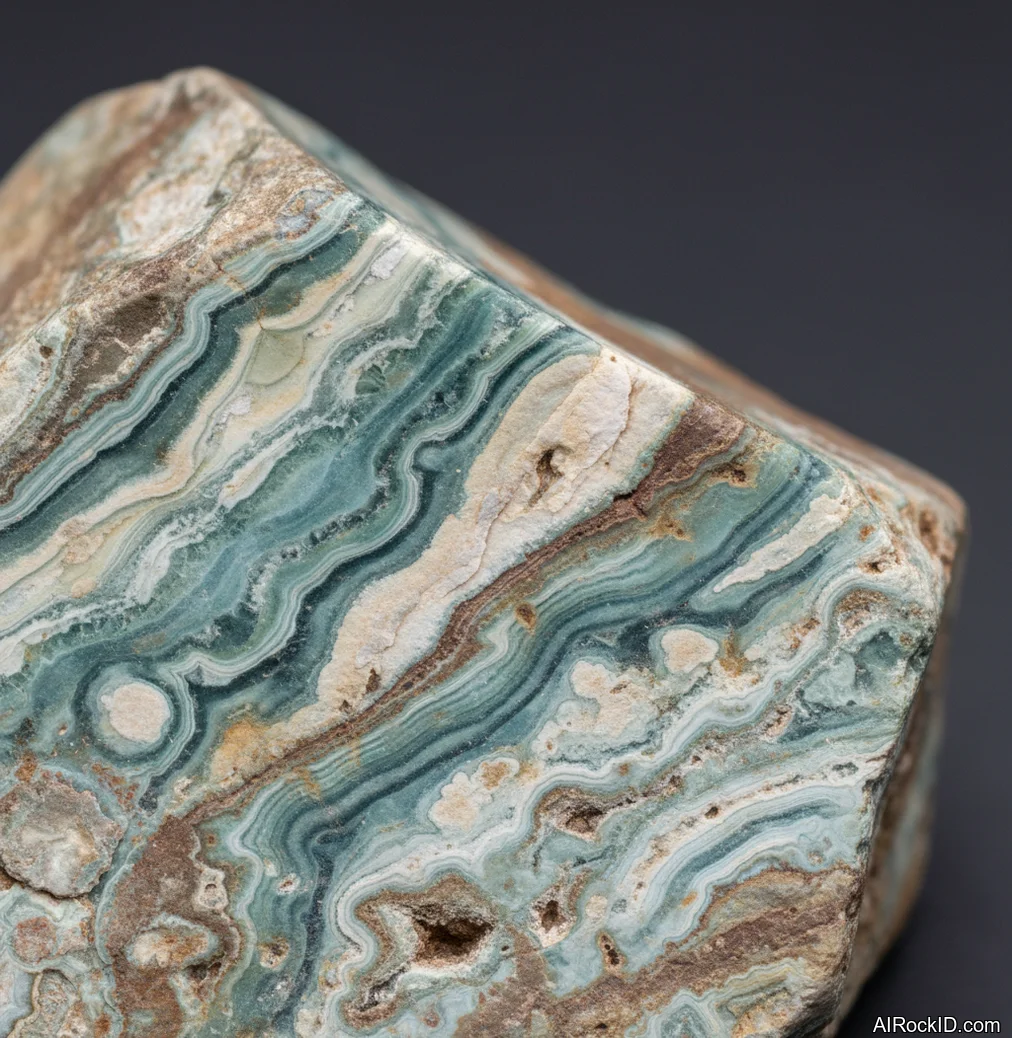
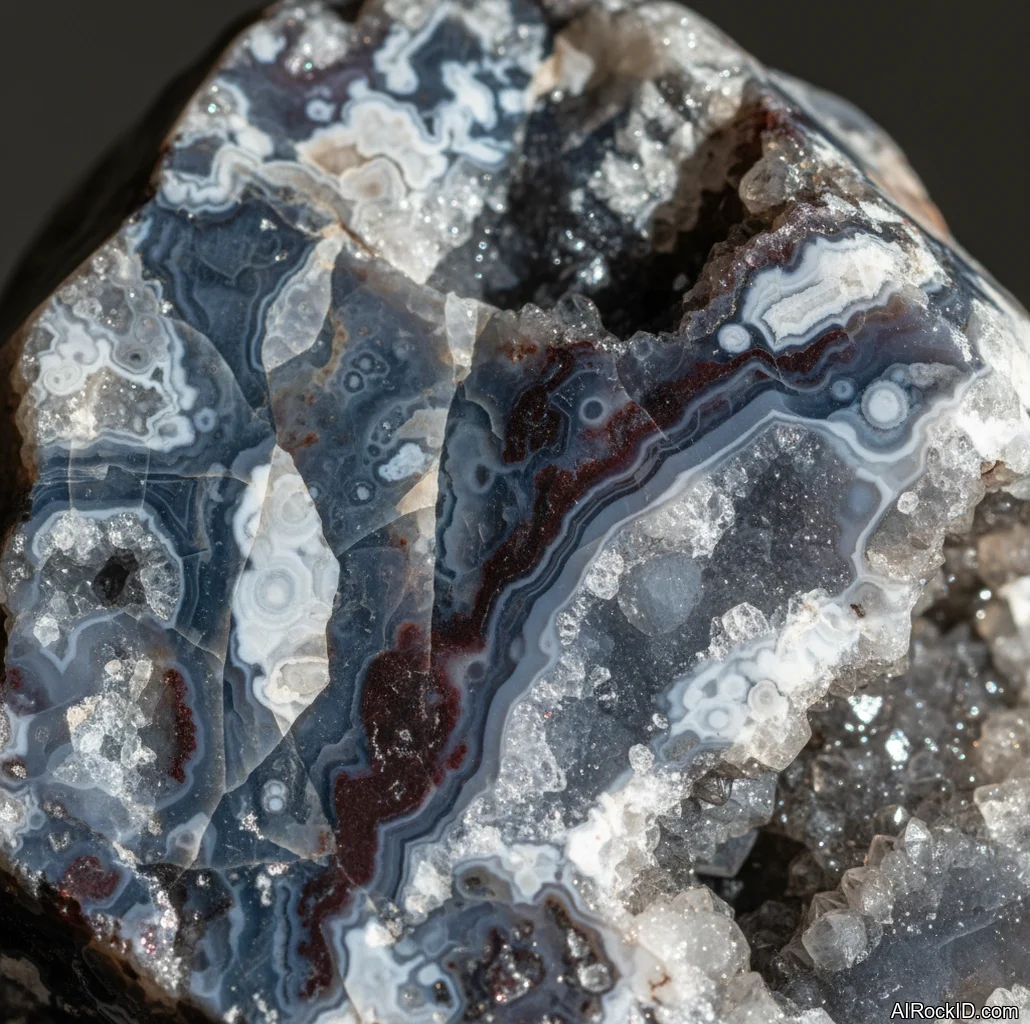
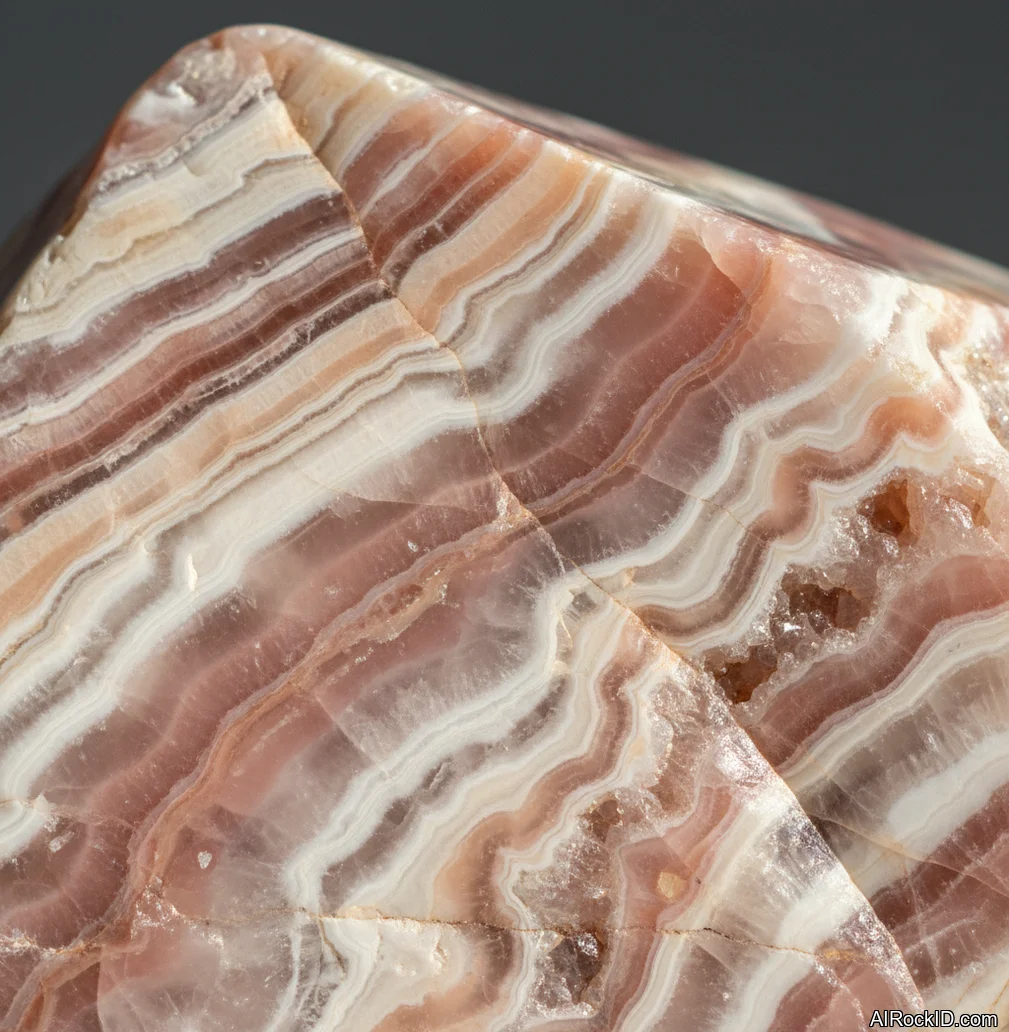
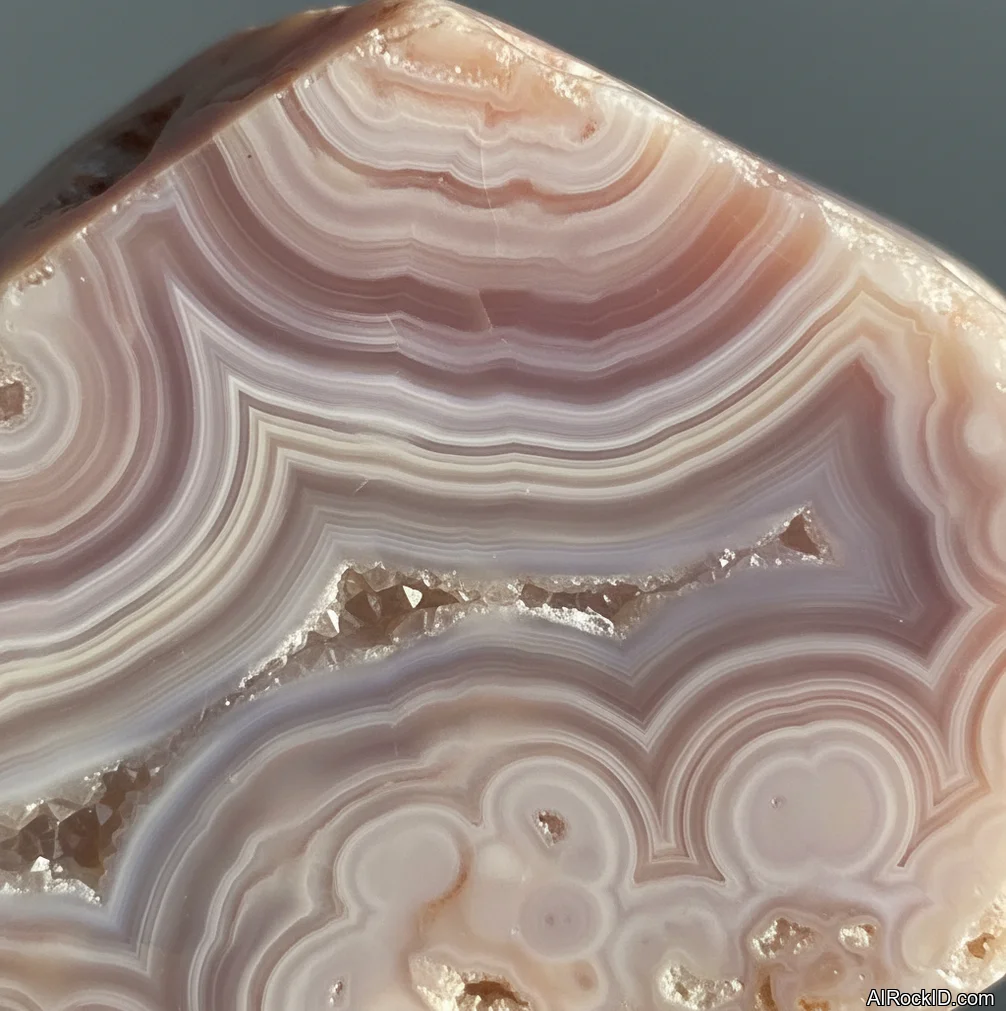
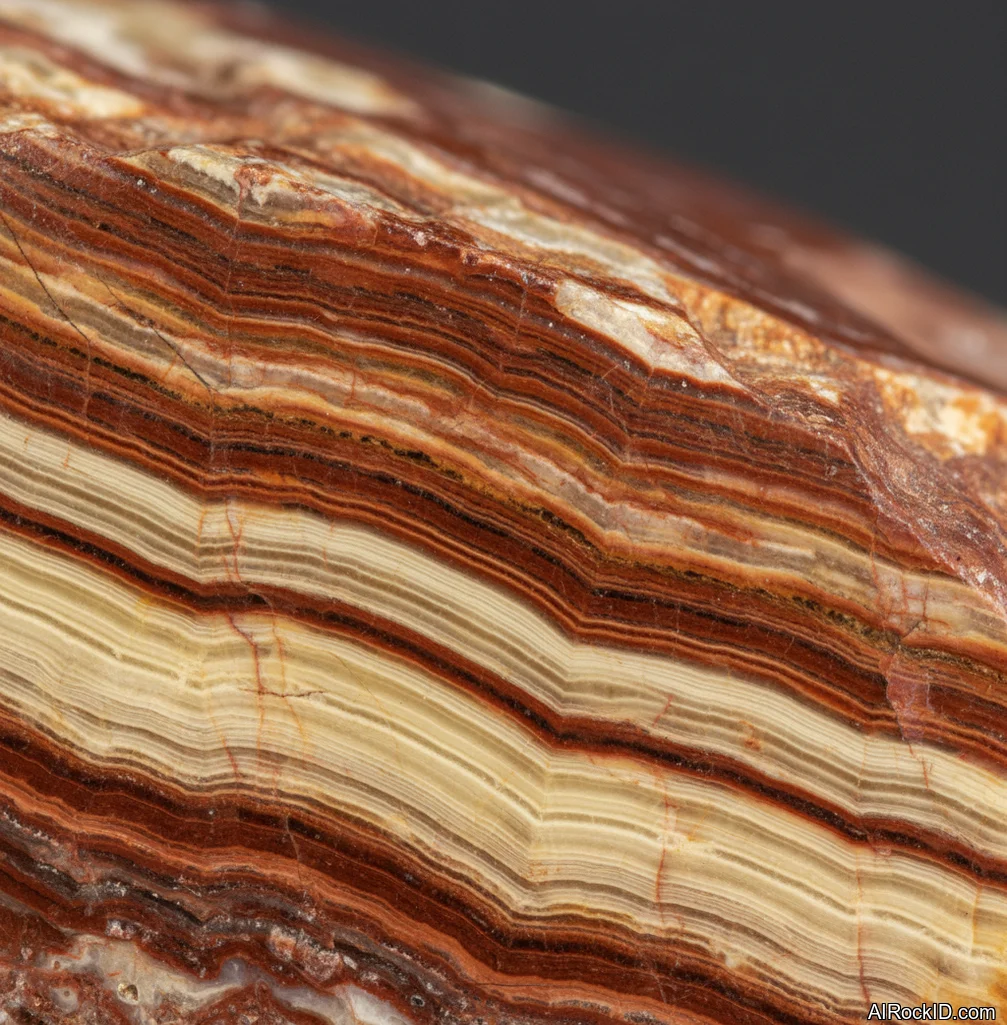
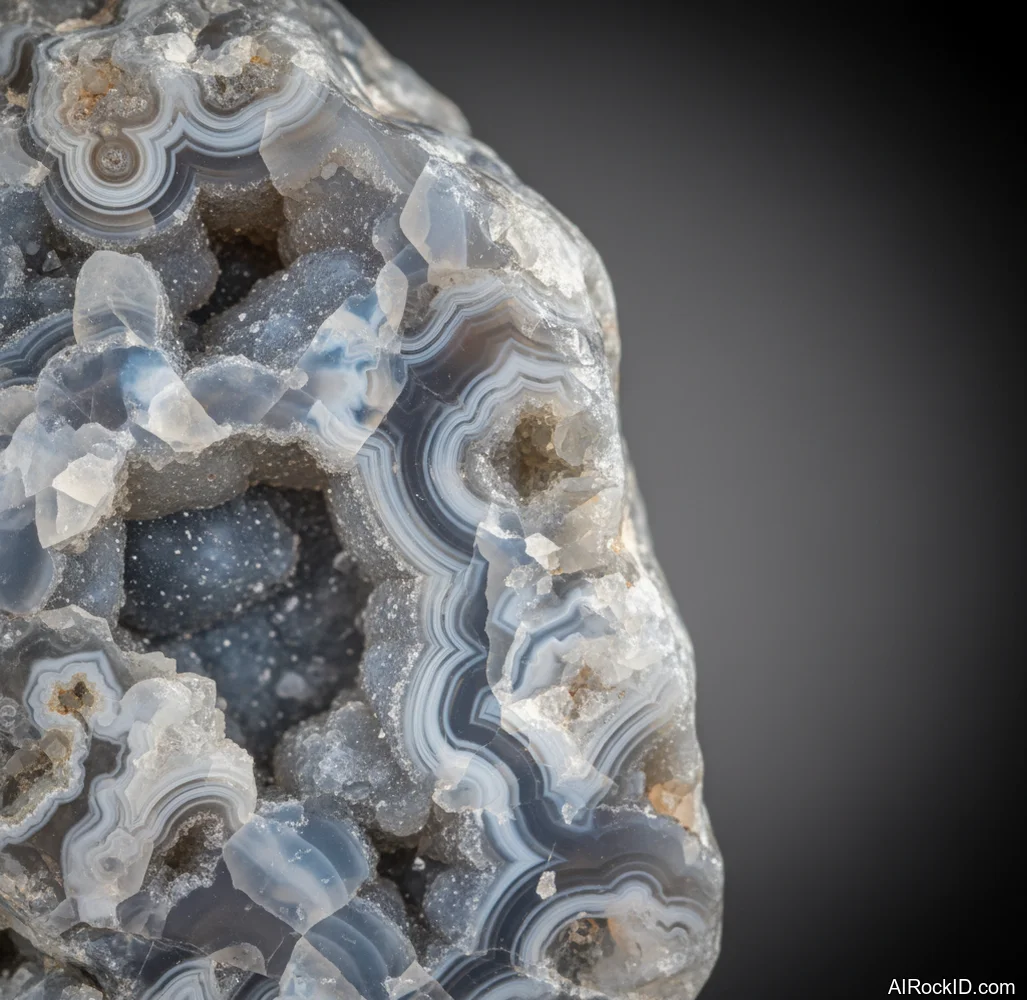
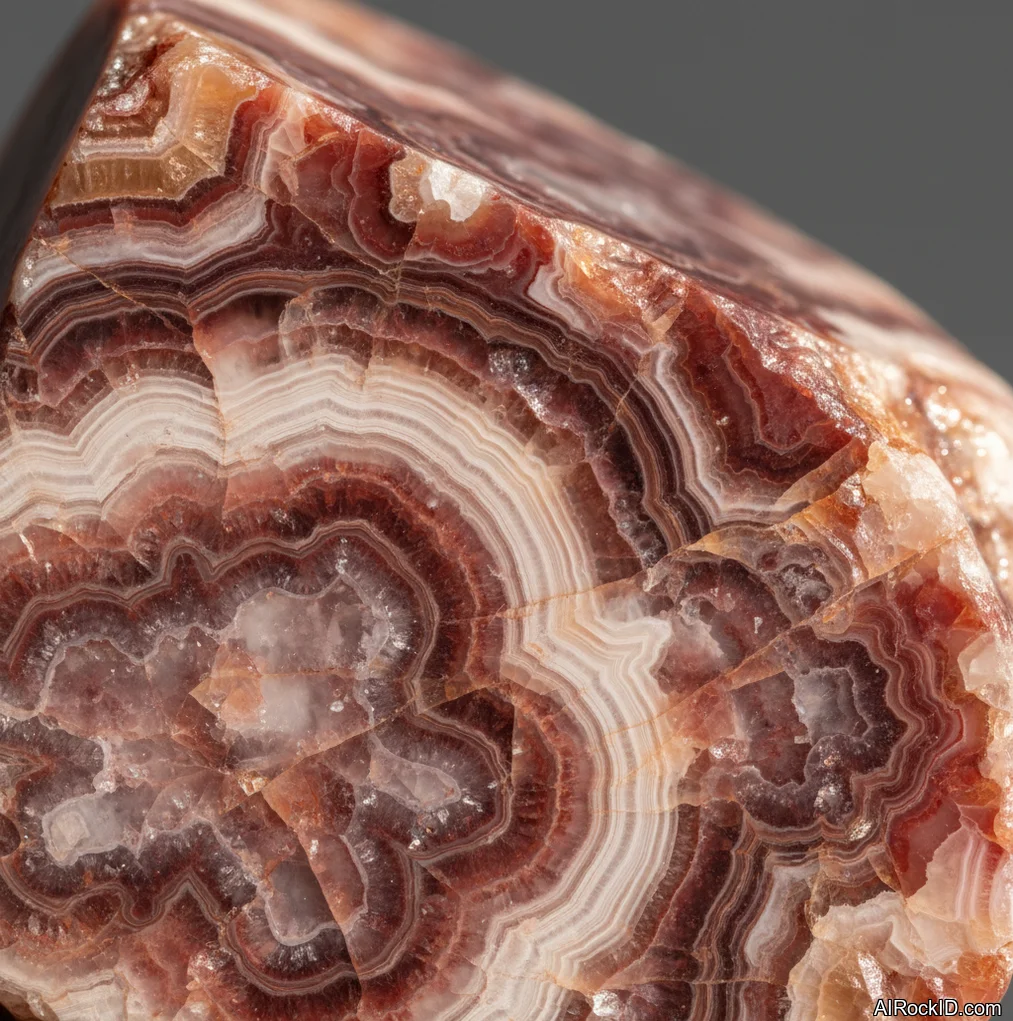
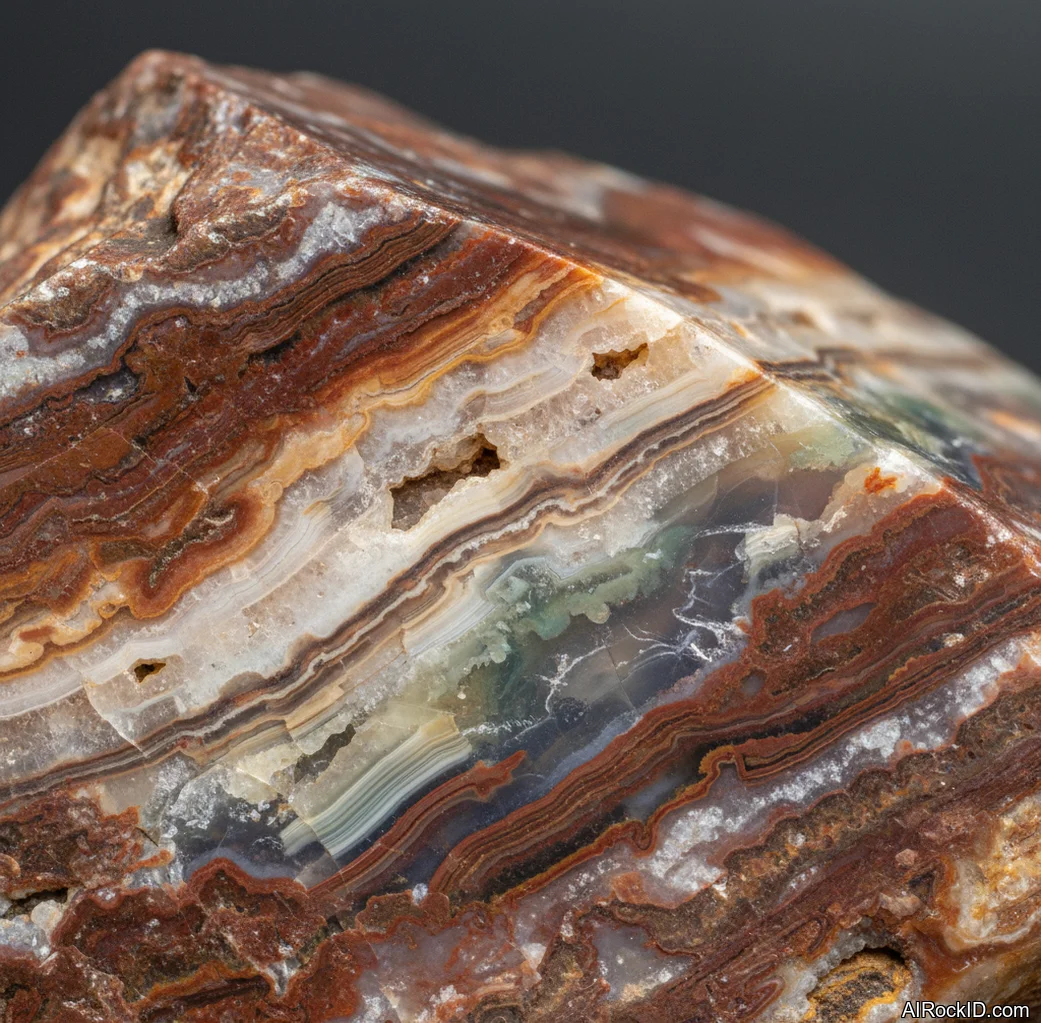
Pick up a good palm stone of blue lace agate and you’ll see it immediately. Cool and glassy at first touch. Then the banding pulls your eyes into slower, wider loops. A lot of Soothing stones work like that visually. They don’t shout. They repeat.
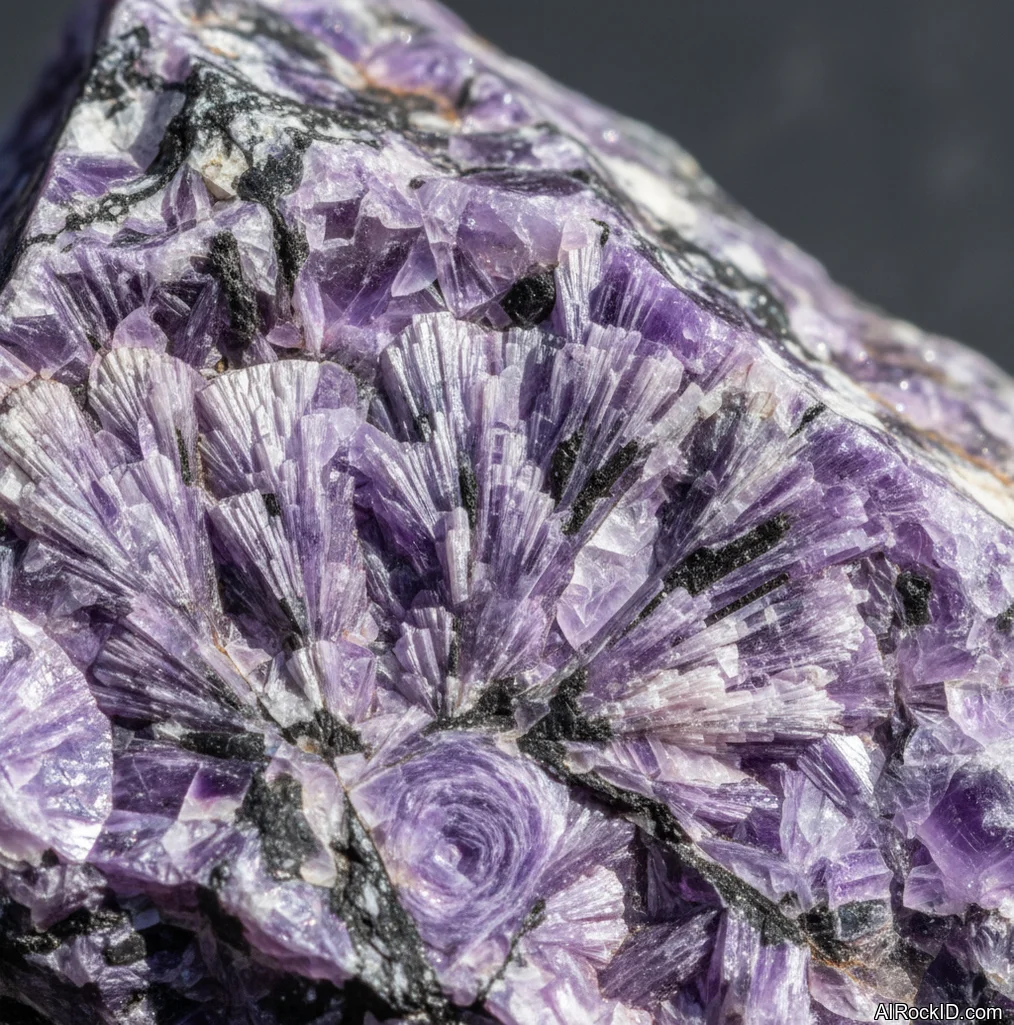
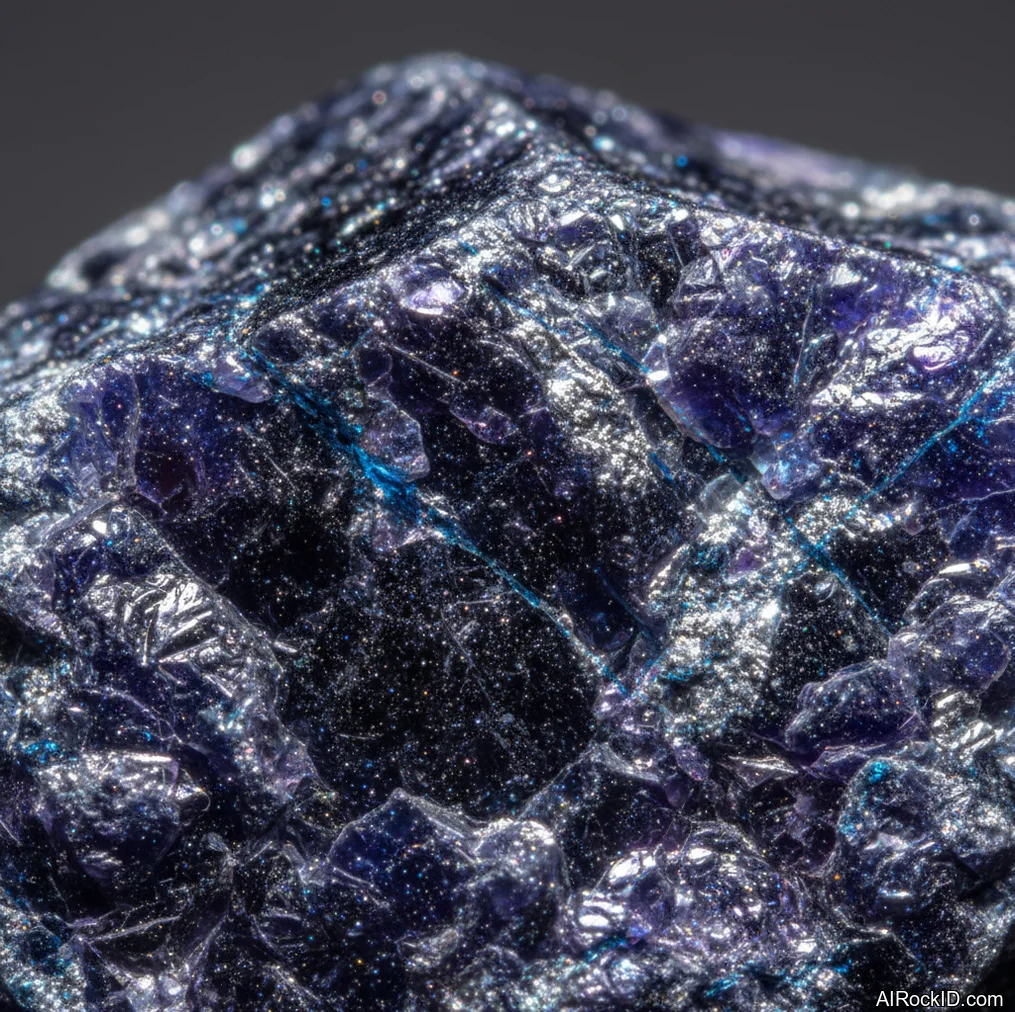
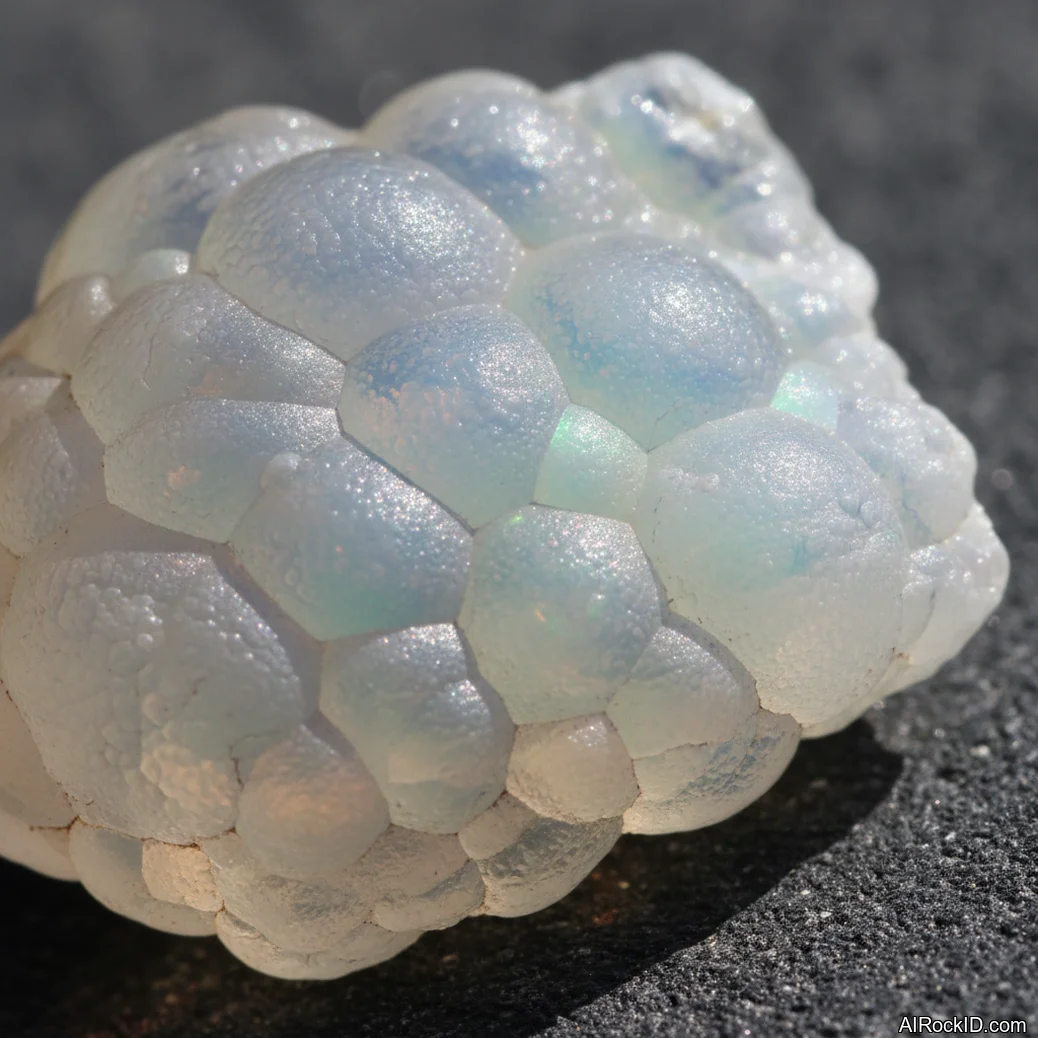
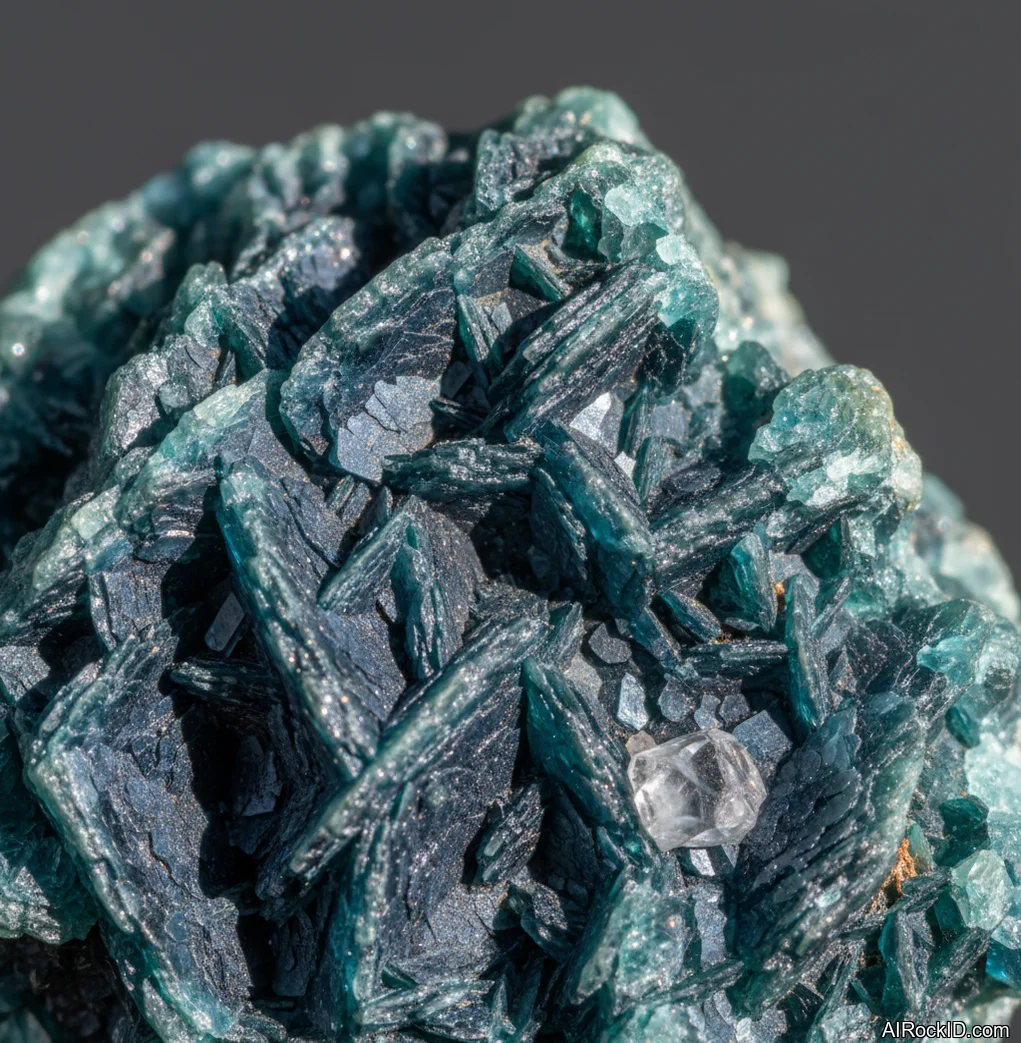
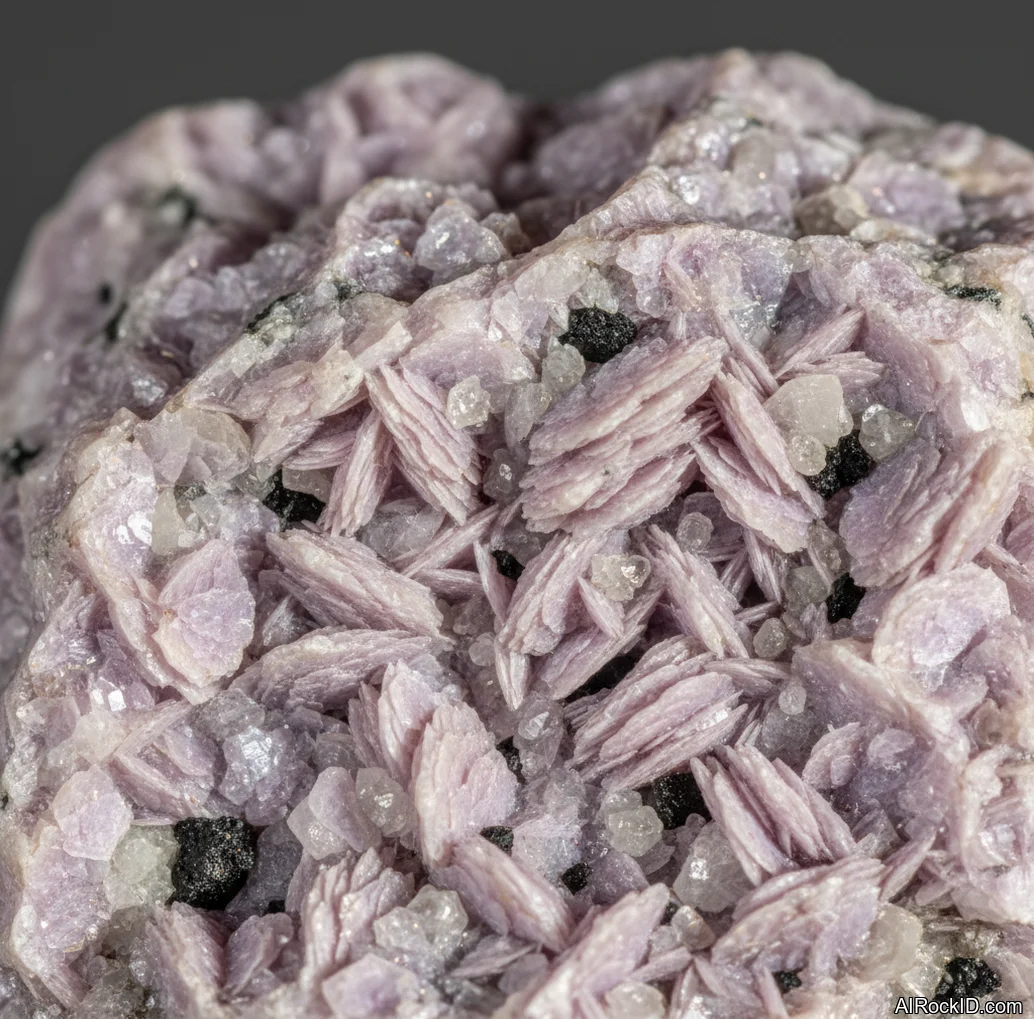
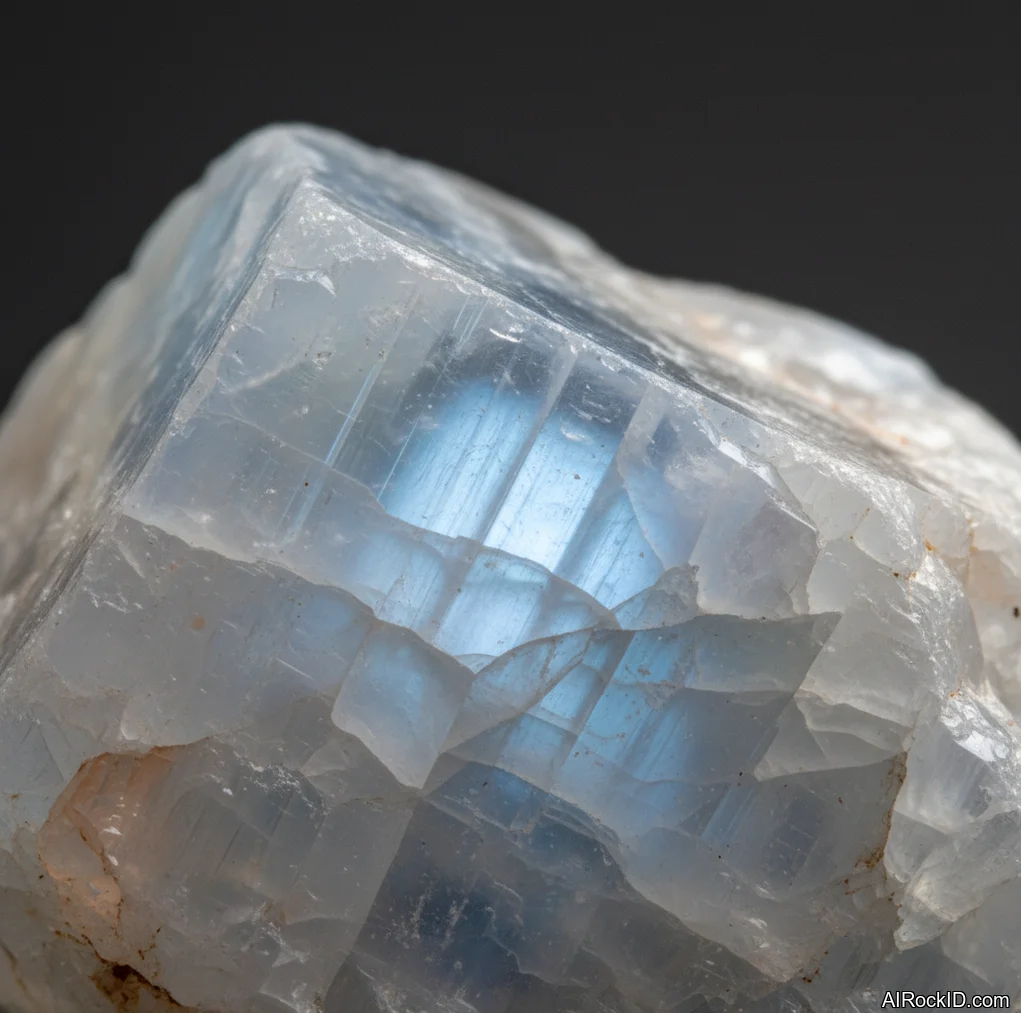
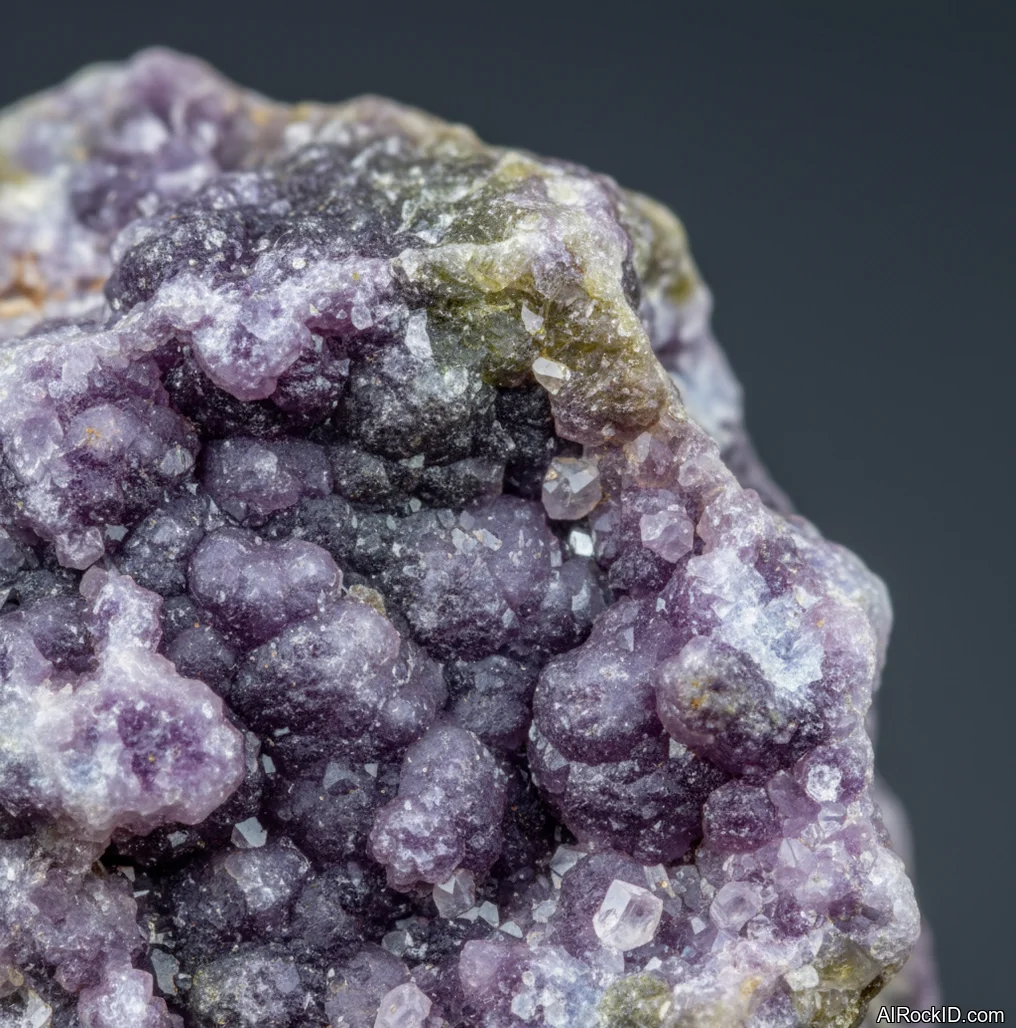
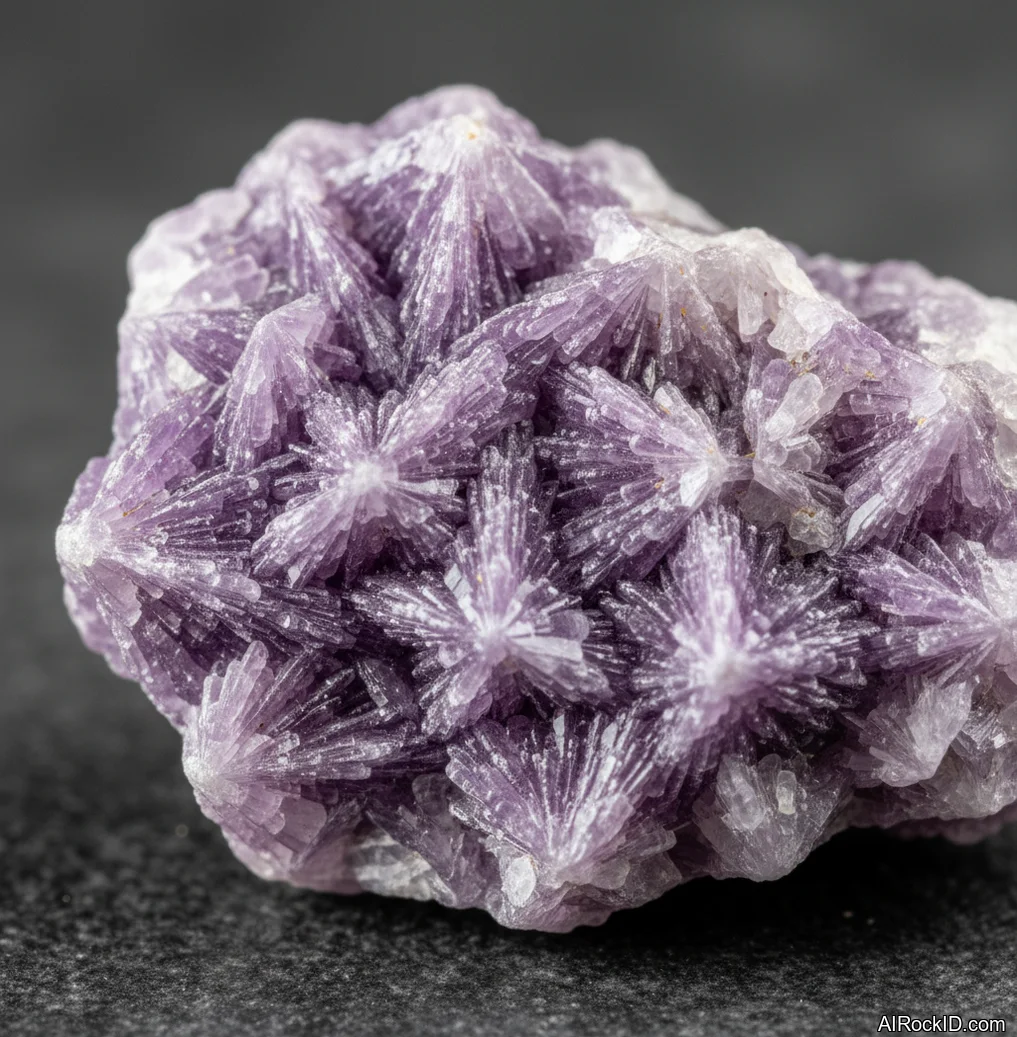
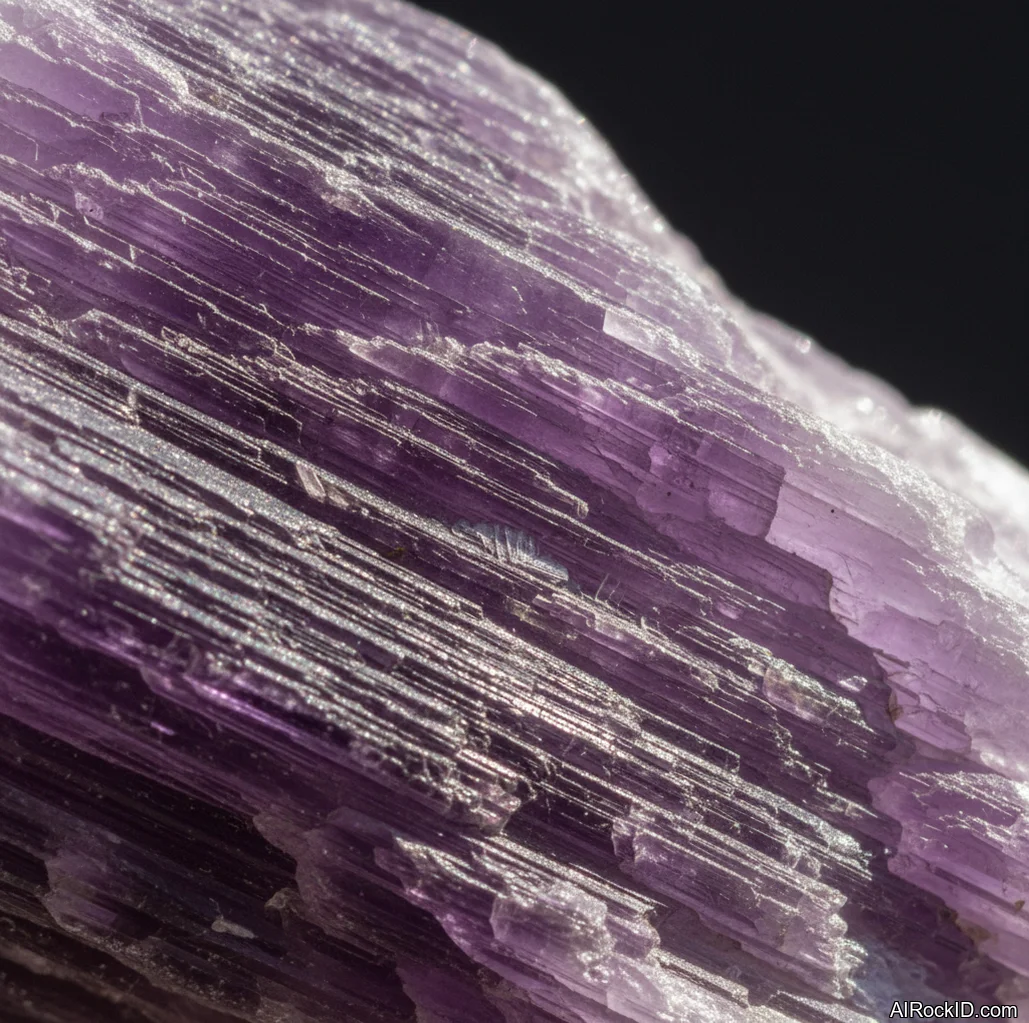
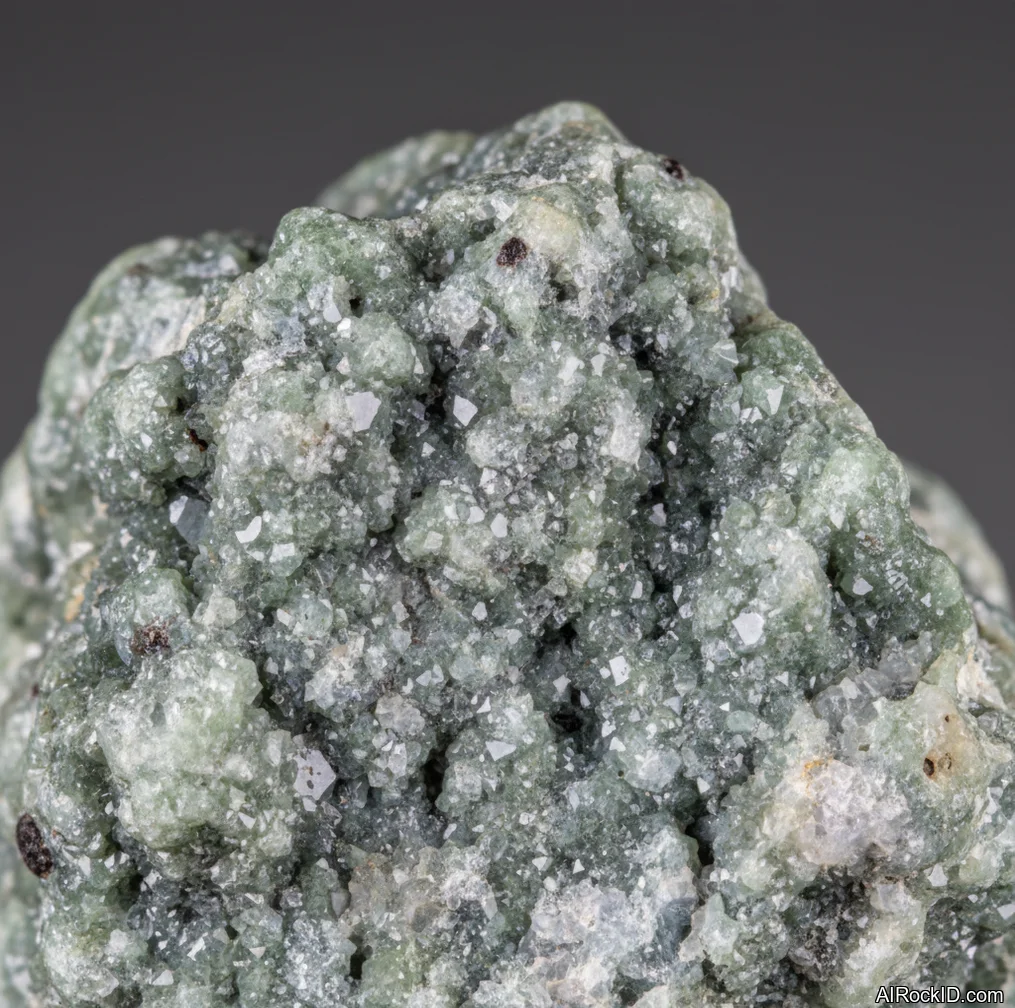
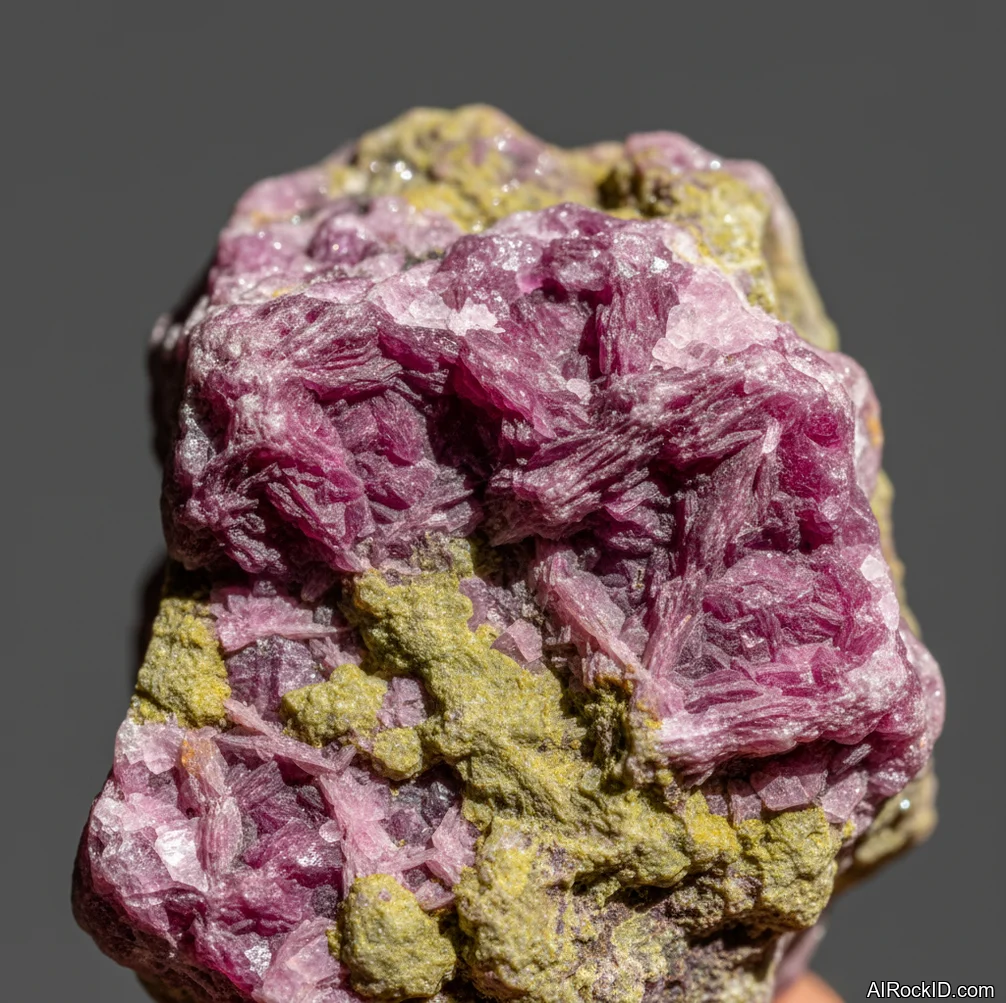
Lepidolite does it with mica glitter (tiny fish scales, basically). And a chunk of milky moonstone does it with that drifting sheen that slides when you tilt it under a lamp. The physical cues matter. That’s part of why people keep coming back to these pieces.
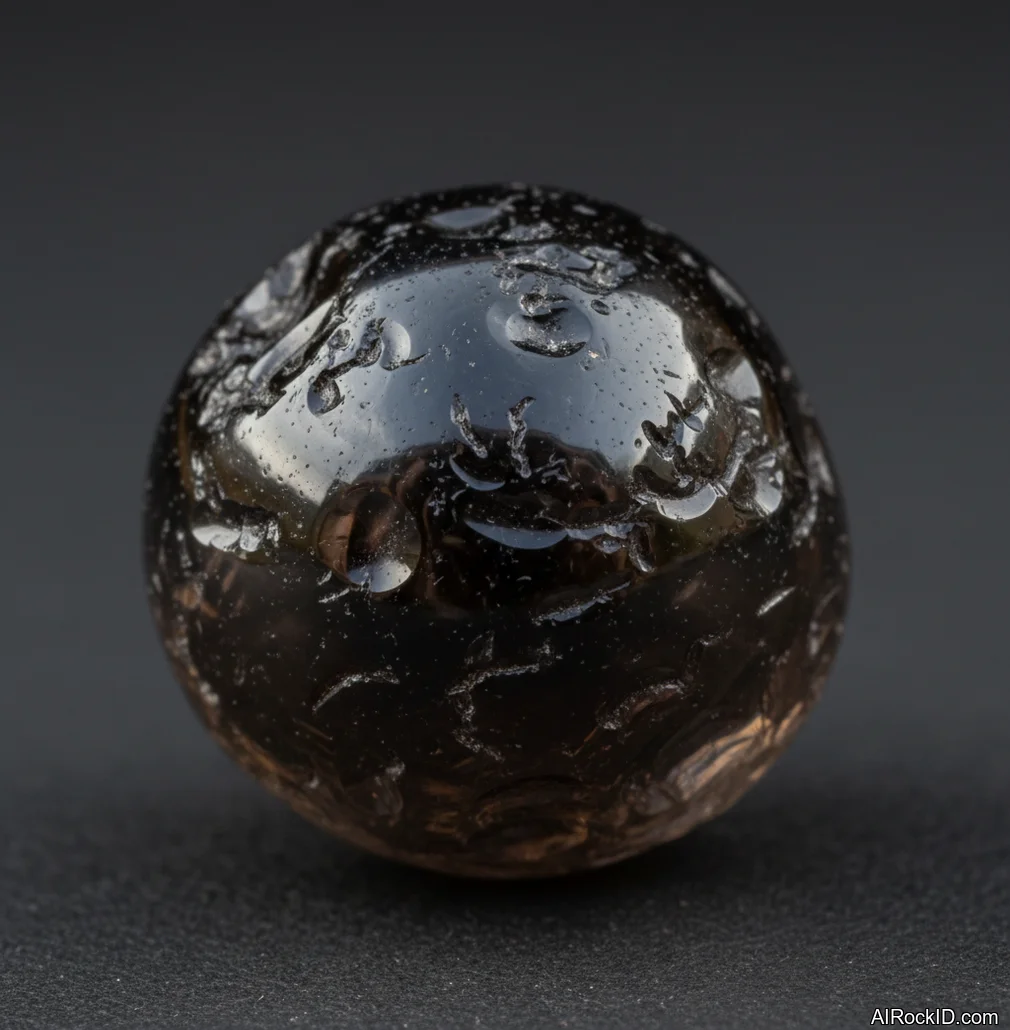
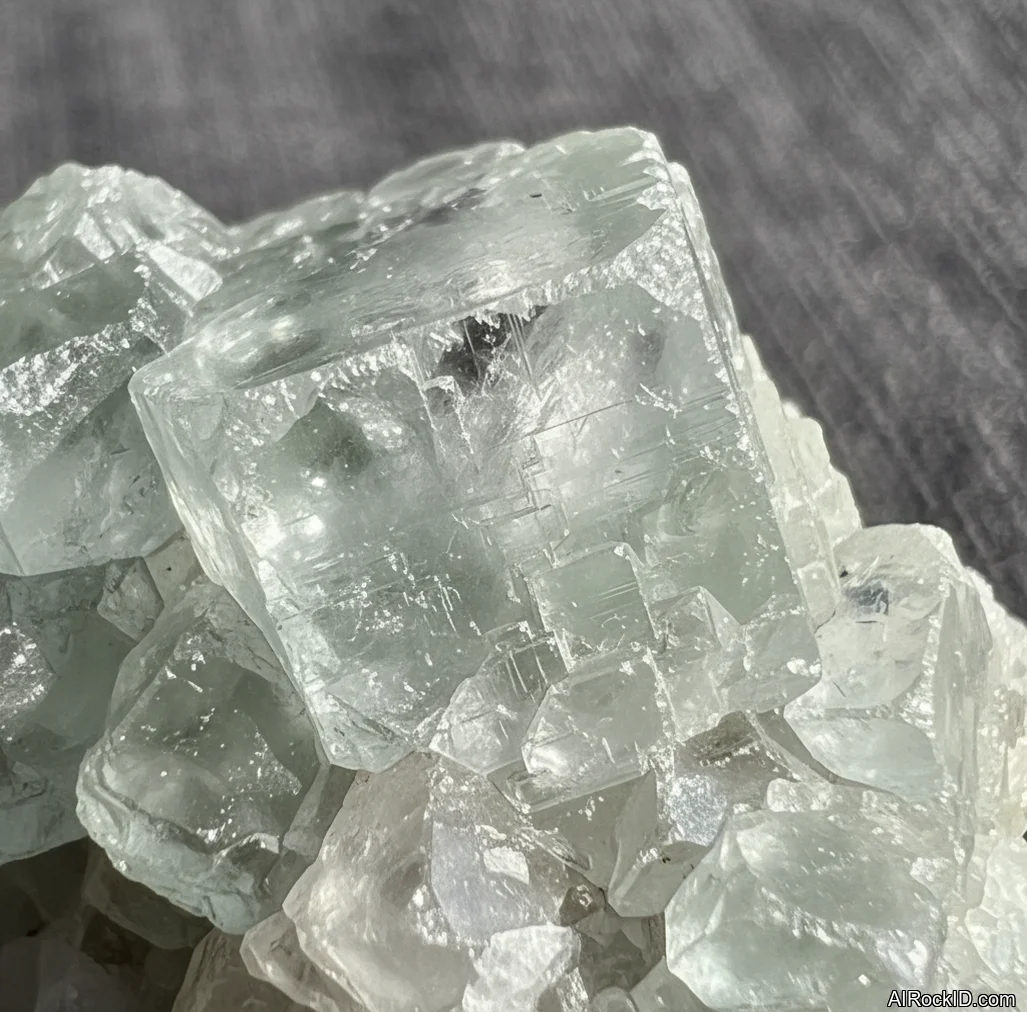
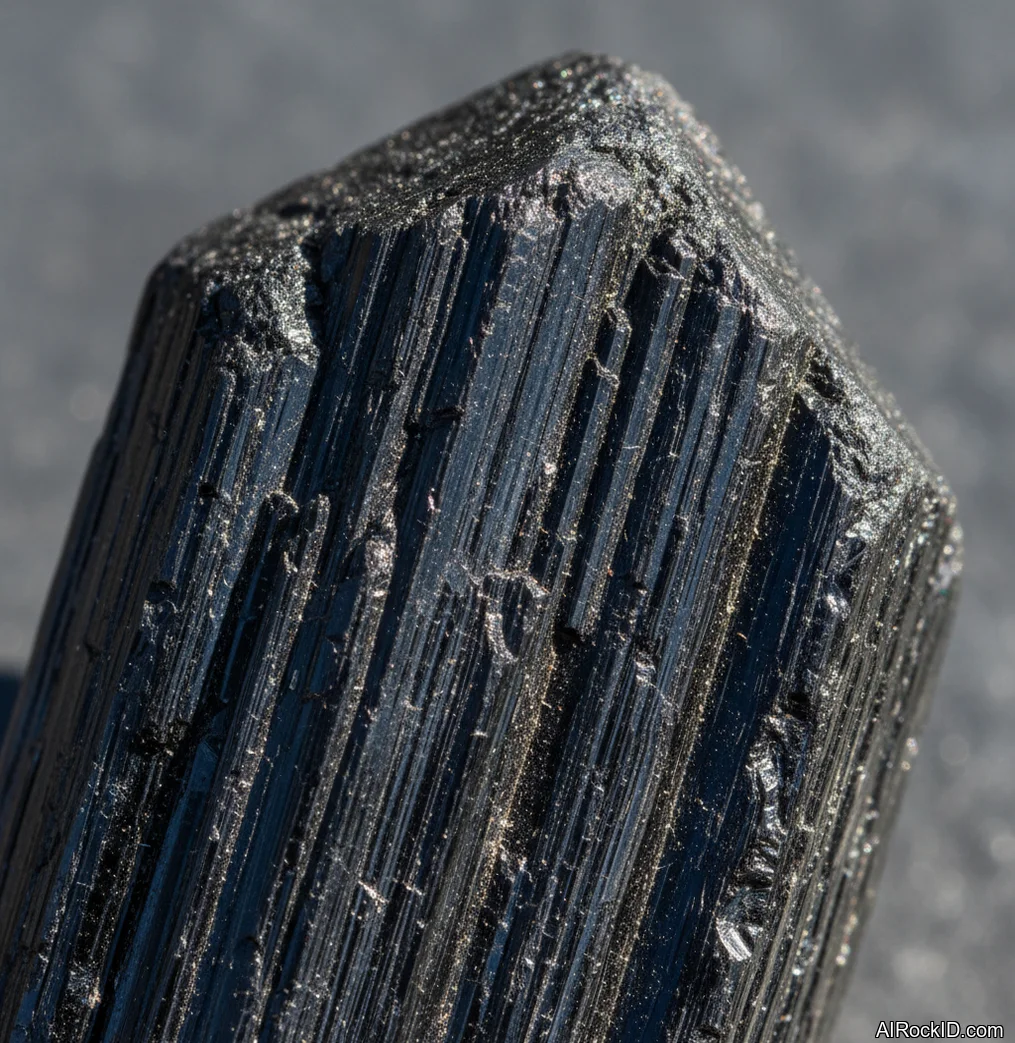
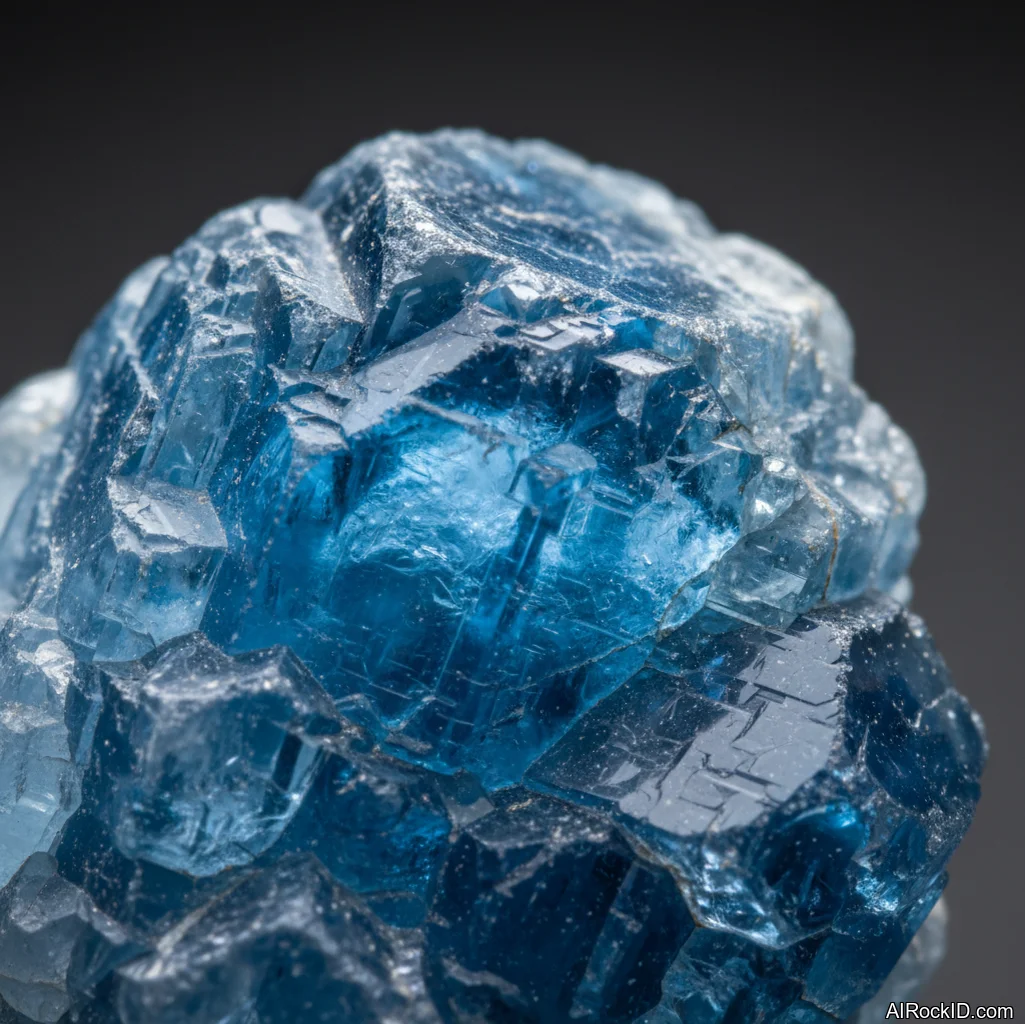
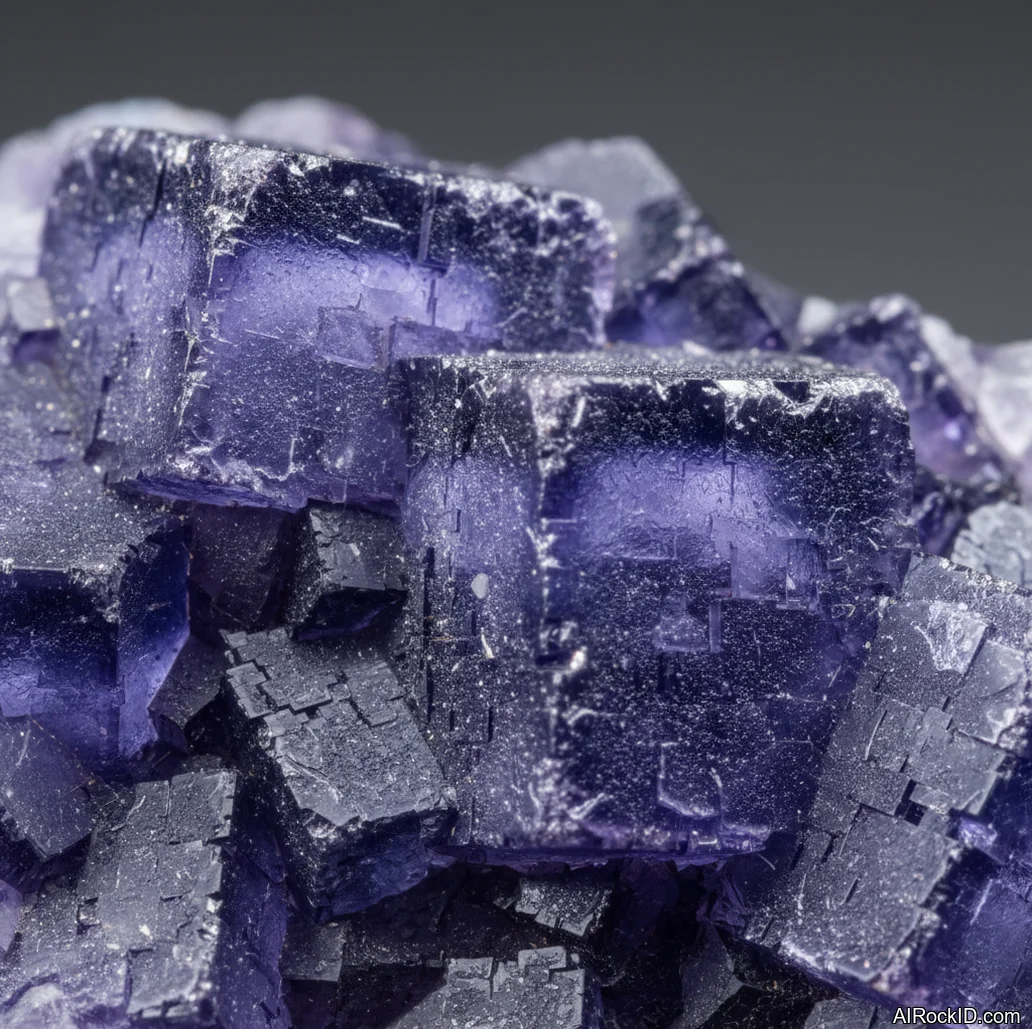
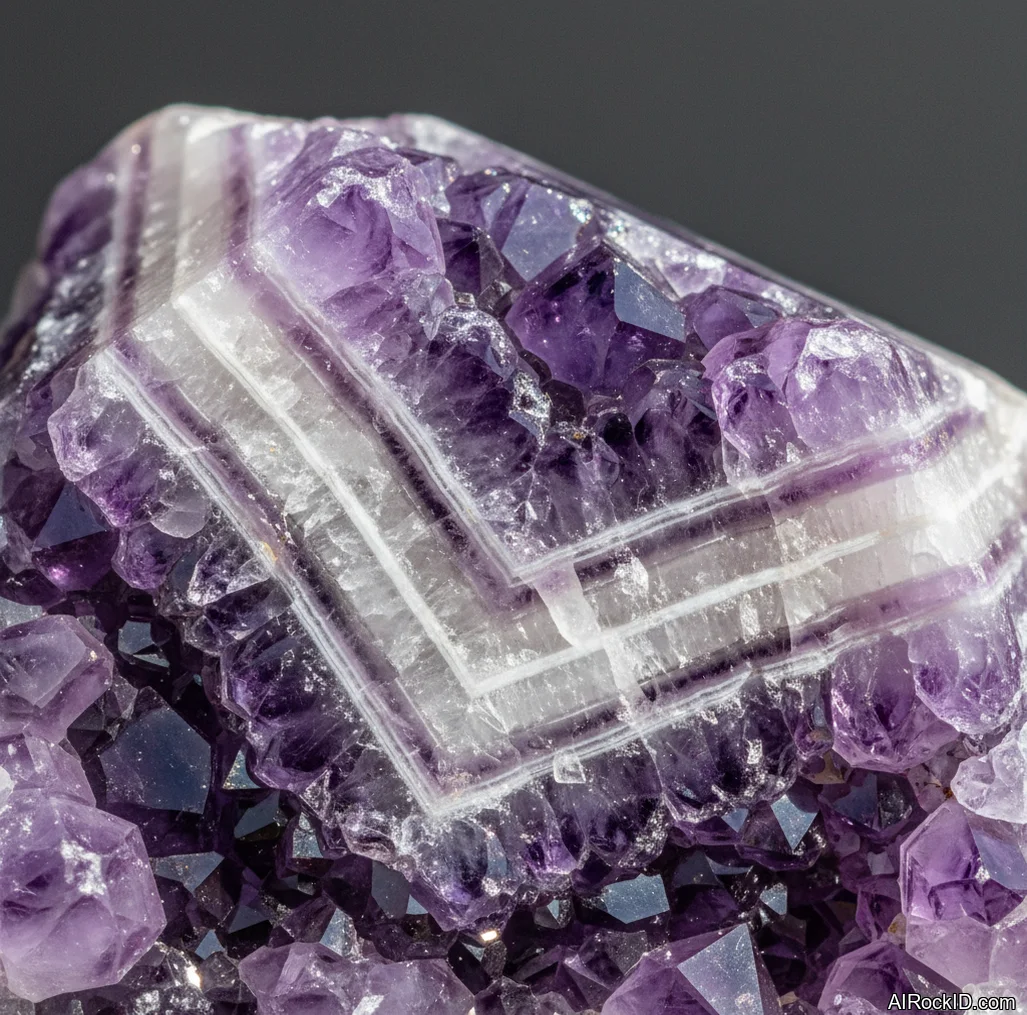
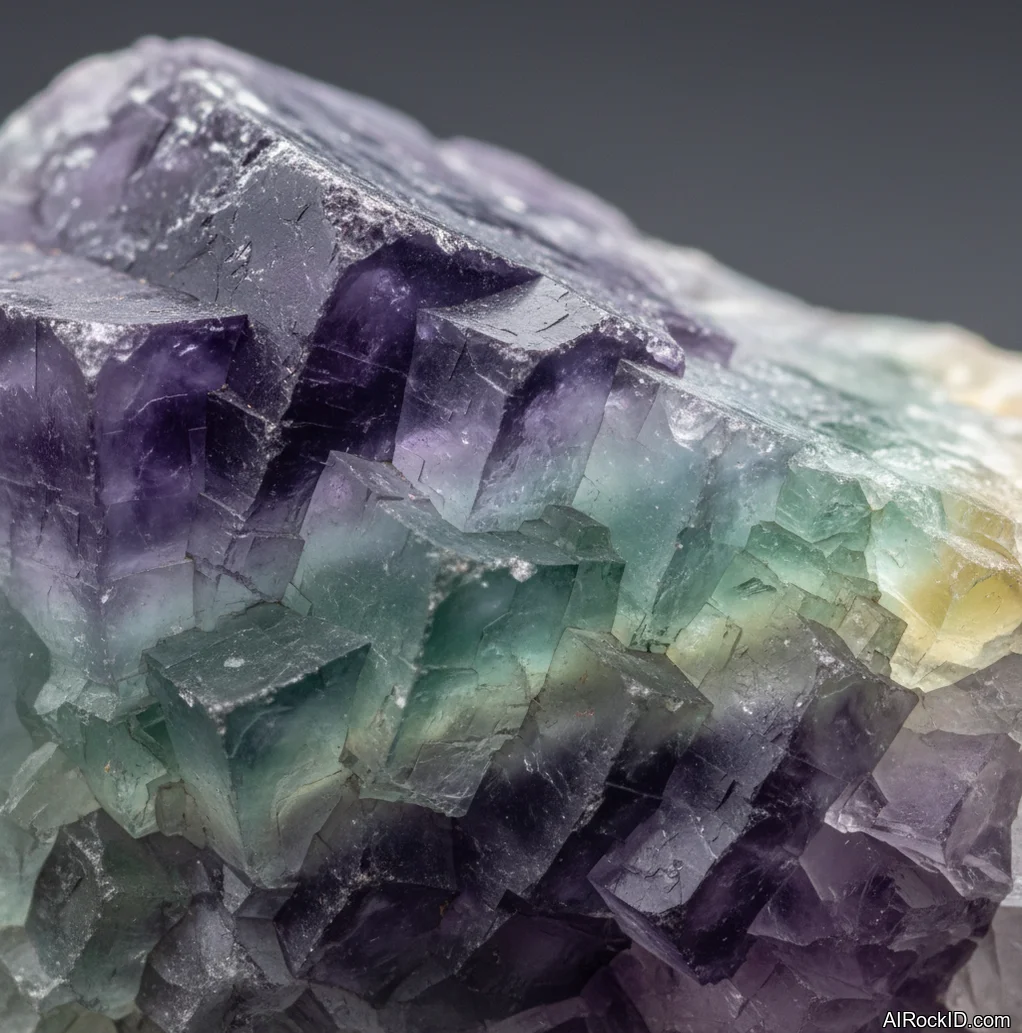
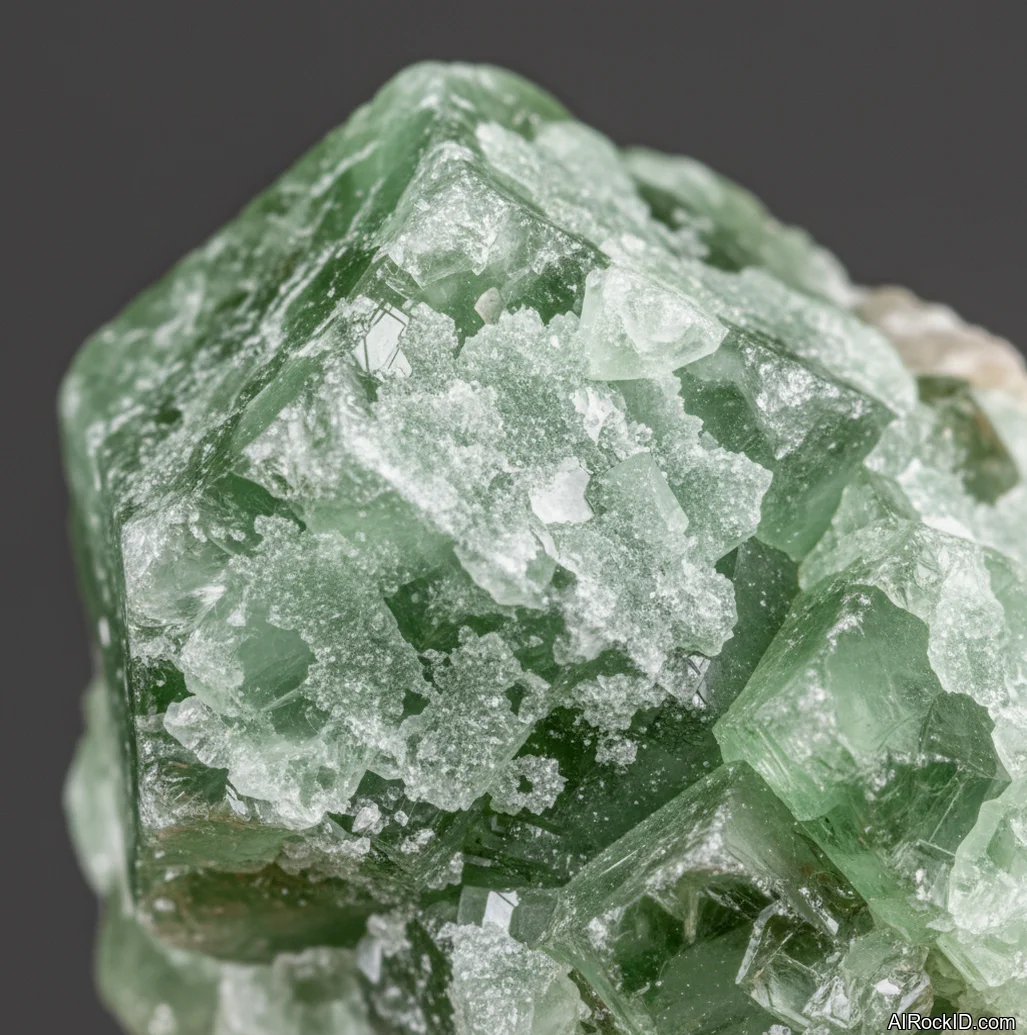
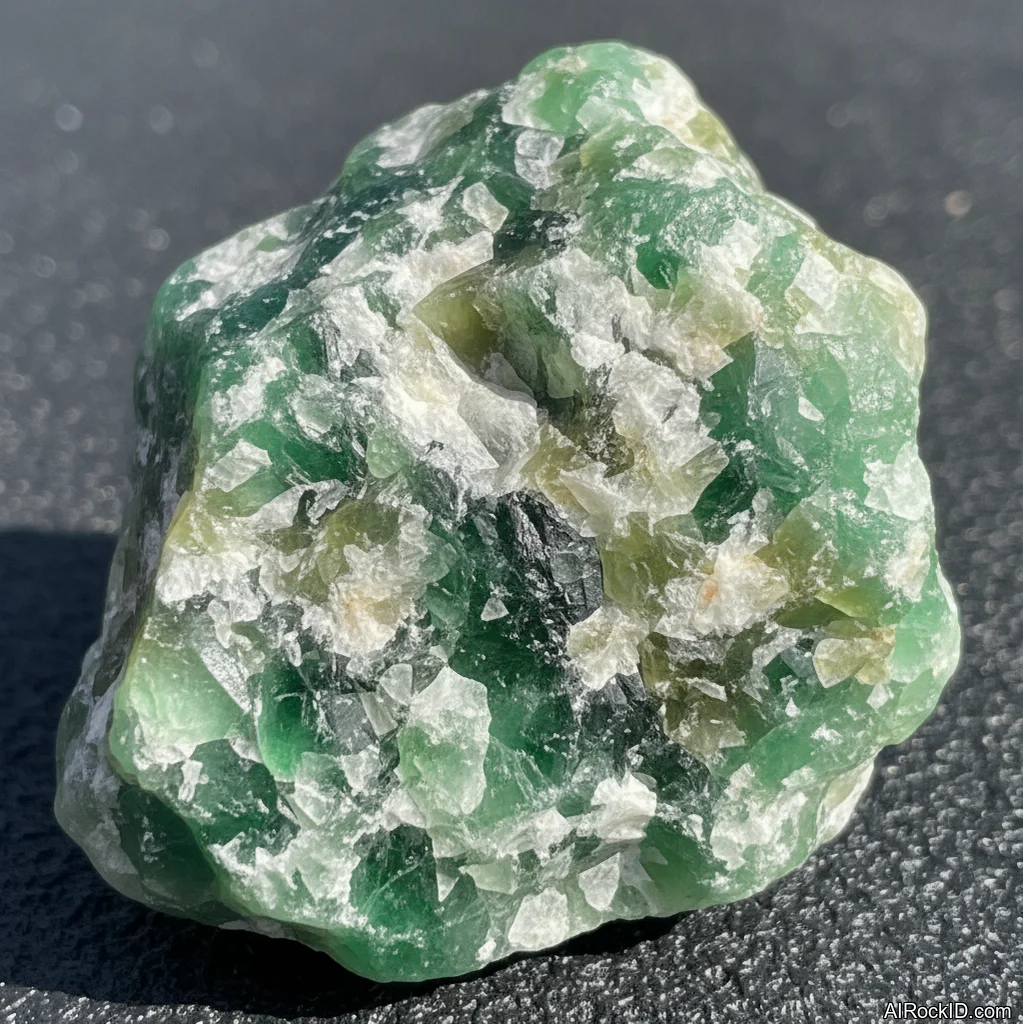
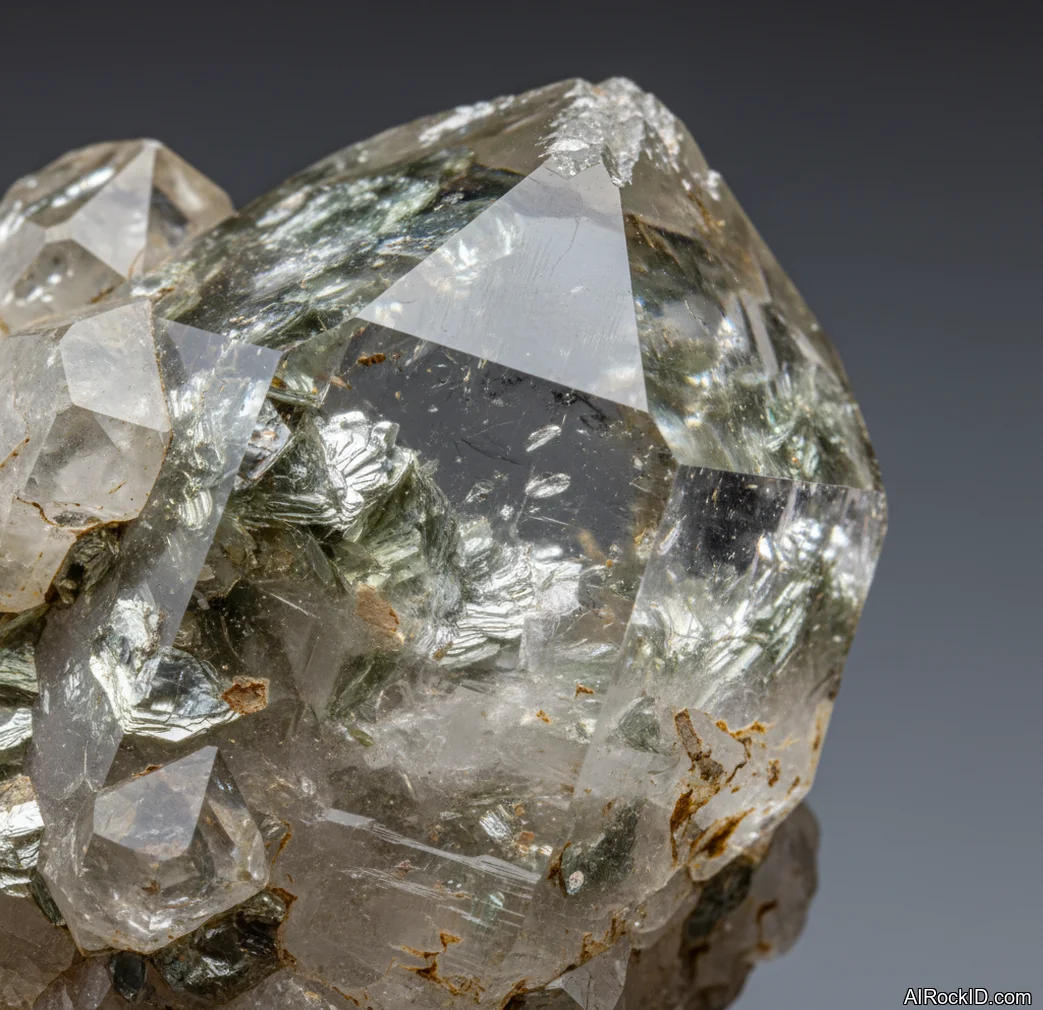
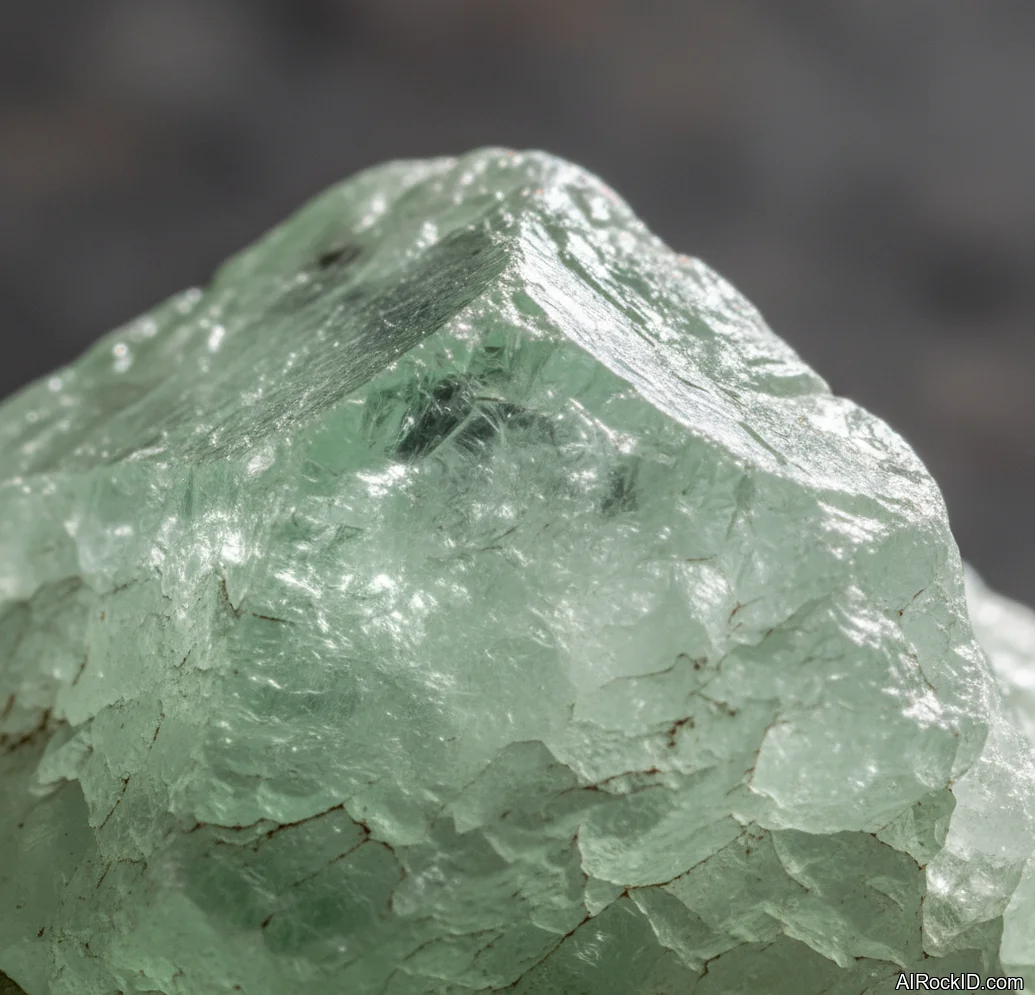
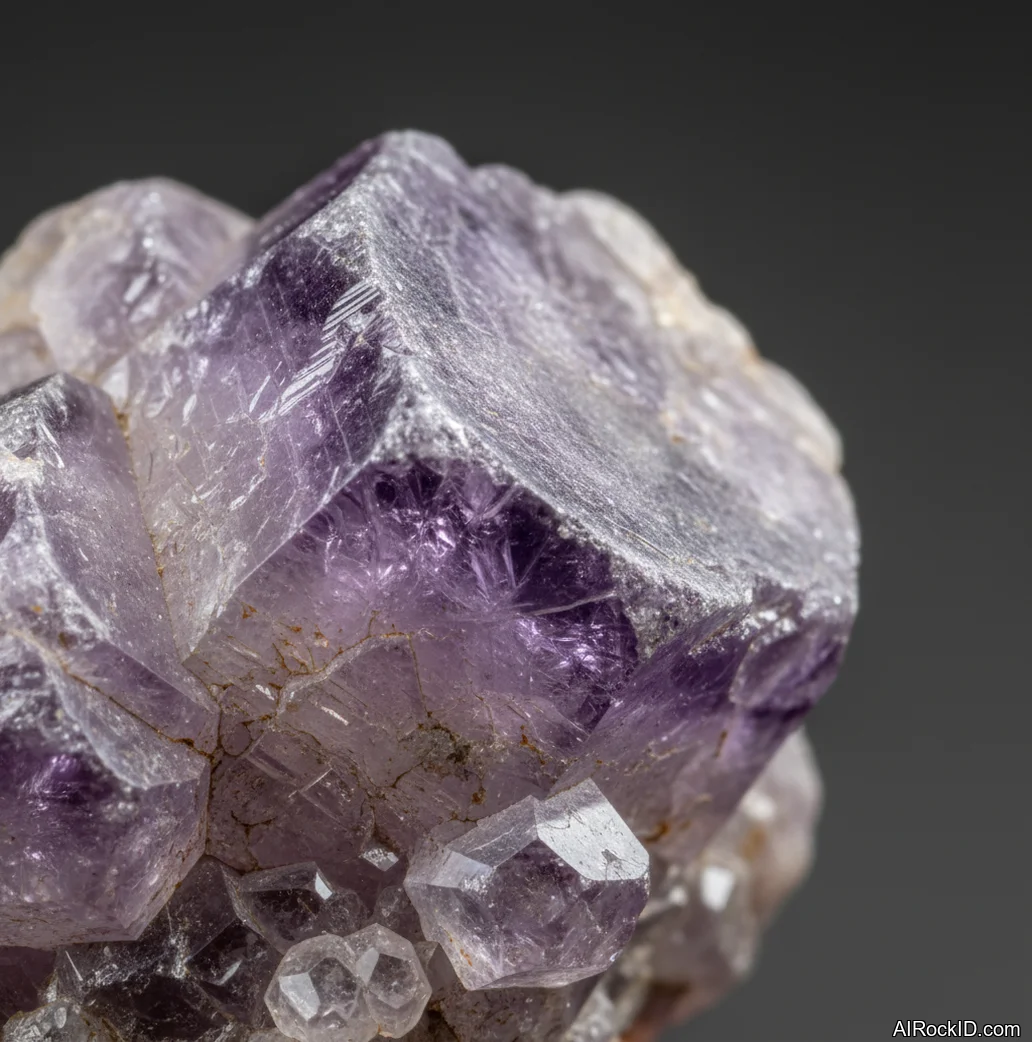
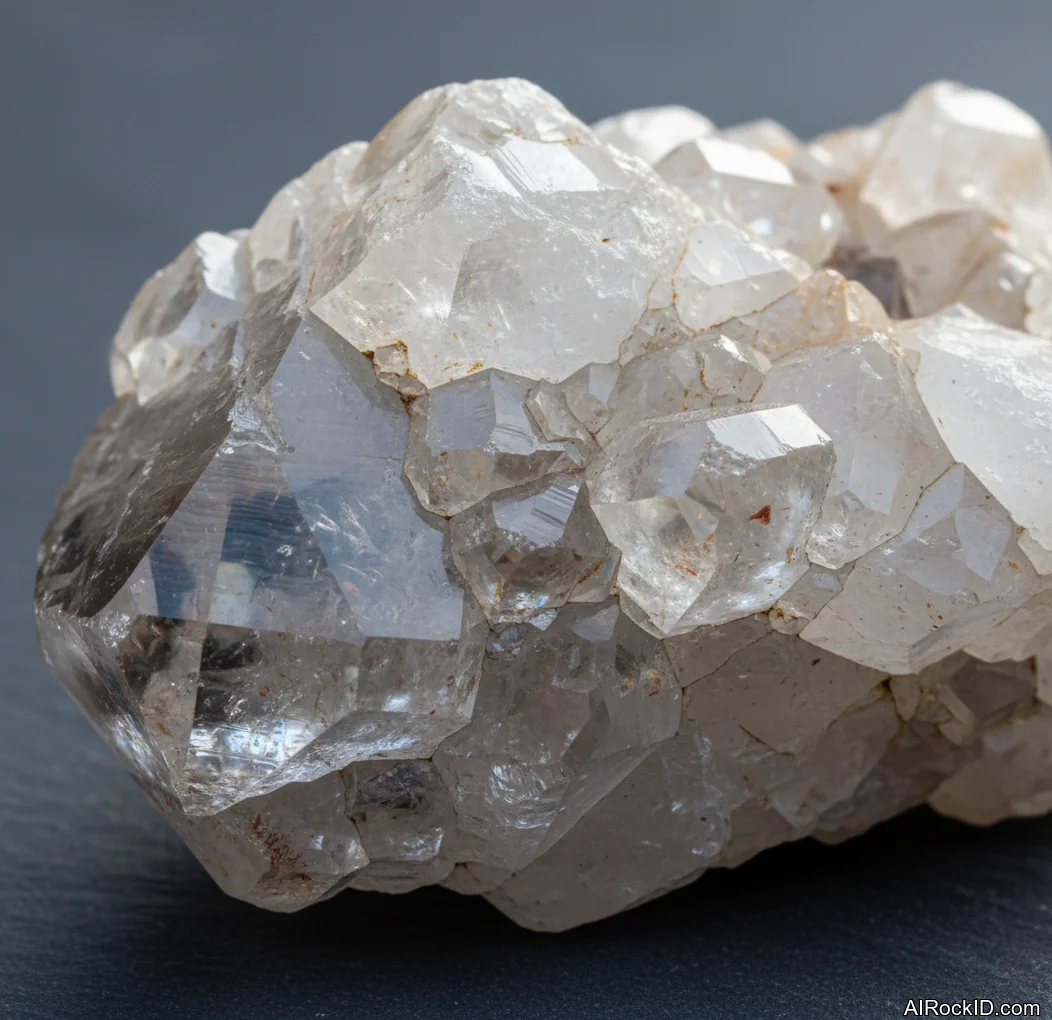
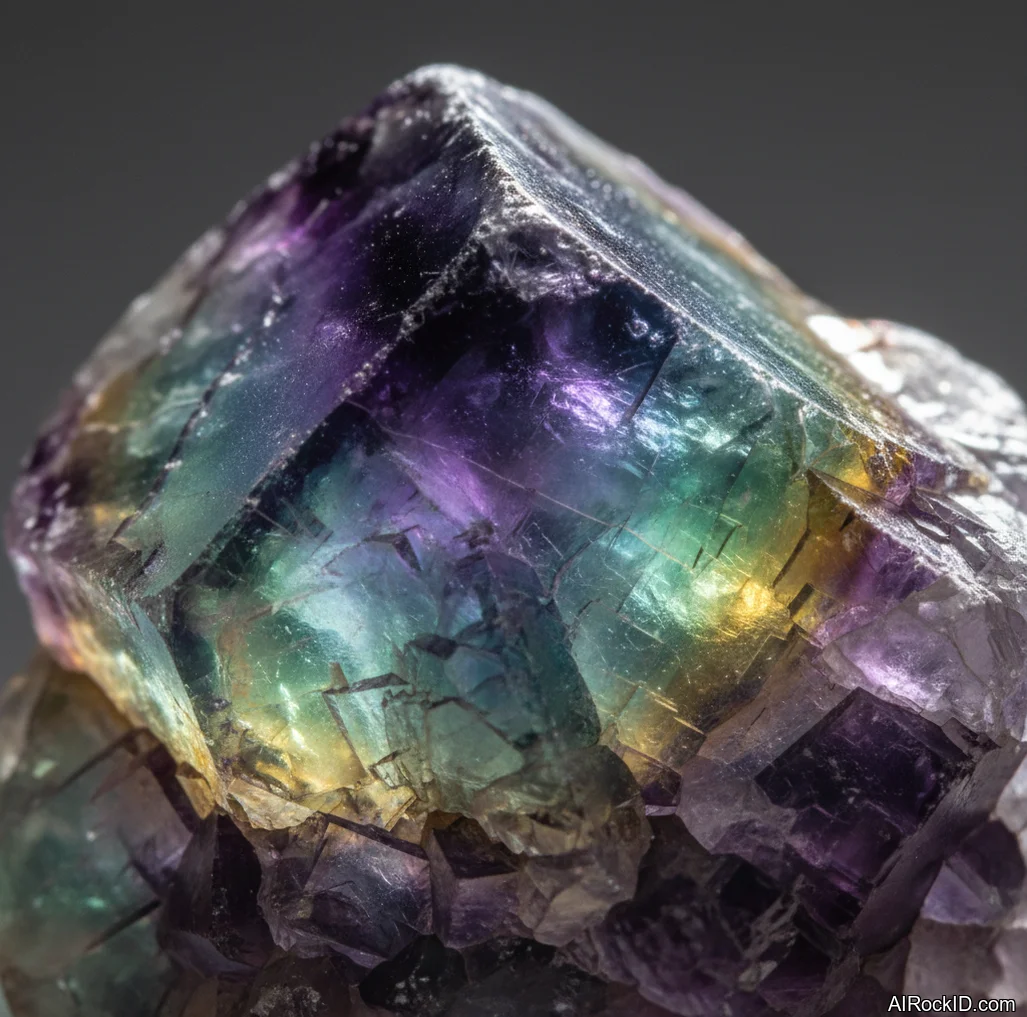
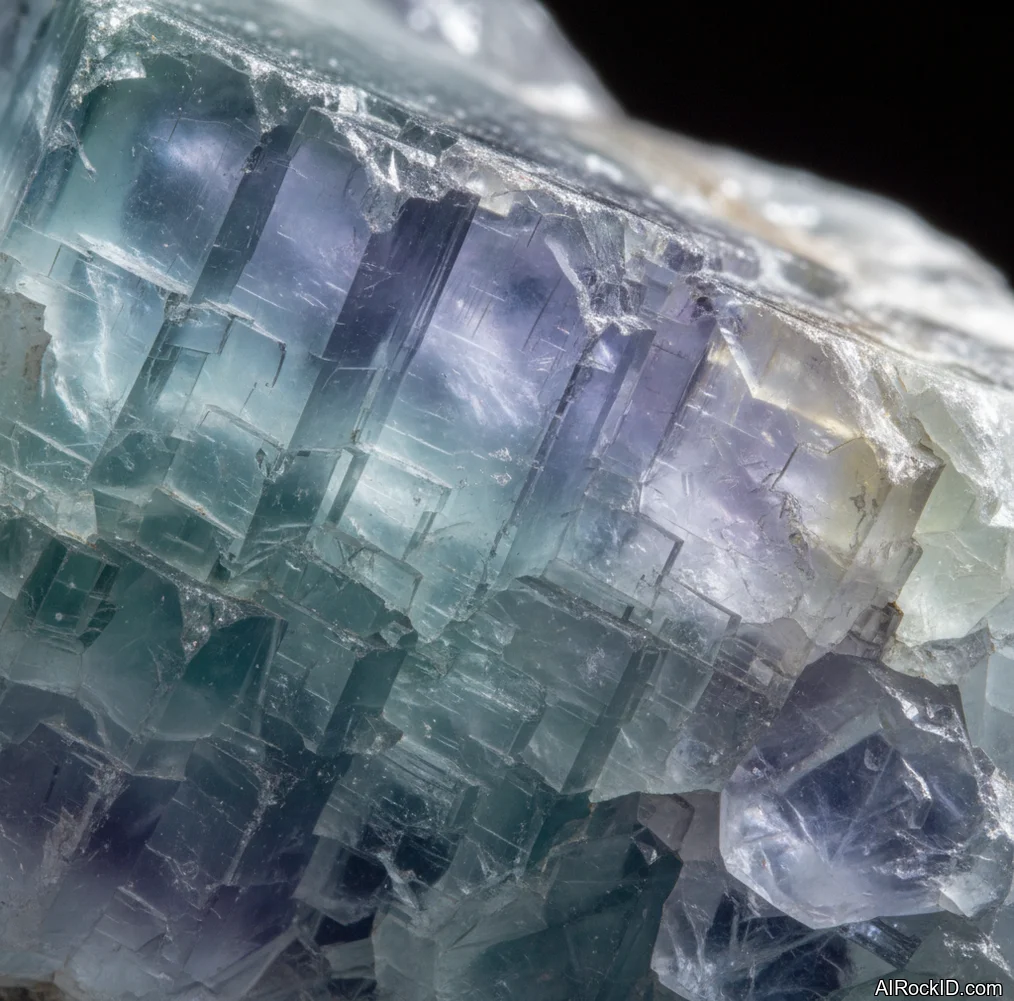
But Soothing isn’t the same as “sleepy,” even if there’s overlap. Howlite, selenite, and amethyst get grabbed for bedtime all the time, sure. But Soothing can also mean steadying without knocking you out. Think fluorite when your brain’s scattered. Or smoky quartz when you want the room to feel less sharp.
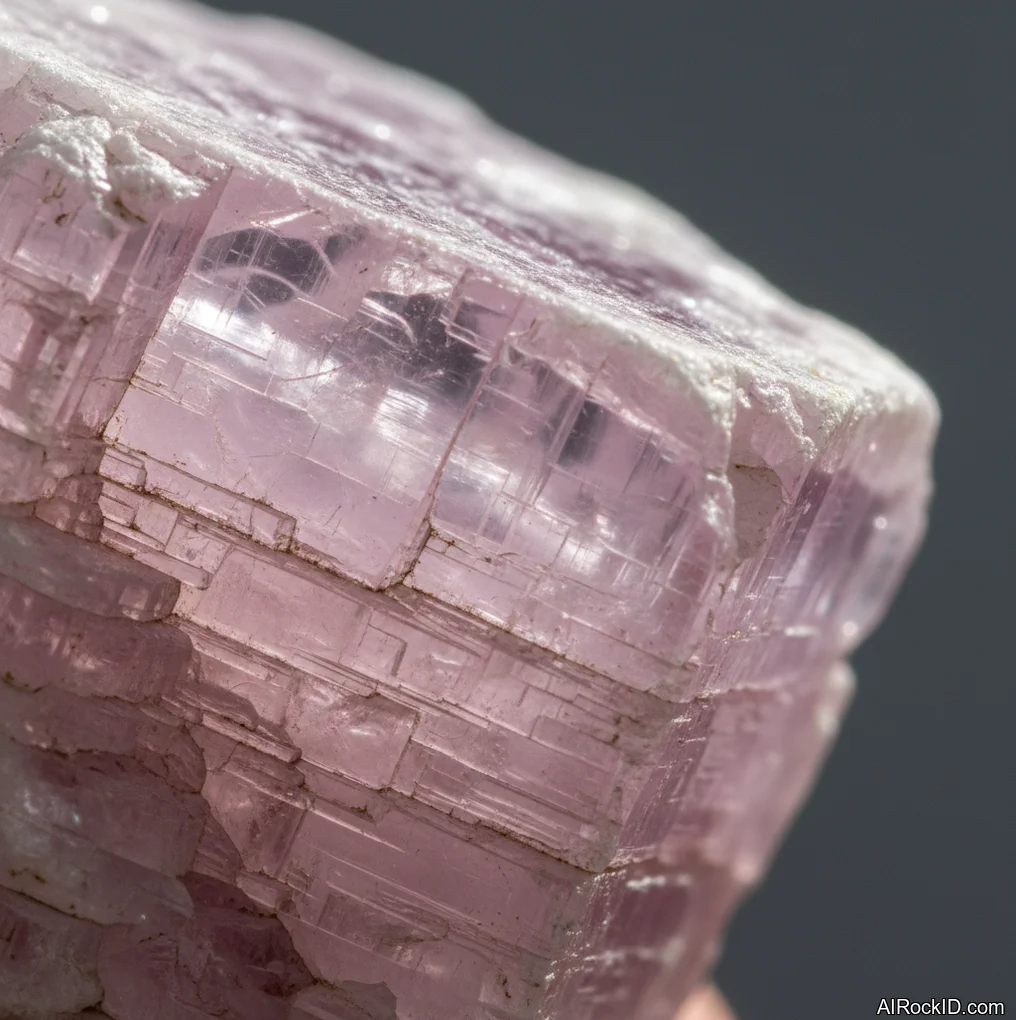
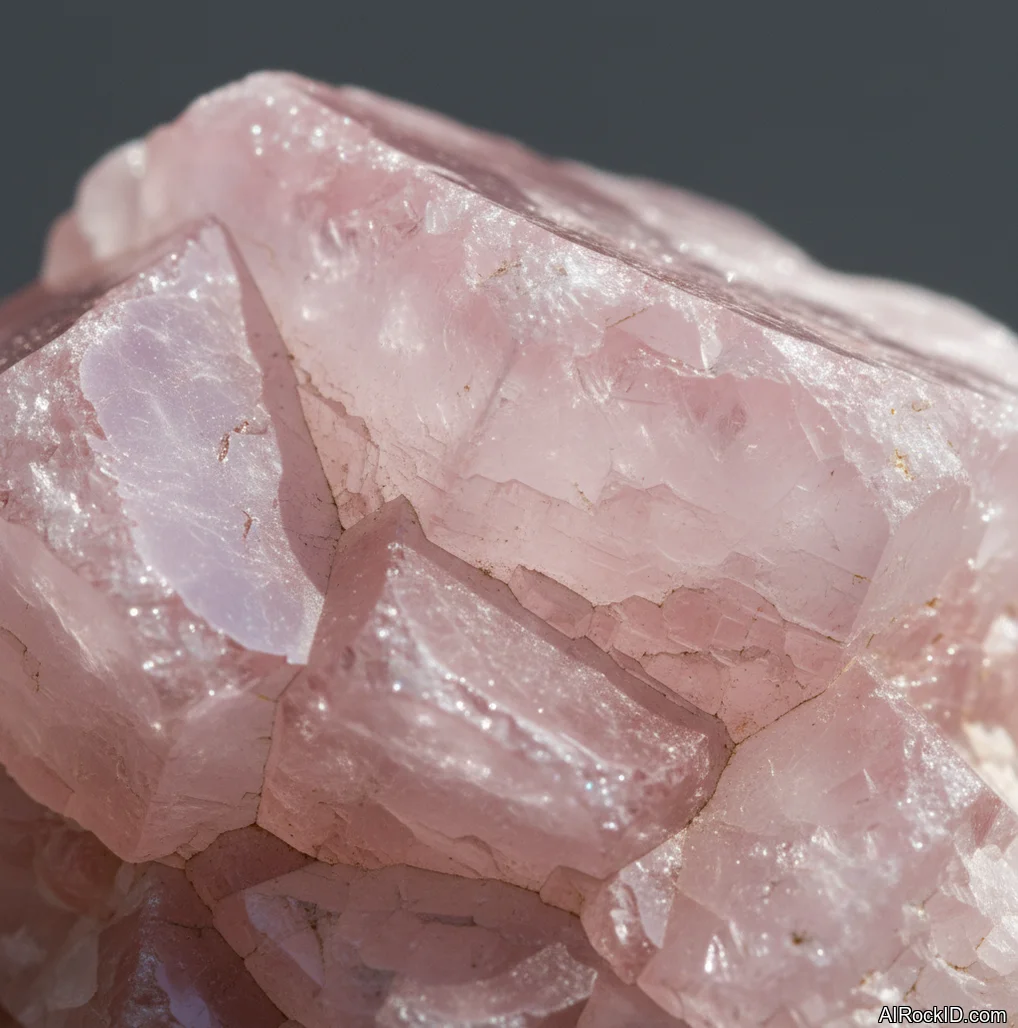
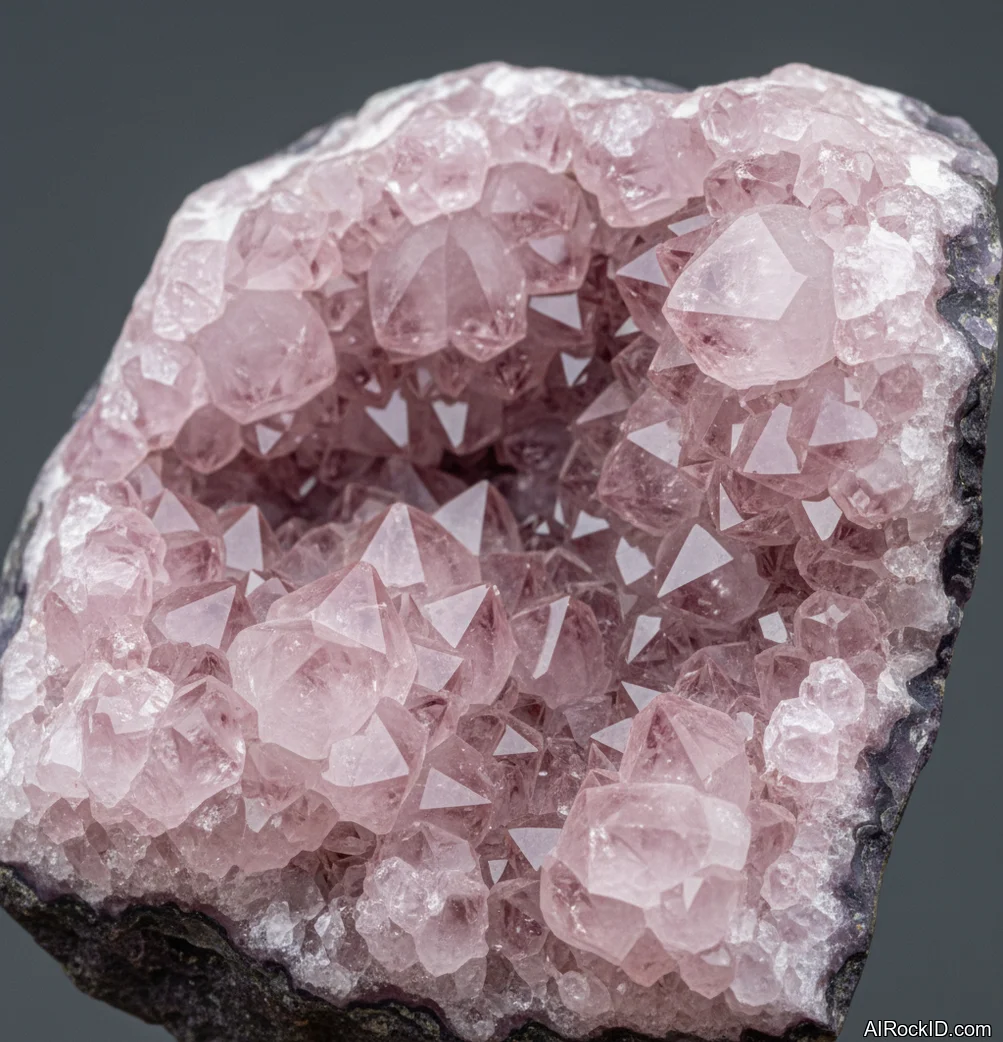
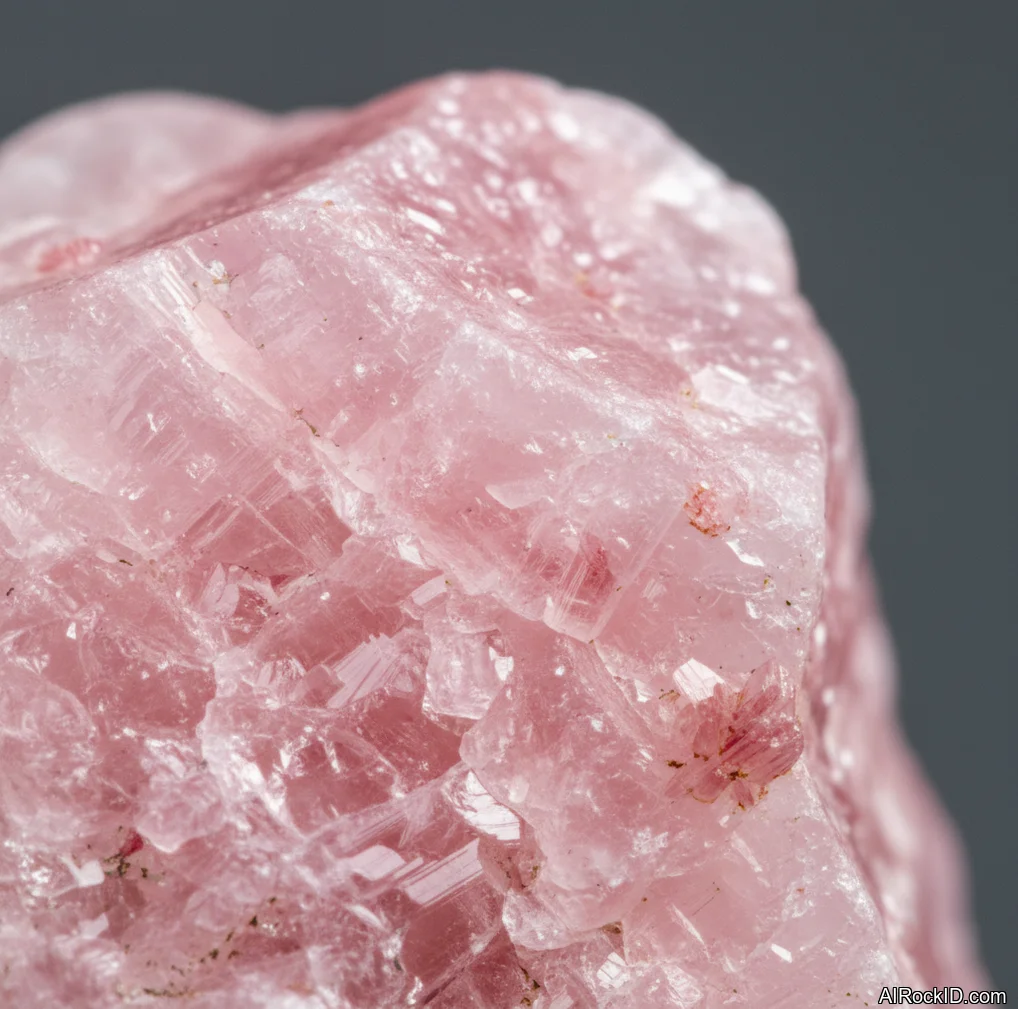
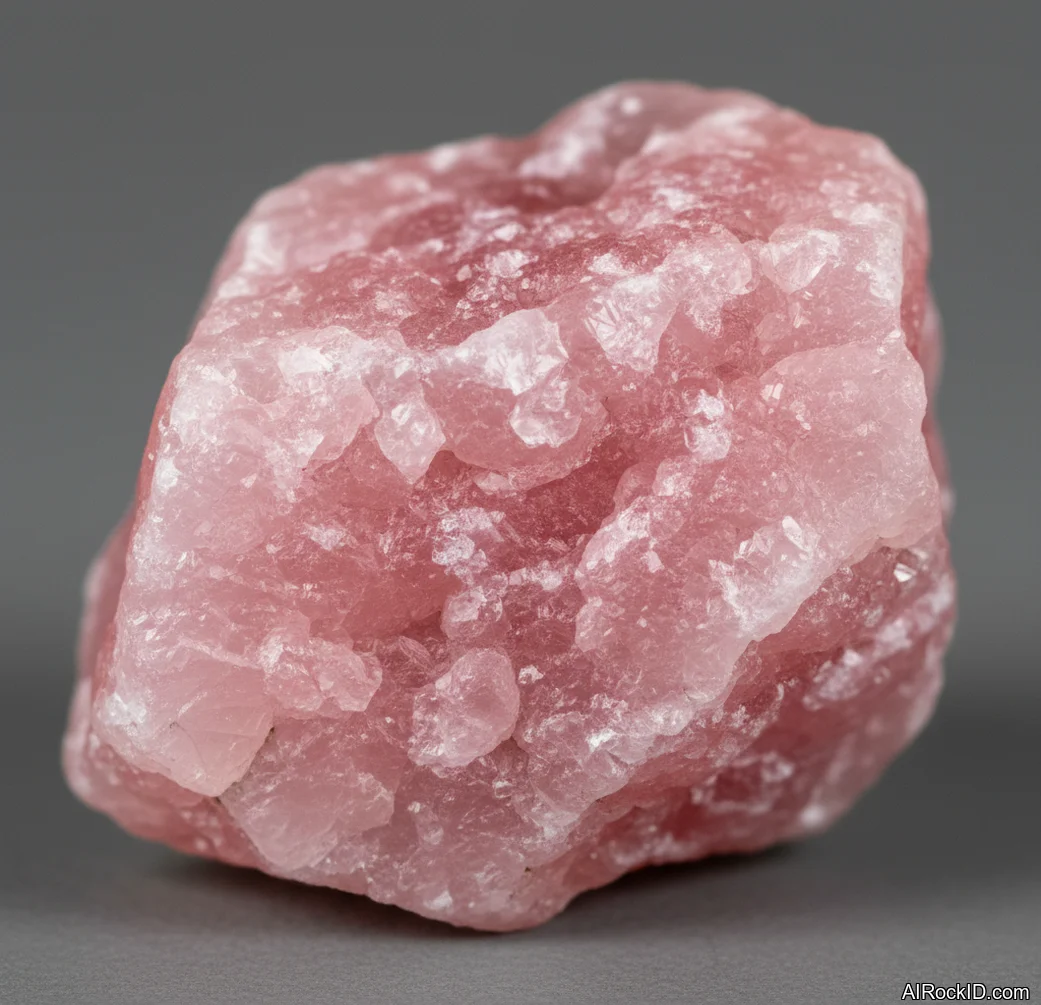
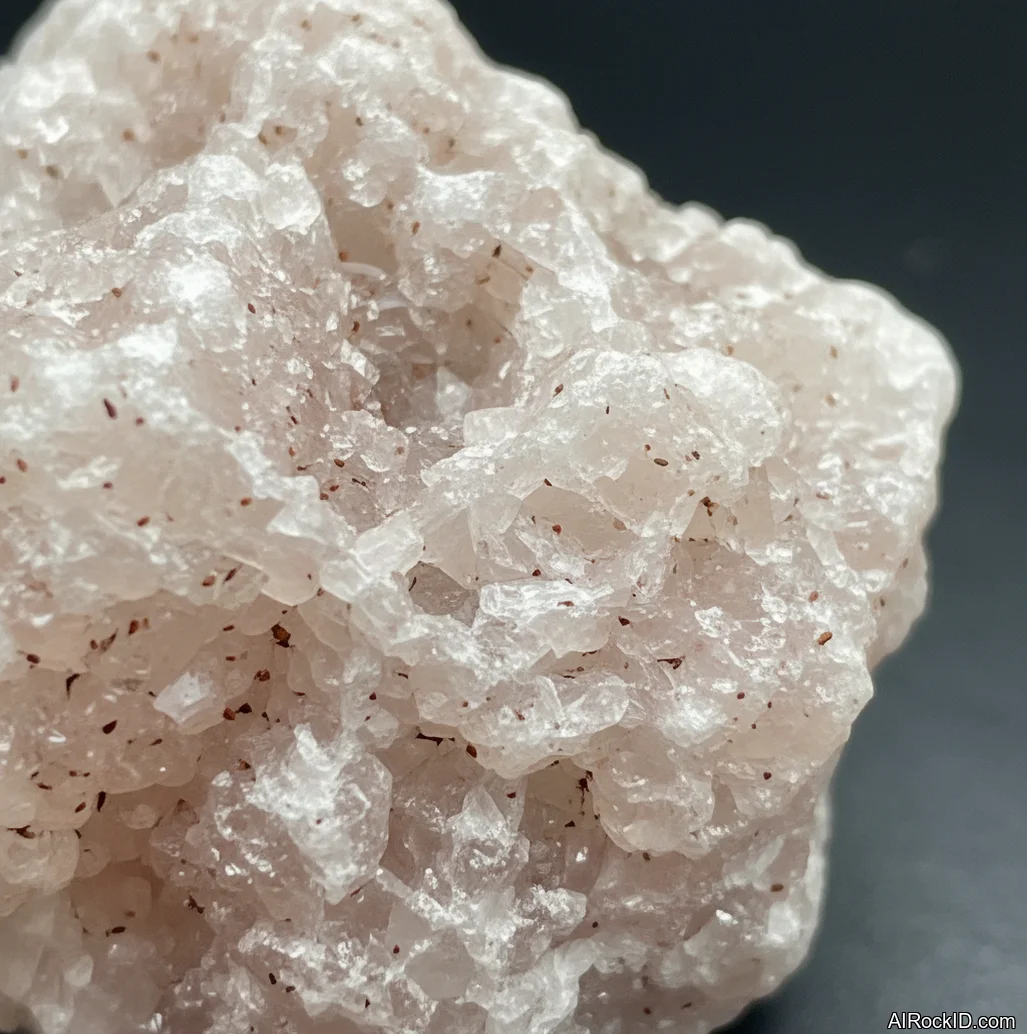
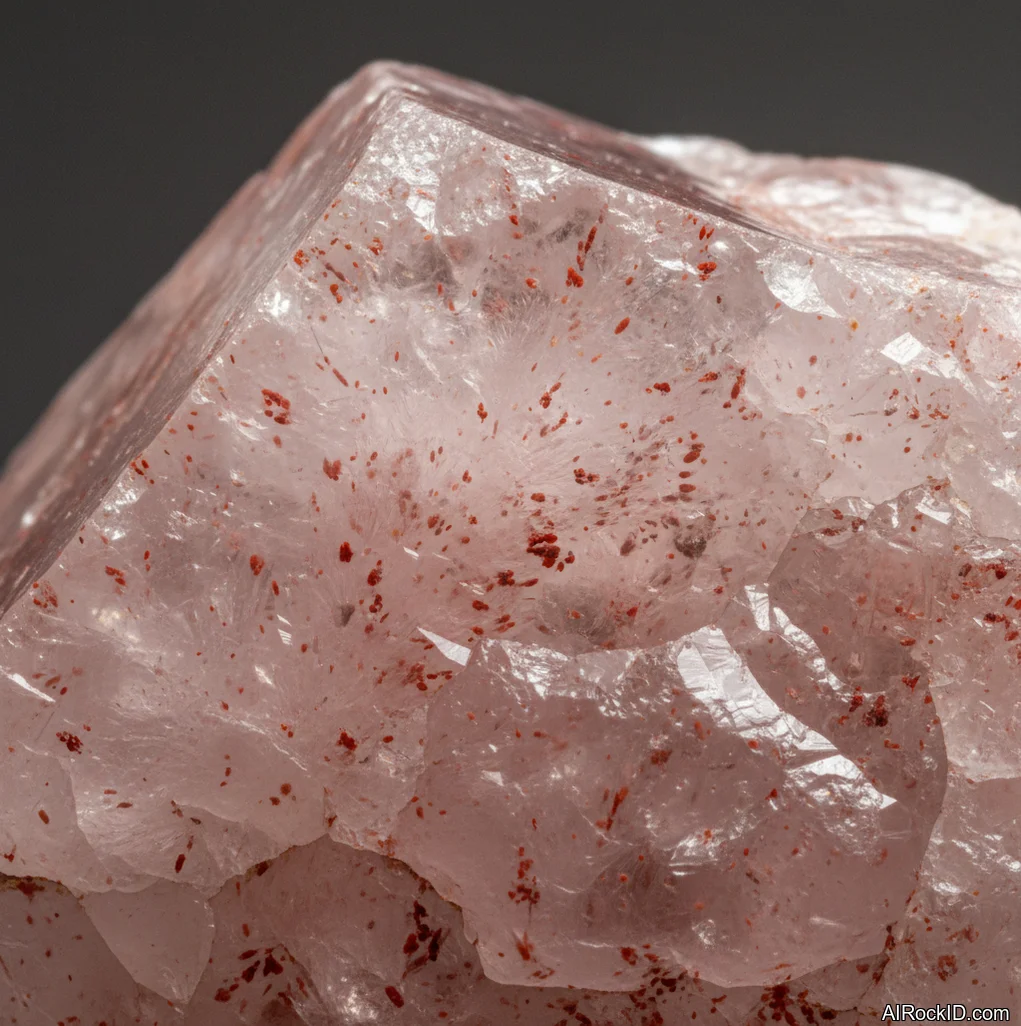
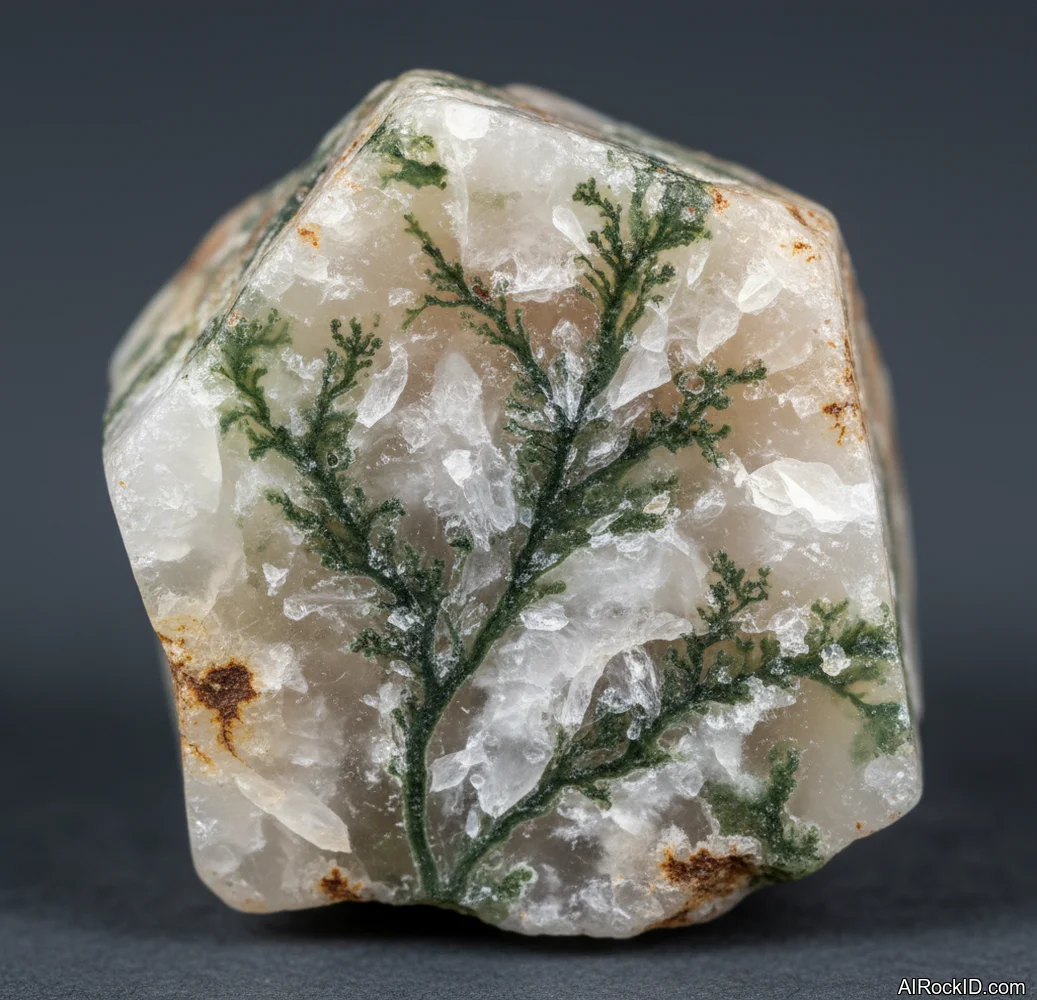
Rose quartz fits here too, and not just because it’s pink and sweet. A well-cut piece has that waxy polish and that faint cloudy depth that reads as gentle, especially next to harder, more contrasty stones like tiger’s eye.
Most people hunting for Soothing crystals want one of three things.
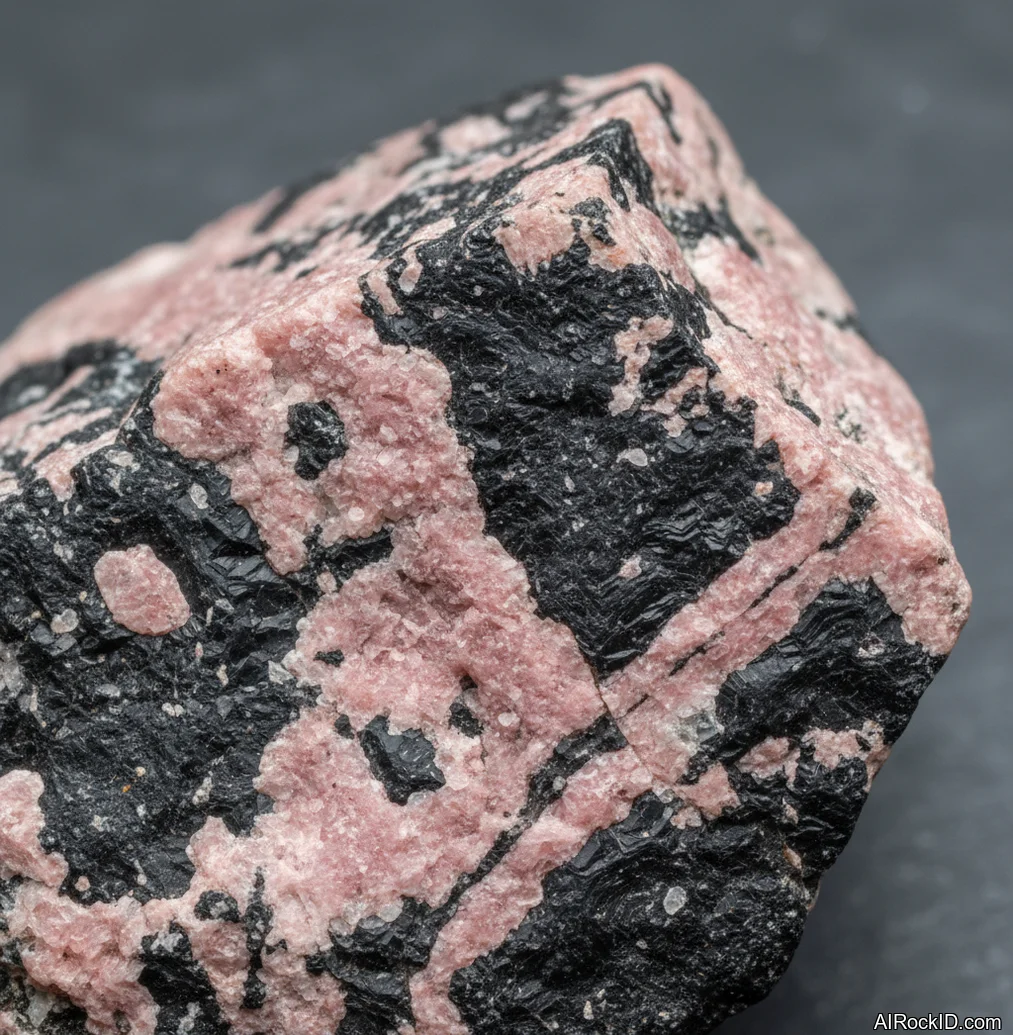
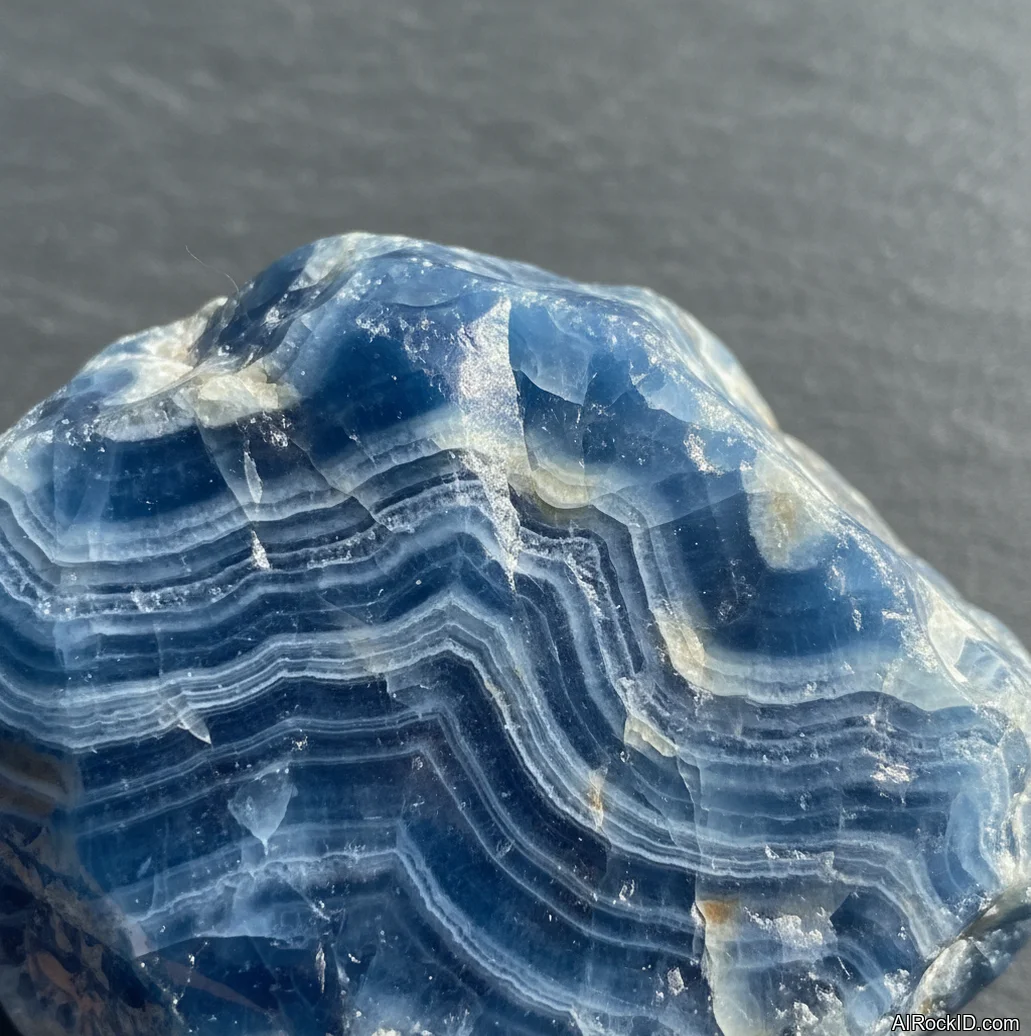
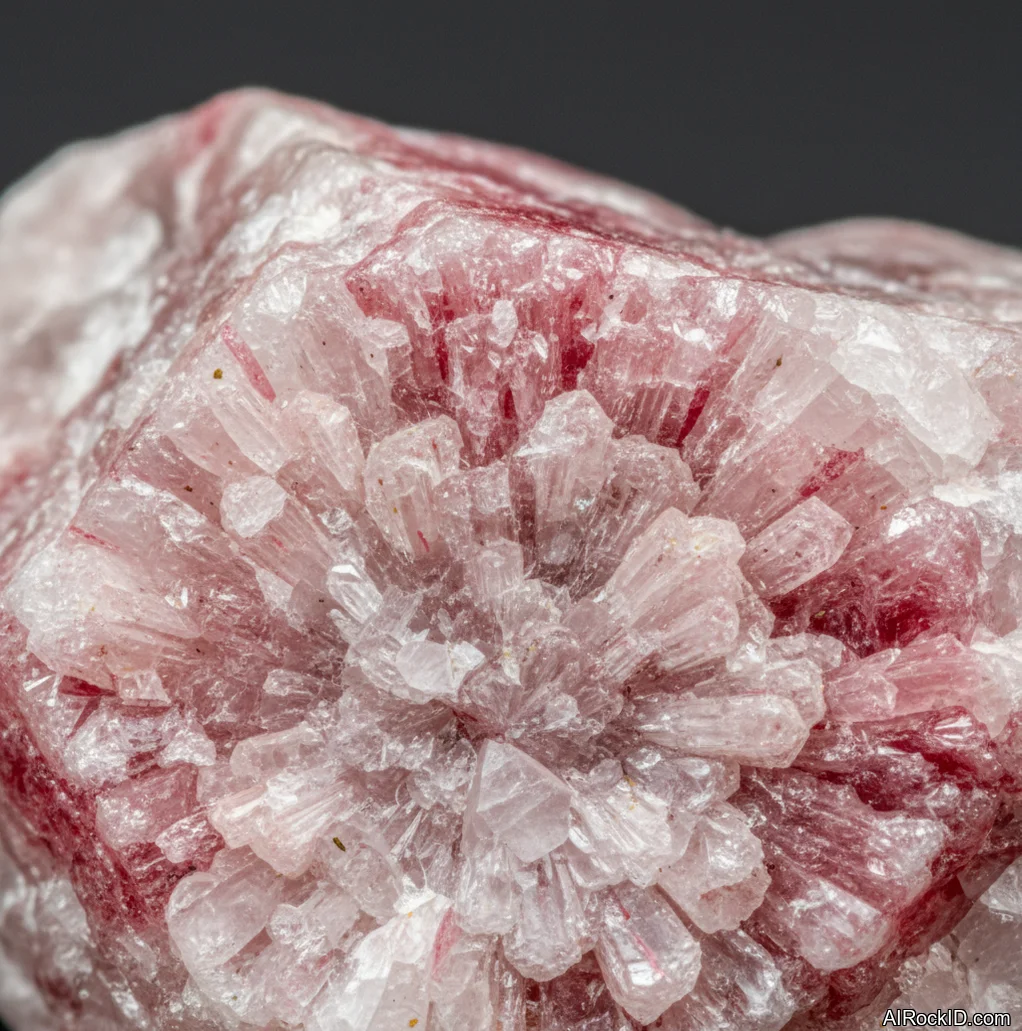
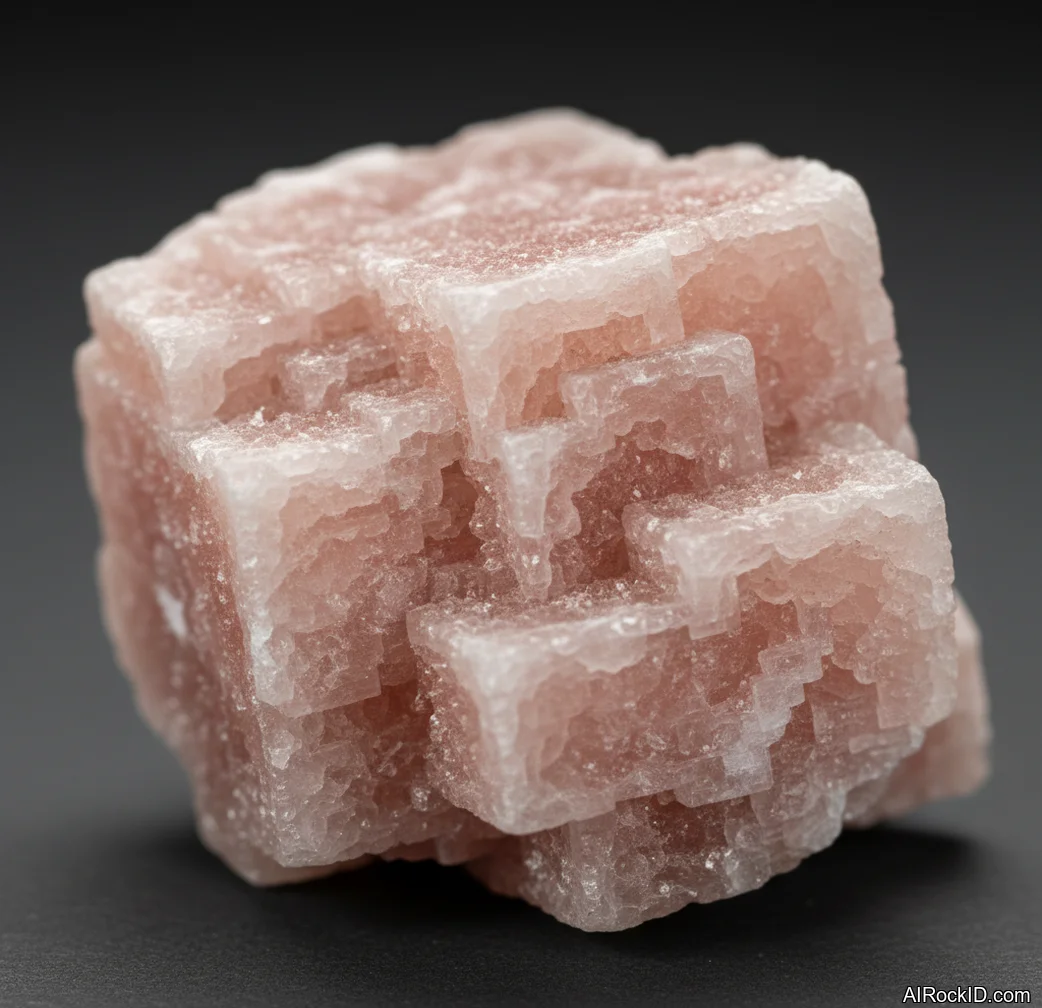
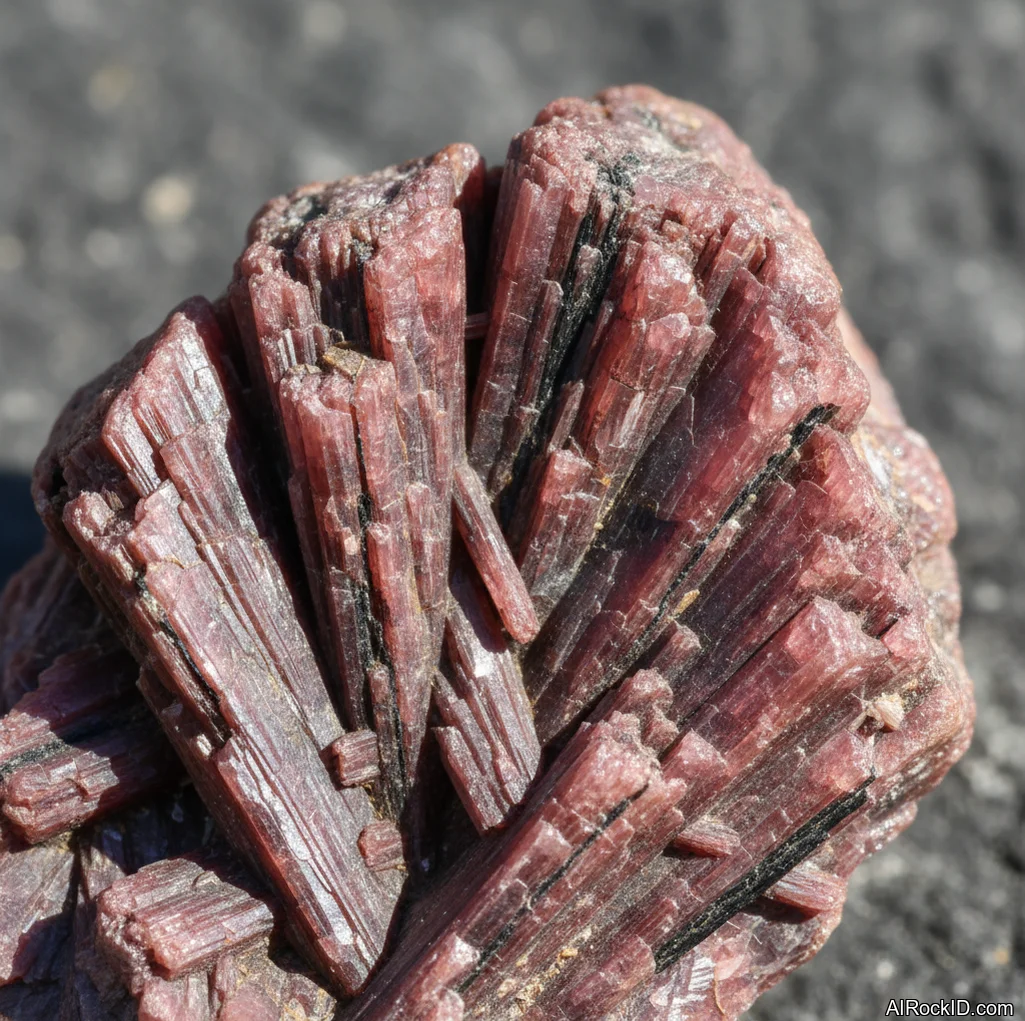
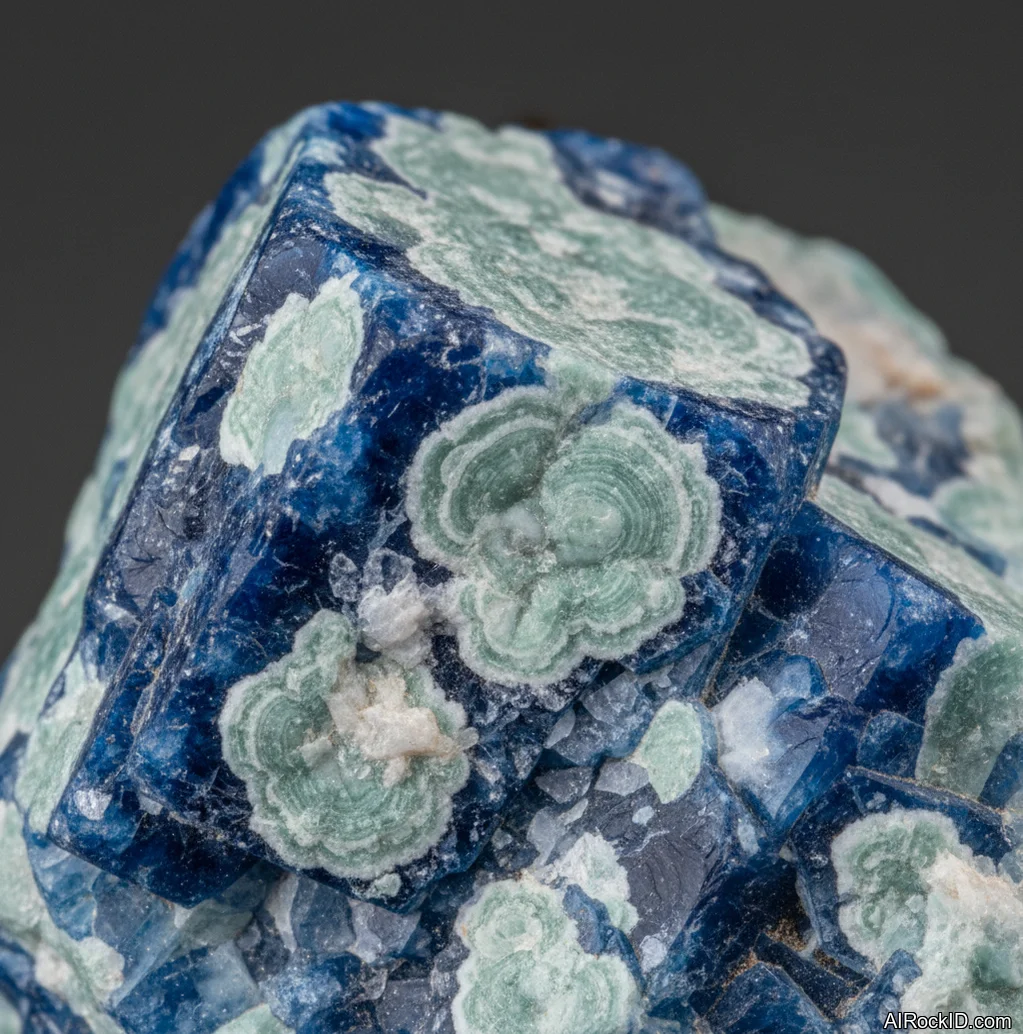
First: a pocket stone for public life. Tumbled amazonite, blue calcite, or rhodonite are common because they’re smooth, quiet in the hand, and they don’t look weird sitting on a desk.
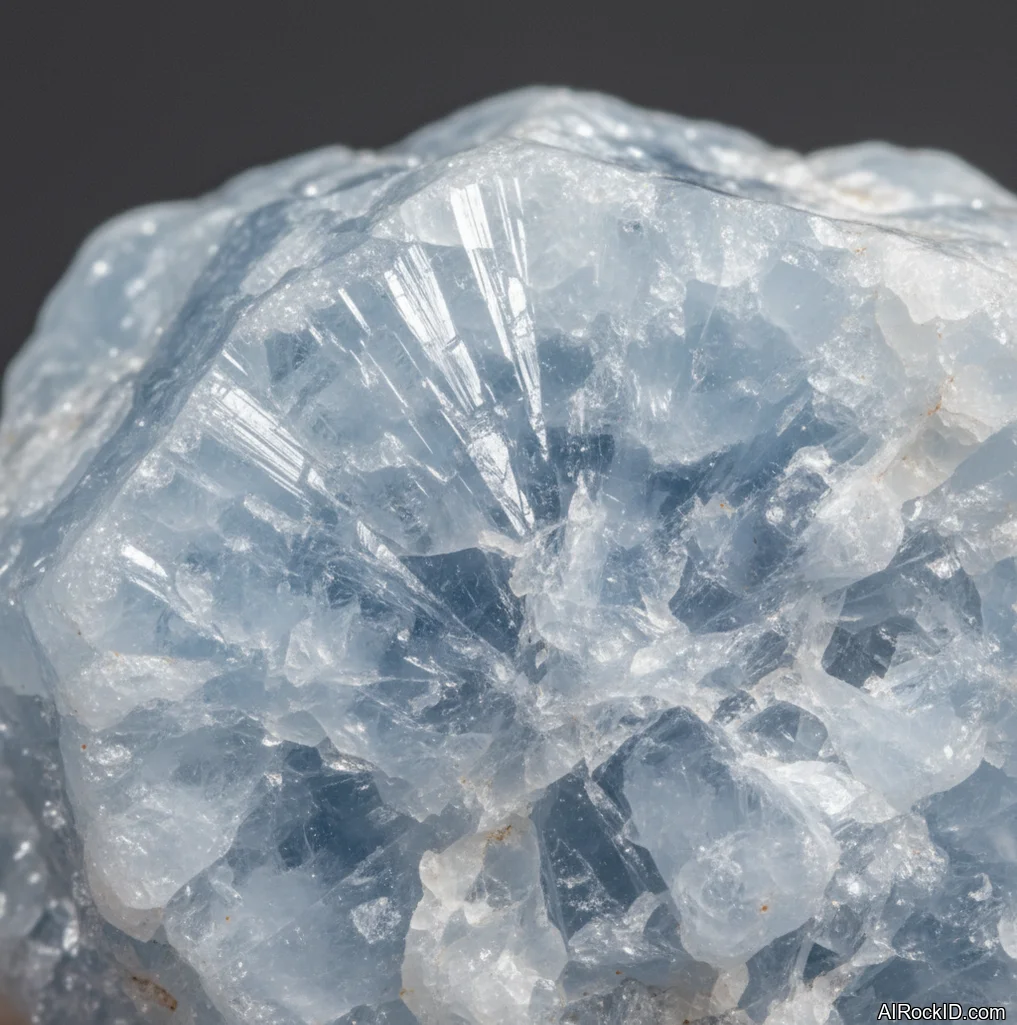
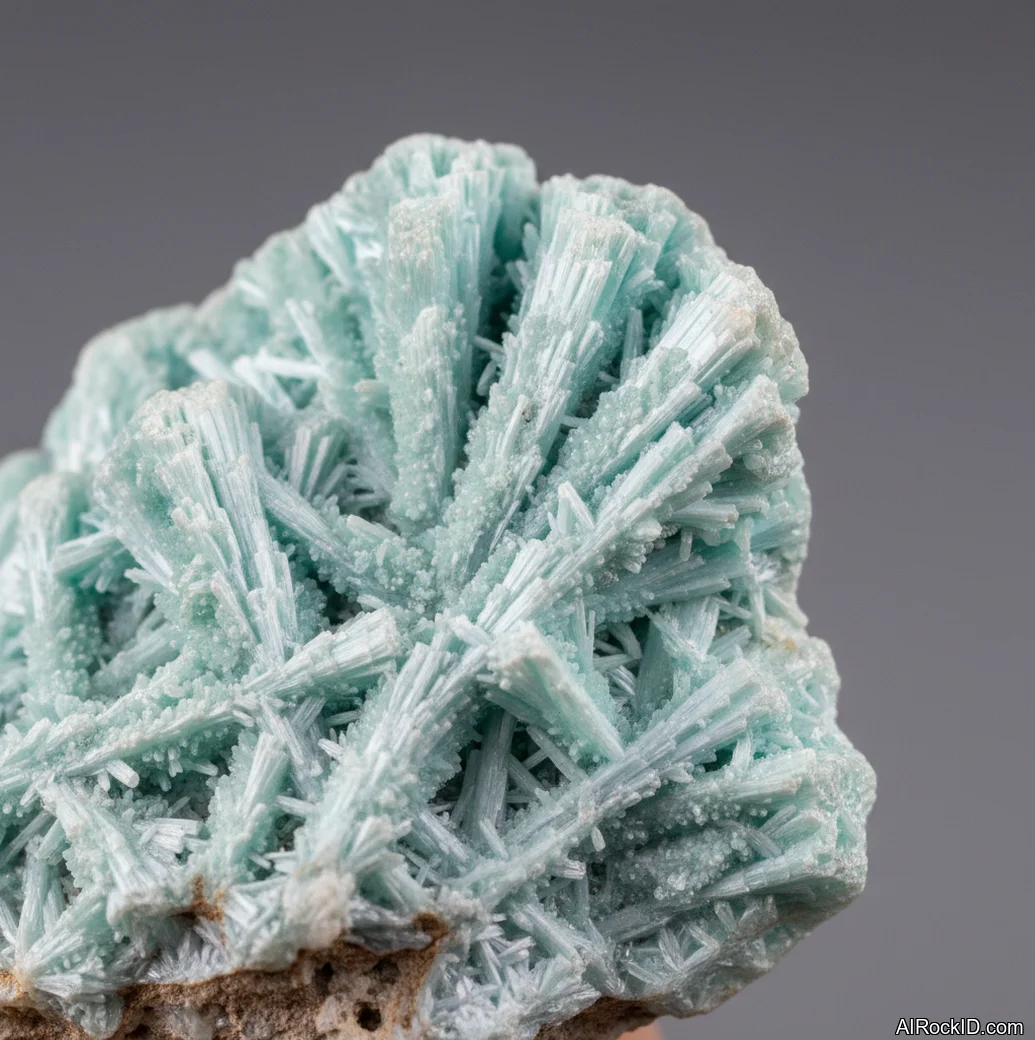
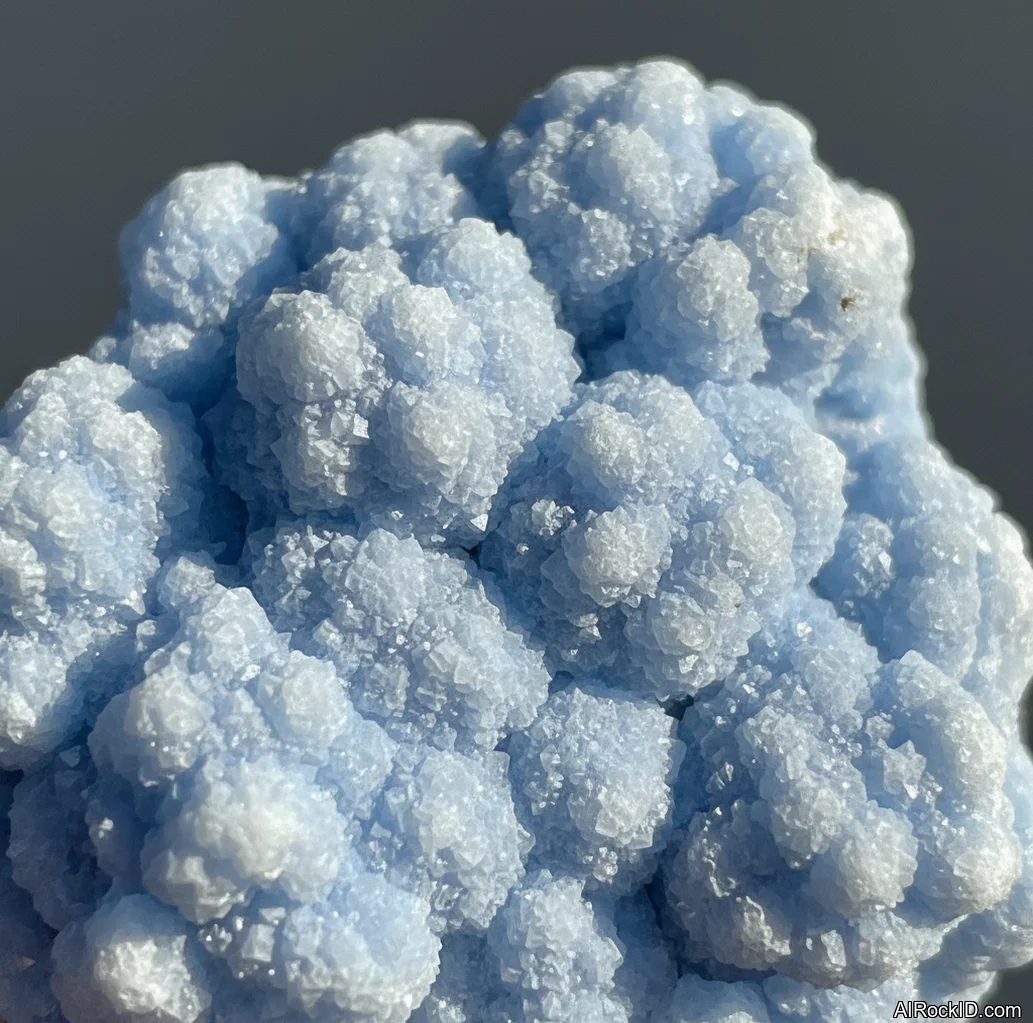
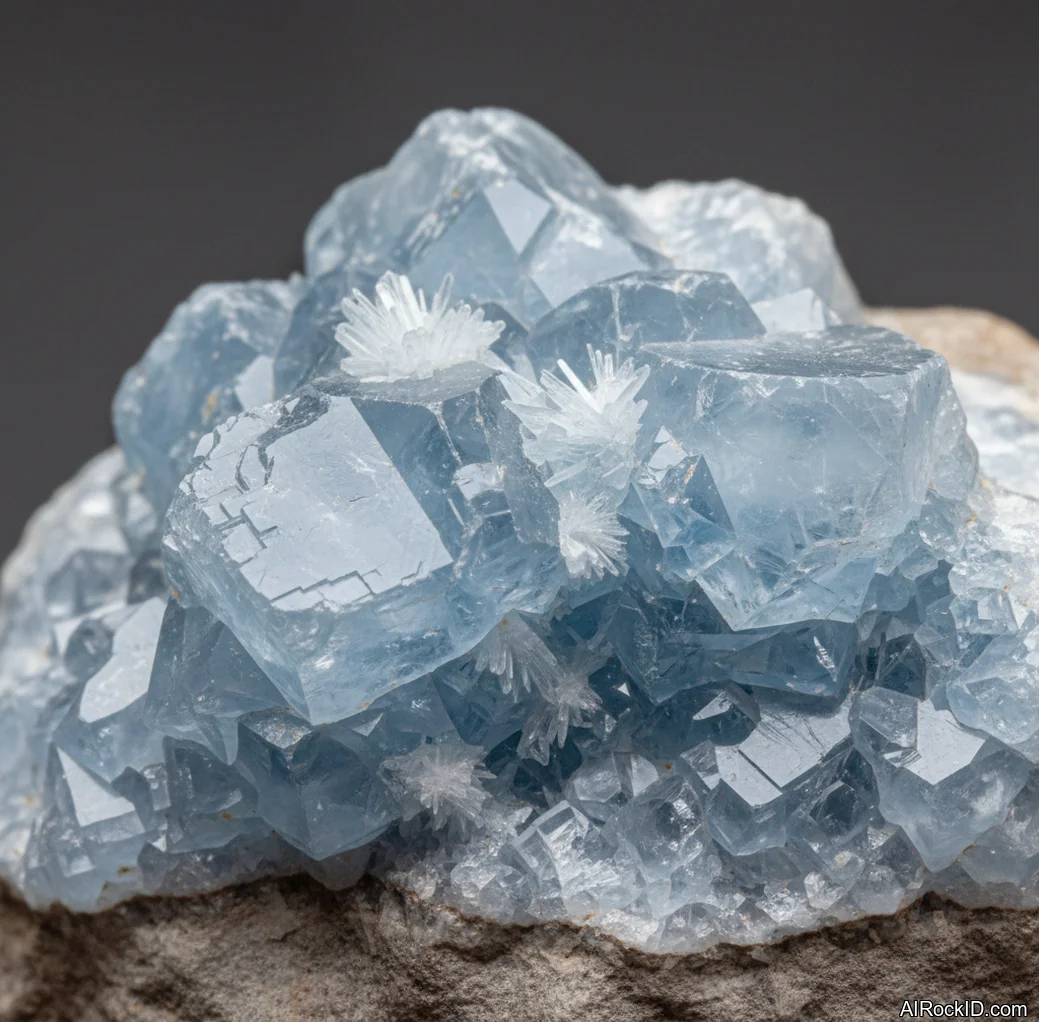
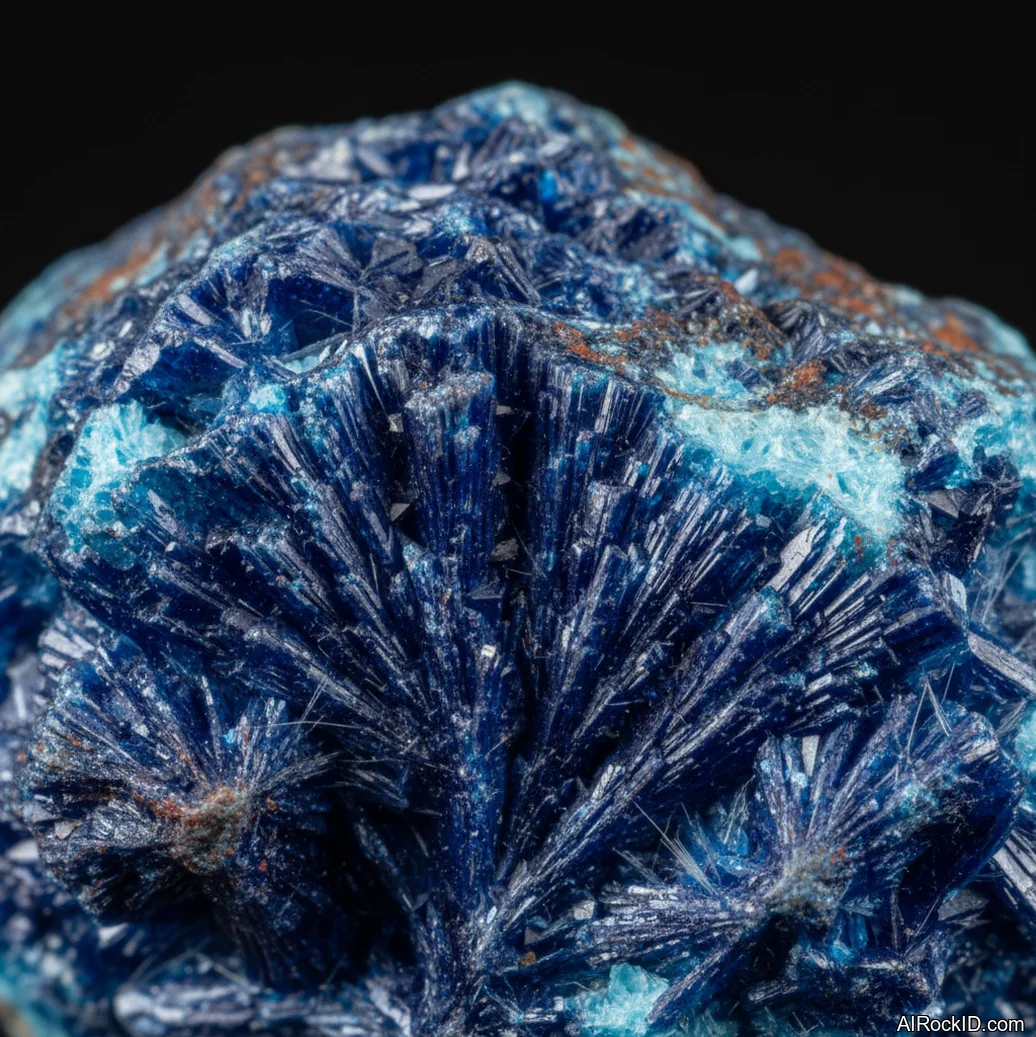
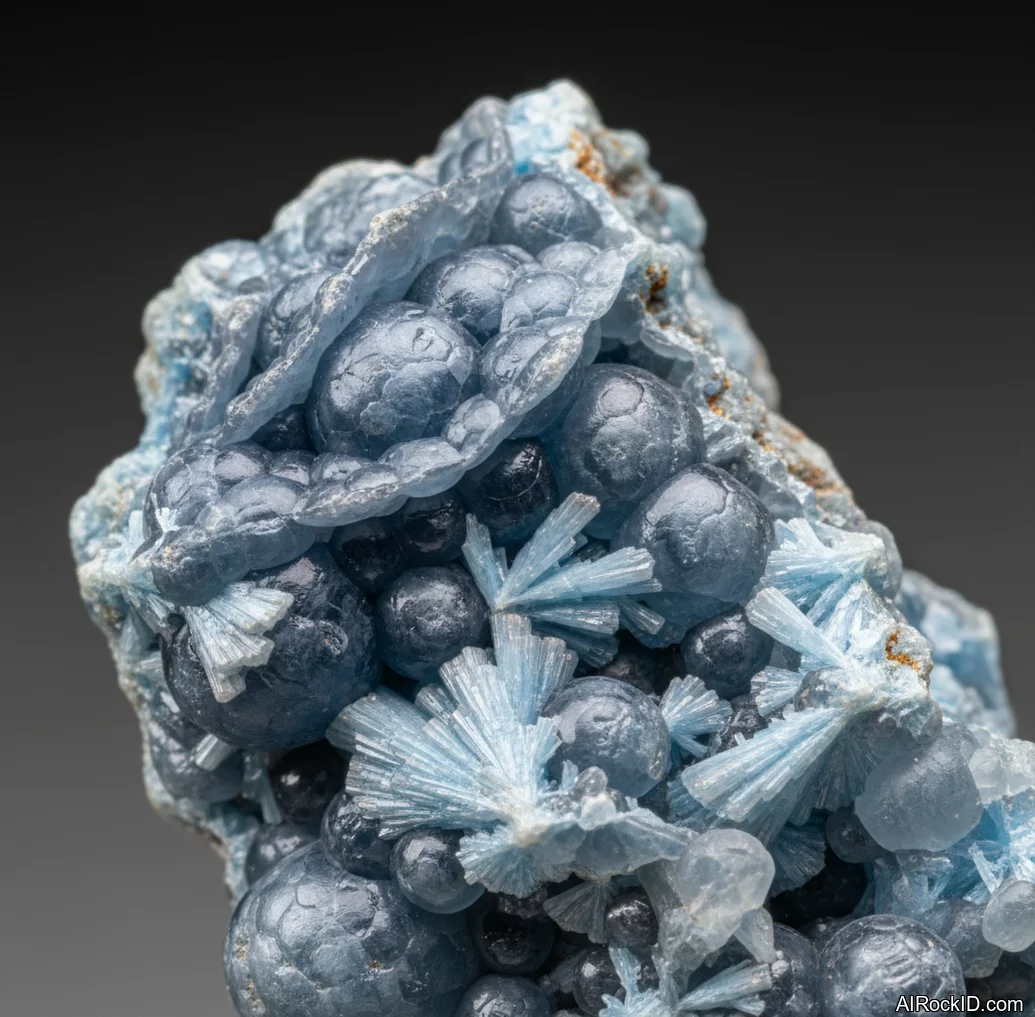
Second: a bedside setup. That’s where you see celestite clusters, satin spar (often sold as “selenite”), and amethyst points.
Third: something for the body, like a worry stone, a gua sha, or a massage wand. This is where the practical stuff shows up, because not every soothing-associated crystal can handle skin oils, water, or the occasional drop onto tile (and yes, it happens).
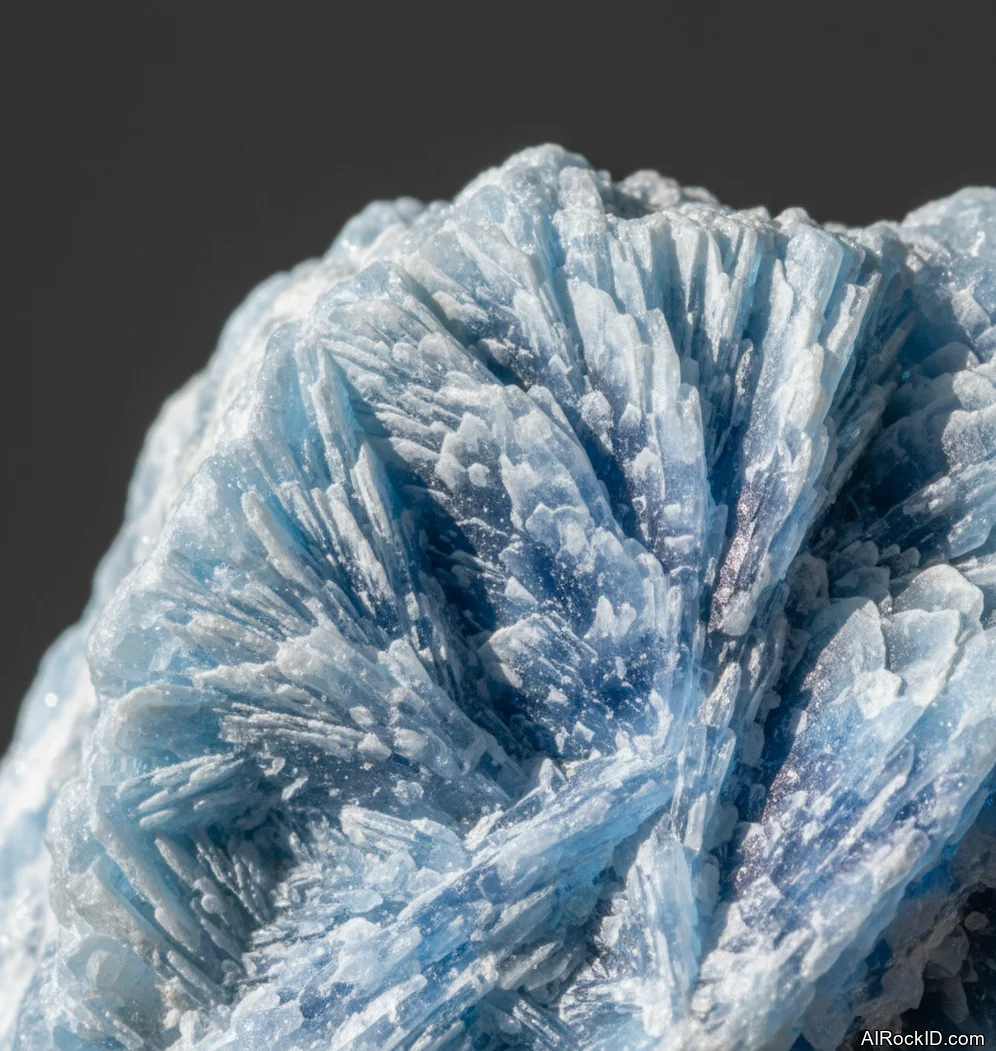
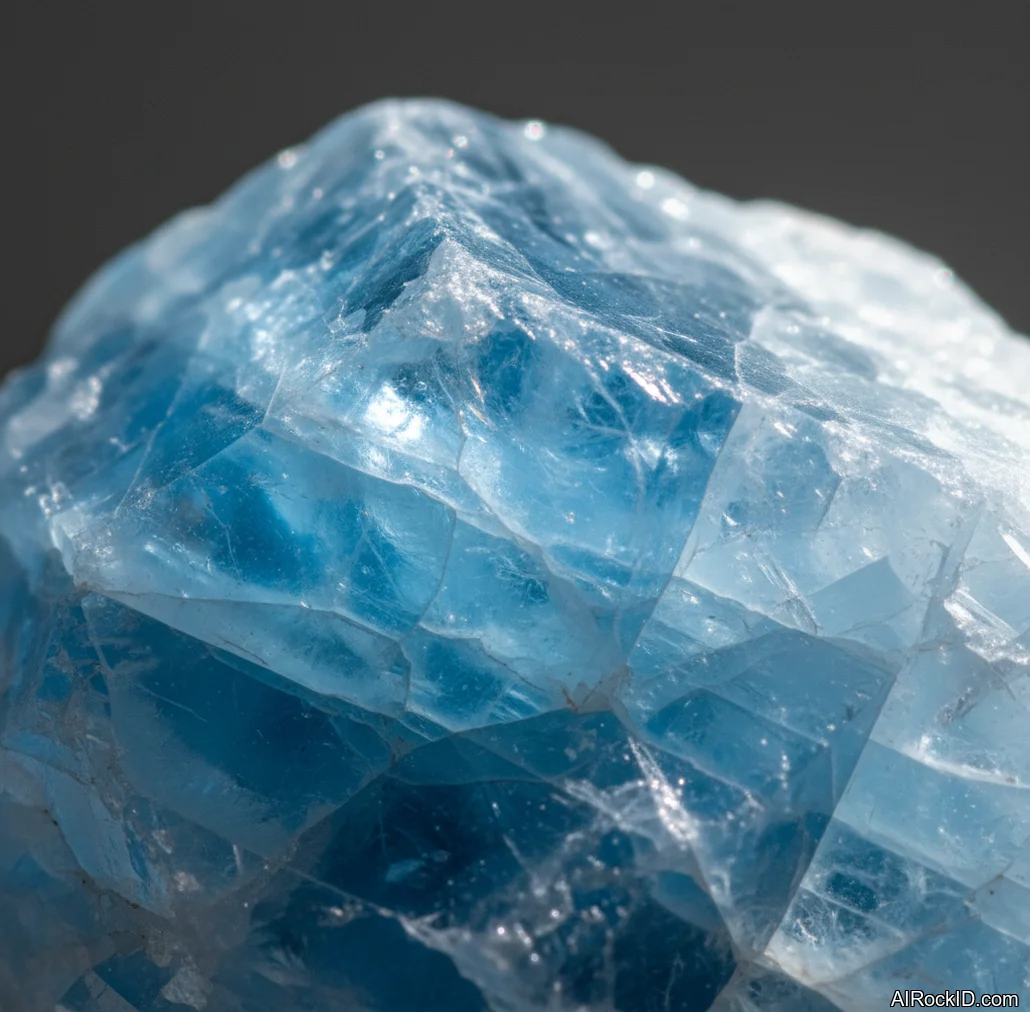
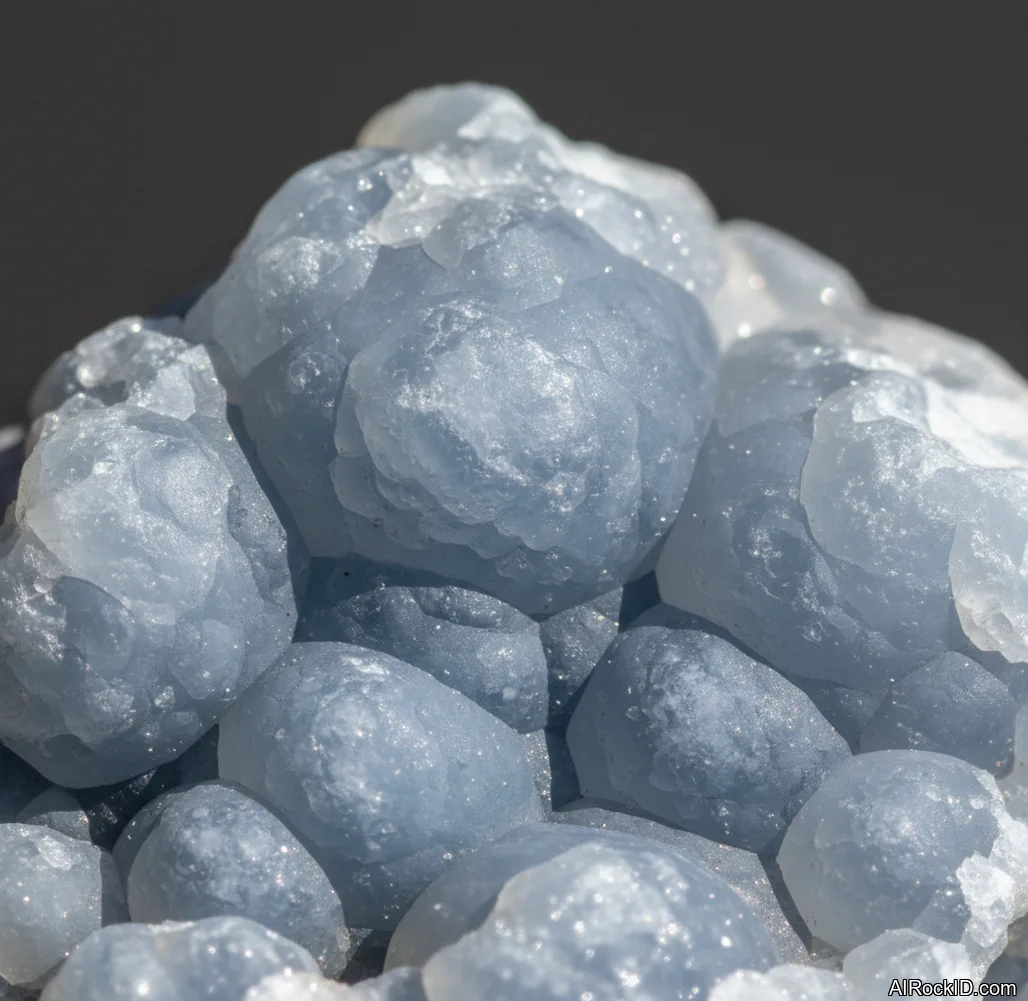
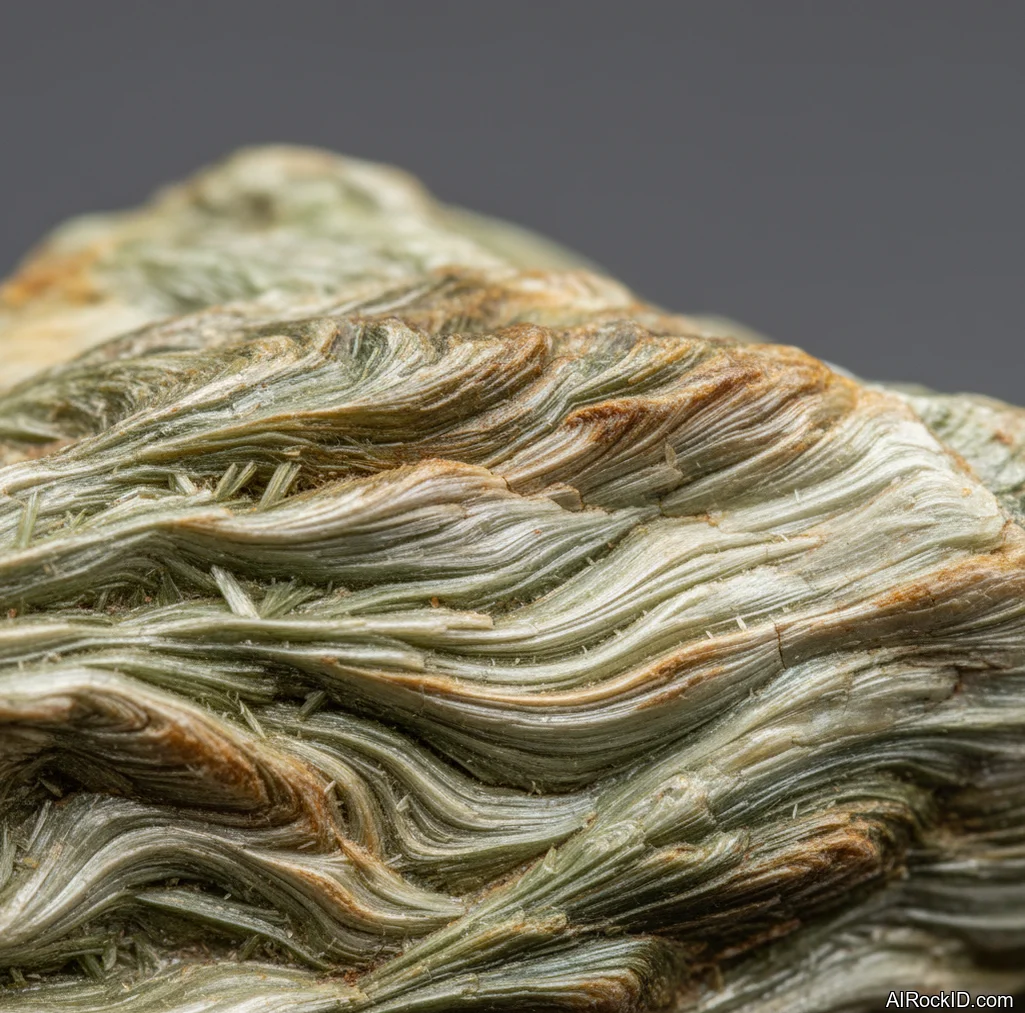
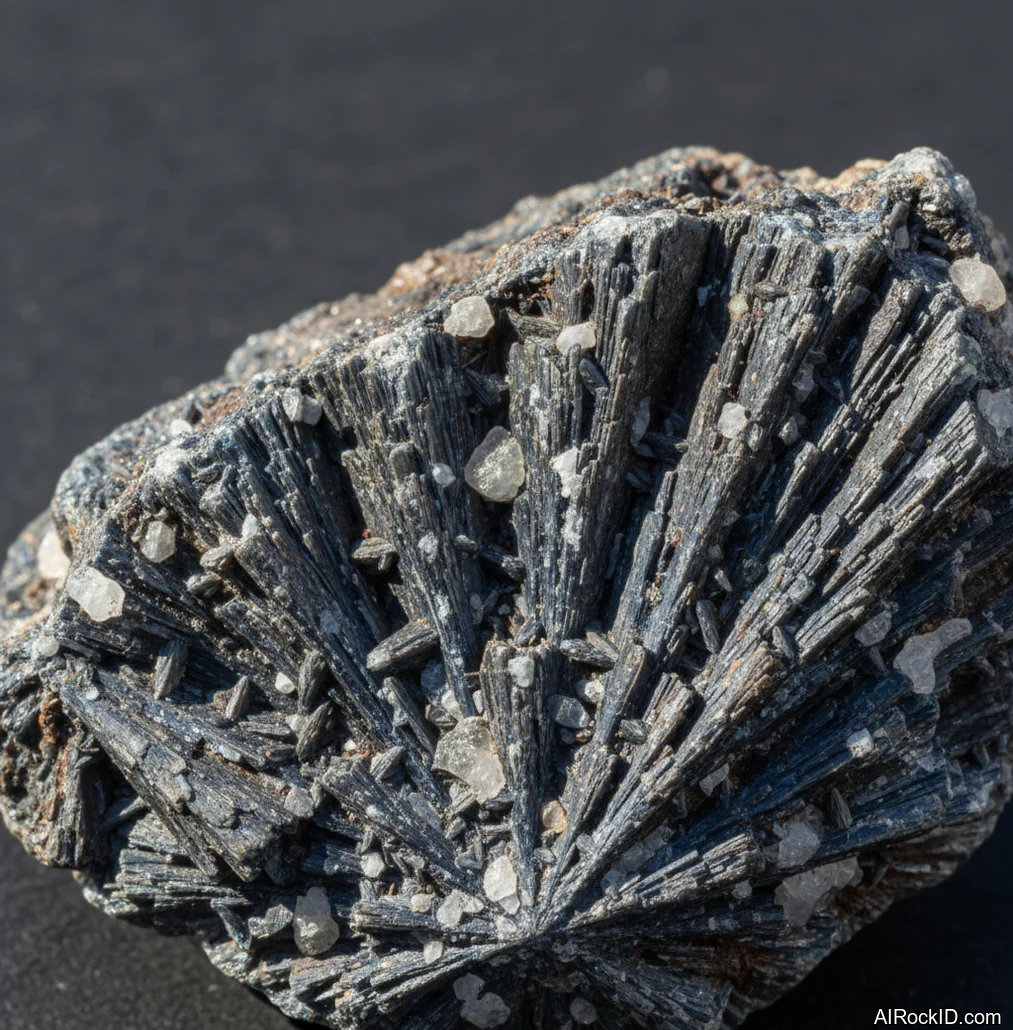
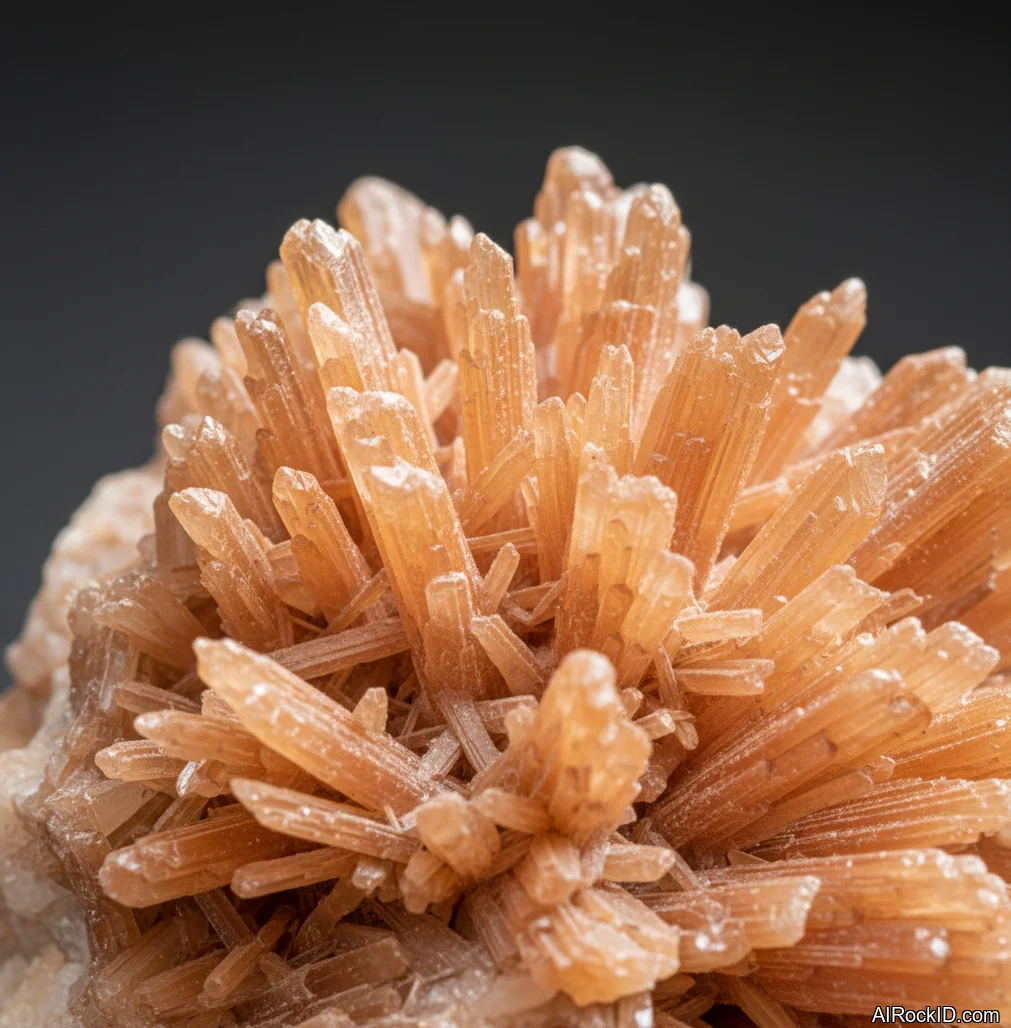
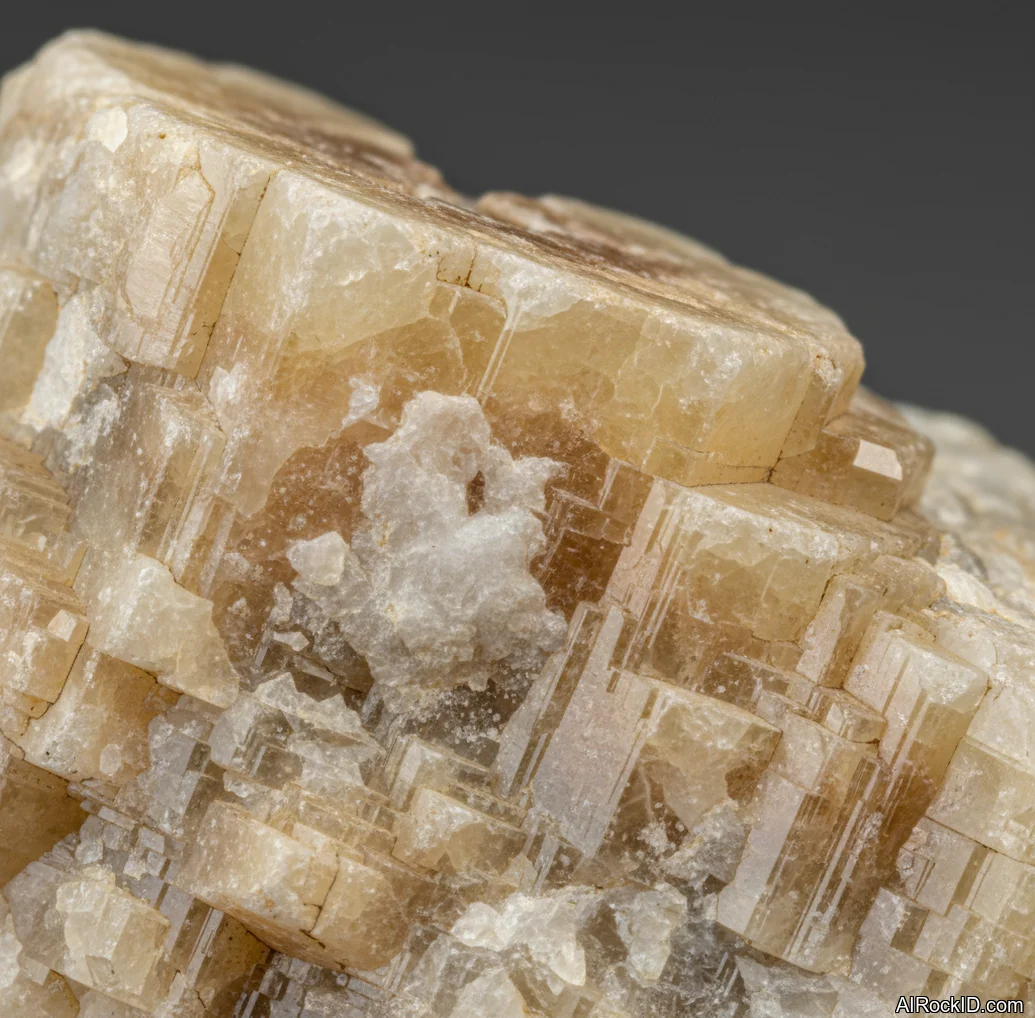
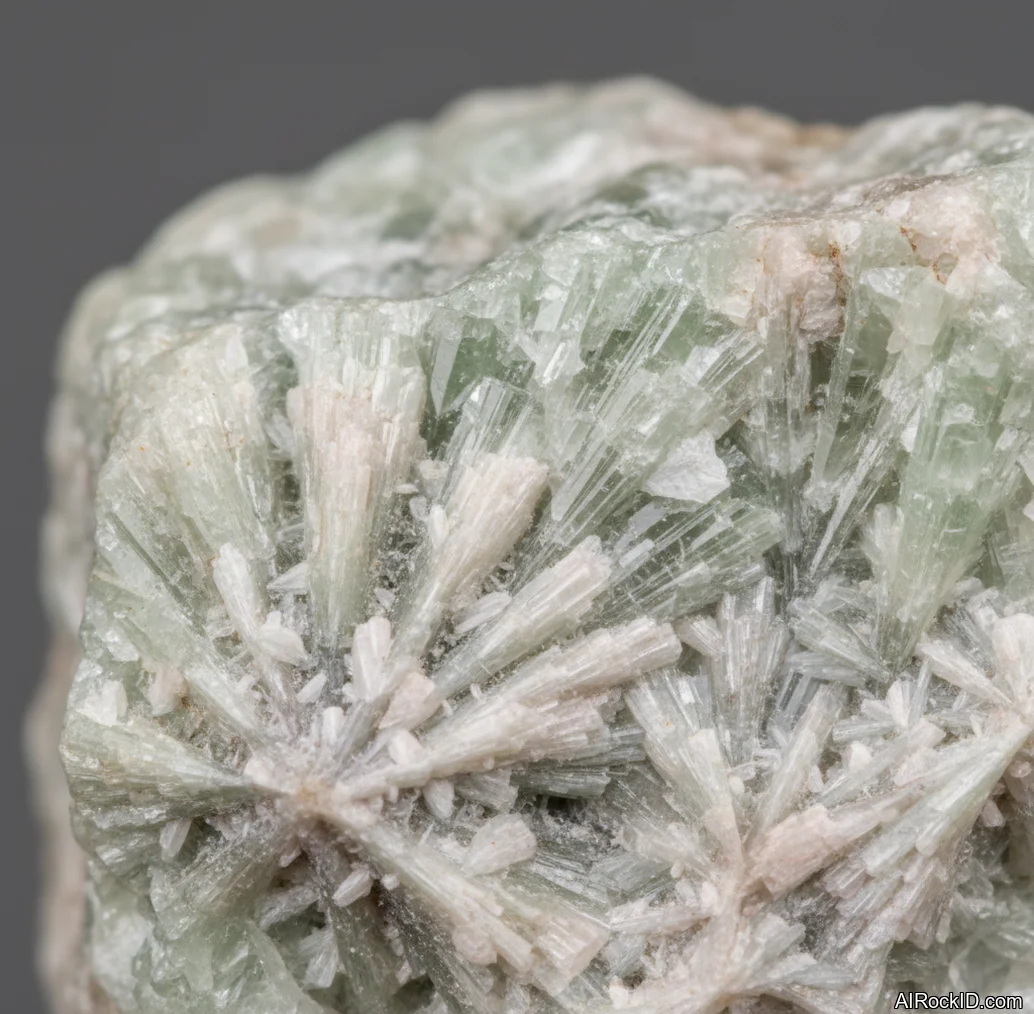
Look, check durability before you fall in love. Blue calcite is pretty but it’s soft, and it bruises if you toss it in a bag with keys. Celestite is even more fragile. Plus the crystals chip easily and make a gritty little mess if the cluster rubs against anything. Satin spar is fibrous and can fuzz at the edges with handling.
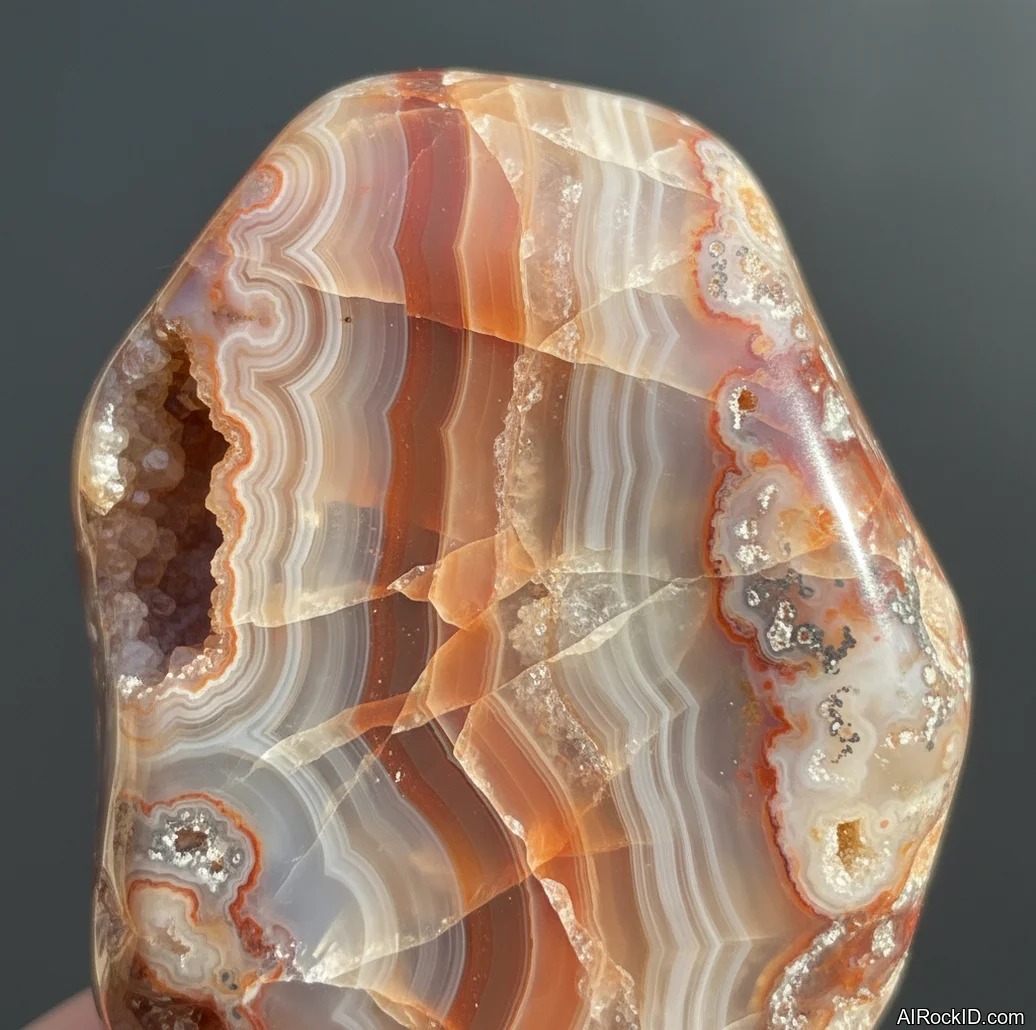
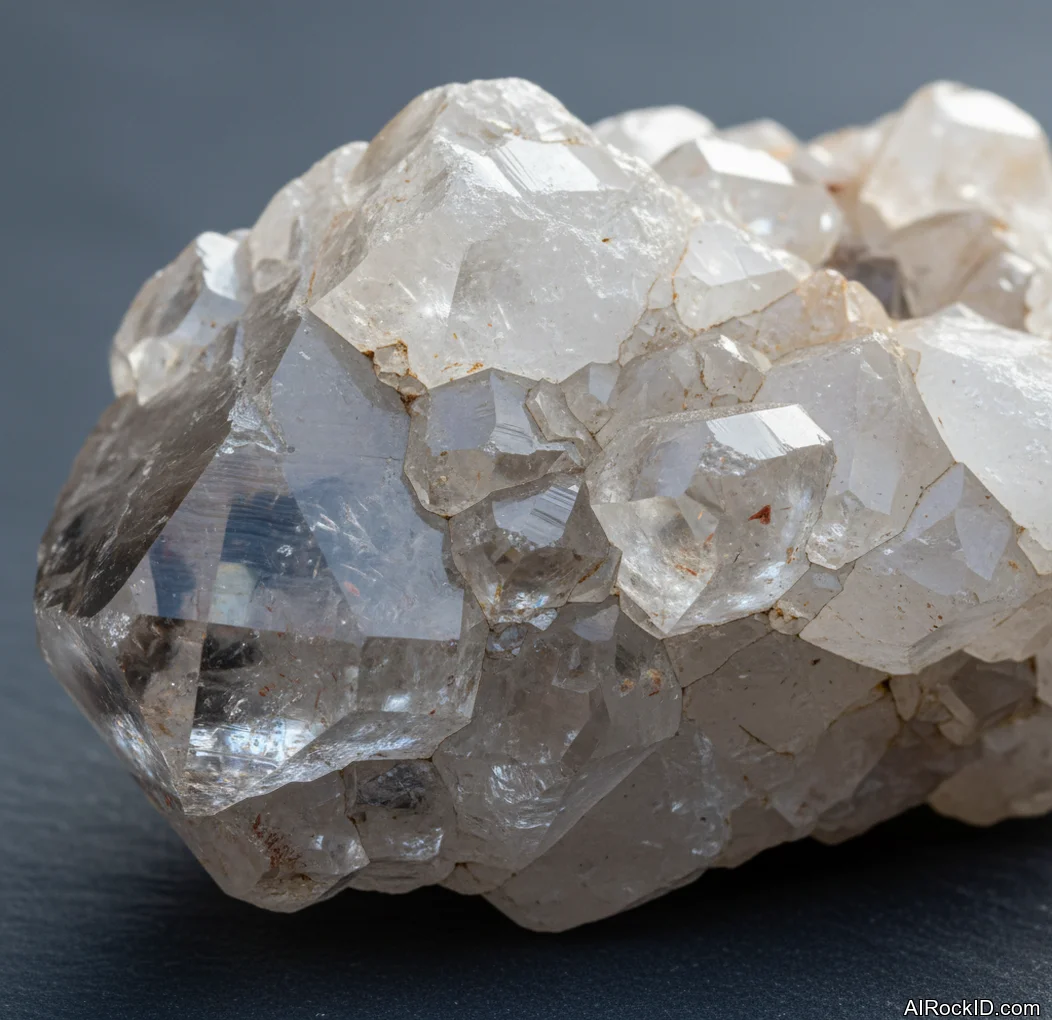
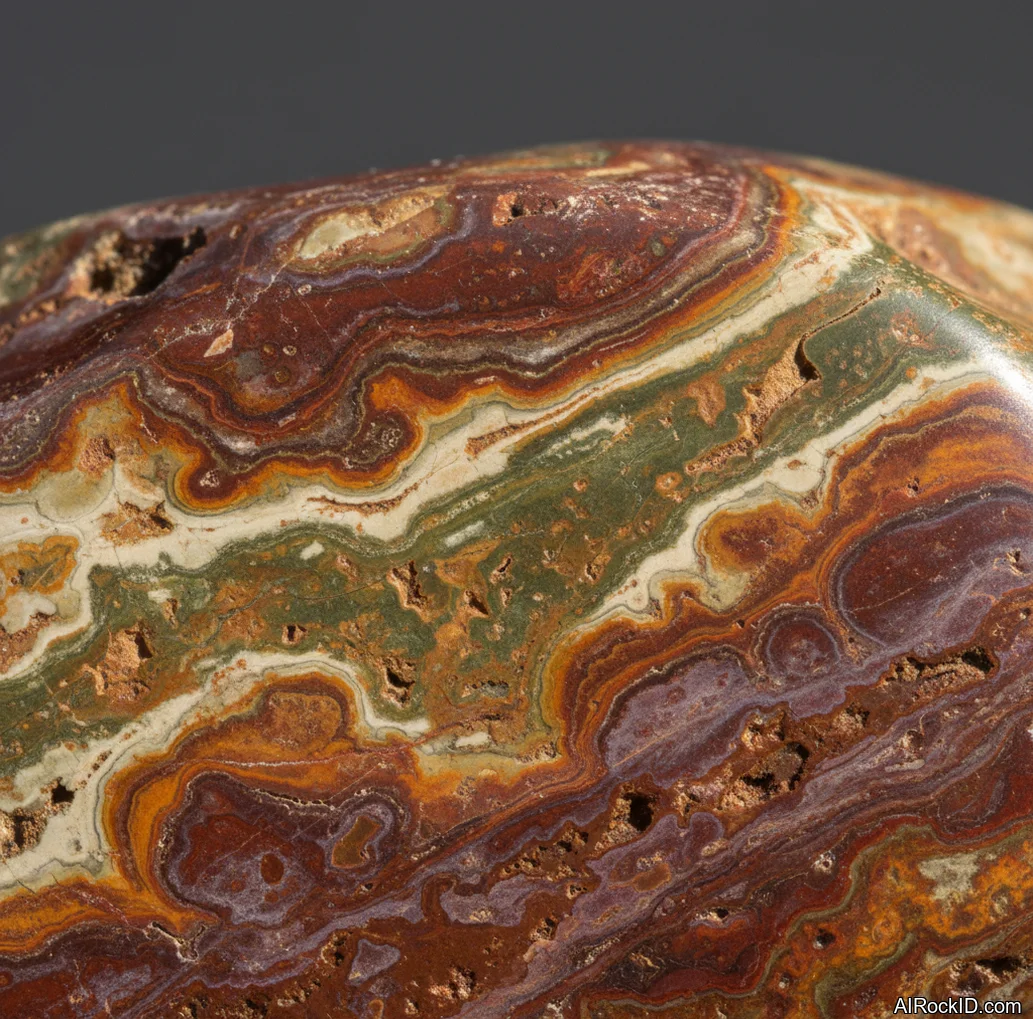
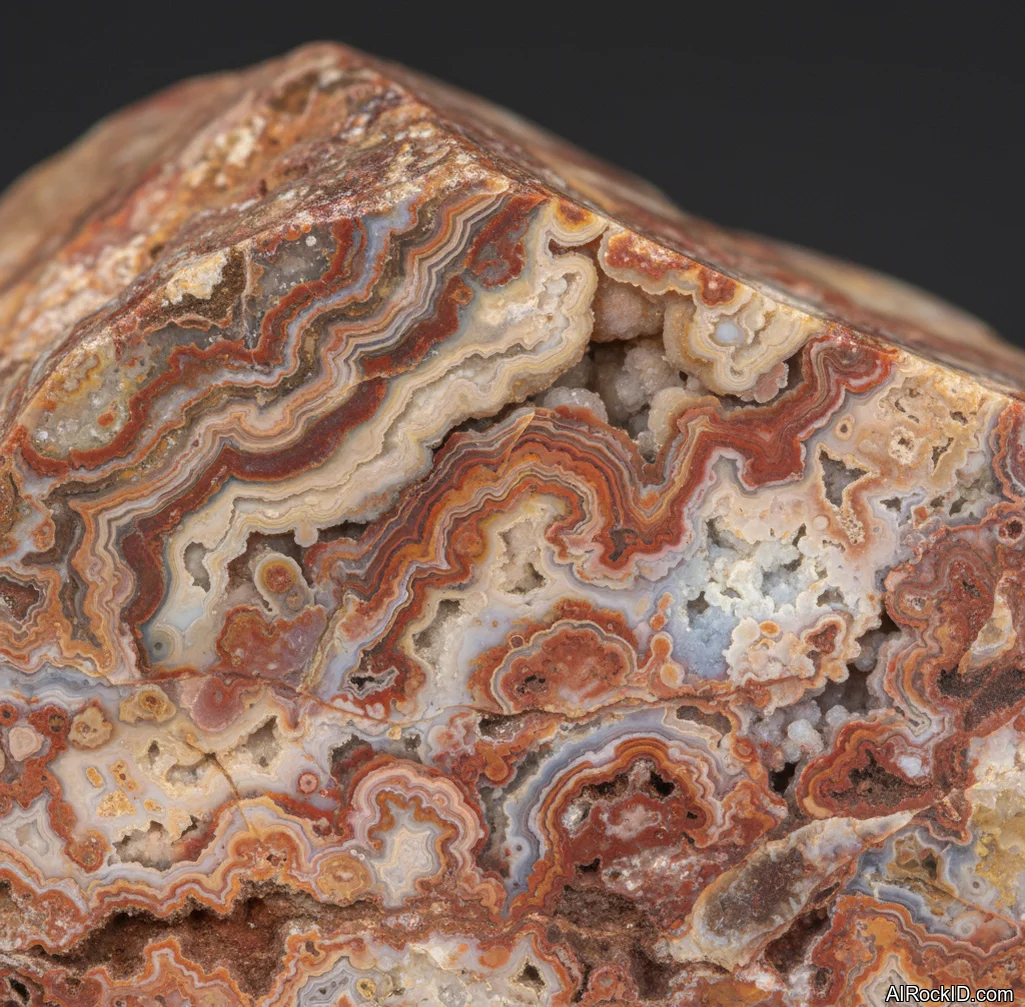
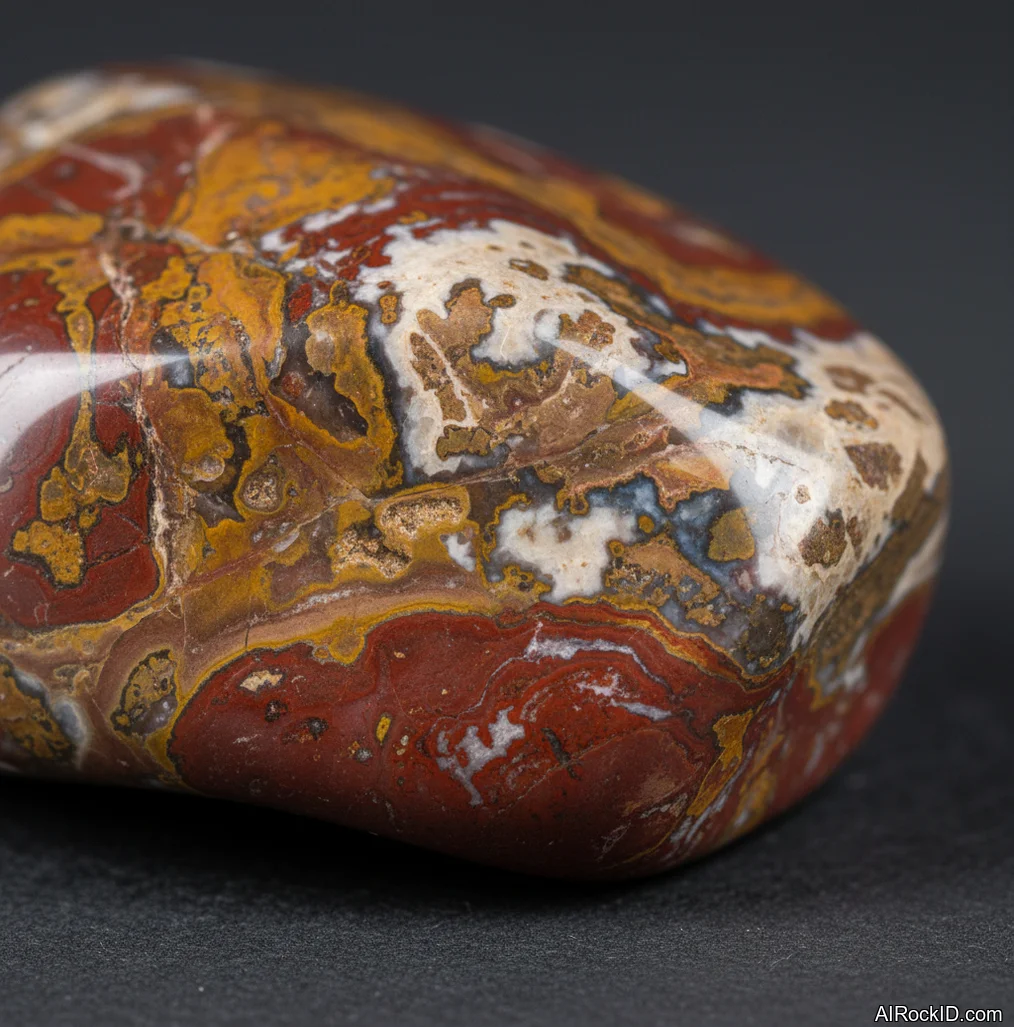
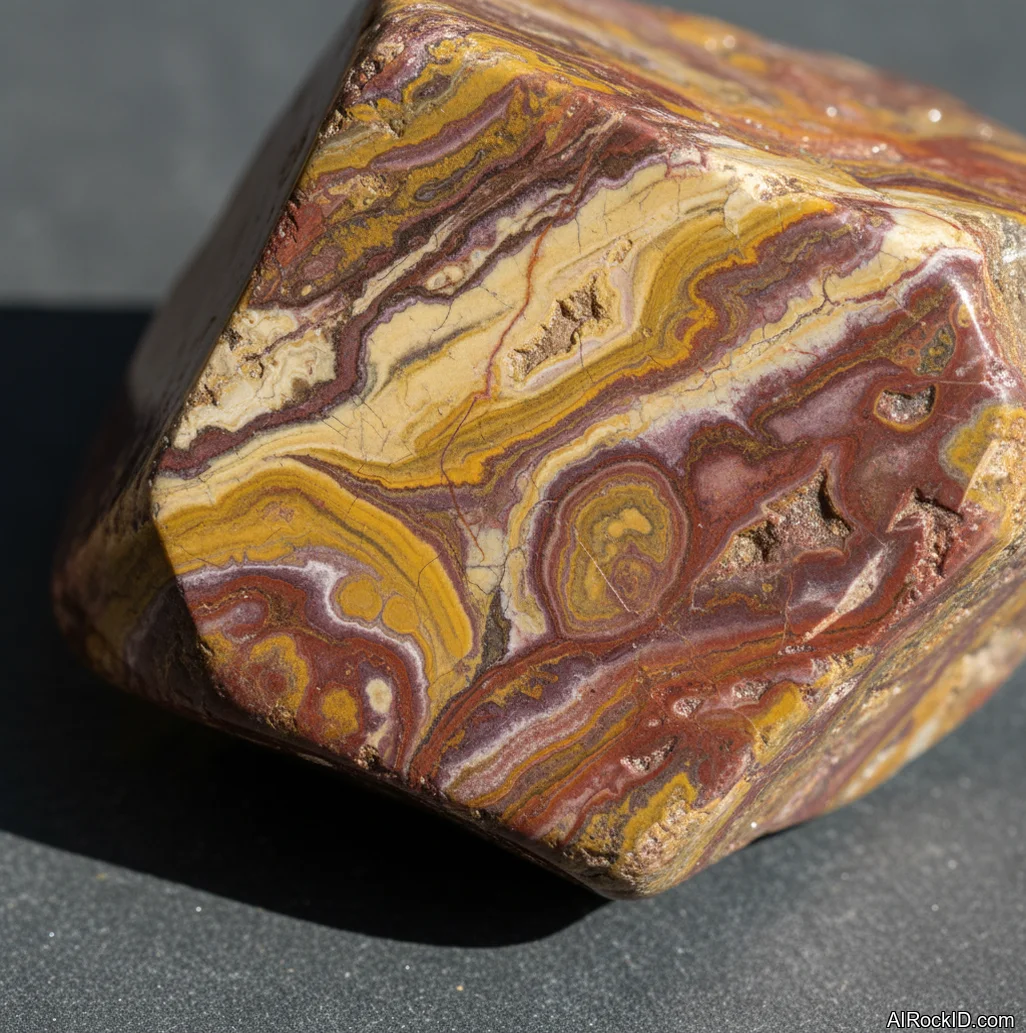
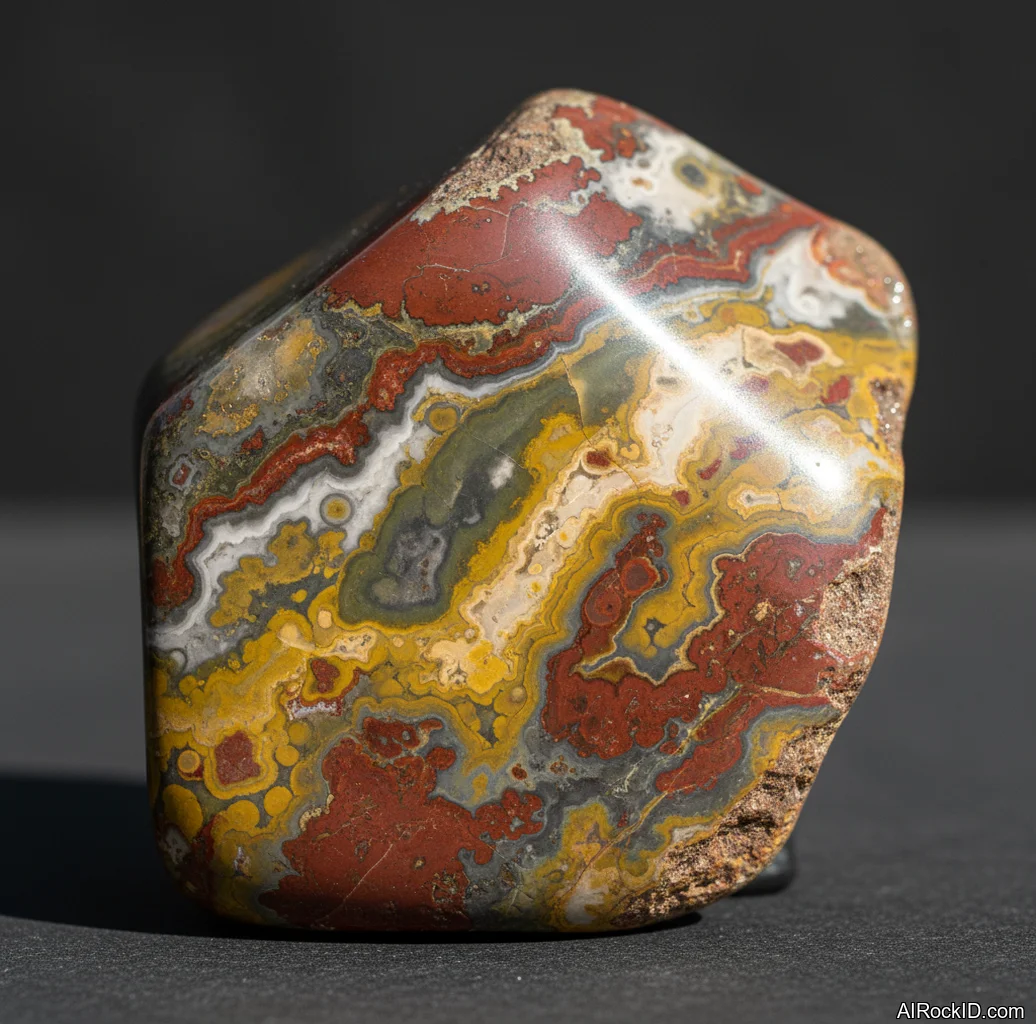
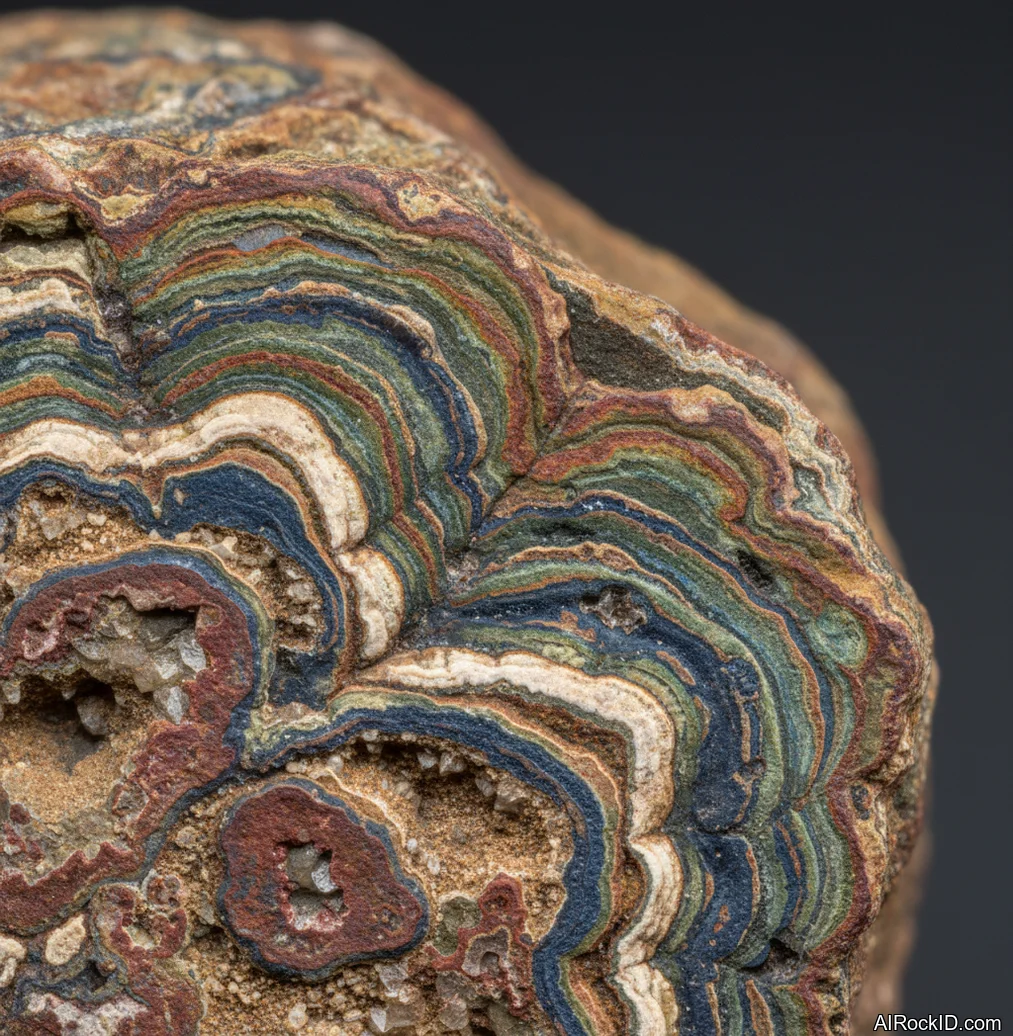
So if you want a Soothing stone that can take daily abuse, agates (blue lace agate, Botswana agate), quartz (smoky quartz, milky quartz), and some jaspers are safer bets. A well-tumbled piece of Botswana agate feels like river glass. And it doesn’t mind being carried.
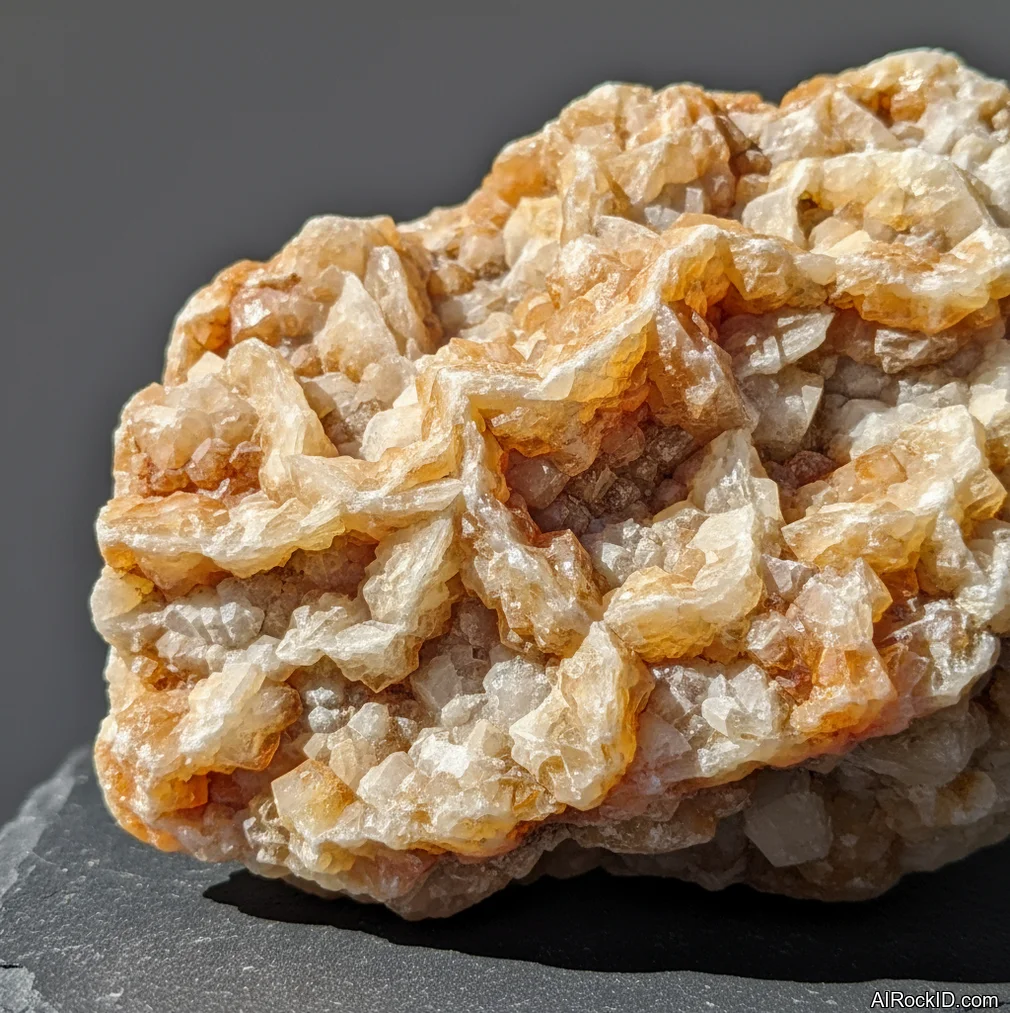
Compared to polished pieces, raw material can feel more “alive” in the hand. But it’s also where you’ll get the most disappointment if you buy fast.
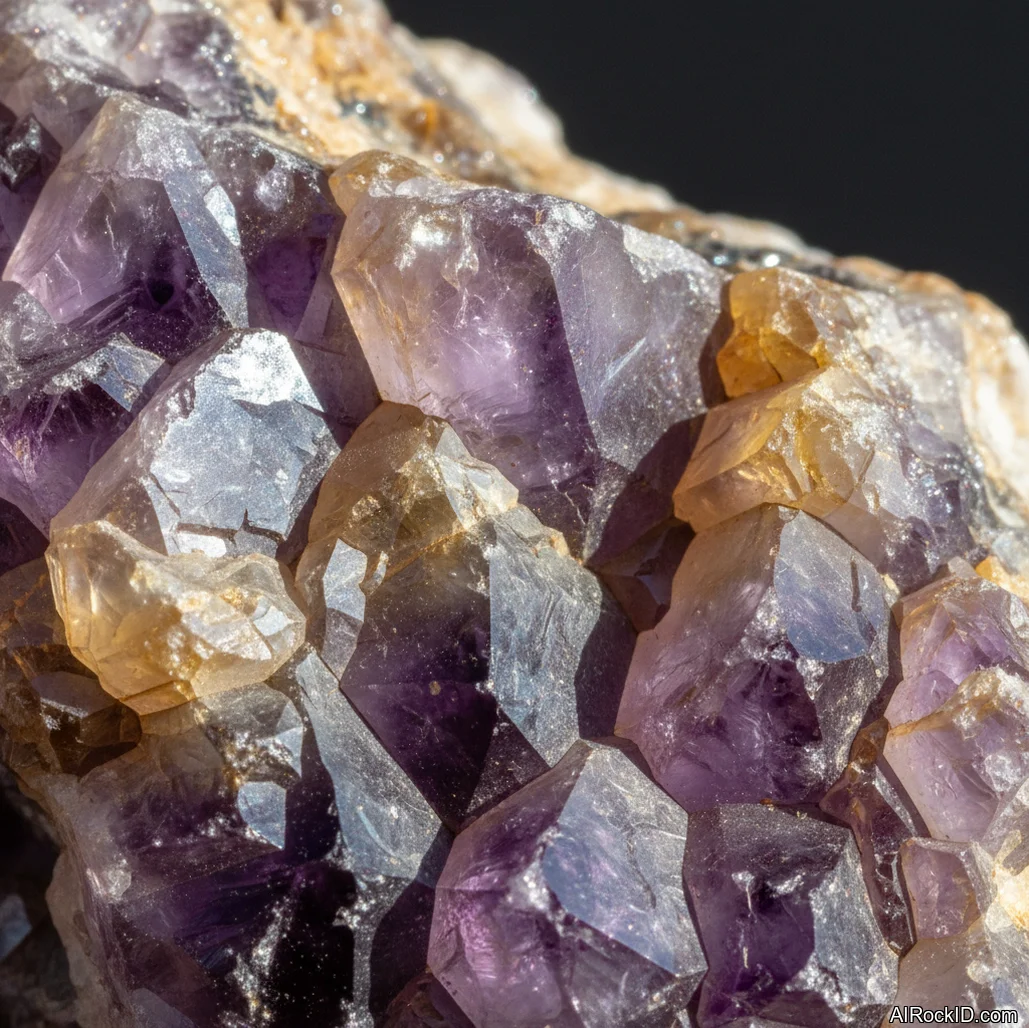
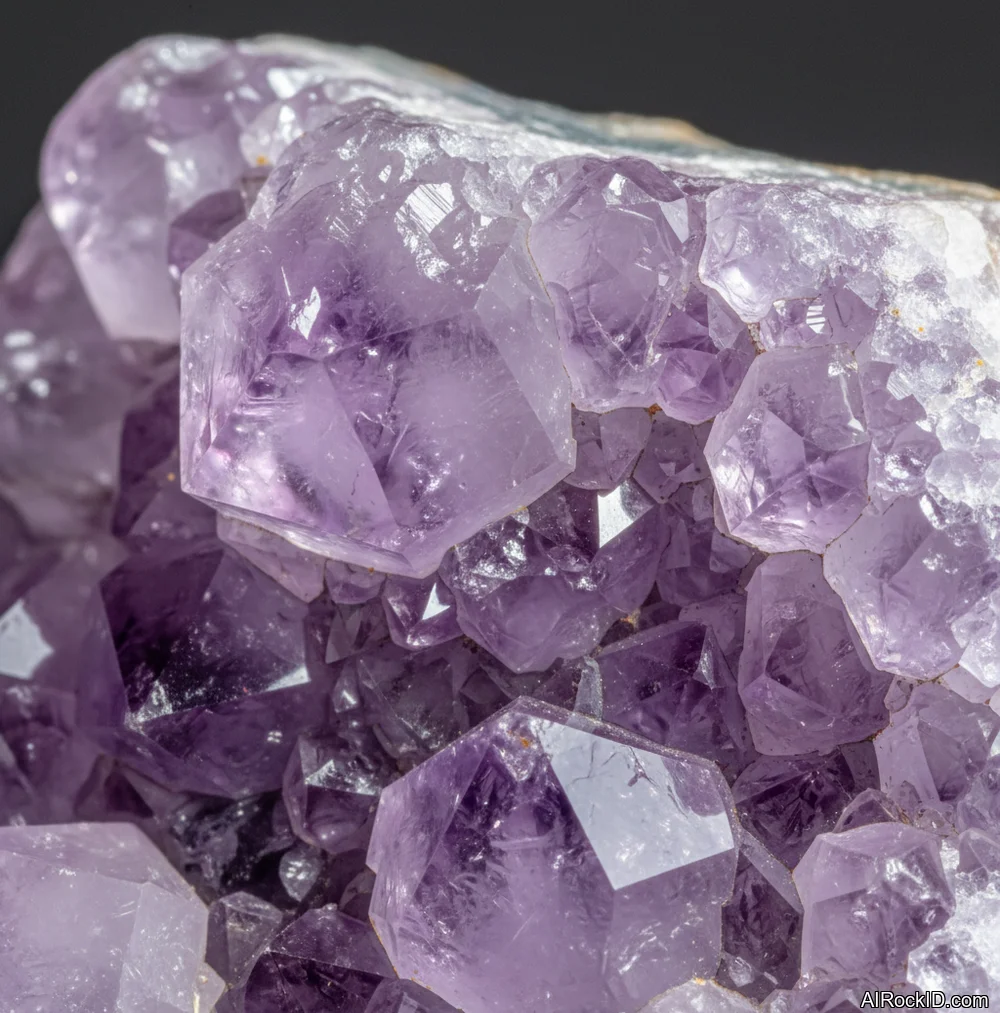
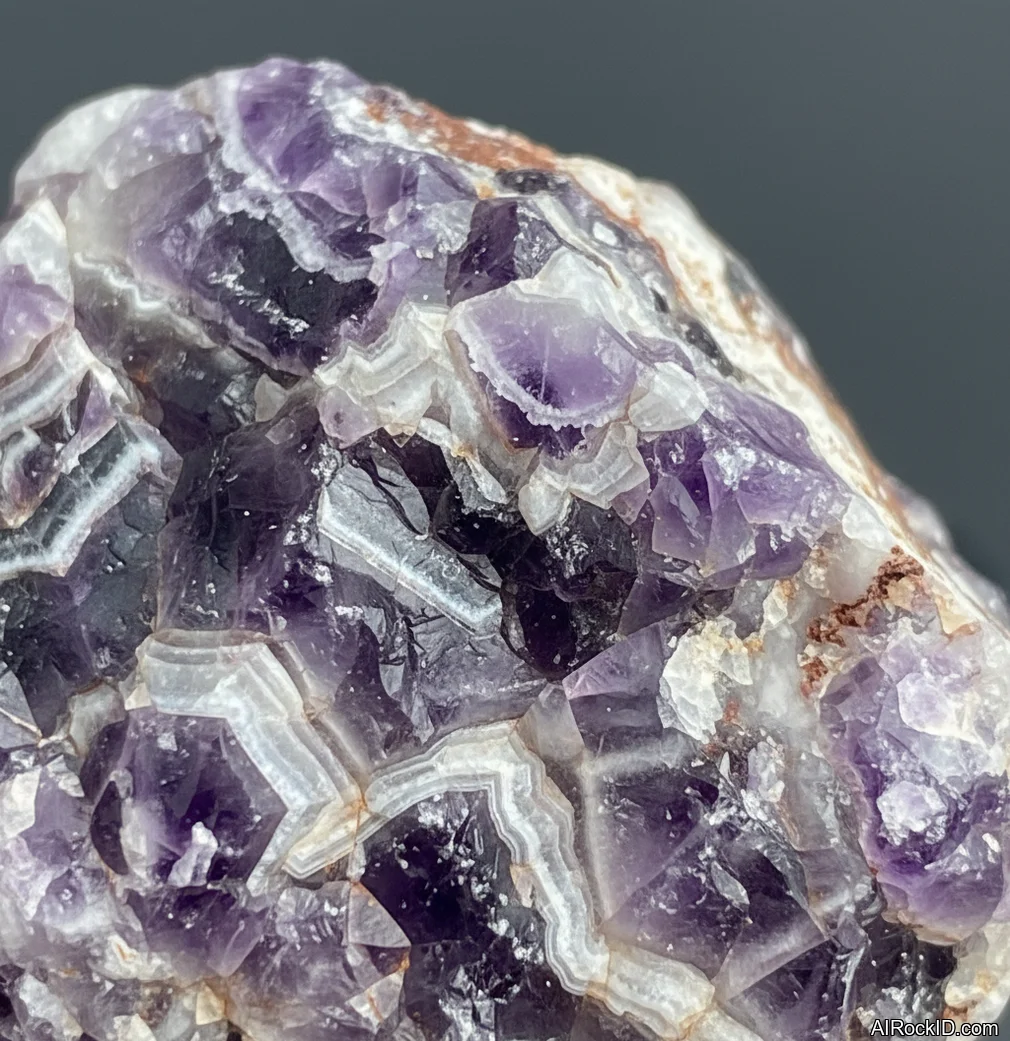
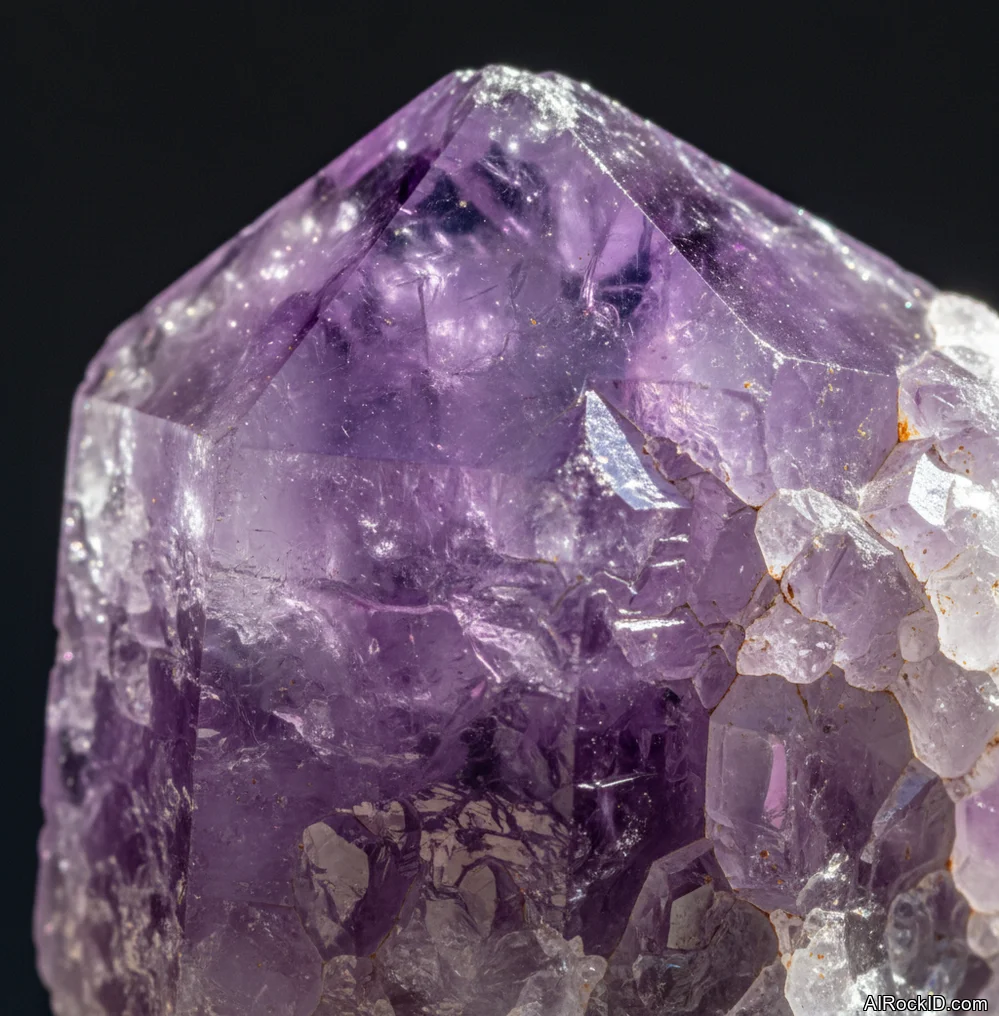
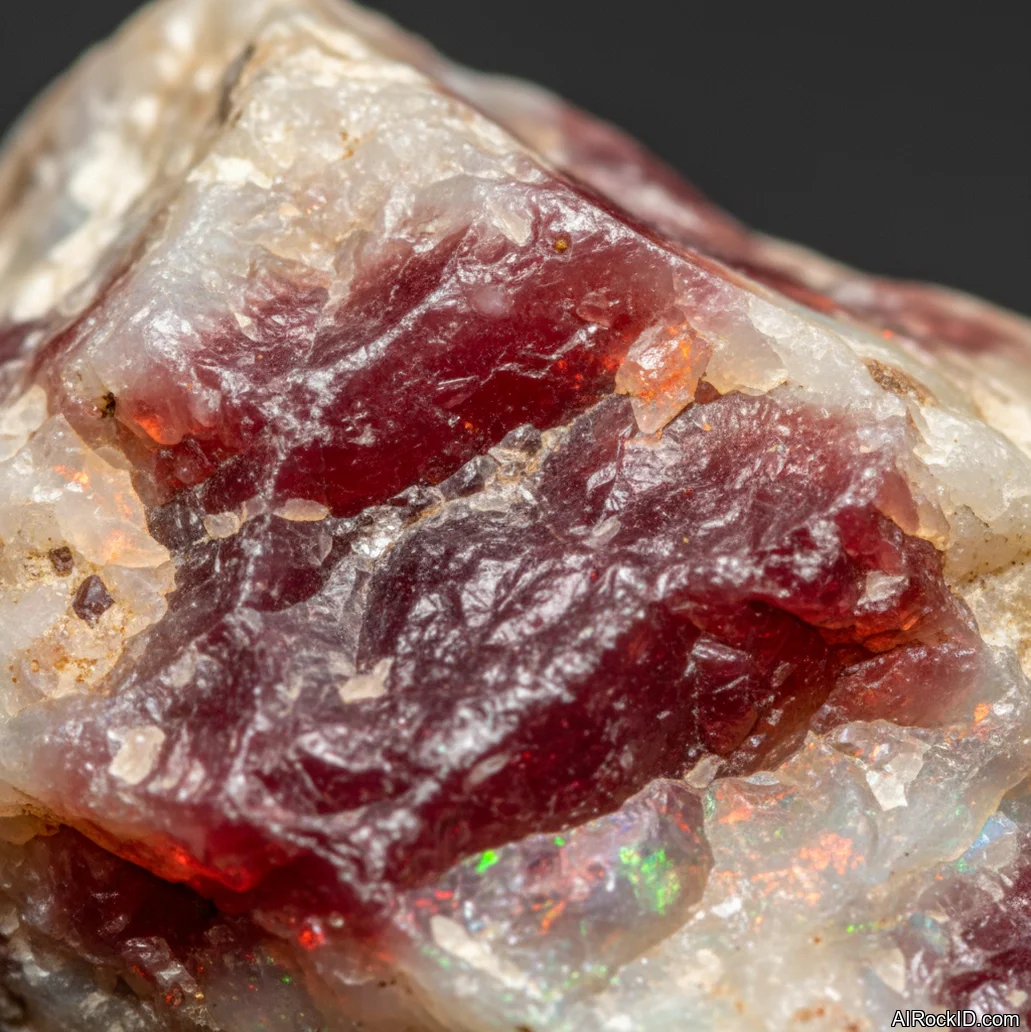
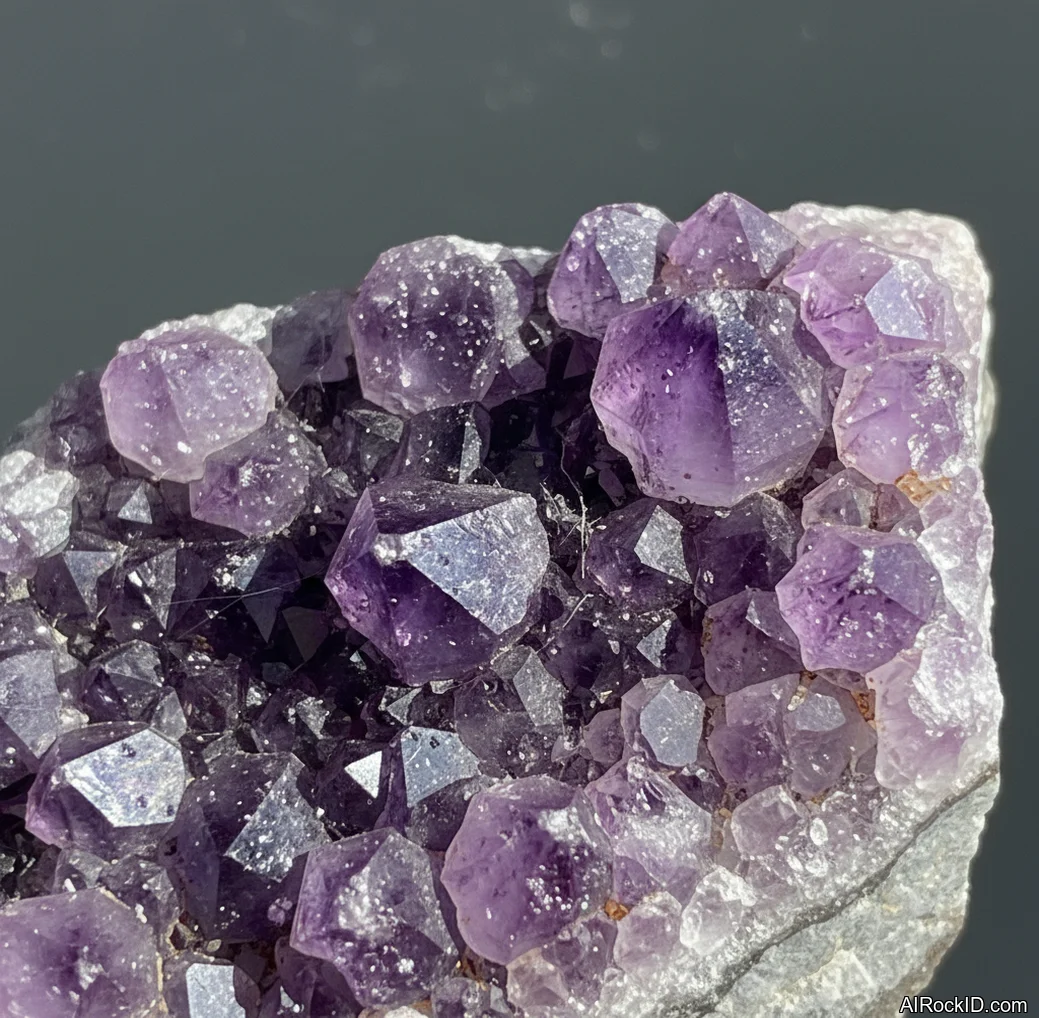
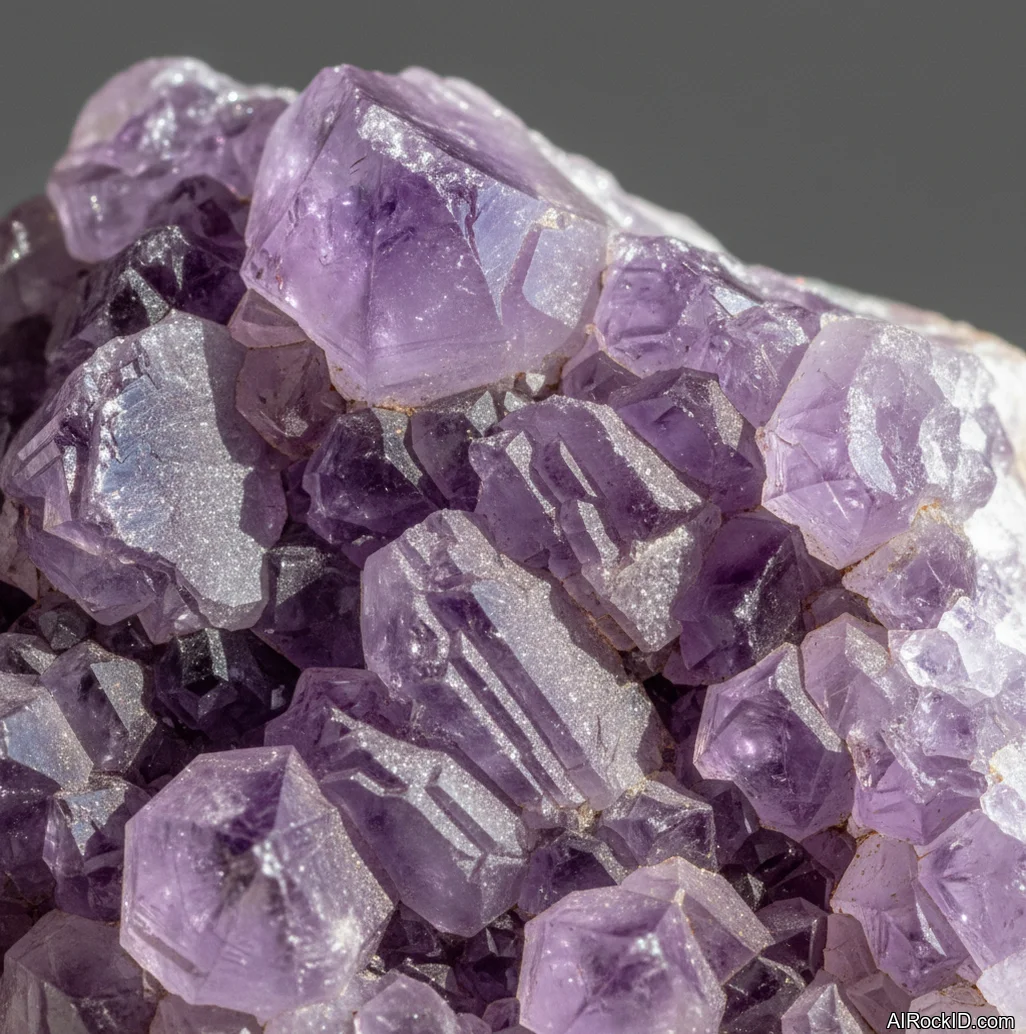
The problem with raw moonstone is that sellers love to photograph the flash at one perfect angle, then the stone arrives and it looks dead unless you hold it in that exact same tilt. With lepidolite, the issue is crumbly edges and flaking mica. A solid chunk with tight, platey sparkle is nicer than a crumb cake that leaves purple dust in your pouch. With amethyst, color and clarity swing wildly. Deep Uruguayan material tends to be inky and saturated; a lot of Brazilian points lean lighter, and you’ll sometimes see surface frosting that looks great on a shelf but scratches if you’re not careful.
Thing is, if you’re using Soothing crystals in real day-to-day life, simple wins. Put one stone where your body actually lands. Nightstand. Work keyboard. The spot on the couch where your hand rests. I’ve got a flat blue lace agate that’s basically a dedicated “meeting stone.” It stays cool longer than you’d expect, and the polish is slick enough that my thumb just loops the bands without me thinking about it.
Water and sunlight are where people accidentally wreck their calming setup.
Sun fades a lot of pale stones faster than you’d guess. I’ve seen rose quartz go washed out on a windowsill, and some amethyst turns dull if it lives in direct light long-term. Keep the display pretty, sure, but maybe not in that blazing south-facing window.
And water is another trap. Selenite and satin spar don’t belong in water at all, and calcite can etch and lose shine. If you want to “cleanse” a stone and you don’t want to think about chemistry, wipe it with a dry cloth or a barely damp microfiber. Then dry it right away.
Buying tips matter because Soothing is a category that attracts a ton of dyed and mislabeled material. The real test with “blue lace agate” online is whether the bands look natural and uneven. If it’s an electric, uniform baby-blue with inky black cracks, it’s often dyed chalcedony. With “howlite,” bright turquoise-blue pieces are usually howlite dyed to imitate turquoise. Real howlite is white to gray with webby veining, and it has that chalky, porous feel compared to the tighter, colder touch of quartz.
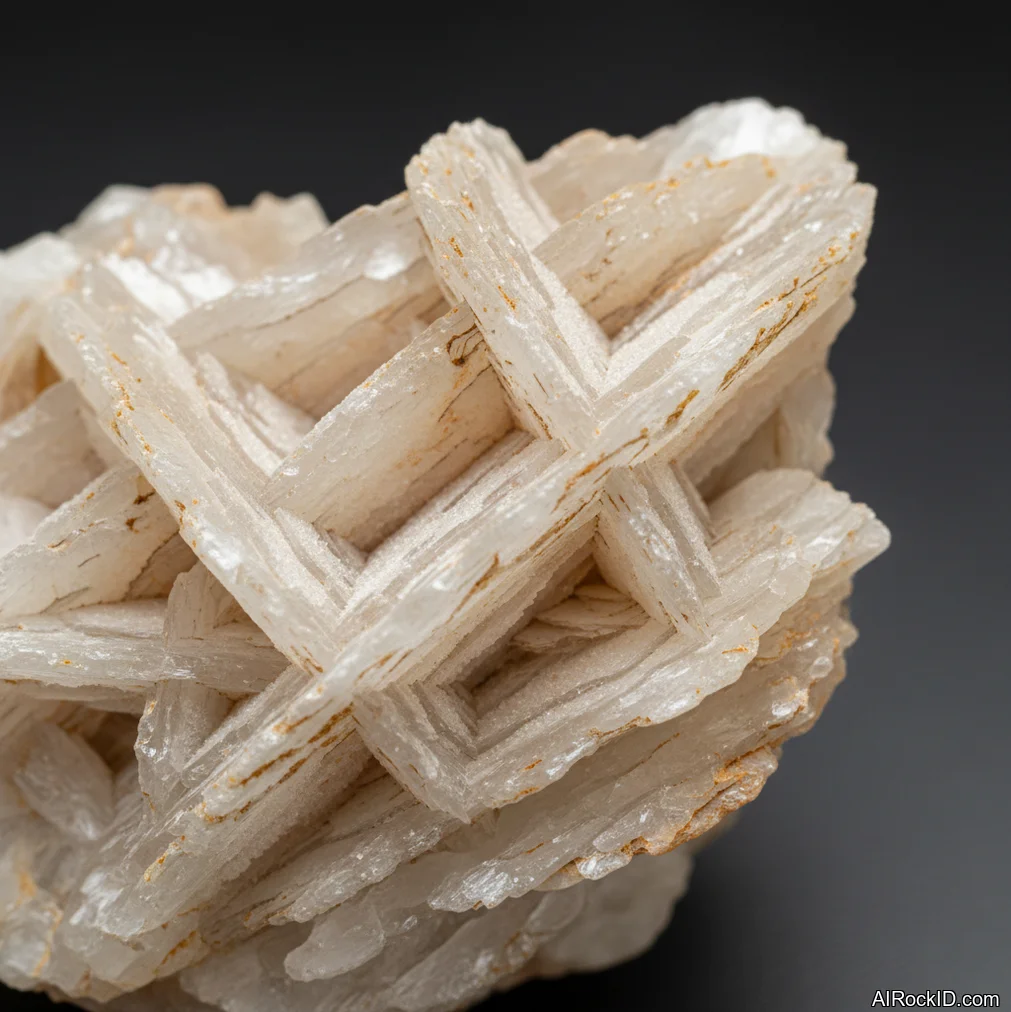
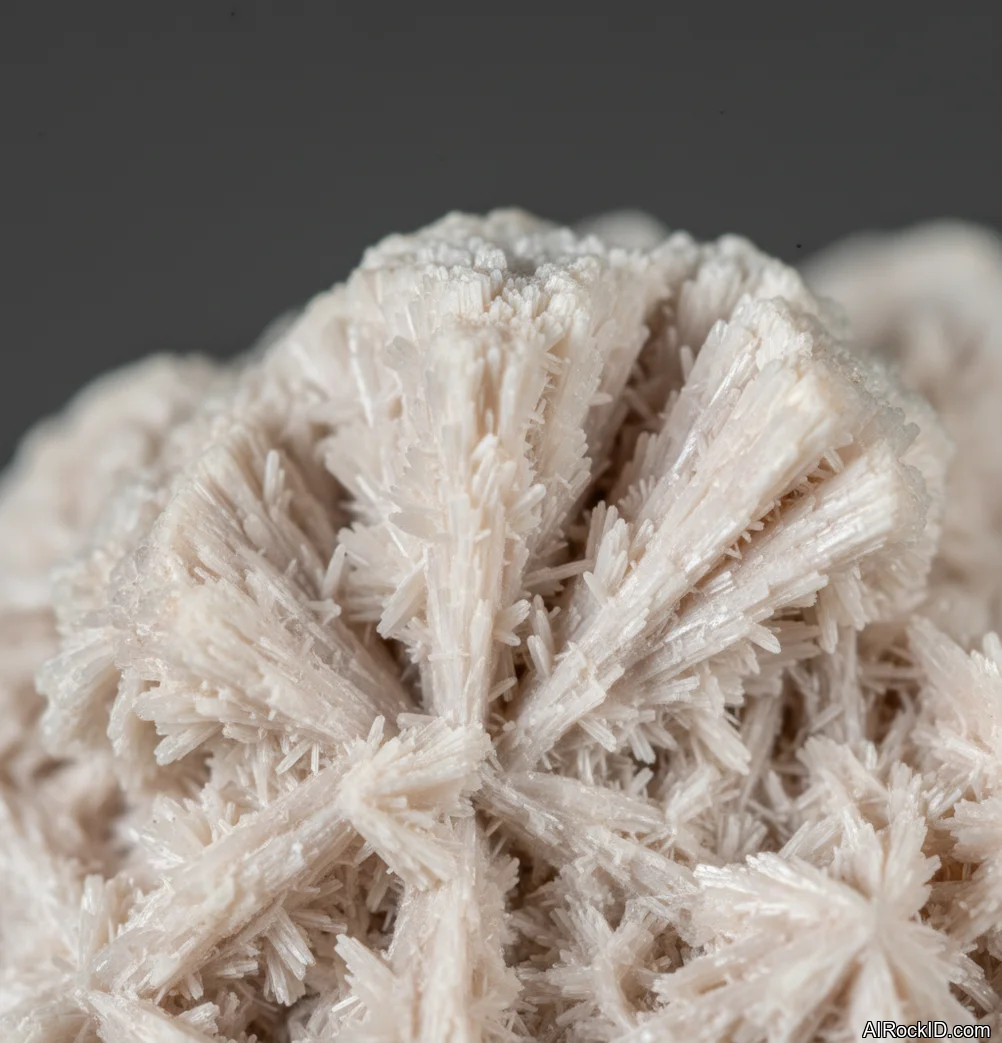
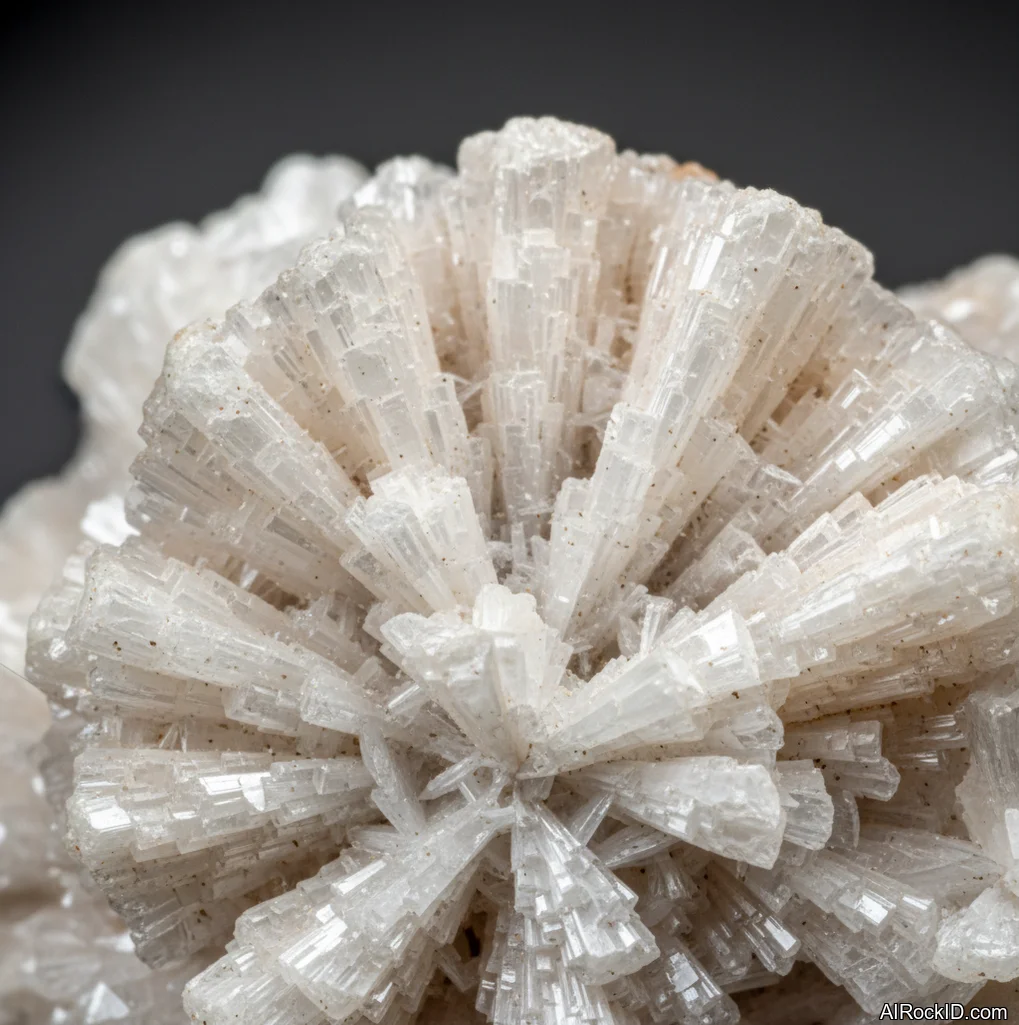
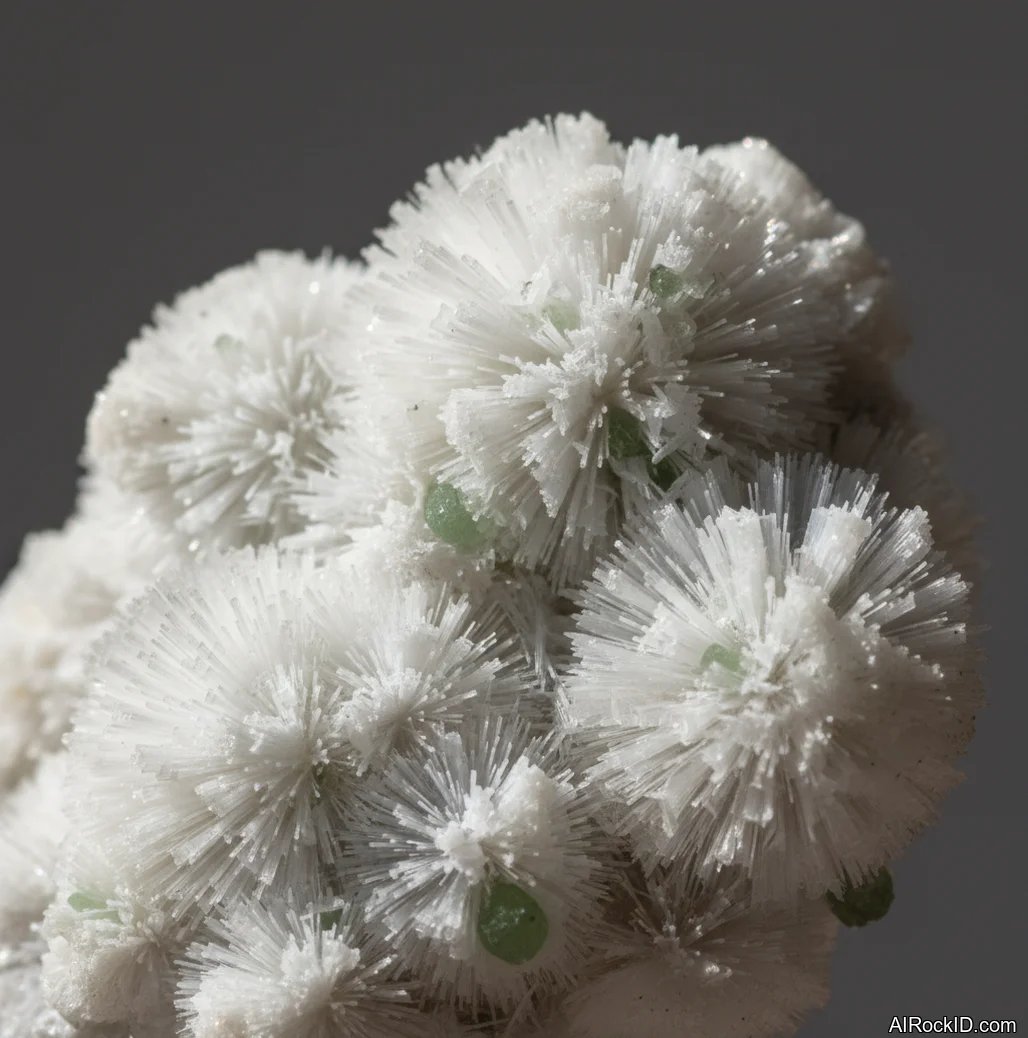
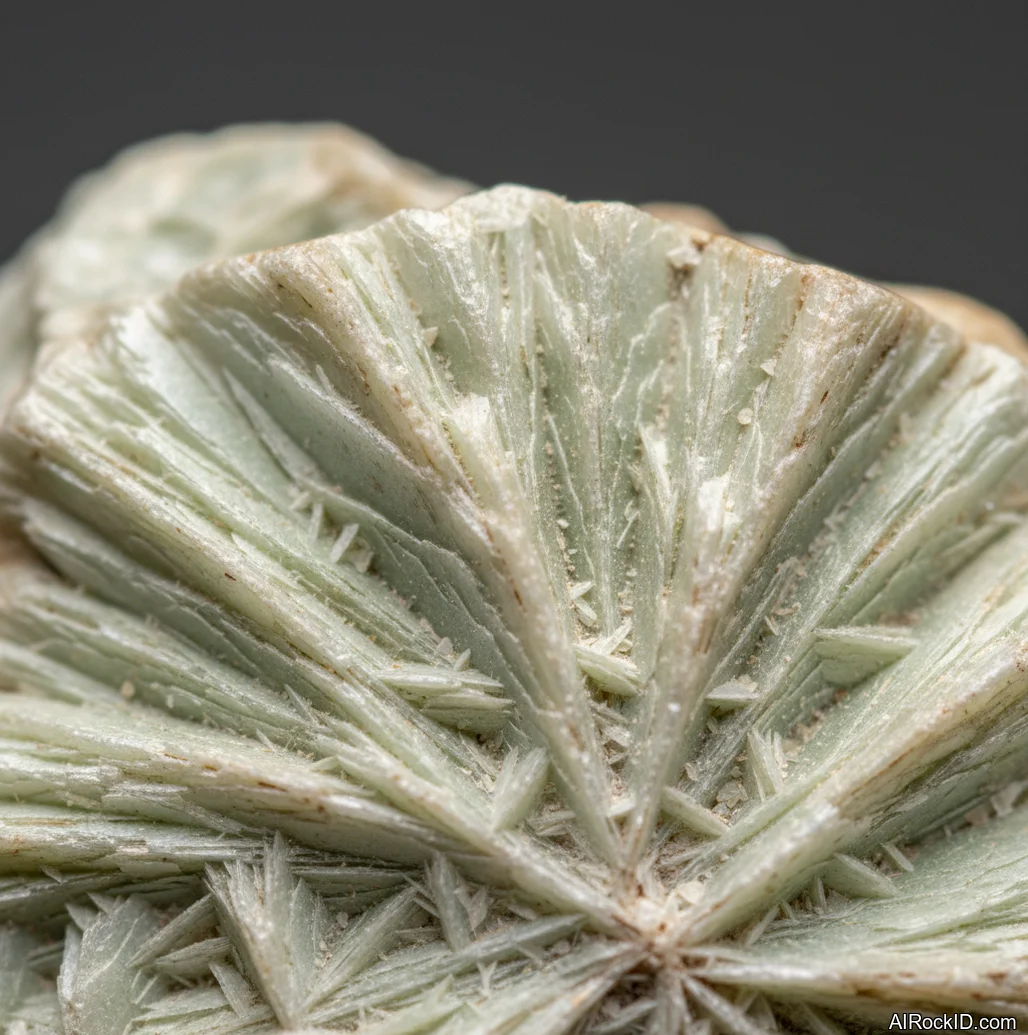
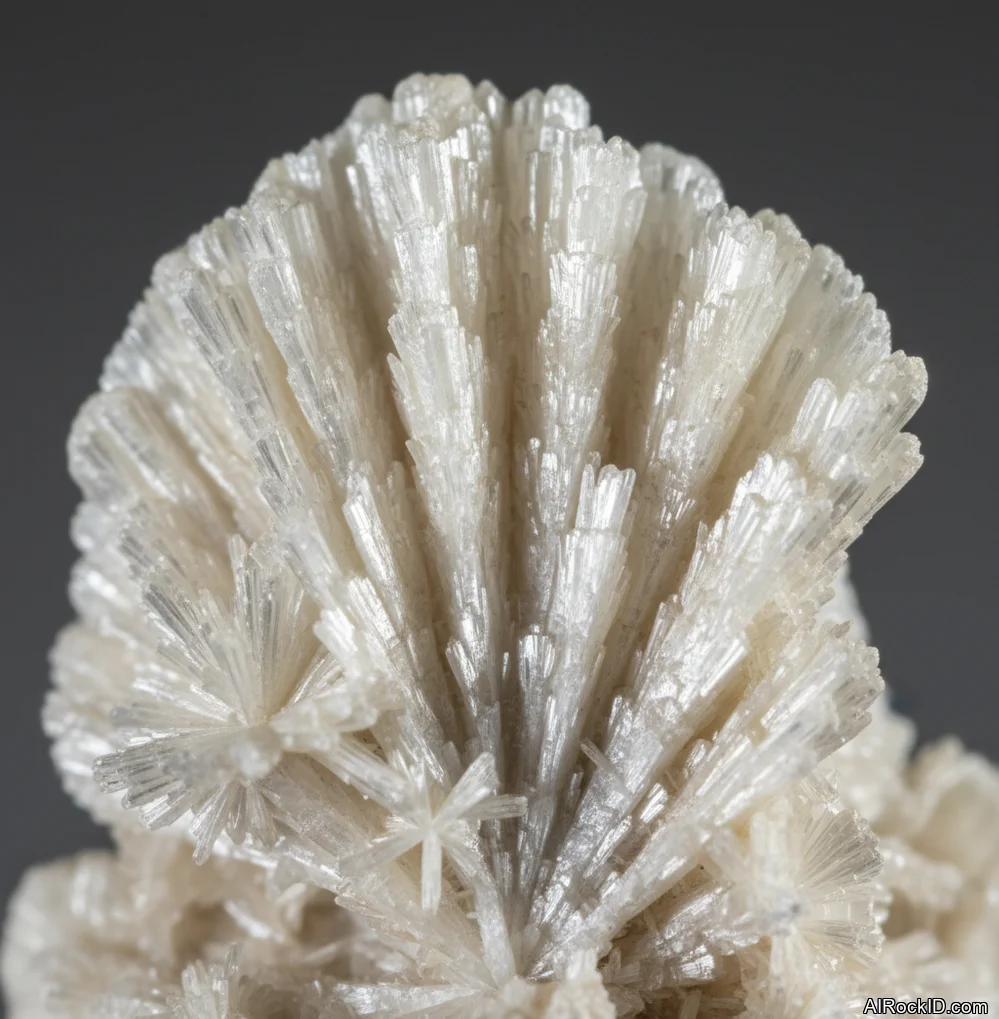
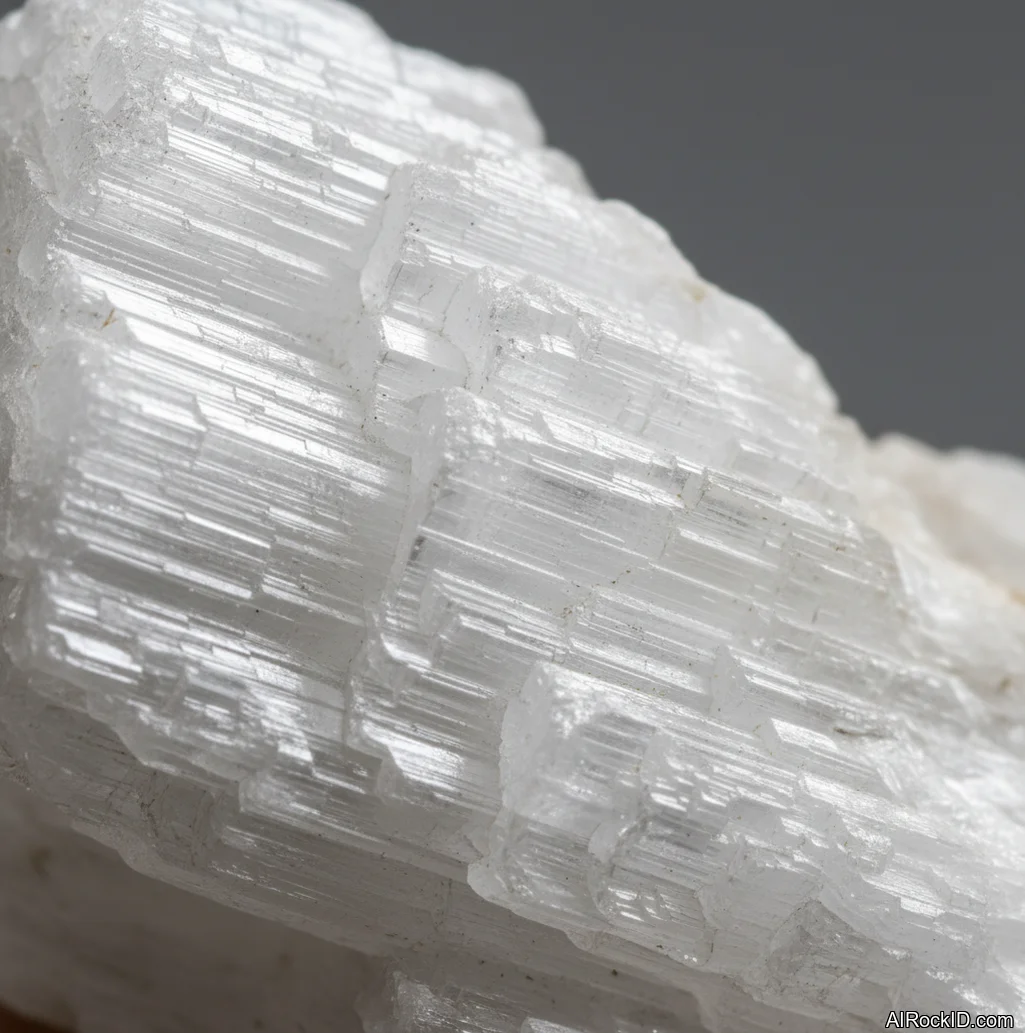
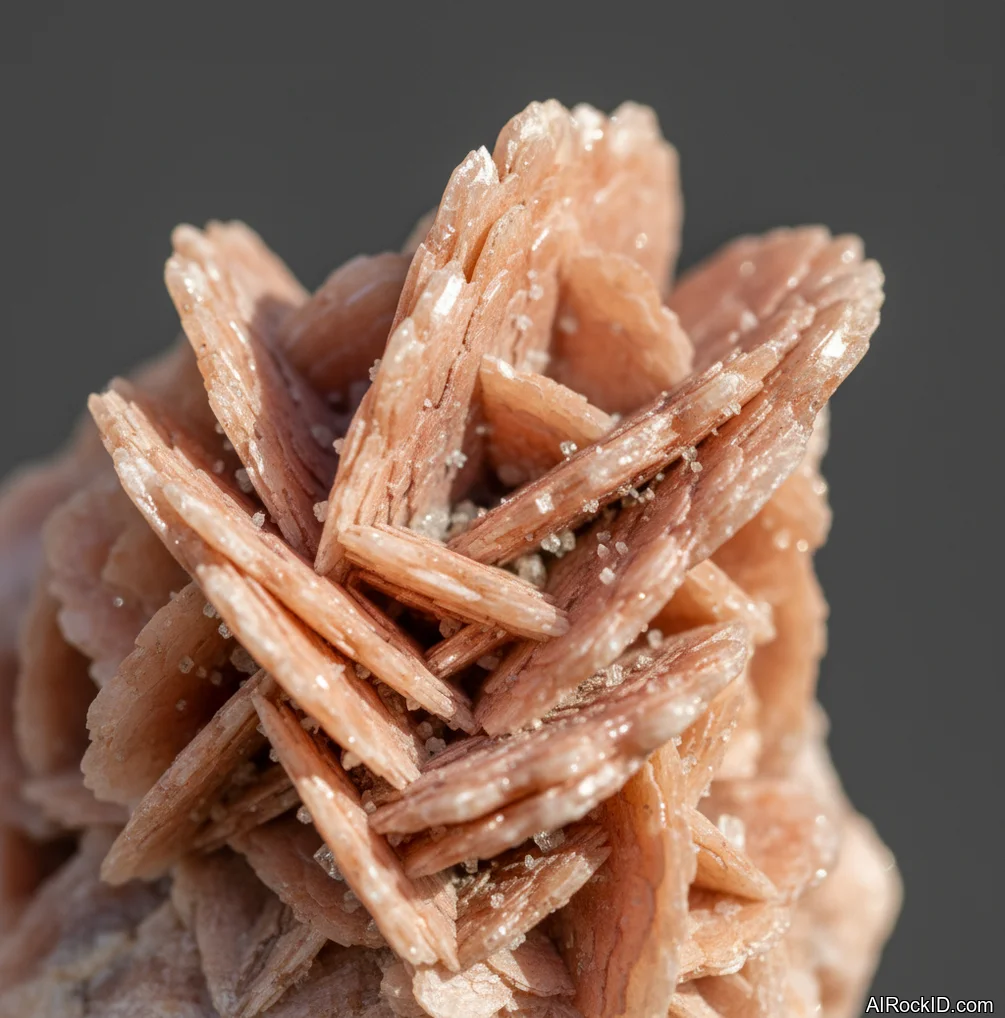
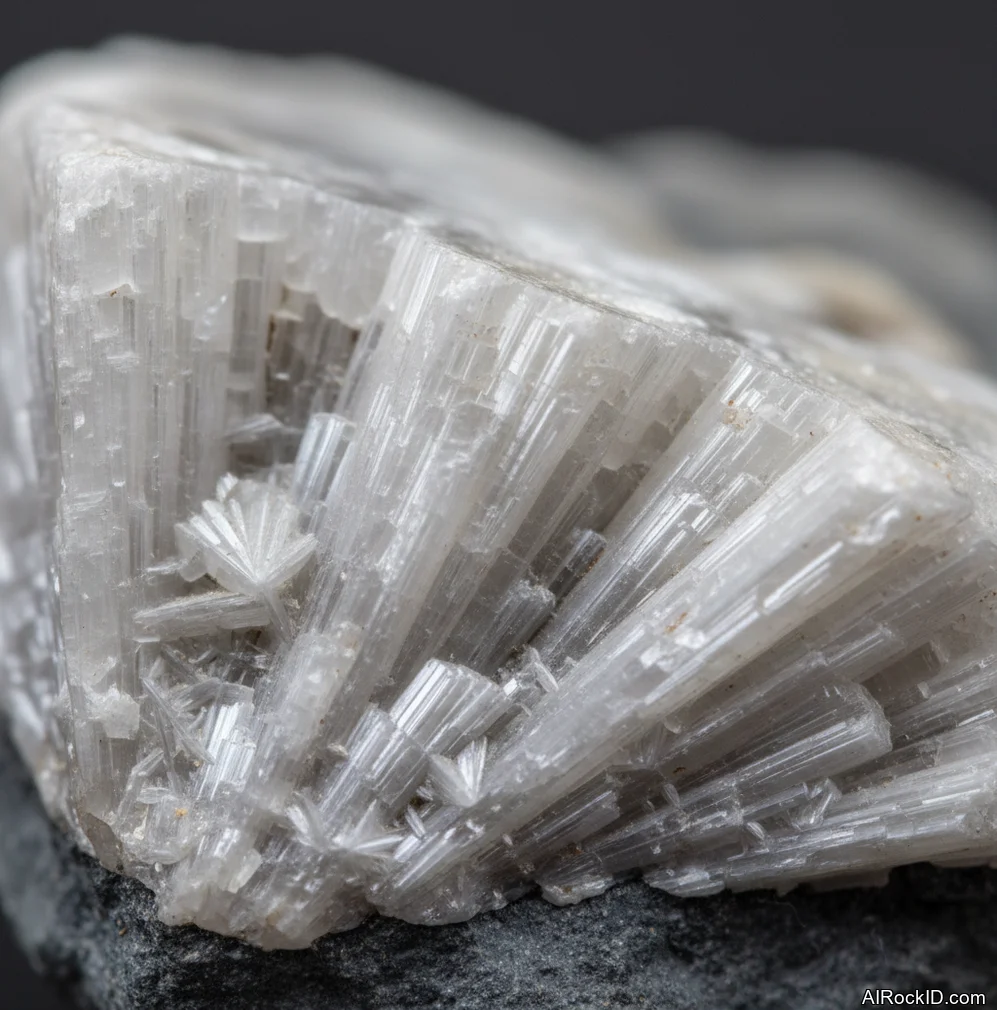
Even “selenite” is messy in the market. A lot of the common white sticks are satin spar gypsum, not true selenite. Both can be used the same way in a spiritual sense, but they look different in the hand: satin spar has that silky chatoyancy like a cat’s eye stripe, while true selenite is clearer and plates out in sheets.
So, Soothing crystals don’t have to be rare or expensive. Most of the time, you’re paying for clean surfaces, good polish, strong color, and shapes that feel good to hold. A cheap, well-tumbled piece of milky quartz can do the job on a stressful day better than a pricey but sharp-edged specimen you never touch.
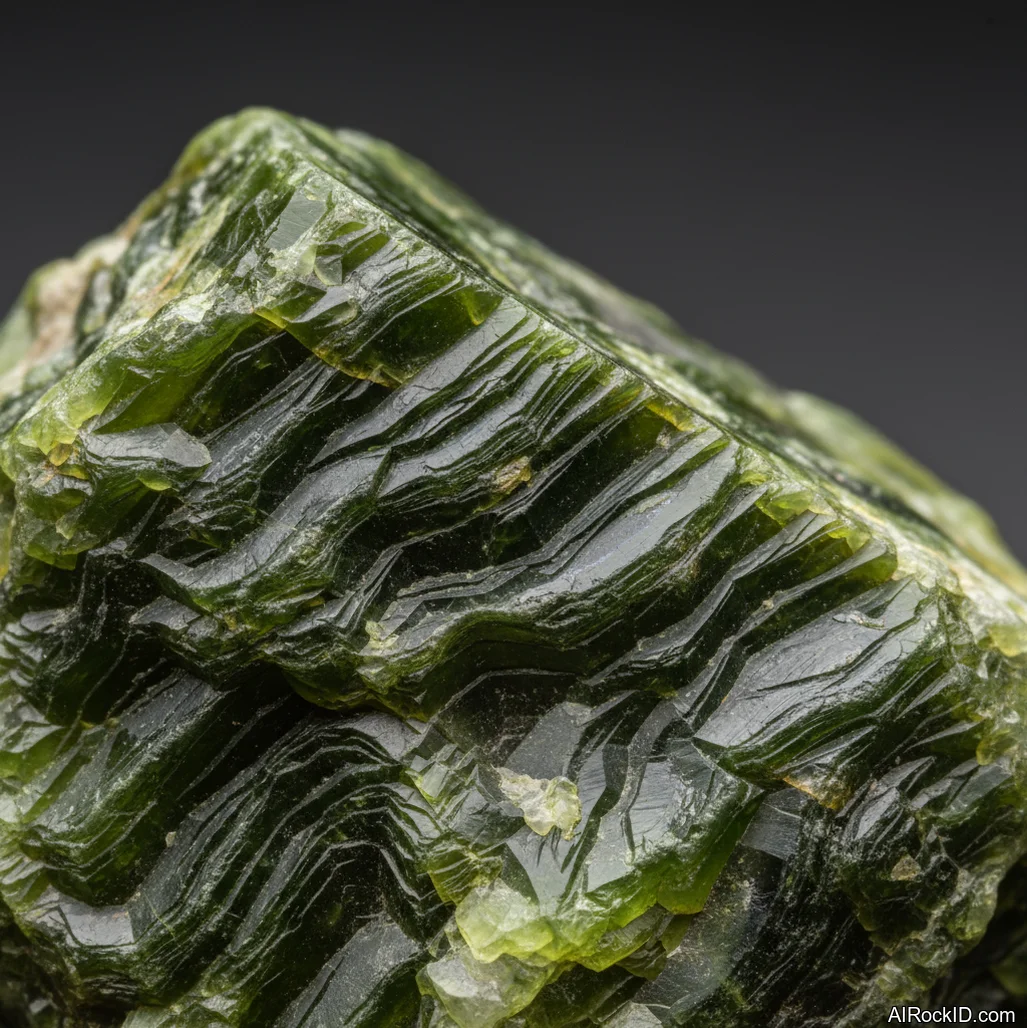
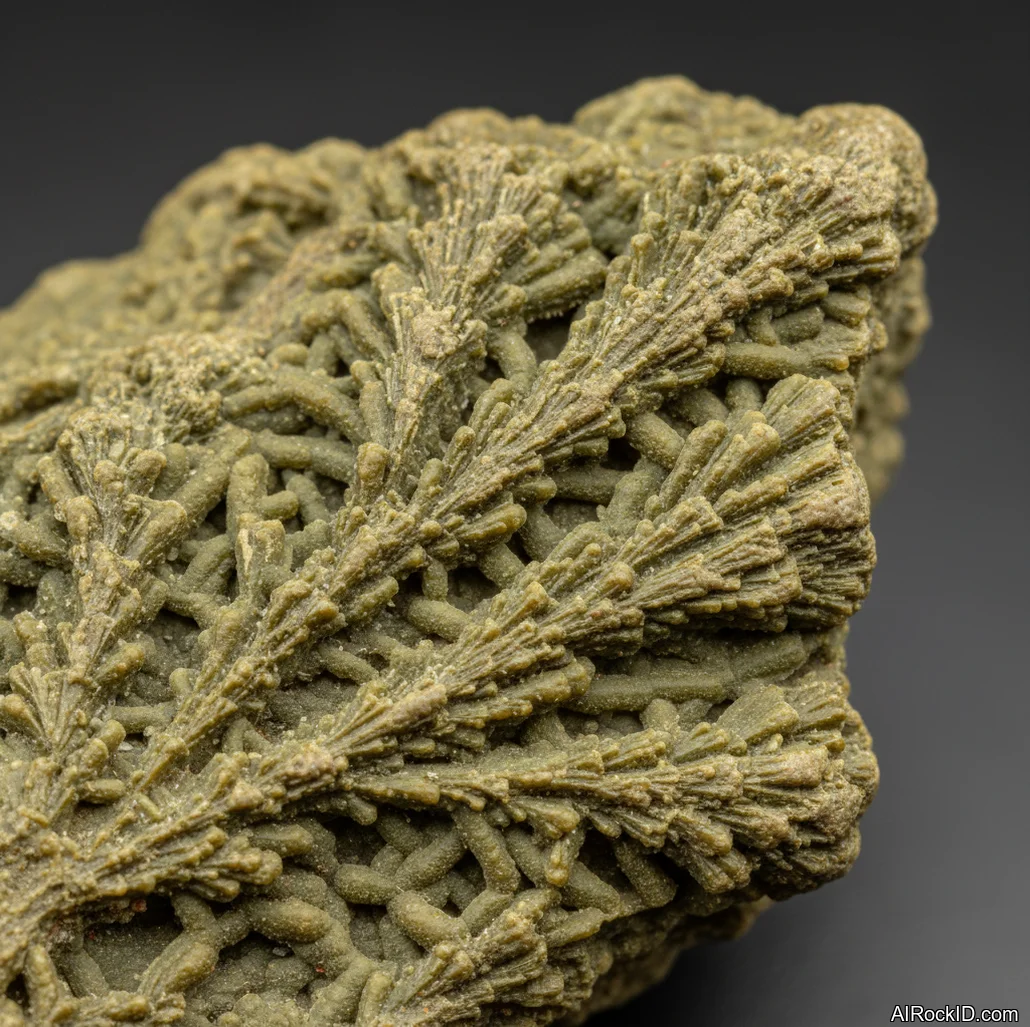
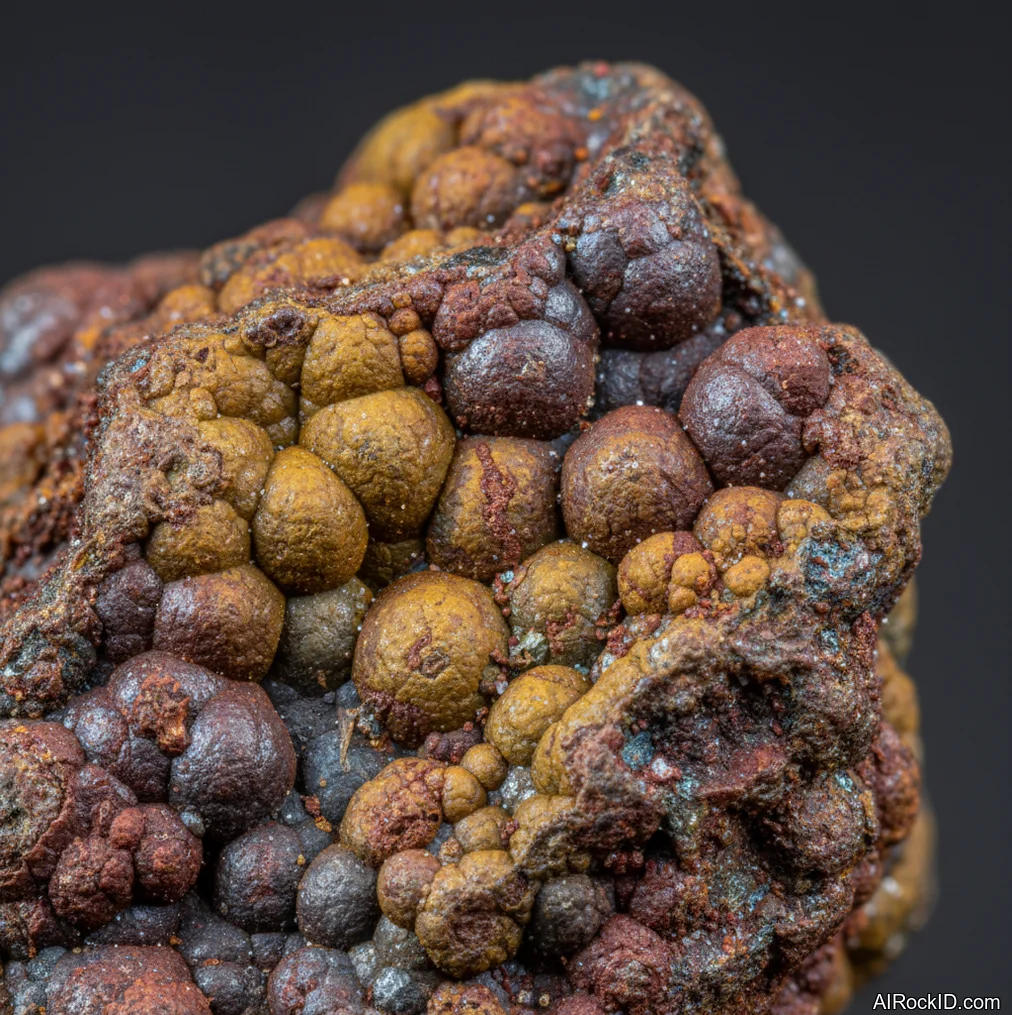
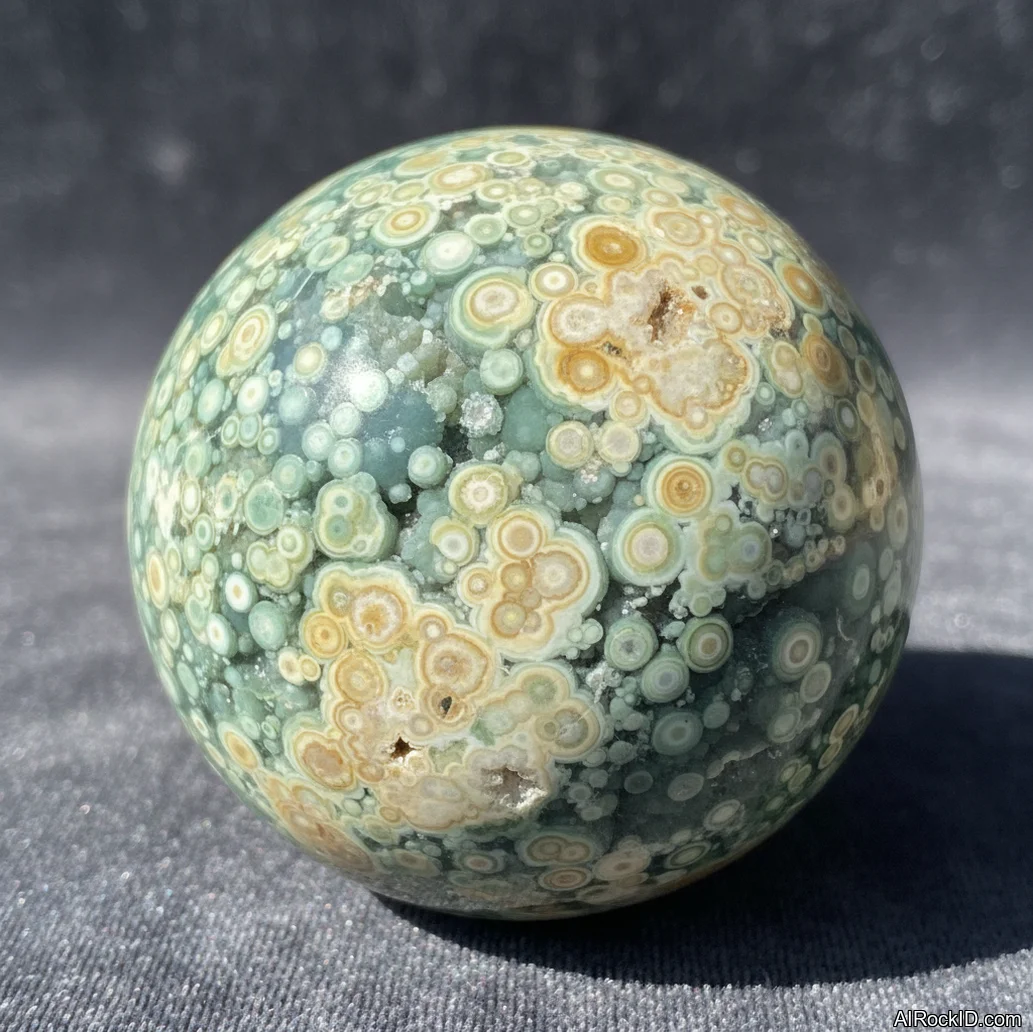
Start with one stone you’ll actually use. Then build from there. With 346 crystals tied to Soothing in a database, you’re not short on options. The trick is picking the one that fits your hands, your habits, and your tolerance for babying a fragile stone.
All Soothing Crystals (346)