Earth Crystals
Learn what Earth means in crystal work and explore Earth crystals like smoky quartz, hematite, and jasper, plus buying tips and care.
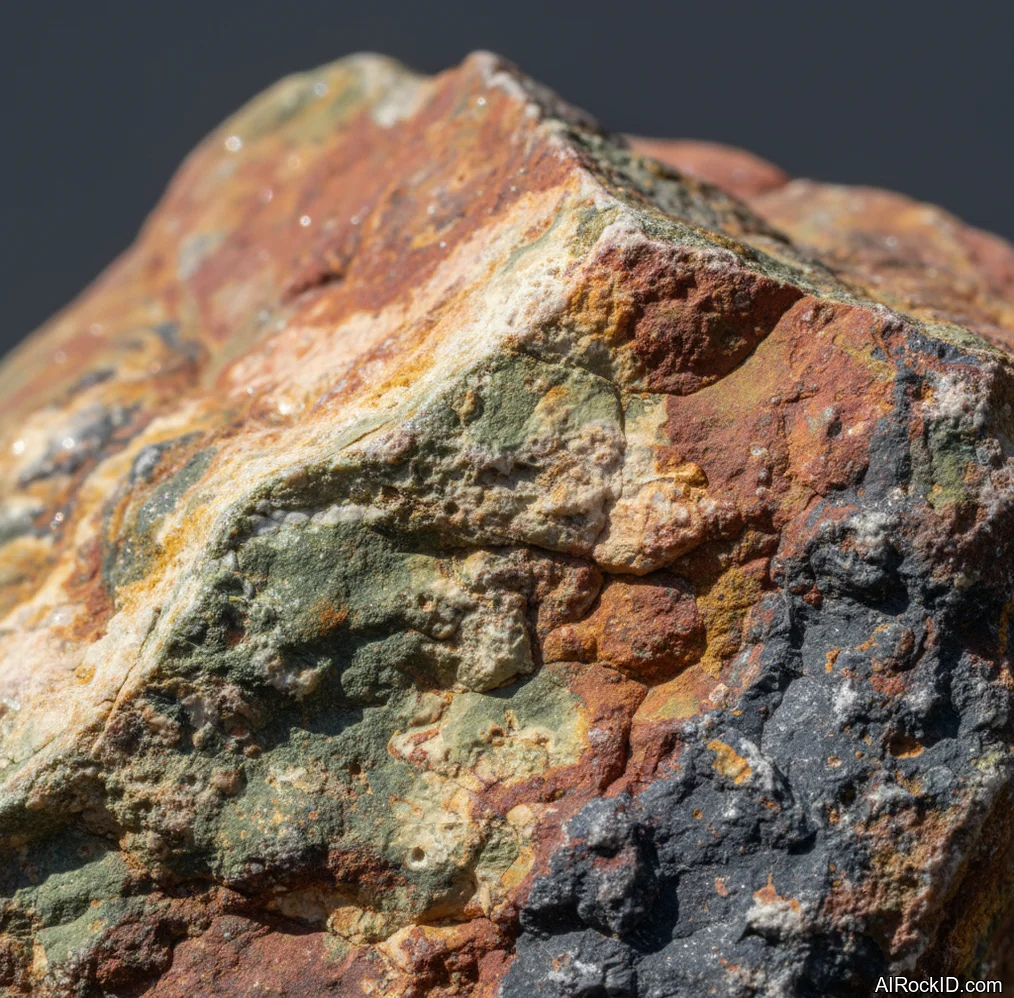
Pick up a good Earth stone and you feel it before you even get a thought in. The weight settles low in your palm. The surface is matte or waxy, not glassy. And the colors look like they came straight out of a cut bank after rain.
That’s the Earth element in crystal terms: grounded, physical, slow, steady, and tied to the body and the real world. When people say they want “Earth energy,” they usually mean they want to feel stable, present, protected, and able to deal with normal life without spinning out.
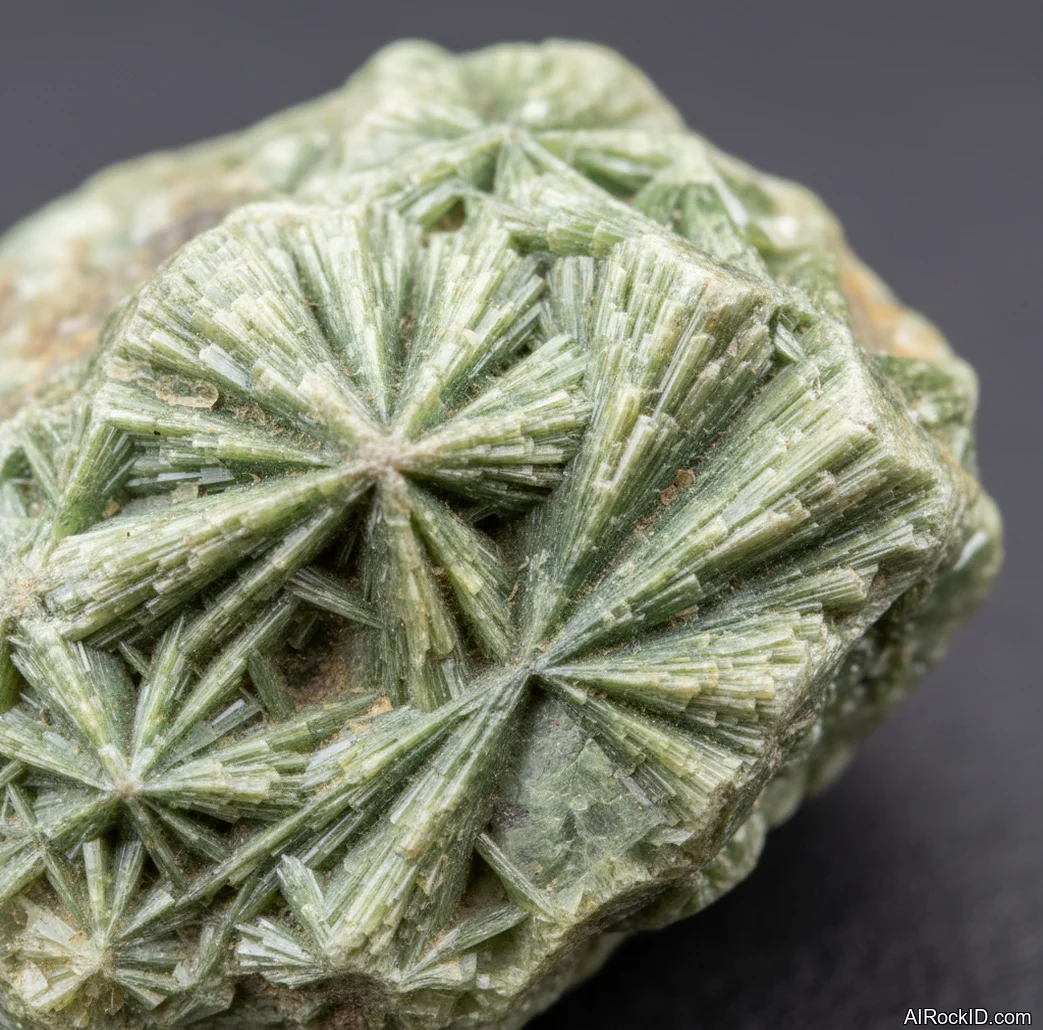
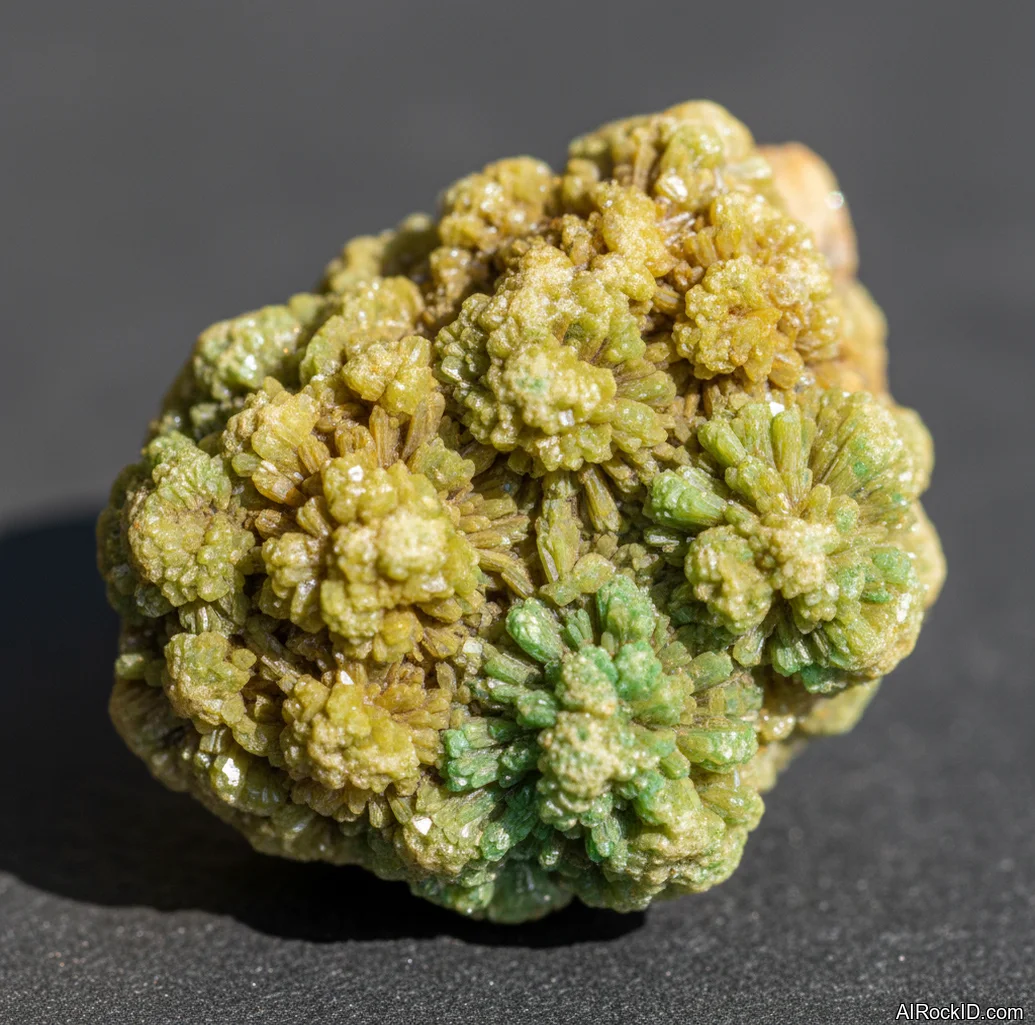
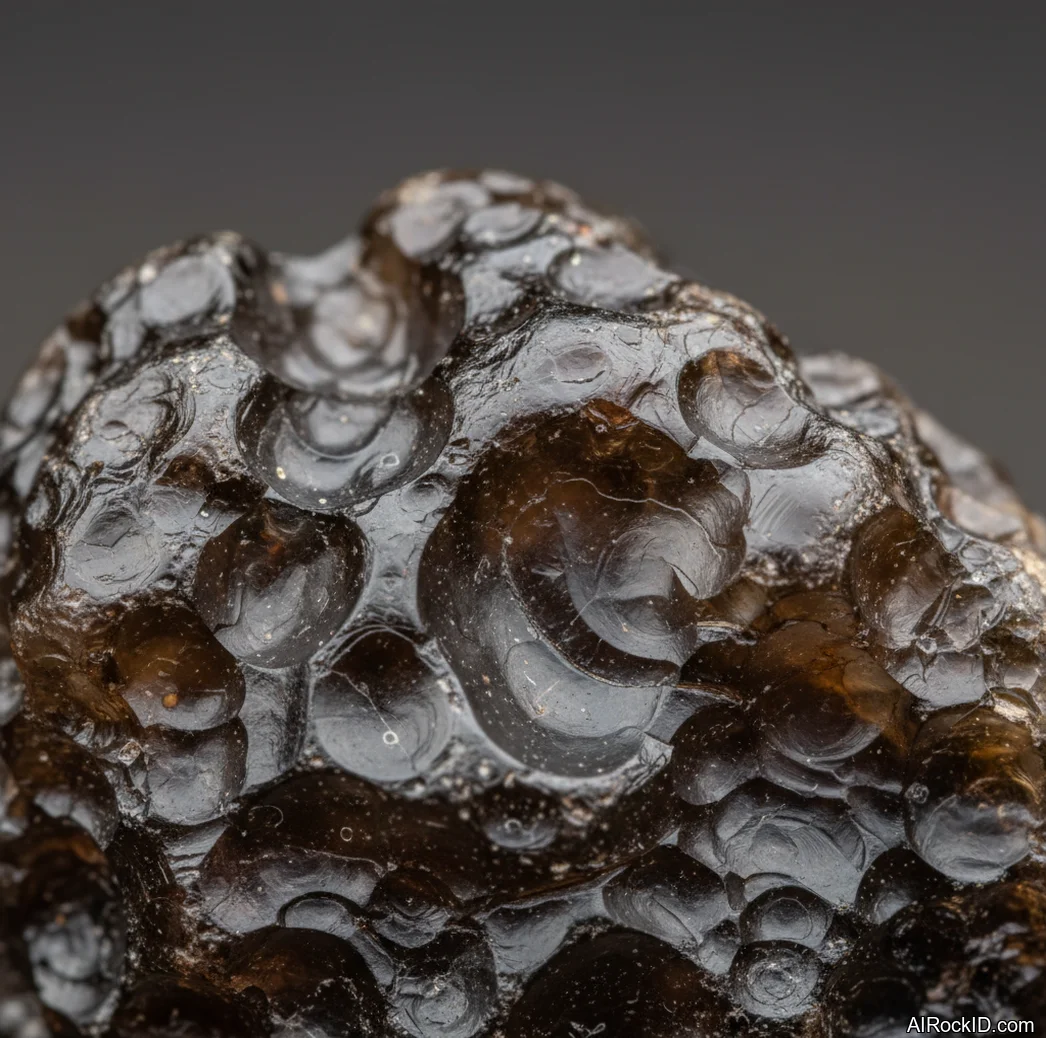
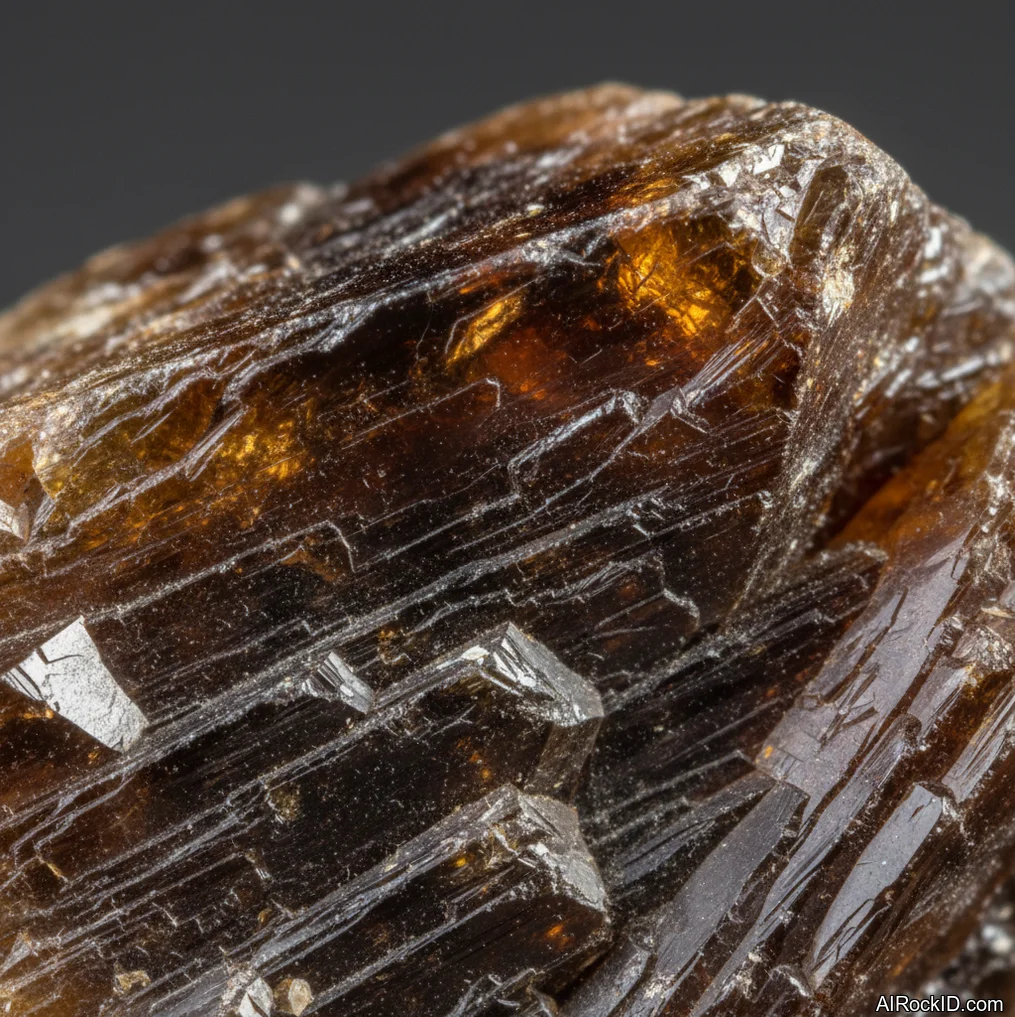
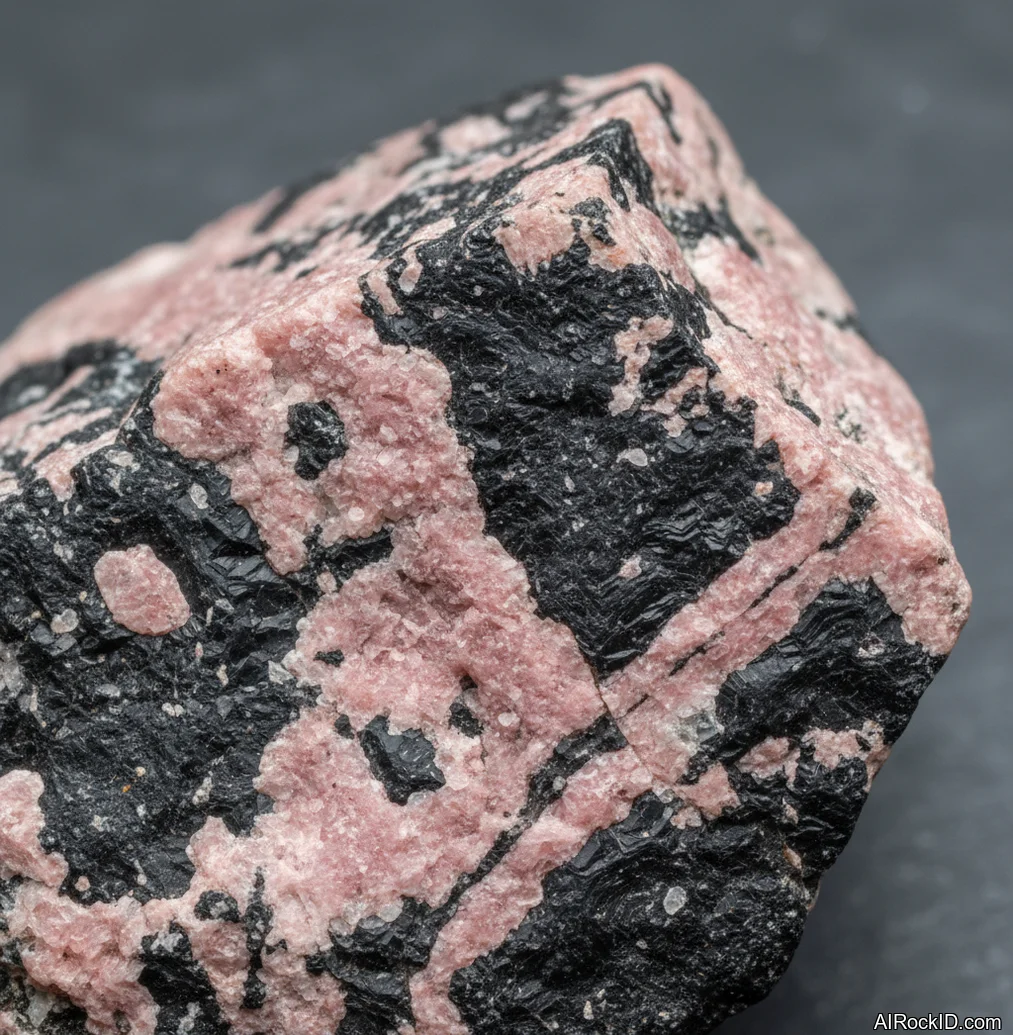
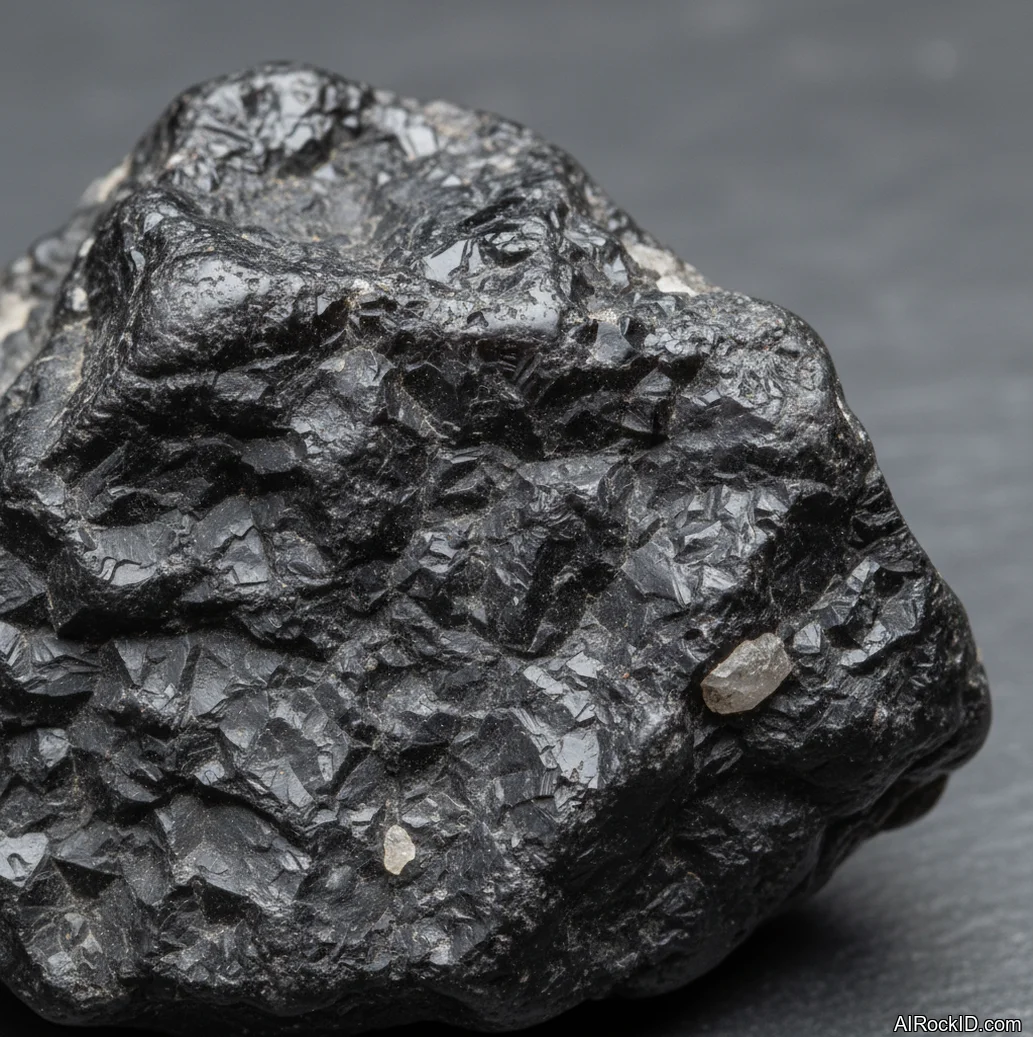
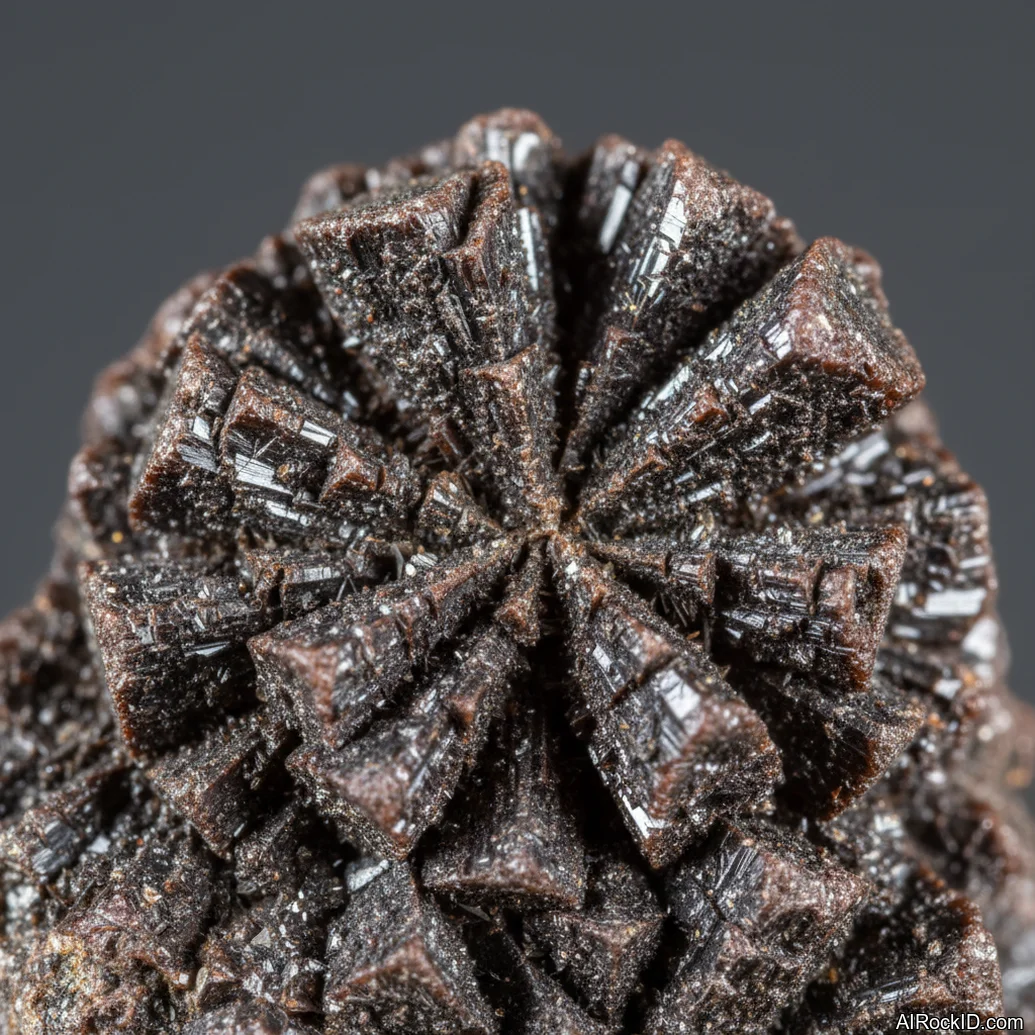
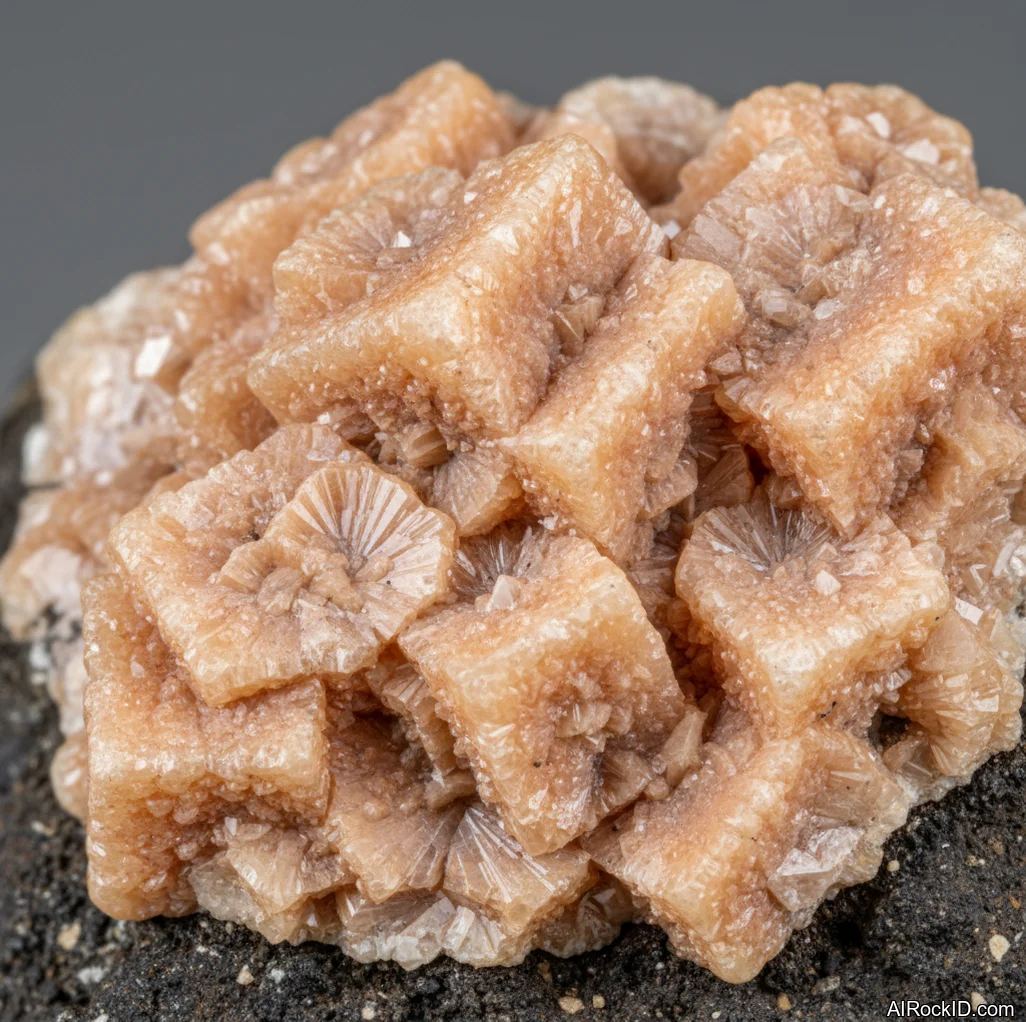
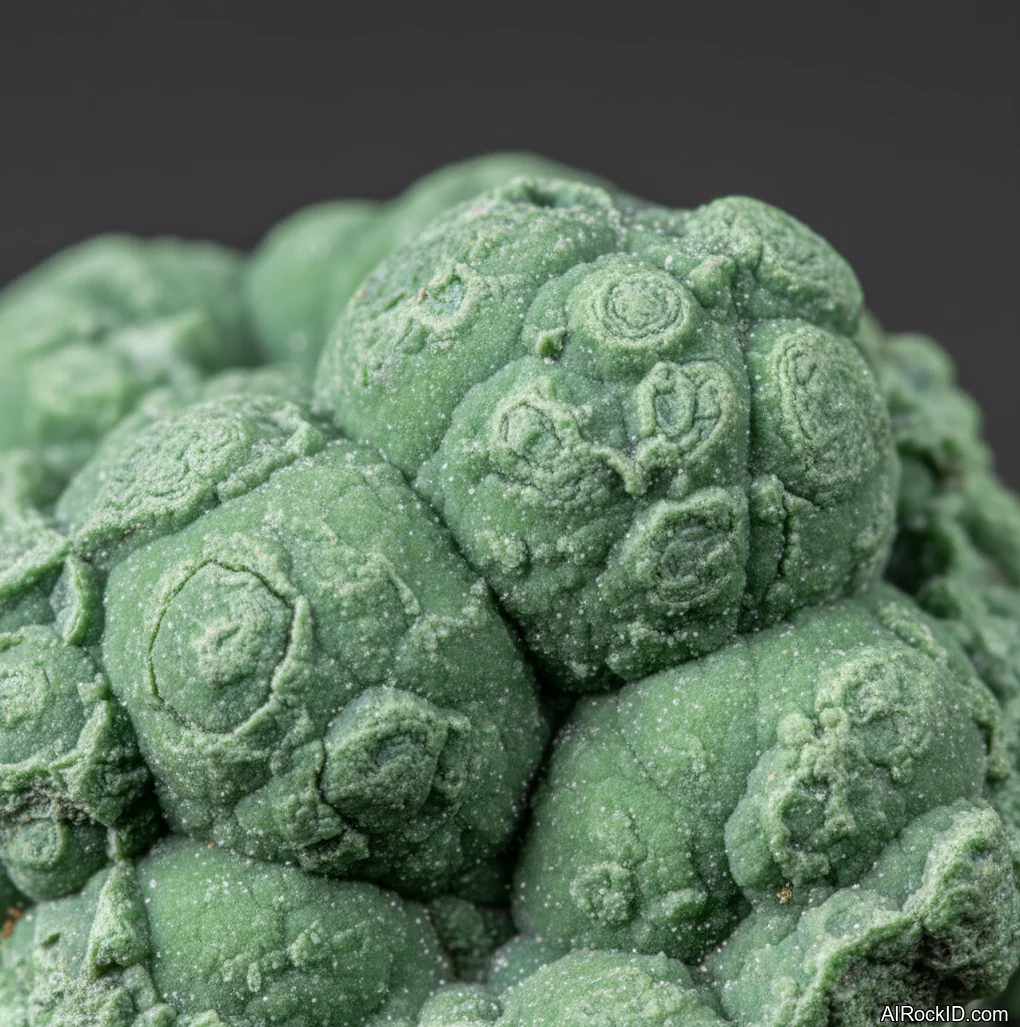
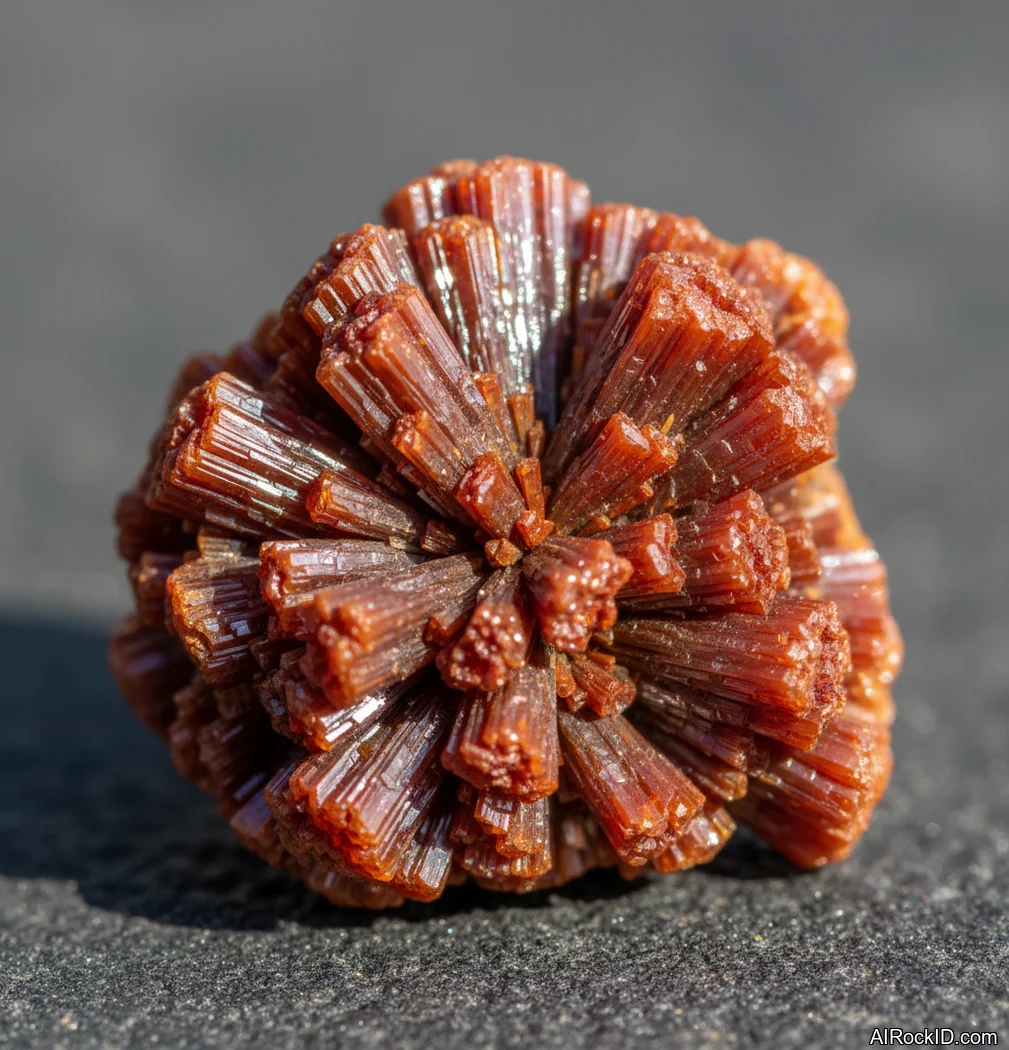
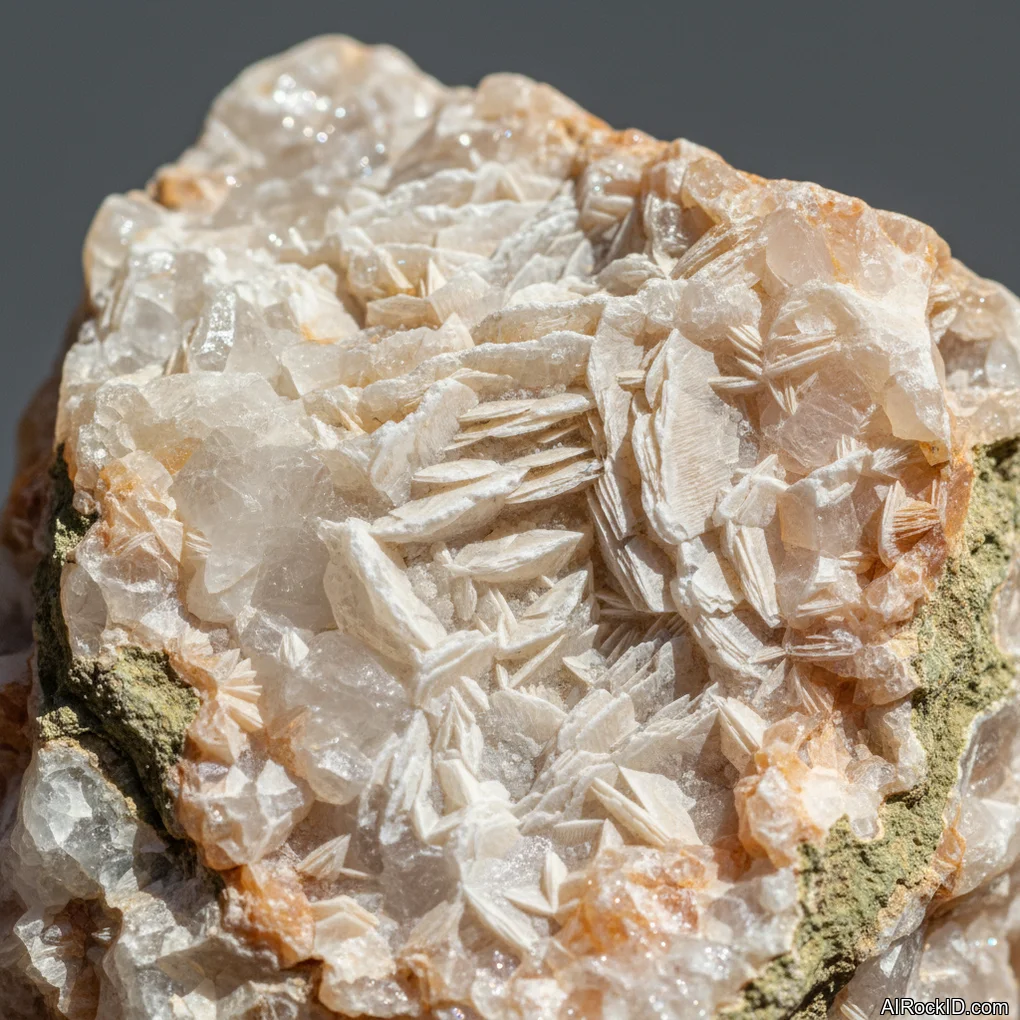
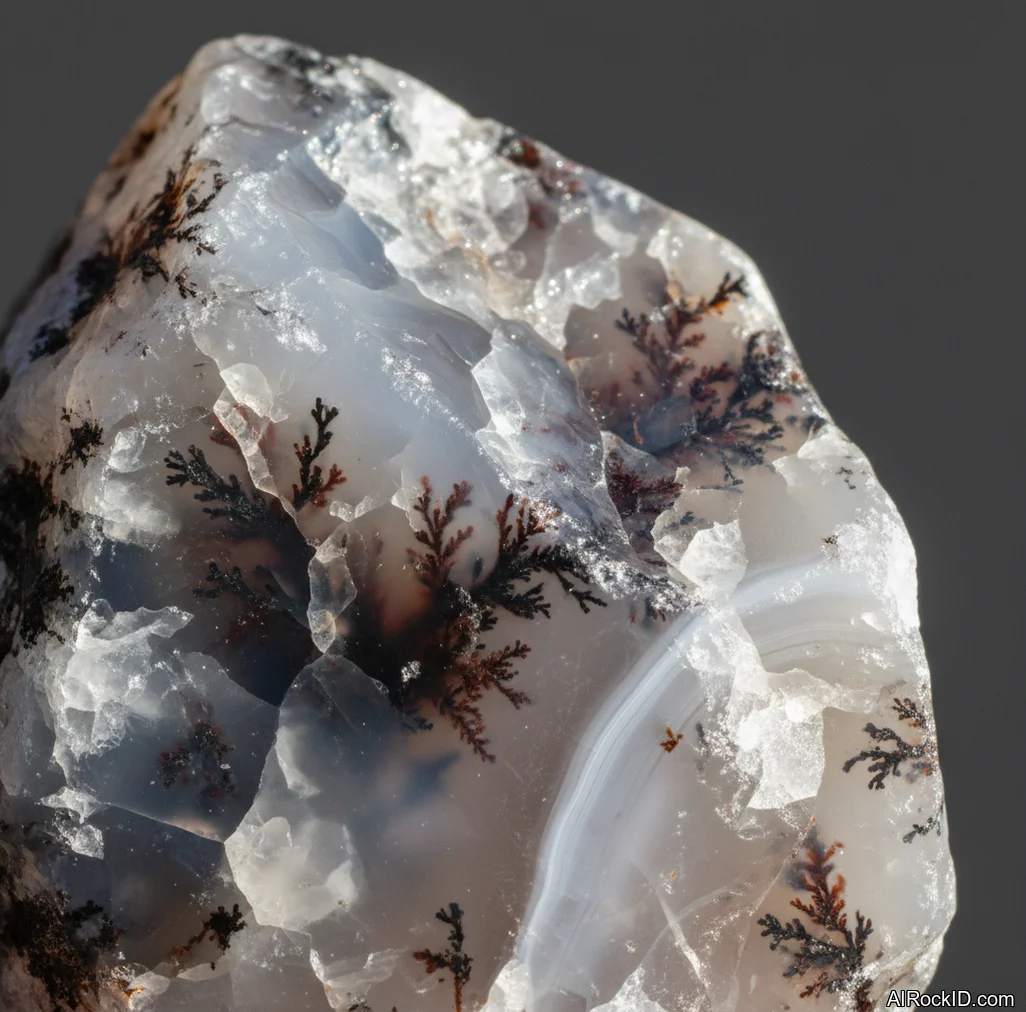
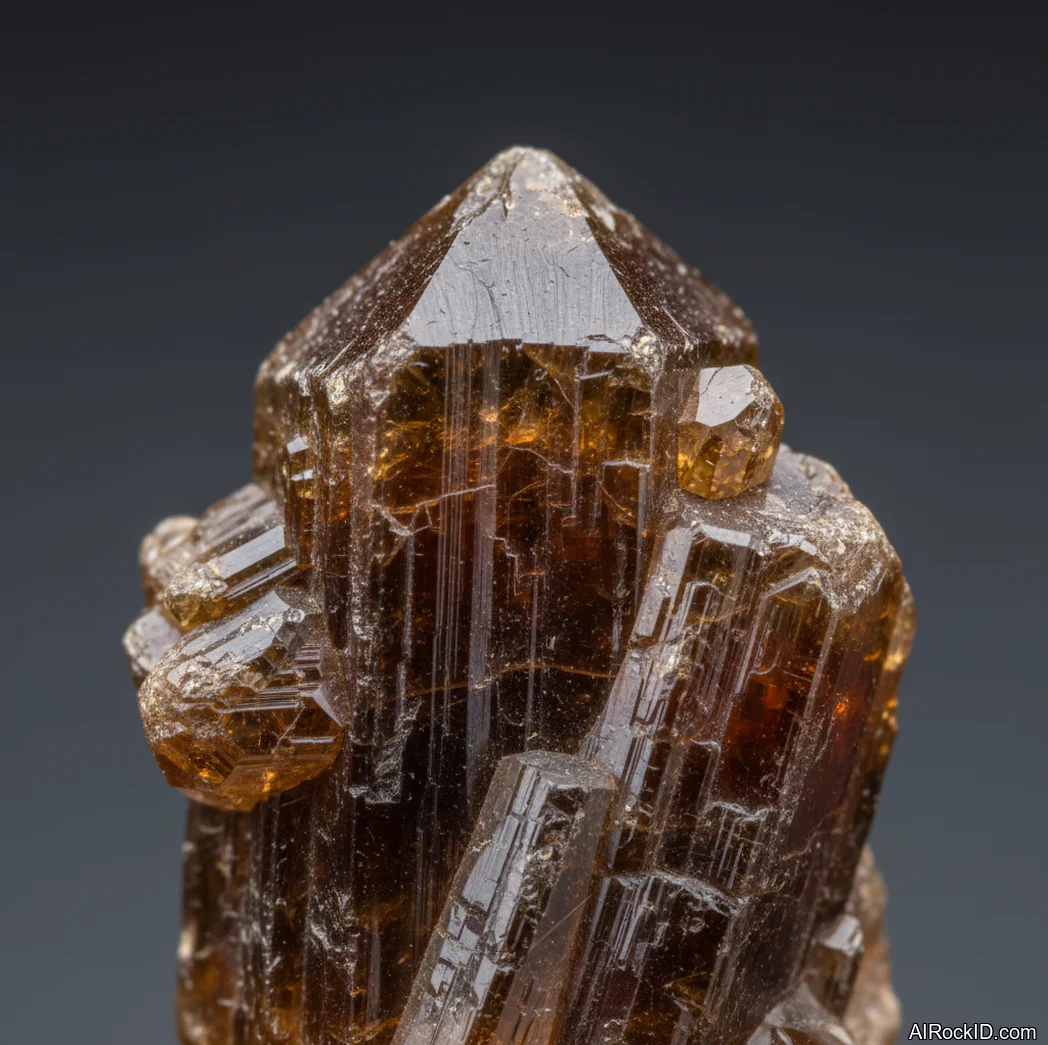
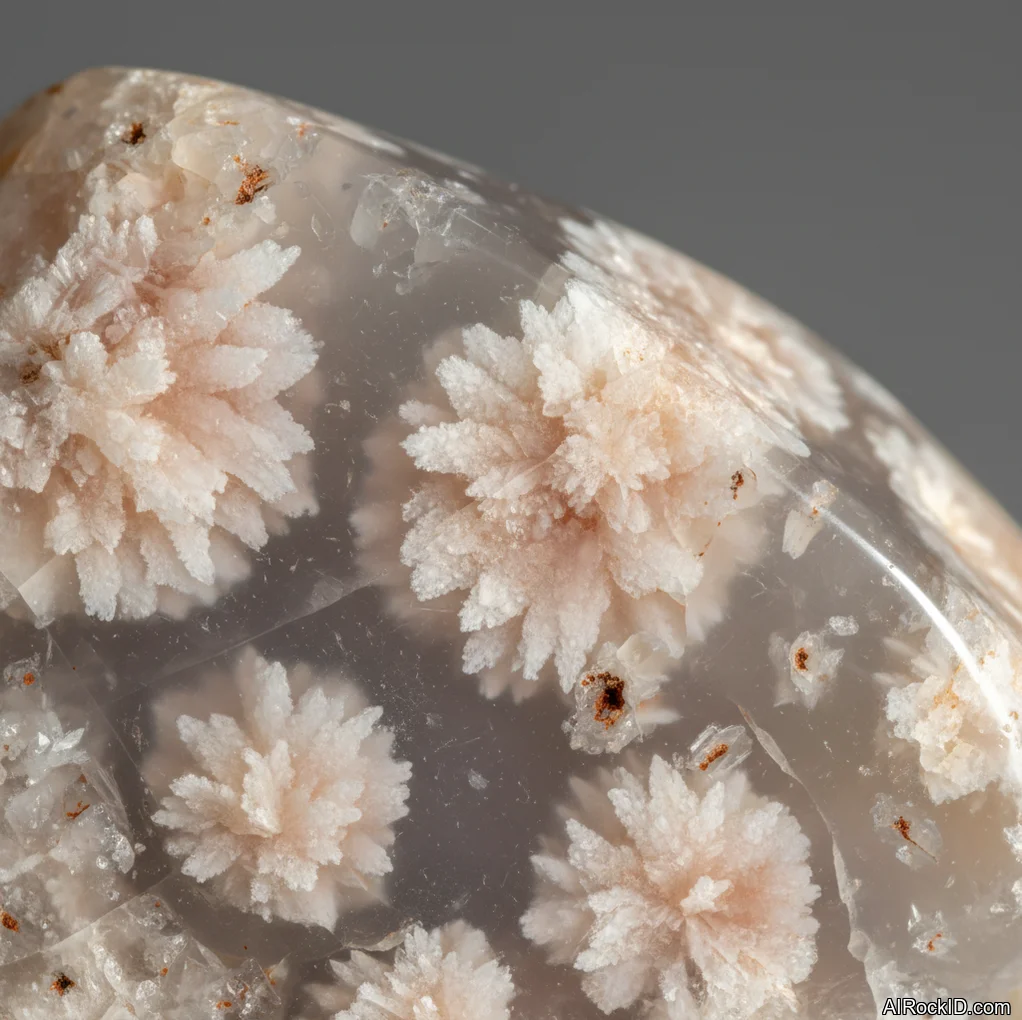
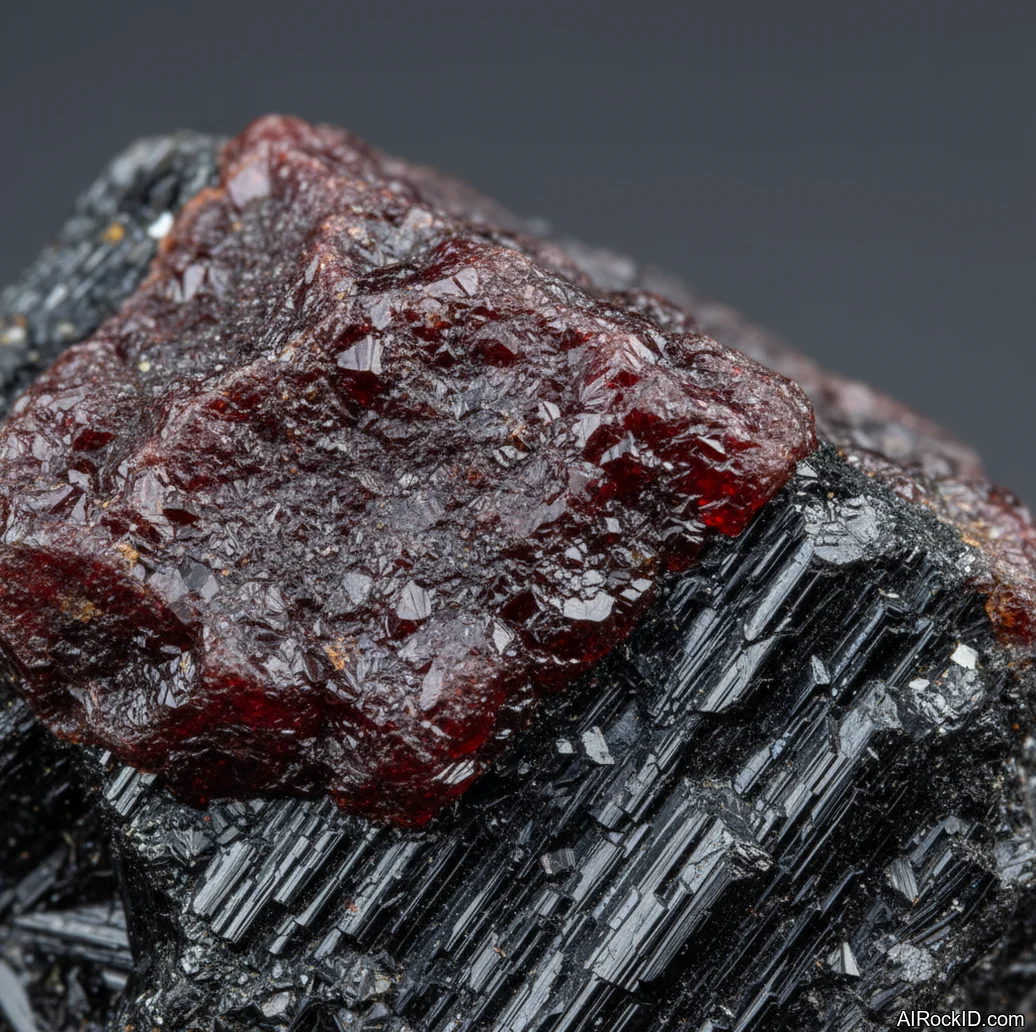
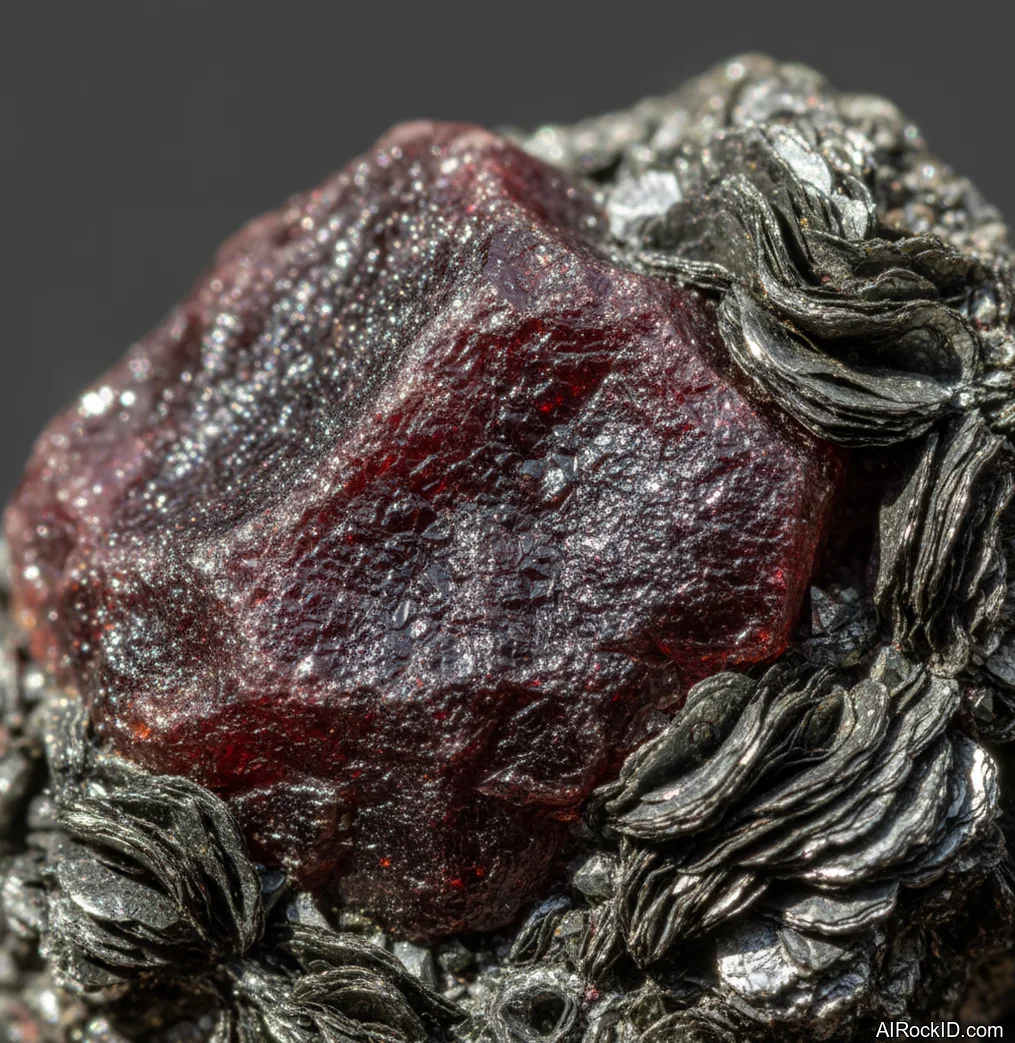
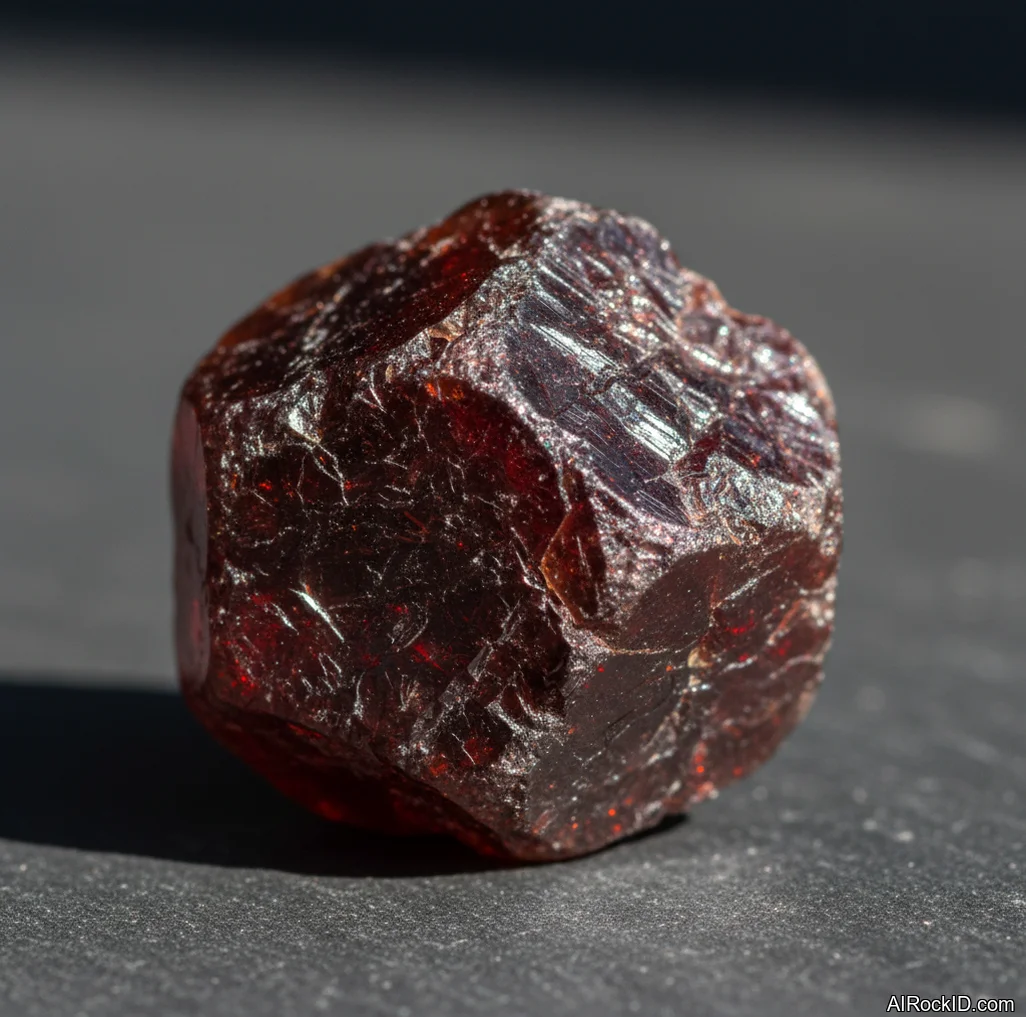
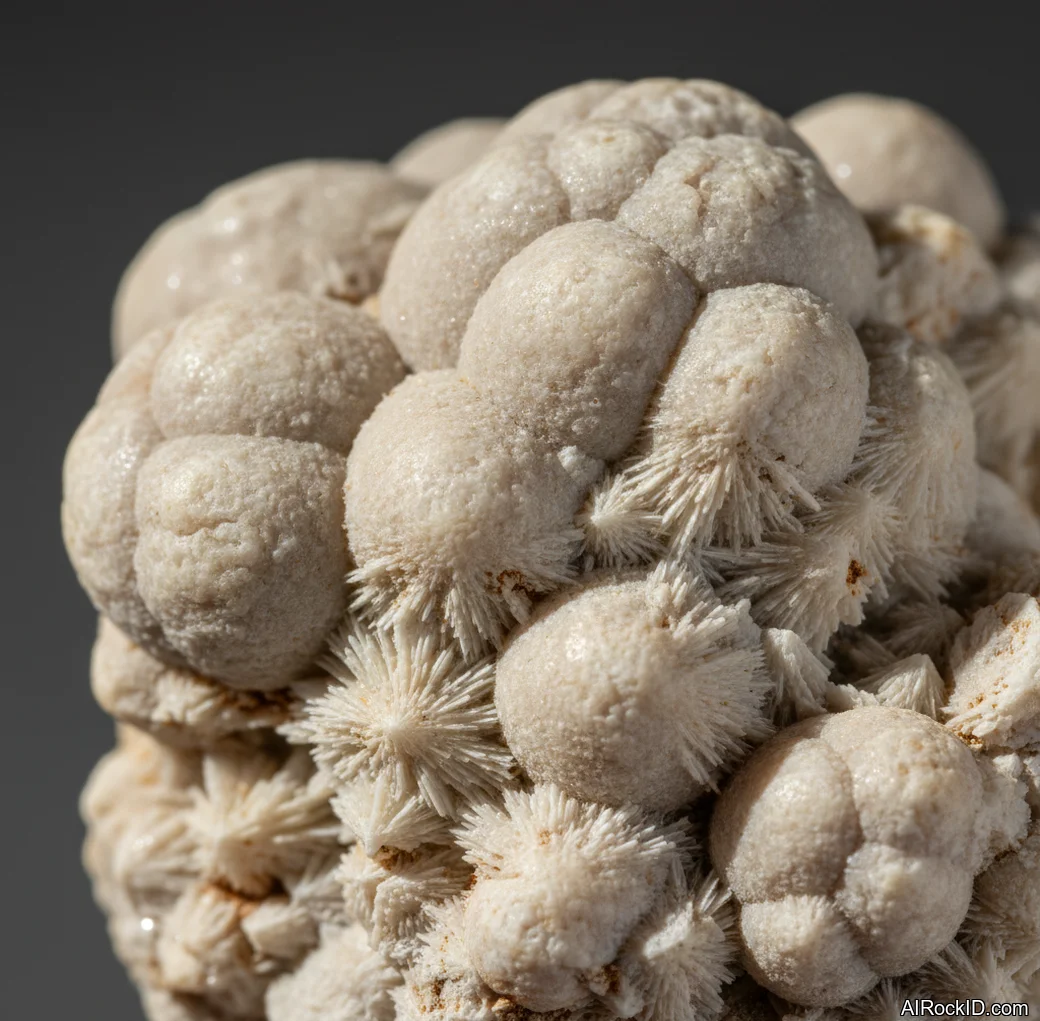
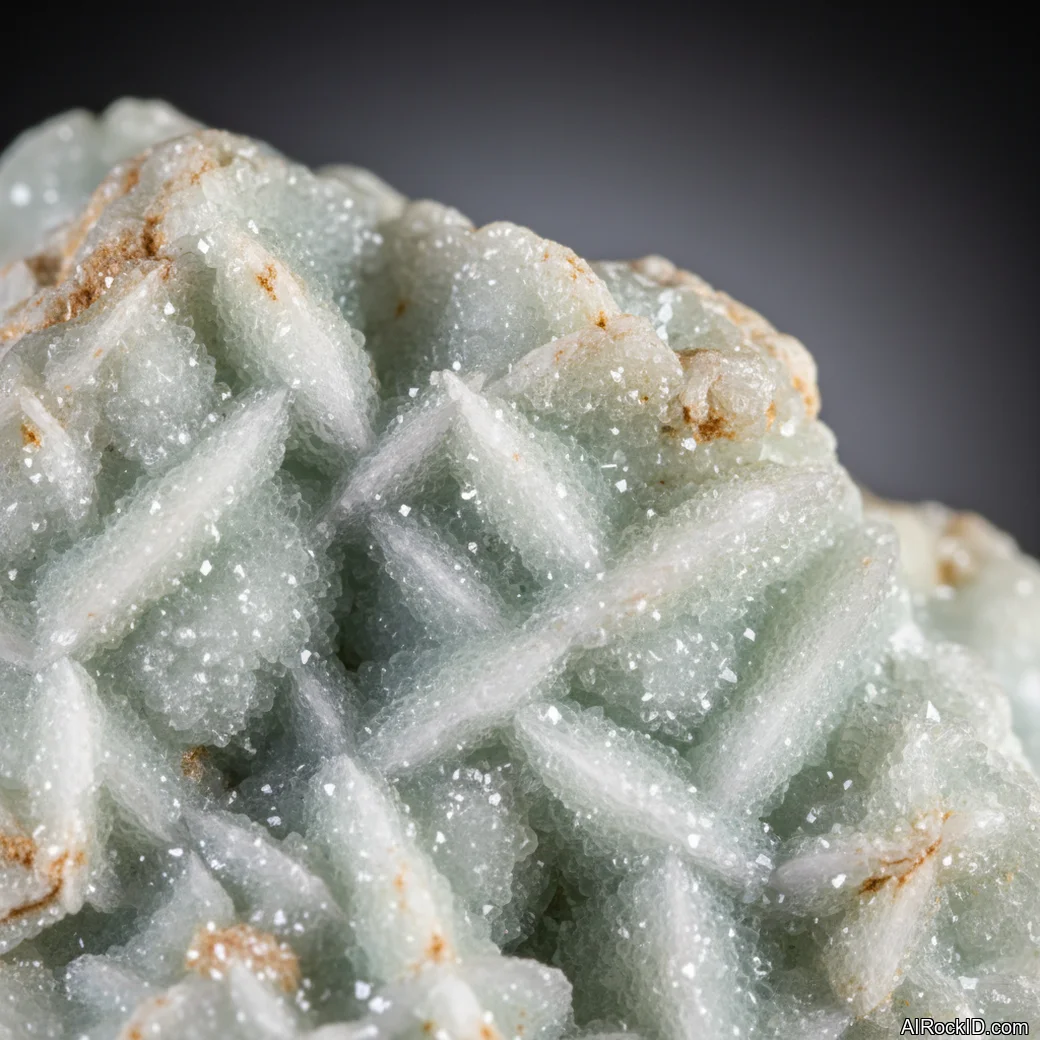
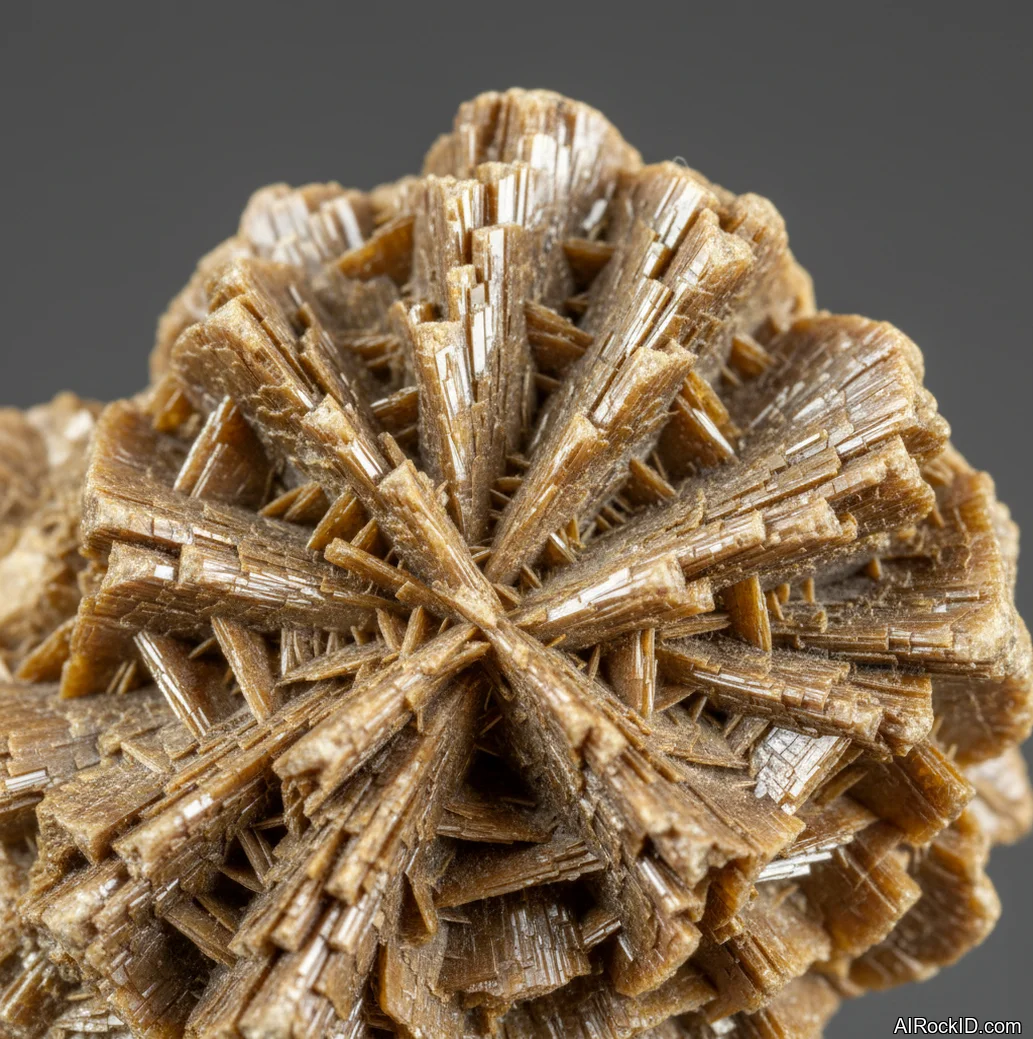
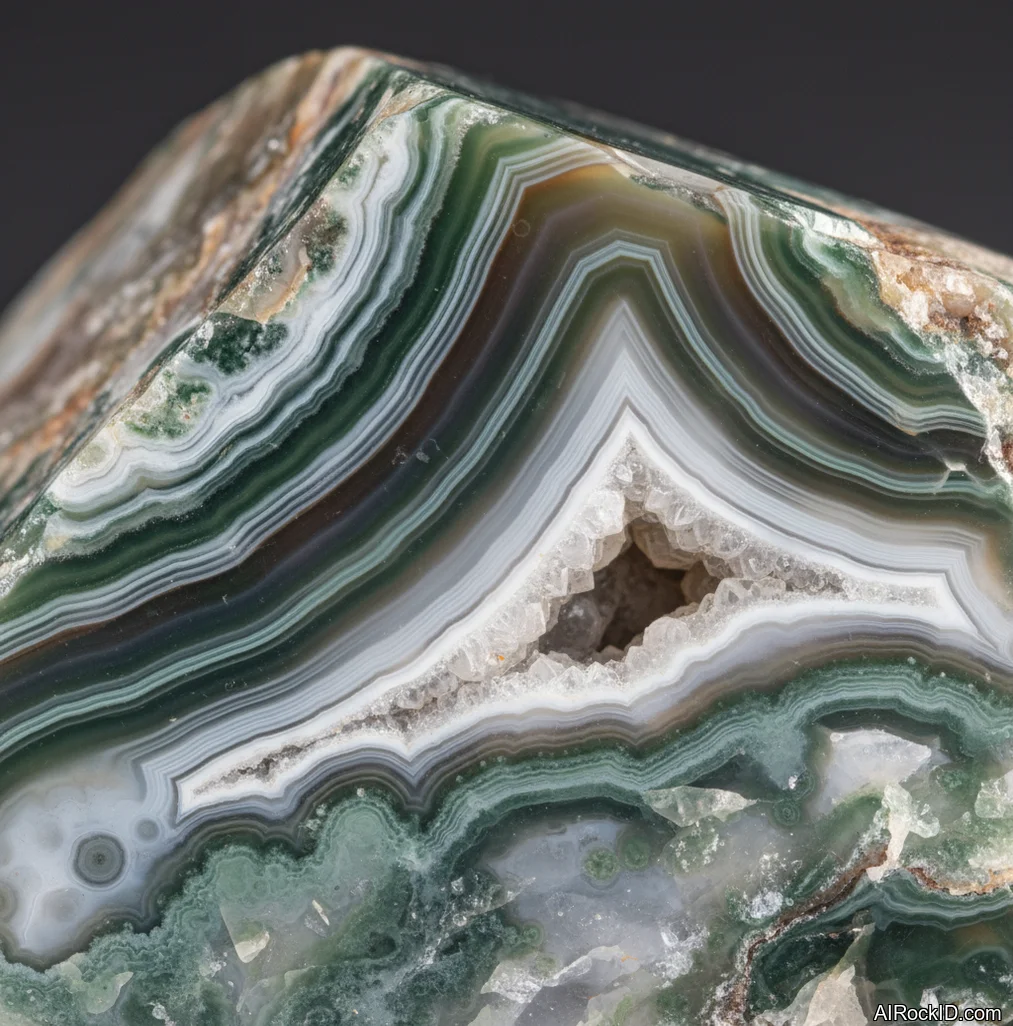
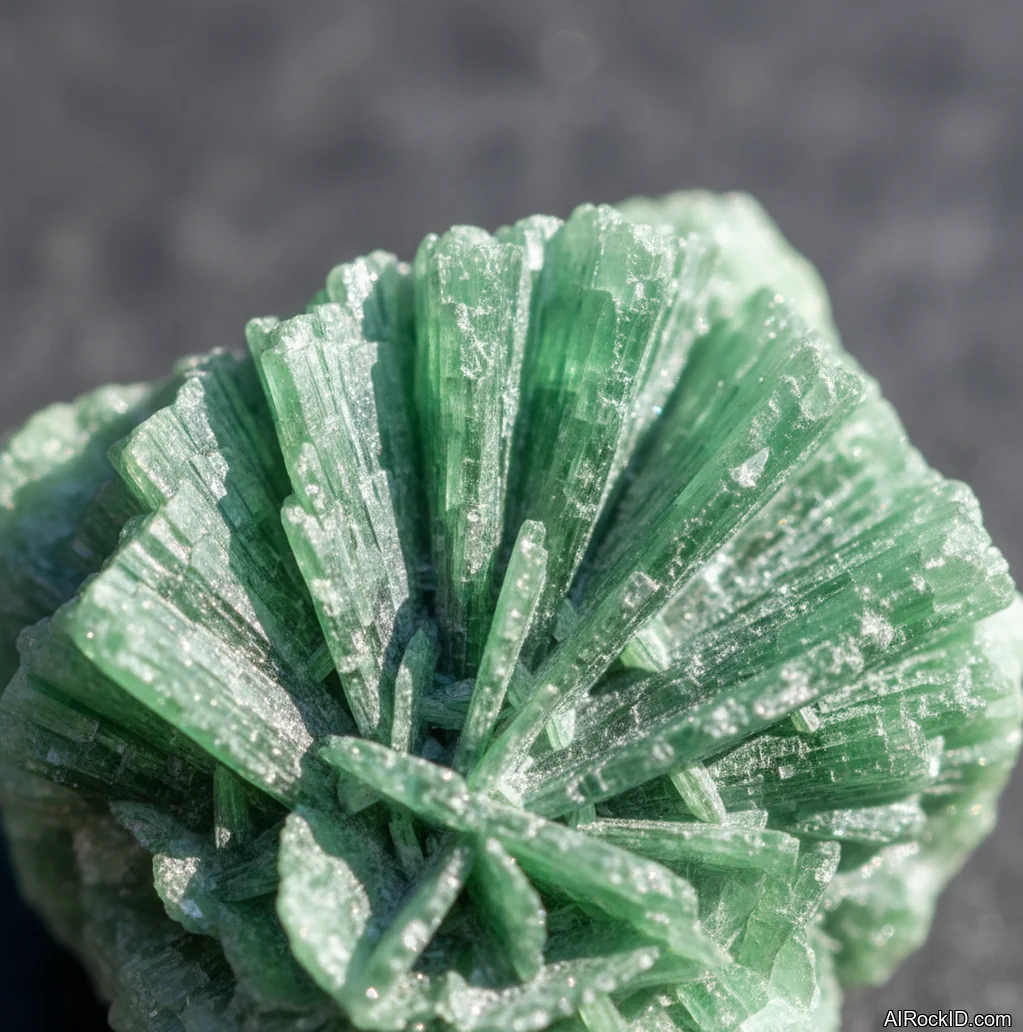
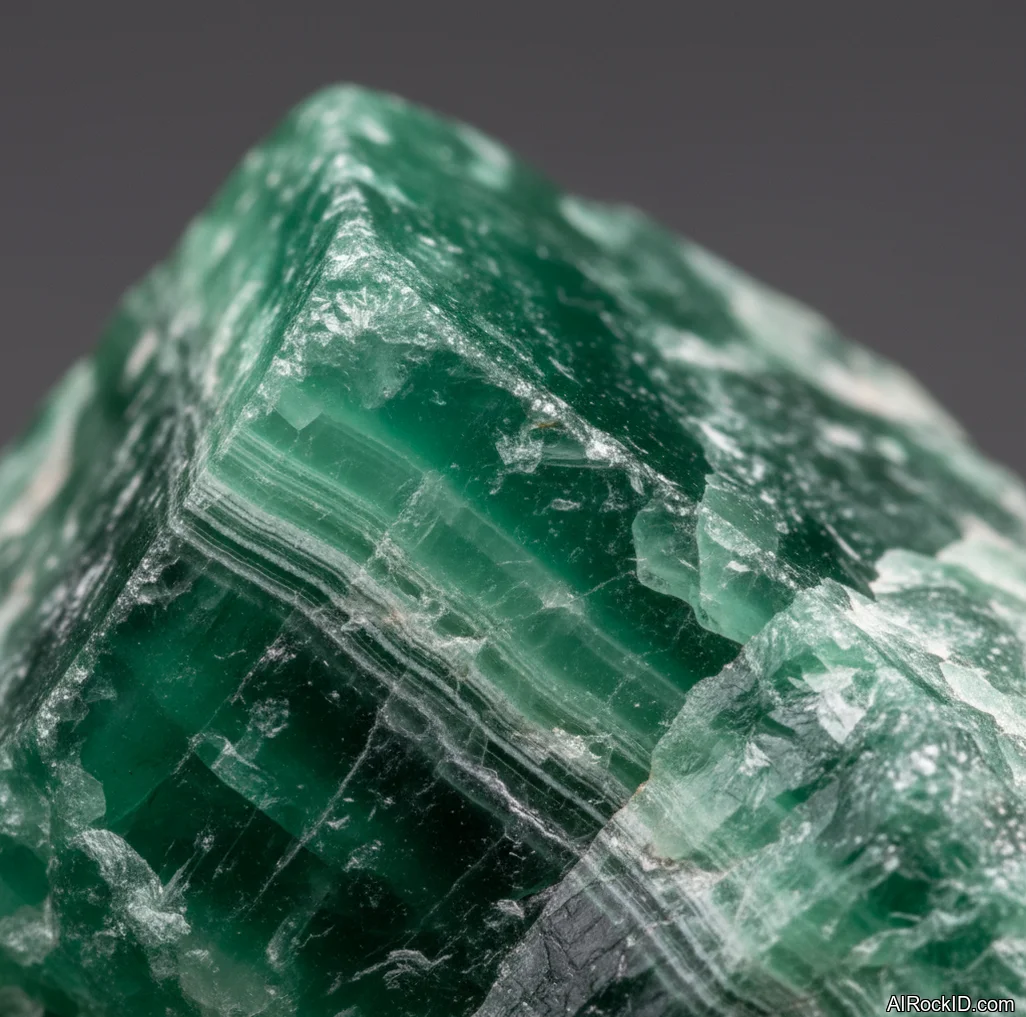
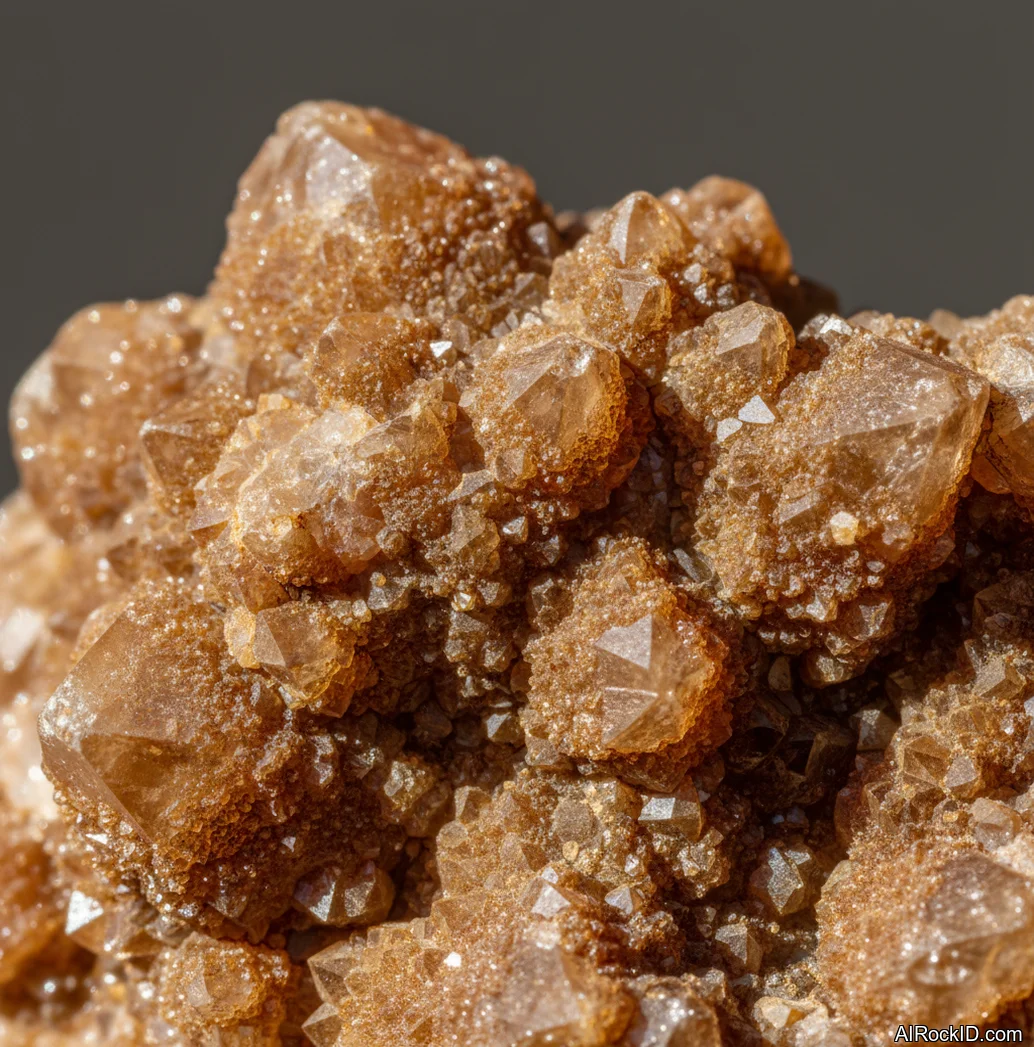
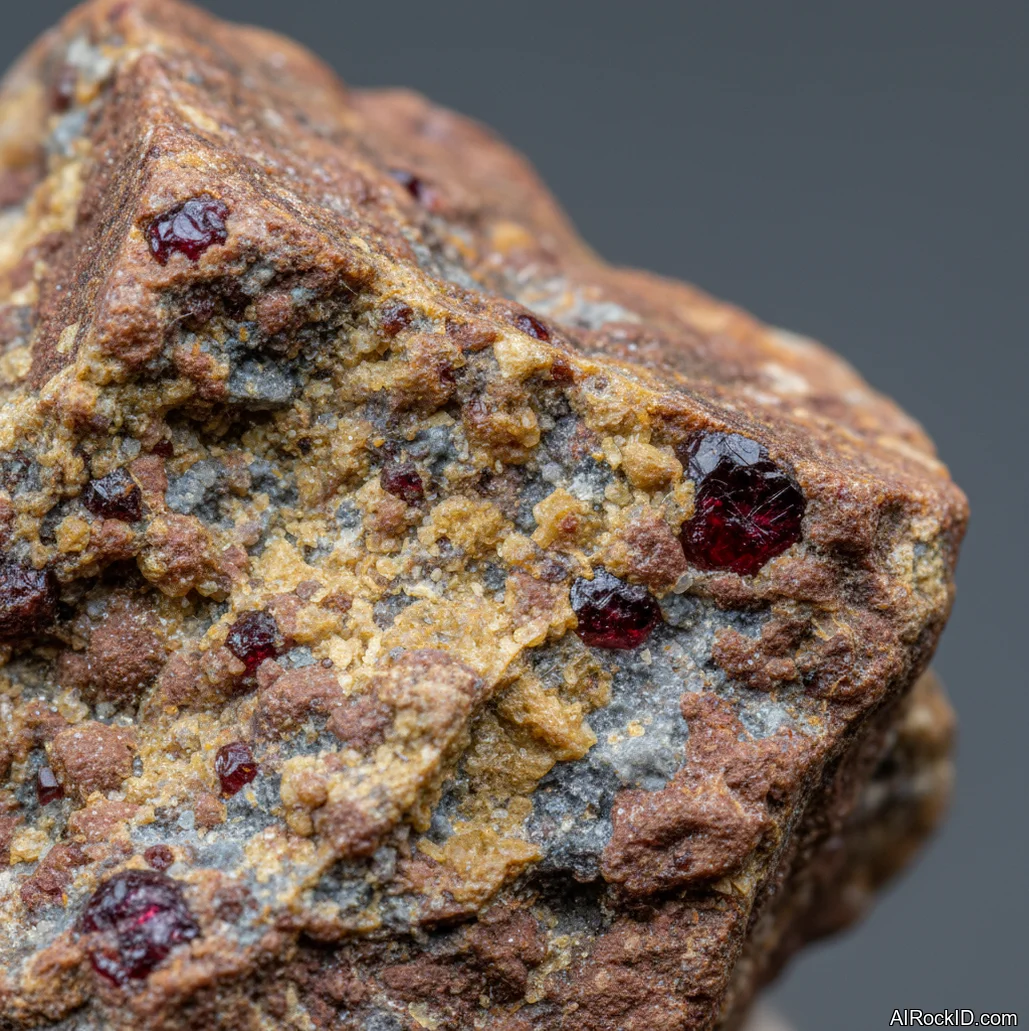
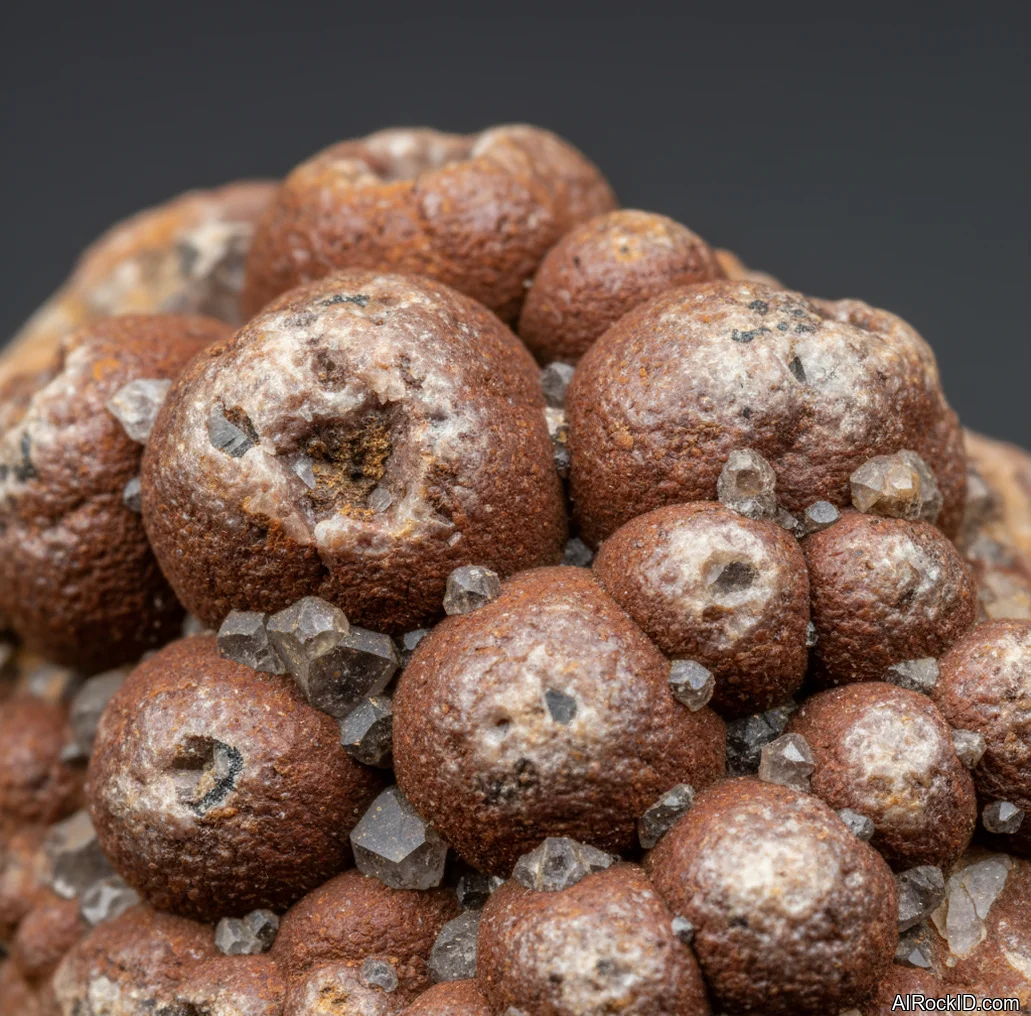
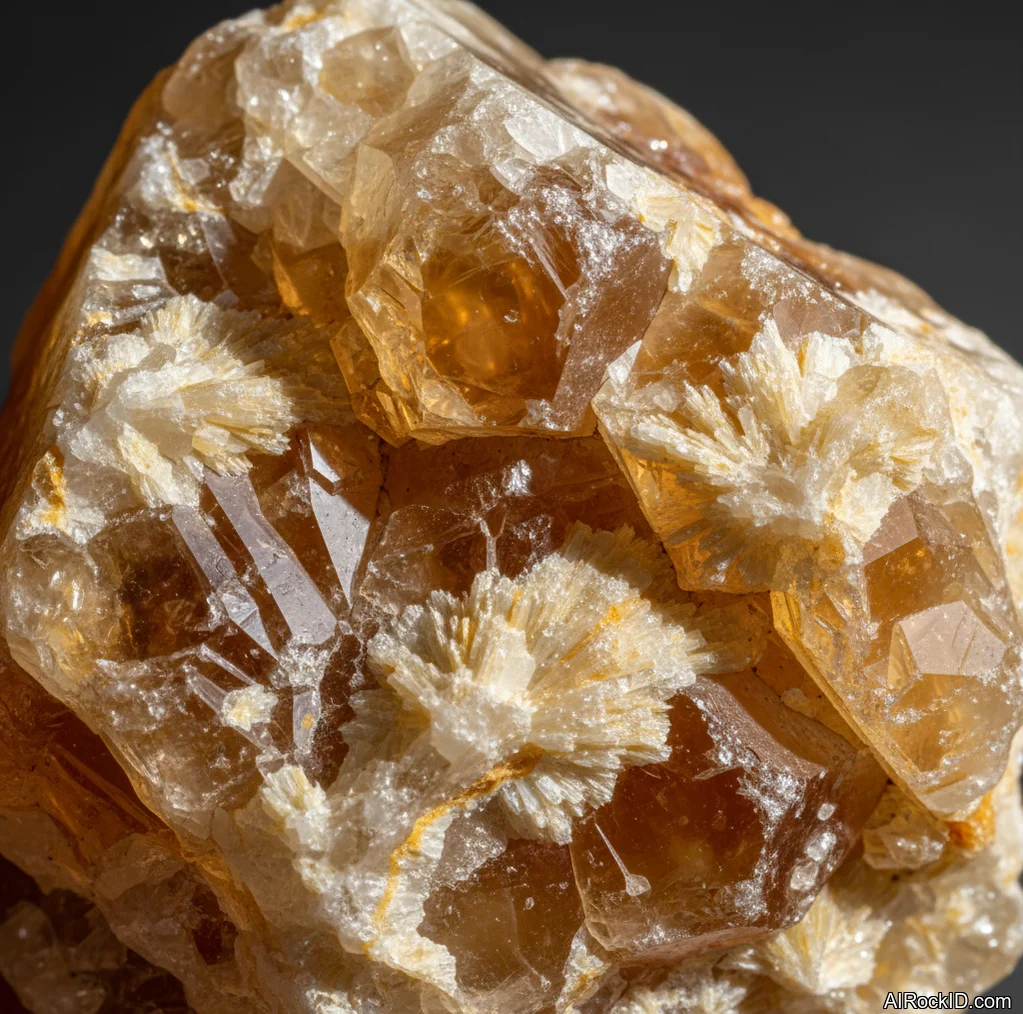
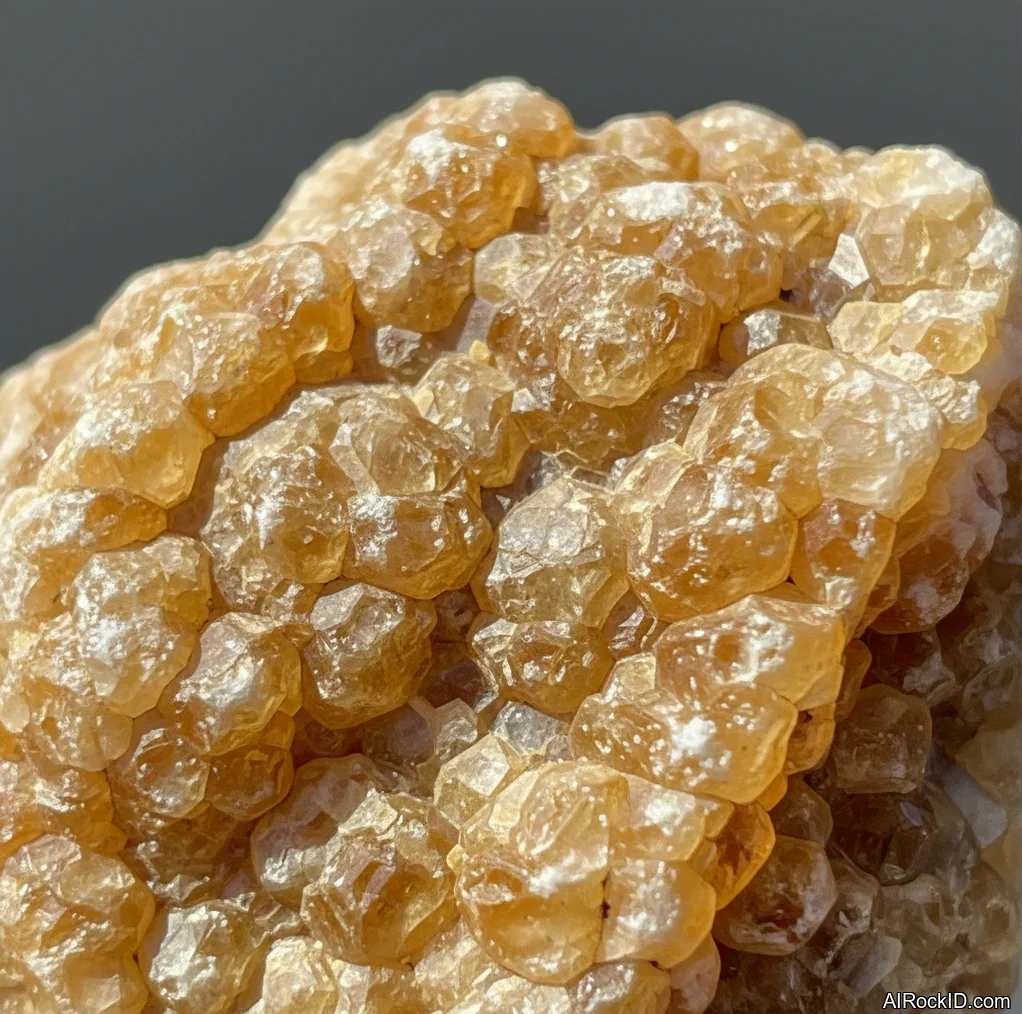
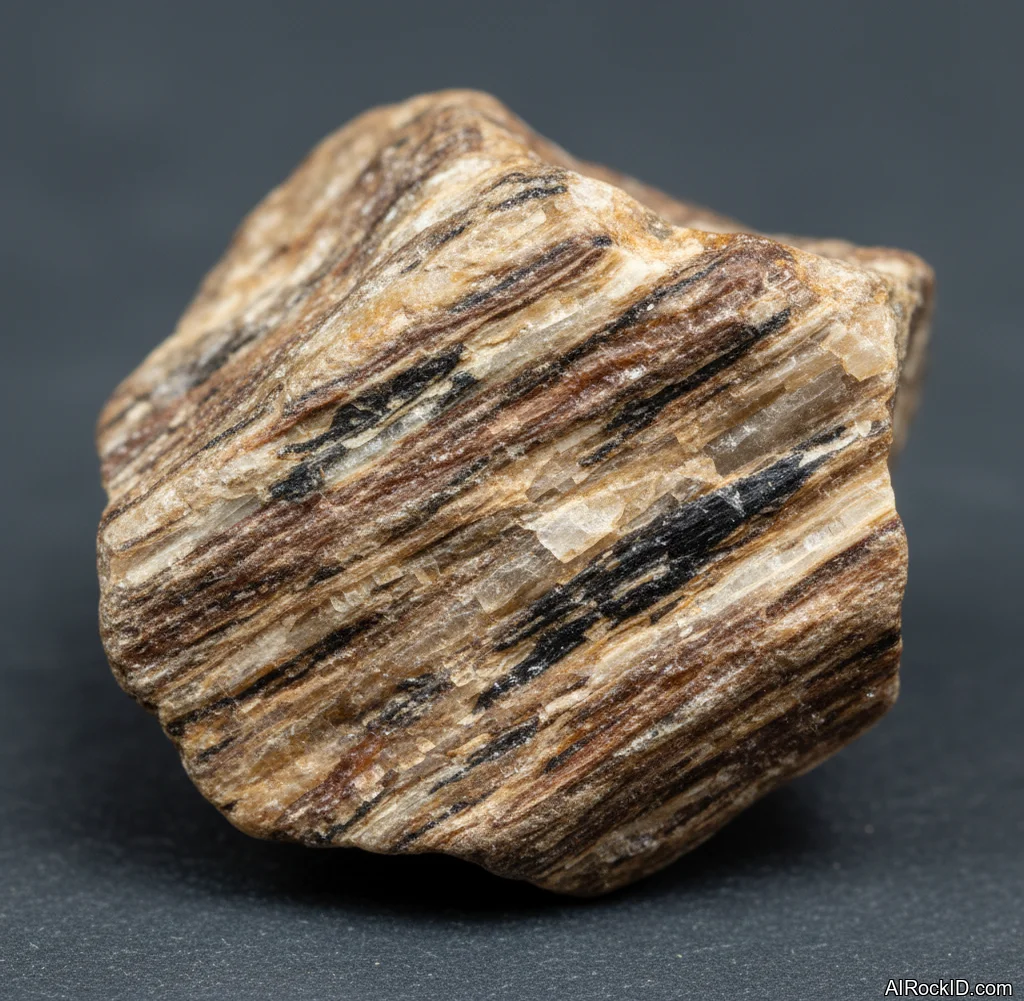
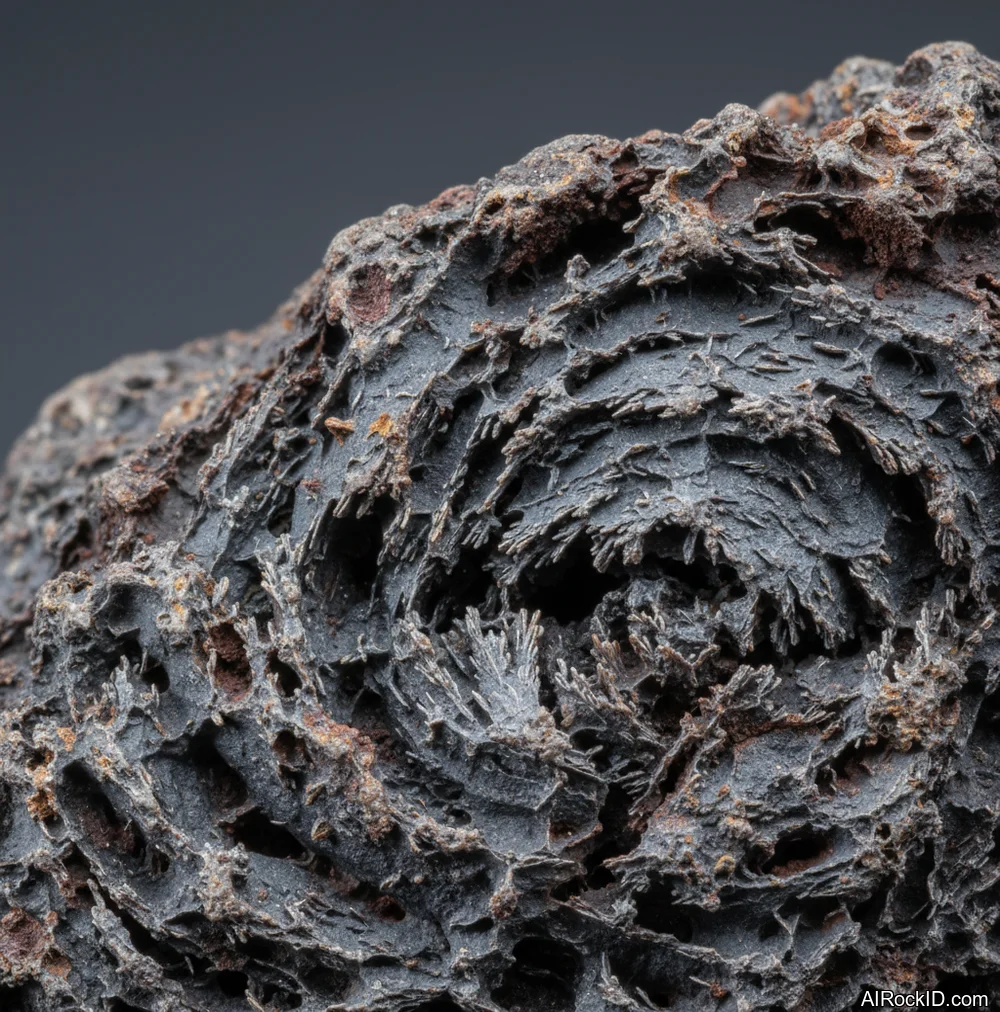
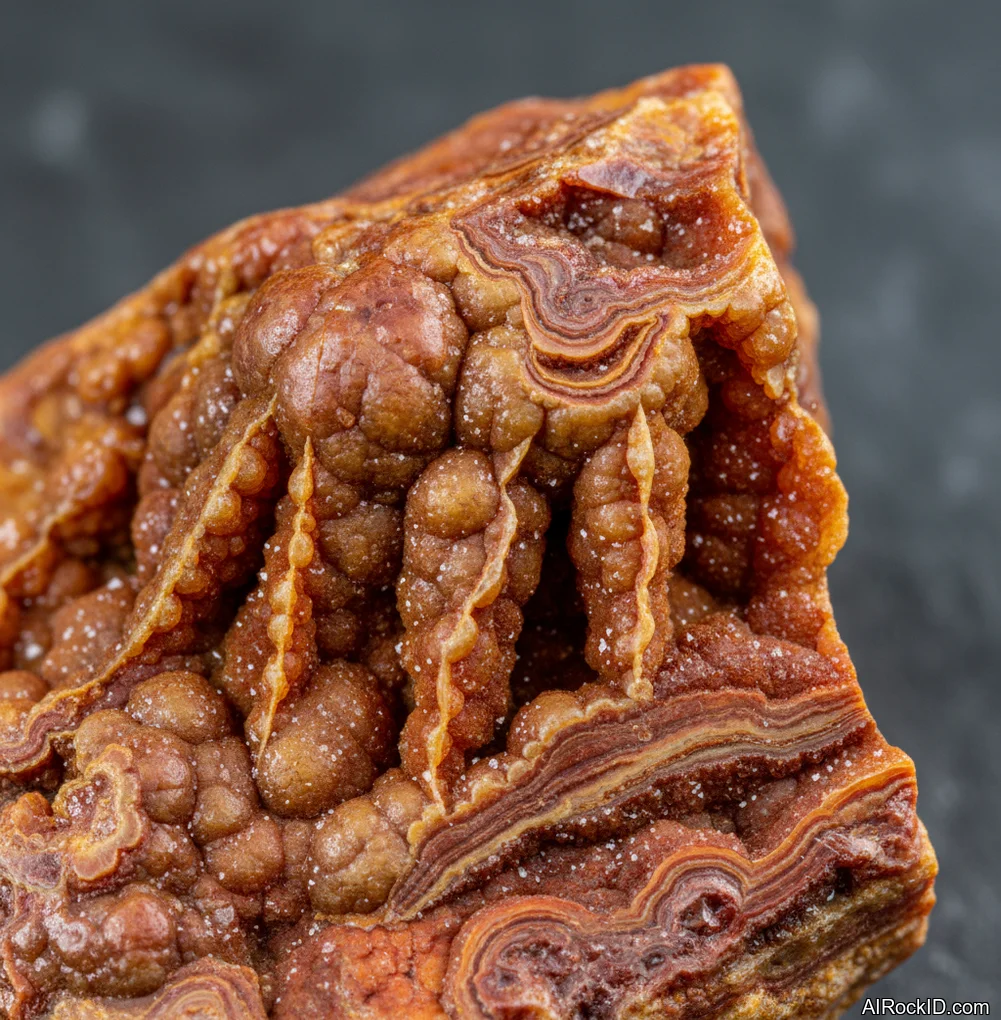
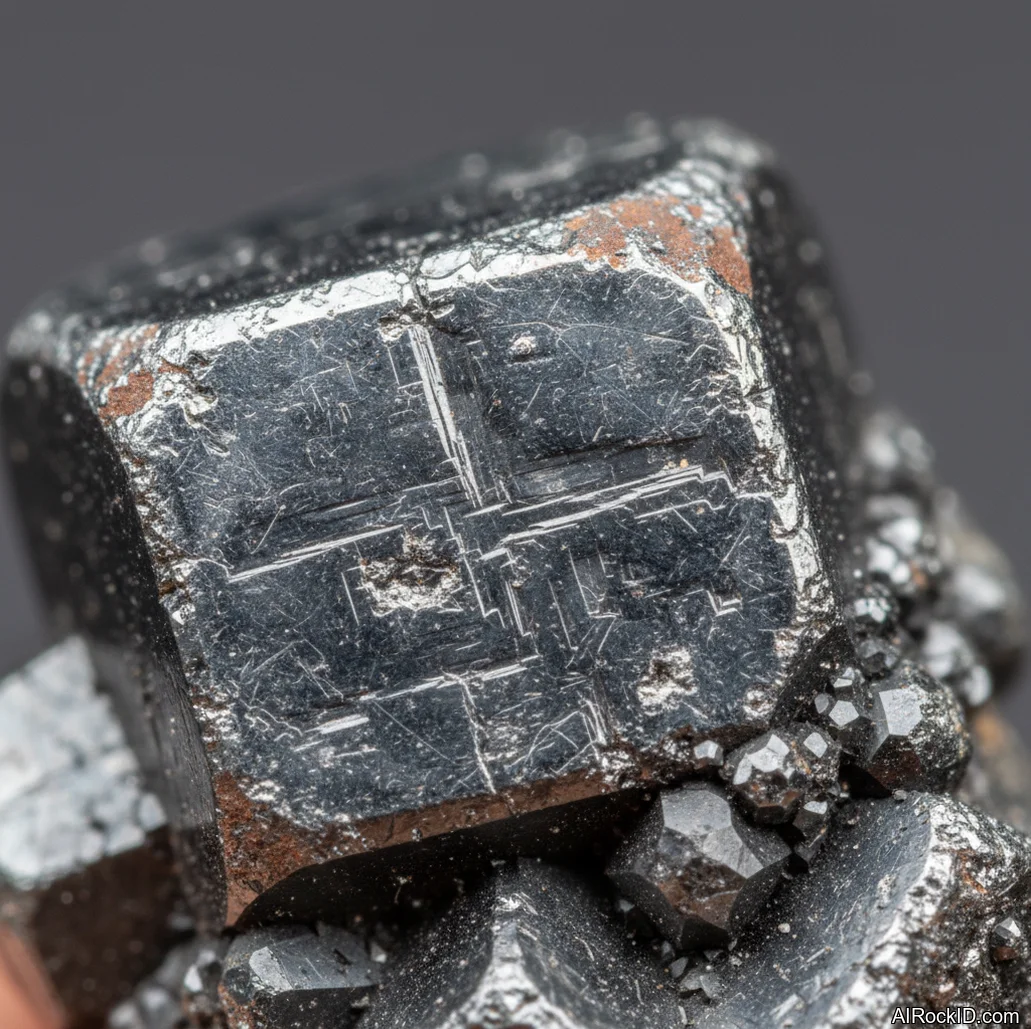
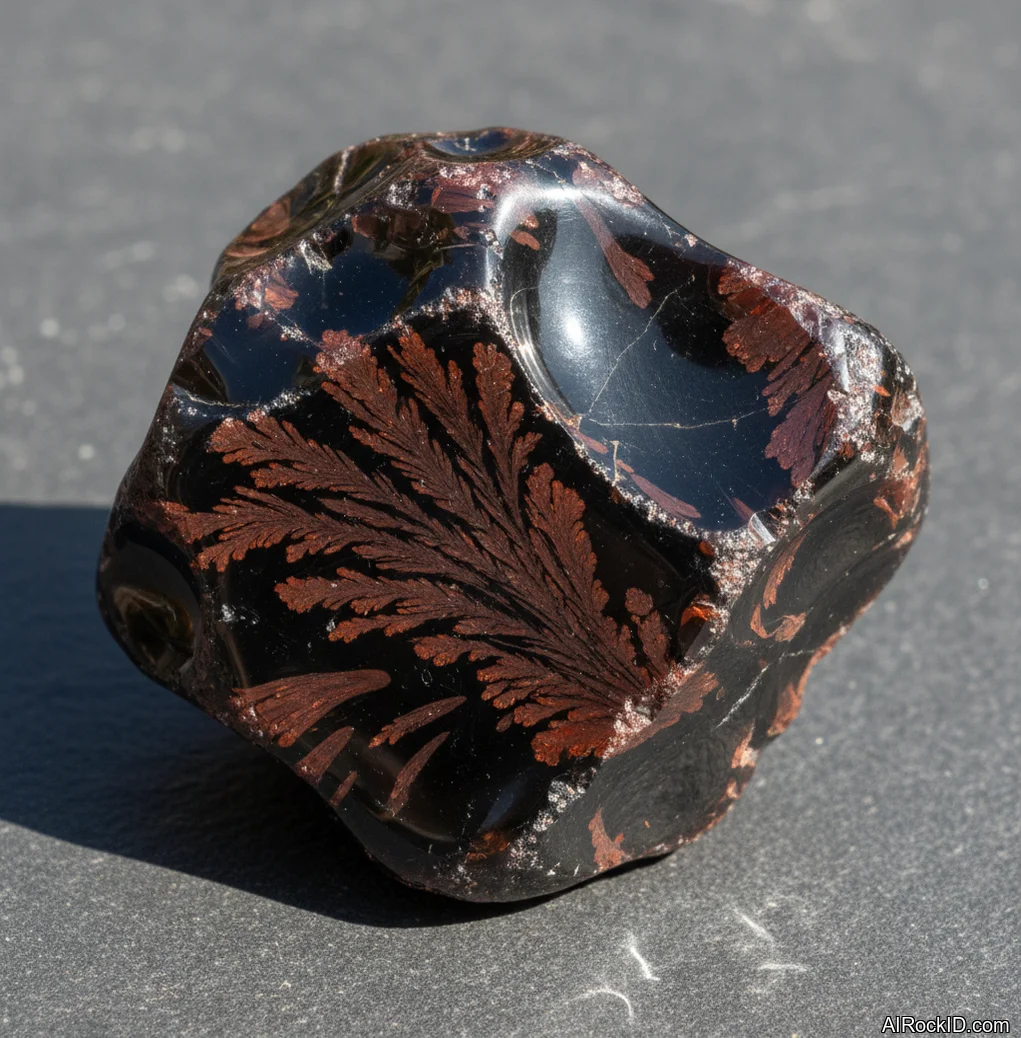
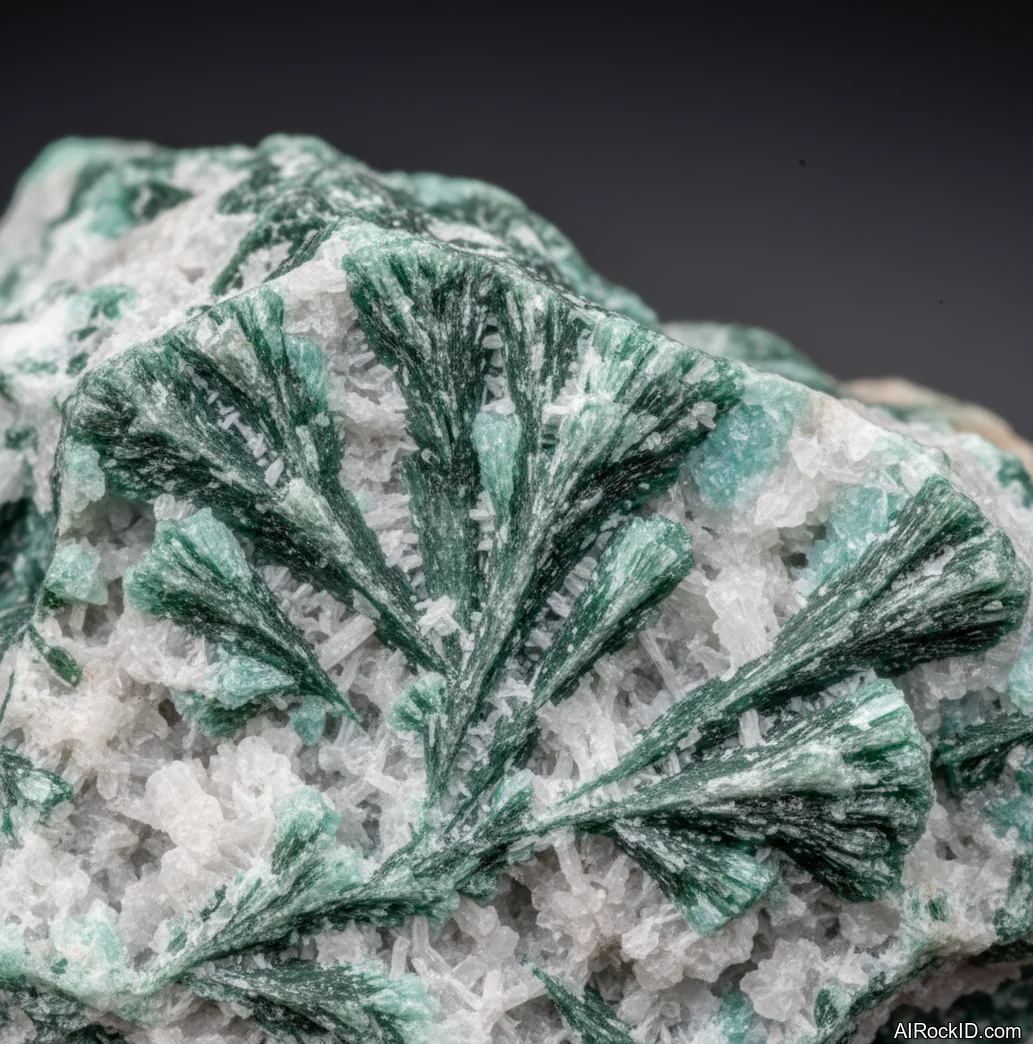
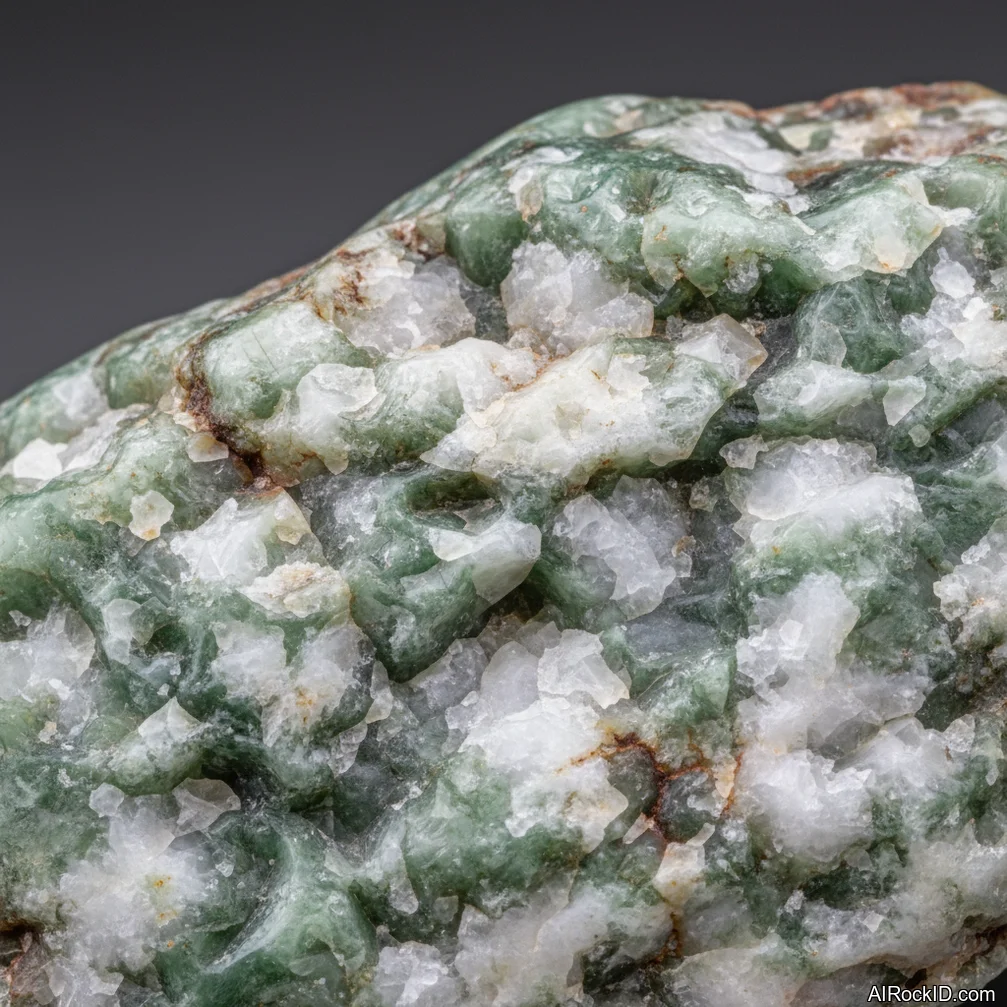
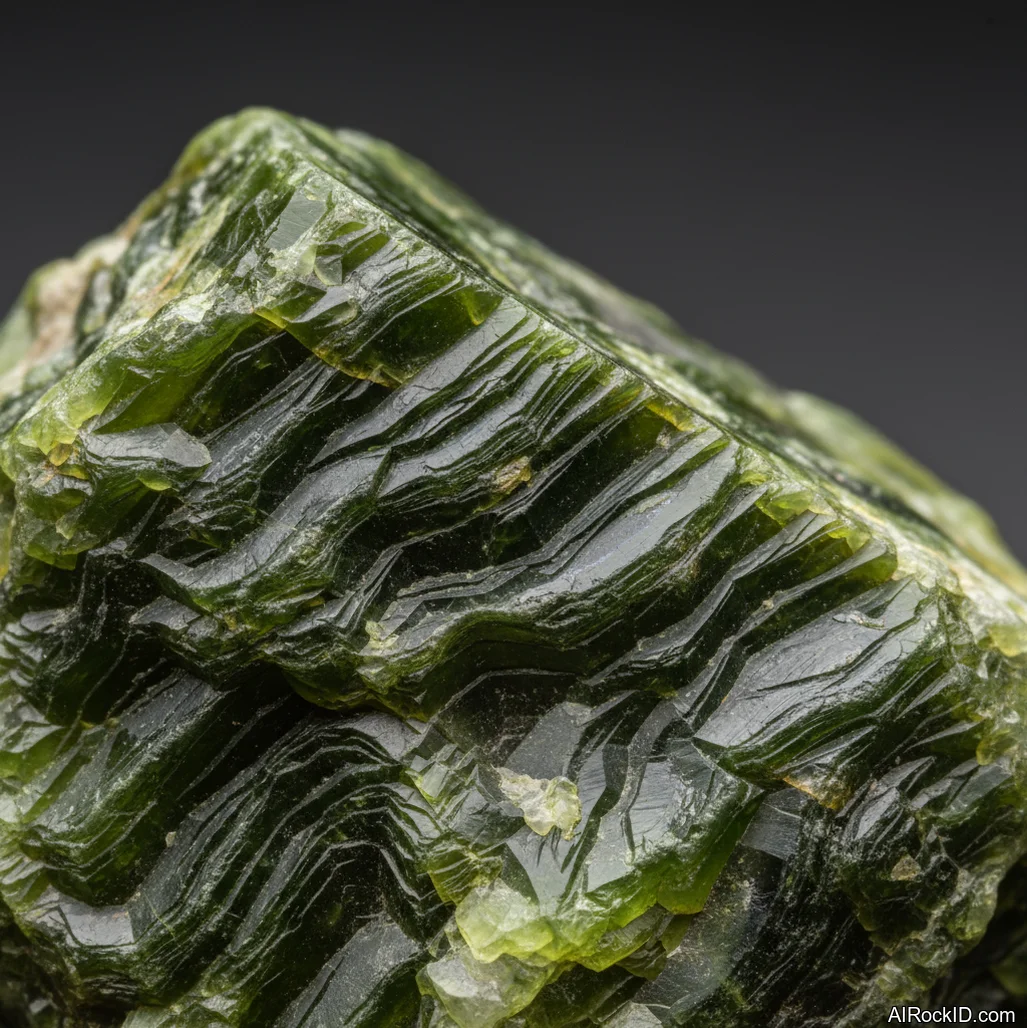
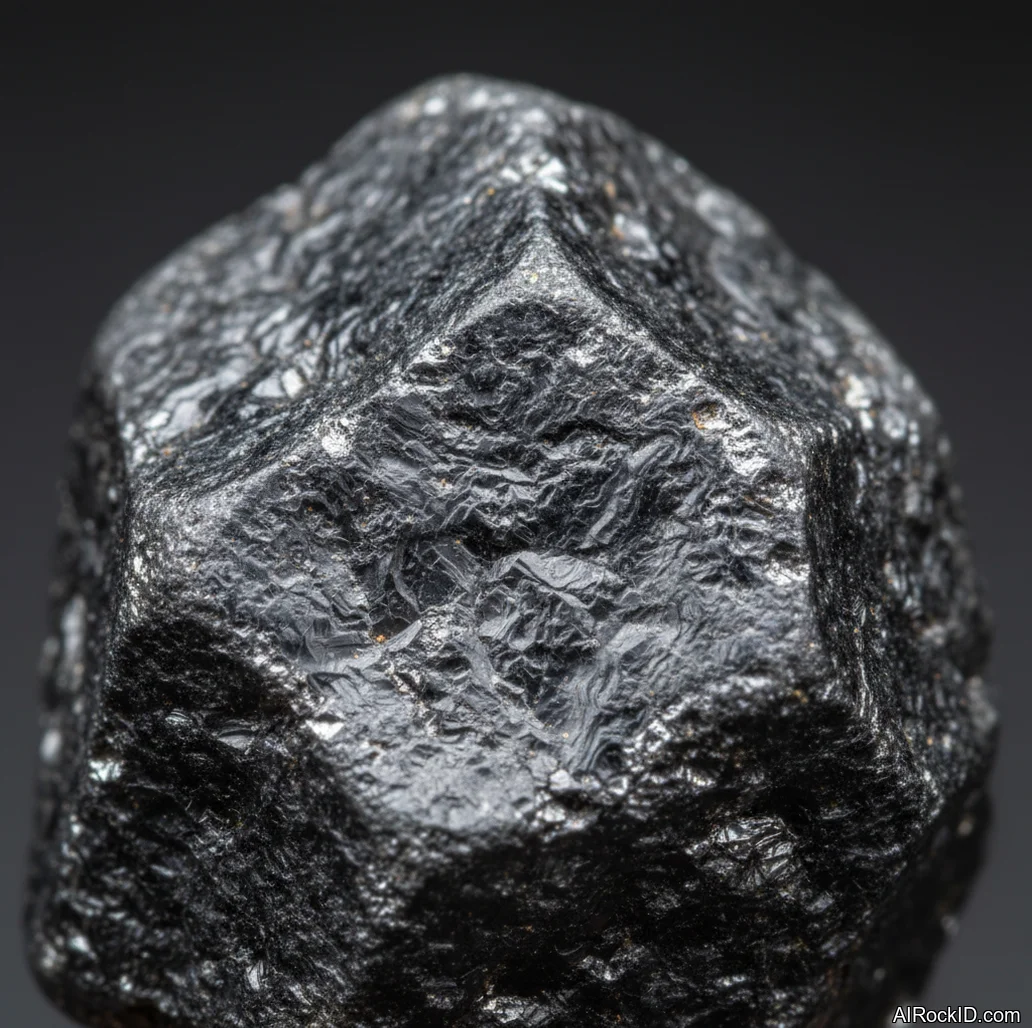
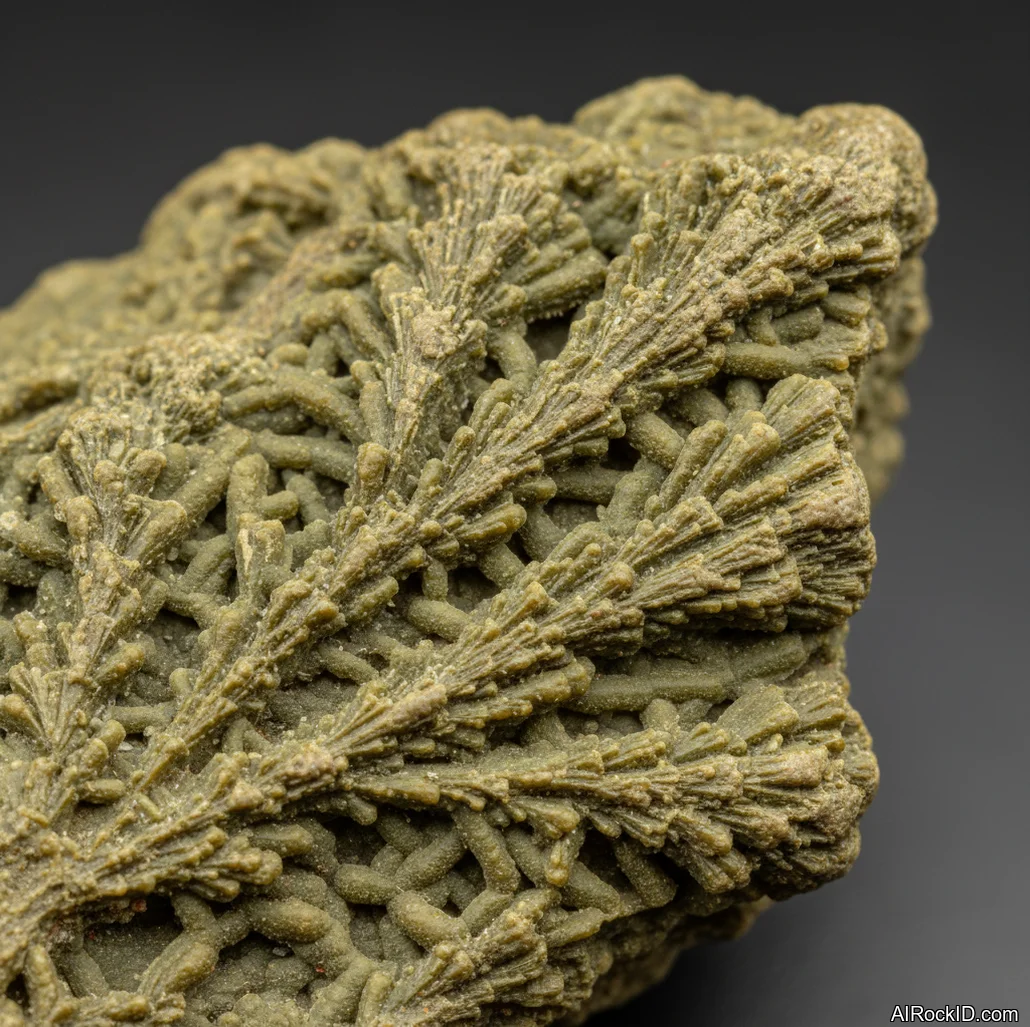
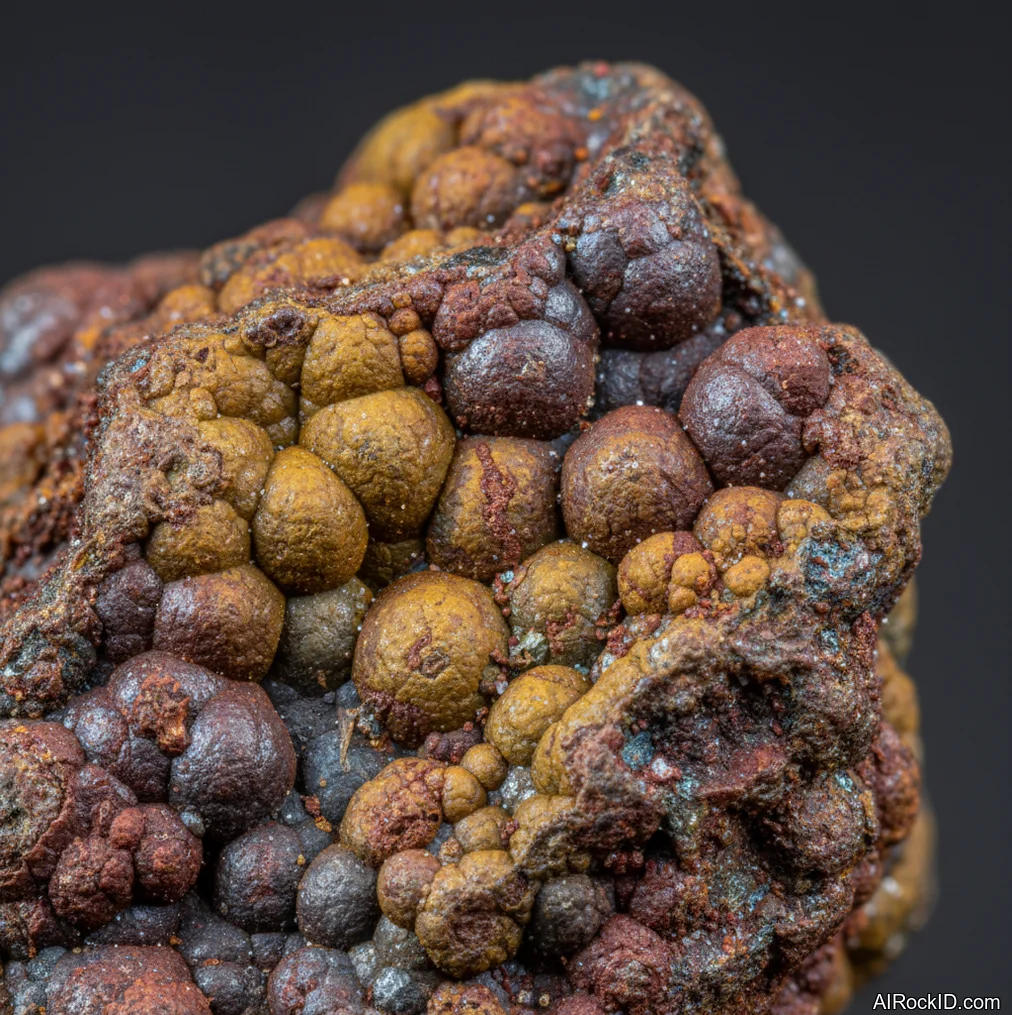
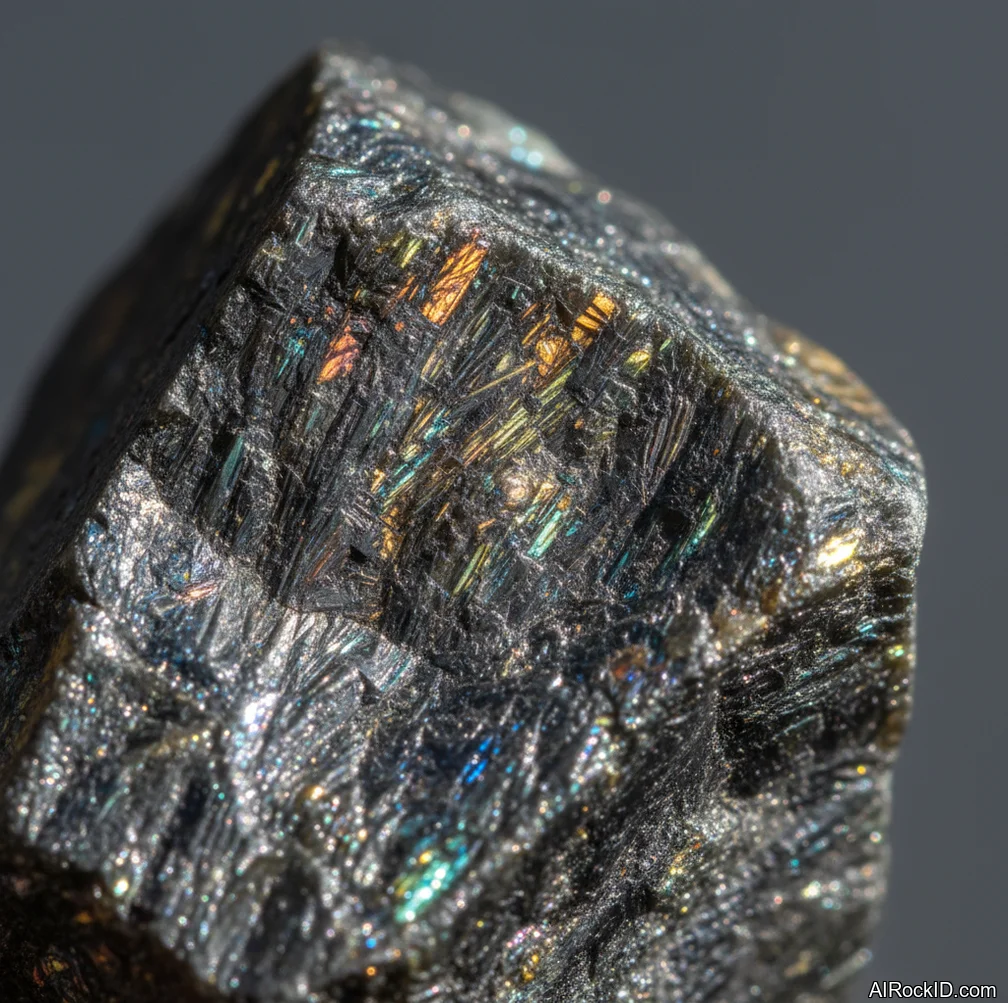
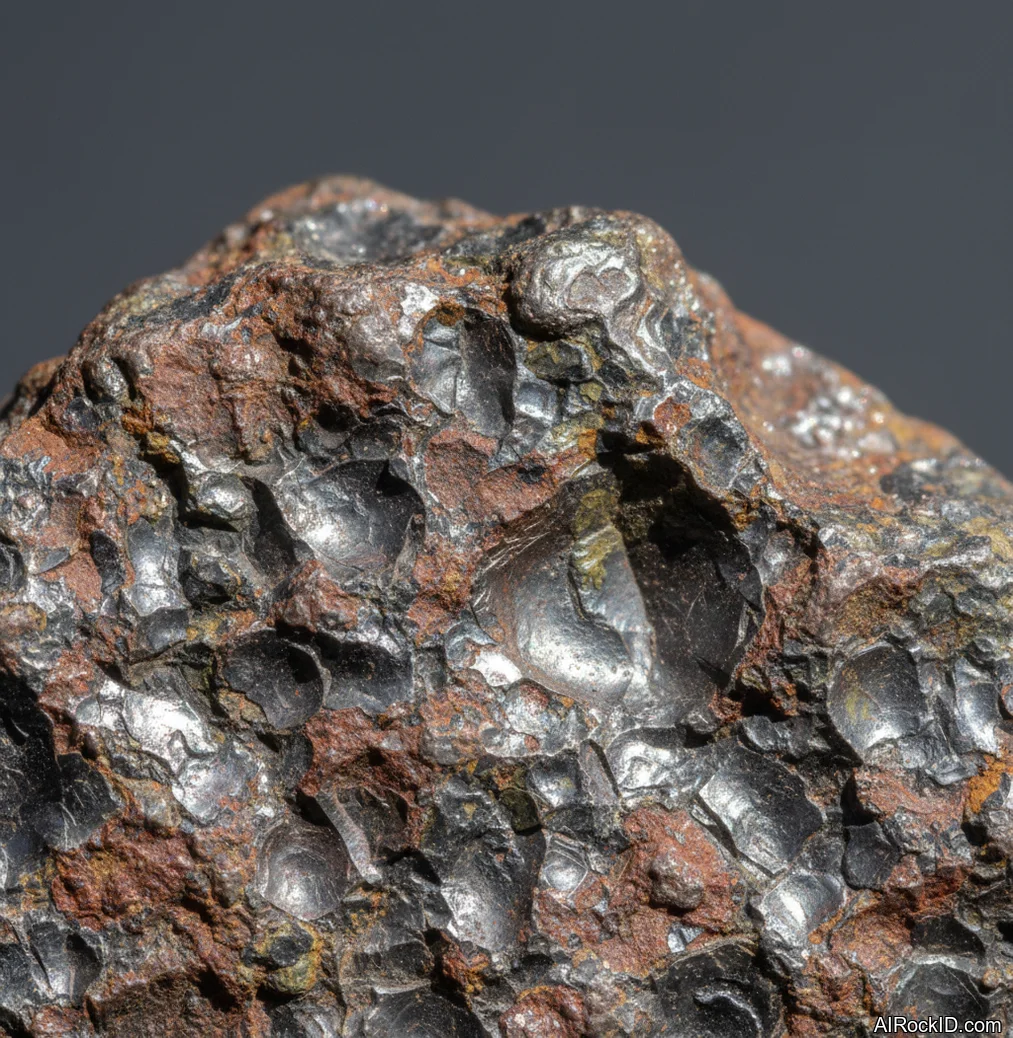
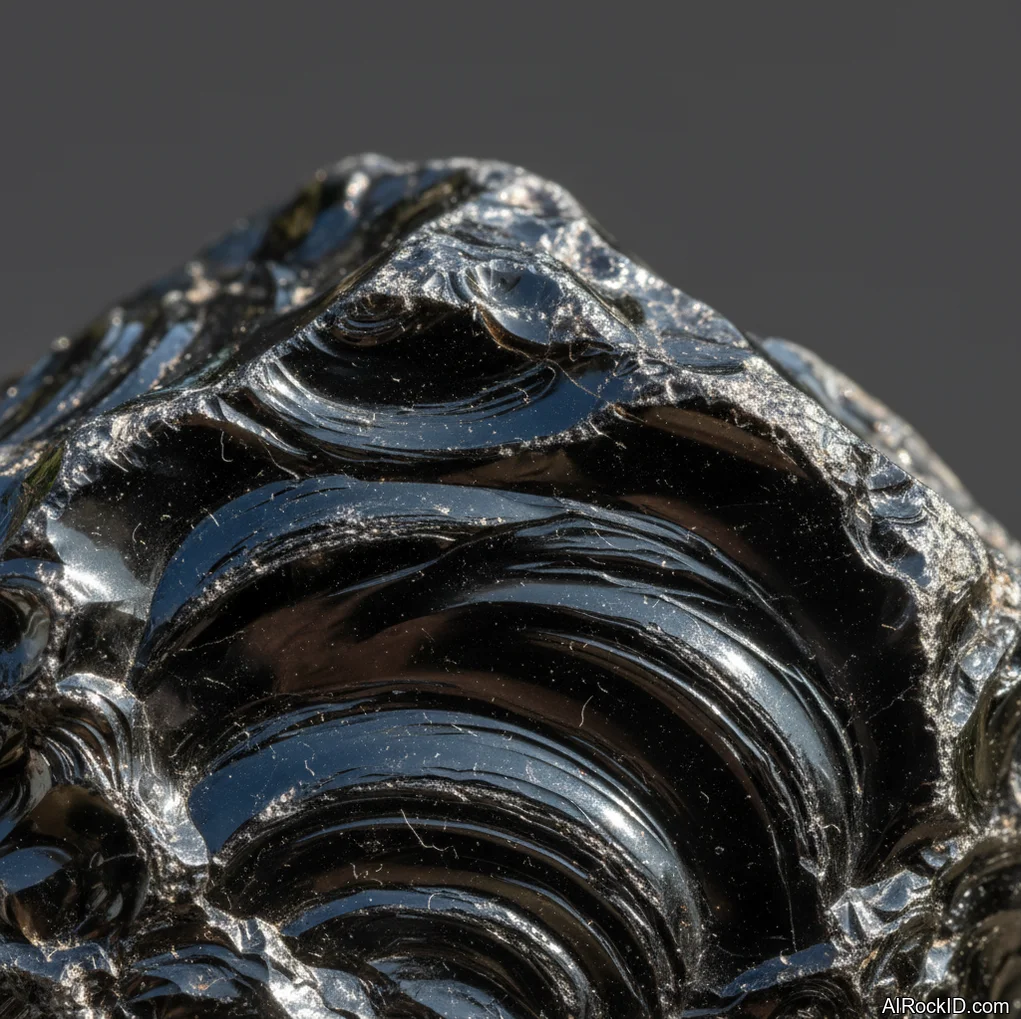
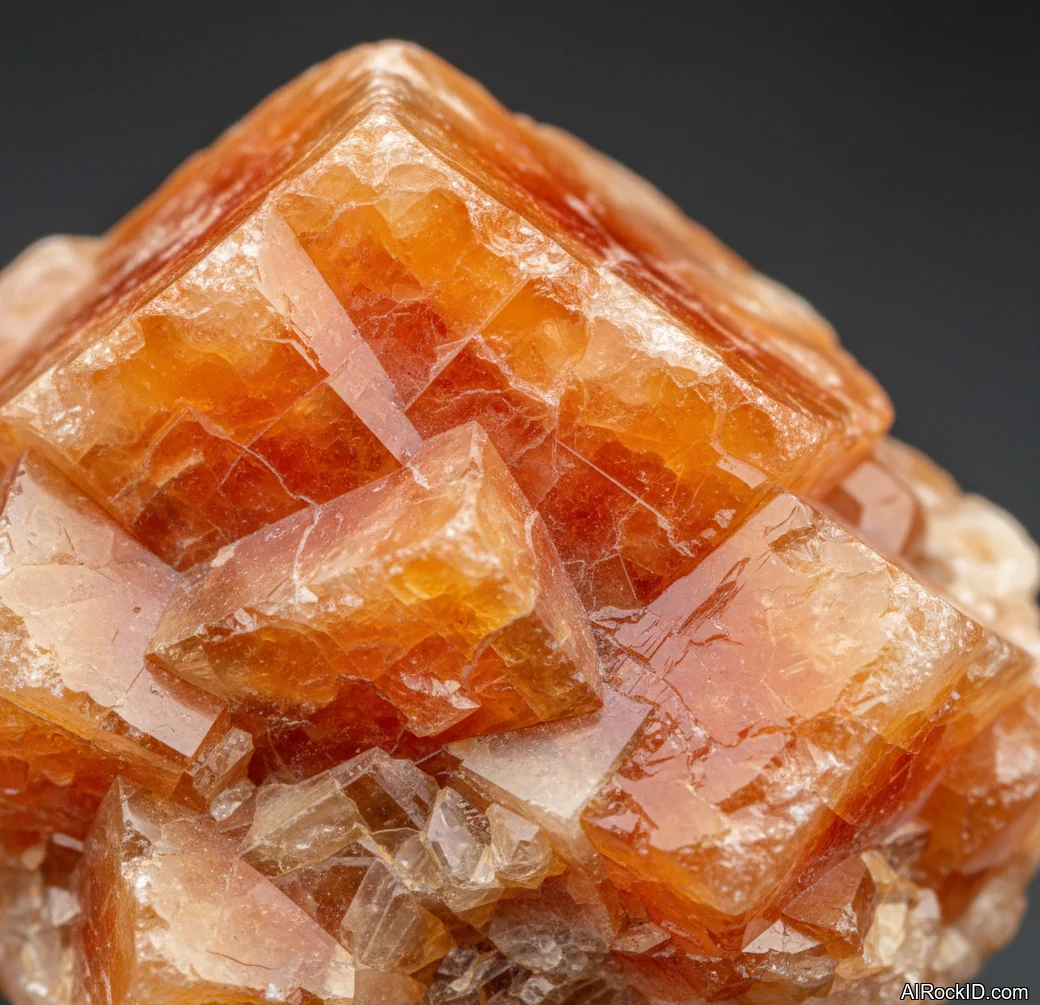
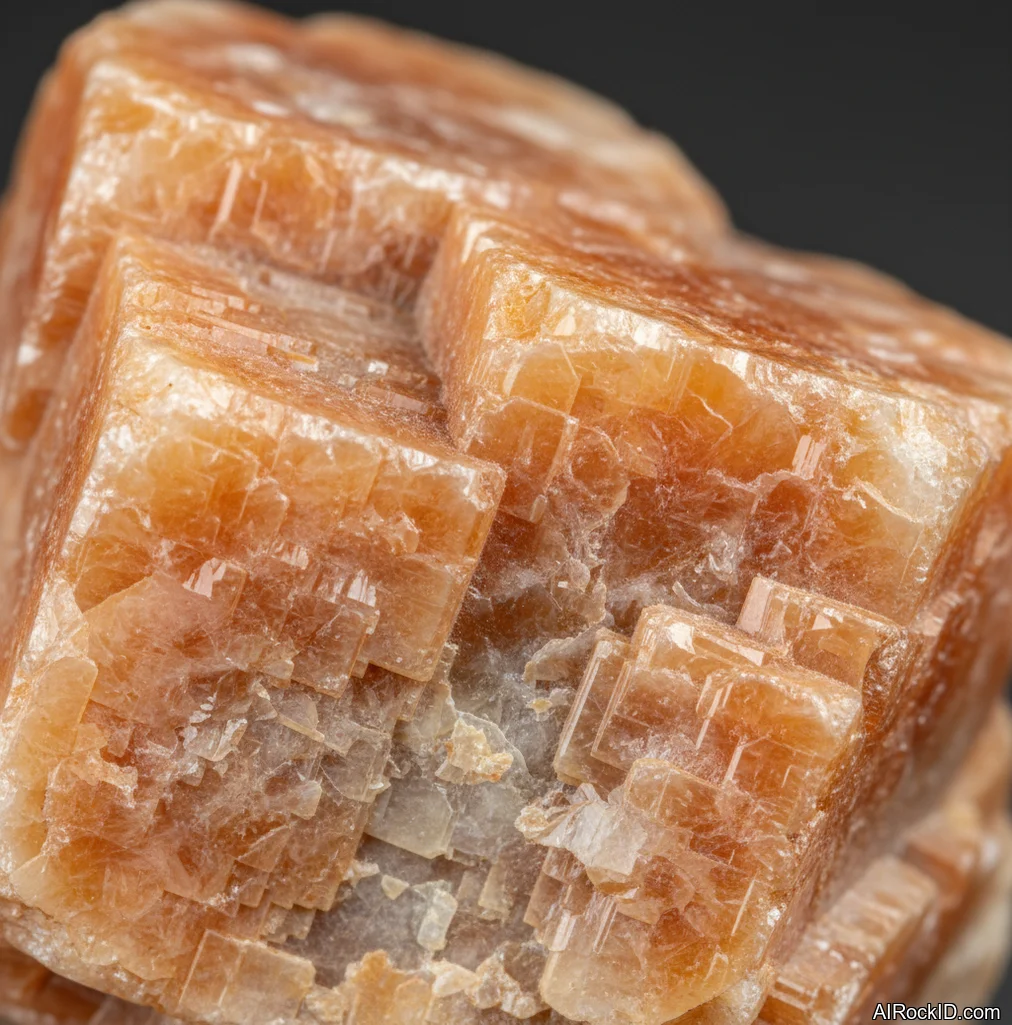
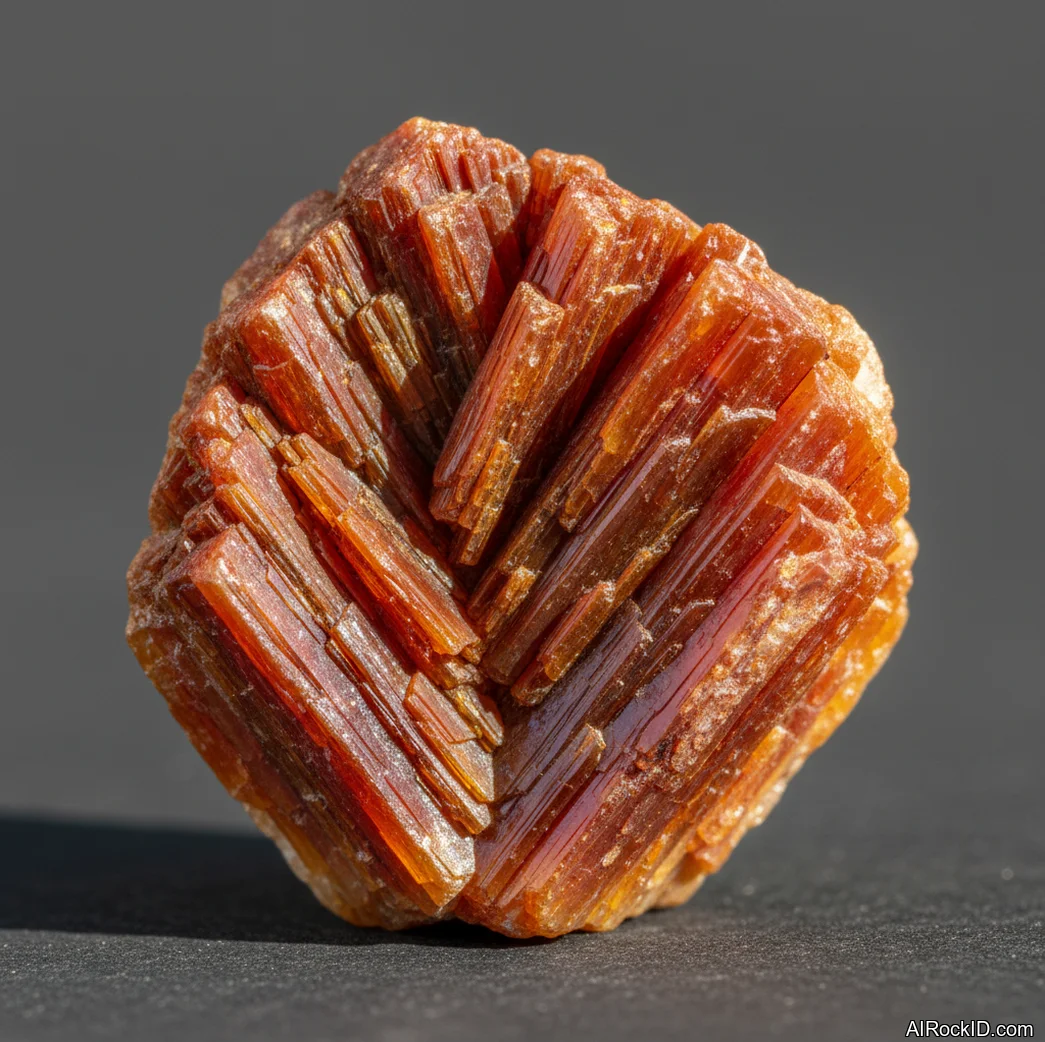
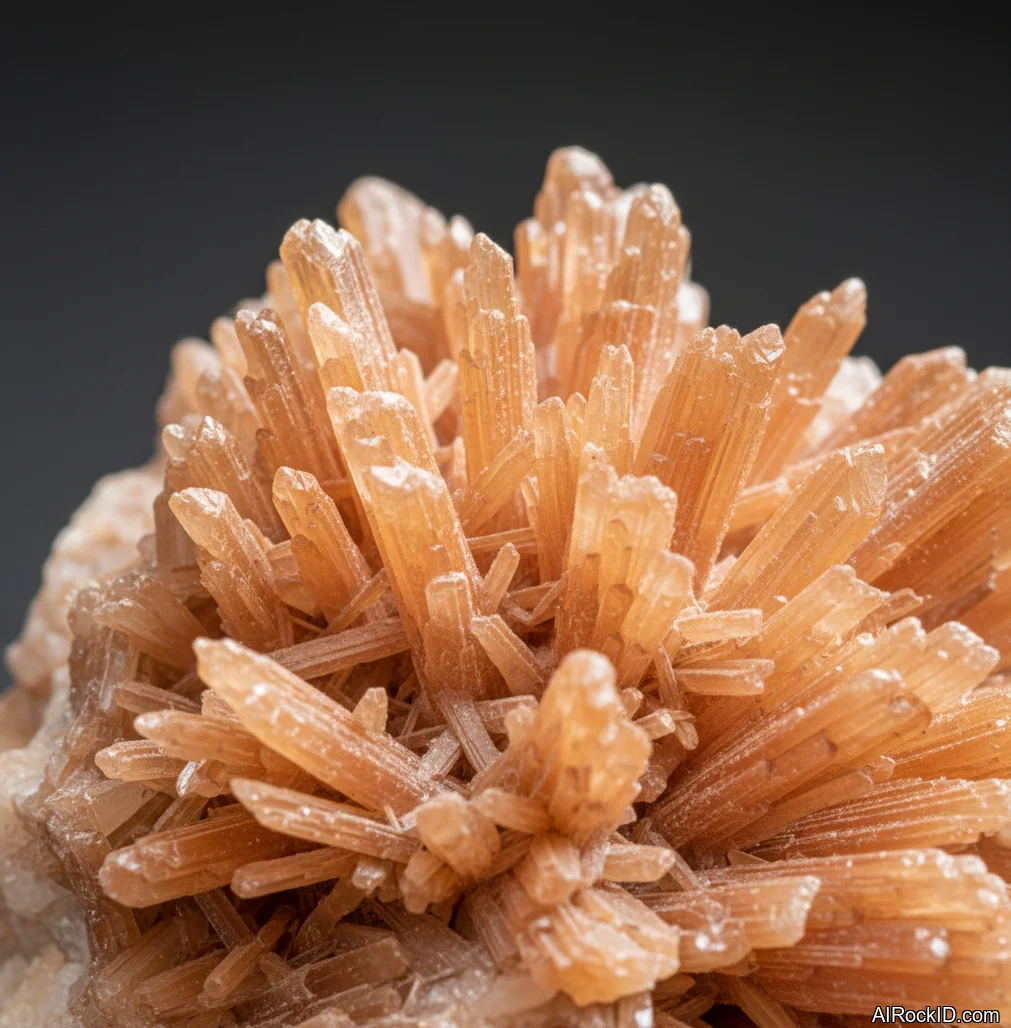
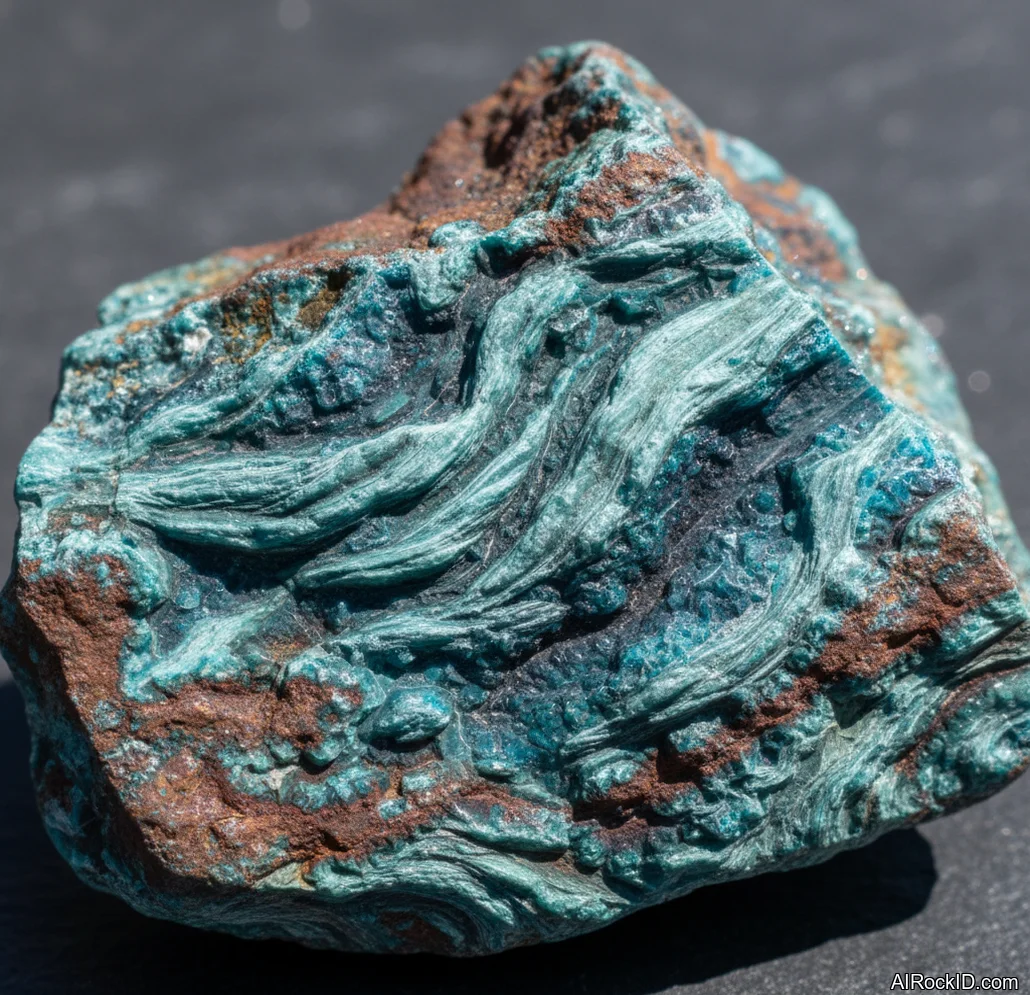
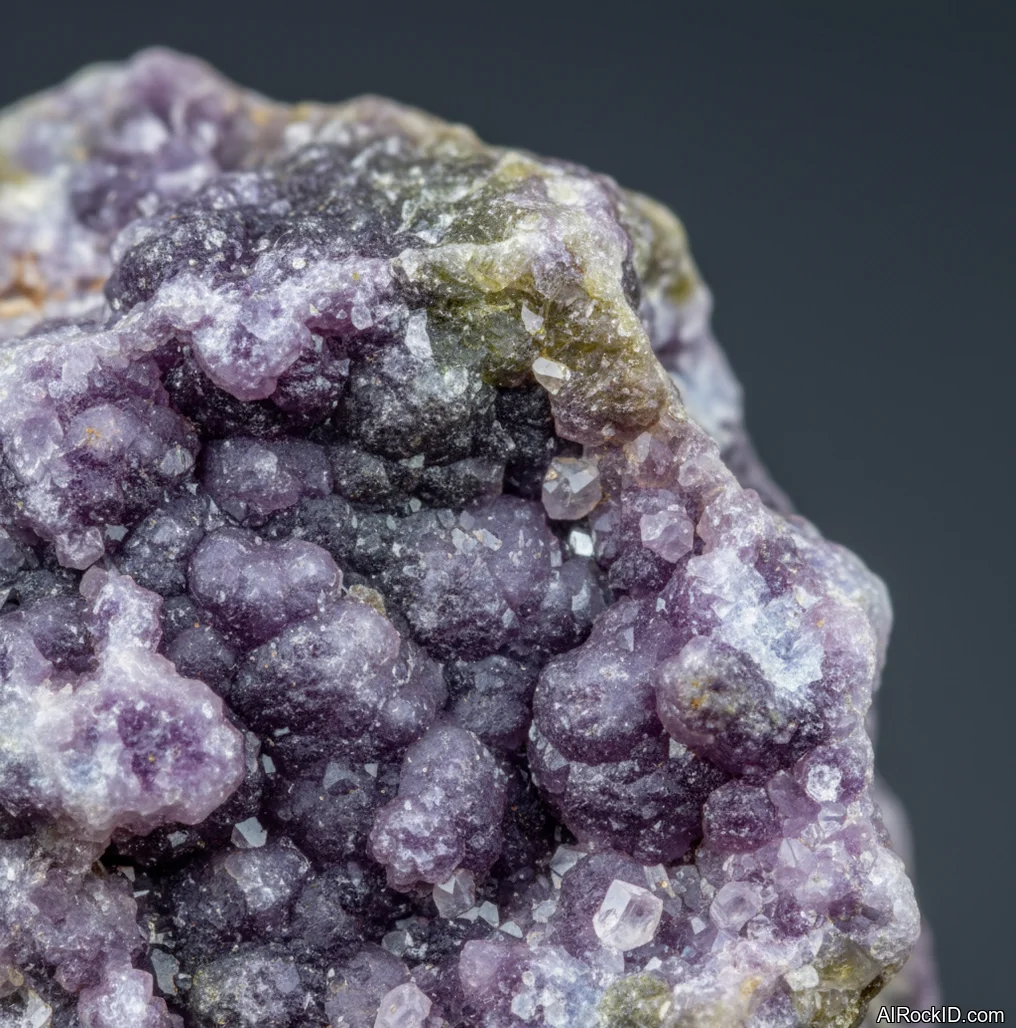
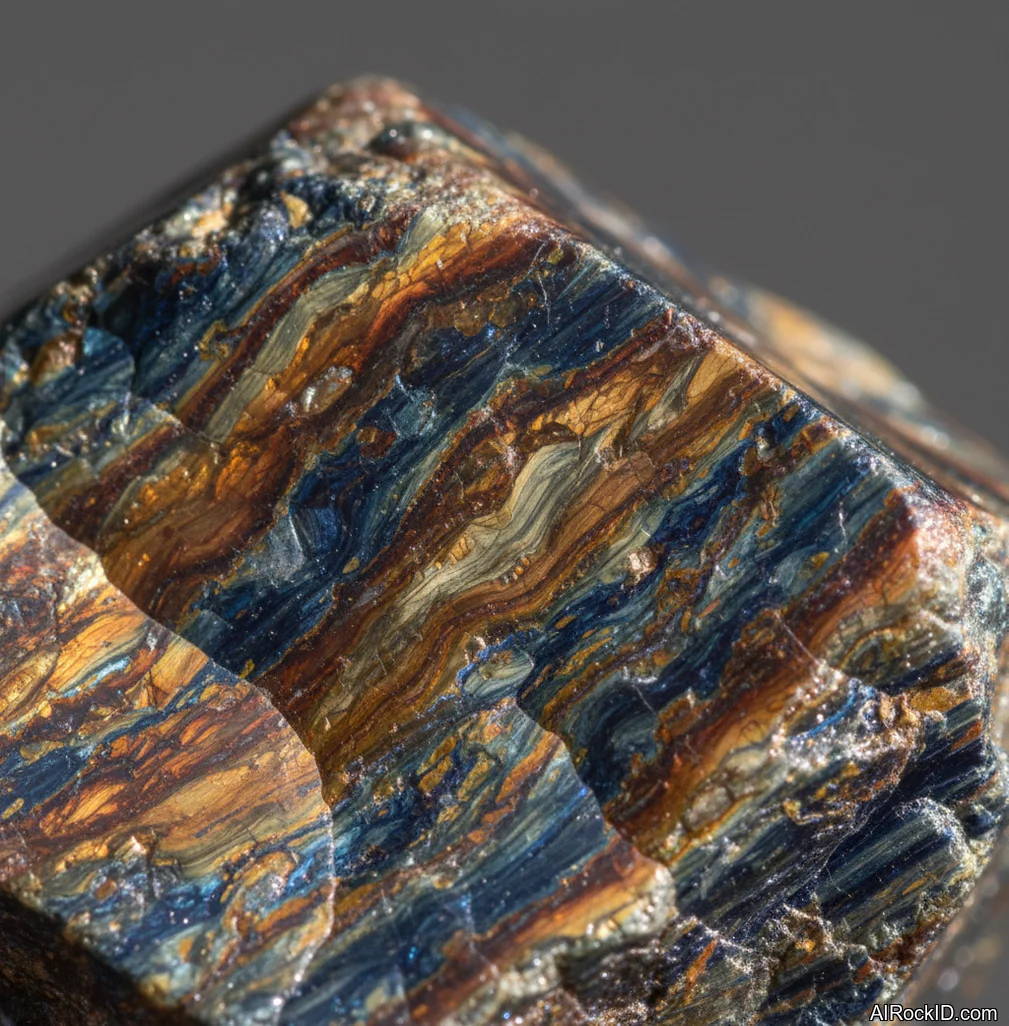
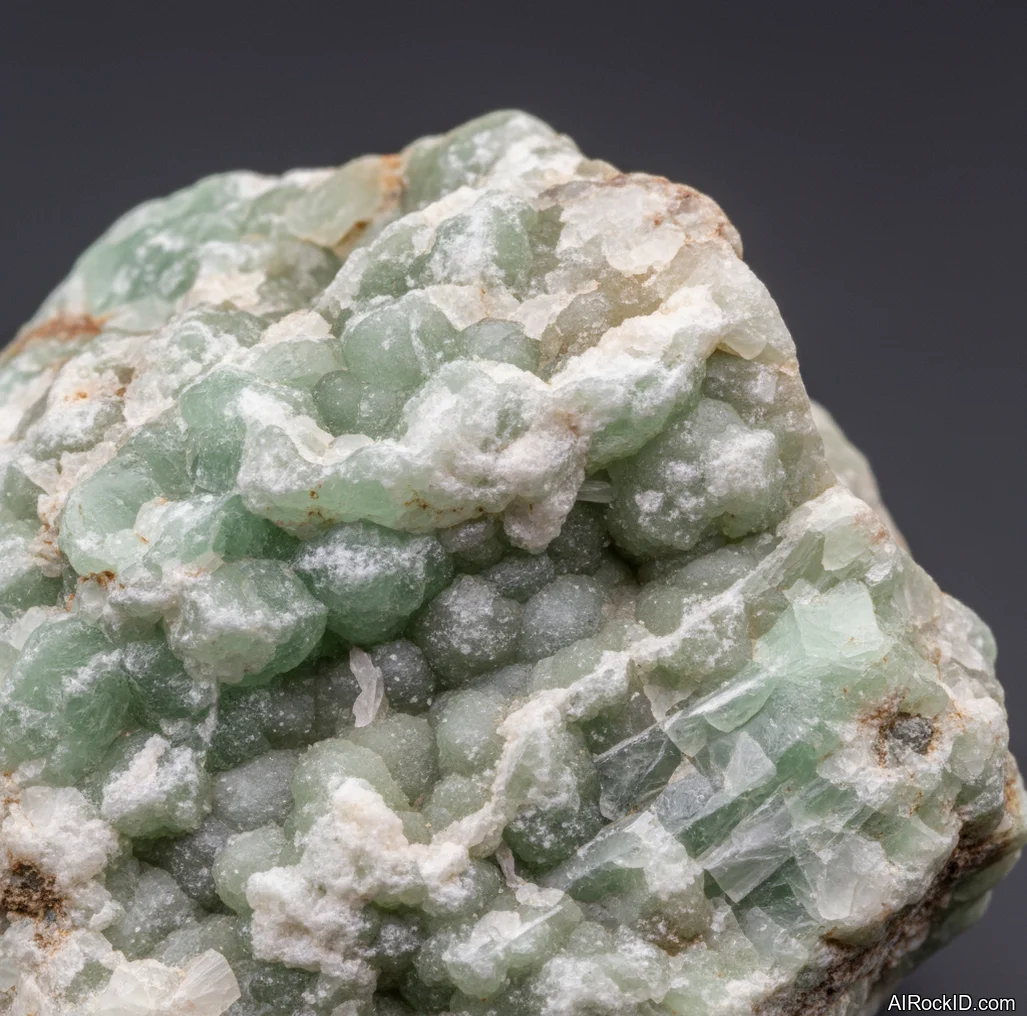
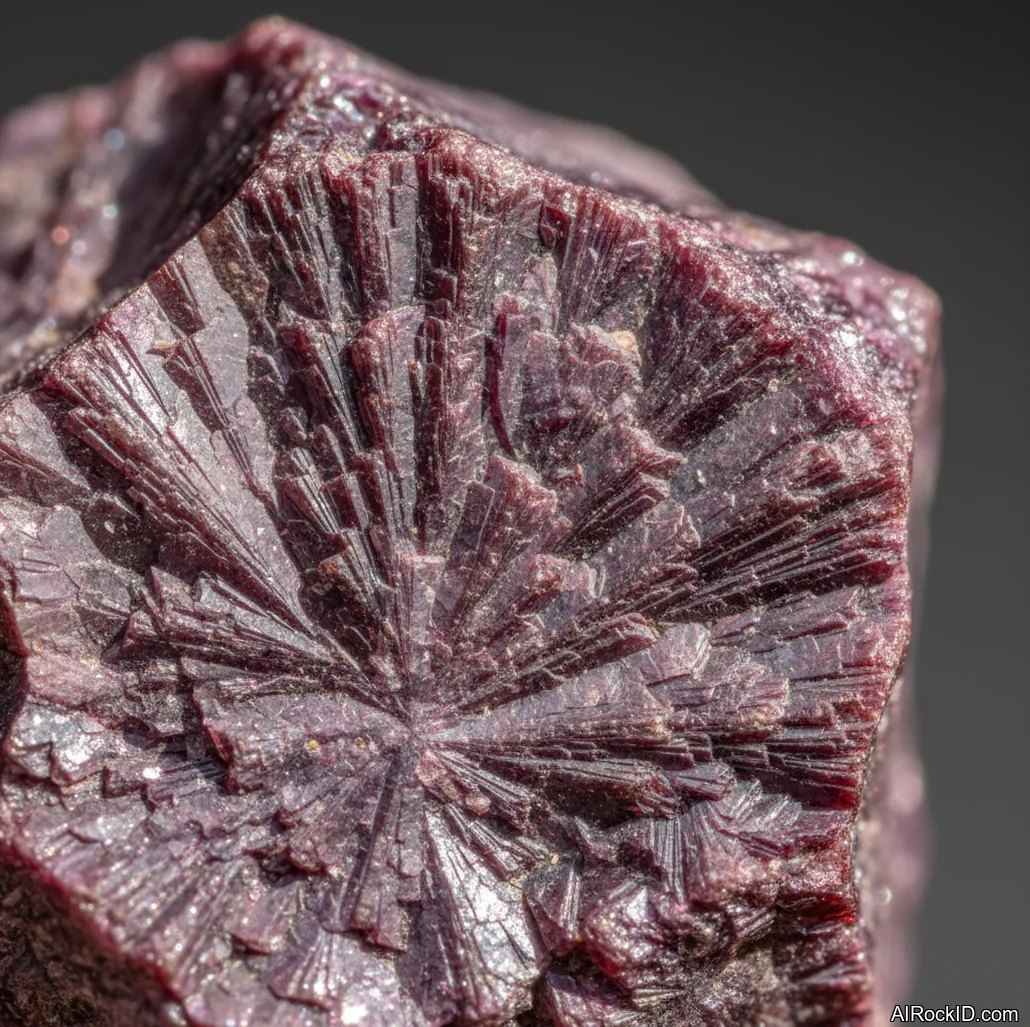
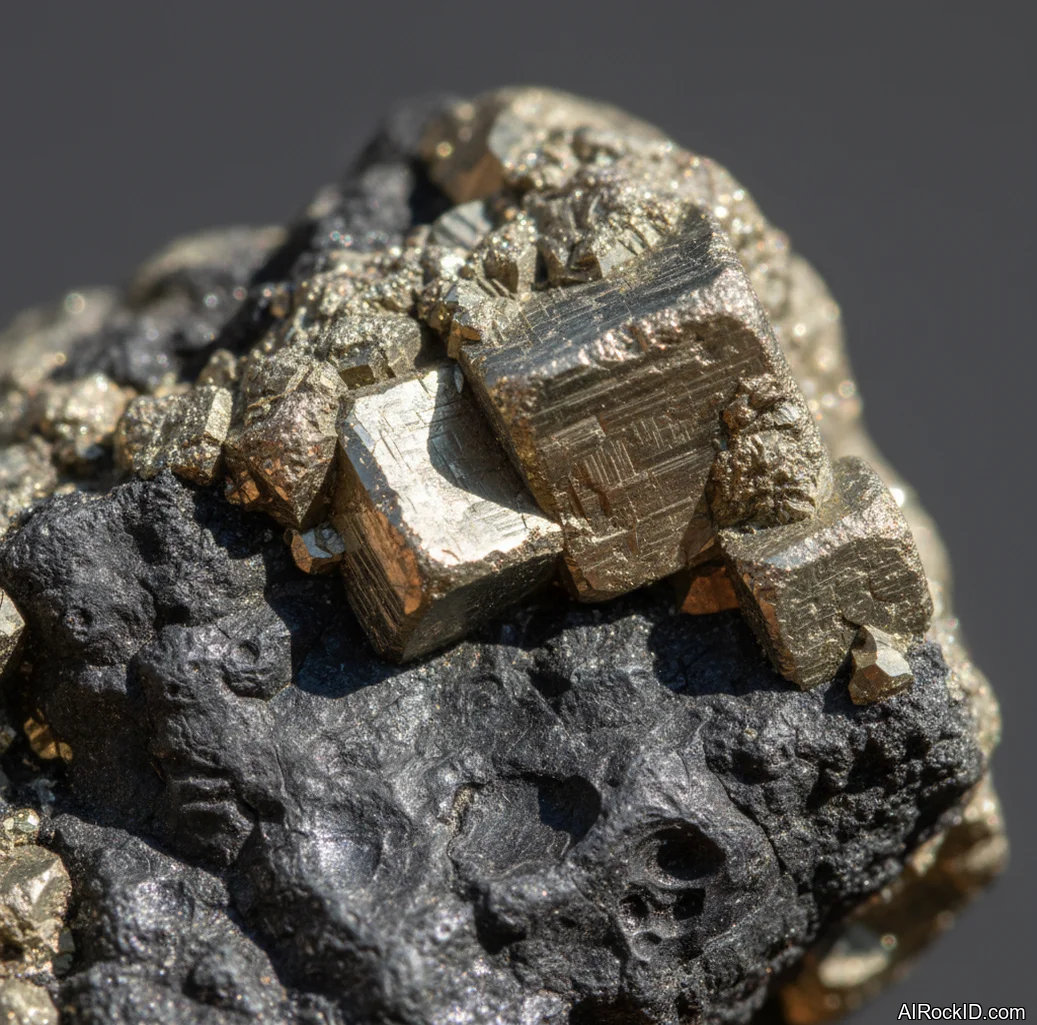
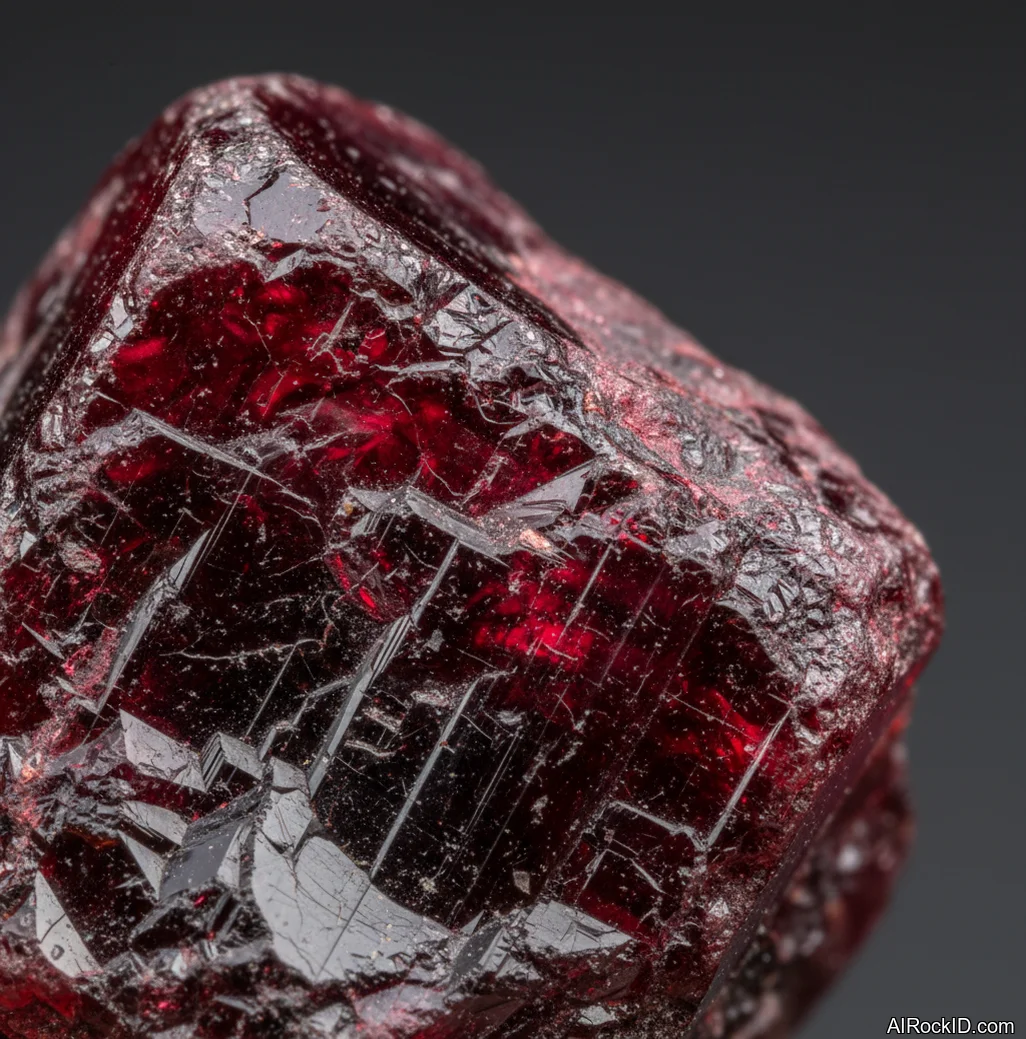
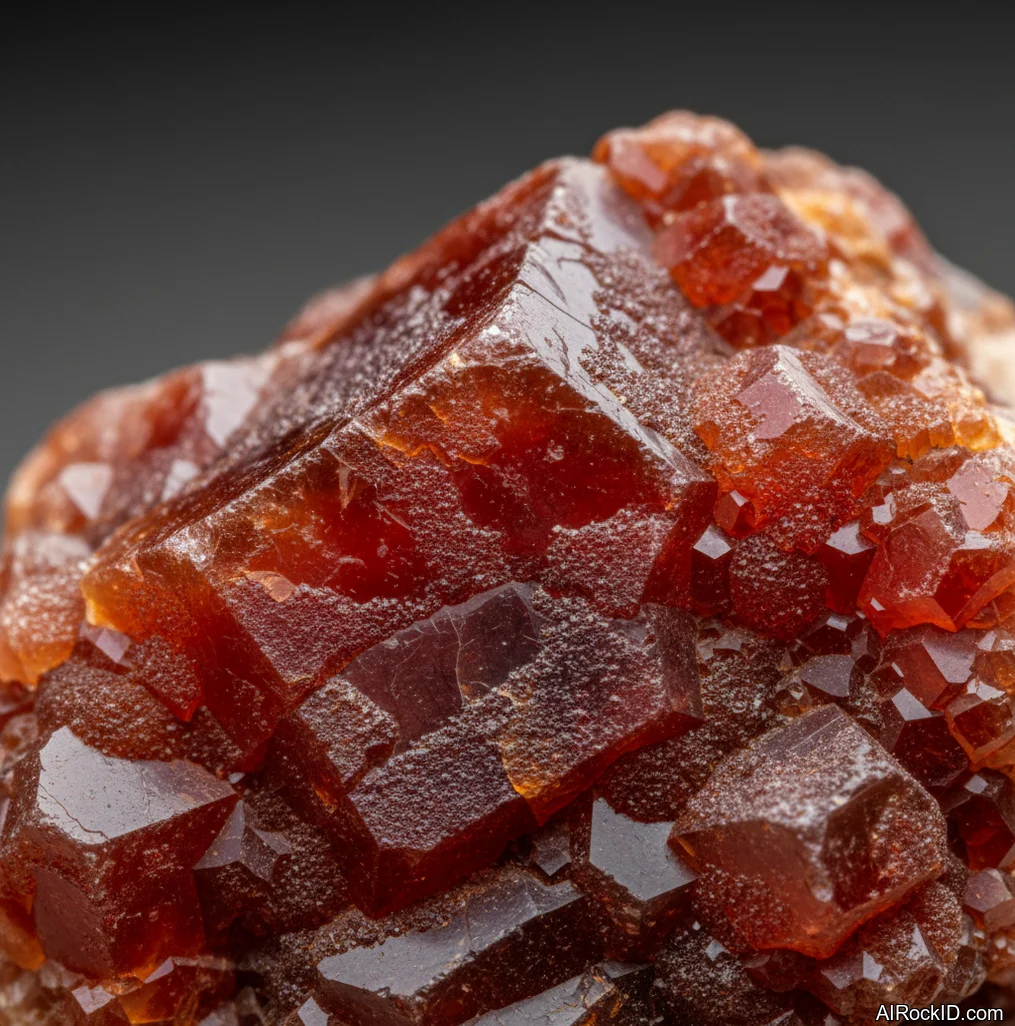
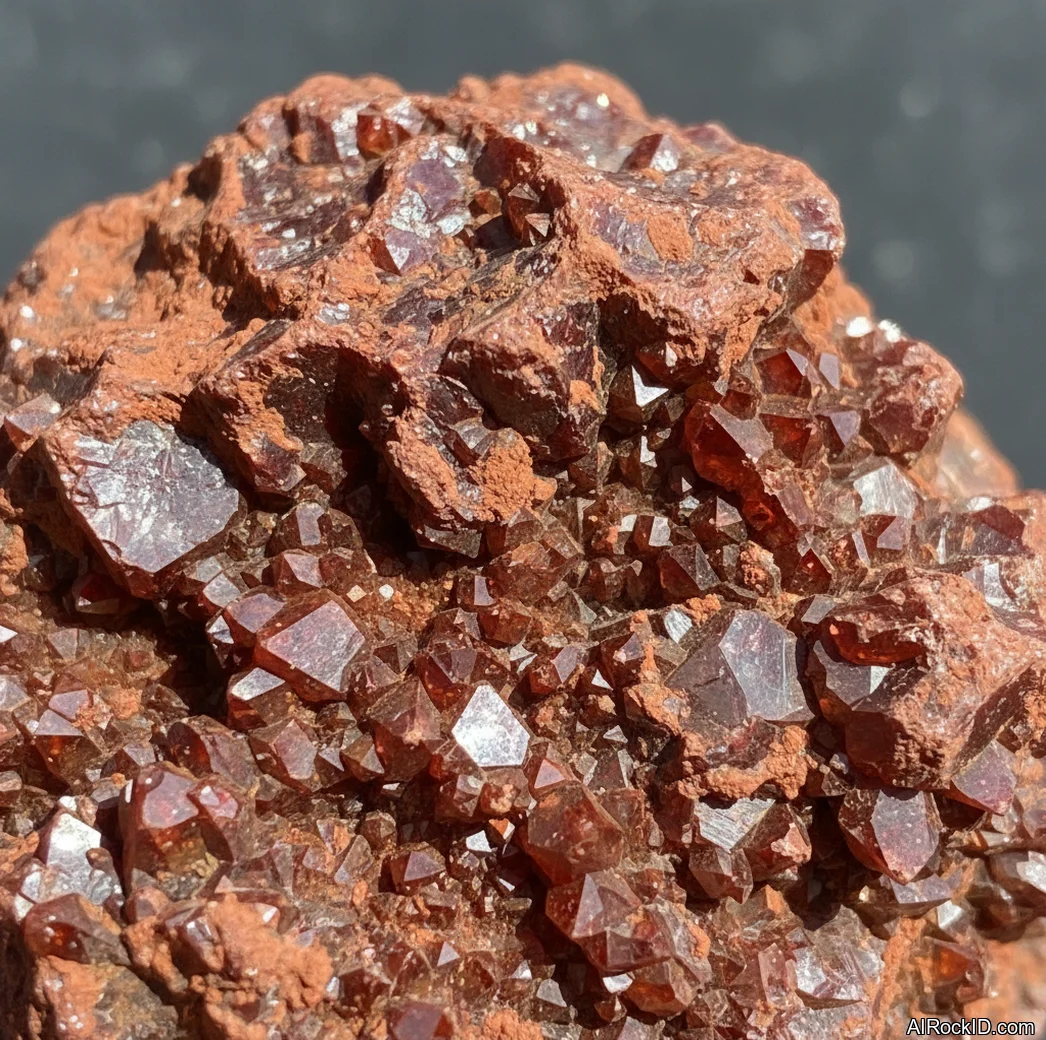
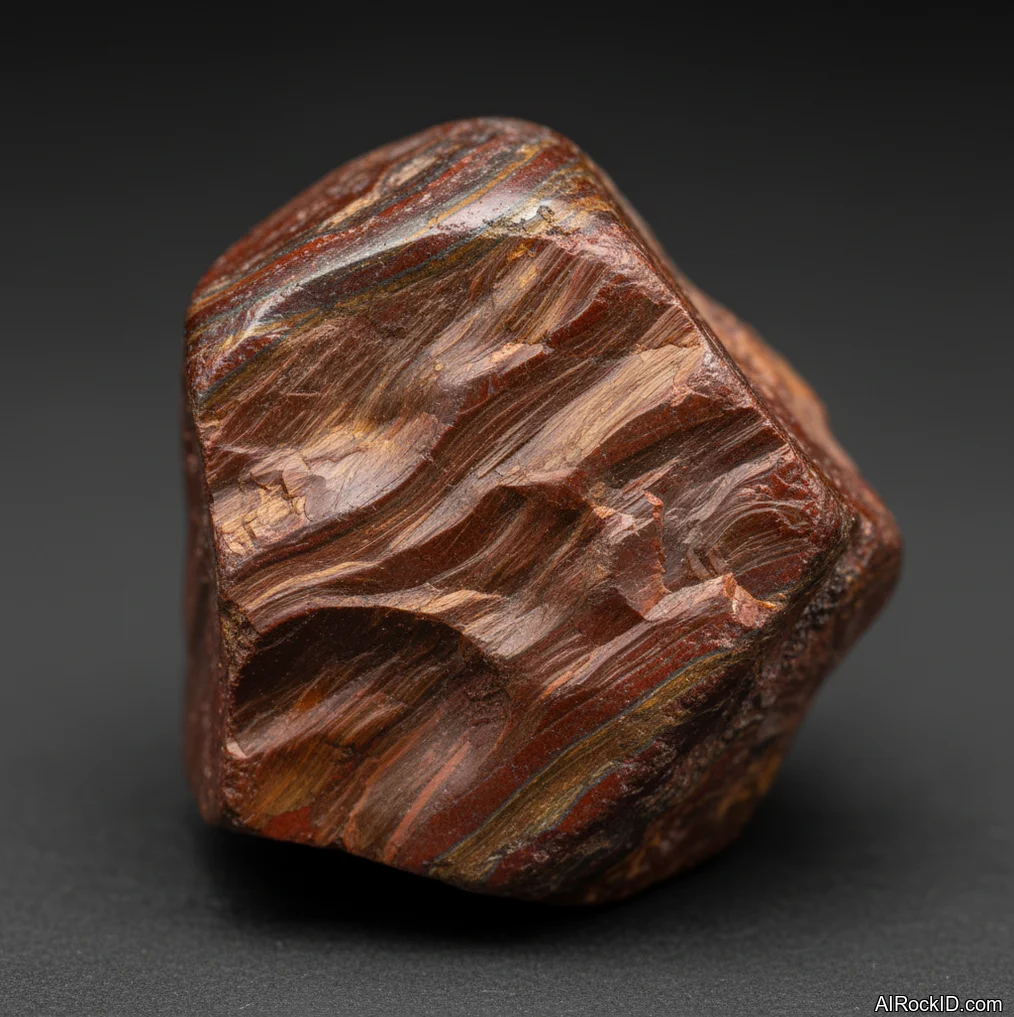
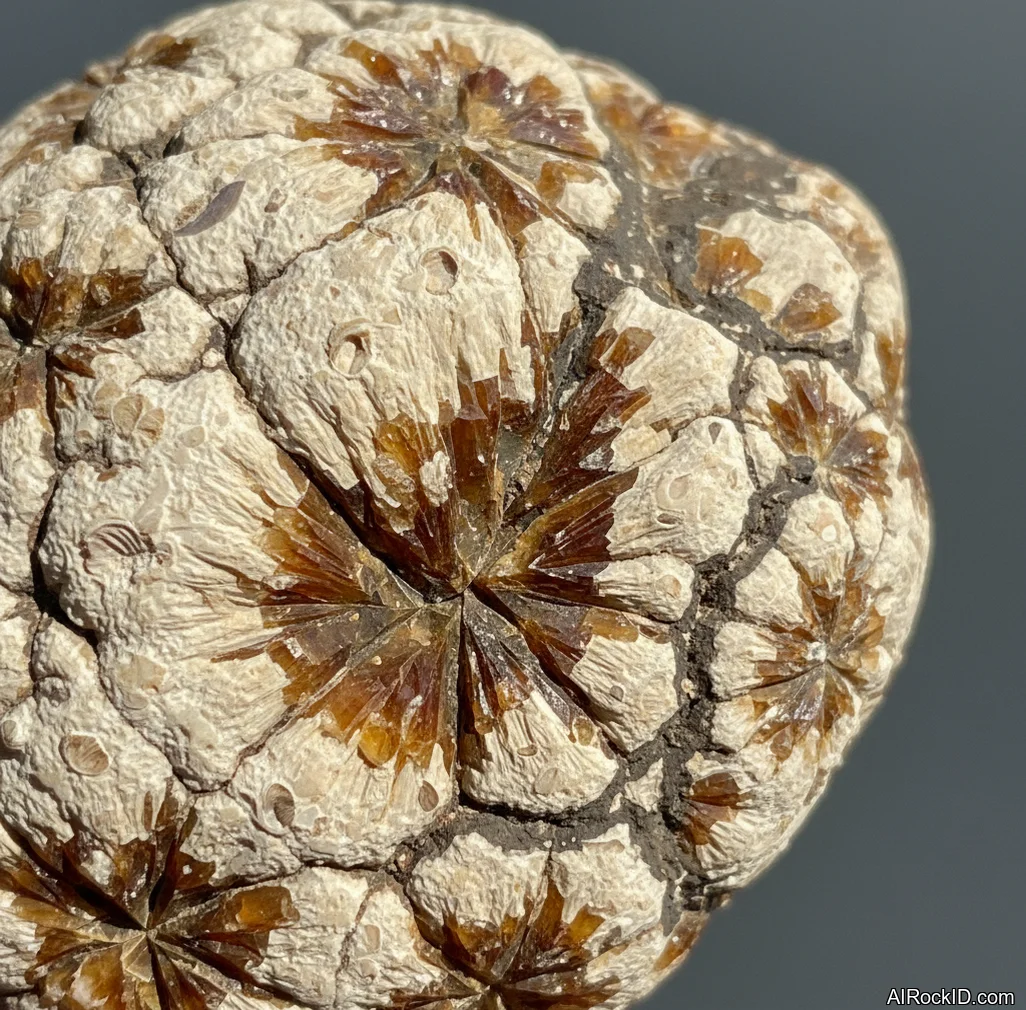
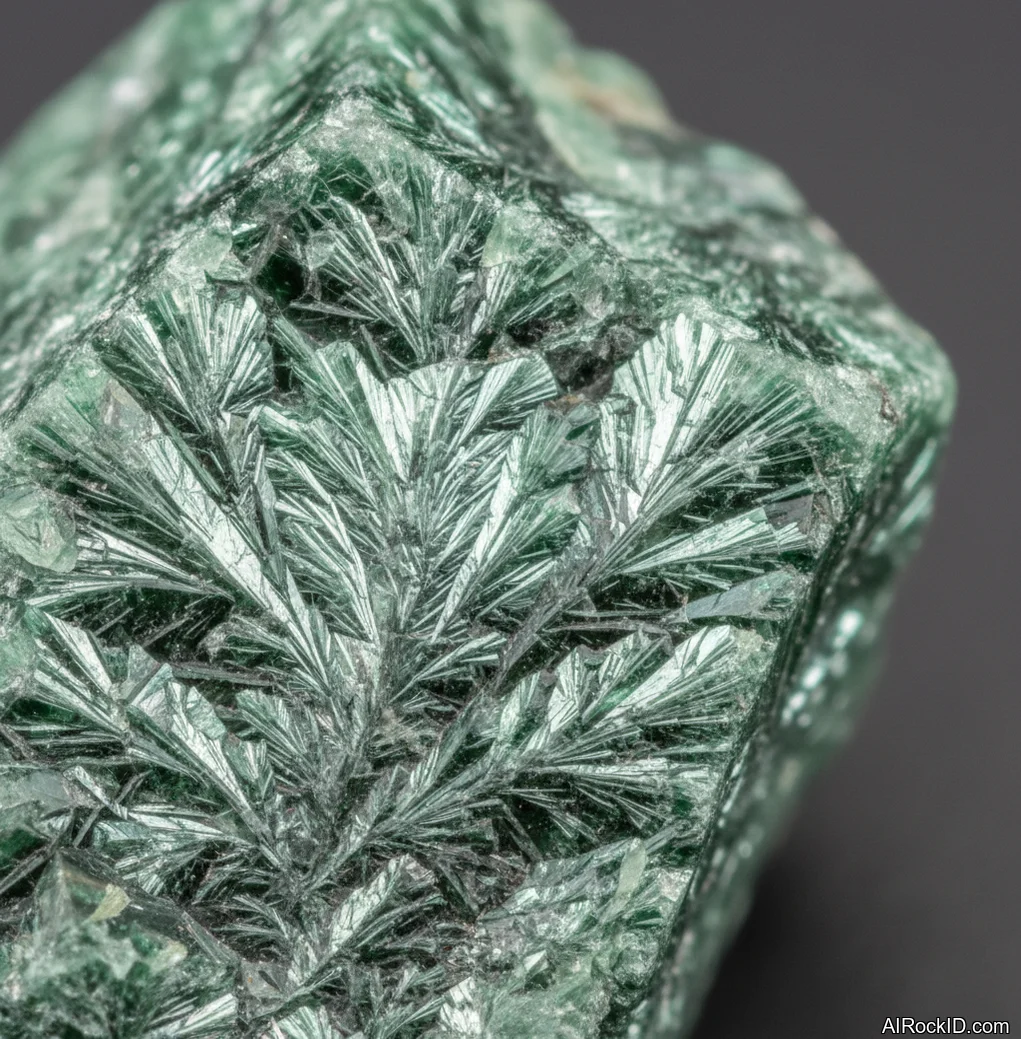
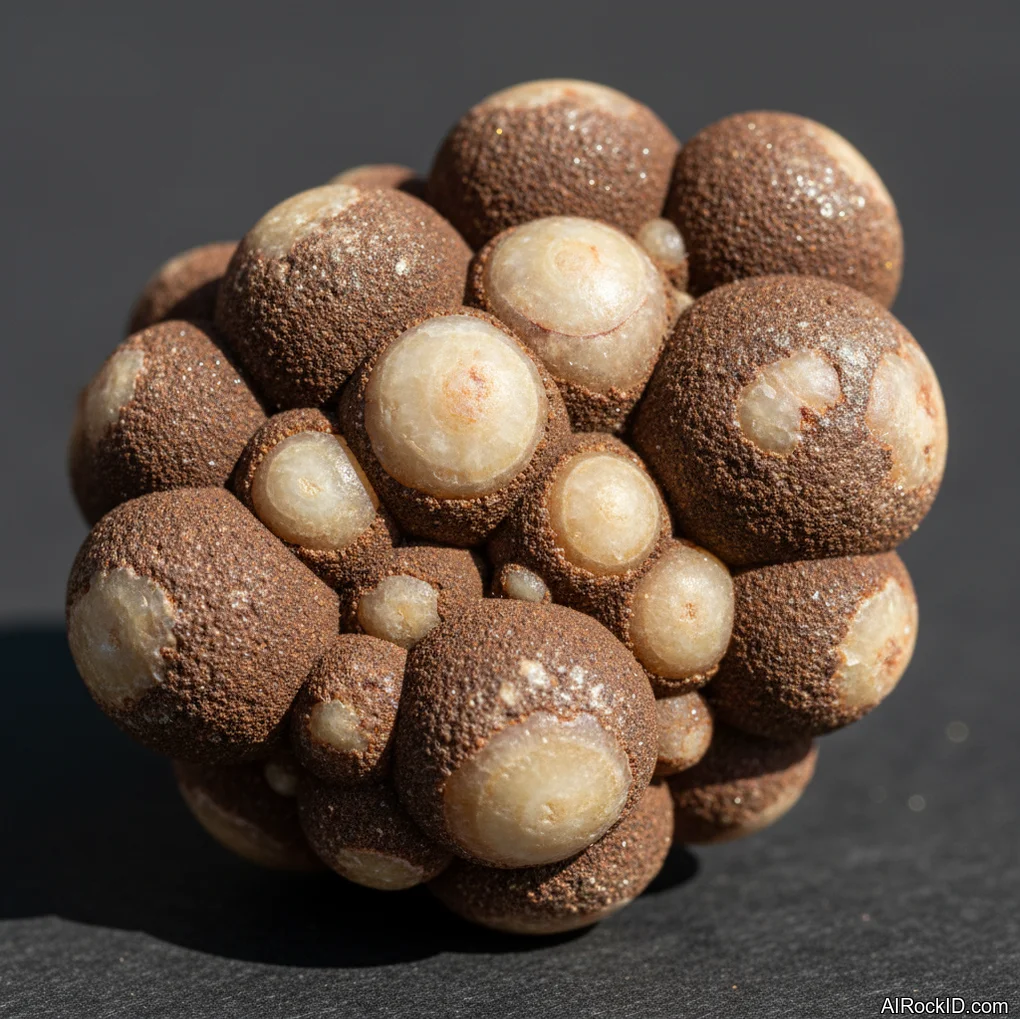
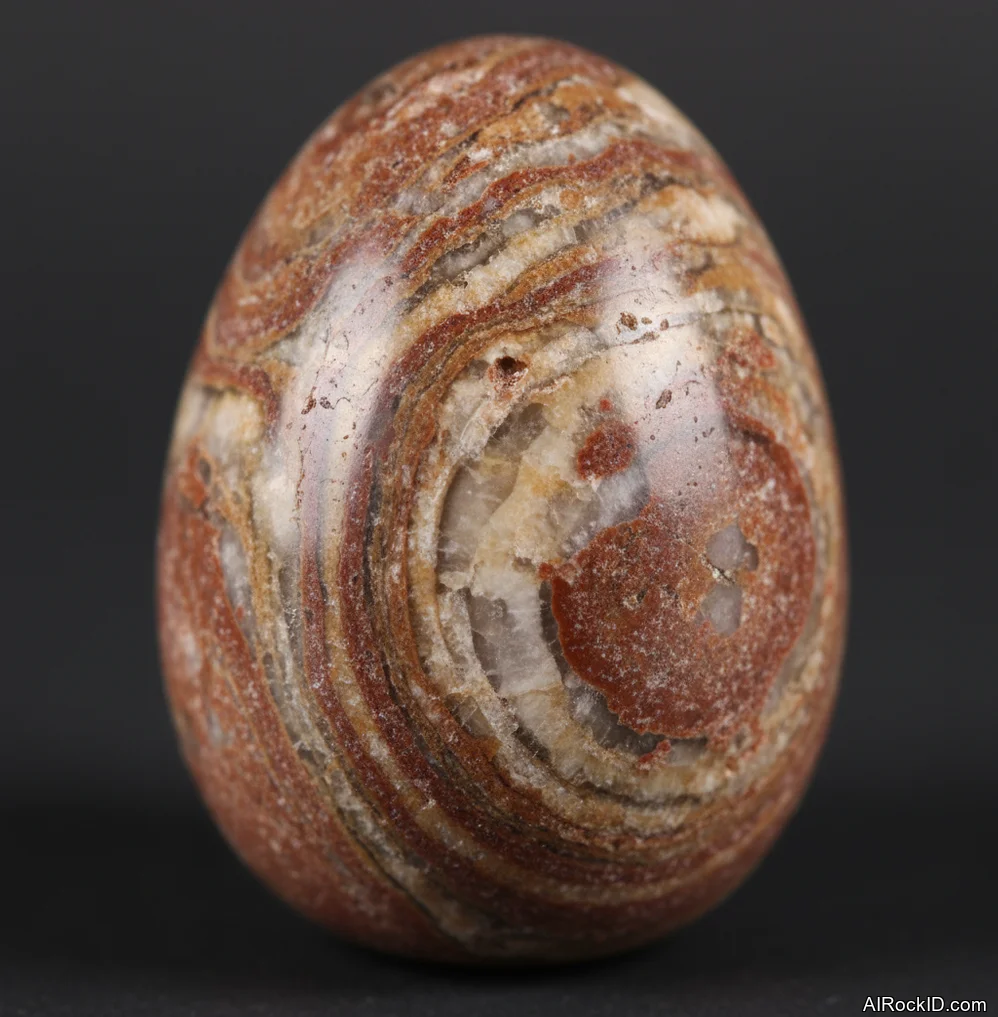
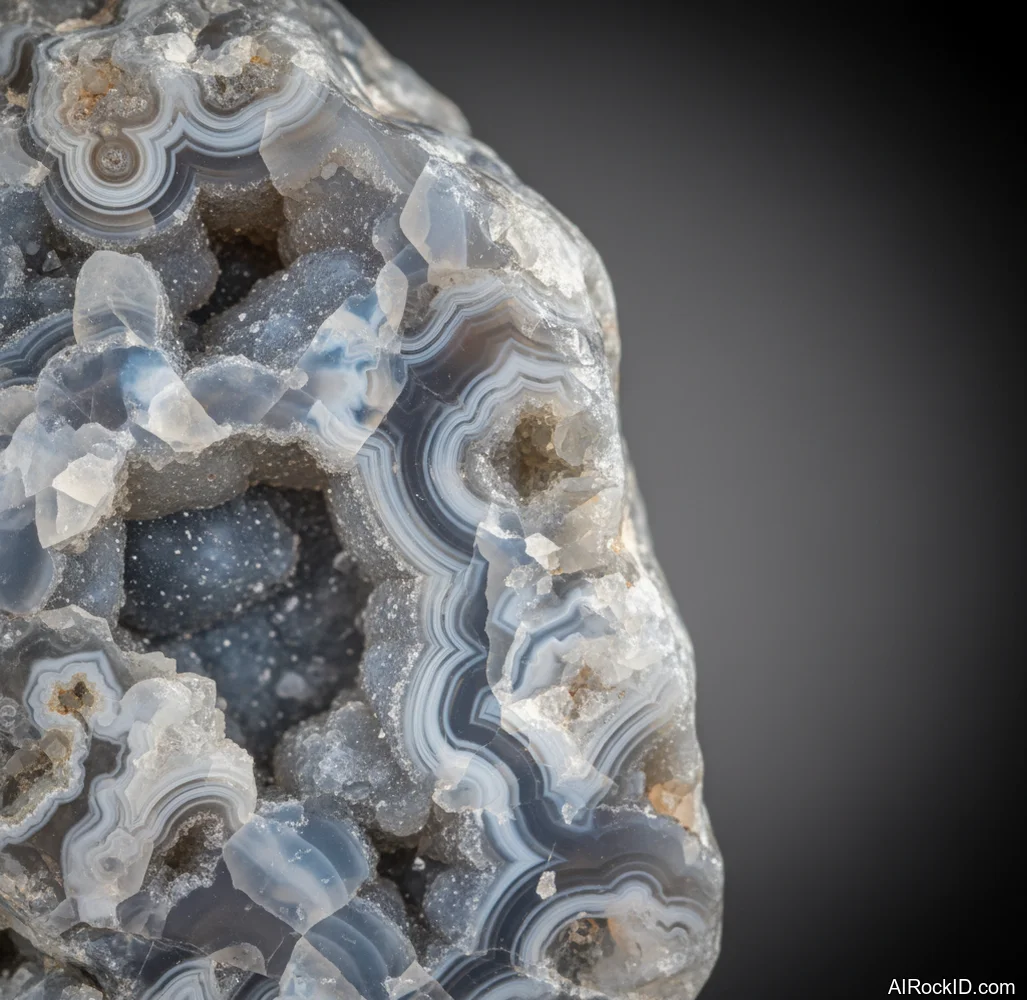
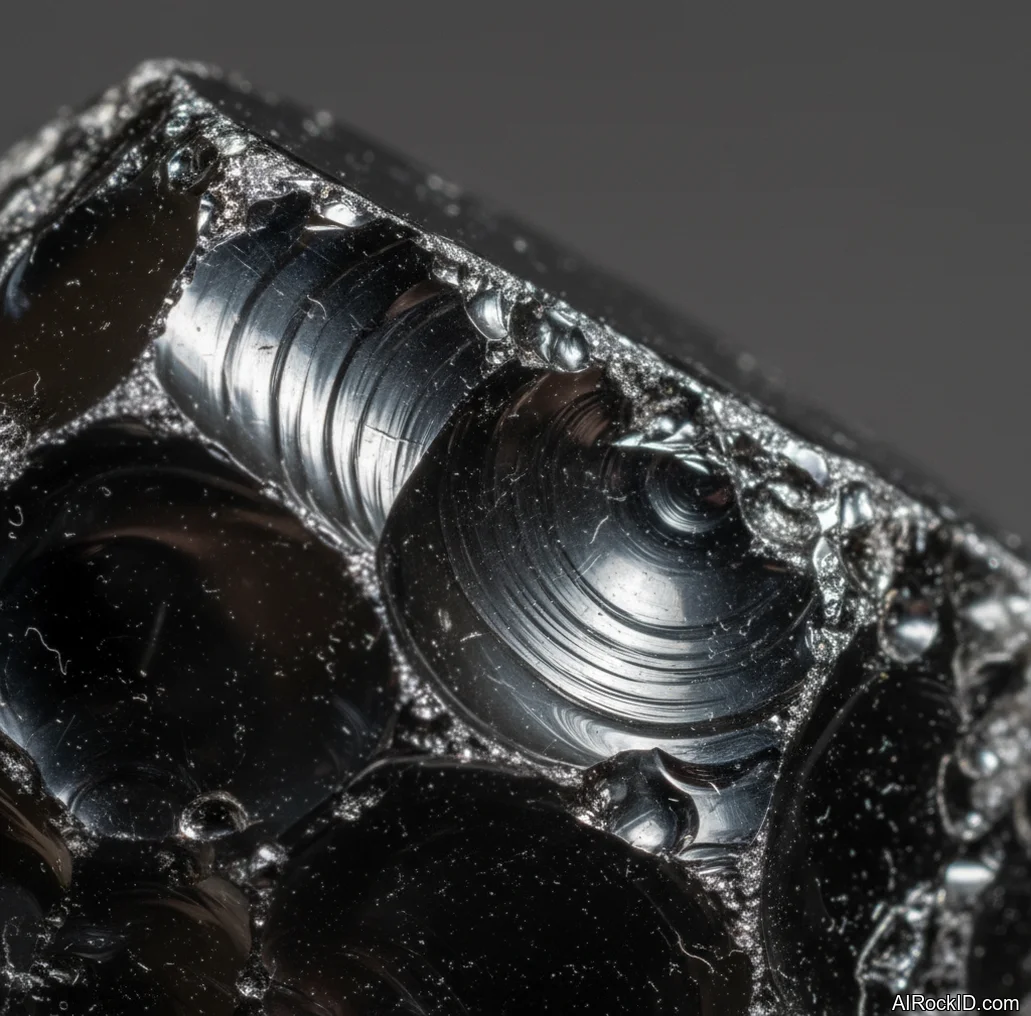
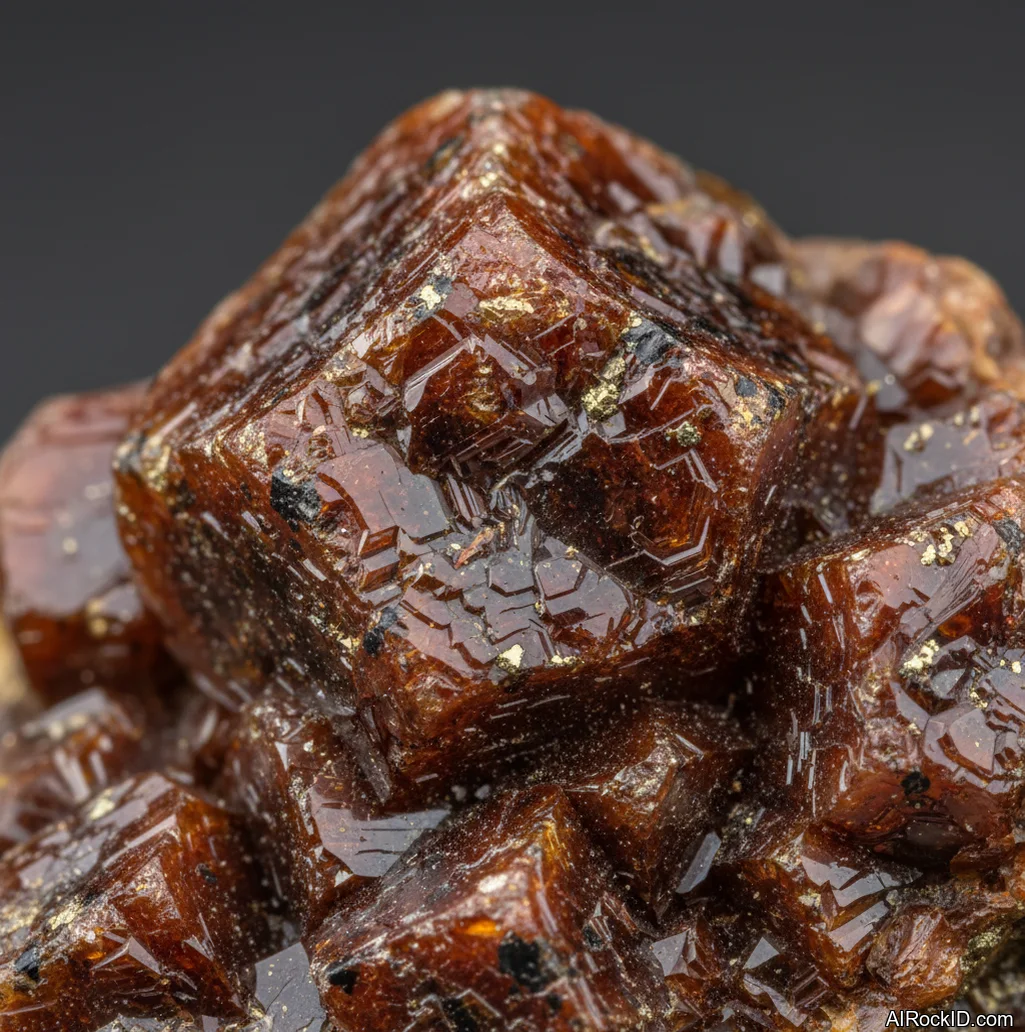
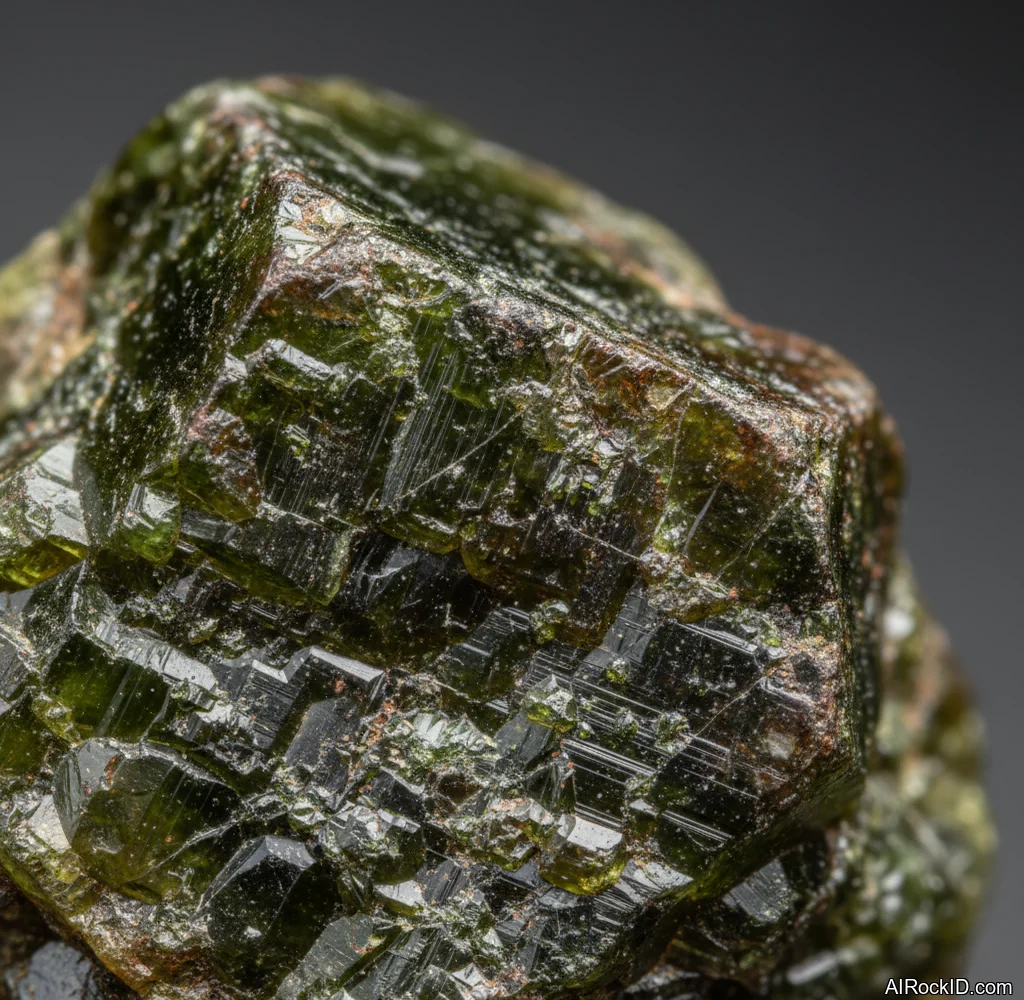
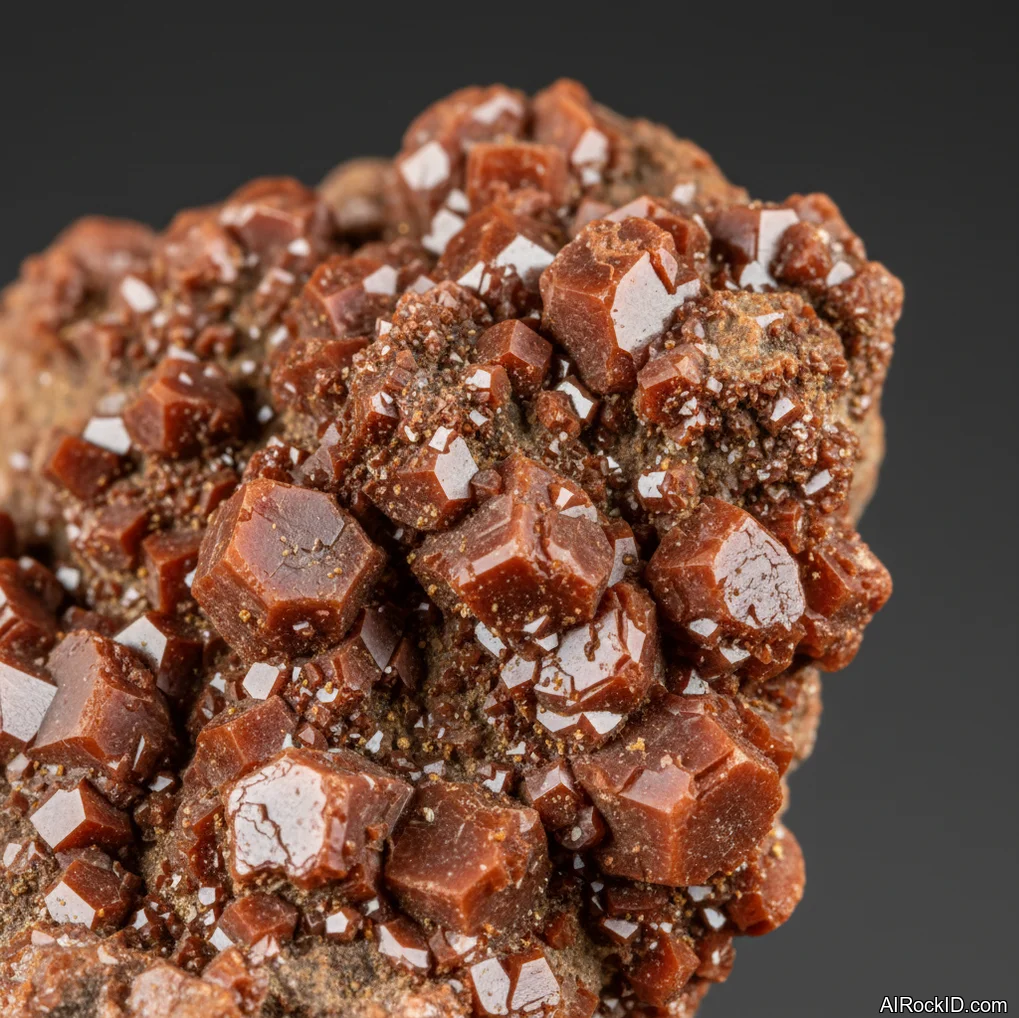
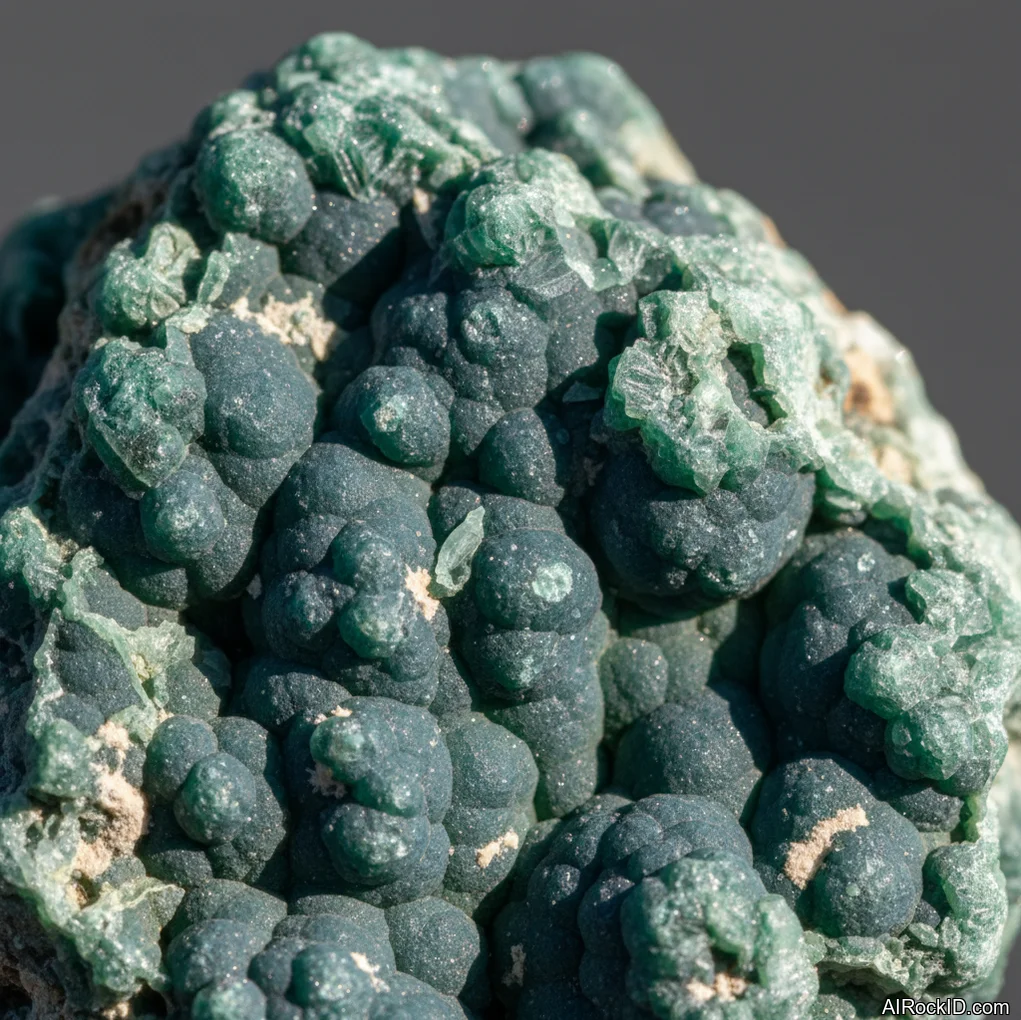
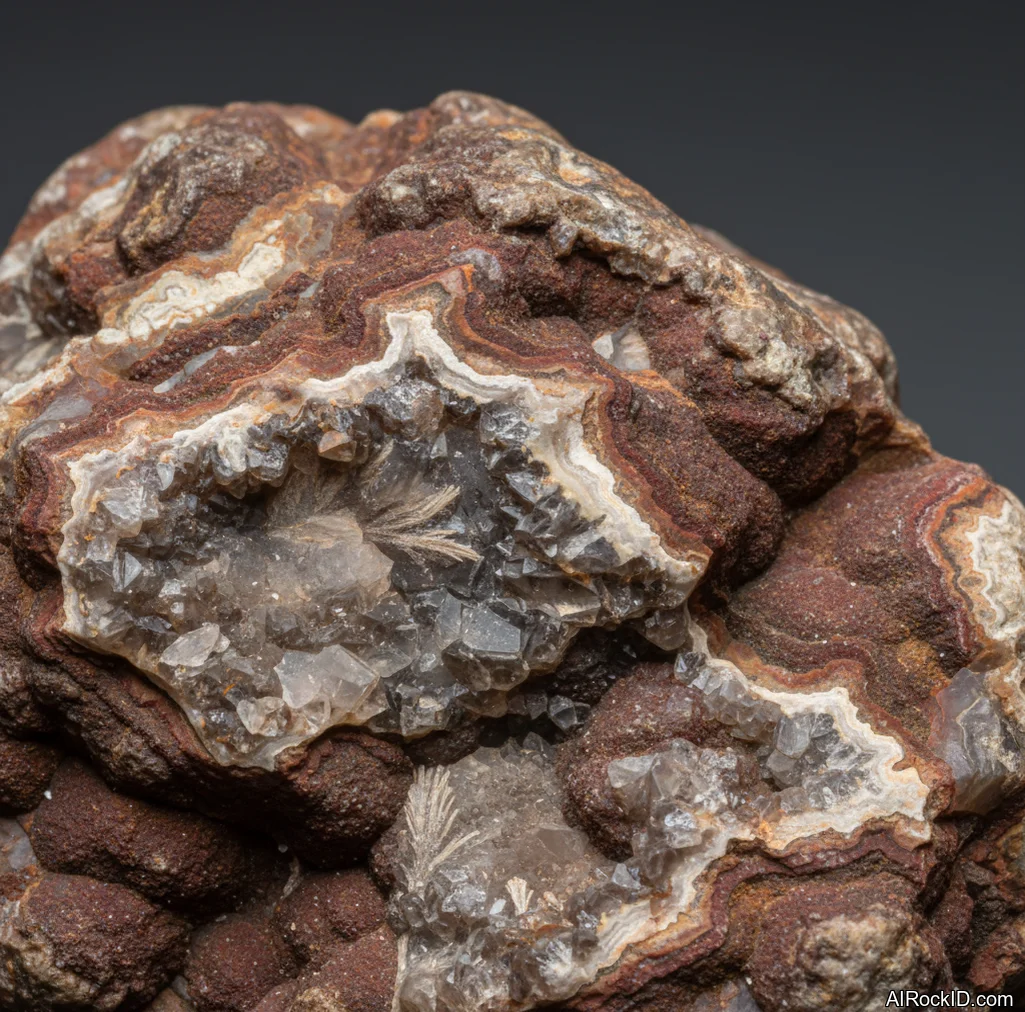
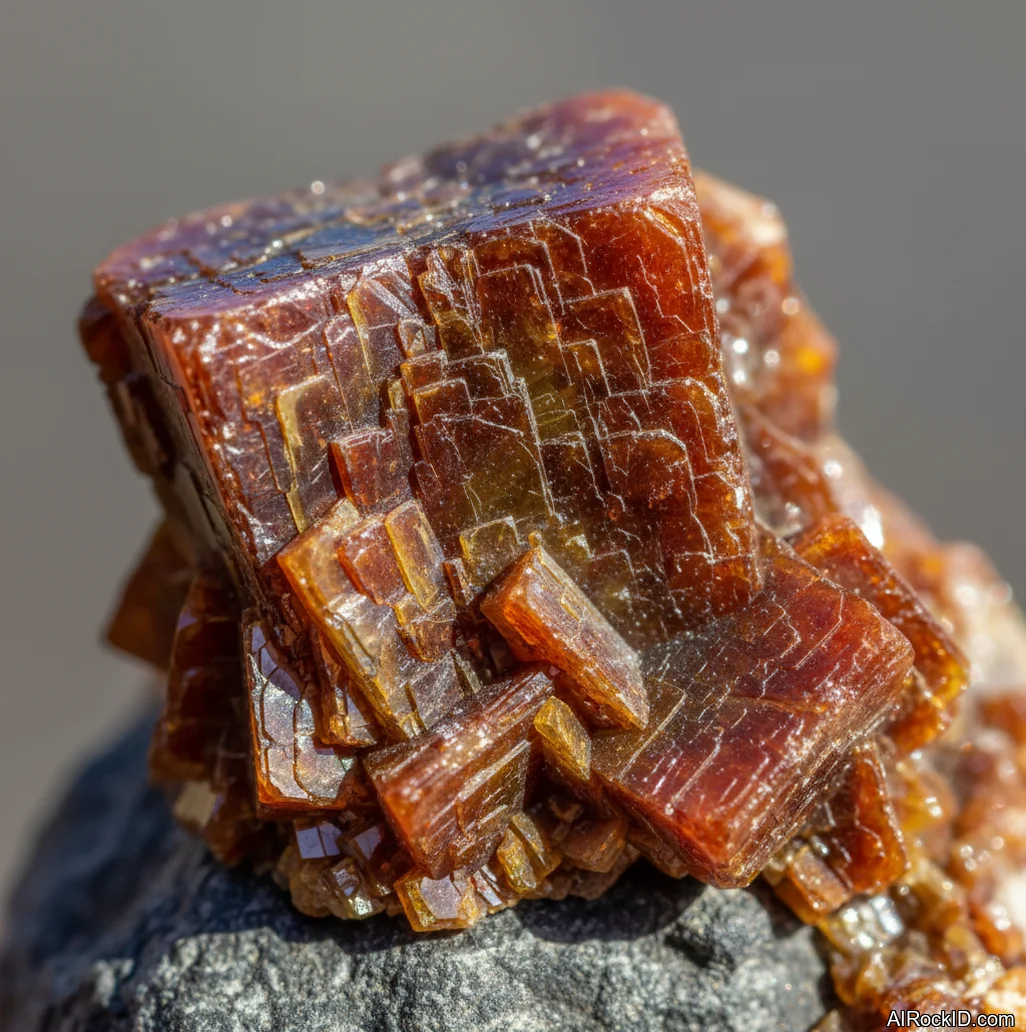
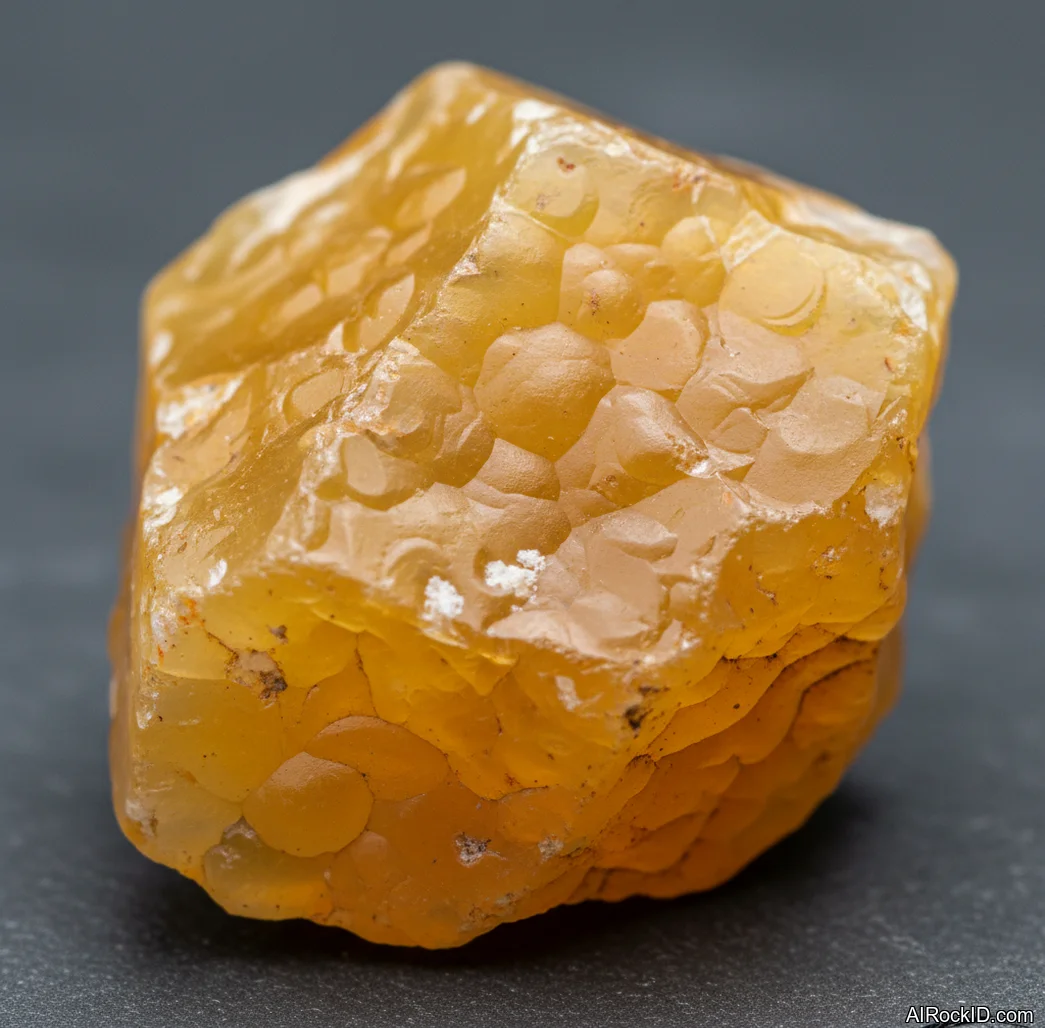
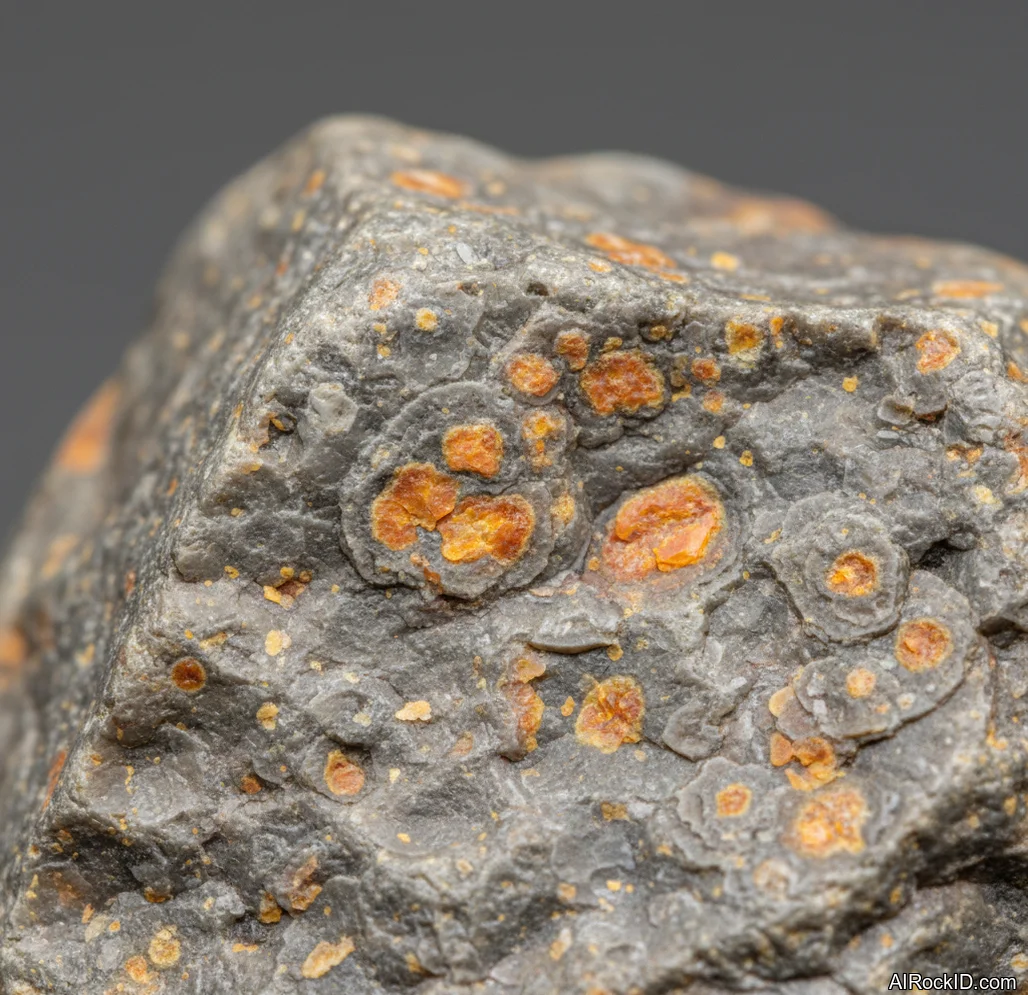
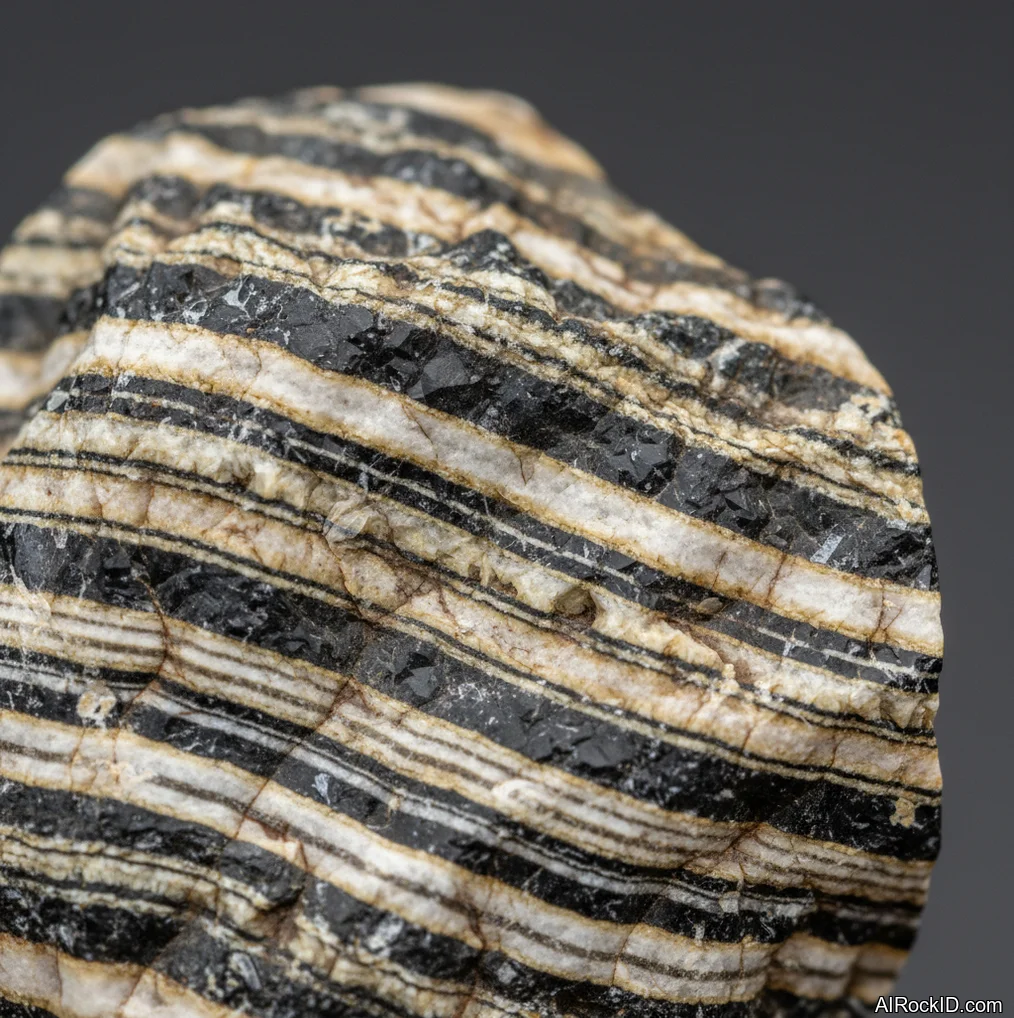
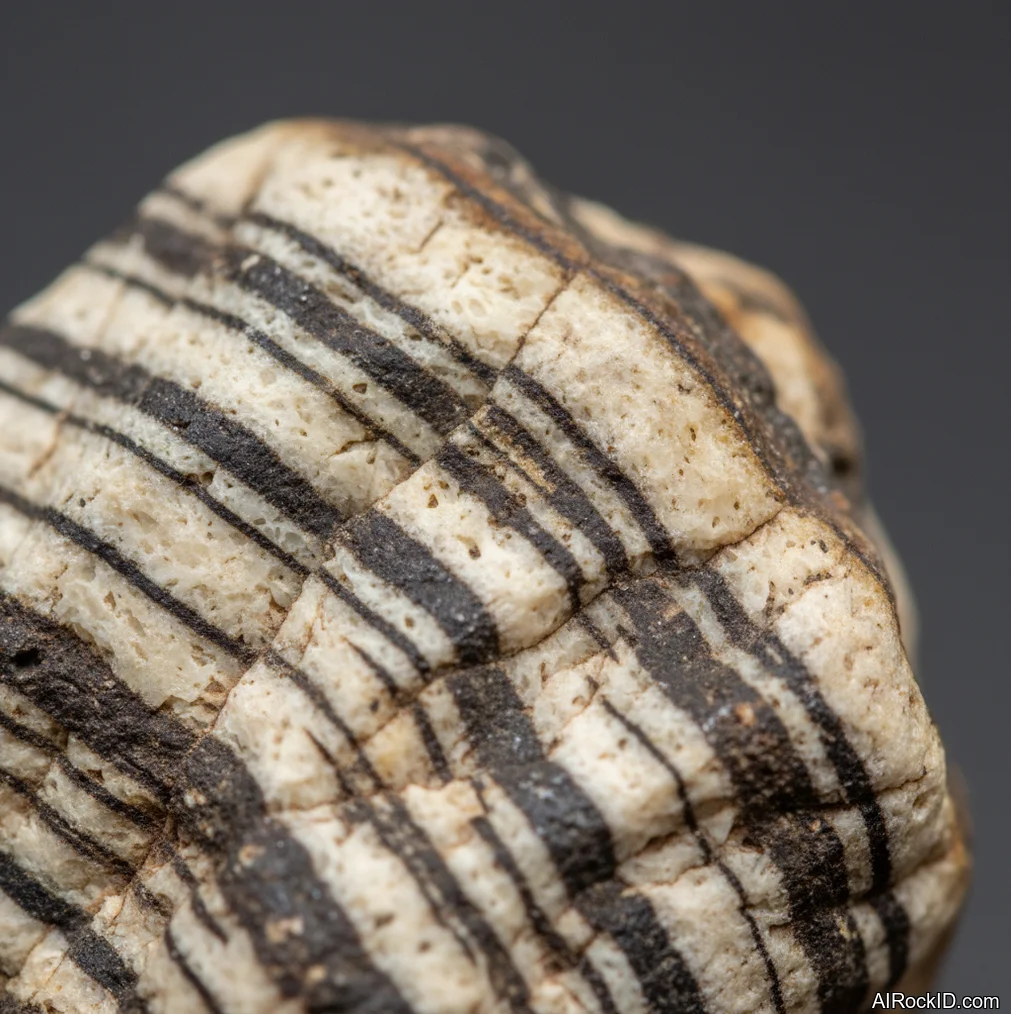
Earth crystals tend to be opaque or only a little translucent, and you’ll see browns, greens, blacks, creams, and rusty reds a lot. Think smoky quartz, hematite, black tourmaline (schorl), jasper, tiger’s eye, petrified wood, and moss agate. Sure, there are exceptions. But the vibe stays the same: these are pocket stones, not display-case stones.
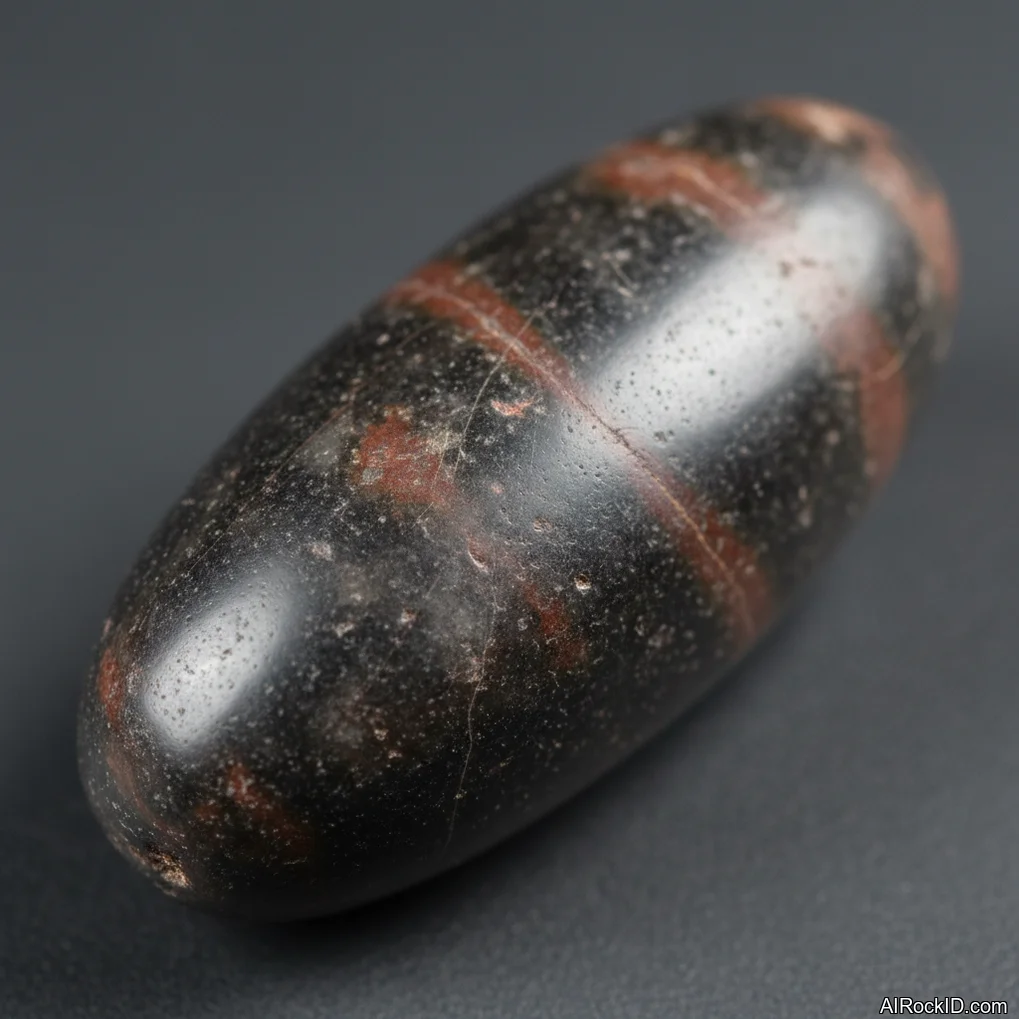
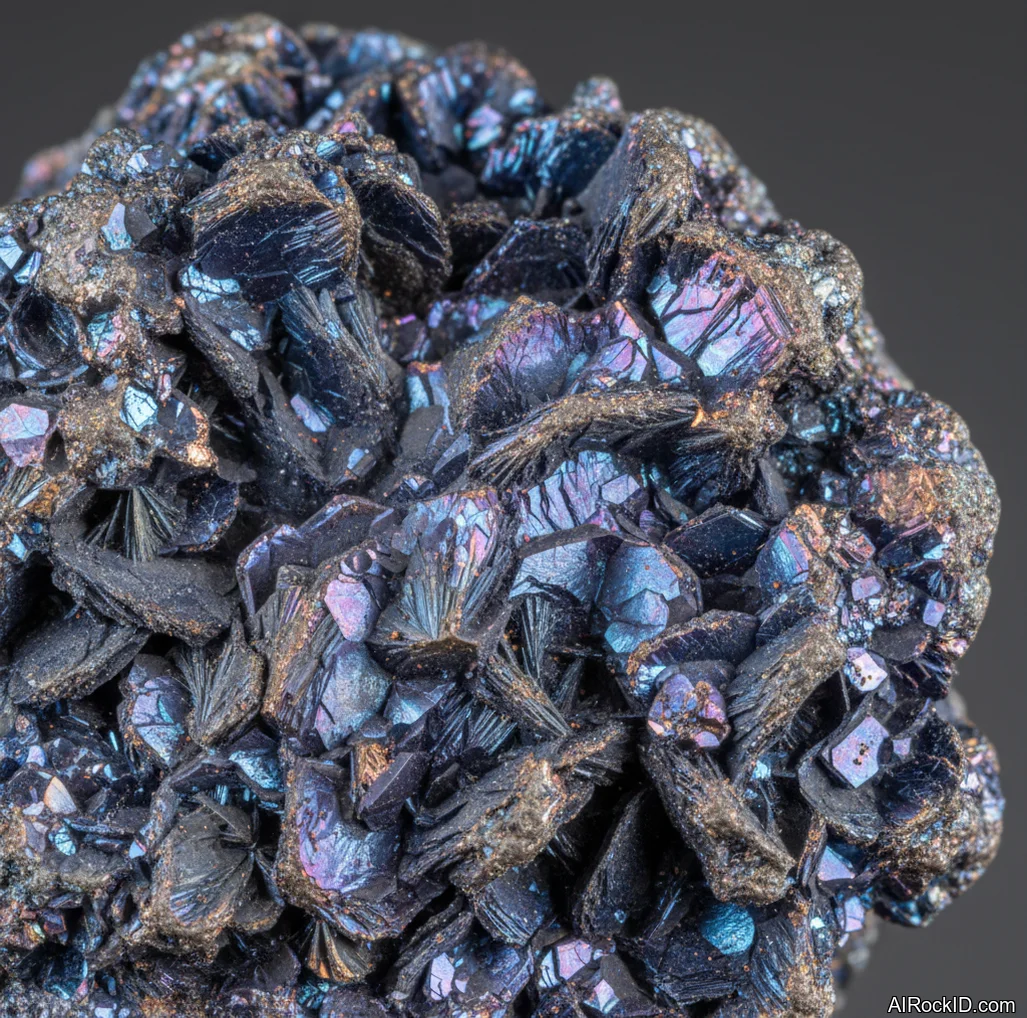
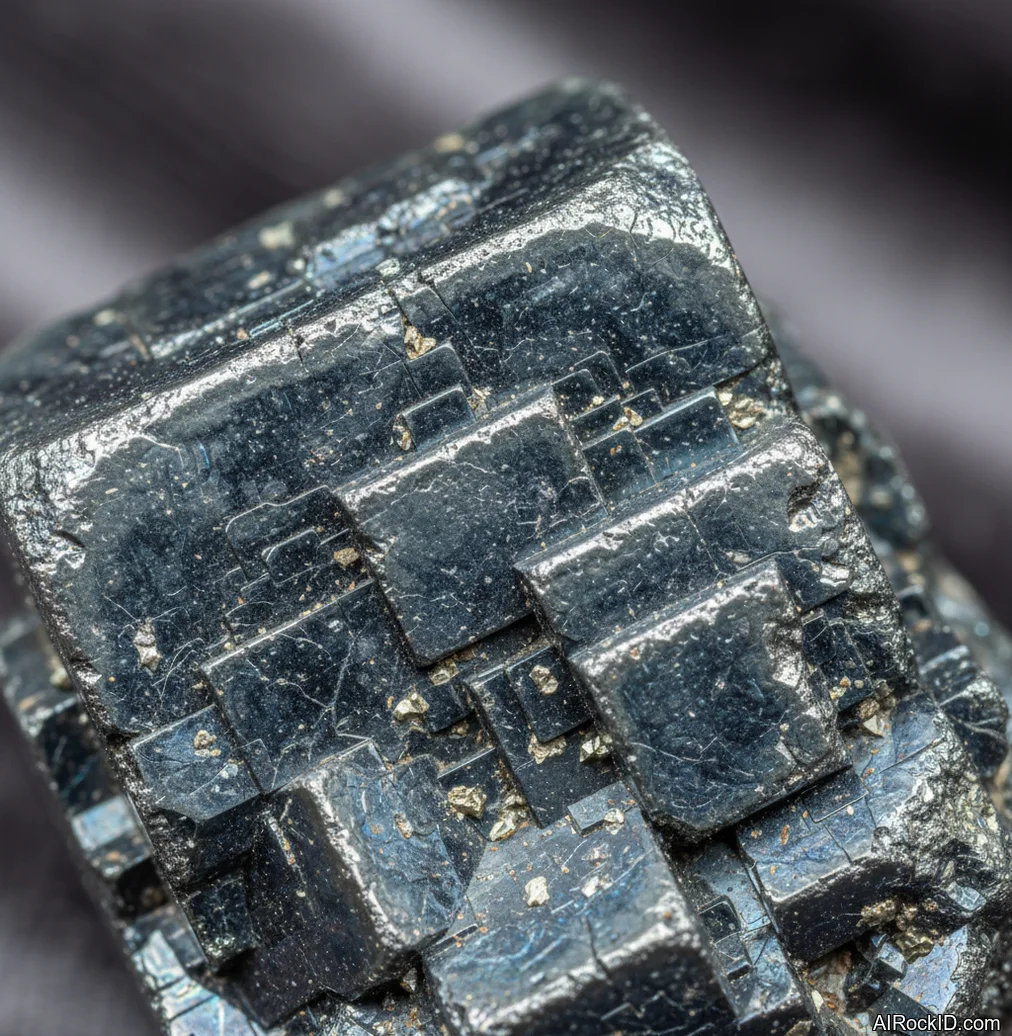
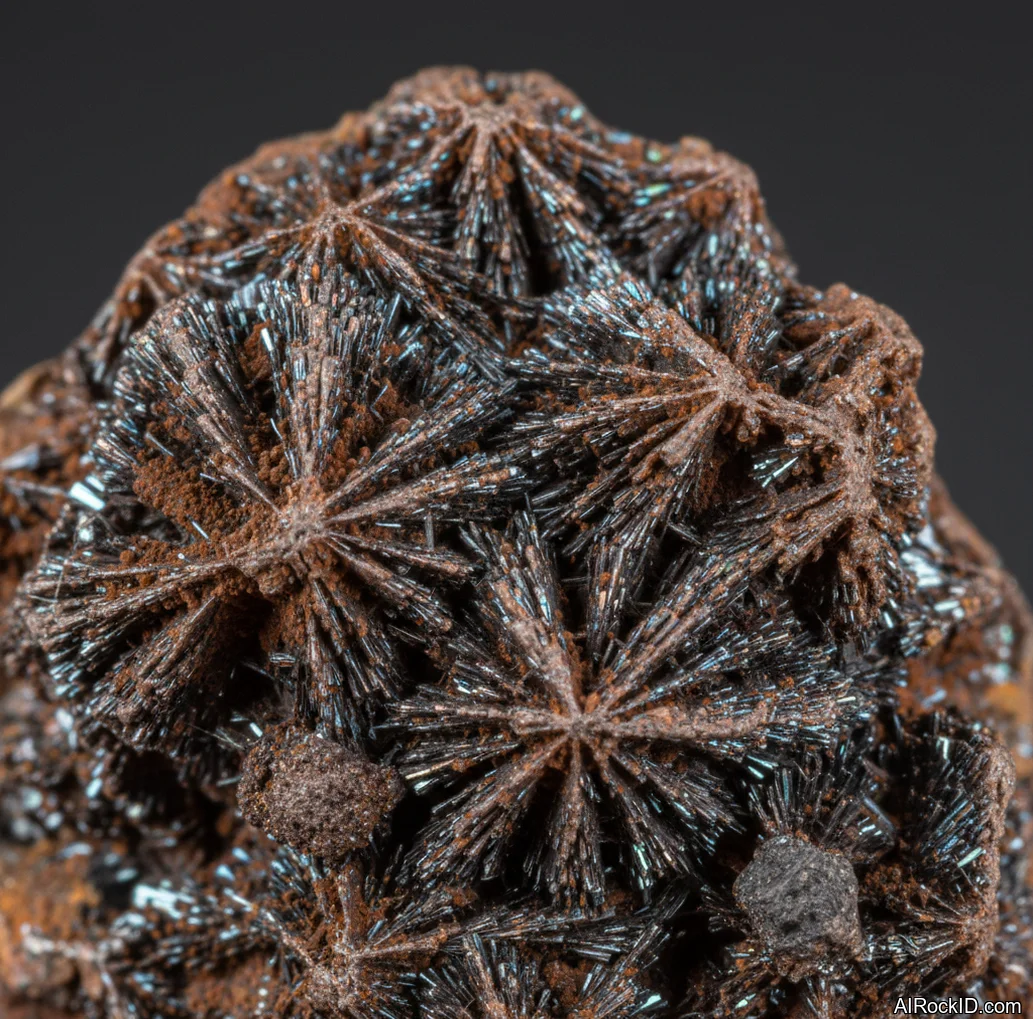
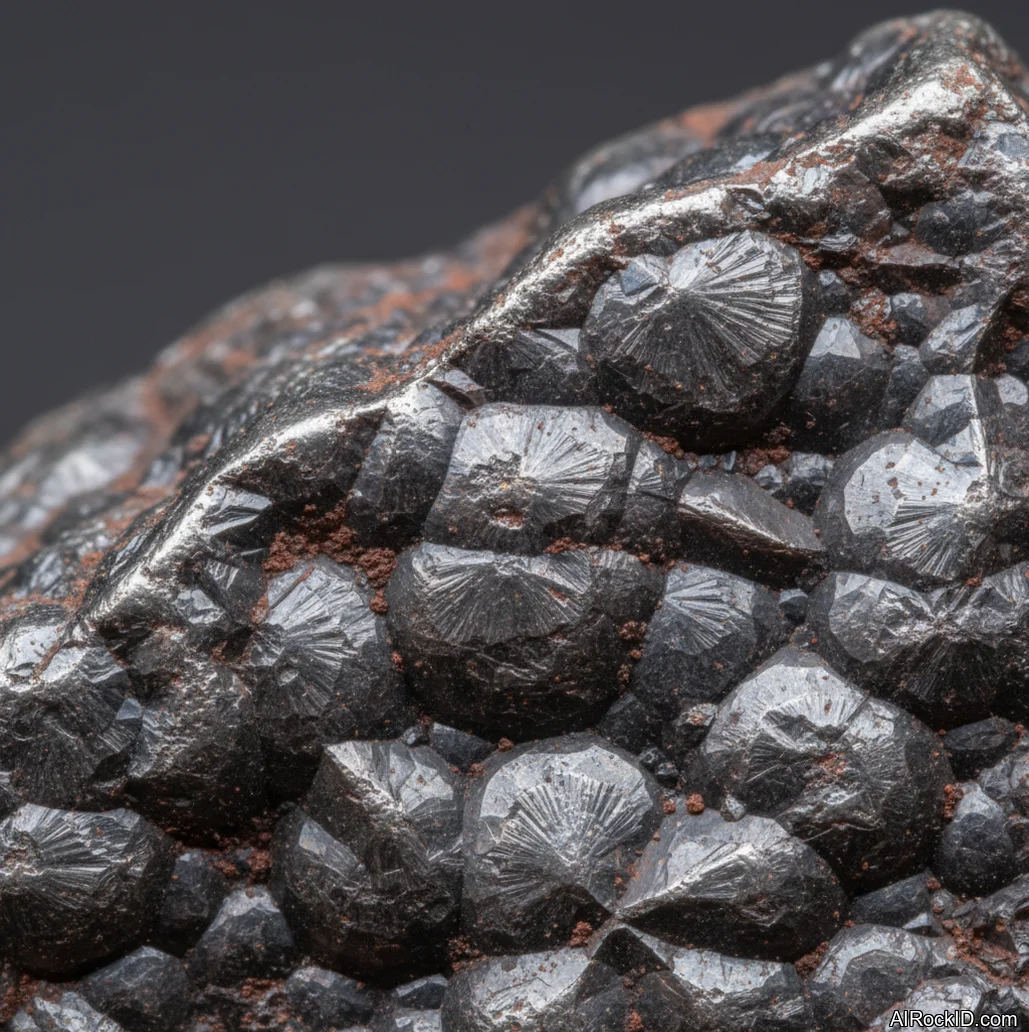
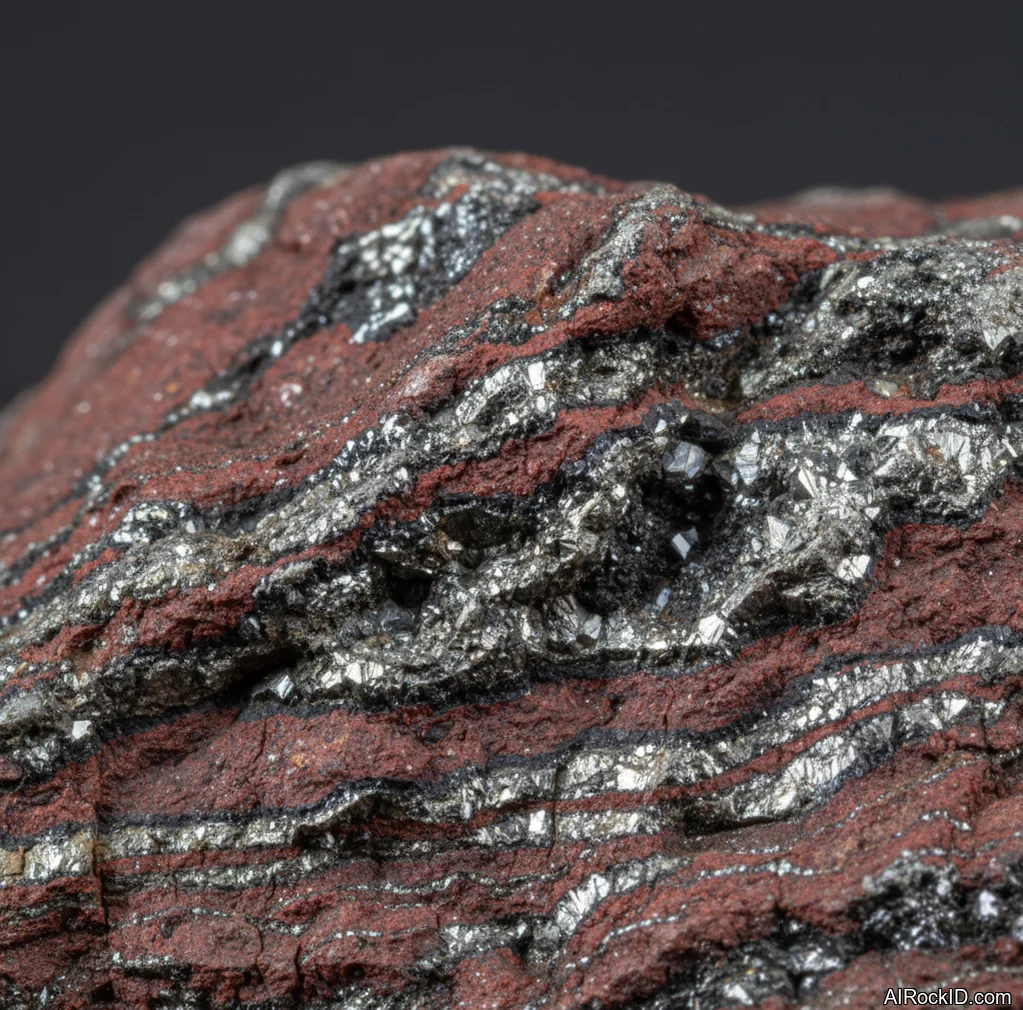
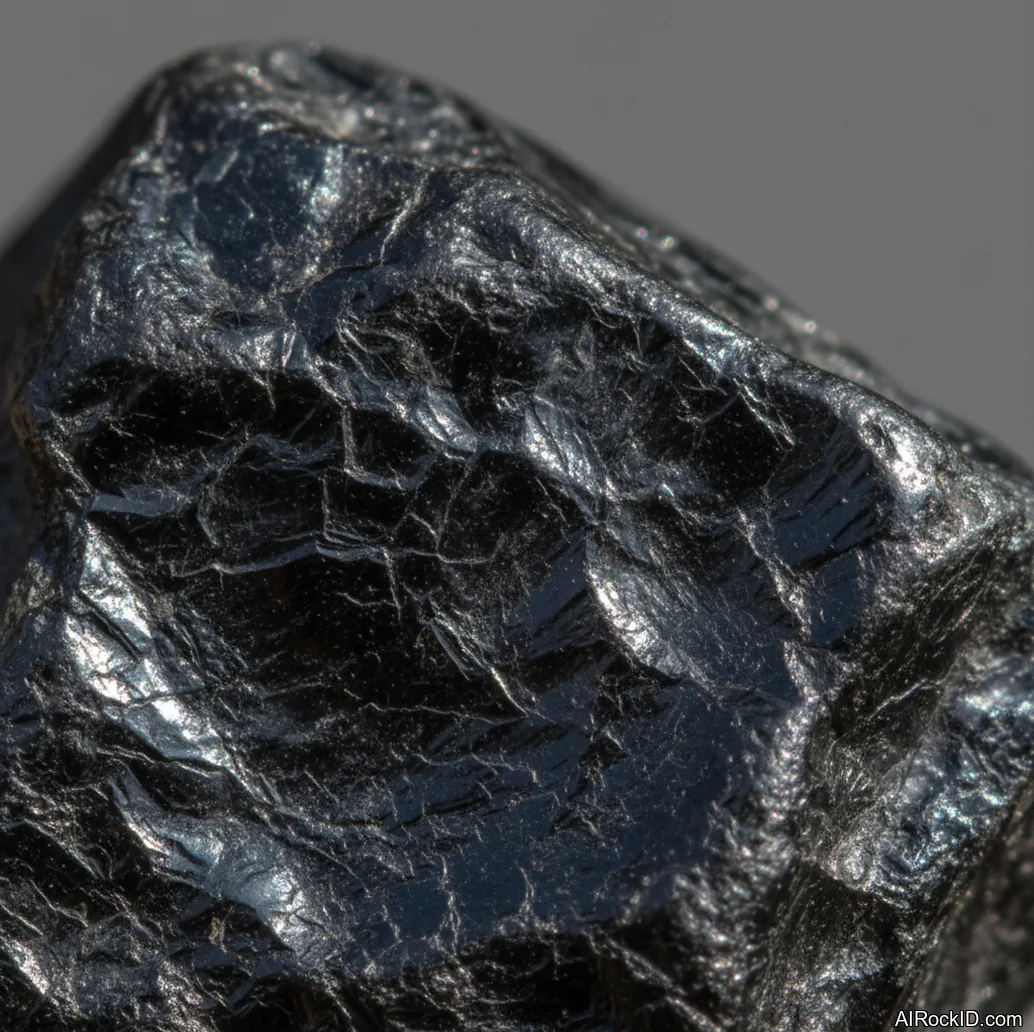
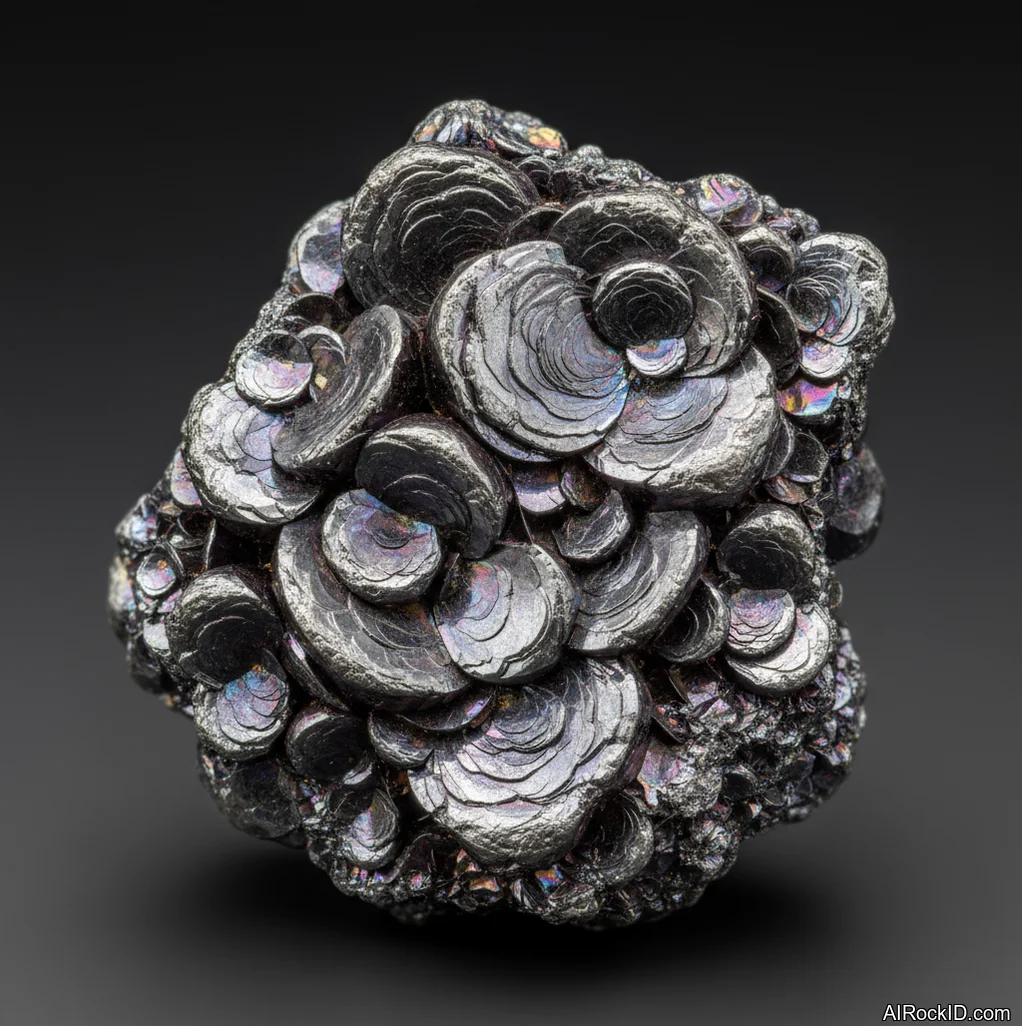
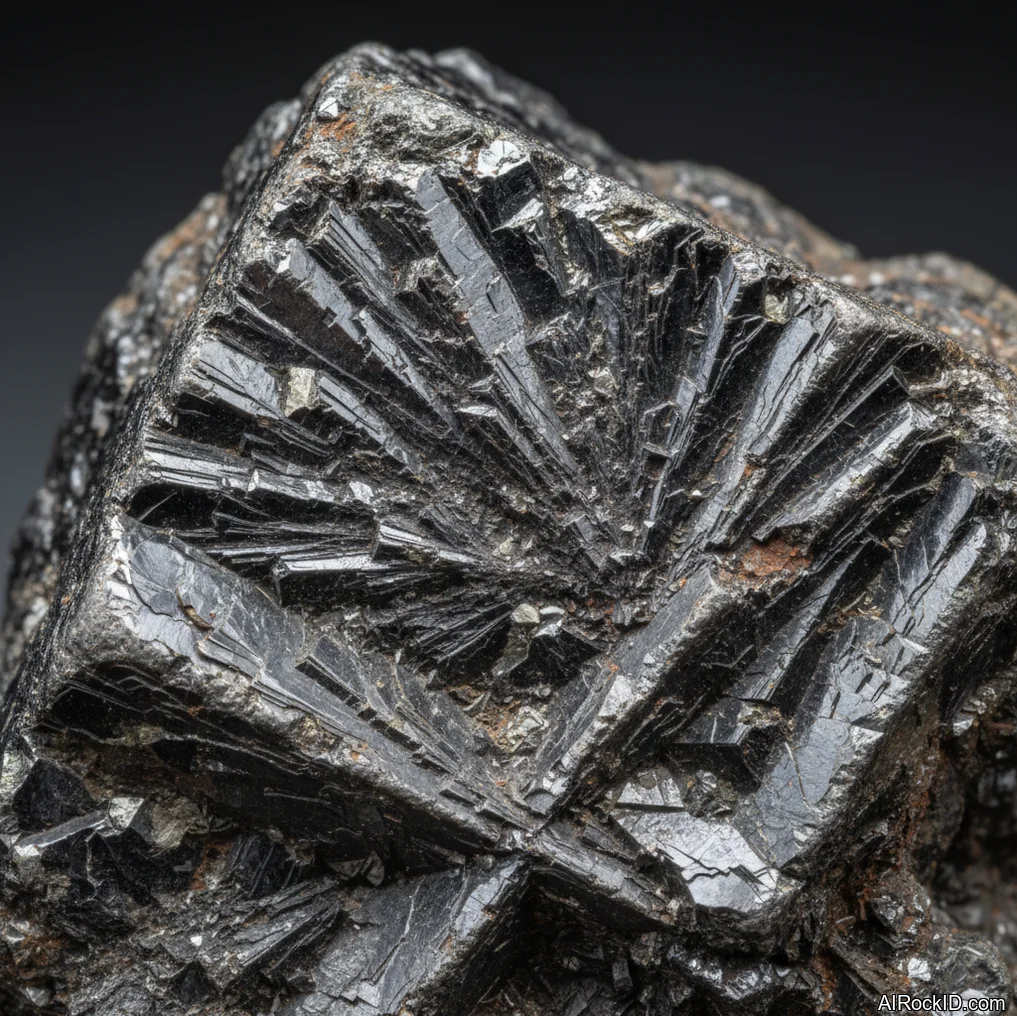
I’ve carried a flat piece of hematite in a jeans pocket for weeks at a time. It picks up this soft, satiny shine from friction and skin oils, and it starts looking like a river pebble that somehow learned to reflect light. Weirdly satisfying.
In crystal-practice terms, Earth is the “get it done” element. People reach for it when they’re scattered, anxious, unmoored, or stuck in their head. It’s also a go-to for protection and boundaries, especially the darker minerals that feel dense and anchoring. Black tourmaline is the classic there.
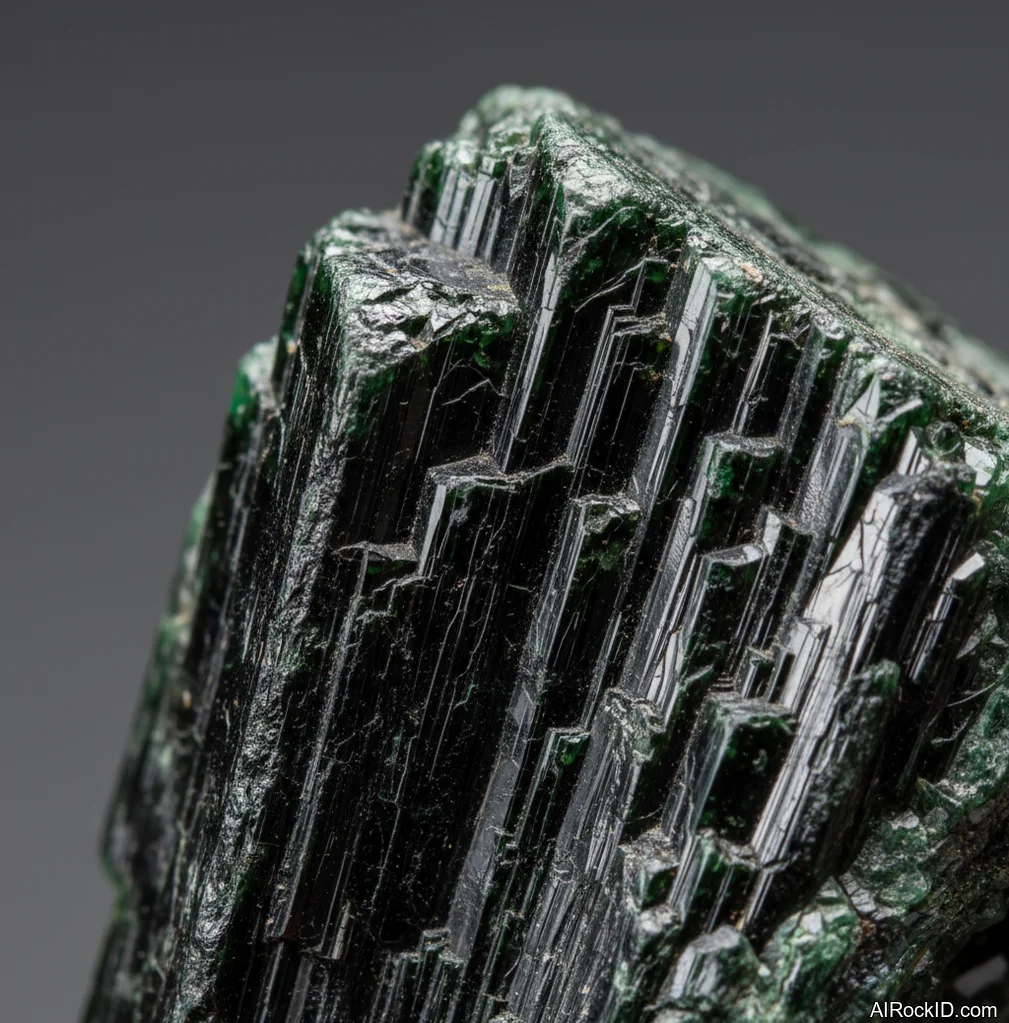
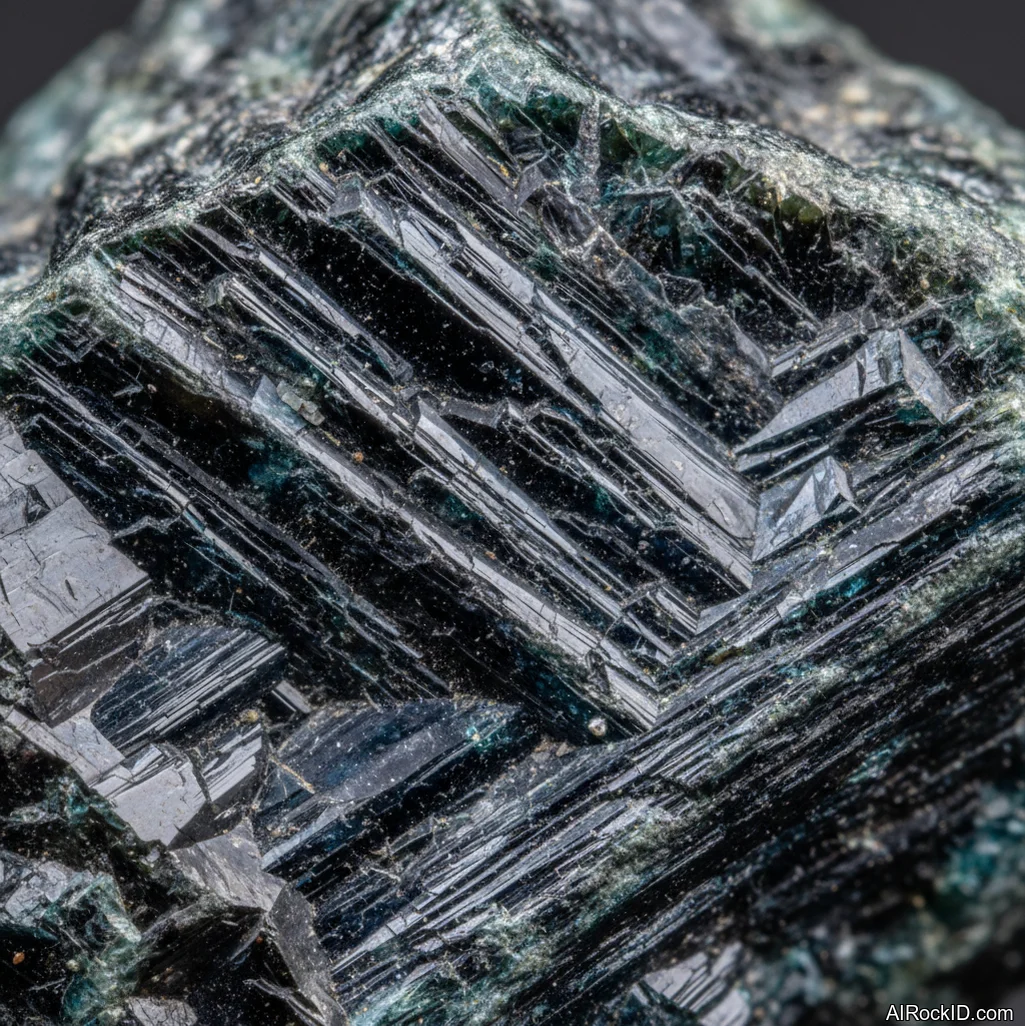
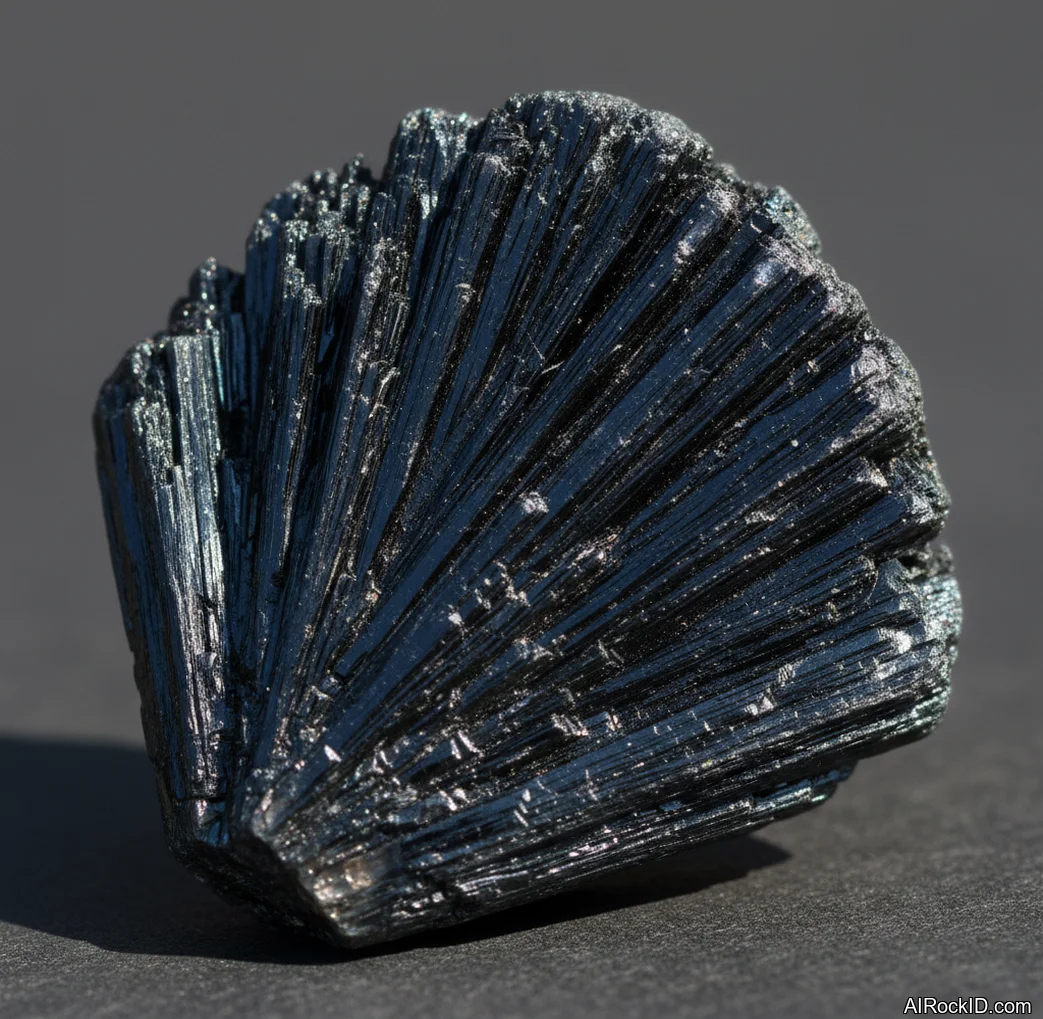
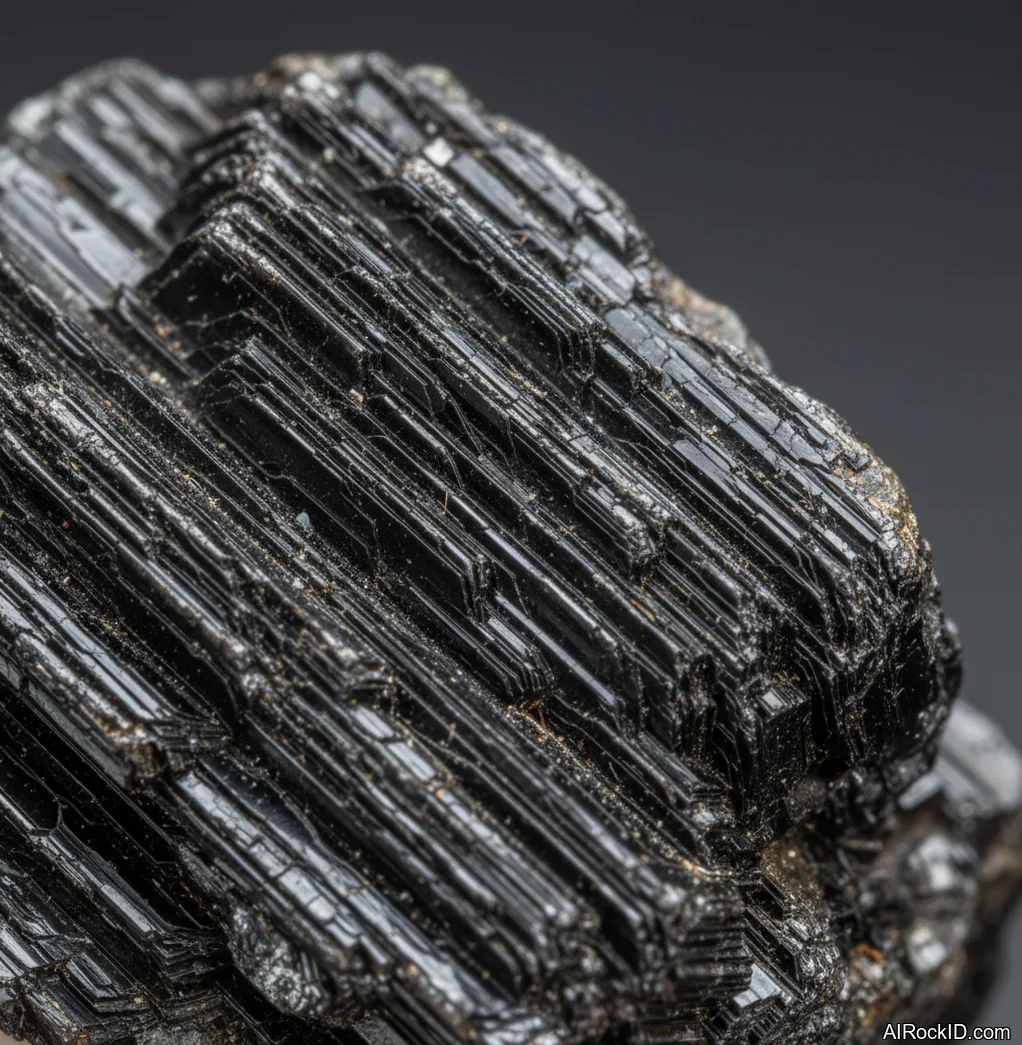
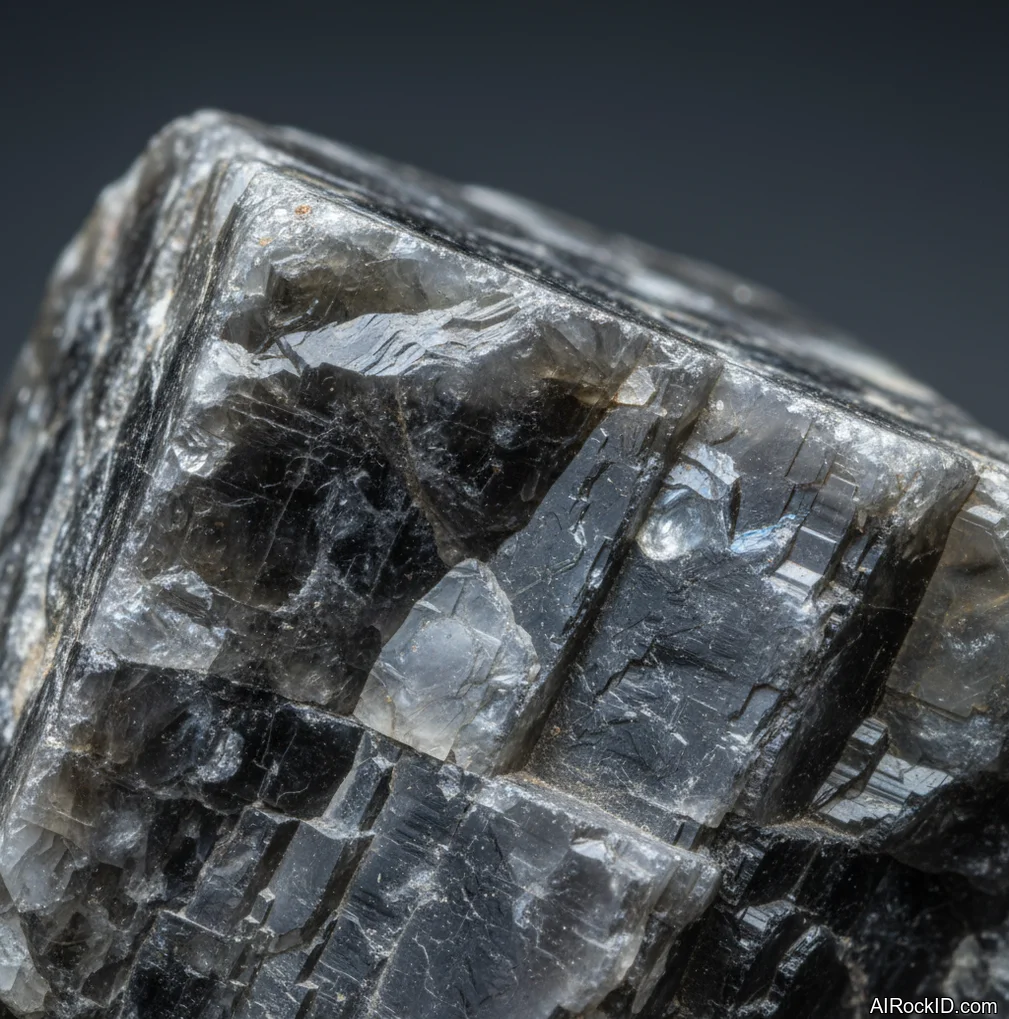
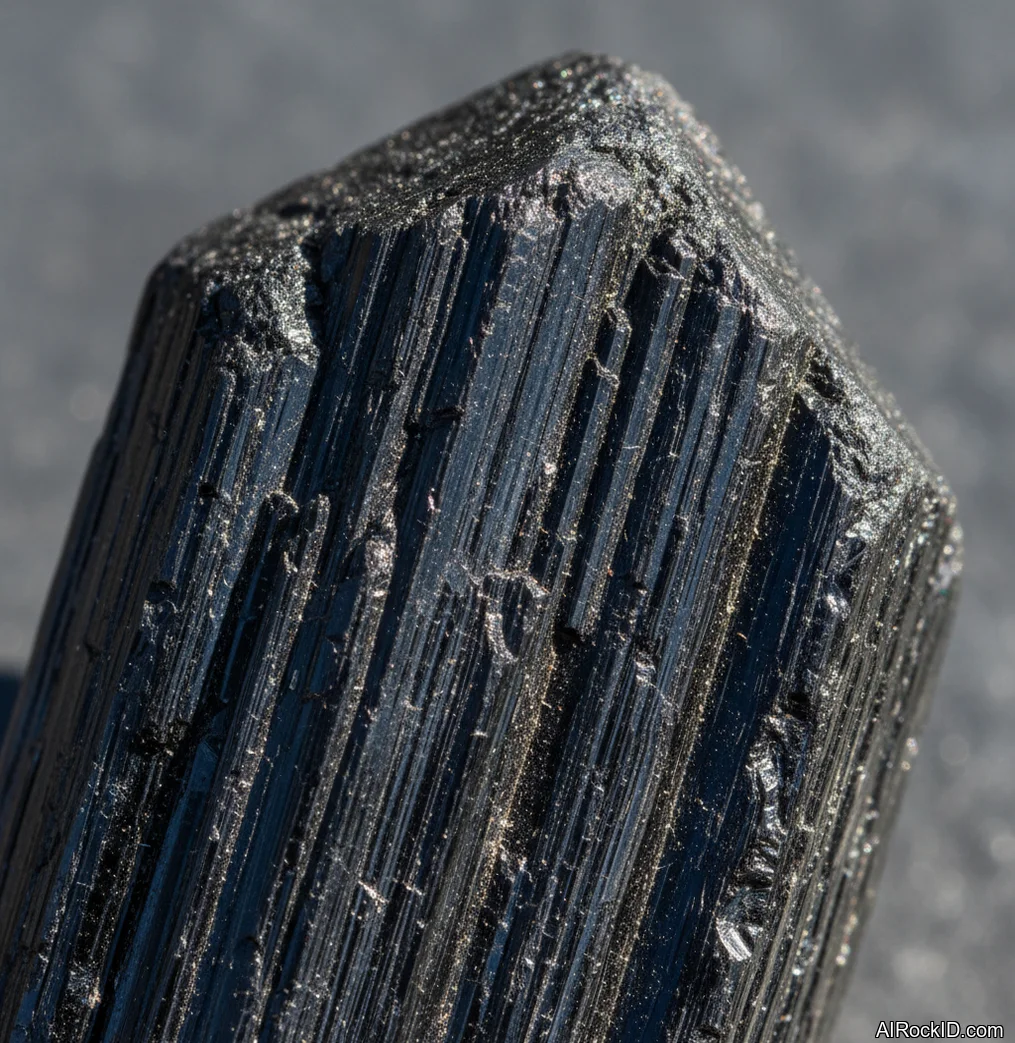
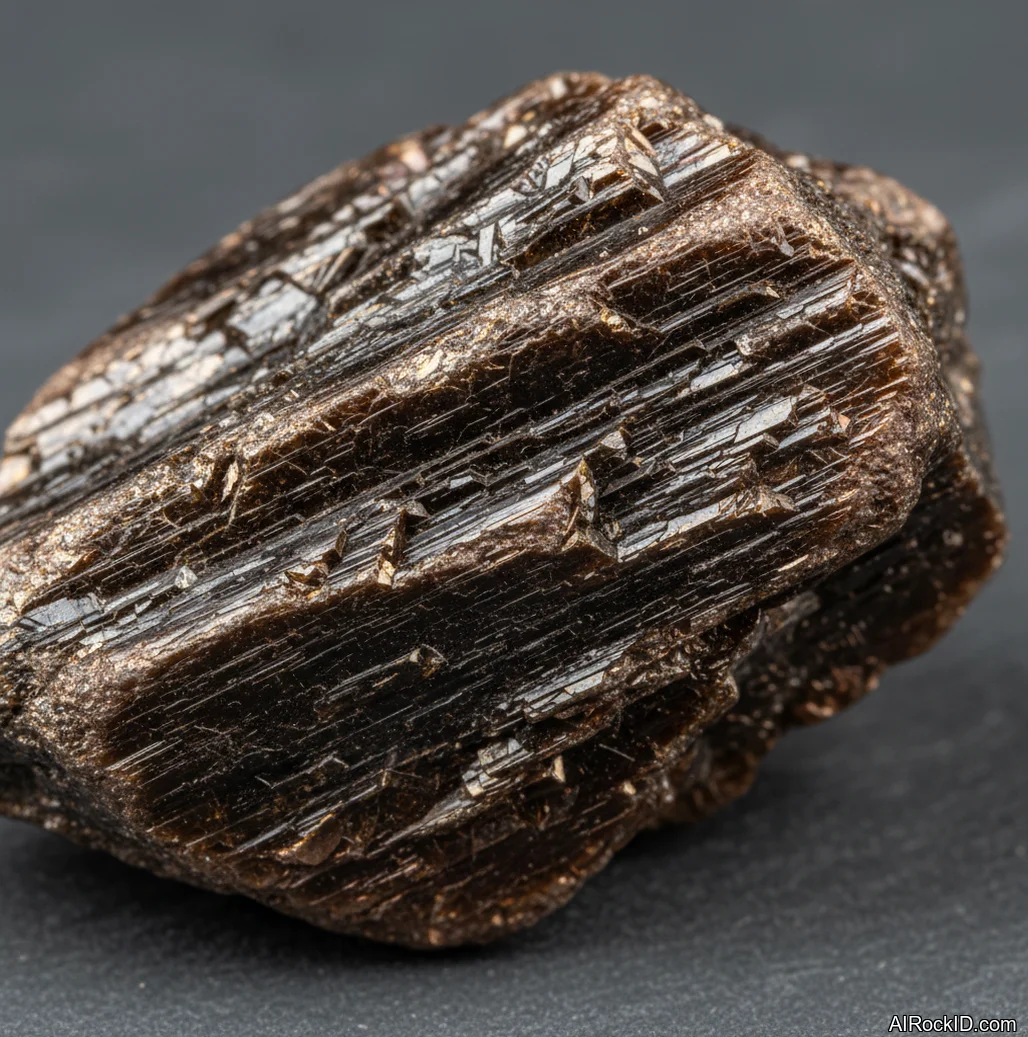
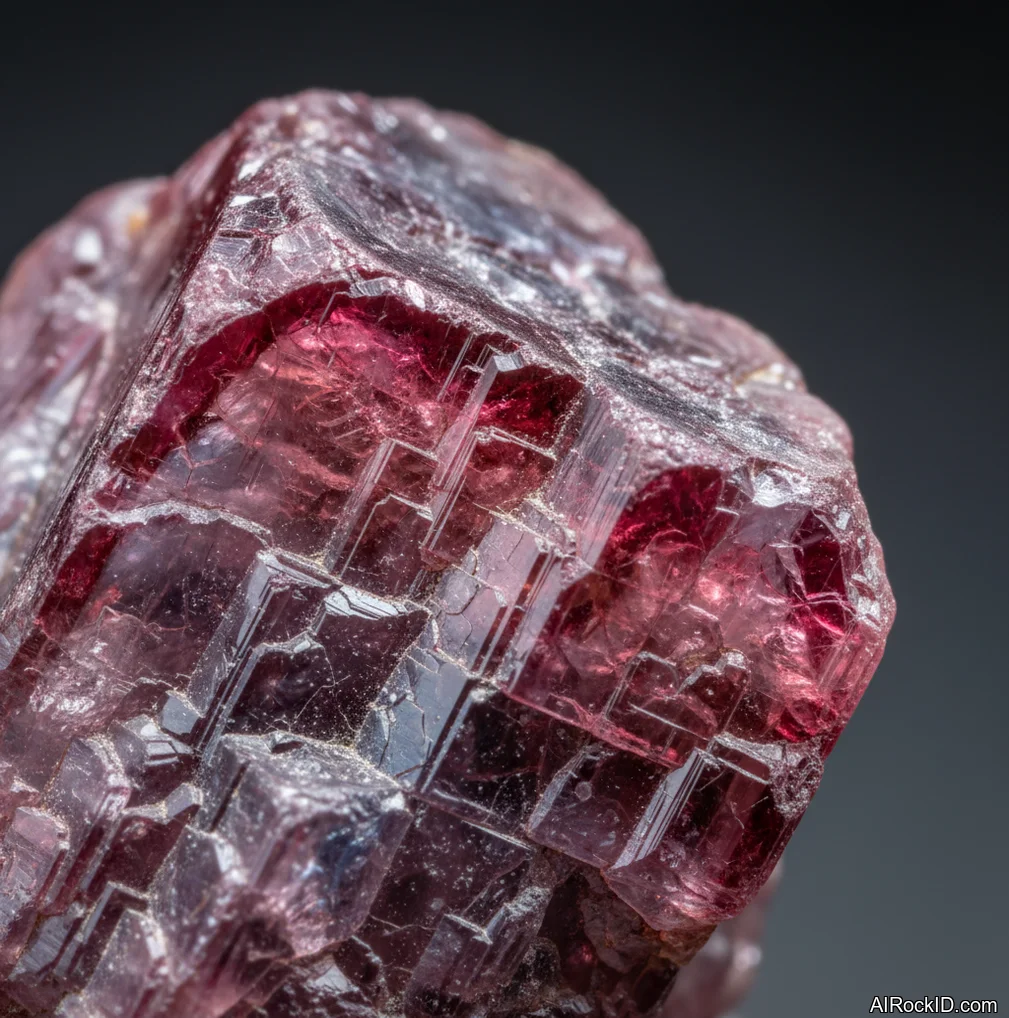
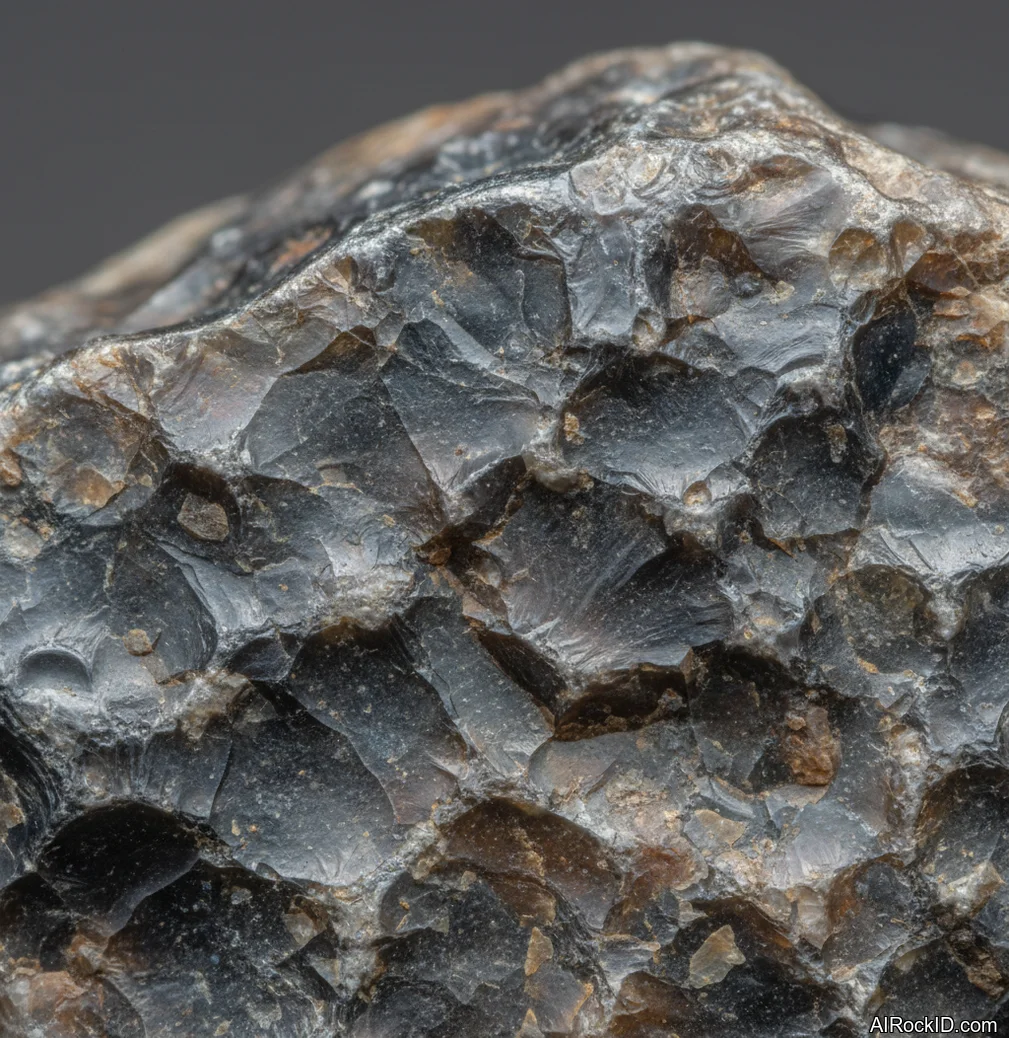
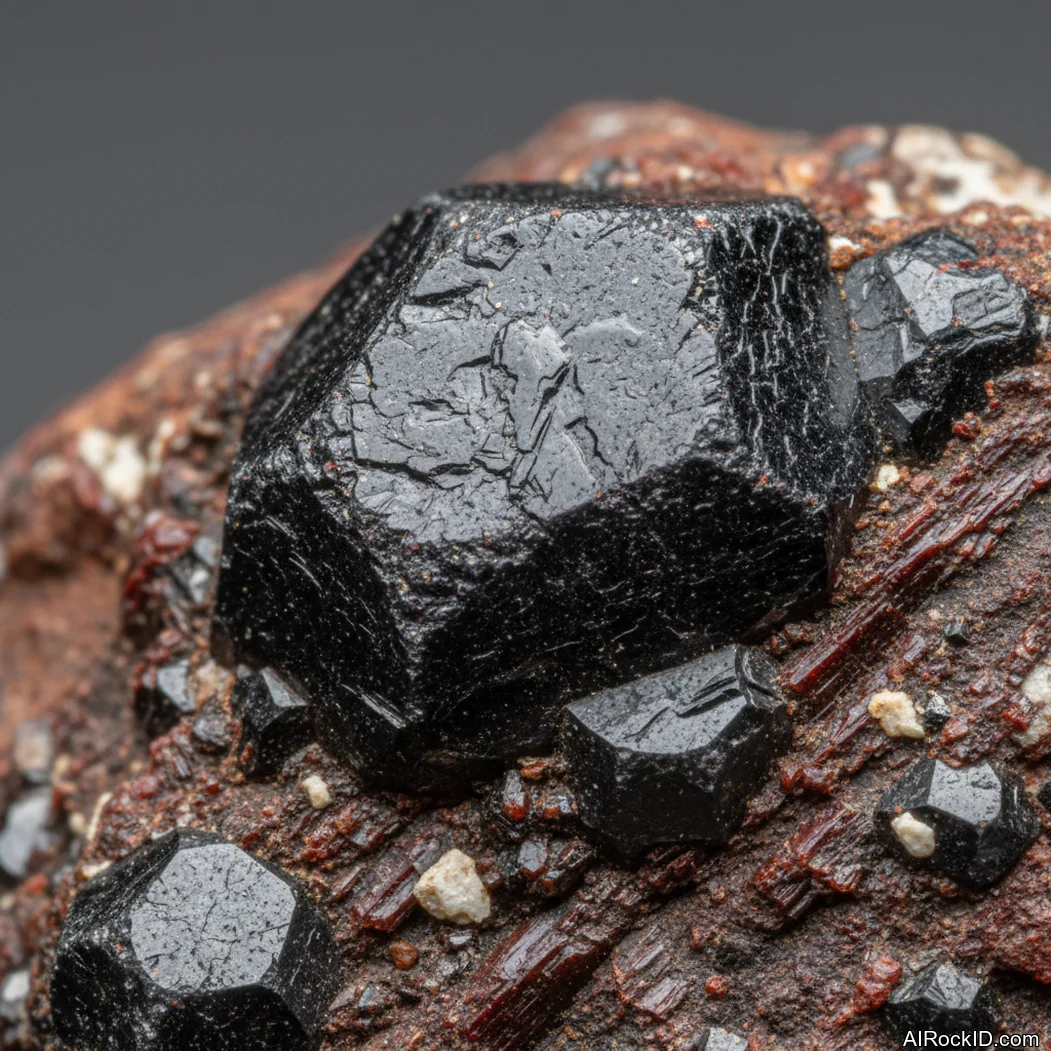
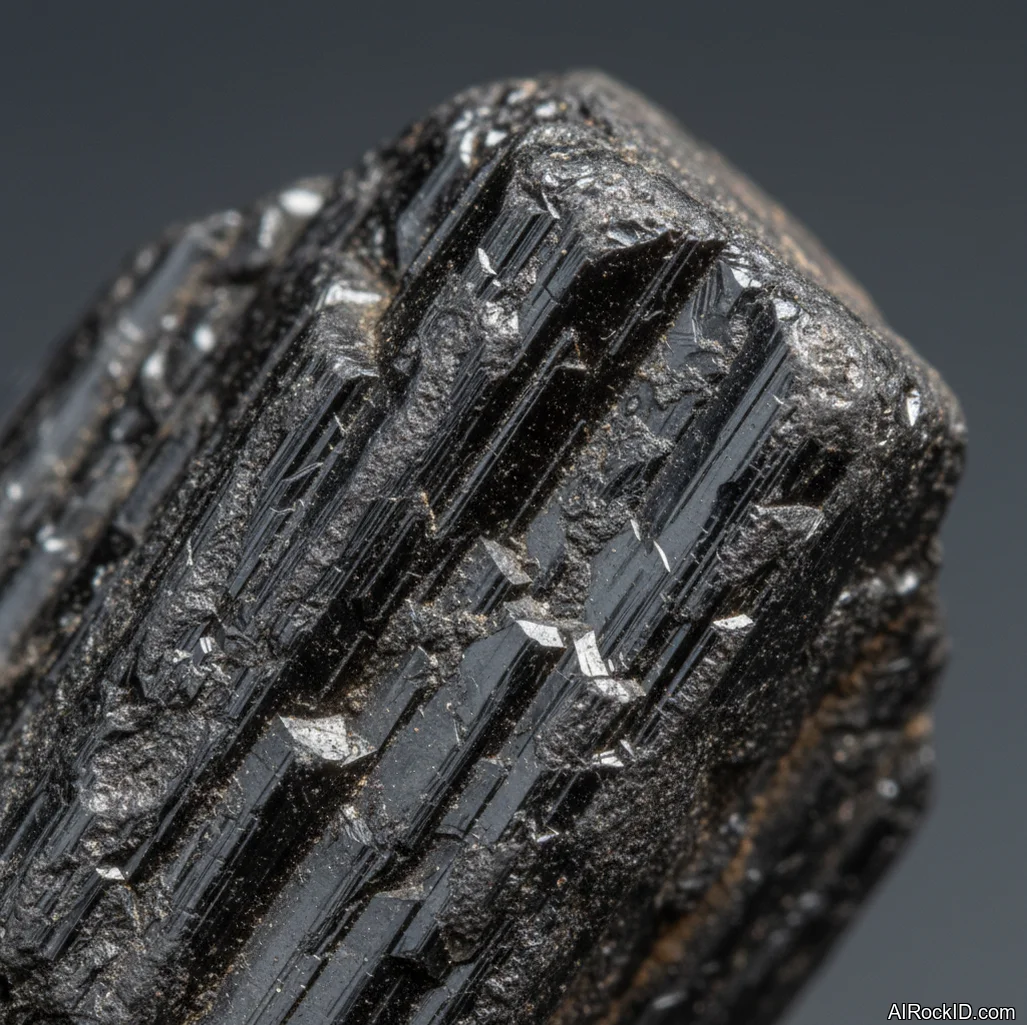
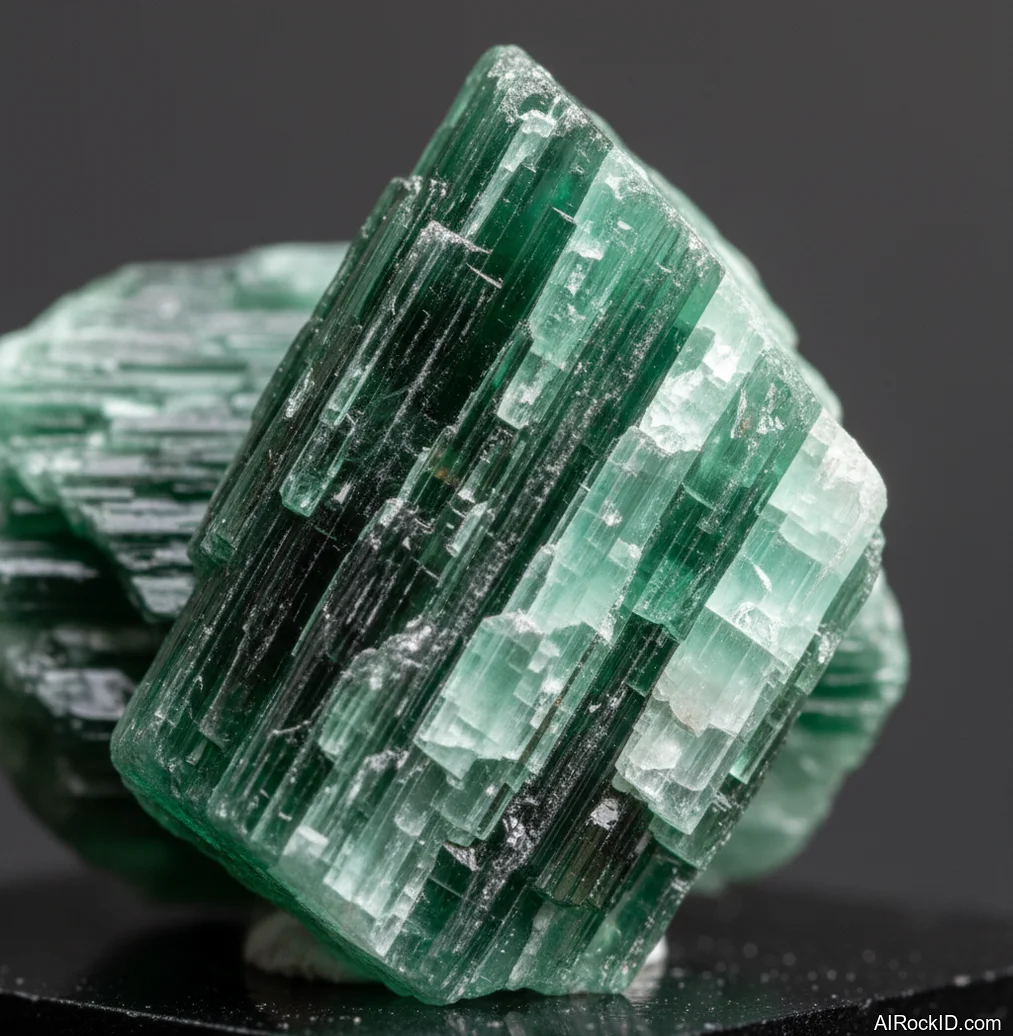
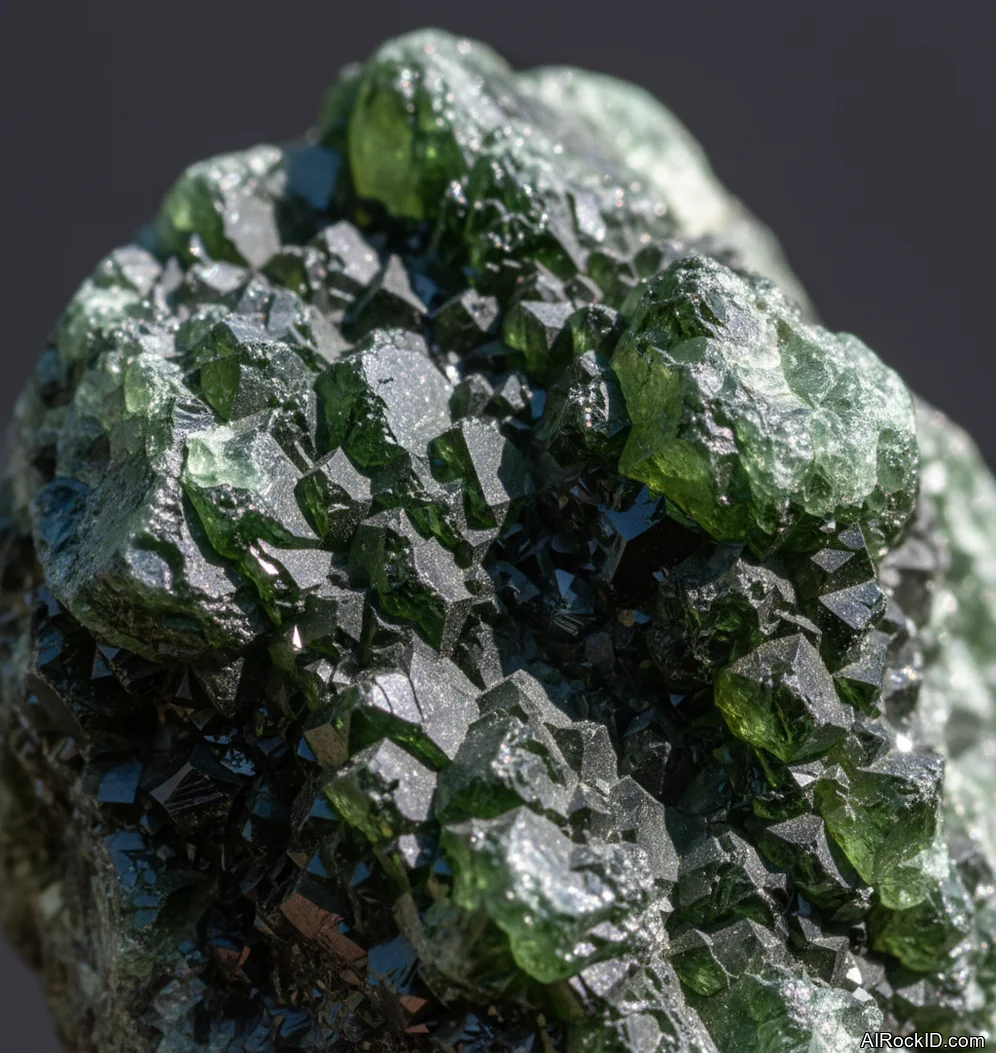
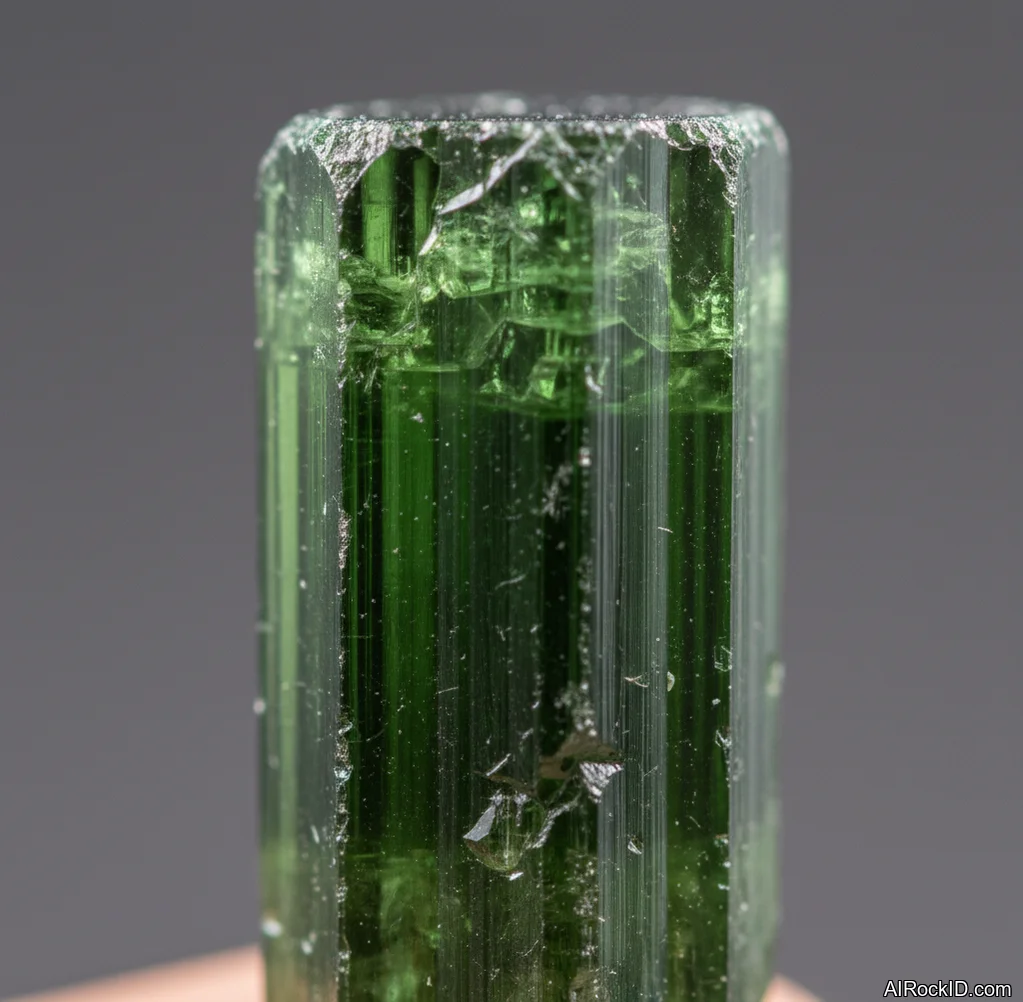
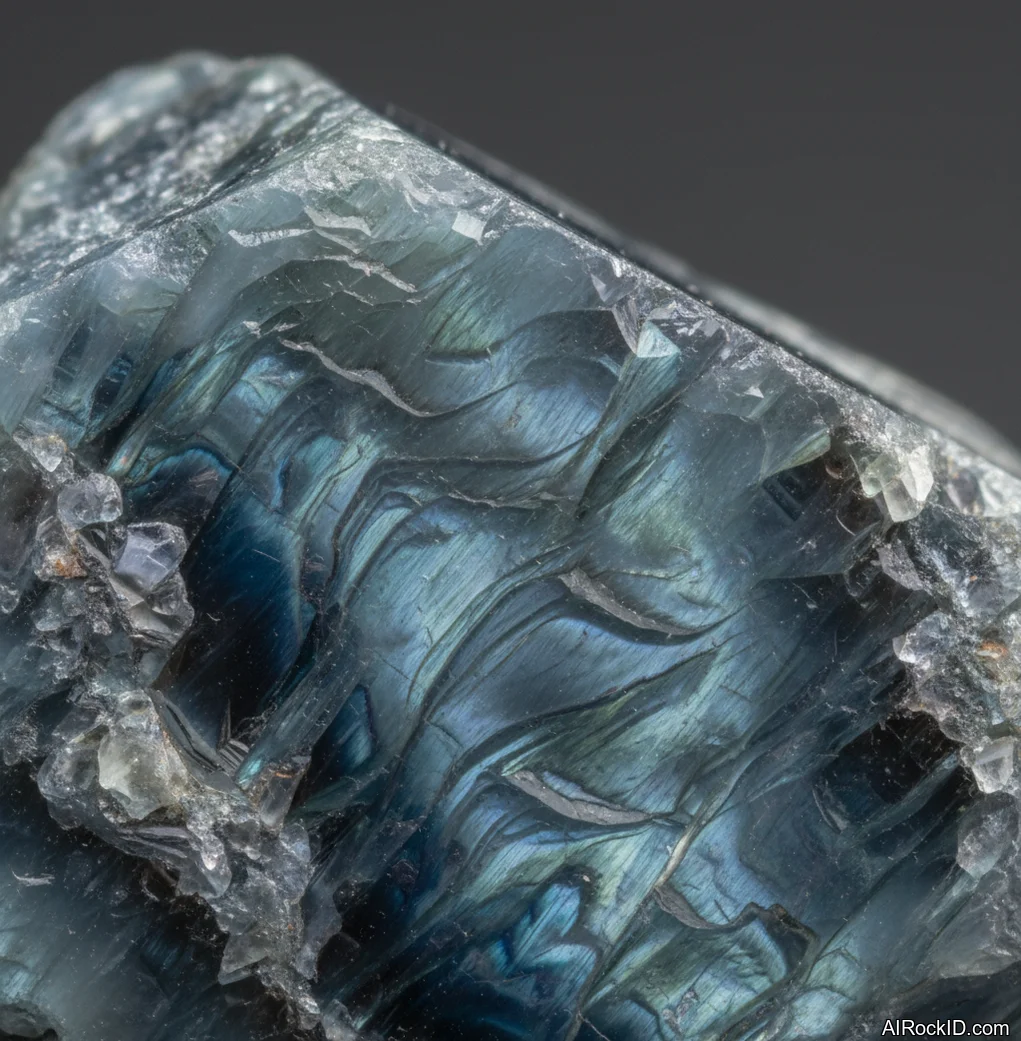
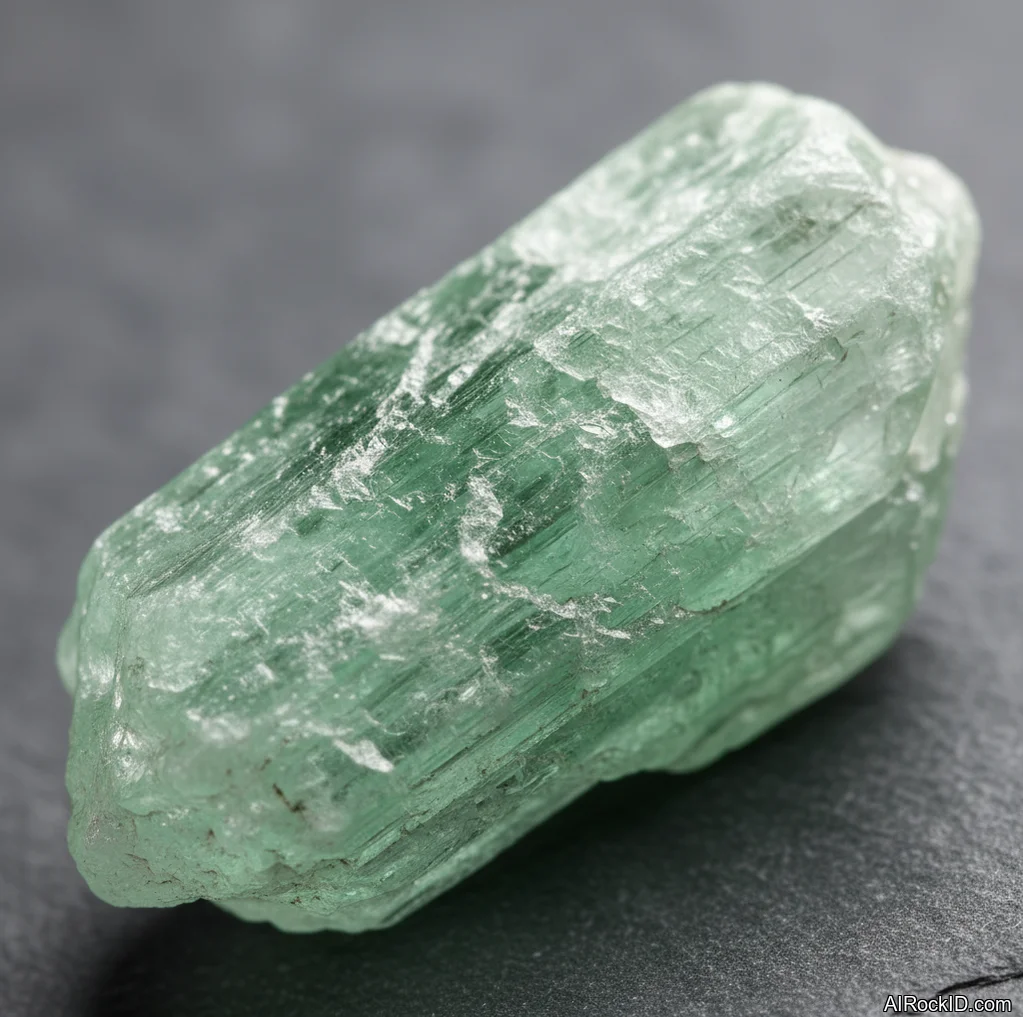
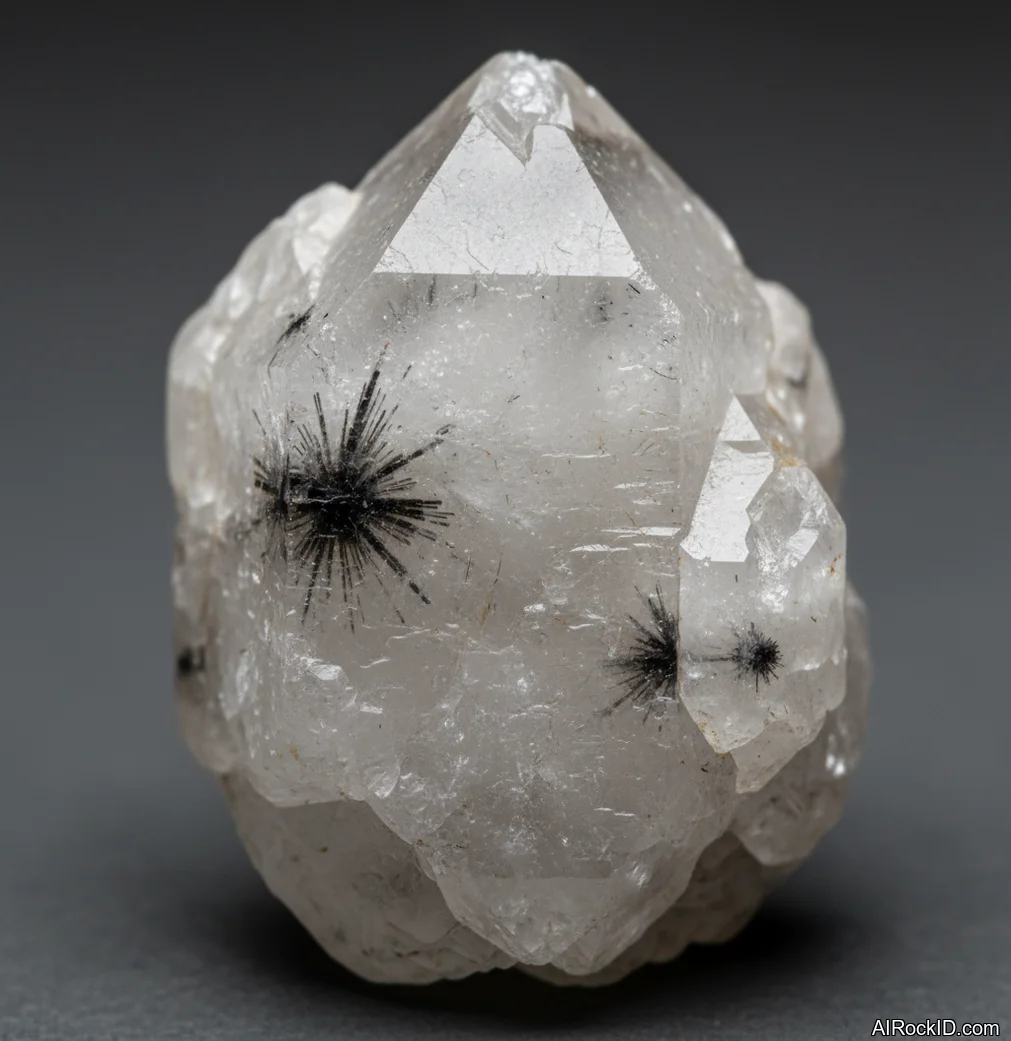
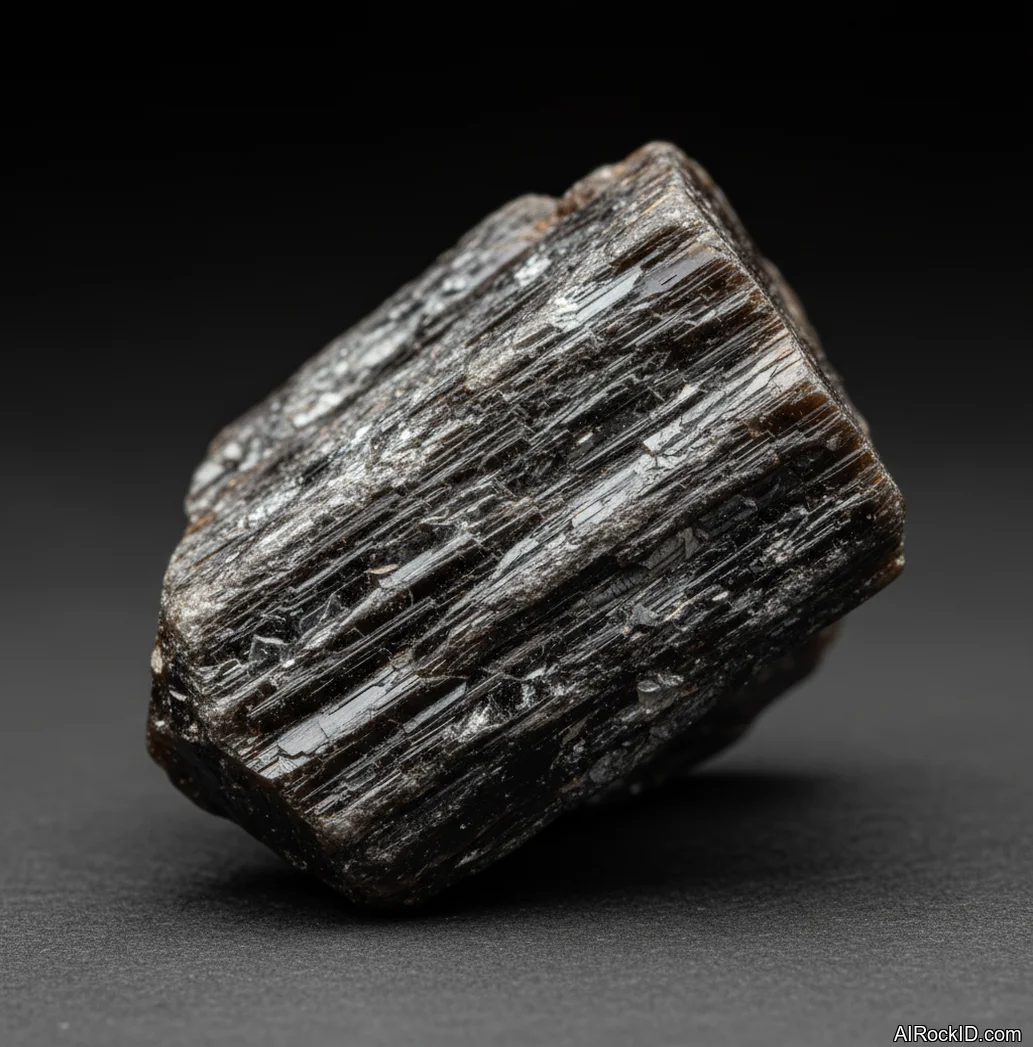
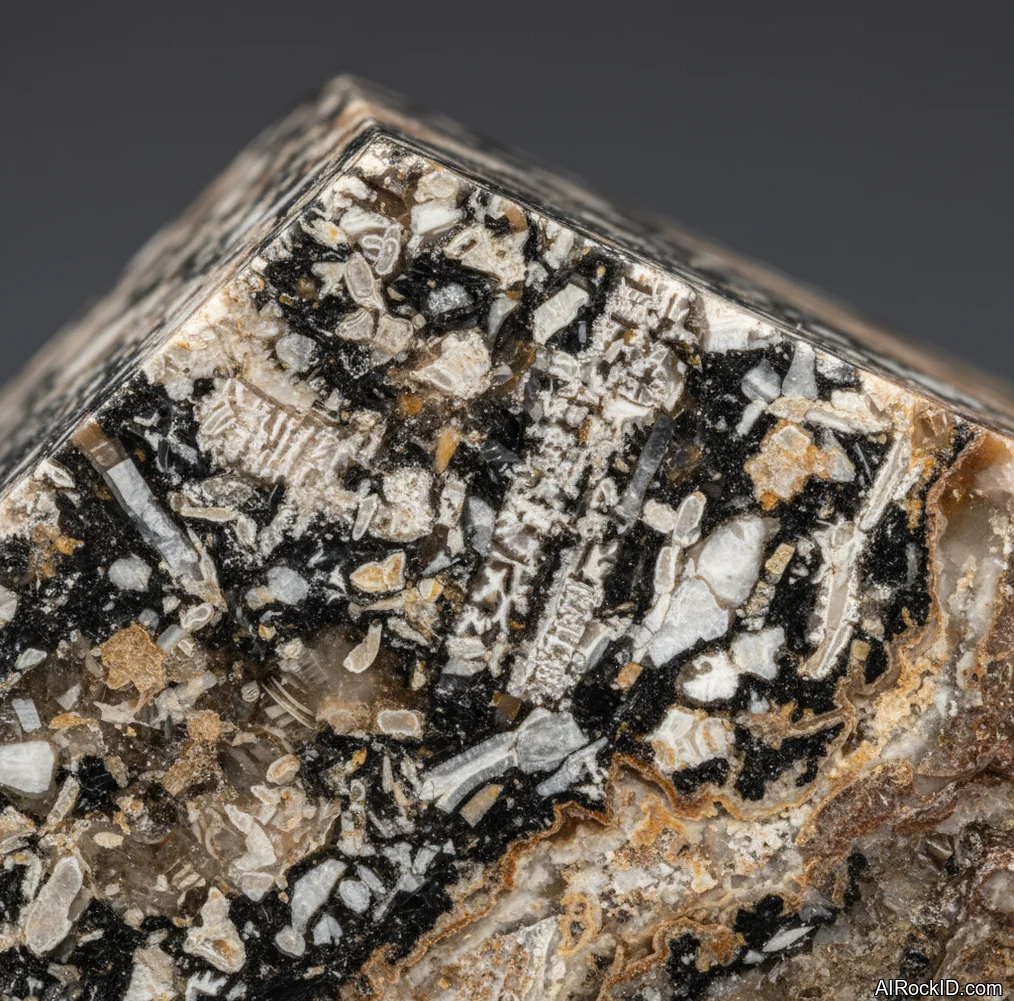
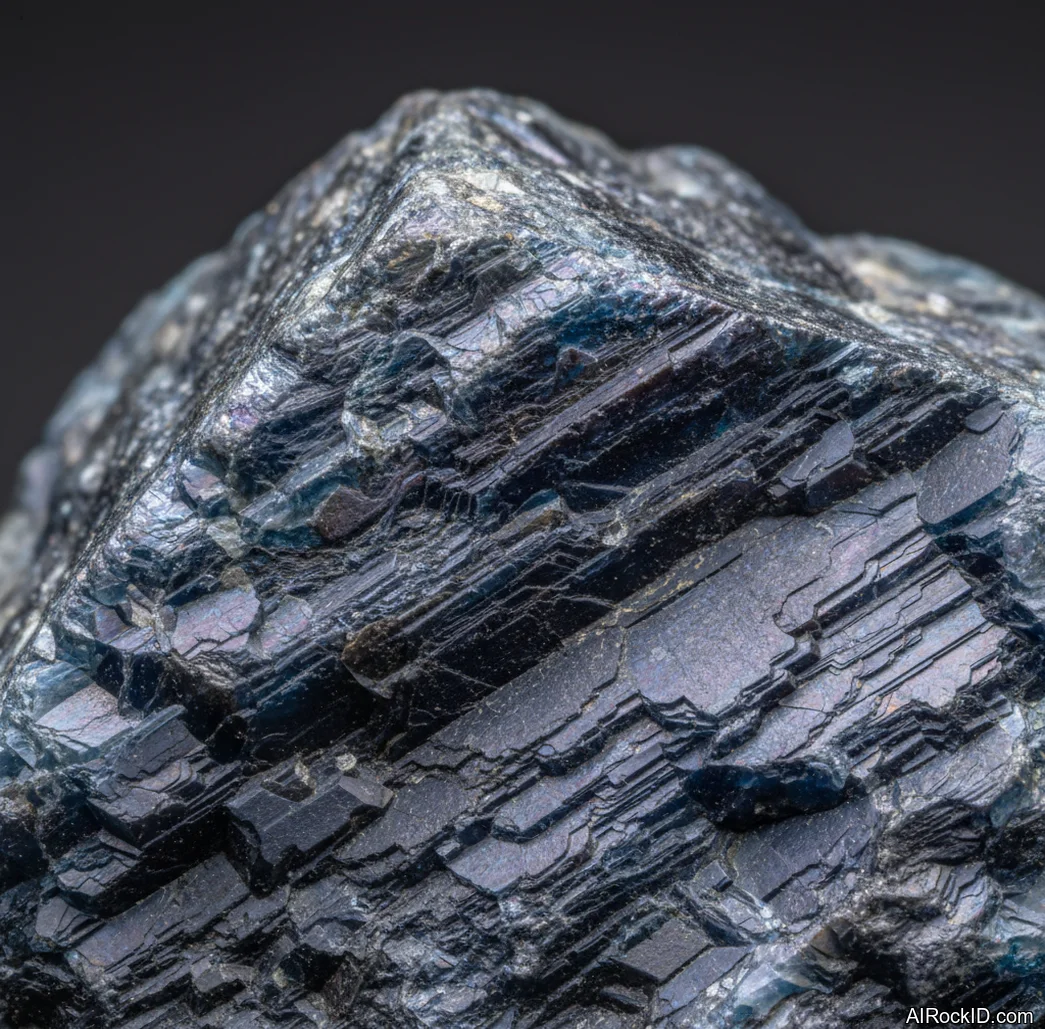
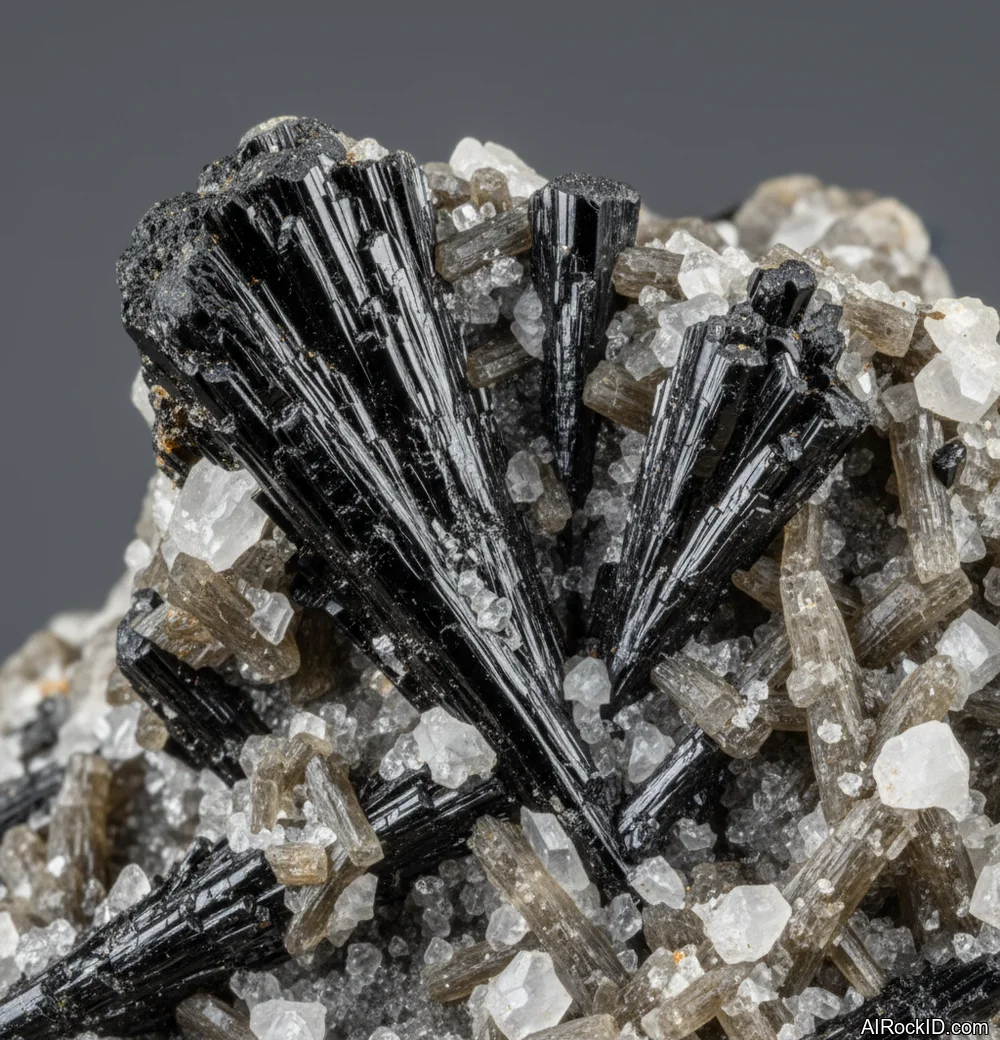
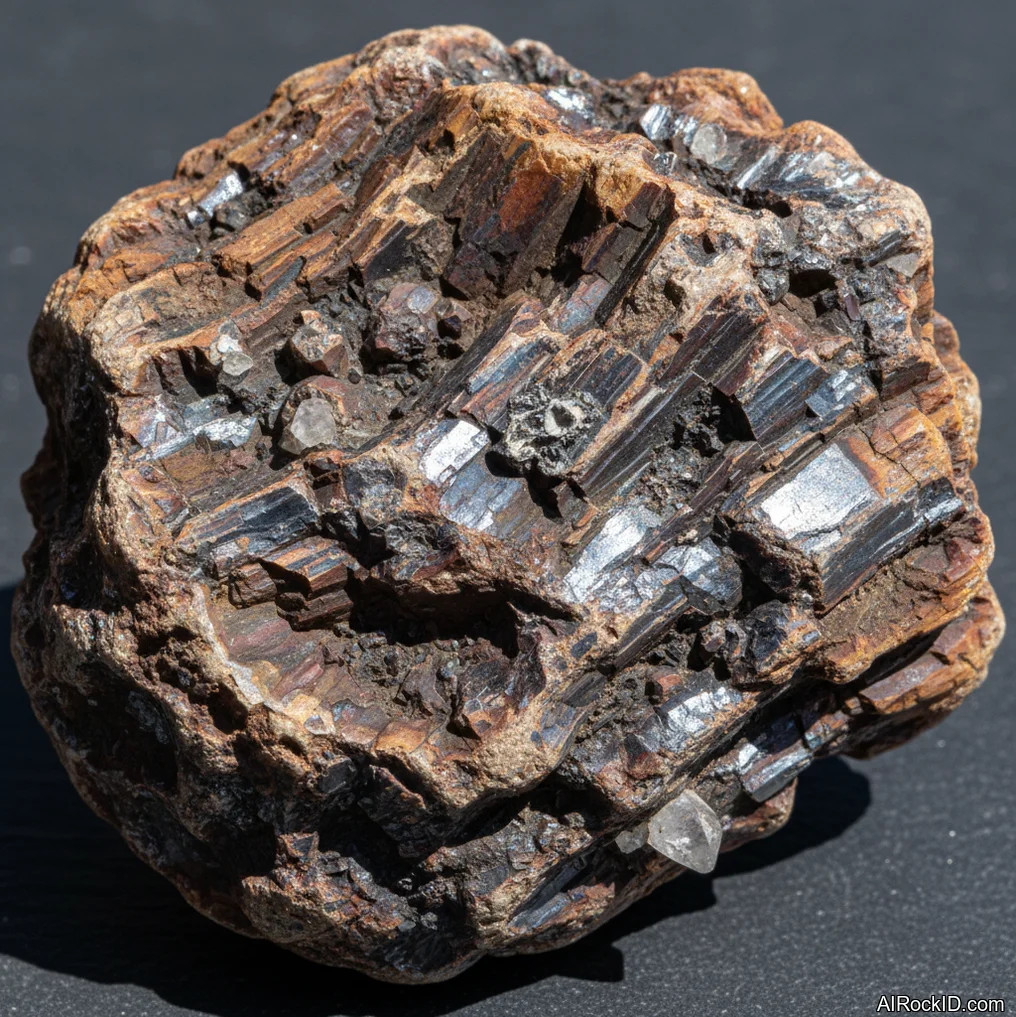
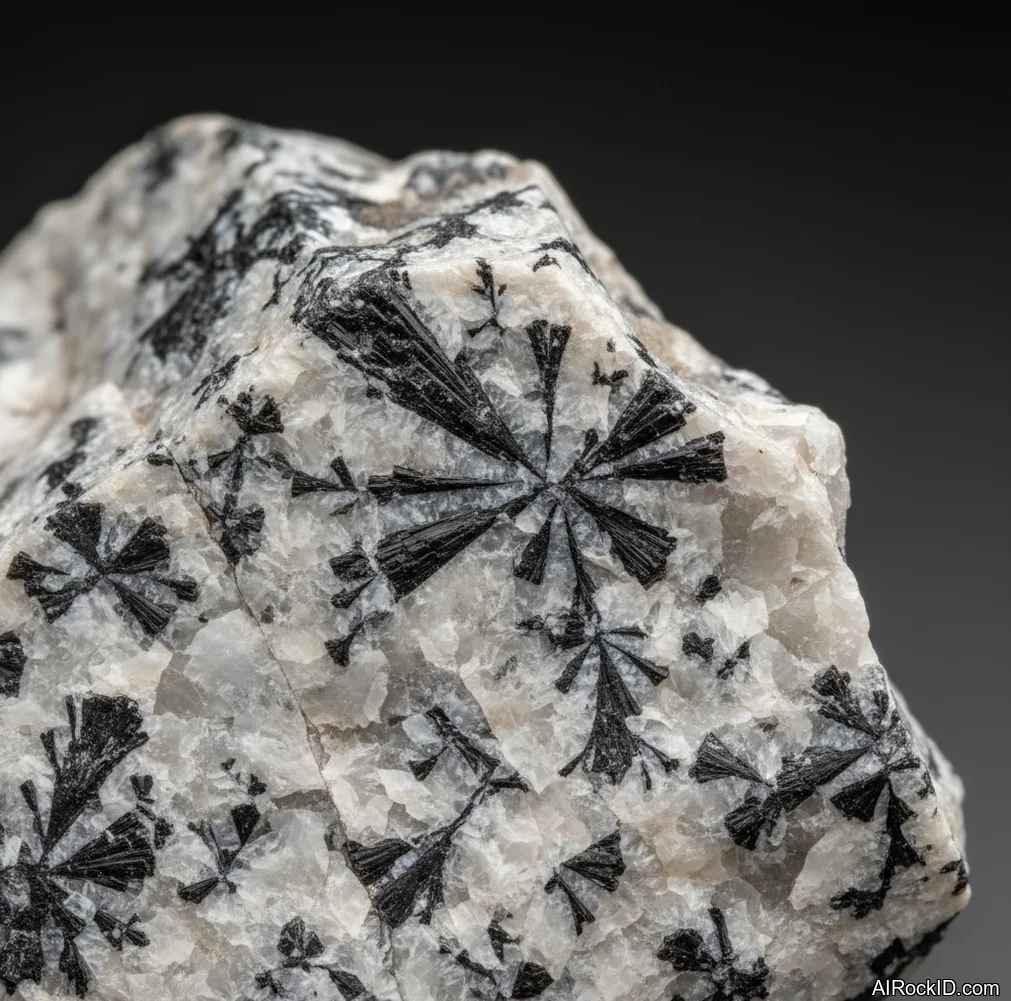
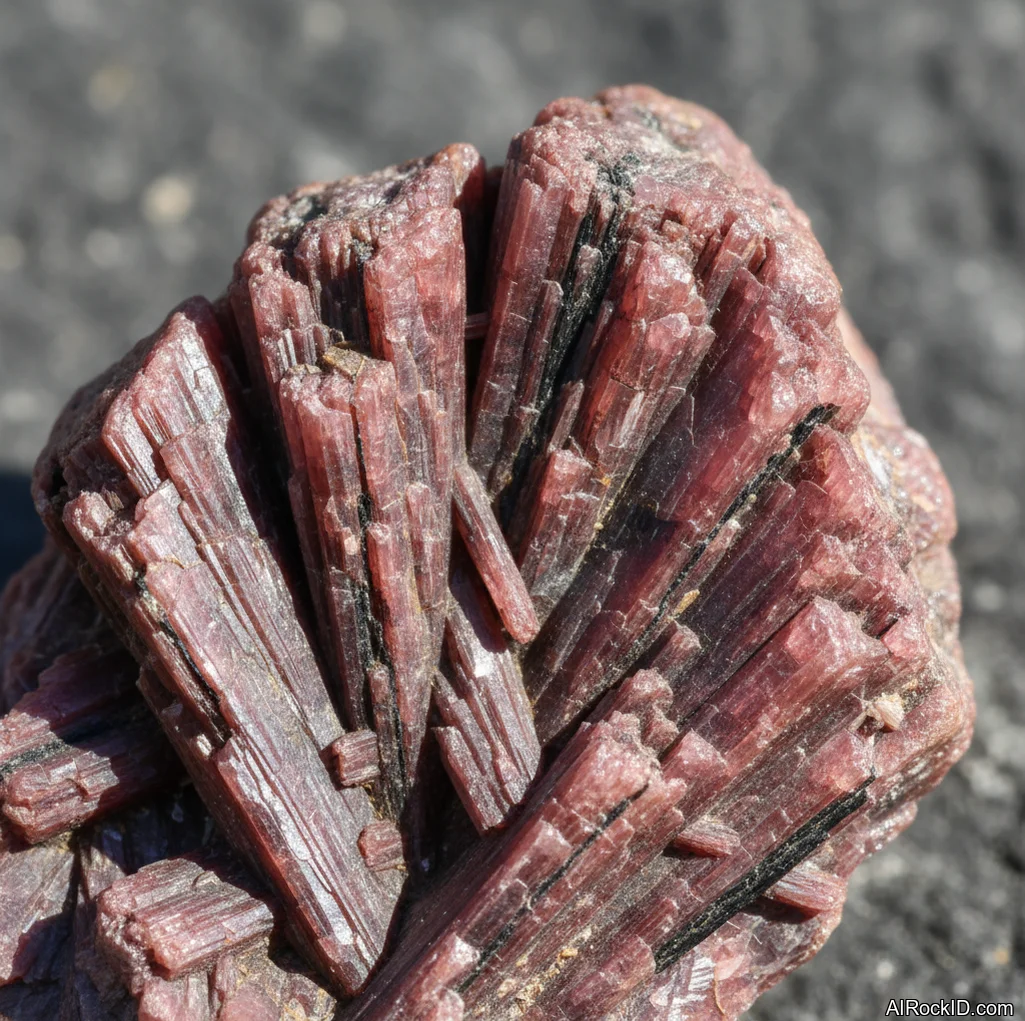
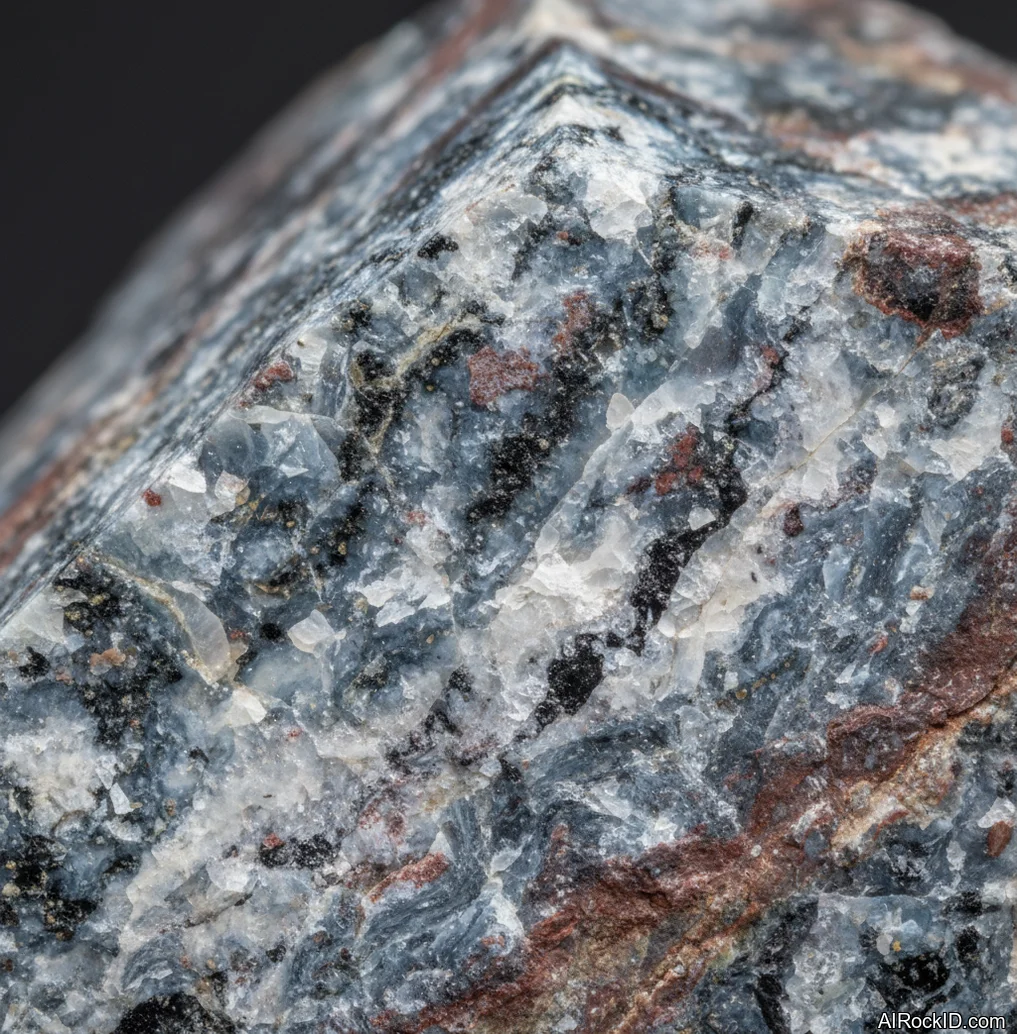
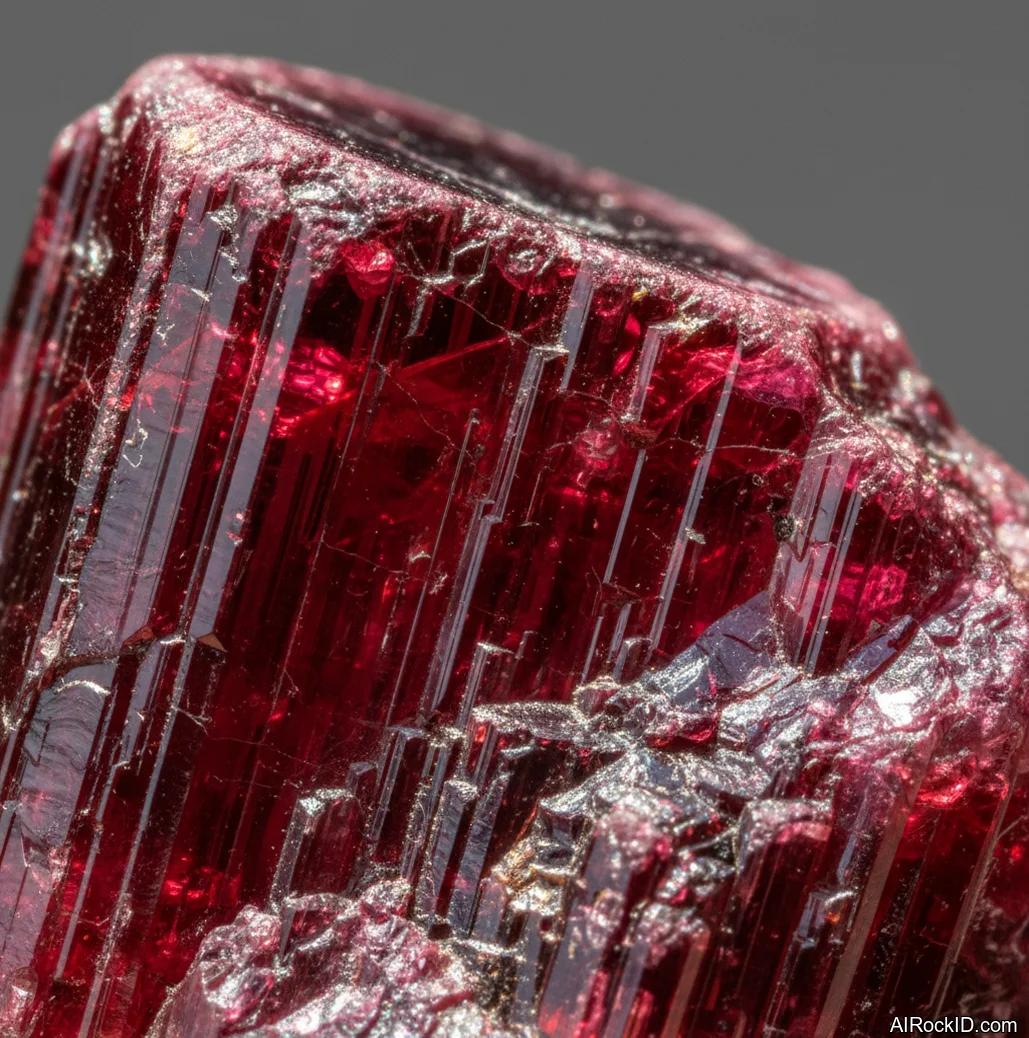
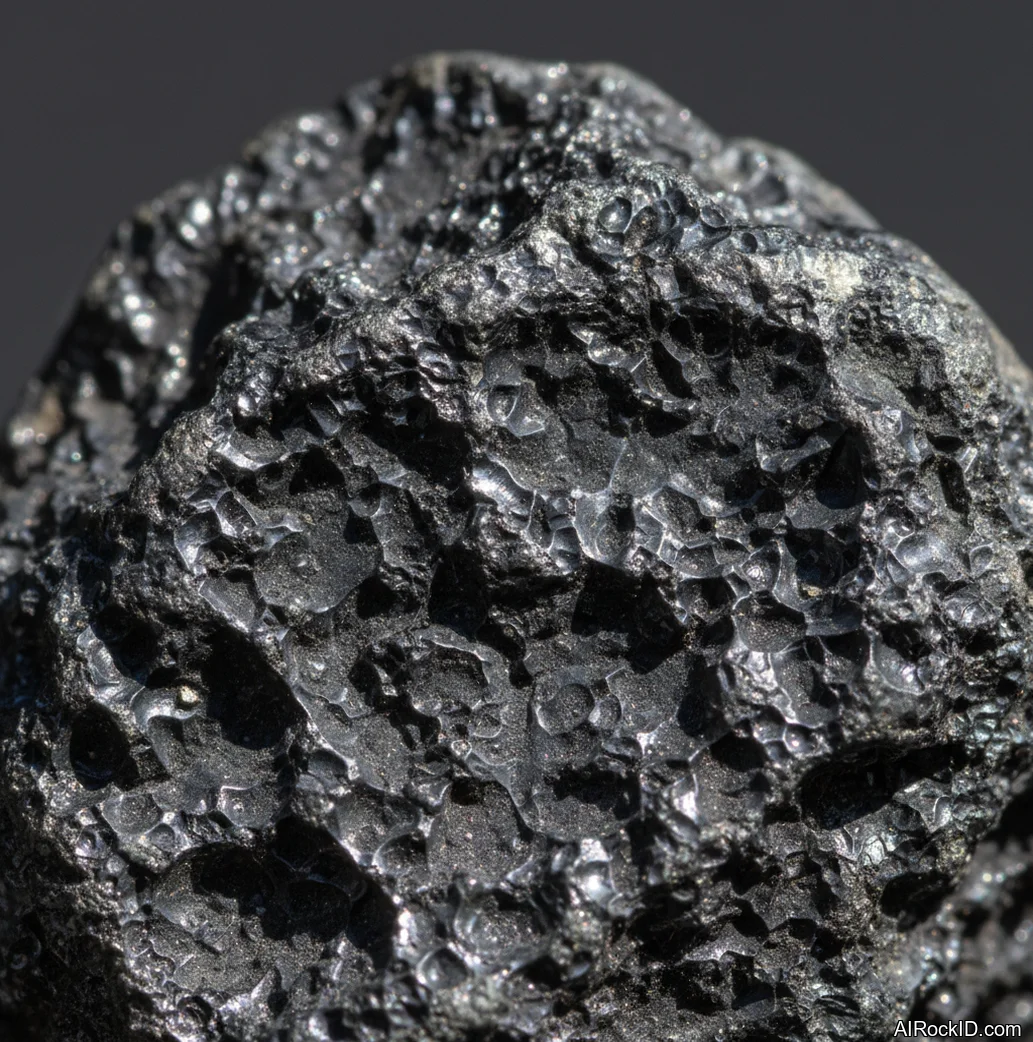
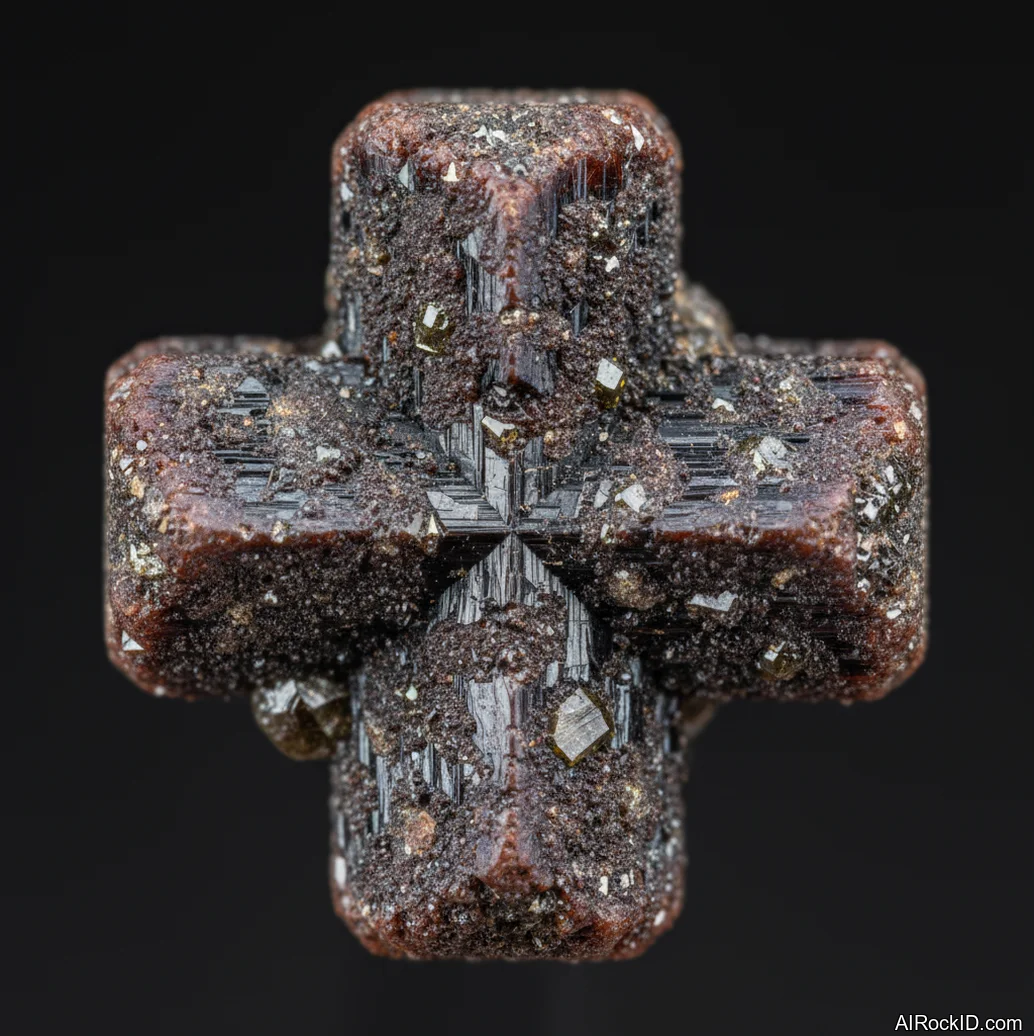
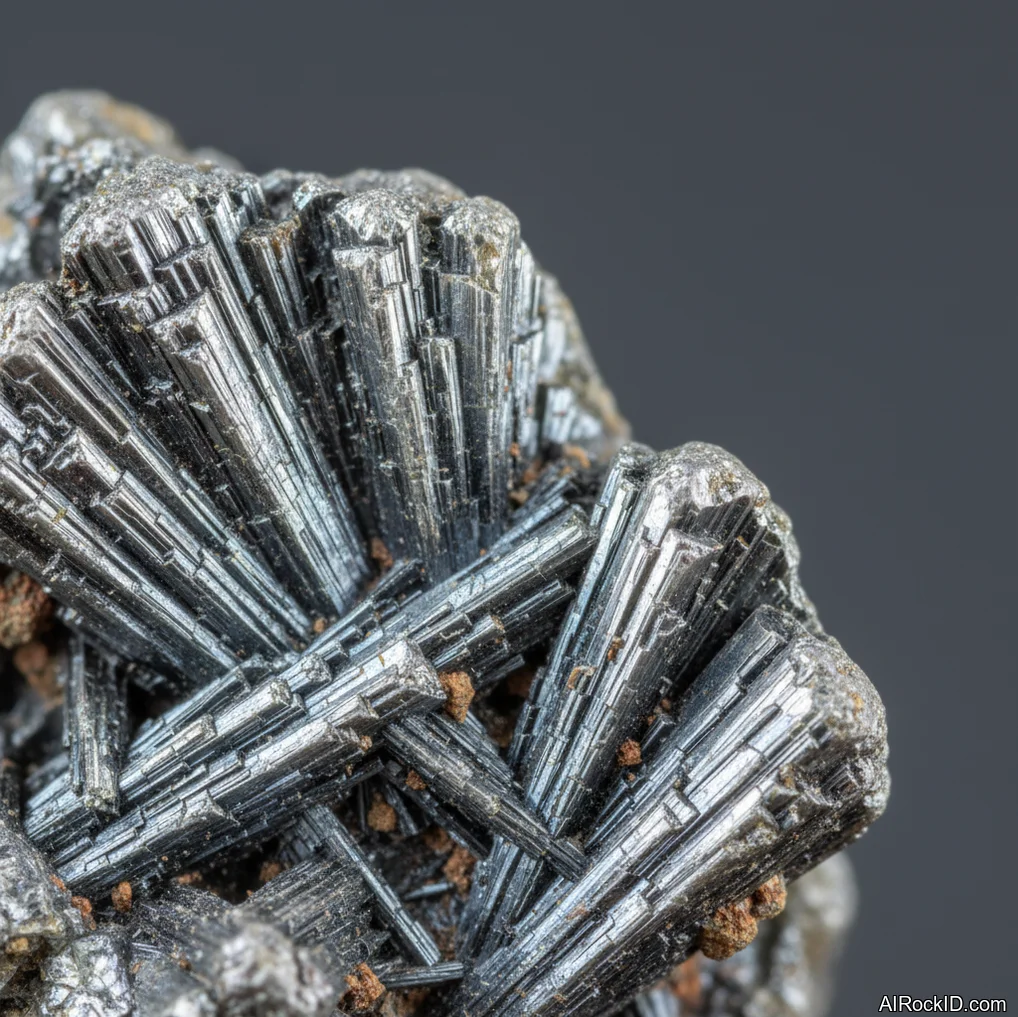
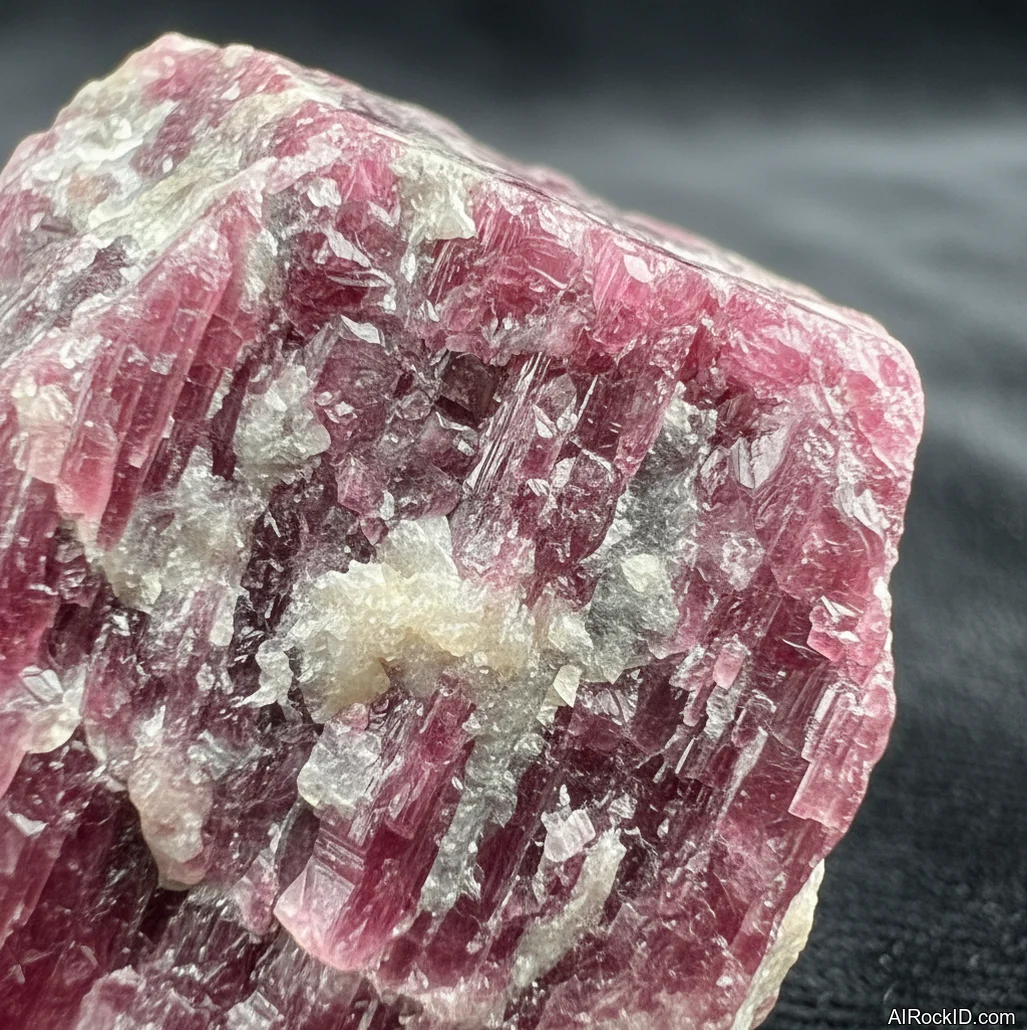
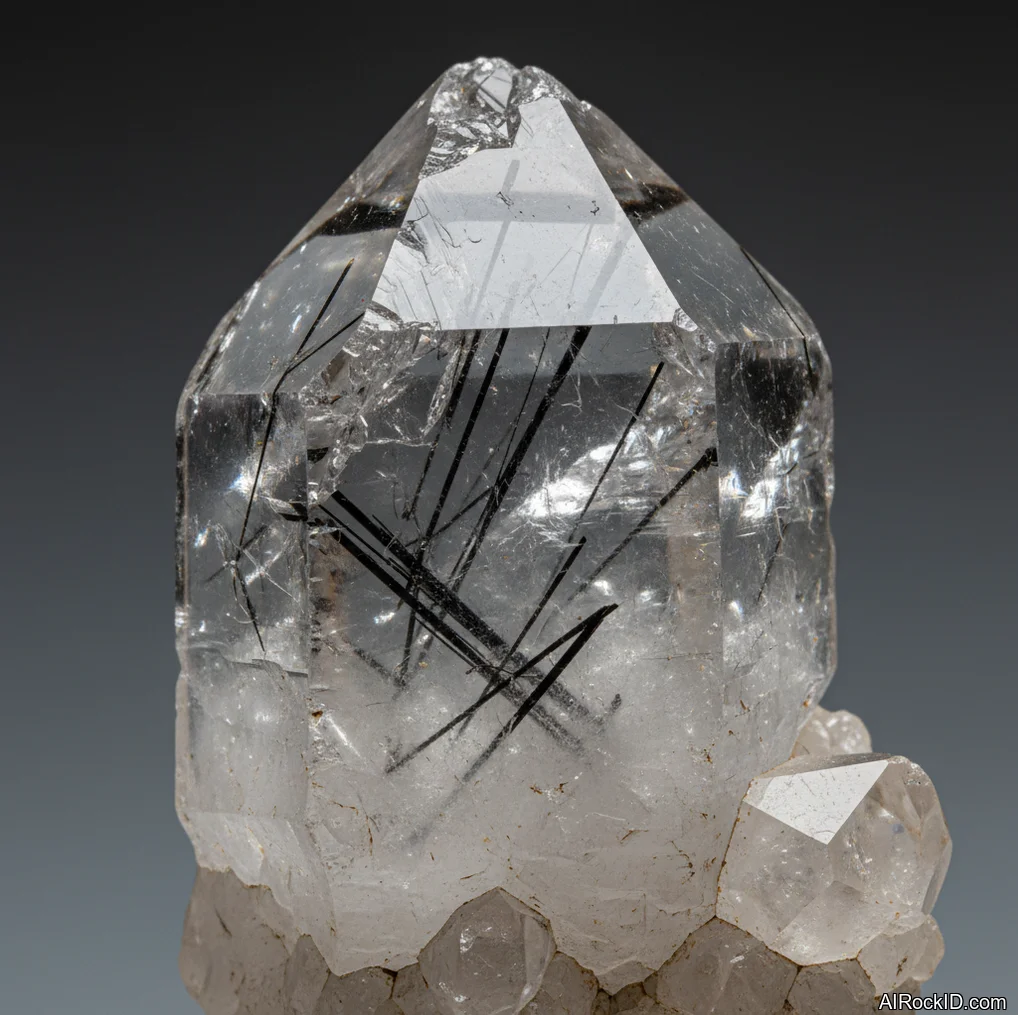
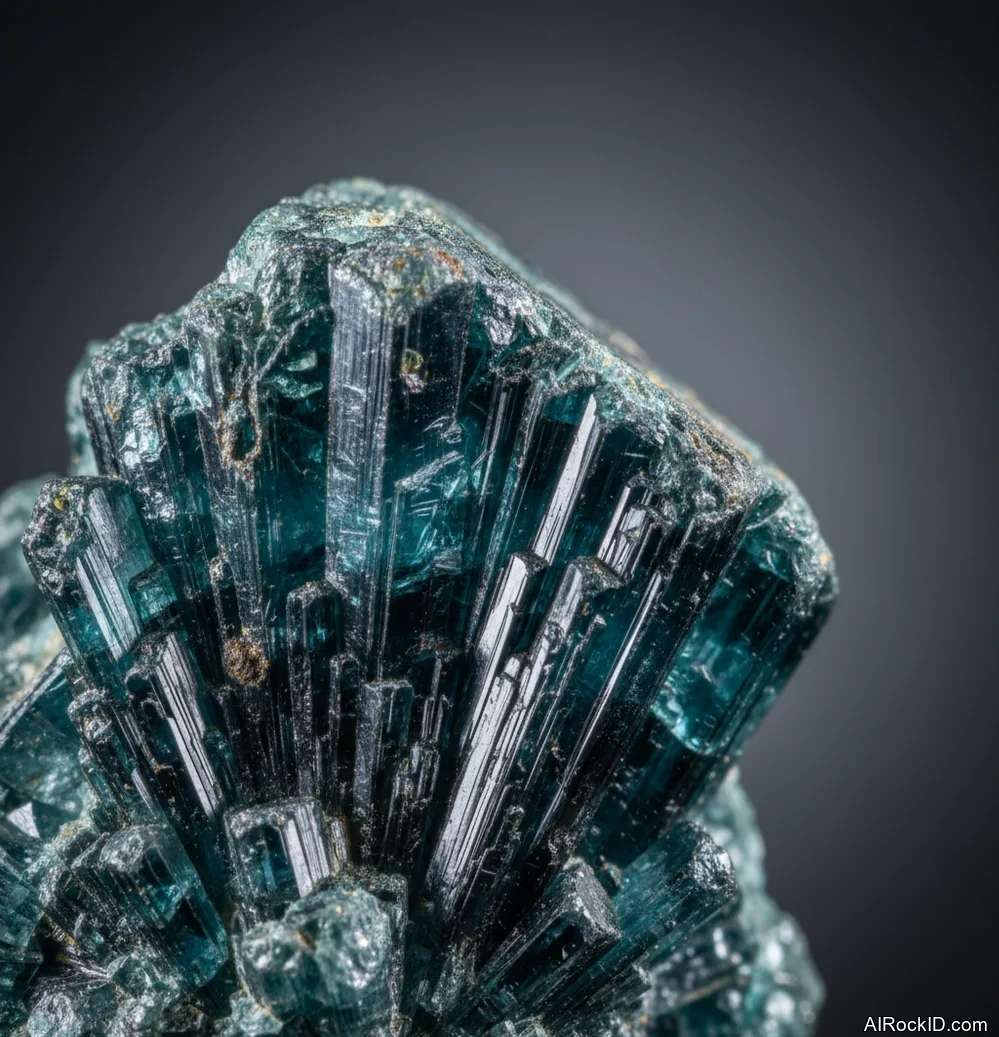
Thing is, real schorl has tells. It often has long vertical striations you can feel with a fingernail, and the broken ends look splintery, almost like snapped charcoal. Compare that to cheap dyed glass or resin “tourmaline” and it’s not even close: fakes warm up fast in your hand and look way too smooth.
Working with Earth crystals doesn’t need a ceremony. Start simple. Keep one on your desk where you actually work, not on an altar you walk past once a day. Put smoky quartz near your keyboard. Or a chunk of petrified wood on a shelf where you’ll catch it when you’re rushing around.
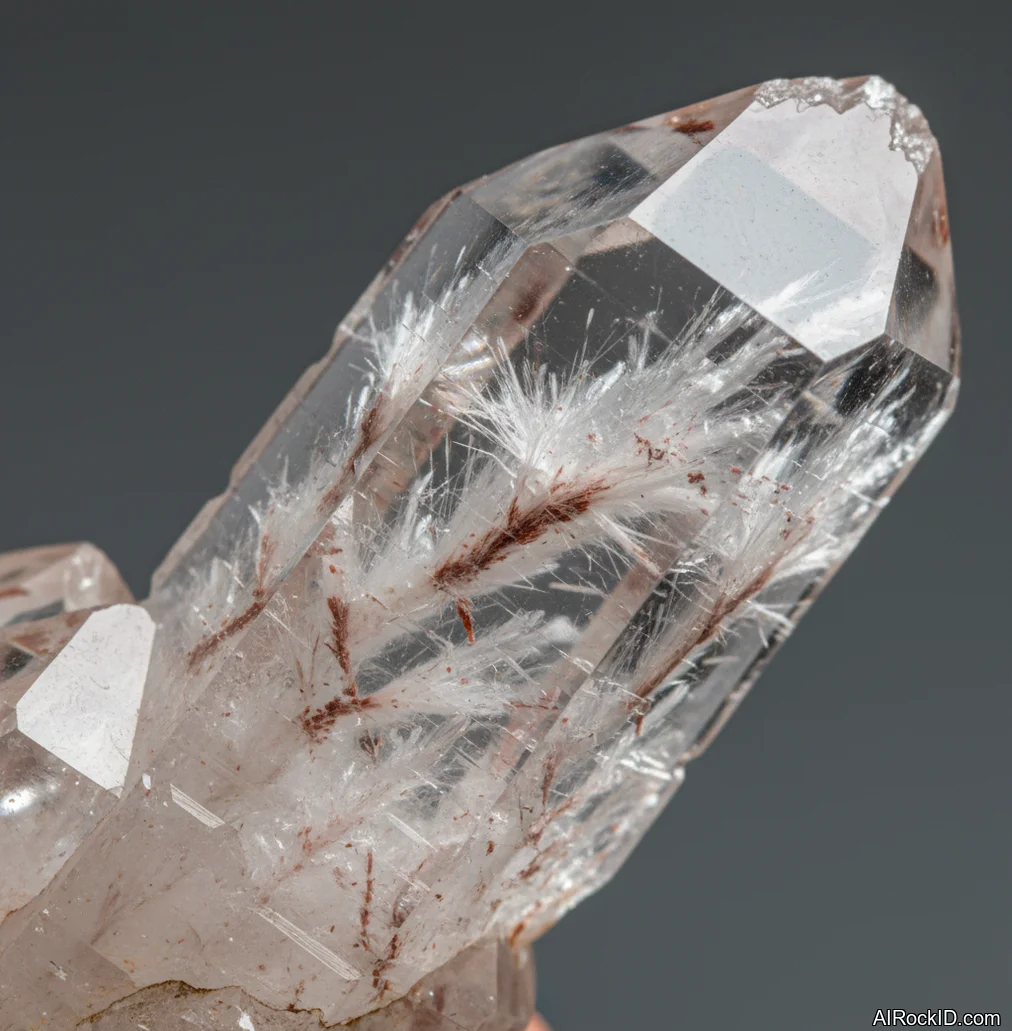
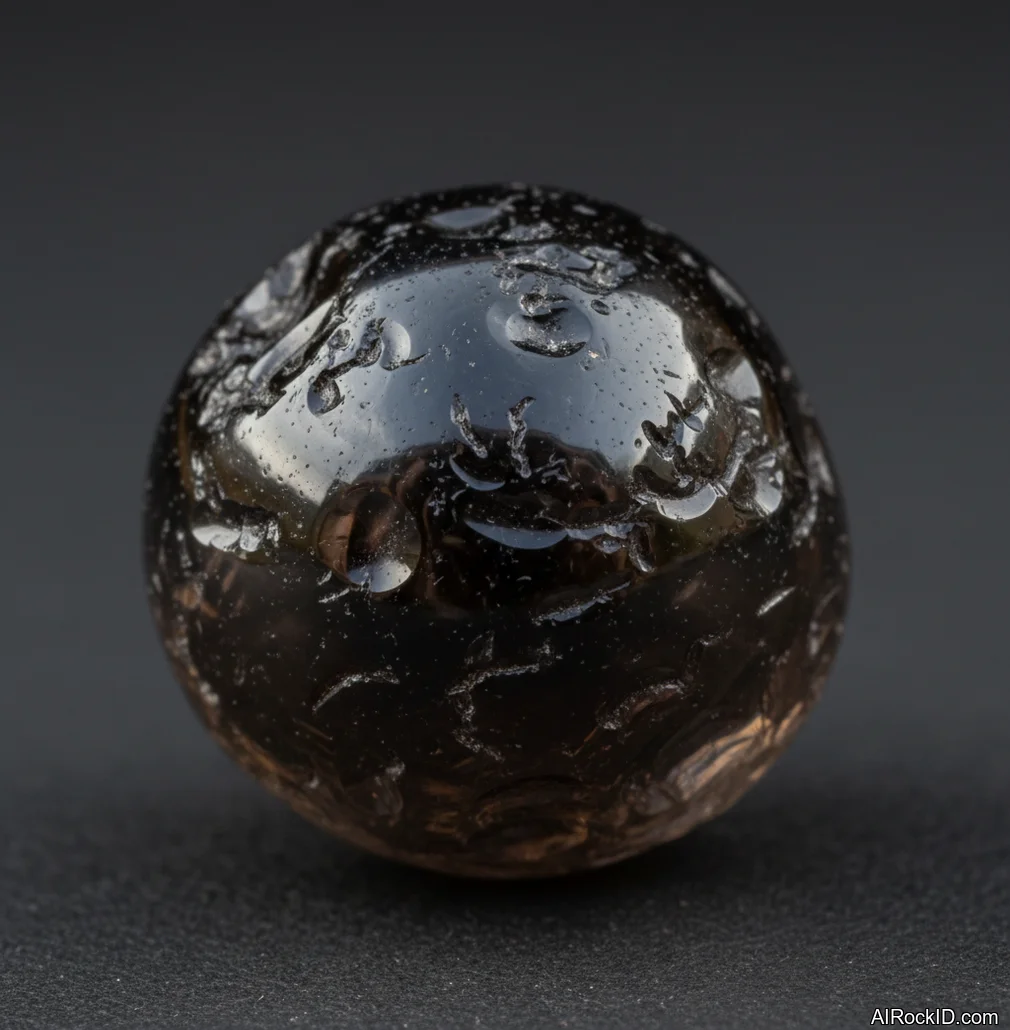
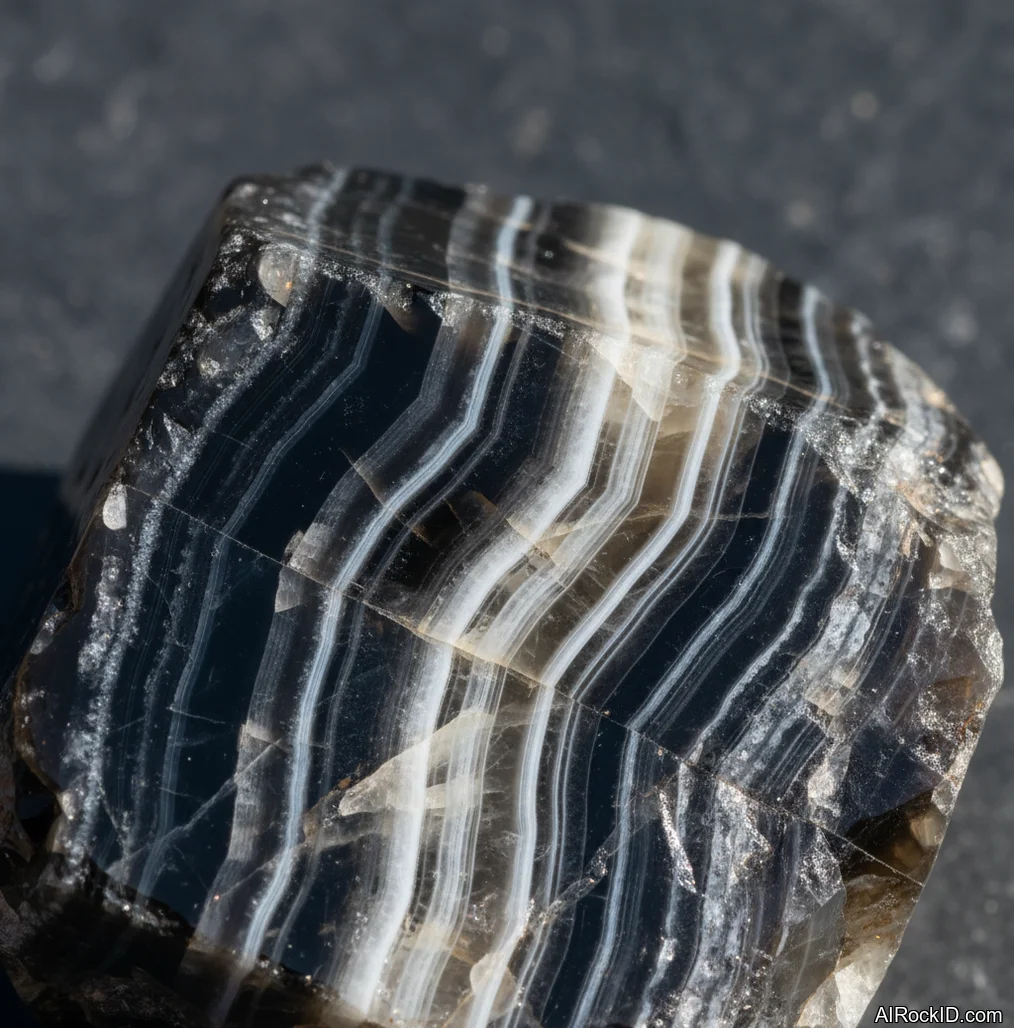
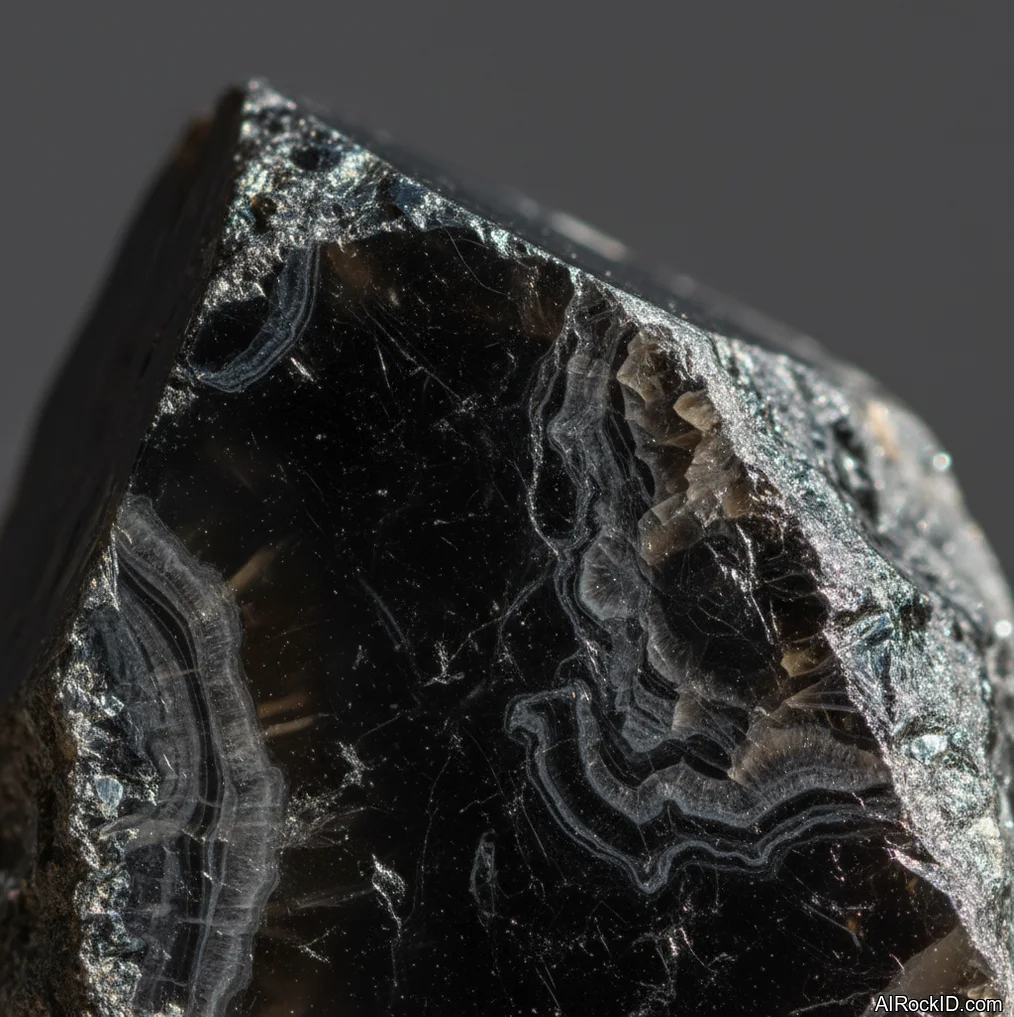
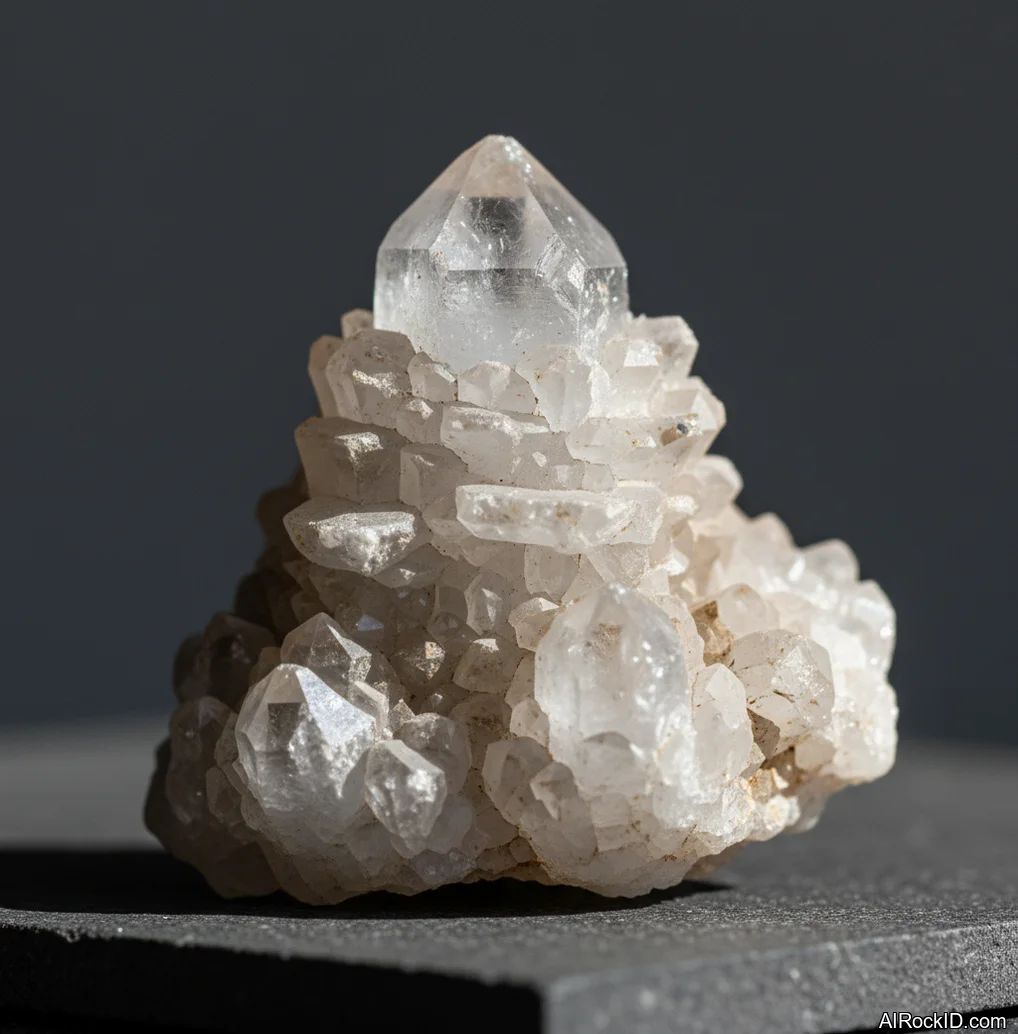
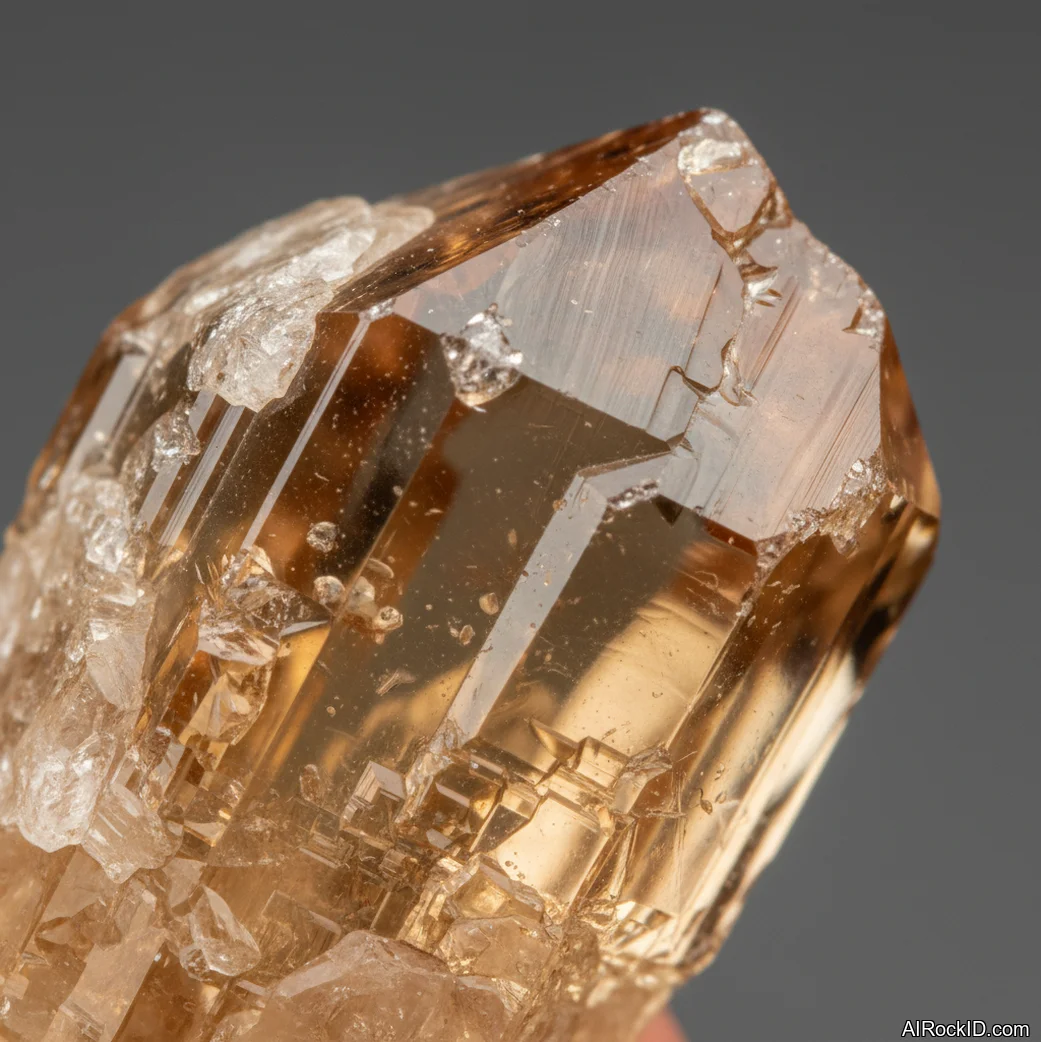
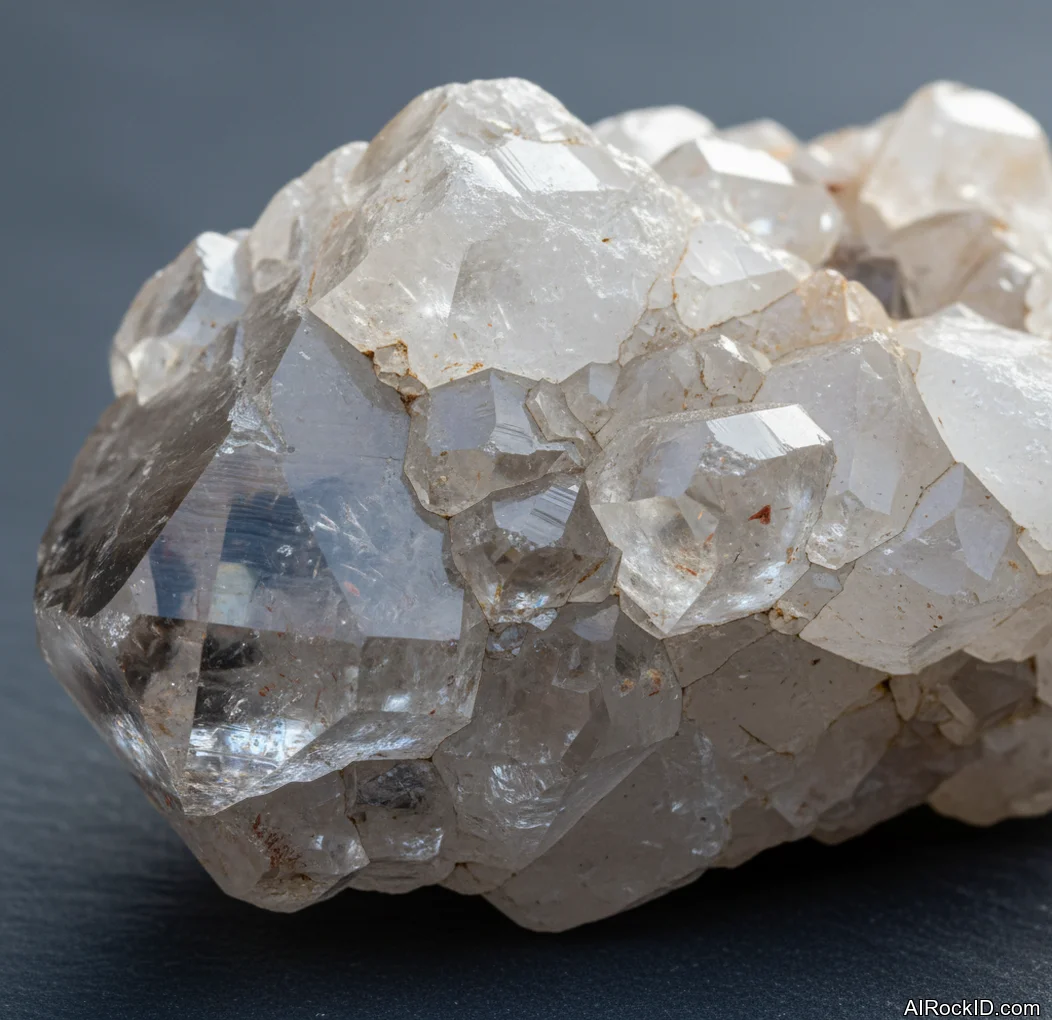
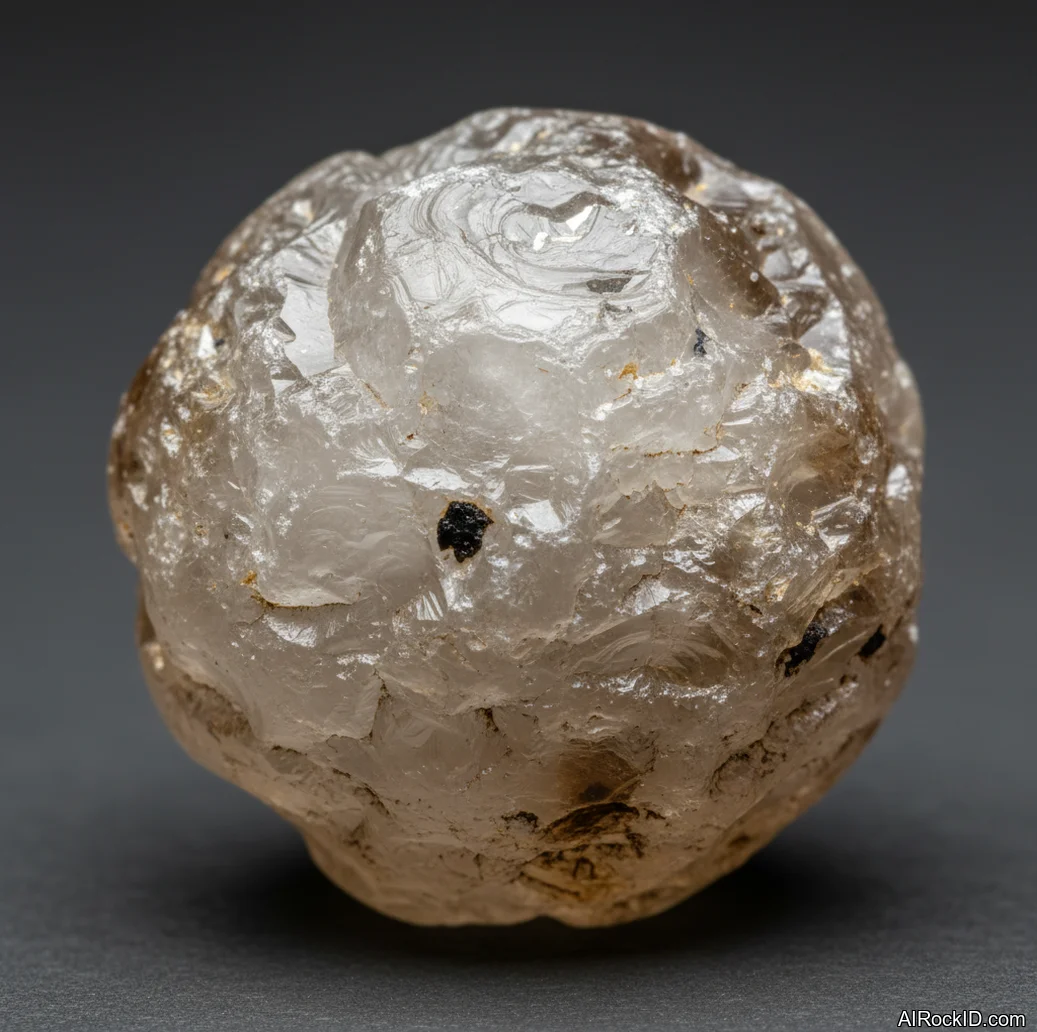
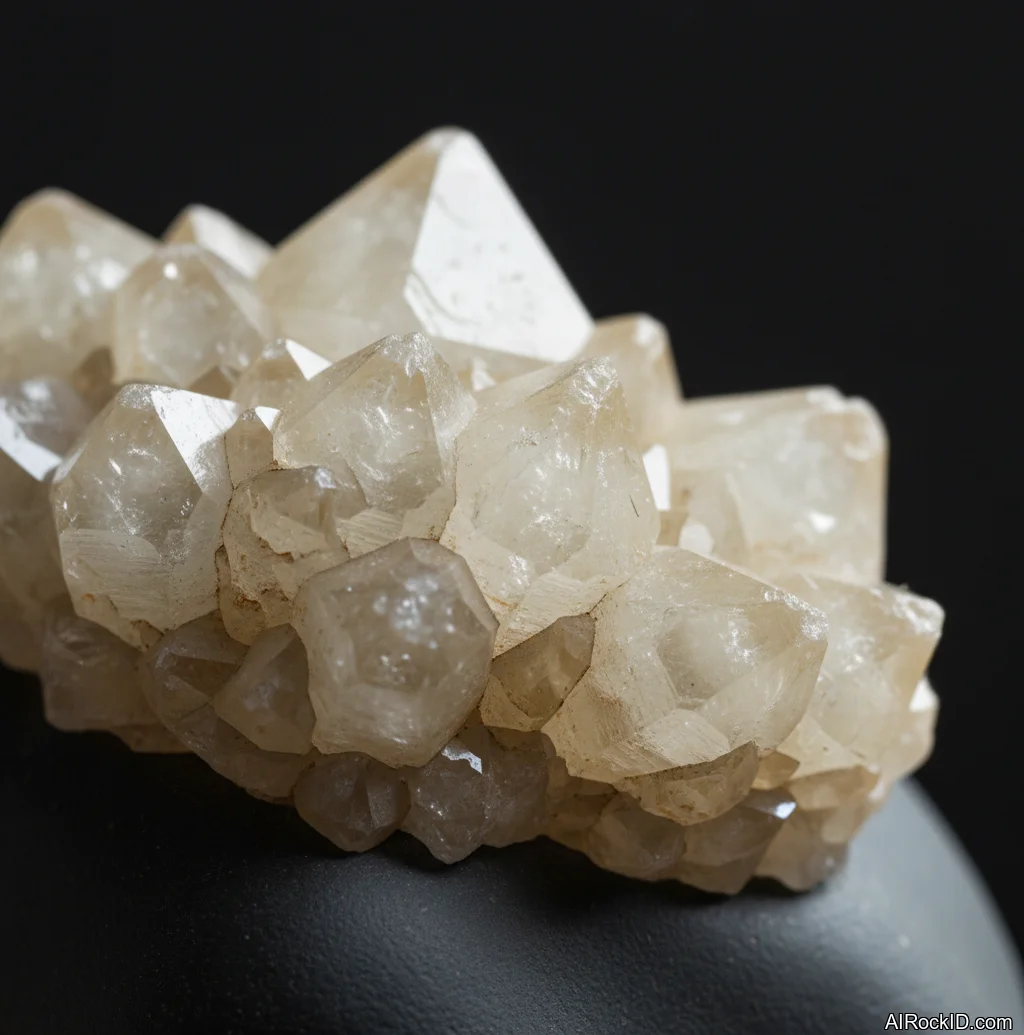
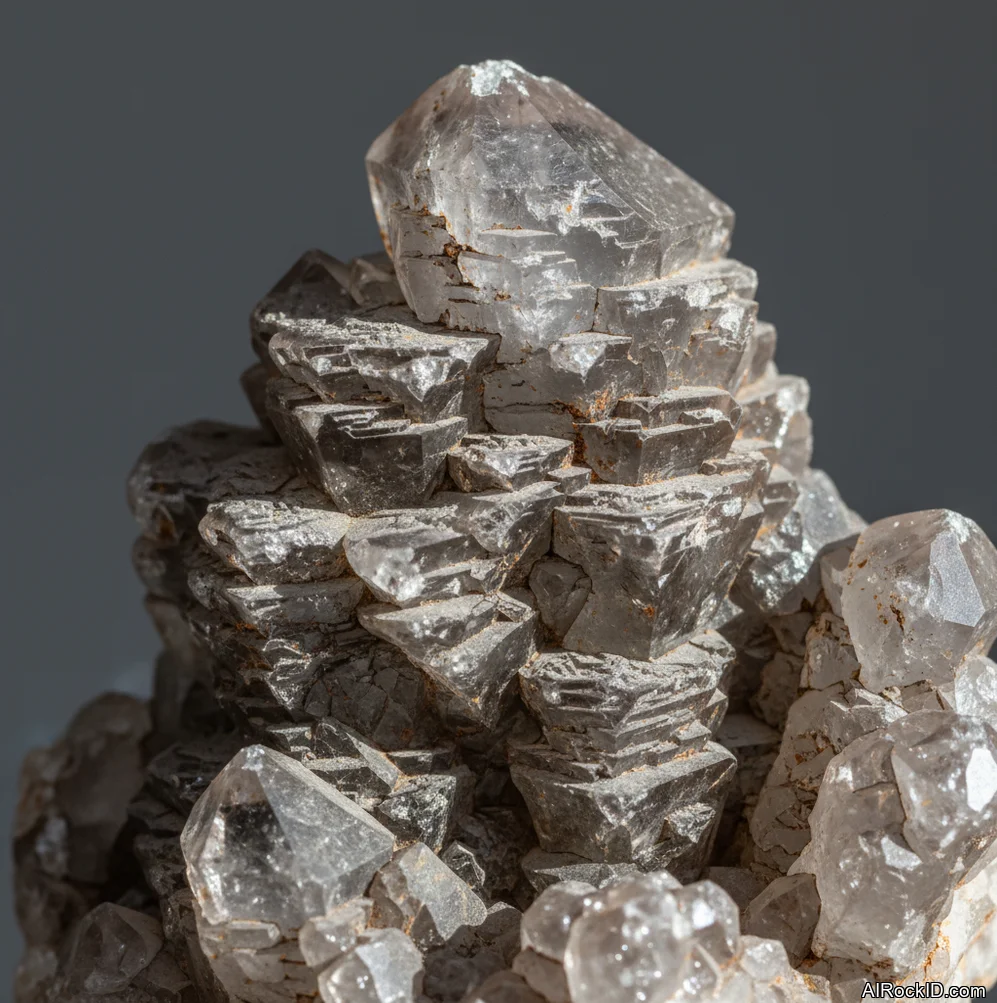
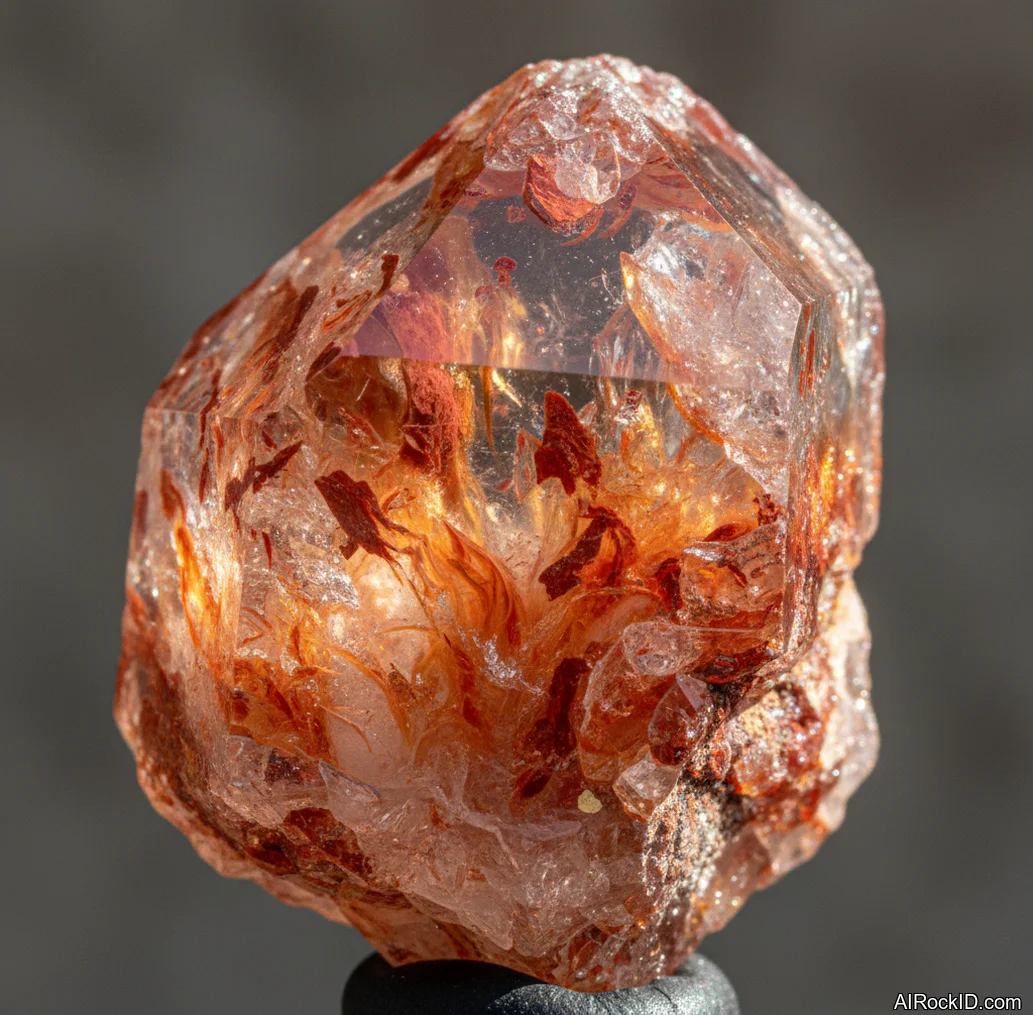
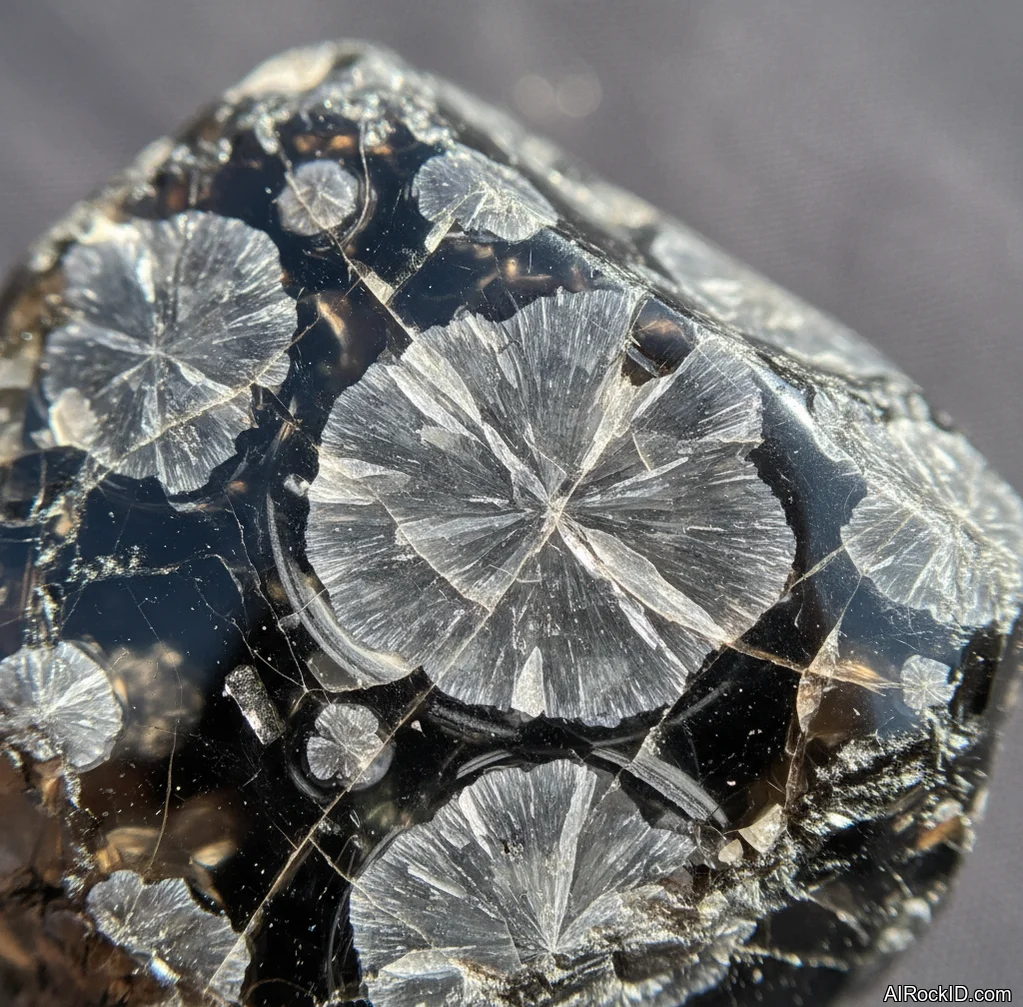
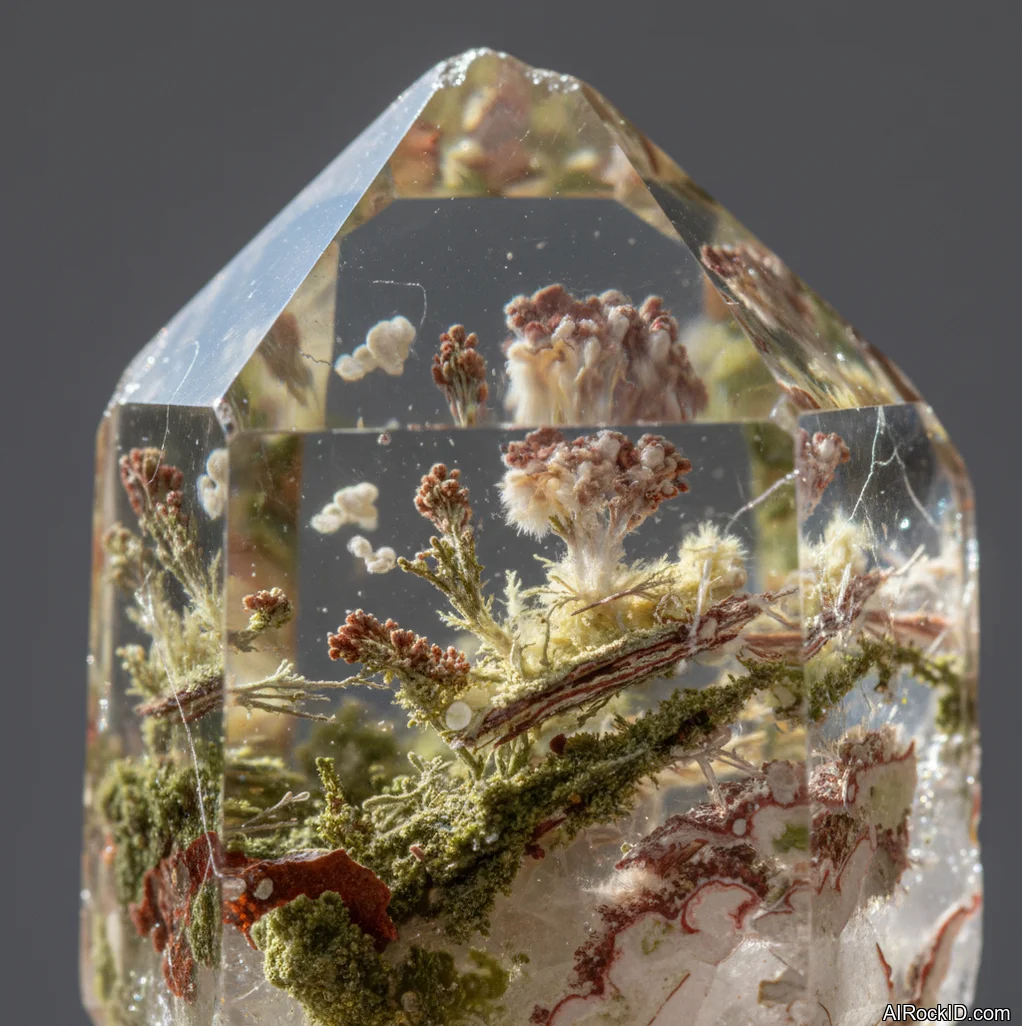
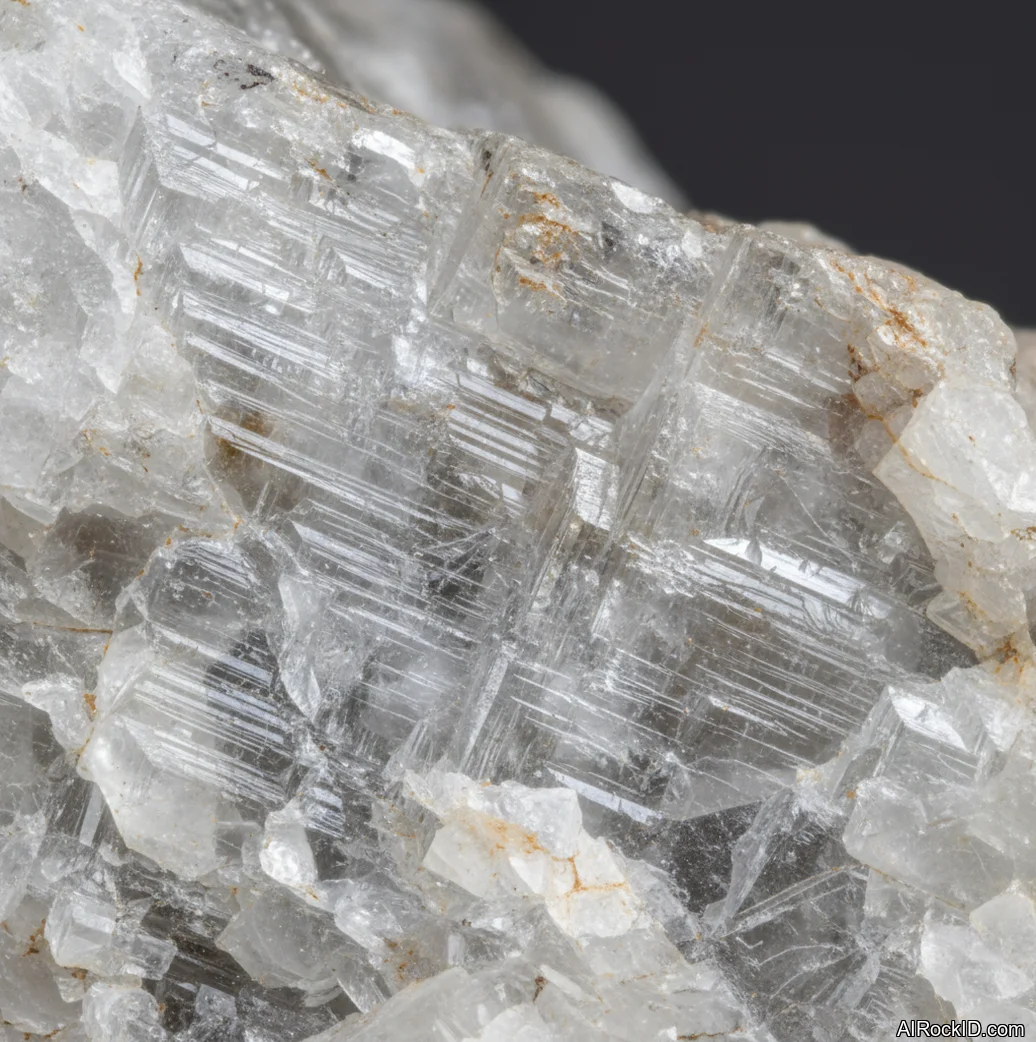
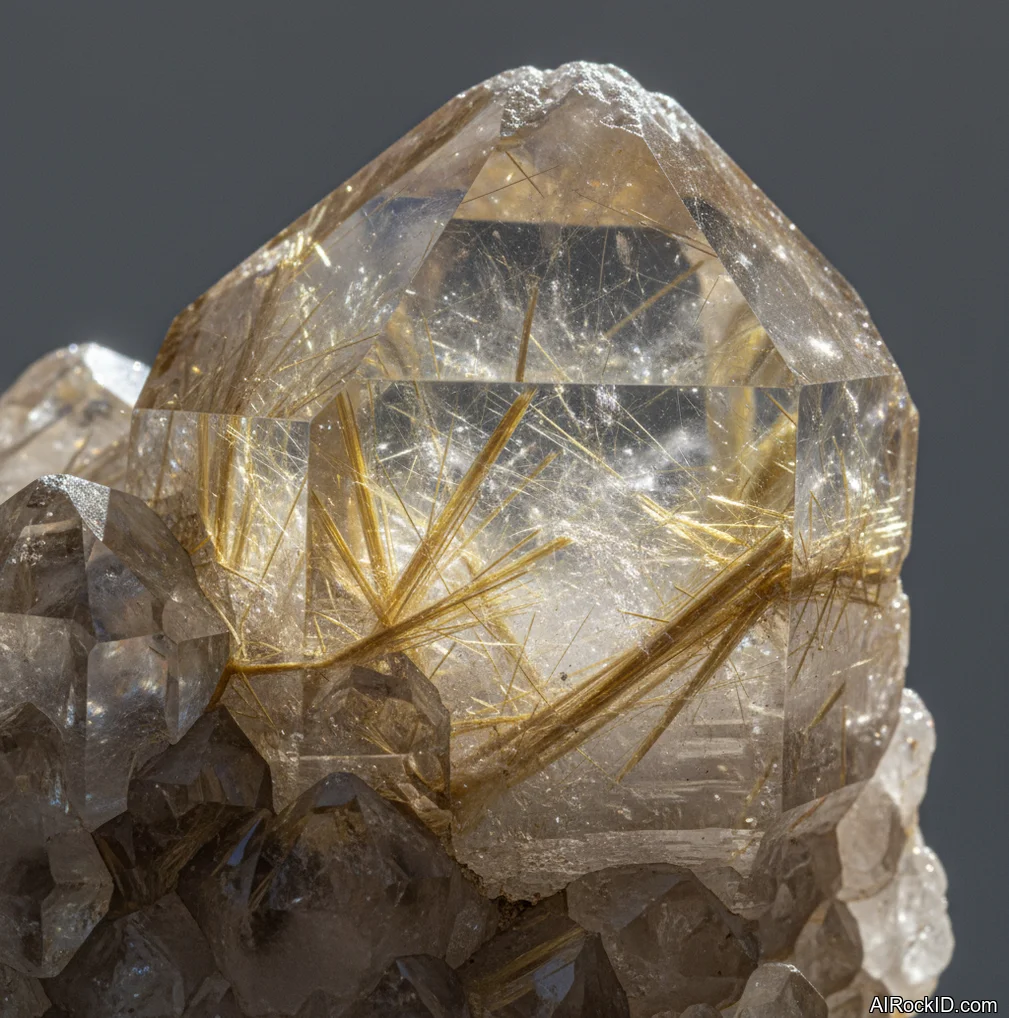
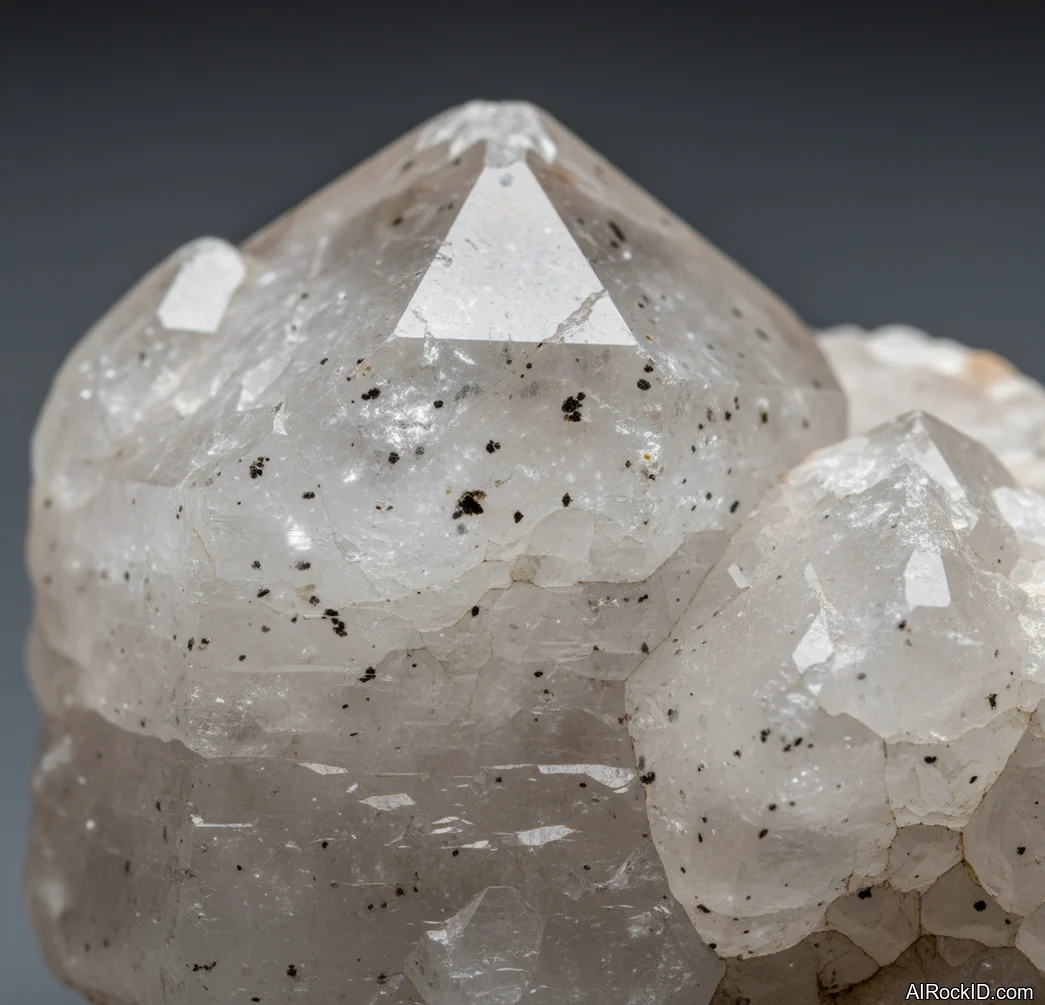
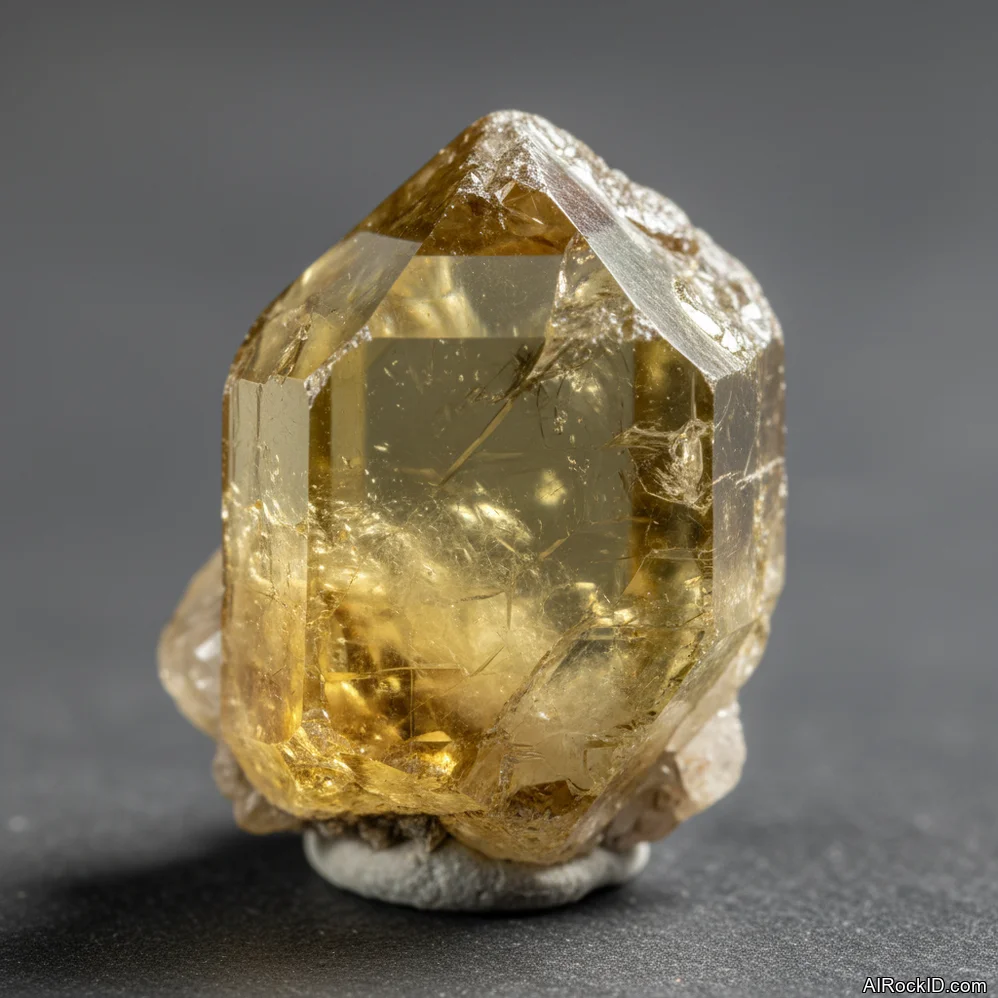
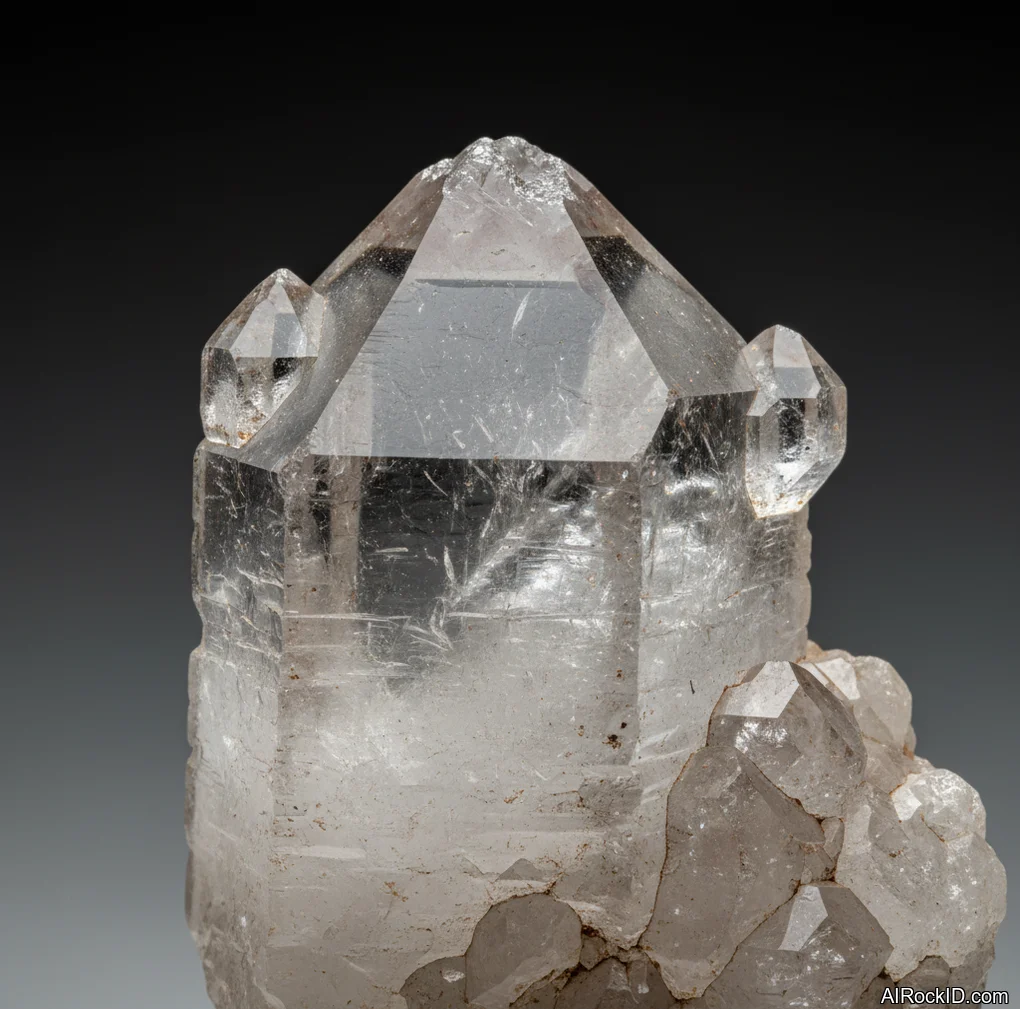
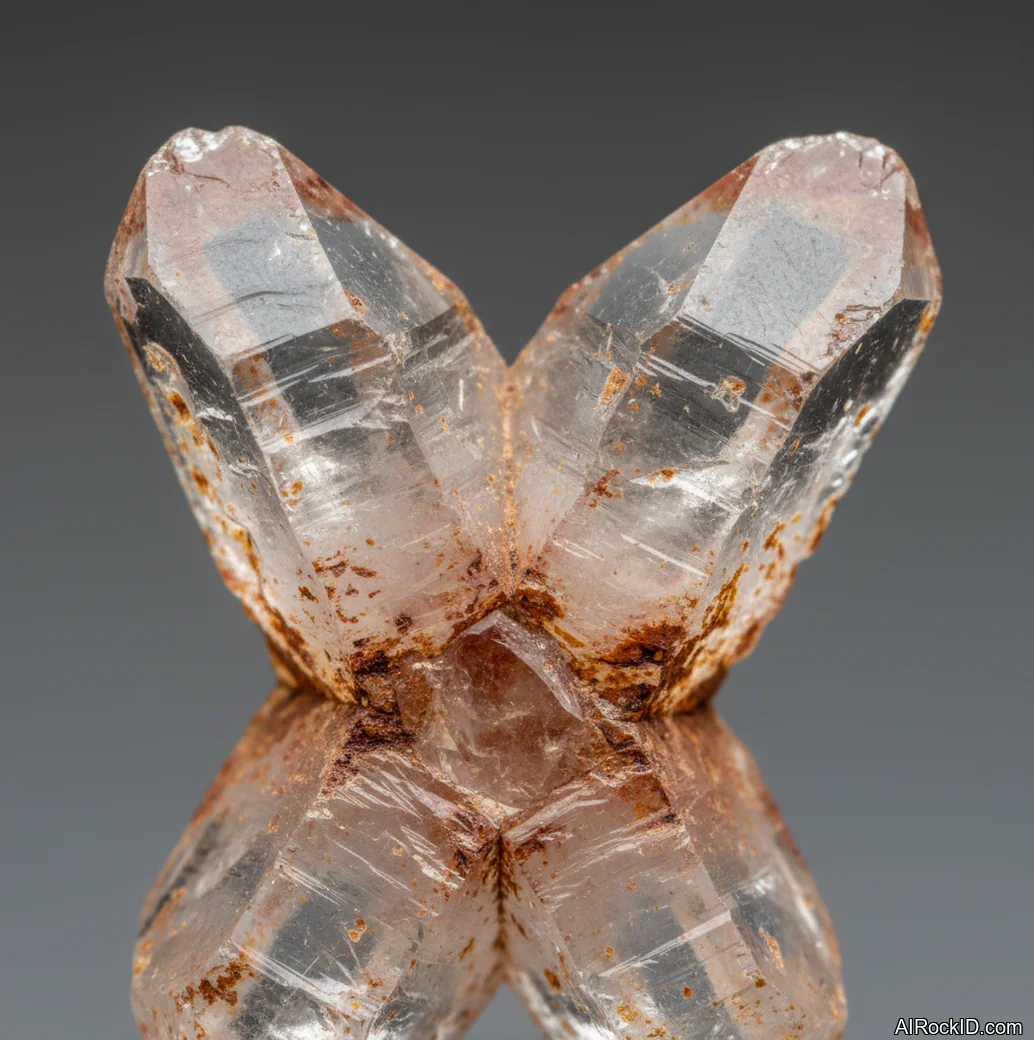
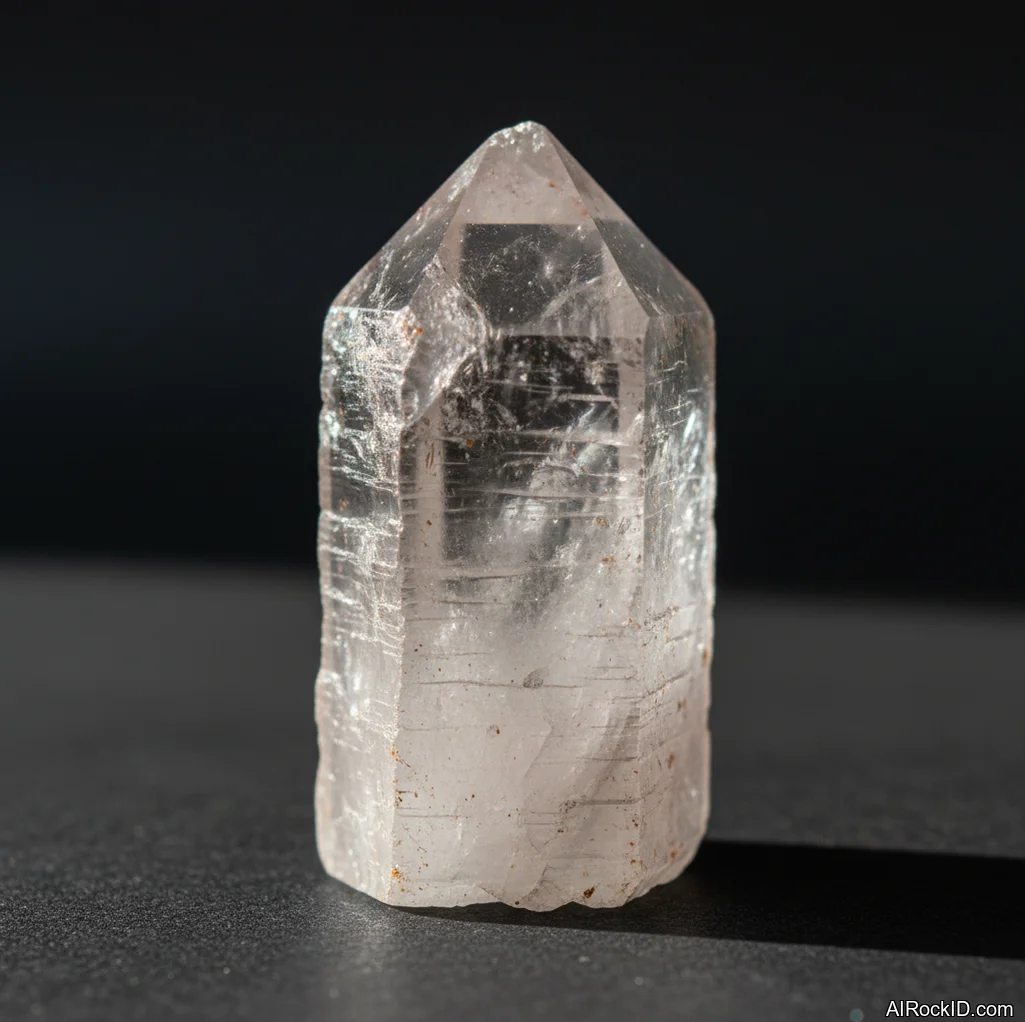
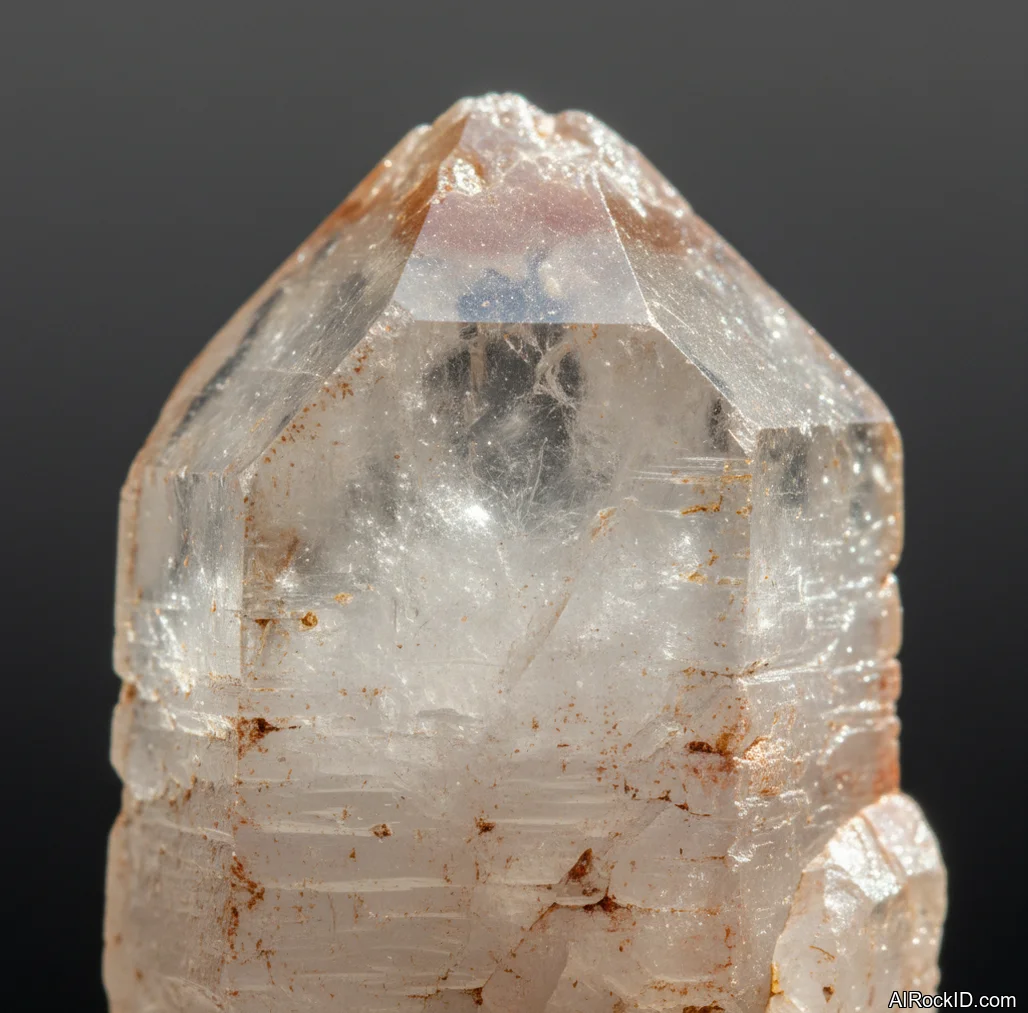
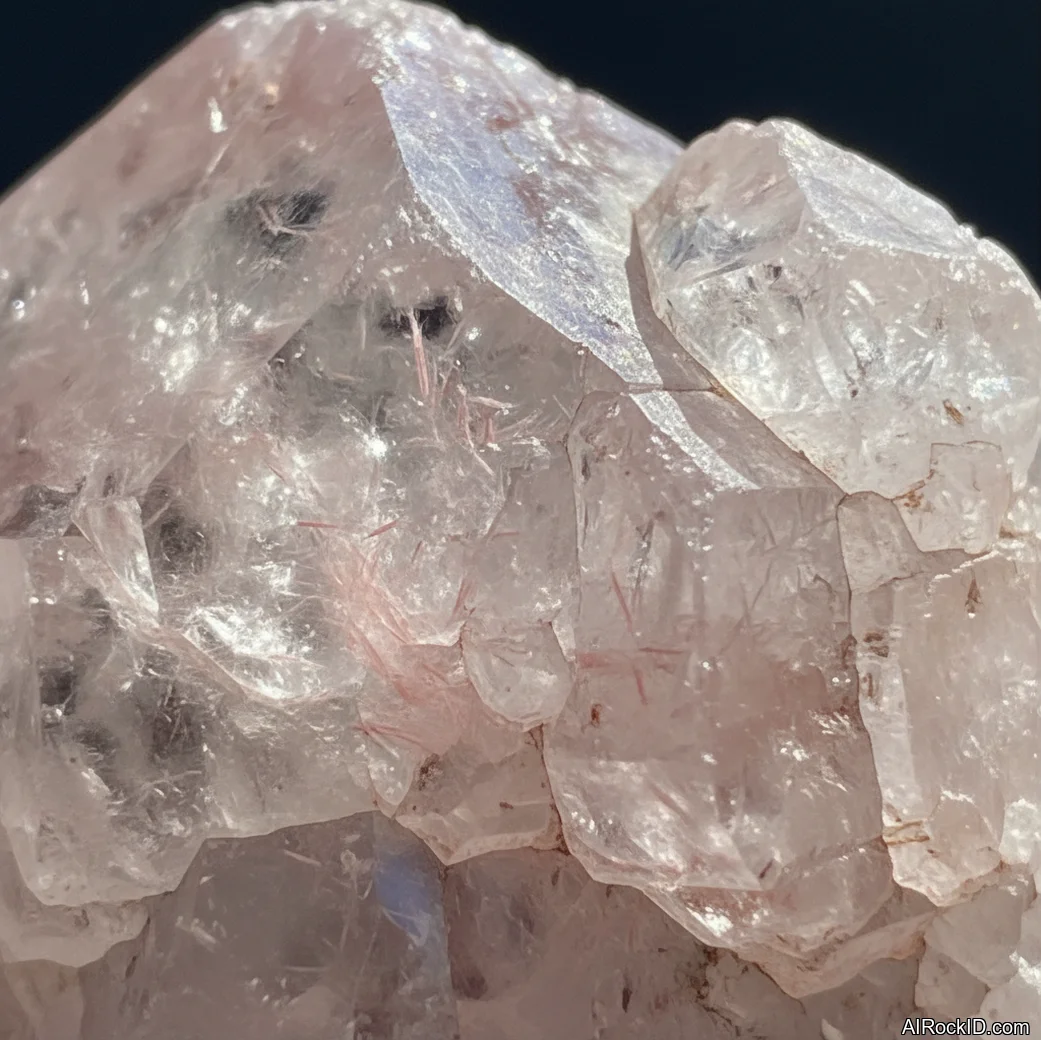
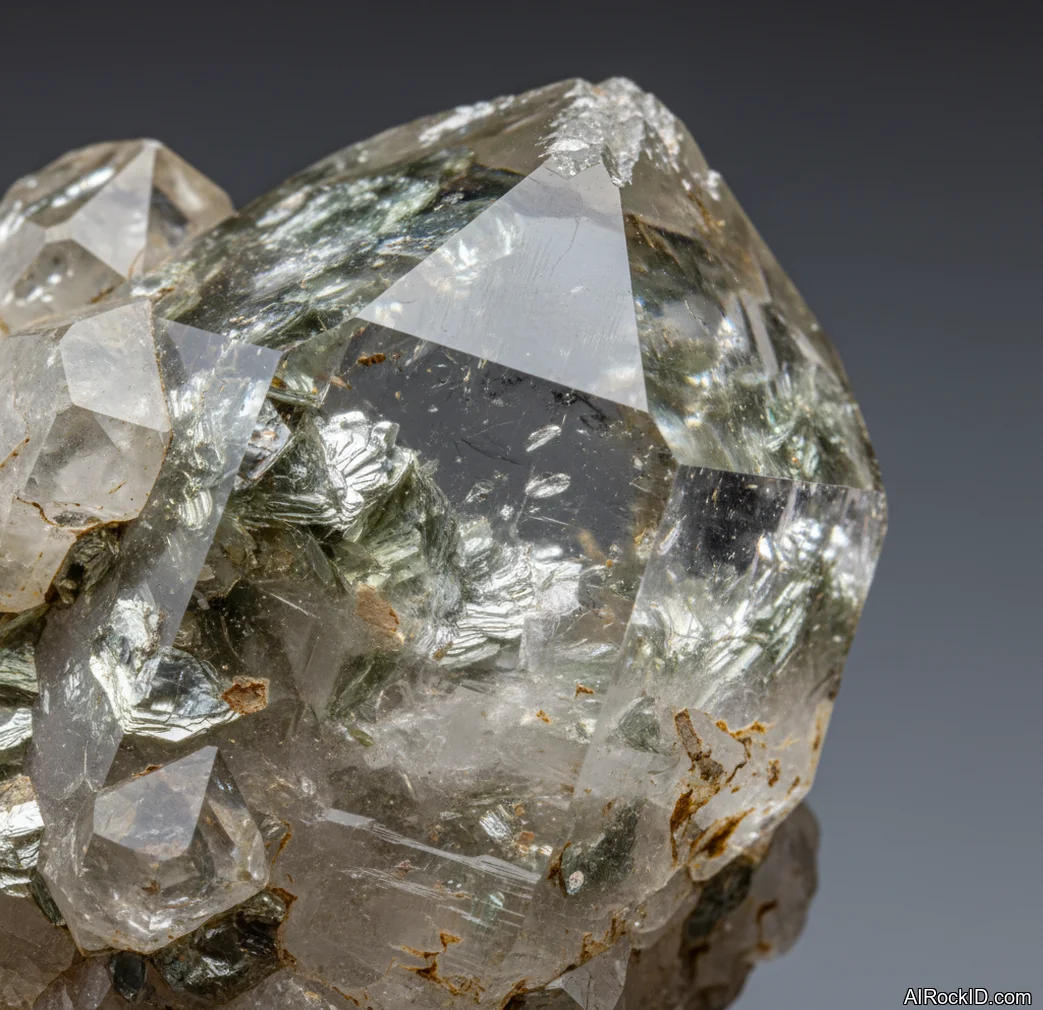
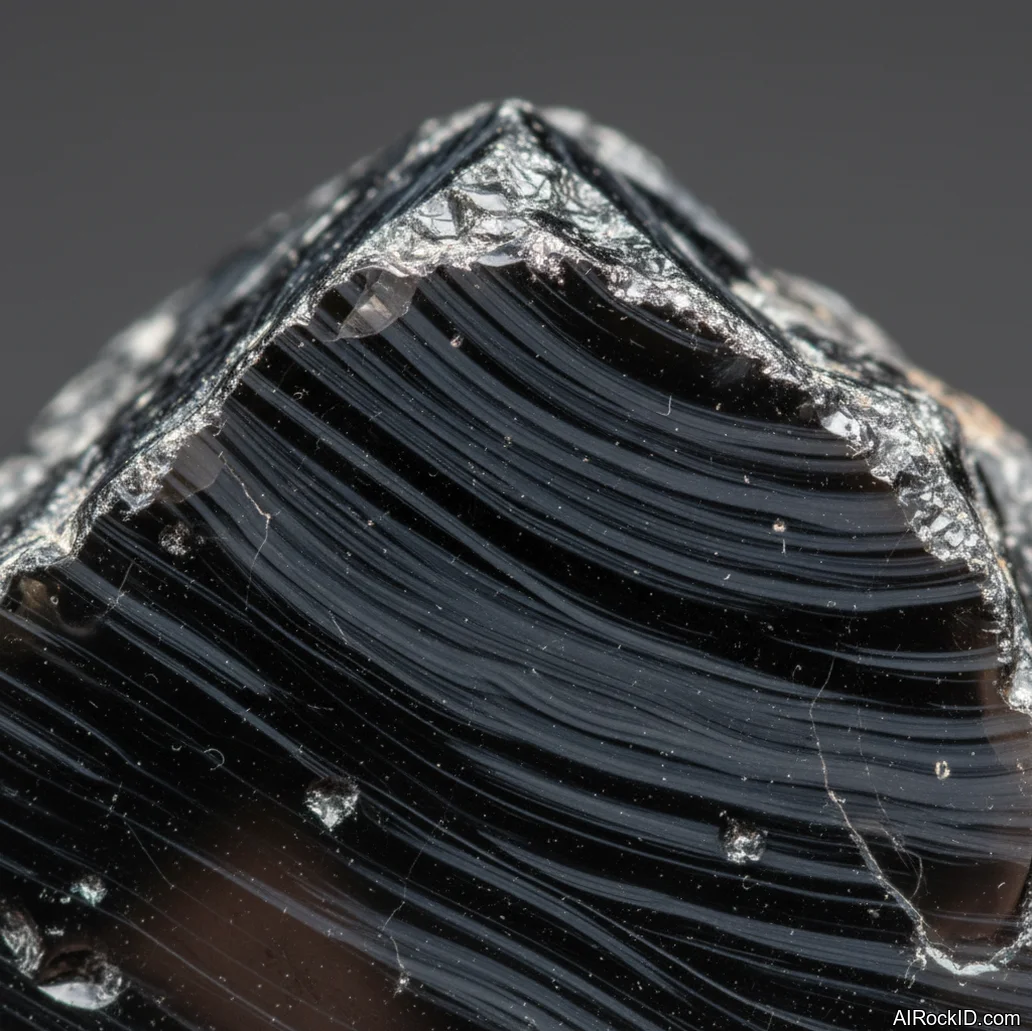
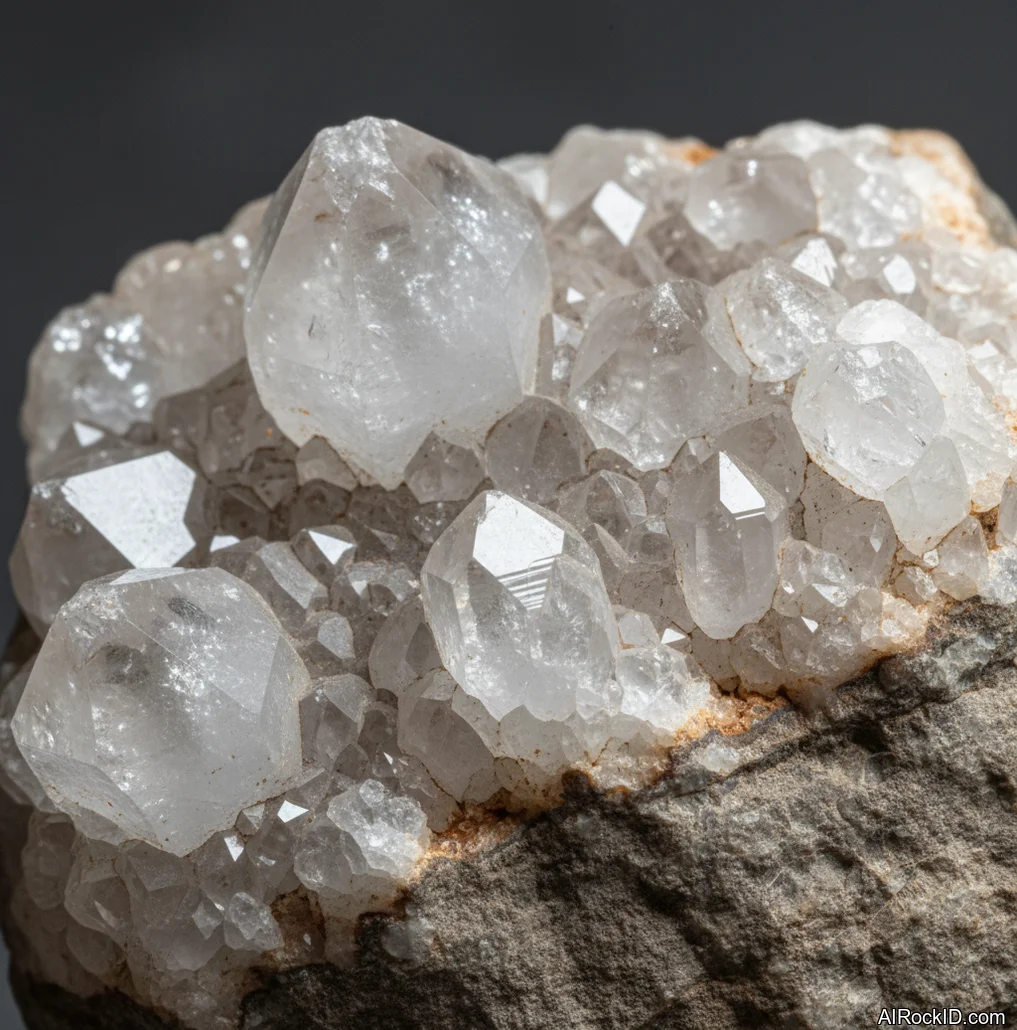
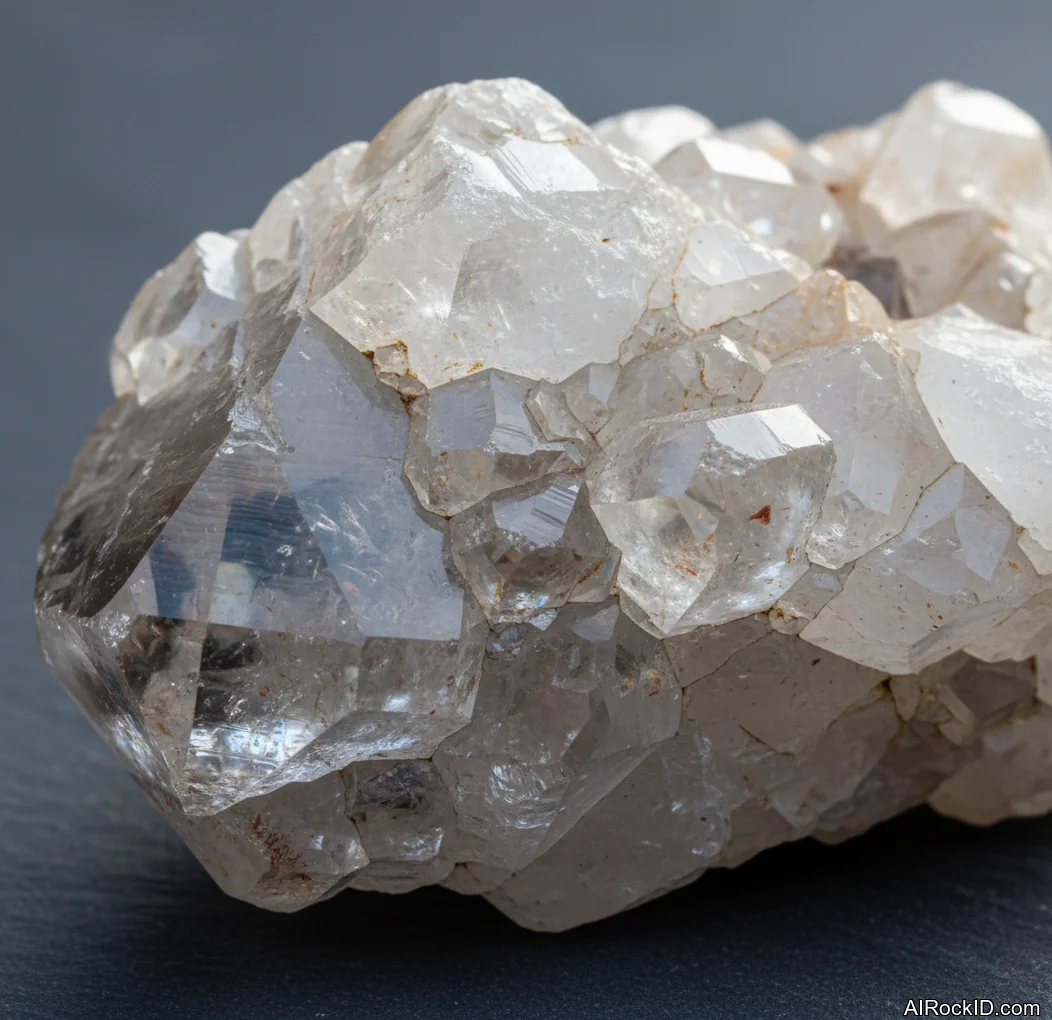
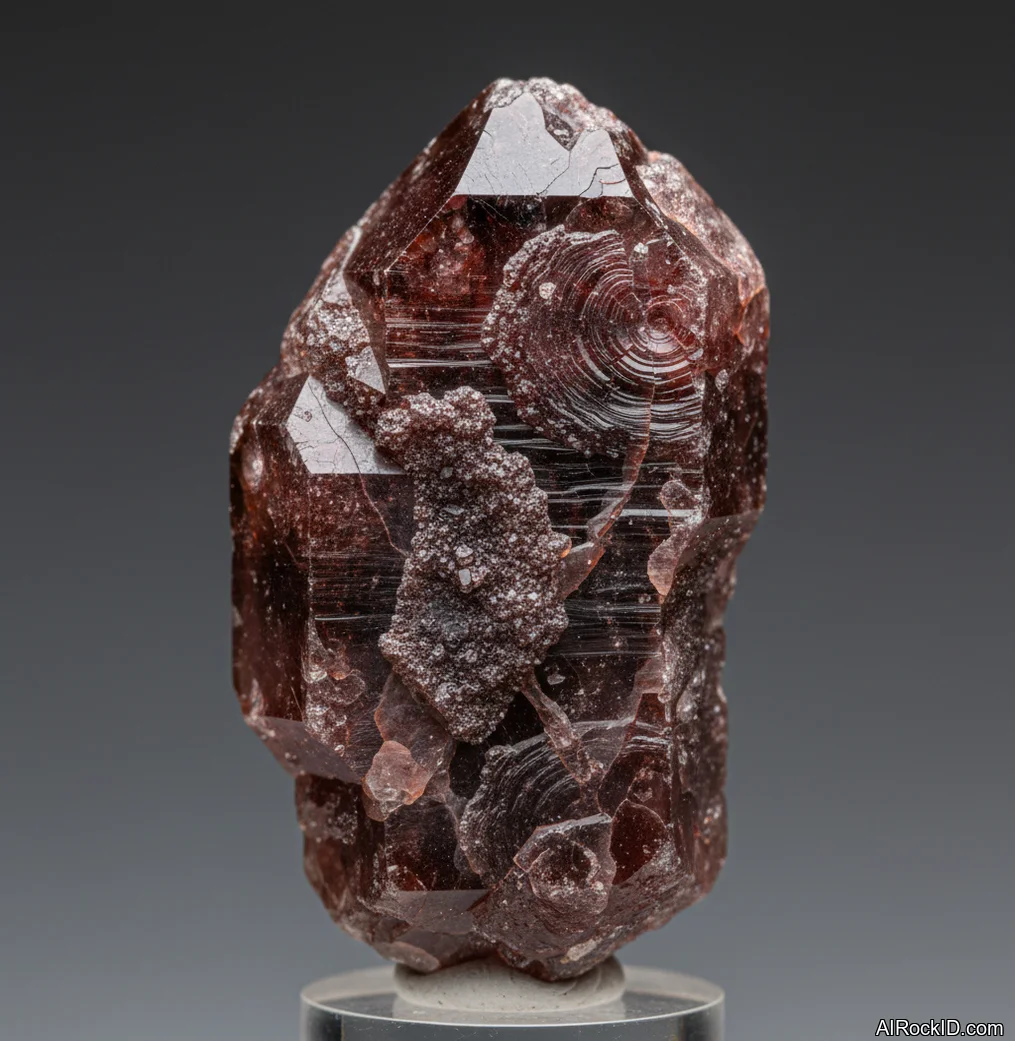
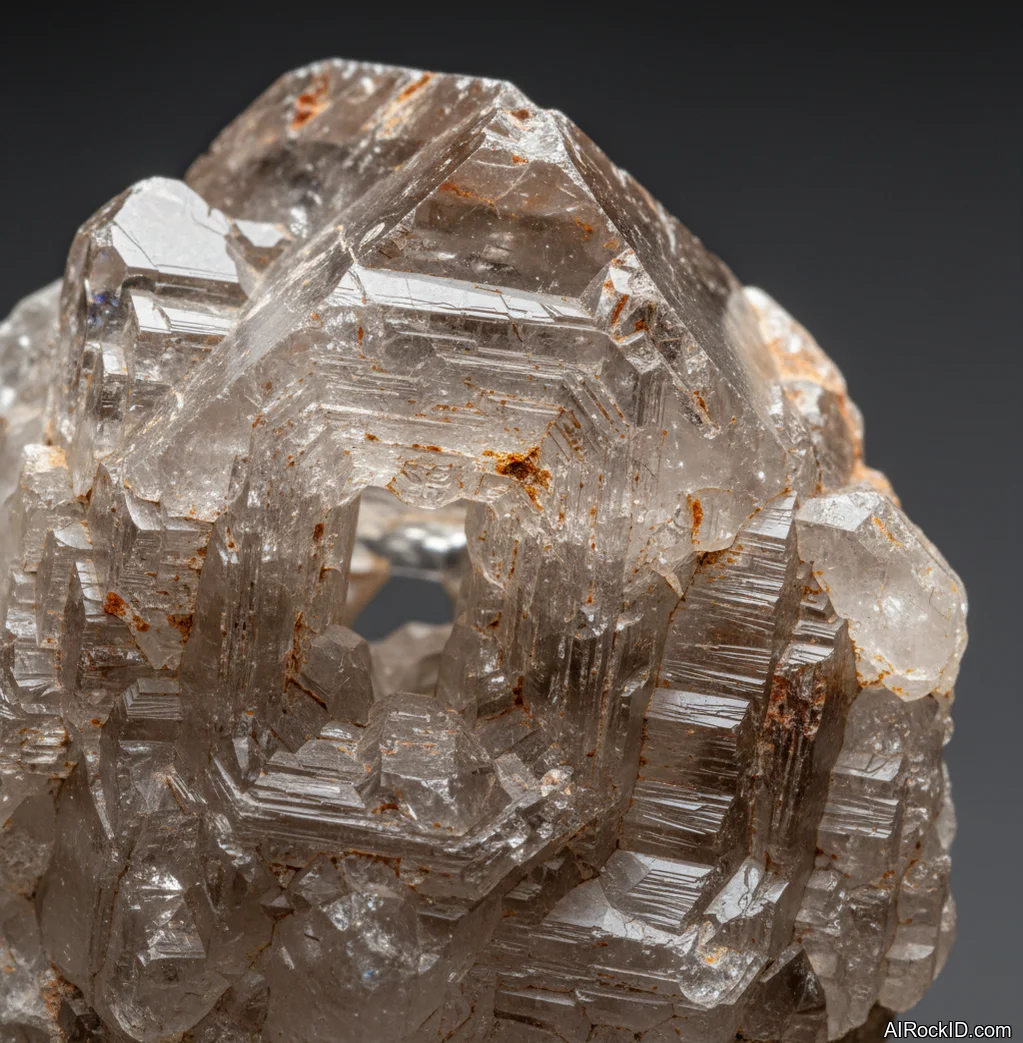
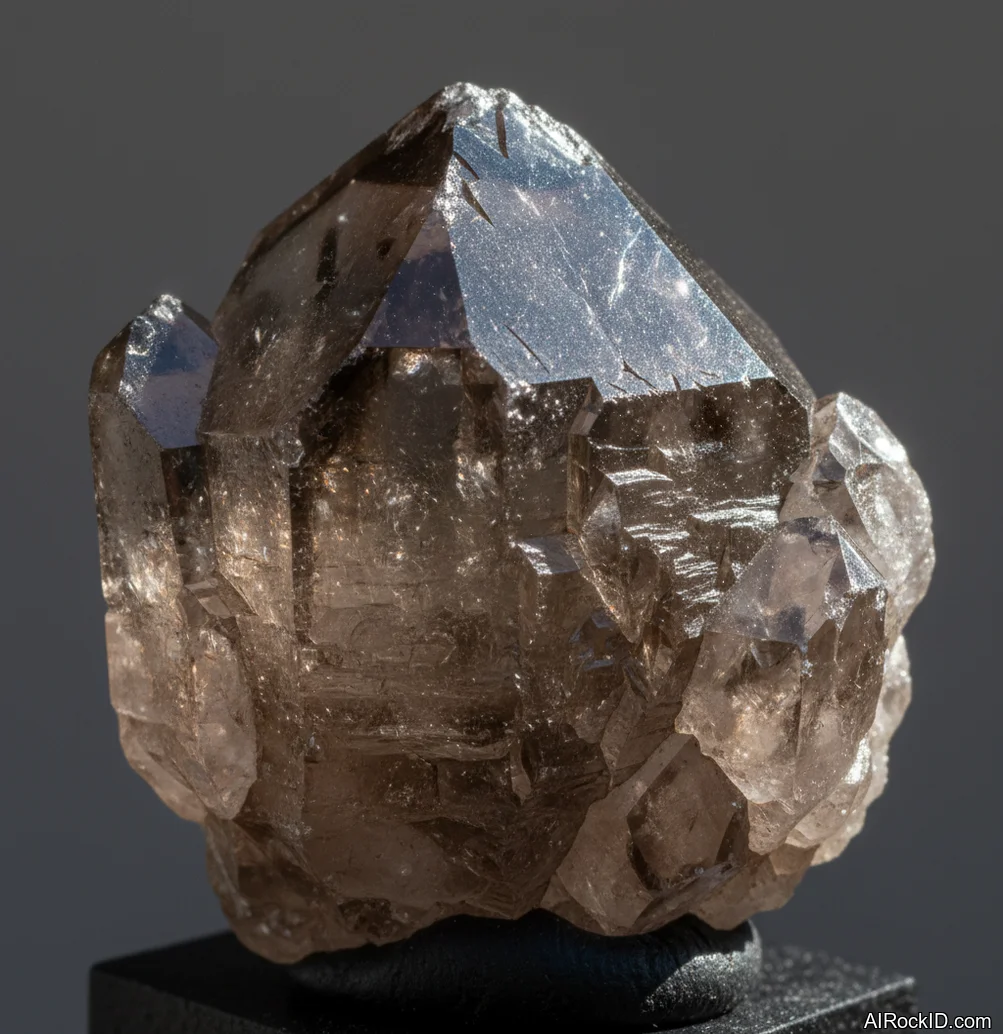
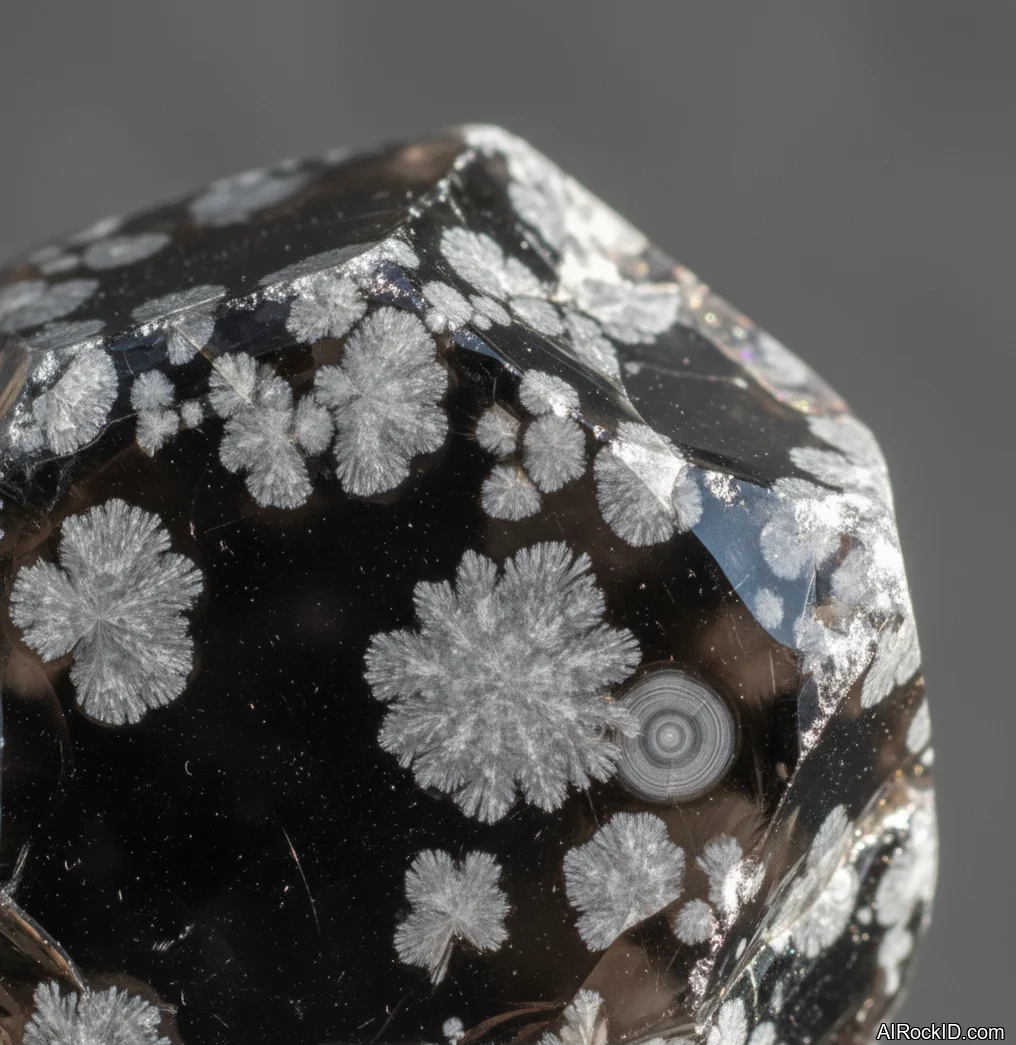
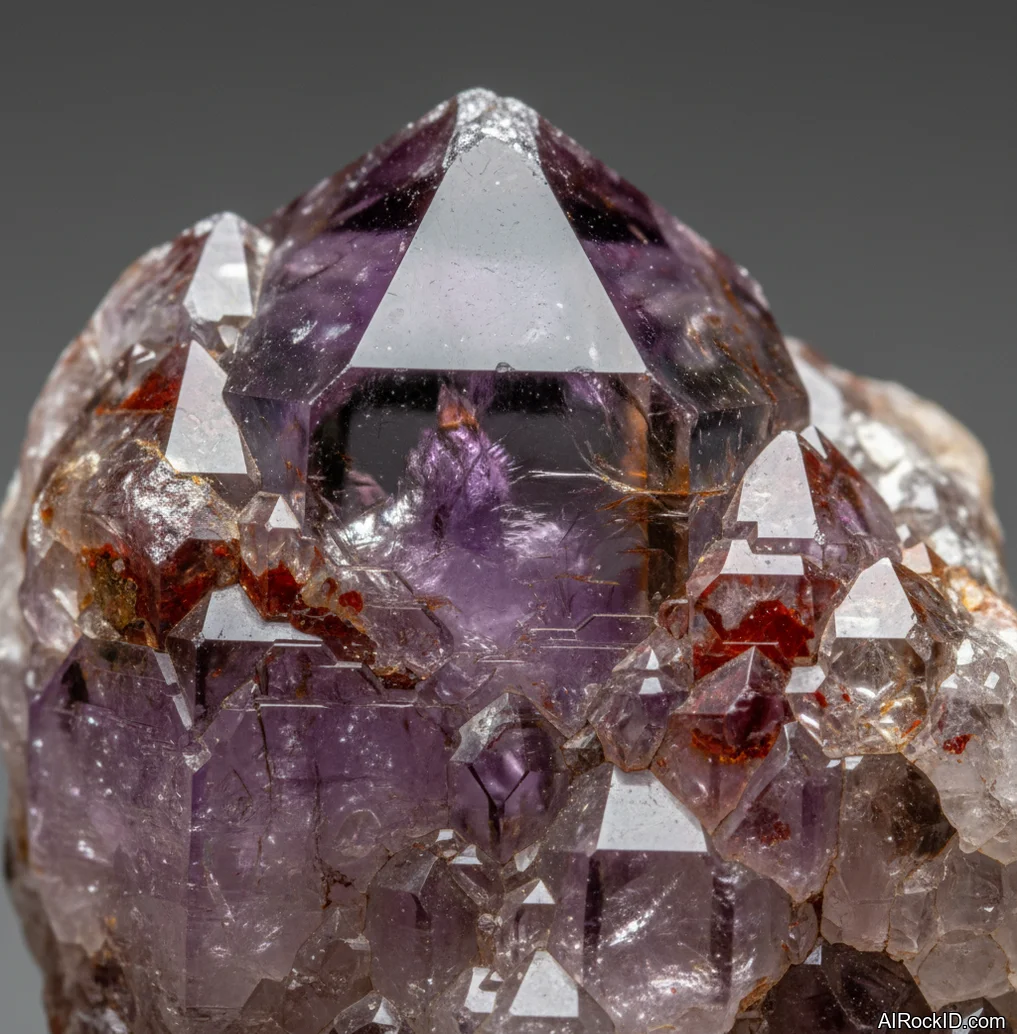
Smoky quartz is a great bridge stone because it still has that quartz clarity, but the gray-brown body color reads like soil and smoke. Look closely at natural smoky and you’ll often see uneven zoning, little wisps, or patches where the color deepens along fractures.
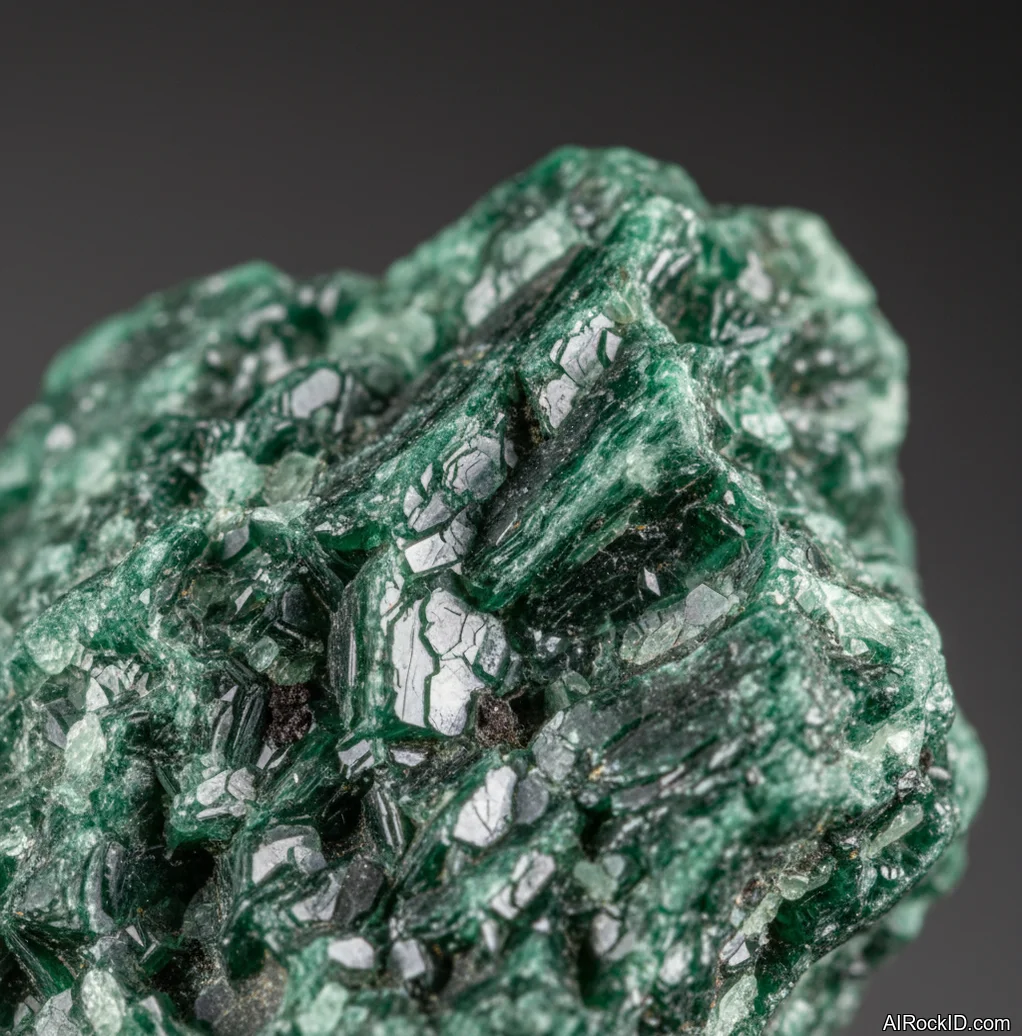
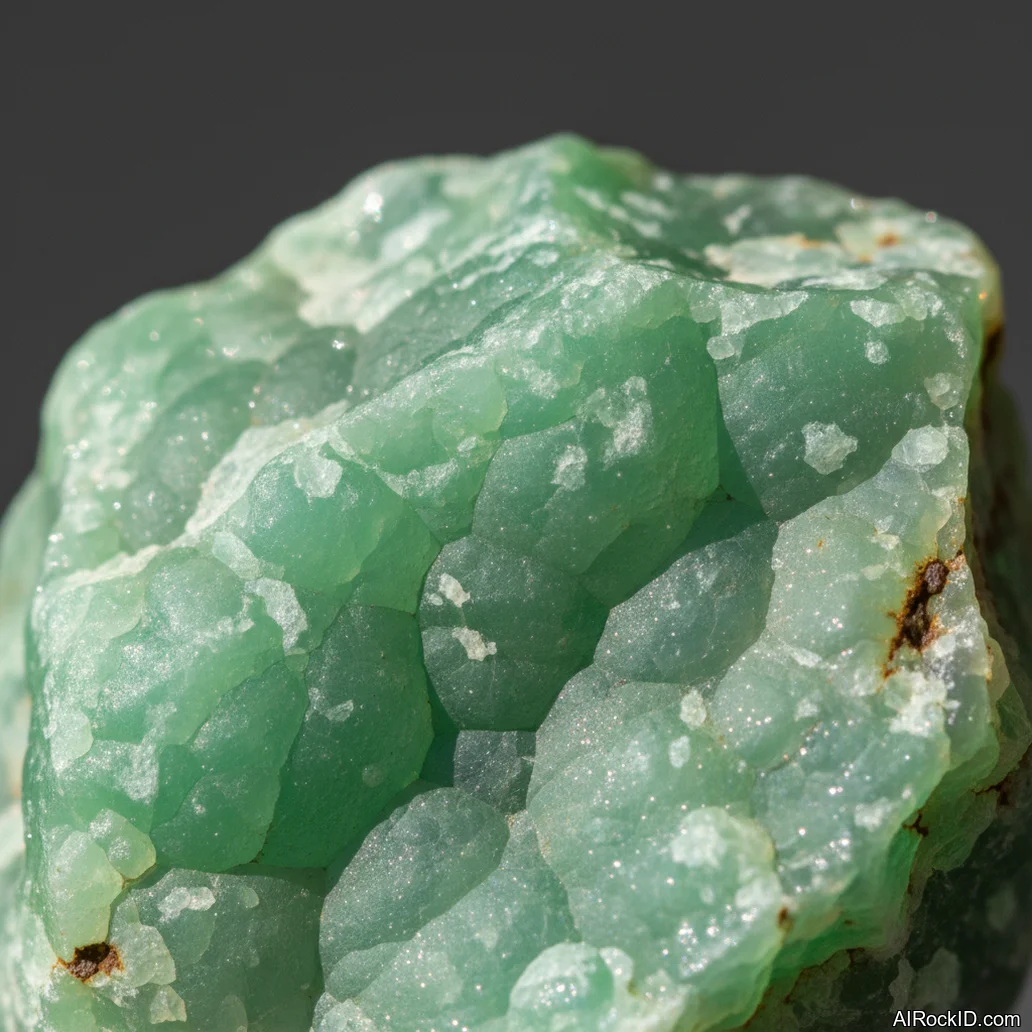
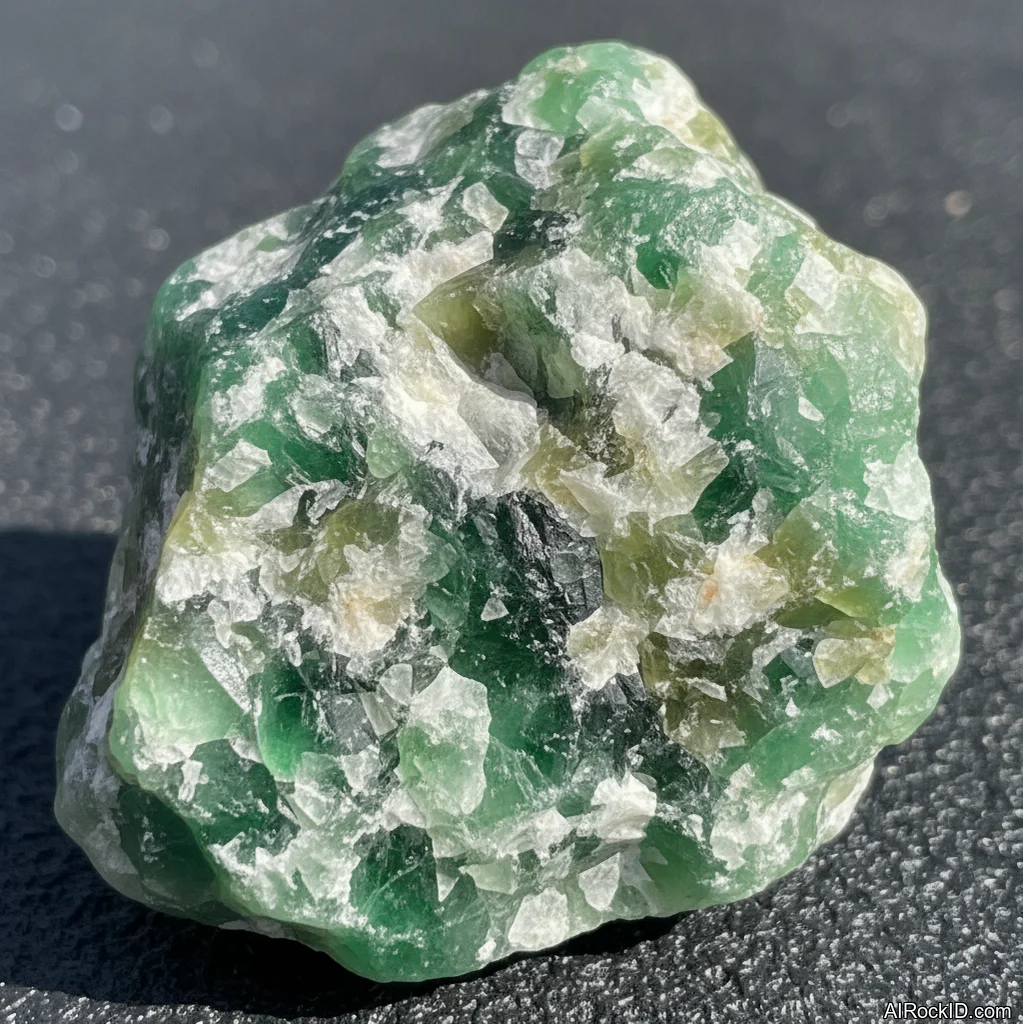
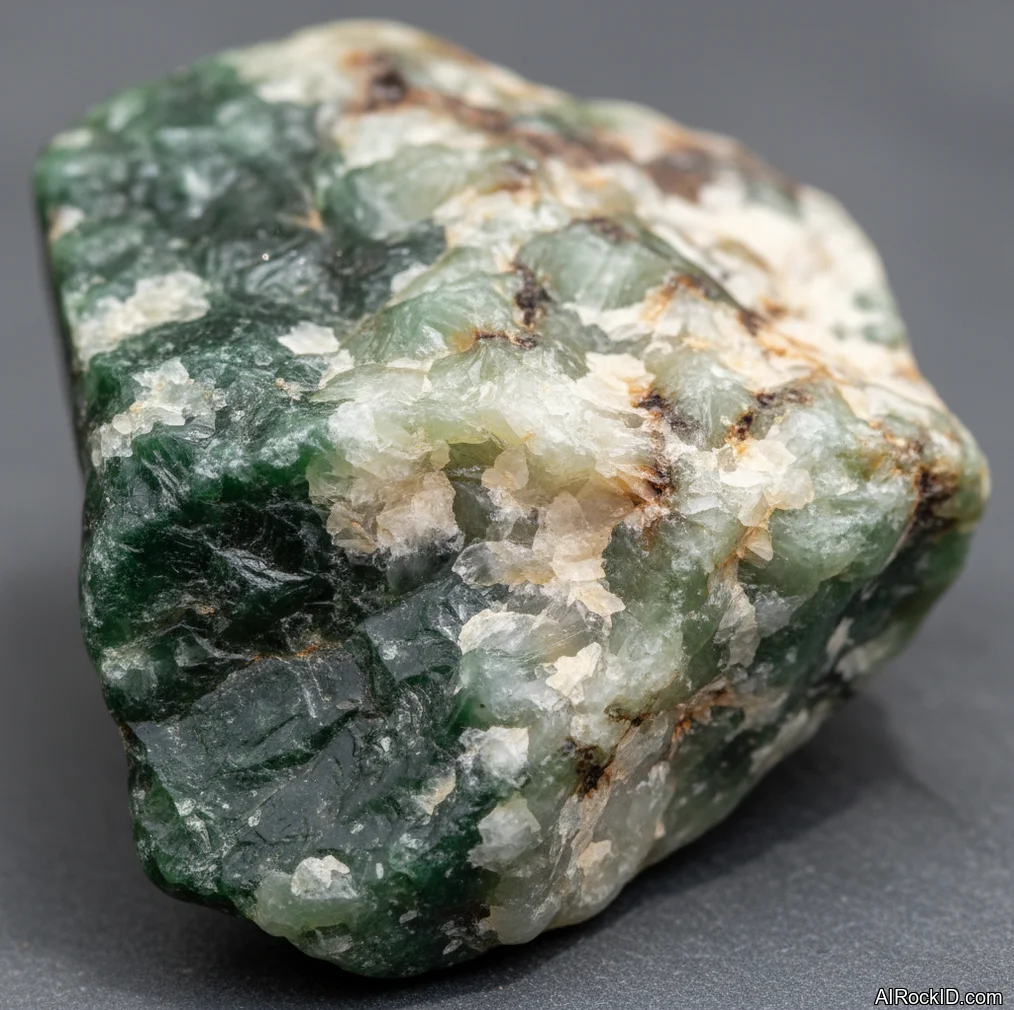
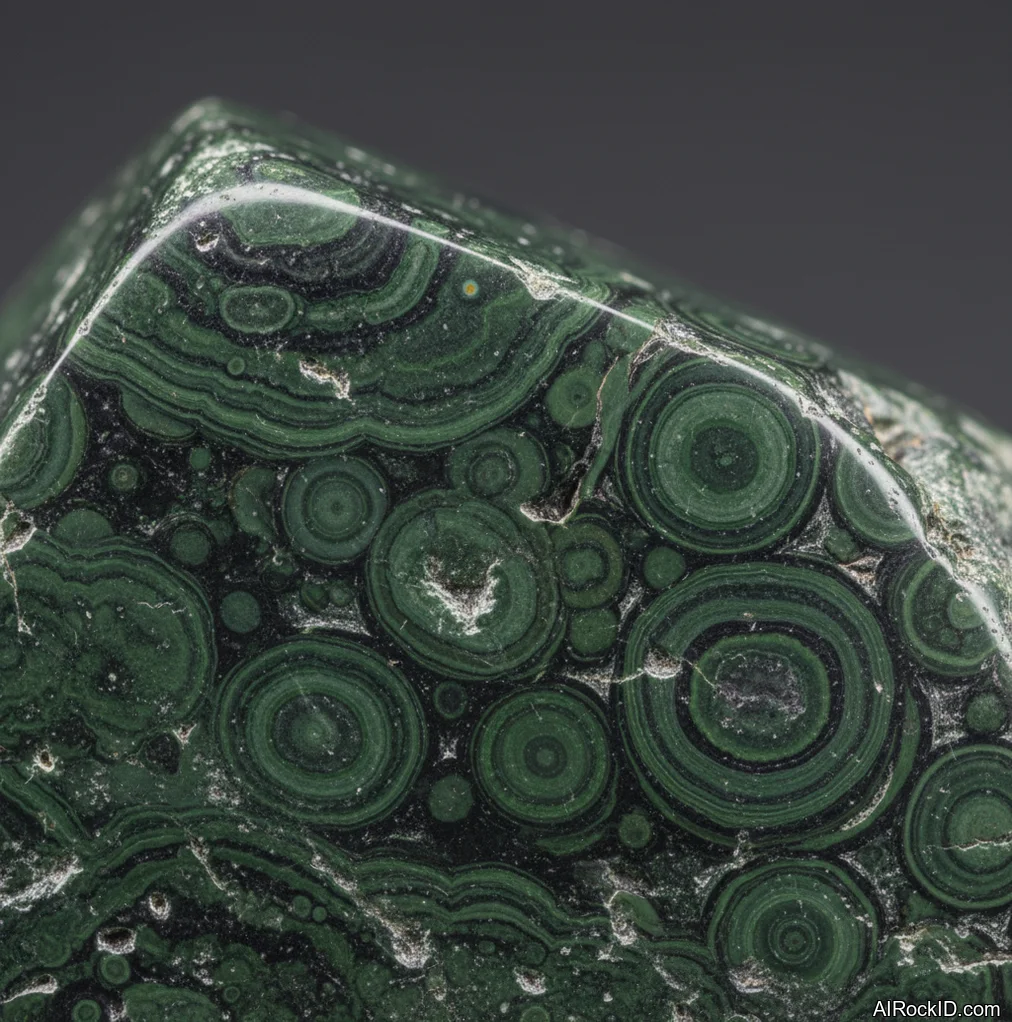
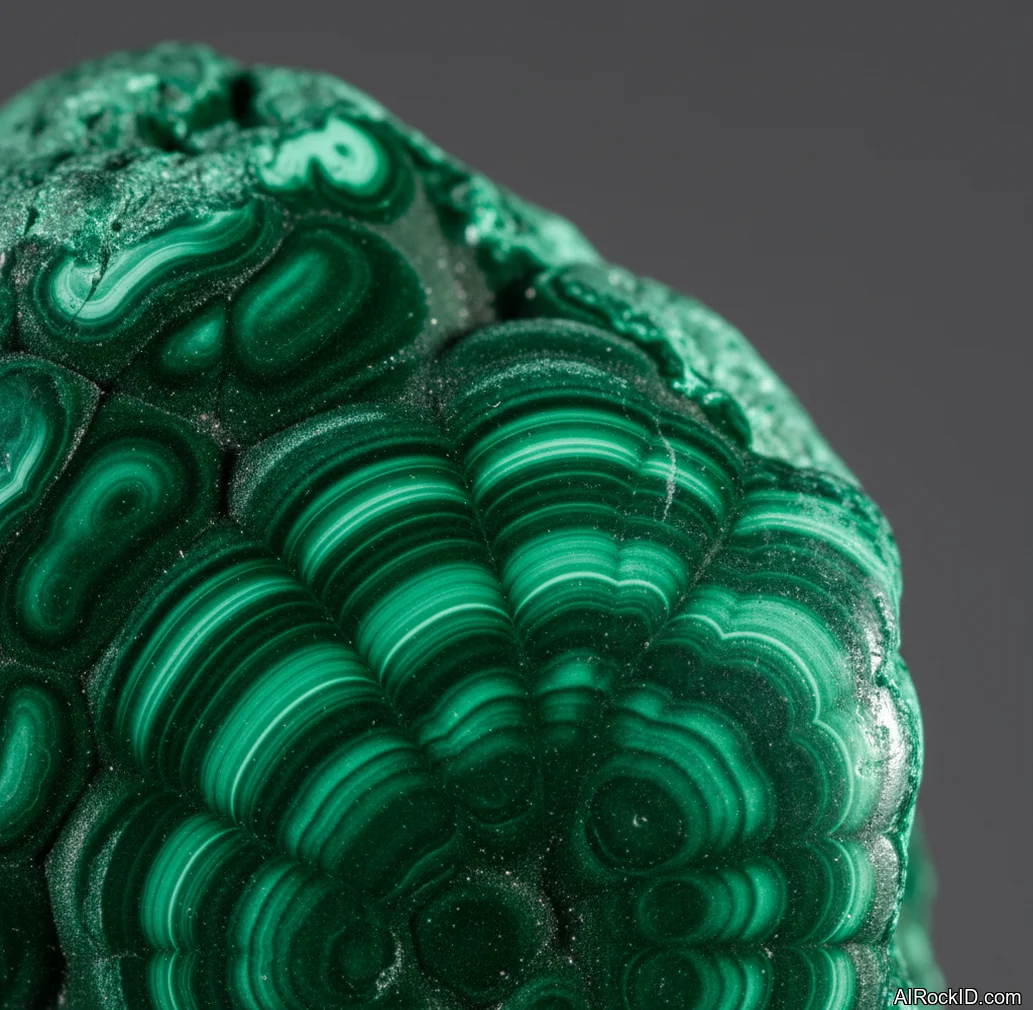
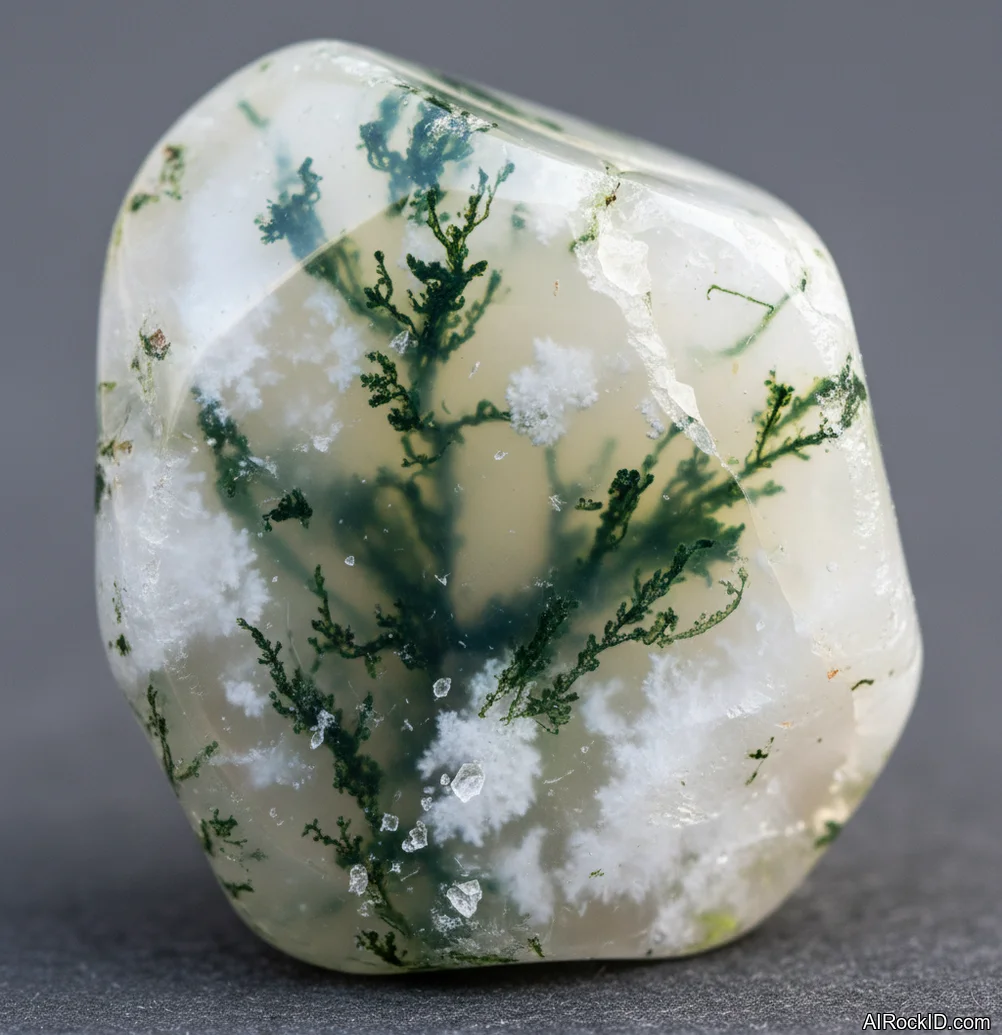
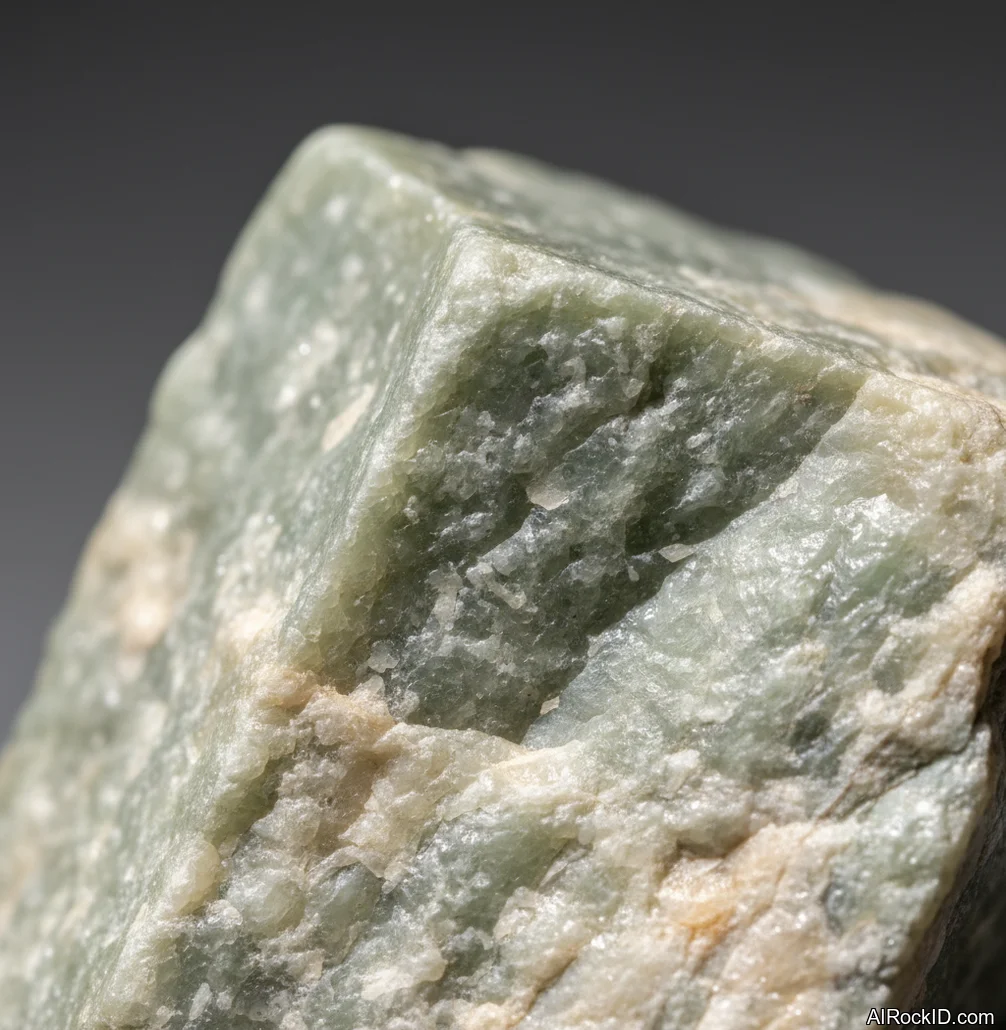
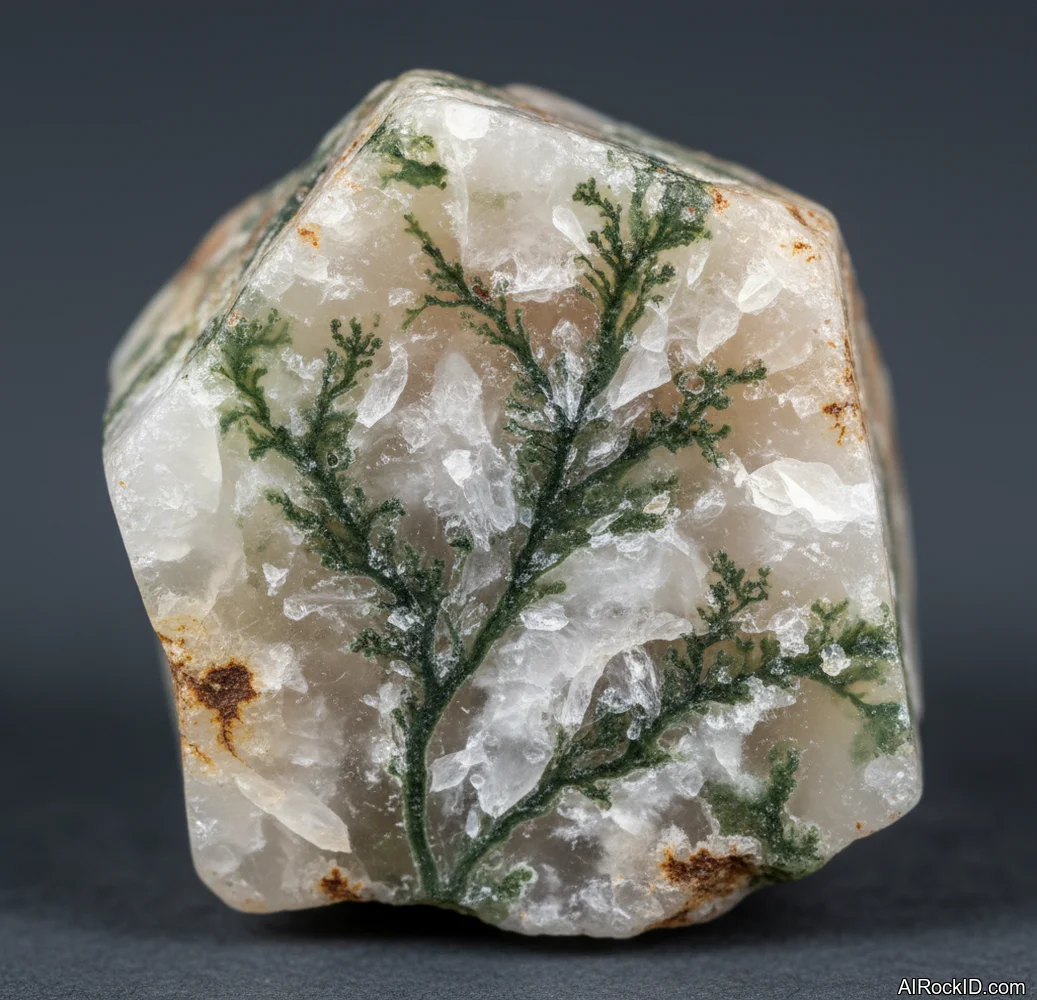
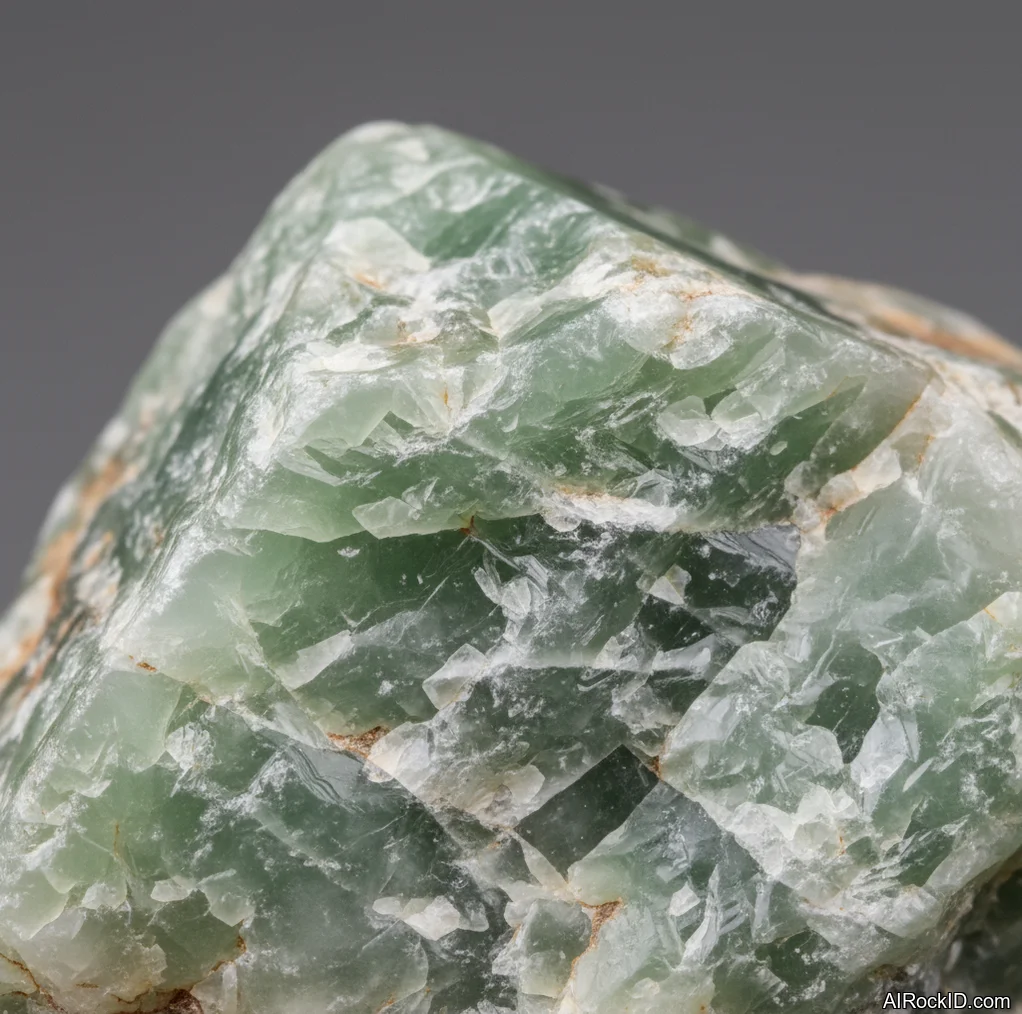
For grounding, I like a three-stone rotation that hits different “textures” of Earth. Hematite for weight and focus. Jasper for steady stamina. And a green stone like moss agate or aventurine for the living, growing side of Earth.
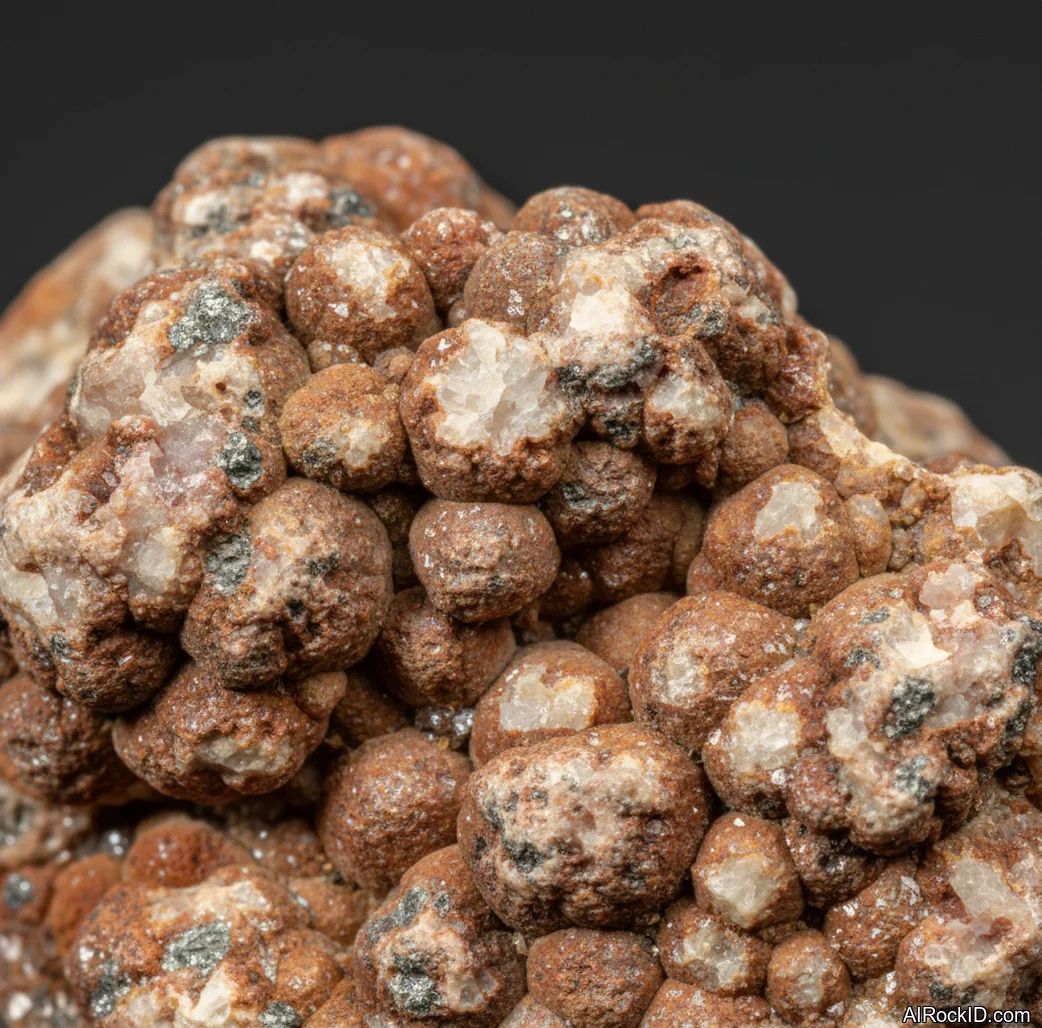
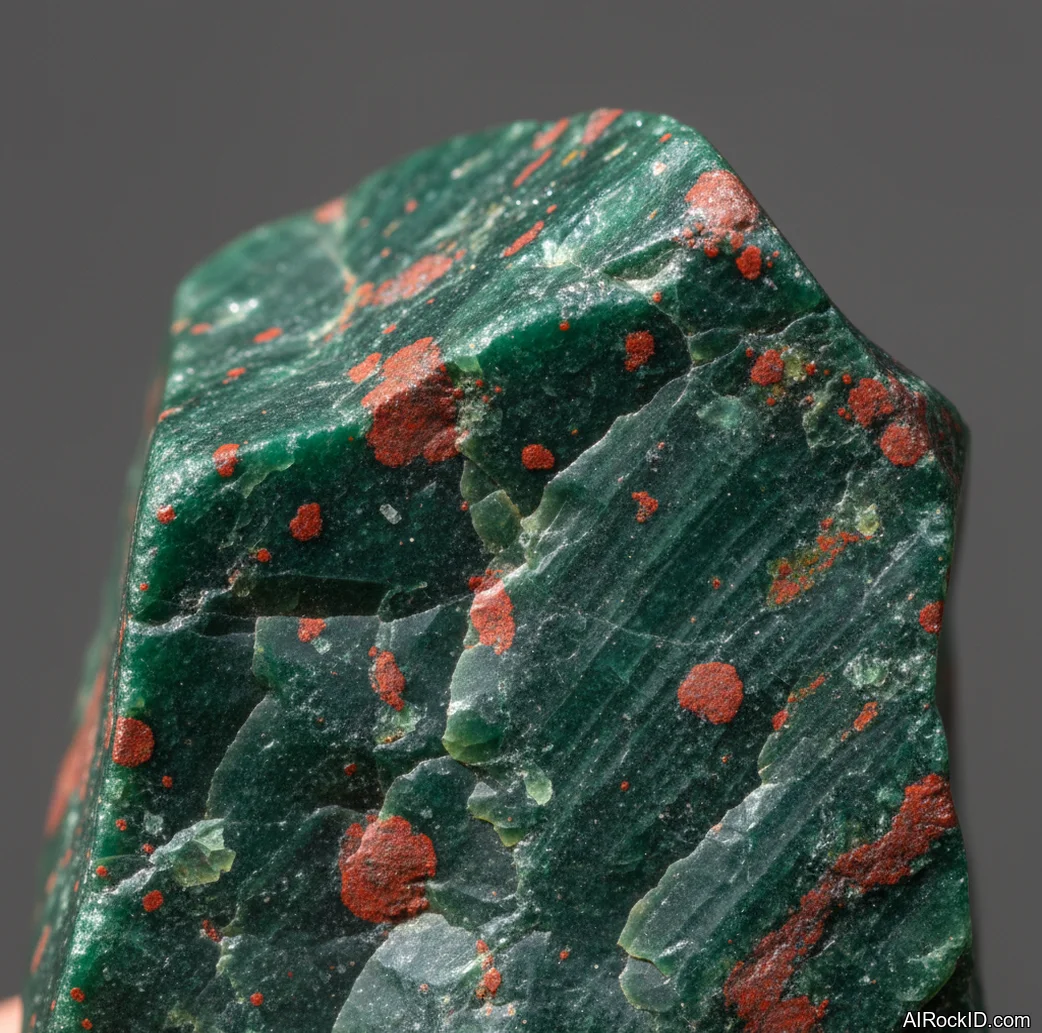
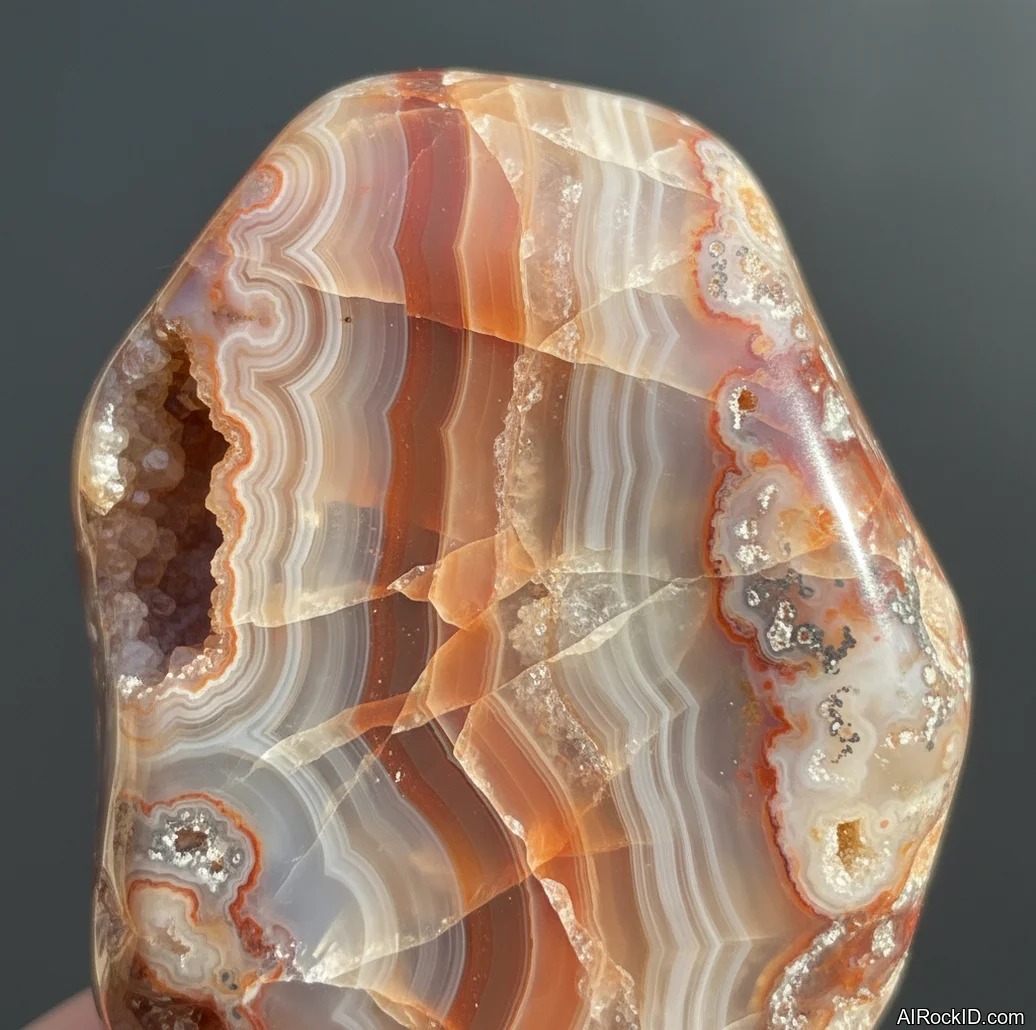
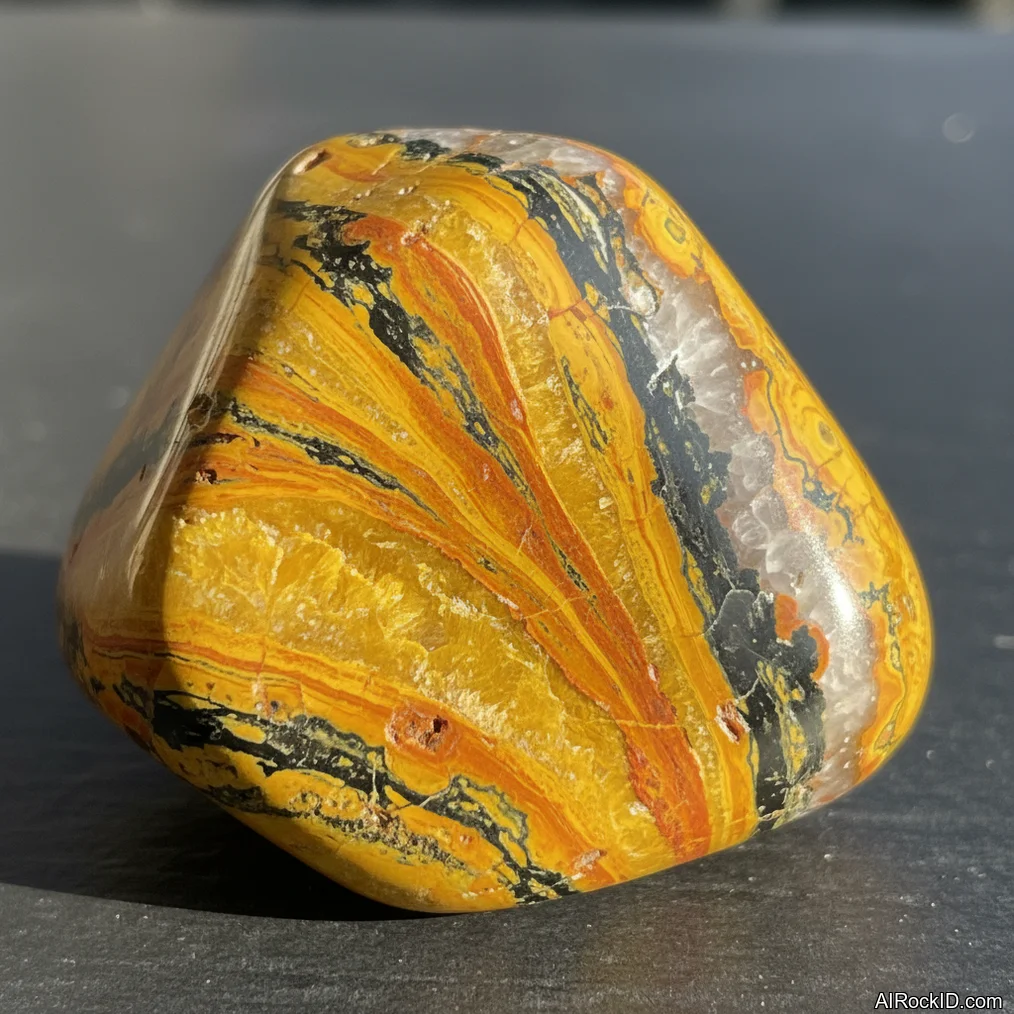
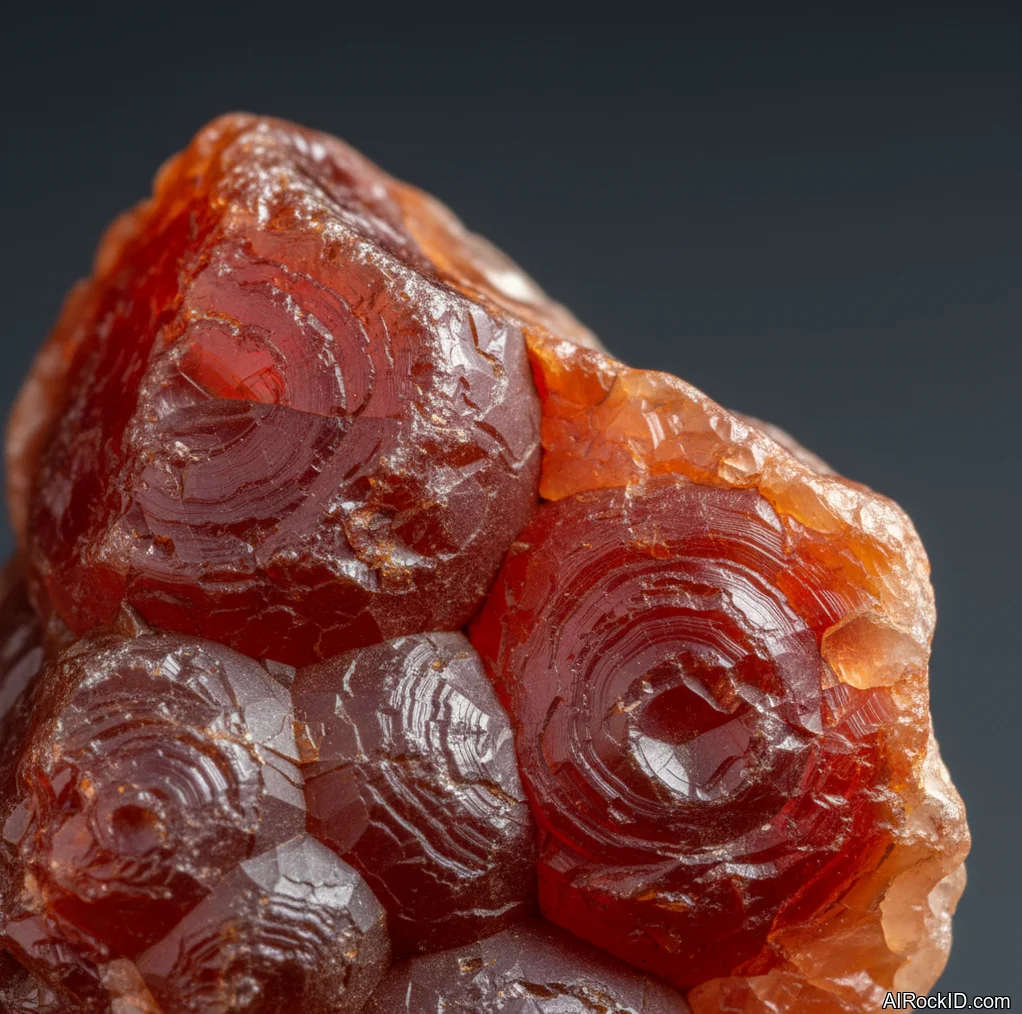
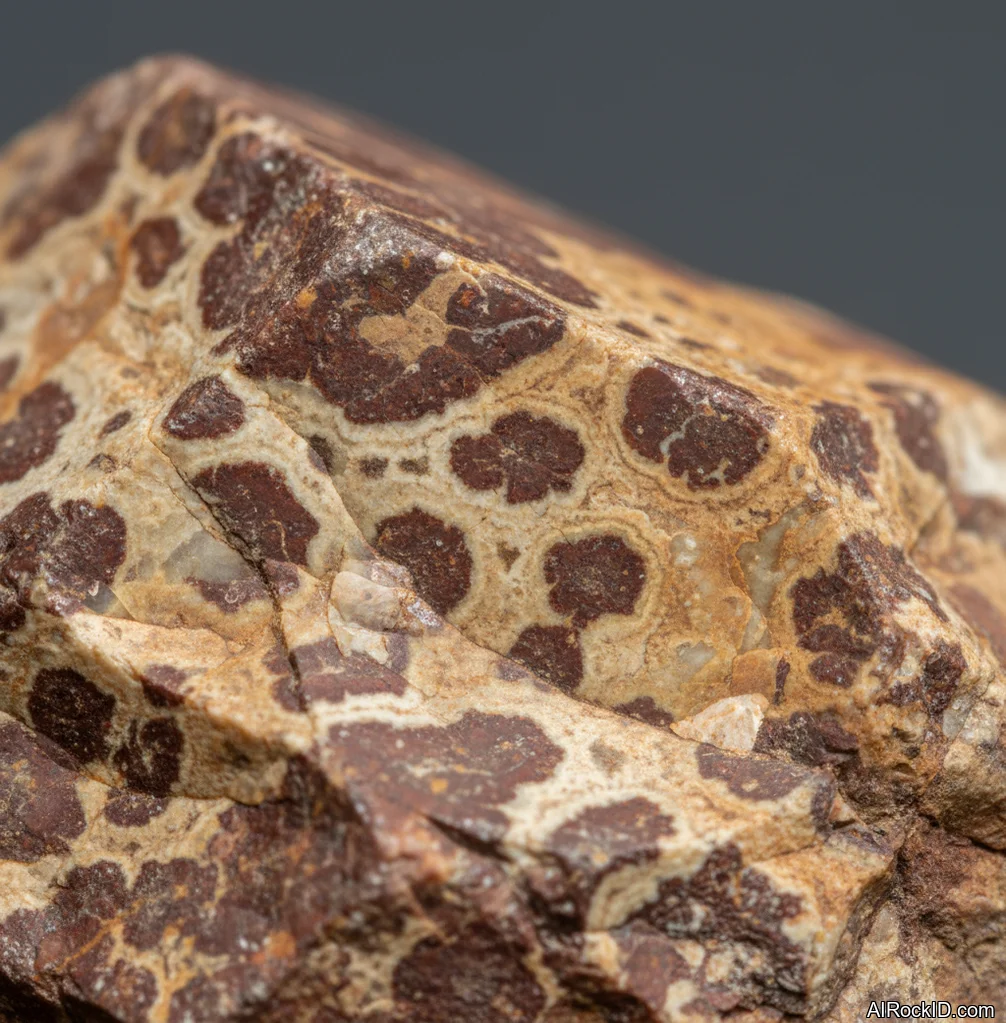
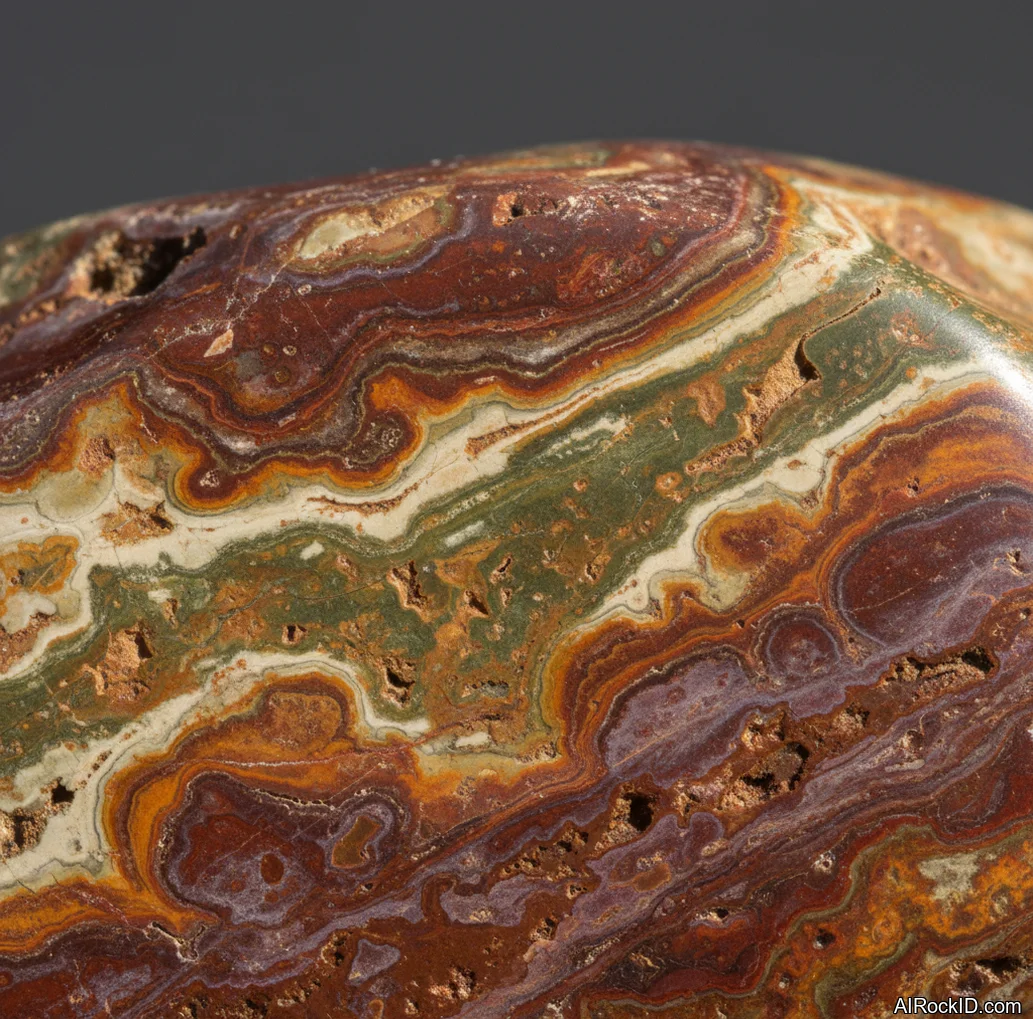
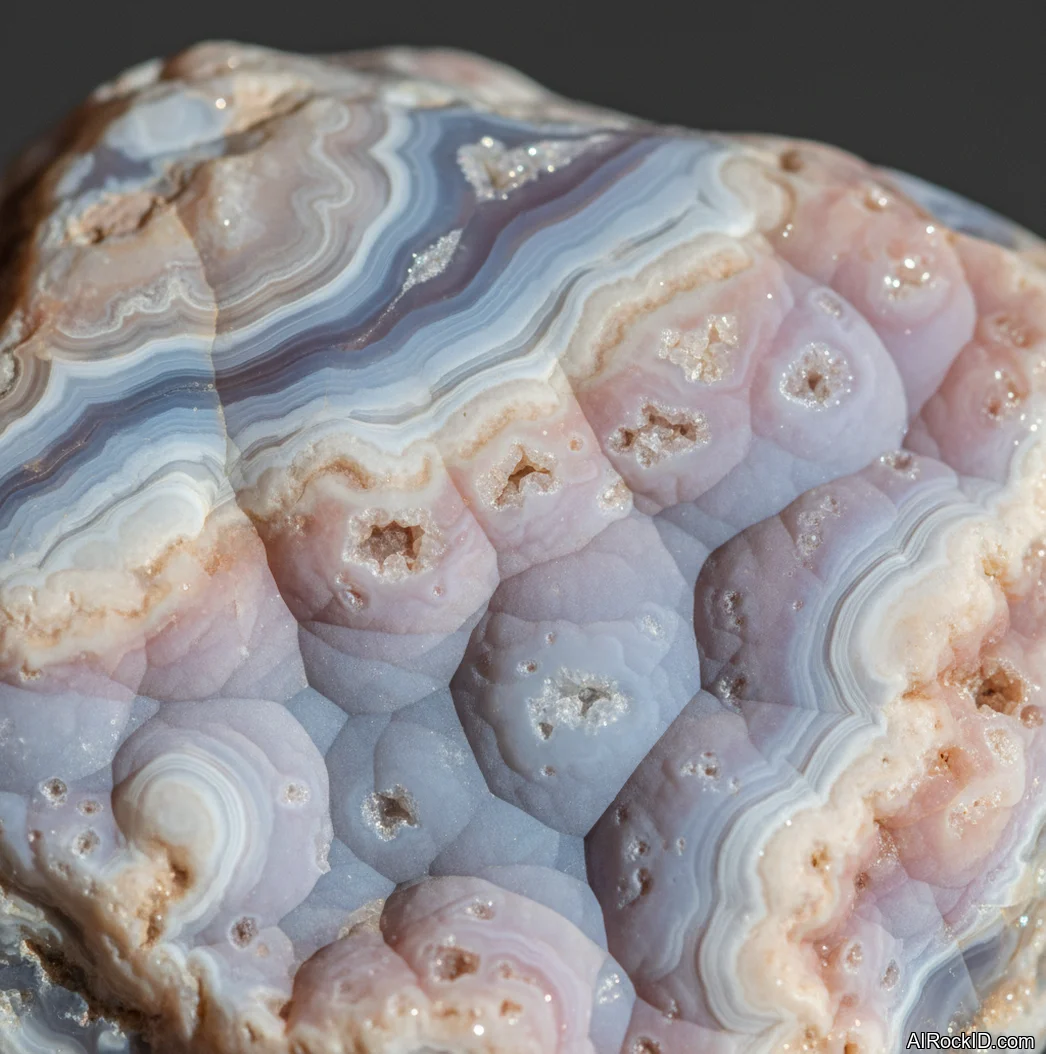
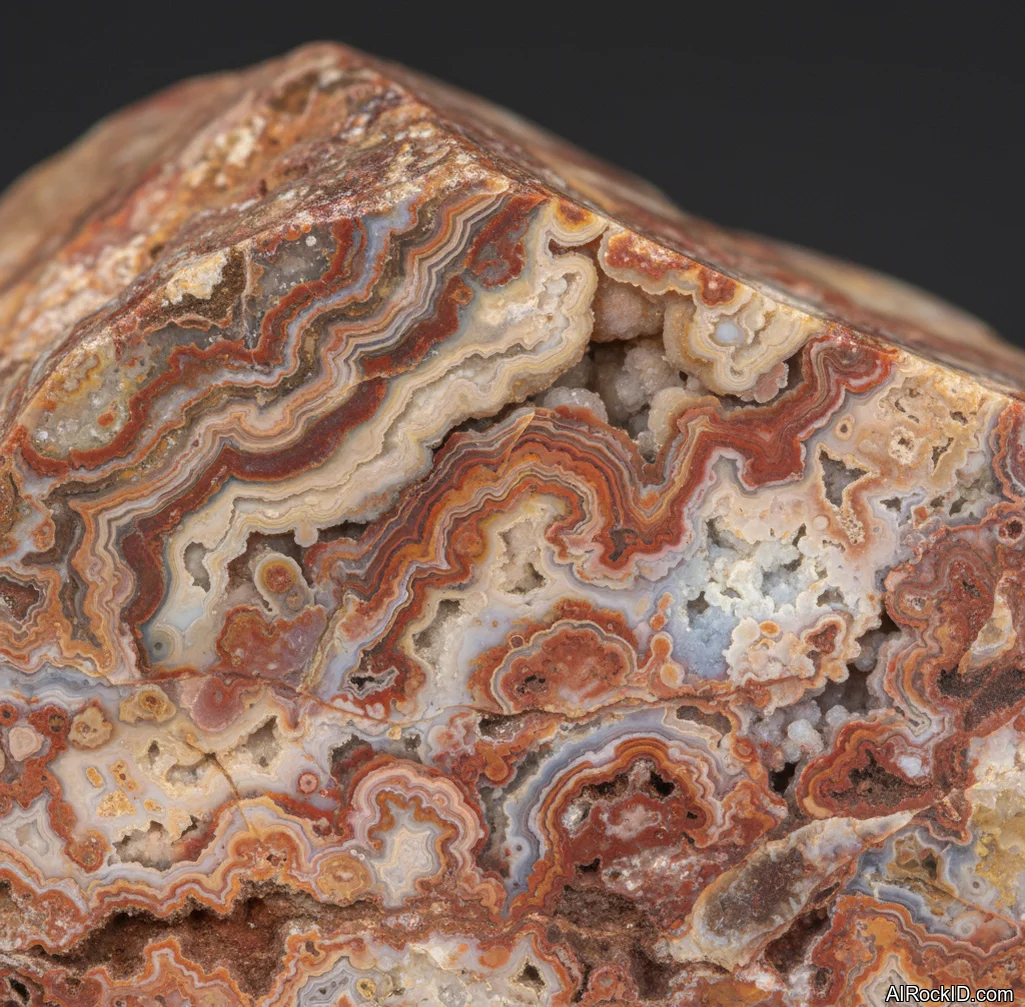
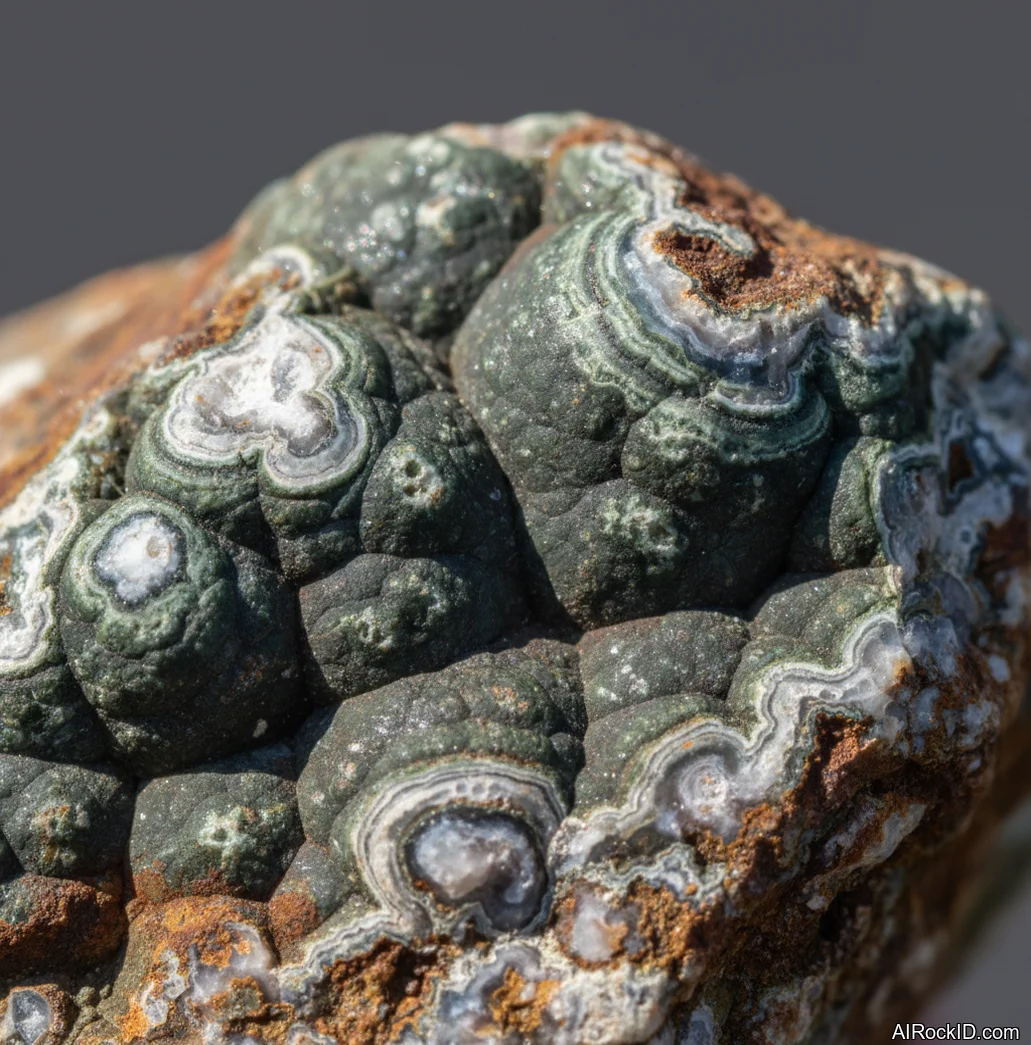
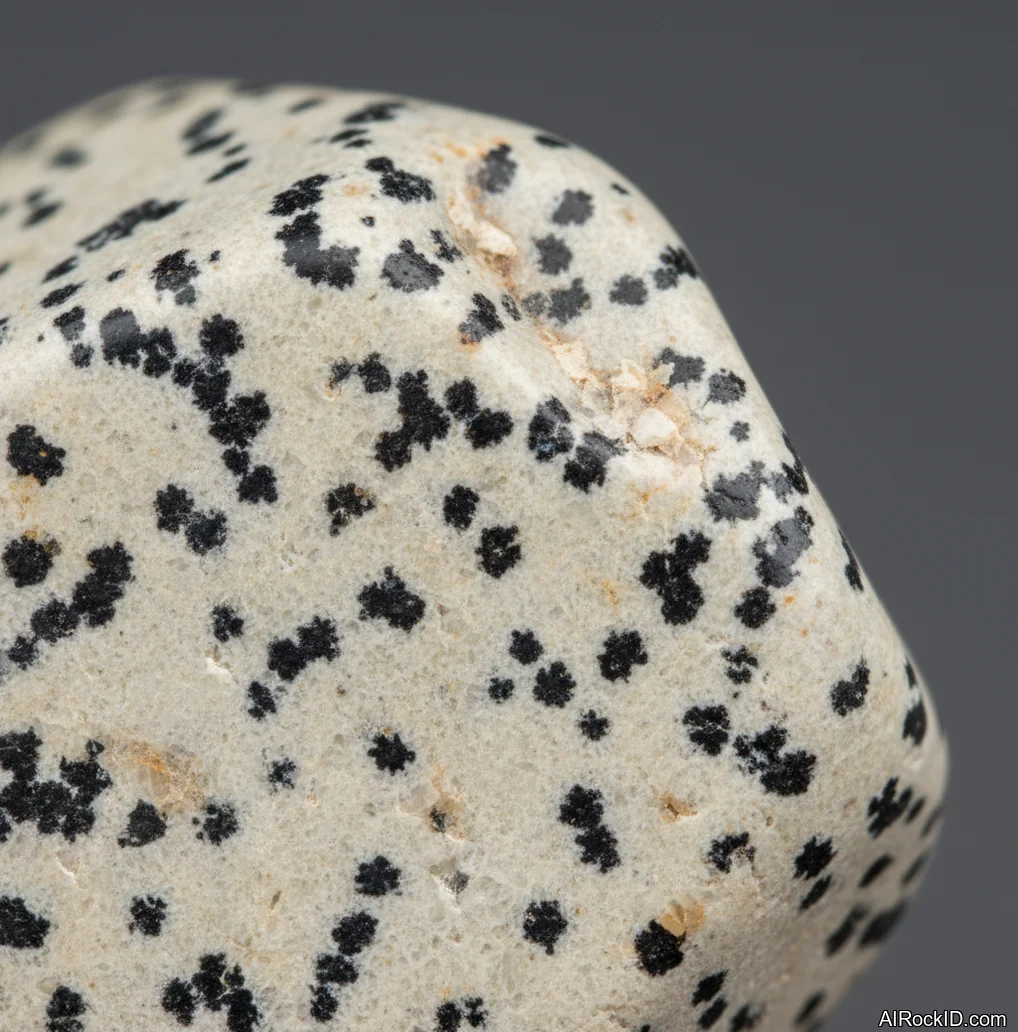
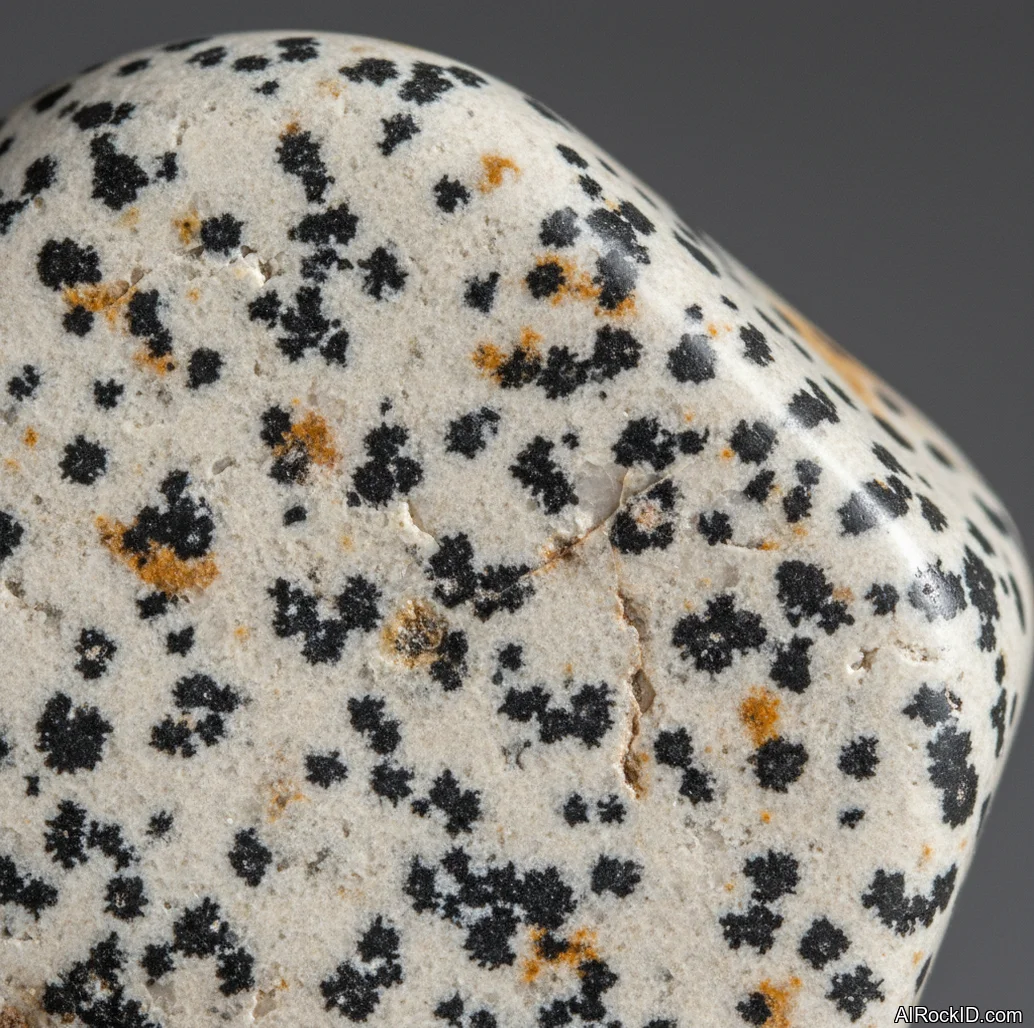
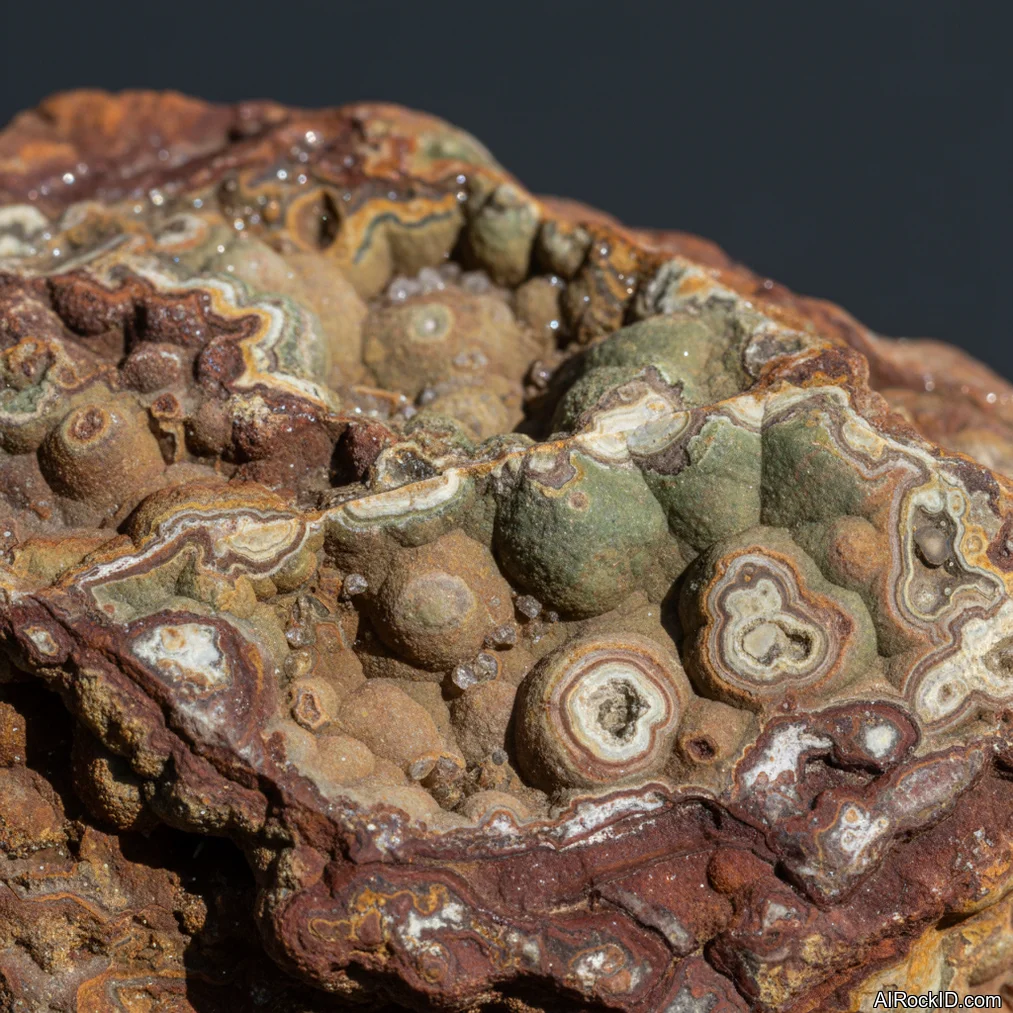
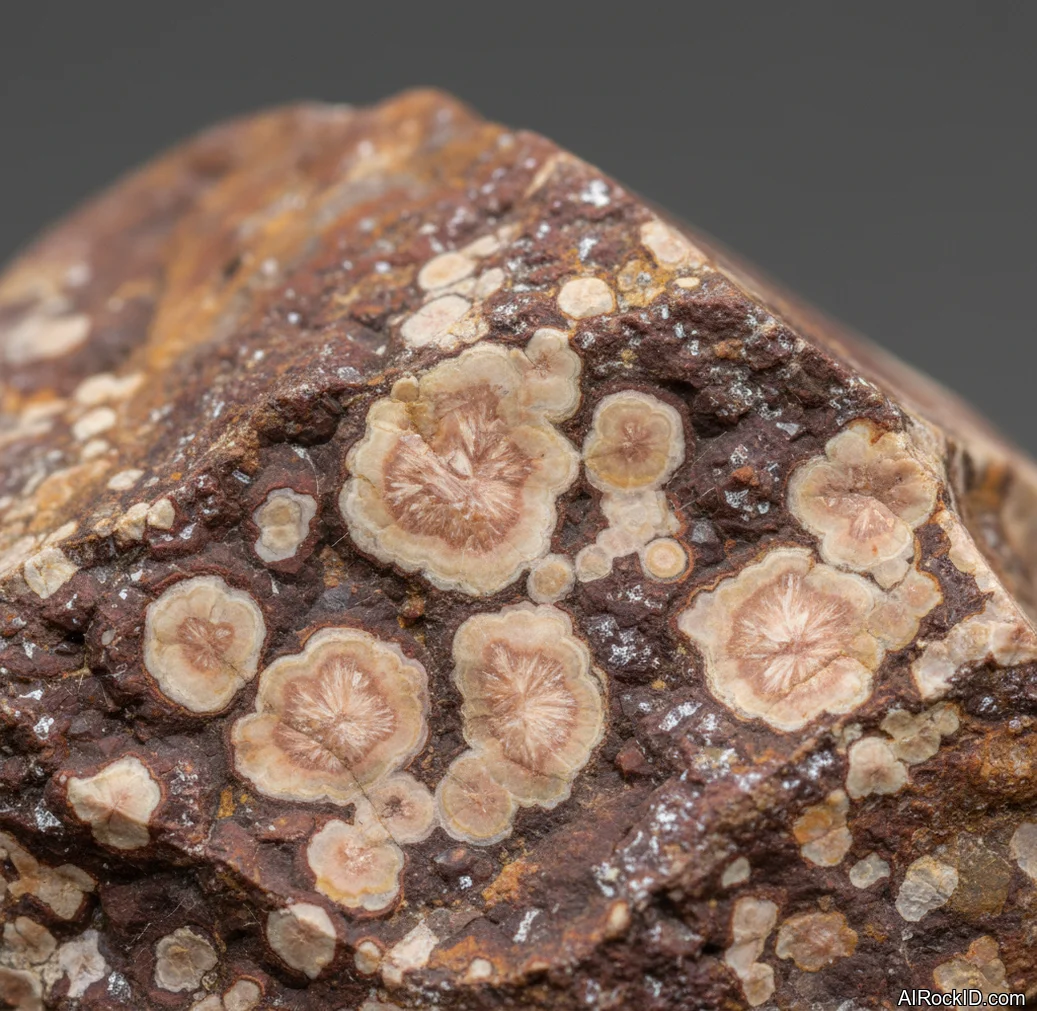
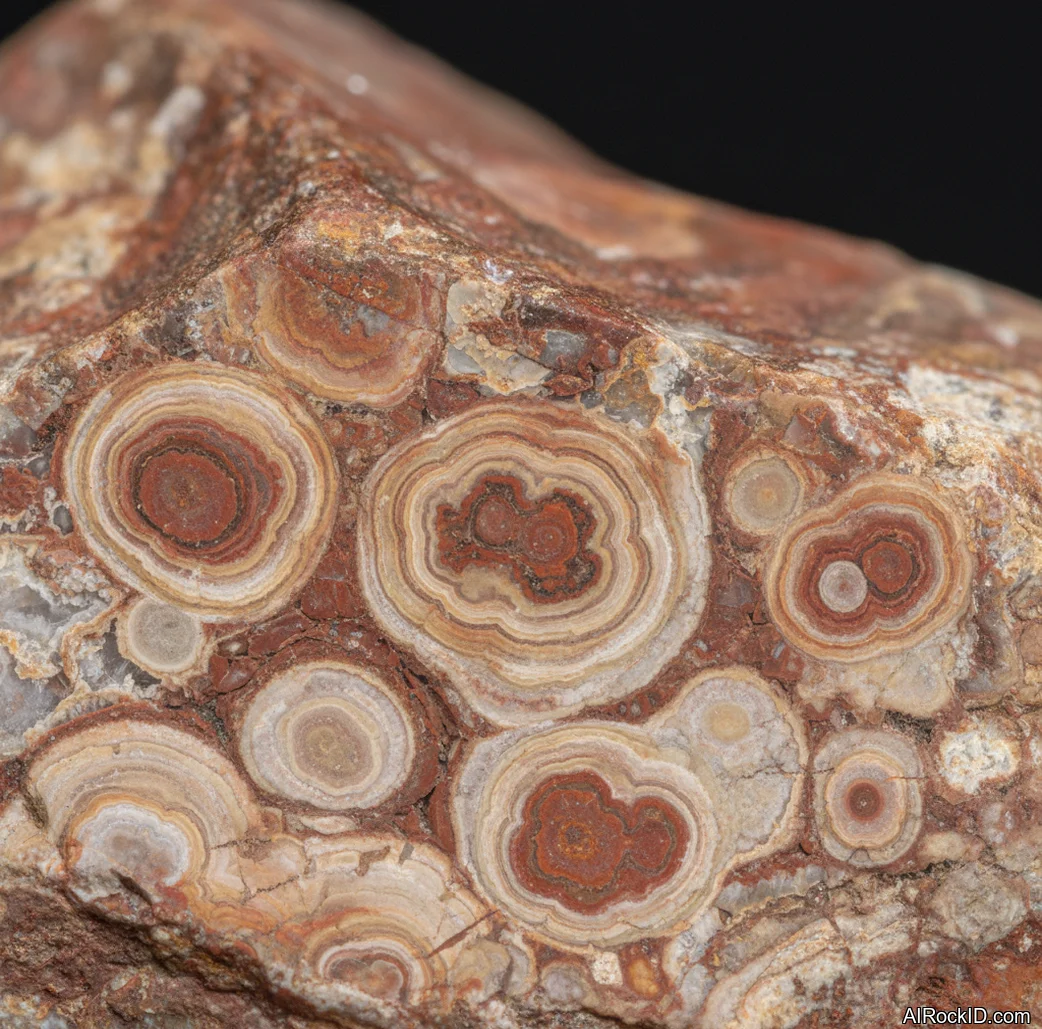
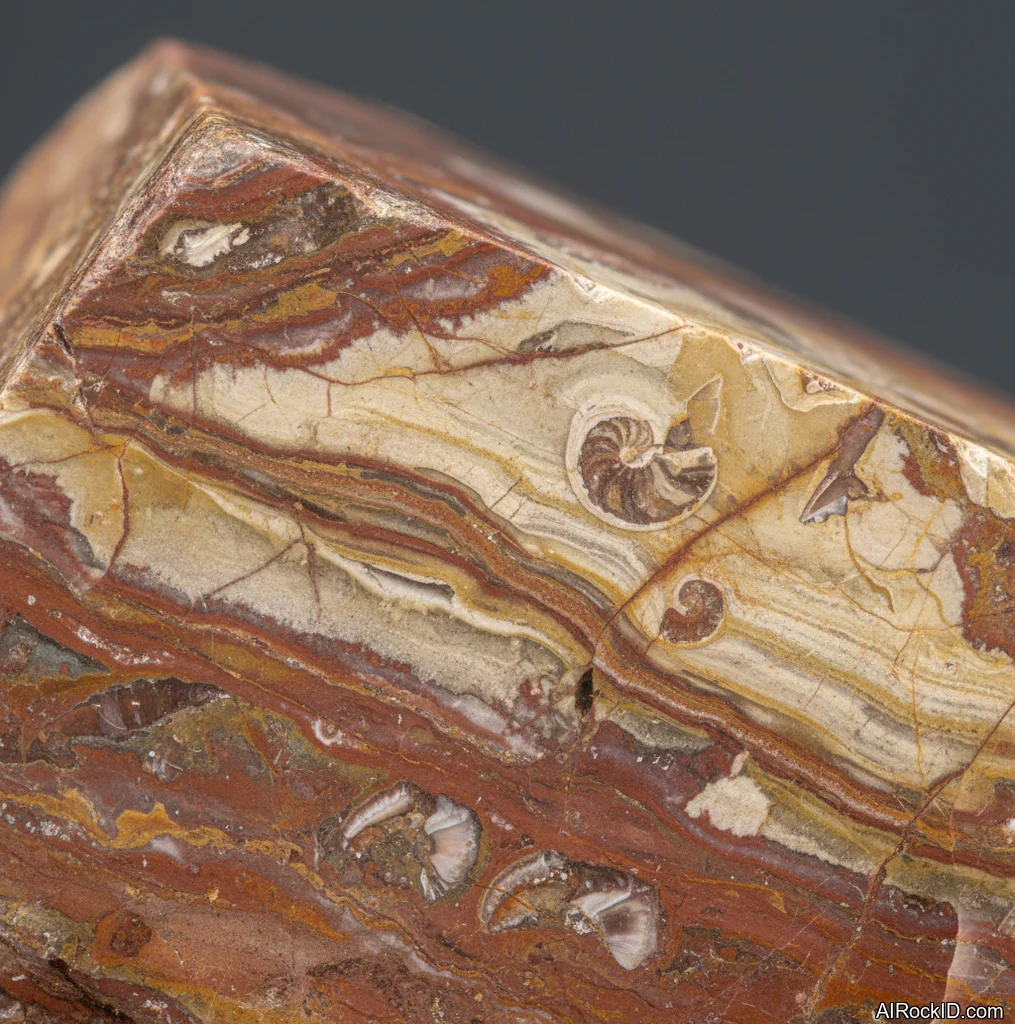
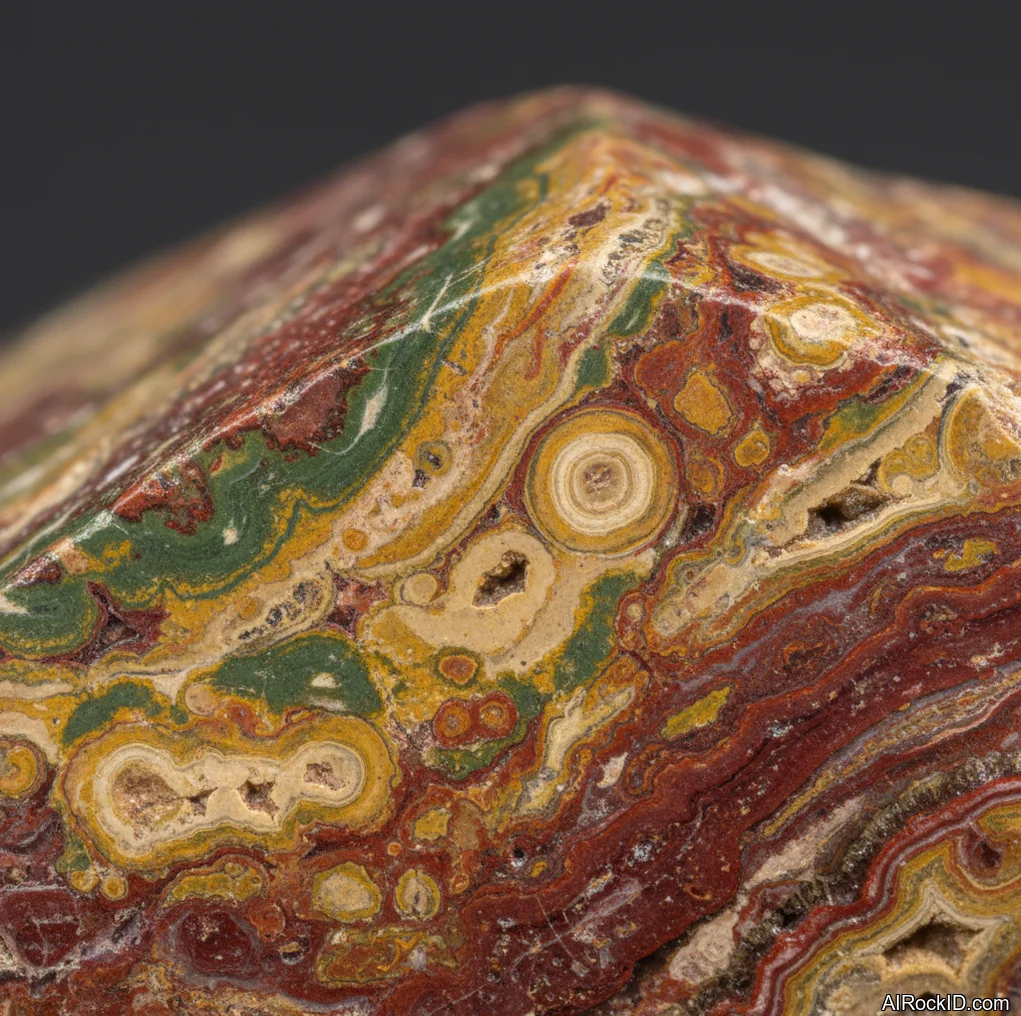
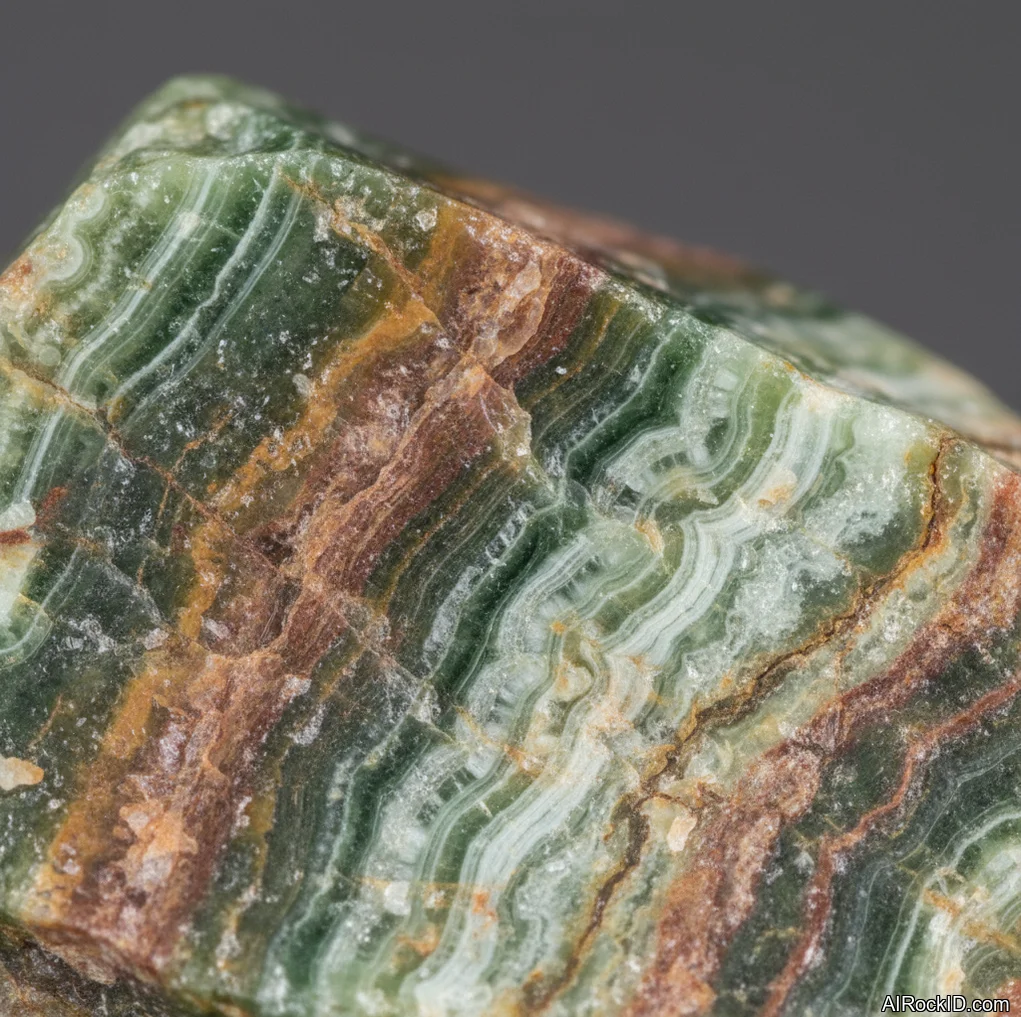
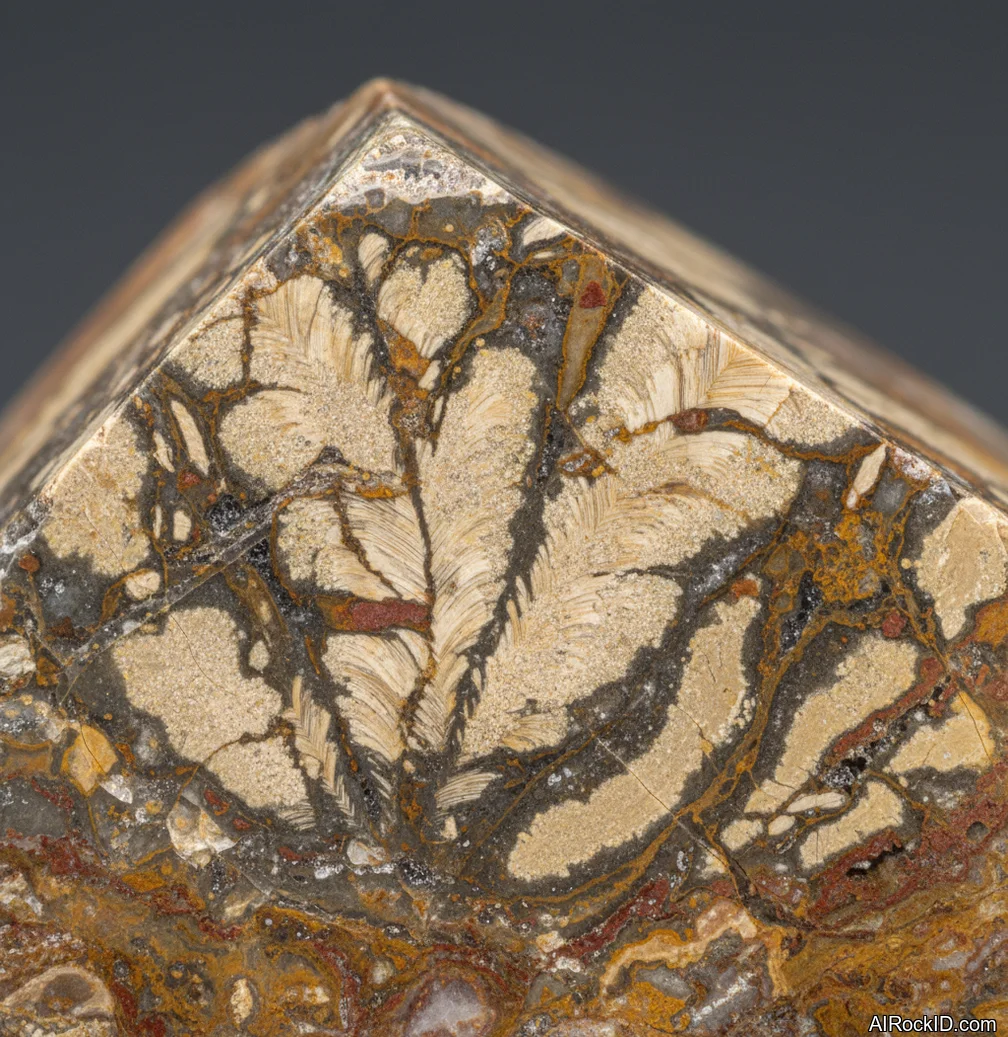
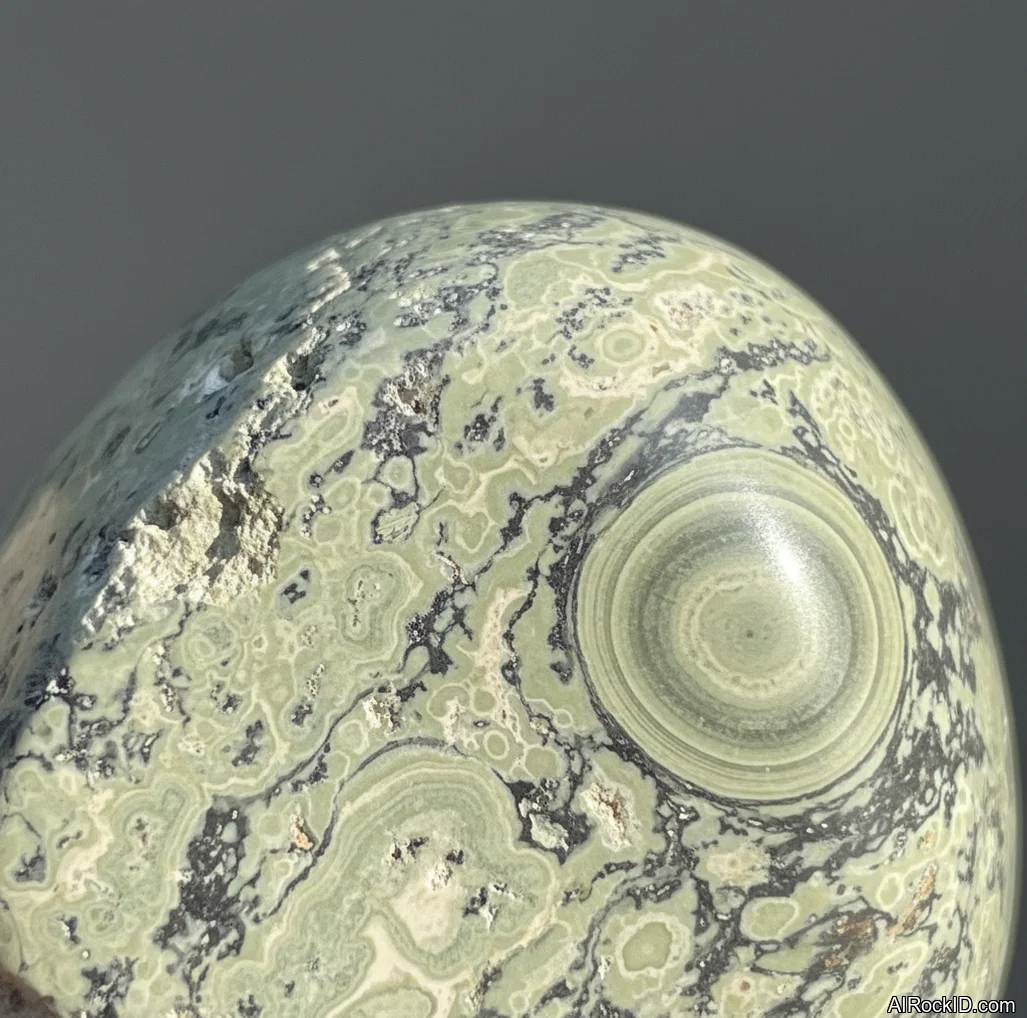
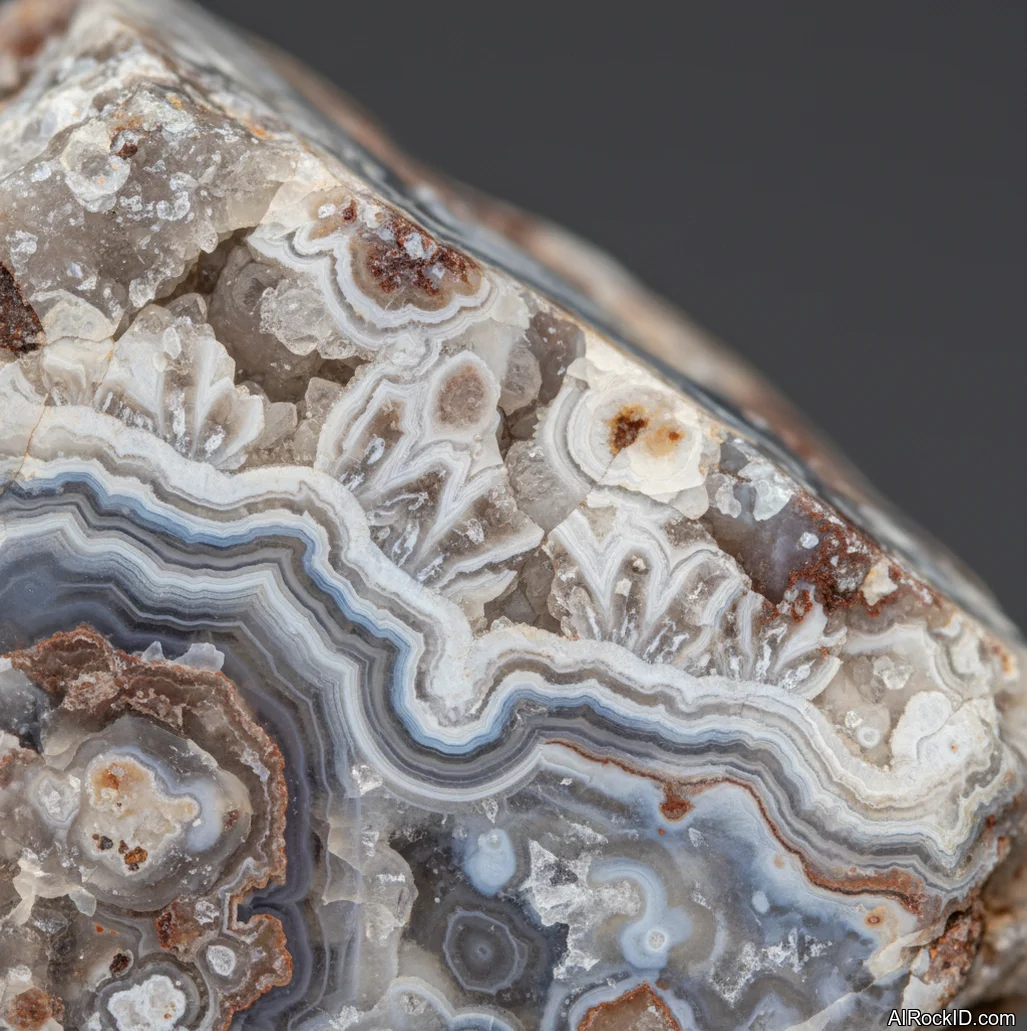
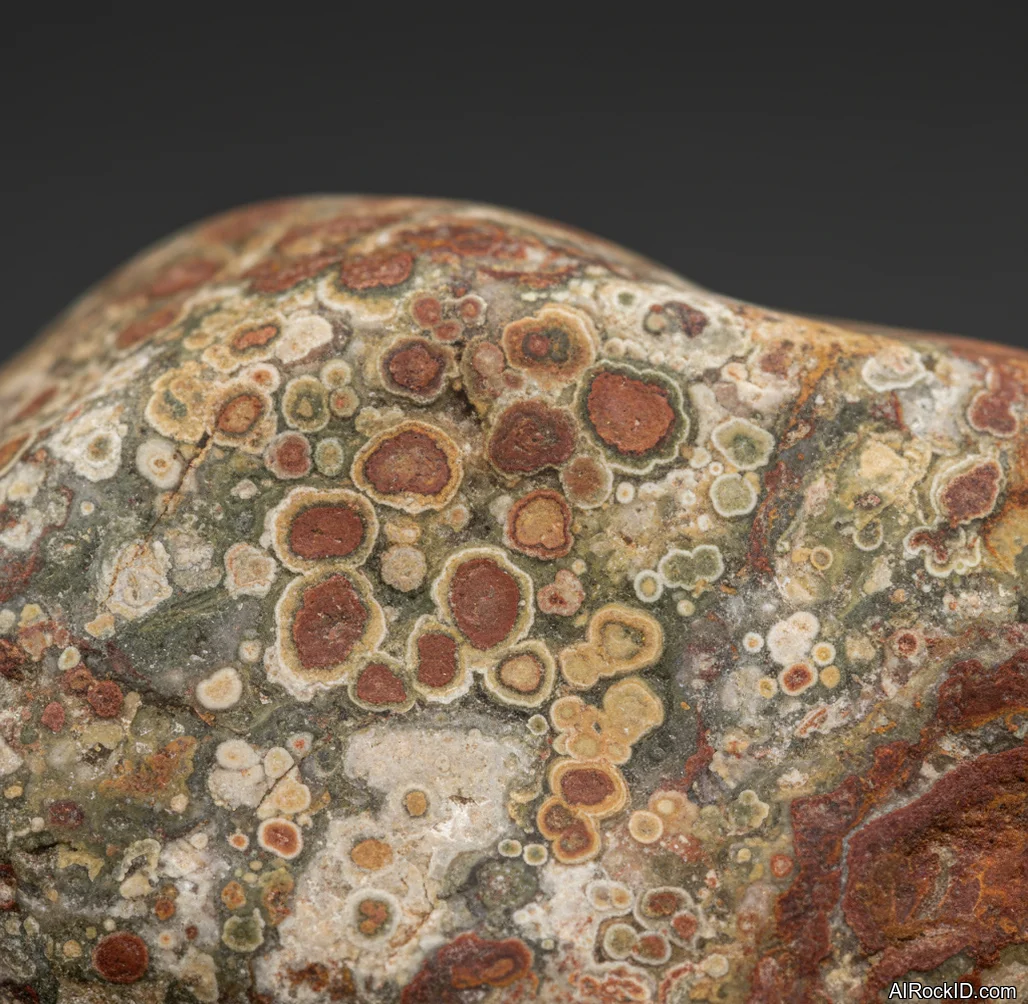
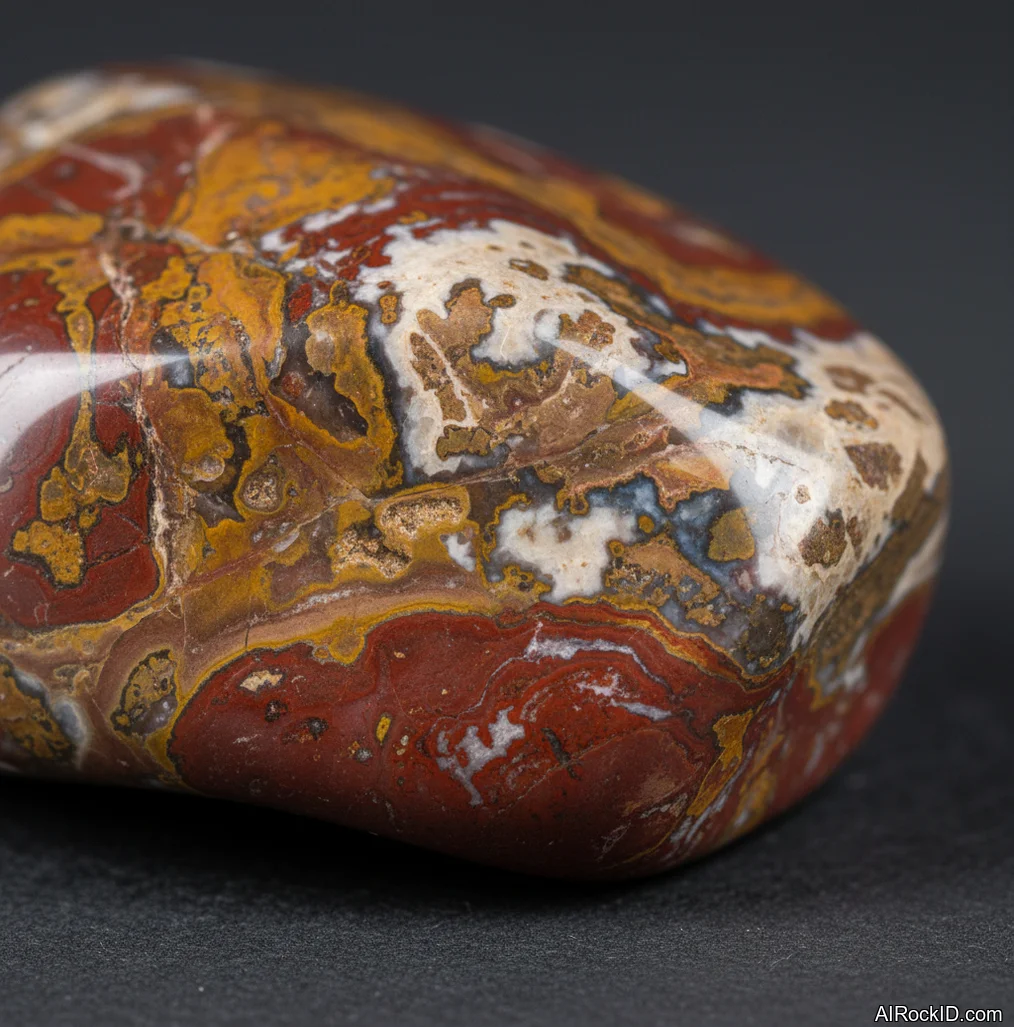
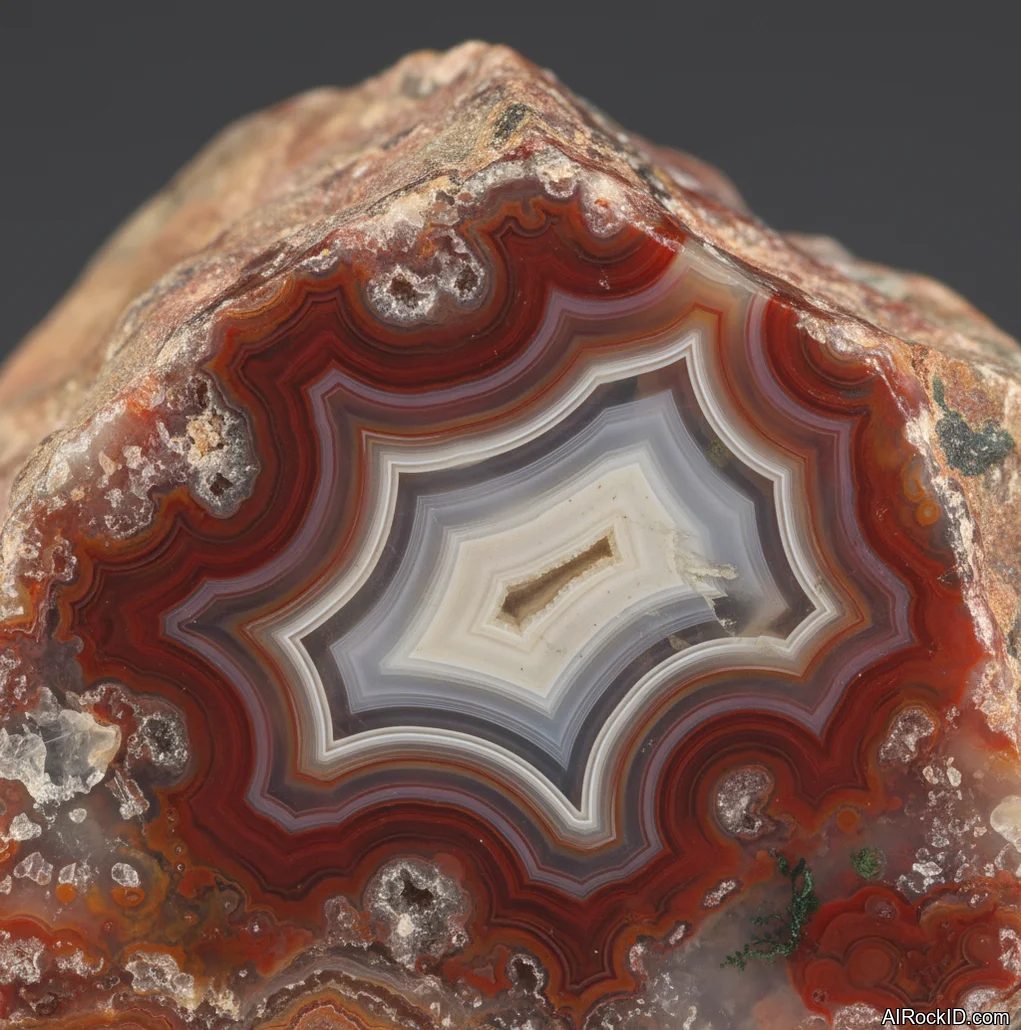
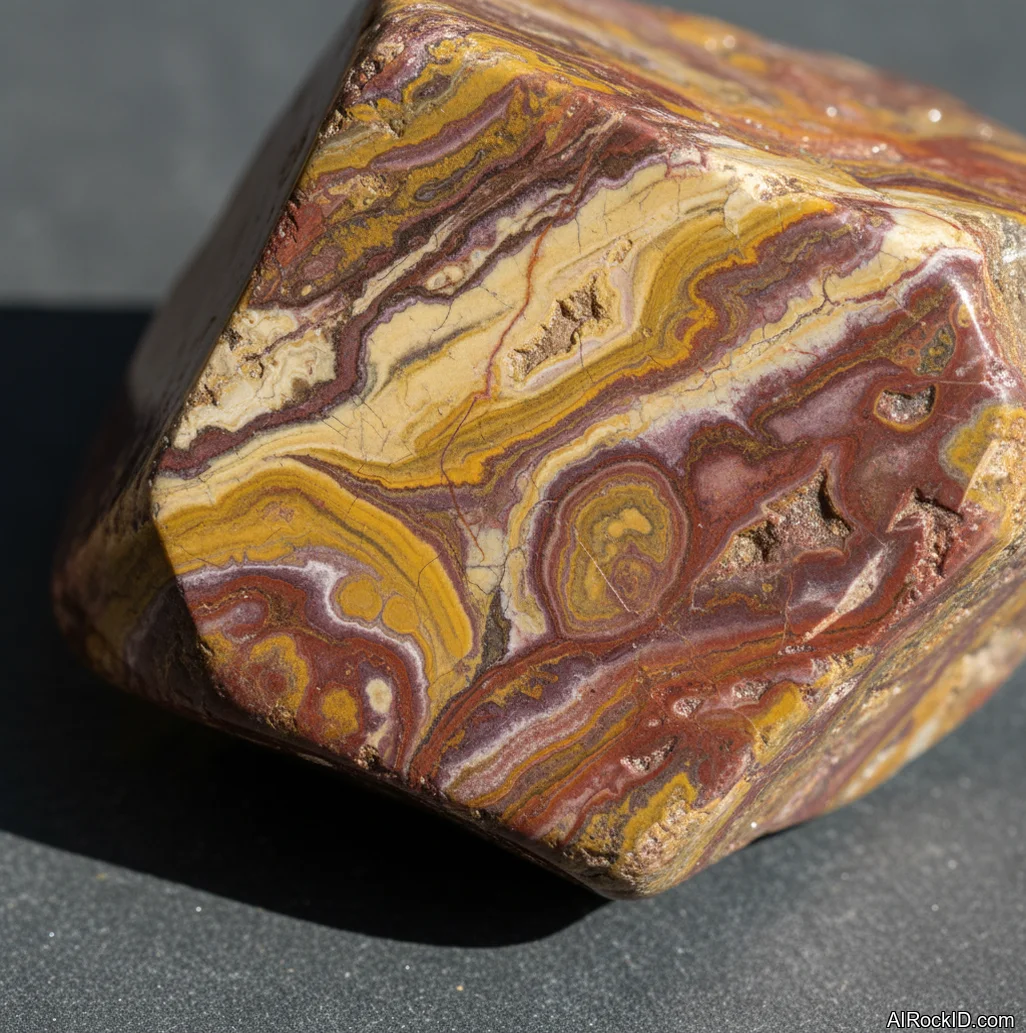
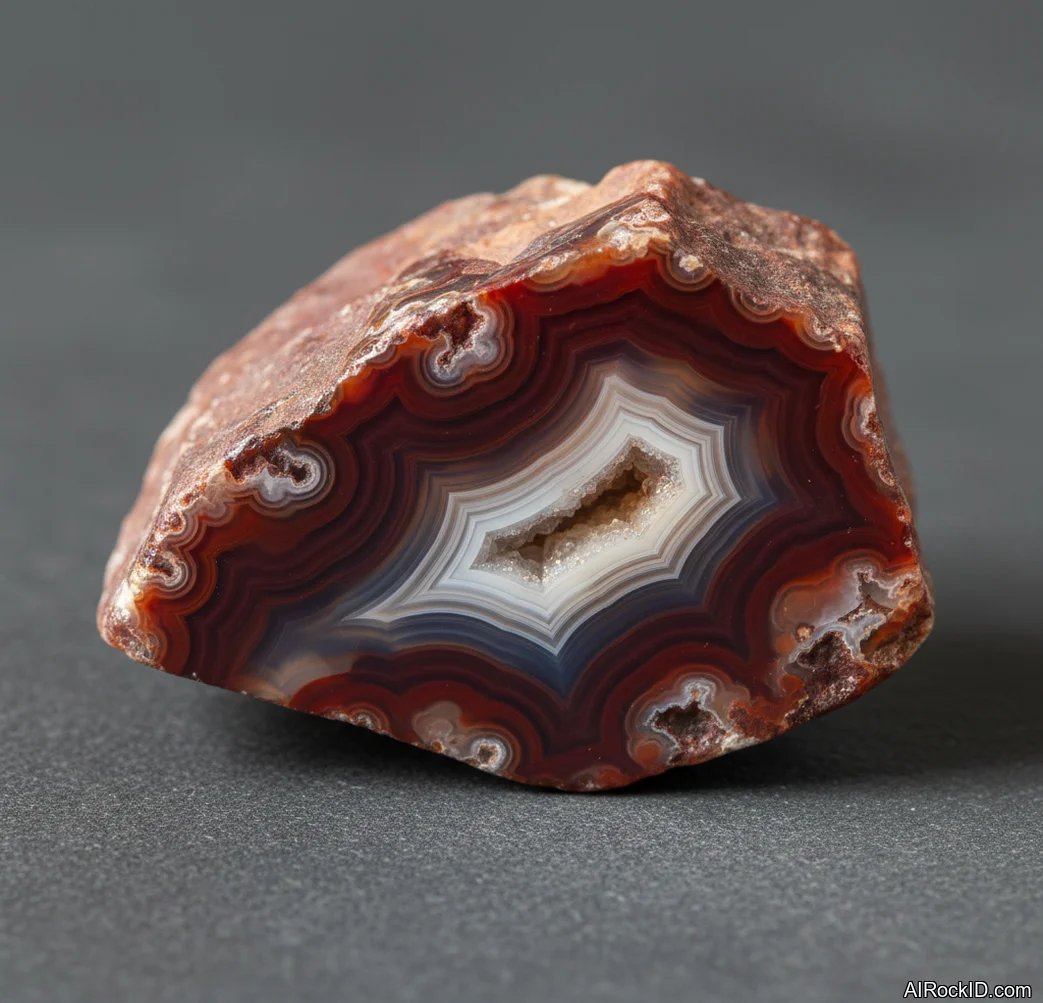
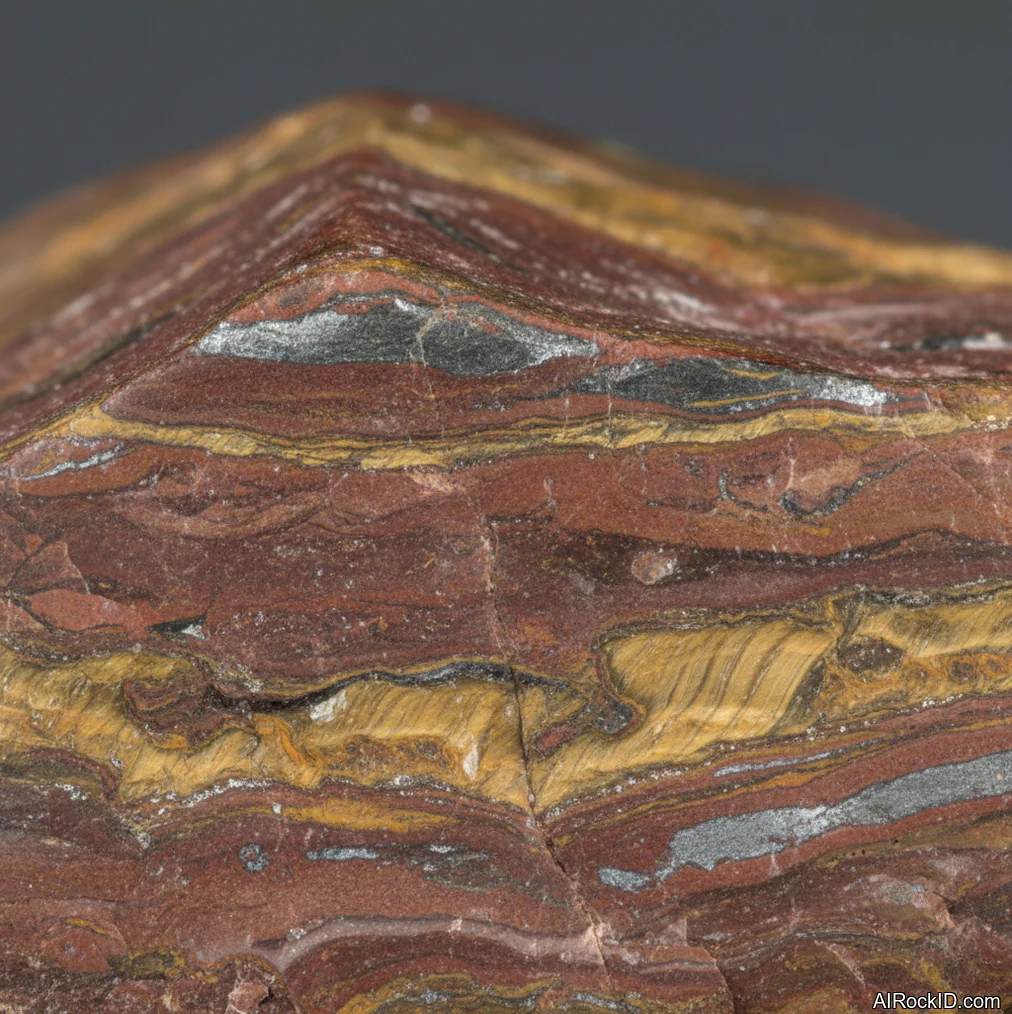
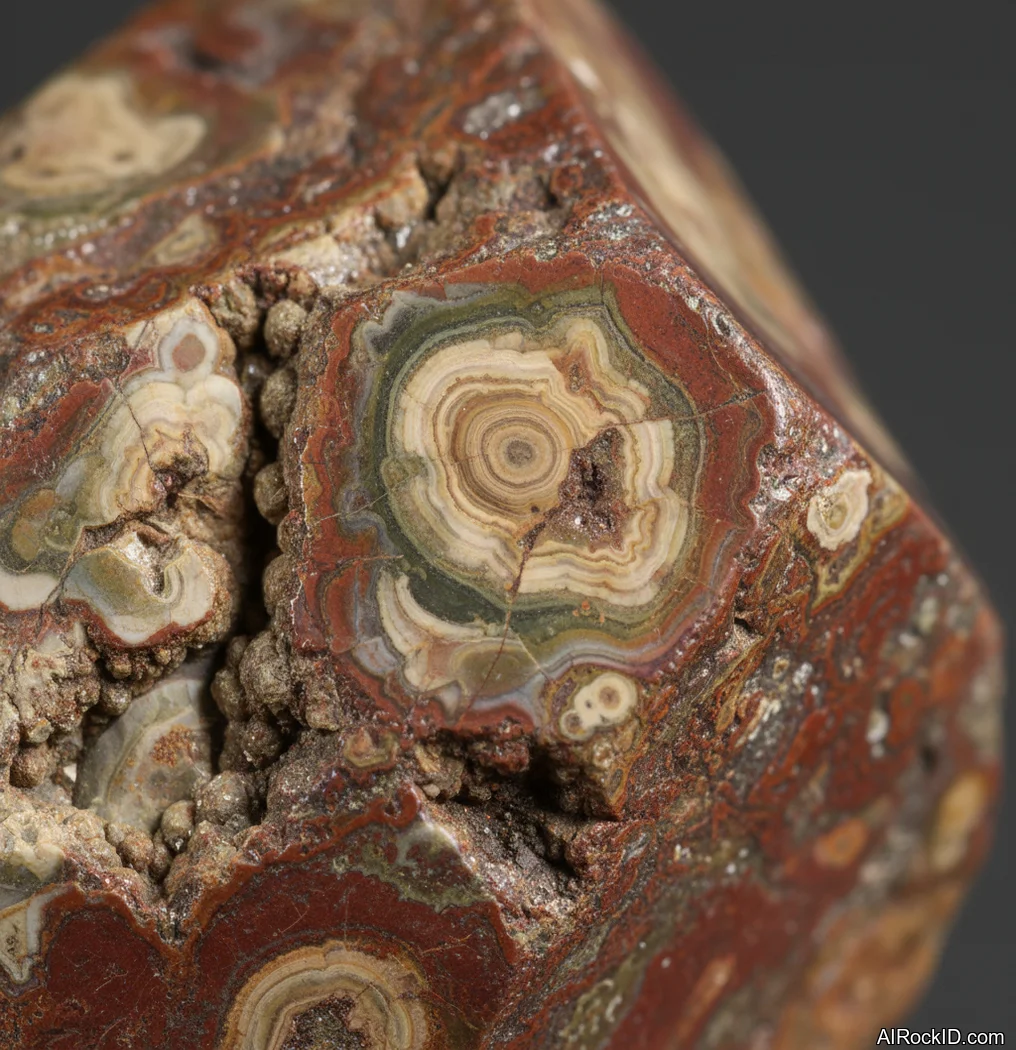
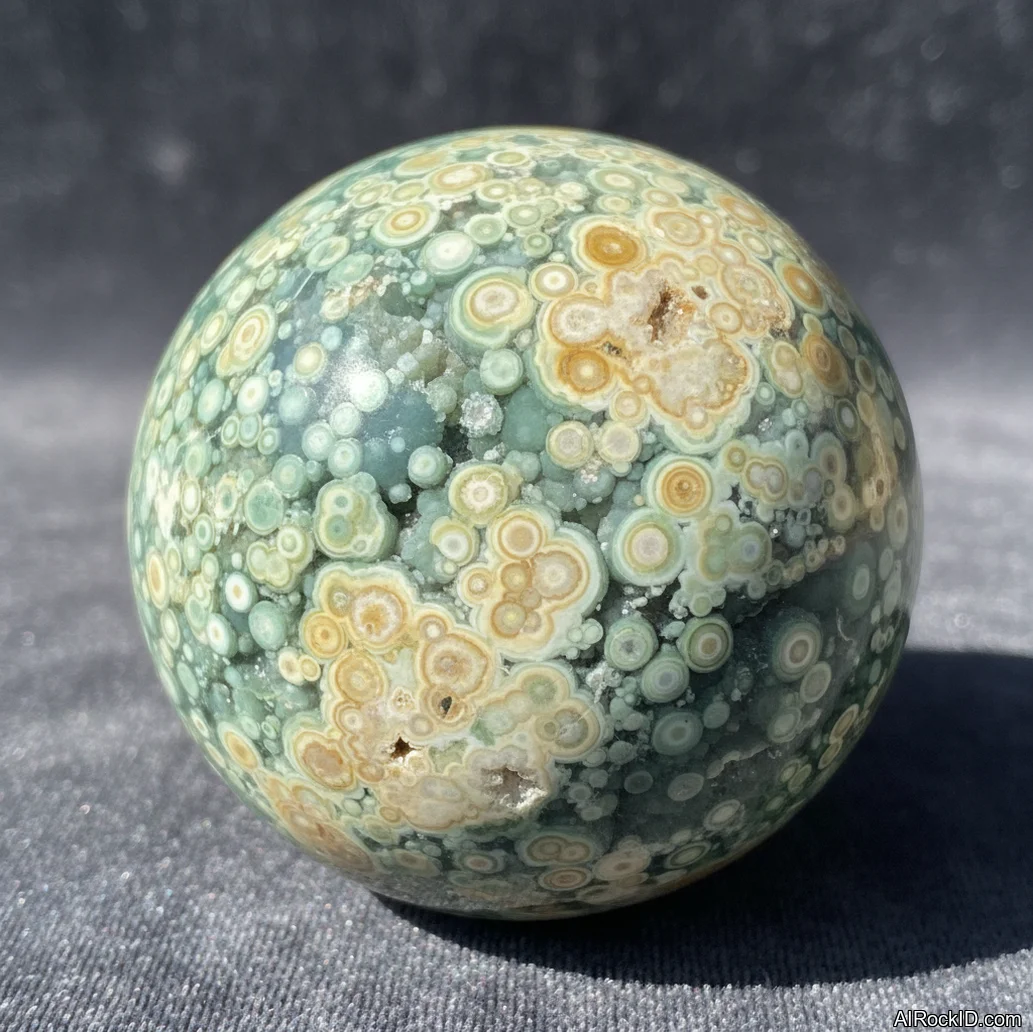
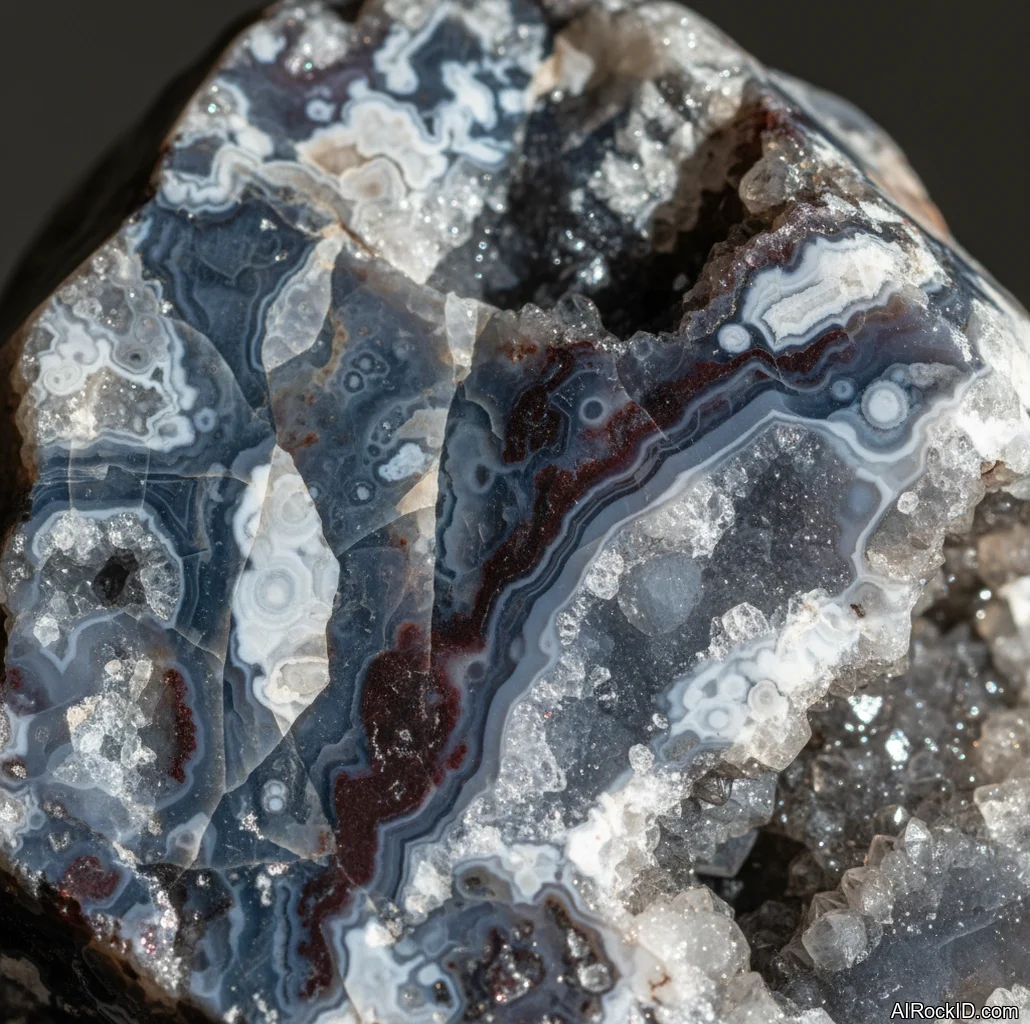
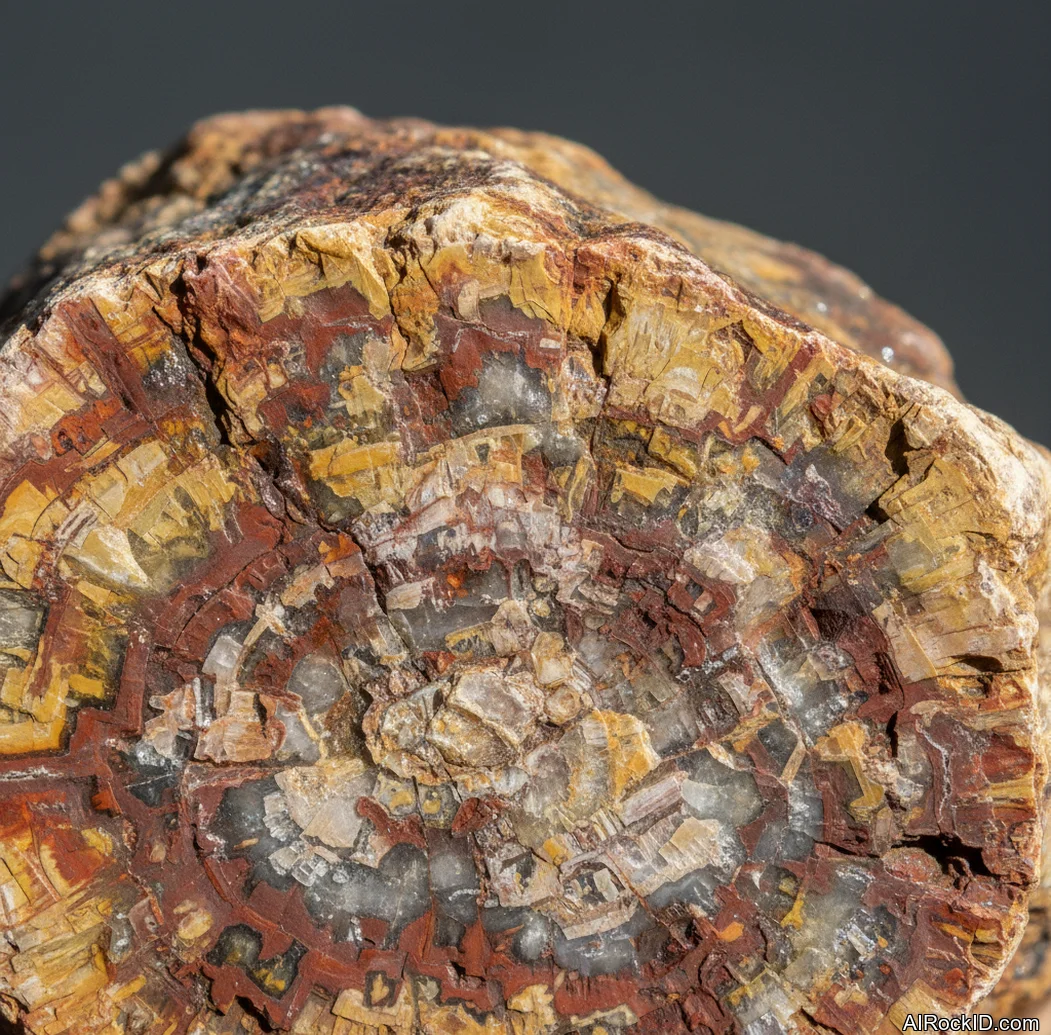
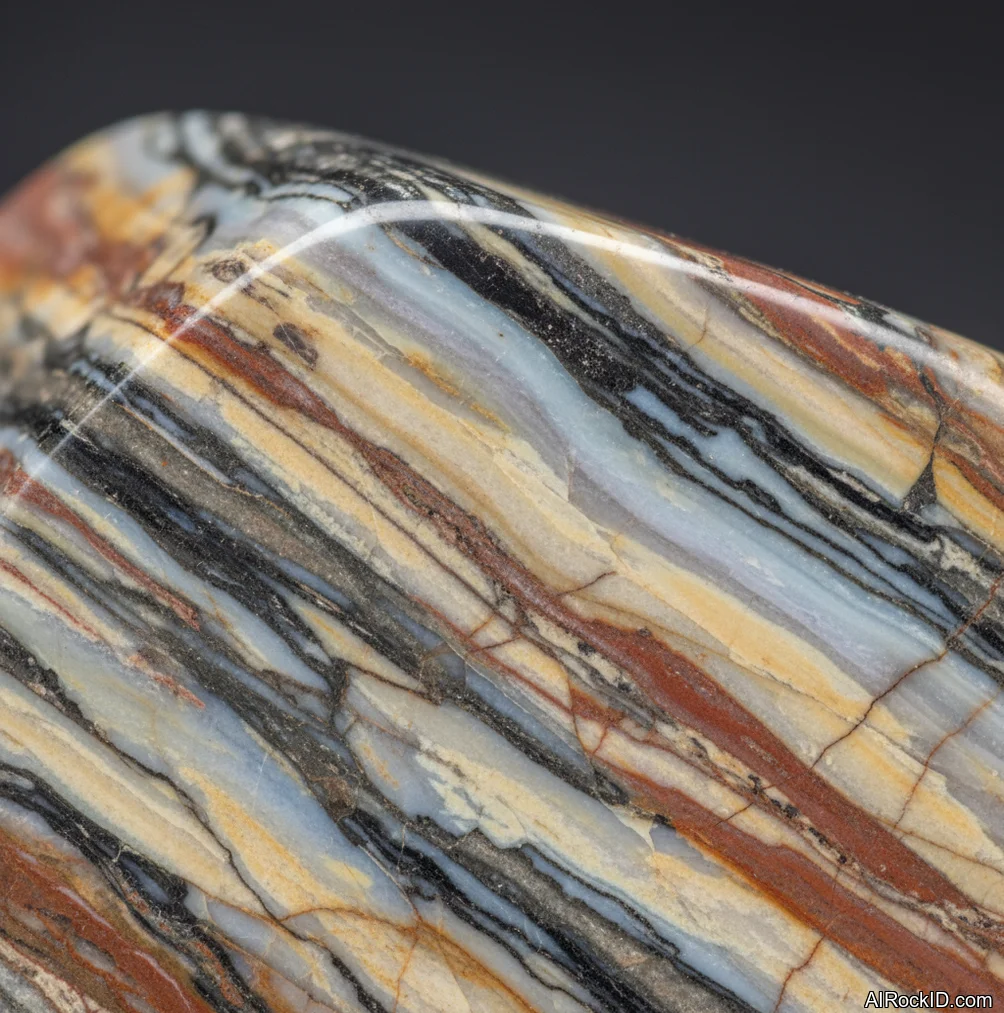
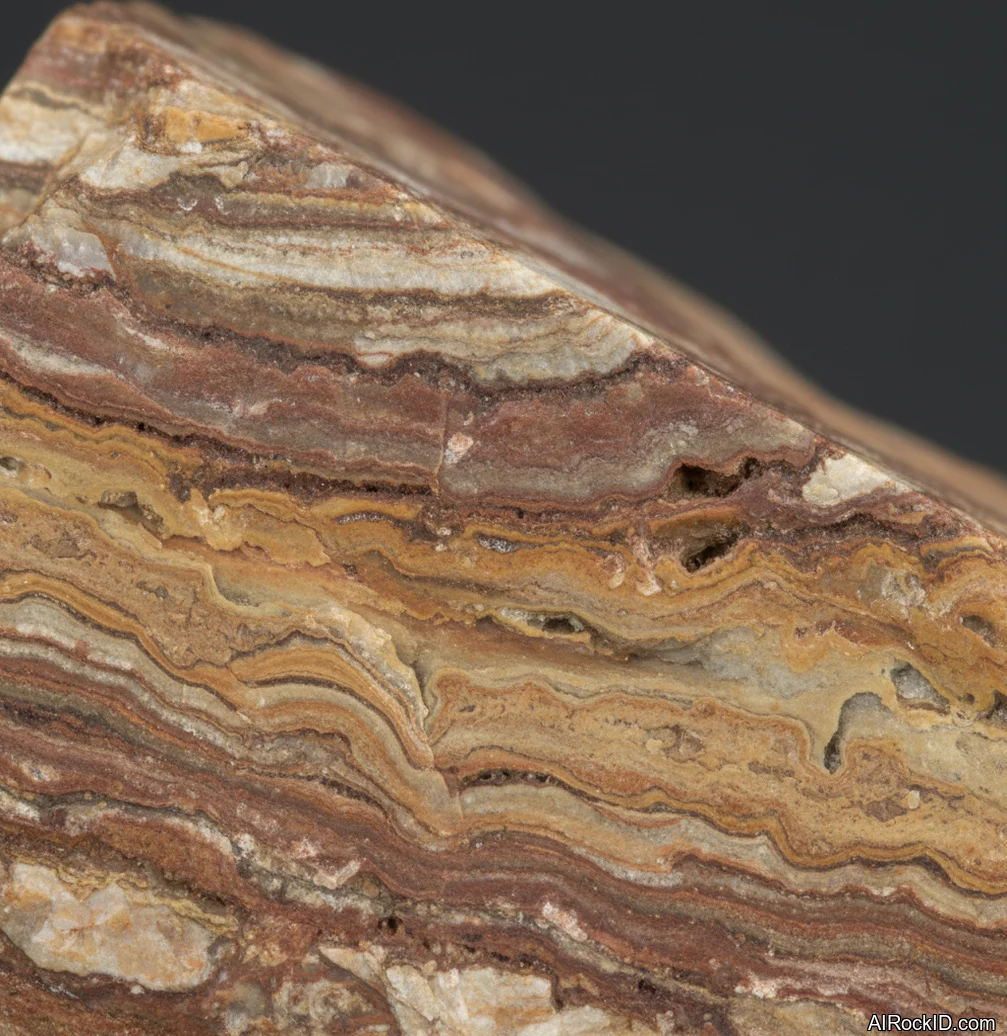
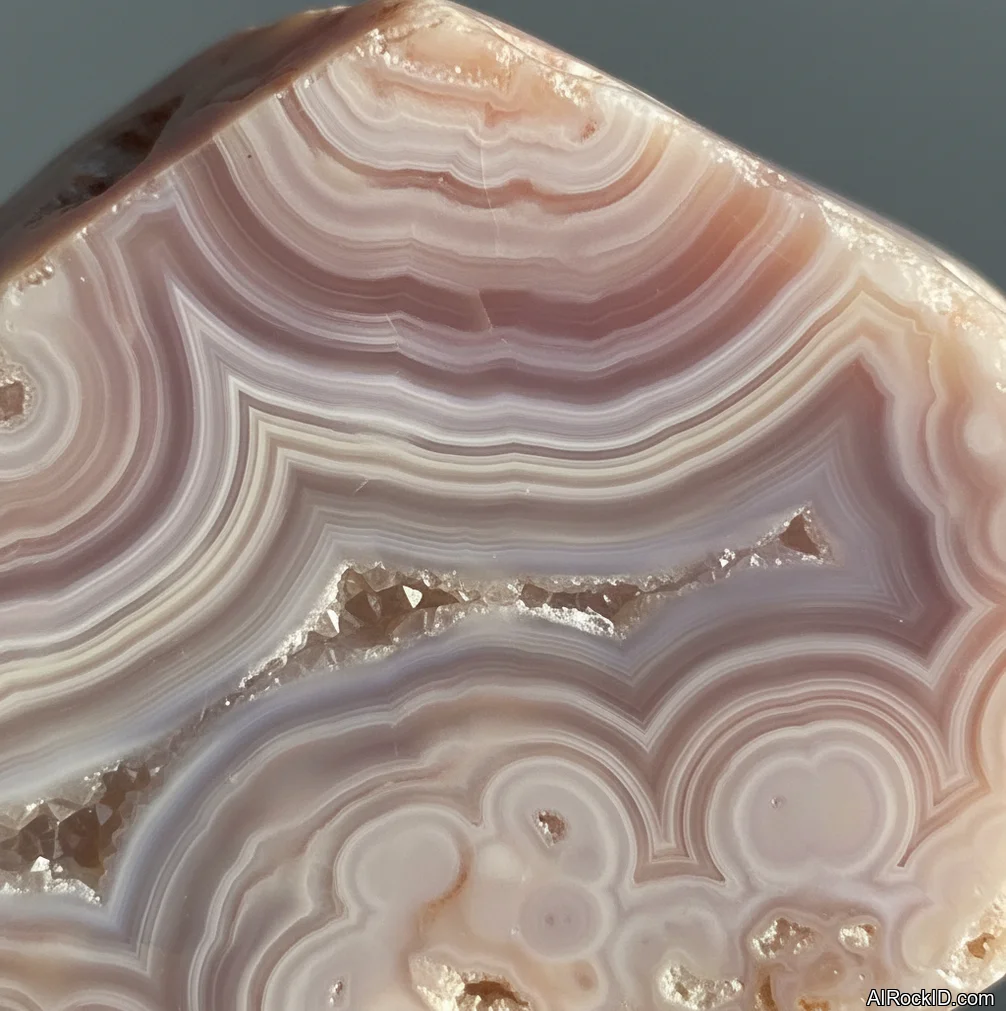
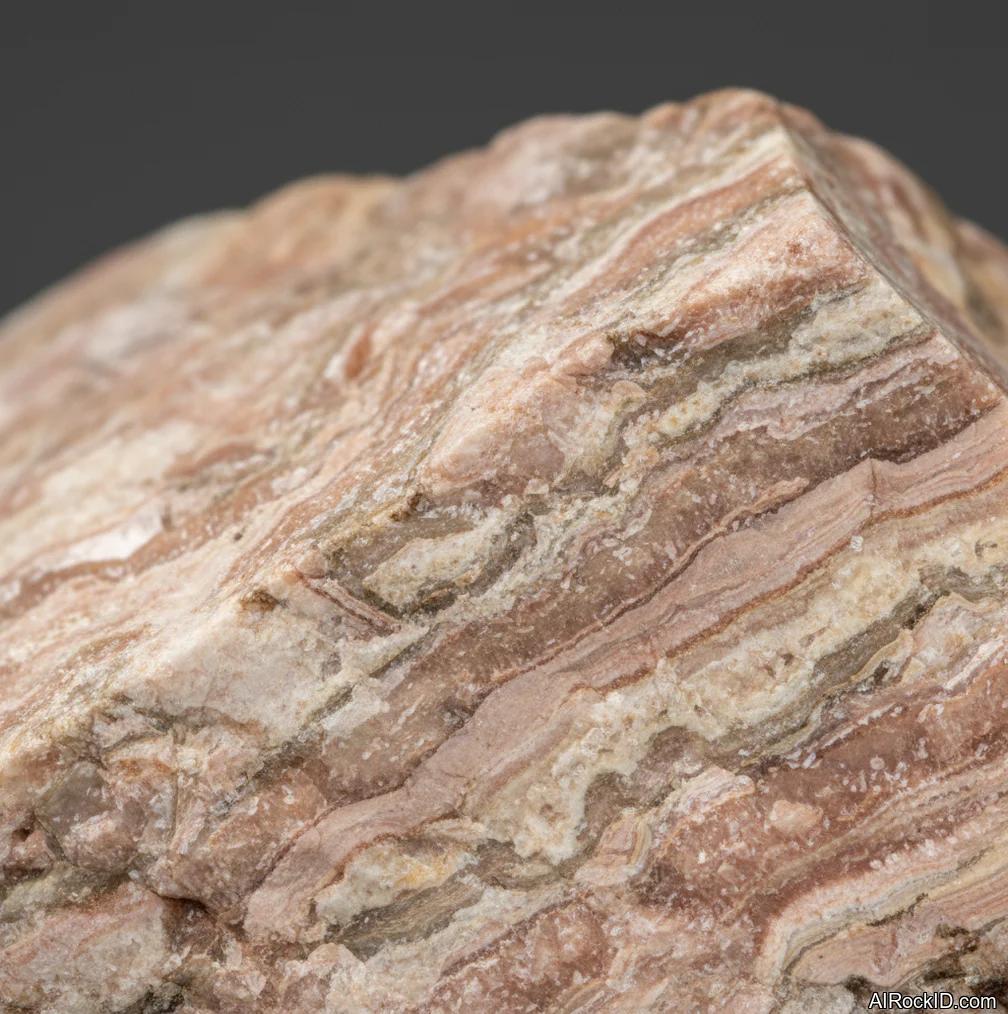
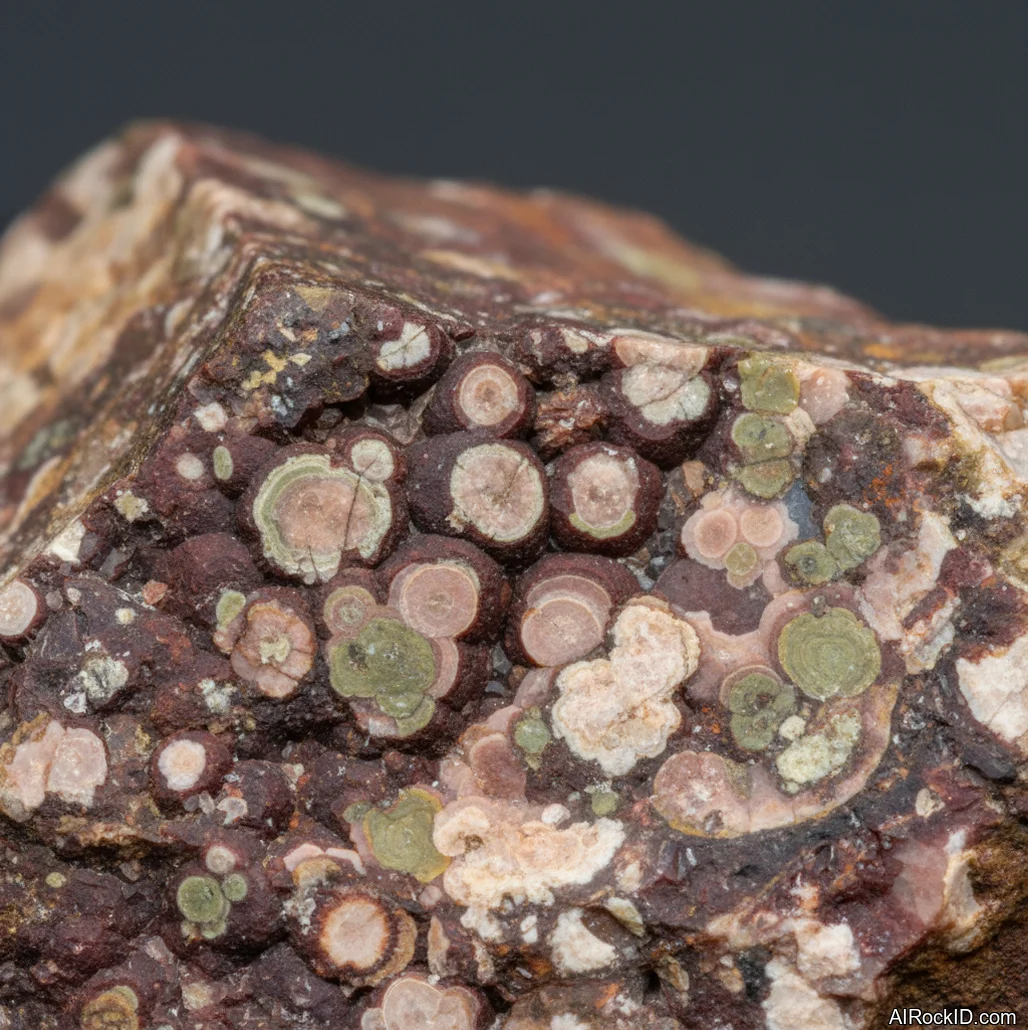
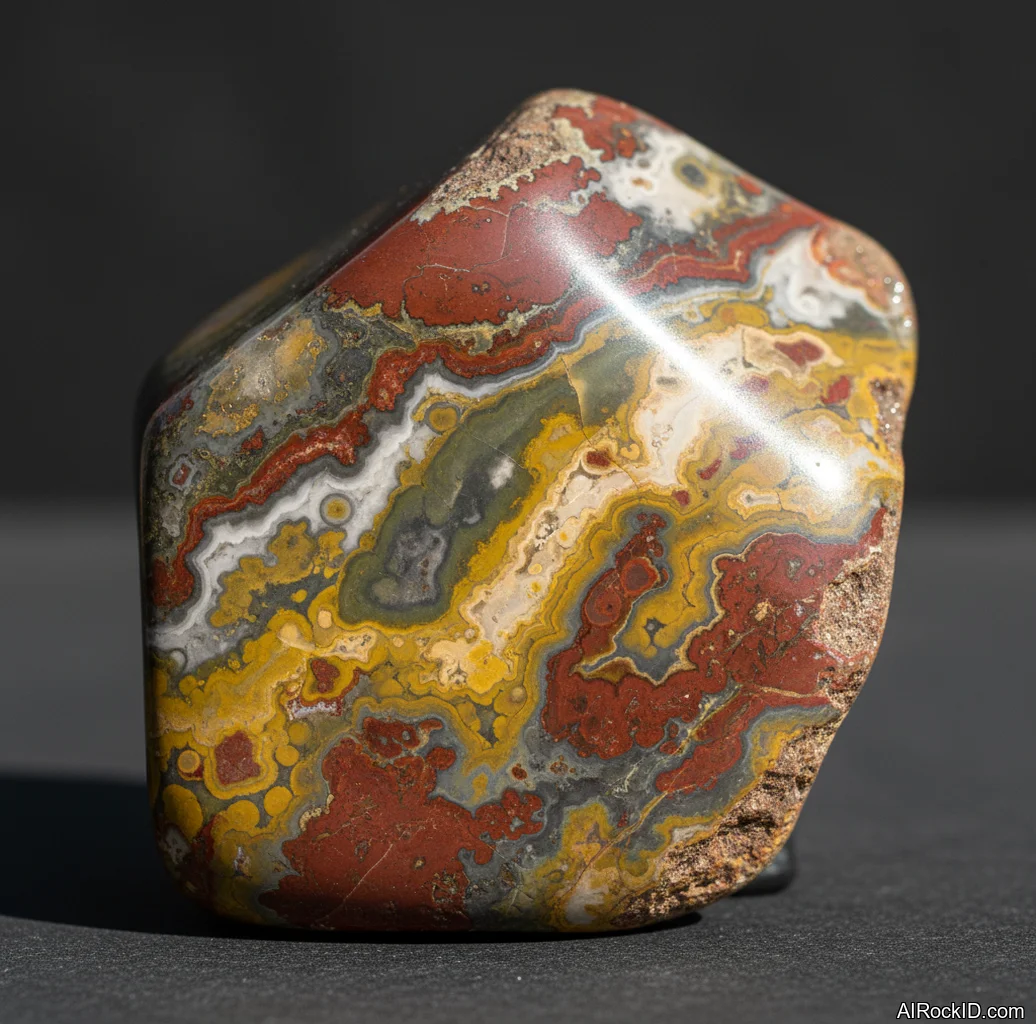
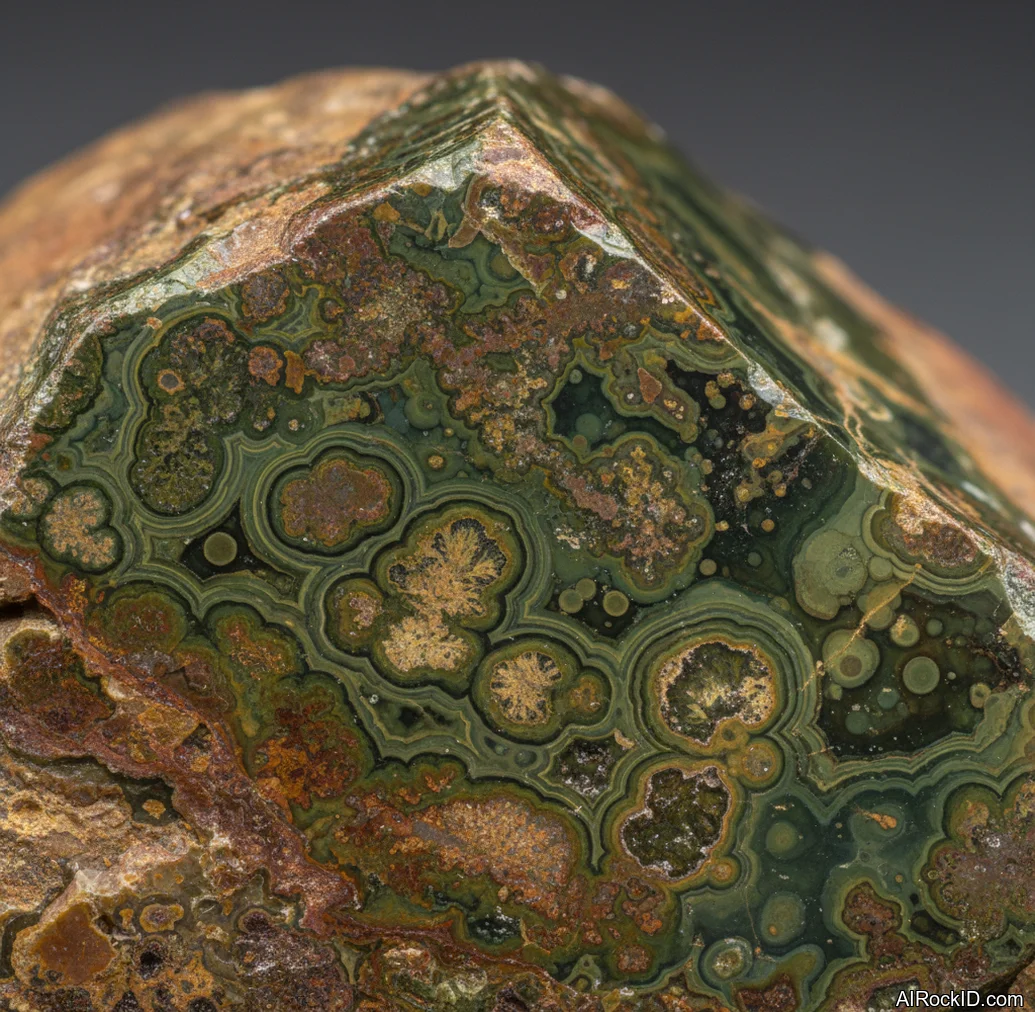
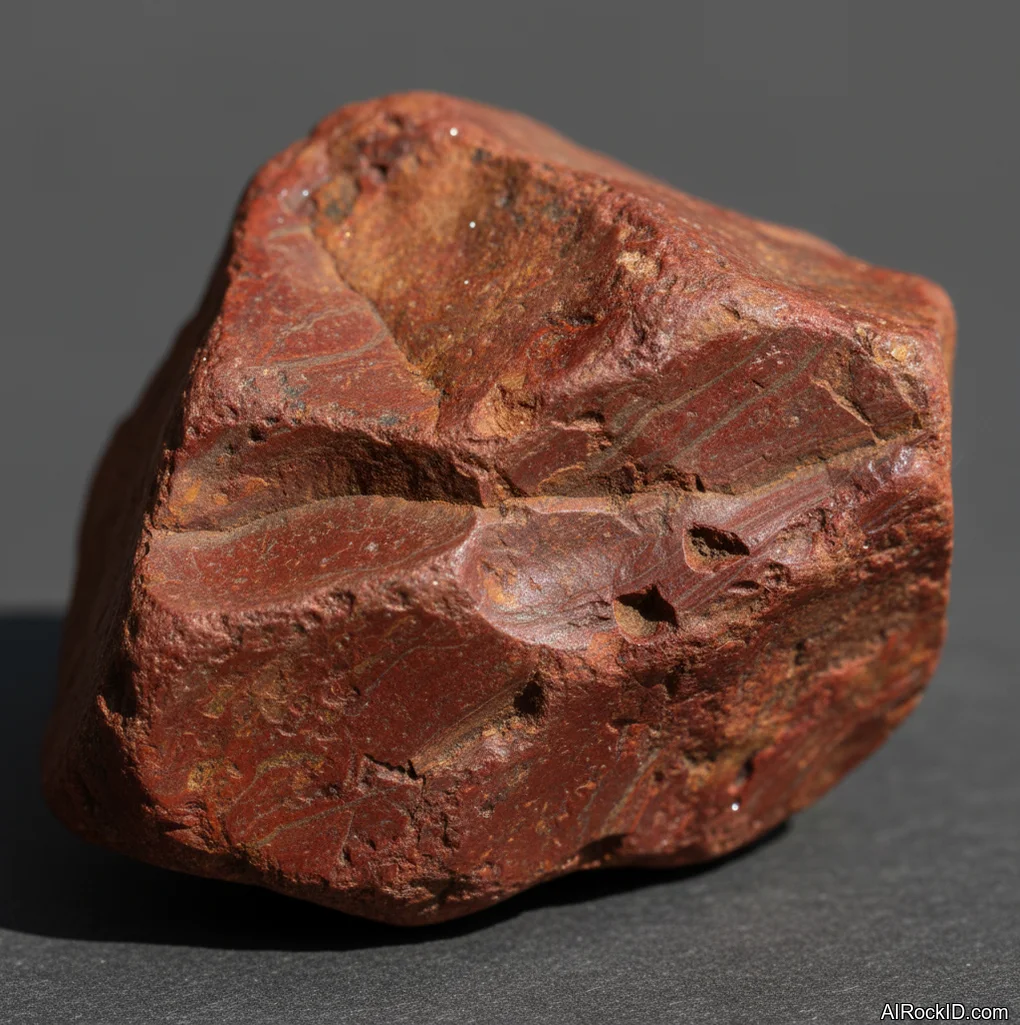
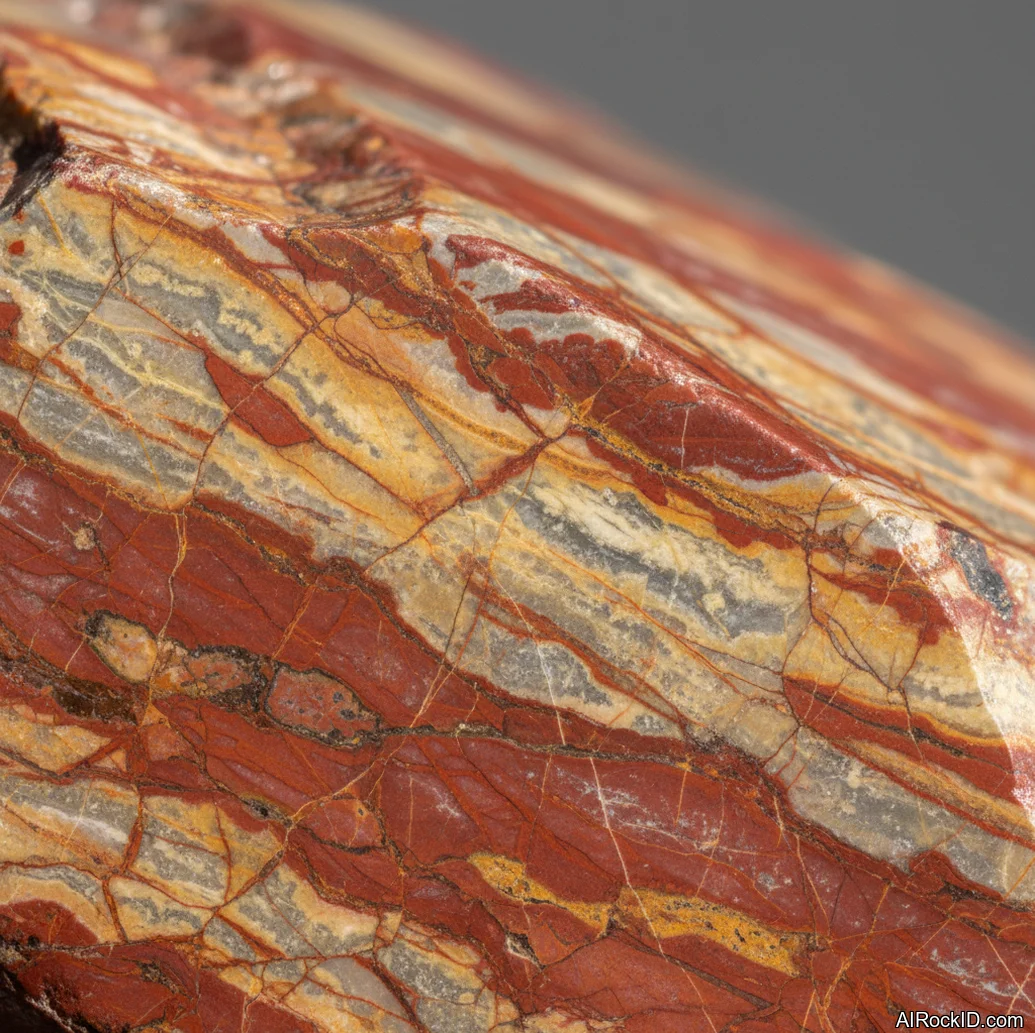
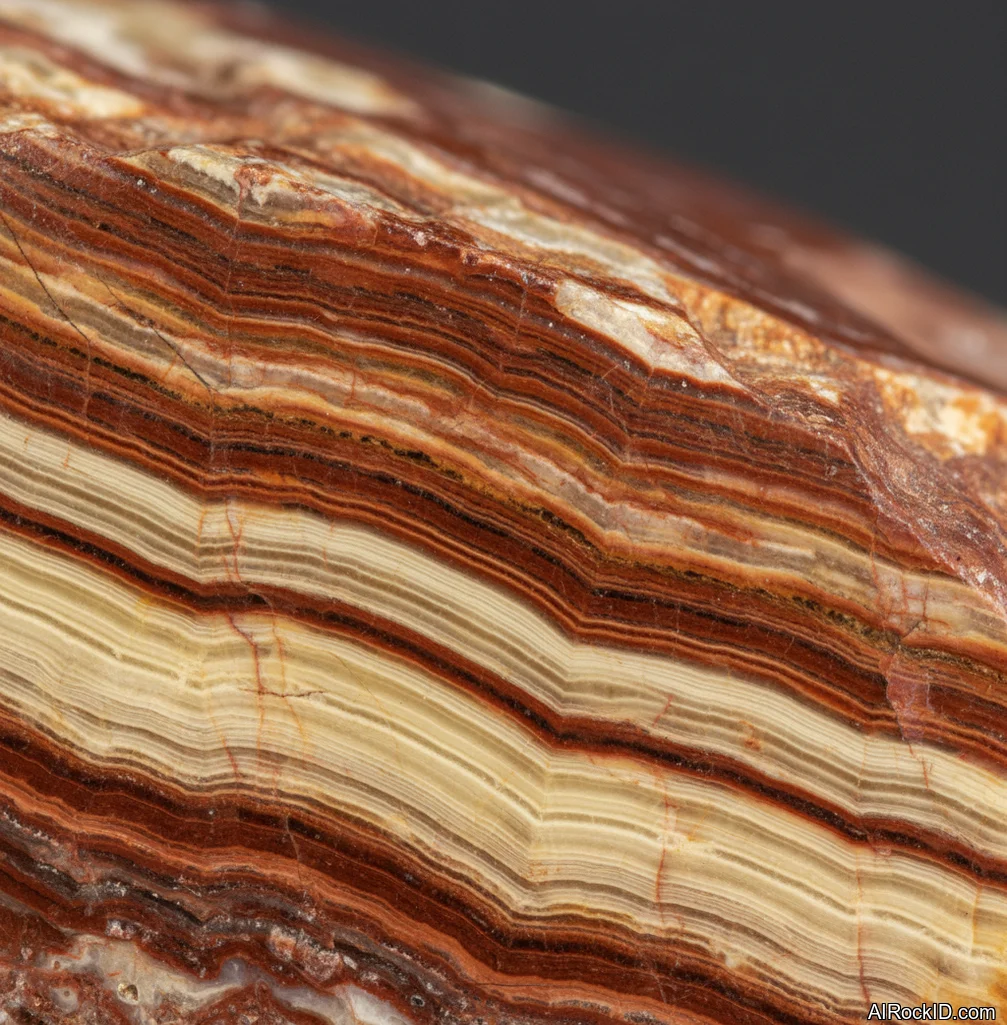
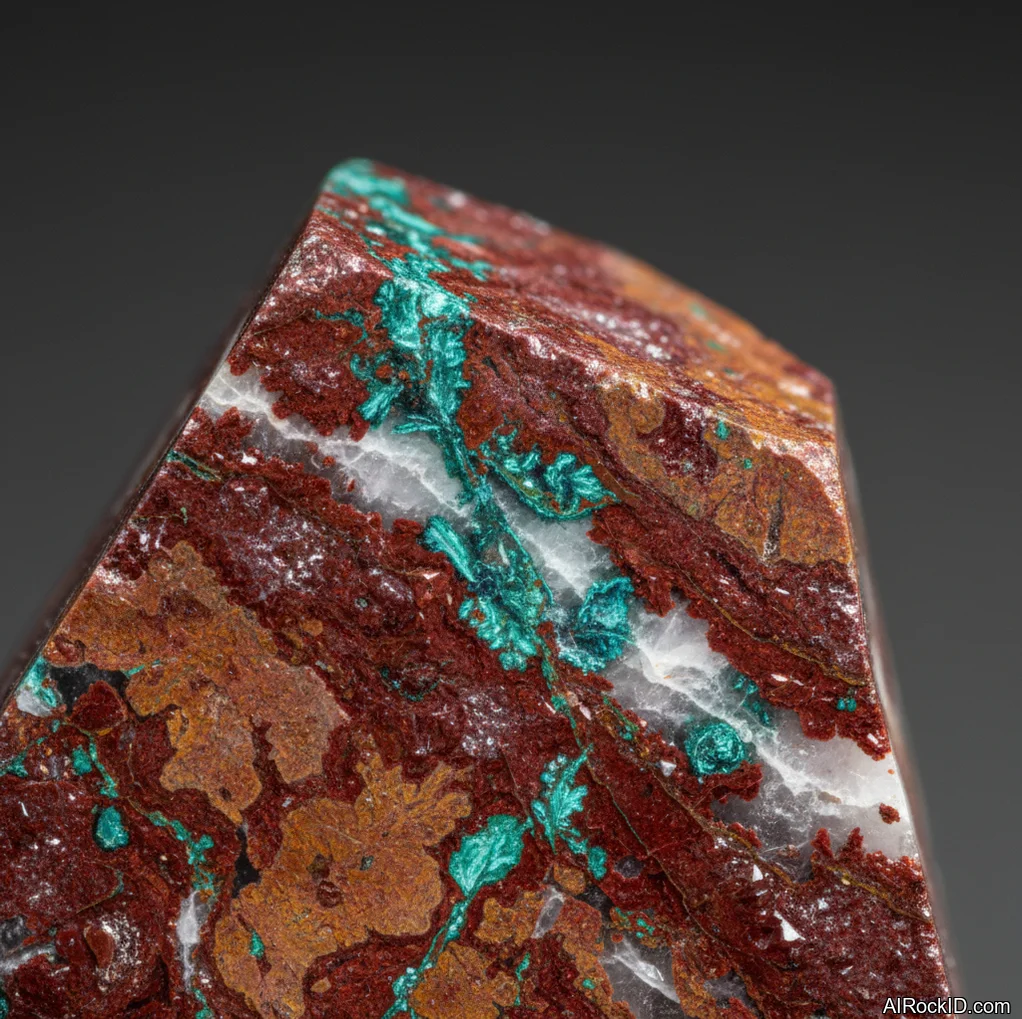
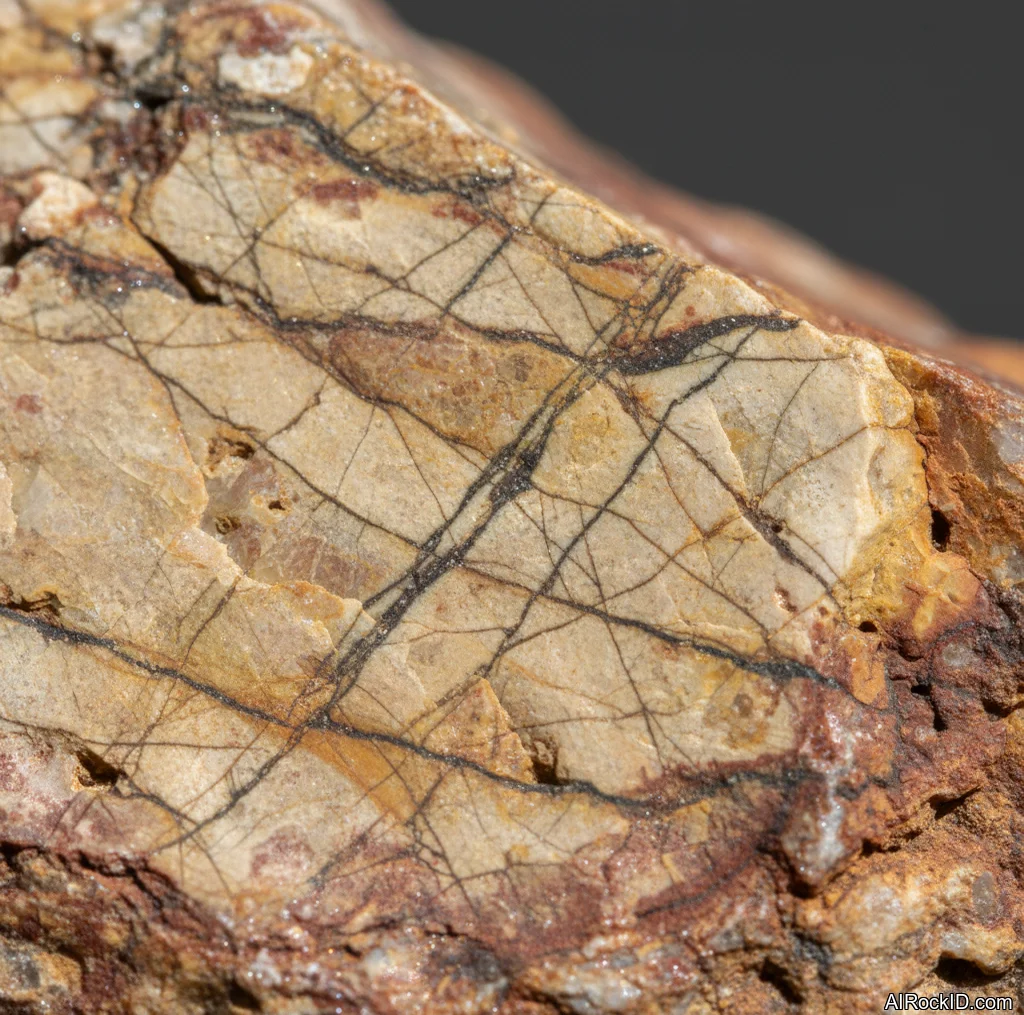
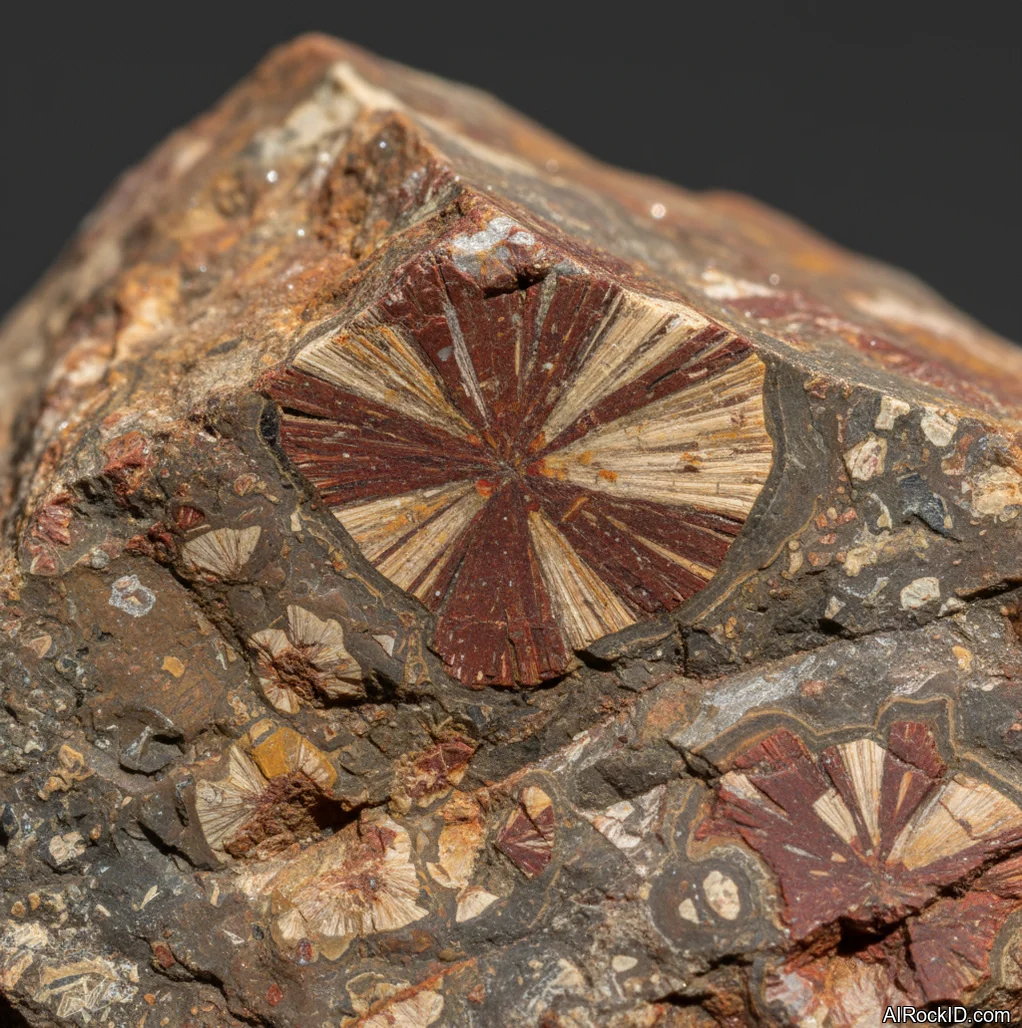
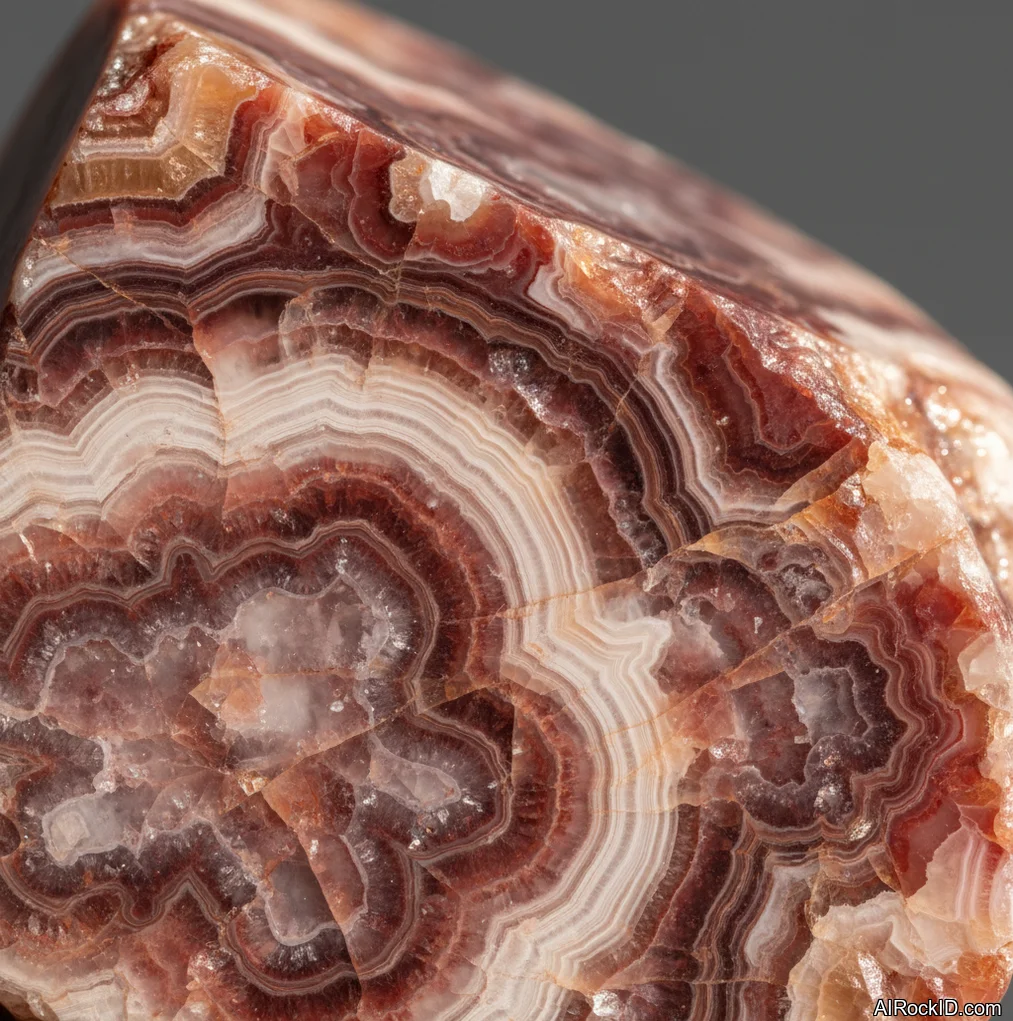
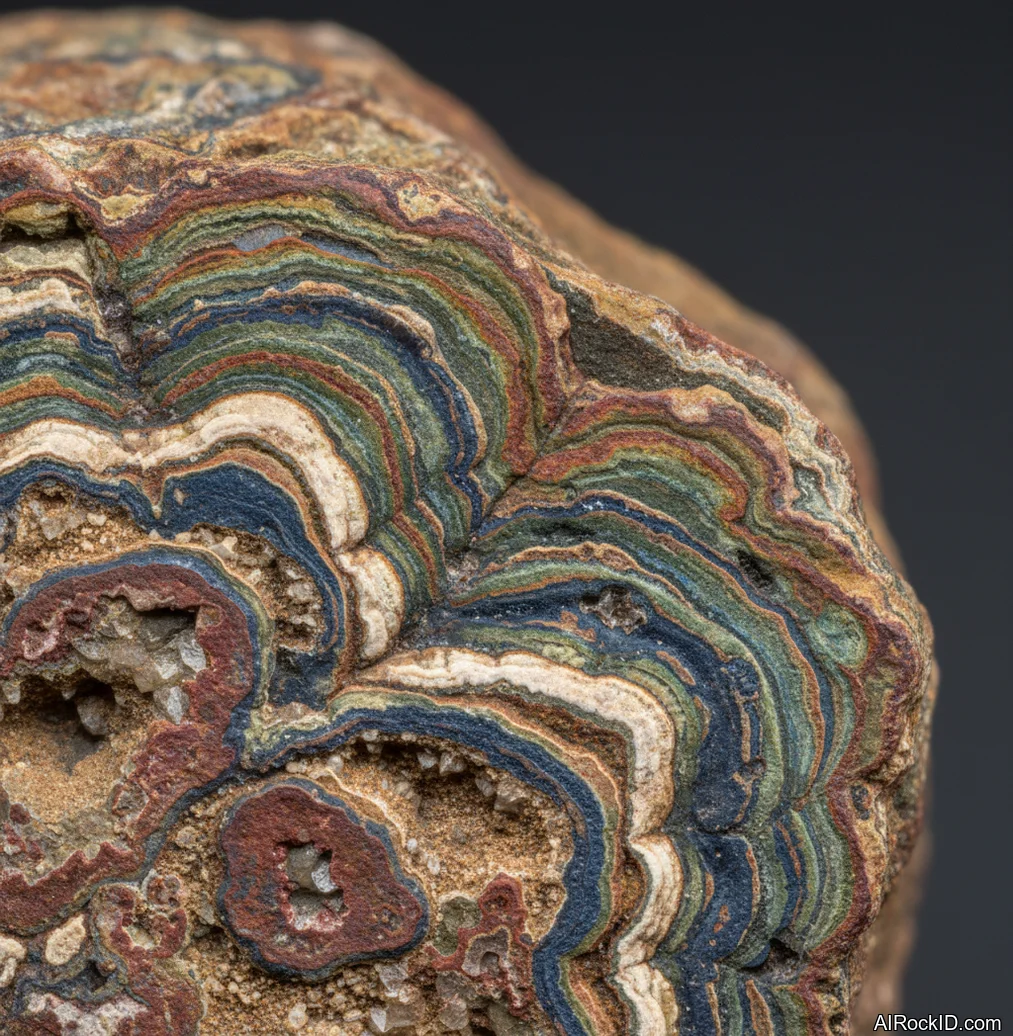
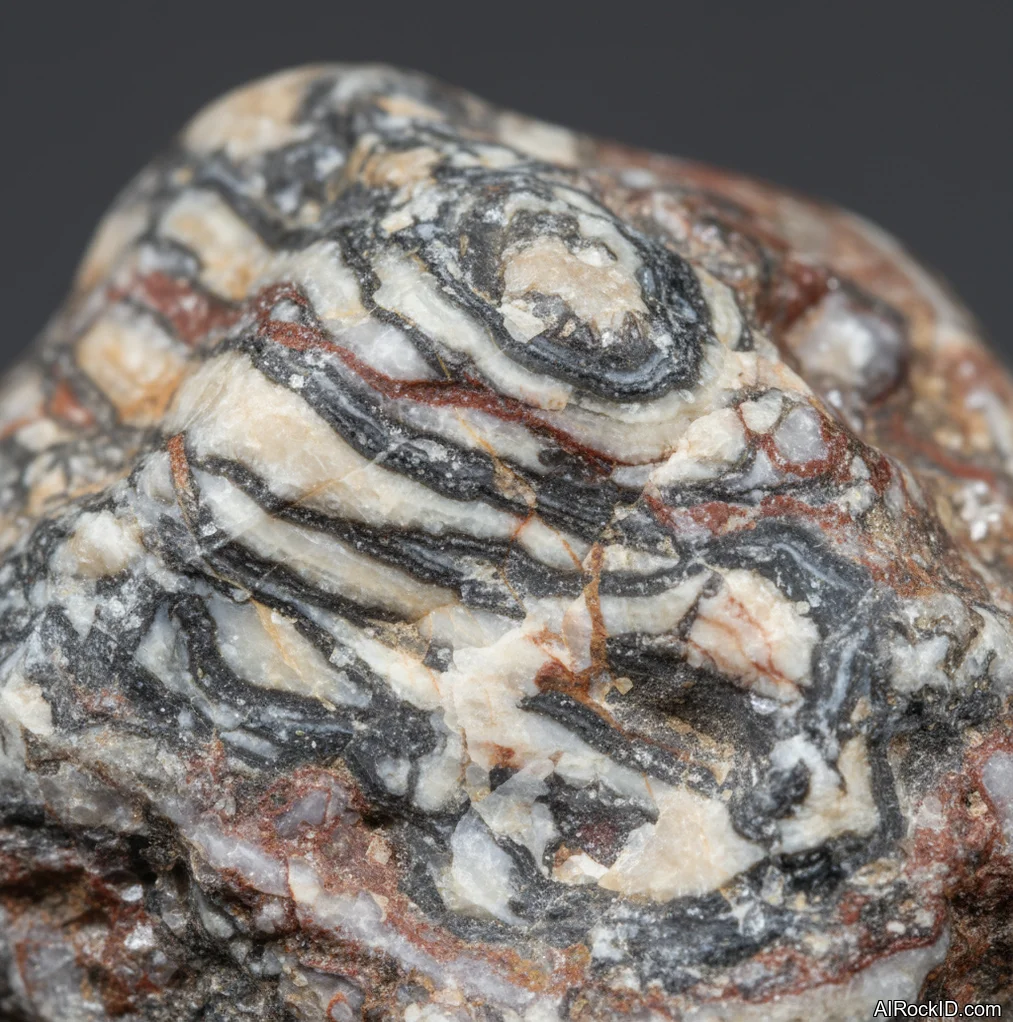
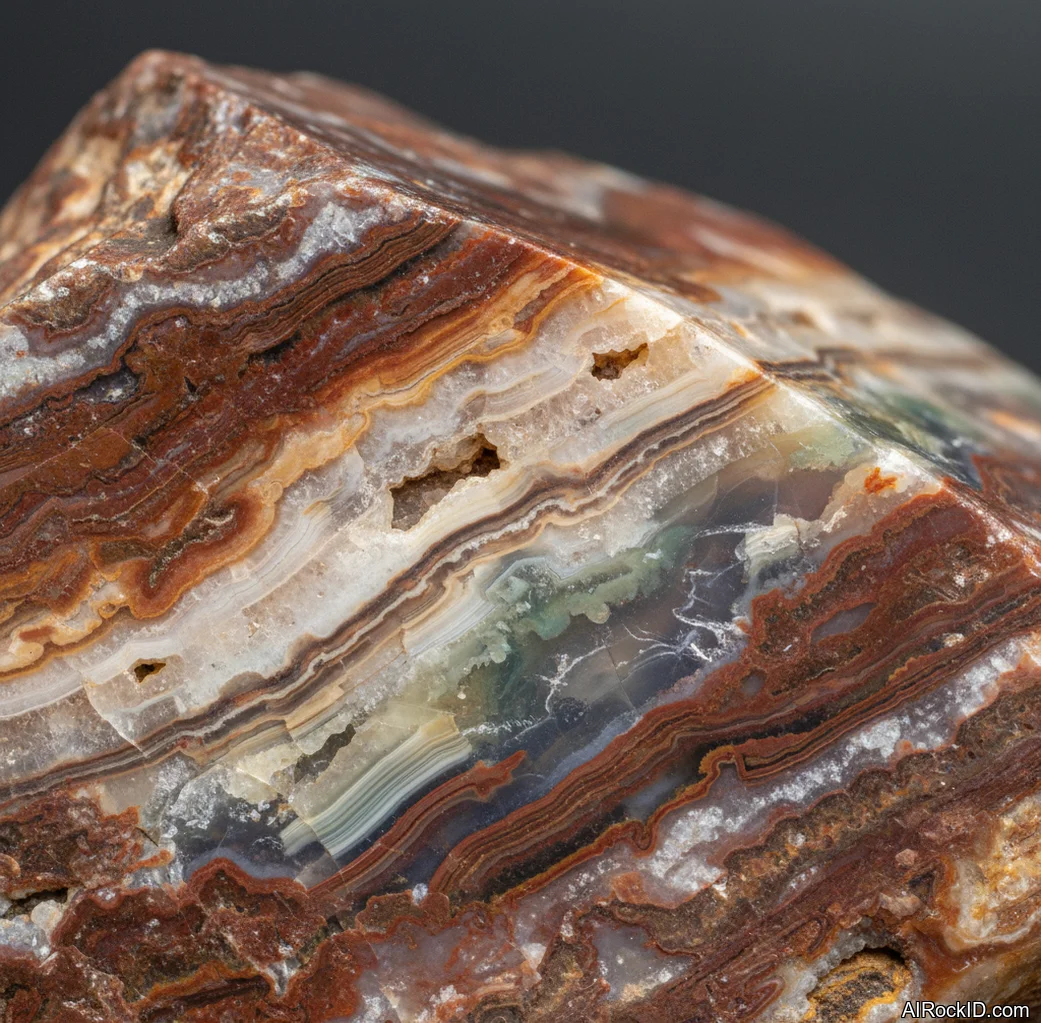
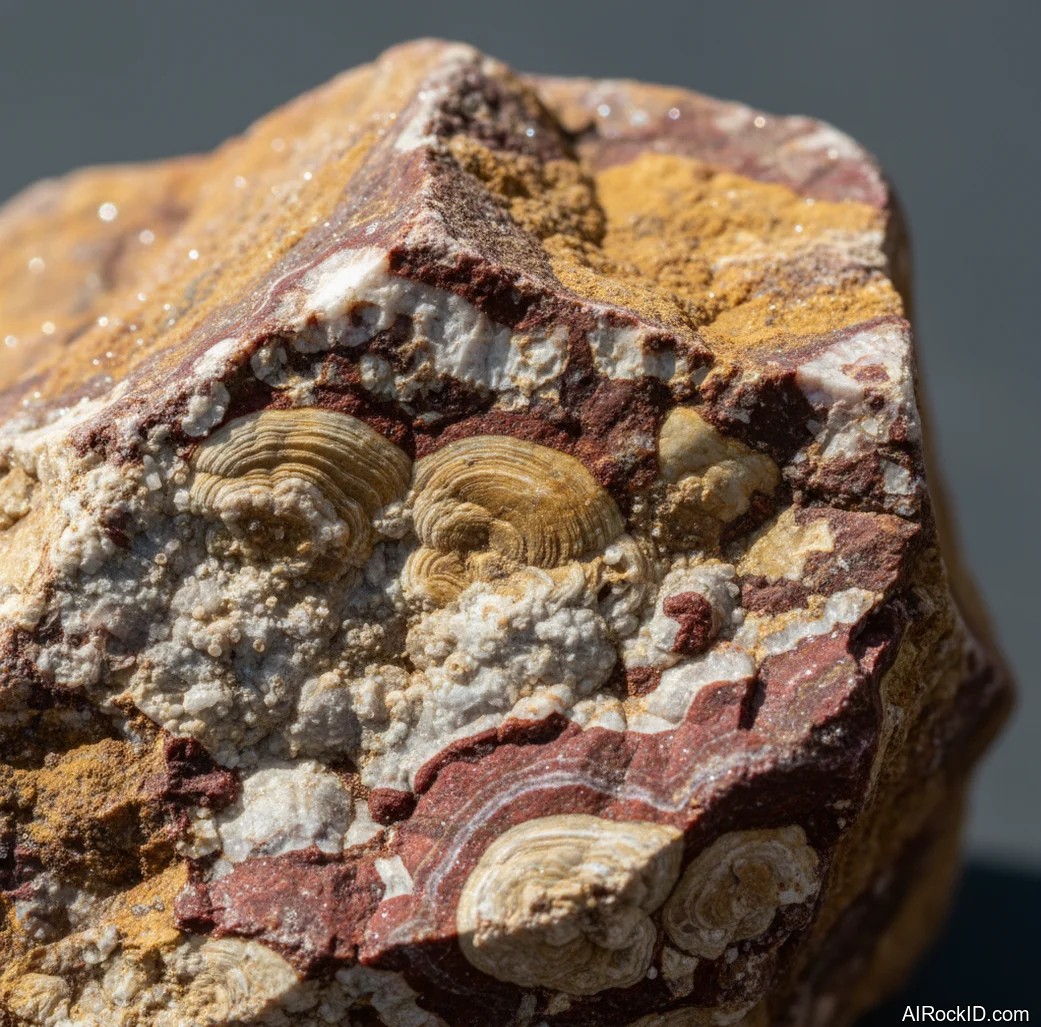
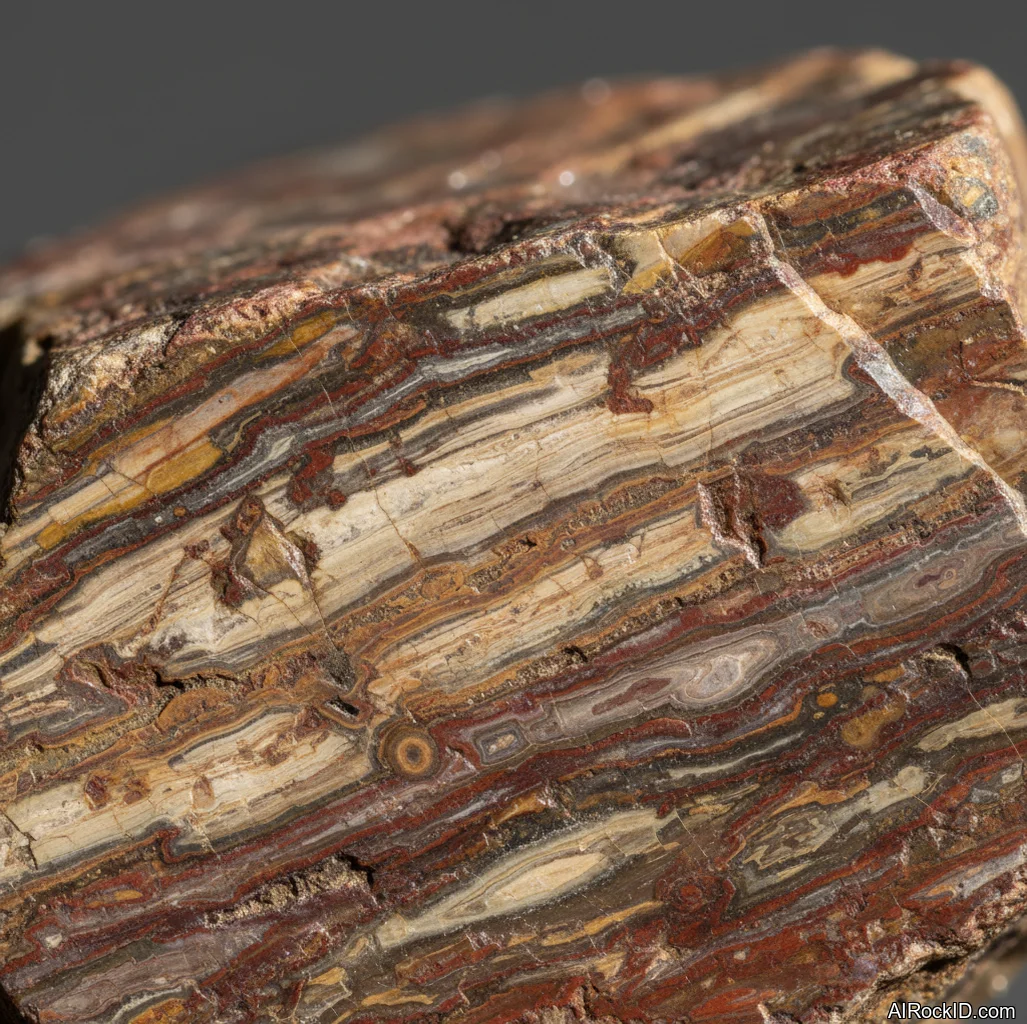
Jasper is basically a universe by itself. Red jasper that looks like dried clay. Picture jasper with desert-scape banding. Ocean jasper with orb patterns that can look like lichen on stone. Most of it is microcrystalline quartz, so it takes a polish well, but raw jasper has this dry, chalky feel that people either love or hate (no in-between, honestly).
If you want Earth crystals for the home, placement matters more than people admit. Heavy pieces do better low. A big smoky quartz point on a high shelf looks dramatic, sure, but a squat chunk of black tourmaline or a bowl of tumbled stones near the front door actually gets handled and noticed. That contact is the point. The real test is whether you’ll touch the stone when you’re stressed. If it’s behind glass, you won’t.
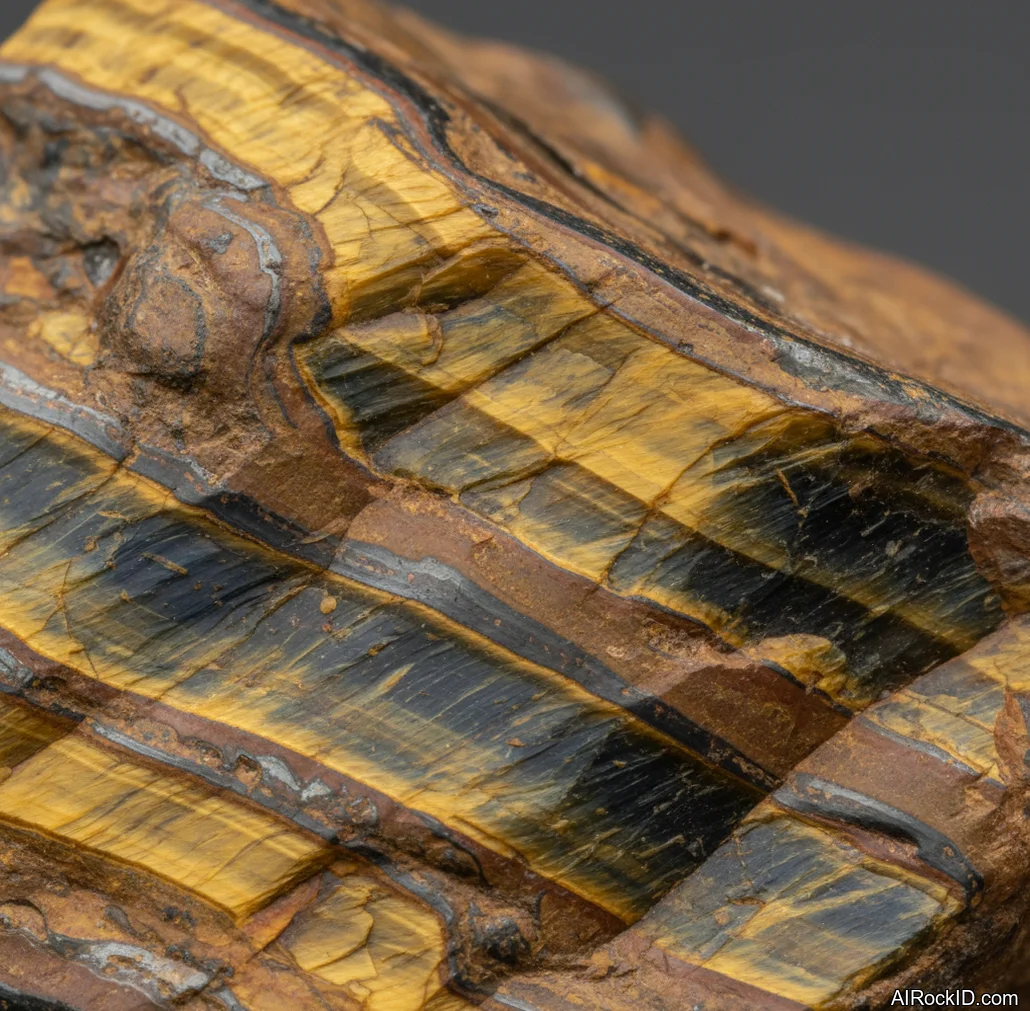
Buying Earth crystals is where it gets tricky, mostly because the market is packed with treatments and lookalikes. Tiger’s eye is commonly stabilized or dyed, and those overly bright “neon” colors usually mean it’s been messed with. Natural tiger’s eye has a chatoyant band that moves like a cat’s pupil when you tilt it under a lamp, and the brown-gold tones shift, they don’t stay flat.
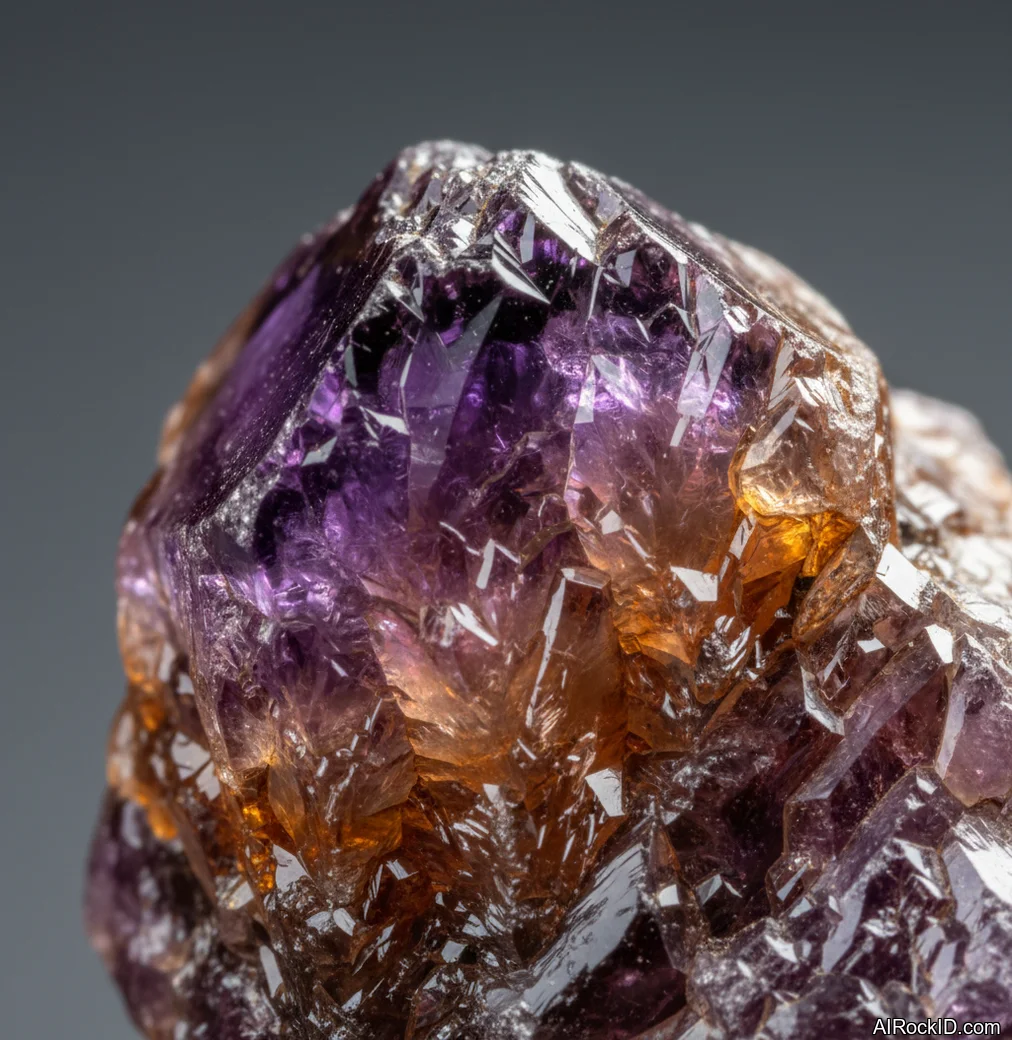
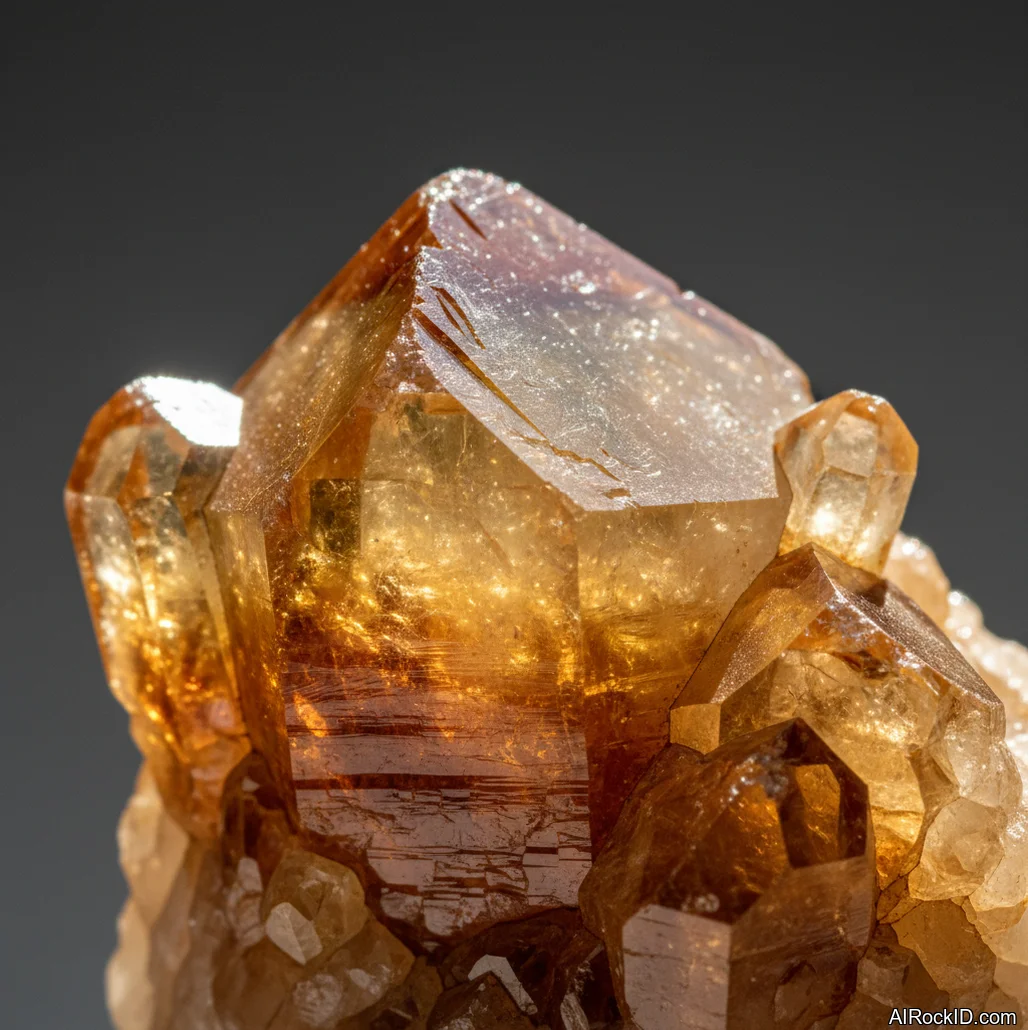
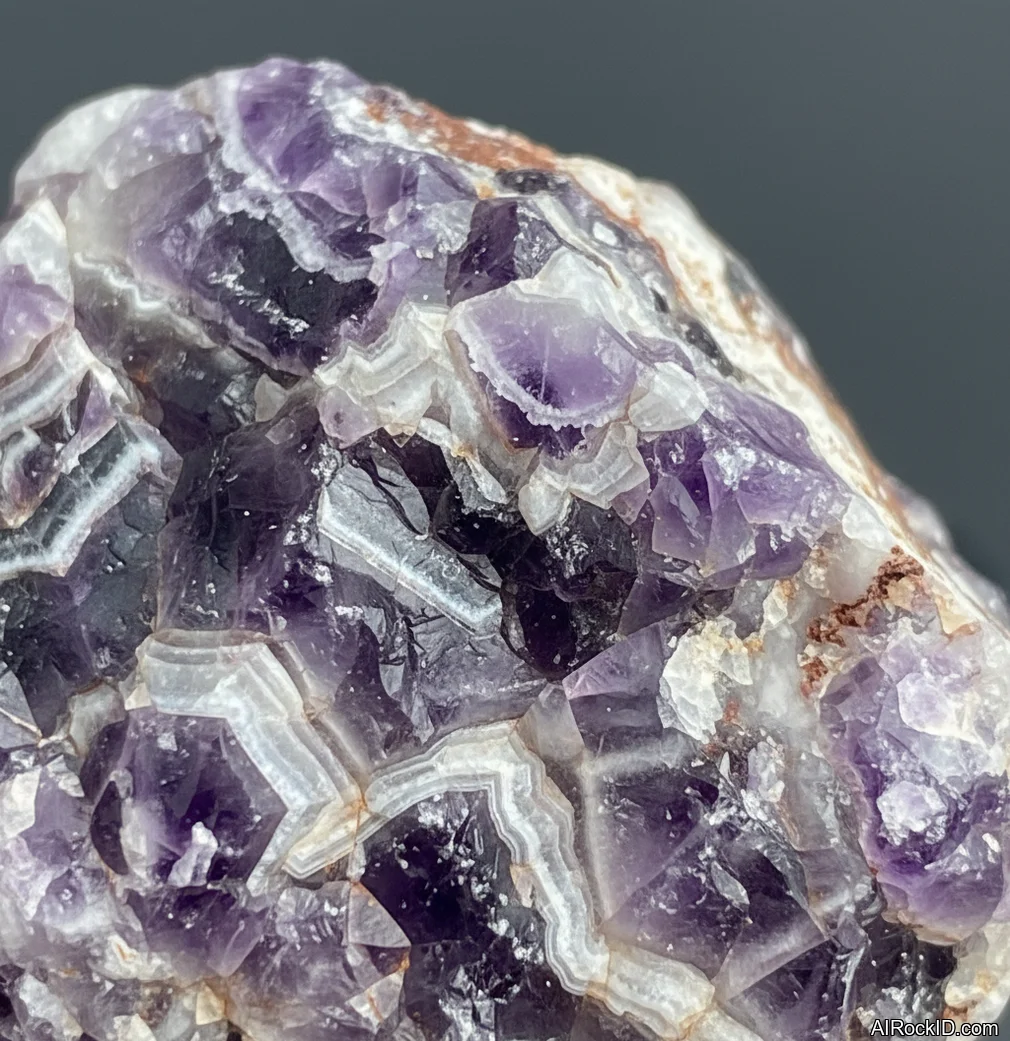
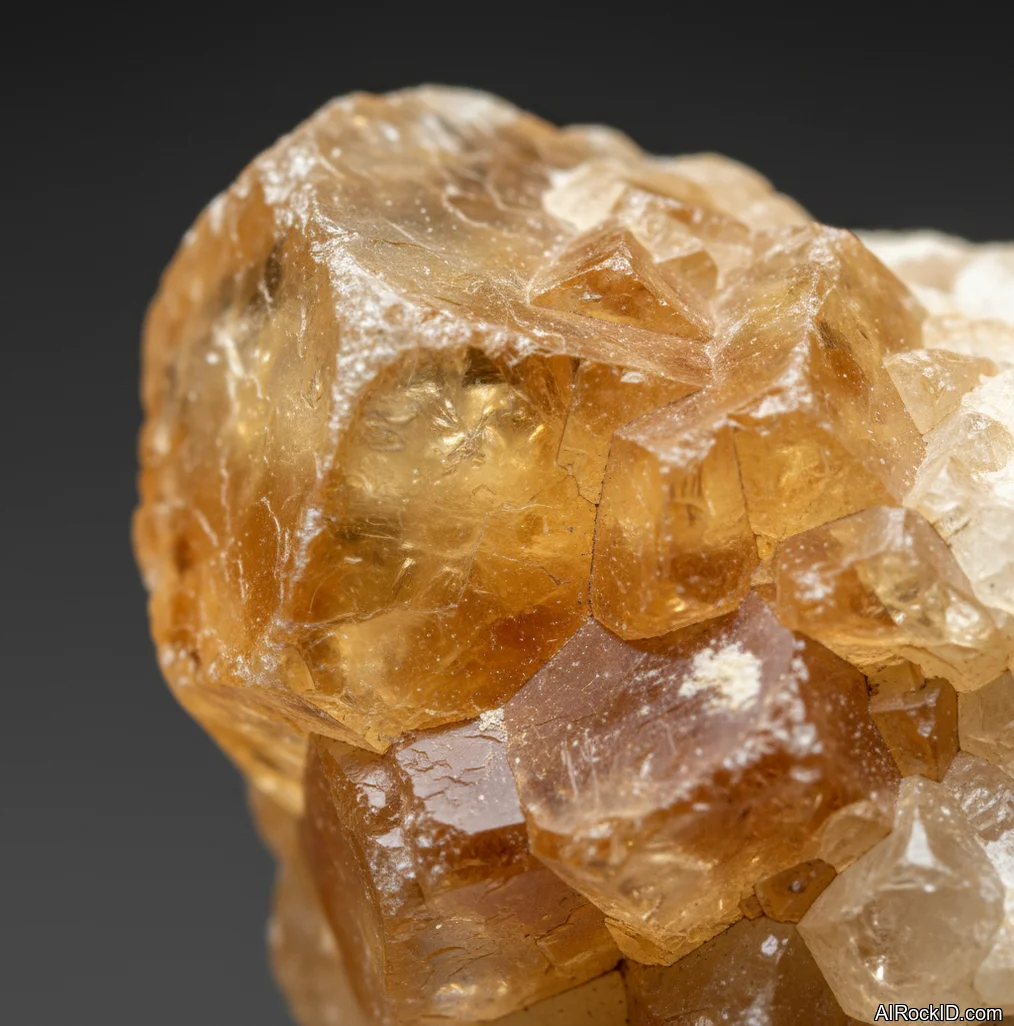
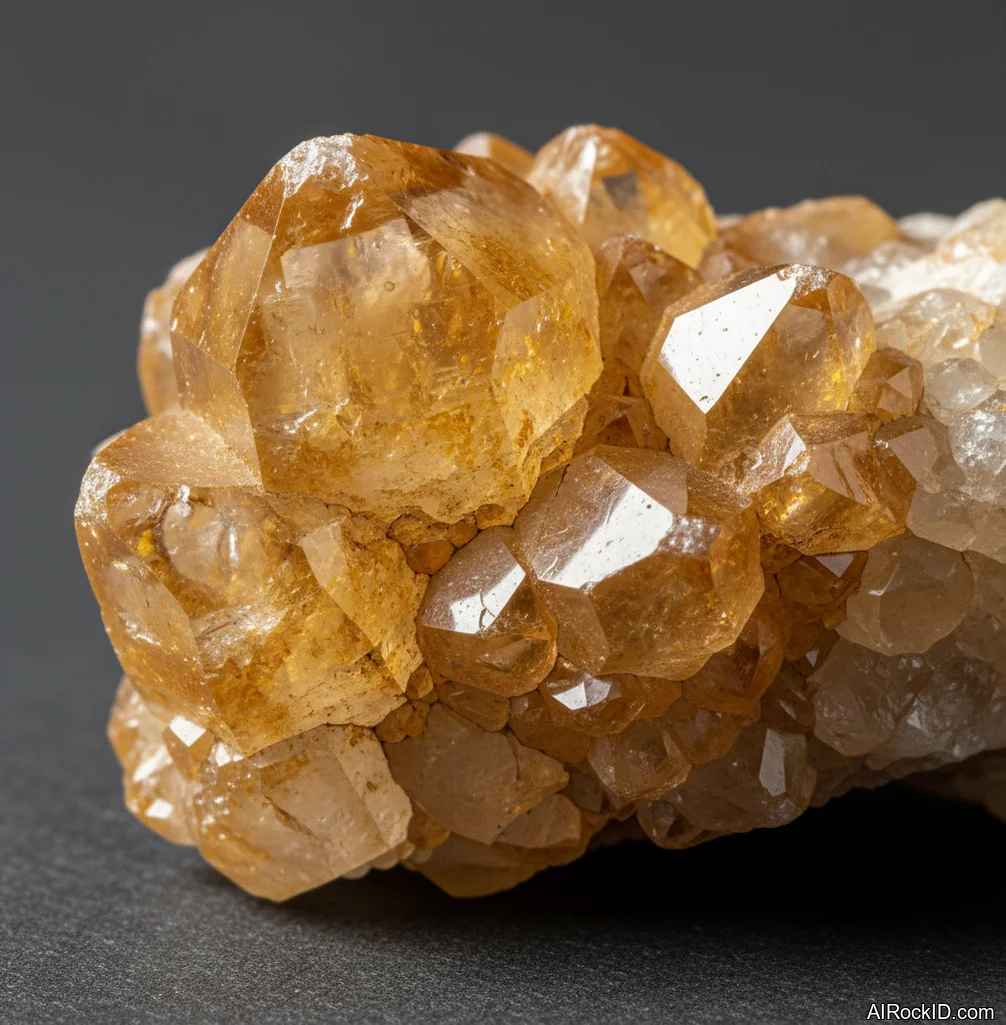
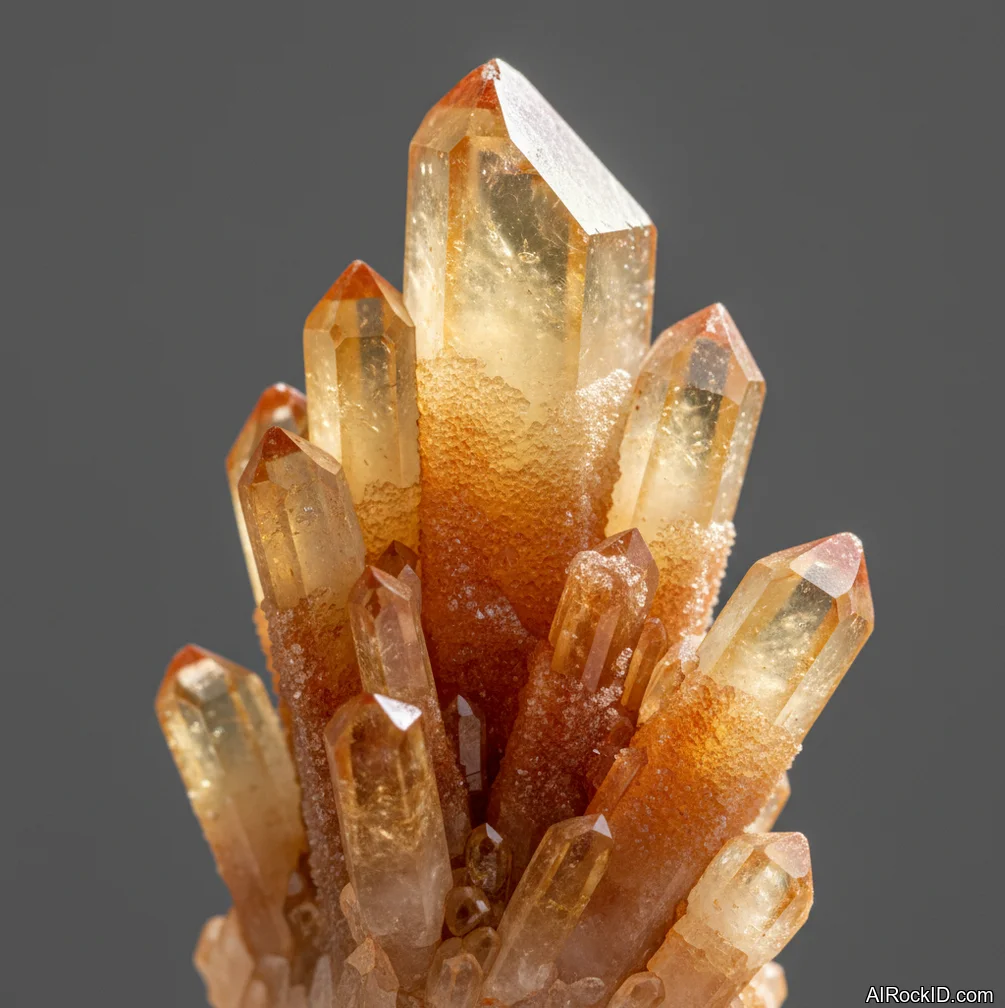
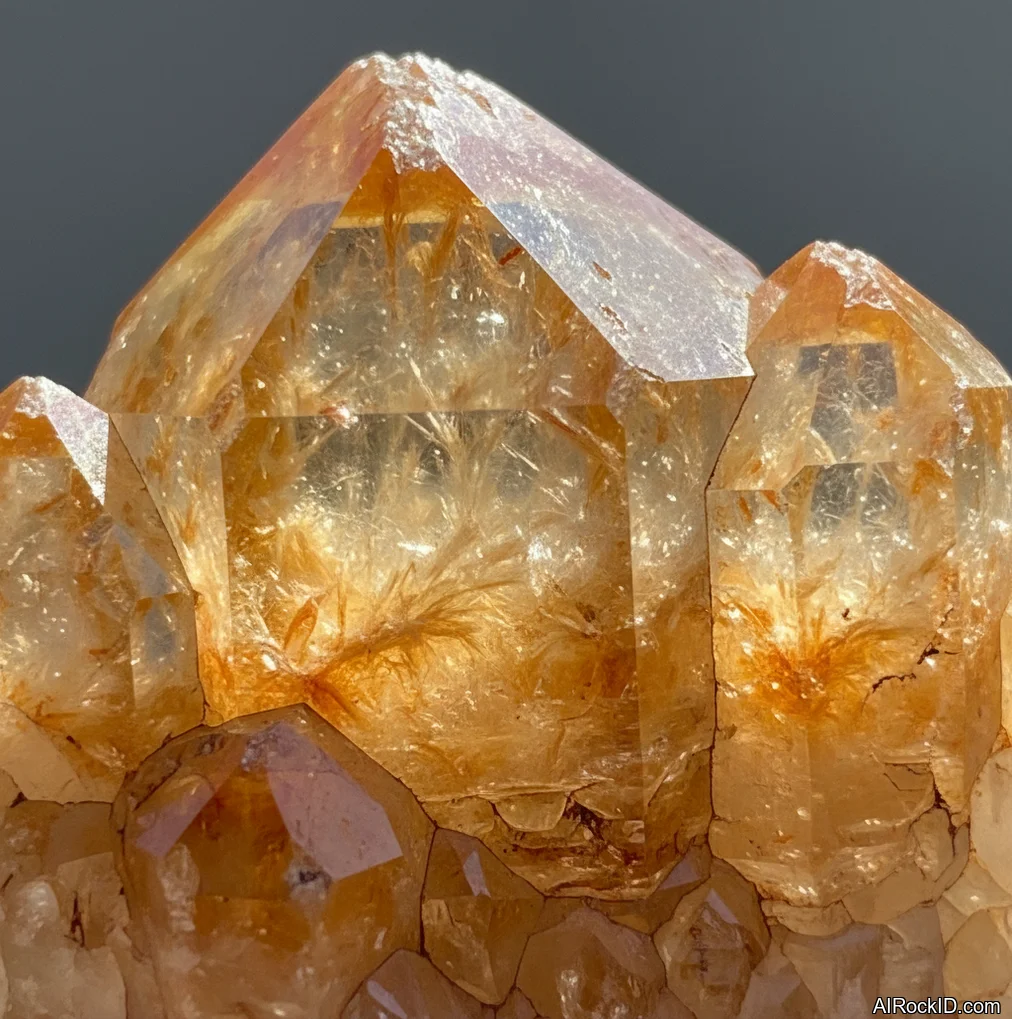
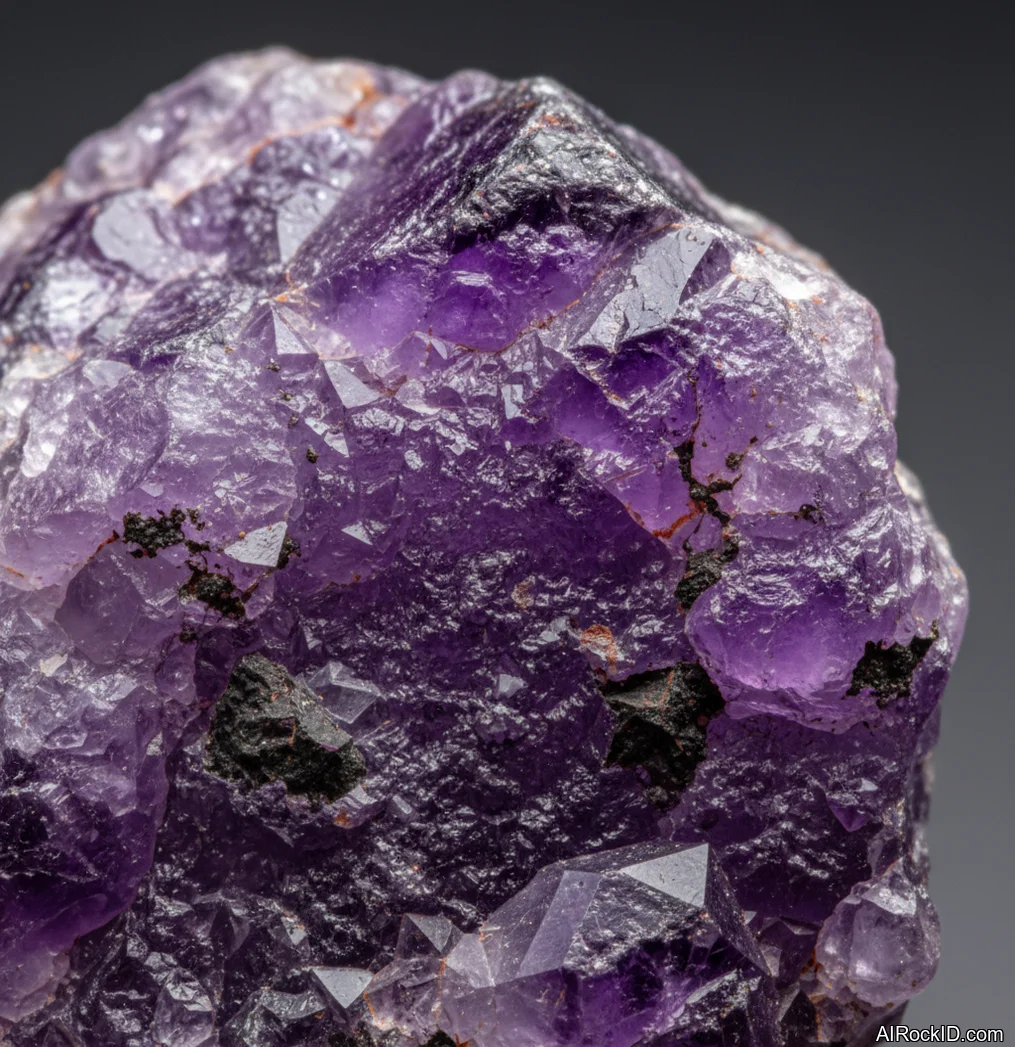
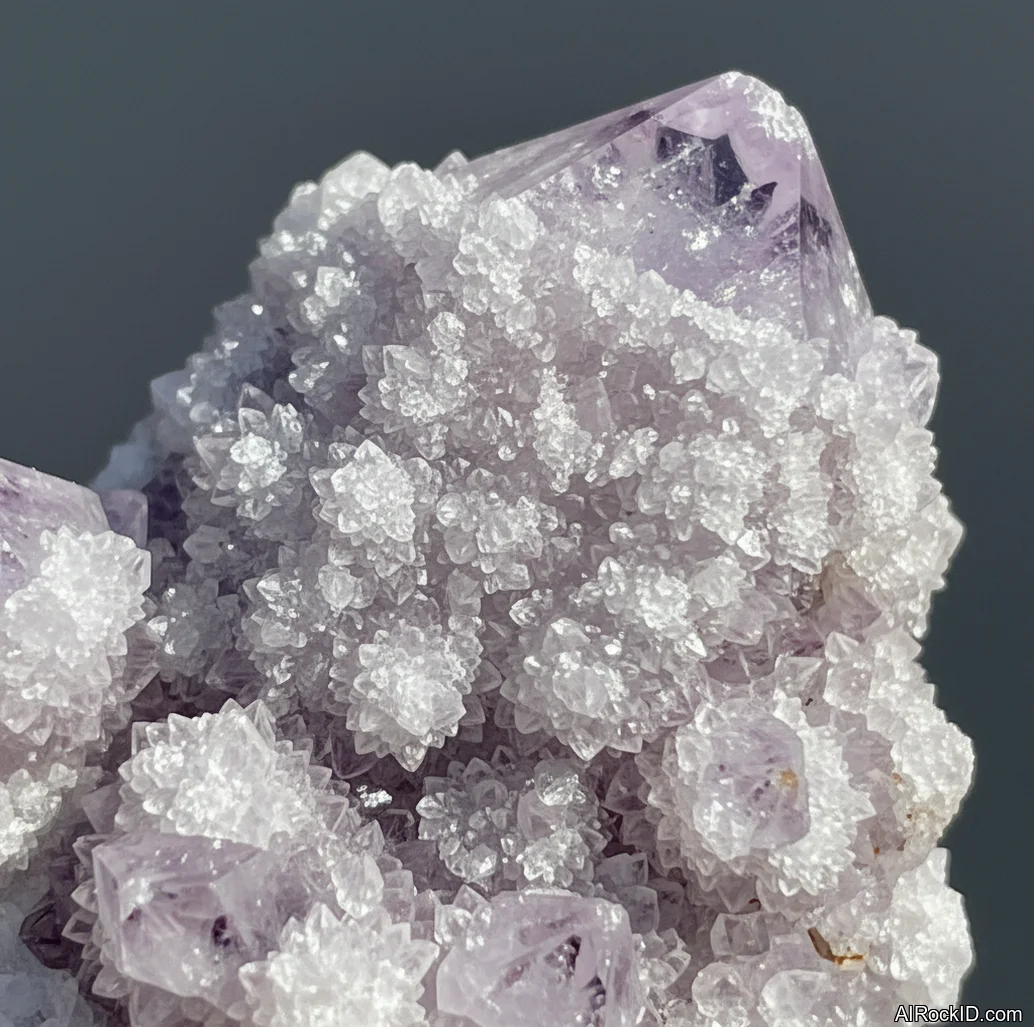
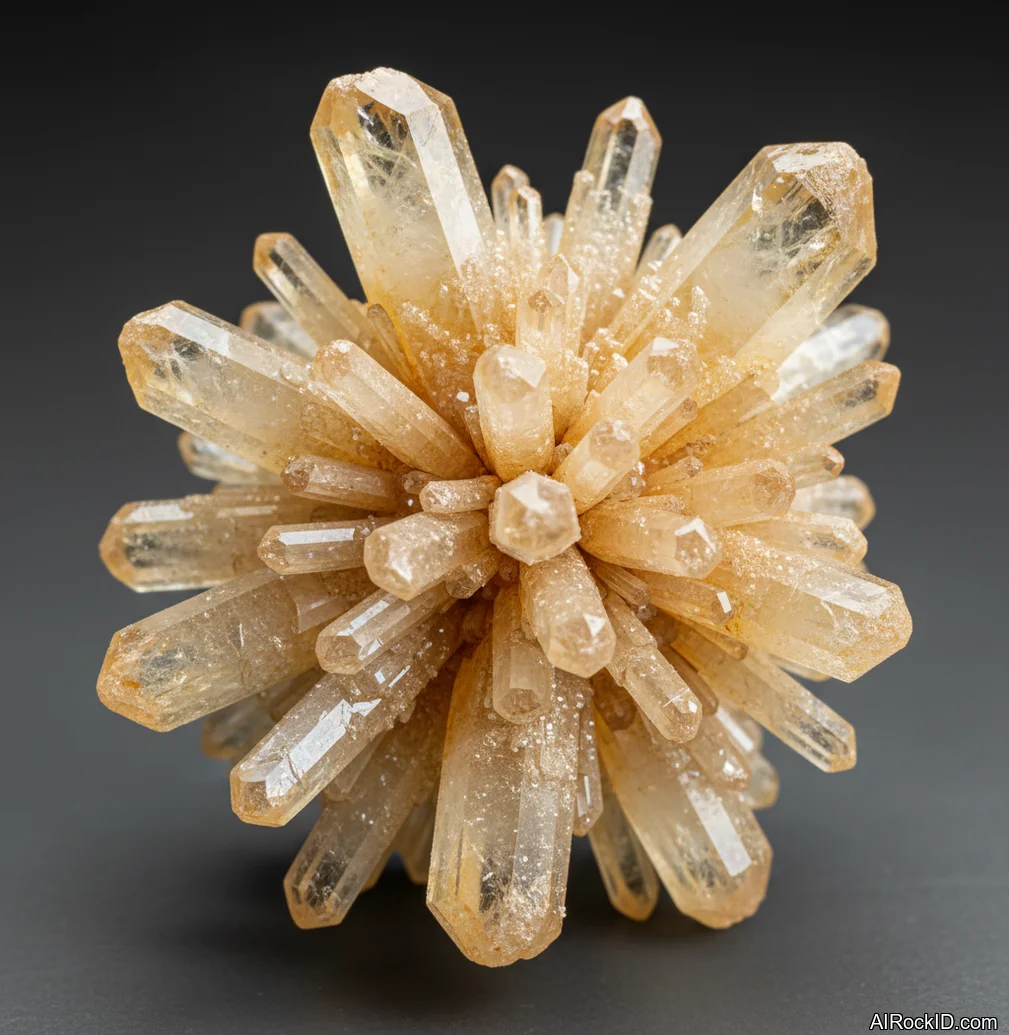
And with citrine sold as “Earth” (some shops do this), watch for heat-treated amethyst. The giveaway is a harsh orange-brown color that pools at the tips while the base stays pale or clear, plus a burnt look that doesn’t happen in most natural citrine.
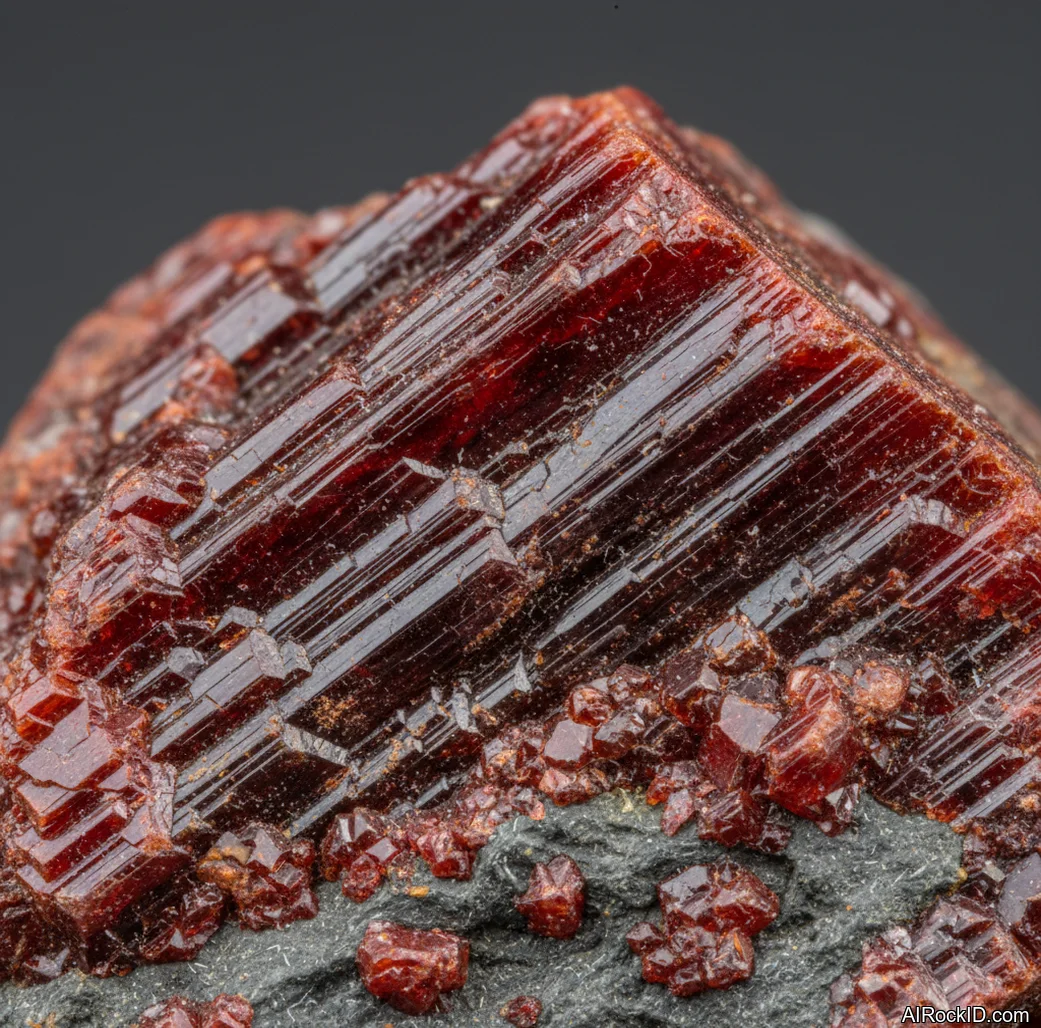
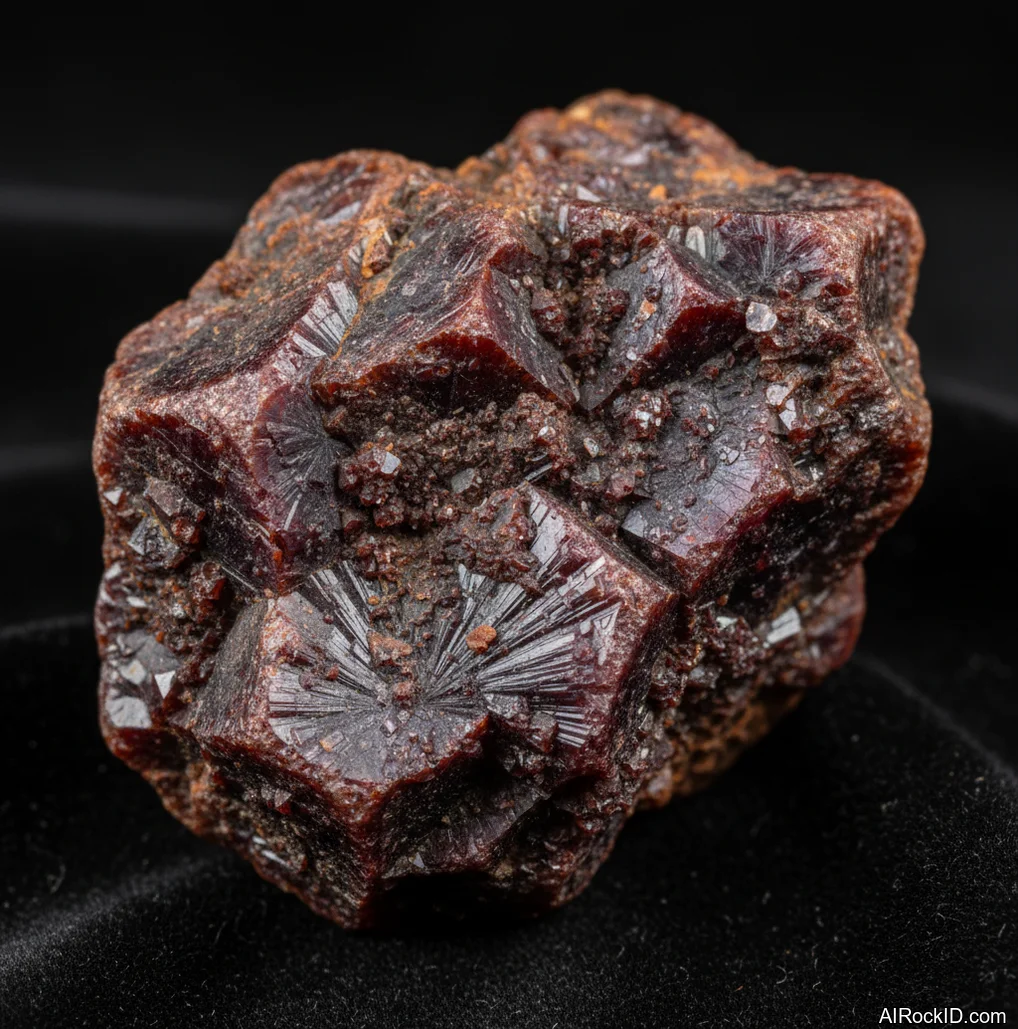
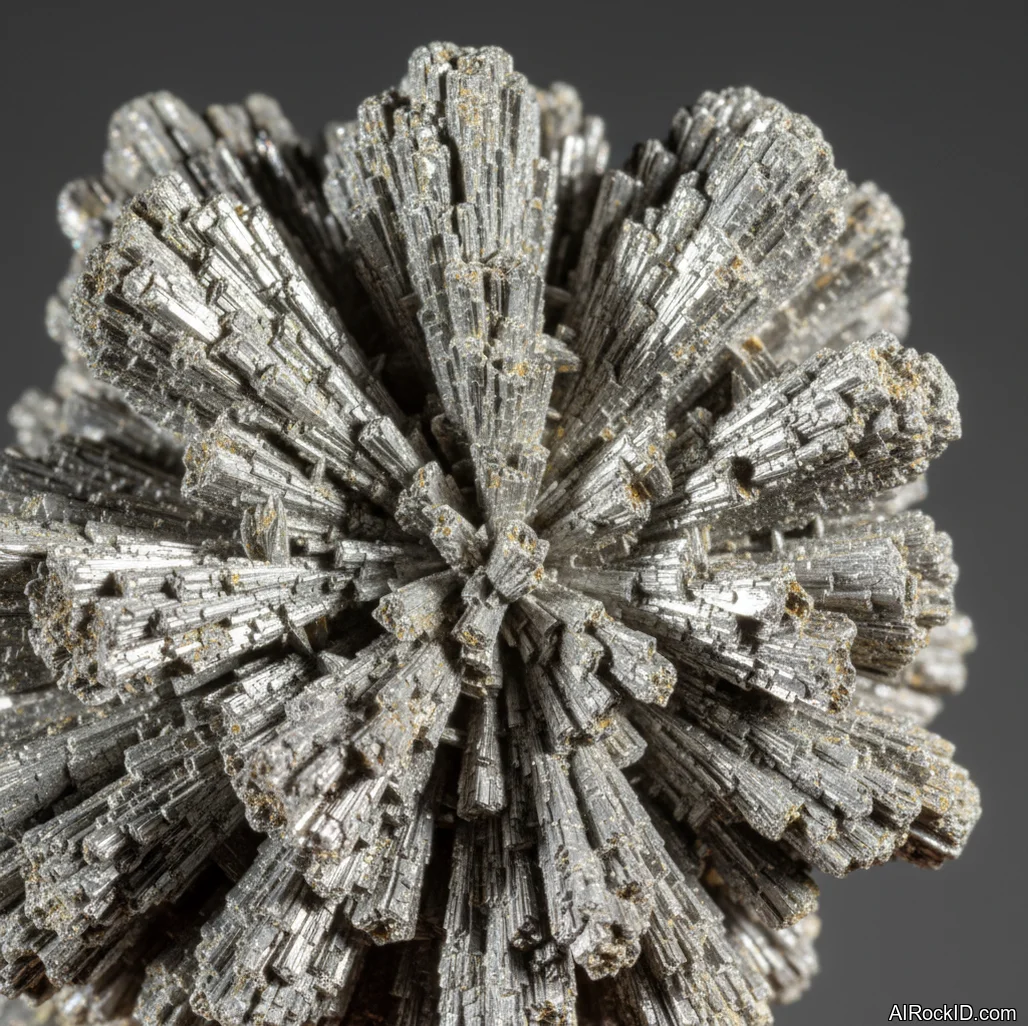
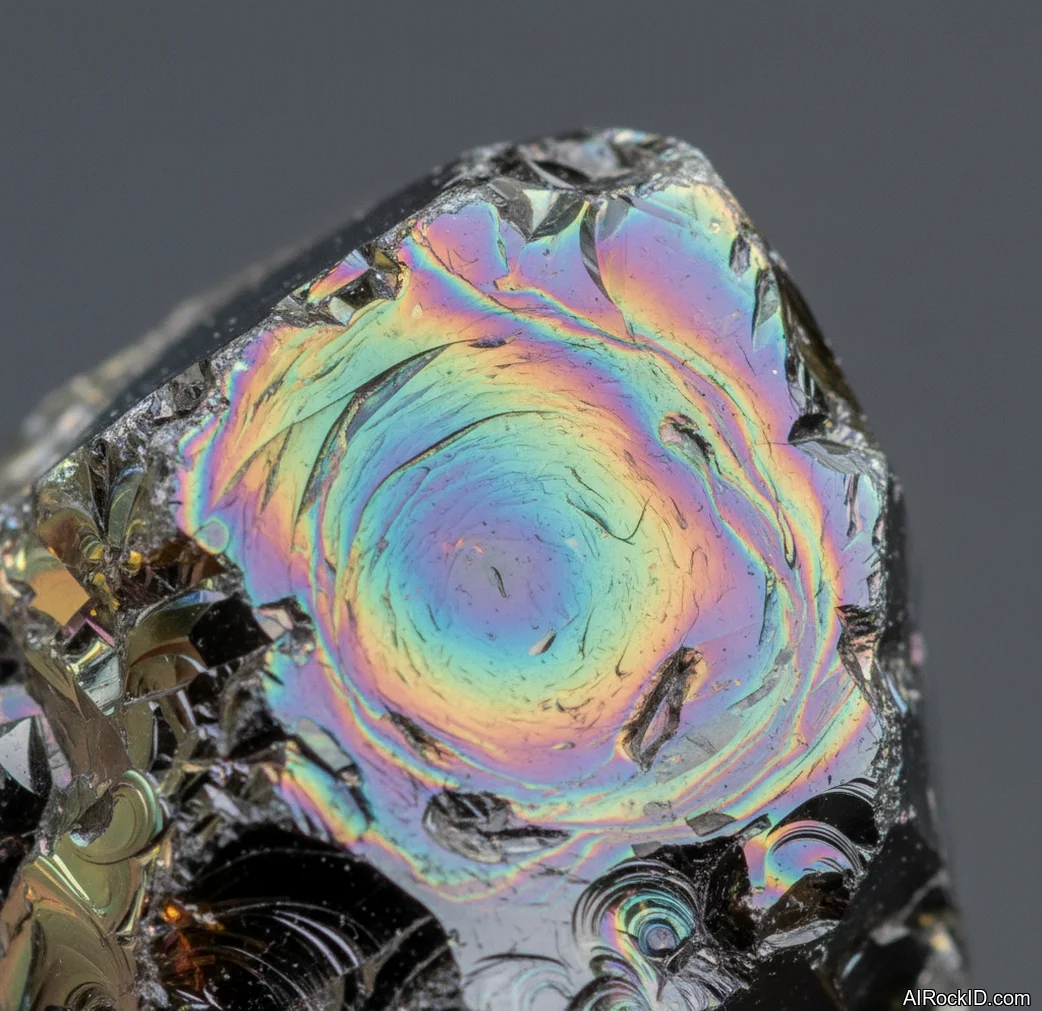
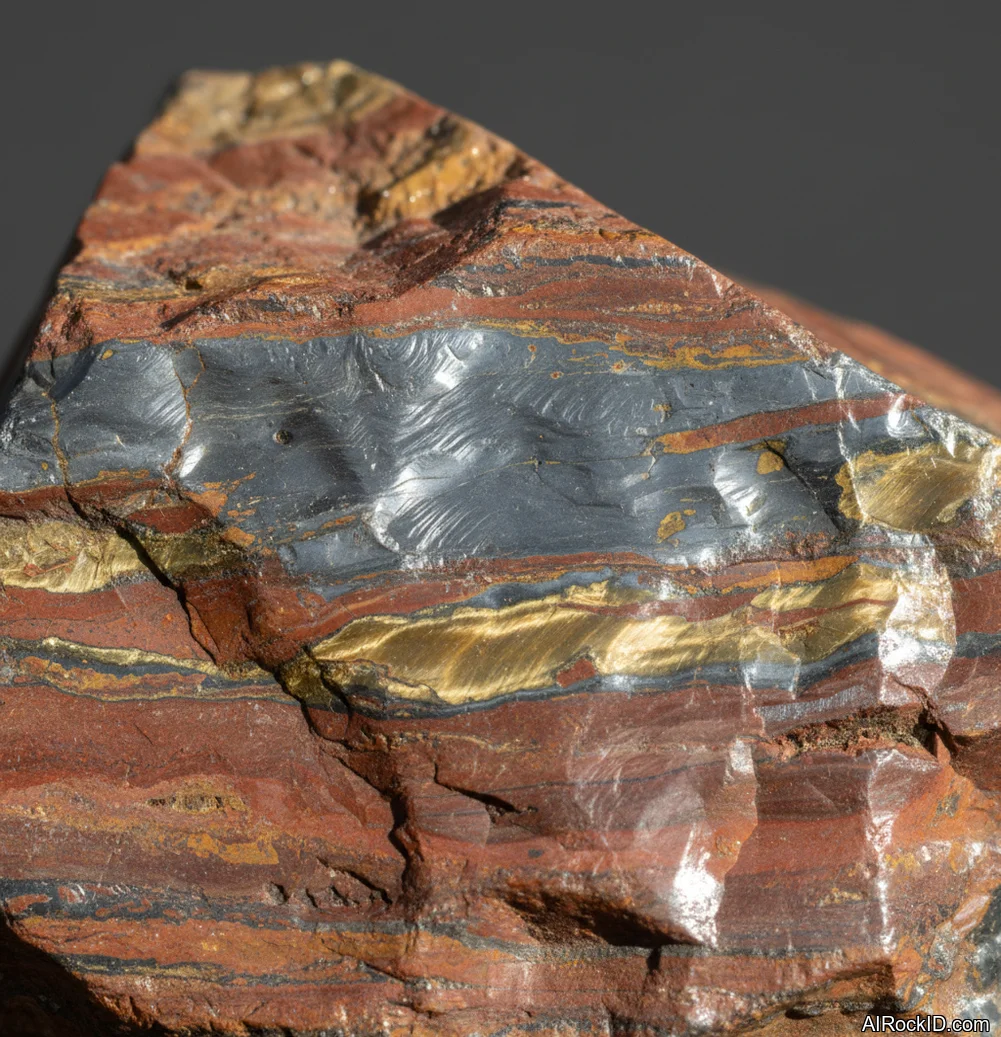
Hematite has its own shopping pitfall: “magnetic hematite” is usually a manmade material being sold as hematite. Real hematite can be weakly magnetic in some forms, but if it snaps hard to a fridge magnet like it’s begging for attention, it’s probably not natural hematite. The streak test is old-school and it works: unglazed porcelain will show a reddish-brown streak for real hematite, even when the stone itself looks steel gray.
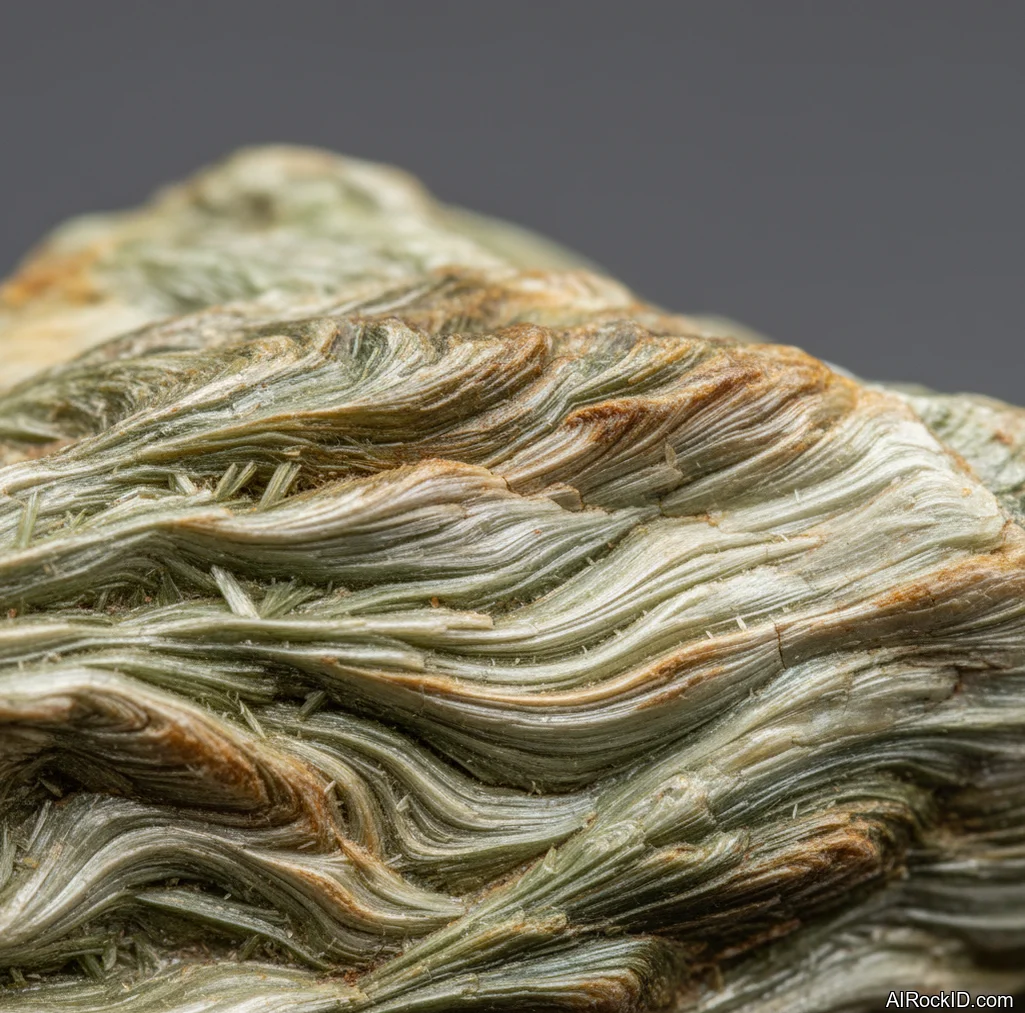
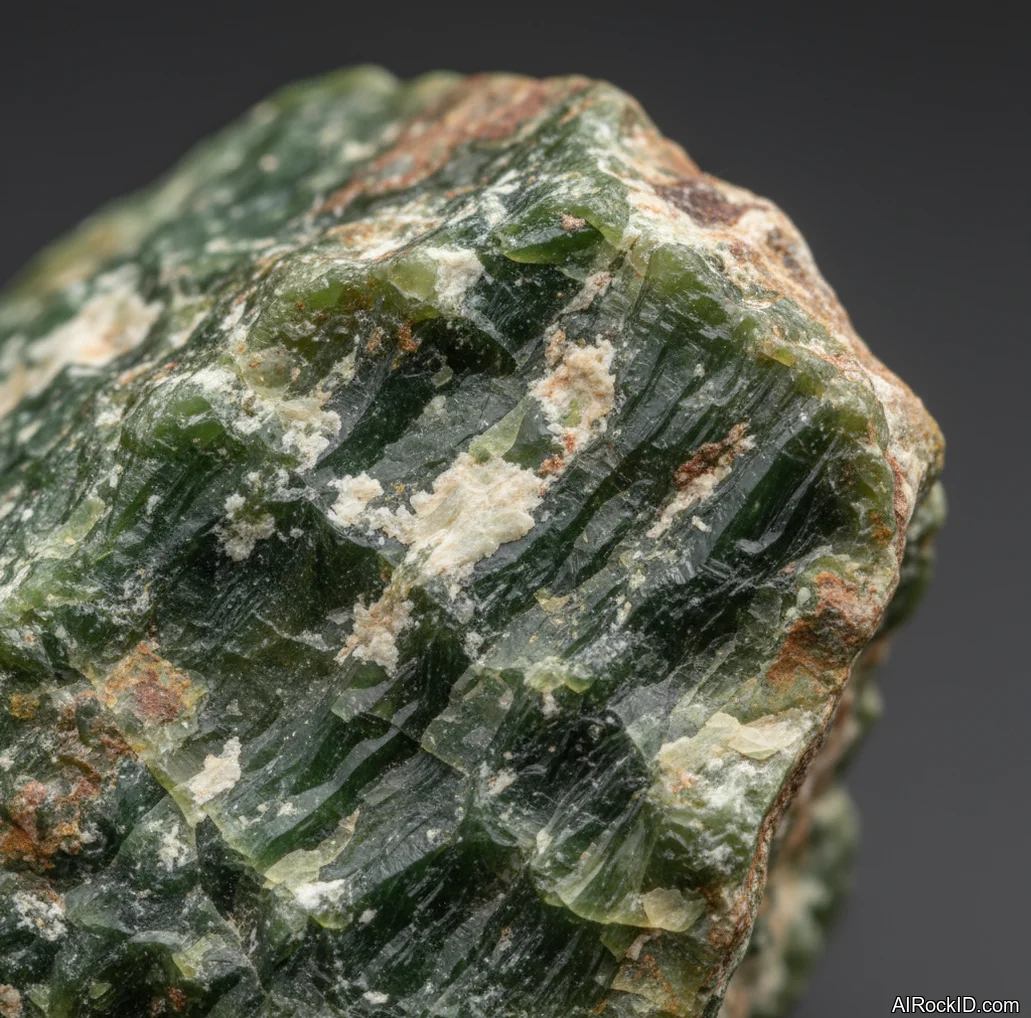
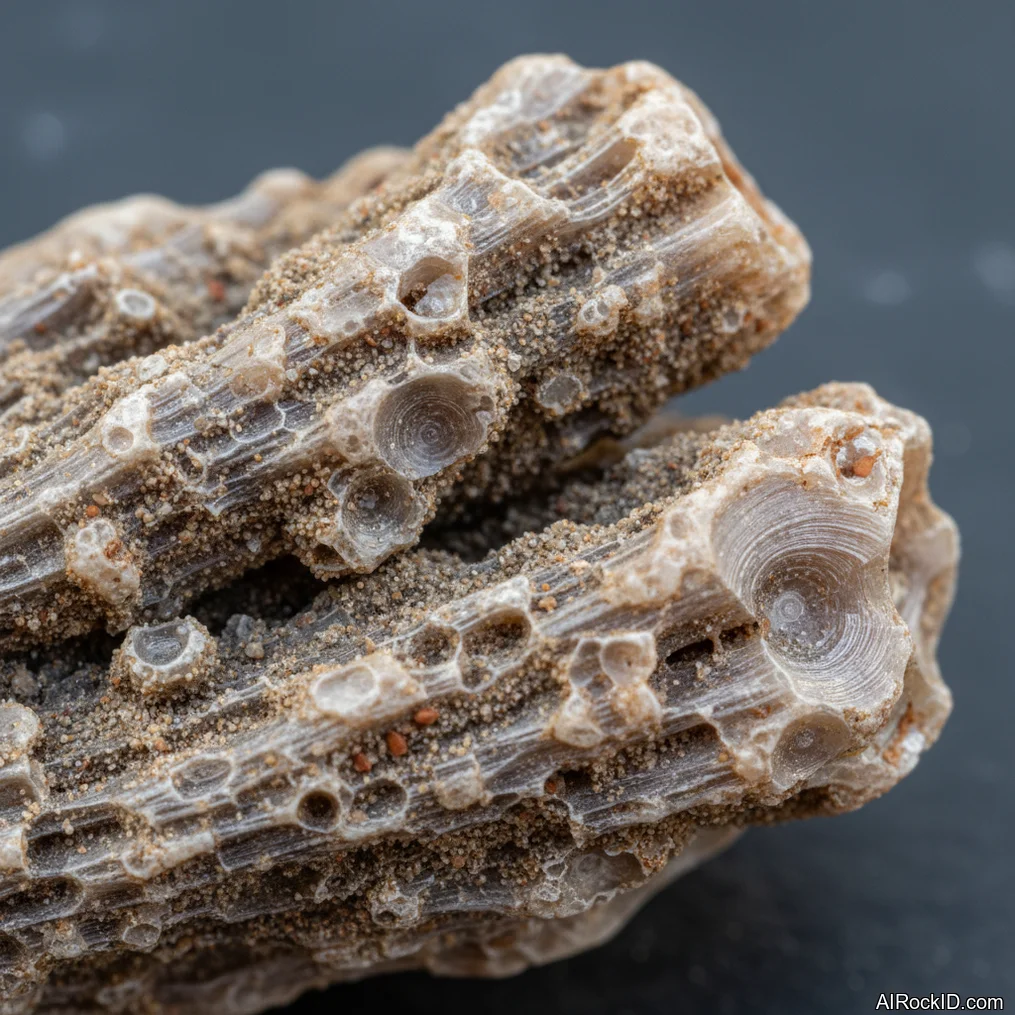
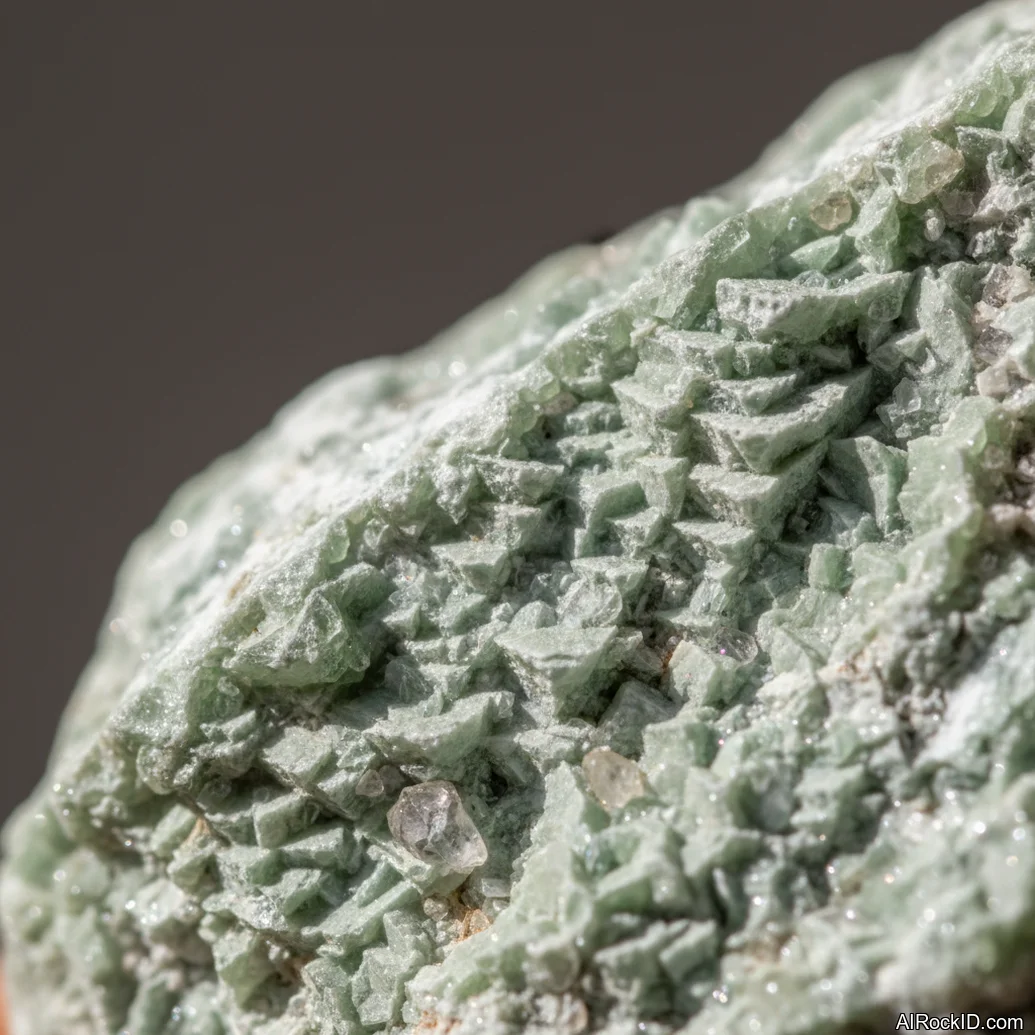
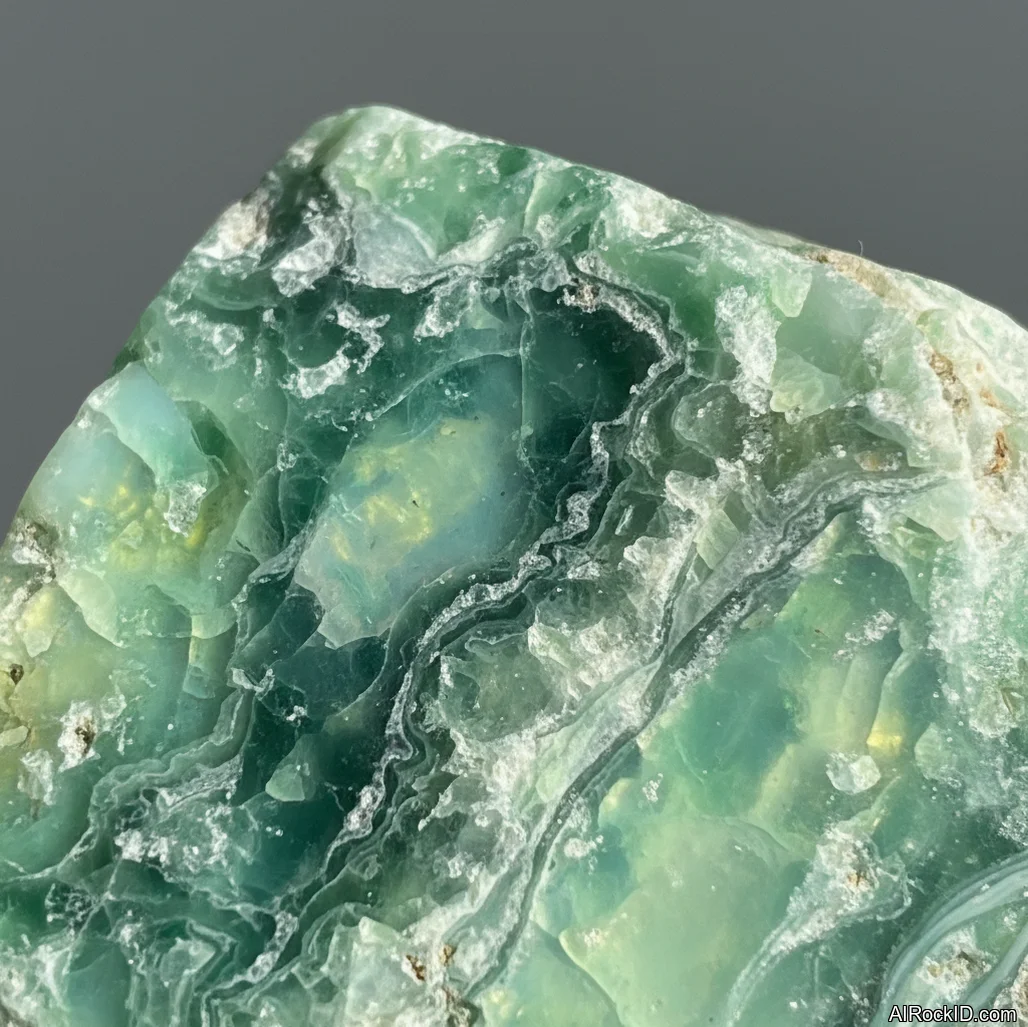
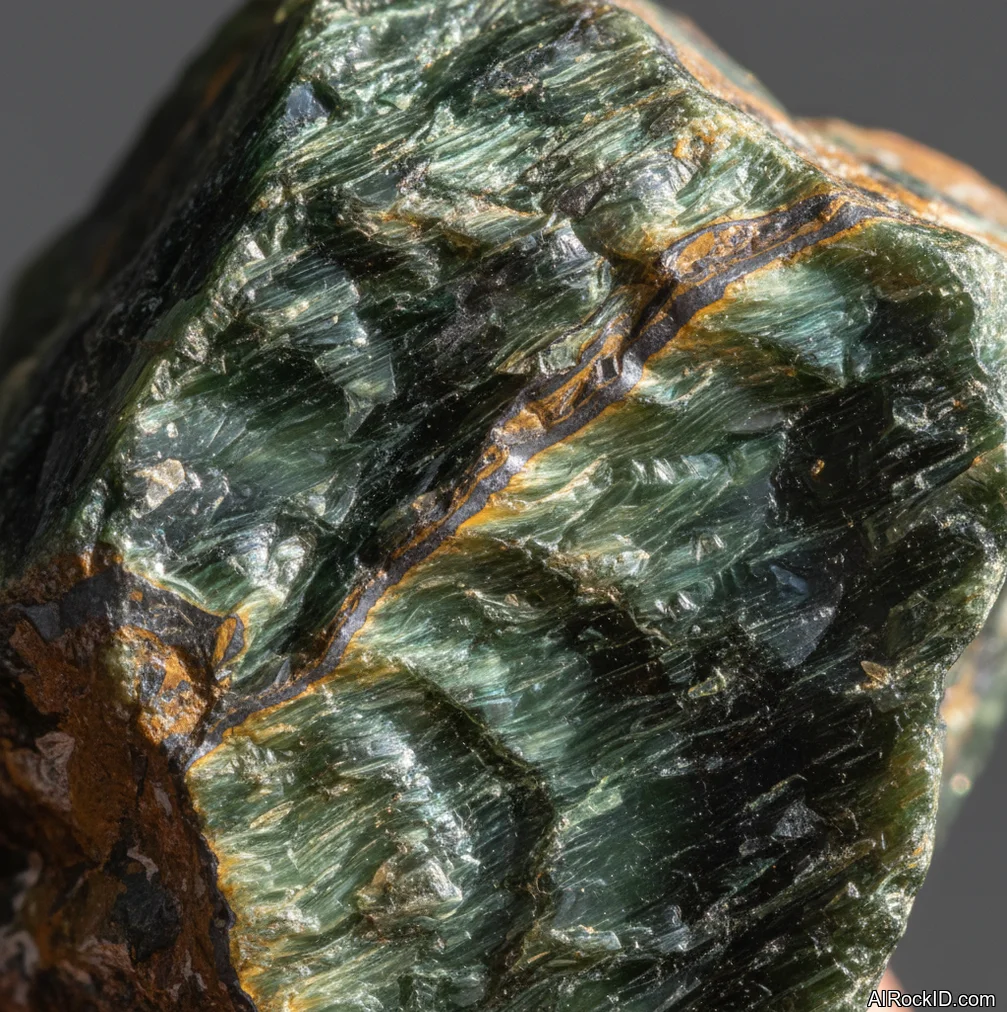
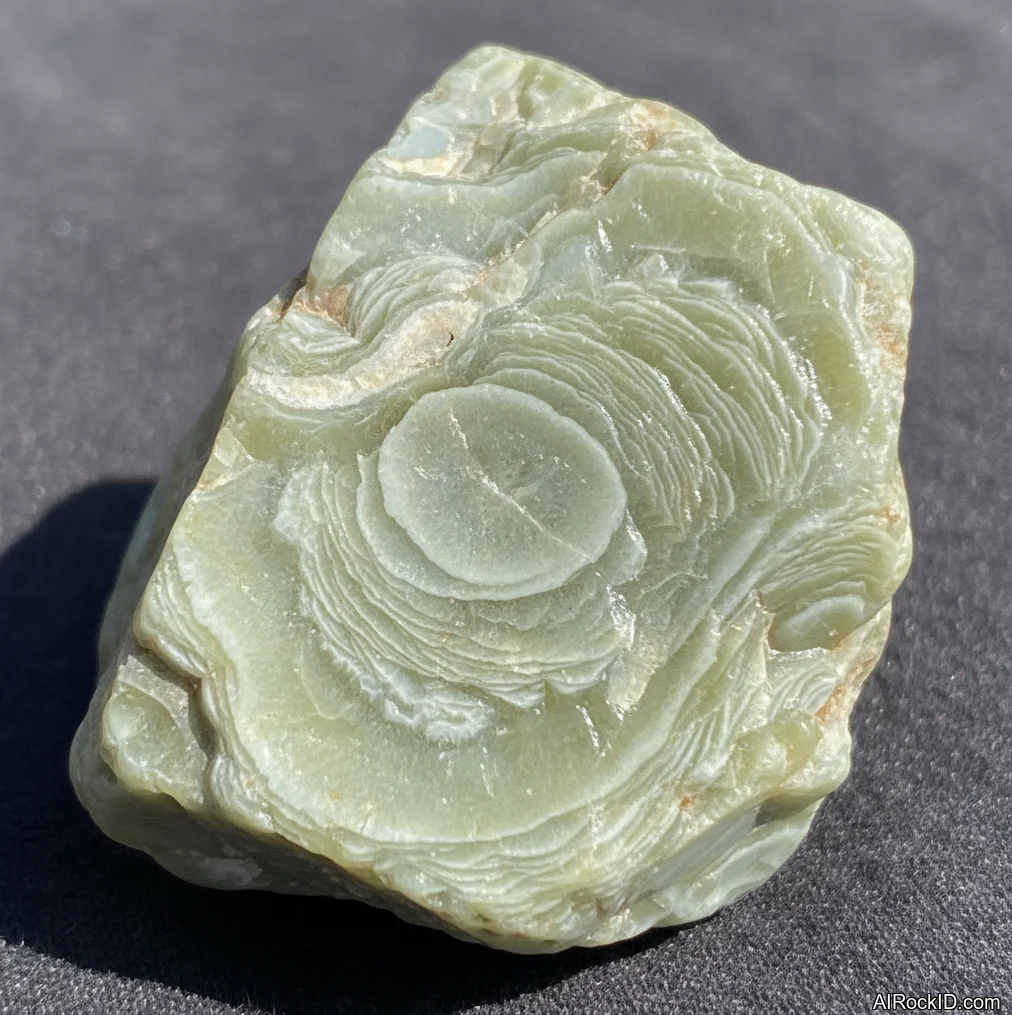
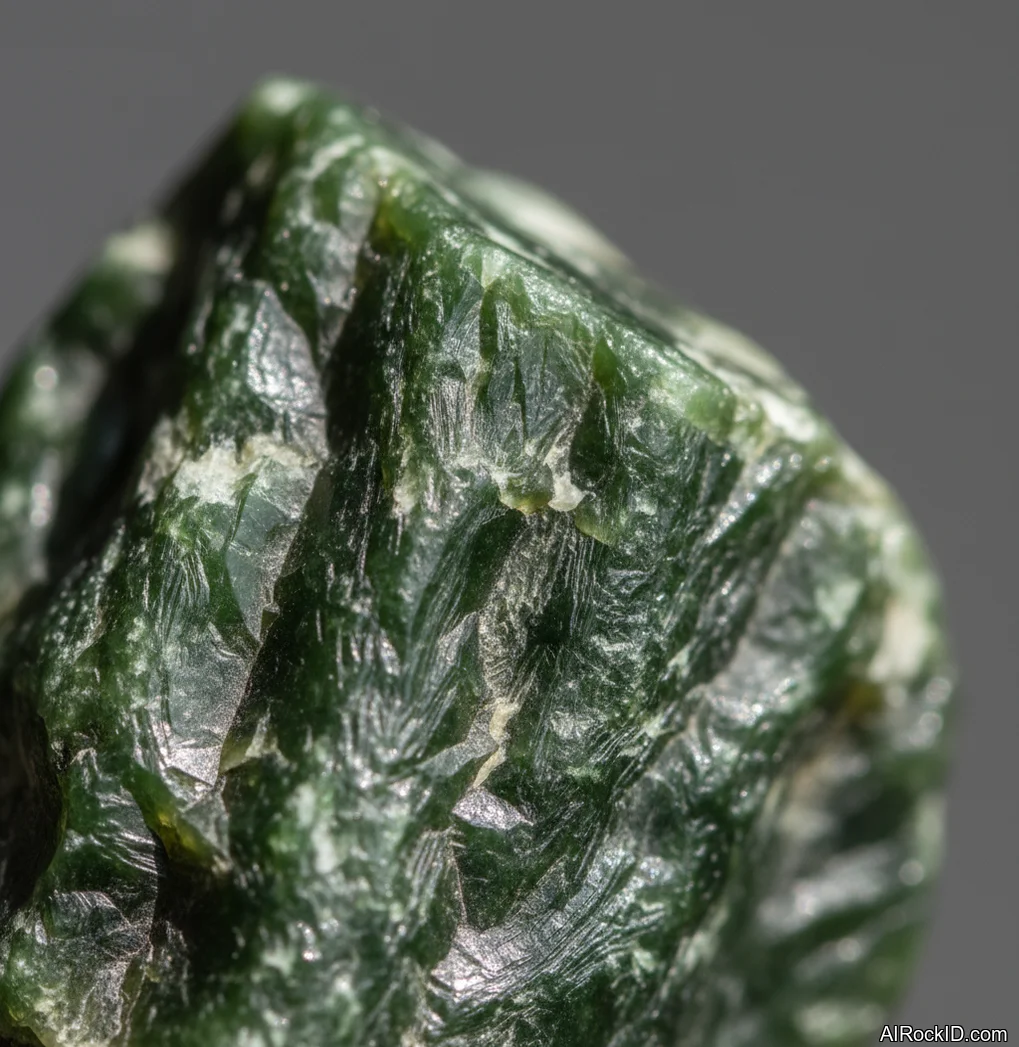
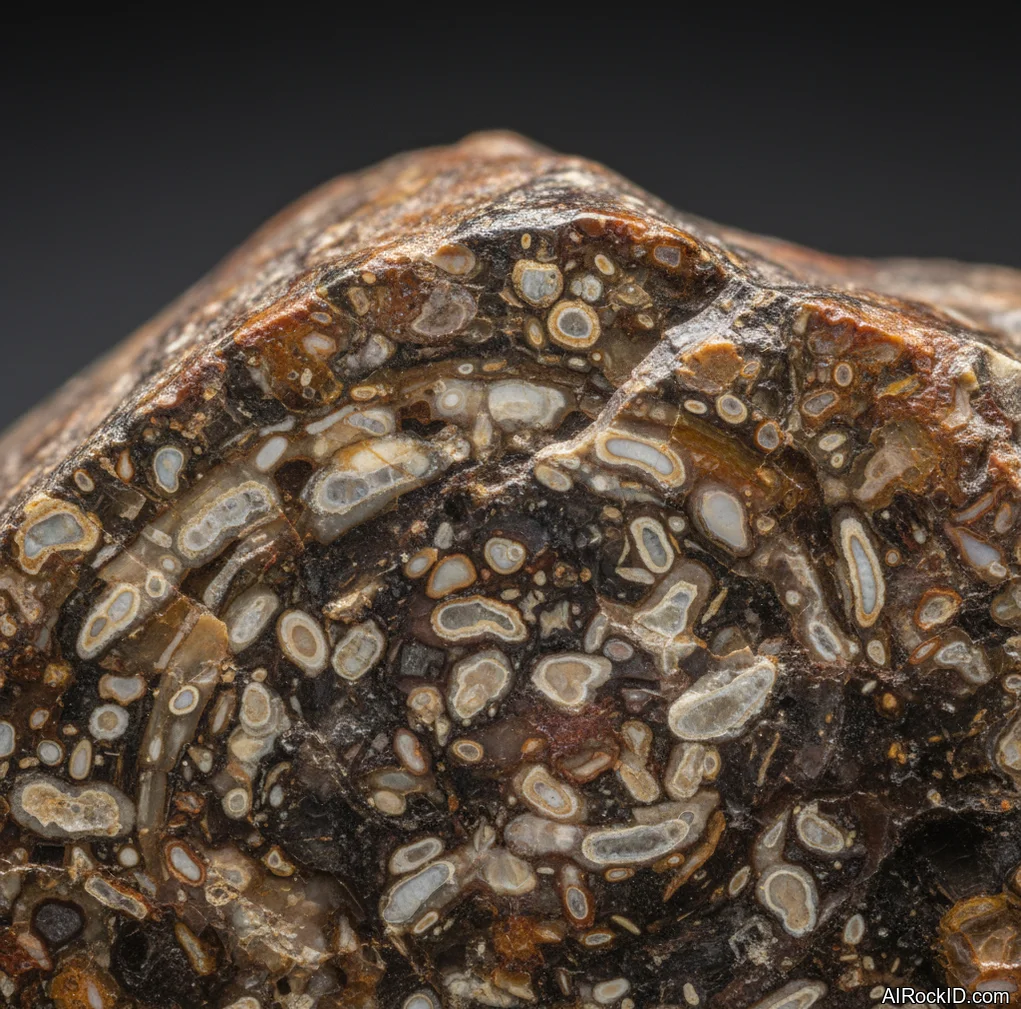
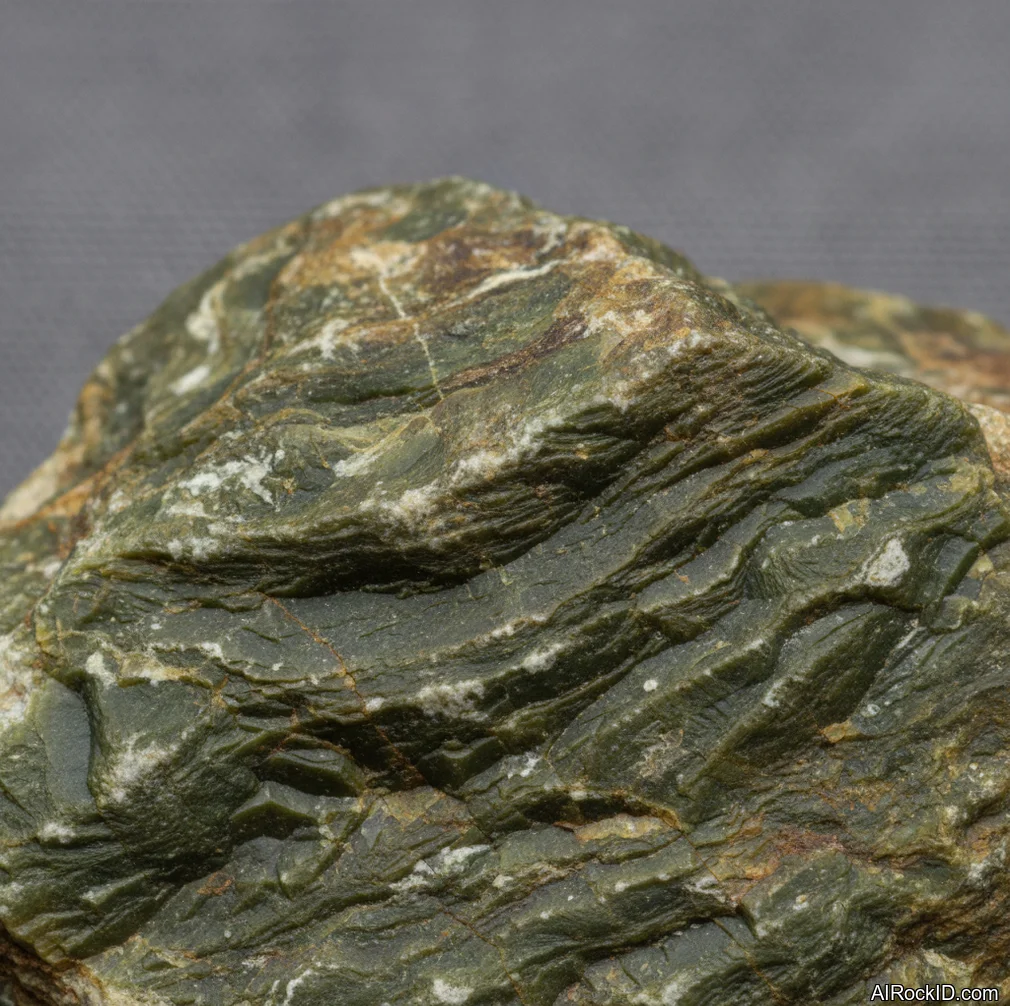
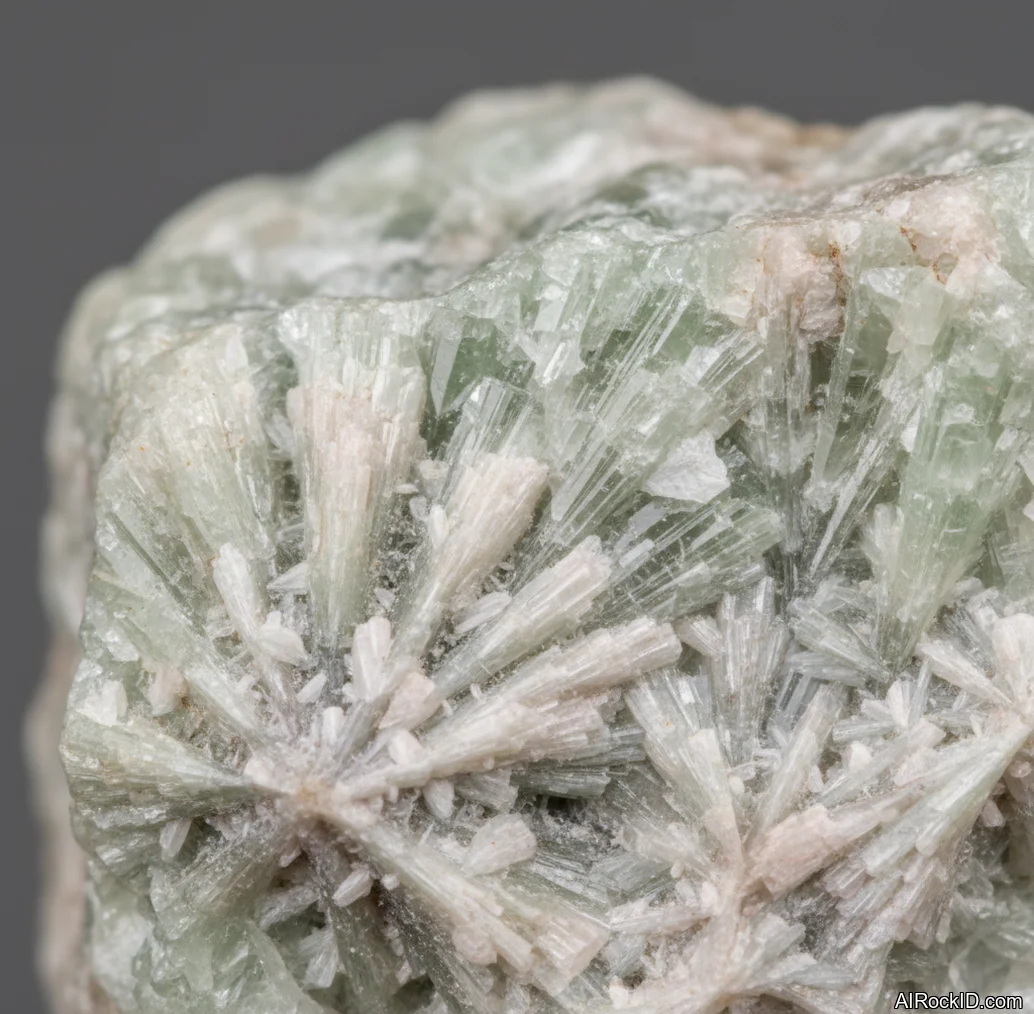
Texture tells you a lot with Earth stones. Petrified wood often shows tiny cell structures or grain lines, and a good polish can highlight them like a topographic map. Serpentine feels slightly greasy or soapy compared to quartz-based stones, and it scratches easier. So, if you scratch it with a steel nail and it leaves a mark, that’s a real-world clue you’re holding something softer than jasper or agate. And yeah, that matters if you plan to toss it in a pocket with keys.
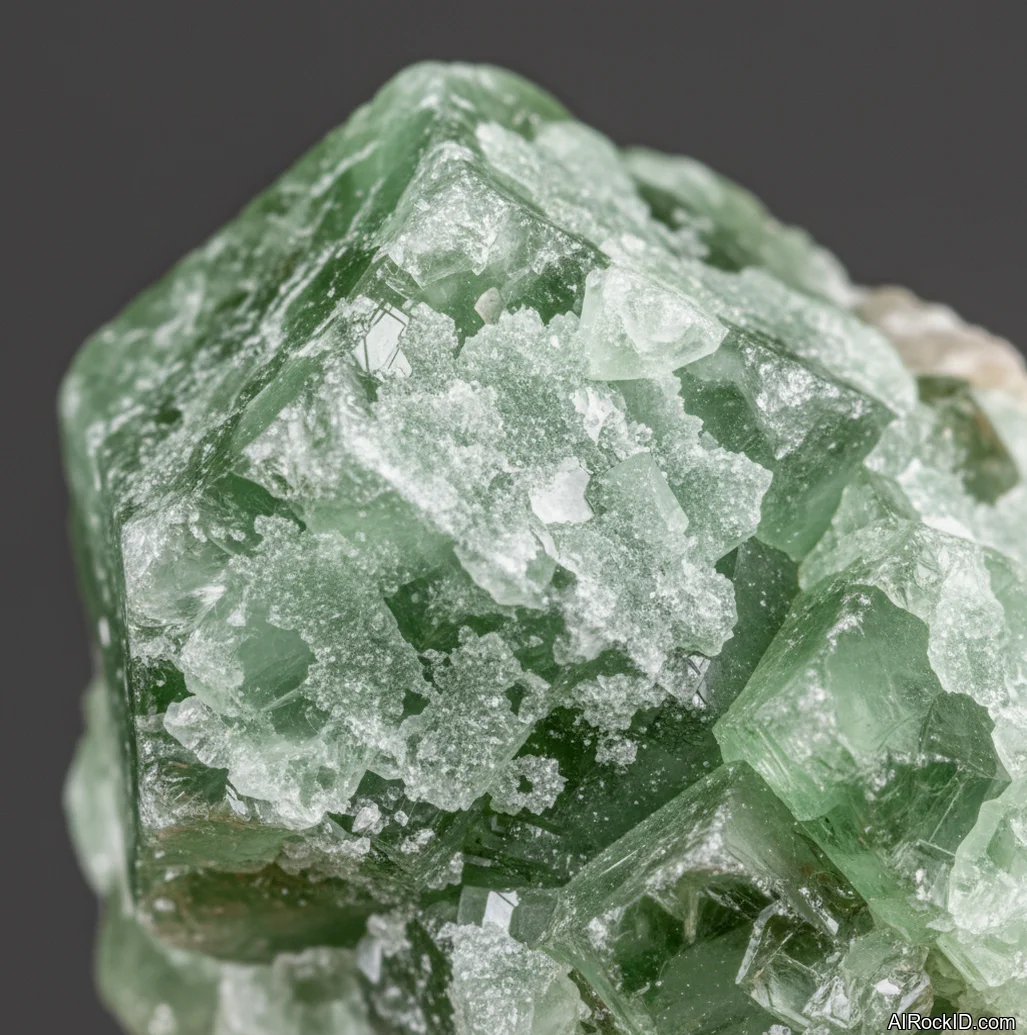
Care is mostly common sense. Many Earth crystals are tough. Not all. Black tourmaline can chip along its length if you drop it, and raw points get dinged fast. Calcite and fluorite sometimes get sold in “Earth” mixes too, and they’ll scratch and cleave if you look at them wrong. Keep softer pieces in a cloth pouch, and don’t leave dyed stones soaking in water. Color can bleed, and you’ll learn that one the hard way when your rinse water looks like weak tea.
Earth as an element isn’t about being flashy. It’s about reliability. So if you’re picking from the 453 Earth crystals in a database, go for the ones you’ll actually use: a palm stone that fits your hand, a chunk with natural faces you like to trace with your thumb, or a specimen heavy enough that it doesn’t skitter around the table. When an Earth stone is right, you’ll feel that quiet click of weight, texture, and honesty the moment it lands in your hand.
All Earth Crystals (453)