Transformation Crystals
Explore Transformation crystals with meanings, buying tips, and how to use stones like malachite, labradorite, and moldavite for change.
Transformation, in crystal terms, is change that actually sticks. Not the “new year, new me” thing you forget by February. It’s the slow shift in habits, identity, and choices, where you can feel an old pattern loosening and a new one taking its place. People reach for Transformation crystals when they’re quitting something, starting over, grieving a version of themselves, moving cities, changing careers, or doing that uncomfortable inner work where you stop explaining your life away.
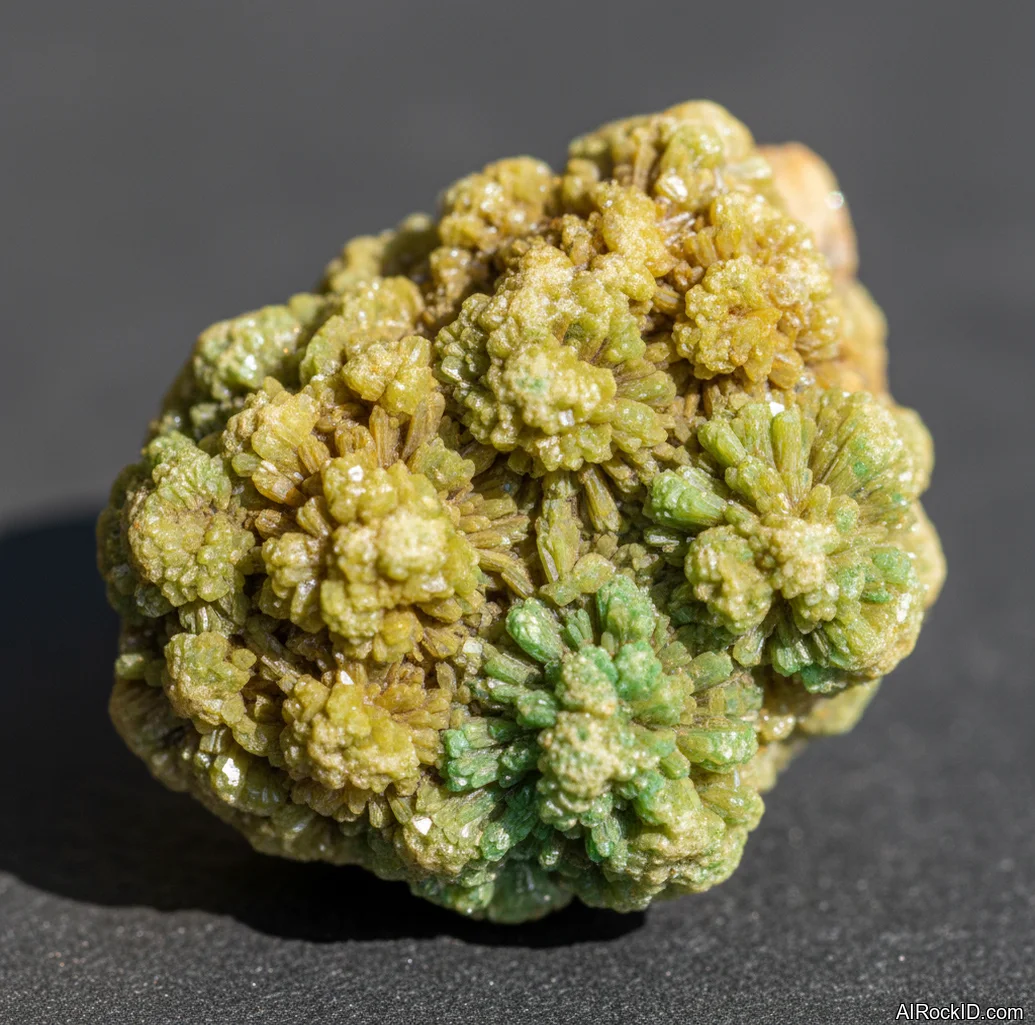
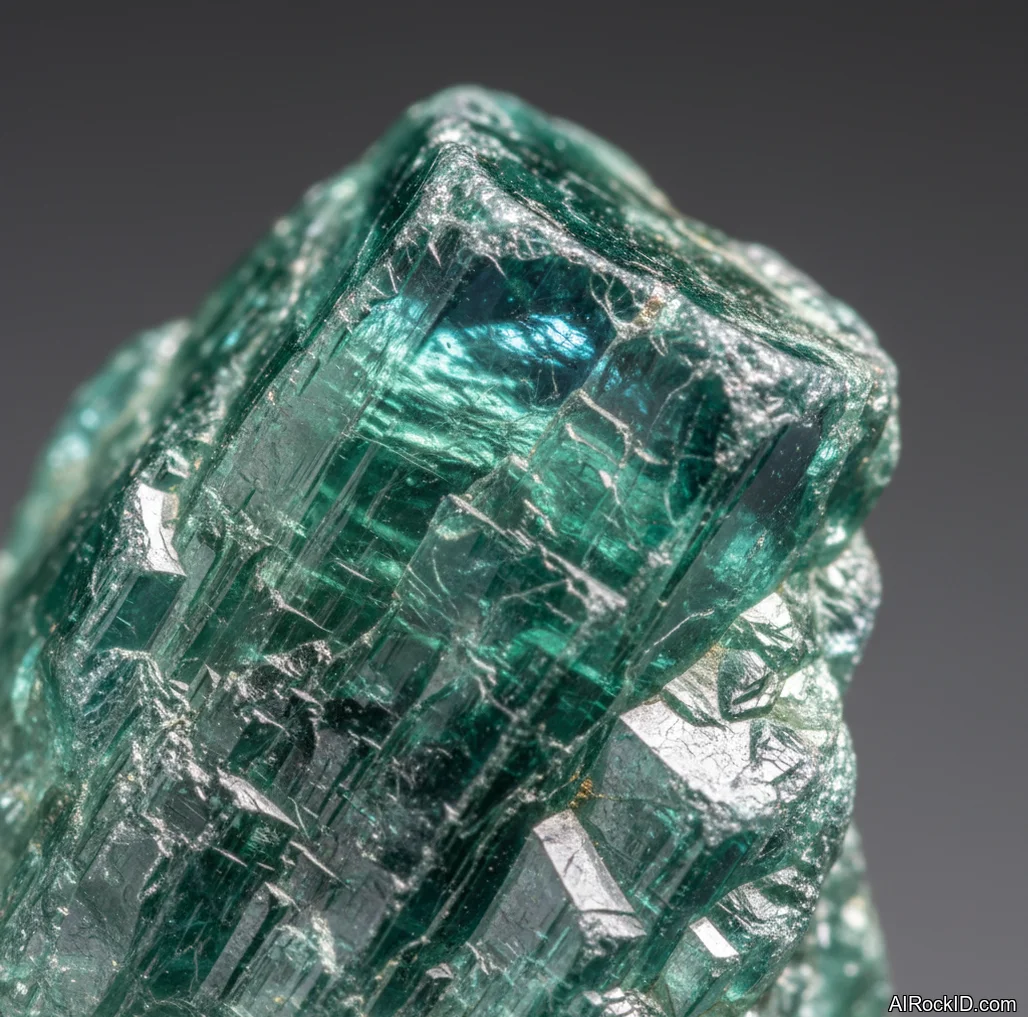
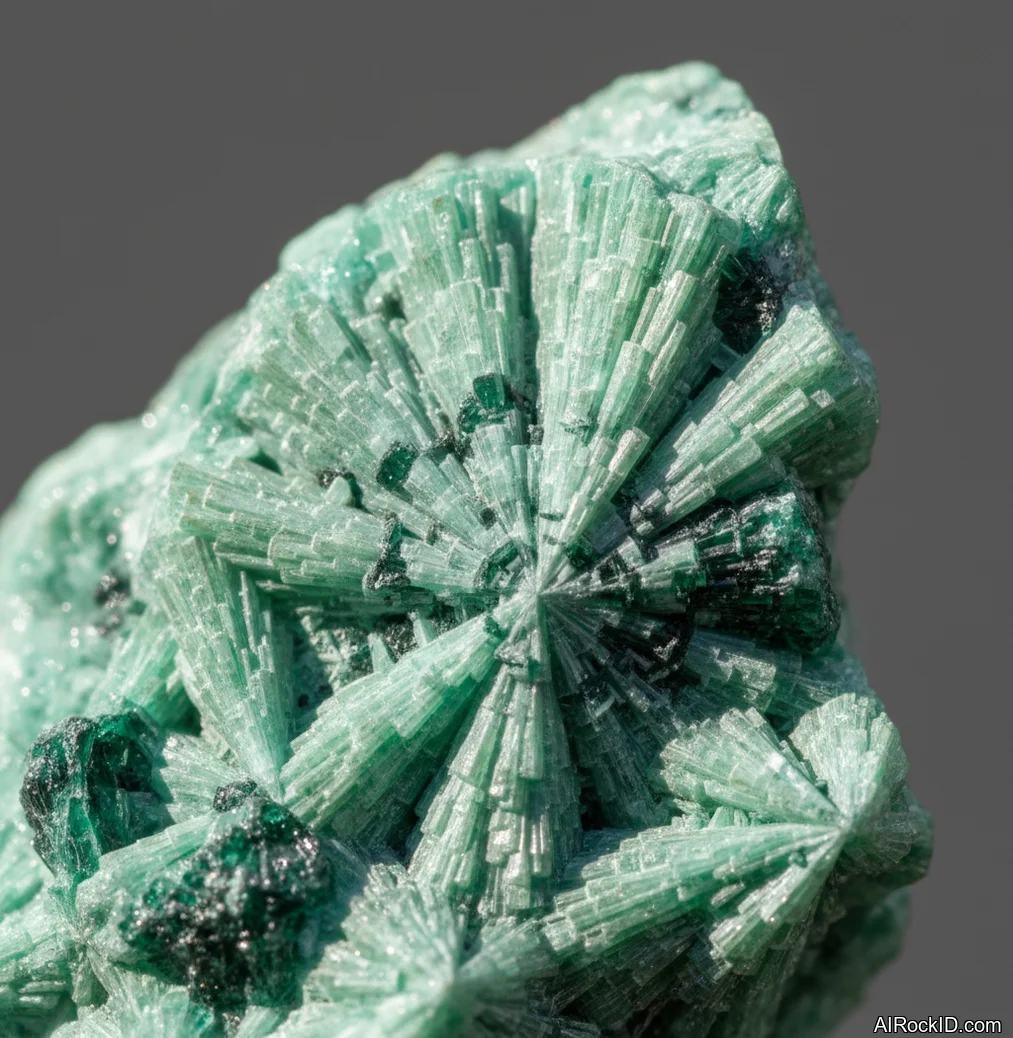
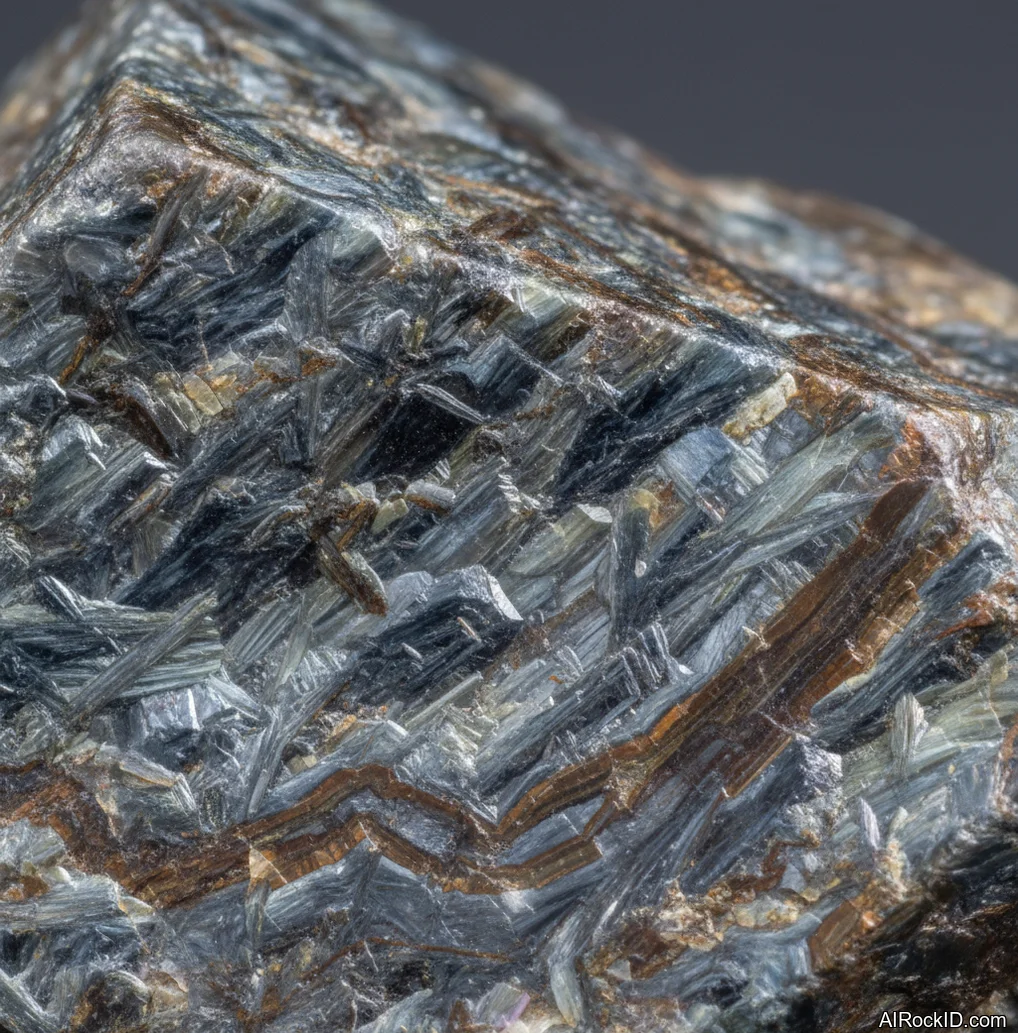
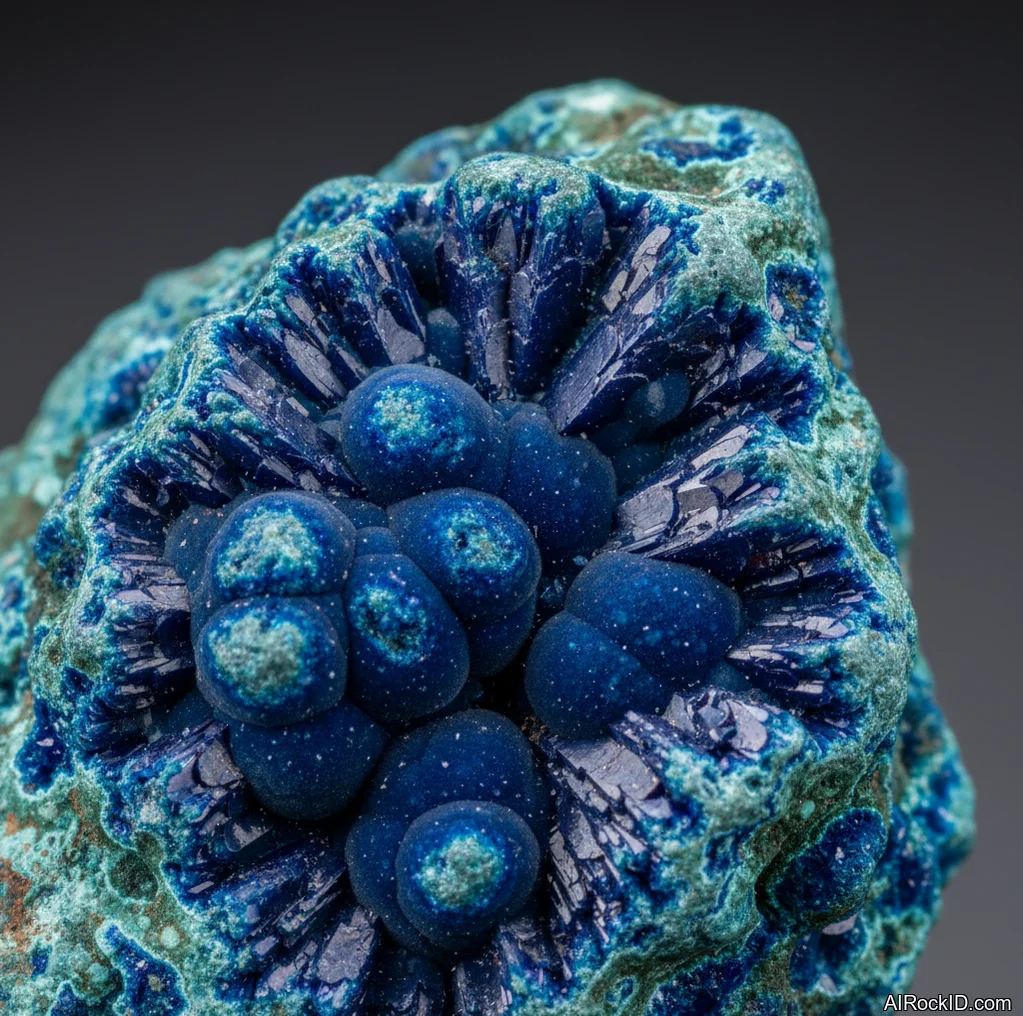
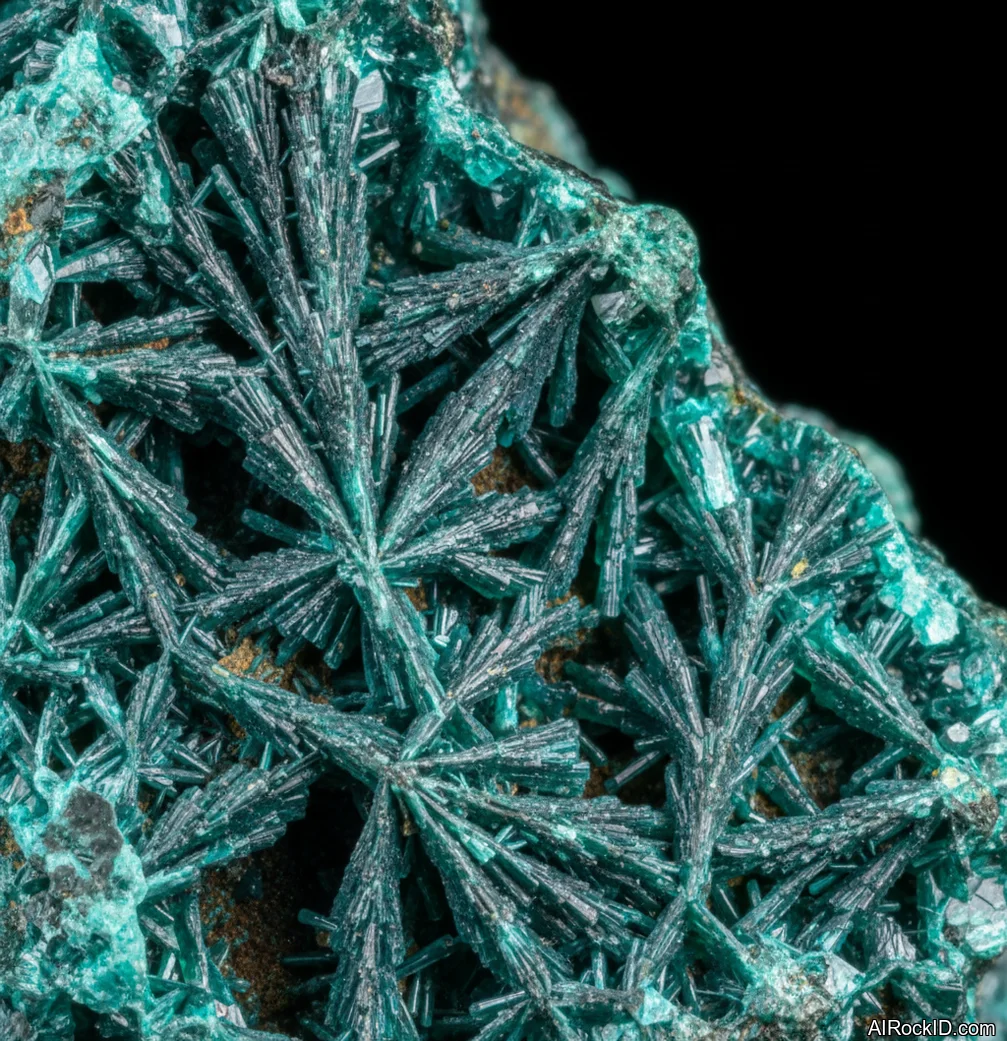
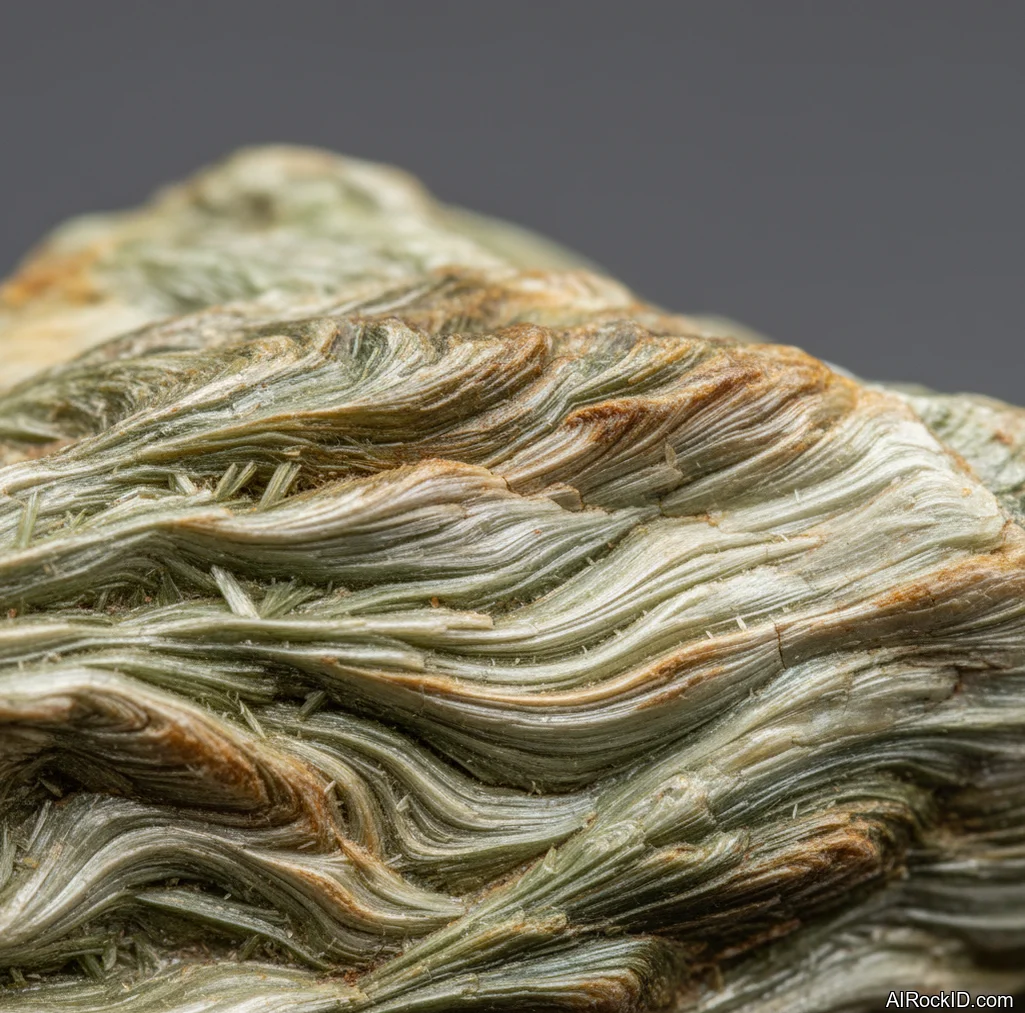
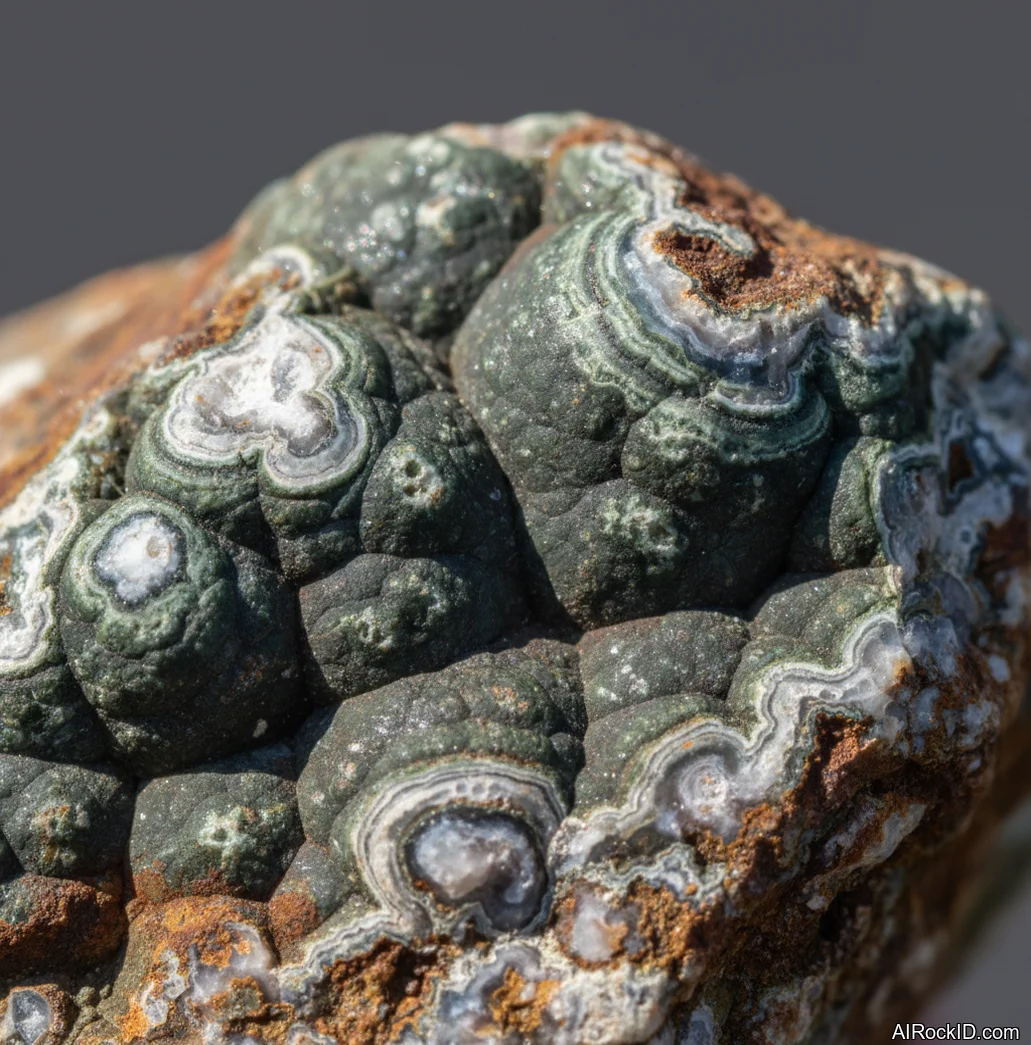
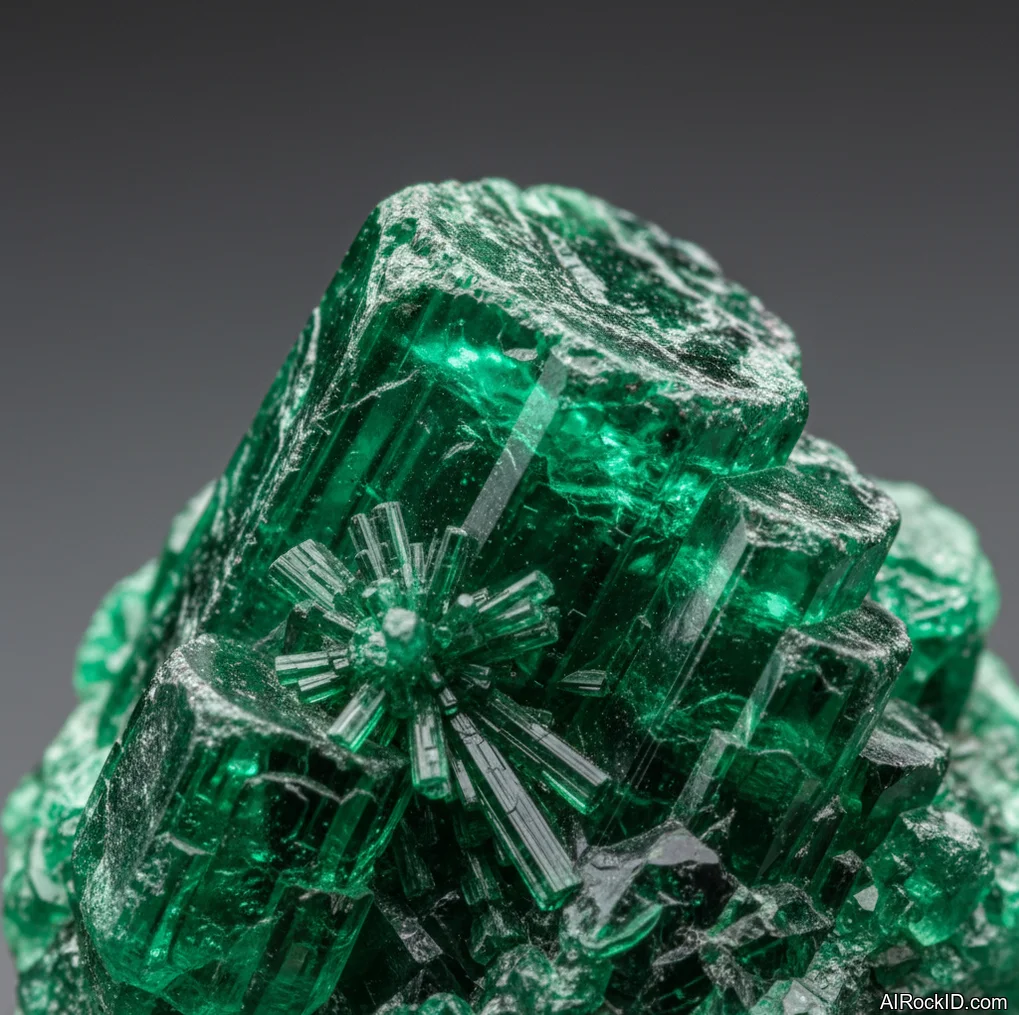
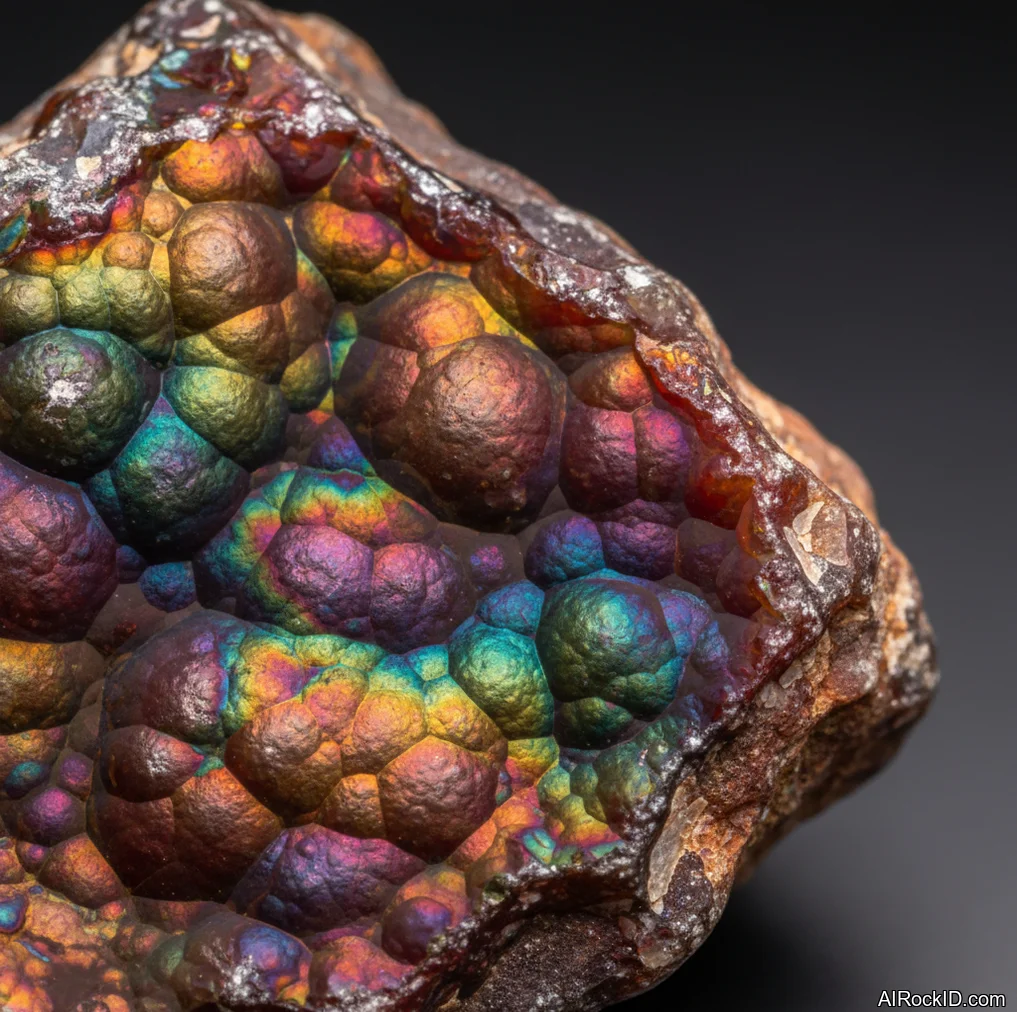
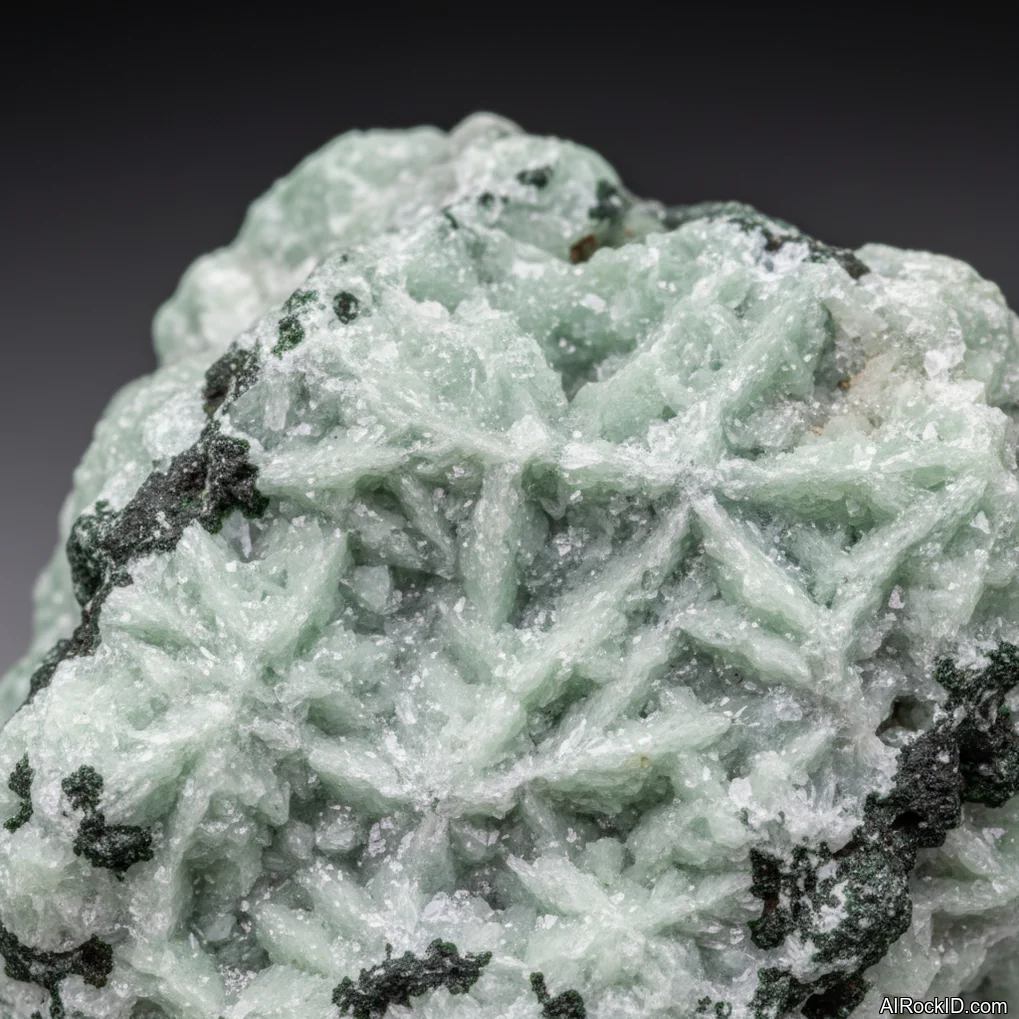
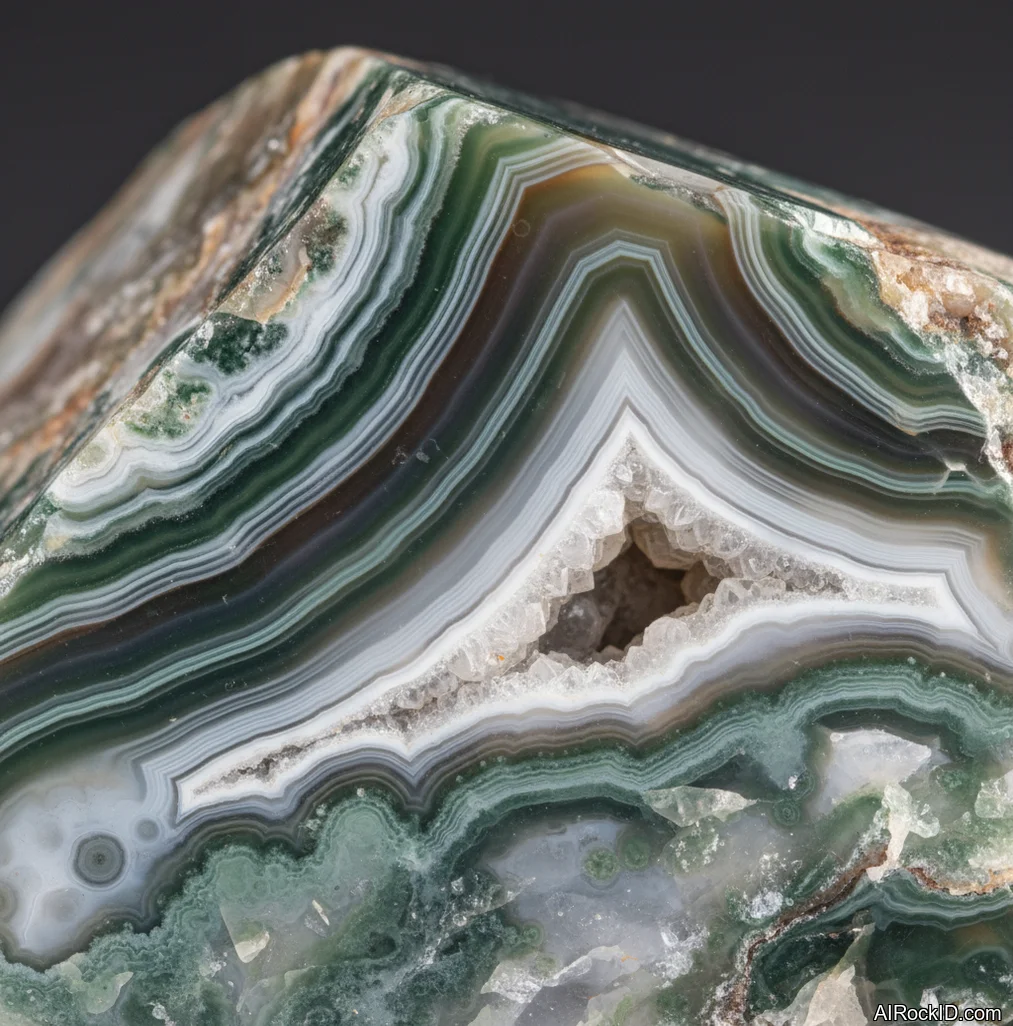
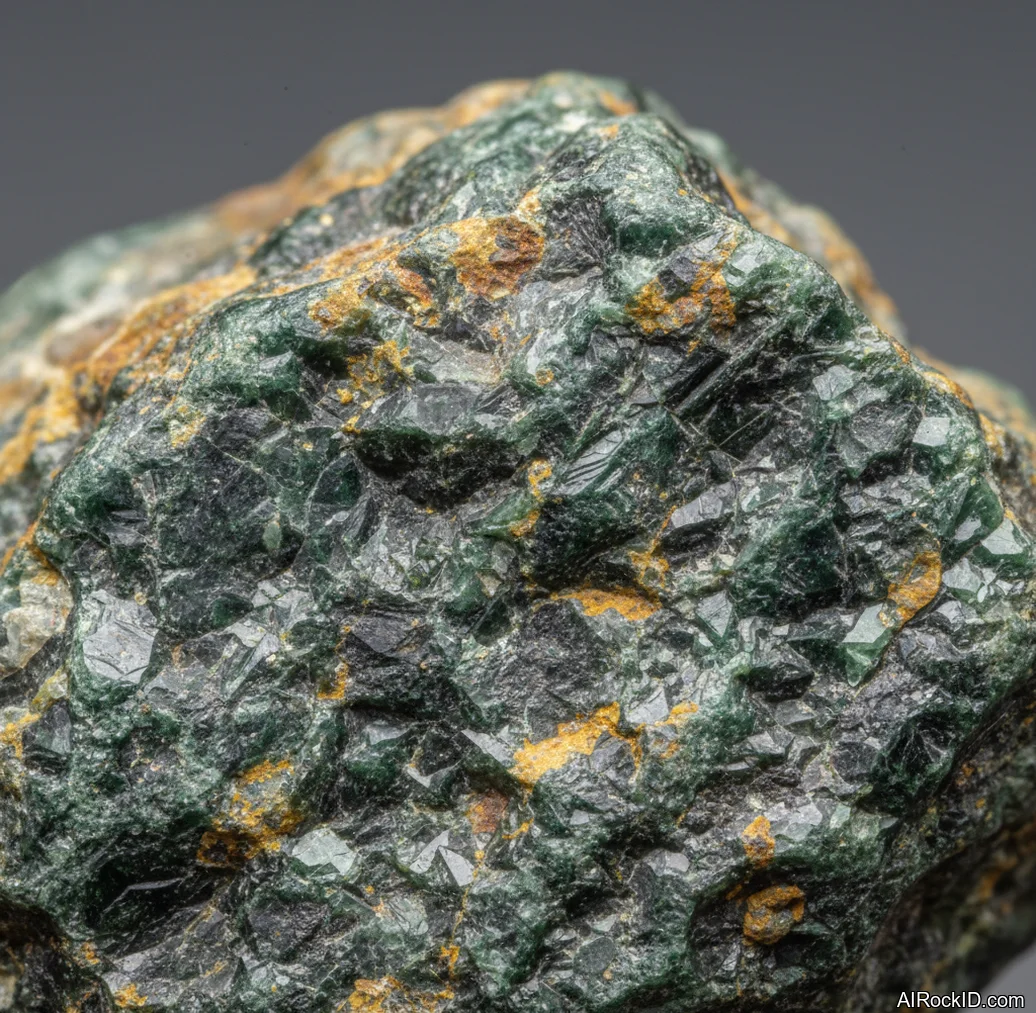
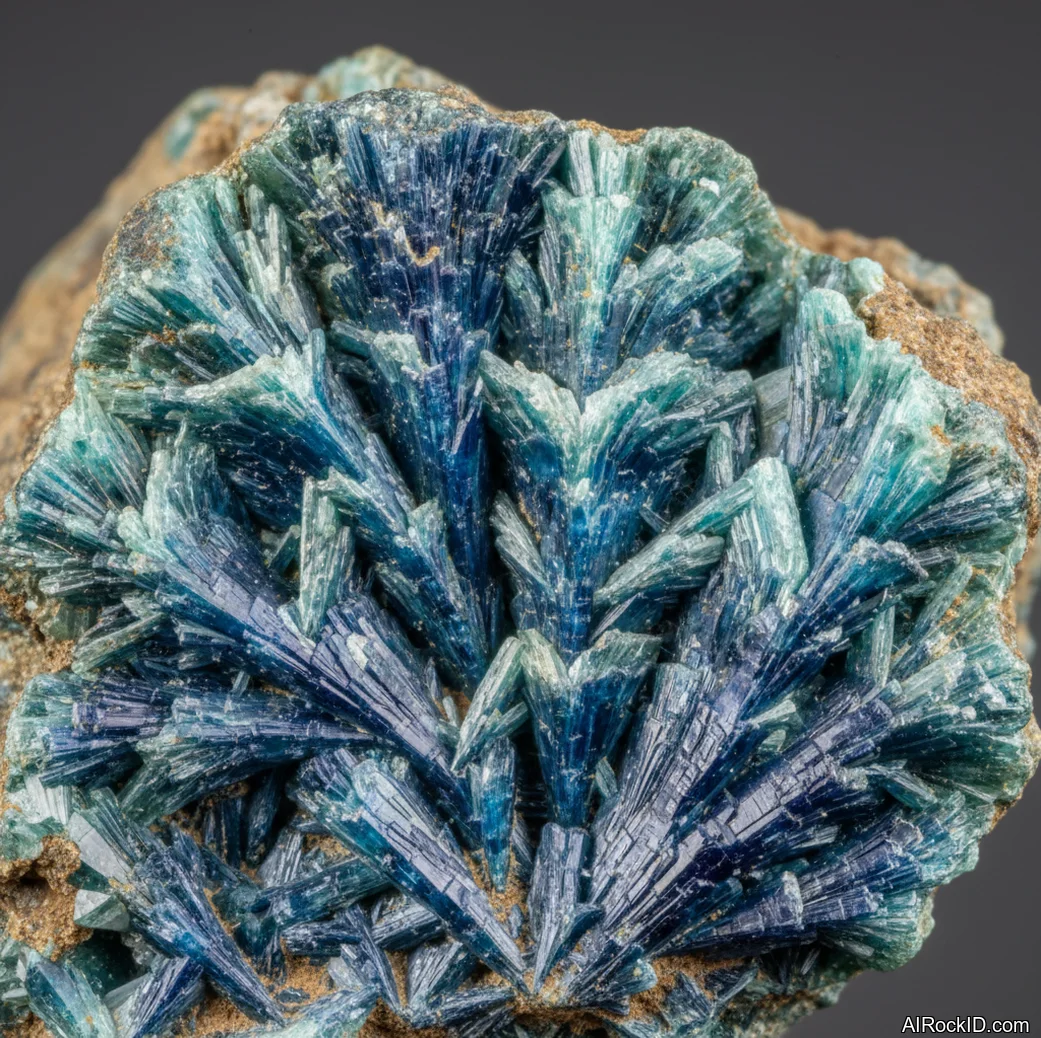
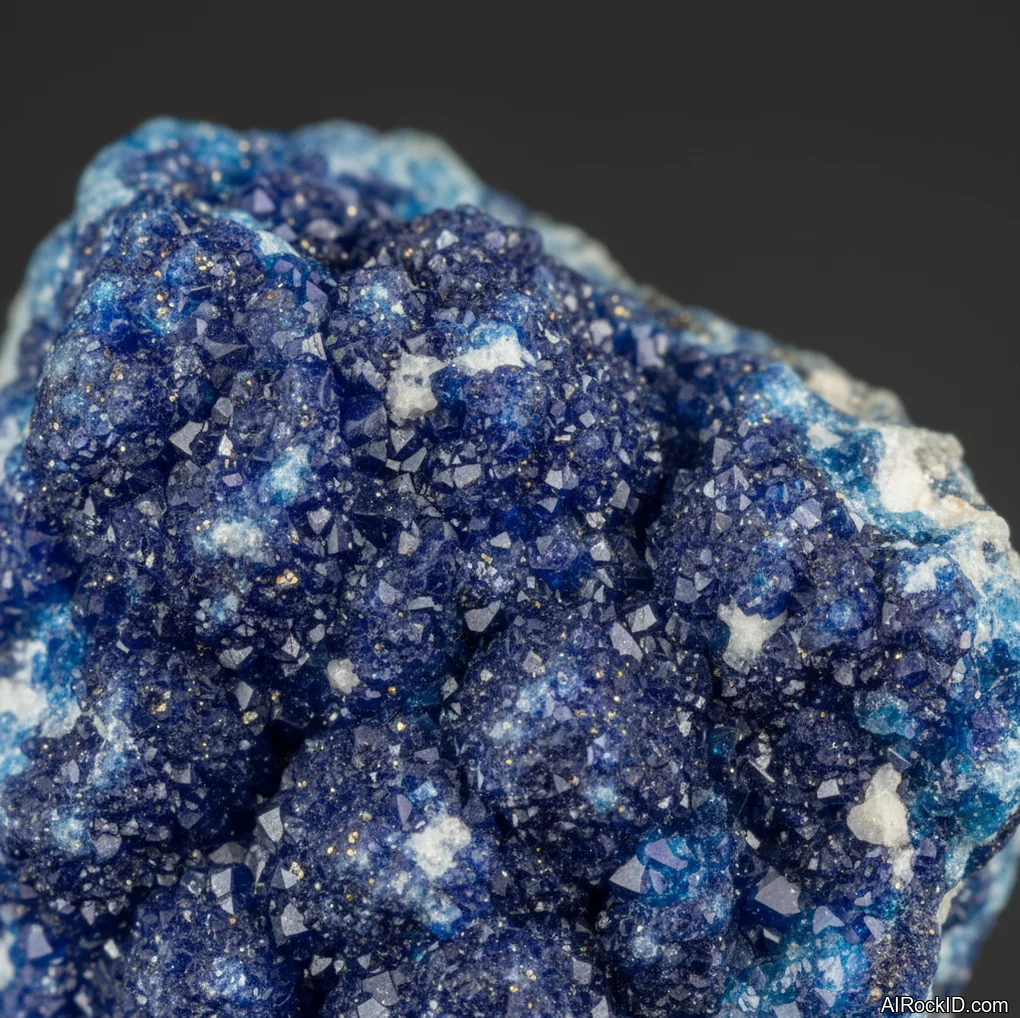
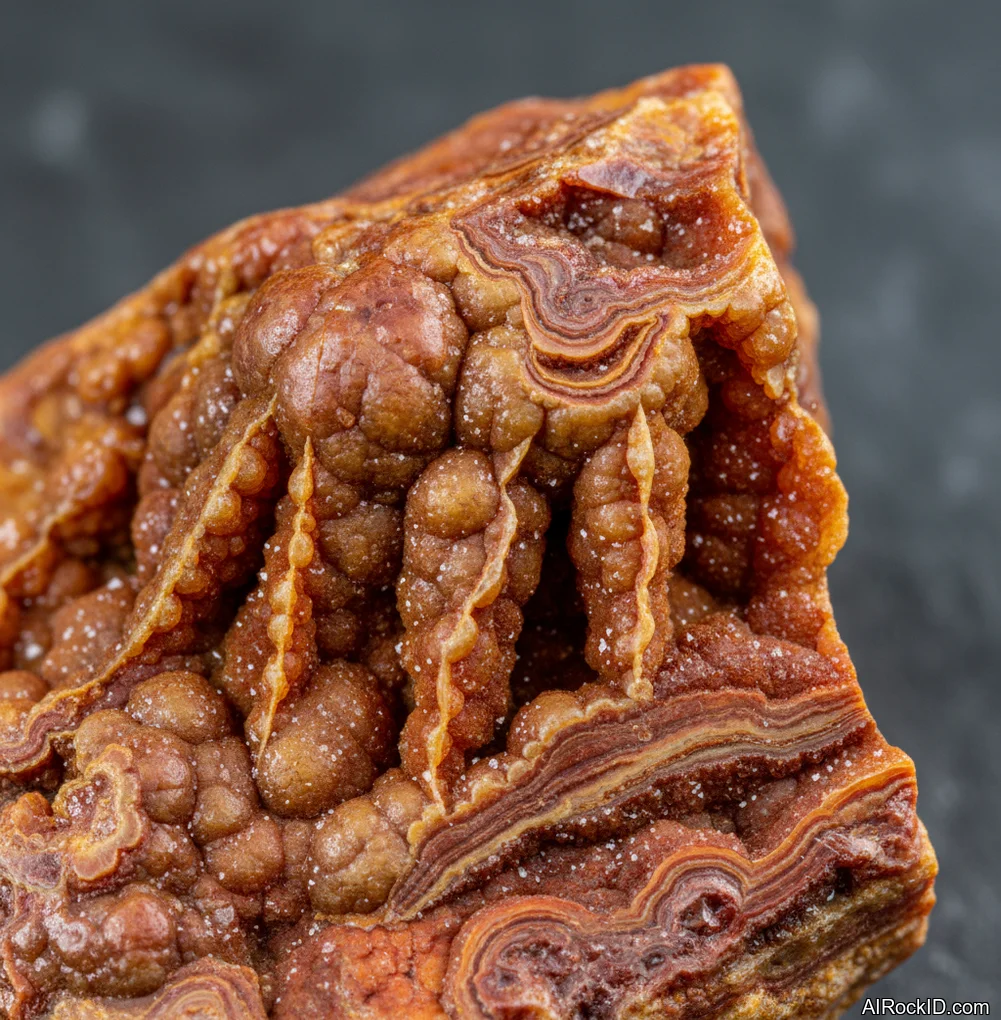
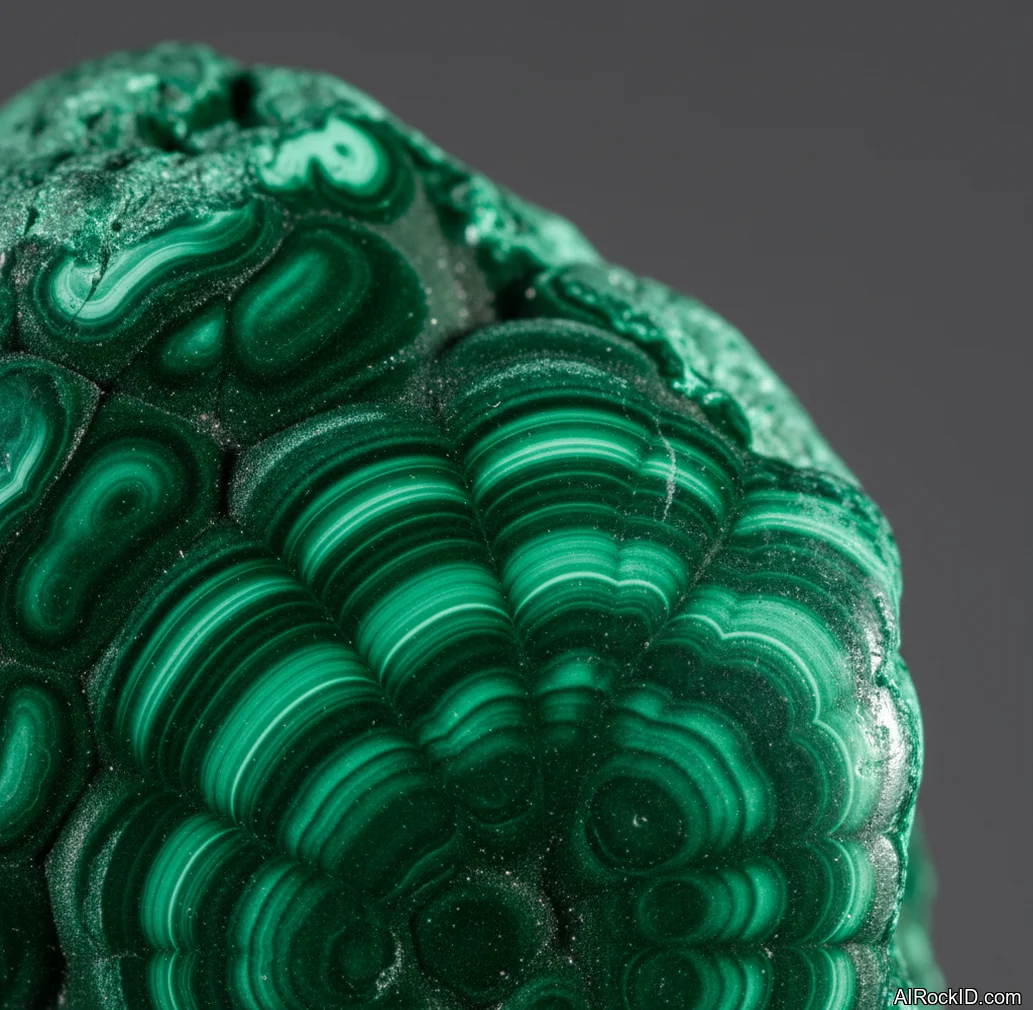
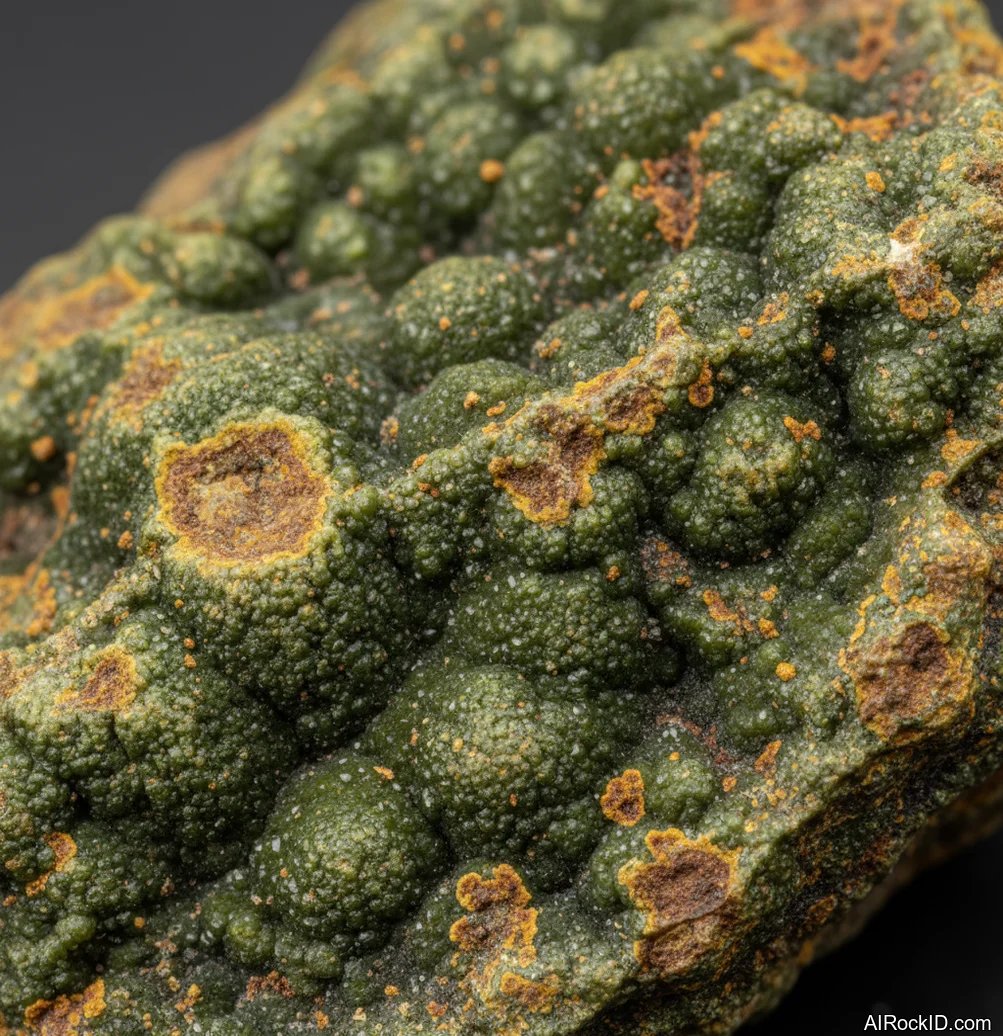
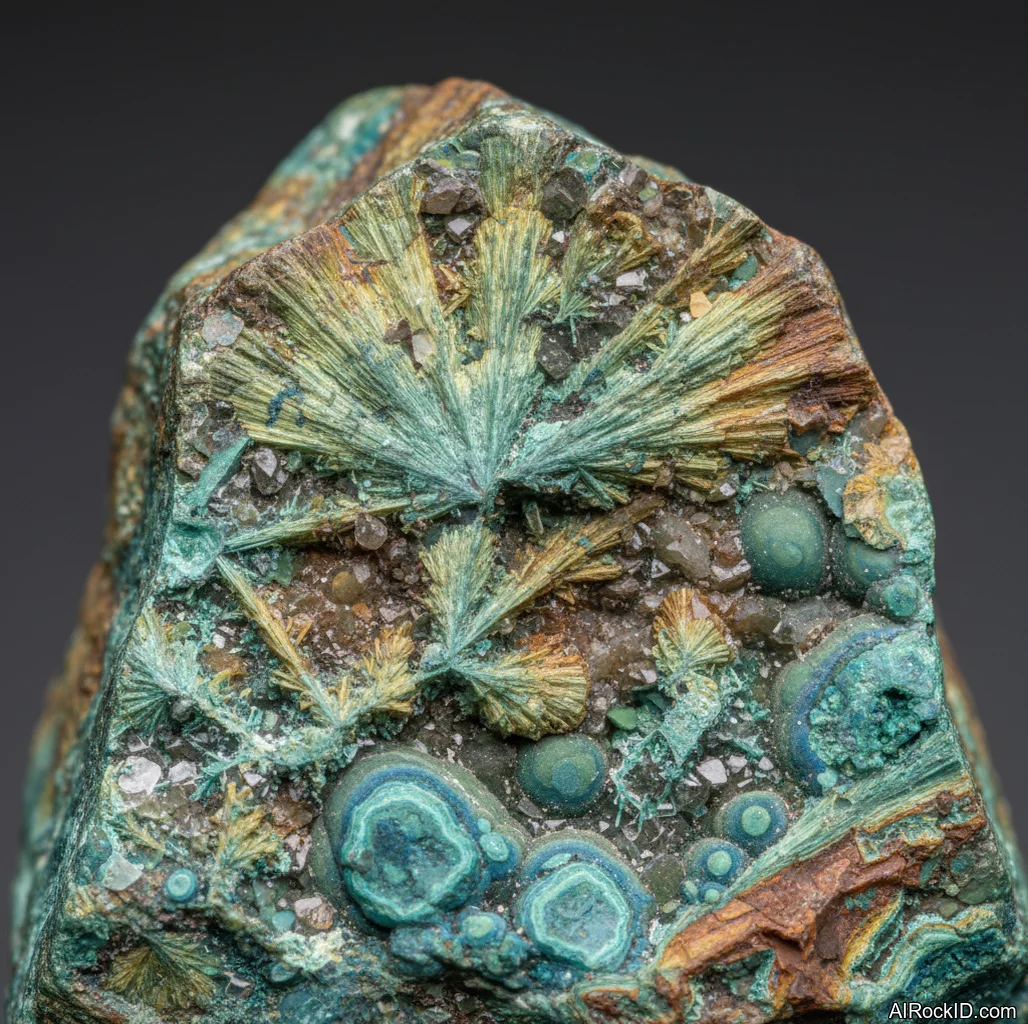
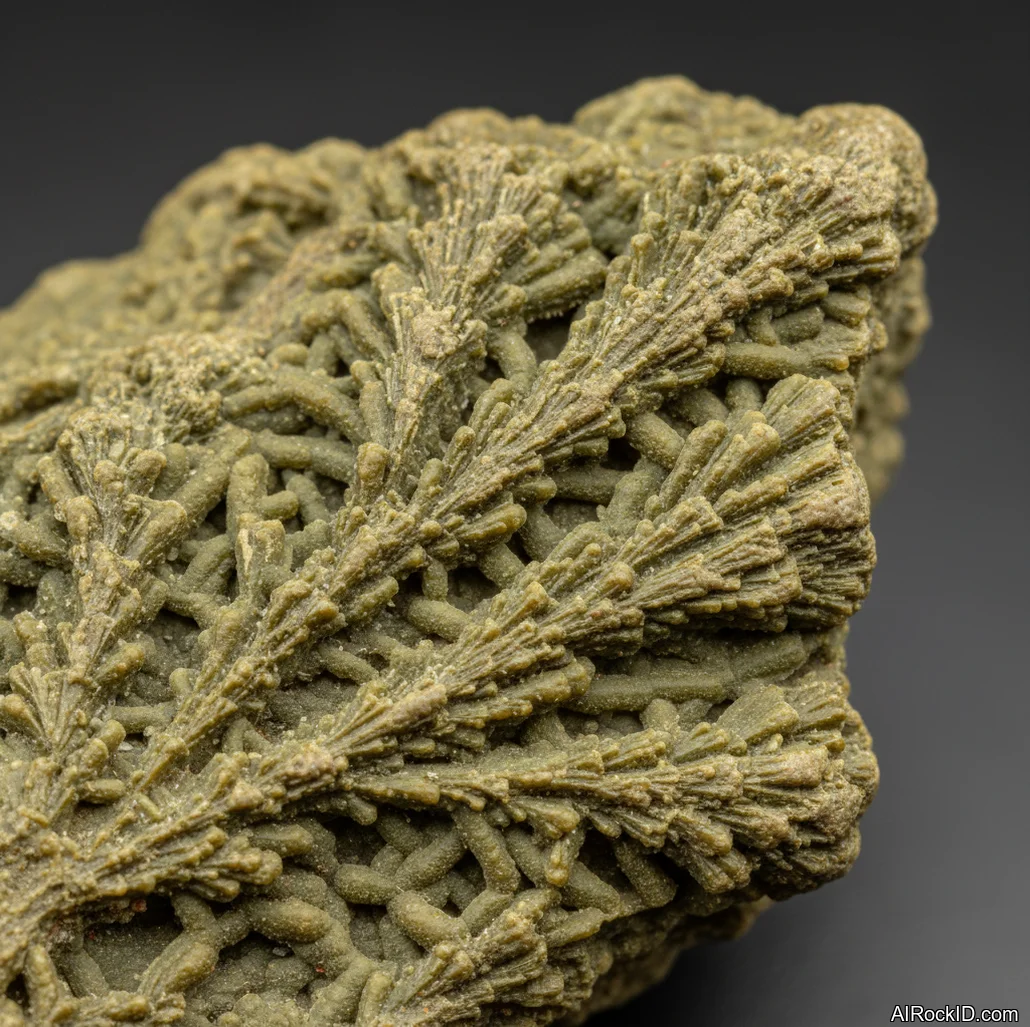
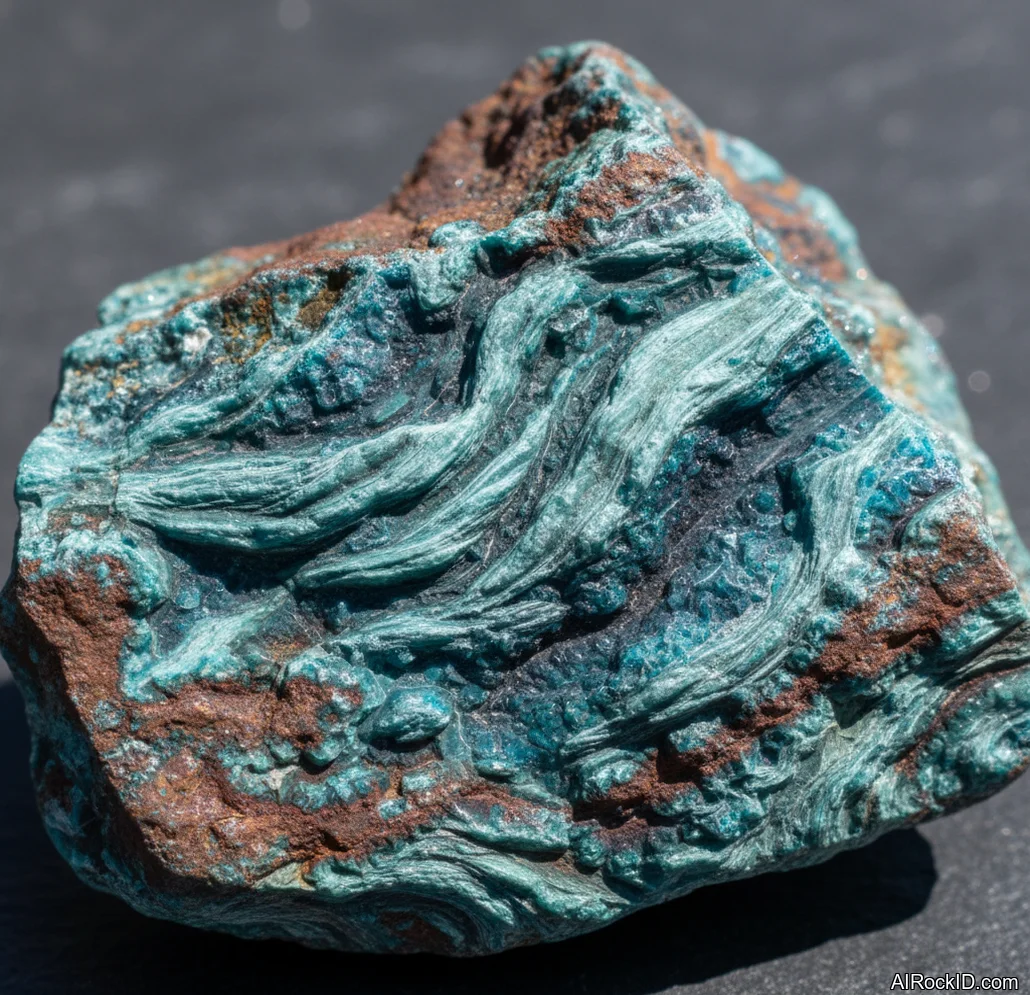
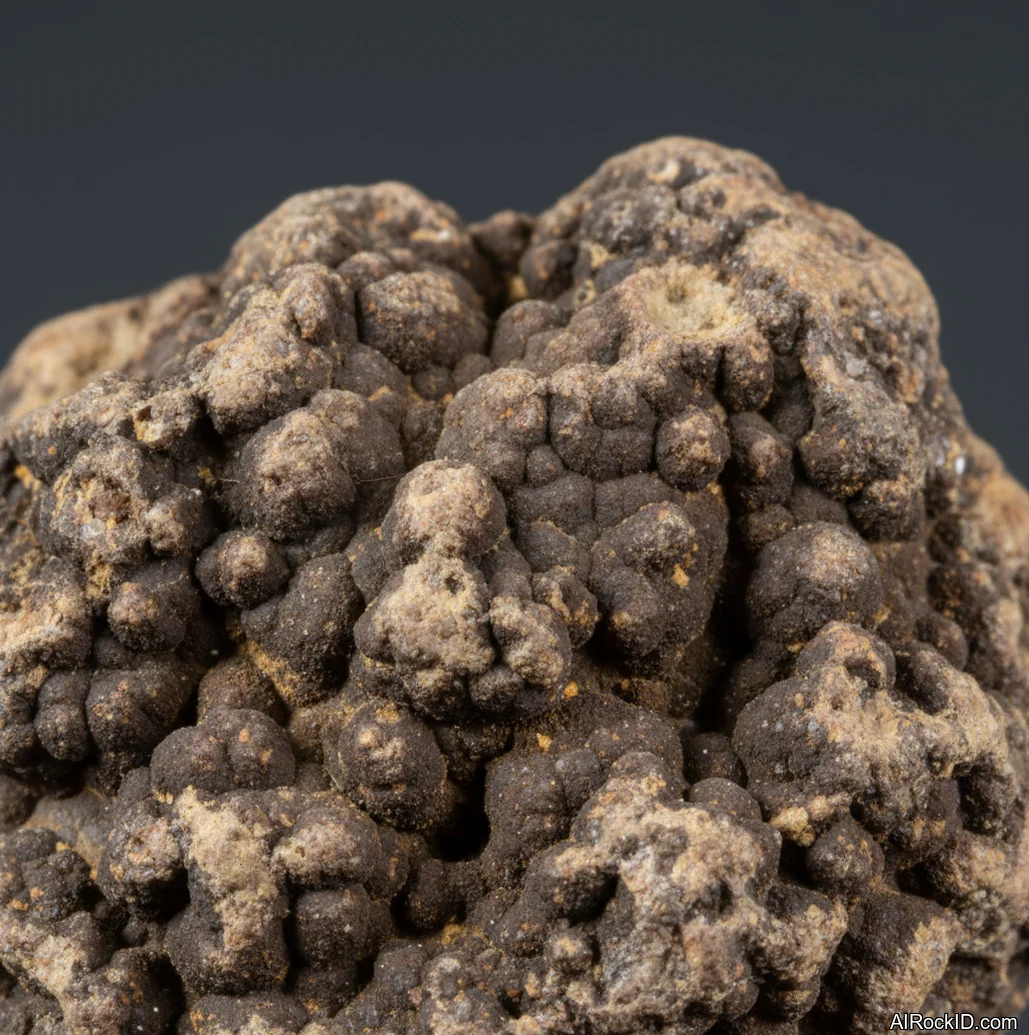
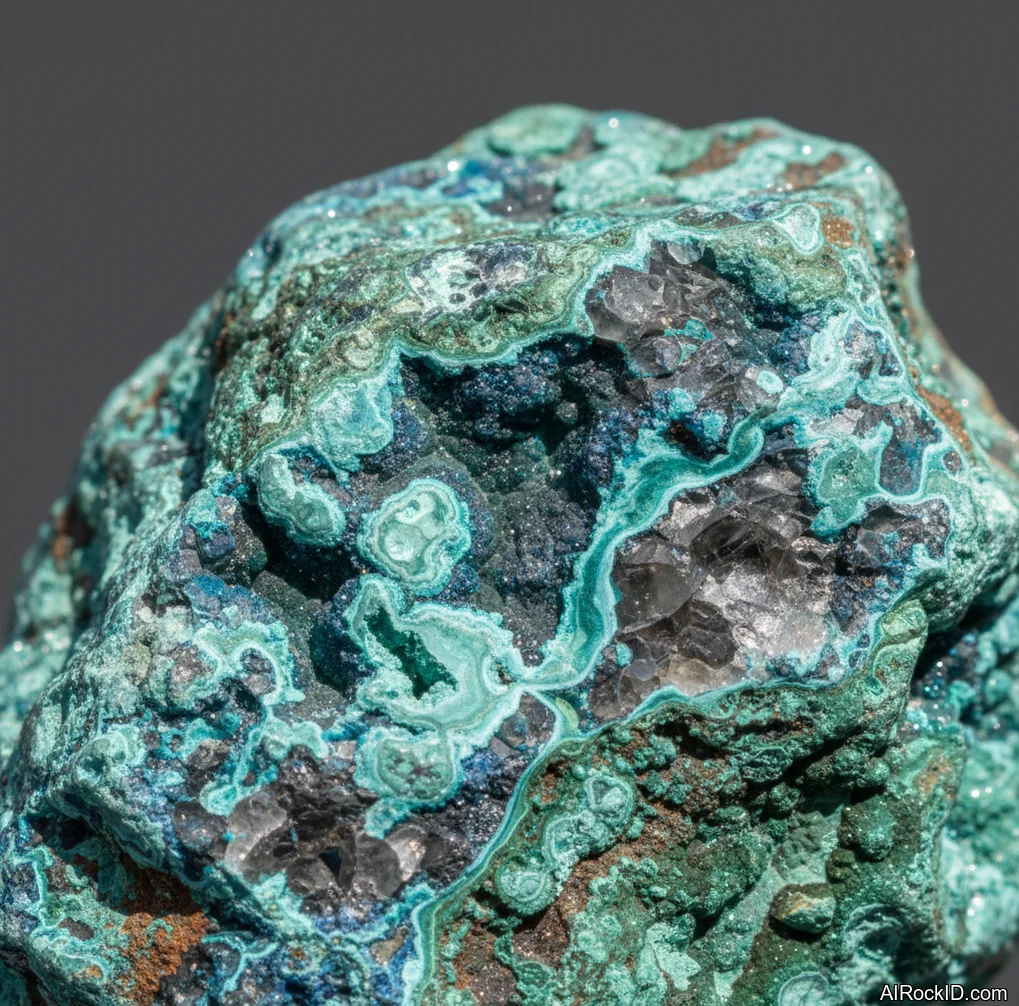
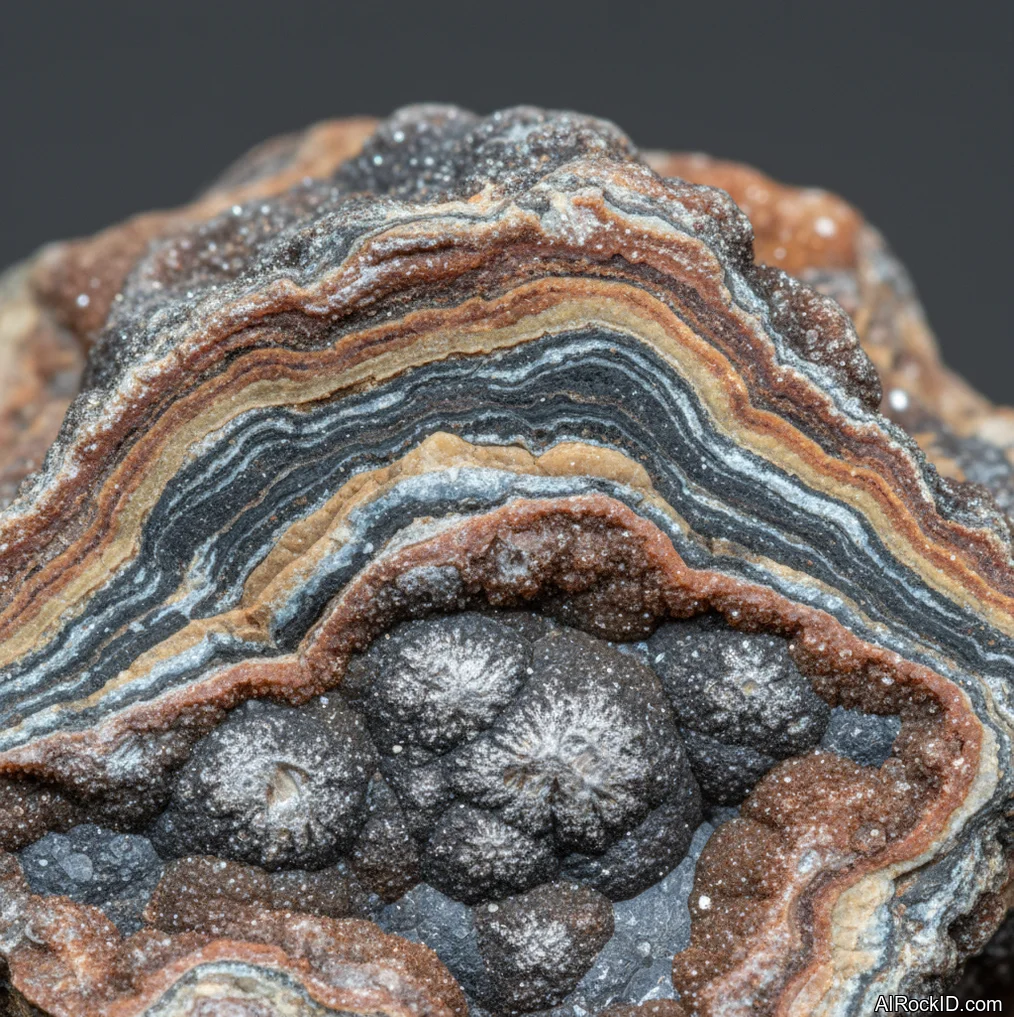
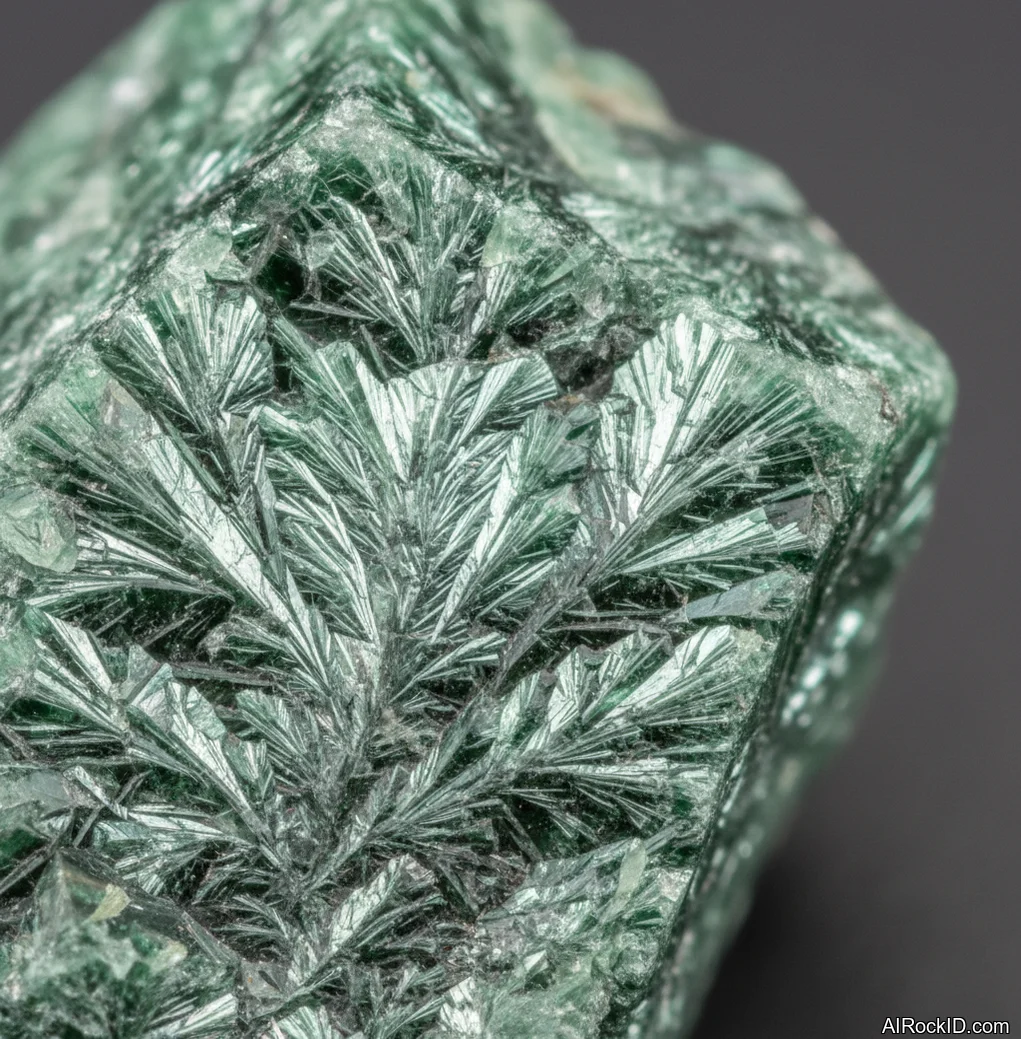
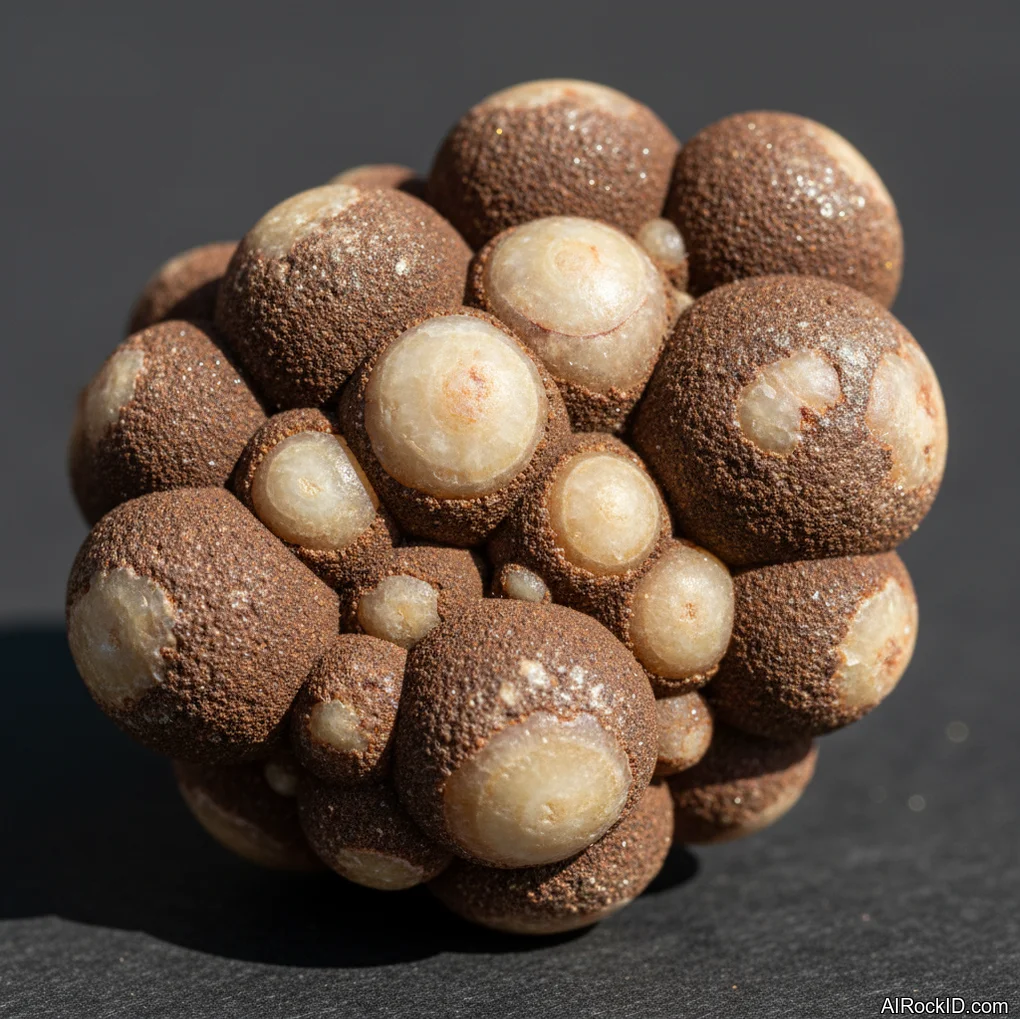
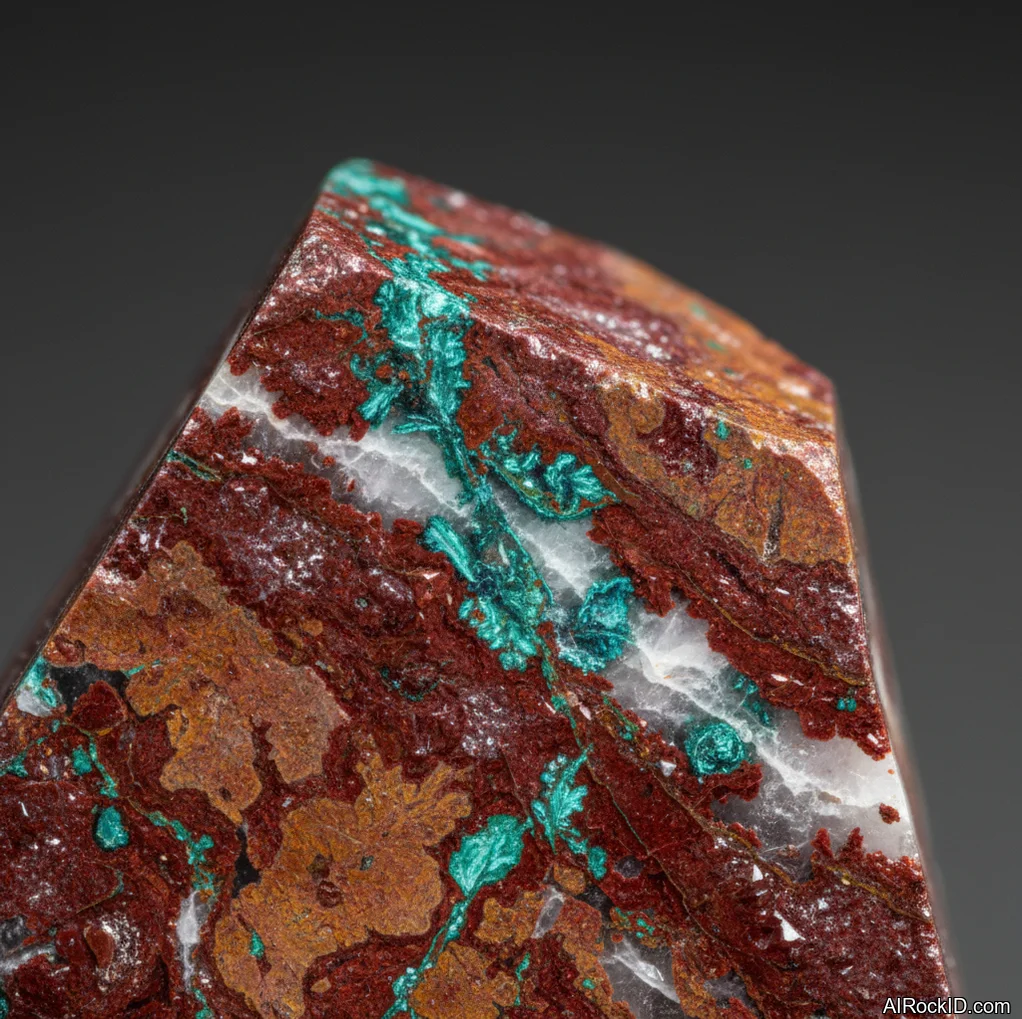
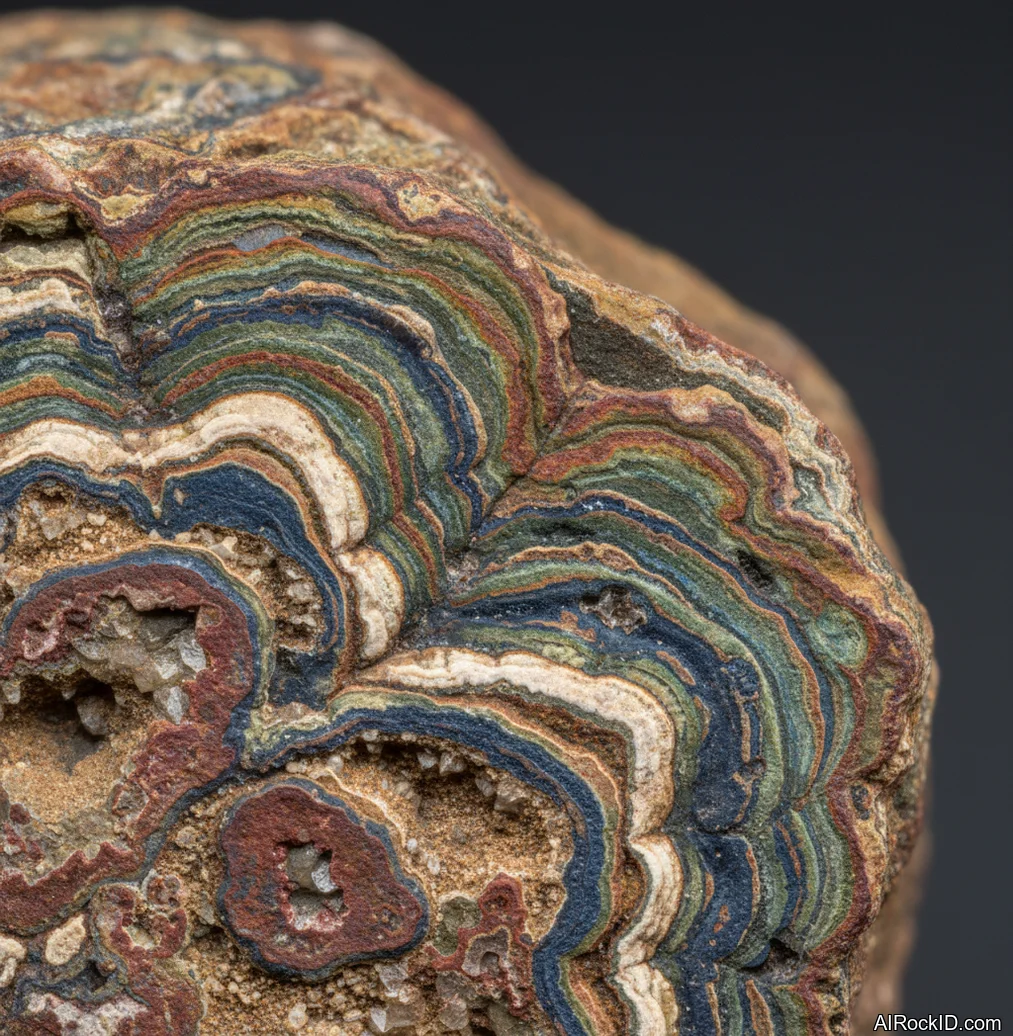
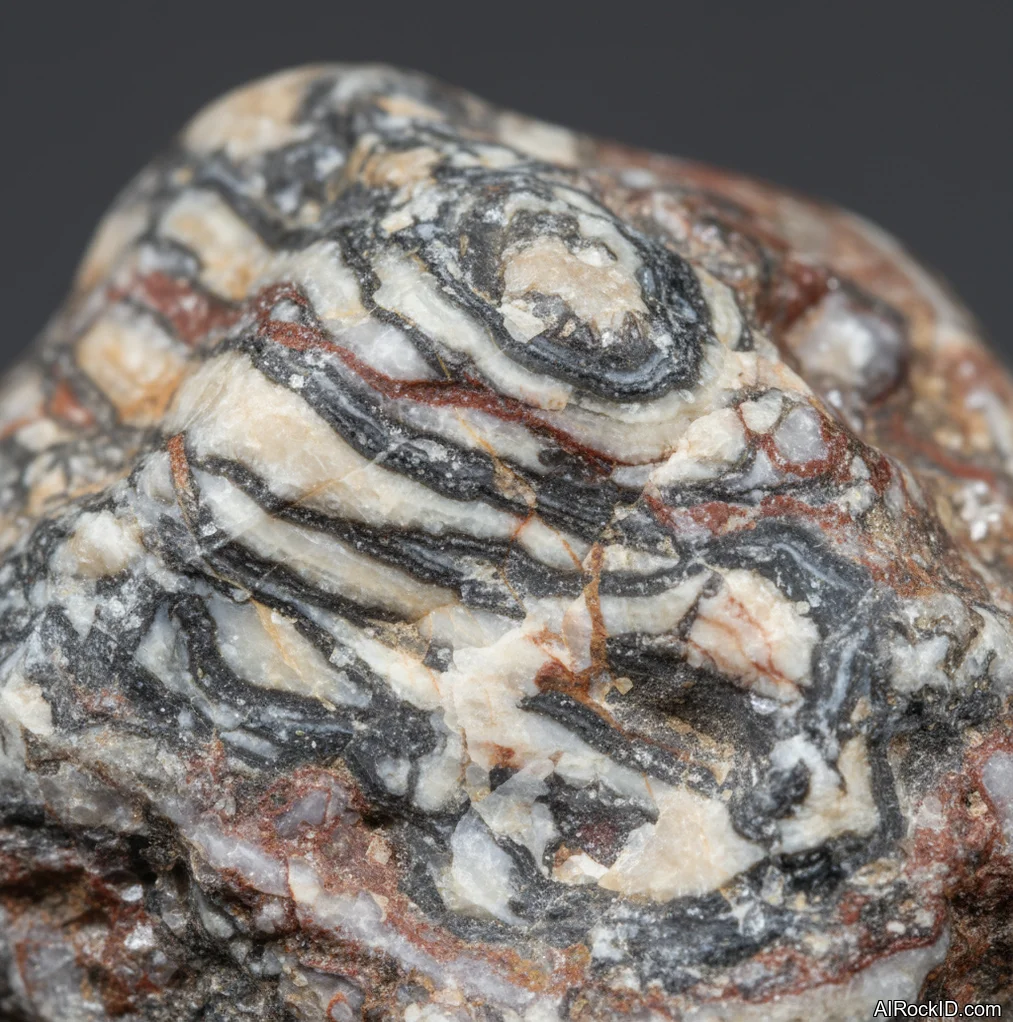
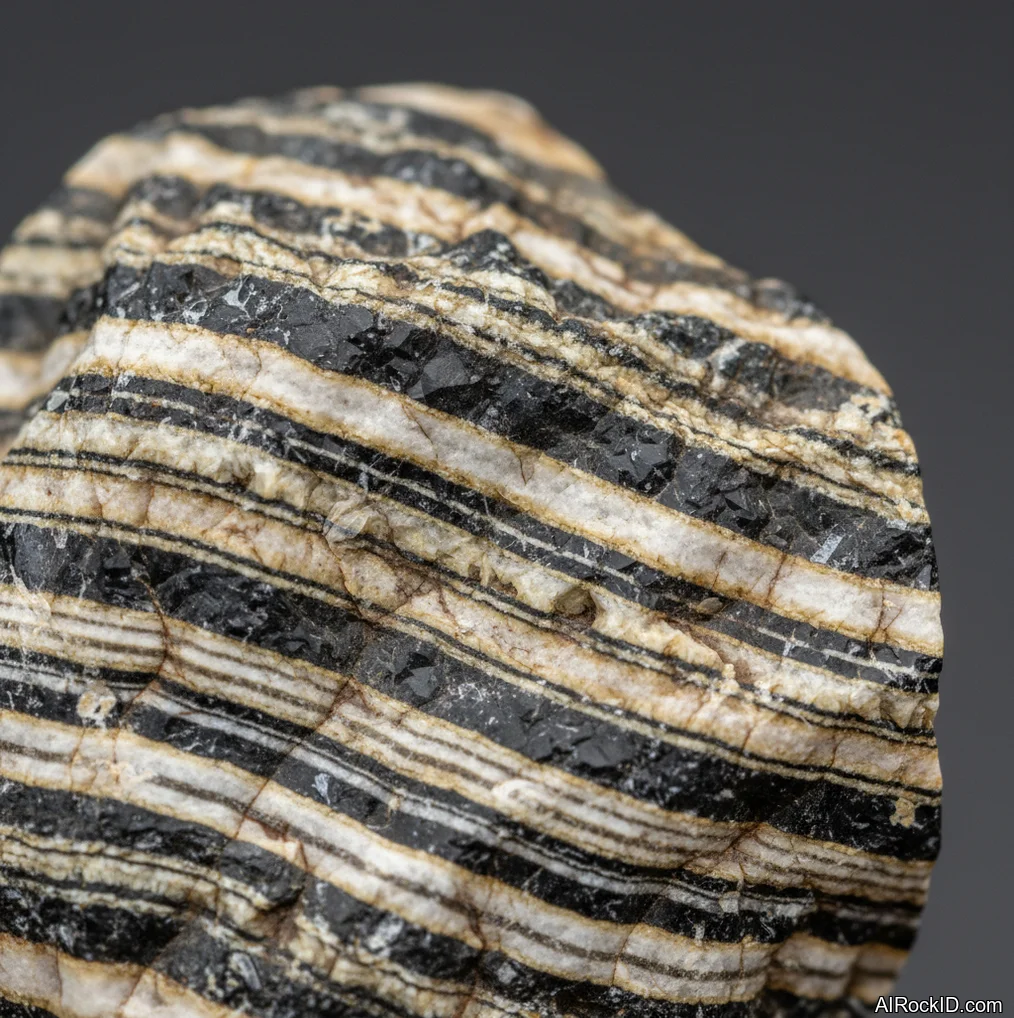
Pick up a piece of malachite and you’ll get why it lands on so many “big change” lists. It sits heavy in the palm for its size. And the polish has that waxy, almost oily look when light rolls across the banding. But malachite is also a reality check: it’s soft (around Mohs 3.5 to 4), it scratches easier than folks expect, and it doesn’t like acids or water soaks. That fits, honestly. Change can be messy, and the tools you use need a little care.
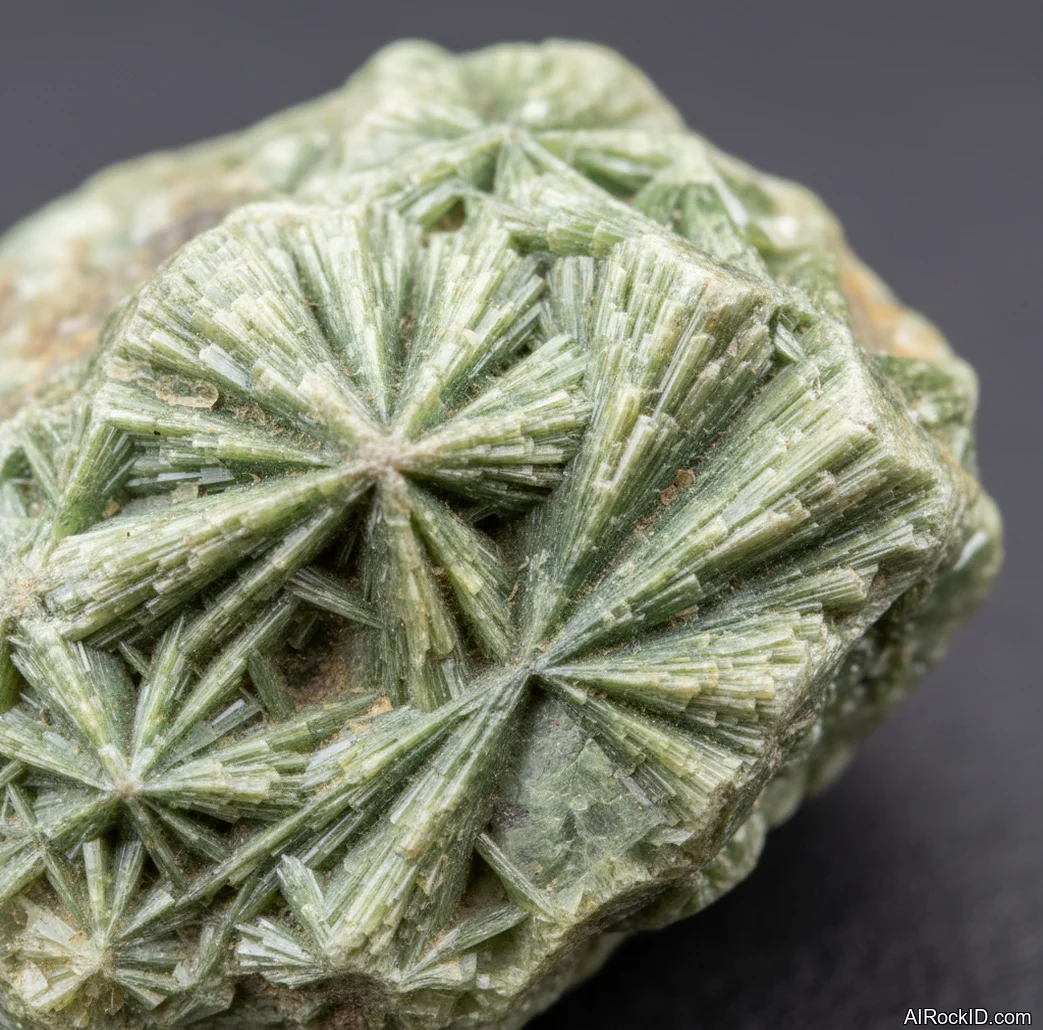
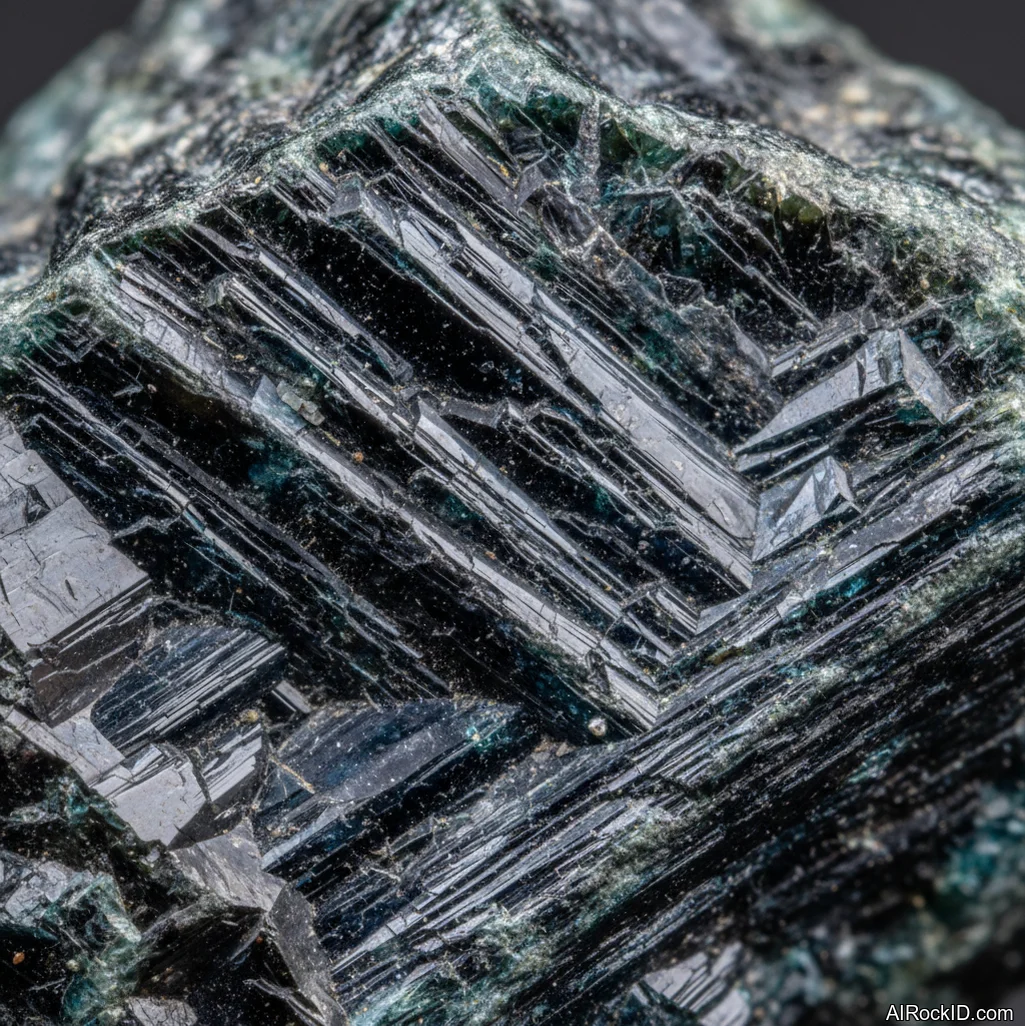
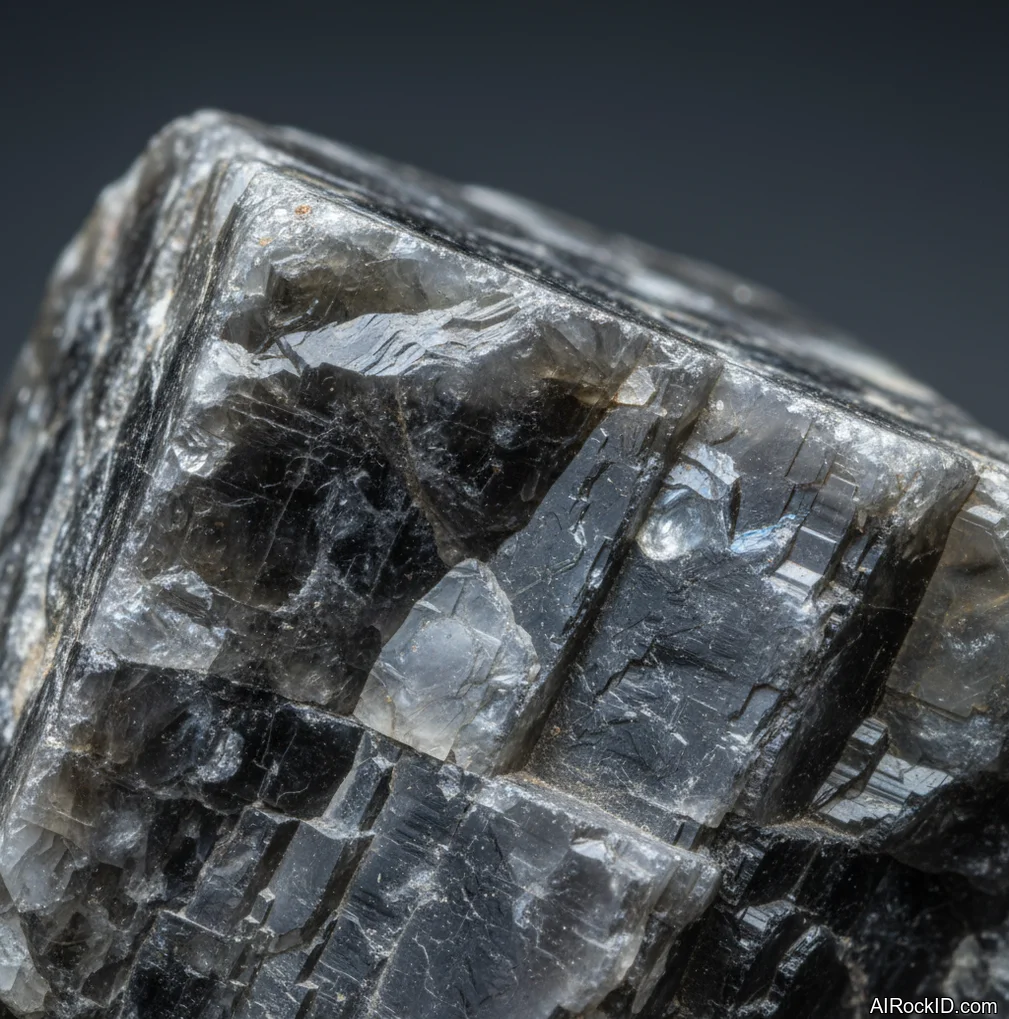
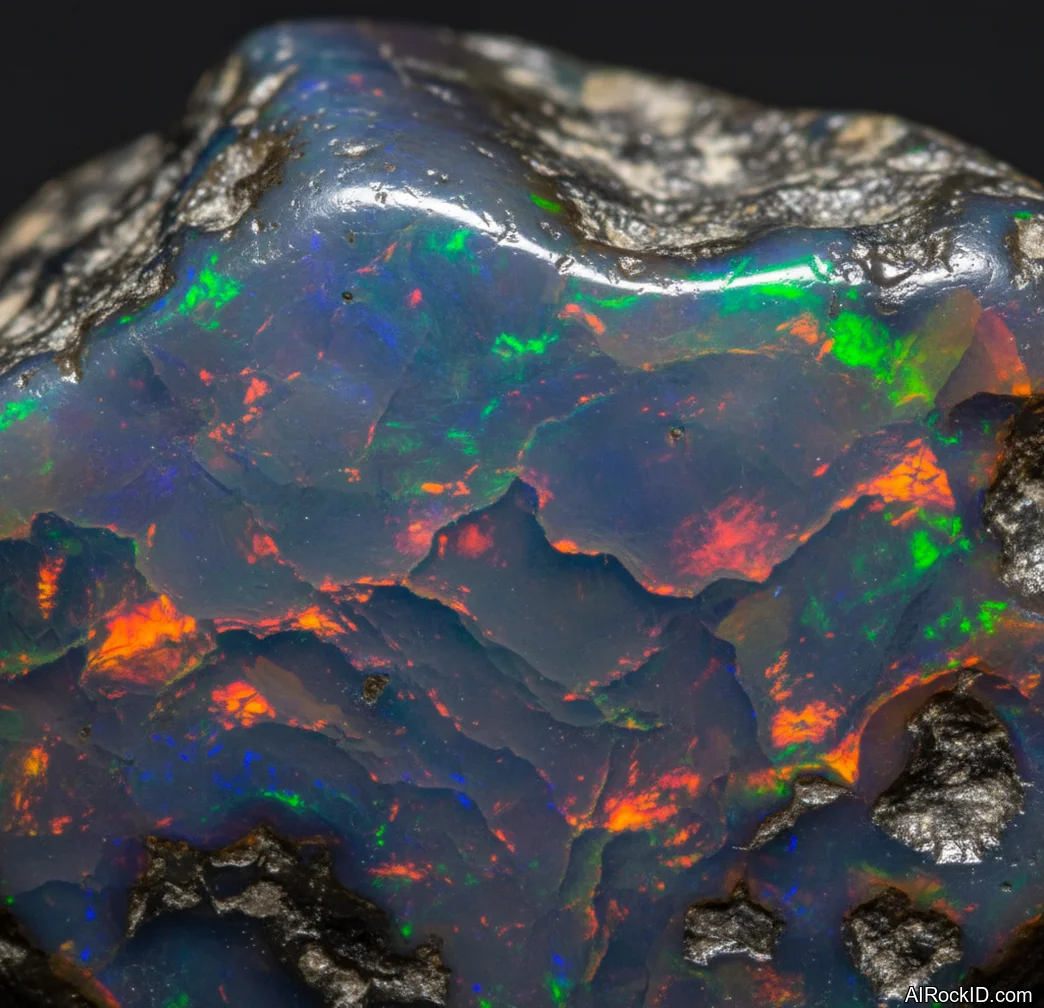
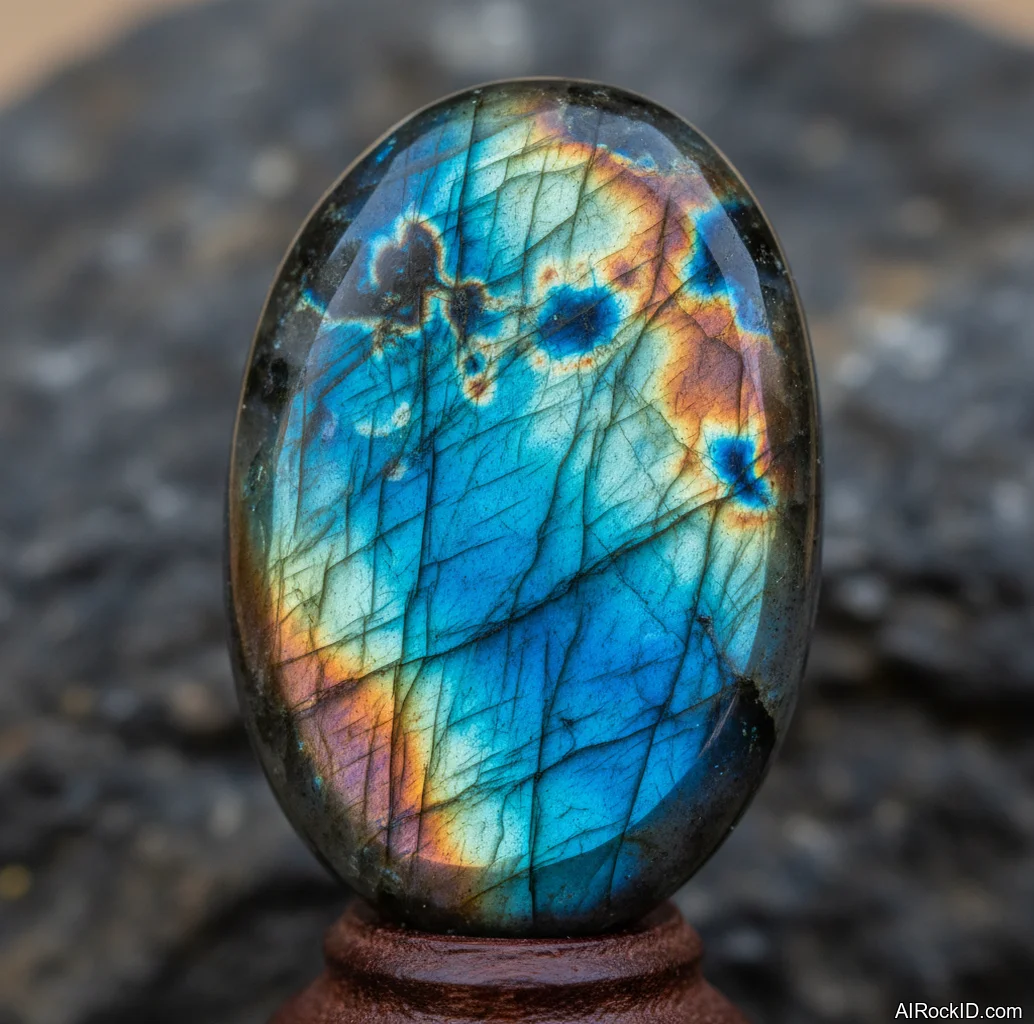
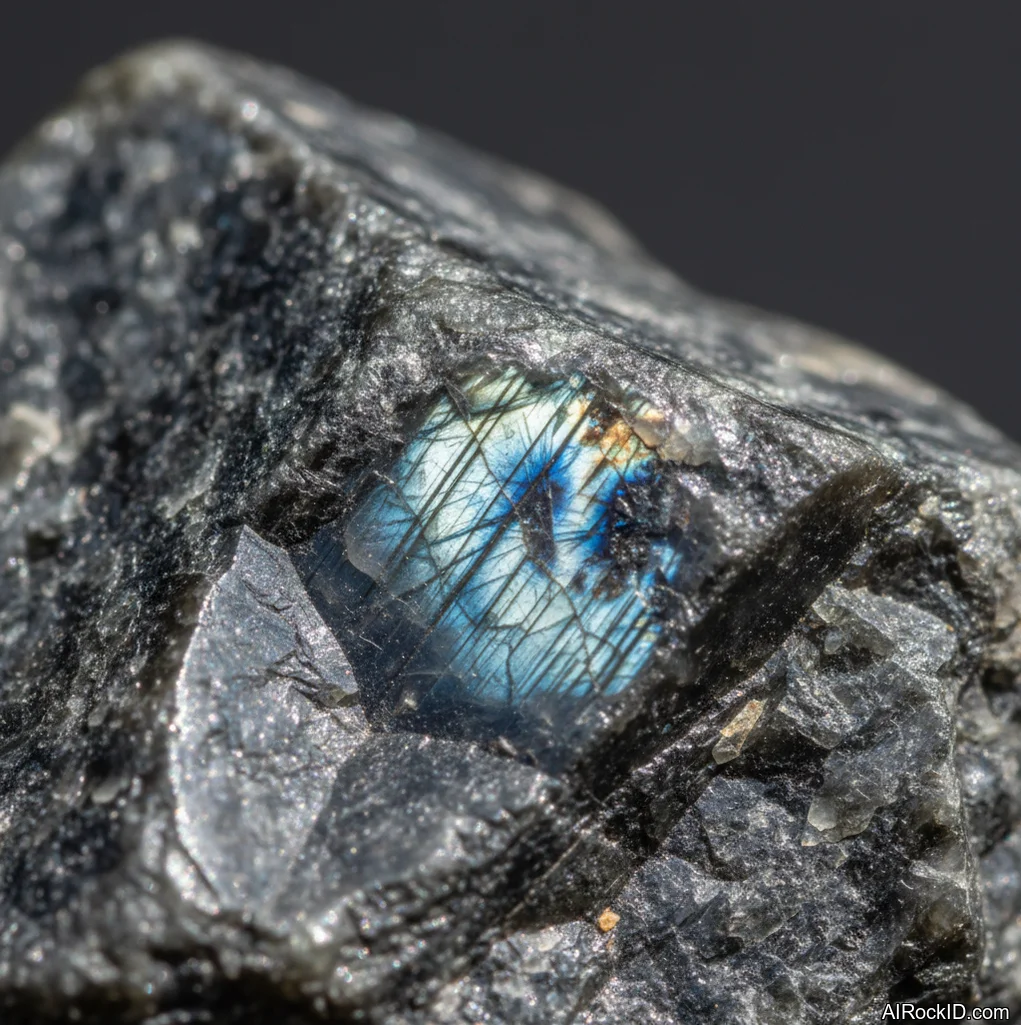
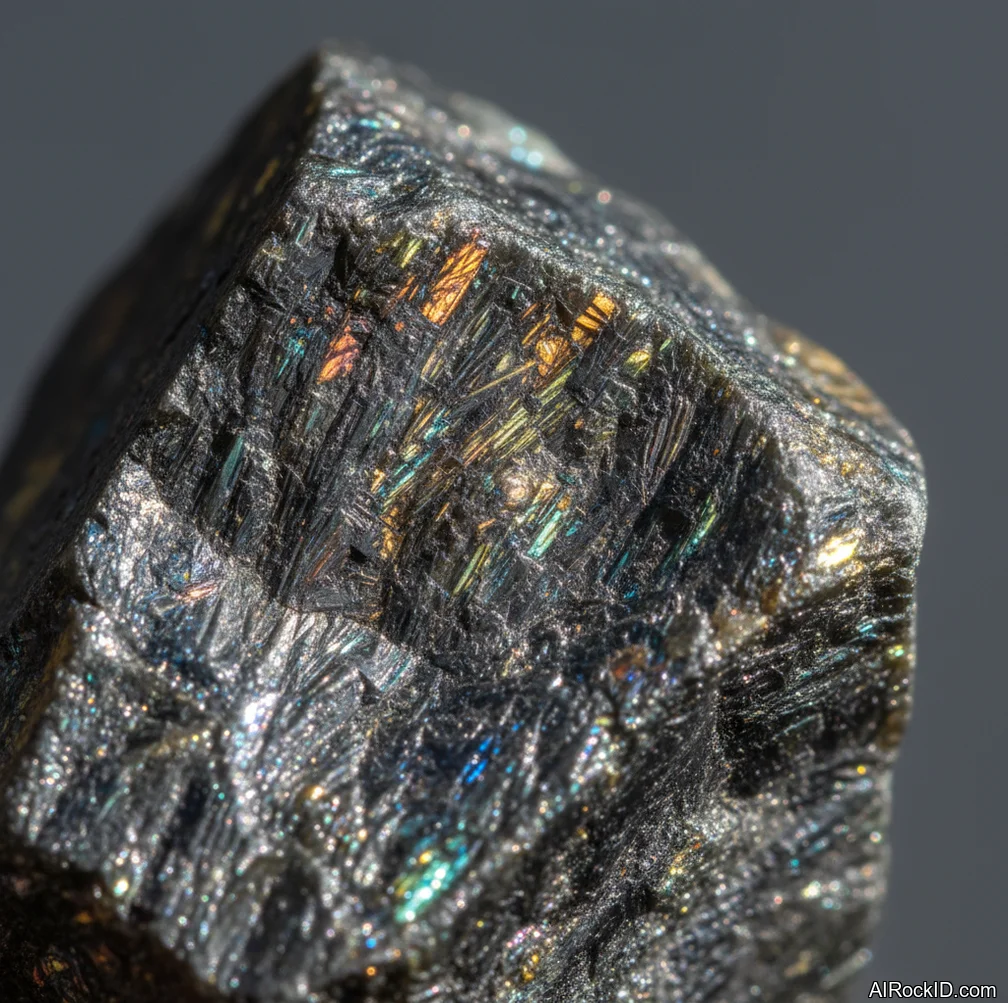
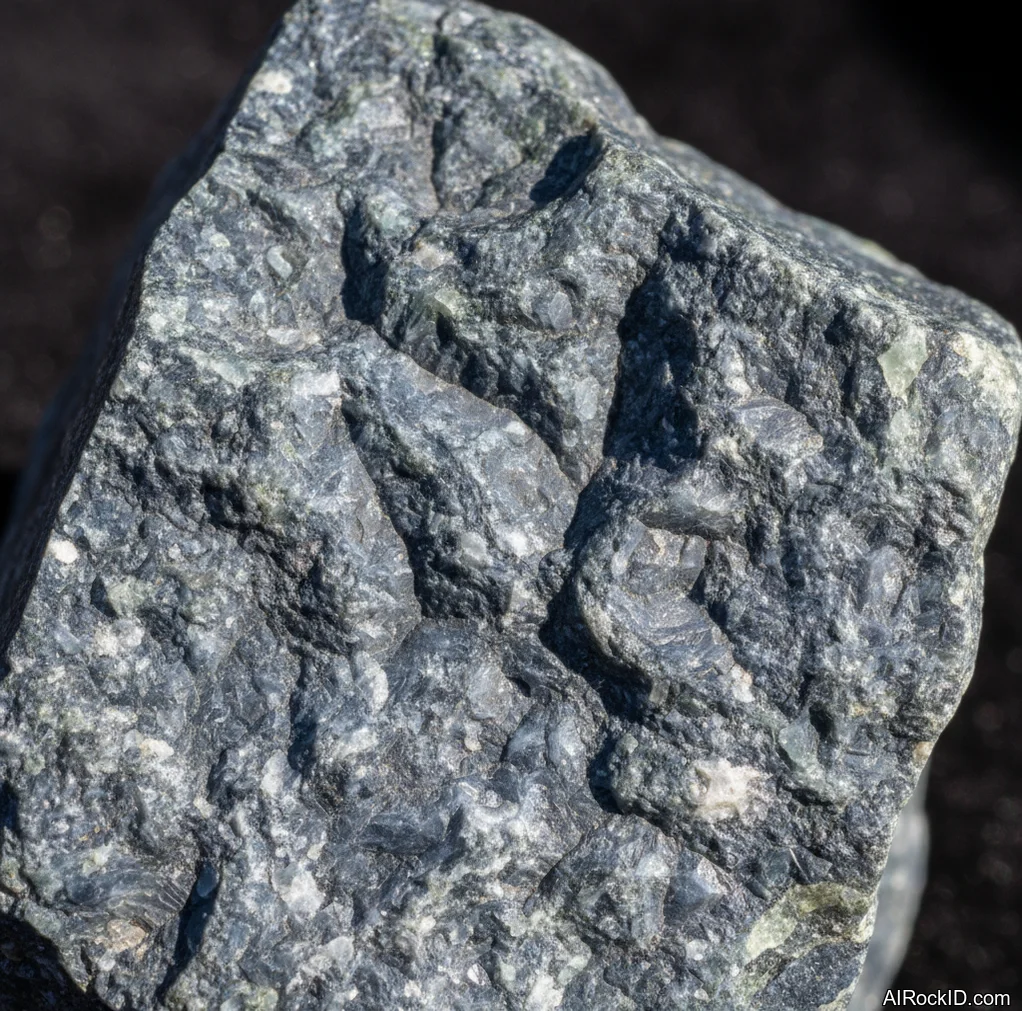
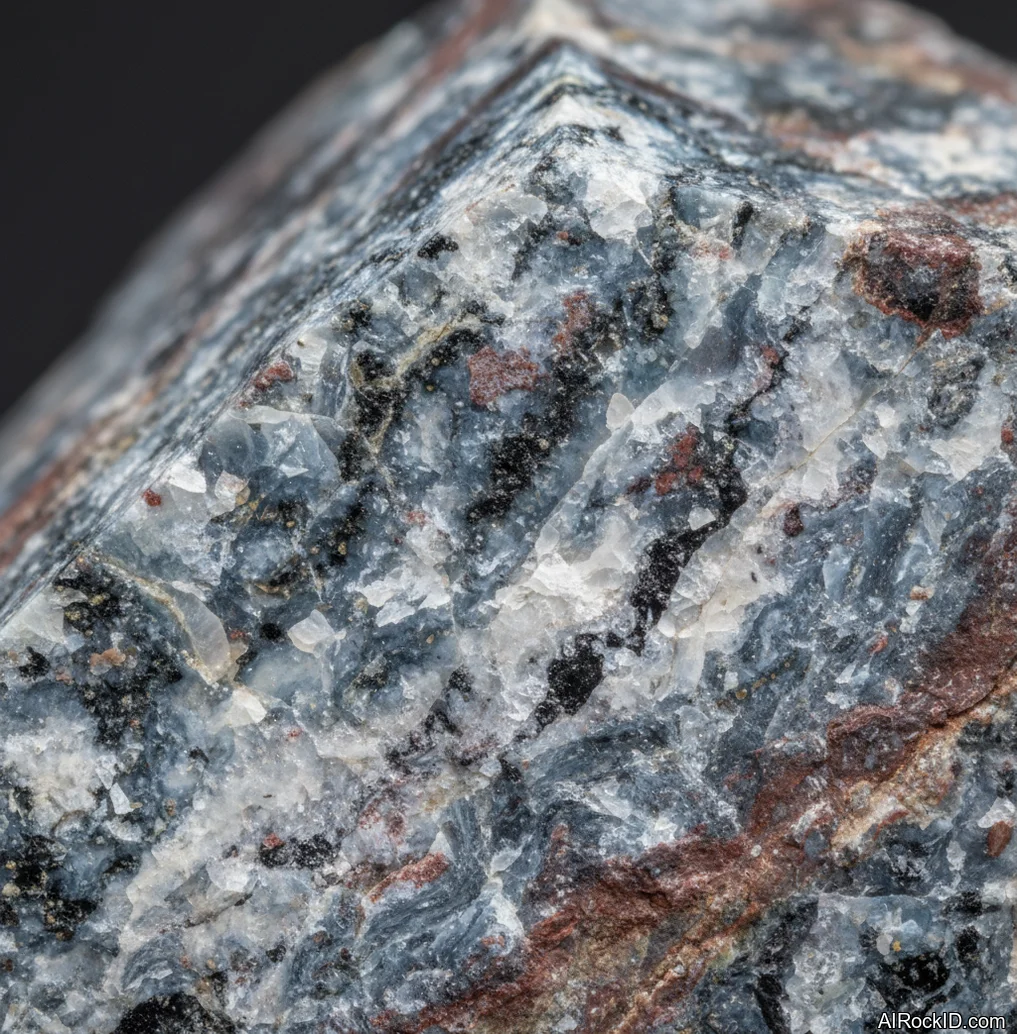
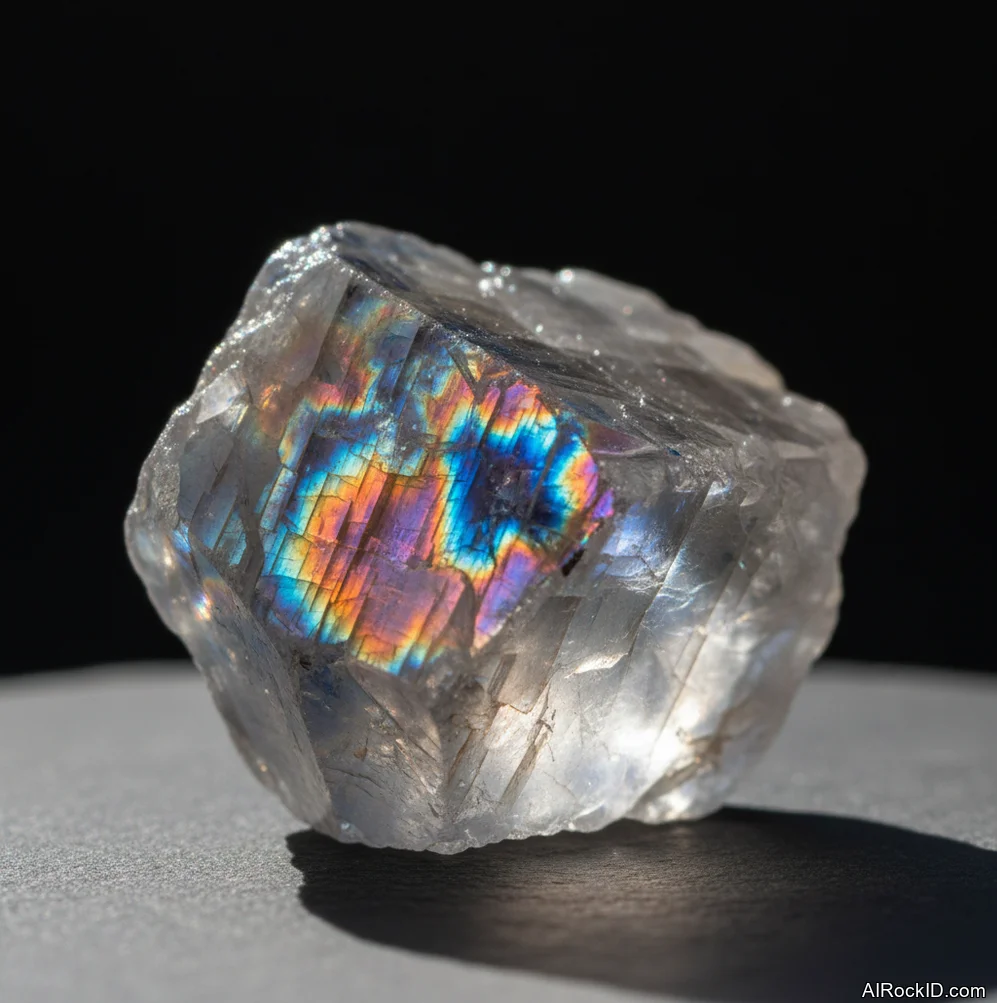
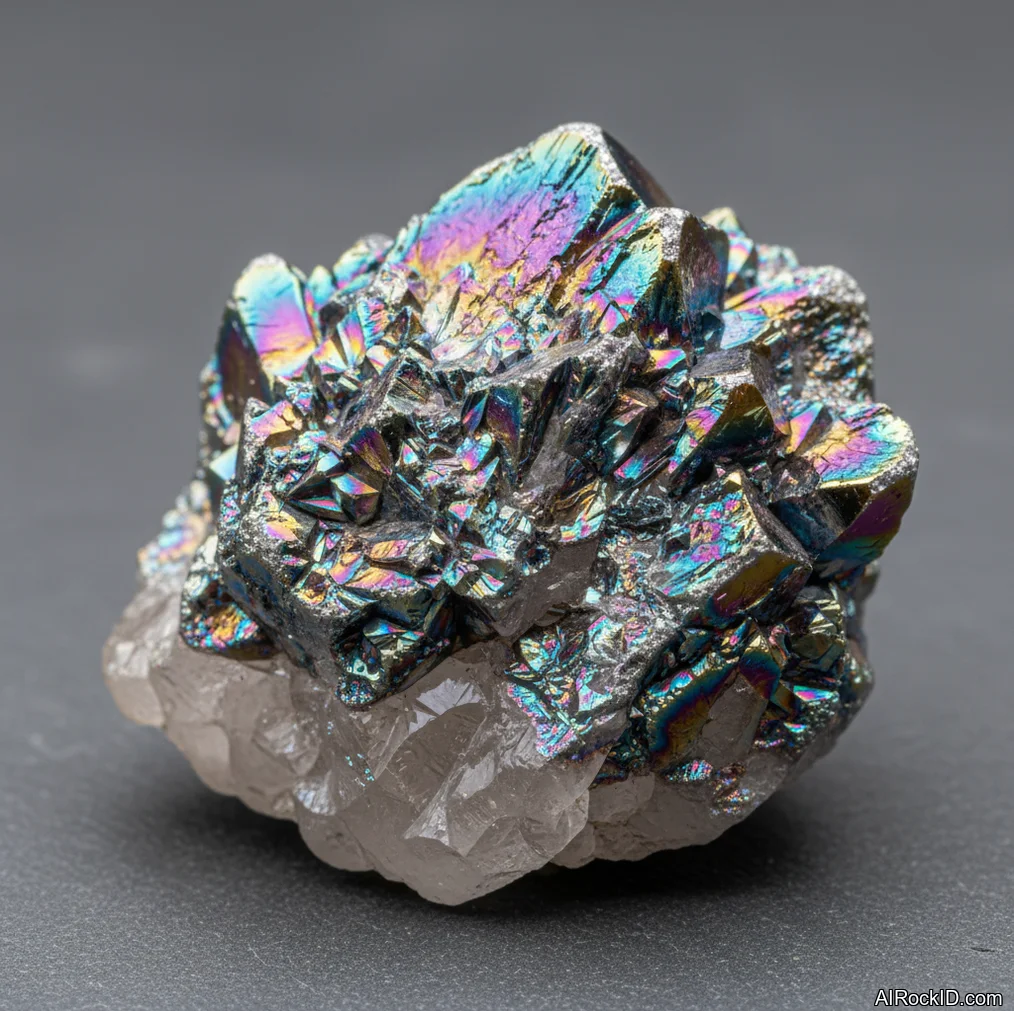
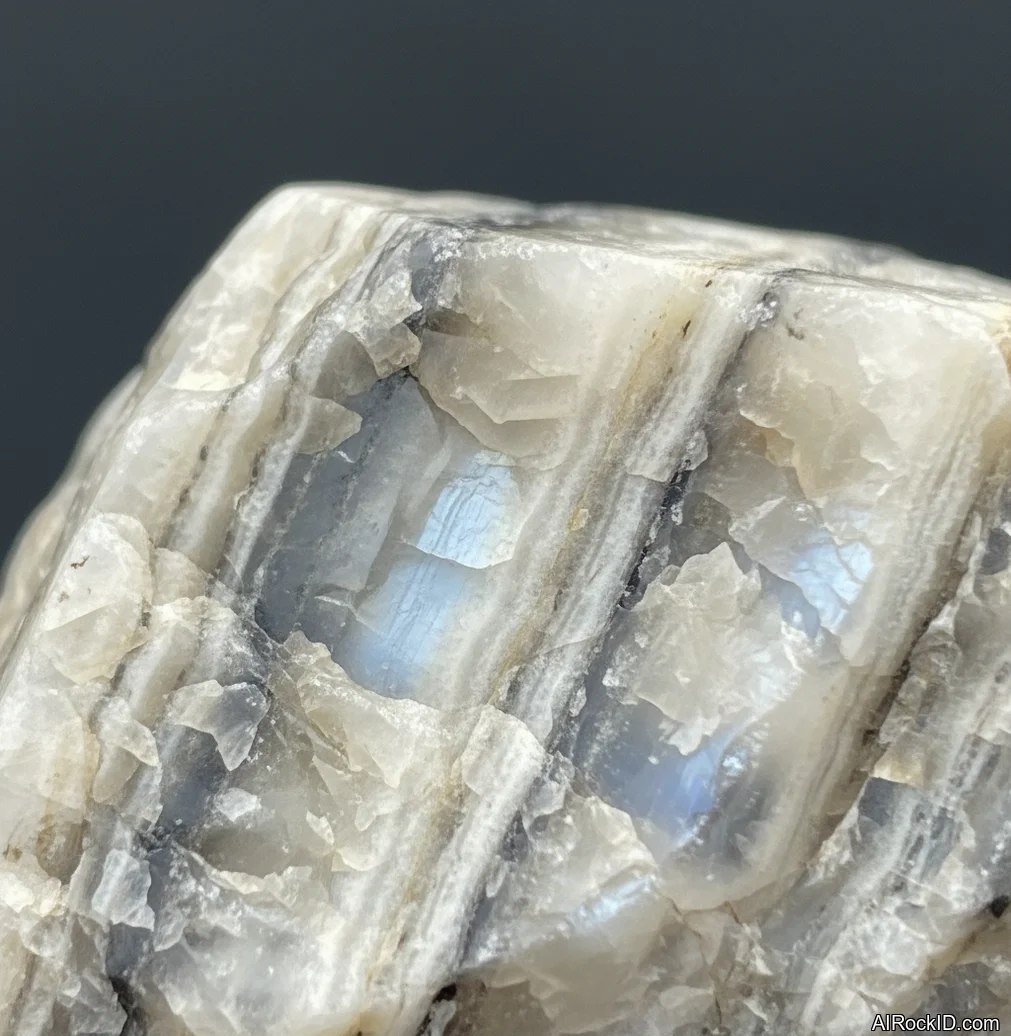
Compared to something like labradorite, Transformation can feel blunt or sneaky. Labradorite is the sneaky kind. At first glance, a lot of pieces look like plain gray feldspar. Tilt it and the flash pops. Then it vanishes again the moment you shift your wrist. That “here, gone, here again” vibe is why people use it when they’re trying to step into a new role without losing themselves. I’ve handled slabs where the blue fire only shows from one exact angle, like a hidden door. So if you’re buying, rotate it under a single overhead light and make sure the flash isn’t just a photo trick.
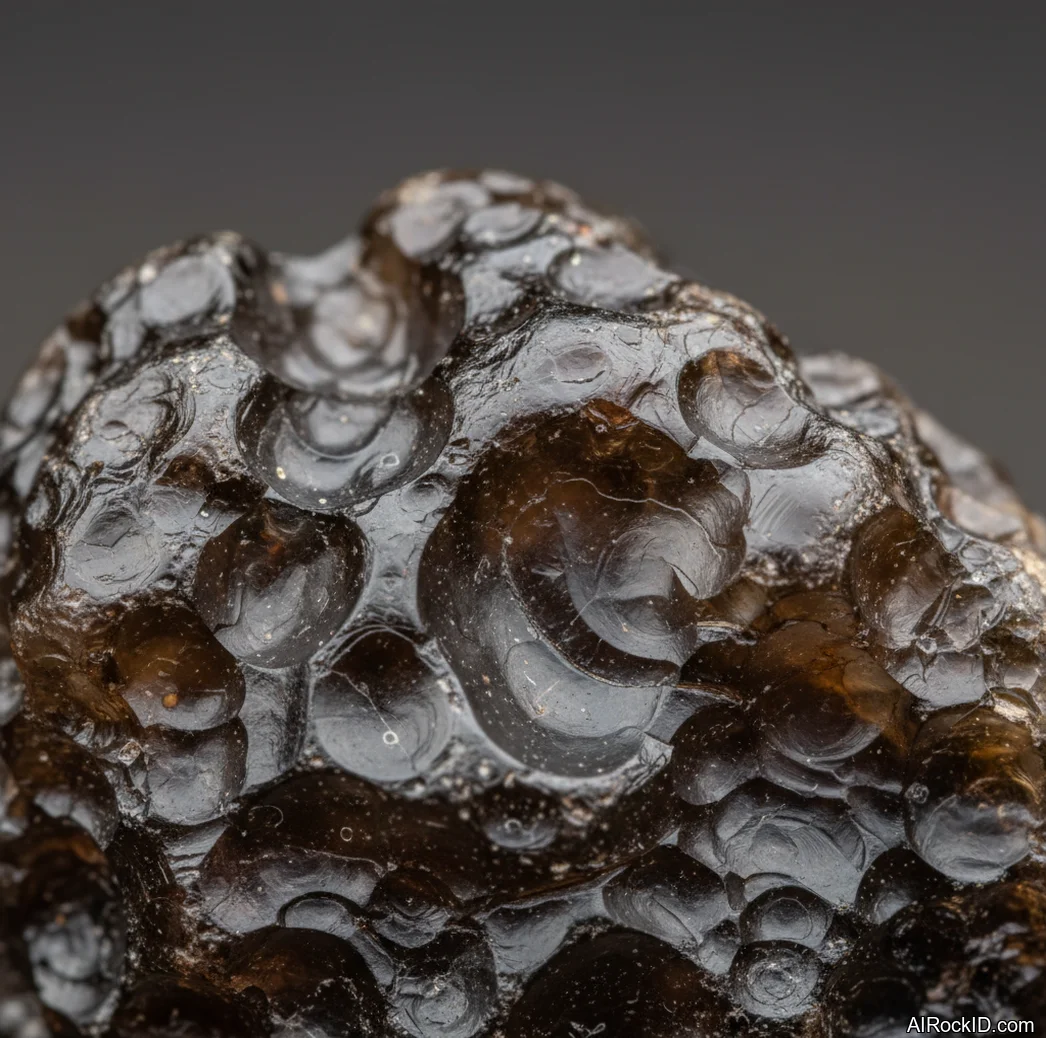
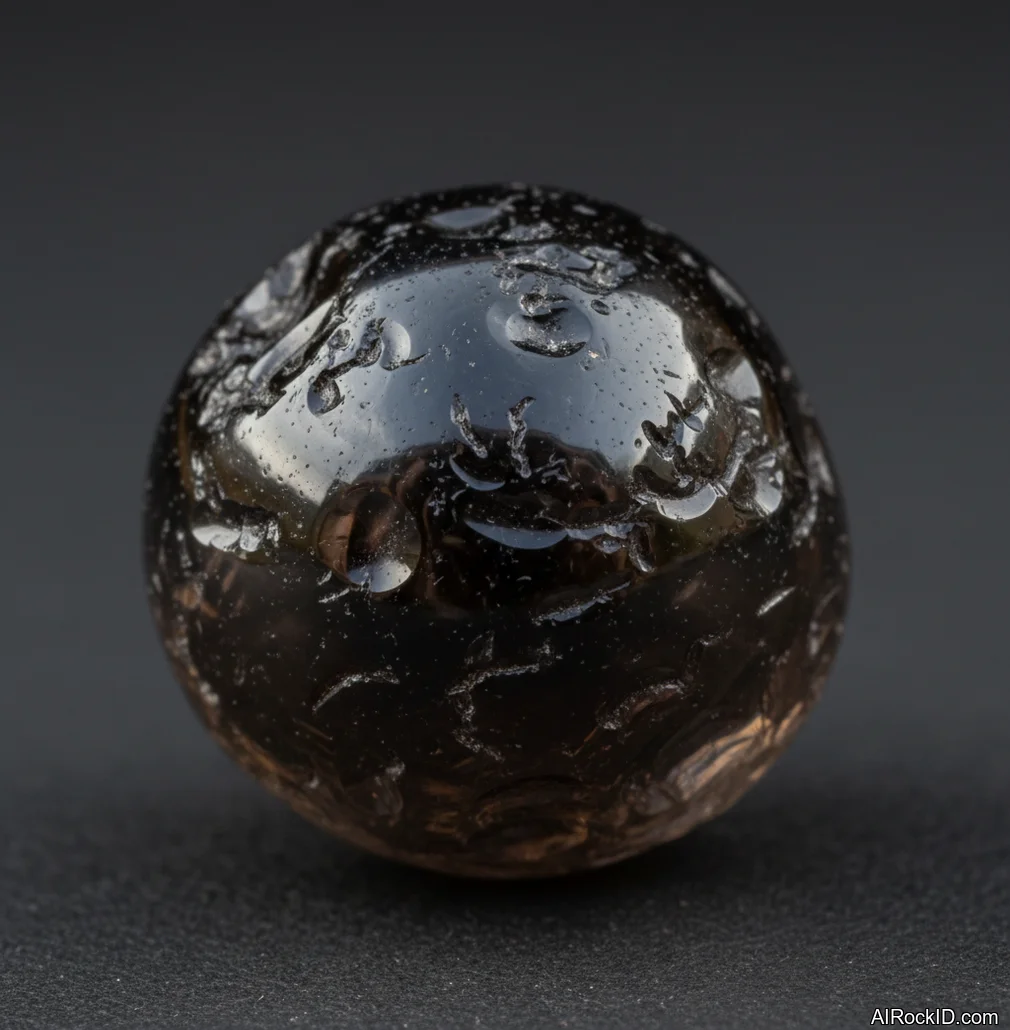
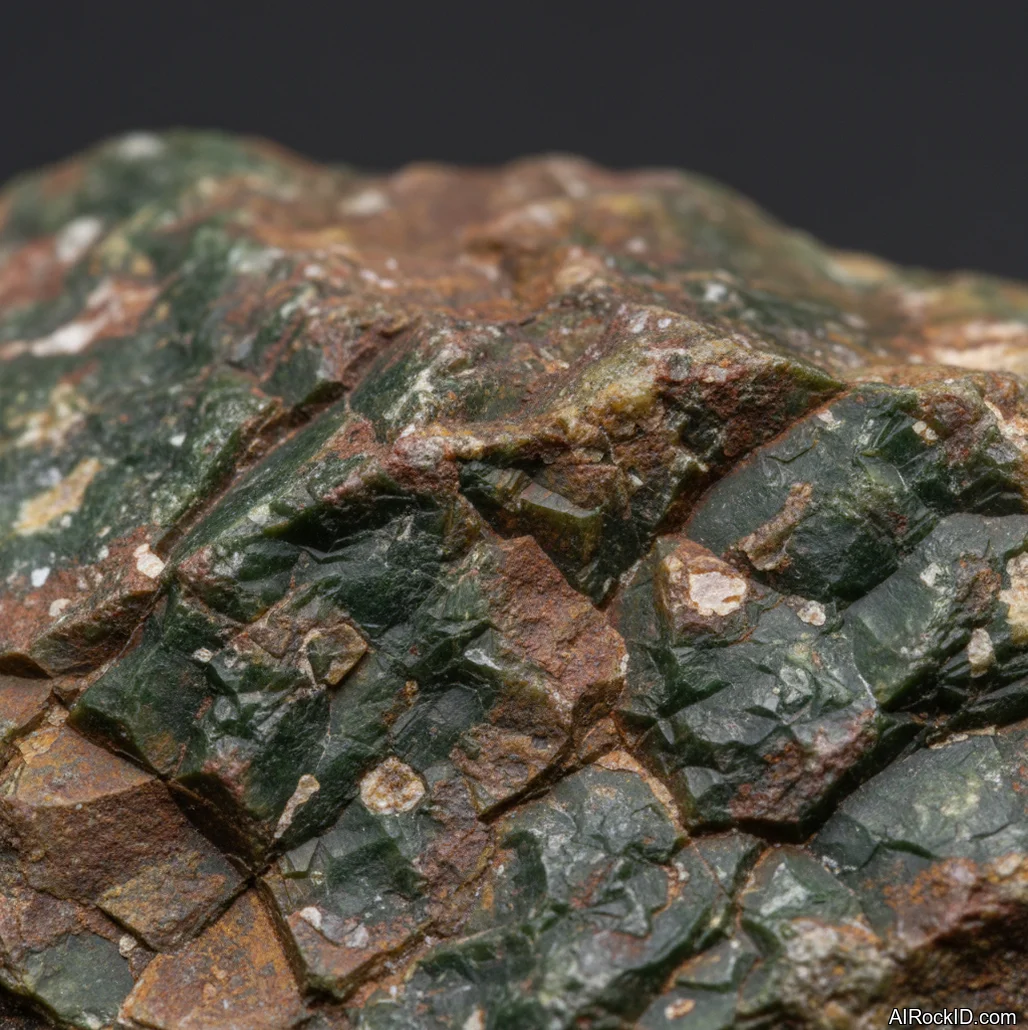
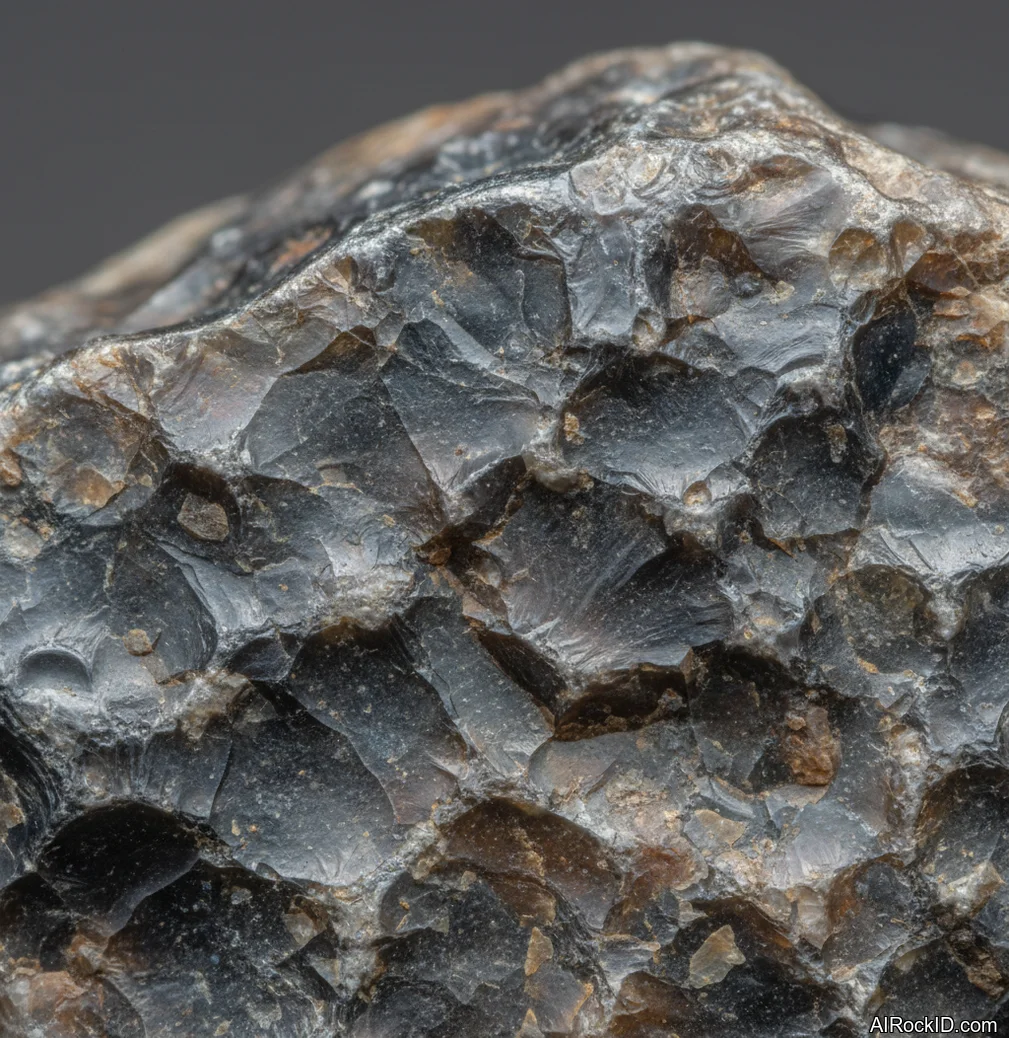
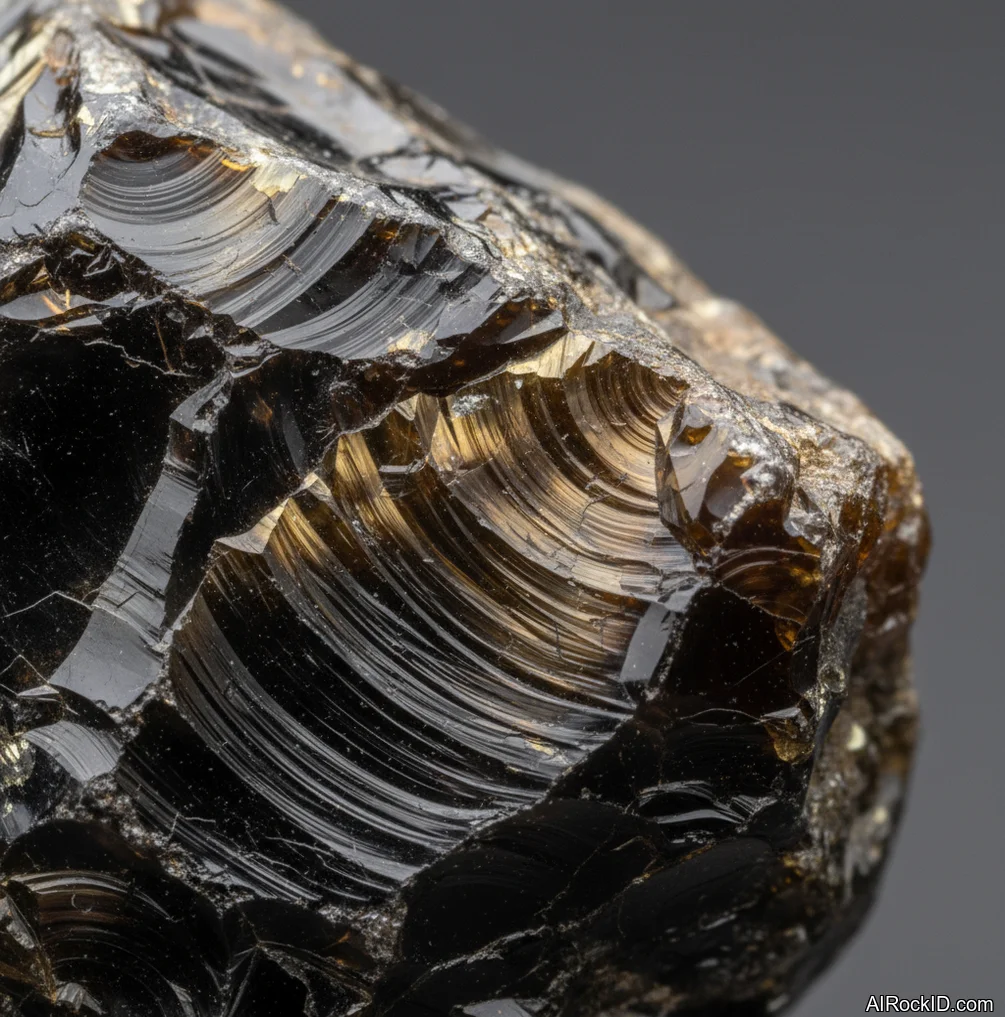
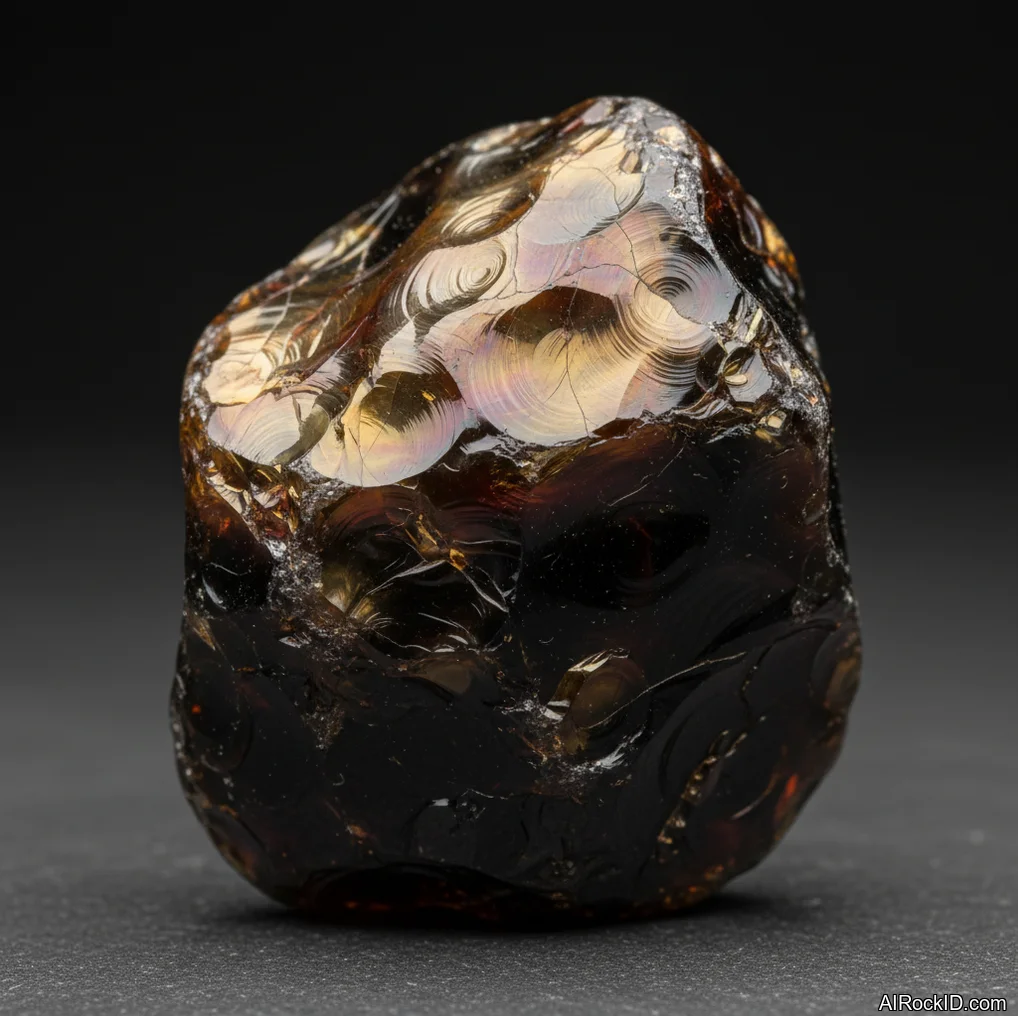
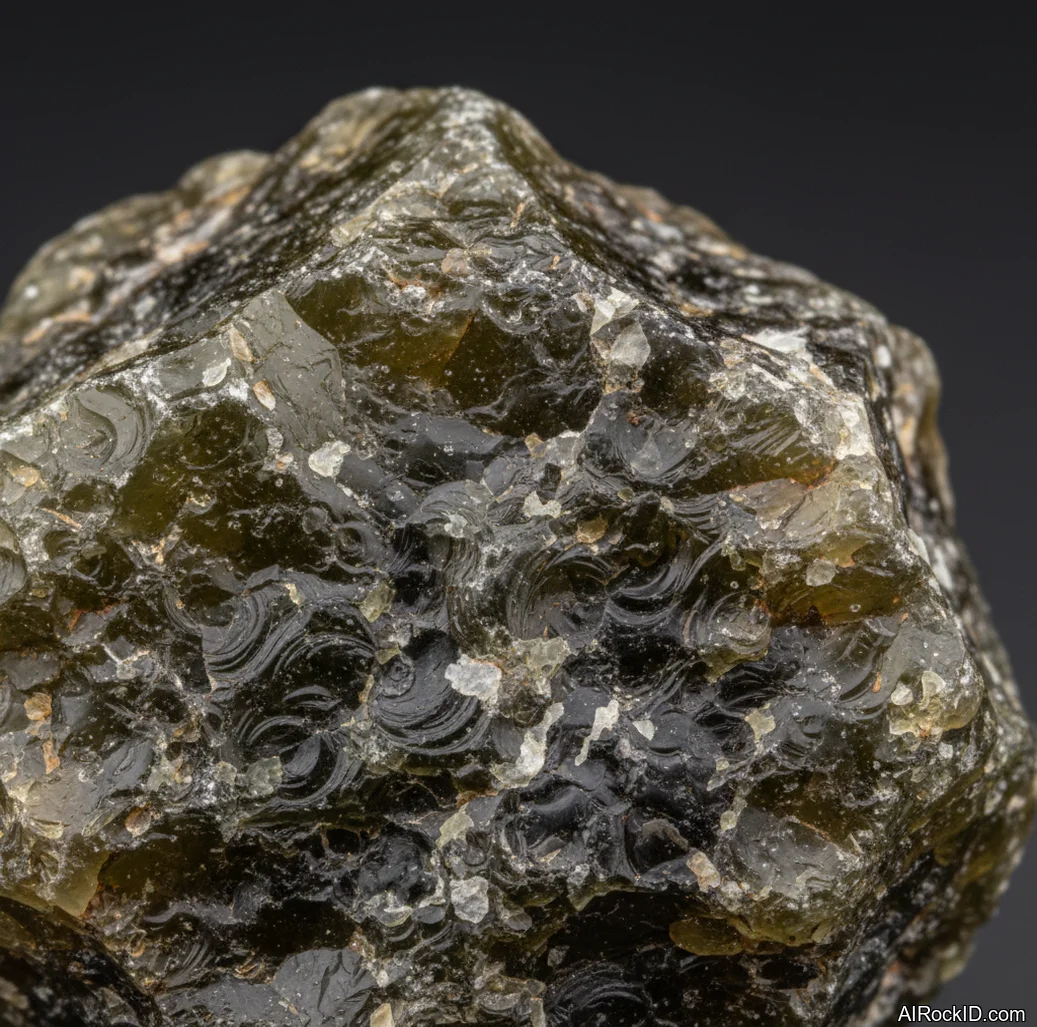
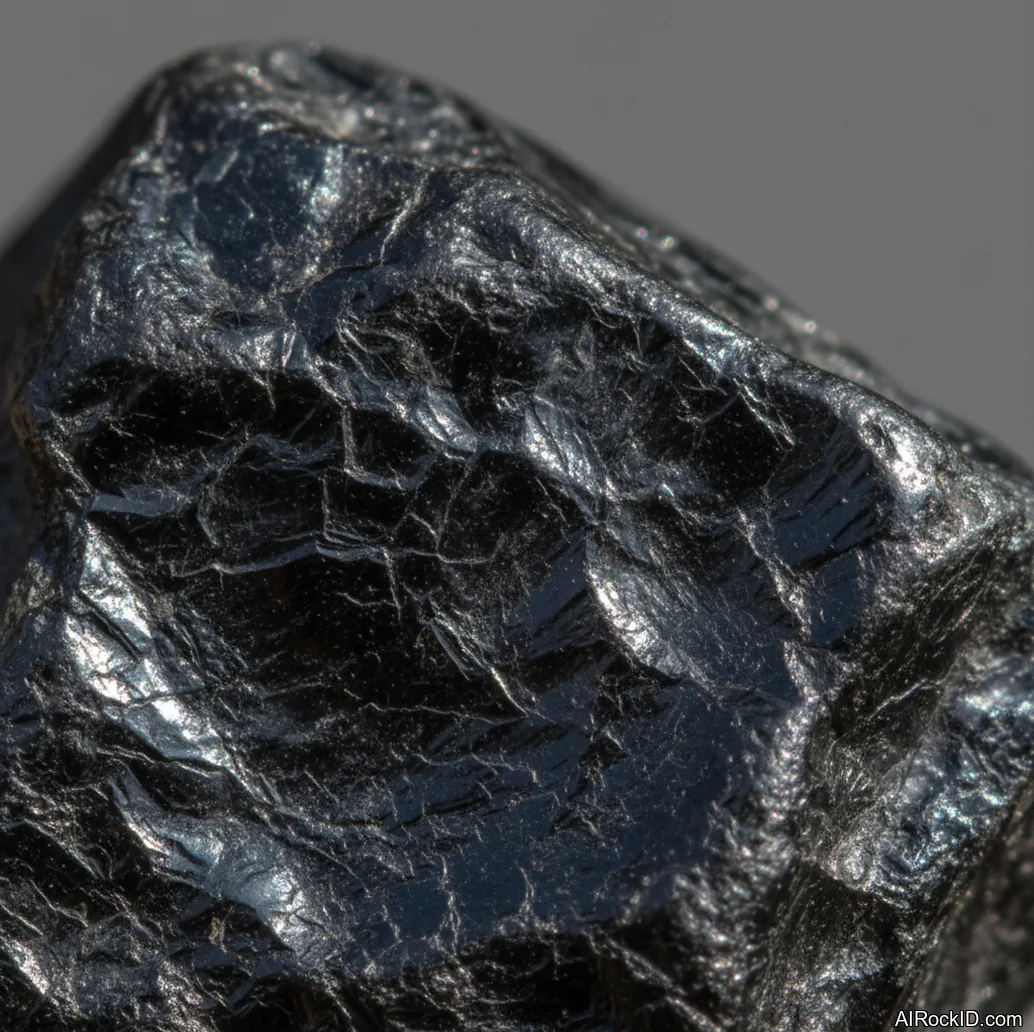
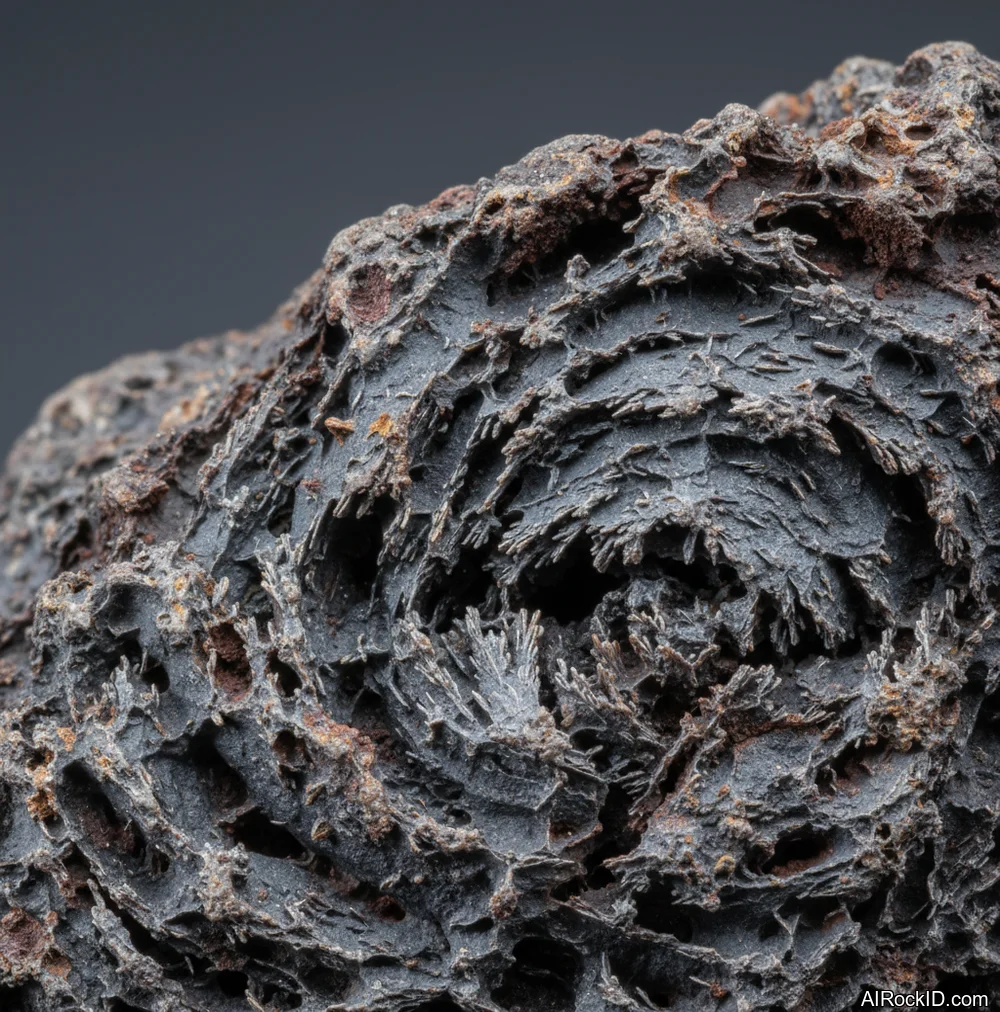
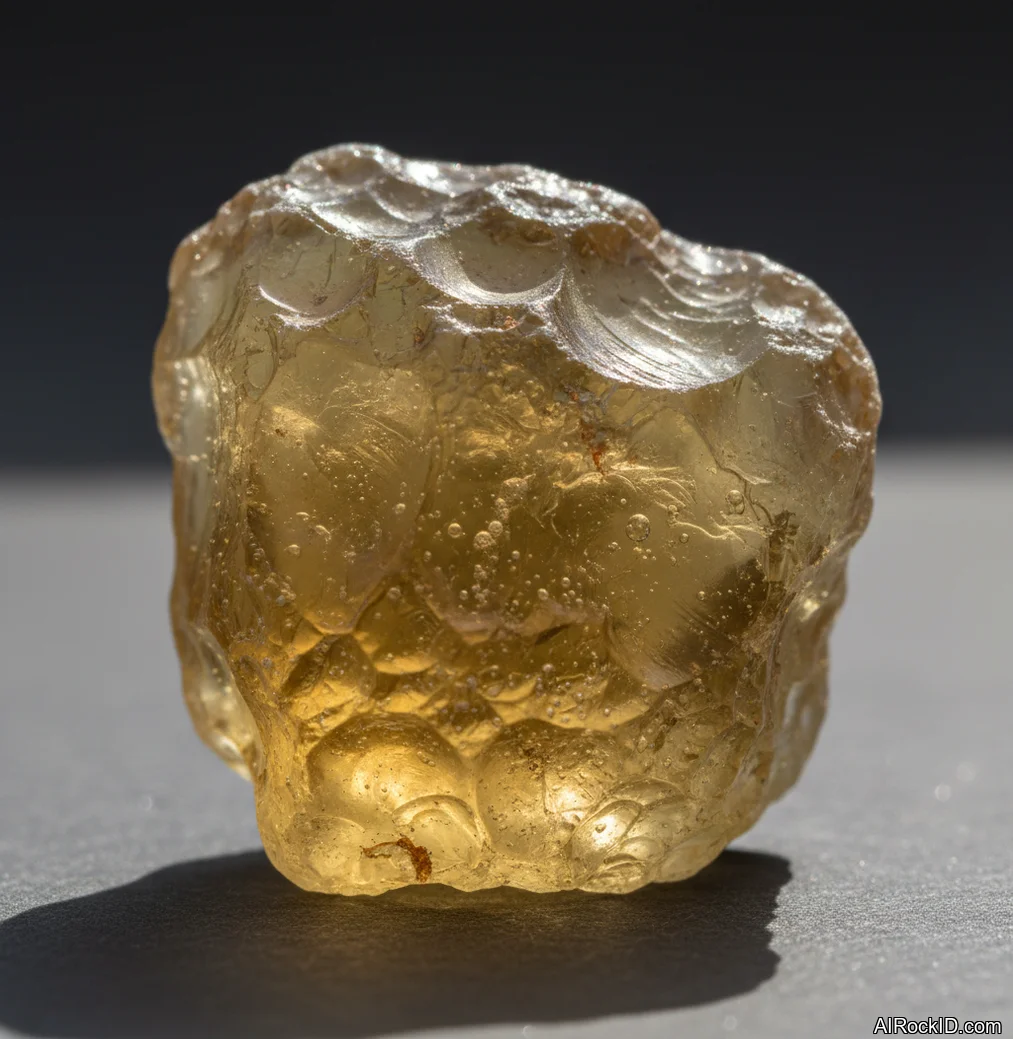
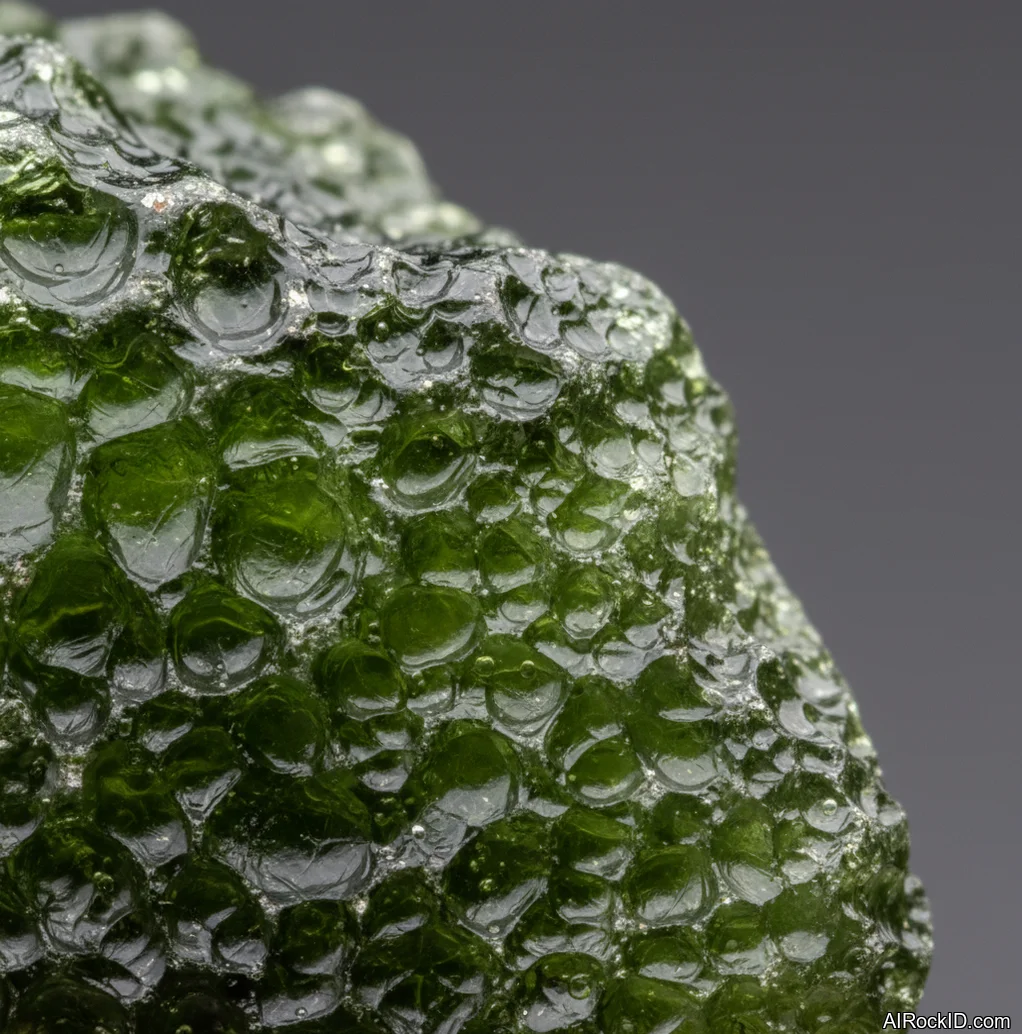
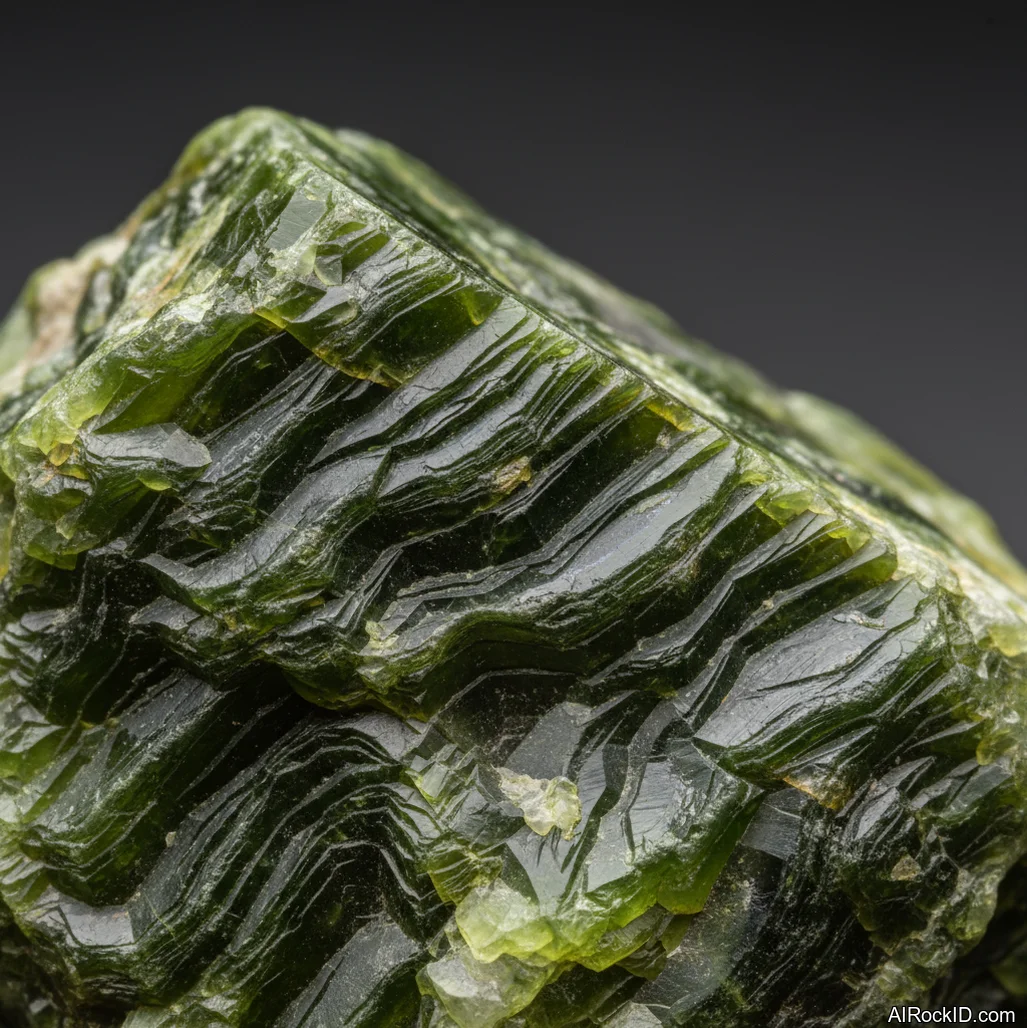
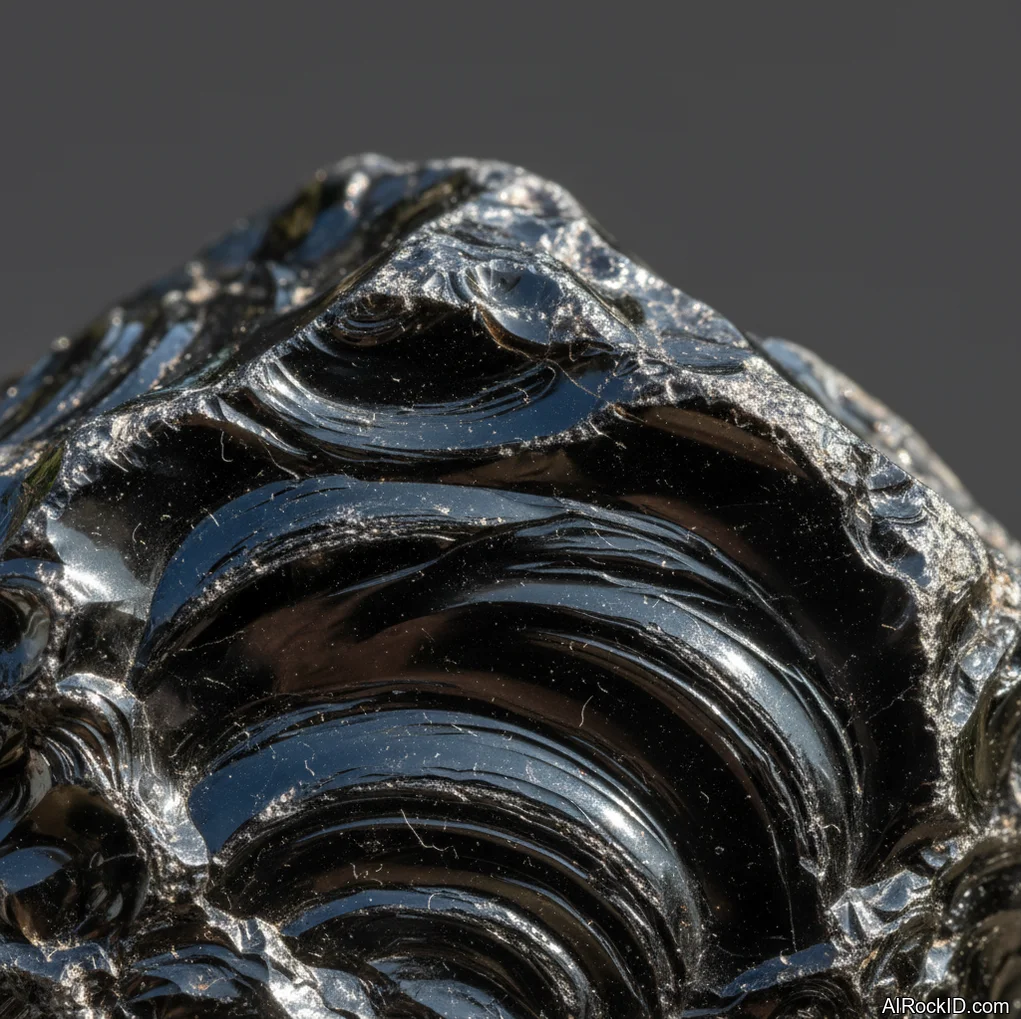
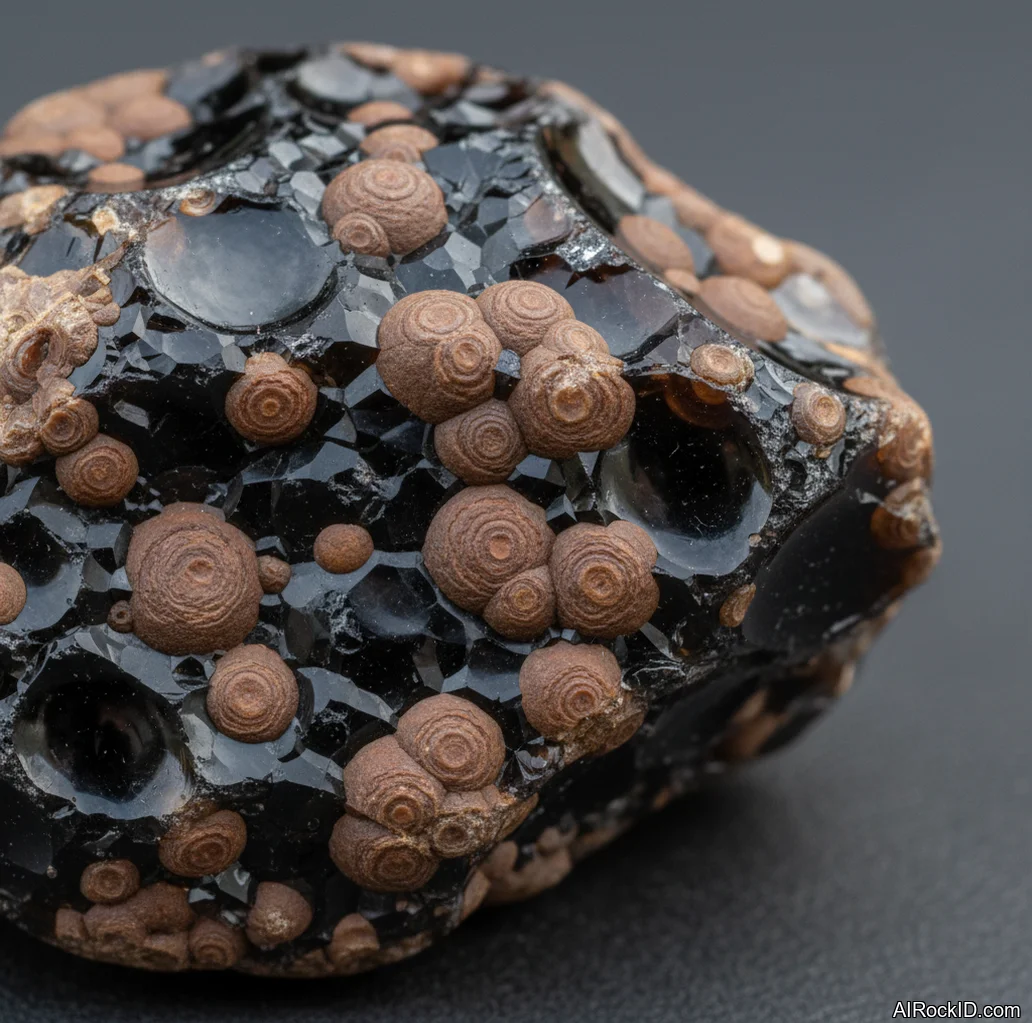
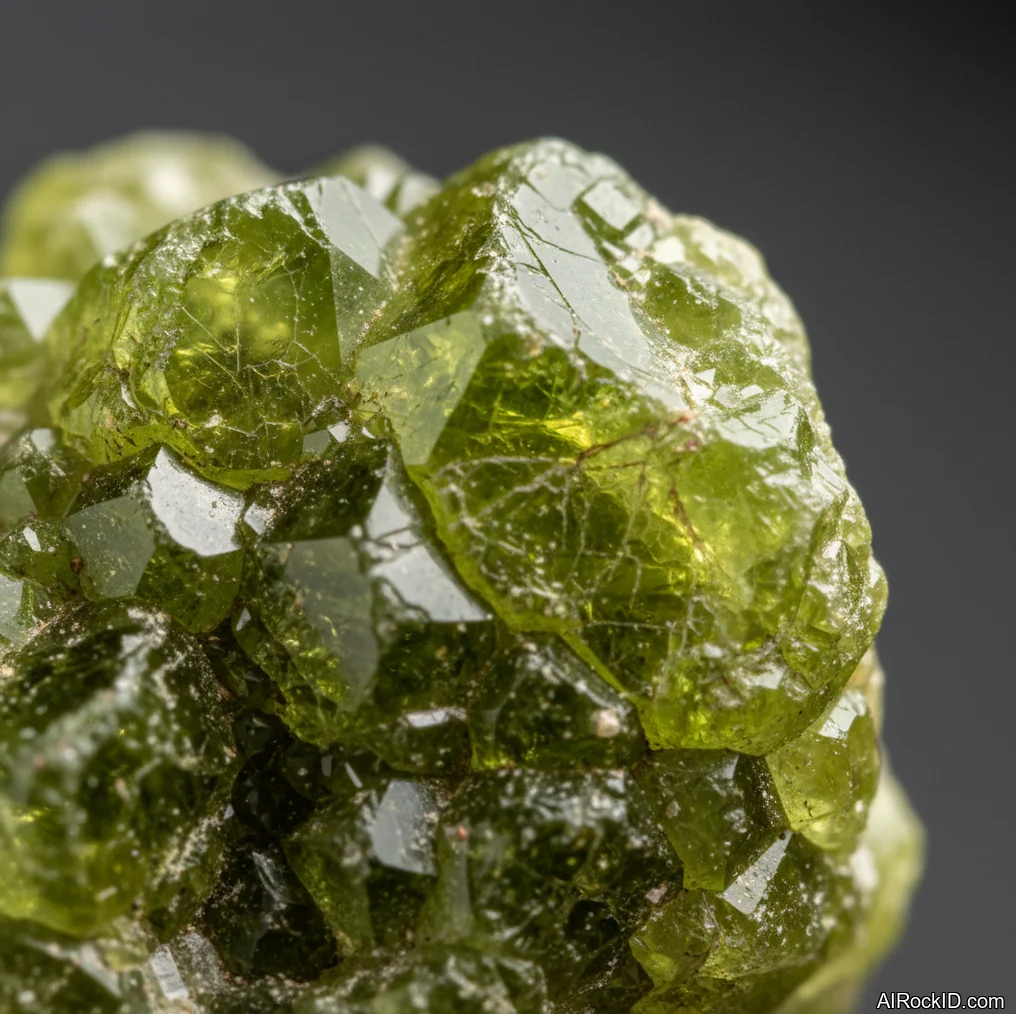
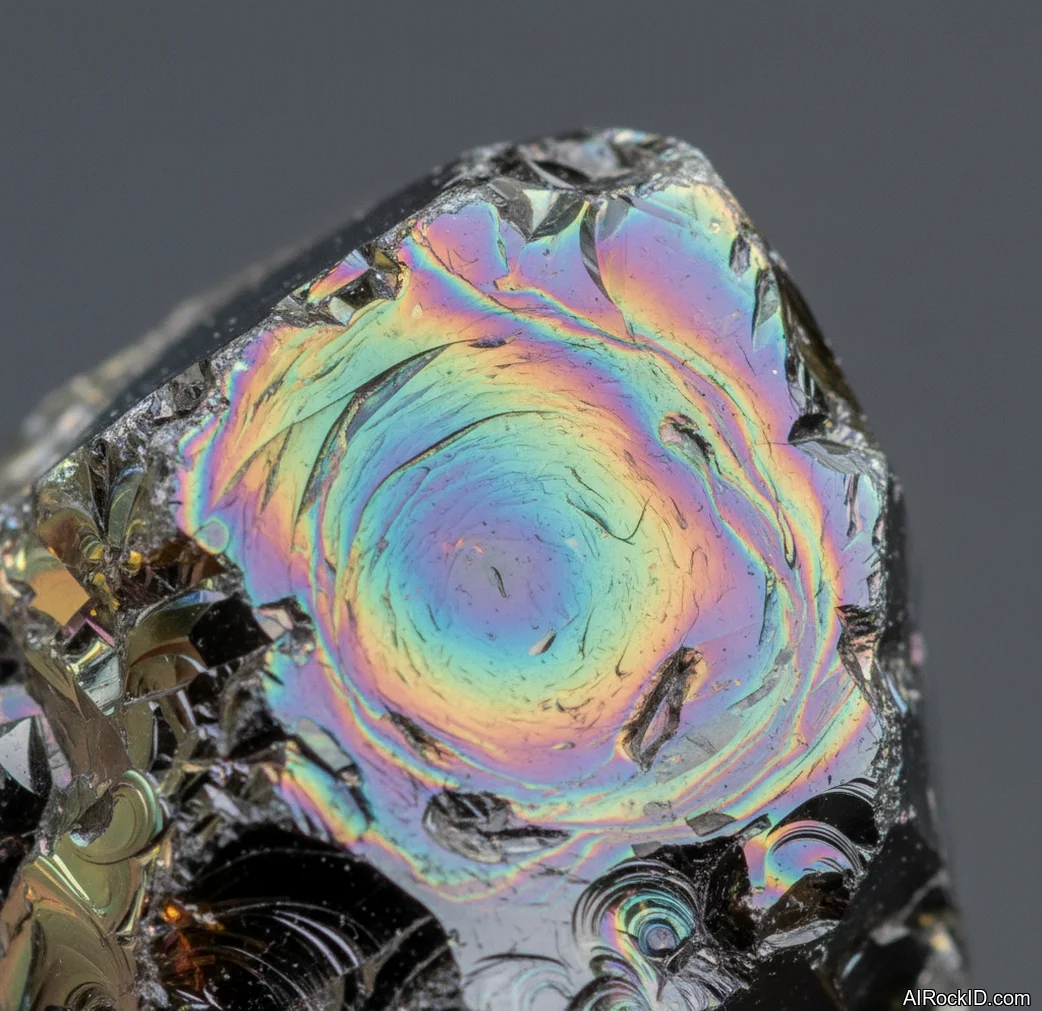
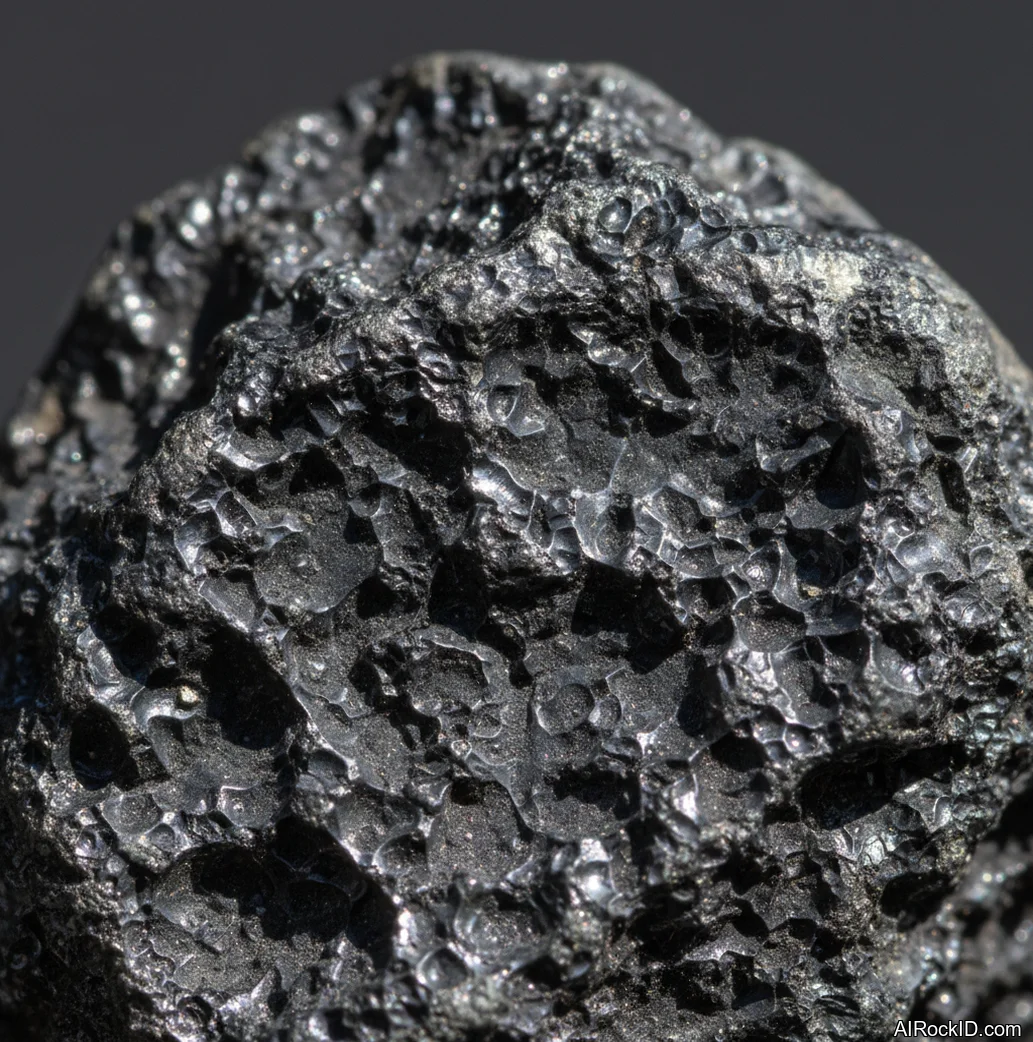
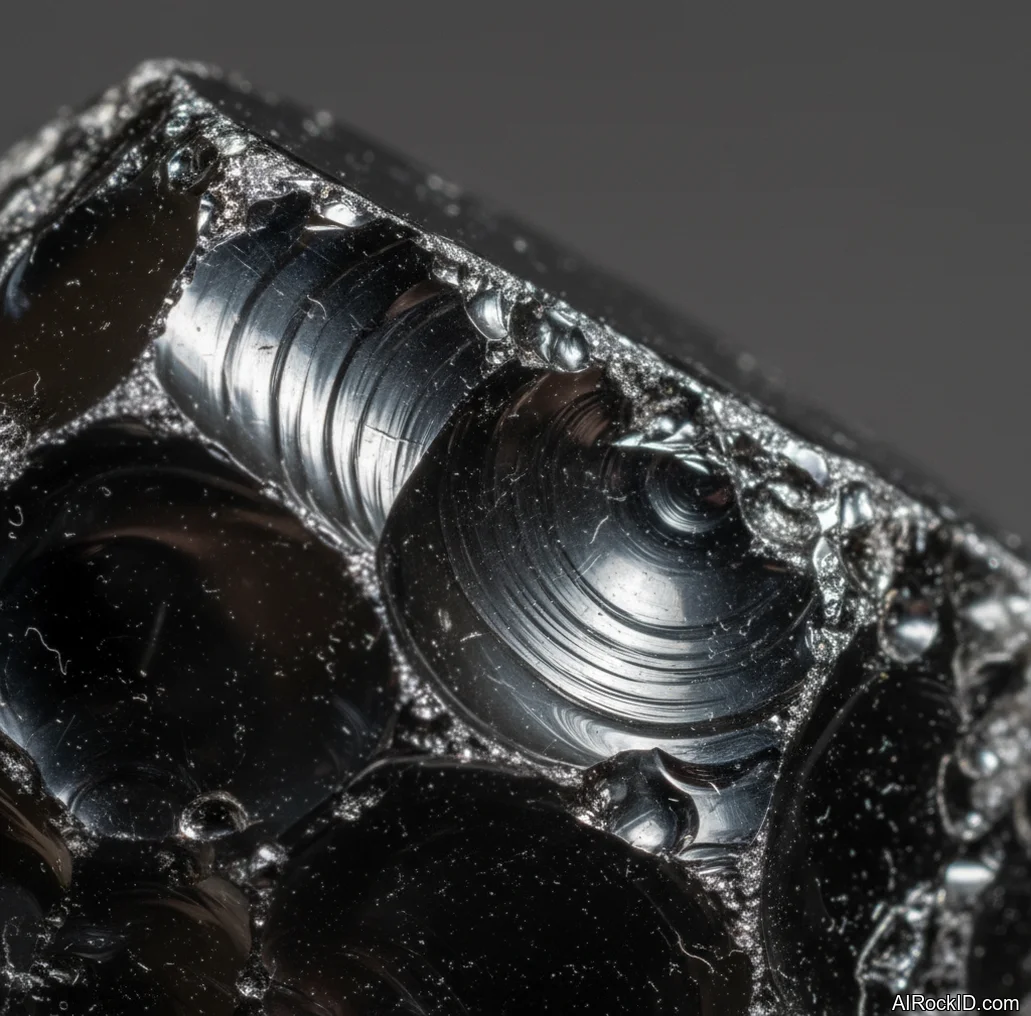
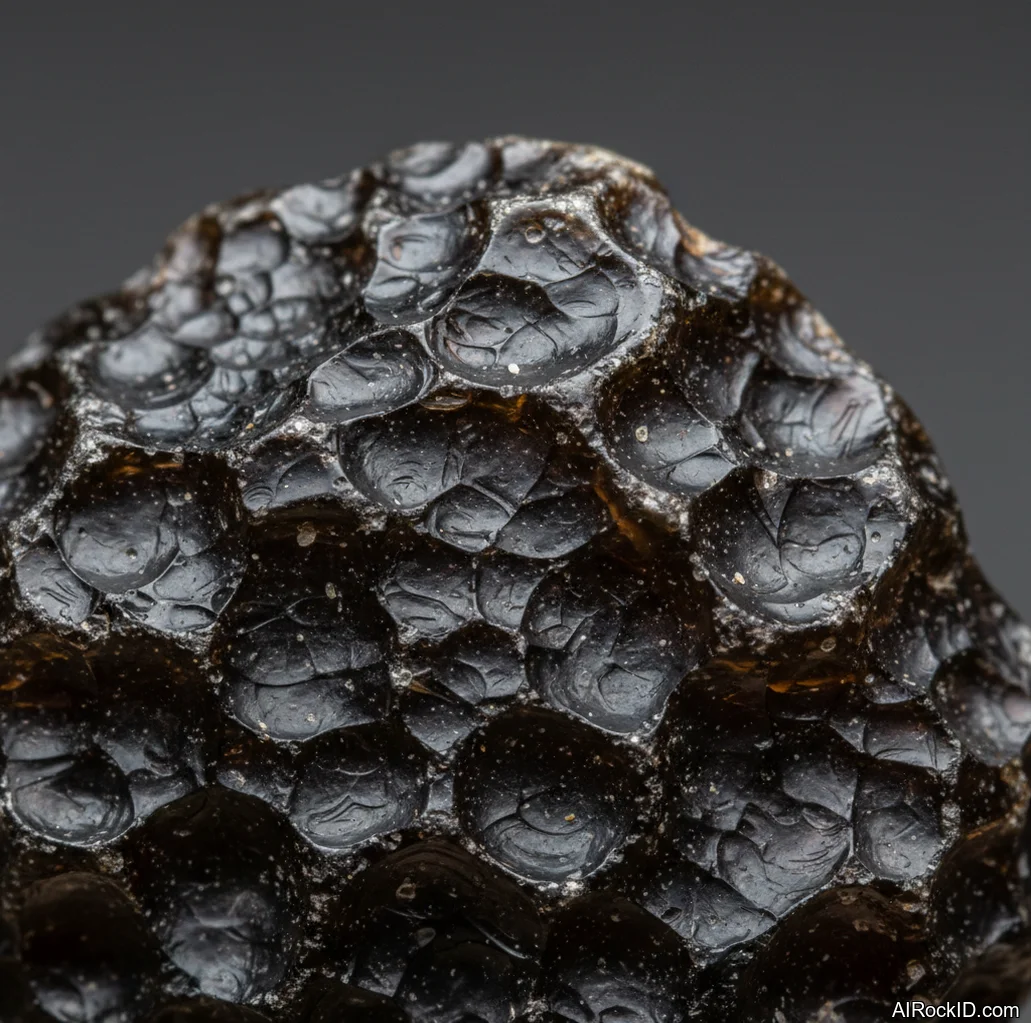
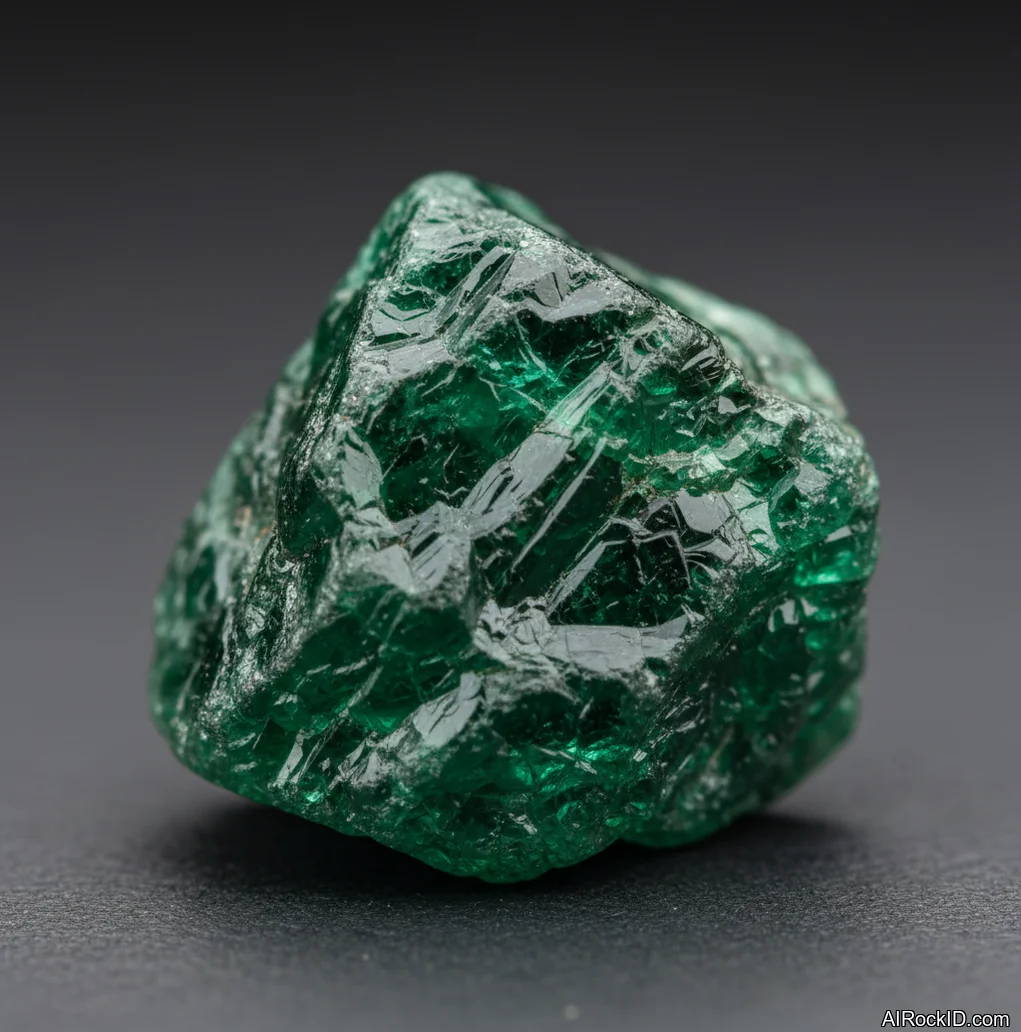
Some stones get tied to Transformation because they draw a hard line between before and after. Moldavite is the classic example, and yeah, it’s the one with the most market drama. Real moldavite has that etched, wrinkled surface from natural corrosion, with little pits and grooves that catch lint if you keep it in a pocket. A lot of fakes look too glossy. Too smooth. Like green bottle glass that got tumbled. The real test is texture and weight. Moldavite feels light for its size, and the surface isn’t uniform when you drag a fingernail gently across it.
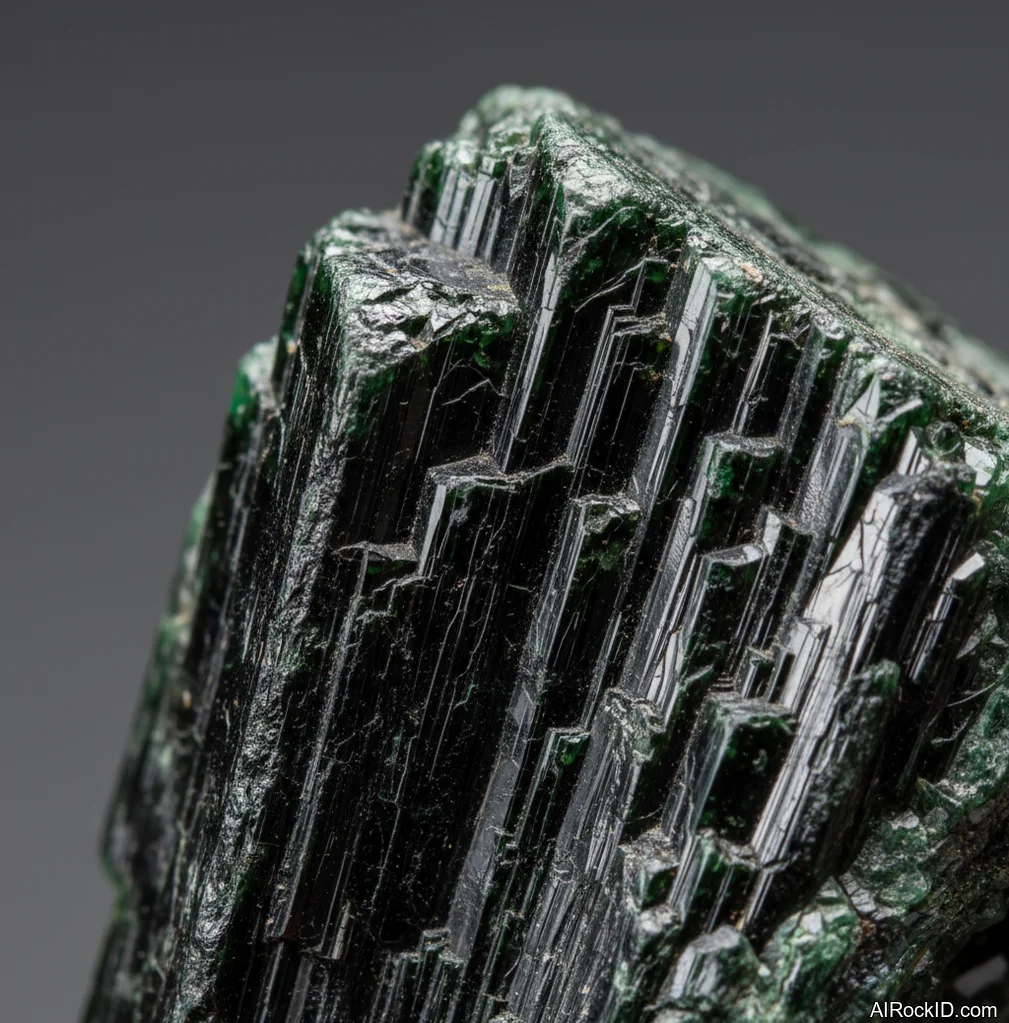
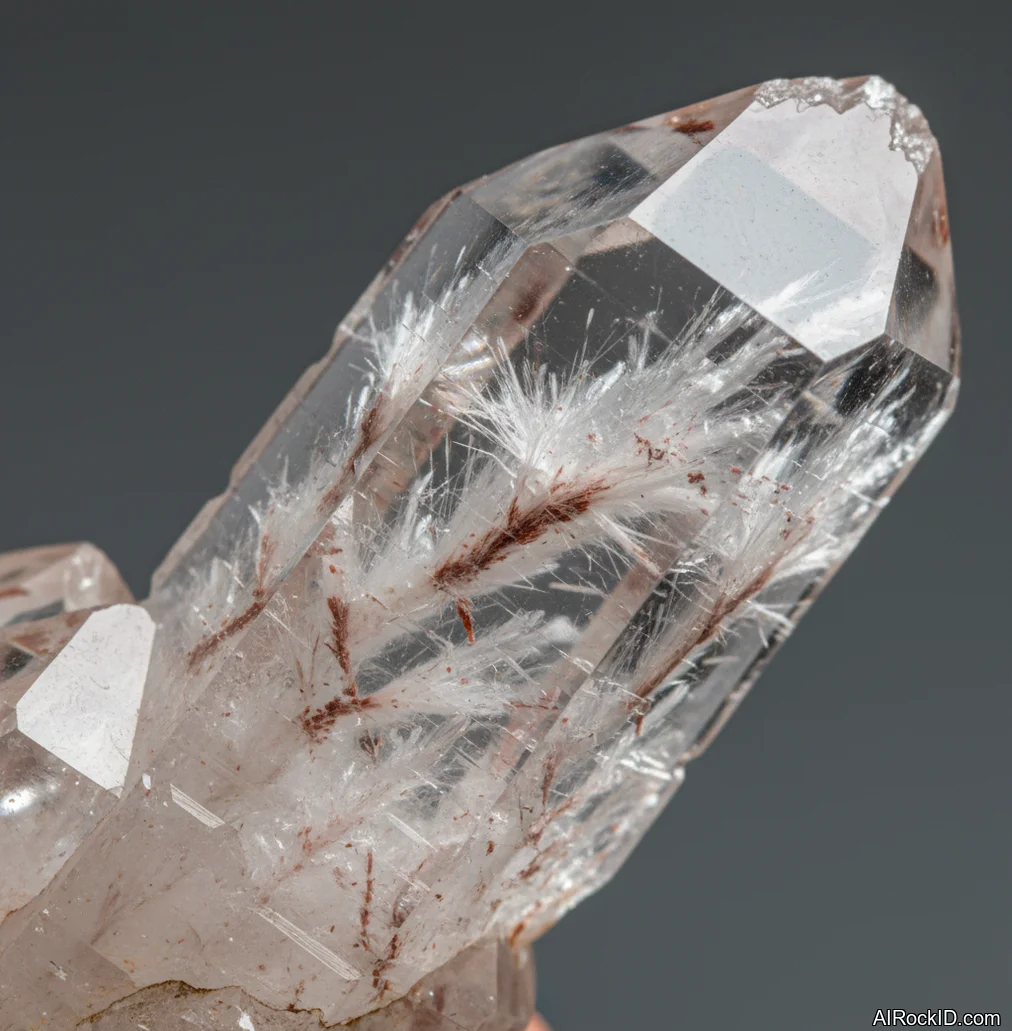
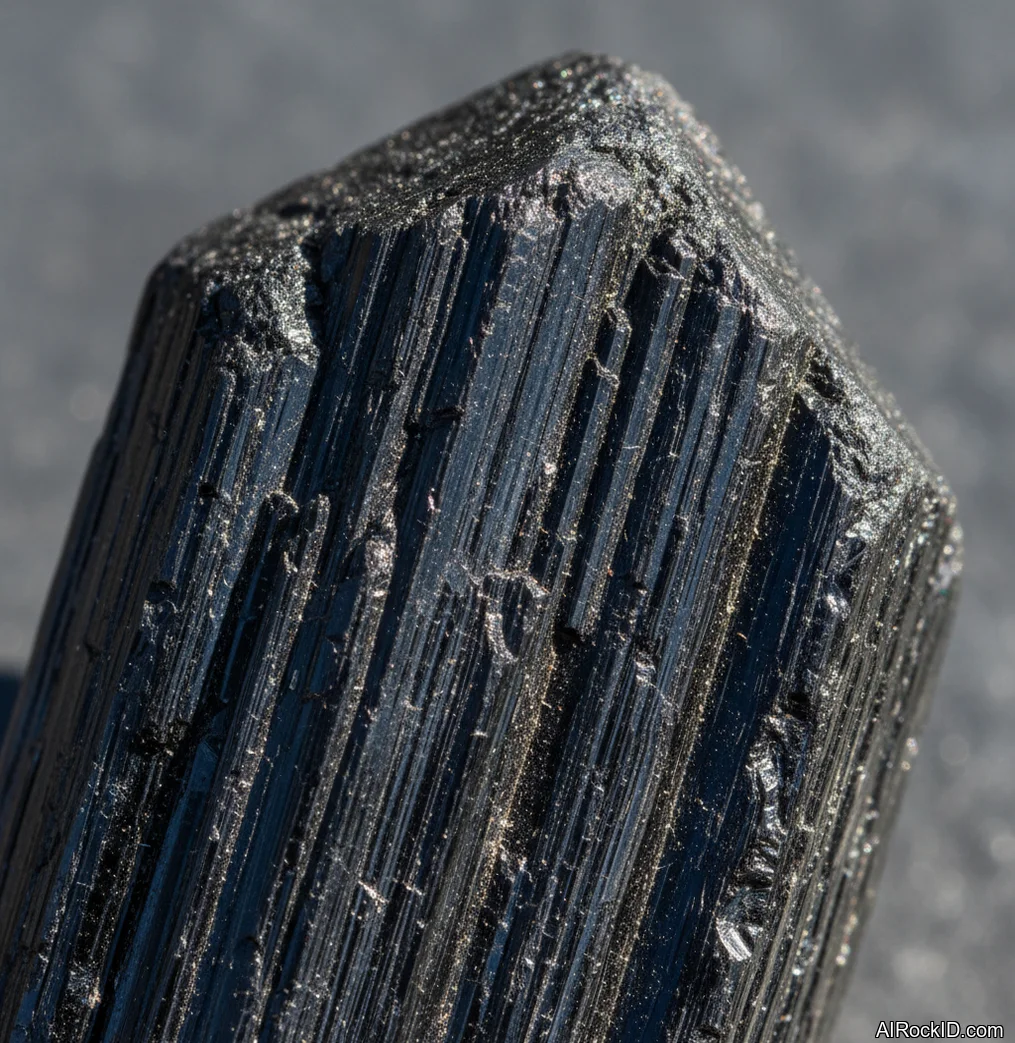
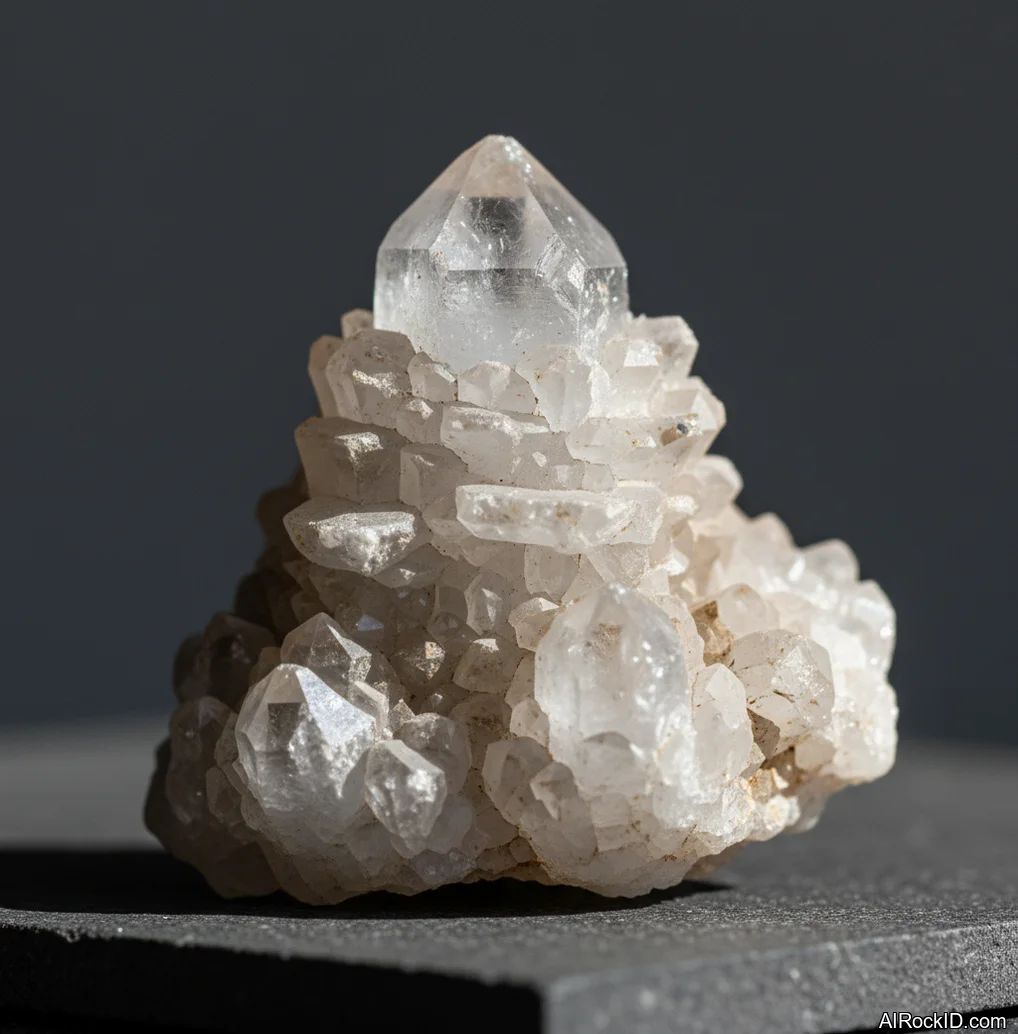
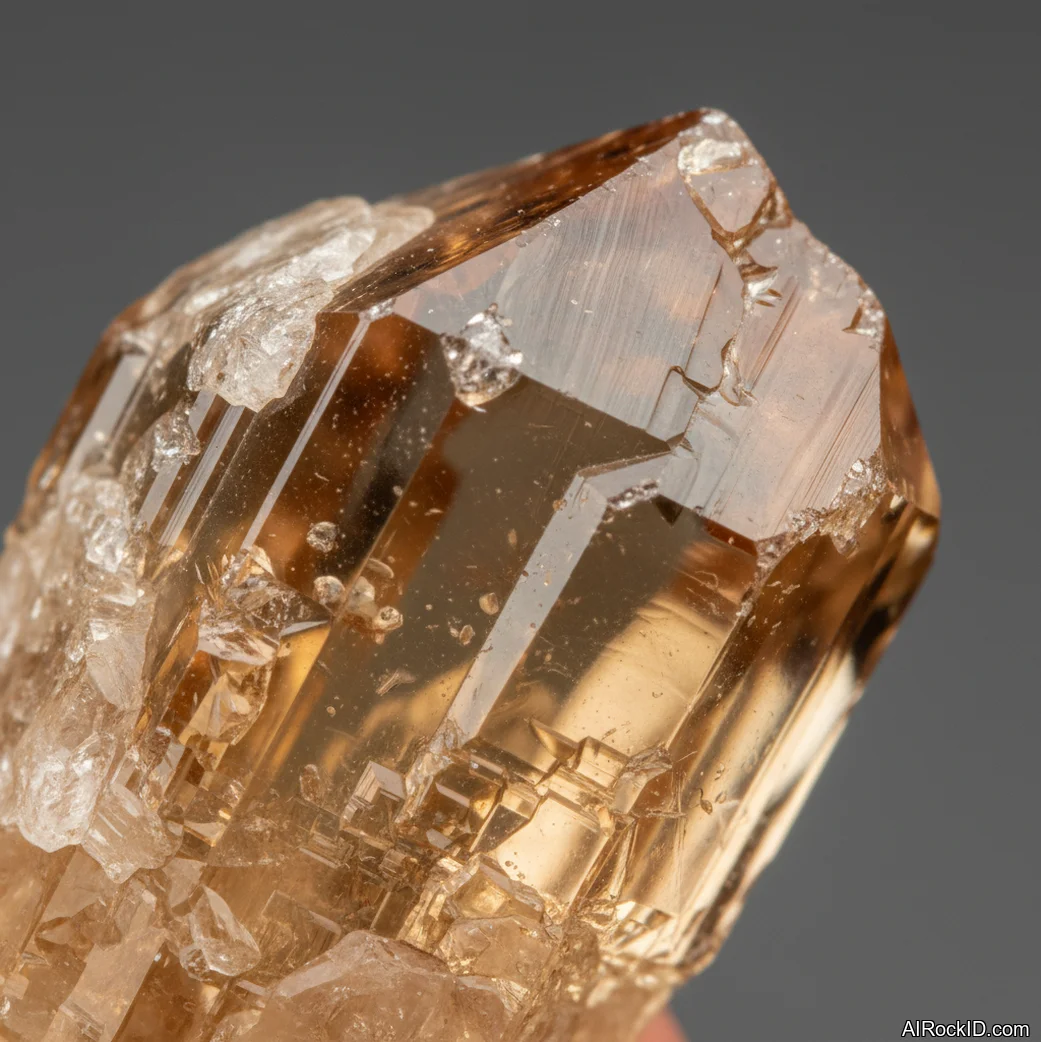
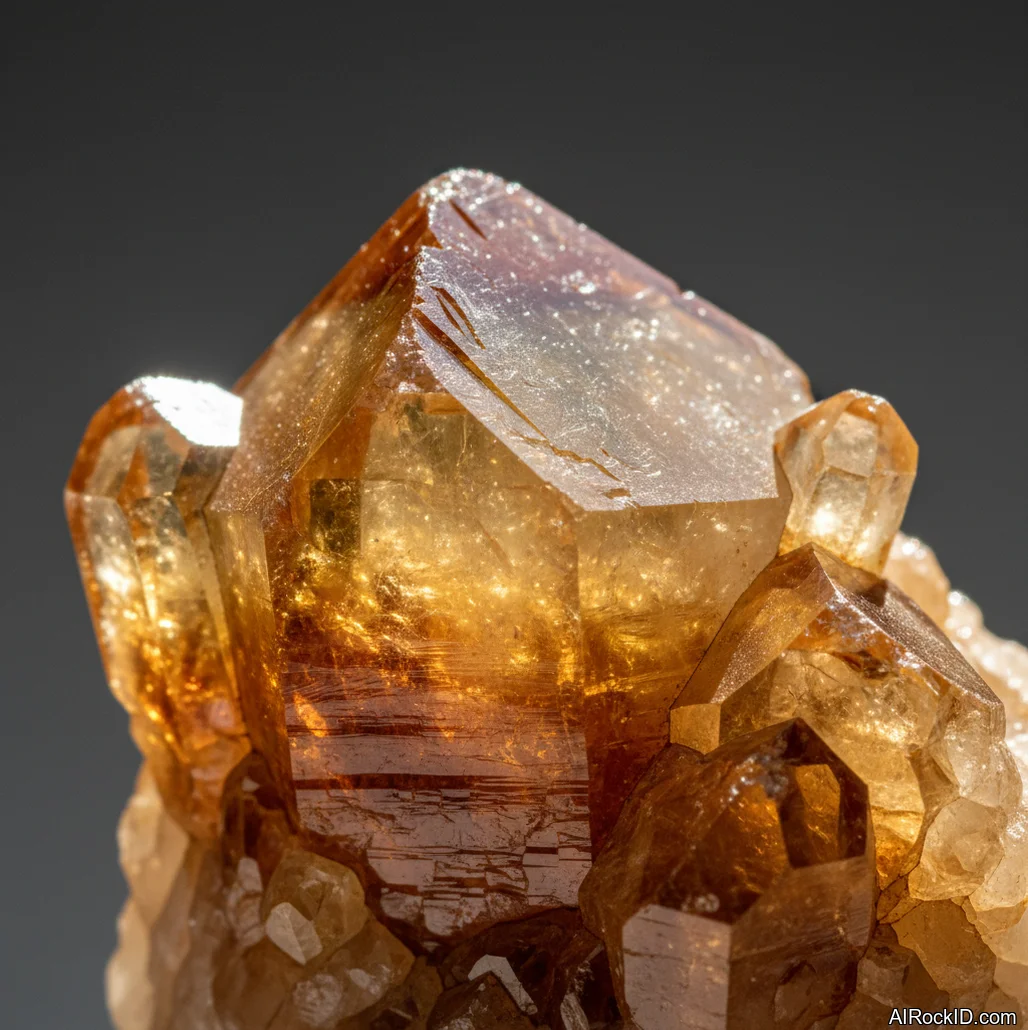
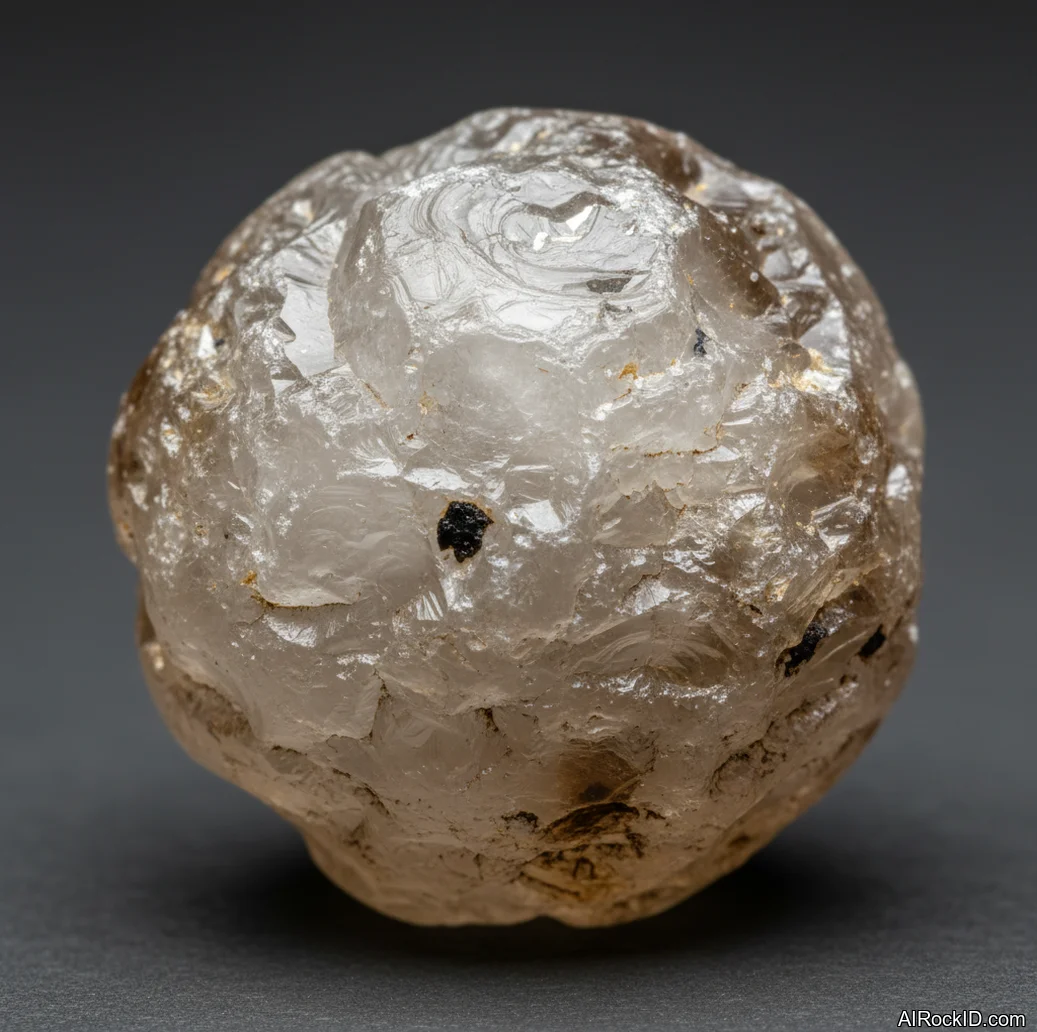
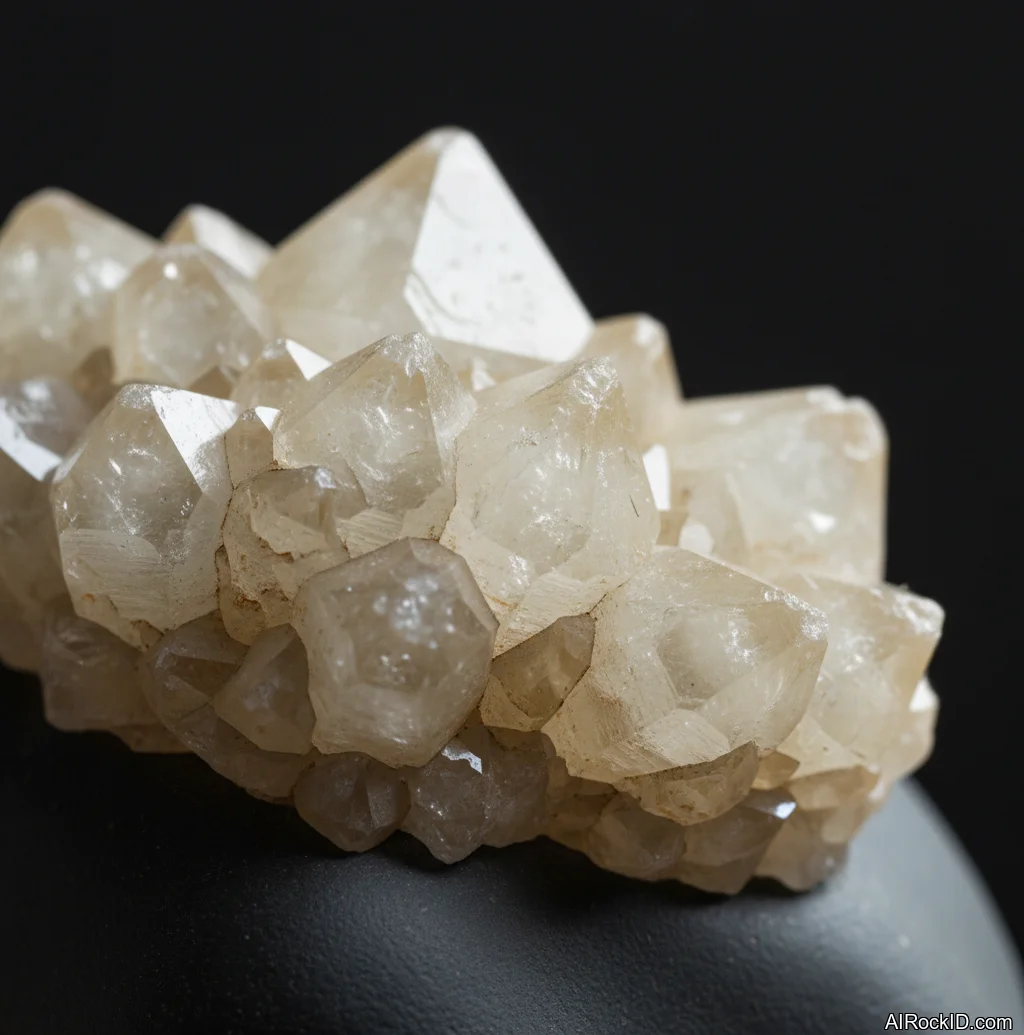
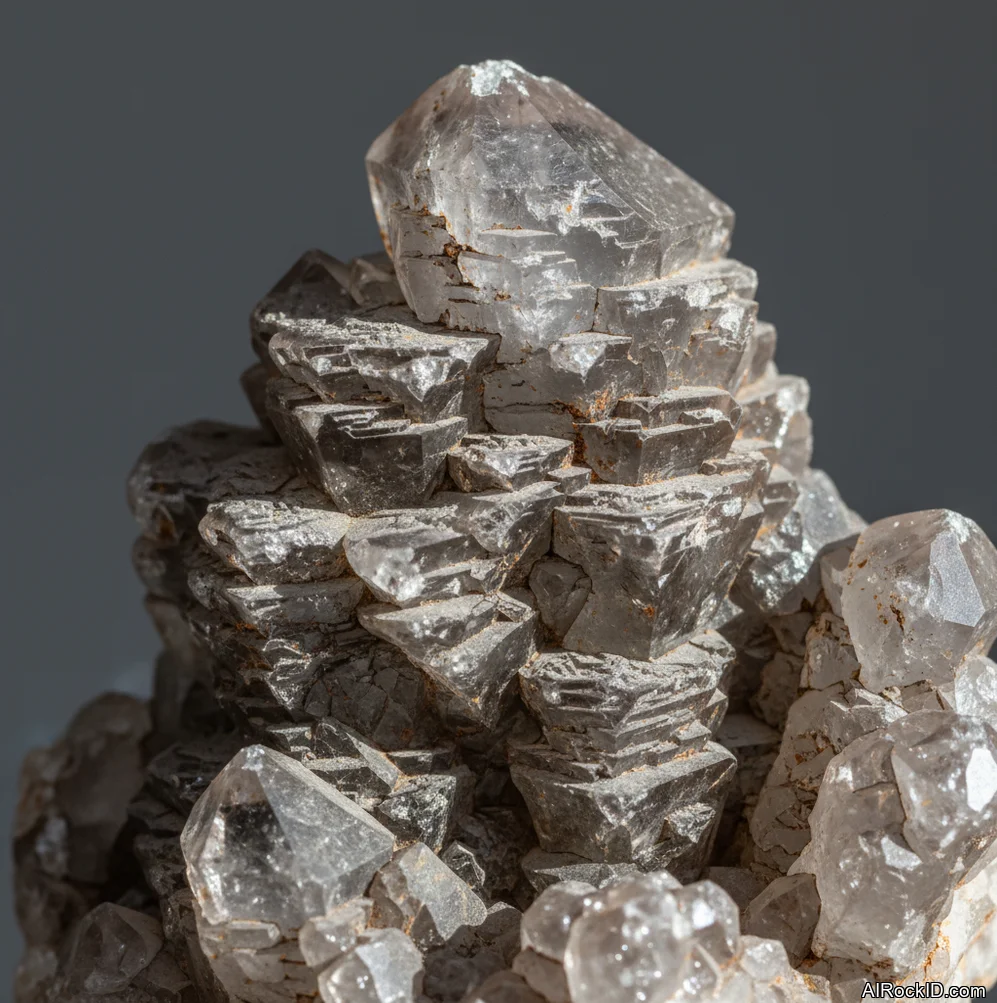
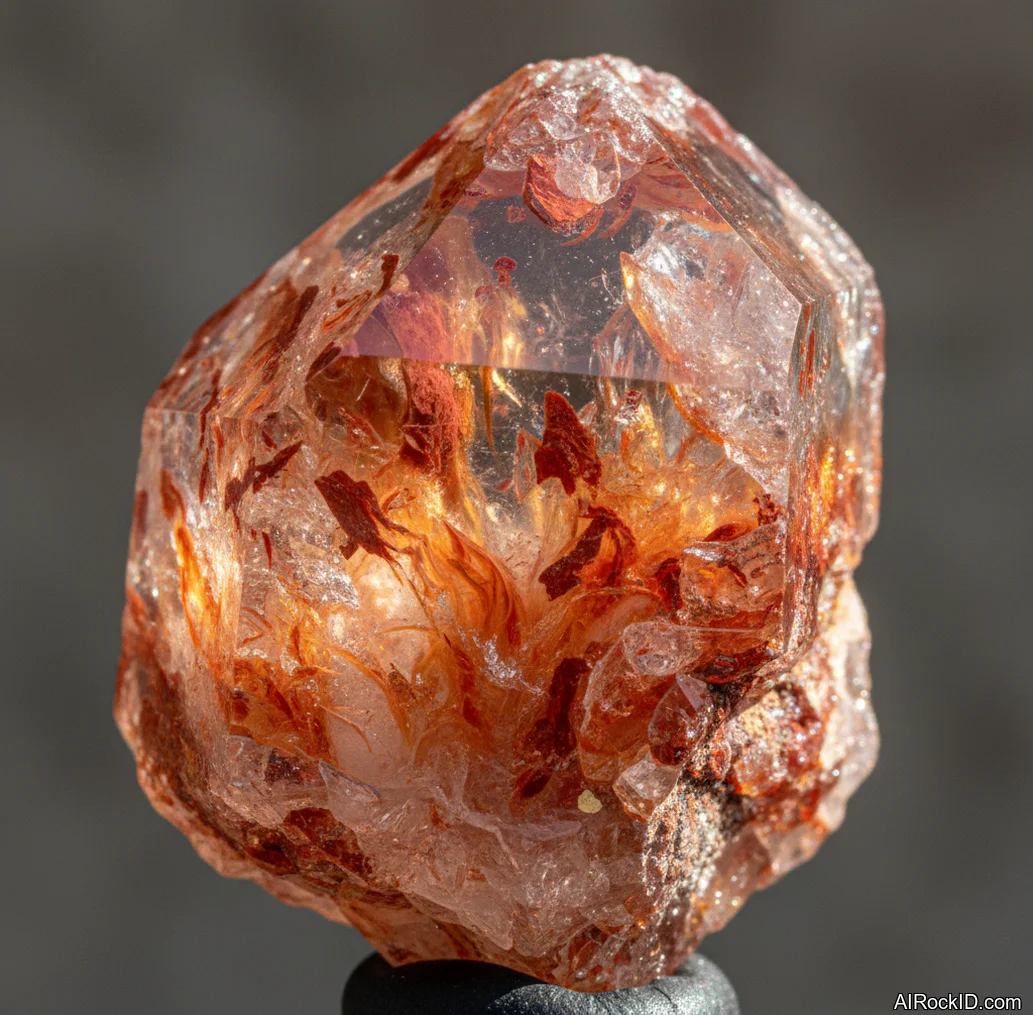
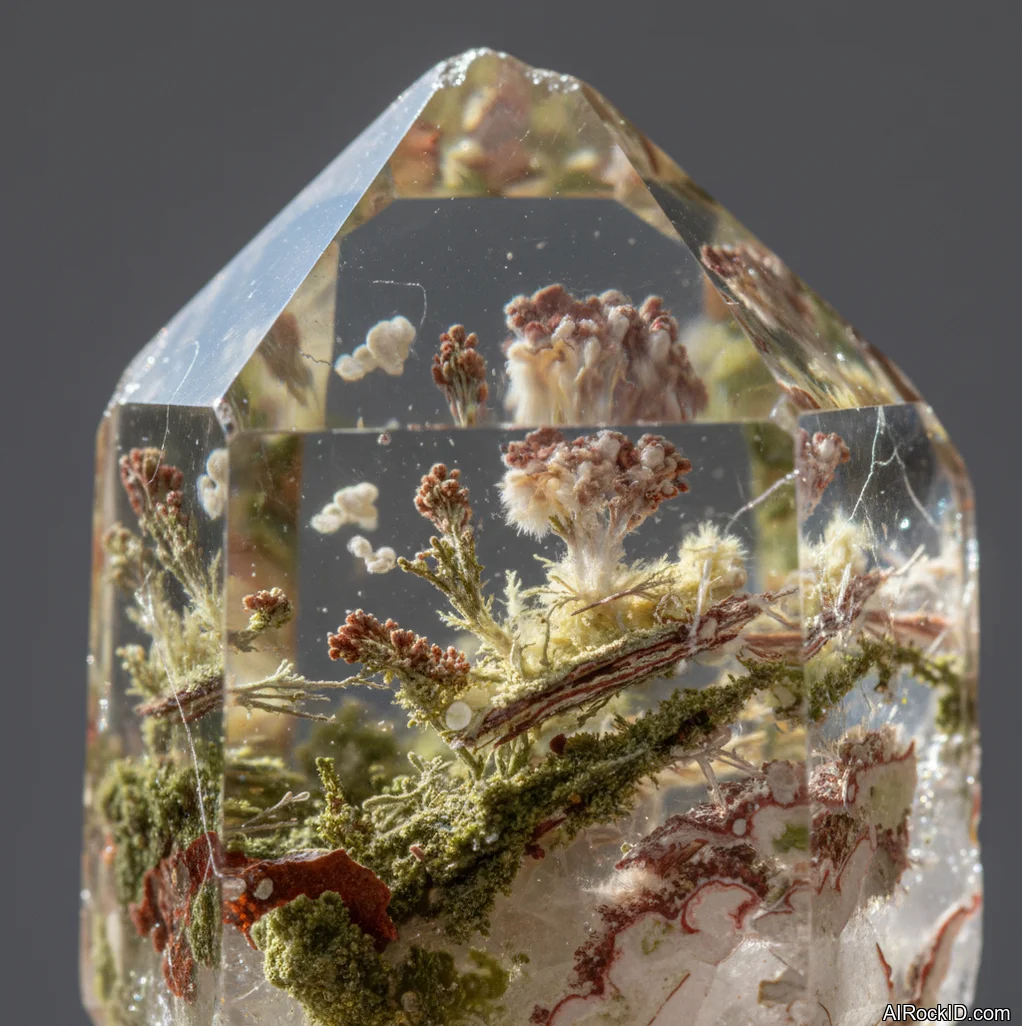
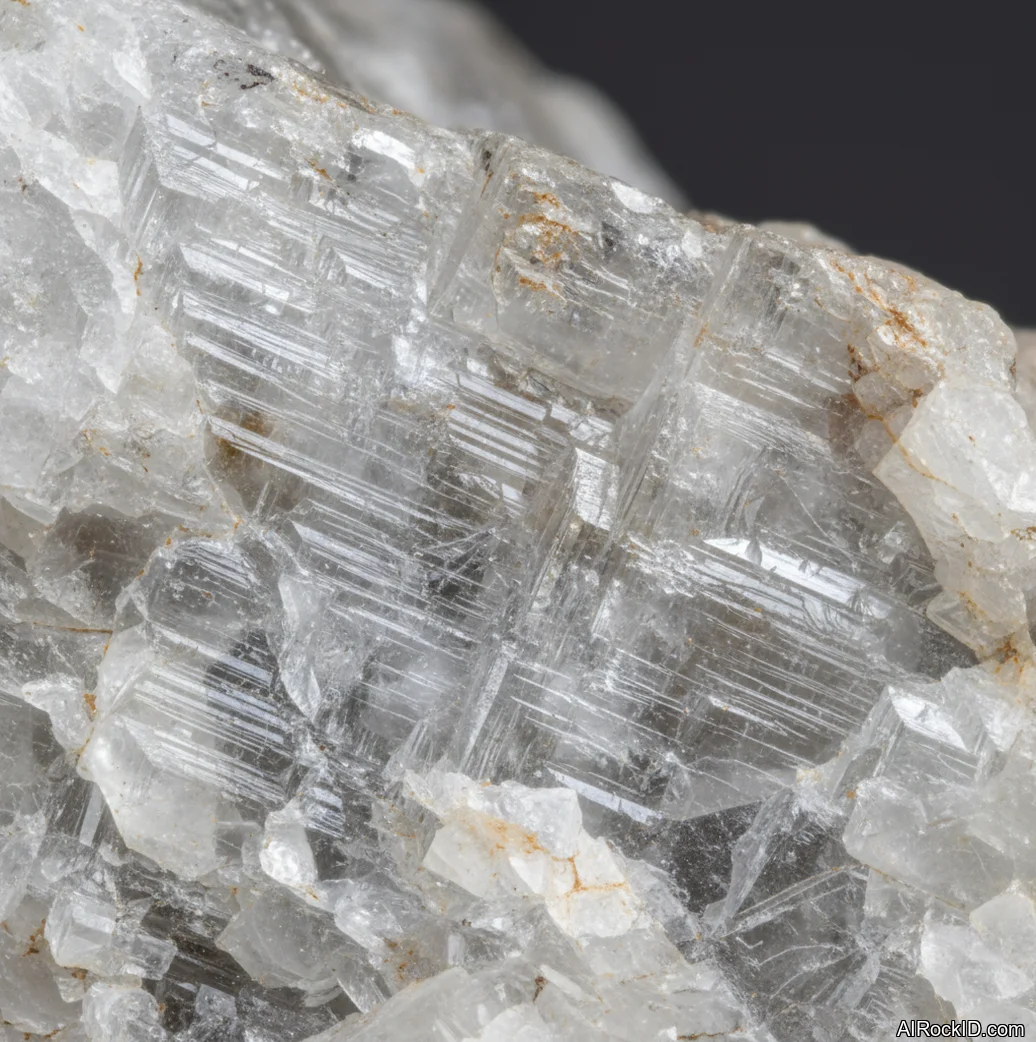
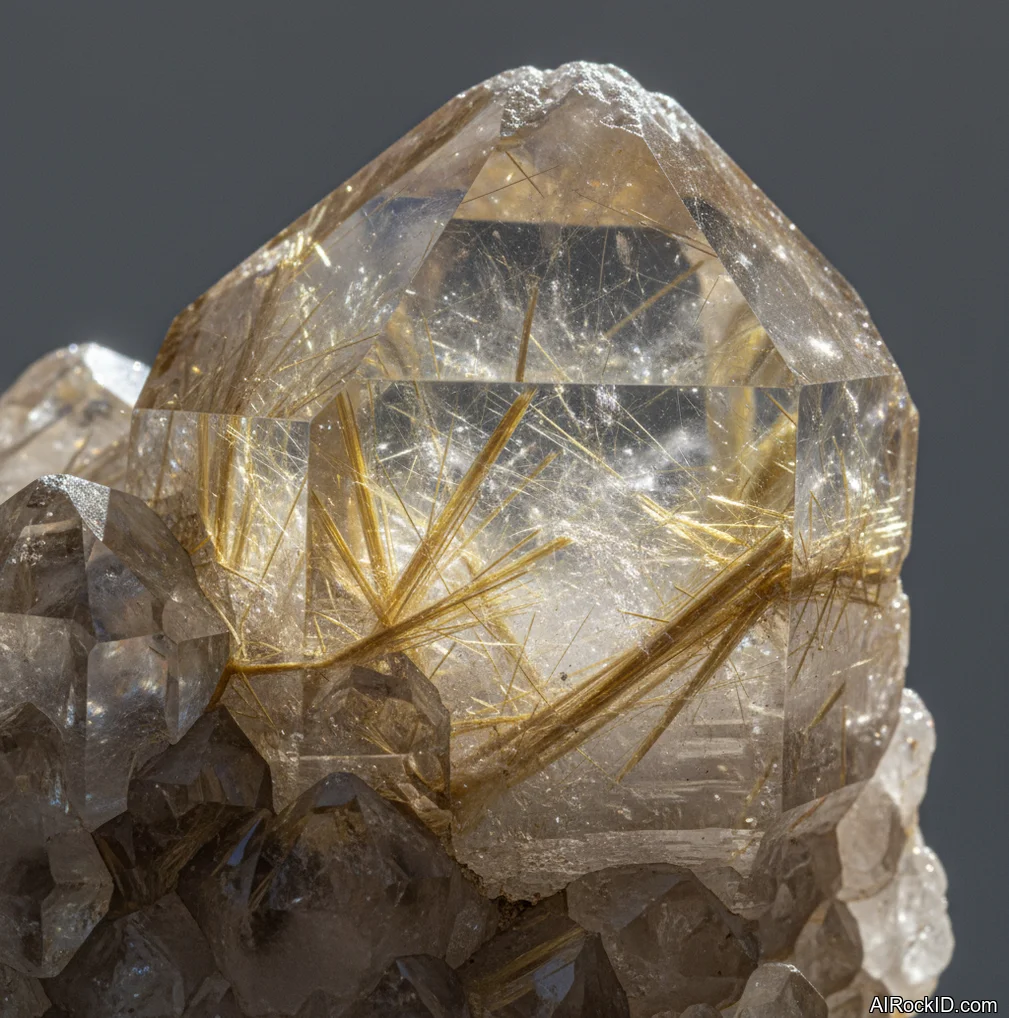
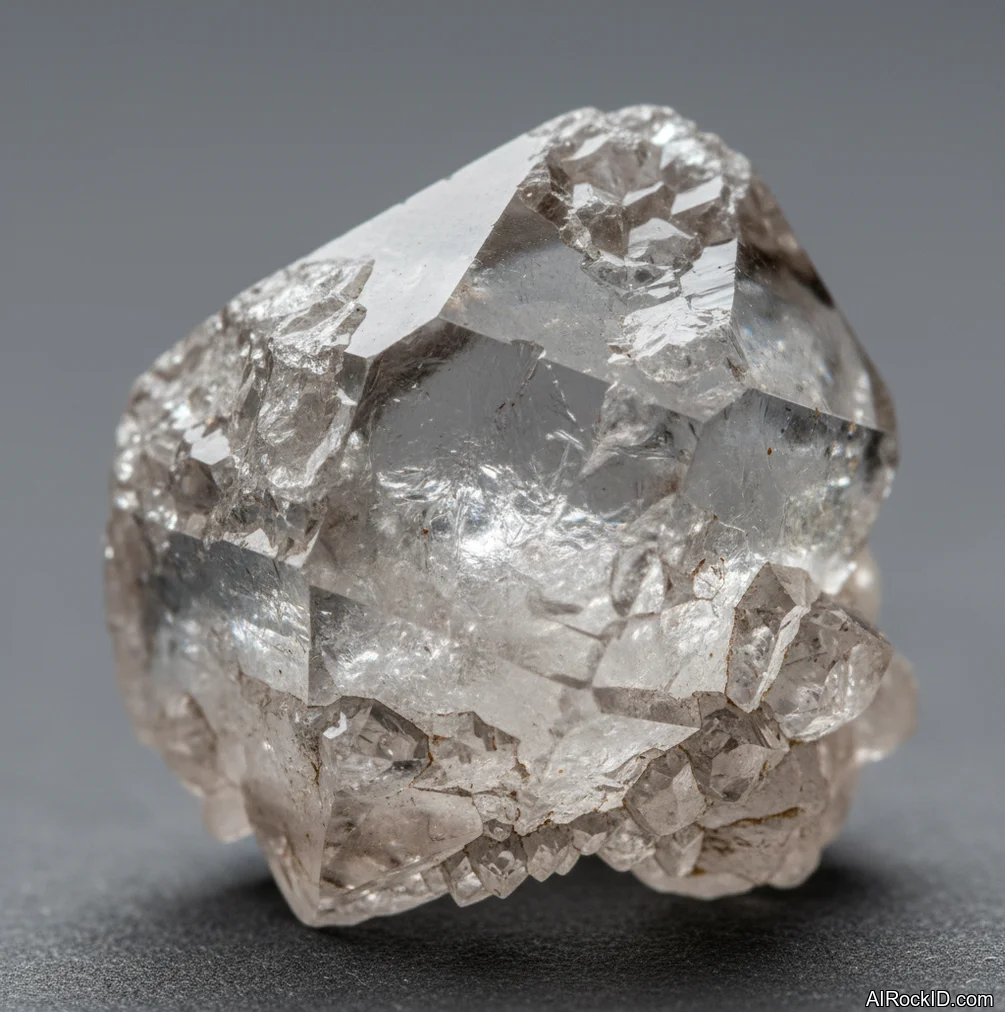
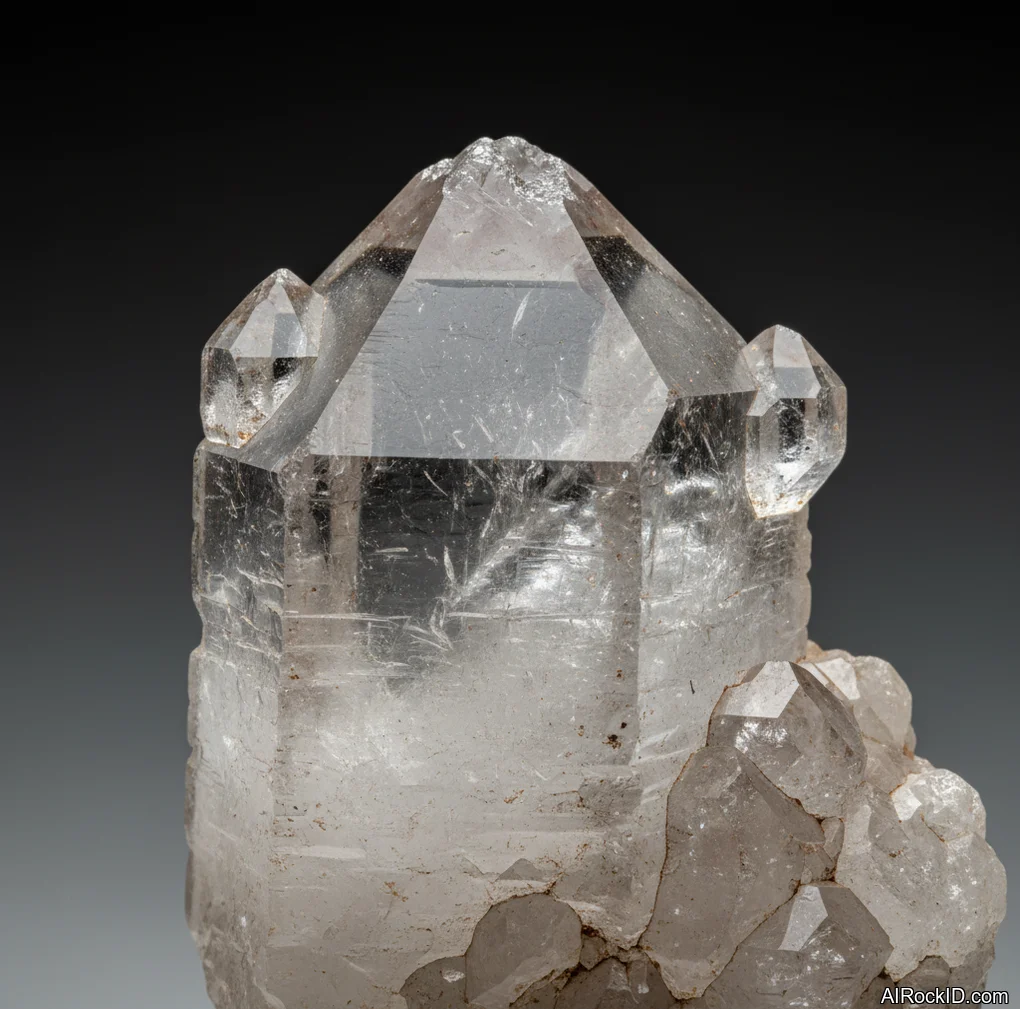
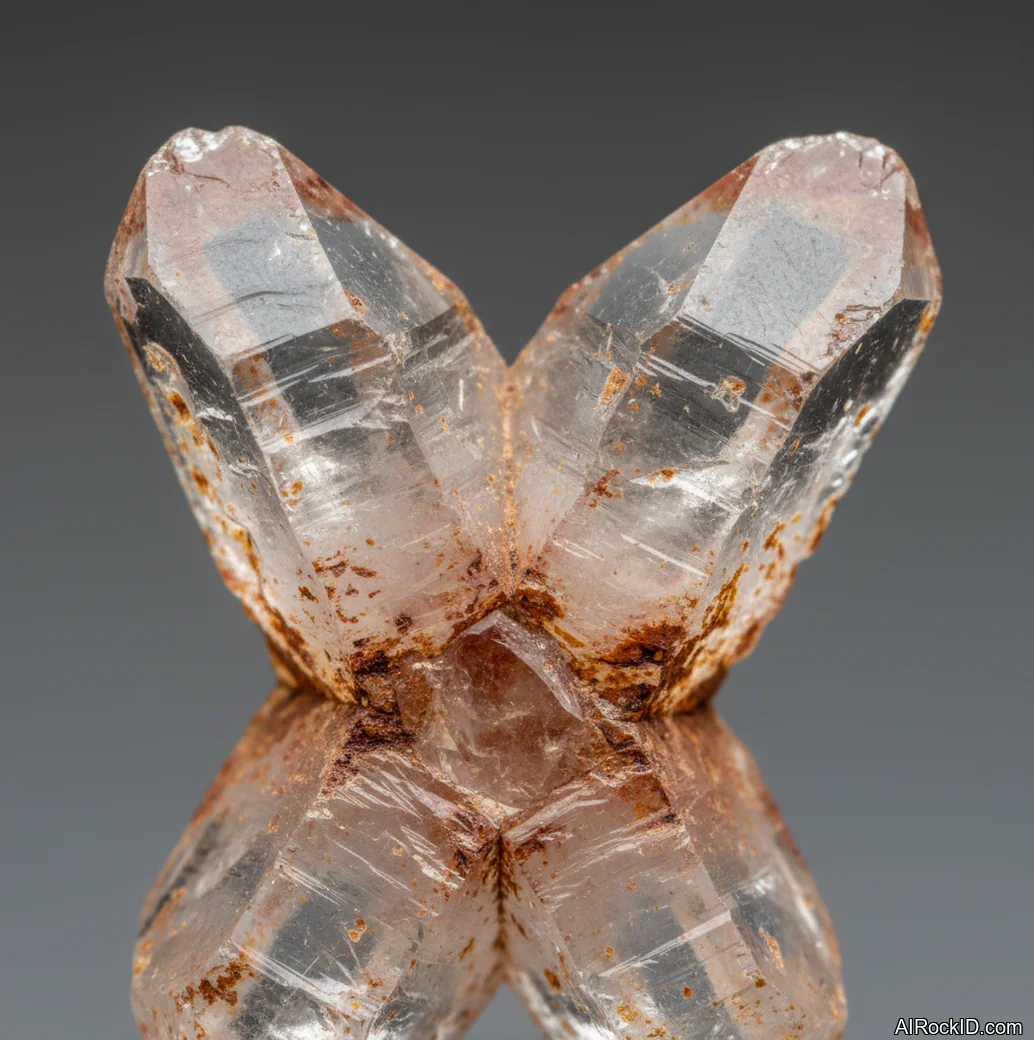
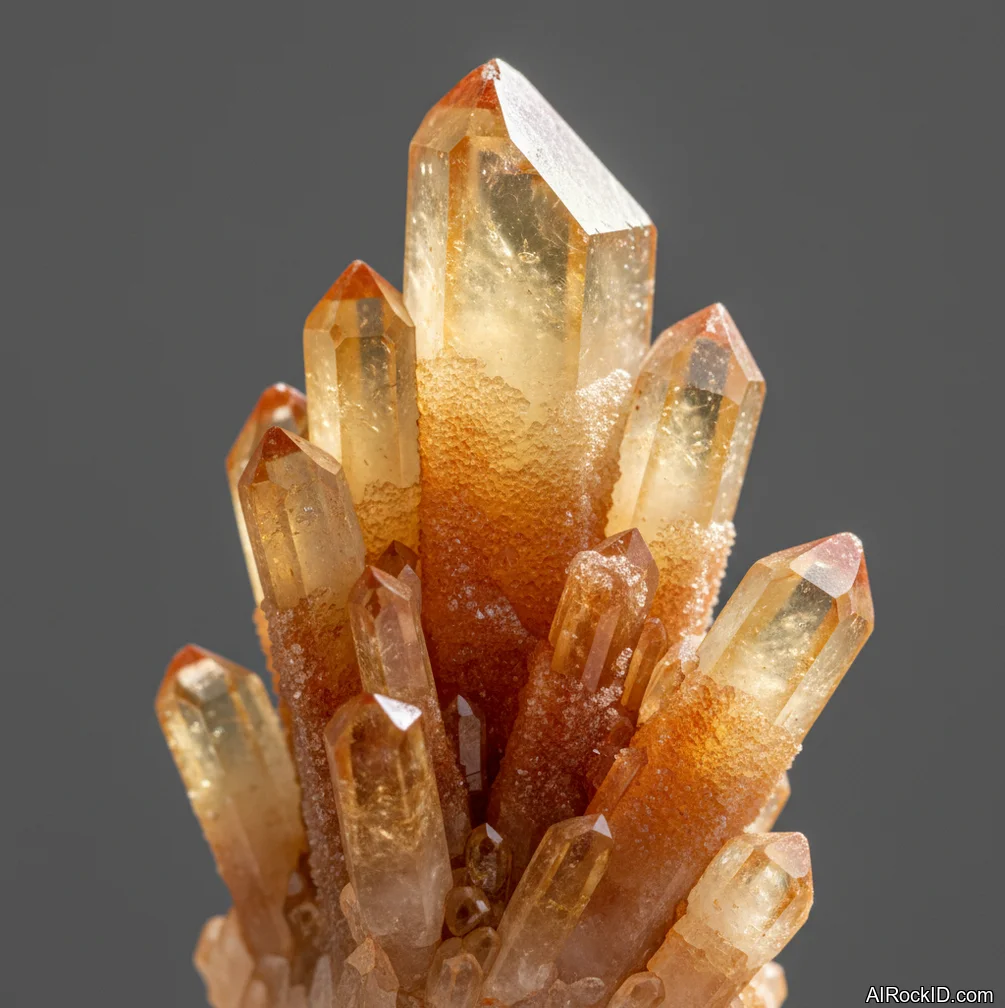
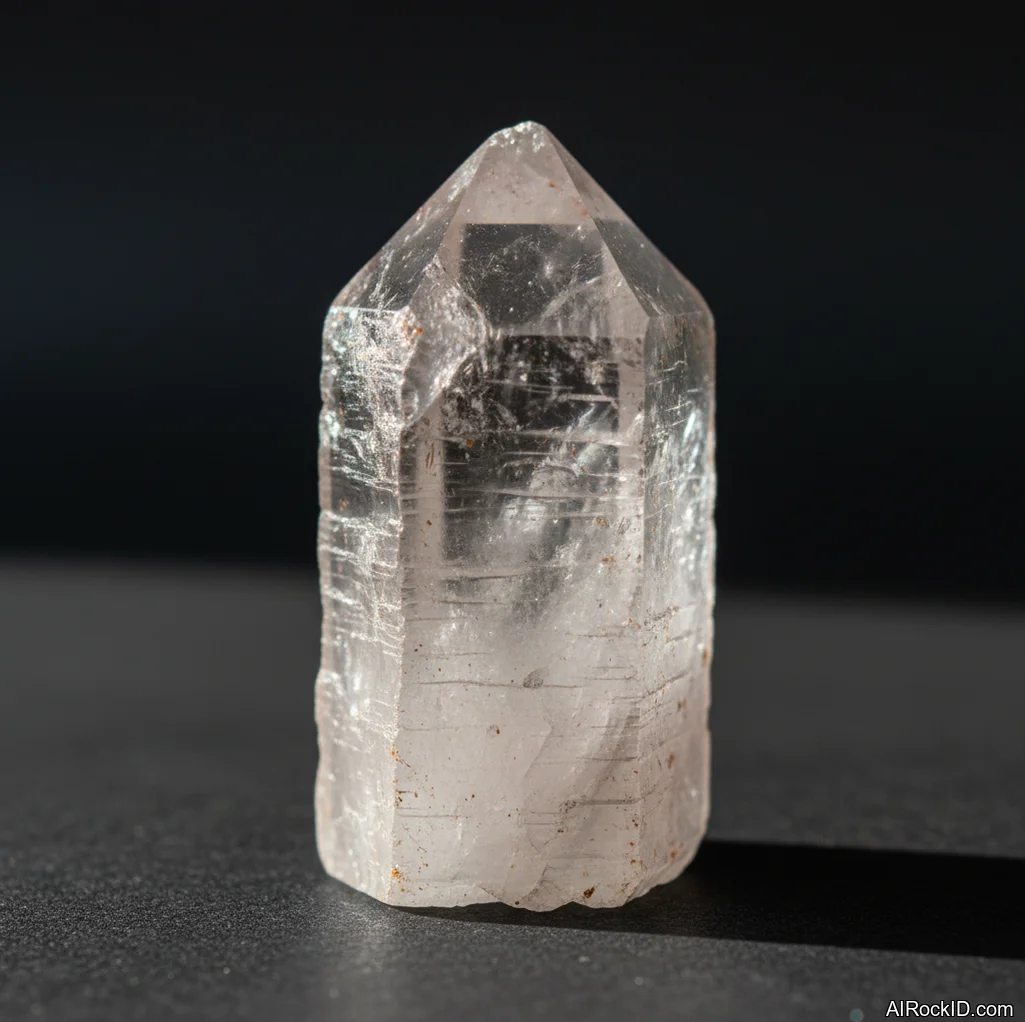
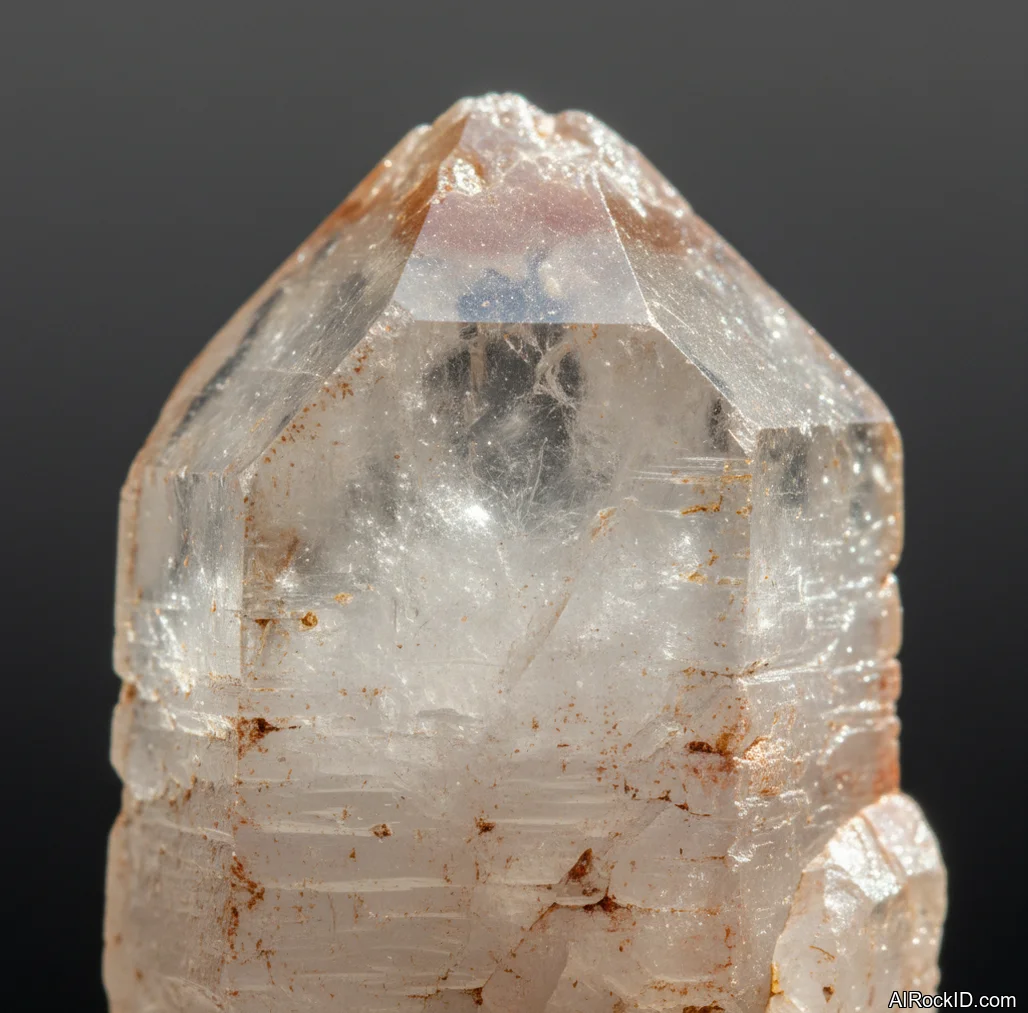
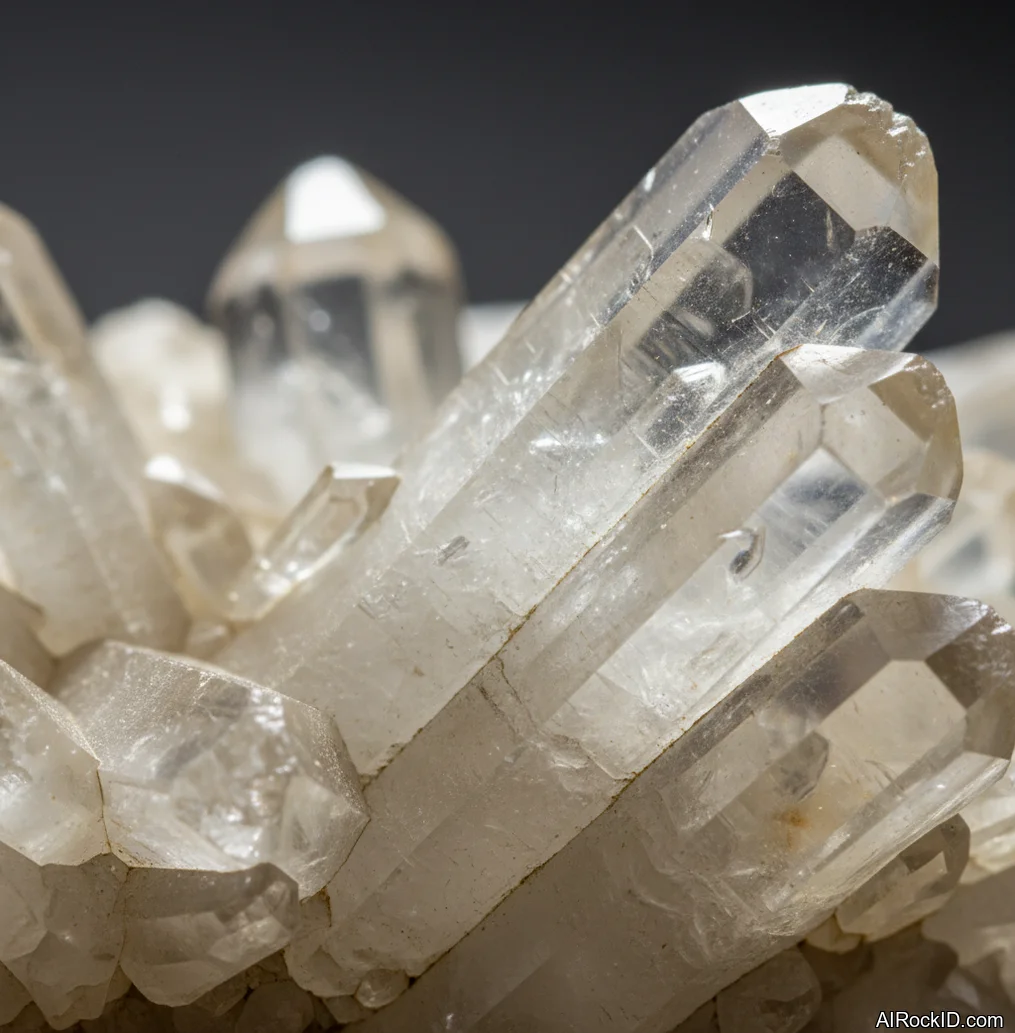
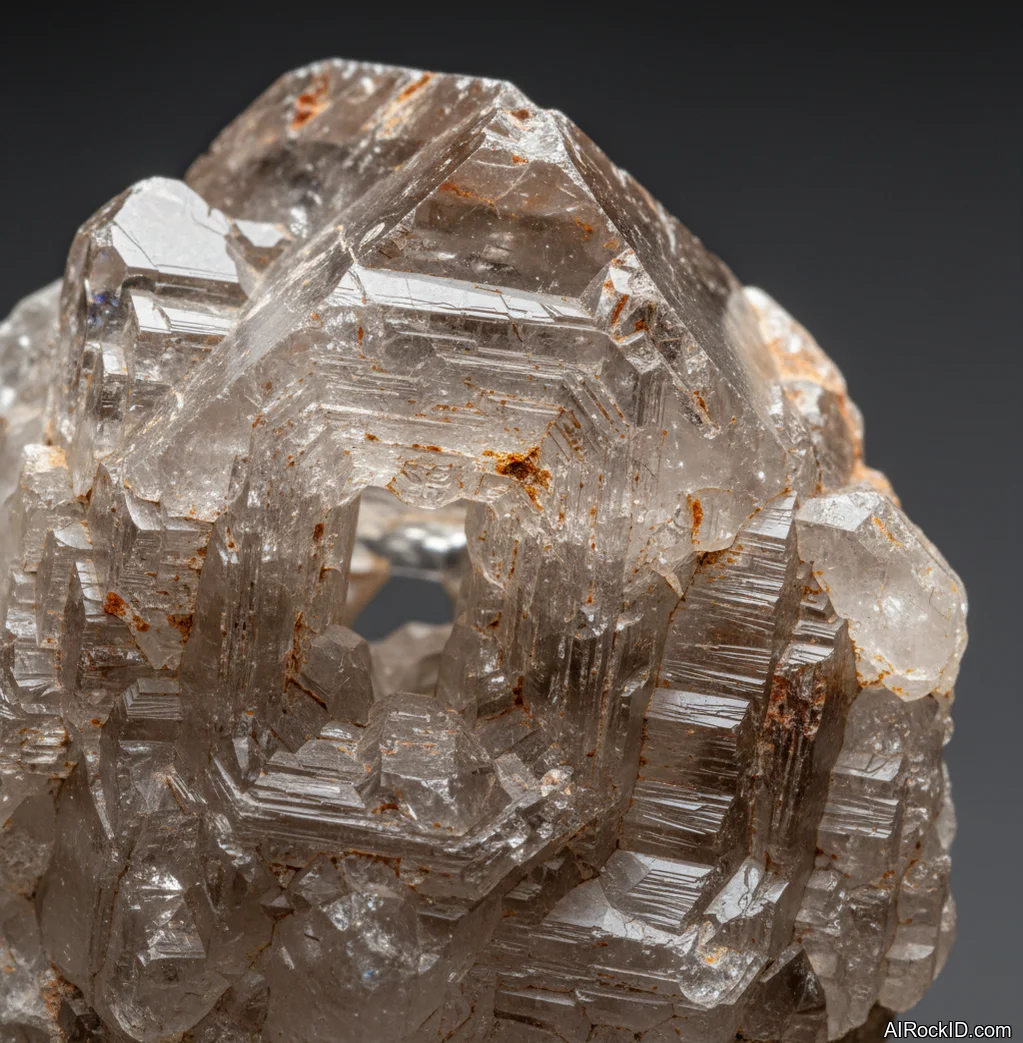
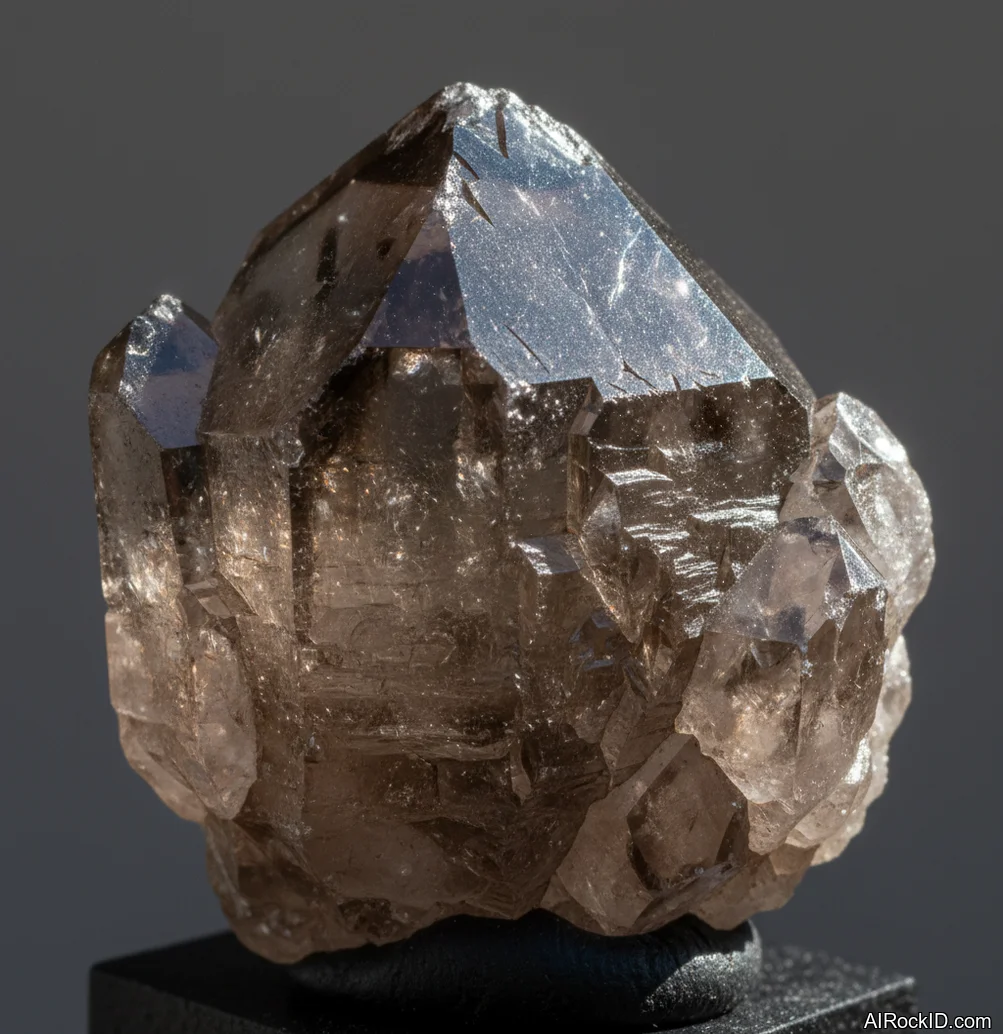
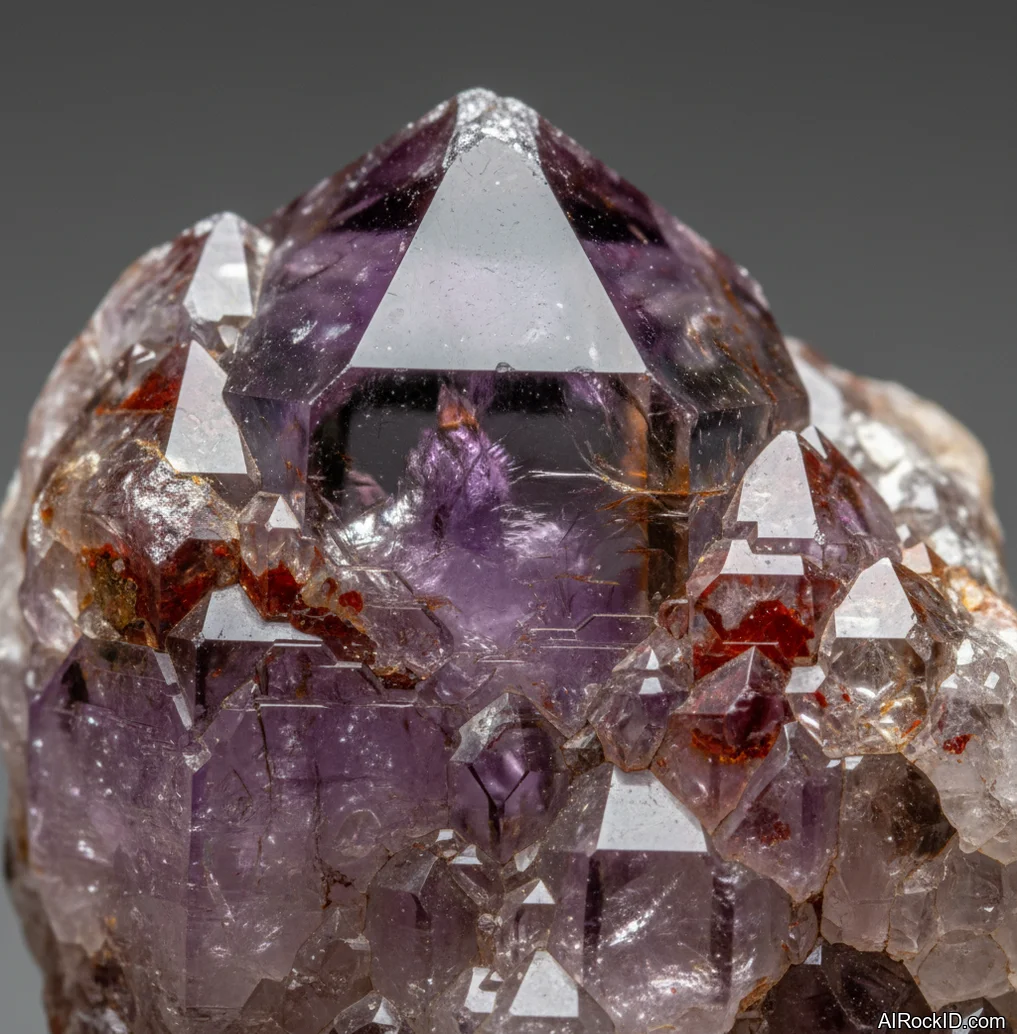
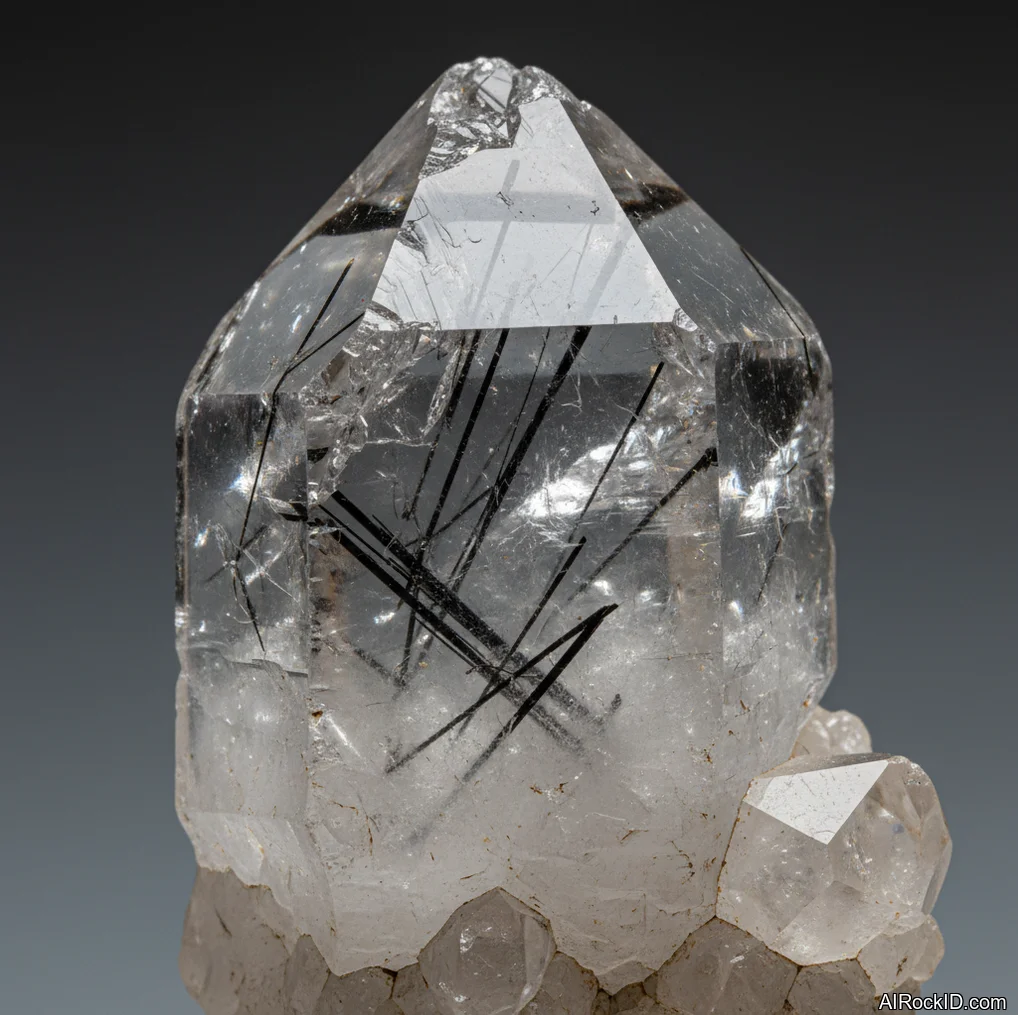
There’s also transformation that happens through grounding, not fireworks. Smoky quartz is a workhorse for that. Raw smoky points from Brazil can have that tea-colored translucence where you can see internal veils like frozen smoke, and a good piece stays cool in your hand longer than dyed glass does. People use smoky quartz for the “I’m changing my life, but I still have bills” phase. Pair it with something more catalytic like malachite or labradorite if you tend to spin out (because that happens).
How to work with Transformation crystals without turning it into a vibe-only project: pick one change and tie the stone to an action. Keep a tumbled labradorite by your laptop if the change is about work habits. Put smoky quartz by your front door if you’re trying to stop carrying stress home. If you journal, set a stone on the page as a physical cue, then write for ten minutes and stop. The point isn’t to “charge” yourself into a new life. It’s to build repetition so your nervous system stops treating the new thing like a threat.
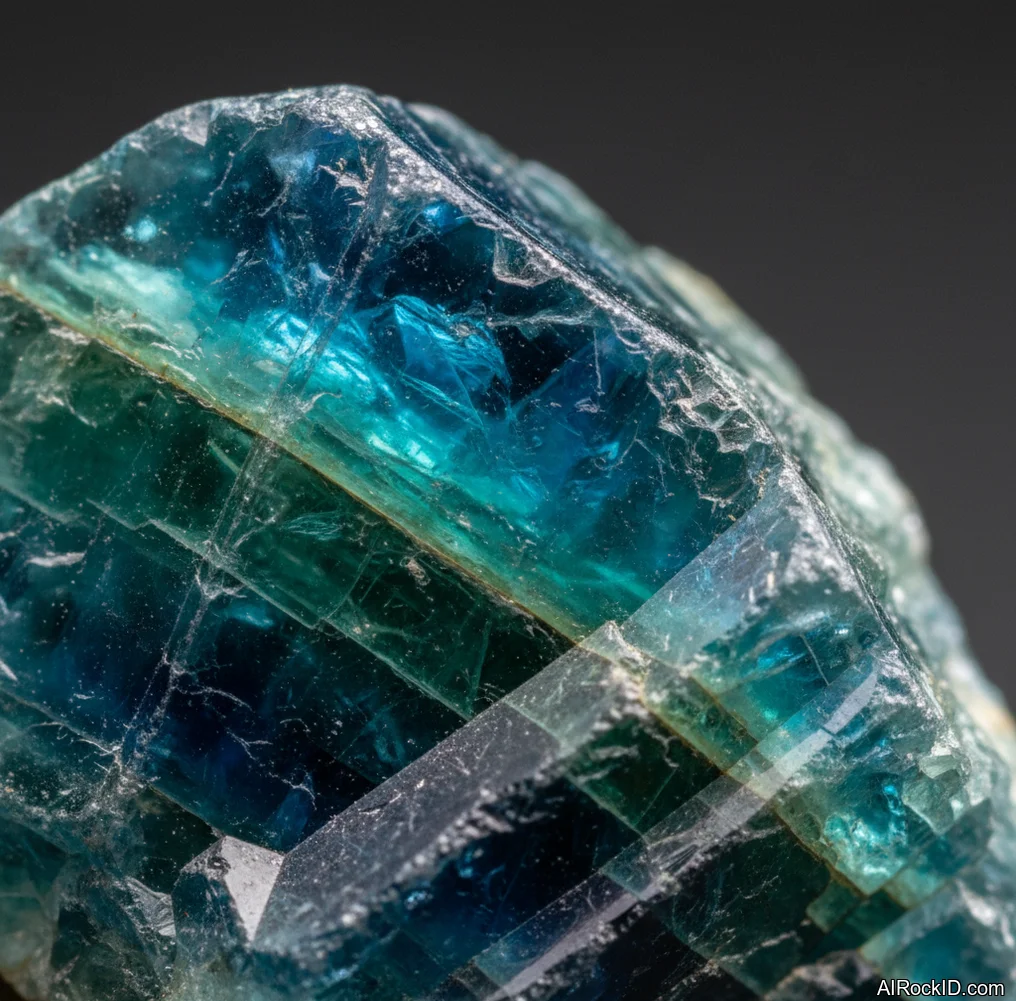
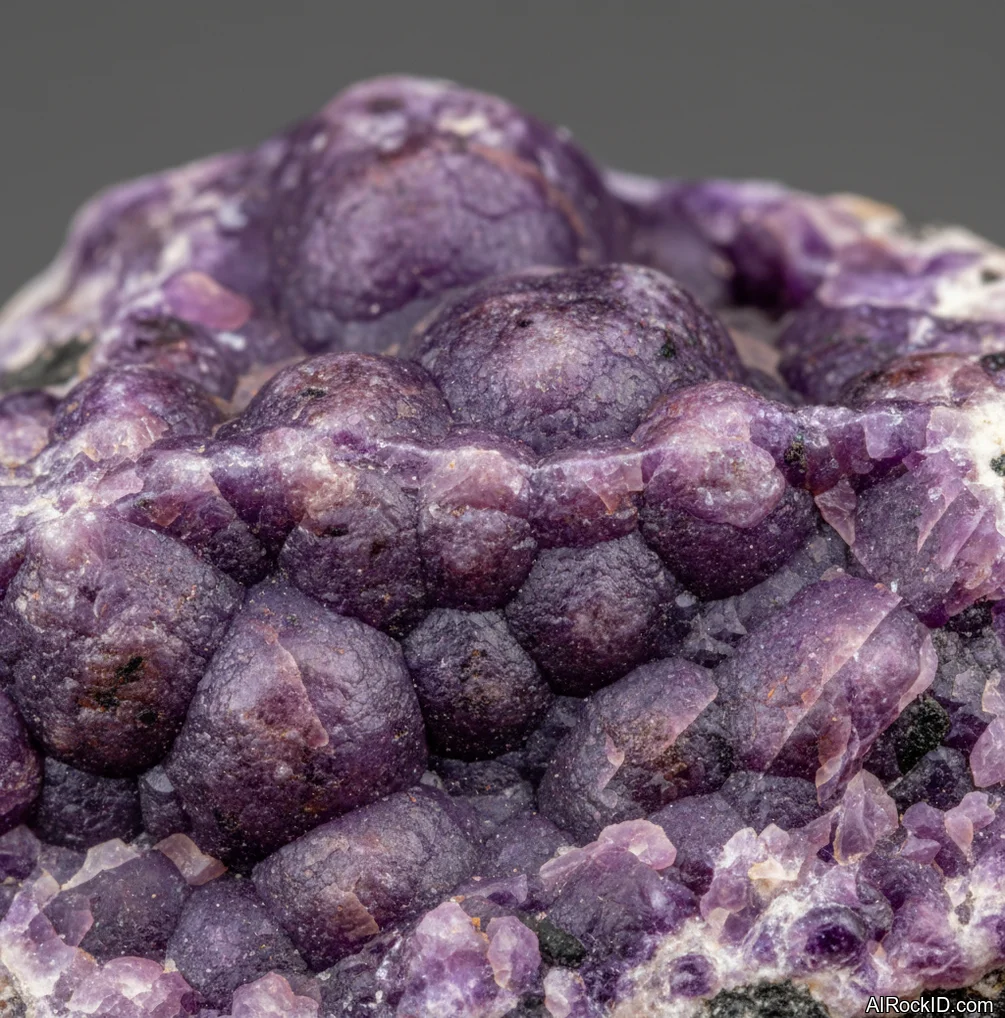
Thing is, shape and finish matter more than people think, because they affect how you’ll actually use the stone. Palm stones and worry stones are great for daily touch, but they can hide repairs. Towers look nice on a shelf, but they chip on the corners if you’re moving them around while you clean. If Transformation is your goal, you’ll probably handle the stone more than you expect. Edges matter. So does durability. Malachite, fluorite, and selenite can be gorgeous, but they’re not “throw it in a bag” pieces.
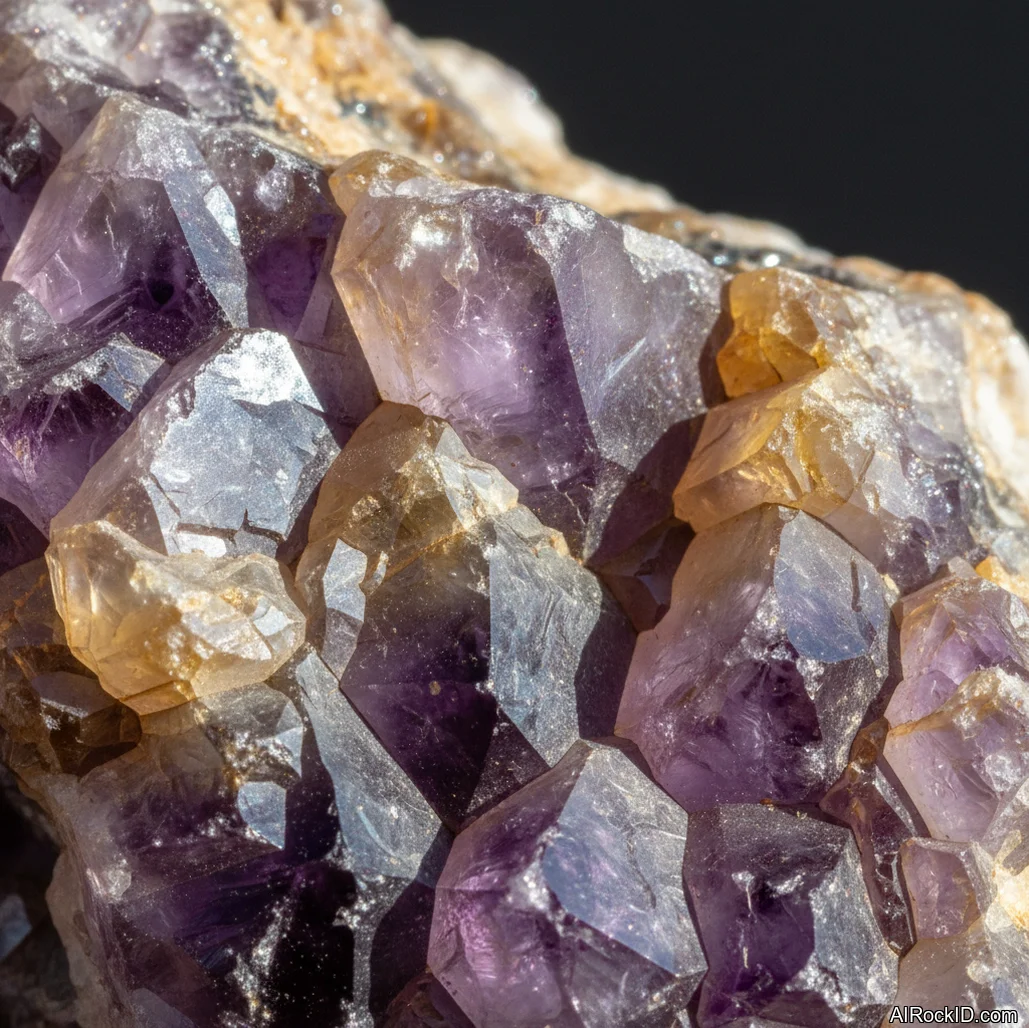
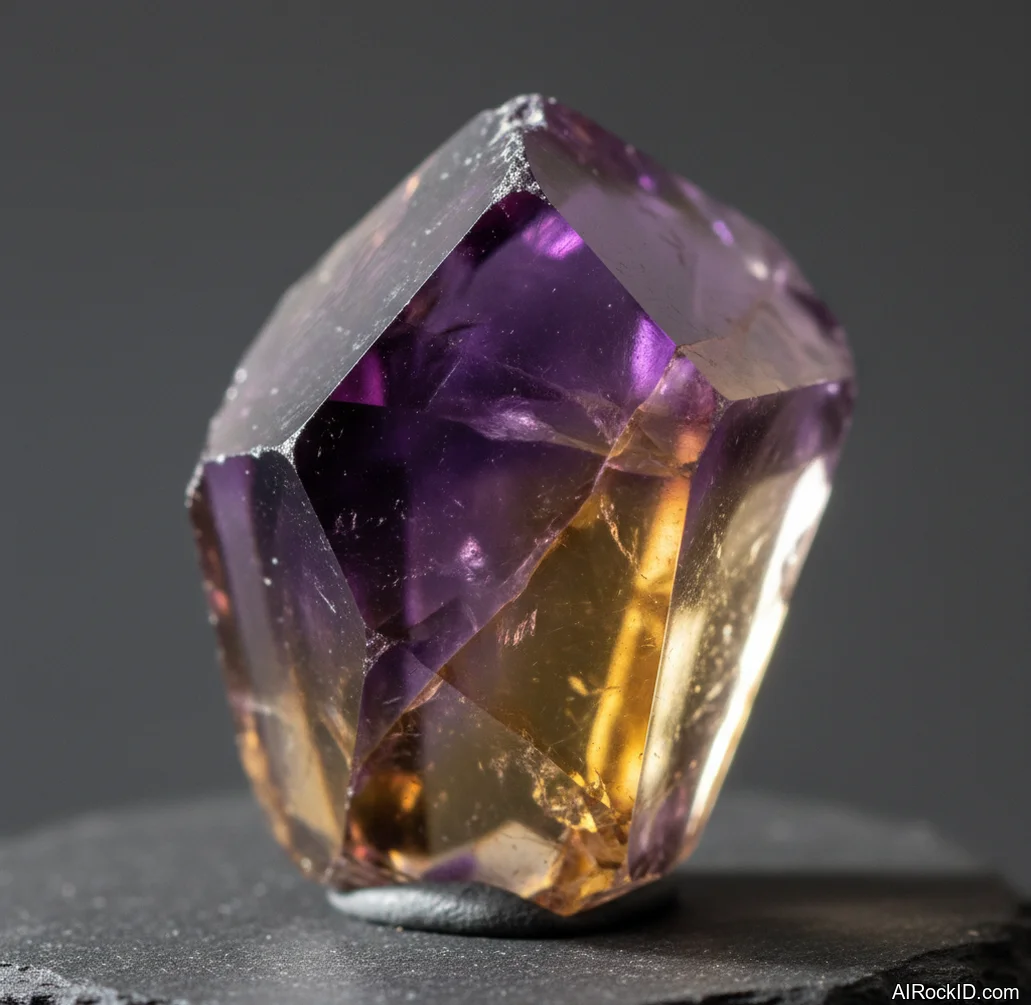
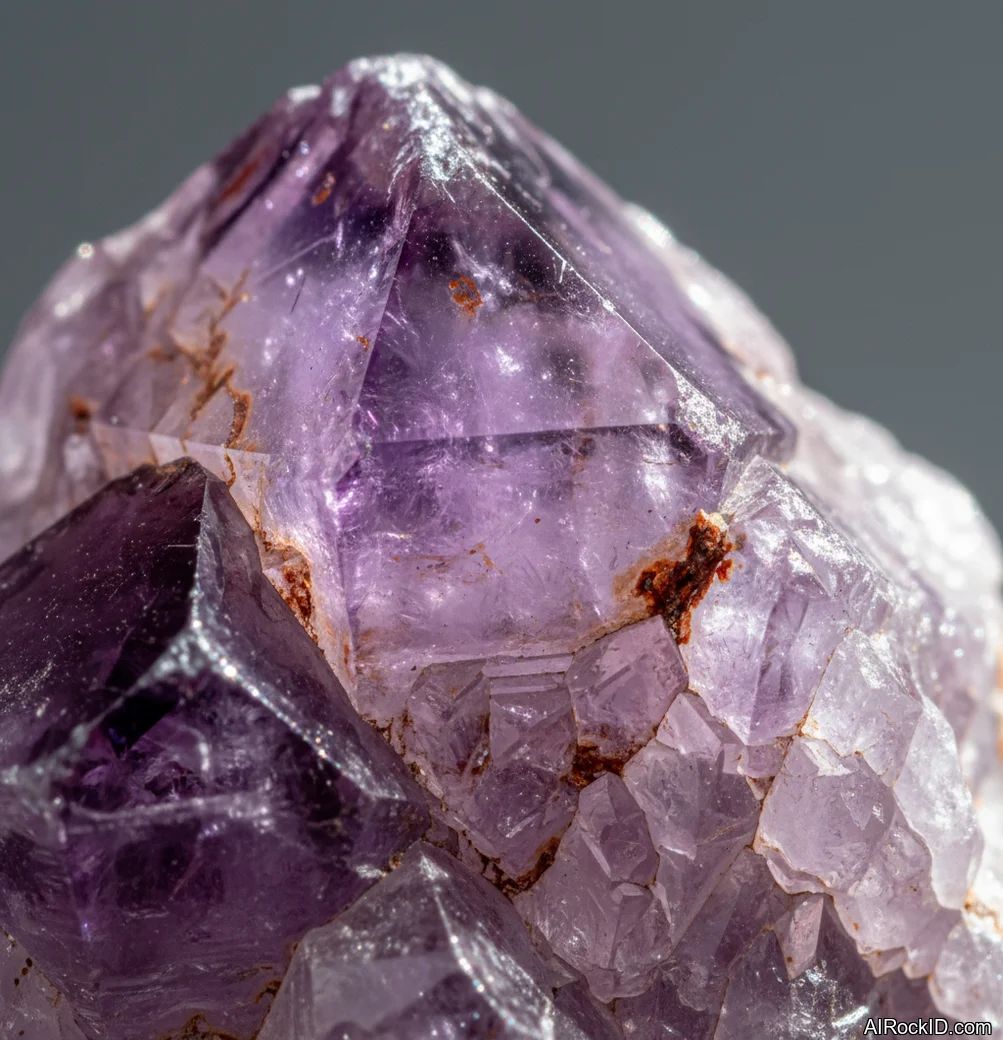
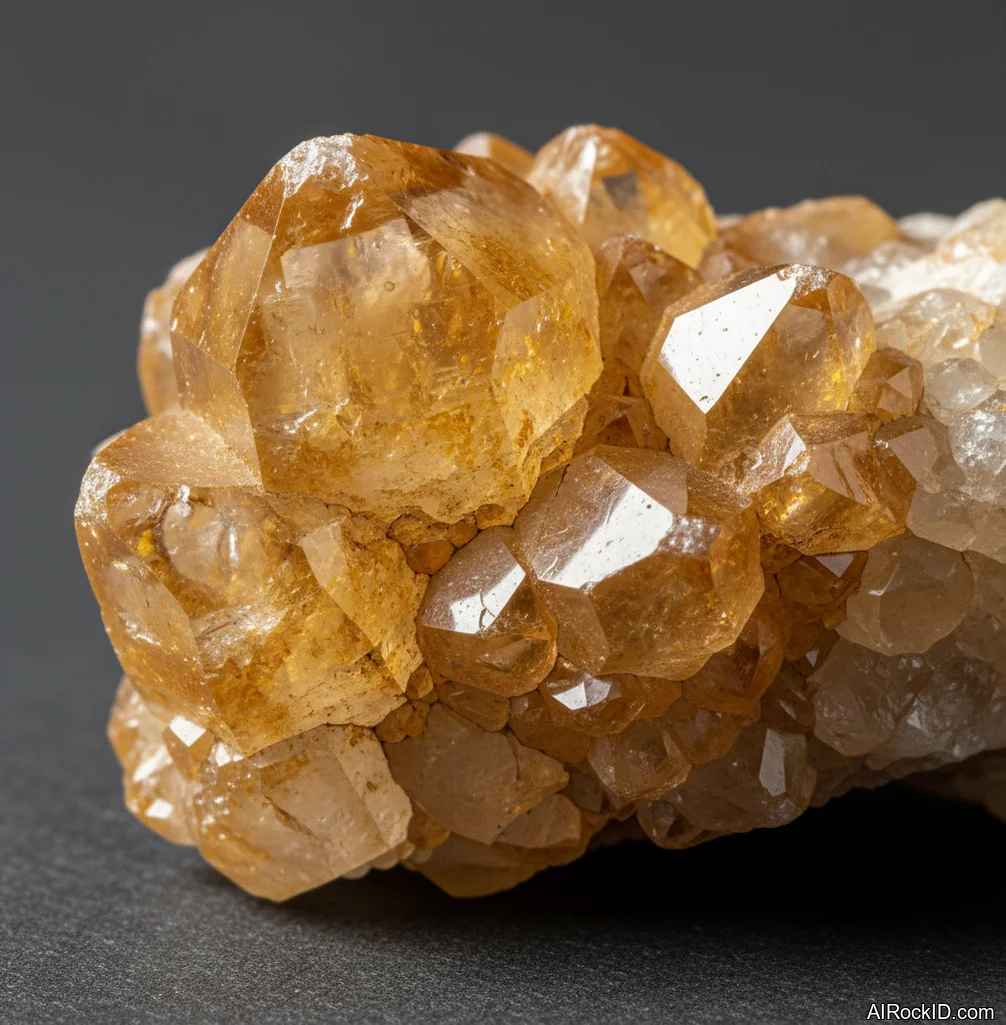
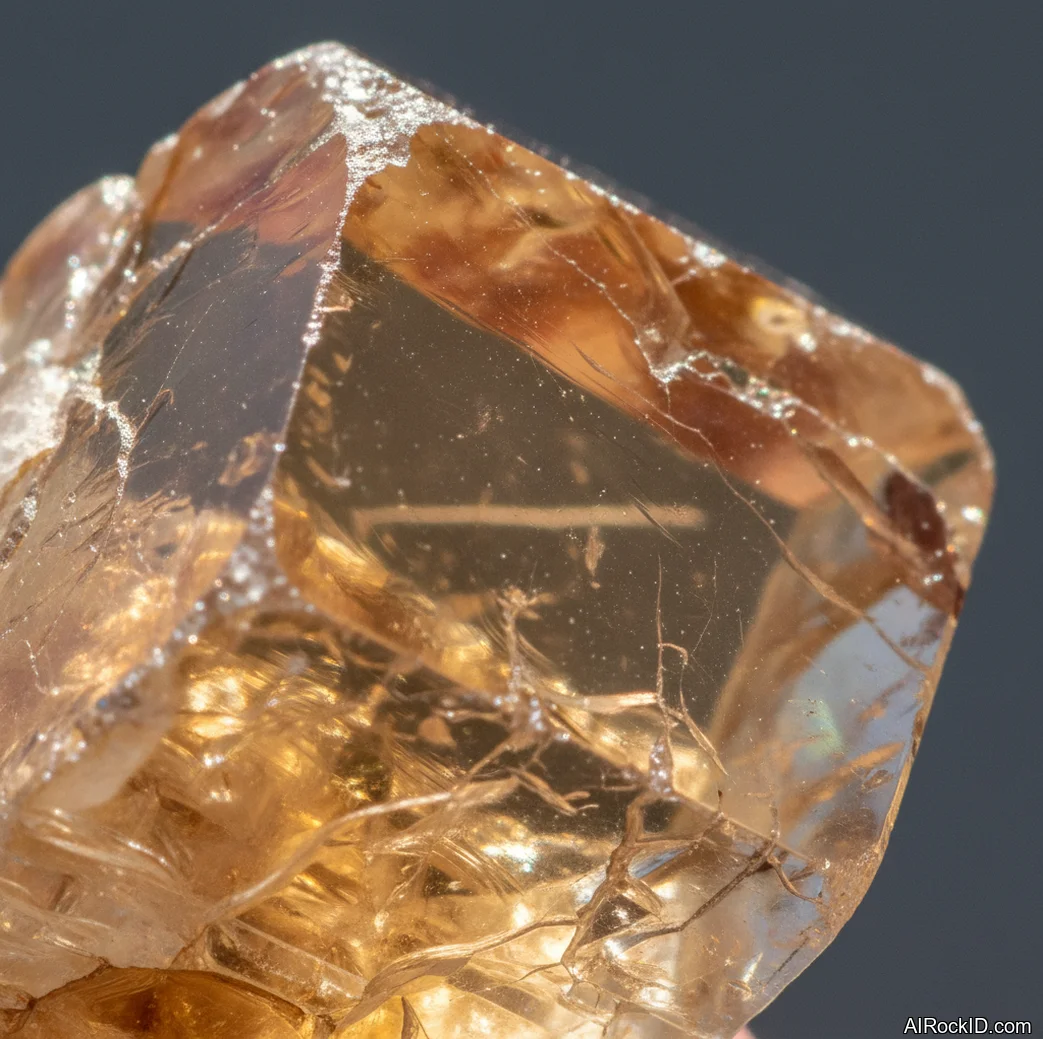
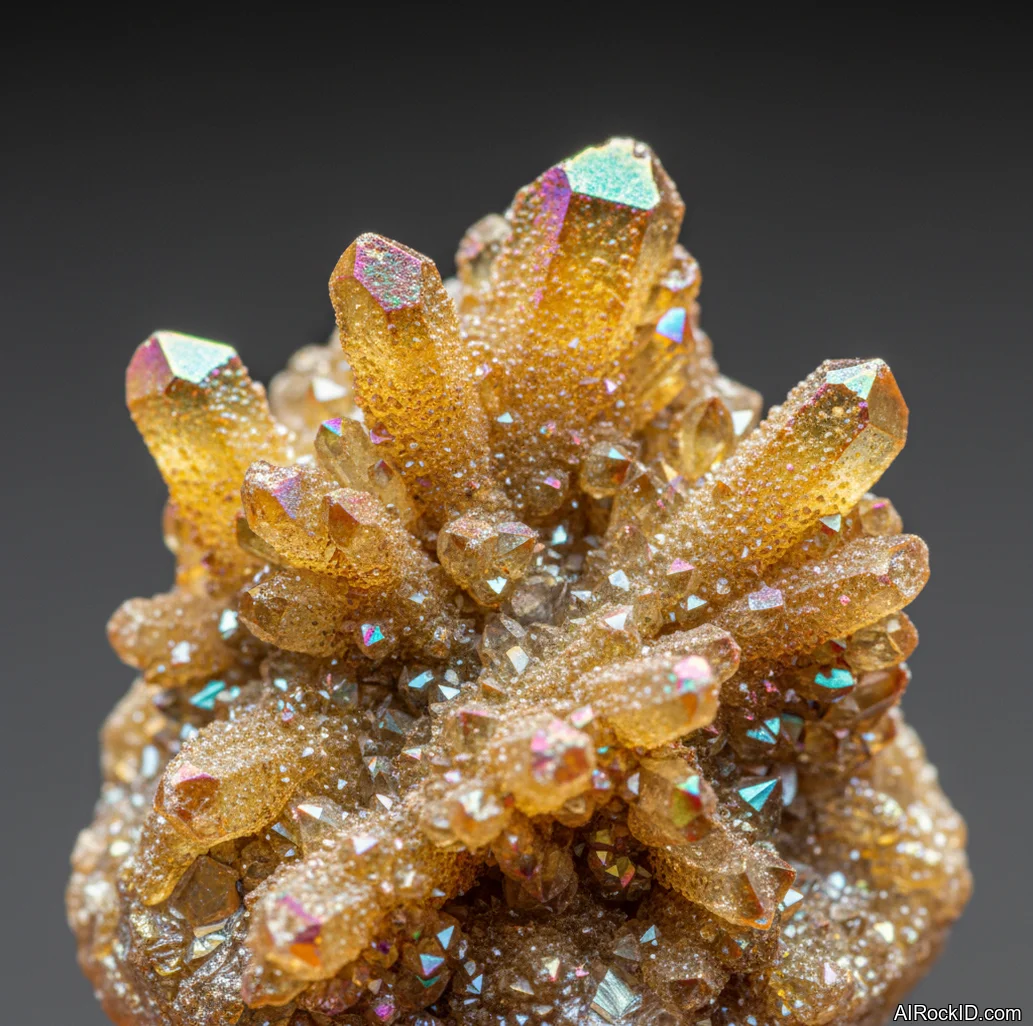
Buying tips get weirdly specific here, because the most “transformational” stones are also some of the most faked or mistreated. Citrine gets heat-treated all the time and sold as natural. The giveaway is color that looks too uniform and too saturated, especially when the piece still has that amethyst-like crystal shape but it’s a loud orange. With labradorite, watch for resin coating that makes it look wet. With malachite, avoid anything that looks like perfectly repeated stripes with zero variation, because composite and reconstituted material shows up a lot.
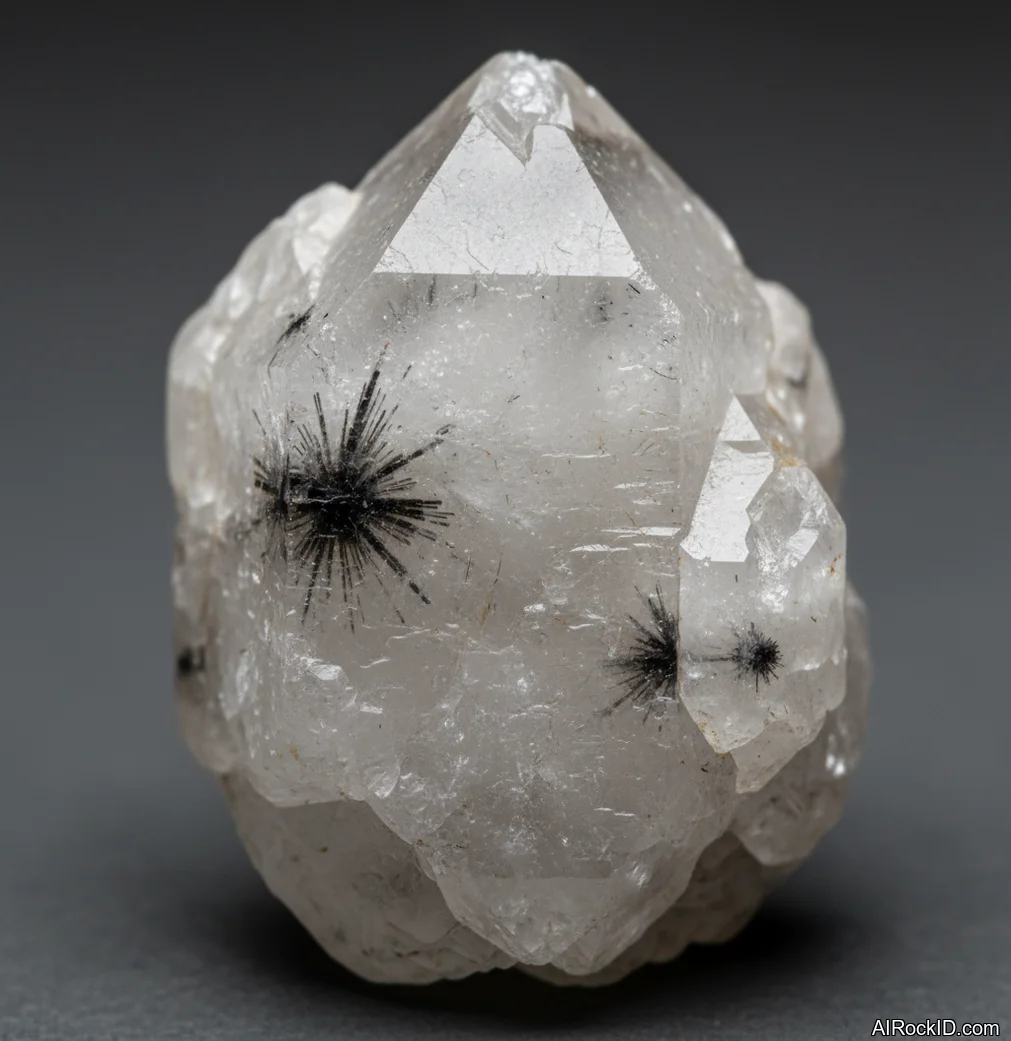
If you’re choosing from a pile in person, go by feel and structure, not just color. Pick up two pieces of the same stone and notice which one has better “bones.” On quartz, that might mean a crisp termination and fewer bruises on the tip. On labradorite, it might mean a thicker piece with a solid flash that doesn’t disappear into dull gray. On malachite, it might mean banding that isn’t overly perfect and a surface that doesn’t show chalky spots.
One practical thing people skip: give the change a timeline. Keep the stone out for 30 days, then swap it, rest it, or put it away with a note about what shifted. Transformation doesn’t always feel dramatic. Sometimes you only notice it when you realize you didn’t react the old way. That’s the win.
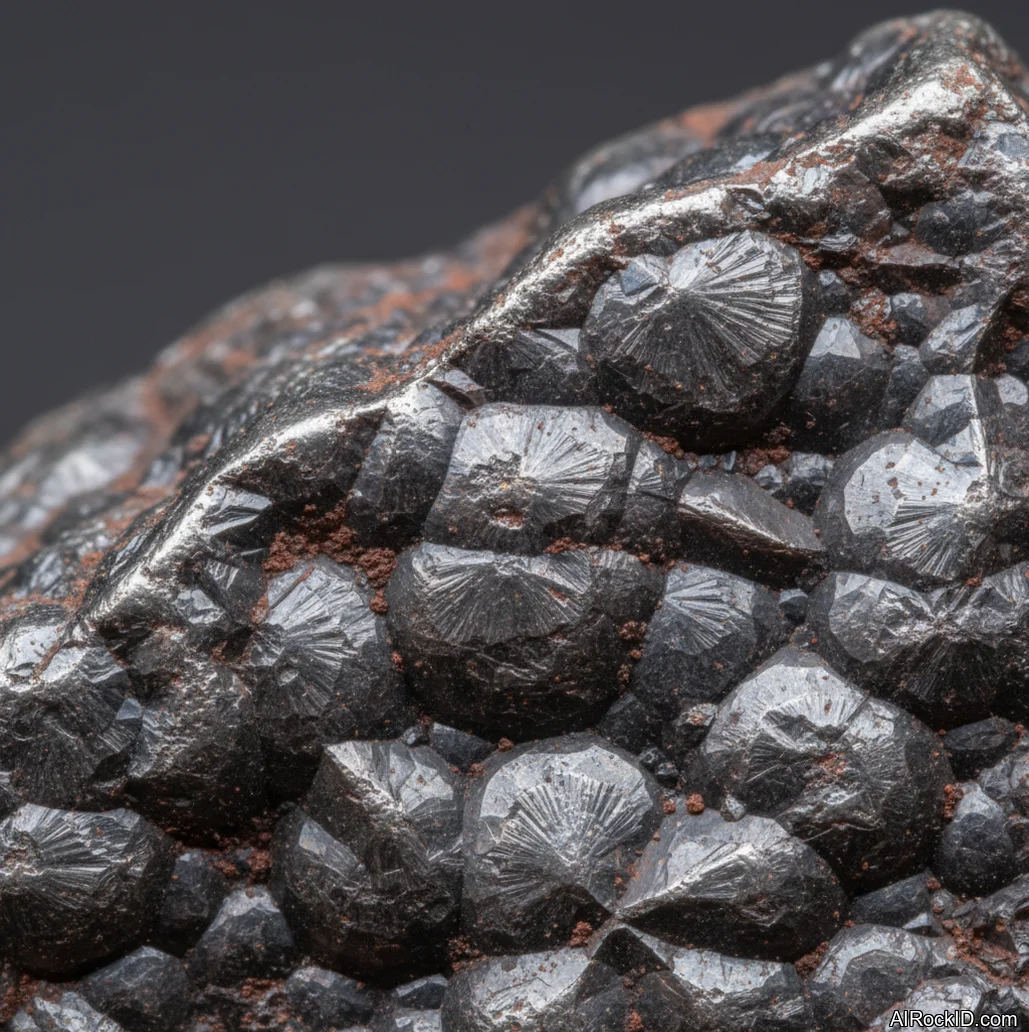
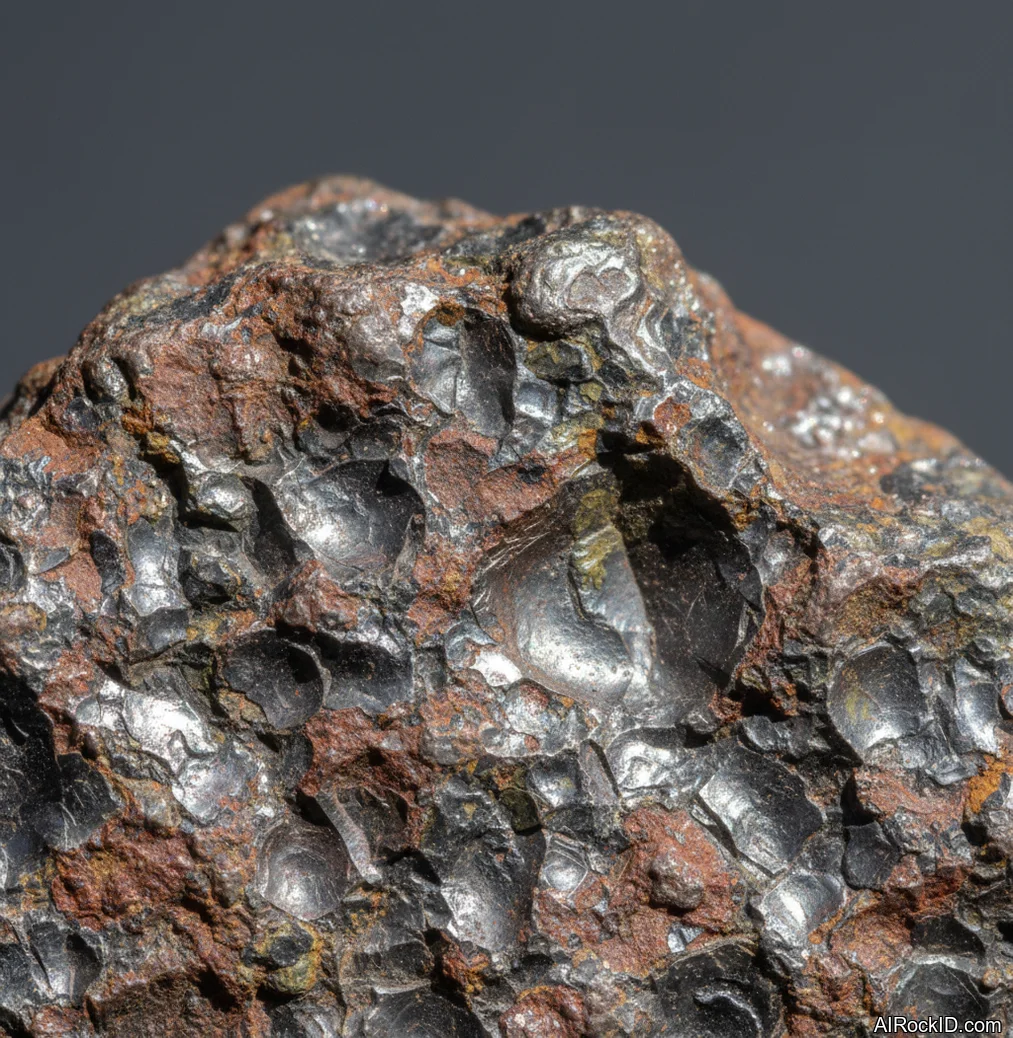
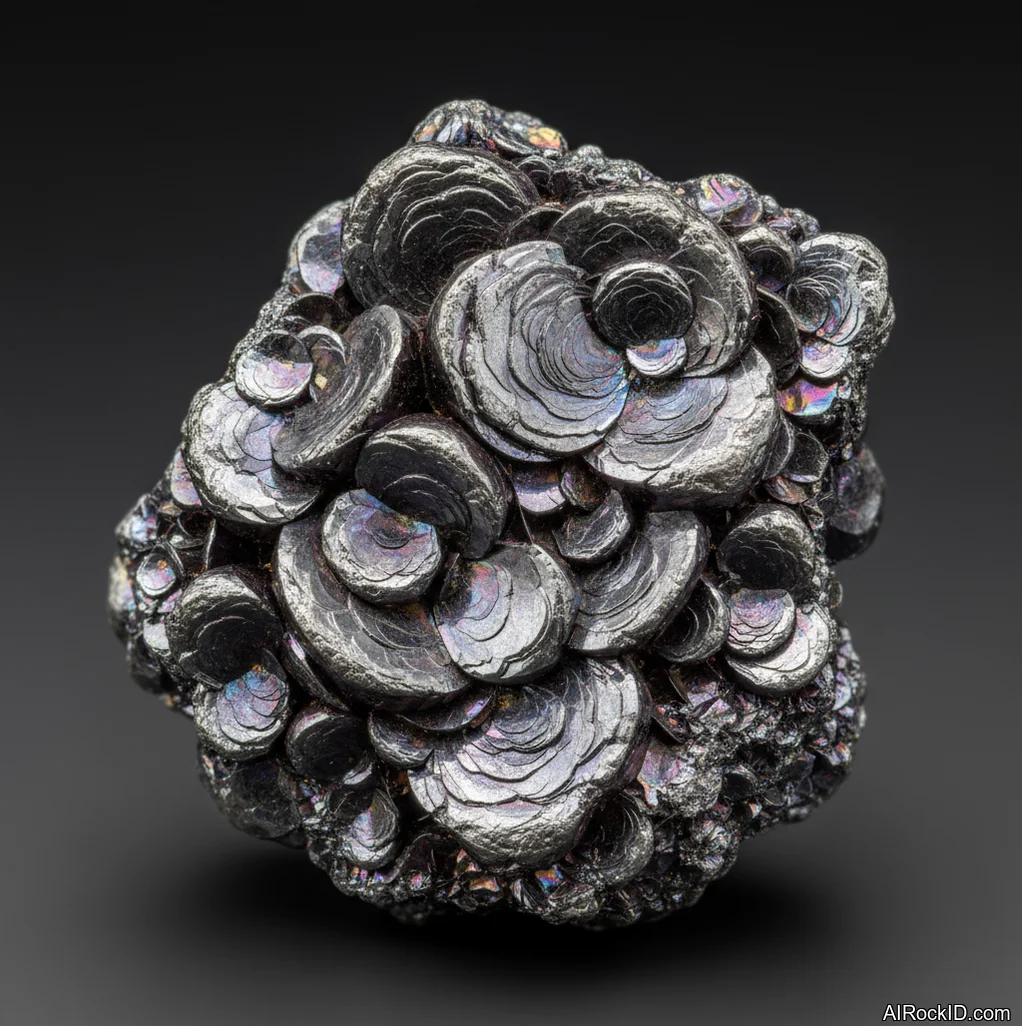
However you use them, treat these crystals like tools, not trophies. Clean them in ways that match the material. A quick wipe for malachite. A rinse for quartz. No water for selenite. And if a stone makes you feel spun up, too wired, or restless, back off and ground with something simple like hematite, smoky quartz, or even a plain piece of granite from the yard. Change is supposed to be lived, not chased.
All Transformation Crystals (268)