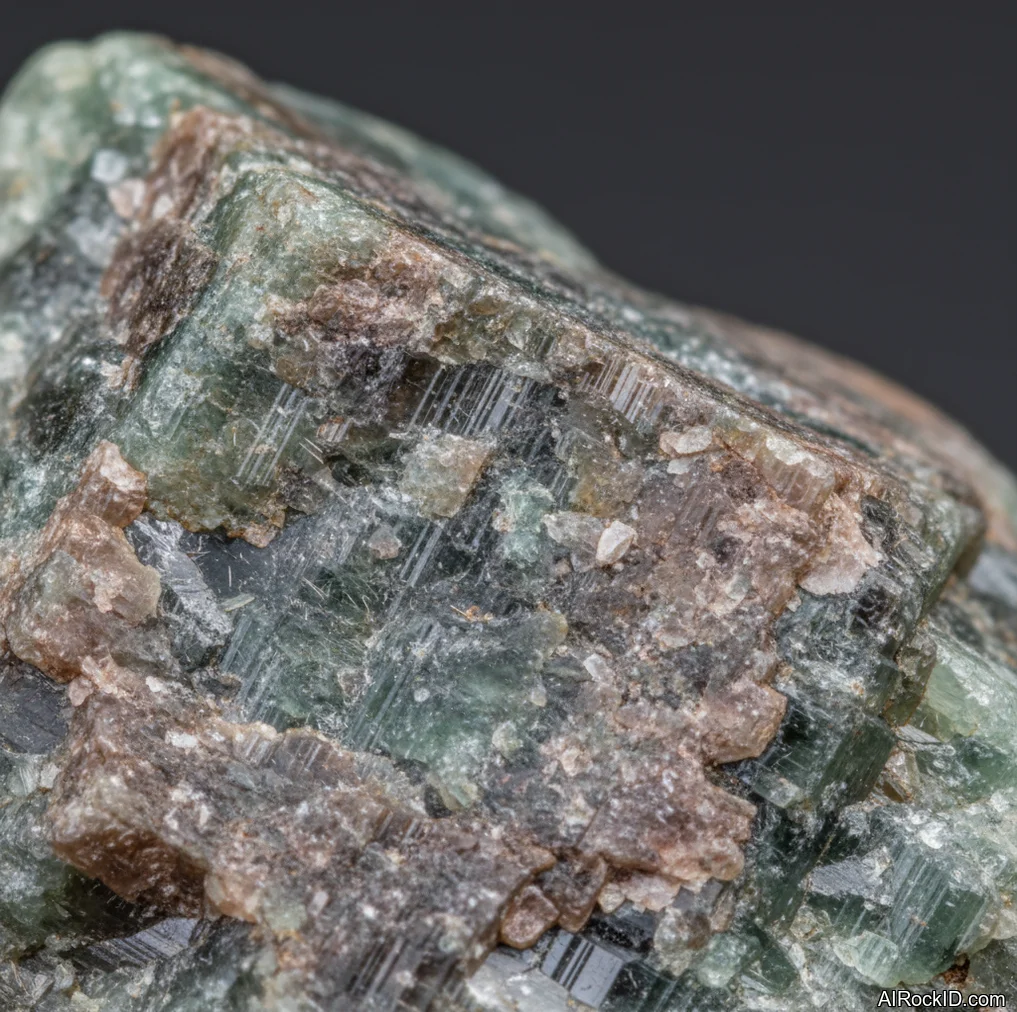
Courage Crystals
Learn about Courage crystals, what the property means, how to choose stones like Carnelian and Tiger’s Eye, and simple ways to work with them.
Pick up a stone you trust and you feel it before you think. Some pieces sit heavy and steady in your palm, like a paperweight for your nervous system. That’s the vibe people are chasing when they look up Courage in crystal terms: staying present when your stomach drops, taking the next step even if you don’t know how it’ll go, and holding your ground without turning into a brick.
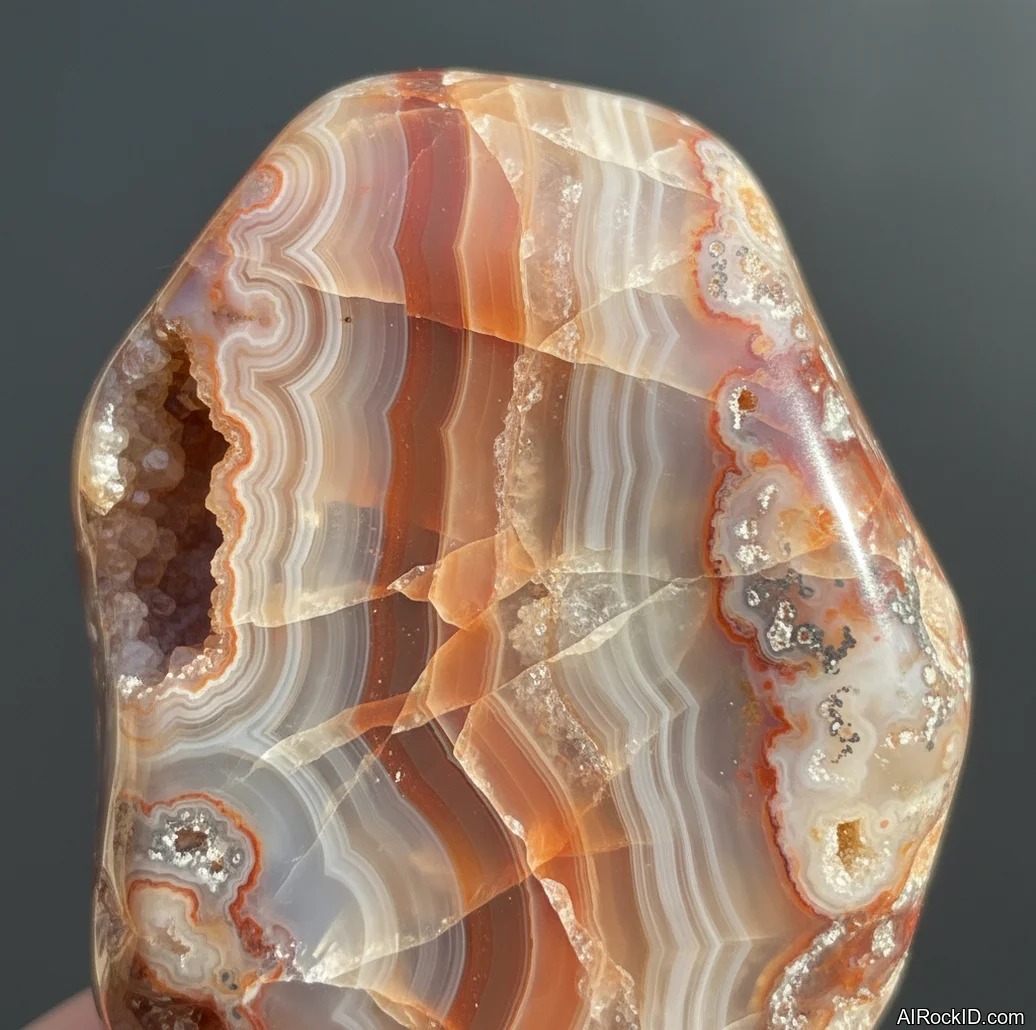
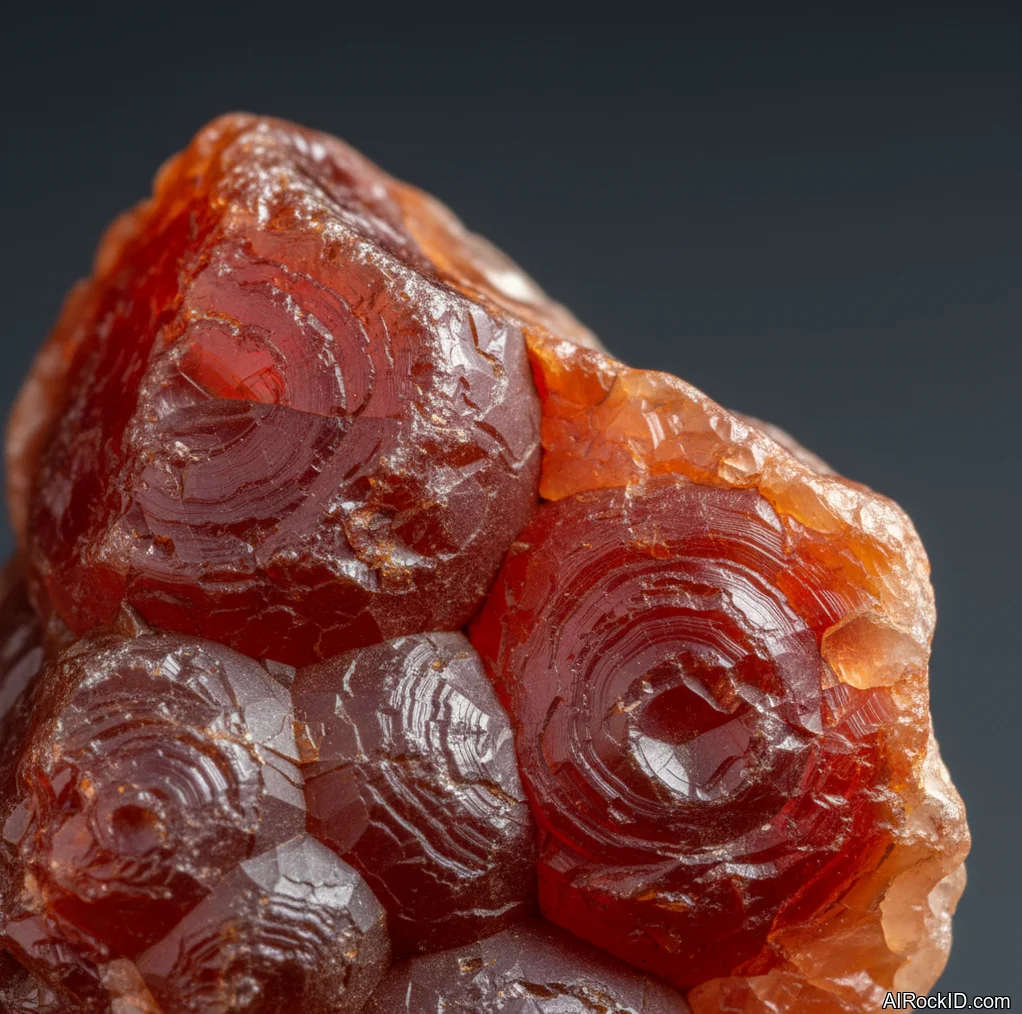
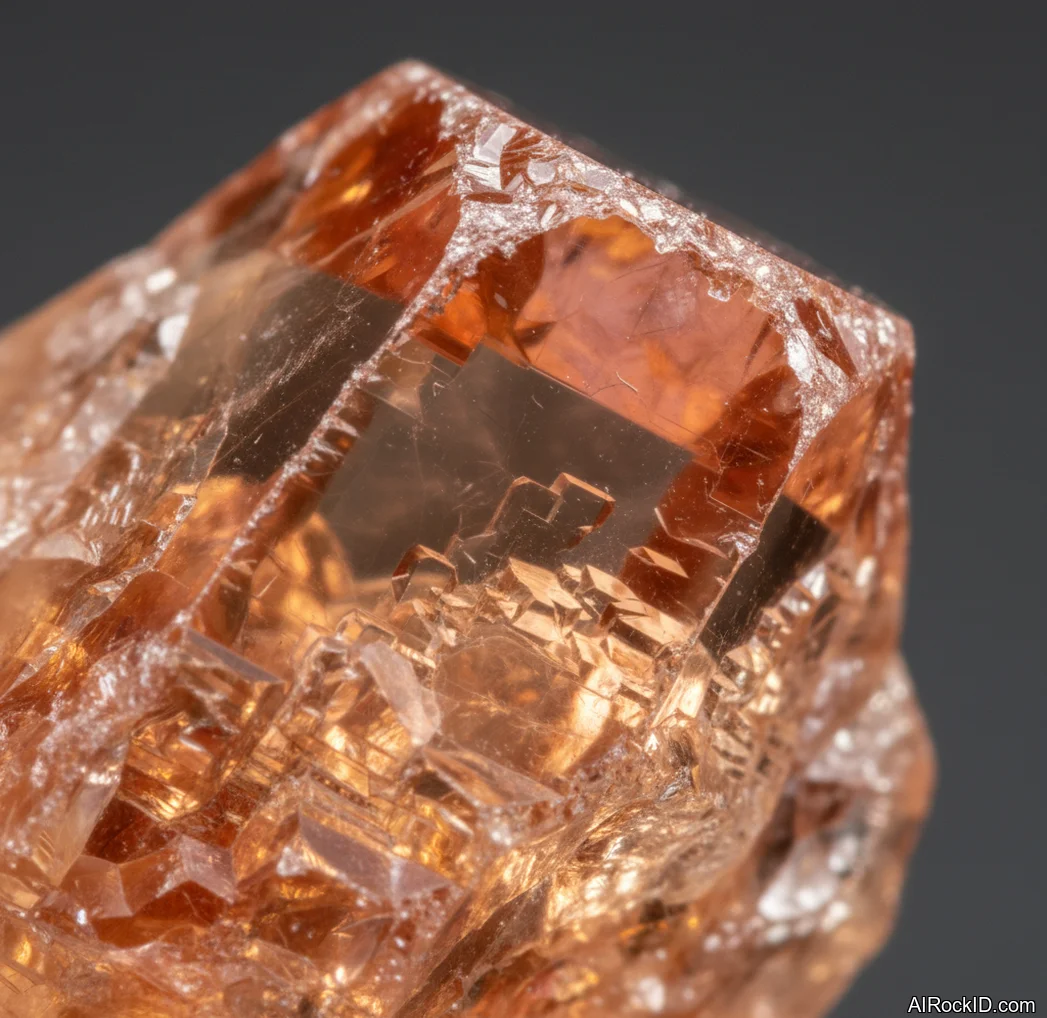
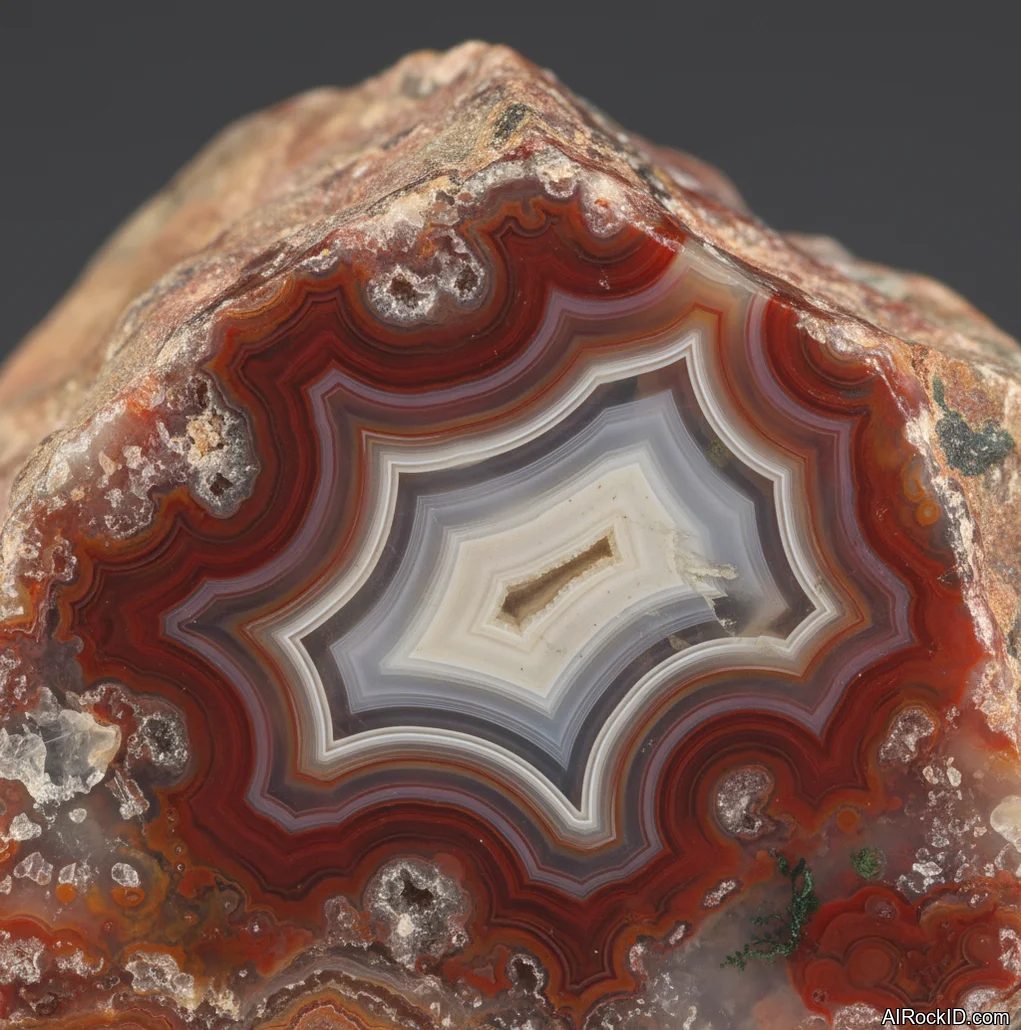
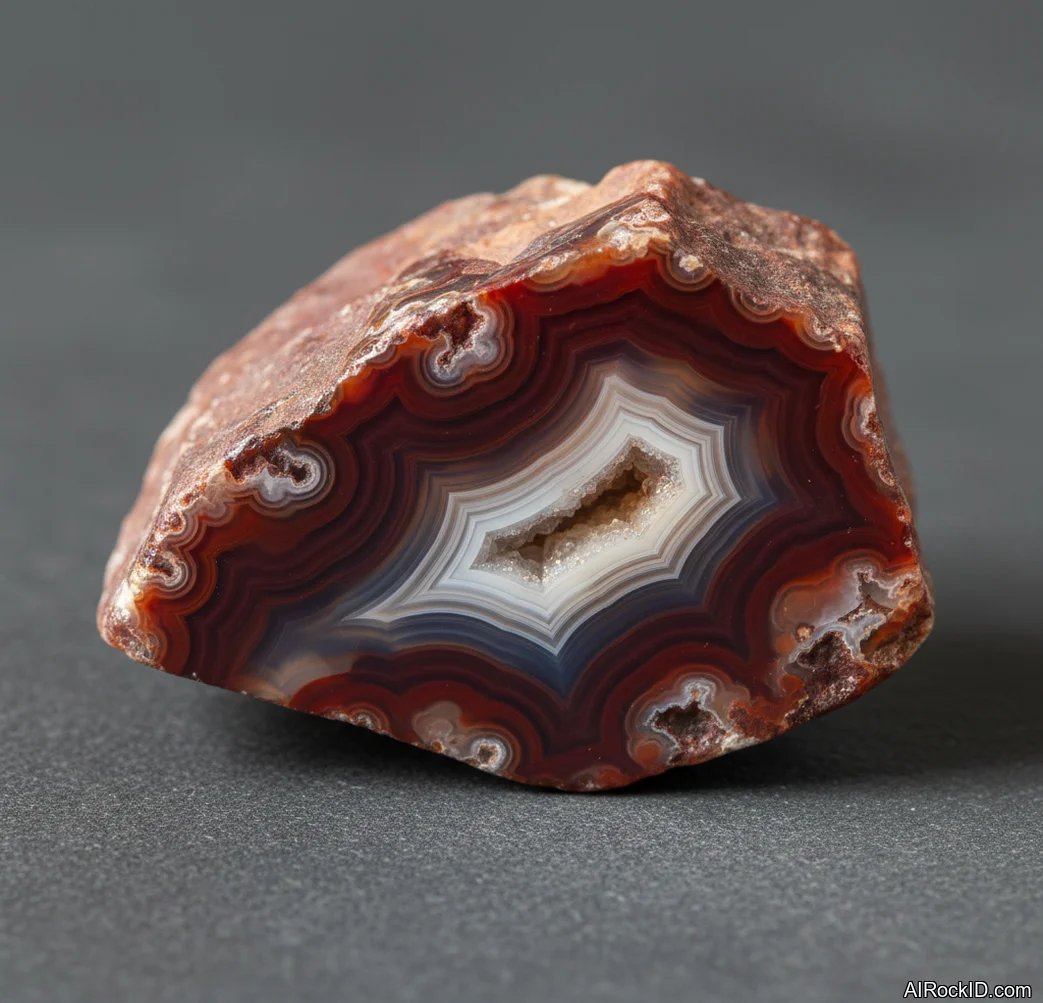
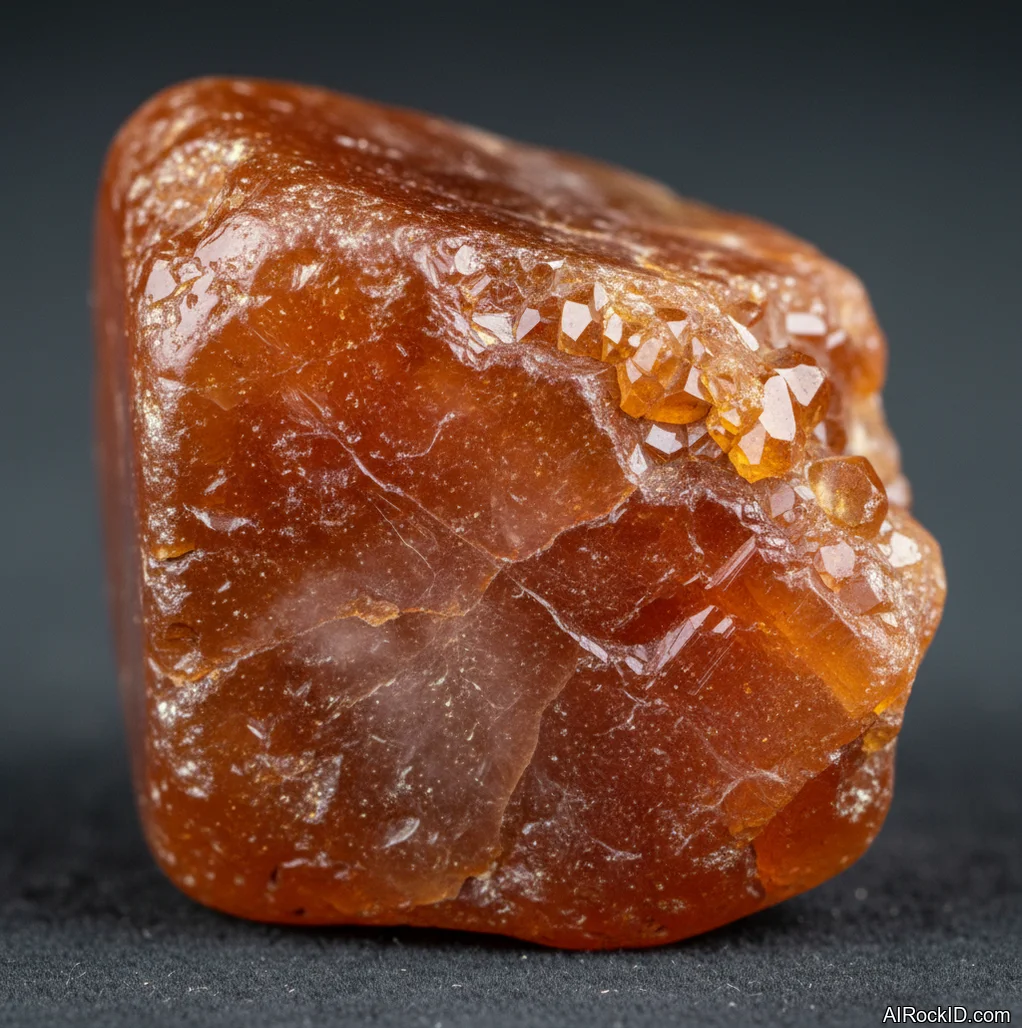
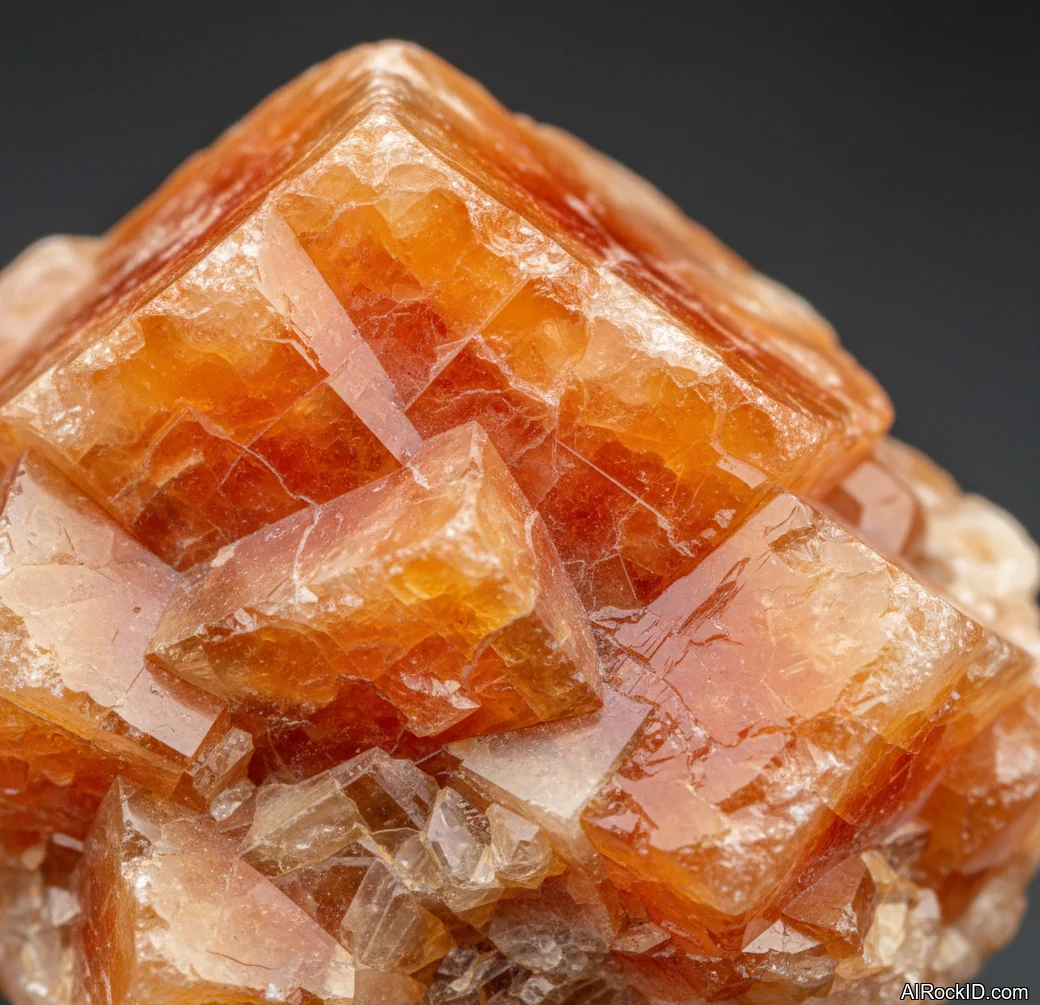
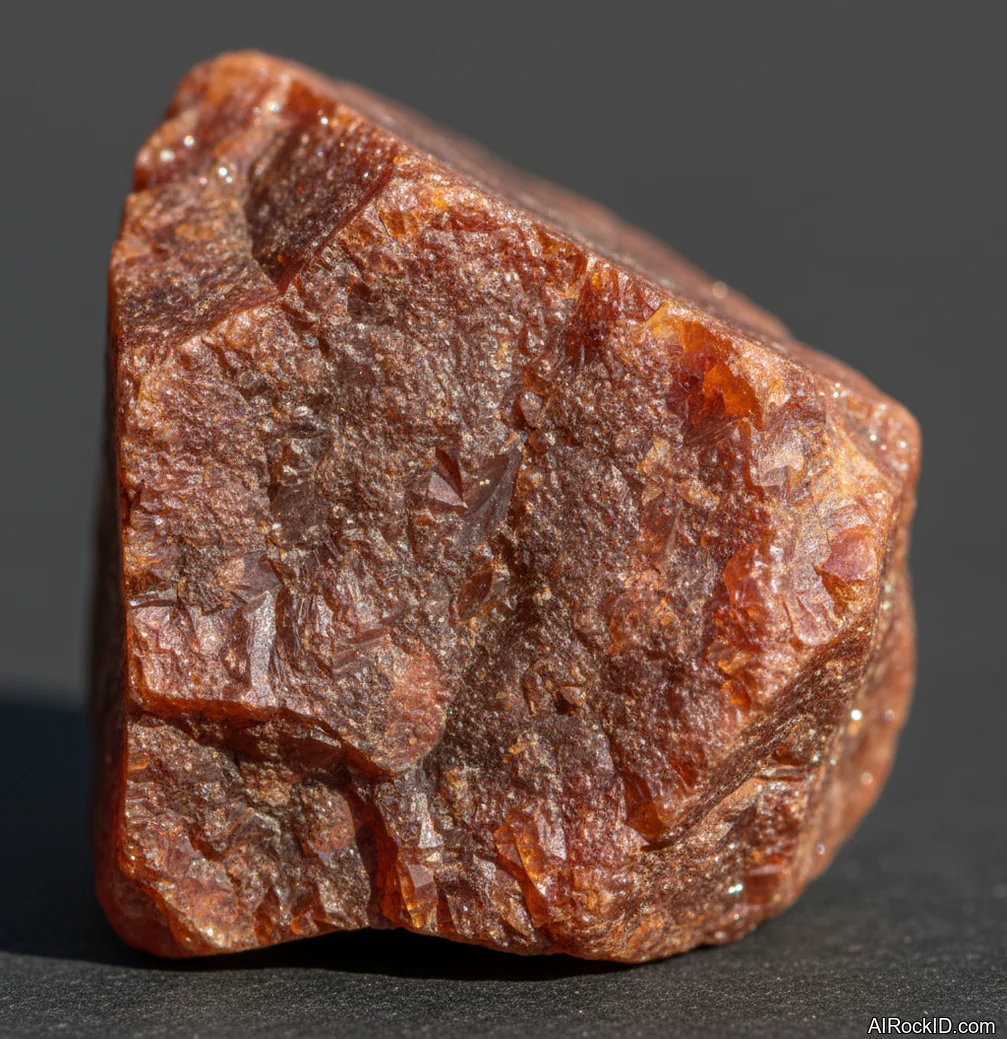
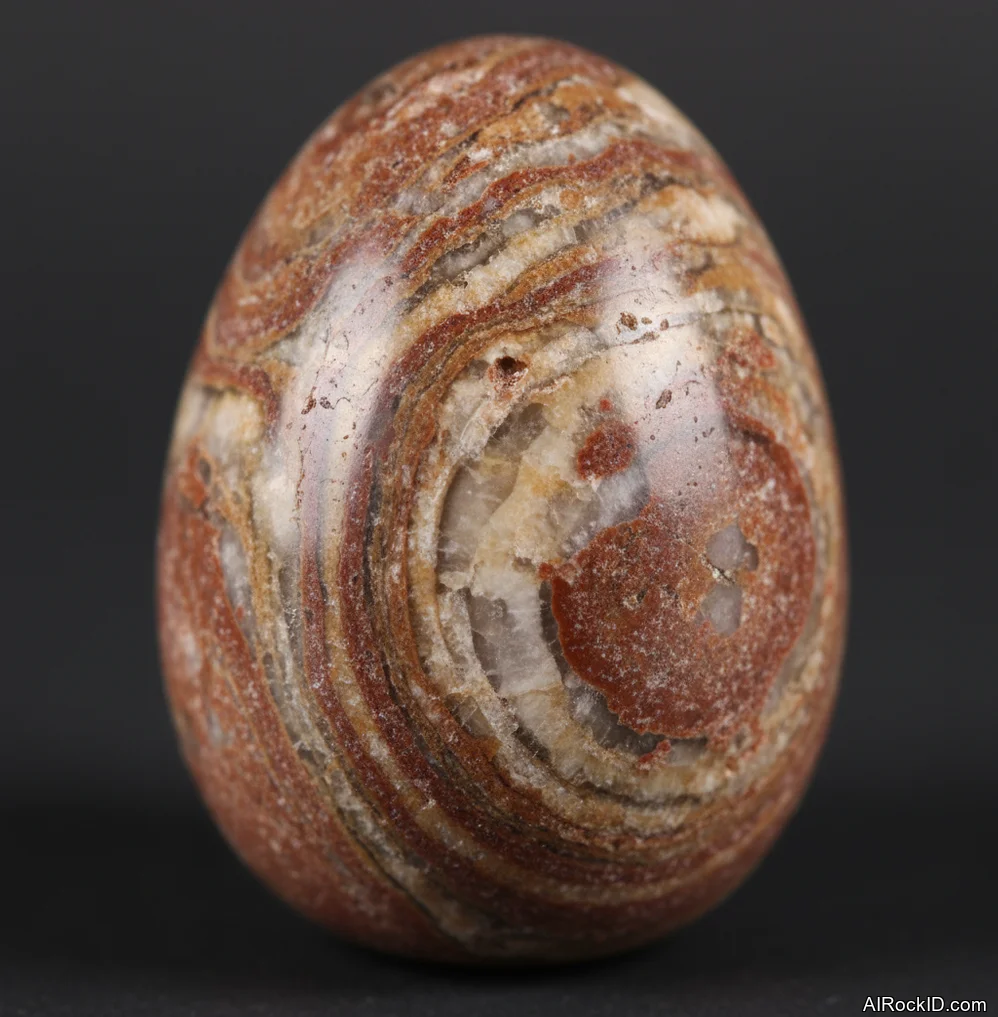
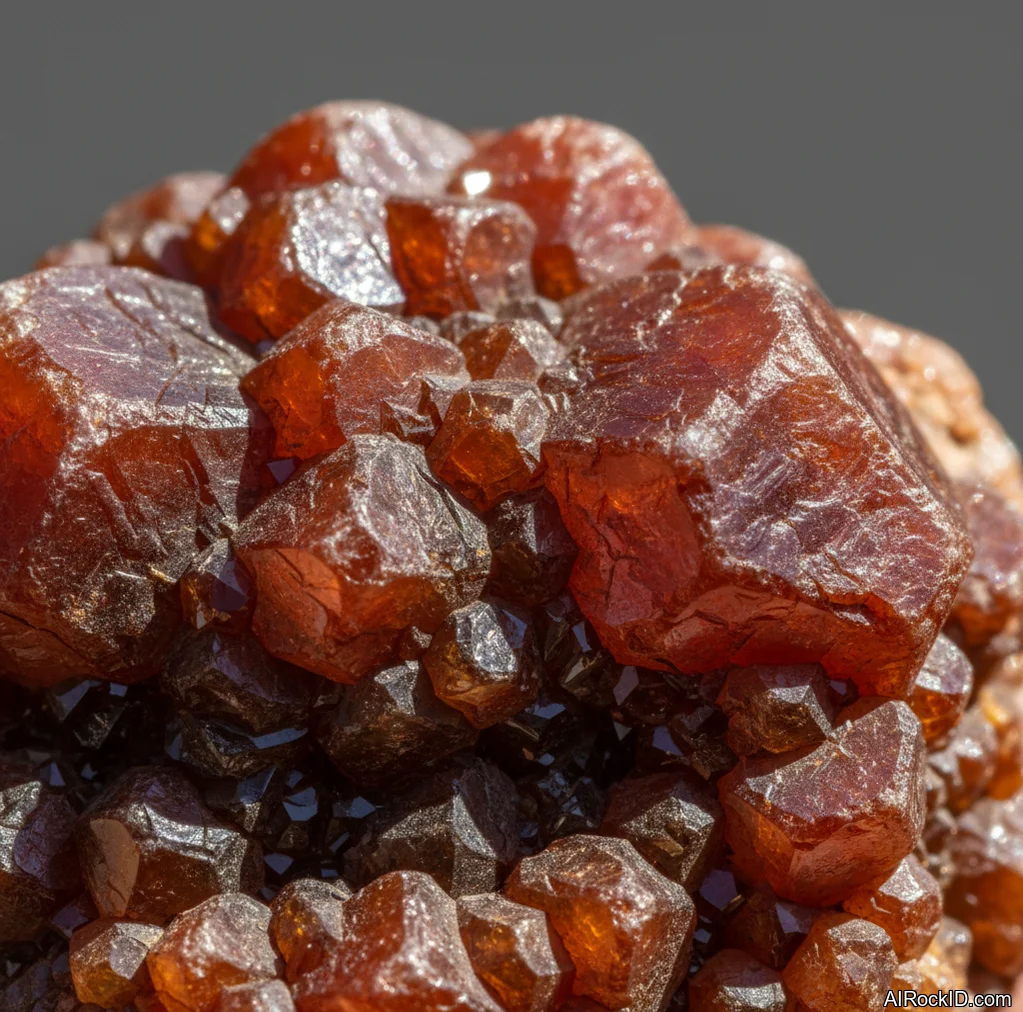
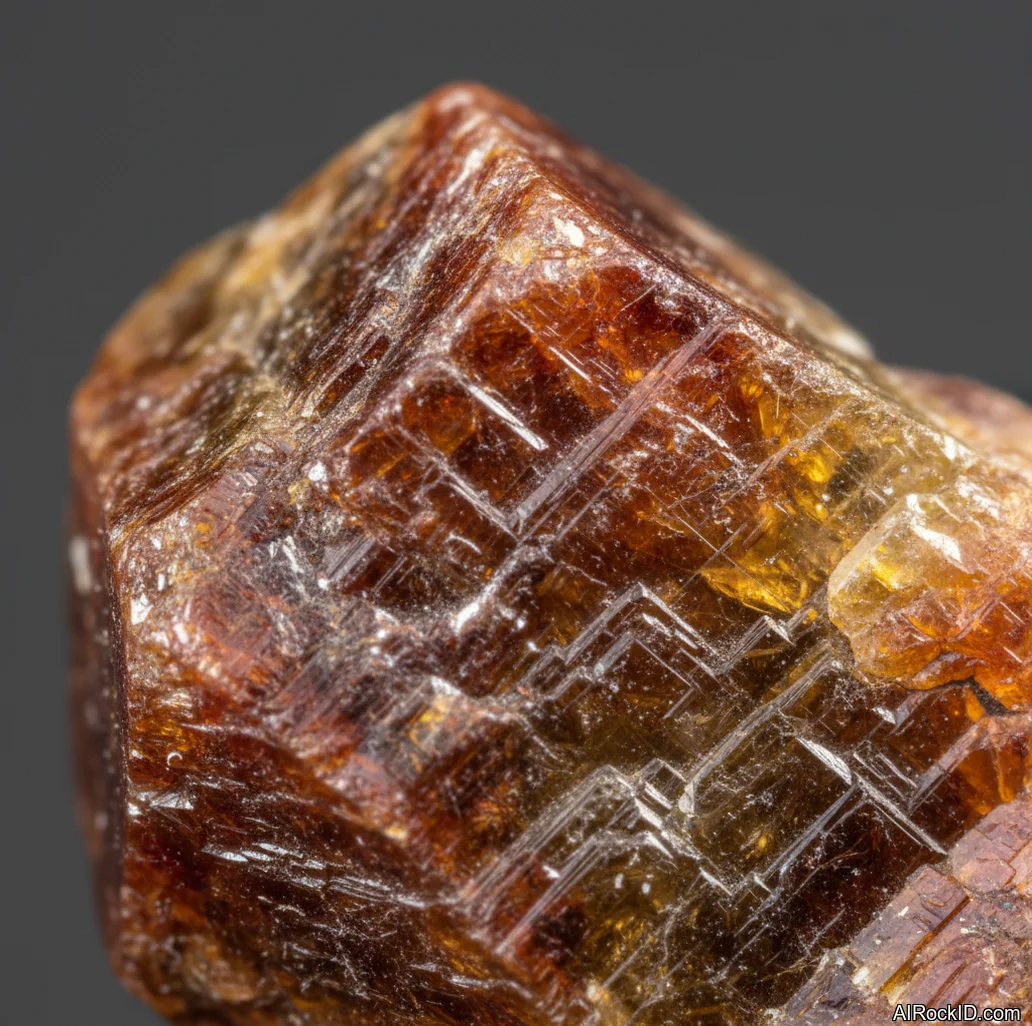
In the crystal world, Courage isn’t acting fearless. It’s momentum. It gets tied to stones that feel warming, grounding, and blunt in a good way, the ones that bump you out of the mental loop and into doing something. And that’s why Carnelian shows up all the time. Good carnelian has that orange-red glow that looks like it’s lit from inside, and the better pieces aren’t flat orange. They’ve got cloudy bands, a little milkiness, sometimes tiny iron freckles. When I’m sorting bowls of tumbled carnelian in a shop, the ones that read “courage” to most people are the heavier, denser-feeling pieces that stay cool for a beat, then warm up in your hand.
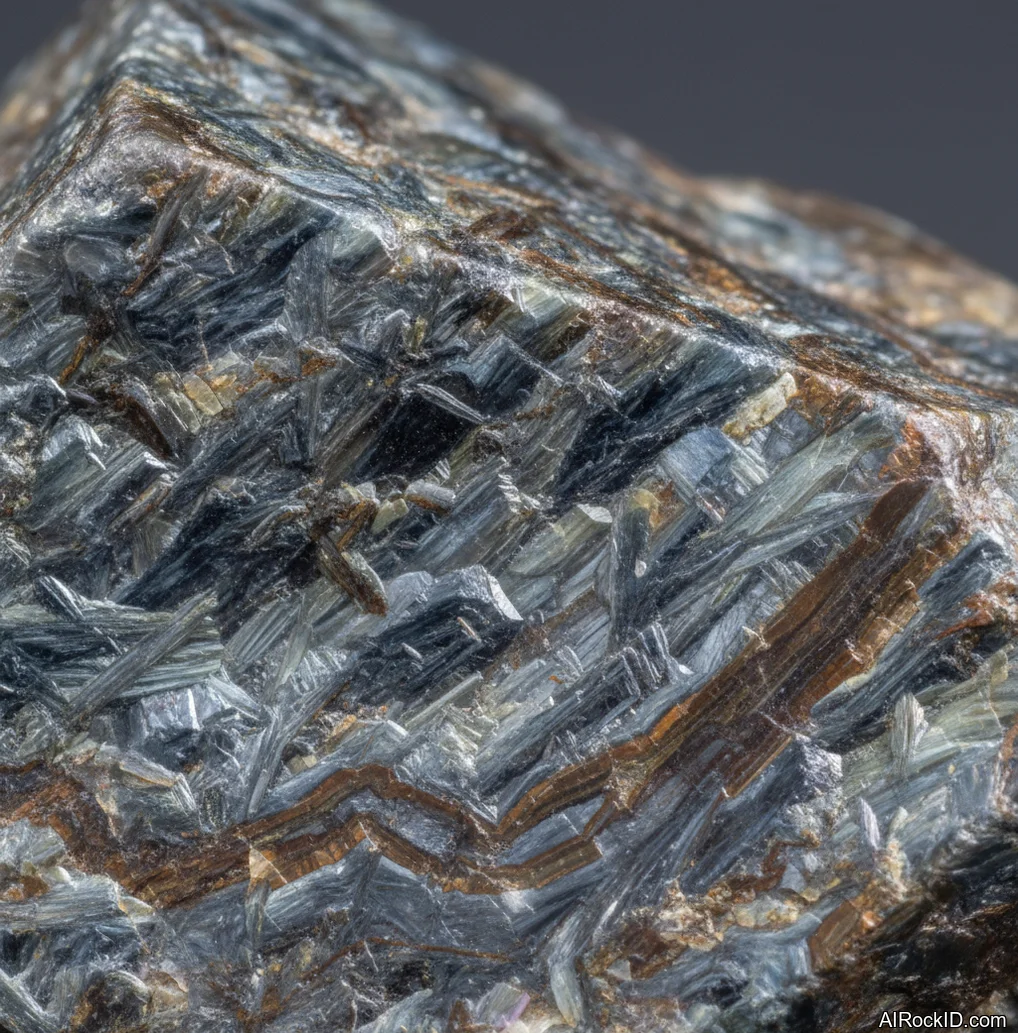
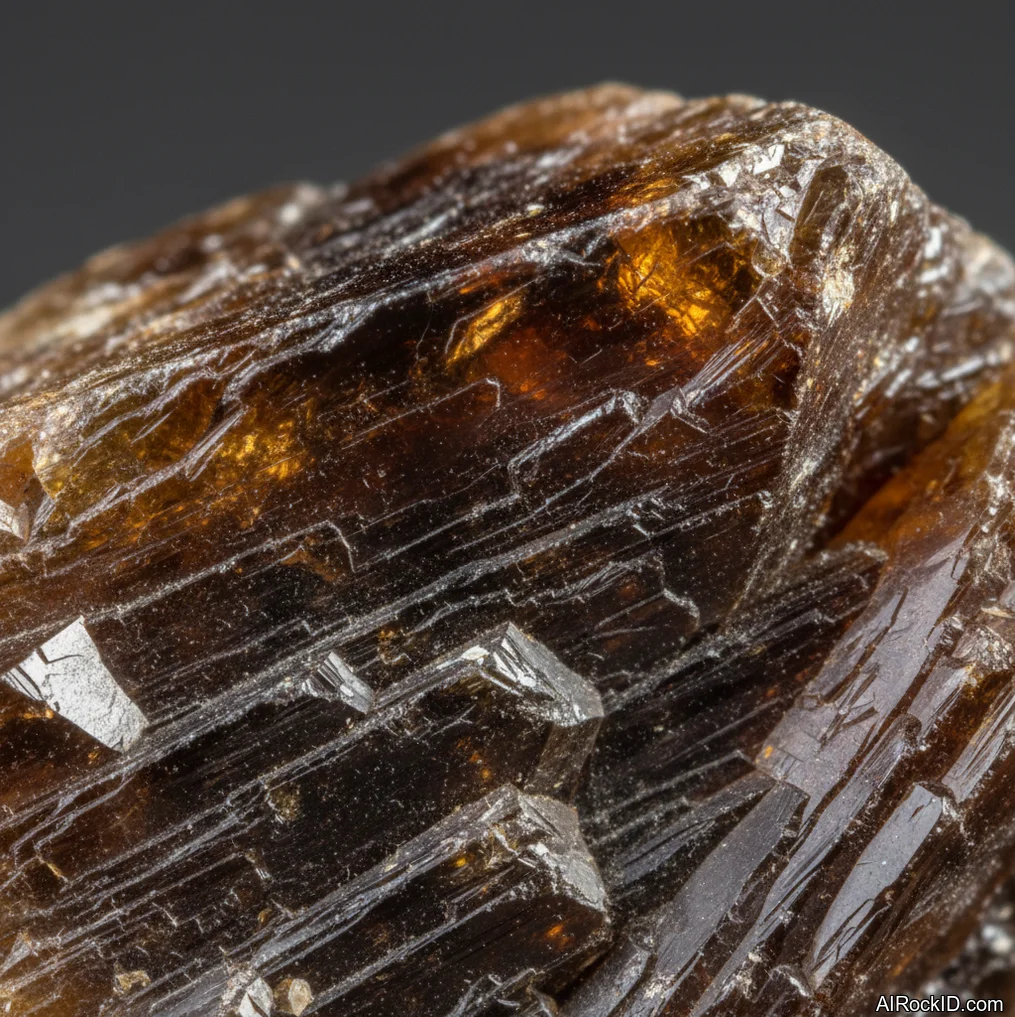
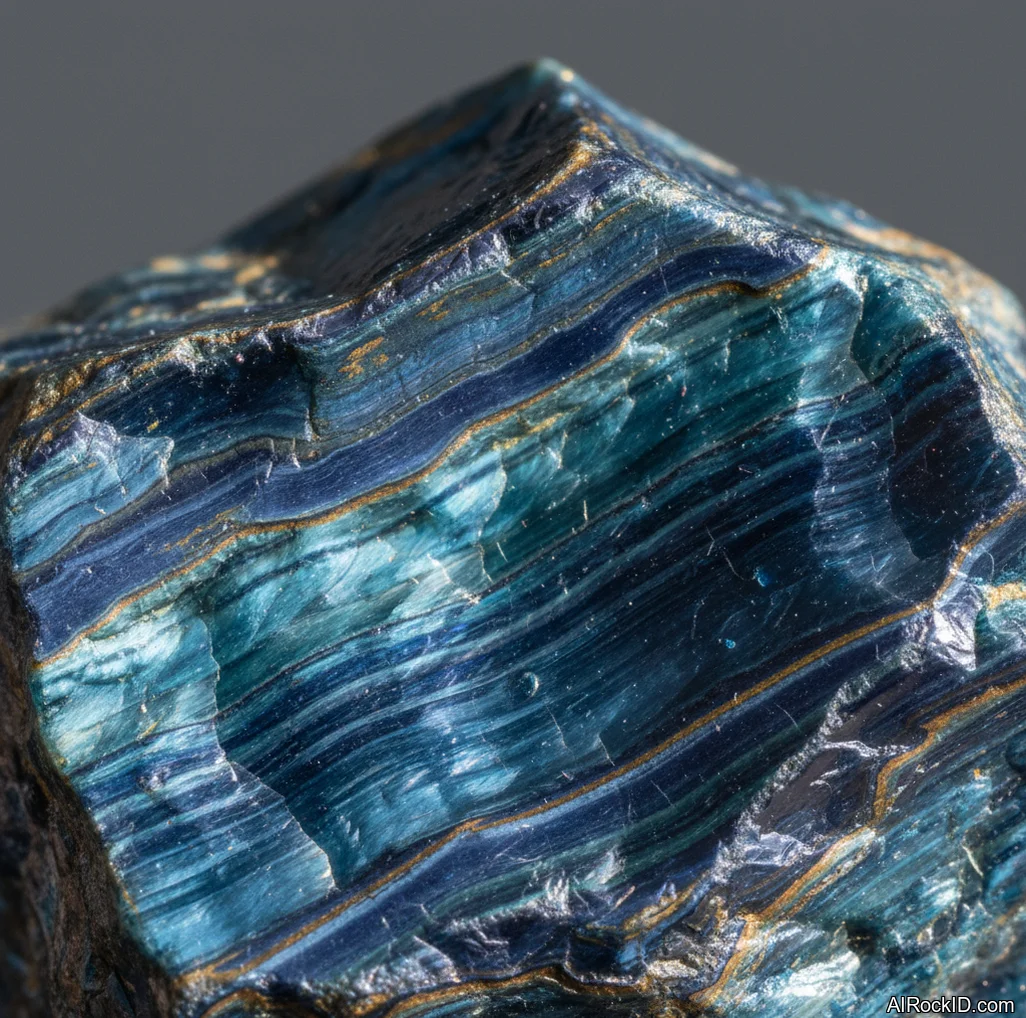
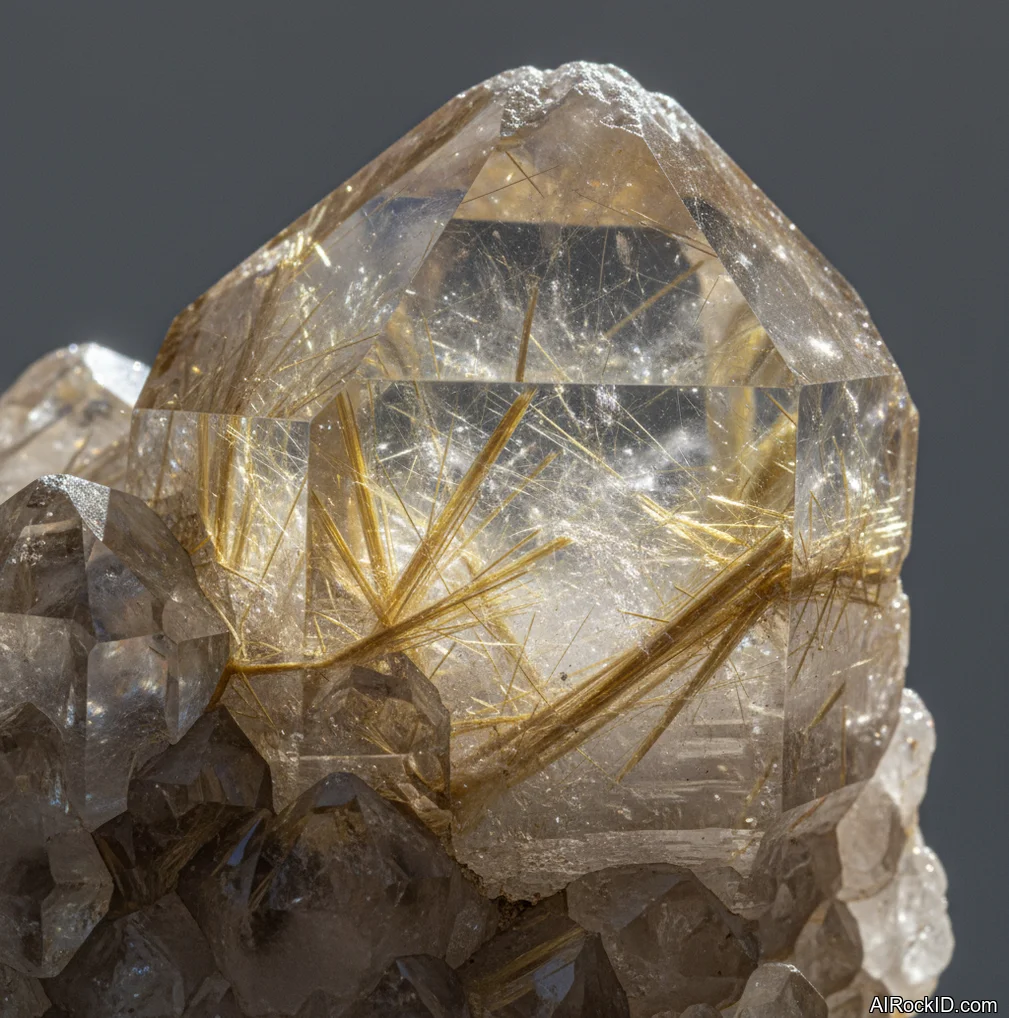
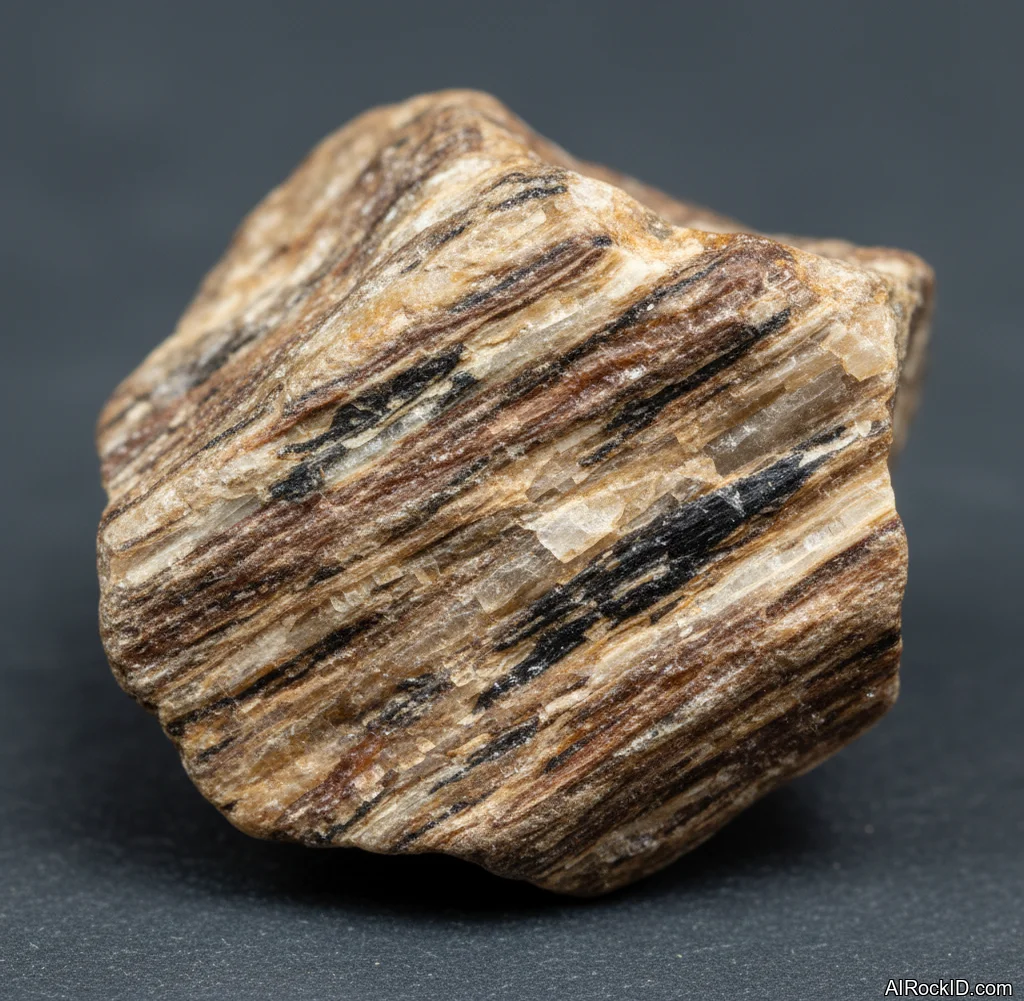
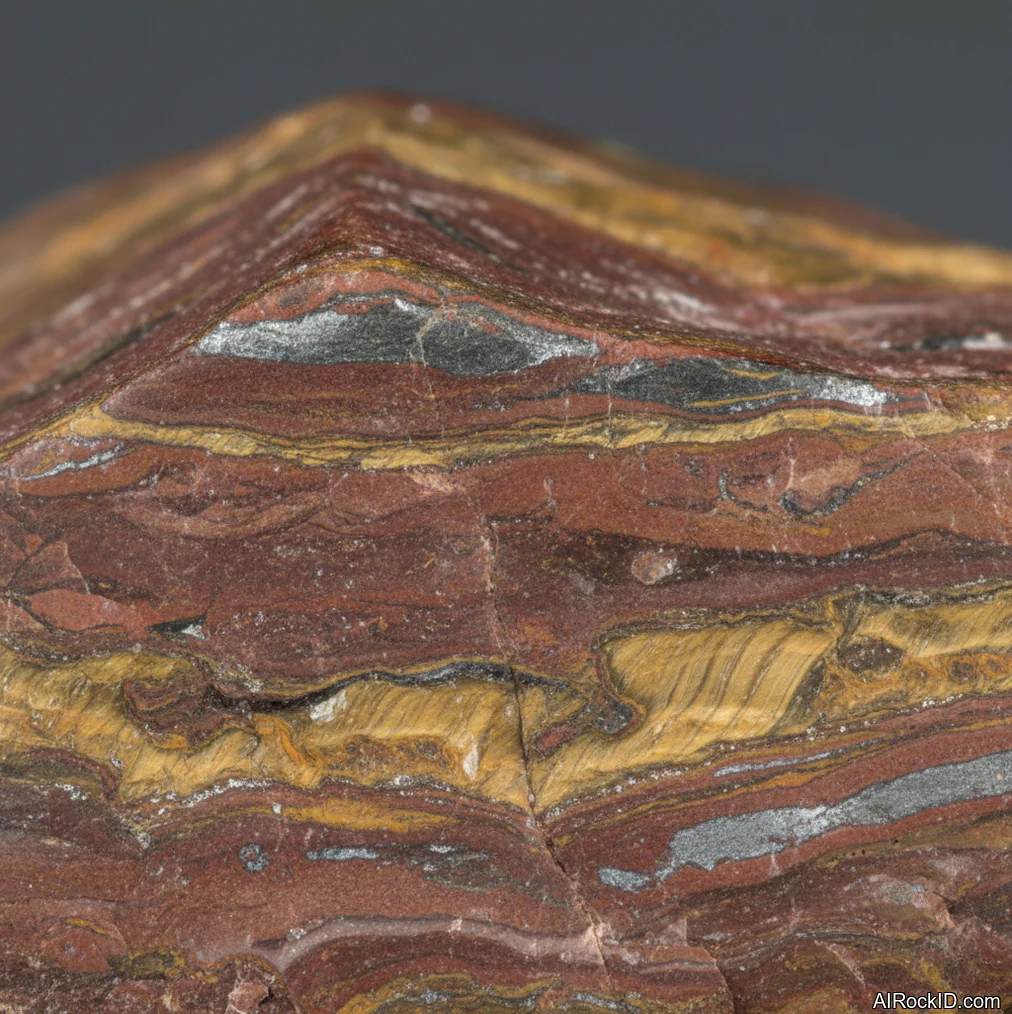
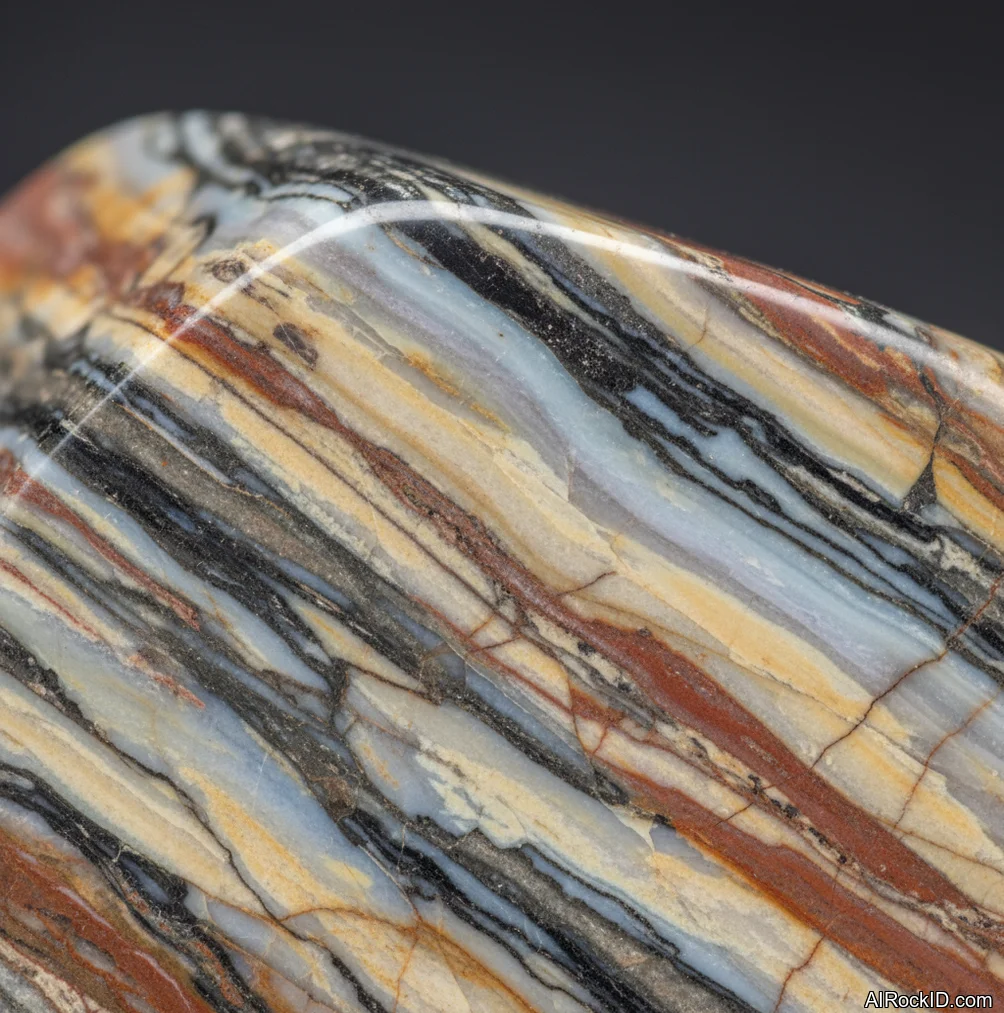
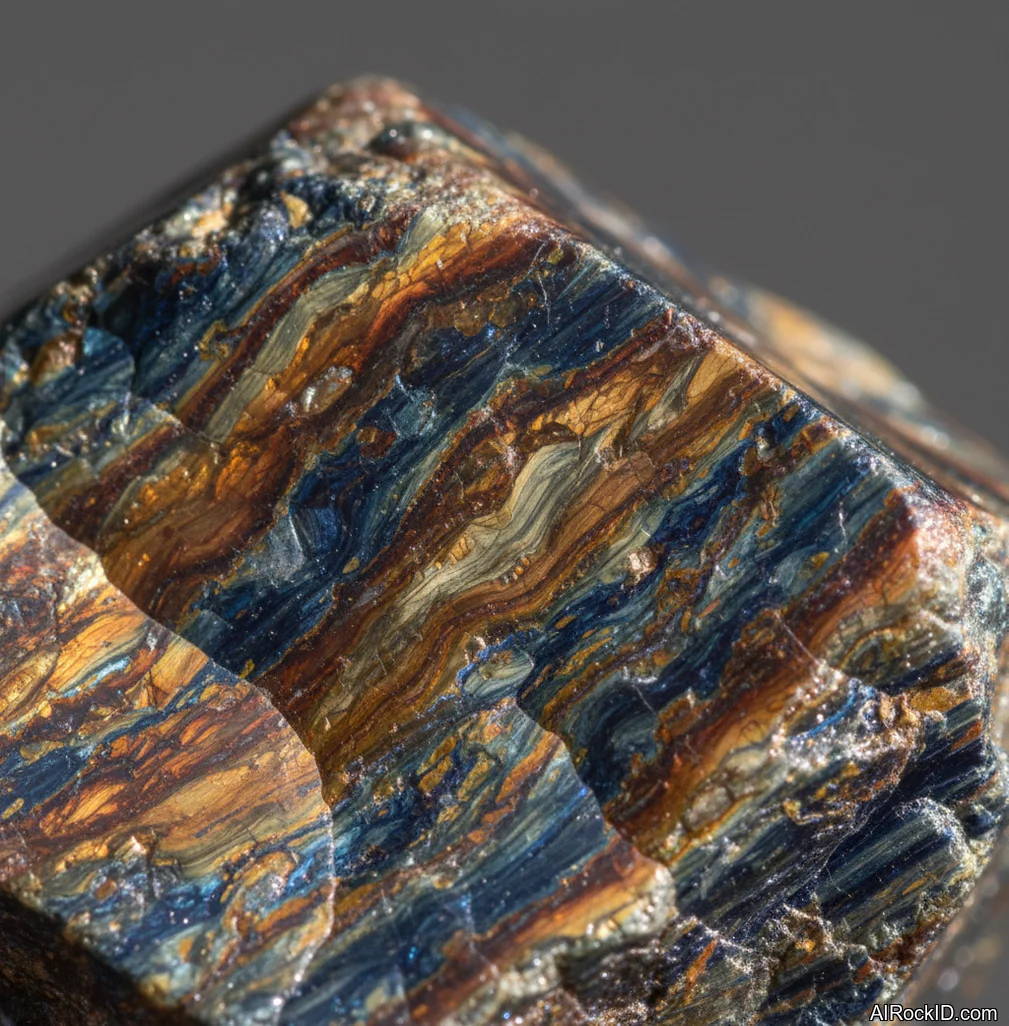
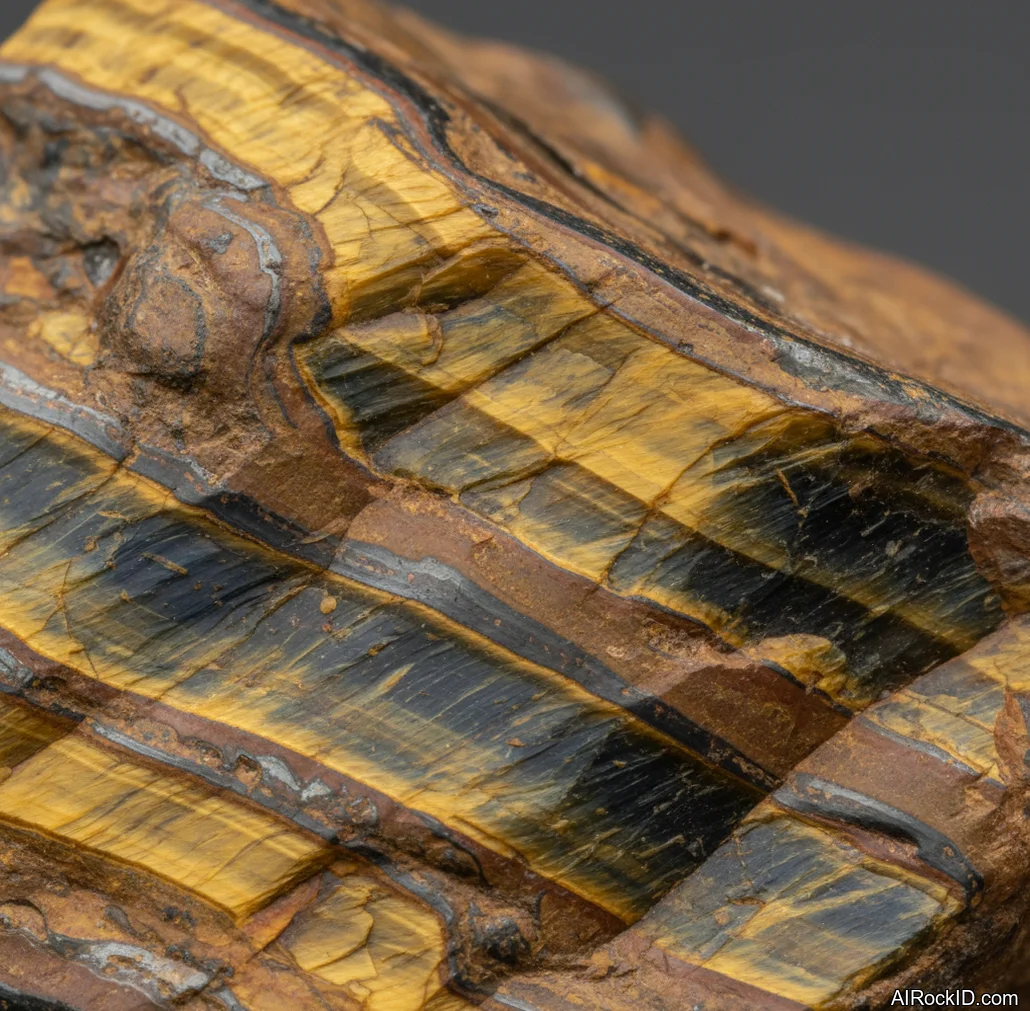
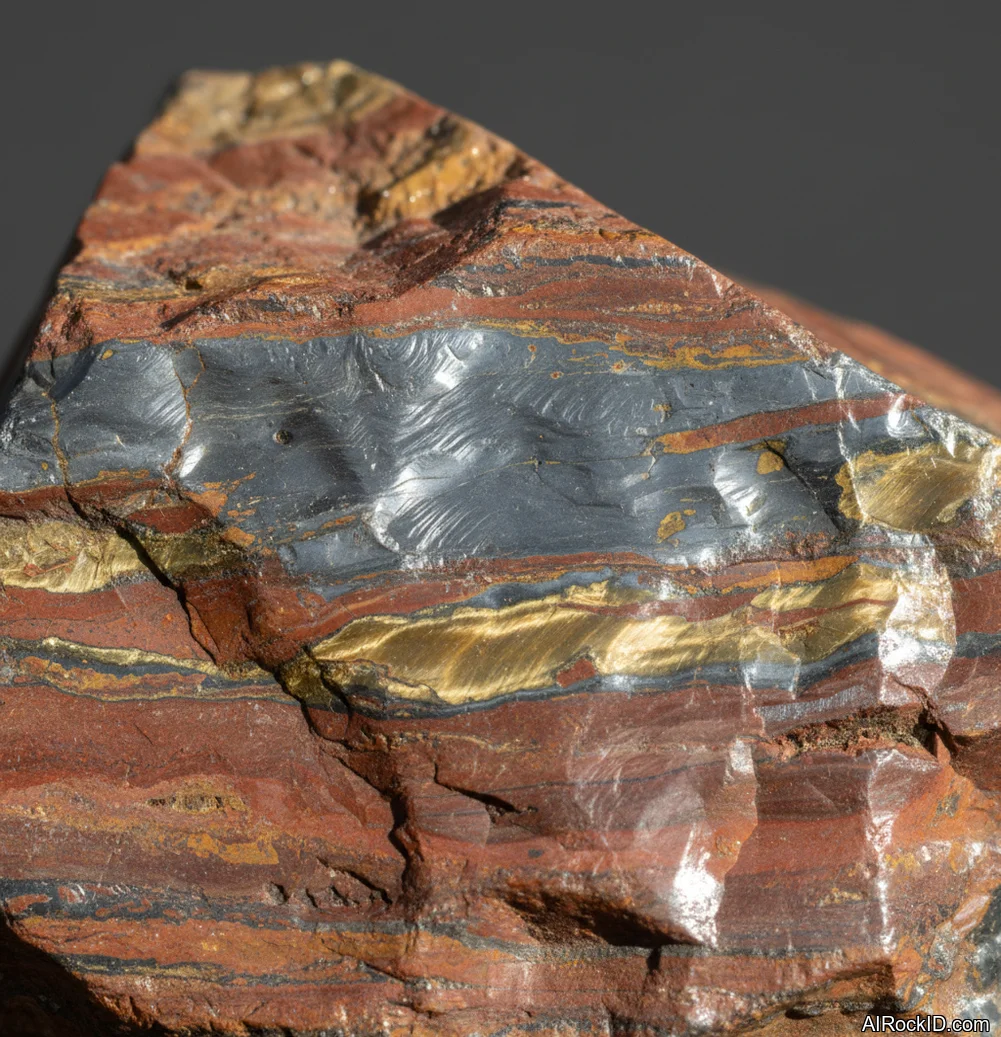
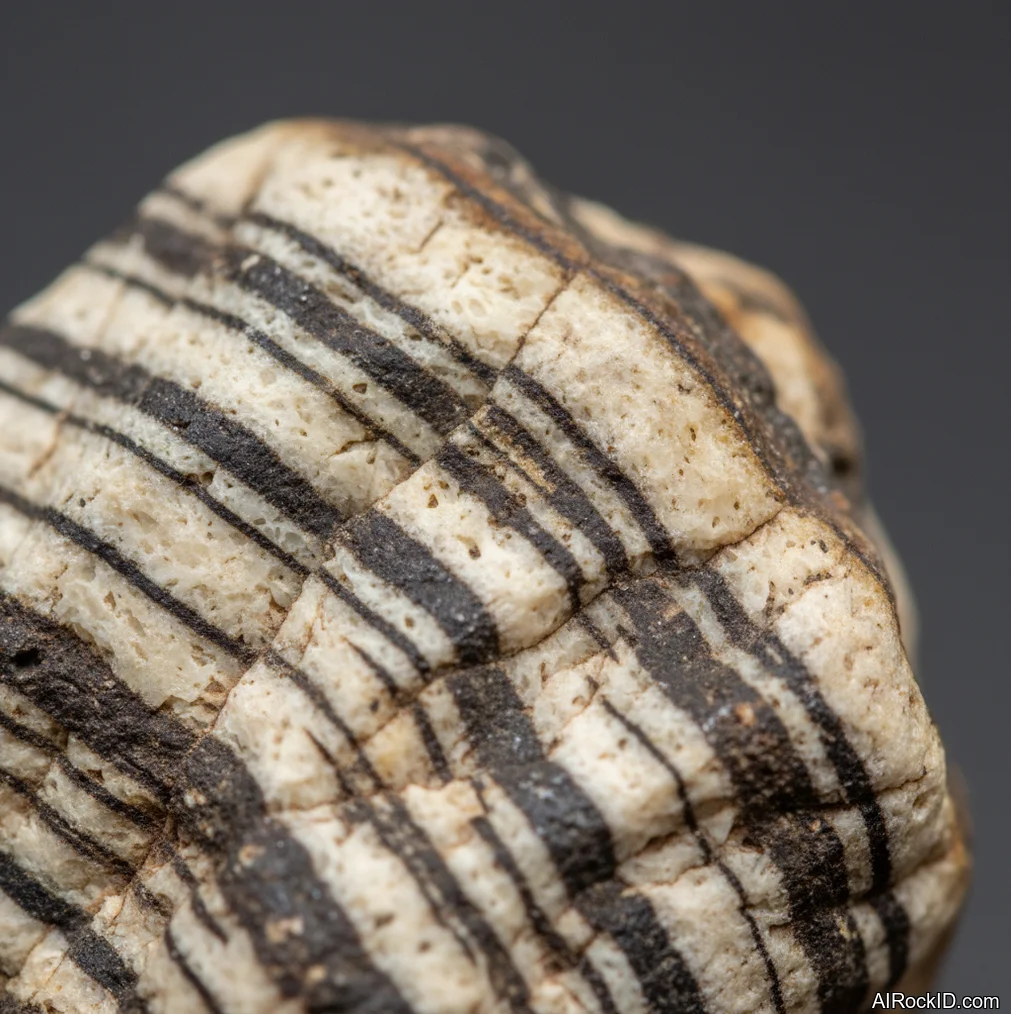
A lot of folks go hunting for Courage crystals when something real is on the line. A tough conversation. A move. A new job. Leaving a relationship. Speaking up in public. Even walking into a medical appointment. Fear hits the body first, so people usually pick stones that feel body-forward too. Tiger’s Eye is a classic. Look closely and you’ll see the chatoyancy, that silky band of light that slides when you tilt it. The flash is the whole point. It’s hard to stay scattered while you’re staring at a stone that makes you slow down and follow one moving line.
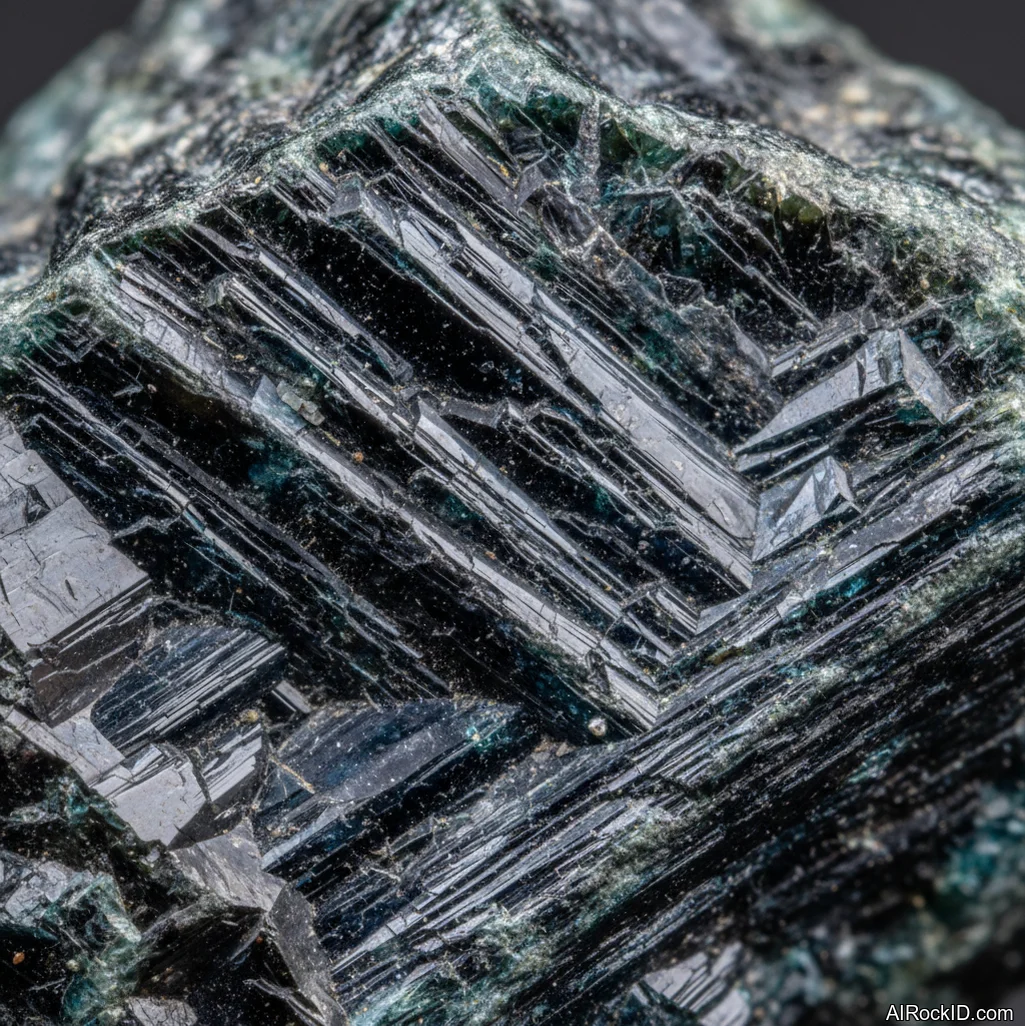
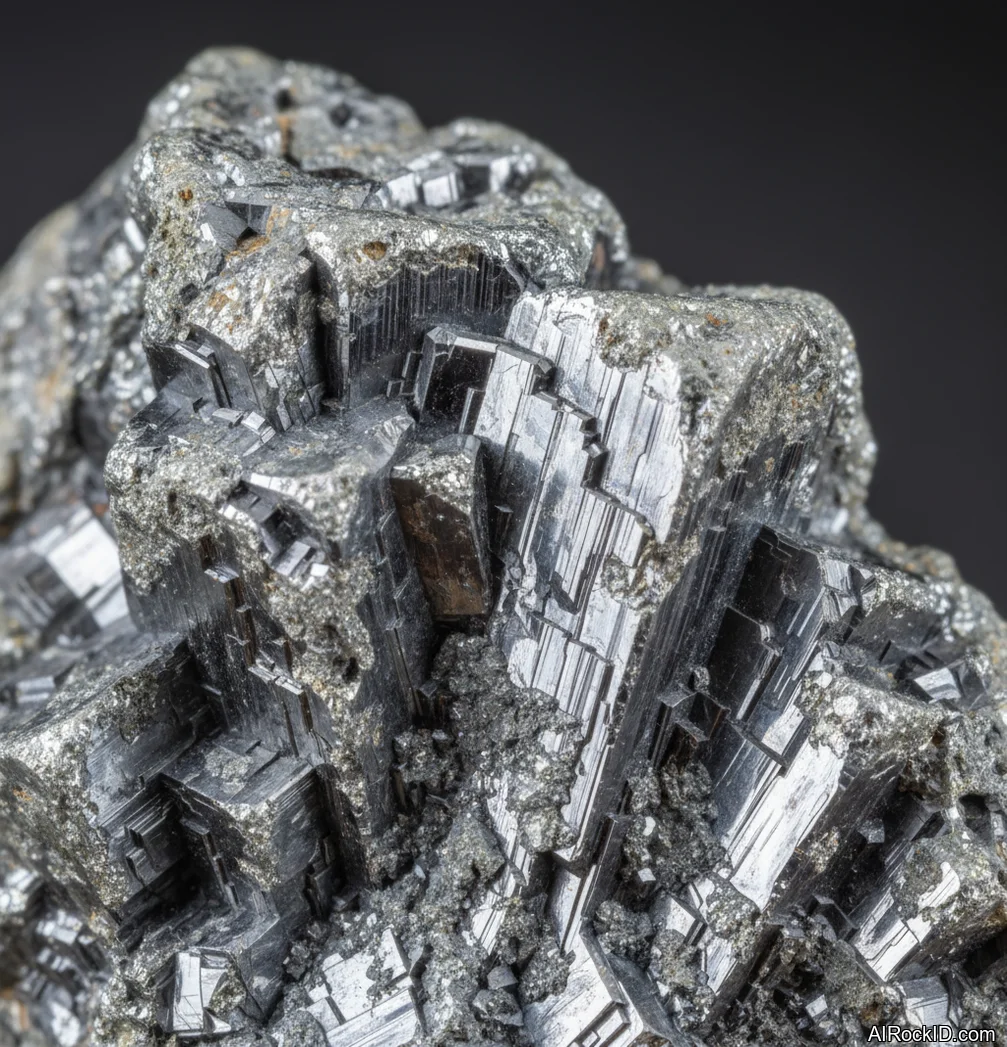
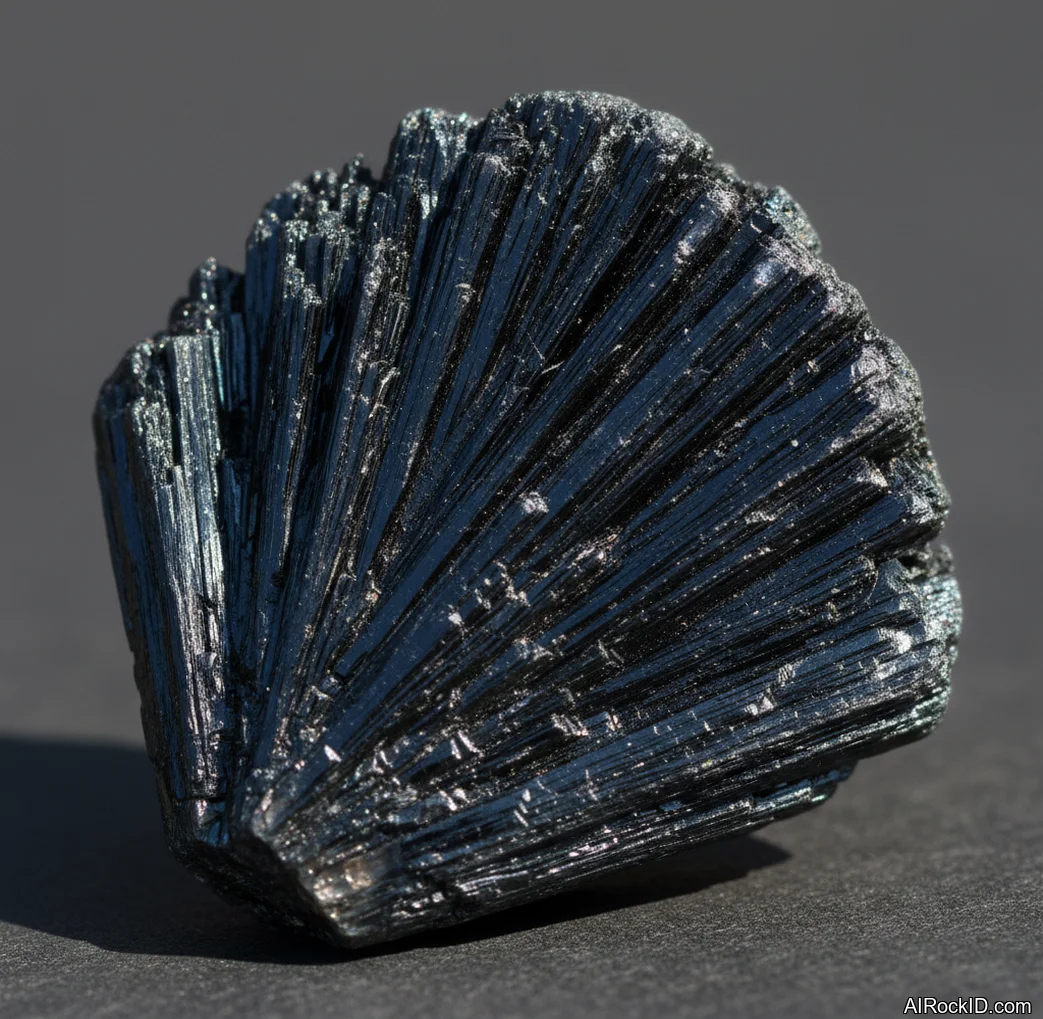
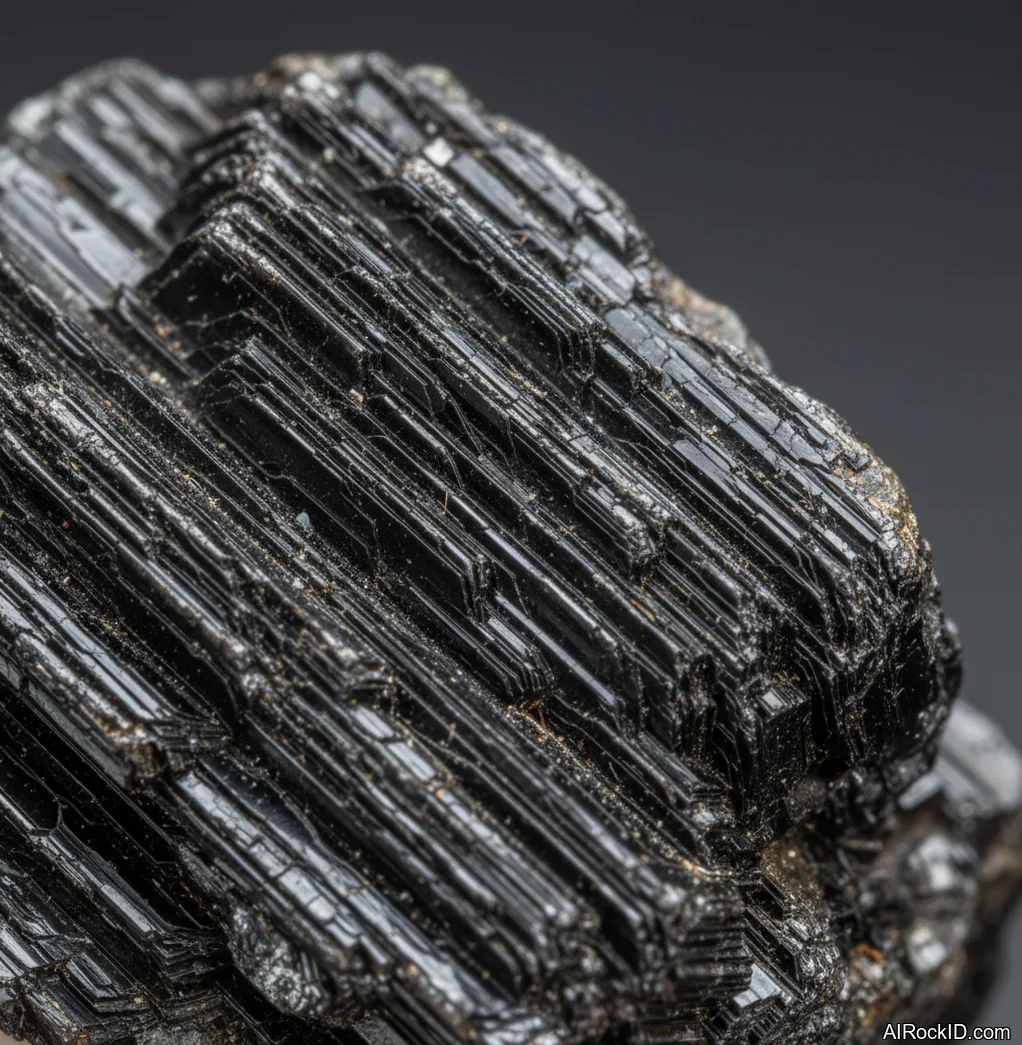
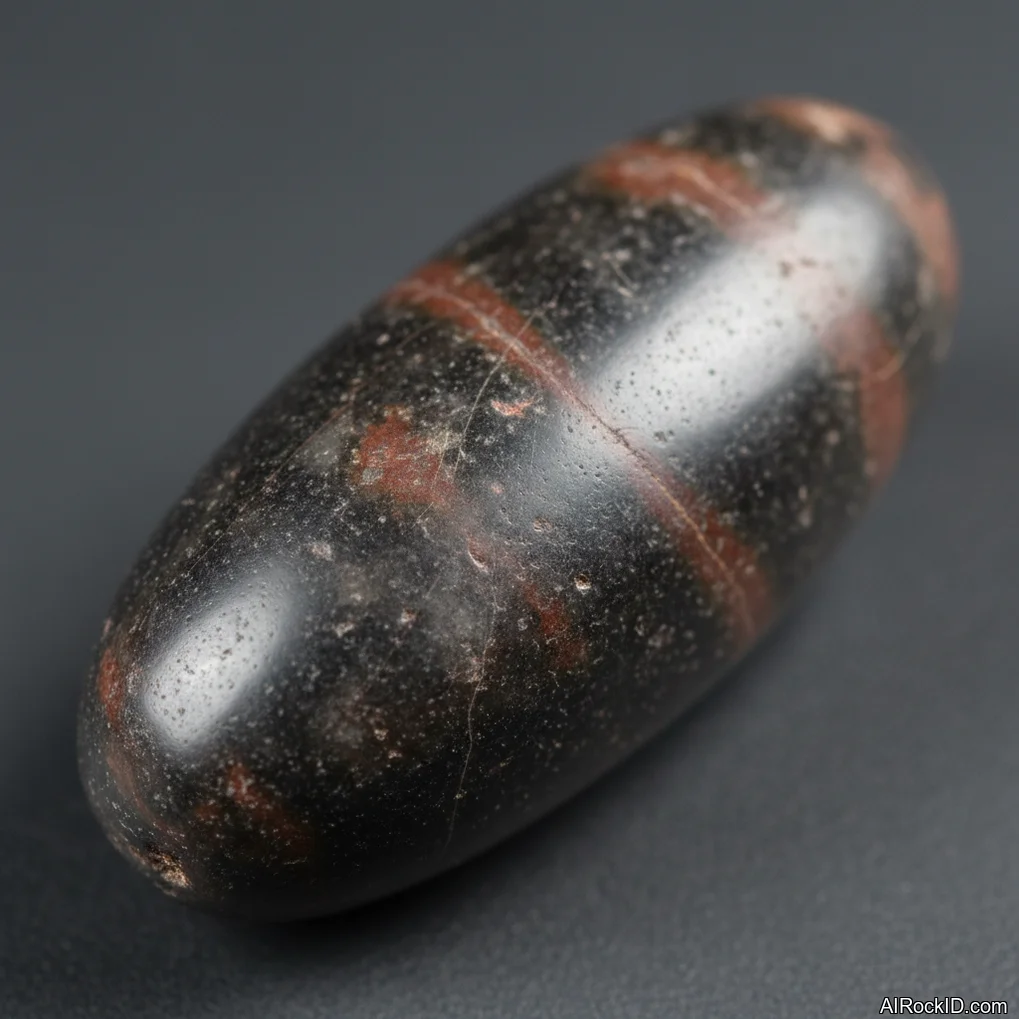
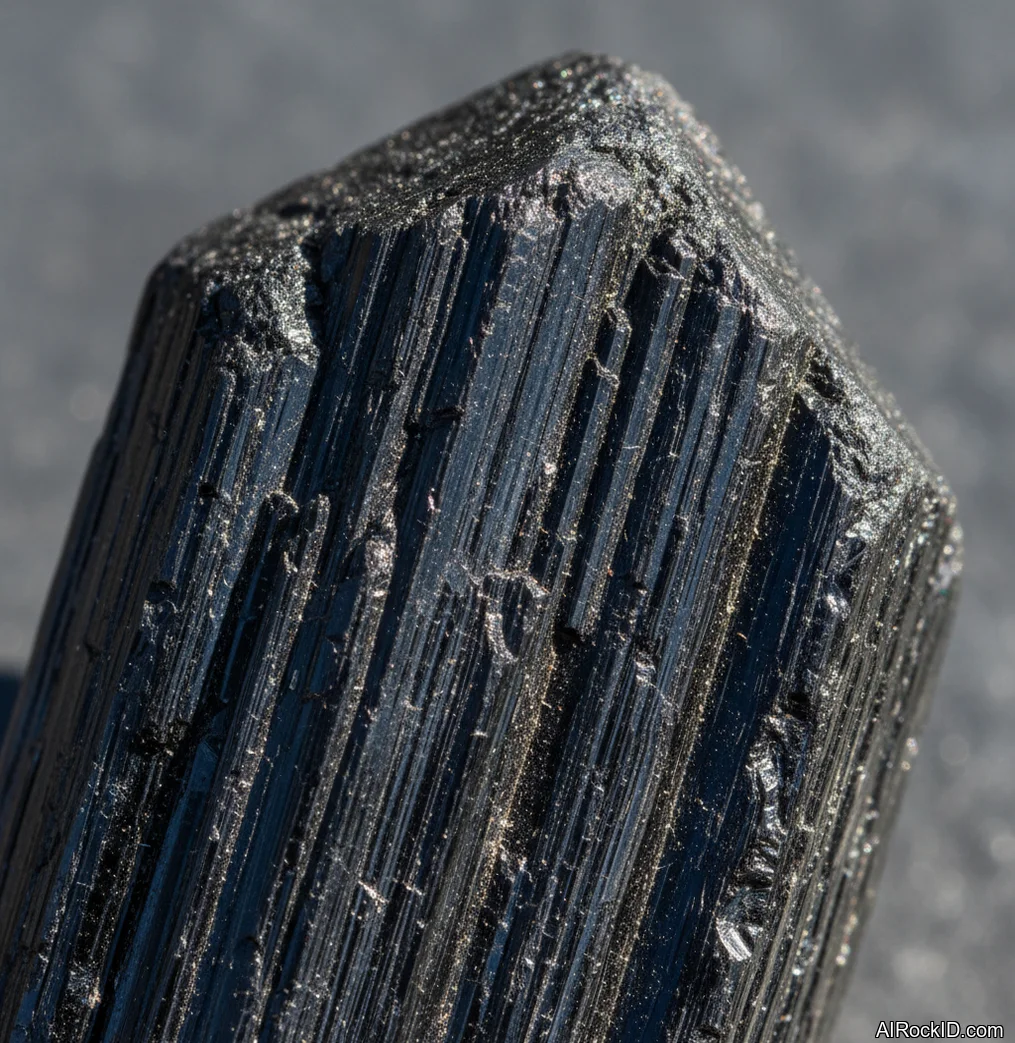
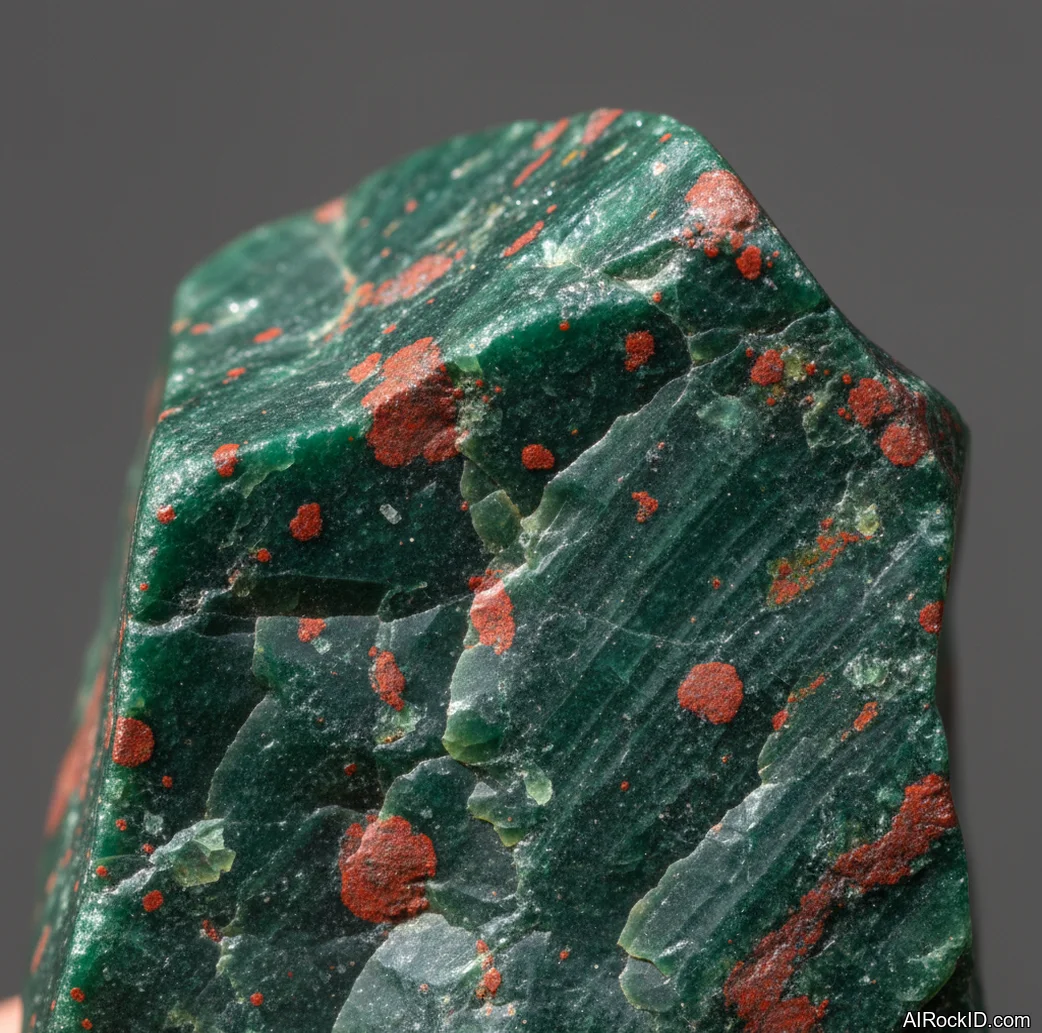
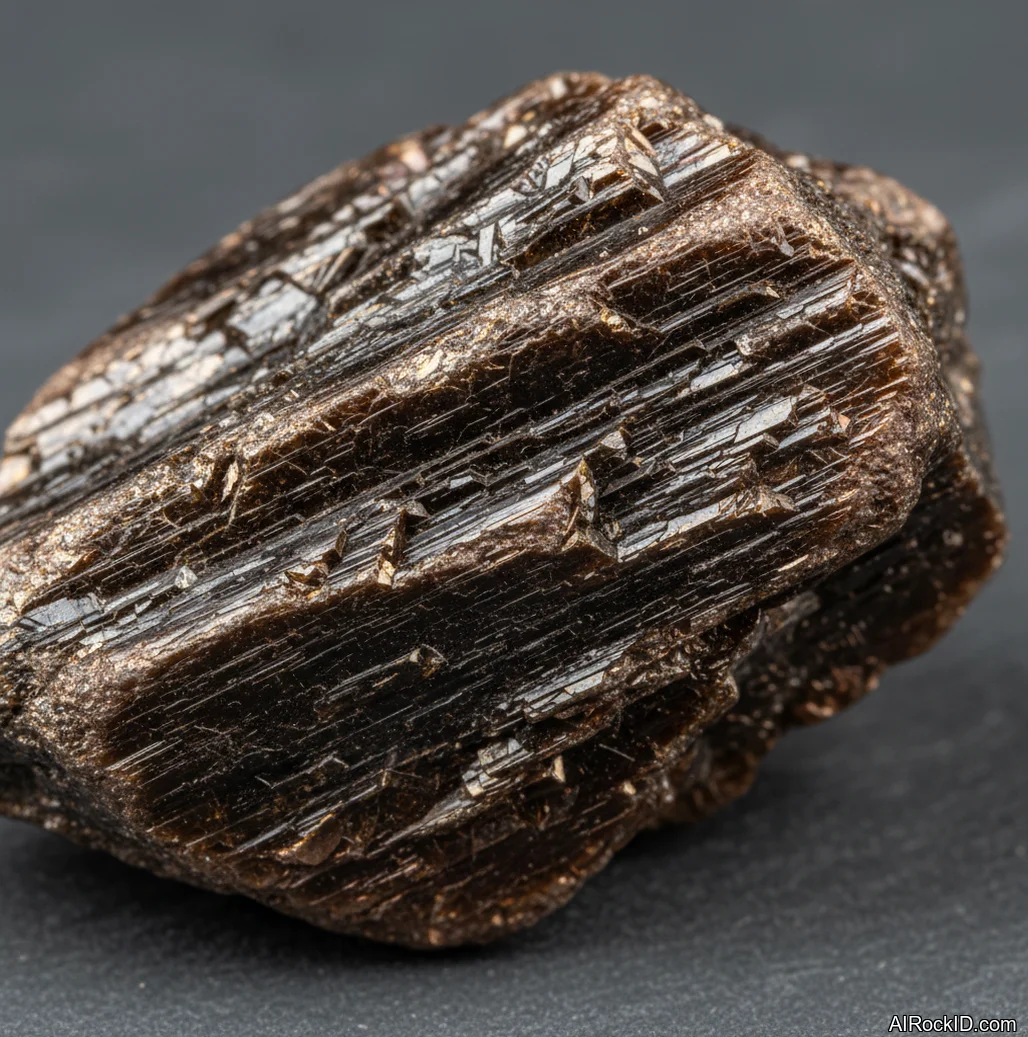
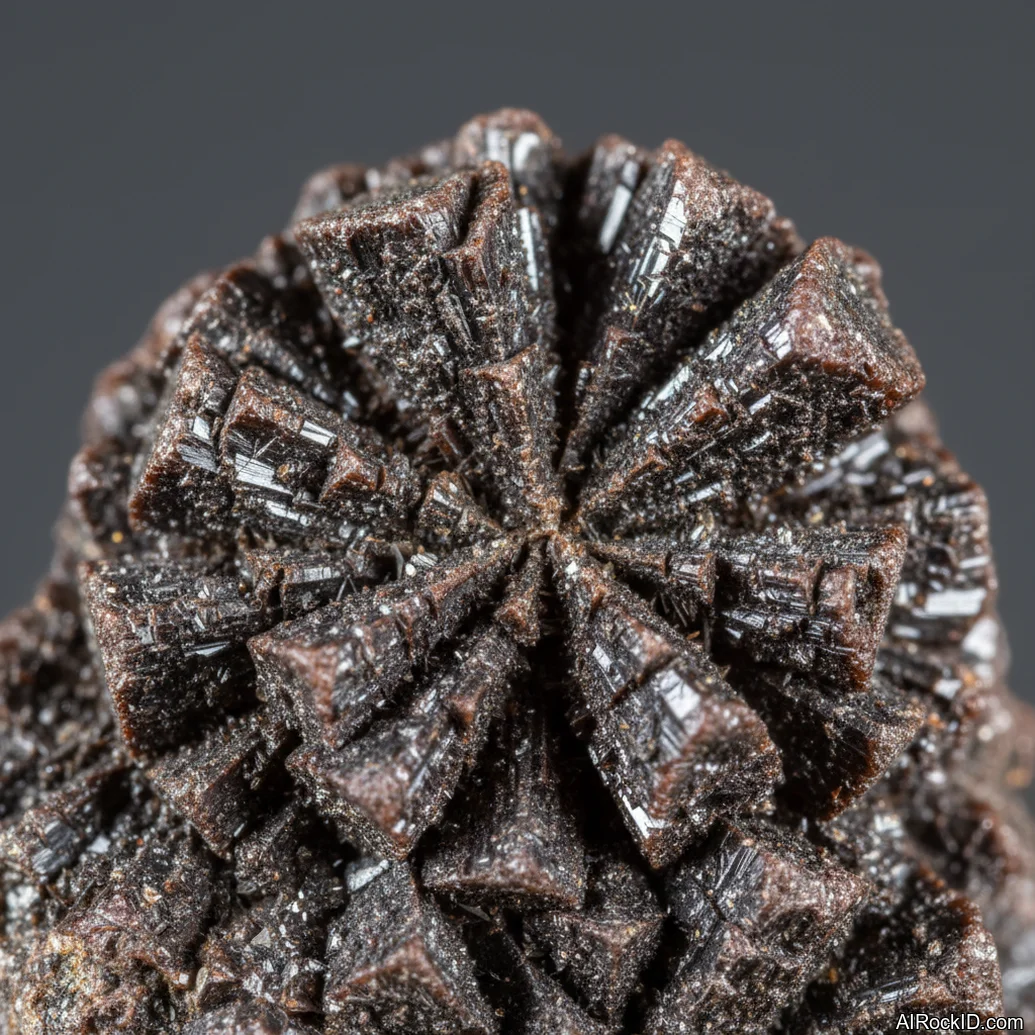
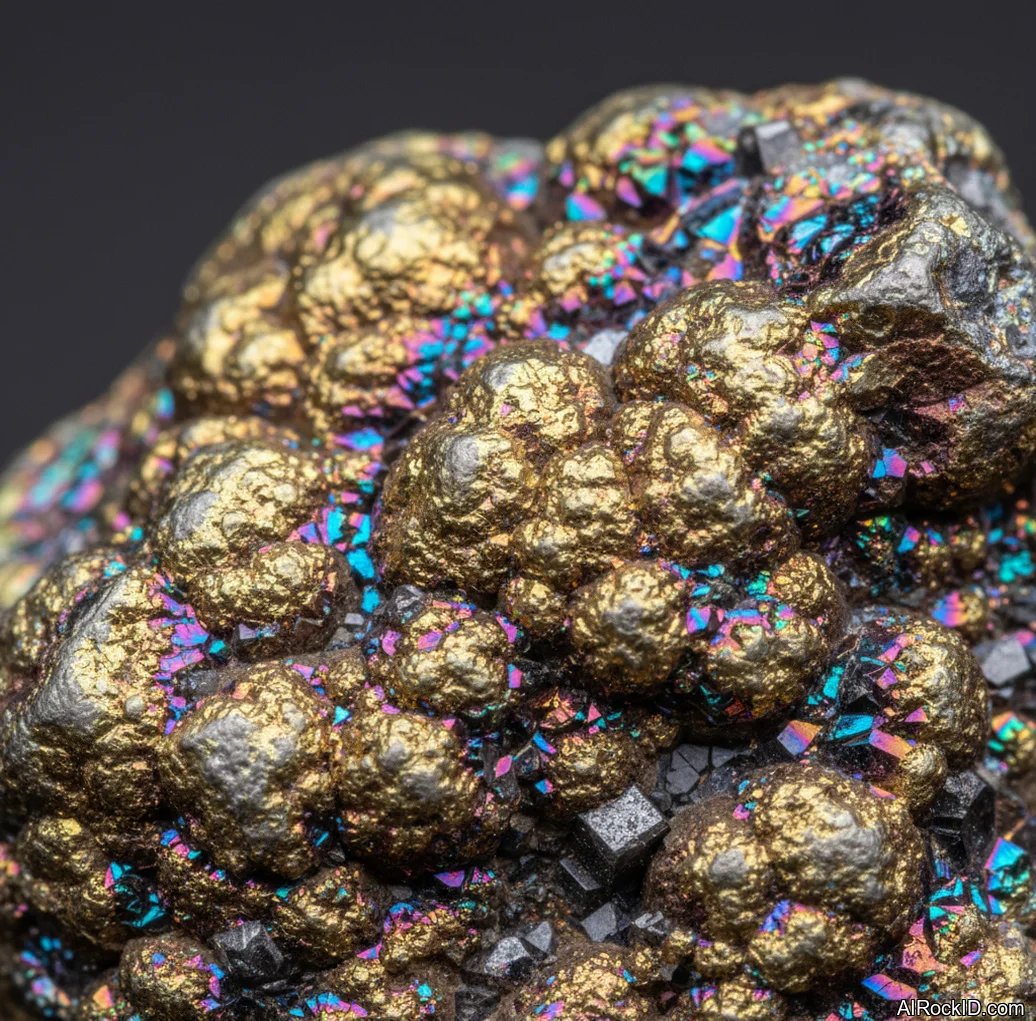
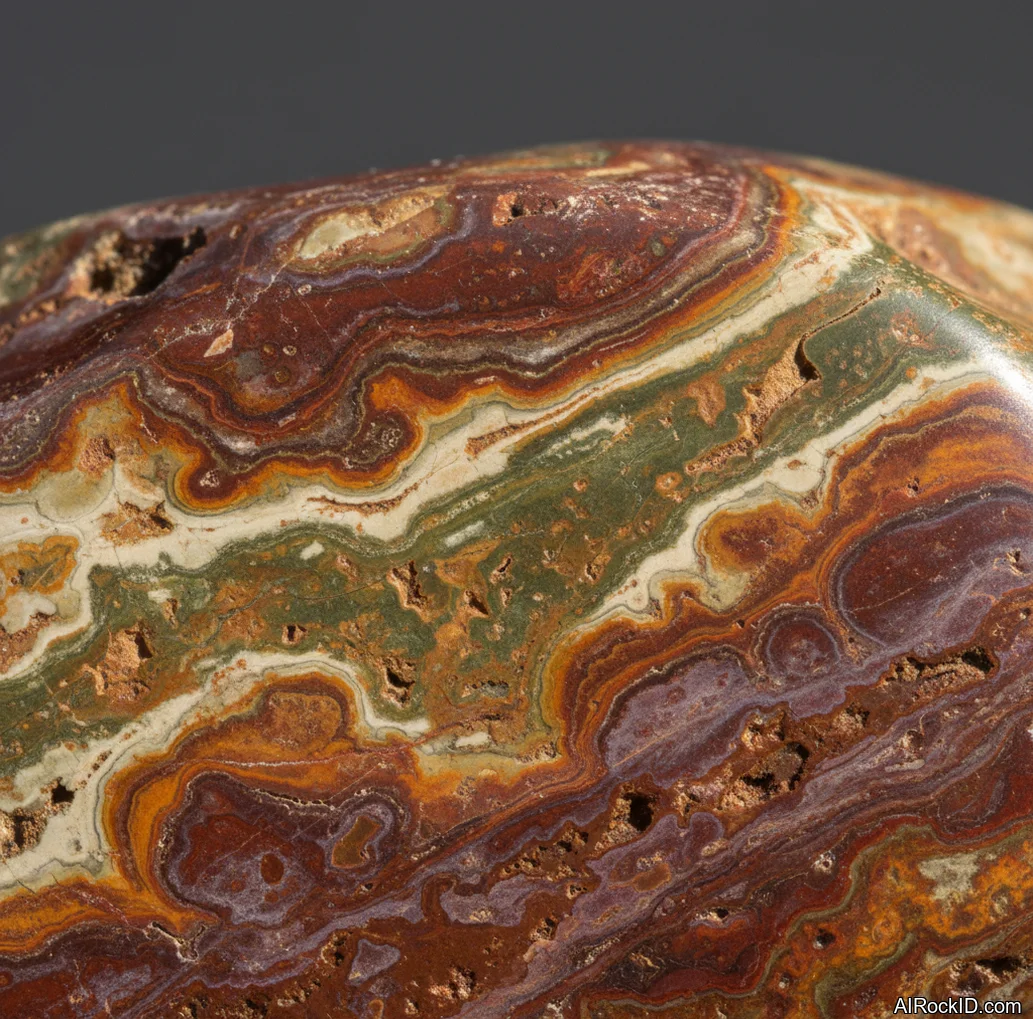
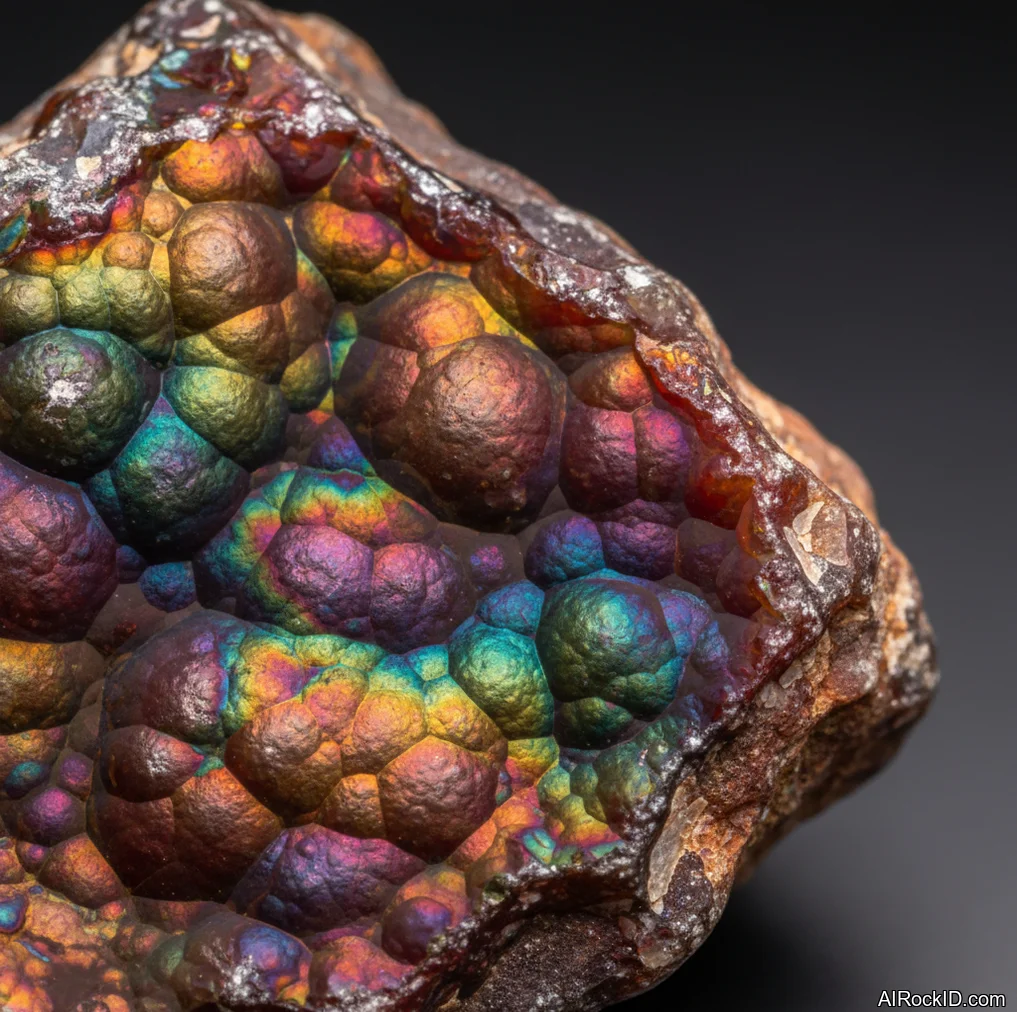
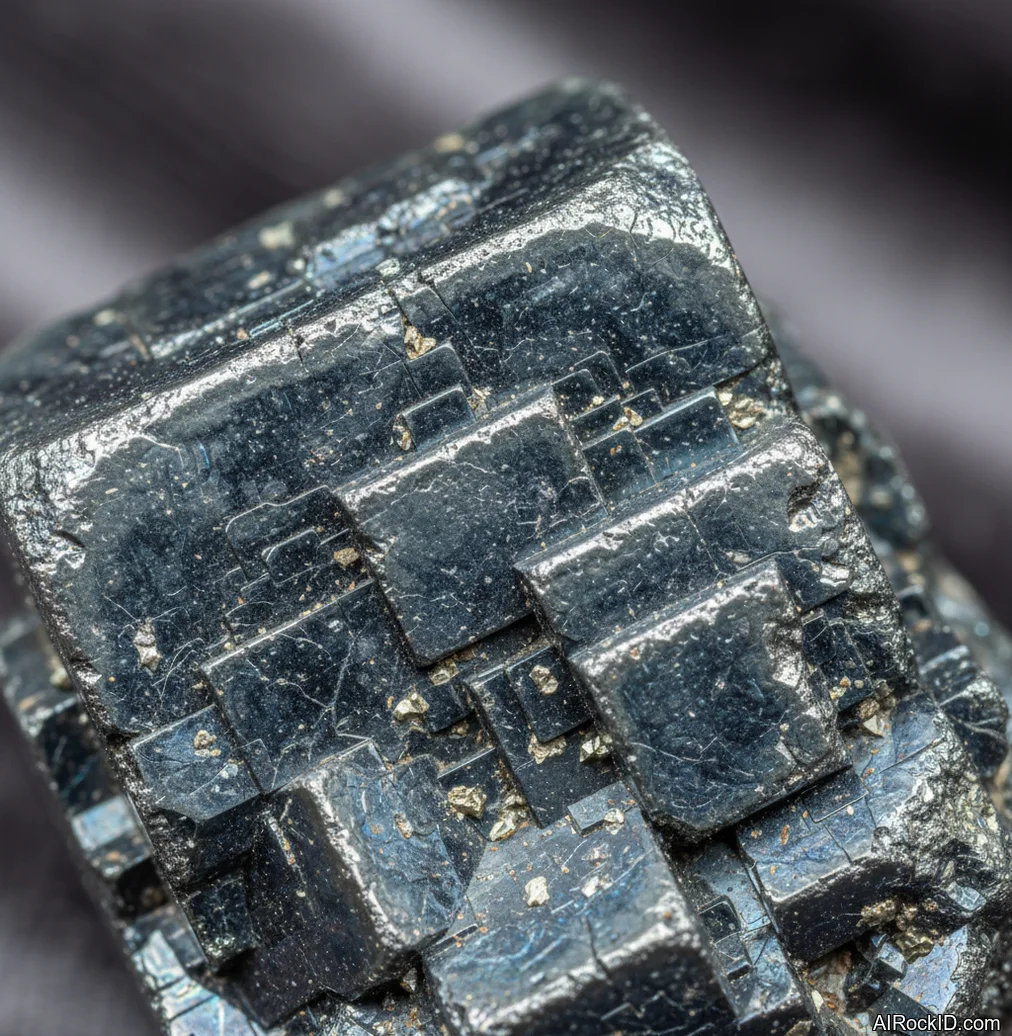
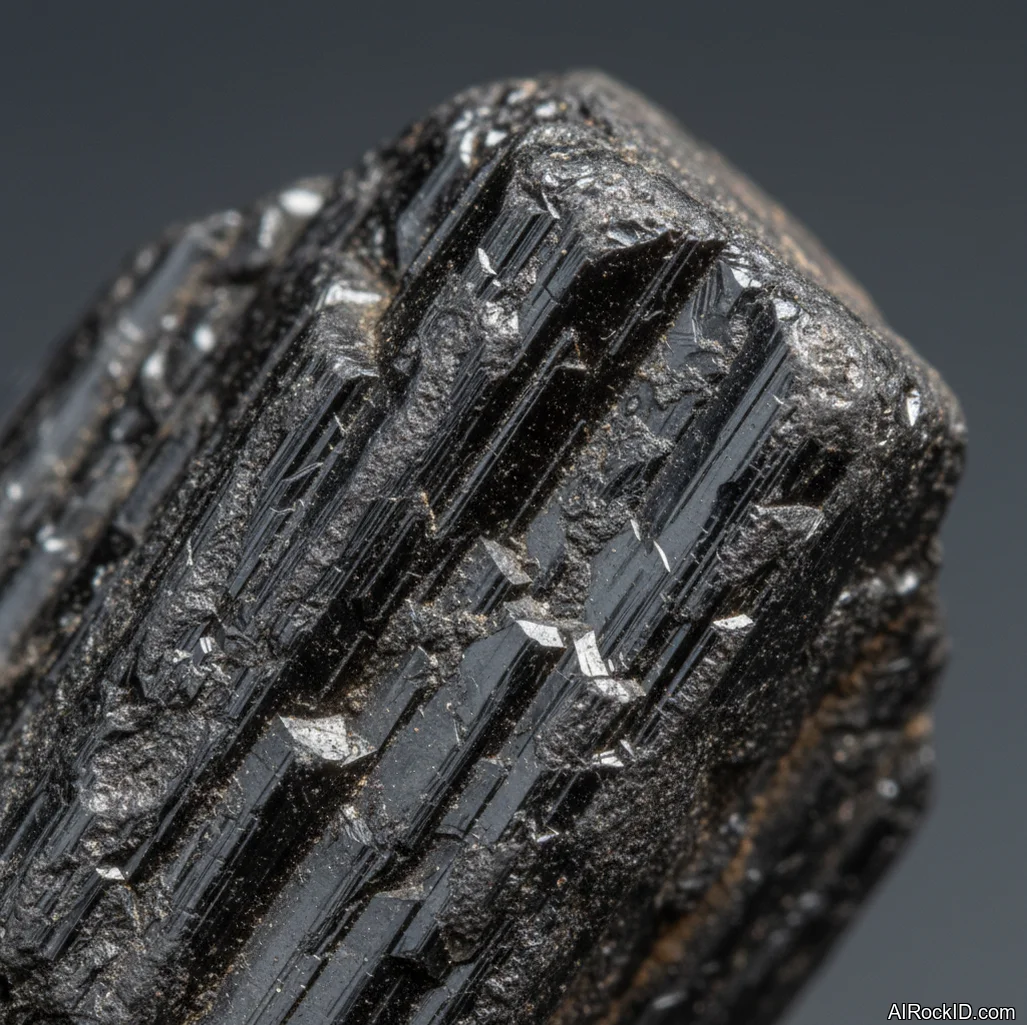
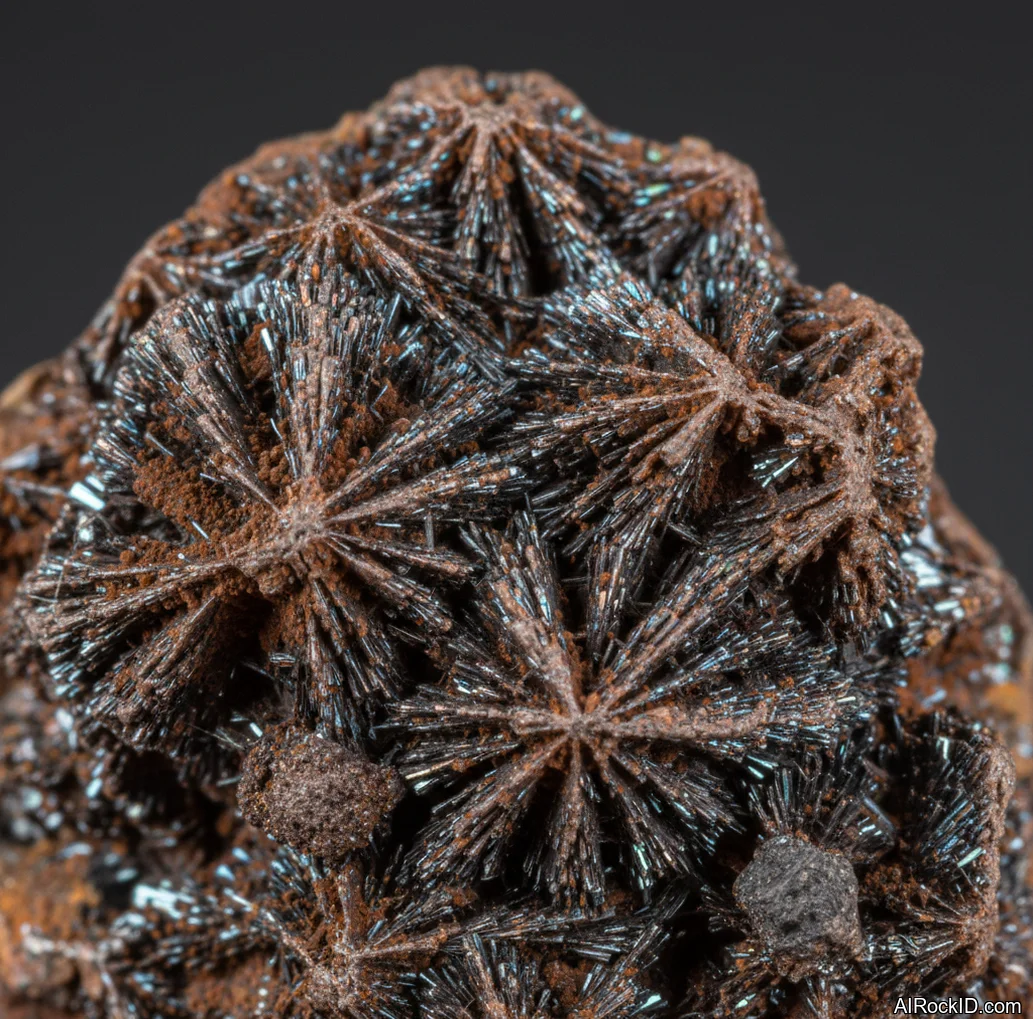
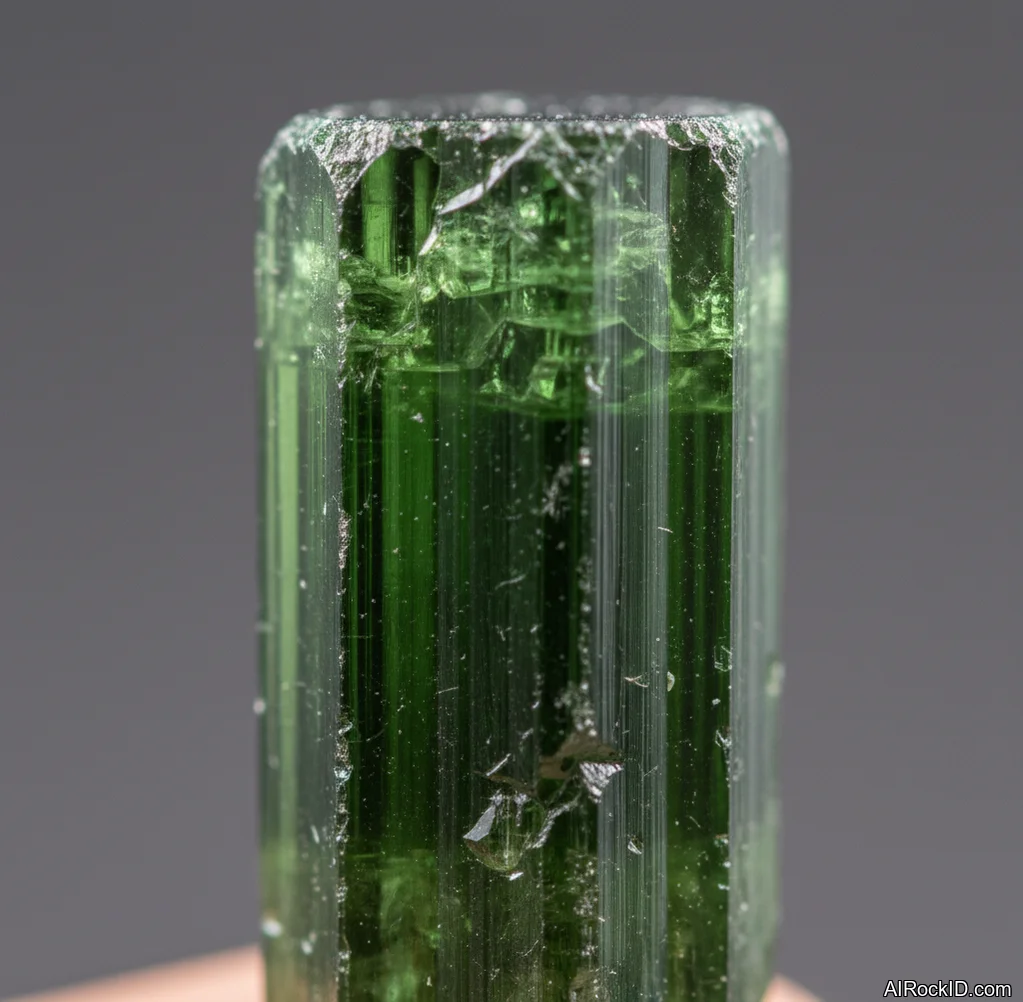
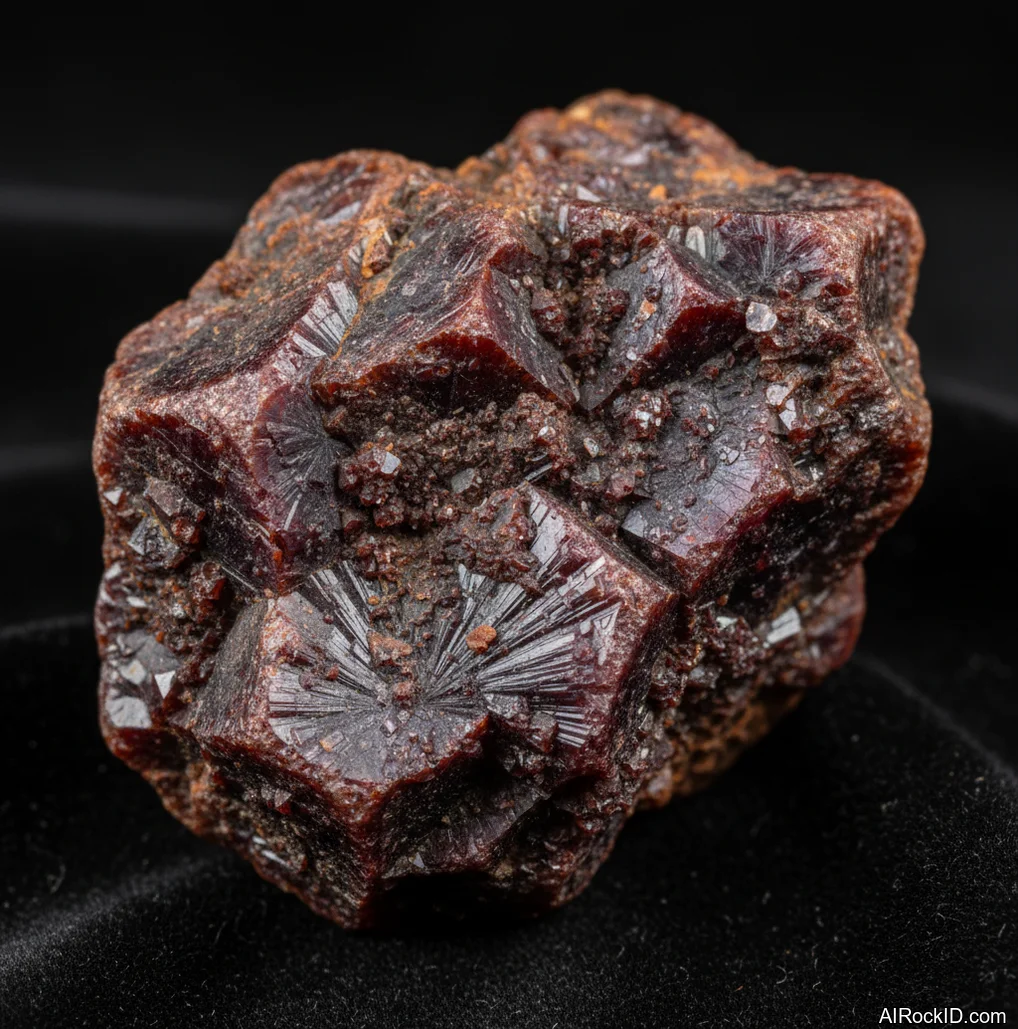
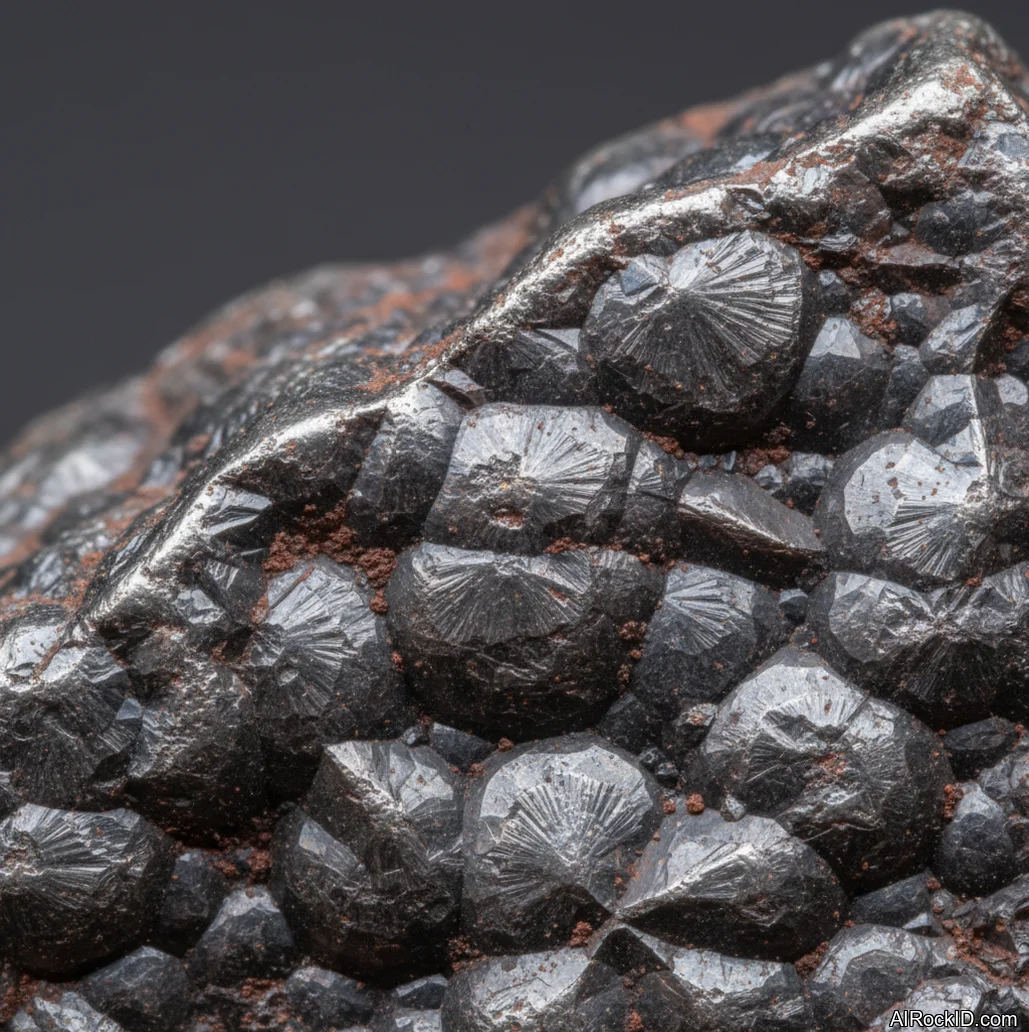
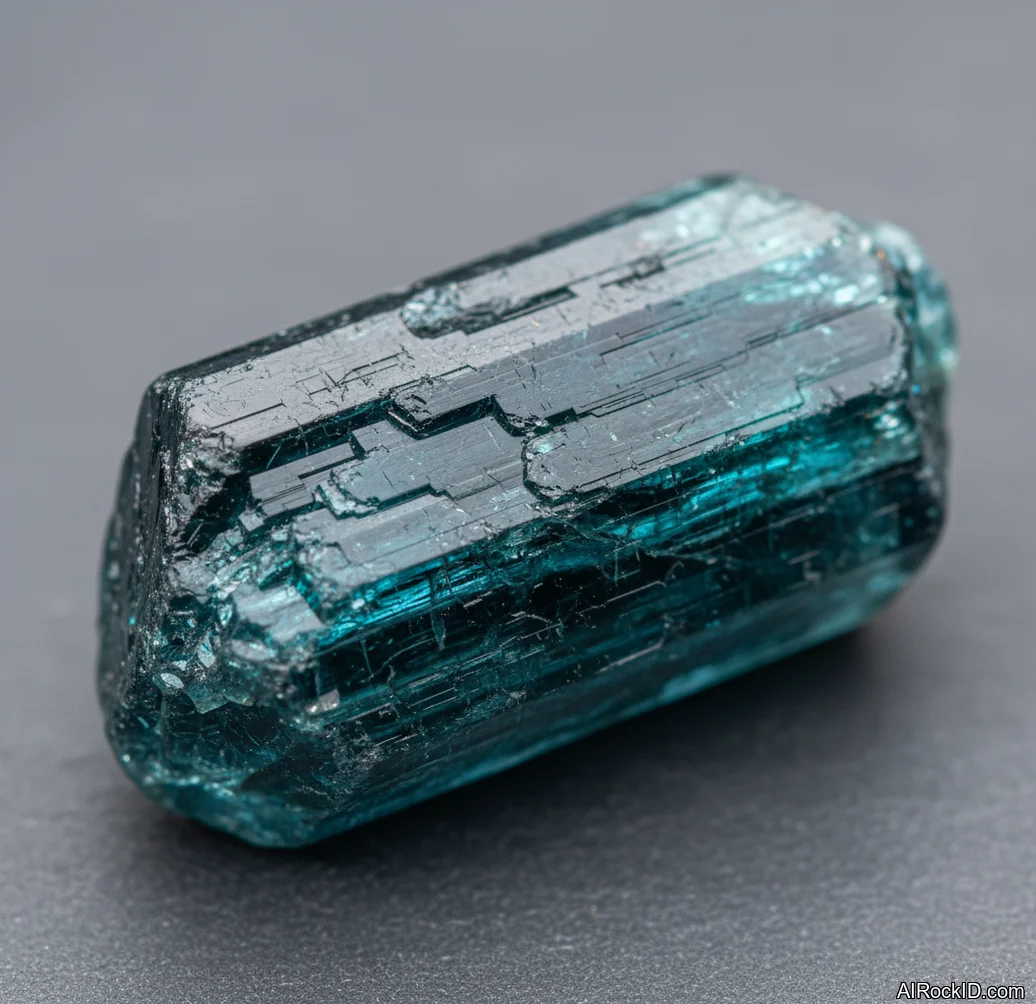
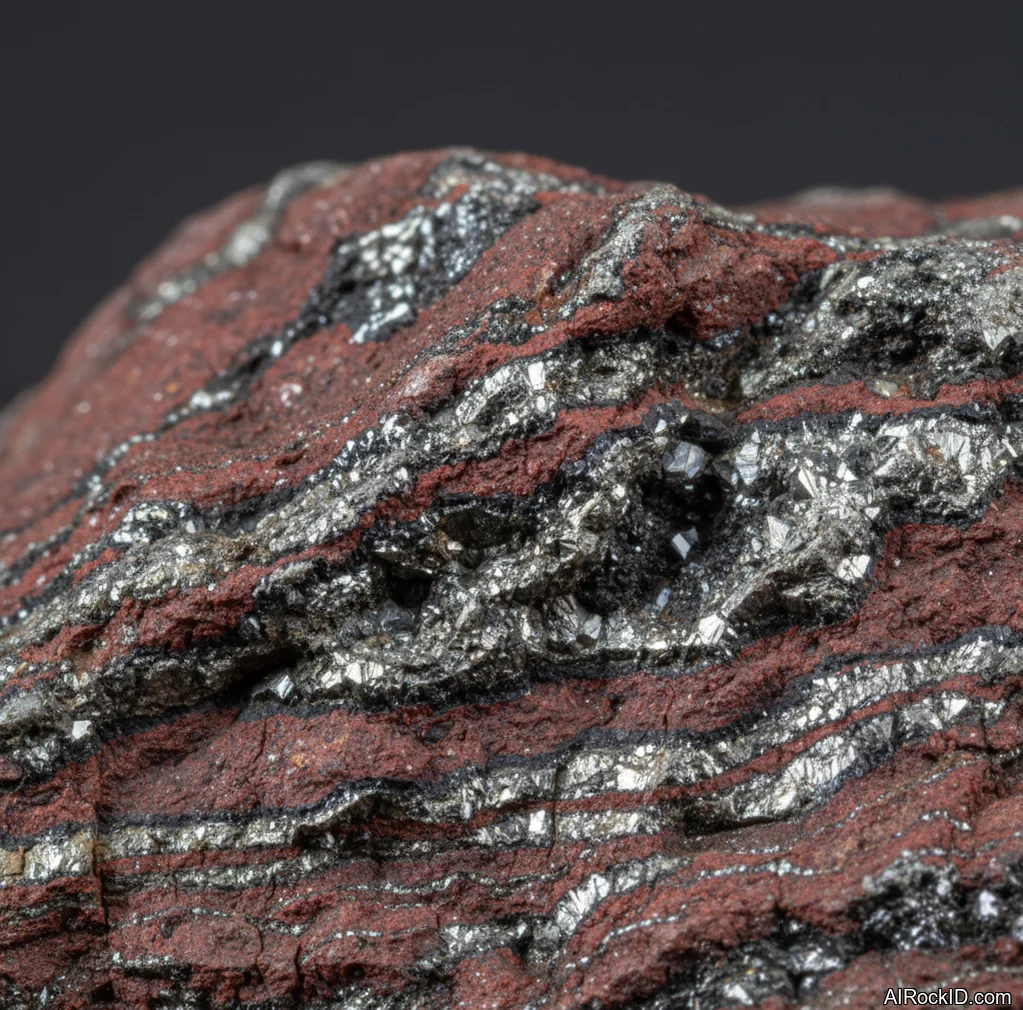
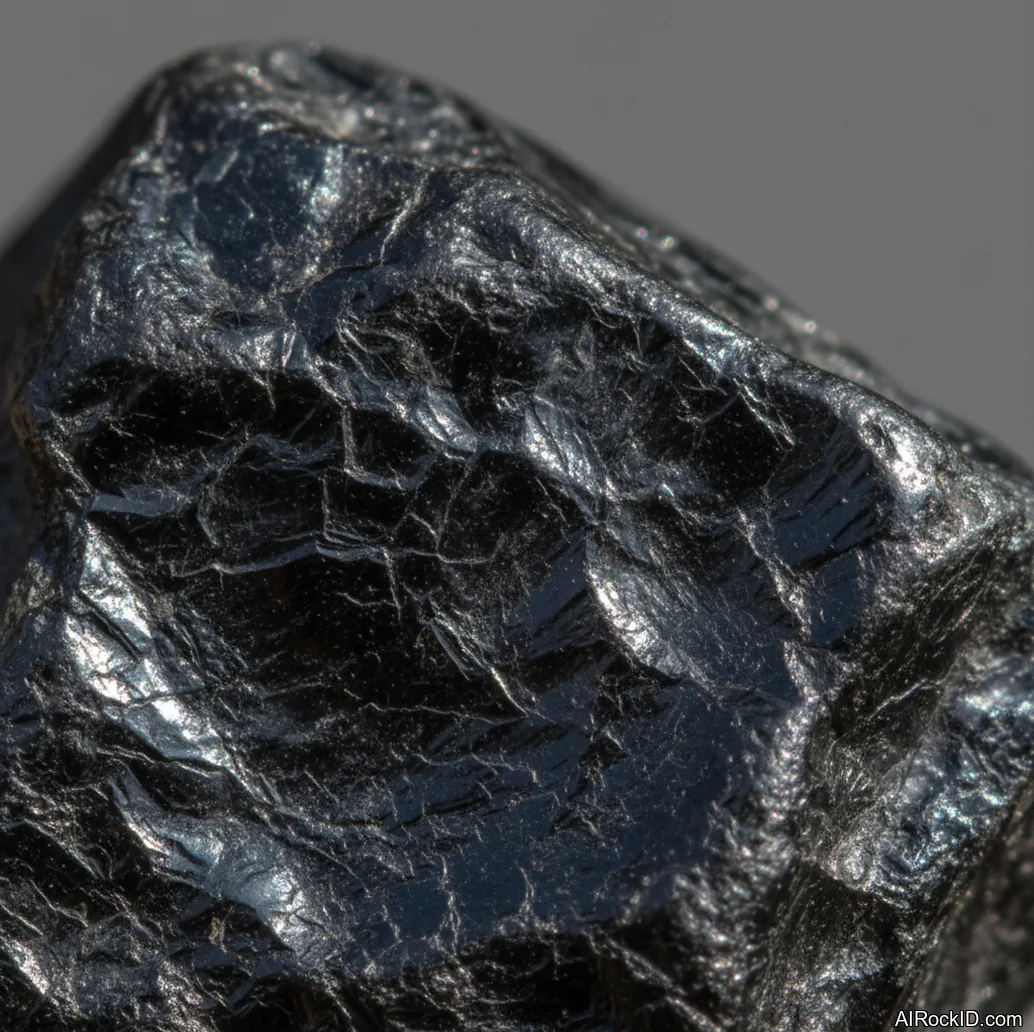
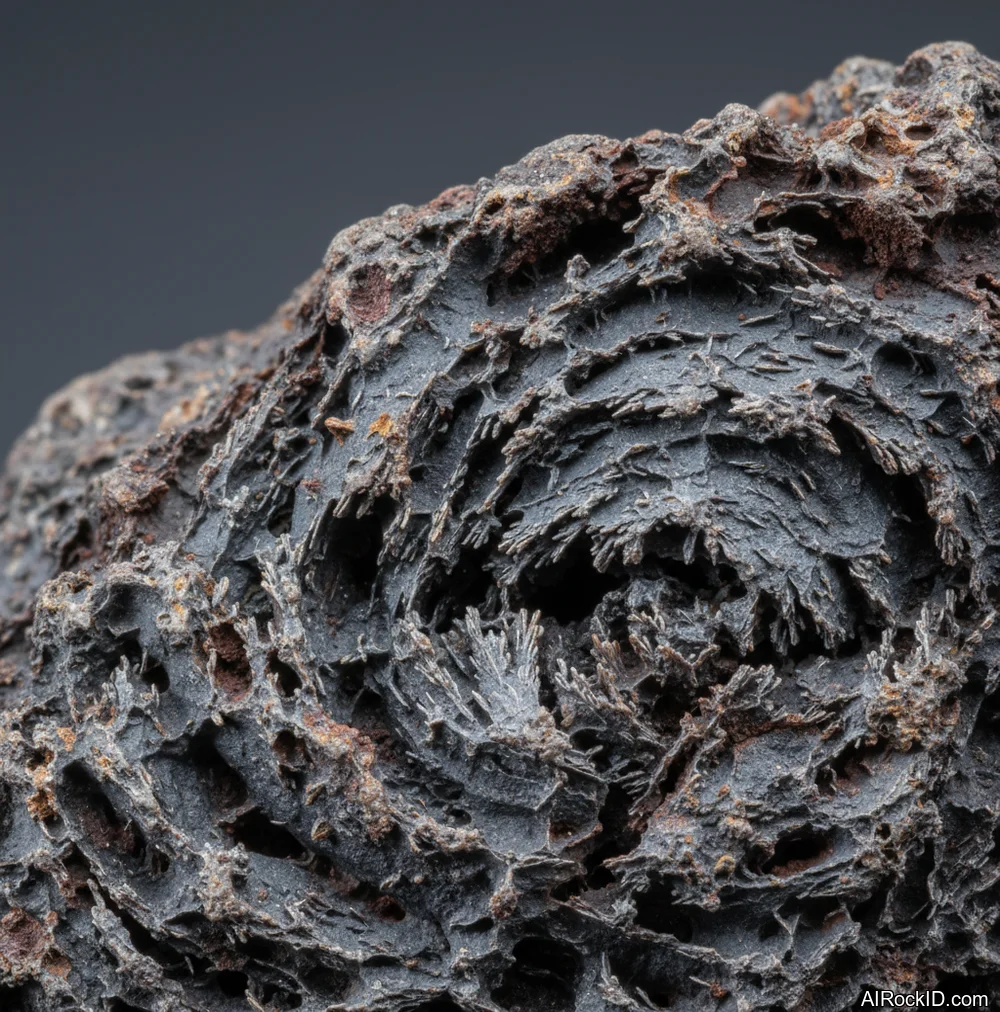
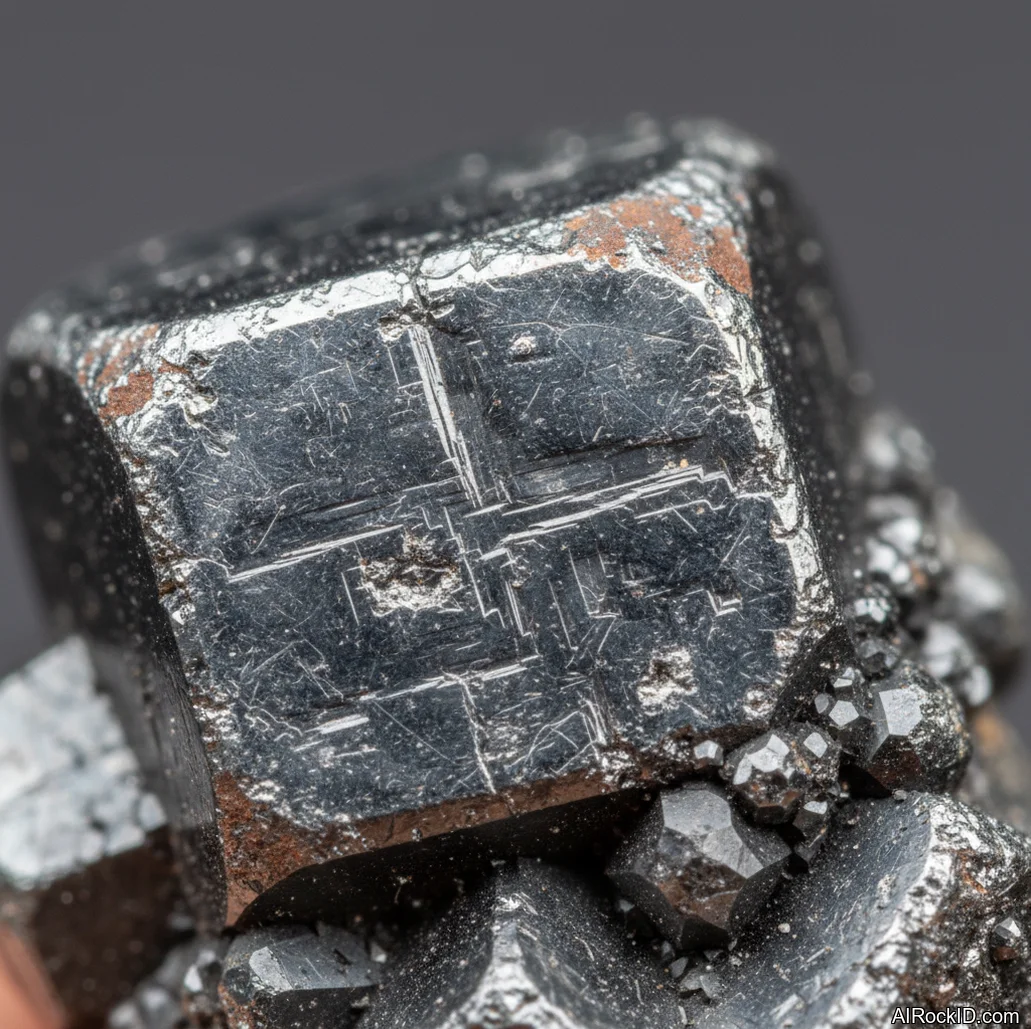
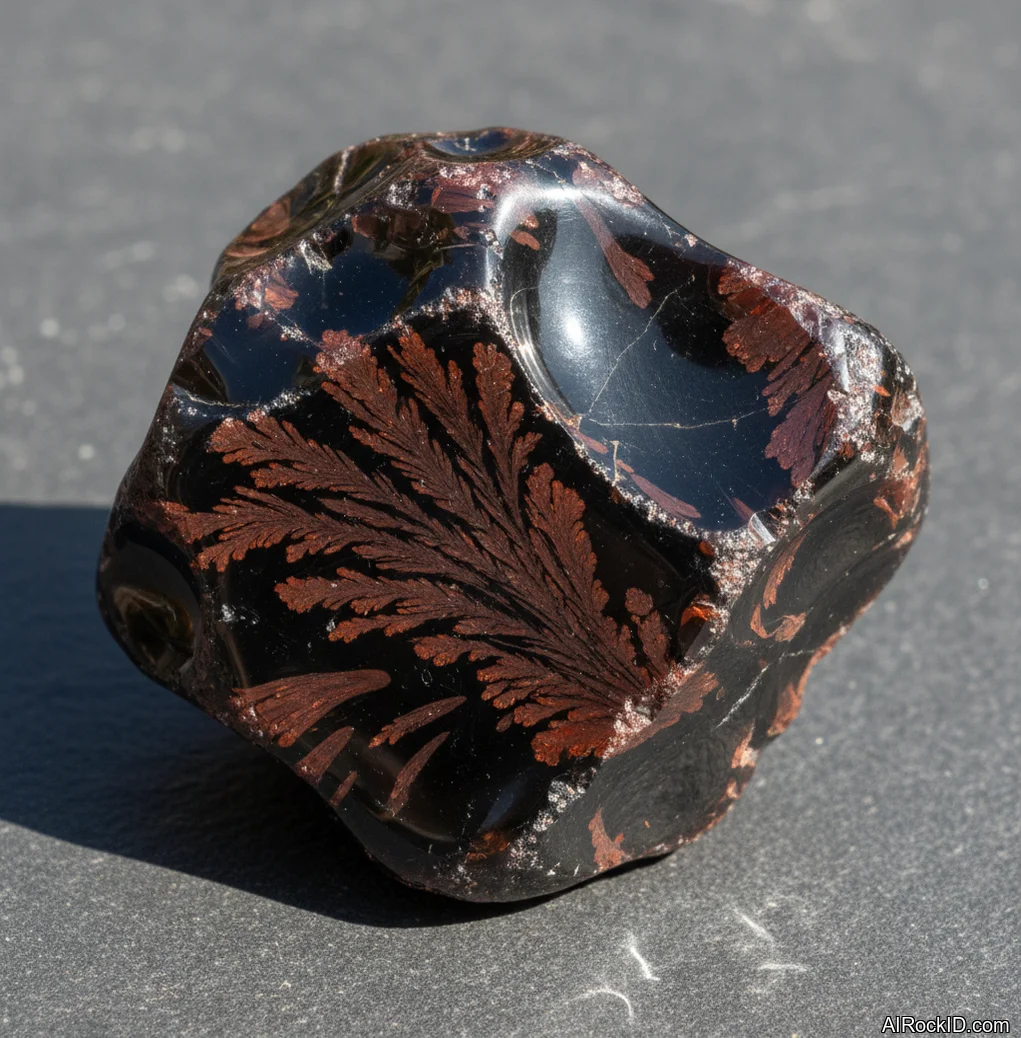
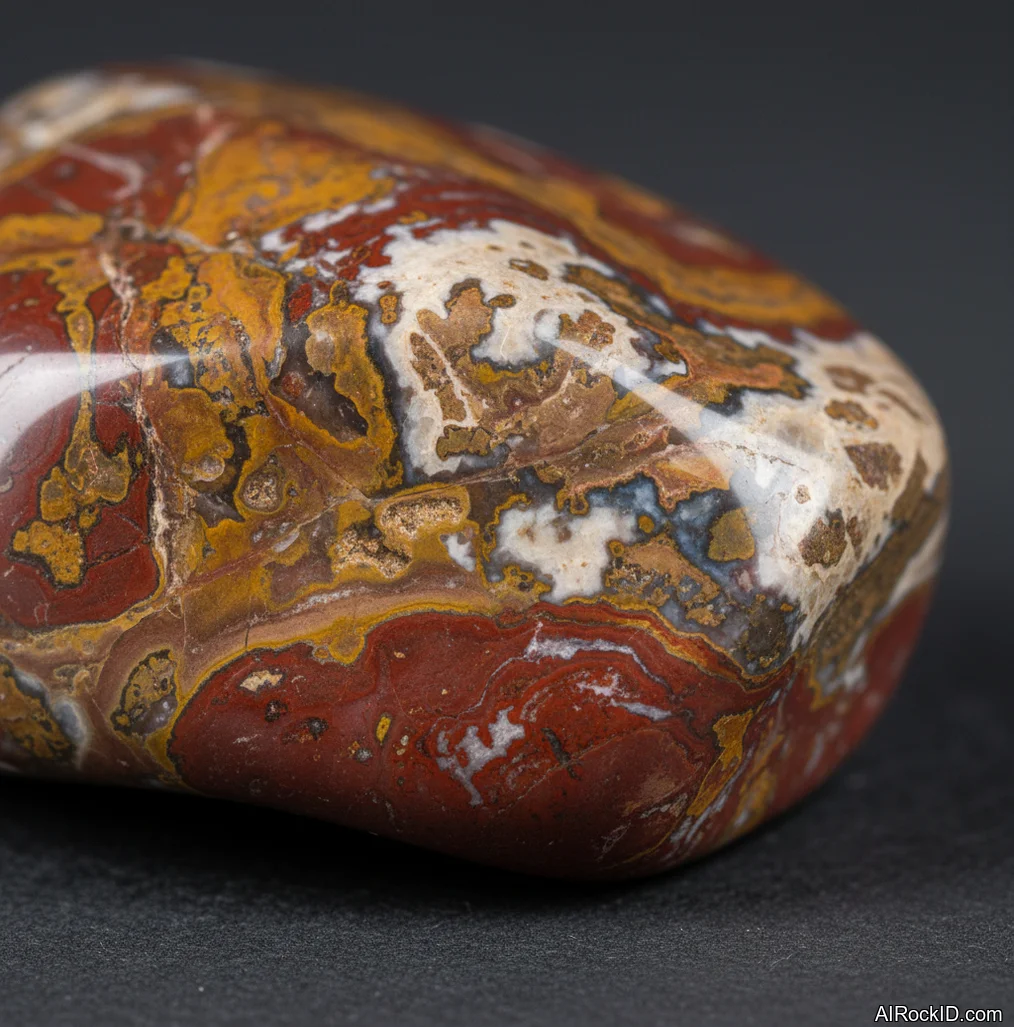
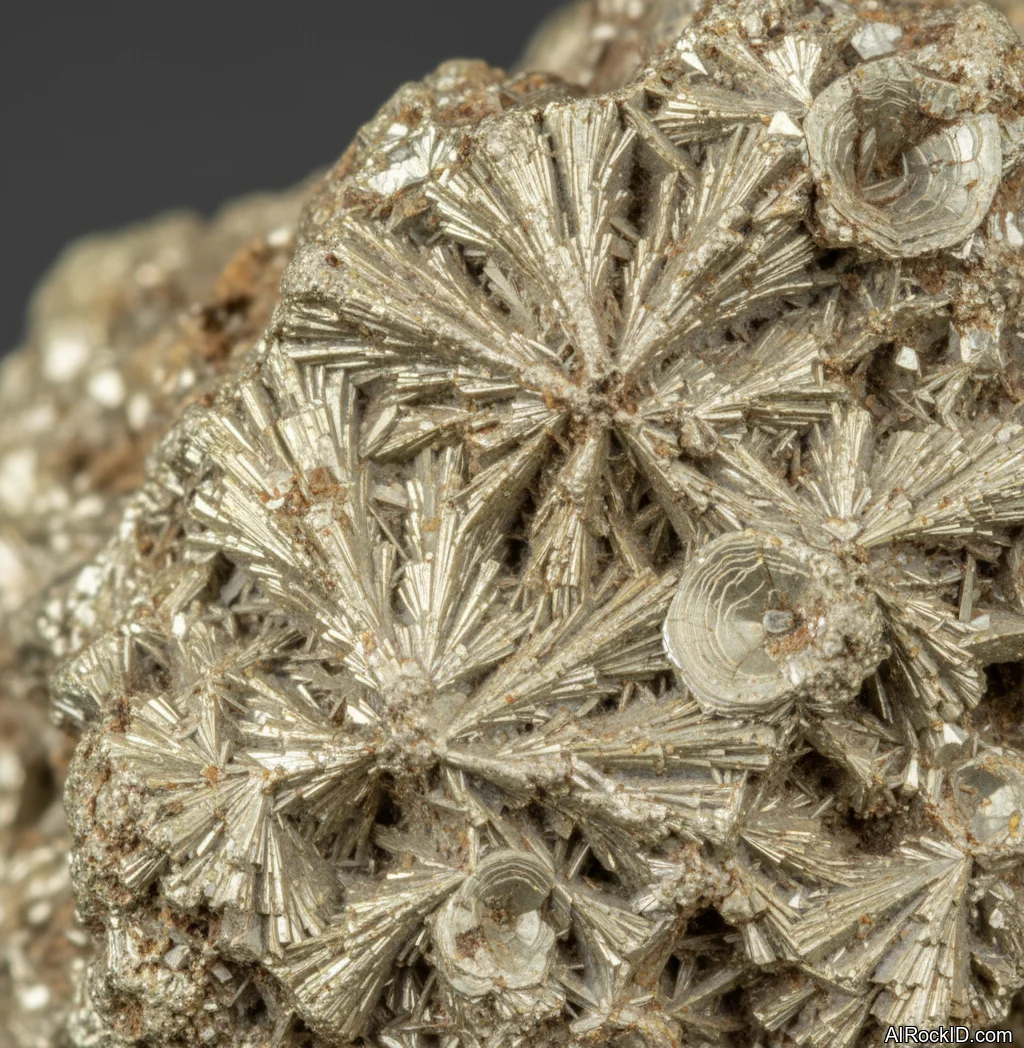
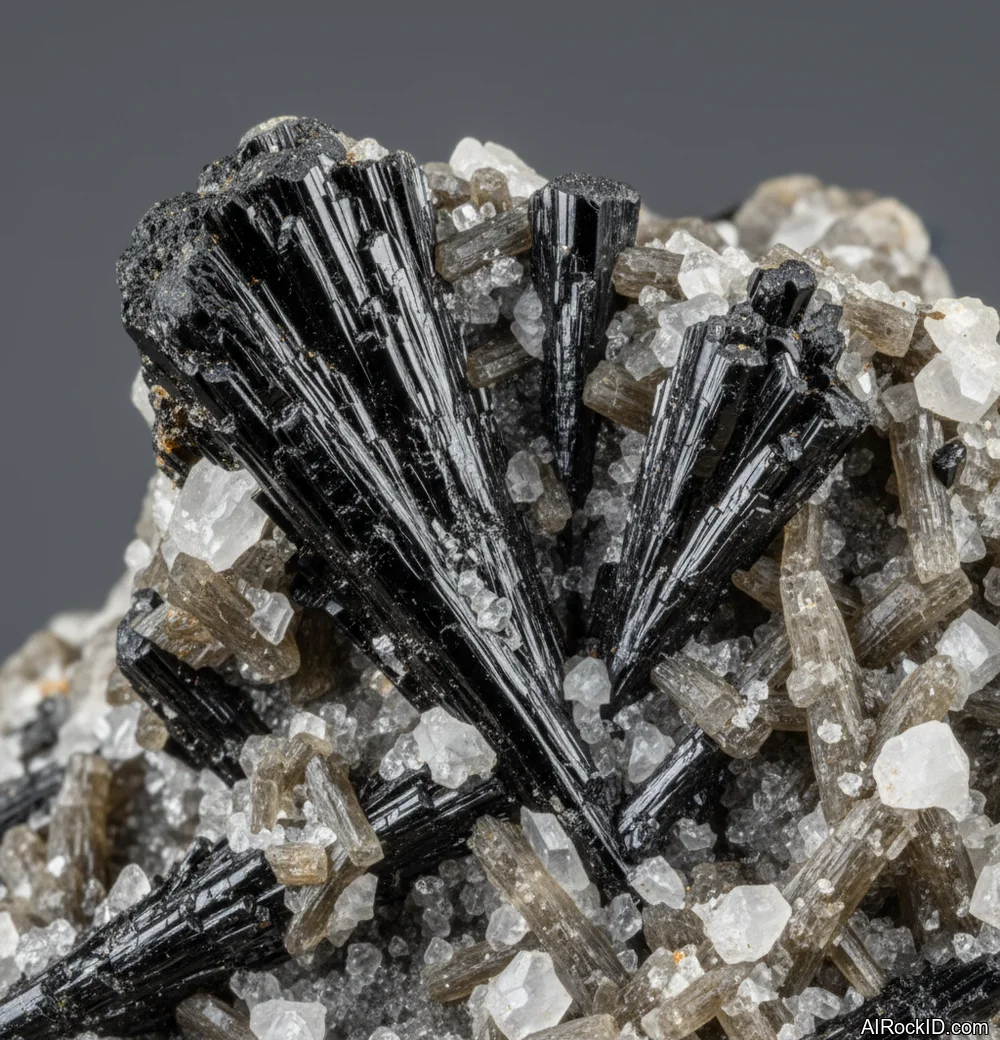
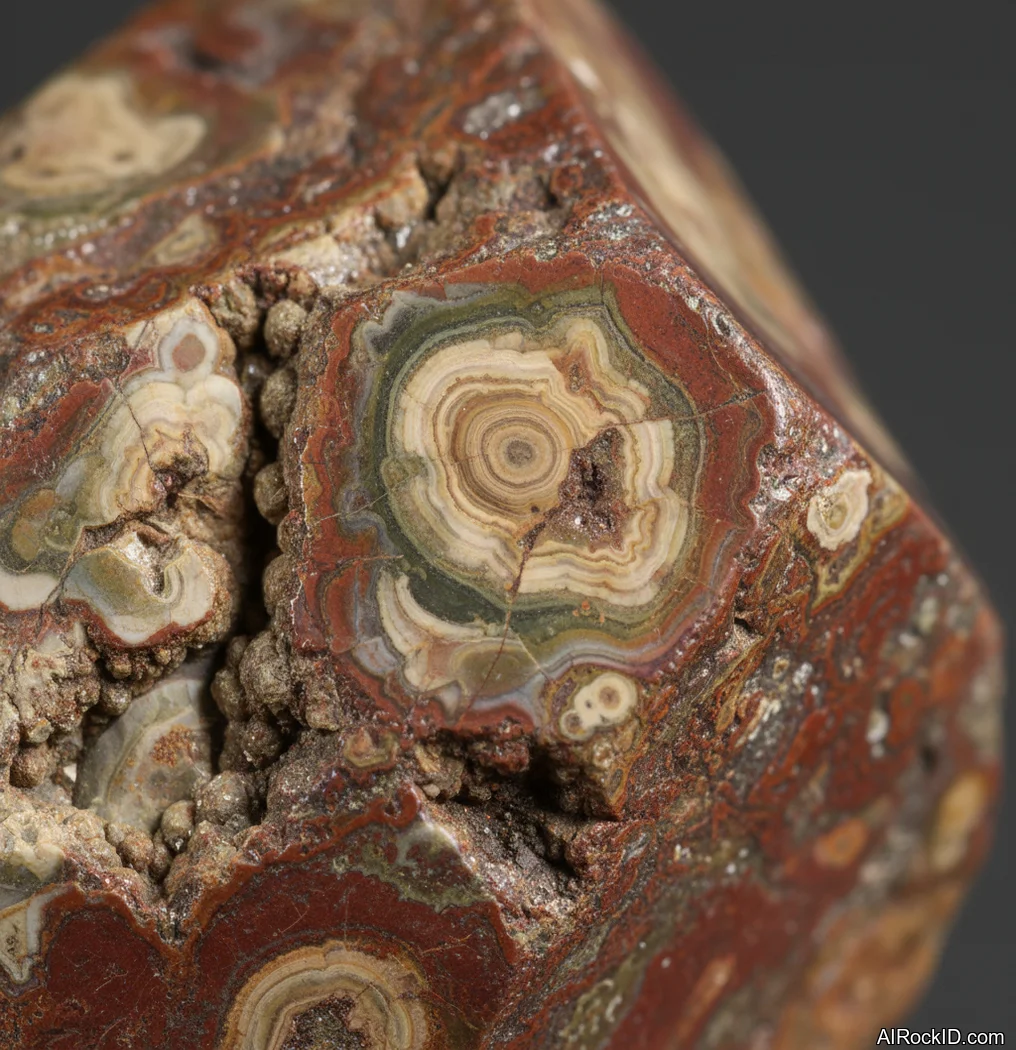
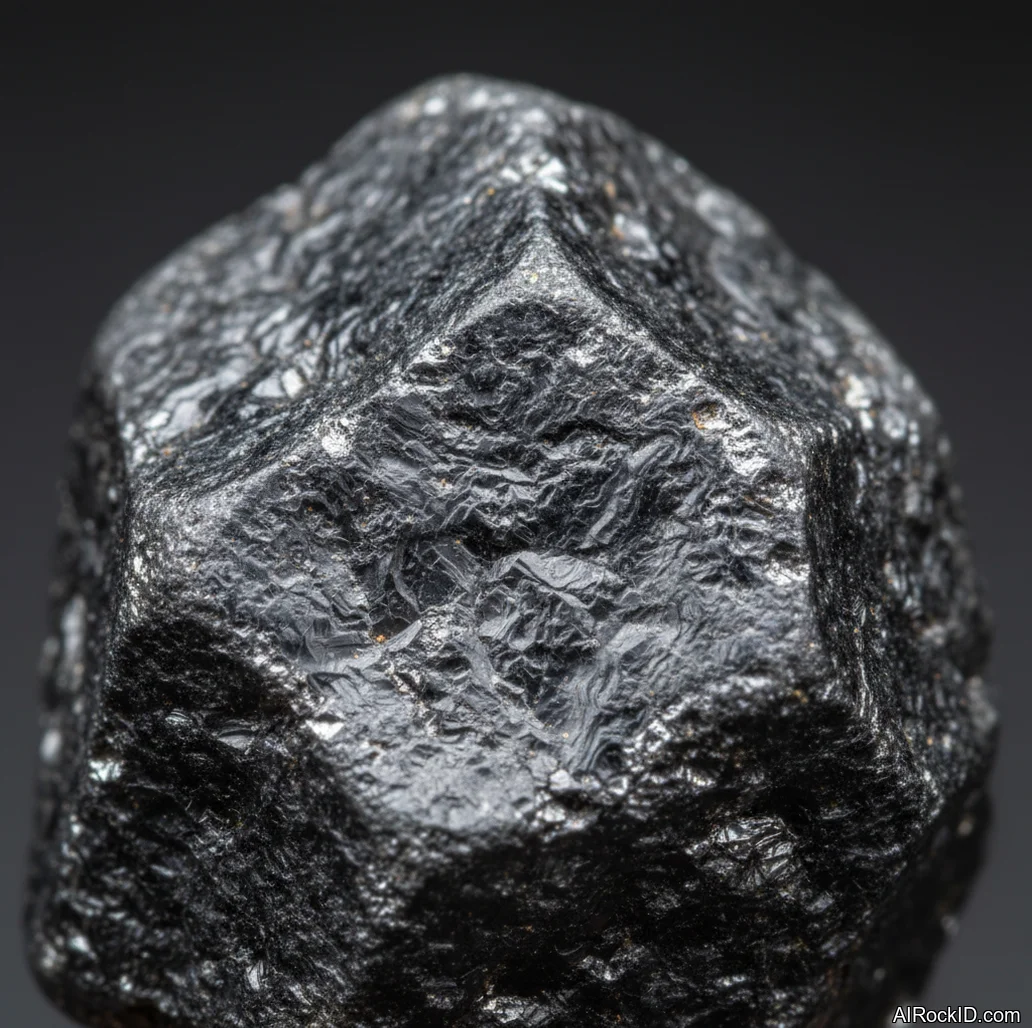
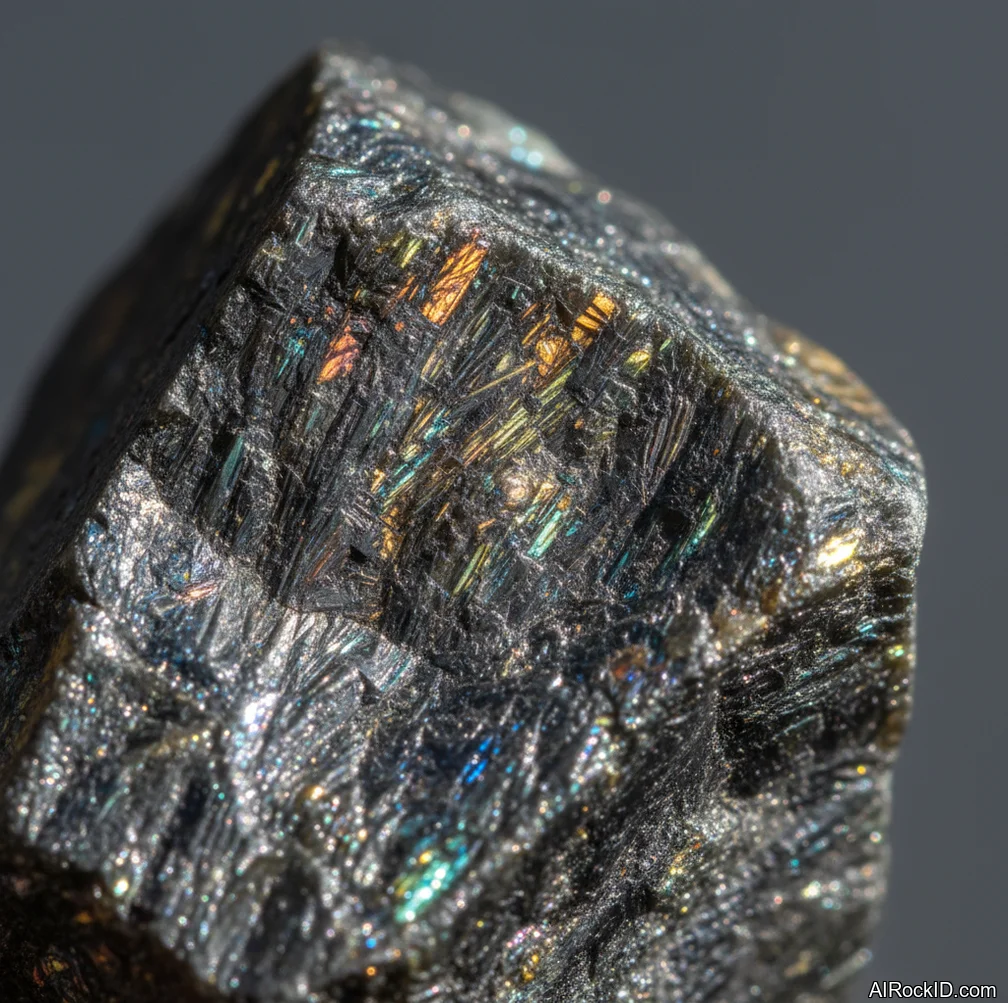
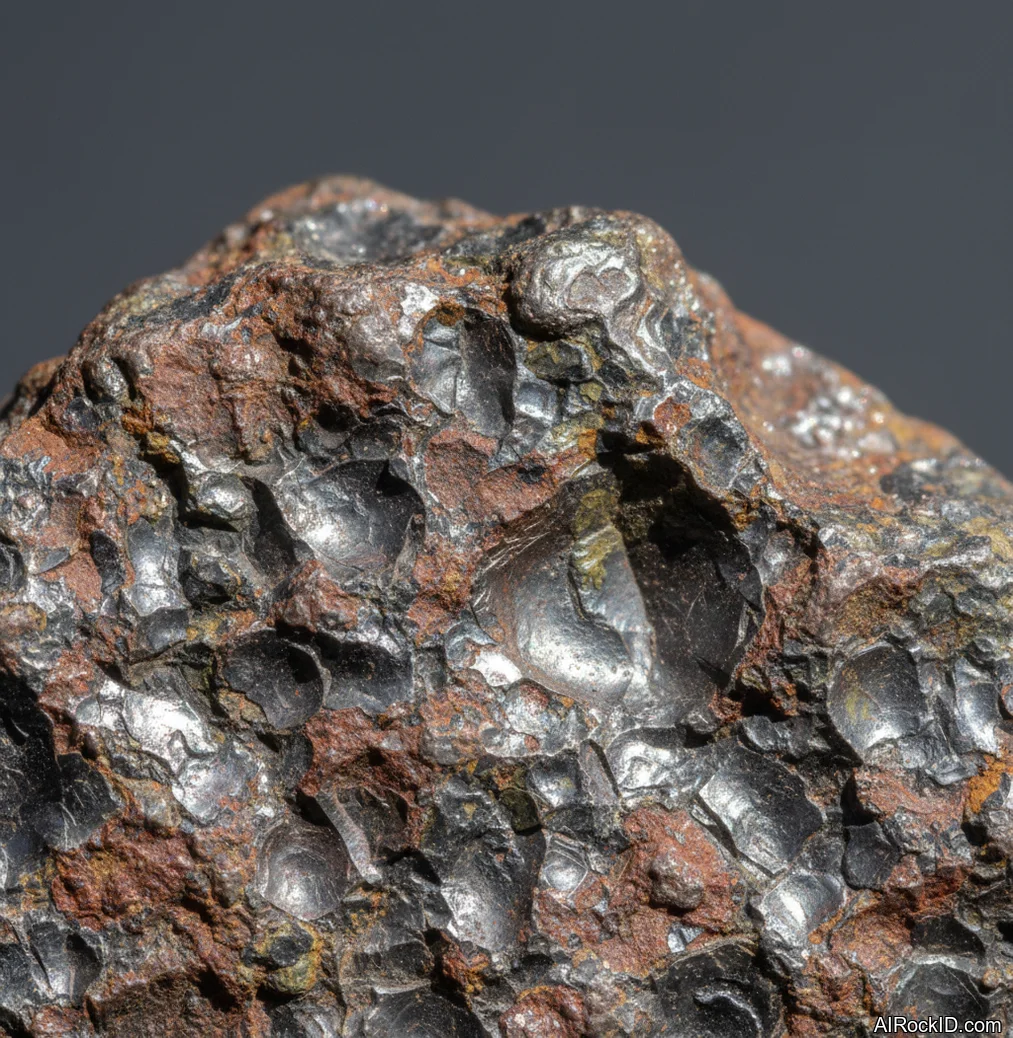
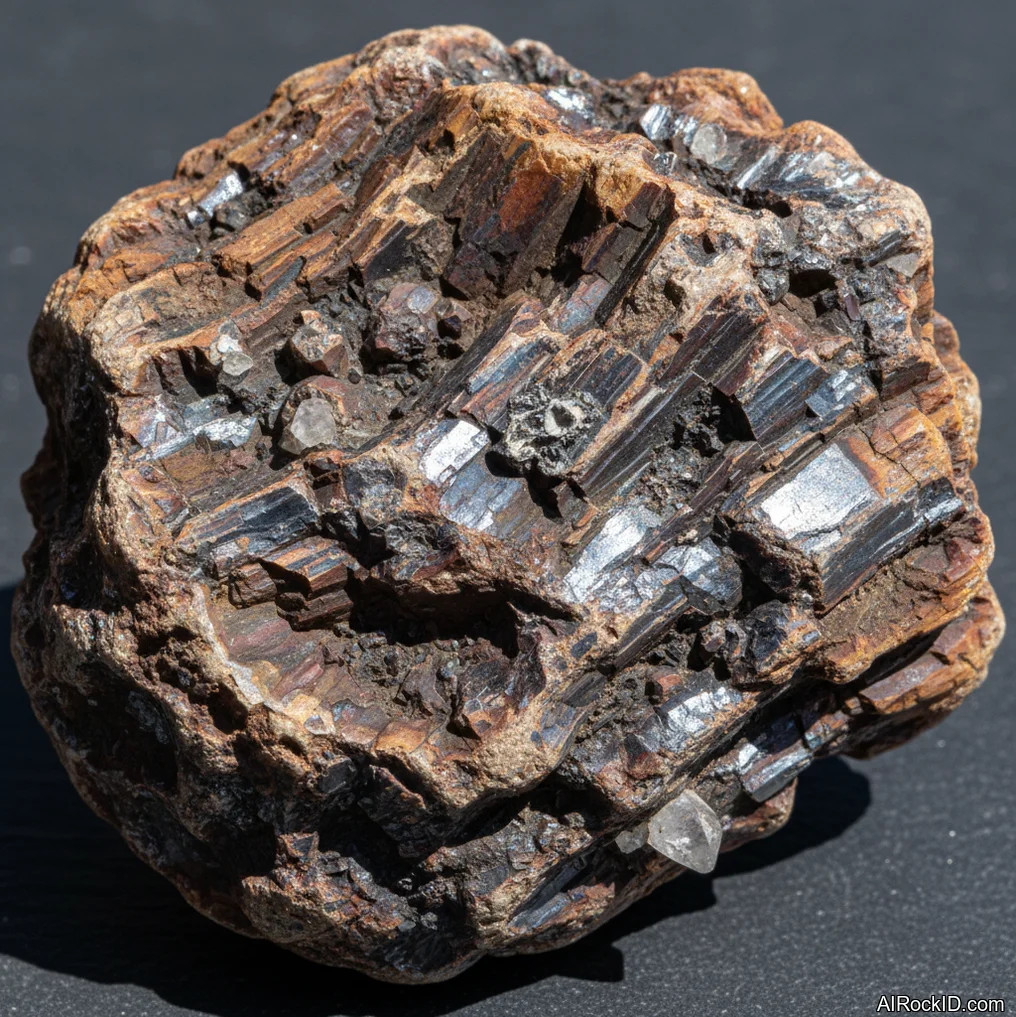
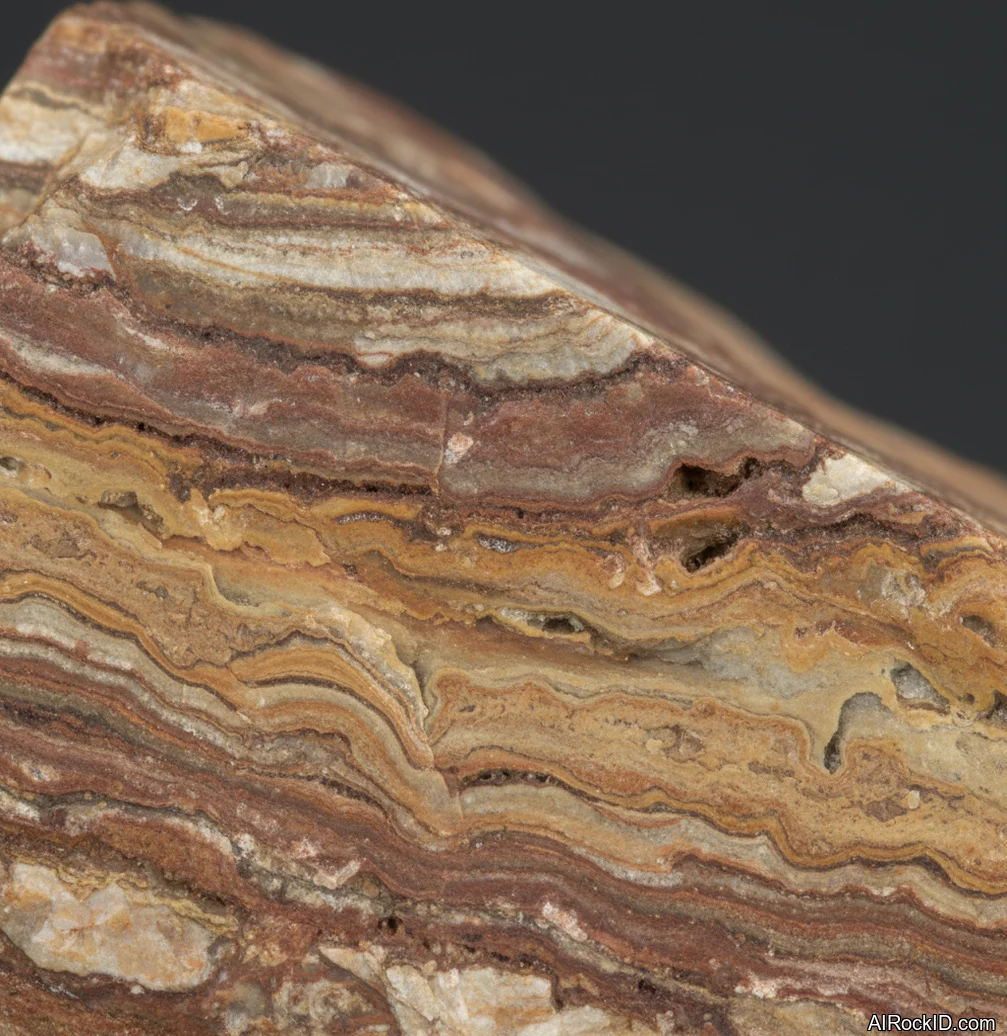
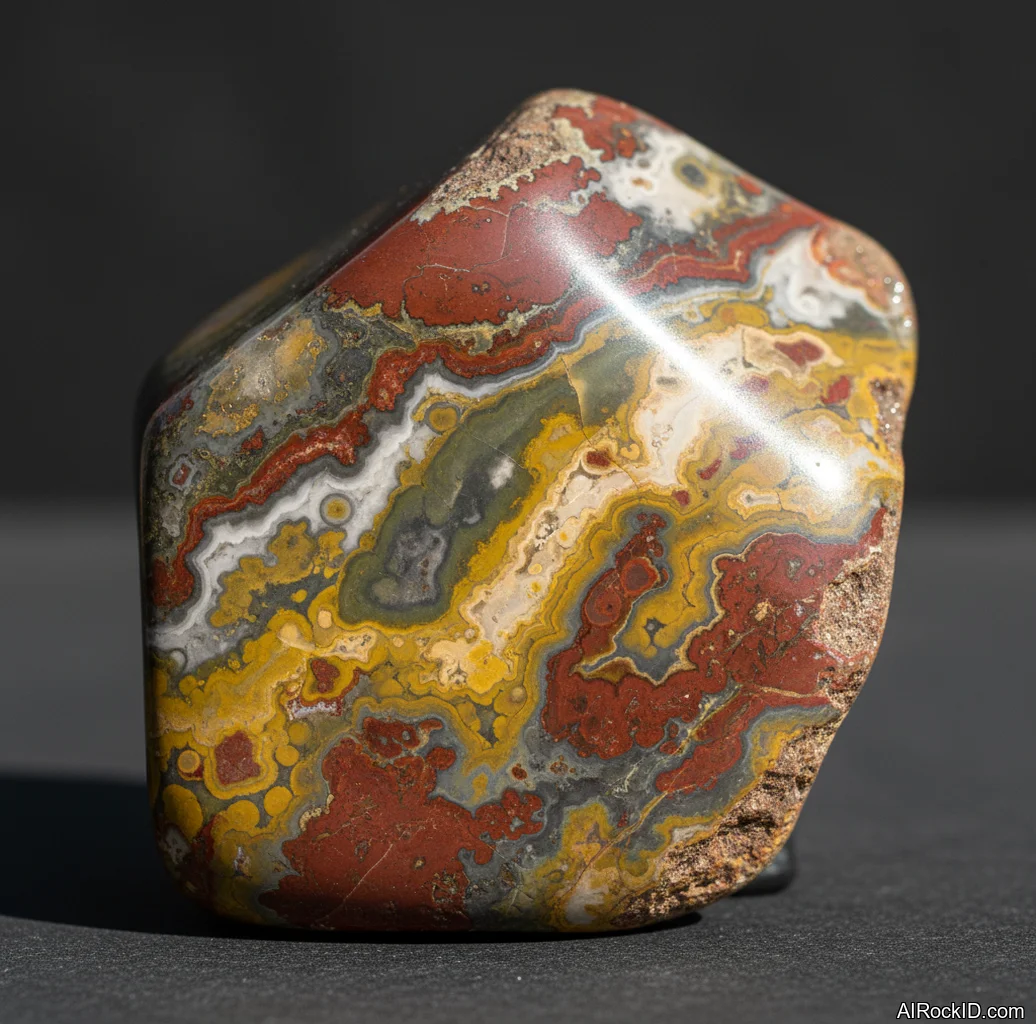
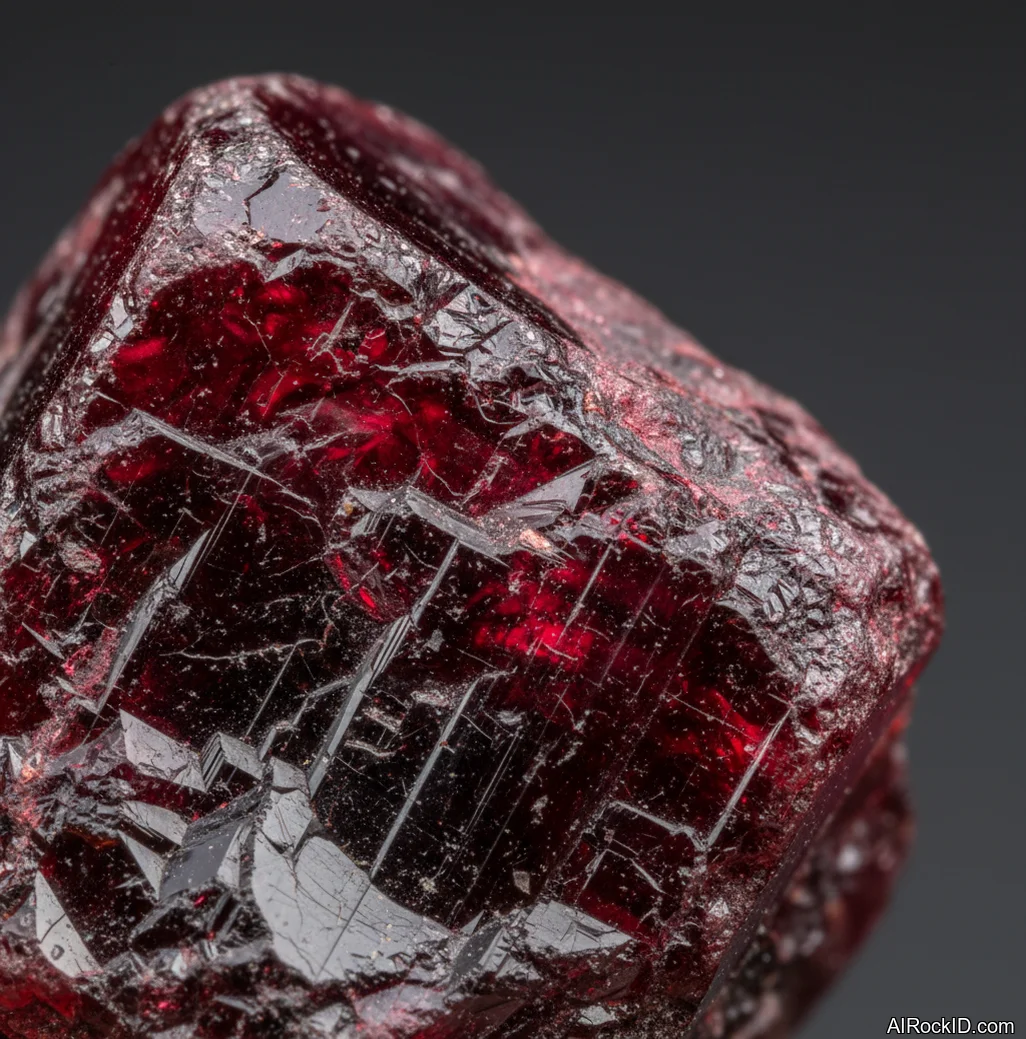
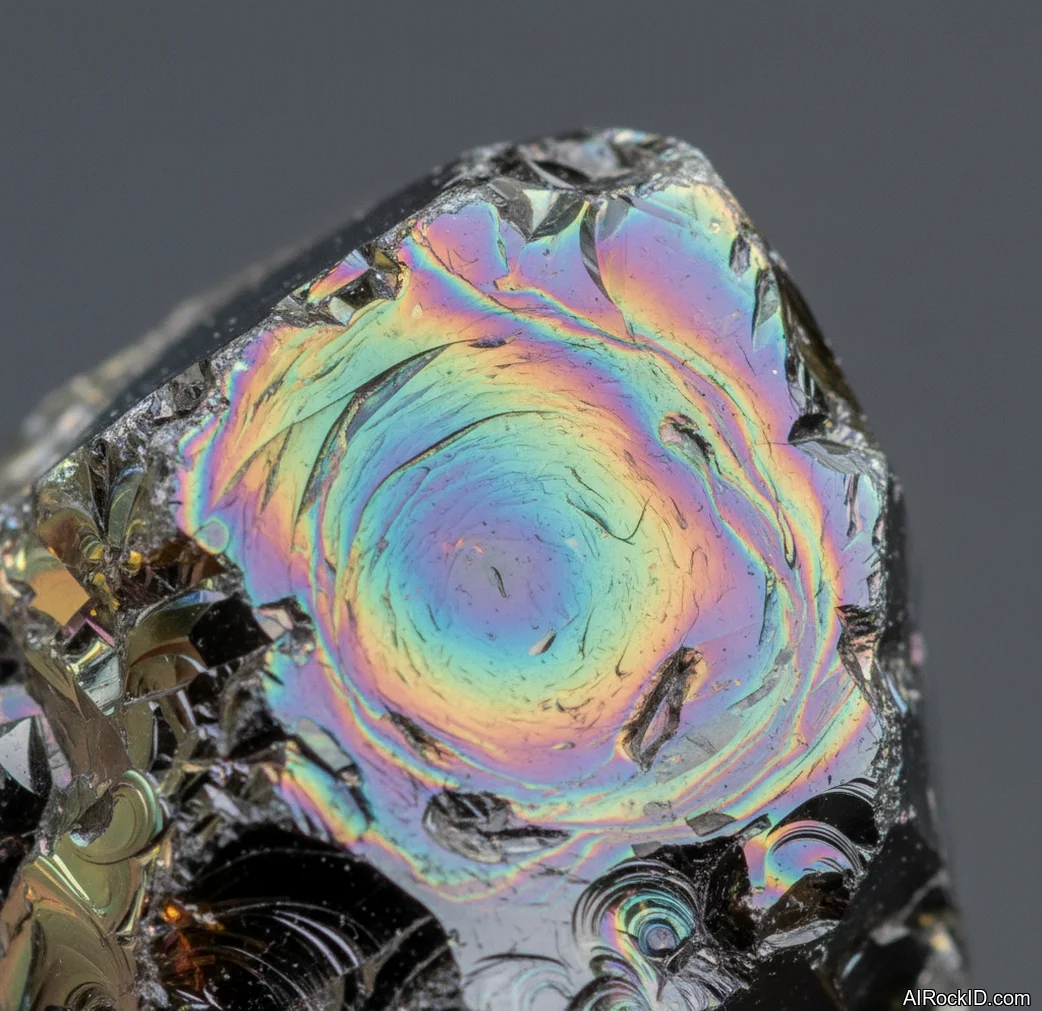
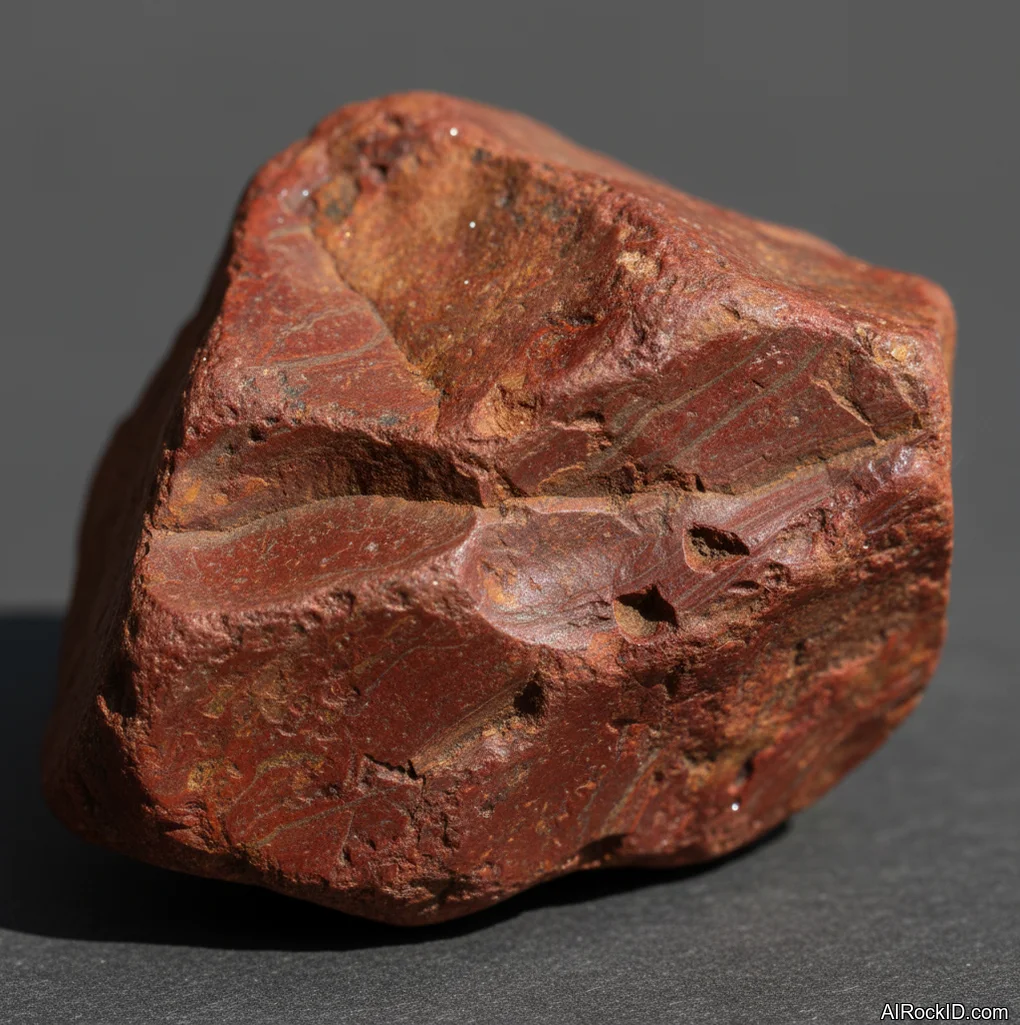
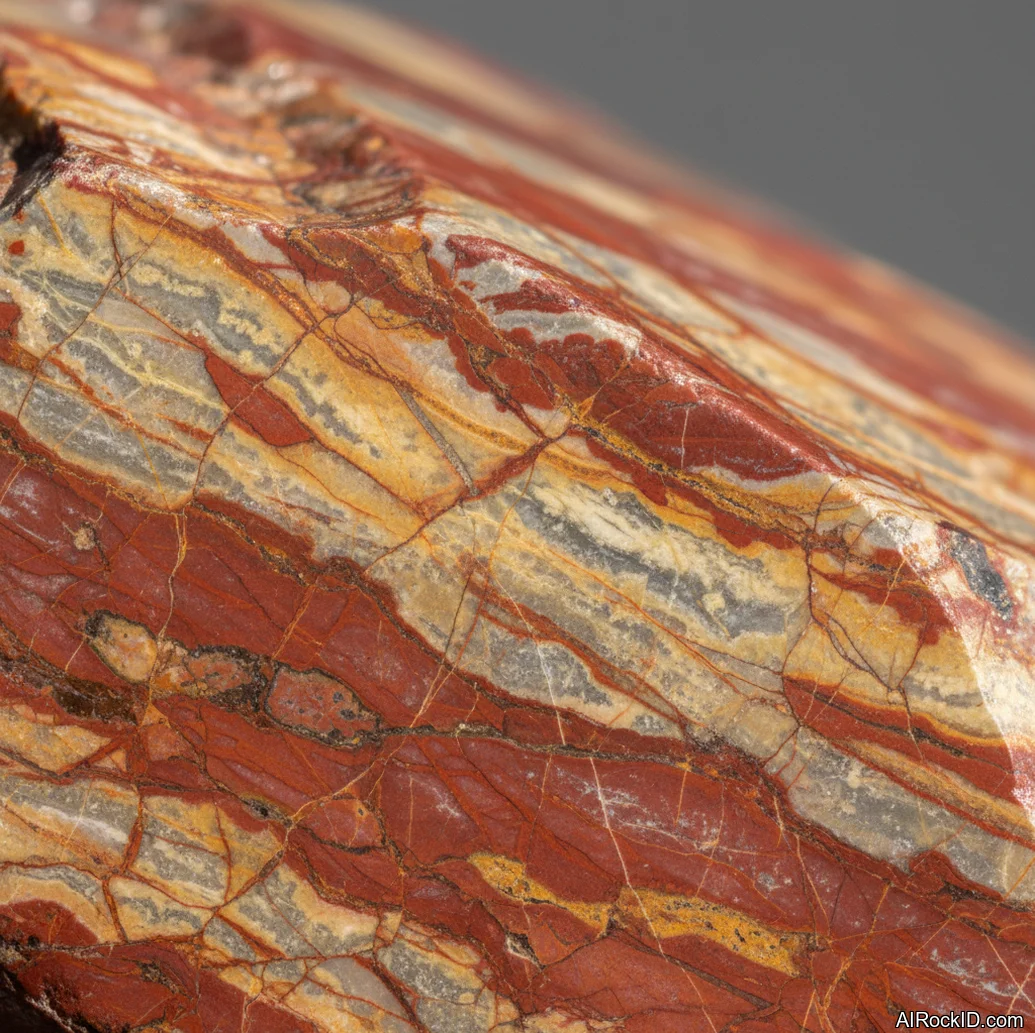
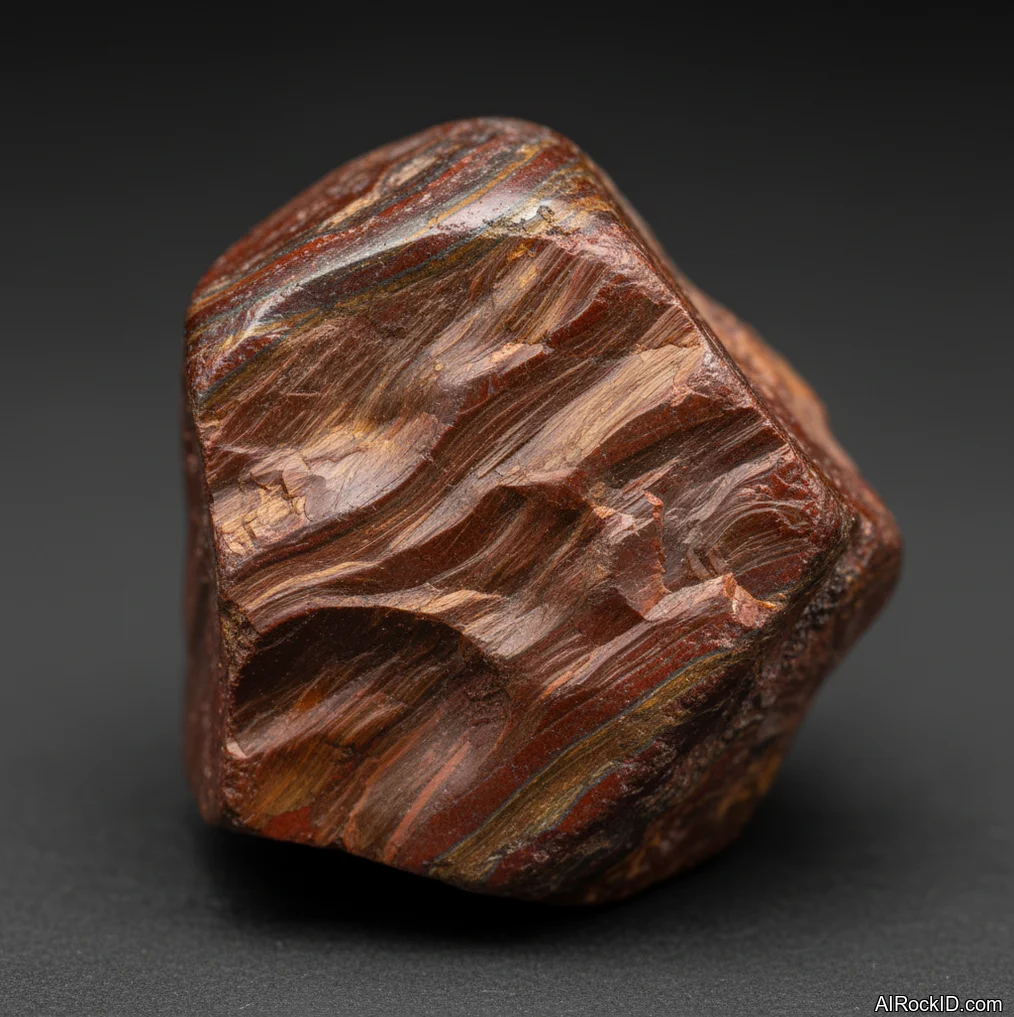
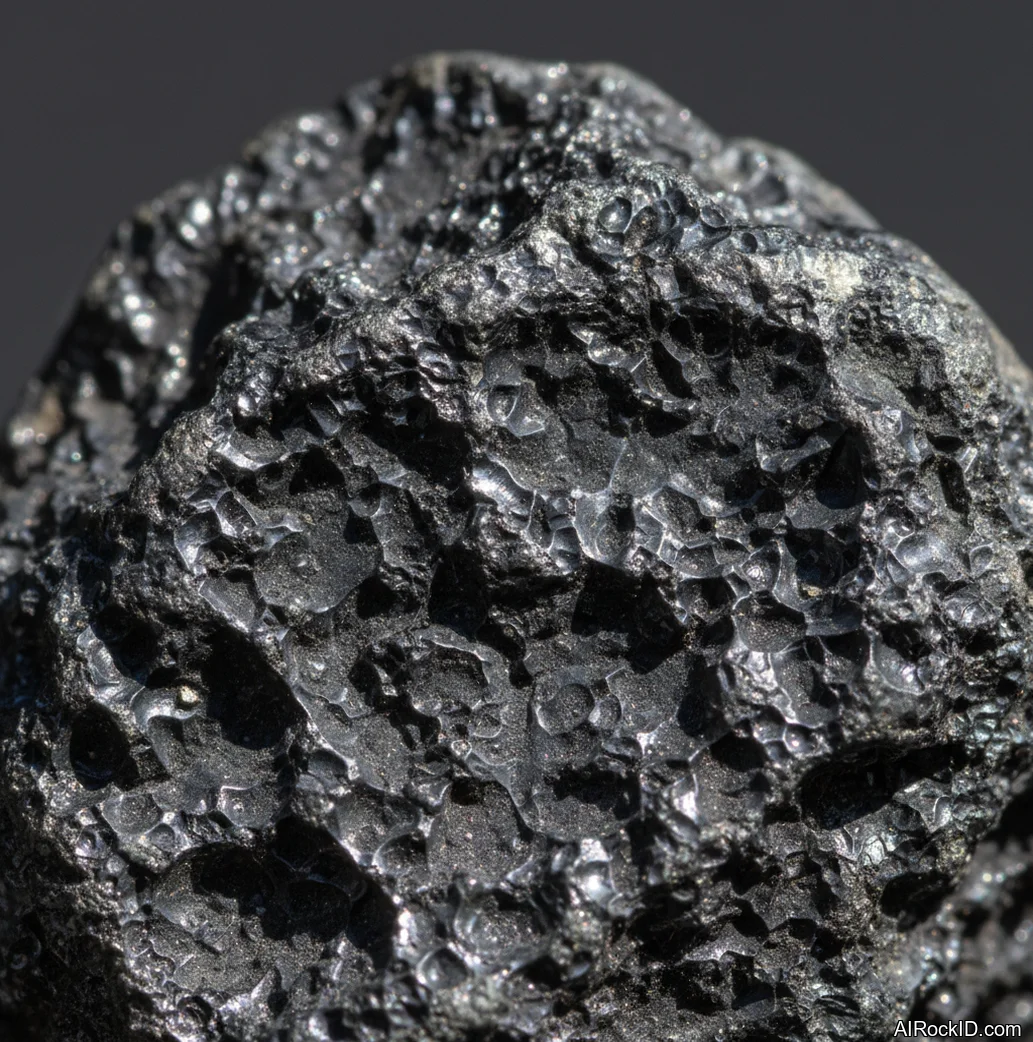
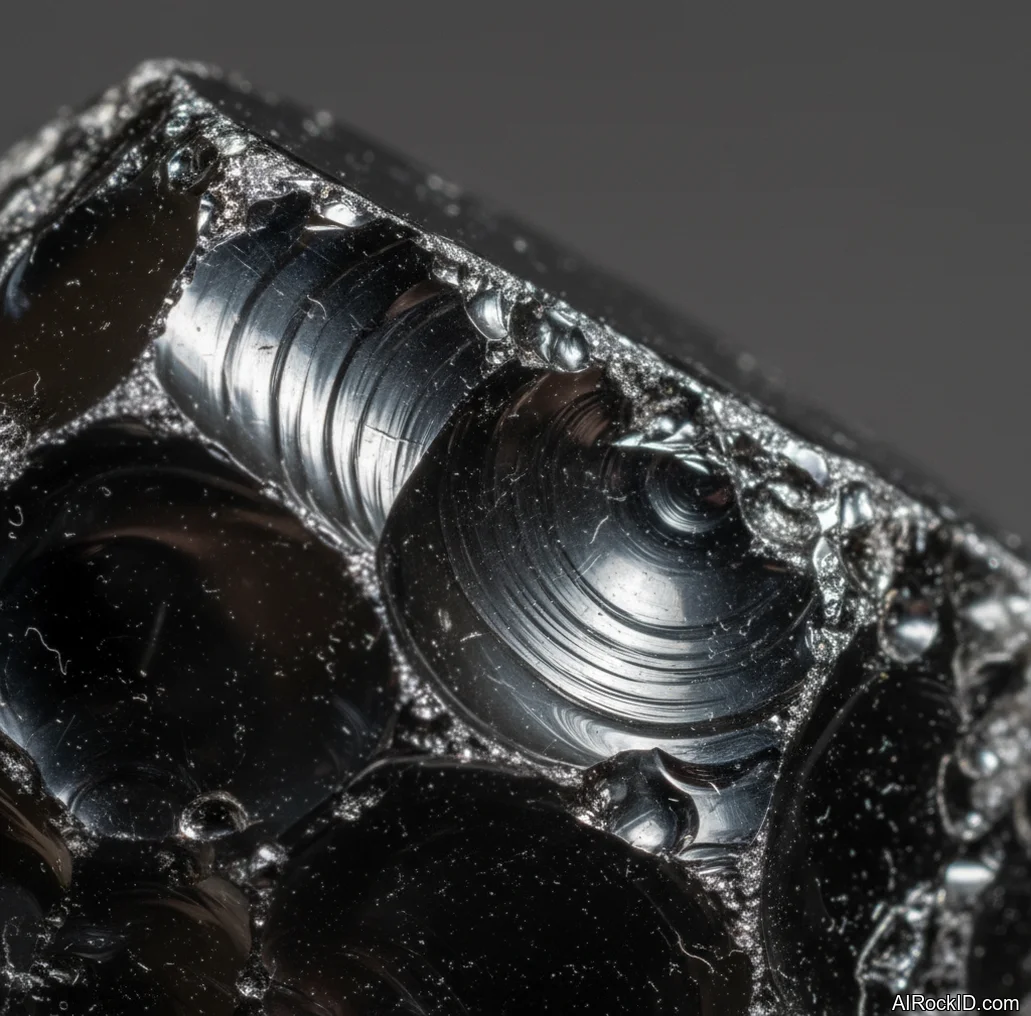
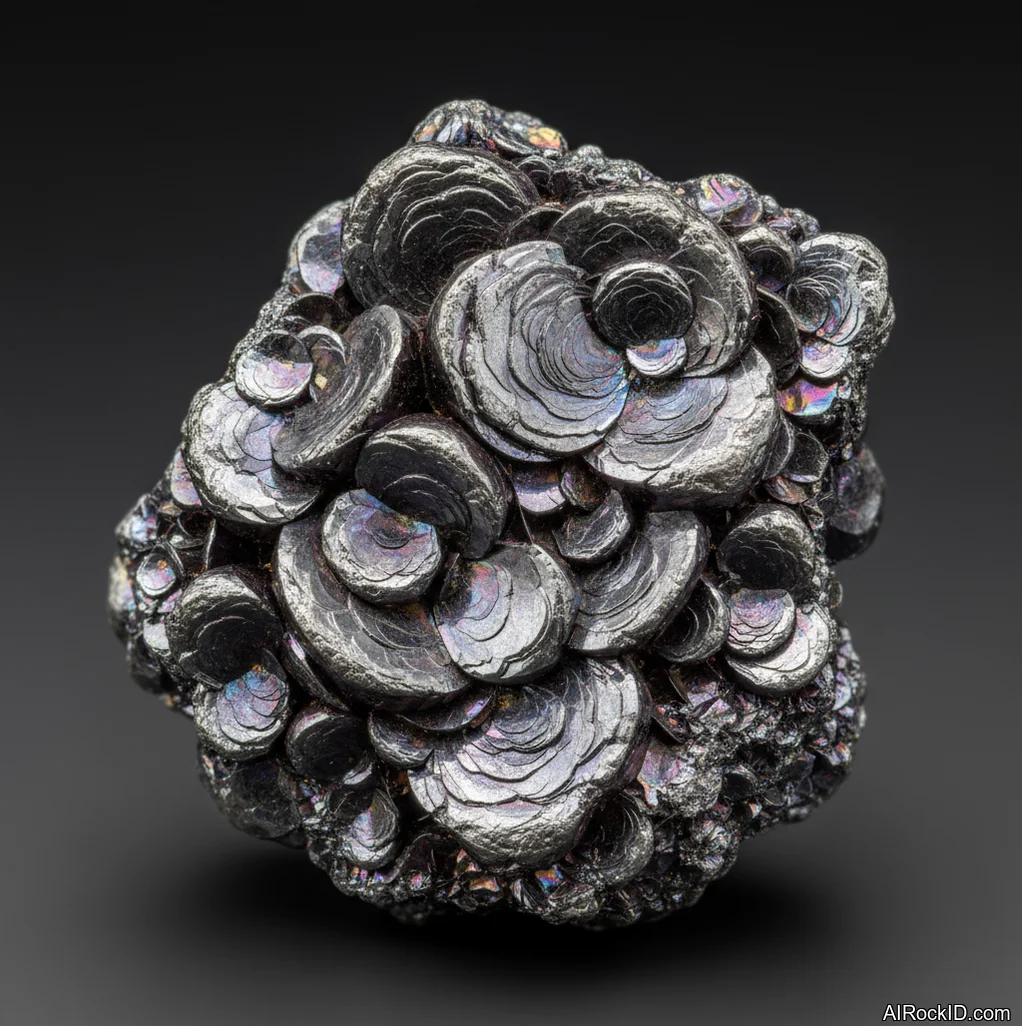
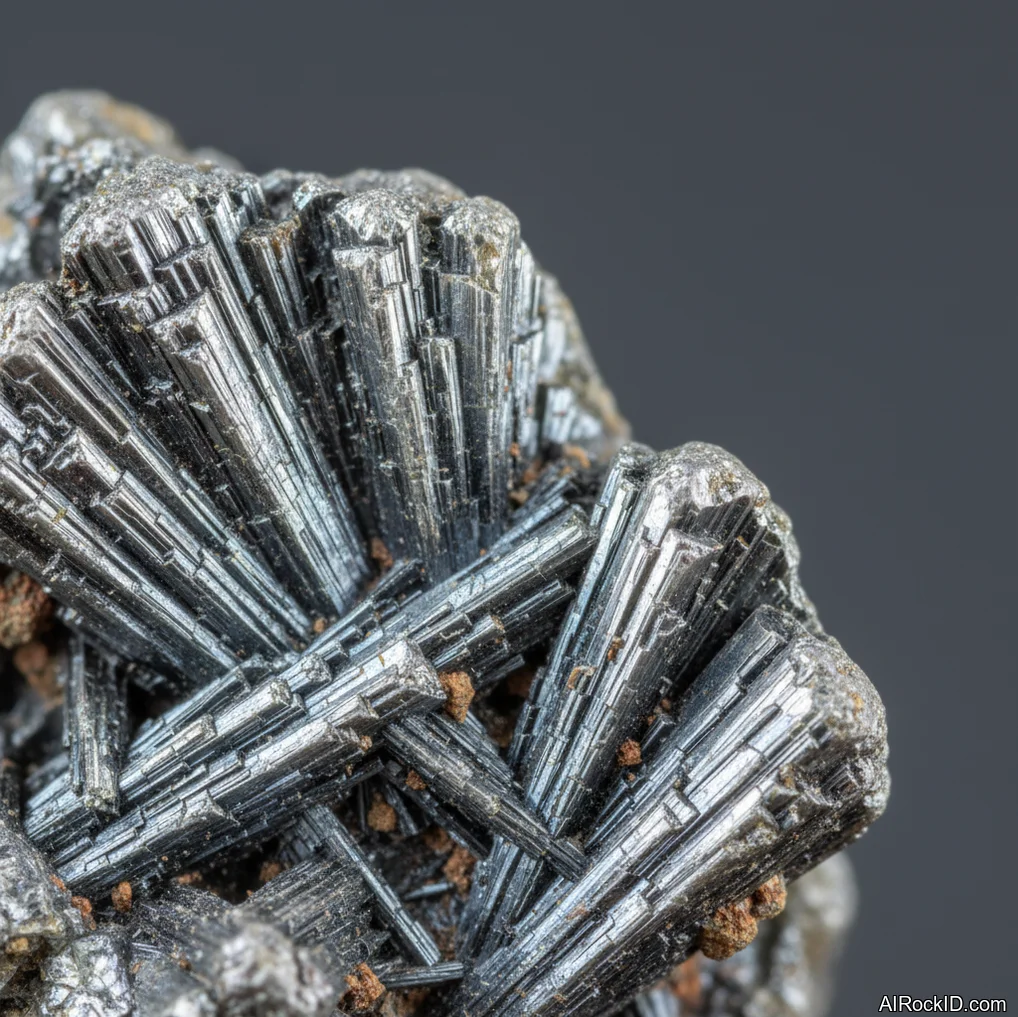
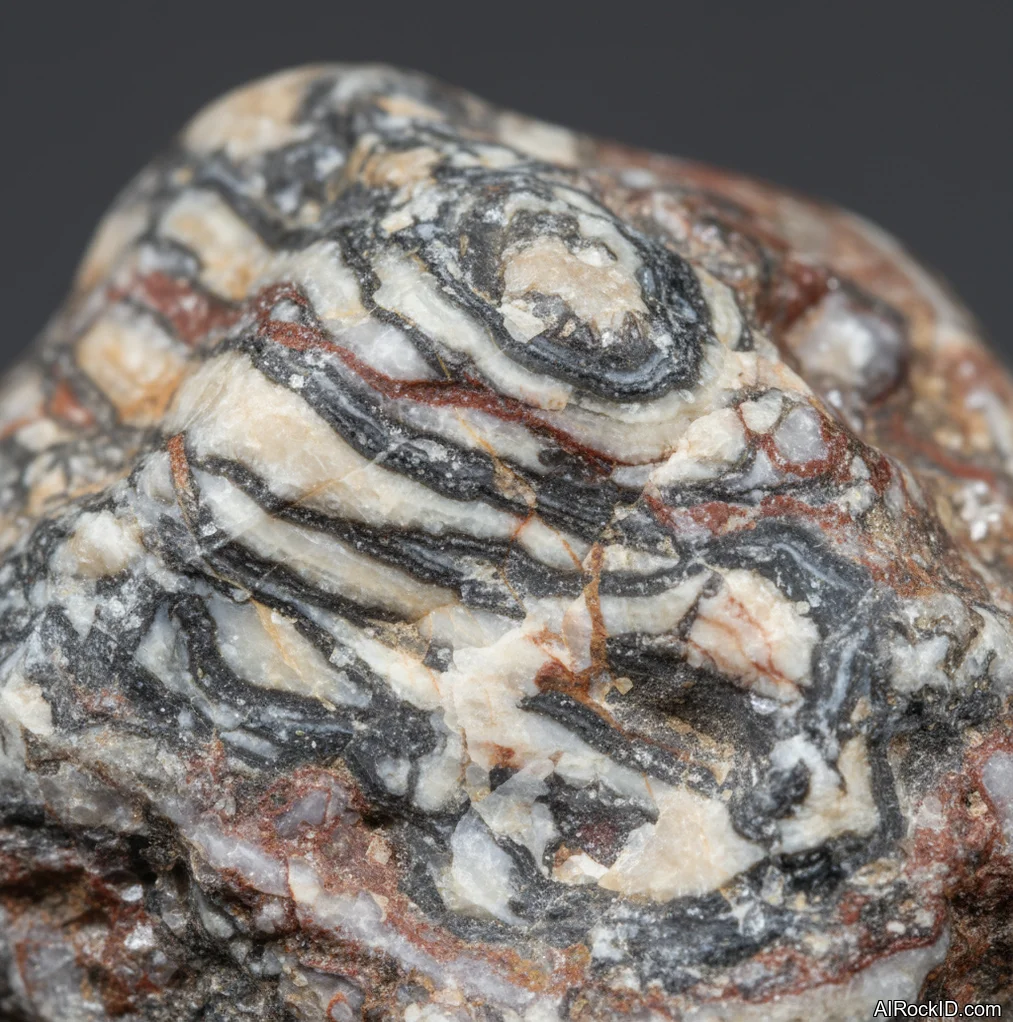
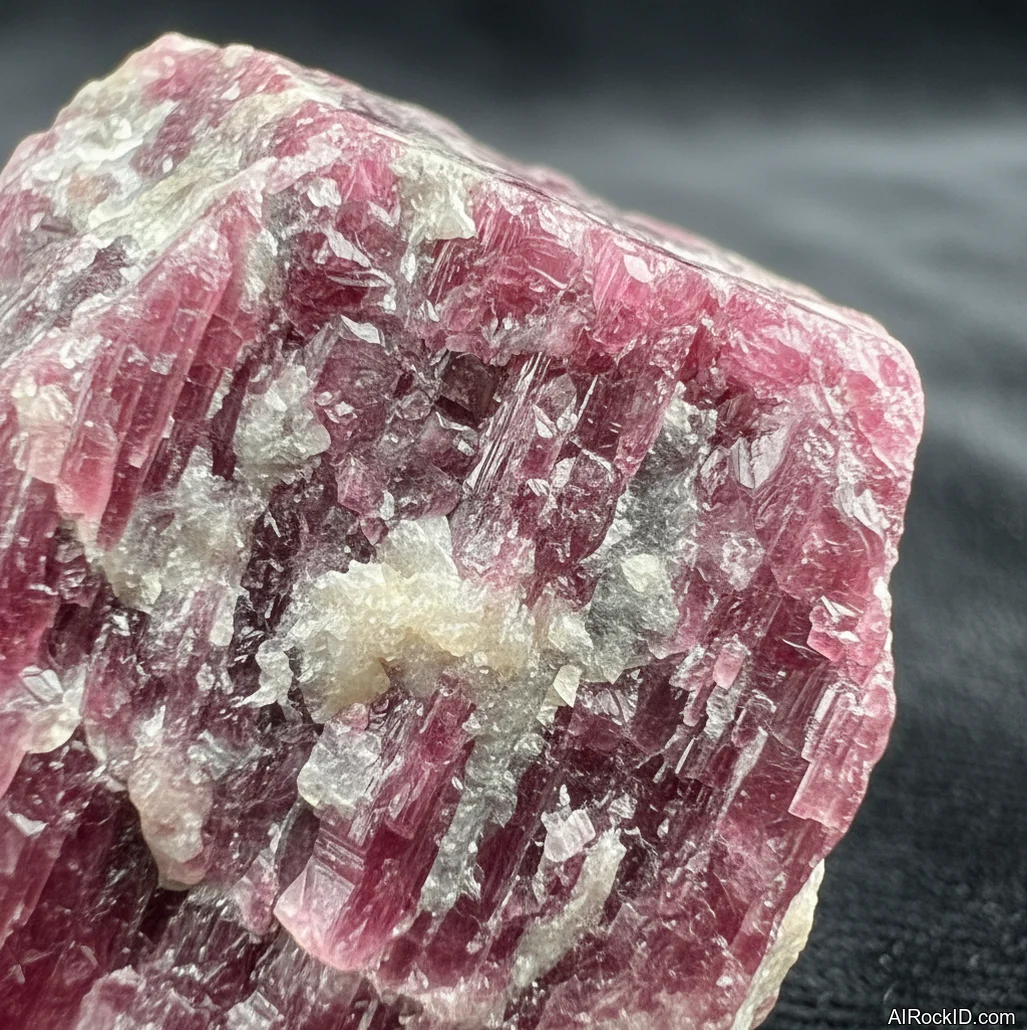
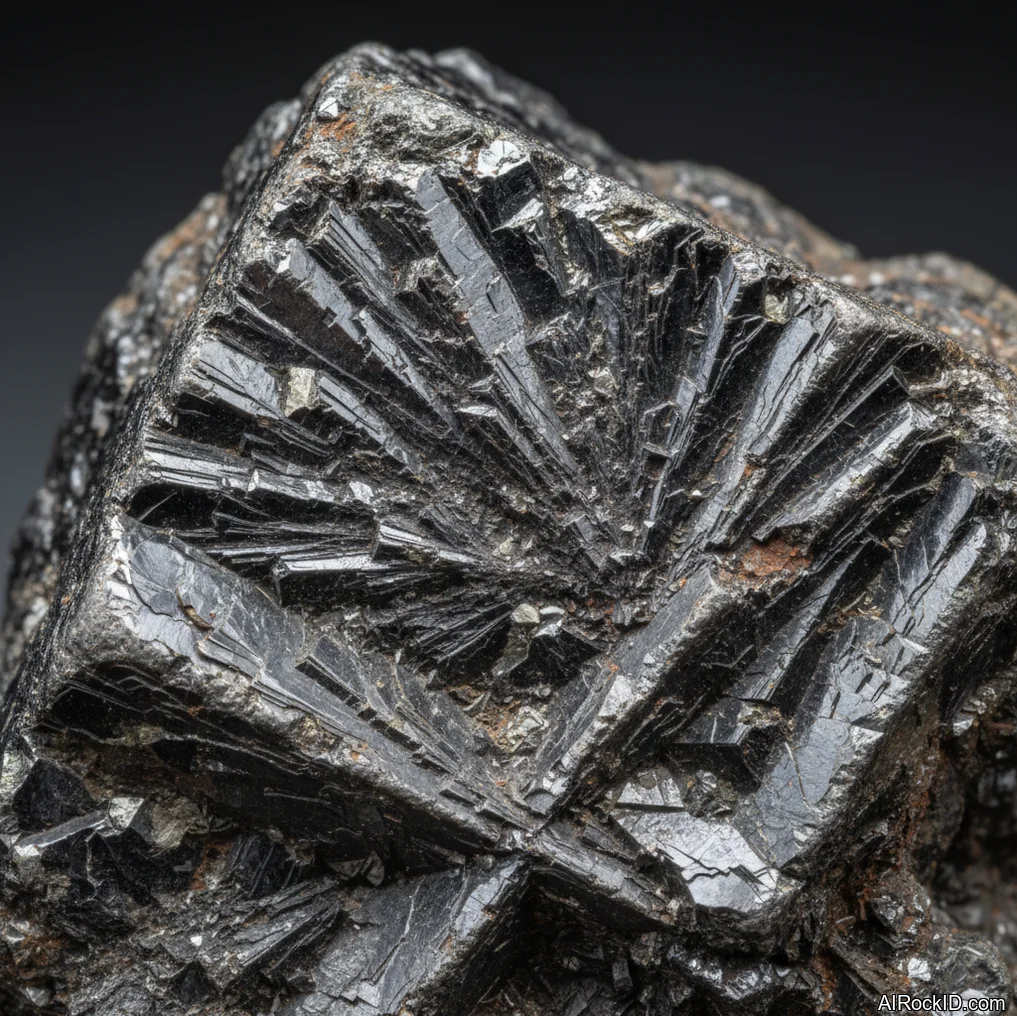
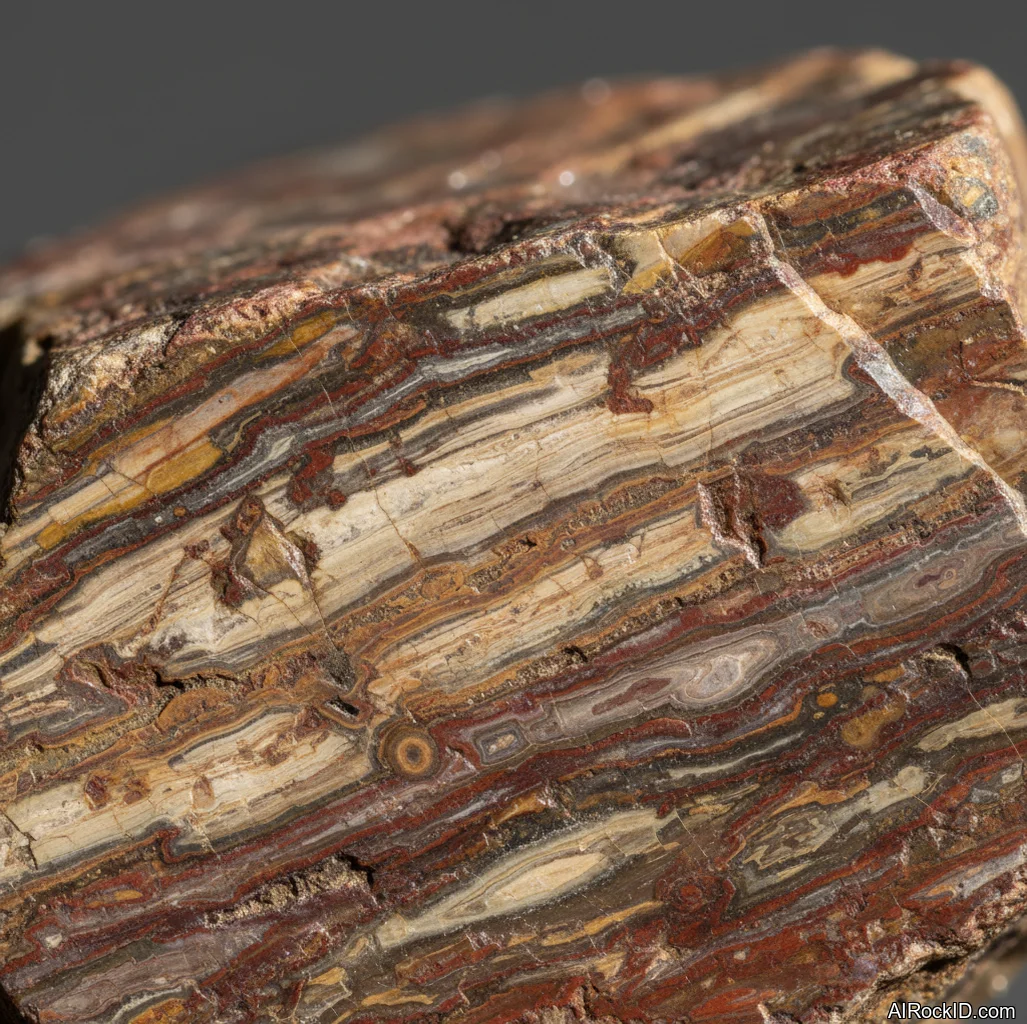
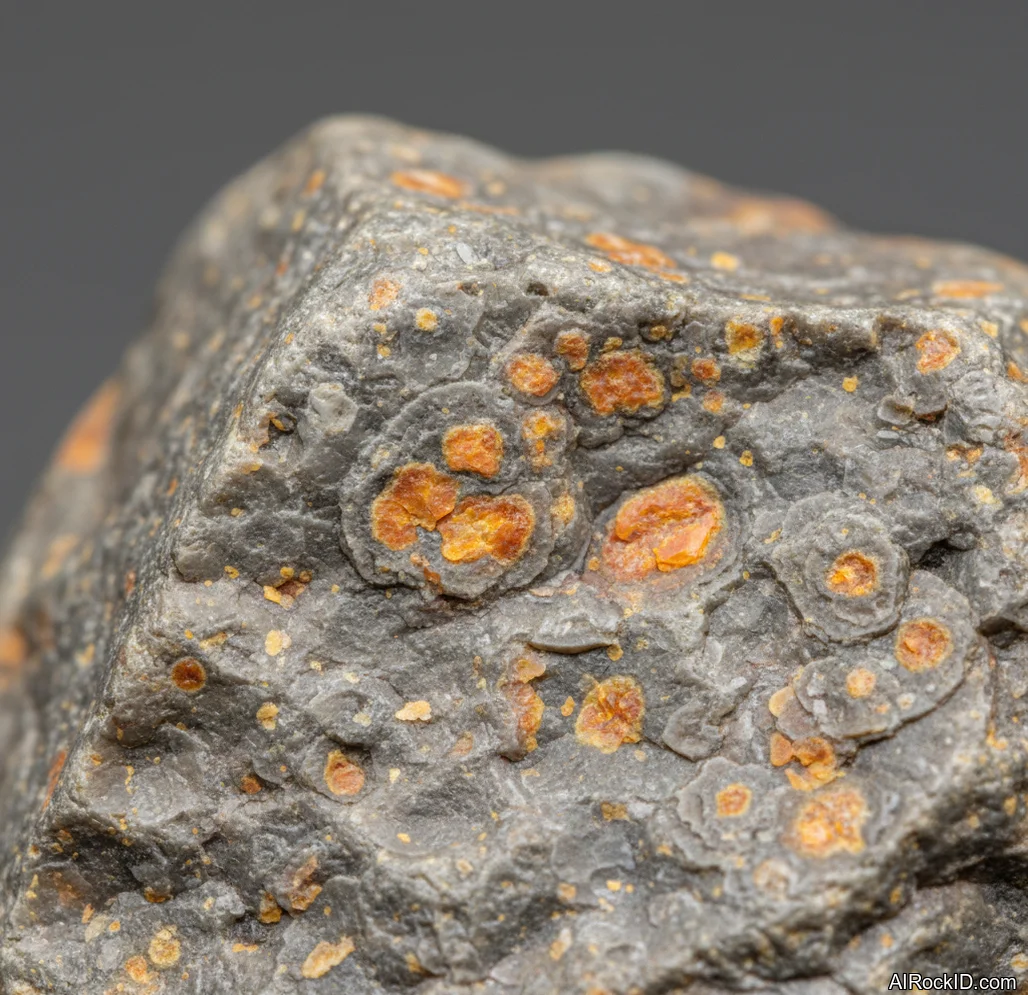
Courage also gets linked to protection, but it’s not the same thing. Protection stones feel like a boundary. Courage stones feel like a push. So you’ll see Red Jasper, Hematite, and Black Tourmaline show up on Courage lists even though they get filed under grounding all the time. Hematite is a funny one, honestly. It’s not “pretty” in that way, but it’s satisfying. Metallic heft. And it’ll leave a reddish-brown streak on unglazed porcelain. If a listing says hematite but the piece feels light, warm, or paint-like, it’s probably a coated fake (yep, it happens a lot).
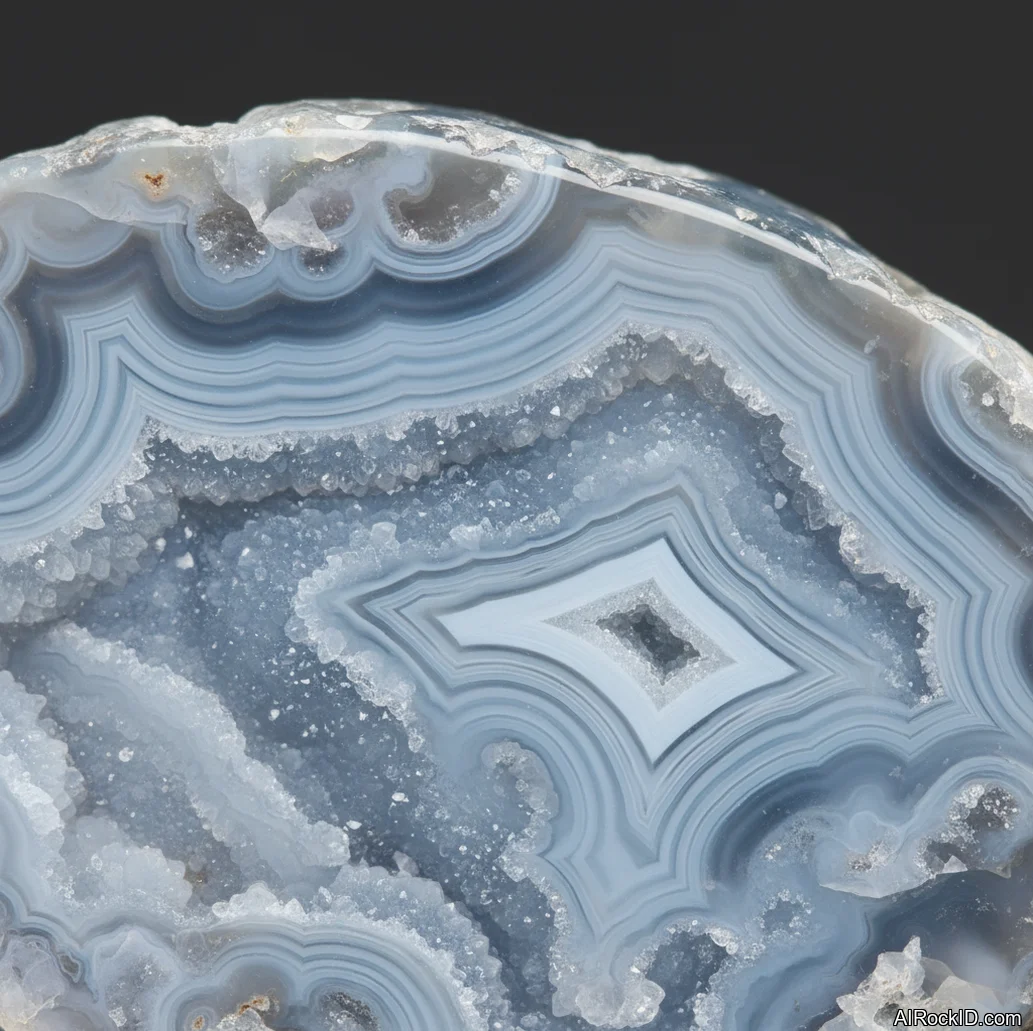
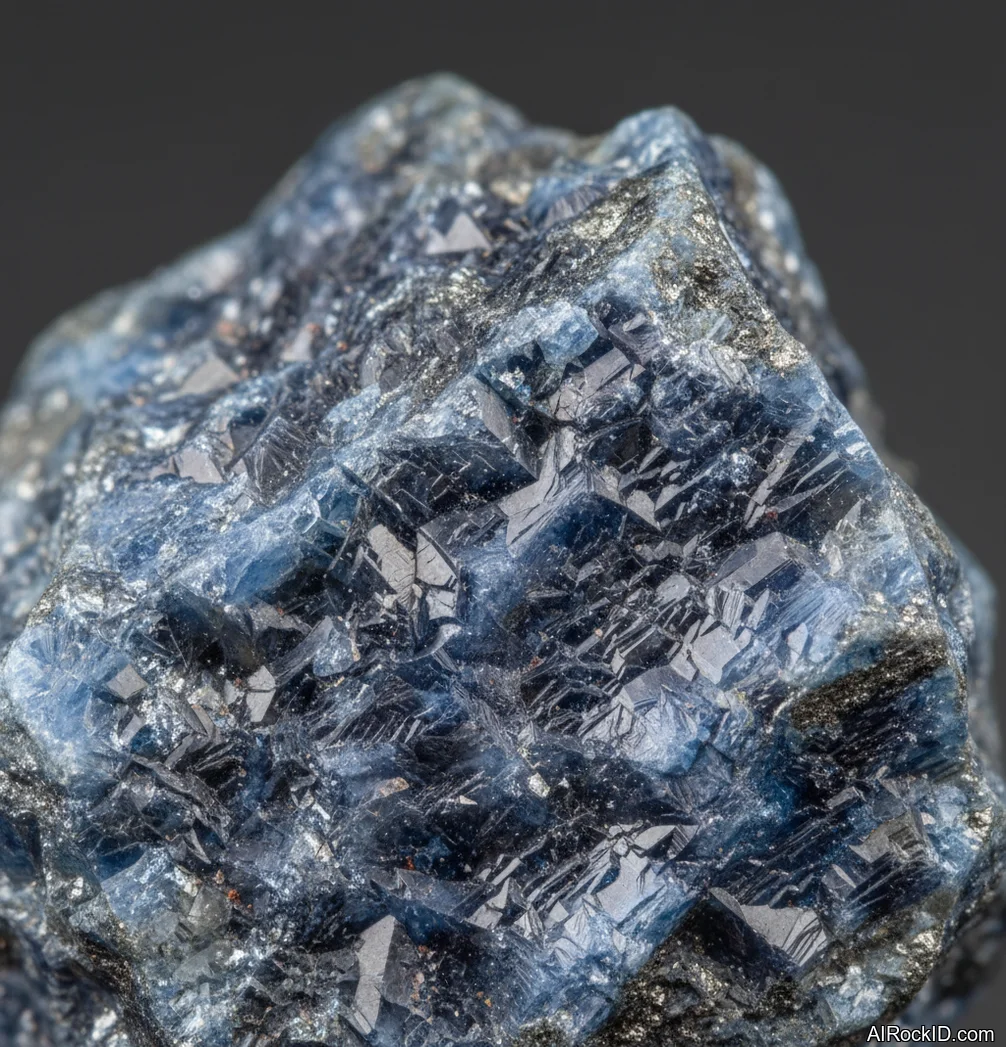
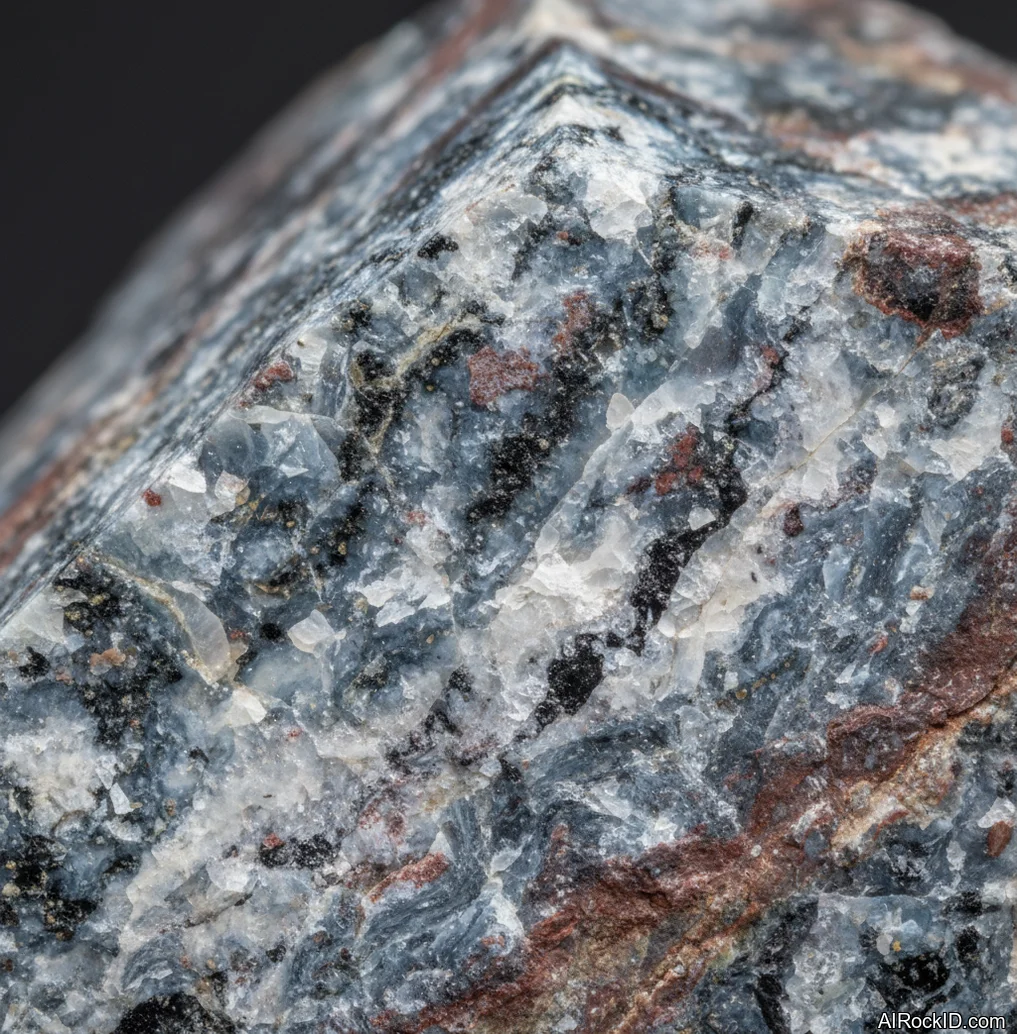
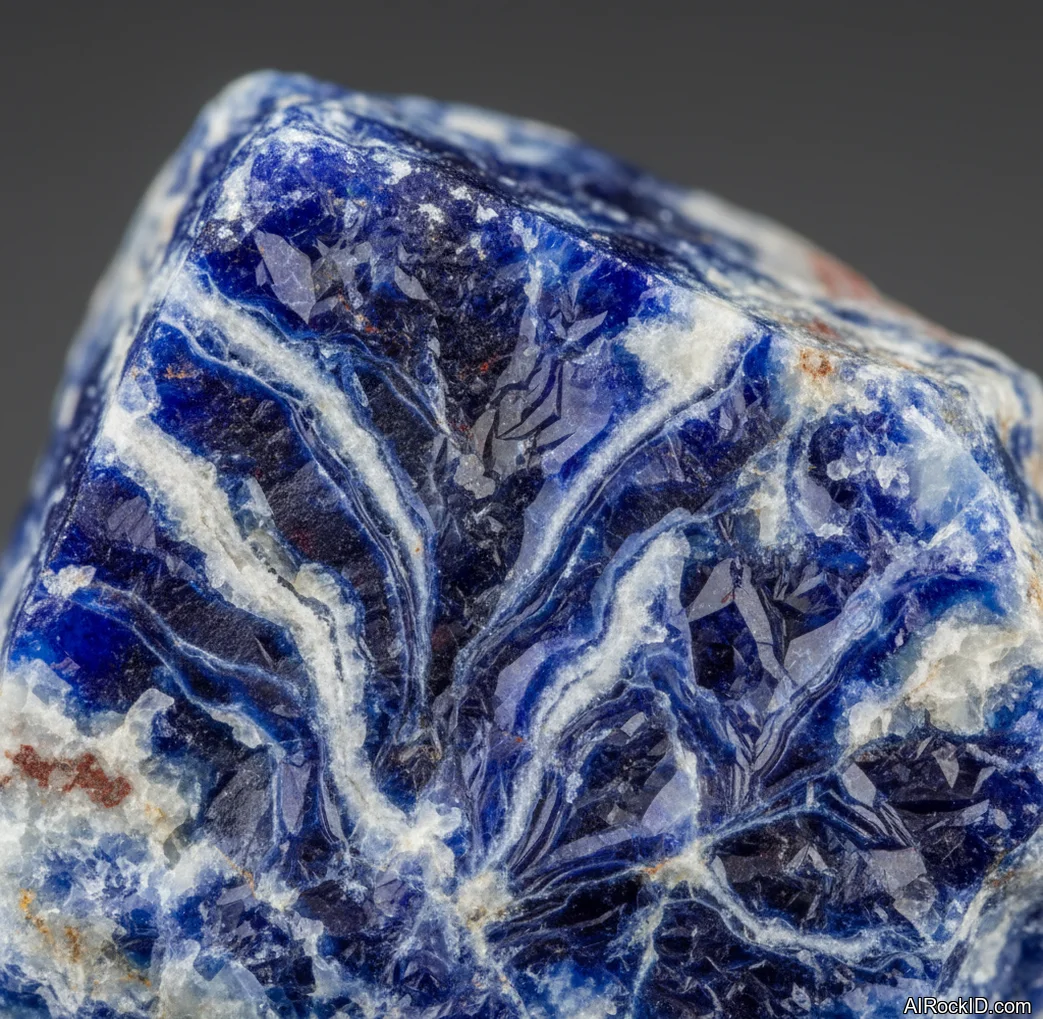
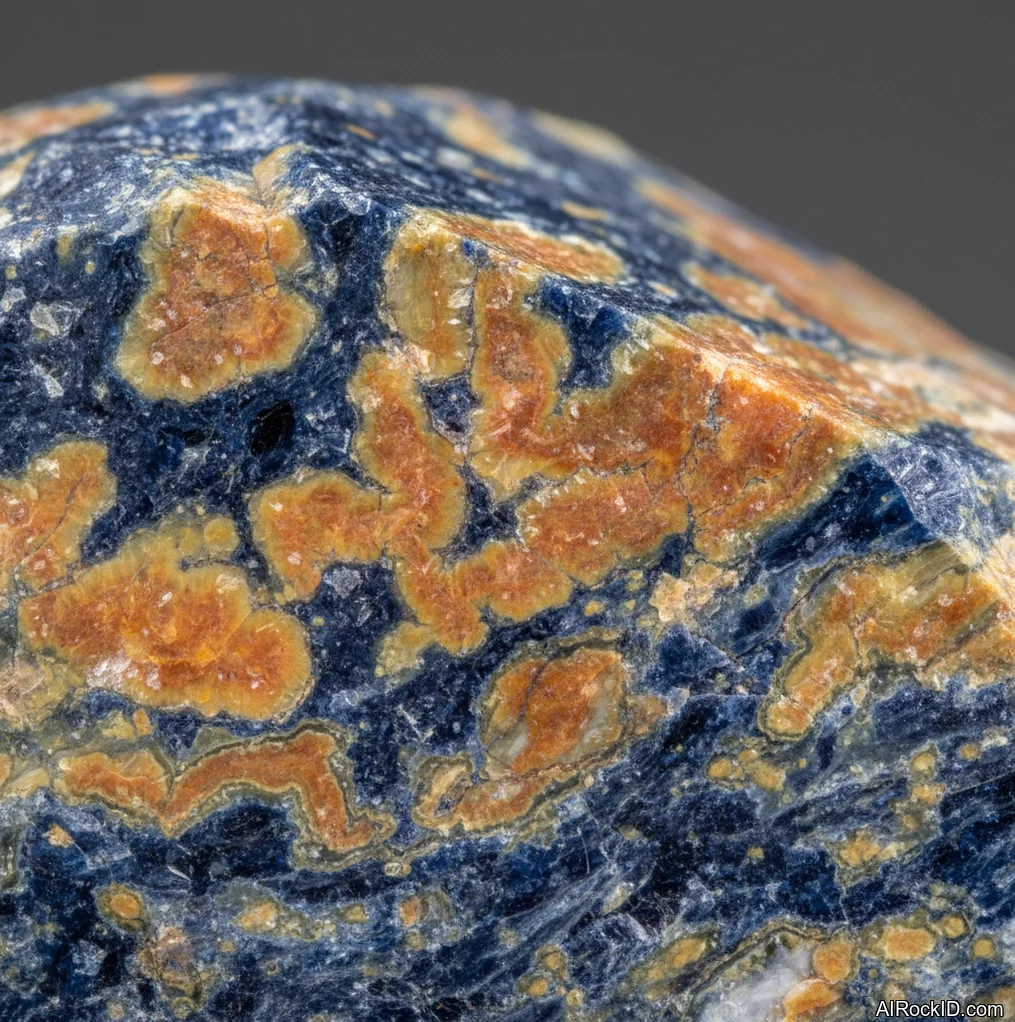
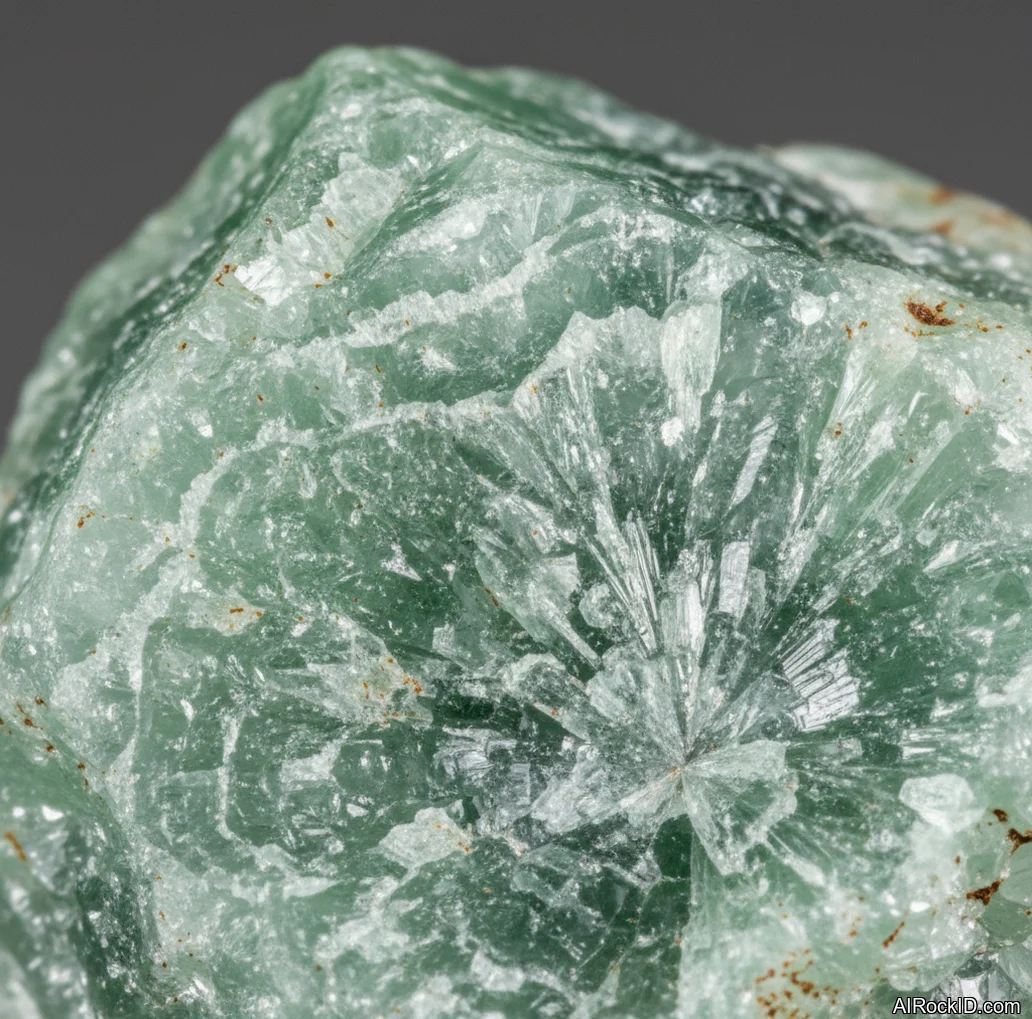
Working with Courage crystals doesn’t have to get mystical or complicated. Put the stone where the fear actually happens. If you freeze at your desk, keep Tiger’s Eye or Hematite right under your keyboard so your hand hits it without thinking. If your throat locks up in conversations, a small Blue Lace Agate in your pocket can be a physical cue to slow your breathing, even though it’s more of a calm-and-communicate stone than a “charge forward” one. For social courage, I’ve seen people do well with Amazonite and Sodalite because they’re linked with speaking clearly without spiraling into apology. (Been there.)
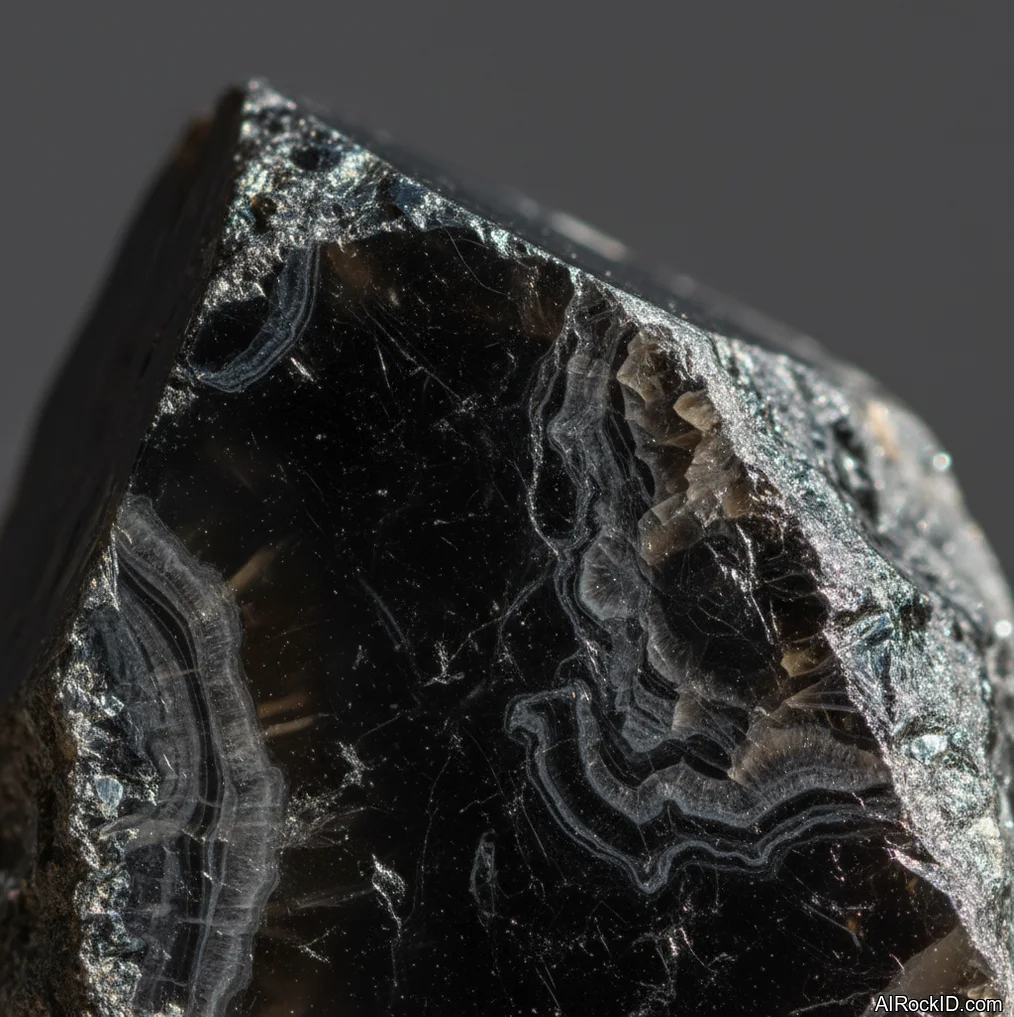
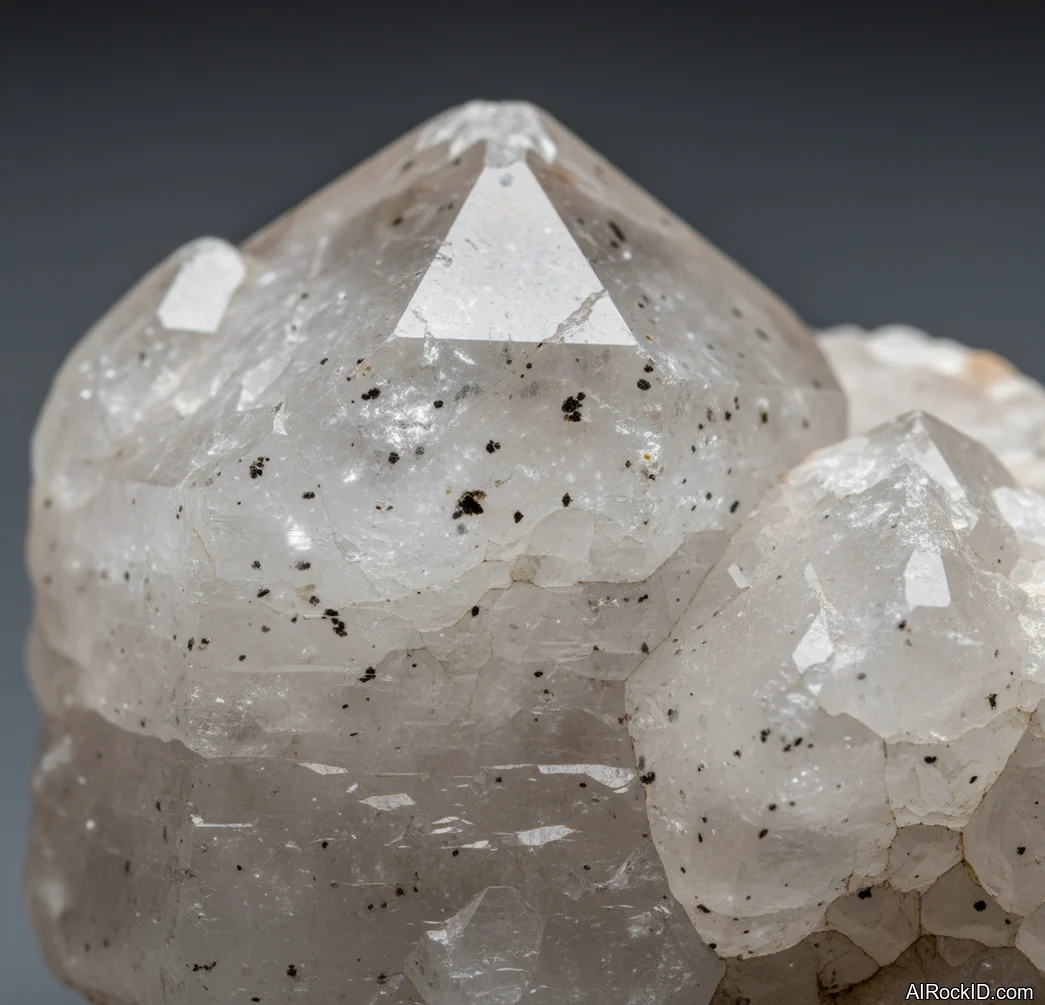
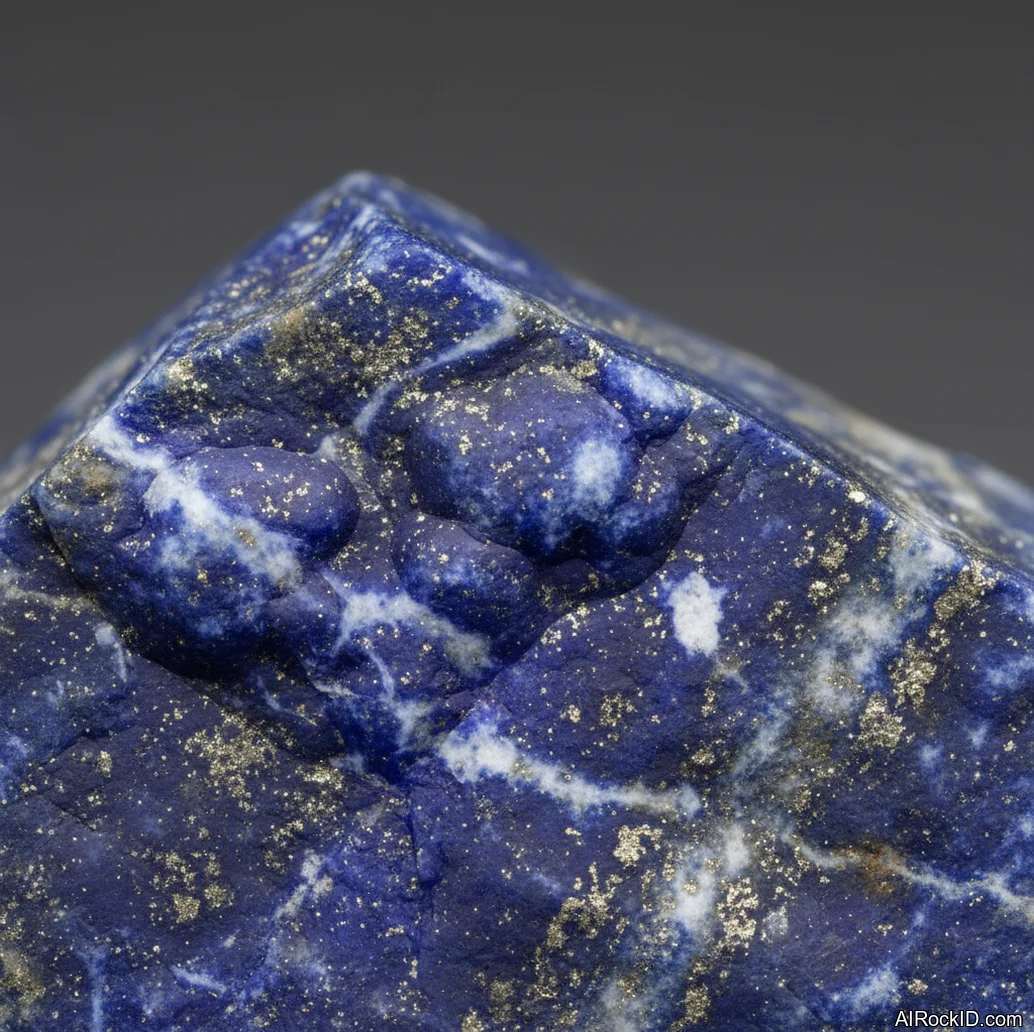
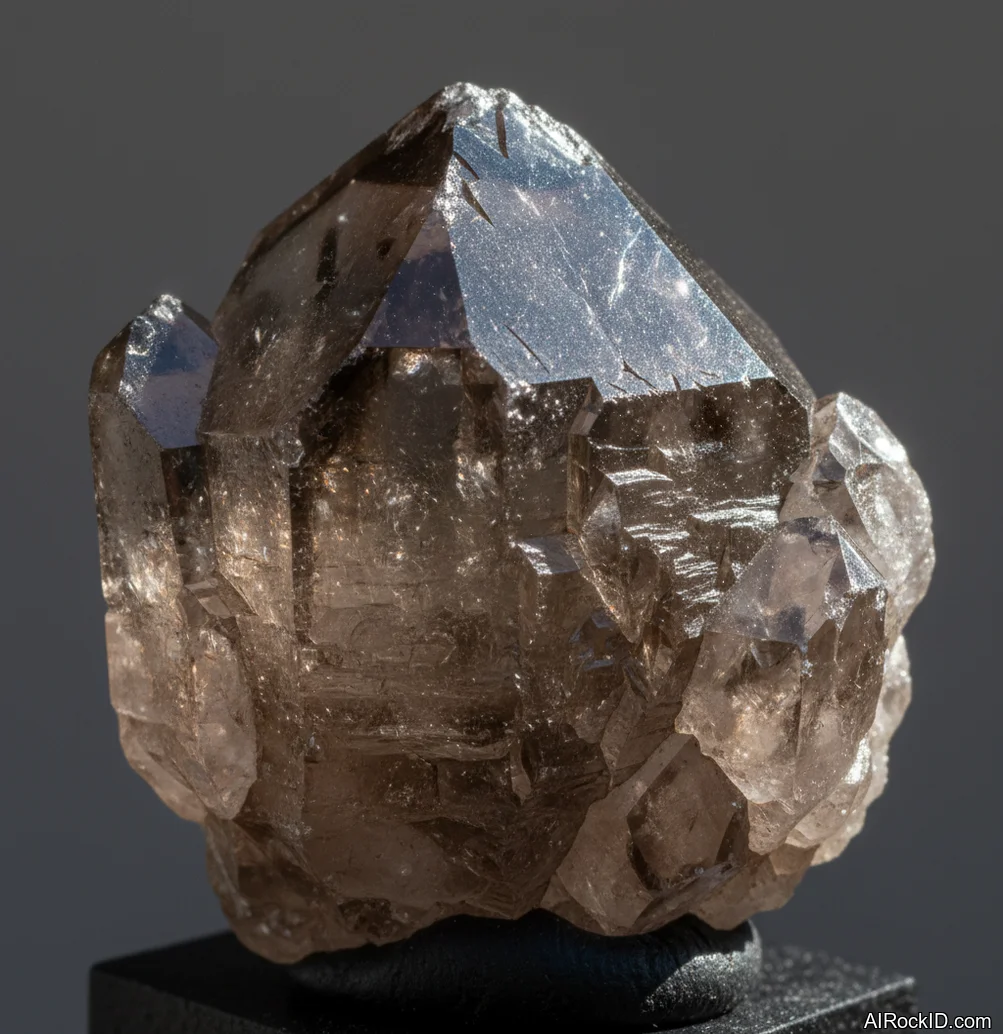
Thing is, one practical method that doesn’t get enough love is pairing. Courage isn’t one note. Try Carnelian with Smoky Quartz when you want action but you also want to stay grounded. Pair Tiger’s Eye with Lapis Lazuli when you need confidence and truth in the same room. If you tend to get edgy, add Rose Quartz to soften the delivery. Sounds simple. It matters, though, because you’re basically building a tiny toolkit: push, anchor, and tone.
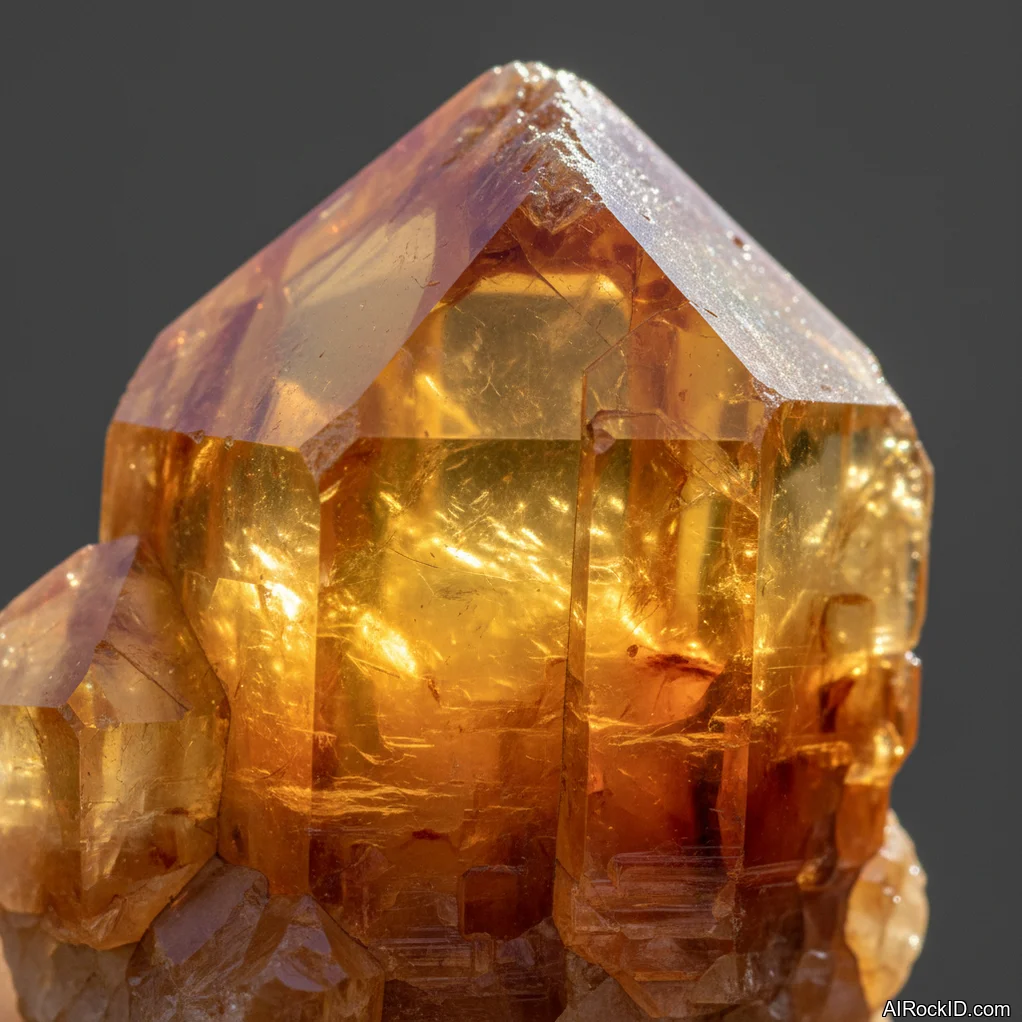
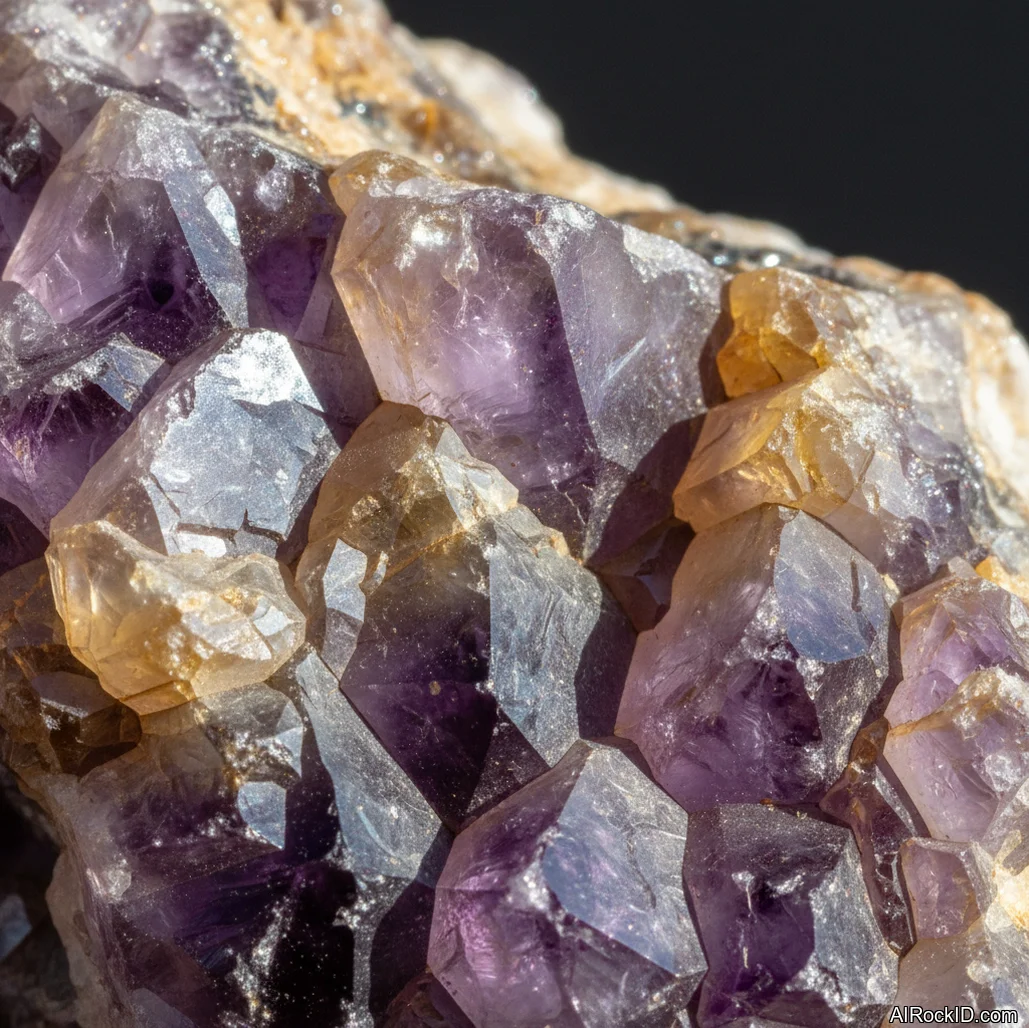
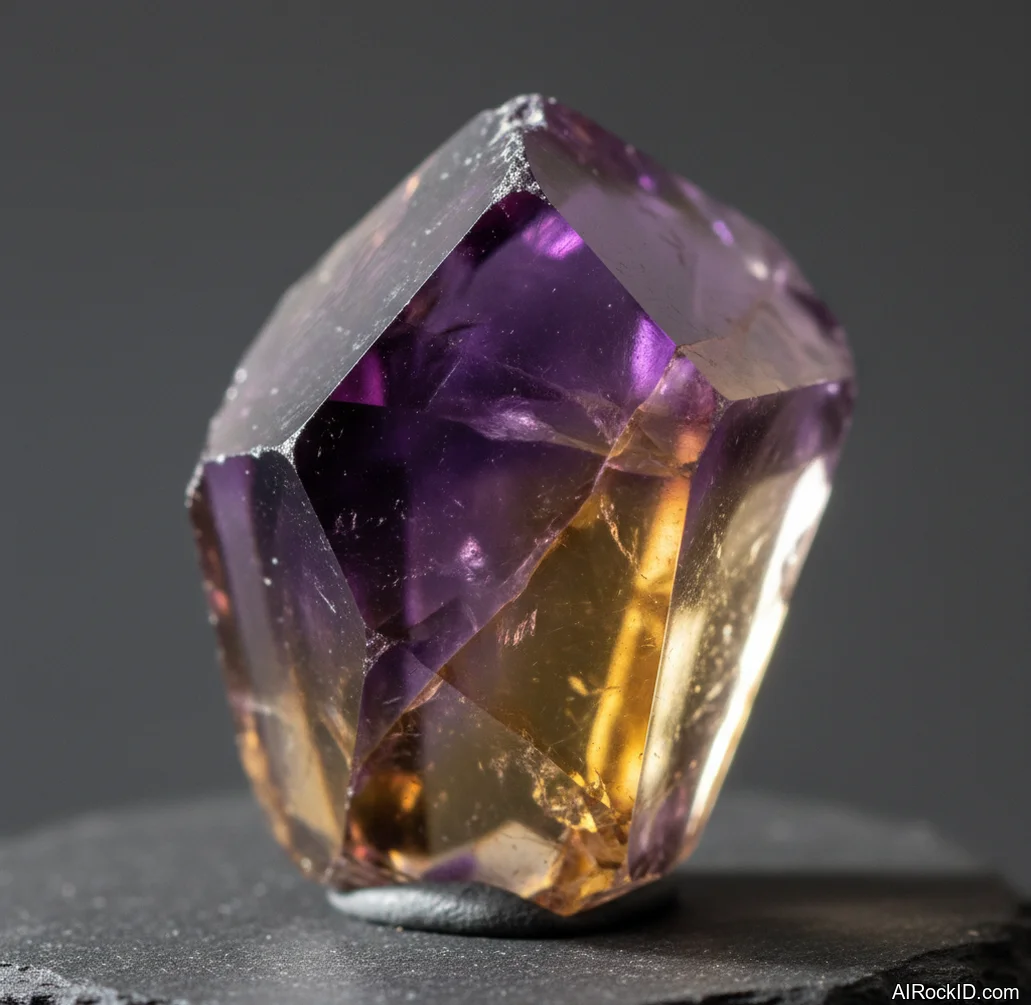
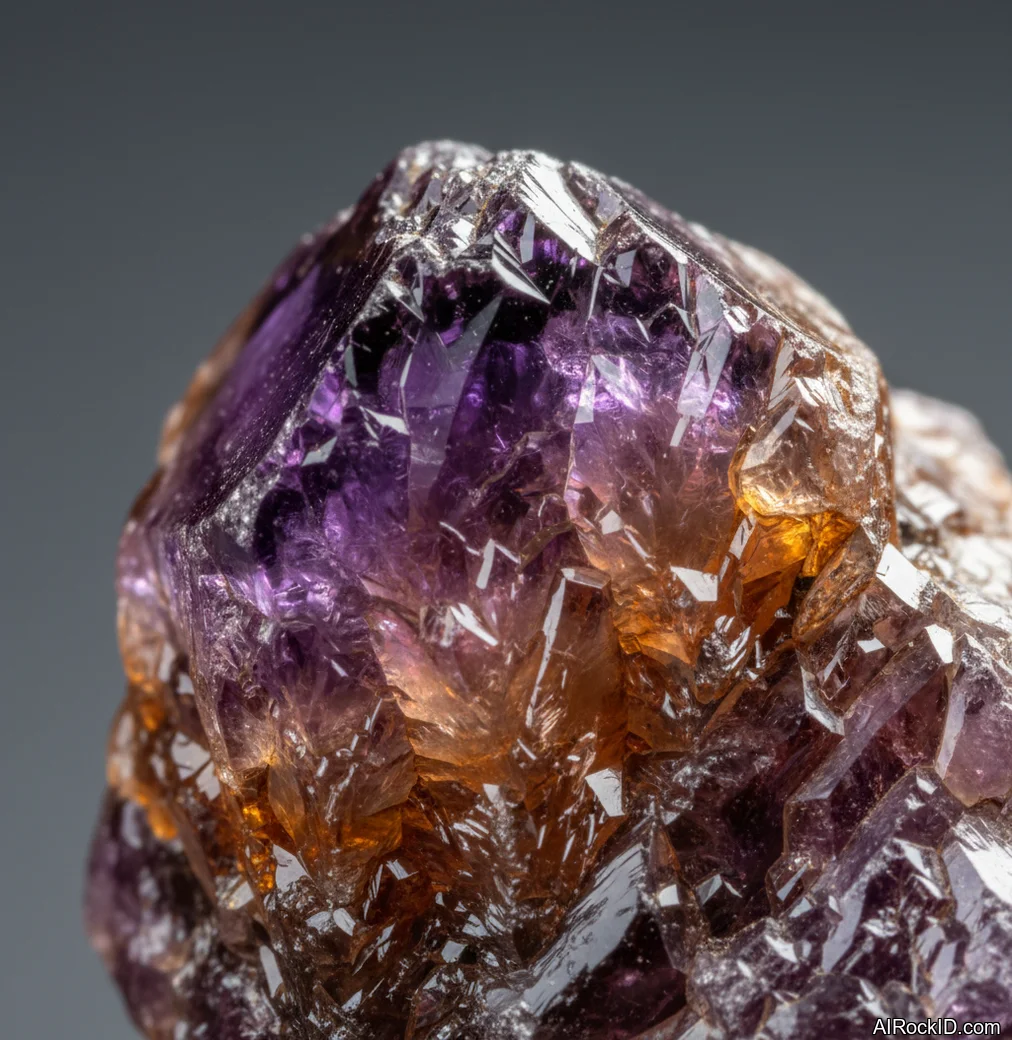
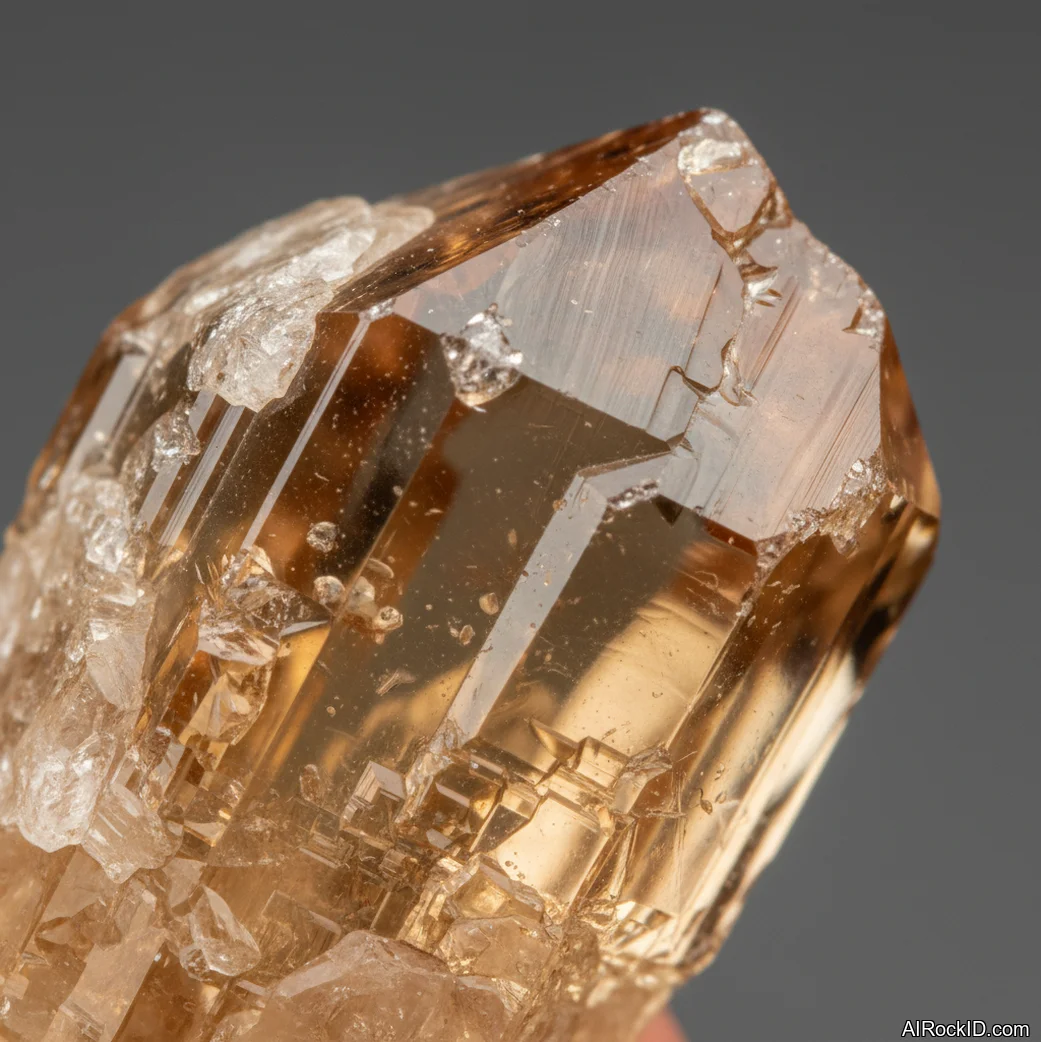
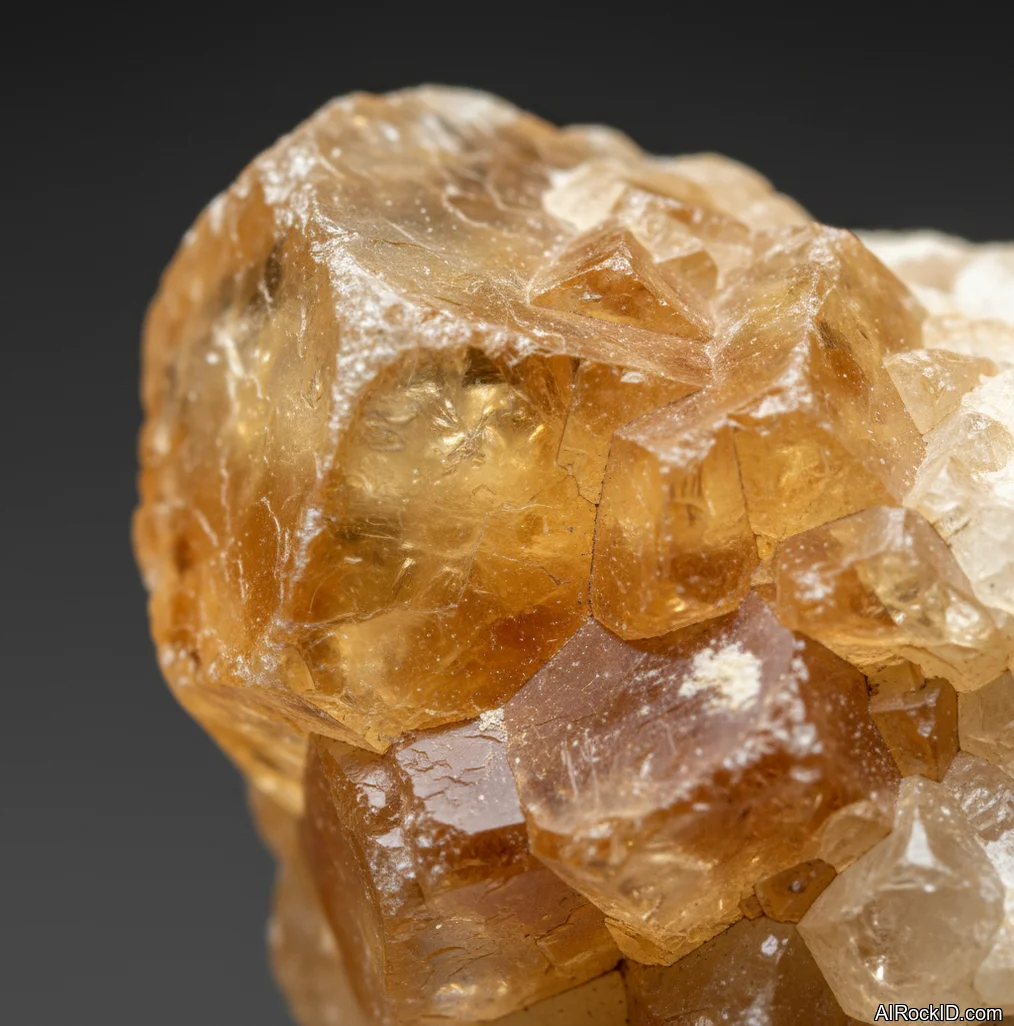
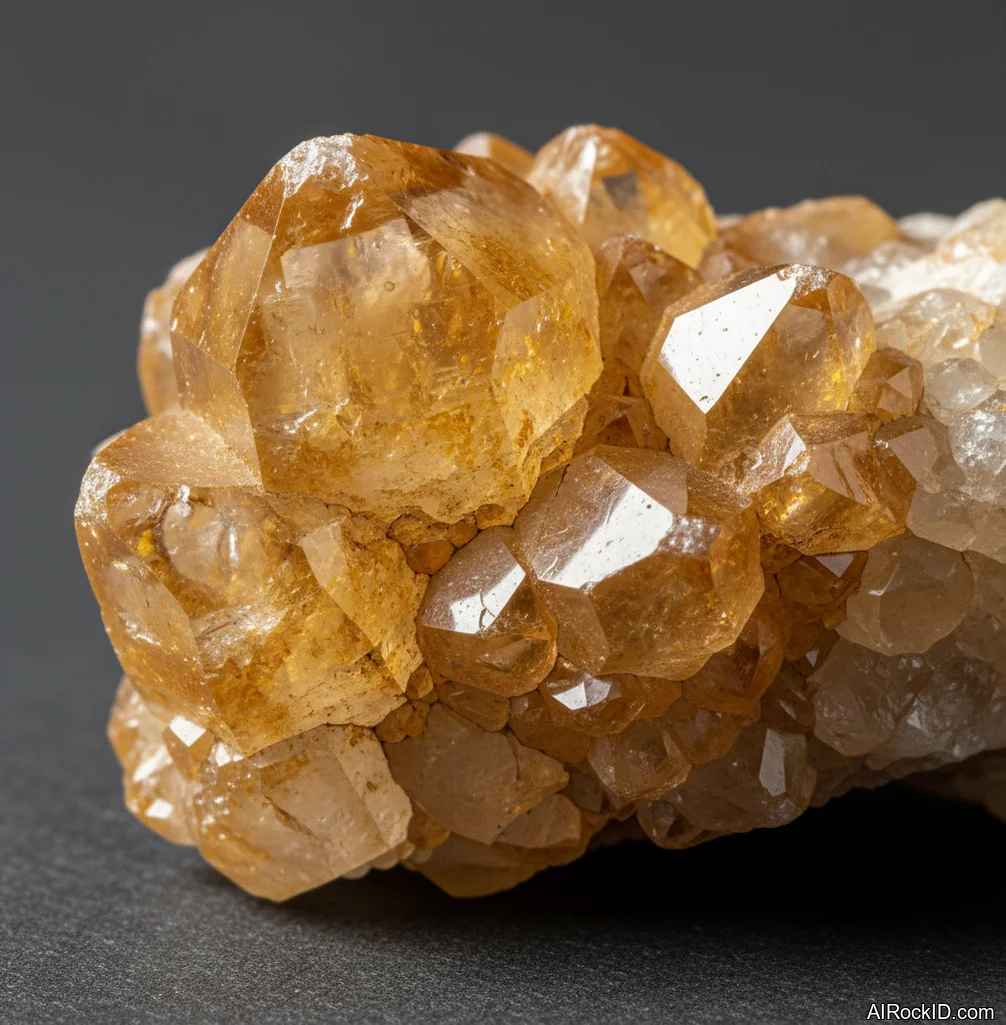
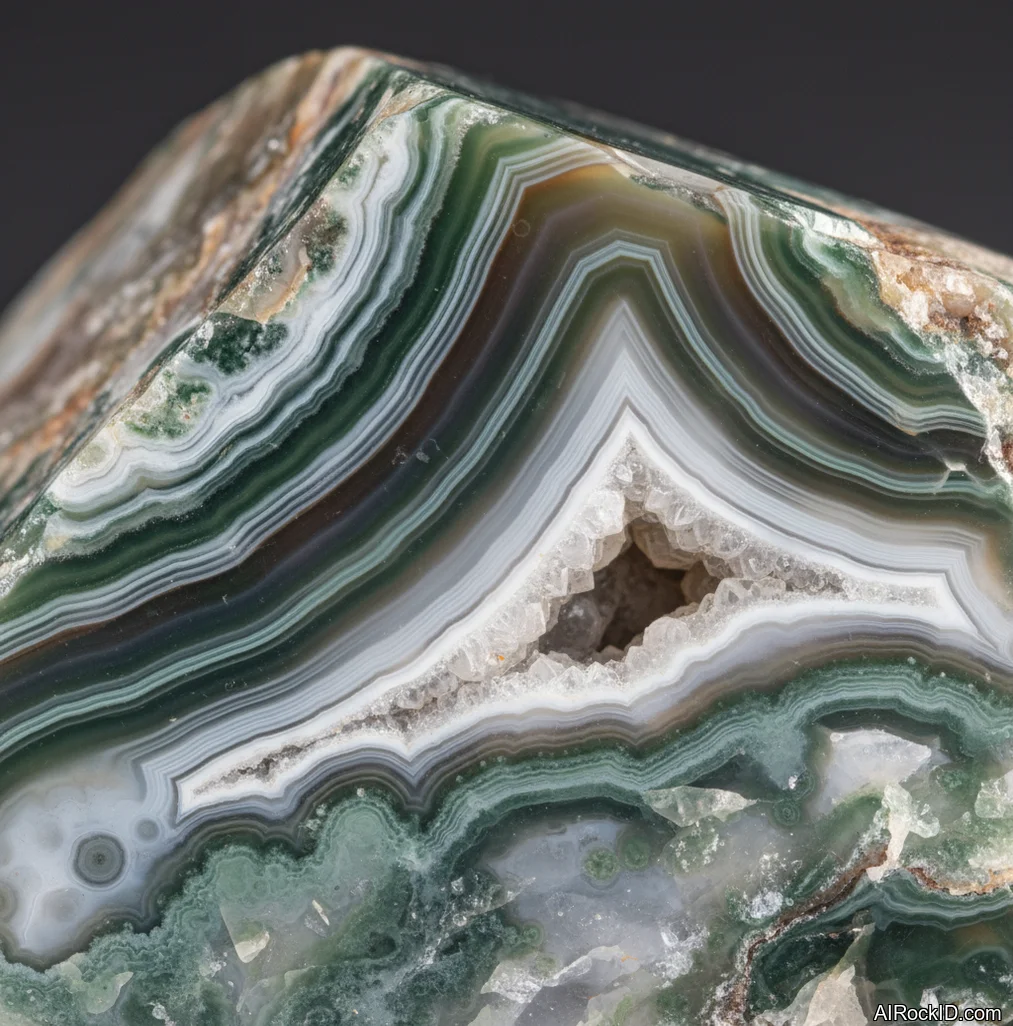
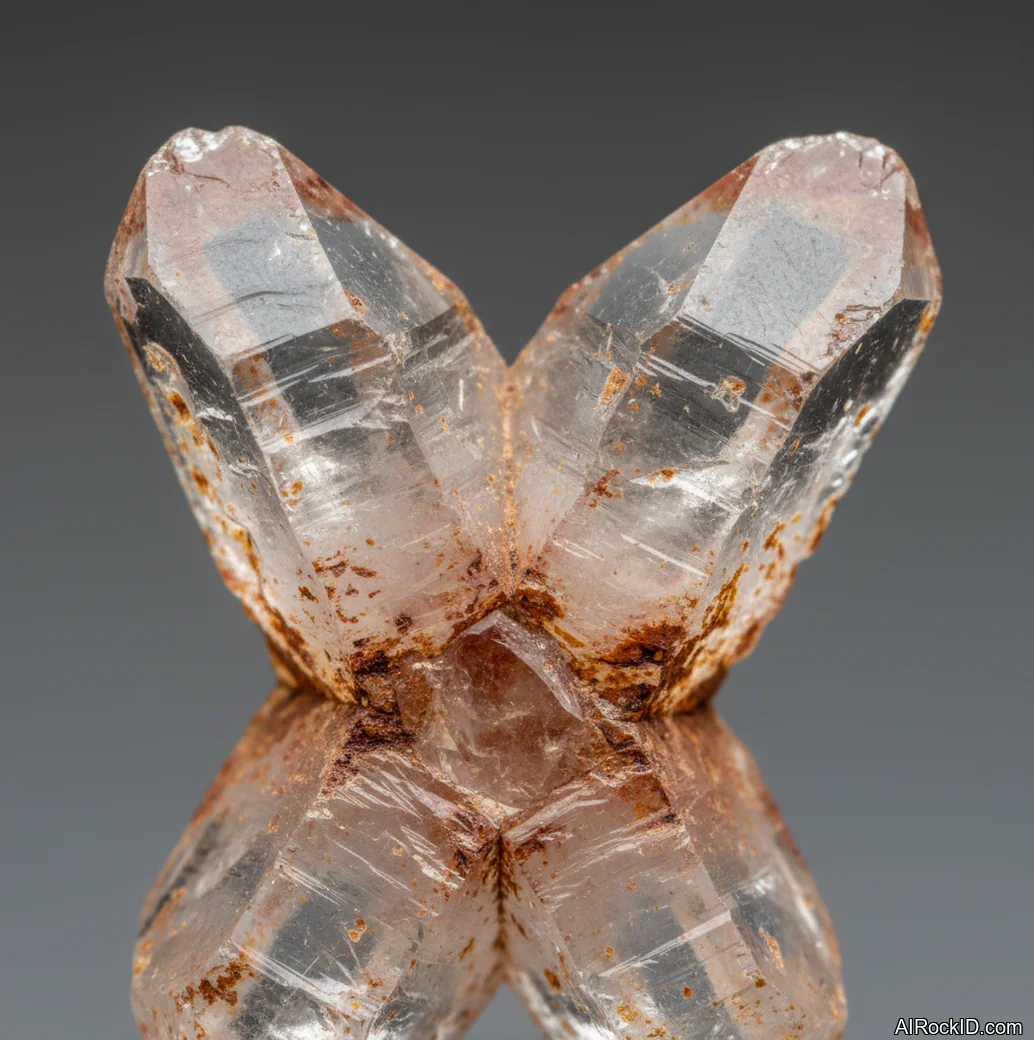
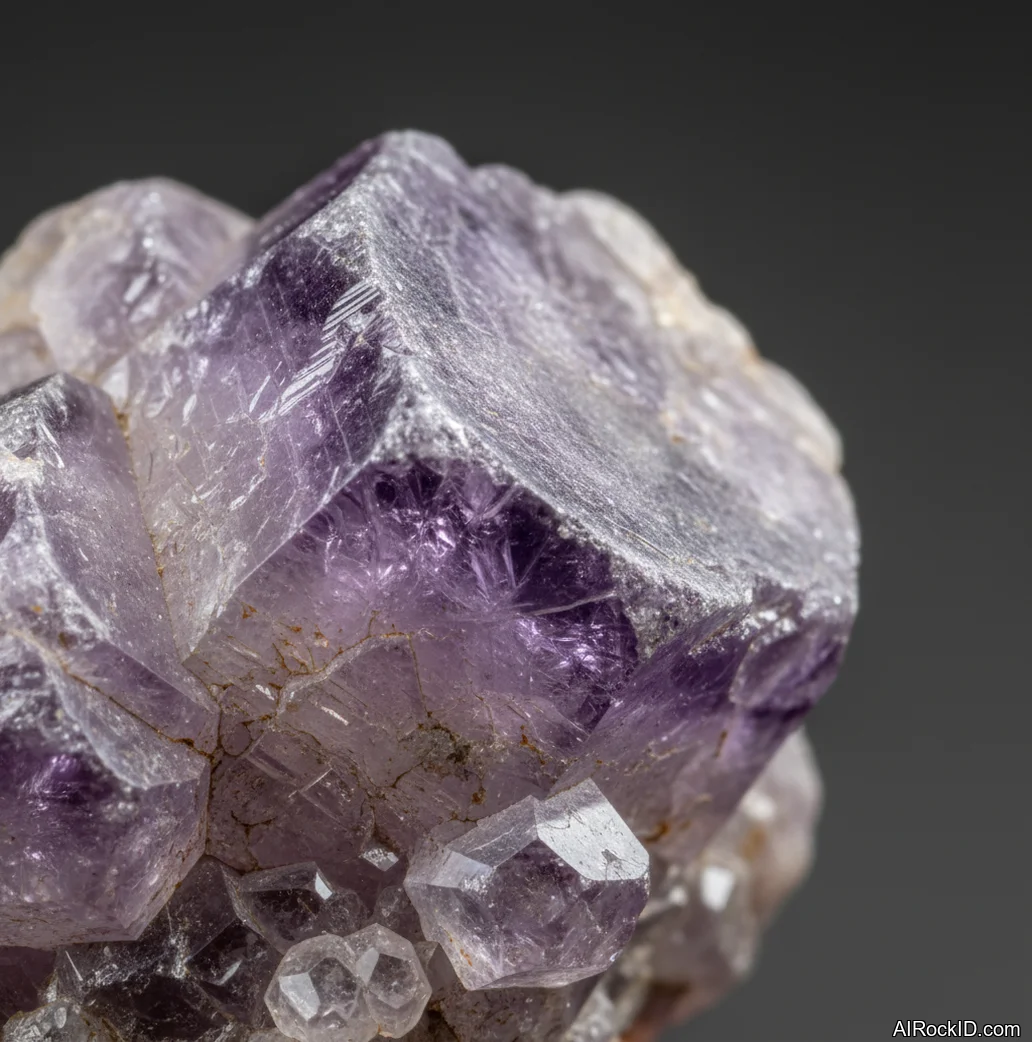
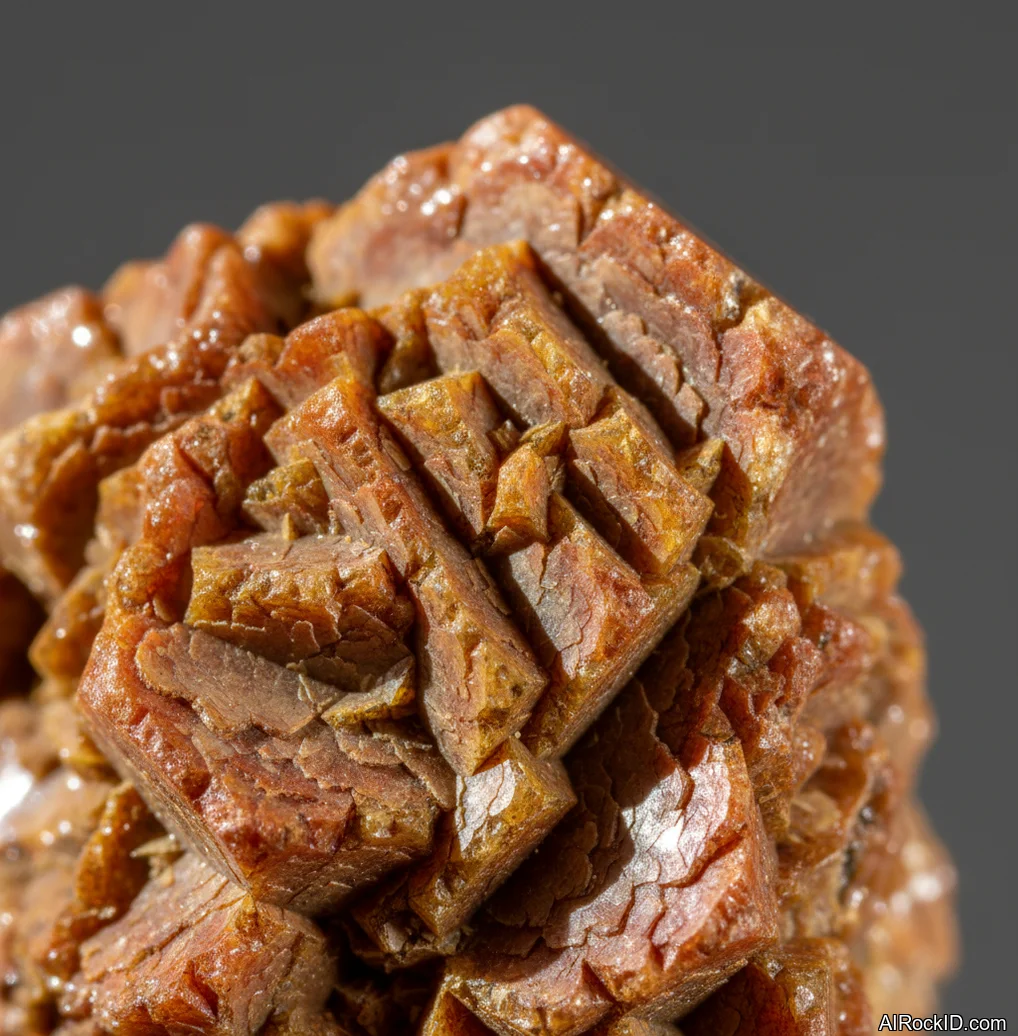
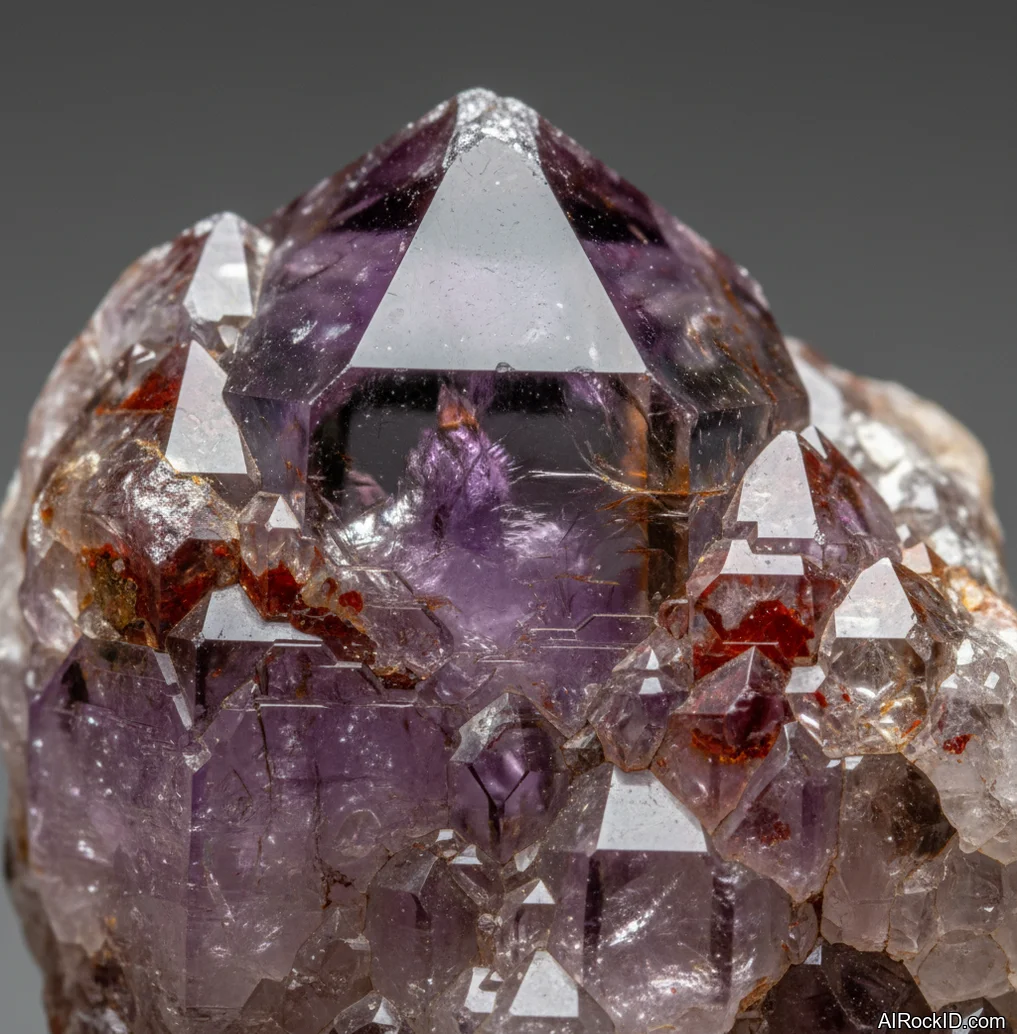
Buying tips matter here because Courage stones are some of the most faked, dyed, or mislabeled in the everyday market. The “citrine” problem is a big one: a lot of it is heat-treated amethyst, and the color can look too uniform, too burnt, or concentrated at the tips. With Carnelian and Agate, dye can show up as neon color that pools in cracks and around drilled holes. Hold it under a bright phone light. If the color looks like it’s sitting on the surface or collecting in lines, walk away. For Tiger’s Eye, watch for resin blocks with glittery fibers that don’t move like real chatoyancy. Real Tiger’s Eye has a band that shifts cleanly as you tilt it, not a sparkle that stays put.
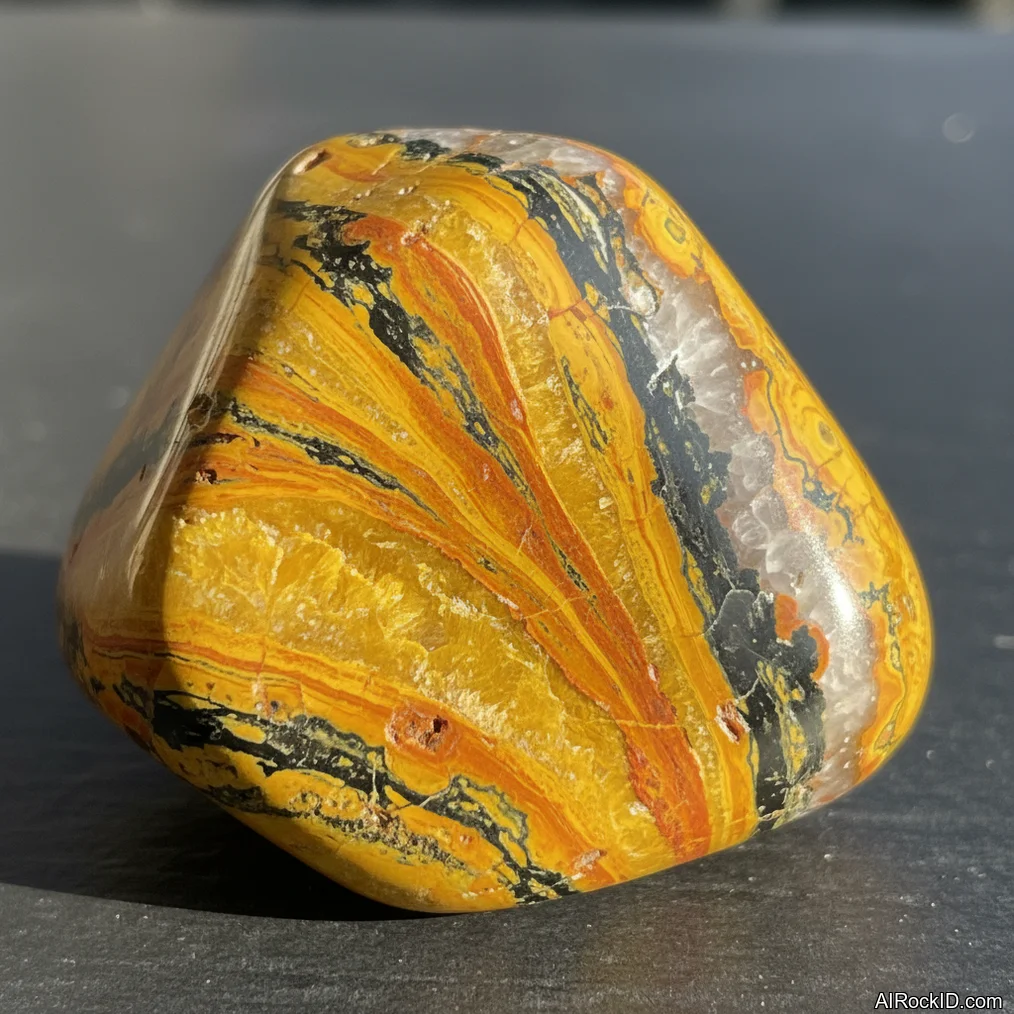
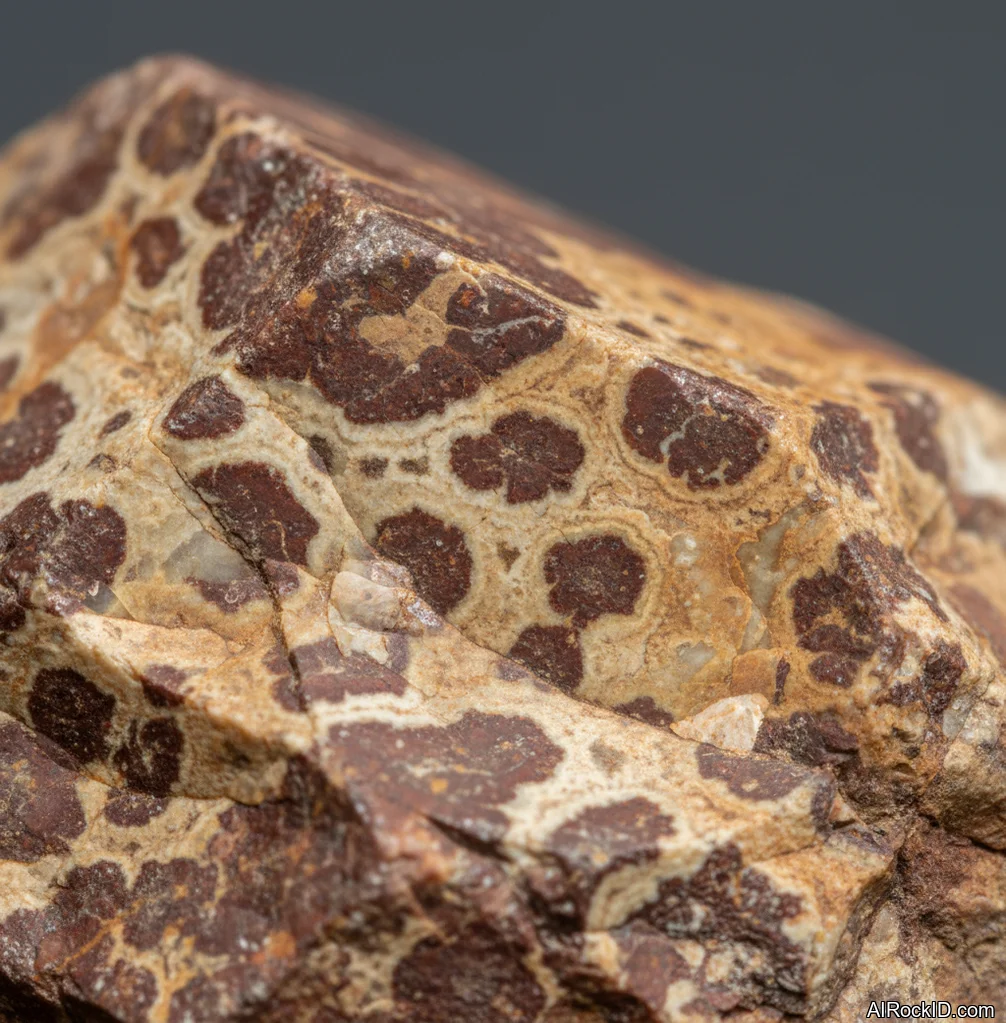
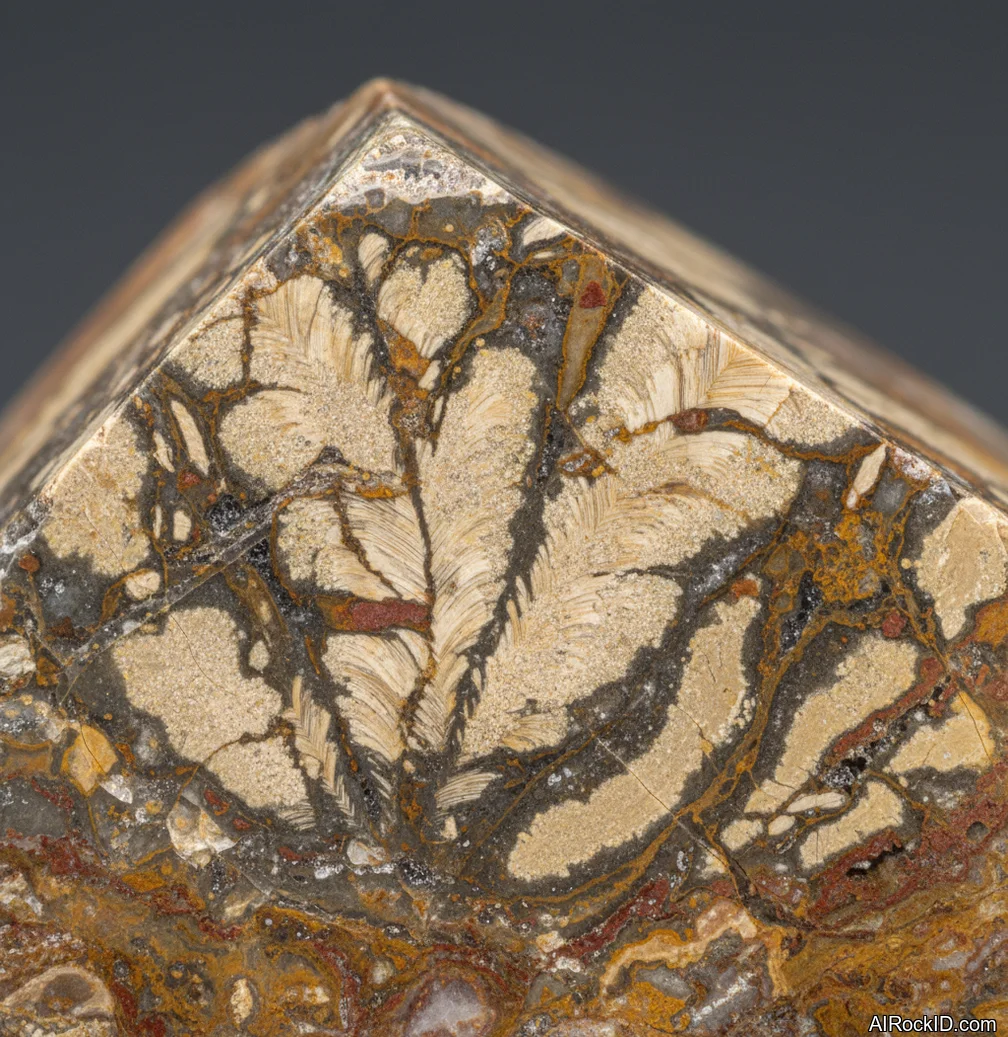
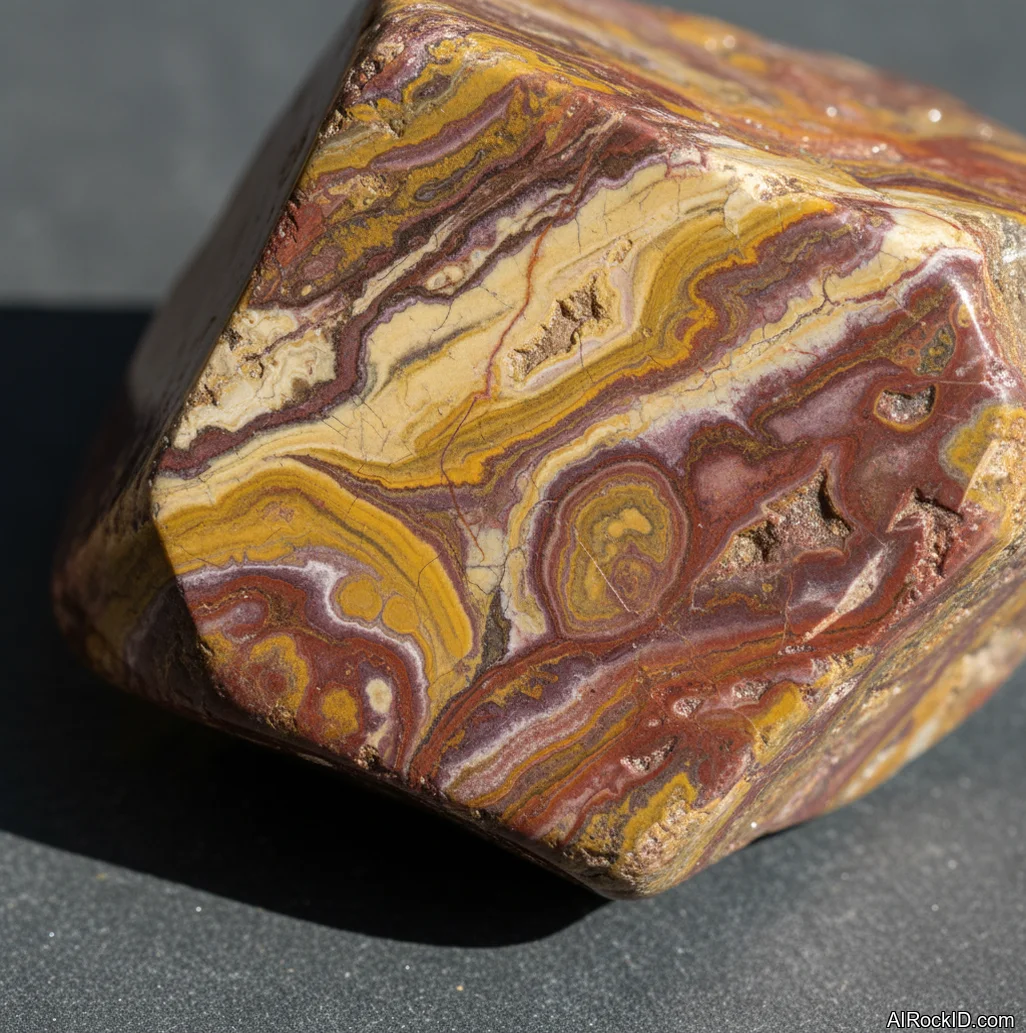
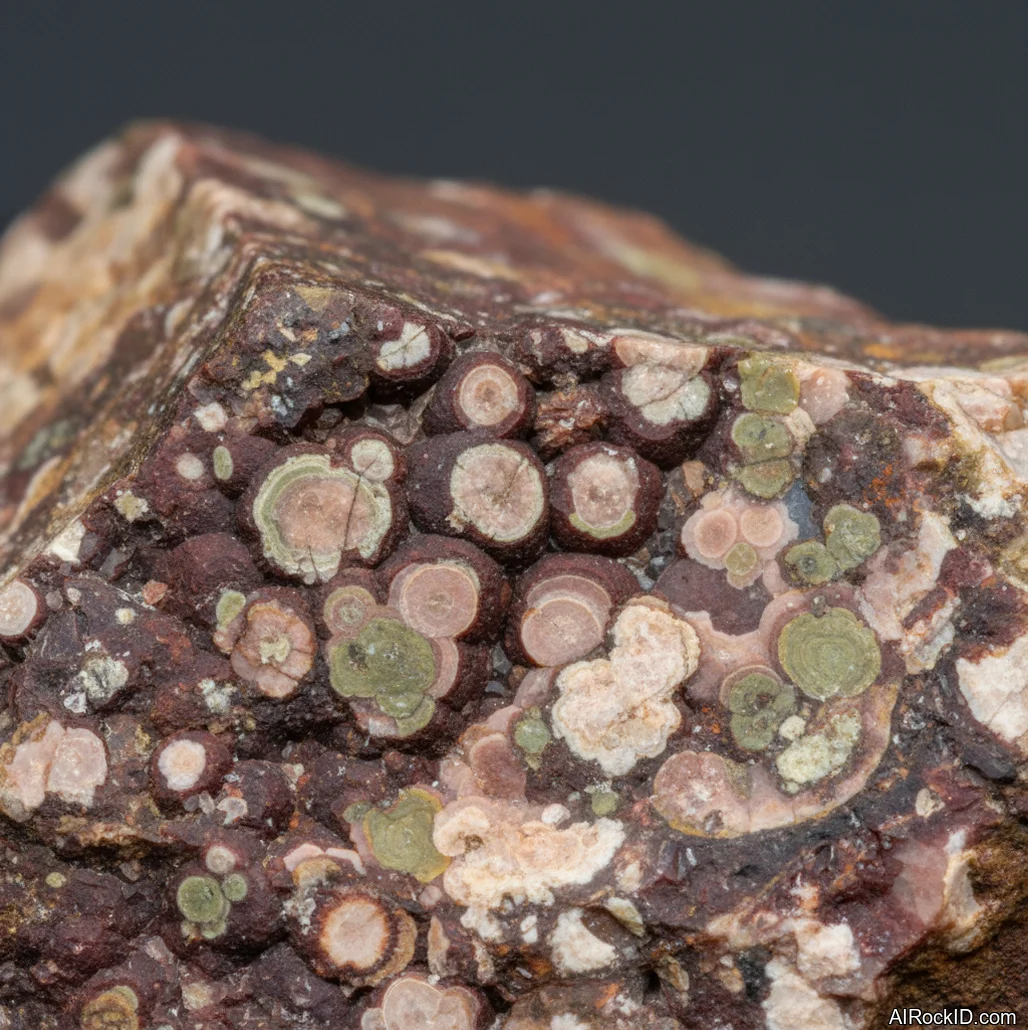
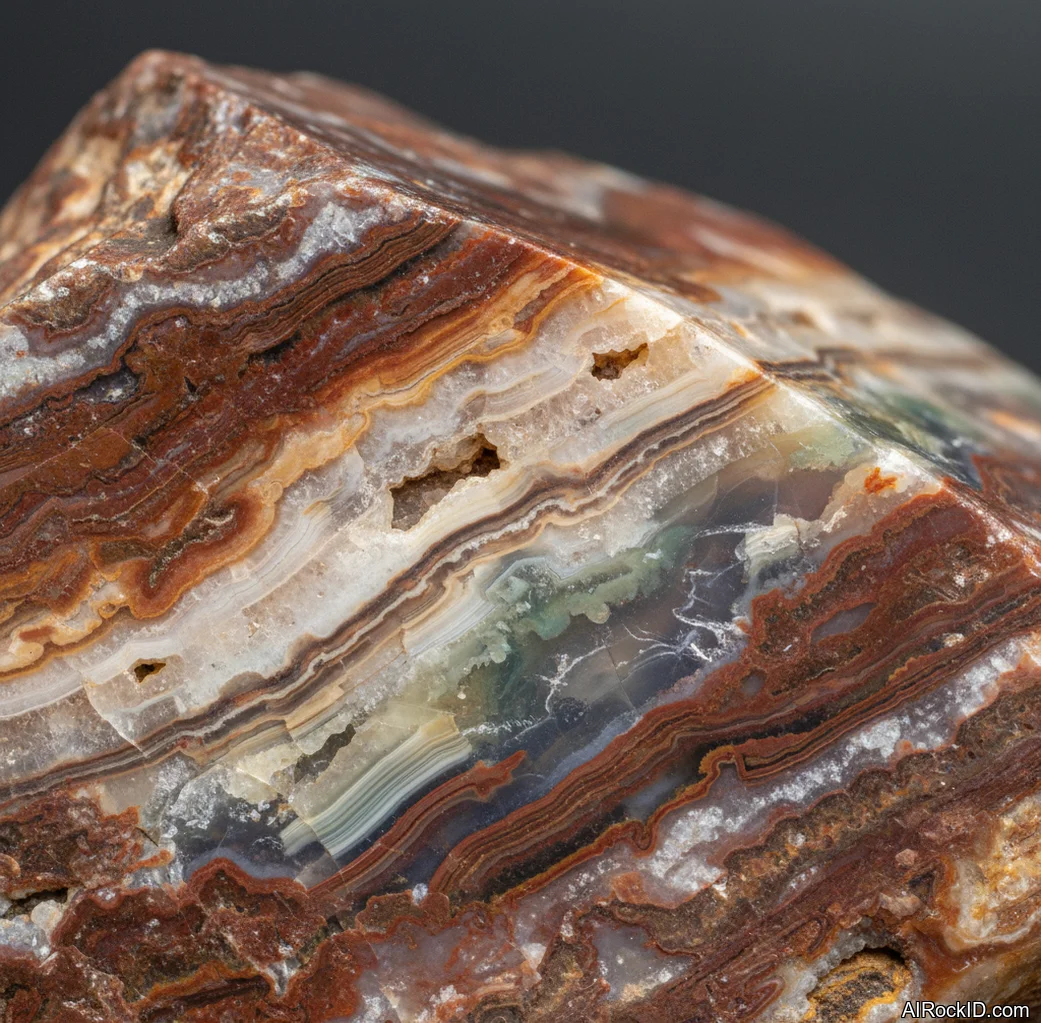
Raw versus tumbled is another real-world call. Tumbles are cheap. Durable. Easy to carry. And they don’t snag your pockets. Raw pieces can hit harder for some people, but they chip, shed grit, and sharp edges get old fast if you’re using them daily. A rough carnelian nodule or a chunk of red jasper feels different than a glossy tumble, more gritty and honest, but it’s not always practical. If you want something you’ll actually keep on you, a smooth palm stone in Carnelian or Tiger’s Eye is the workhorse option.
Care is basic, but it’s worth saying out loud. Most Courage stones like Jasper, Agate, and Tiger’s Eye are tough enough for everyday handling, but they’ll still scratch if you toss them in a bag with keys. Hematite chips easily on tile and can rust if it’s porous material. Keep your pocket stones in a small pouch. And don’t leave color-treated stuff in harsh sun. I’ve watched dyed agate fade on a windowsill, and once it fades it just looks tired.
And in the end, Courage is less about the stone and more about the moment you reach for it. The best Courage crystal is the one you’ll actually touch when your heart’s racing. Start with one you like in your hand, test it in real situations, and pay attention to what changes. Not in theory. In your Monday morning, real-life routine.
All Courage Crystals (333)