Hilutite
What Is Hilutite?
Hilutite isn’t an officially recognized mineral species in the standard mineralogy references. So if you see “hilutite” for sale, you’re almost always looking at a trade name, a misspelling, or just a flat-out mislabel.
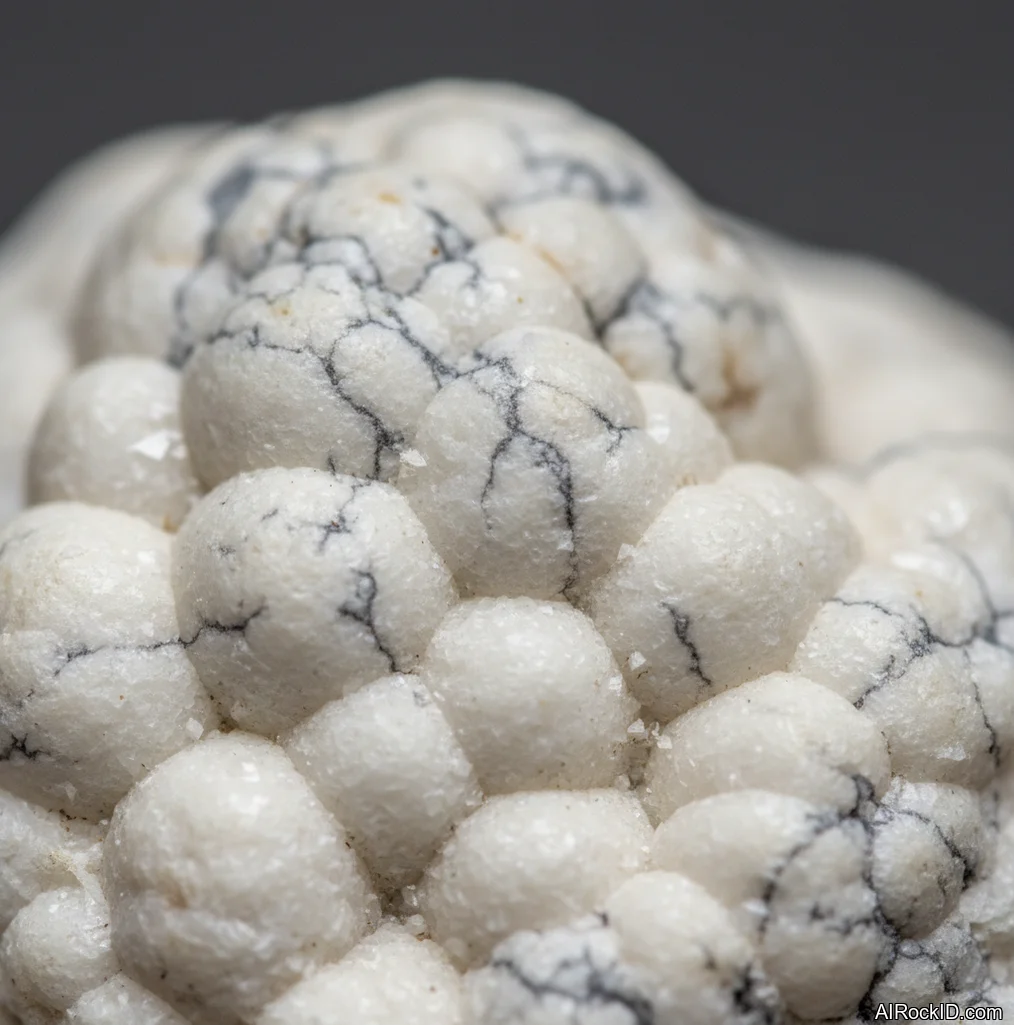
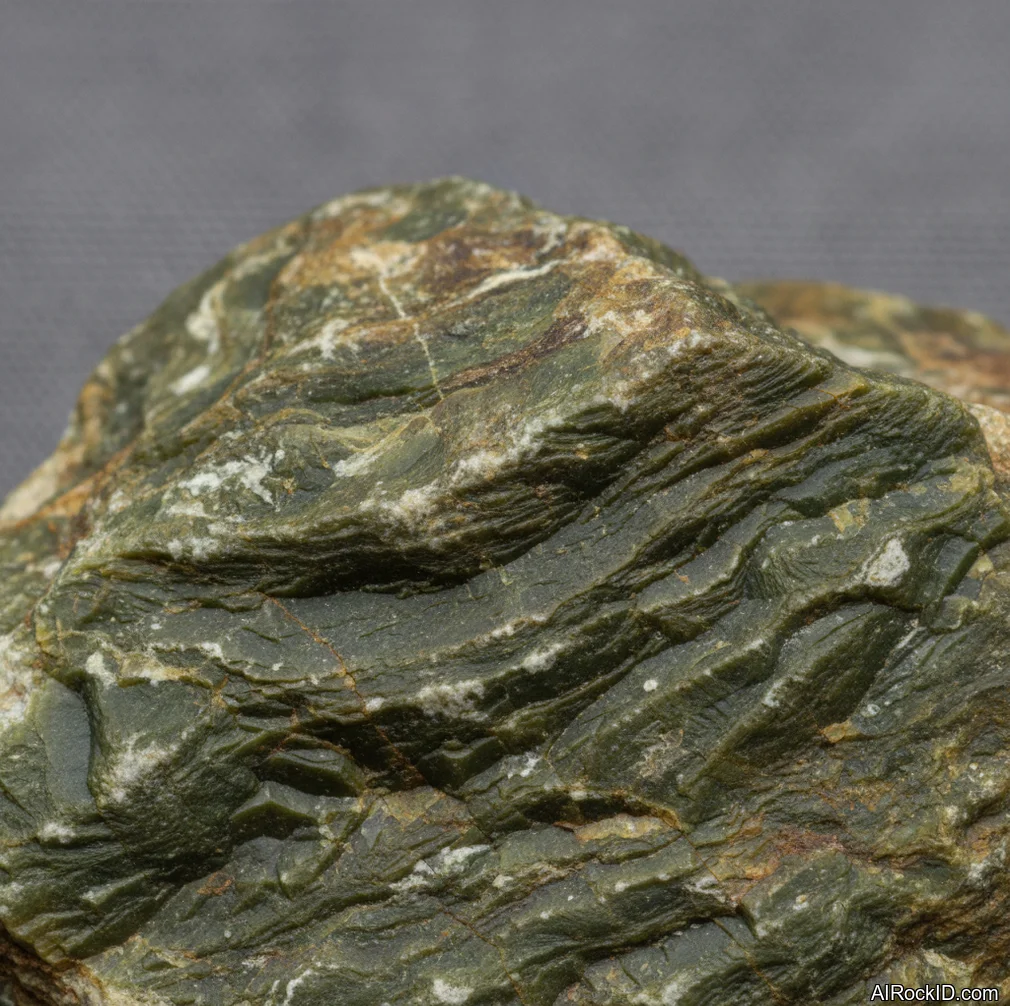
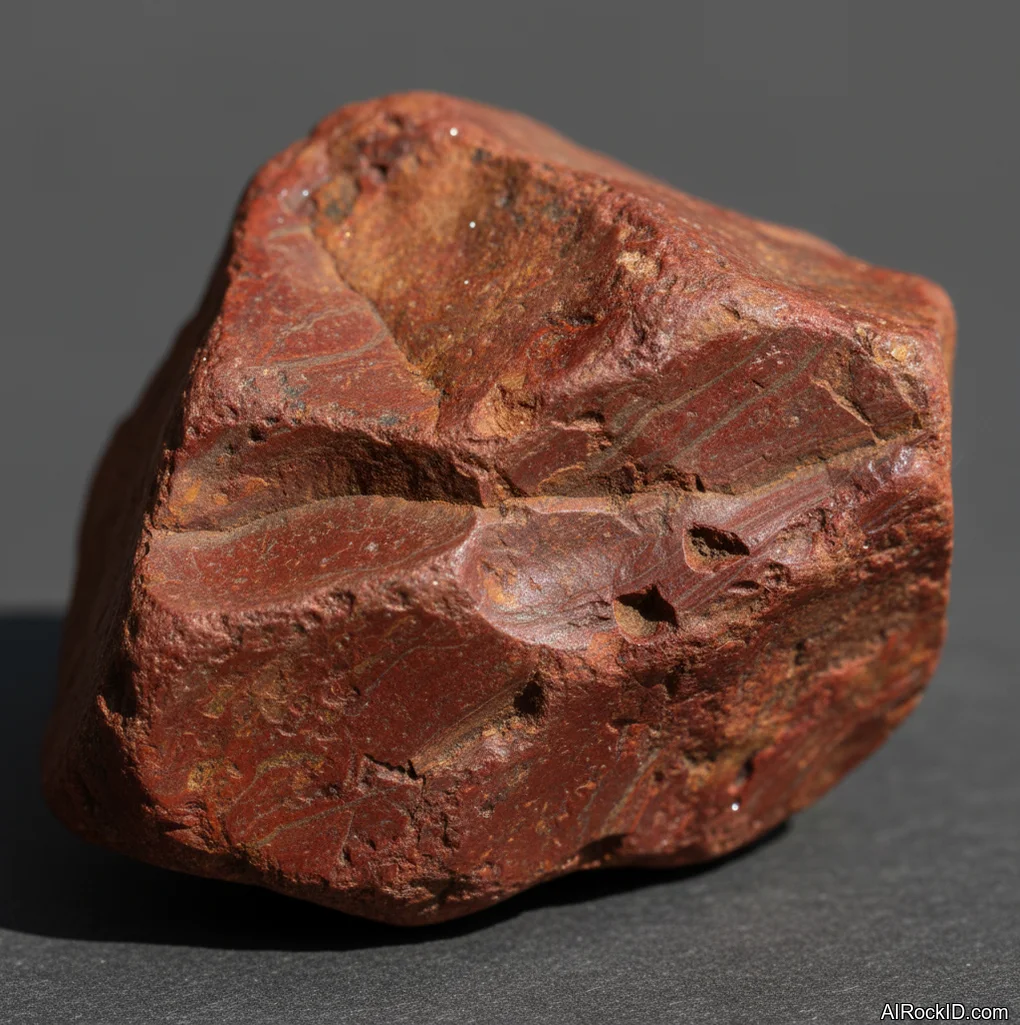
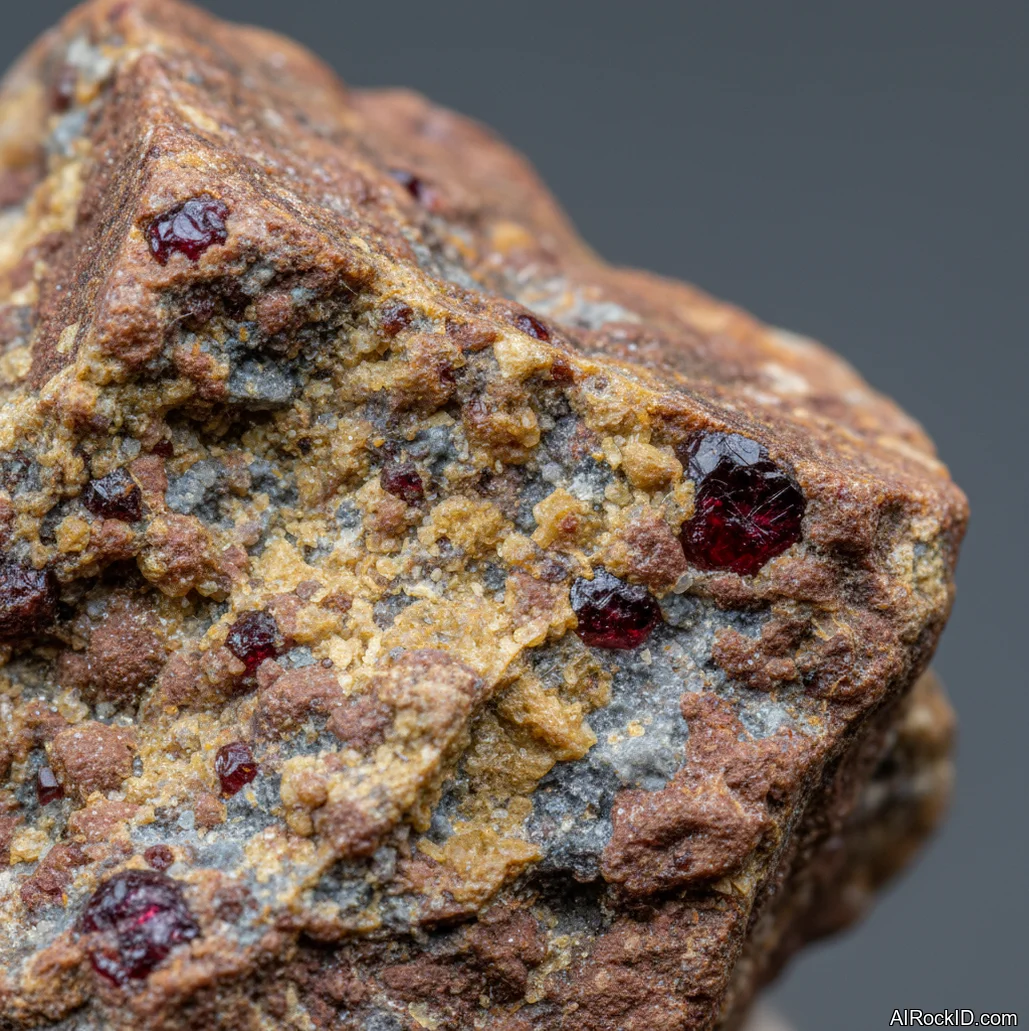
Most of the time that “hilutite” tag shows up on tumbled stones or random rough tossed into mixed flats, the kind of bins dealers price by the scoop. I’ve had a few pieces pass through my hands at shows with labels like “Hilutite (rare),” and honestly, they felt like totally ordinary material. They warmed up fast in my palm. No crisp crystal faces. And the polish had that slick, waxy look that kind of hides things instead of revealing them (you know what I mean?).
Pick one up and there’s just nothing diagnostic going on. No cleavage flashing when you tilt it under the lights. No clear habit. No consistent streak. No heft that makes you stop and think, “Wait, what is this?”
And that’s the issue. Without a verified identity, you can’t honestly talk about hardness, density, refractive index, or even whether water is safe. Real mineral IDs start with a specimen you can actually test and a name that points to a known species. “Hilutite” doesn’t do that.
Origin & History
You can hunt forever for a neat “first described” paper on Hilutite, because there just isn’t one where you’d expect it to be. It’s not in the IMA list as an approved mineral species, and it doesn’t pop up as a recognized variety name the way “ametrine” does. Or “blue john,” for that matter.
Thing is, in the real world it reads like a shop label that wandered onto the internet and never got corrected. I’ve watched this exact chain reaction: one dealer scribbles a name on a tag (usually in rushed handwriting, ink smudged where their thumb was), the next person copies it into a listing, and before long it looks legit because it shows up in a bunch of places. But seeing it repeated isn’t the same thing as having an actual reference, right?
Where Is Hilutite Found?
There are no verified, citable localities for an accepted mineral species called Hilutite. Listings that claim specific countries are not backed by standard locality records under that name.
Formation
Because Hilutite isn’t an accepted species, there’s no real “formation story” that comes with that name. So when you see a neat little description of how it supposedly forms, it’s basically a guess, unless the seller can actually say what the material is.
Look, pay attention to how it’s being sold. If it only ever shows up as little tumbled pebbles (that same smooth, waxy feel you get from a rock that’s been run hard in a tumbler), the source is always fuzzy, and you never see it in any crystal form or sitting in matrix, that’s a tell. Real minerals with real formation environments usually show at least some consistent look from piece to piece, even in cheap material. Why wouldn’t they?
How to Identify Hilutite
Color: Color claims for “hilutite” are inconsistent across the market, which is a red flag by itself. You’ll see everything from gray-green to tan to pinkish mixed material depending on the seller.
Luster: Usually described or presented with a polished vitreous-to-waxy look, but that’s a finish, not a diagnostic luster.
The real test is asking for a proper ID: species name, any lab work, and a locality that’s tied to a known mine or district. If you’ve got a piece in hand, try a streak plate and a simple scratch test, then compare it to known candidates, but don’t trust the trade name. I’ll also check temperature feel and “heft” right away, because cheap mixes often include softer, warmer-feeling material that gets mislabeled as something rare.
Properties of Hilutite
Physical Properties
| Crystal System | Amorphous |
| Hardness (Mohs) | None (None) |
| Density | None |
| Luster | None |
| Diaphaneity | None |
| Fracture | None |
| Streak | None |
| Magnetism | None |
| Colors |
Chemical Properties
| Classification | None |
| Formula | None |
| Elements | |
| Common Impurities |
Optical Properties
| Refractive Index | None |
| Birefringence | None |
| Pleochroism | None |
| Optical Character | None |
Hilutite Health & Safety
If you’re just handling a polished, intact piece being sold as hilutite, the risk is usually pretty low. Thing is, the bigger problem is you don’t really know what you’ve actually got in your hand. But if you’re going to cut it or grind it, treat it like an unknown stone and don’t breathe the dust. Seriously, that powder gets everywhere.
Safety Tips
If you’re doing lapidary work, don’t do it dry. Use water, make sure you’ve got real ventilation (like you can actually feel the air moving), and wear a proper respirator, not just a flimsy dust mask. And until you know what it is, label the sample “unknown”.
Hilutite Value & Price
Price Range
Rough/Tumbled: $1 - $10 per piece (typical tumbled/rough sold under the name)
Thing is, the price is coming almost entirely from marketing and the fuzzy “maybe it’s rare” vibe, not from any documented rarity of the species itself. If a piece actually came with solid paperwork or a lab ID, yeah, it’d be worth more. But then it usually wouldn’t even be sold as “hilutite,” would it?
Durability
Moderate — Scratch resistance: Fair, Toughness: Fair
Durability can’t be stated reliably because the name doesn’t point to a specific material.
How to Care for Hilutite
Use & Storage
Keep it in a small box or a pouch so it doesn’t get banged up or scratch other softer stones. If you’ve got multiple mystery tumbles, store them separately so labels don’t get swapped.
Cleaning
1) Rinse with lukewarm water and a drop of mild soap. 2) Use a soft toothbrush for seams and pits. 3) Pat dry and let it fully air-dry before storing.
Cleanse & Charge
If you use it for personal practices, stick to gentle methods like dry rice, sound, or setting it on a shelf overnight. With unknown material, I skip saltwater and harsh sun.
Placement
Set it where it won’t get direct window sun all day, since some dyed or treated material fades. A desk bowl is fine, but keep it away from keys and loose grit.
Caution
Don’t make any safety call just because of what it’s called on the label, especially if you’re mixing up elixirs or letting it sit in water. Thing is, you don’t actually know what’s in it. So don’t cut or sand it unless you’ve got proper dust control, because you’ll kick up fine powder fast and the composition is unknown.
Works Well With
Hilutite Meaning & Healing Properties
If somebody’s using “hilutite” for metaphysical stuff, what they’re actually working with is whatever they personally feel from that exact stone in their hand, not a real mineral species with standard, repeatable properties. That isn’t me being snarky. That’s just what happens when the name doesn’t line up with any known mineral.
Pick up one of those “hilutite” tumbles and the feel tells you almost everything. Some are glassy and slick, like they’ve got that hard, almost wet-polish sheen. Some come off chalkier even after polishing, with a slight drag when you rub your thumb across it. And some have tiny pits or little pinholes that catch your fingertip (you’ll feel it immediately). Those differences matter way more than whatever’s printed on the tag.
So if you’re after grounding, treat it like an “unknown earth stone,” pair it with something you already trust, like smoky quartz, and see if it helps you settle your head after a long day. Keep it in the personal-experience lane, though, not the medical one. That line matters.
But look, the market friction is real. Sellers can hang any meaning they want on a made-up name or a muddy label, and buyers can’t easily fact-check it. If you want metaphysical work that you can repeat and compare over time, start with a well-identified mineral. Then, sure, bring in the mystery stones later for texture and play. Why not.
Identify Any Crystal Instantly
Snap a photo and get properties, value, care instructions, and healing meanings in seconds.