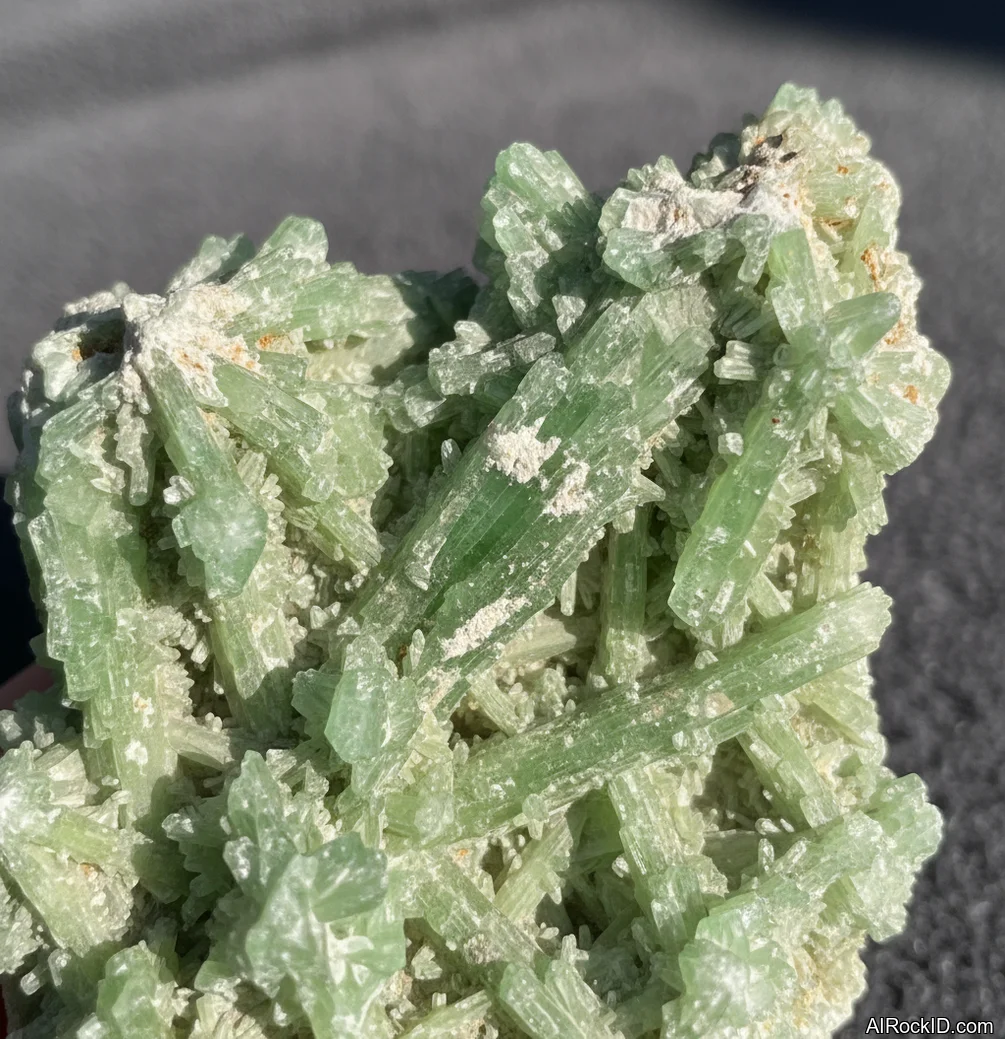
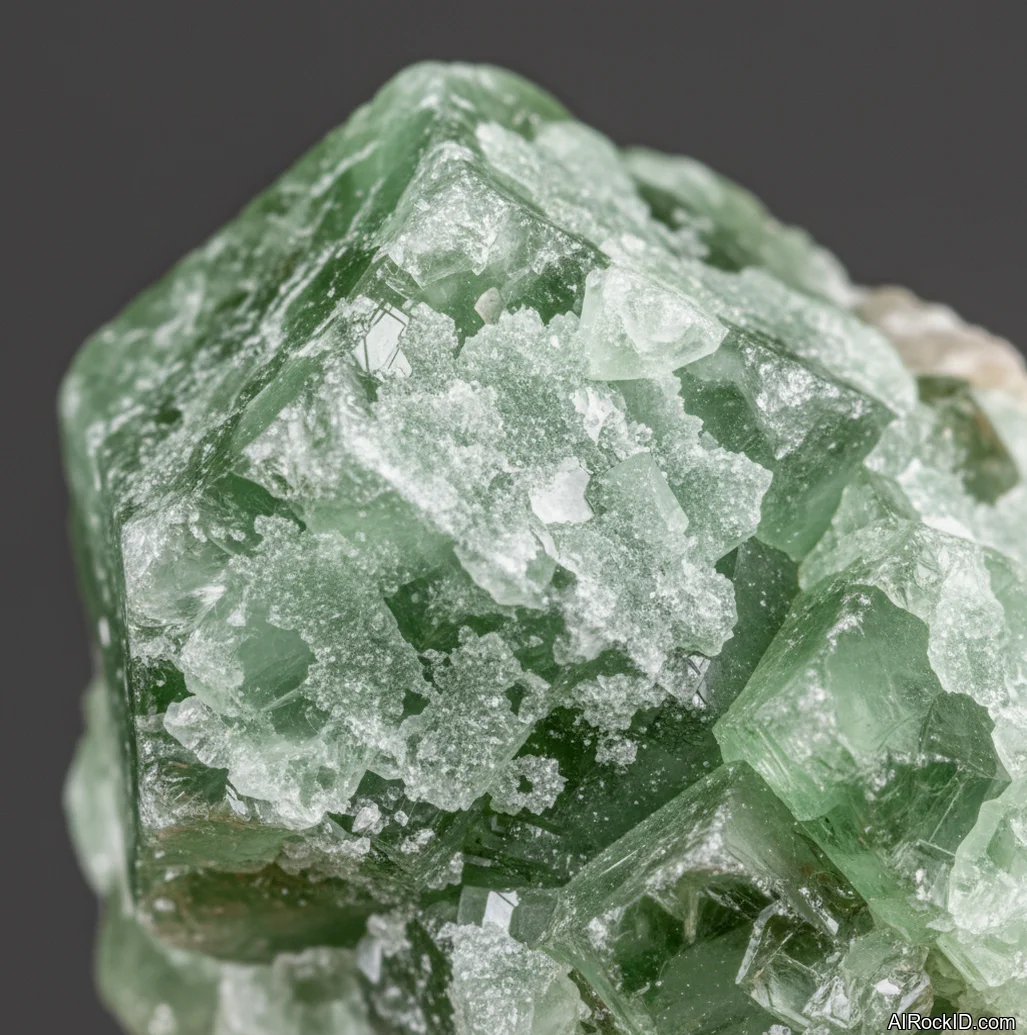
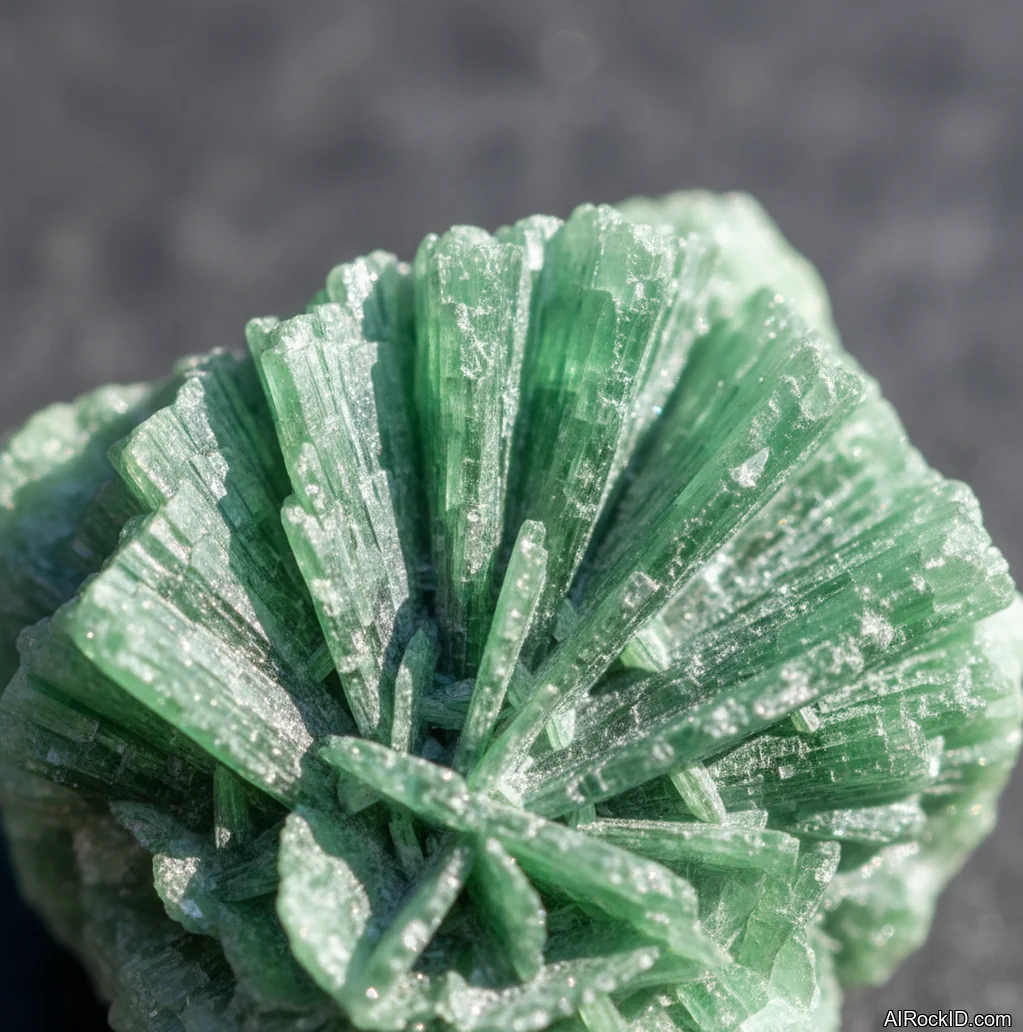
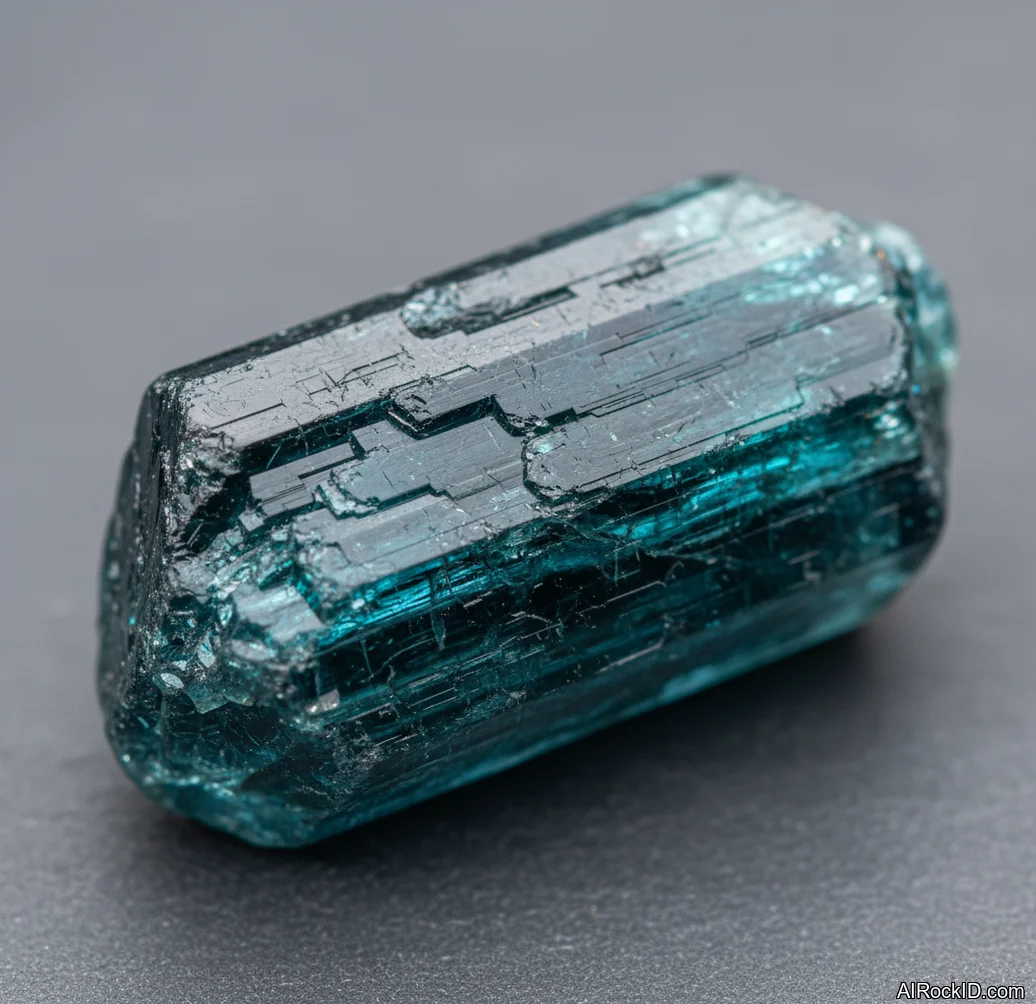
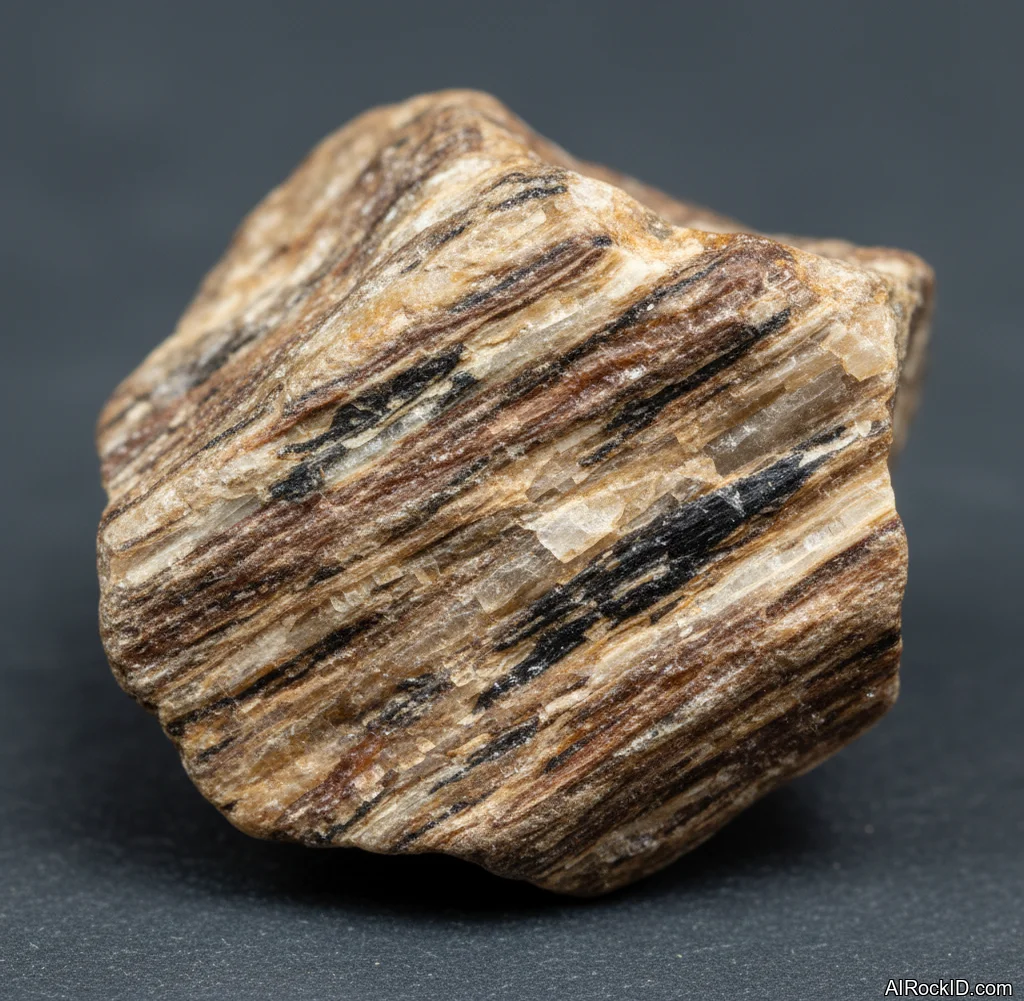
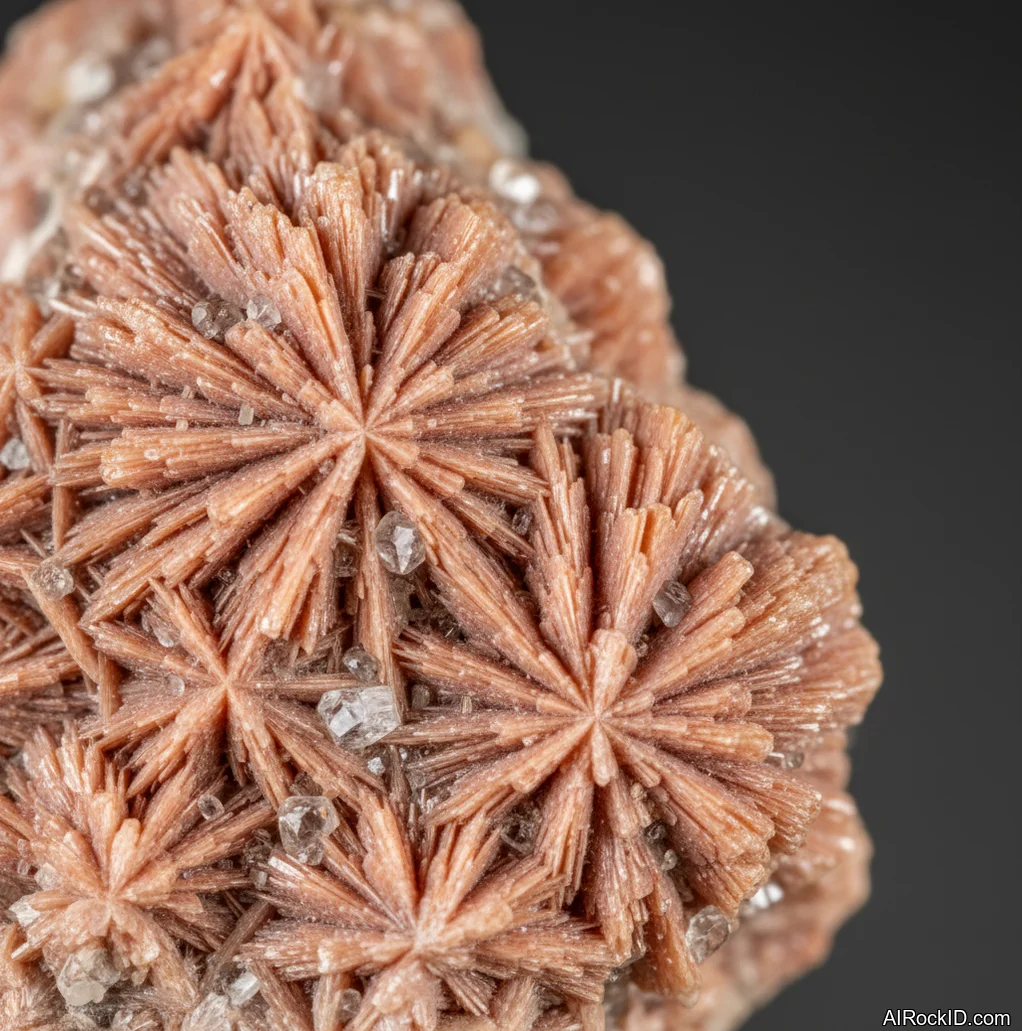
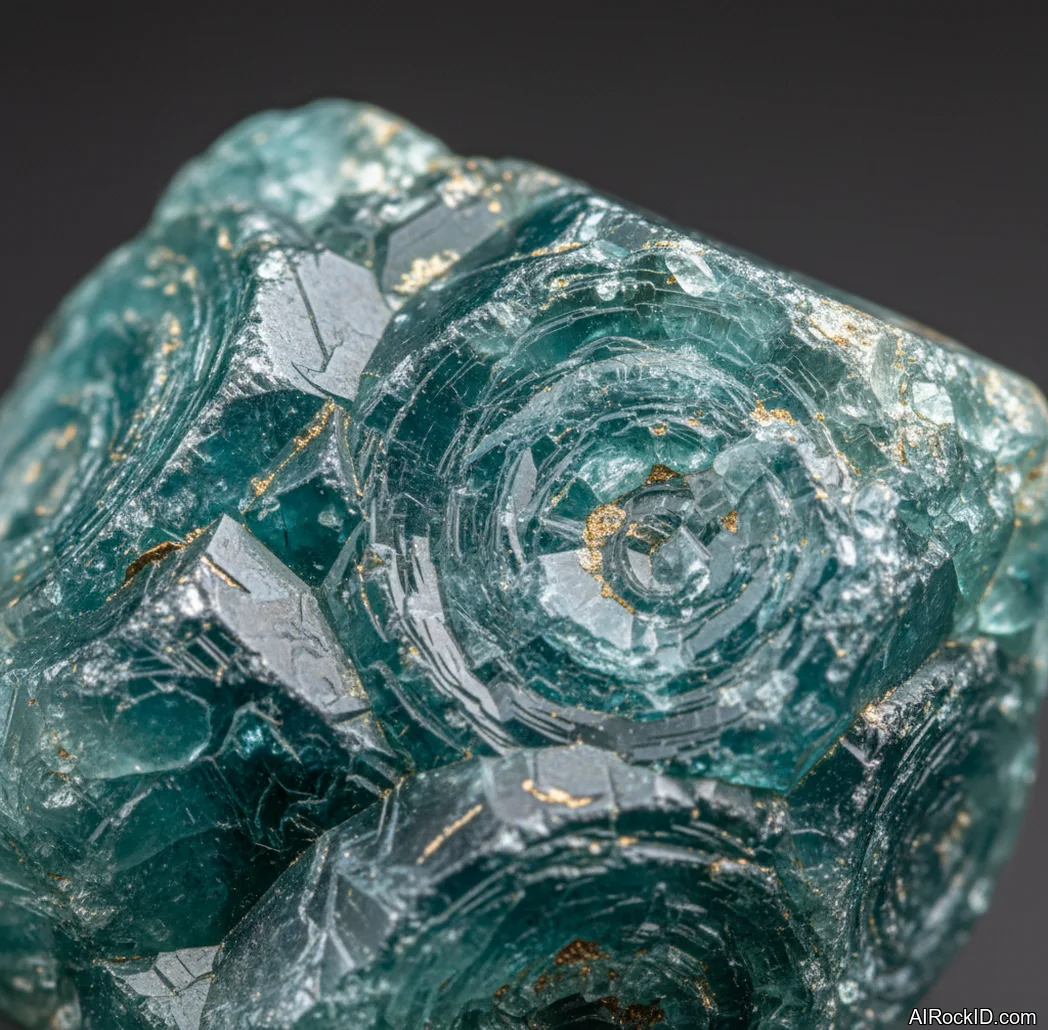
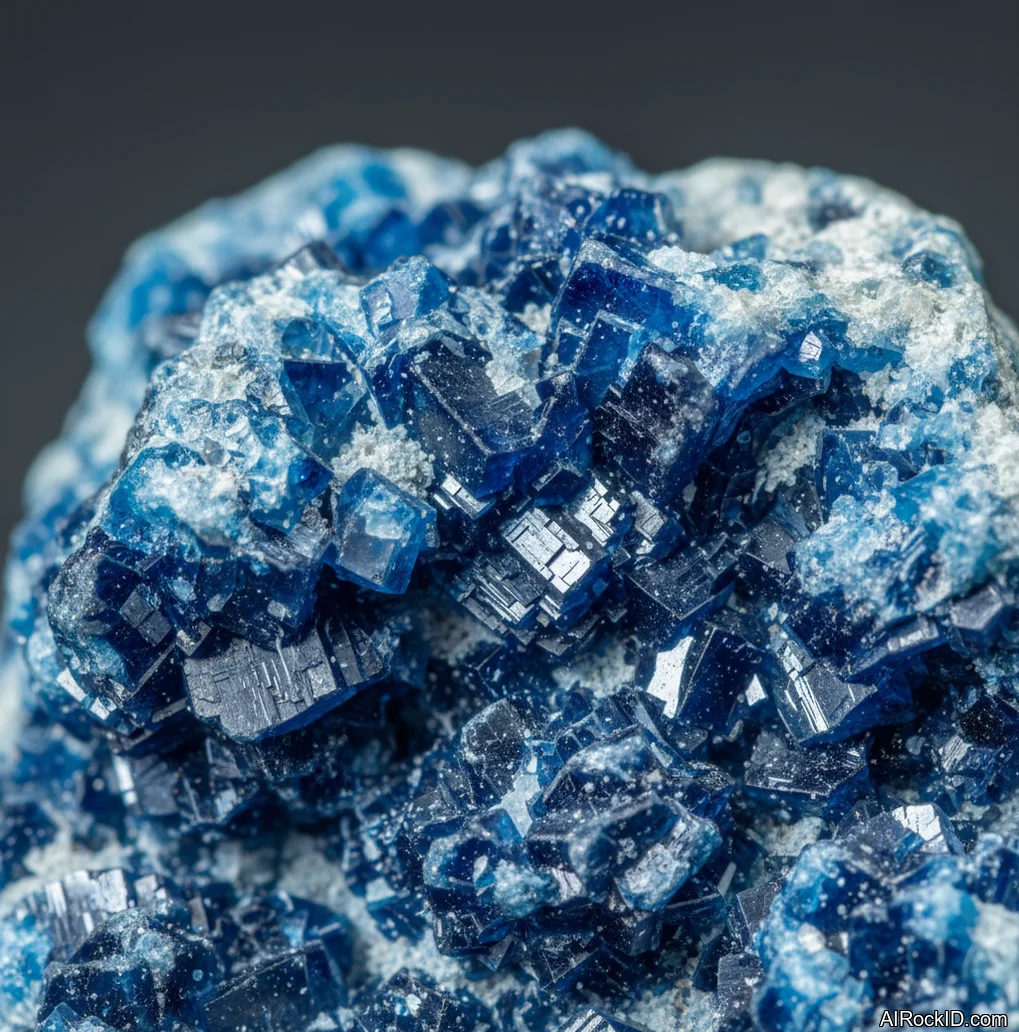
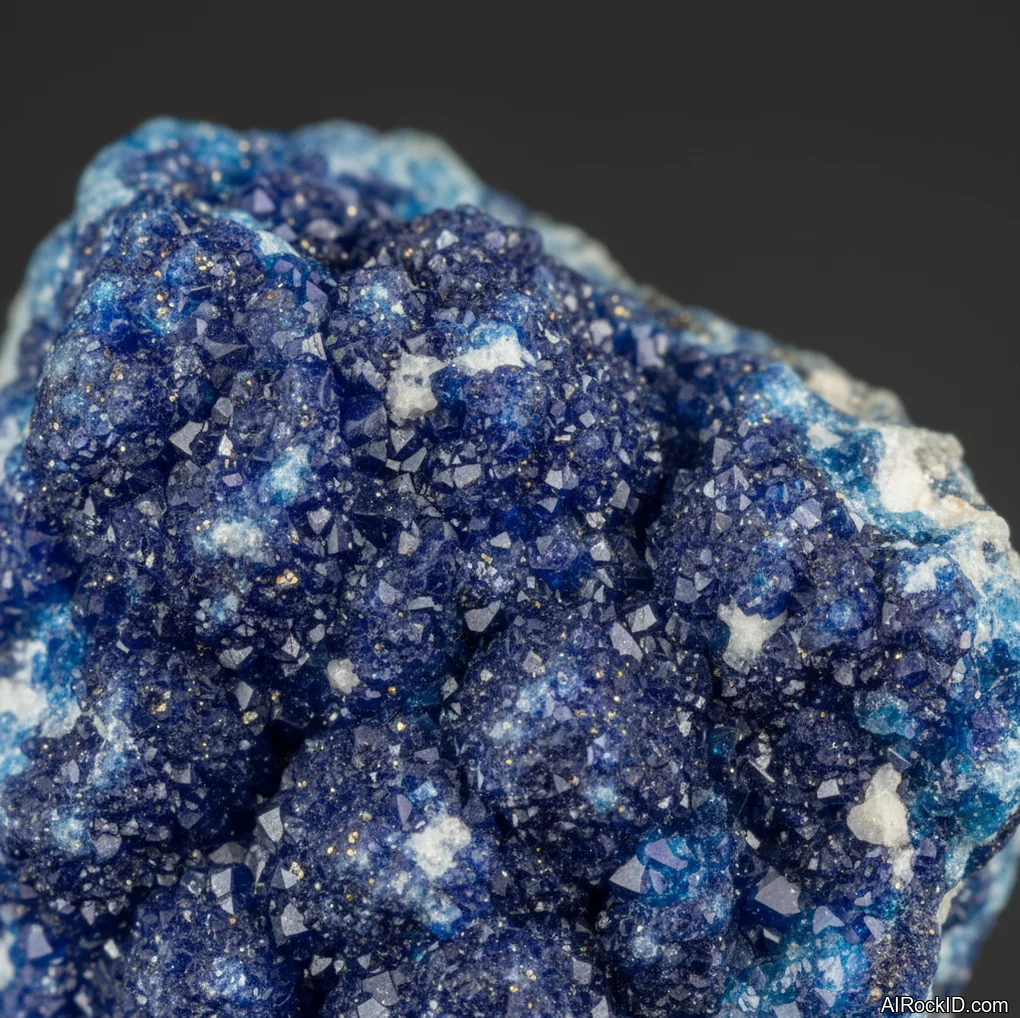
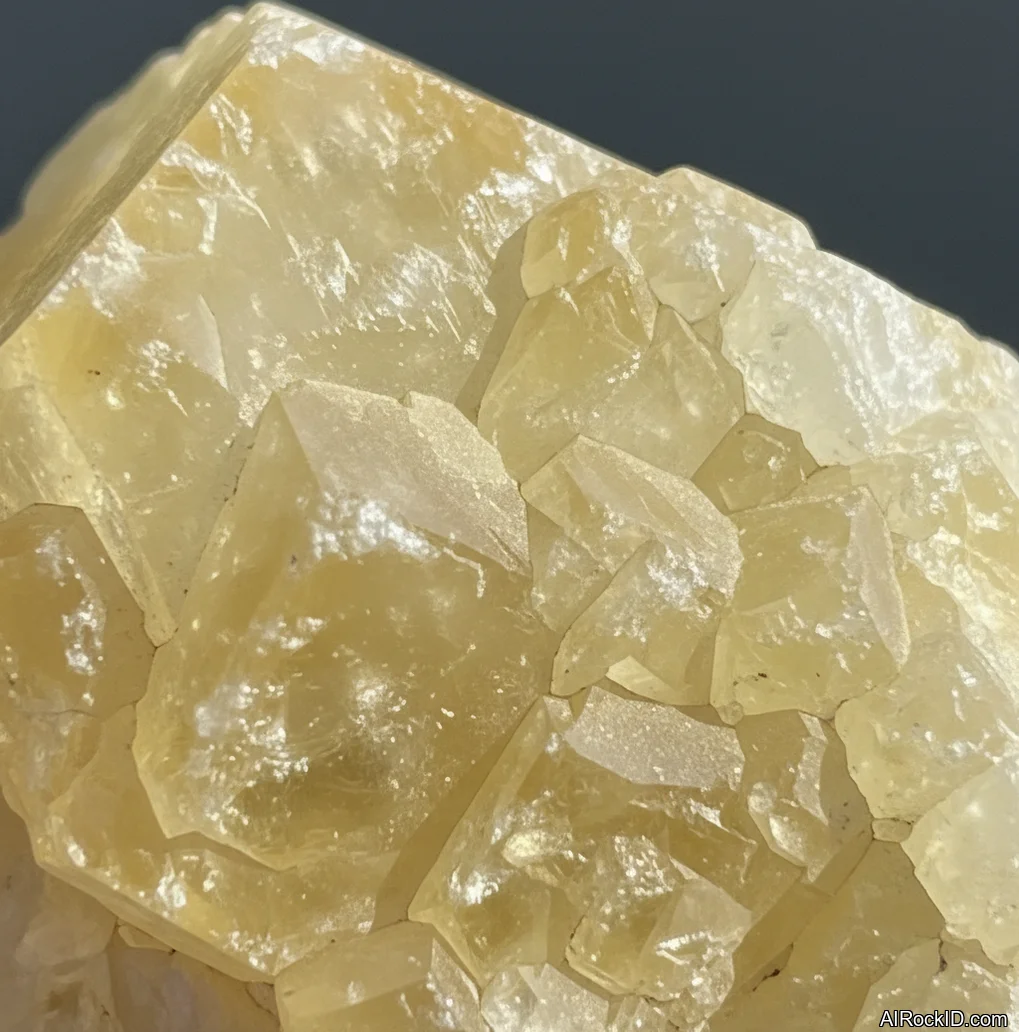
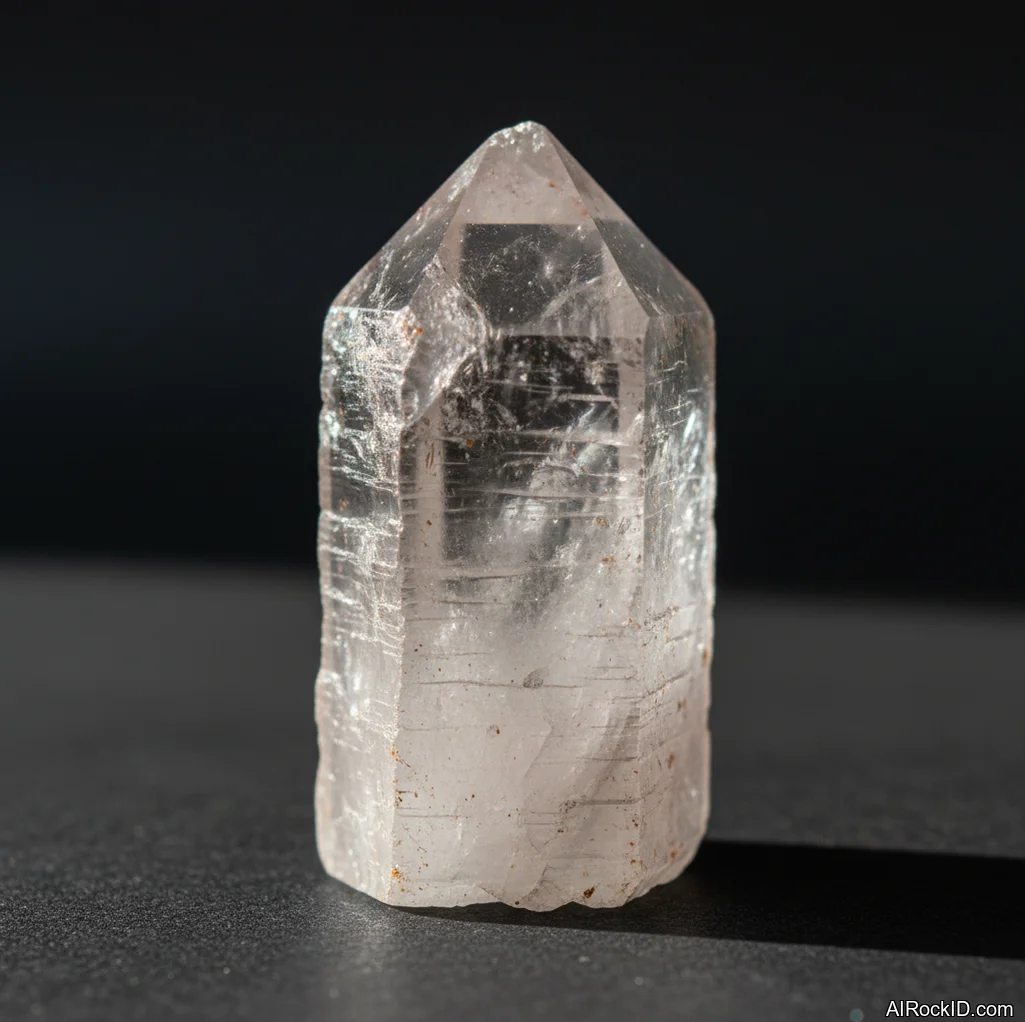
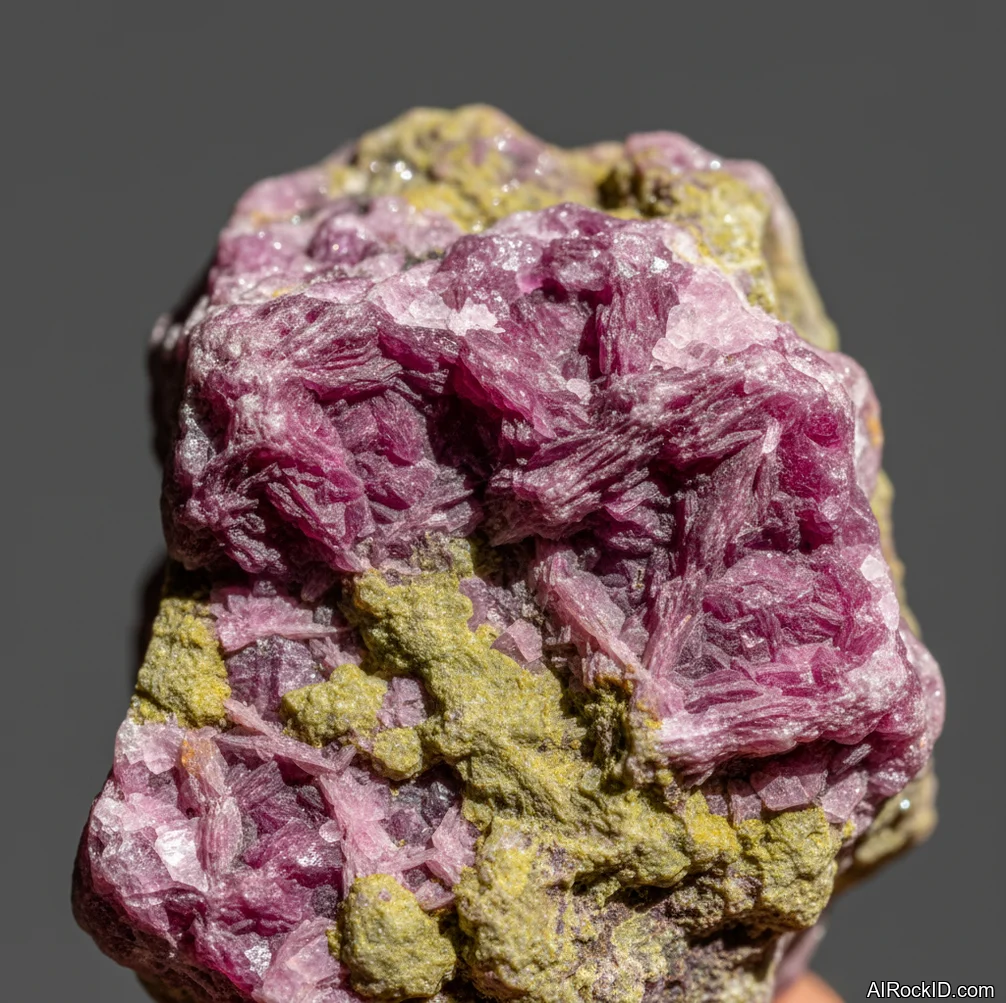
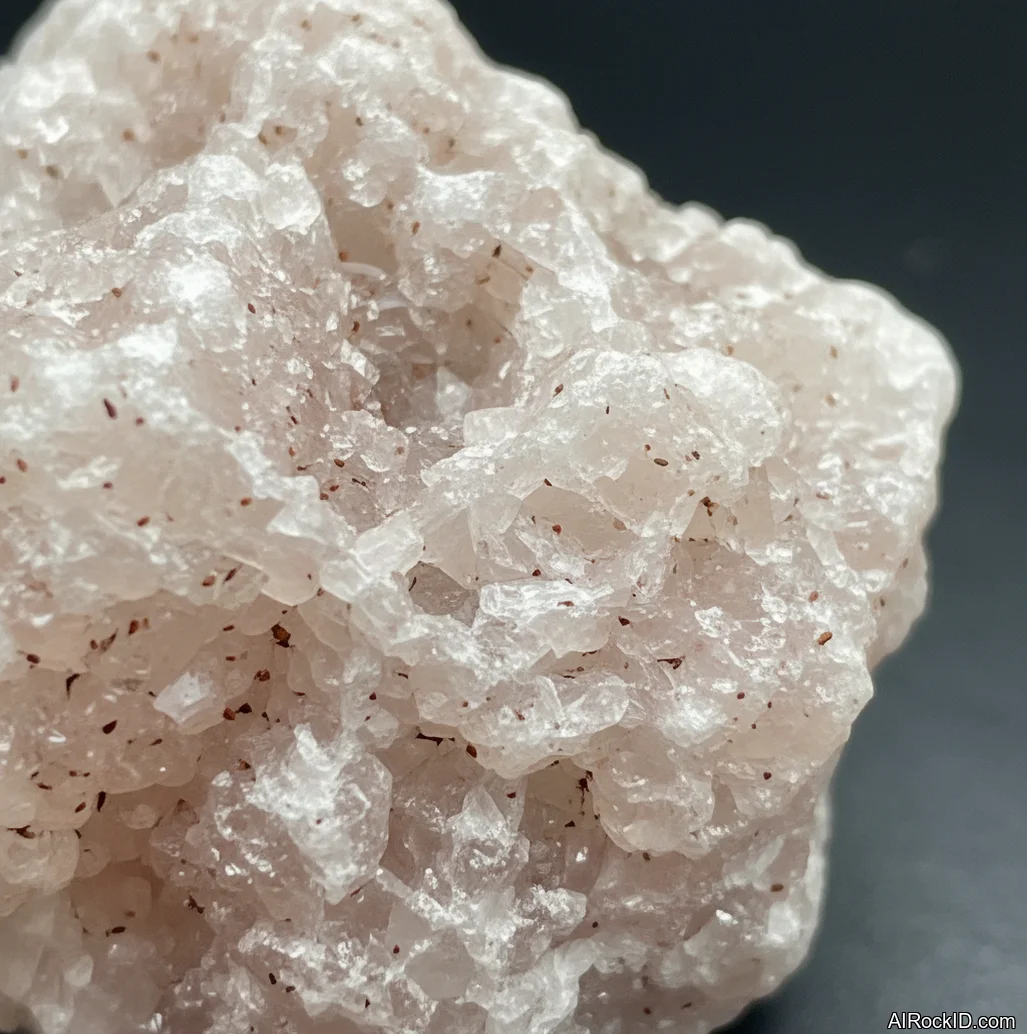
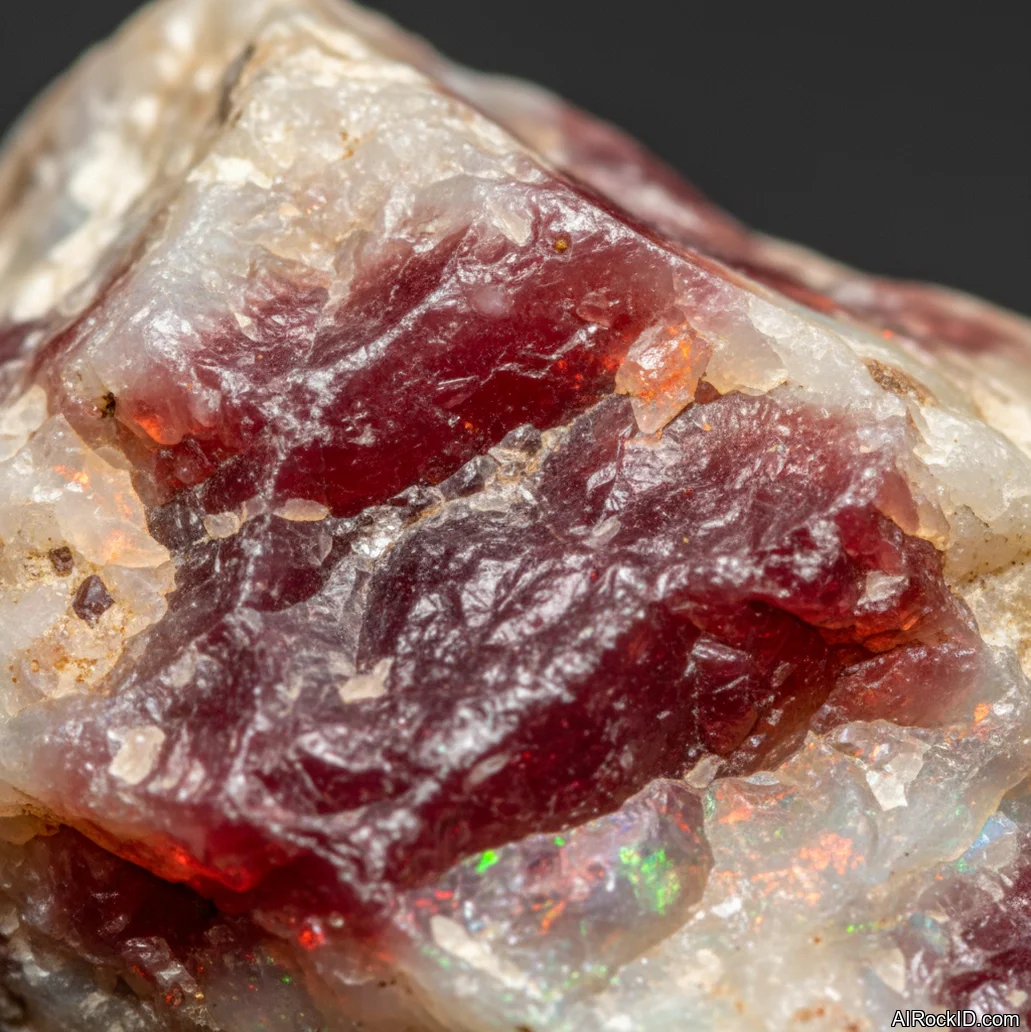
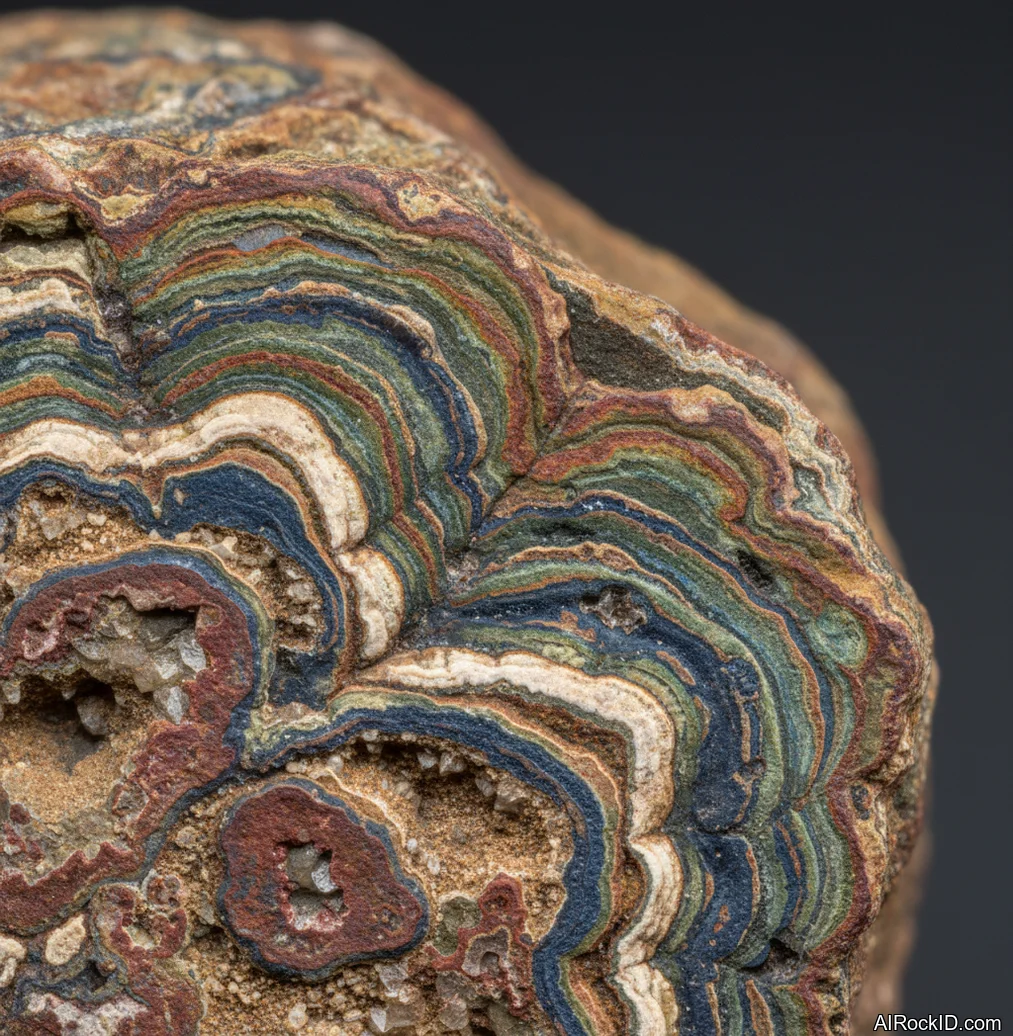
Self-Discovery Crystals
Explore Self-Discovery crystals, meanings, and practical tips for choosing and using stones like labradorite, moonstone, and fluorite.
Self-Discovery, in a crystal context, is really about being honest with yourself. Not some “new you by tomorrow” fantasy. It’s slower than that. Sometimes awkward, sometimes annoying. You start noticing patterns, naming what you actually want, and catching the tiny convenient lies you tell yourself (because they work, until they don’t). People reach for Self-Discovery crystals when they’re stuck in a loop, starting a new chapter, coming out of burnout, or trying to separate their own voice from everyone else’s noise.
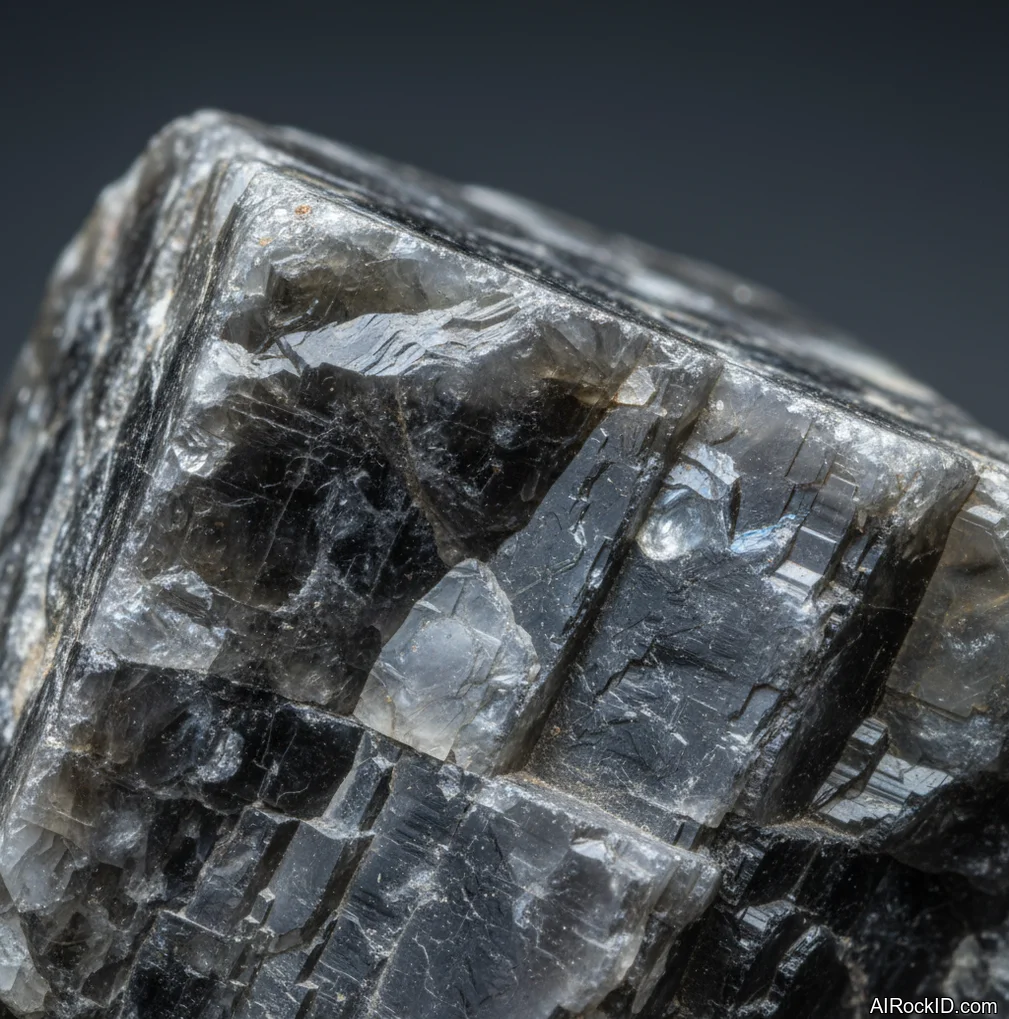
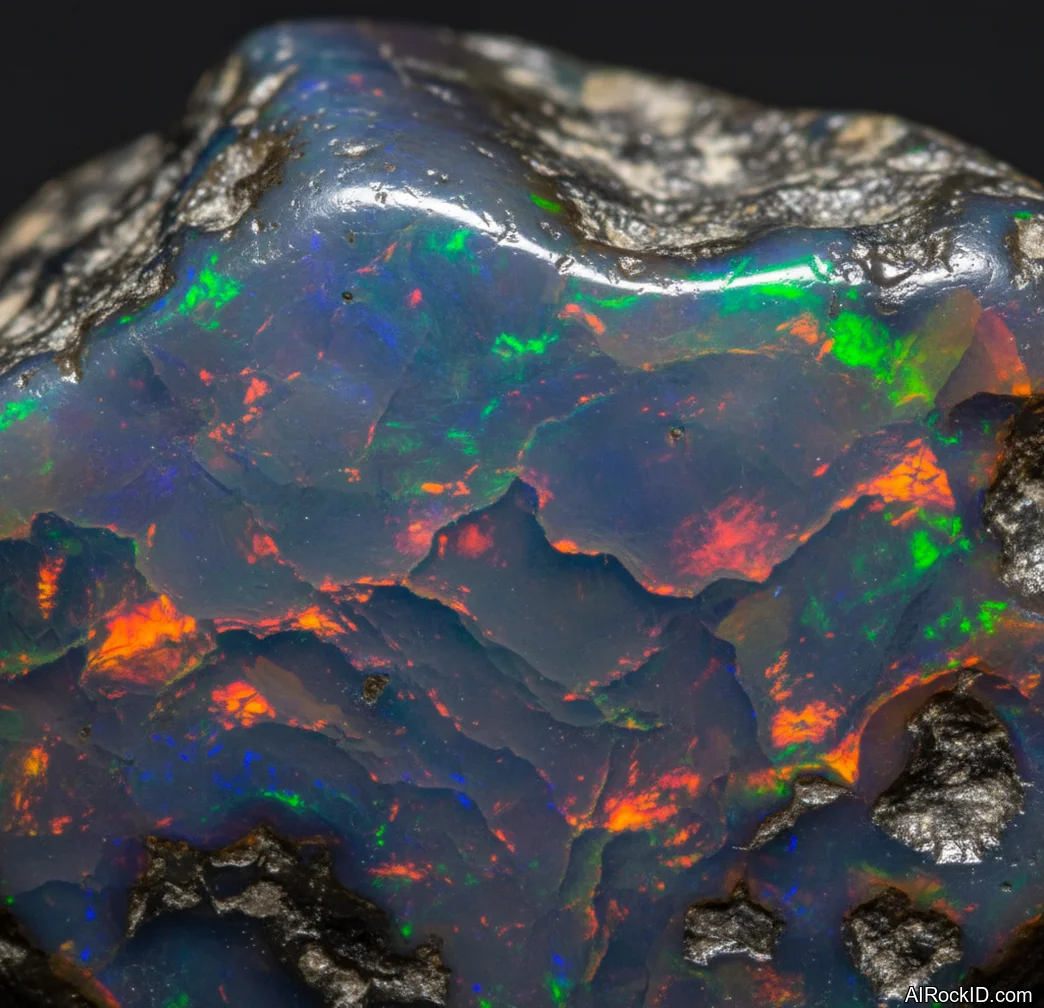
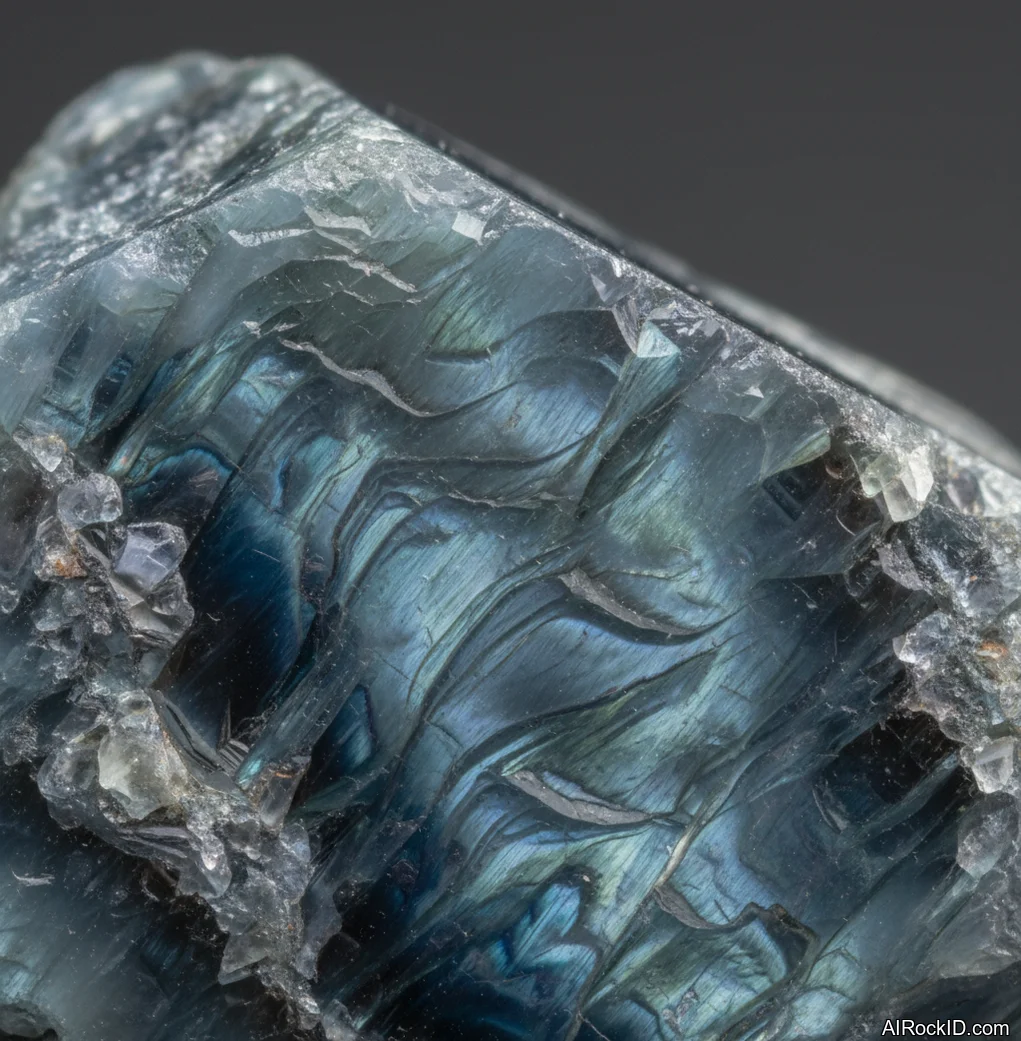
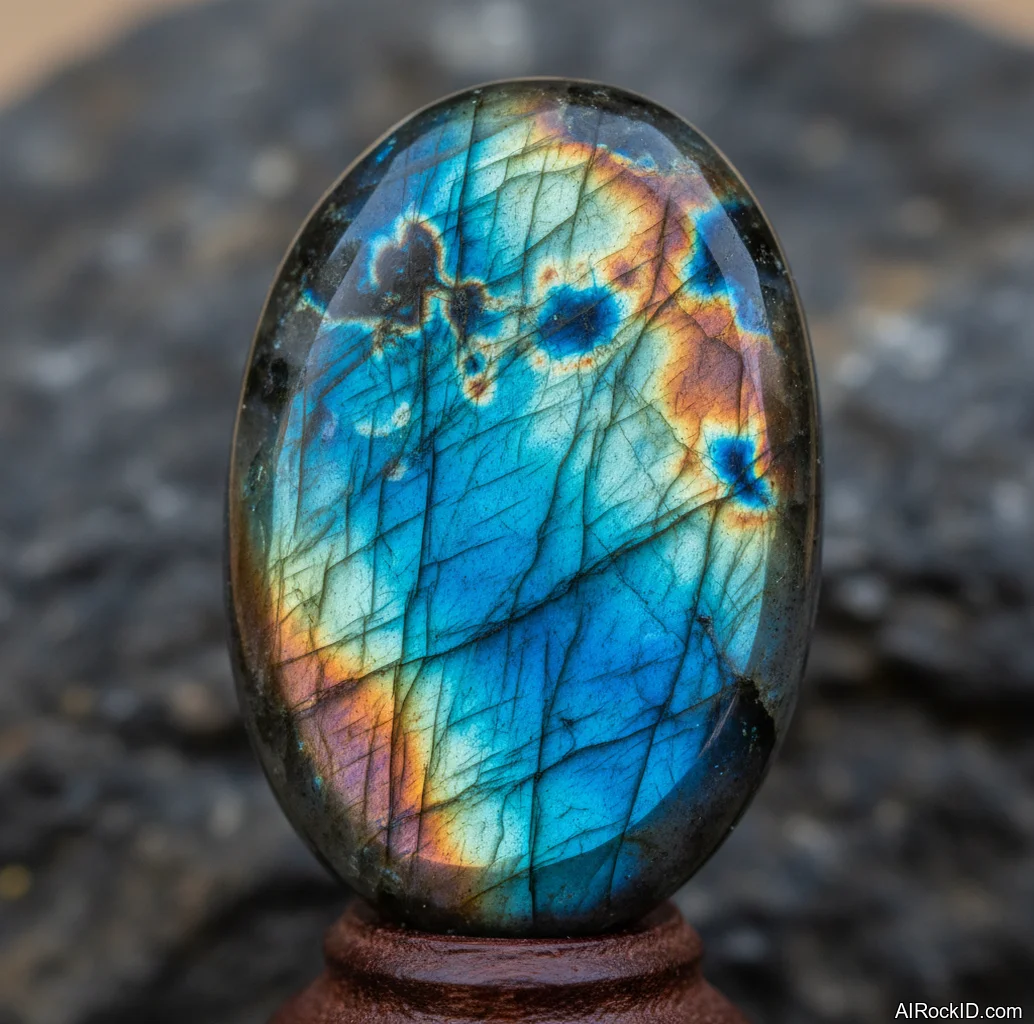
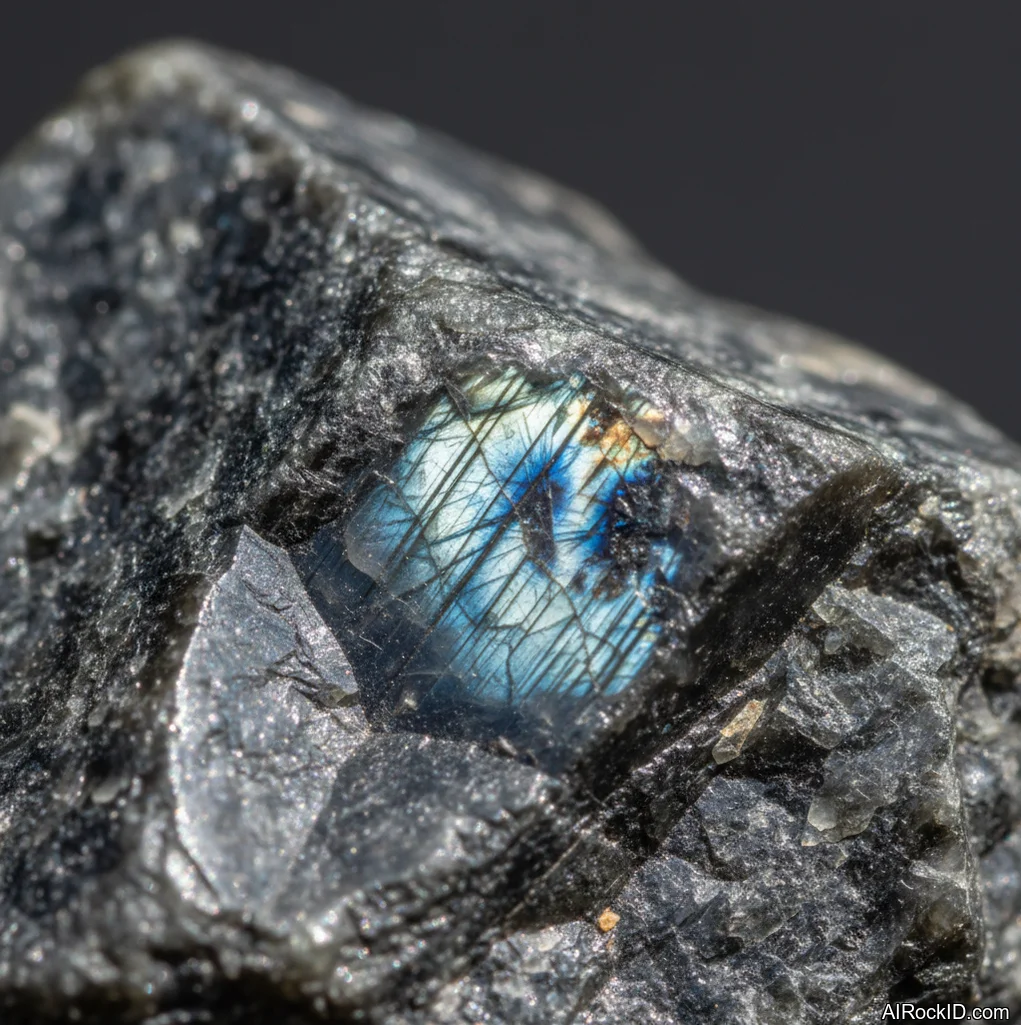
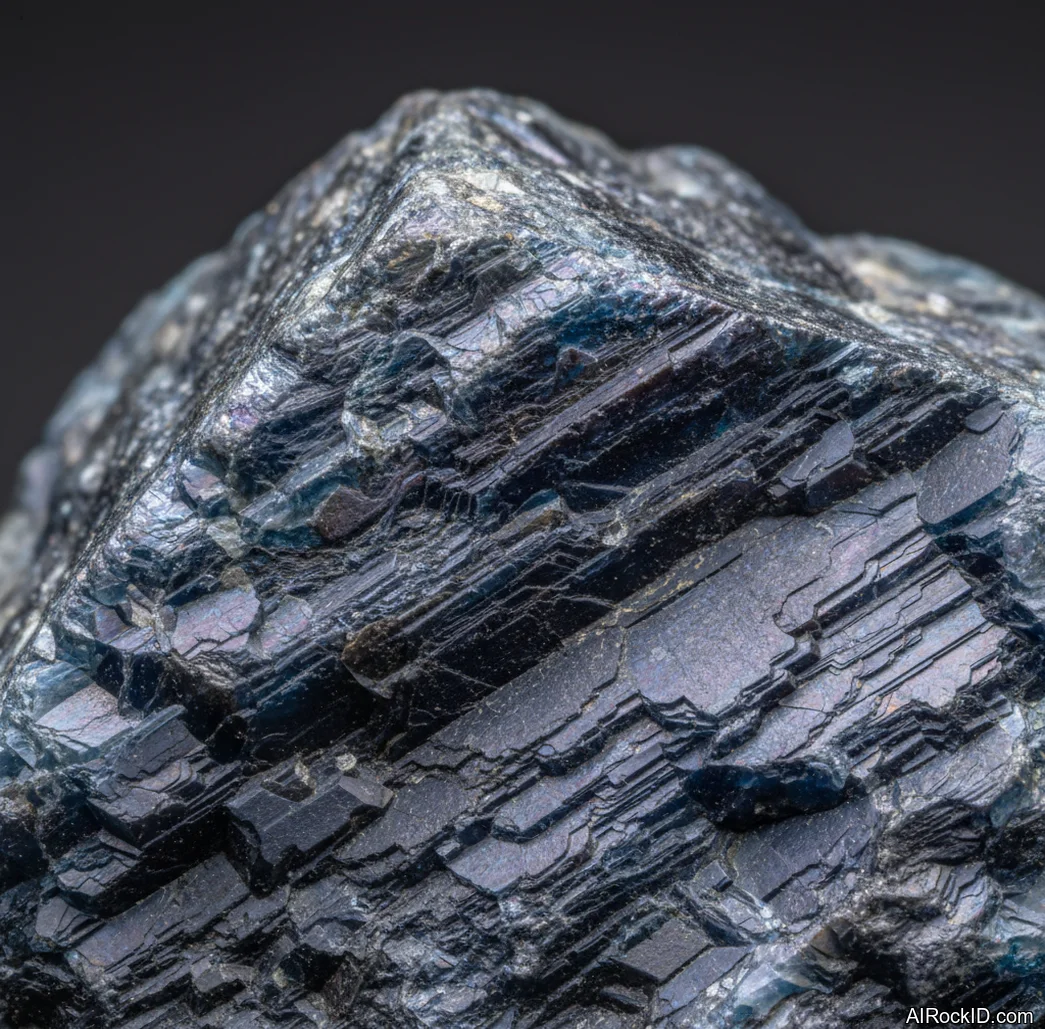
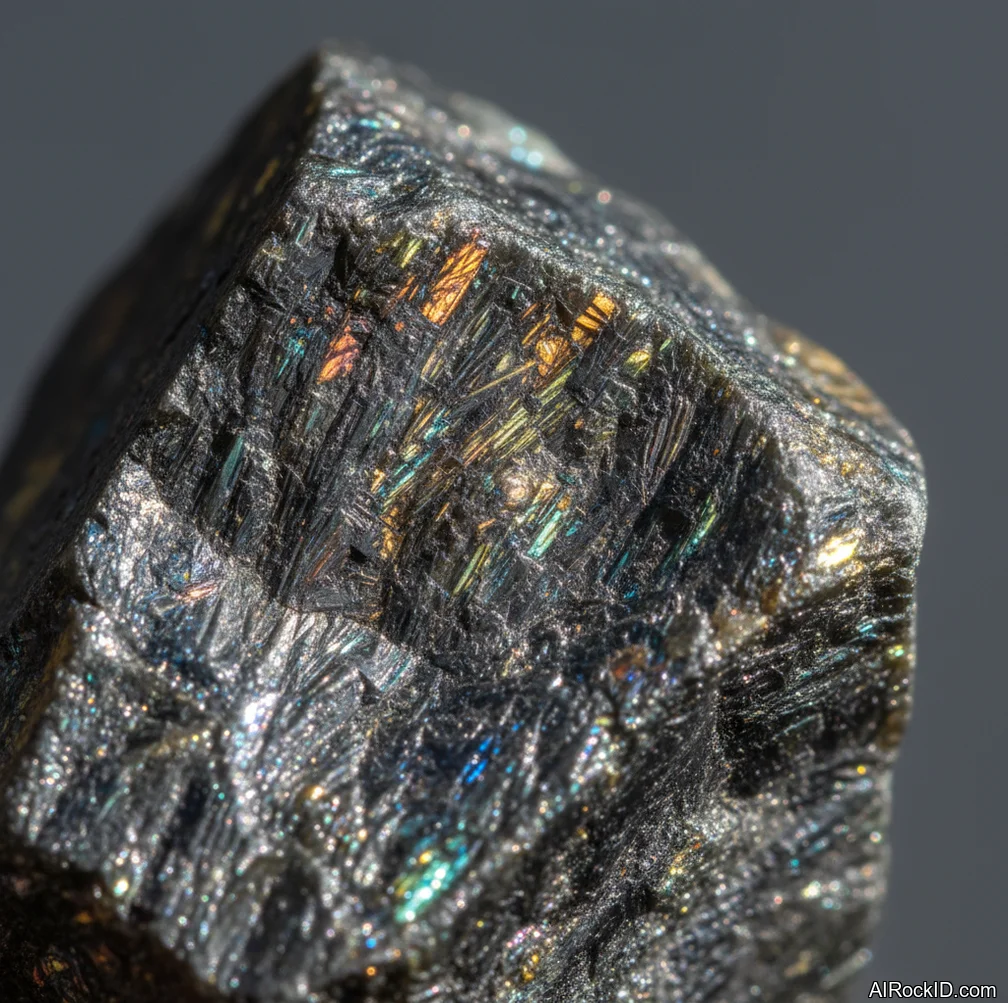
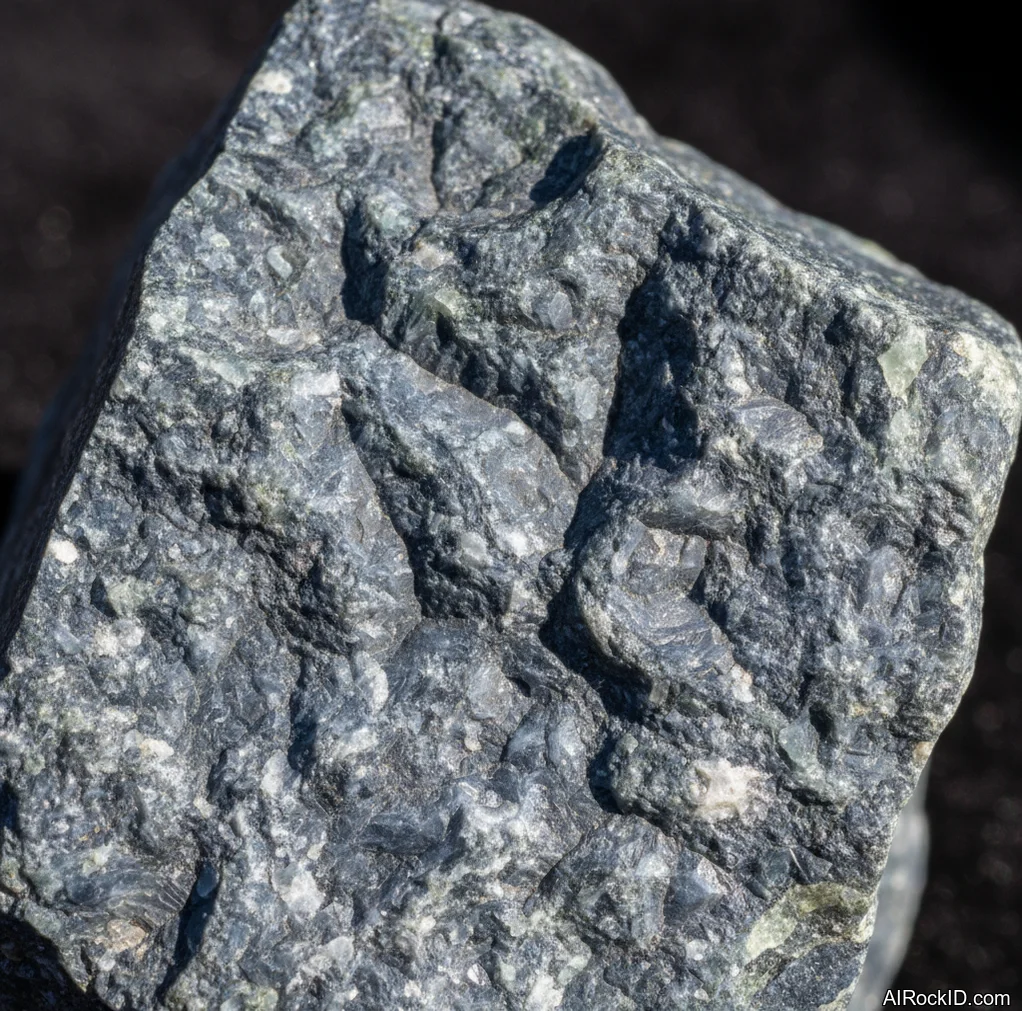
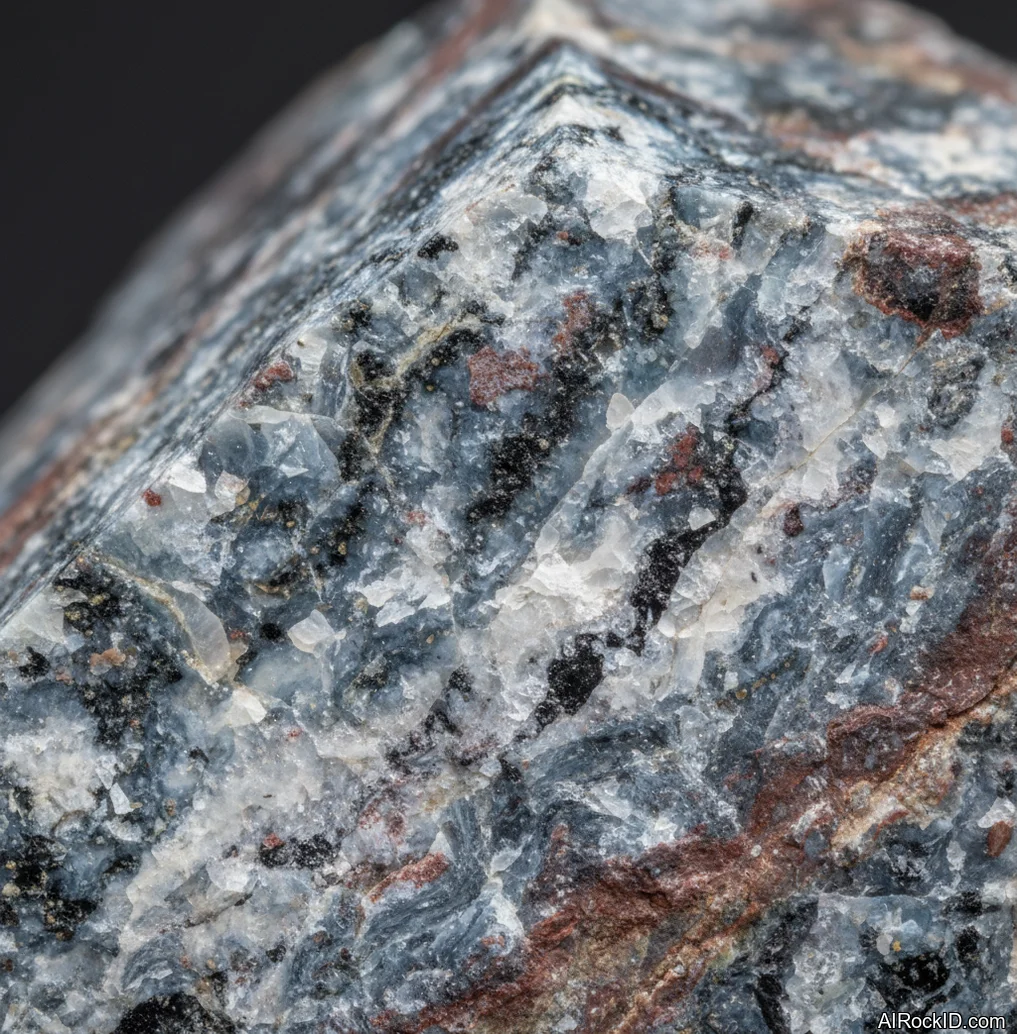
Pick up a piece of labradorite and you’ll see why it lands in this category so often. The flash isn’t constant. You tilt it and that blue or green sheen pops, then vanishes like it was never there. And that physical reality matches the Self-Discovery vibe: you don’t force clarity, you angle for it. I’ve handled labradorite that looked plain gray until the right light hit it, and then it went full peacock across one cleavage face. That “it was here all along” feeling? That’s what people are chasing.
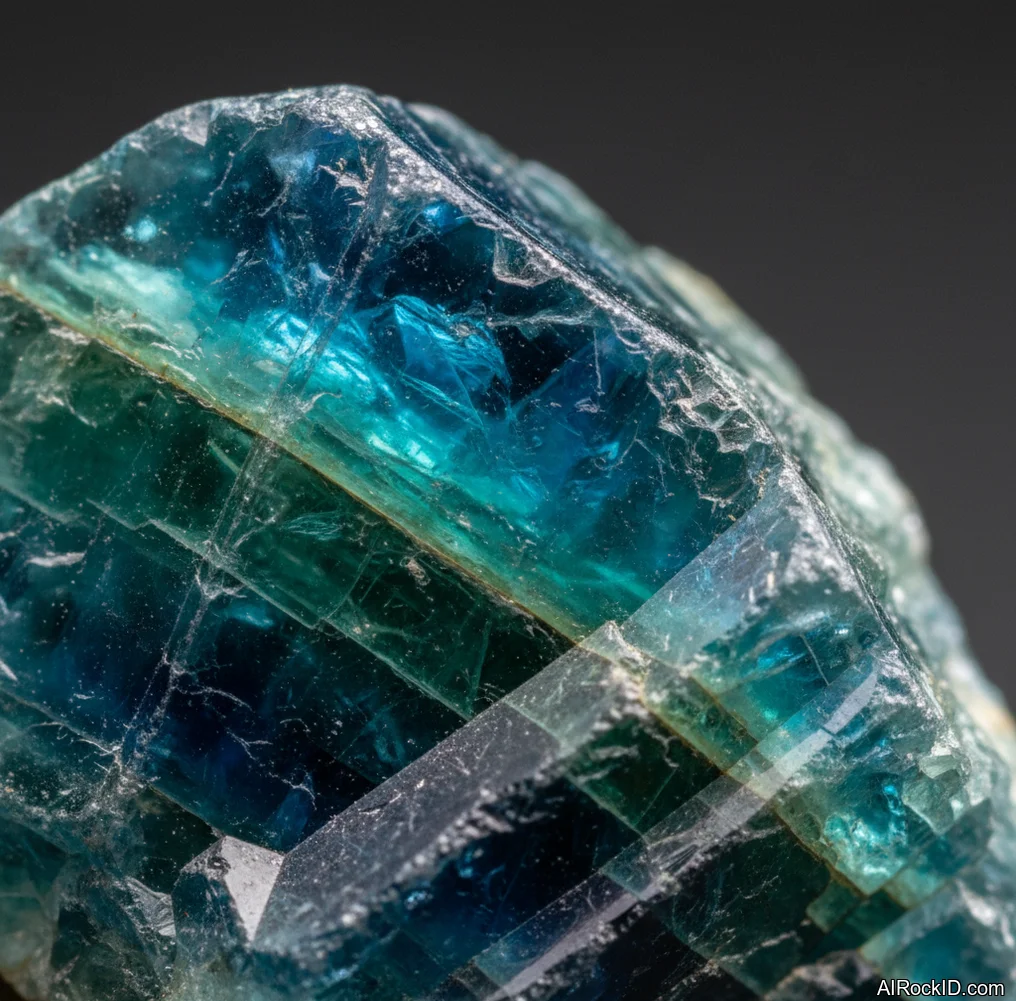
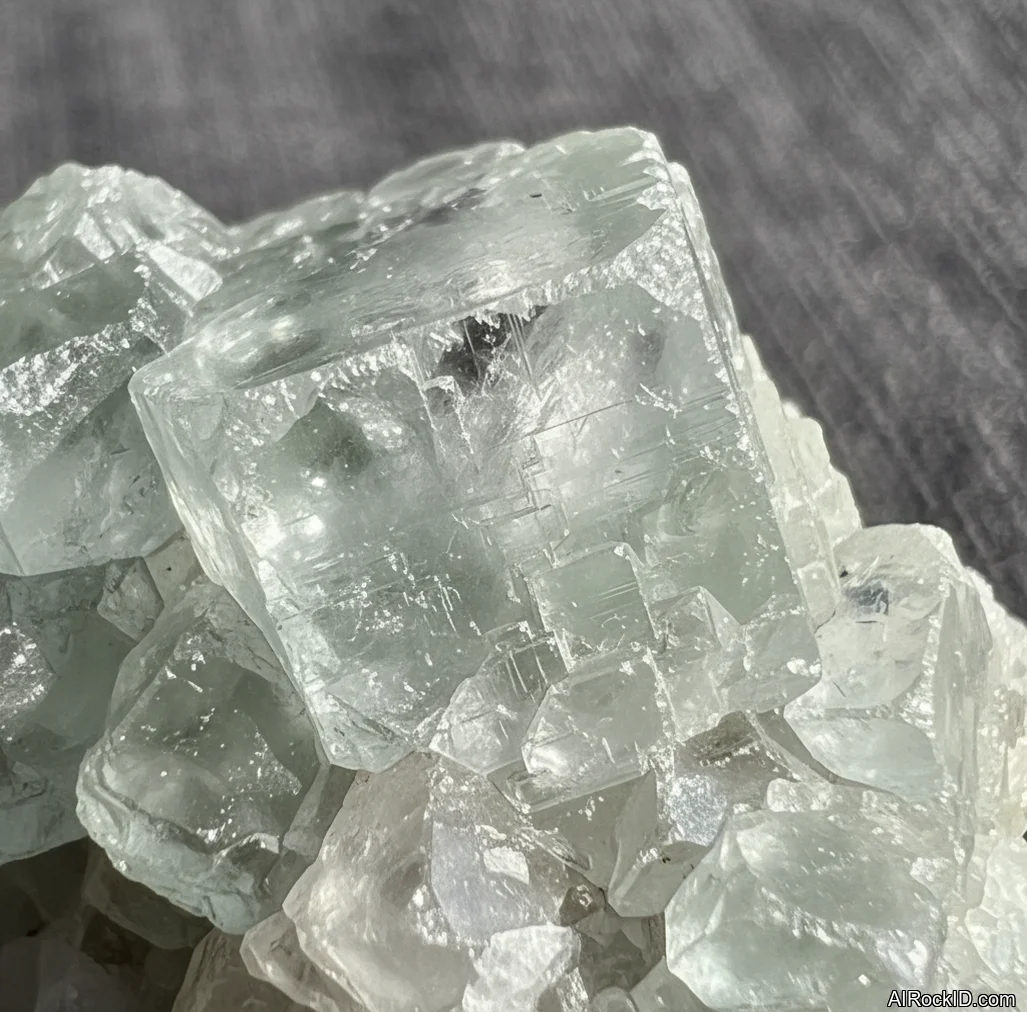
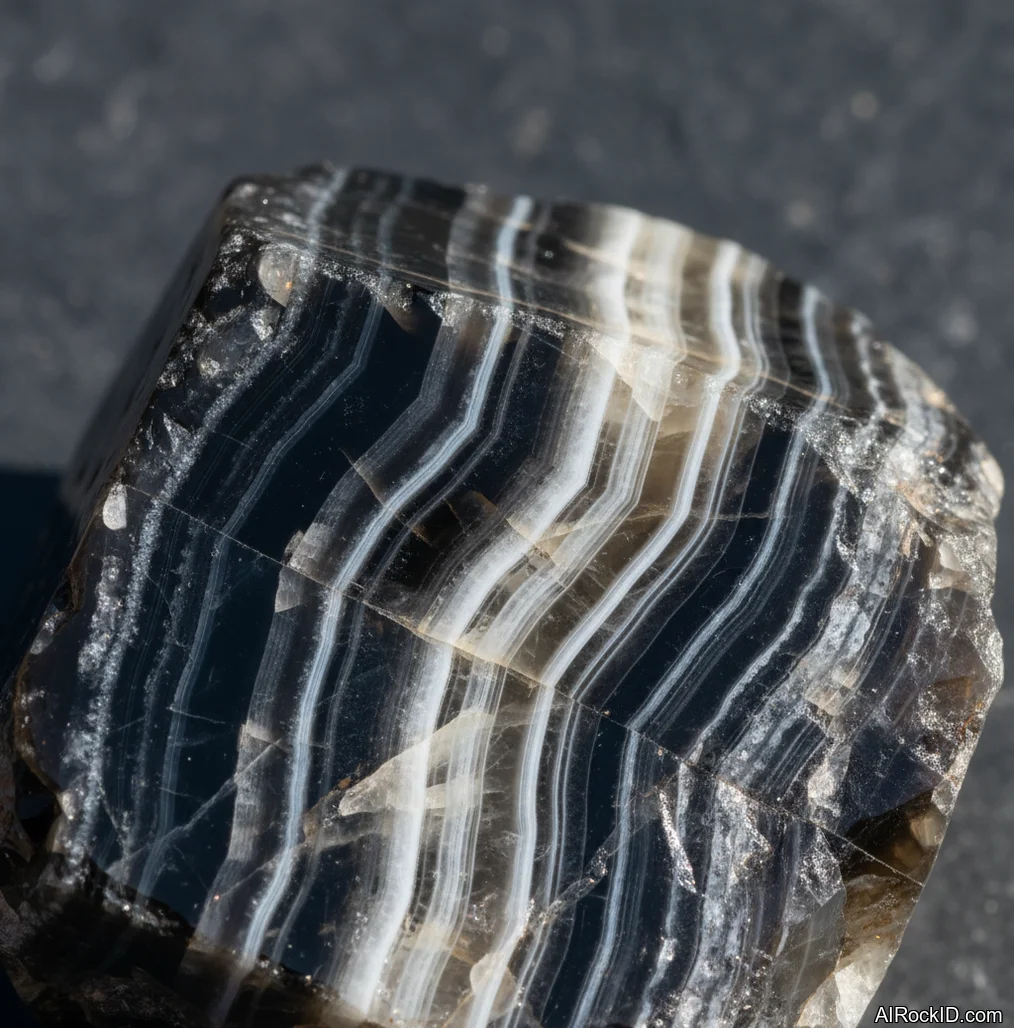
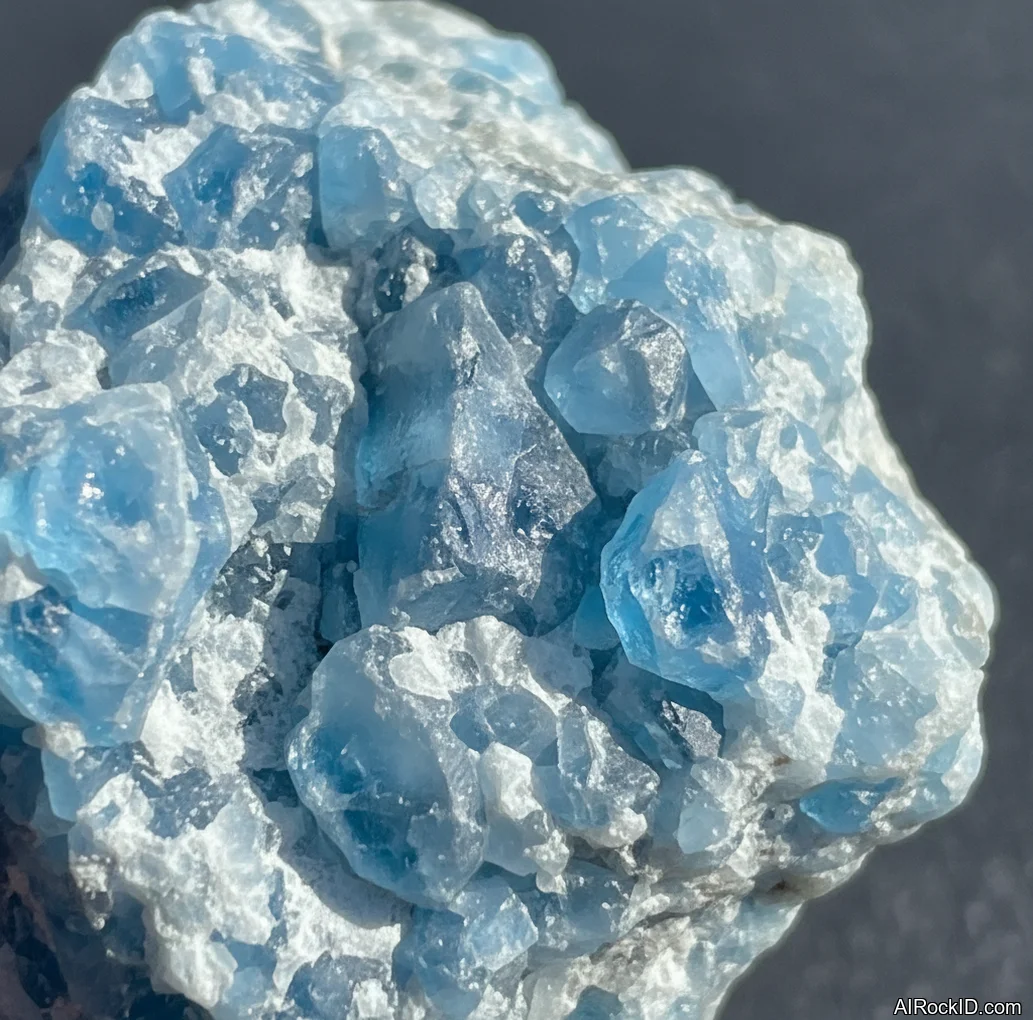
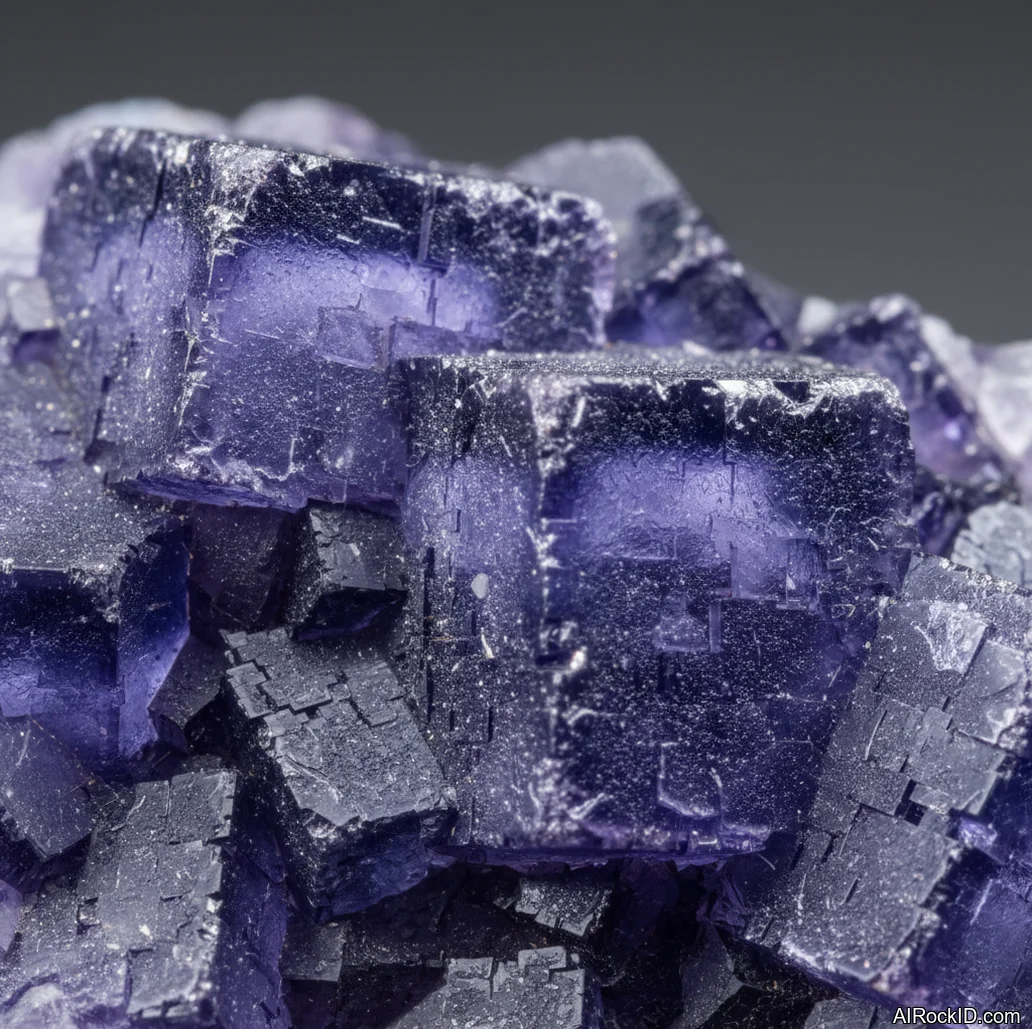
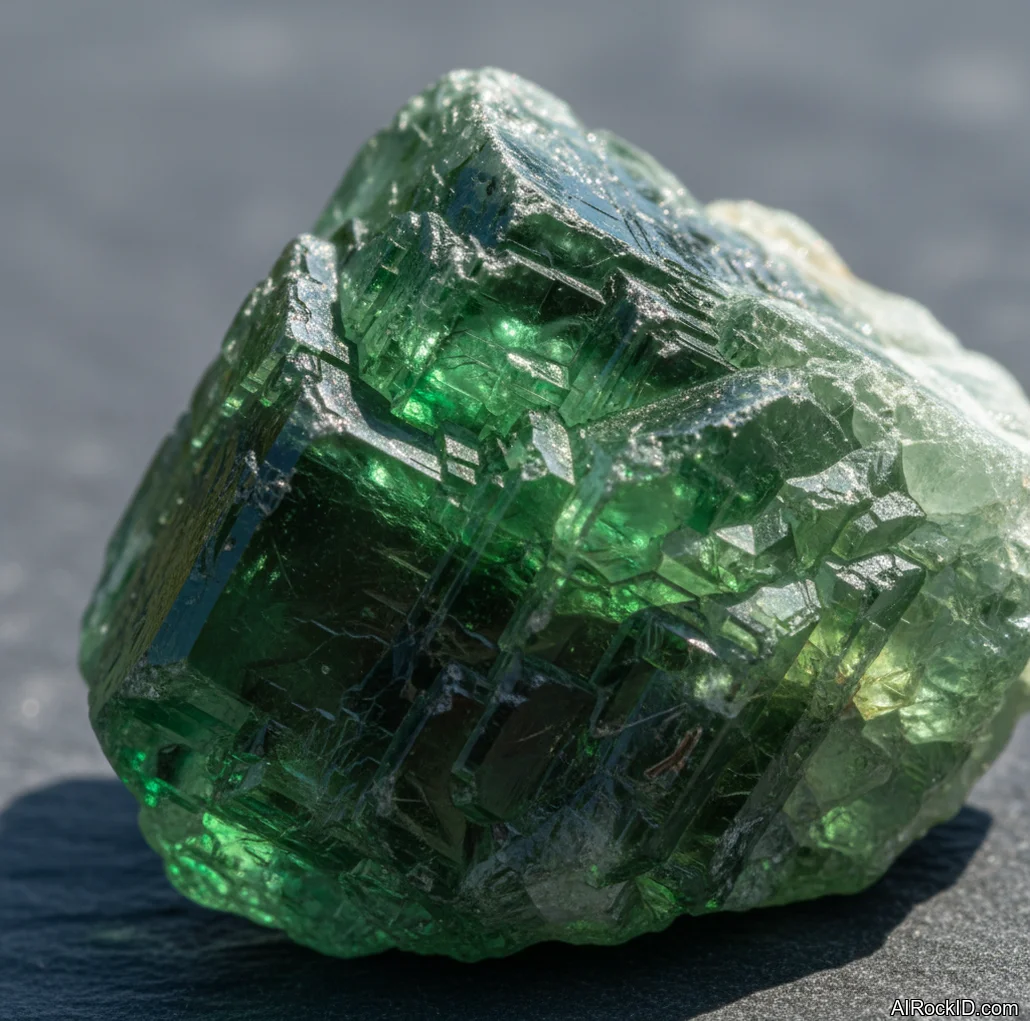
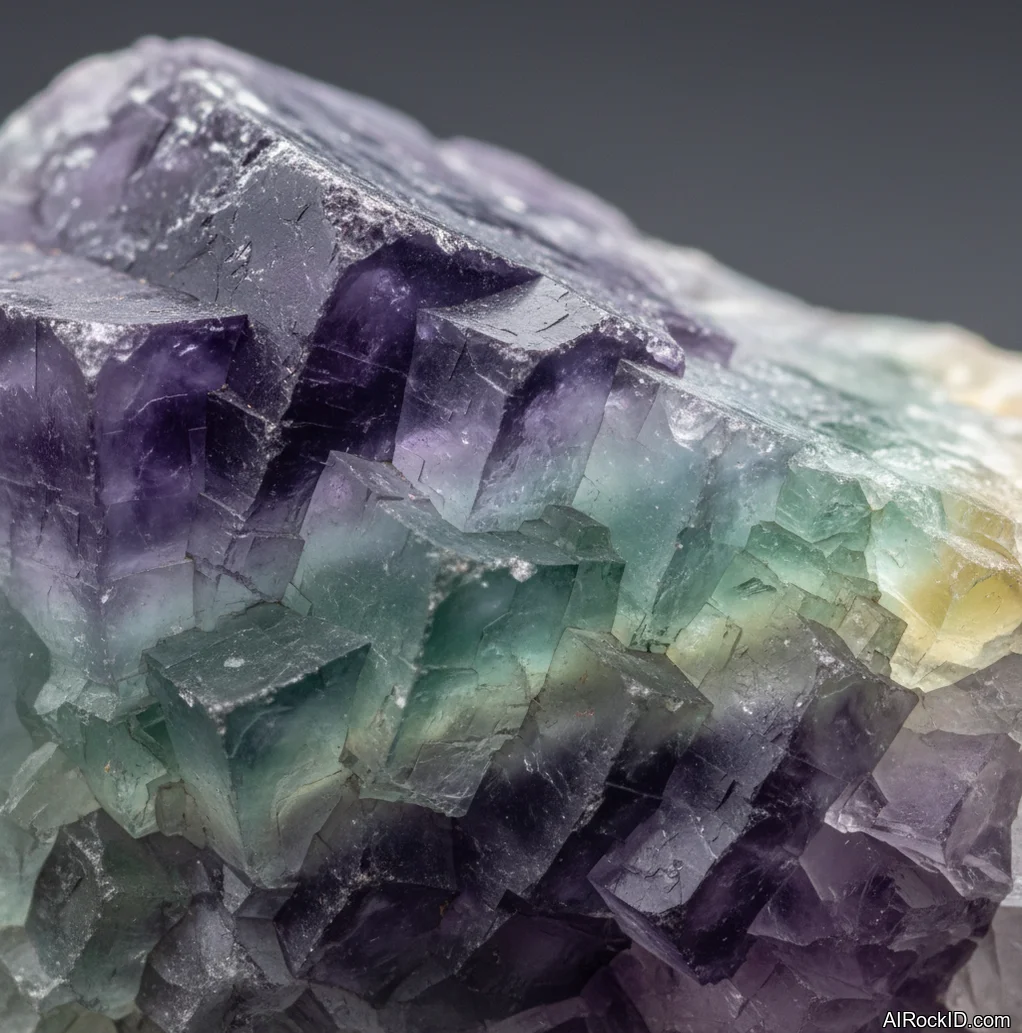
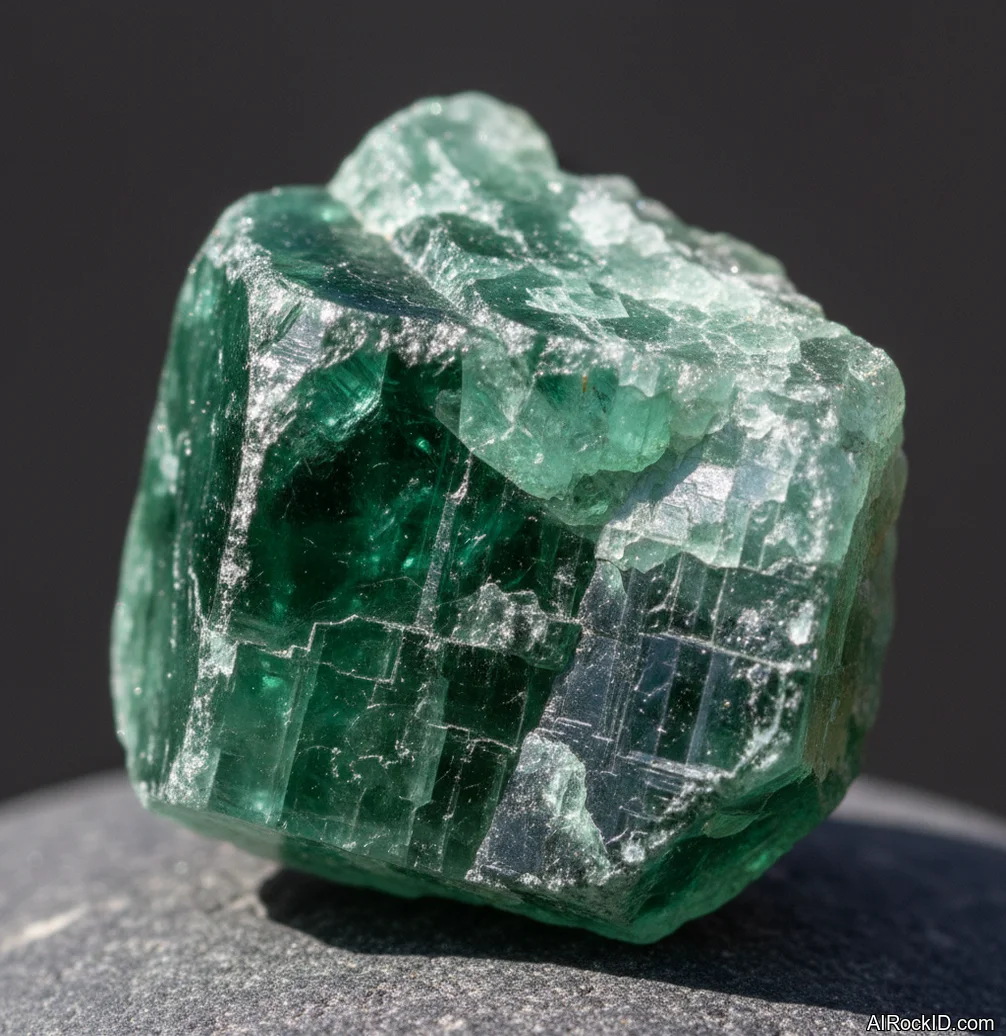
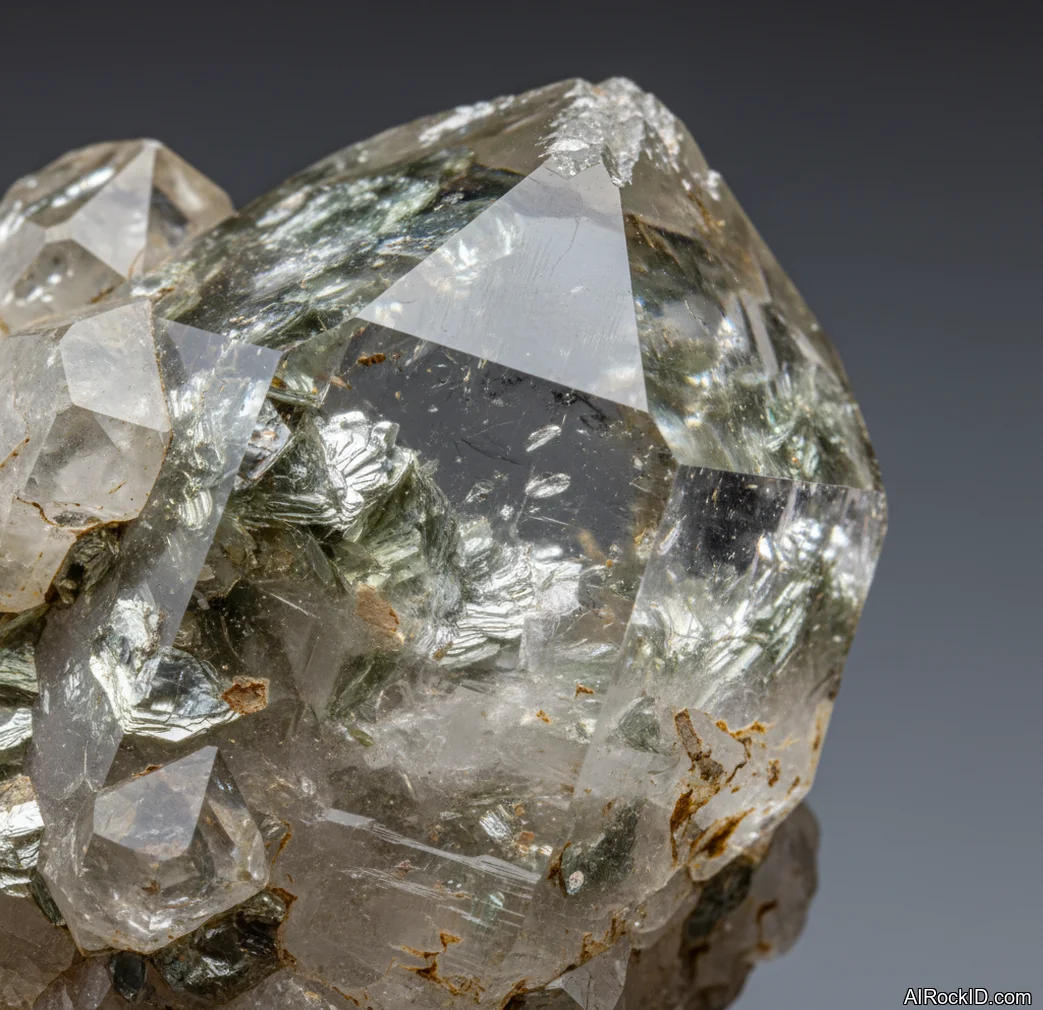
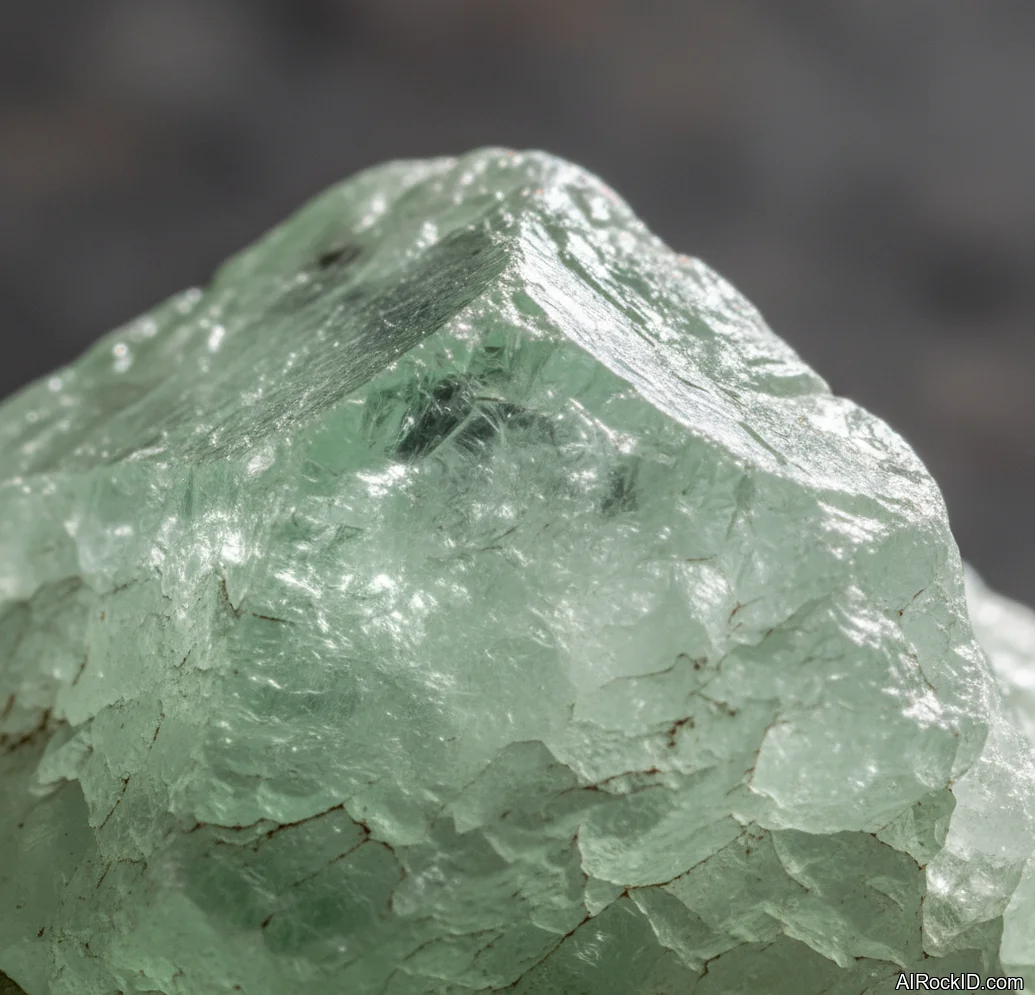
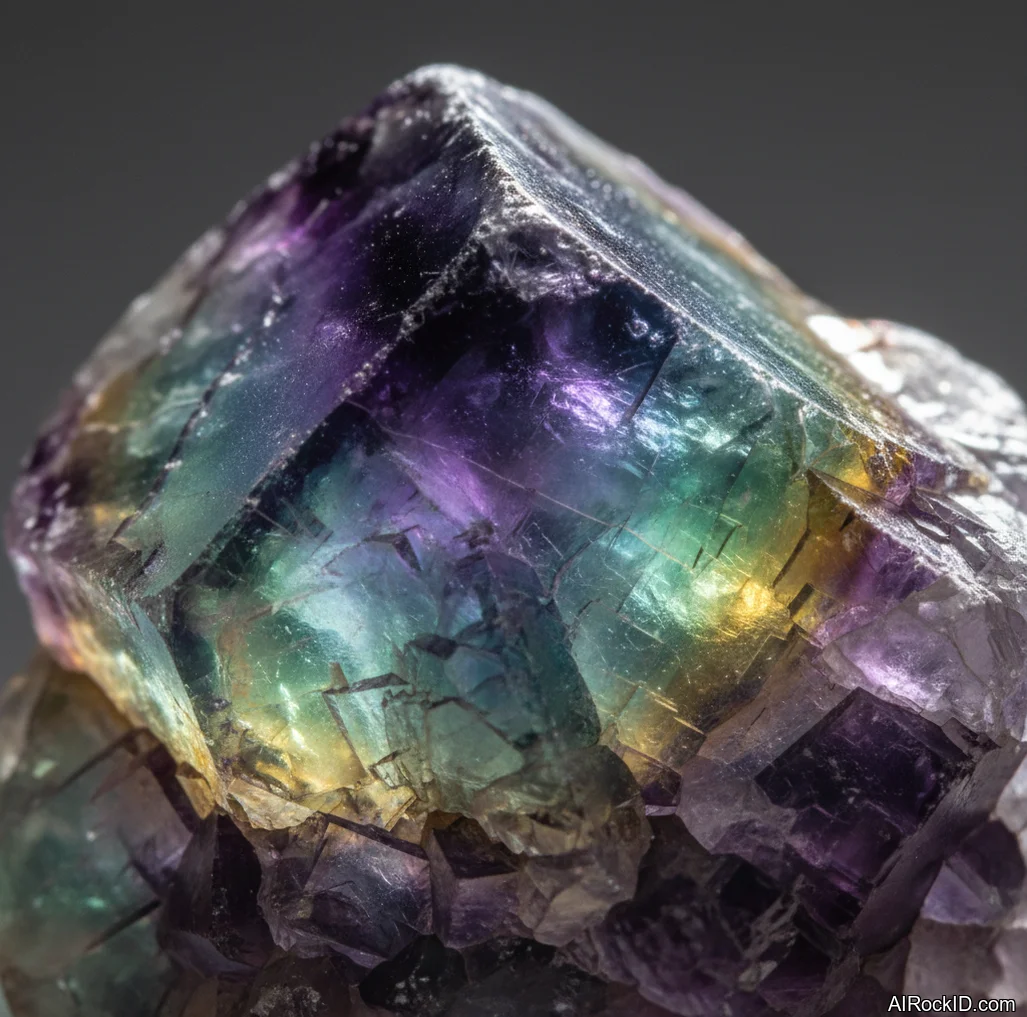
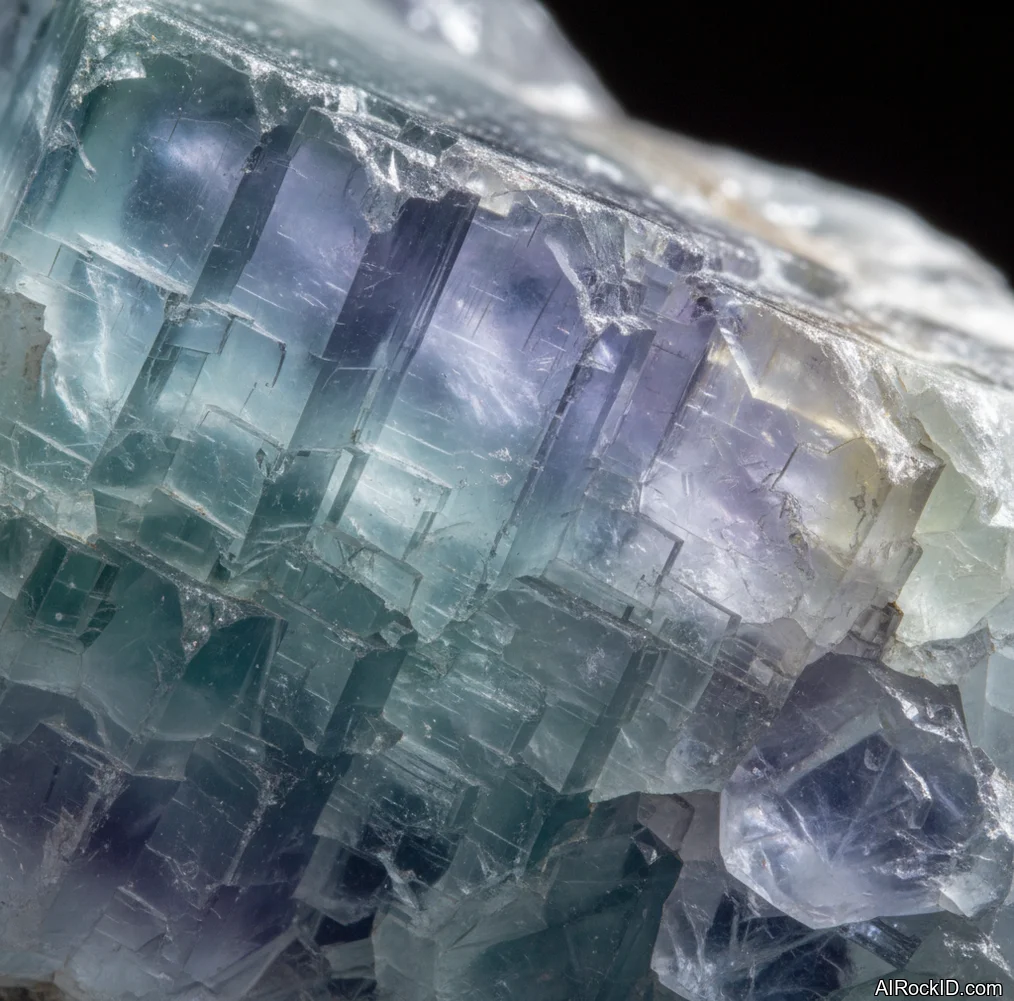
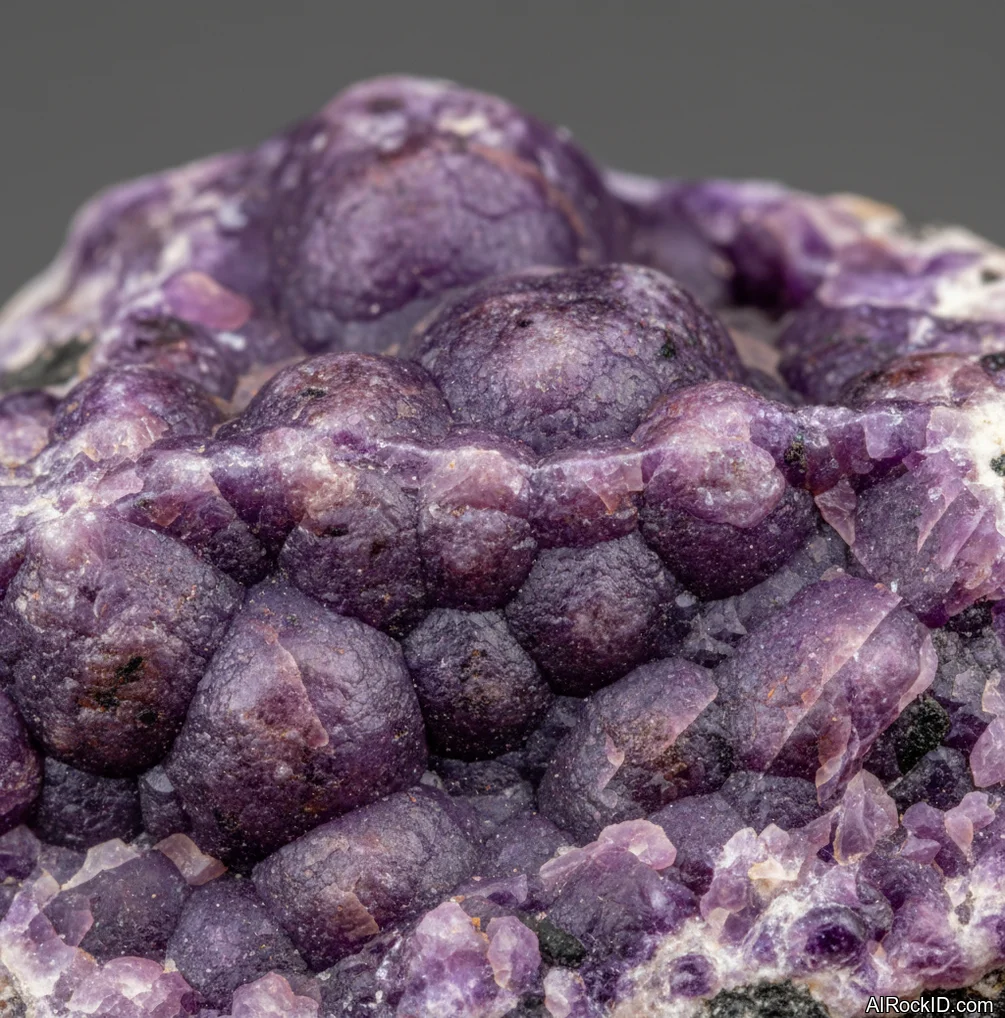
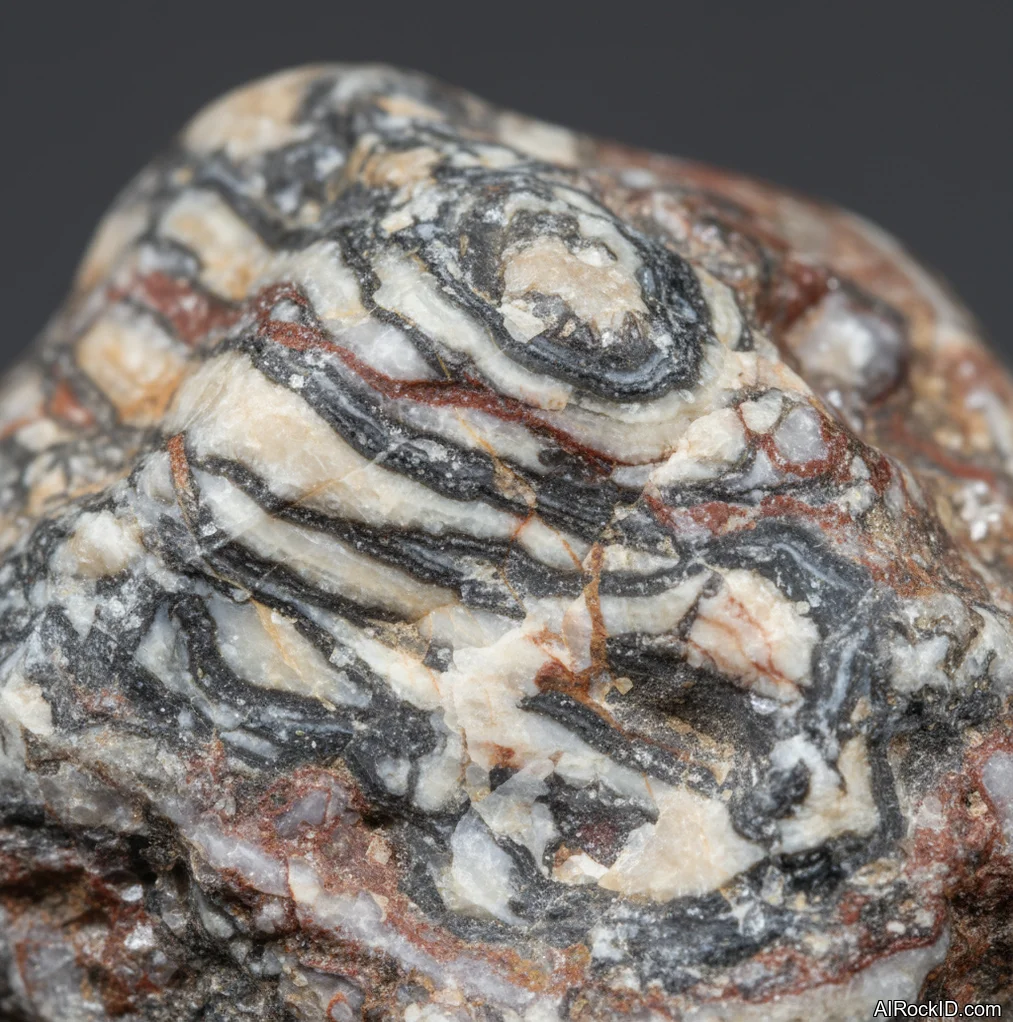
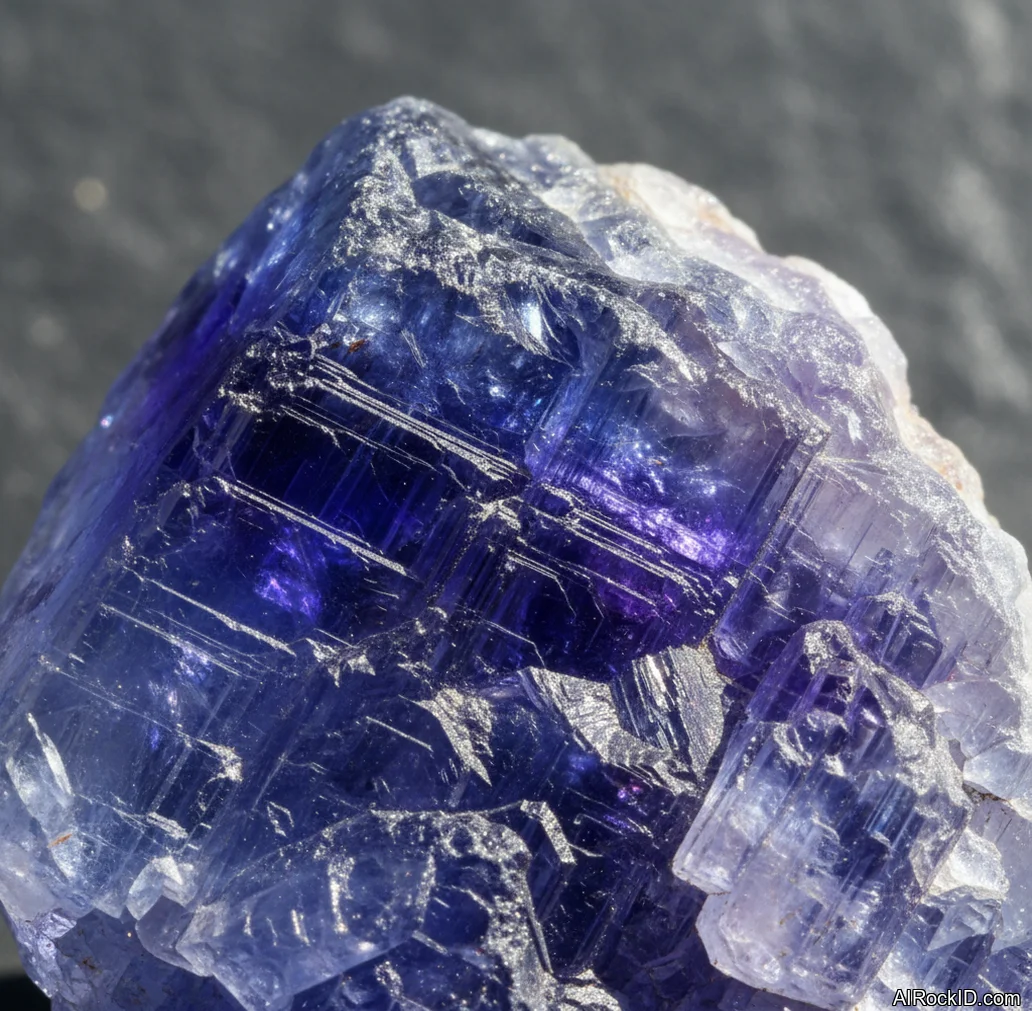
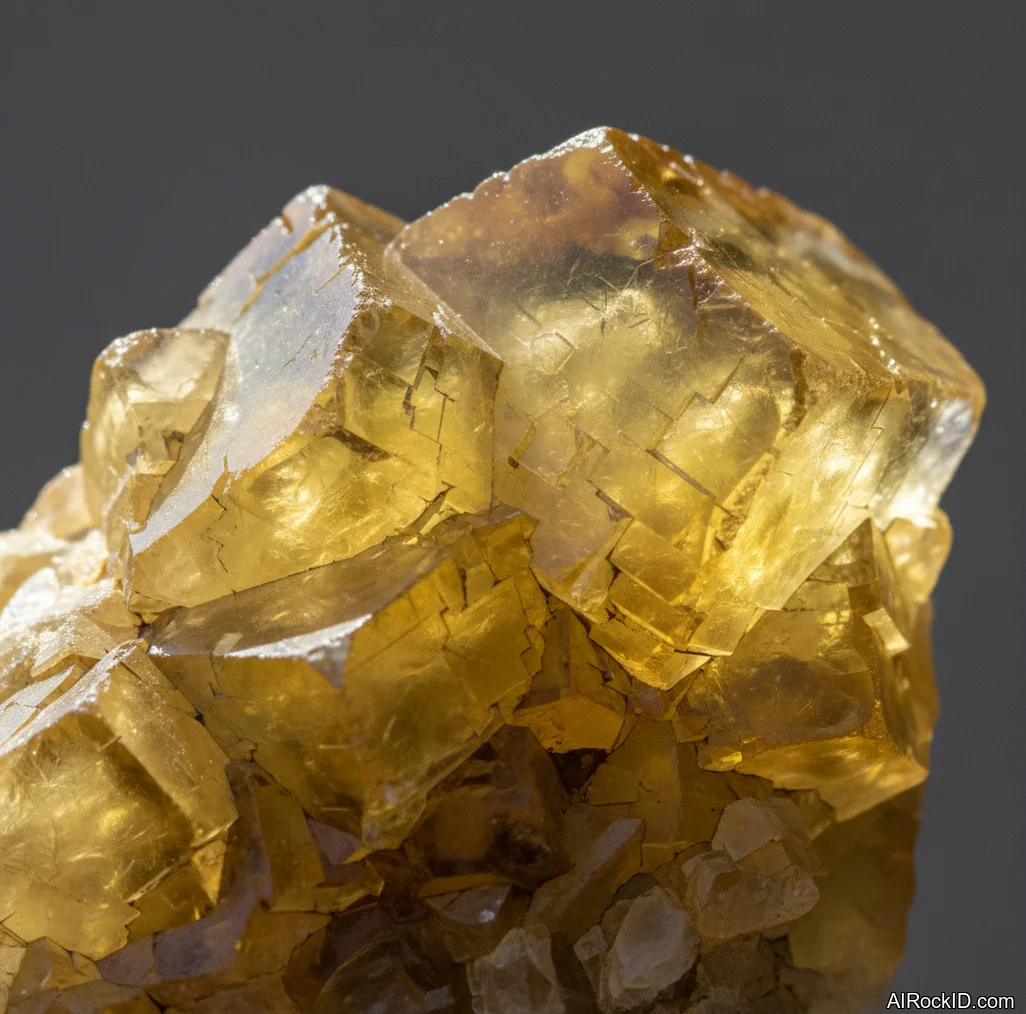
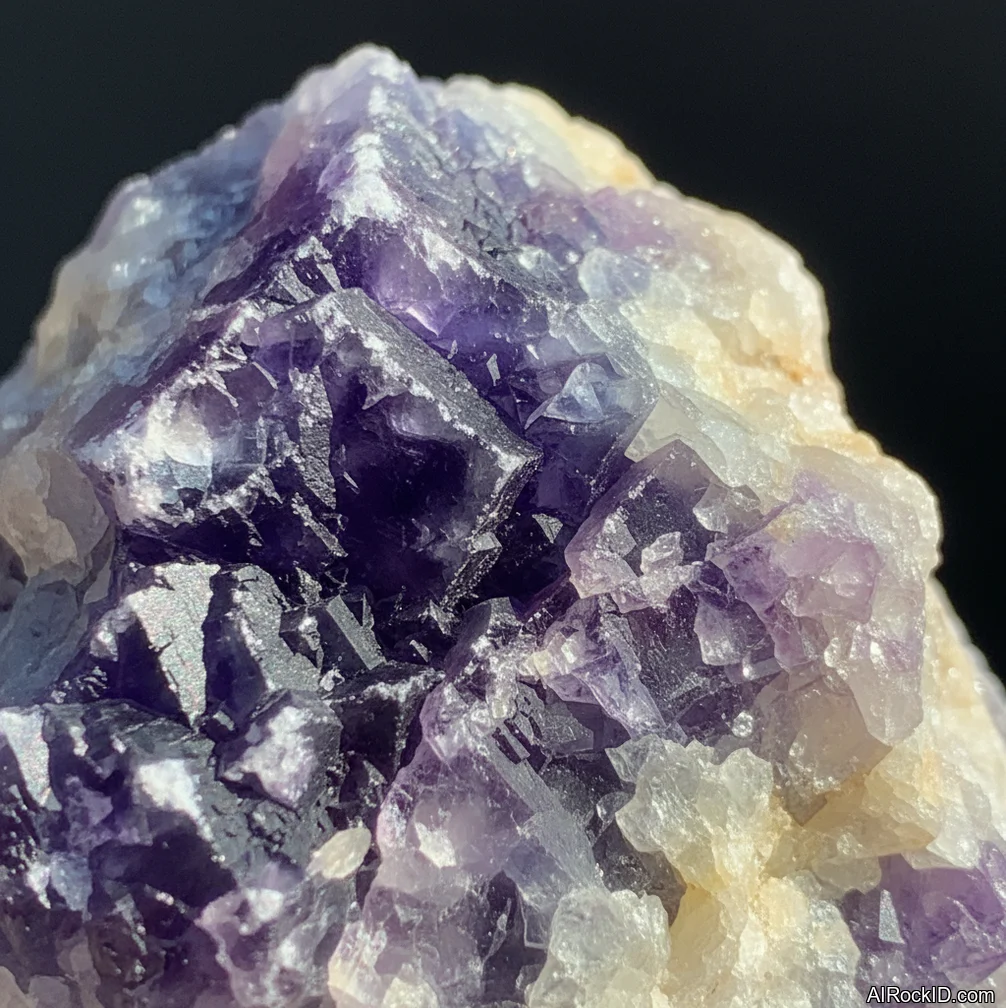
A lot of Self-Discovery work is sorting signal from static. Fluorite gets used for that because it literally grows in zones and layers. Look closely at a good fluorite and you can see color bands, sometimes purple to green, sometimes just different densities that show as stripes under a bright lamp. But it’s also soft for a common shop stone, Mohs 4, so it scuffs fast. Useful reminder, honestly: if you carry fluorite every day, it’s going to show wear, and so will you if you keep pushing without rest.
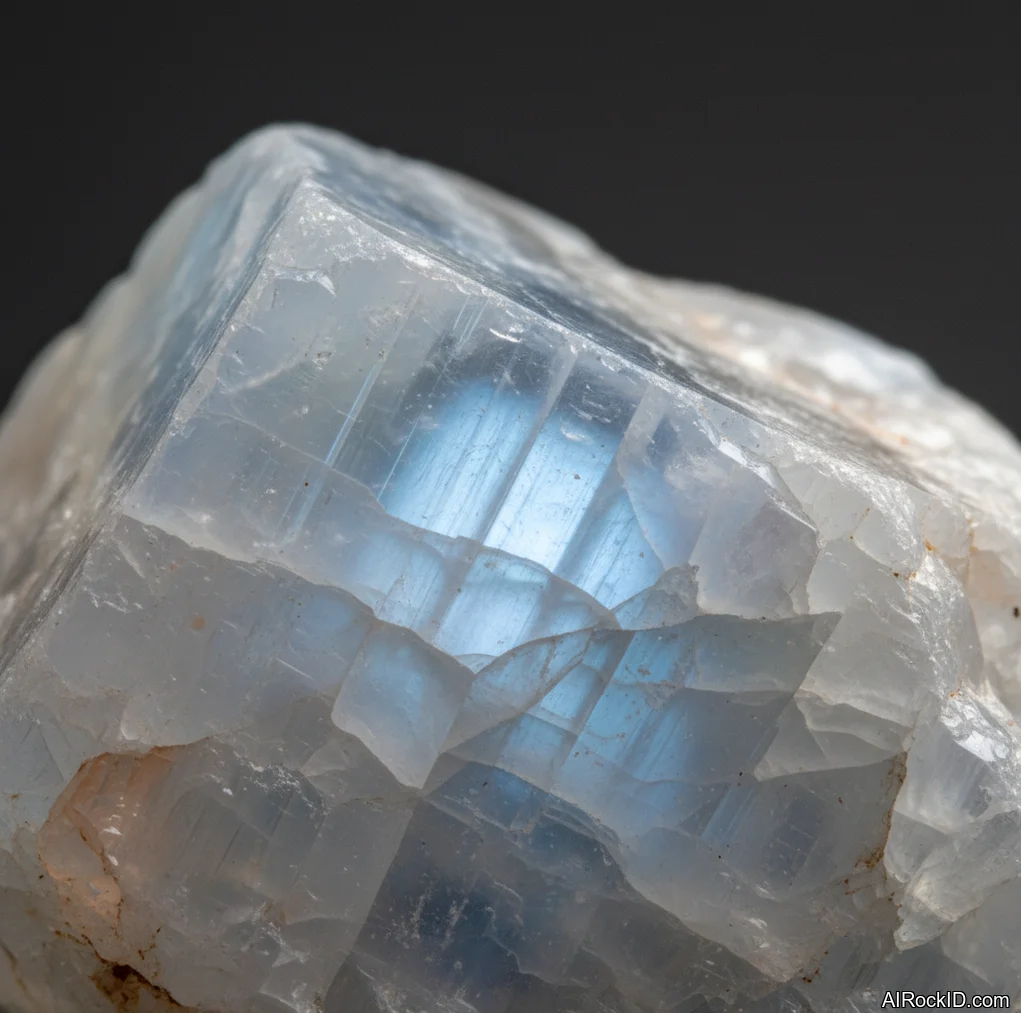
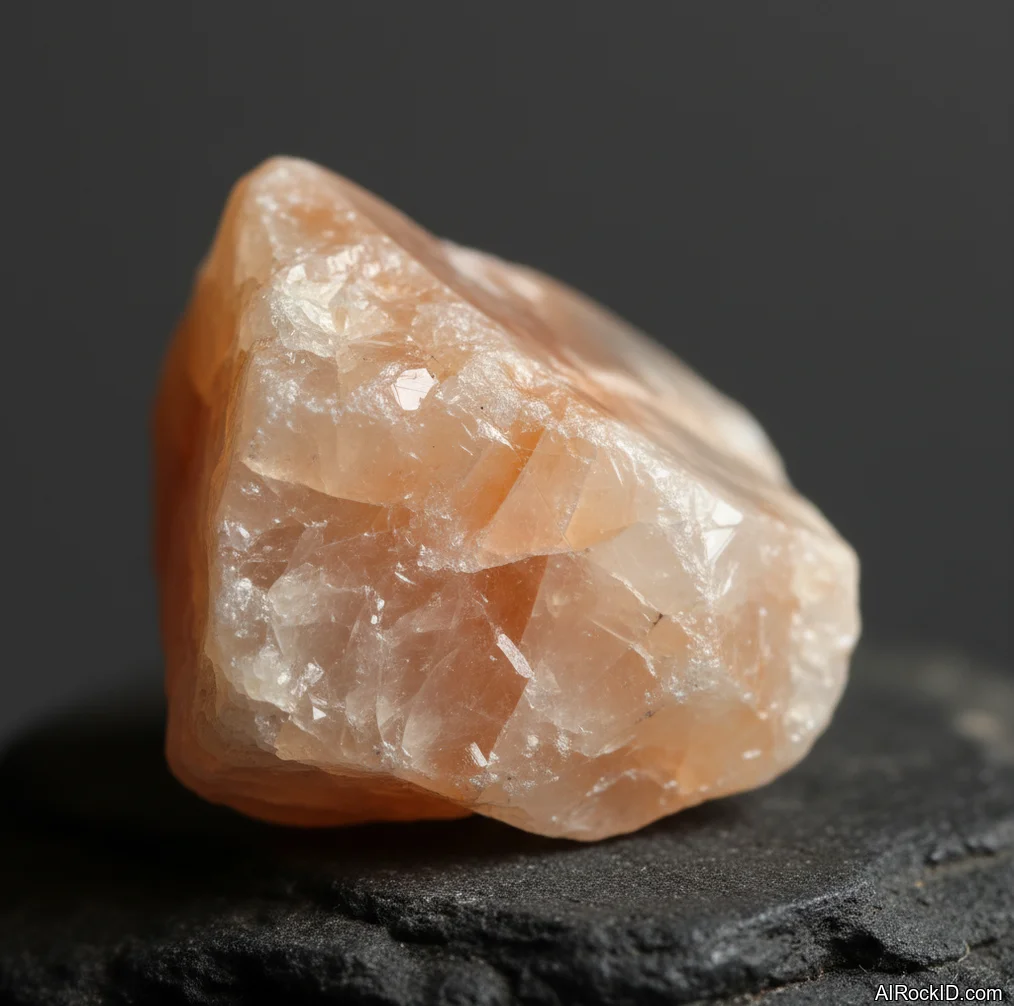
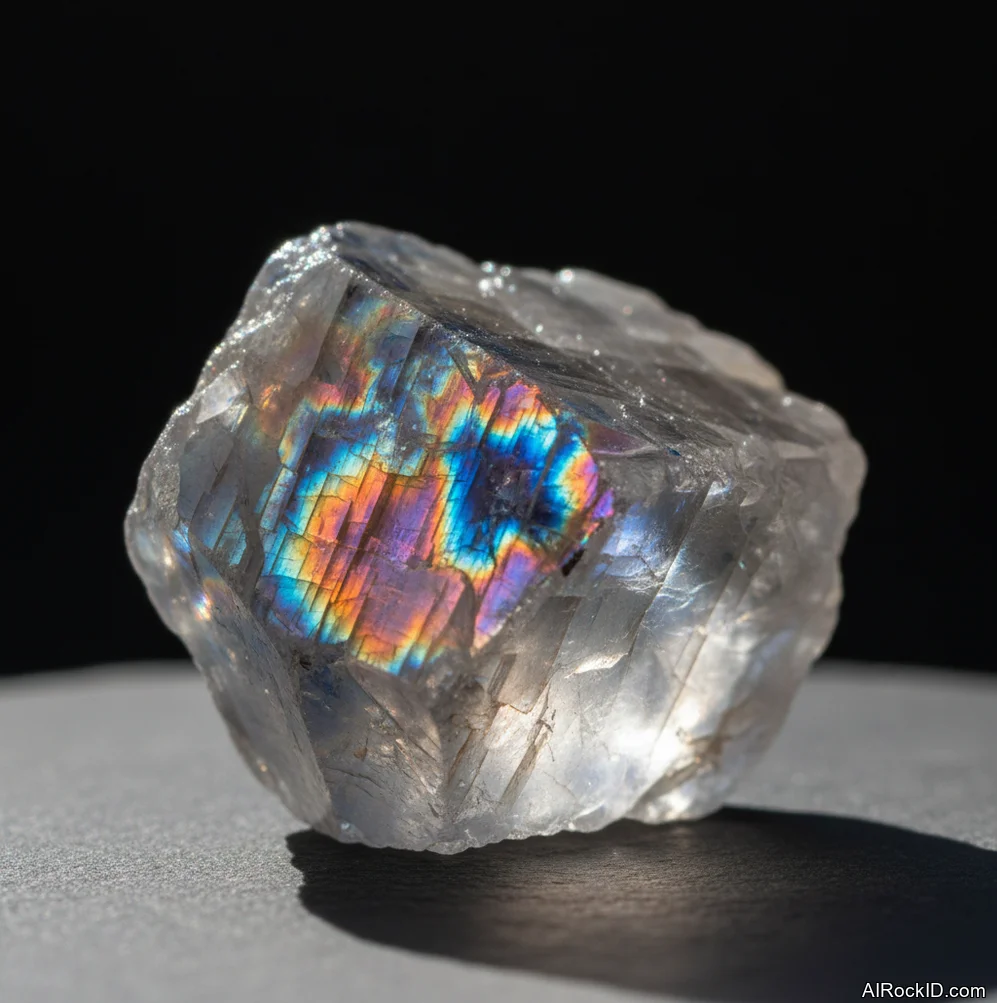
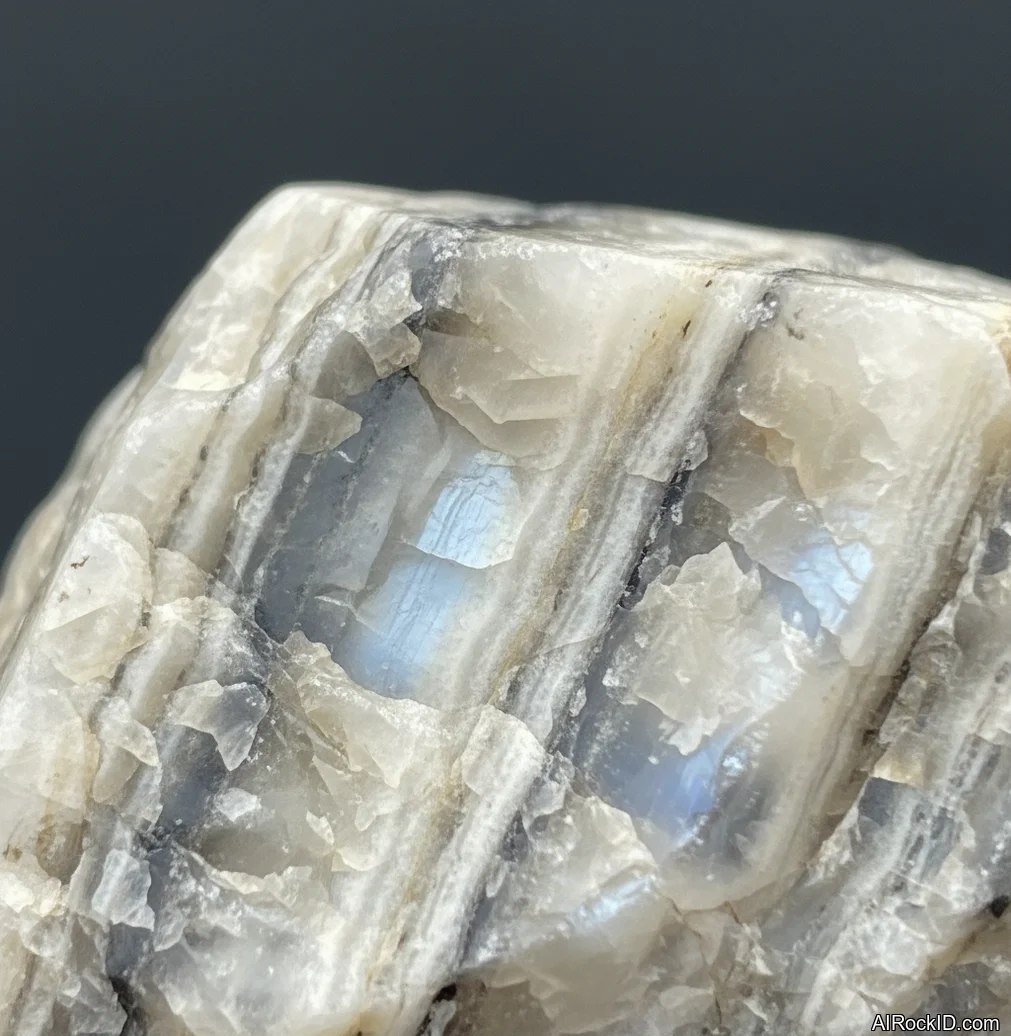
Moonstone and sunstone show up when the “who am I” question is tangled up with emotion. Moonstone’s sheen, that floating glow across the dome, is called adularescence, and it’s strongest on well-cut cabochons with the right orientation. A flat, dead-looking moonstone isn’t “bad energy”. It’s often just cut wrong, or it’s low-grade feldspar. Sunstone is the opposite mood. Good material has coppery glitter called aventurescence. Under a phone flashlight you can see it wink like tiny flakes suspended inside, and that visual punch is why people pair it with confidence-building journaling.
Thing is, people don’t seek Self-Discovery crystals because a rock is going to hand them answers. It won’t. They do it because a physical object gives the mind something to return to. When I’m testing a new piece for myself, I keep it almost stupid simple: one stone, one question, one week. Write the question on paper. Put the stone on top. Every day, touch it before you check your phone. Five seconds is enough. So the point is a repeatable cue, something your brain starts associating with surfacing the stuff you’ve been ignoring.
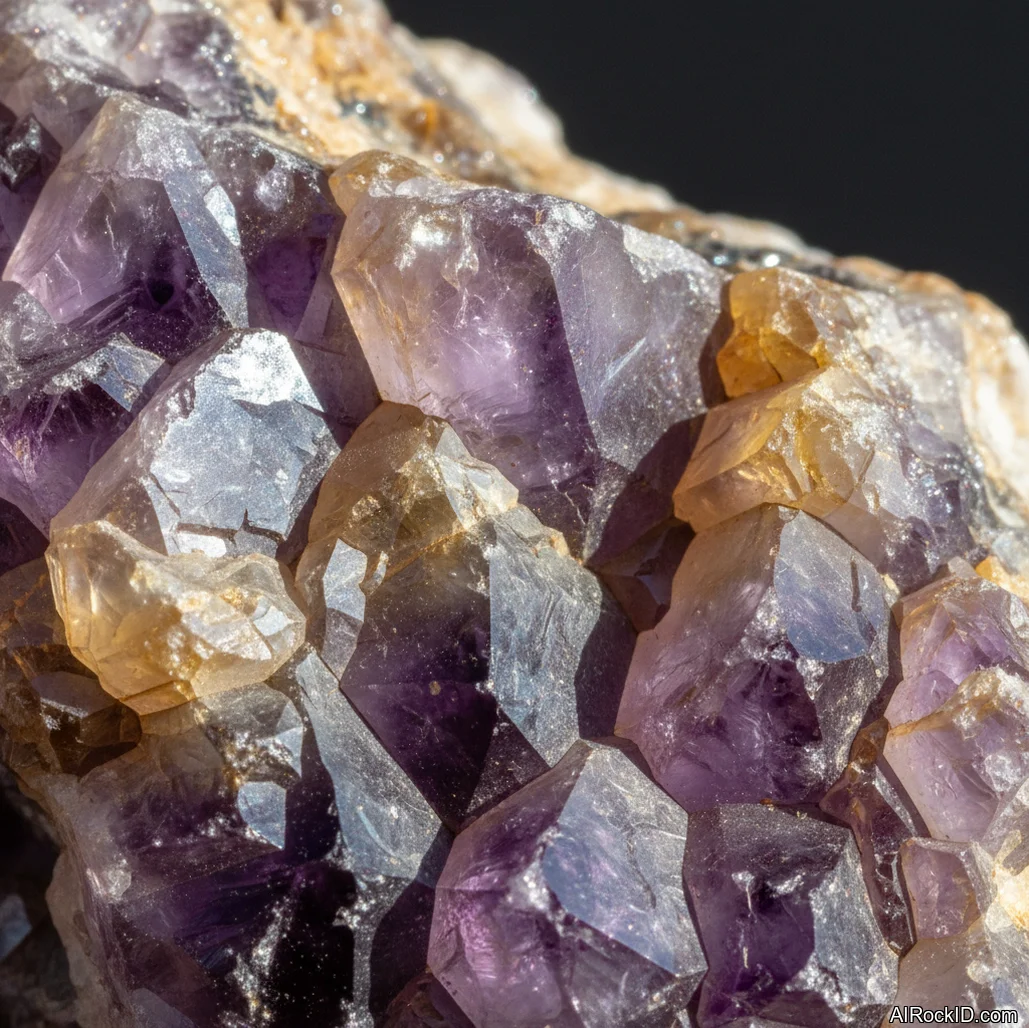
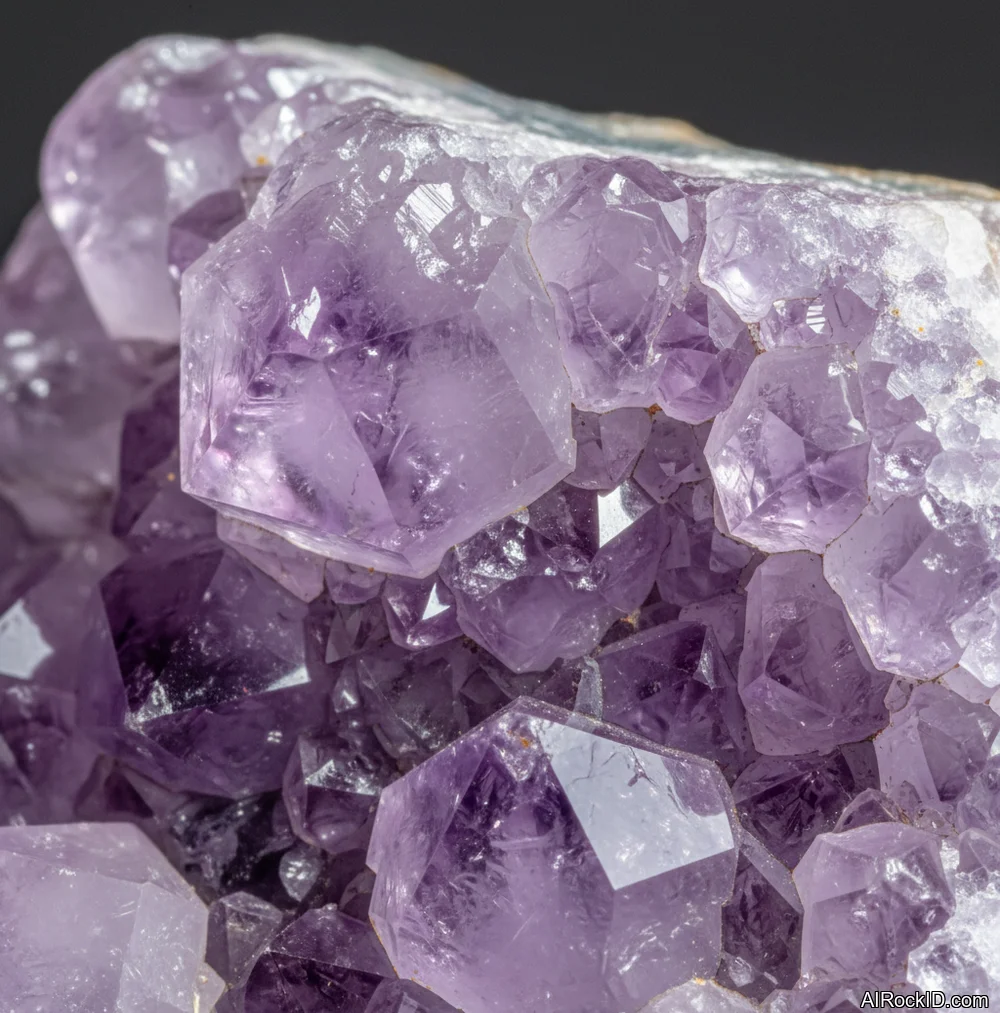
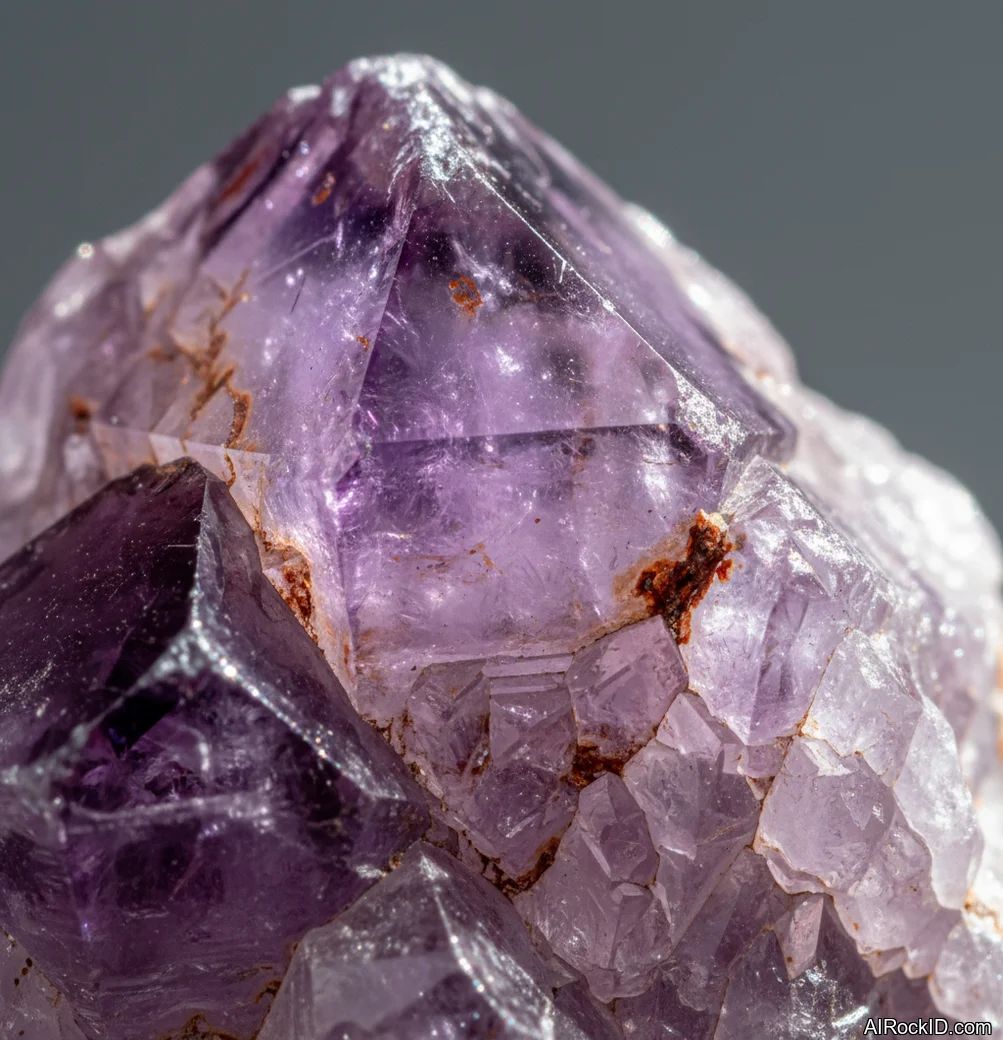
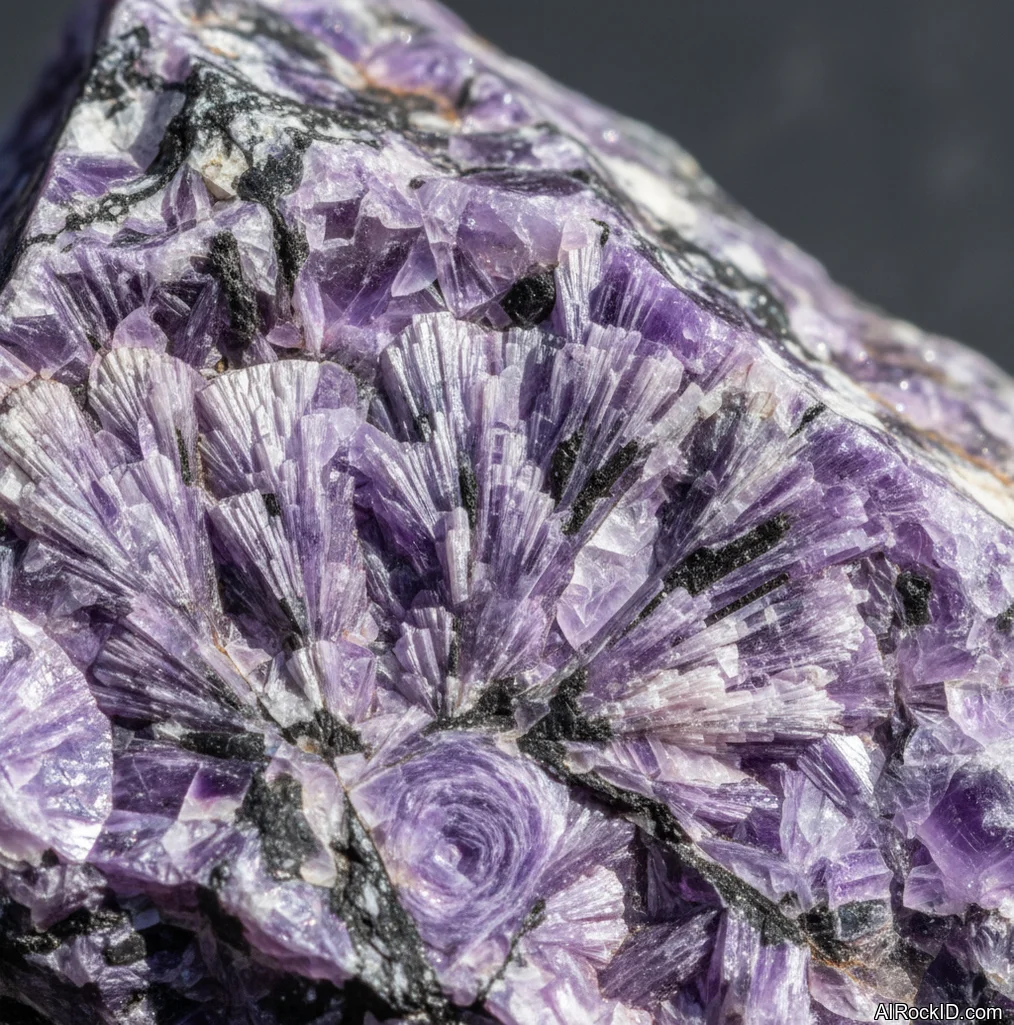
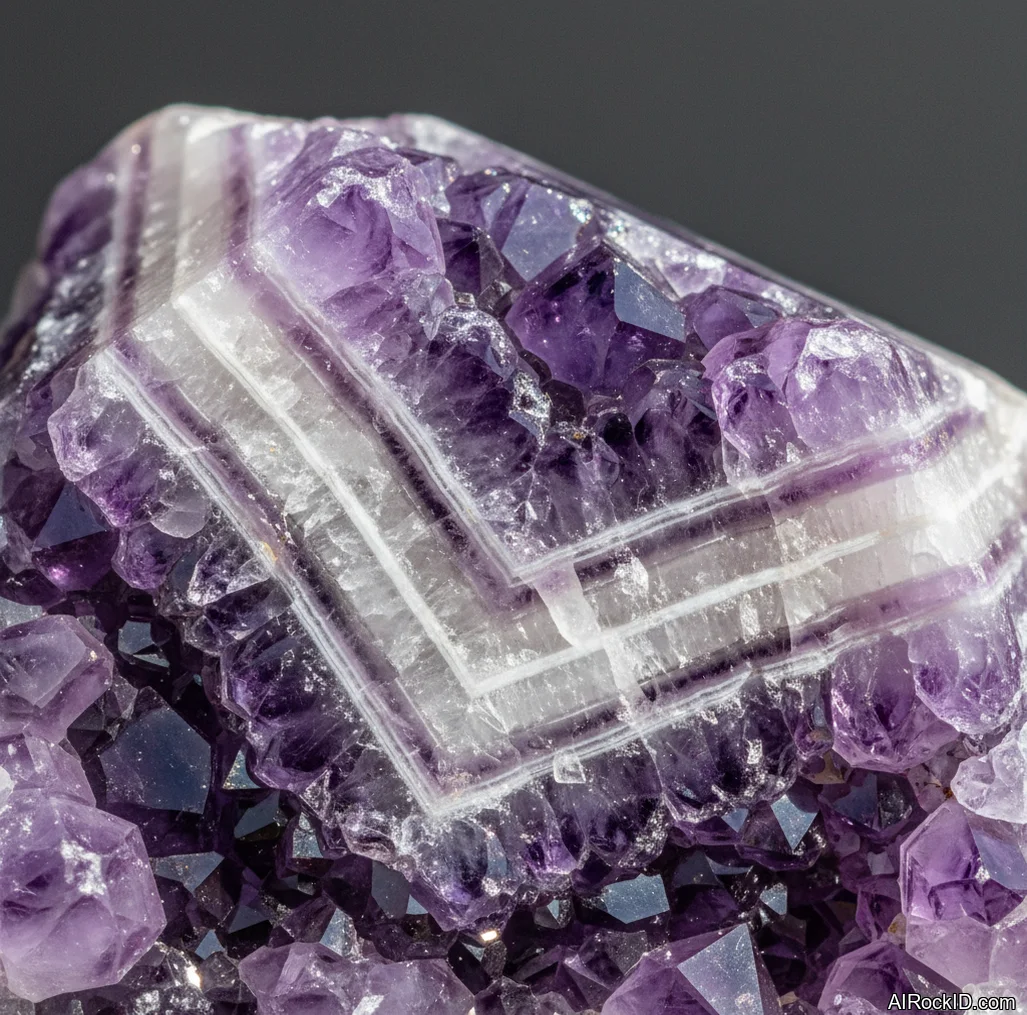
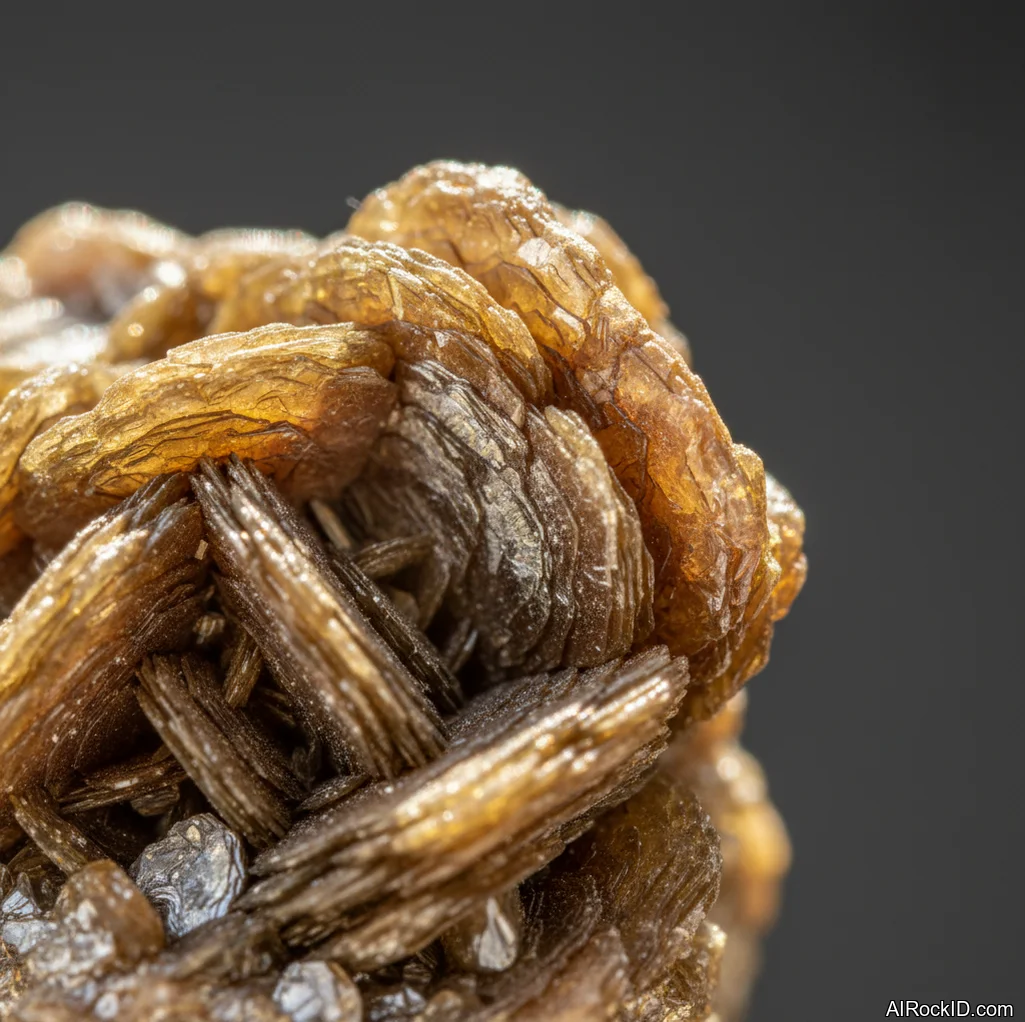
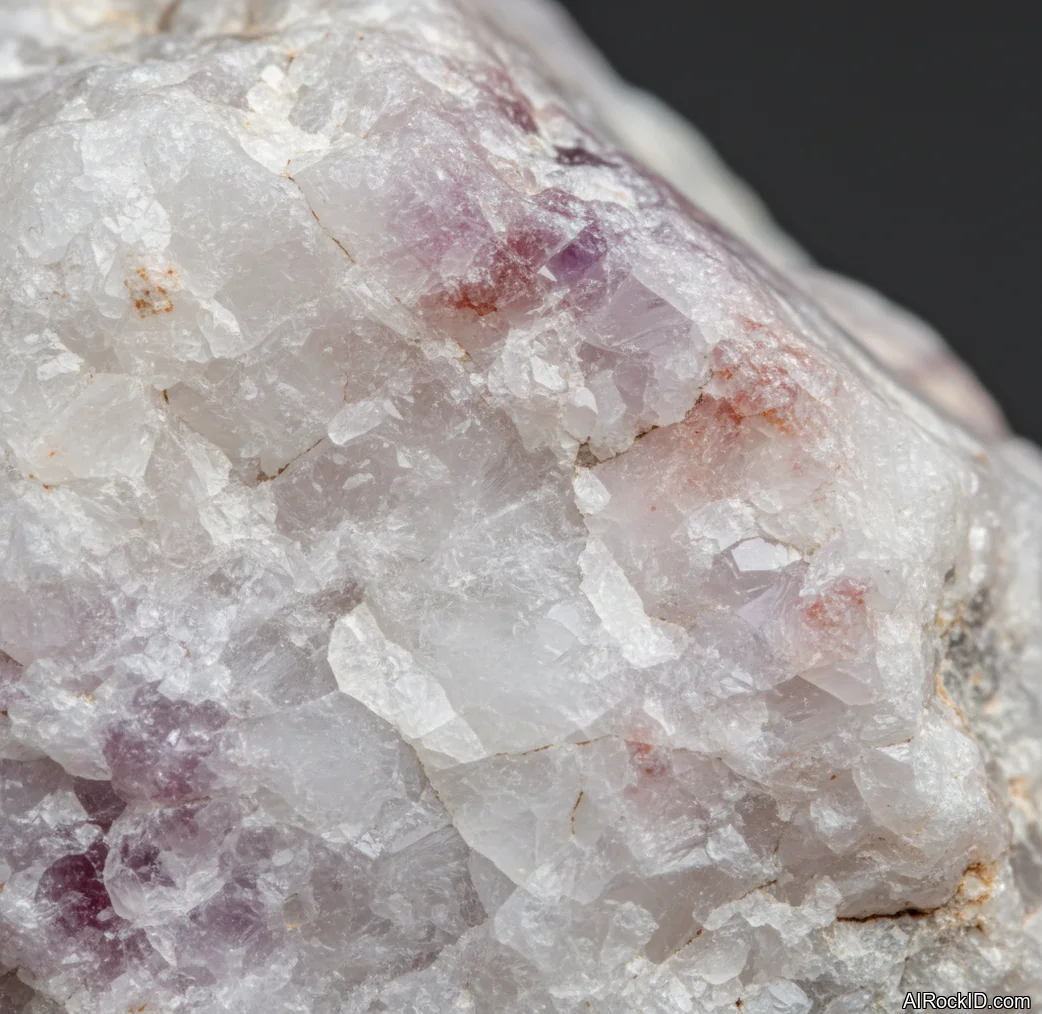
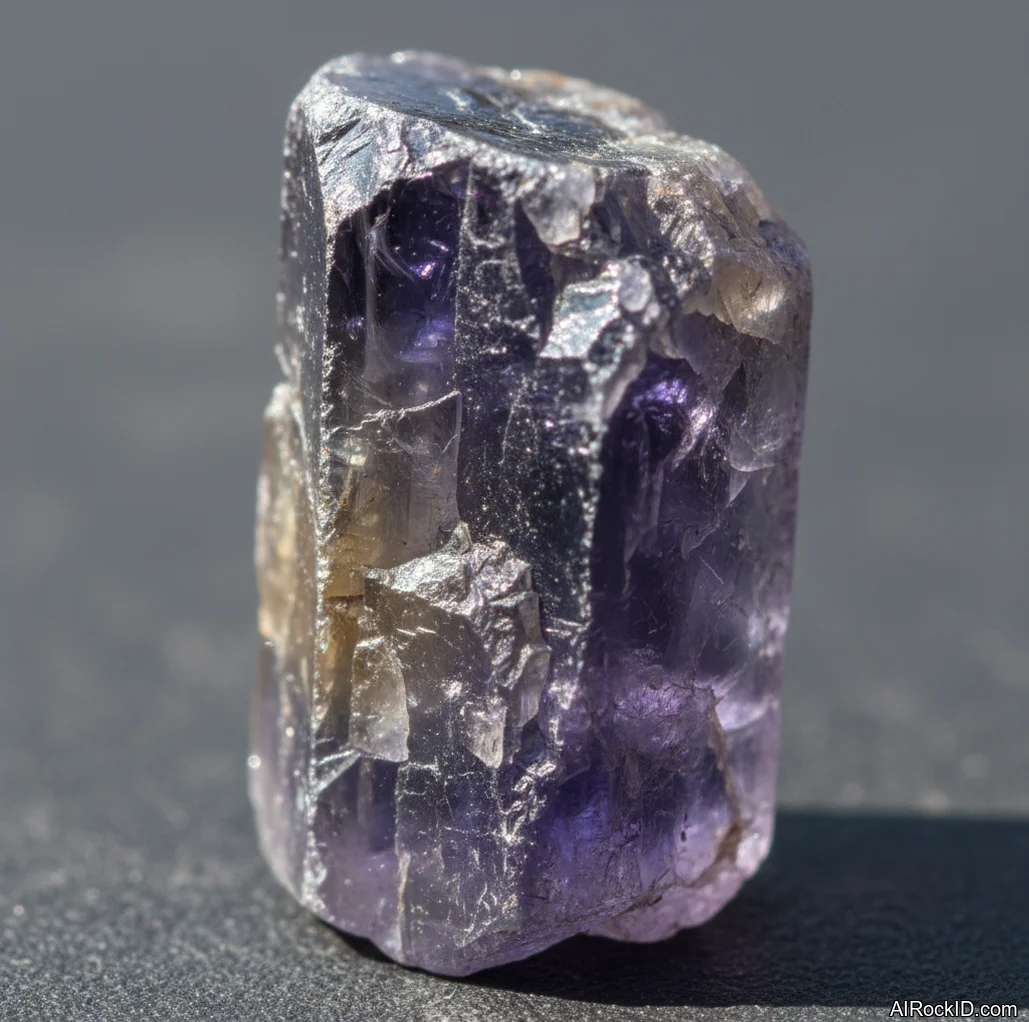
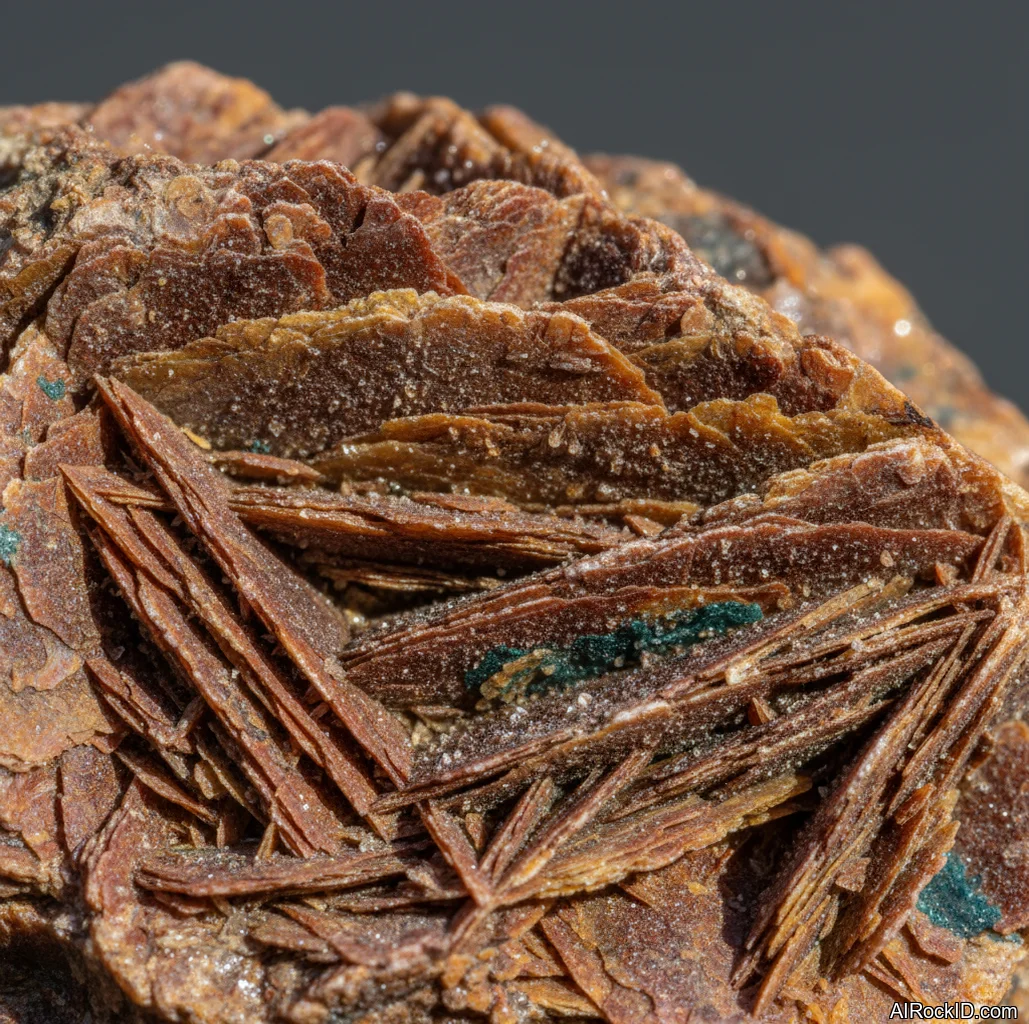
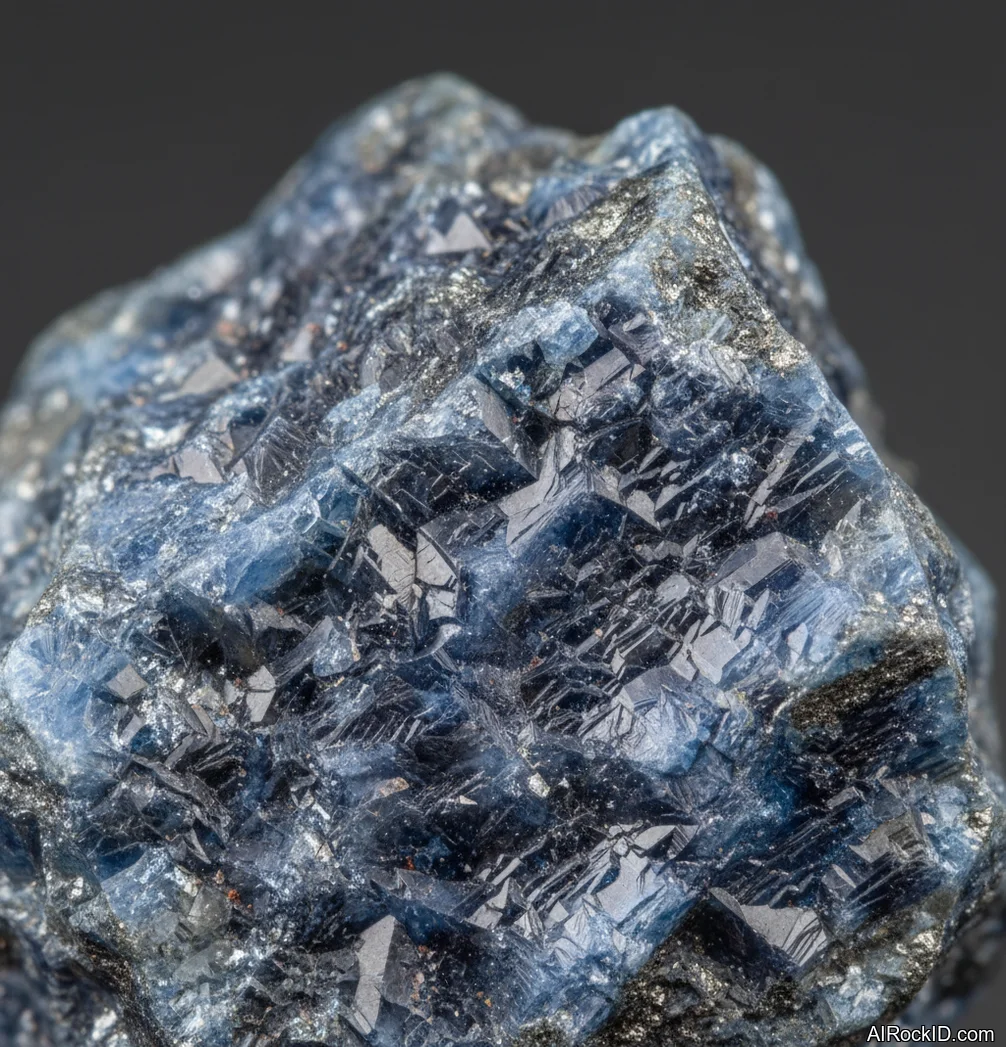
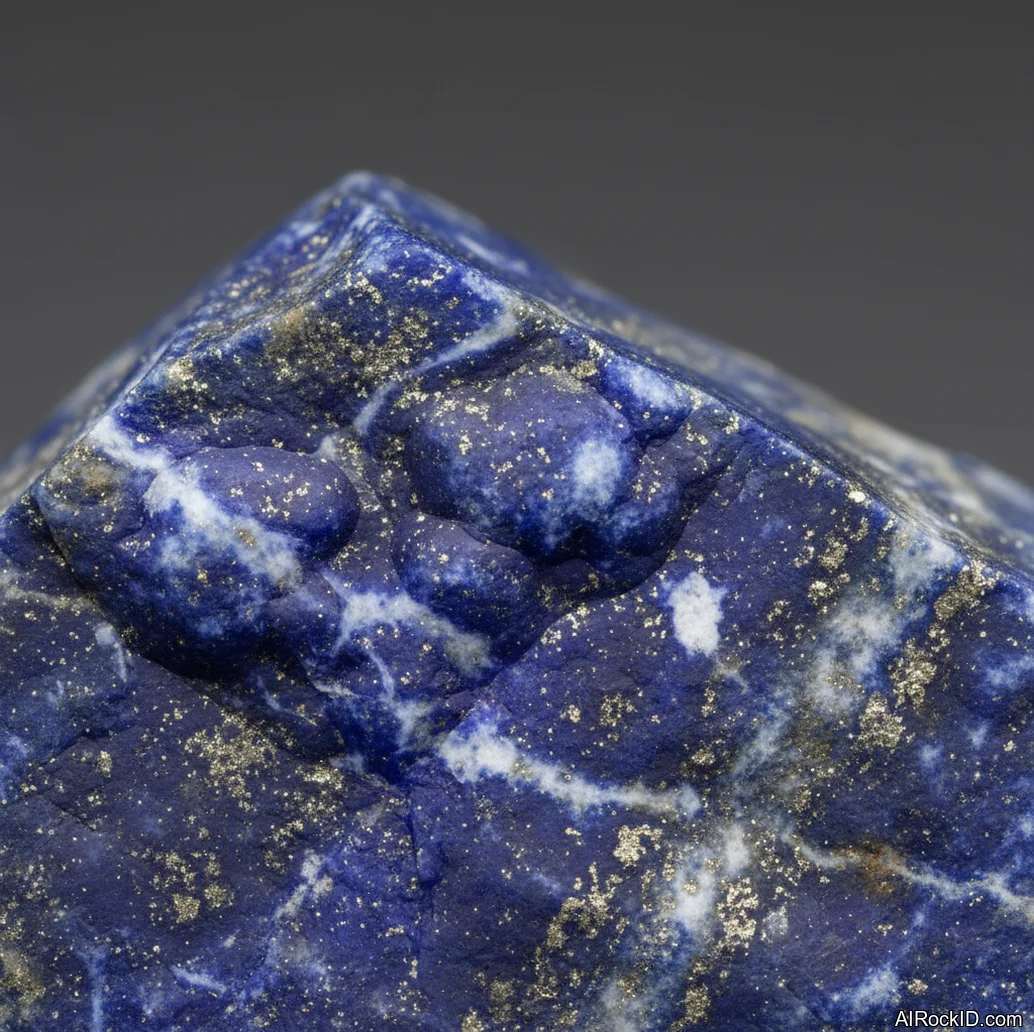
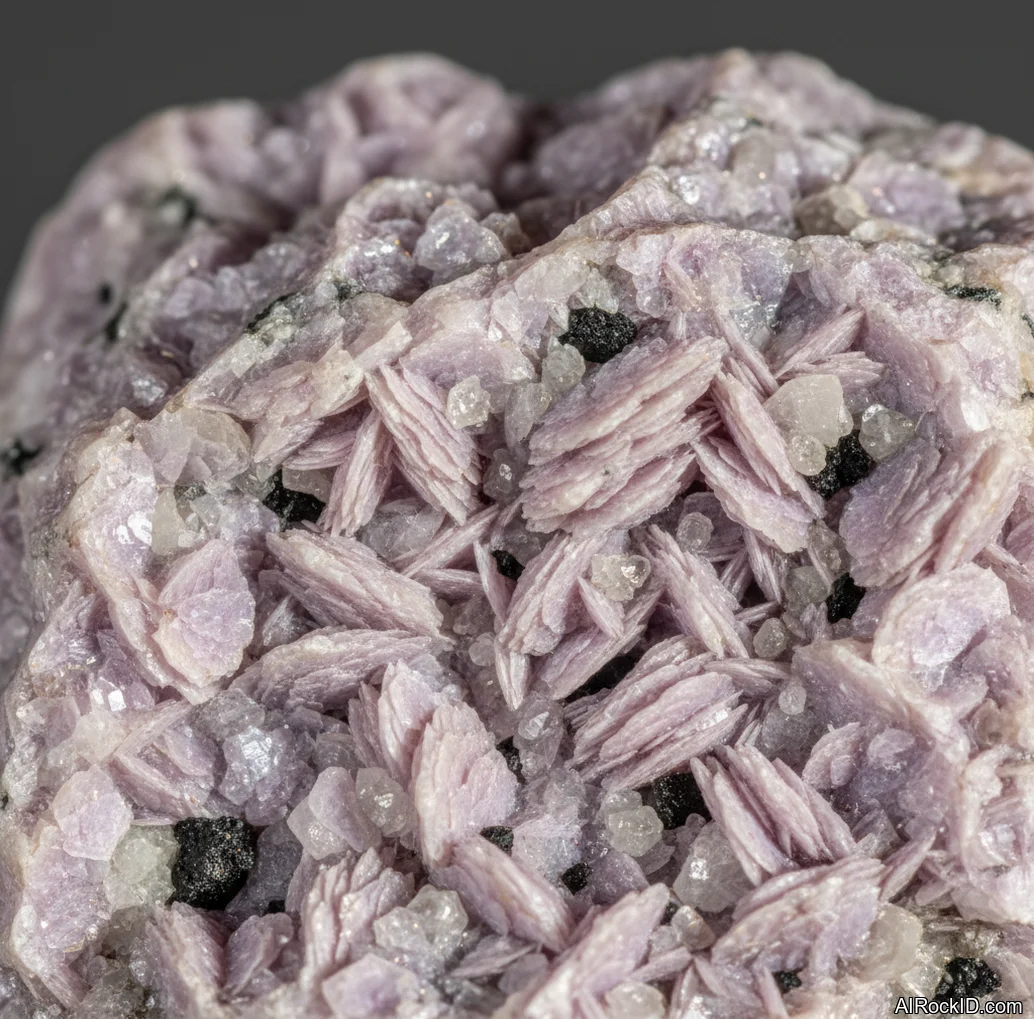
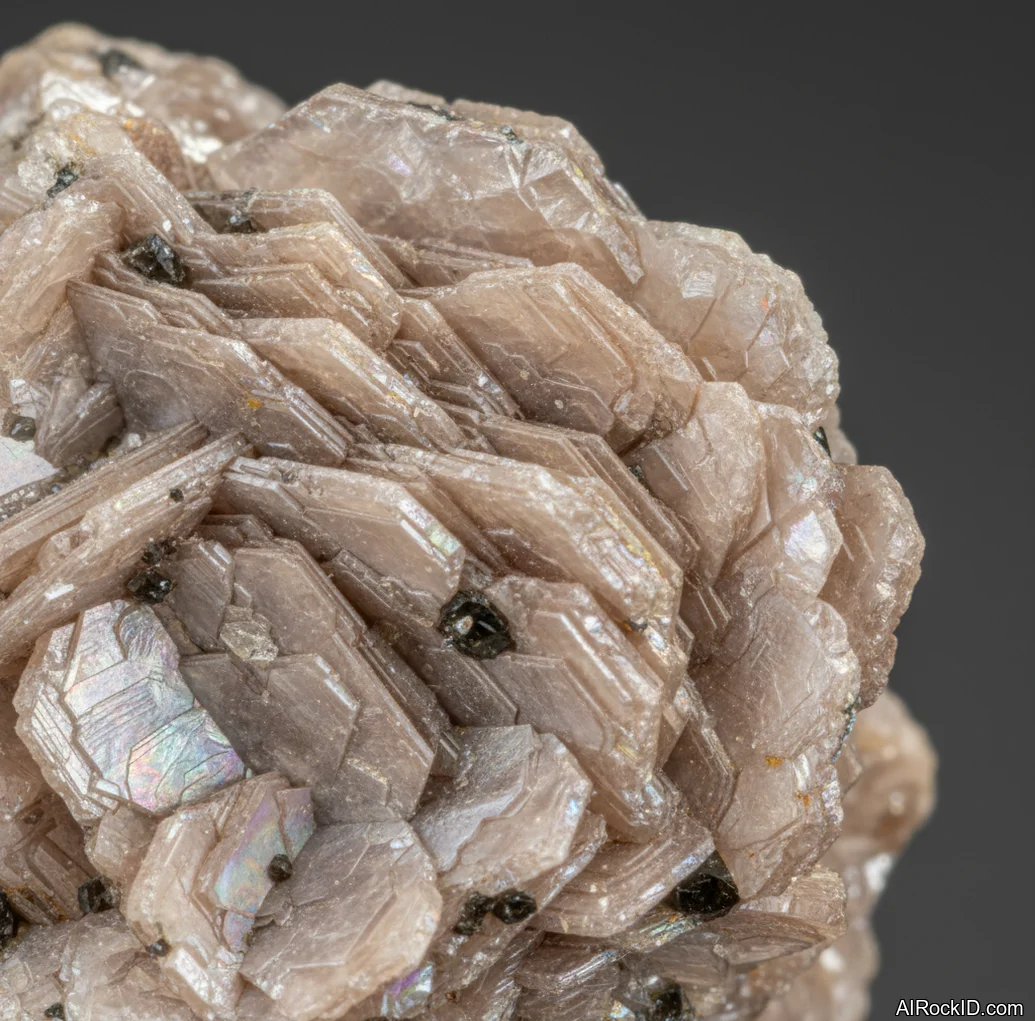
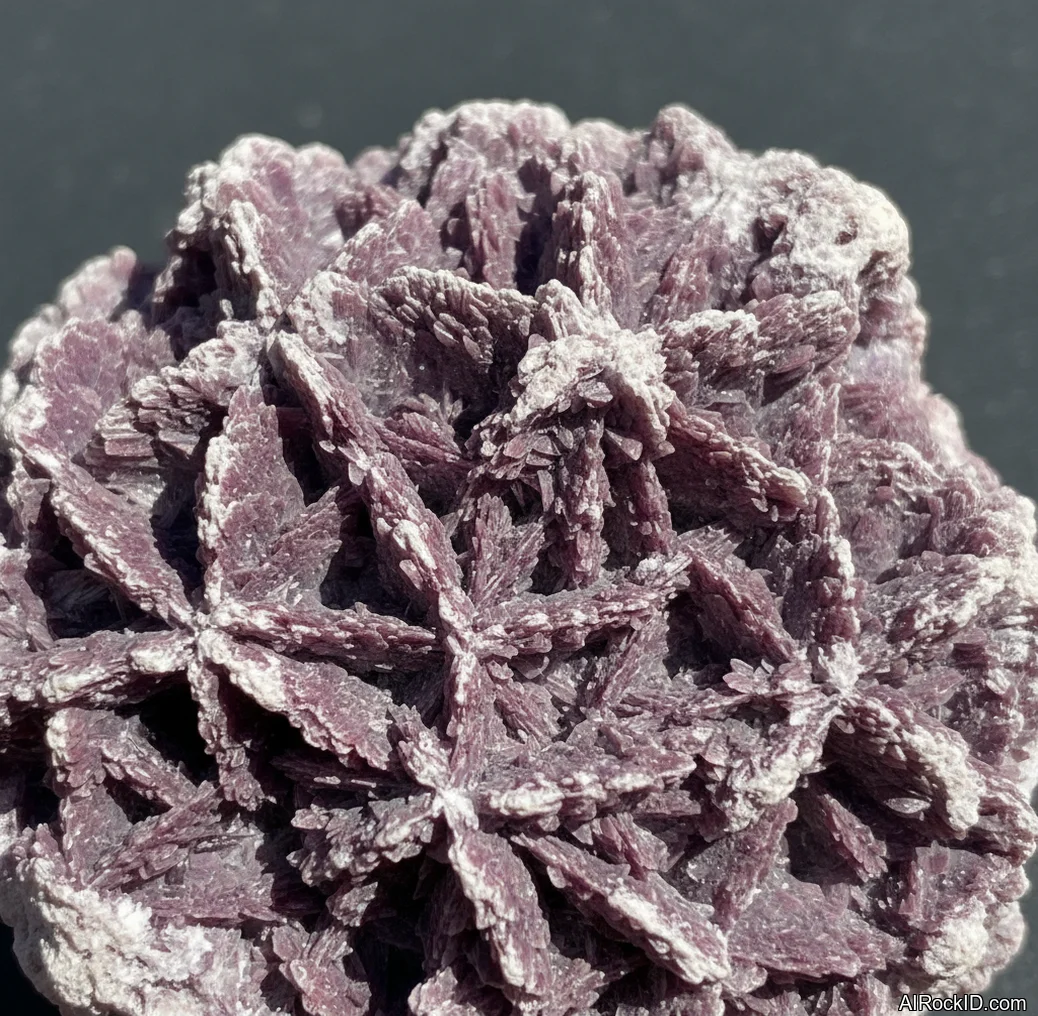
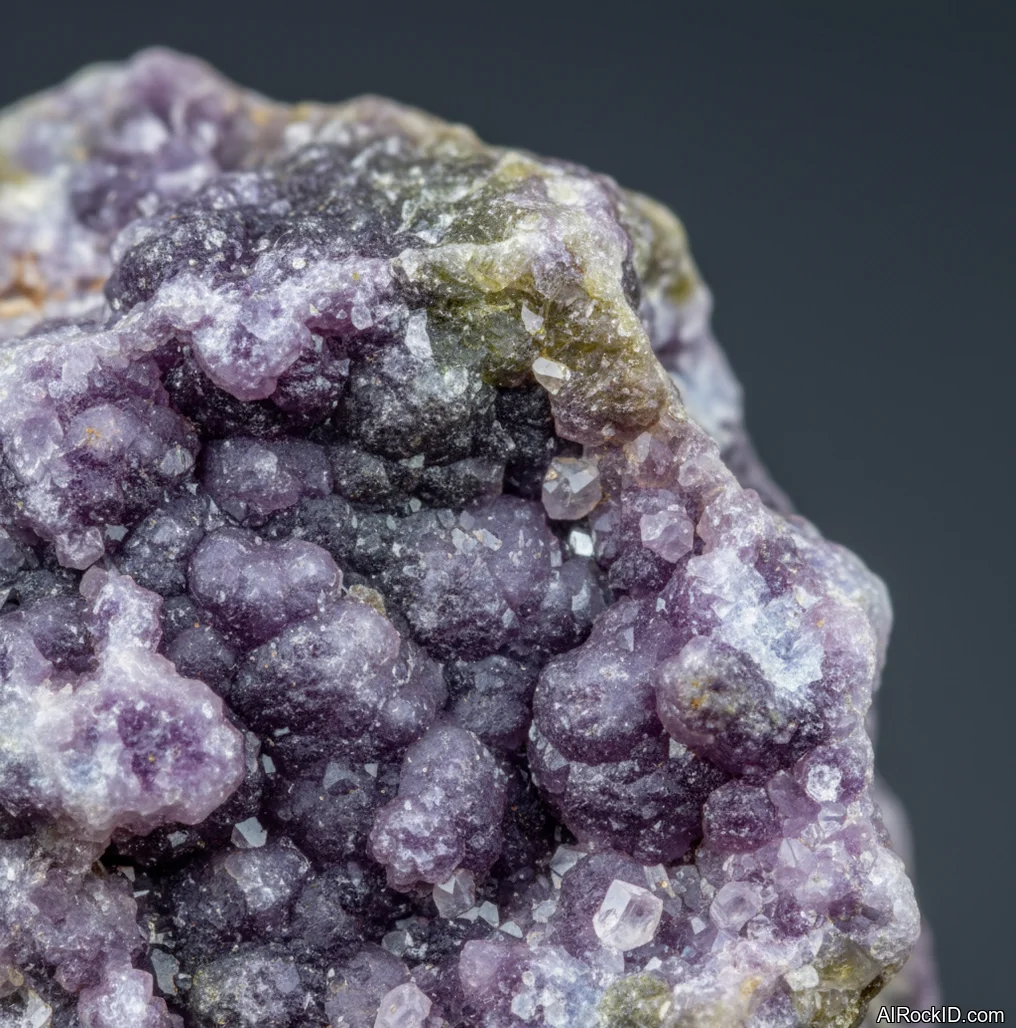
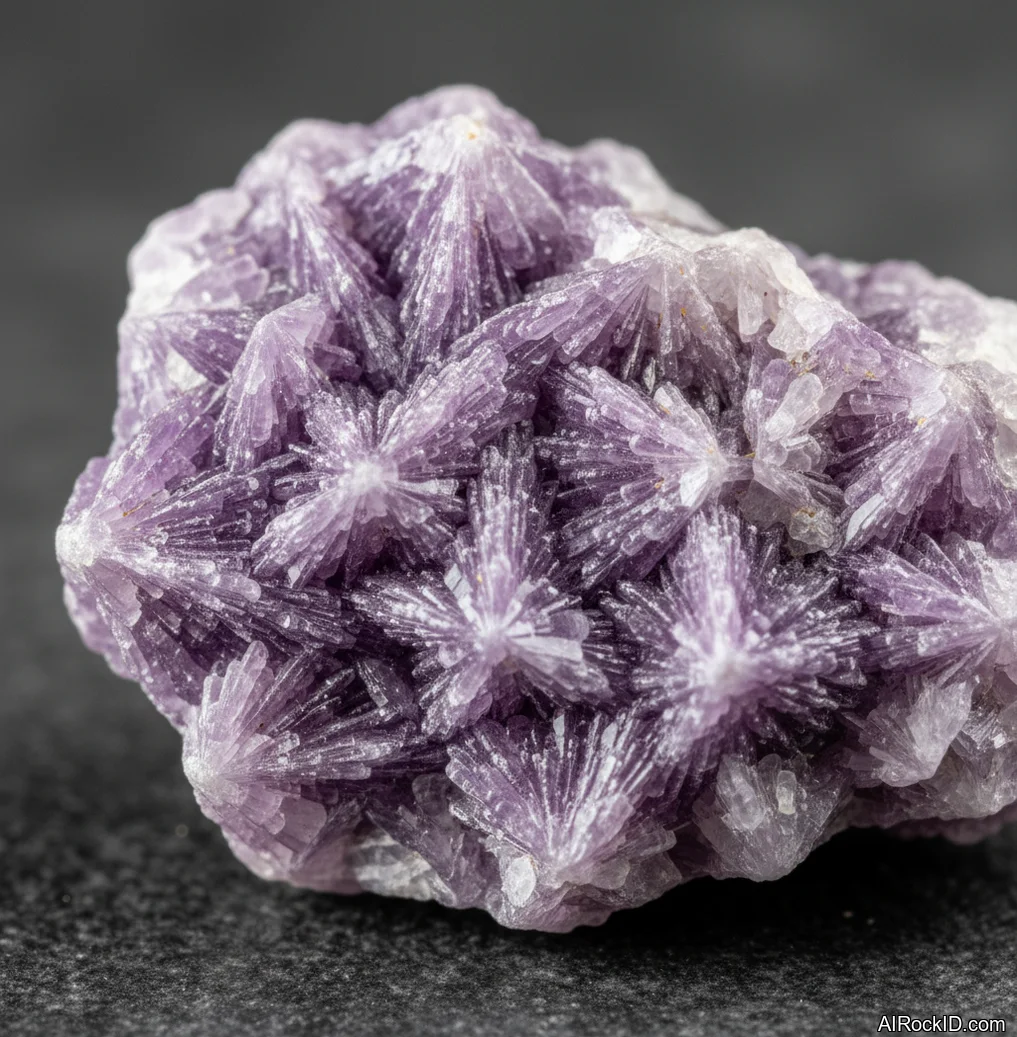
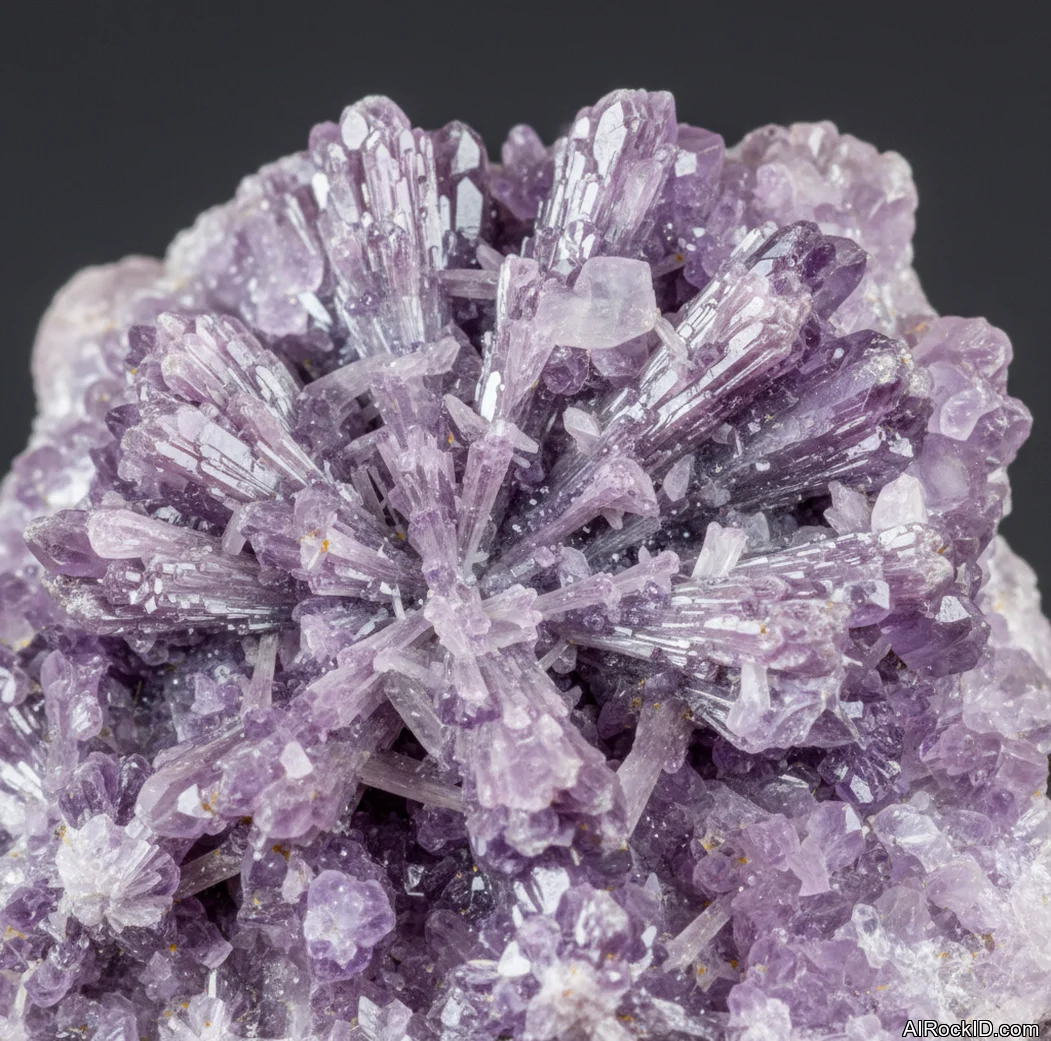
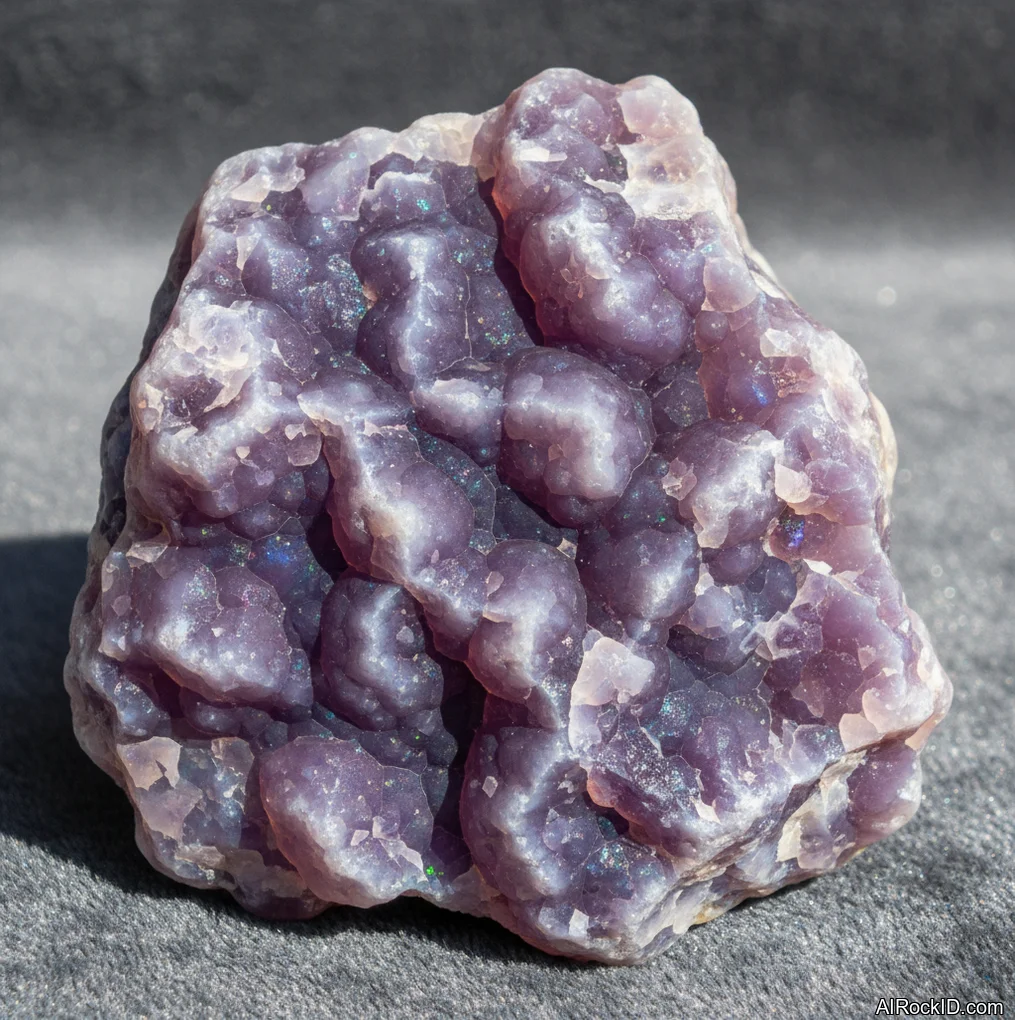
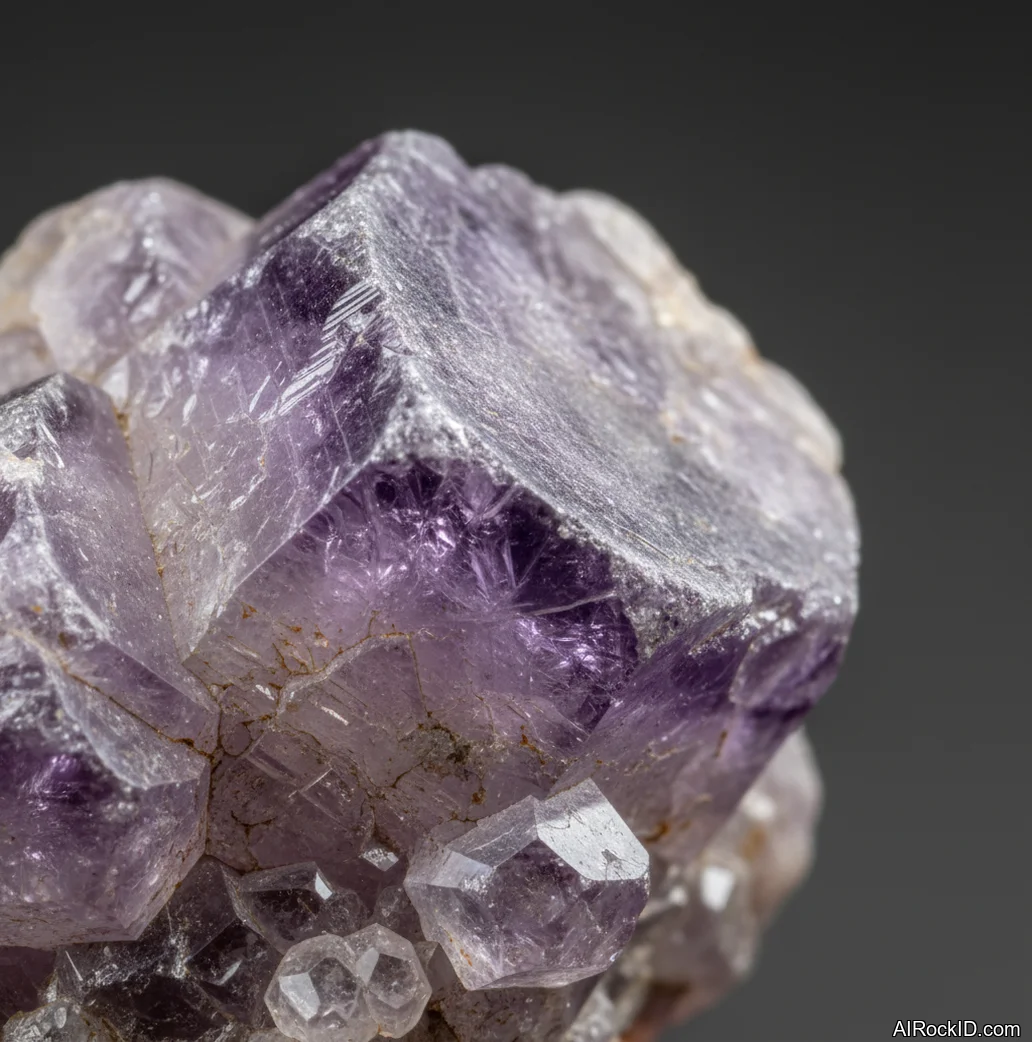
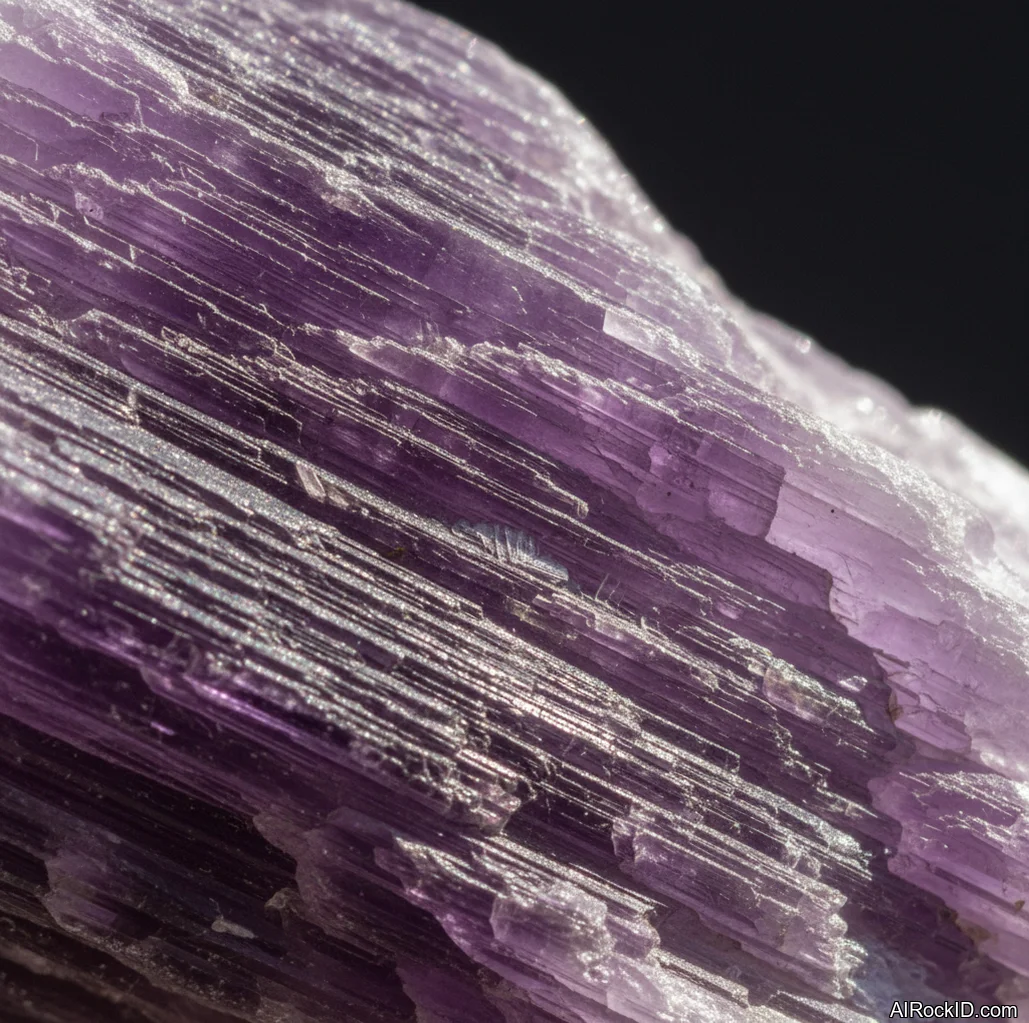
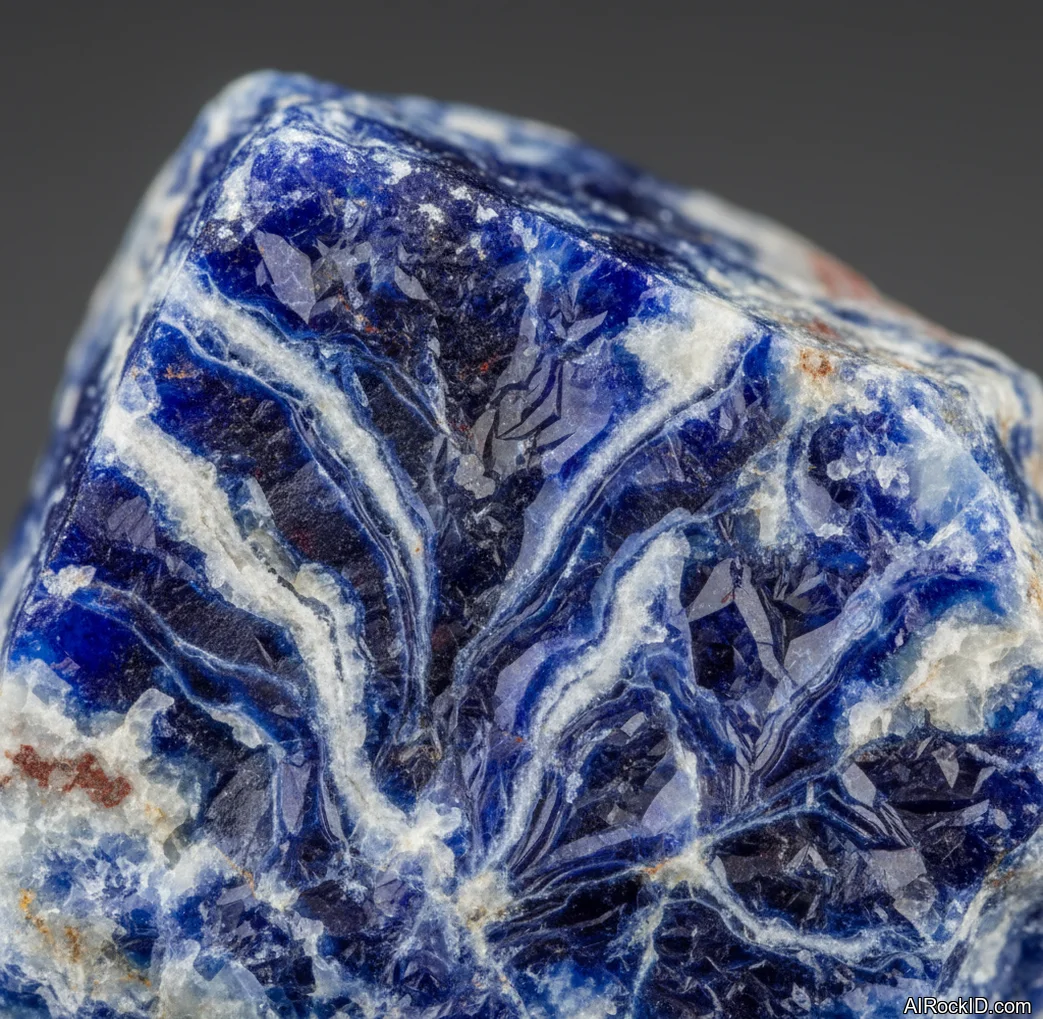
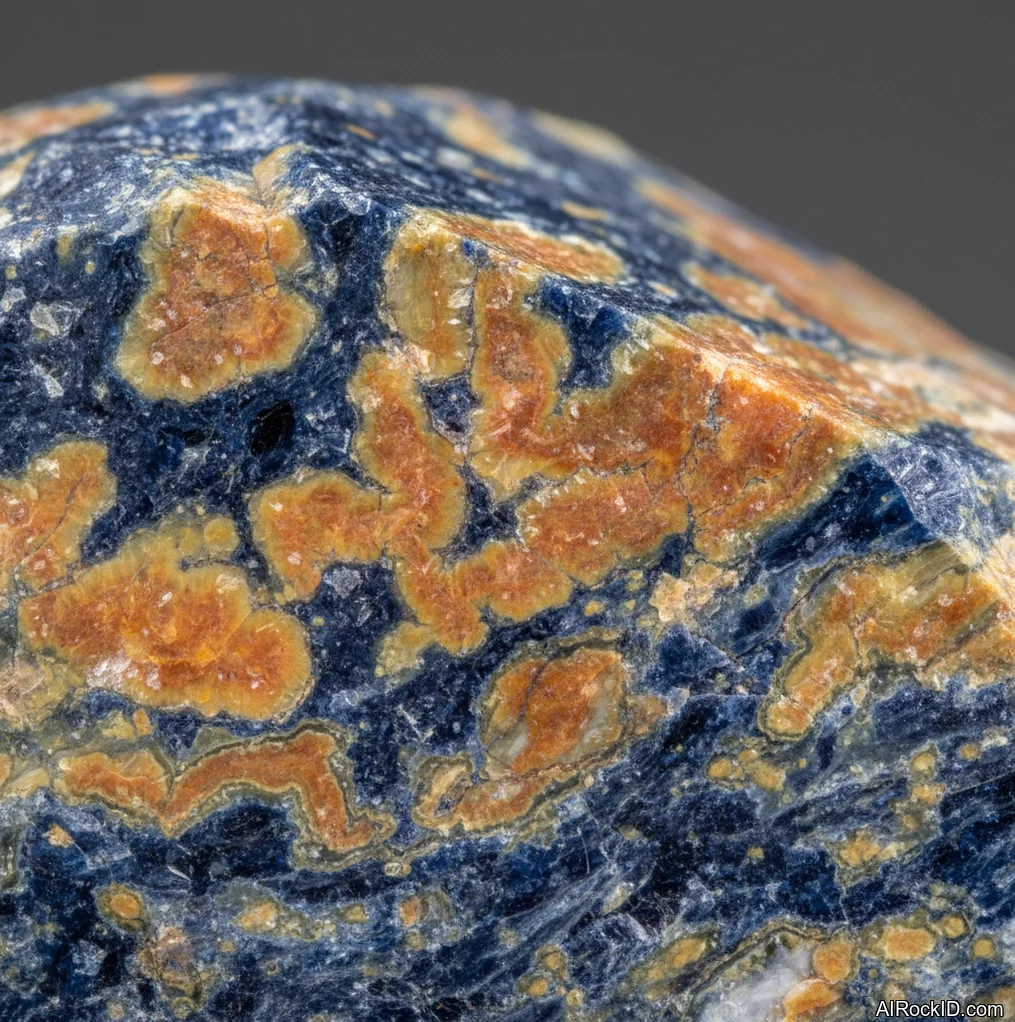
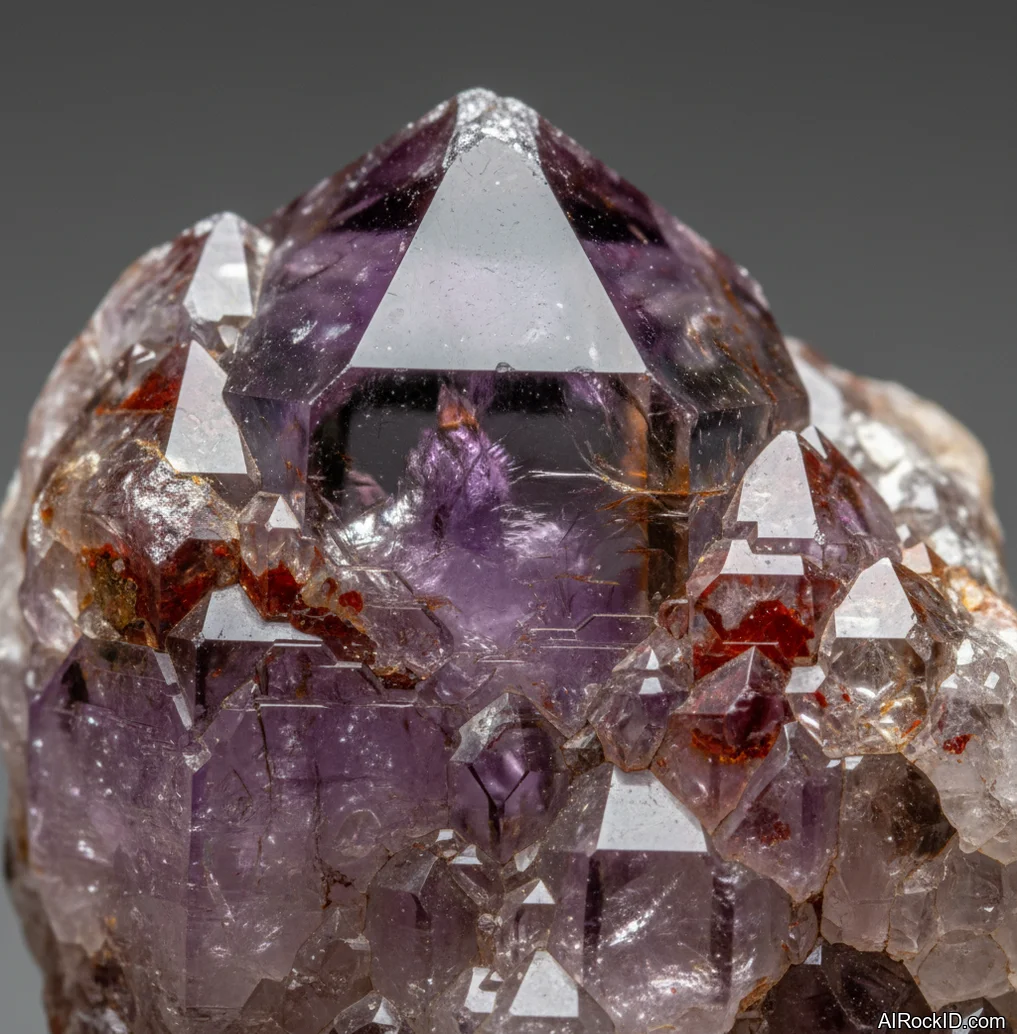
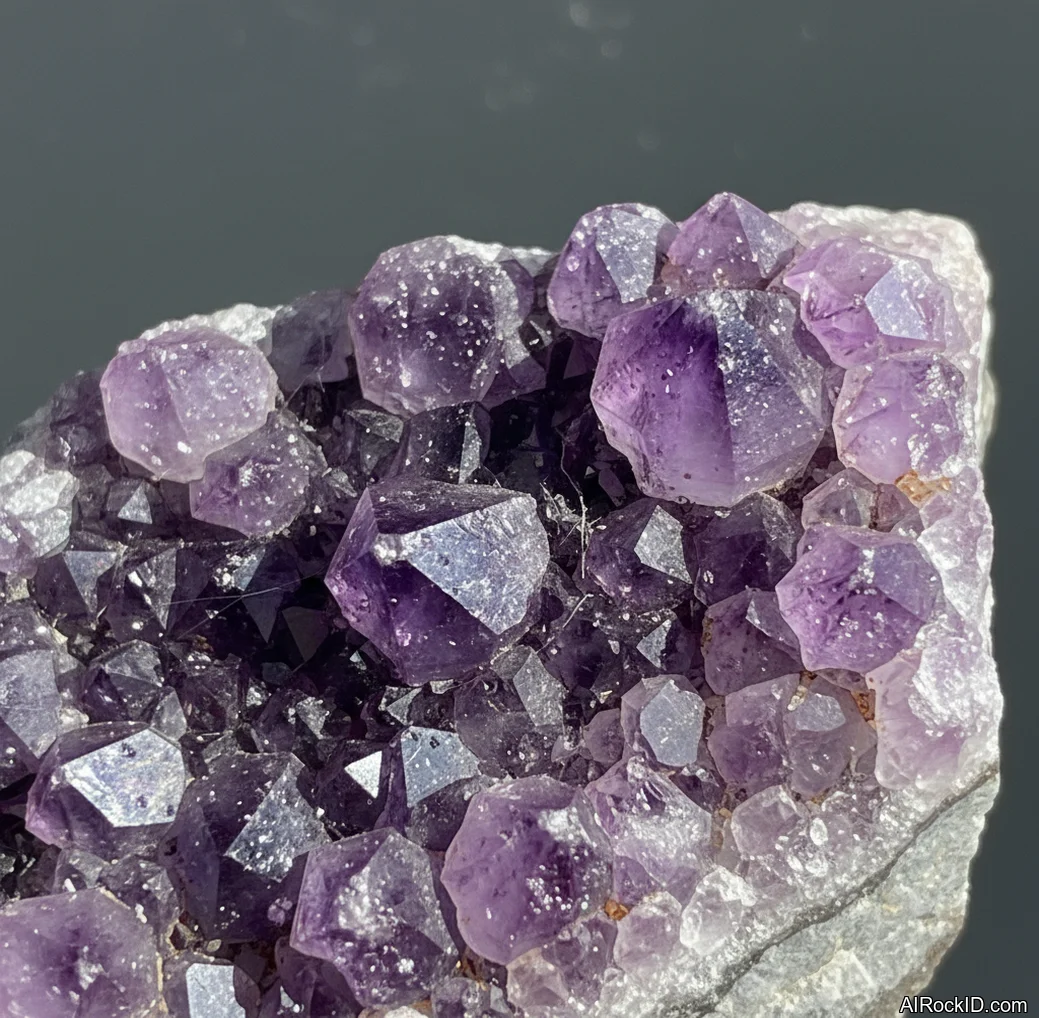
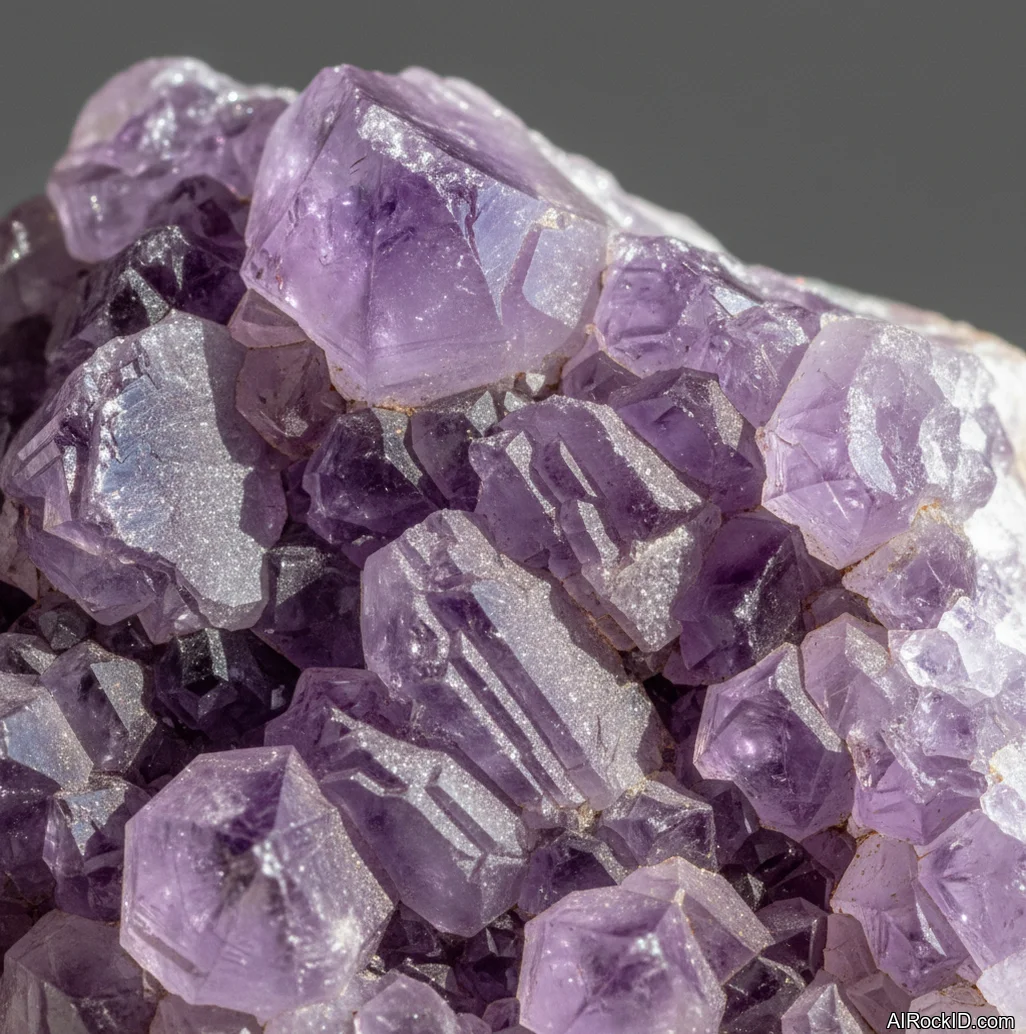
There are a few classic ways to work with these stones that stay pretty grounded. Meditation is one. Hold amethyst if your thoughts run hot, especially darker Uruguayan material that’s so saturated it almost looks inky at the tips. Sodalite is another for people who need words. It’s usually a deep denim blue with white calcite streaks, and it feels steady in the hand, not glassy or flashy. For dream tracking, people use lepidolite because it’s loaded with mica and often has a soft, platy feel. But it can flake if you scrape it with a nail, so don’t toss it loose in a pocket with keys.
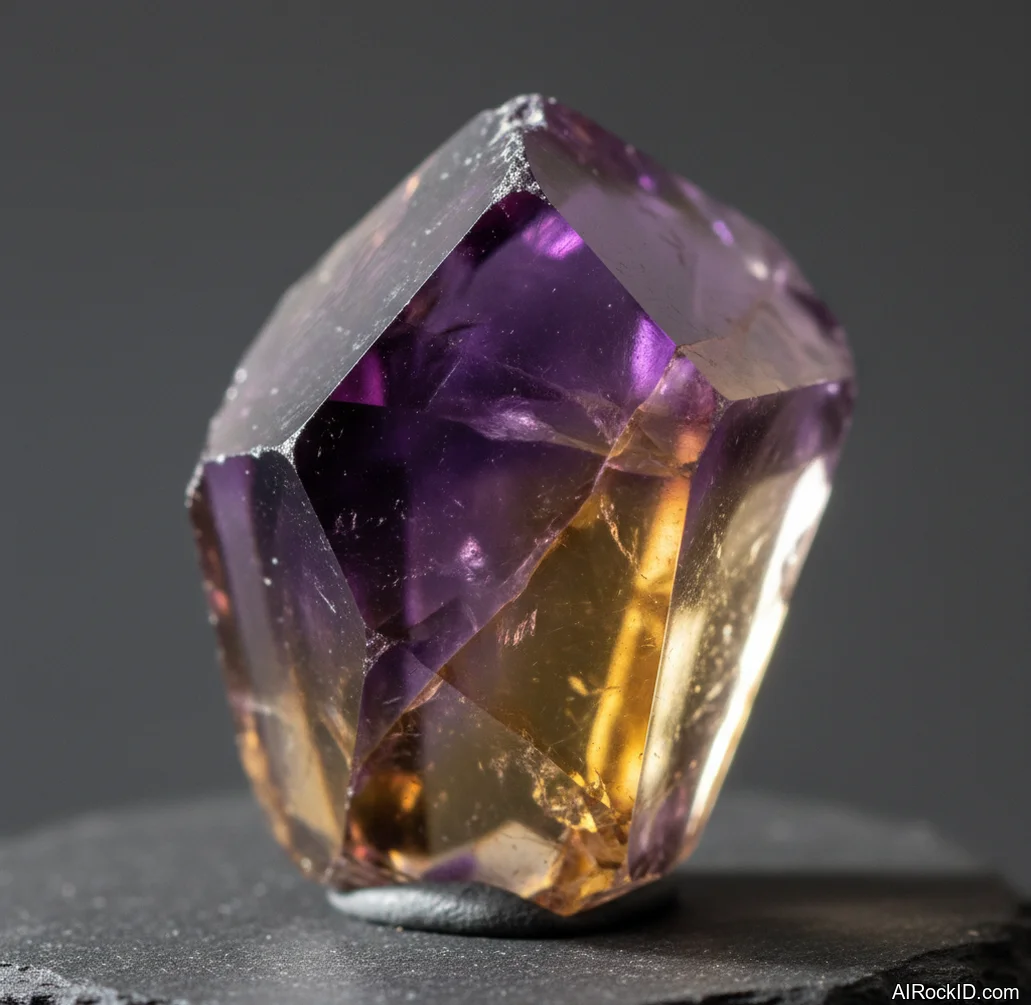
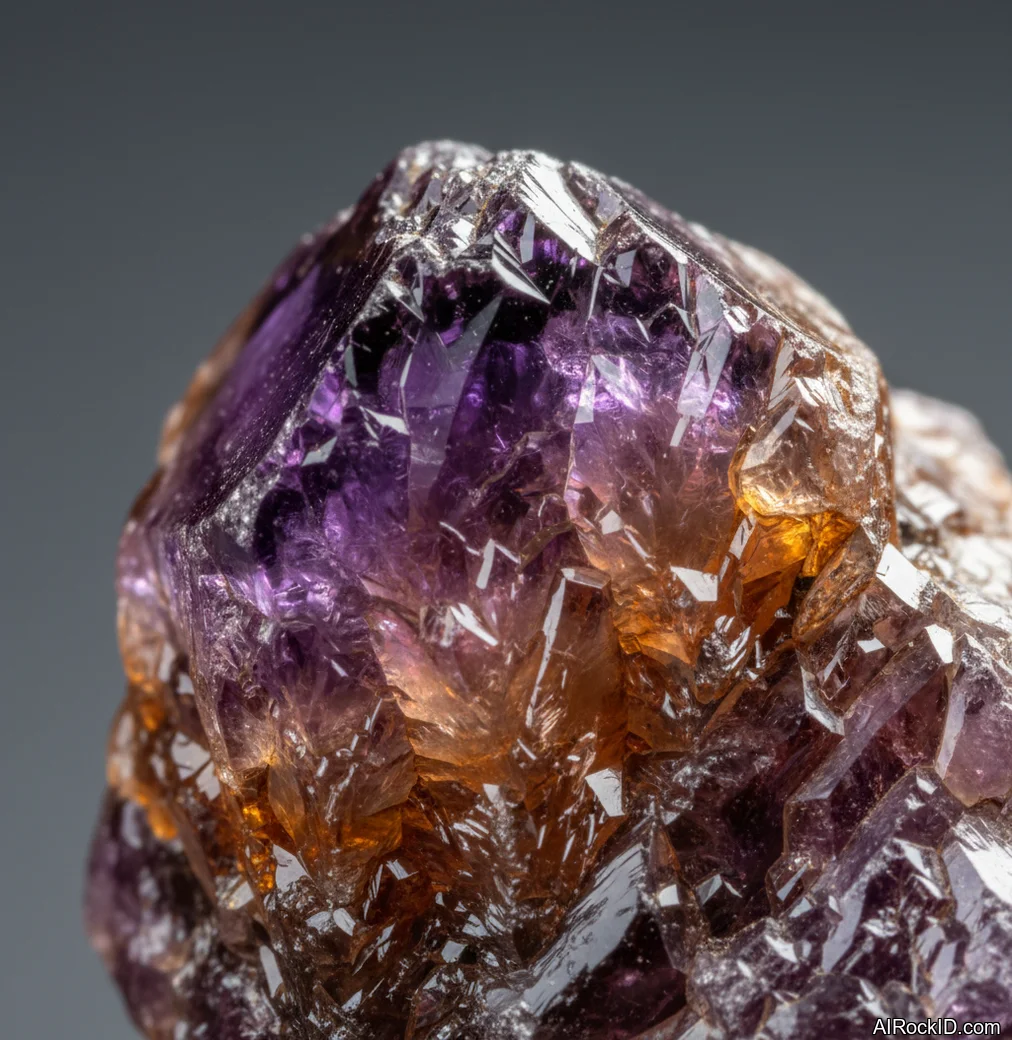
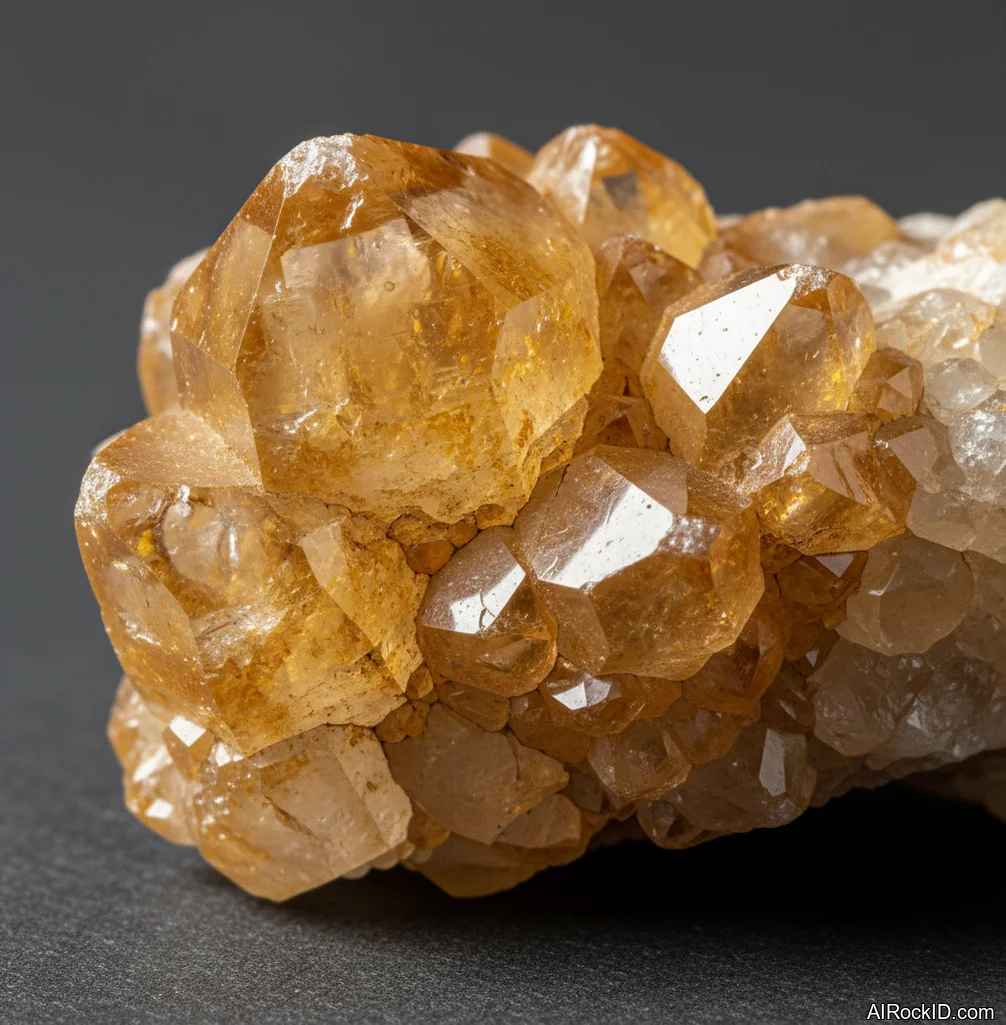
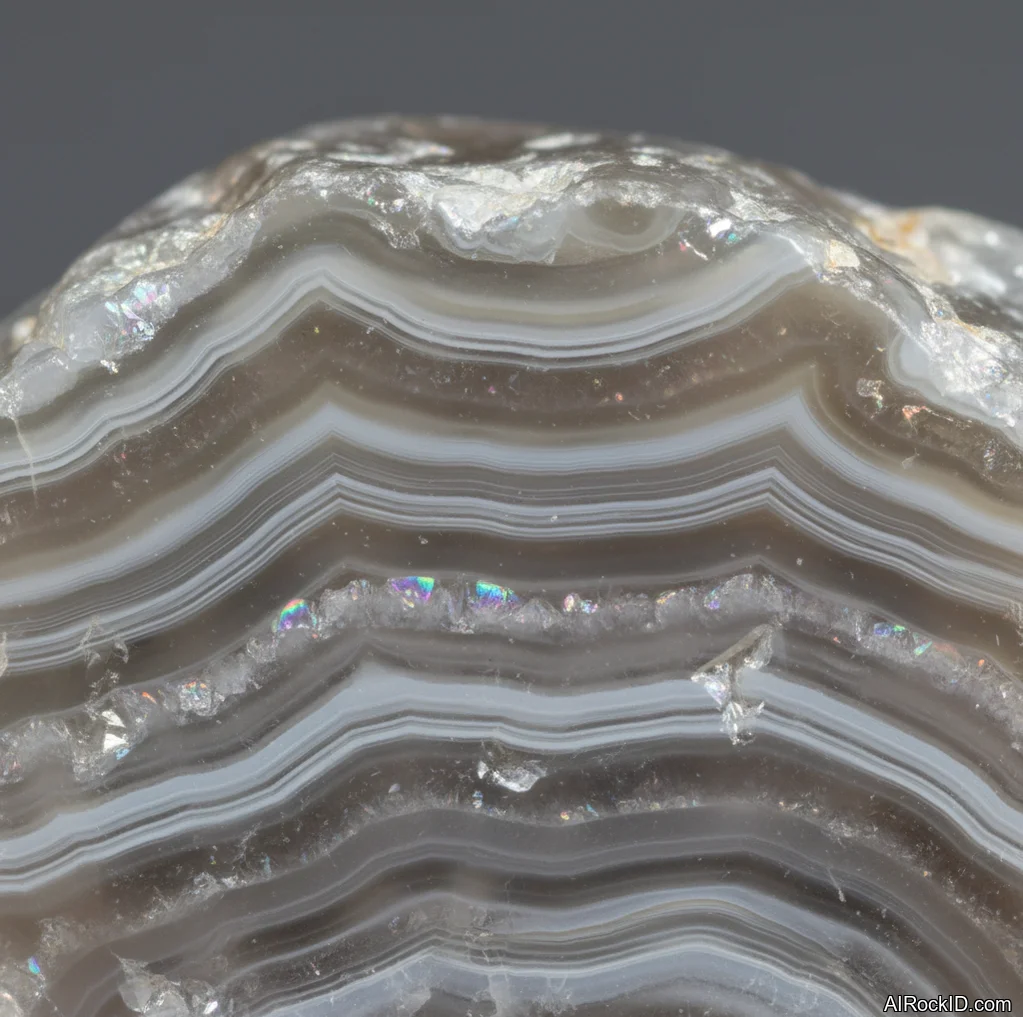
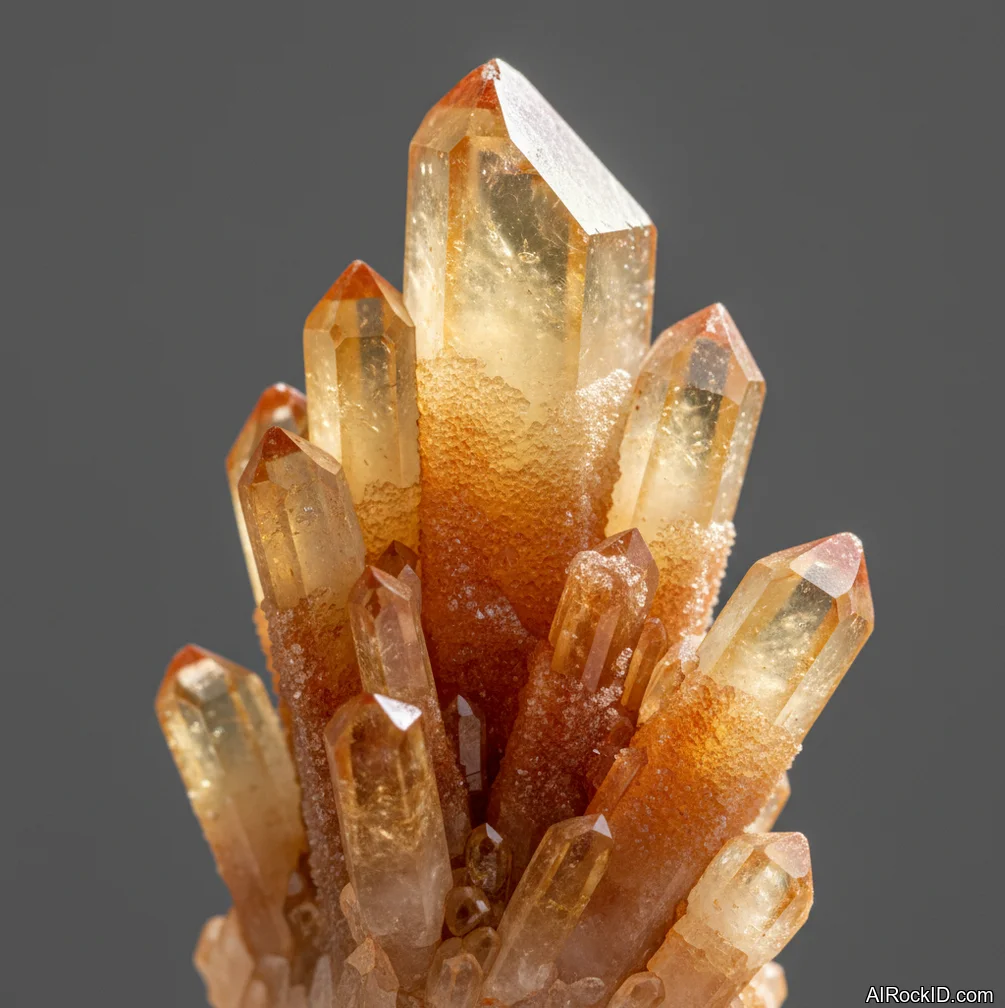
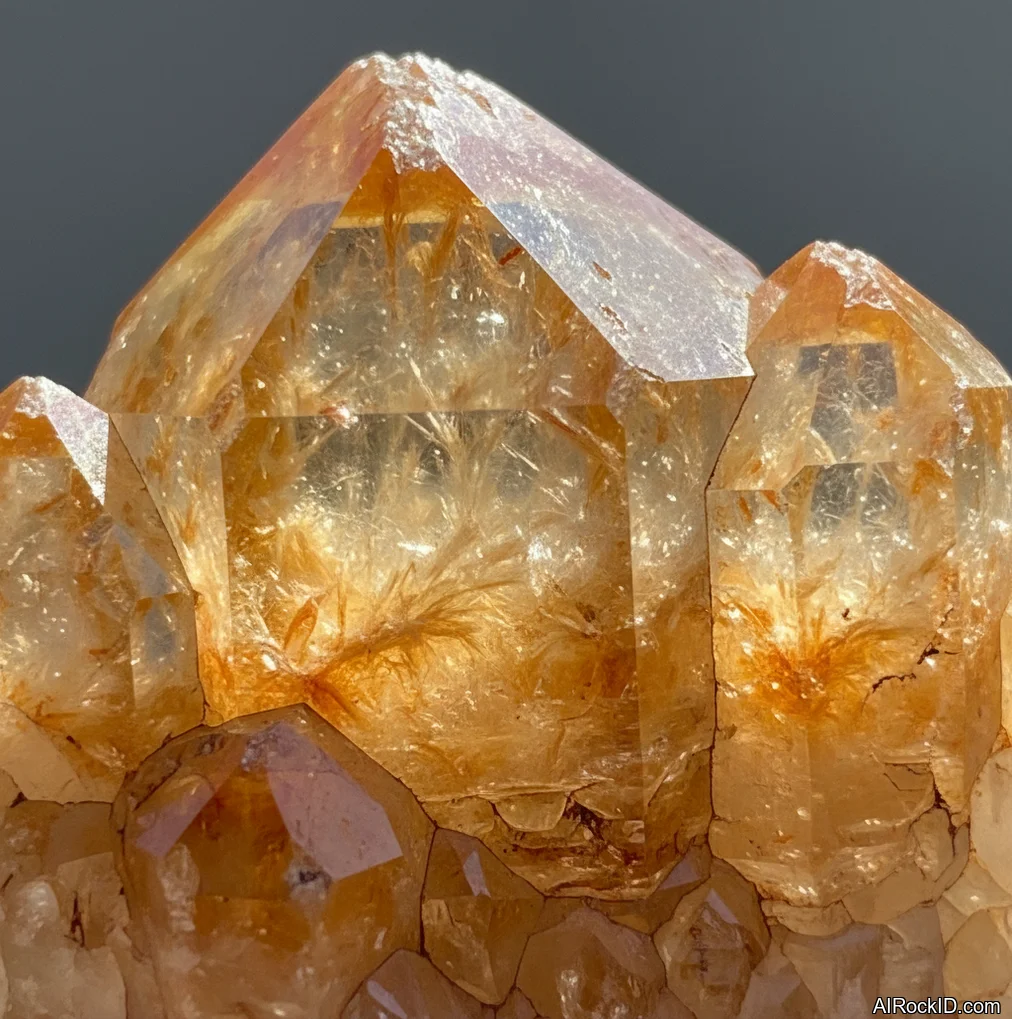
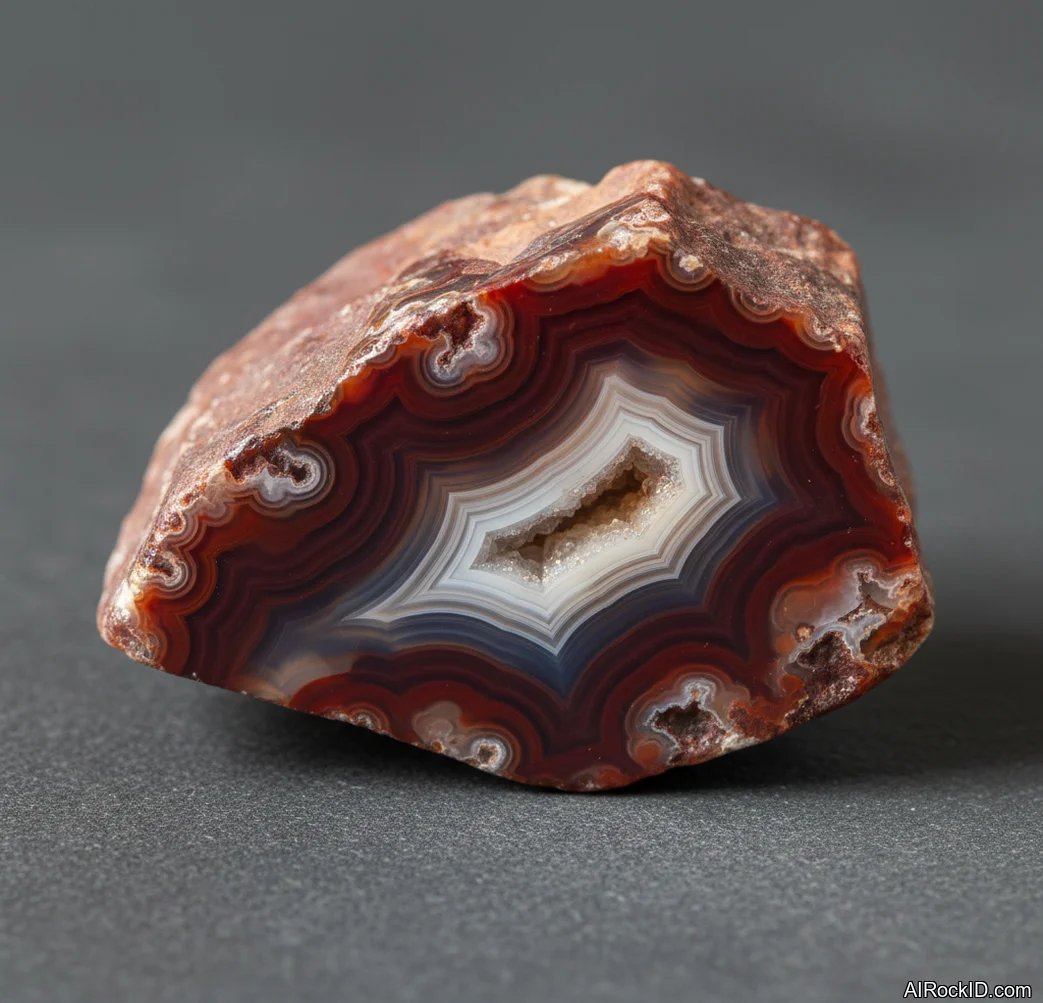
Buying Self-Discovery crystals is where things get messy, because the market is full of pretty stuff that’s mislabeled. The classic problem is “citrine”. Most of it is heat-treated amethyst. You’ll see an orange-brown color that pools at the base, plus a chalky white patch where the crystal was attached. Natural citrine is usually paler and more smoky, and clean natural points cost more. Another common issue is dyed agate sold as something “rare”. If the color looks like highlighter ink and it’s concentrated in cracks, you’re looking at dye.
Look, choose stones that match how you’ll actually use them. If you want a pocket stone for daily check-ins, tumbled labradorite and tumbled moonstone are practical, but expect bruises and edge chips because feldspar cleaves. If you want a desk piece, go for a fluorite cube or octahedron, but keep it away from sunny windows because some fluorite fades over time. If you’re buying raw, inspect the contact points and the edges. Fresh breaks look sugary or glassy depending on the mineral, while old damage looks dull and rounded.
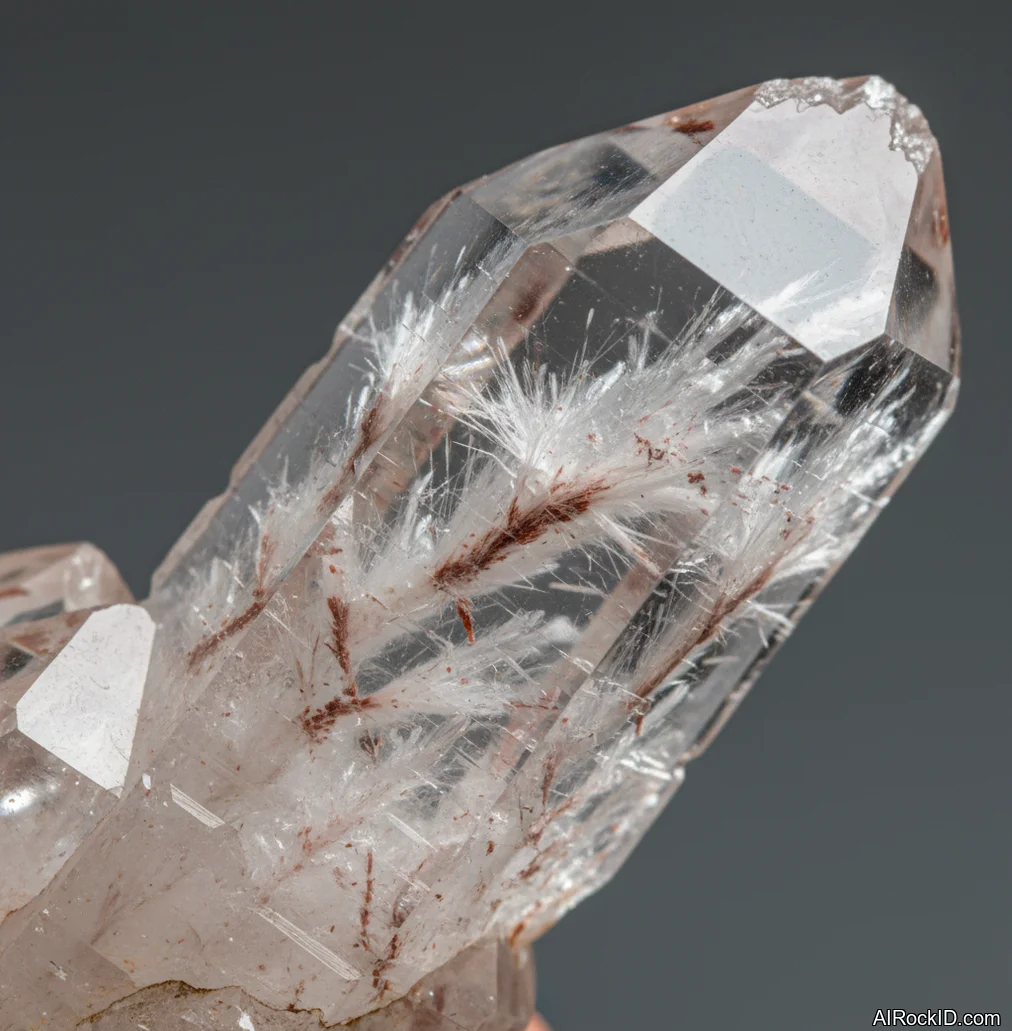
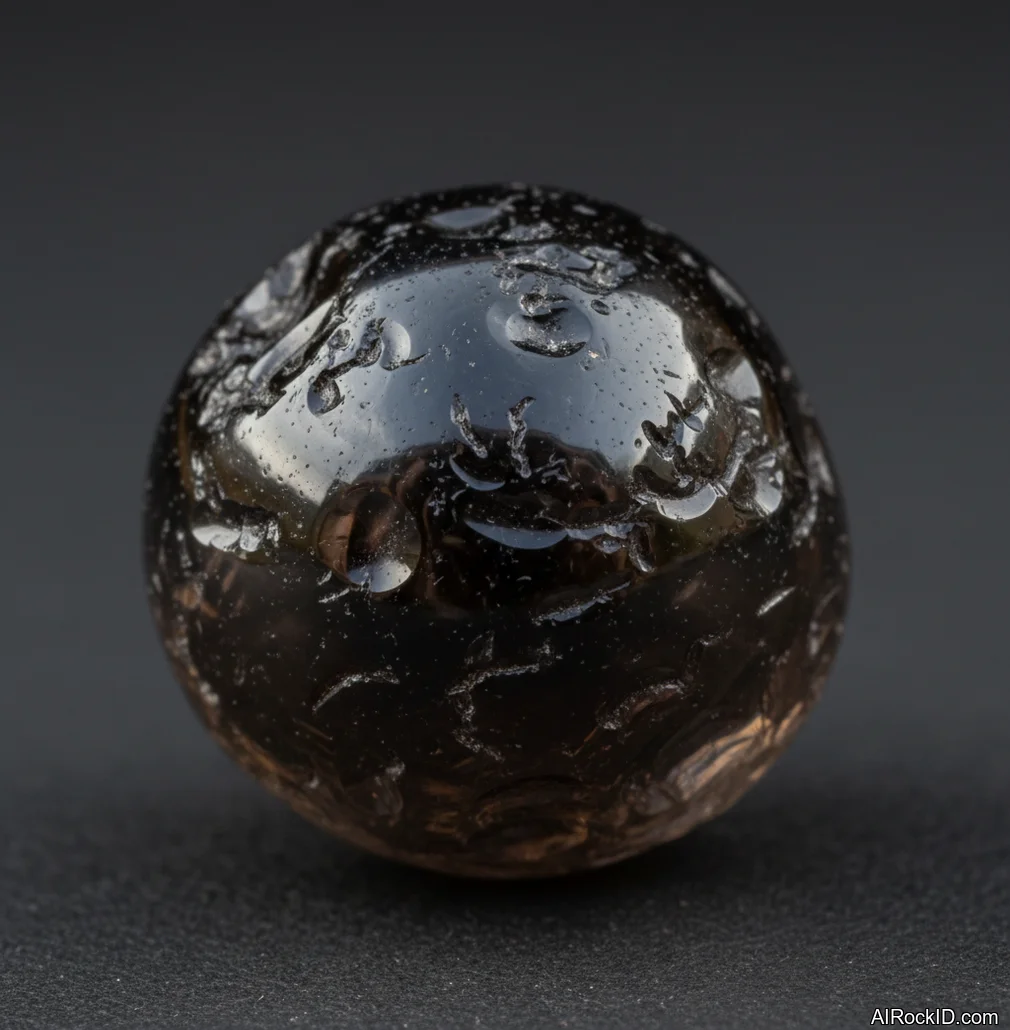
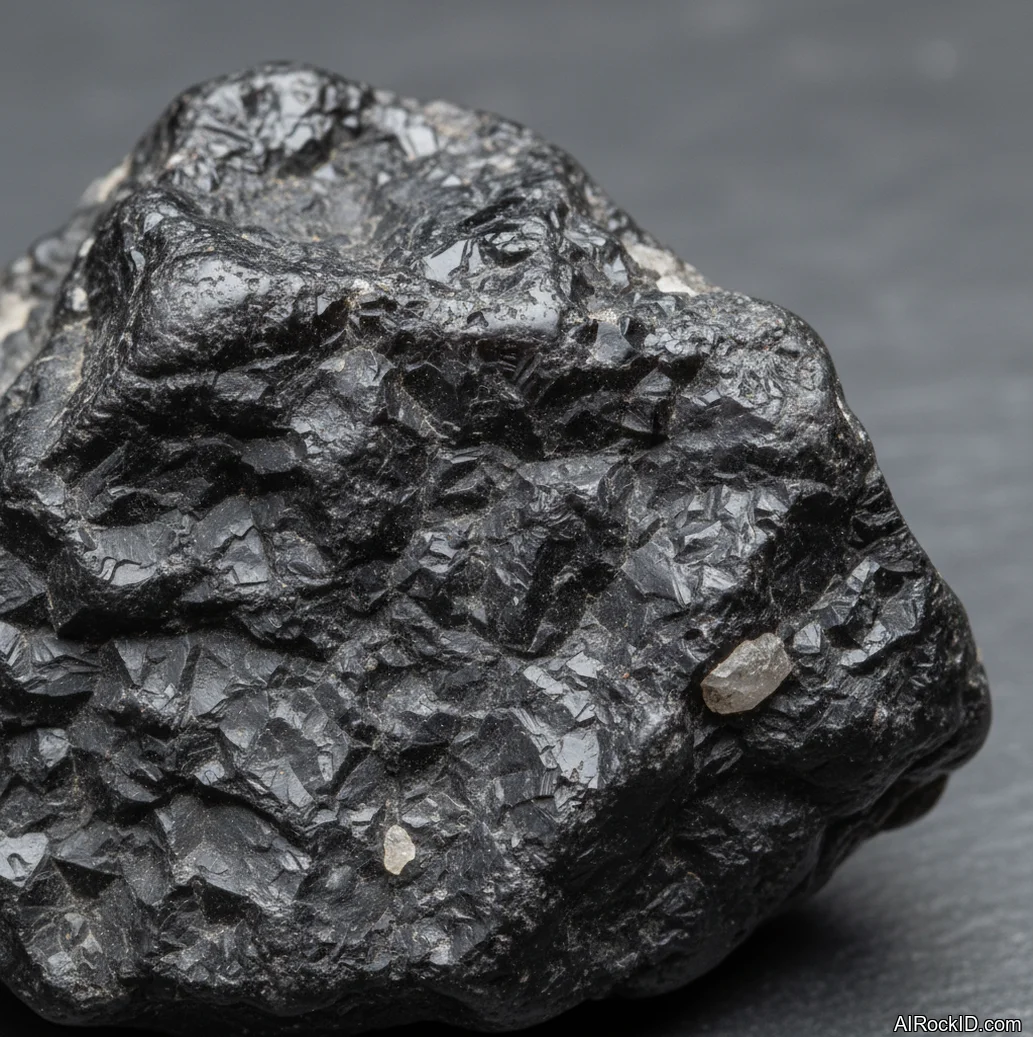
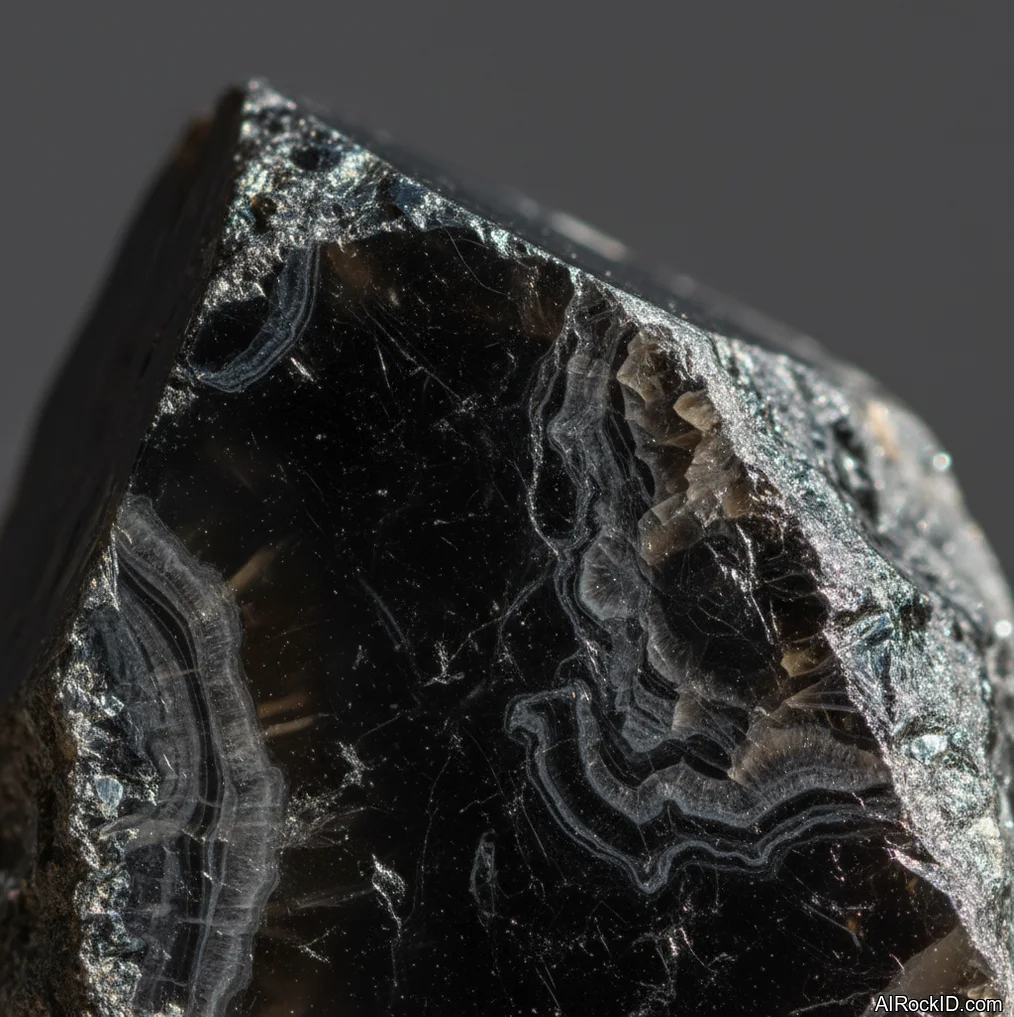
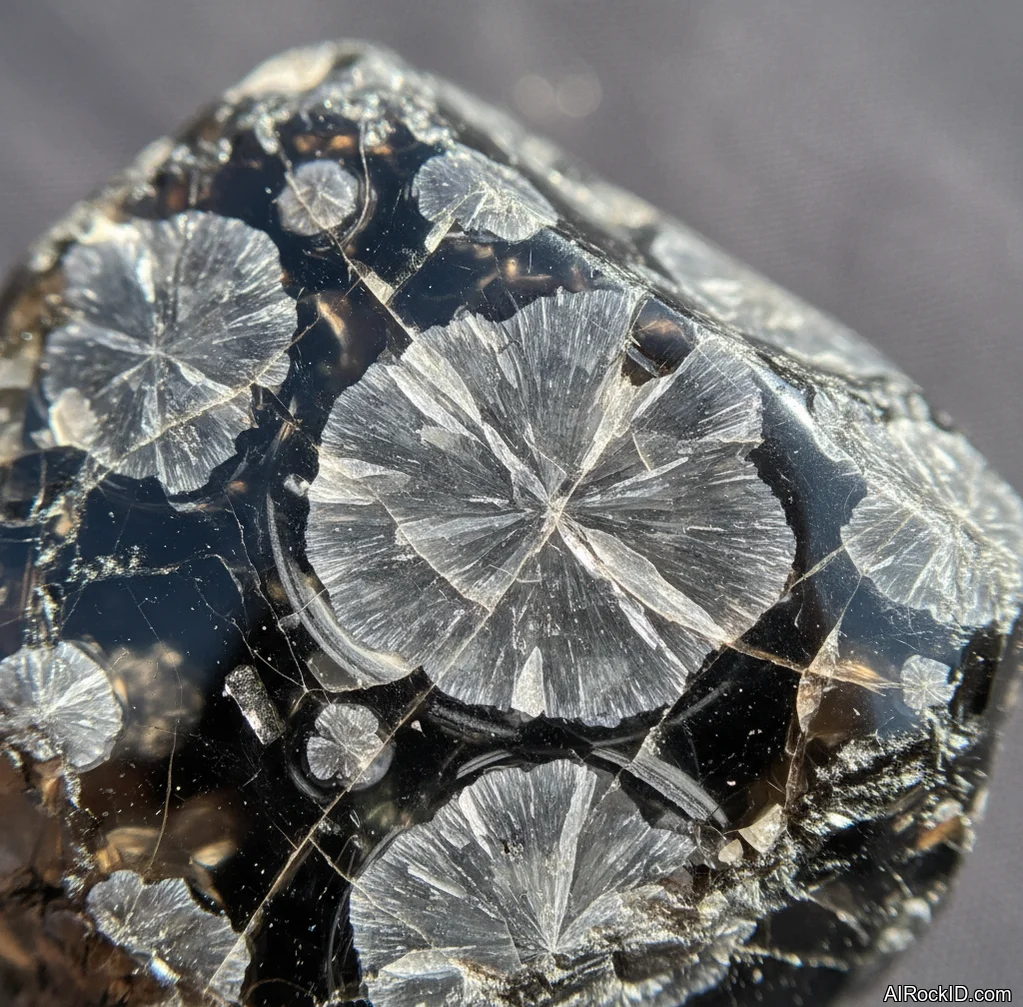
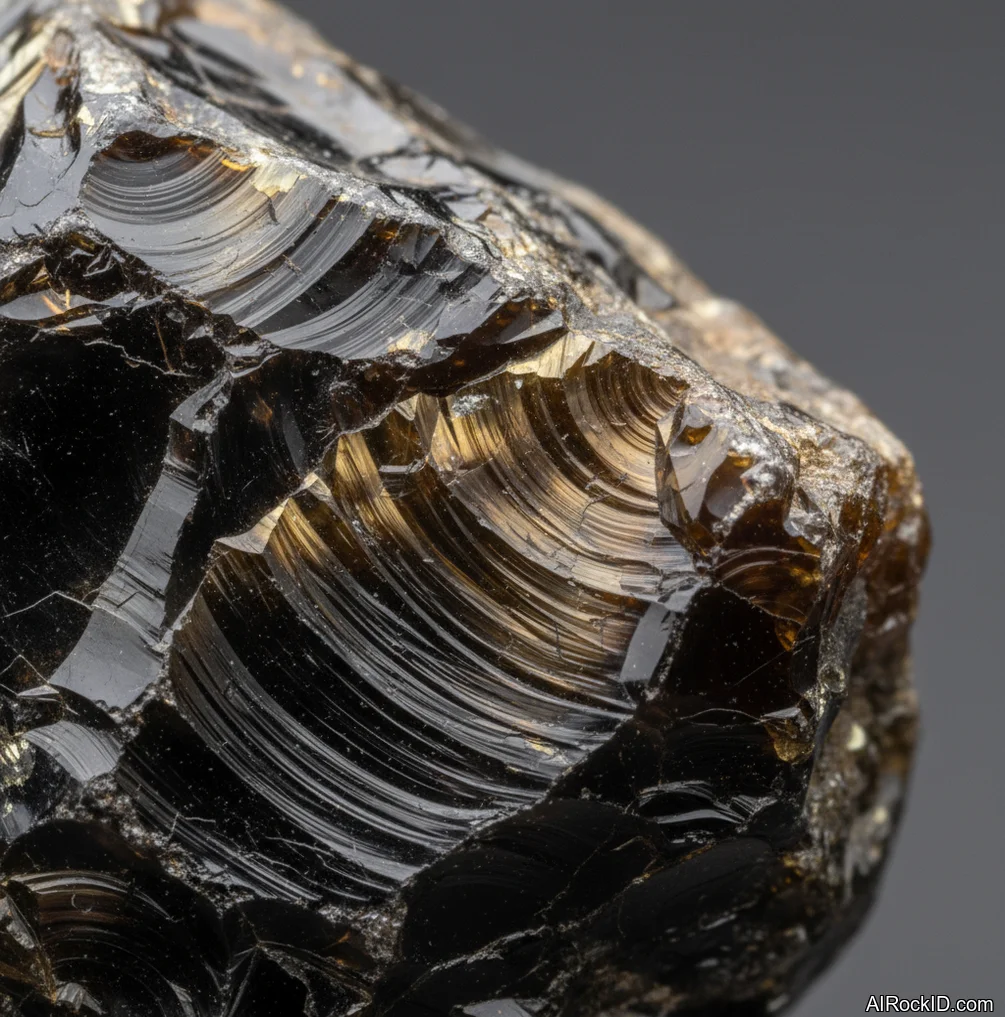
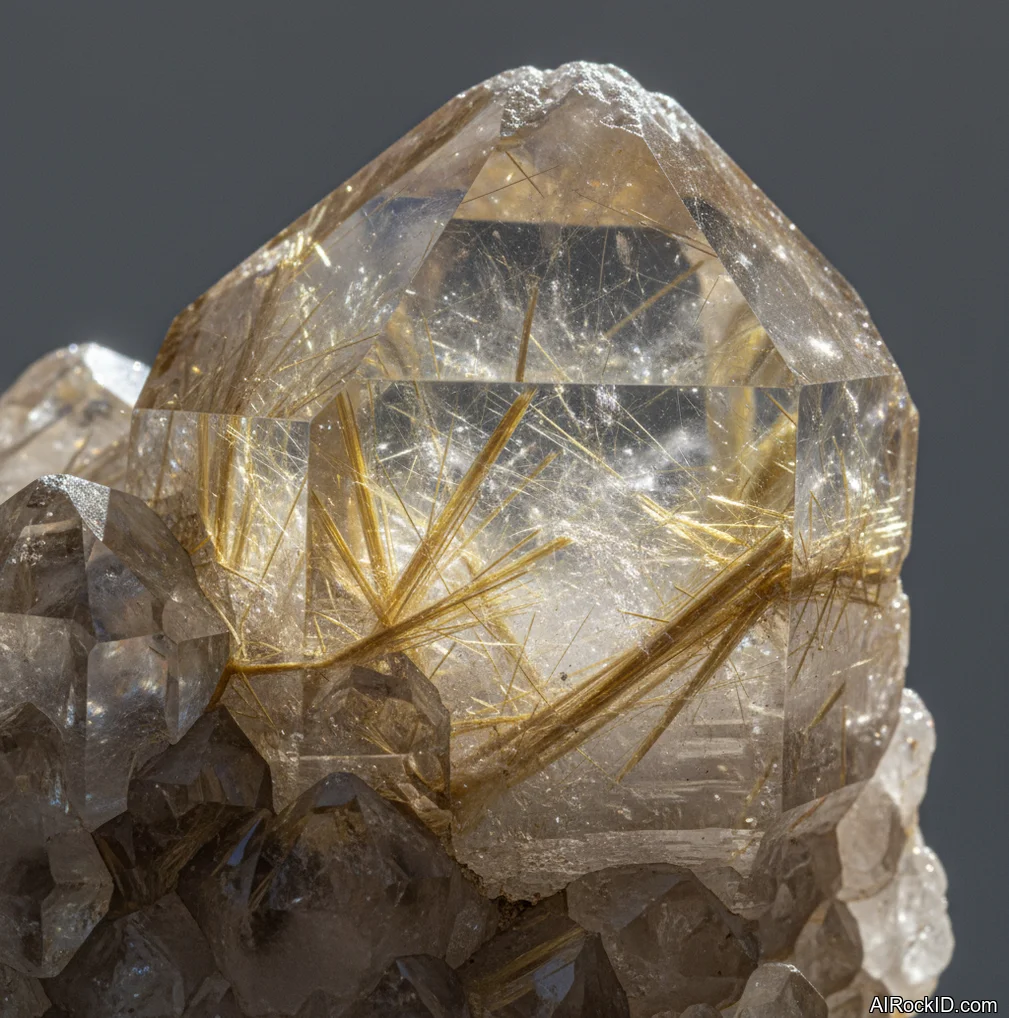
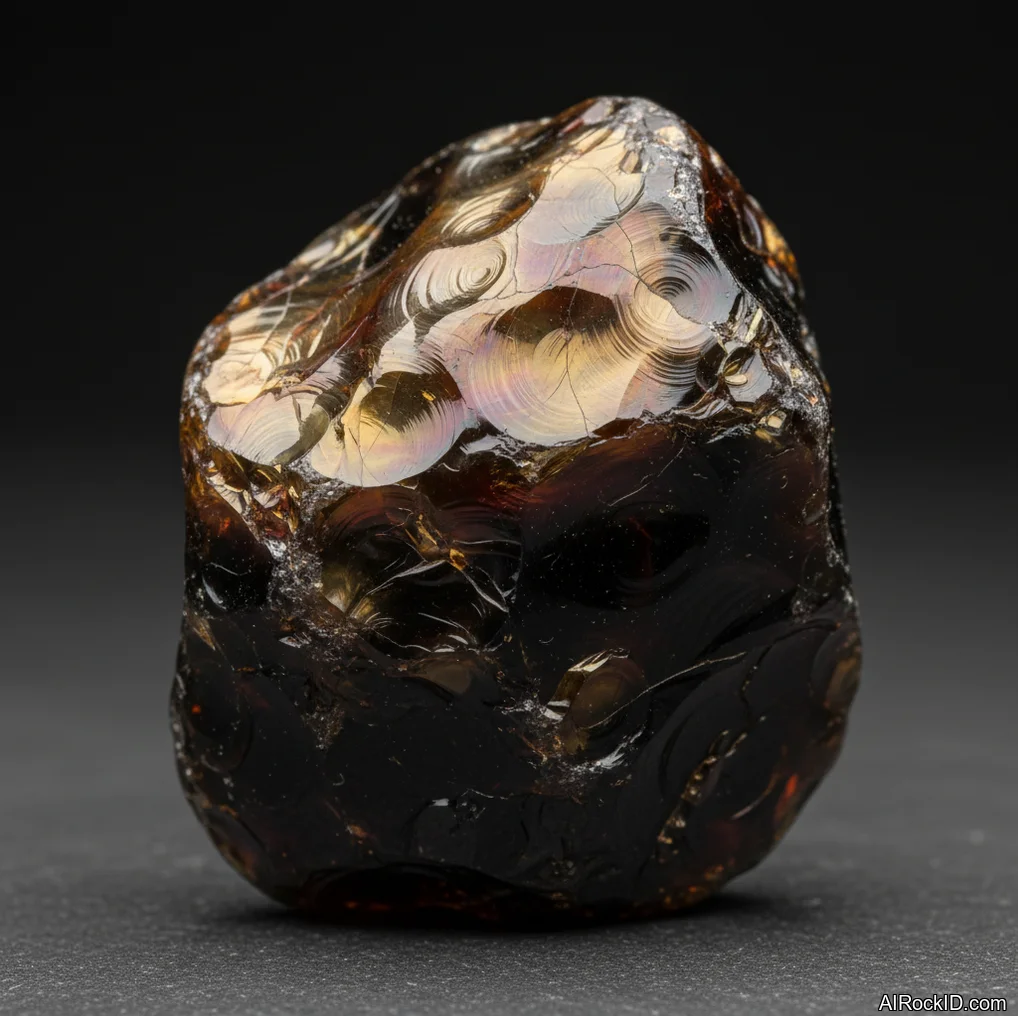
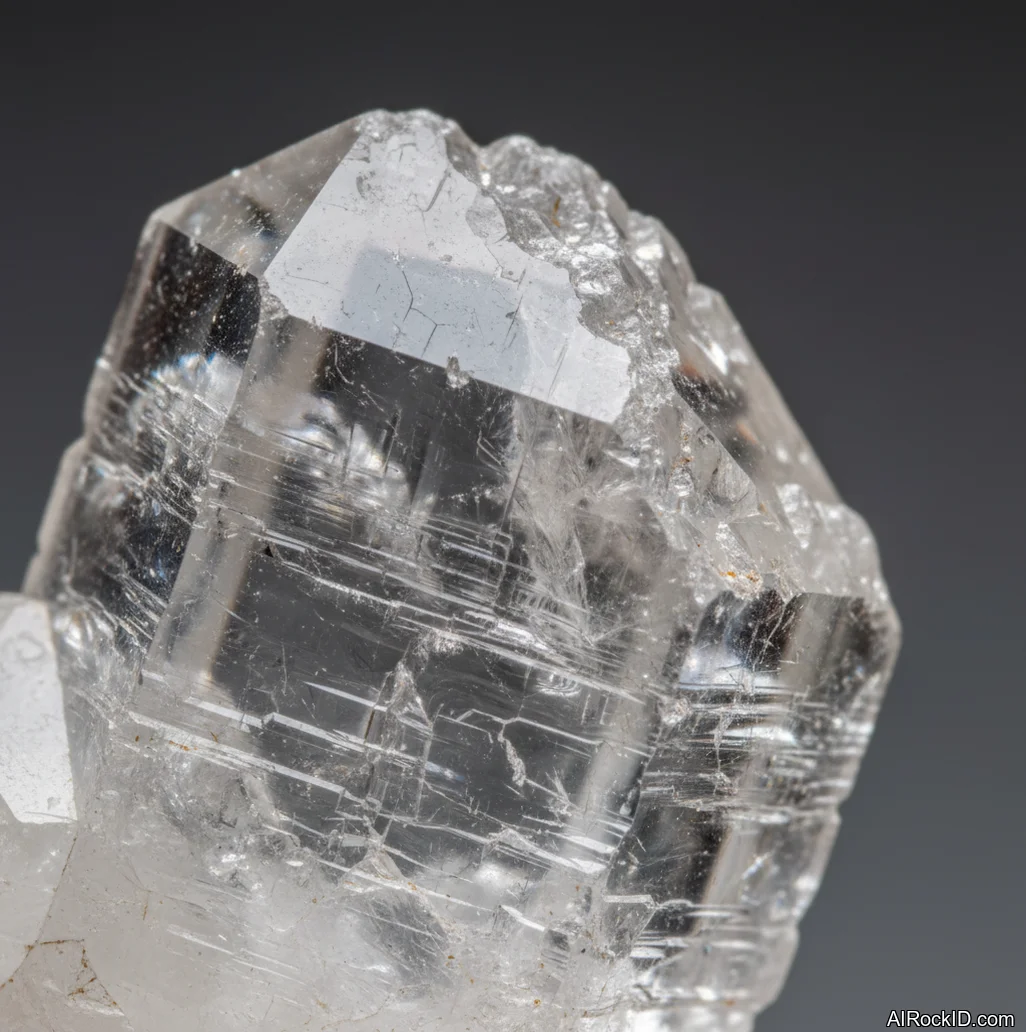
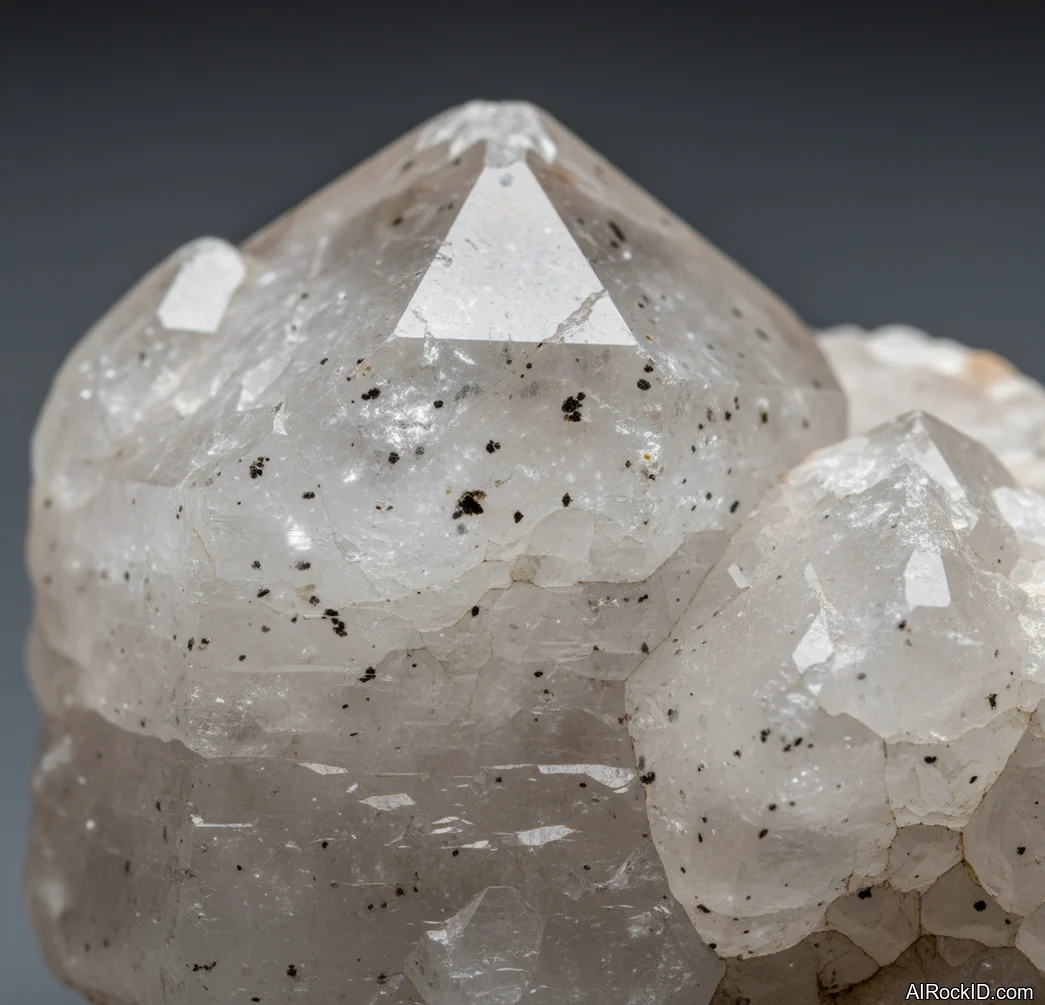
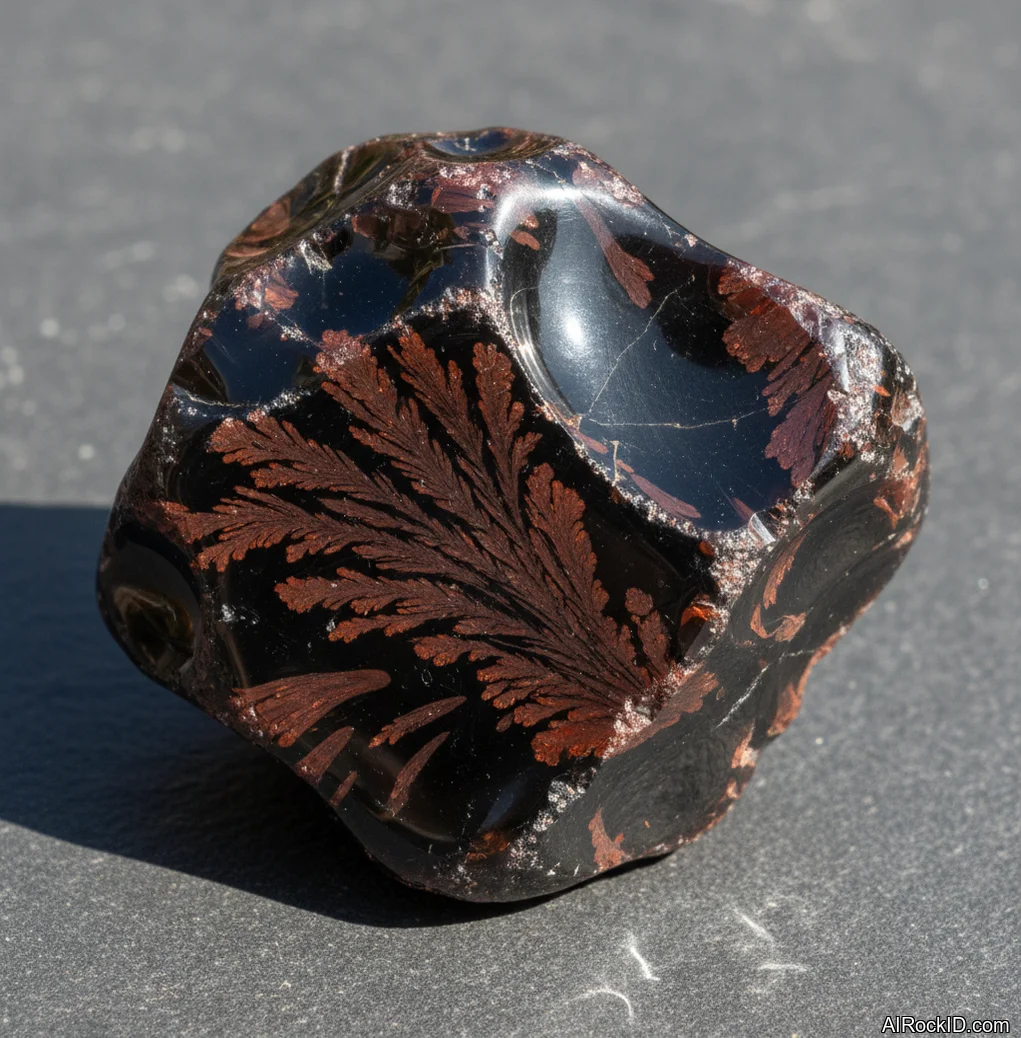
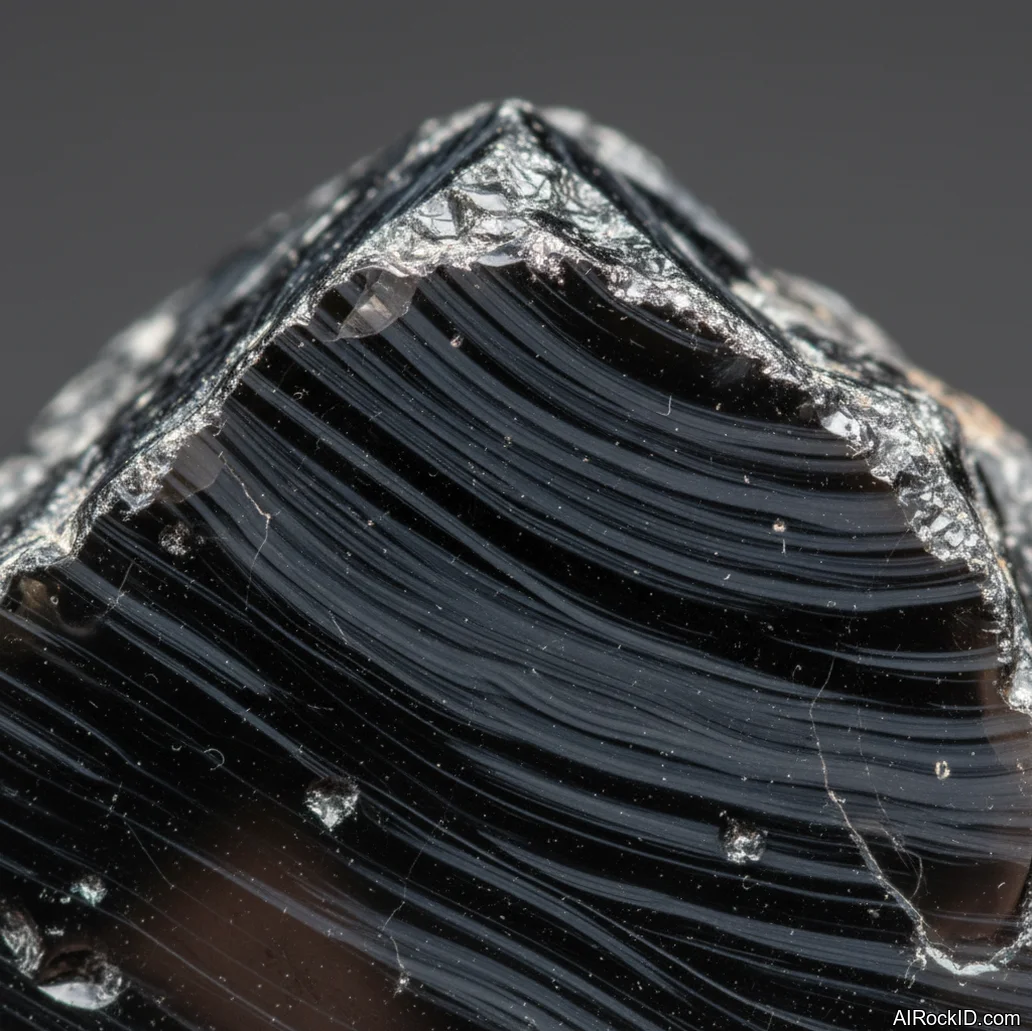
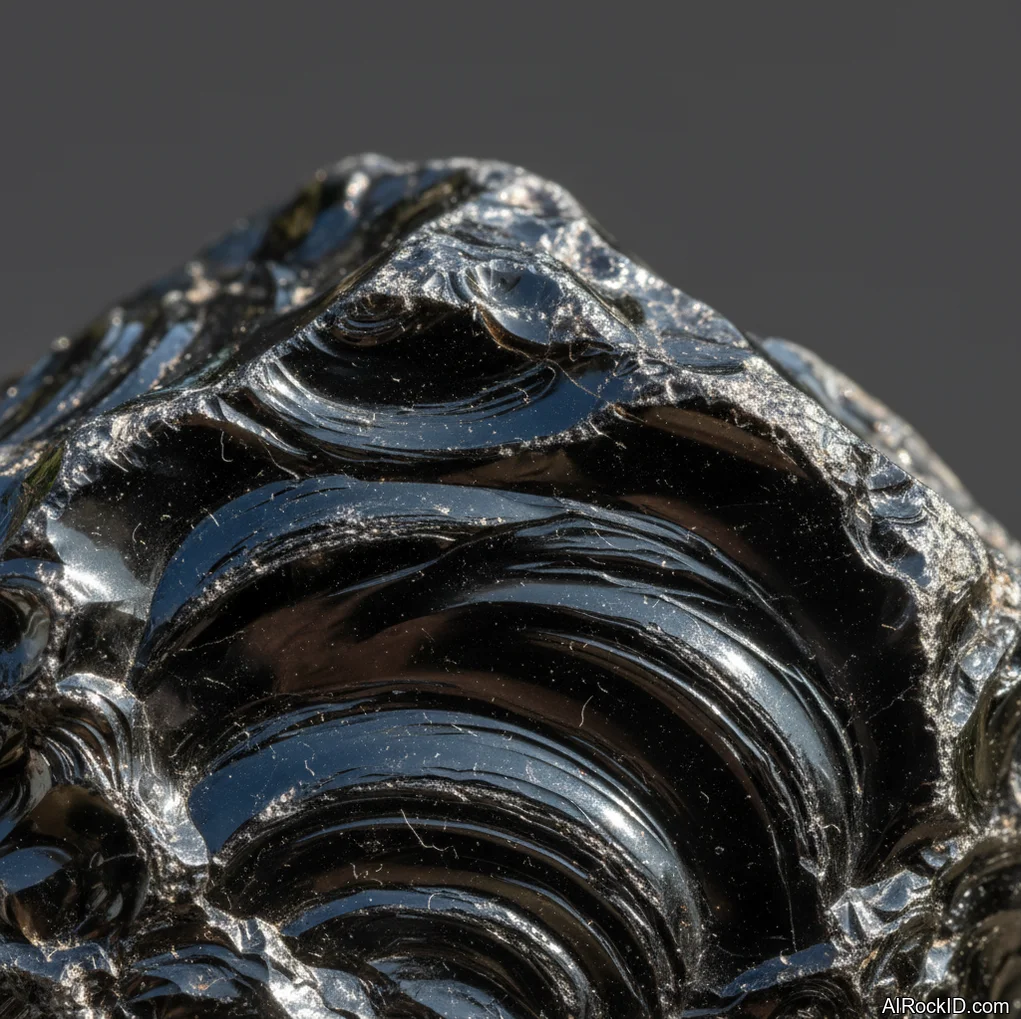
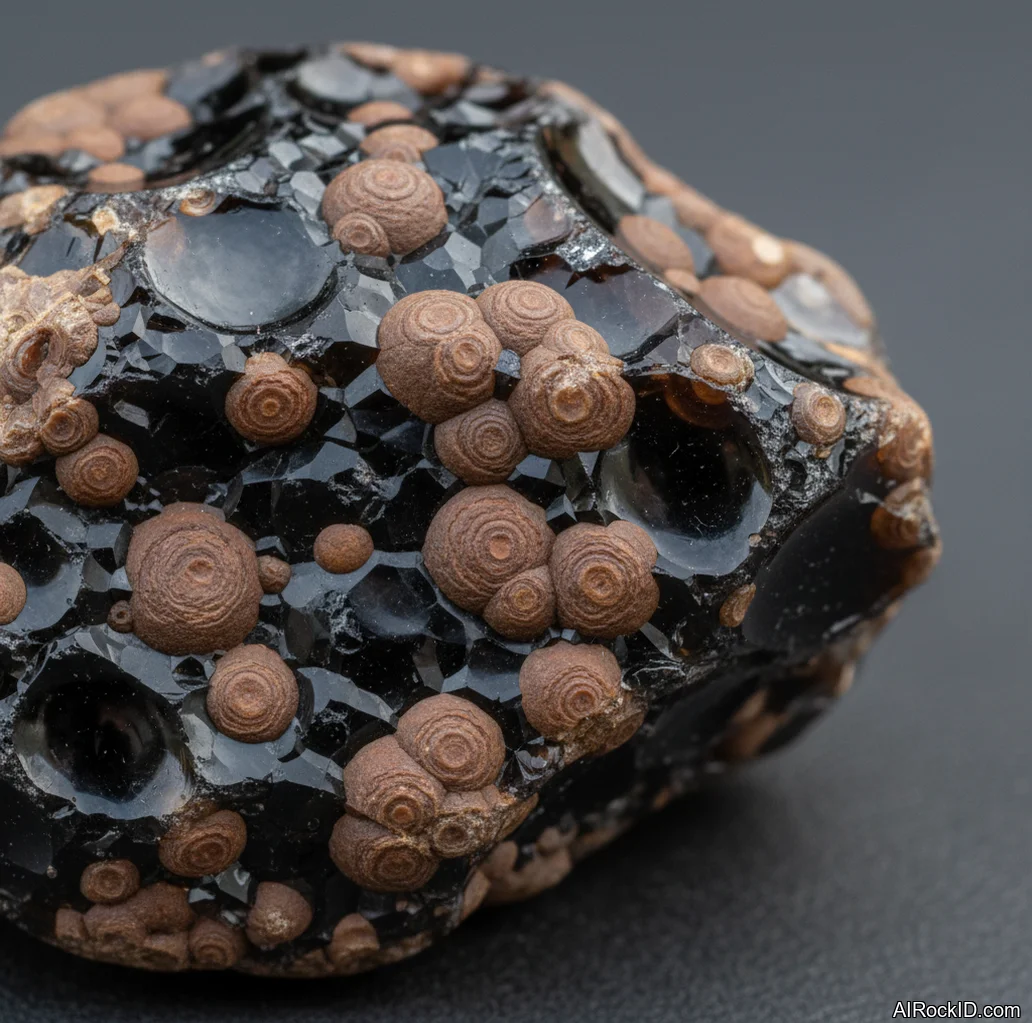
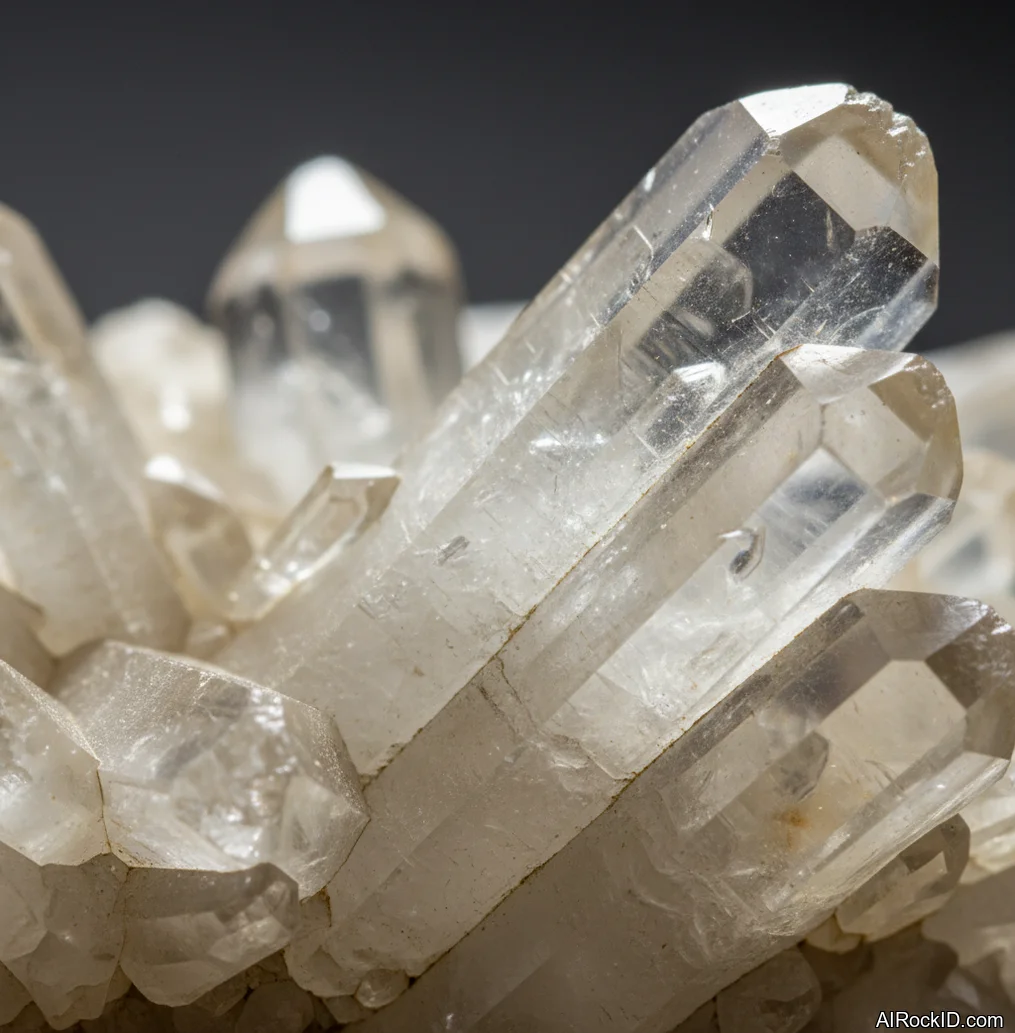
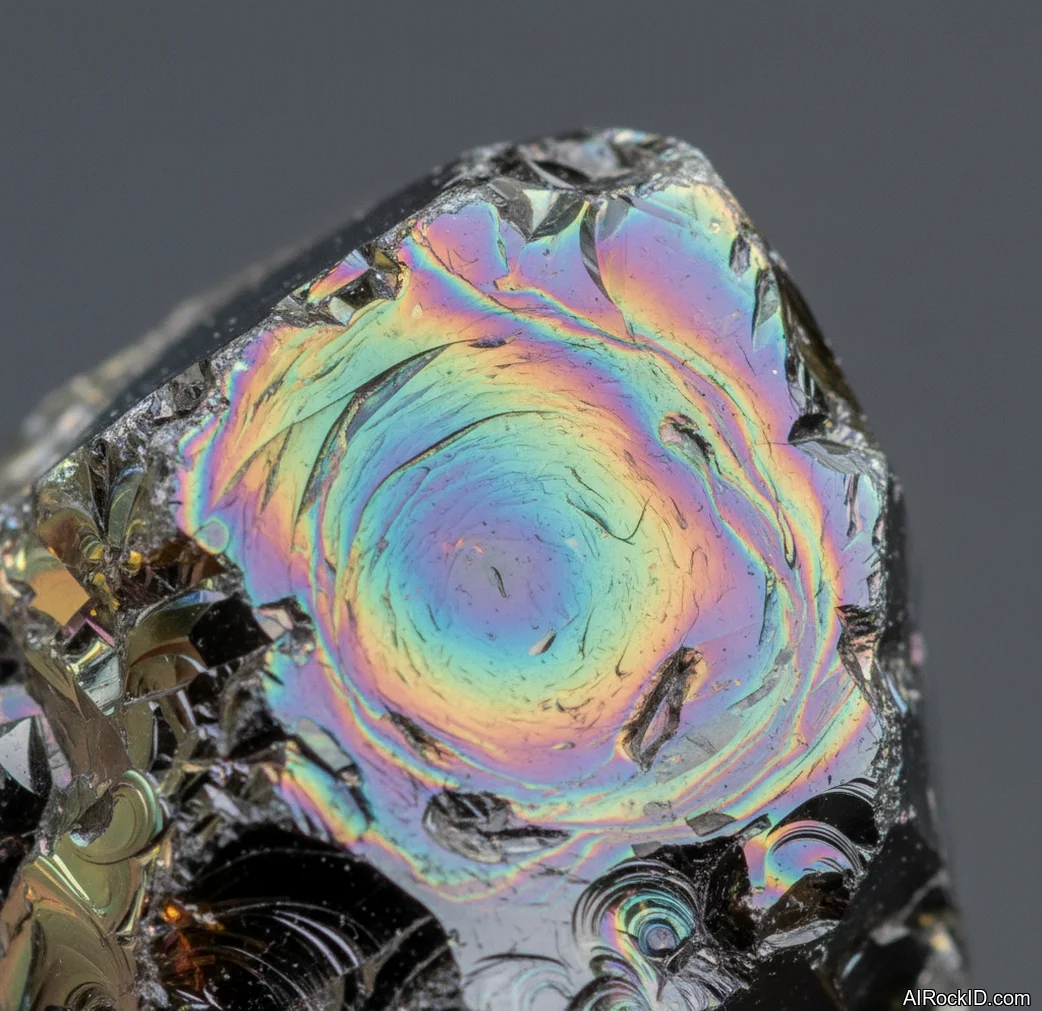
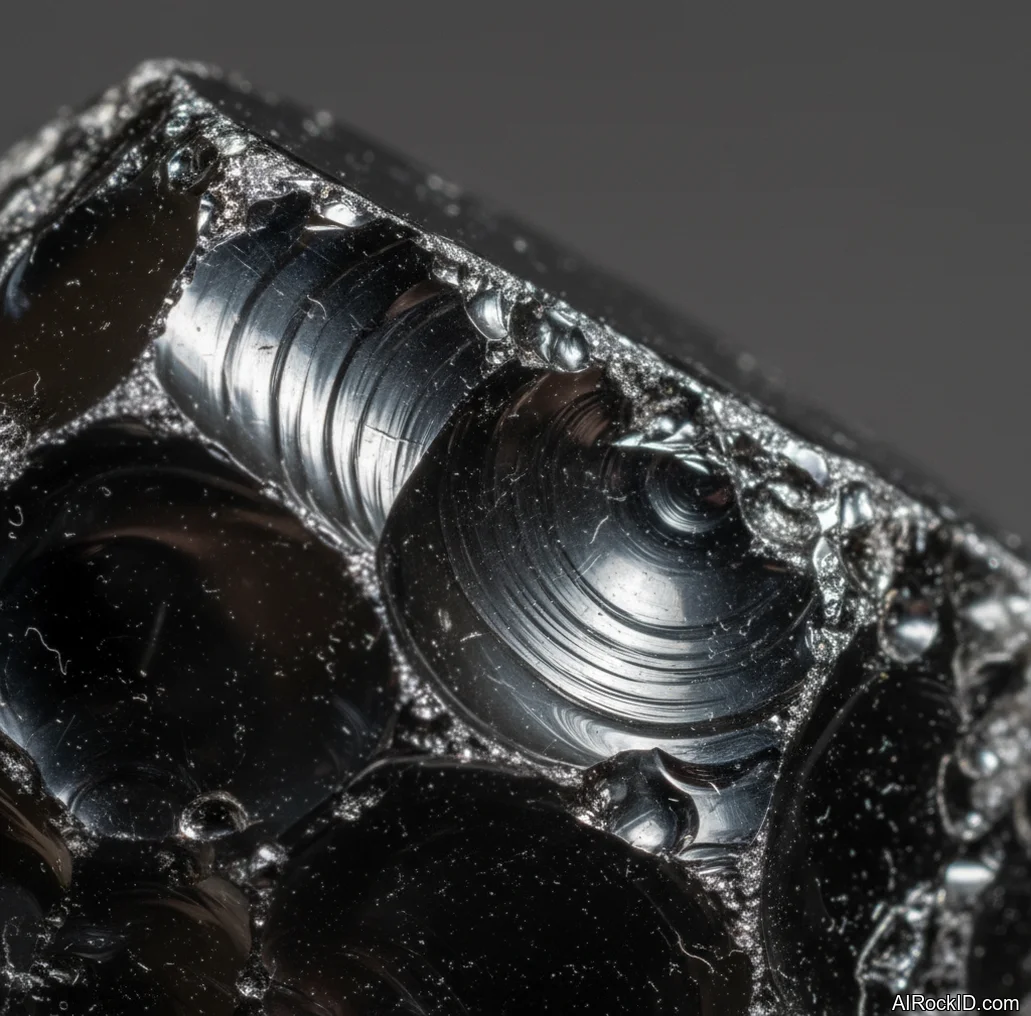
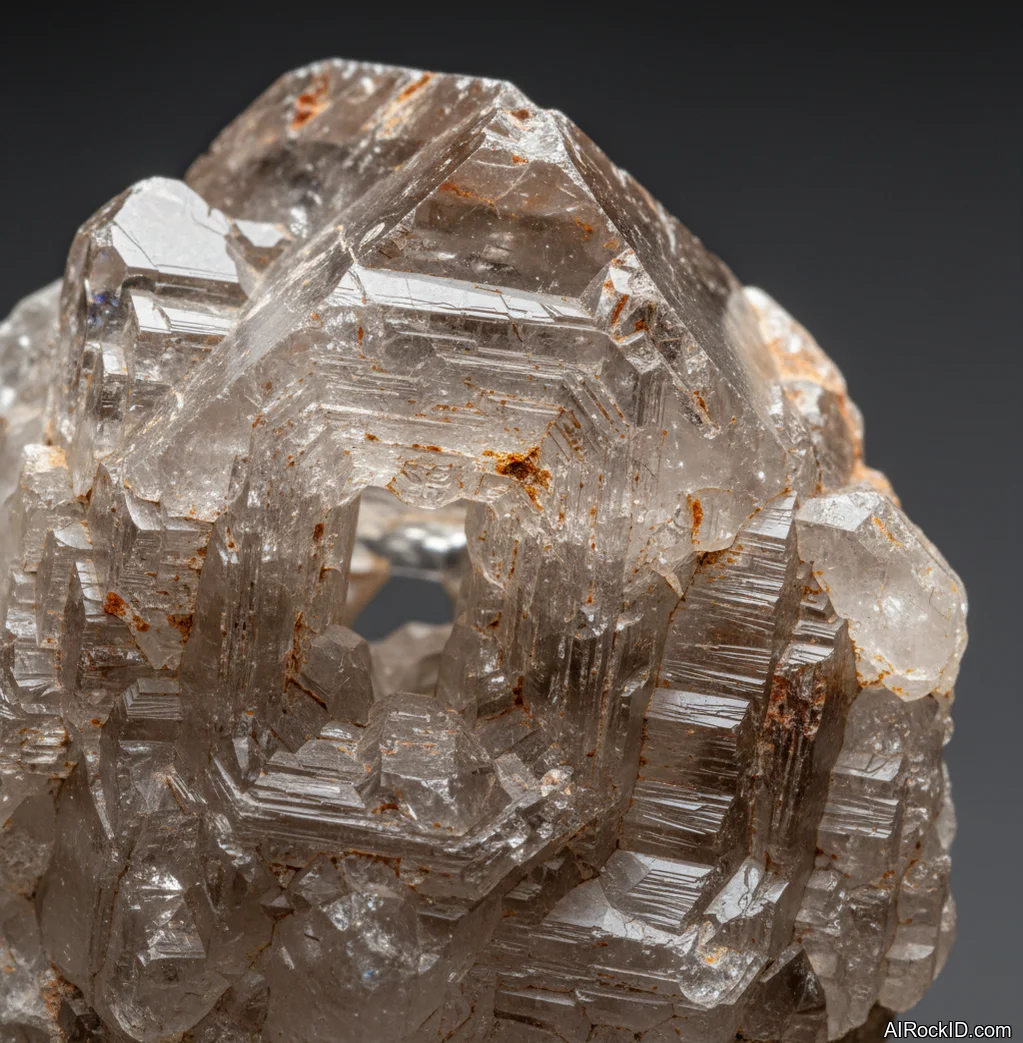
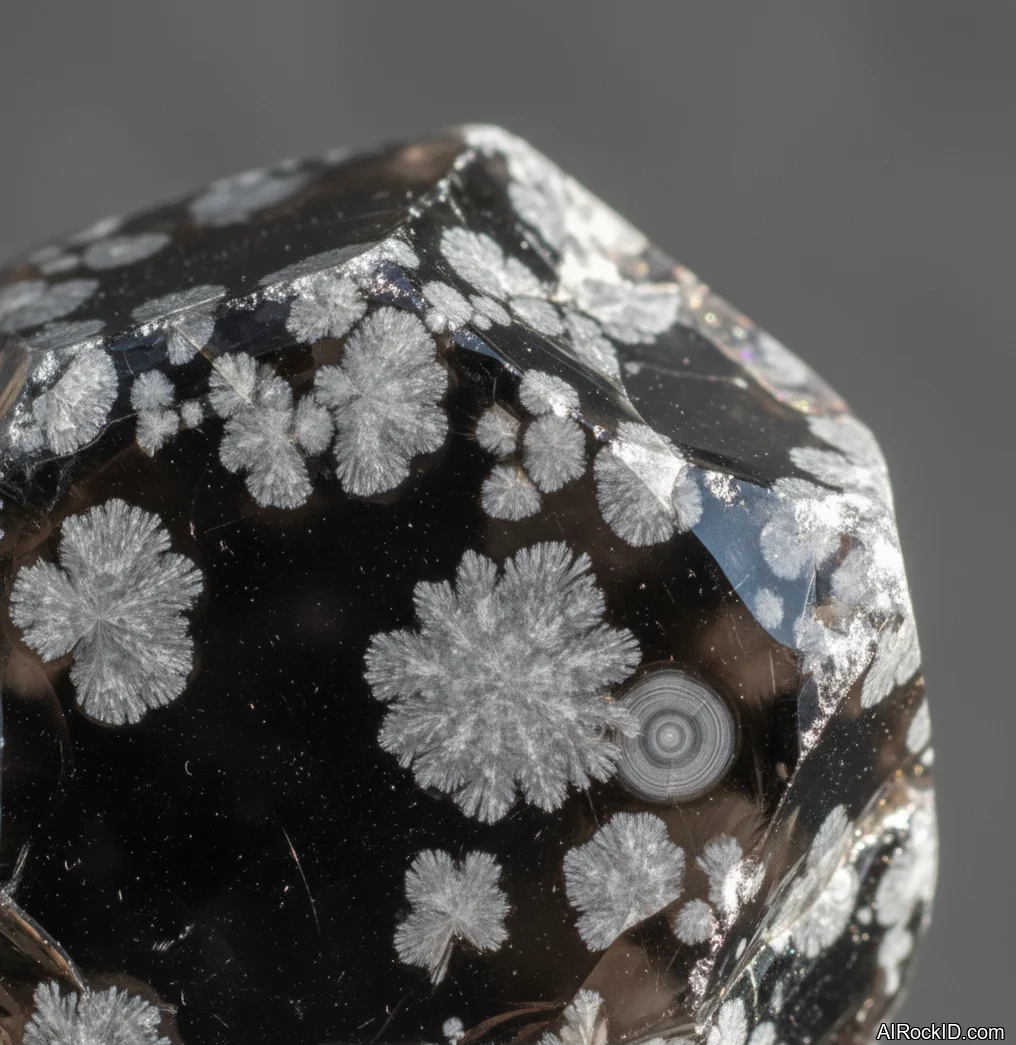
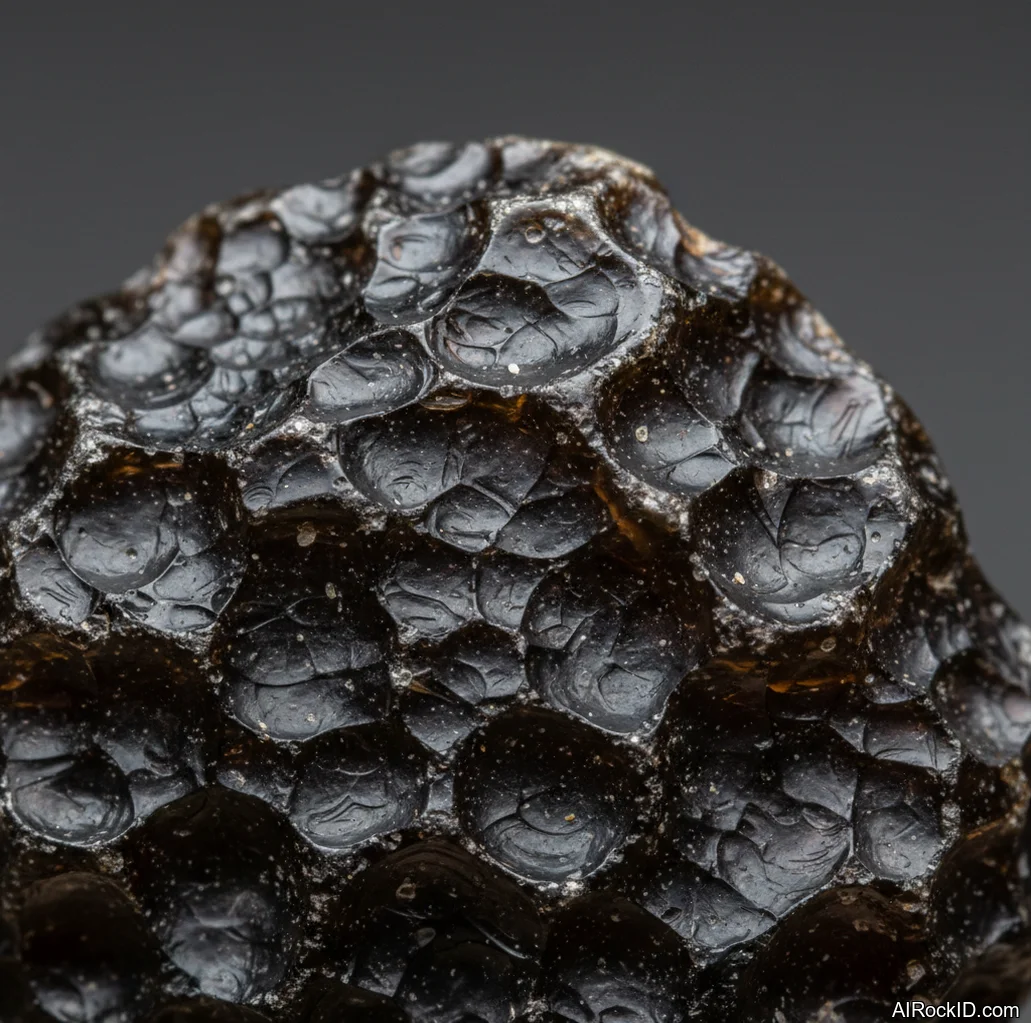
Compared to a lot of “feel good” categories, Self-Discovery stones can bring up friction. That’s the deal. Obsidian, especially black obsidian, is a common pick when someone wants the blunt mirror effect, but it scratches easier than people think and fingerprints show instantly on polished surfaces. You’ll be cleaning it a lot if you like it glossy. Smoky quartz is a steadier option for grounding the process. Real smoky quartz has a depth to the color that doesn’t look painted on, and the best pieces still look clear at the edges when you hold them up to a light.
Practical tip (boring, but it works): pair the stone with a habit that creates evidence. Journaling. Voice notes. A weekly “what did I avoid” list. Keep the crystal where that habit happens. On the notebook. Next to the keyboard. And if you only touch it when you’re already spiraling, you’ll train it as a stress object instead of a clarity cue.
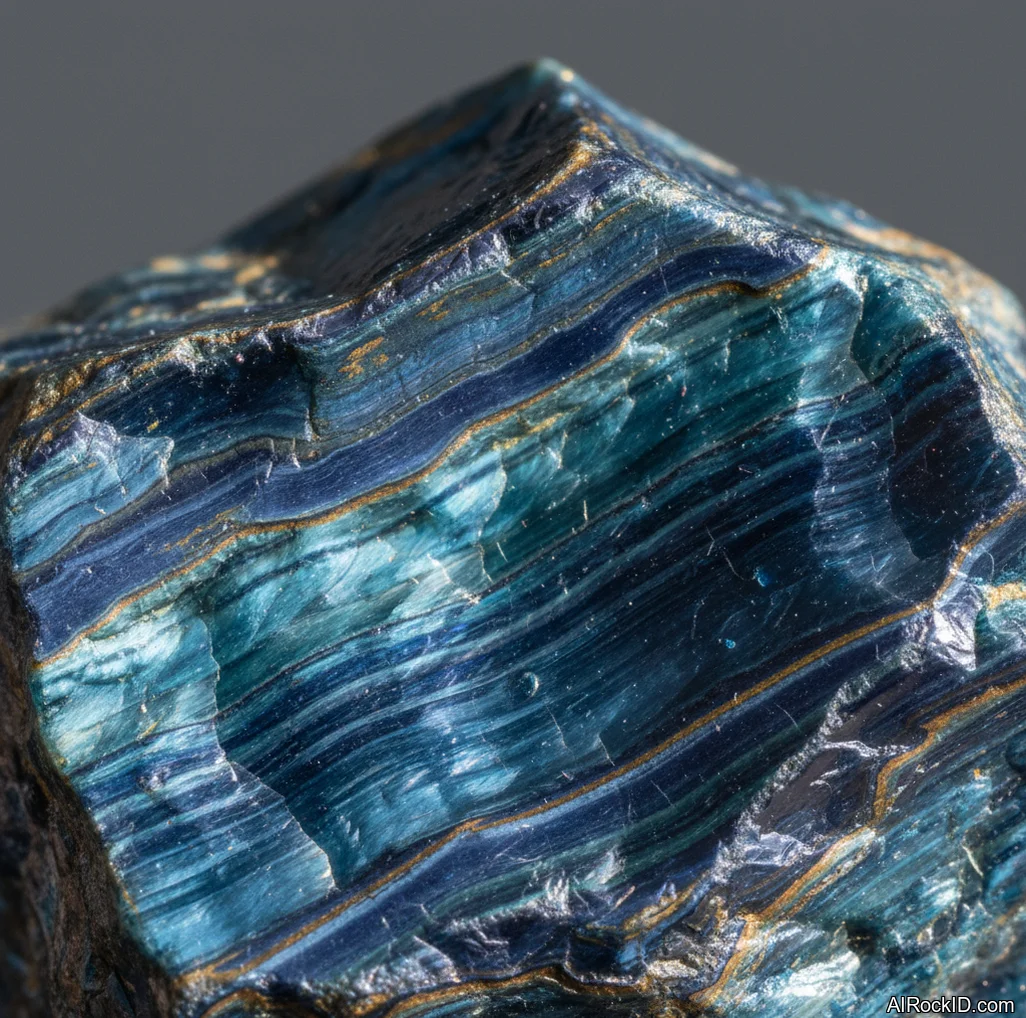
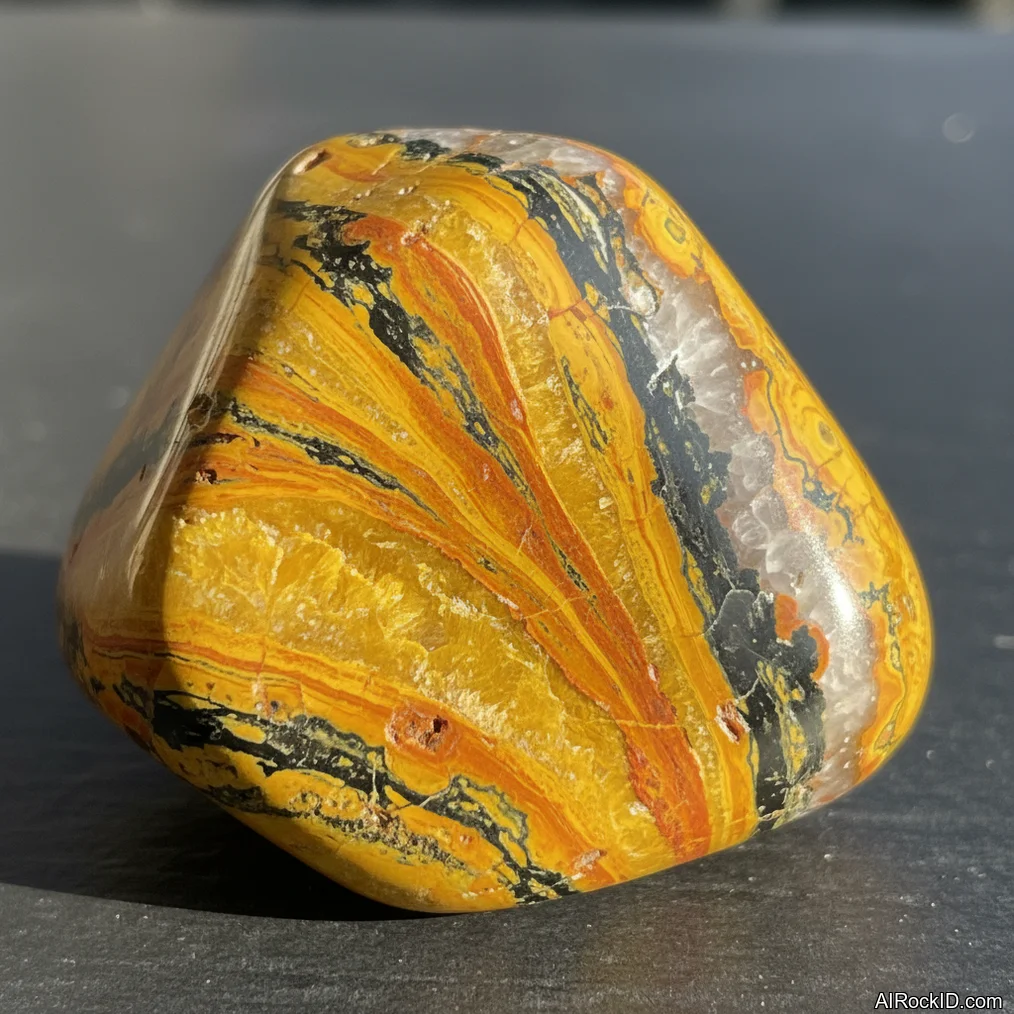
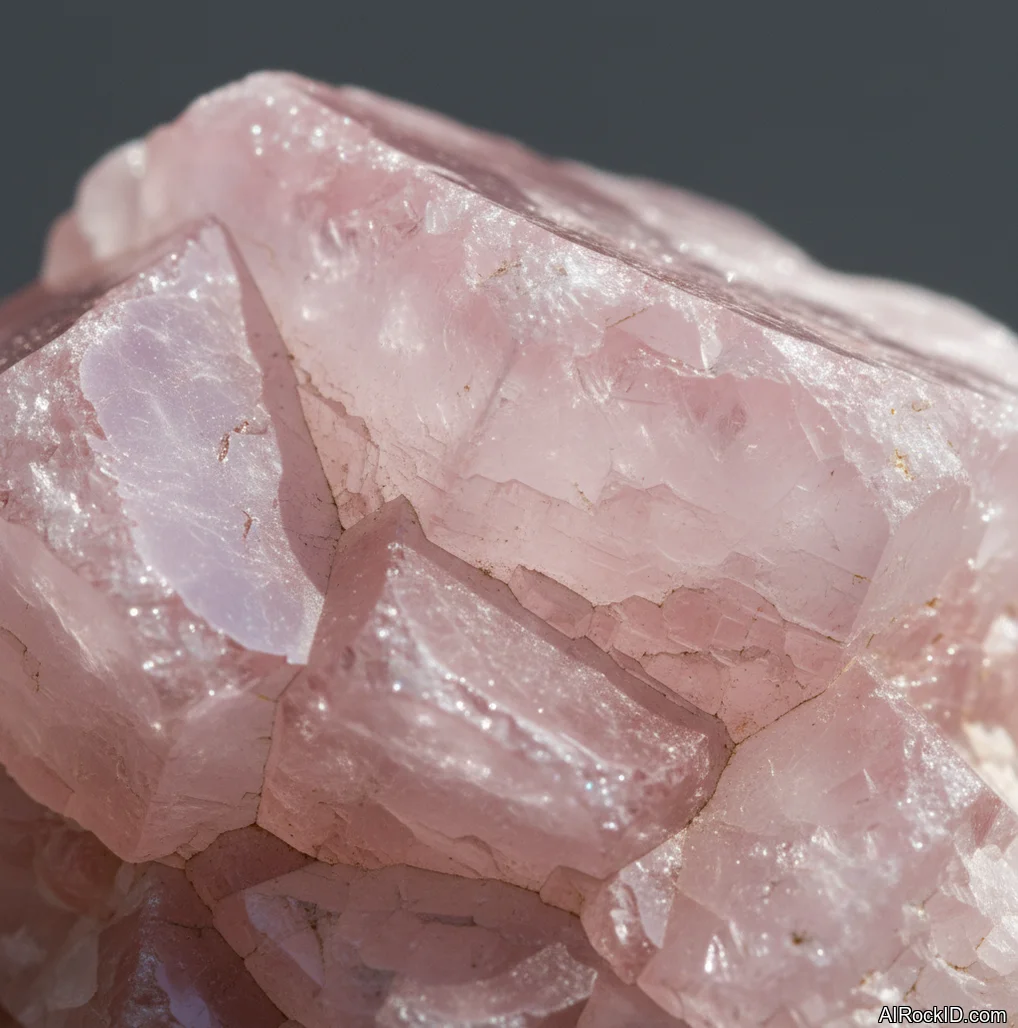
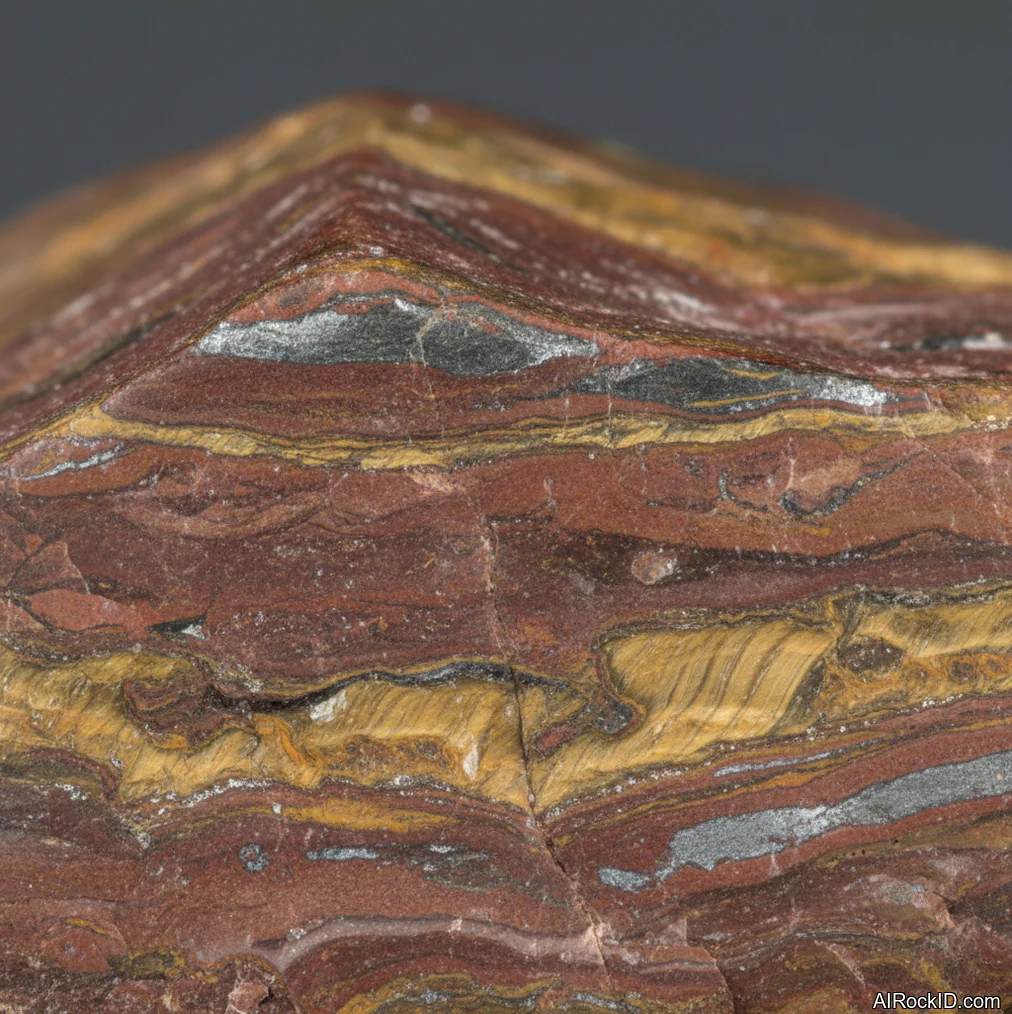
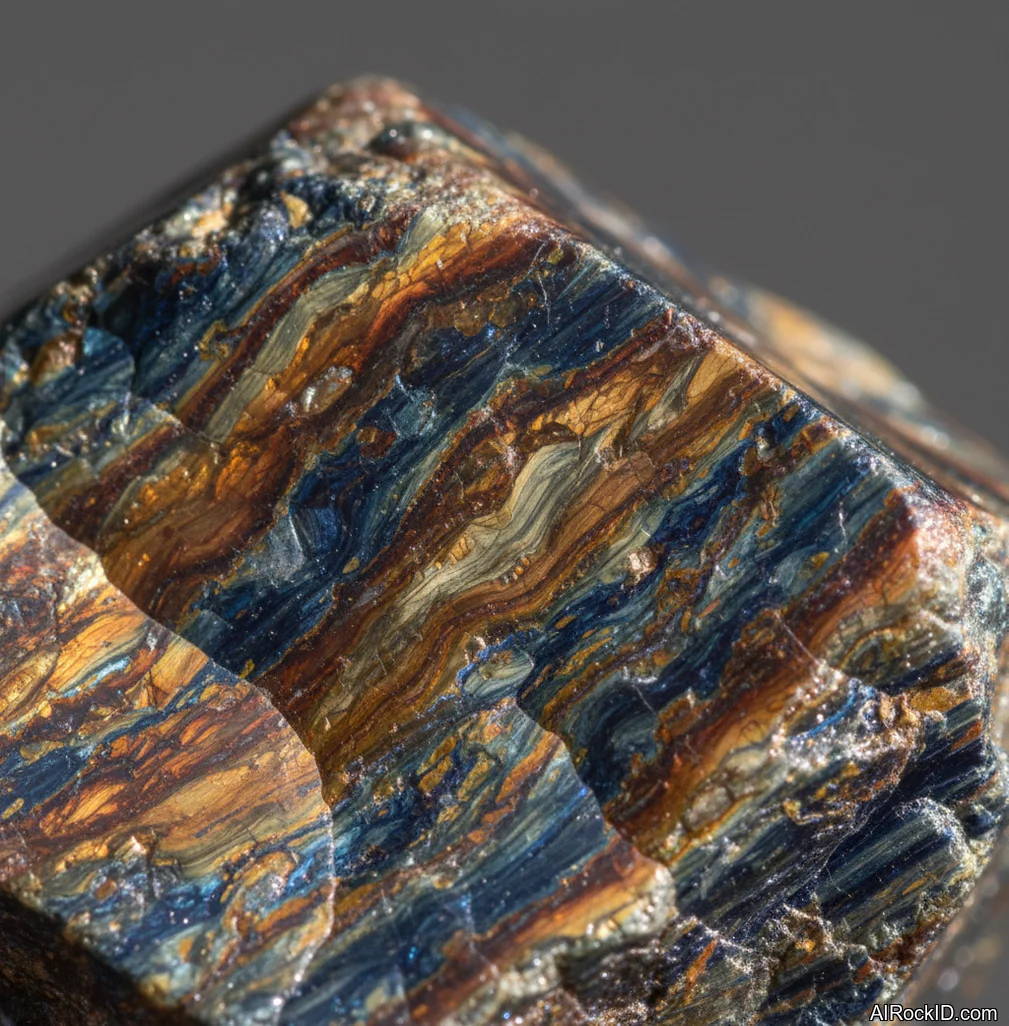
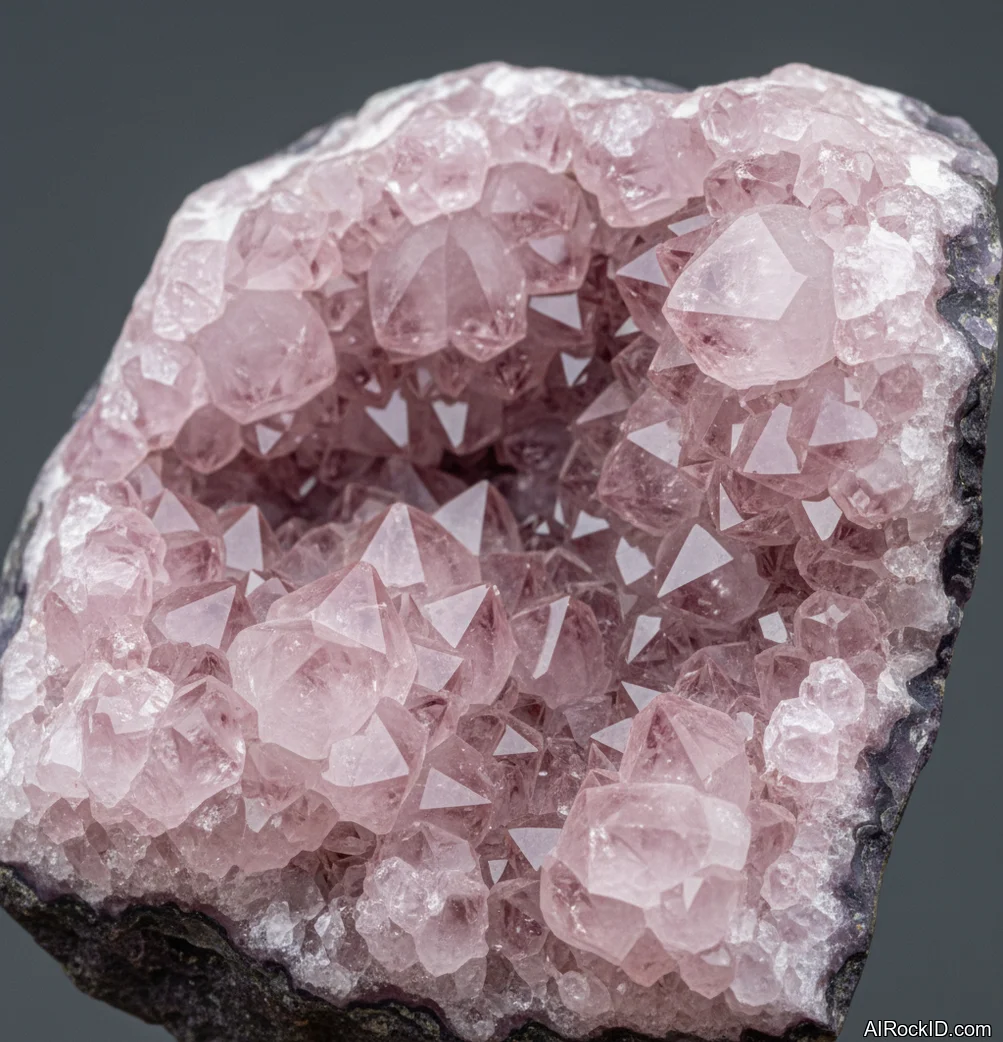
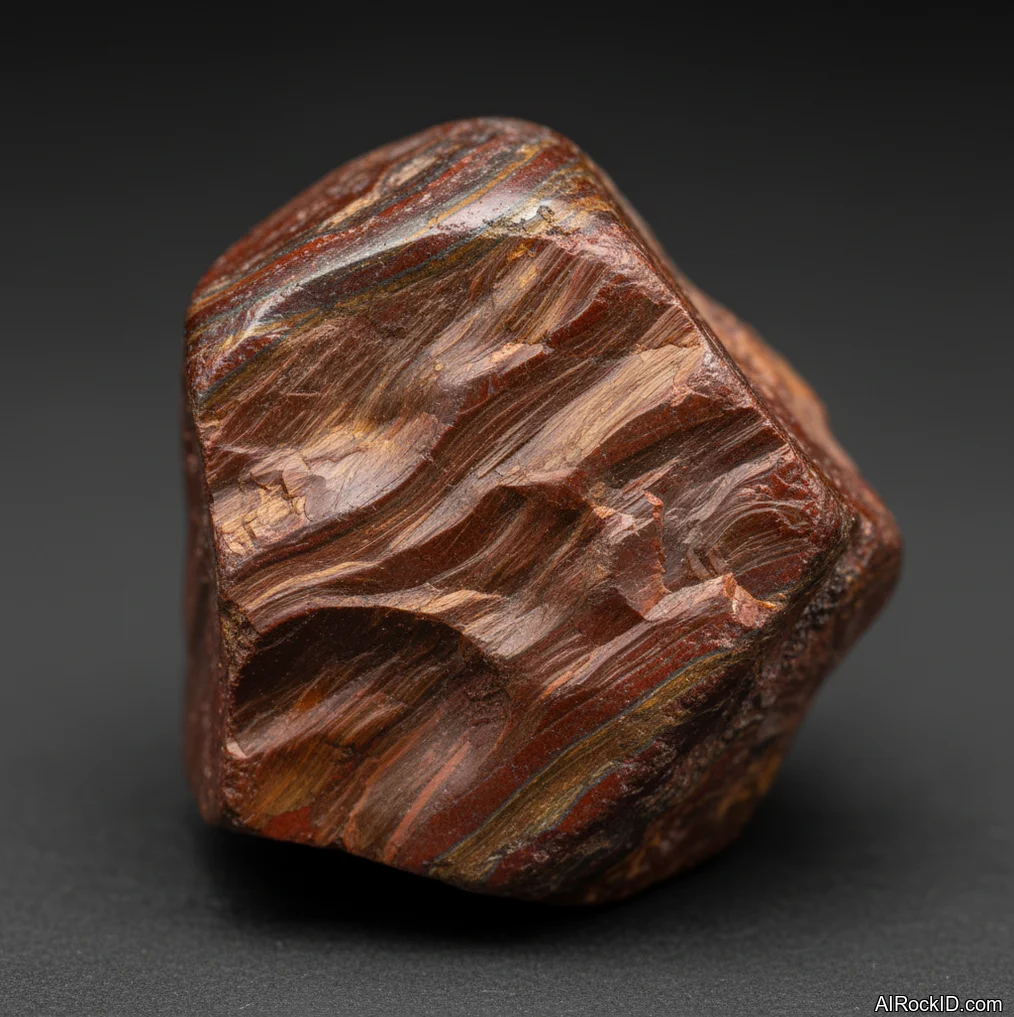
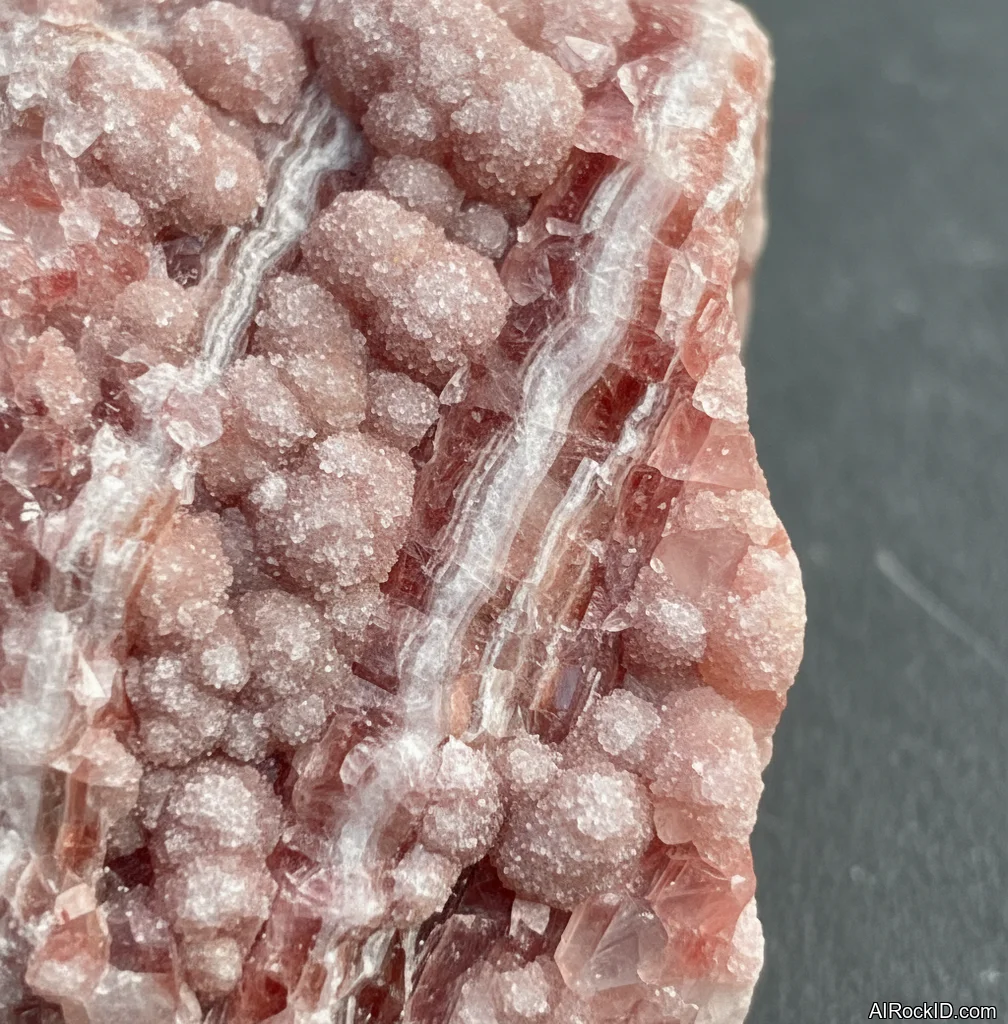
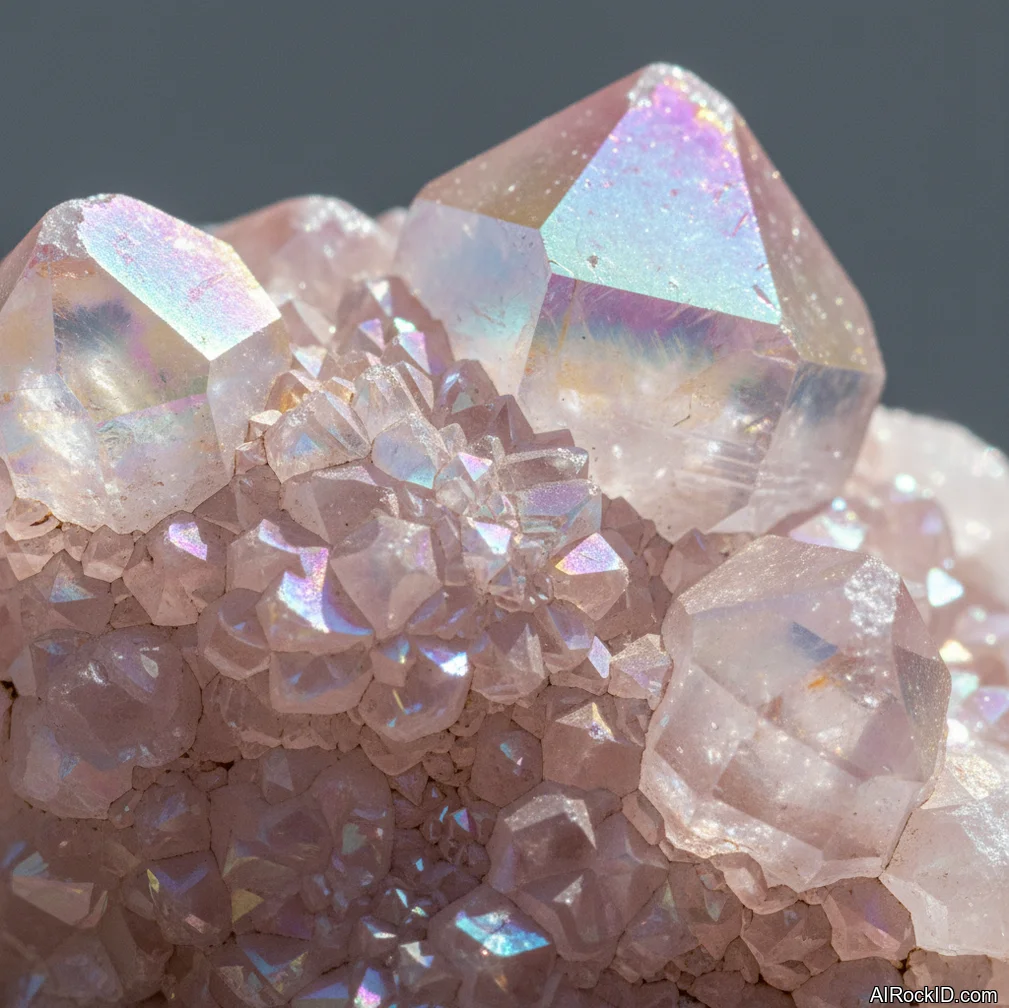
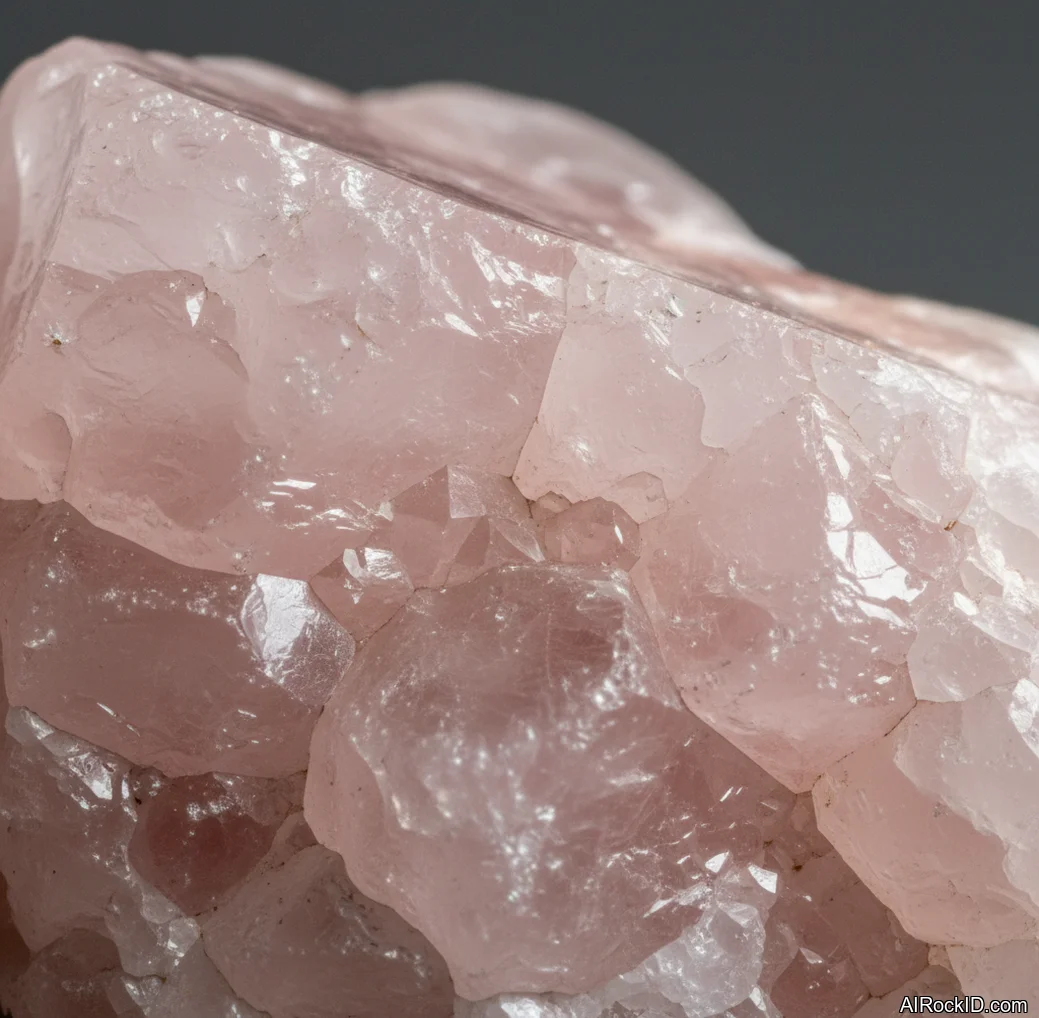
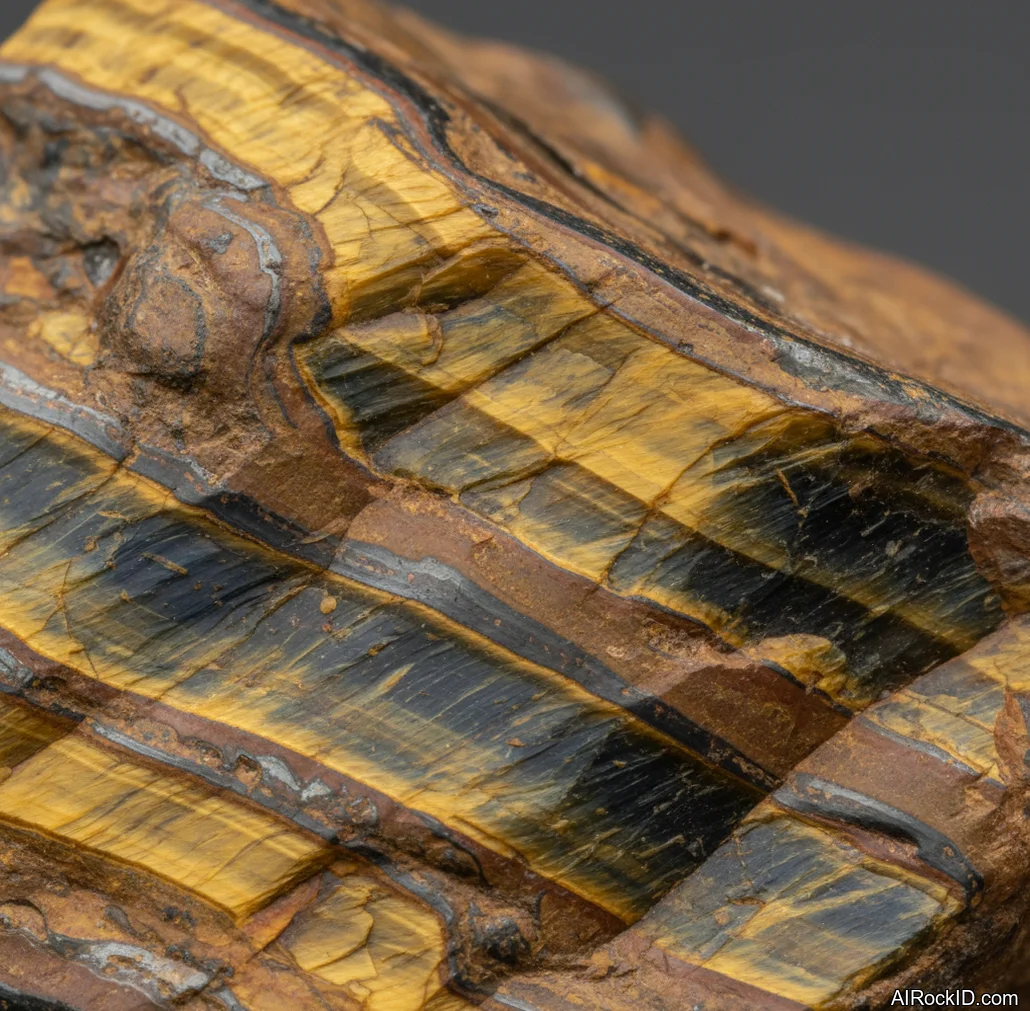
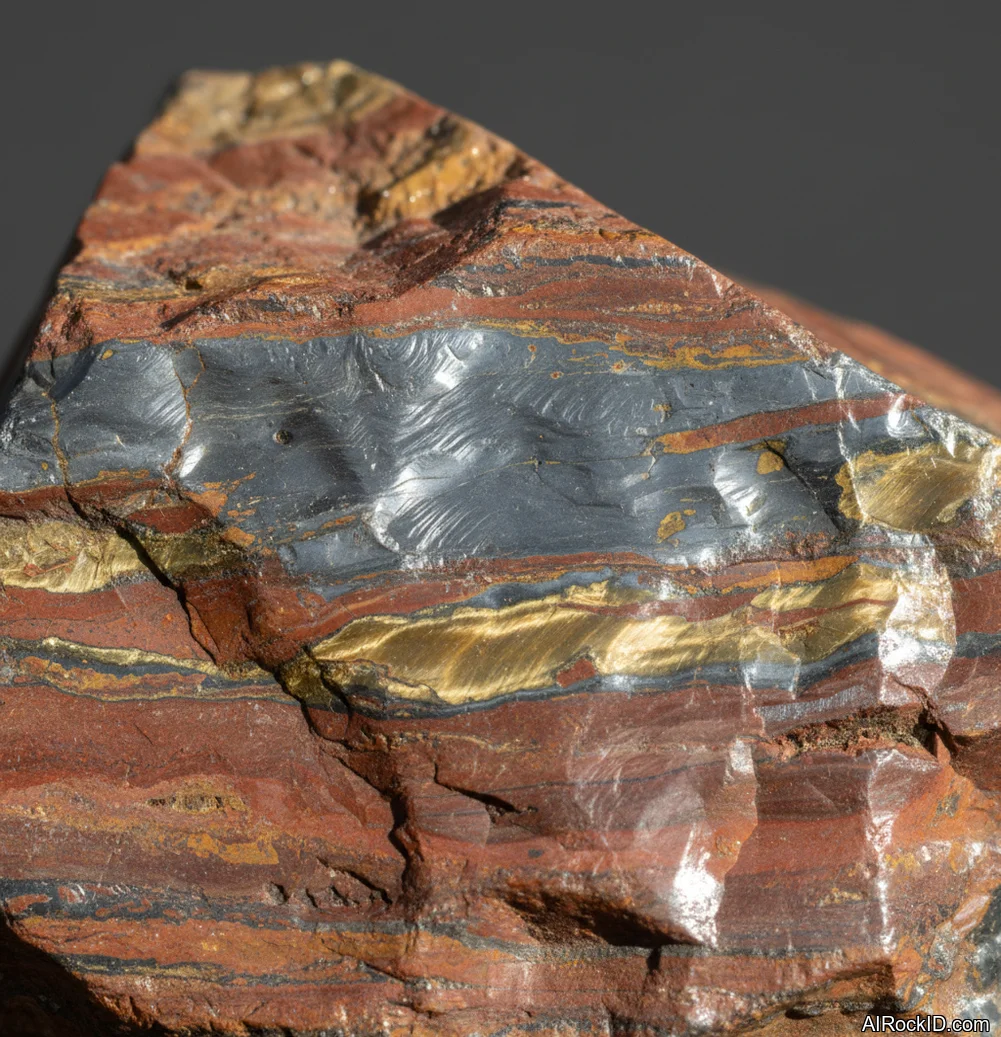
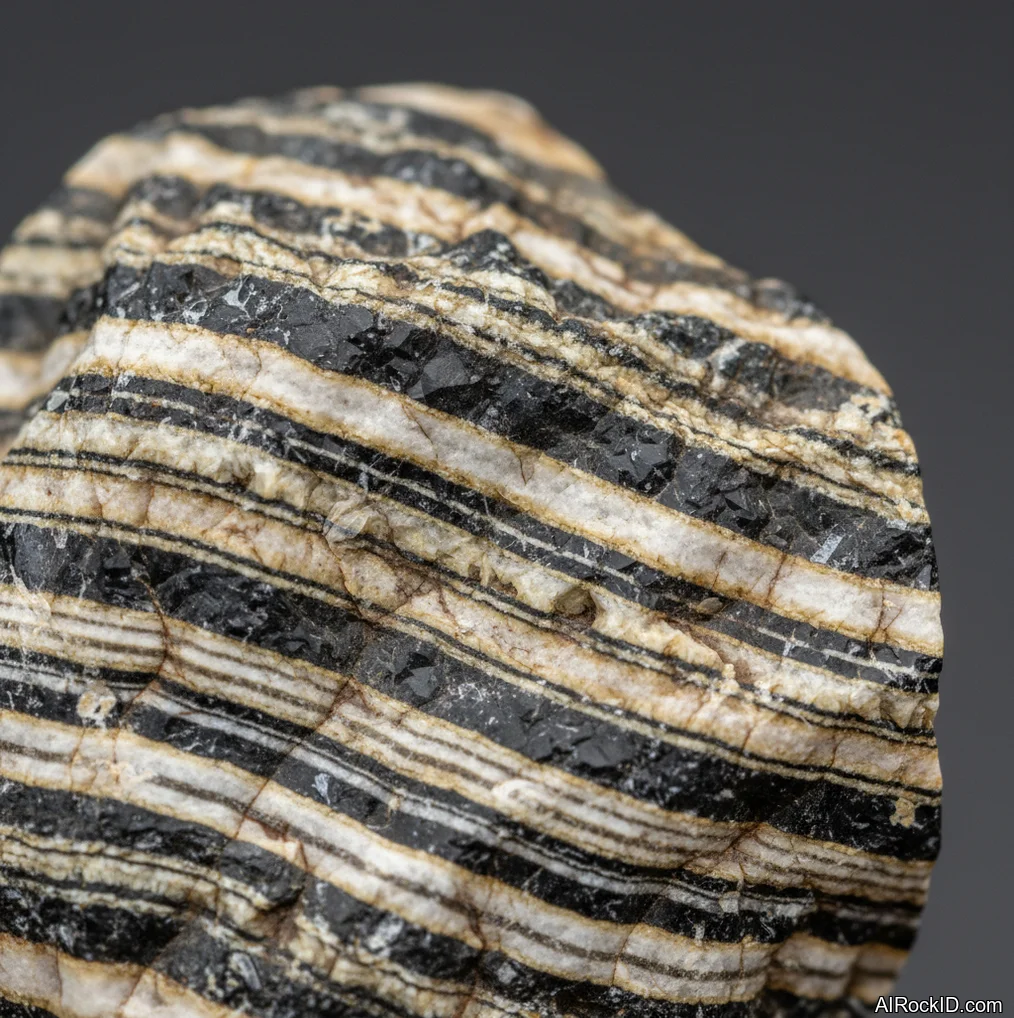
Self-Discovery is also about changing your mind without shame. You might start with rose quartz because you need gentleness, then switch to tiger’s eye when it’s time to make a decision and stick to it. Tiger’s eye has that silky banding called chatoyancy, and when you rock it under light the stripe slides across like a cat’s pupil. Hard to ignore. Which is kind of the point when you’re trying to stay present instead of drifting.
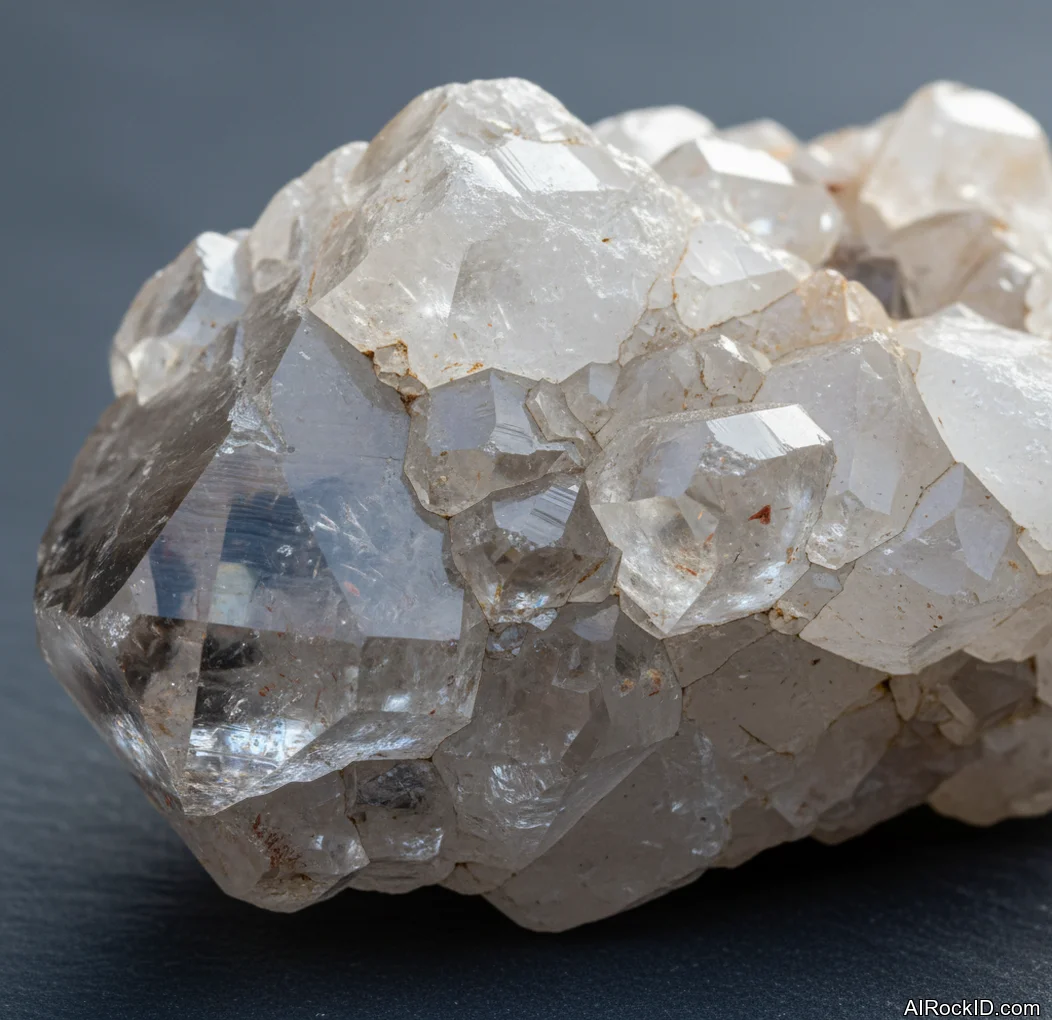
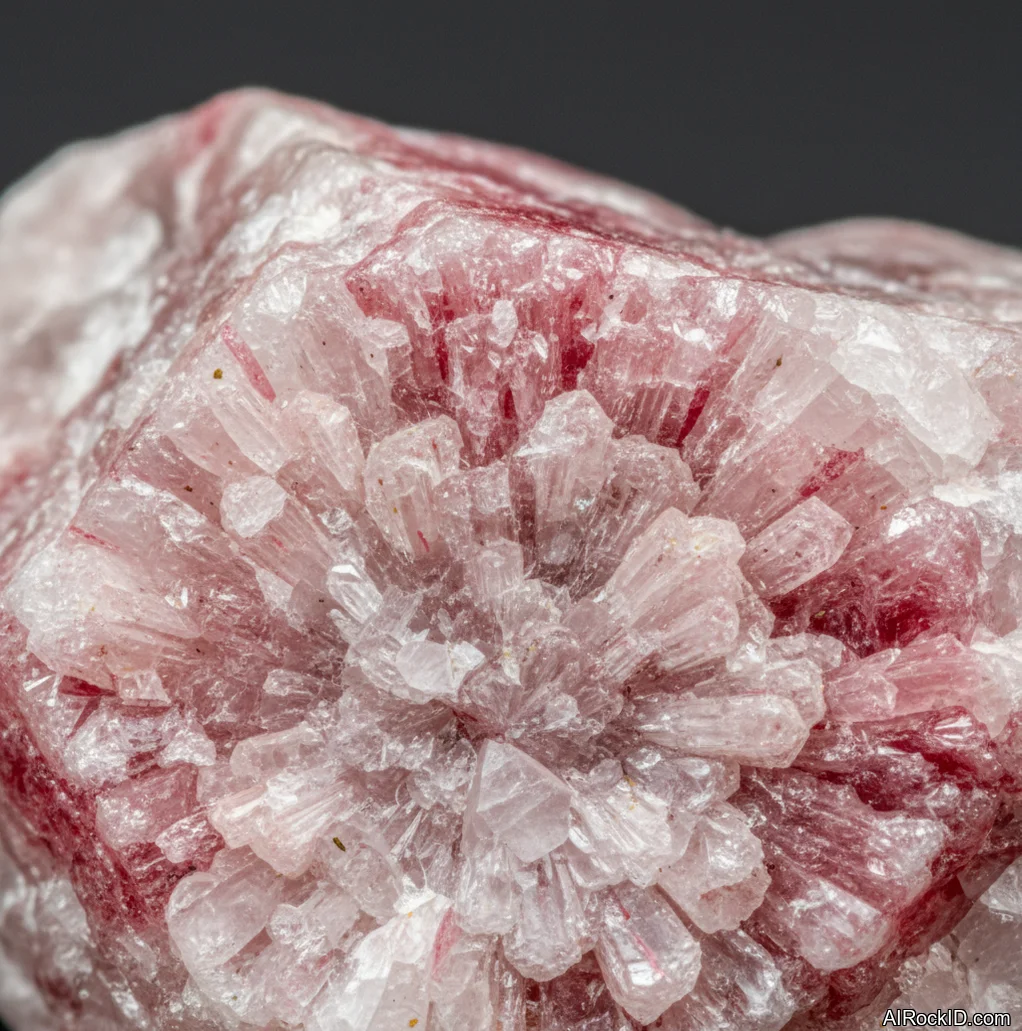
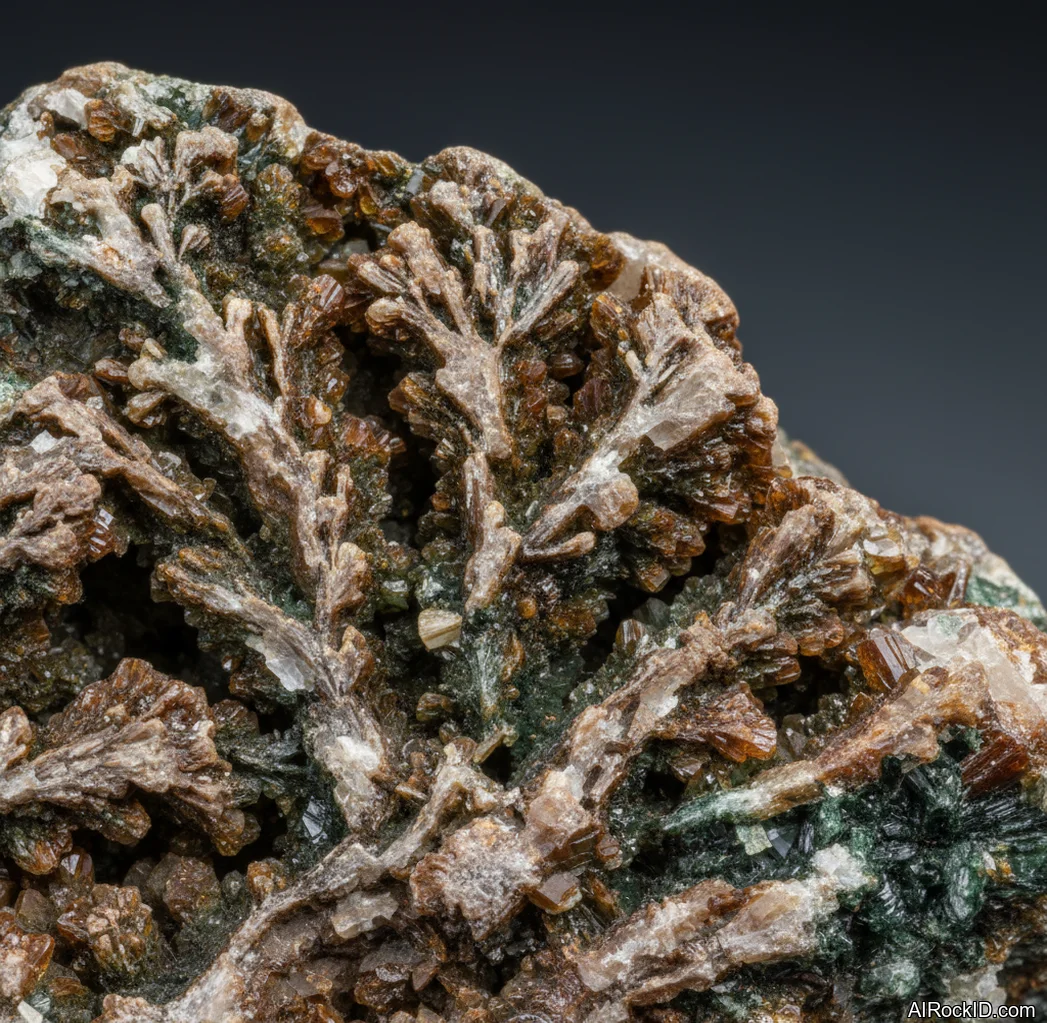
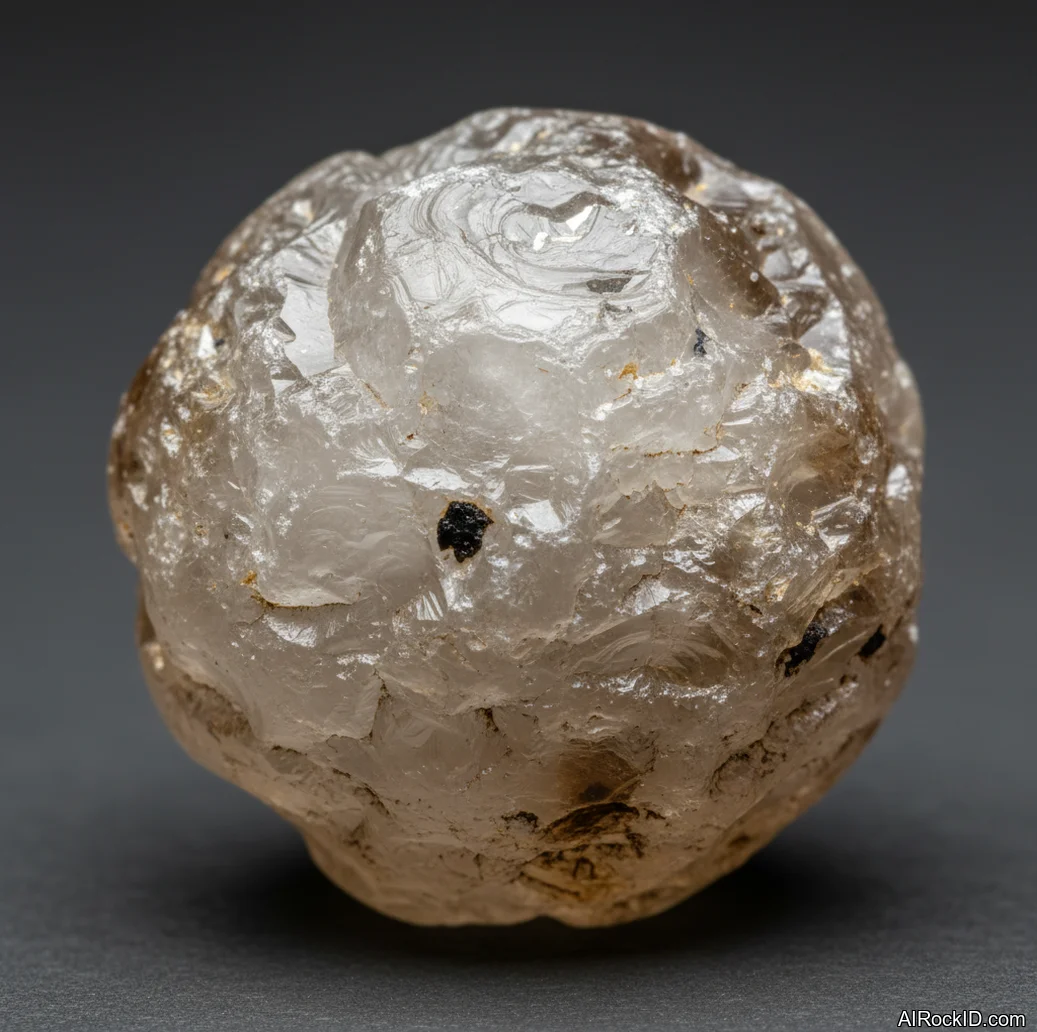
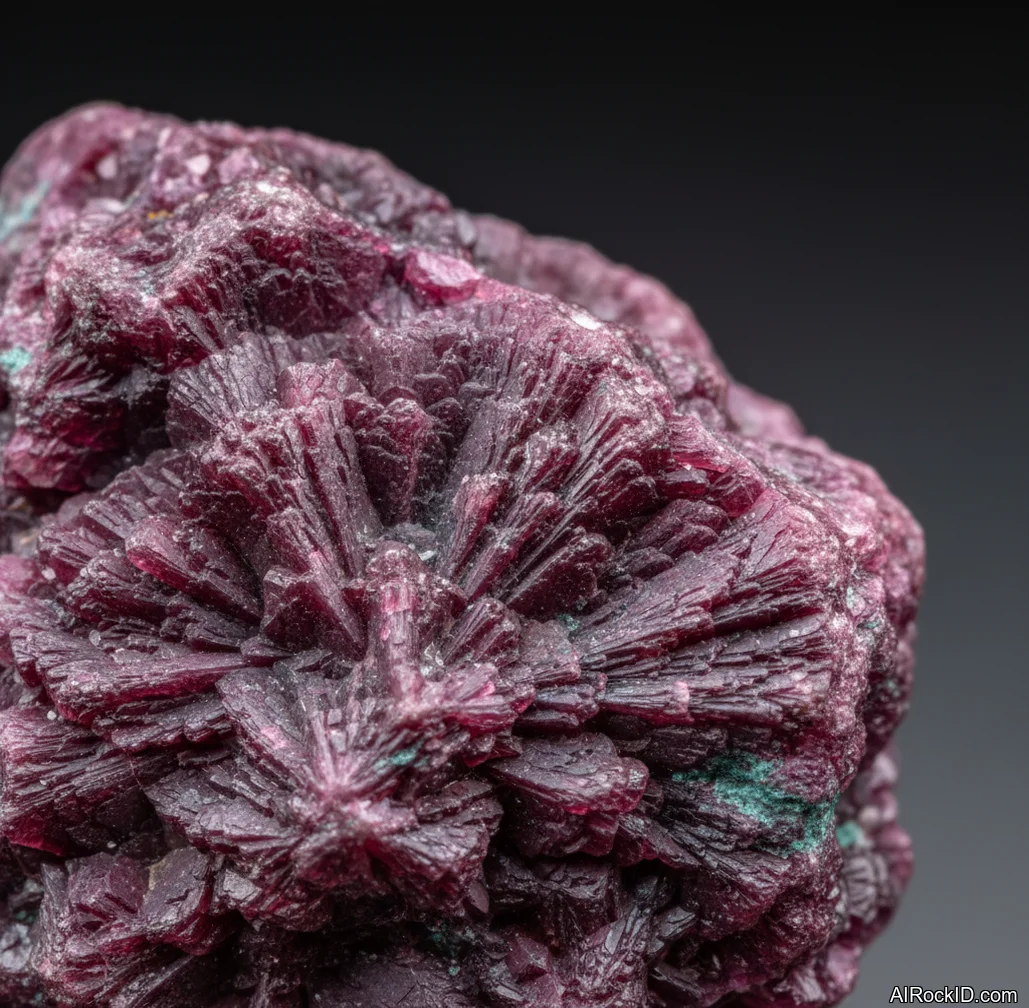
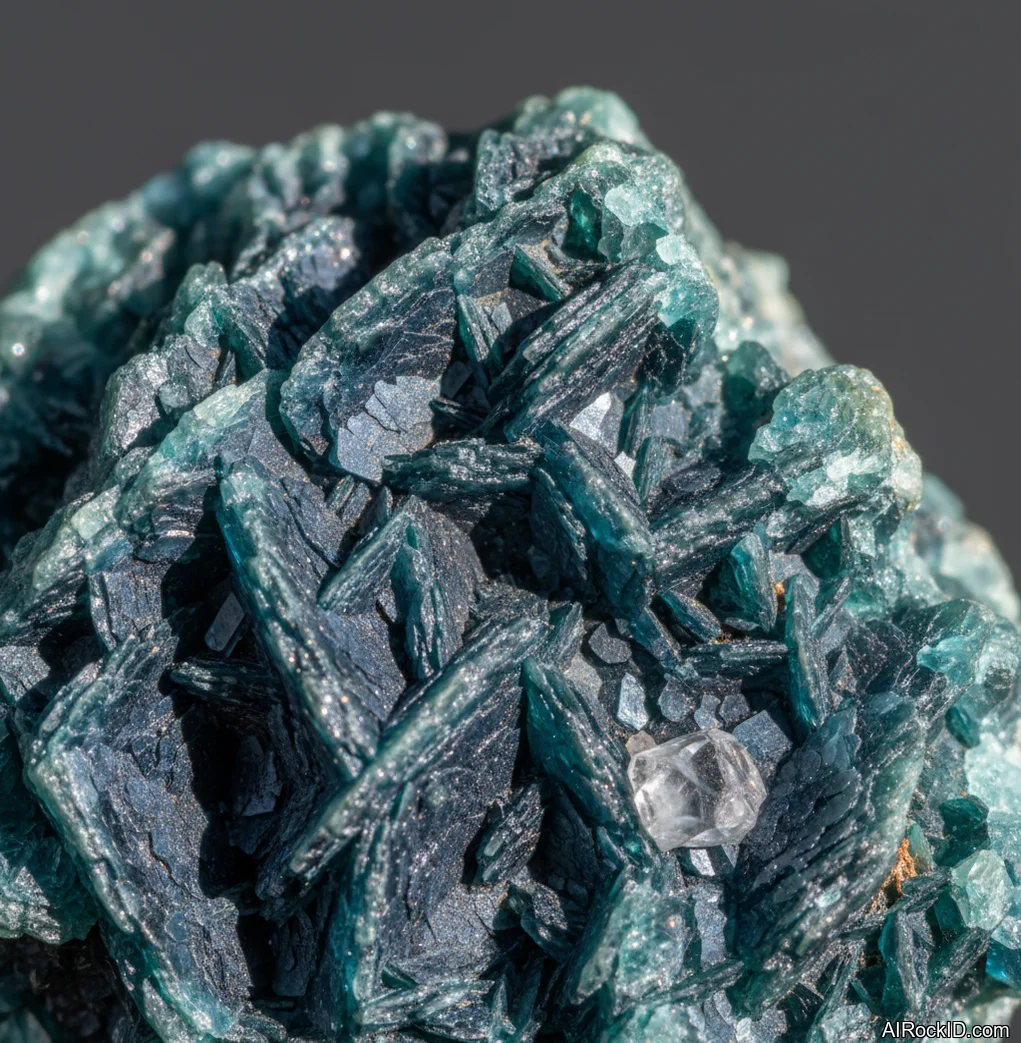
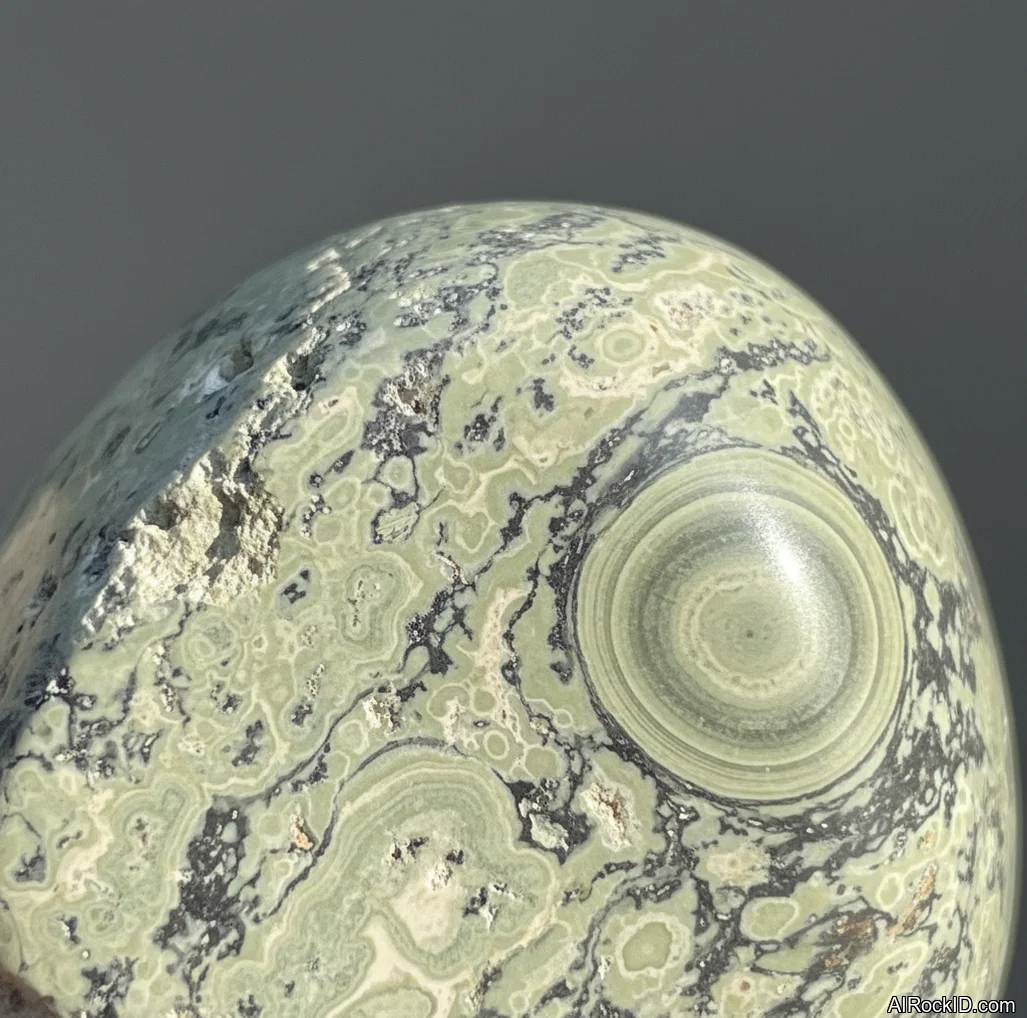
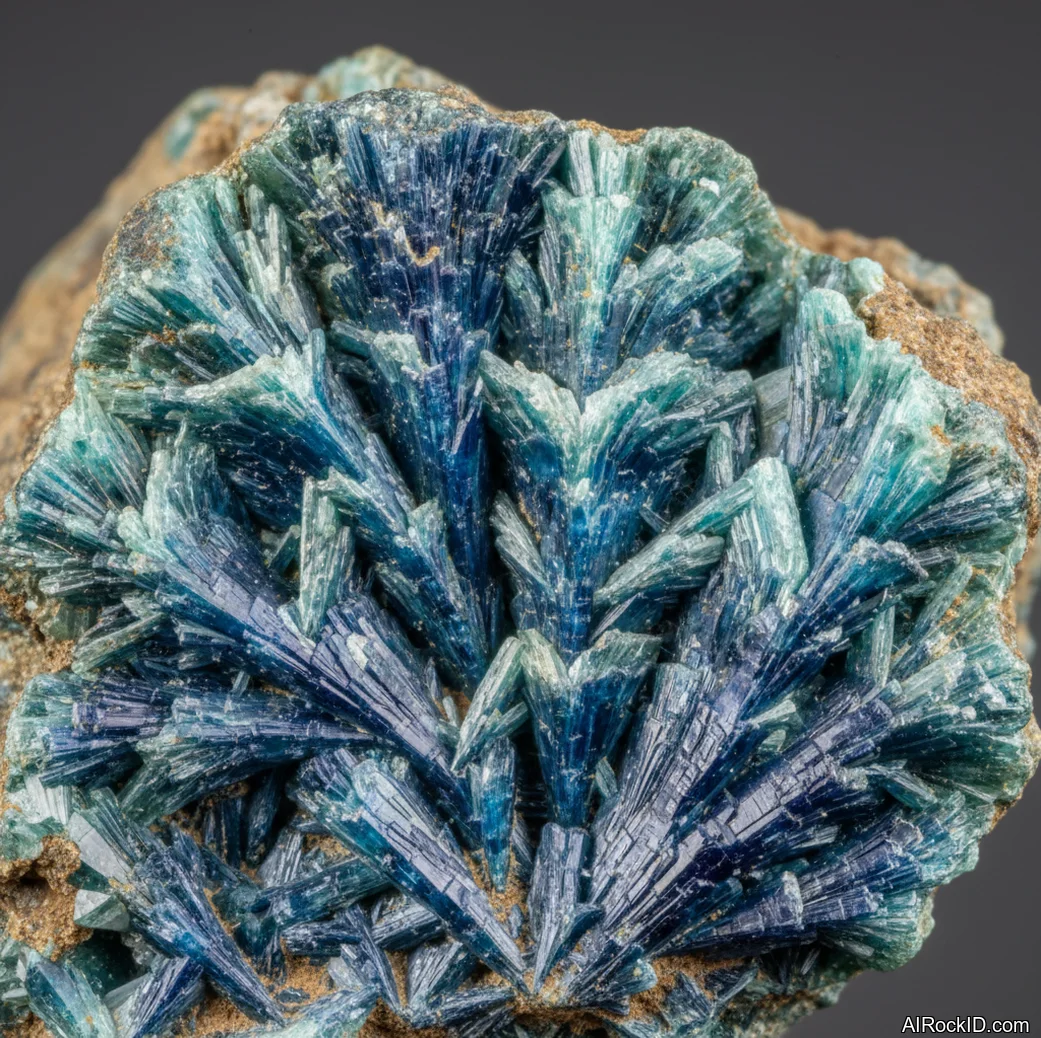
There are 426 crystals tagged for Self-Discovery in the database for a reason. People get to the same inner work from different doors. Some need quiet stones. Some need flashy ones that yank their attention back to the moment. The best choice is the one you’ll actually handle, the one that feels right in your palm, and the one you can keep in your life long enough to notice what changes.
All Self-Discovery Crystals (426)