Knowledge Crystals
Learn what Knowledge means in crystal work, which crystals support it, and how to choose and use Knowledge crystals for study, focus, and insight.
Knowledge, in a crystal context, isn’t about cramming facts like some flashcard app. It’s more like getting your brain to cooperate. Clear recall. Pattern recognition. Curiosity. And the patience to sit with a hard question until the answer finally clicks. People reach for “Knowledge crystals” when they’re studying, researching, writing, learning a new skill, or trying to make sense of a messy situation without spiraling into noise.
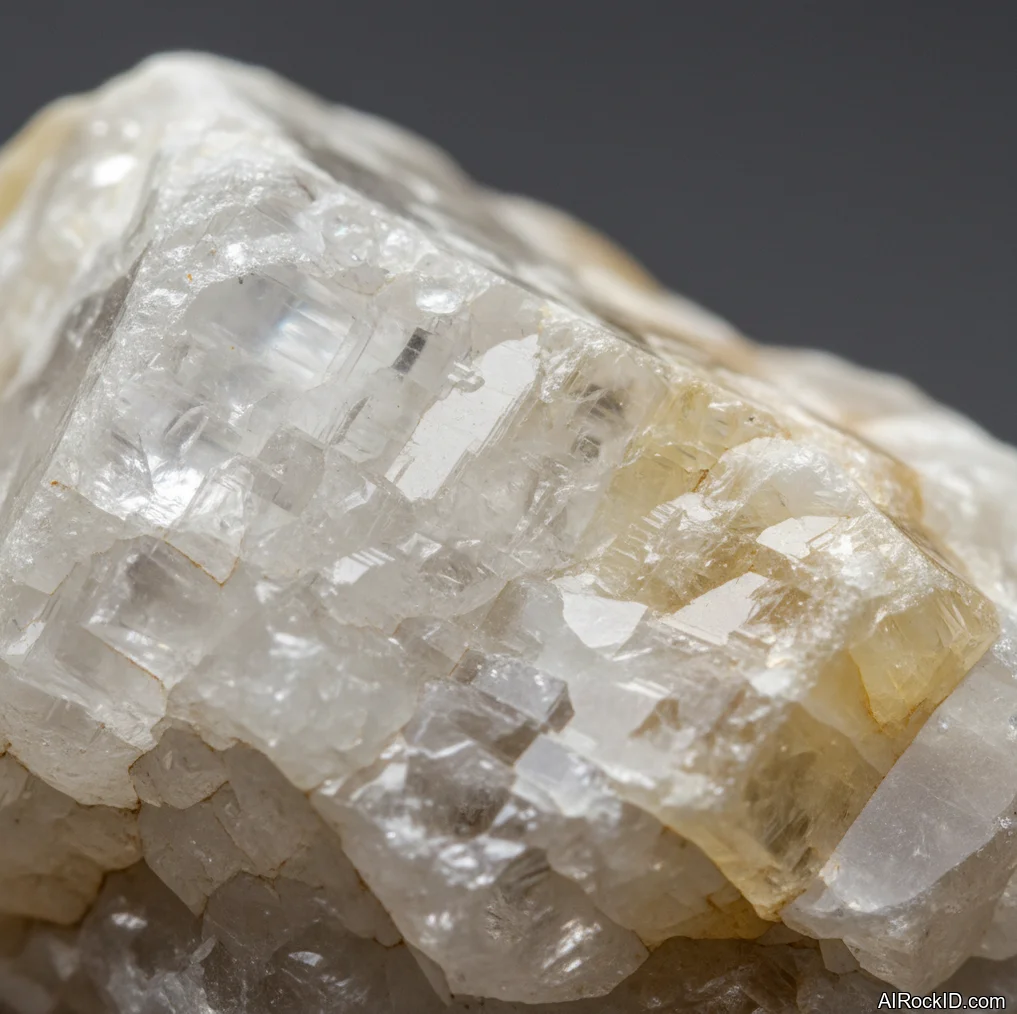
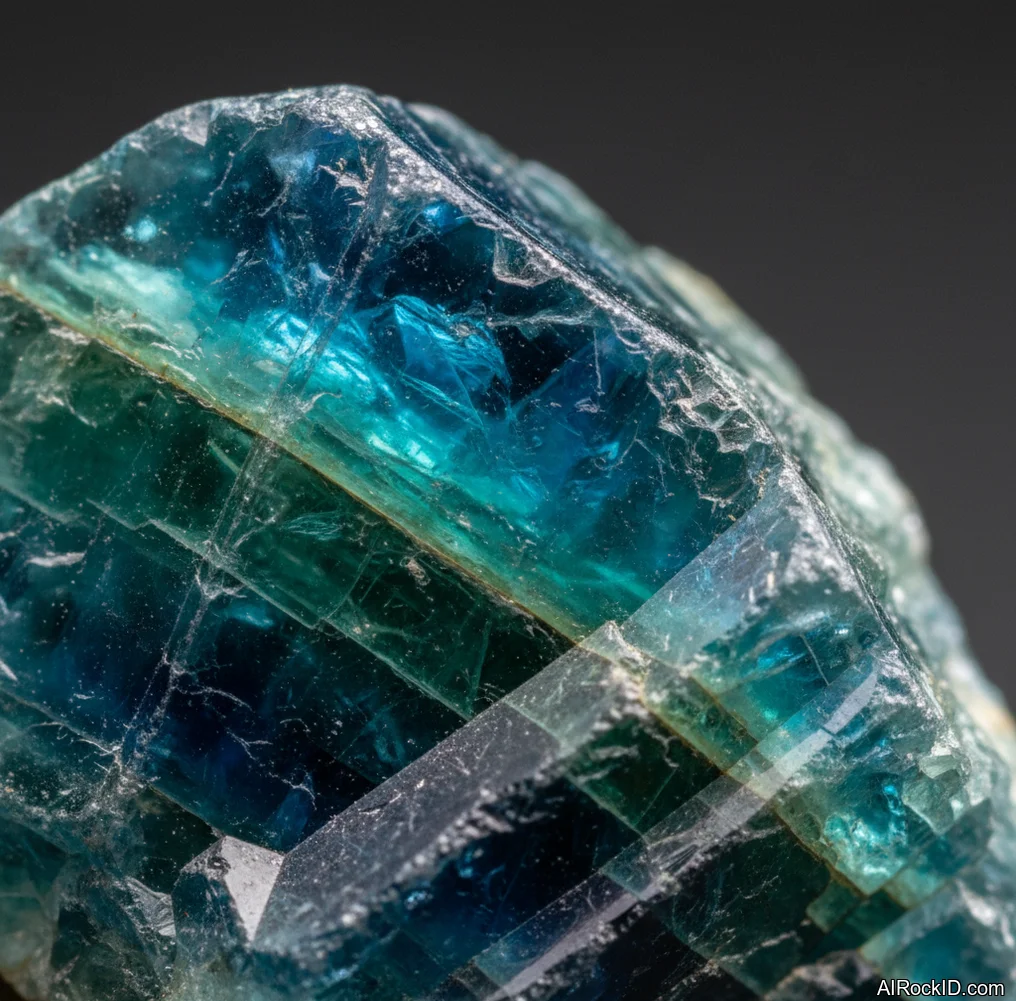
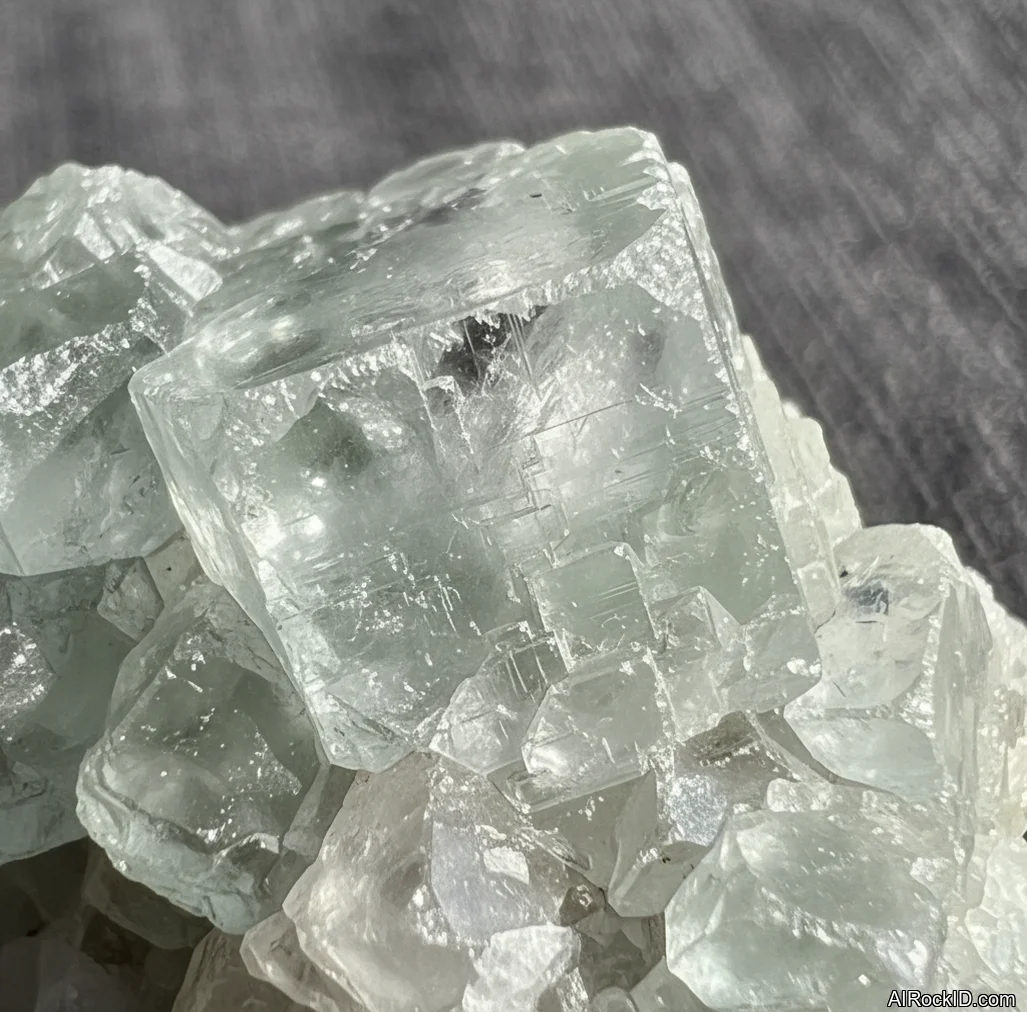
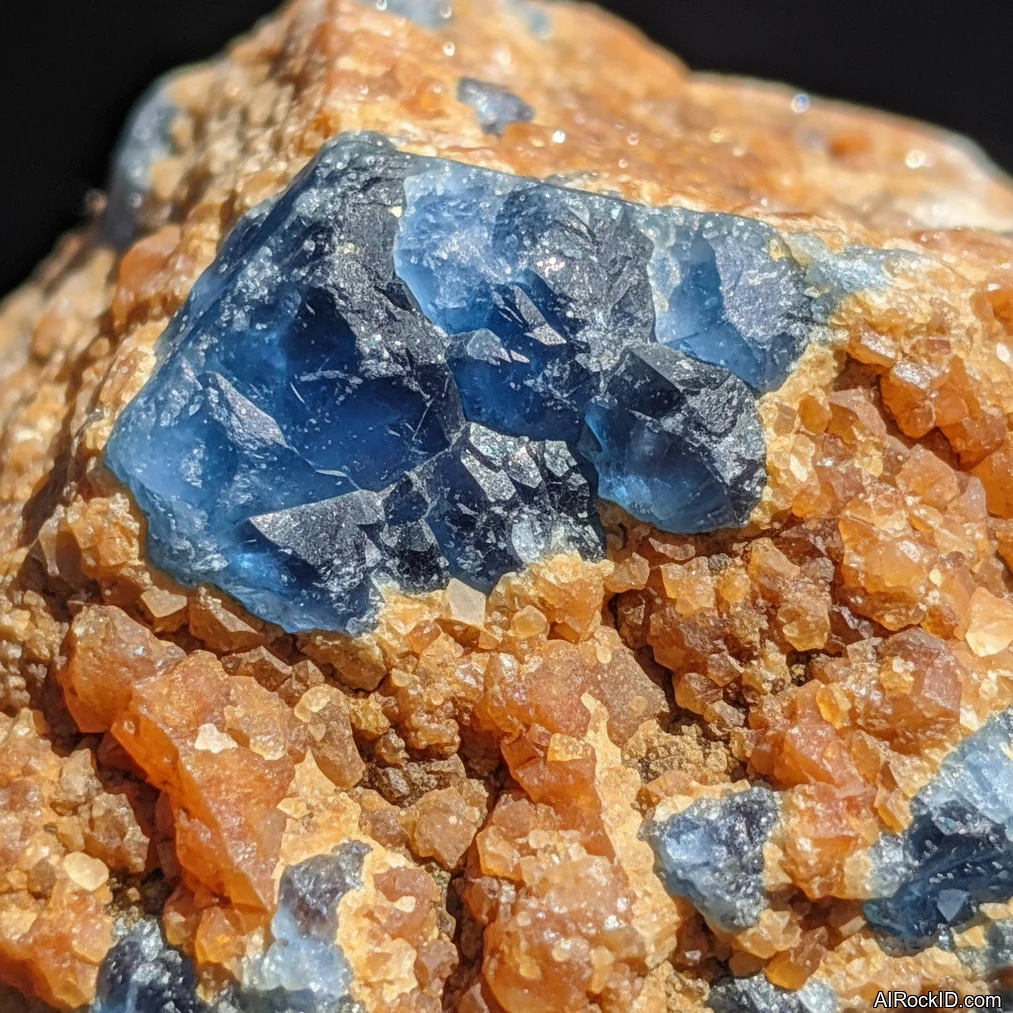
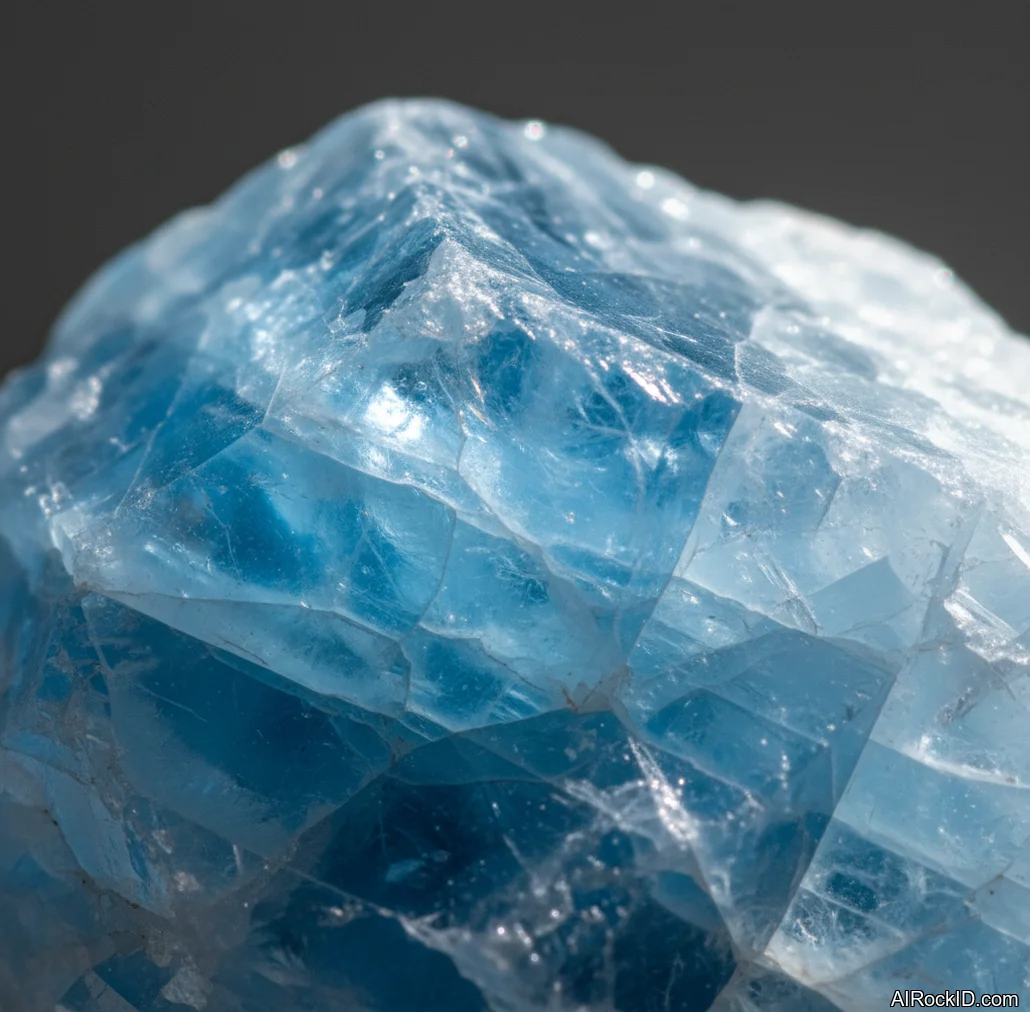
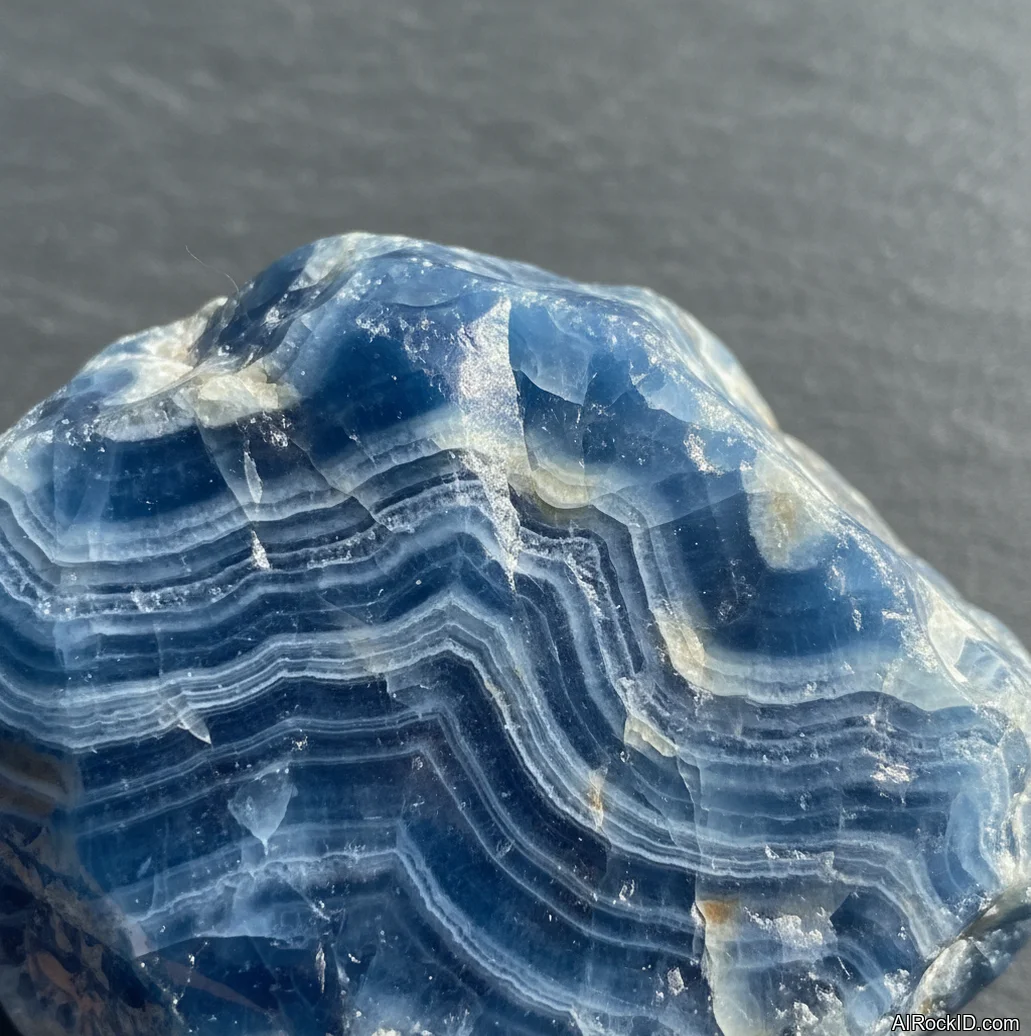
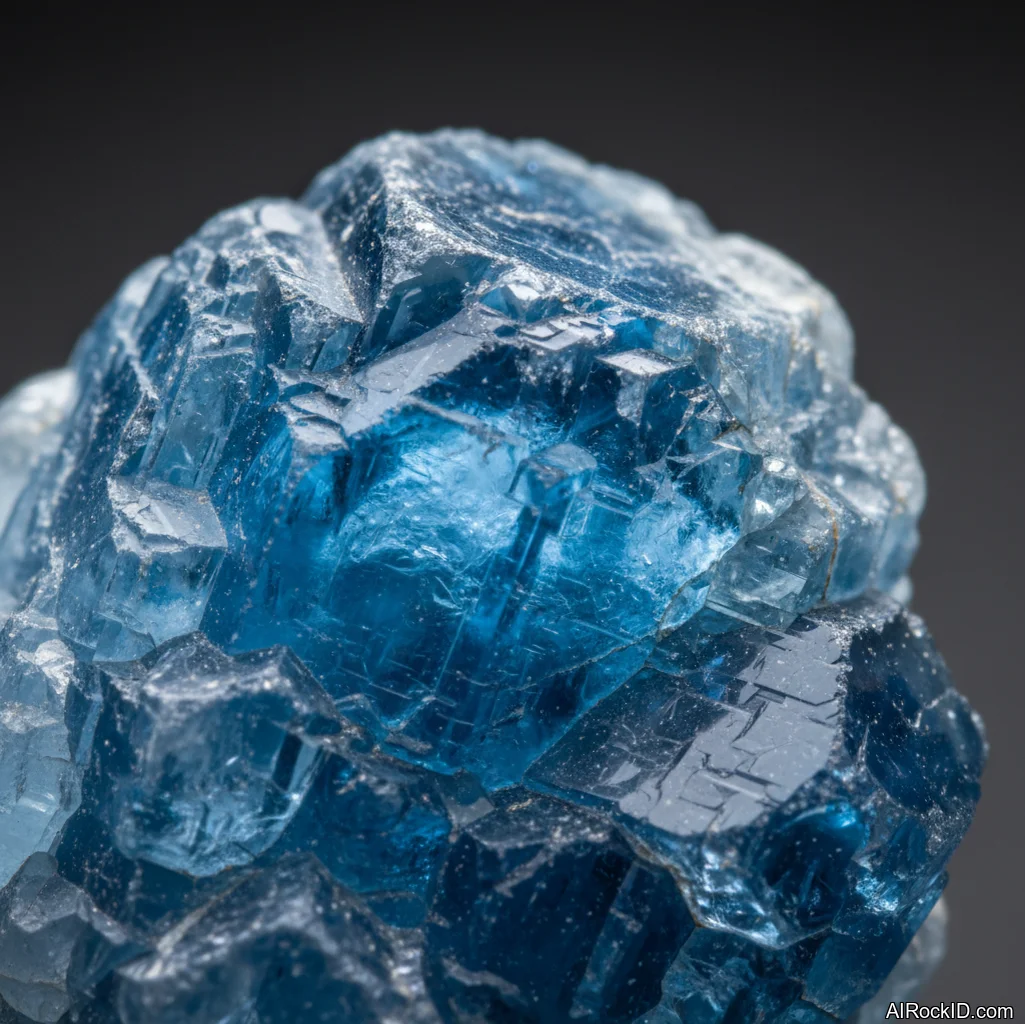
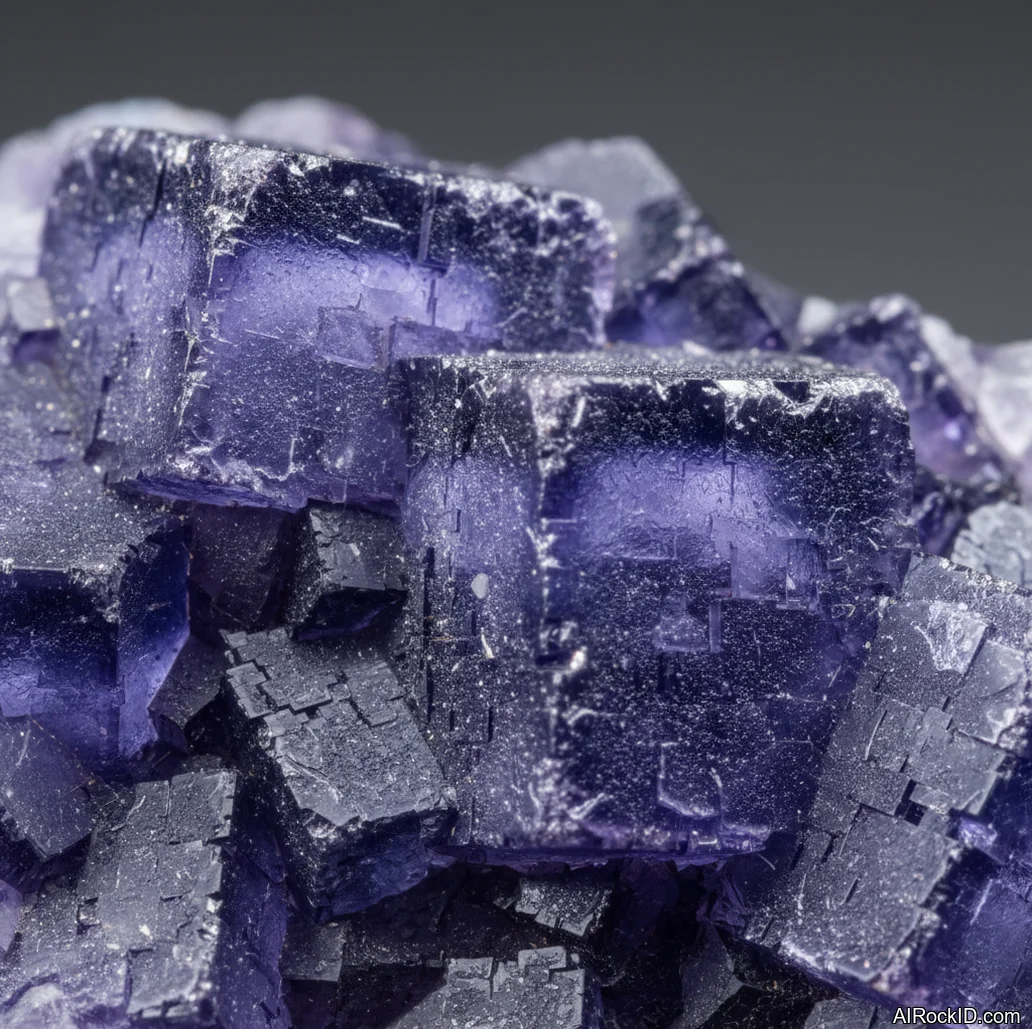
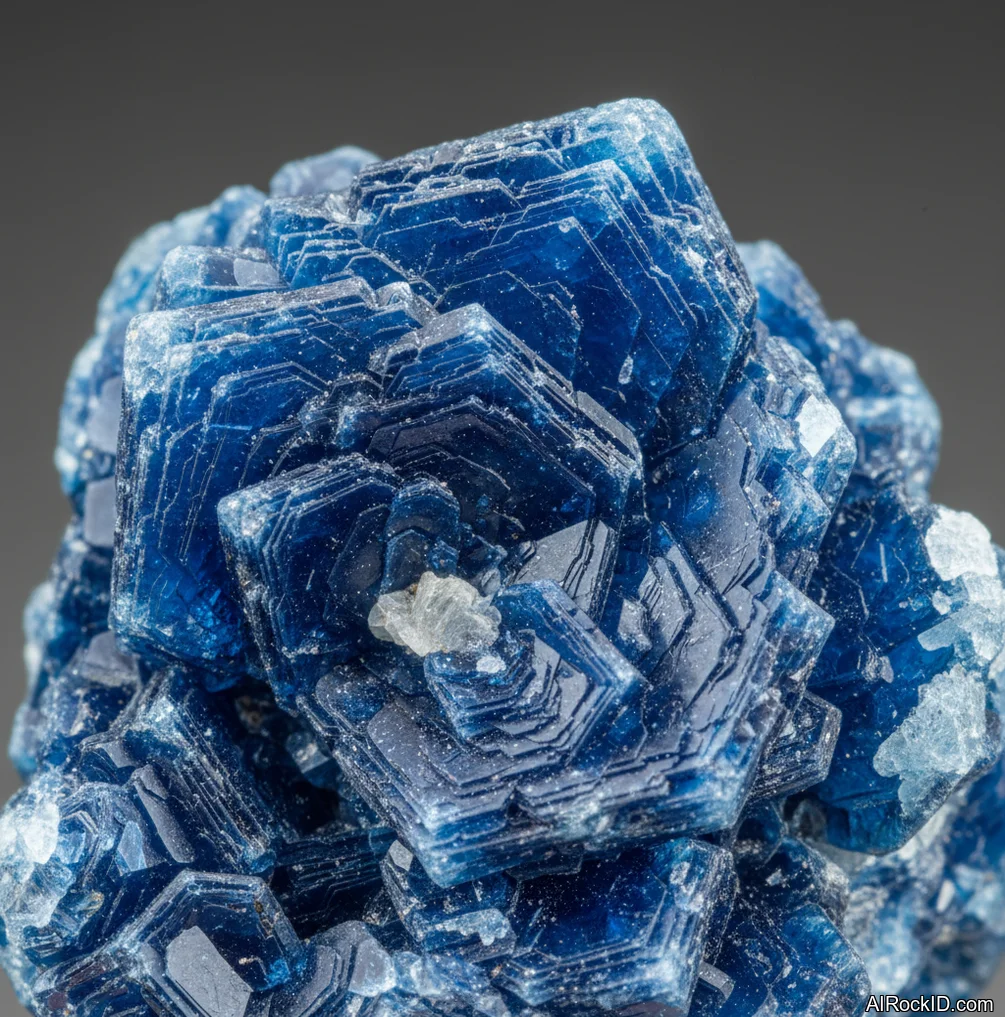
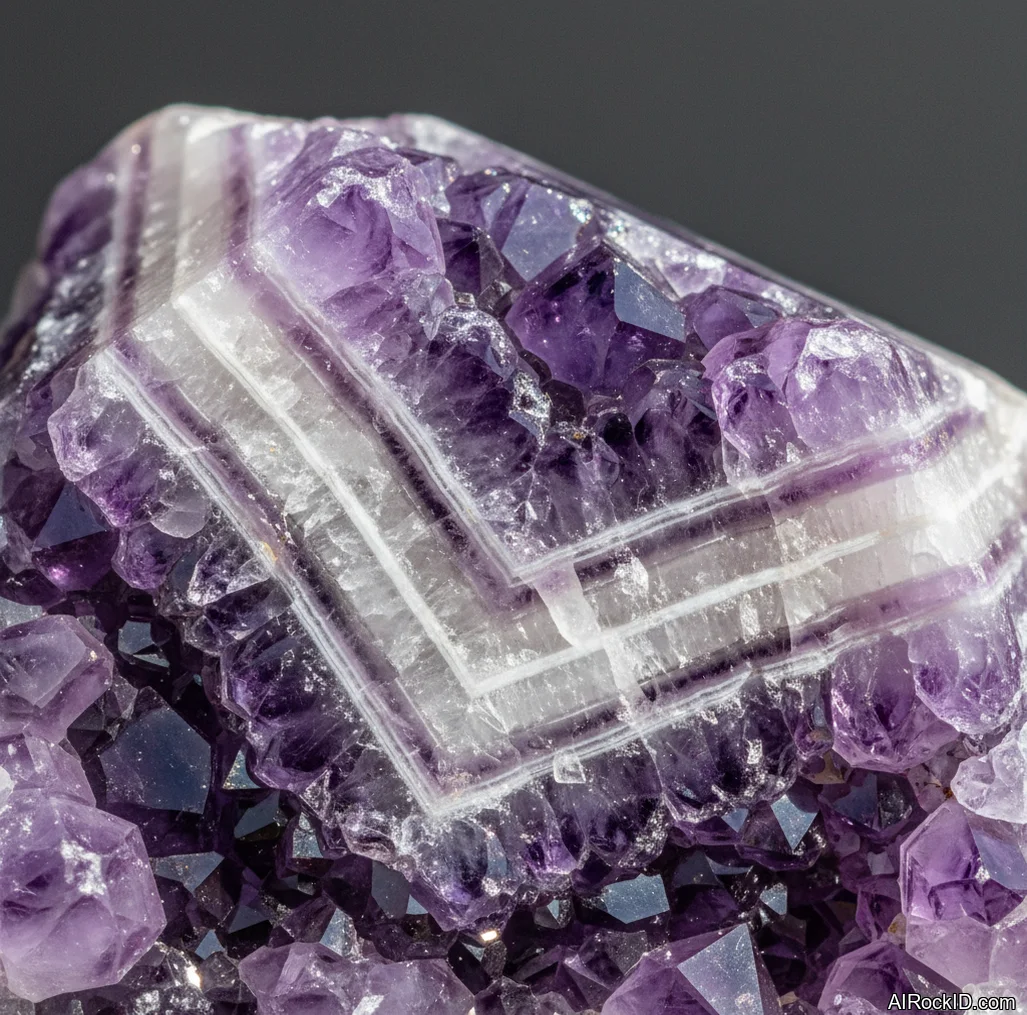
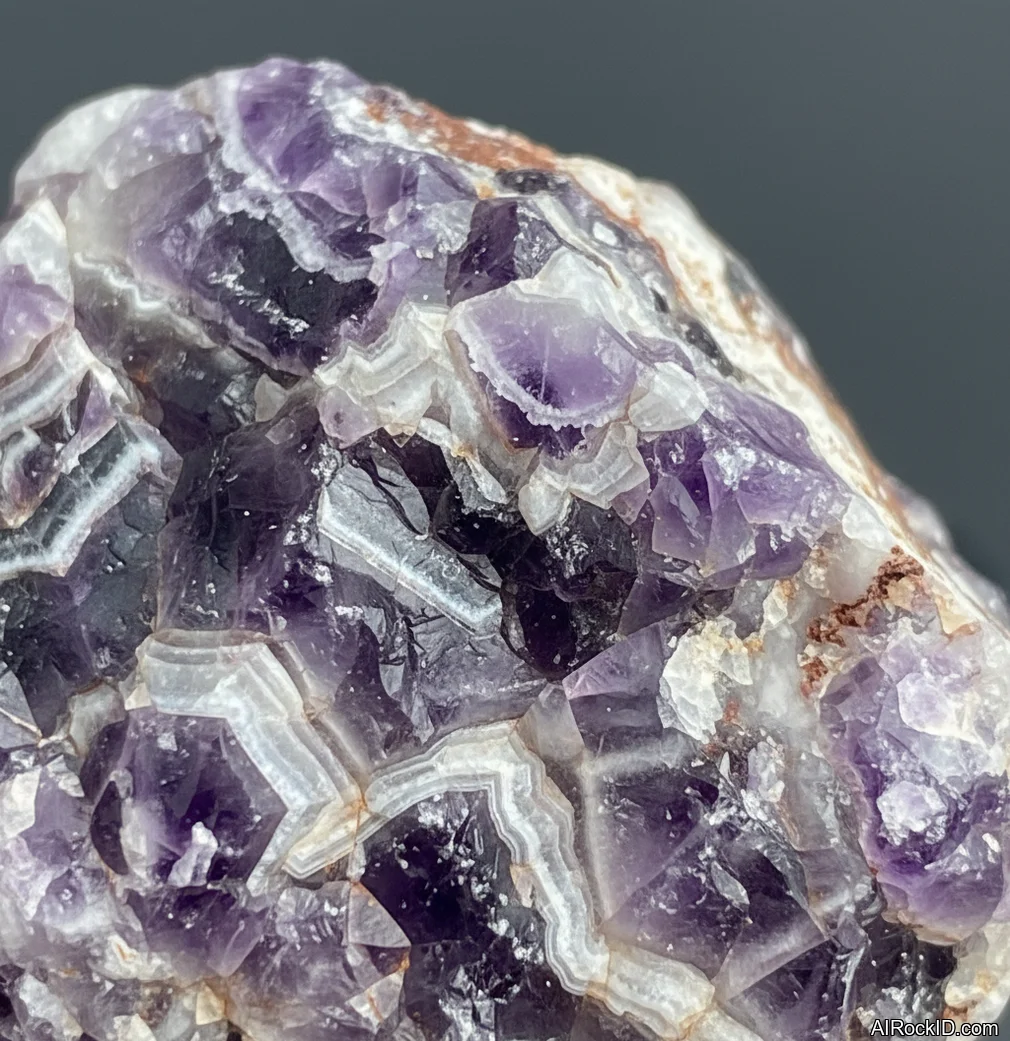
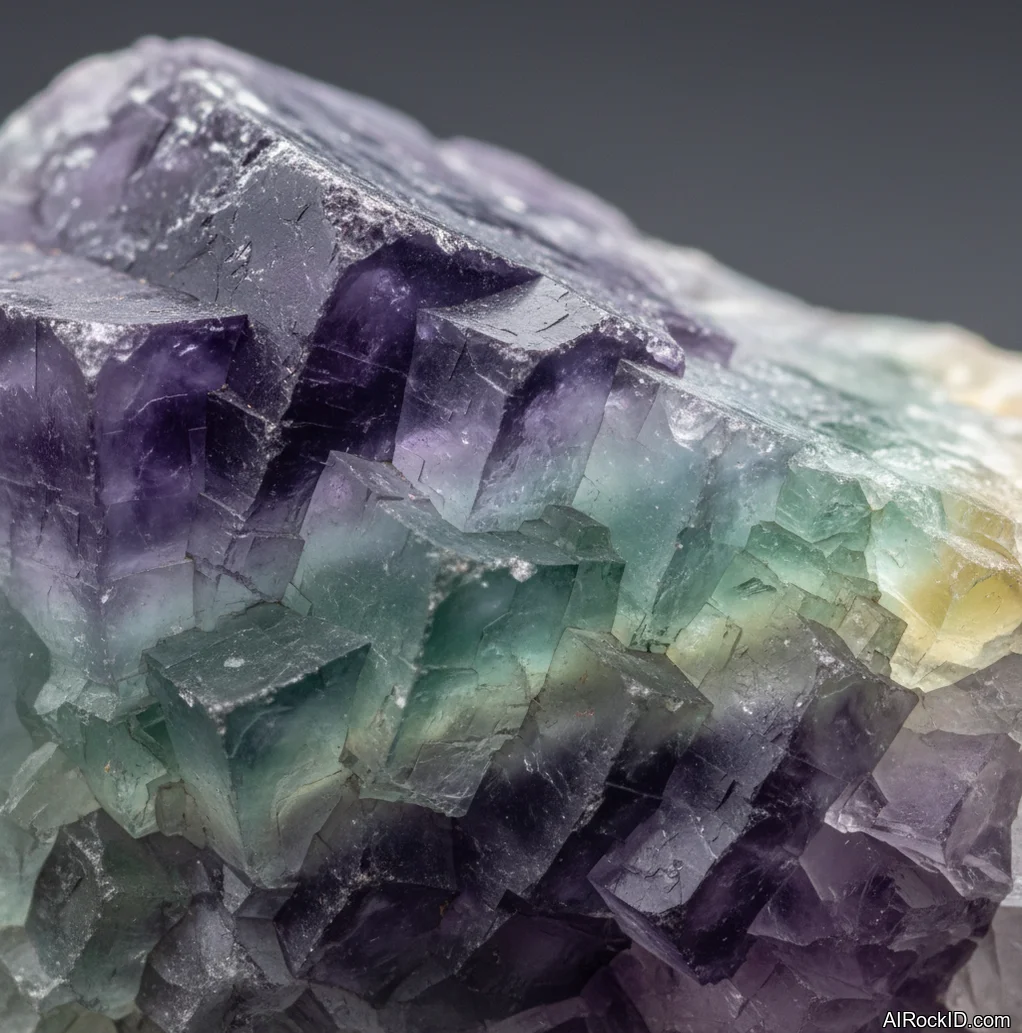
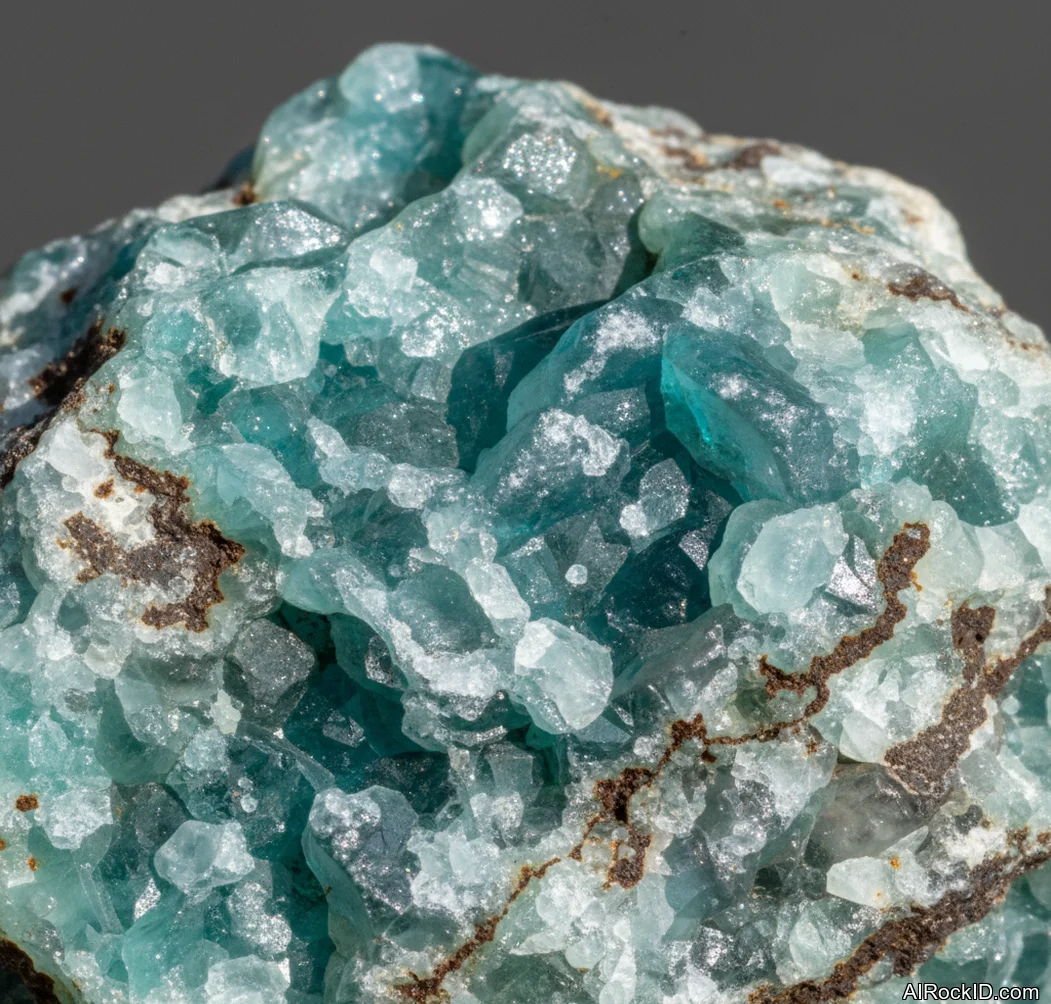
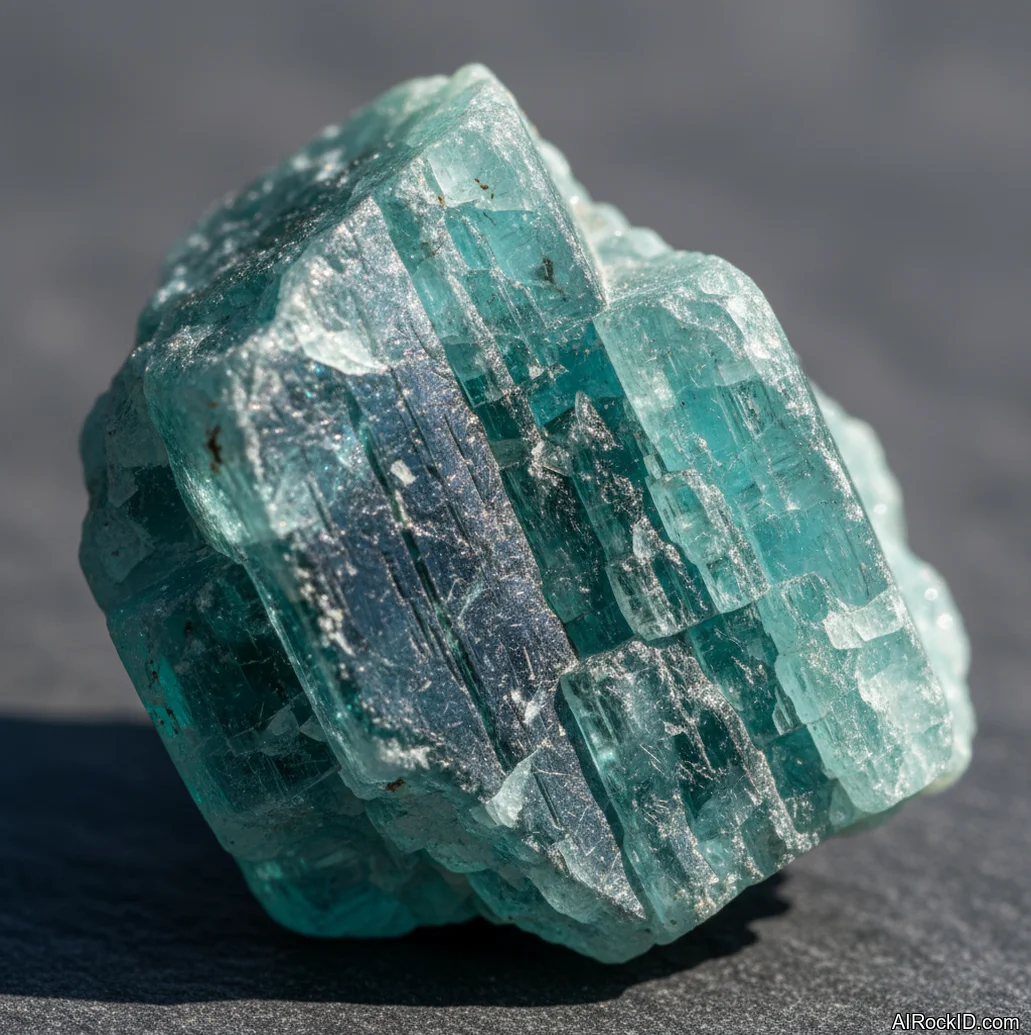
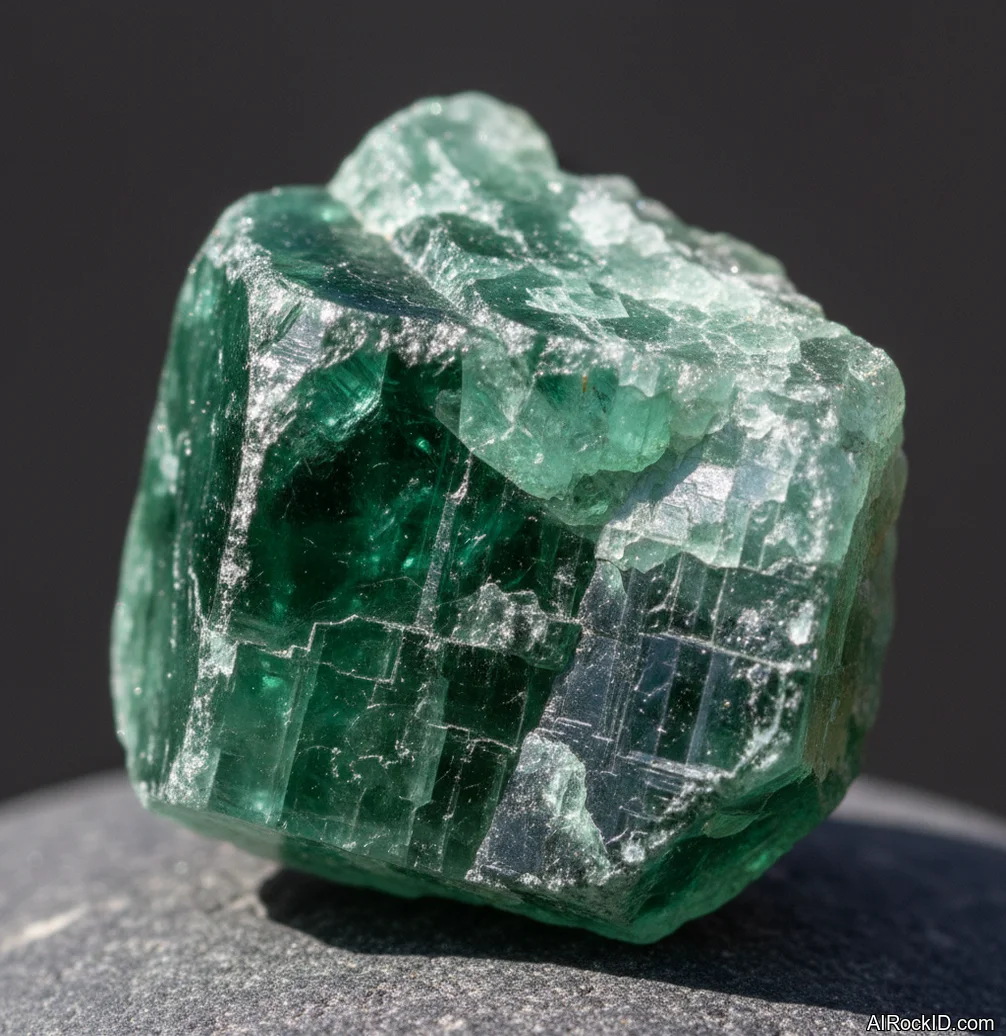
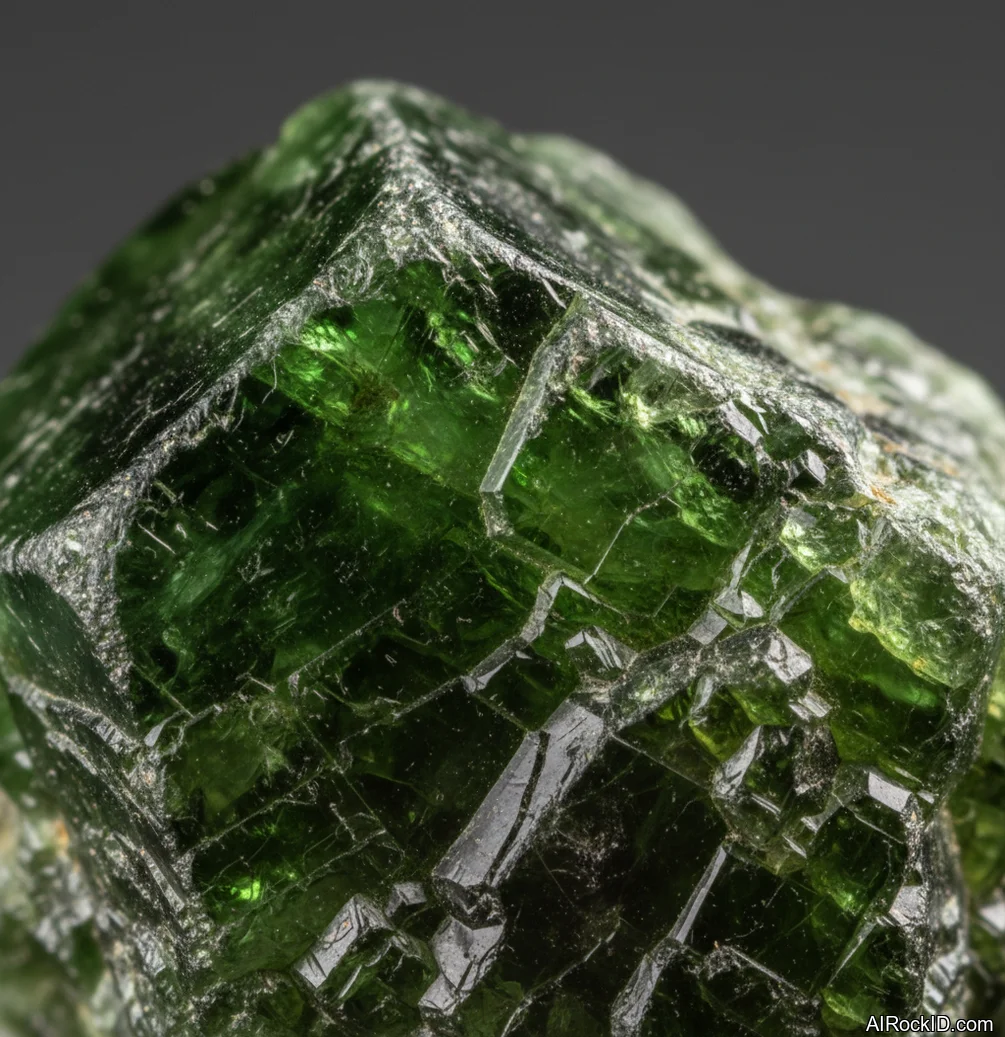
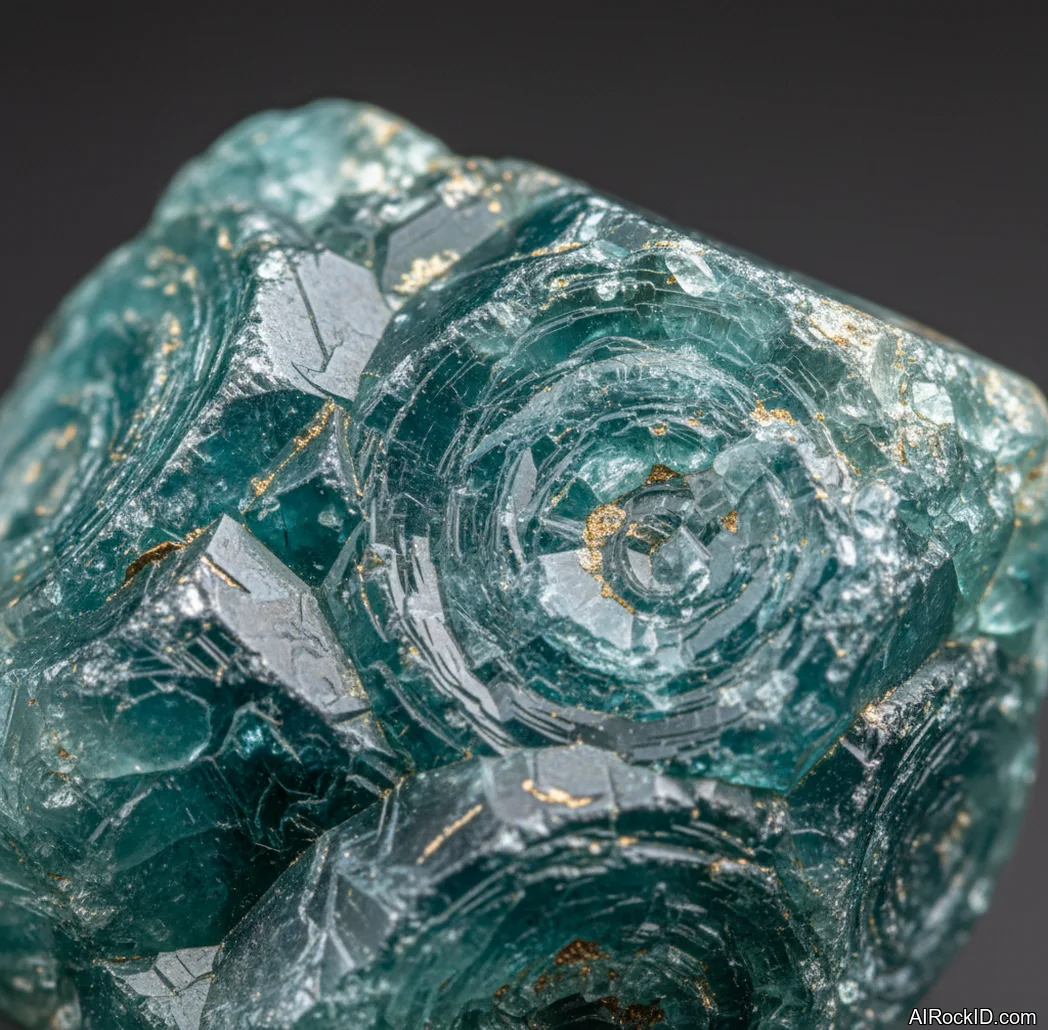
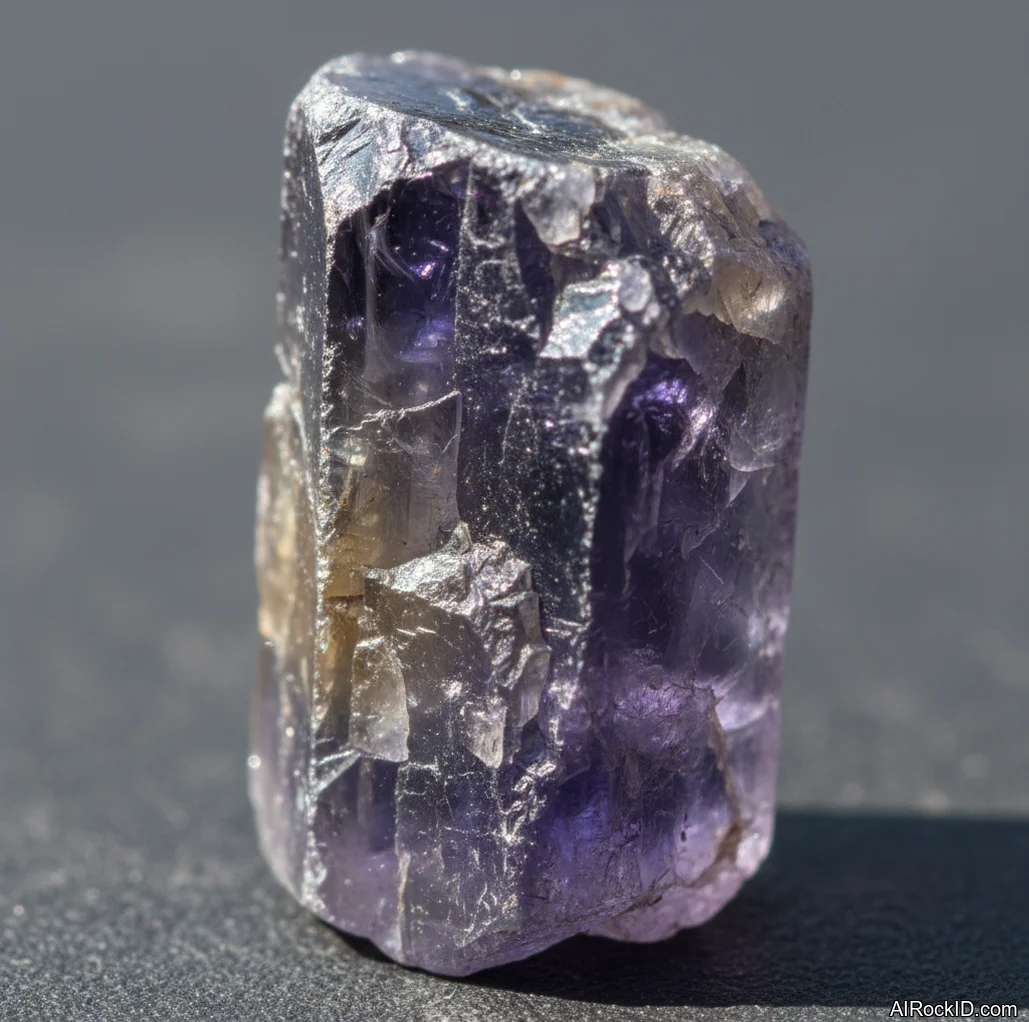
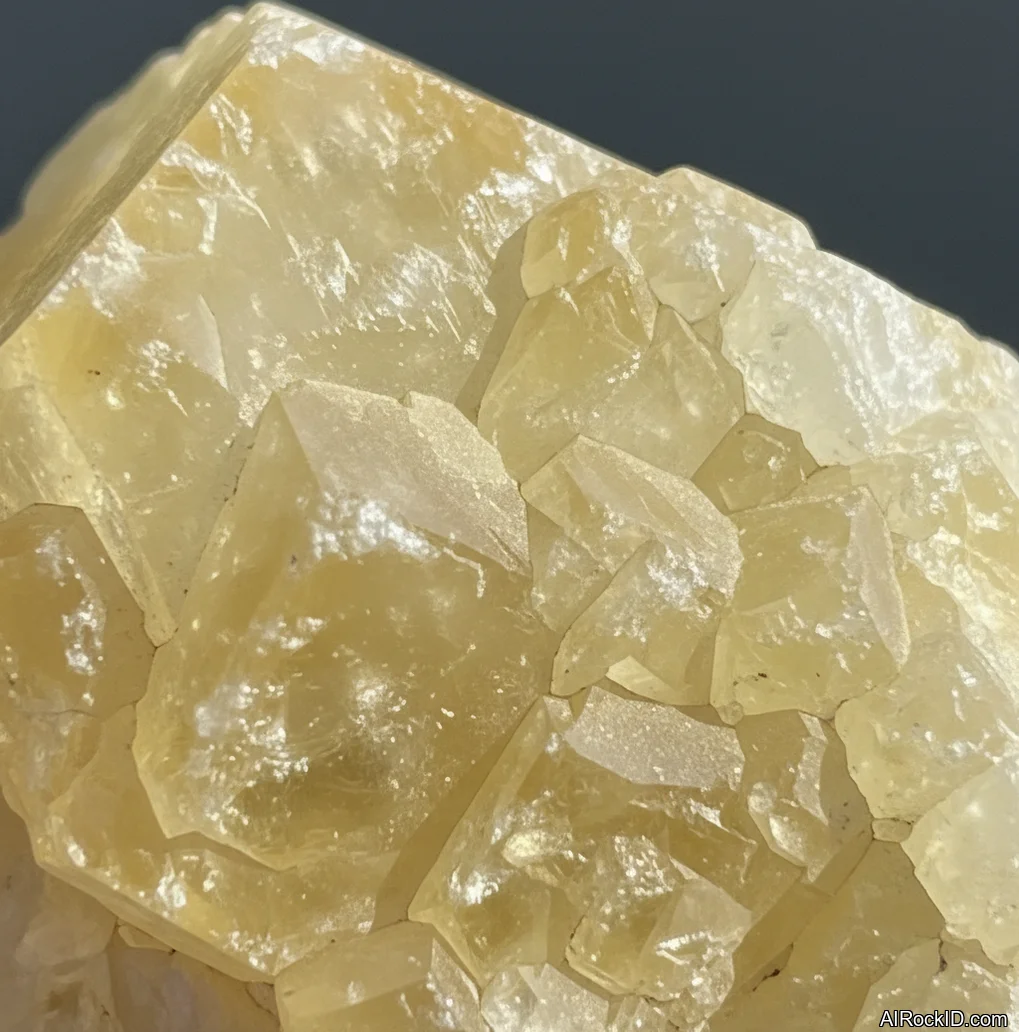
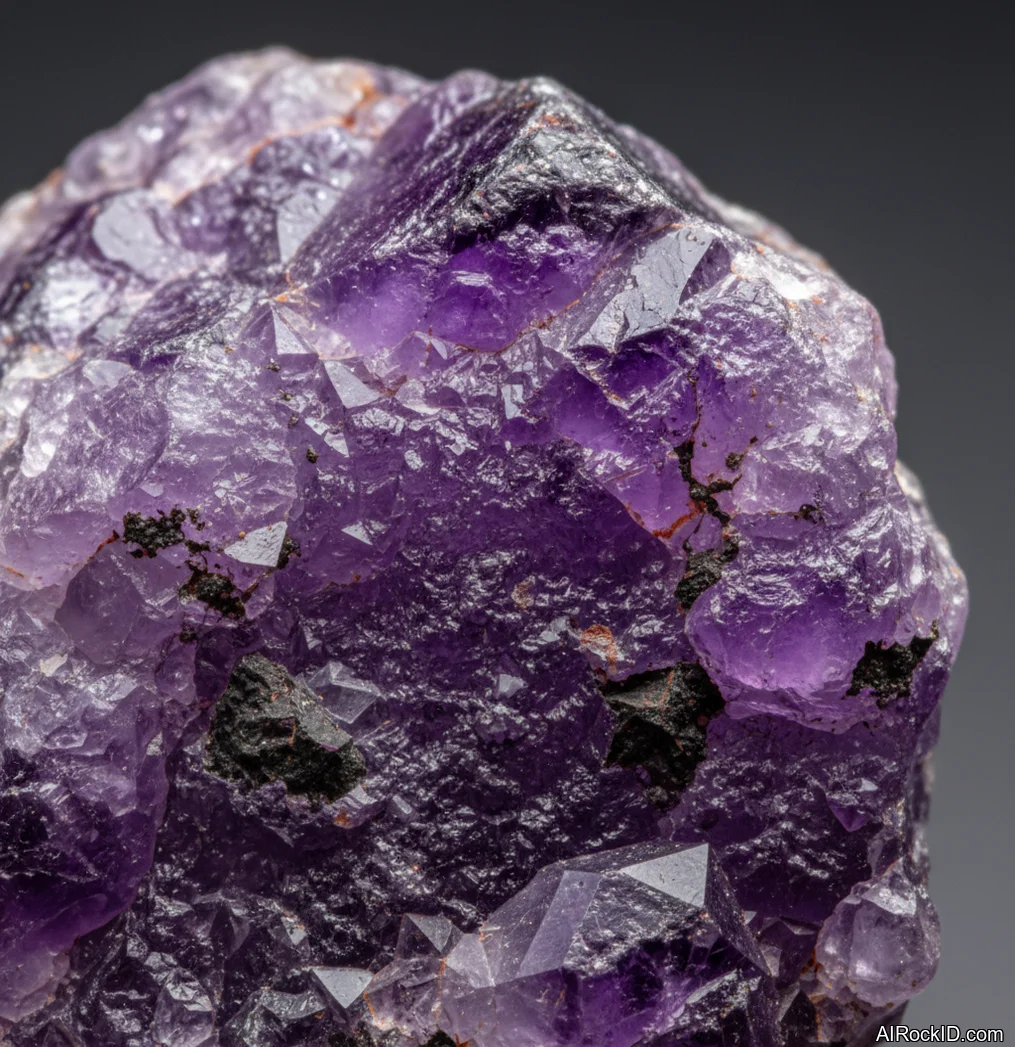
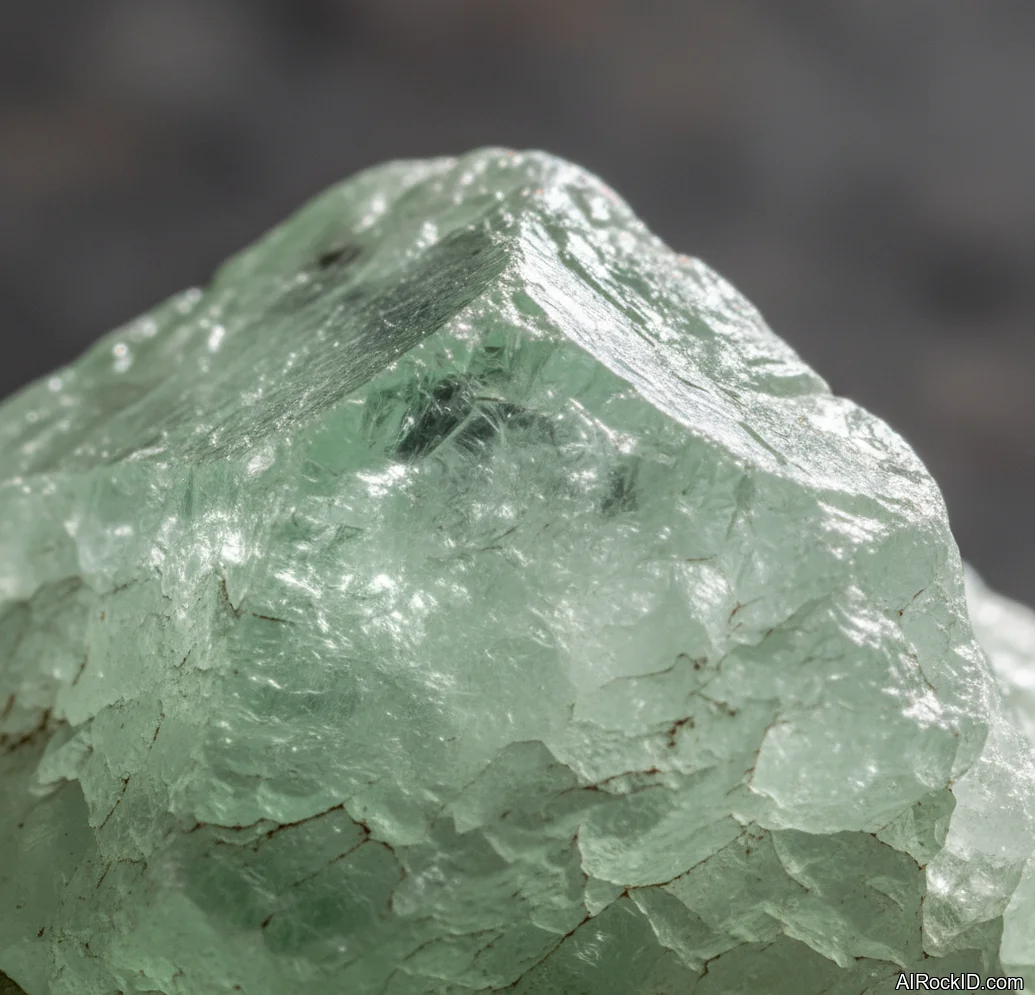
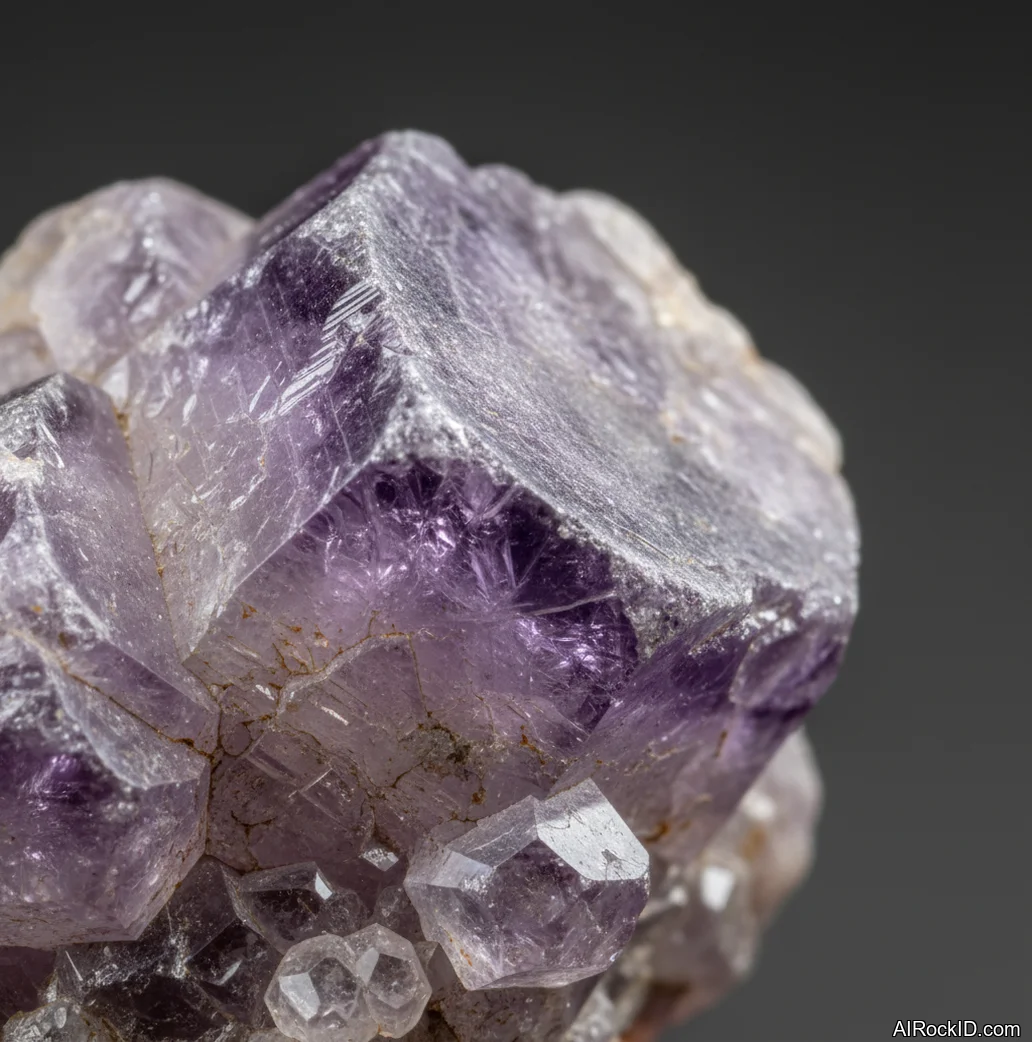
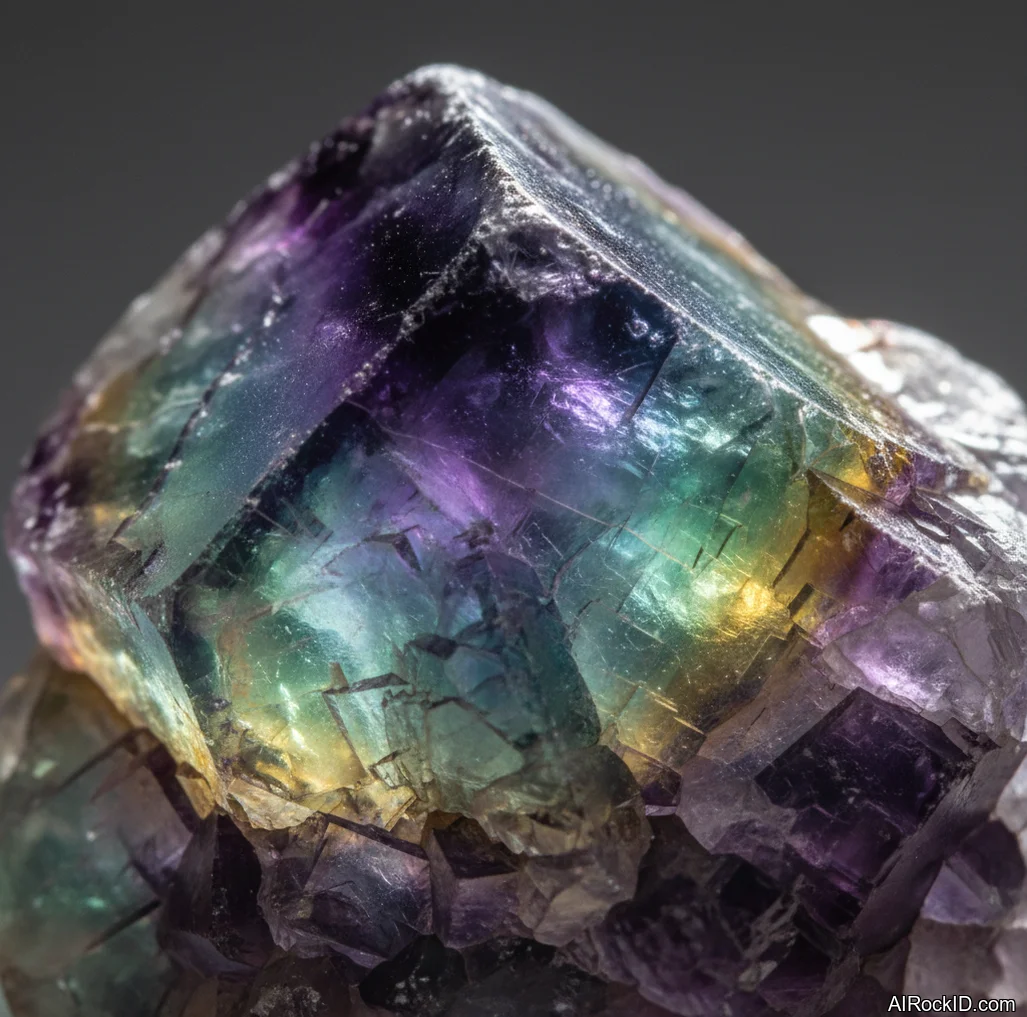
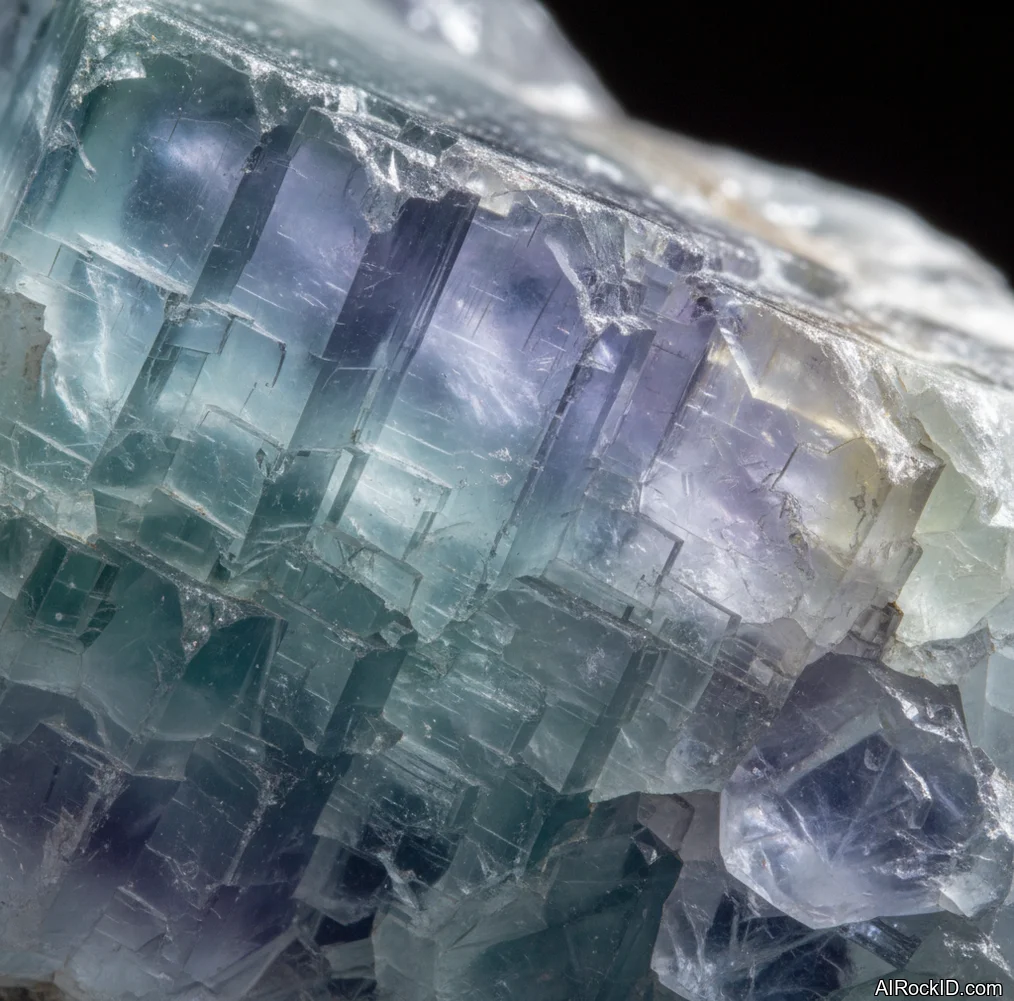
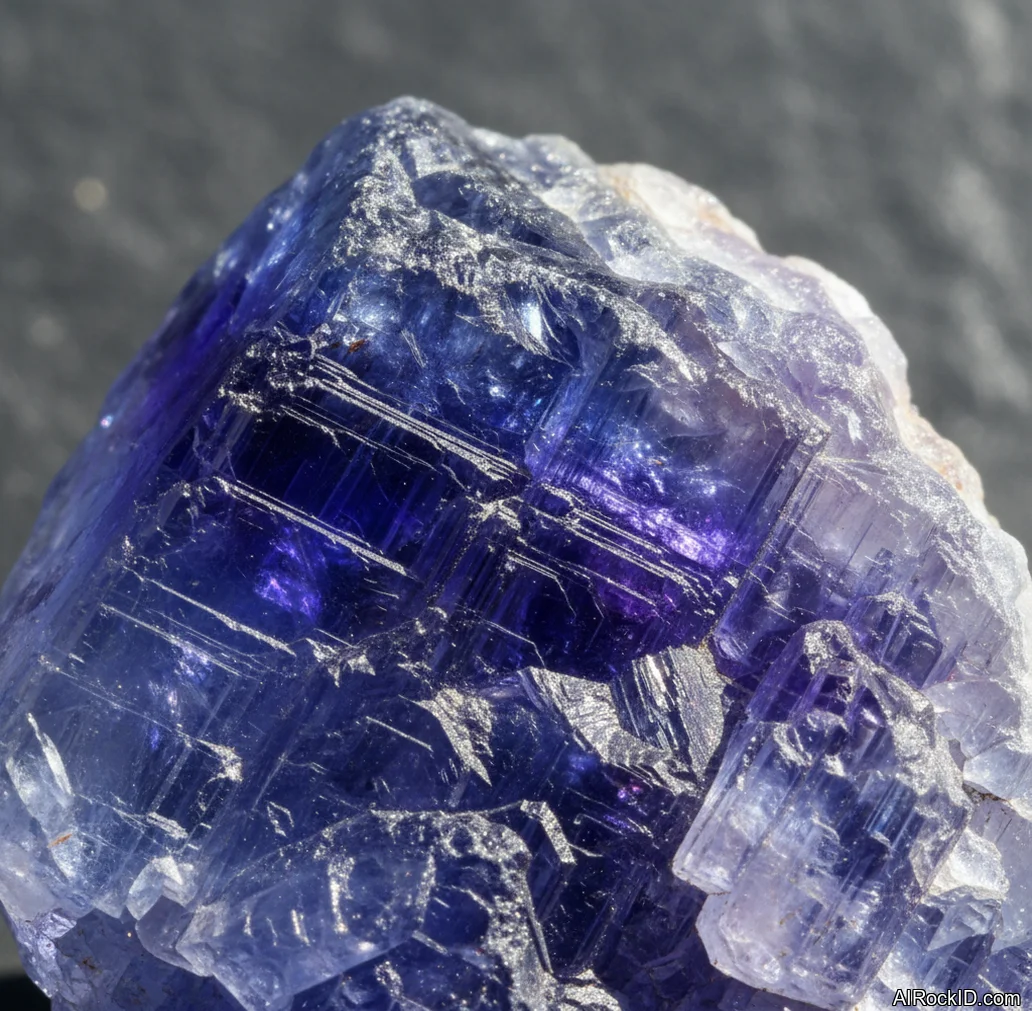
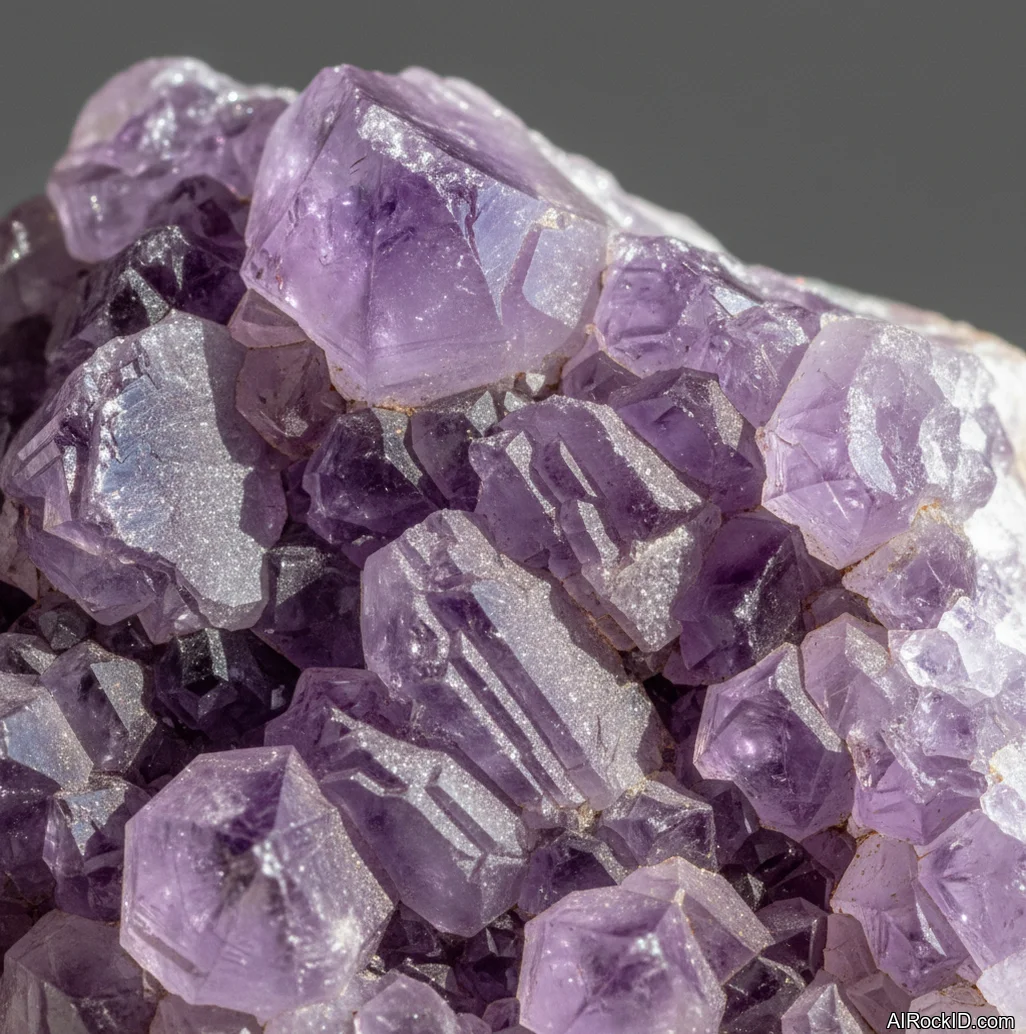
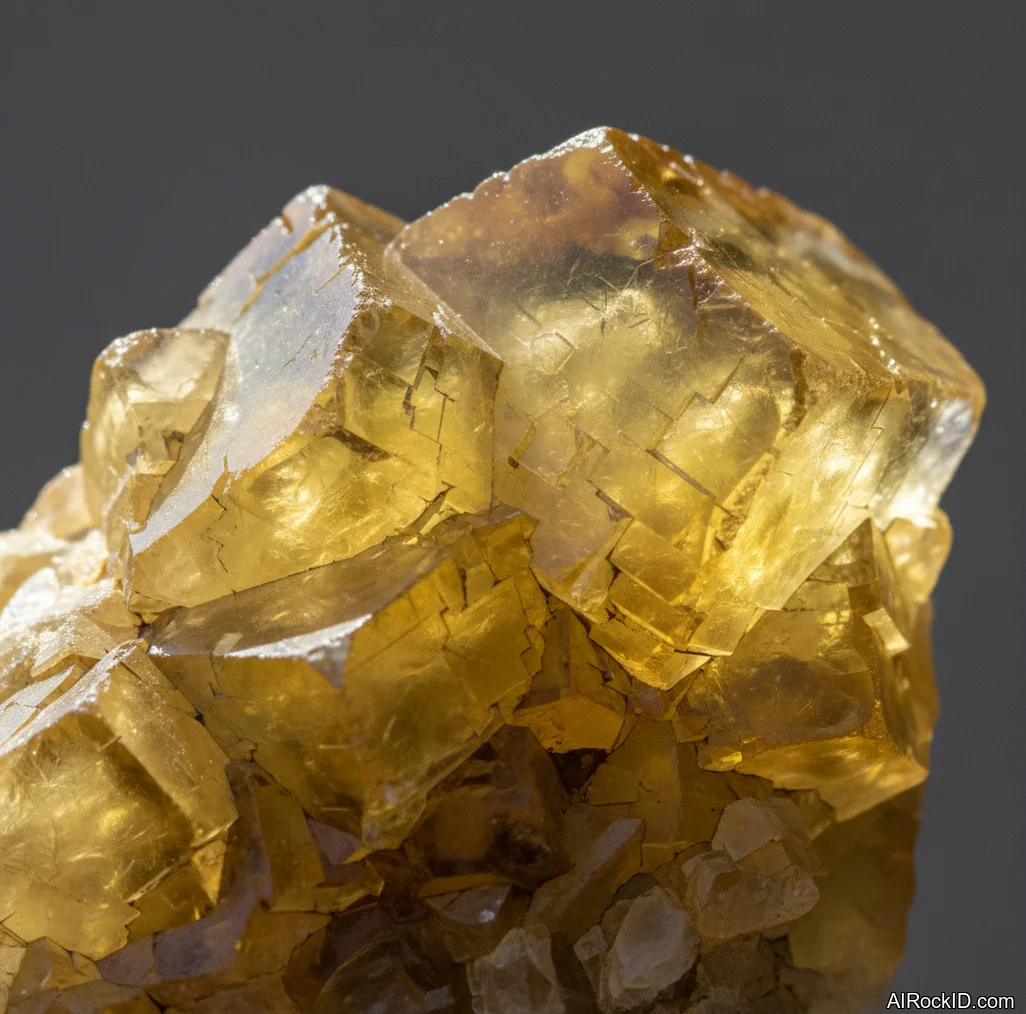
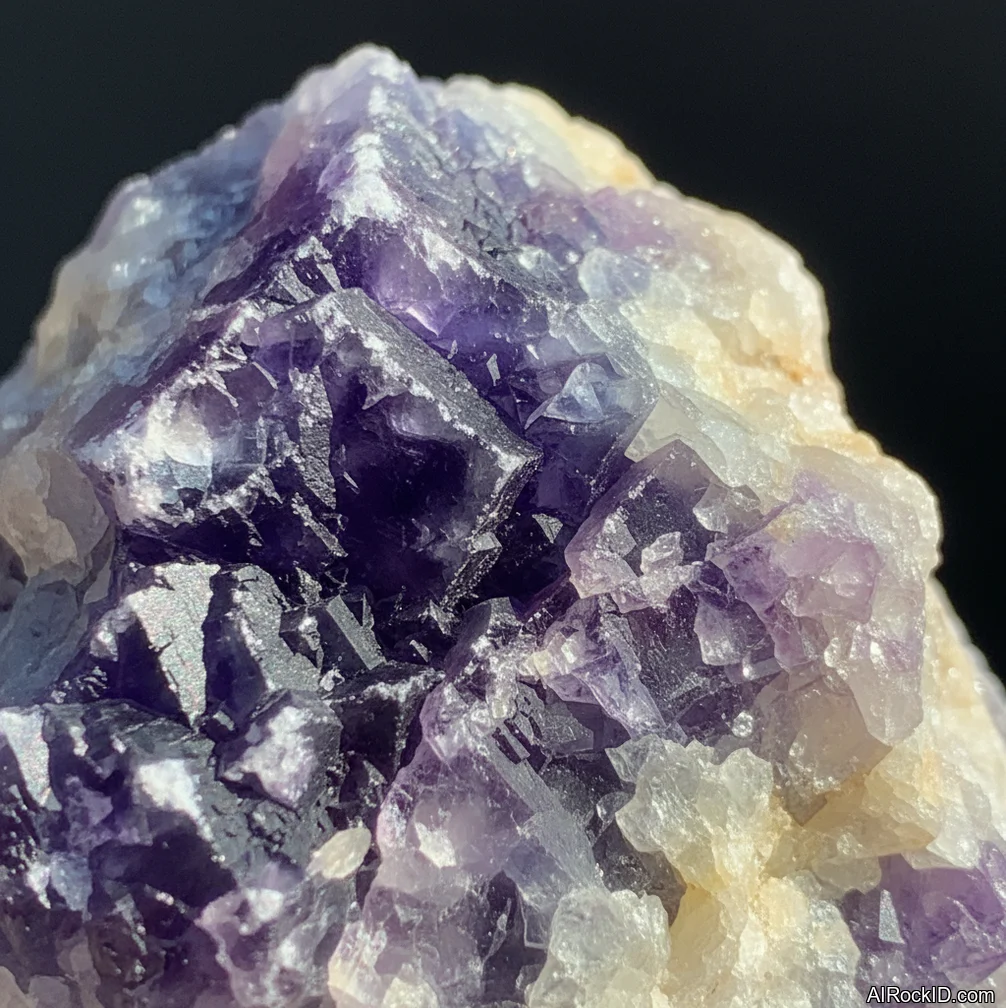
Pick up a piece of fluorite and you’ll see why it ends up in this category so much. It feels colder than you expect. And when you tilt it under a lamp, the internal zoning can look like stacked panes of glass. That layered look matches how a lot of folks use it: organize the chaos, sort the inputs, keep the mind from scattering. Purple-green fluorite is the classic desk stone, but blue fluorite feels like it pairs well with reading and language work. But don’t baby it. Fluorite is soft enough that a key in your pocket will chew it up, and it hates being knocked off a shelf.
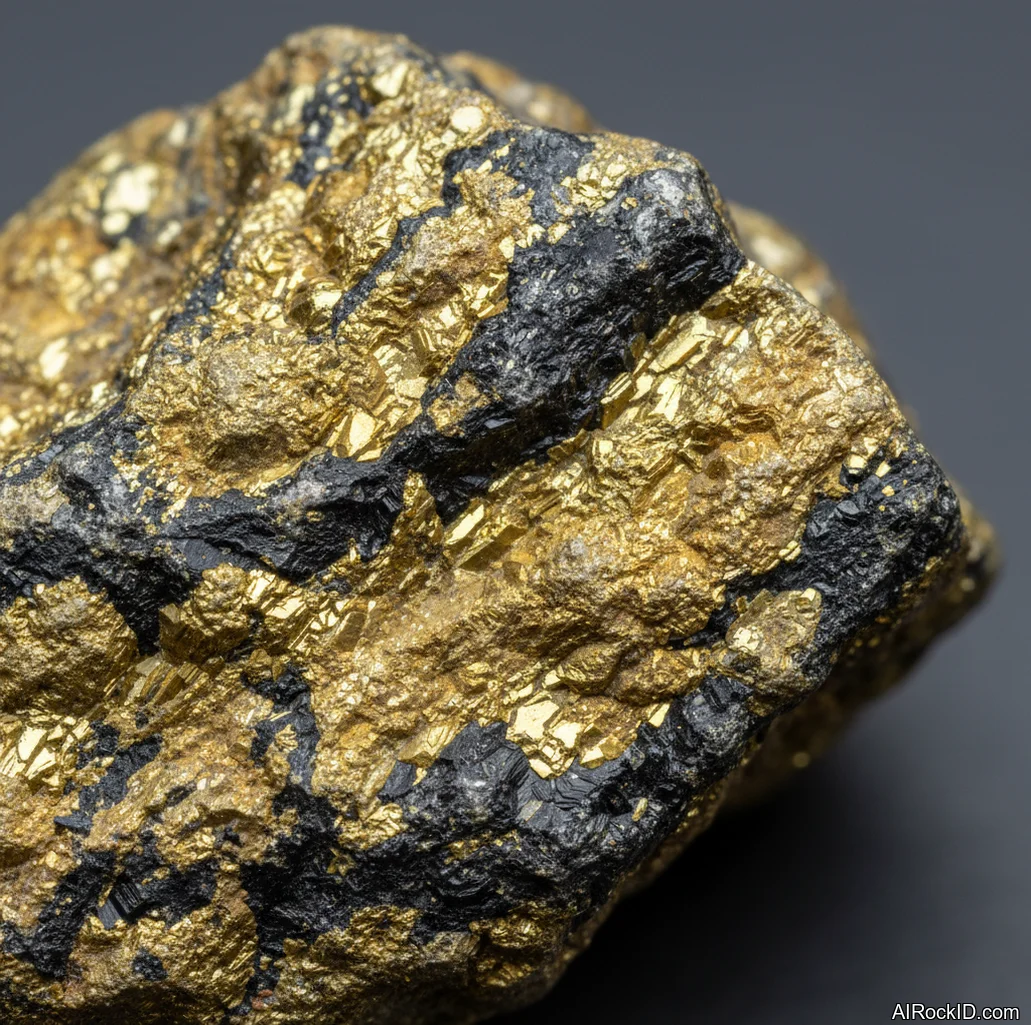
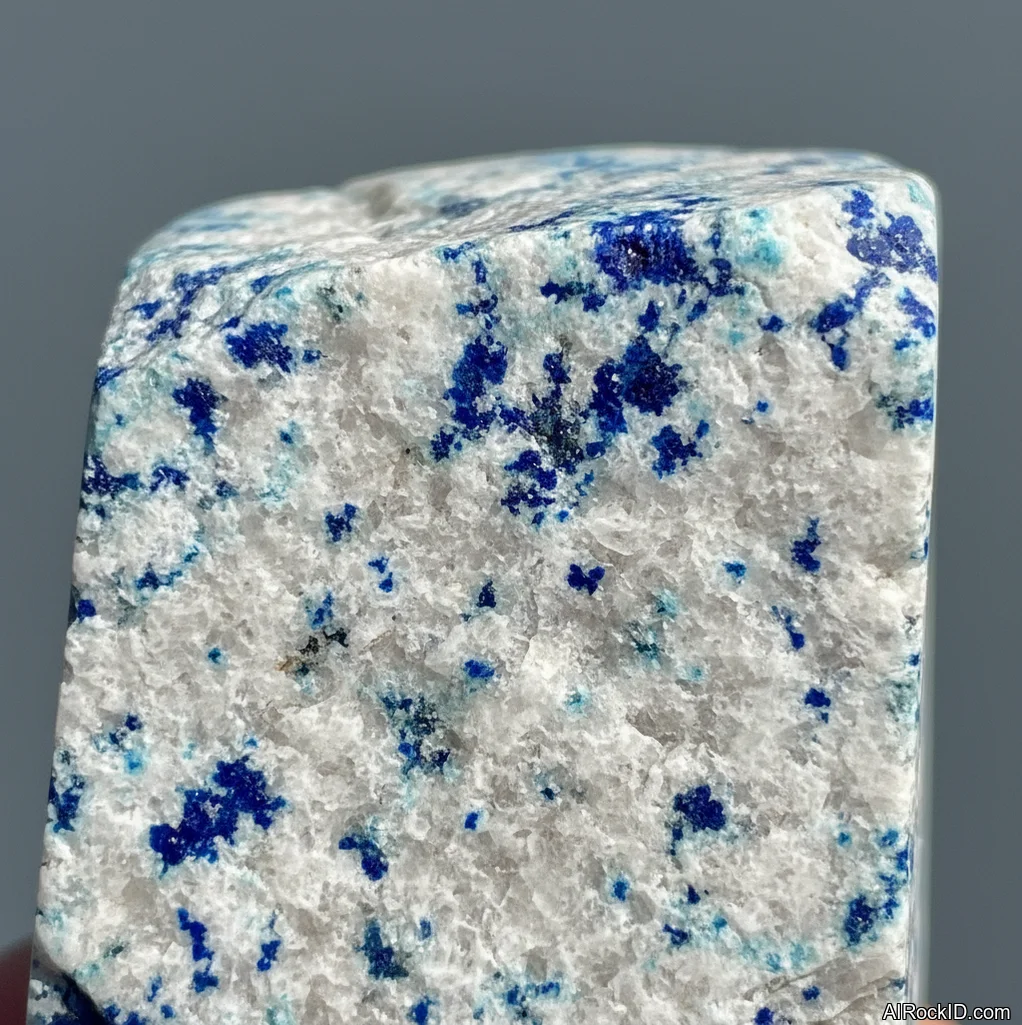
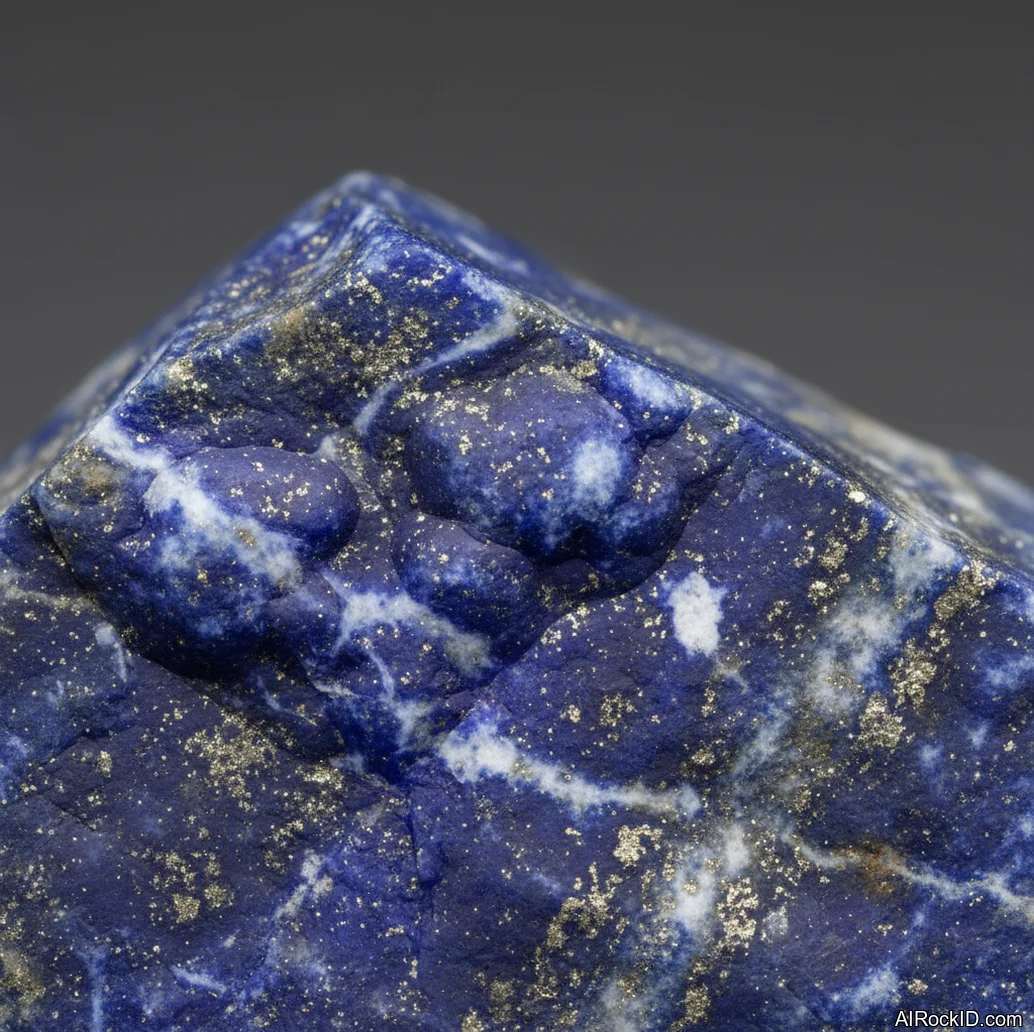
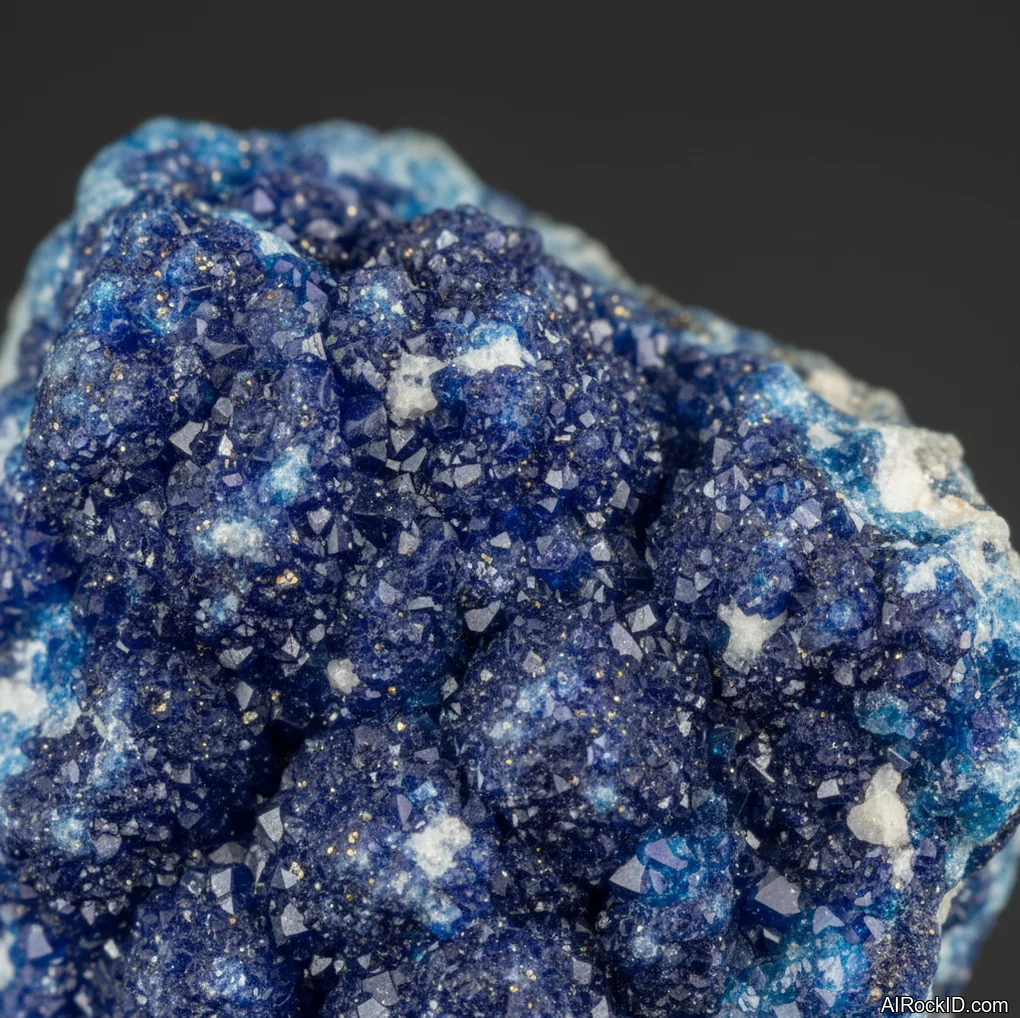
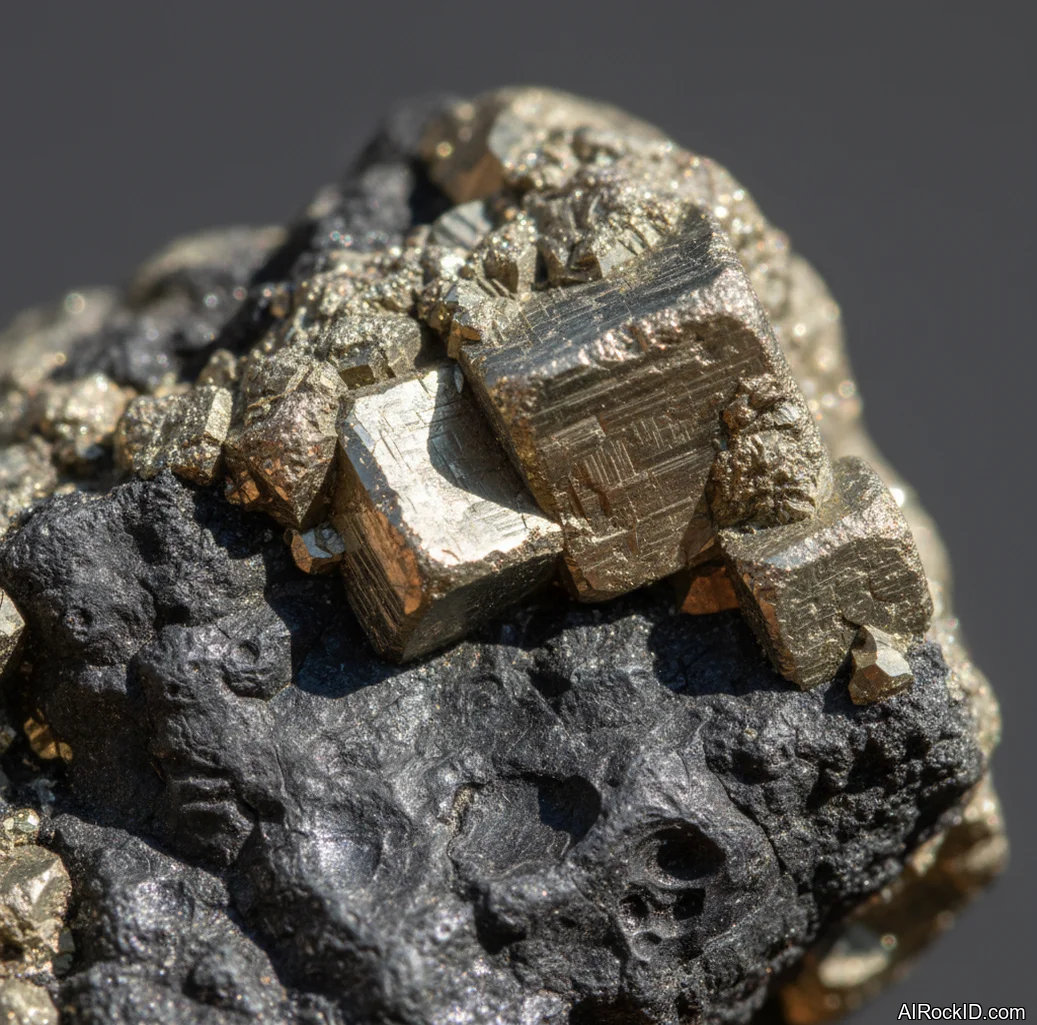
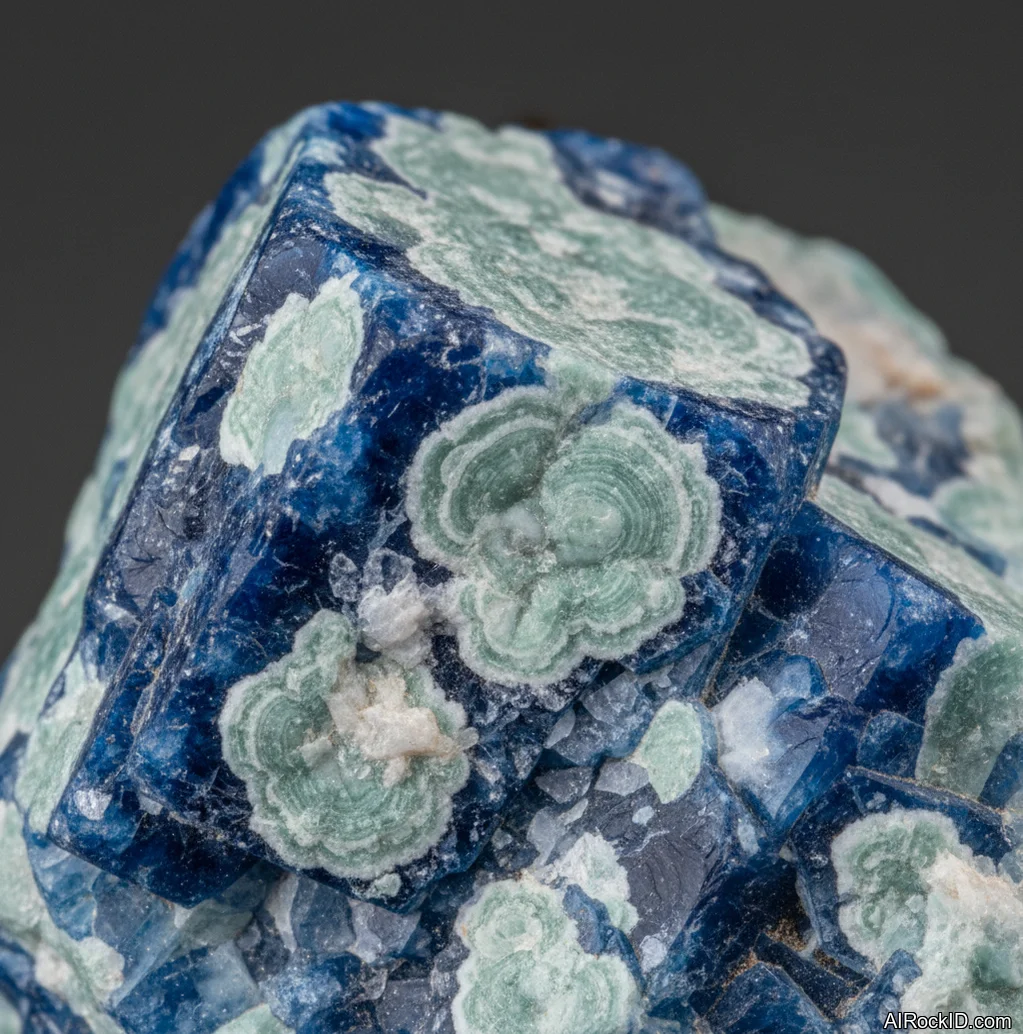
Knowledge also has a “truth and clarity” side, and that’s where lapis lazuli comes in. A good lapis has that deep denim-blue body color with tiny pyrite flecks like little brass sparks, plus some white calcite veining if it’s natural. When sellers dye low-grade material, the blue rubs off on a paper towel, and the stone can look too inky and uniform. Thing is, for a lot of people lapis is about learning from what’s real, not what’s loud. Great for journaling, studying philosophy, or doing the kind of work where you have to hold two opposing ideas in your head without forcing a quick conclusion.
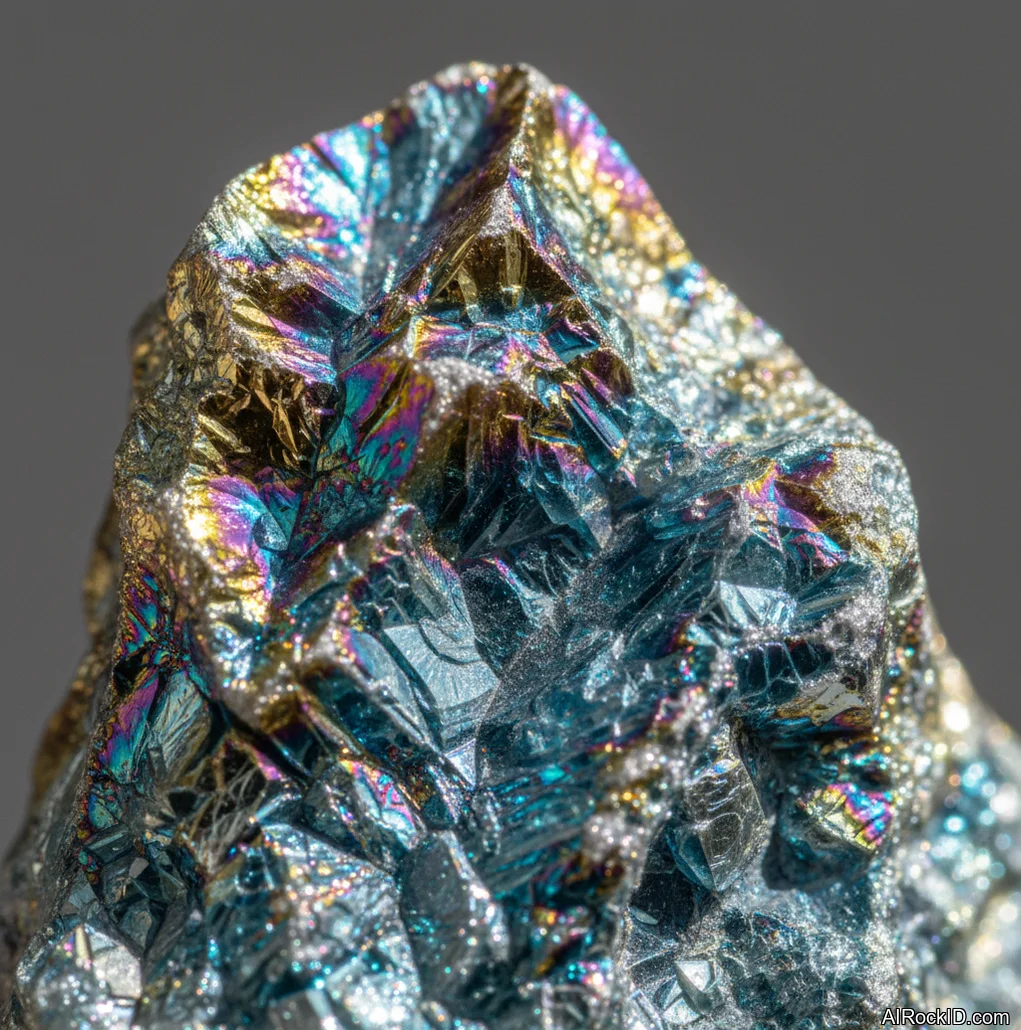
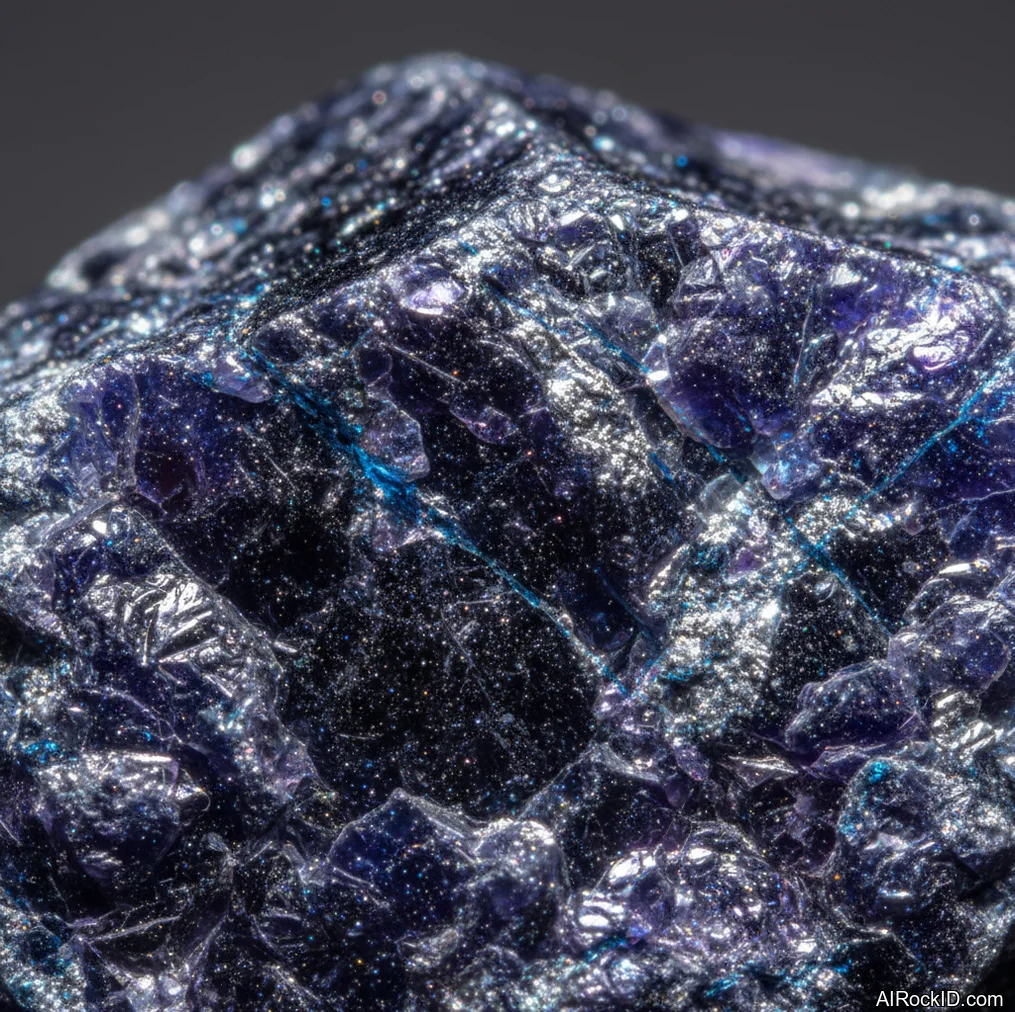
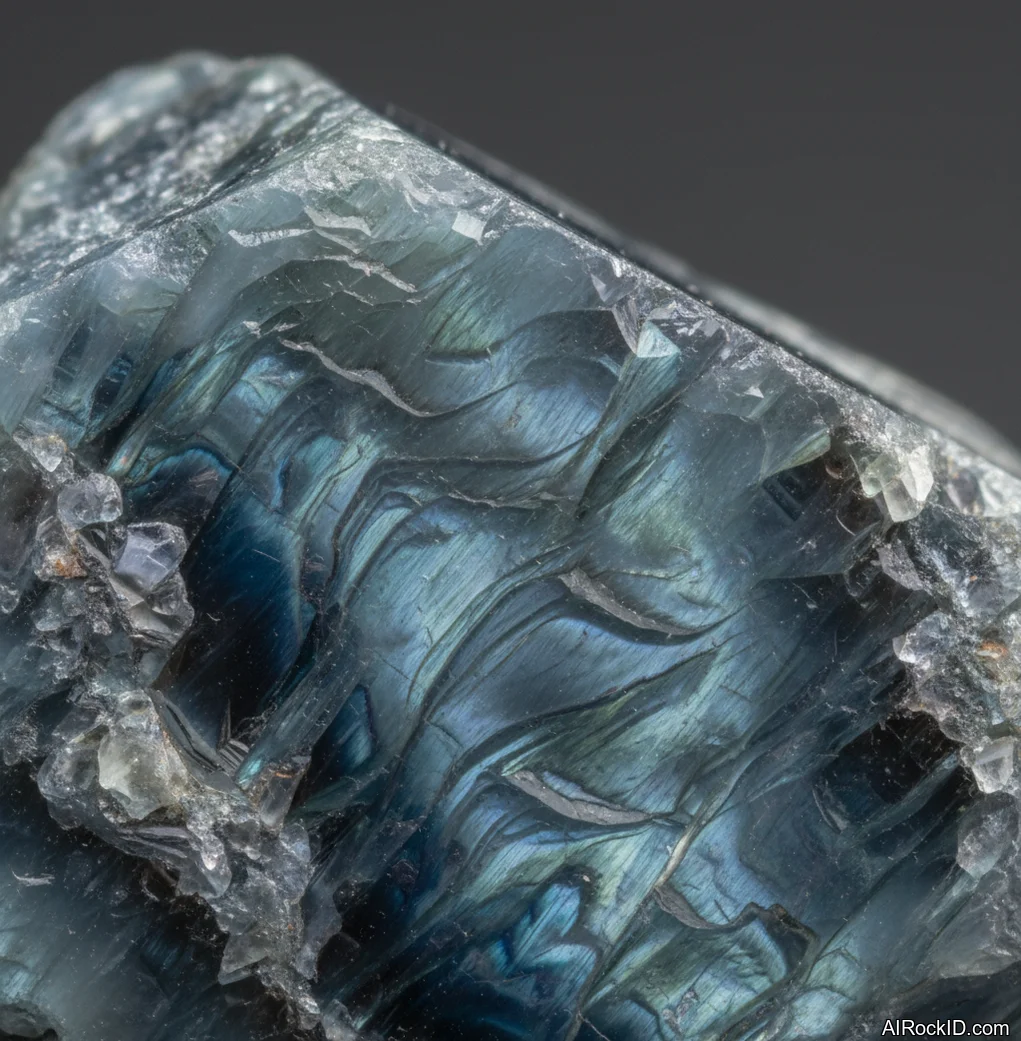
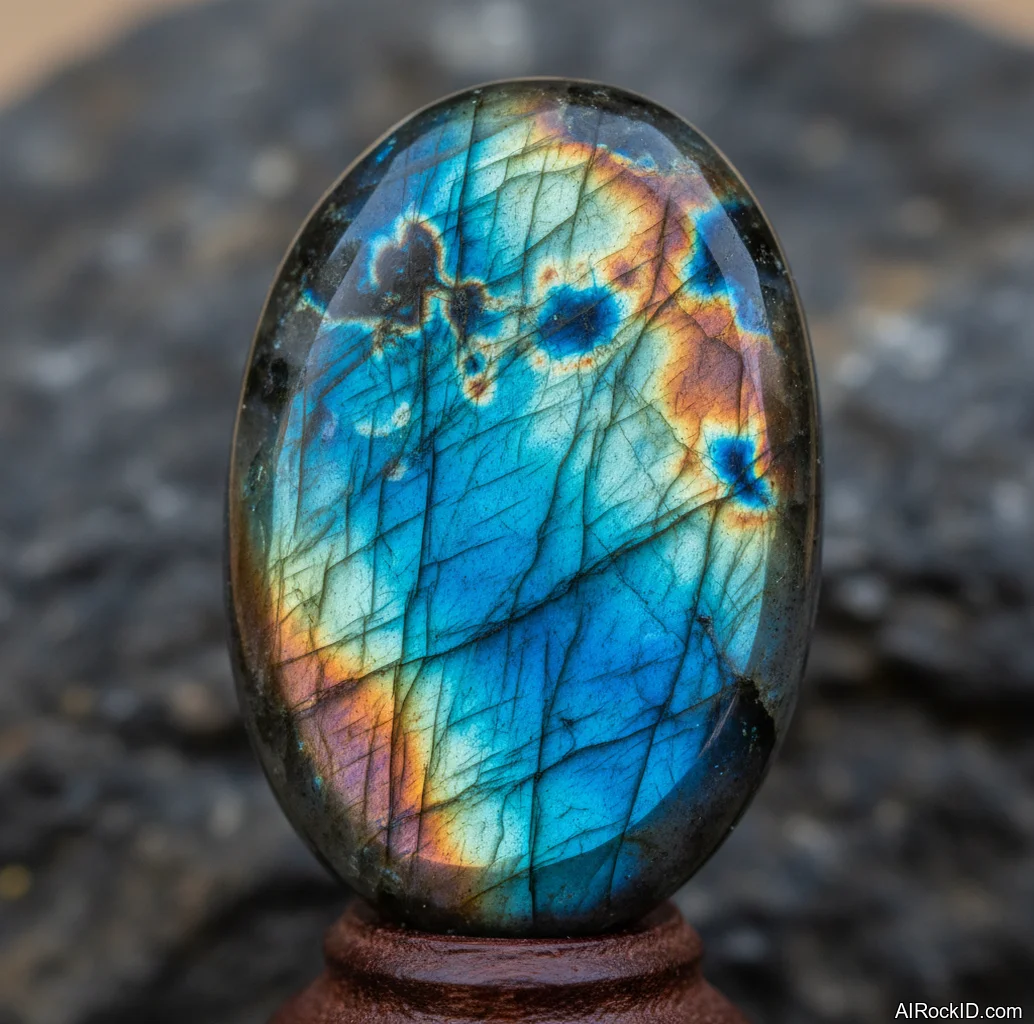
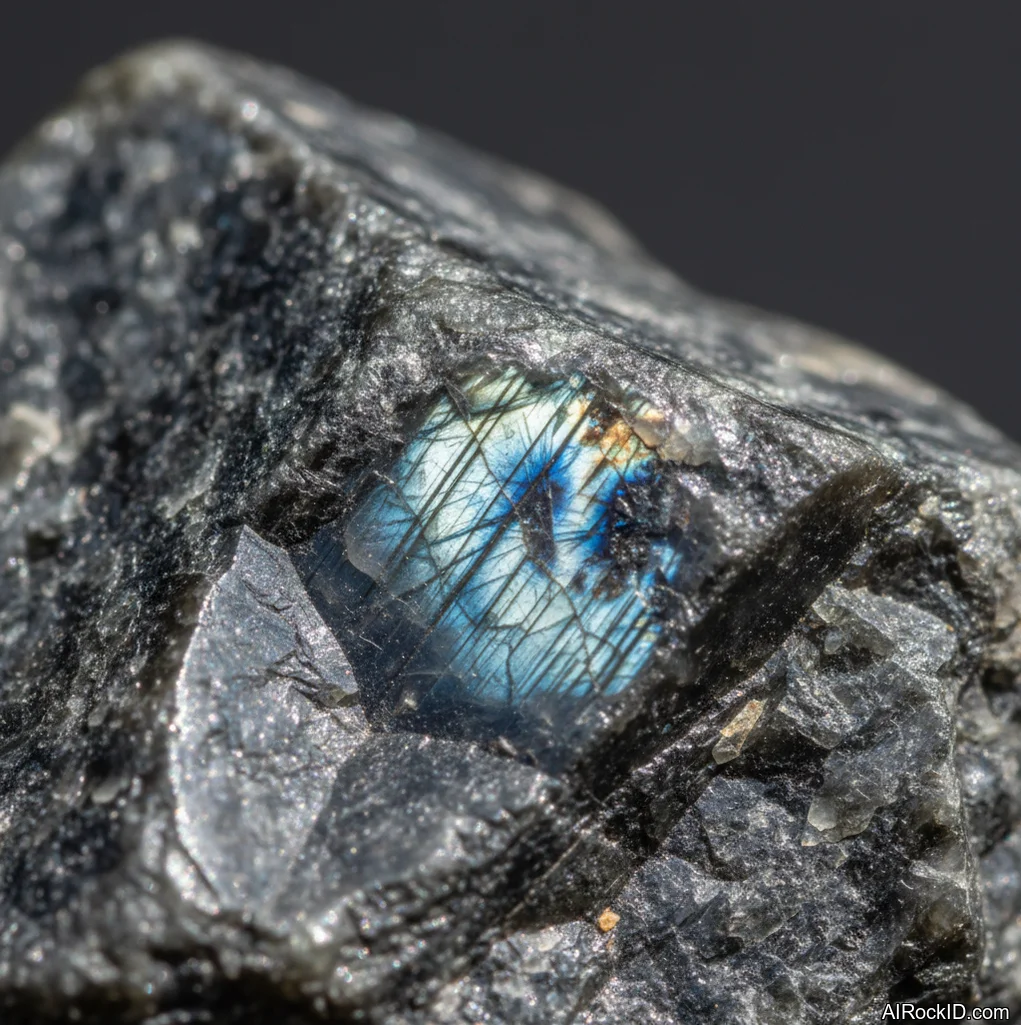
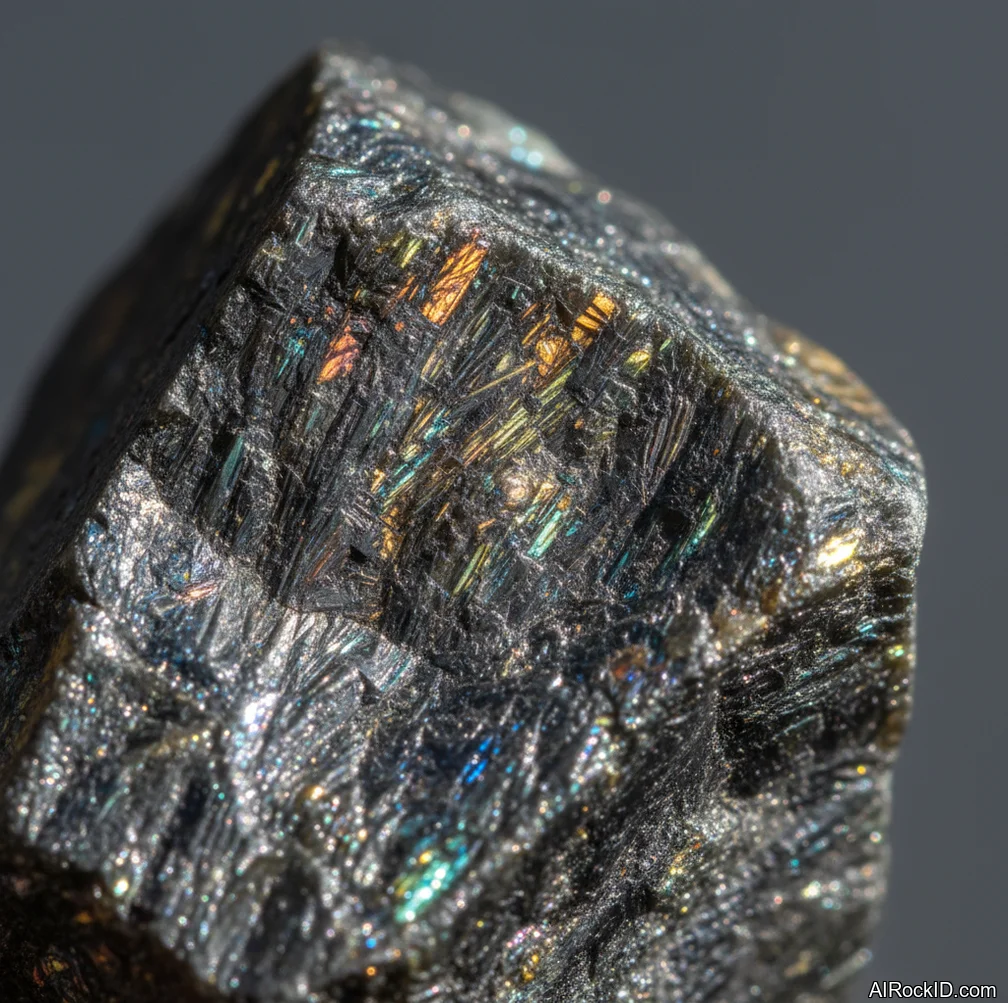
If you want that “download the information” energy, labradorite is the one people keep in their bag. The flash is the tell. Rotate it and you’ll see that sheet-like blue, green, or gold sheen pop and vanish depending on angle, because you’re catching light off internal layers. A dead, painted-looking “flash” that doesn’t shift is a red flag. And labradorite gets used when you’re trying to connect dots across topics, like when you’re learning a new software tool and suddenly it clicks how it relates to something you already know.
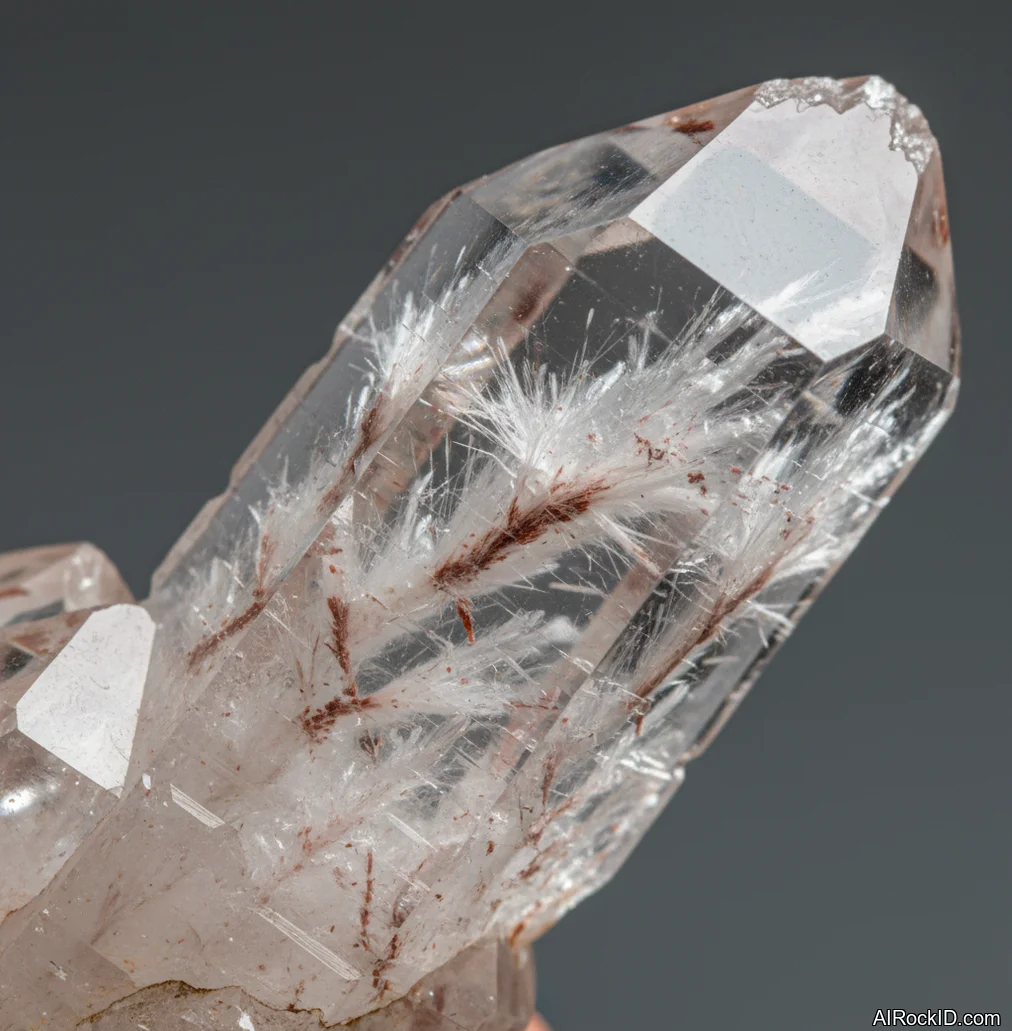
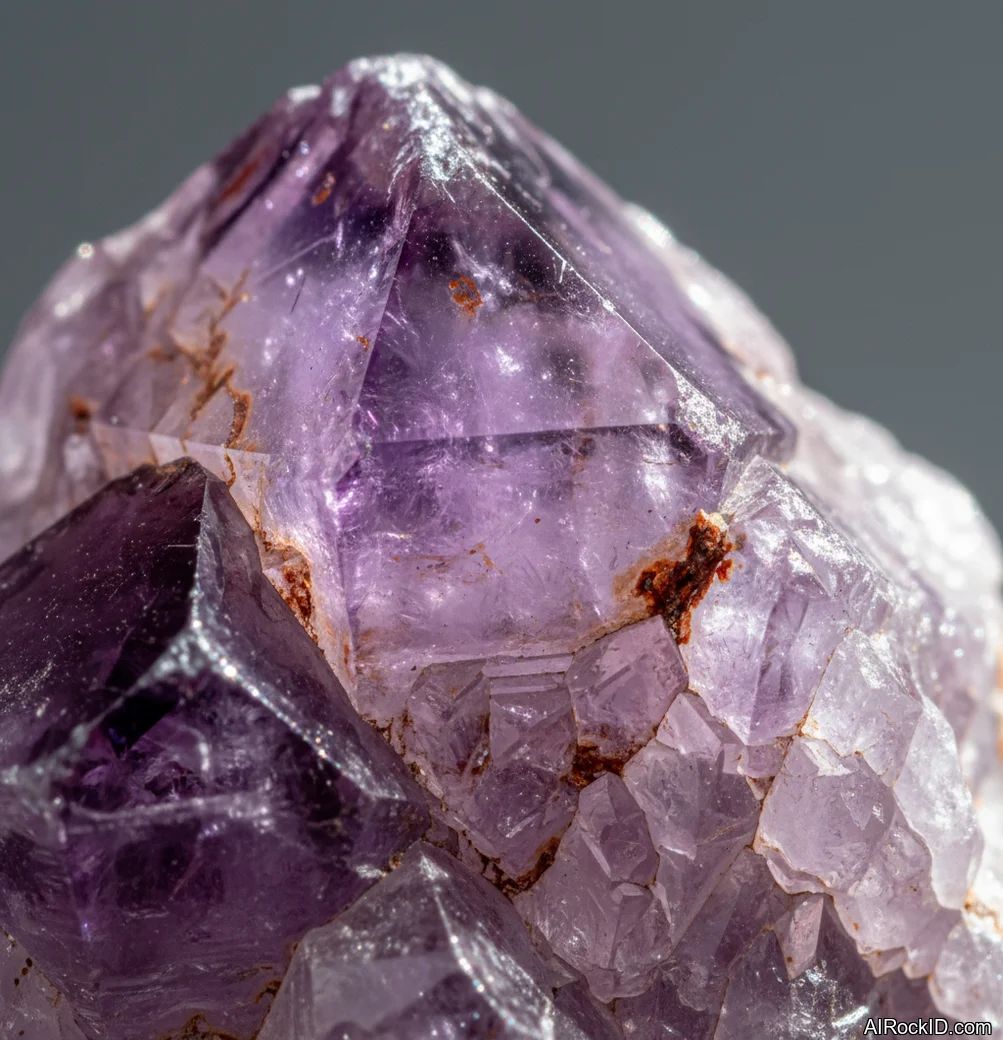
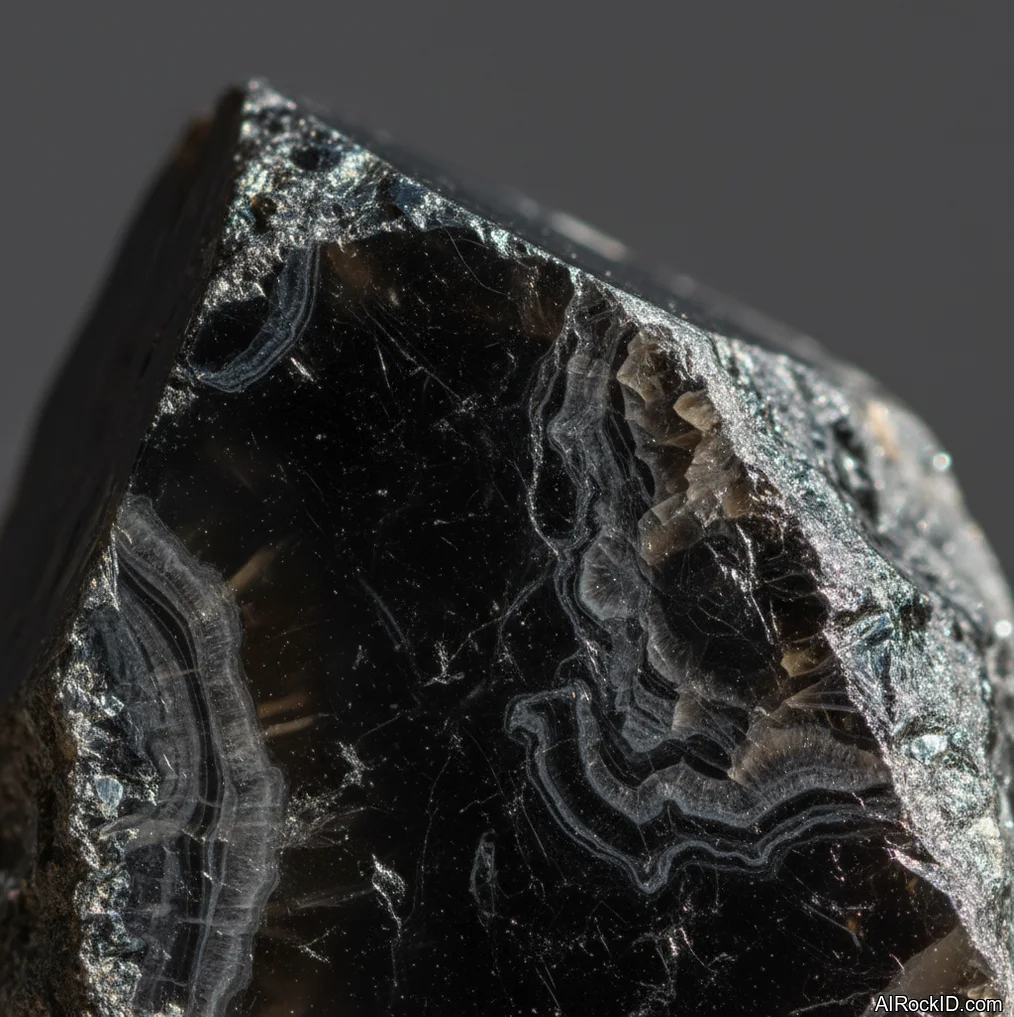
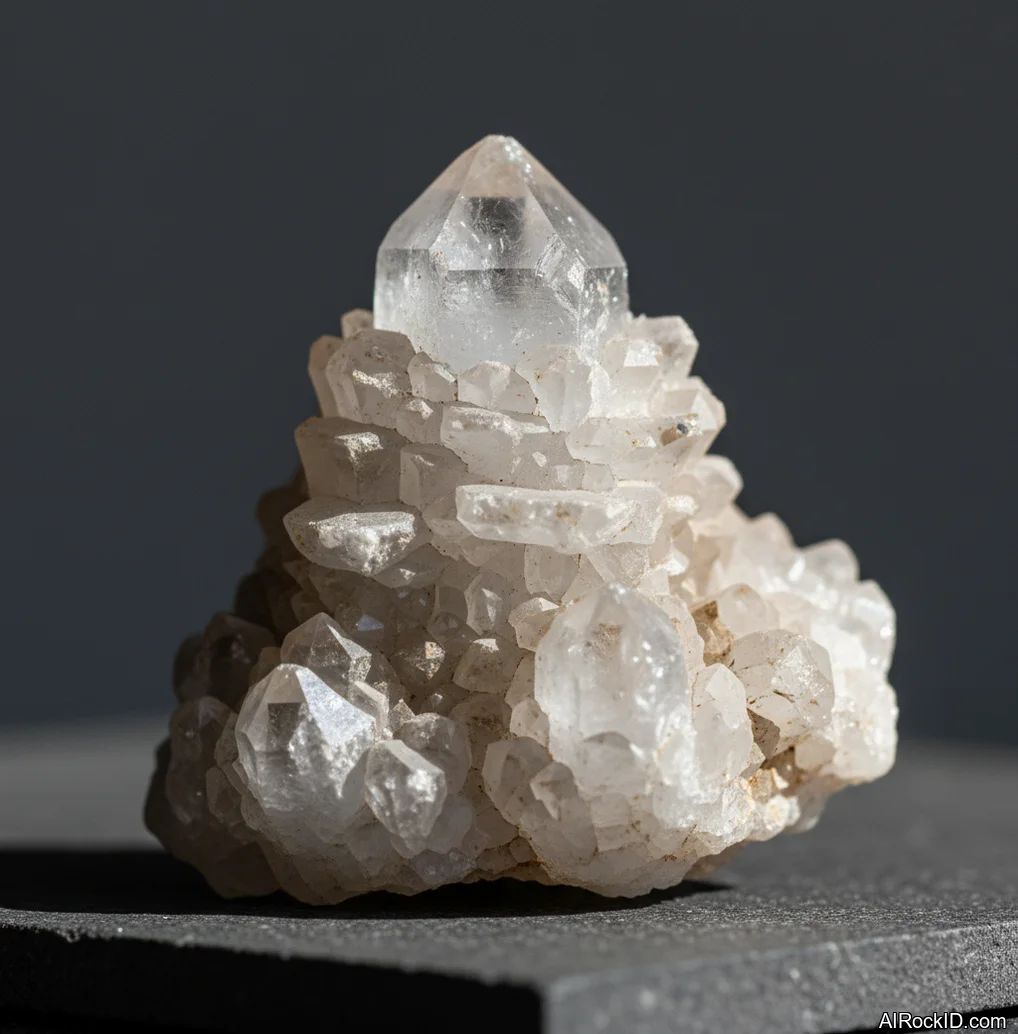
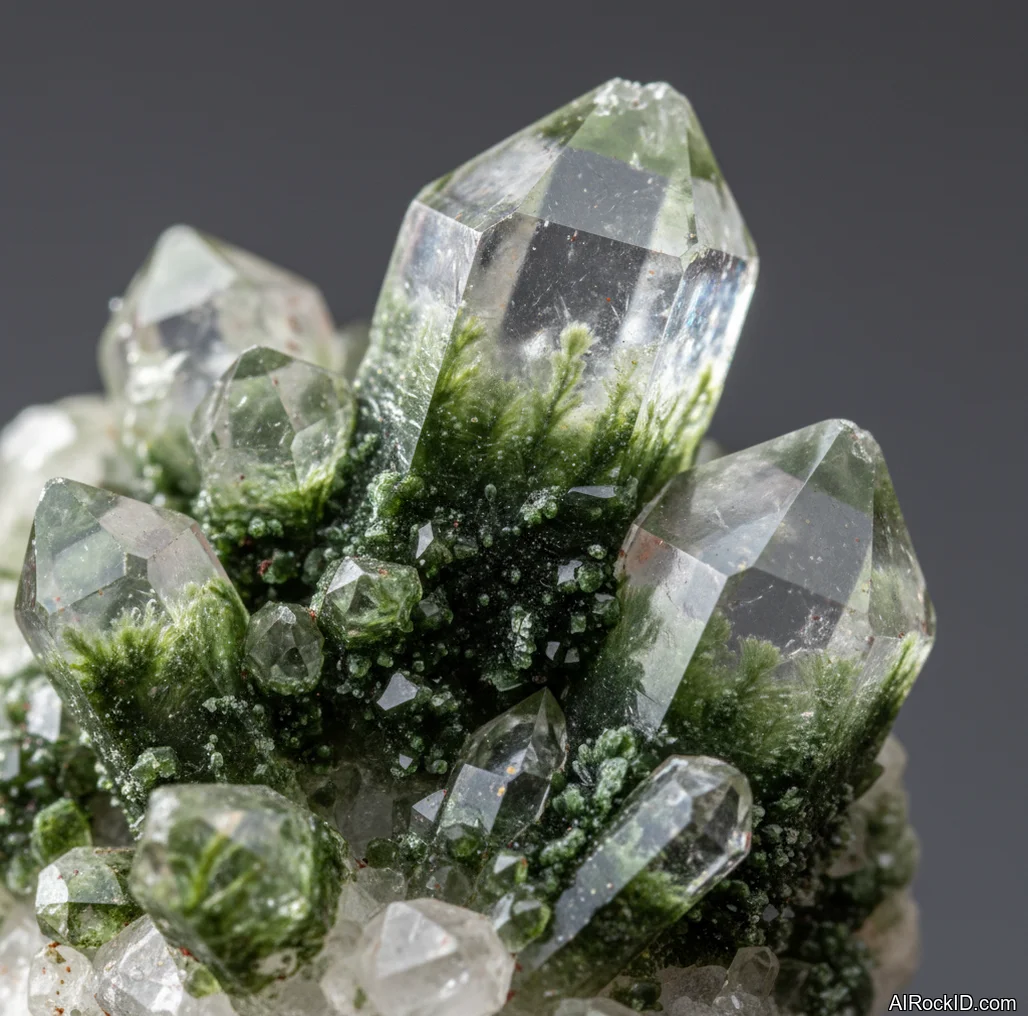
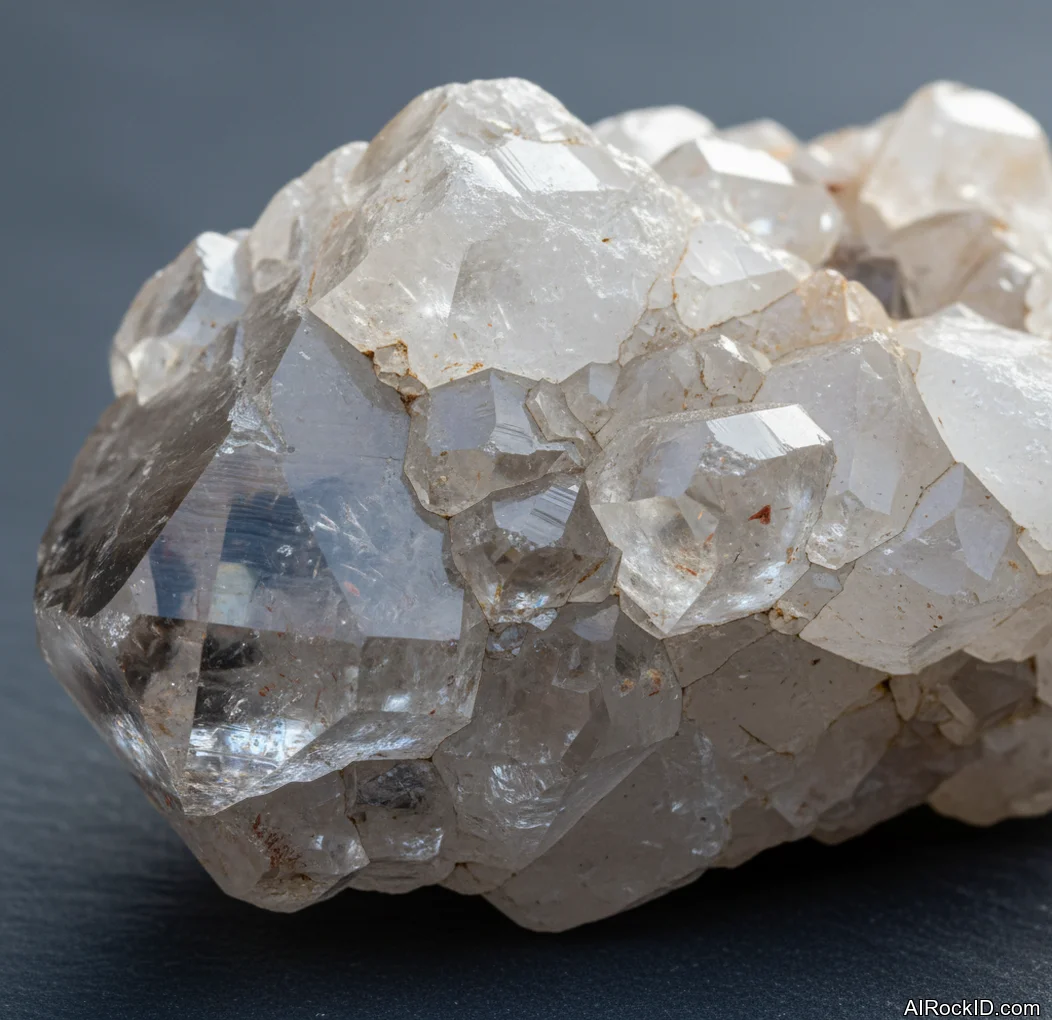
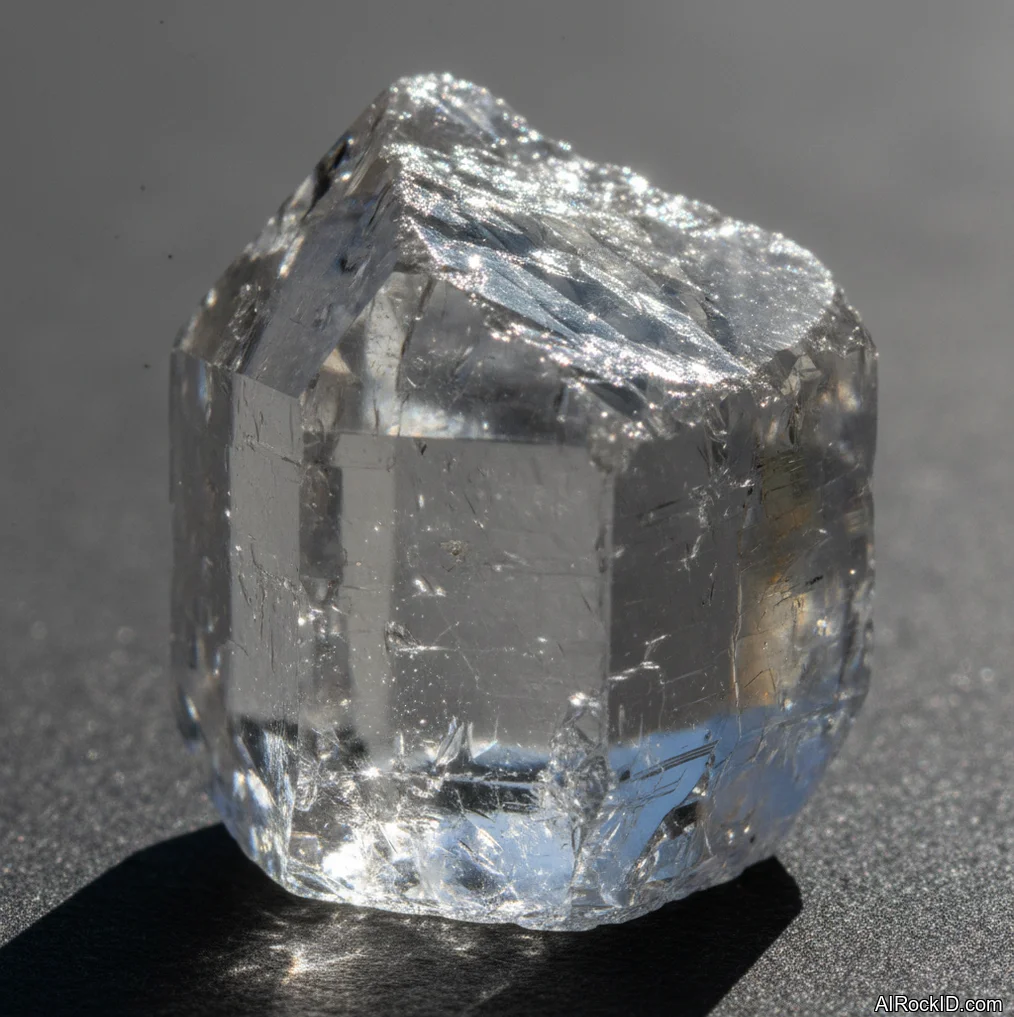
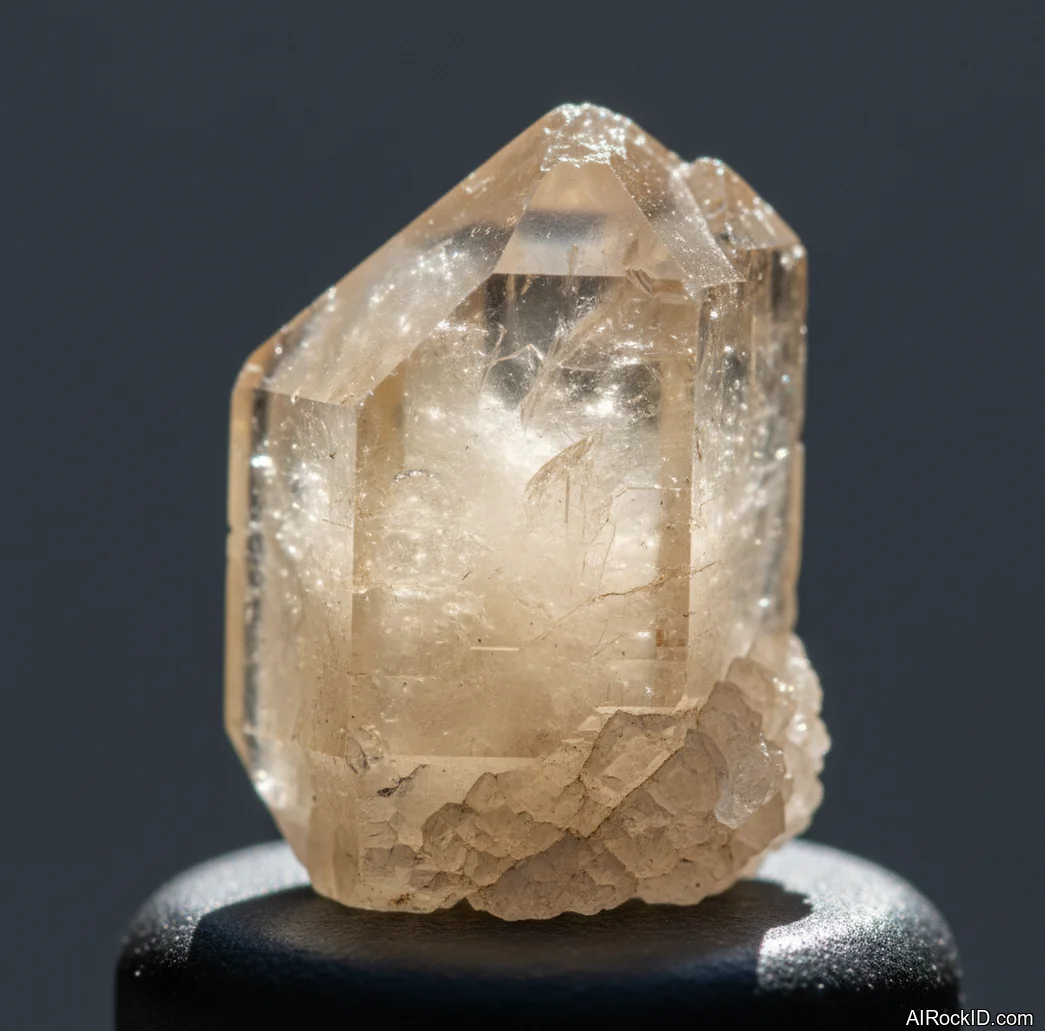
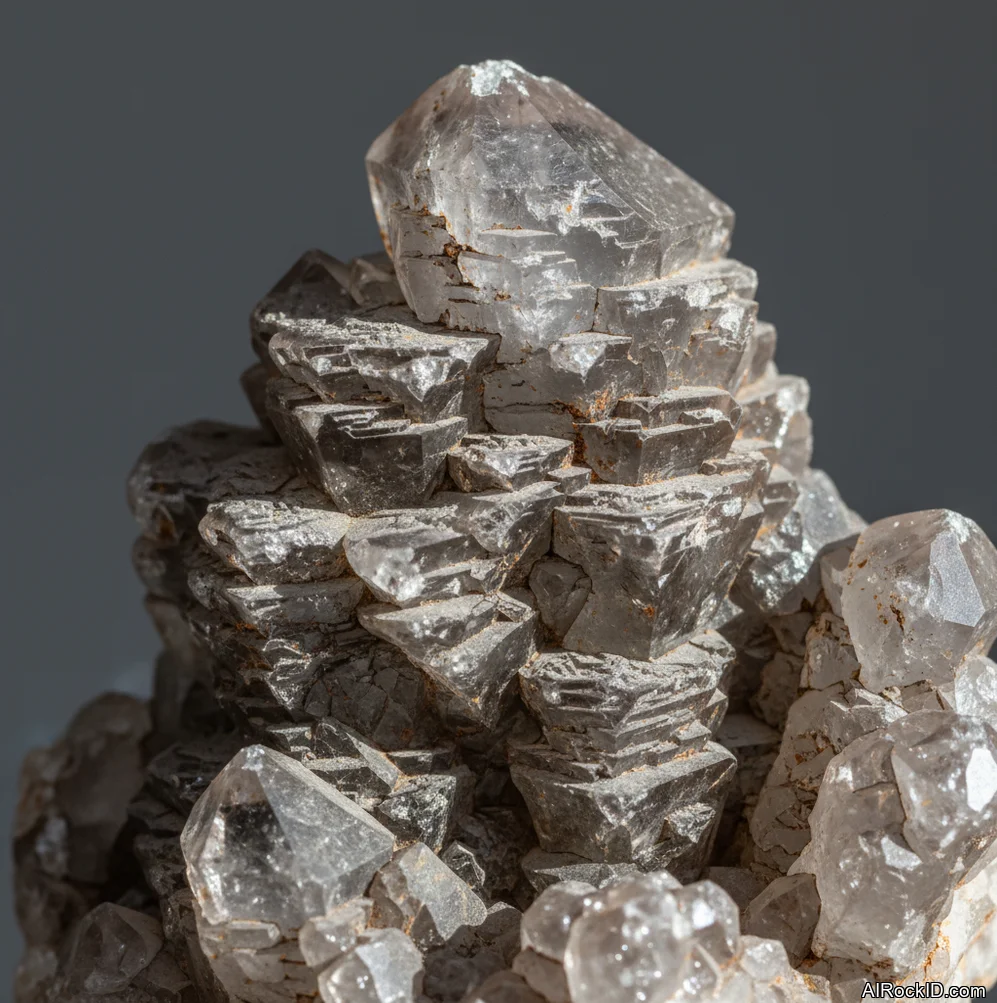
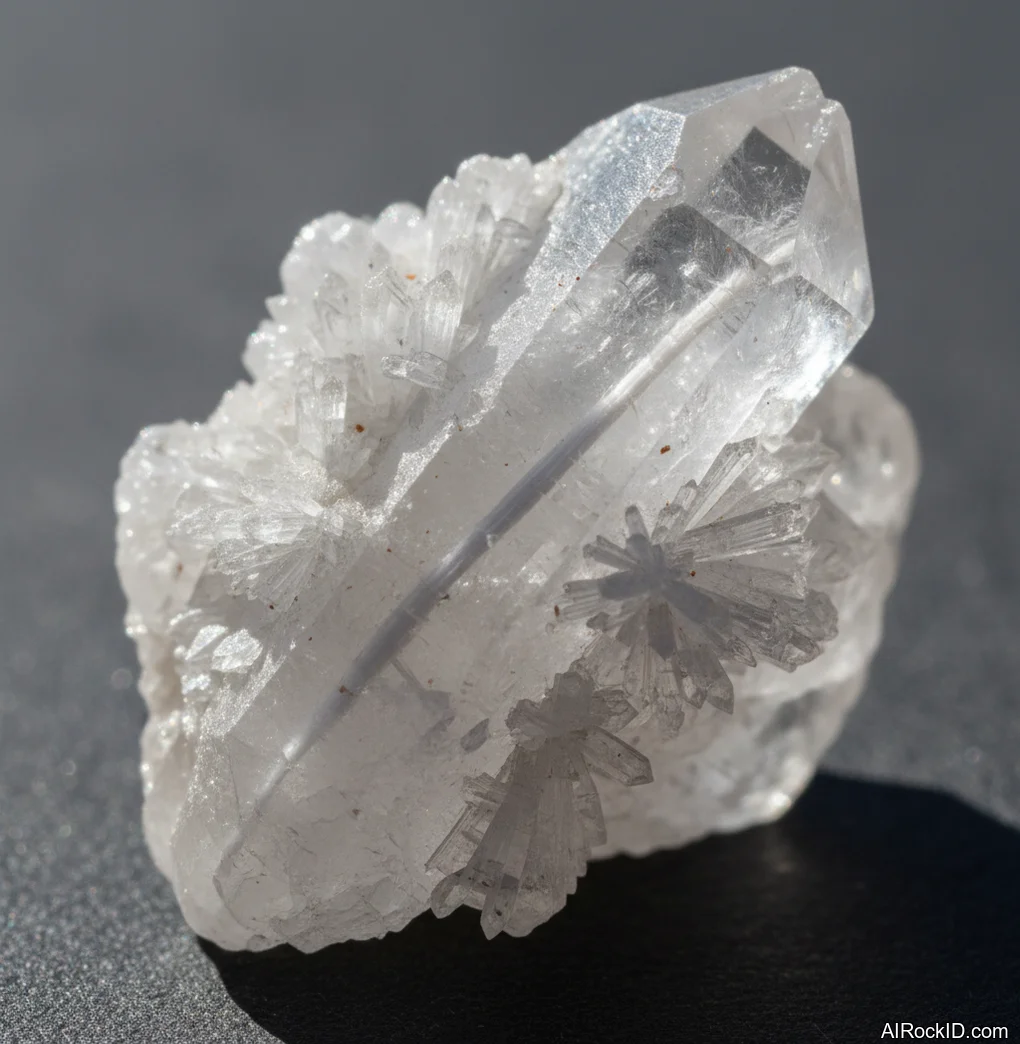
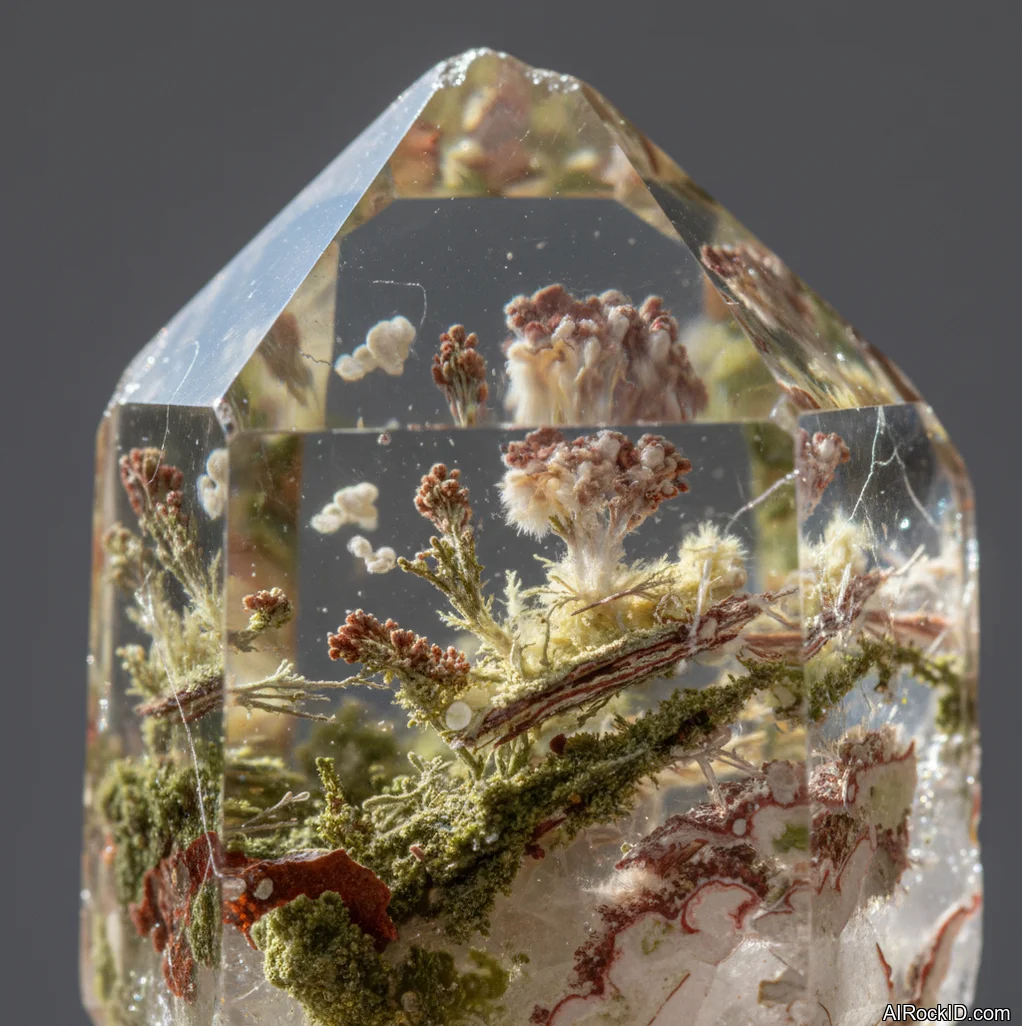
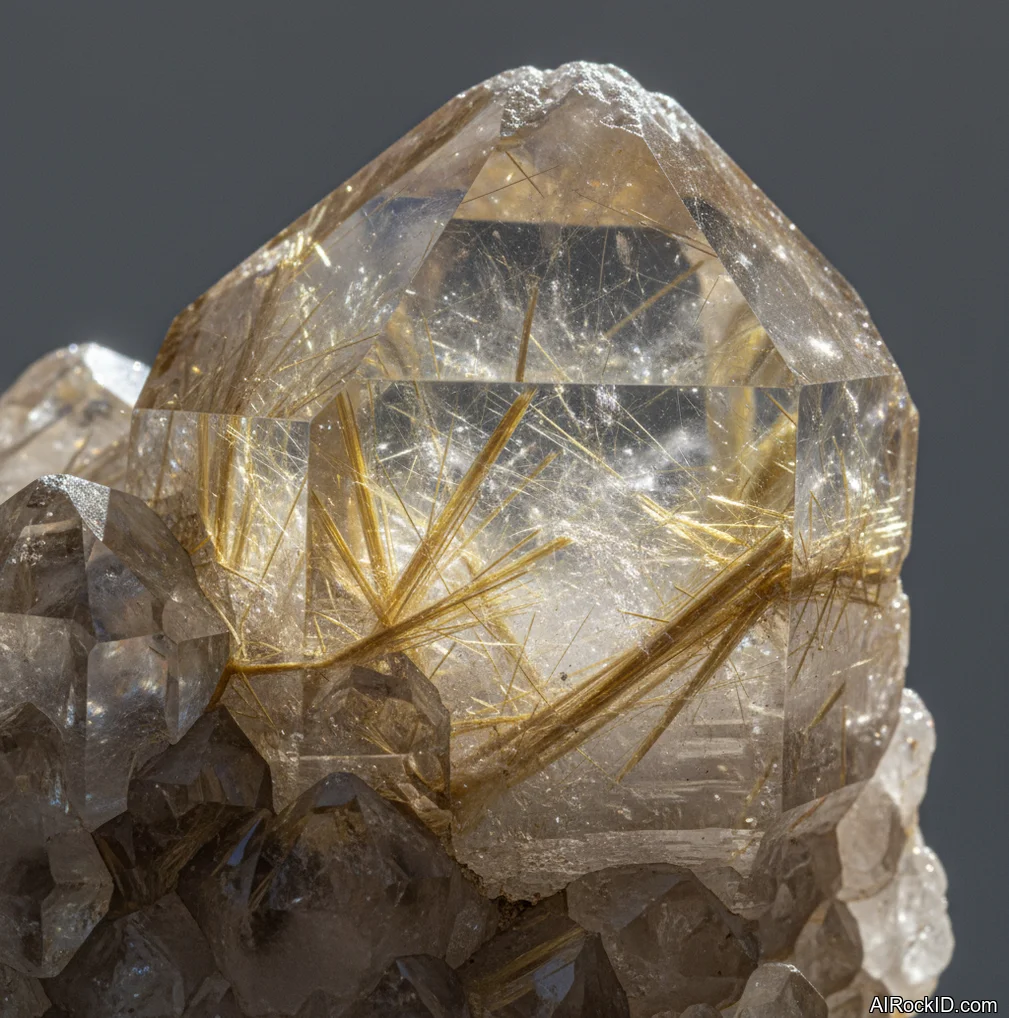
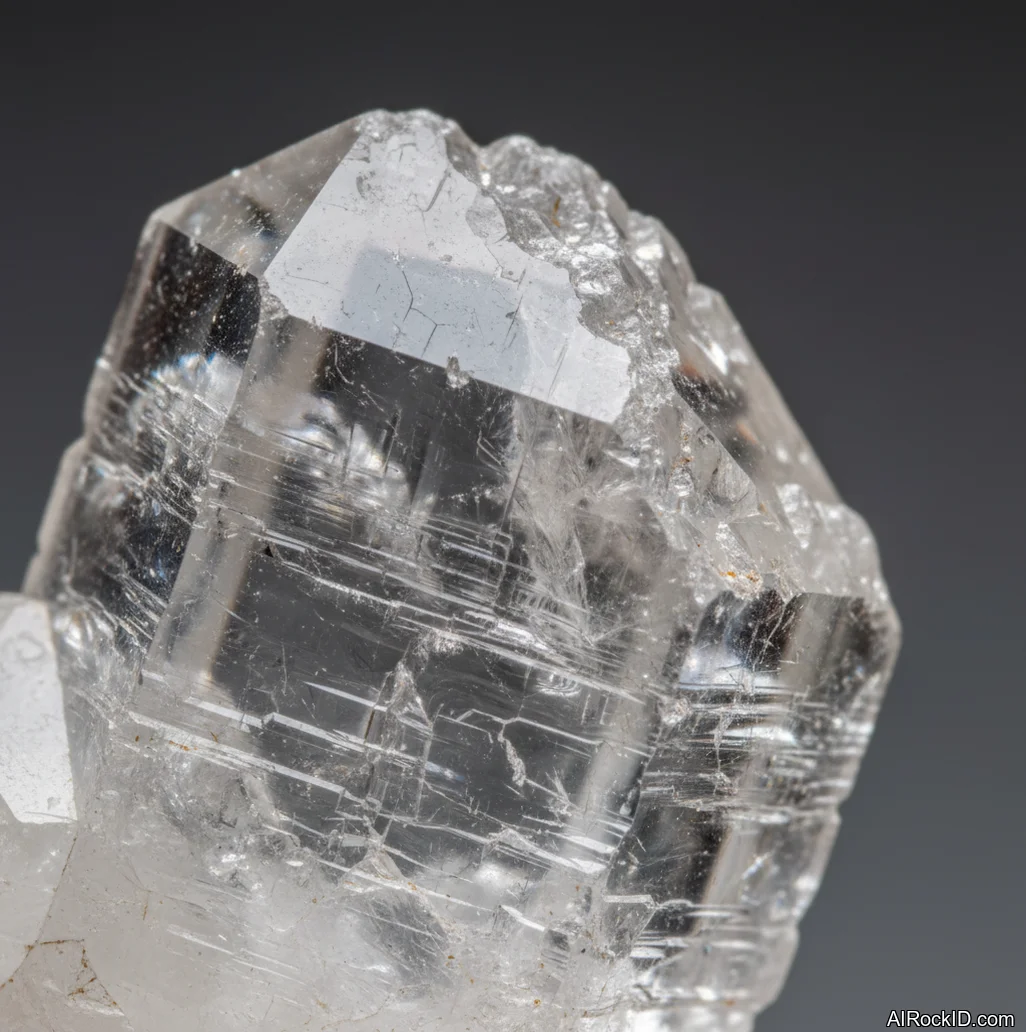
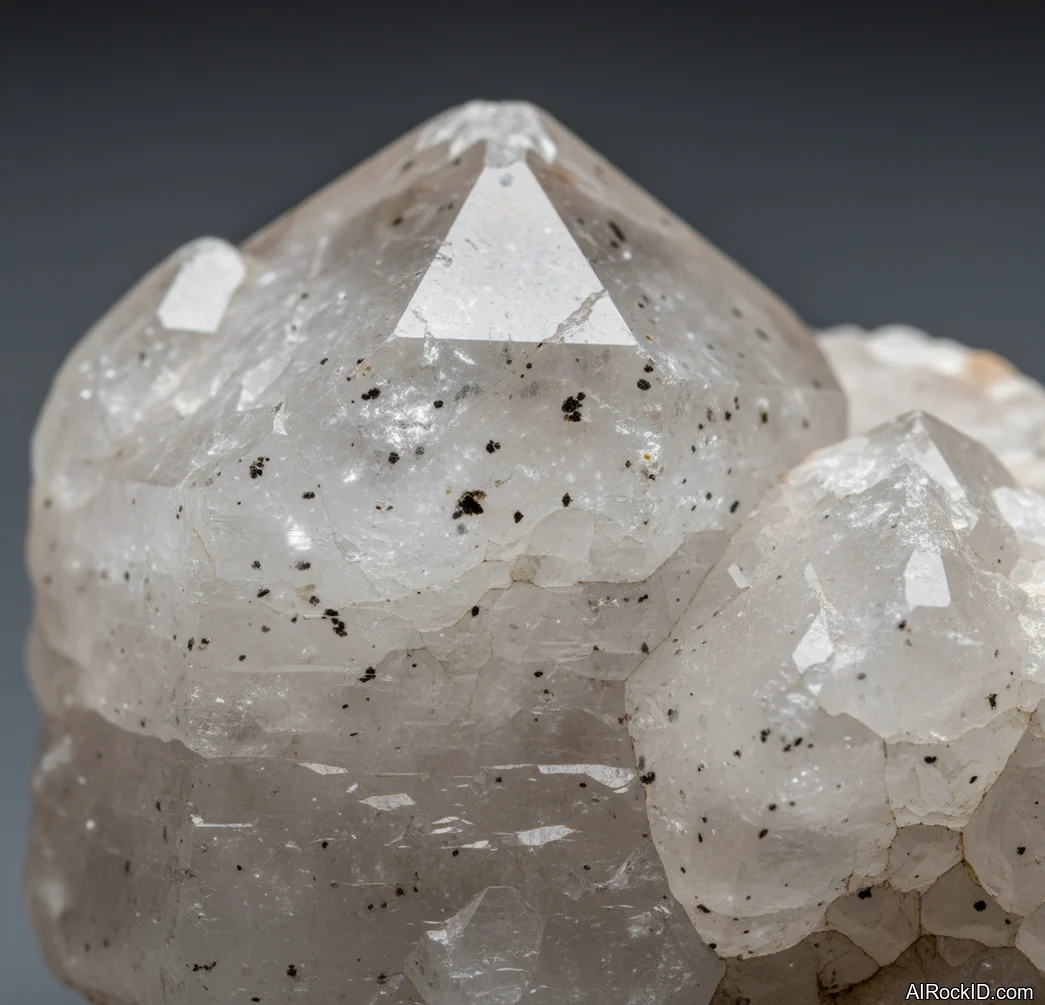
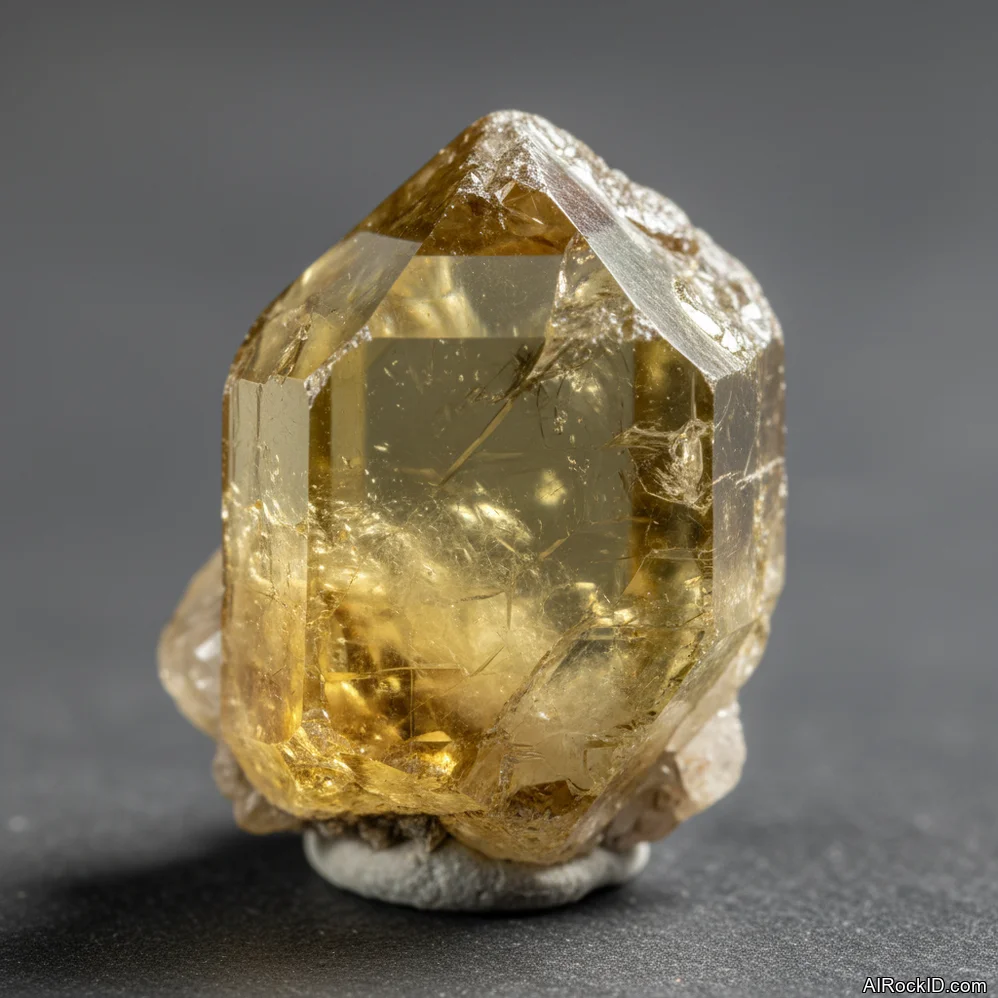
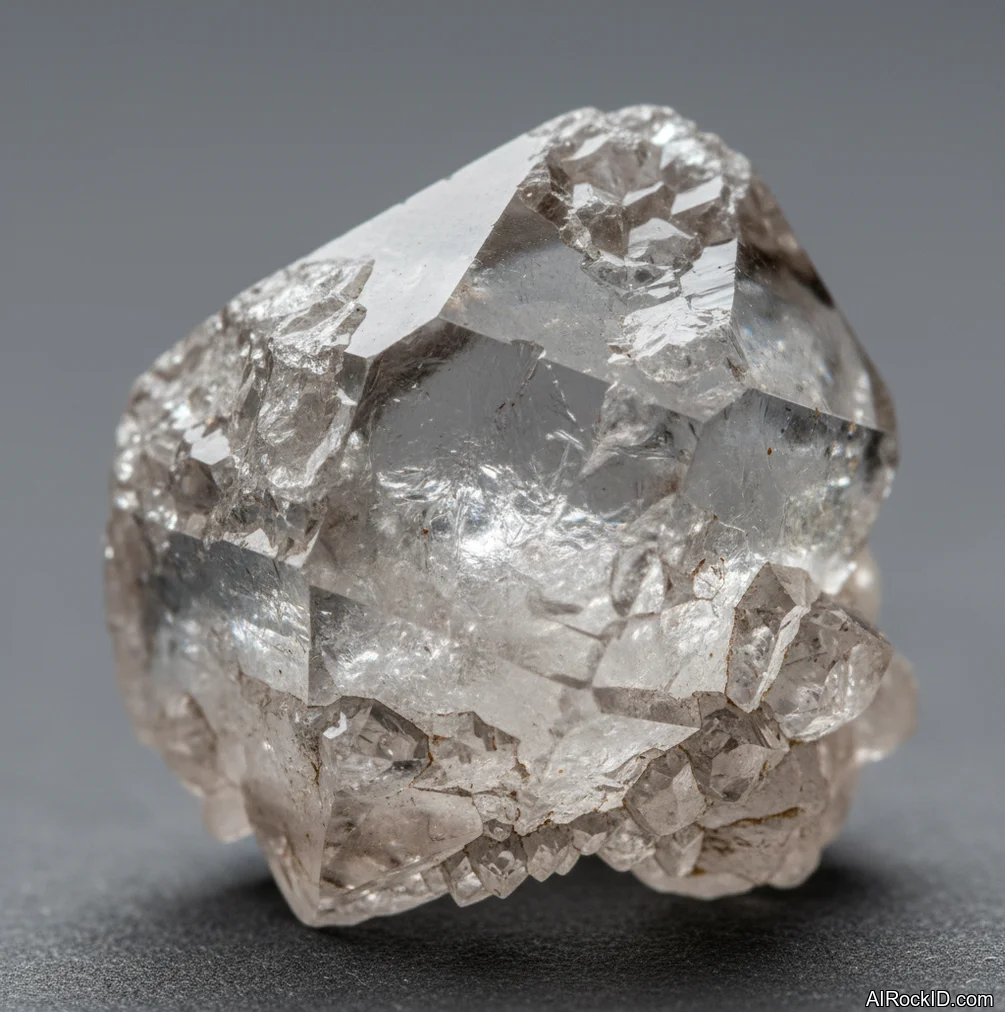
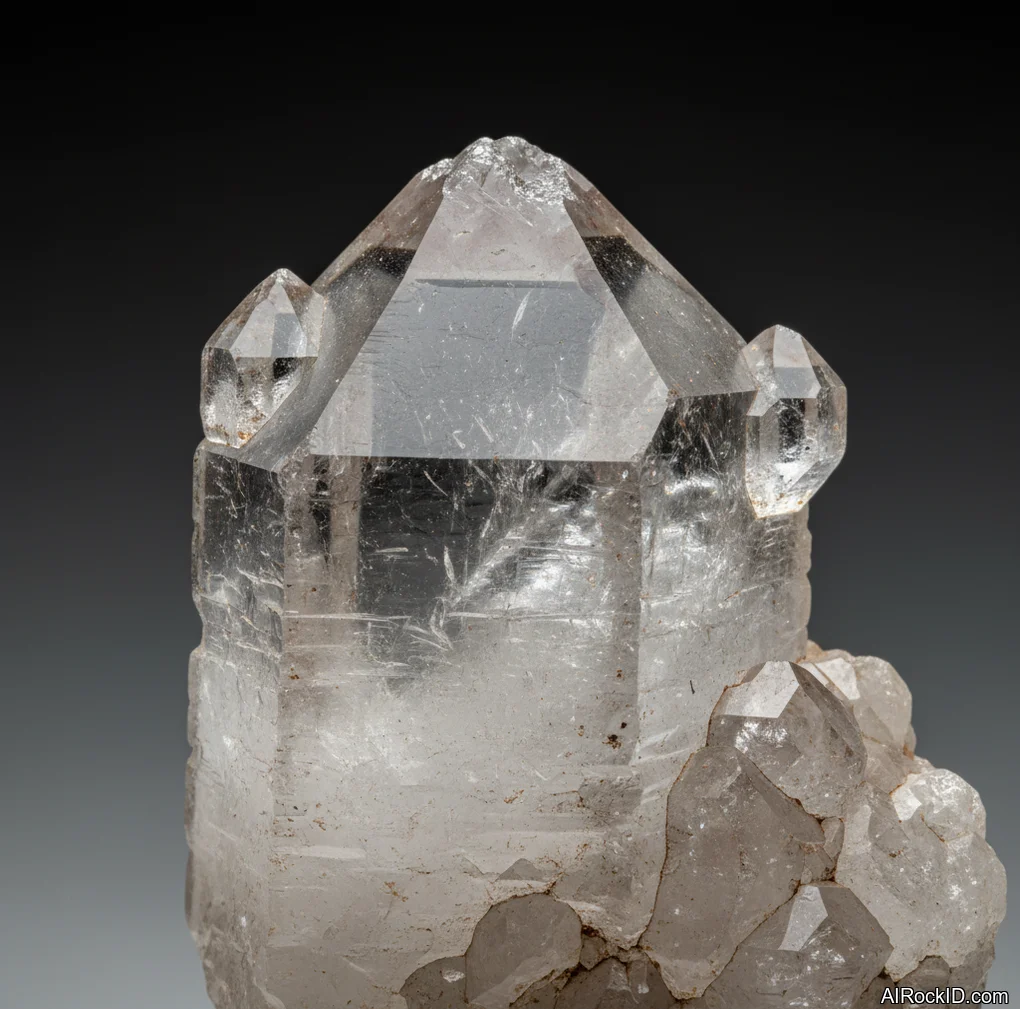
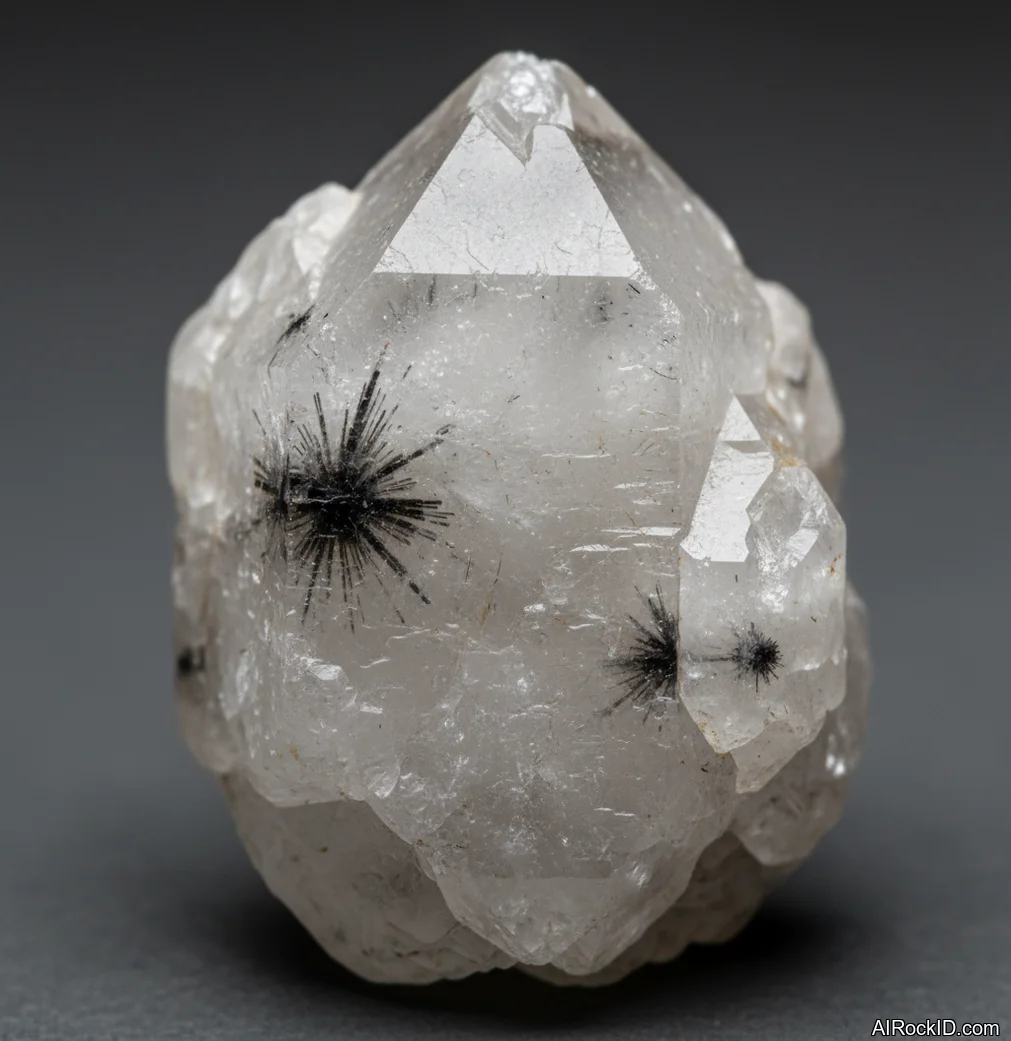
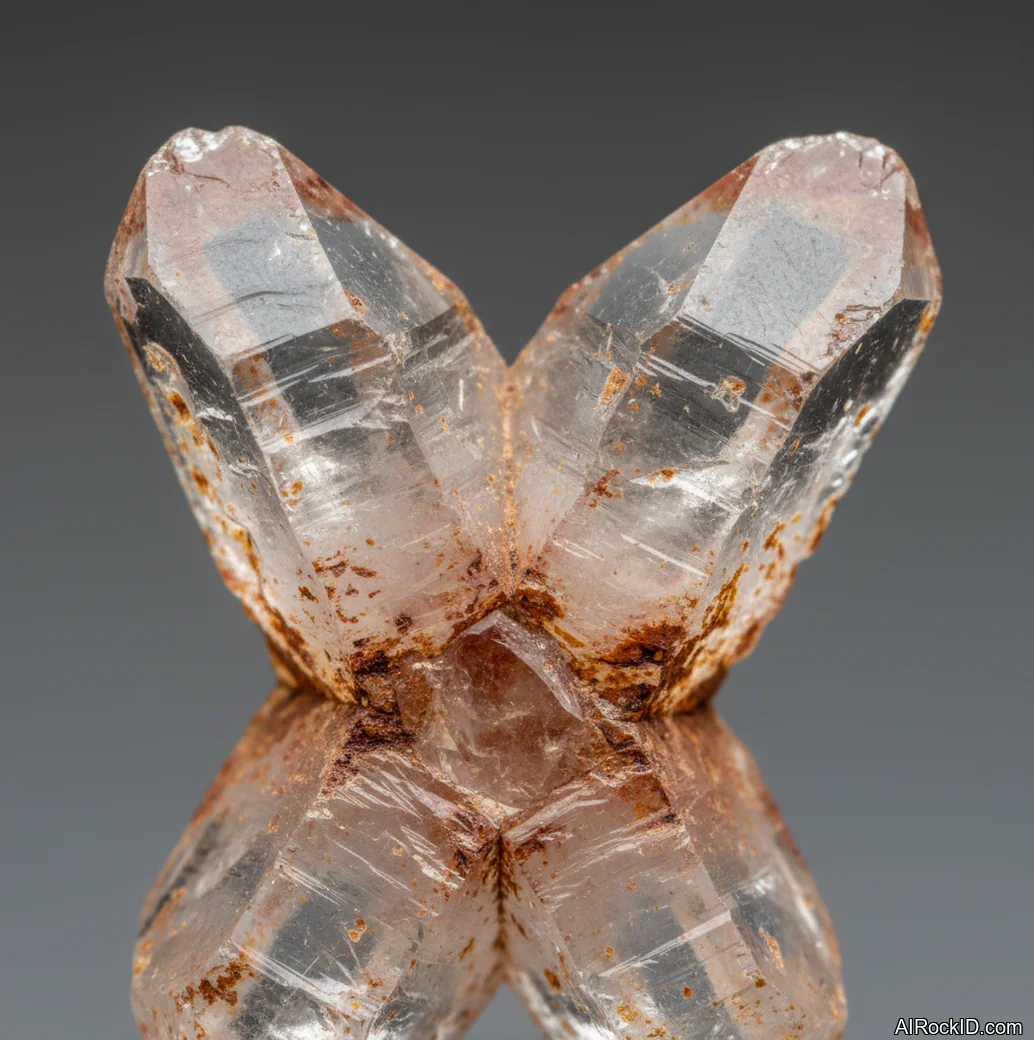
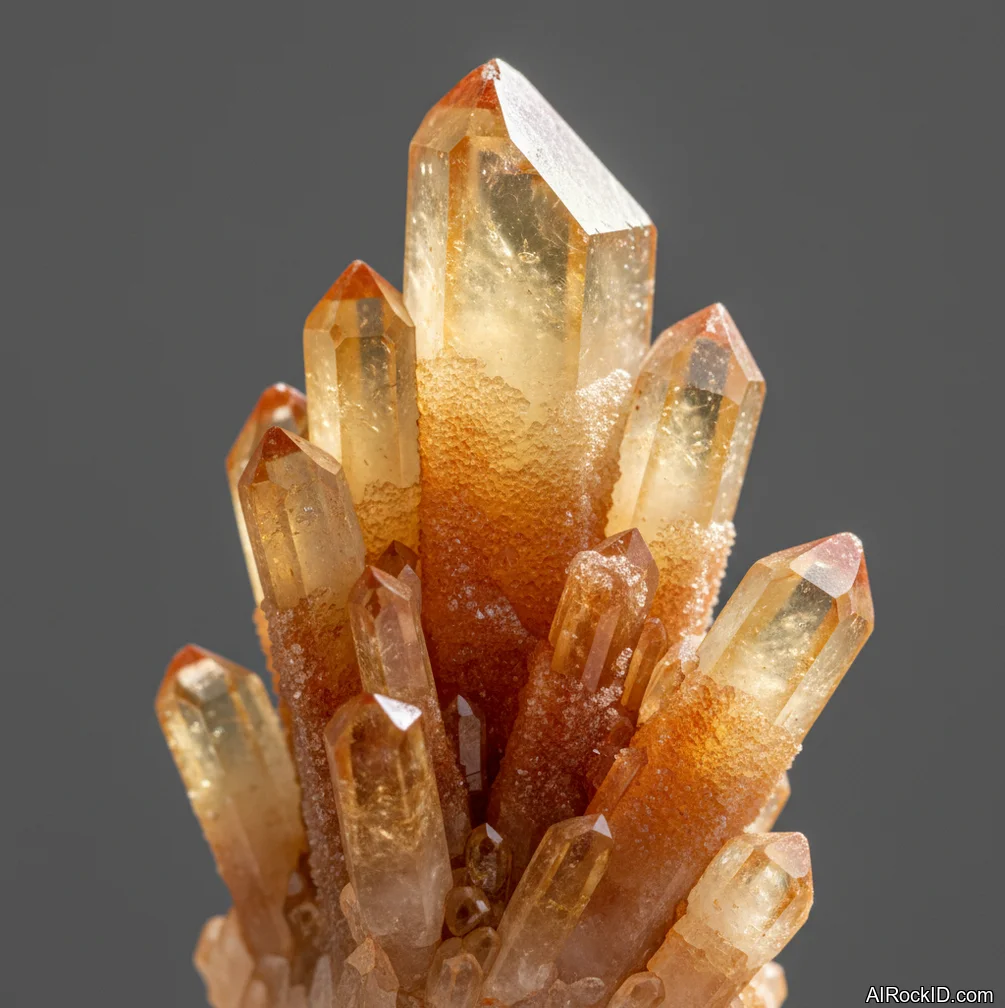
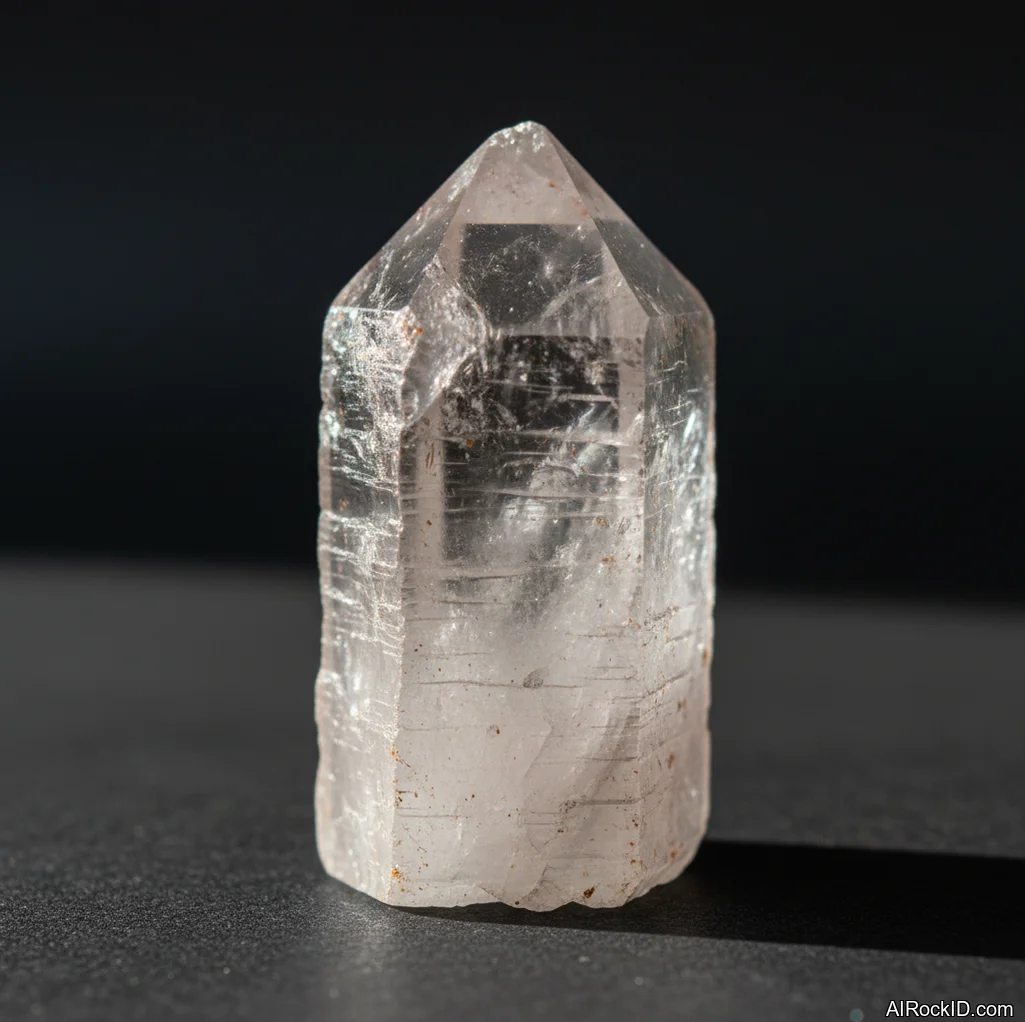
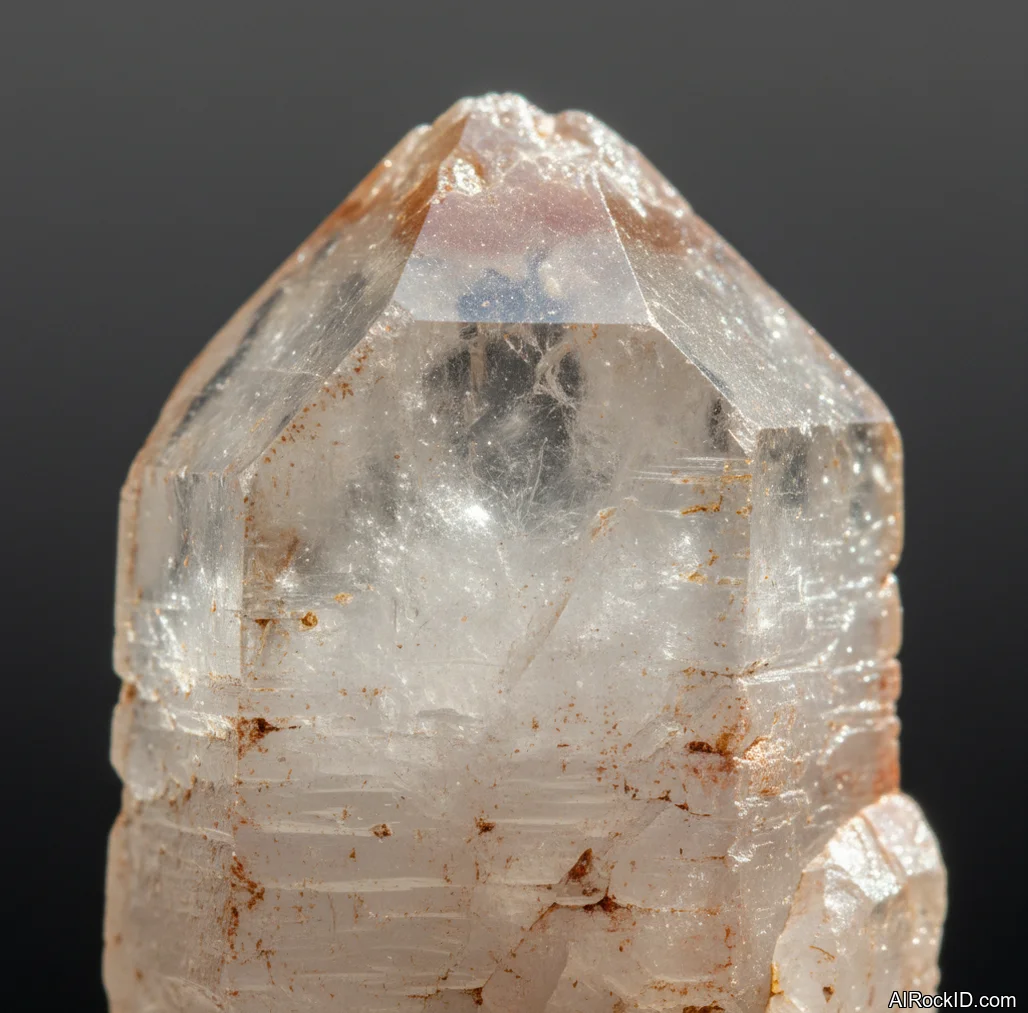
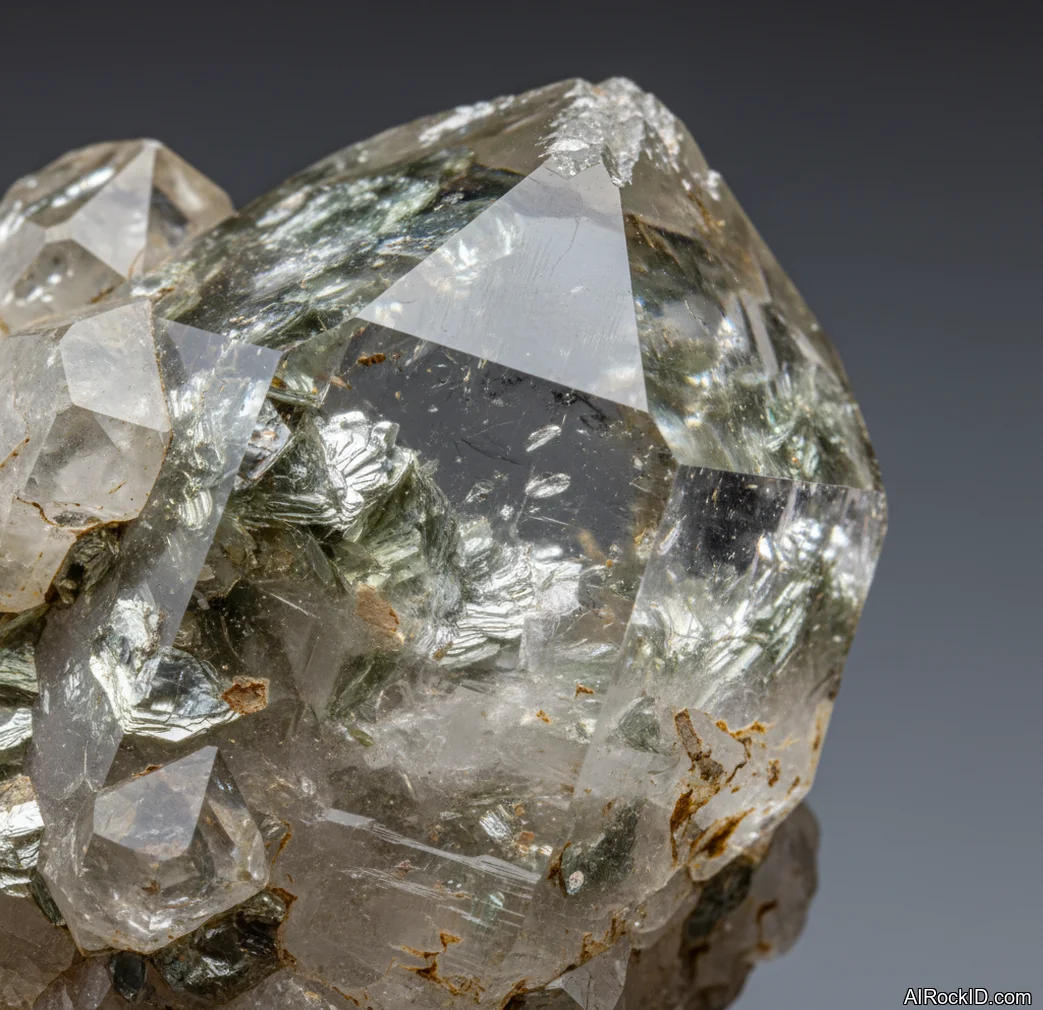
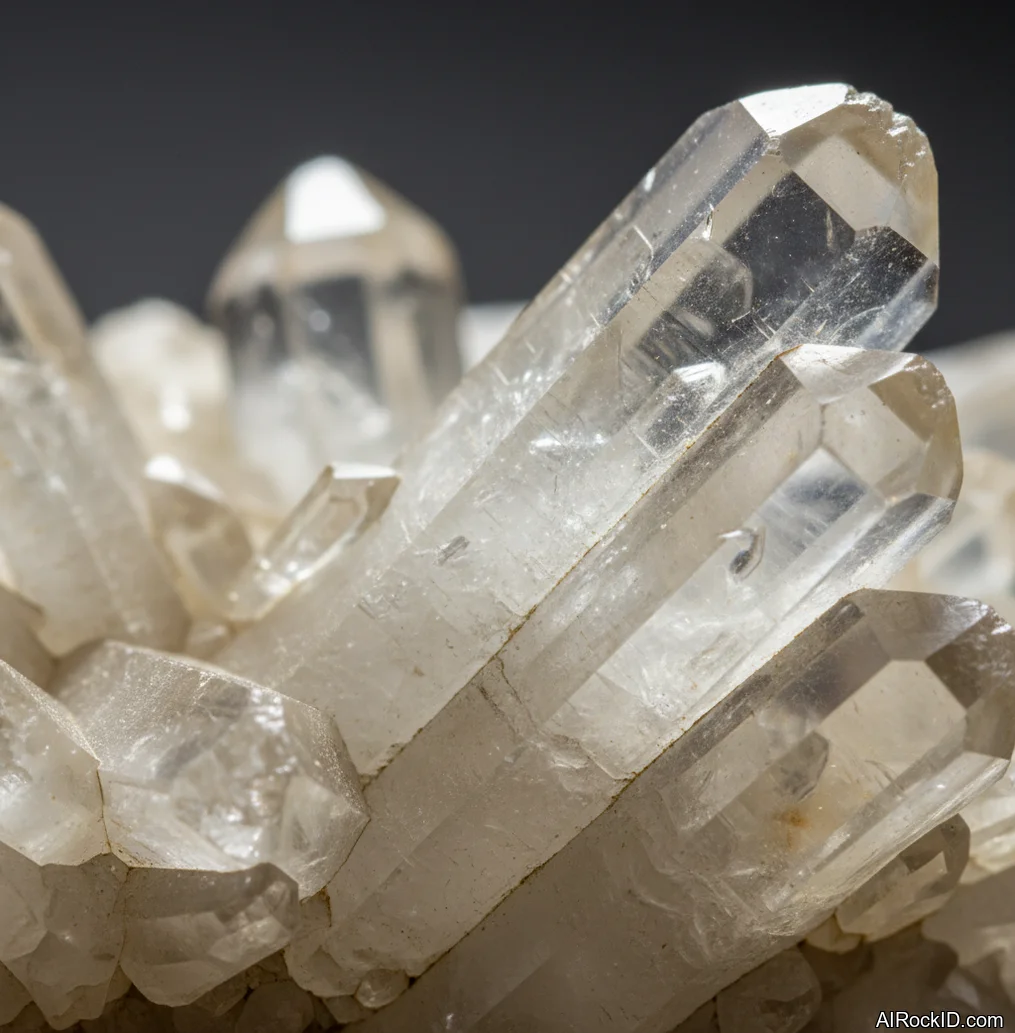
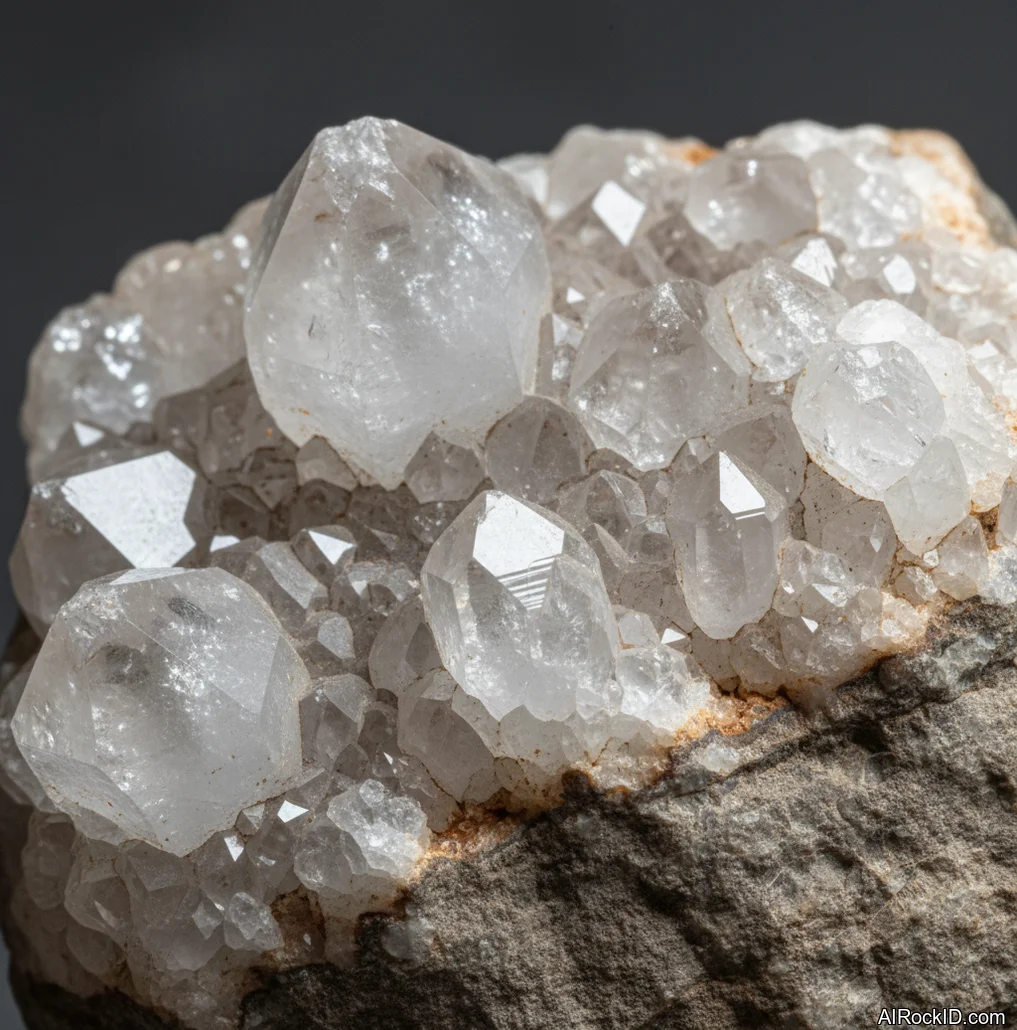
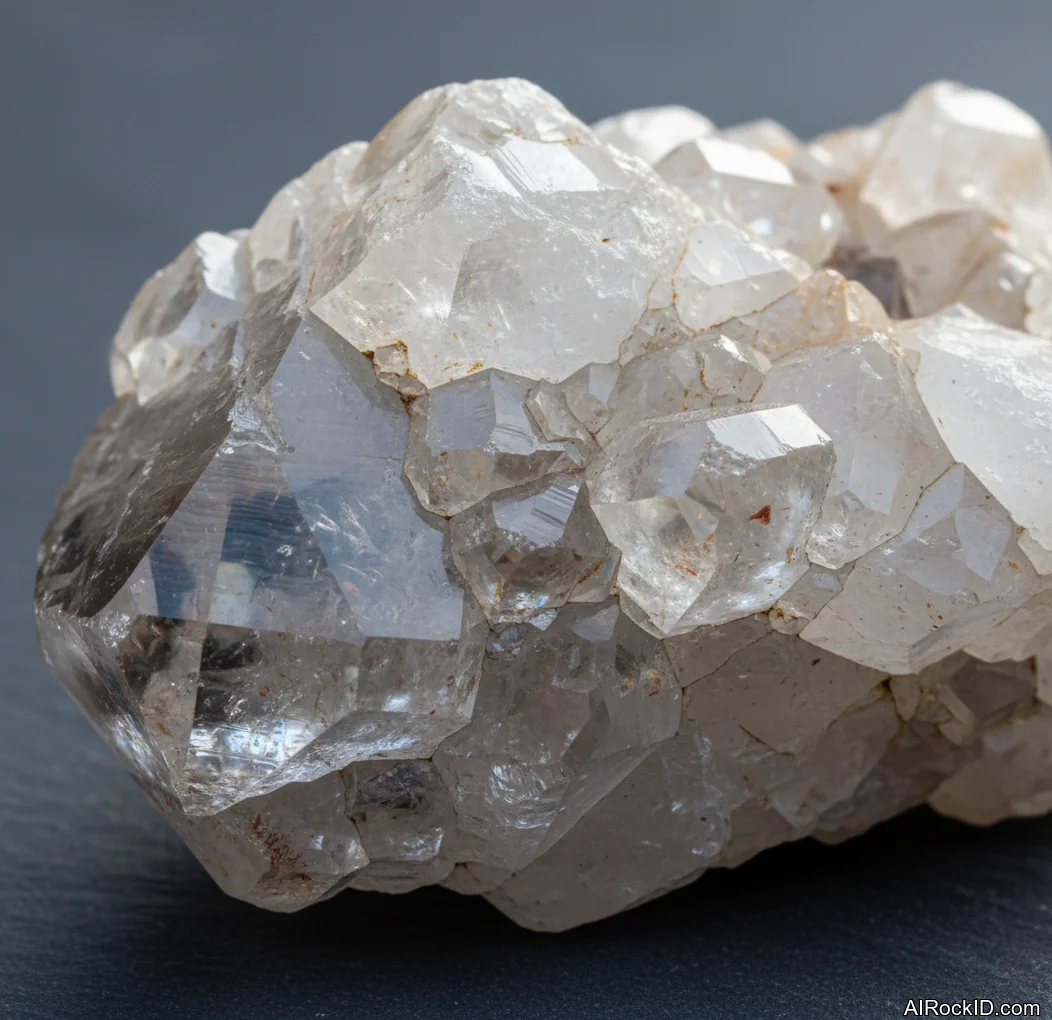
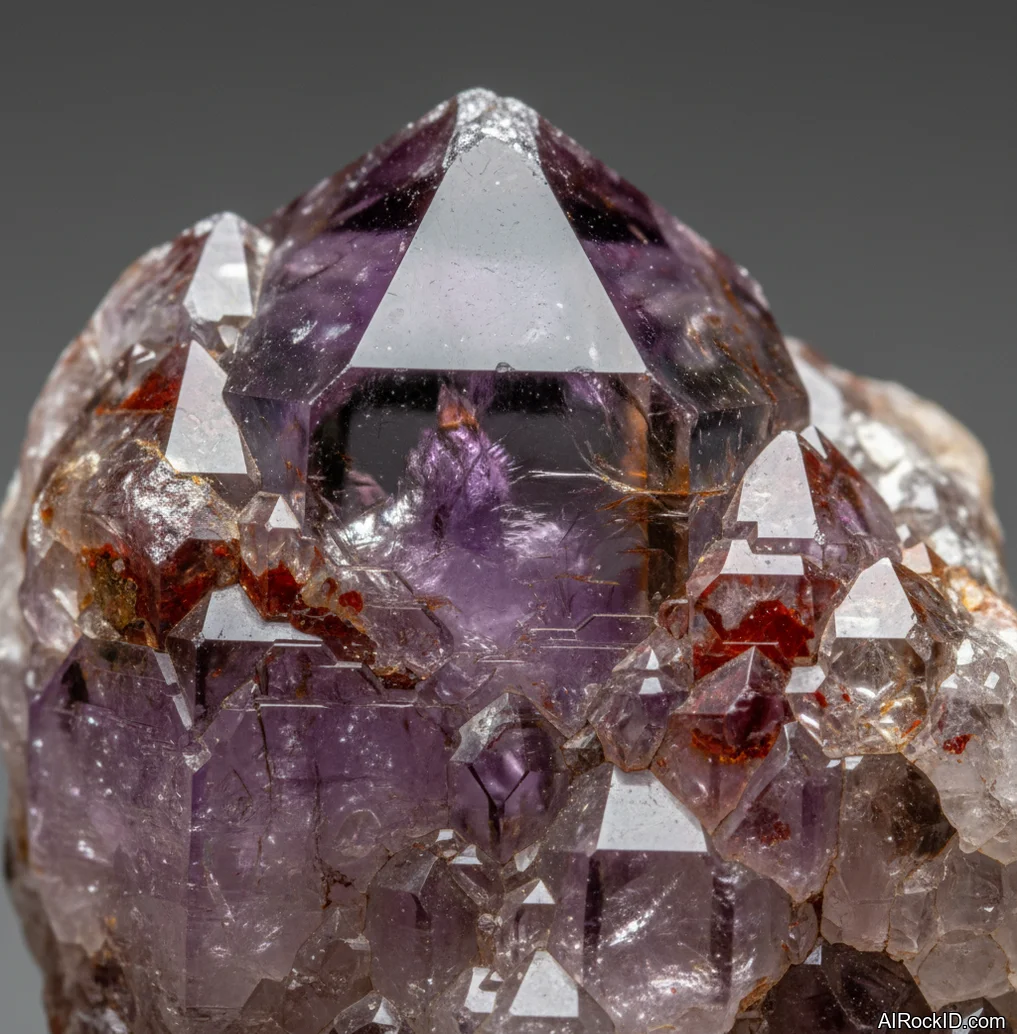
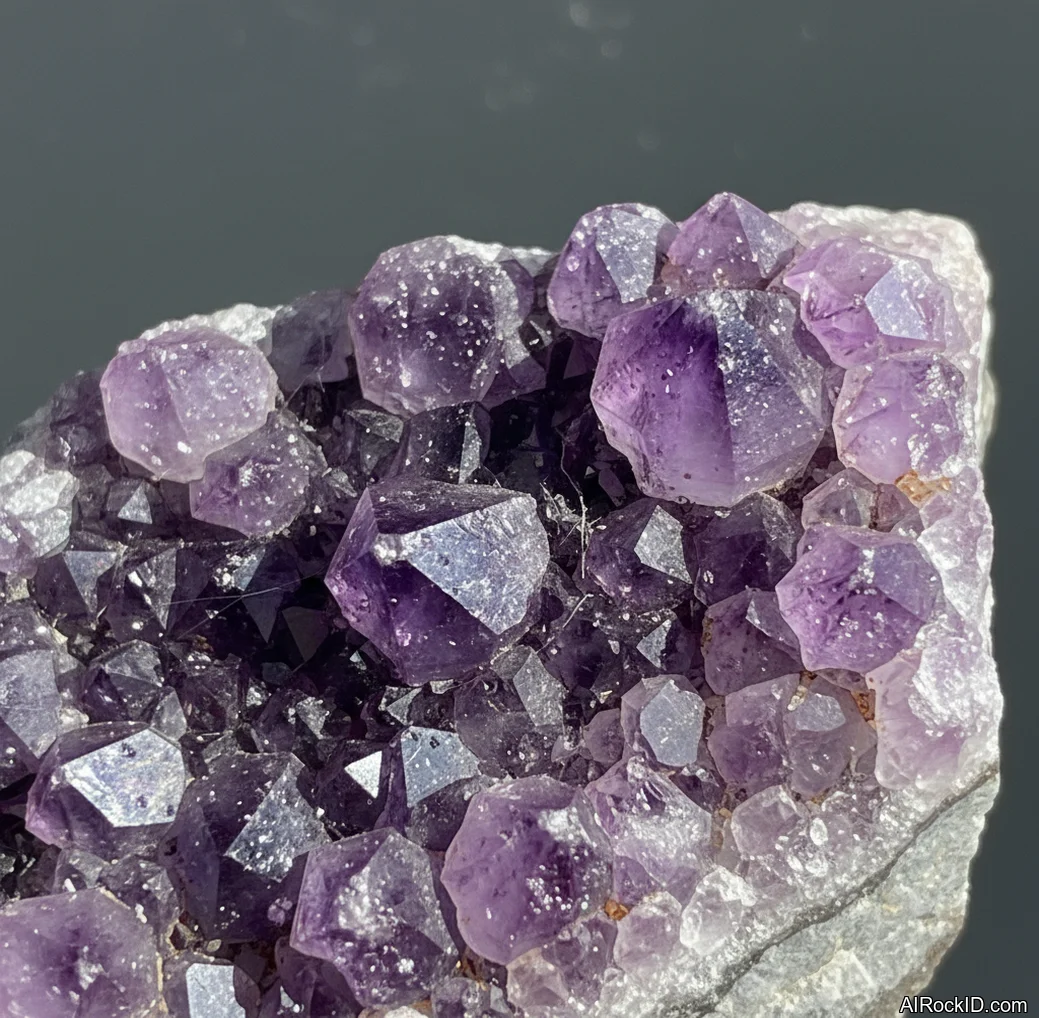
For straight-up mental stamina, I’ve had good luck keeping clear quartz near whatever I’m working on, mostly because it’s the most forgiving stone to live with. It’s hard enough to take a beating. It stays cool to the touch. And it doesn’t mind being handled all day. Look closely at natural points and you’ll see little growth lines and internal fractures that catch light like hair-thin threads. Those imperfections don’t ruin it. They’re part of why real quartz looks “alive” compared to perfectly smooth glass.
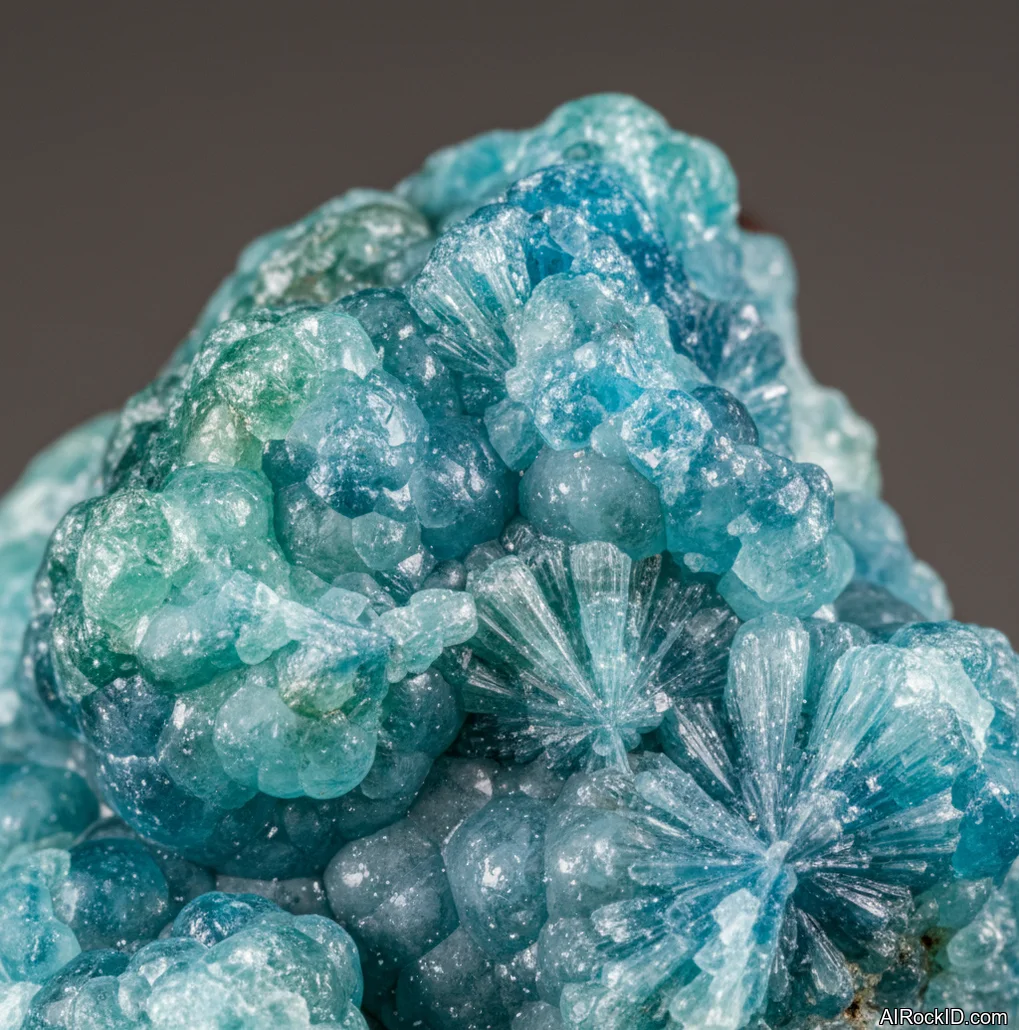
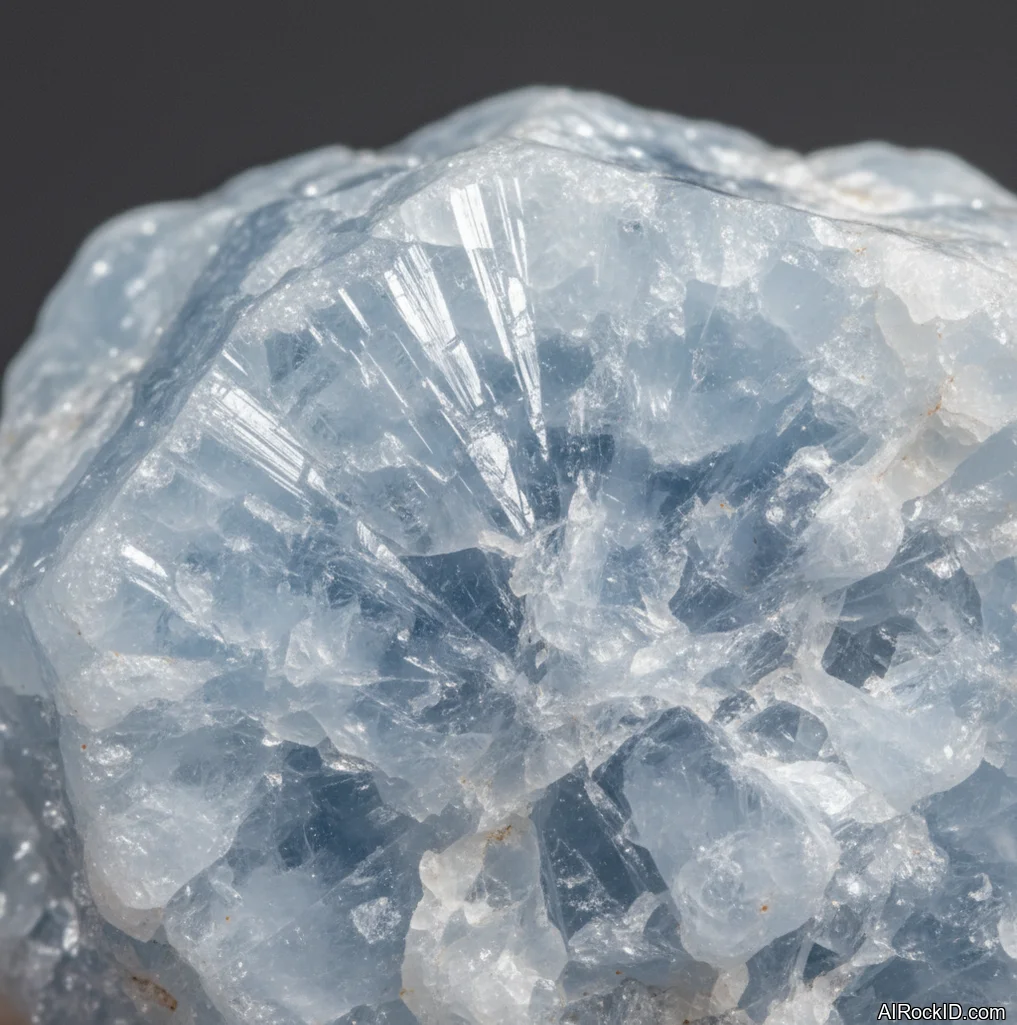
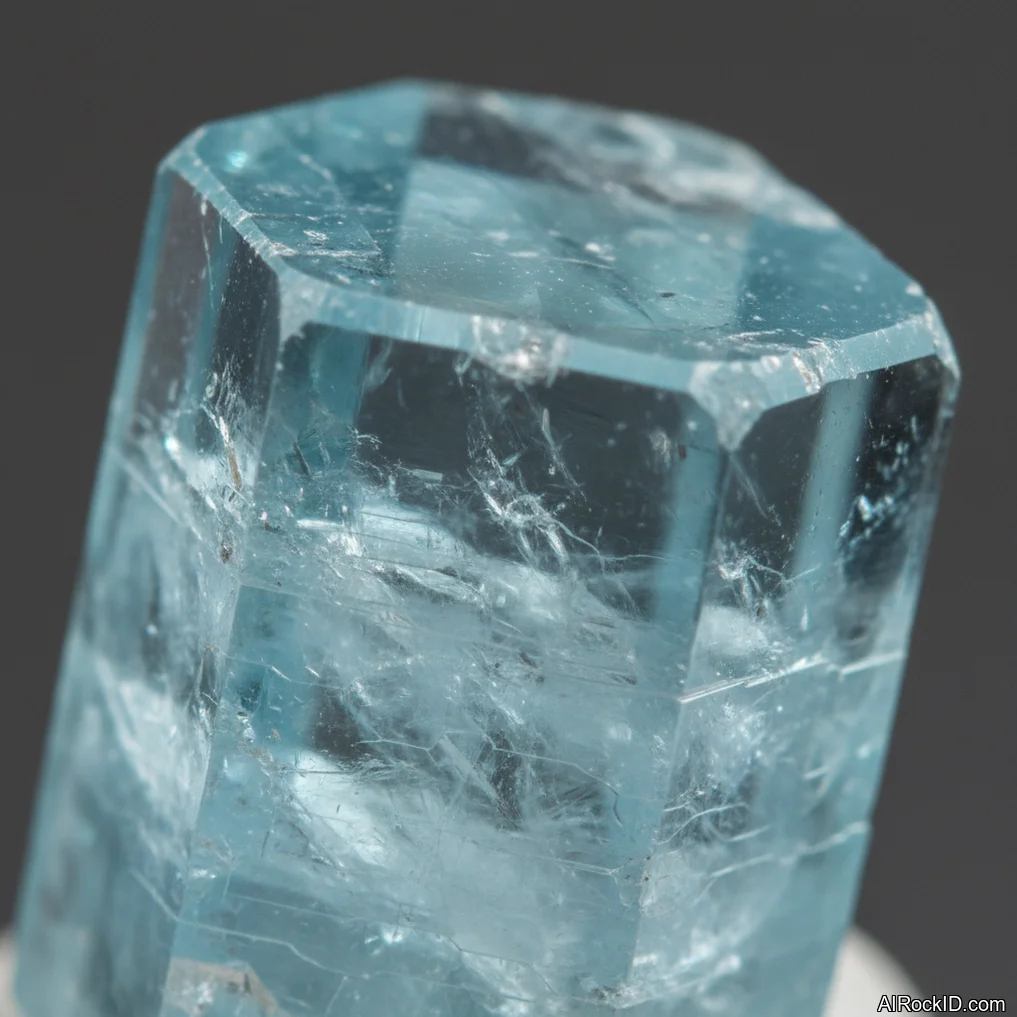
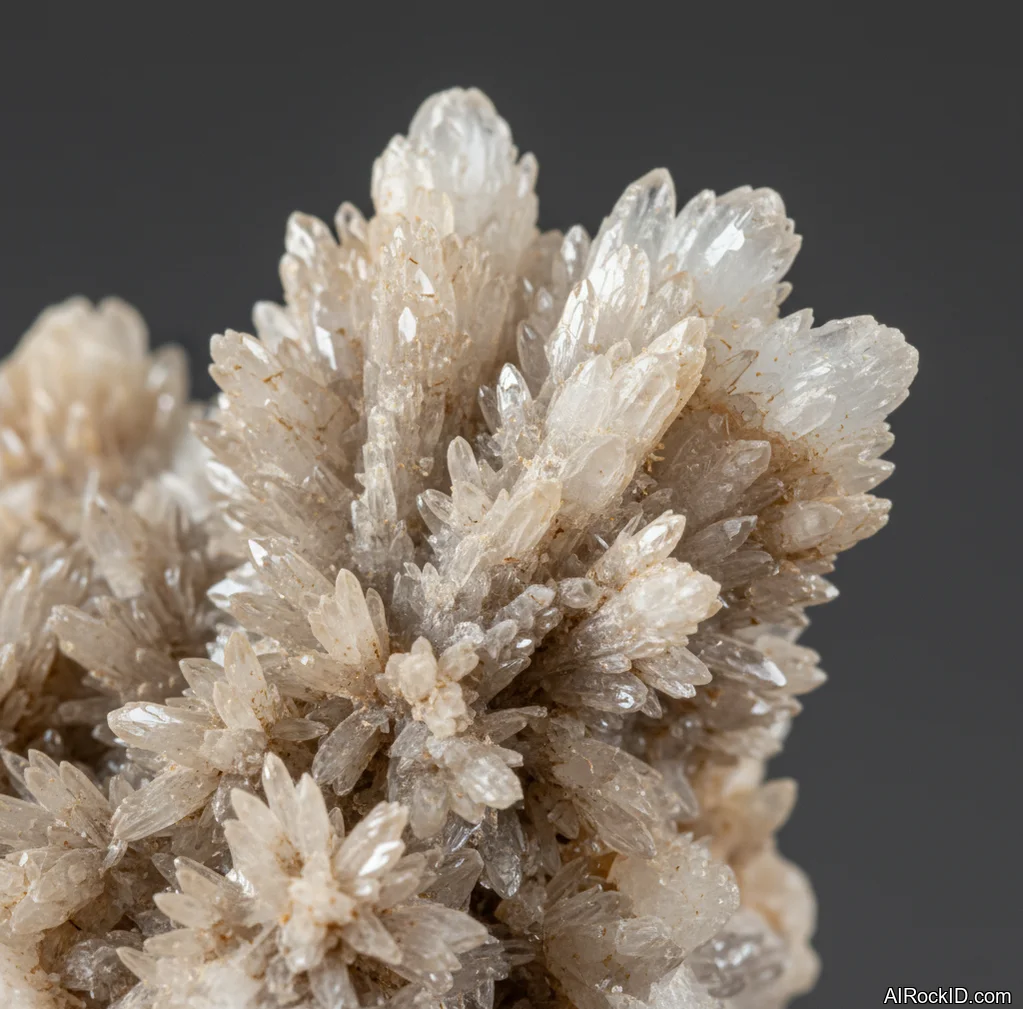
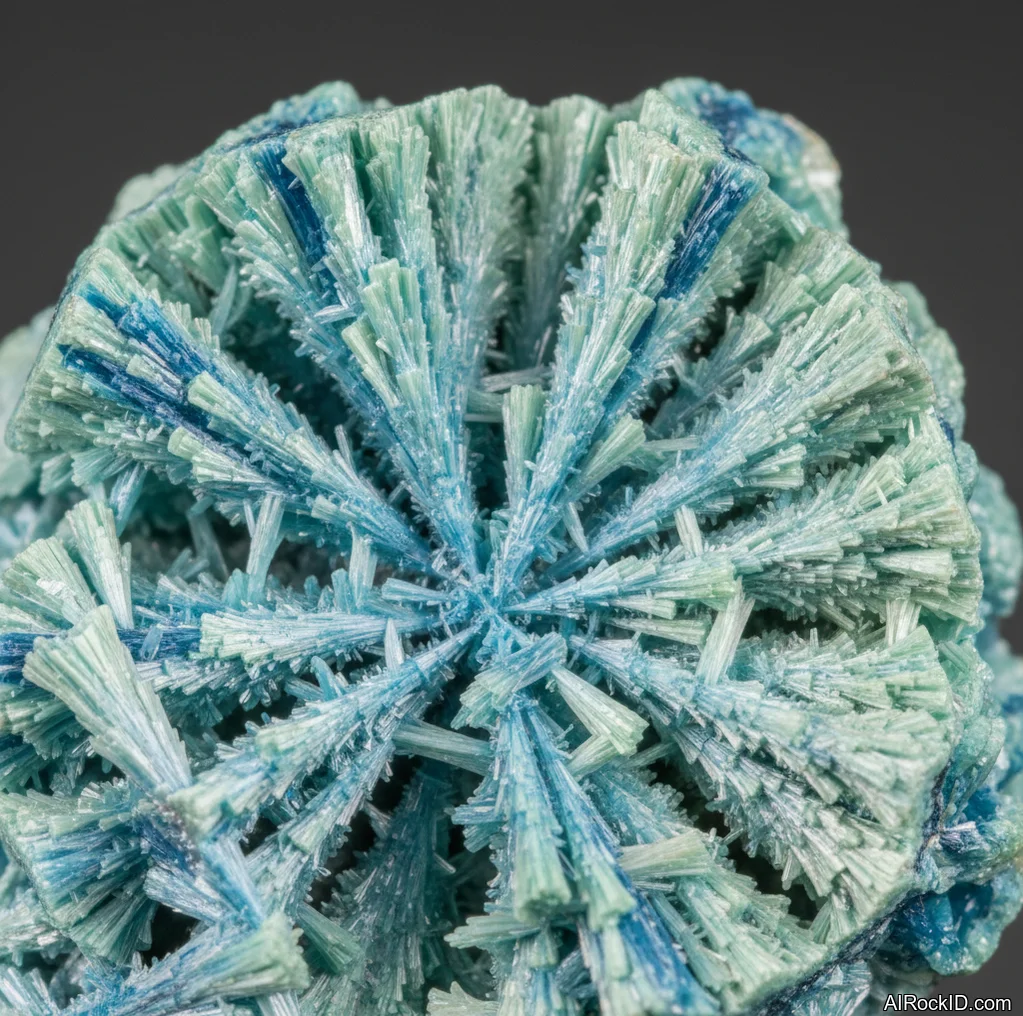
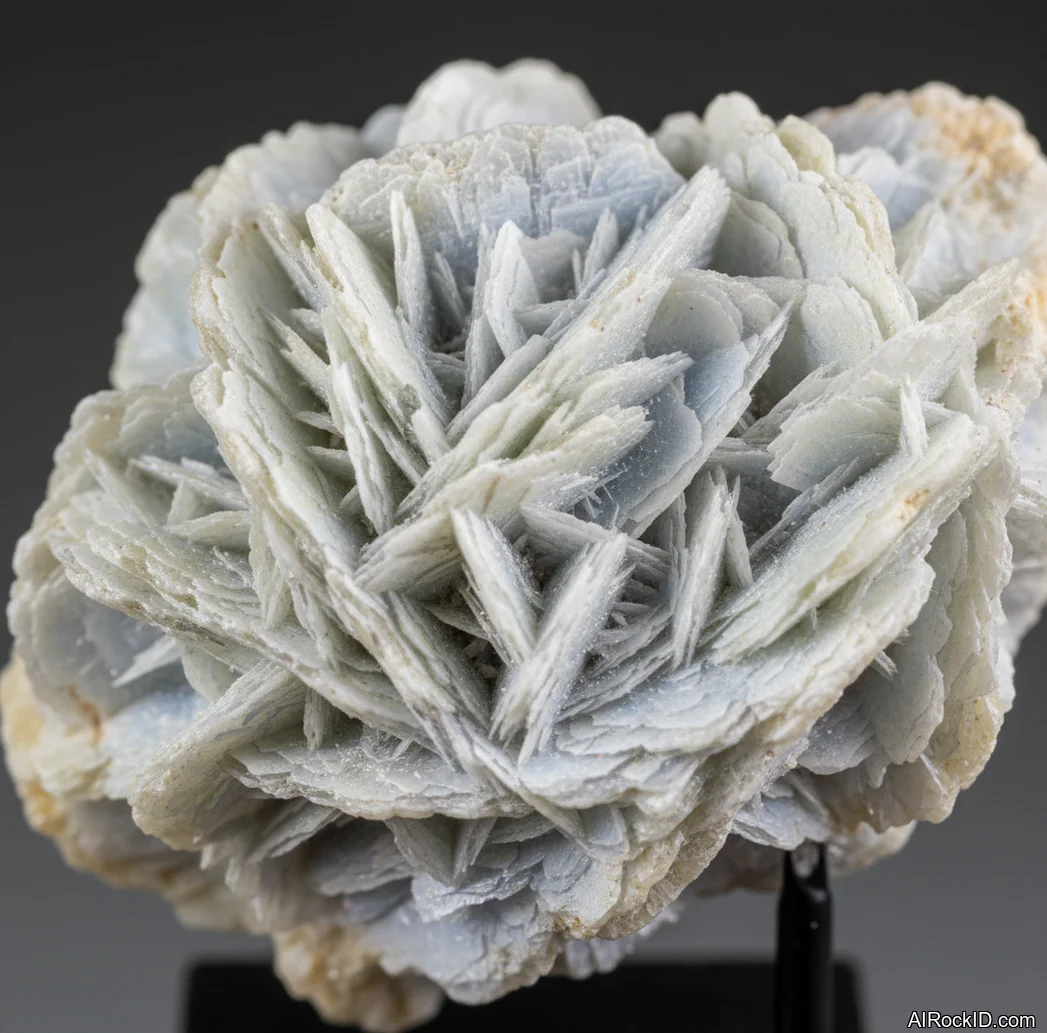
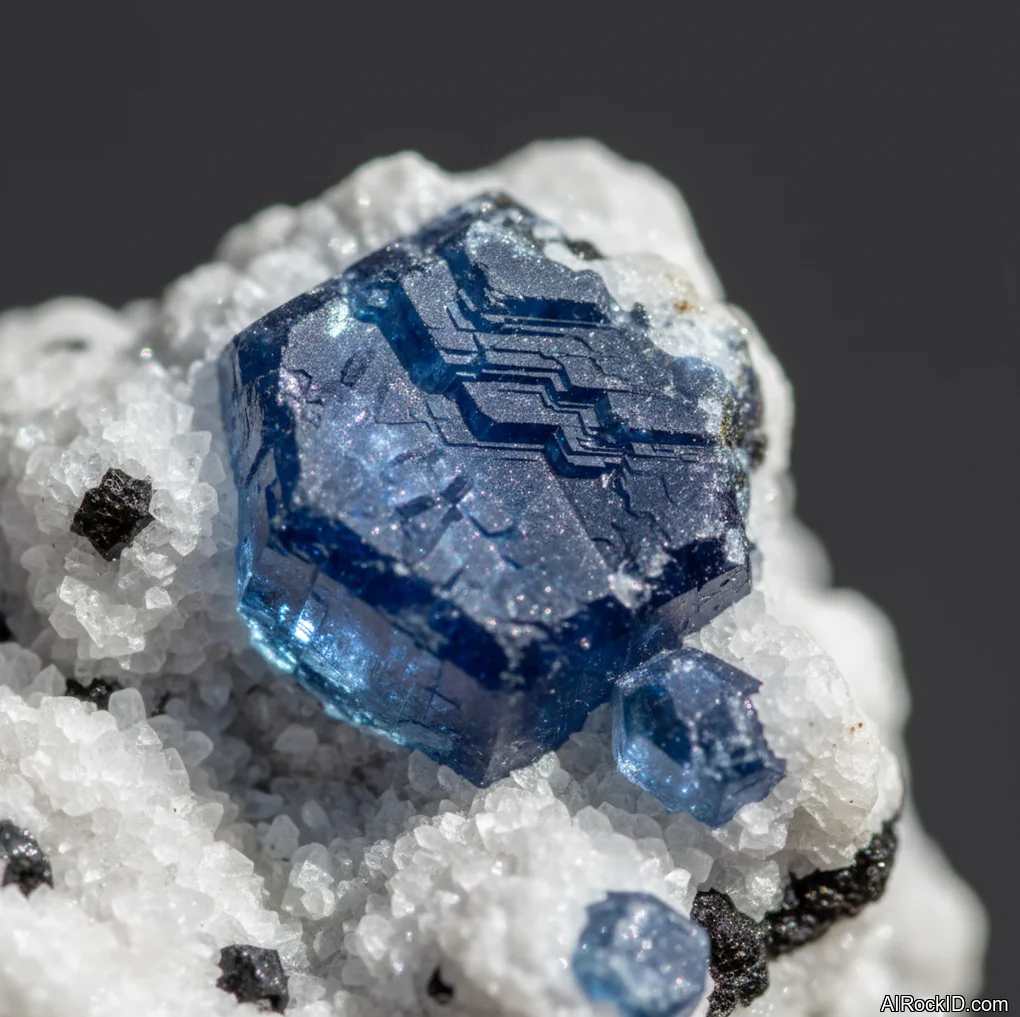
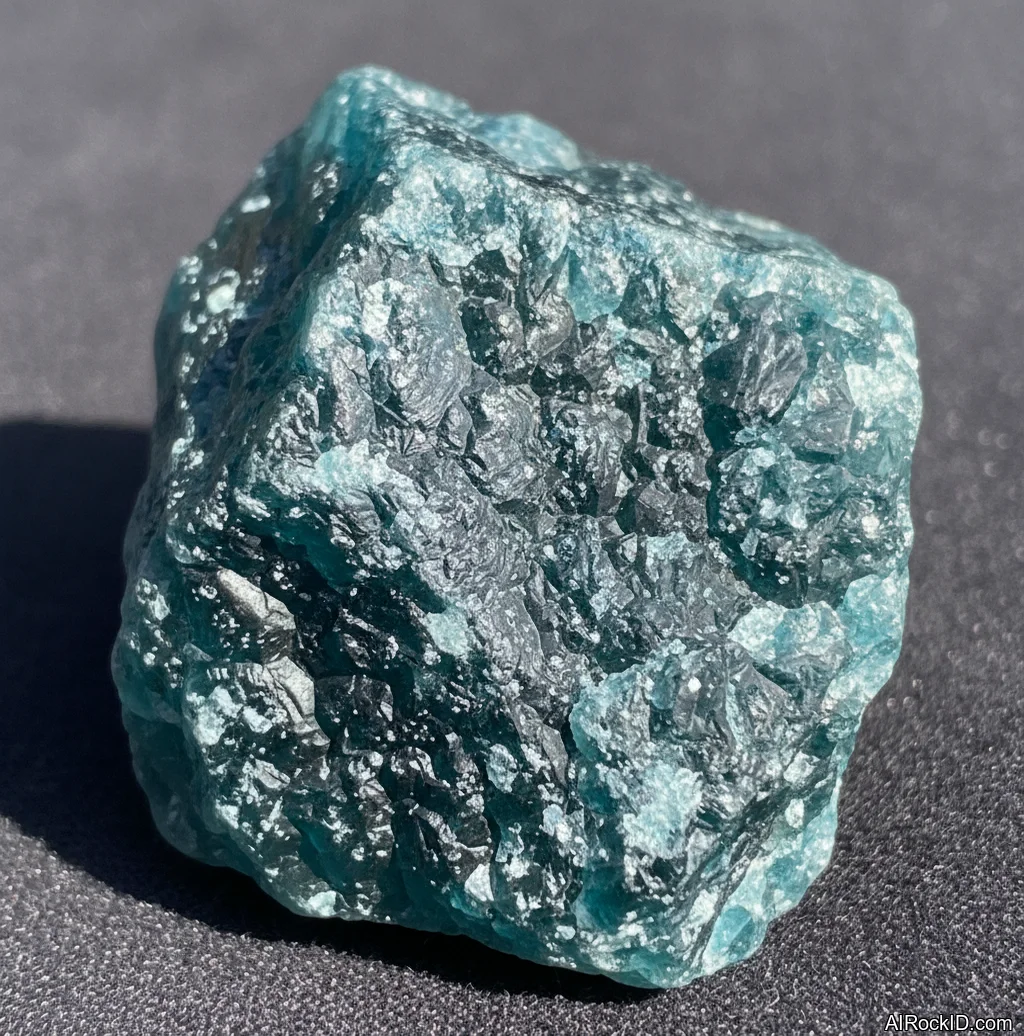
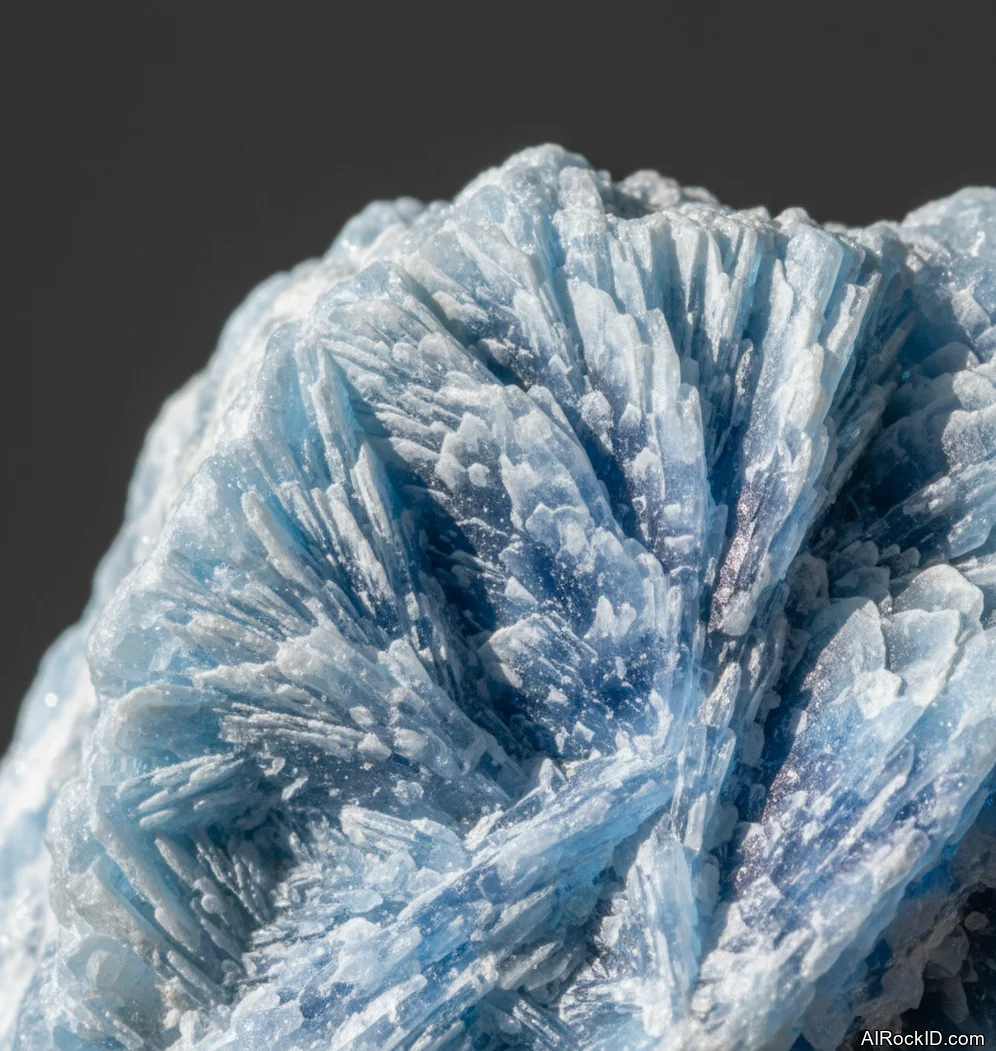
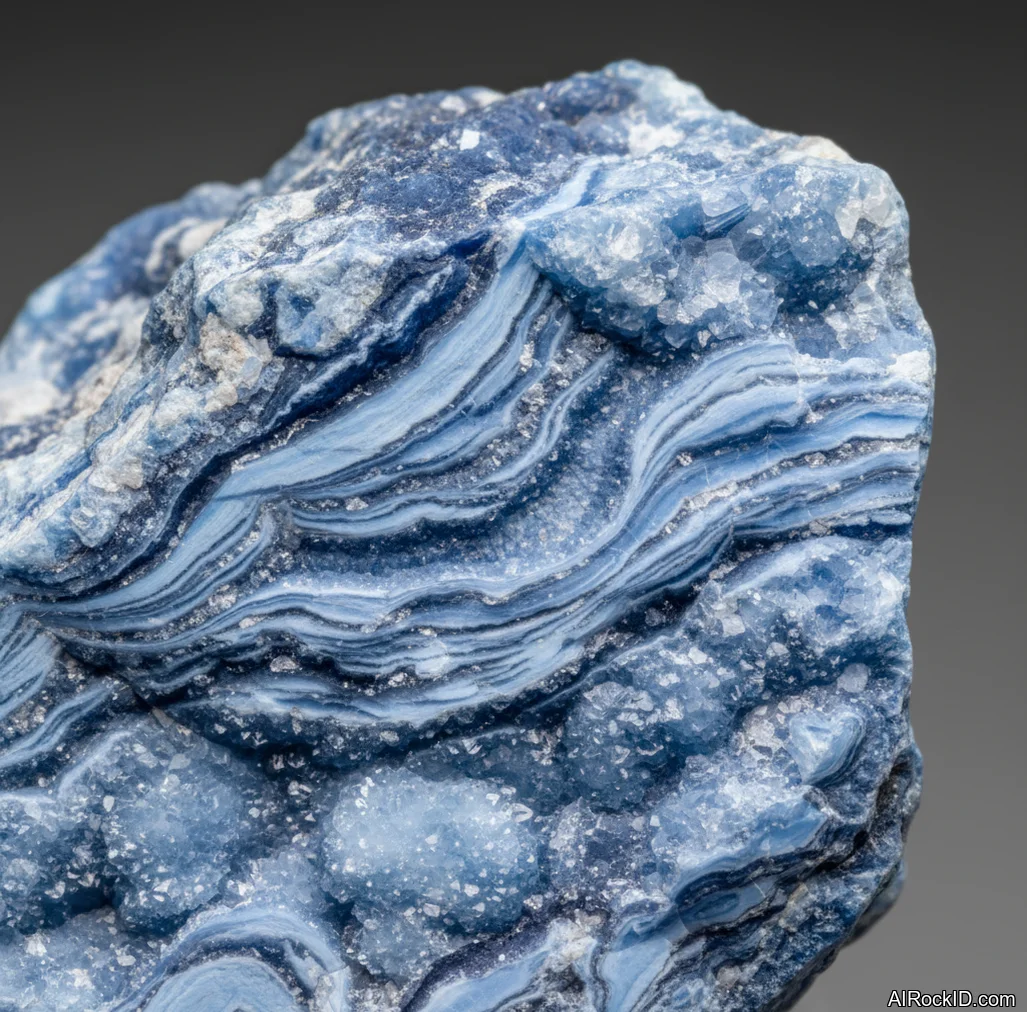
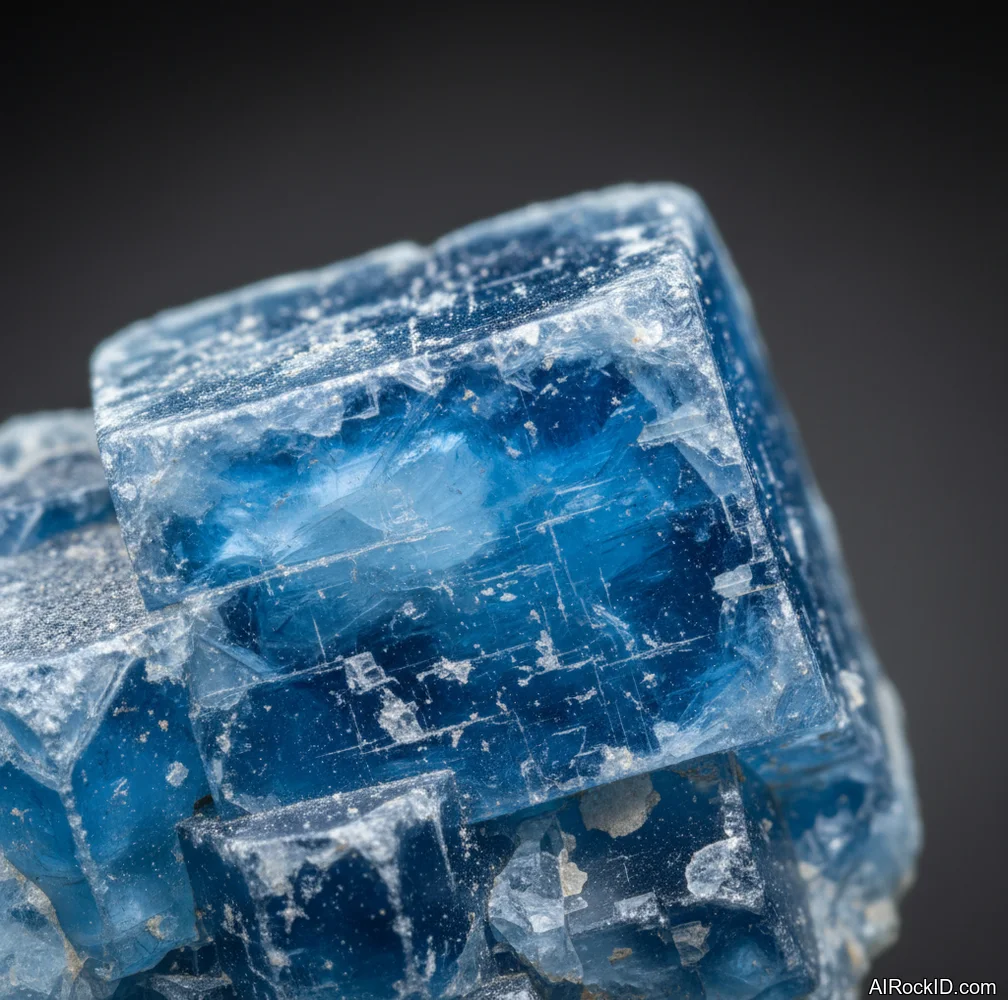
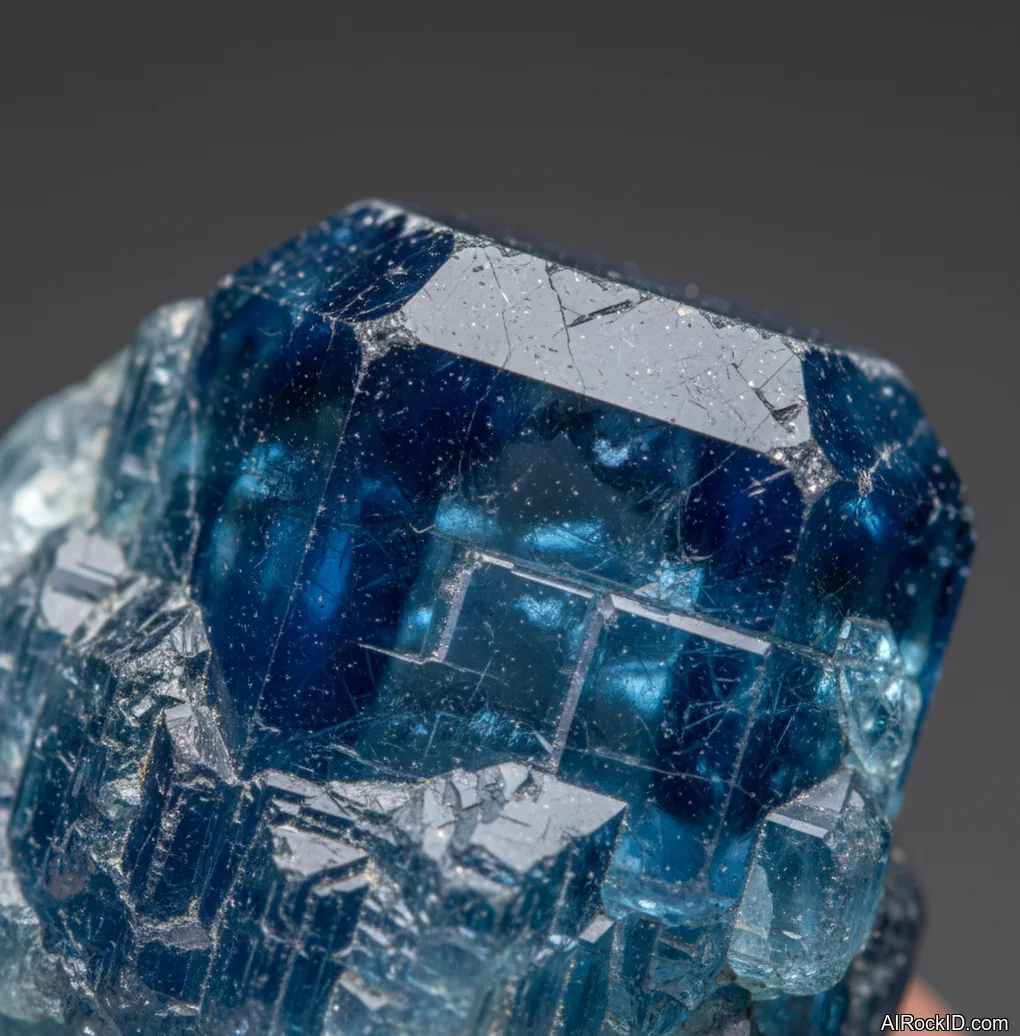
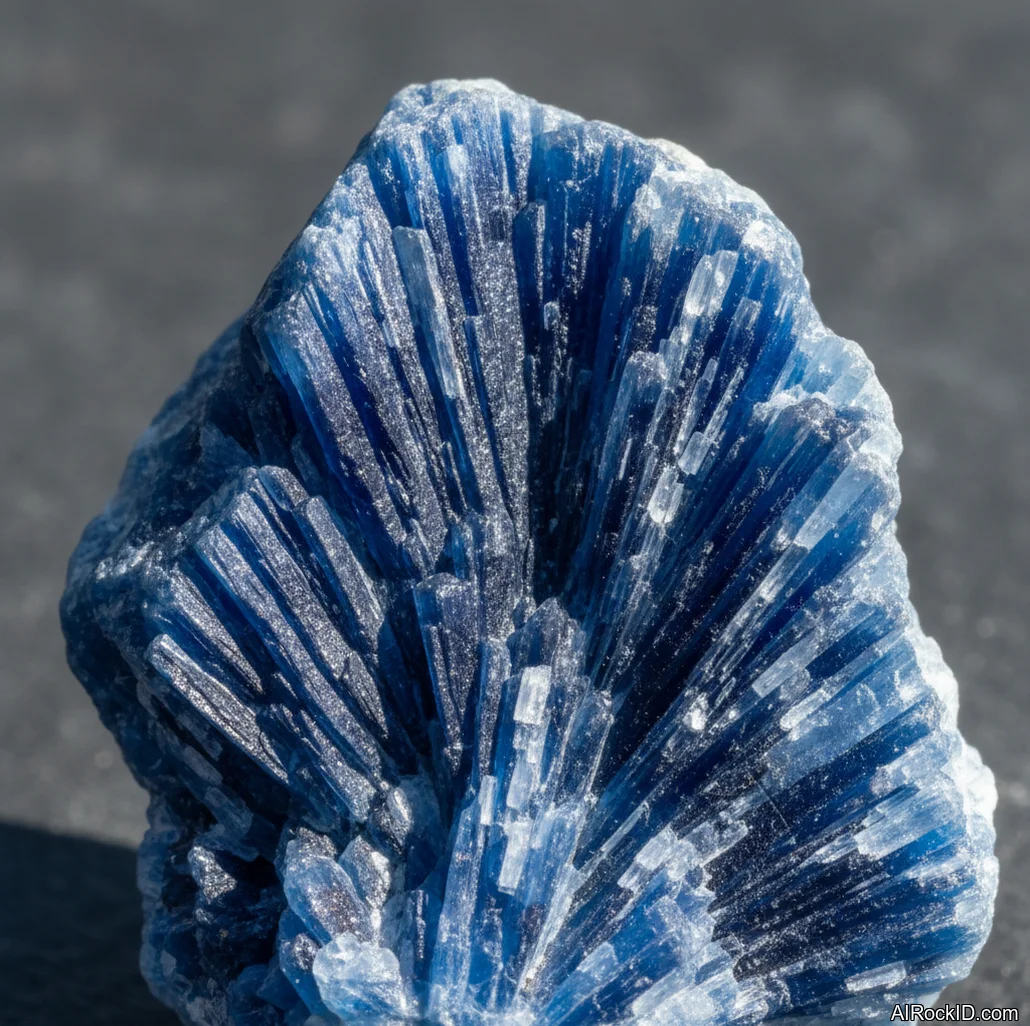
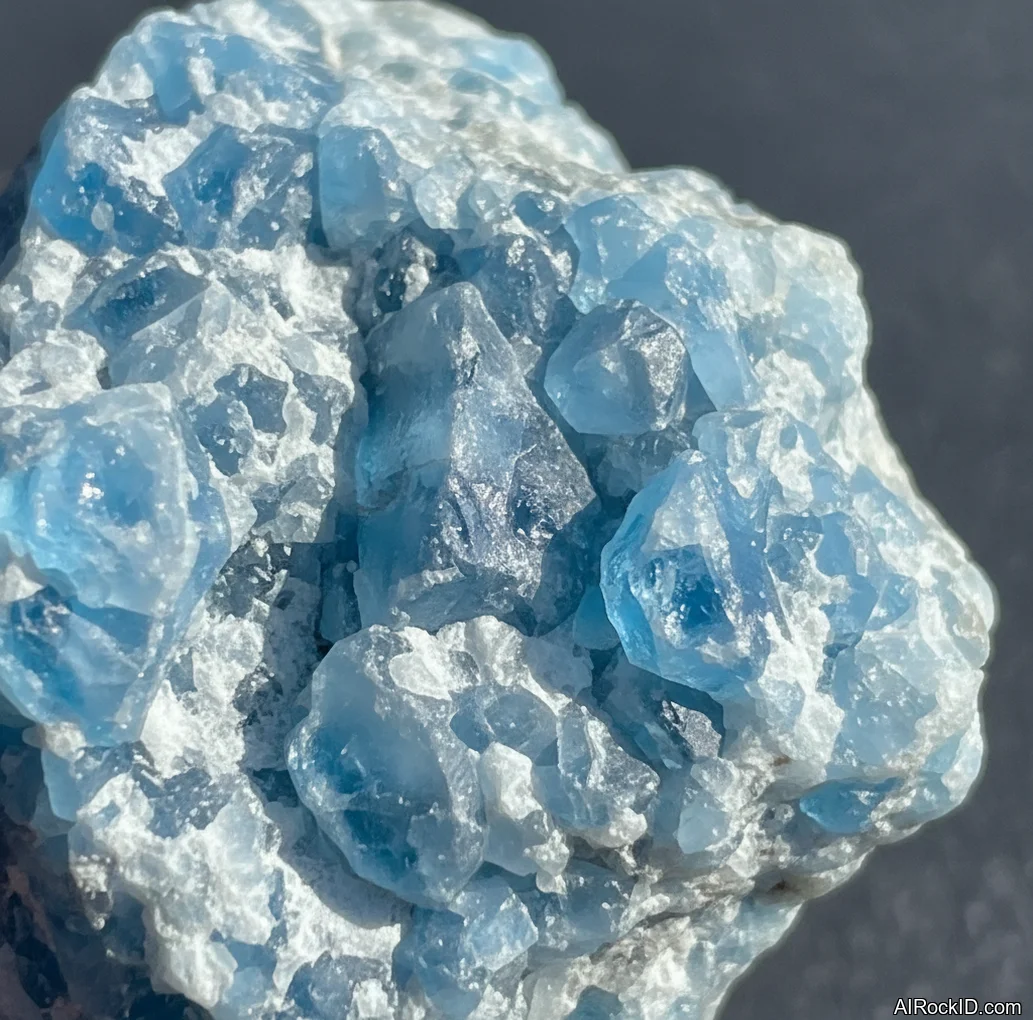
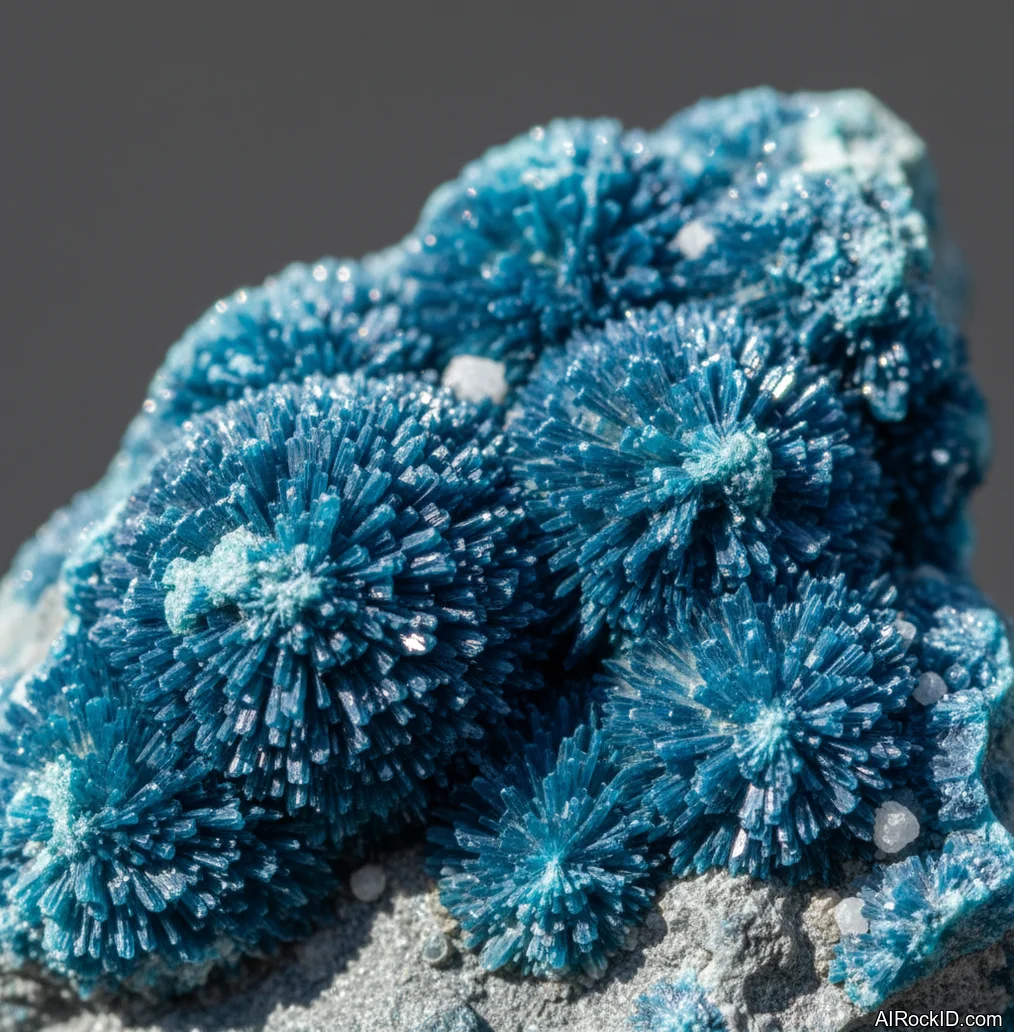
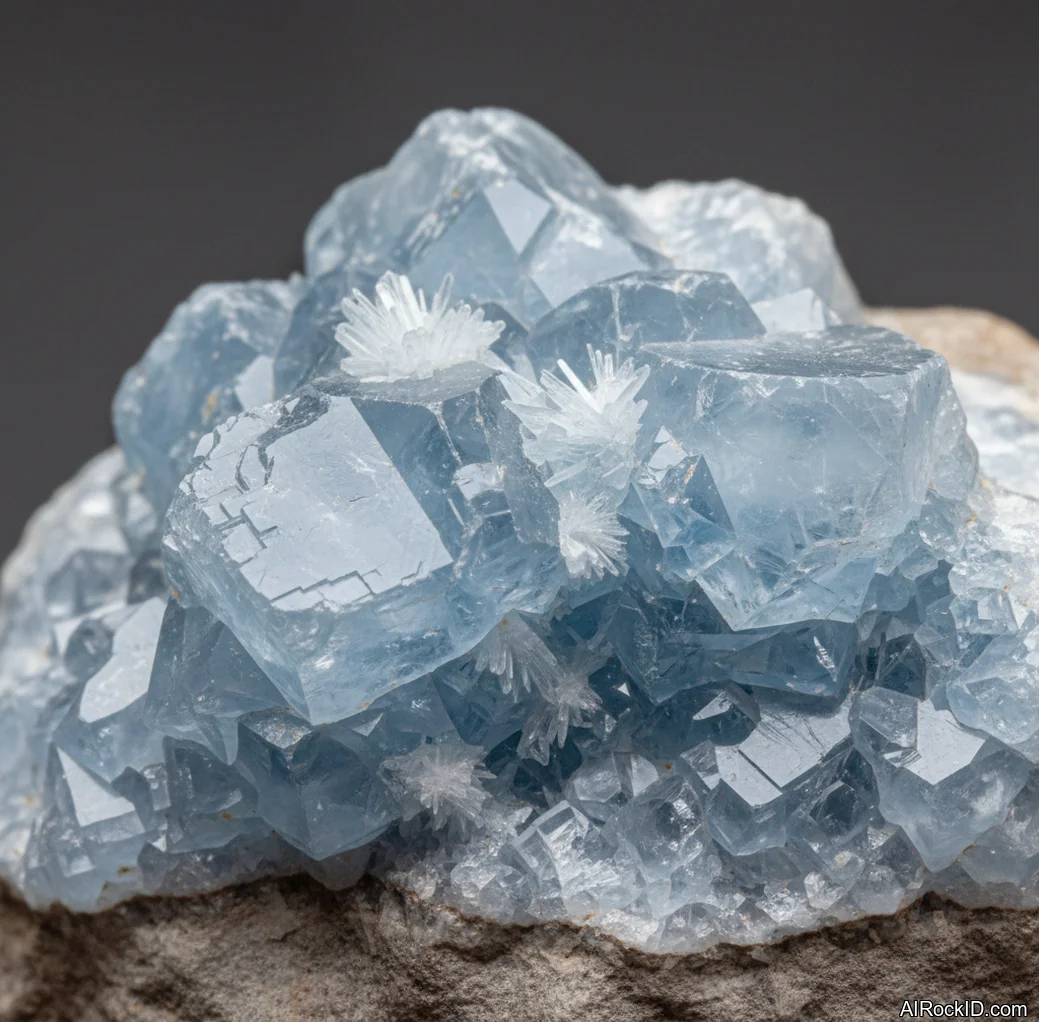
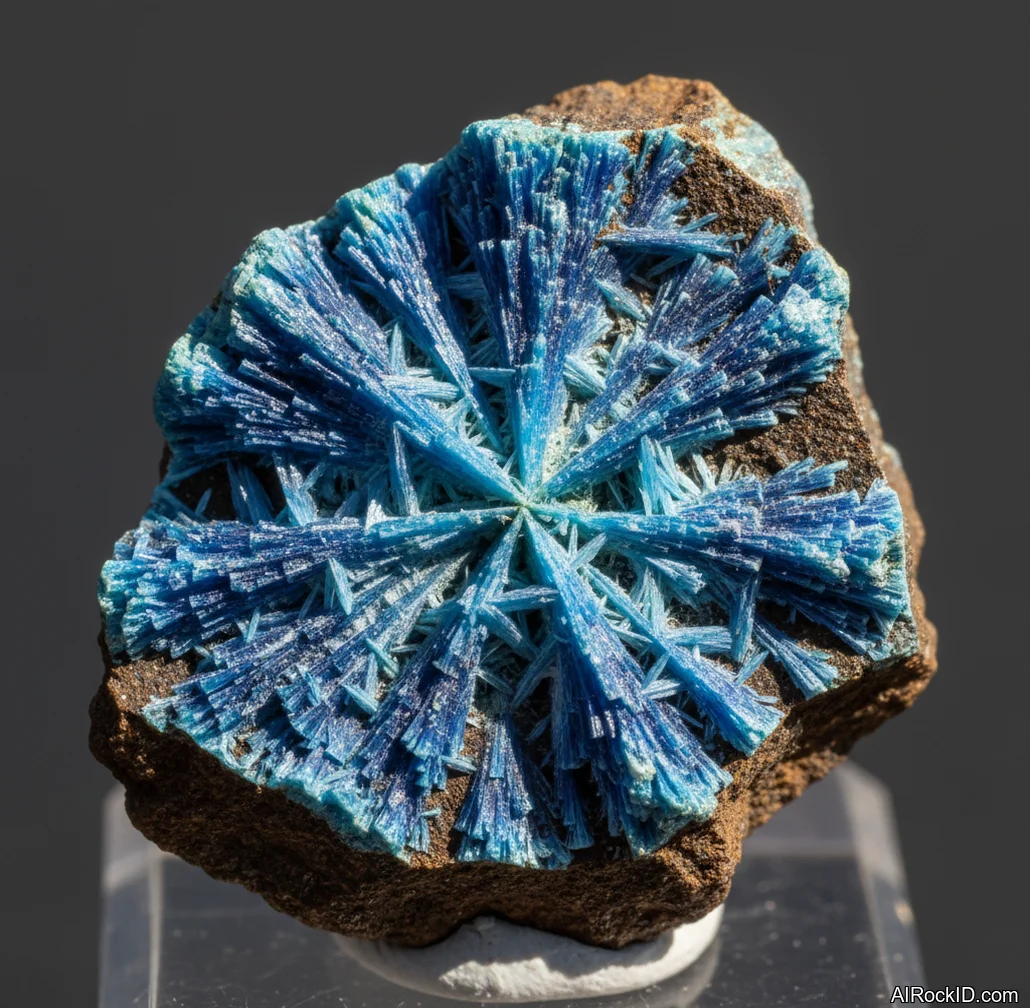
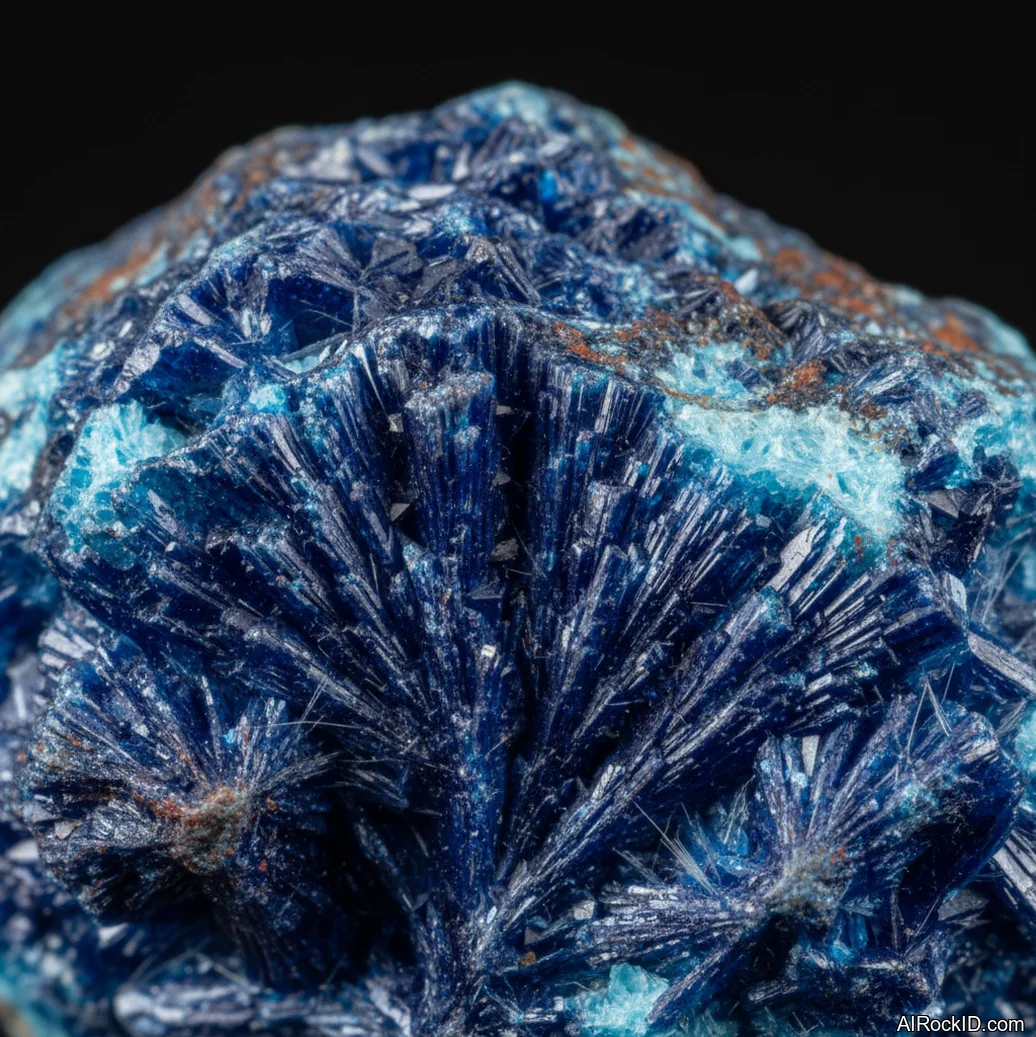
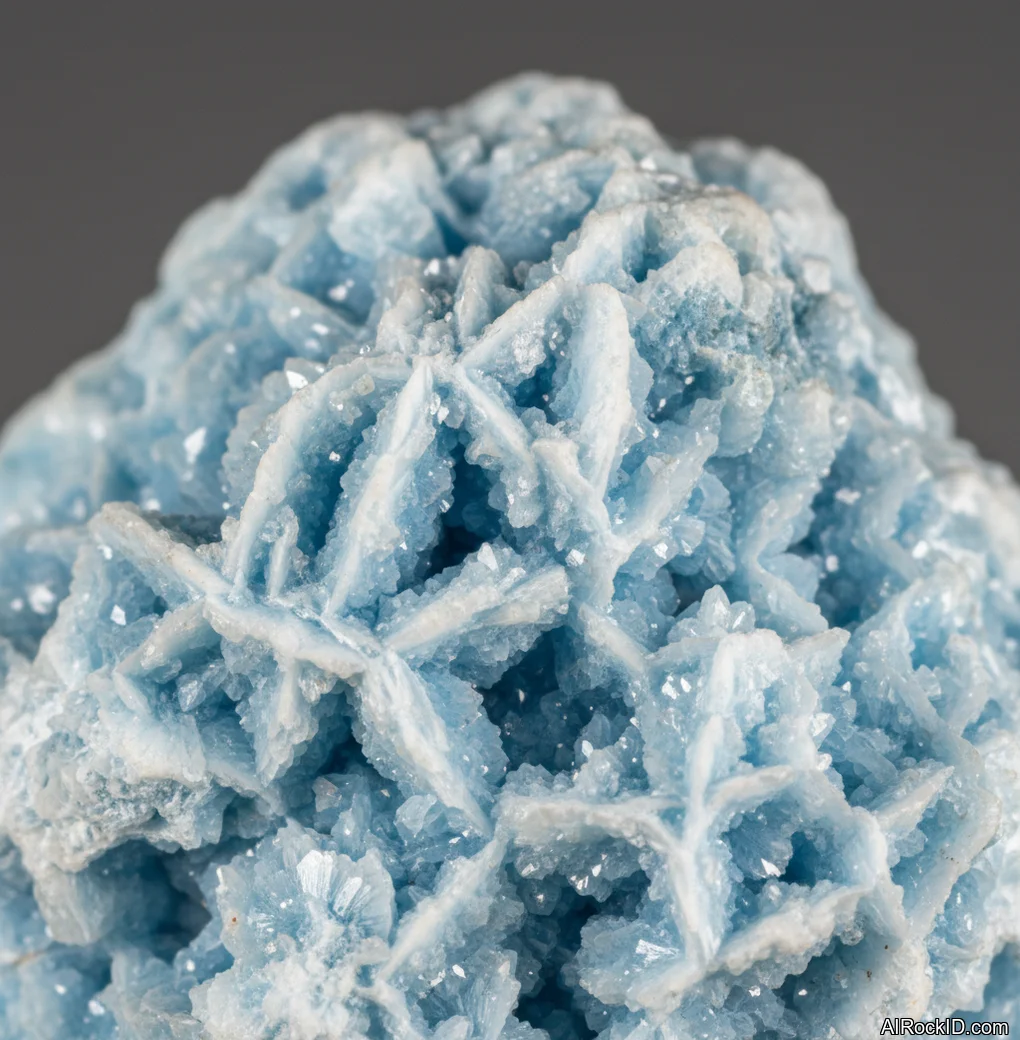
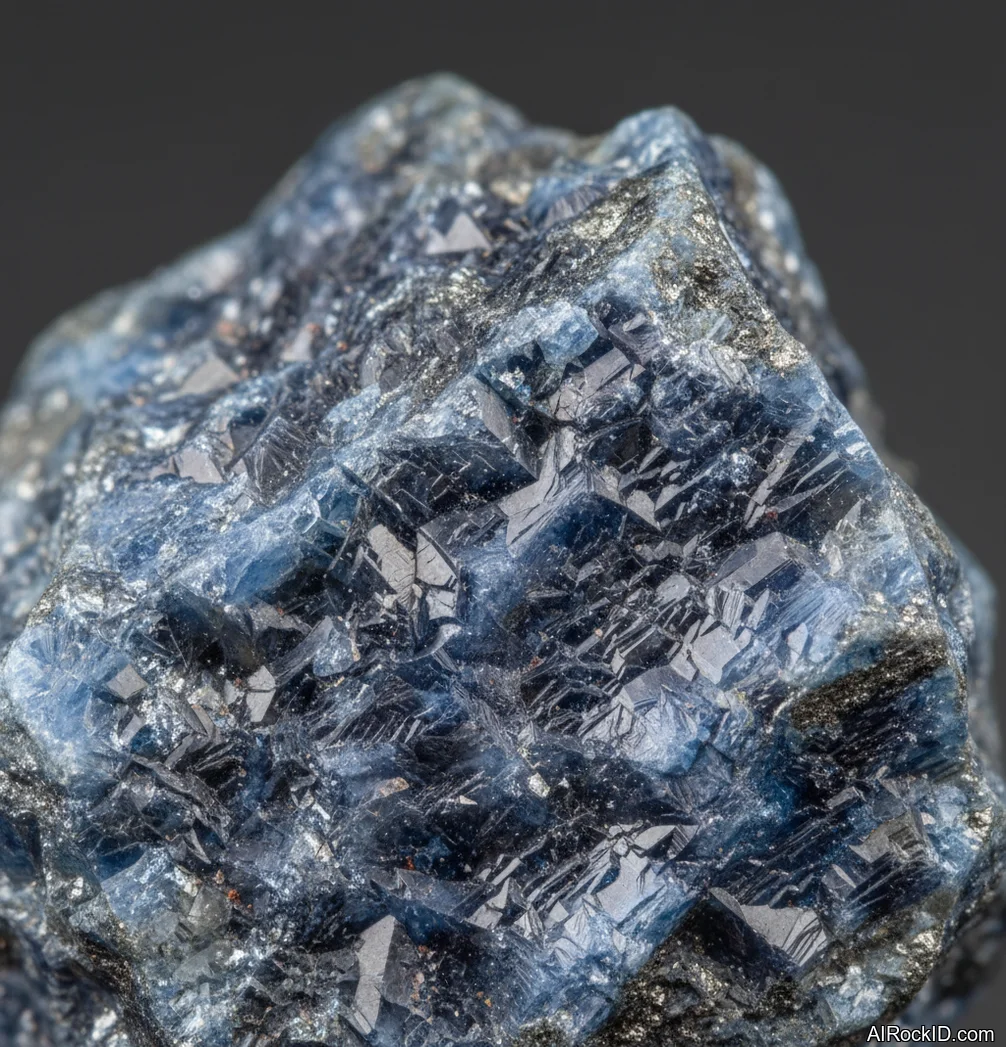
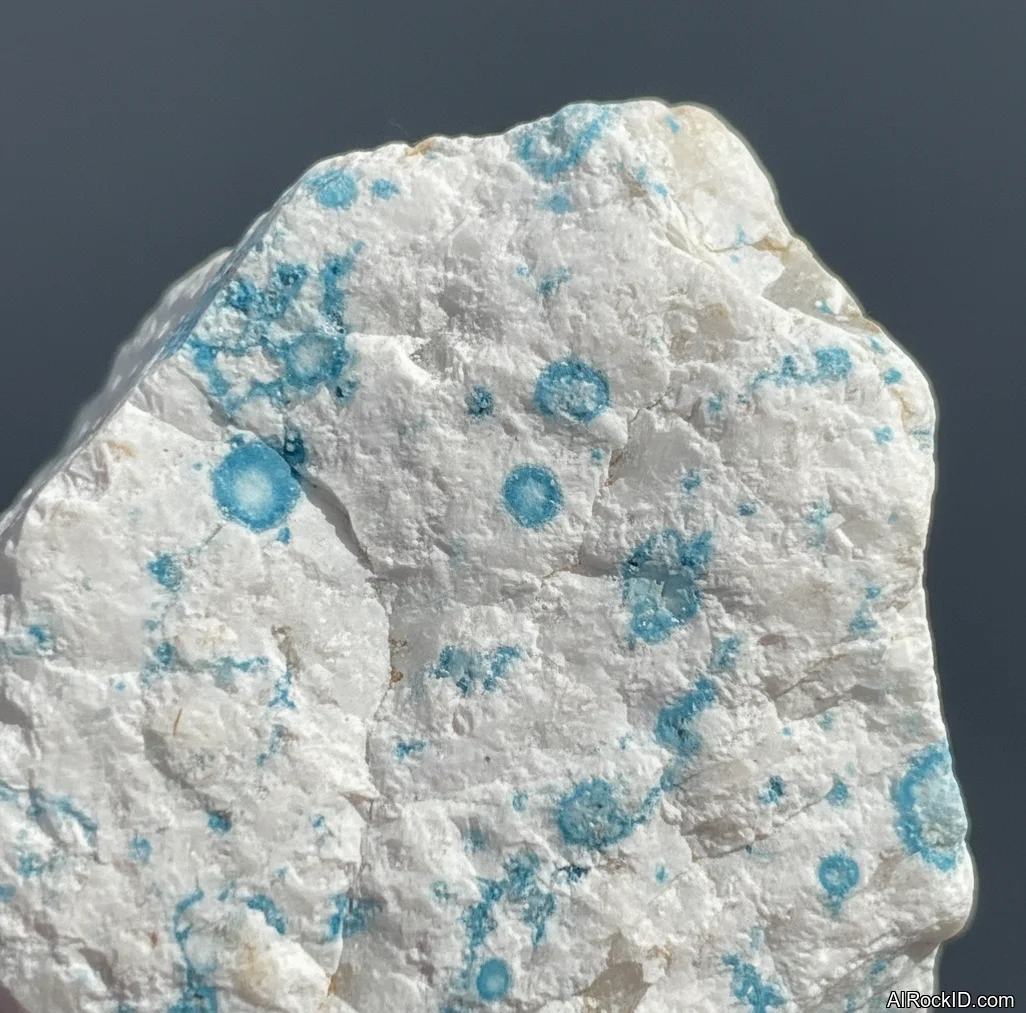
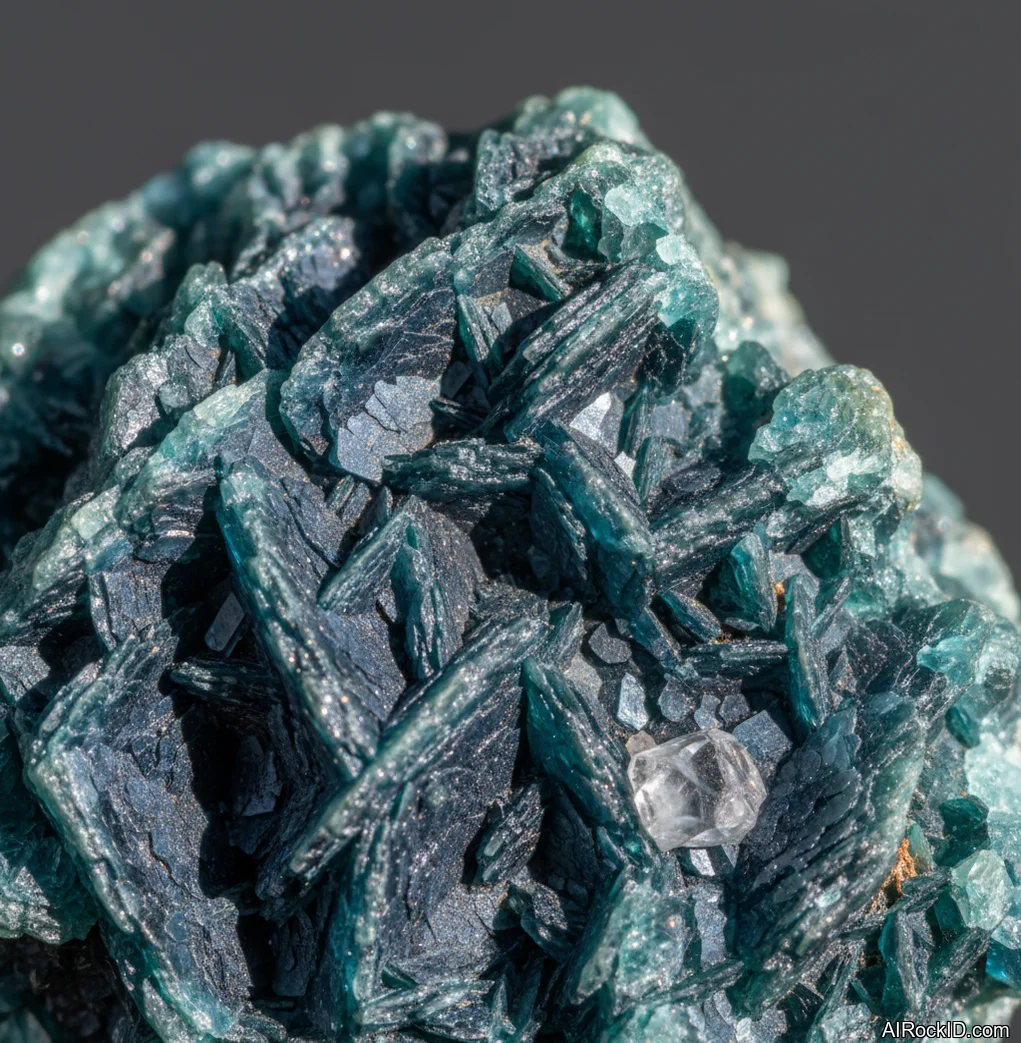
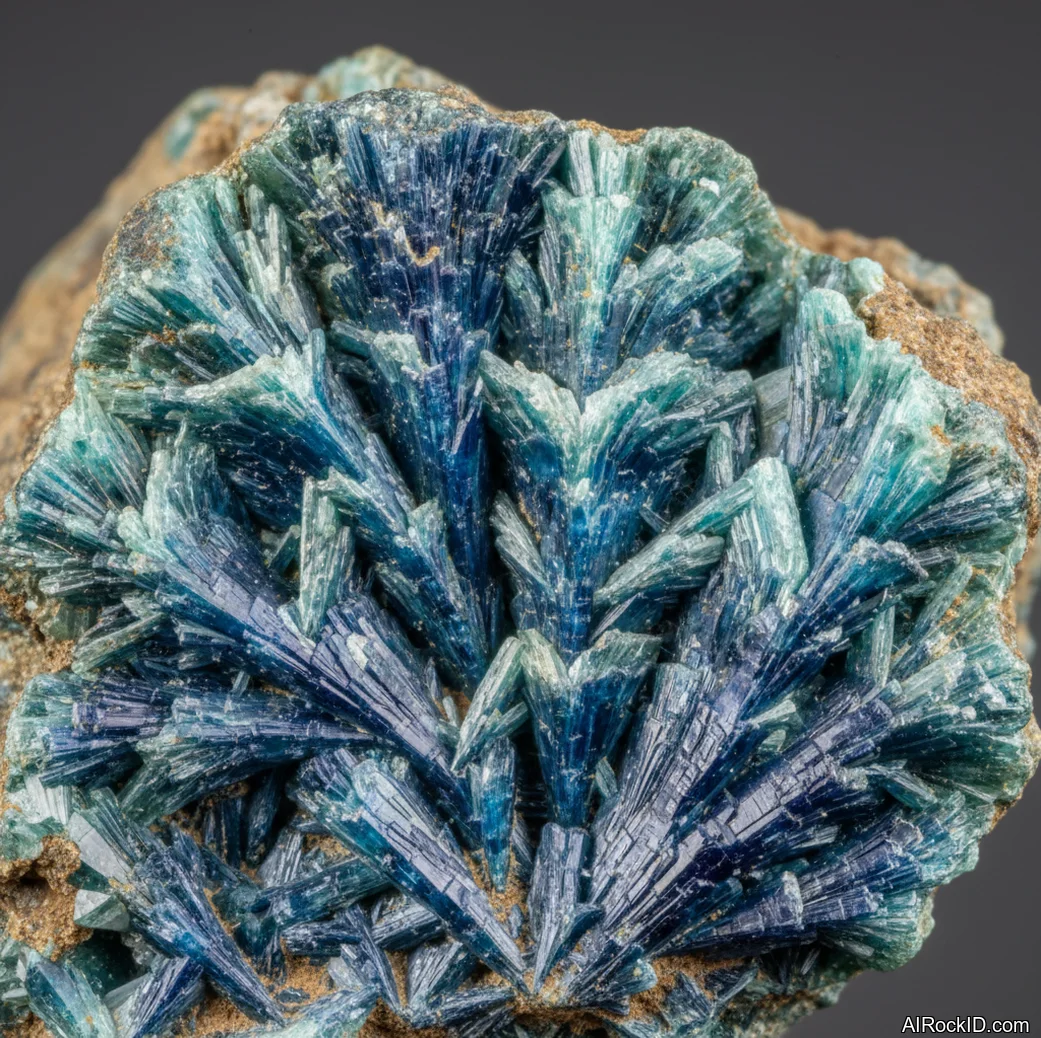
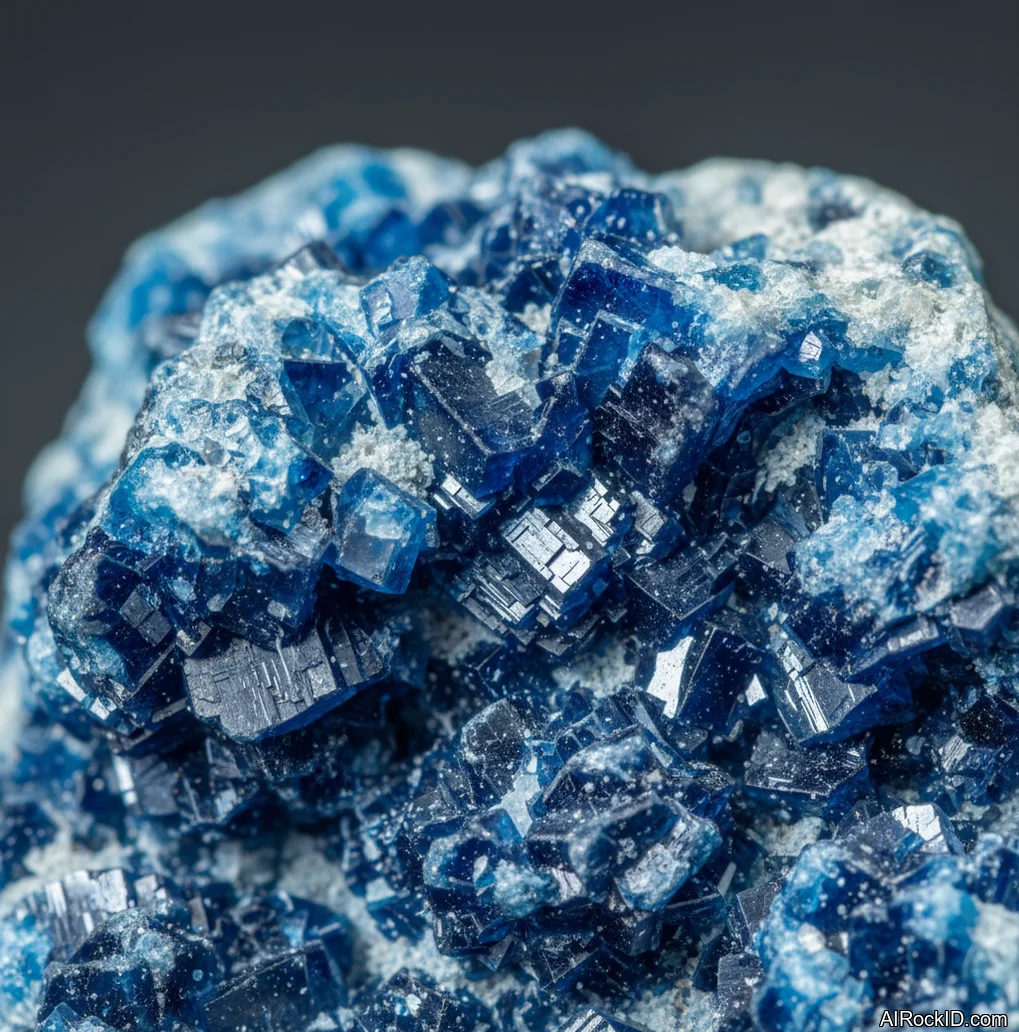
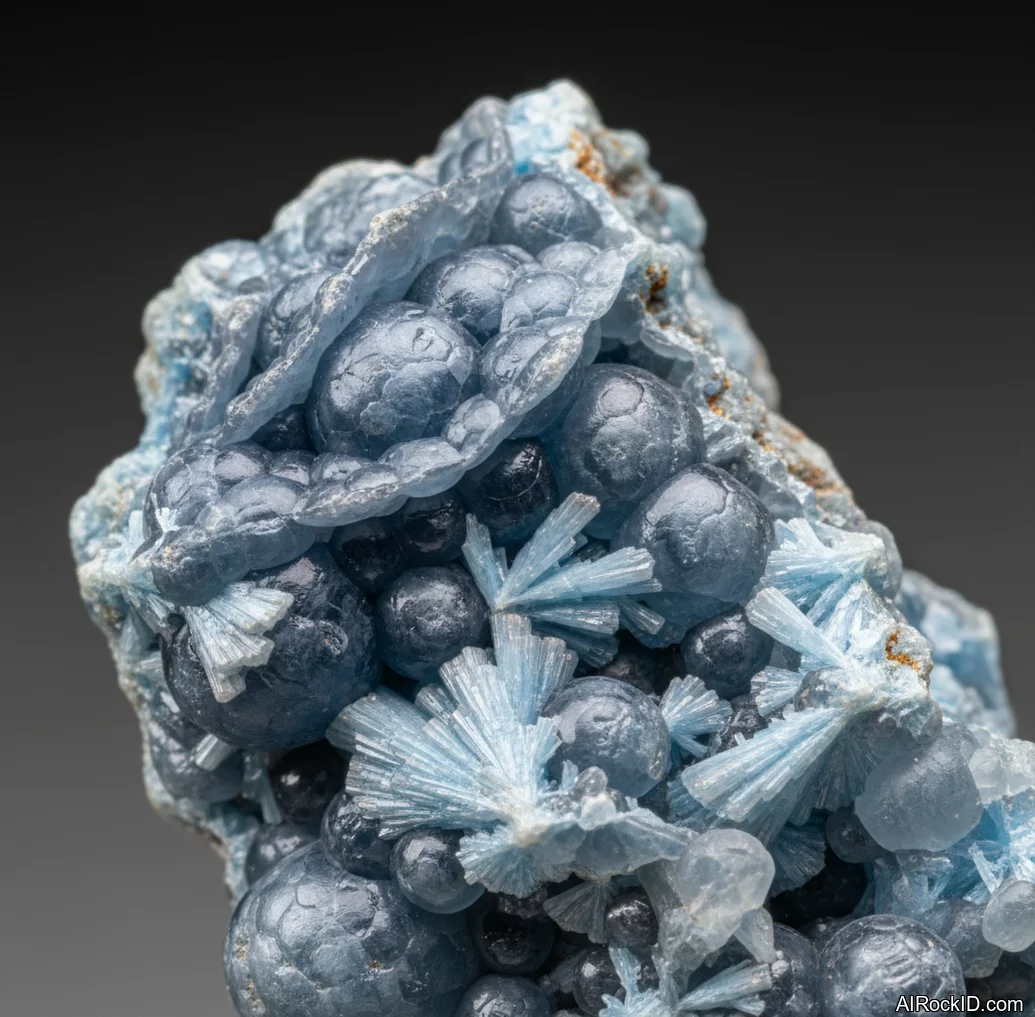
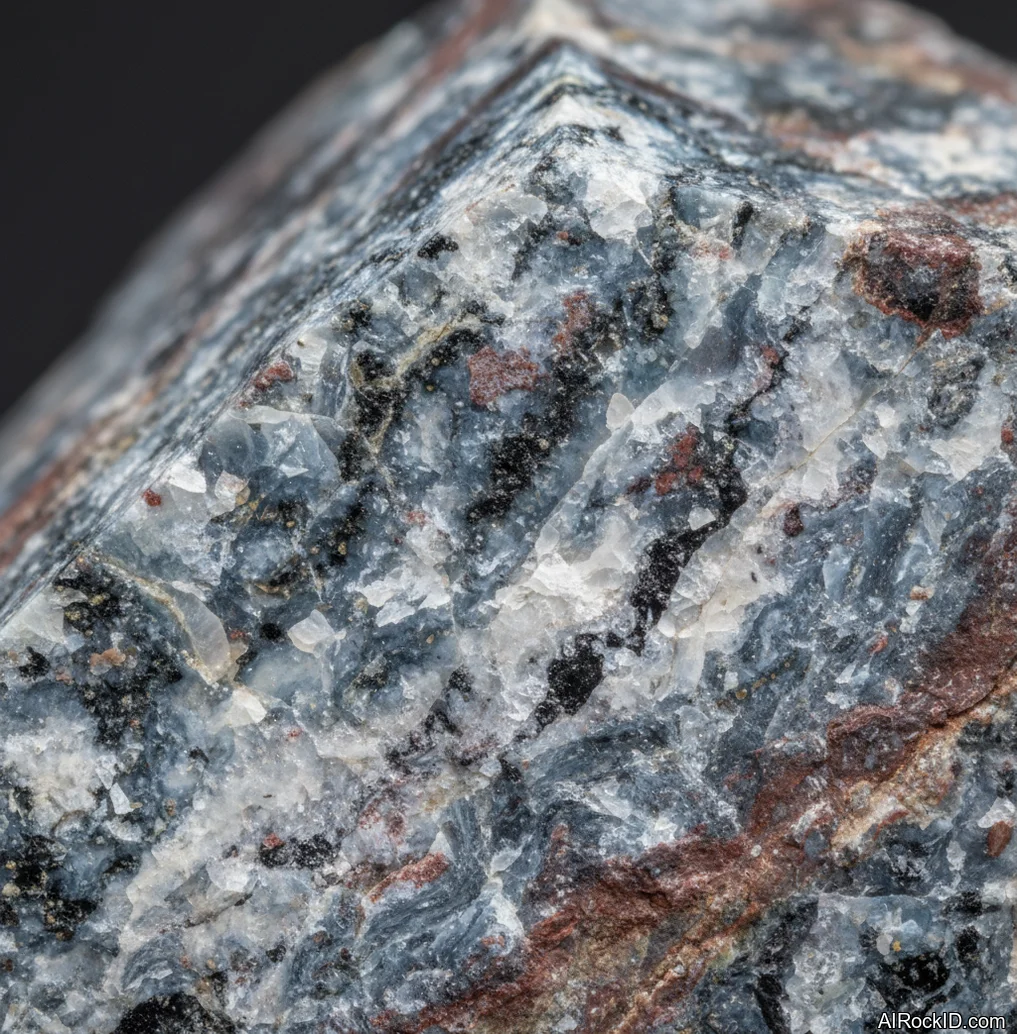
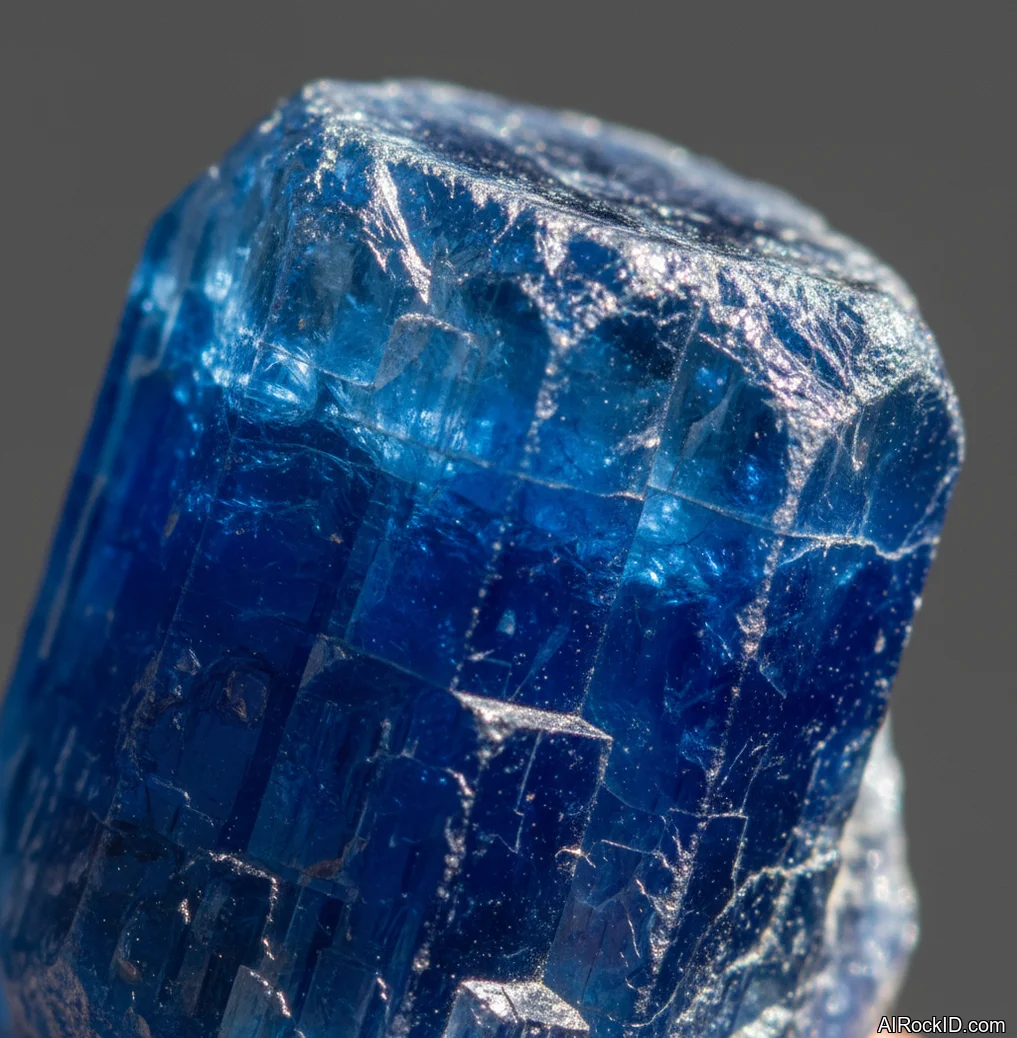
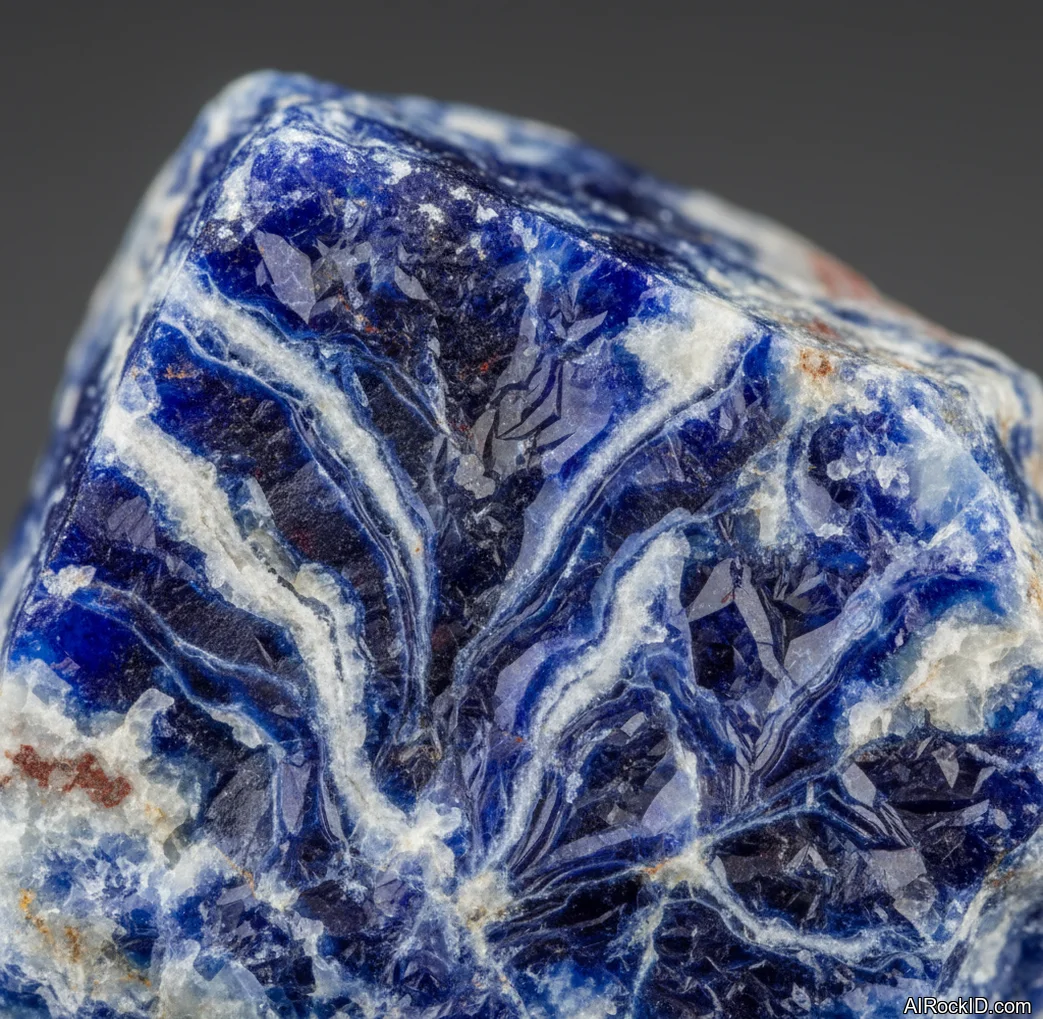
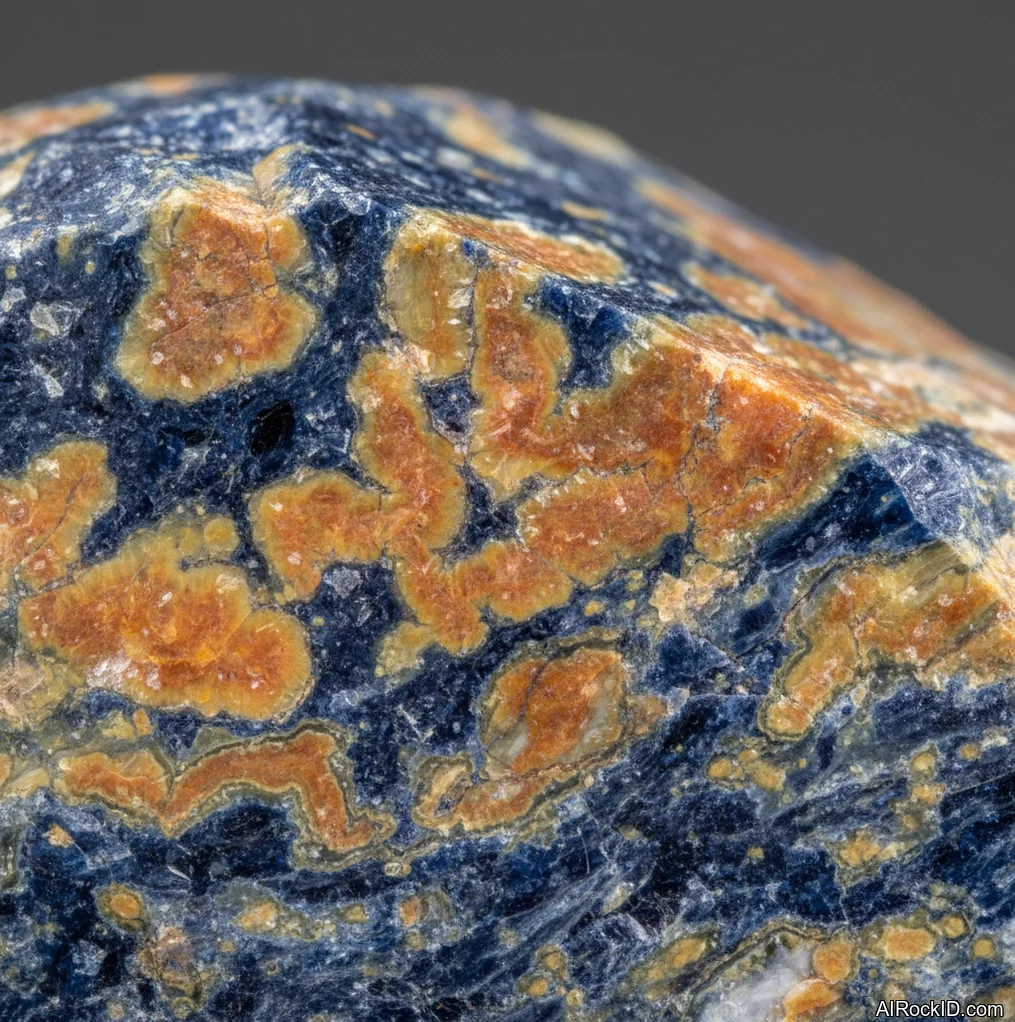
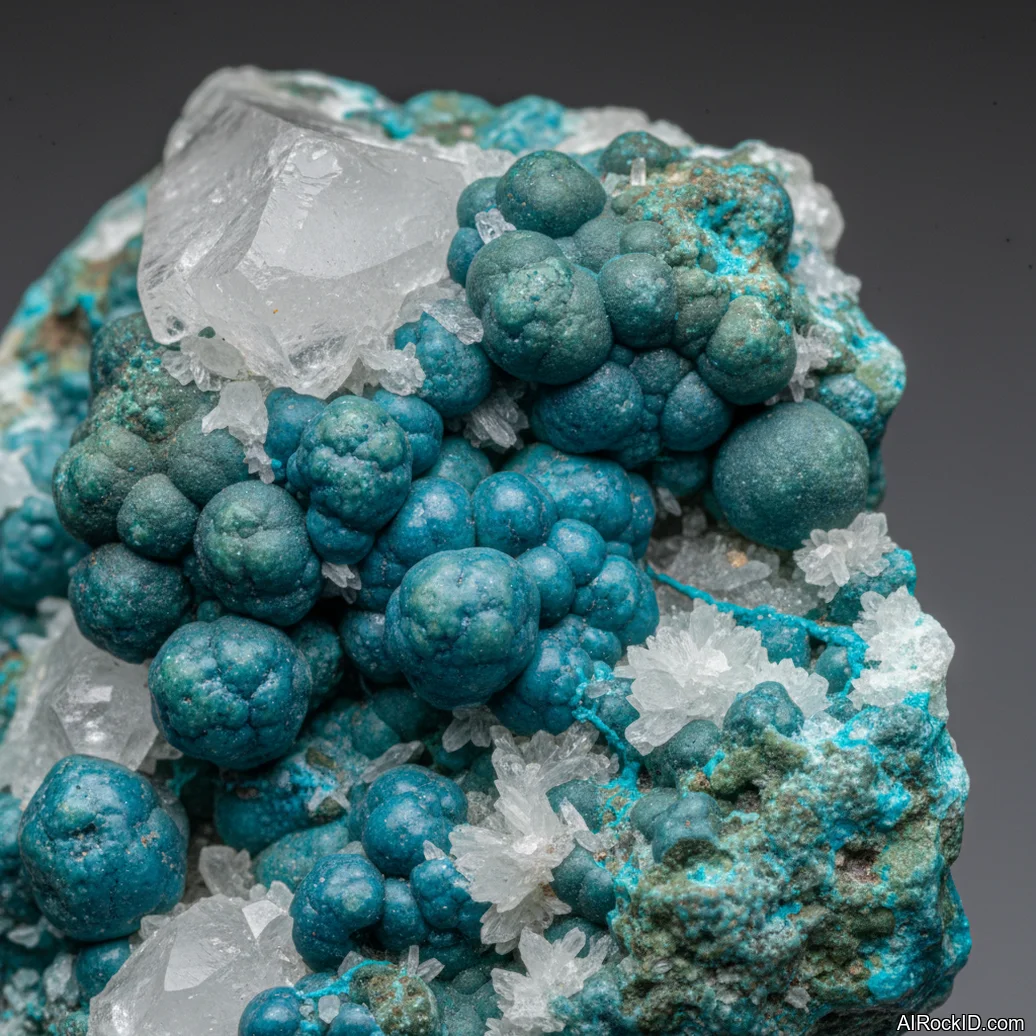
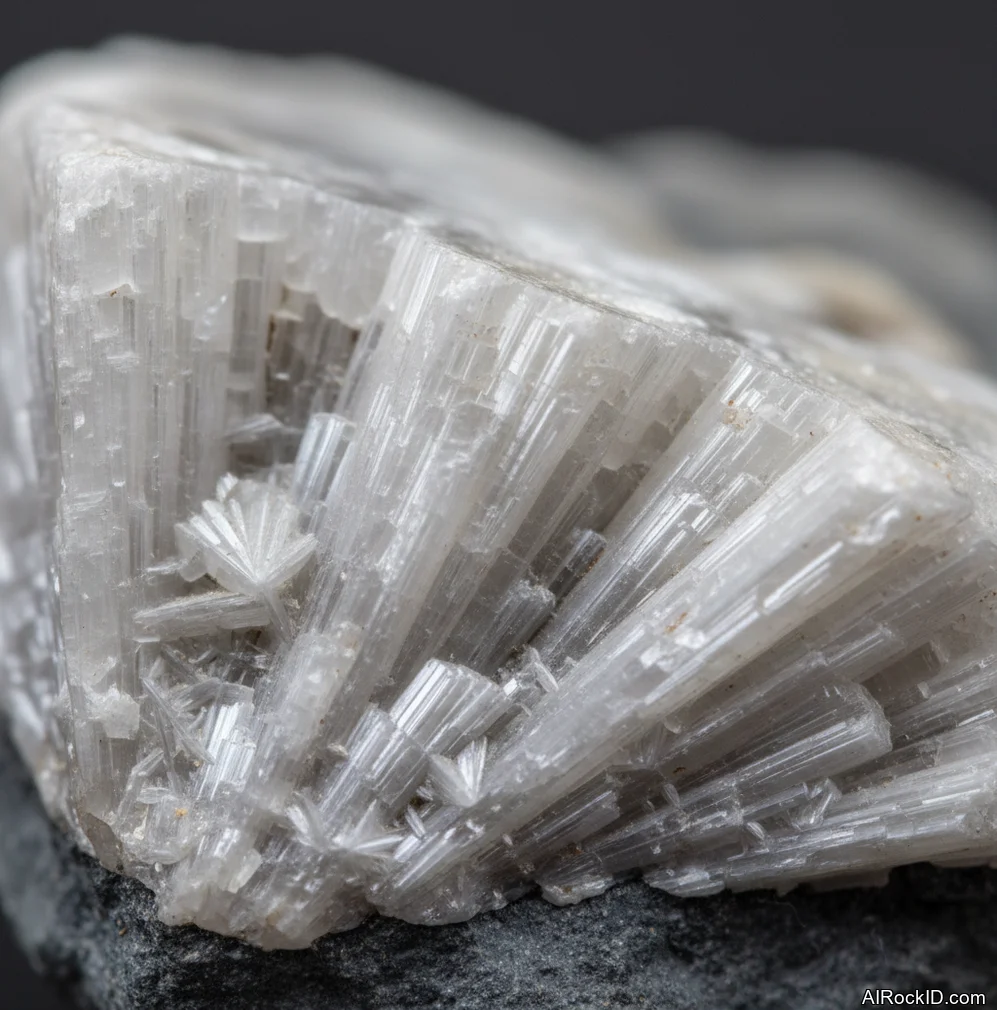
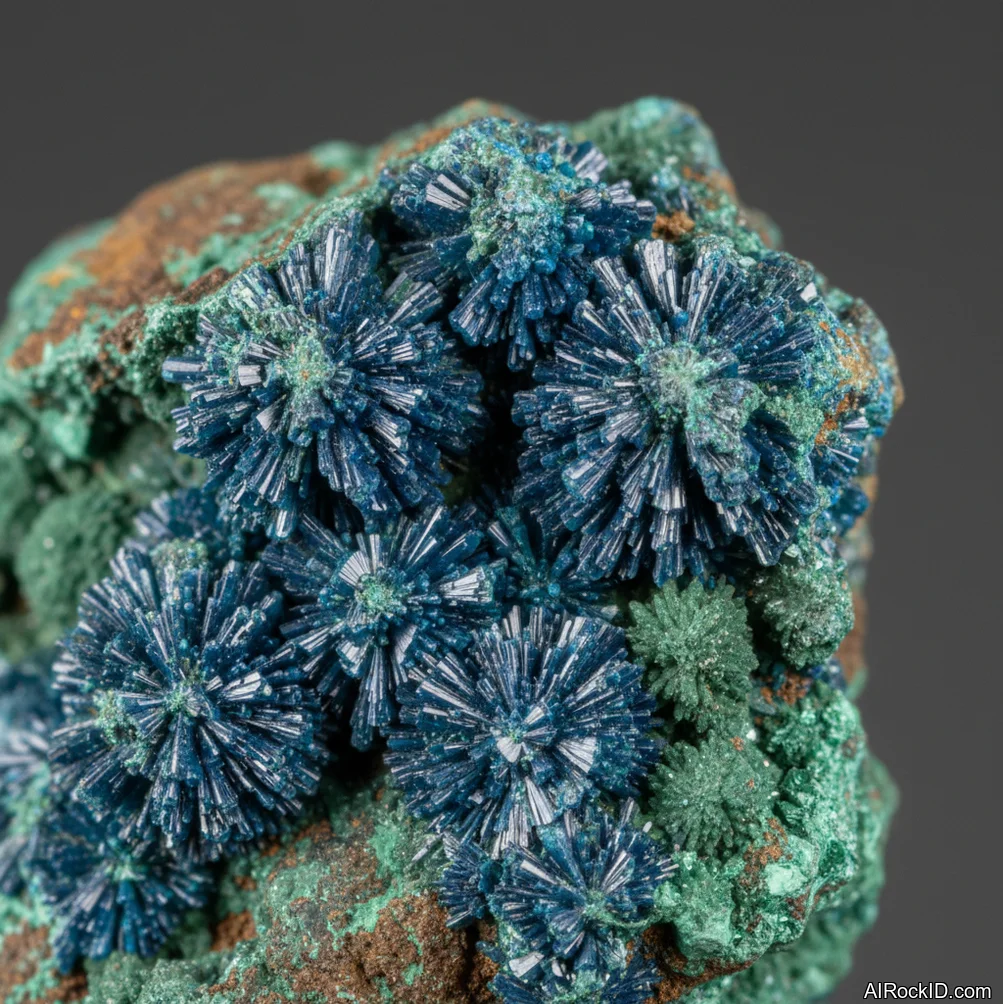
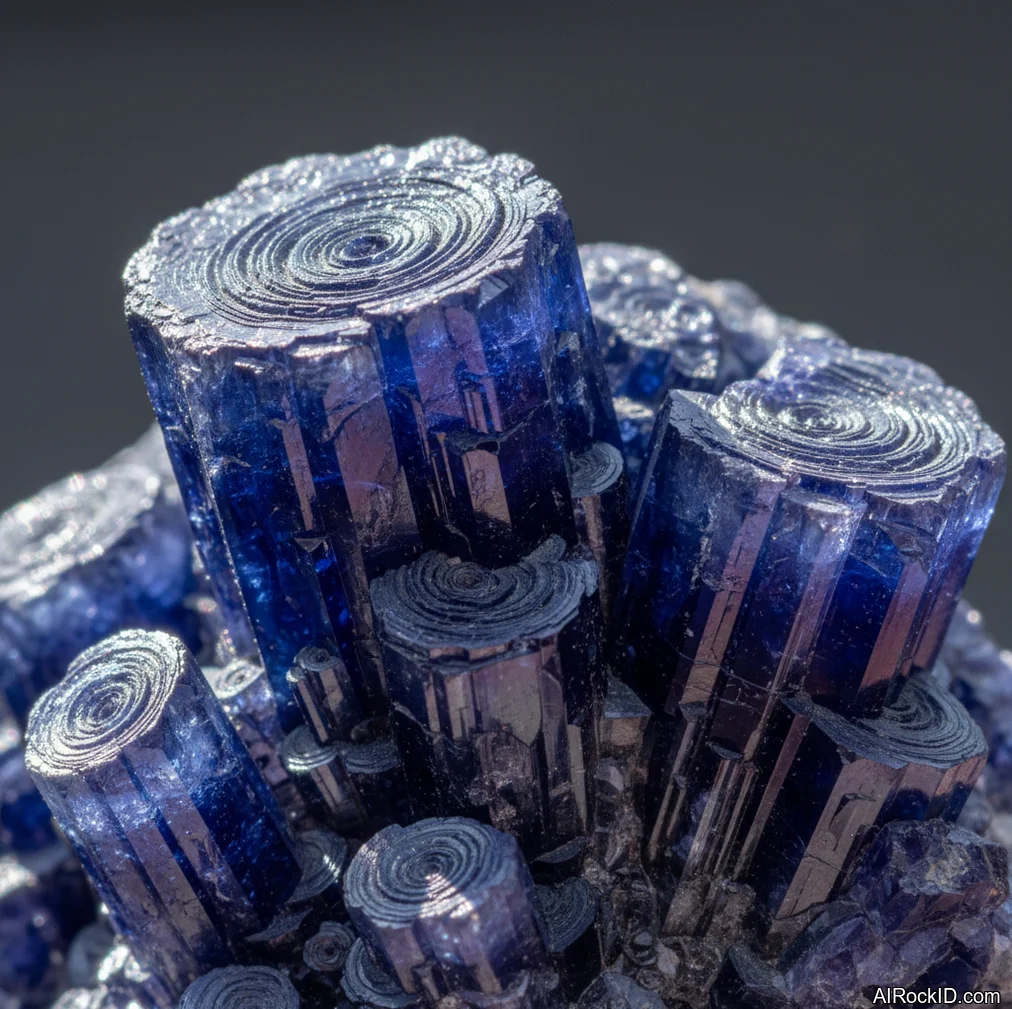
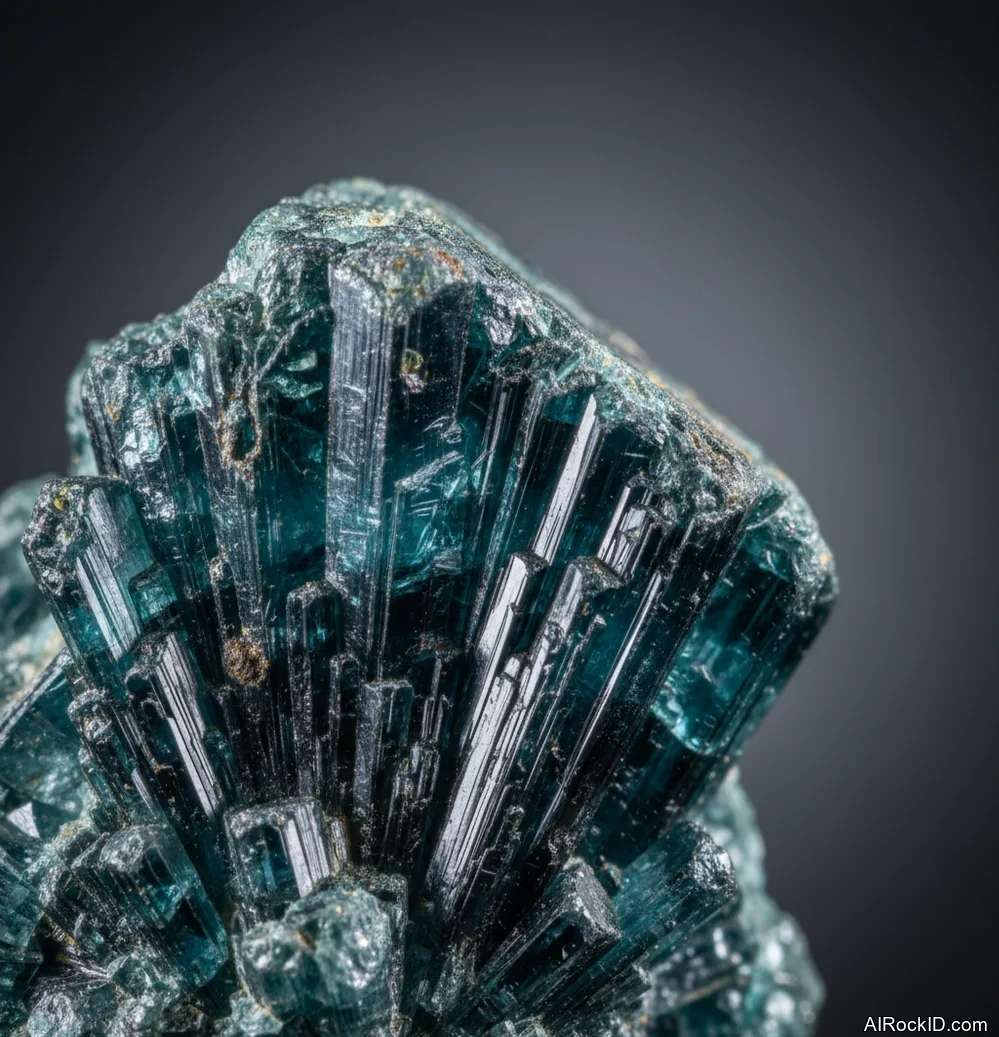
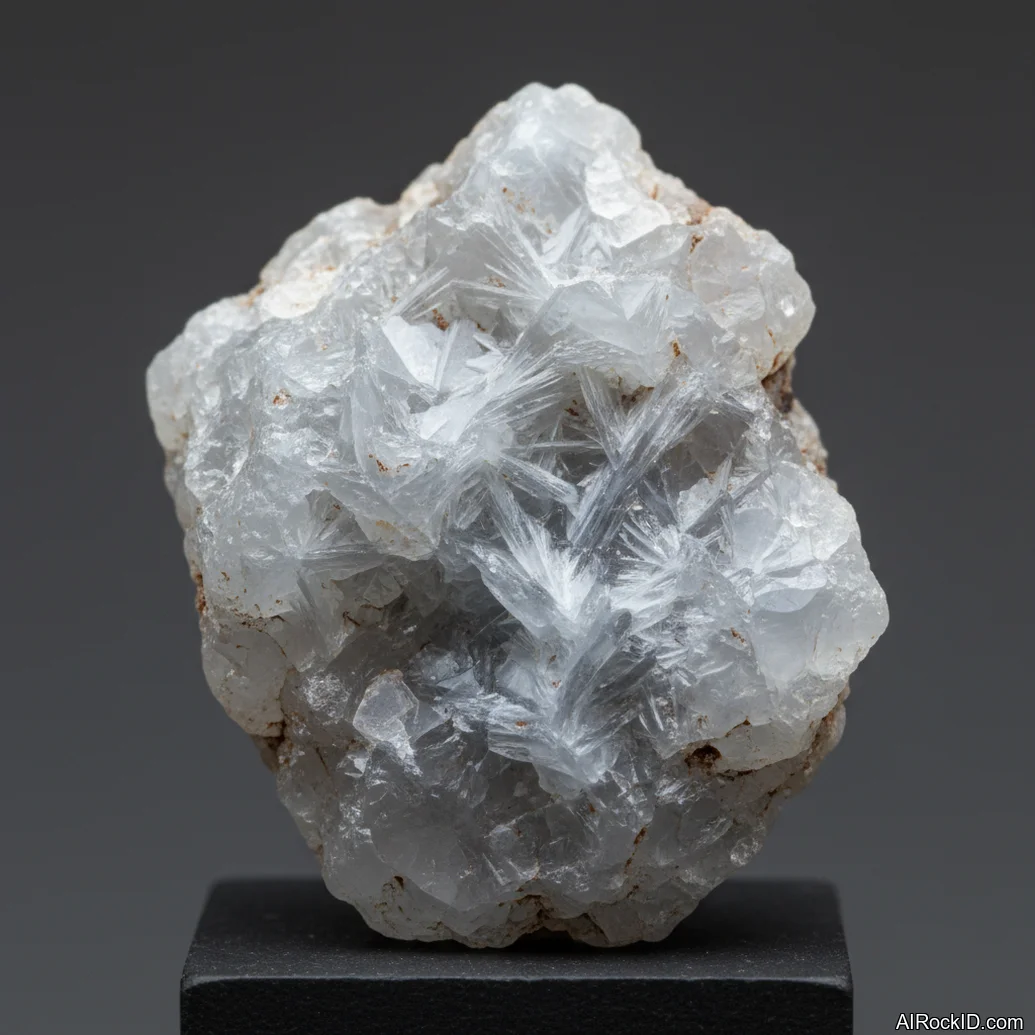
A lot of people chase Knowledge with “blue stones,” and yeah, there’s a reason they keep coming up. Sodalite is a solid choice if you want something affordable that still feels serious. It’s usually that royal blue with white streaks, and it has a waxy-to-dull luster when it’s not polished. Blue apatite is another study favorite, but it’s softer than it looks and can chip on corners, especially in tower shapes. Celestite looks like little sugar-blue crystals in a geode, and it’s gorgeous, but it’s also fragile and sheds tiny bits if you handle it rough.
Working with Knowledge crystals doesn’t need a ceremony. Put one where the work happens. On the desk, next to the keyboard, in the pencil cup, or on the bookshelf at eye level. If you’re reading, set fluorite or sodalite on the left side of the book and move it as you progress. Simple physical cues help your brain stay on track. If you’re writing, keep lapis or labradorite near your dominant hand so you touch it when you hit a stuck point, then go back to the sentence.
The problem with buying “Knowledge crystals” online is that the market rewards pretty photos, not honest material. Fluorite is commonly stabilized or coated to boost shine, and you’ll see towers with fractures hidden by heavy polish. Lapis is often dyed, and “gold” flecks can be brass powder in resin if it’s a composite. Labradorite gets treated too, and the flash can be exaggerated with oil or resin fills. So ask for a quick video under a moving light. The flash should shift, the color should have depth, and the surface shouldn’t look like plastic.
Compared to spiritual claims, the practical side is easier to measure. If a stone chips, you’ll stop using it. If it’s too big, it becomes clutter. If it’s too precious, you won’t touch it. For a work stone, I lean toward palm-size pieces or a small chunk with at least one natural face you can feel with your thumb (that texture helps, honestly). Towers look nice, but they tip over. Spheres roll. A chunky fluorite cube, a quartz point with a stable base, or a flat lapis palm stone tends to actually stay on the desk.
One last tip that sounds boring but matters: light and heat. Some colored stones fade if they live in a sunny window, and a hot car can crack a piece with internal stress. Keep your study stones where you use them, not where the sun bakes them. Look, knowledge is a long game, and the best setup is the one you’ll stick with when motivation drops and you still have to do the work.
All Knowledge Crystals (320)