Kobyashevite


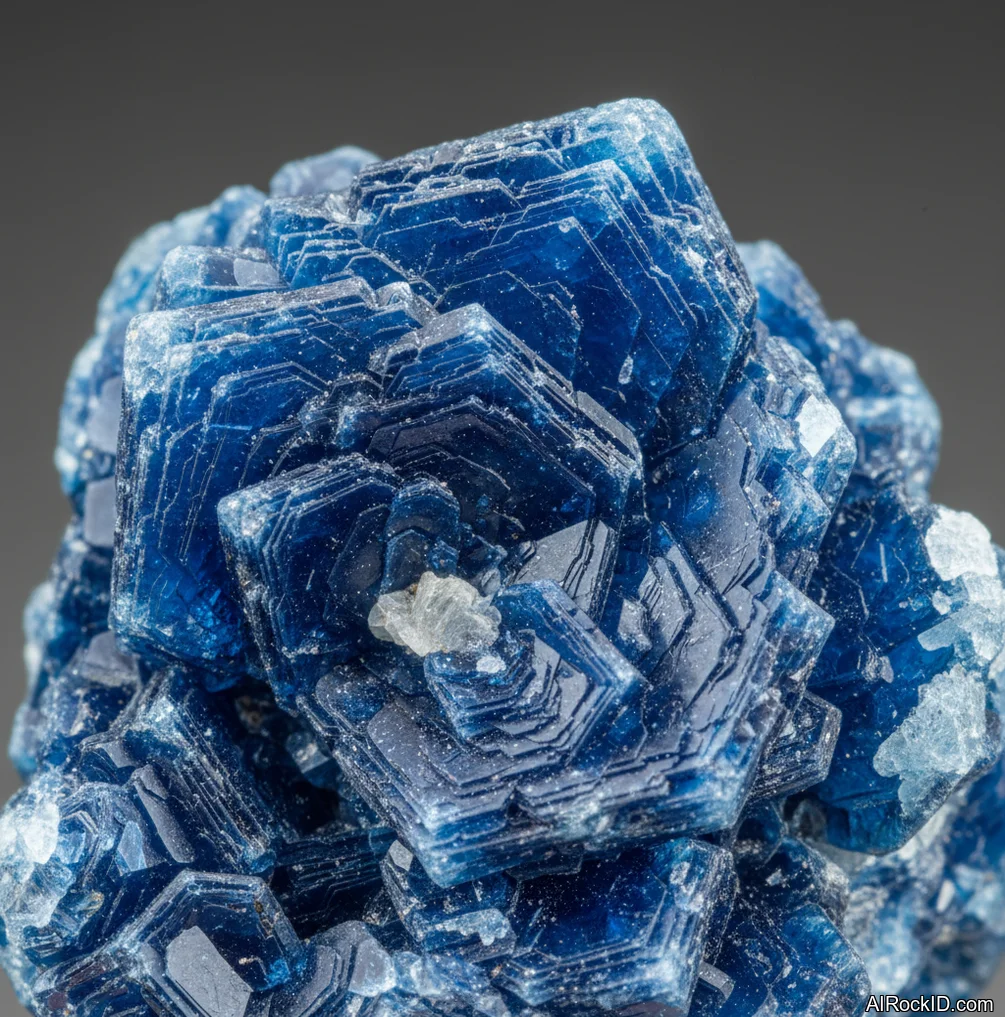
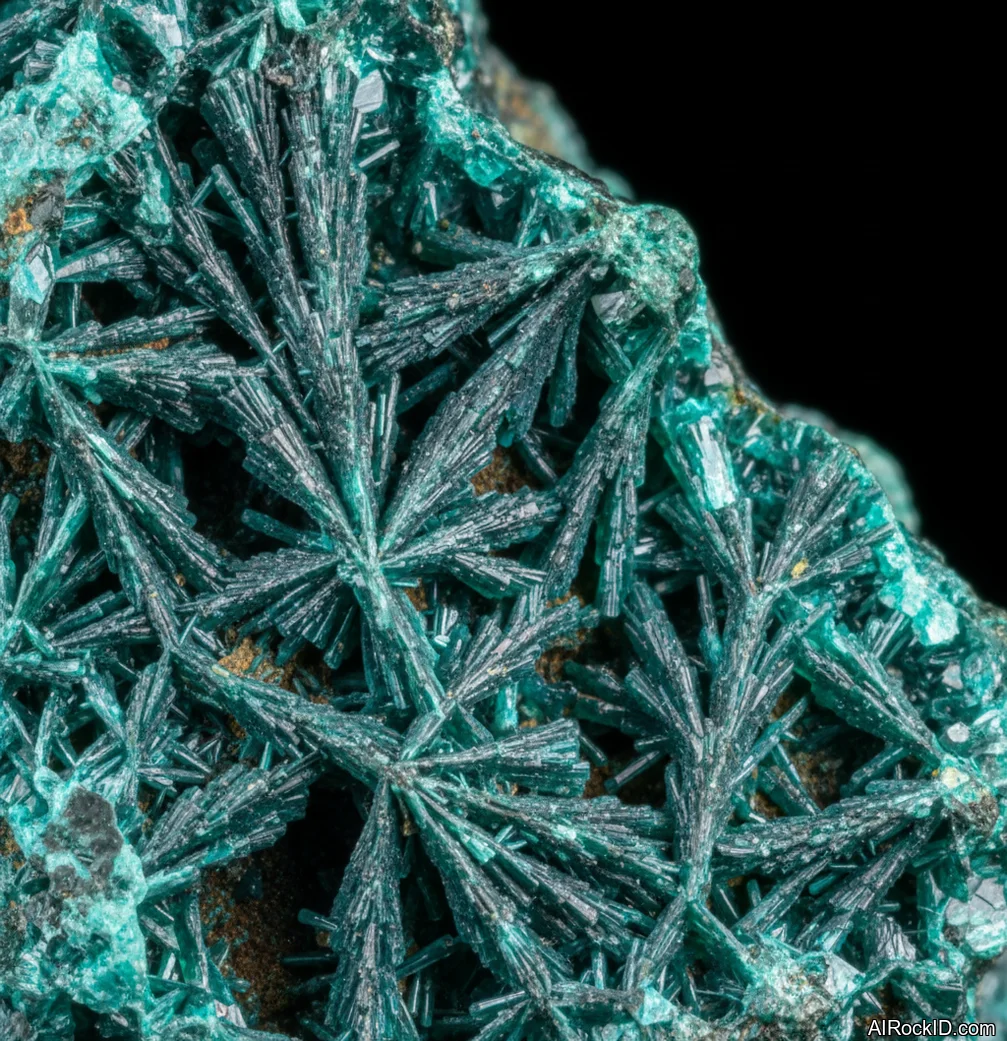
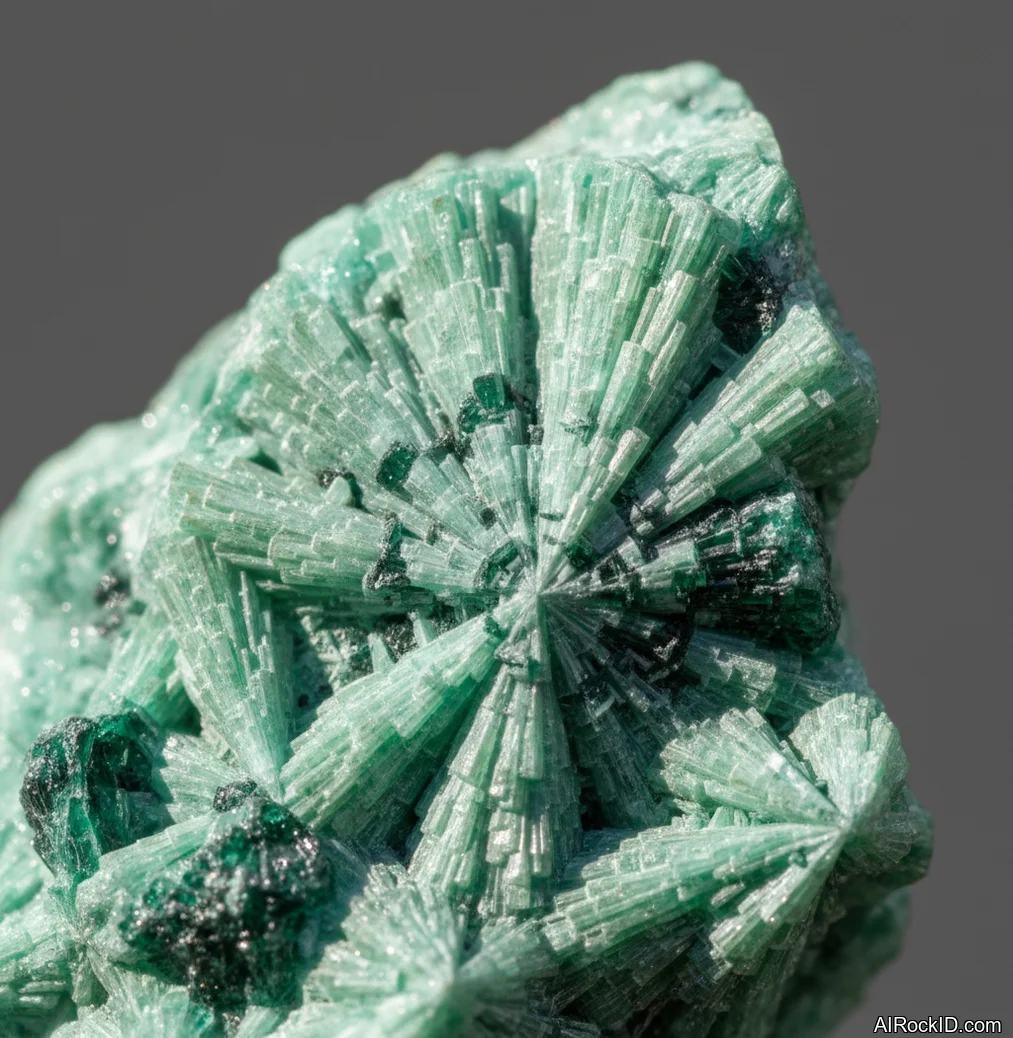
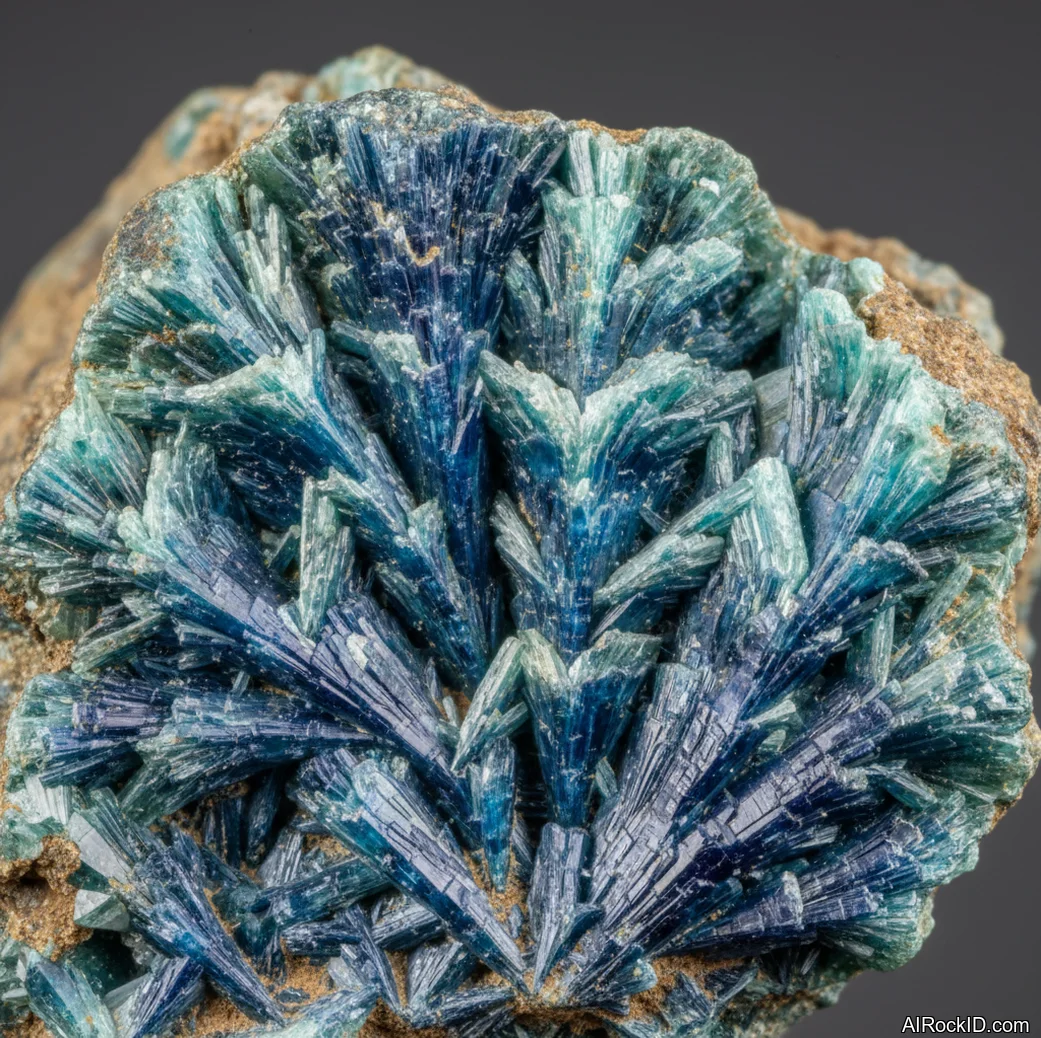
Quick answer: Kobyashevite is an extremely rare hydrated copper sulfate mineral associated with oxidized copper environments. Because specimens are uncommon and often small, identification usually depends on locality, crystal habit, associated minerals, and analytical confirmation rather than appearance alone.
AI Rock ID can help compare a Kobyashevite photo with visually similar copper sulfate minerals, but rare species often require additional context for confidence. RockIdentifier.io is useful for organizing visual clues such as color, luster, habit, and matrix before seeking expert or laboratory confirmation.
Good fit
- Collectors interested in rare secondary copper minerals
- Study collections focused on sulfate minerals or oxidation-zone assemblages
- Specimens with documented locality and provenance
- Micromount collectors who work with very small crystals
Not a good fit
- Beginners who want an easy-to-identify display crystal
- Jewelry use, carving, or handling-intensive collections
- Buyers seeking large, inexpensive specimens
- Situations where visual identification alone is required
Most commonly confused with
- Chalcanthite: Chalcanthite is typically brighter blue and highly water-soluble, while Kobyashevite is rarer and requires locality-based confirmation.
- Brochantite: Brochantite is usually green and more common in oxidized copper deposits, whereas Kobyashevite is a hydrated copper sulfate with different chemistry.
- Antlerite: Antlerite commonly forms green prismatic or fibrous crystals and differs in formula and crystallographic properties.
- Posnjakite: Posnjakite can occur as blue-green crusts or small crystals and may require testing to separate from other hydrated copper sulfates.
Kobyashevite vs Similar Copper Sulfates
| Mineral | Typical appearance | Key distinction | Identification note |
|---|---|---|---|
| Kobyashevite | Rare blue to blue-green microcrystals or crusts | Hydrated copper sulfate species | Best confirmed by provenance and analytical data |
| Chalcanthite | Bright blue crystals or coatings | Very soluble hydrated copper sulfate | Often forms in mine environments and can be synthetic |
| Brochantite | Green crystals, crusts, or fibrous masses | Copper sulfate hydroxide | More common in oxidized copper zones |
| Antlerite | Green prismatic, acicular, or massive forms | Copper sulfate hydroxide with different structure | Often associated with other copper oxidation minerals |
| Posnjakite | Blue-green crusts or small crystals | Hydrated copper sulfate hydroxide | Visual separation from related species can be difficult |
AI identification confidence
AI identification confidence for Kobyashevite should be treated as low to moderate from photos alone because several copper sulfate minerals share similar blue-green colors and crusty habits. Confidence improves when the image includes scale, matrix, locality information, and associated minerals, but laboratory methods such as XRD or chemical analysis may still be needed.
When AI gets it wrong
- A bright blue copper sulfate is assumed to be Kobyashevite when it is actually chalcanthite or a related soluble mineral.
- A green copper mineral on matrix is identified without considering brochantite, antlerite, or posnjakite.
- Color is over-weighted while crystal size, habit, locality, and associations are missing.
- A specimen label from a seller is accepted as proof without locality or analytical support.
Final recommendation
For buying or cataloging Kobyashevite, prioritize specimens with detailed locality data, reputable source history, and any available analytical confirmation. Treat unlabeled blue-green copper sulfate crusts as tentative until verified by an experienced mineralogist or lab test.
Advanced recommendations
- Kobyashevite
- Posnjakite
- Devilline
Buying and Authenticity Tips
Kobyashevite should be purchased with strong documentation because visual identification is not enough for most specimens. A trustworthy listing should include the mine or locality, specimen size, matrix description, and whether the identification was confirmed analytically. Be cautious with vague labels such as “rare blue copper mineral” or listings that do not distinguish Kobyashevite from more common copper sulfates.
Locality and Provenance Clues
Rare secondary copper minerals are often identified partly through their geological setting and known occurrences. A Kobyashevite specimen with a precise locality is more credible than a loose crystal or powdery crust with no source information. Provenance does not prove identity by itself, but it helps narrow the list of possible copper sulfate minerals.
Best Uses in Collections
Kobyashevite is best suited for reference collections, micromount collections, and mineralogical study rather than decorative display. Small specimens should be stored in a labeled container with limited handling to preserve fragile surfaces and associated matrix details.
What Is Kobyashevite?
Kobyashevite is a seriously rare hydrated copper sulfate mineral. It shows up as a secondary mineral in the oxidation zones of copper deposits.
If you pick up a tiny crusty chip of it, two things hit you fast. One, it feels weirdly light for something tied to copper, because there’s a lot of water locked into its structure. Two, the outside can look almost sugary or powdery, like a little frost that’s been stained blue-green.
Most pieces I’ve handled were straight-up “museum micromount,” not something you toss on a display shelf. Think thumbnail box, and you only pull it out over a tray because, honestly, it’s the kind of crumbly stuff that loves to shed a few grains when you breathe on it (ask me how I know).
At a glance, it’s easy to lump it in with other pale copper sulfates. But it usually doesn’t have that glassy sparkle you see in chalcanthite. It reads quieter. Softer. And yeah, a big part of the hassle is just tracking down a correctly labeled specimen from a dealer who actually knows sulfates.
Origin & History
Most people bump into kobyashevite in modern mineralogy writeups, not in old lapidary stories. It got described as its own species in the late 20th century, from material collected in Russia, in the Urals region, where all sorts of odd secondary copper minerals turn up in the oxidized parts of deposits.
The name’s there to honor a Russian mineralogist (Kobyashev), which, honestly, is how these super obscure sulfates usually get tagged. And the “history” of it isn’t some dramatic discovery tale. It’s basically a lab story: careful micro work, chemistry, and then a new name that mostly shows up in journal papers and micromount circles.
Where Is Kobyashevite Found?
Kobyashevite is reported from oxidized copper occurrences in Russia, especially the Urals, and it’s usually a micro-scale secondary mineral rather than big, showy crystals.
Formation
Look at where it actually forms and it clicks. This is that near-surface strip where sulfides fall apart, groundwater seeps through the cracks, and copper gets picked up and dropped back out as a whole zoo of sulfates, carbonates, and hydroxides.
Kobyashevite usually shows up as tiny crusts and lumpy aggregates, and it’ll sometimes be tangled up with other copper sulfates. It’s one of those “right conditions, right chemistry” minerals. And if the spot dries out or the chemistry nudges one way or the other, these hydrated sulfates can change on you fast, which is why a lot of collectors treat them like fragile little time capsules from the oxidation zone (touch it wrong and you’ll know).
How to Identify Kobyashevite
Color: Typically pale blue to blue-green, sometimes fading toward a washed-out greenish white on thin crusts. On a tray under strong light it can look almost pastel rather than deep copper-blue.
Luster: Usually dull to silky on crusts, rarely bright vitreous.
Pick up the piece and watch the surface texture. Kobyashevite often looks like a fine-grained coating, not chunky crystals, and it won’t have that wet-glass look that screams chalcanthite. The real test is context and association: if it’s sitting with other secondary copper sulfates from an oxidation zone, it’s plausible, but you still want a good label and ideally an ID by microprobe or Raman for anything expensive.
Common Look-Alikes
Kobyashevite is sometimes confused with these materials:
- Chalcanthite (often man-made copper sulfate crystals; deeper electric blue and more glassy than kobyashevite’s pale blue-green crusts)
- Brochantite (green crusts and fibrous sprays on oxidized copper ore; usually tougher and less powdery than kobyashevite)
- Antlerite (dark green to blackish green coatings; commonly labeled wrong on tiny crusts from copper oxidation zones)
- Posnjakite or langite (blue-green hydrated copper sulfates that form similar frosty crusts and micro-sprays on matrix)
- Dyed porous carbonate rock sold as “copper mineral” (color pools in cracks and around pits; looks too even compared to kobyashevite’s patchy, dusty skin)
- Blue-green glassy slag or melted material (too uniform, too shiny, and it feels warm in the hand compared to the cool, chalky micromount crusts)
Market Cautions & Treatments
When AI Can Get This Wrong
At first glance, phone photos lump kobyashevite in with “blue-green copper sulfates,” so AI tends to call it chalcanthite, langite, or posnjakite depending on lighting. Macro shots of crusts are the worst because the grainy, frosted texture reads like brochantite or antlerite when the white balance shifts. The real test is physical: it’s very soft (2-2.5), often powdery on the surface, and it usually shows up as a thin secondary crust on oxidized copper matrix, but confirmation still needs proper ID work since photos can’t separate these hydrated sulfates reliably.
Properties of Kobyashevite
Physical Properties
| Crystal System | Monoclinic |
| Hardness (Mohs) | 2-2.5 (Soft (2-4)) |
| Density | 2.1-2.3 |
| Luster | Dull |
| Diaphaneity | Translucent |
| Fracture | Uneven |
| Streak | pale blue to blue-green |
| Magnetism | Non-magnetic |
| Colors | pale blue, blue-green, greenish white |
Chemical Properties
| Classification | Sulfates |
| Formula | Cu2(SO4)(OH)2·4H2O |
| Elements | Cu, S, O, H |
| Common Impurities | Fe |
Optical Properties
| Refractive Index | 1.55-1.60 |
| Birefringence | 0.02 |
| Pleochroism | Weak |
| Optical Character | Biaxial |
Kobyashevite Health & Safety
It’s totally fine to keep it as a specimen, just handle it the same way you’d handle any other copper salt. Don’t taste it. Don’t grind it up or do anything that kicks up dust (that fine powder gets everywhere), and wash your hands afterward, especially if you notice that faint metallic smell on your fingers. And keep it away from water, because water can dissolve it or mess it up.
Safety Tips
Handle it over a tray. Don’t rub the surface. Keep it stored in a closed box. And if you’ve got to work near it, put on gloves and don’t breathe in any loose powder that might be sitting on it (that fine, dusty stuff).
Kobyashevite Value & Price
Price Range
Rough/Tumbled: $60 - $350 per micromount specimen
Price mostly comes down to paperwork and condition. Give me a micromount with solid provenance and a clean ID label (the kind that’s crisp, not faded or smeared from someone’s thumb), and it’ll outprice a flashier piece that’s sketchy on origin and shedding little grains the second you pick it up. Every time.
Durability
Fragile — Scratch resistance: Poor, Toughness: Poor
As a hydrated sulfate, it can dehydrate or alter if stored in hot, very dry conditions, and it doesn’t like being handled bare-fingered.
How to Care for Kobyashevite
Use & Storage
Keep it in a micromount box or a sealed display case, away from heat vents and direct sun. I store mine with a label inside the box because these tiny sulfate crusts all start to look alike after a while.
Cleaning
1) Do not use water or ultrasonic cleaners. 2) Use a soft air puffer to move loose dust. 3) If grit is stuck, use a dry, very soft brush lightly over a tray and stop if anything starts shedding.
Cleanse & Charge
If you do energy-style care, stick to smoke-free methods like sound, intention, or leaving it near (not on) a chunk of quartz. Don’t salt it and don’t soak it.
Placement
Best on a stable shelf where it won’t get bumped, or in a drawer tray with other micromounts. Humidity swings are the enemy, so a closed case is your friend.
Caution
Keep it dry. Don’t get water on it, and try not to touch it with bare fingers because skin oils can transfer fast. Hydrated copper sulfates can be fragile, so if you bump or rub them they can shed little grains (you’ll sometimes see a bit of powder left behind). Handle it gently, no rough treatment. And keep it well away from kids, pets, and anywhere food gets prepped or eaten.
Works Well With
Kobyashevite Meaning & Healing Properties
Next to the big-name “healing stones,” kobyashevite is pretty niche. The folks who go for it usually want that copper vibe: a quick mental wake-up, a little spark of curiosity, and that sense that the stale mental junk just got swept off the desk. It’s the kind of mineral I grab when I’m sorting specimens or grinding through paperwork, not when I’m trying to drift off into dreamland.
And if you’ve ever actually picked up a micromount, you’ll know exactly what I mean. It’s delicate. Like, the sort of thing where you’re holding a tiny plastic box up to the light, squinting, and thinking, don’t sneeze. Fumble it and you can literally lose grains. That forced, careful attention is basically the whole “lesson” people carry into meditation with it: more focus, less drama.
But here’s the honest limitation. It’s a hydrated copper sulfate. So I wouldn’t put it in an elixir, I wouldn’t sleep with it under a pillow, and I wouldn’t be handling it daily like a worry stone (why risk it?). If you use crystals in a metaphysical way, treat this one as “look, don’t rub,” and keep the medical stuff with actual medical care.
Common mistakes
- Identifying Kobyashevite by blue or blue-green color alone
- Assuming all rare copper sulfate labels are analytically verified
- Confusing Kobyashevite with chalcanthite, especially on mine-related material
- Ignoring matrix and associated minerals during identification
- Buying unlabeled microcrystalline crusts at rare-mineral prices without documentation
- Handling delicate specimens frequently, which can damage fragile coatings
Identify Kobyashevite from a photo
Compare Kobyashevite traits, care tips, value clues, and common lookalikes with a clear photo.