Noble Shungite
What Is Noble Shungite?
Noble Shungite is a rare, high-carbon type of shungite, which is a natural carbon-rich rock, and it has this bright silvery, metallic sheen that jumps out at you.
Pick up a chunk and you’ll clock two things immediately. It’s lighter than you expect for something that looks so “metal-like.” And if you rub it hard on a paper towel or your fingertips, it’ll leave little black marks, kind of like a soft graphite stick (messy, too).
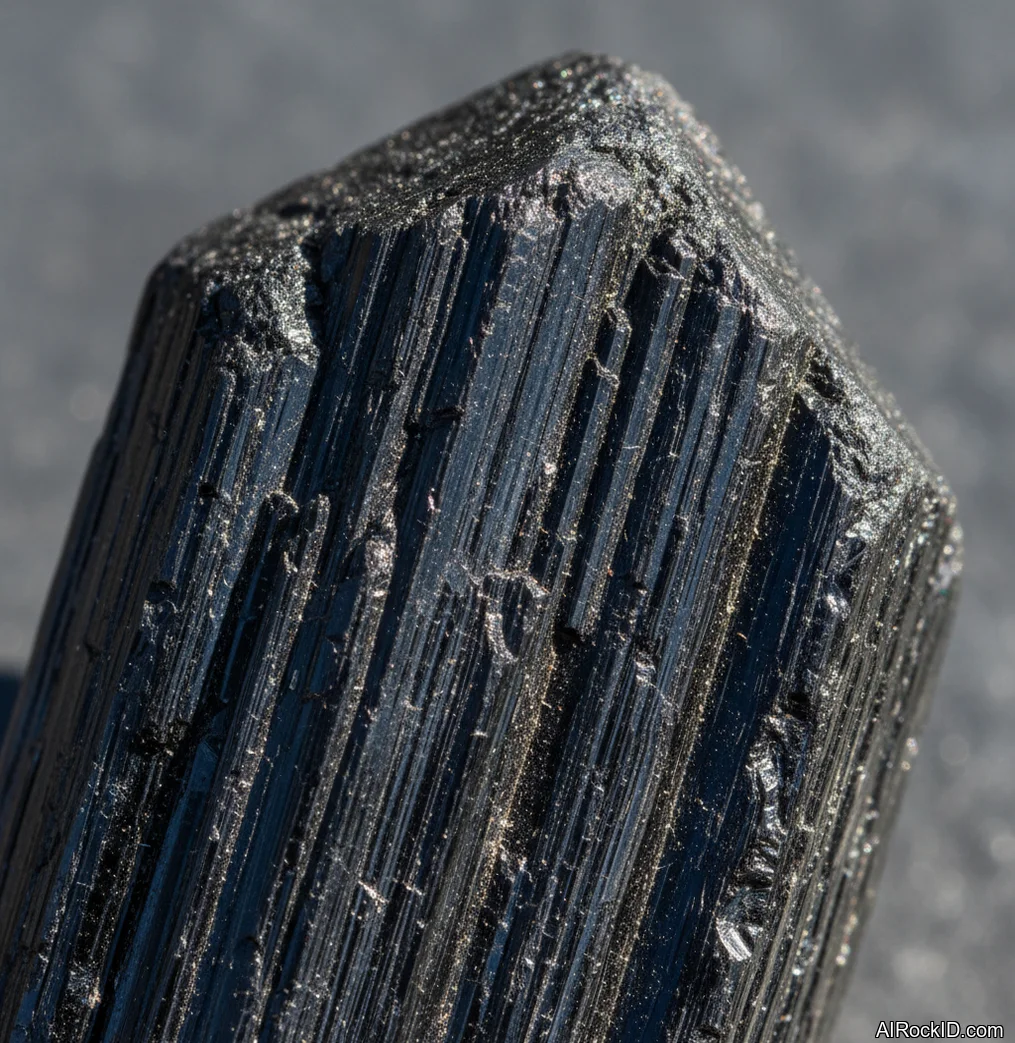
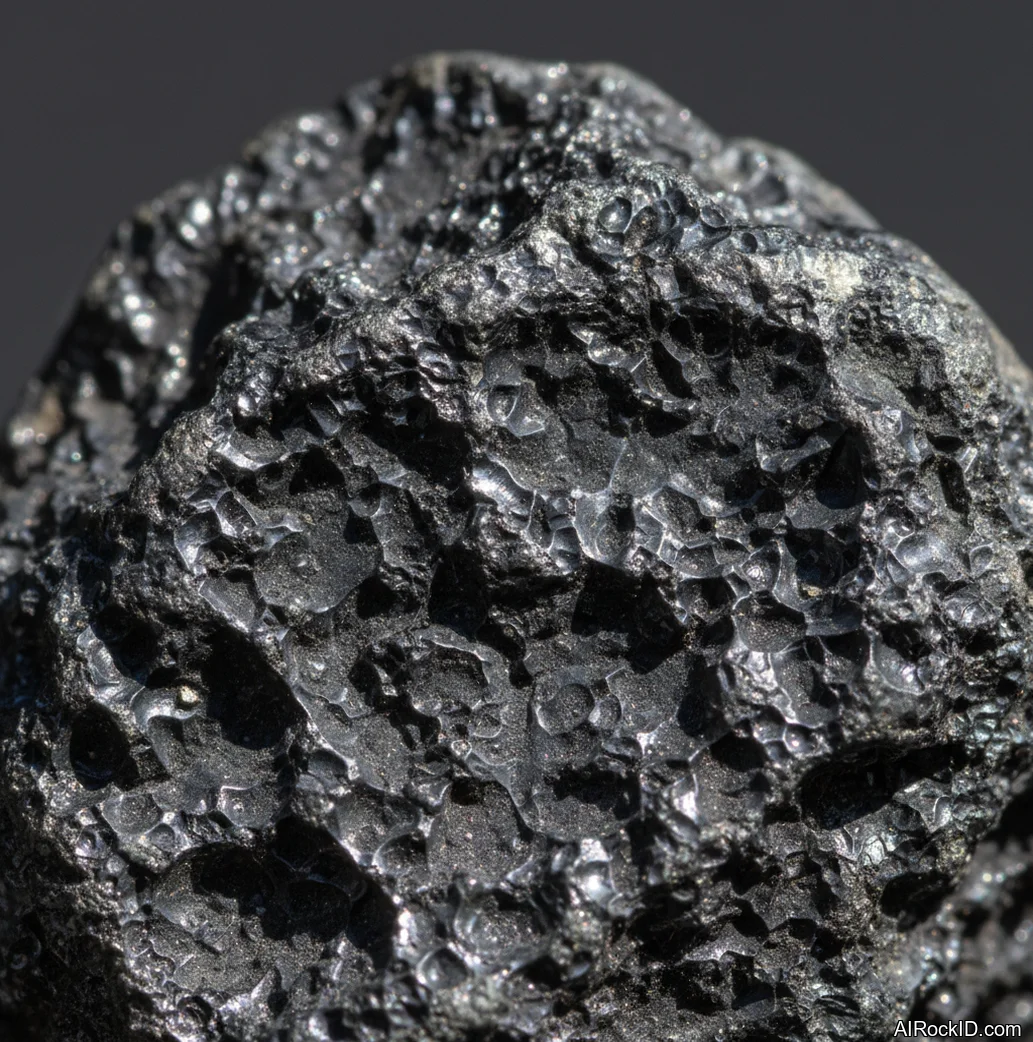
The nicest pieces honestly look like someone hit them with silver leaf. But don’t expect a neat, polished face. The surface is usually bumpy, broken up, and jagged in spots, not smooth like hematite.
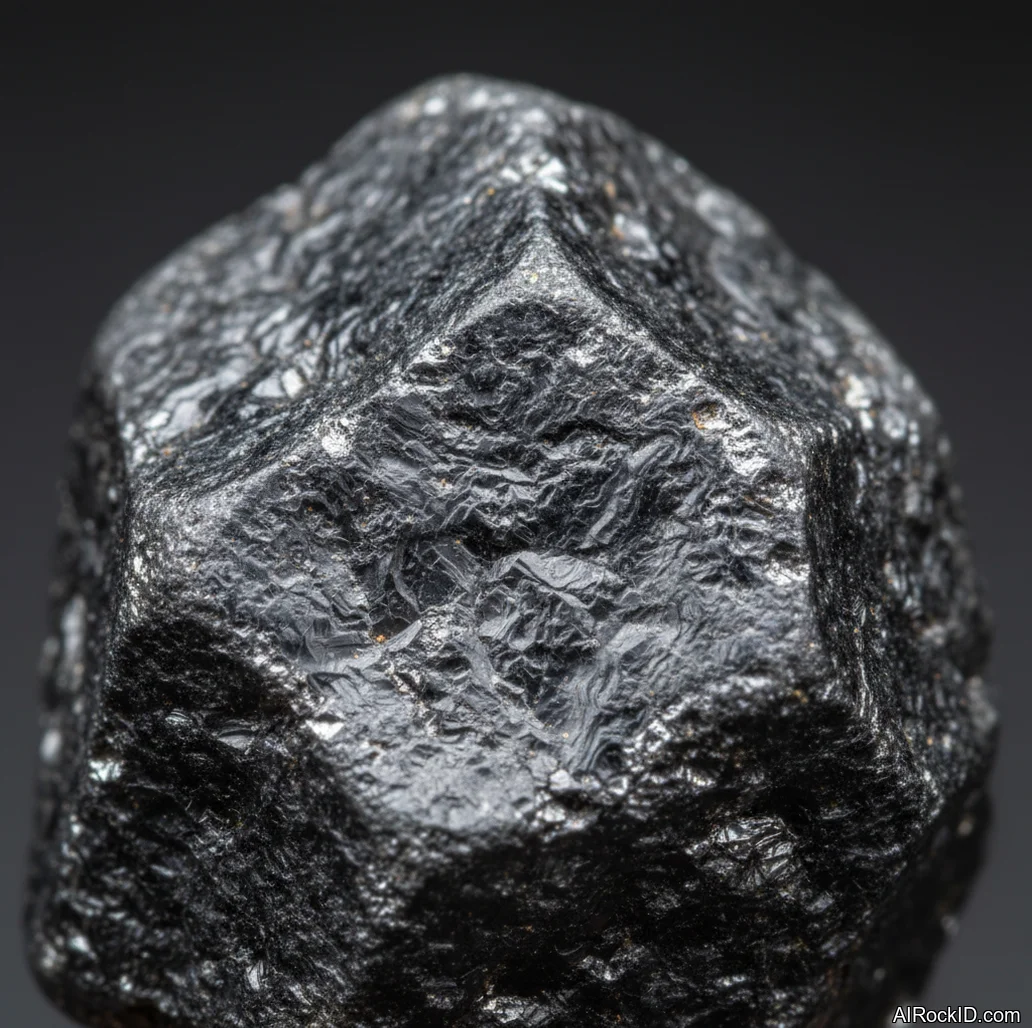
A lot of people glance at it and assume it’s going to feel like obsidian or onyx. But it won’t. Noble material is softer, and those thin edges can get crumbly, and when it breaks it does it in a rough, messy way instead of a clean snap.
Thing is, I’ve handled plenty of pieces where there’s a thin silvery “skin” over a duller black interior, and that’s normal. And dealers will sometimes try to sell any shiny black rock as “elite,” so you’ve got to watch for that. The real stuff has that cold, mirror-ish flash when you tilt it under a shop light.
Origin & History
Karelia, up in northwest Russia, is really where shungite’s whole story sits. The word itself comes from Shunga, a little village near Lake Onega. And once people started writing about the stuff and trading it, that name just… stuck.
Back in Russia in the 1700s, shungite started getting real attention. Peter the Great is the figure that always comes up when people talk about early use, especially the water angle and those “black stone” filtration stories (you’ve probably seen them repeated a hundred times). But thing is, the modern market has definitely taken some of that and spun it into marketing.
“Noble” or “elite” shungite is the trade label for the highest-carbon material. It’s also a pretty small slice of what actually comes out of the deposits. Not the bulk of it.
Where Is Noble Shungite Found?
Commercial noble shungite is essentially a Karelia-only material, with the best-known supply coming from the Zazhogino area near Lake Onega.
Formation
Shungite isn’t really a neat, single mineral. It’s better to think of it as a metamorphosed, carbon-heavy rock. The carbon started out as ancient organic gunk in sediments, then it got slowly “cooked” and changed over ages from burial, heat, fluids, plus tectonic pressure. So what you end up with is a carbon matrix with silicates and other mixed-in bits, and the exact mix shifts depending on the grade.
Noble shungite is the high-carbon end of the spectrum, and the “elite” trade grade is commonly quoted at about 90–98% carbon. And yes, it can contain fullerenes in tiny trace amounts, which is a big reason it got scientific attention in the first place. In your hand, that high-carbon content is why it can feel a bit like graphite, and if you handle it roughly it’ll smudge and leave a dark mark on your fingers (or on a white cloth, which is always a fun surprise).
How to Identify Noble Shungite
Color: Black to steel-gray with a bright silvery sheen on fresh surfaces; interiors can look duller and more matte.
Luster: Metallic to submetallic, often with a mirror-like flash when tilted.
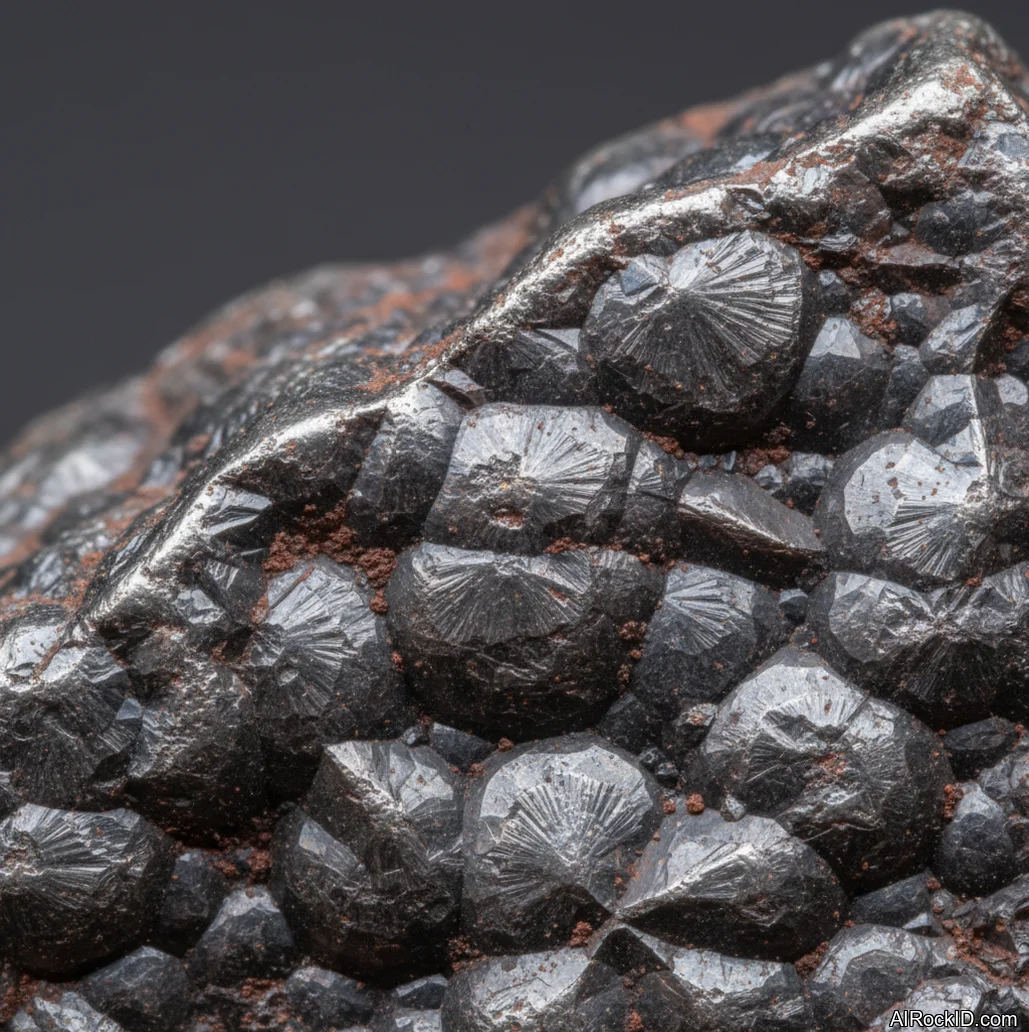
Look closely at the surface: noble pieces often show a patchy silver skin with irregular fractures, not a uniform factory shine. The real test is a gentle rub on white paper or cloth, since many pieces will leave a light gray to black smudge like soft carbon. Compared to hematite, it usually feels lighter and it won’t give you that clean, reddish-brown streak.
Properties of Noble Shungite
Physical Properties
| Crystal System | Amorphous |
| Hardness (Mohs) | 3.5-4 (Soft (2-4)) |
| Density | 1.8-2.1 g/cm3 |
| Luster | Metallic |
| Diaphaneity | Opaque |
| Fracture | Uneven |
| Streak | black |
| Magnetism | Non-magnetic |
| Colors | black, steel gray, silver |
Chemical Properties
| Classification | Native elements (carbon-rich mineraloid/rock) |
| Formula | C |
| Elements | C |
| Common Impurities | Si, O, Al, Fe, S |
Optical Properties
| Refractive Index | None |
| Birefringence | None |
| Pleochroism | None |
| Optical Character | Isotropic |
Noble Shungite Health & Safety
It’s usually safe to handle, but it can leave that stubborn black smudge on your fingers and clothes (the kind that won’t just brush off). But if you’re cutting or sanding it, the dust is the real issue. Treat it like any fine particulate, and don’t breathe it in.
Safety Tips
Wash your hands after you handle it if you don’t want those dark smears ending up on your shirt cuffs. And if you ever cut it, drill it, or sand it with tools, go with wet sanding or wear a mask, because that fine dust gets everywhere (and it’s not something you want to breathe).
Noble Shungite Value & Price
Price Range
Rough/Tumbled: $15 - $120 per piece
Price follows the silvery luster, the carbon grade claims, and the big question: is the piece solid and clean, or is it flaky, or mixed in with that dull host rock that just kills the shine?
Durability
Nondurable — Scratch resistance: Fair, Toughness: Poor
It can chip and shed carbon dust at edges, and polished surfaces can dull if they’re handled constantly.
How to Care for Noble Shungite
Use & Storage
Keep it in a small box or pouch if you’re carrying it around, because it can scuff other stones and it can get scuffed itself. I don’t store mine loose with pale minerals since the black rub can transfer.
Cleaning
1) Rinse quickly under lukewarm water. 2) Use a soft brush or microfiber to remove grit without grinding the surface. 3) Pat dry and let it air-dry fully before putting it back in a pouch.
Cleanse & Charge
If you do energy-style cleansing, I’d stick to smoke, sound, or setting it on a dry selenite plate. Water is fine for a quick rinse, but long soaks aren’t worth it for a soft carbon stone.
Placement
On a desk it’s great as a touch-stone, but put a coaster or cloth under it if you’ve got a light surface. For shelves, I like a small acrylic stand so the silvery faces catch the light.
Caution
Skip harsh cleaners, salt soaks, or any kind of hard scrubbing. And don’t count on it staying mirror-shiny if it’s rattling around in your pocket next to keys and loose change.
Works Well With
Noble Shungite Meaning & Healing Properties
Most people grab noble shungite for the same reason they grab any heavy, dark, carbon-rich rock: it just feels grounding. You pick up a piece mid-chaotic day and it’s got this cool, steady weight to it. Like a smooth river stone. But then you roll it in your fingers and the surface throws off little silver flashes when the light hits it.
Look, I’ll be straight with you. A lot of what you see online goes way past anything anyone can actually prove. In my own routine, I use it more like a boundary marker. I keep a chunk near my router and another by the front door because it reminds me to unplug and reset (and honestly, that’s the part that helps), not because I think it’s some magic shield. The physical stuff is real, though: it’s conductive, it’s carbon, and if you handle it a lot you’ll end up with that black residue on your fingertips and little smudges on whatever you set it on.
If you’re using it for meditation, it works nicely with breath work because it’s not a “floaty” stone. But it’s not perfect. Some pieces are fragile, and if yours is crumbly you’ll spend more time wiping up black dust than relaxing. Annoying, right? That’s not some spiritual thing. It’s just the material.
Identify Any Crystal Instantly
Snap a photo and get properties, value, care instructions, and healing meanings in seconds.