Emotional Healing Crystals
Explore Emotional Healing crystals like rose quartz, rhodonite, and amethyst, plus tips for choosing, using, and caring for supportive stones.
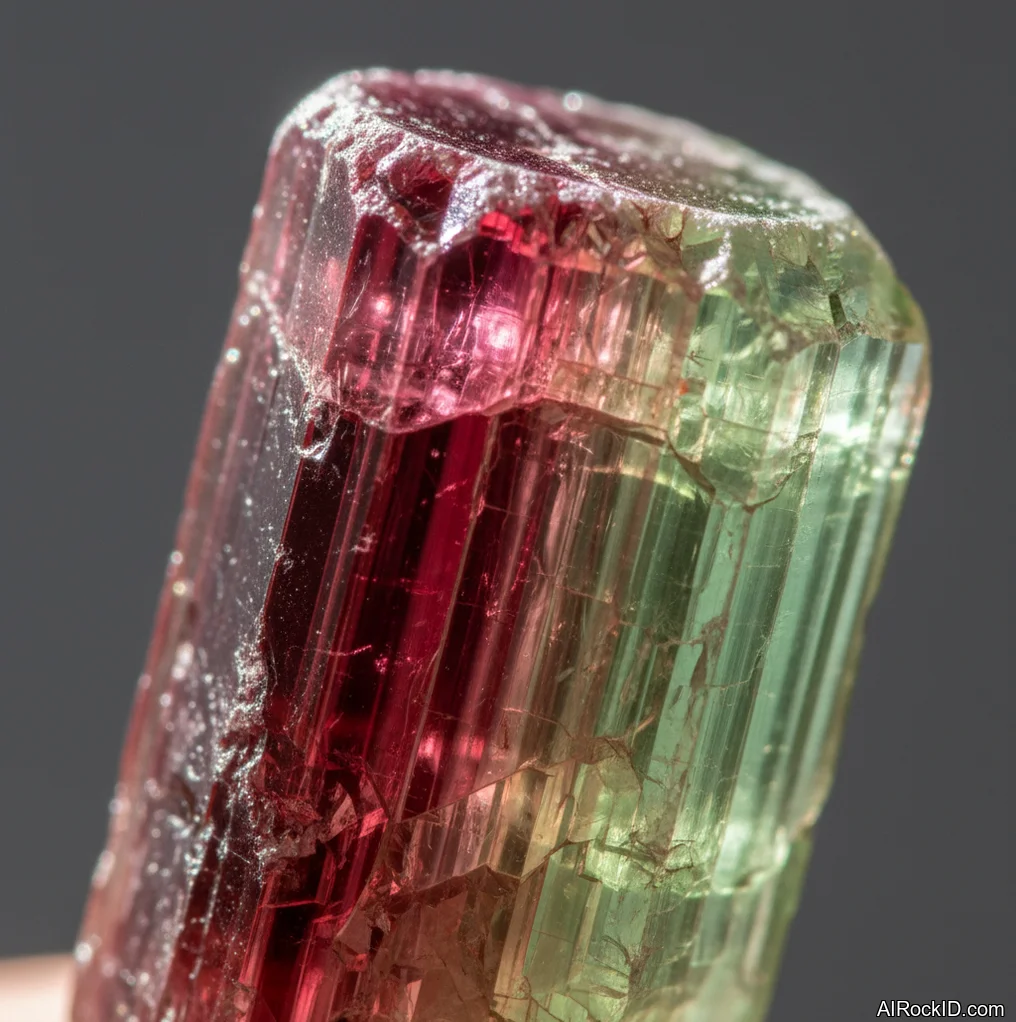
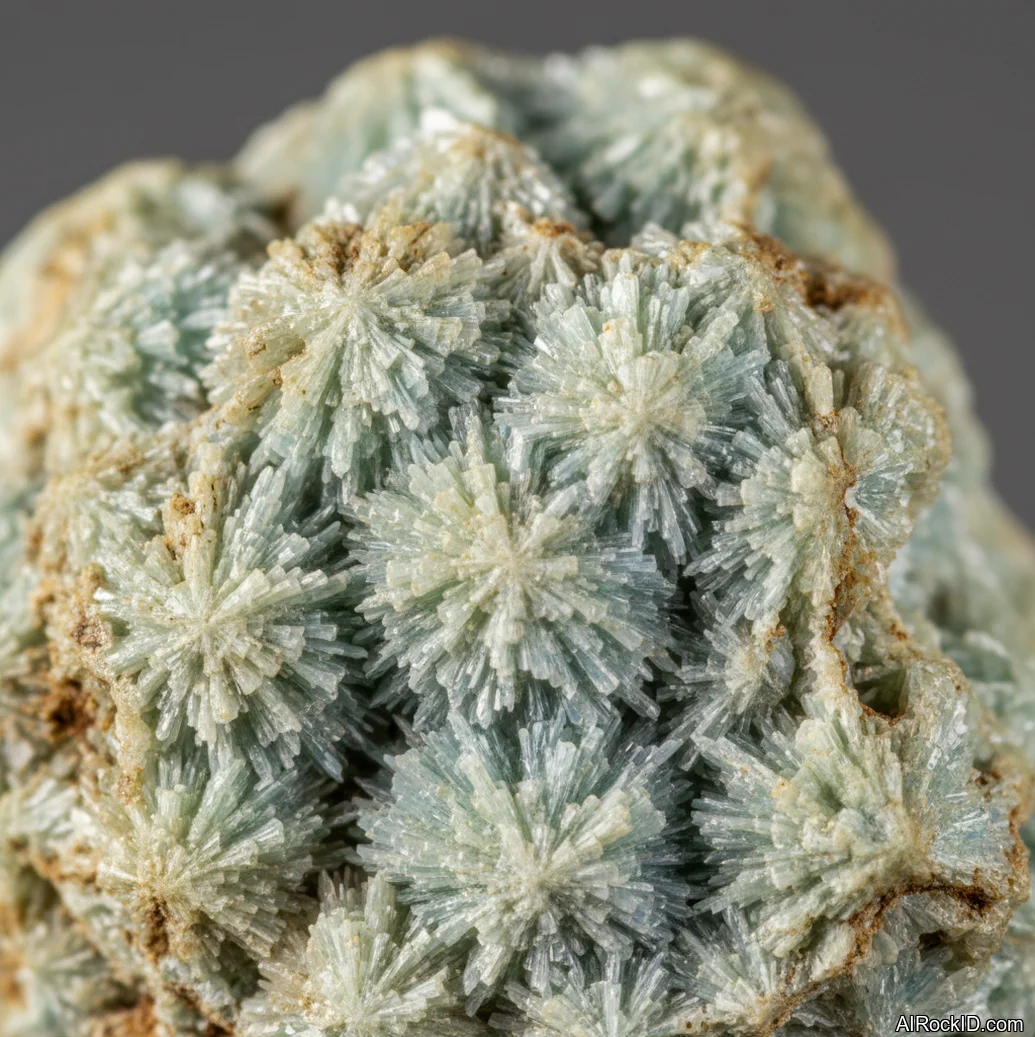
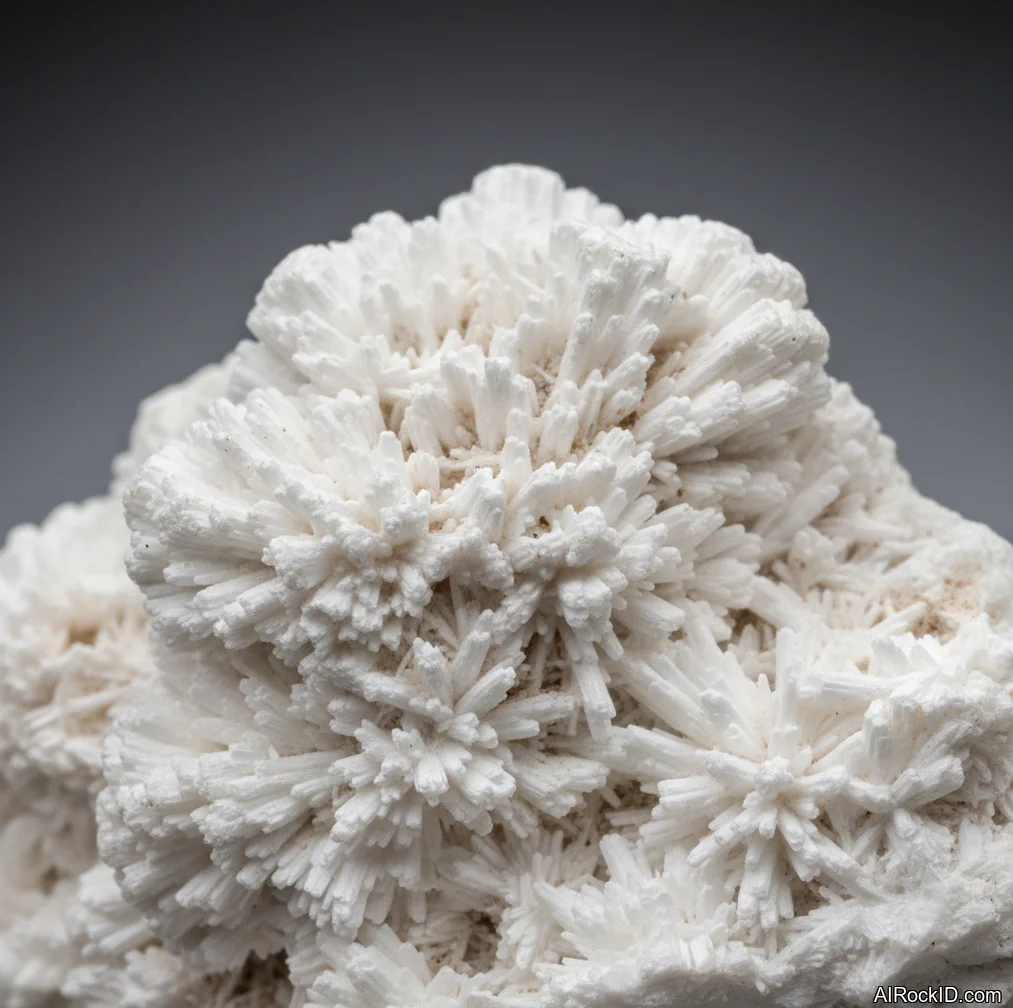
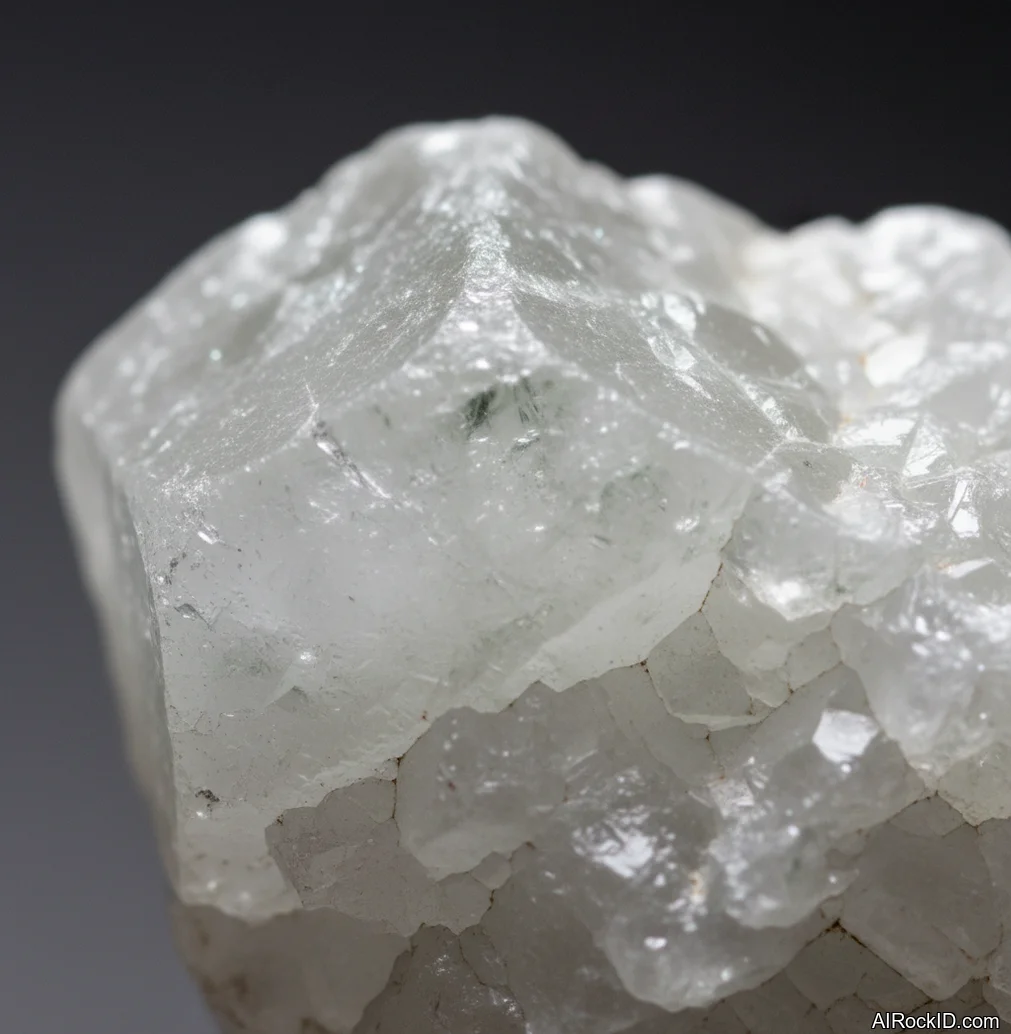
Emotional Healing, in a crystal context, is basically about the stones people grab when they’re trying to soften grief, steady anxiety, cool anger, or stop running the same exhausting loop in their head. Not a replacement for therapy, meds, or real-life support. Not even close. It’s more like a physical anchor. Weight. Temperature. Texture. A look that yanks your attention out of the spiral and back into your hands.
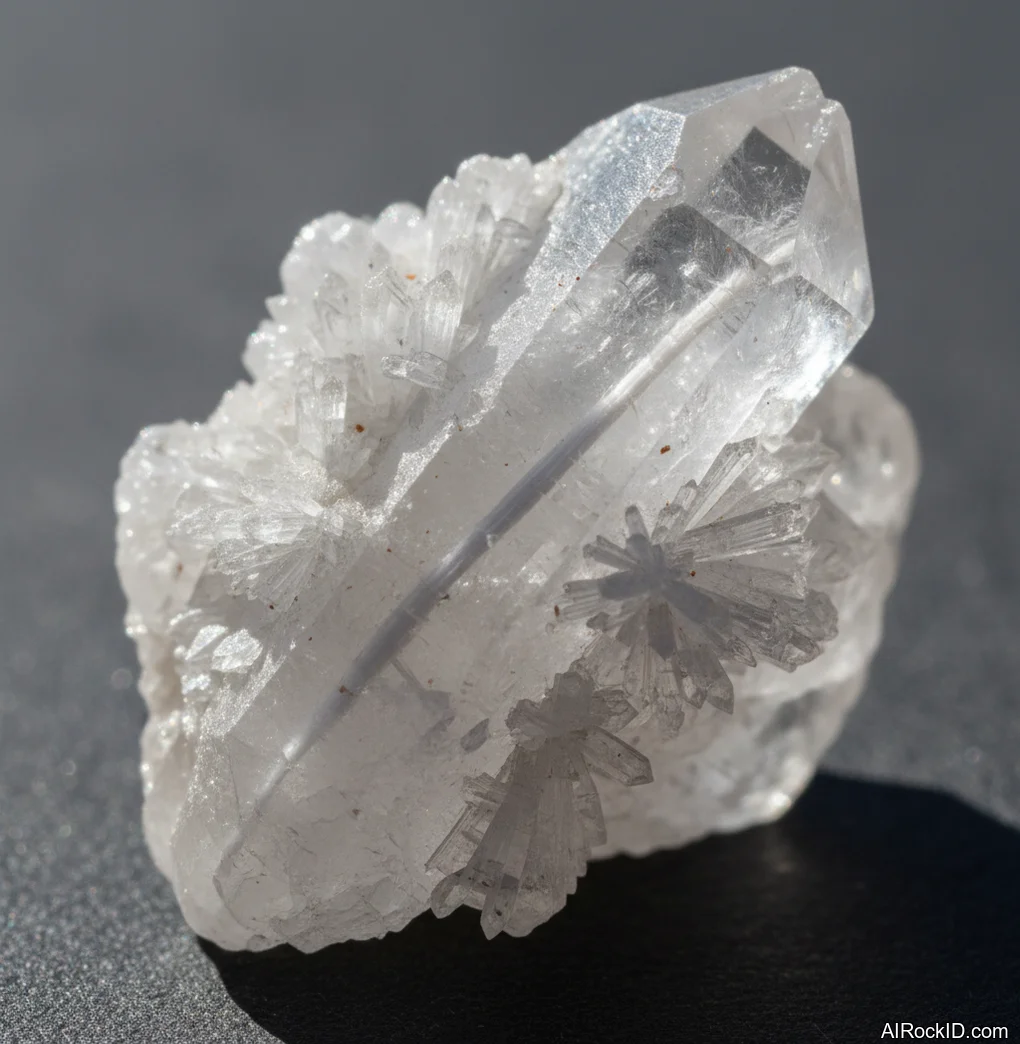
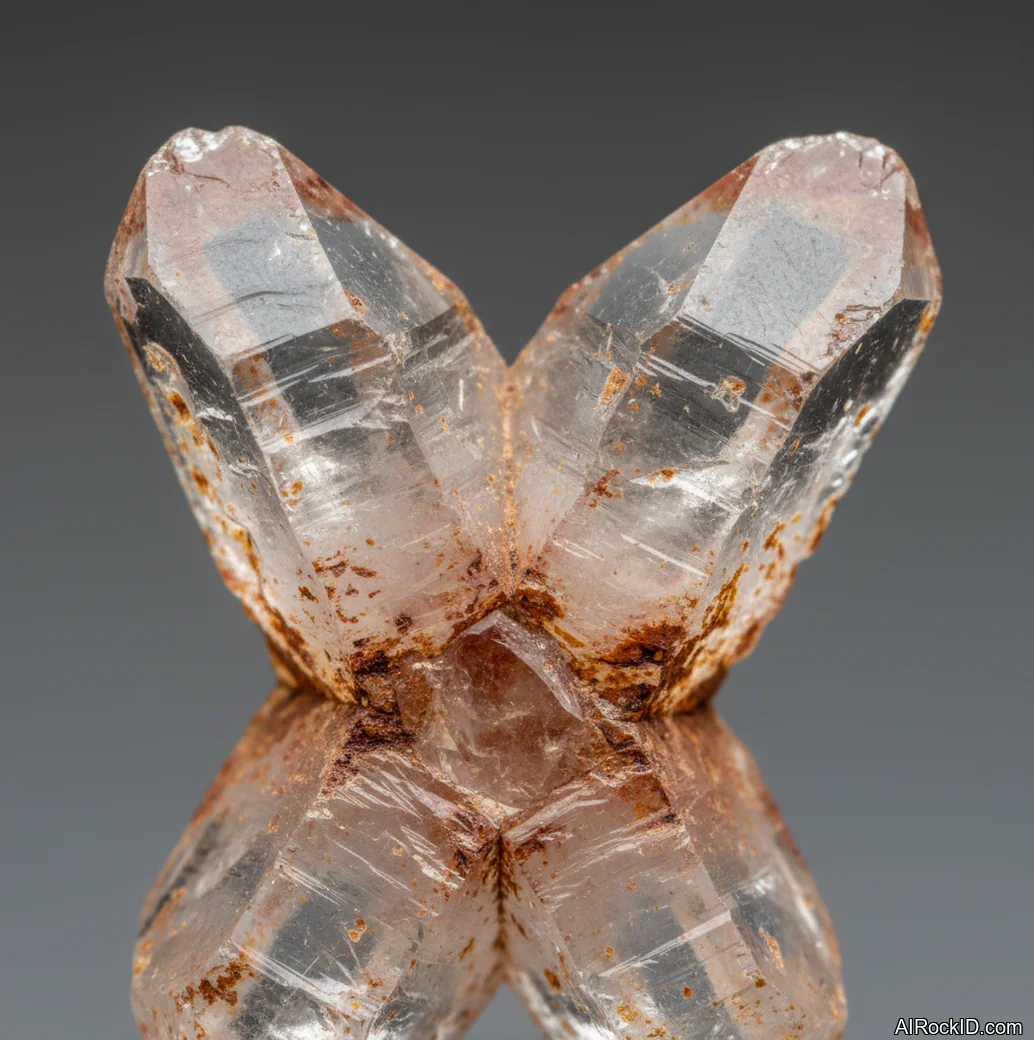
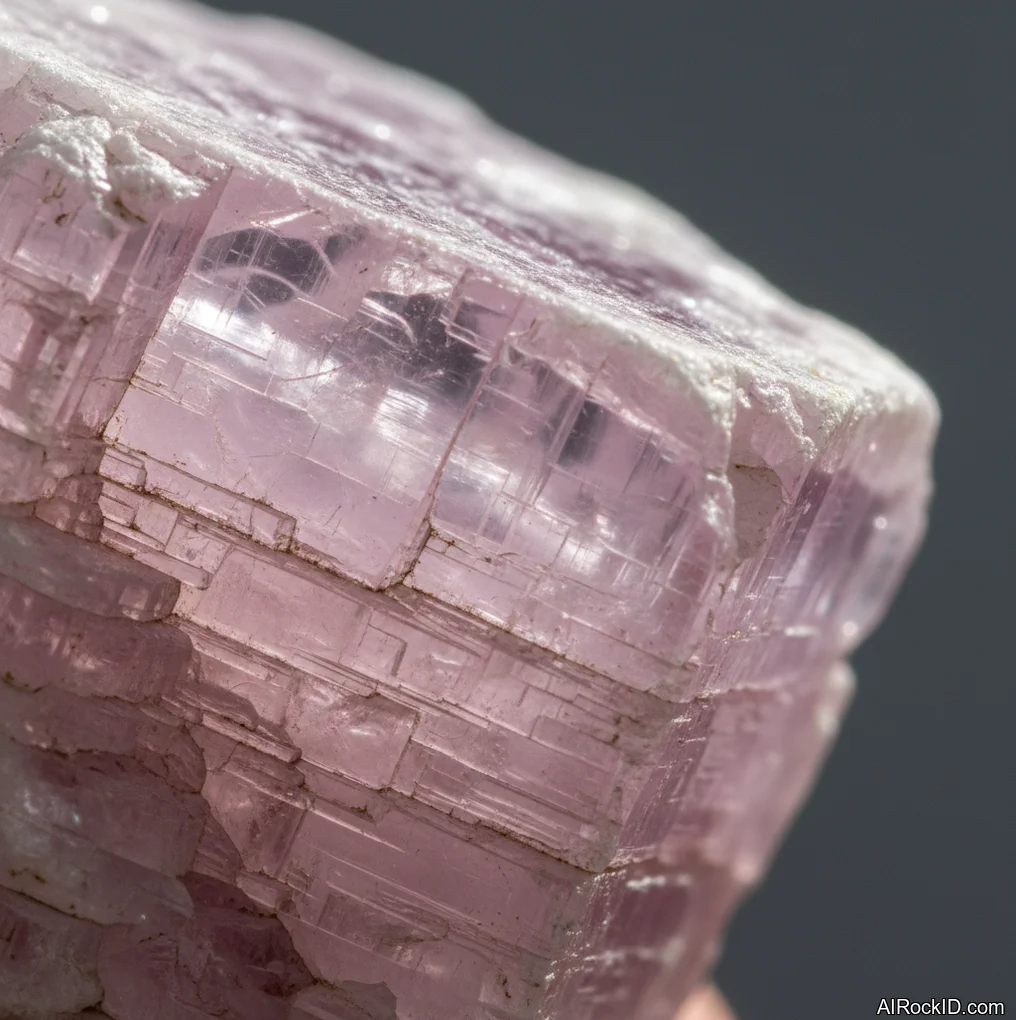
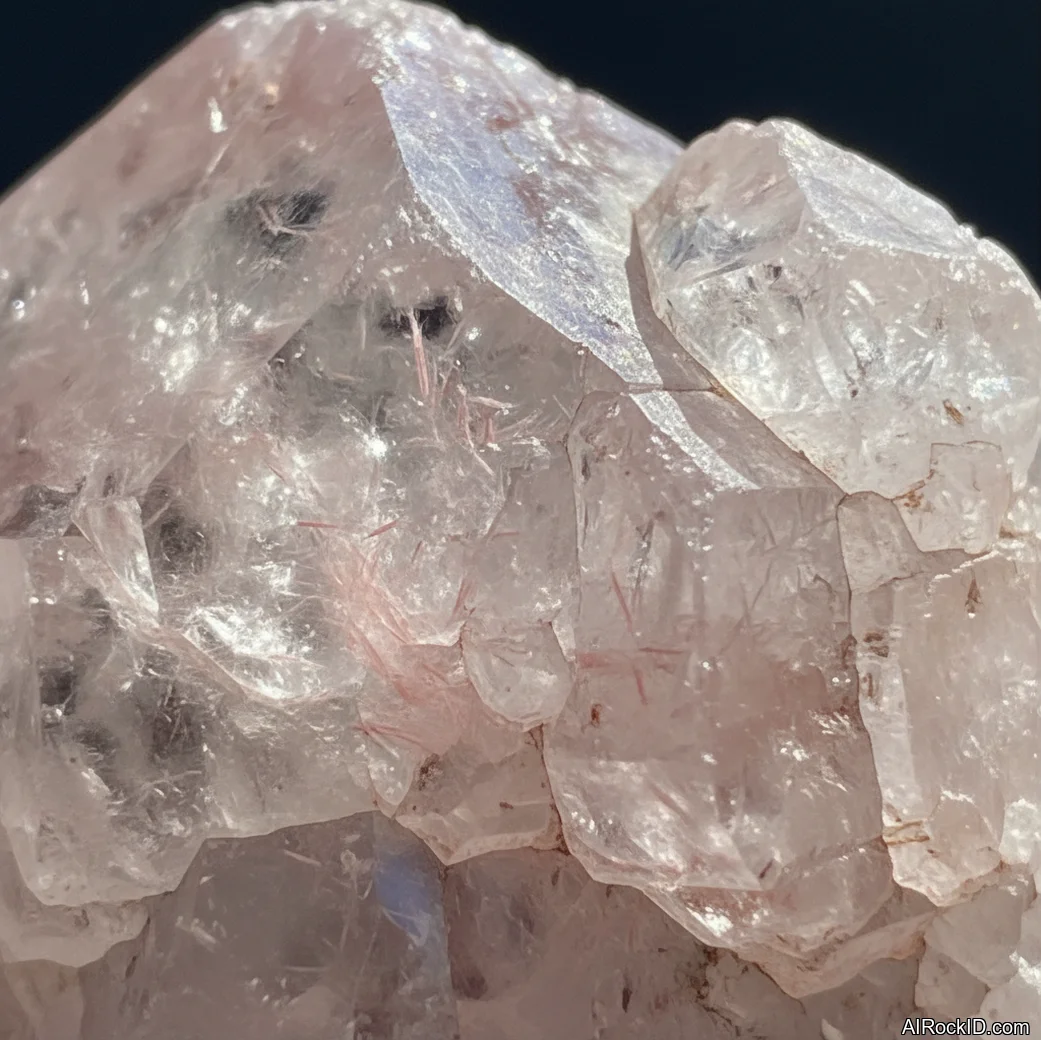
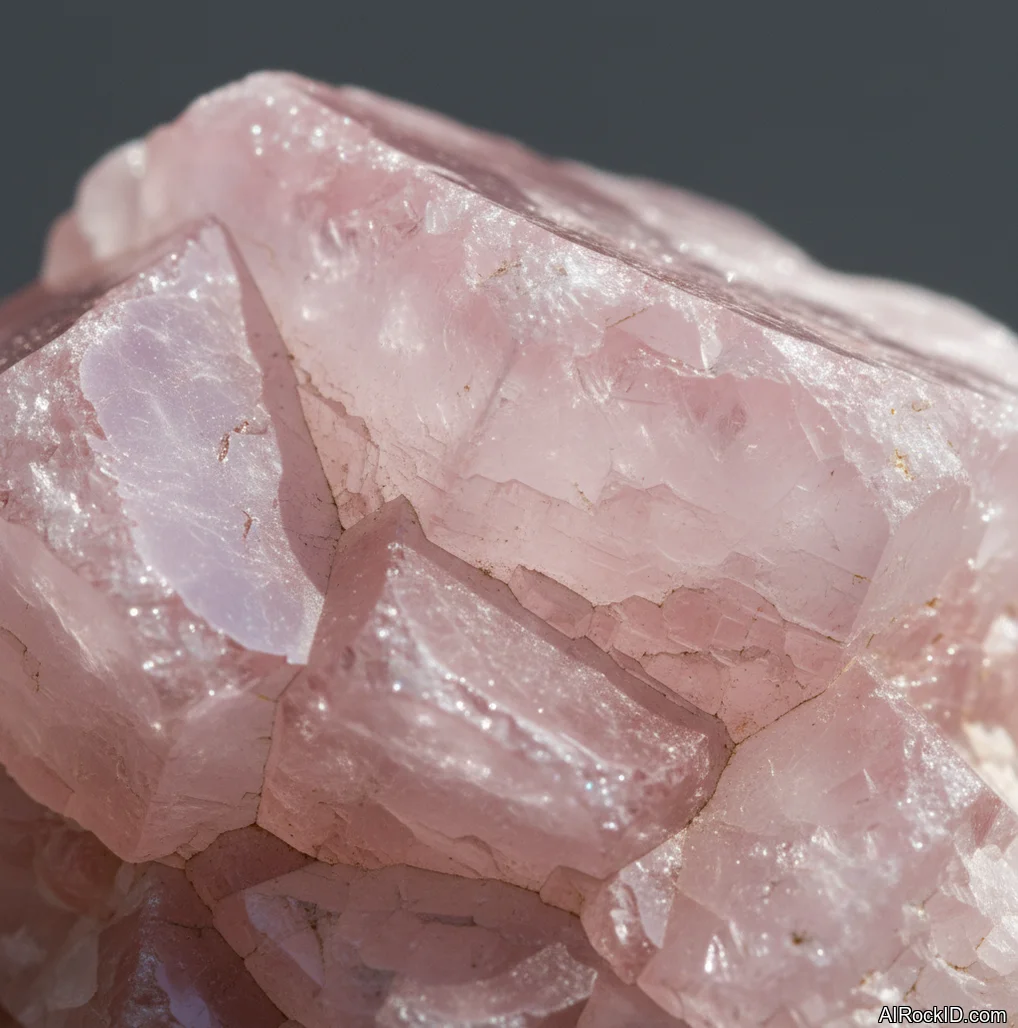
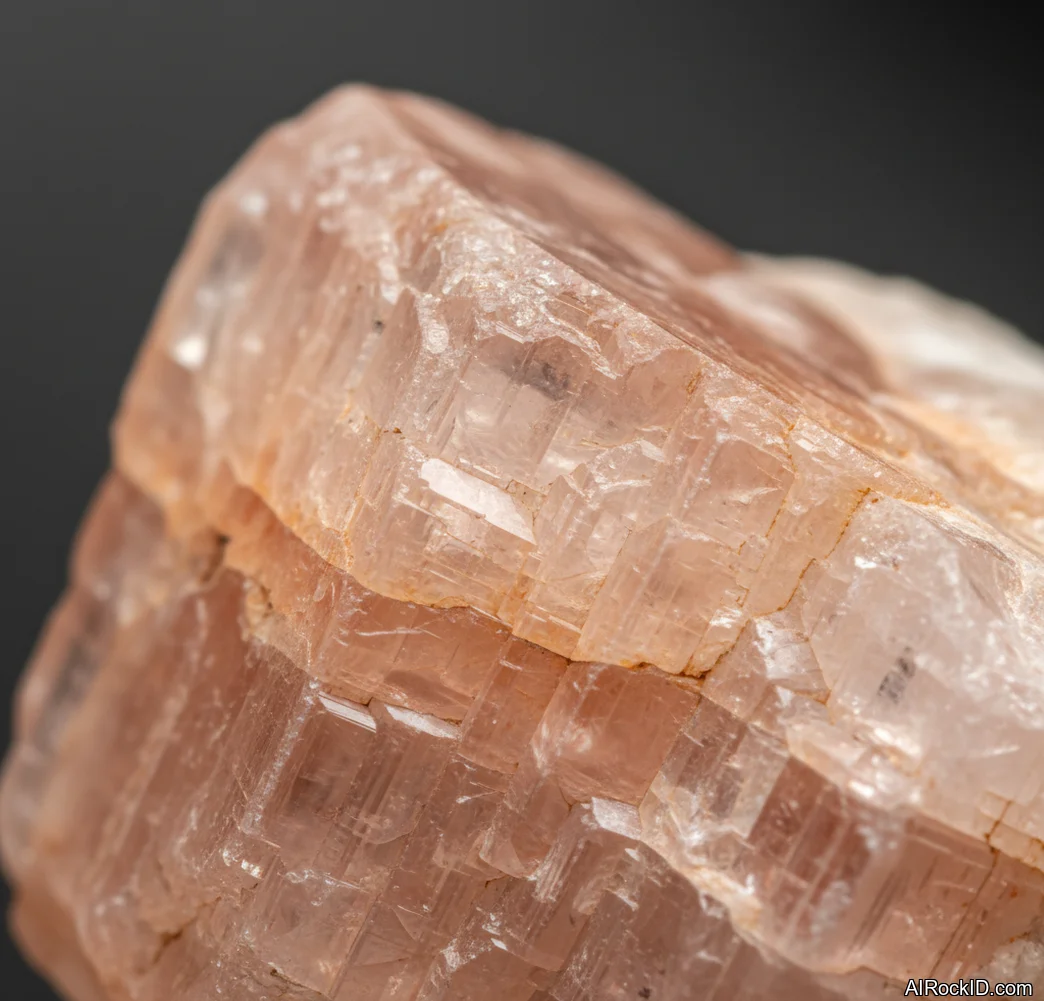
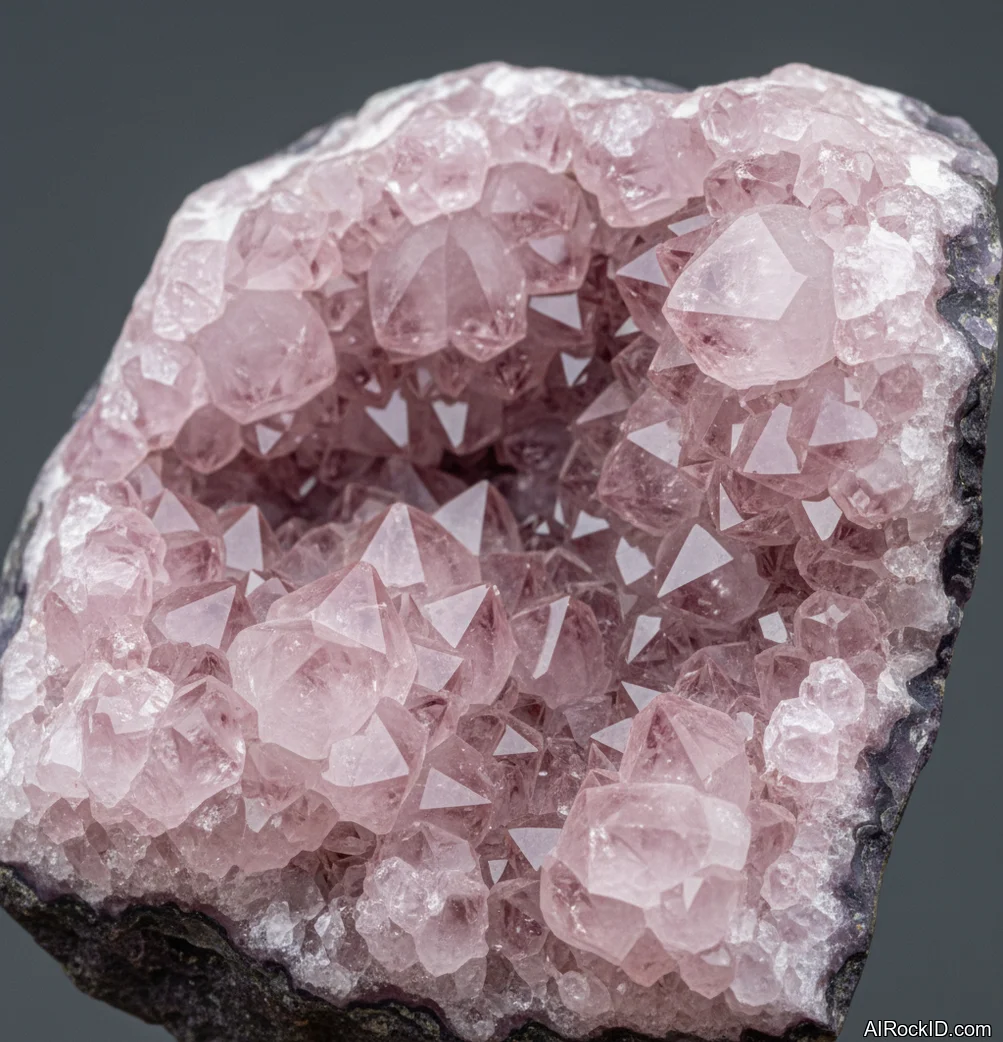
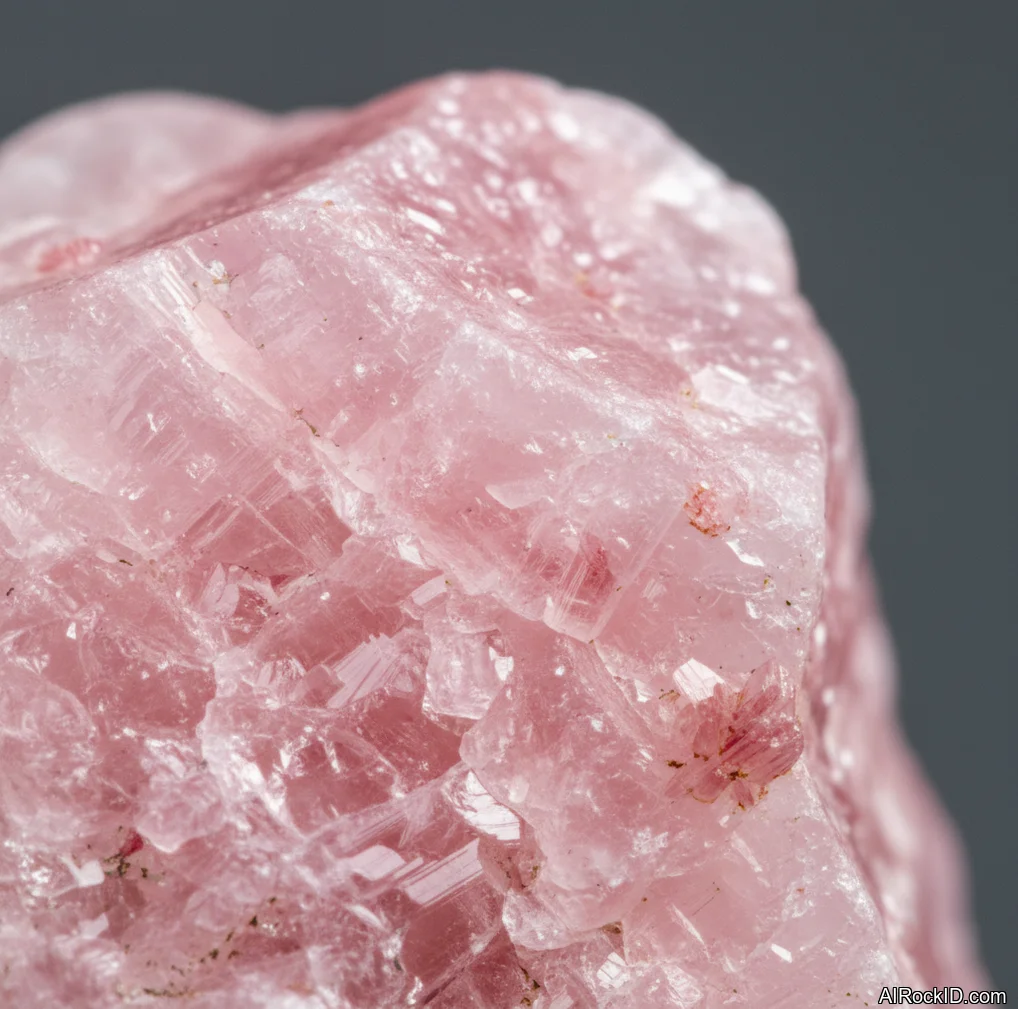
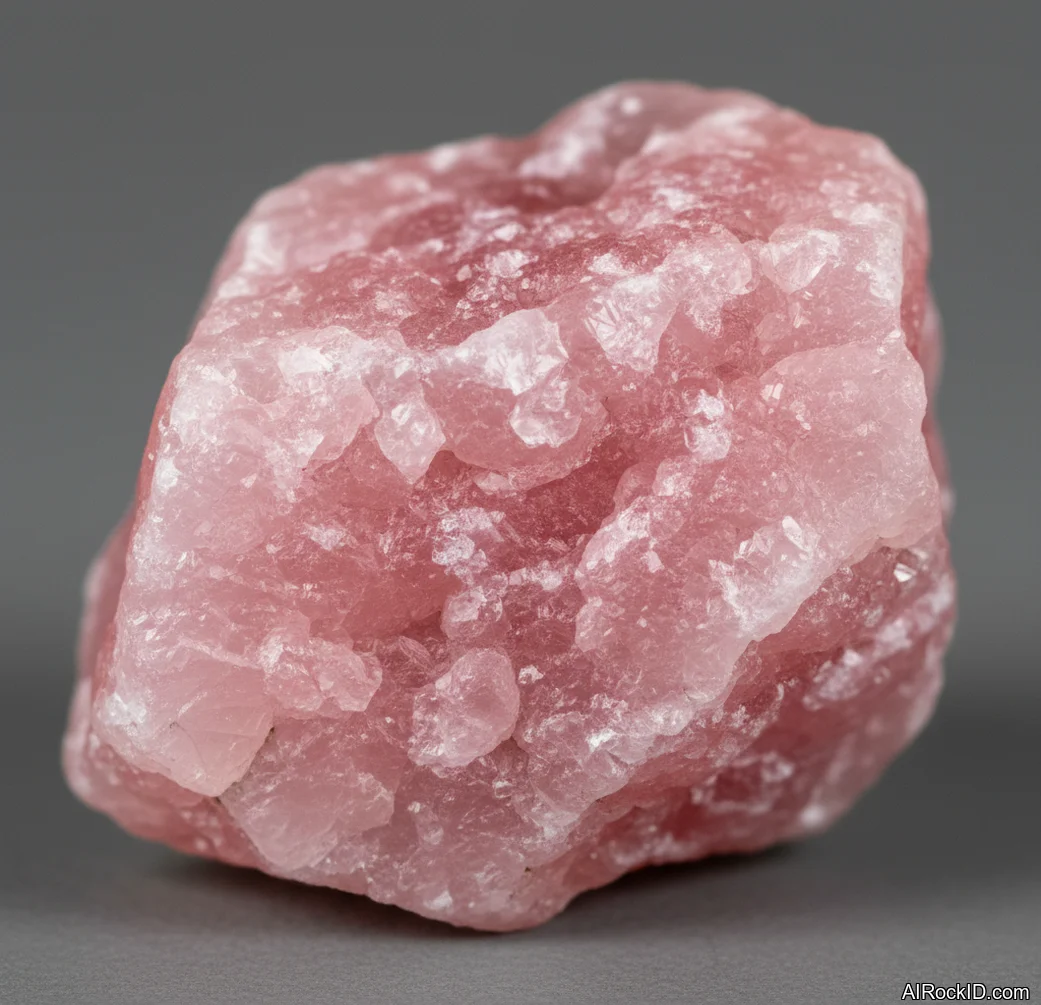
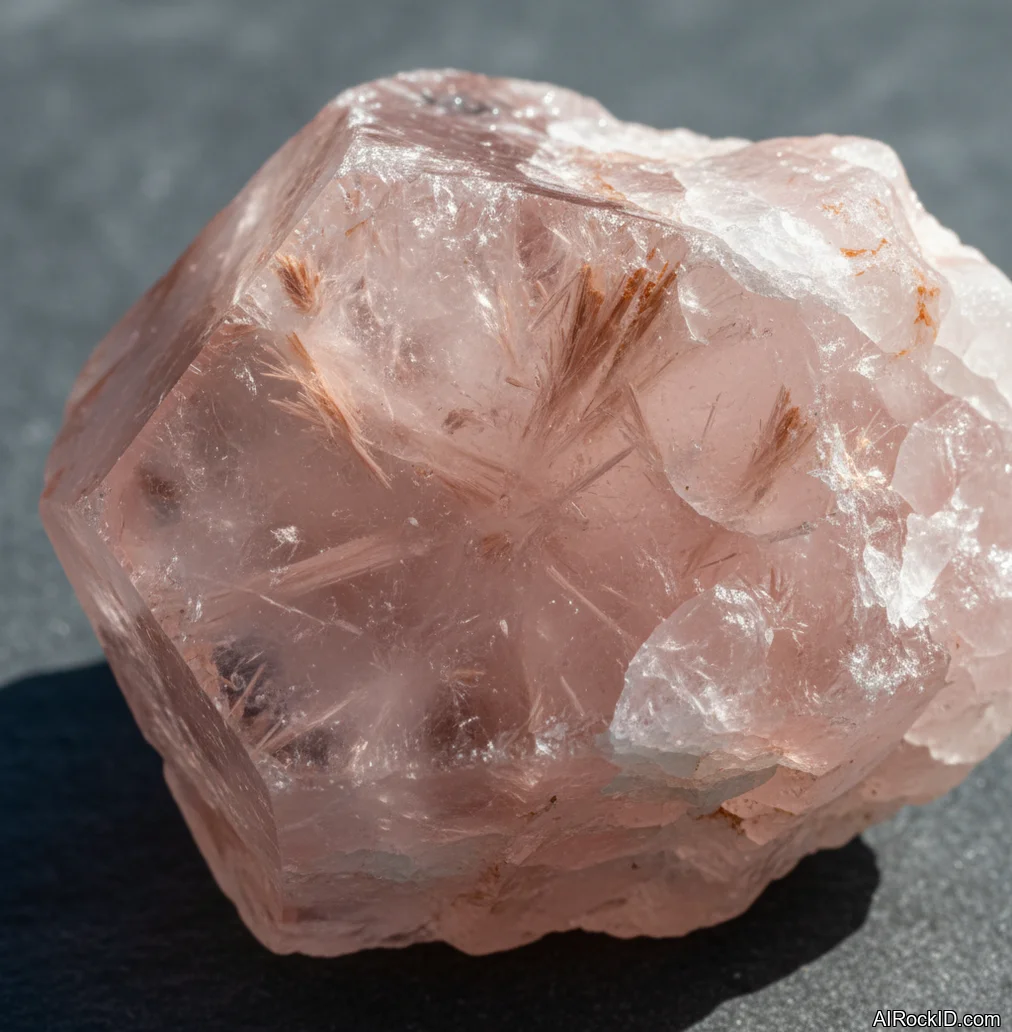
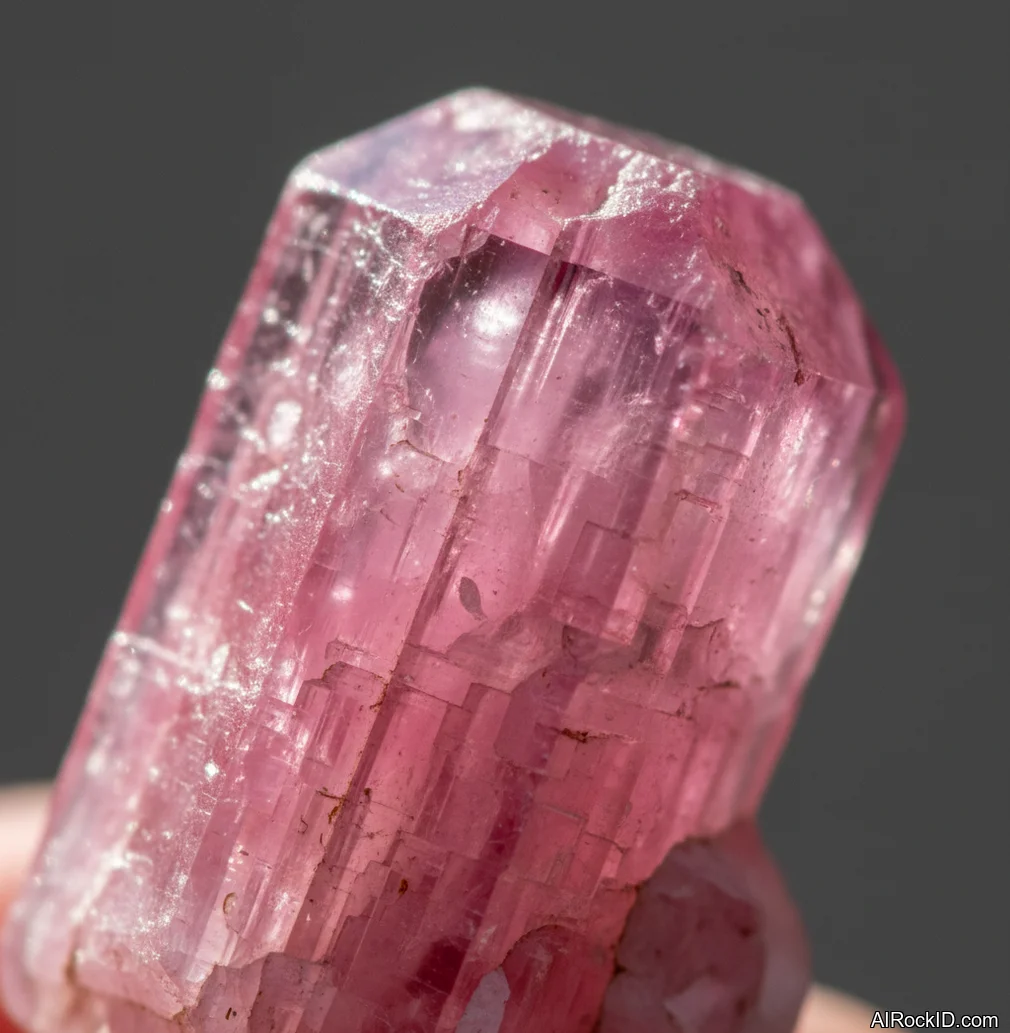
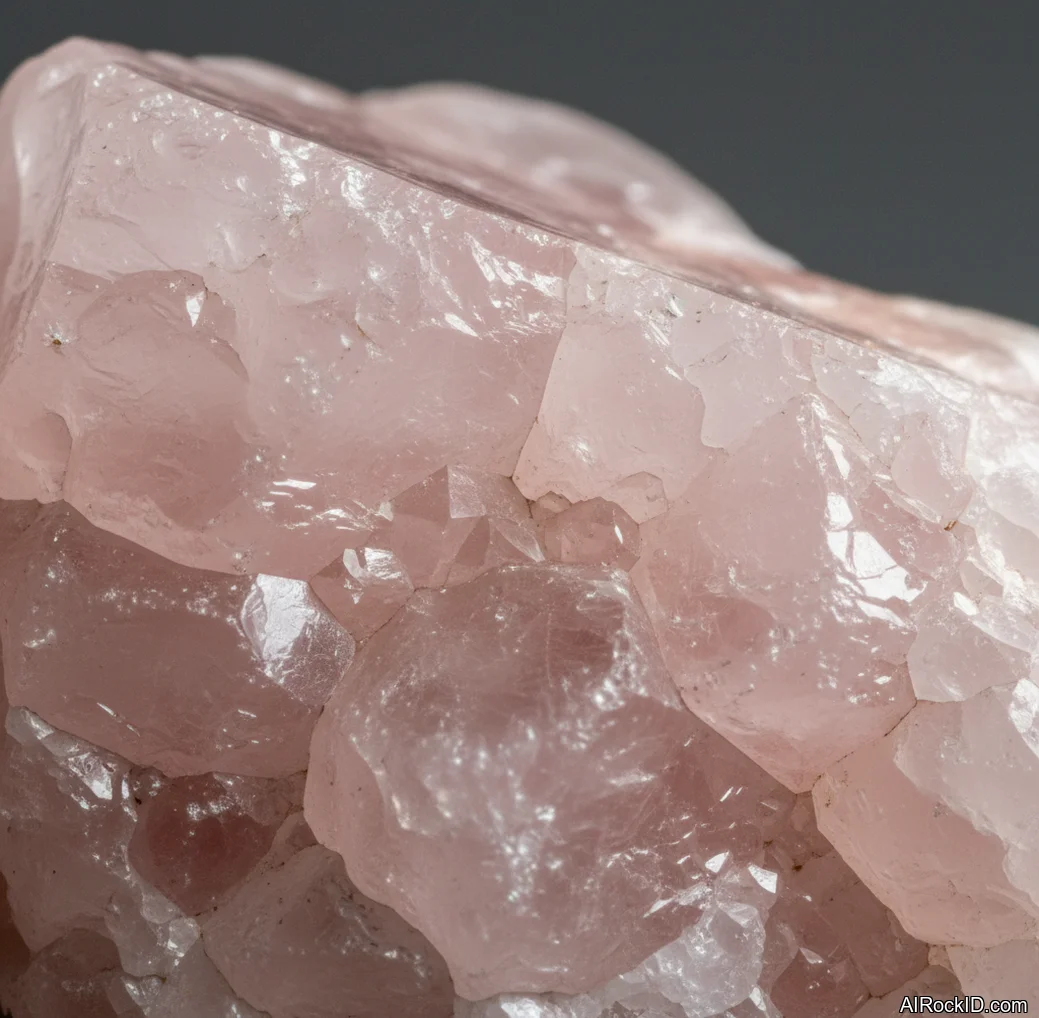
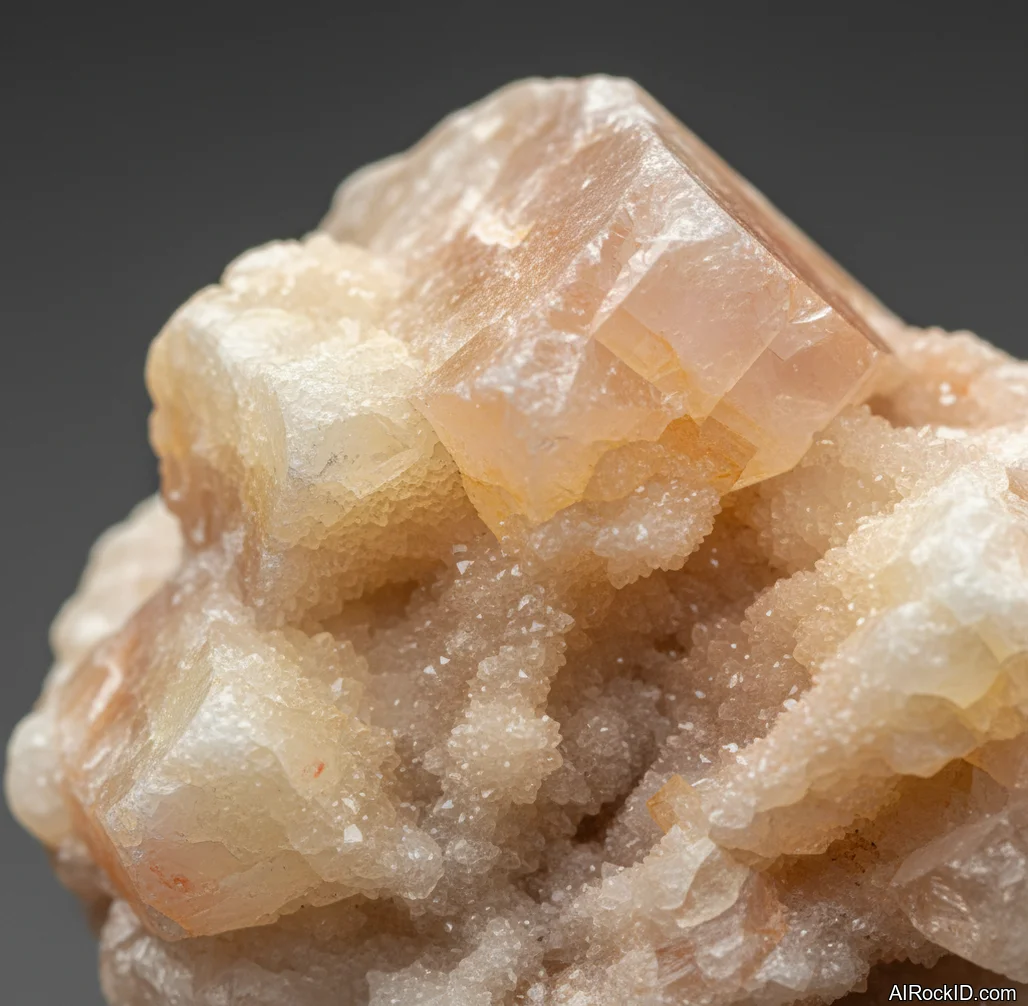
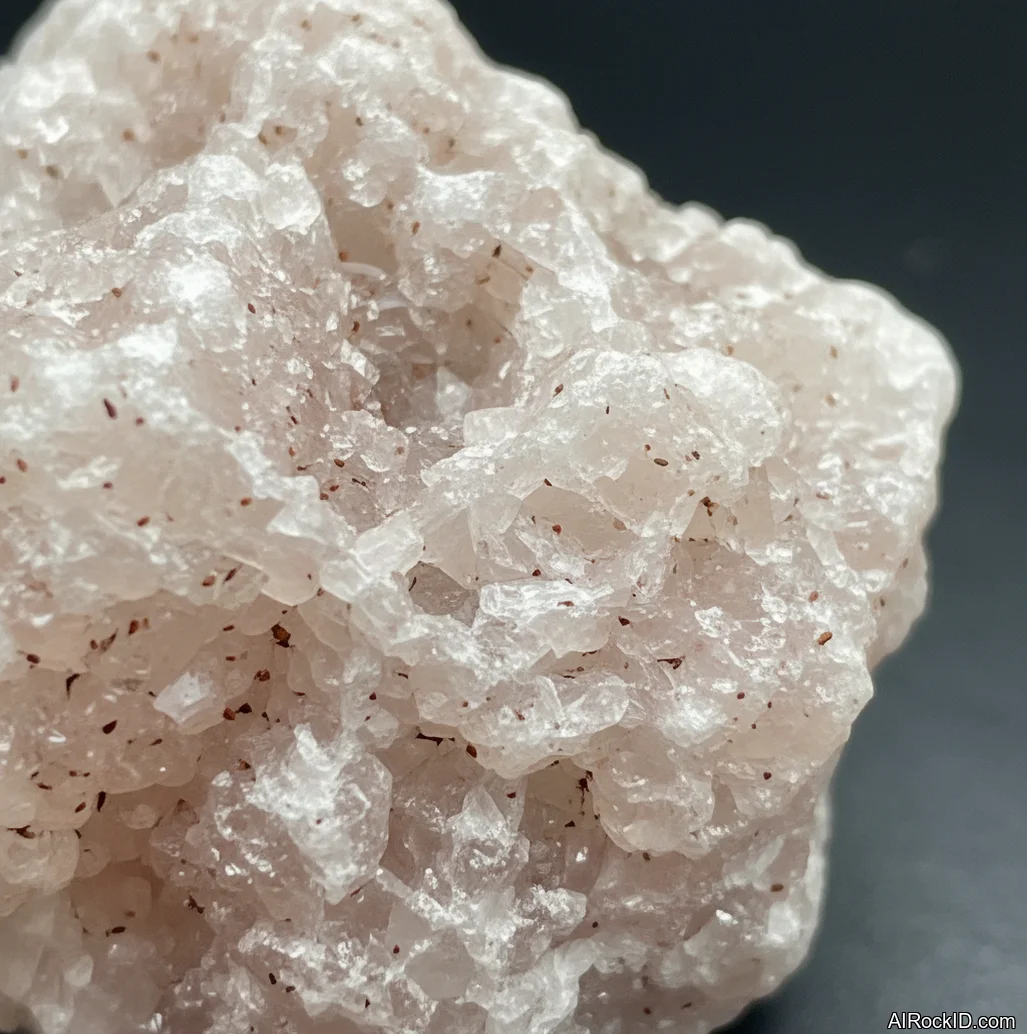
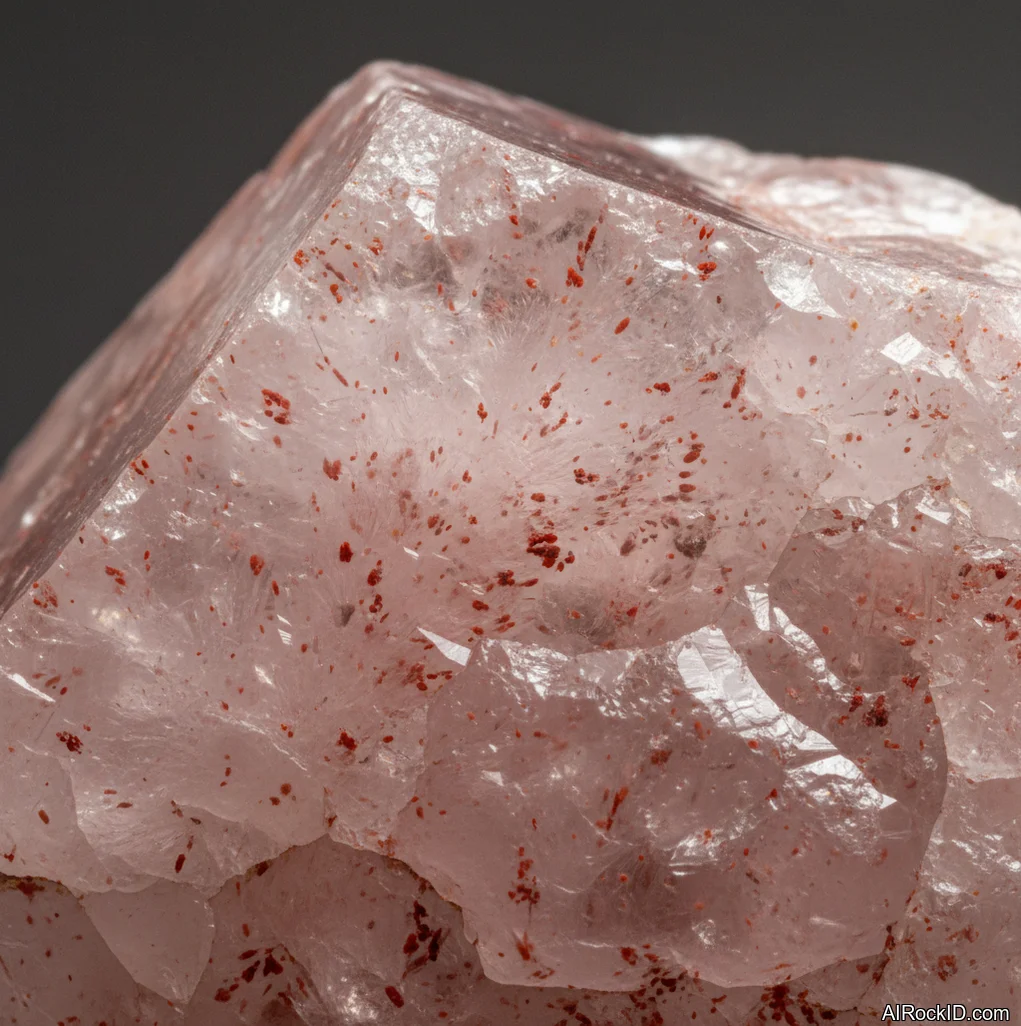
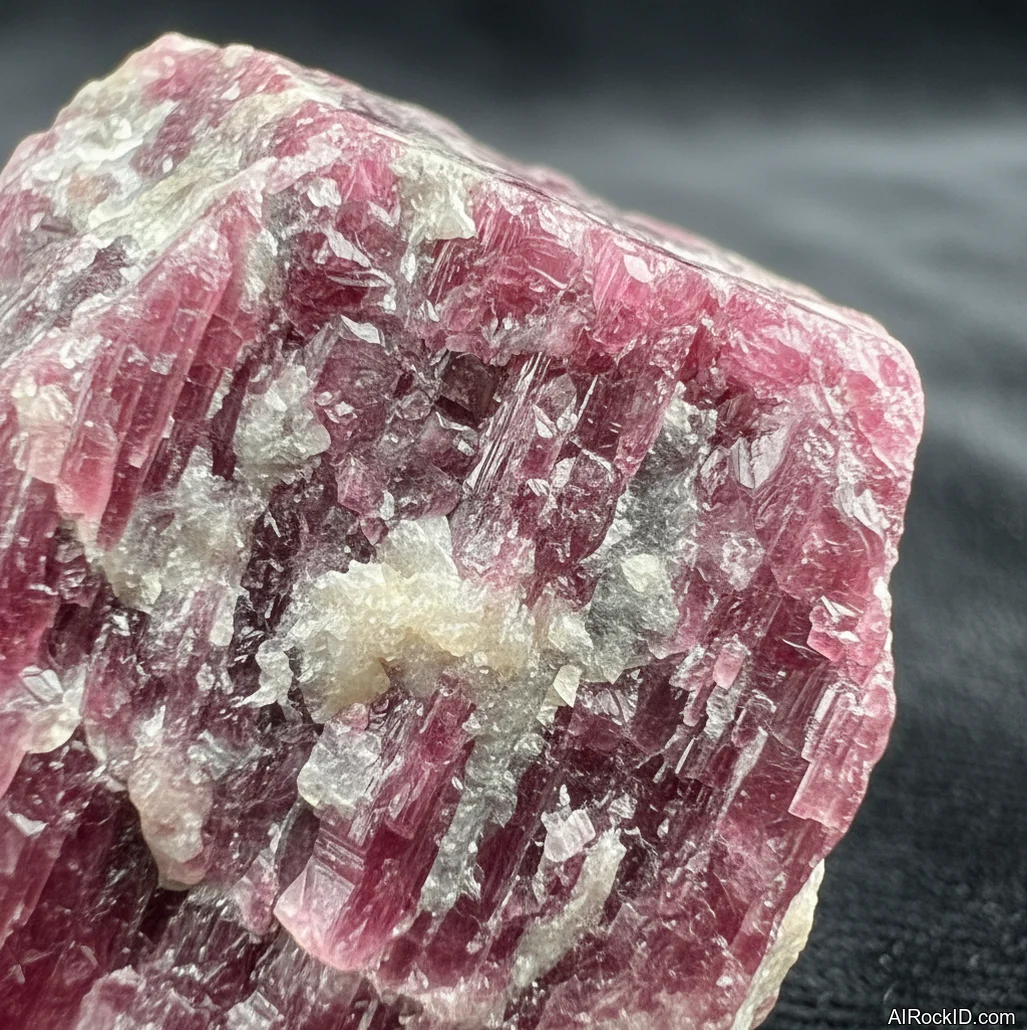
Pick up rose quartz and you’ll get why it lands here so often. Good rose quartz stays cool for a long time, even in a warm room, and it has that cloudy, milky glow that looks like it’s lit from inside. A lot of the pale stuff on the market is pretty. But higher-grade material from Brazil can get that soft “wet” sheen when it’s polished, and the color doesn’t disappear the second you step away from bright lights. People reach for it when the work is gentle. Self-kindness. Forgiveness. Letting your chest unclench.
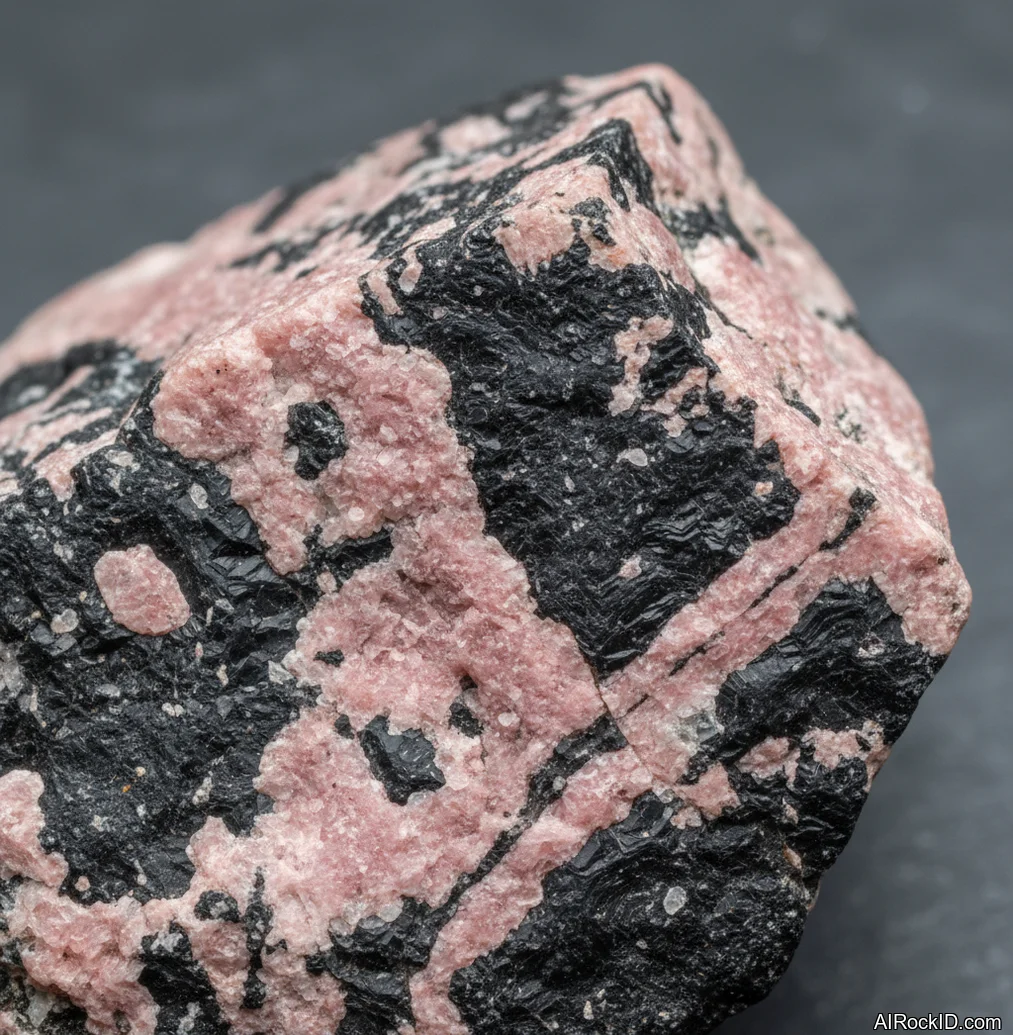
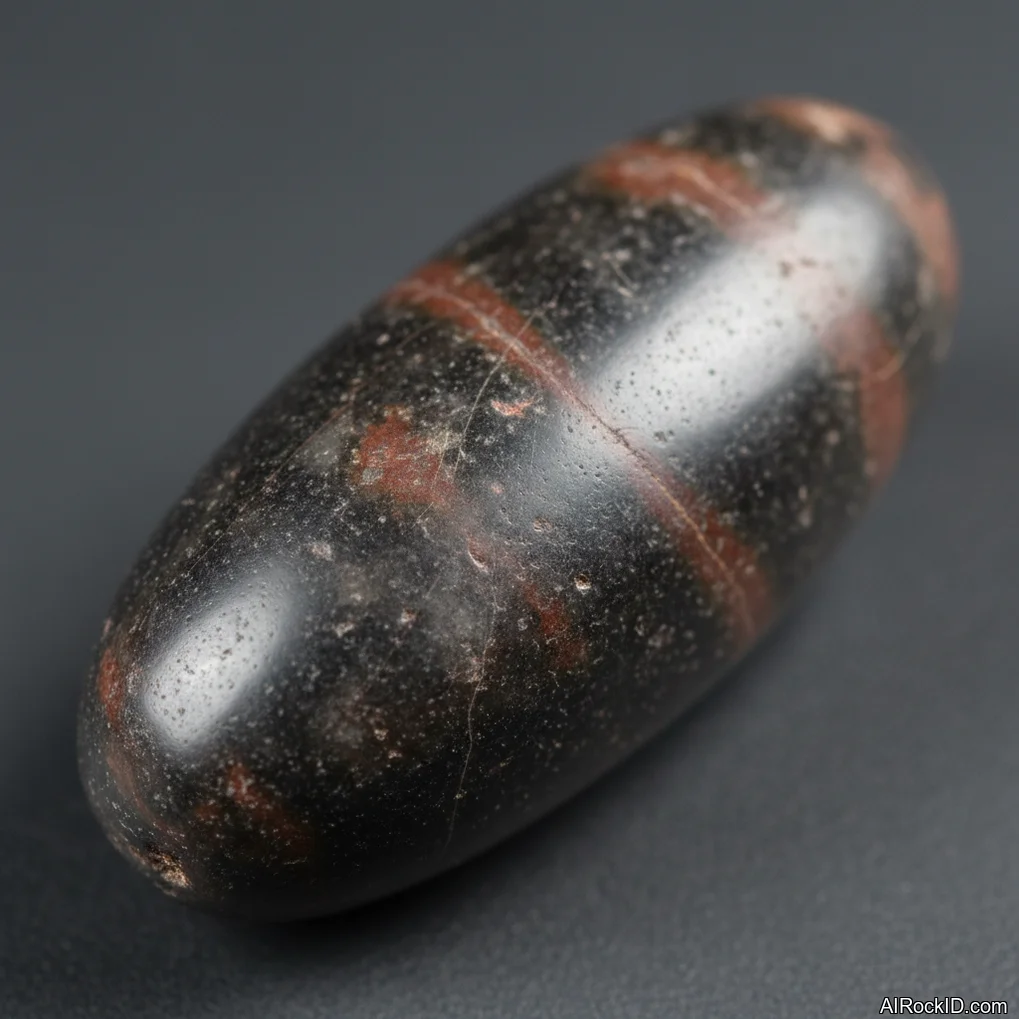
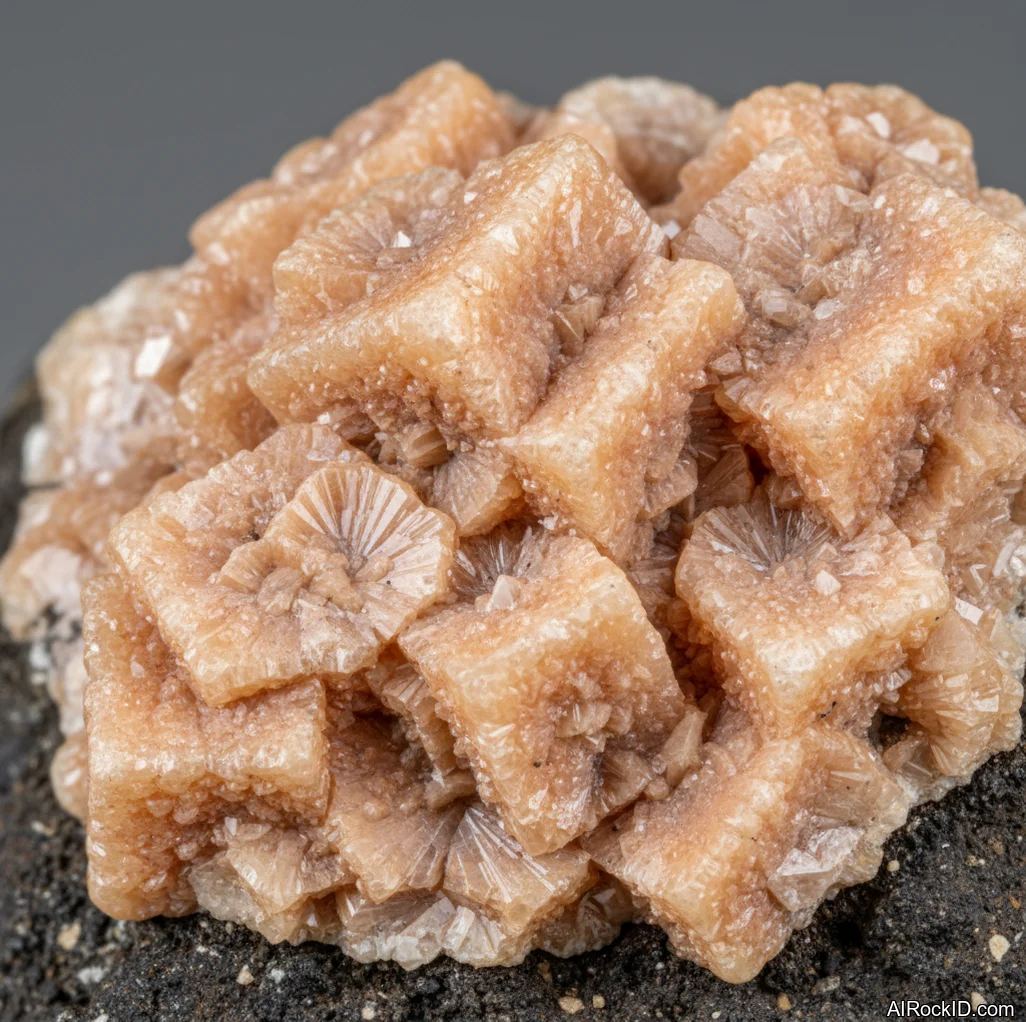
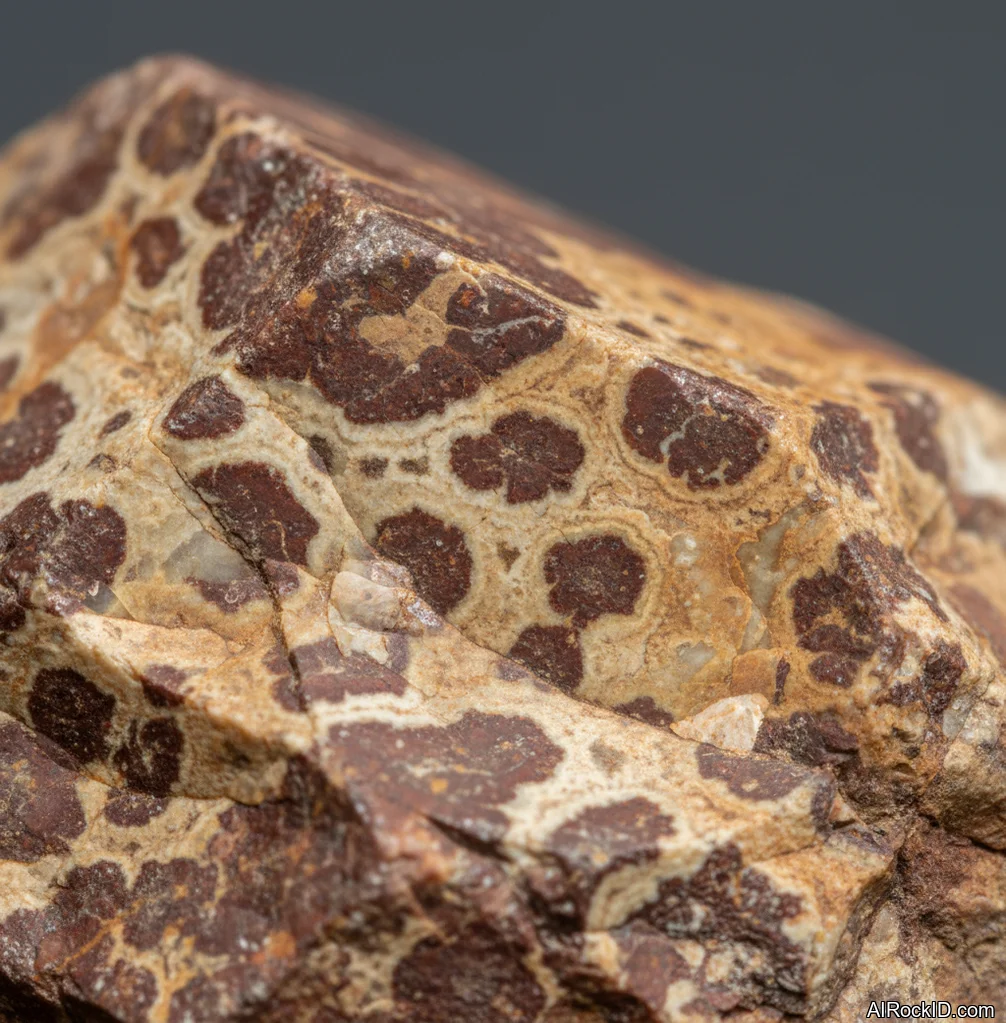
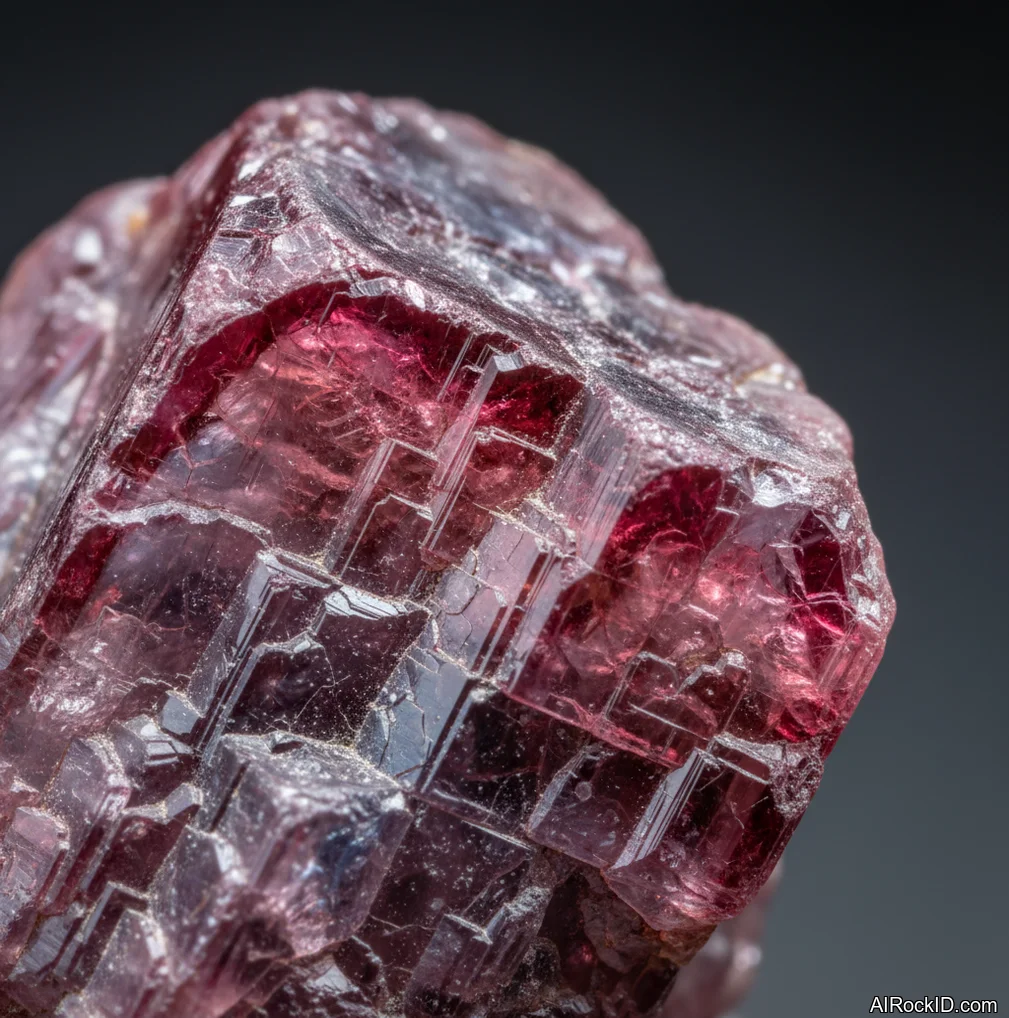
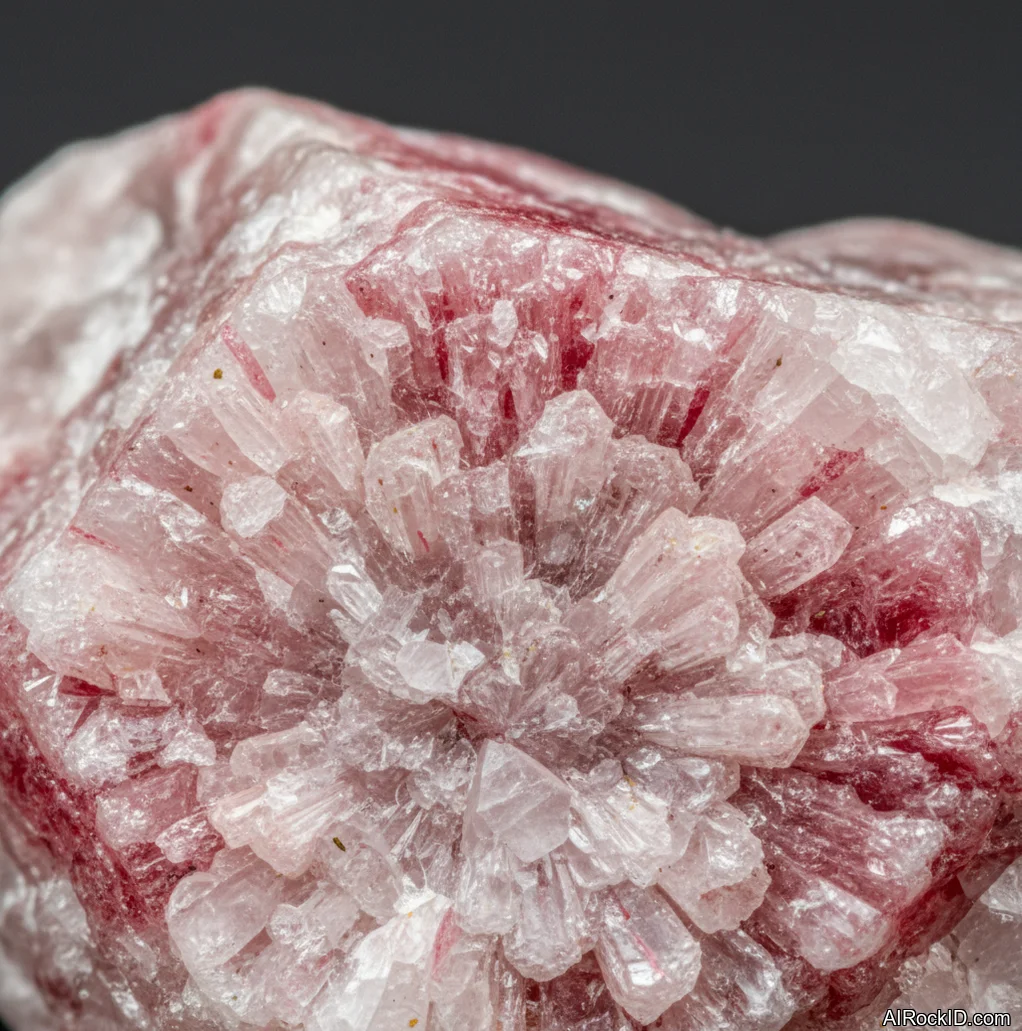
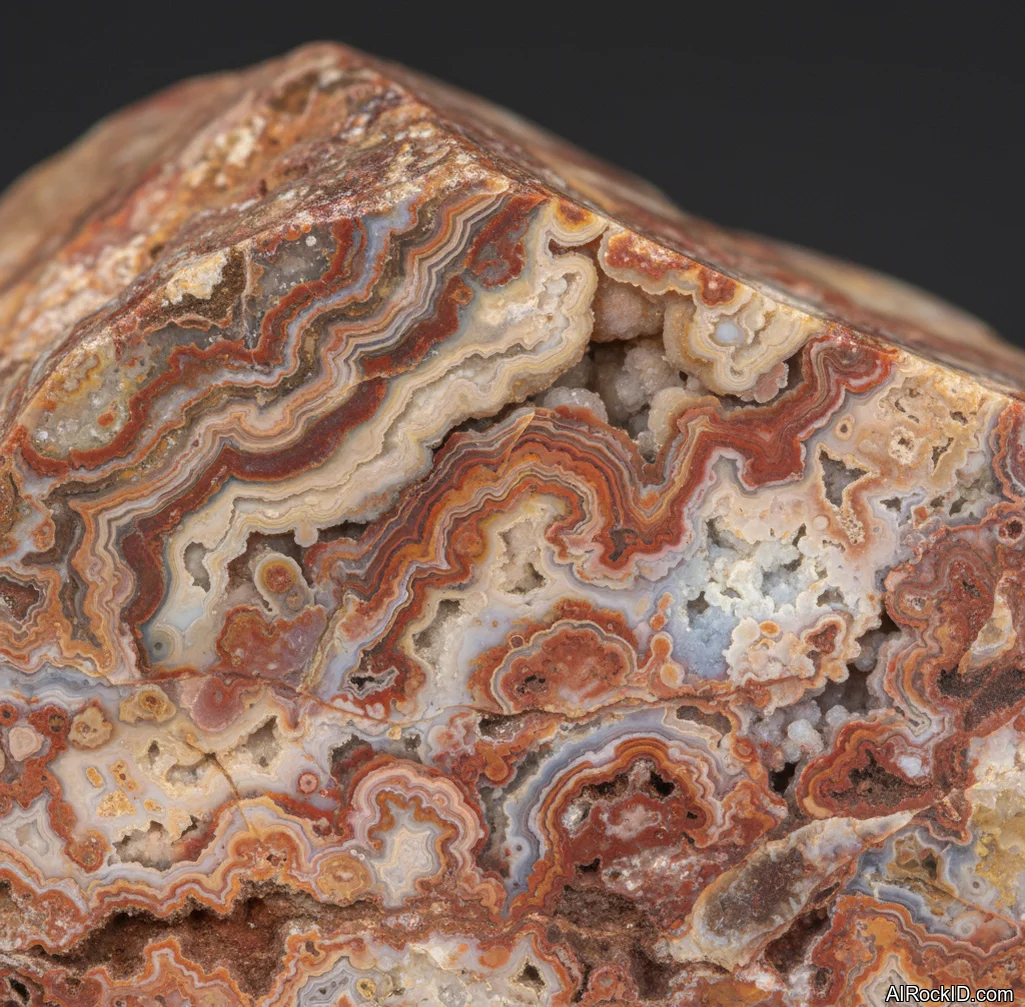
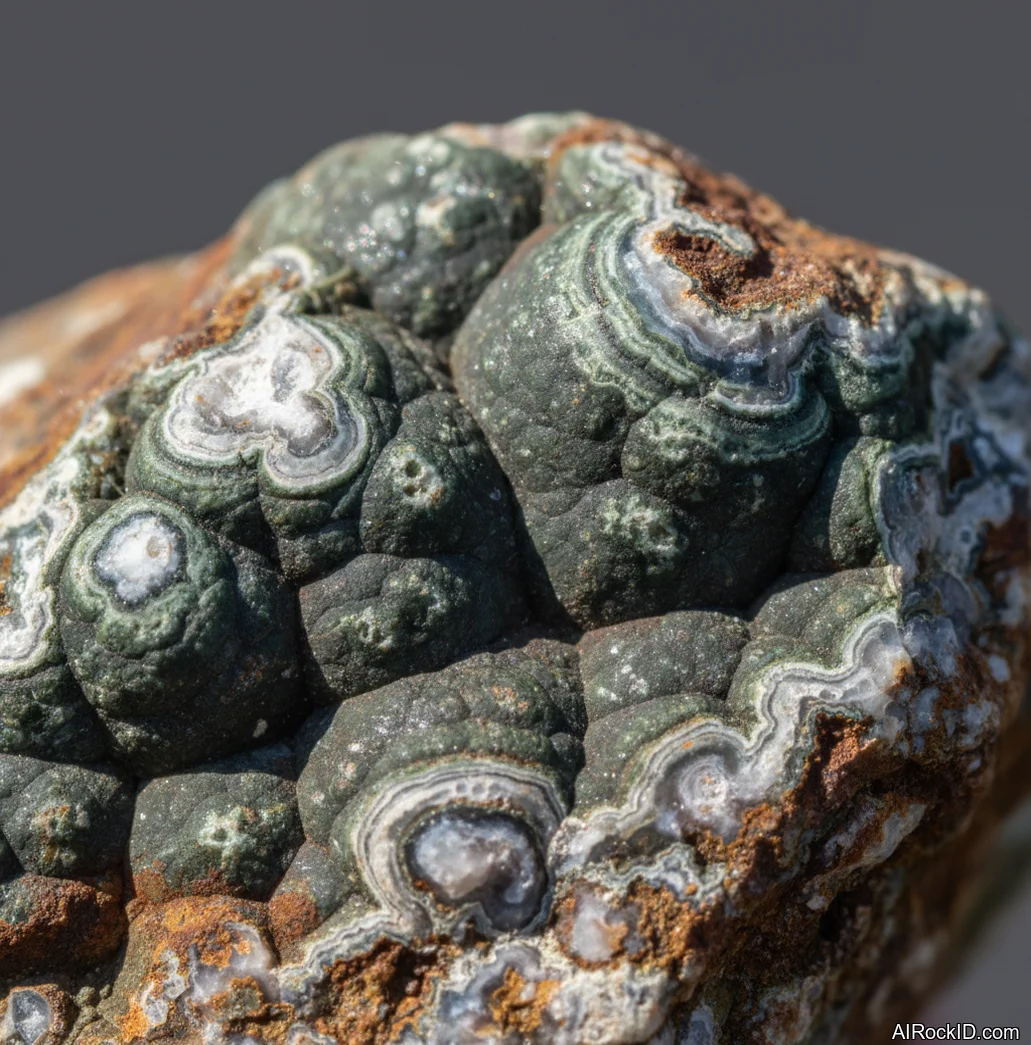
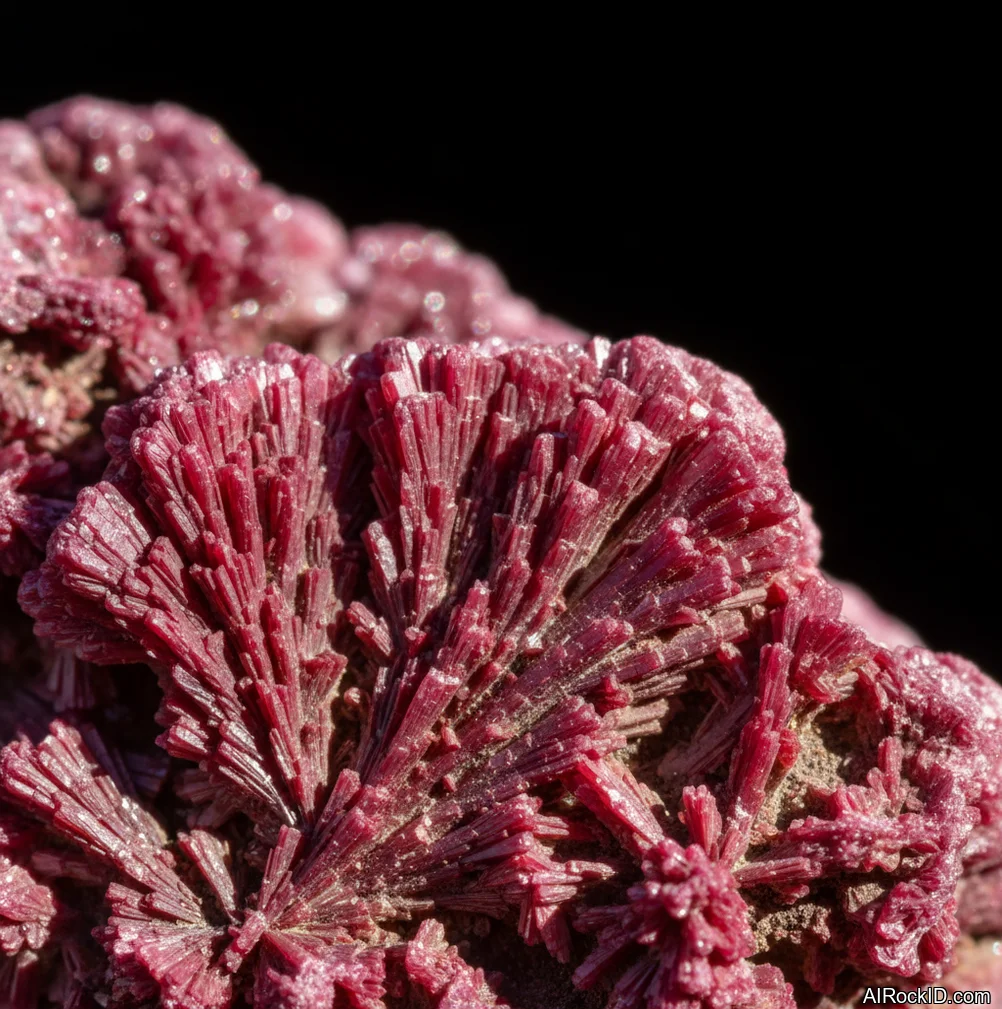
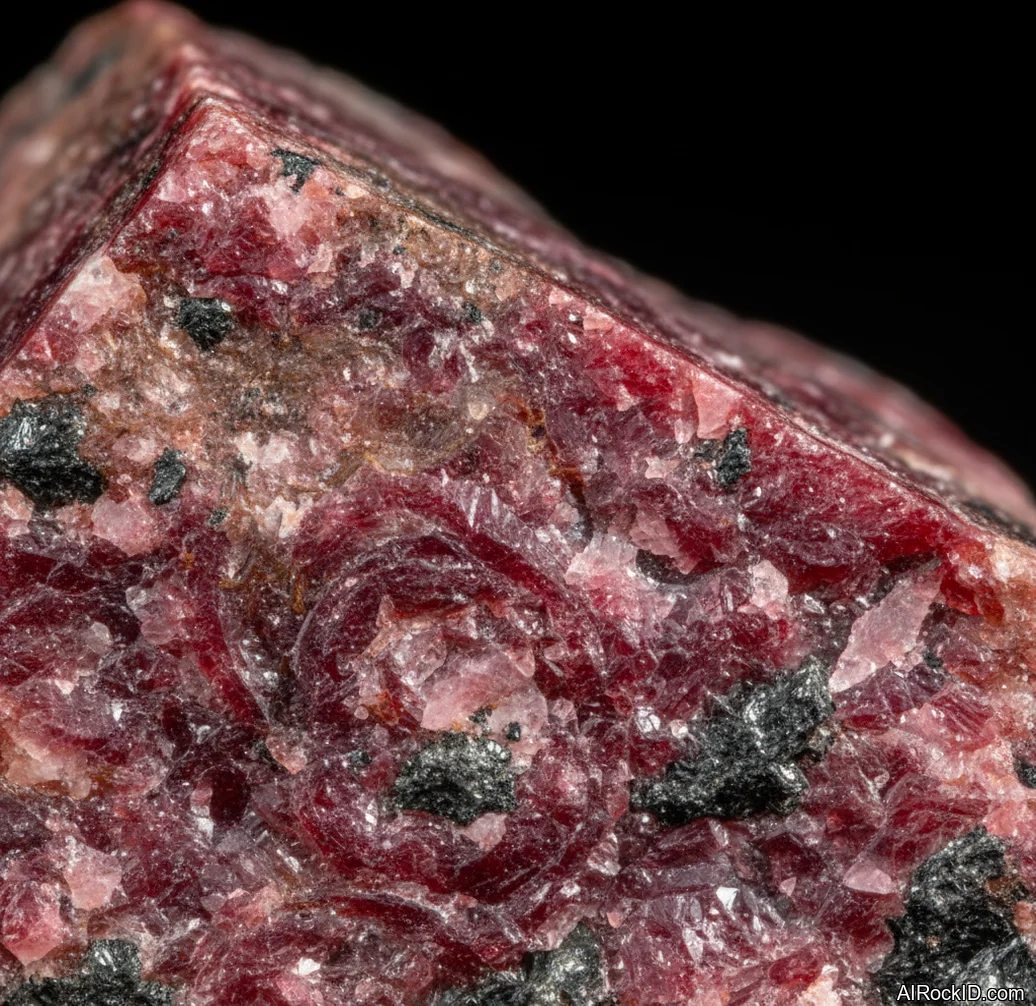
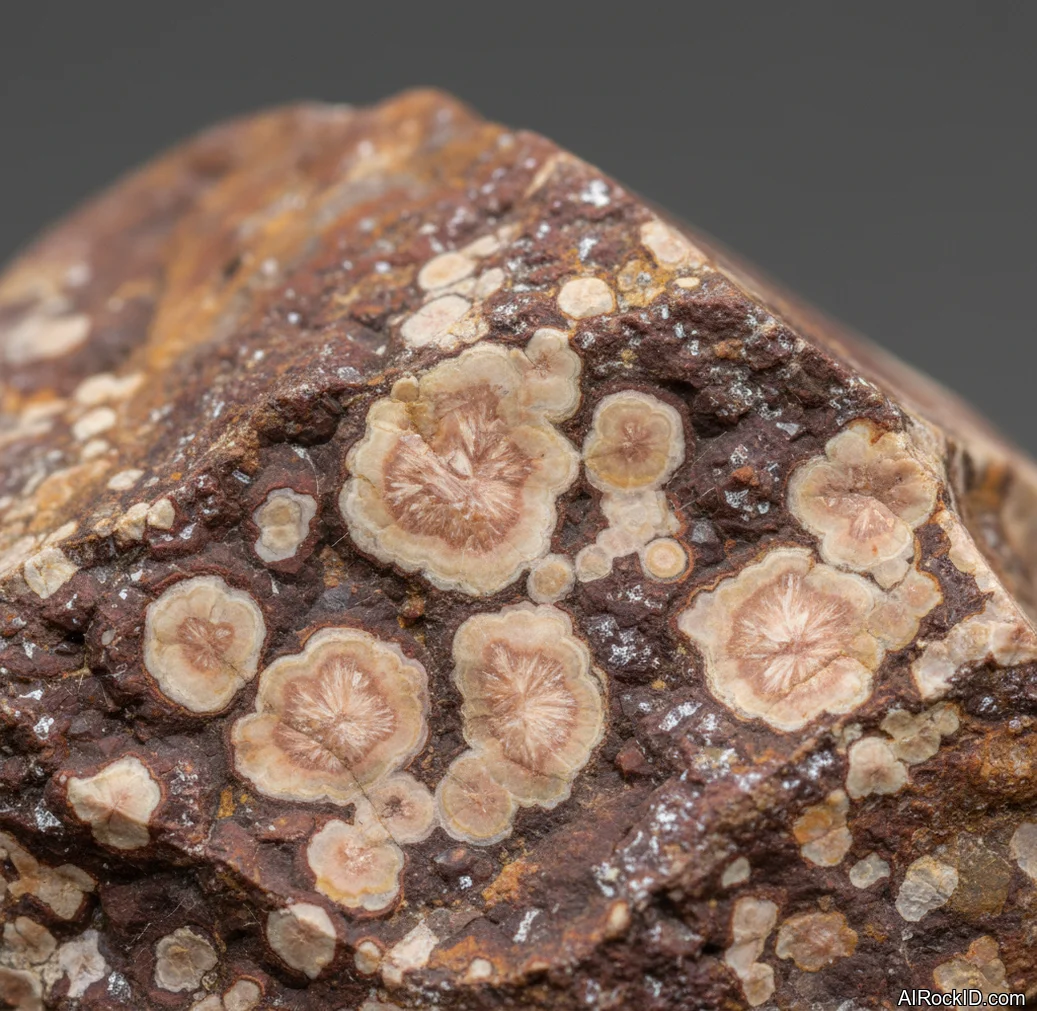
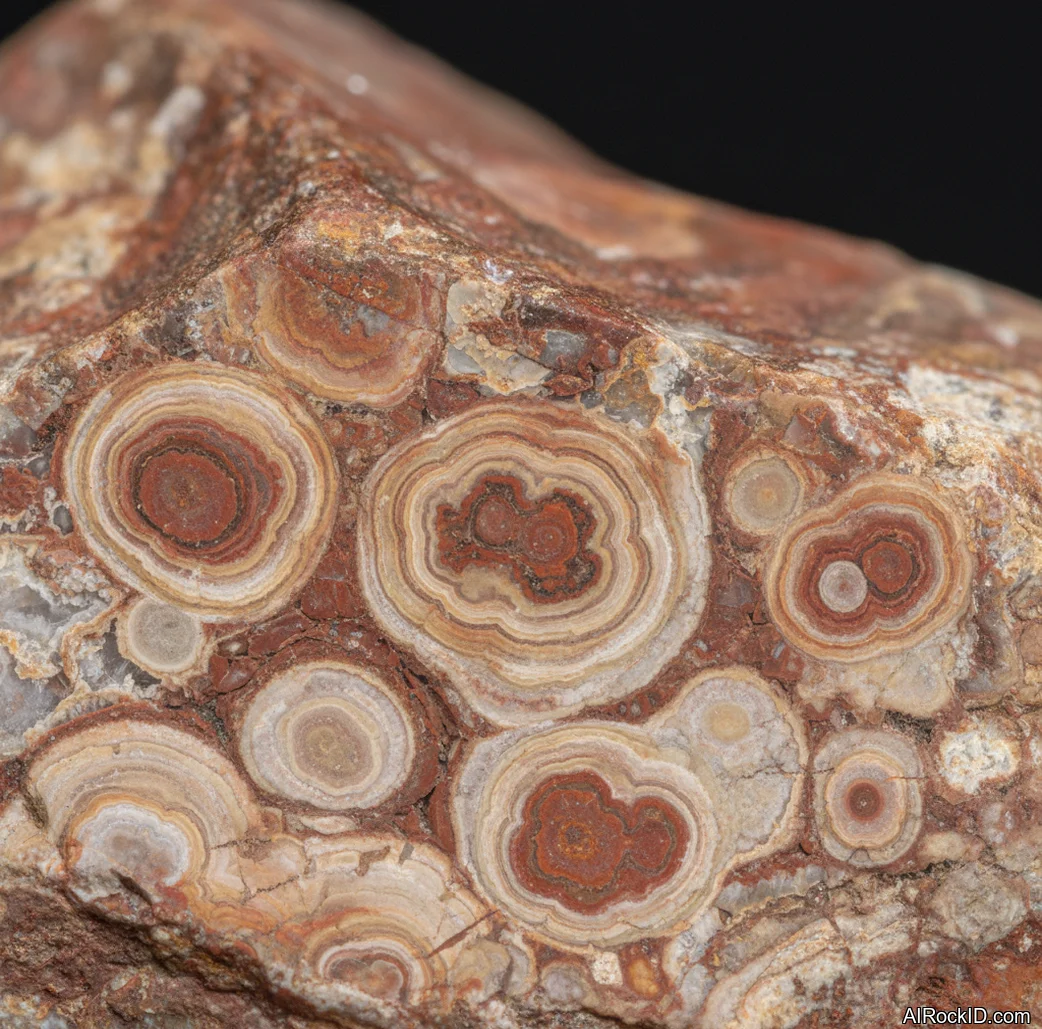
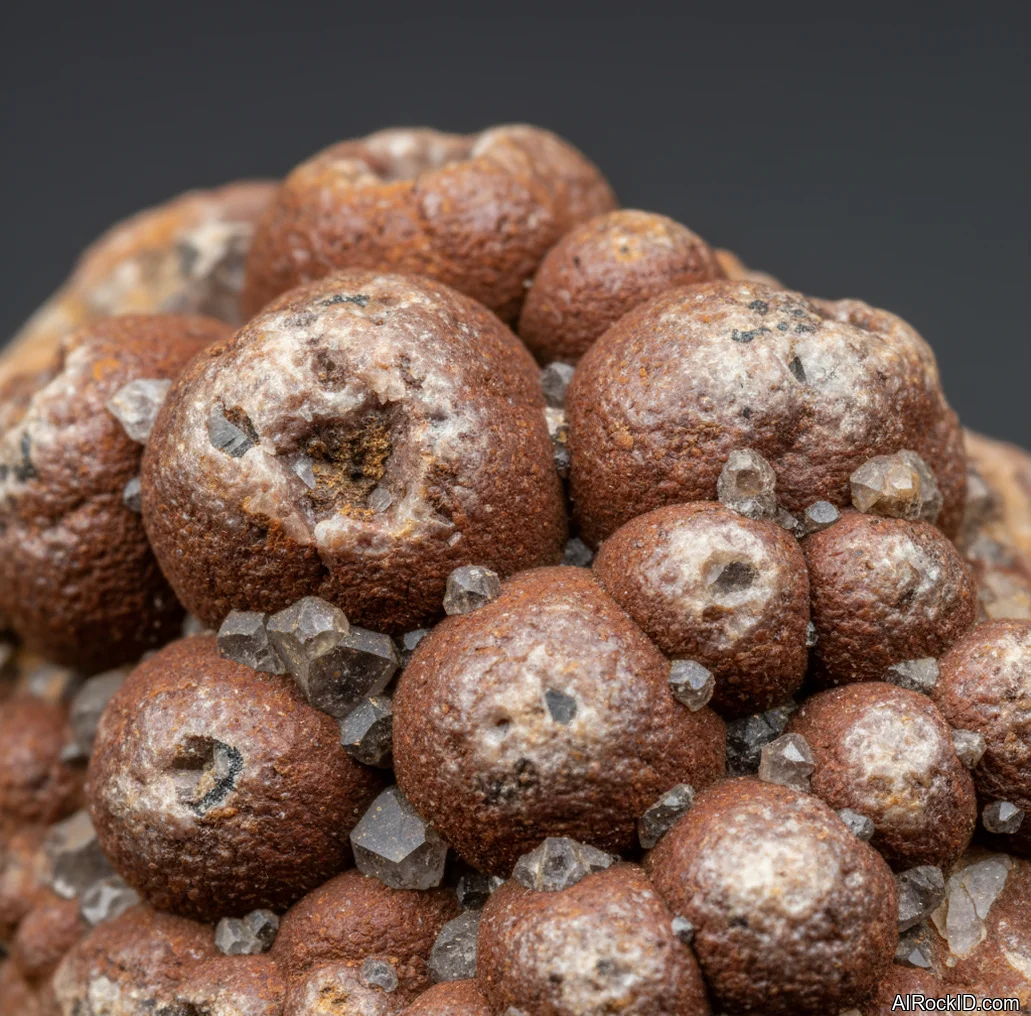
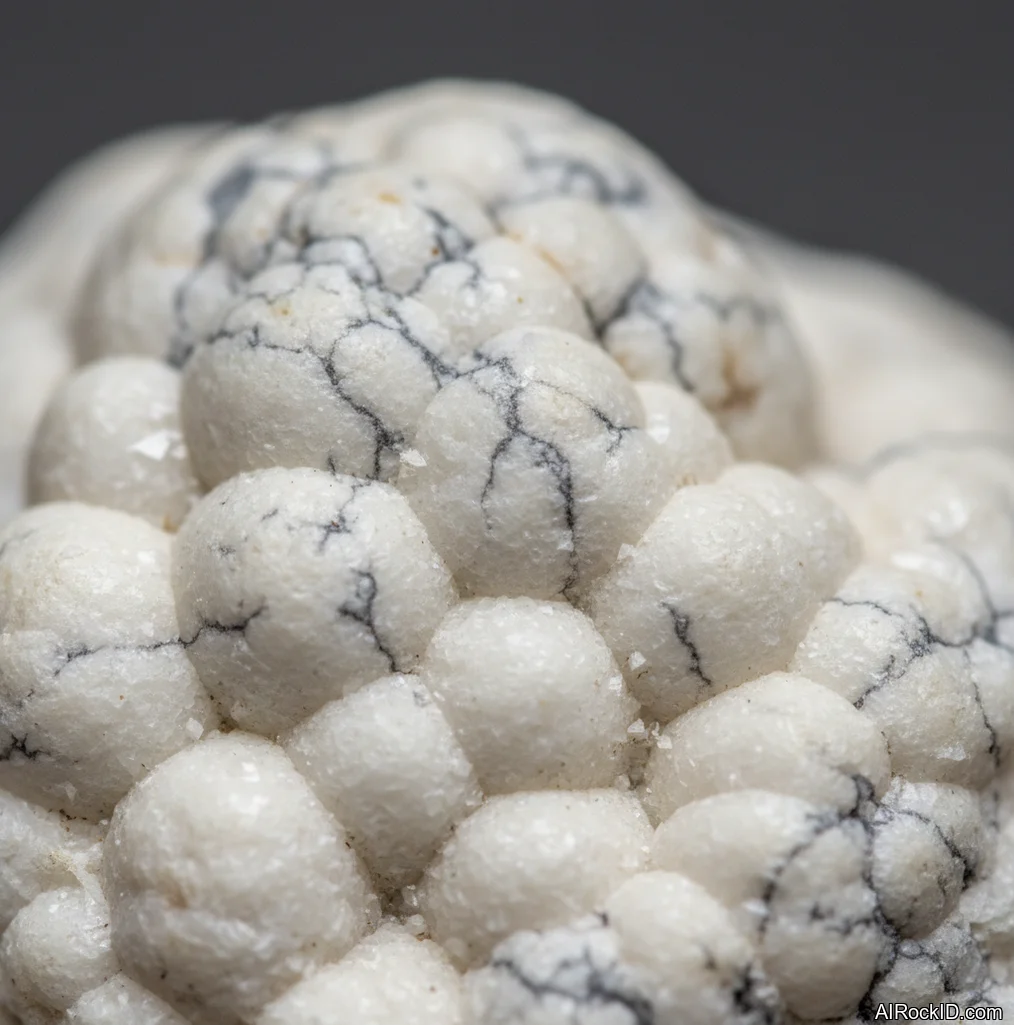
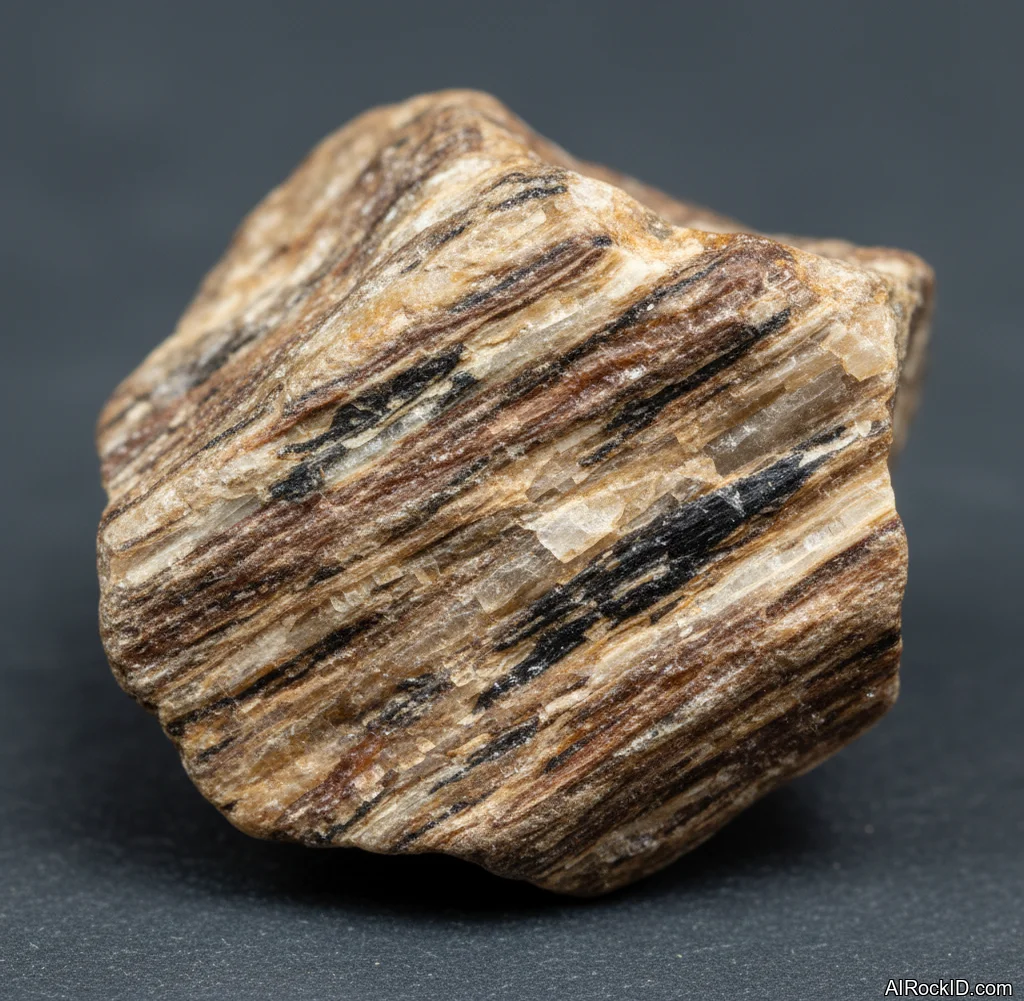
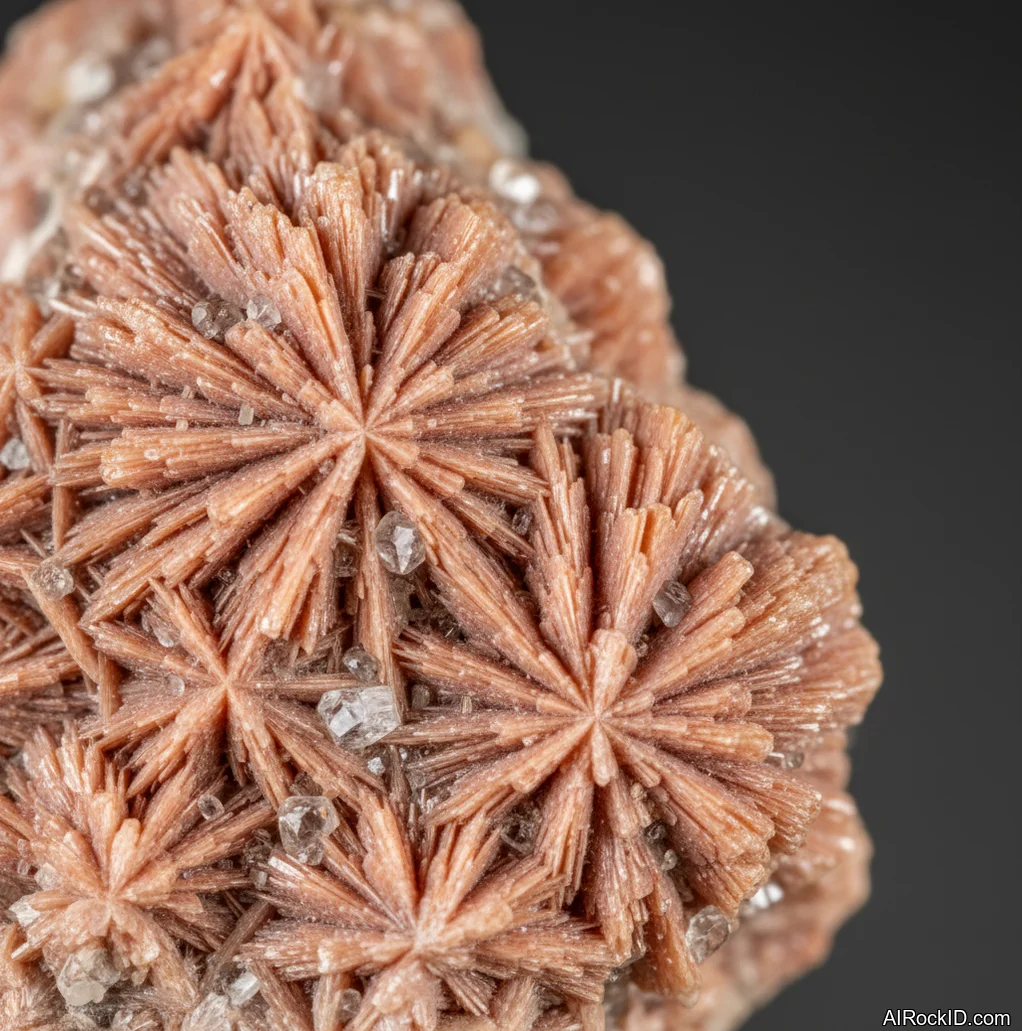
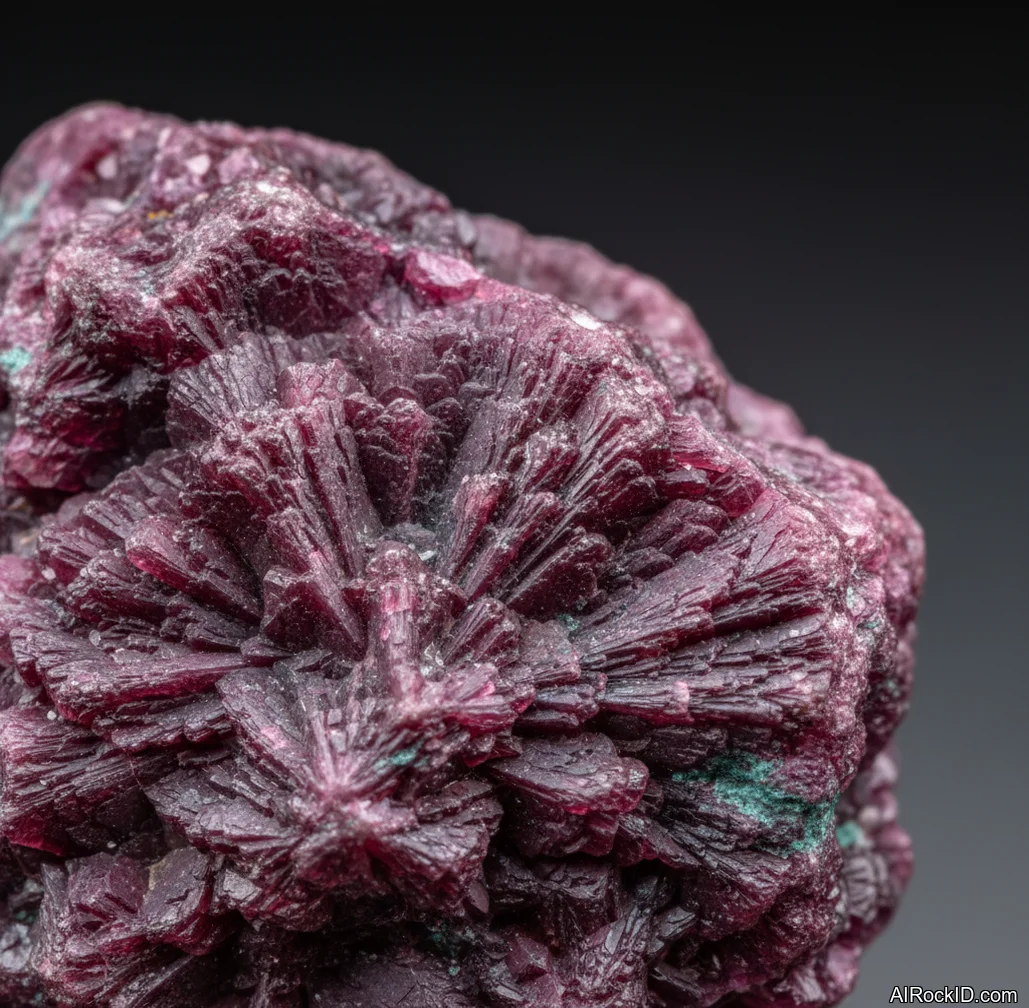
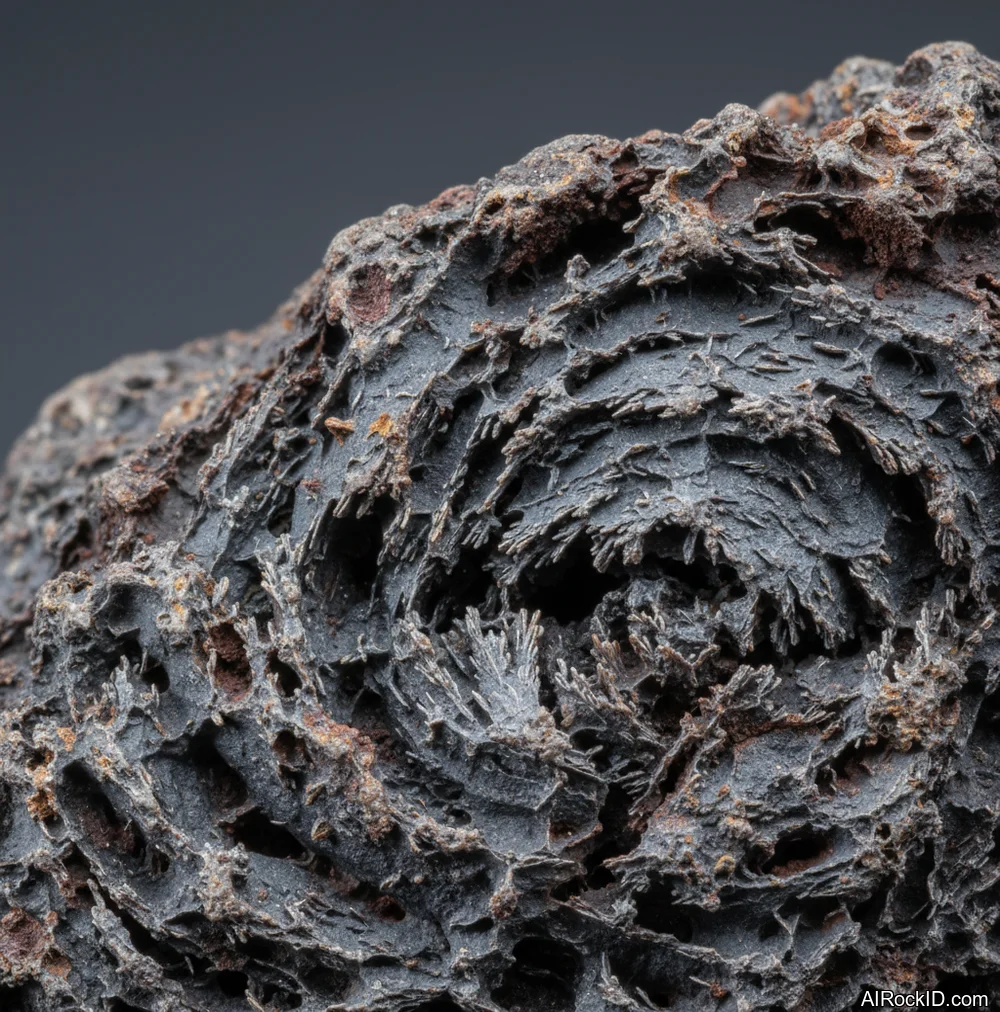
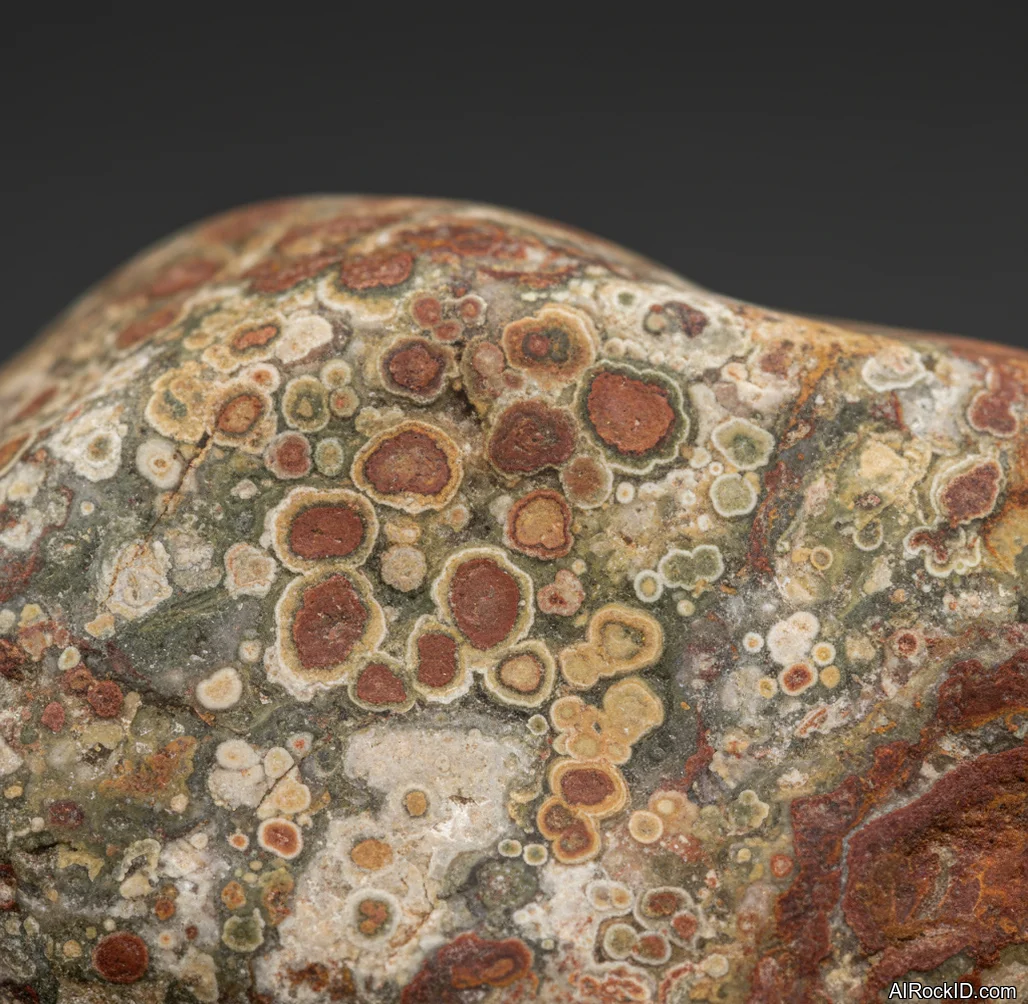
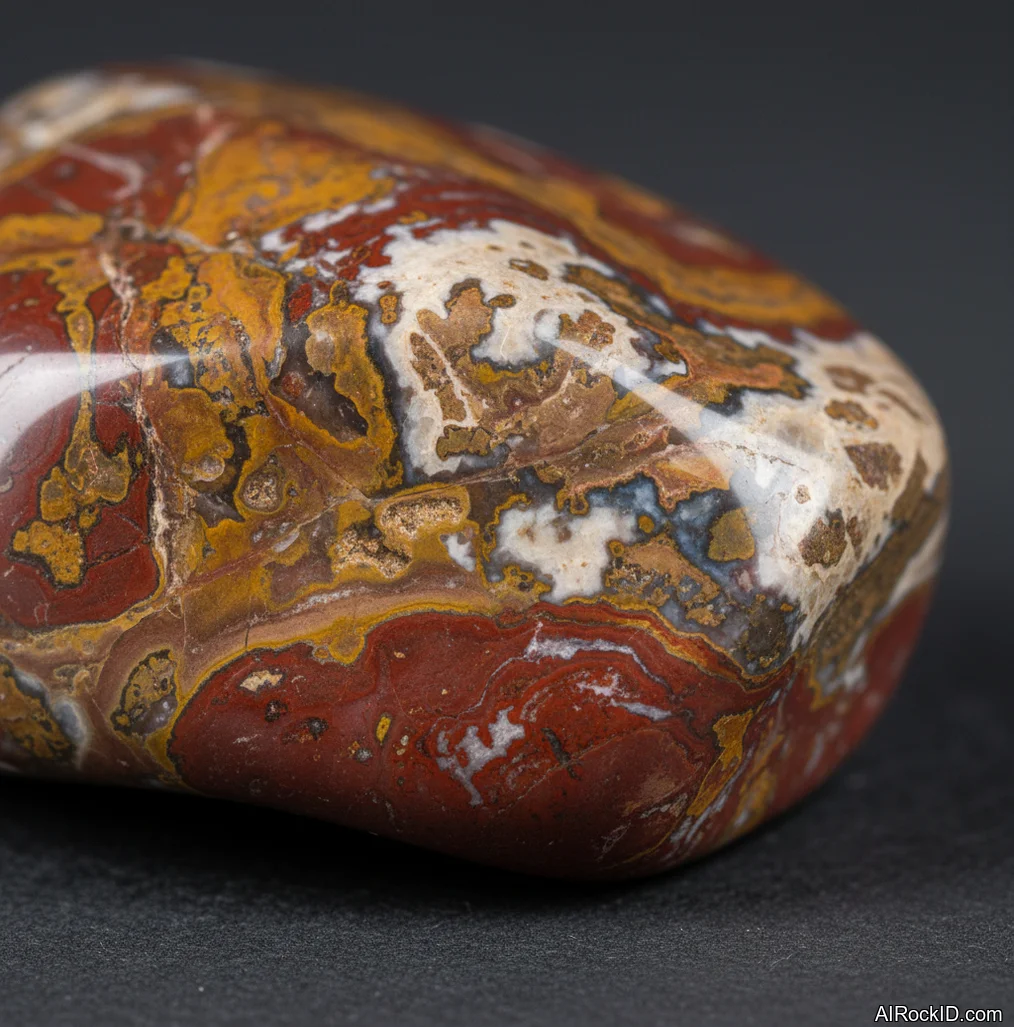
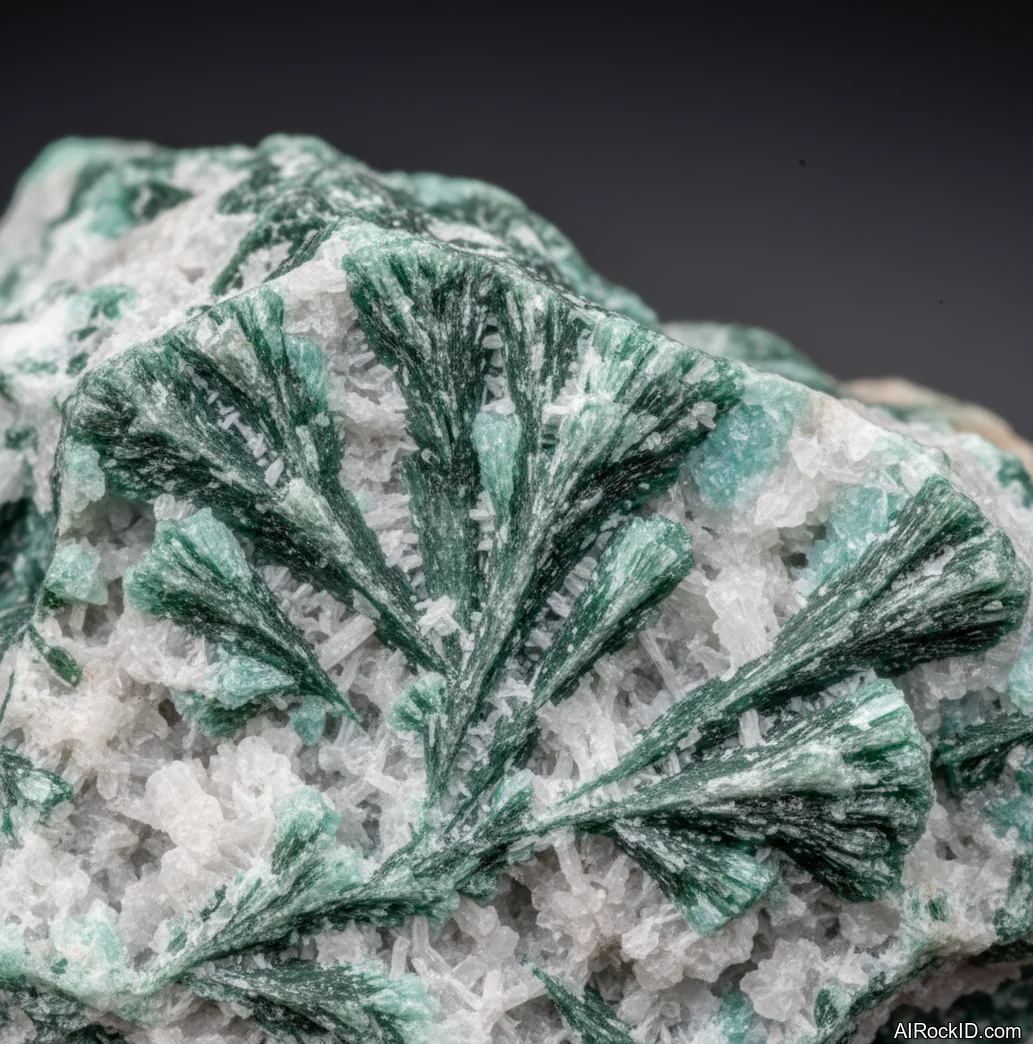
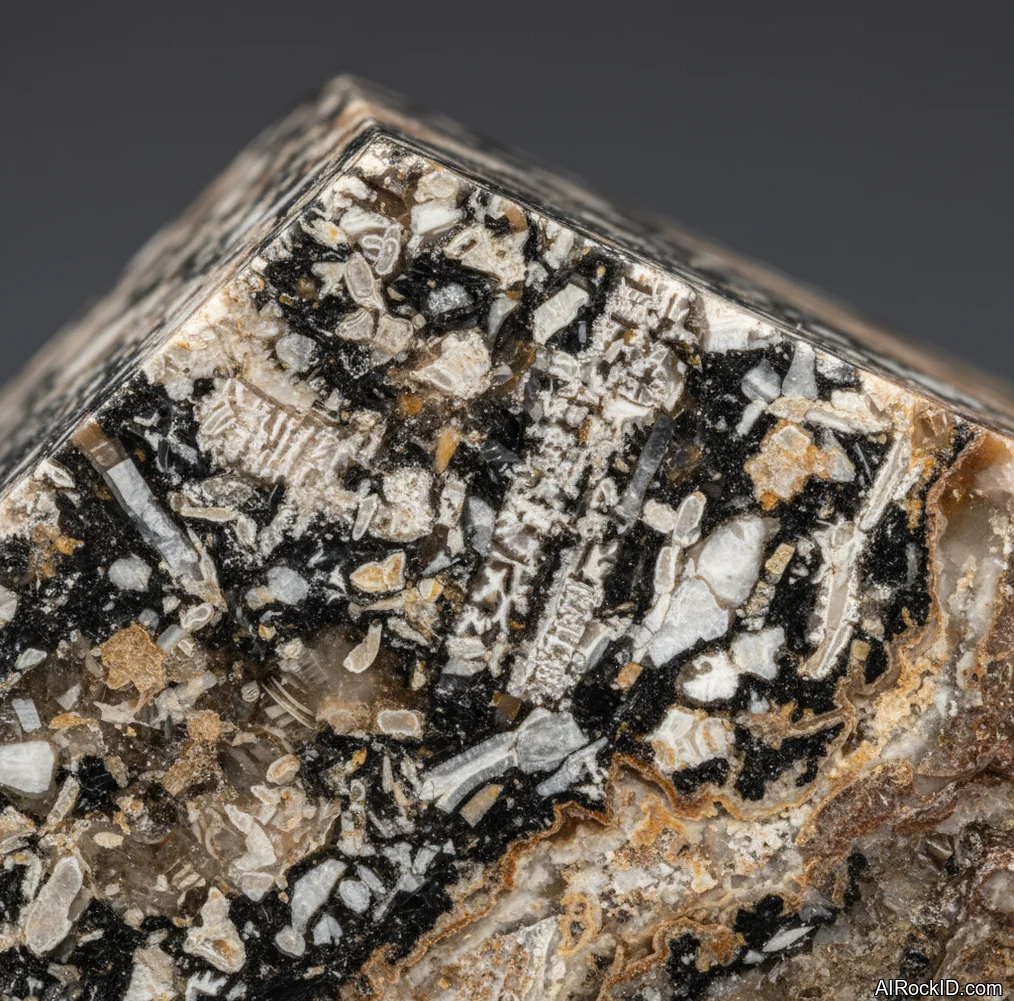
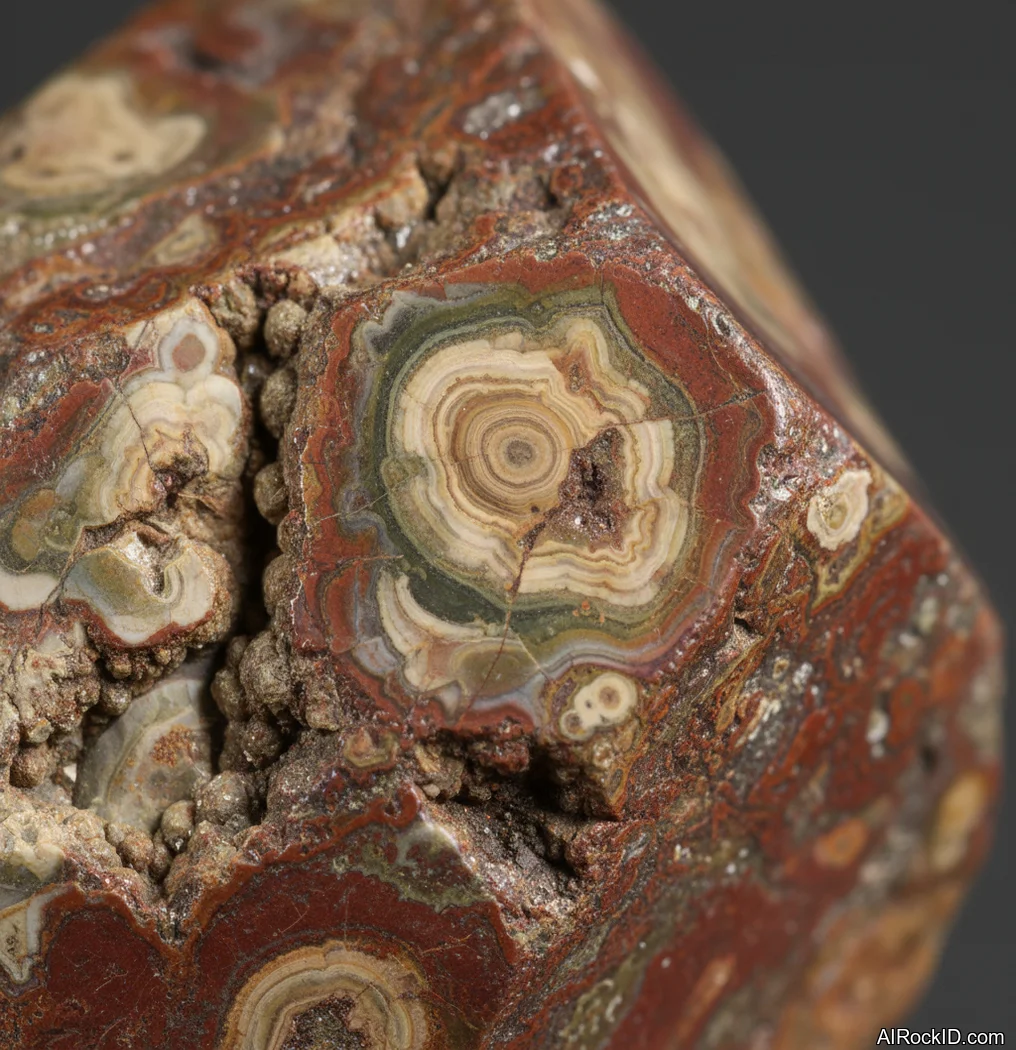
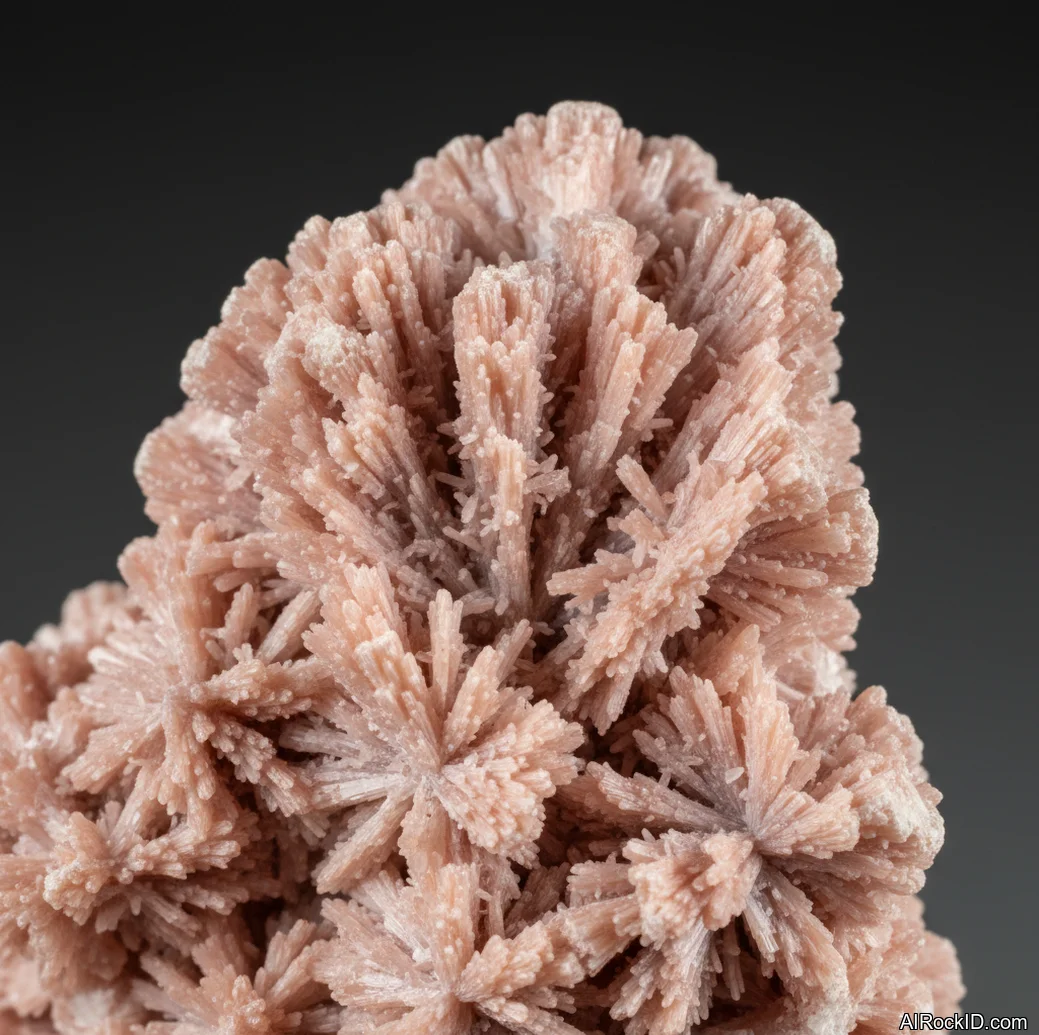
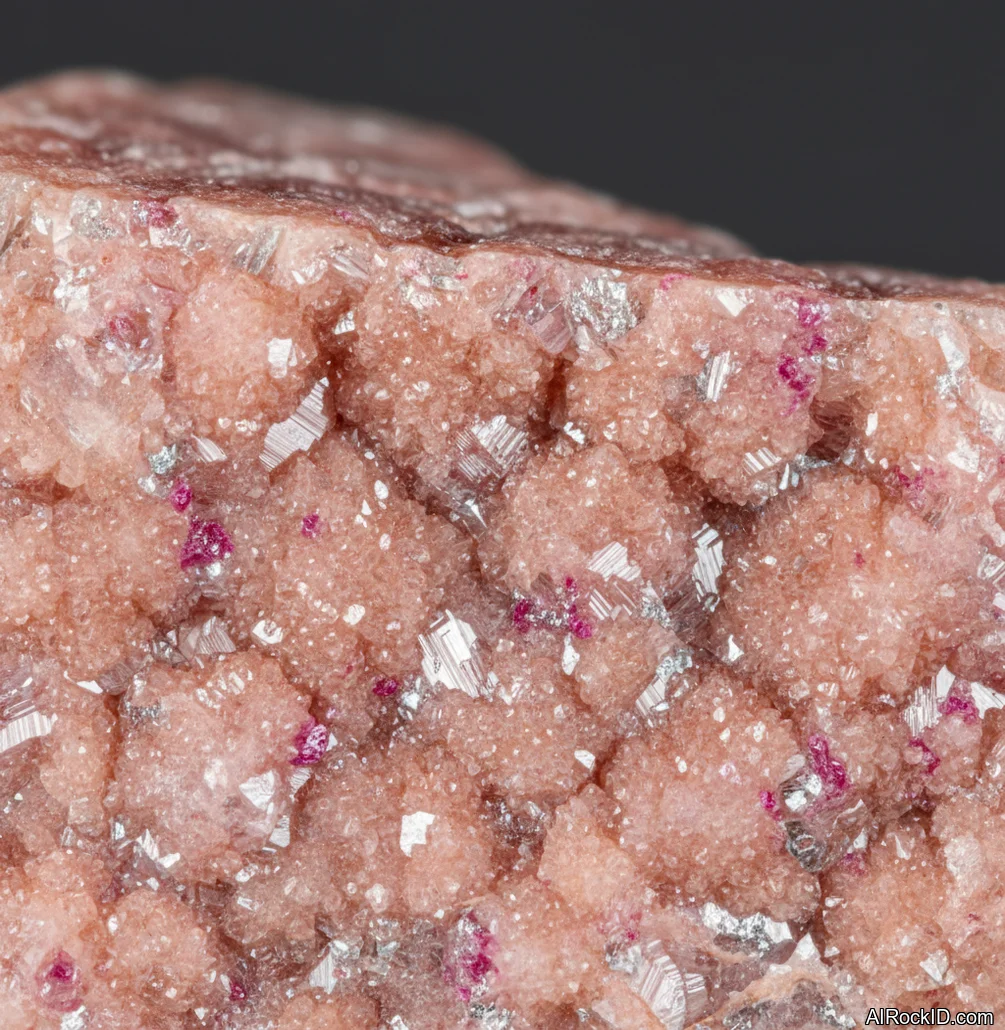
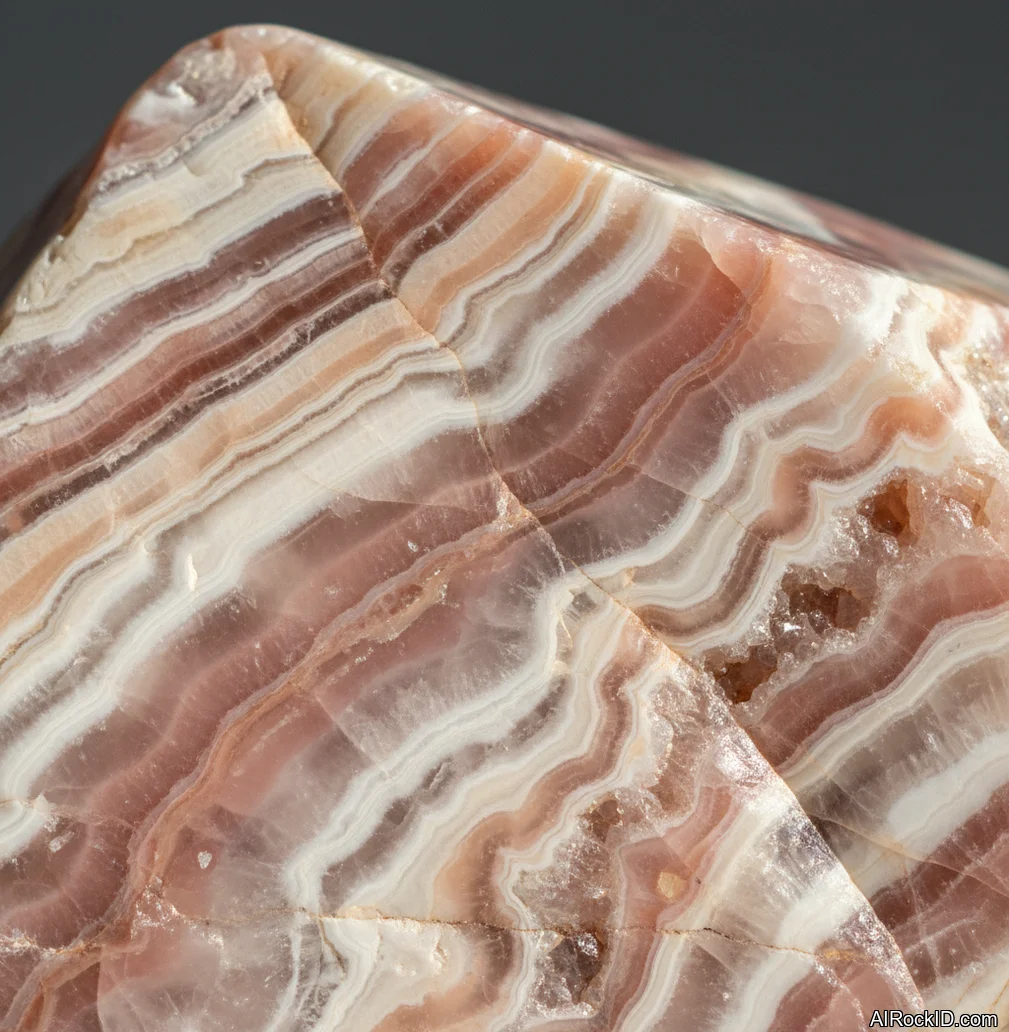
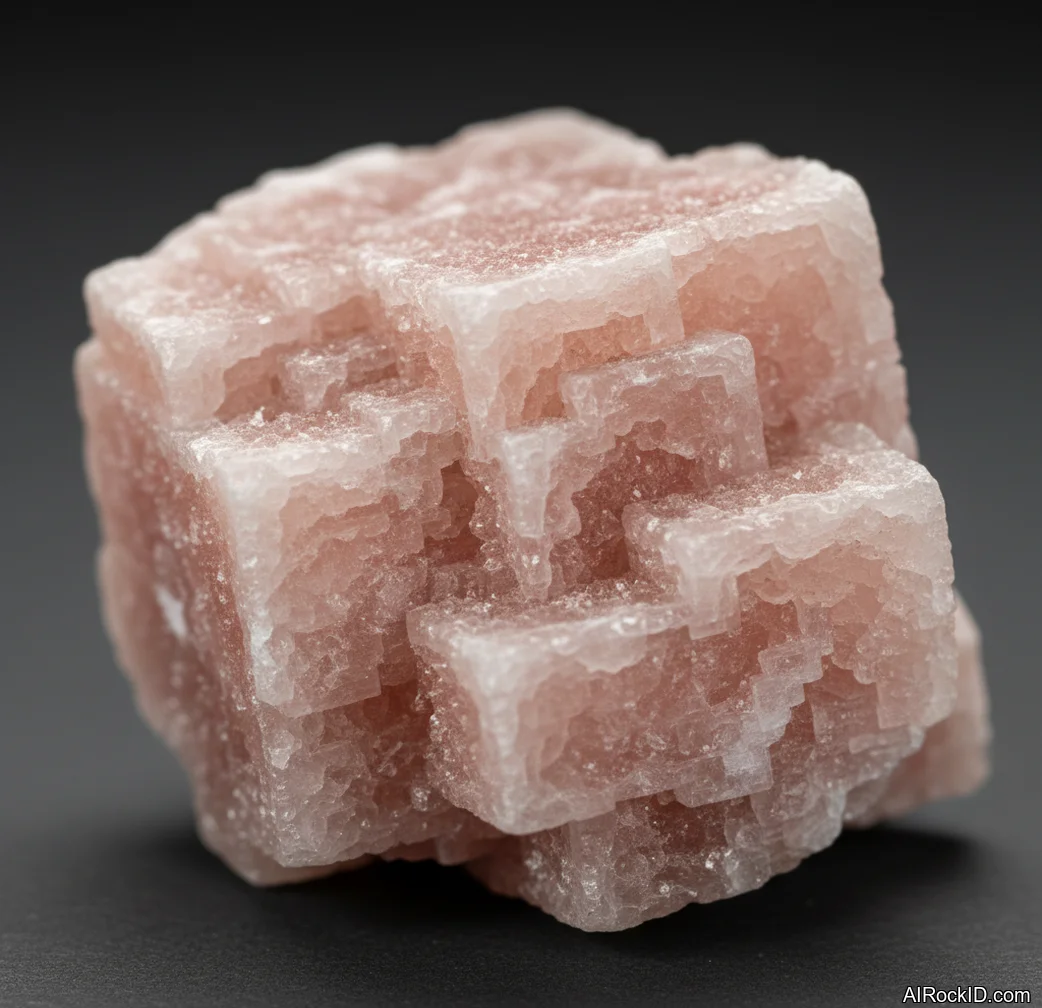
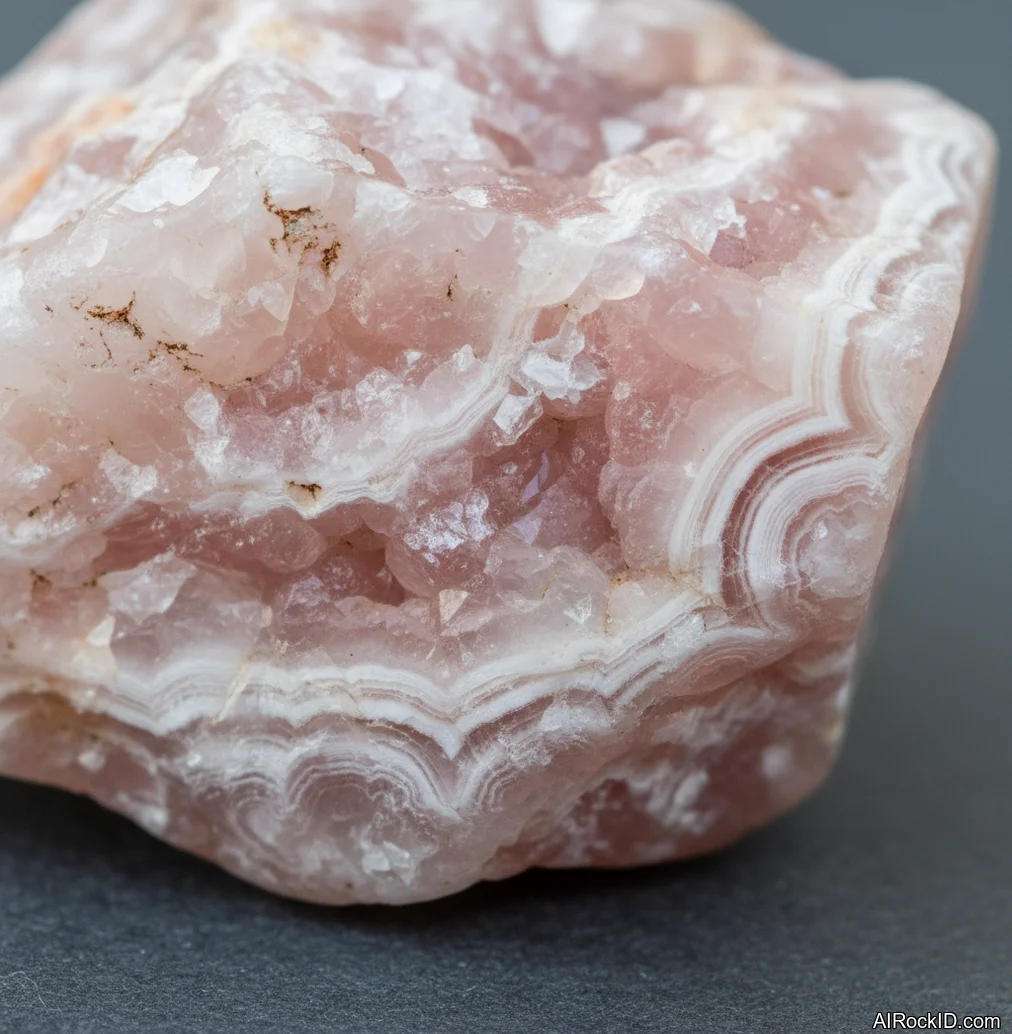
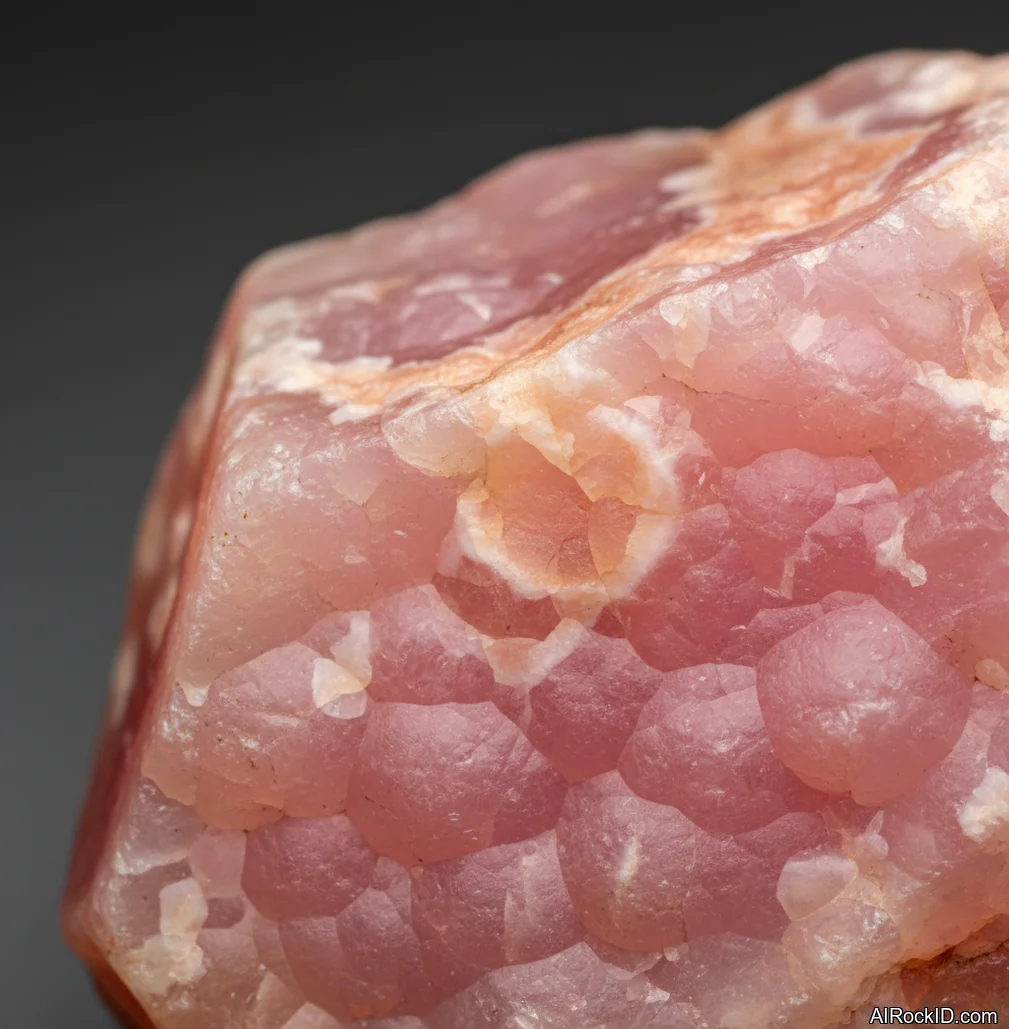
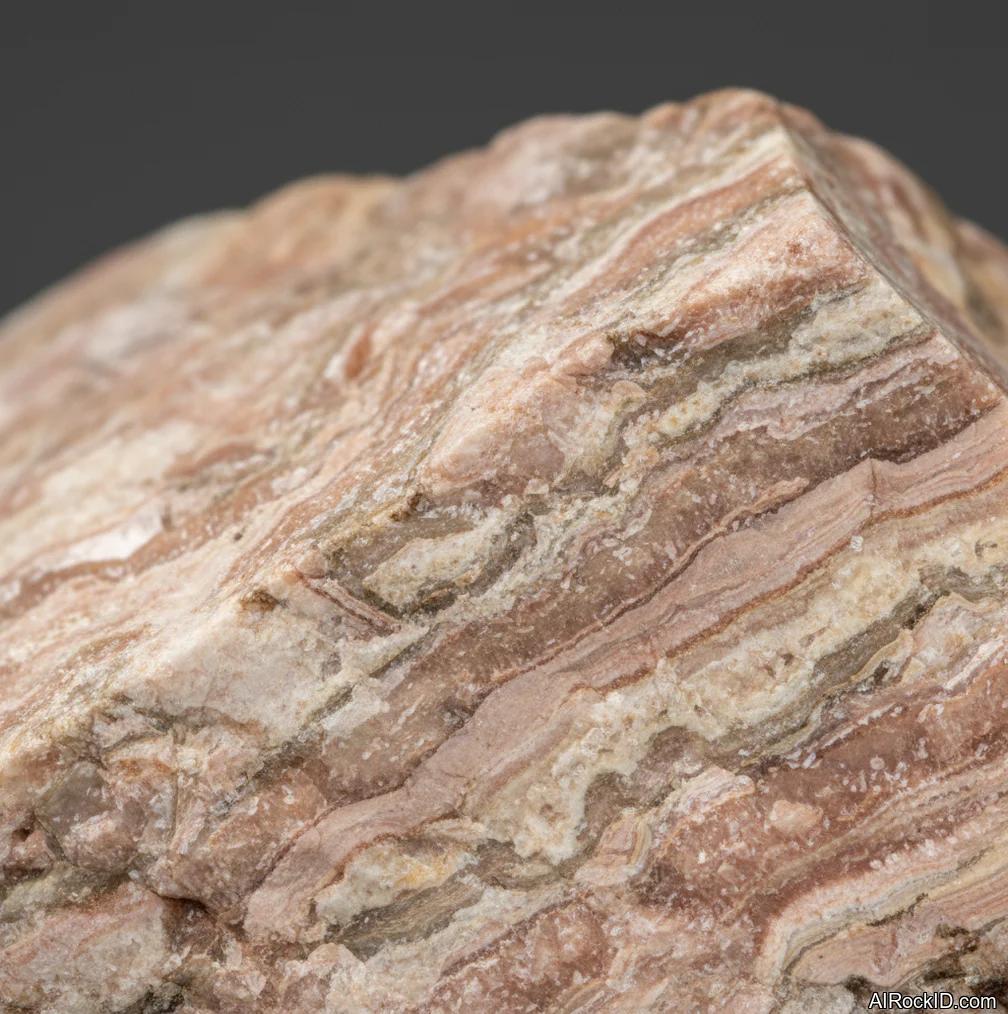
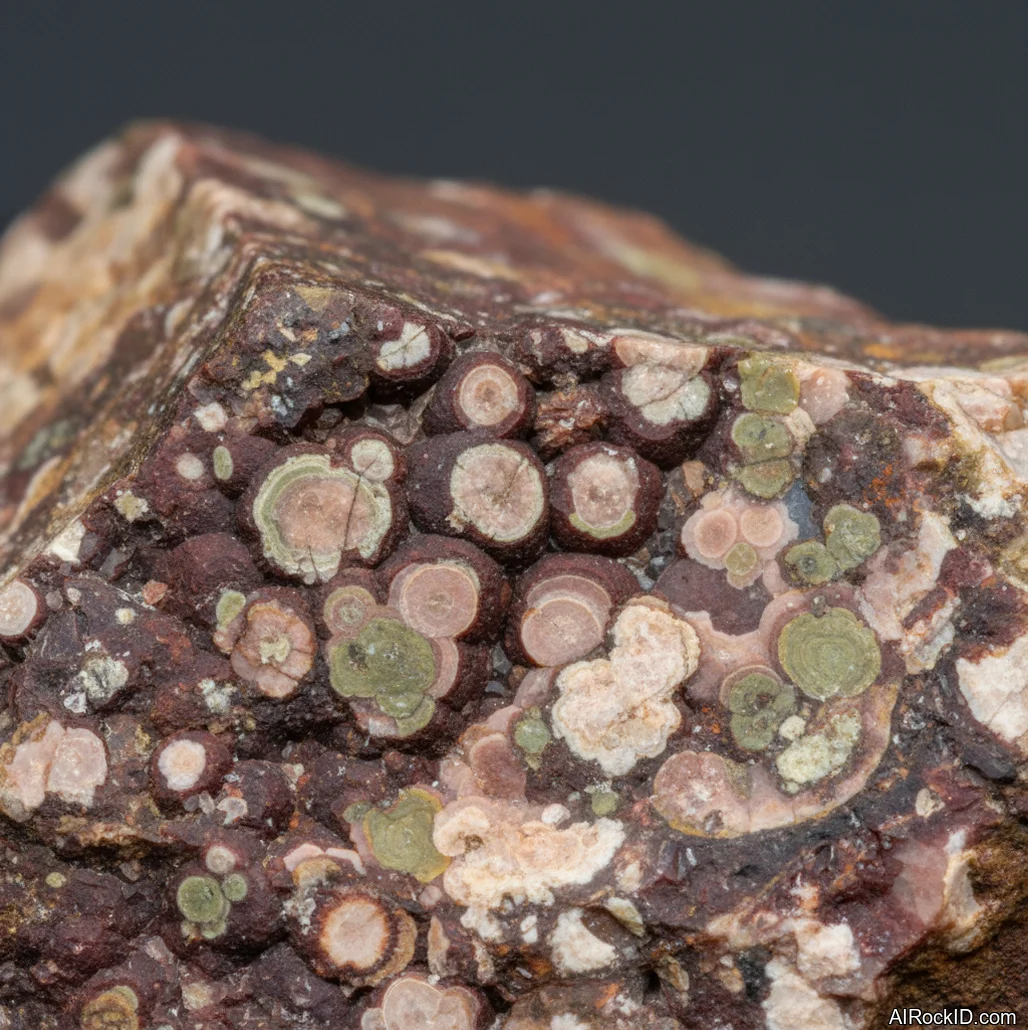
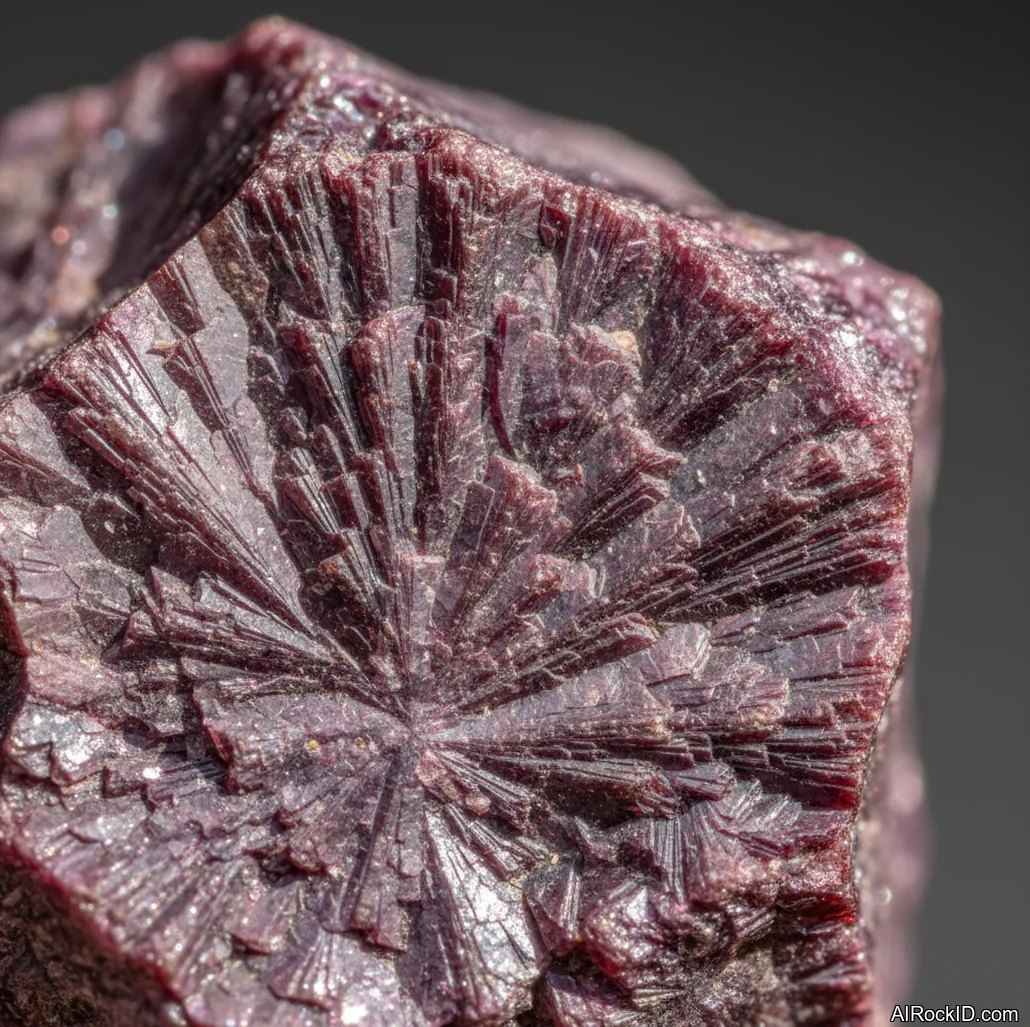
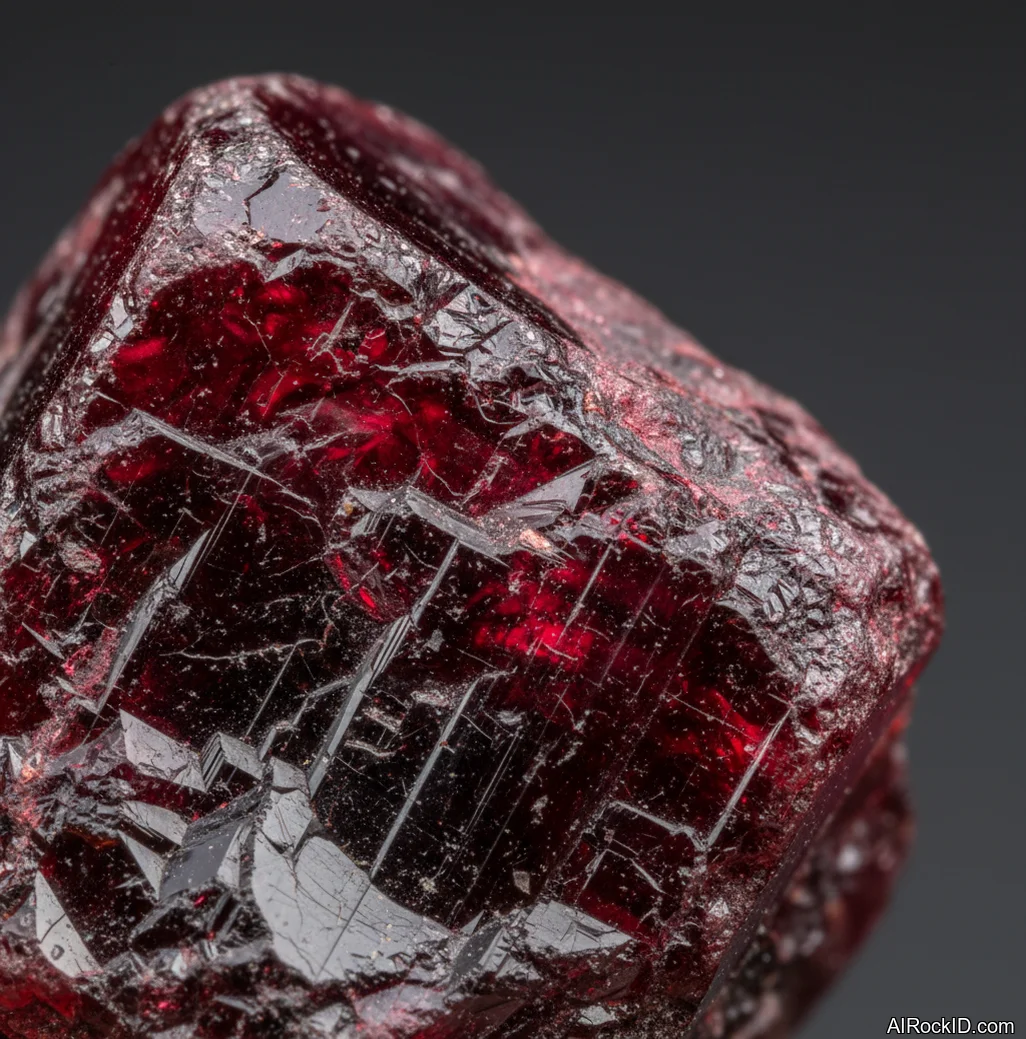
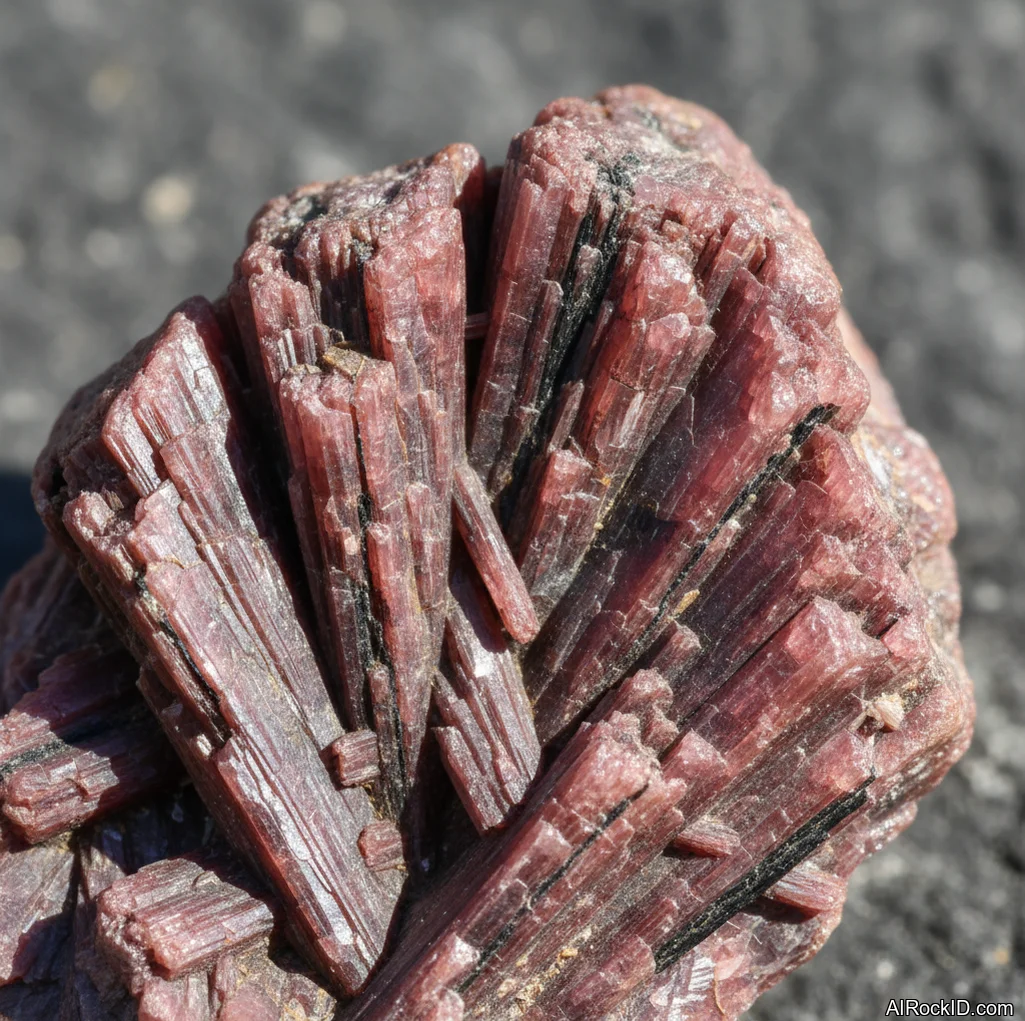
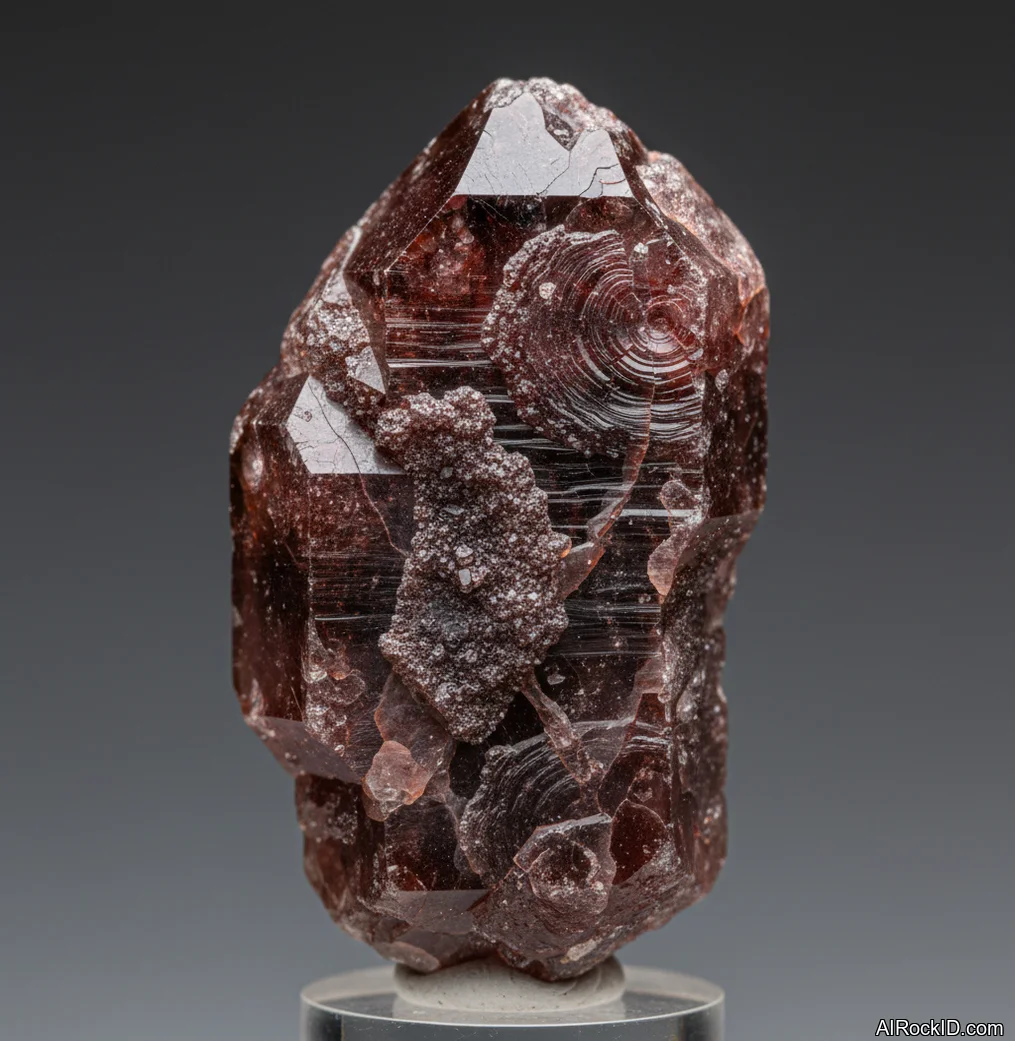
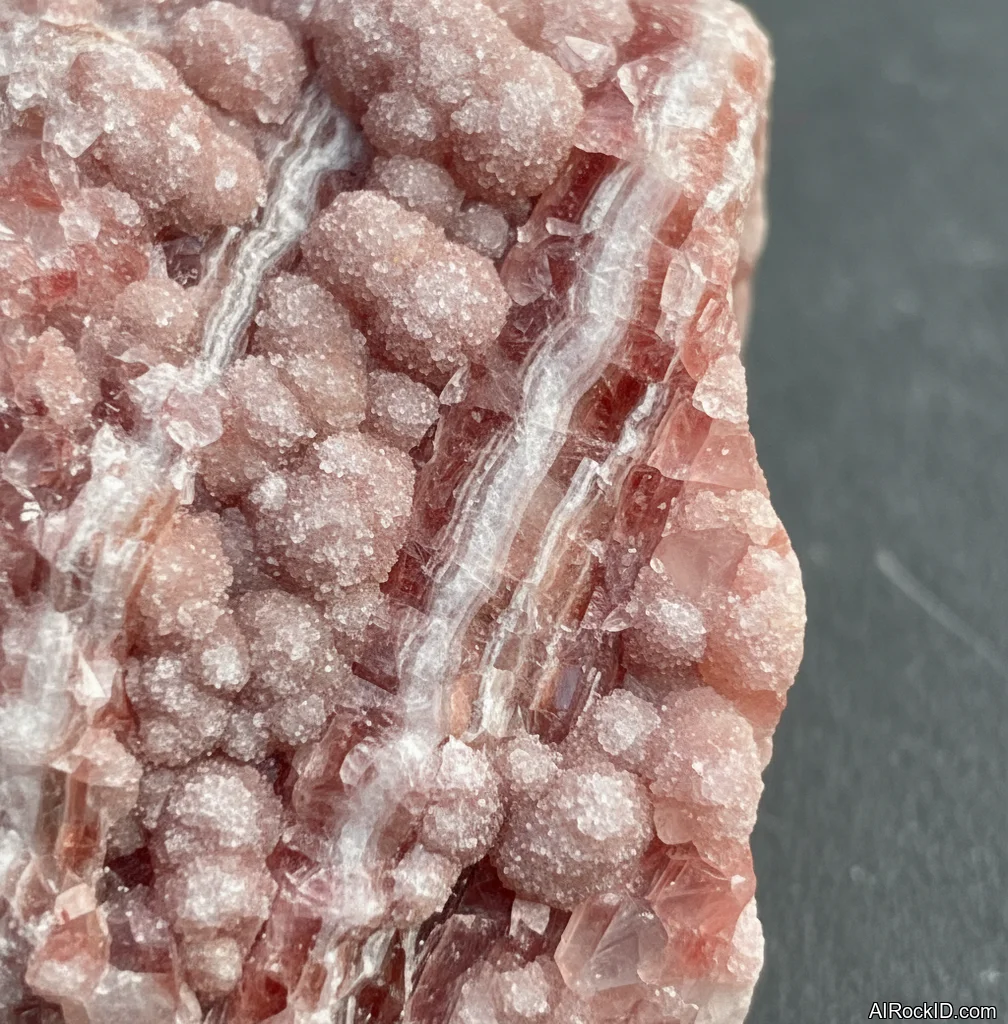
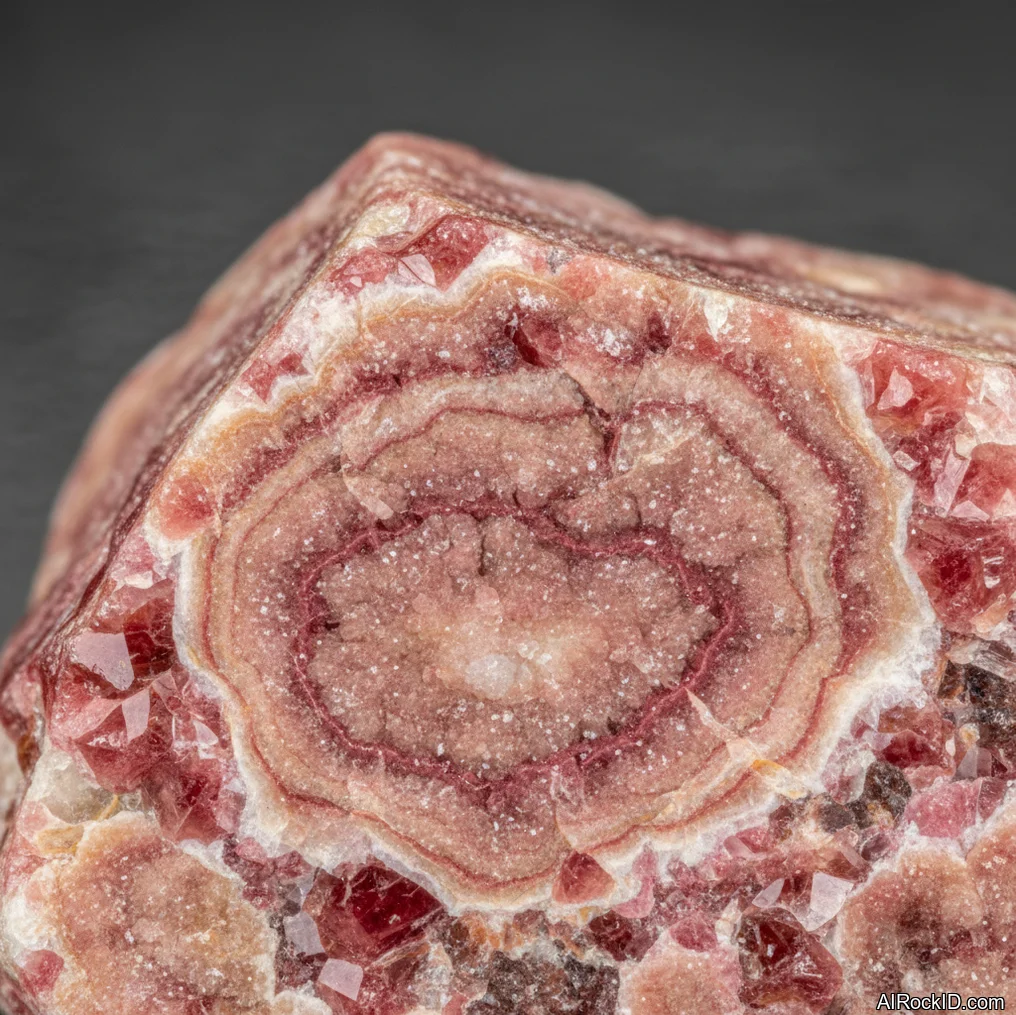
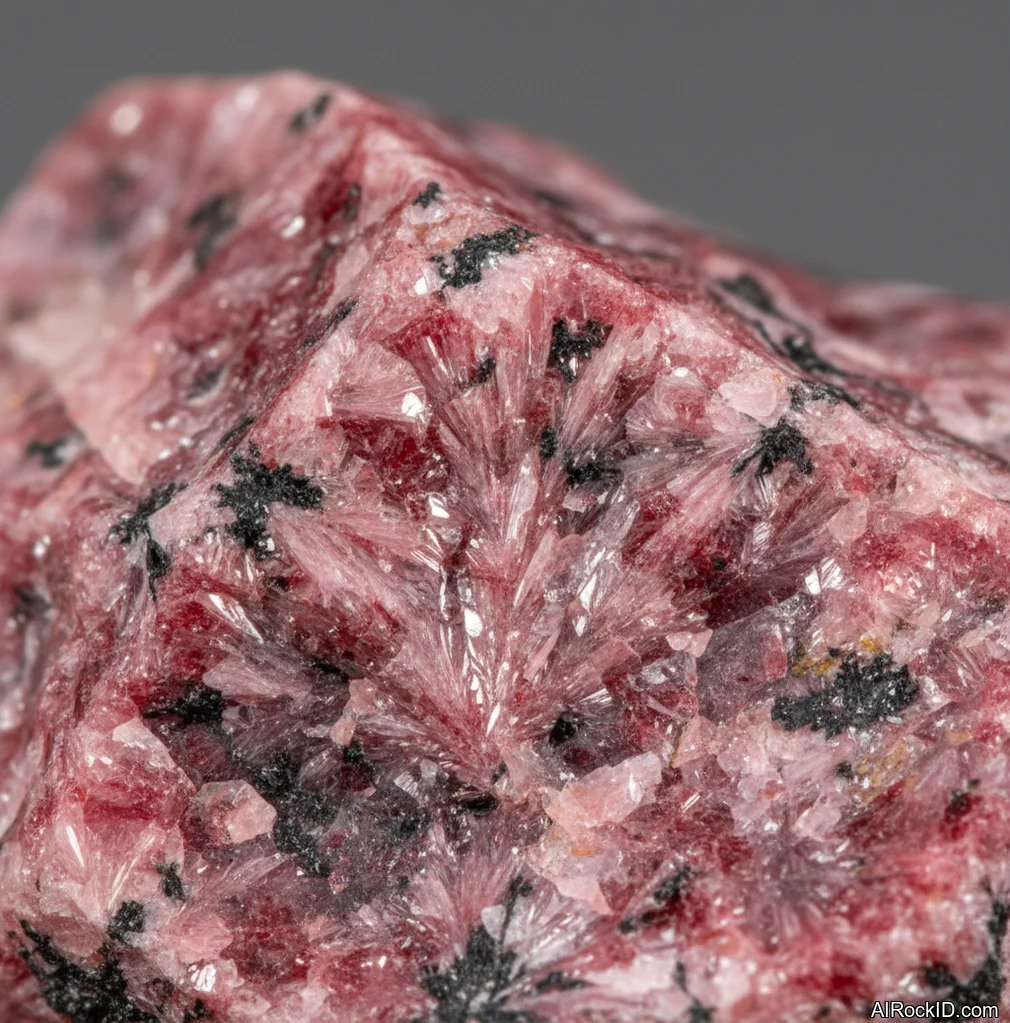
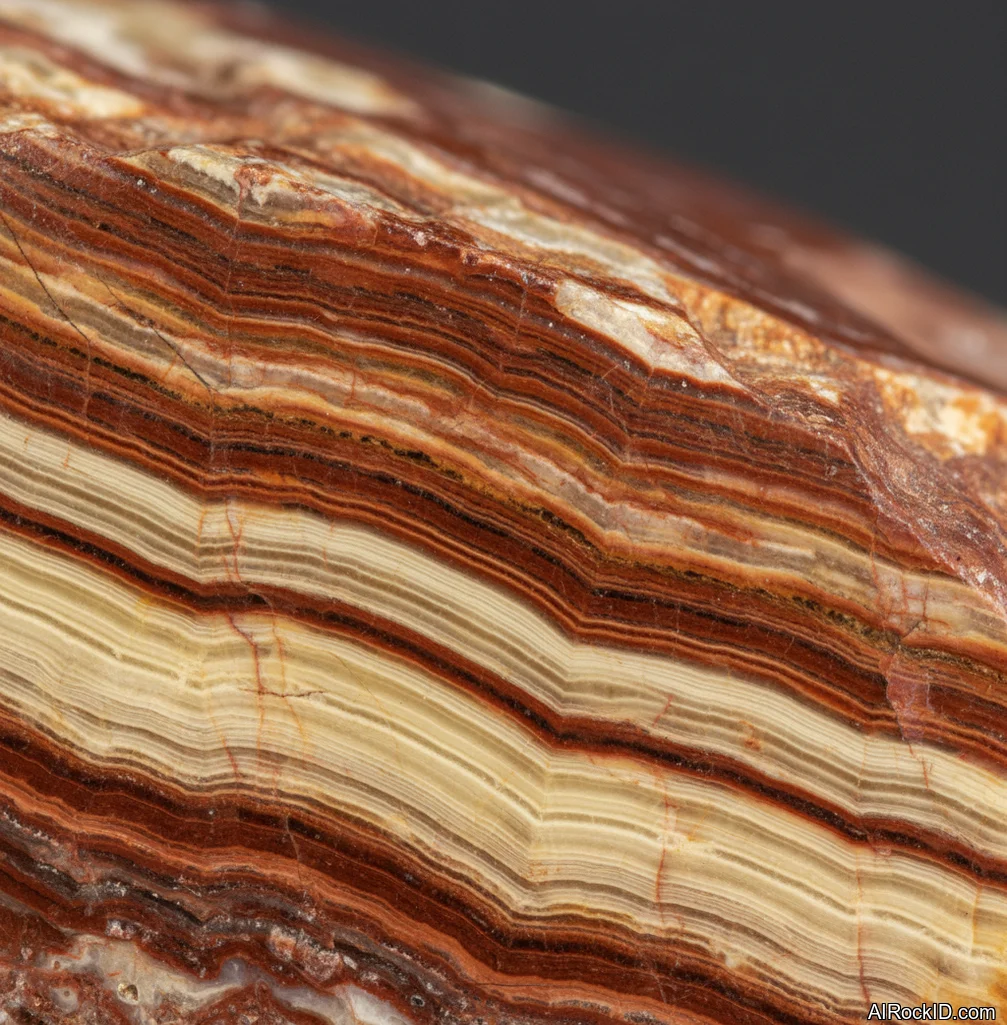
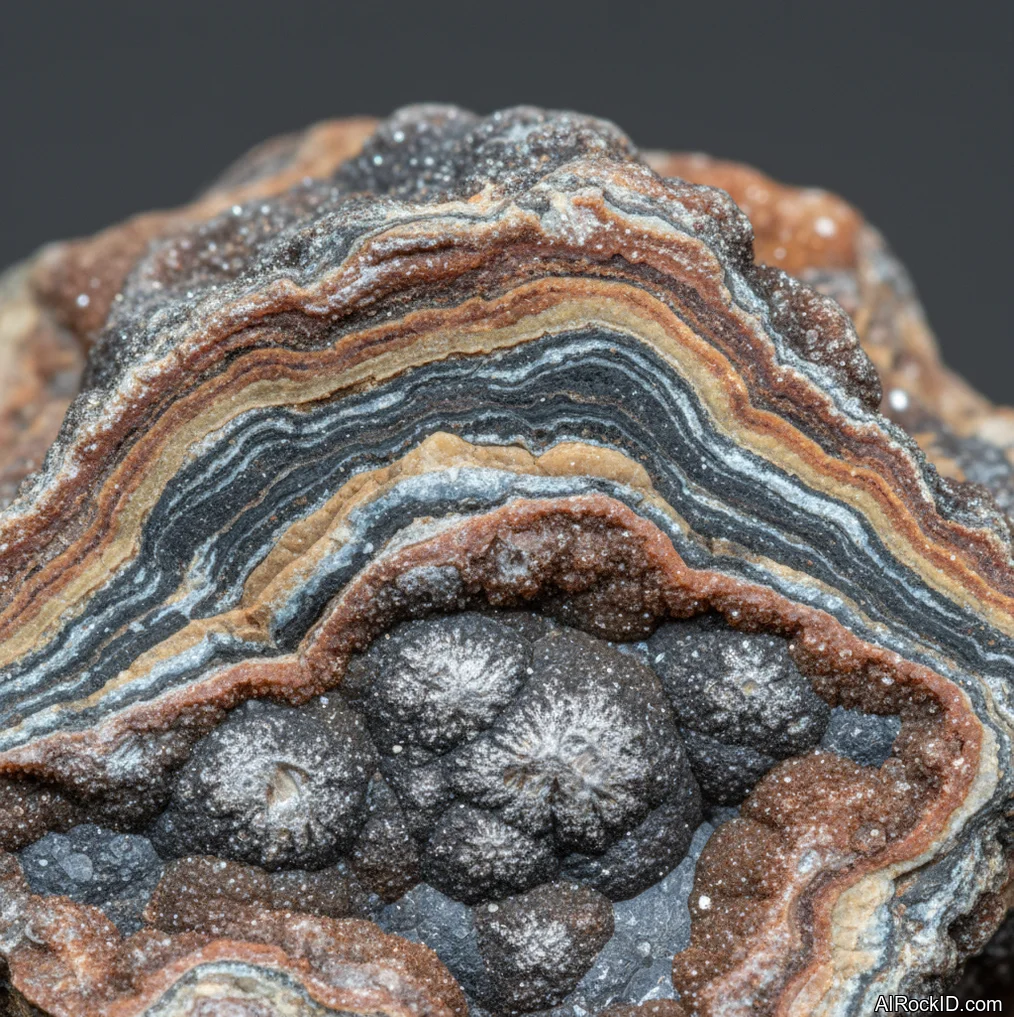
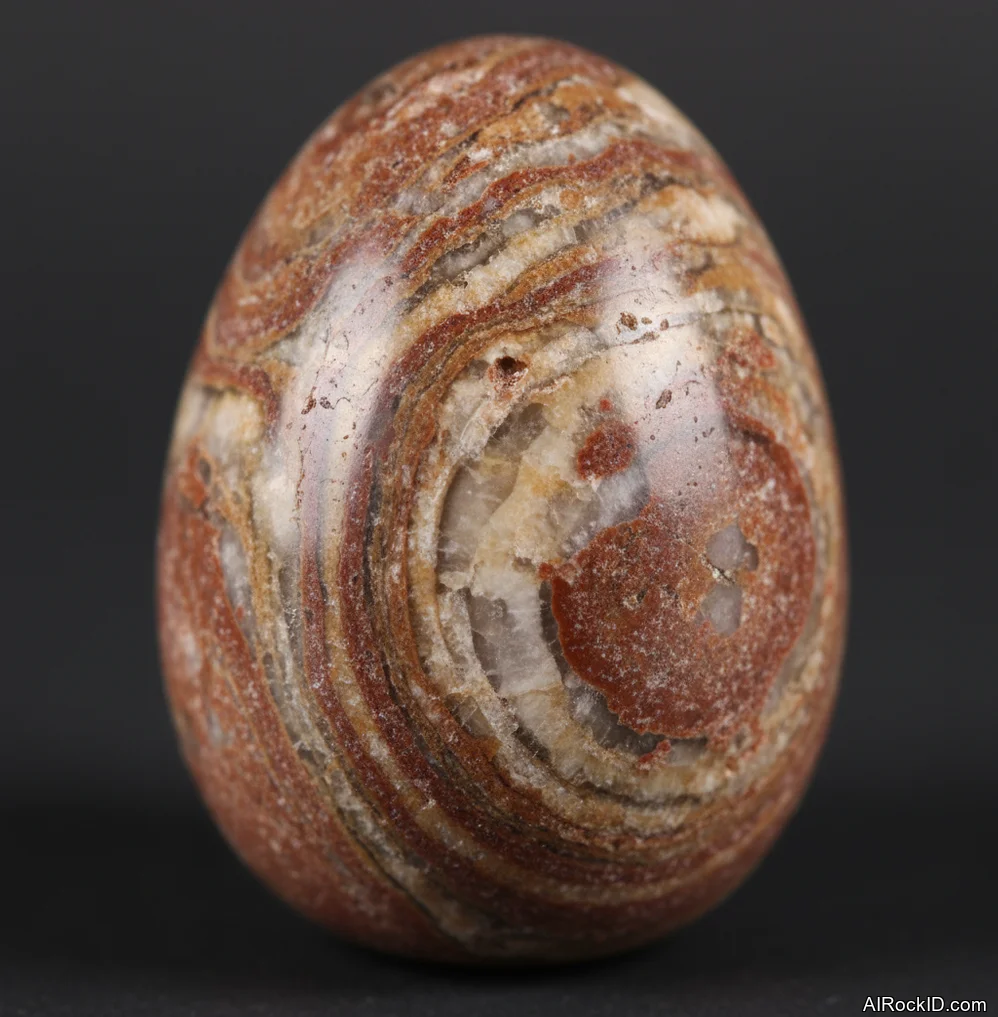
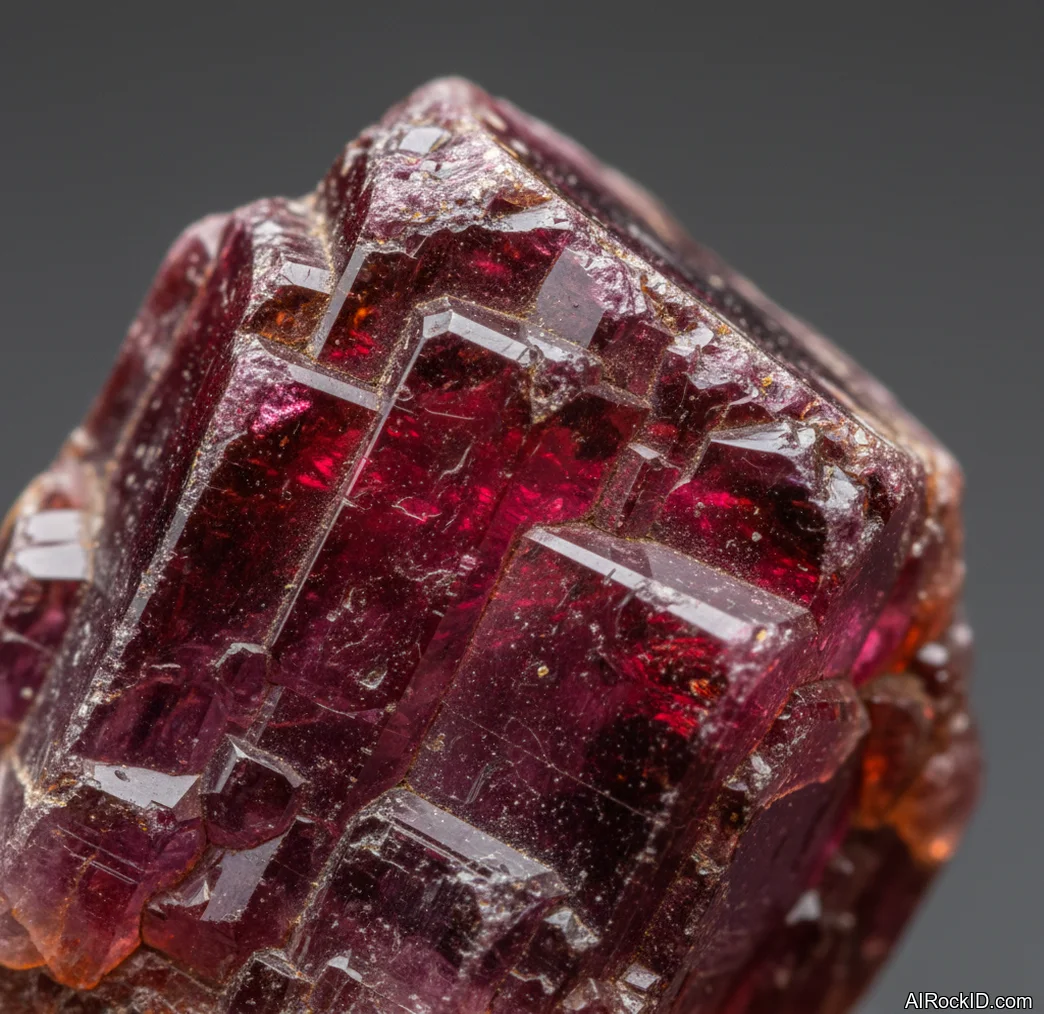
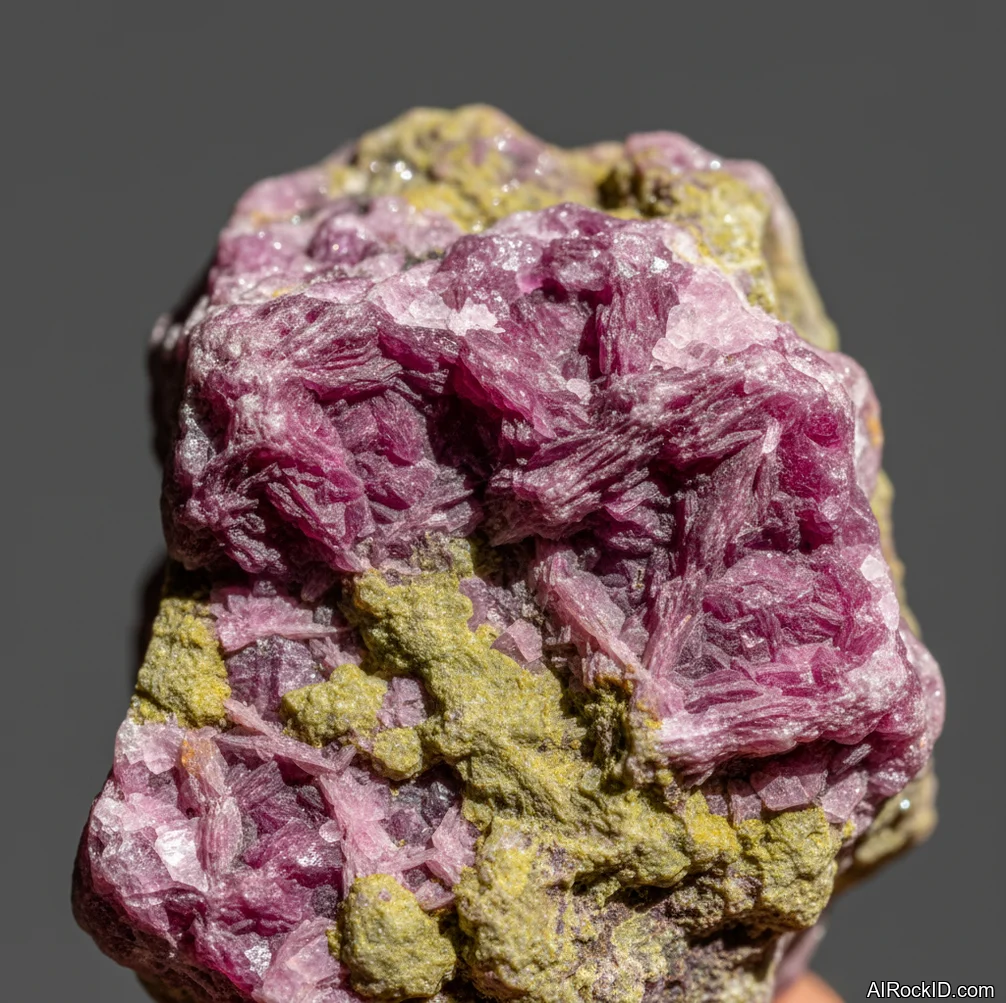
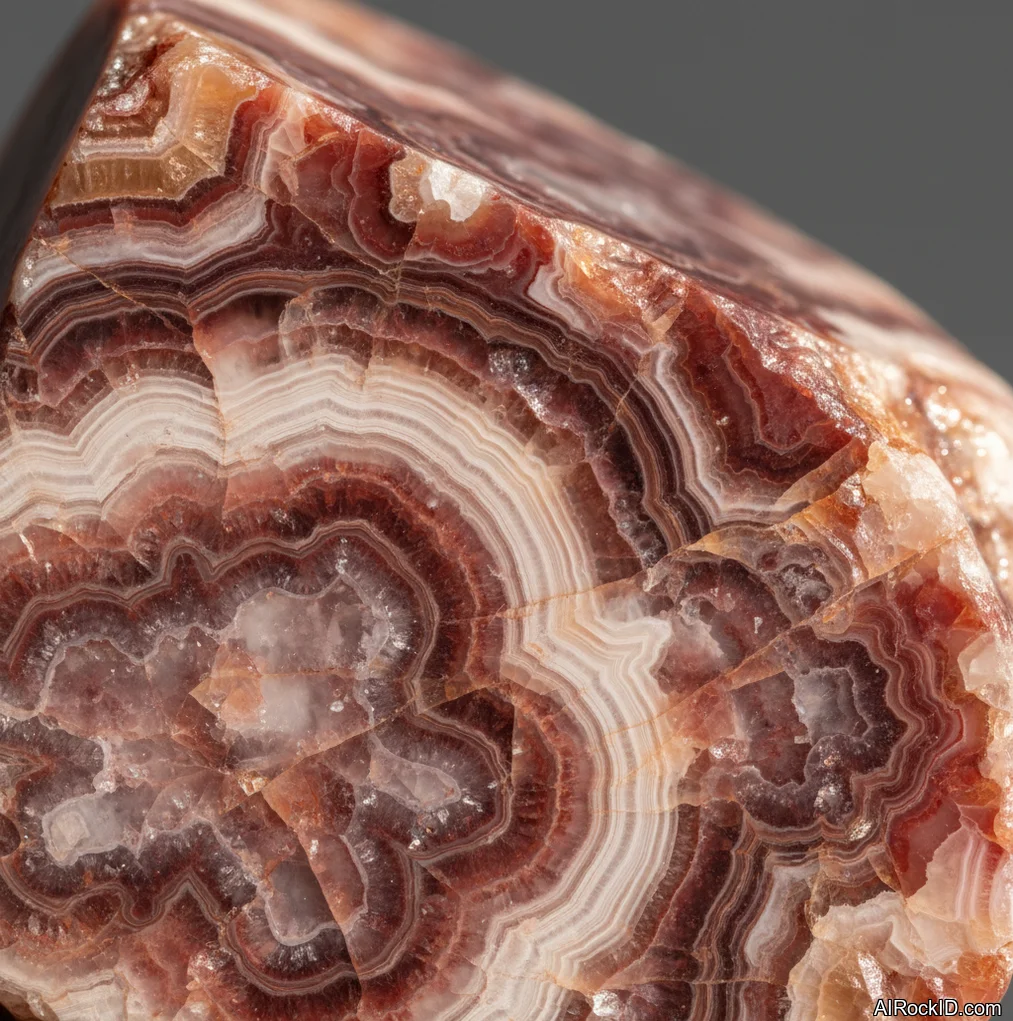
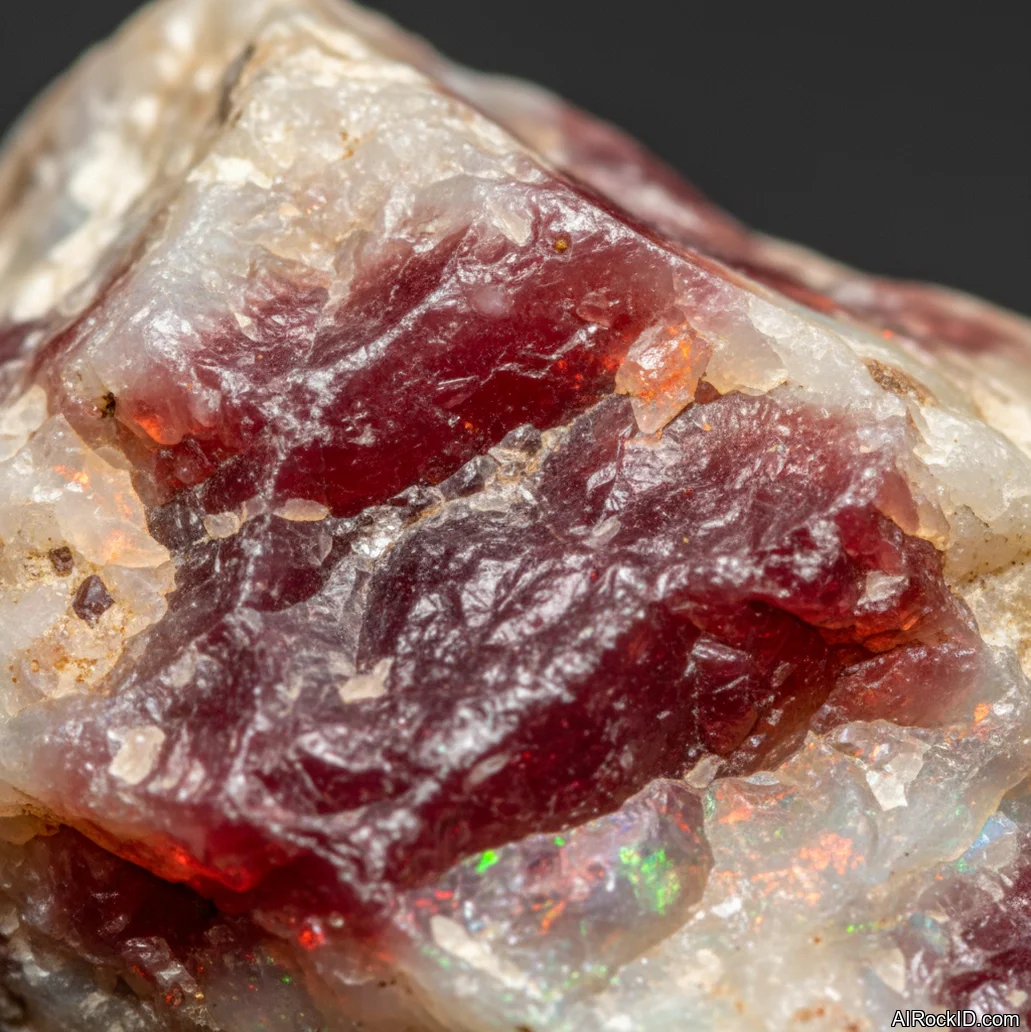
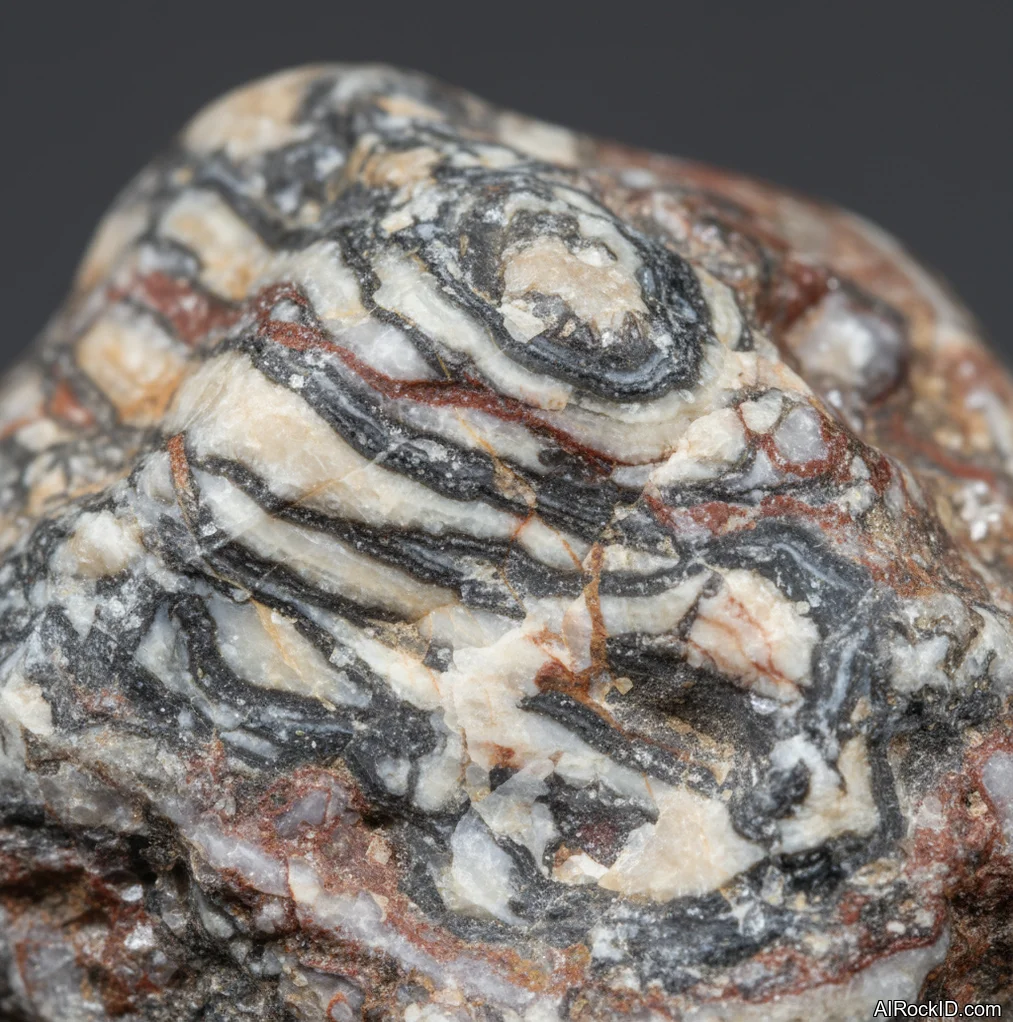
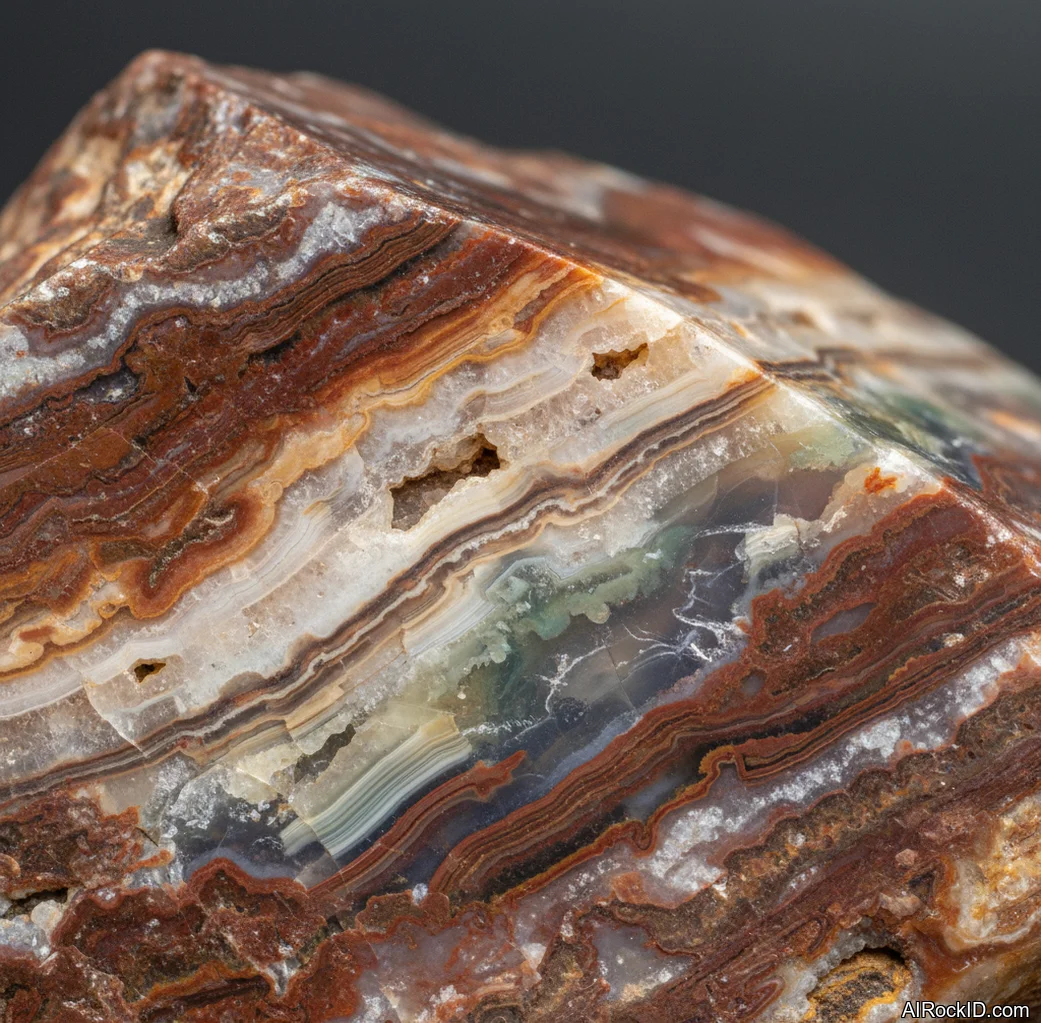
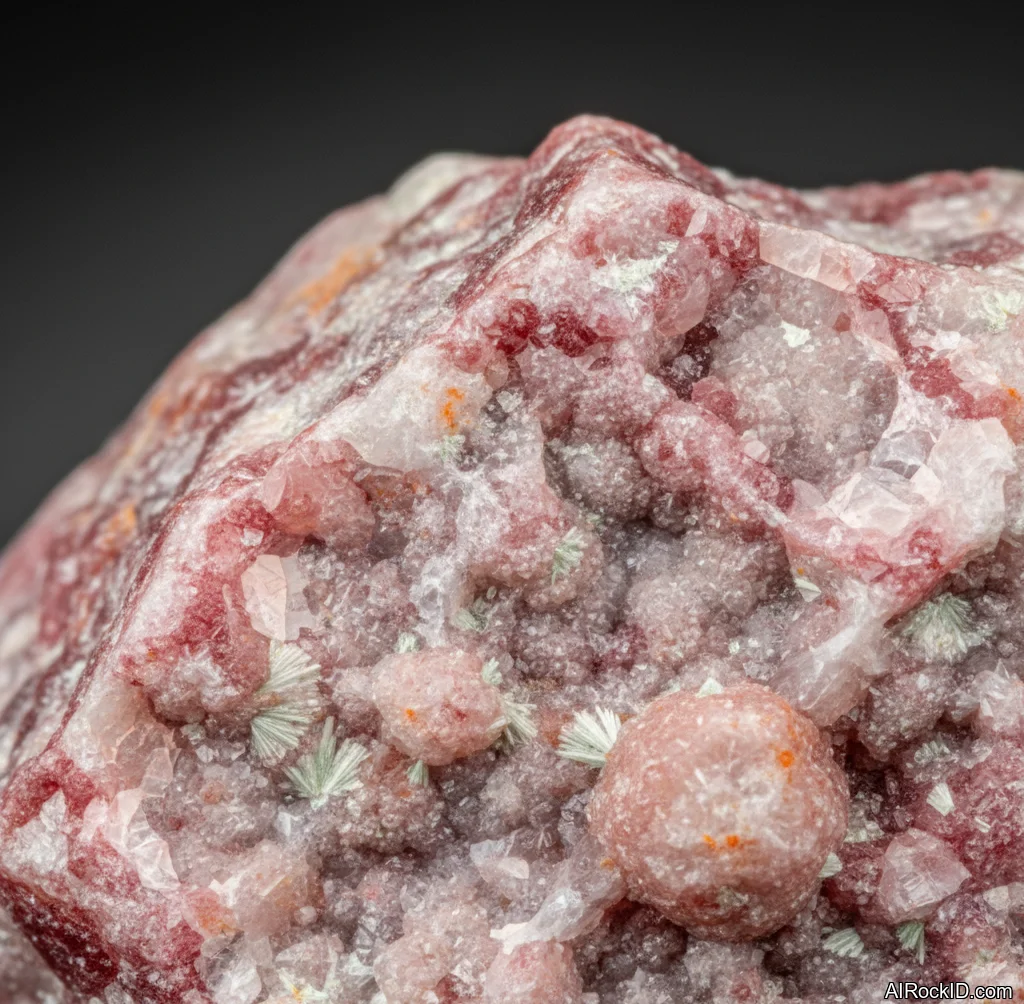
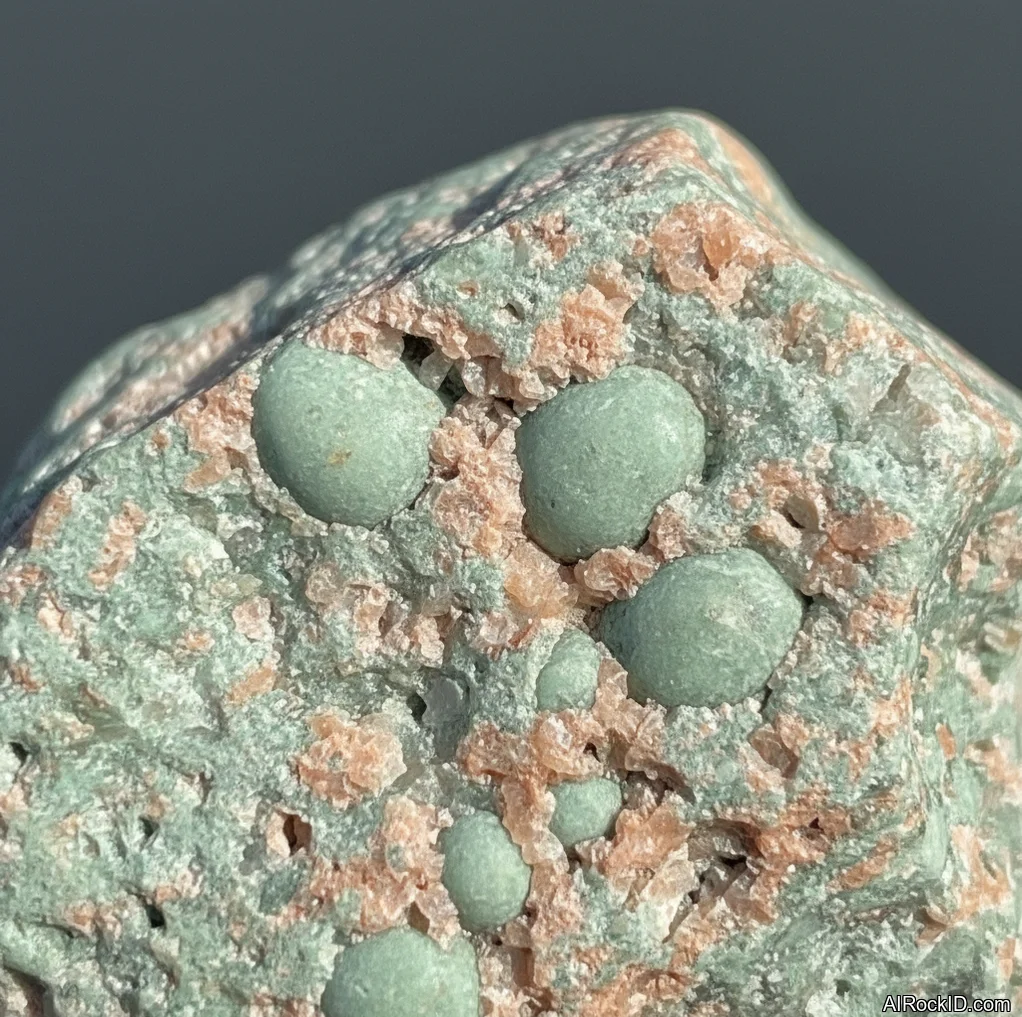
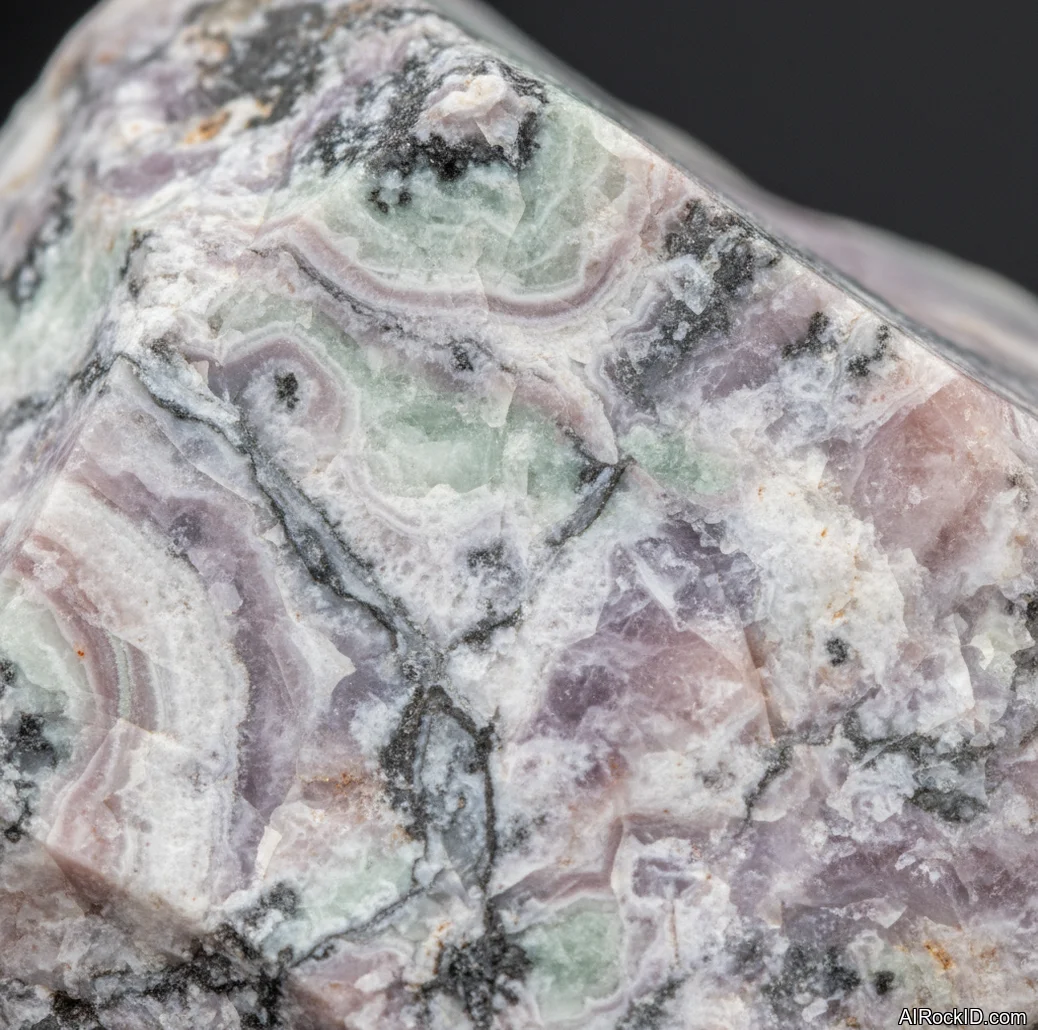
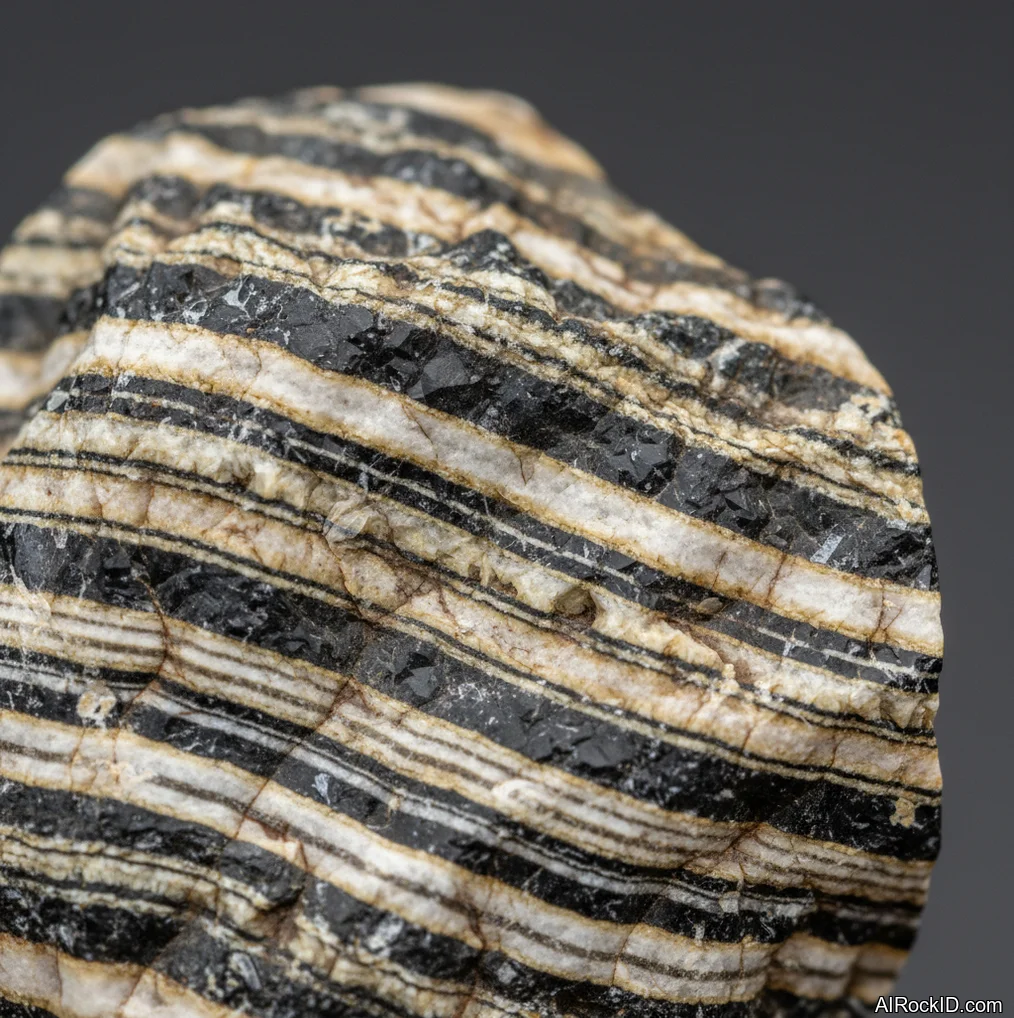
When the goal is less “soft” and more “stitch it back together,” rhodonite and rhodochrosite show up fast. Rhodonite is the one with black manganese veins that look like cracks filled with ink. I like it for emotional healing because it doesn’t act like everything’s fine. The best tumbled pieces feel smooth and waxy, but you can still see those jagged black lines cutting right through the pink. Rhodochrosite is different. Banded pinks and creams, sometimes with a sugary sparkle on a broken edge. Thing is, it’s softer than people expect, so it’ll bruise and scratch if you throw it in a pocket with your keys.
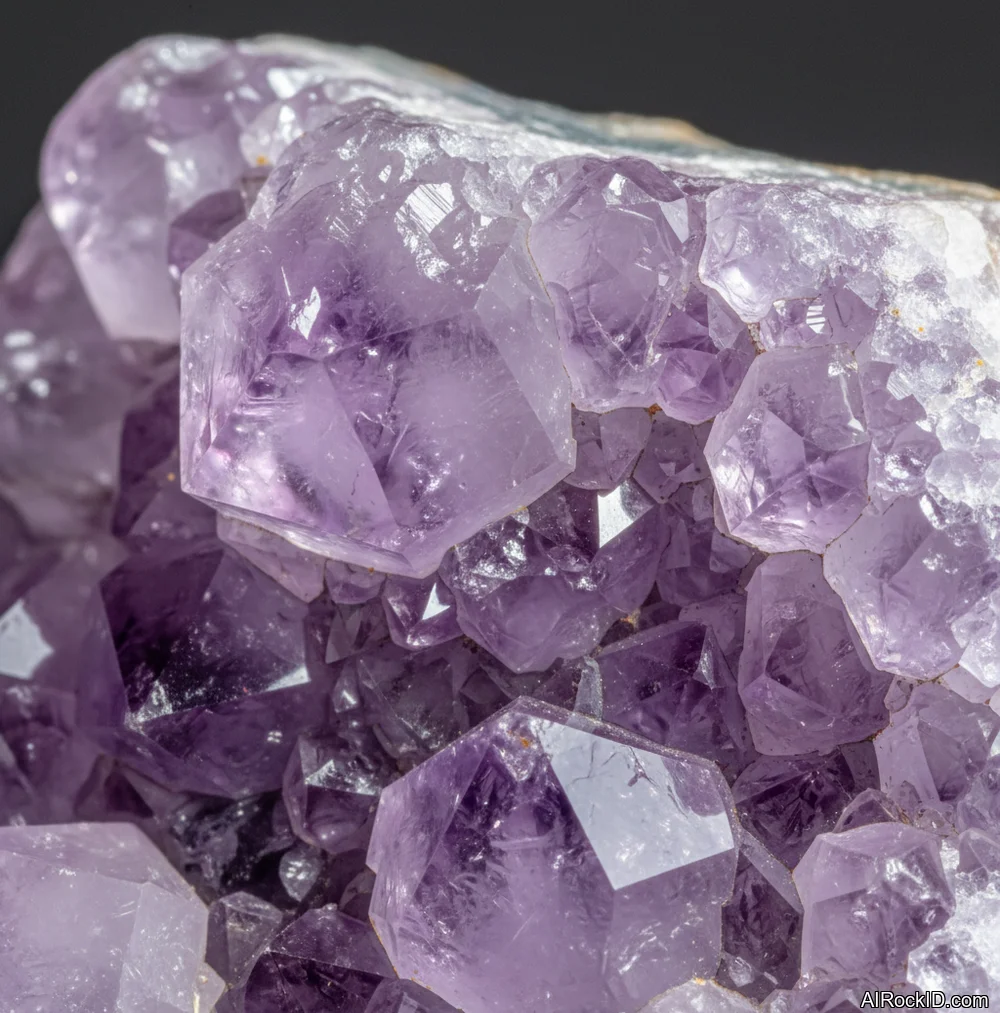
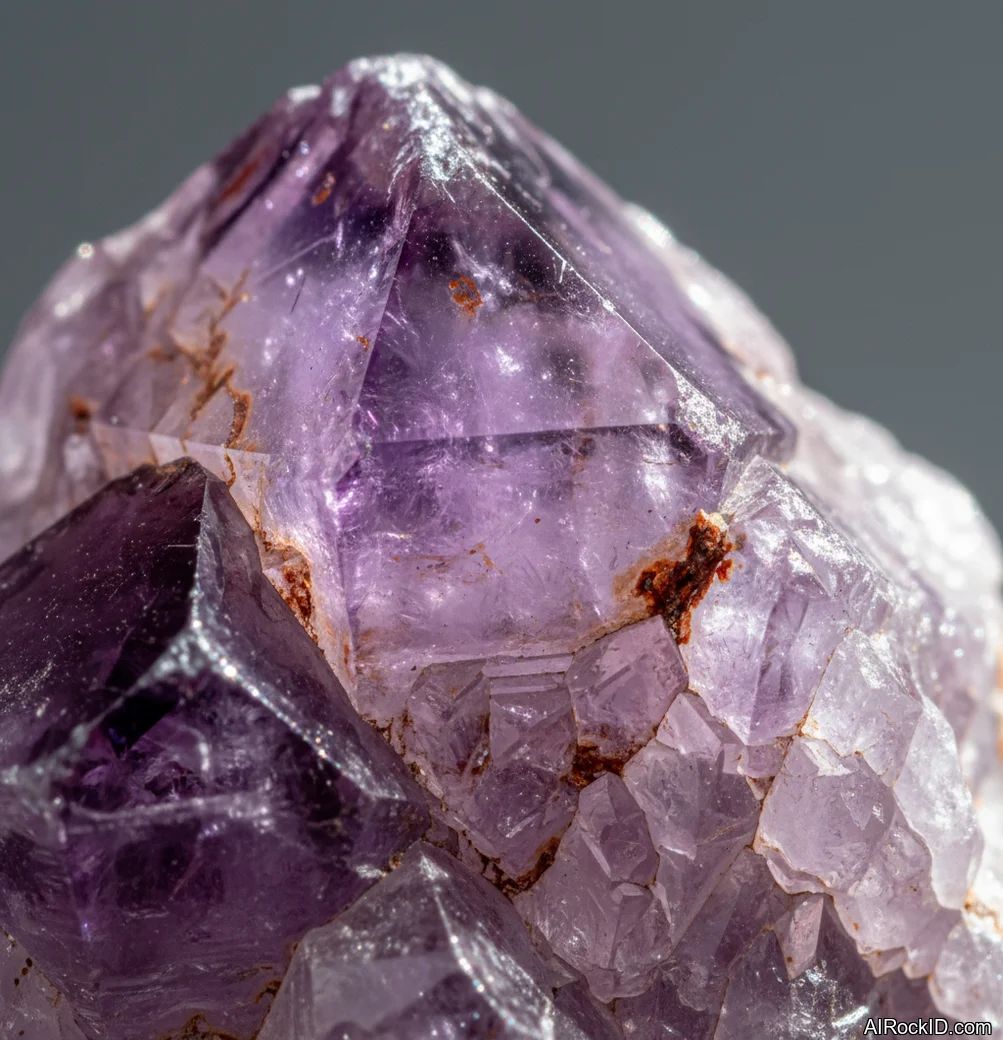
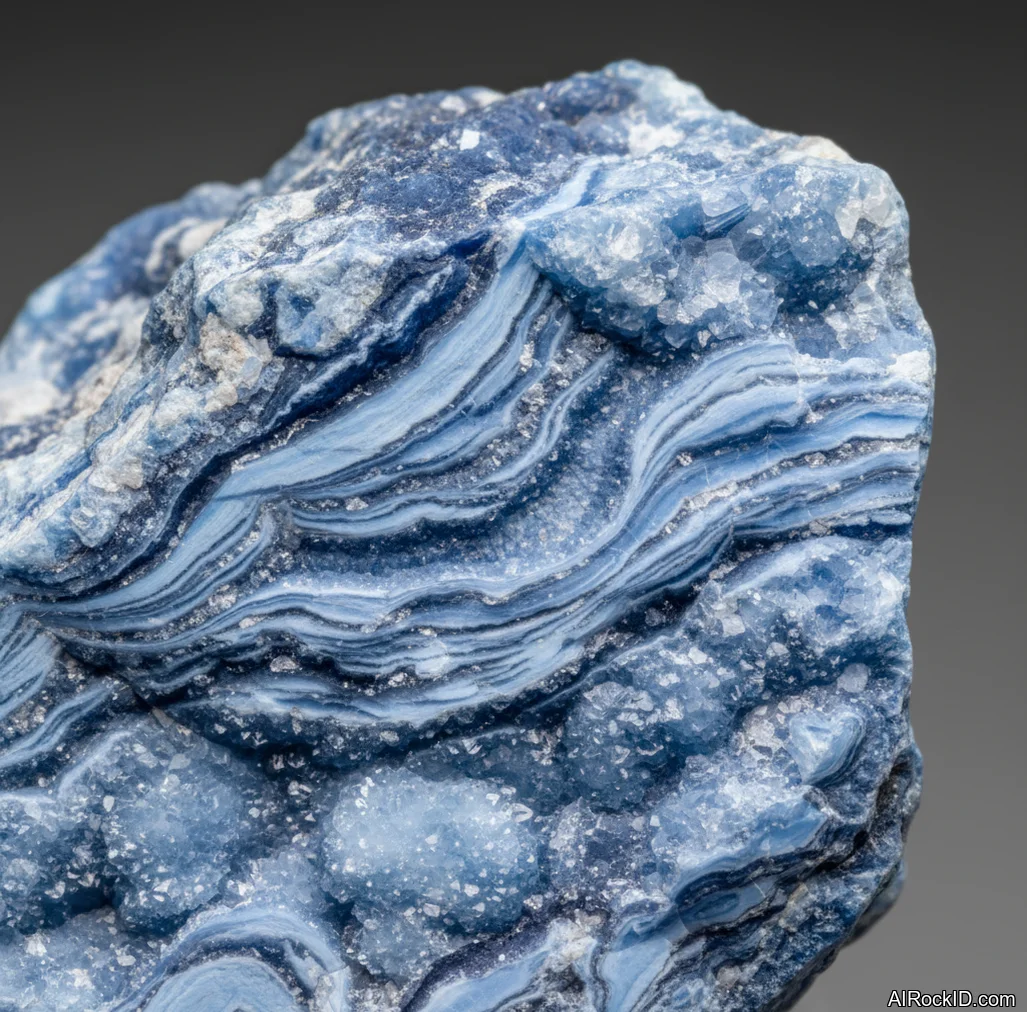
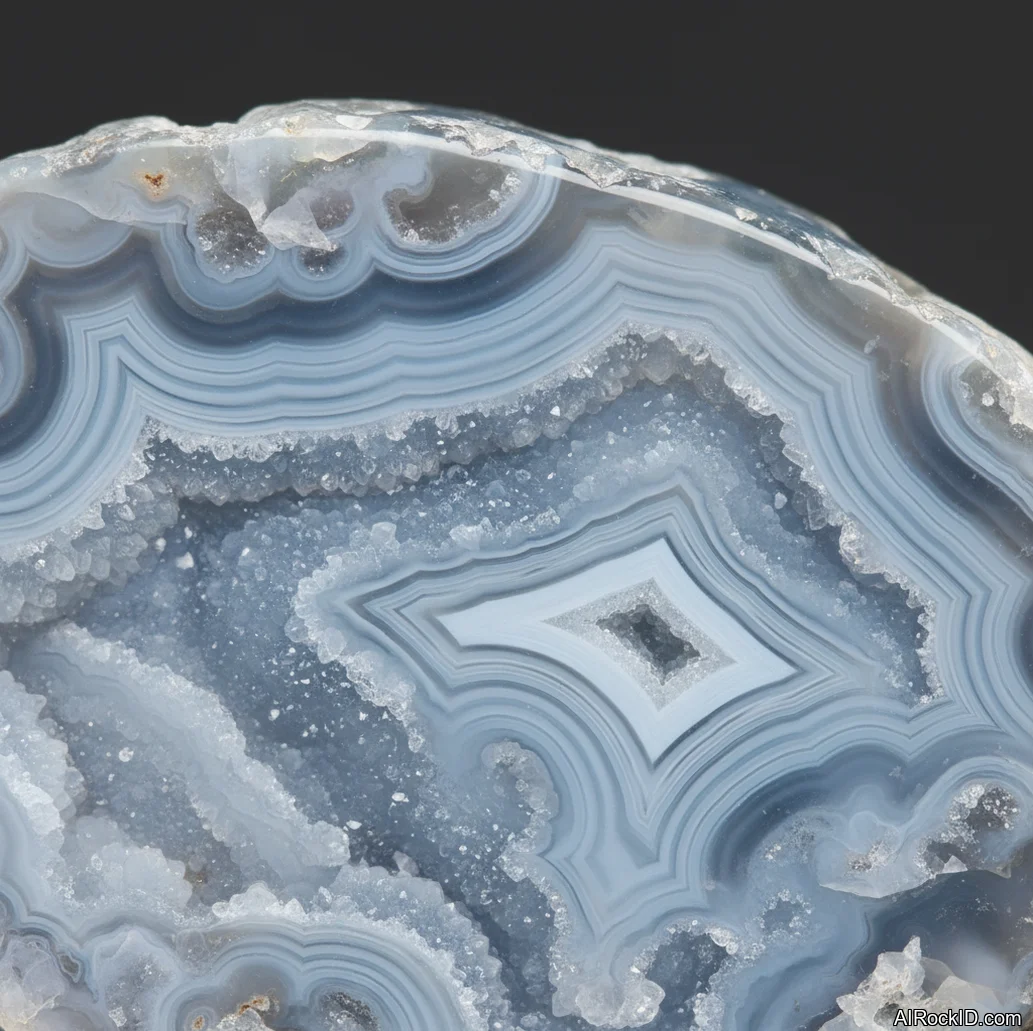
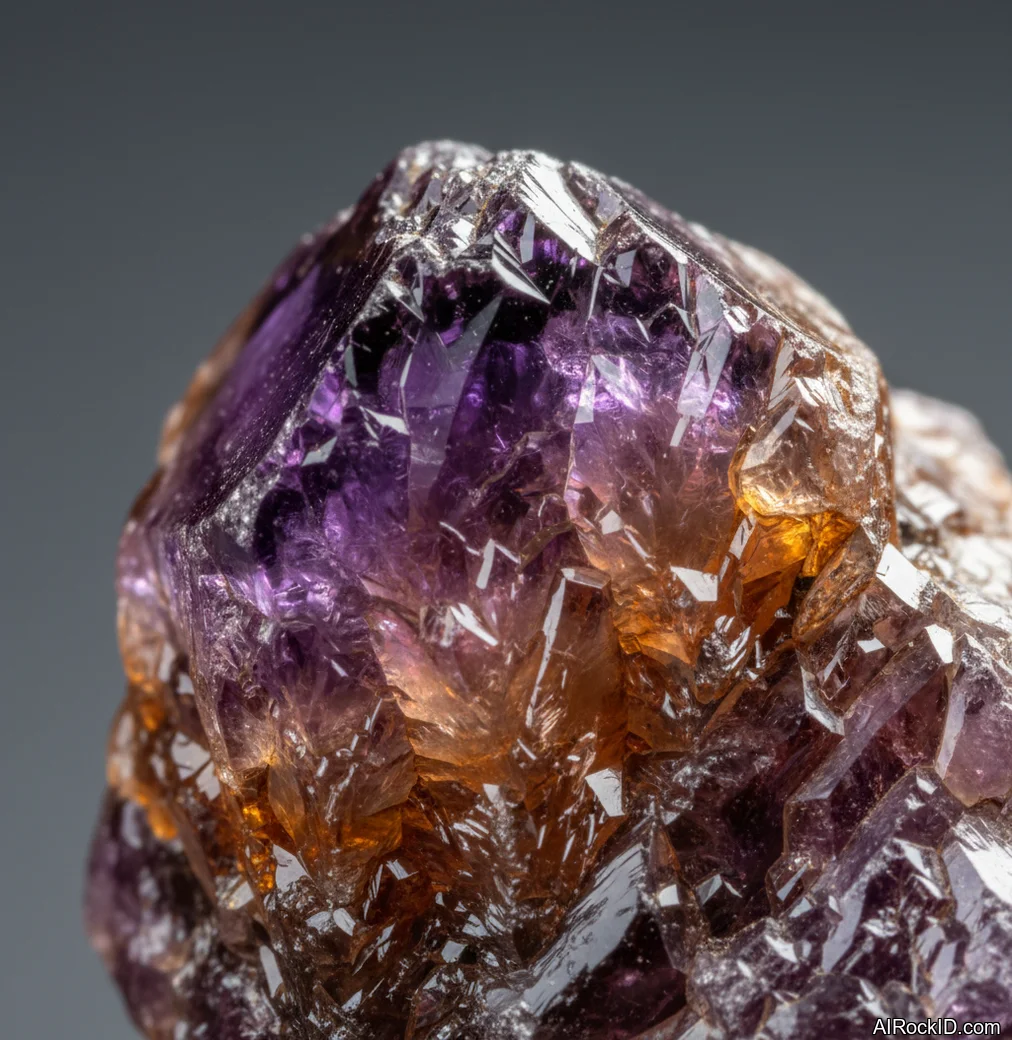
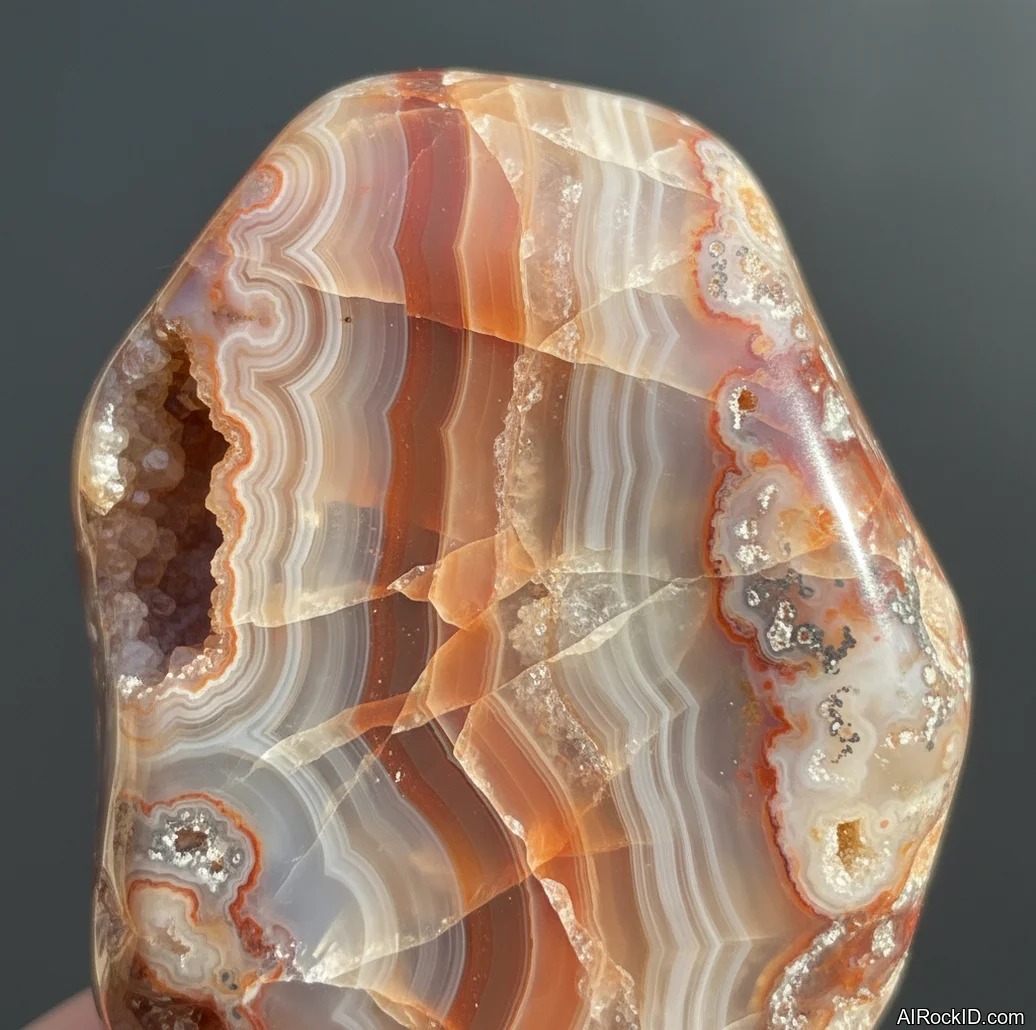
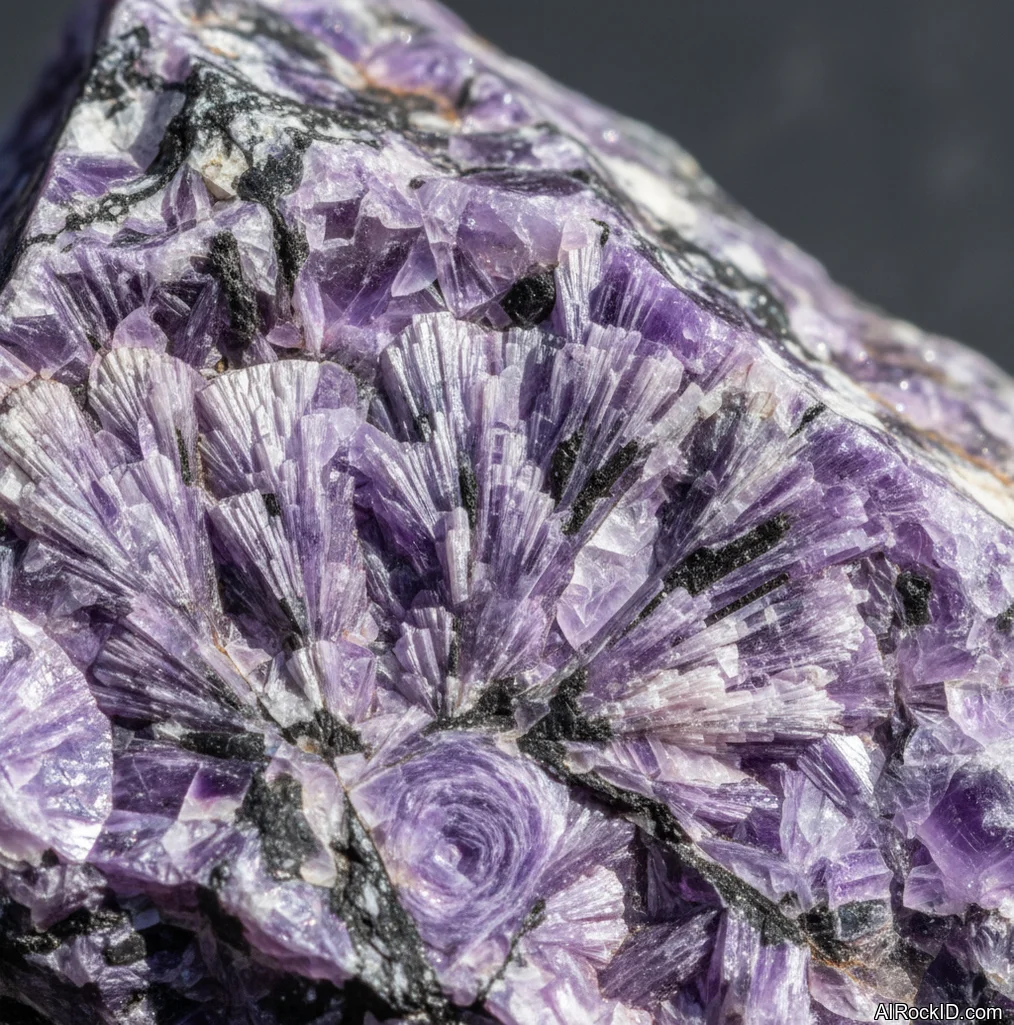
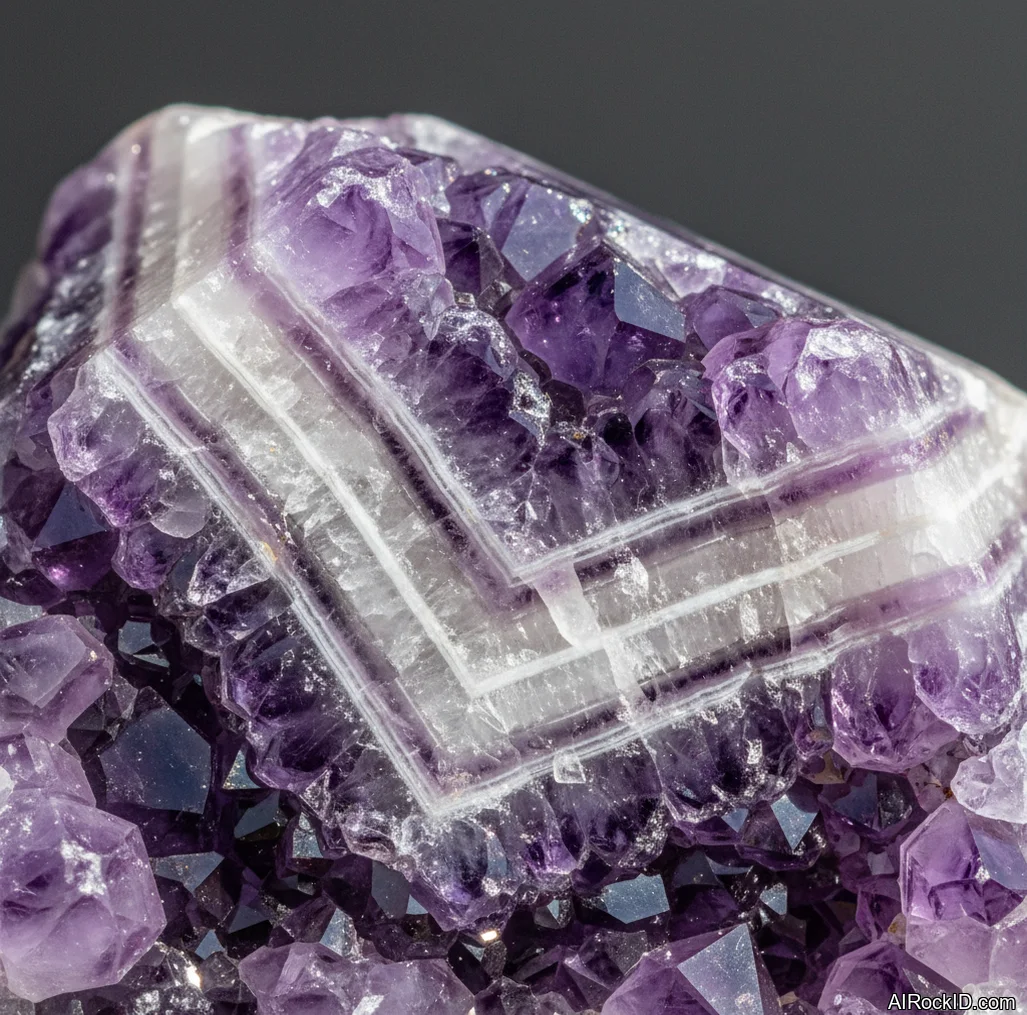
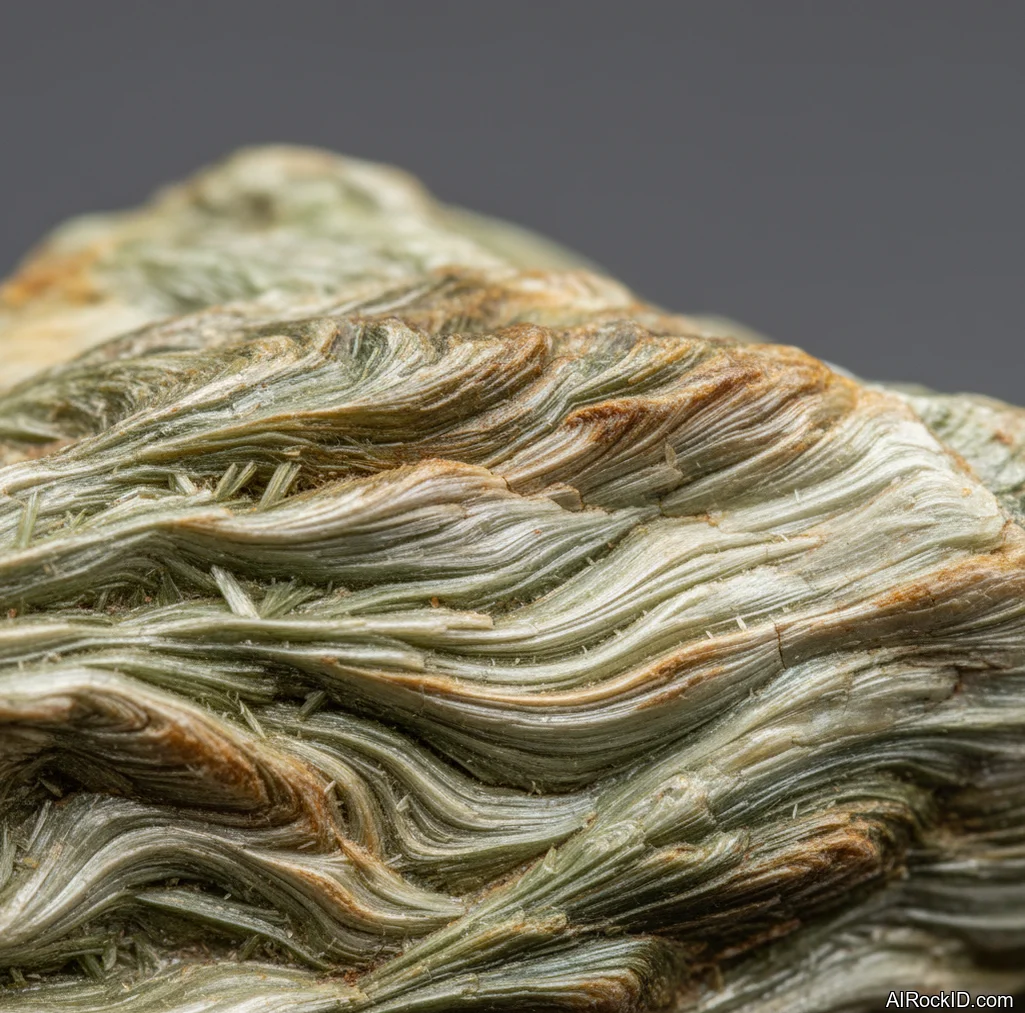
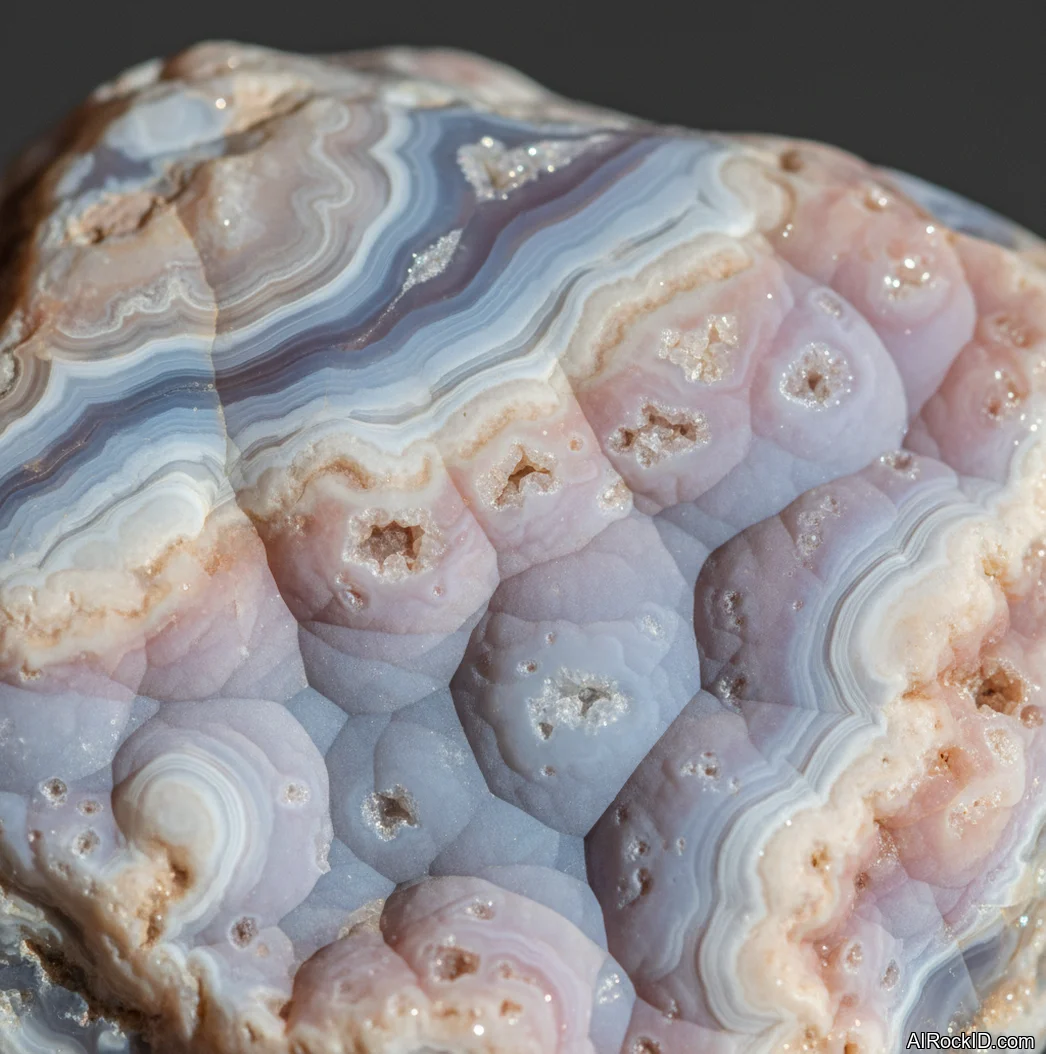
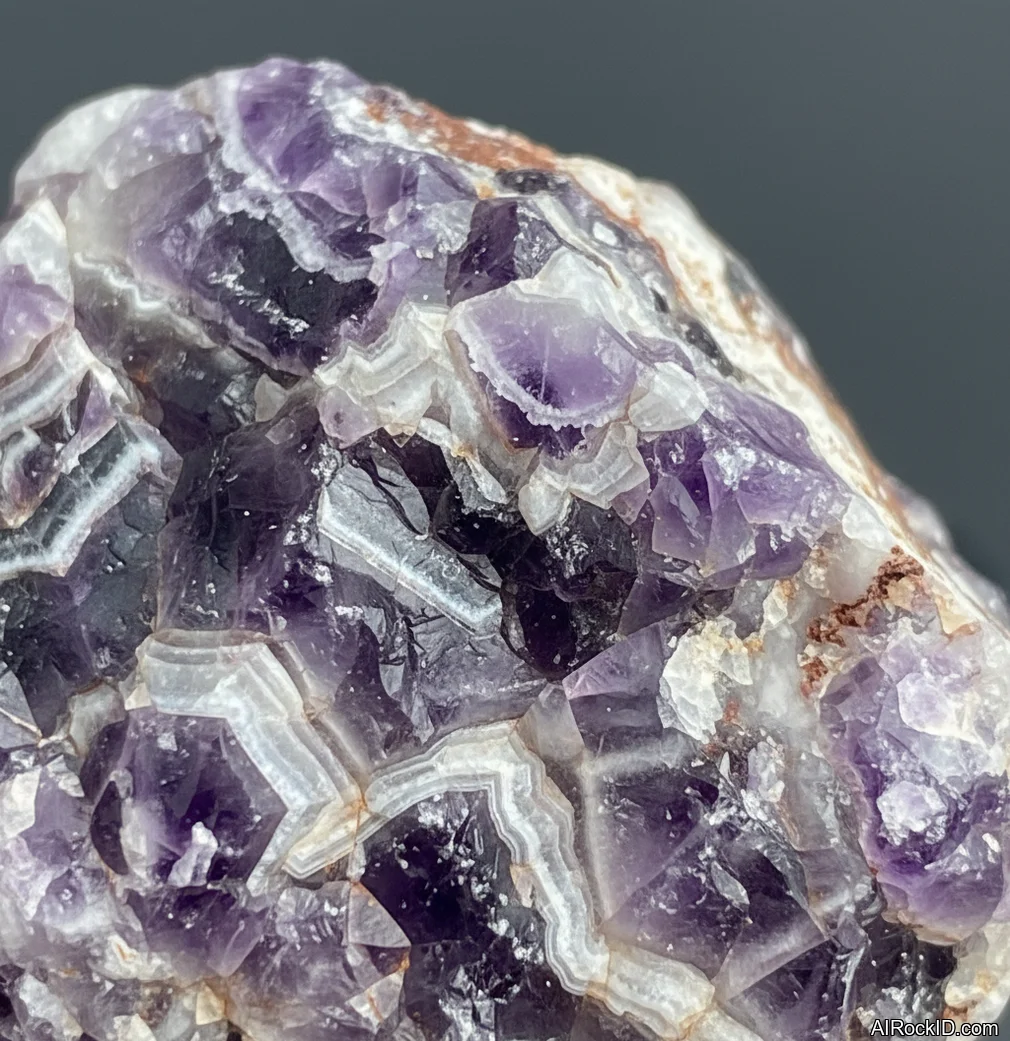
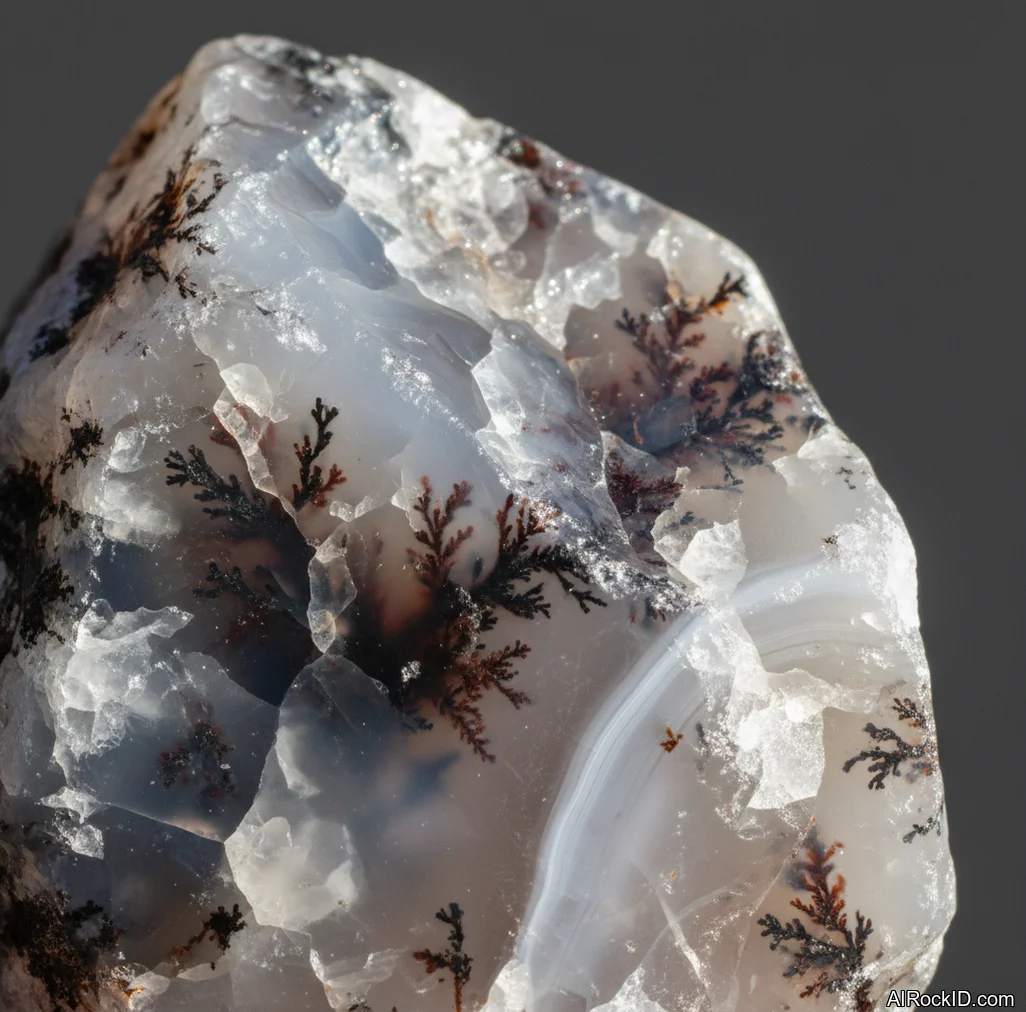
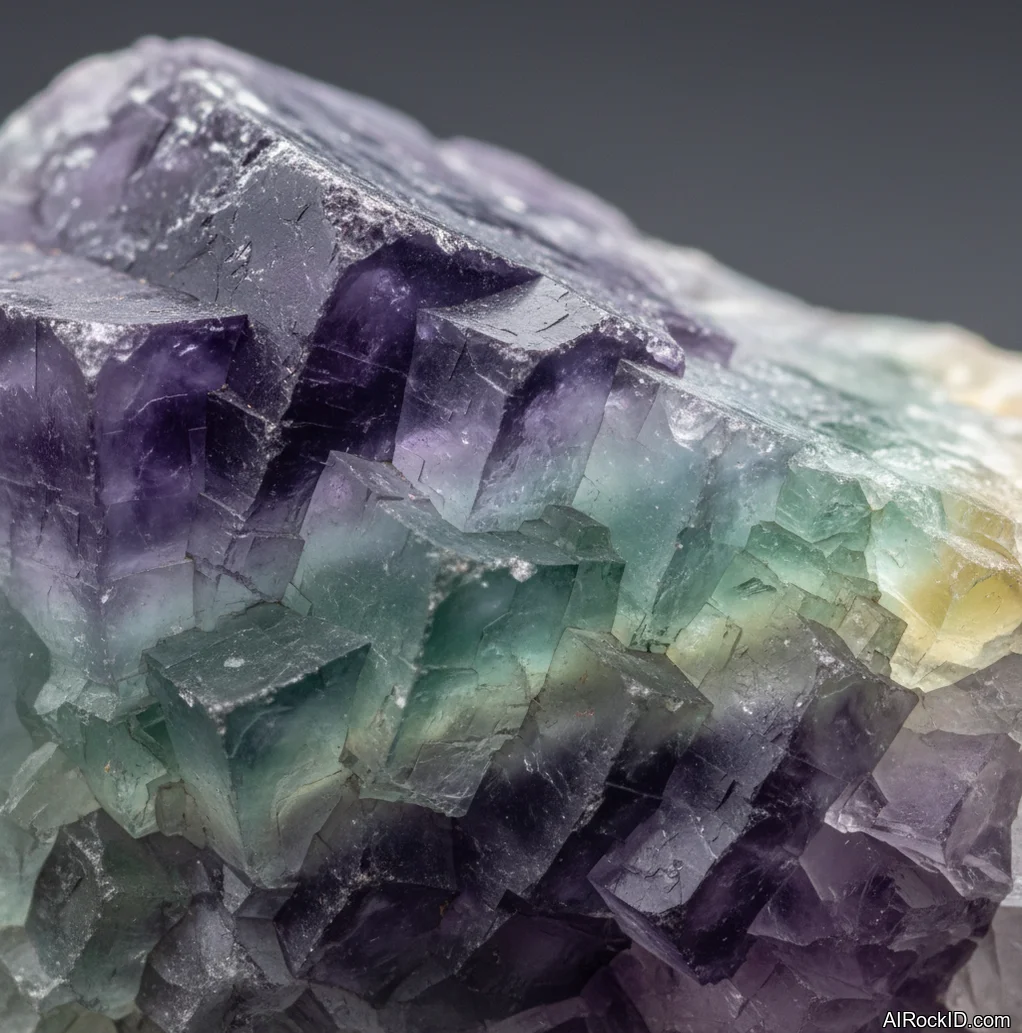
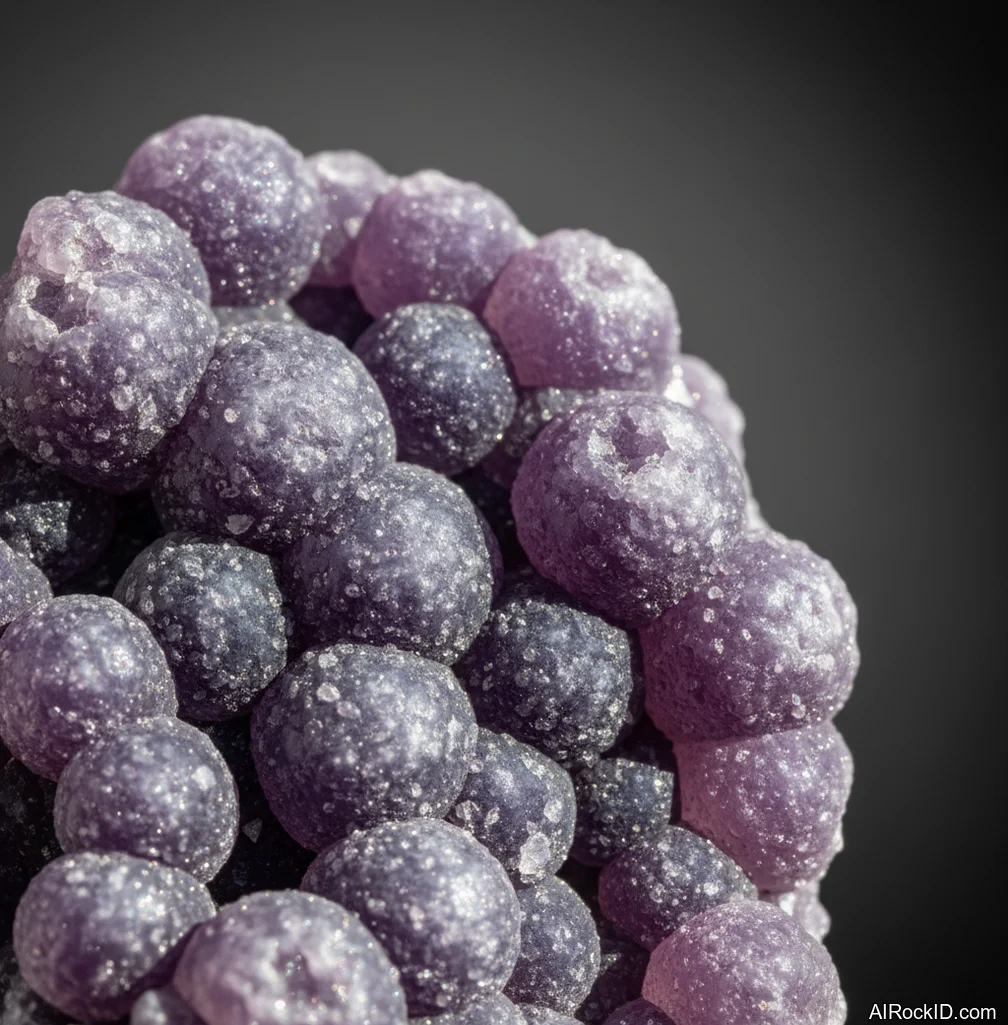
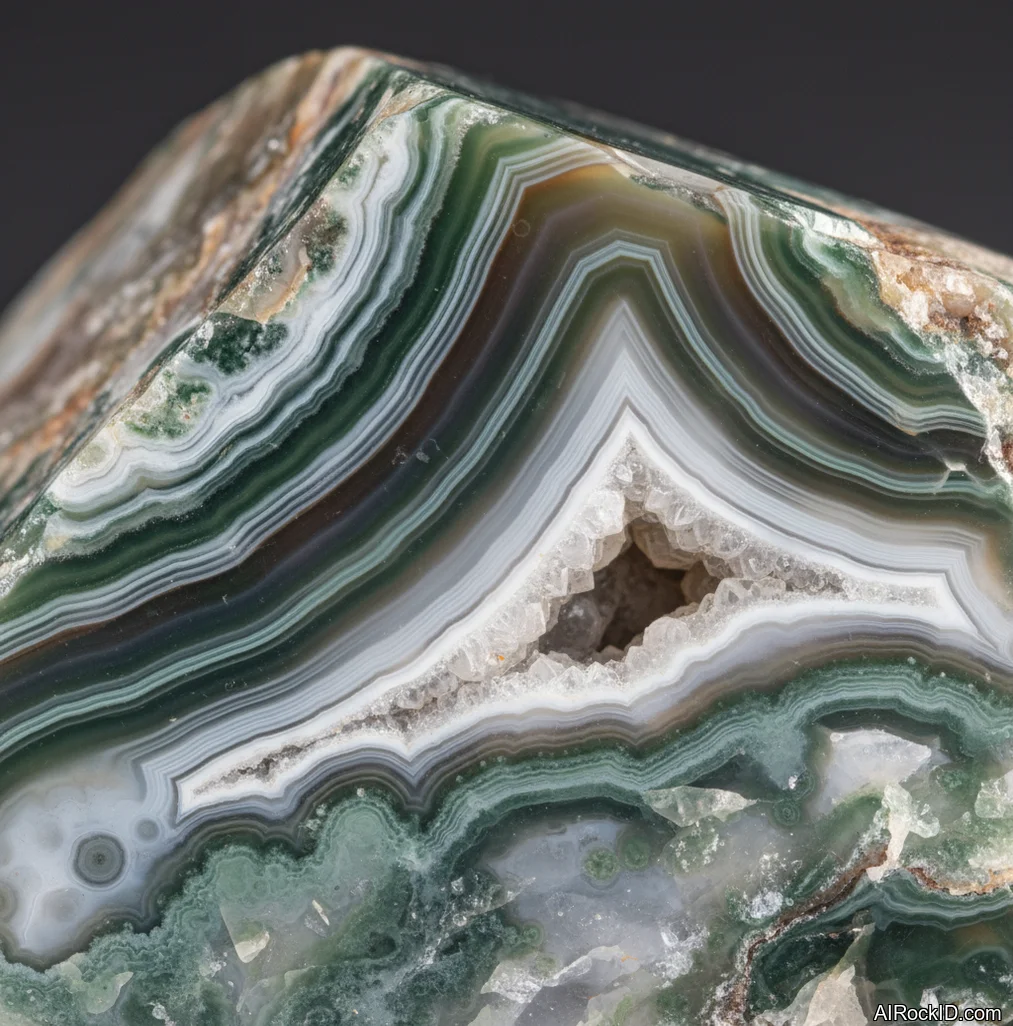
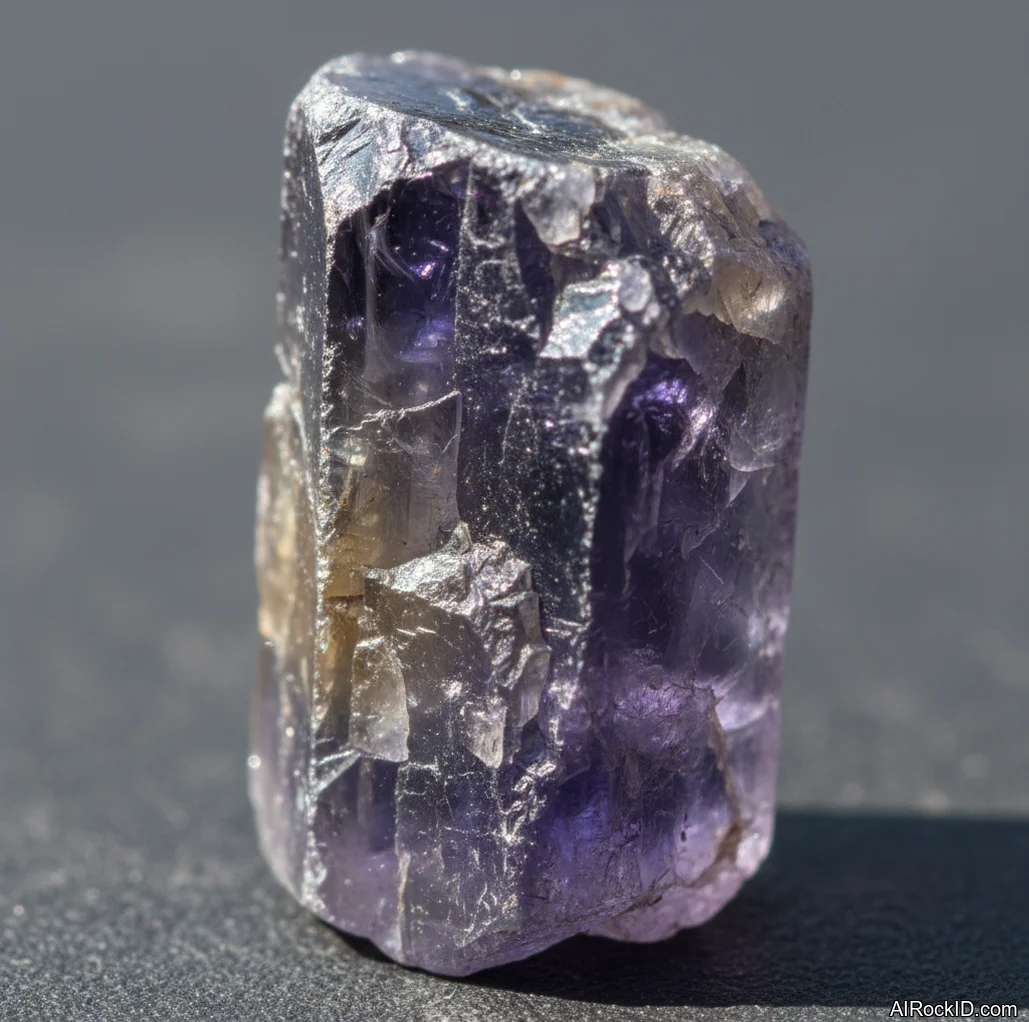
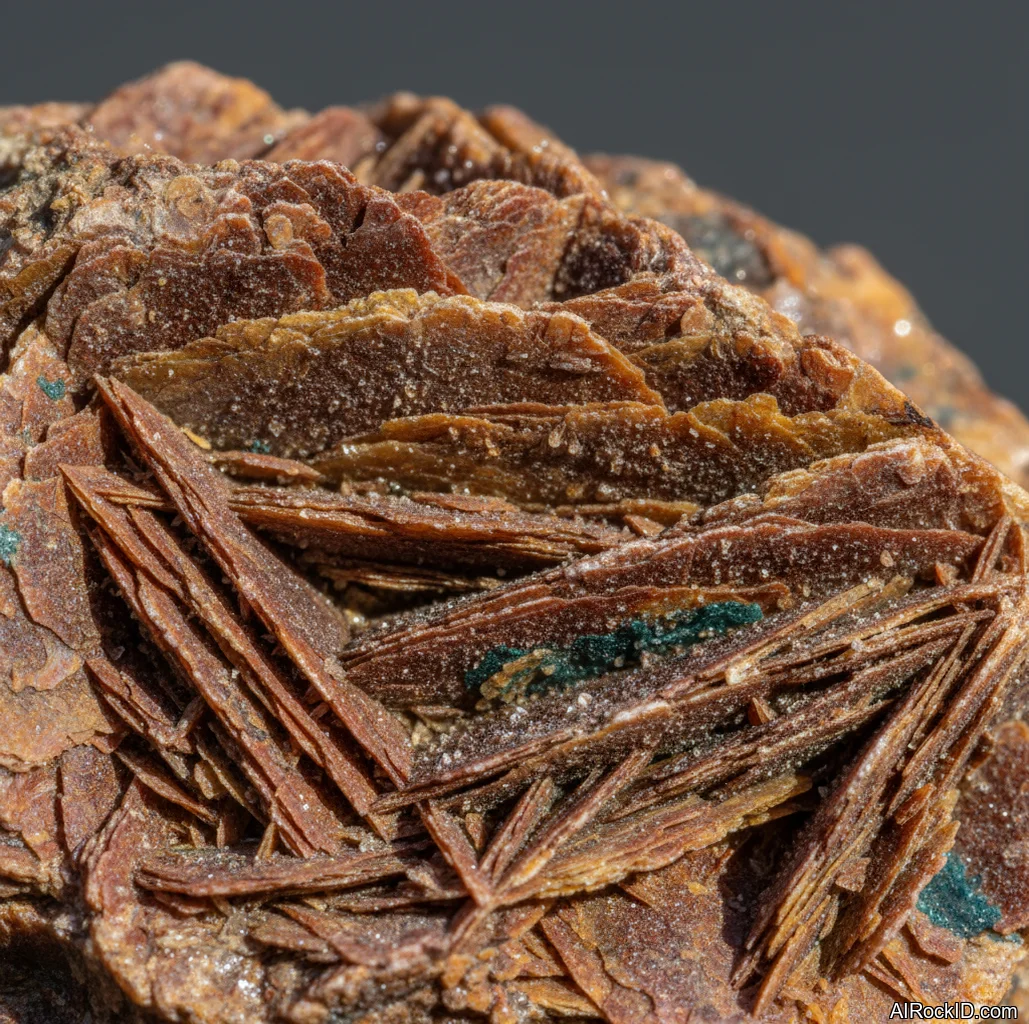
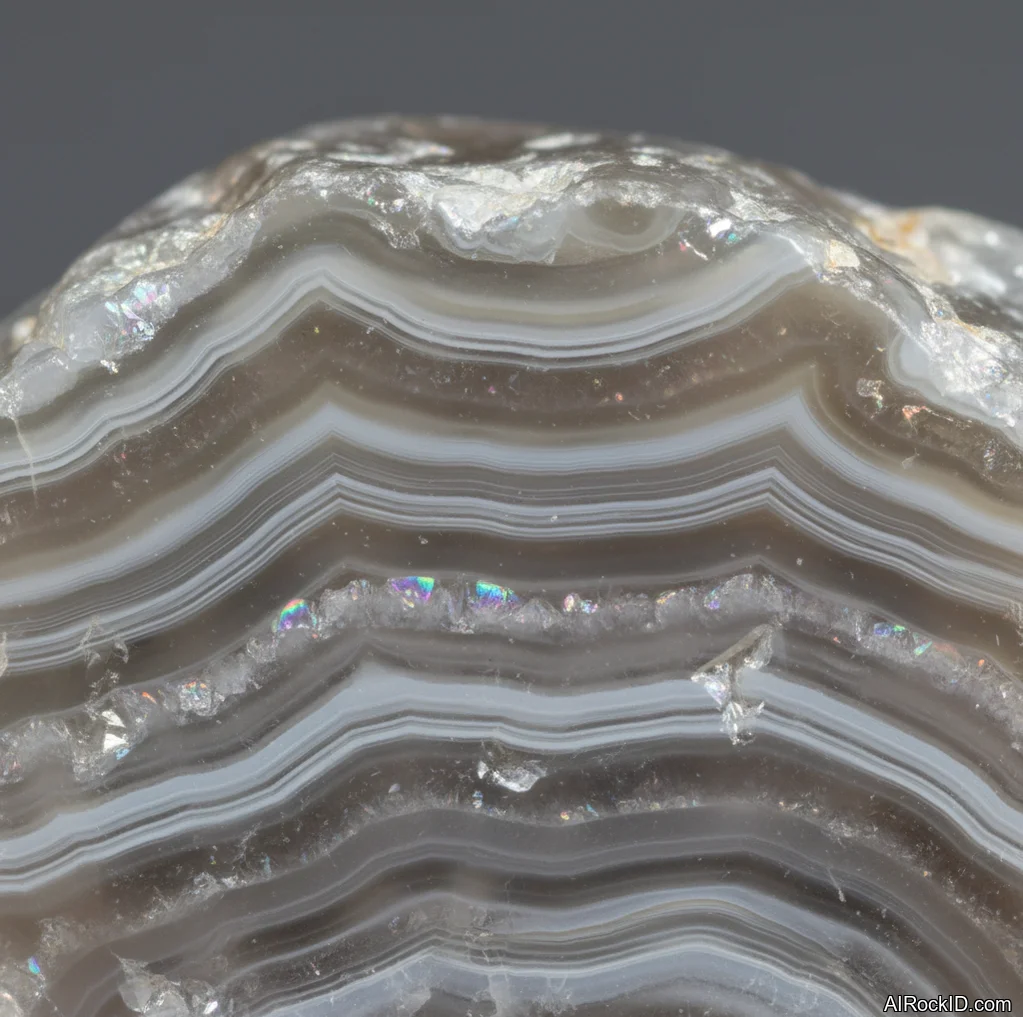
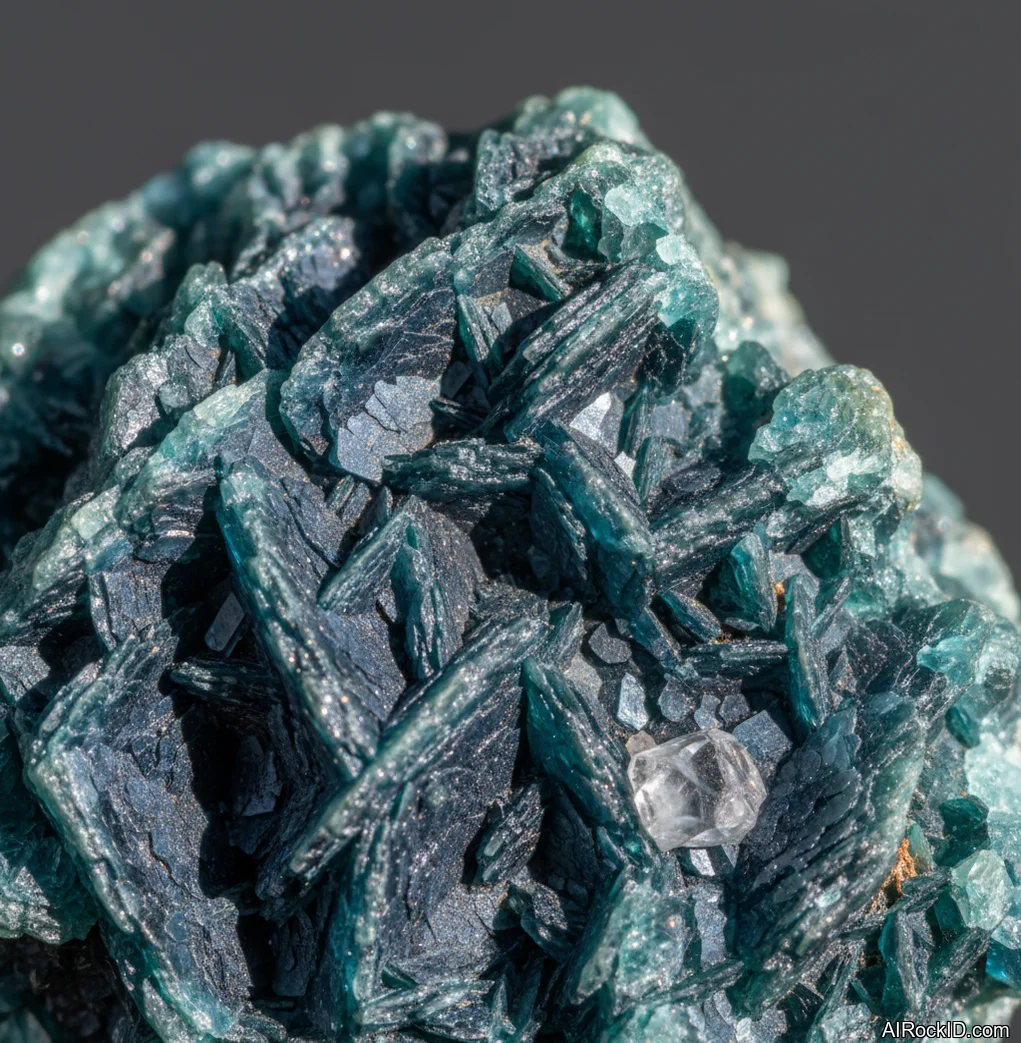
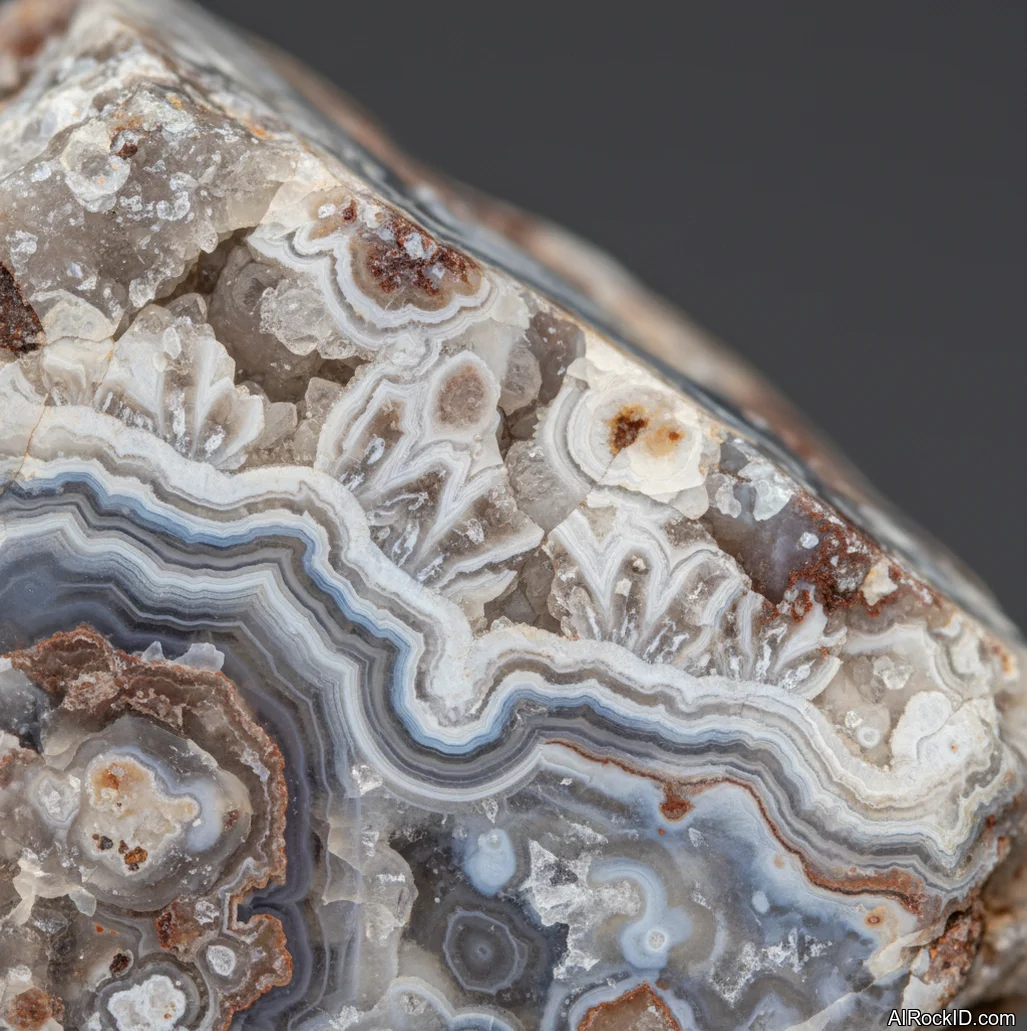
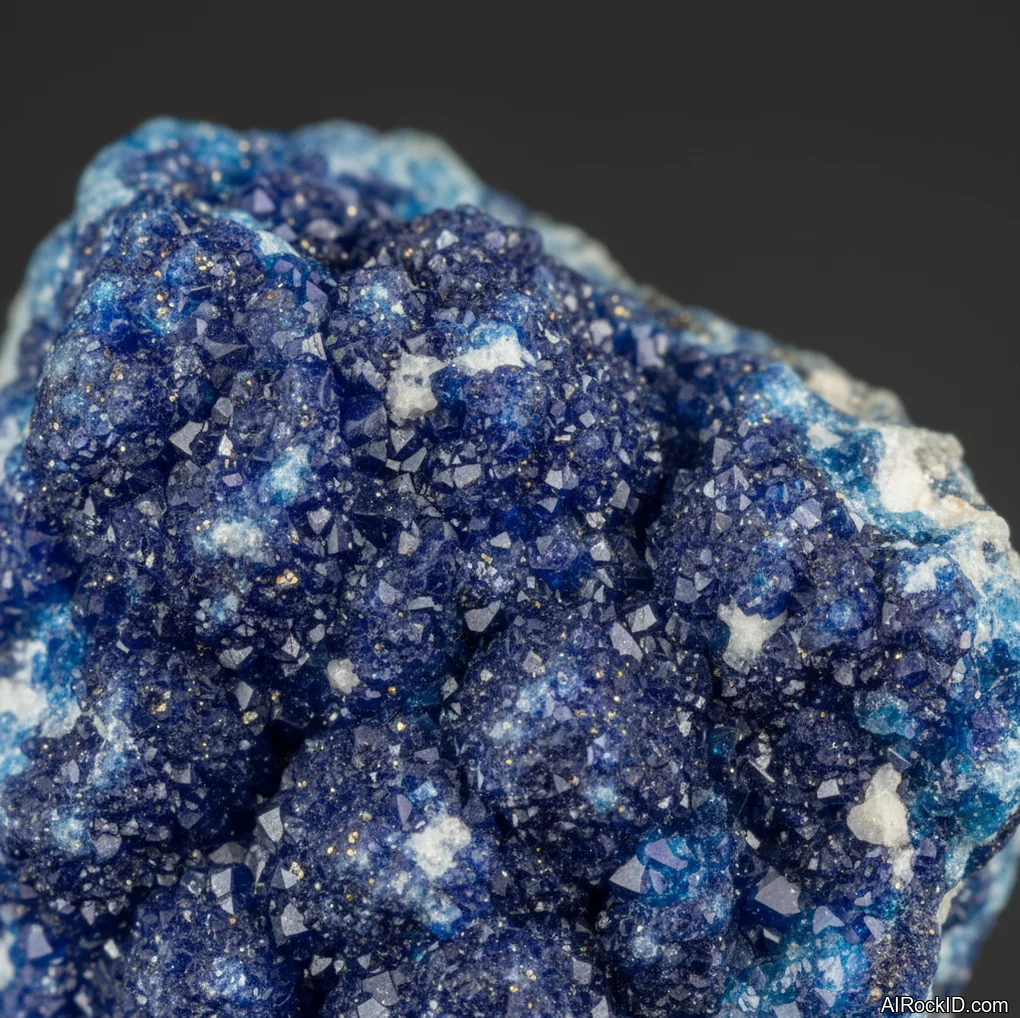
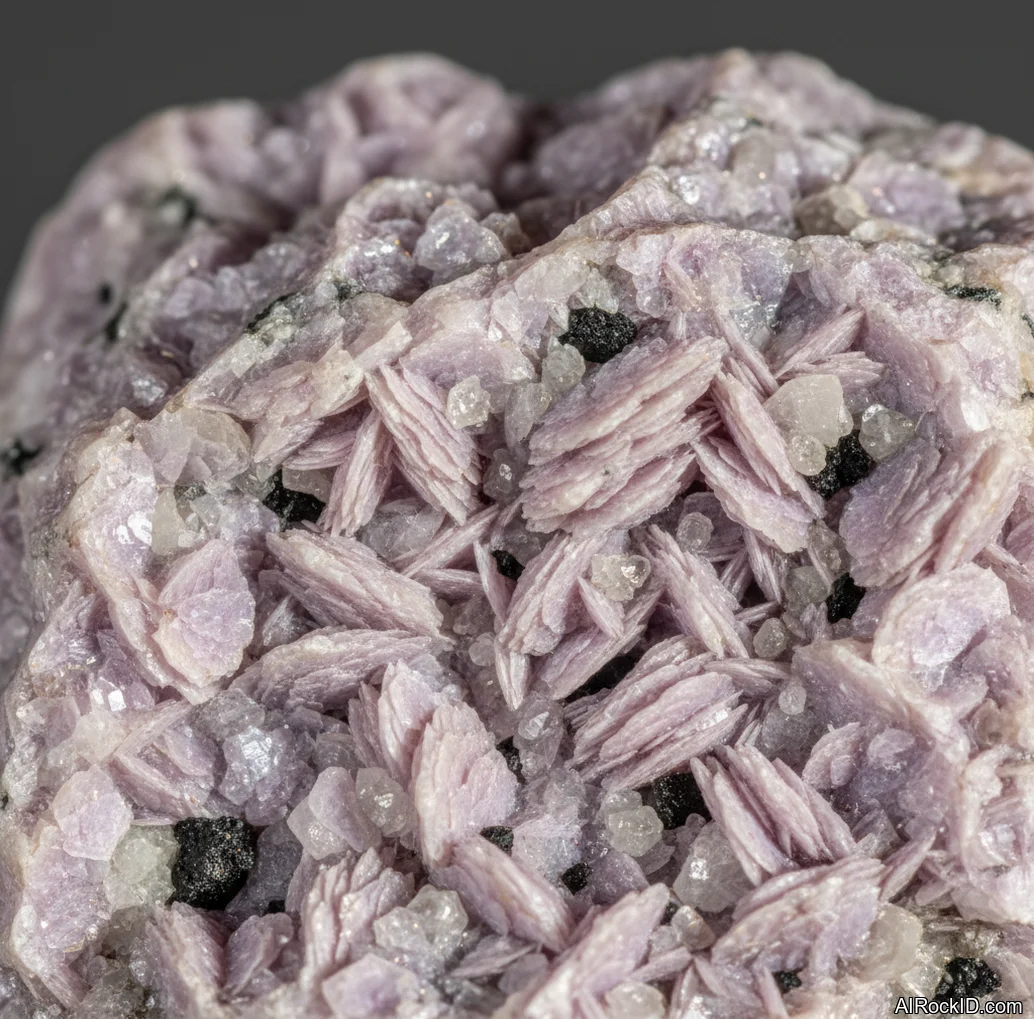
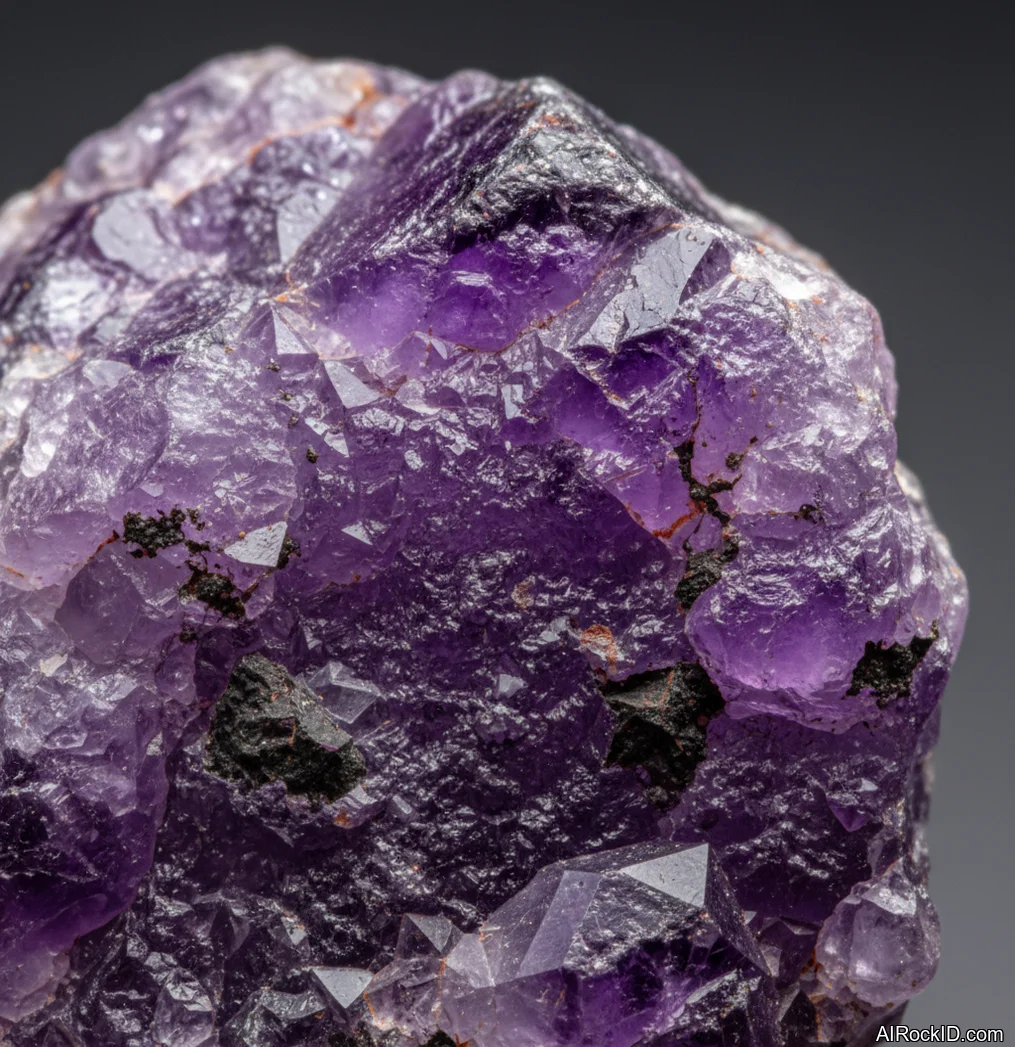
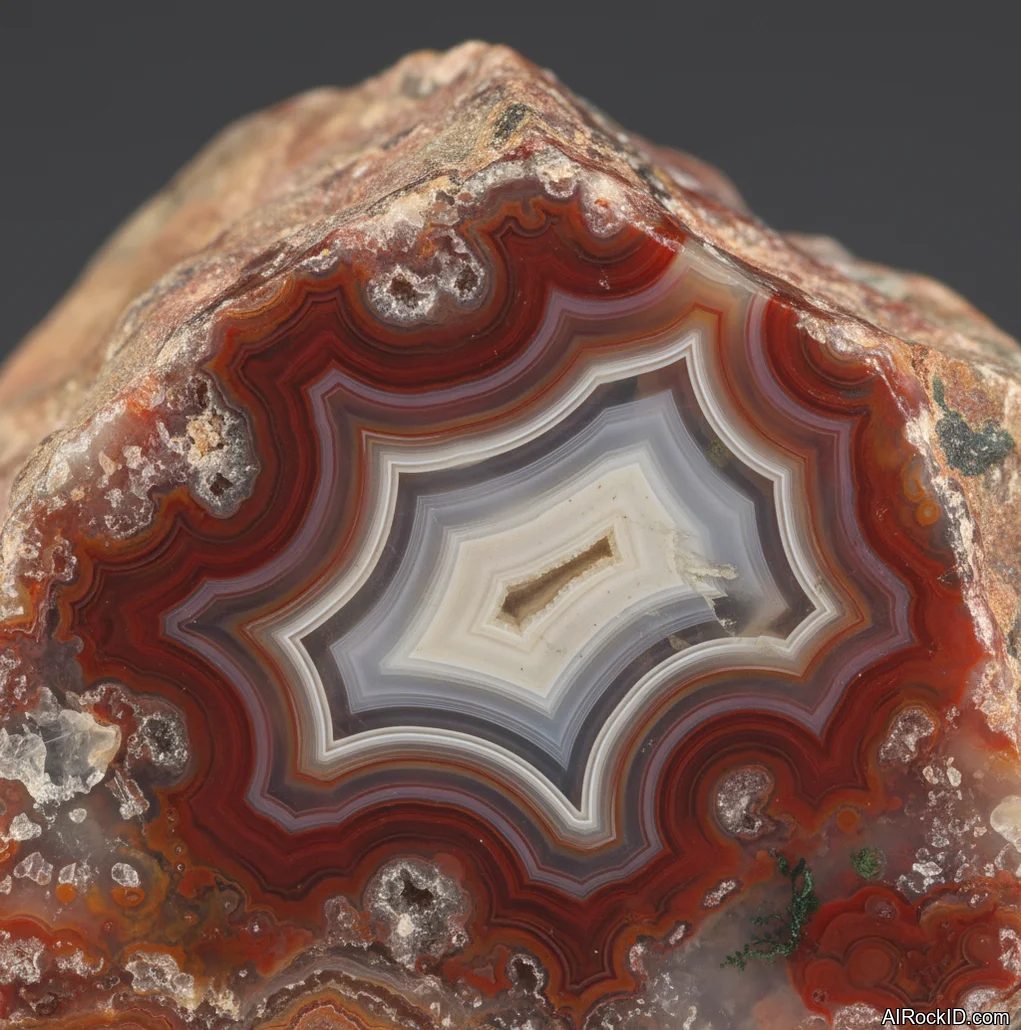
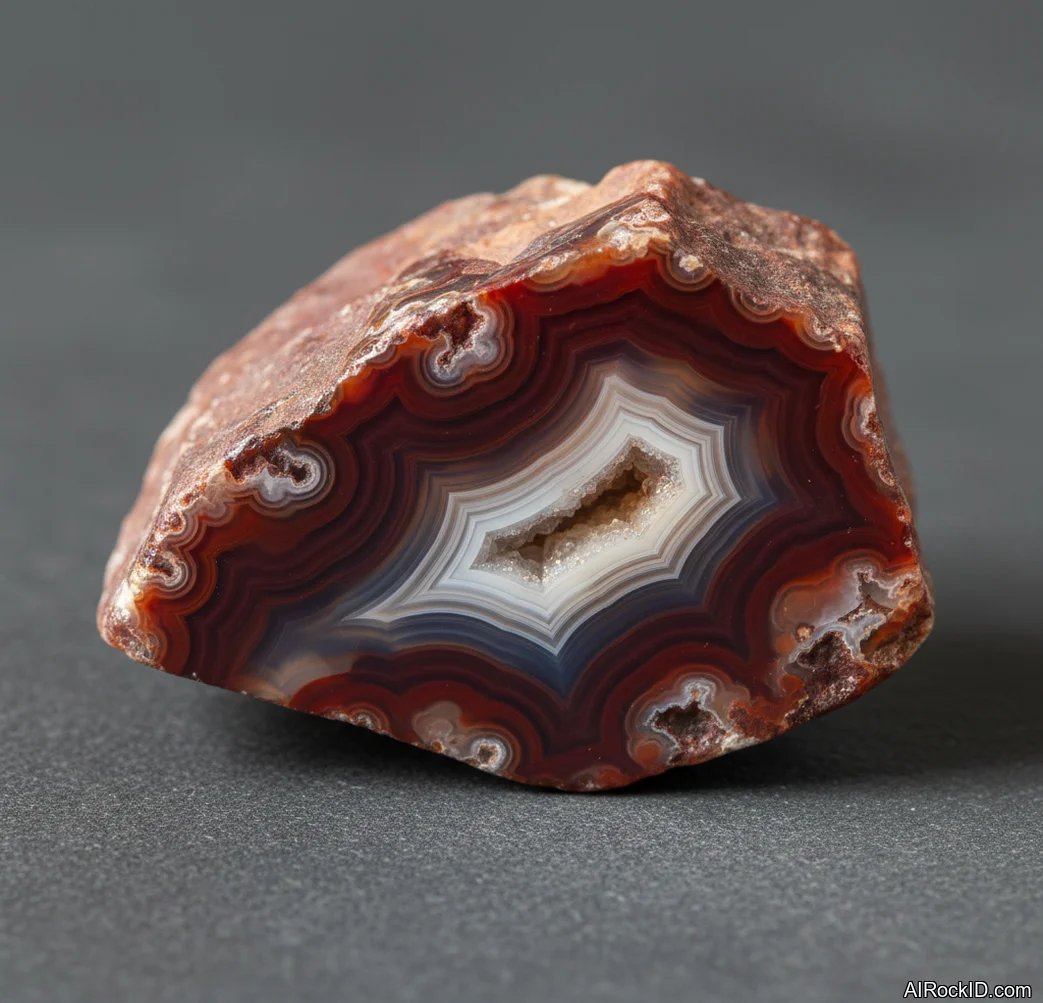
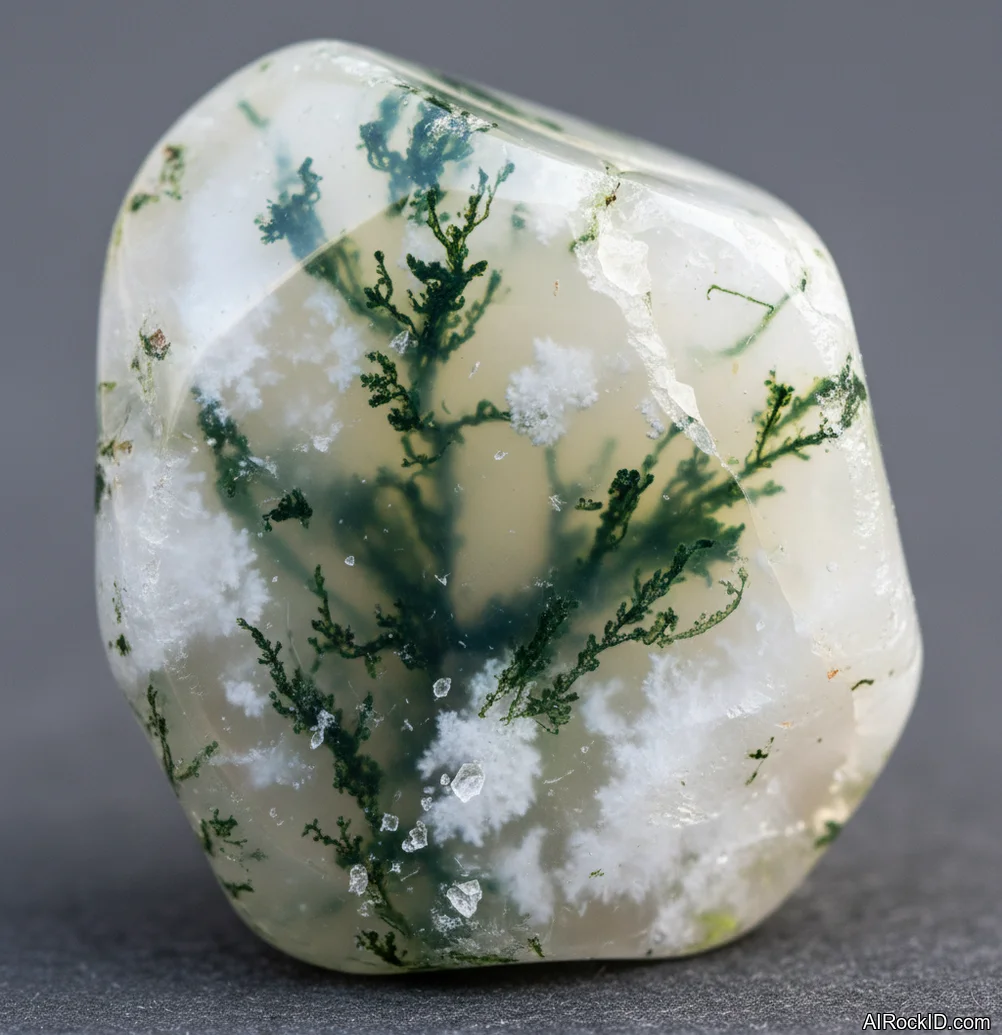
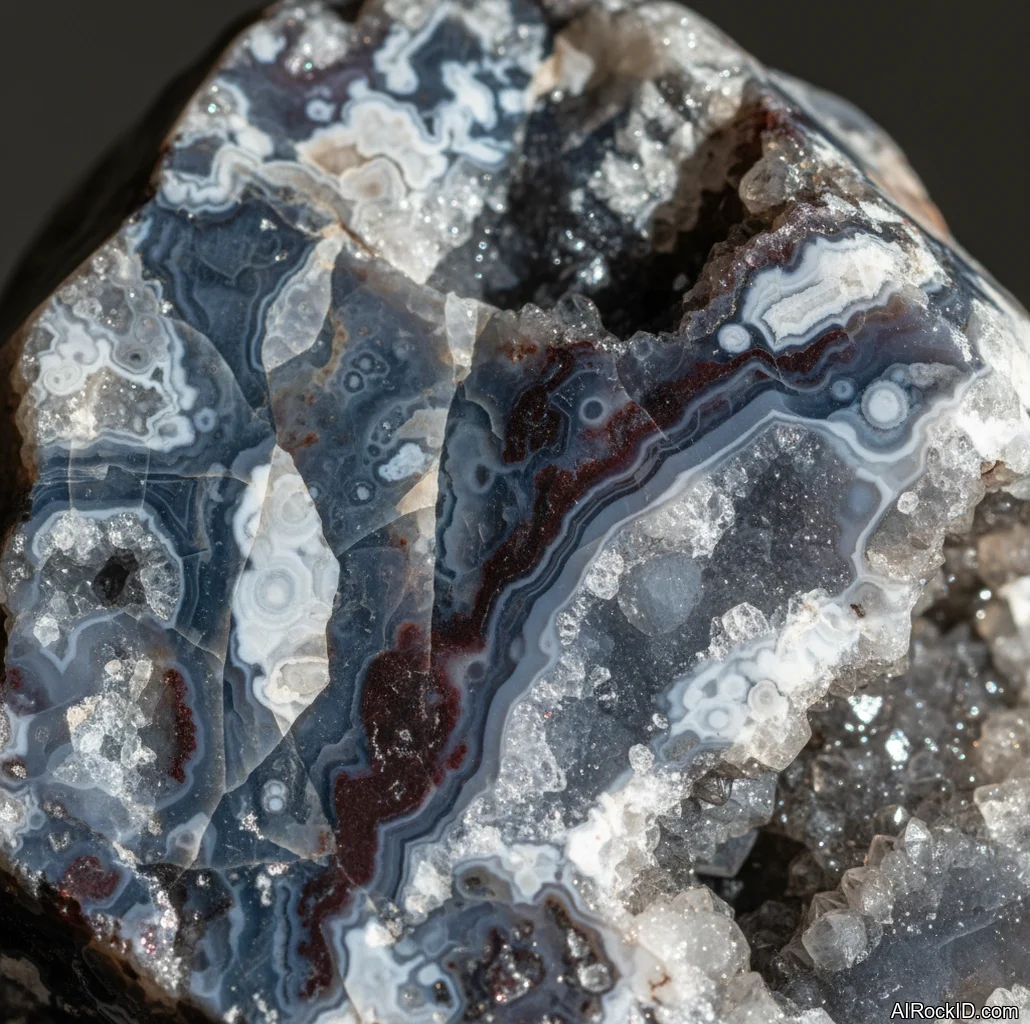
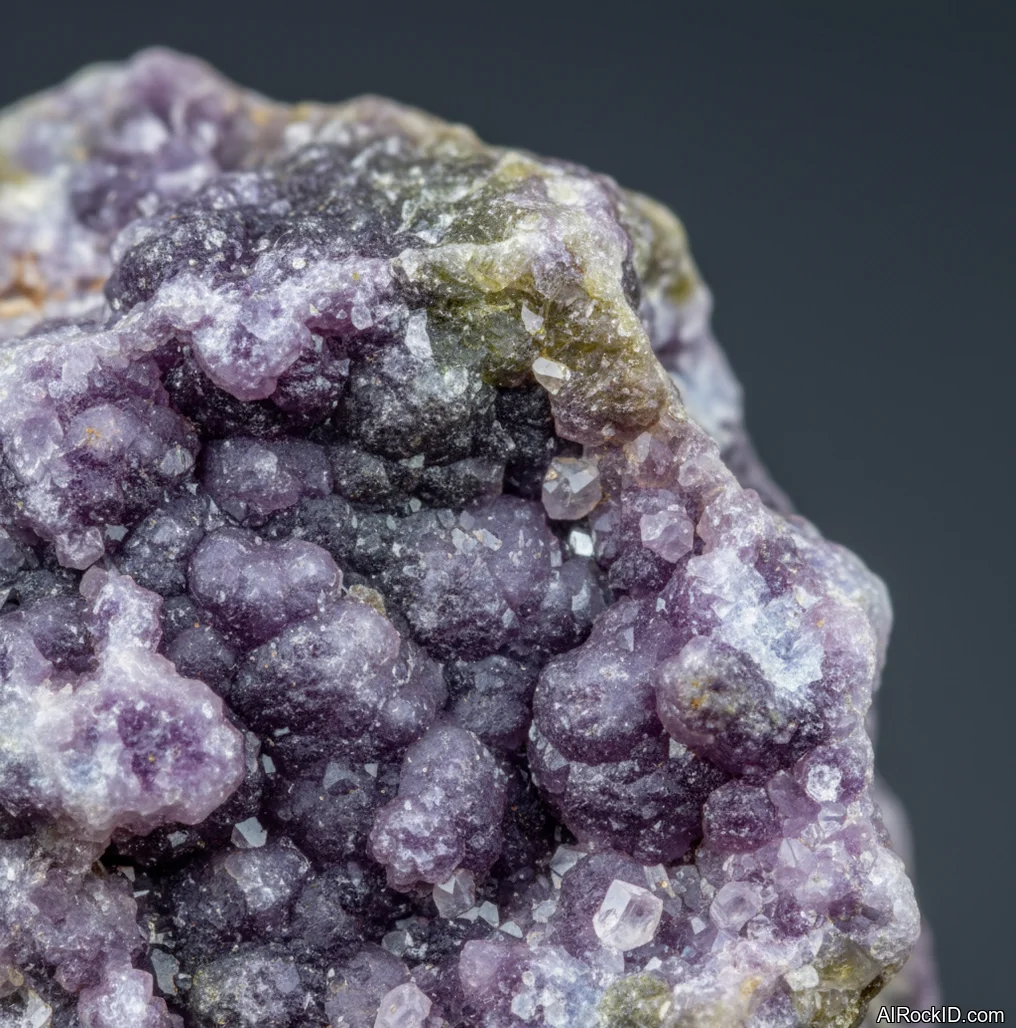
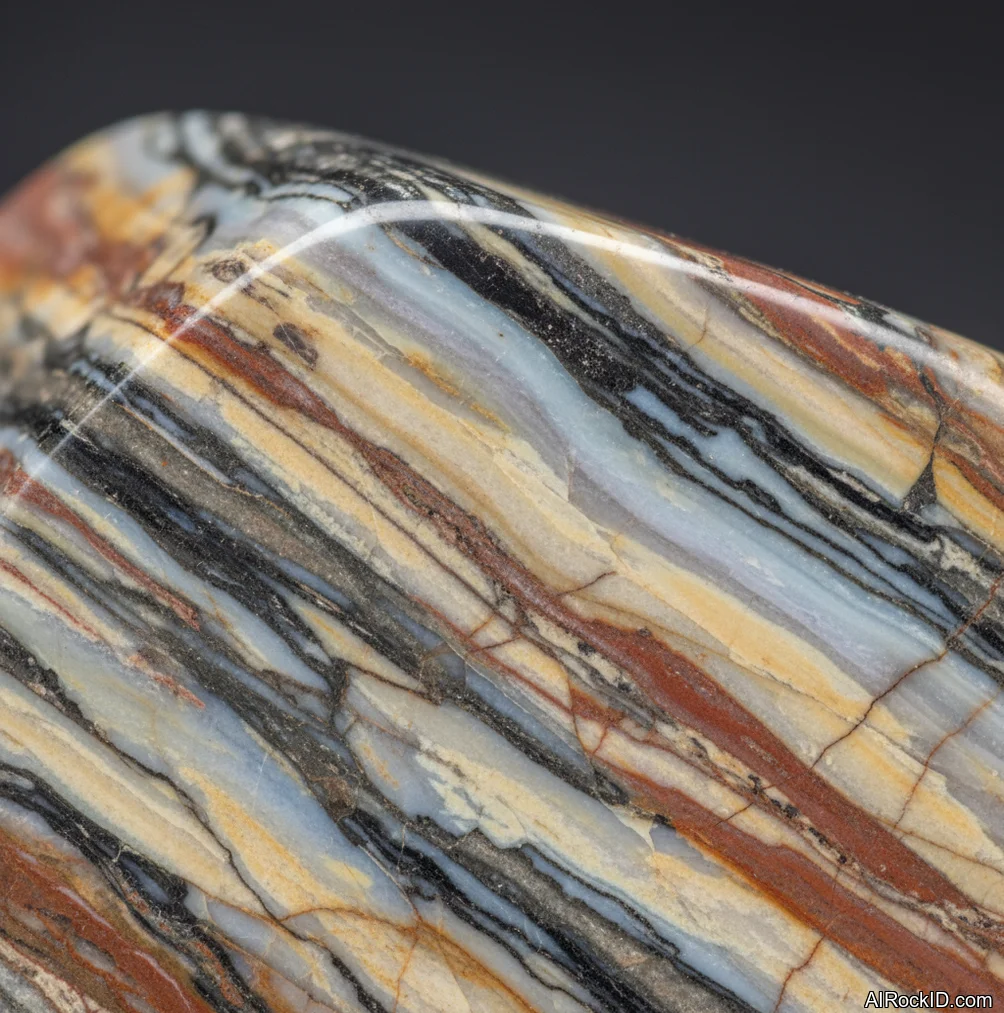
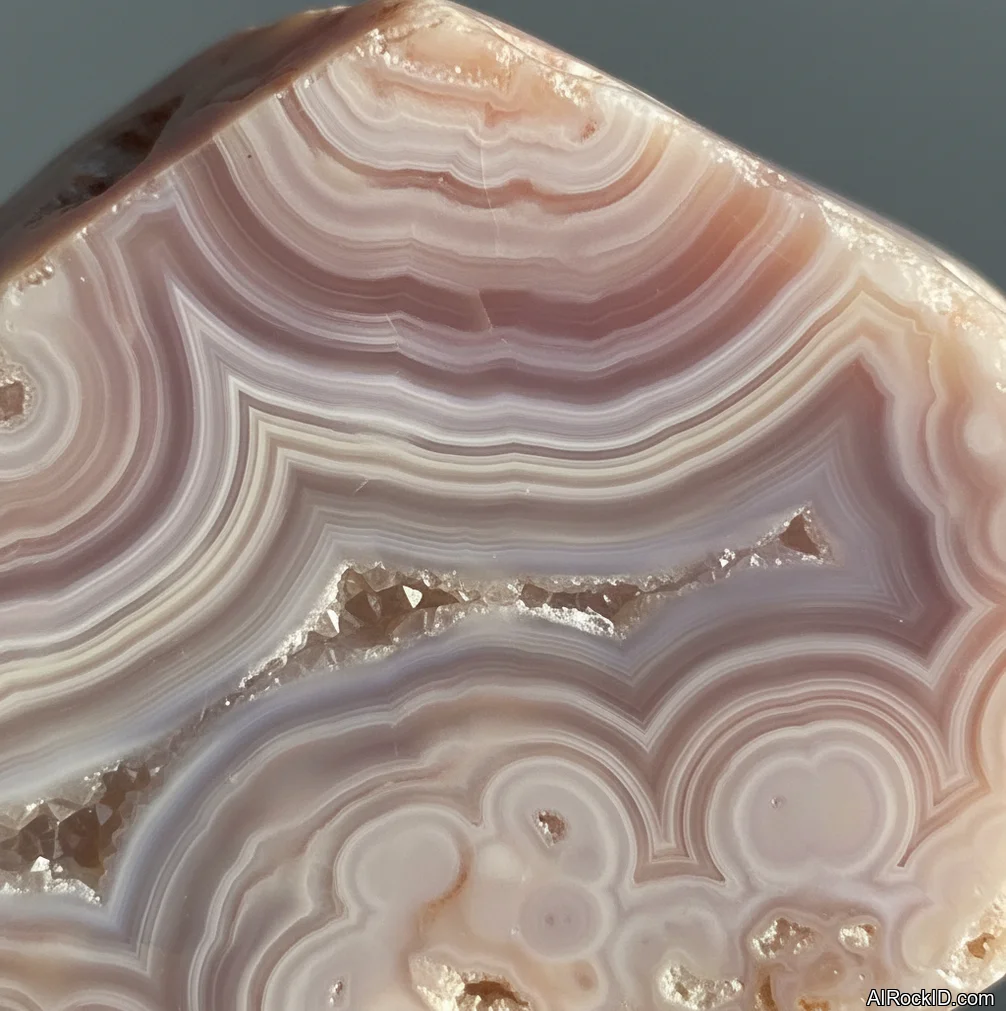
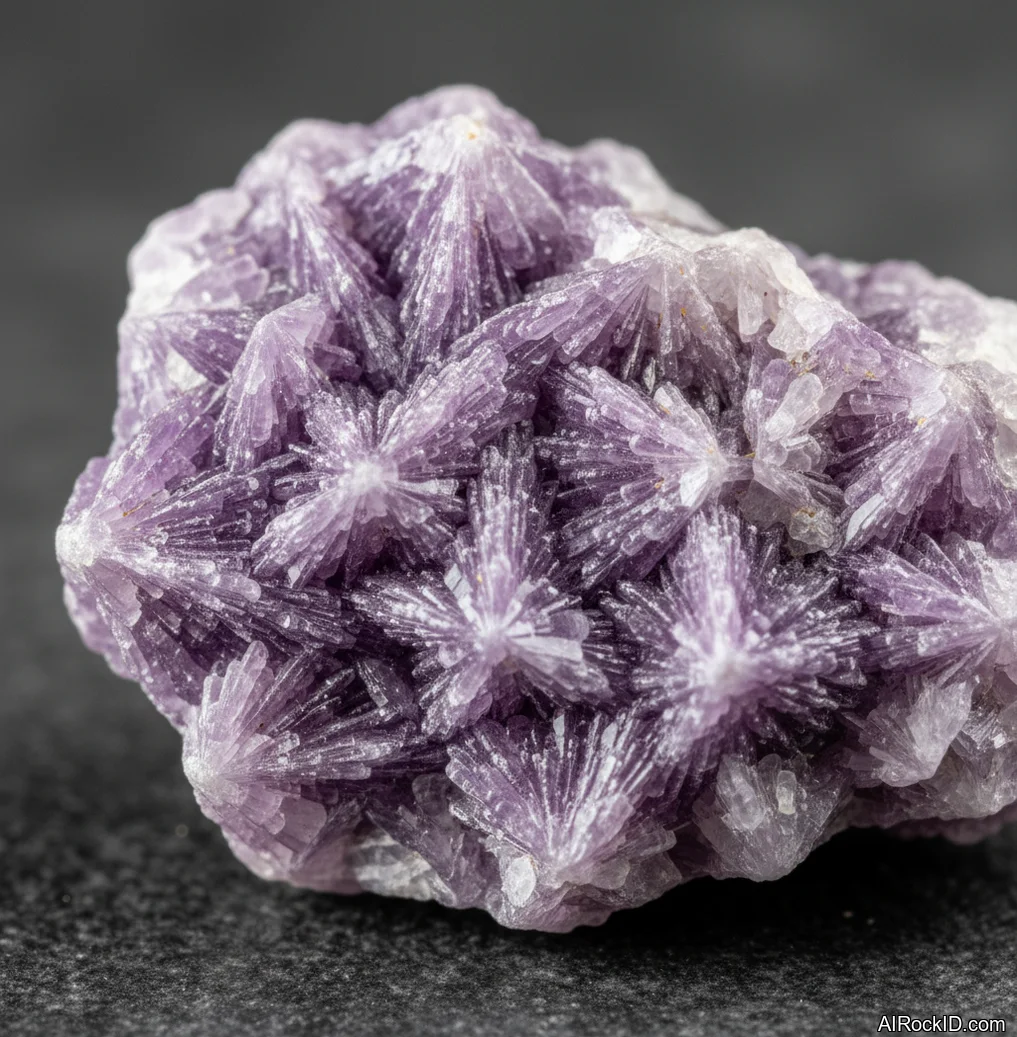
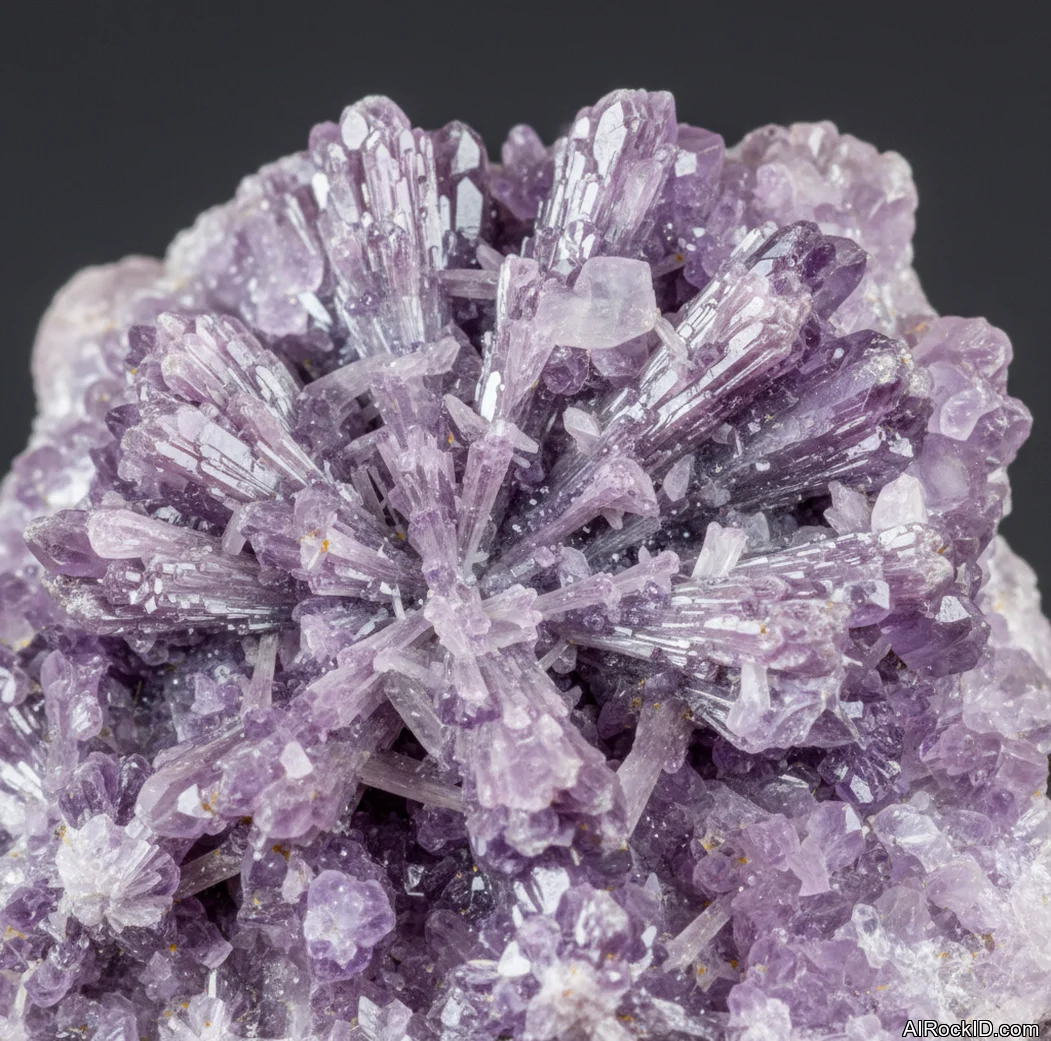
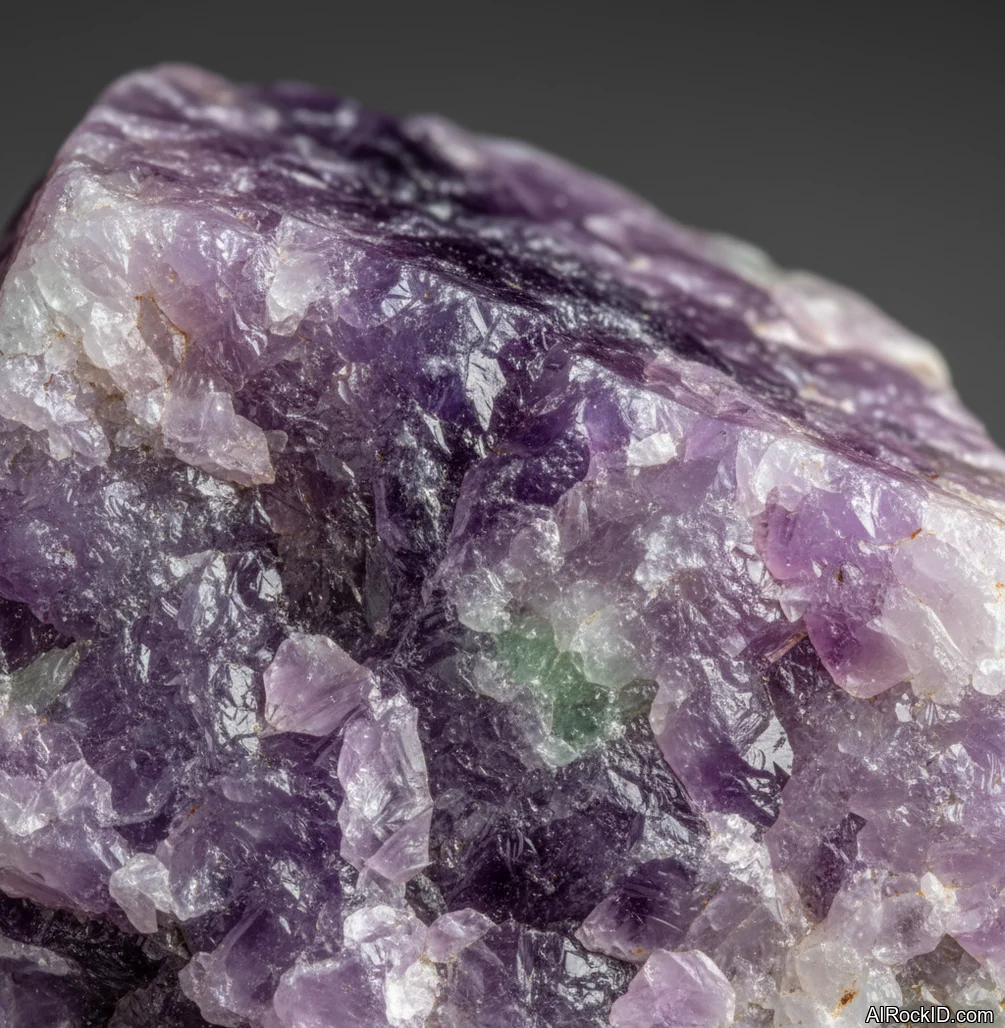
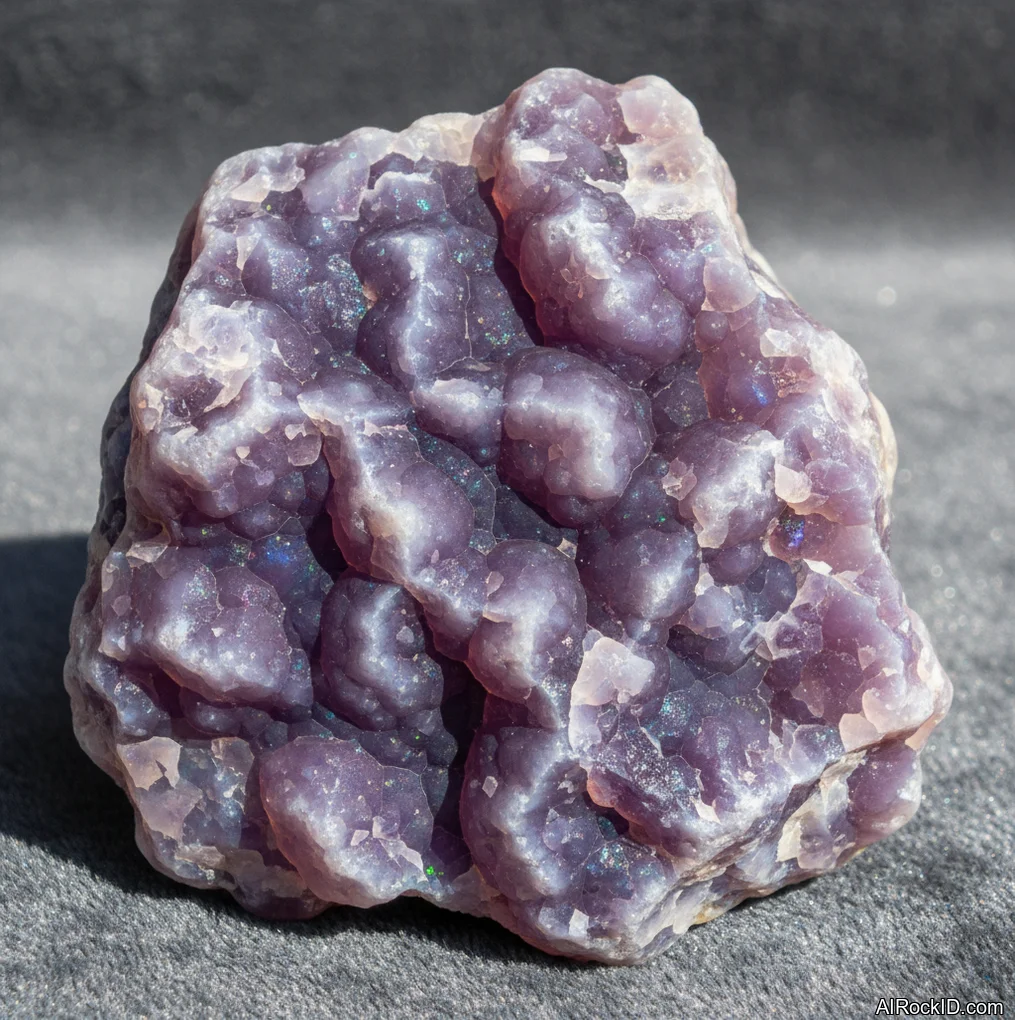
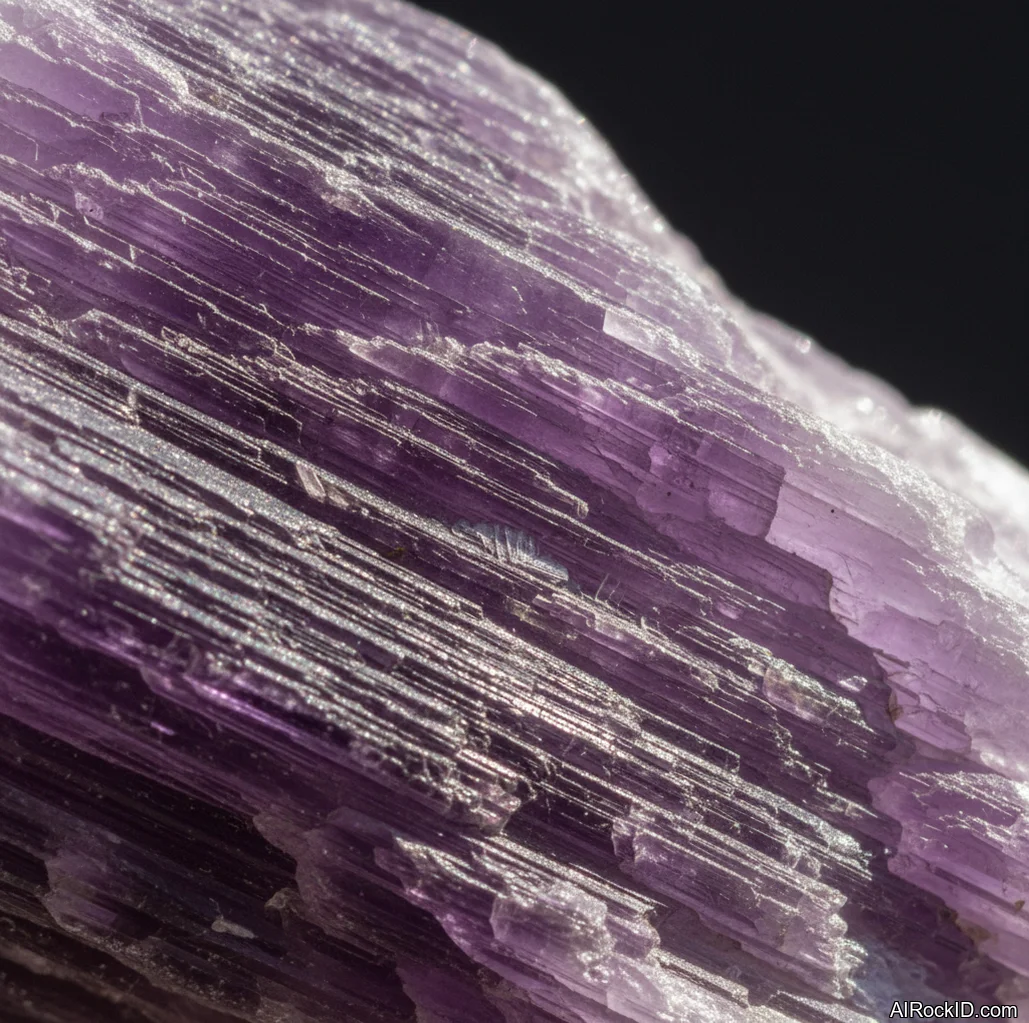
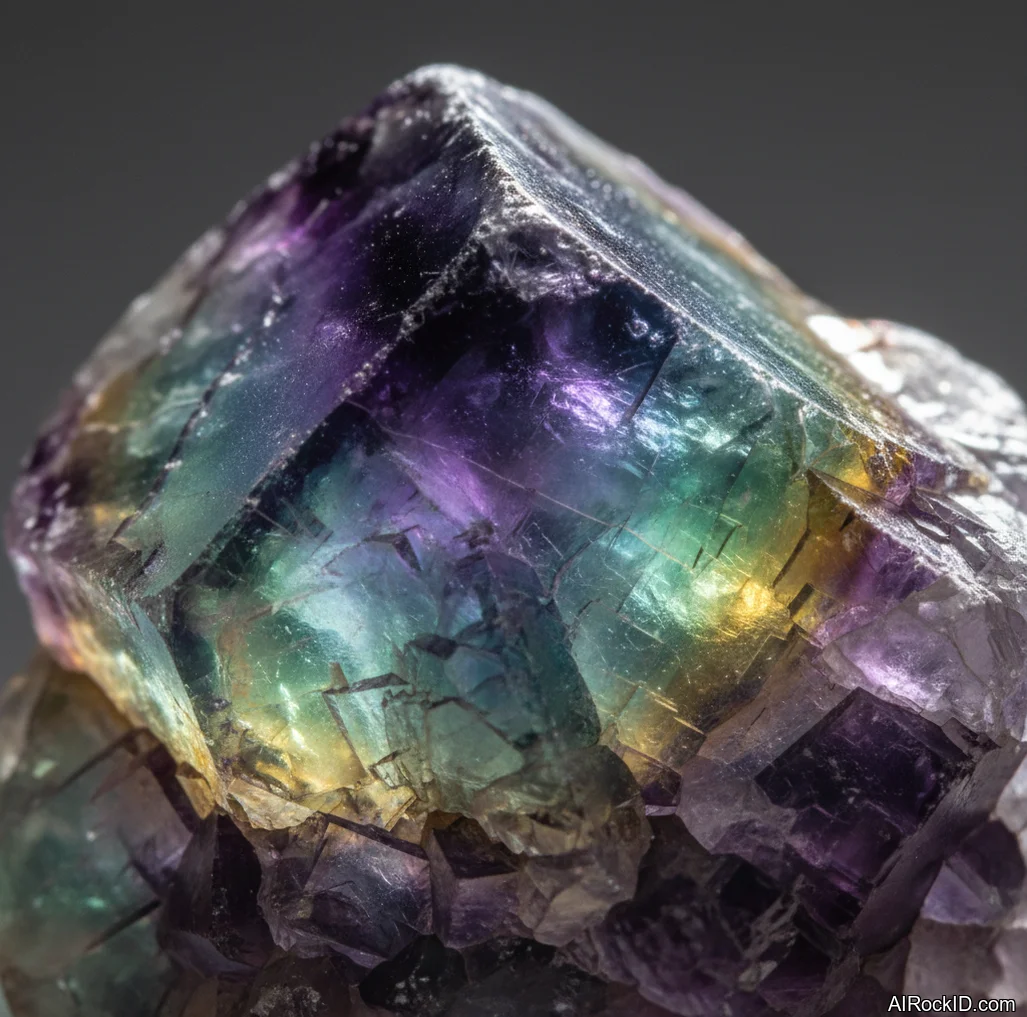
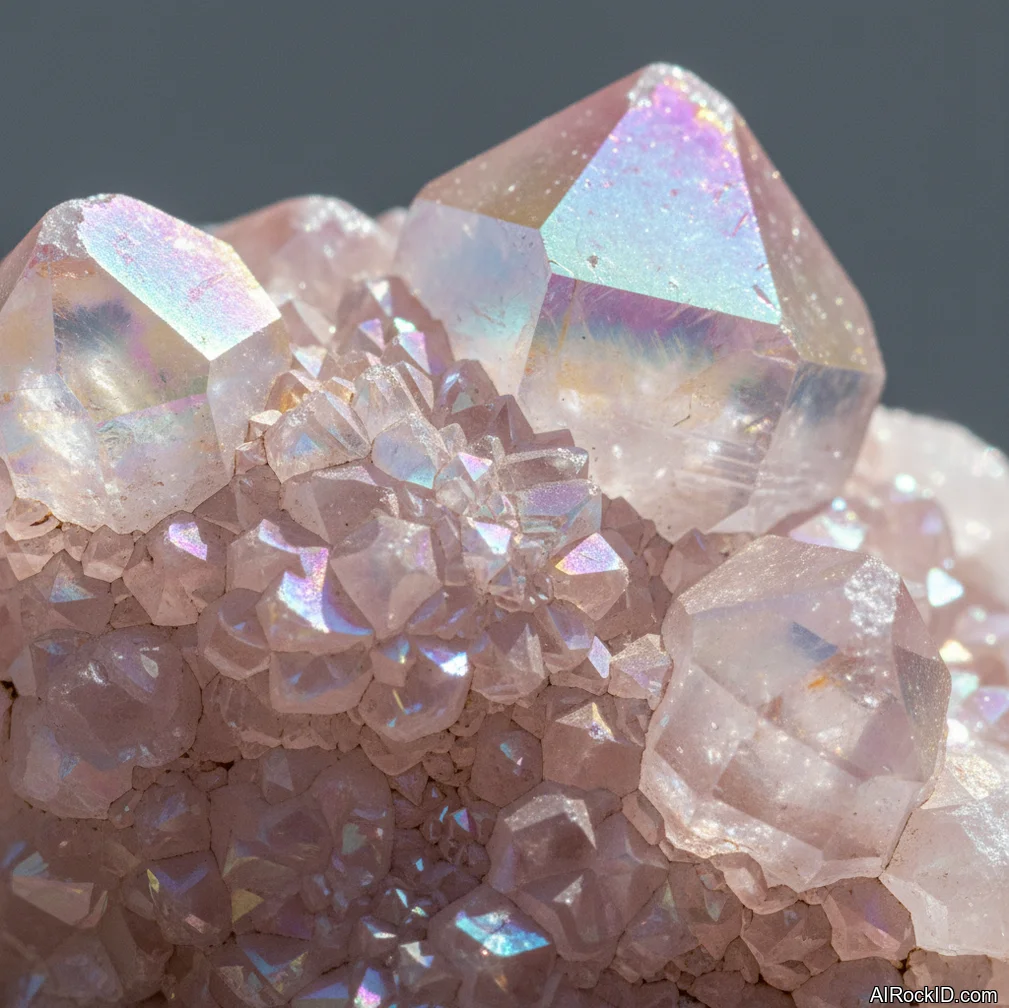
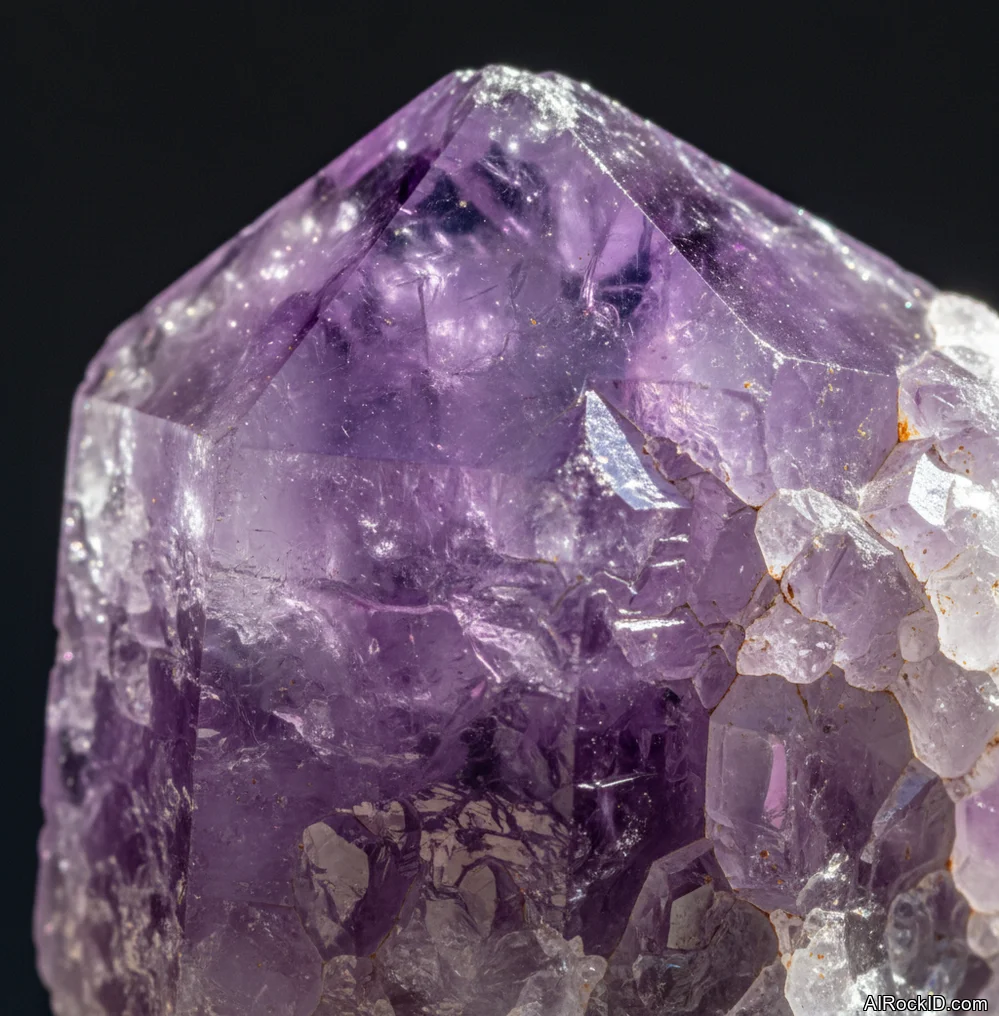
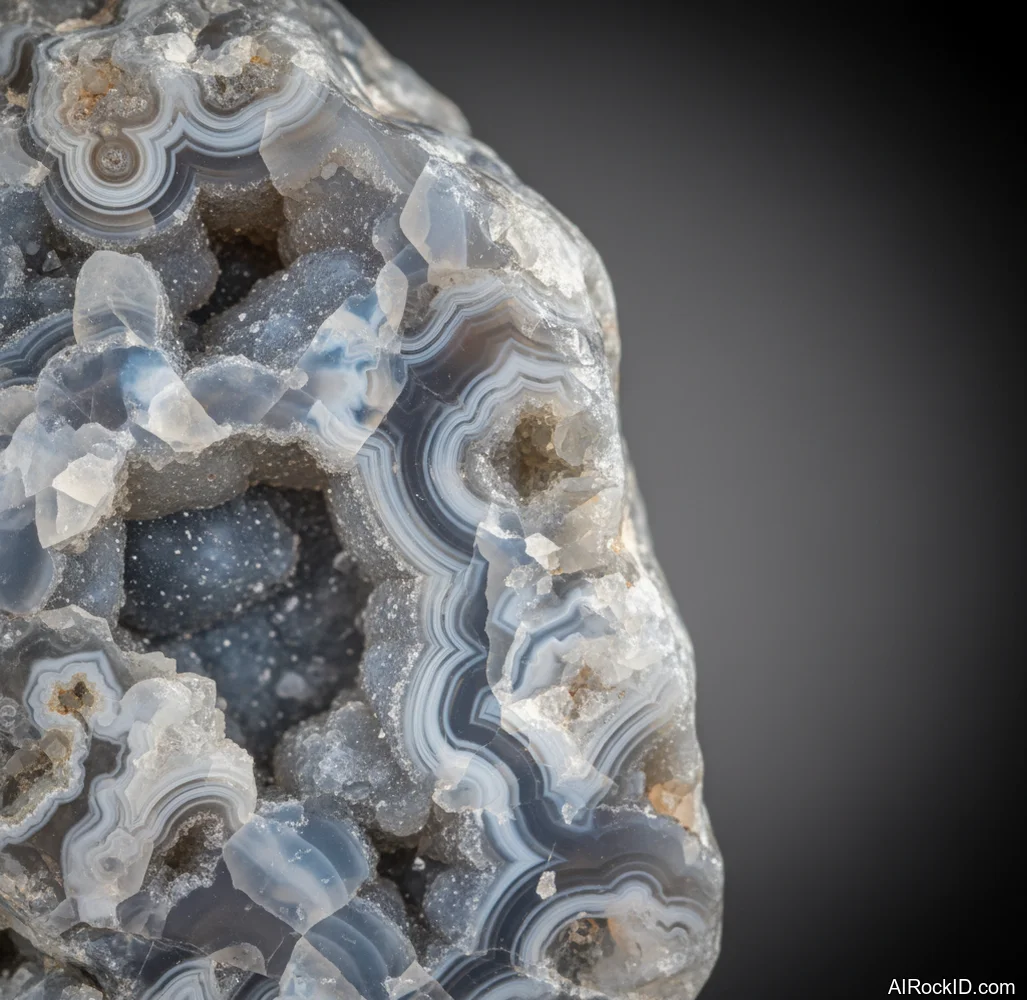
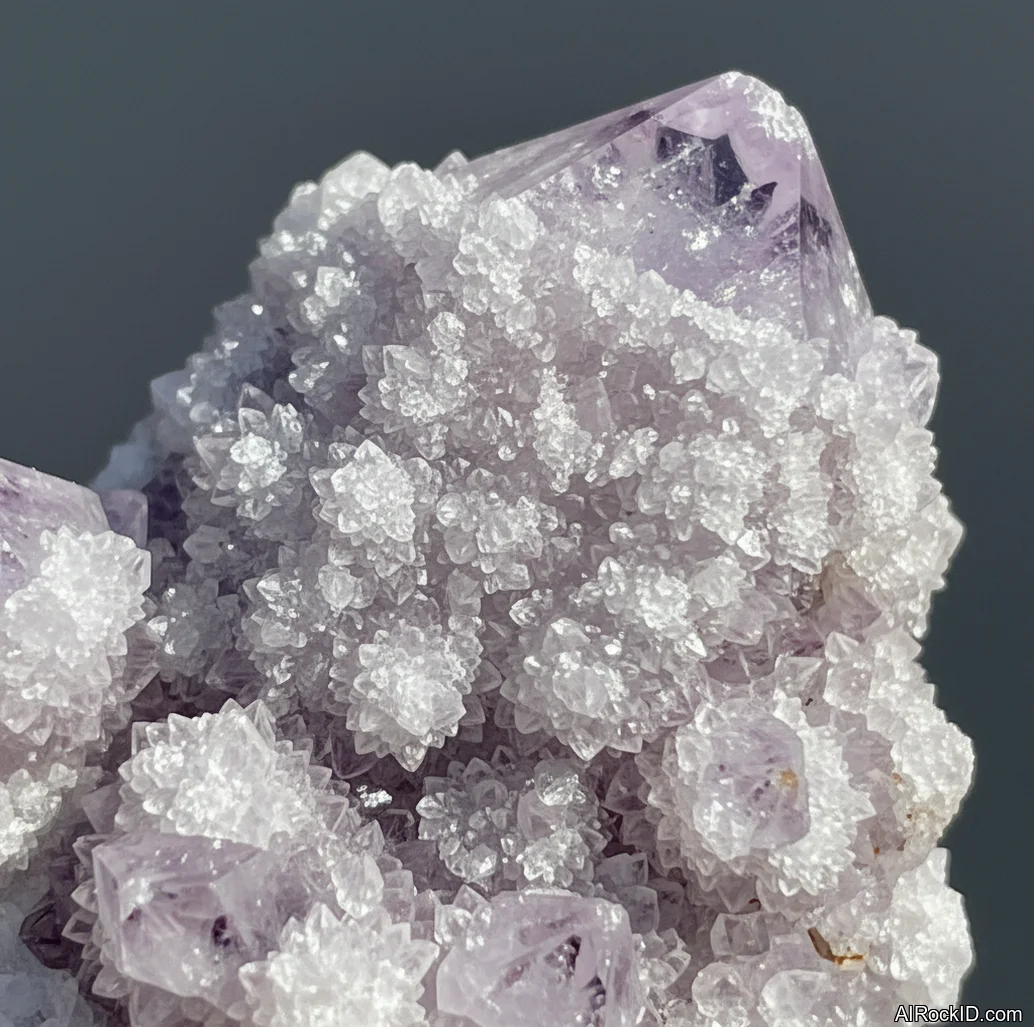
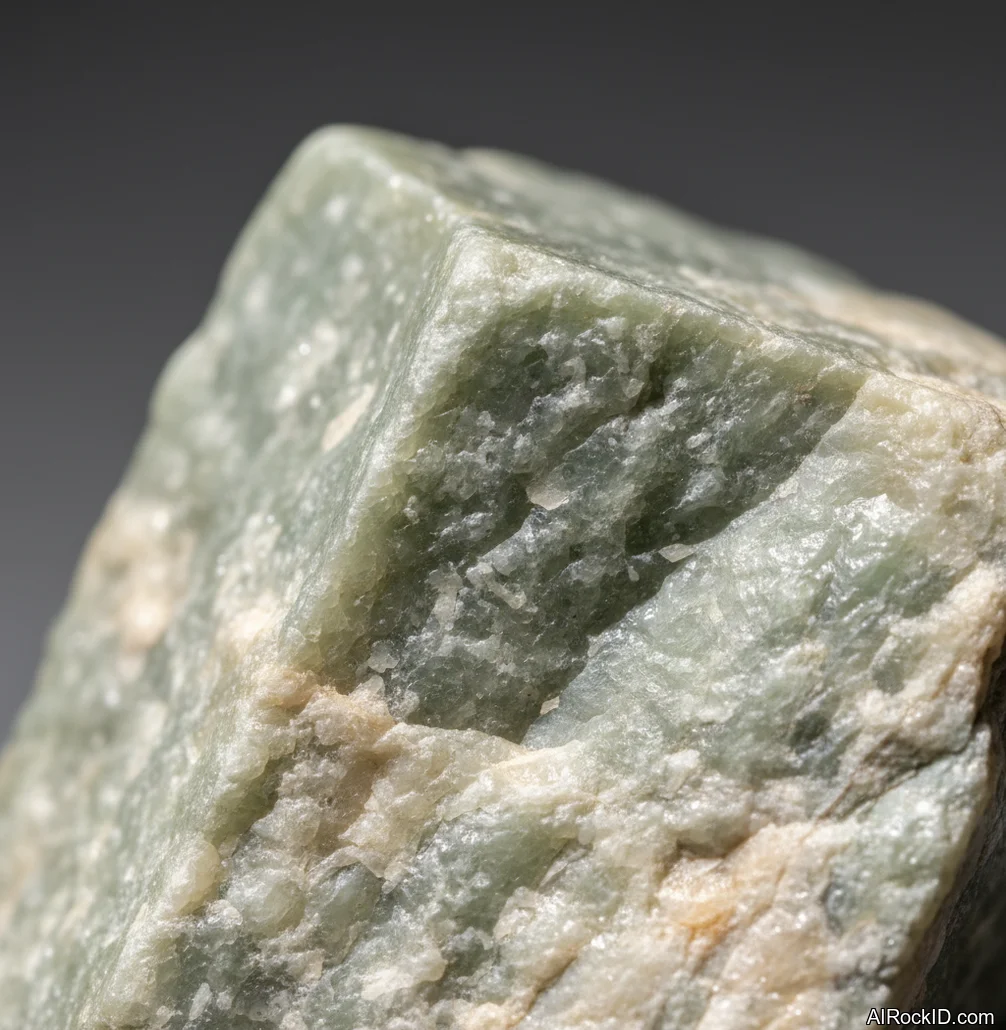
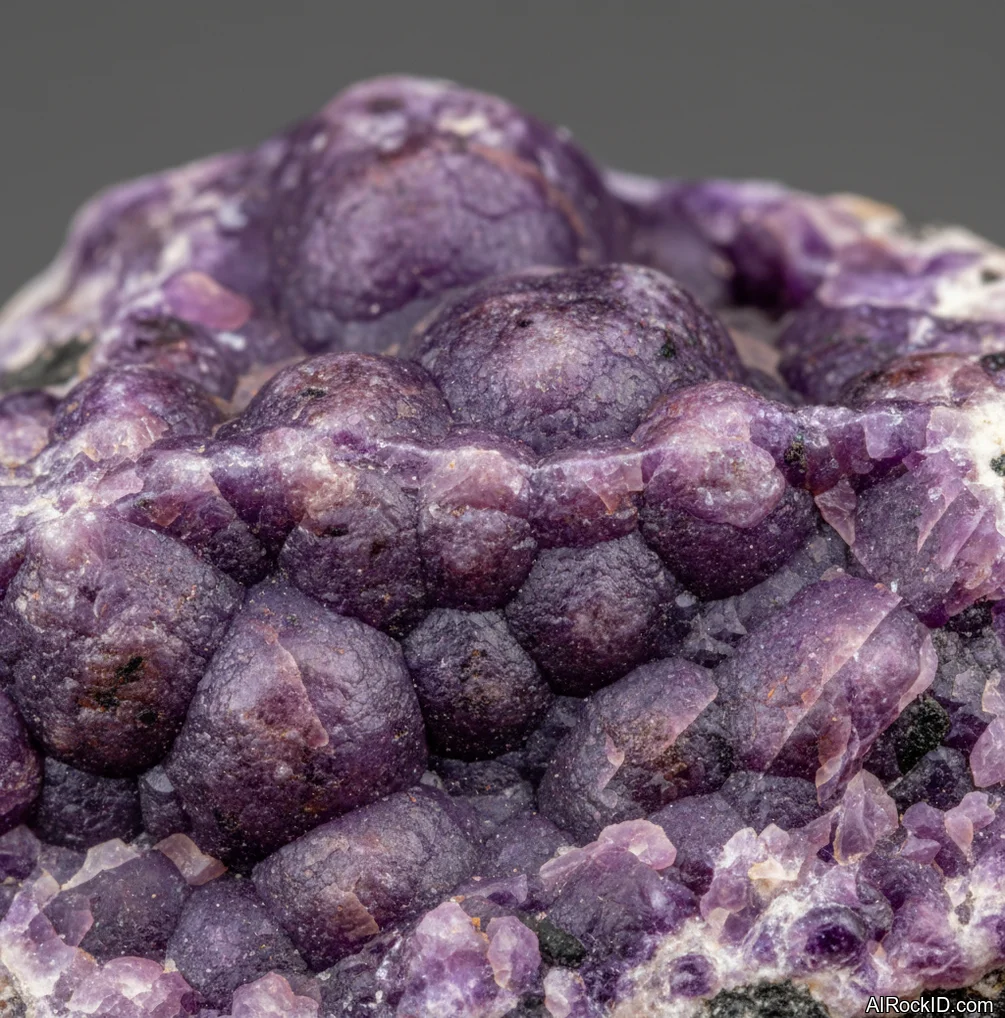
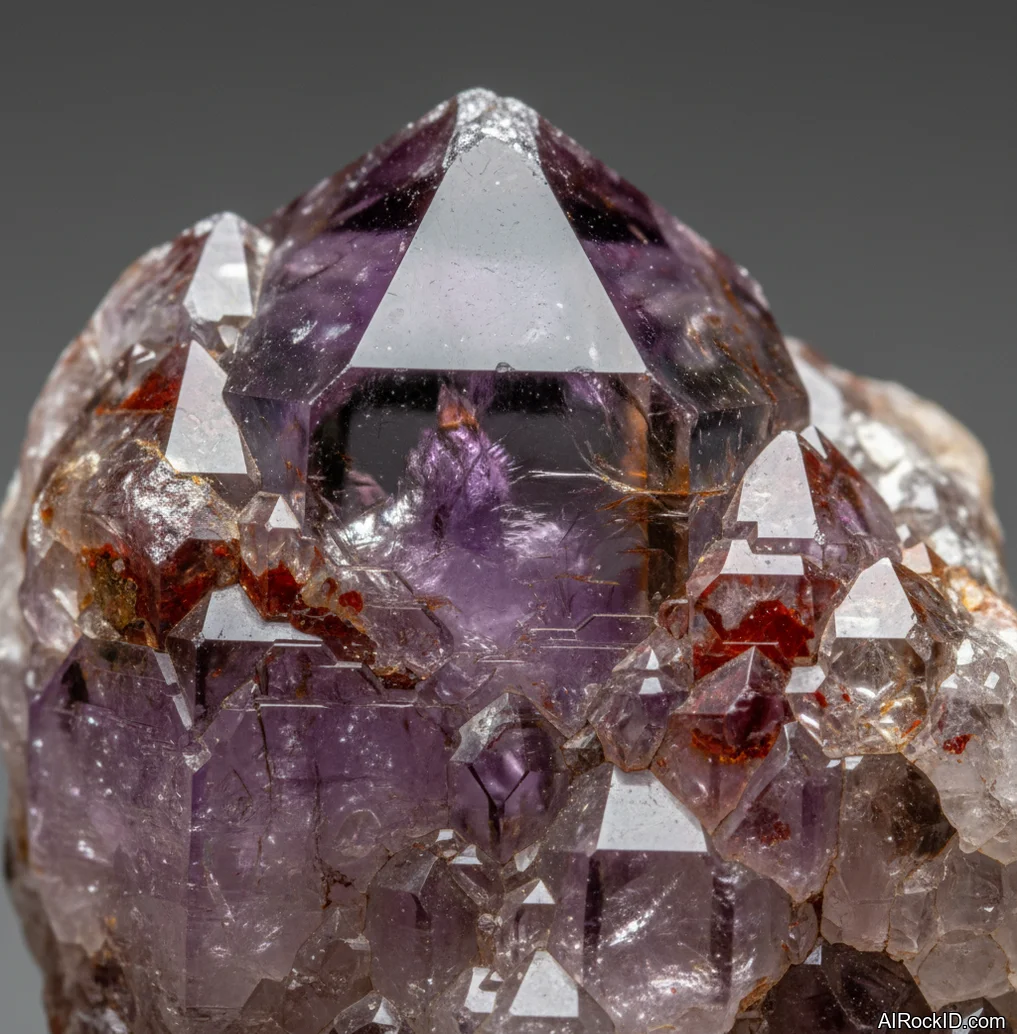
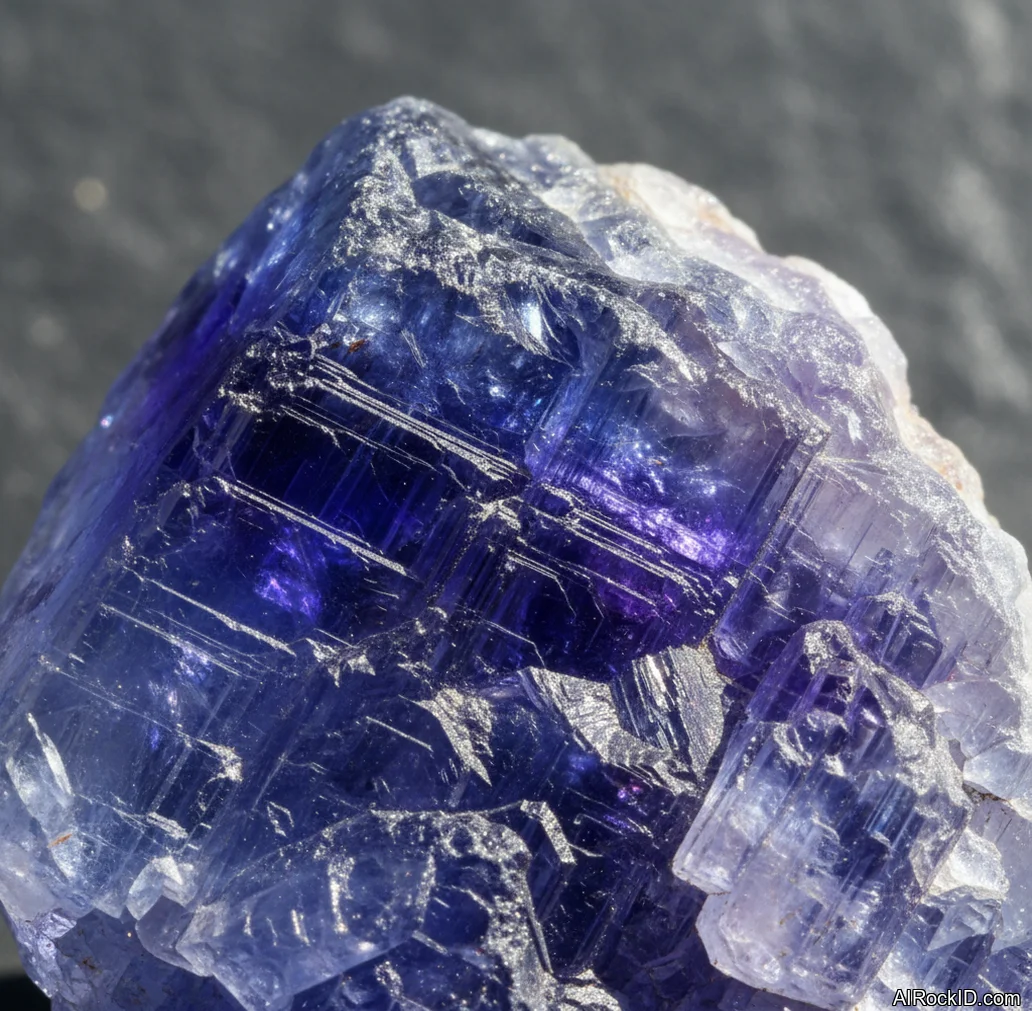
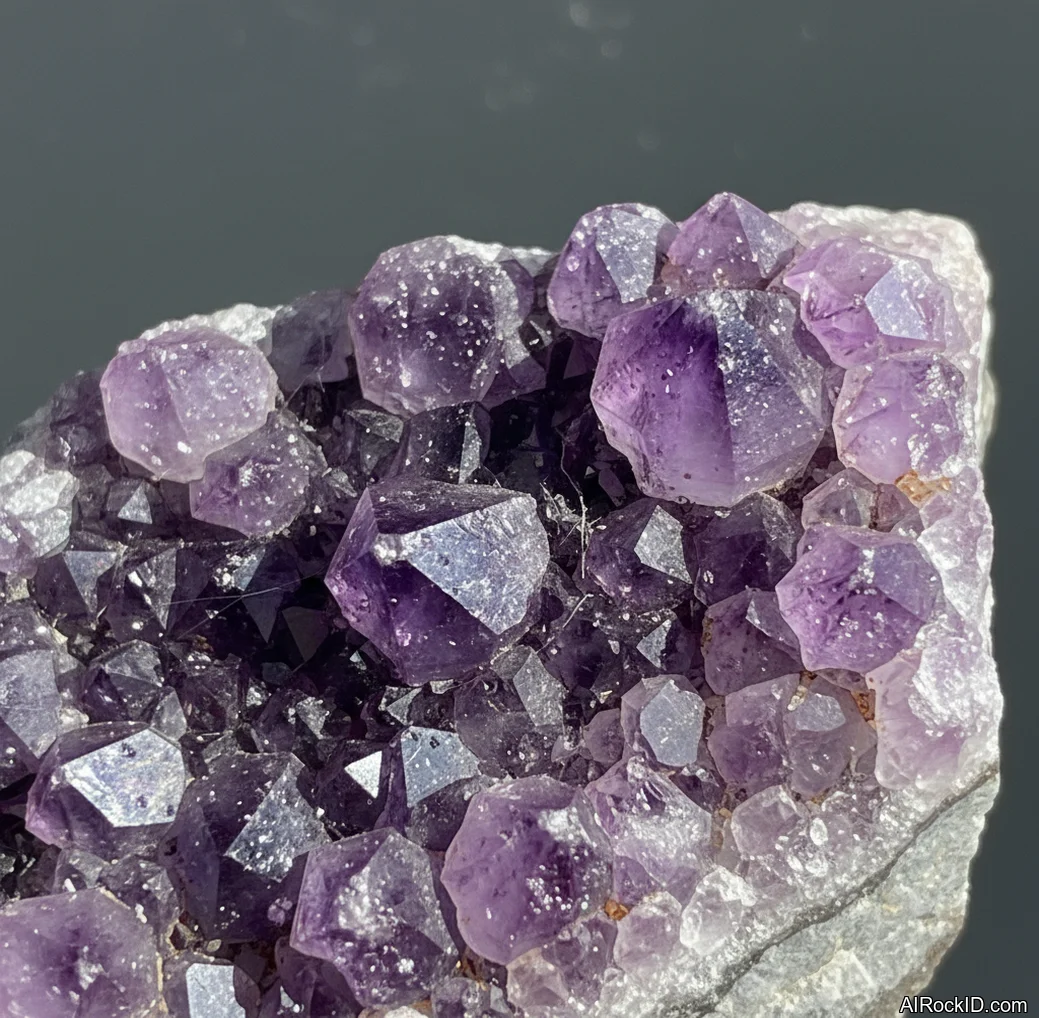
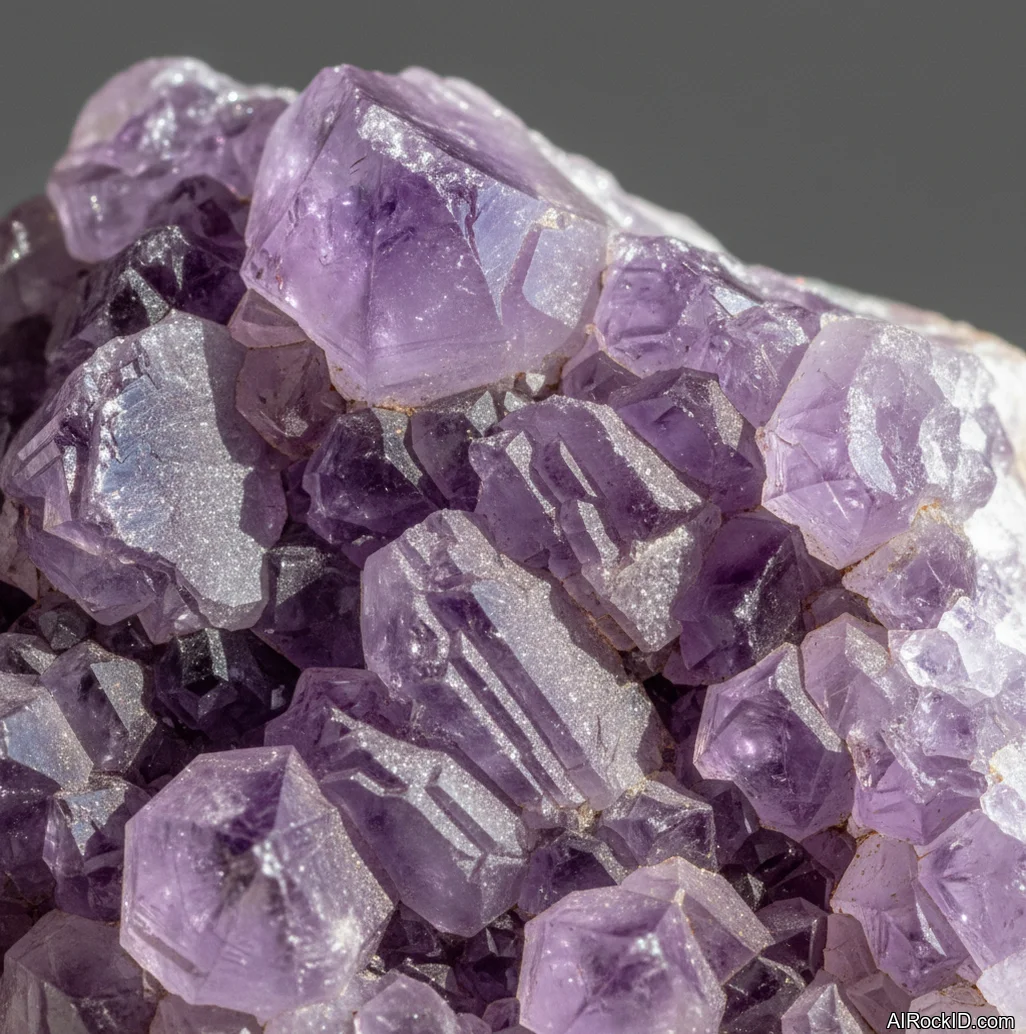
Some folks need calm first. Then they can actually process. That’s where amethyst, lepidolite, and blue lace agate usually land. Amethyst from Uruguay often shows up in deep grape purple with tight tiny points in the druse, while a lot of Brazilian amethyst runs lighter, more lavender, and it can flash warmer under incandescent light. Lepidolite has that flaky mica sparkle and it’ll leave tiny glittery bits if the surface is rough, which is a pretty real reminder it’s not a “set it and forget it” pocket stone. Blue lace agate is usually cut and polished because the banding is the whole point, and the best pieces have fine lace-like lines instead of big blurry stripes.
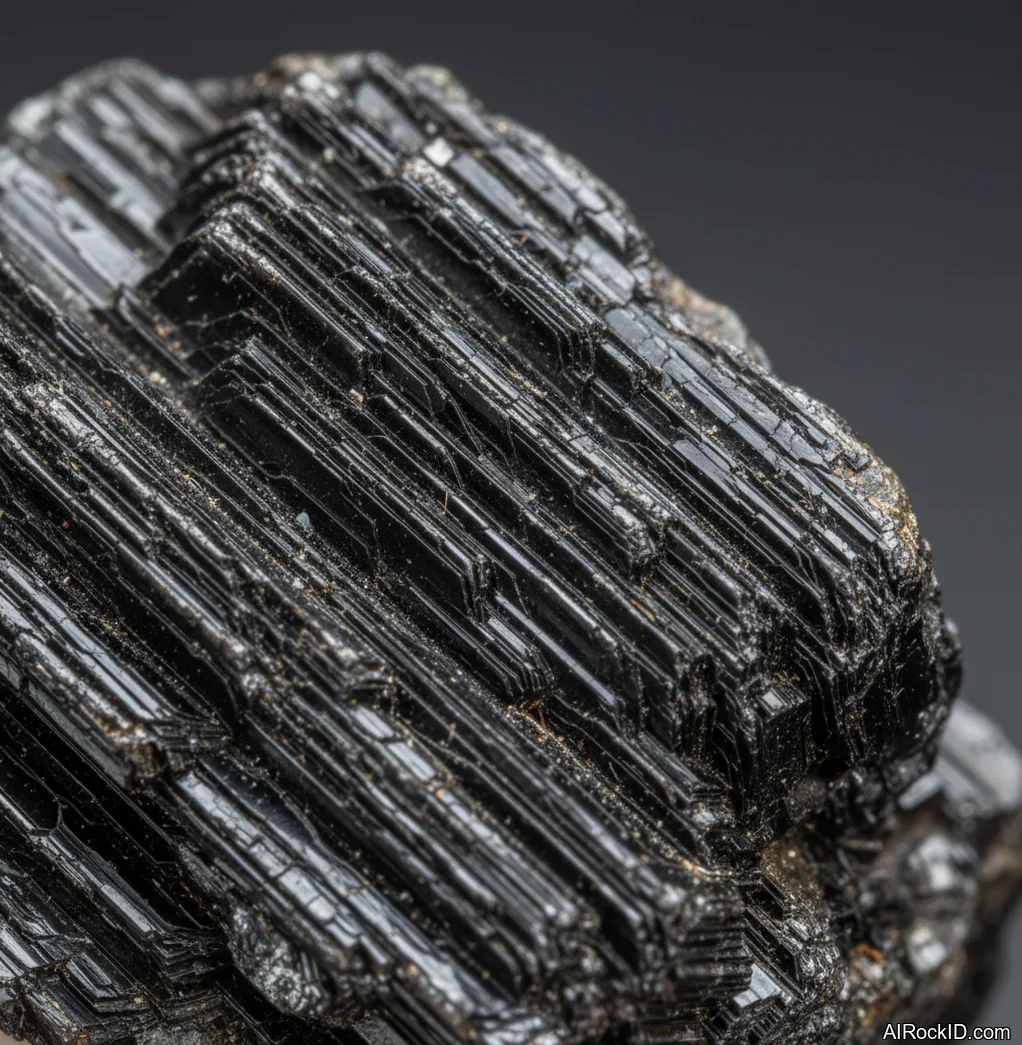
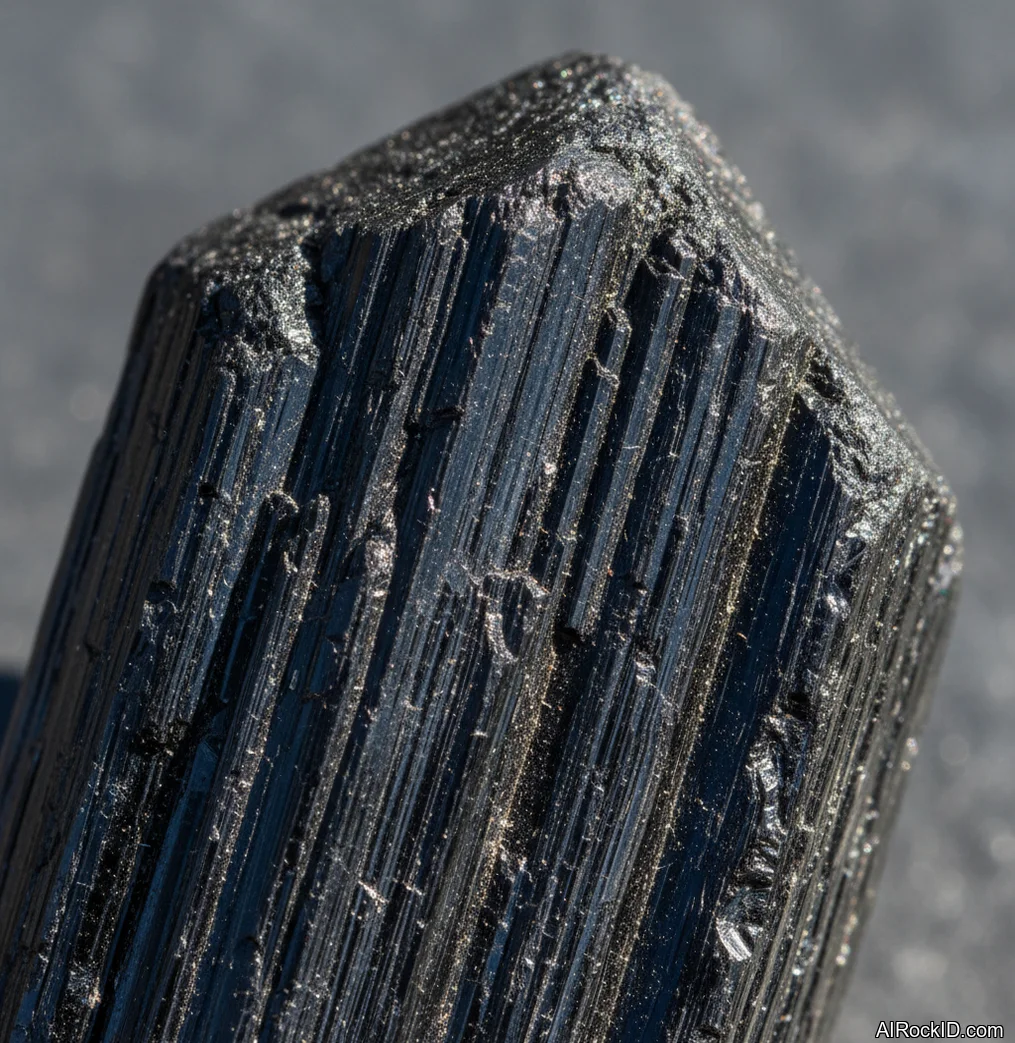
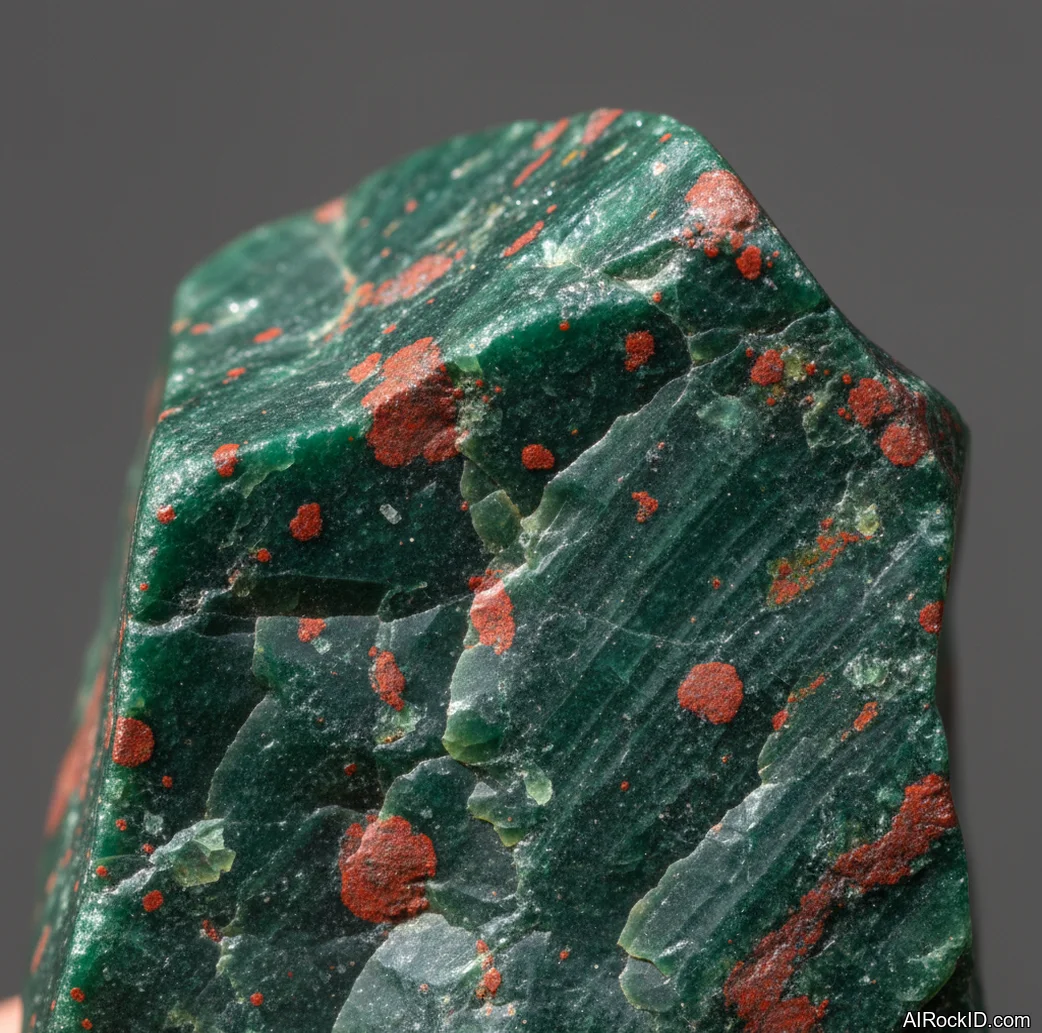
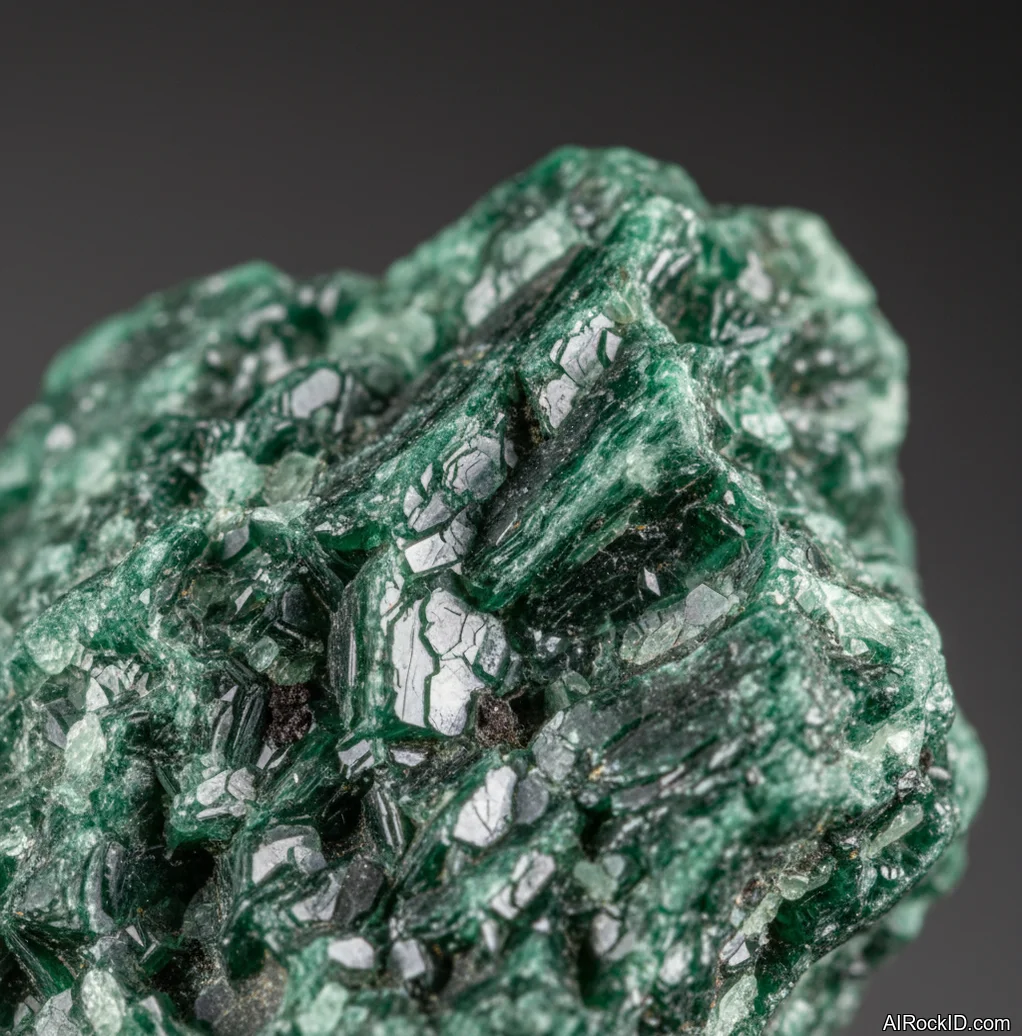
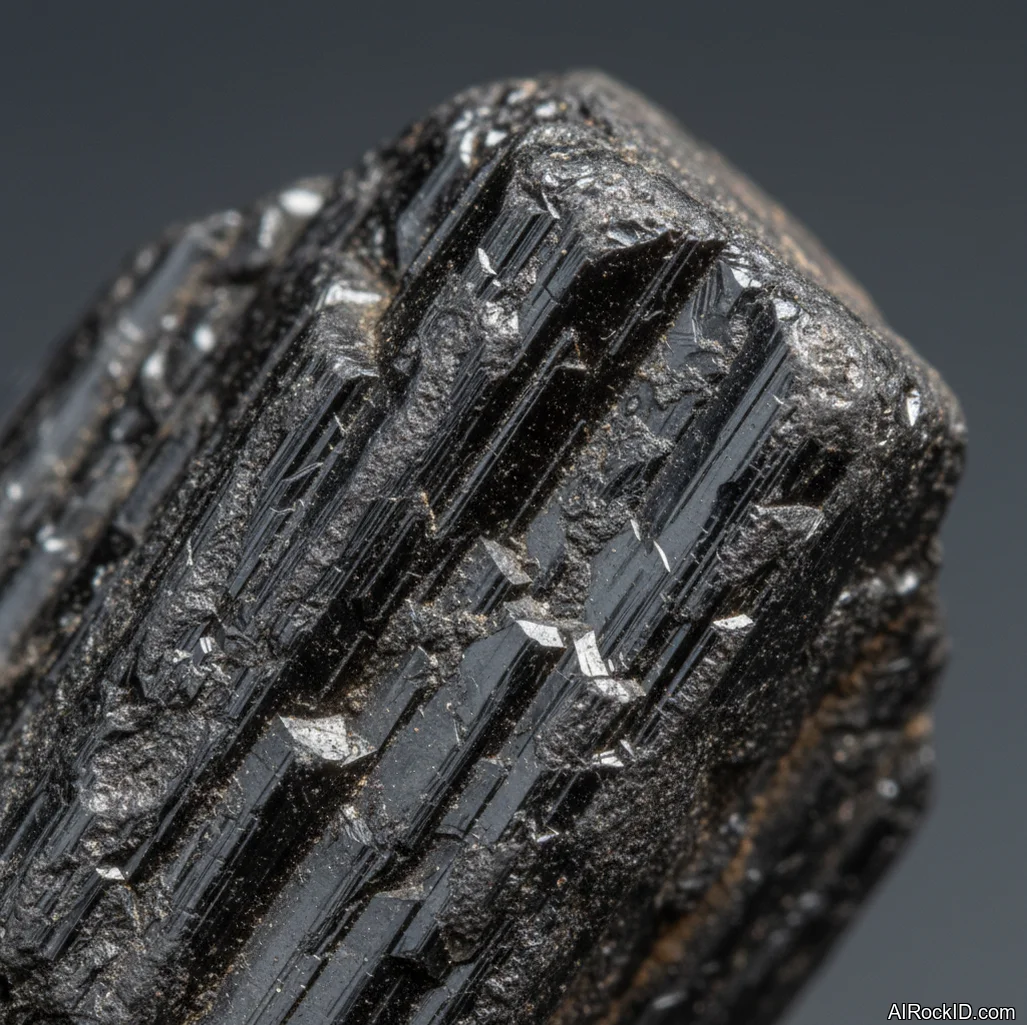
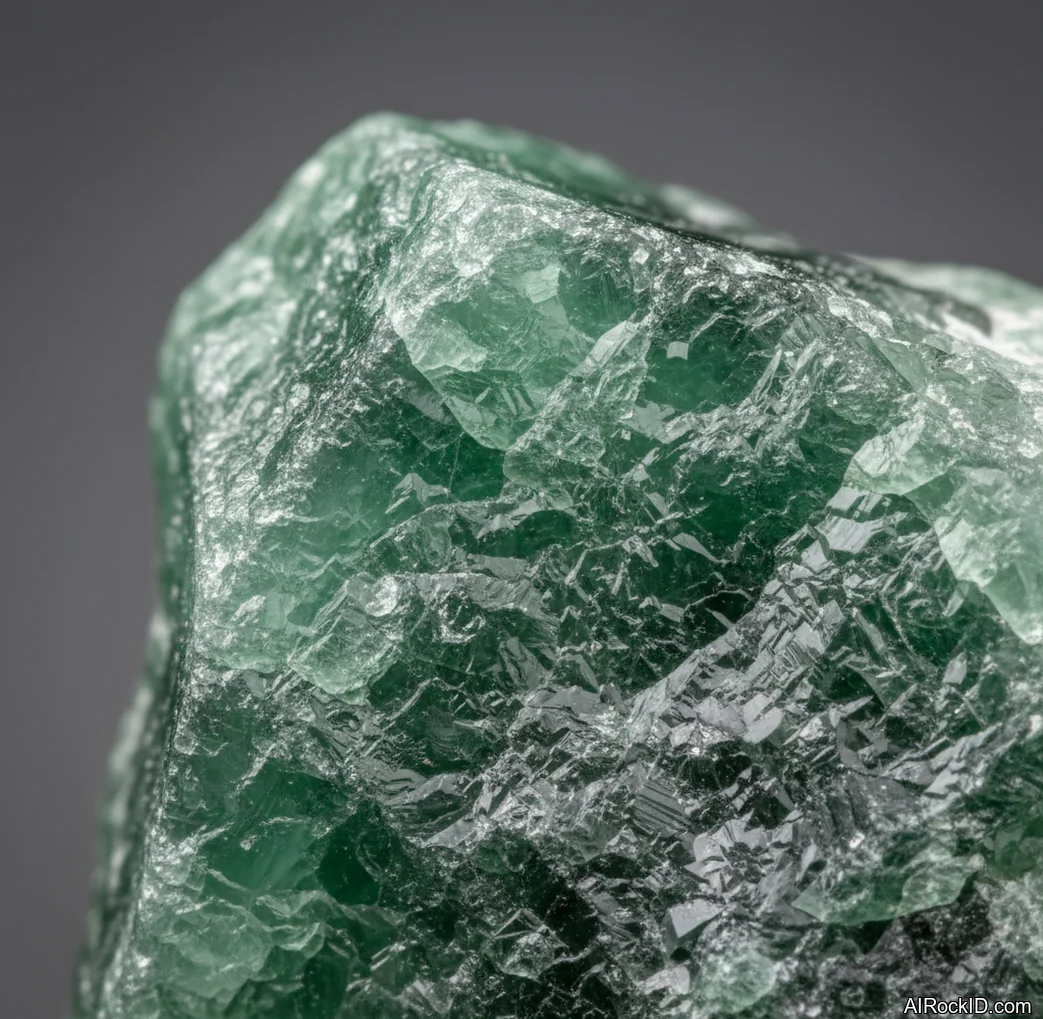
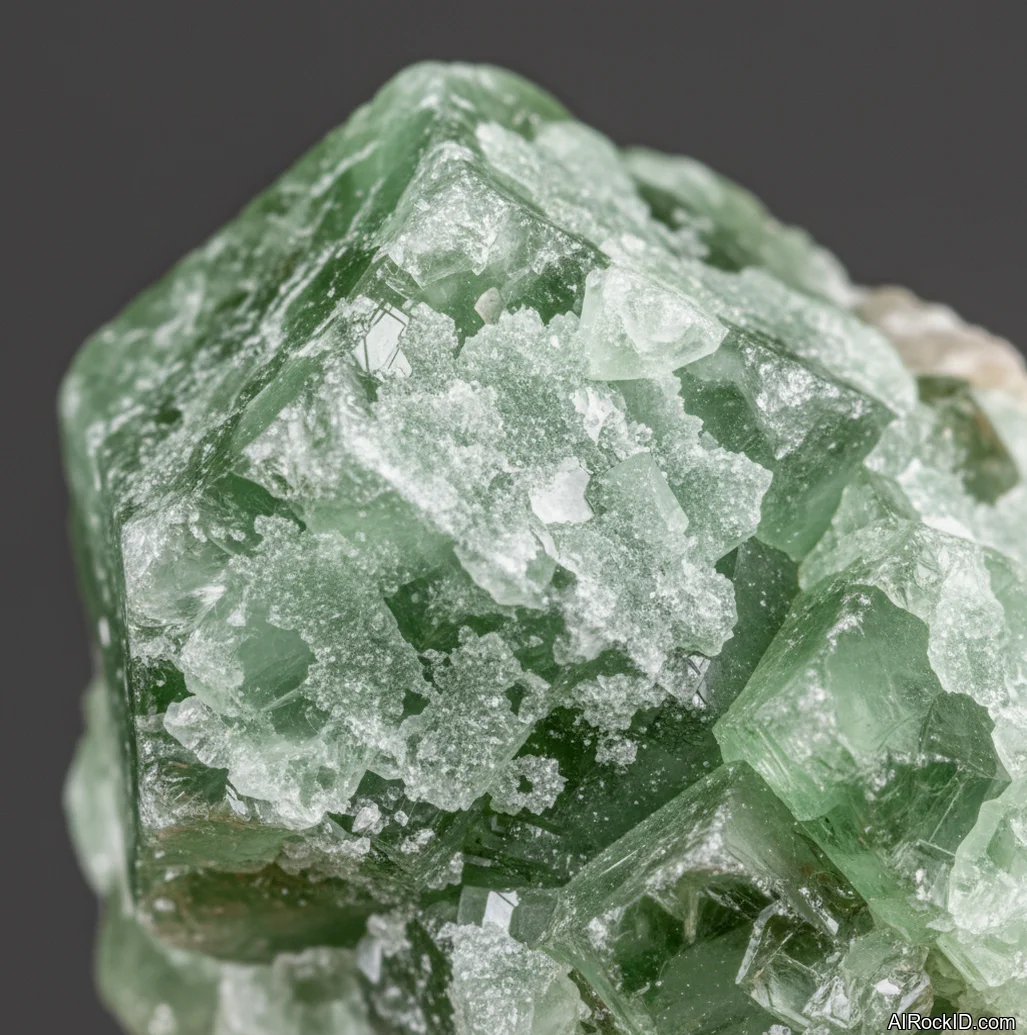
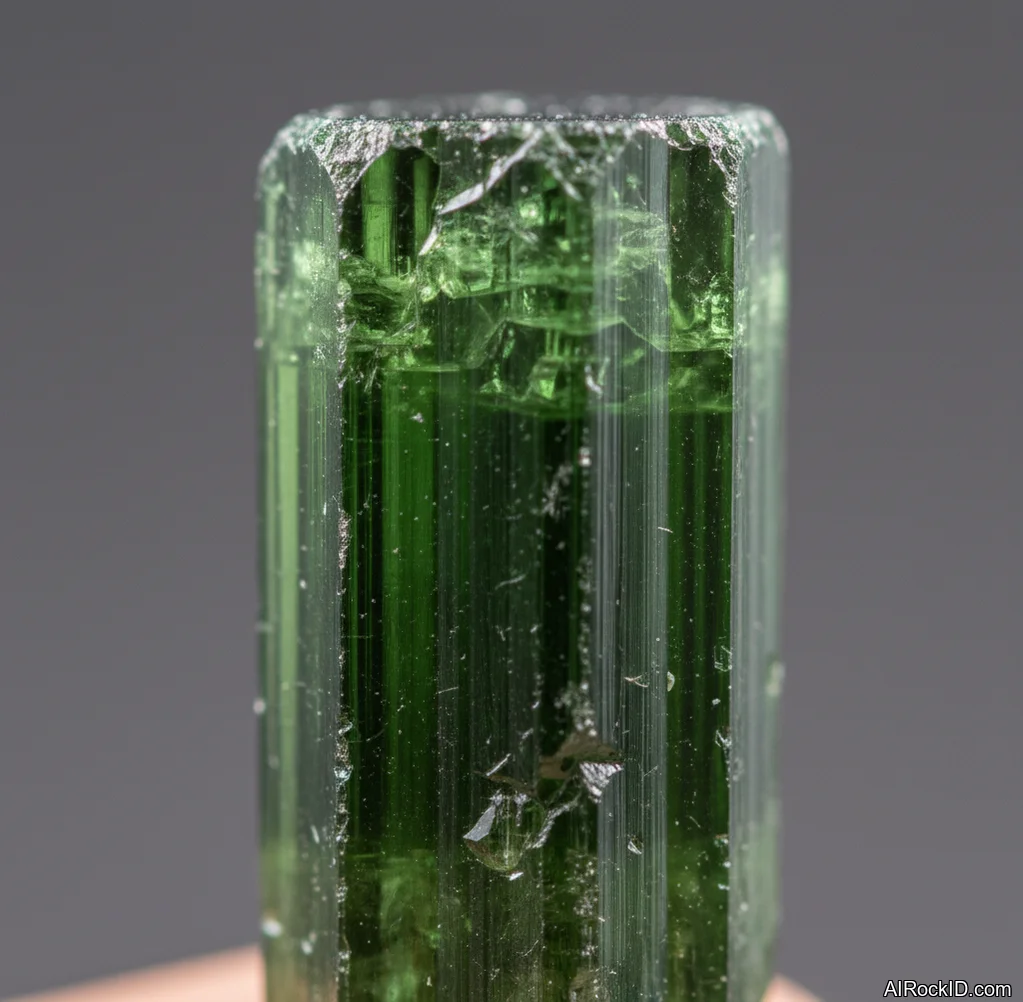
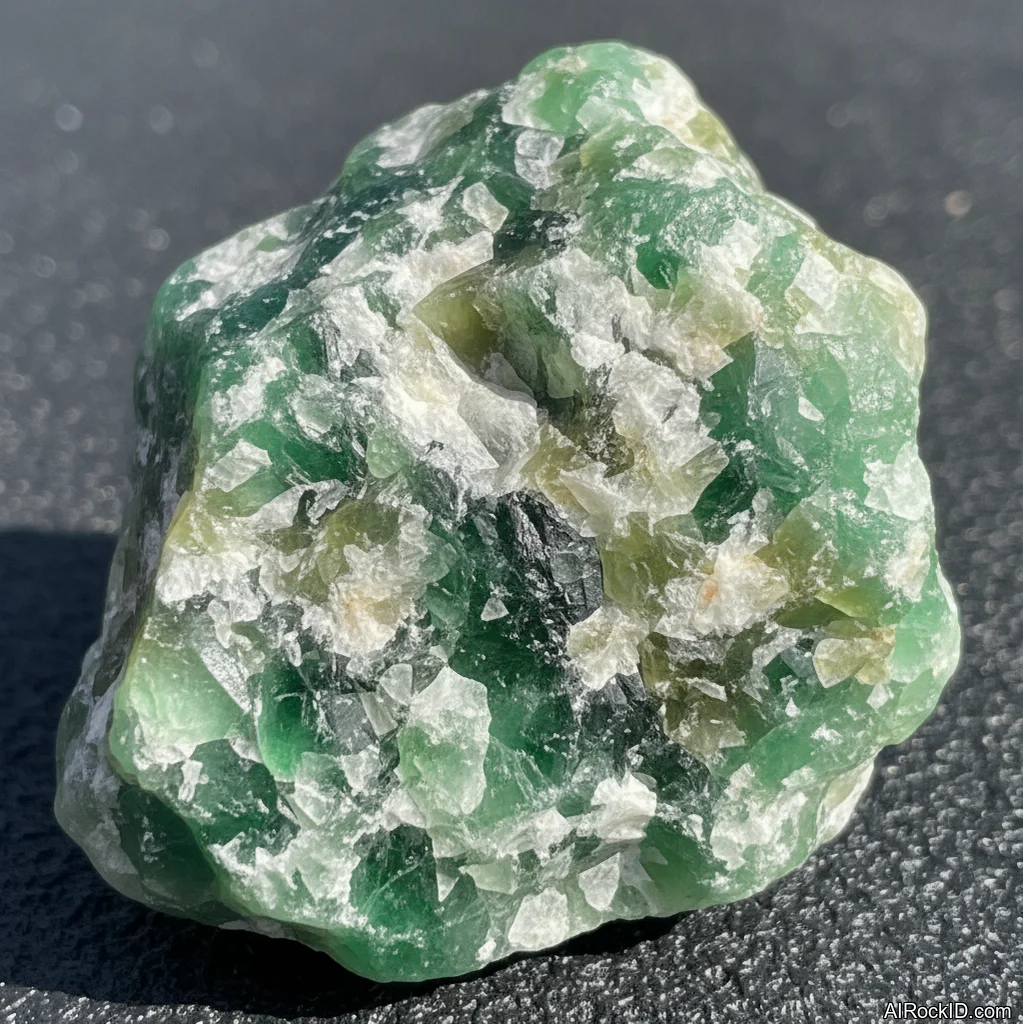
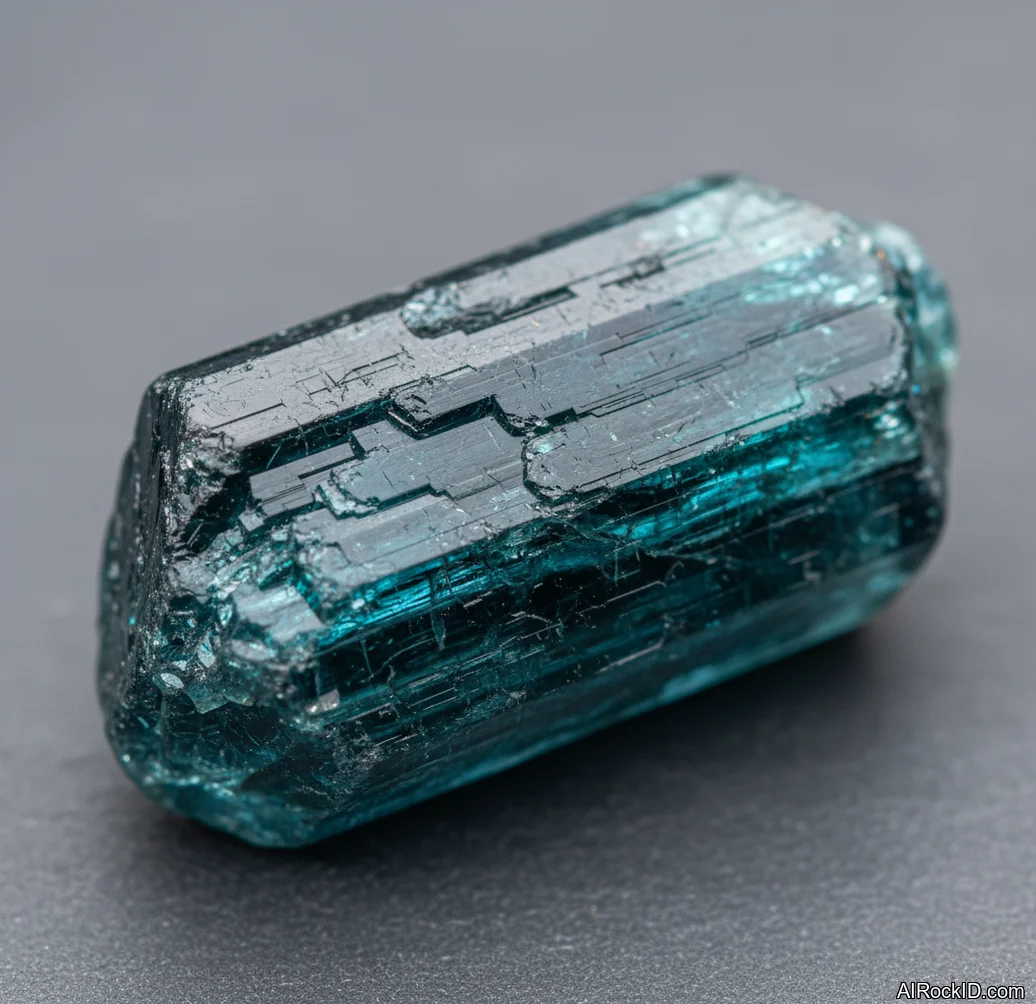
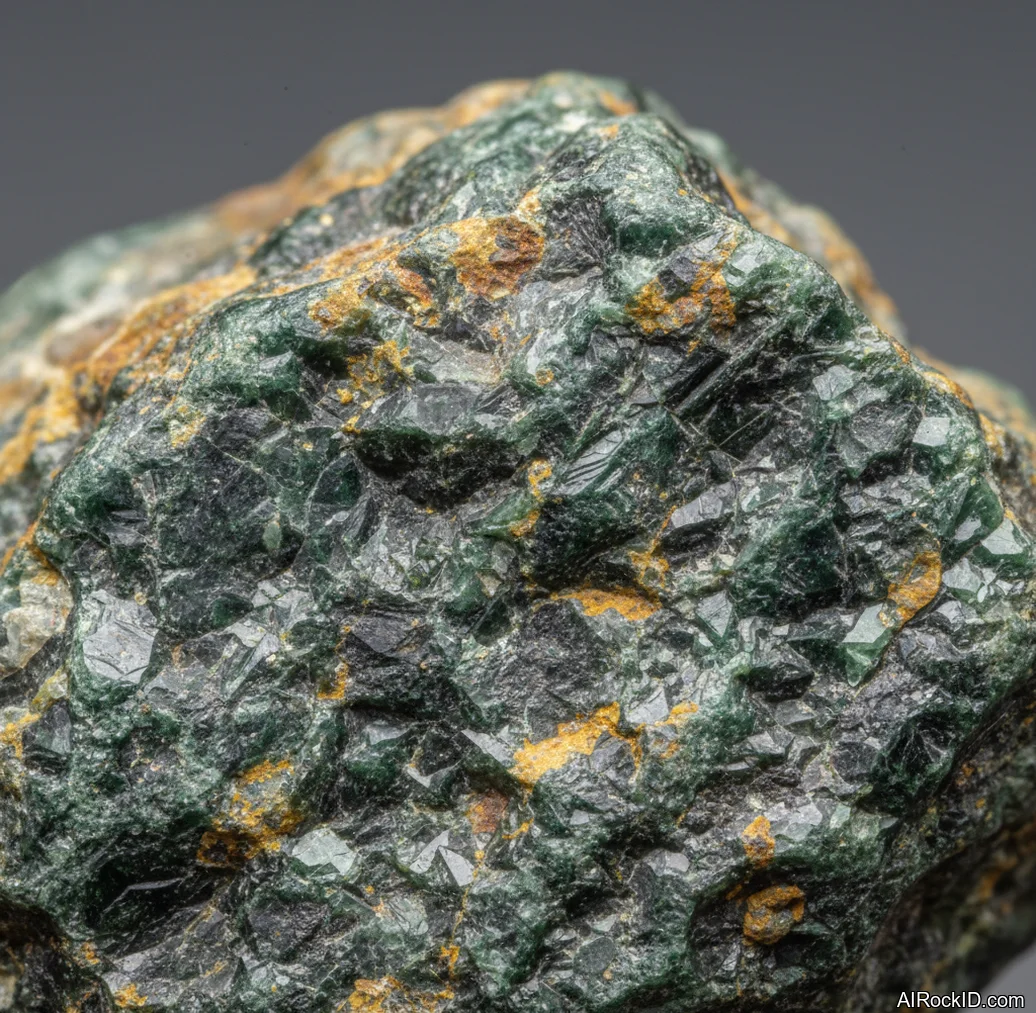
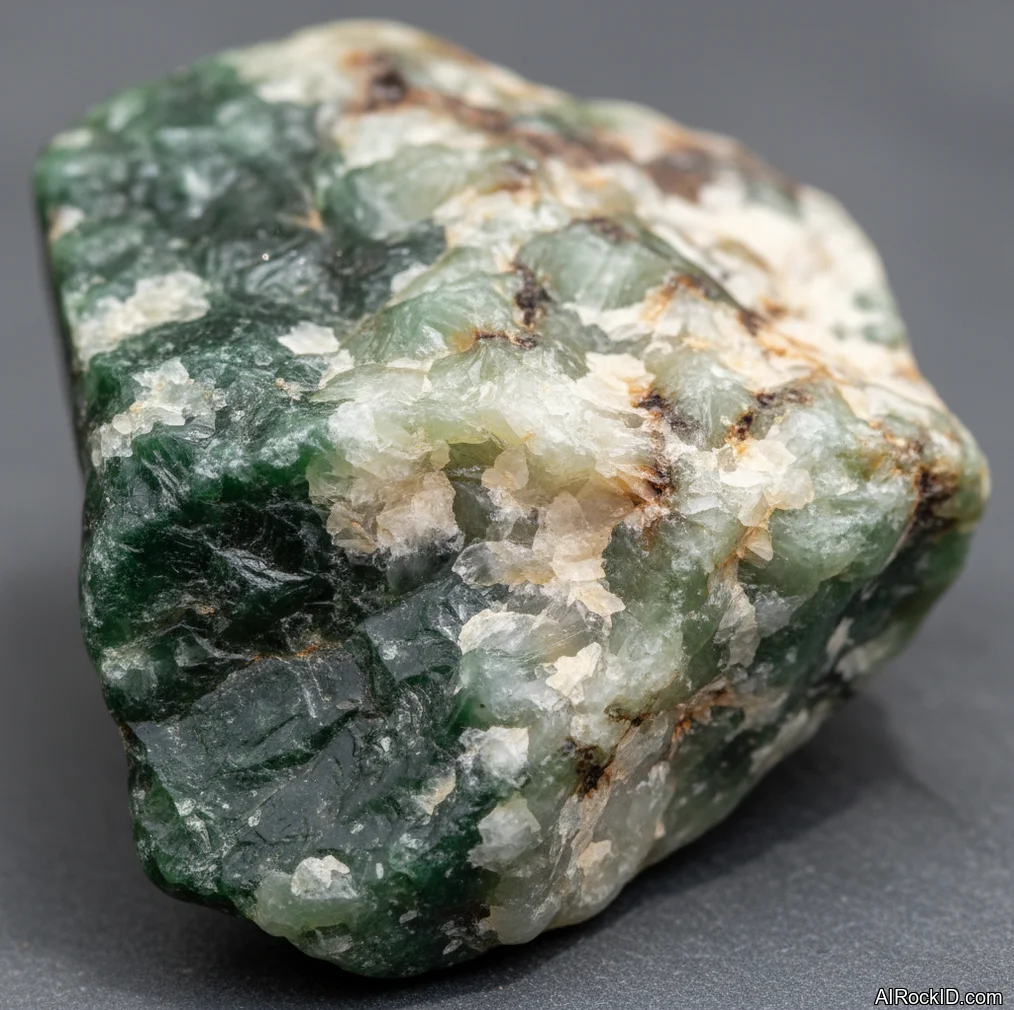
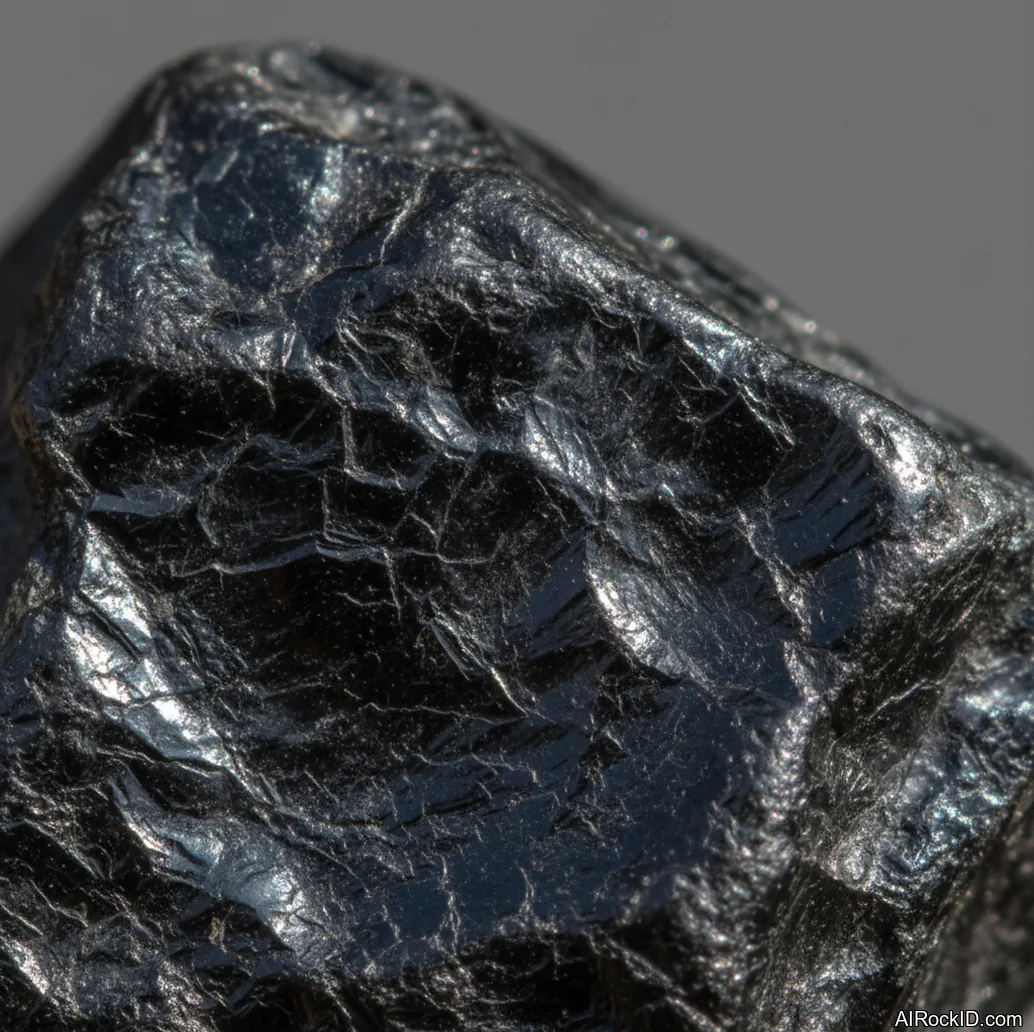
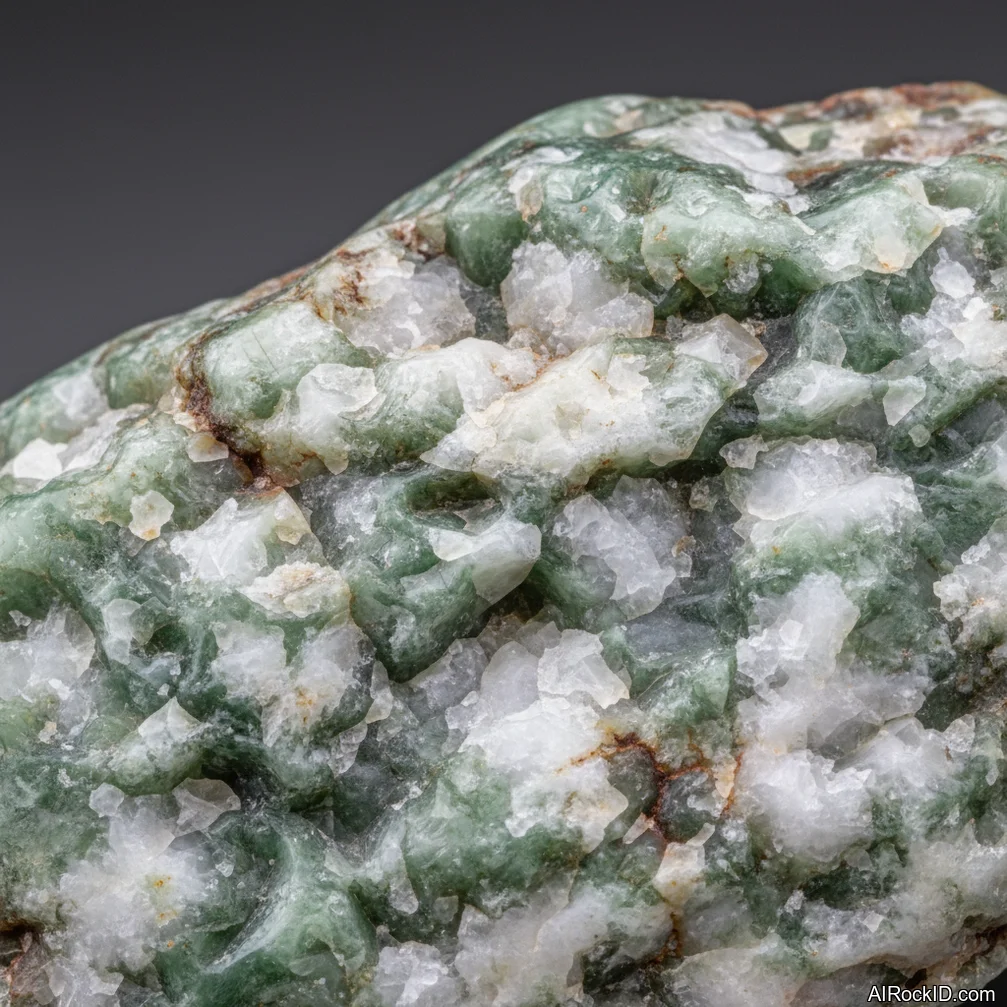
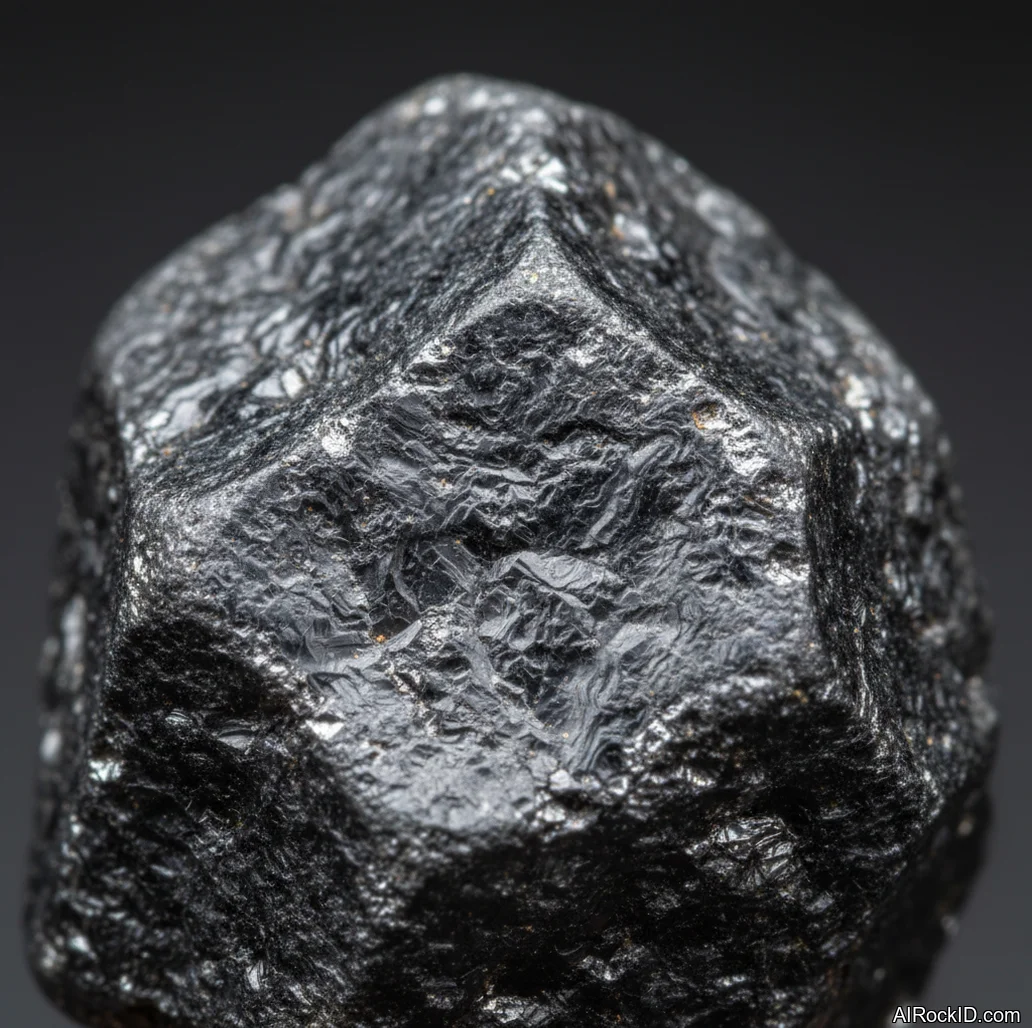
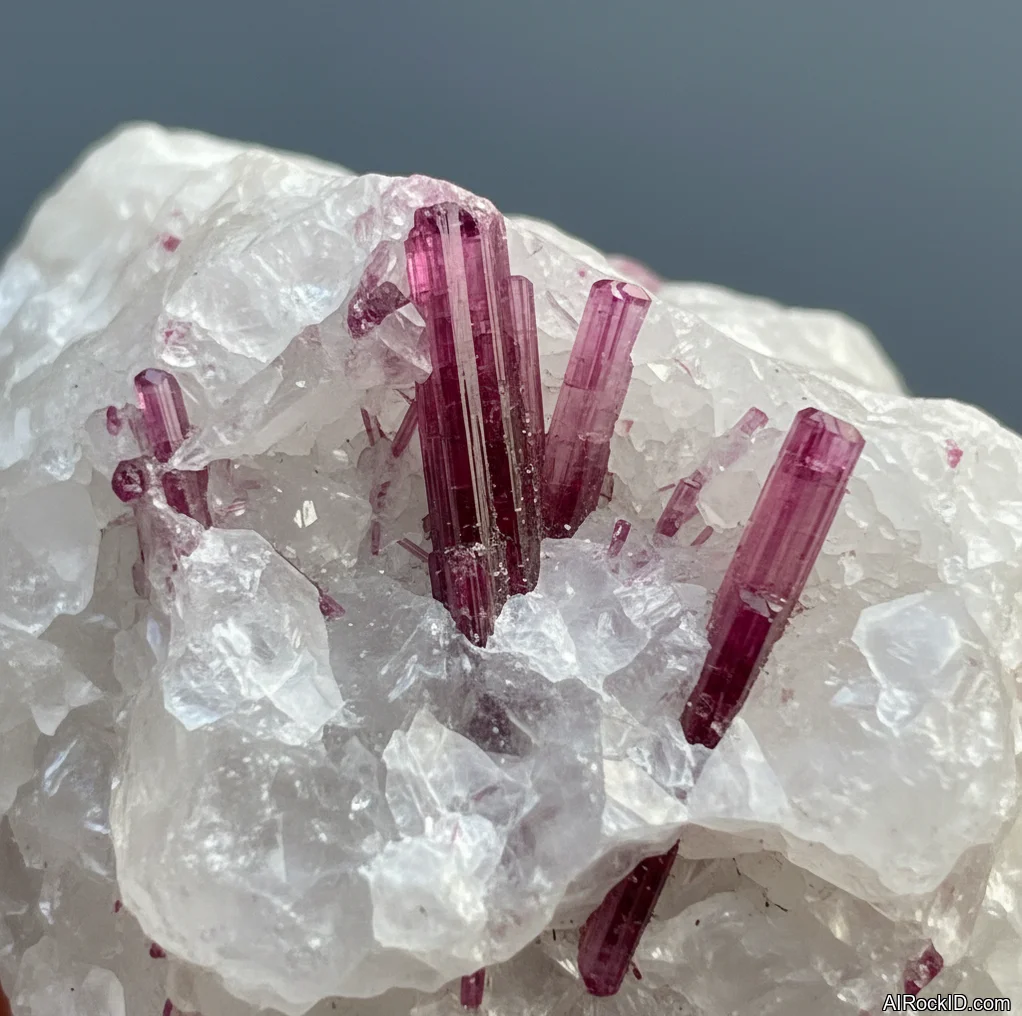
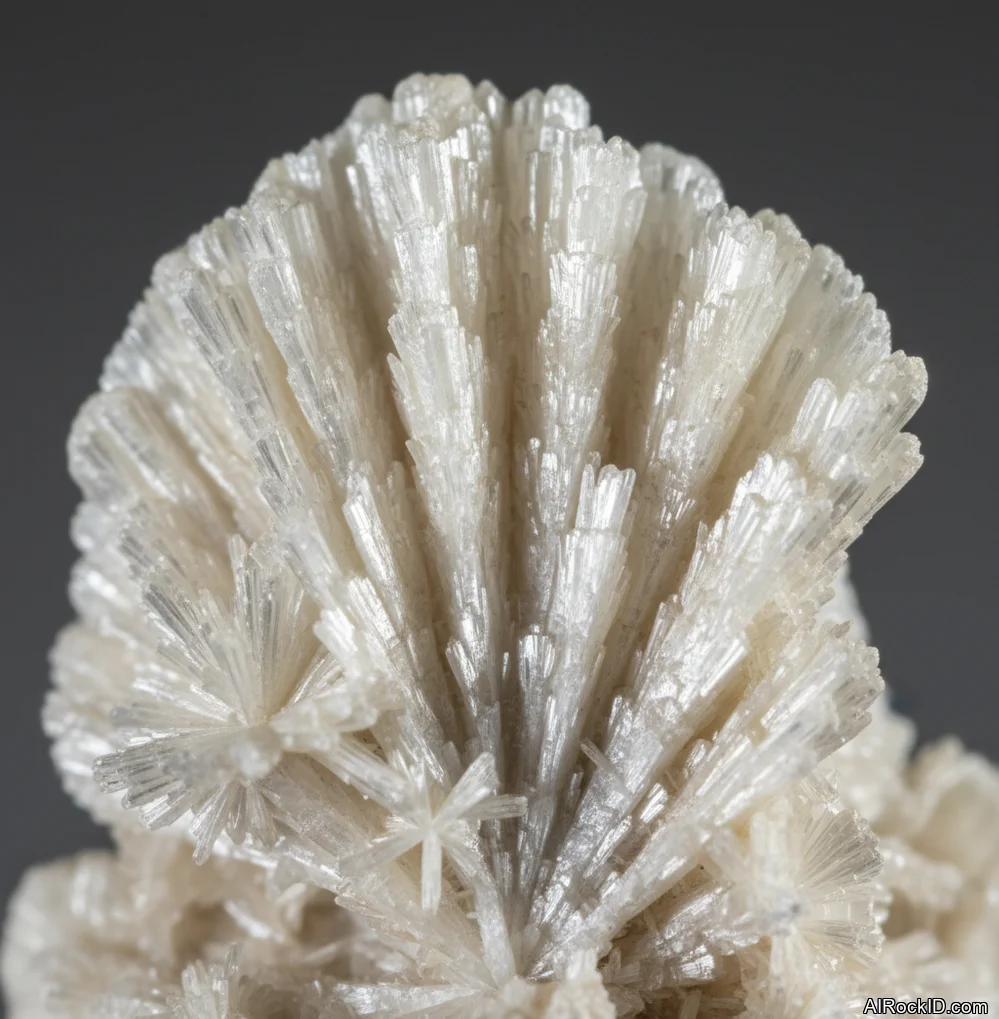
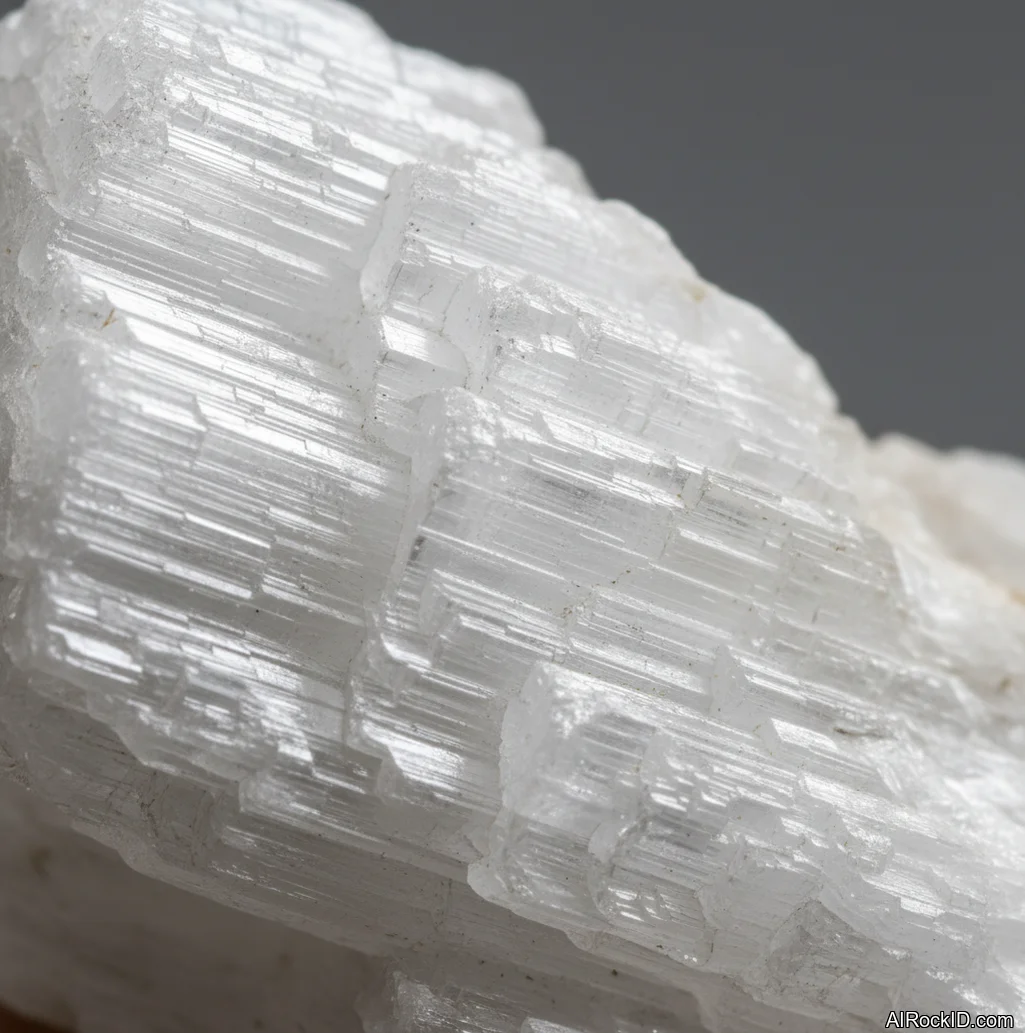
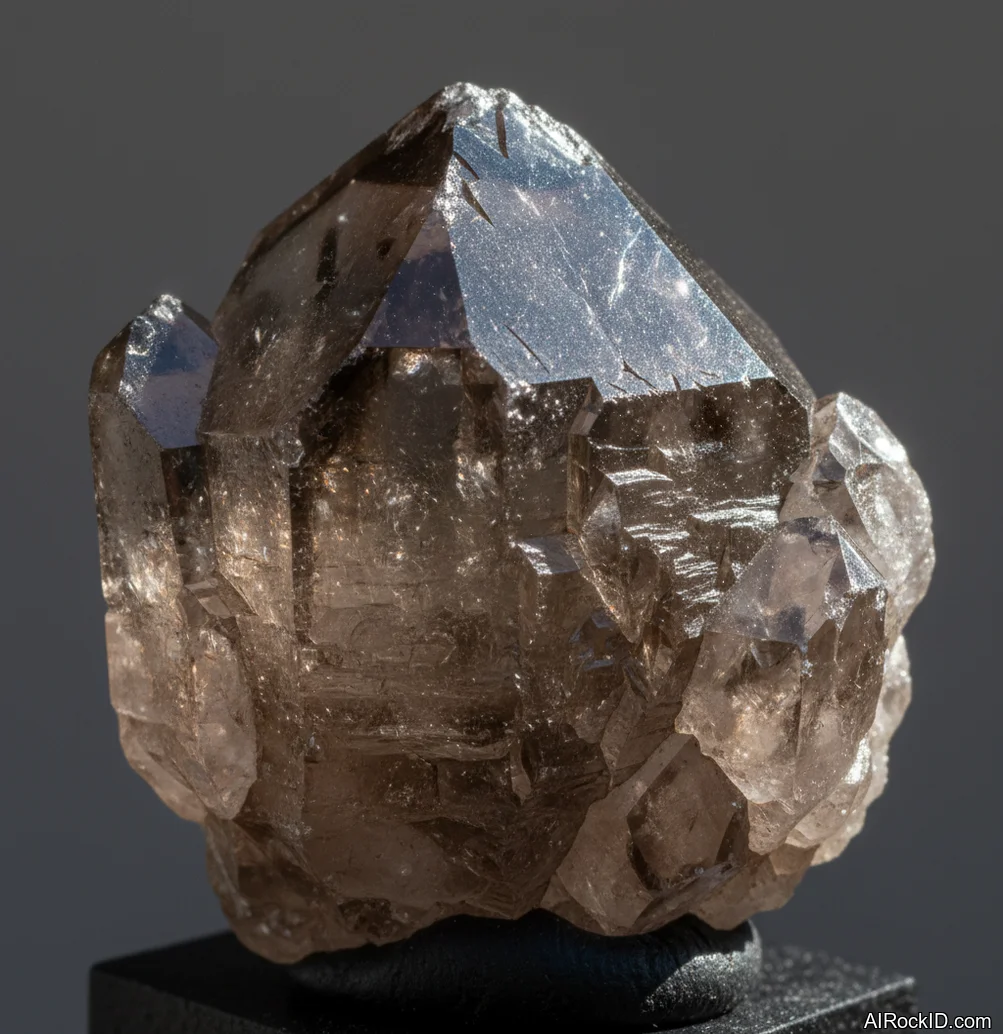
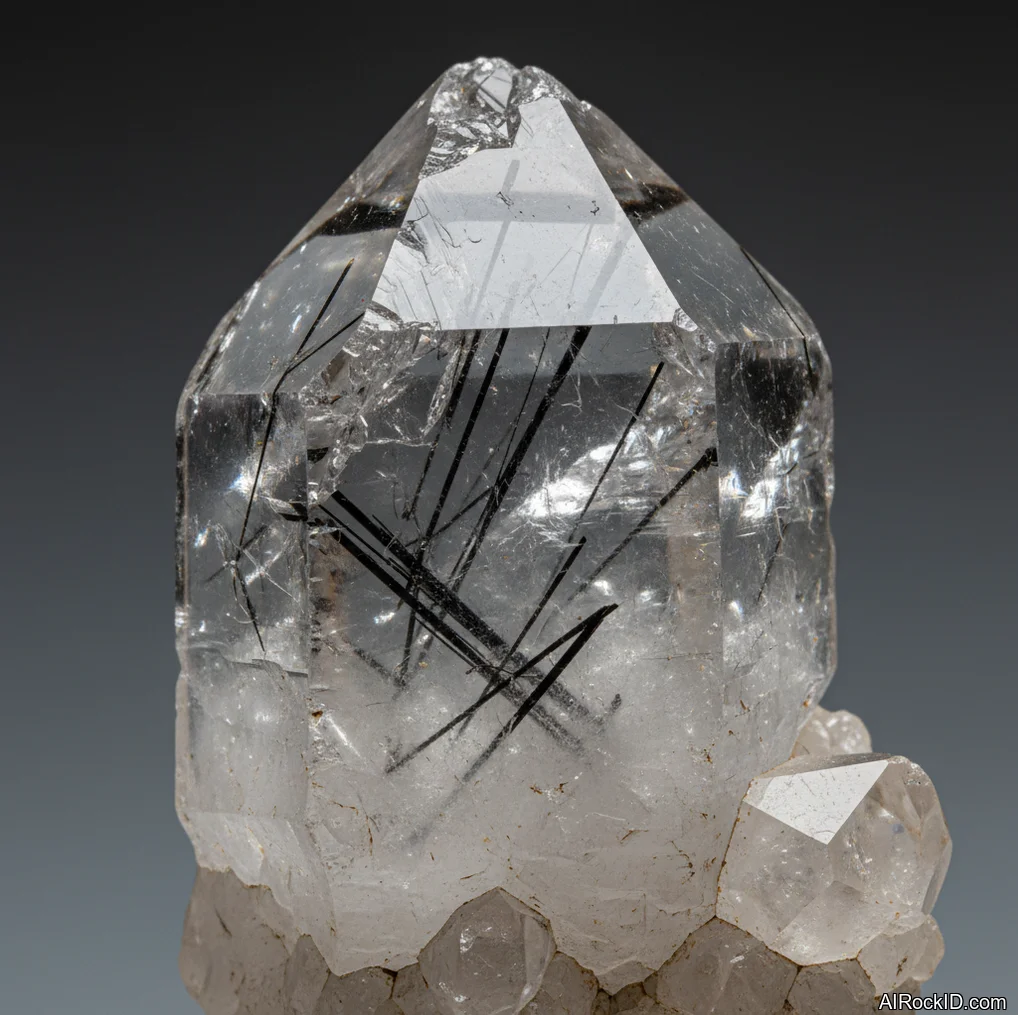
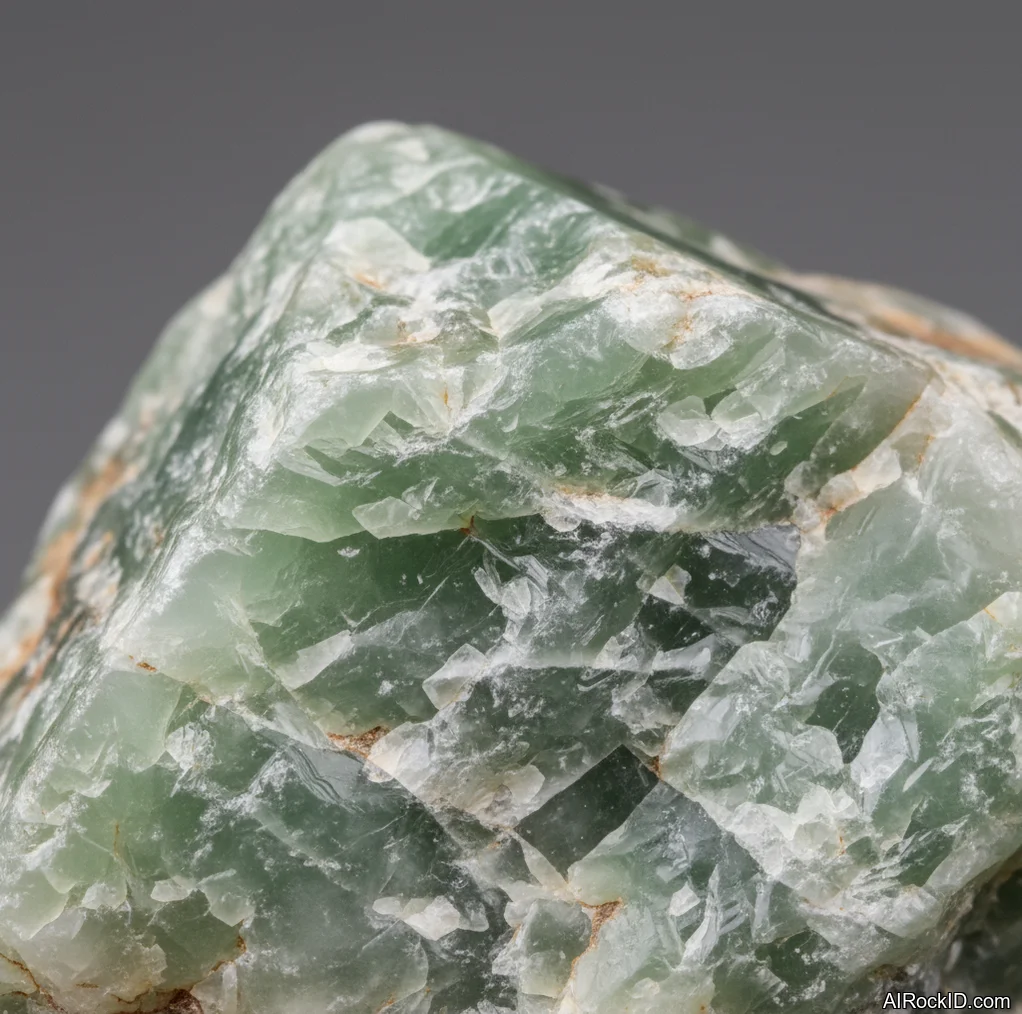
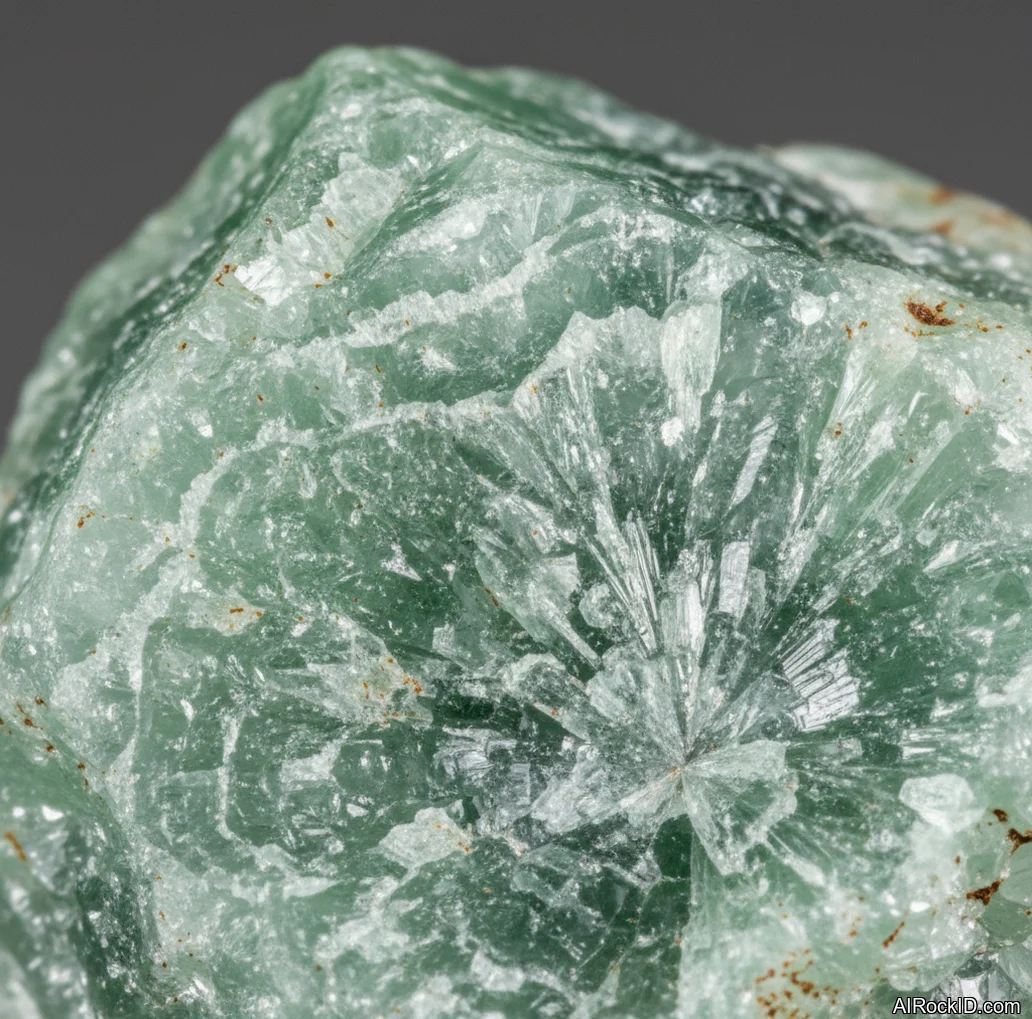
Emotional Healing crystals tend to get used in a few very practical ways. One is simple contact: a palm stone during a hard phone call, a worry stone in your pocket, a chunk on your nightstand that you touch before you scroll (we all do it). Another is placement: rose quartz by the bed, black tourmaline near the front door if you’re trying to feel less rattled by other people’s moods, selenite on a shelf where you’ll catch it in your vision as a reset. And people pair stones on purpose, too. Amethyst with smoky quartz when they want calm without feeling spaced out. Rhodonite with green aventurine when they’re trying to move from hurt into “okay, what now.”
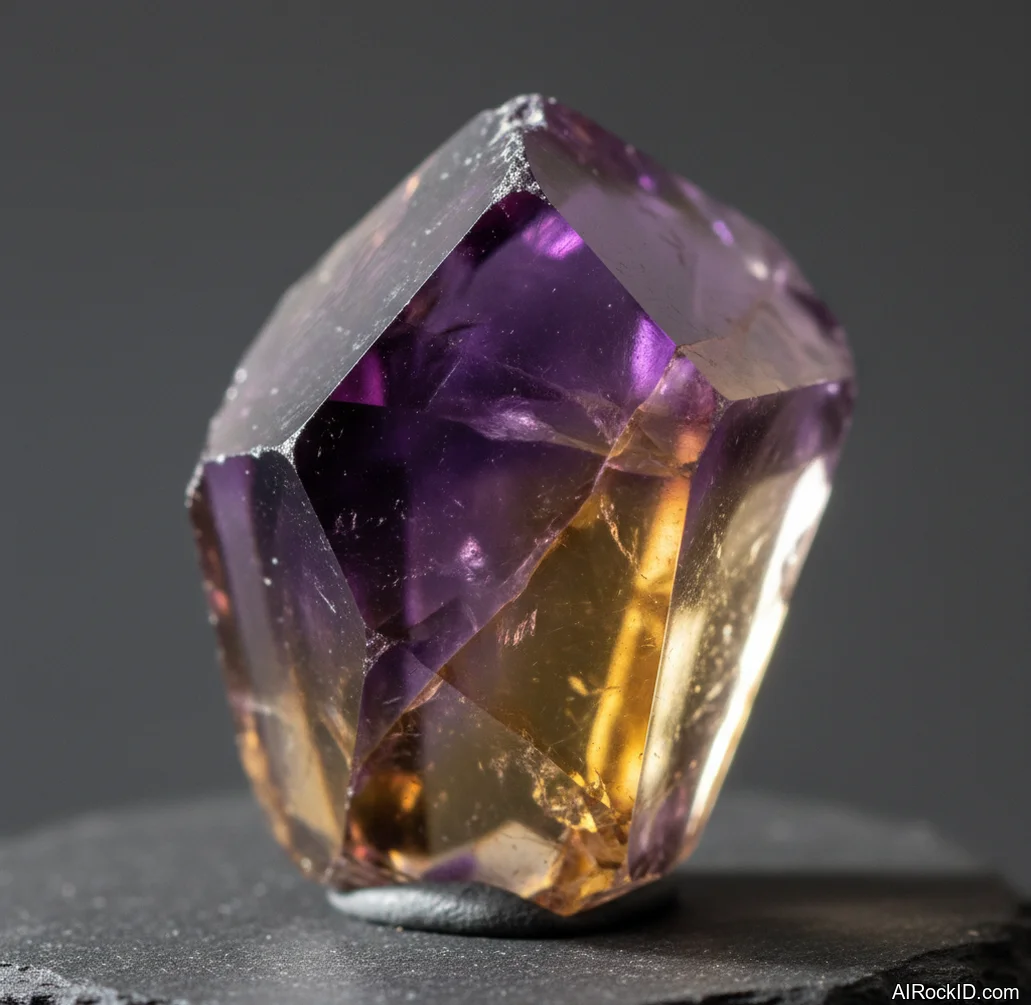
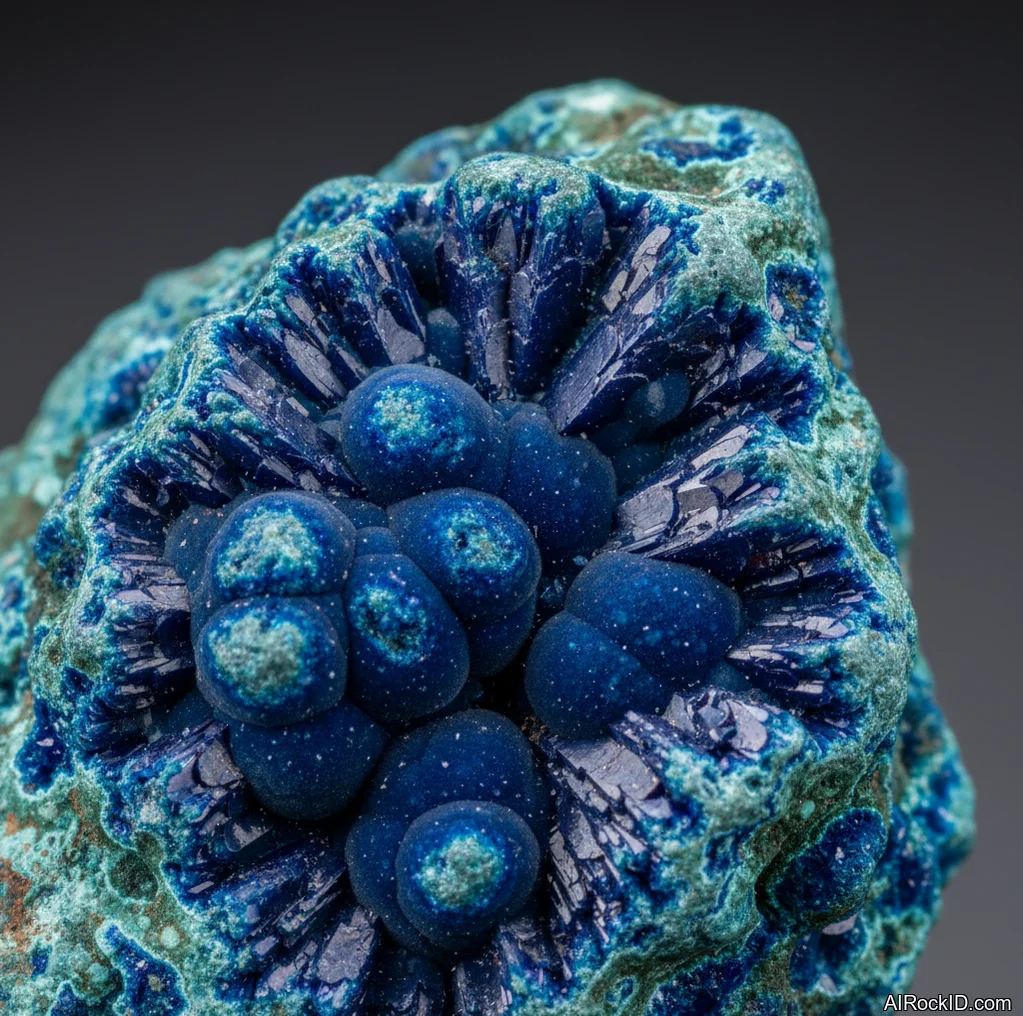
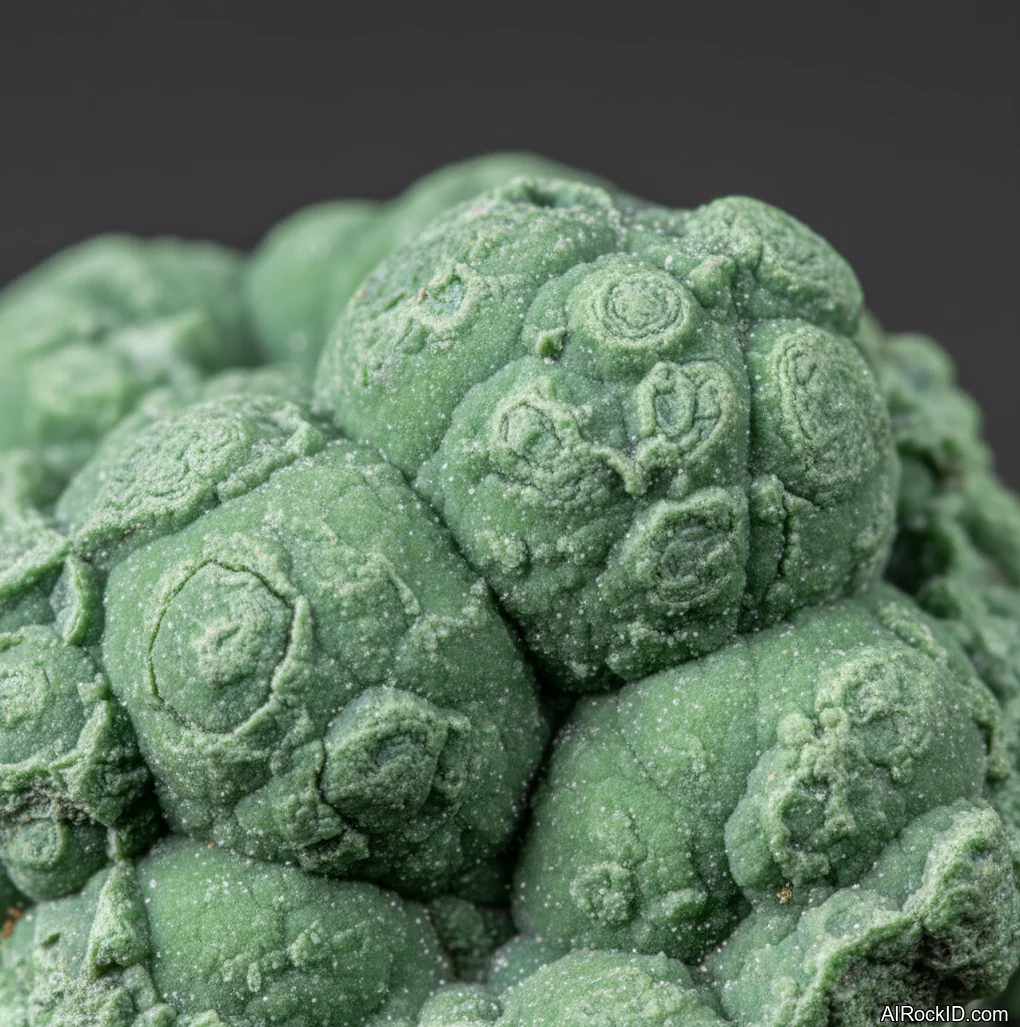
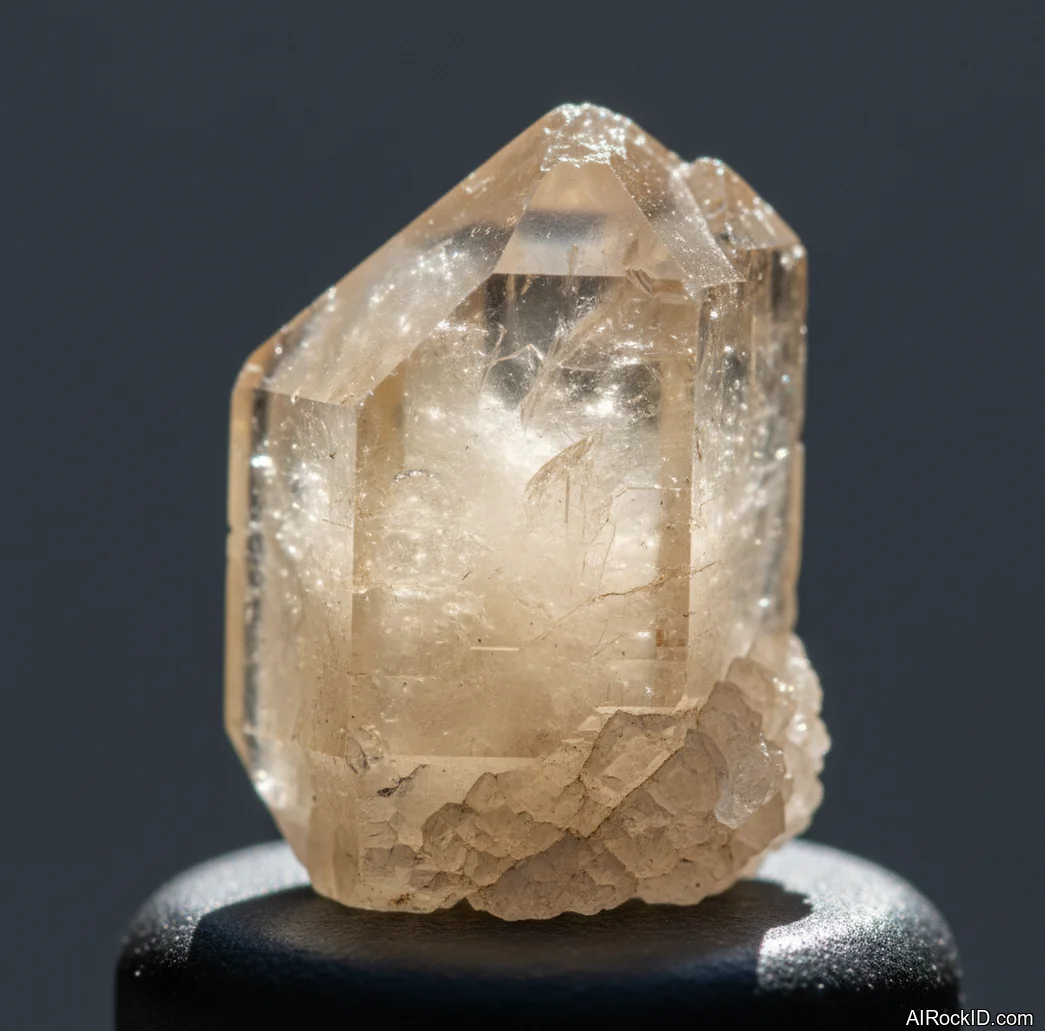
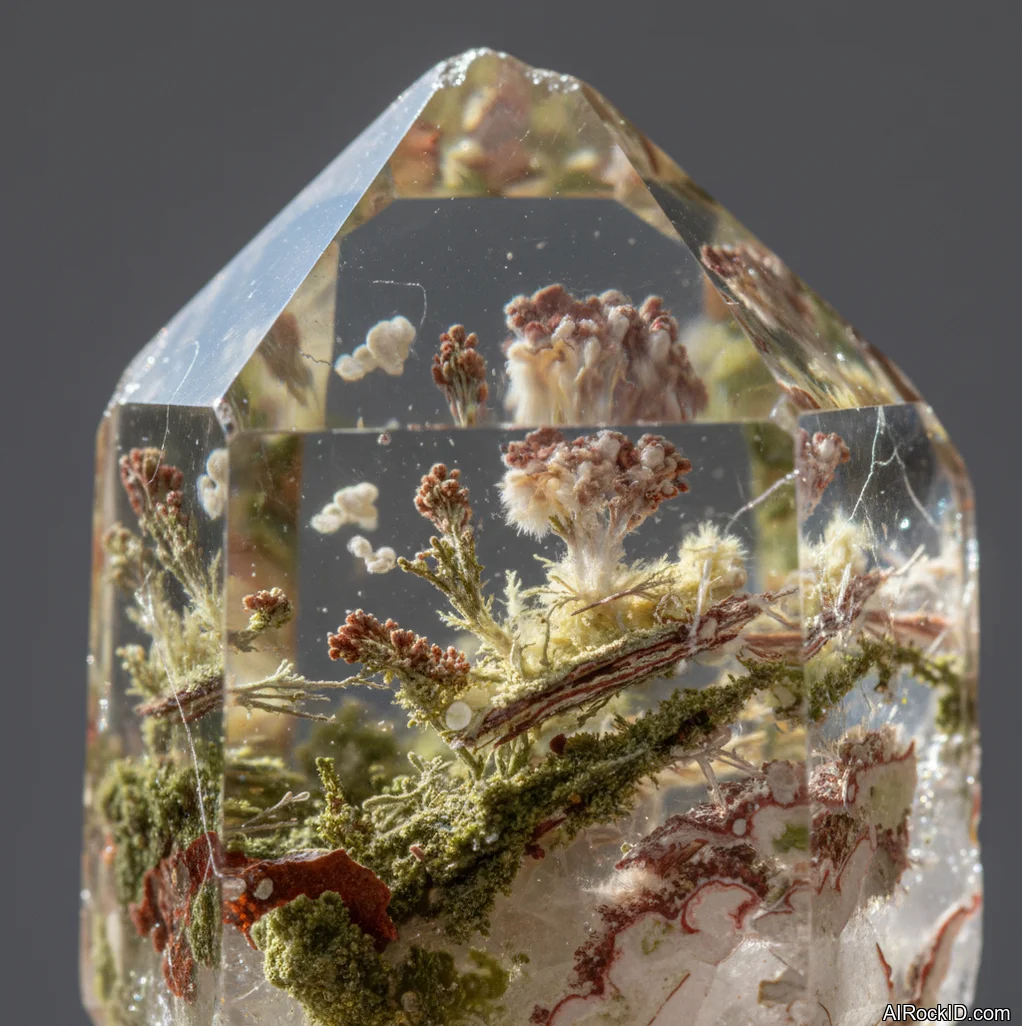
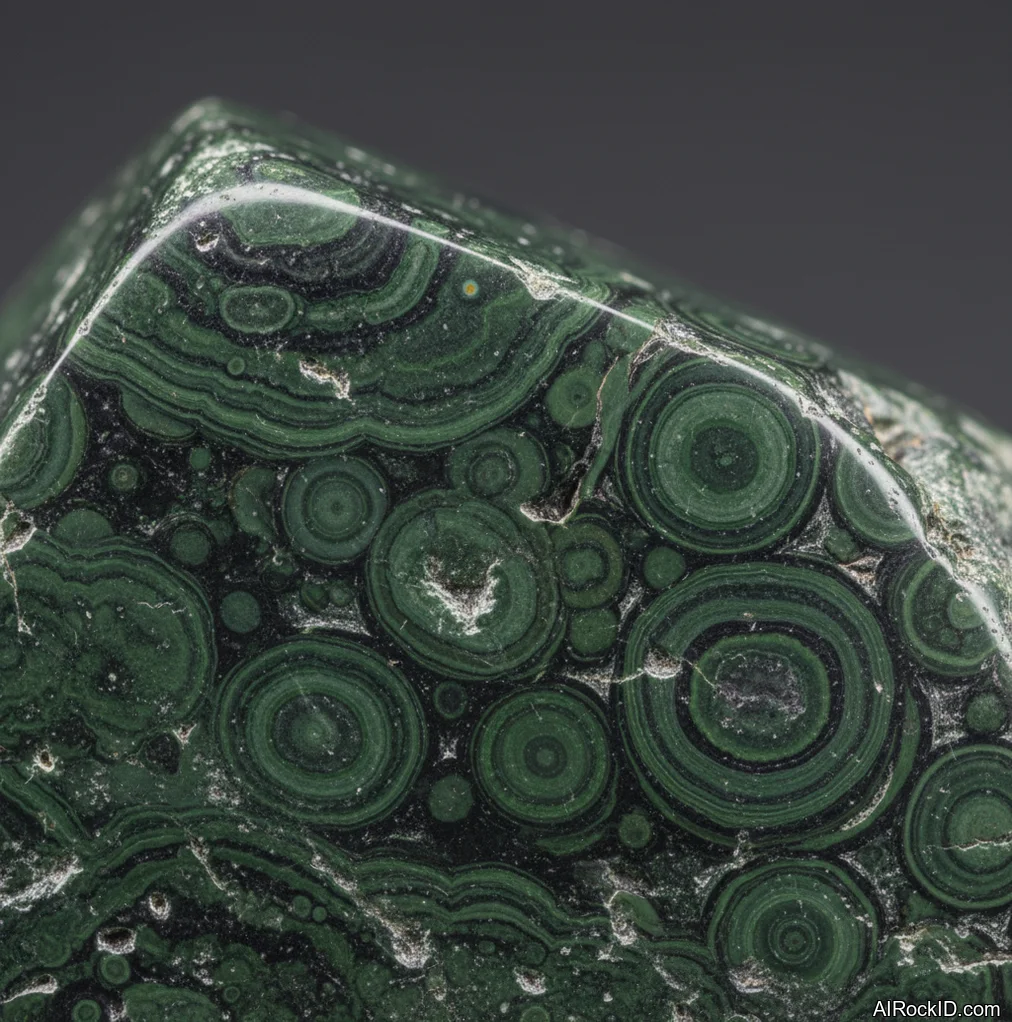
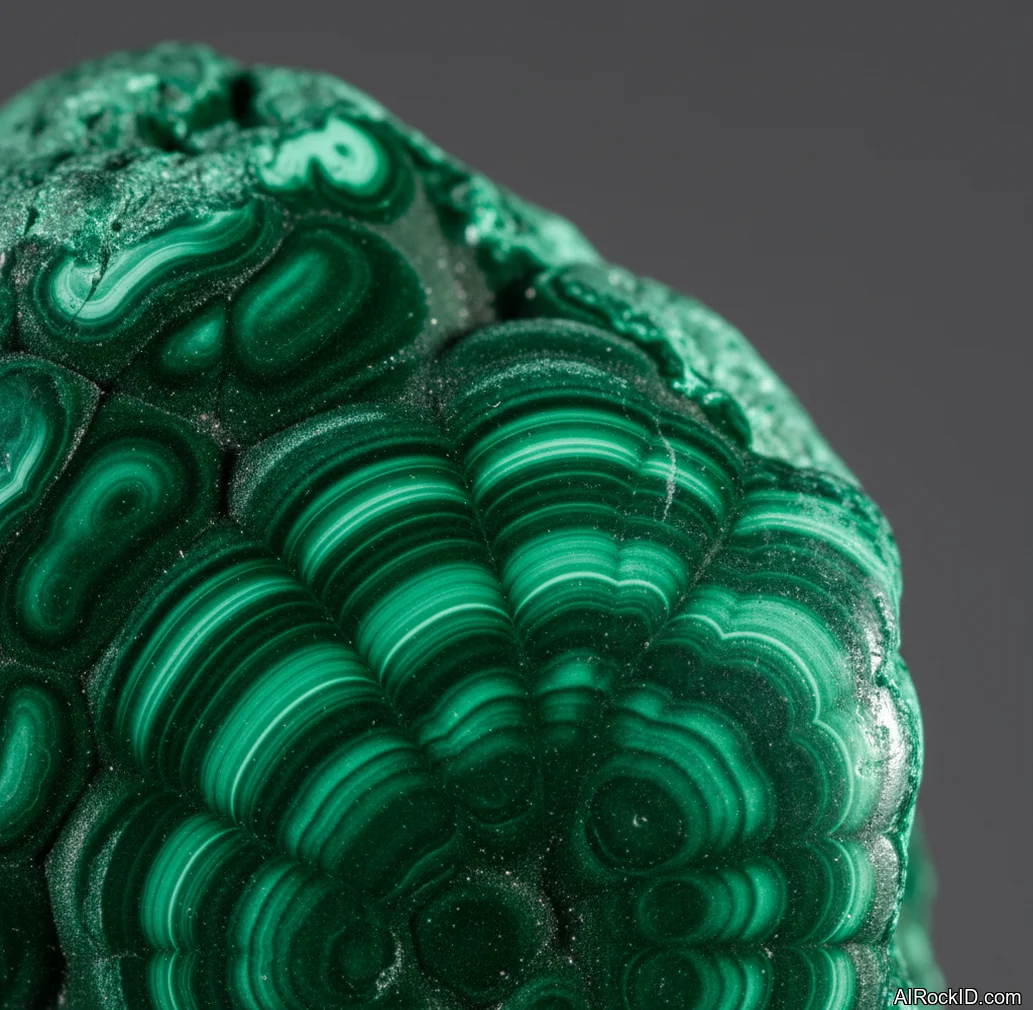
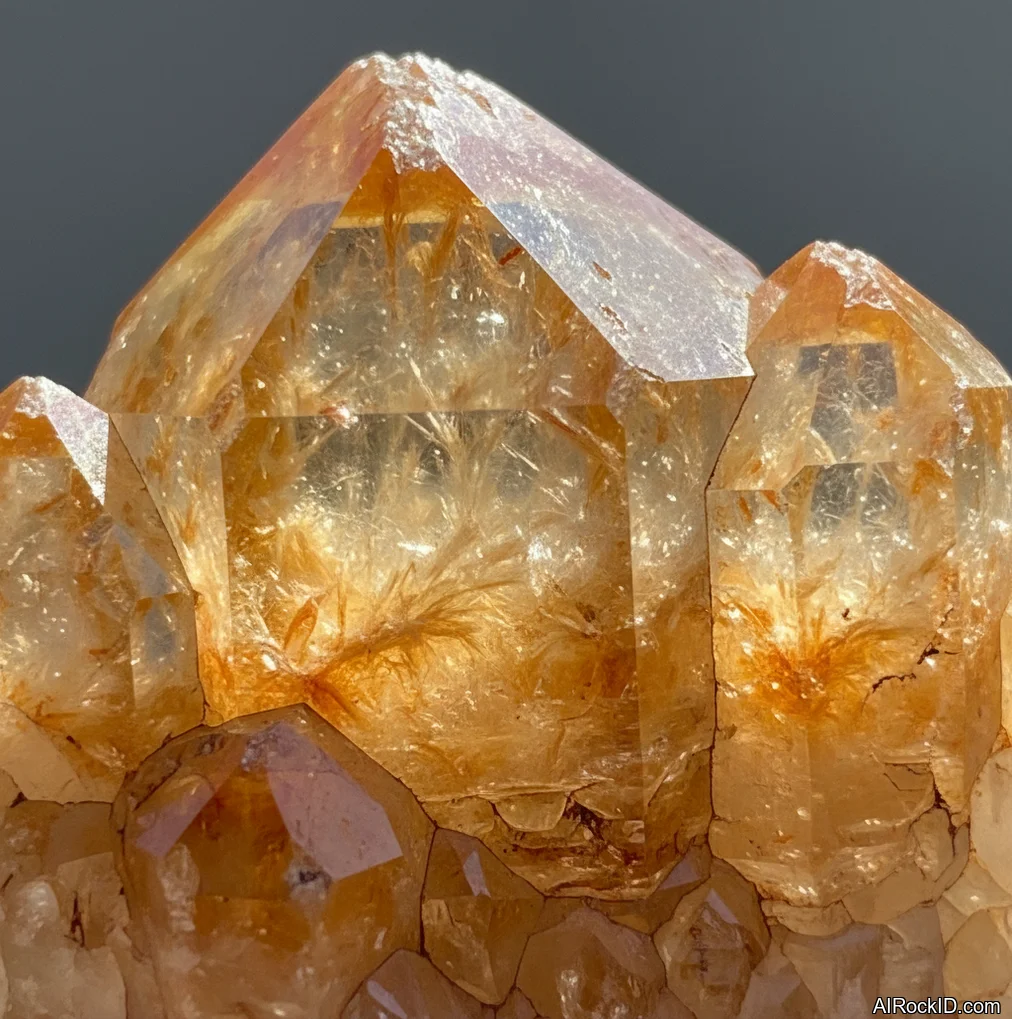
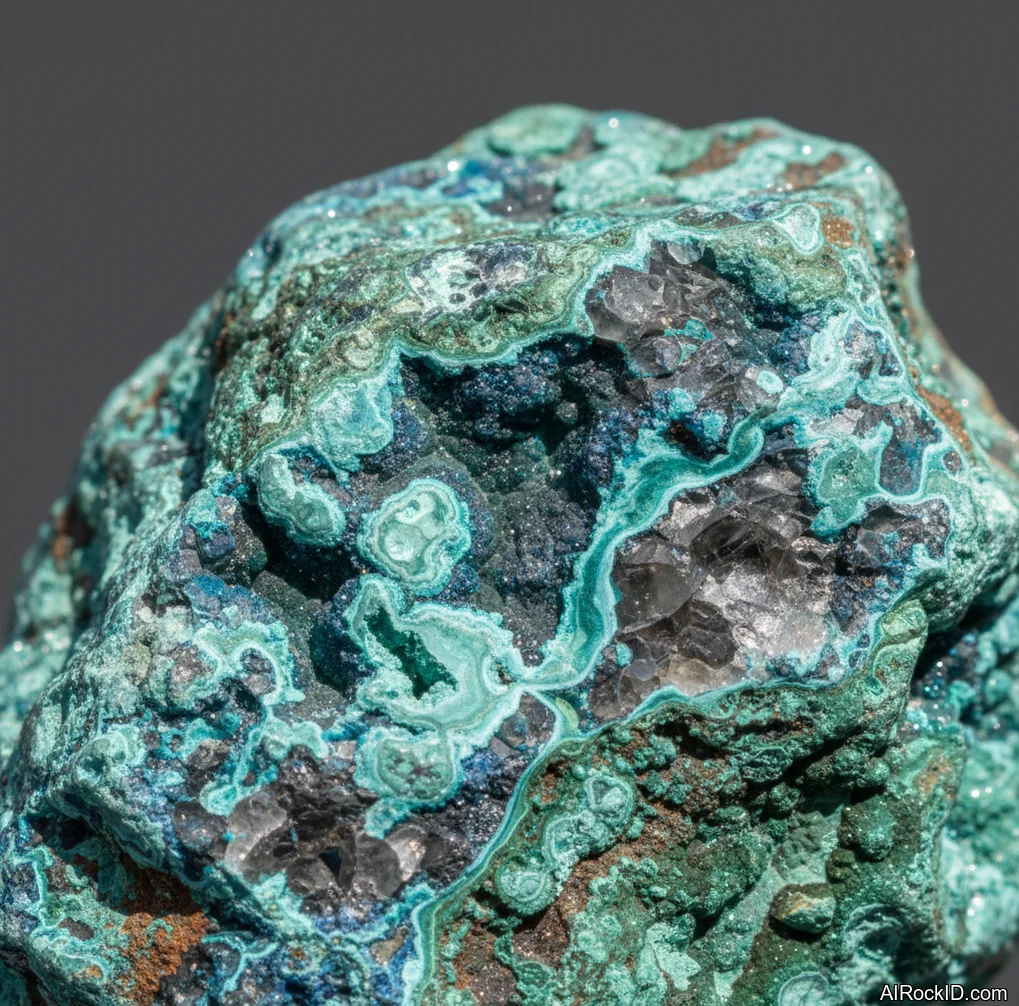
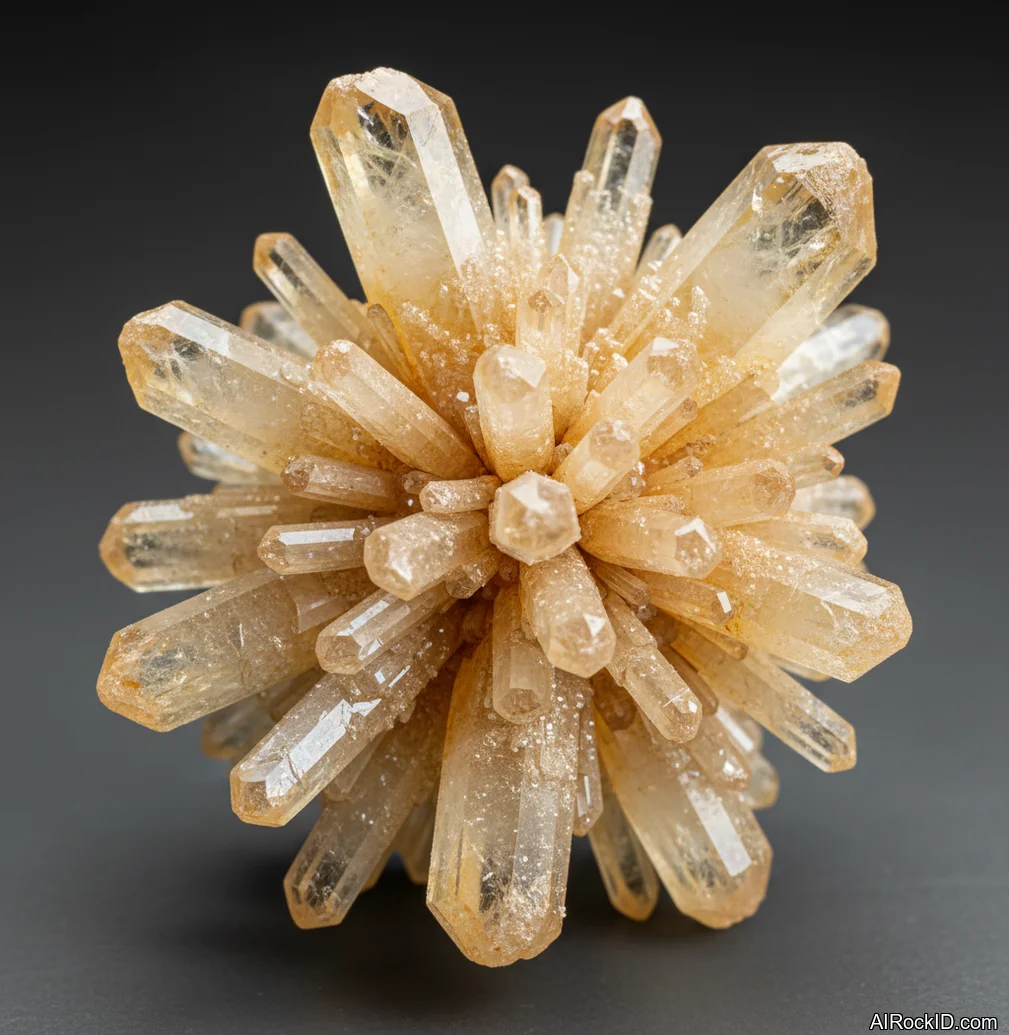
Look, check closely when you’re buying. Emotional Healing stones are some of the most faked, dyed, or mislabeled because the demand never really stops and it’s easy to sell almost anything in tumbled form. The “citrine” problem is real: a lot of it is heat-treated amethyst, and the color can look too uniform or too orange, especially in points with a white base. Cheap “malachite” is sometimes resin composite with a printed swirl, and it feels weirdly warm right away compared to real stone that stays cool. With rose quartz, glass fakes can look too clear and too bubble-free in a way that feels kind of sterile. Real quartz usually has internal haze or wispy veils when you tilt it under a lamp.
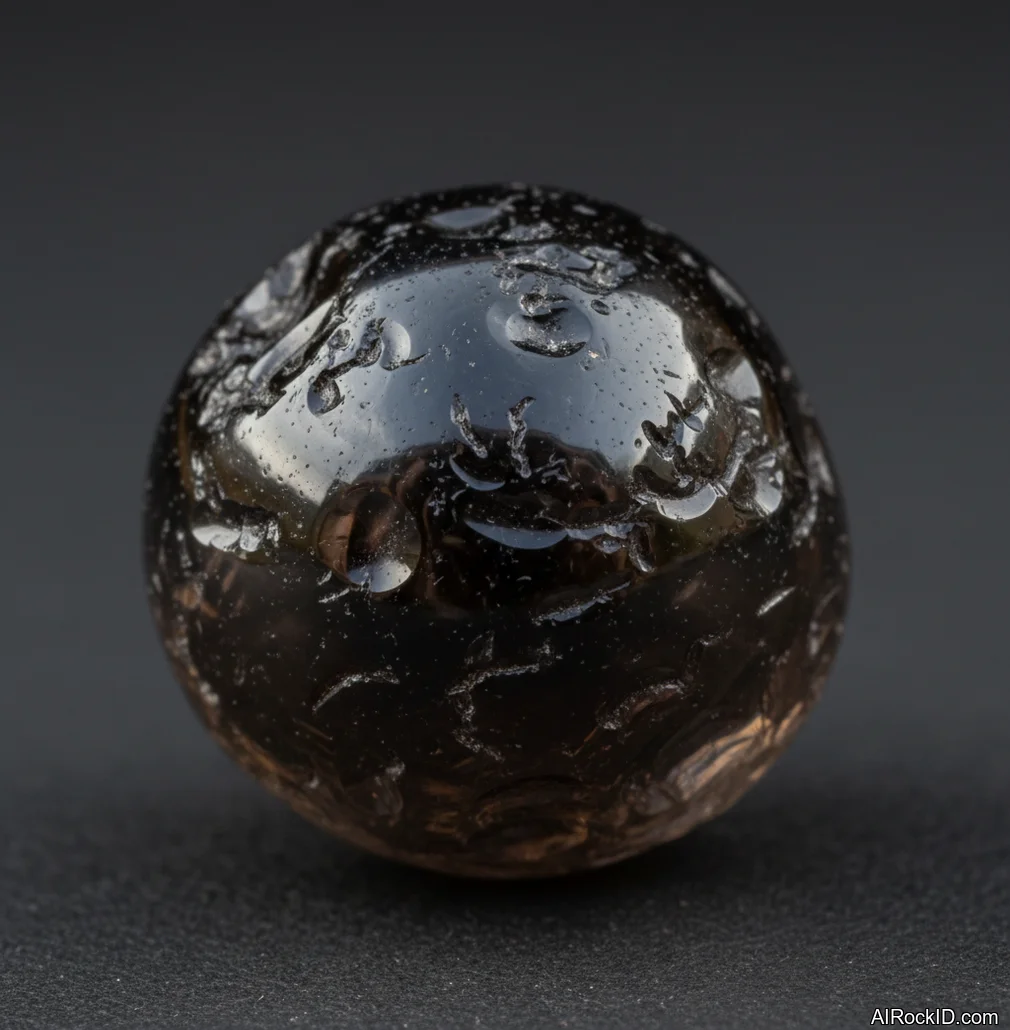
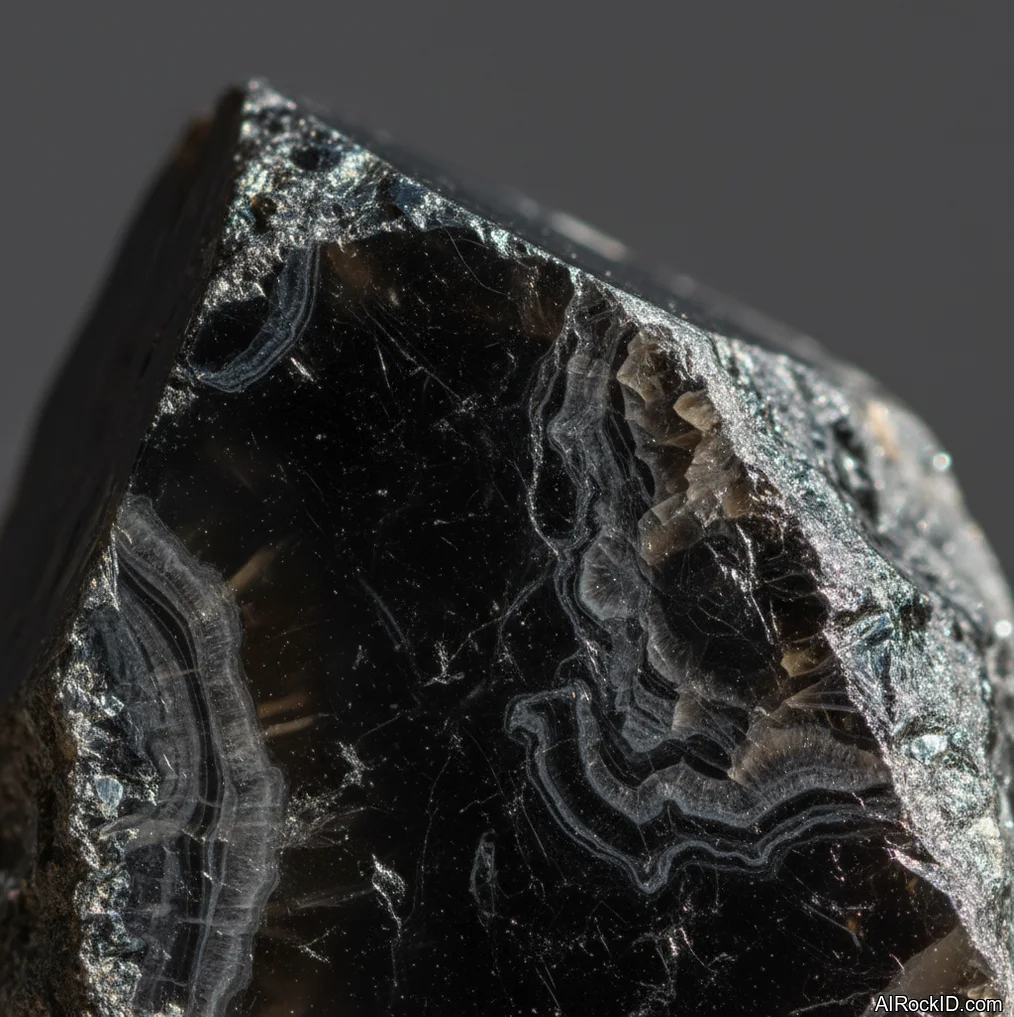
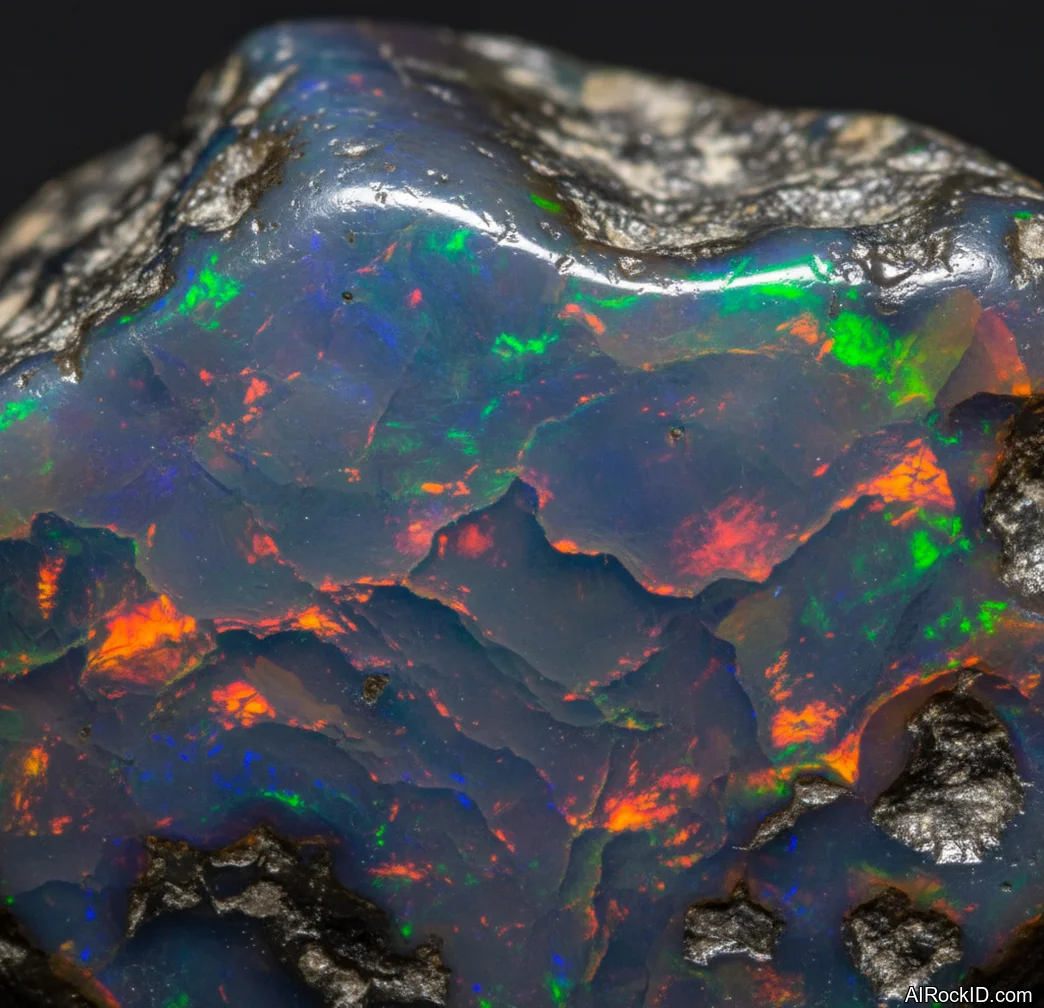
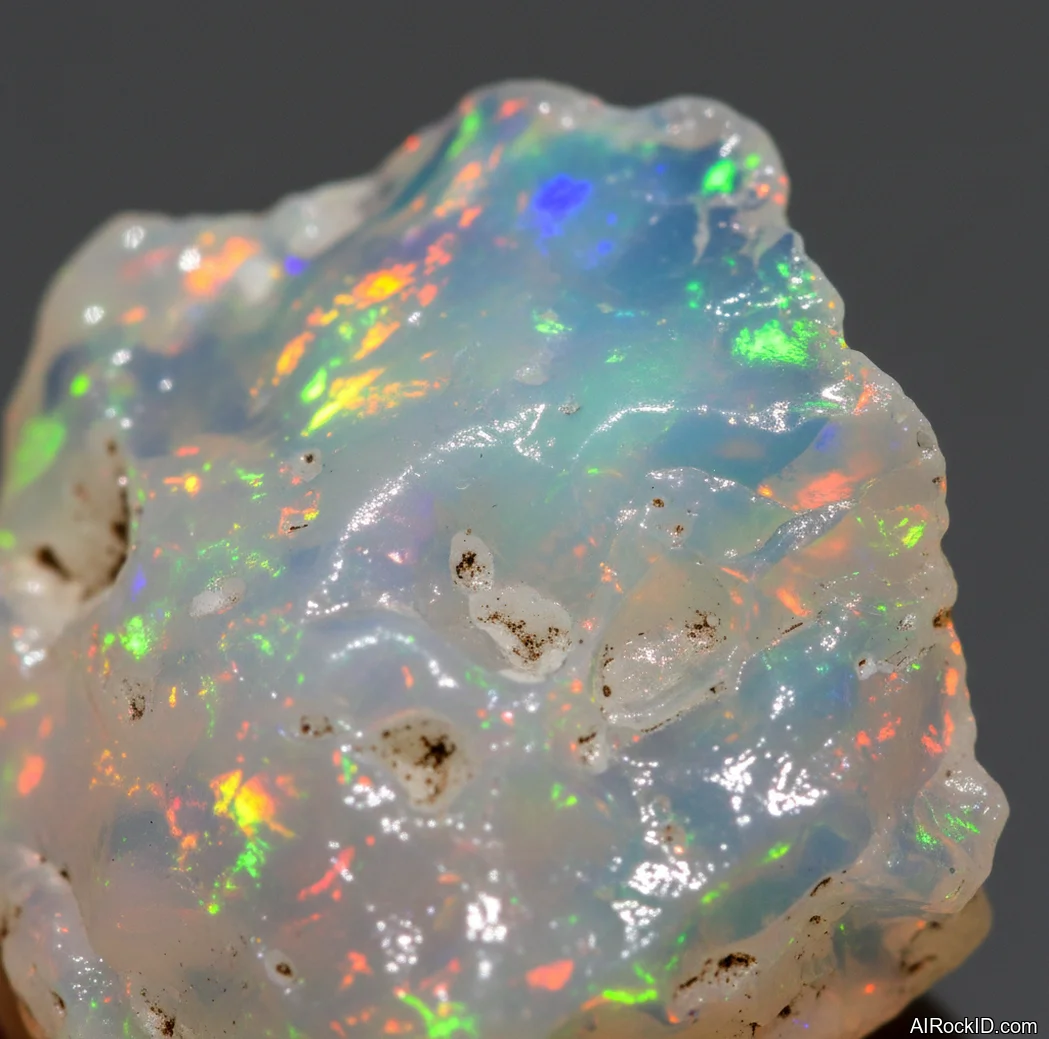
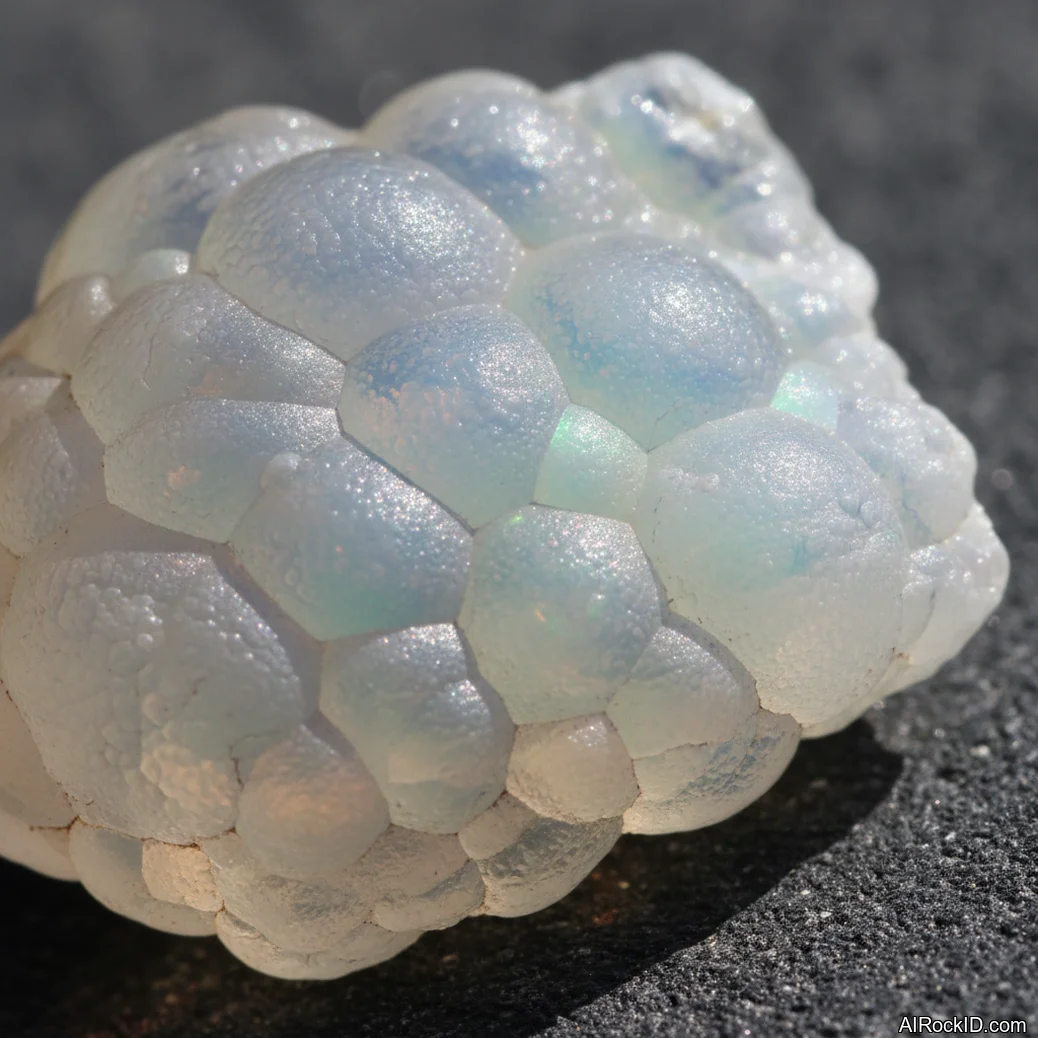
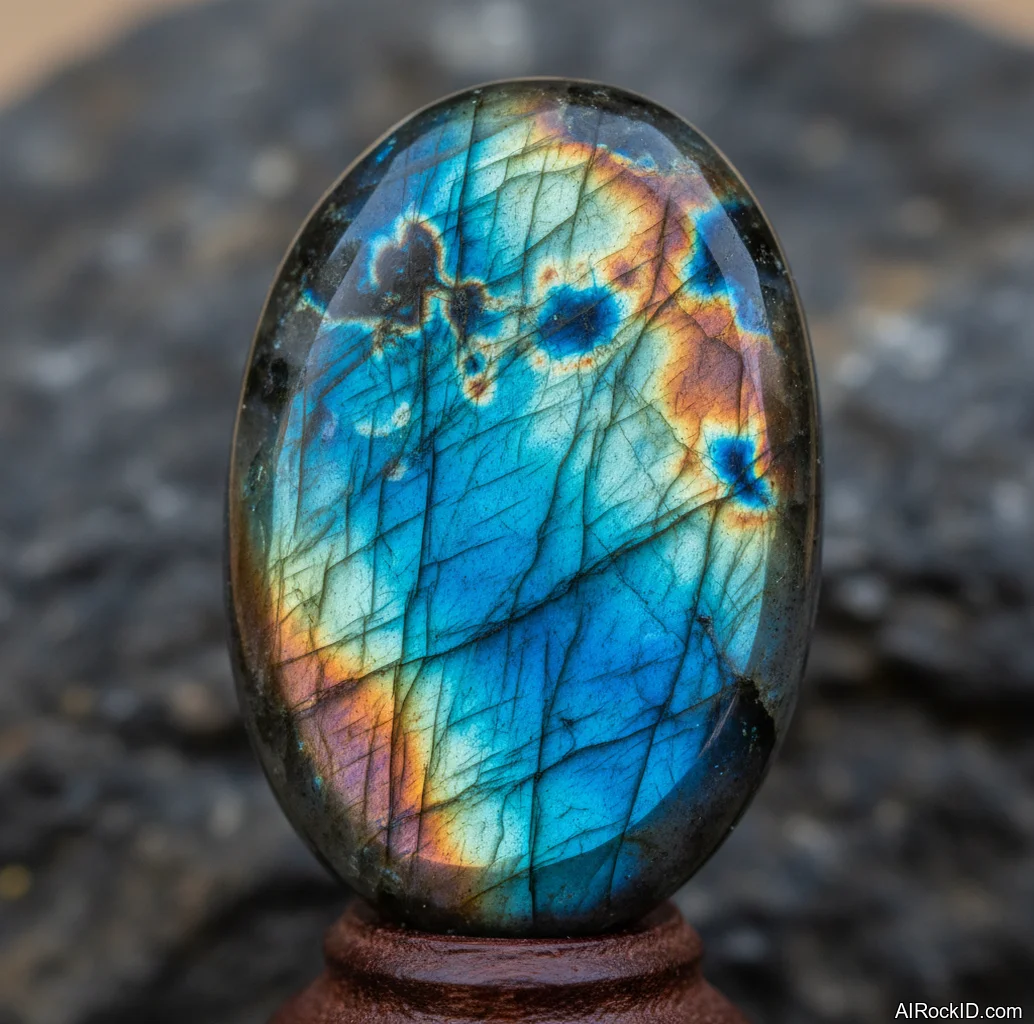
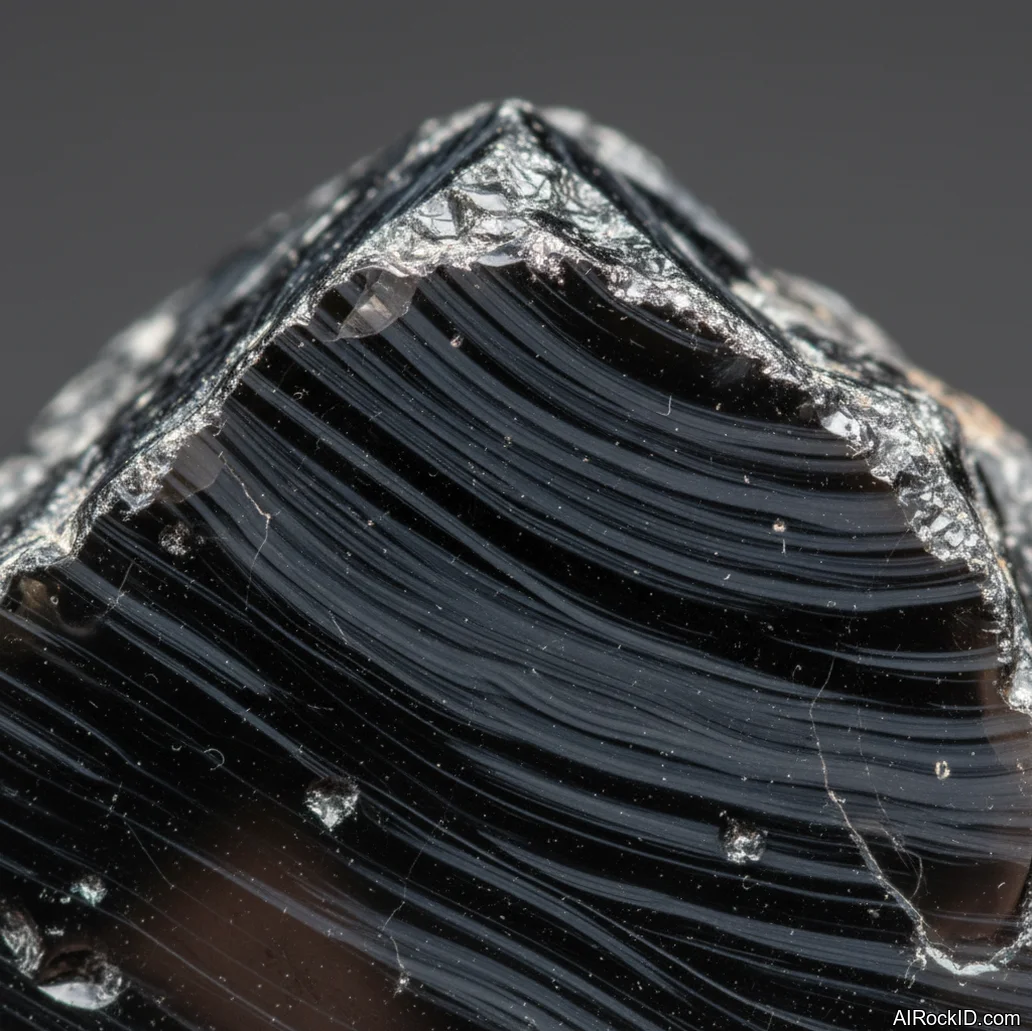
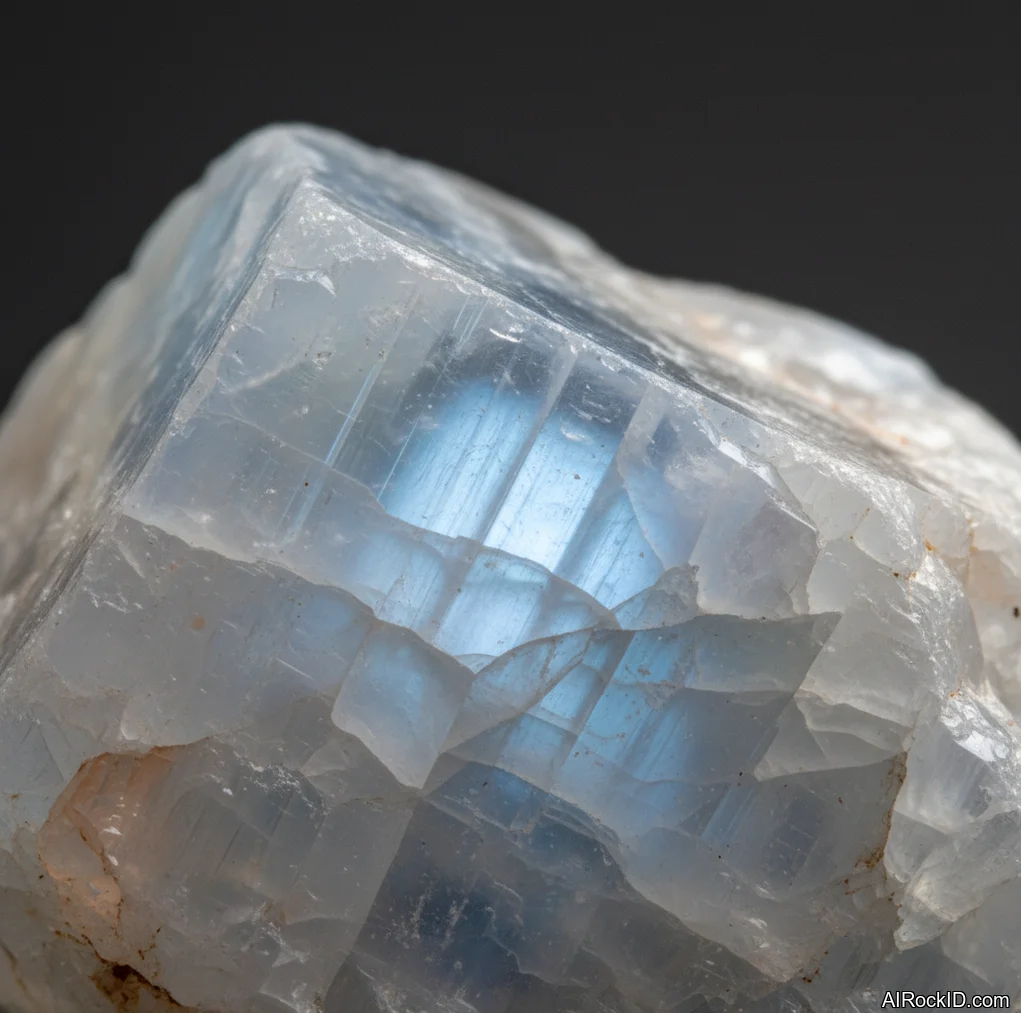
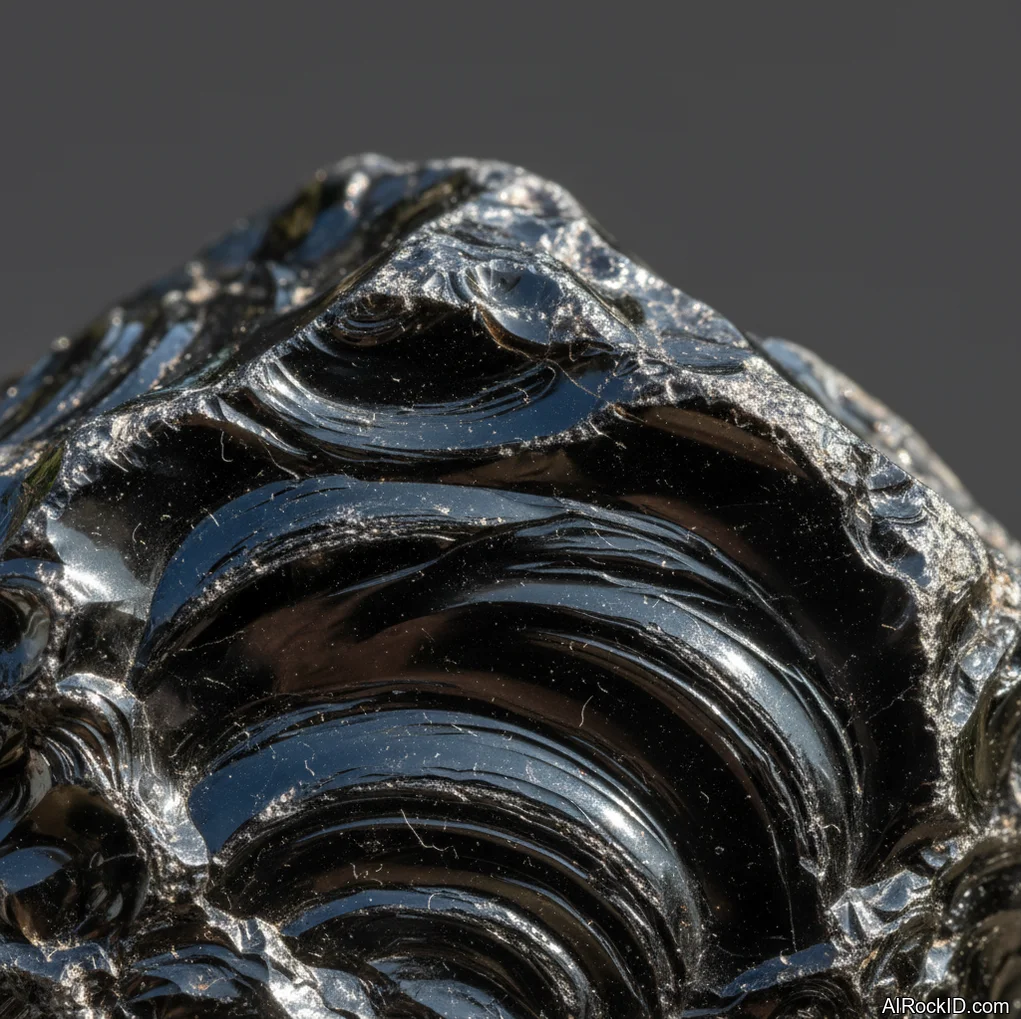
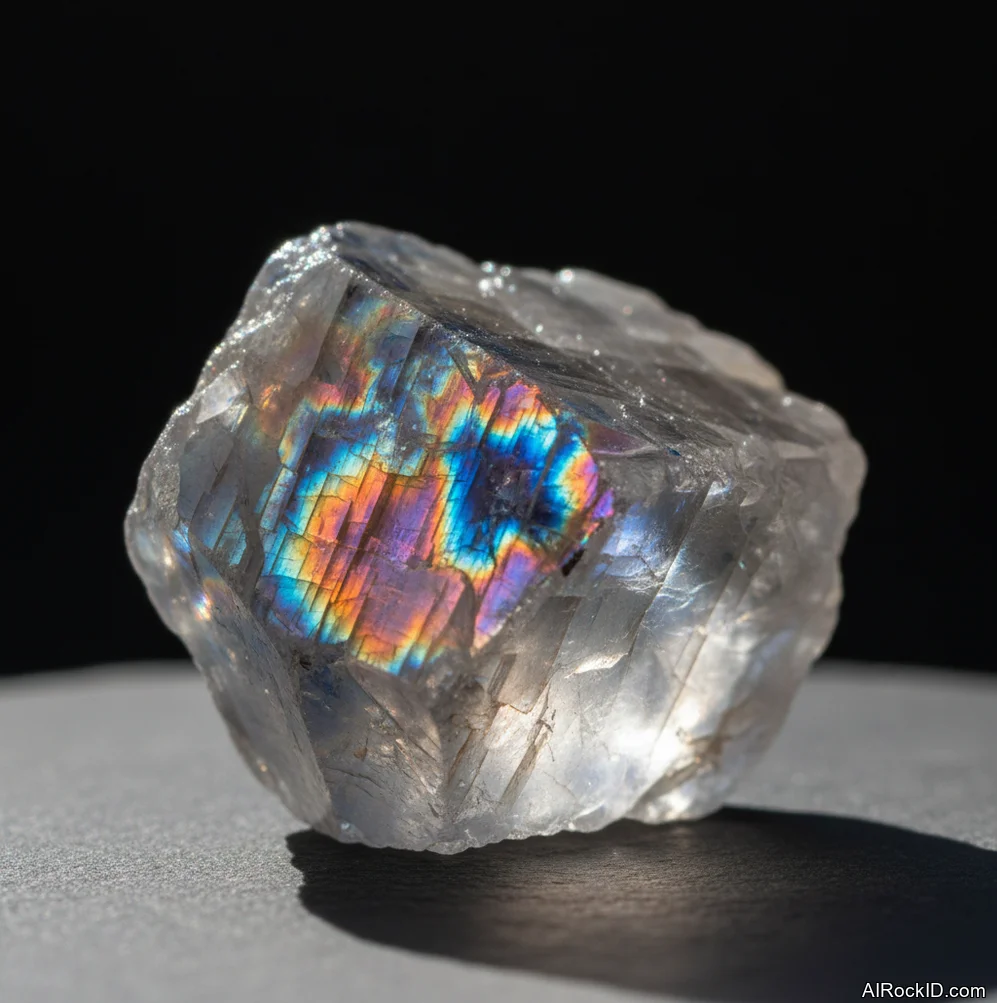
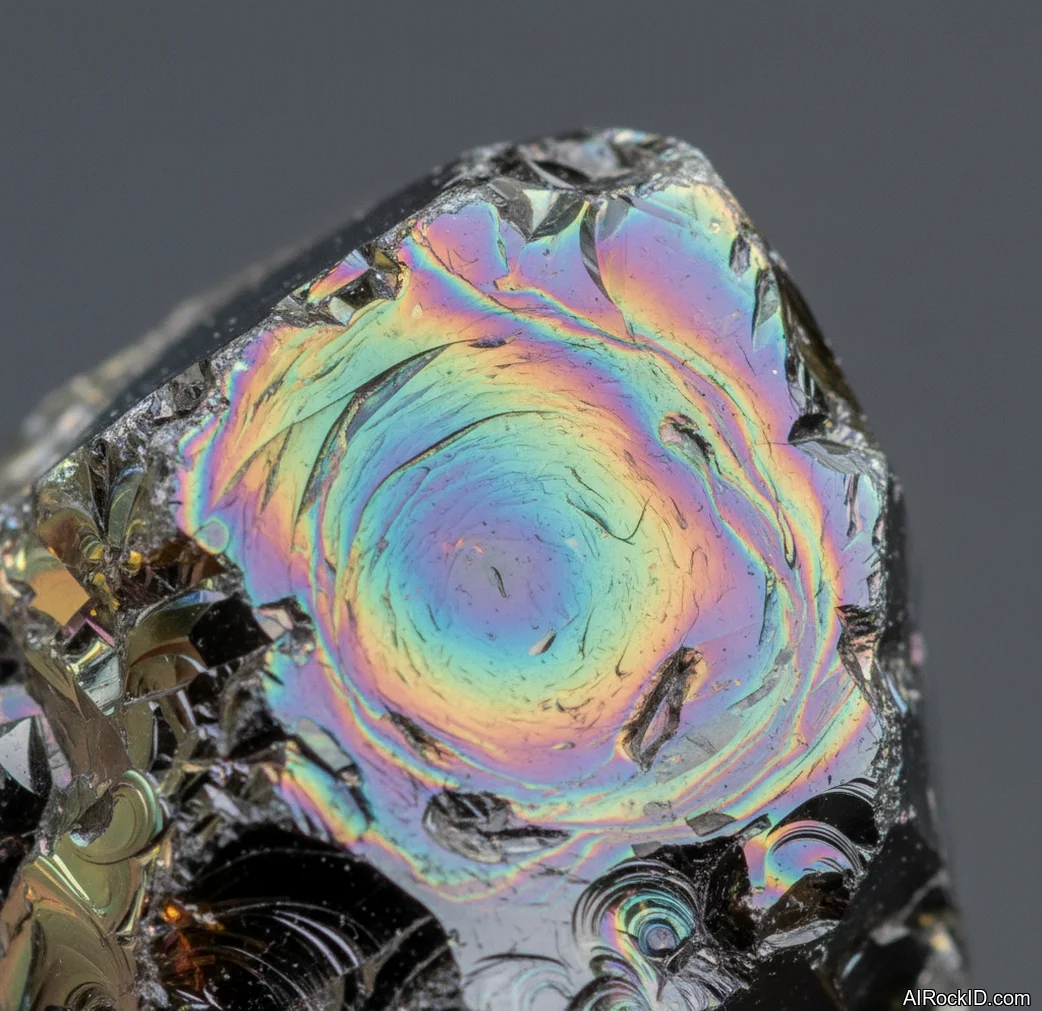
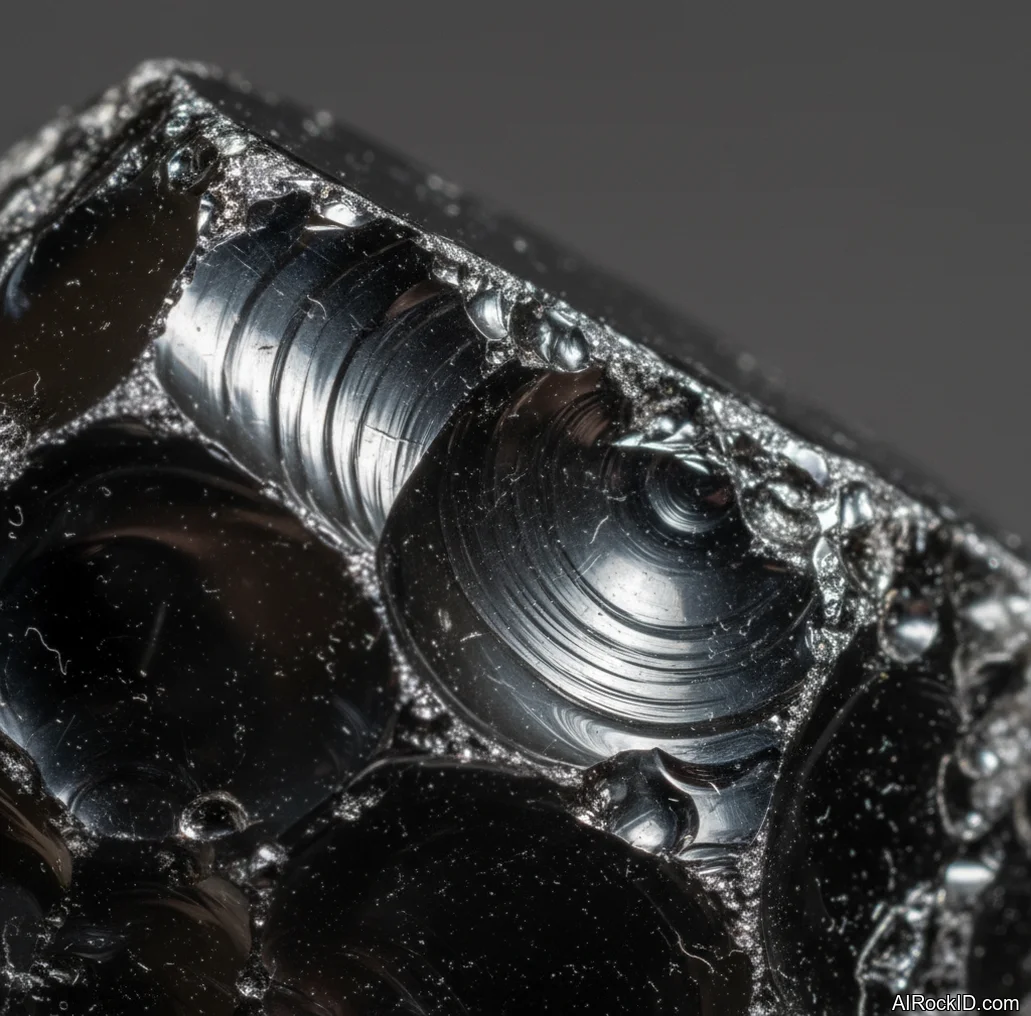
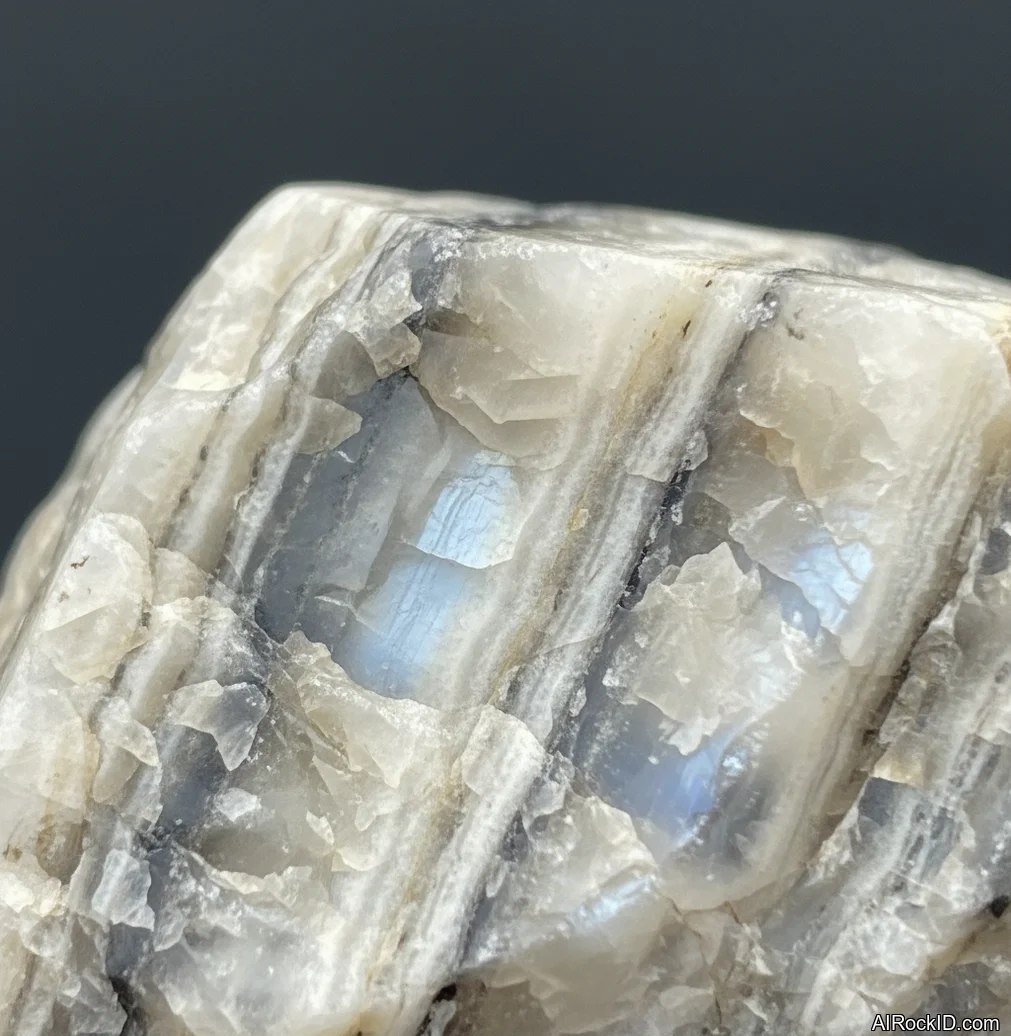
Texture matters more than most people want to admit. If you’re buying for emotional work, you’re going to touch it constantly. A tumbled moonstone with a silky polish and a blue flash that slides across the surface as you tilt it feels totally different than a chalky piece with a dead finish. Same with obsidian: it can be mirror-smooth and slick, but it also chips into sharp edges if it’s dropped. So if you want something pocket-friendly, aim for stones around the size of a large grape, with rounded edges, no pits, and no crumbly seams. Simple. And it works.
Care is part of it, too. Selenite scratches if you breathe on it wrong, so don’t toss it in a bag with harder stones like quartz. Lepidolite and rhodochrosite can dull if they’re constantly rubbing against sand or metal. And sun is a real issue: amethyst can fade if it lives on a bright windowsill, and some dyed agates will bleach unevenly. If you’re building an Emotional Healing set, keep a small box or pouch and separate the softer pieces.
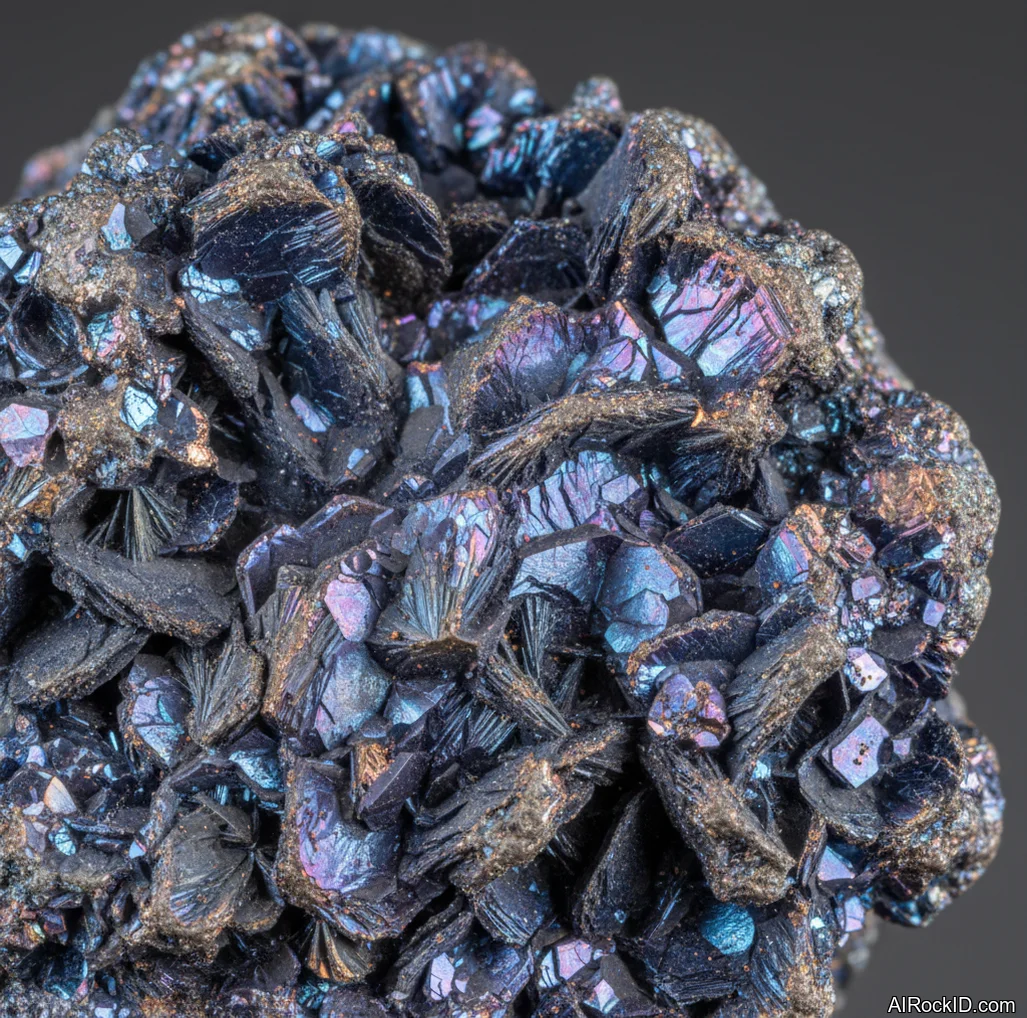
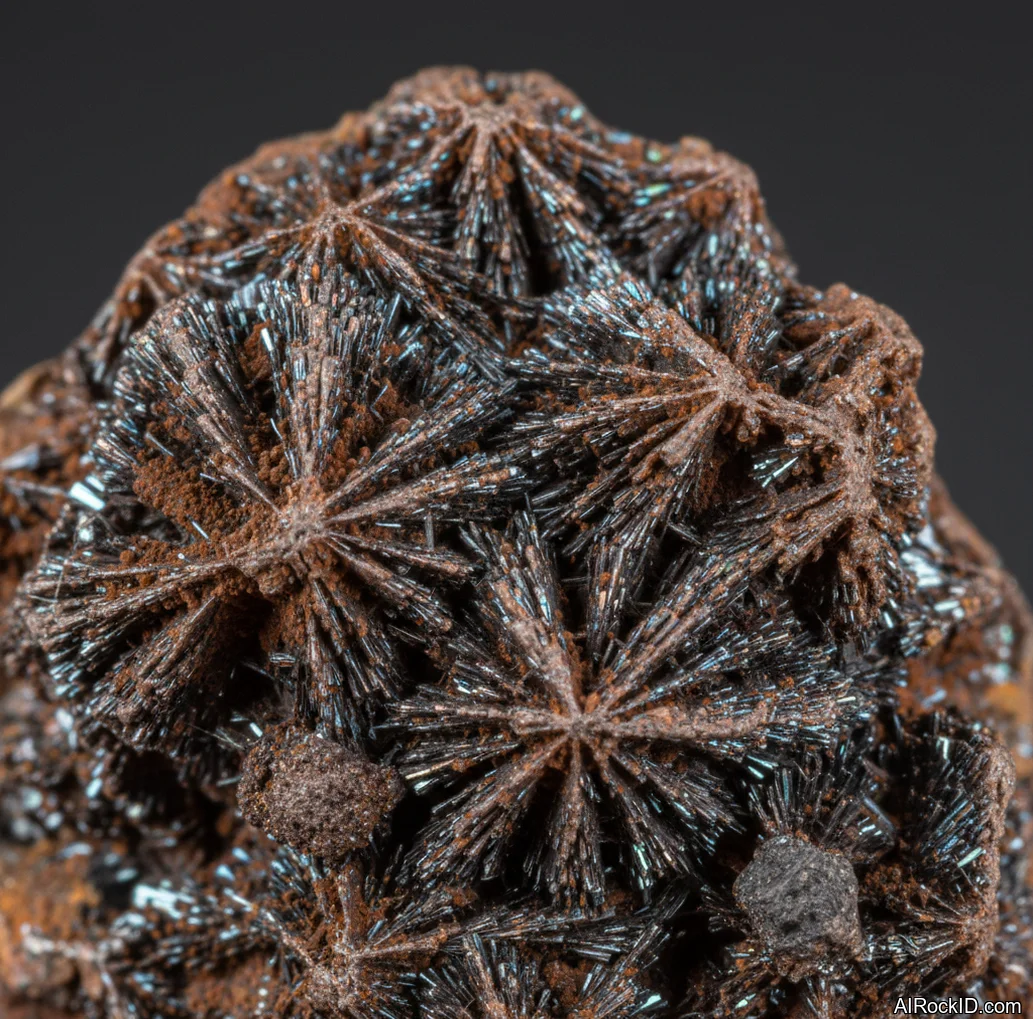
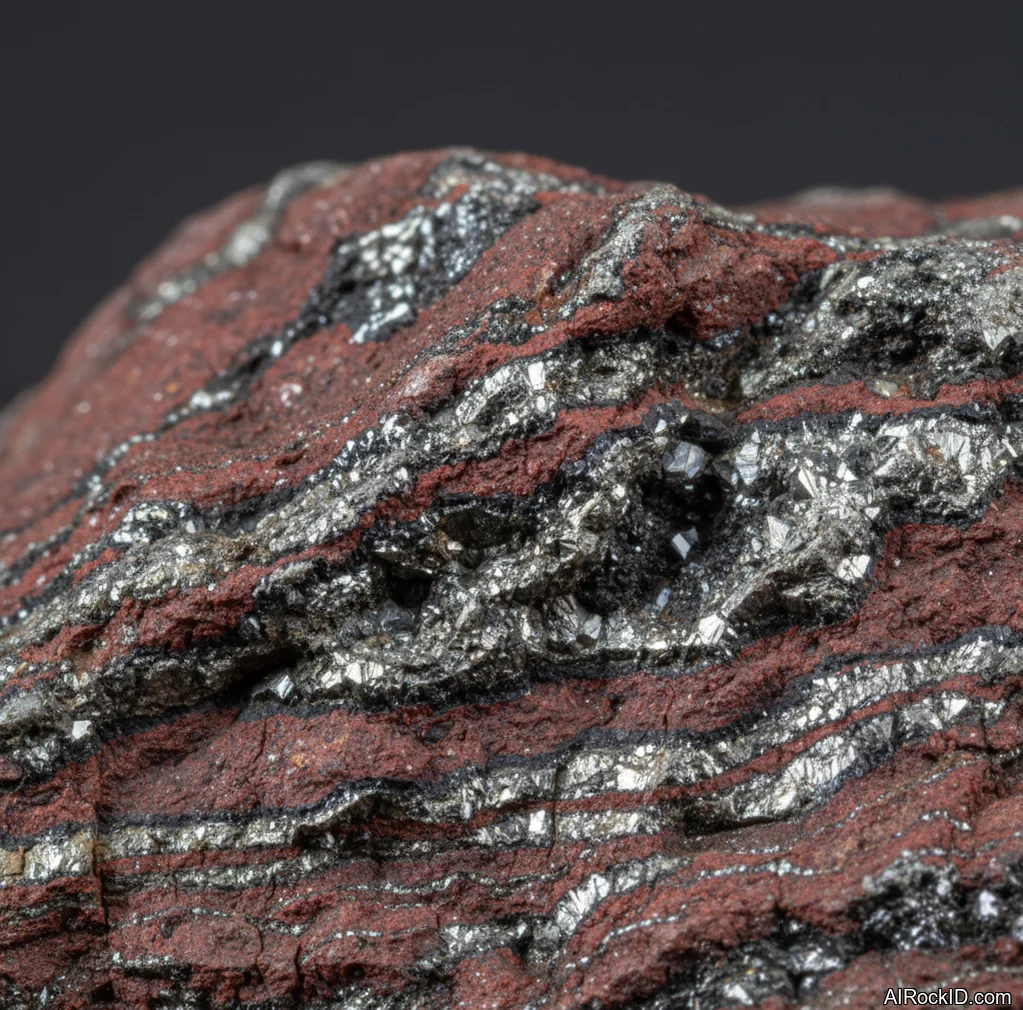
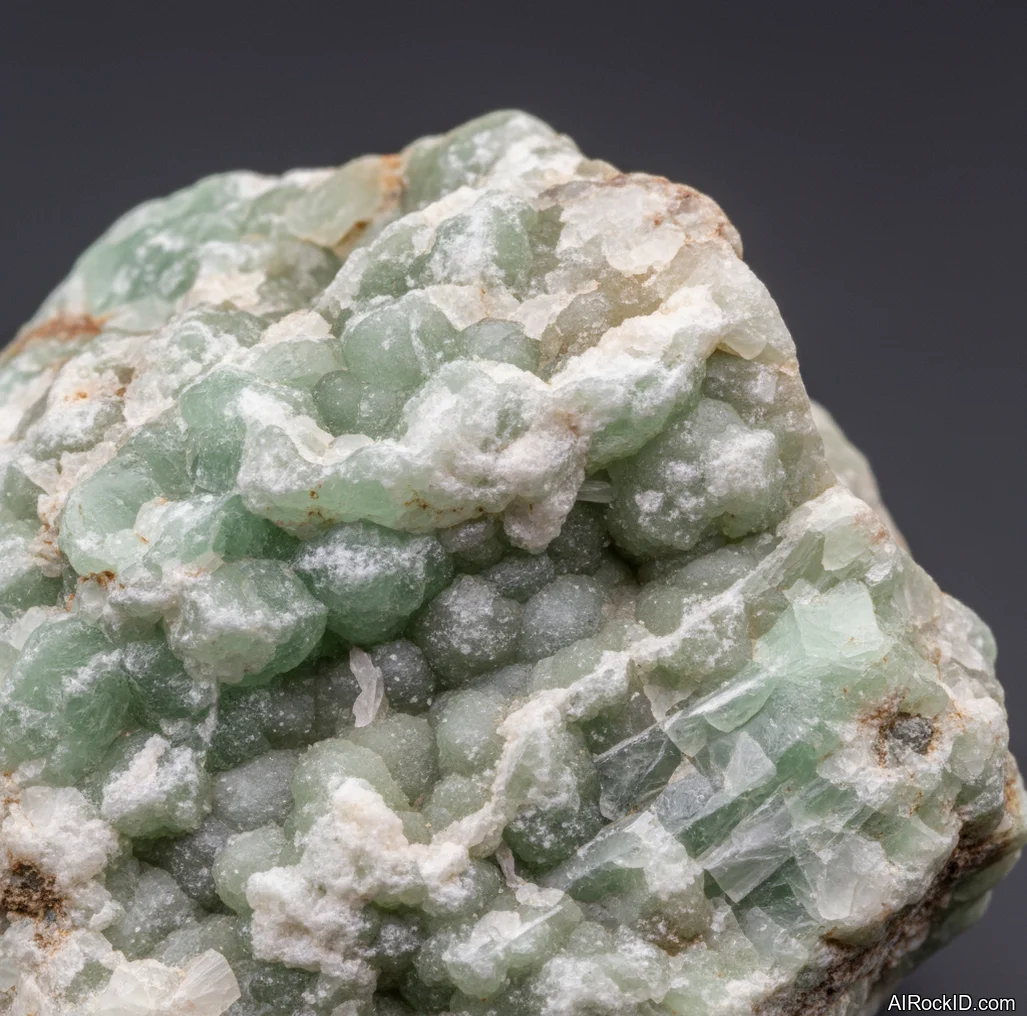
And the most practical tip? Match the stone to the feeling, not the aesthetic. If you’re raw and angry, a sugary pastel might actually irritate you, and something heavier like smoky quartz or hematite may feel more honest in your hand. If you’re numb, that soft pink rose quartz or a warm peach moonstone can be easier to reach for. Try holding a few in the shop under the same light. The real test is whether your shoulders drop a little when it’s in your palm, and whether you’ll actually use it when the day goes sideways.
All Emotional Healing Crystals (380)