Pink Opal
Identify with AppWhat Is Pink Opal?
Pink Opal is basically the pink version of common opal, which is an amorphous hydrated silica (SiO2·nH2O).
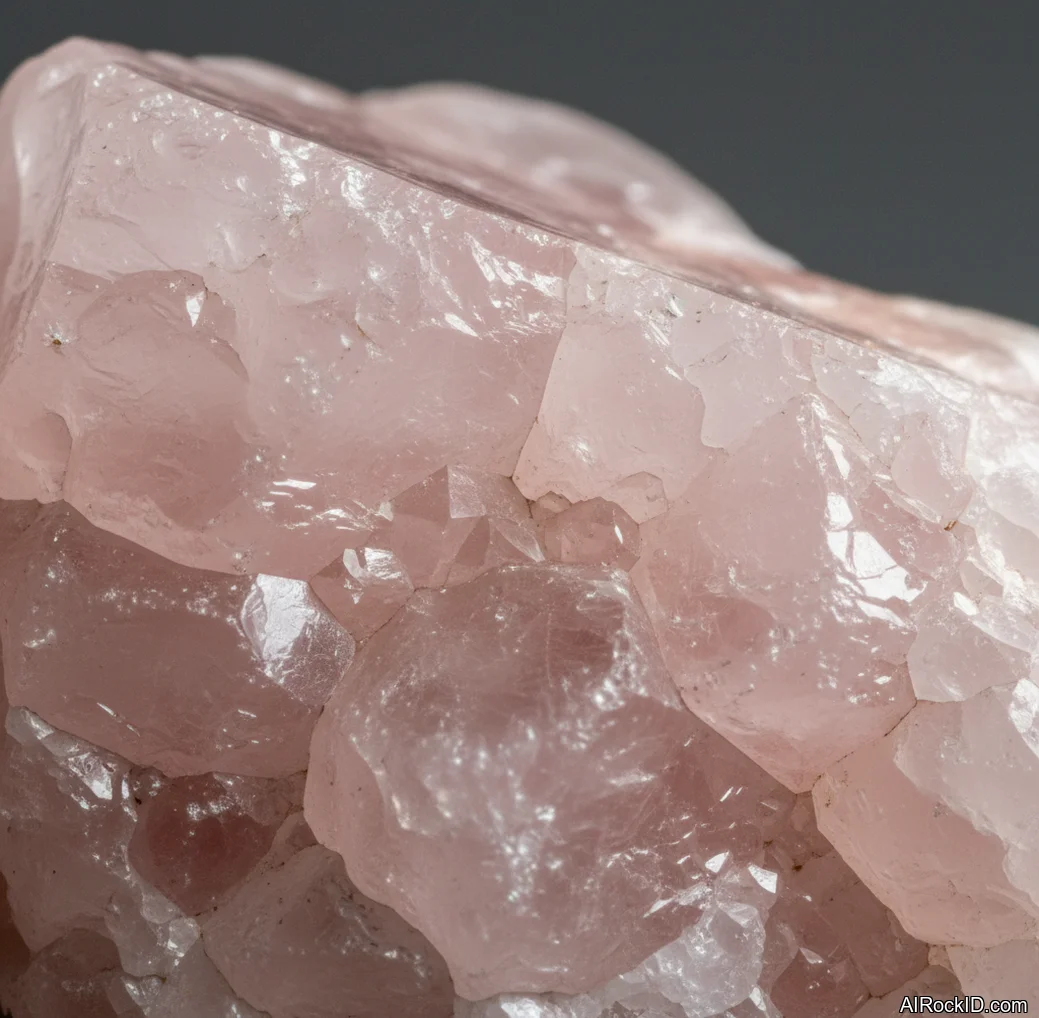
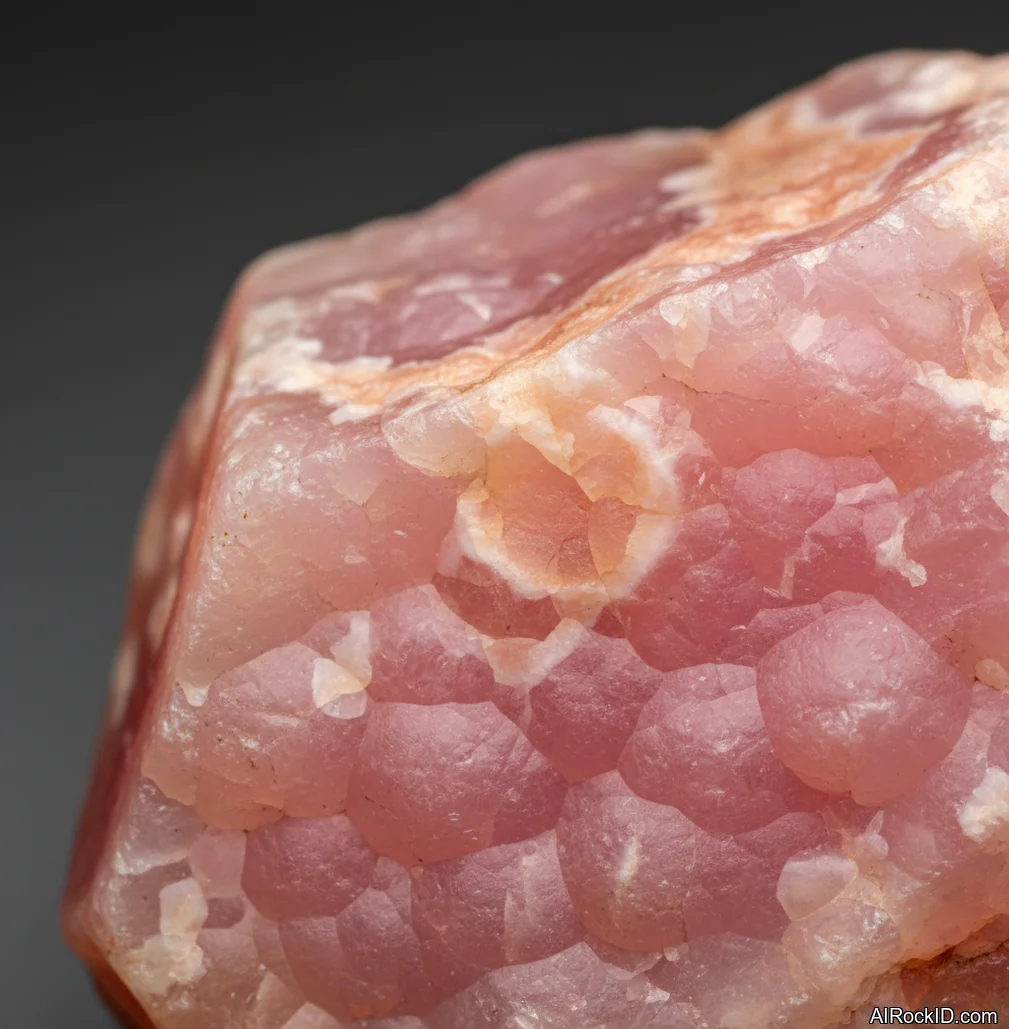
Hold a piece in your hand and it doesn’t feel like glass at all. It’s more like porcelain. Smooth, a little waxy on the surface, almost like it’s been softly buffed. And the color? It’s rarely just one flat pink. If you tilt it under a light, you’ll catch milky haze, pale peach patches, and sometimes thin white ribbons that look like cream swirled into strawberry milk (you know that look?).
People hear “opal” and expect fire right away. But most Pink Opal doesn’t really do that. It’s usually the quiet, opaque kind. And honestly, that’s the point. Spread a bunch of it out in a gem show tray and the best pieces aren’t the flashy ones, they’re the stones with that even blush tone and a clean polish that doesn’t come off looking plasticky.
Origin & History
Opal’s name goes back to the Latin “opalus,” which itself traces to the Sanskrit “upala,” meaning “precious stone.” Pink Opal, though, isn’t really a formally separate mineral name. It’s more of a trade or variety label dealers have leaned on for ages, mostly to split out that pastel, non play of color stuff from the flashy precious opal everyone thinks of first.
Most collectors pin the modern Pink Opal story on Peru, because that’s where a lot of the good opaque pink material started showing up in the wider market in real volume. And if you’ve spent time poking around mineral shops, you’ve seen it: “Peruvian pink opal” is a tag that just stuck. Even when sellers get a little sloppy and slap it on any soft pink, opal looking cab (you know the ones).
Where Is Pink Opal Found?
A lot of the solid pastel pink material in shops is sold as Peruvian from the Andes. Pink common opal also turns up in opal fields in Australia, parts of Mexico, and a handful of localities in the western USA.
Formation
Opal starts out pretty simply: silica-rich water seeps through rock, then leaves behind blobs of silica gel in cracks, little pockets, and porous spots. Give it time and that gel firms up into opal, and it still hangs onto some water inside its structure. And that leftover water is exactly why opal can be a bit touchy compared to quartz.
Pink Opal gets its color from trace impurities and tiny inclusions, and a lot of the time manganese compounds are involved. So you end up with that soft, milky pink that shows up in nodules and seams. Raw Peruvian pieces often have this chalky rind on the outside (kind of dusty to the touch), but once you cut or polish them, the inside usually turns into a cleaner, waxier pink.
How to Identify Pink Opal
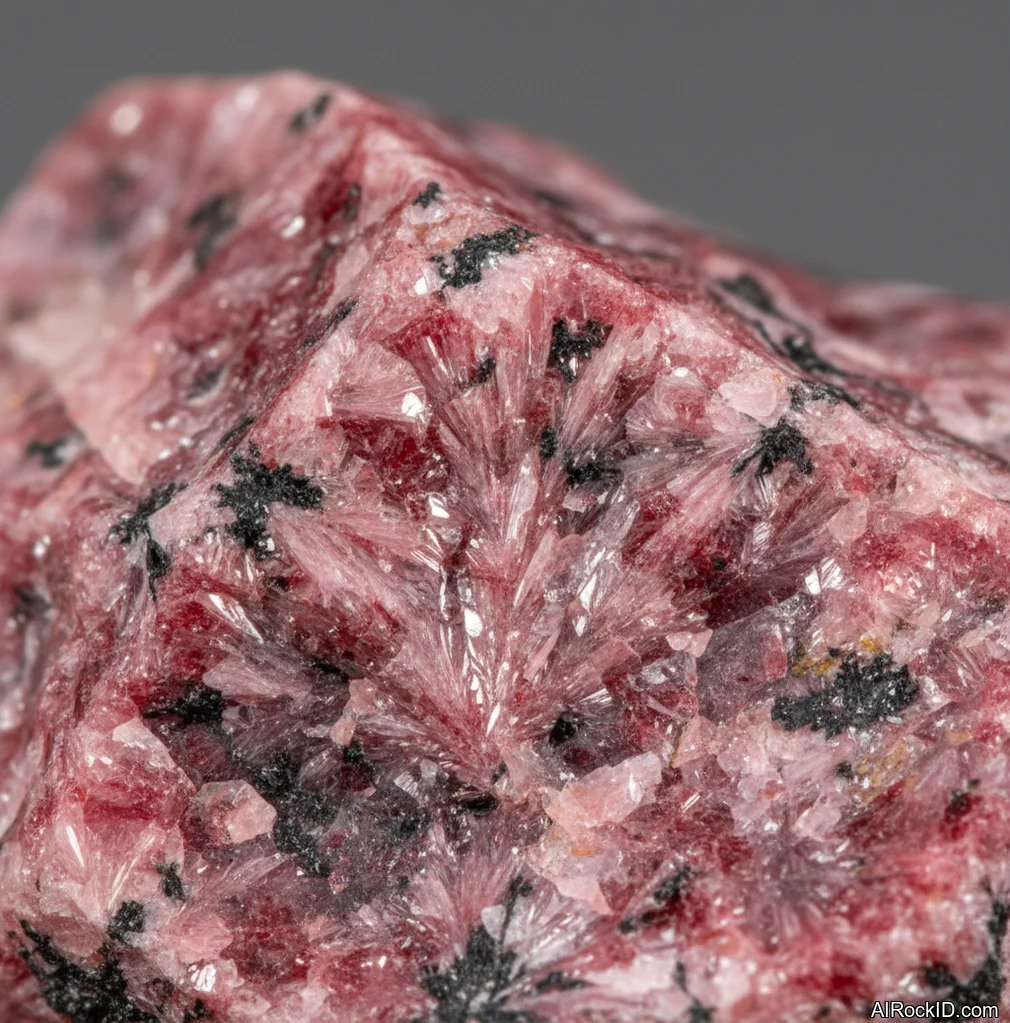
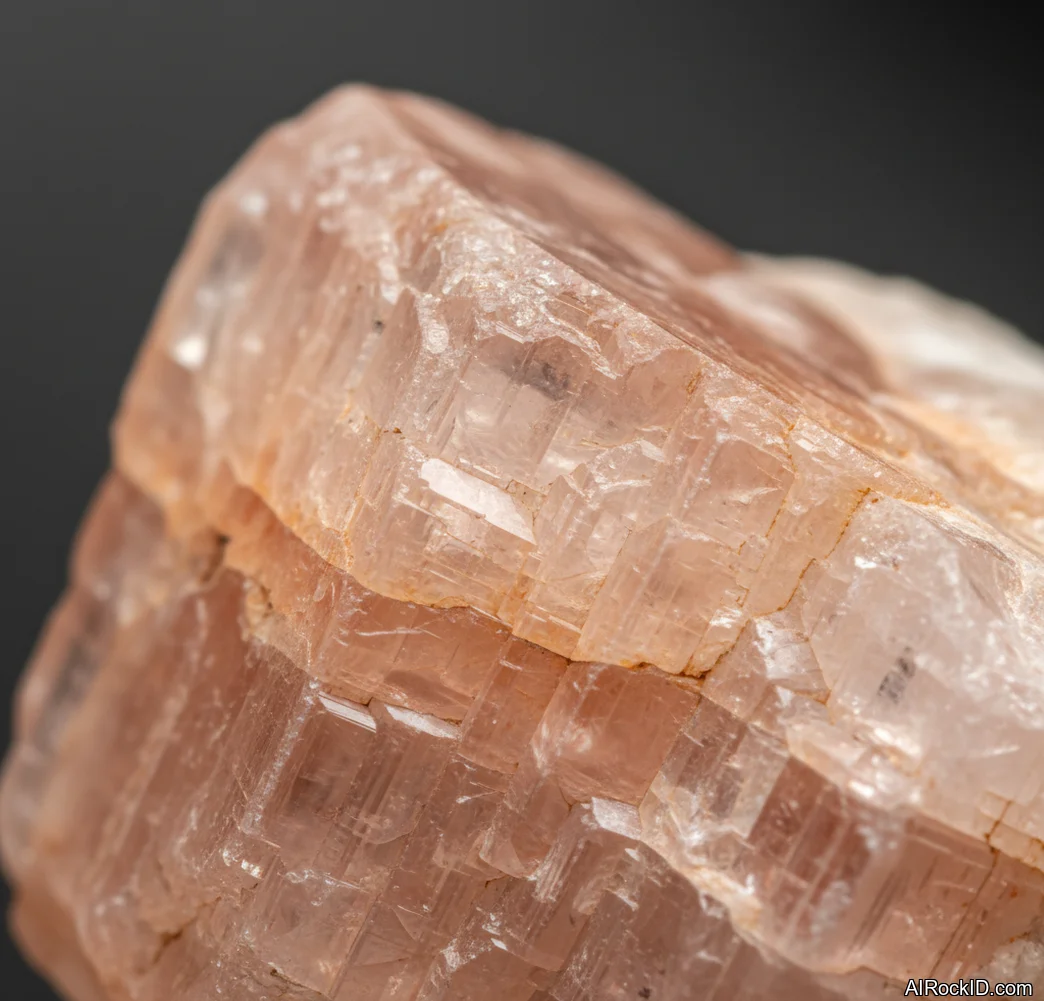
Color: Most Pink Opal sits in the pastel range, from baby pink to peachy rose, usually with white mottling or cloud-like patches. The color is typically opaque to slightly translucent on thin edges.
Luster: Waxy to dull luster on rough surfaces, and a soft waxy sheen when well polished.
If you scratch it with a steel needle, it usually marks easier than quartz because it’s only around Mohs 5.5 to 6.5. The real test is feel: good Pink Opal has a cool, smooth touch and a “ceramic” glide in the hand, while a lot of dyed lookalikes feel warmer and too glassy. But don’t expect play-of-color, most pieces won’t show any even under a strong flashlight.
Common Look-Alikes
Pink Opal is sometimes confused with these materials:
- Pink calcite (often sold as "mangano calcite")
- Rose quartz (especially pale, cloudy tumbles)
- Pink chalcedony / pink agate (waxy, semi-opaque pieces)
- Dyed common opal or dyed chalcedony sold as "pink opal" (color concentrates in pits and fractures)
- Pink glass or resin "opal" (too uniform, warmer feel, sometimes tiny round bubbles)
Market Cautions & Treatments
When AI Can Get This Wrong
At first glance in photos, AI mixes pink opal up with rose quartz and pink calcite because they all read as pale, cloudy pink with soft highlights. The real test is texture and reaction: pink opal tends to look like waxed porcelain with no cleavage flashes, while calcite can show cleavage planes and will fizz with a drop of acid. If you scratch it with a steel pin, pink opal usually marks easier than quartz, but it won’t have that sugary calcite crumble at the edges.
Properties of Pink Opal
Physical Properties
| Crystal System | Amorphous |
| Hardness (Mohs) | 5.5-6.5 (Medium (4-6)) |
| Density | 1.98-2.25 g/cm3 |
| Luster | Waxy |
| Diaphaneity | Opaque |
| Fracture | Conchoidal |
| Streak | white |
| Magnetism | Non-magnetic |
| Colors | pink, pale pink, peach, rose, pink with white |
Chemical Properties
| Classification | Silicates |
| Formula | SiO2·nH2O |
| Elements | Si, O, H |
| Common Impurities | Mn, Fe, Ca |
Optical Properties
| Refractive Index | 1.44-1.46 |
| Birefringence | None |
| Pleochroism | None |
| Optical Character | Isotropic |
Pink Opal Health & Safety
Pink Opal is generally safe to handle, and it isn’t considered toxic. But if you’re cutting it, sanding it, or drilling it, don’t breathe in the dust, it’s the fine, powdery stuff that hangs in the air and sticks to your fingers.
Safety Tips
If you’re working on it, keep a spray bottle or a slow trickle of water going, crack a window or kick on a fan, and wear a real respirator that’s actually rated for fine silica dust.
Pink Opal Value & Price
Price Range
Rough/Tumbled: $5 - $80 per piece
Cut/Polished: $2 - $20 per carat
Solid, clean pink with hardly any white patching is what gets the money, and it’s even more true once you’re talking bigger cabs. Thing is, a lot of the cheap stuff turns kind of chalky when you polish it, like it never quite wants to go glossy. The ones that actually sell? Those are the pieces that come up smooth and waxy under the wheel (you can feel it when the surface finally stops grabbing).
Durability
Nondurable — Scratch resistance: Fair, Toughness: Fair
Opal can dehydrate or craze with heat, low humidity, or rapid temperature changes, so it does best with steady storage conditions.
How to Care for Pink Opal
Use & Storage
Keep it away from heaters, sunny windowsills, and bone-dry air. I store mine in a padded box, and for fragile jewelry pieces I like a small zip bag to slow down moisture changes.
Cleaning
1) Wipe with a soft damp cloth using mild soap if needed. 2) Rinse quickly in clean water and pat dry. 3) Let it air-dry fully before putting it back in a closed box or bag.
Cleanse & Charge
If you do energy-style cleansing, stick to gentle options like smoke, sound, or a quick moonlight sit. Skip salt piles and don’t leave it baking under a hot lamp.
Placement
A shelf is fine, just not right above a radiator or in direct sun. If you like it on your desk, put it where it won’t get knocked onto tile.
Caution
Skip ultrasonic cleaners, steam cleaners, harsh chemicals, or leaving it near heat for a long stretch. Pink Opal’s softer than most folks assume, and it’ll scratch up fast if it rubs against quartz, sand, or even a cloth that feels a little gritty between your fingers.
Works Well With
Pink Opal Meaning & Healing Properties
Next to the flashier opals, Pink Opal feels kind of quiet when you actually hold it. It’s the one I watch people grab when they want something calming, but not so mellow it puts them to sleep. Run your thumb across a polished cab and it has this buttery, almost soap-smooth slide, like the stone’s been warmed up in someone’s palm. And yeah, that feel matters more than most folks will ever say out loud.
In crystal shops, it usually ends up in the “heart” bucket: gentleness, an emotional reset, taking the sharpness off after a rough week. I’m not here to pitch it as medicine. But I’ve seen customers pick one up, pause, breathe out, and their shoulders drop a notch. That’s a real thing, even if it’s just the combo of color, texture, and paying attention for once.
But there’s a catch. Some sellers talk like all opal is fragile and basically panics the second it sees water, and that spooks people. Pink Opal can handle a quick rinse fine. The bigger problem is heat swings and dry air over time. Treat it the way you’d treat a nice piece of ceramic jewelry and it behaves (no drama).
Identify Any Crystal Instantly
Snap a photo and get properties, value, care instructions, and healing meanings in seconds.