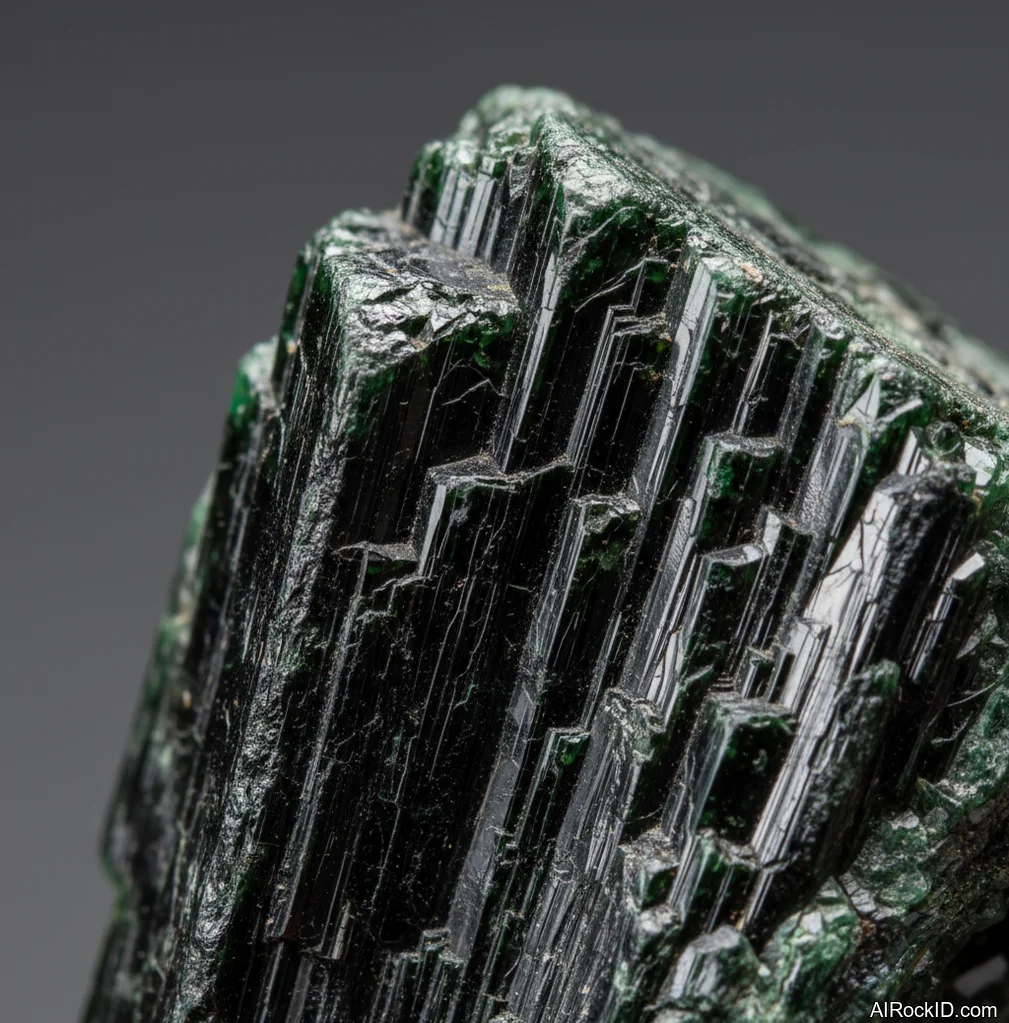
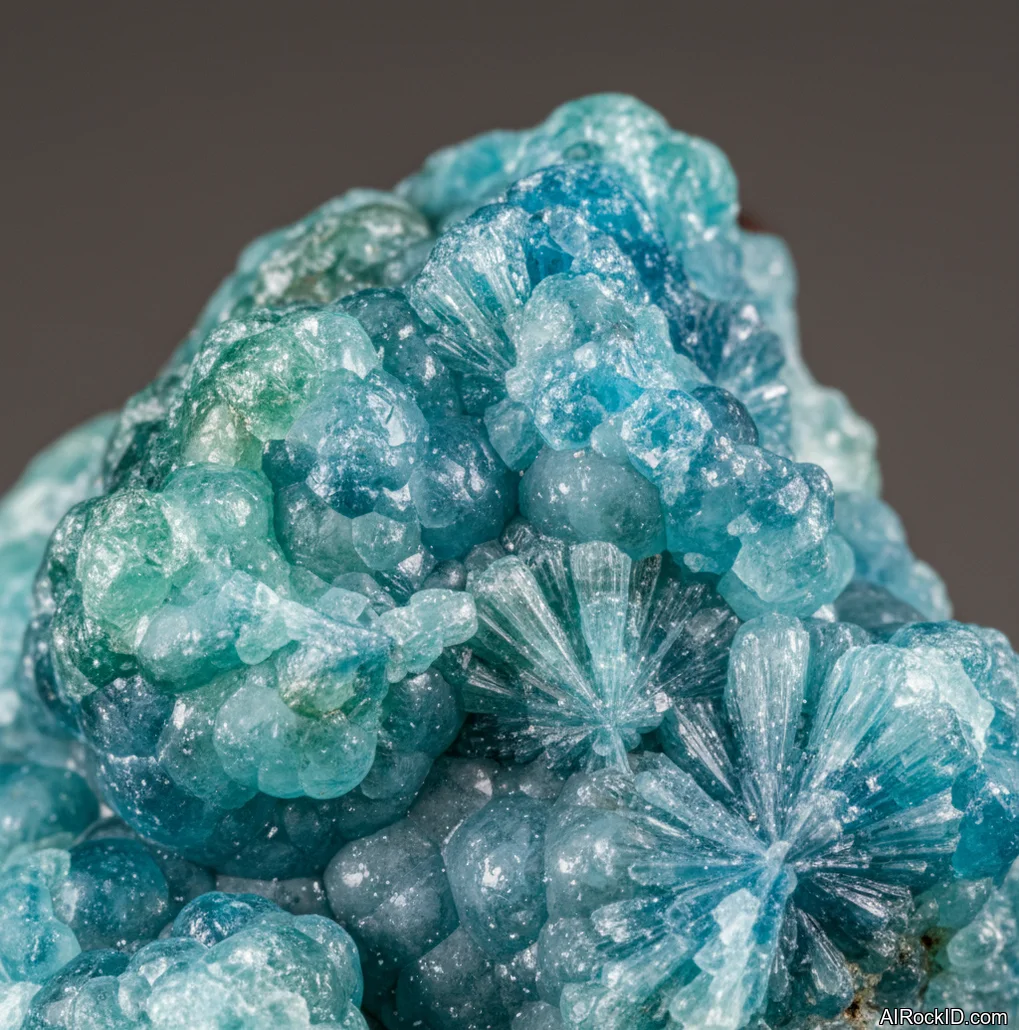
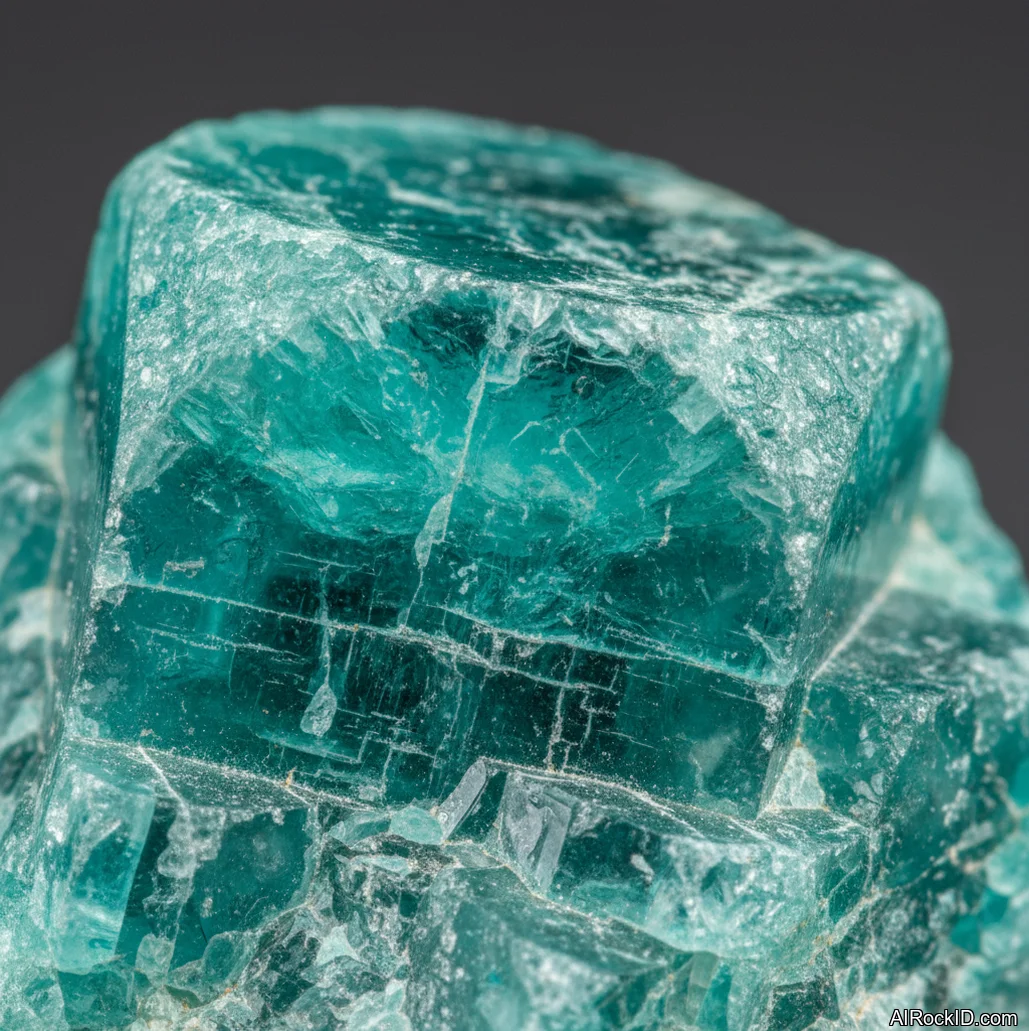
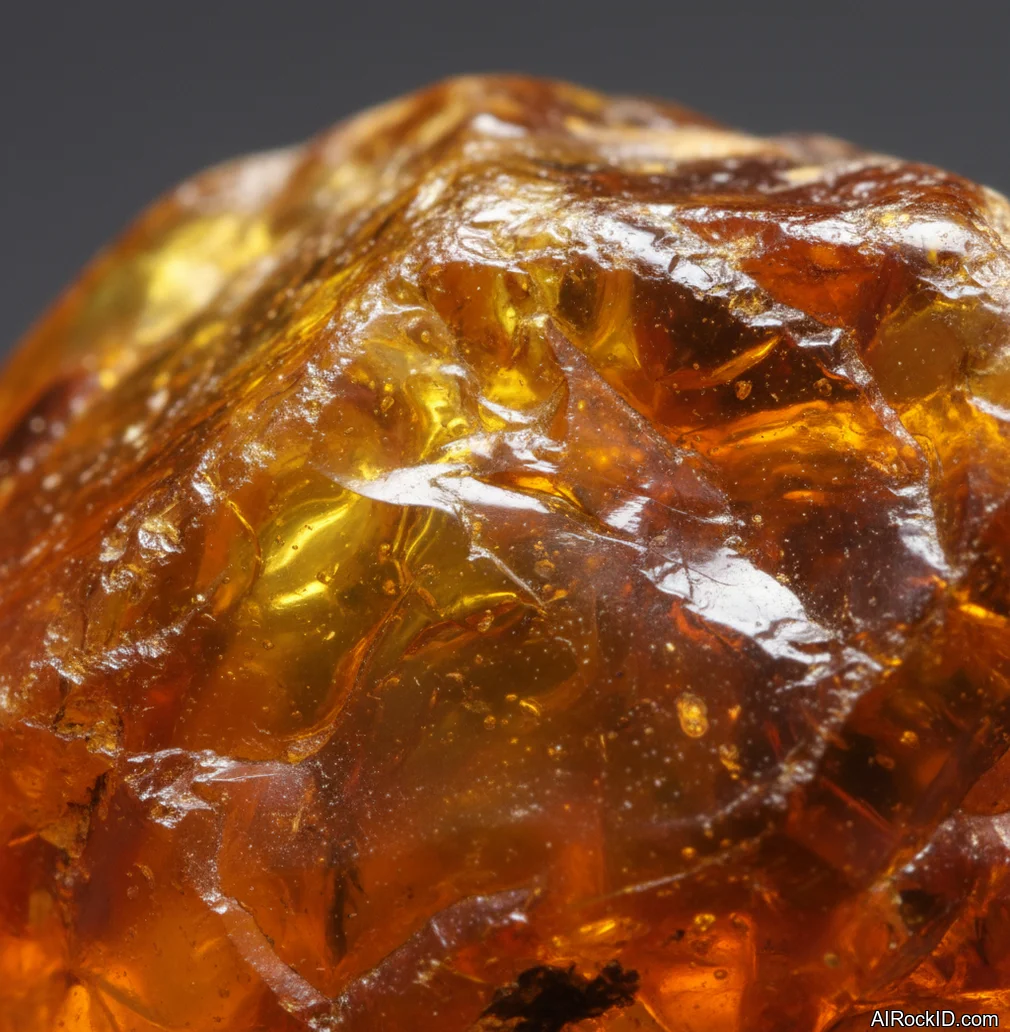
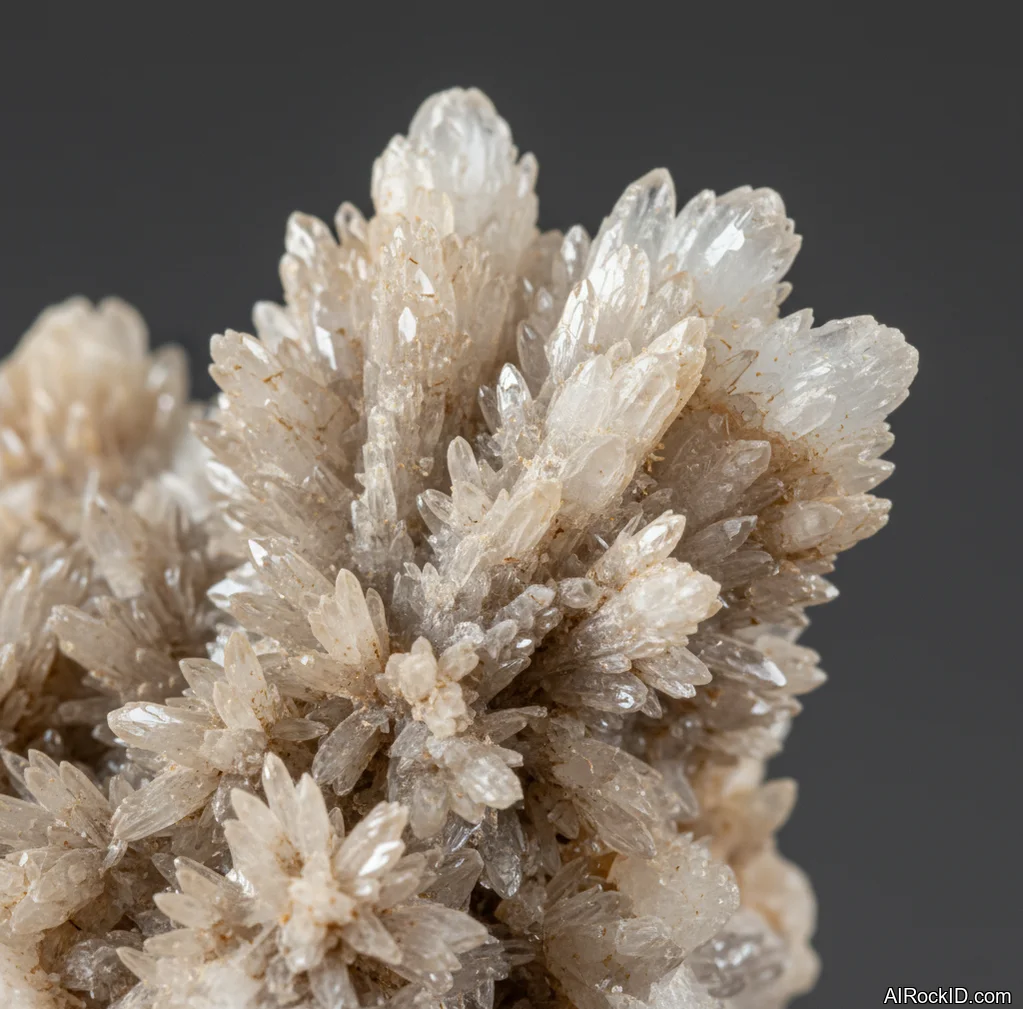
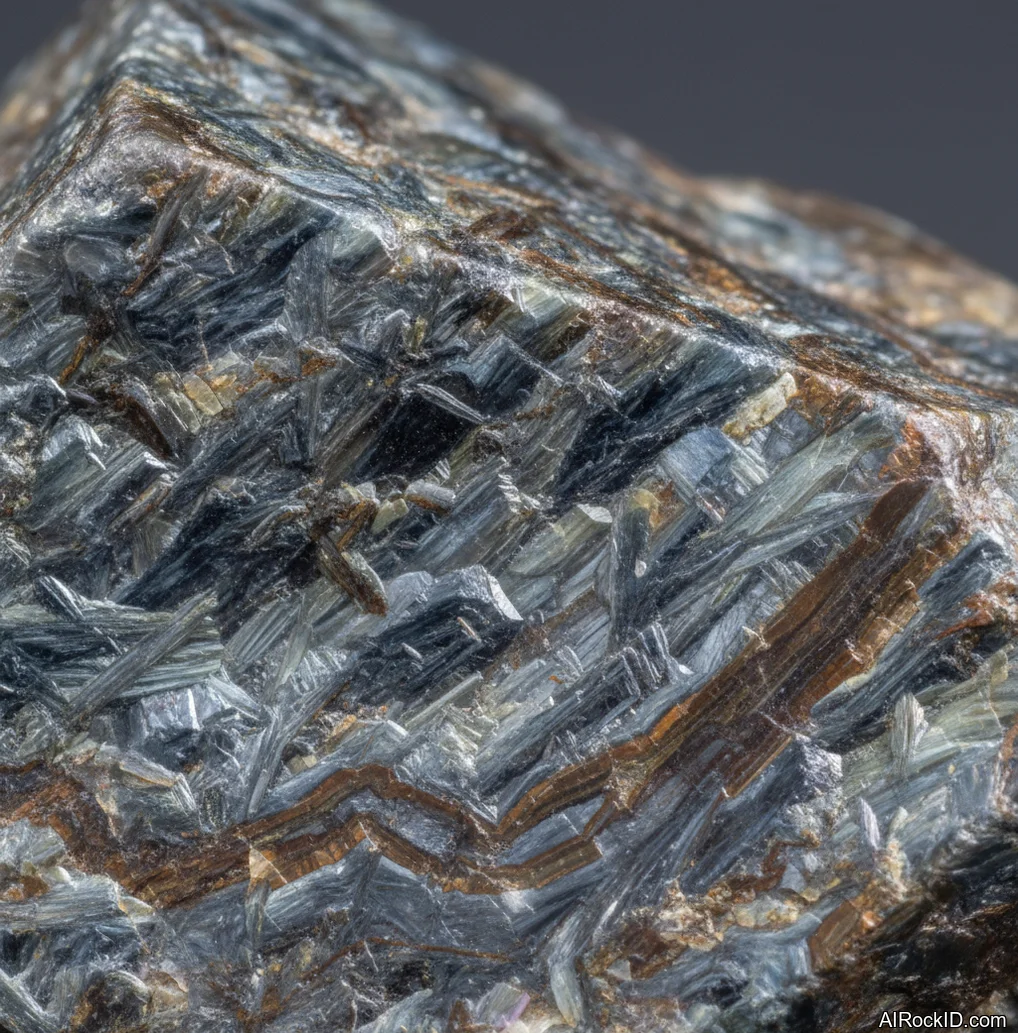
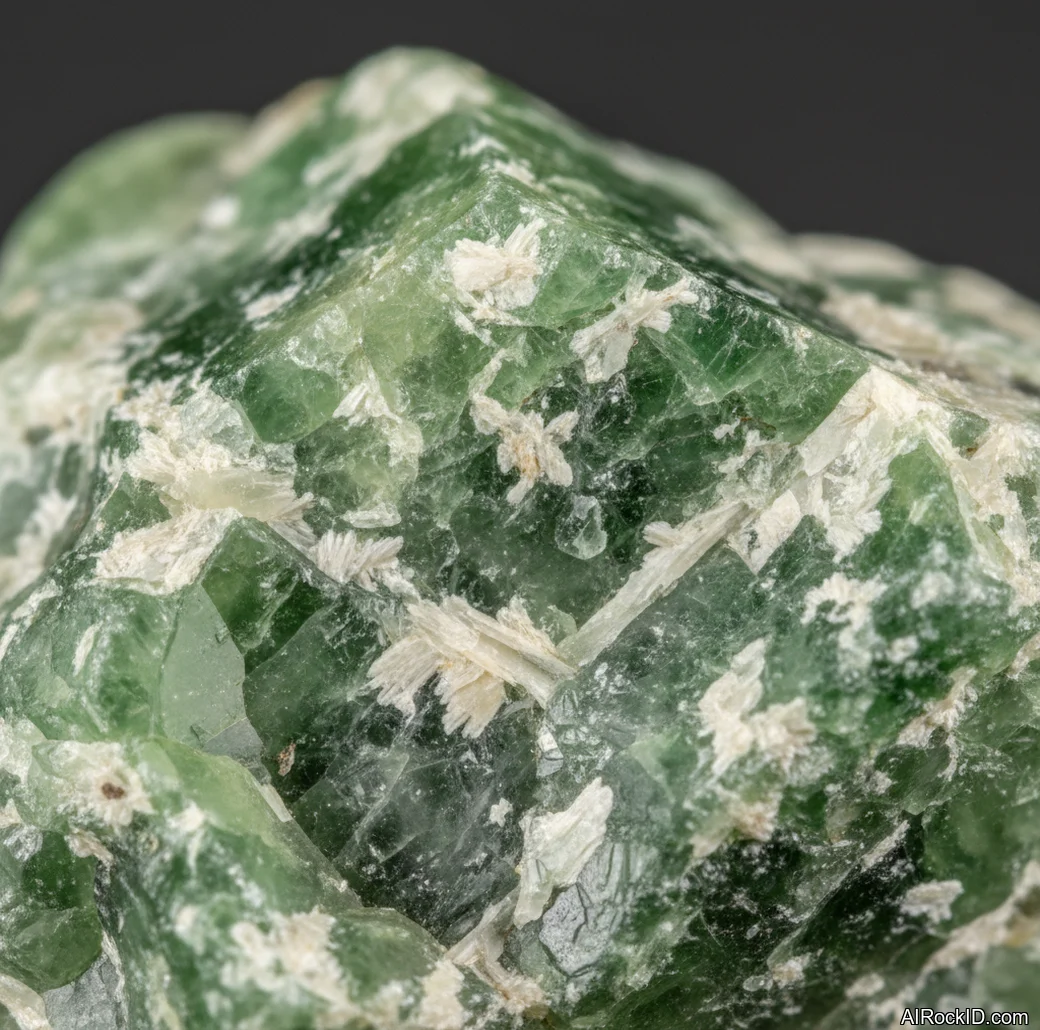
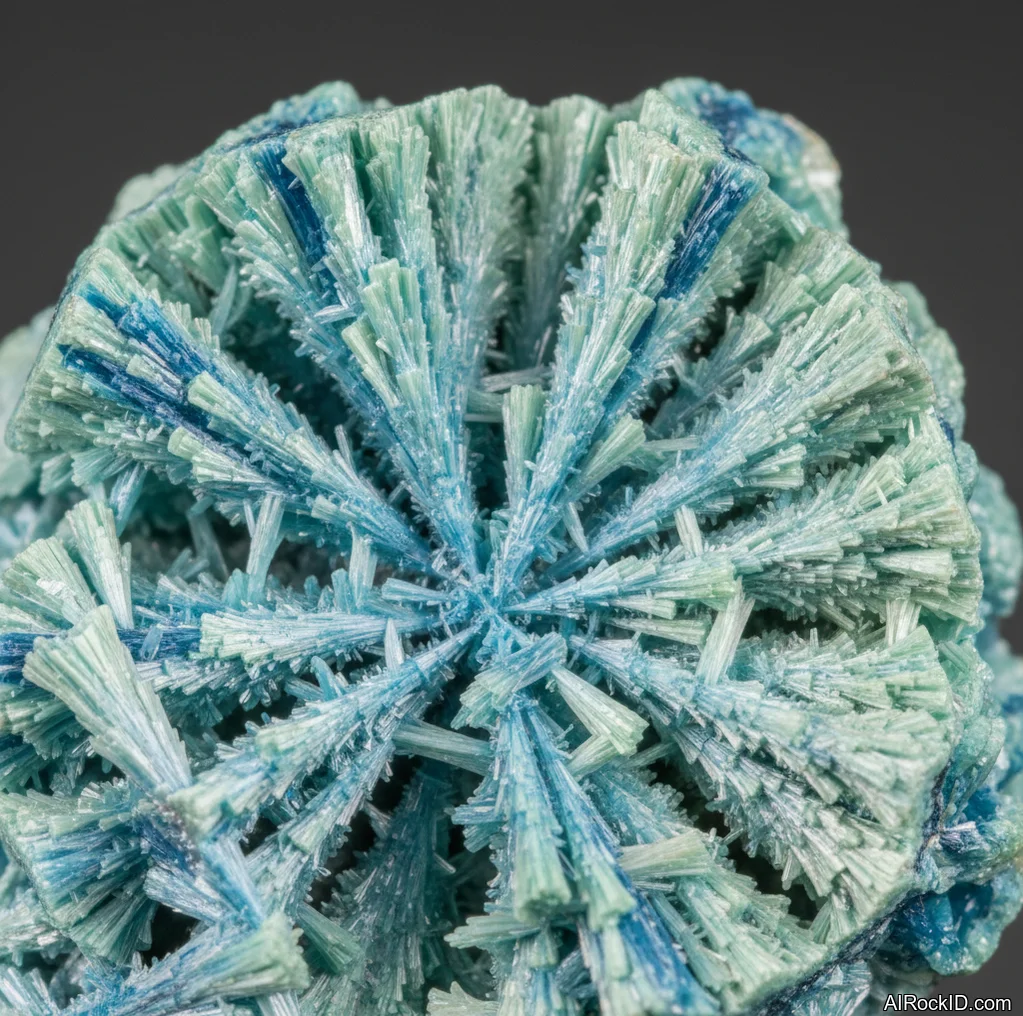
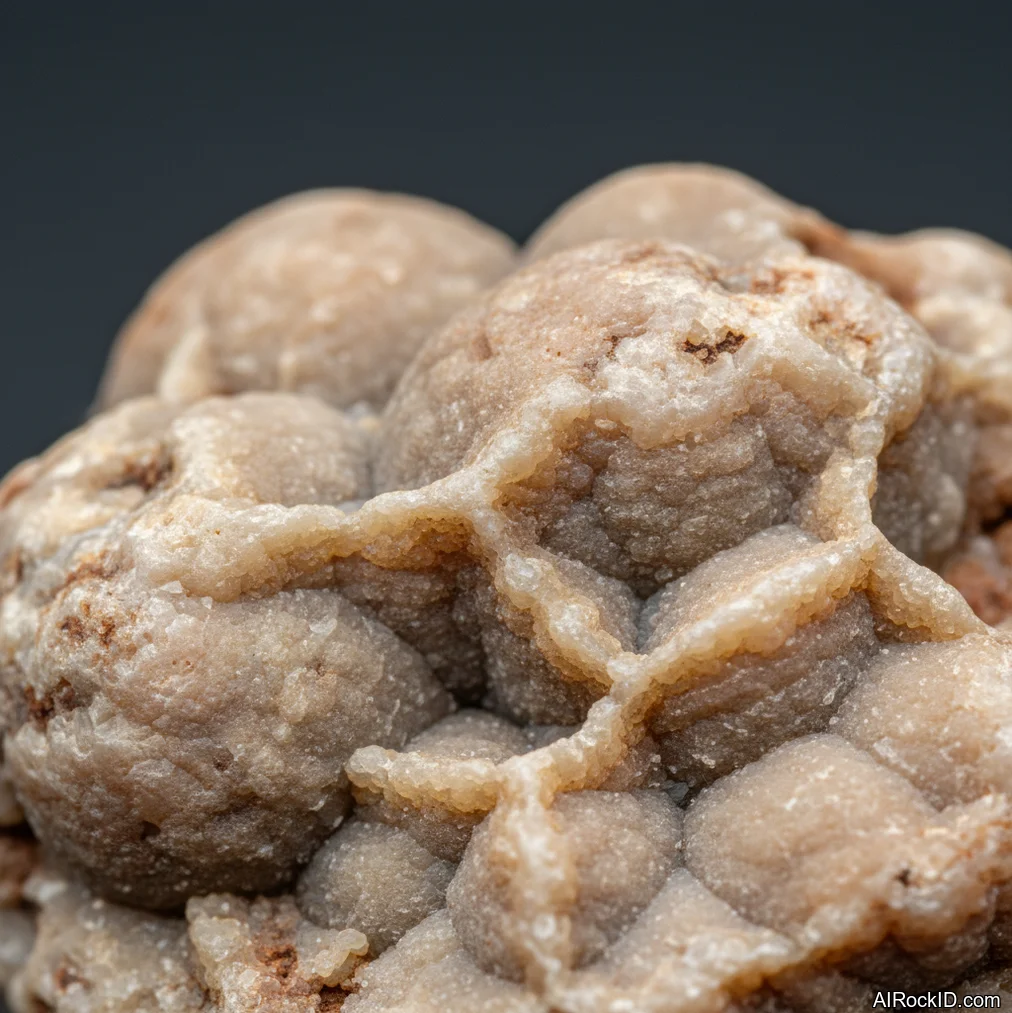
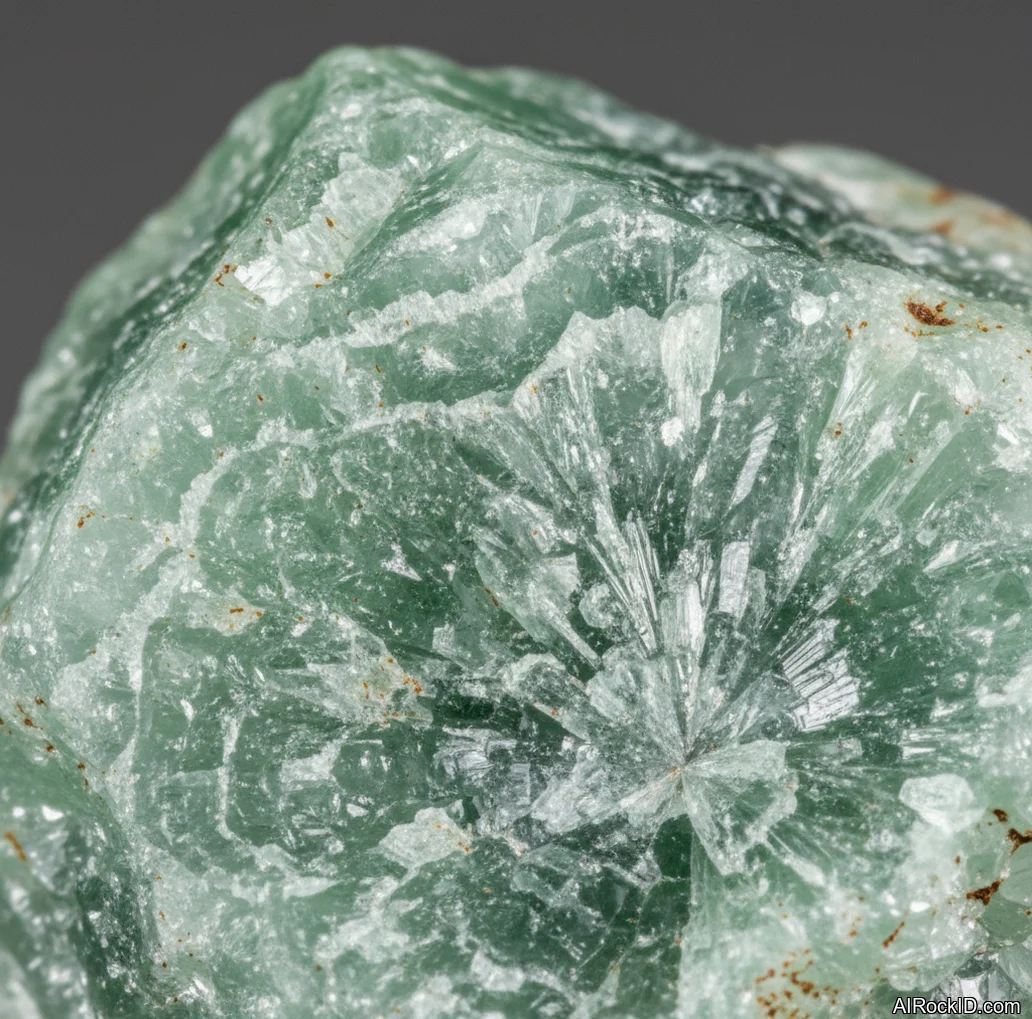
Anxiety Relief Crystals
Quick answer: Anxiety relief crystals are stones that people associate with calm, grounding, emotional balance, or soothing routines in metaphysical traditions. They are not medical treatments, but they can be used as personal focus objects during meditation, journaling, breathwork, or quiet time.
Learn which crystals are linked with Anxiety Relief, how to choose them, and practical ways to use amethyst, lepidolite, blue lace agate, and more.


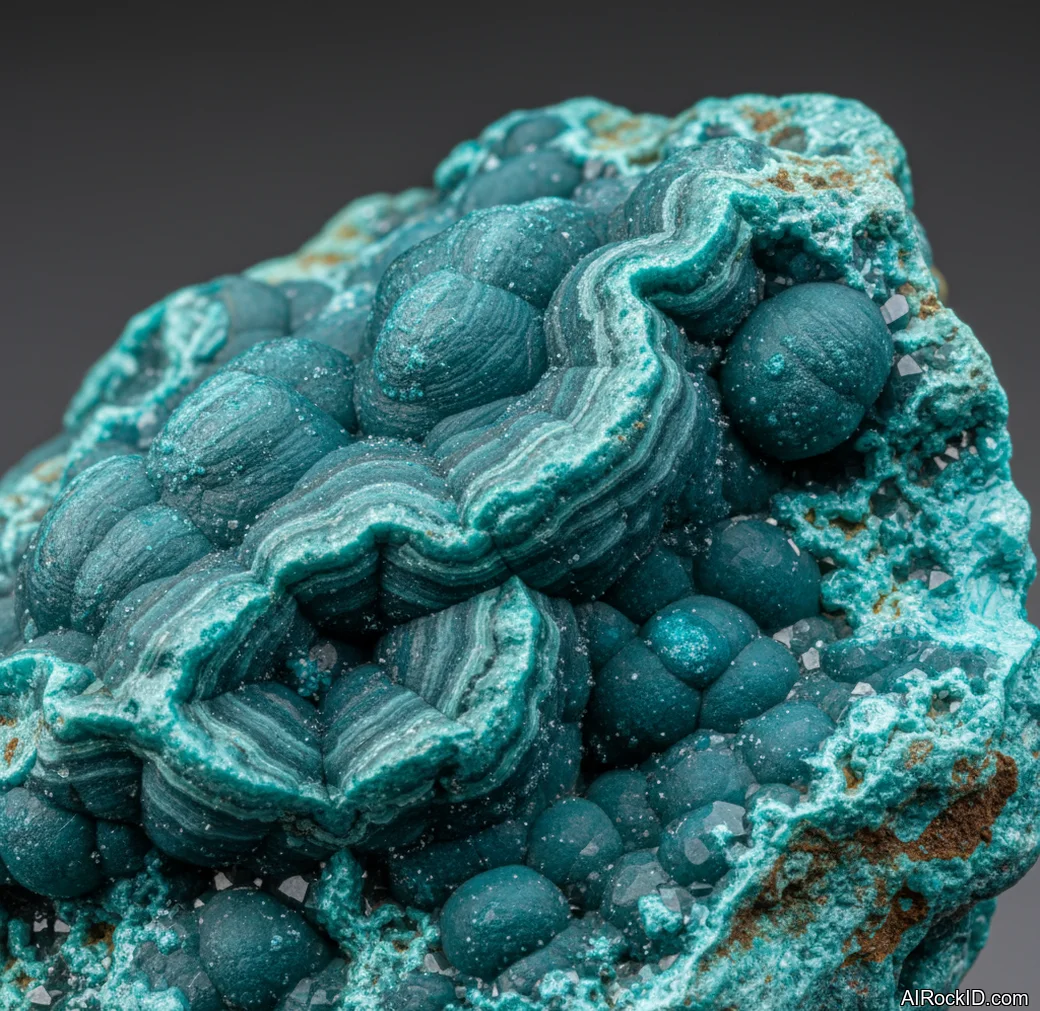
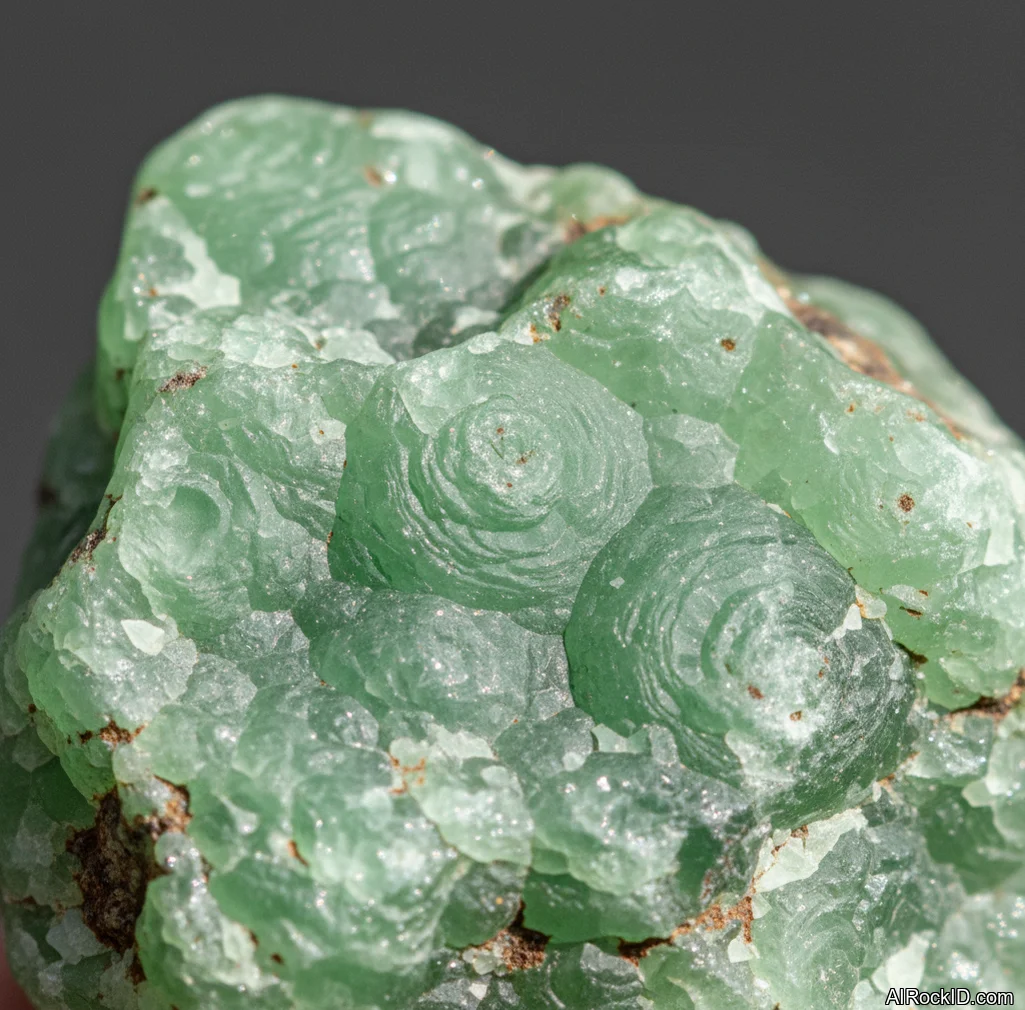
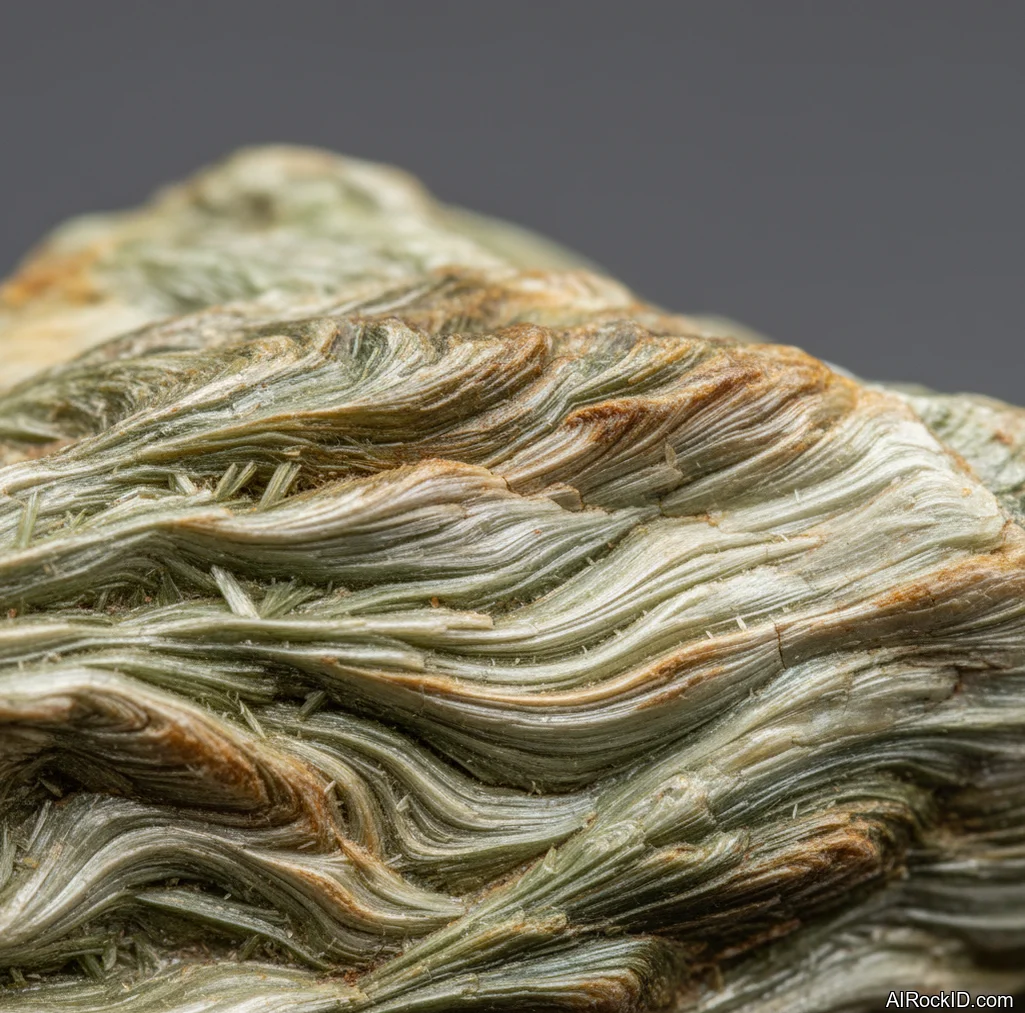
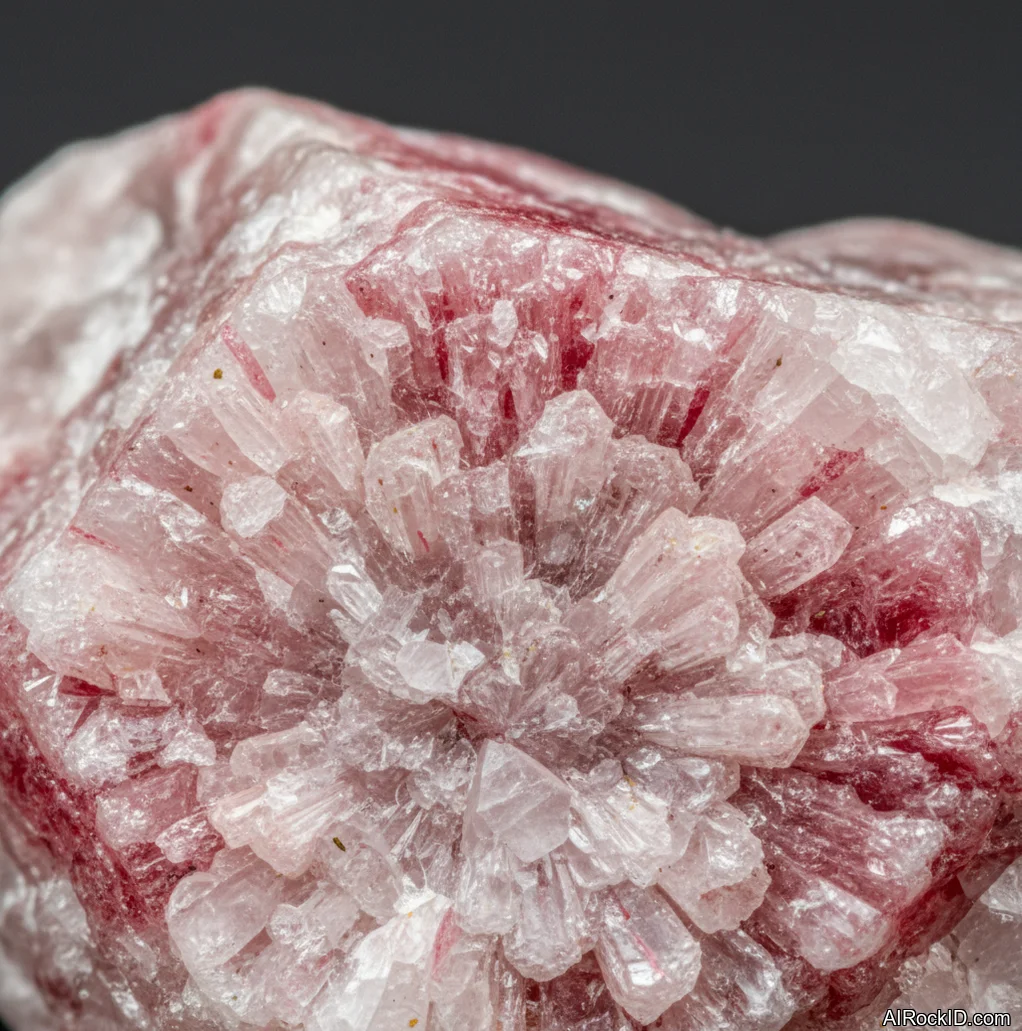
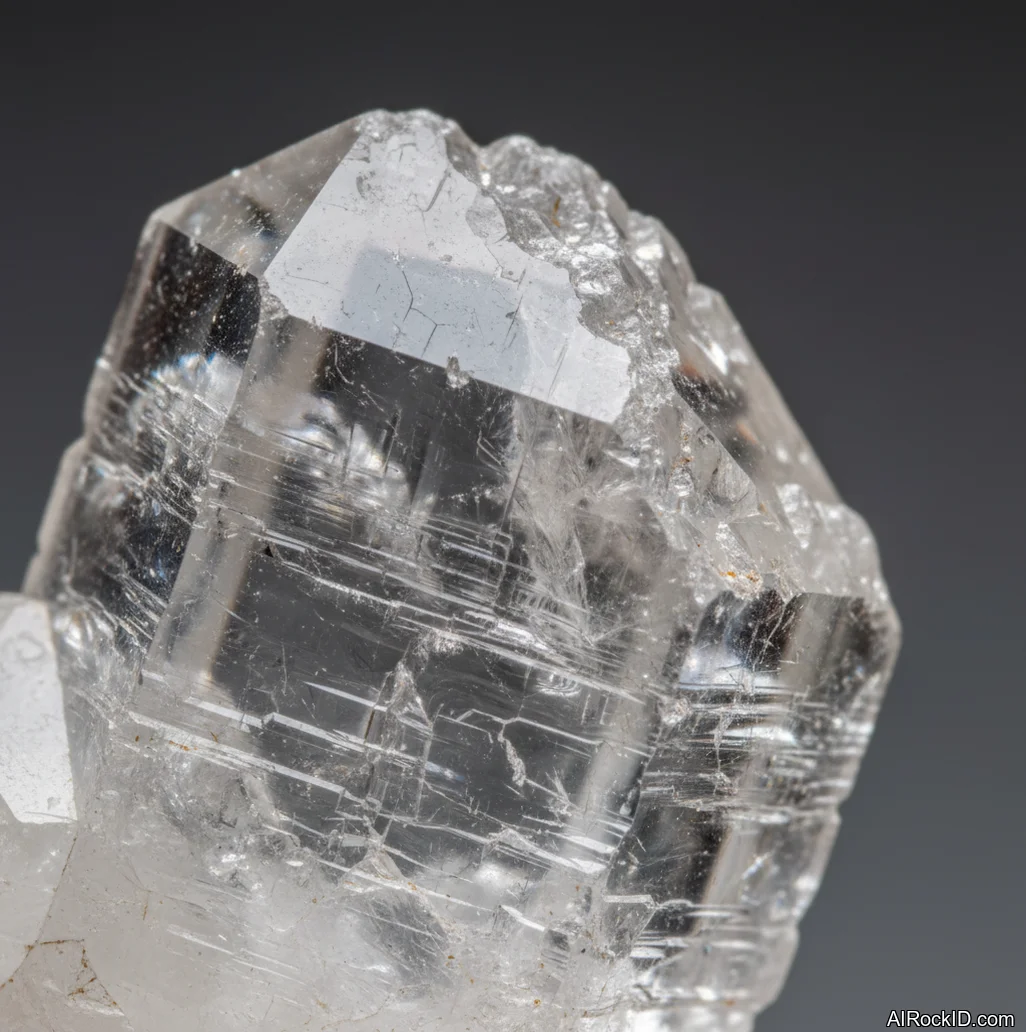
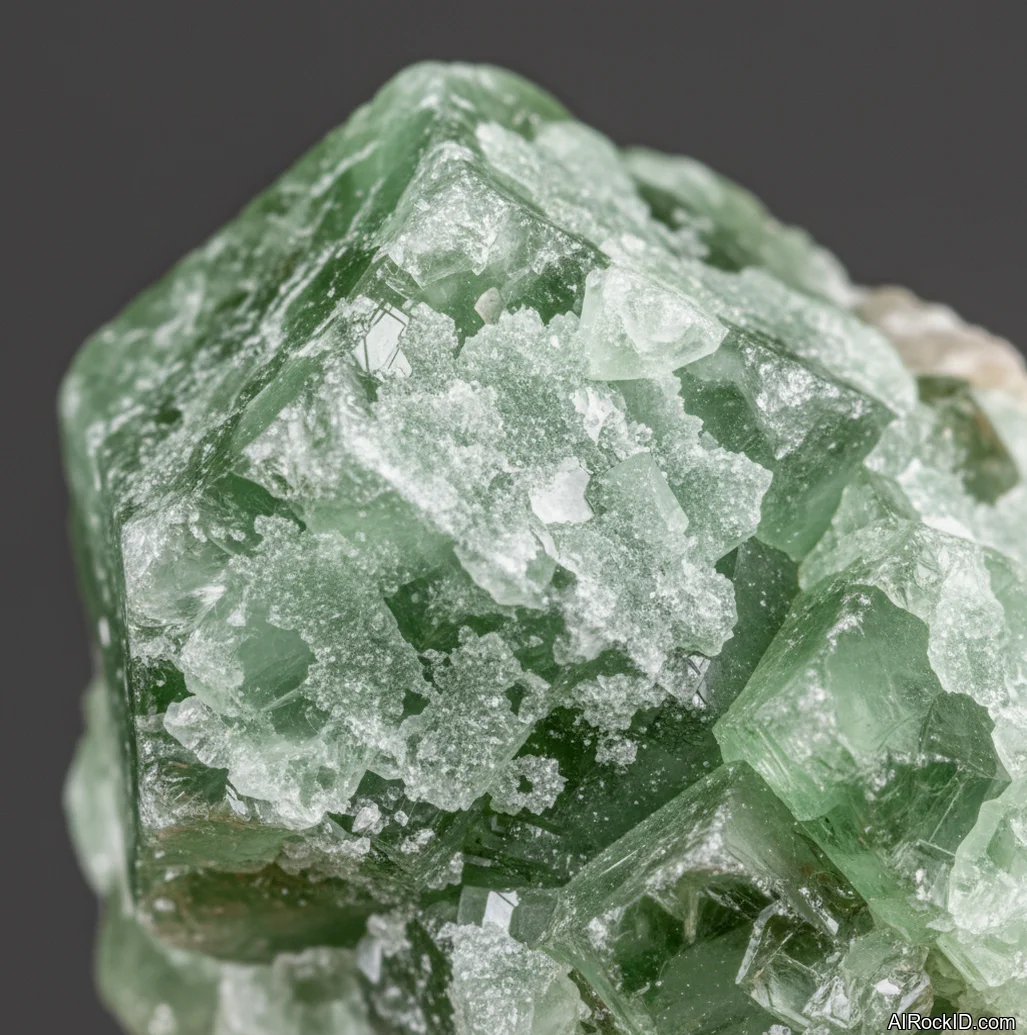
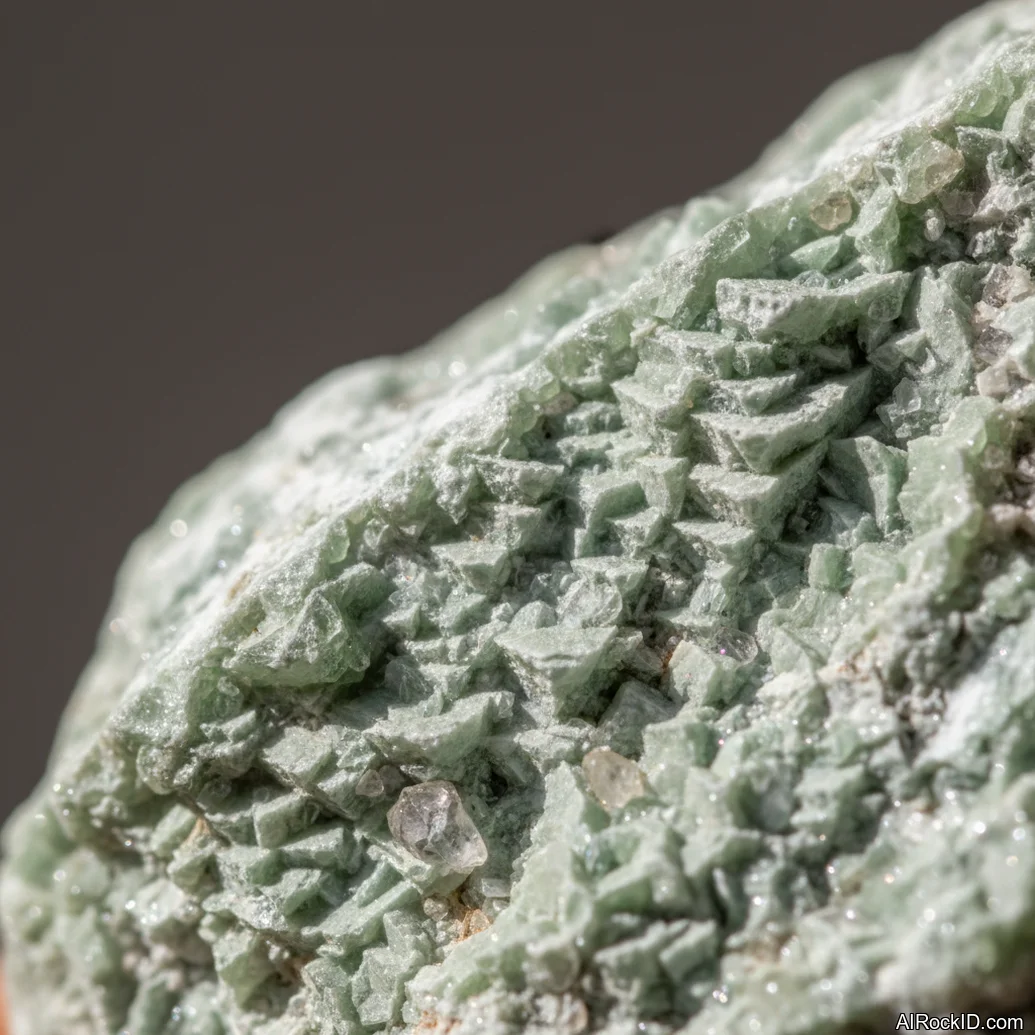
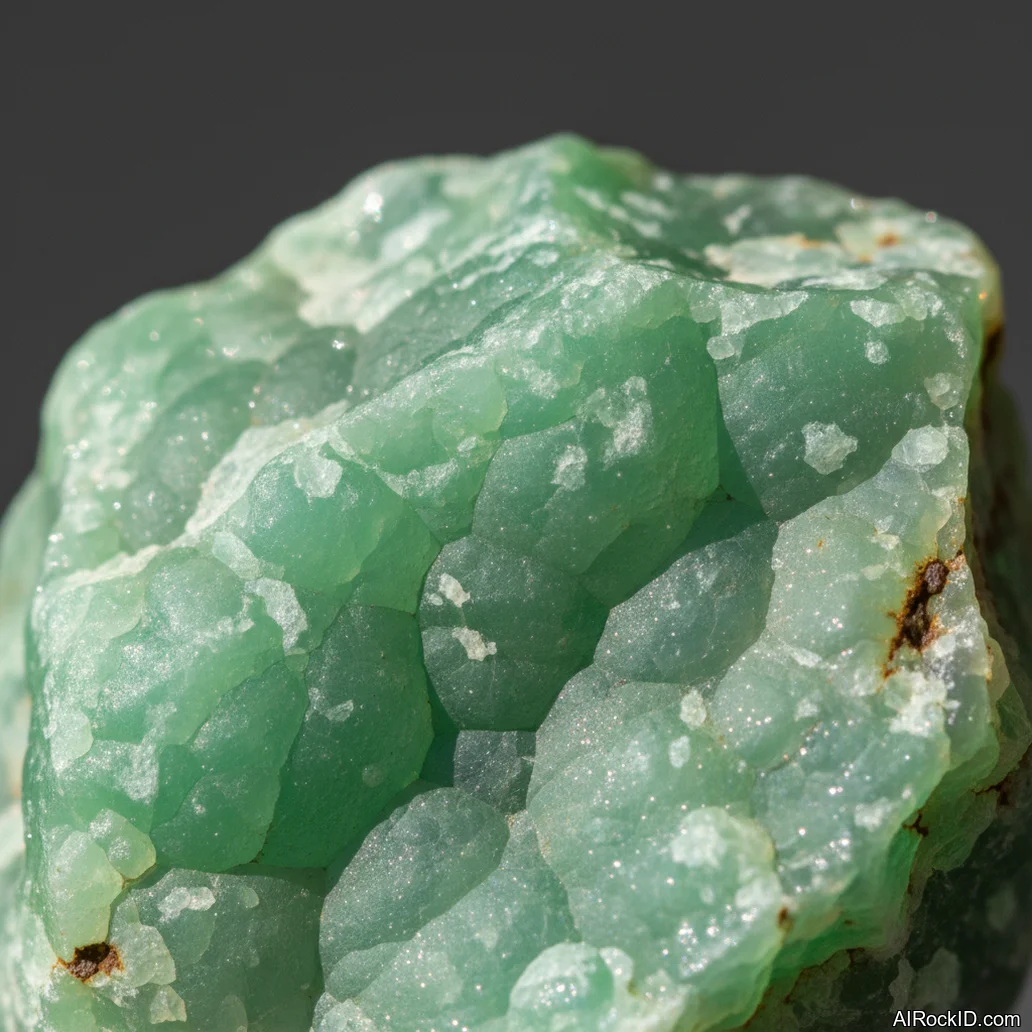
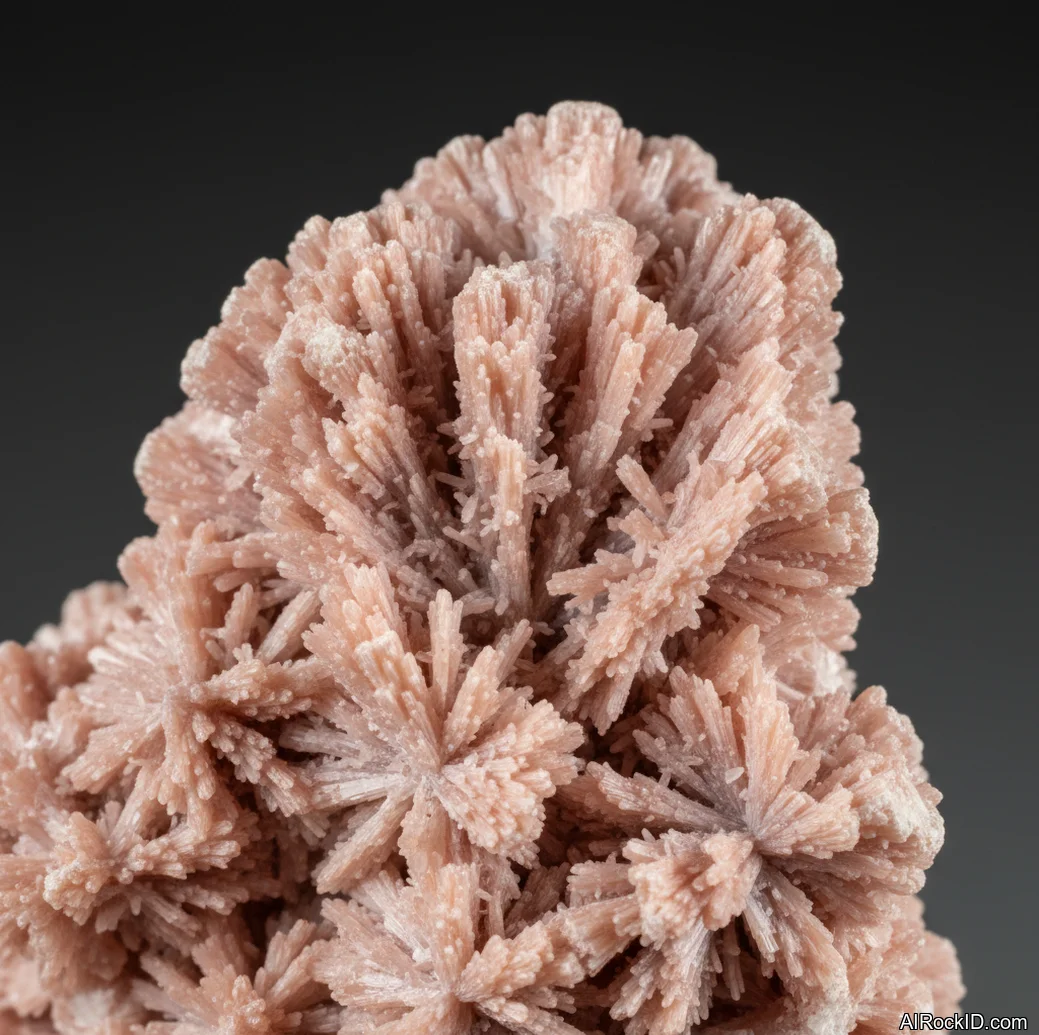
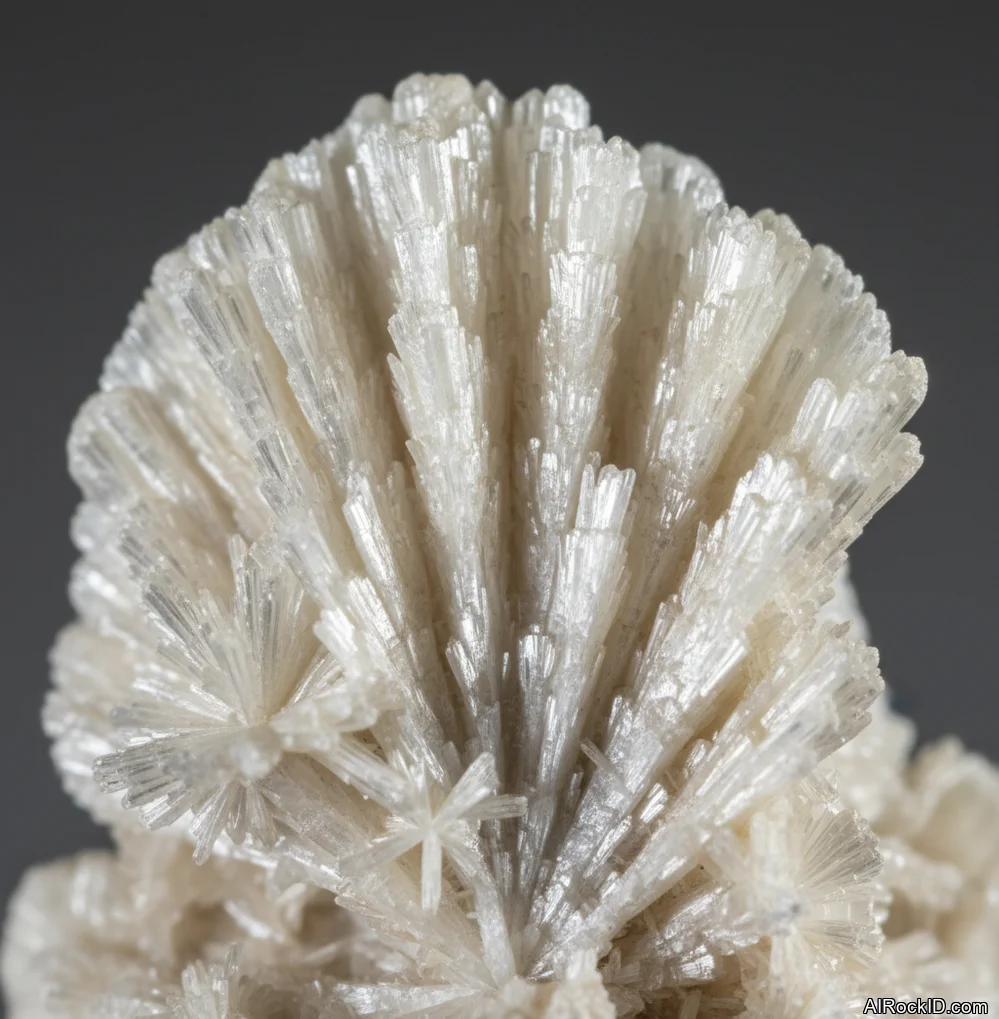
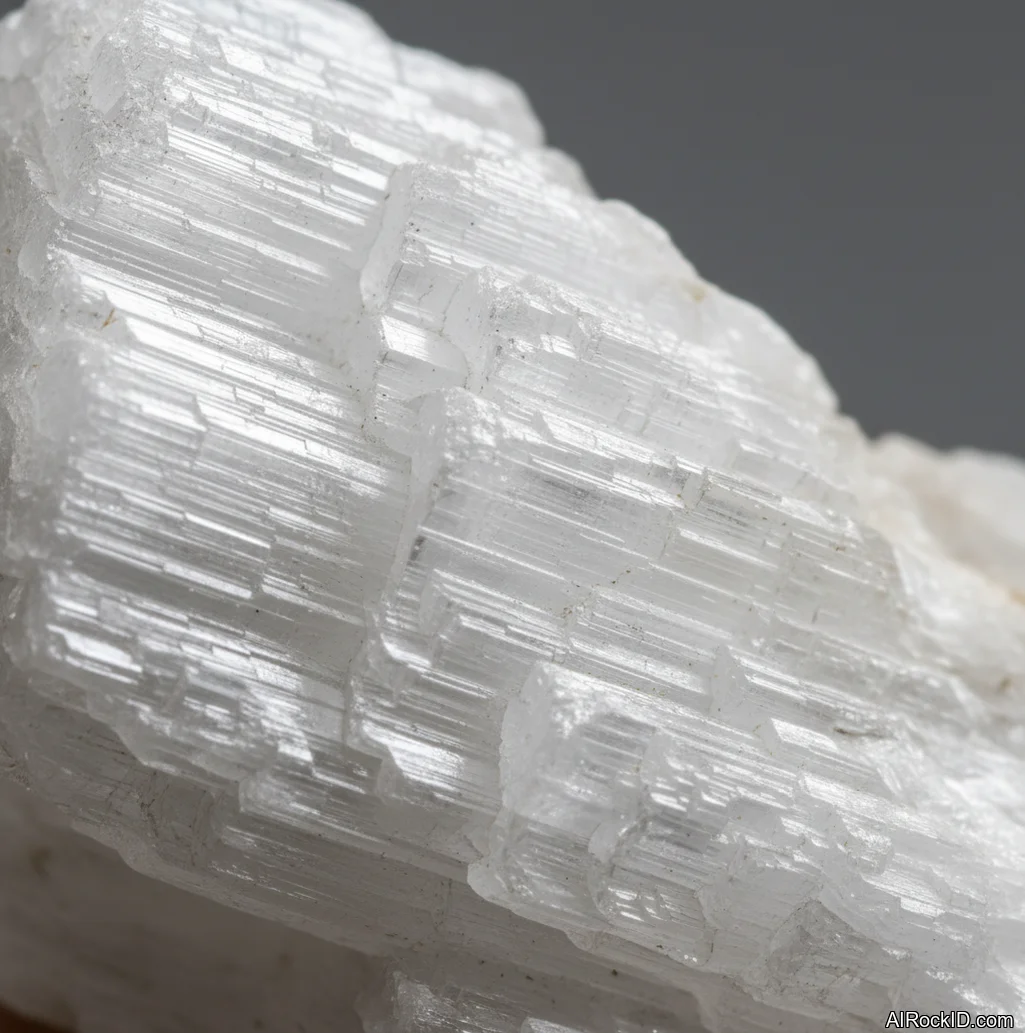
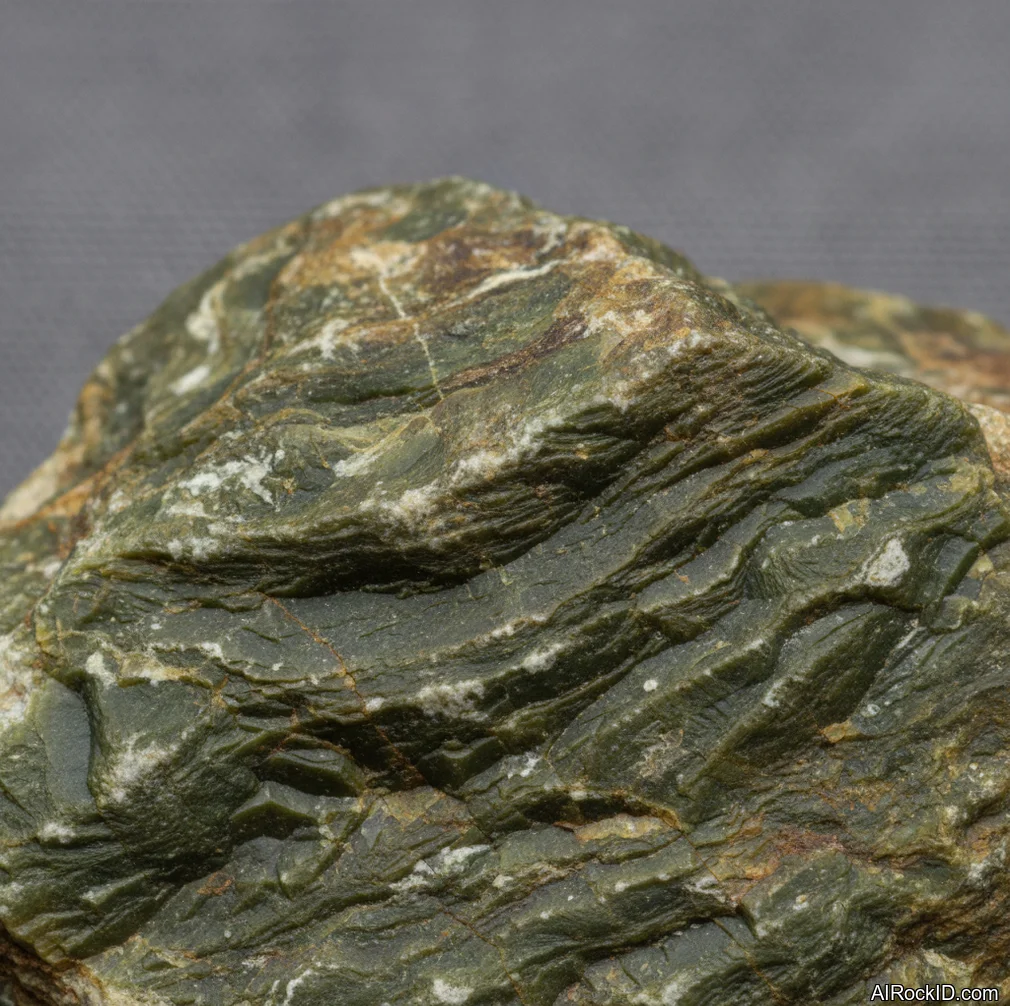
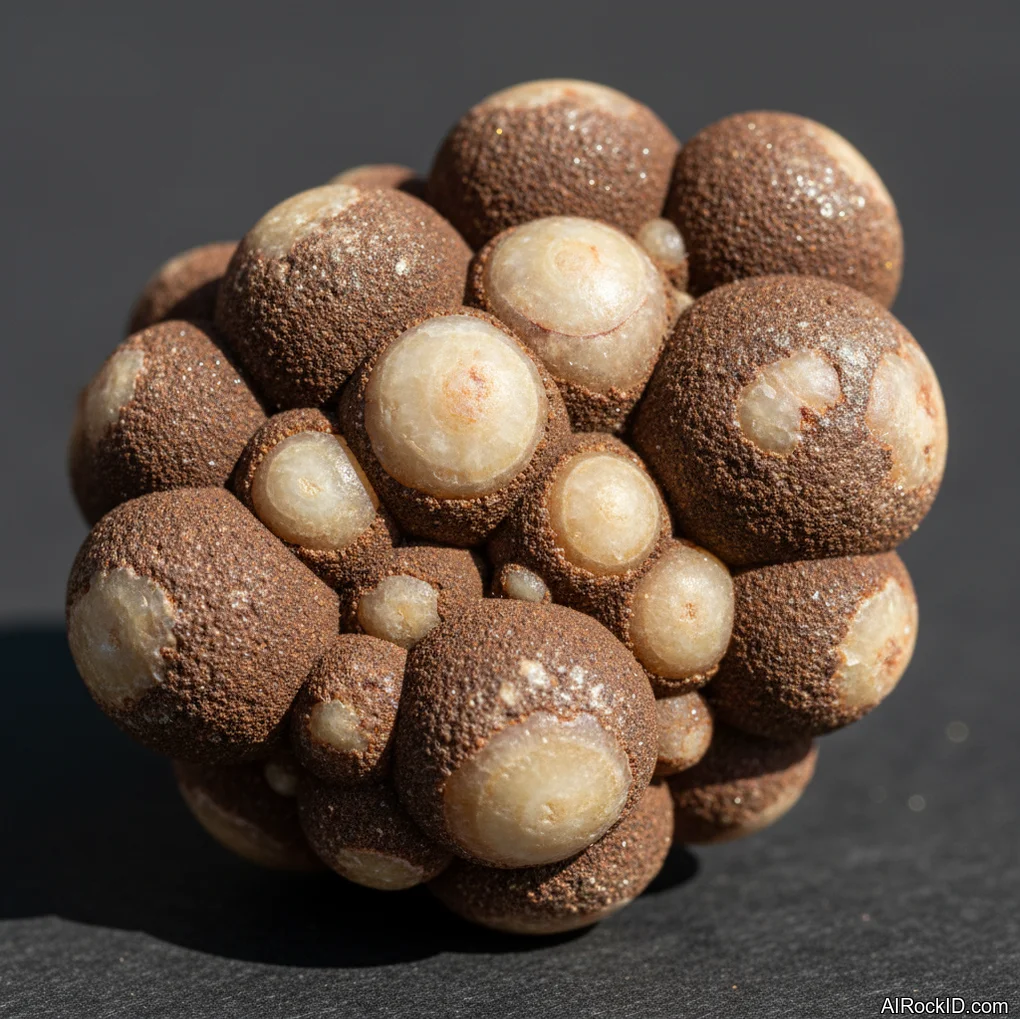
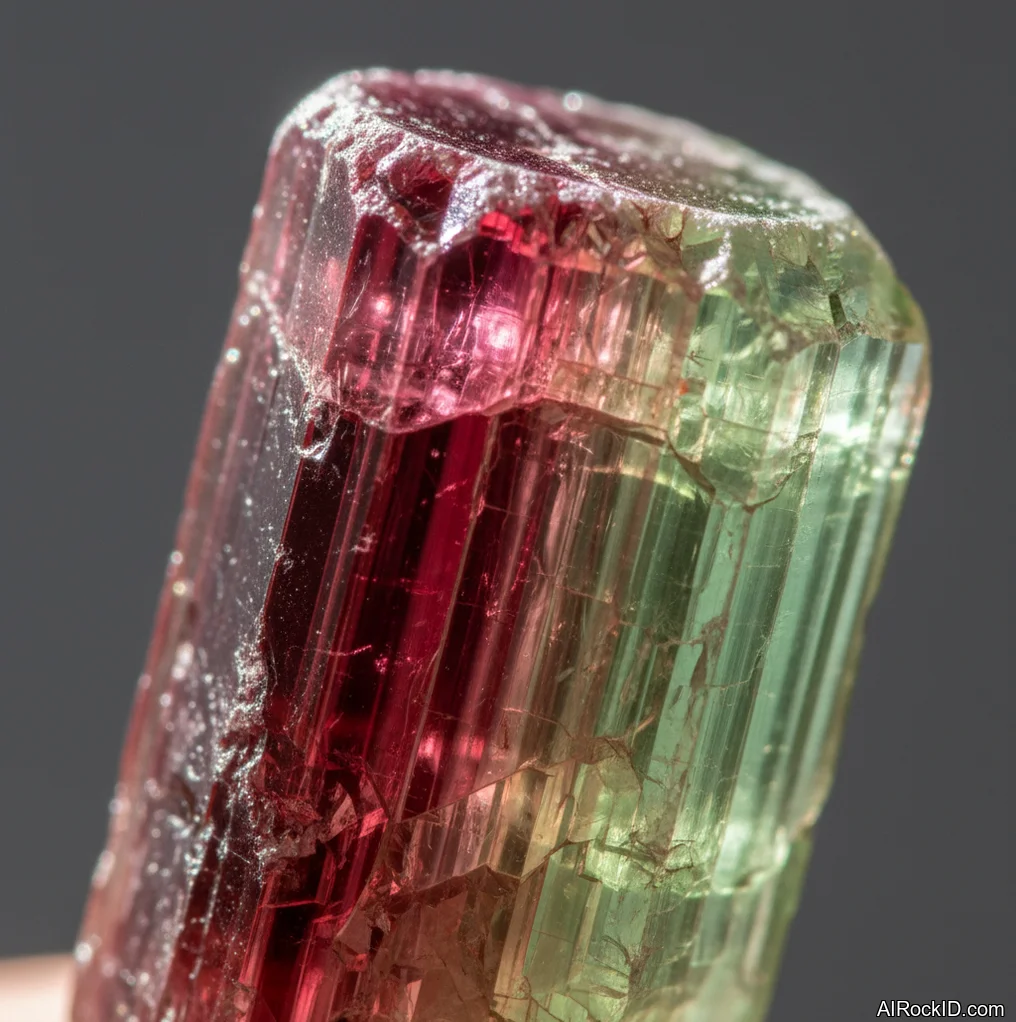
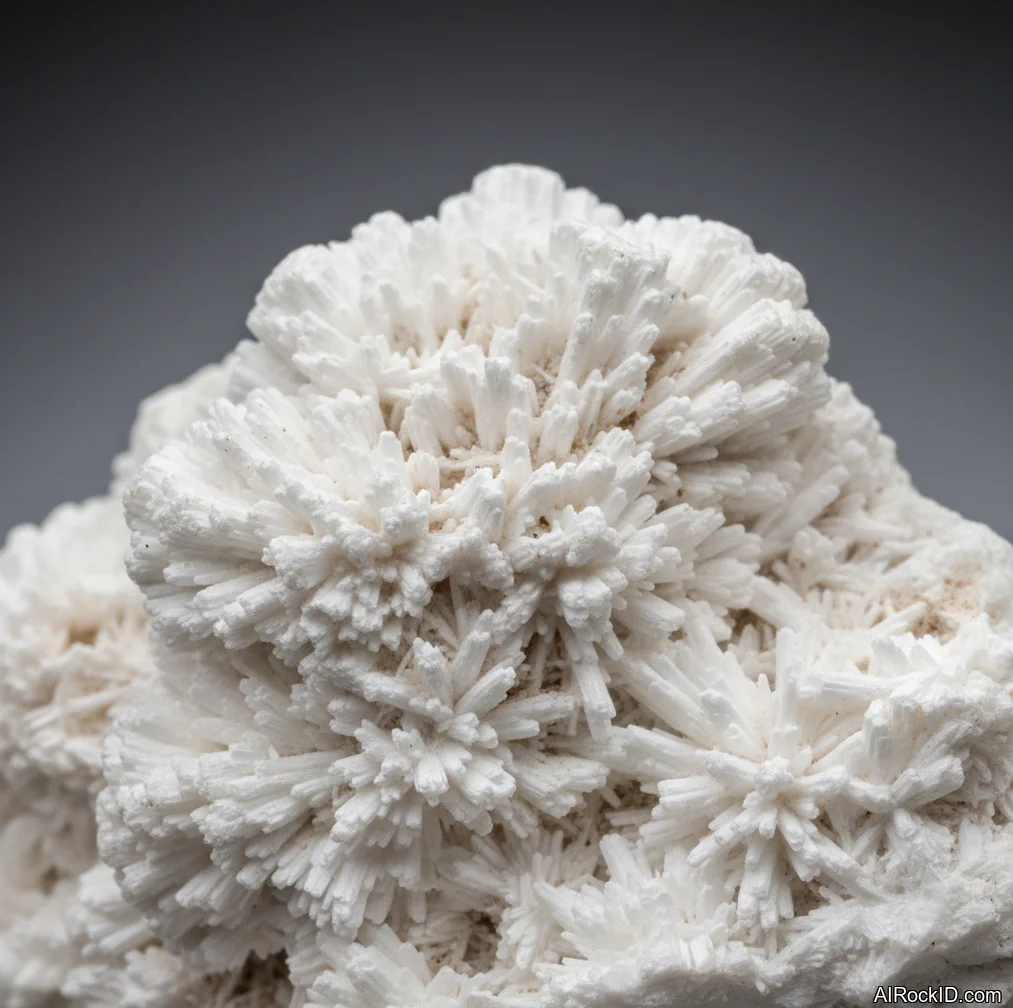
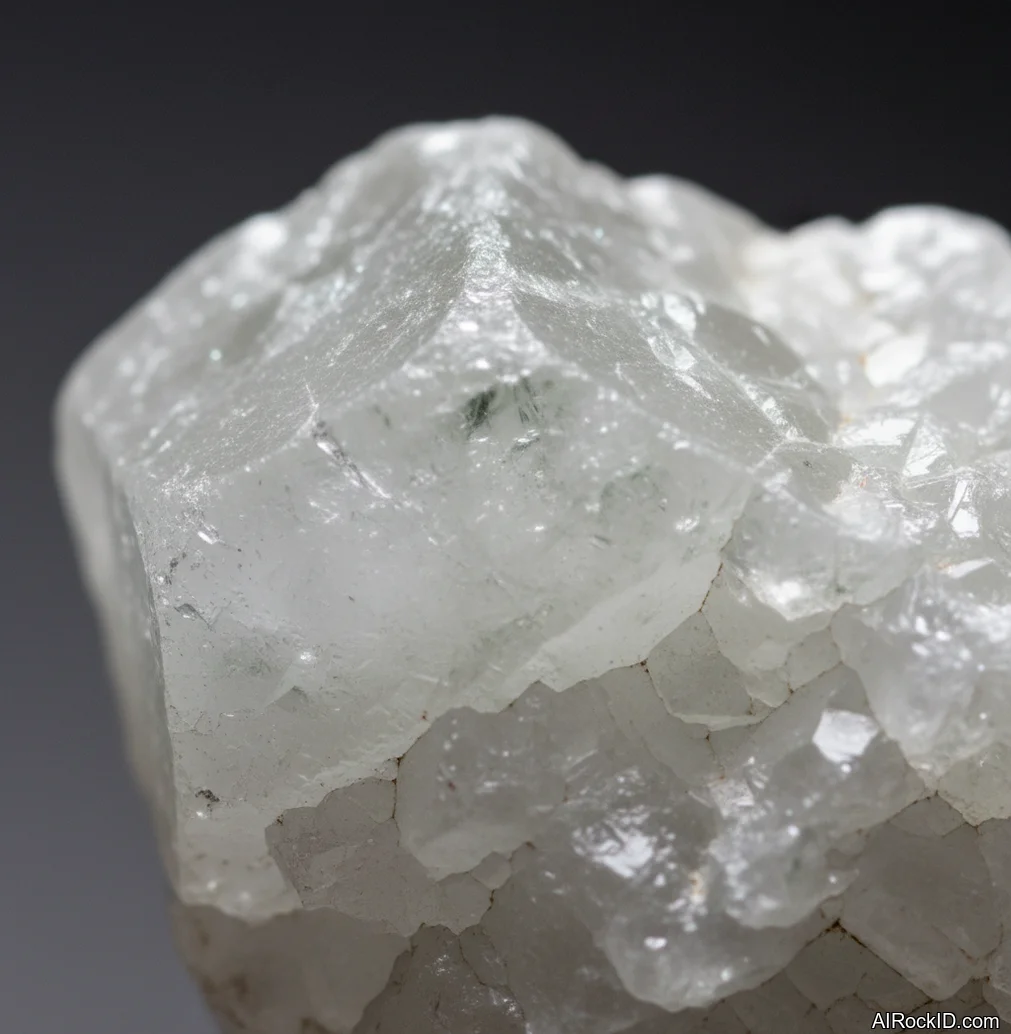
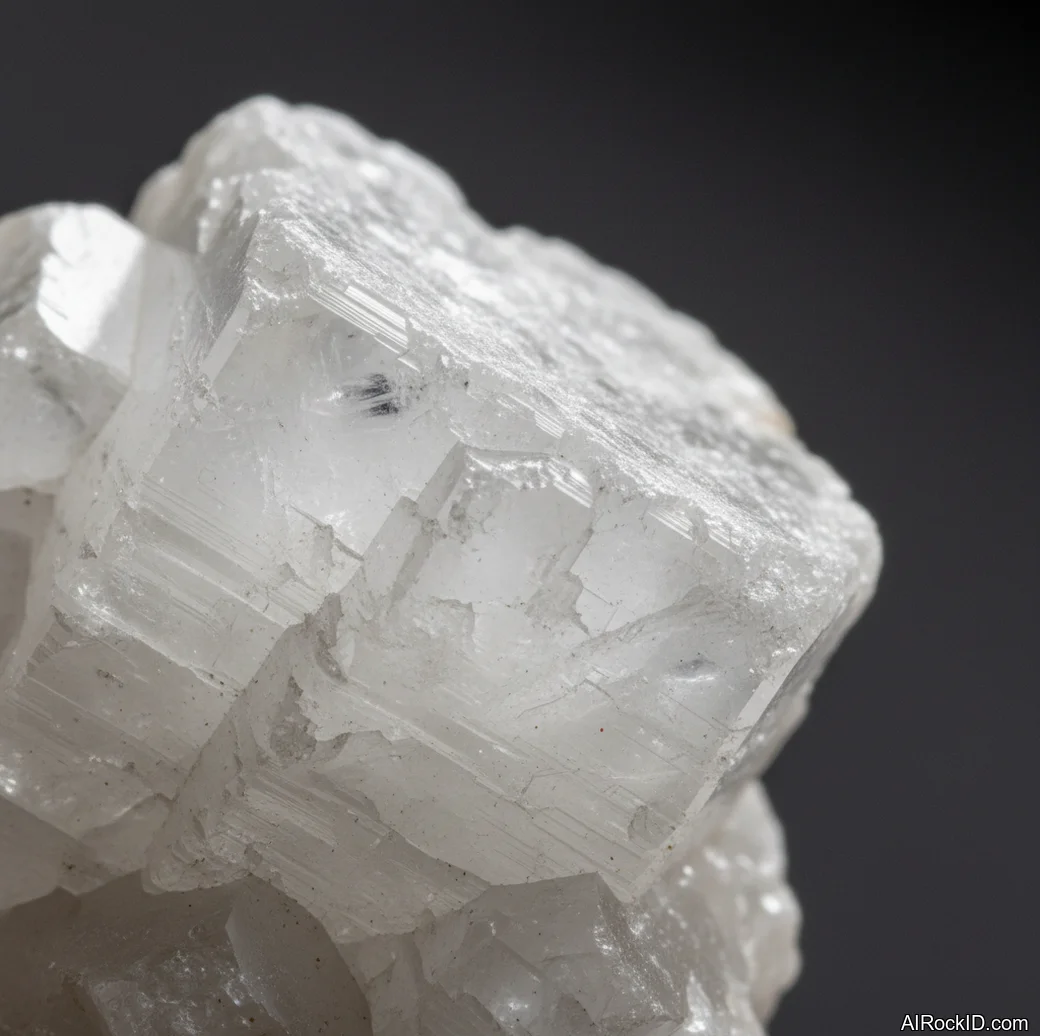
Anxiety Relief crystals are minerals that collectors and practitioners associate with calming physical tension, quieting mental chatter, and grounding restless energy. Common examples include lepidolite, amethyst, blue lace agate, and amazonite, each chosen for their physical traits and traditional metaphysical links to relaxation or stress reduction. People use these stones as tangible tools to support a sense of ease during anxious moments. These associations come from metaphysical traditions and are not medical claims.
Anxiety Relief crystals cannot treat or cure anxiety disorders and should never replace mental health support or medical care. Their effects are based on personal and cultural beliefs, not clinical evidence.
AI Rock ID can help identify a crystal from a photo by comparing visible traits such as color, luster, banding, and crystal habit. RockIdentifier.io provides crystal and mineral references that can support learning about both geological features and traditional meanings.
Good fit
- Beginners who want a simple theme for building a calming crystal collection
- Collectors comparing stones traditionally linked with relaxation, grounding, or emotional balance
- People who use crystals as reminders for meditation, breathing exercises, or bedtime routines
- Gift shoppers looking for commonly recognized calming stones such as amethyst, lepidolite, or blue lace agate
Not a good fit
- Anyone seeking a substitute for medical or mental health care
- Buyers who need a guaranteed effect from a stone or mineral
- Collectors who want only scientifically proven health outcomes
- Children or pets if small stones, fragile specimens, or toxic minerals may be mishandled
Most commonly confused with
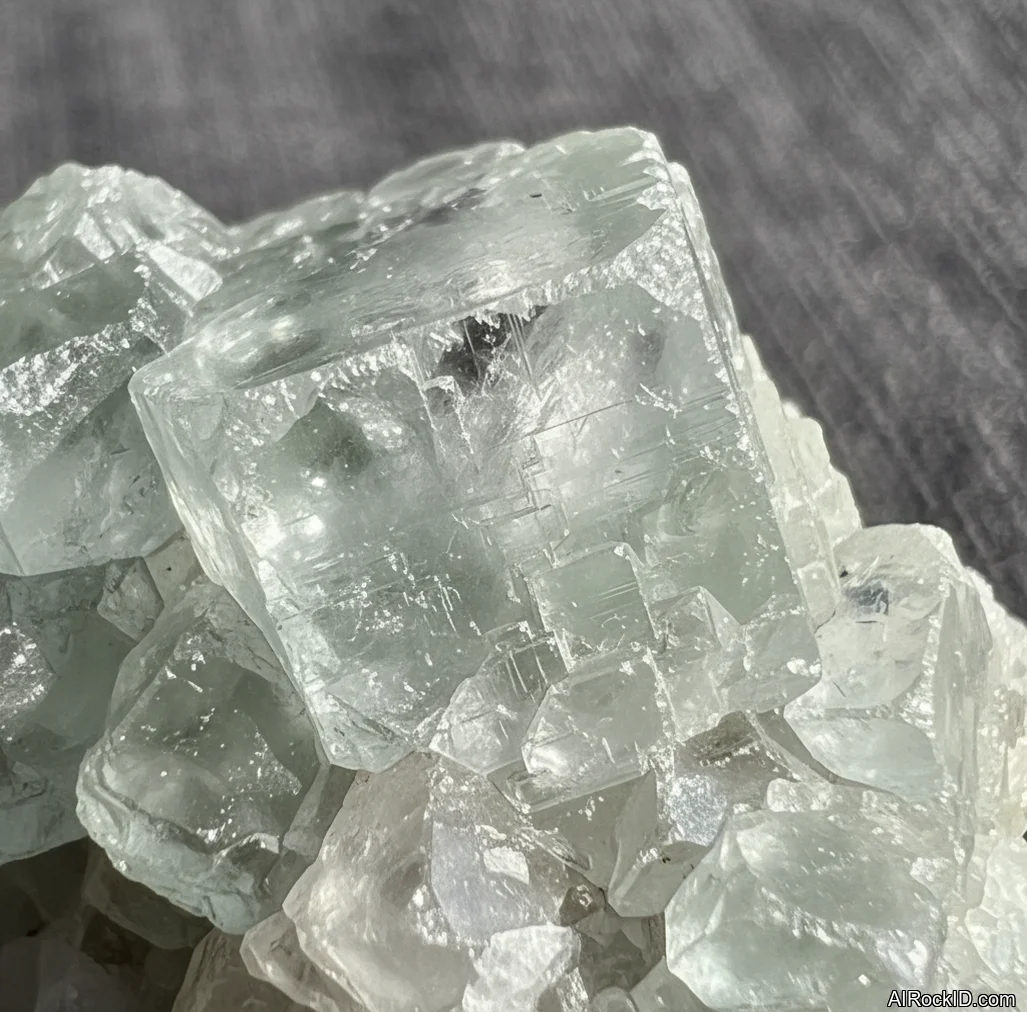
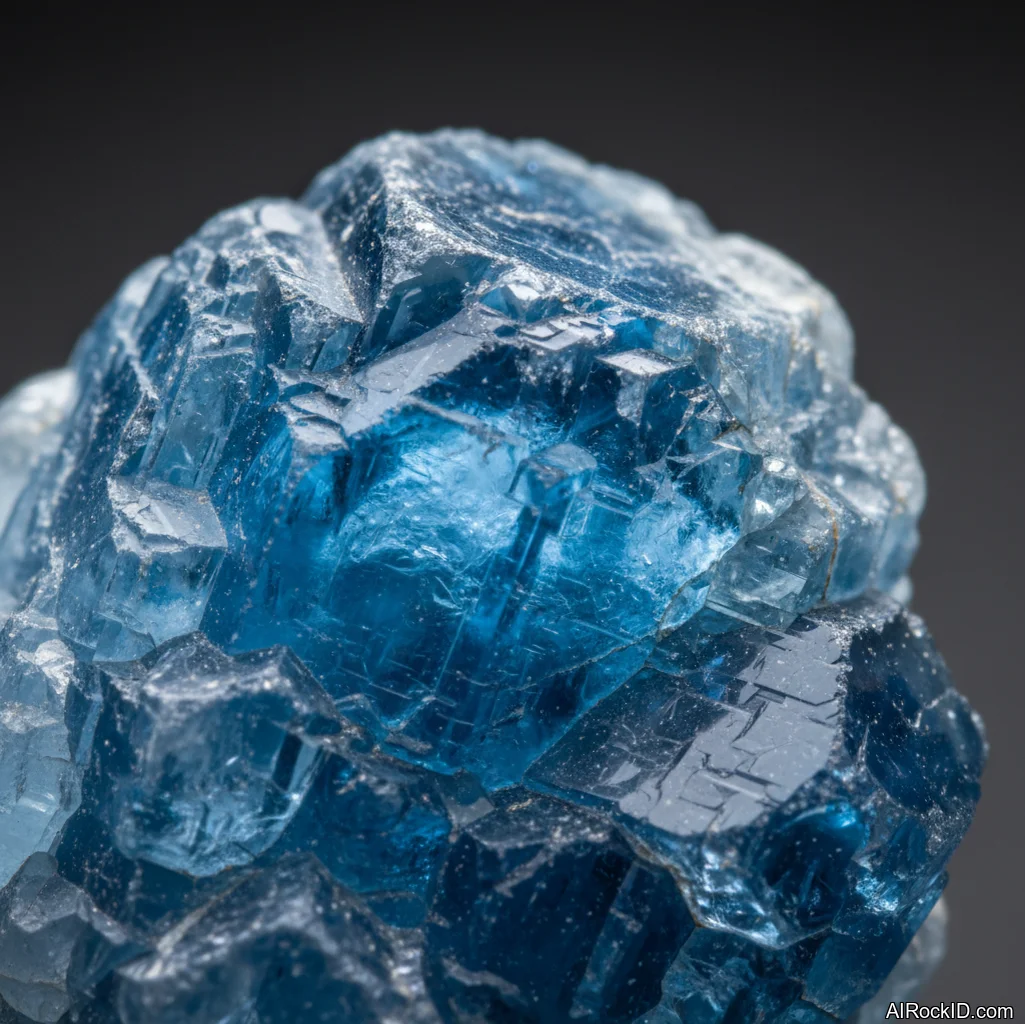
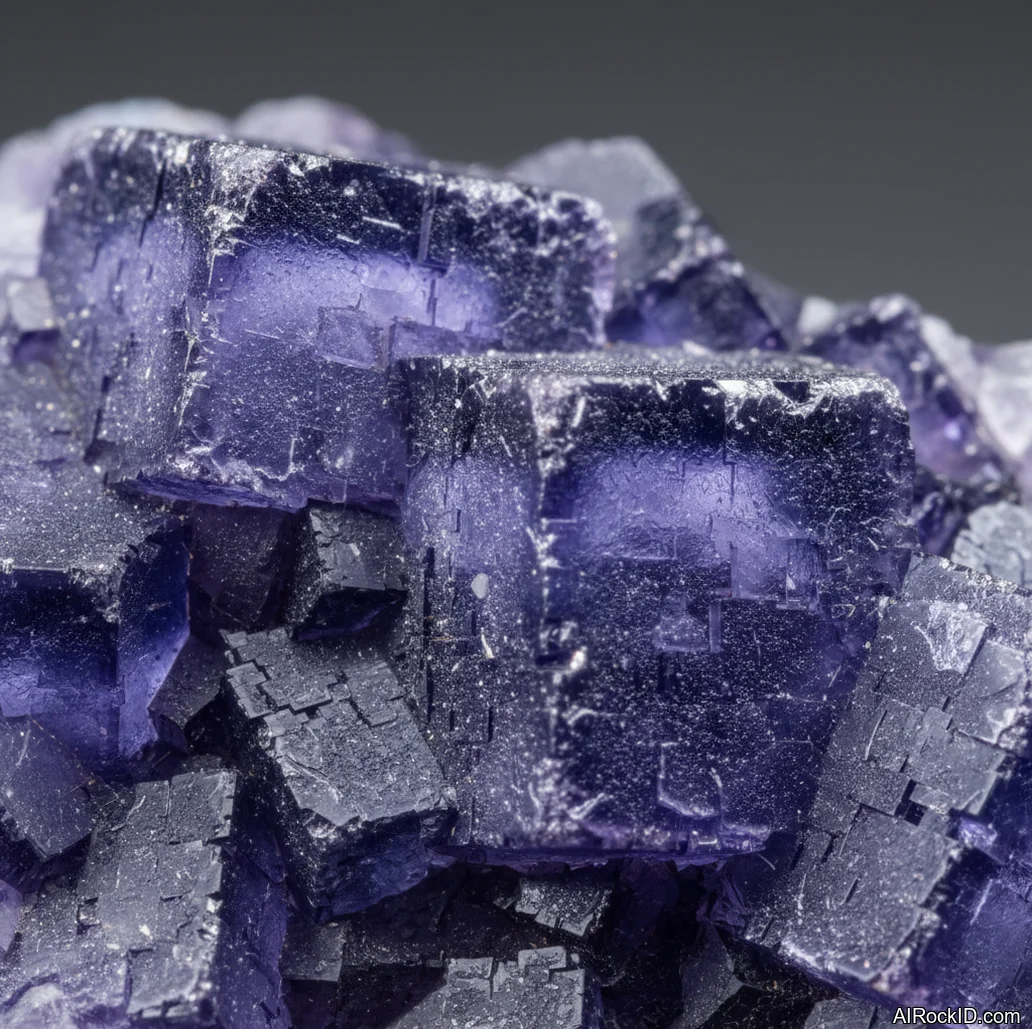
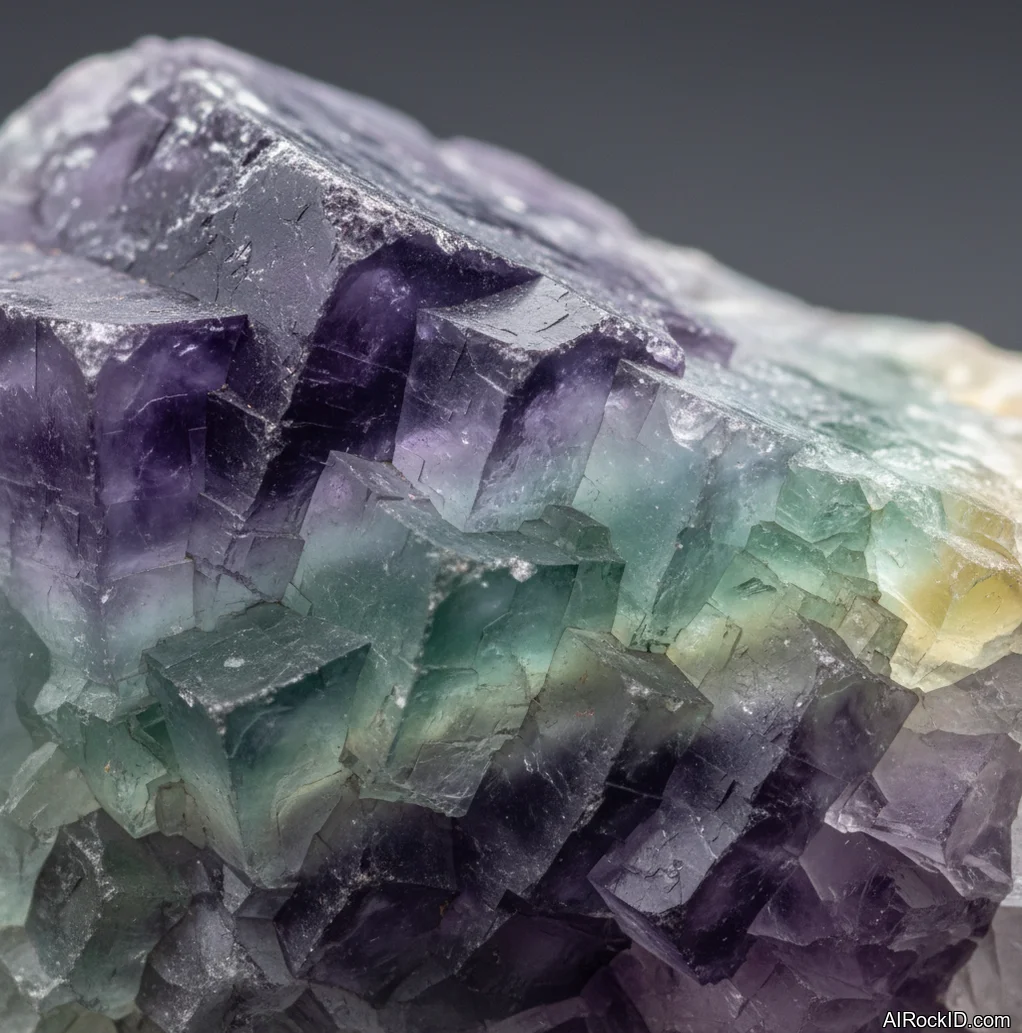
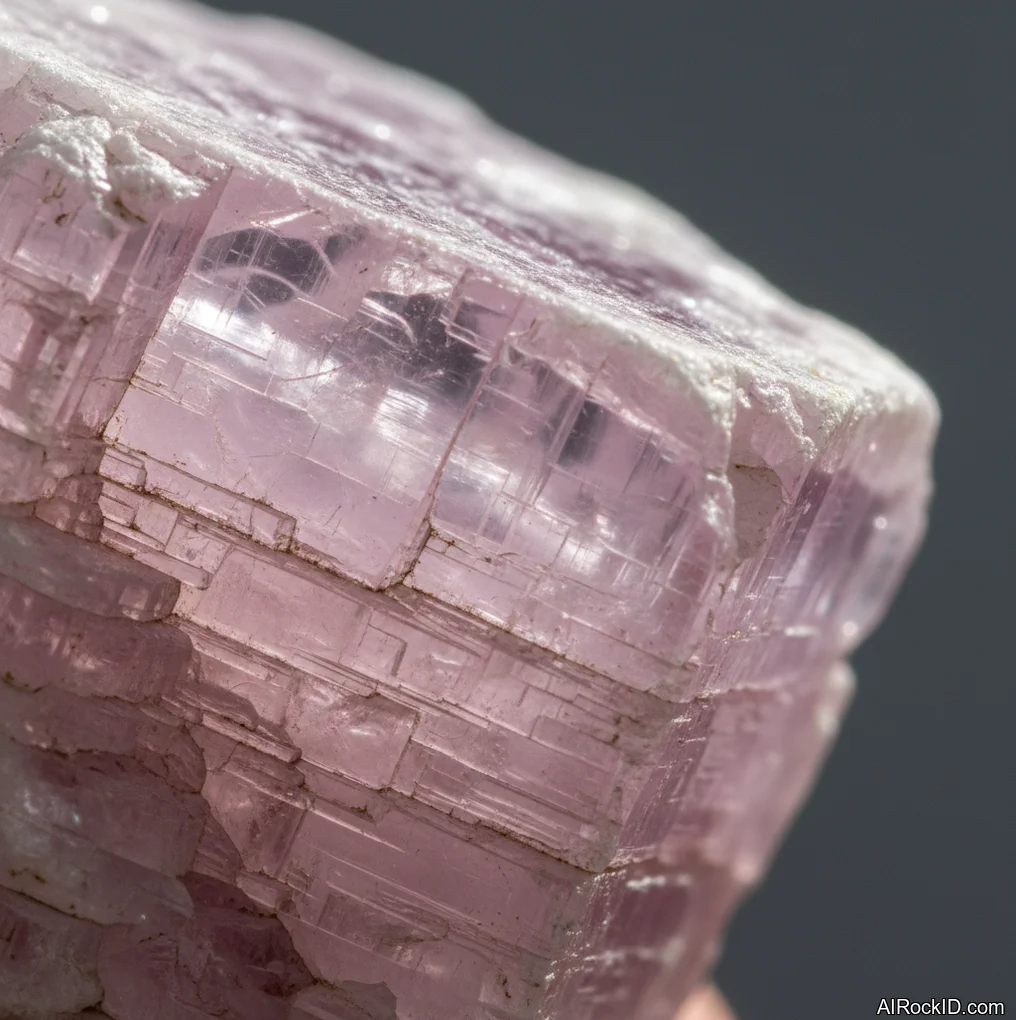
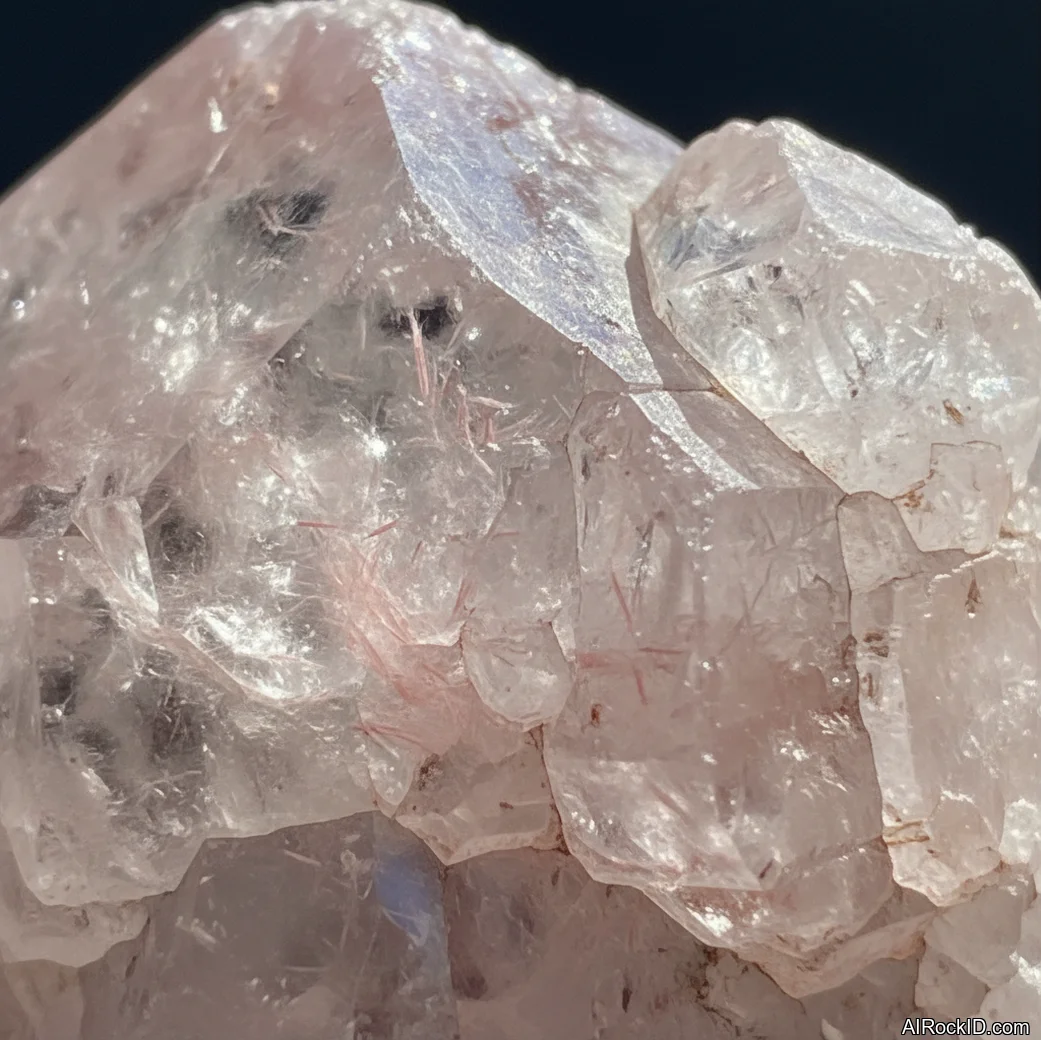
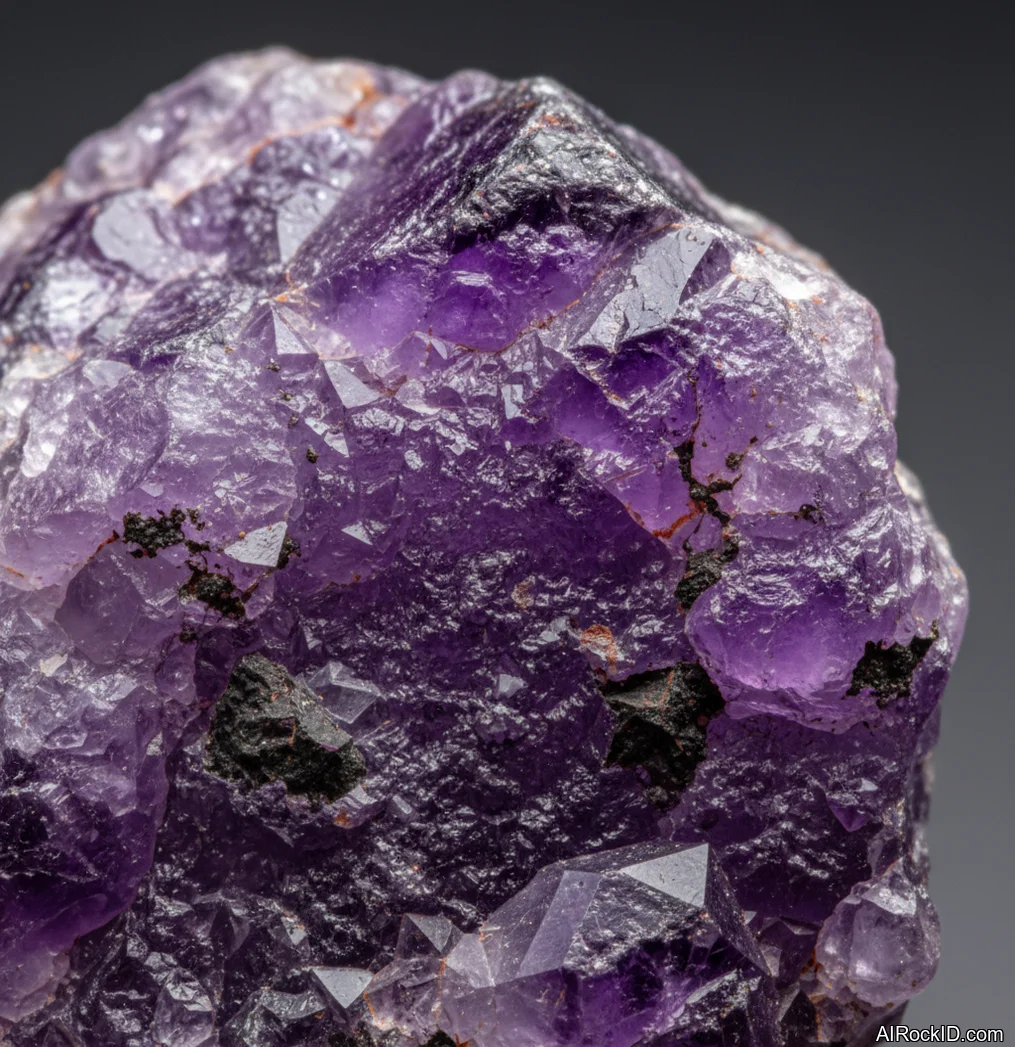
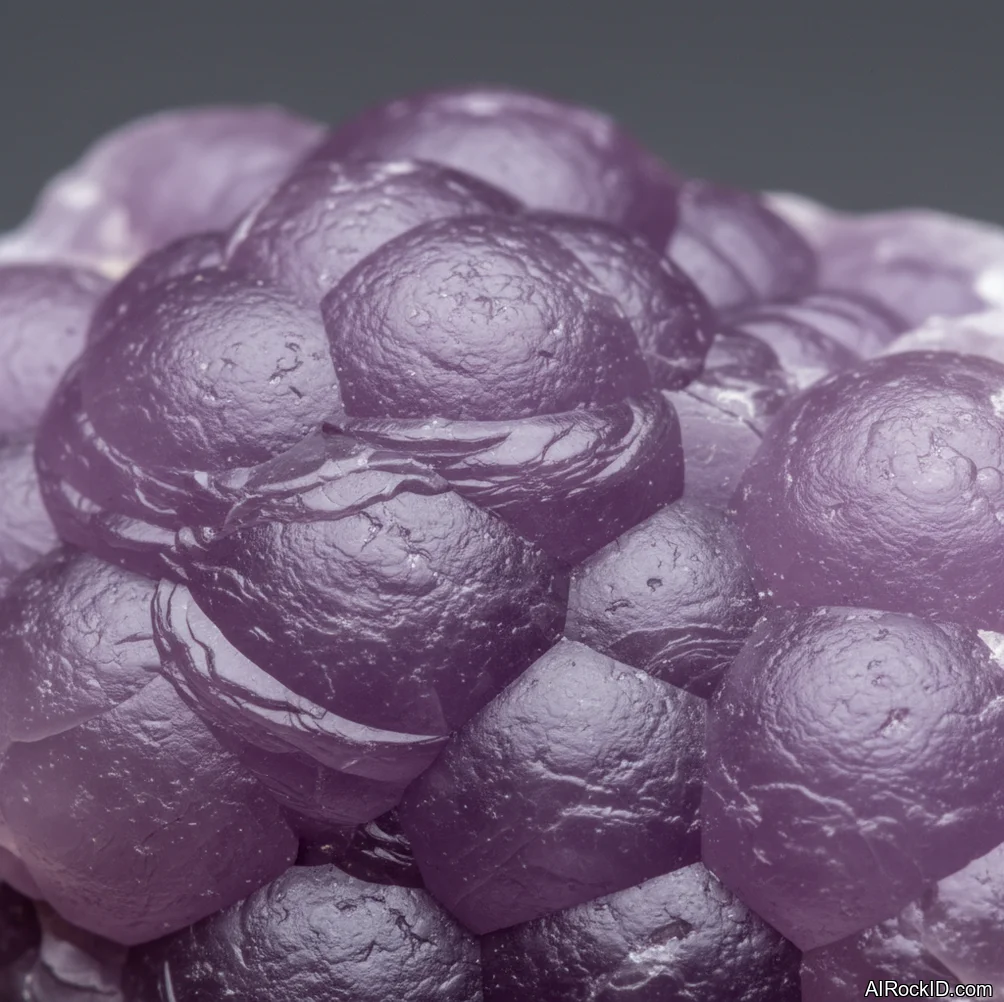
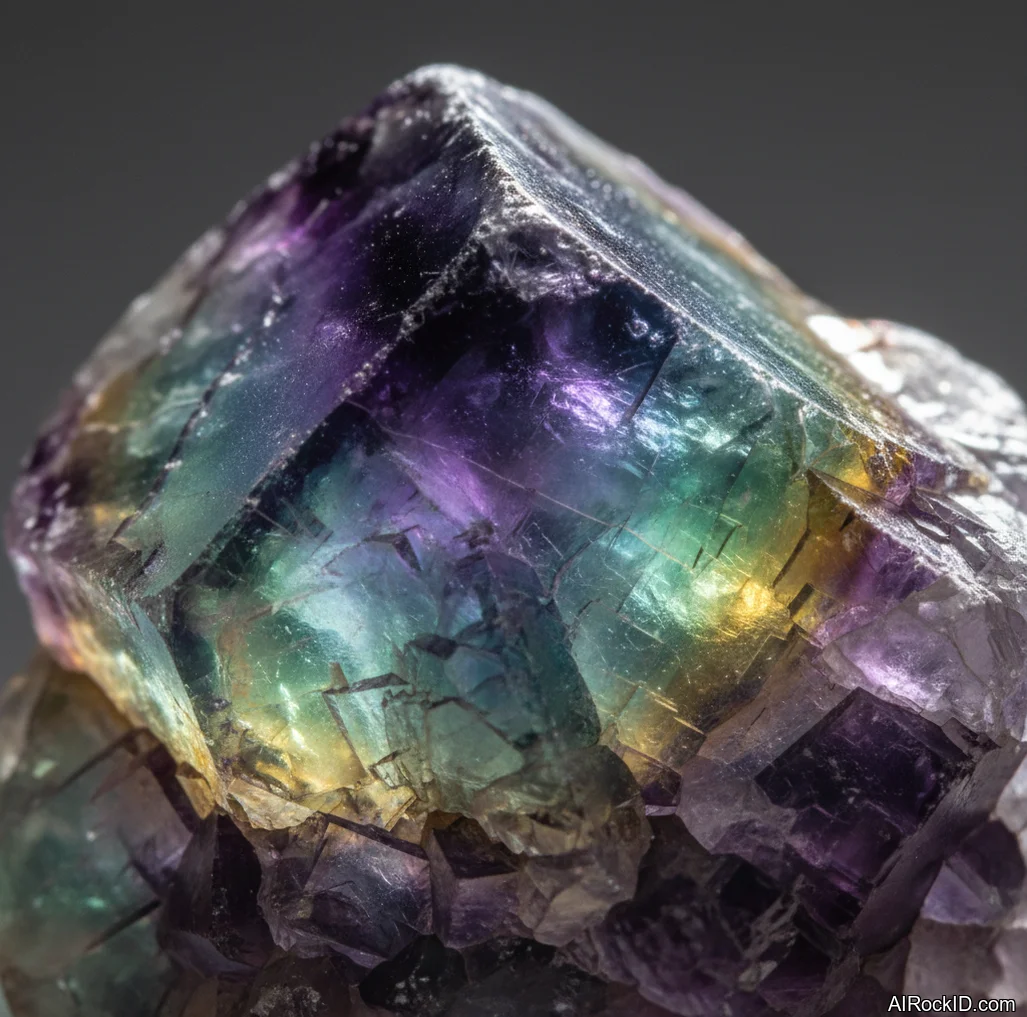
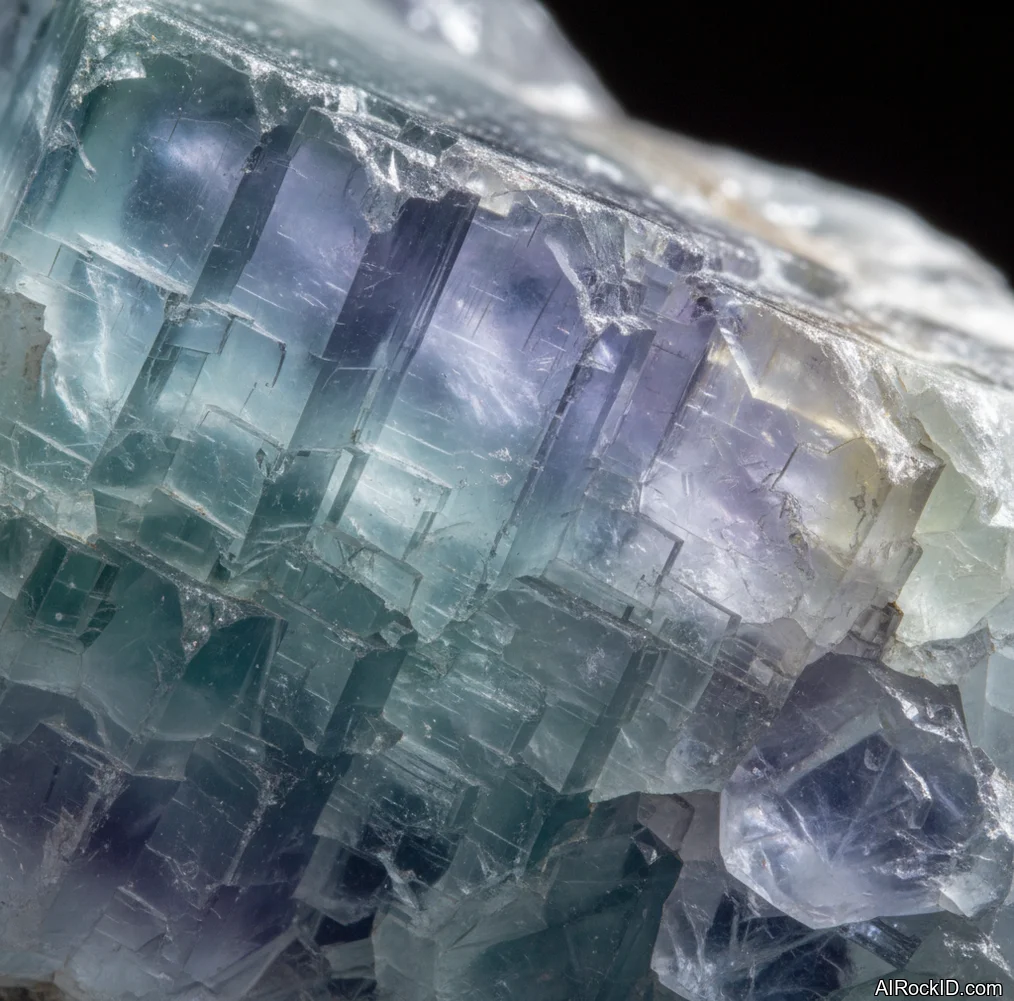
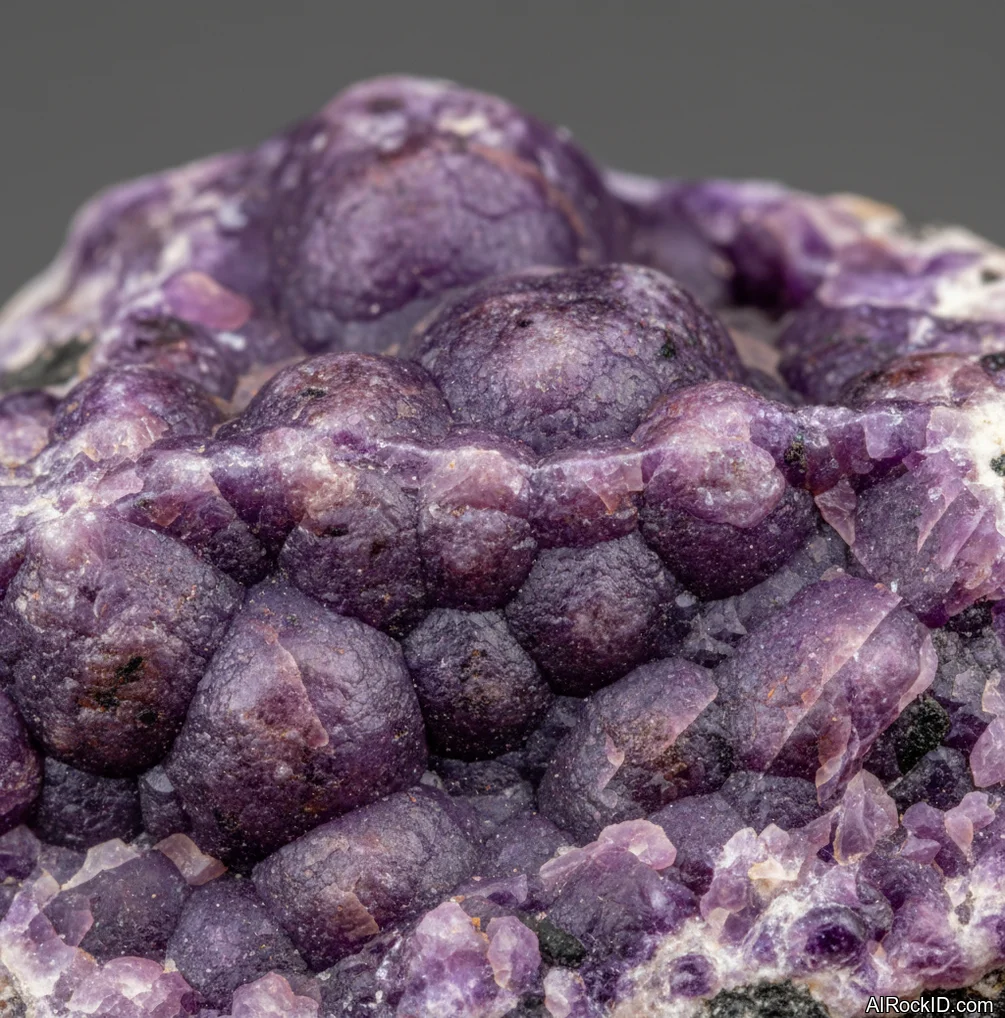
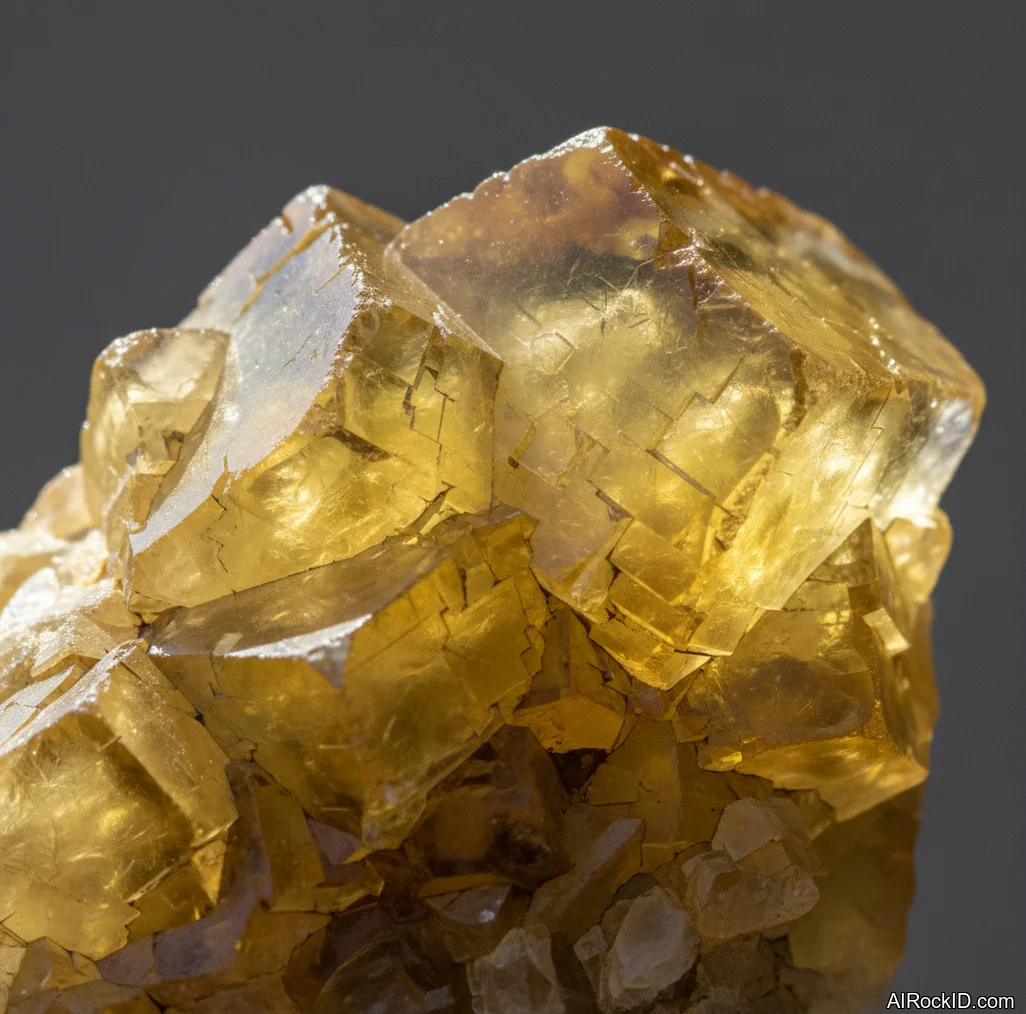
- Amethyst: Often confused with purple fluorite; amethyst is quartz and is usually harder, while fluorite has perfect cleavage and lower hardness.
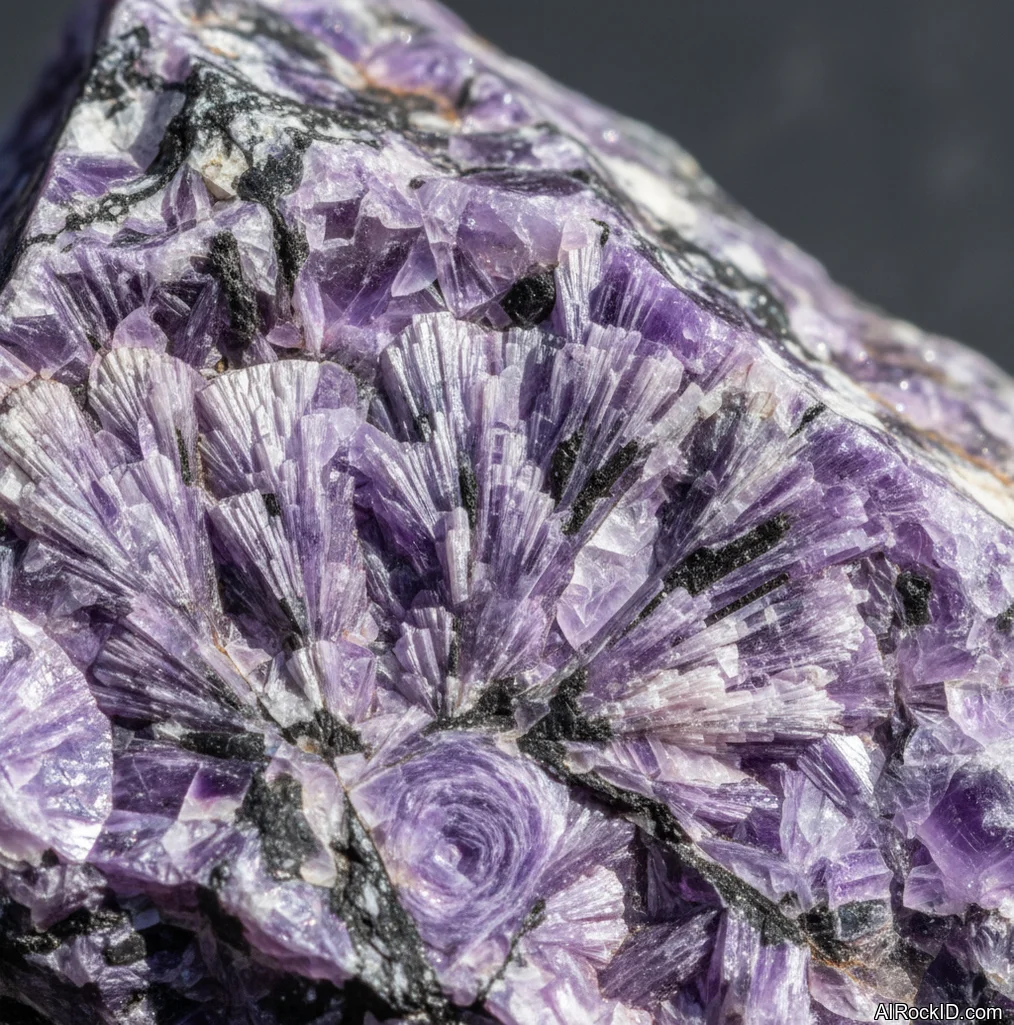
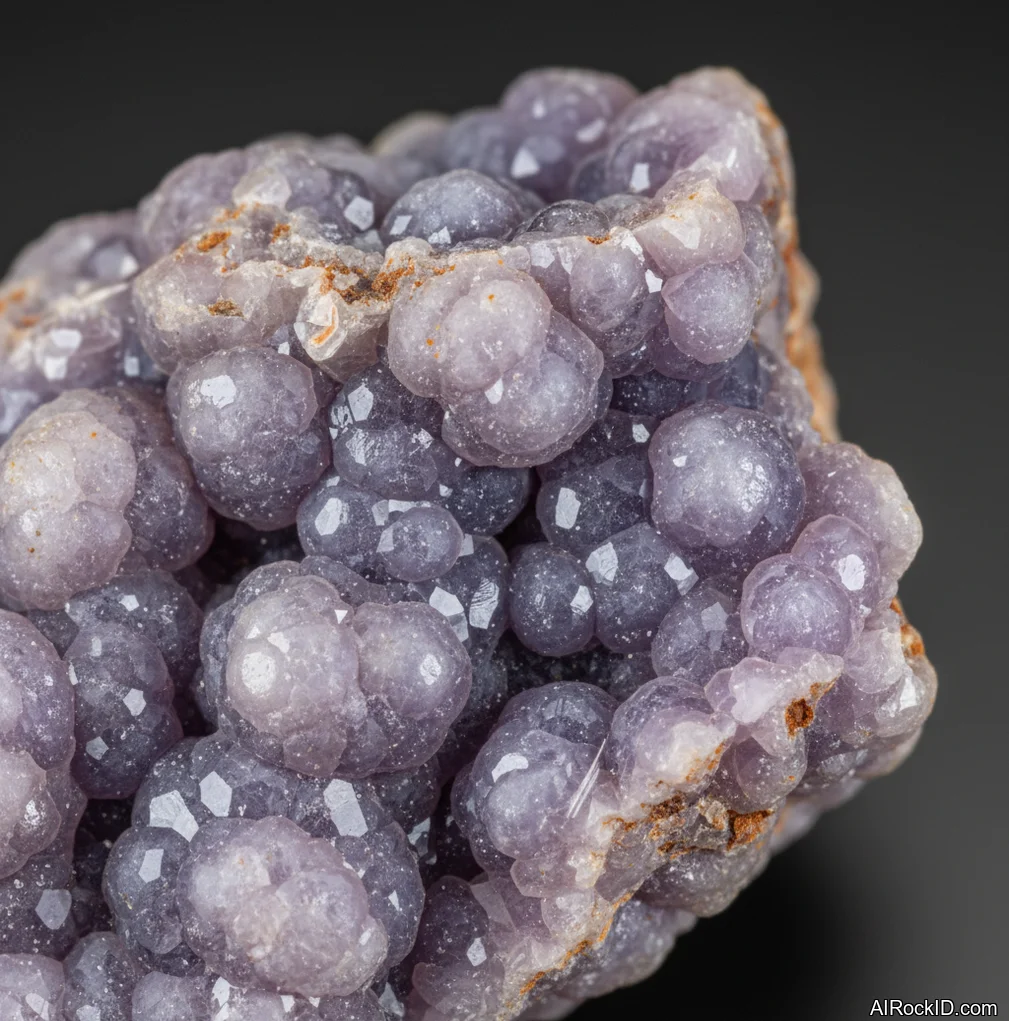
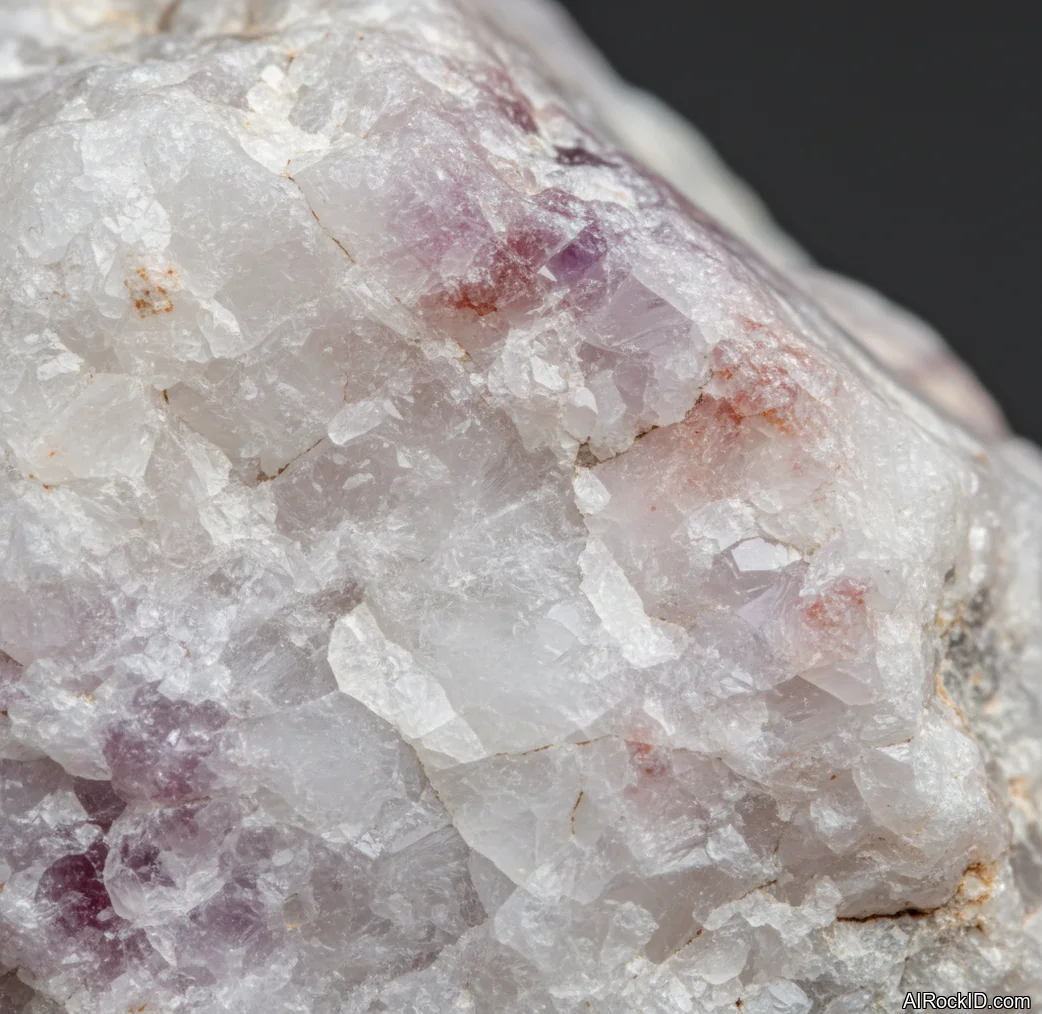
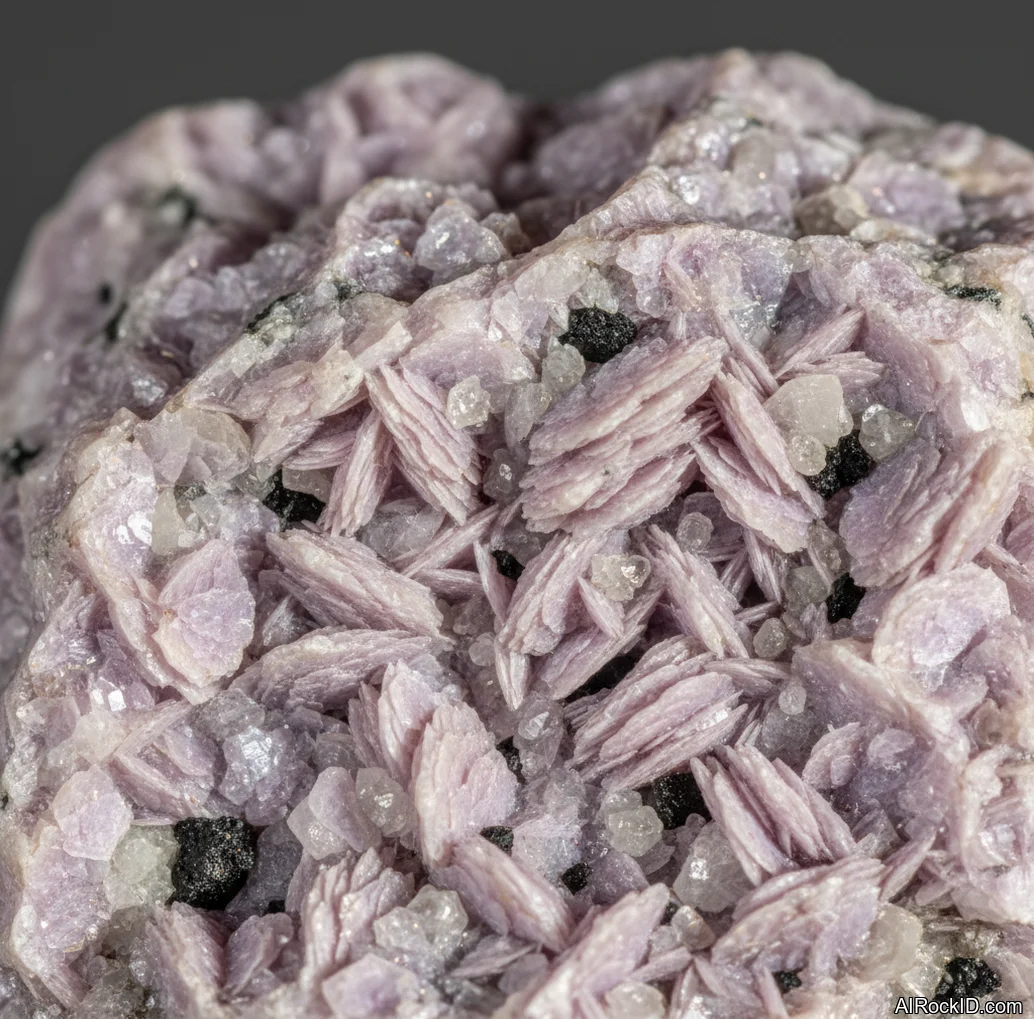
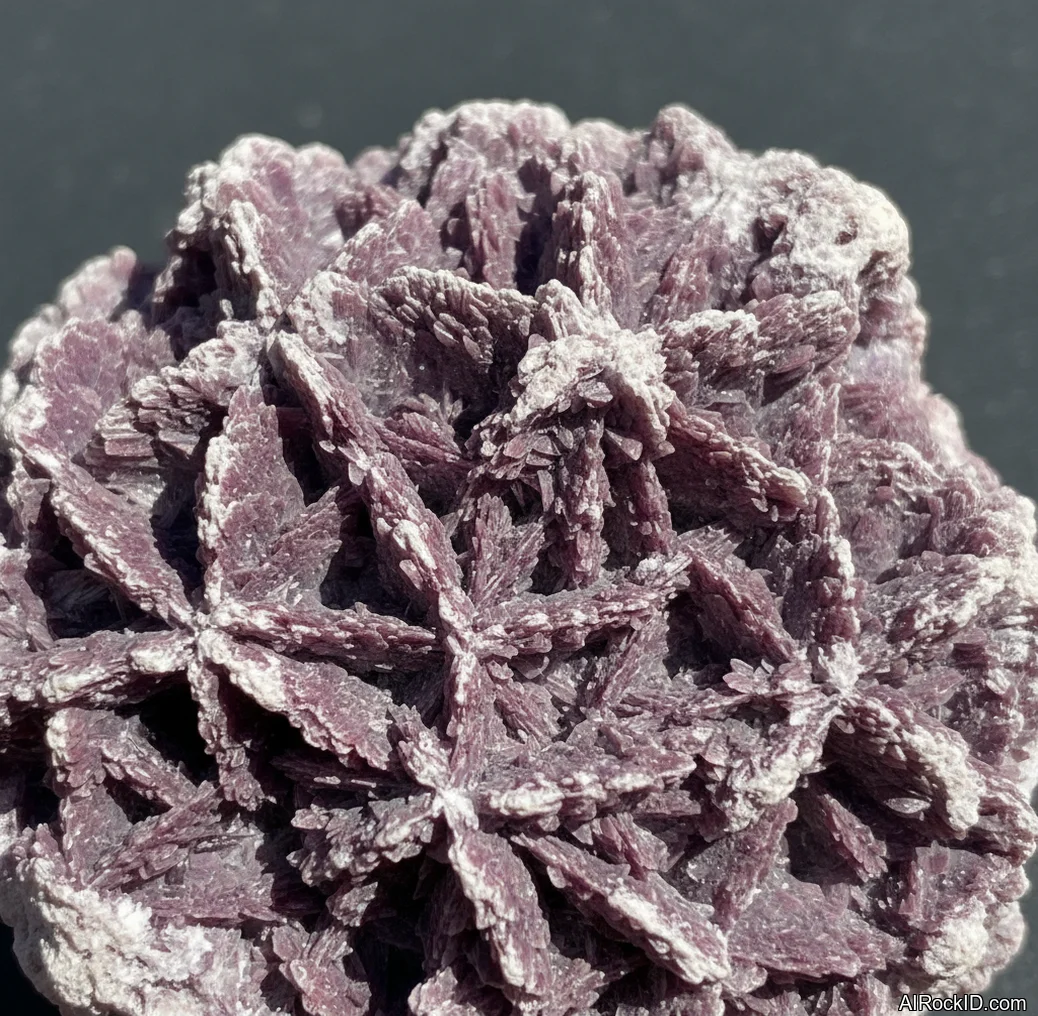
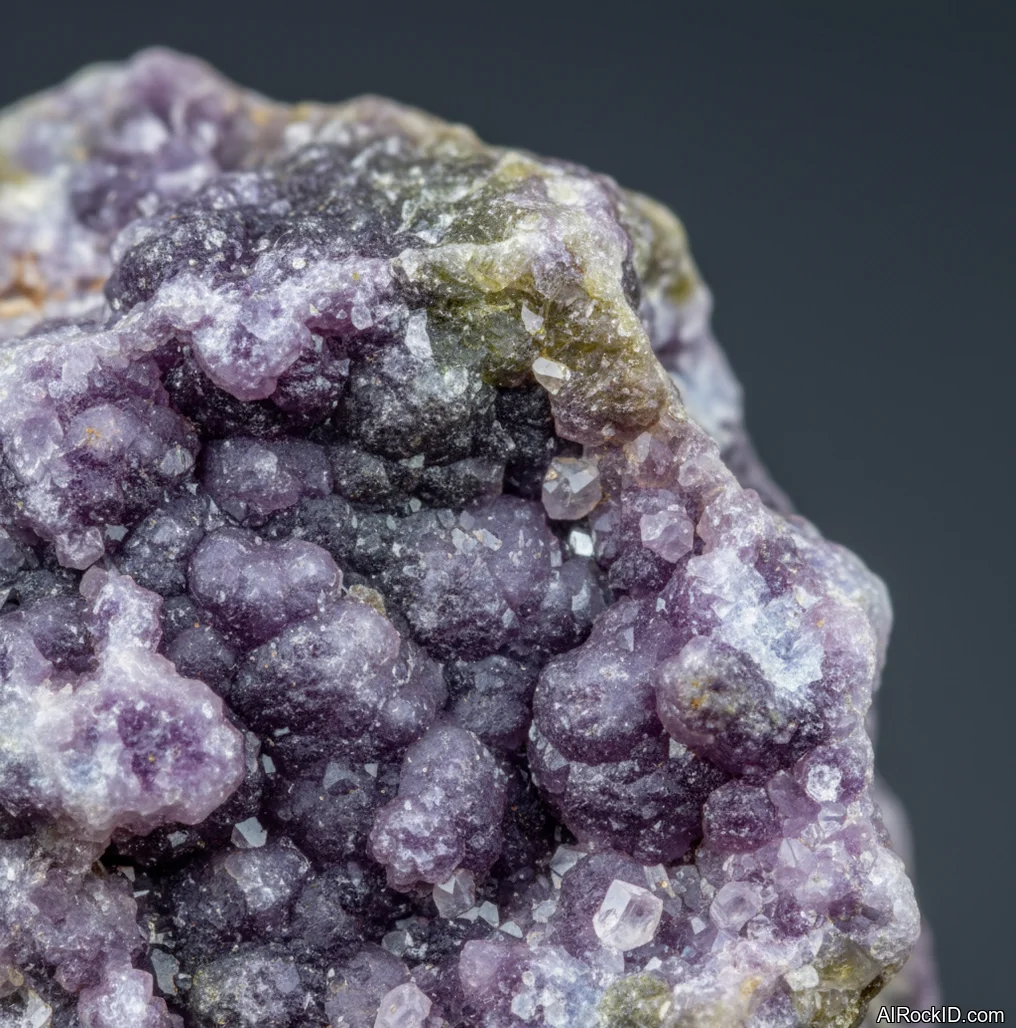
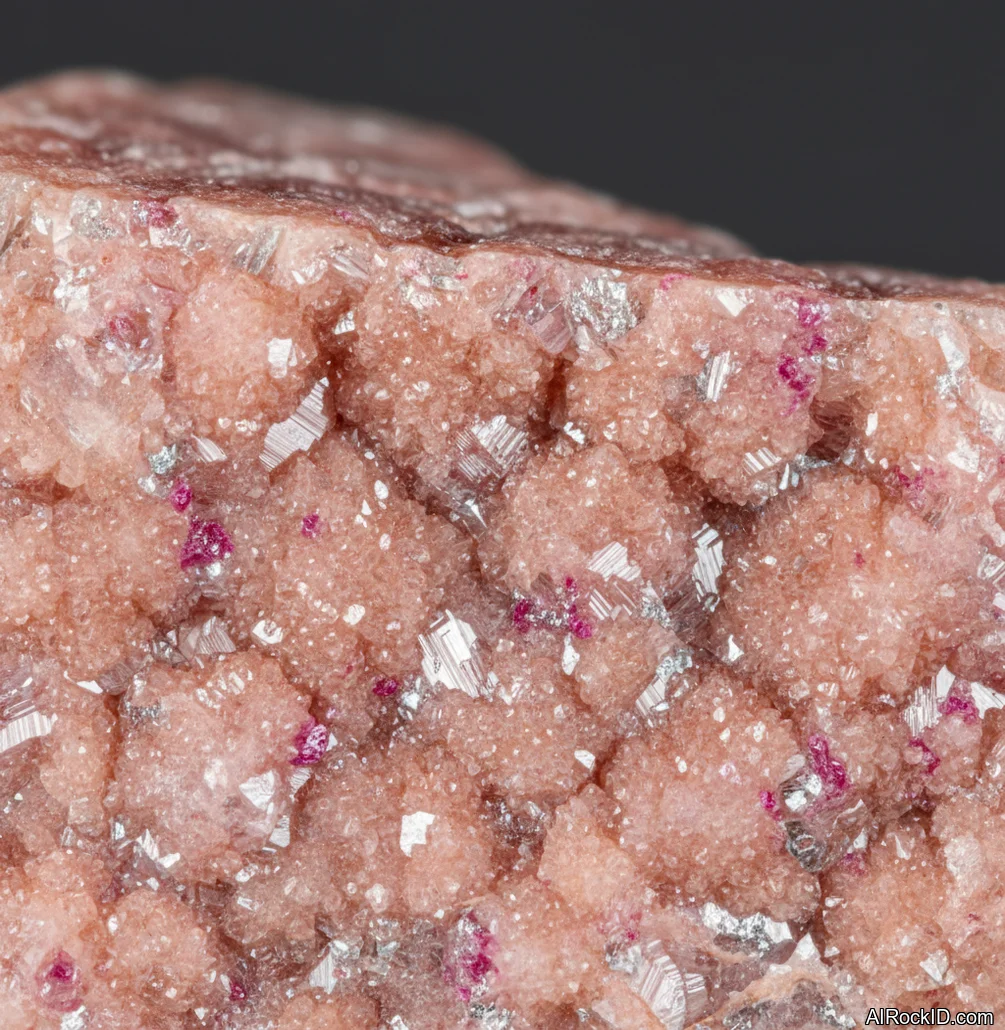
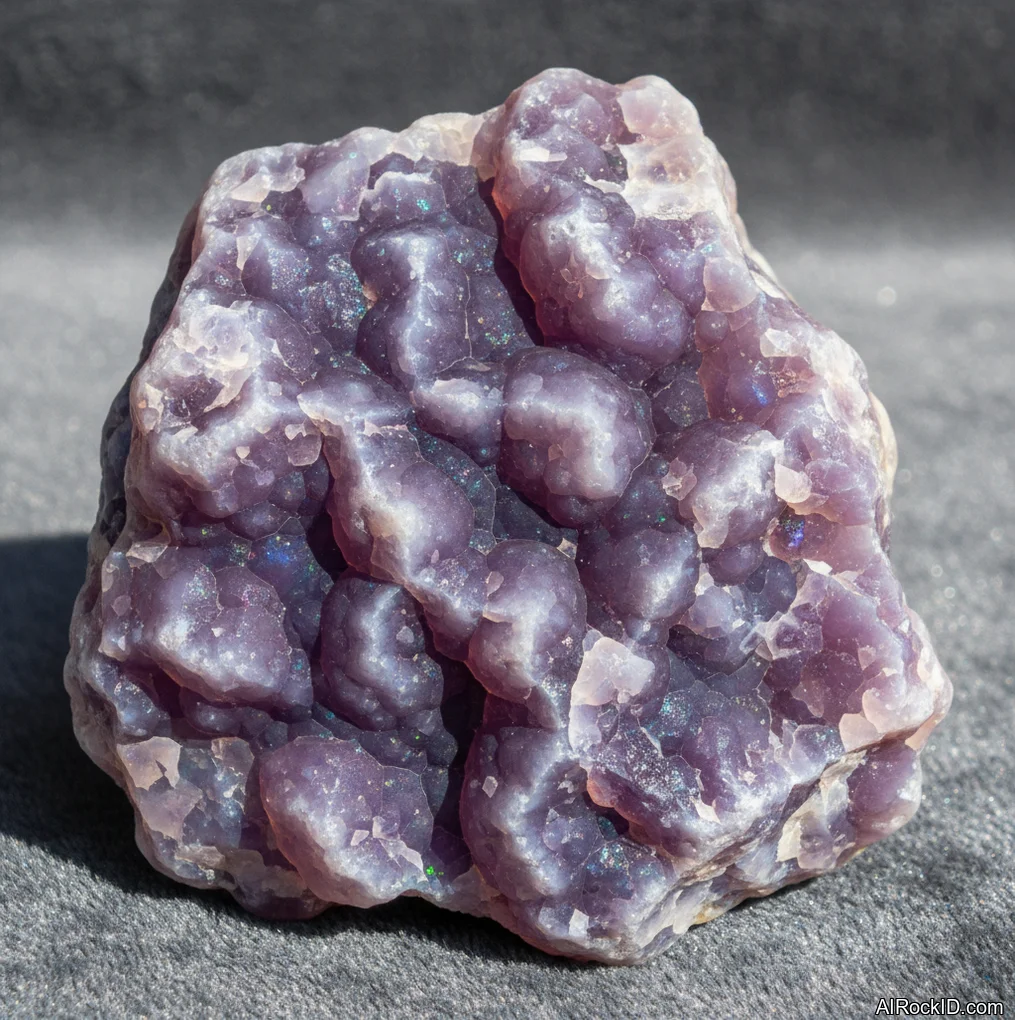
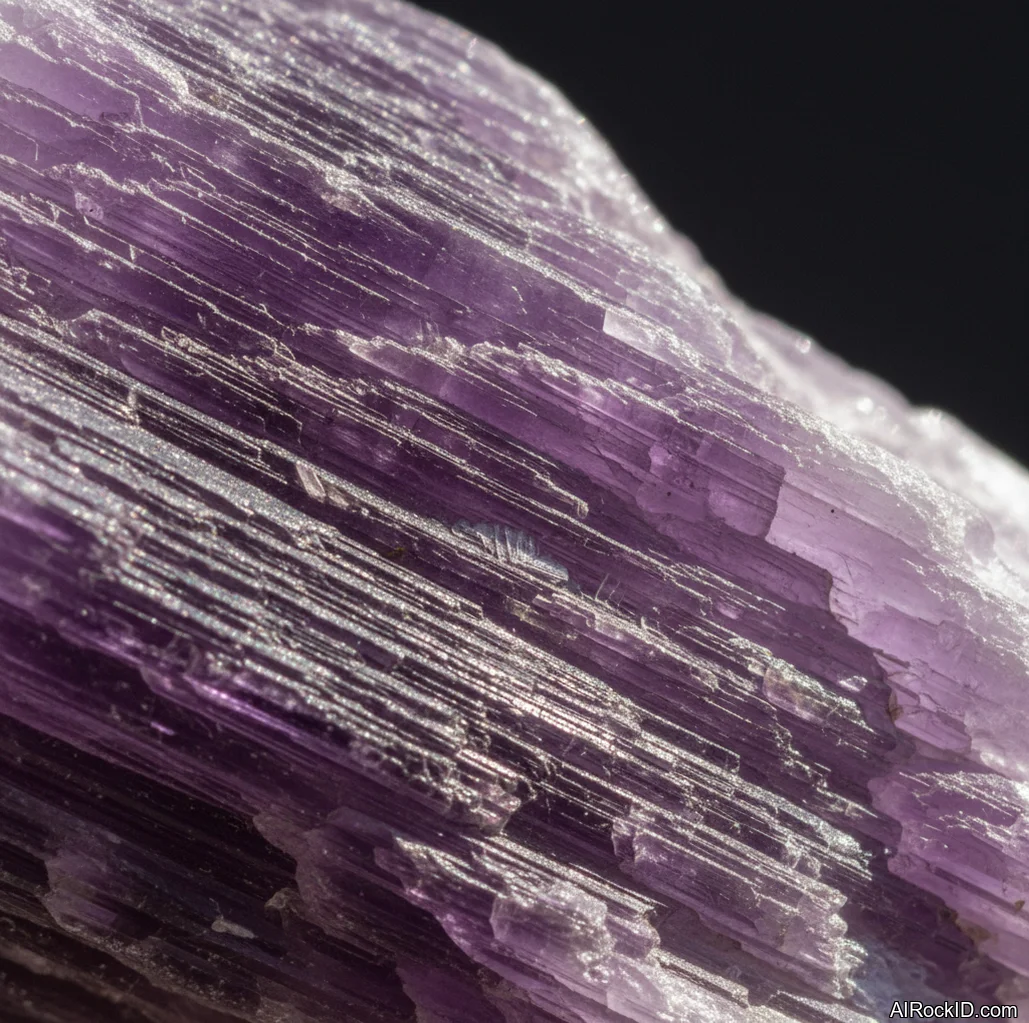
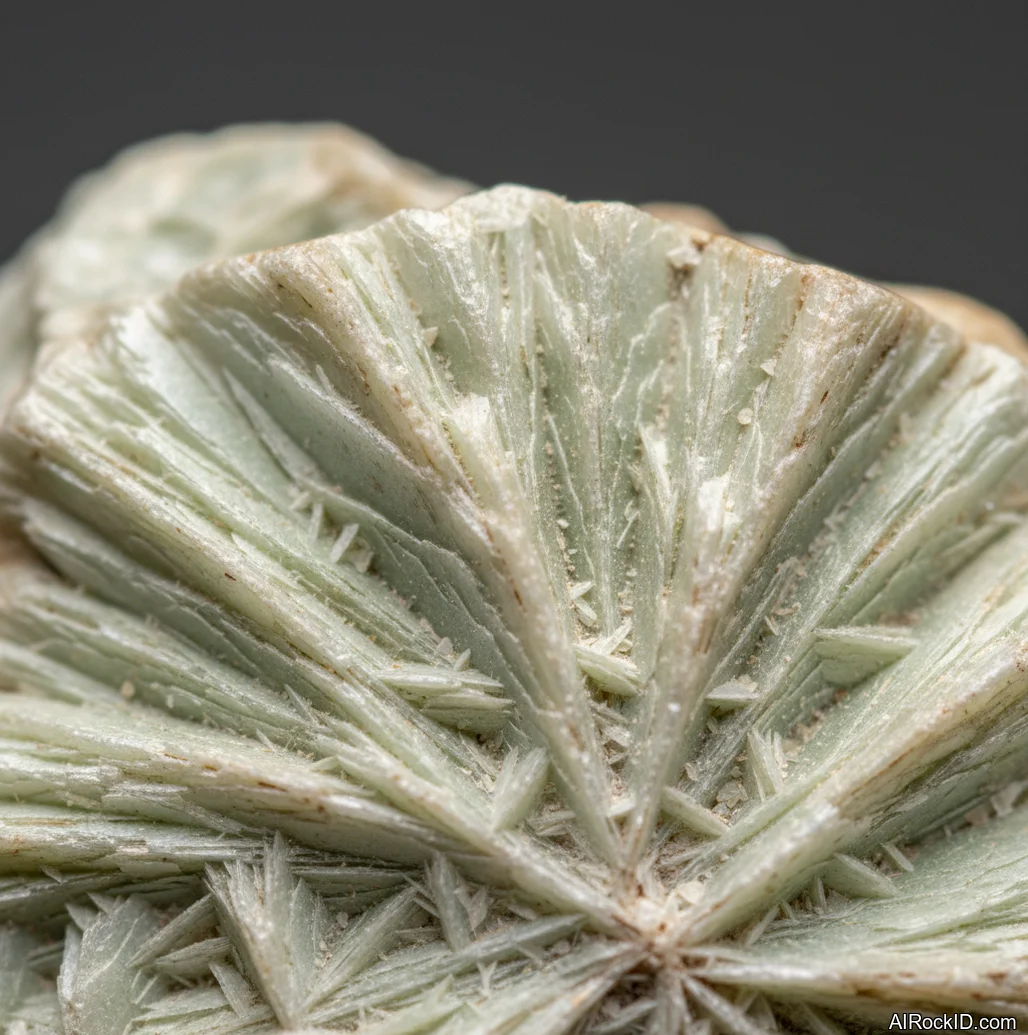
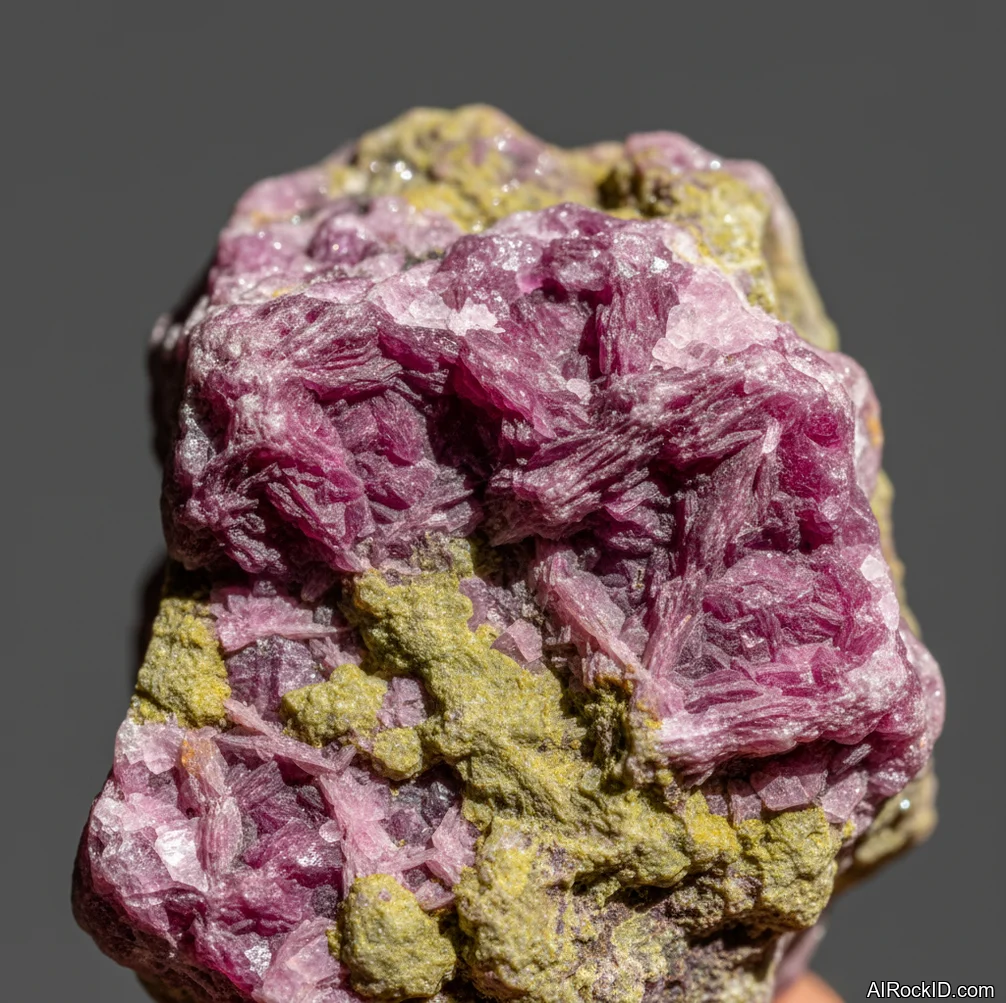
- Lepidolite: Can resemble purple mica-rich stones; lepidolite has a flaky mica texture and may show a pearly sheen.
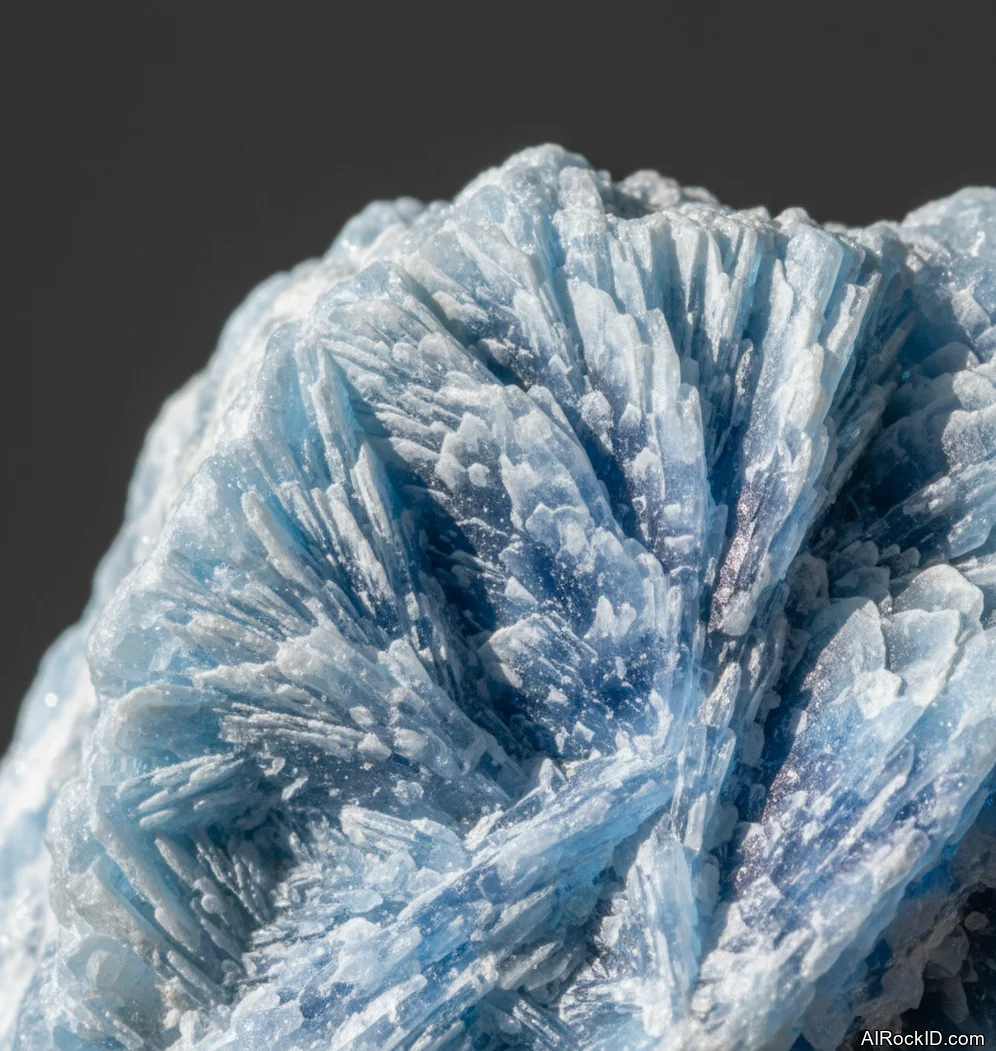
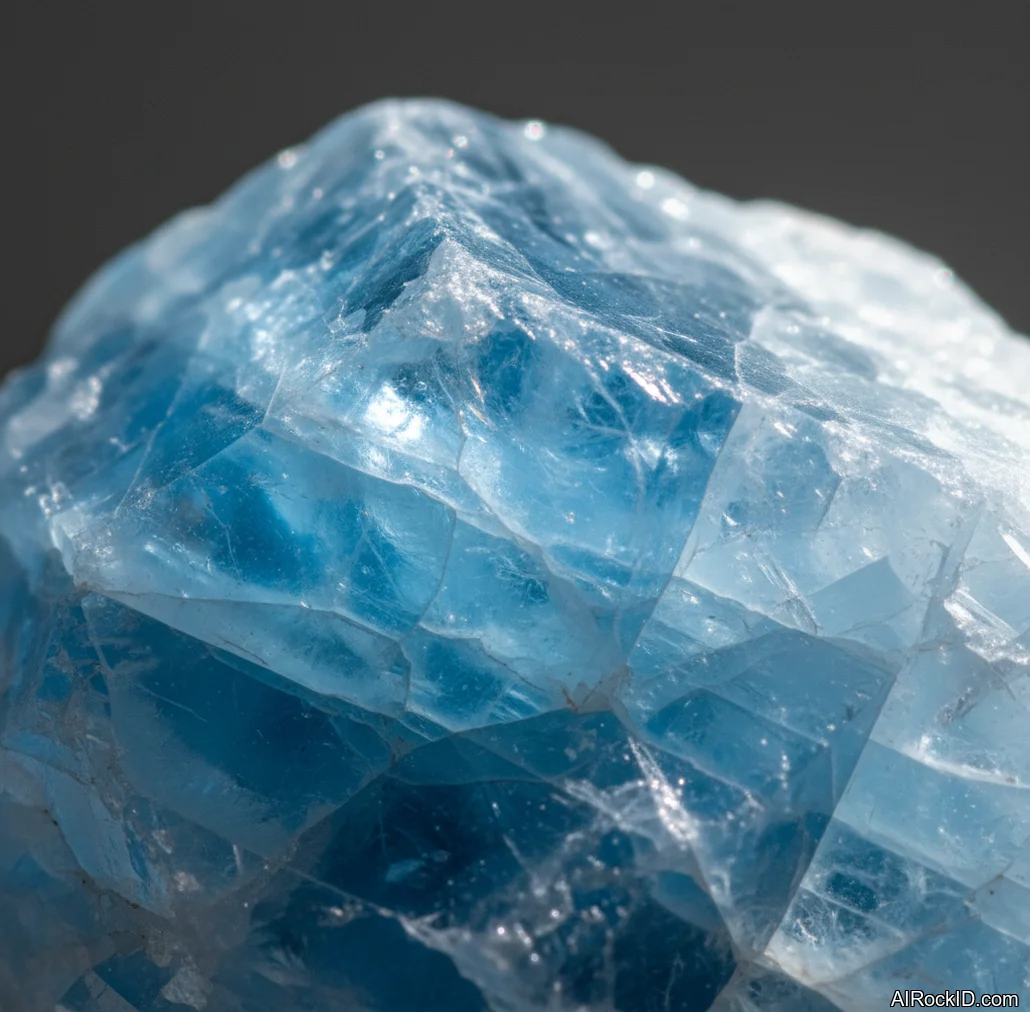
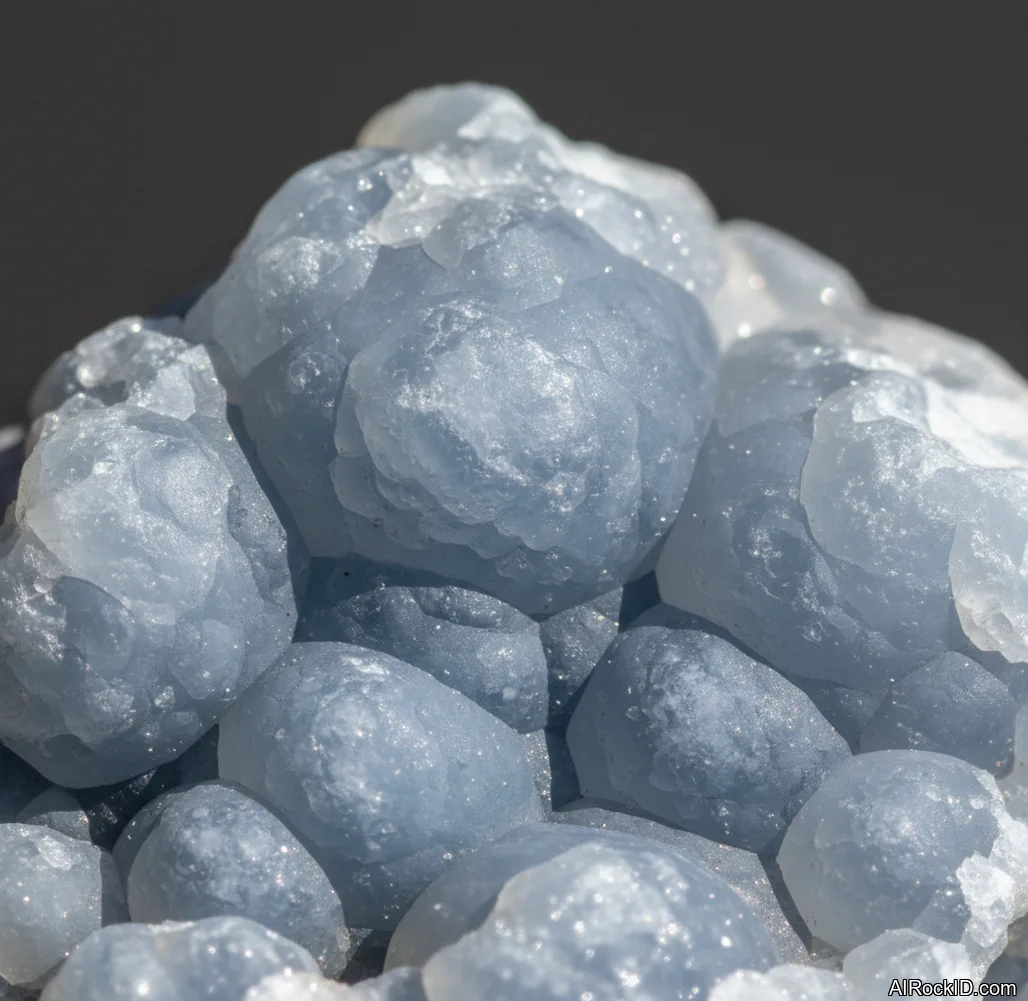
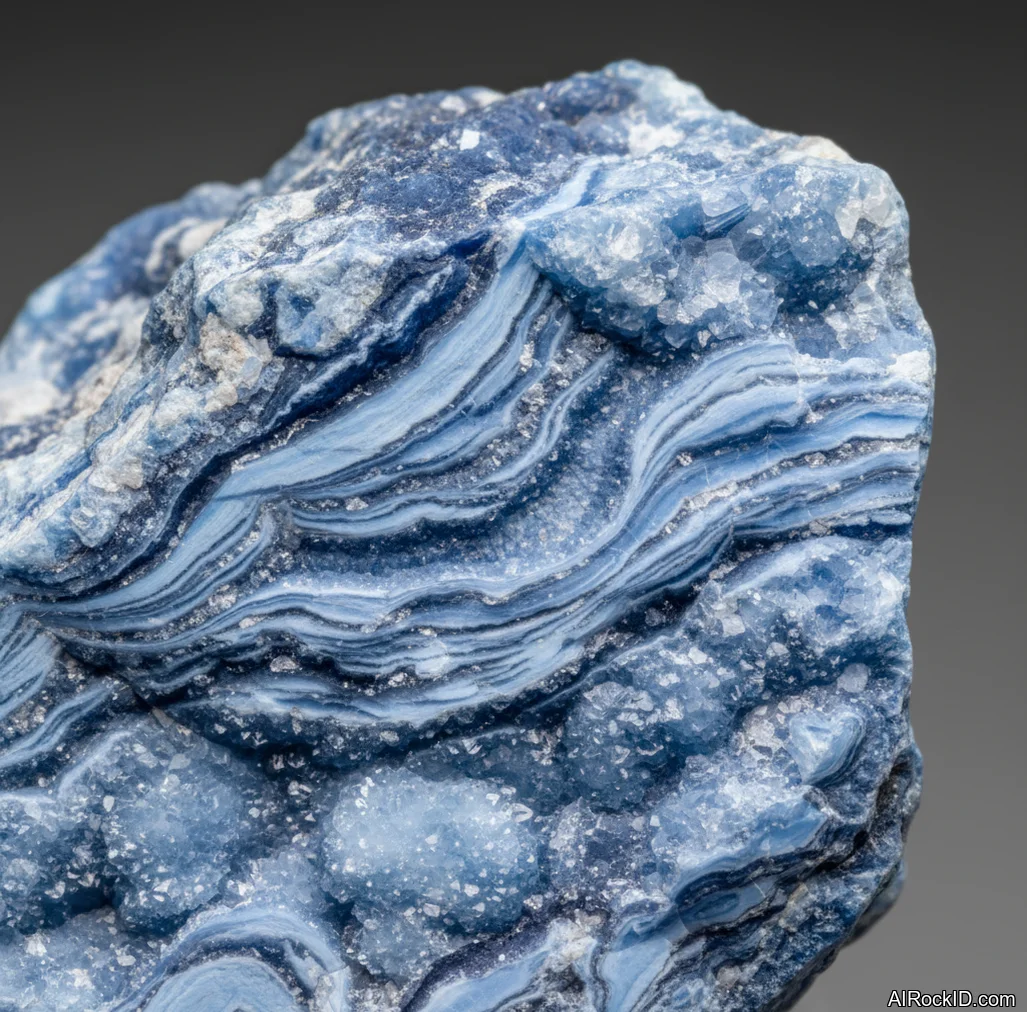
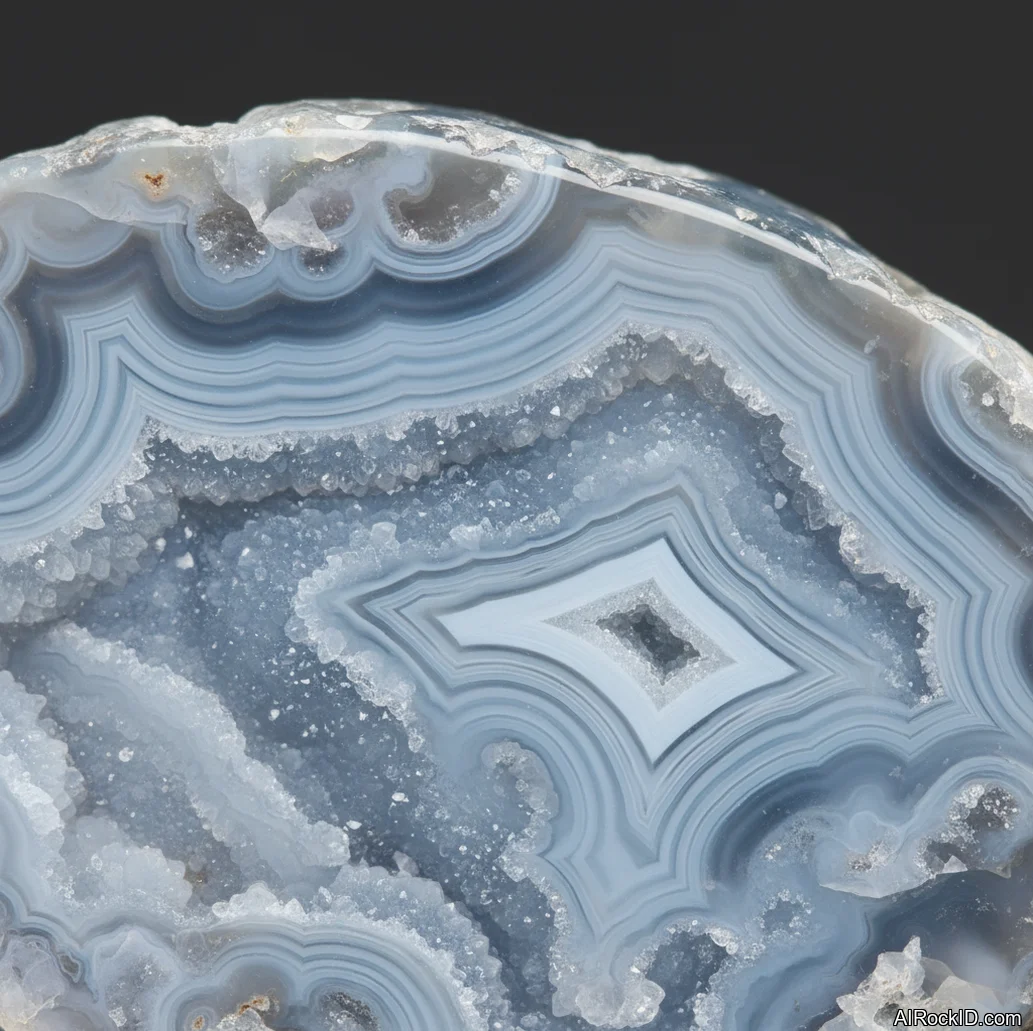
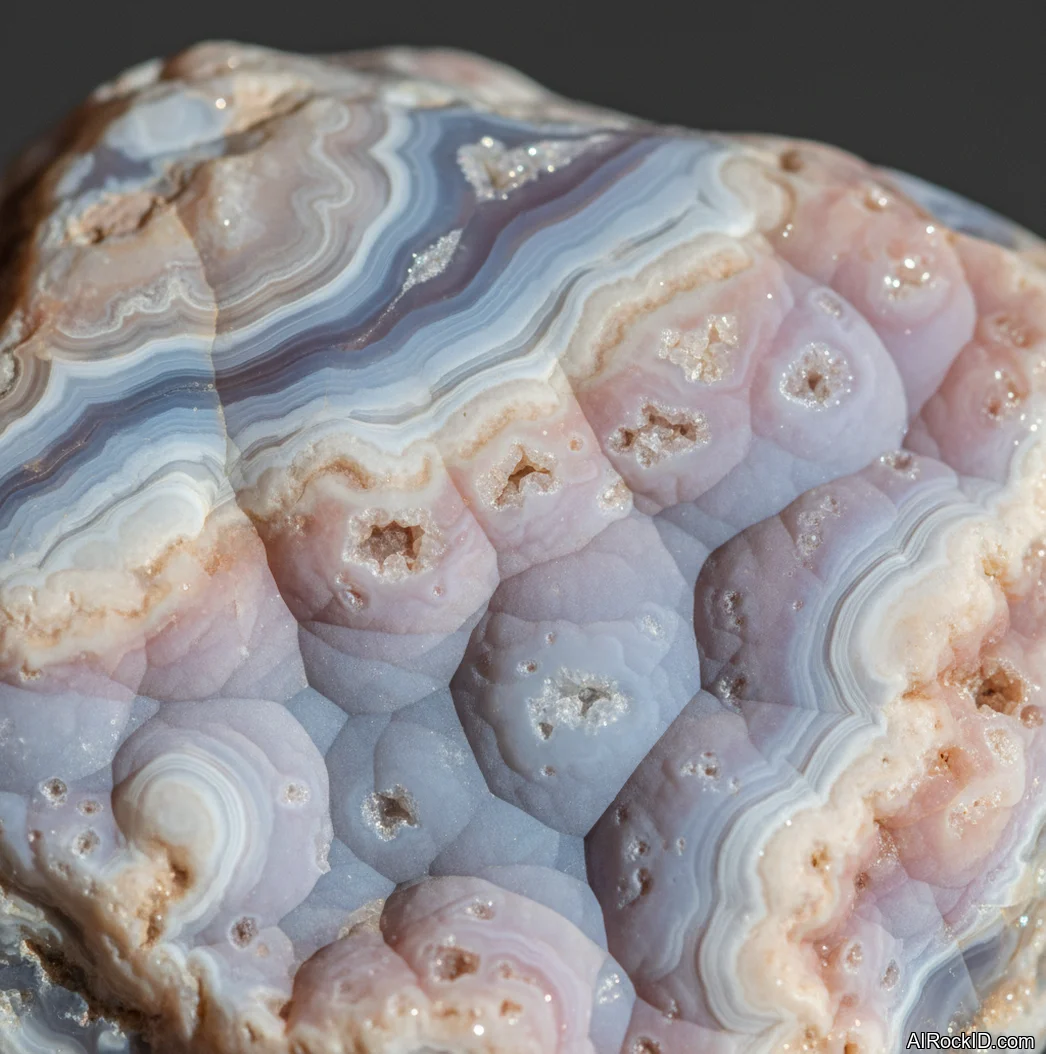
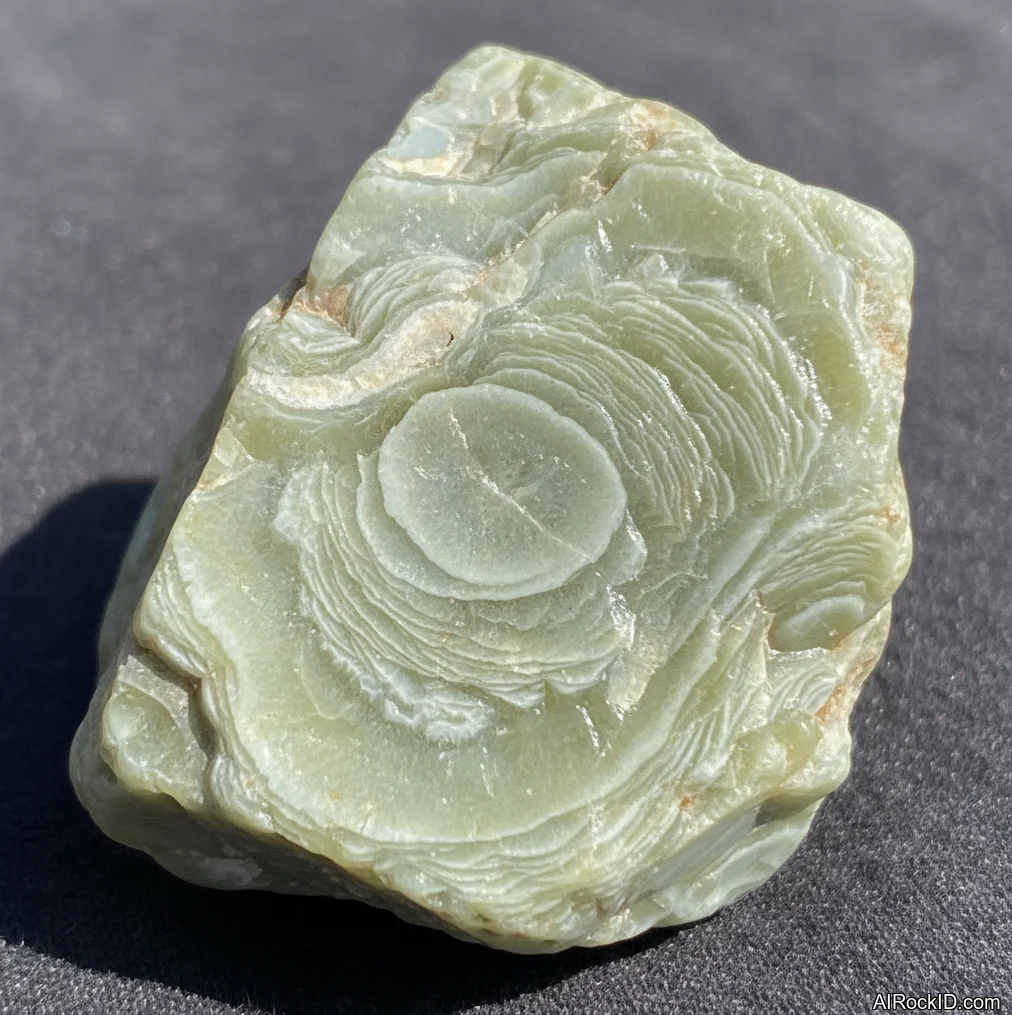
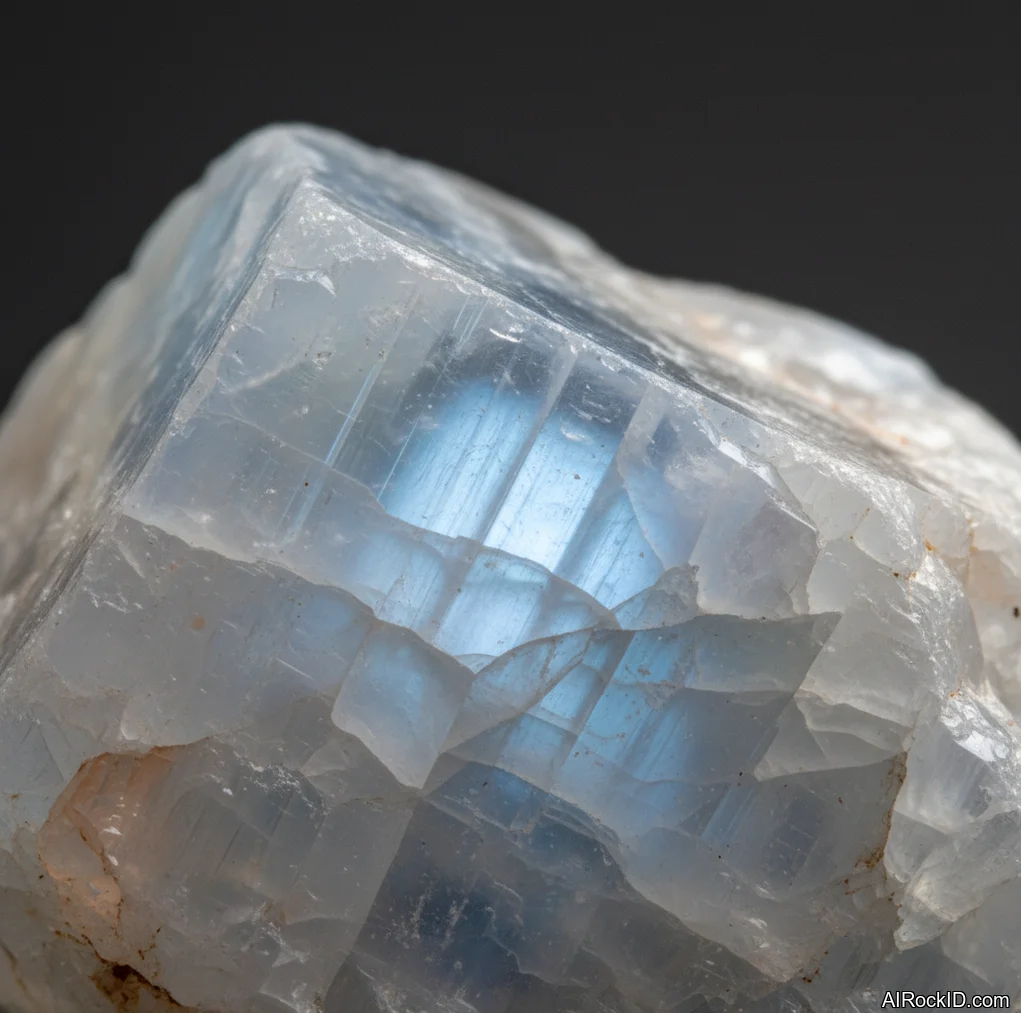
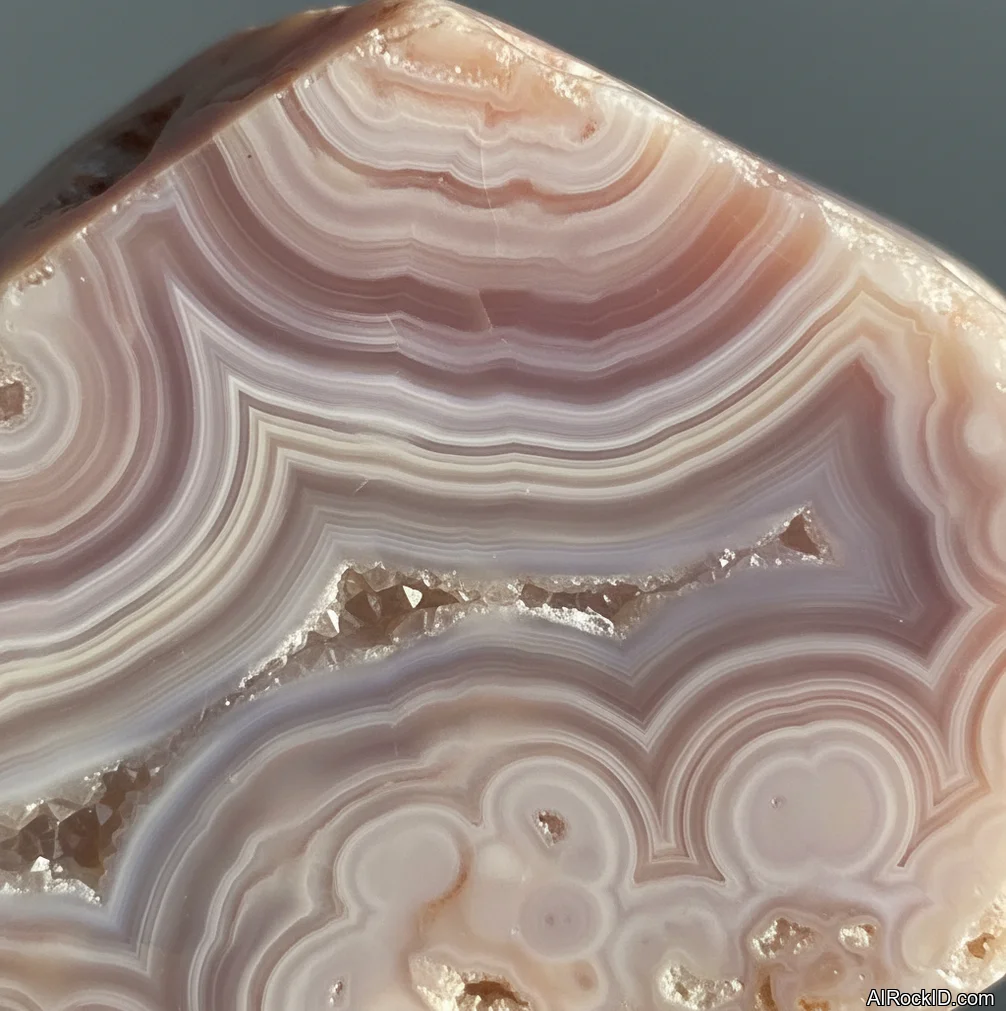
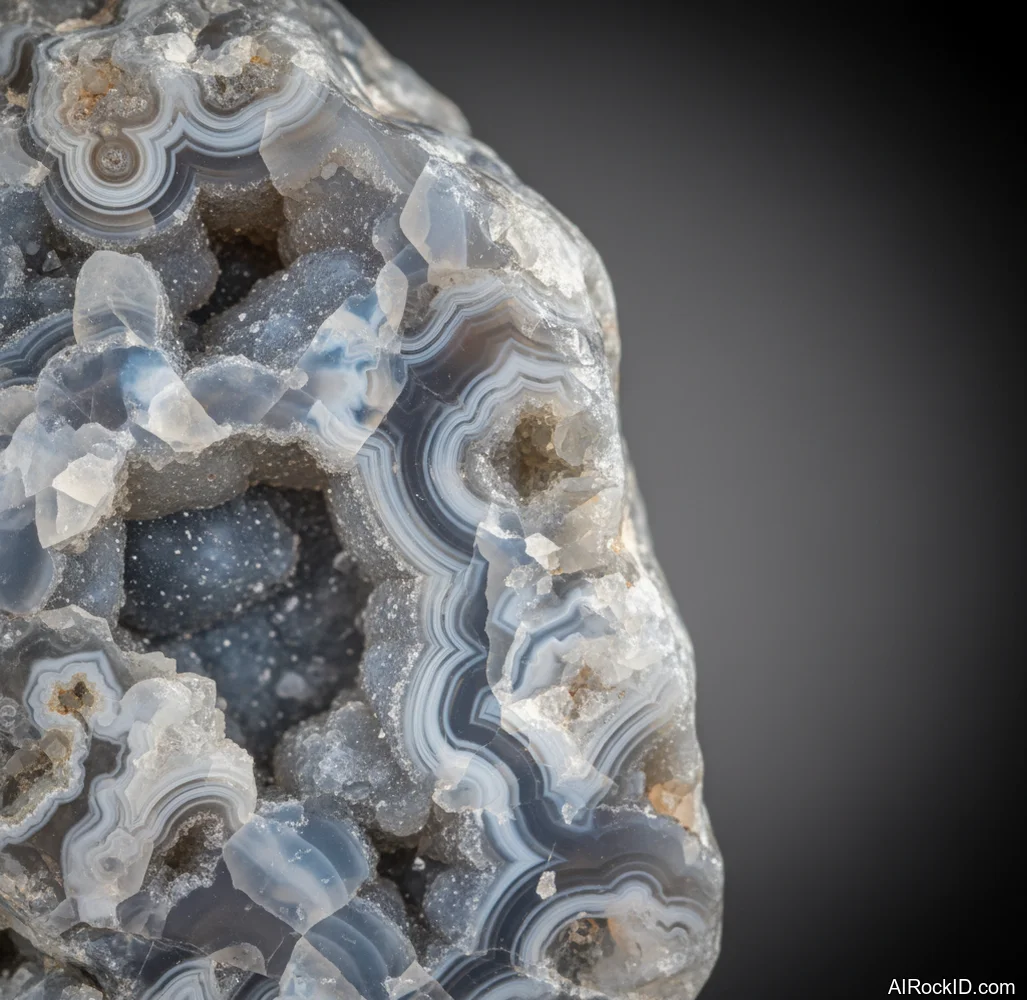
- Blue Lace Agate: Can be mistaken for dyed agate; natural blue lace agate usually shows soft pale-blue banding rather than intense uniform color.
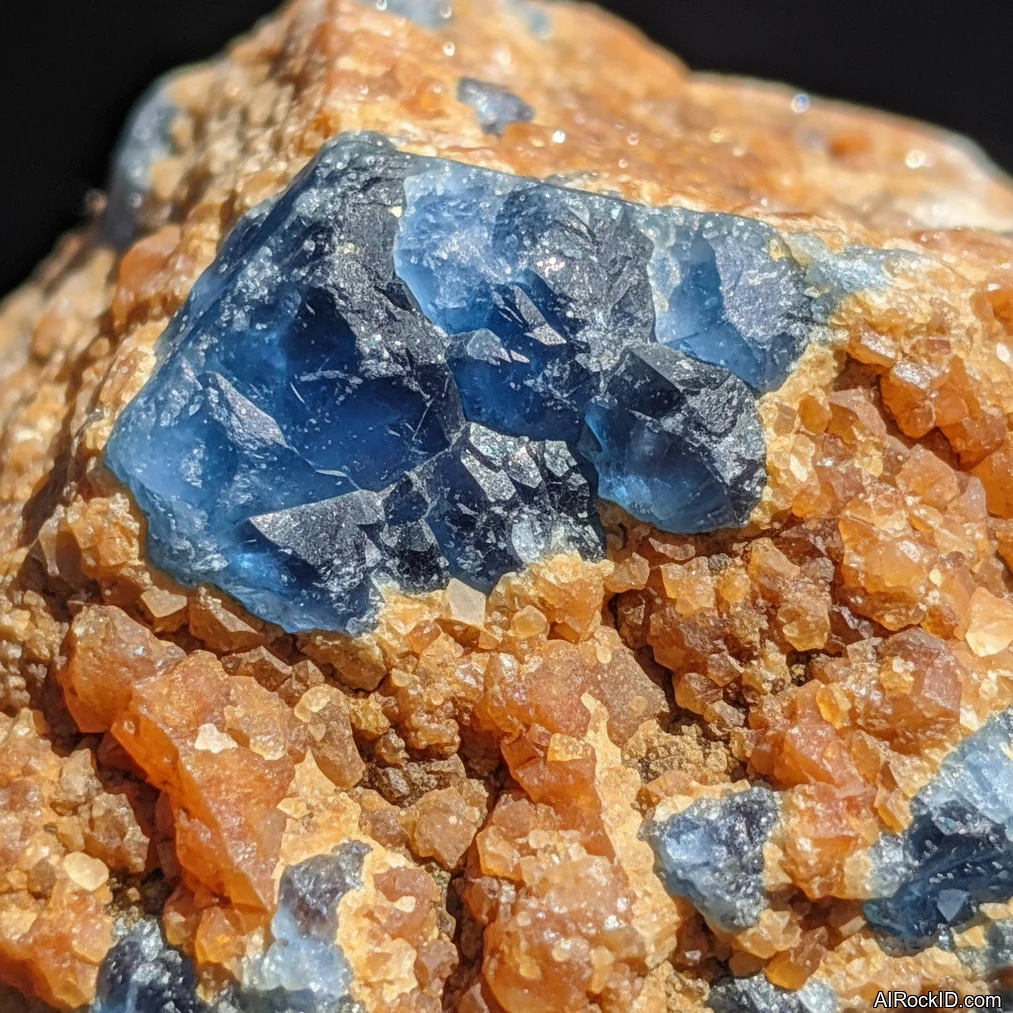
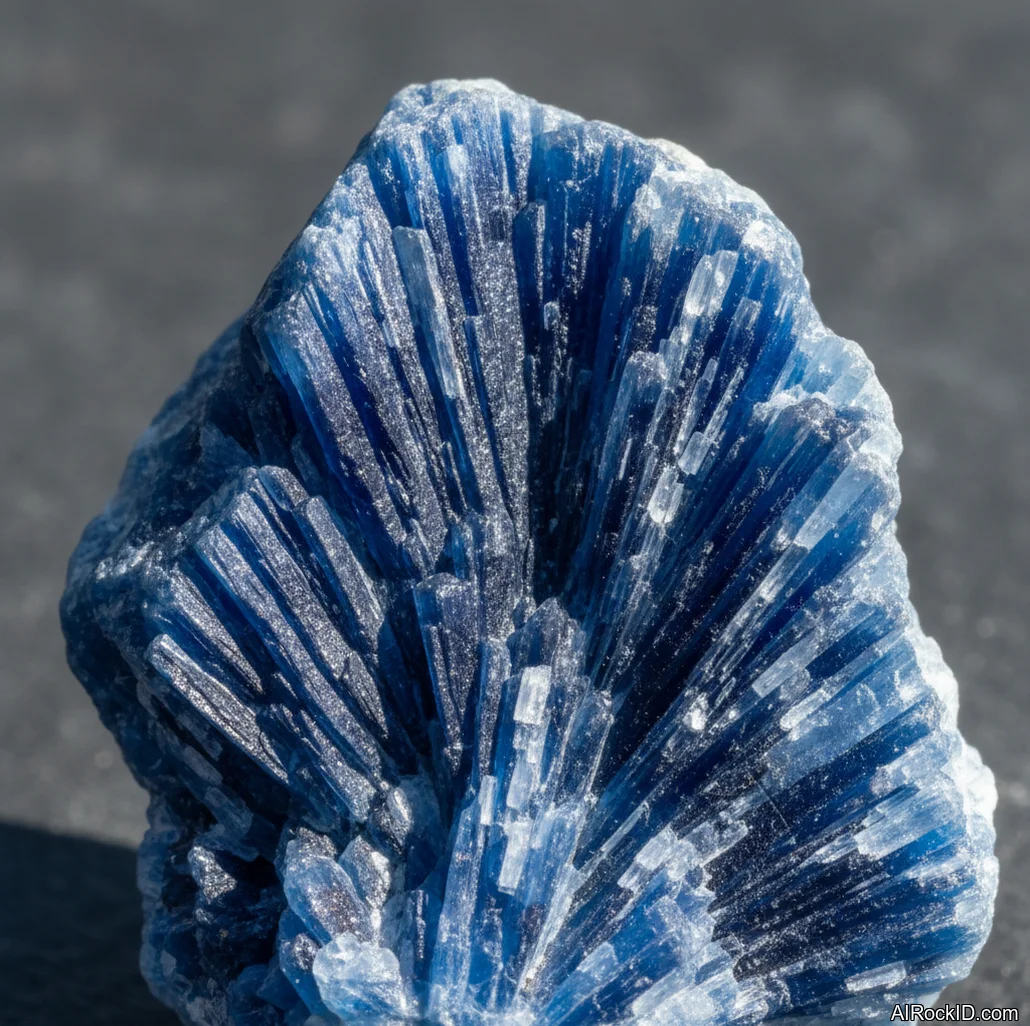
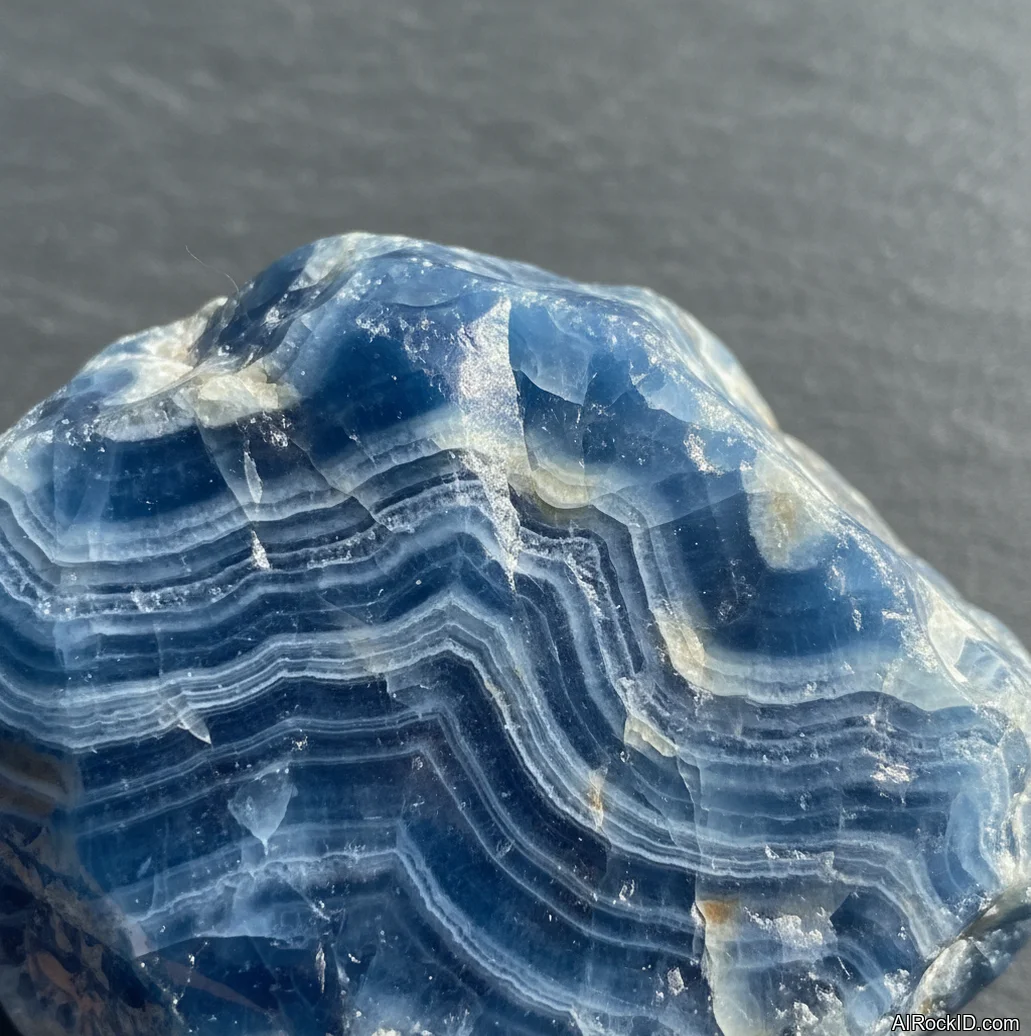
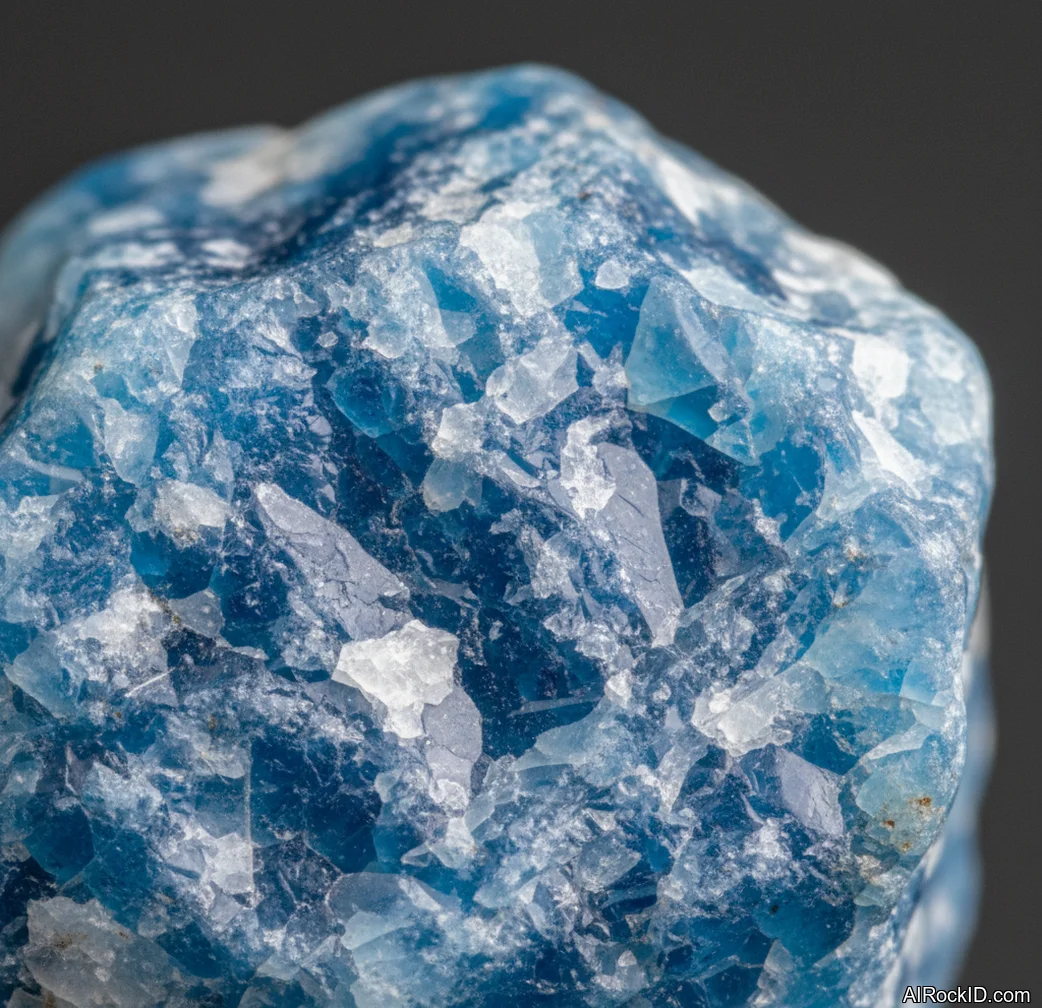
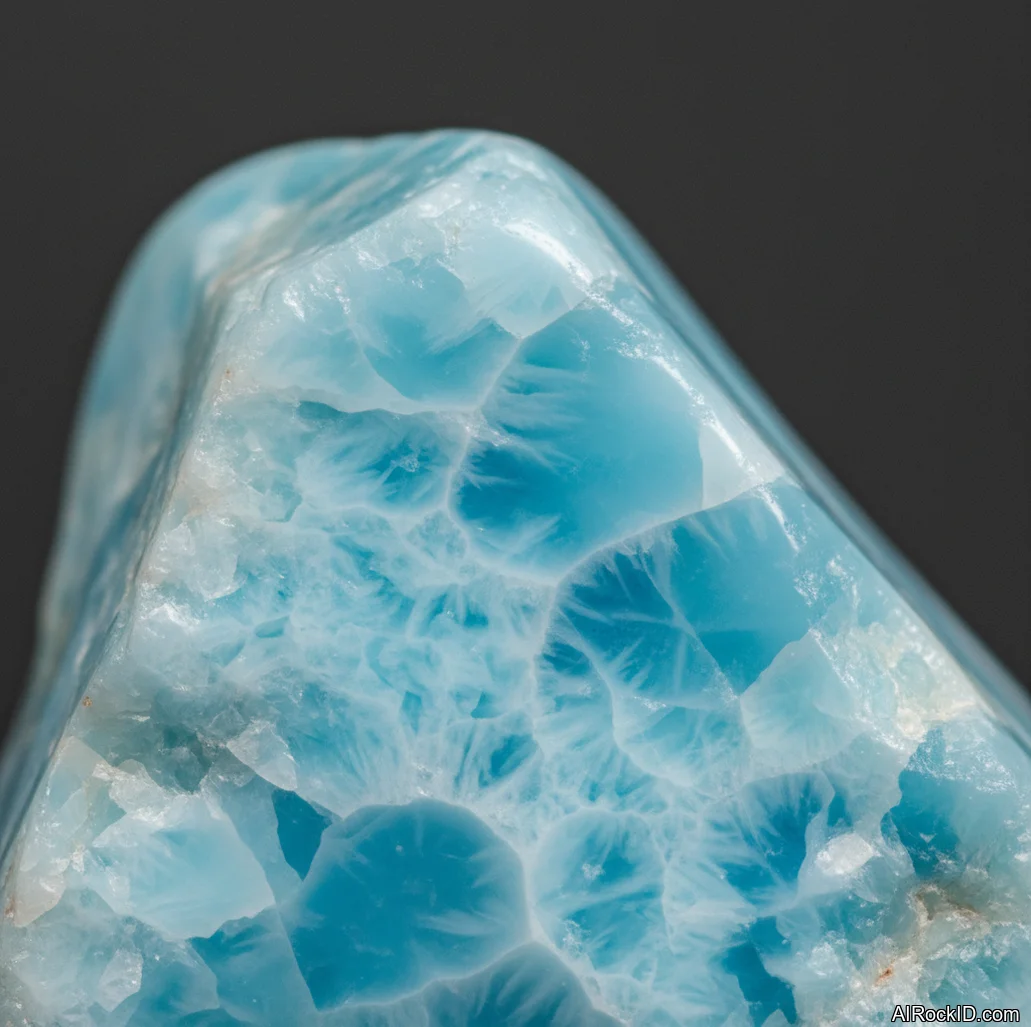
- Sodalite: Often confused with lapis lazuli; sodalite is usually darker blue with white veining and typically lacks the gold pyrite flecks common in lapis.
AI identification confidence
AI identification is often more reliable when the photo shows the stone in natural light, in focus, and from more than one angle. Confidence may be lower for tumbled stones because polishing can hide crystal shape, cleavage, matrix, and other diagnostic features.
When AI gets it wrong
- The stone is dyed, heat-treated, coated, or sold under a trade name rather than a mineral name.
- The photo has strong color cast, glare, blur, or a distracting background.
- Several minerals share a similar color, such as amethyst, purple fluorite, and charoite.
- The specimen is tumbled or carved, removing natural crystal habit and surface clues.
What this category represents
The Anxiety Relief Crystals tag groups minerals and crystal varieties that are traditionally associated with calm, emotional steadiness, grounding, or soothing daily rituals. This tag reflects cultural and metaphysical uses, not a medical classification or a guarantee of psychological effects.
Beginner recommendations
Advanced recommendations
Safety Notes for Anxiety Relief Crystal Use
Crystals used for anxiety relief are best treated as supportive ritual objects rather than medical tools. People experiencing persistent anxiety, panic attacks, or distress should consider help from a qualified health professional. Avoid placing soluble, flaky, sharp, or potentially toxic minerals in water, baths, or elixirs.
Natural, Dyed, and Trade-Name Anxiety Relief Stones
Some stones sold for calming purposes are natural mineral varieties, while others may be dyed, stabilized, or labeled with trade names. Brightly colored agates, coated quartz, and unusually vivid tumbled stones should be checked carefully if natural origin matters to the collector. A reliable seller should be able to state whether a stone is natural, treated, or imitation.
How to Group Anxiety Relief Crystals by Intention
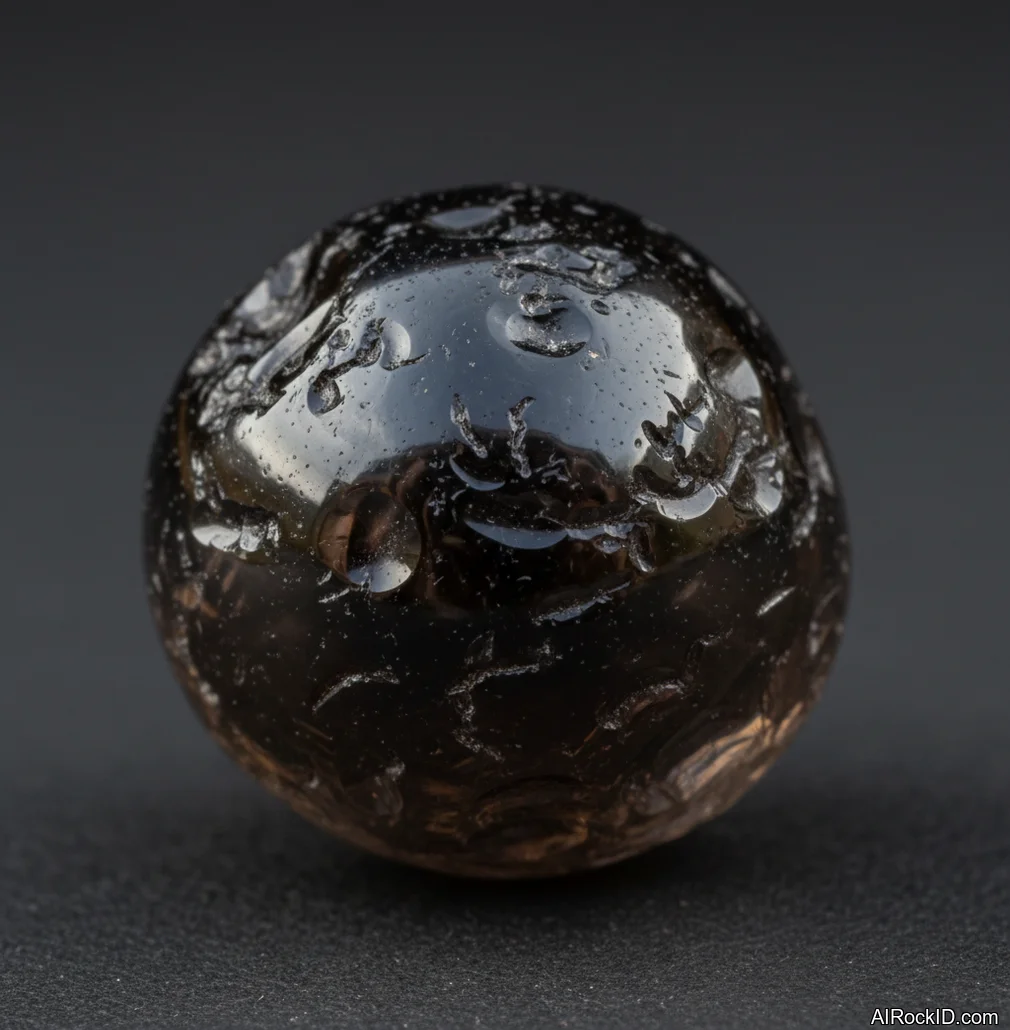
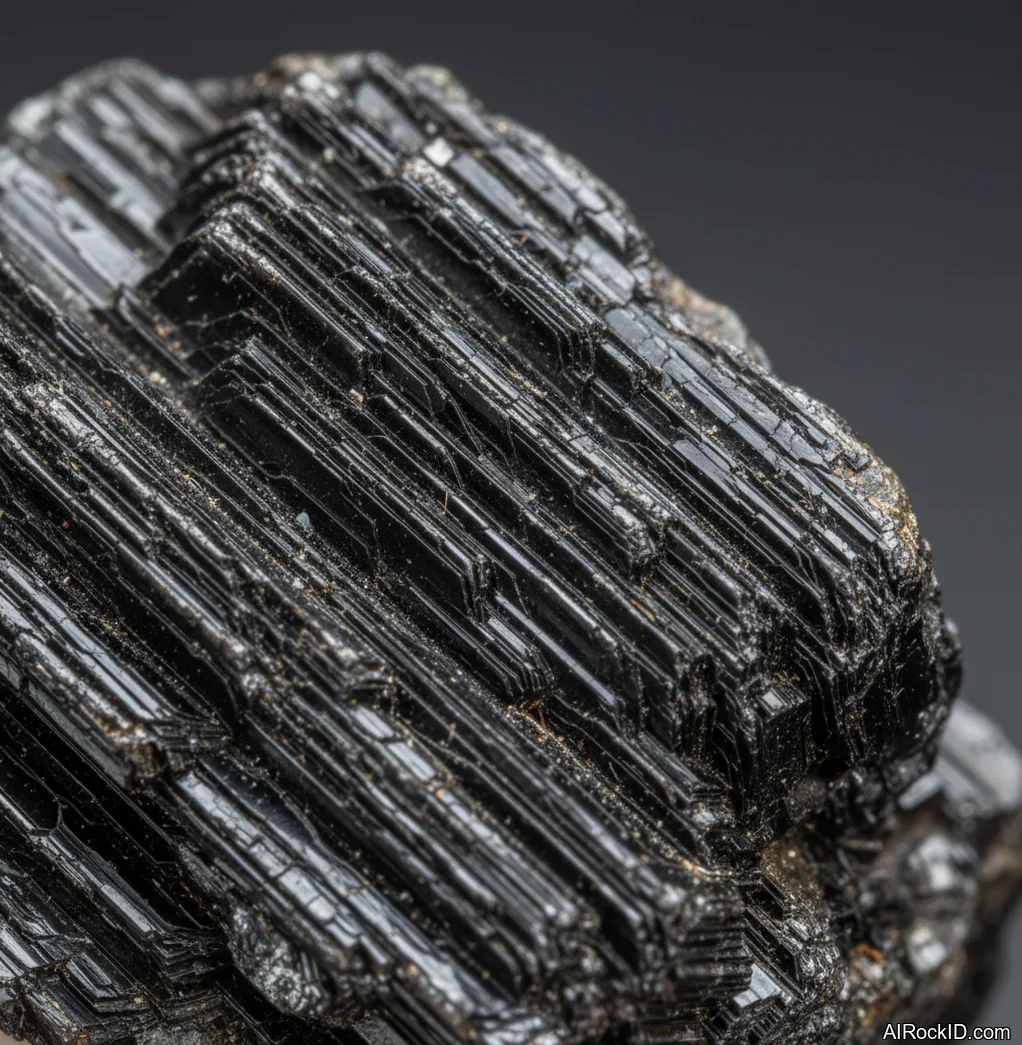
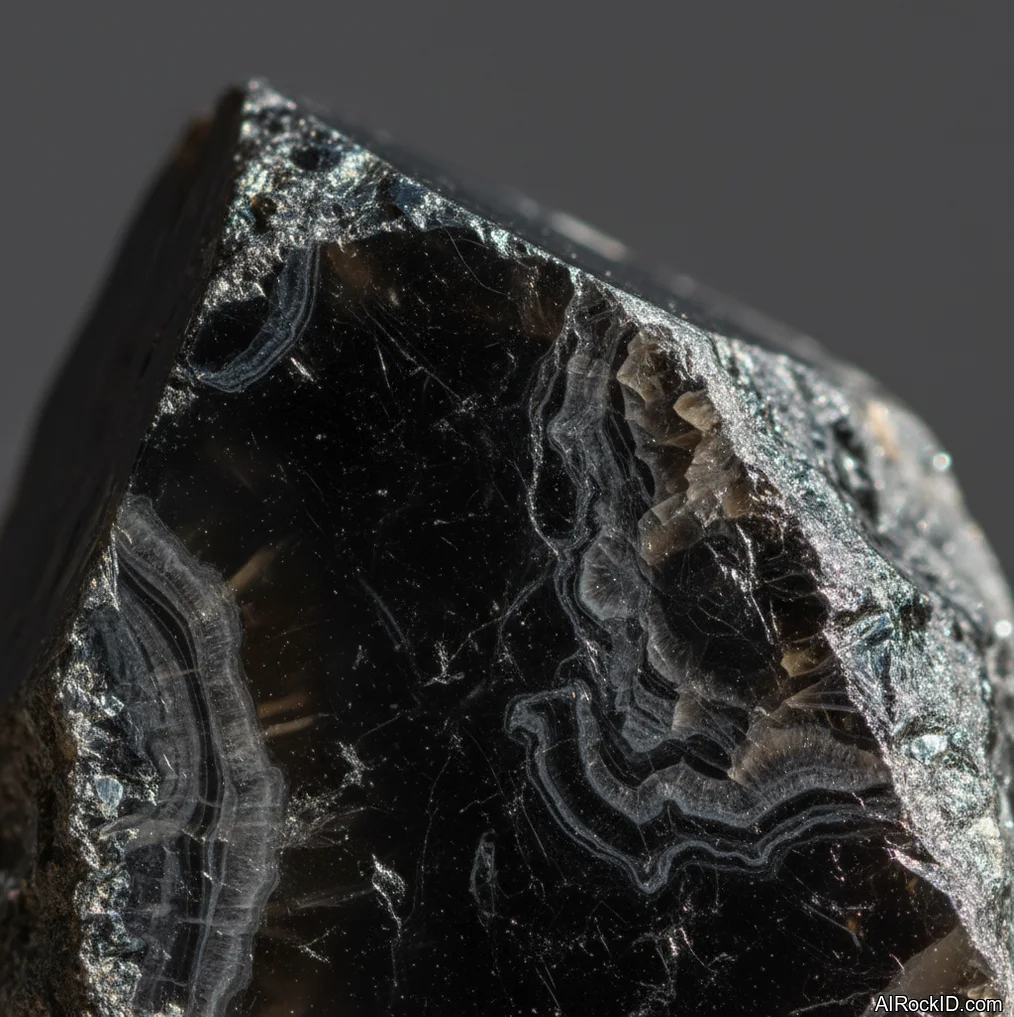
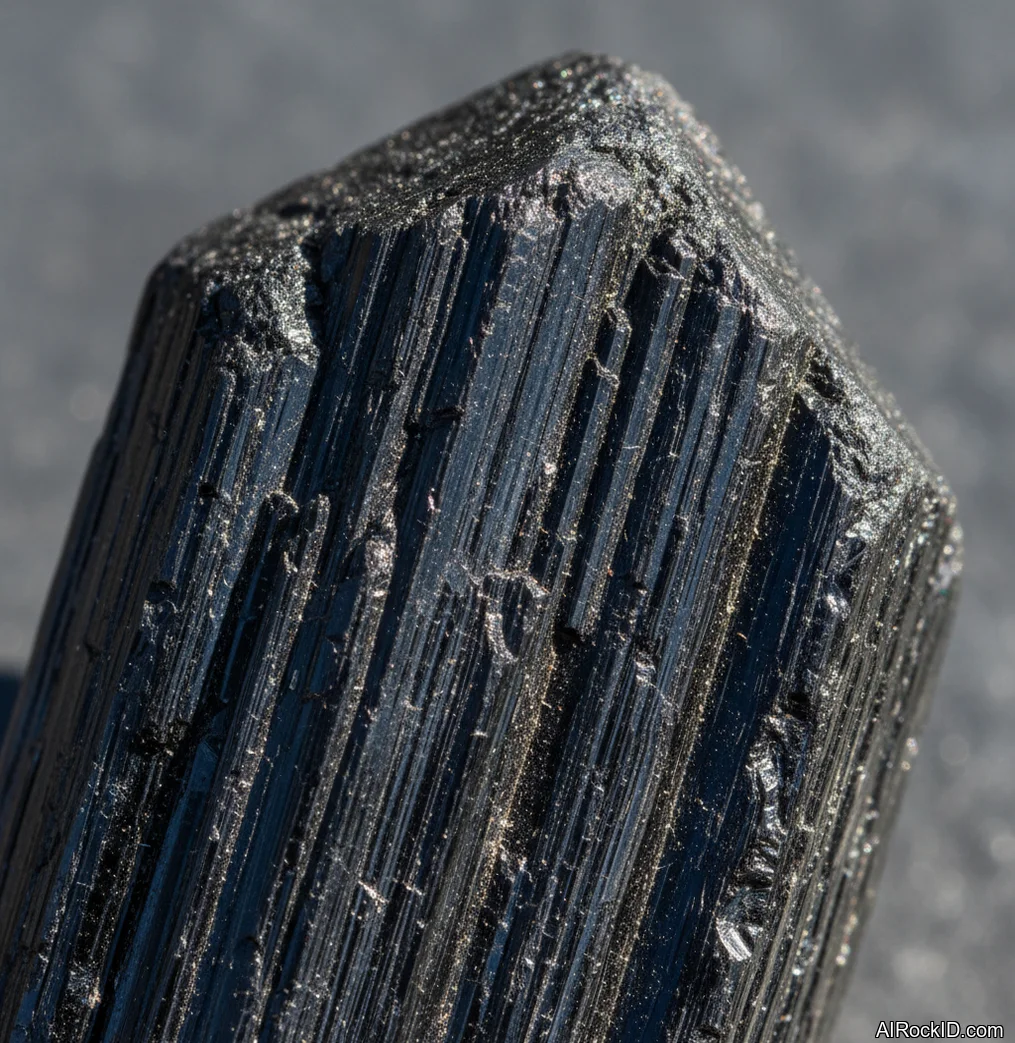
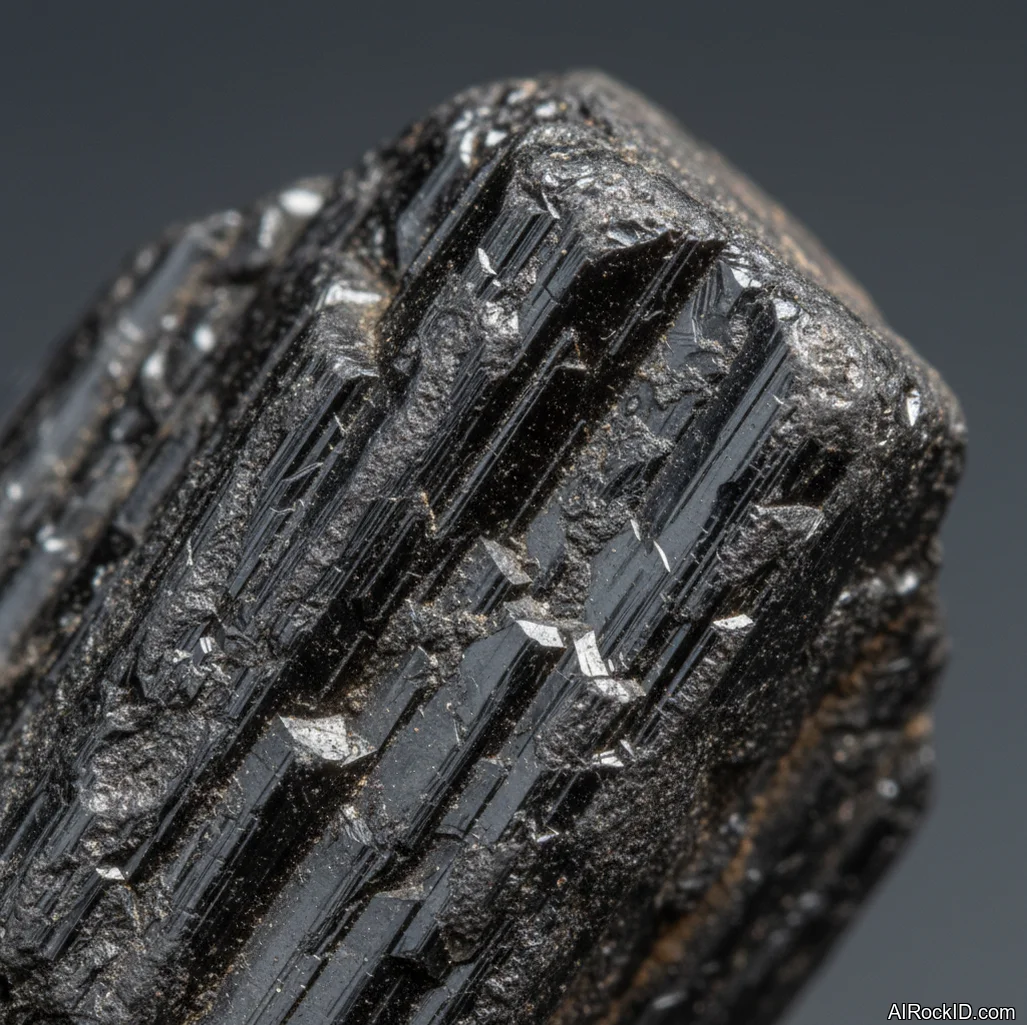
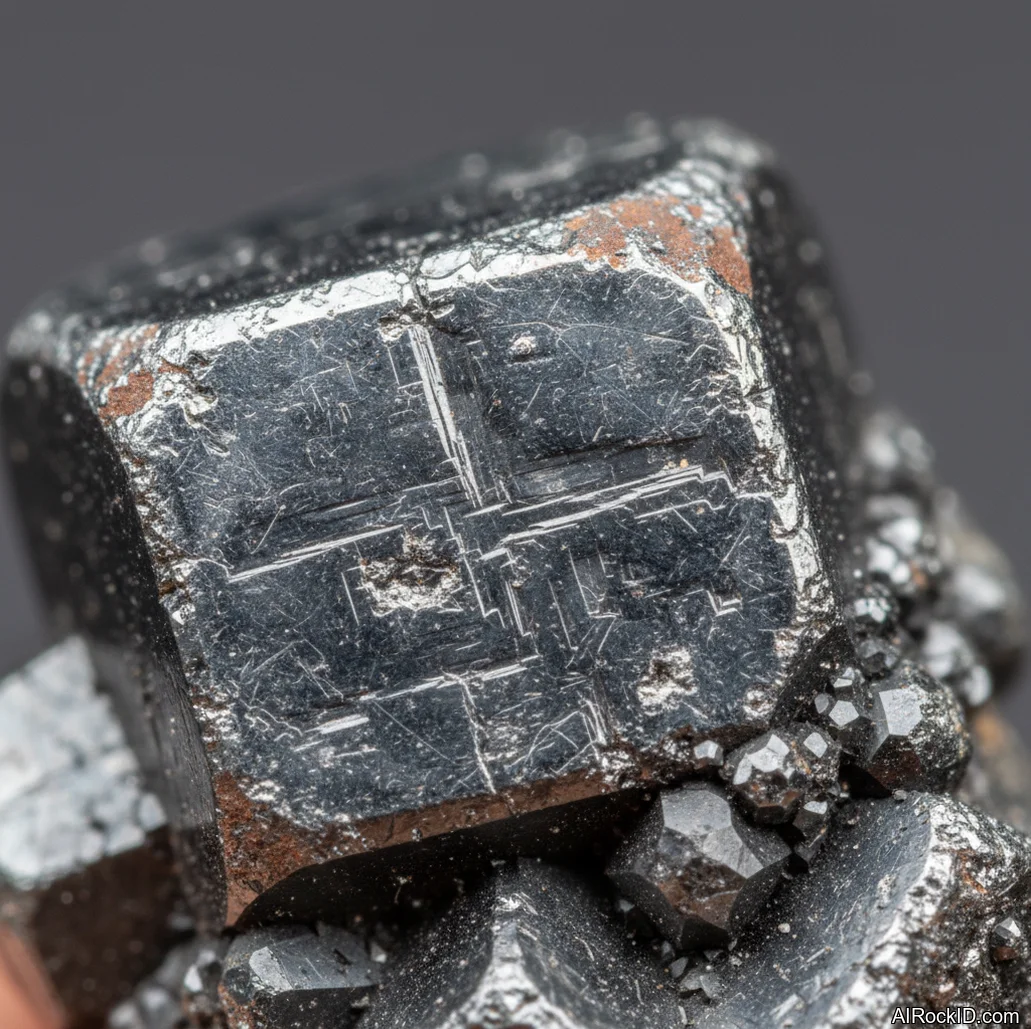
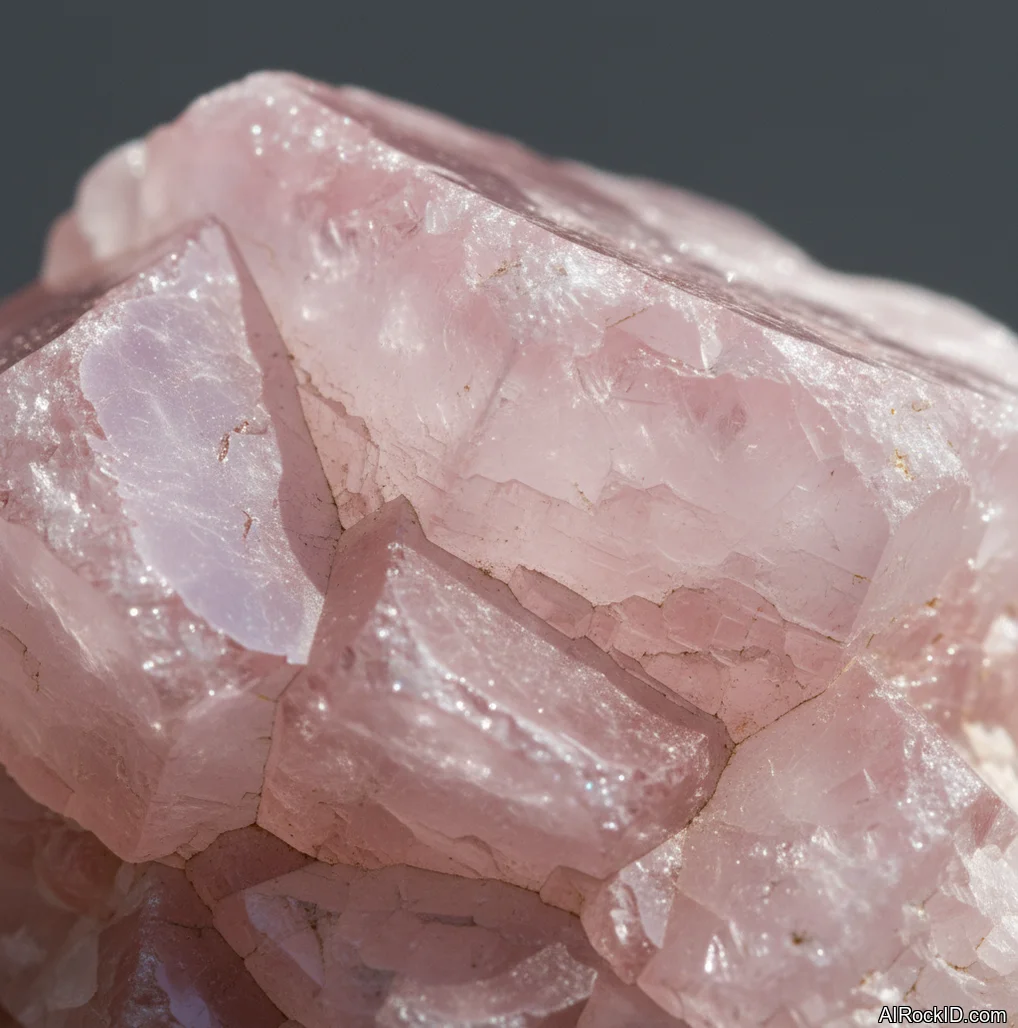
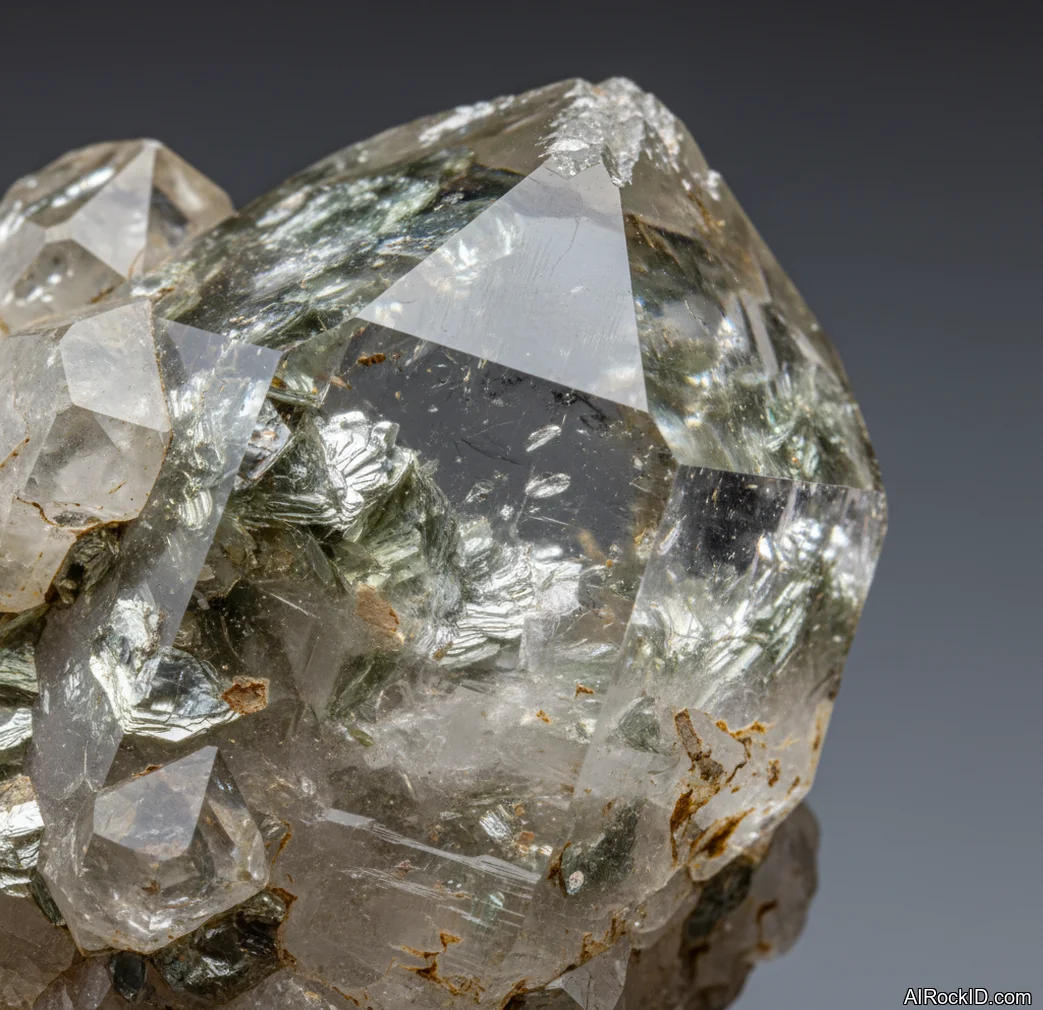
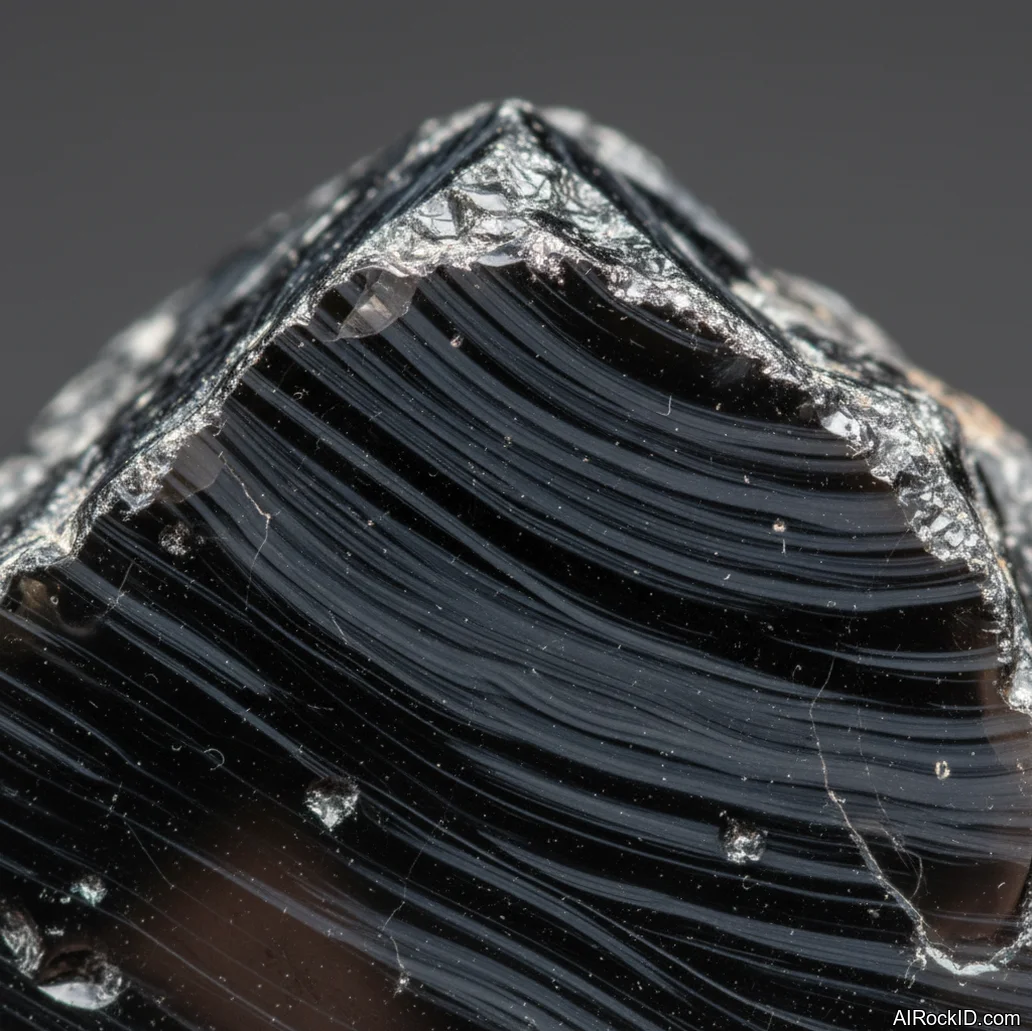
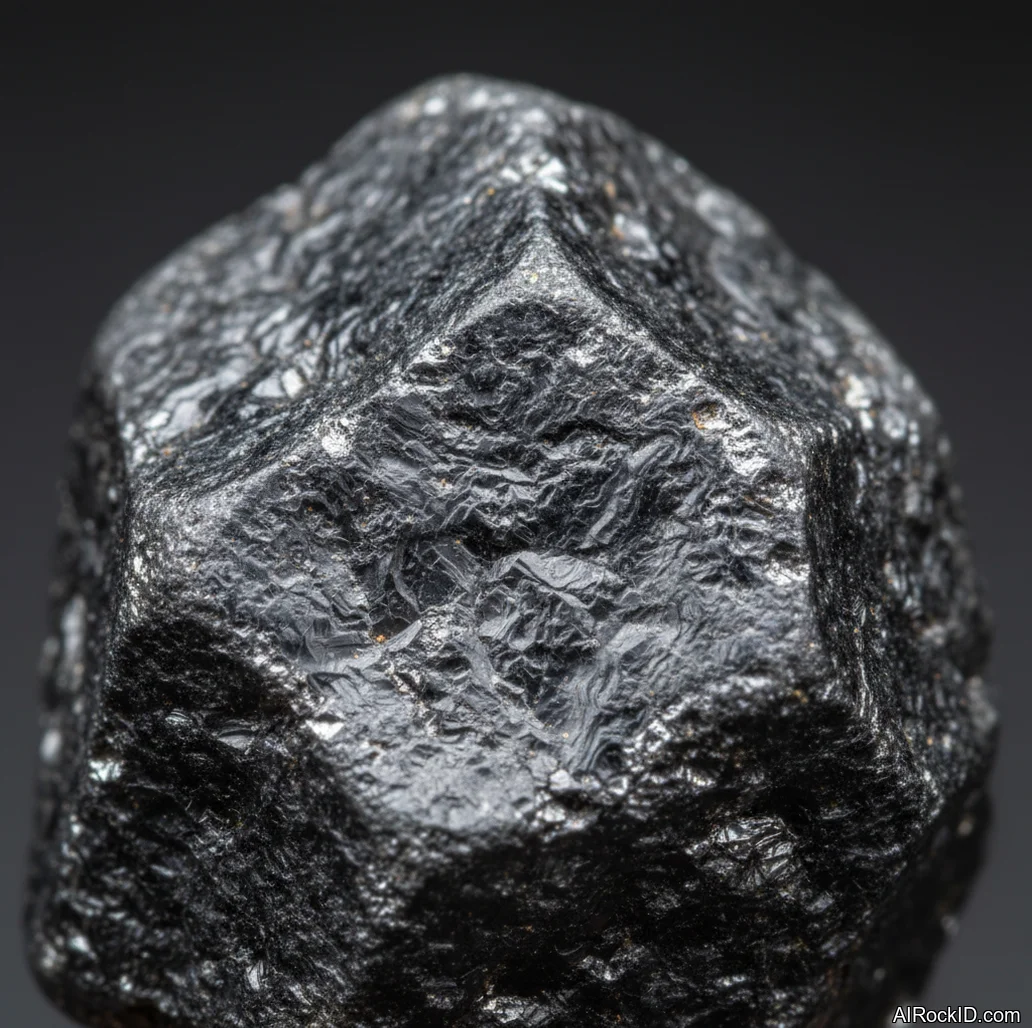
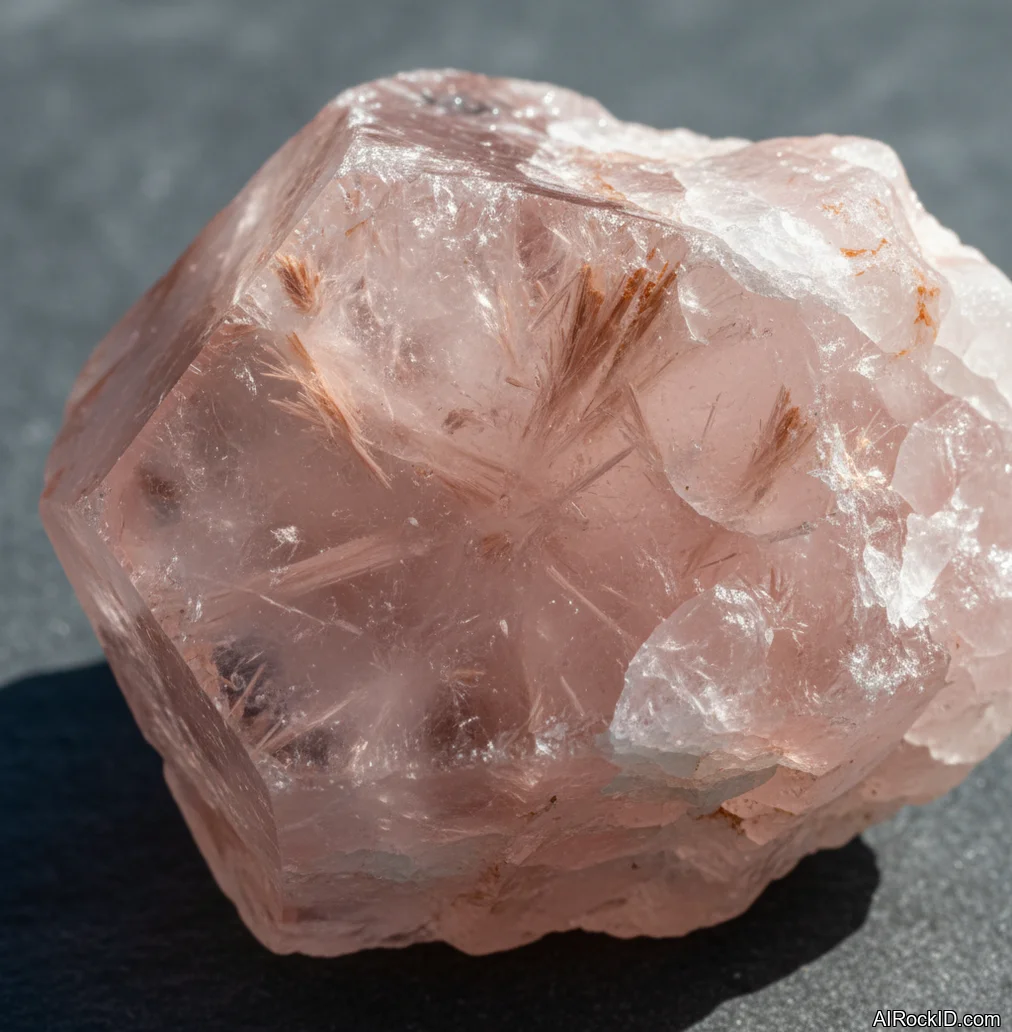
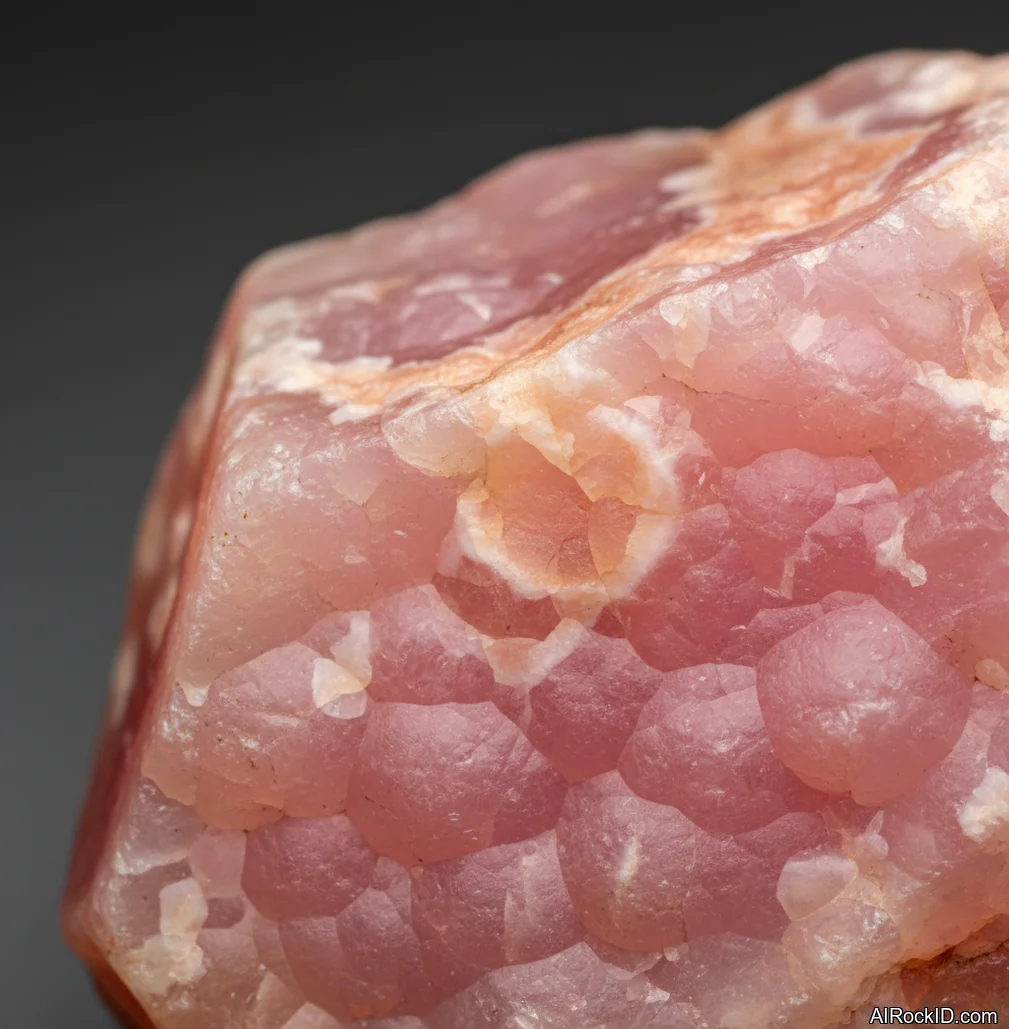
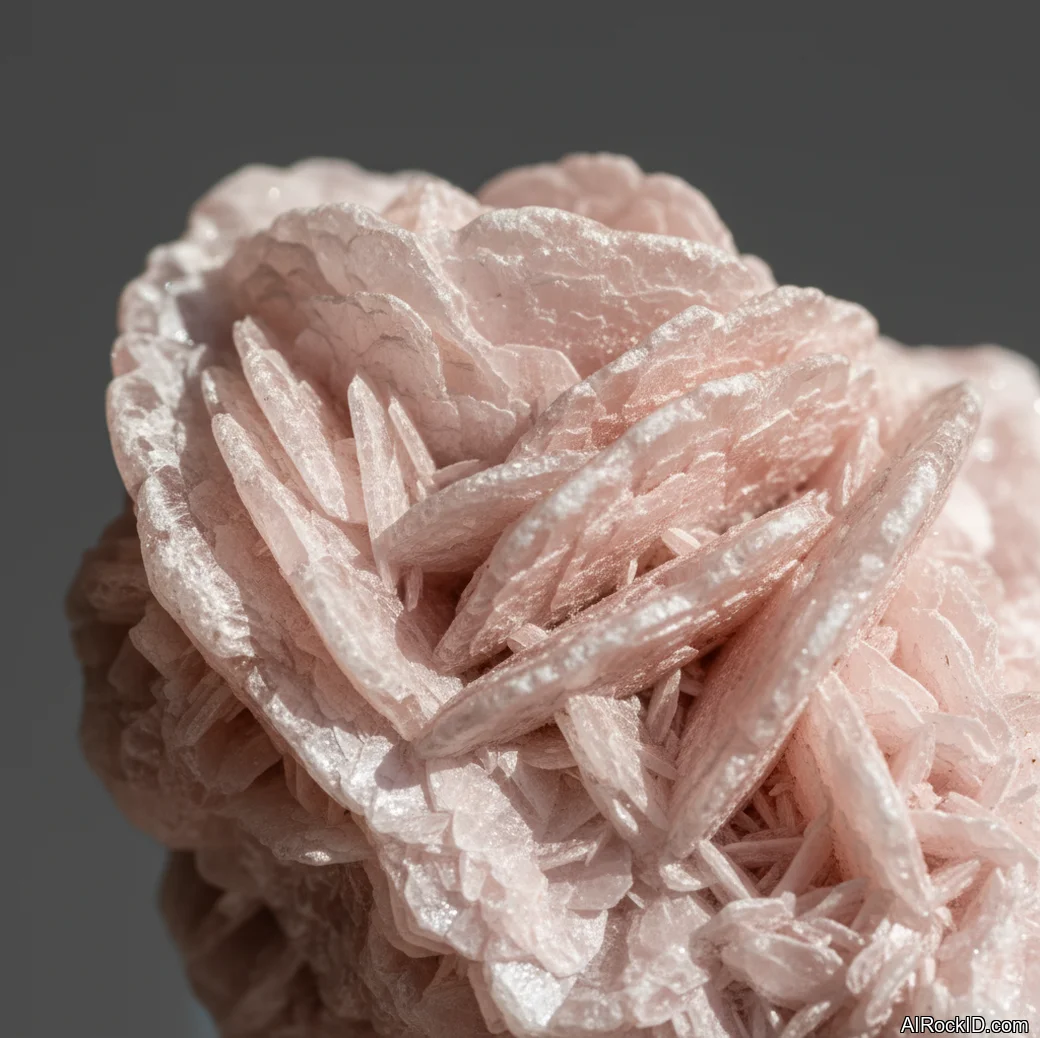
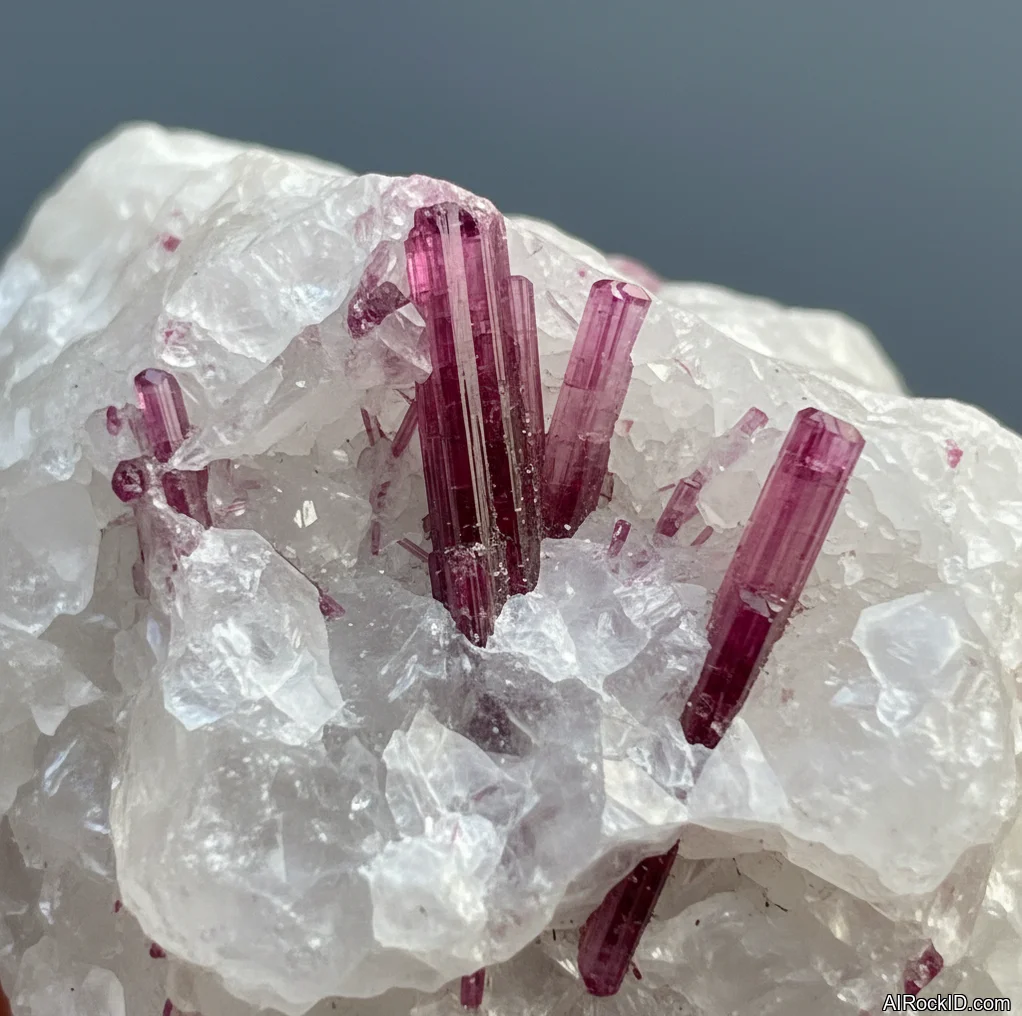
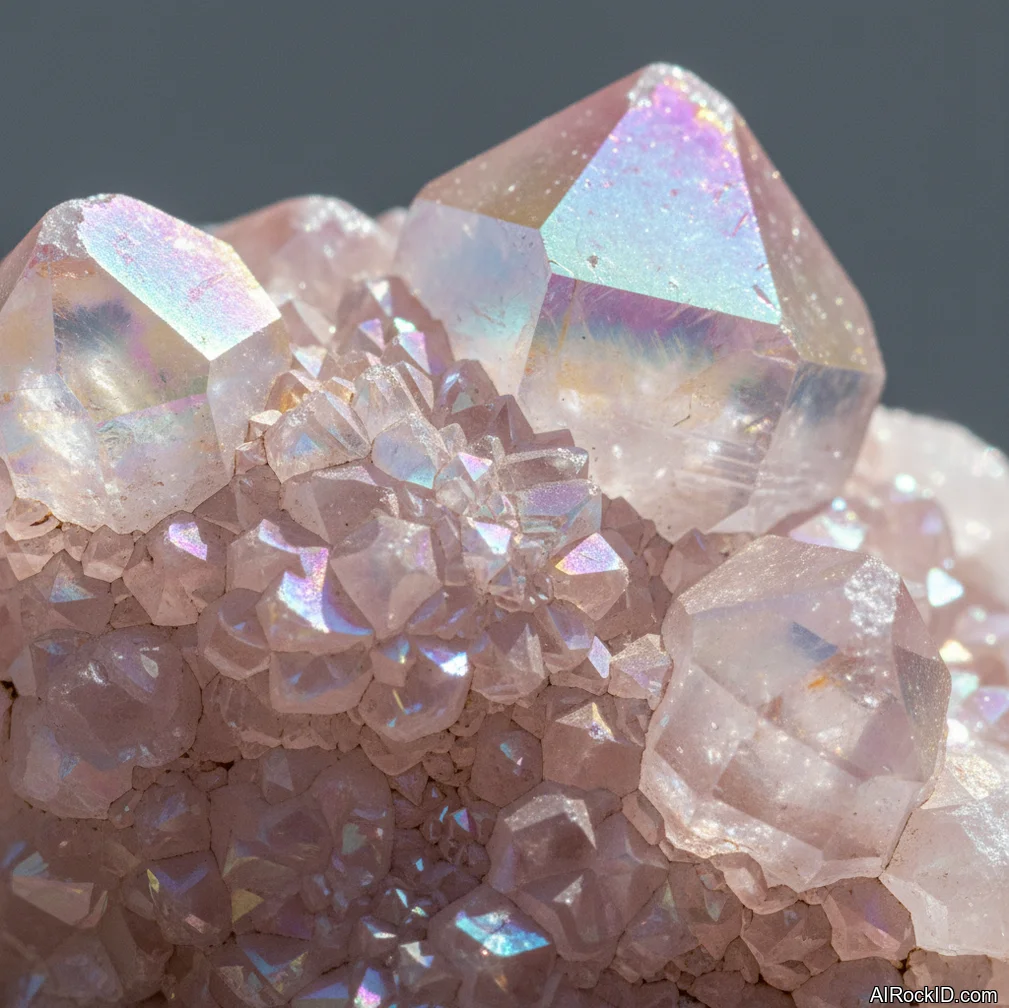
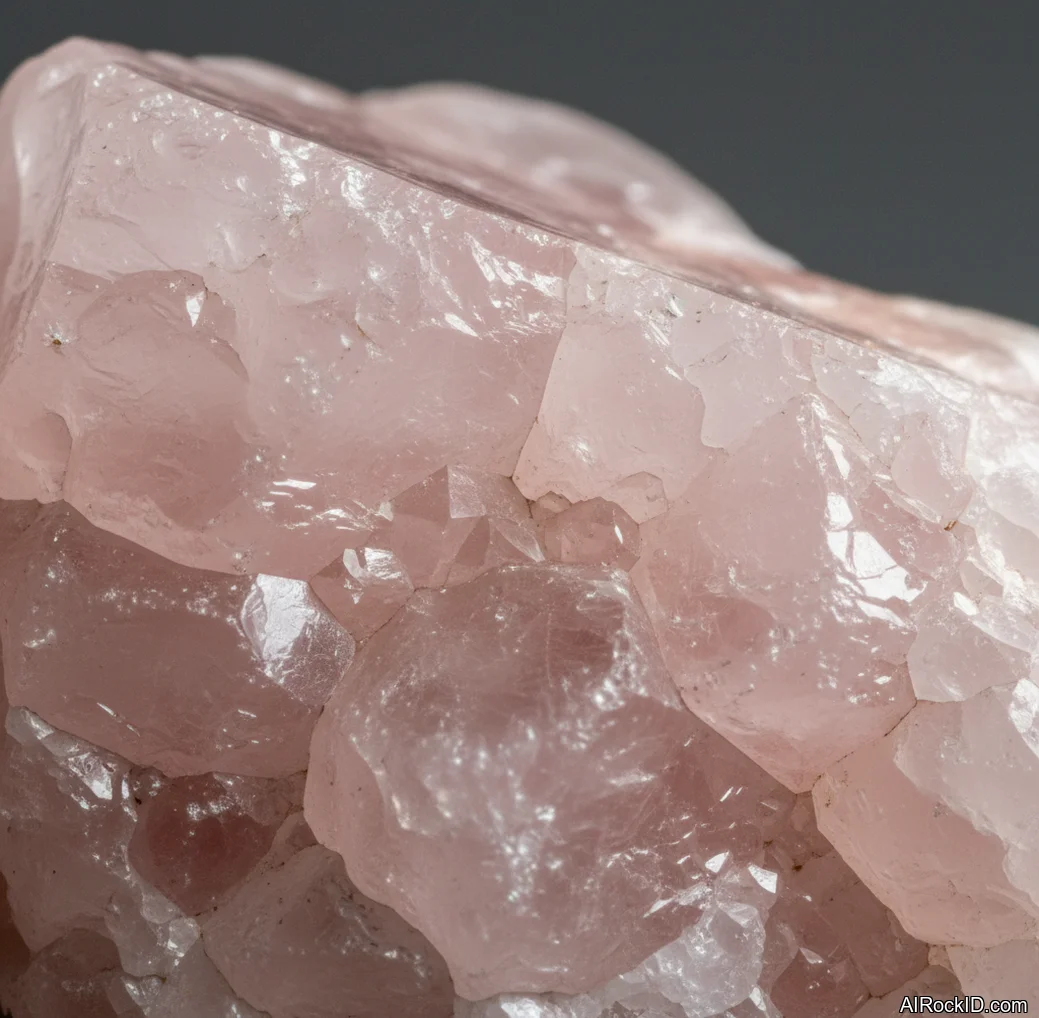
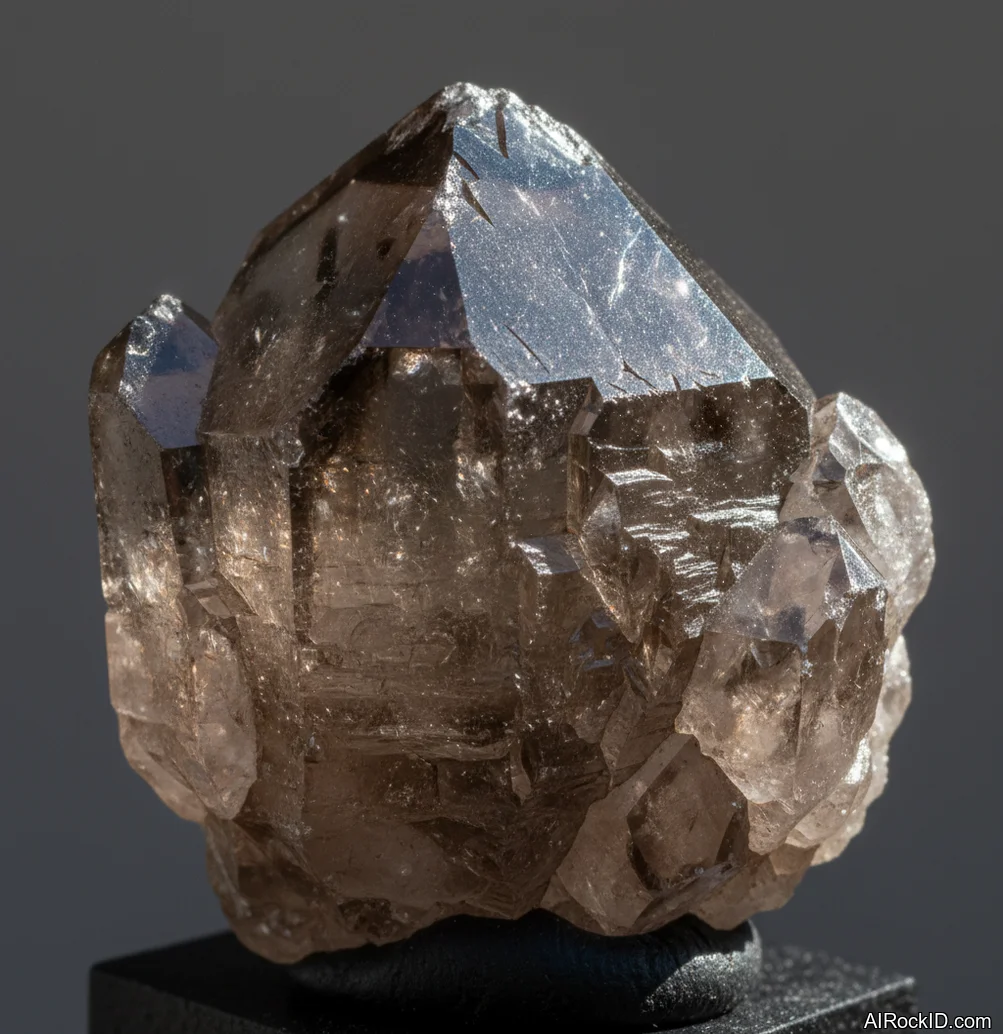
Collectors often sort anxiety relief crystals into themes such as grounding, emotional comfort, sleep support, or communication. Smoky quartz and black tourmaline are commonly placed in grounding sets, while rose quartz and rhodonite are often used in emotional comfort sets. Blue lace agate and amazonite are frequently grouped with communication and gentle expression traditions.
What Are Anxiety Relief Crystals and How Are They Used?
Anxiety Relief, when you hear it in crystal circles, isn't about expecting a rock to solve everything. It's more like reaching for a favorite hoodie or a hot drink on a bad day. Some stones really do help people slow down—by being there as a sensory anchor when your head starts spinning. The act of holding a crystal, turning it over in your palm, feeling the texture and weight, keeps your mind from running a mile a minute. The same way a smooth pebble or a worry stone works.
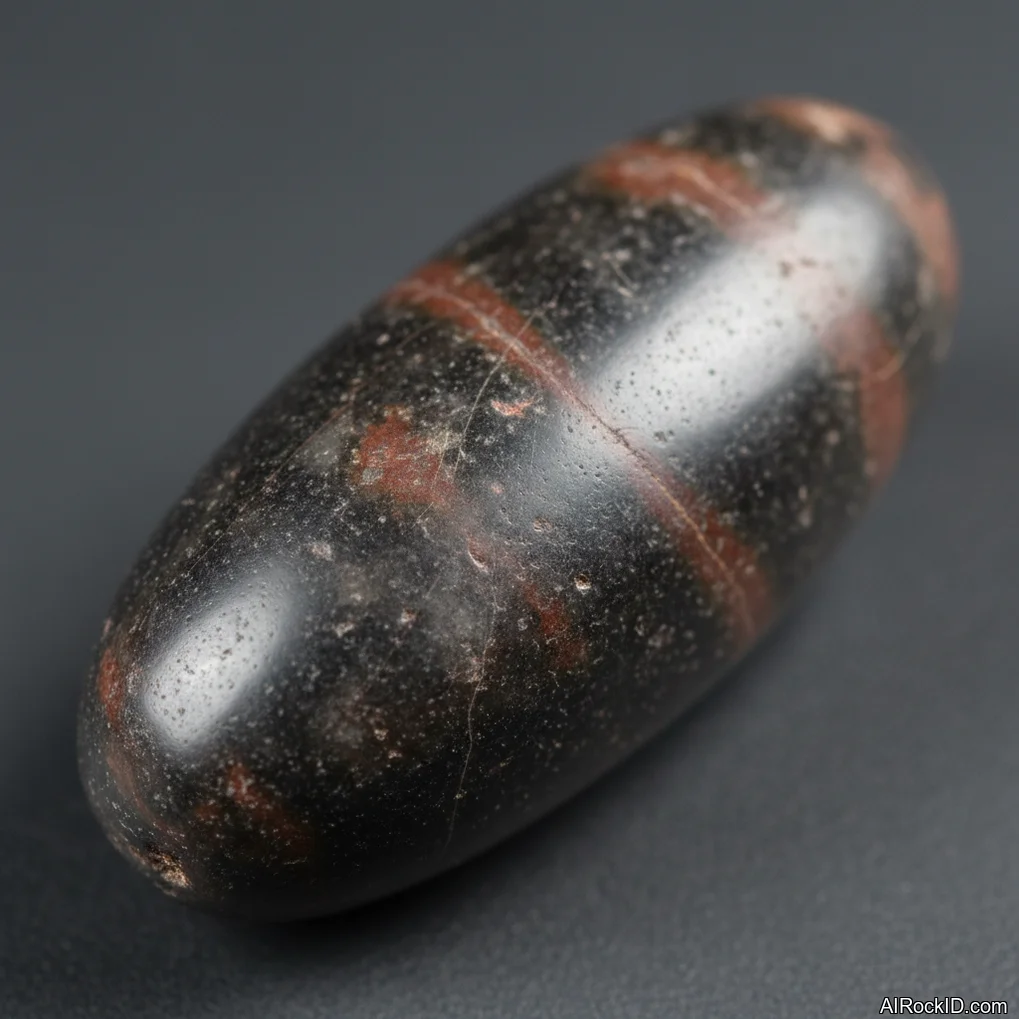
Collectors talk about 'downshifting' with these minerals. That can mean deeper, slower breaths, looser shoulders, or just a pause in the mental noise. Physical touch matters. It's not about magic; it's about the brain linking comfort to something solid you can grip. Some people keep a tumbled stone in their pocket, others go for palm stones with no sharp edges so they can squeeze them during a tense phone call. What matters is that it feels good in your hand and you actually want to reach for it. More than a shelf display, it's a daily tool.
Most Popular Anxiety Relief Crystals for Everyday Use
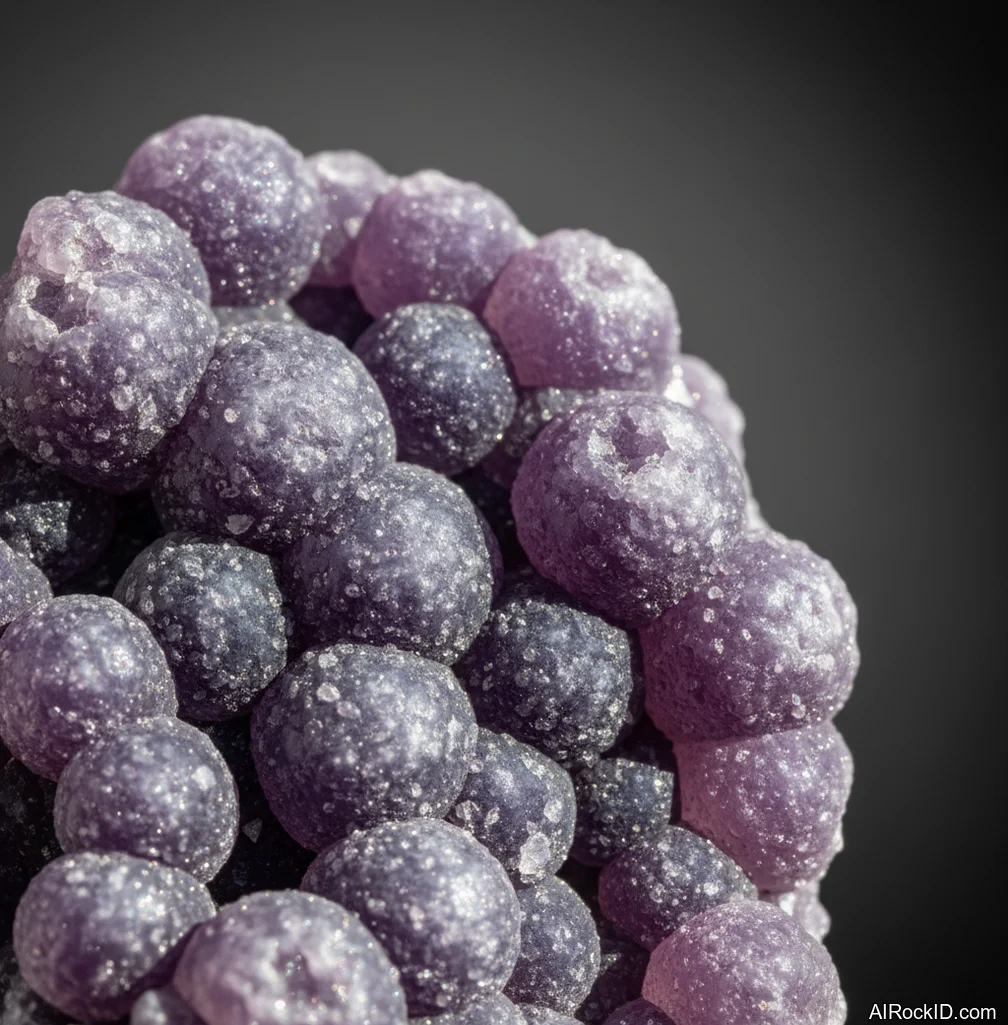
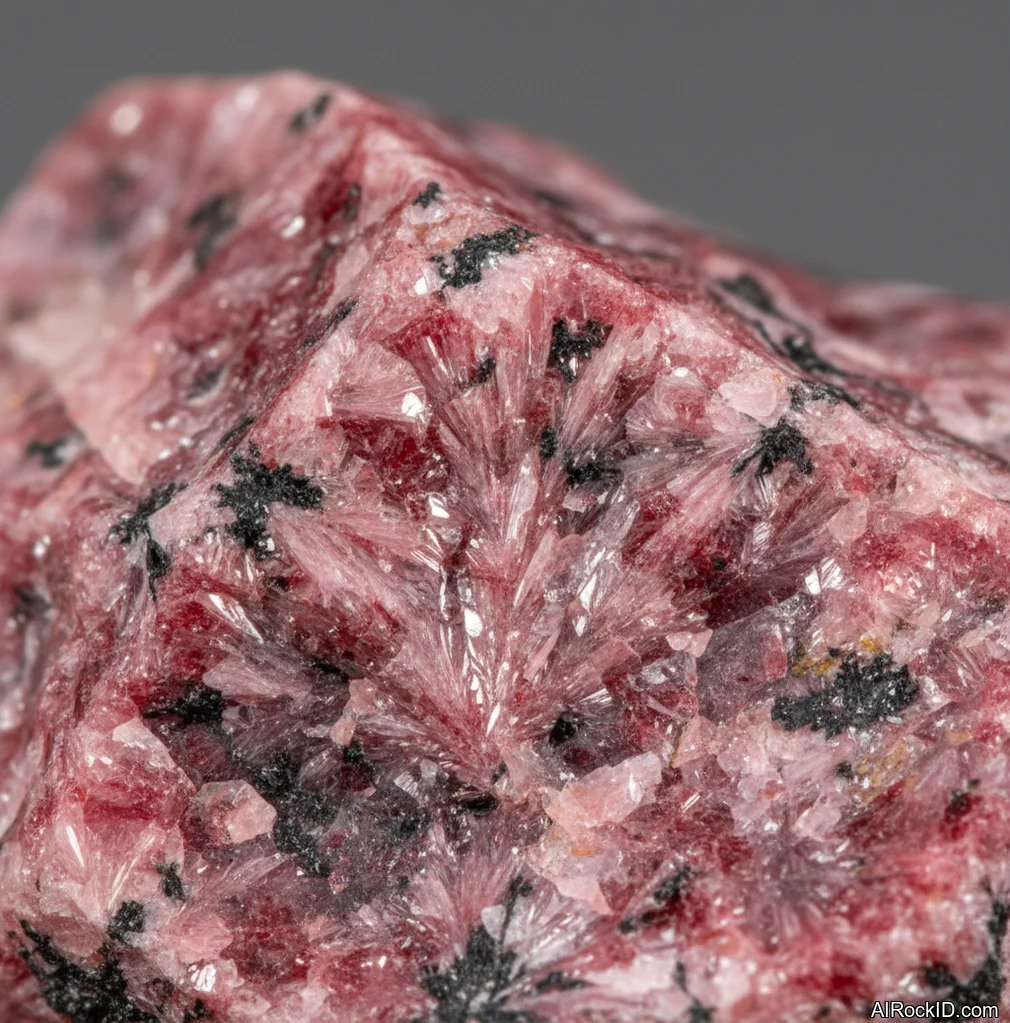
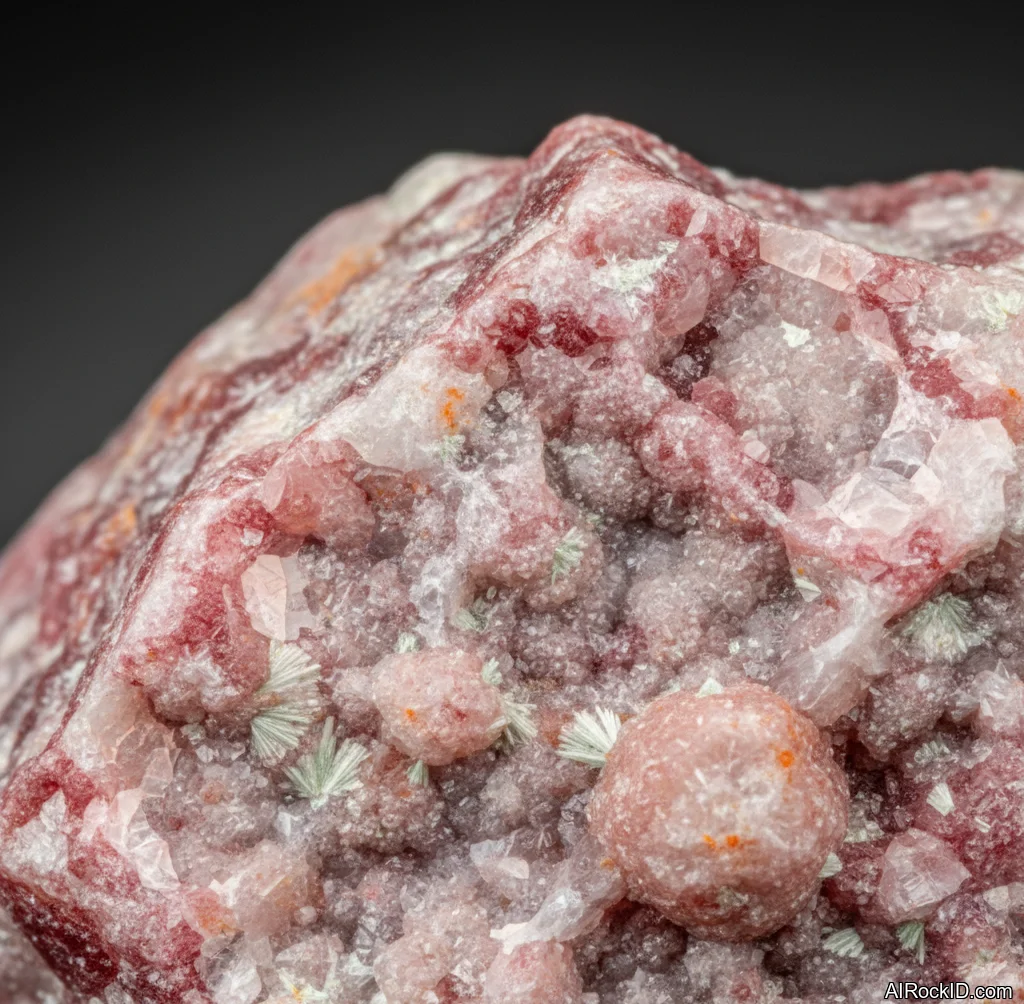
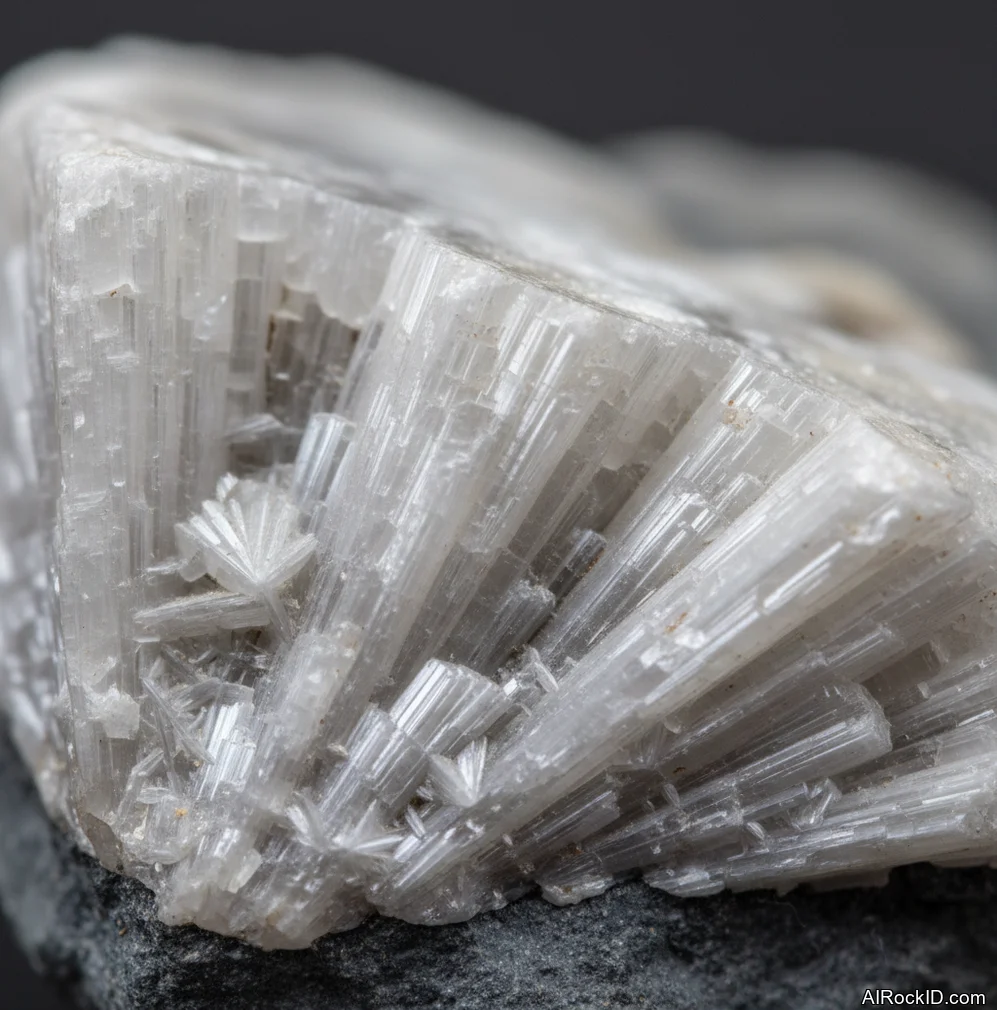
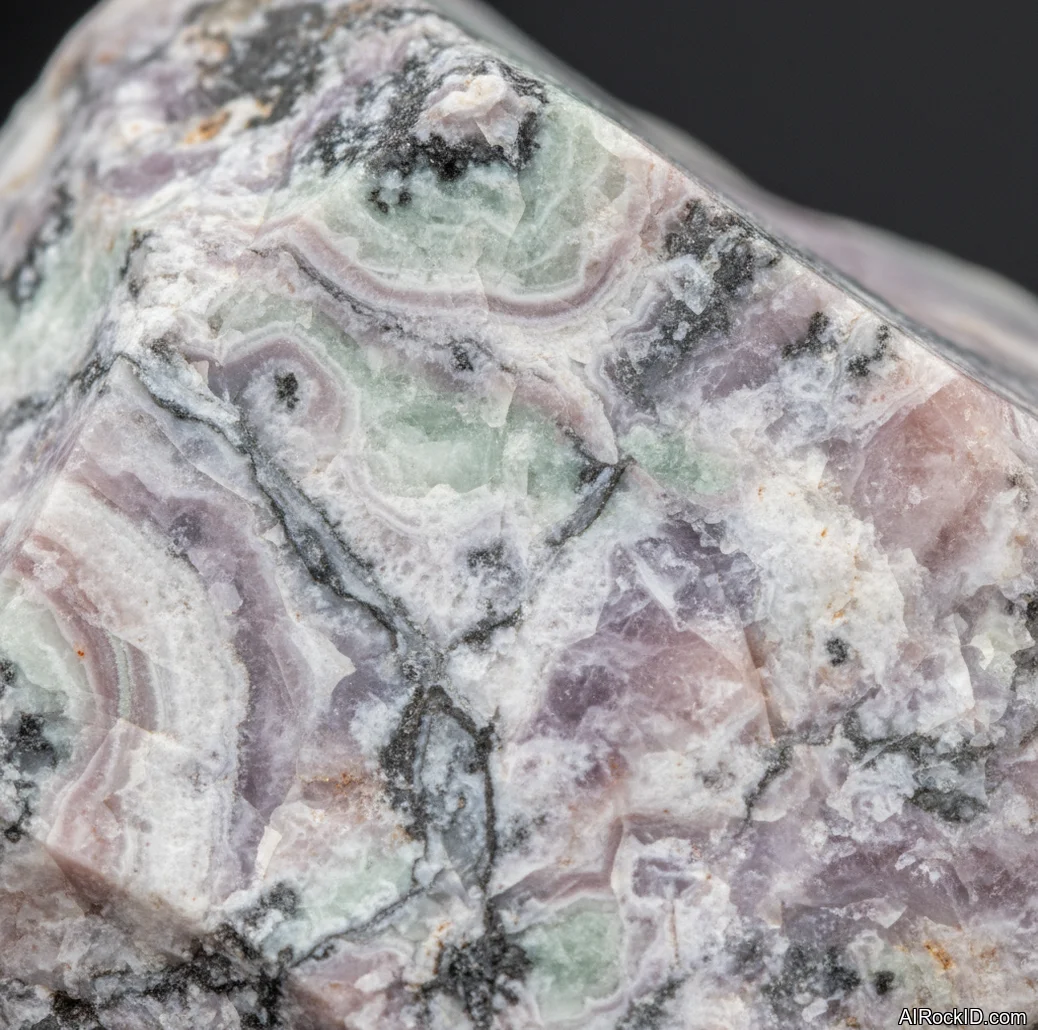
Lepidolite tops most Anxiety Relief lists. You recognize it by the sheet-like layers that flake under pressure and a soft lilac shimmer. Tilt a piece under sunlight and you'll notice the subtle sparkle—thanks to its mica content. The downside? Raw lepidolite bruises if you drop it, and layers can peel if you keep it loose in a bag. Some sellers stabilize palm stones with resin; those hold up better for pockets or worry stones. If you want something durable, go for sealed cabochons or well-polished tumbles—less heartbreak than a raw shard.
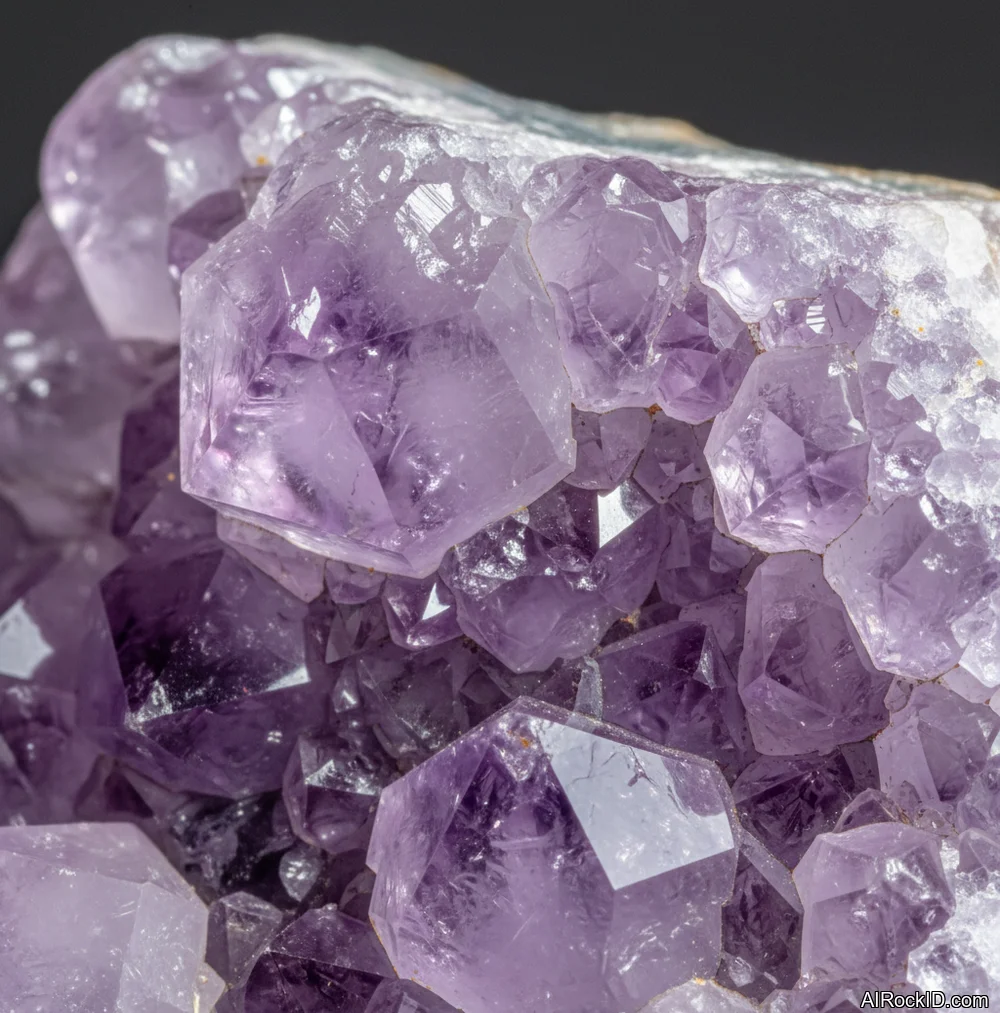
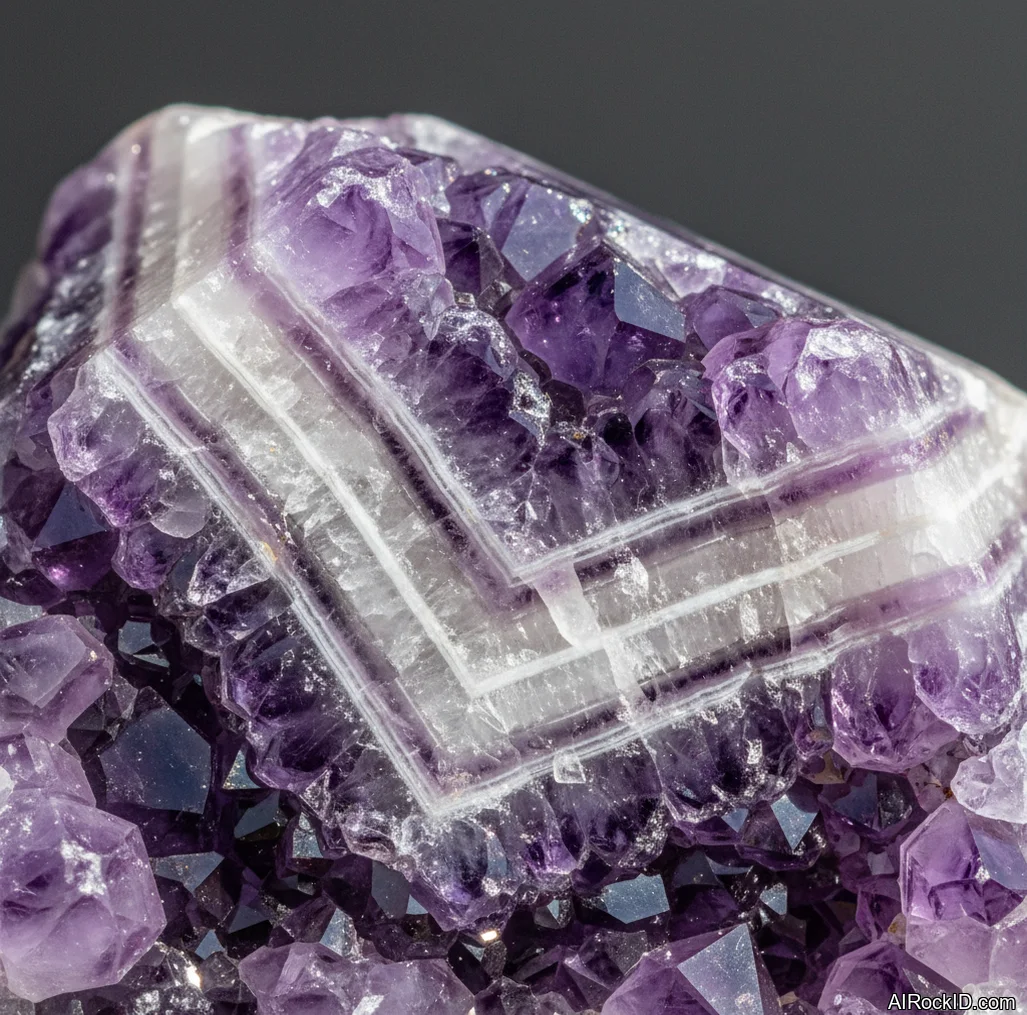
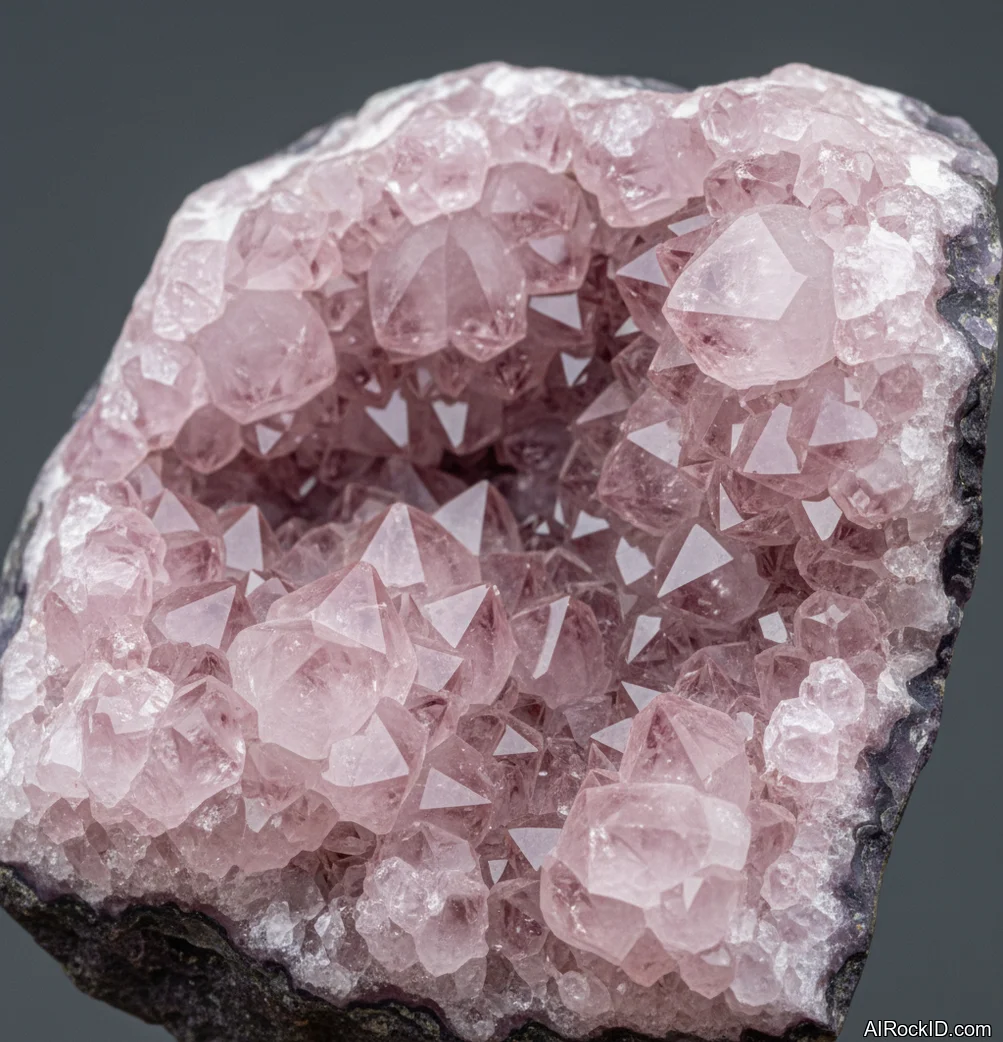
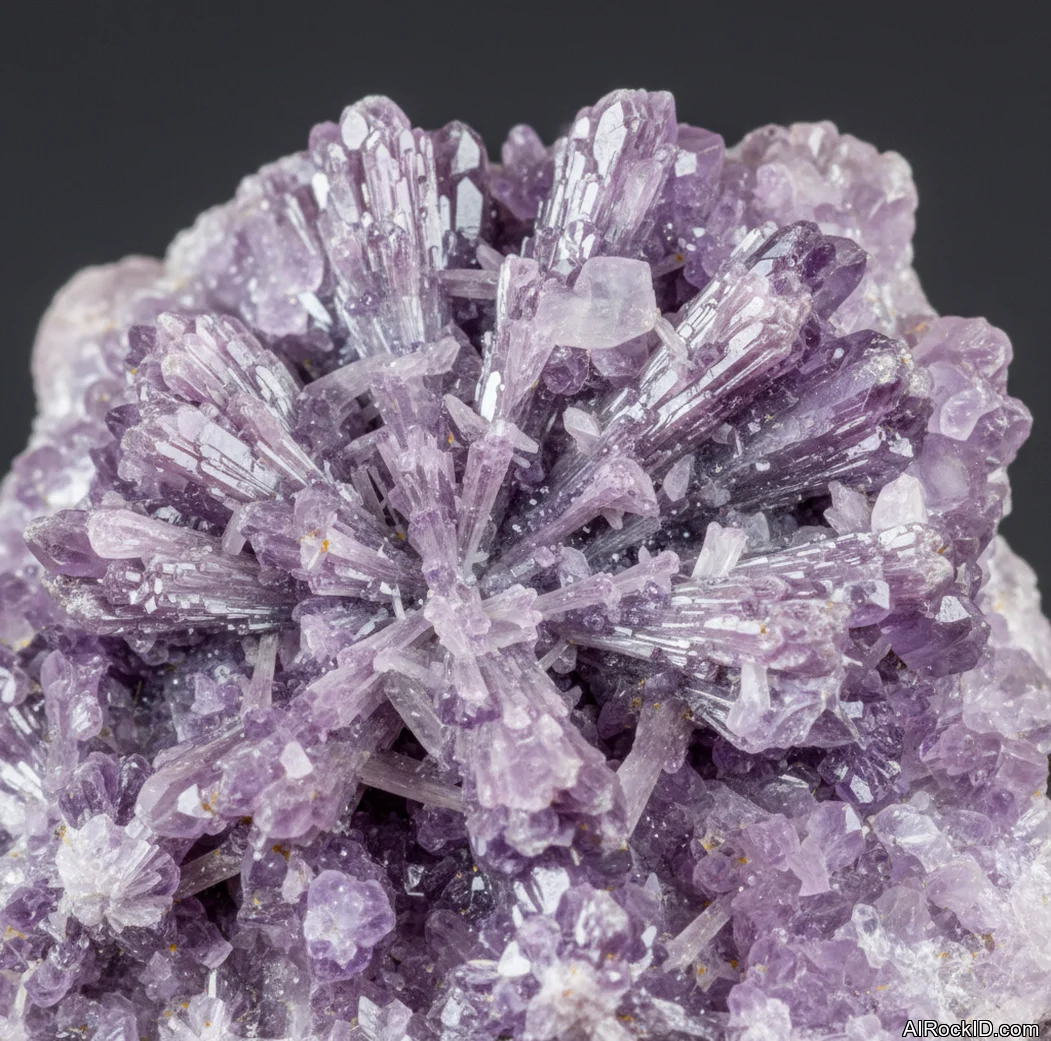
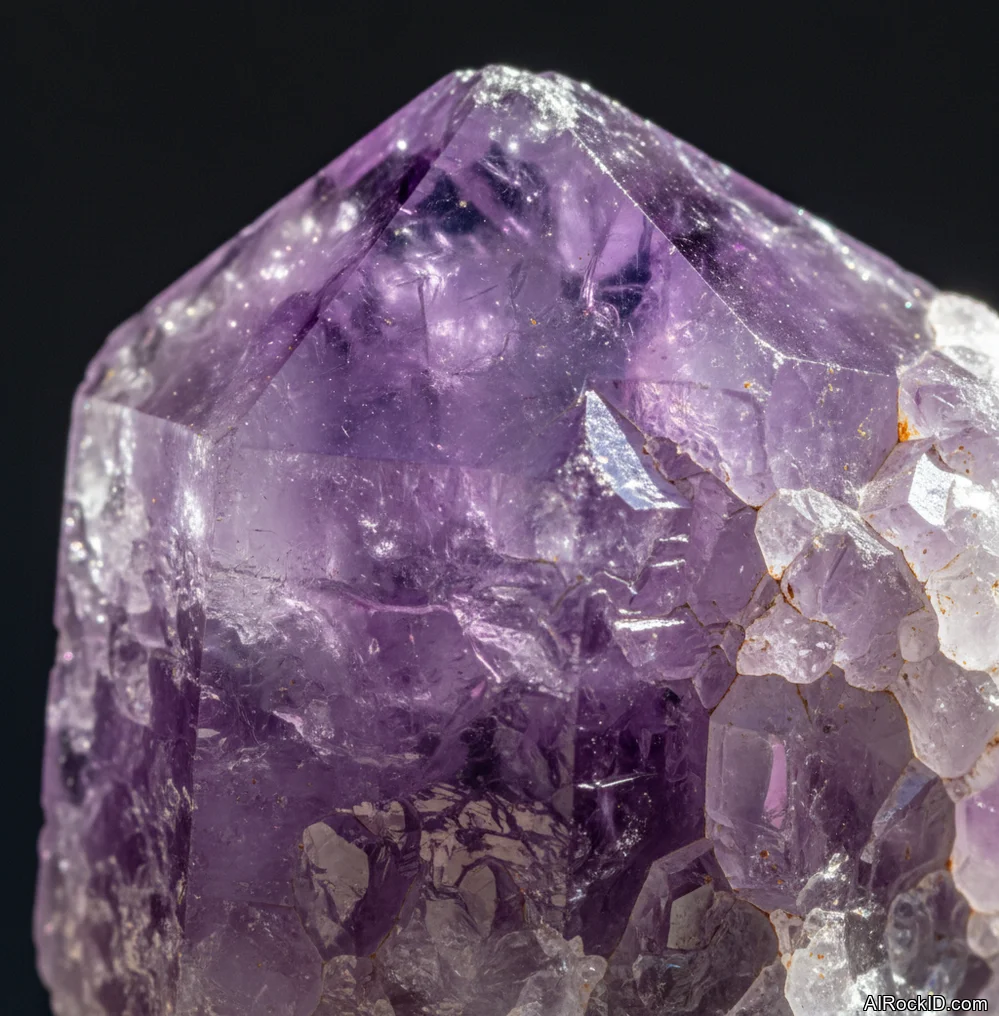
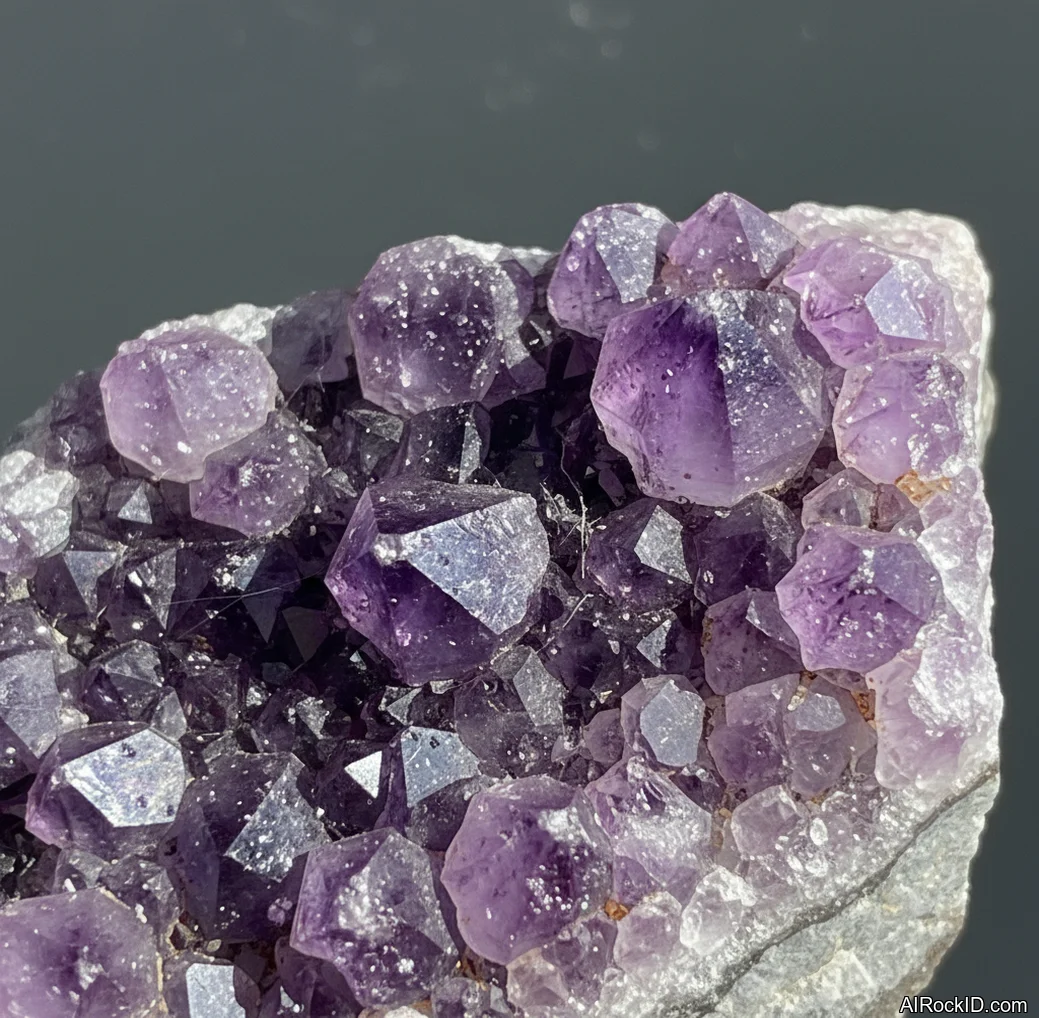
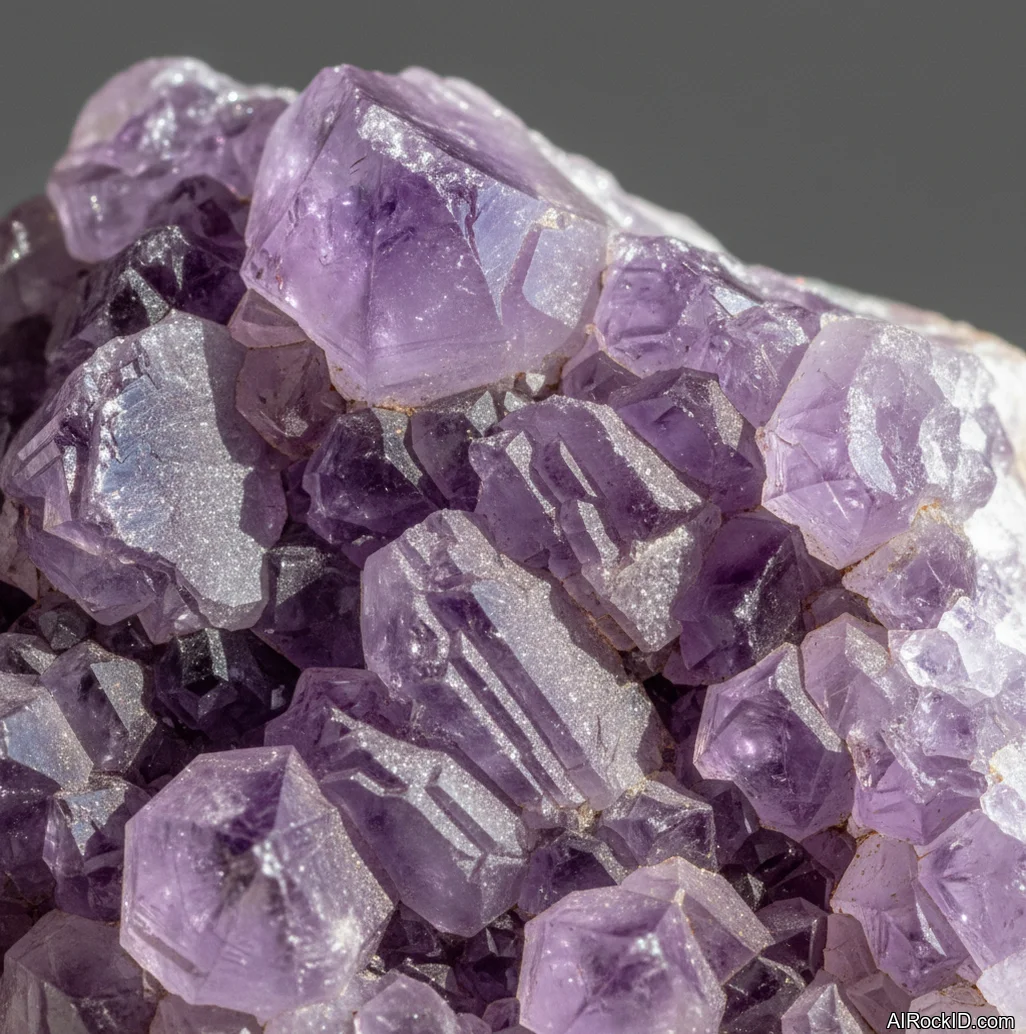
Amethyst gets called the classic for calm, but not all amethyst feels the same. Uruguayan material runs deep, almost grape jelly purple, and the points are tight and sharp. Brazilian clusters usually look lighter, almost airy, and the points are more spaced out. Most people prefer a clean medium-tone amethyst for Anxiety Relief—the kind you’ll actually hold, not just display. In jewelry, check that the setting is snug; quartz is tough, but a loose prong turns a calming stone into a snag magnet.
Physical Qualities of Anxiety Relief Stones: Texture, Color, and Care
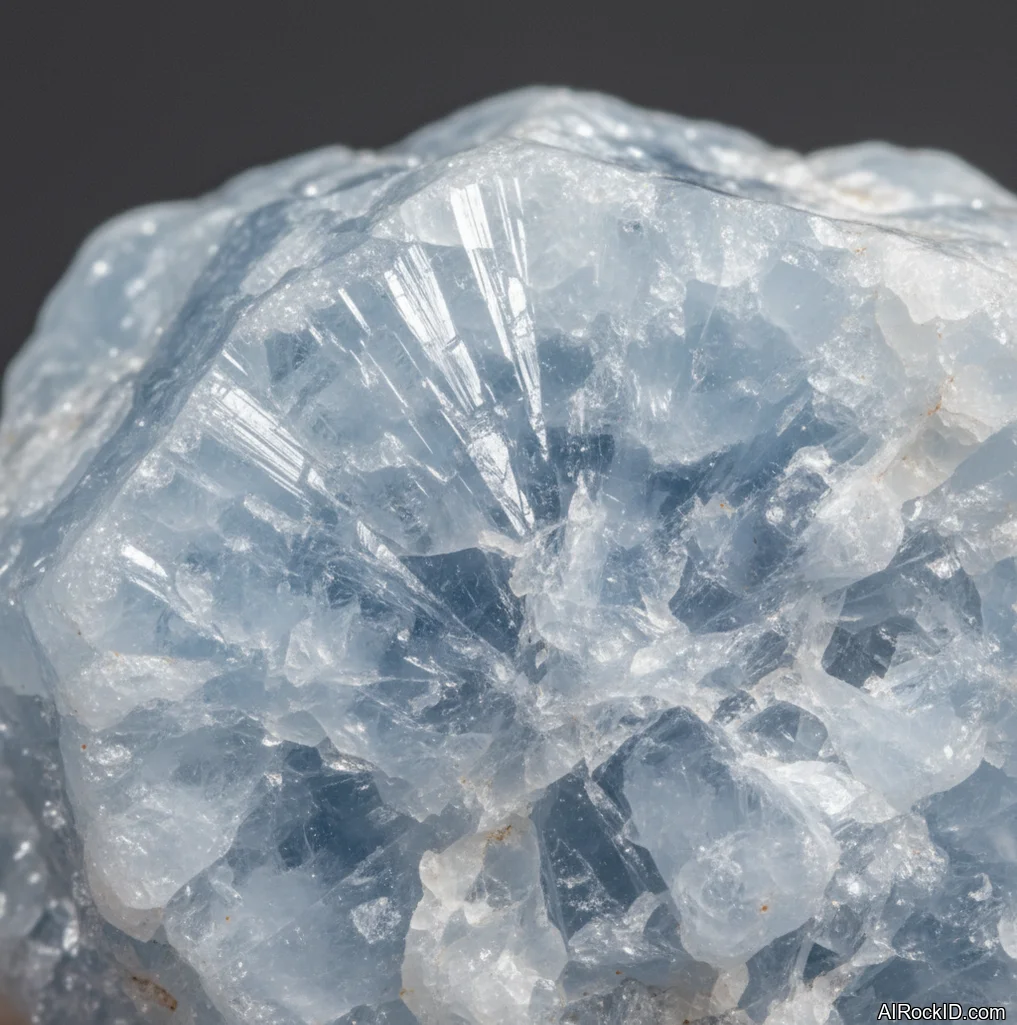
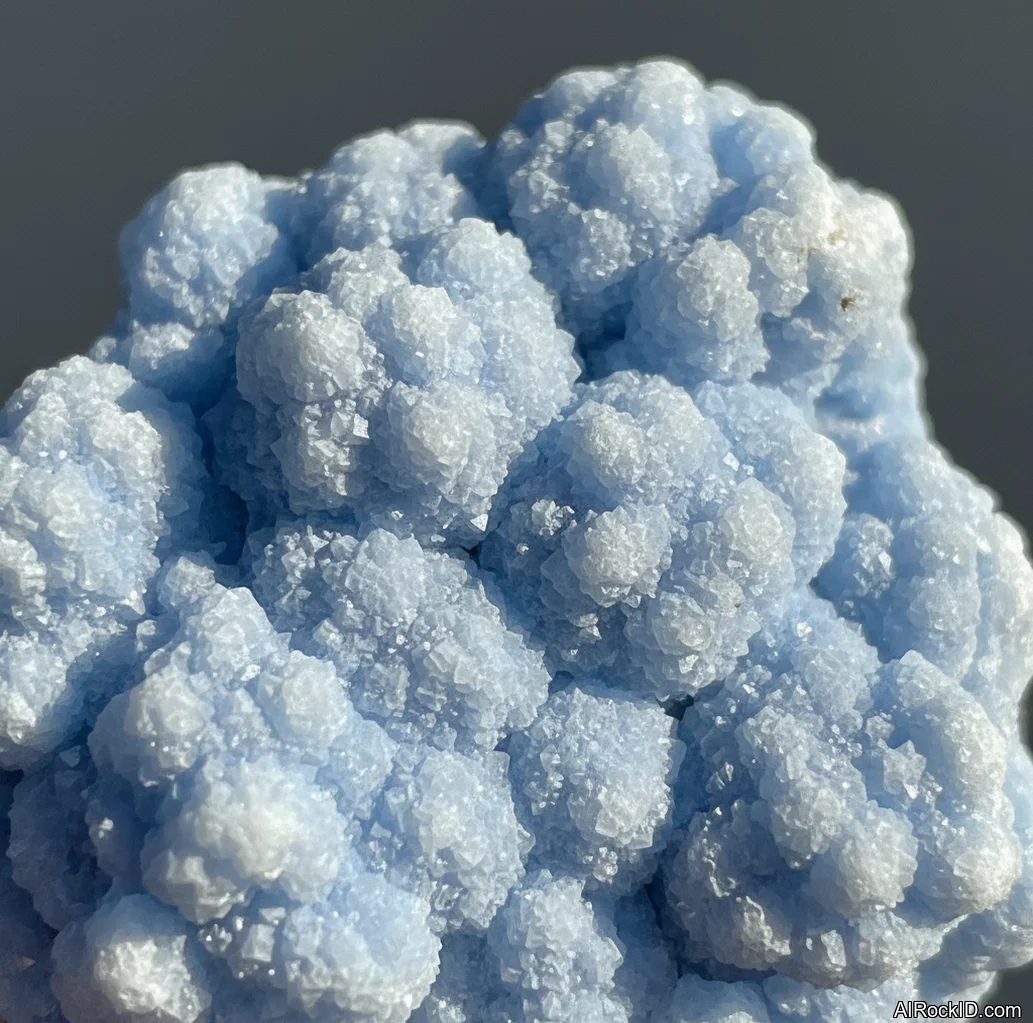
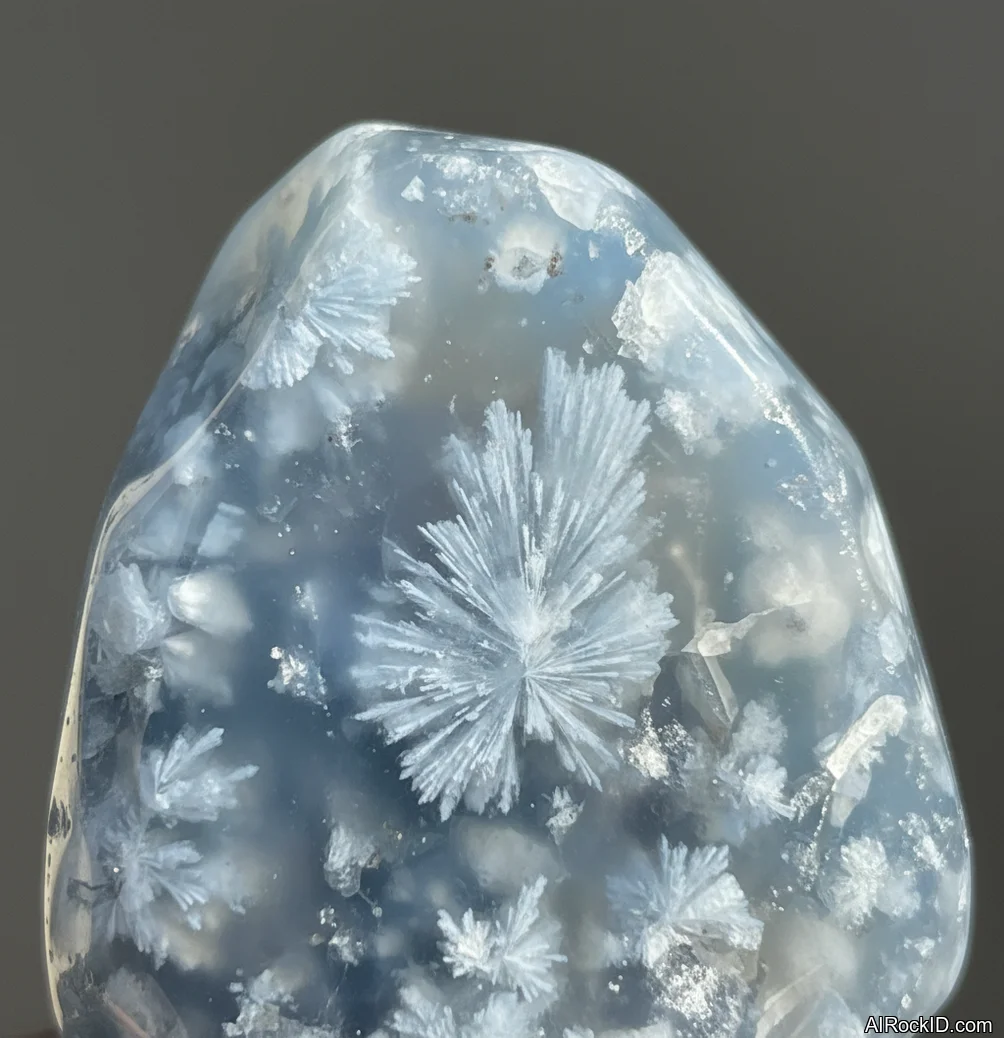
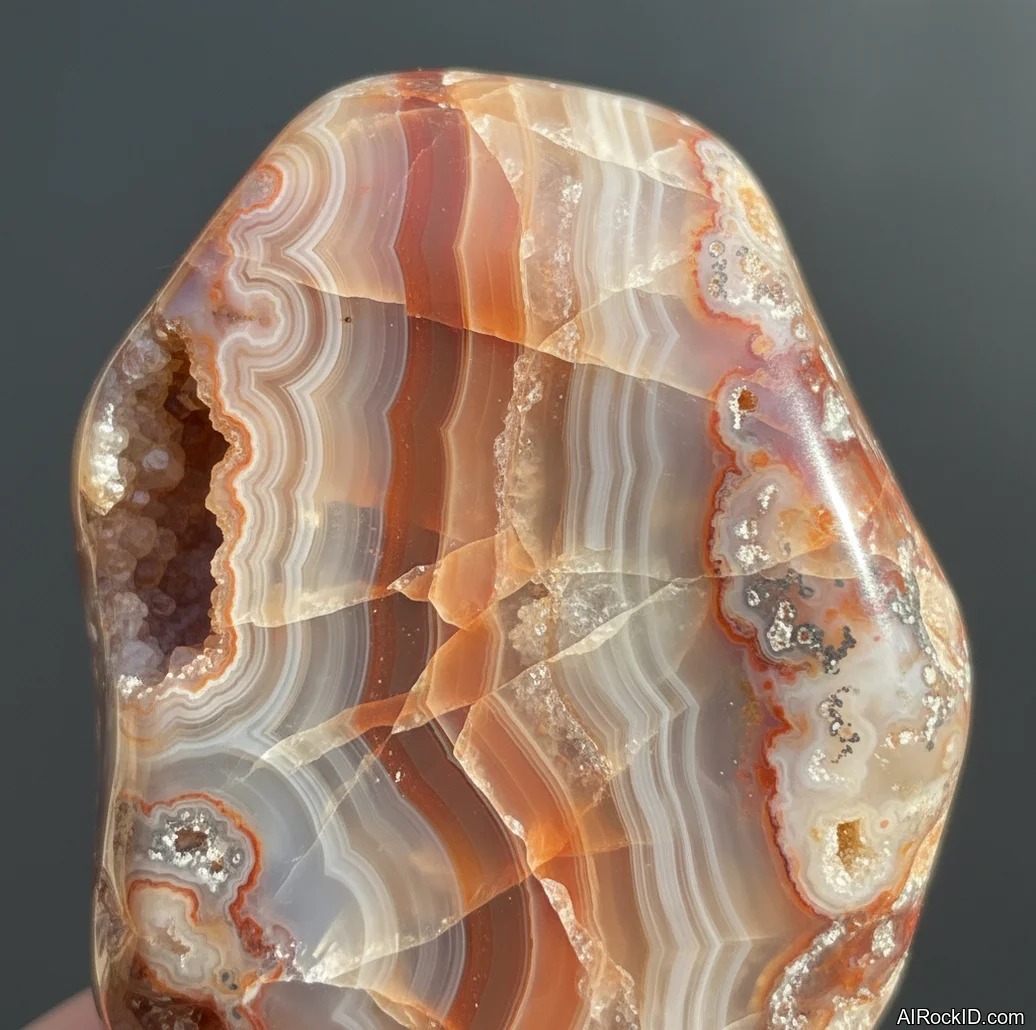
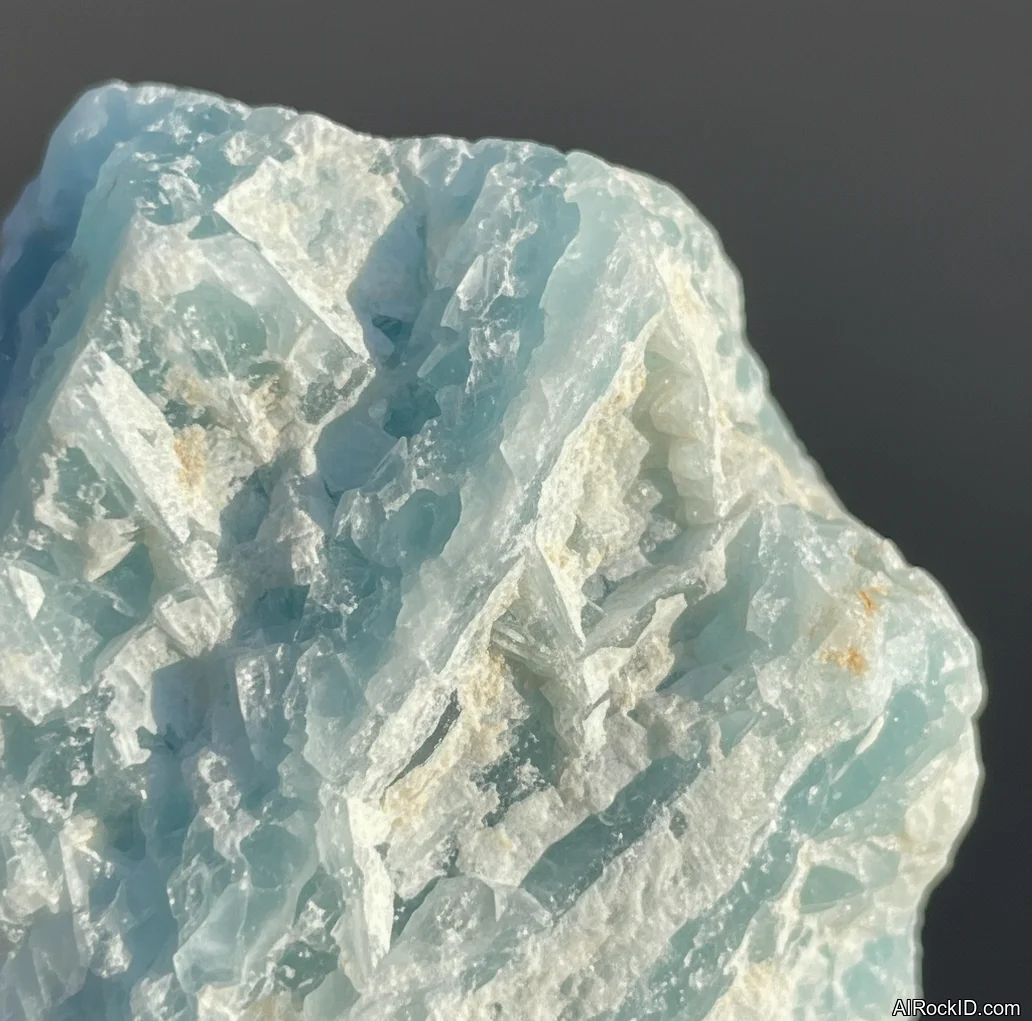
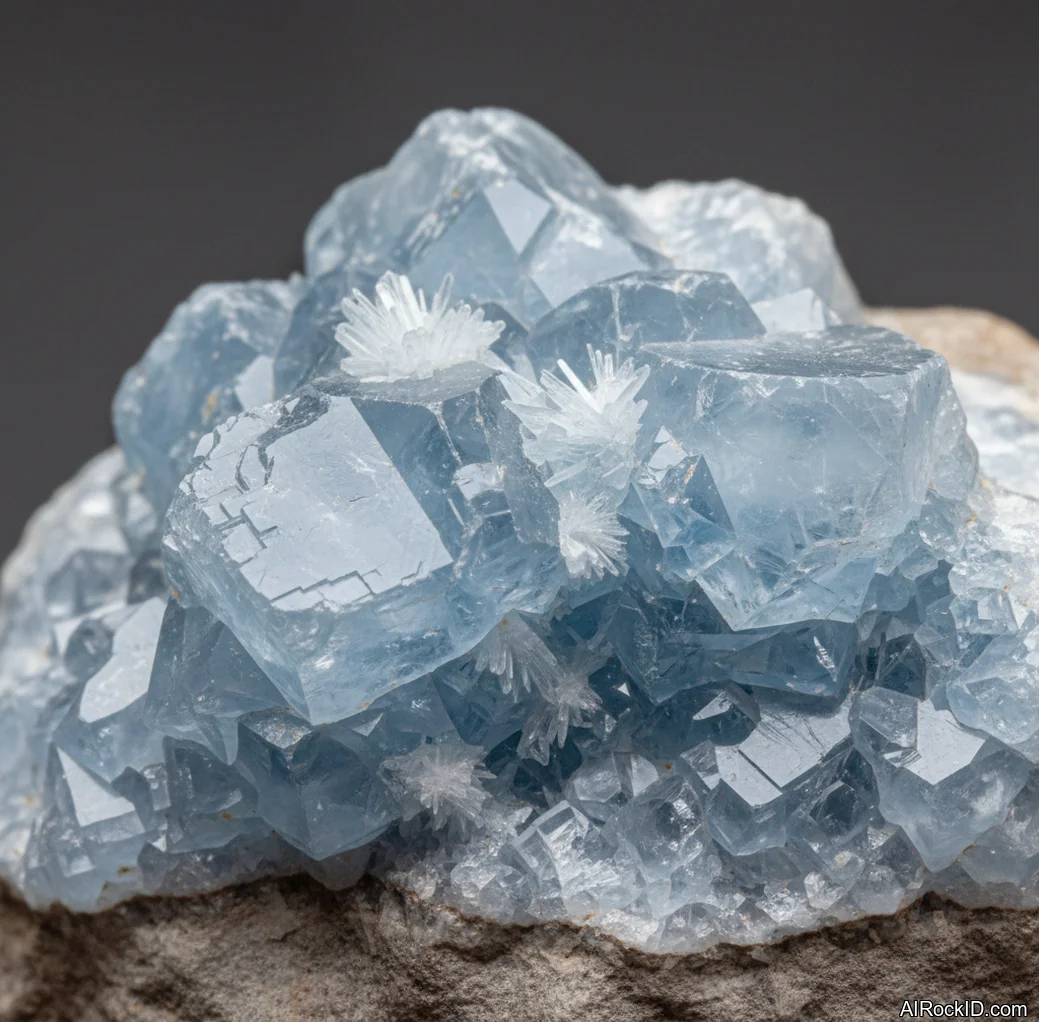
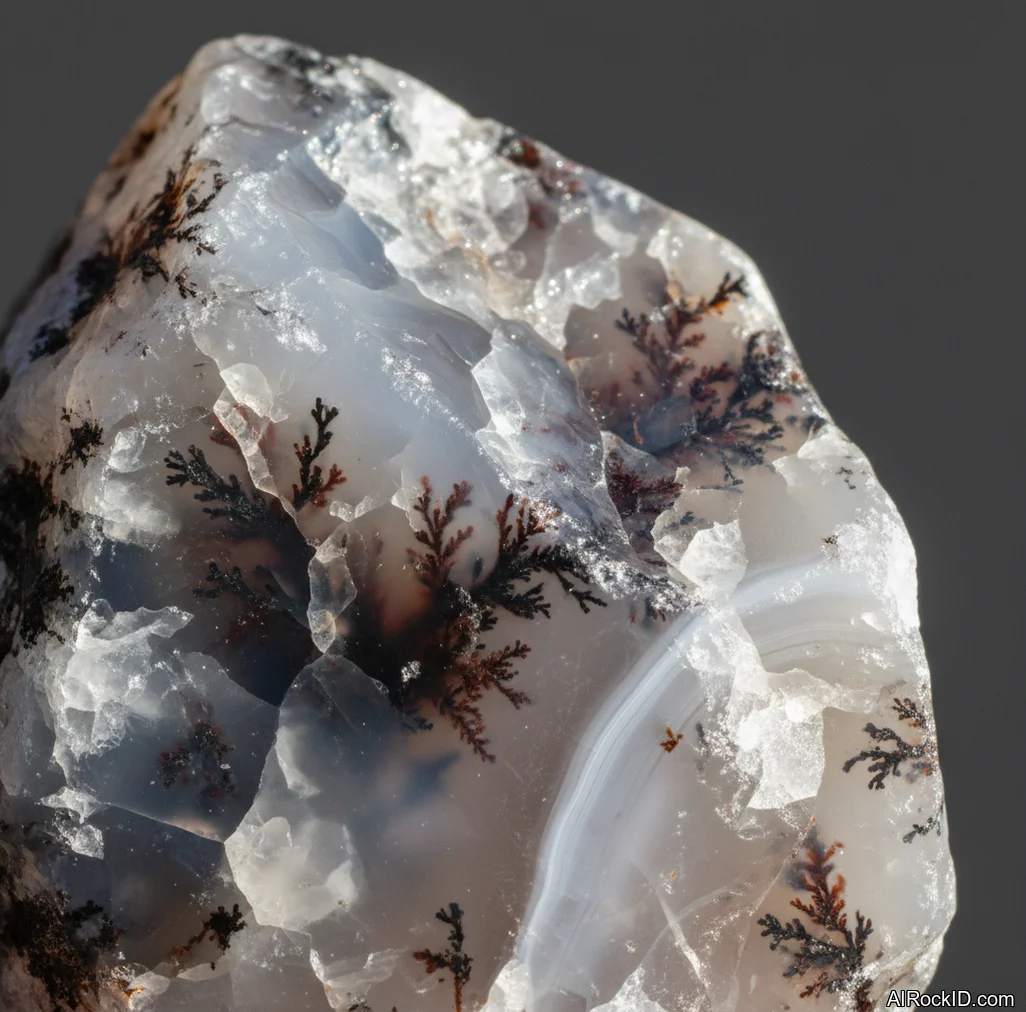
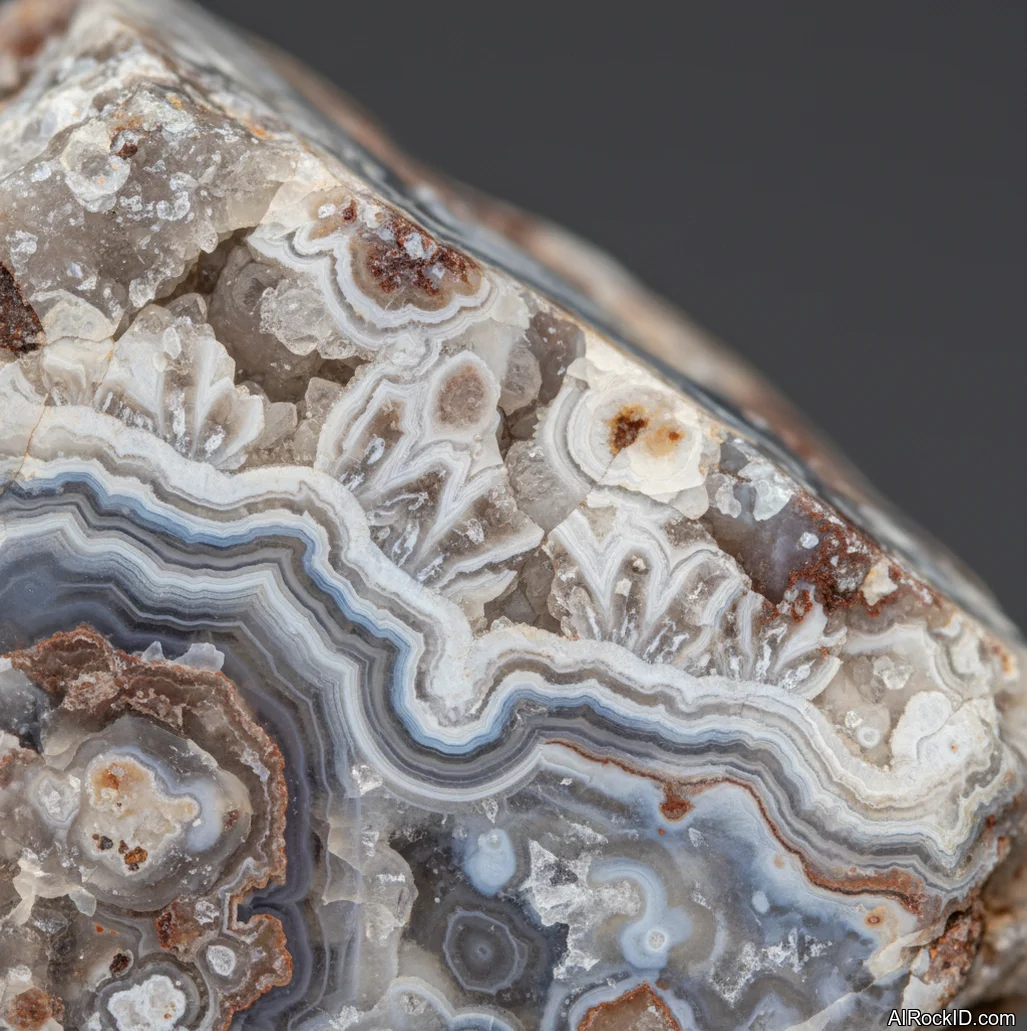
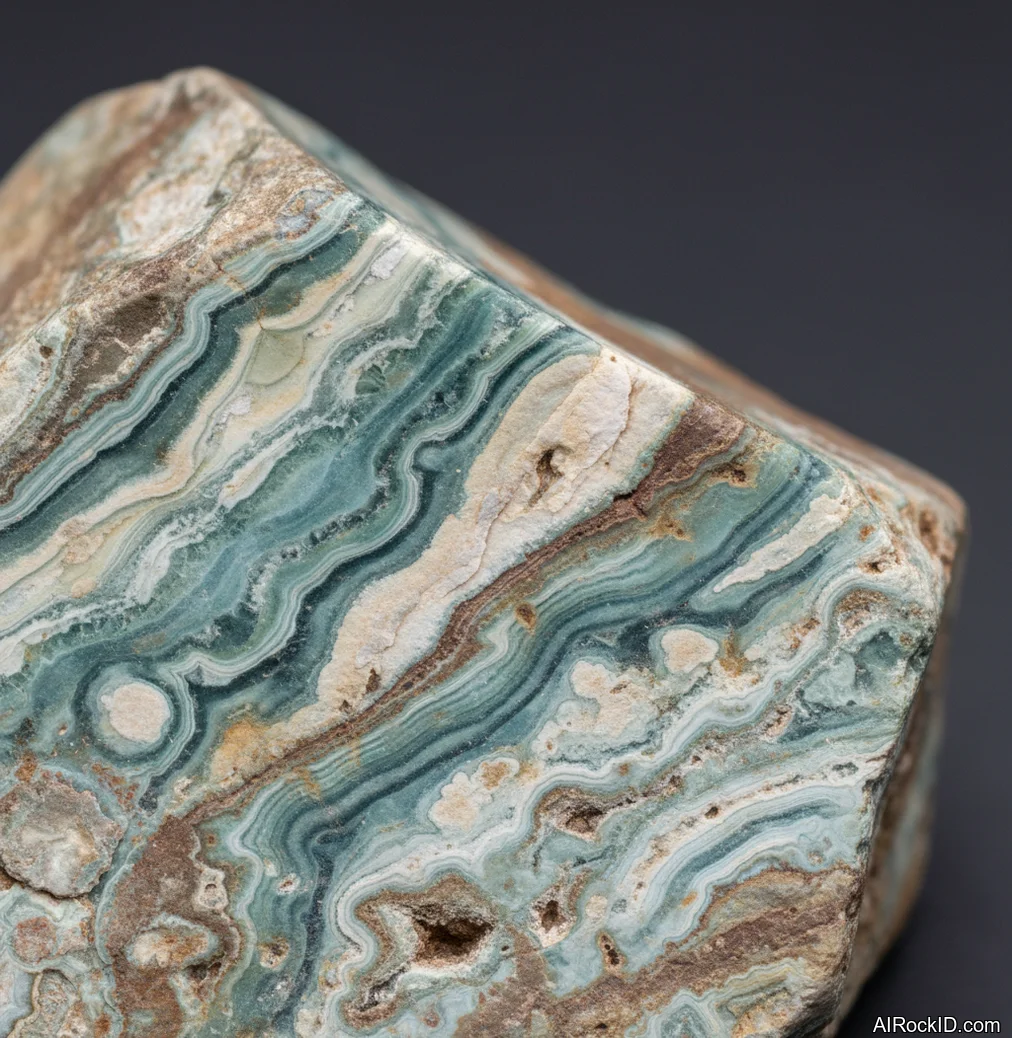
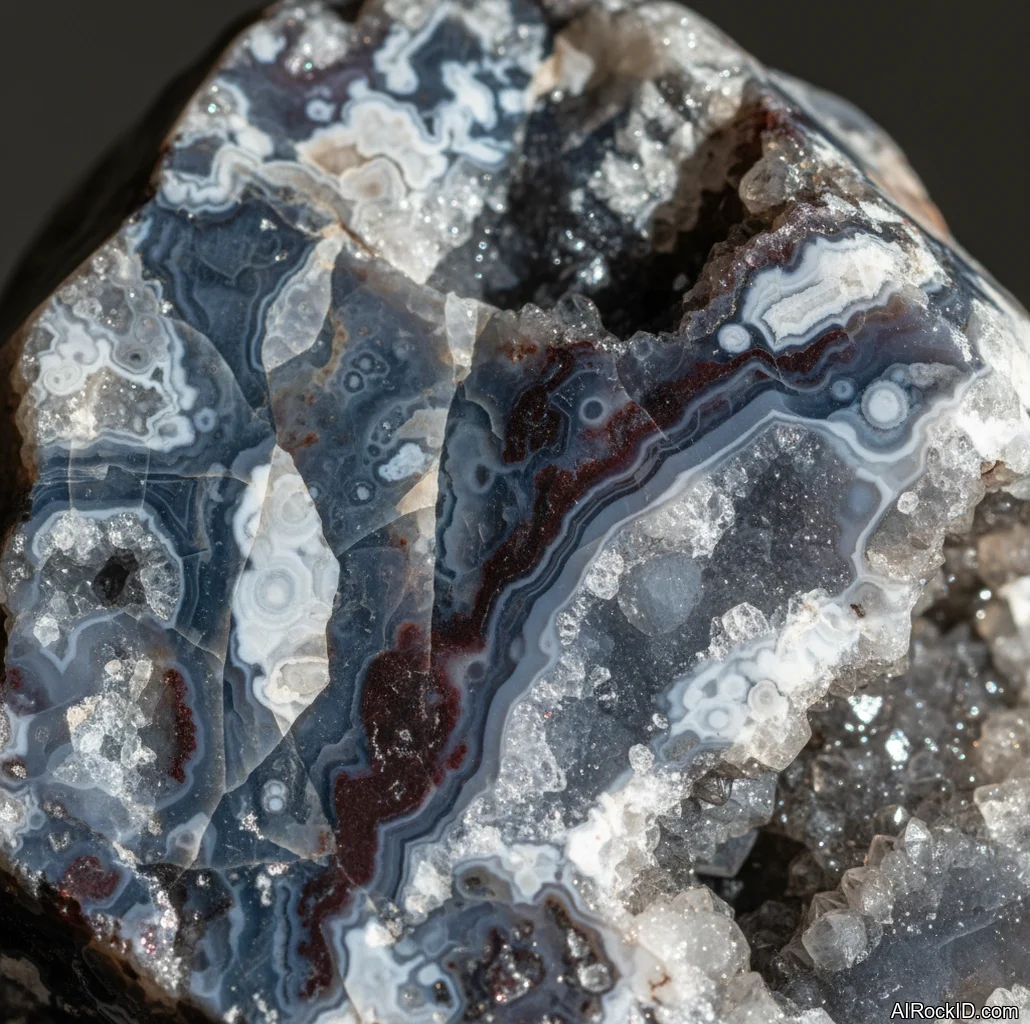
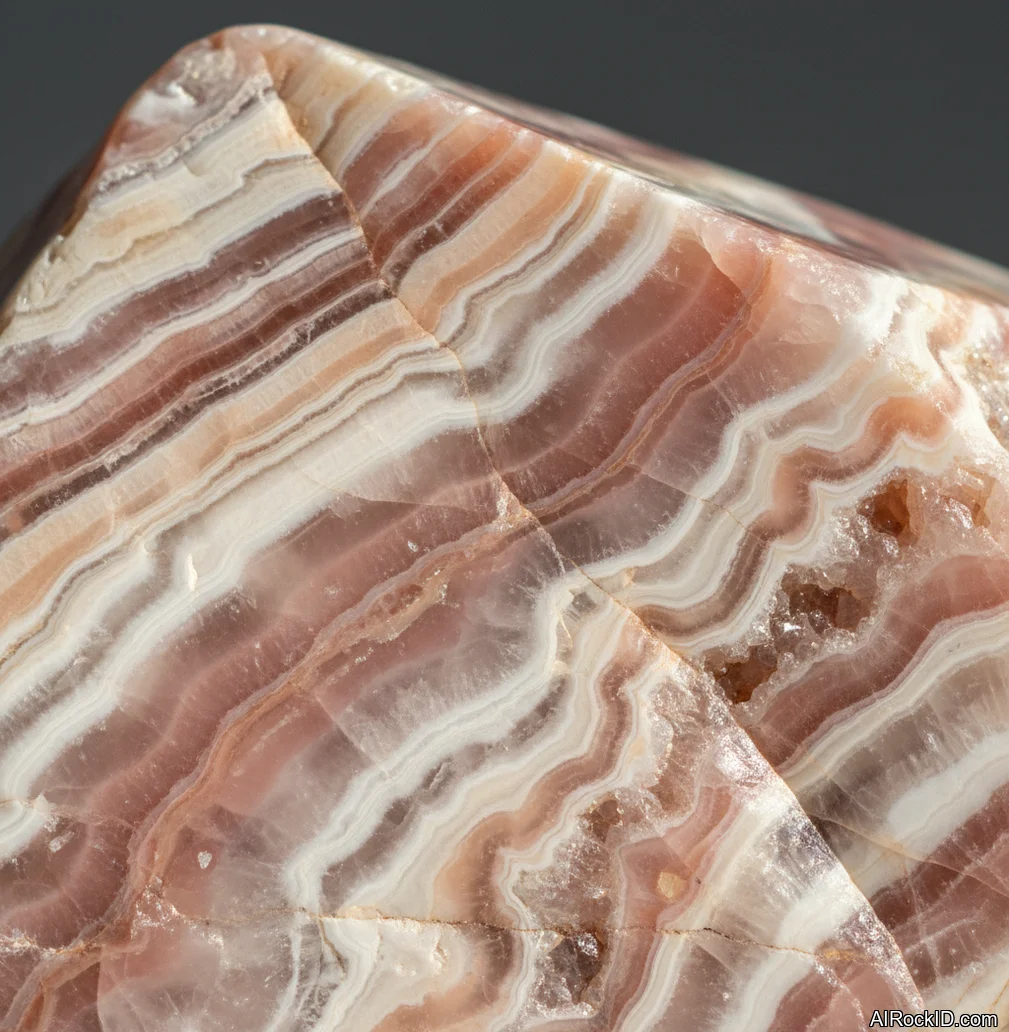
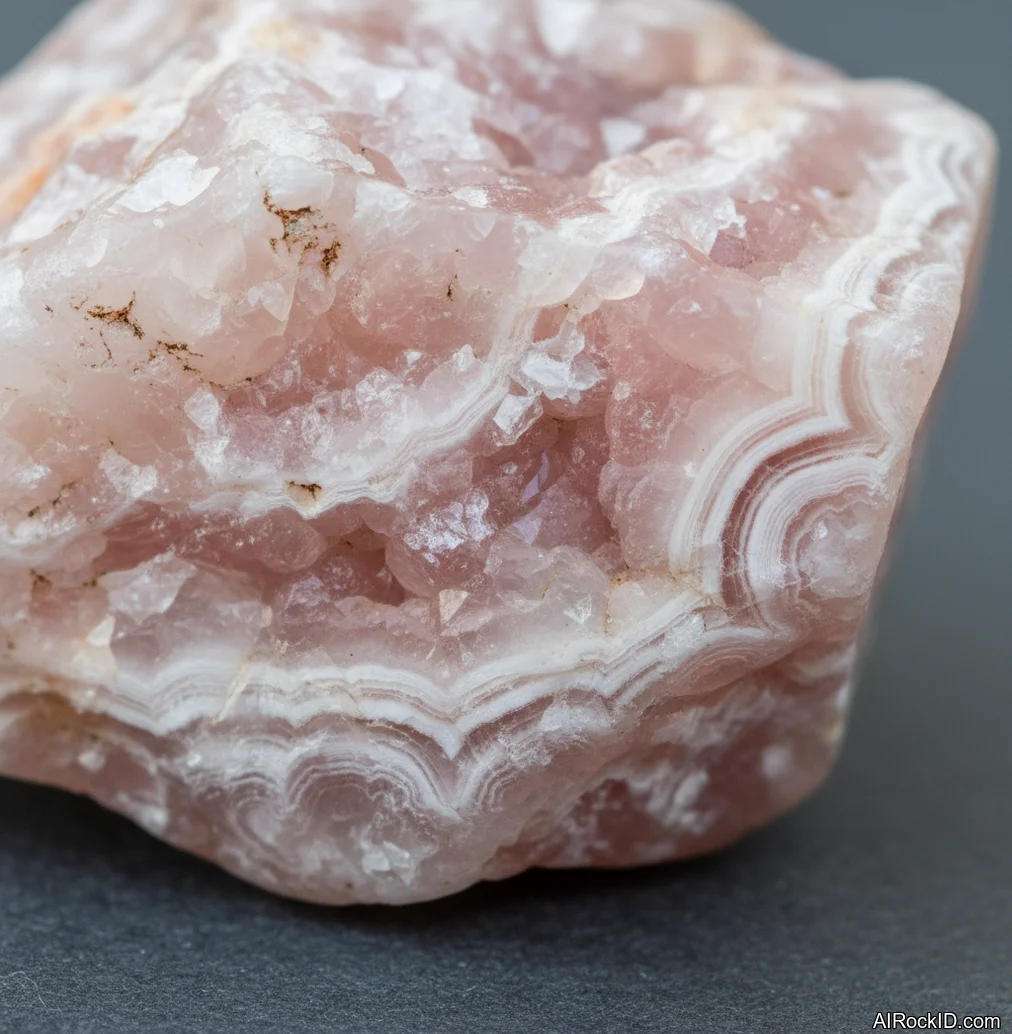
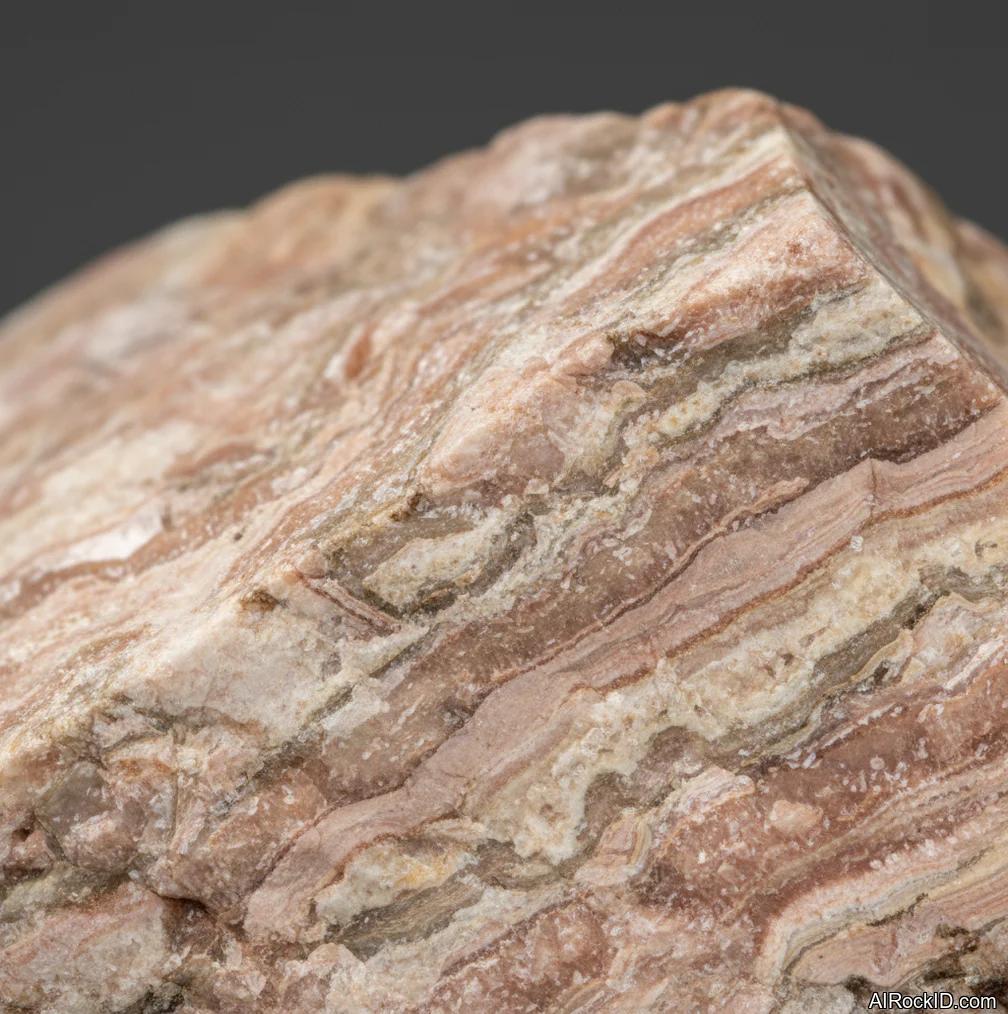
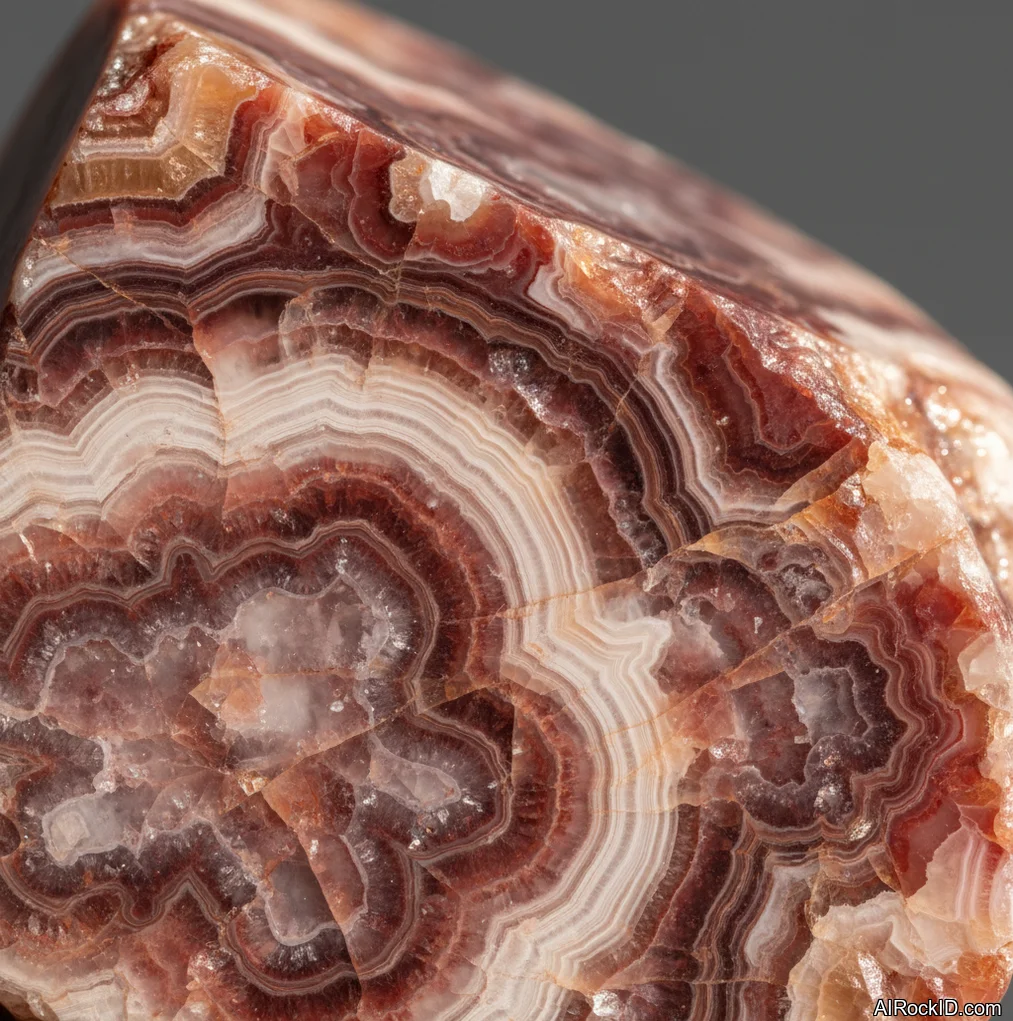
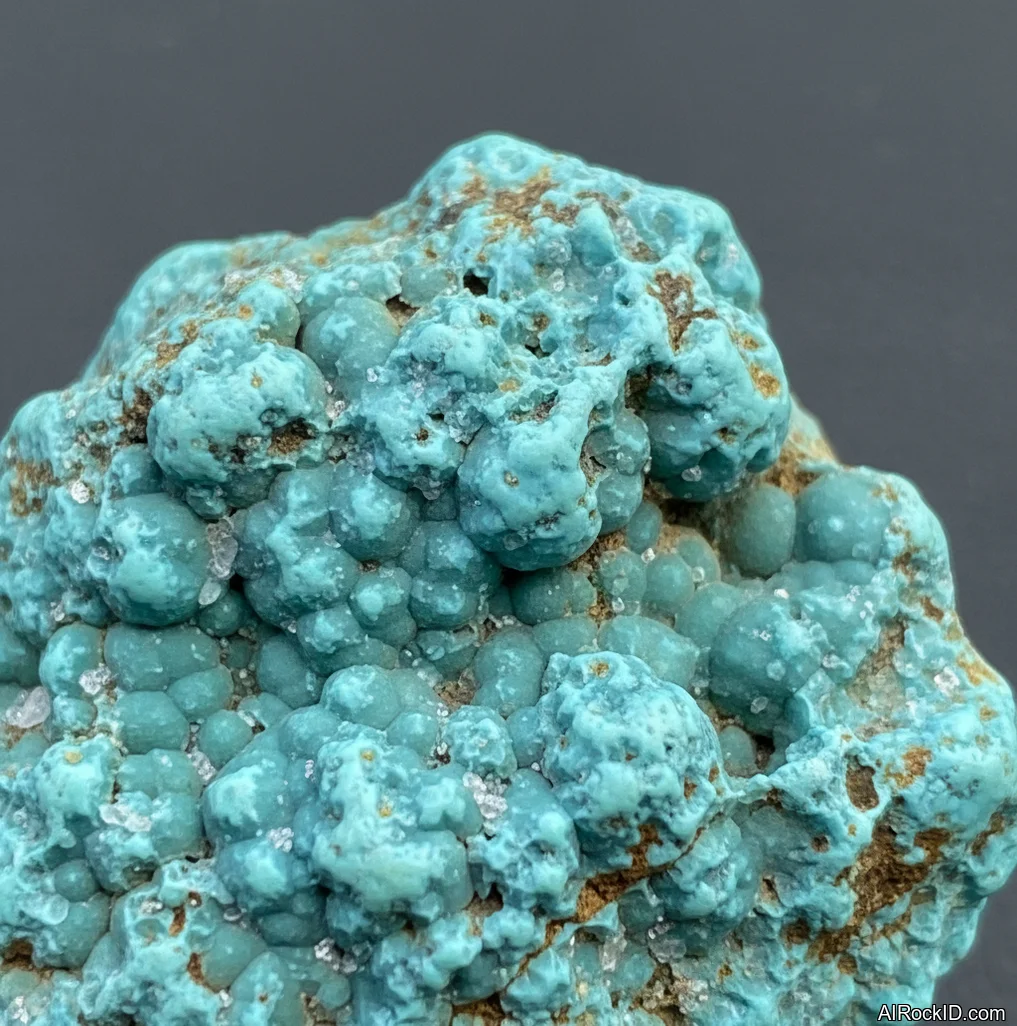
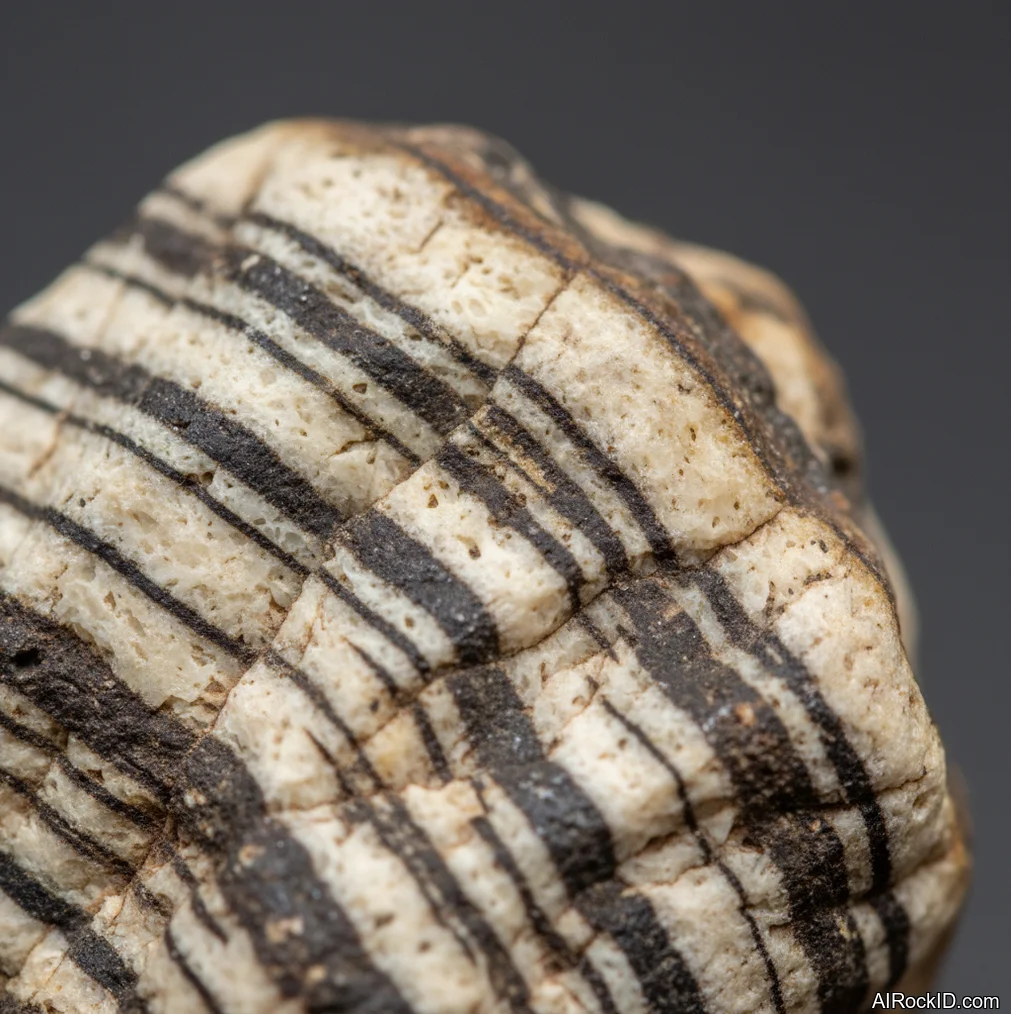
For people whose anxiety shows up as body tension, blue stones tend to draw the eye—especially blue lace agate. This one's banded chalcedony, usually a pale, sky-blue with soft white ribbons. Look closely and you'll see the banding isn't perfectly even; that's how you know it’s natural. Fake or dyed versions look almost too perfect, or the color pools in the cracks and around drilled holes. Real blue lace agate feels cool, a bit waxy, and the bands ripple when you rotate it under a lamp.
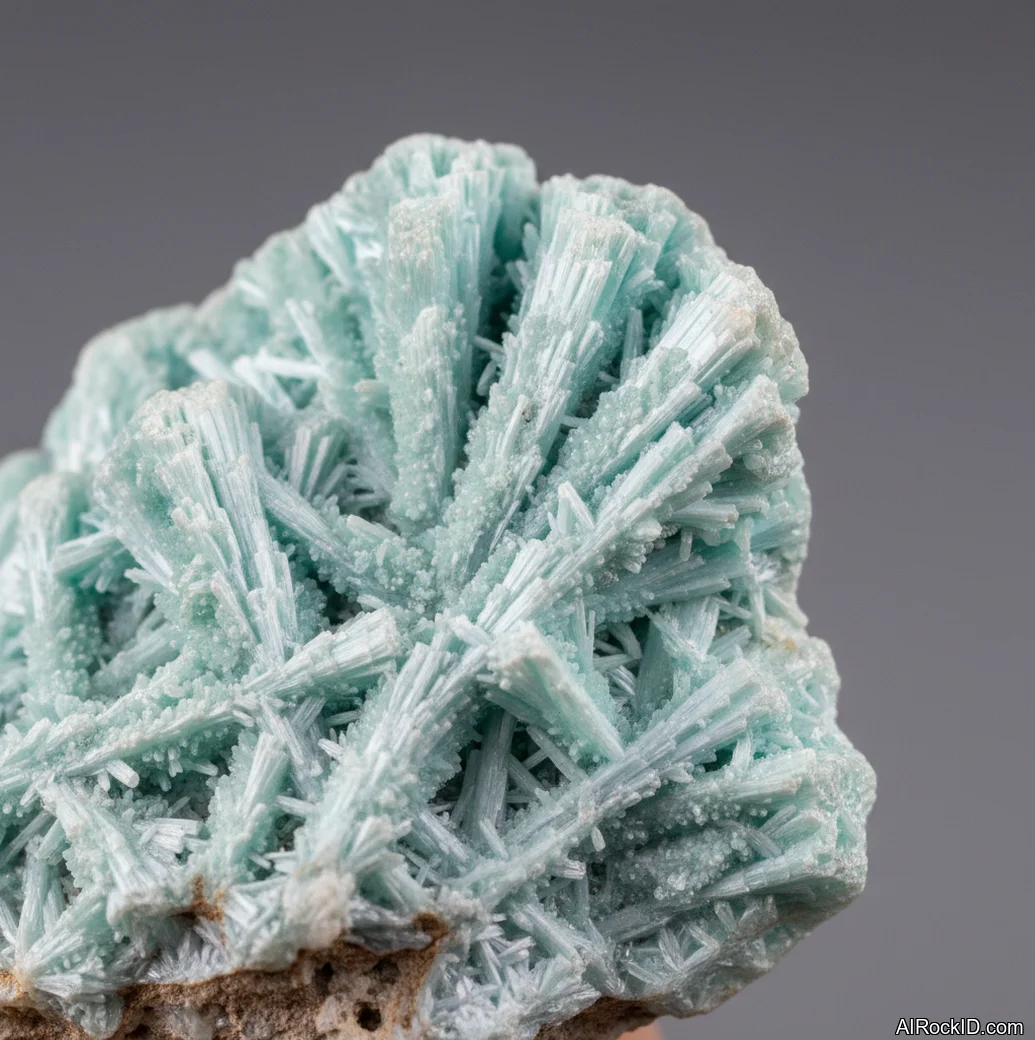
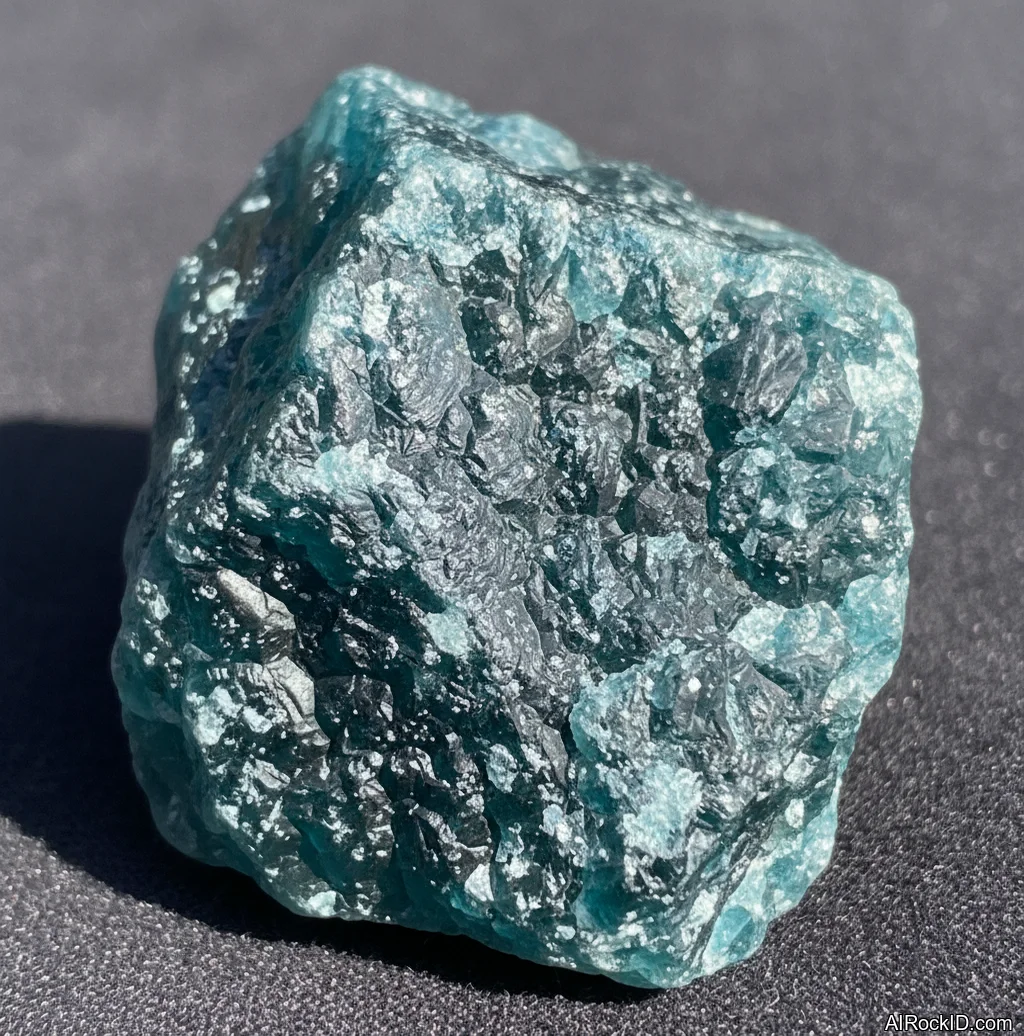
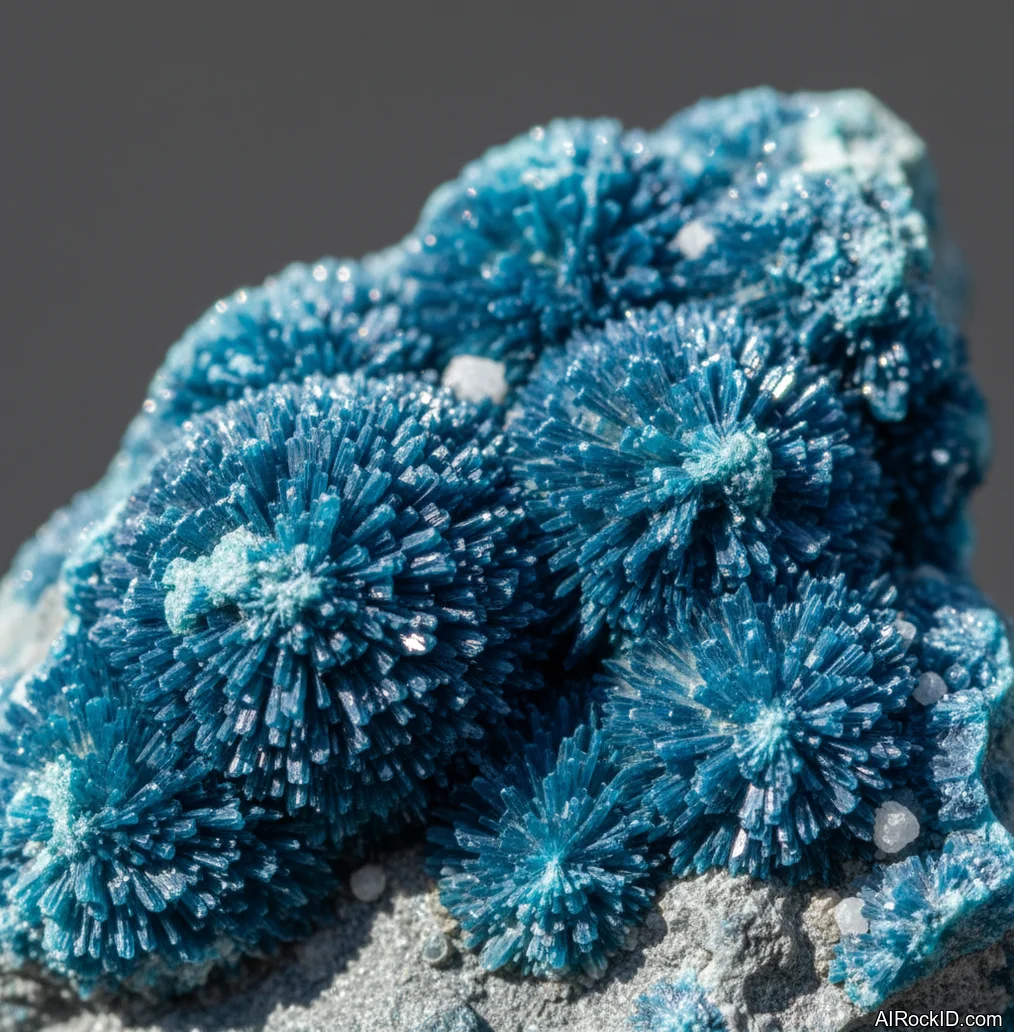
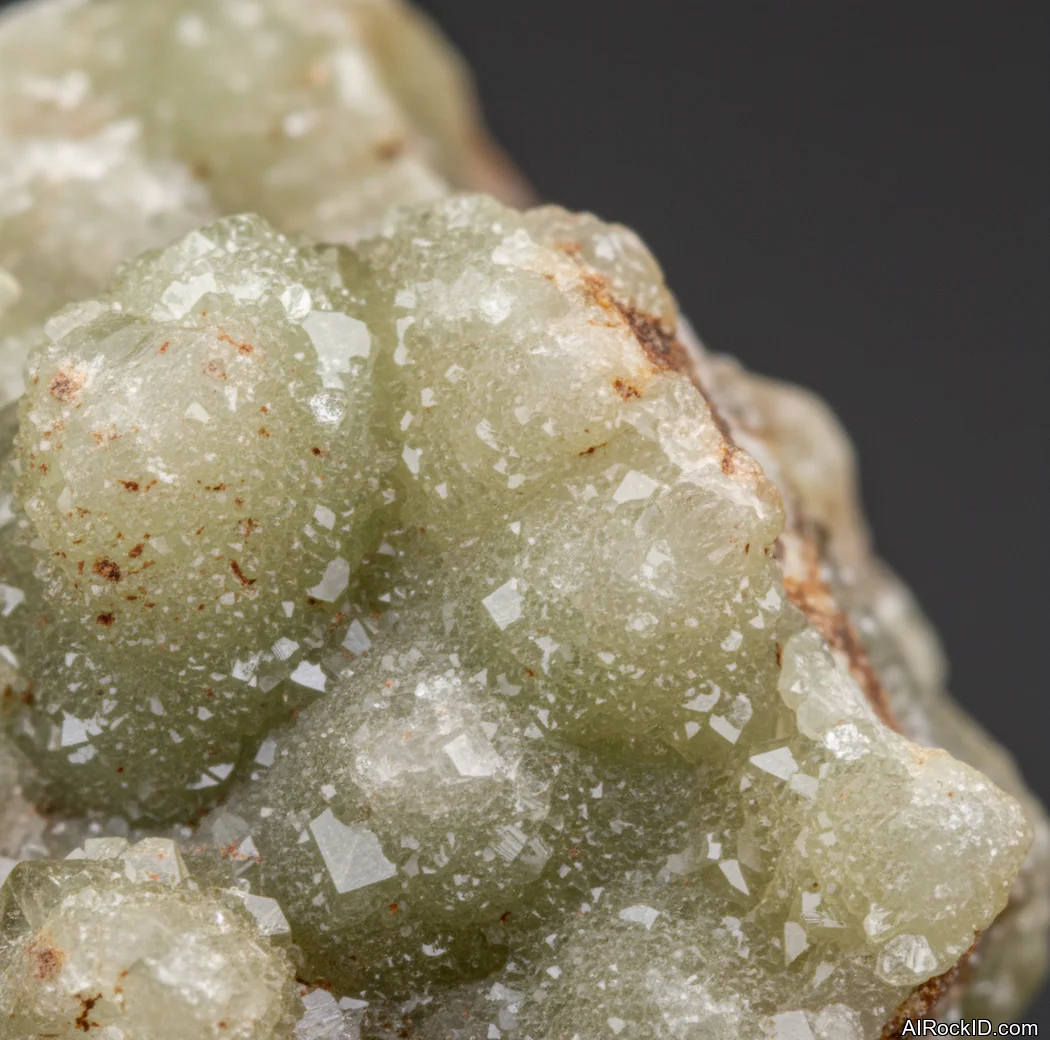
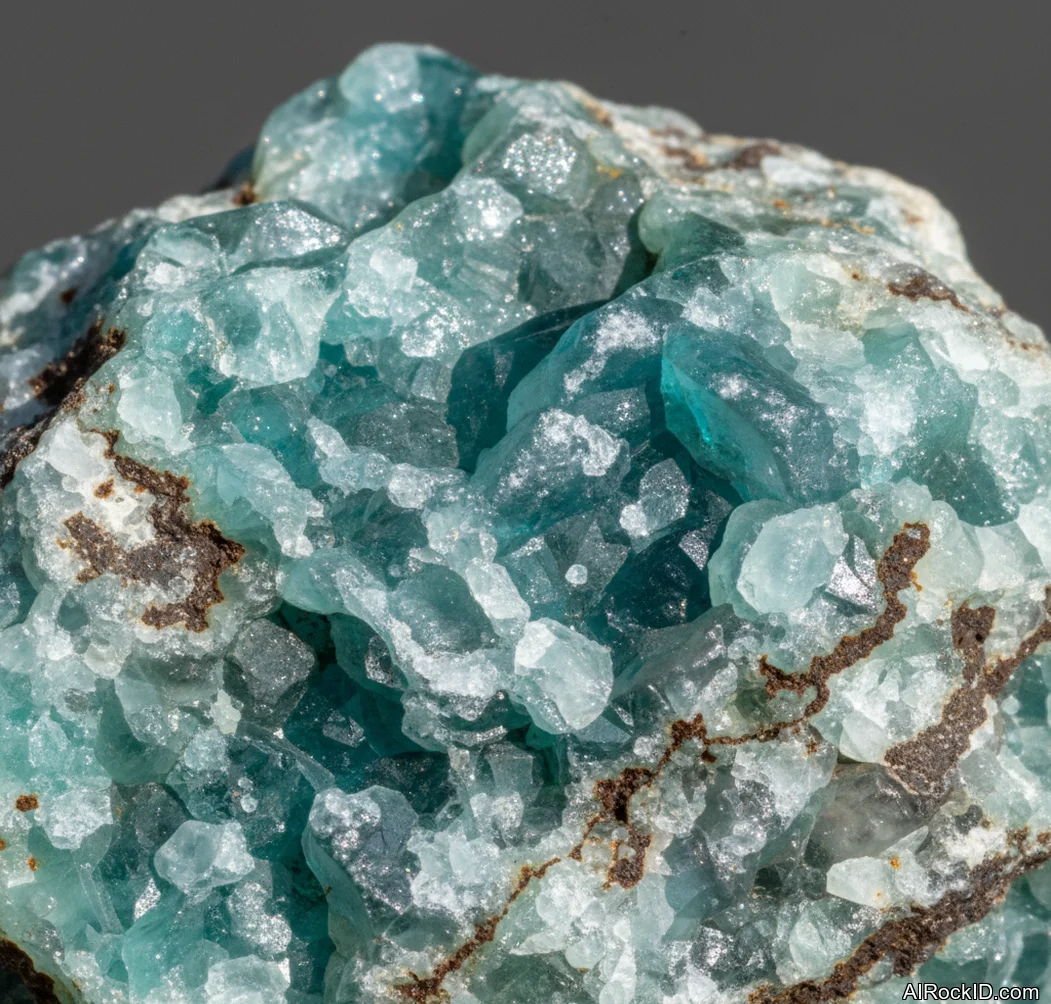
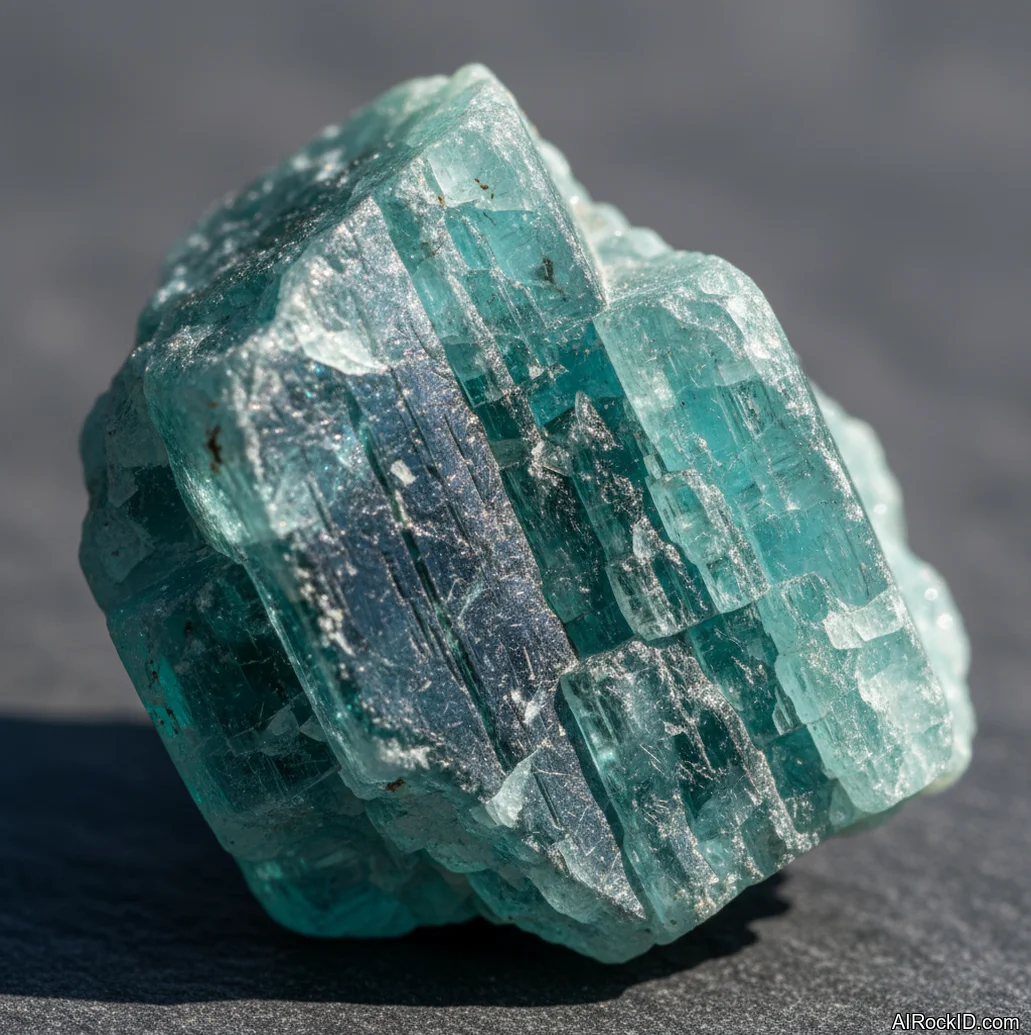
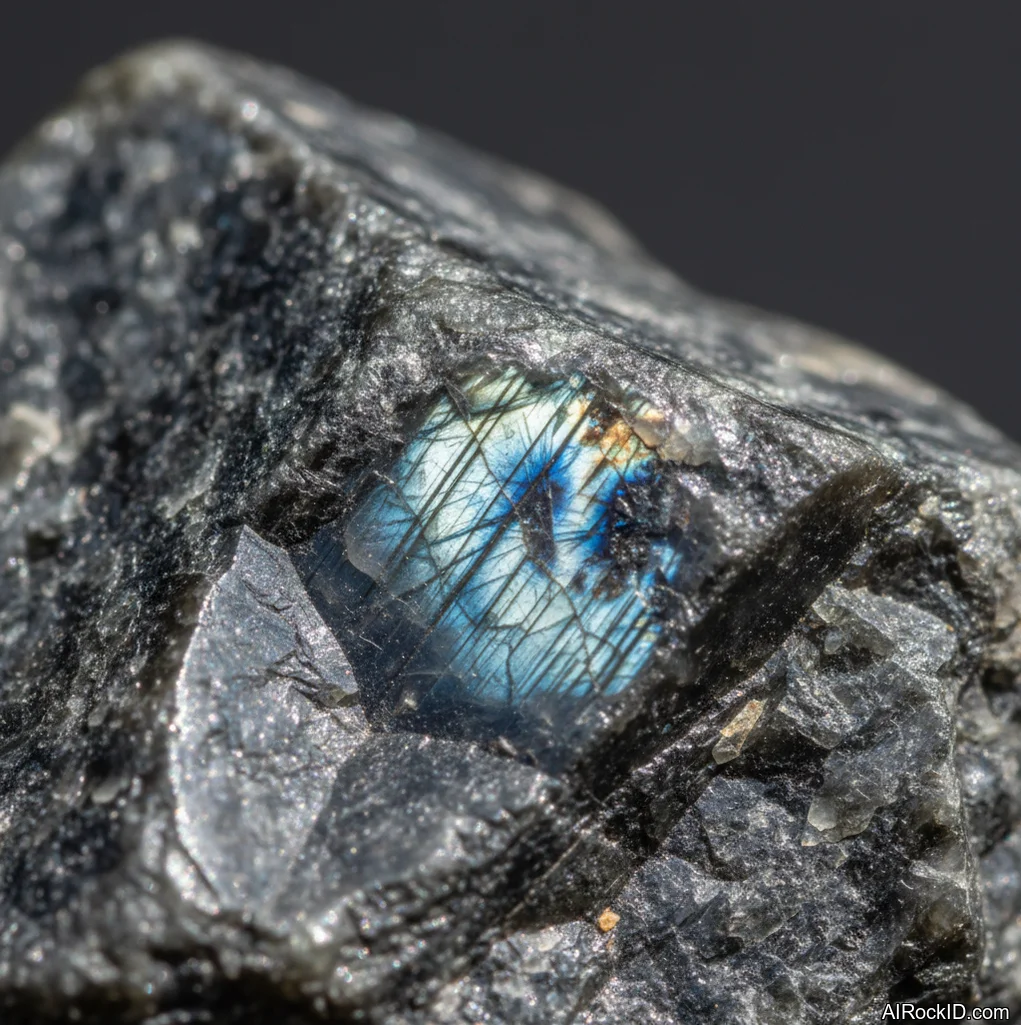
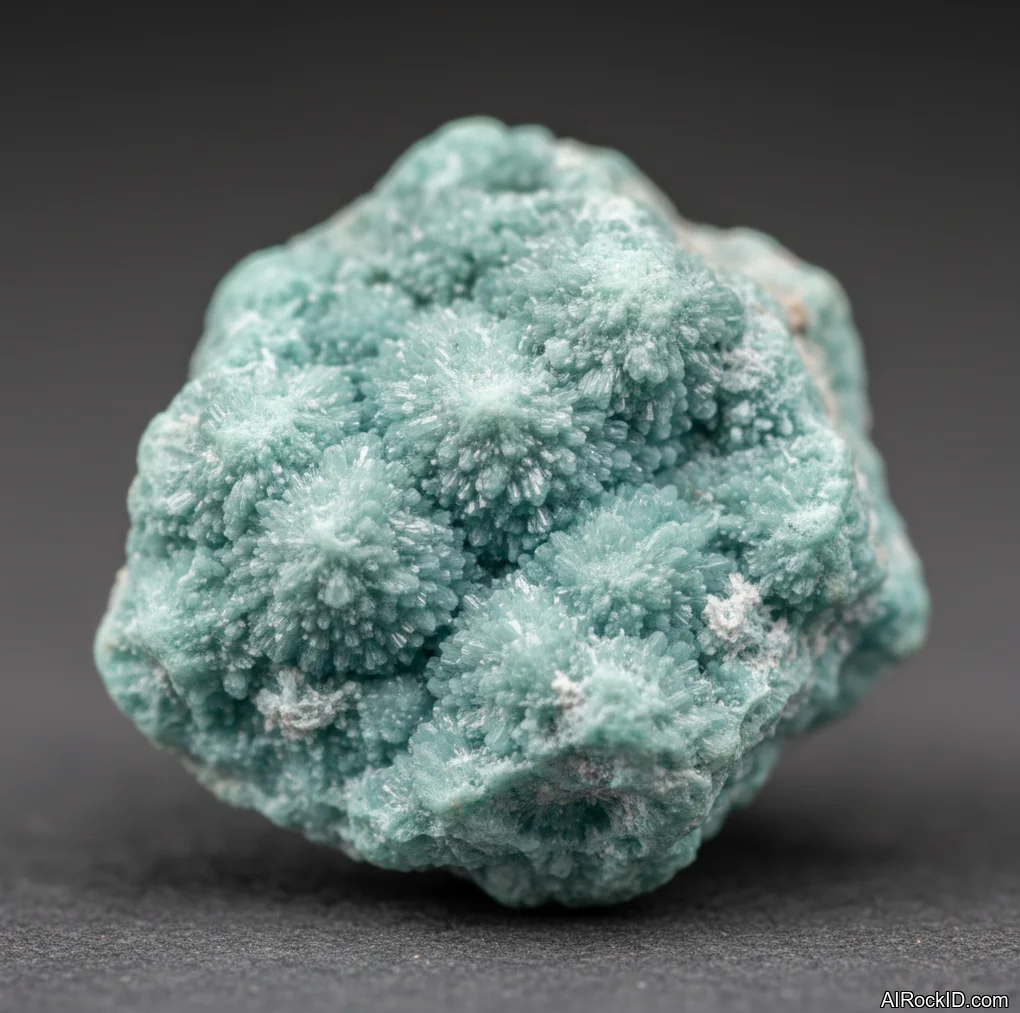
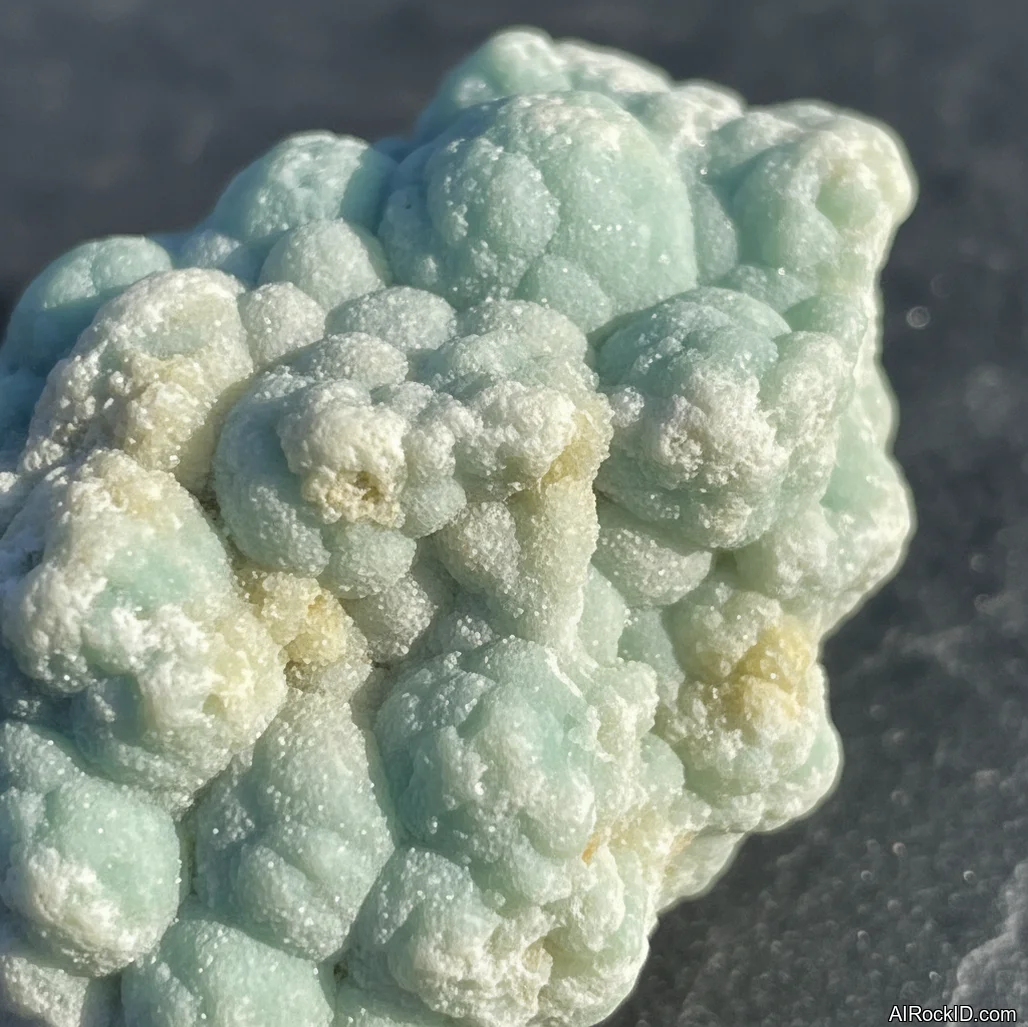
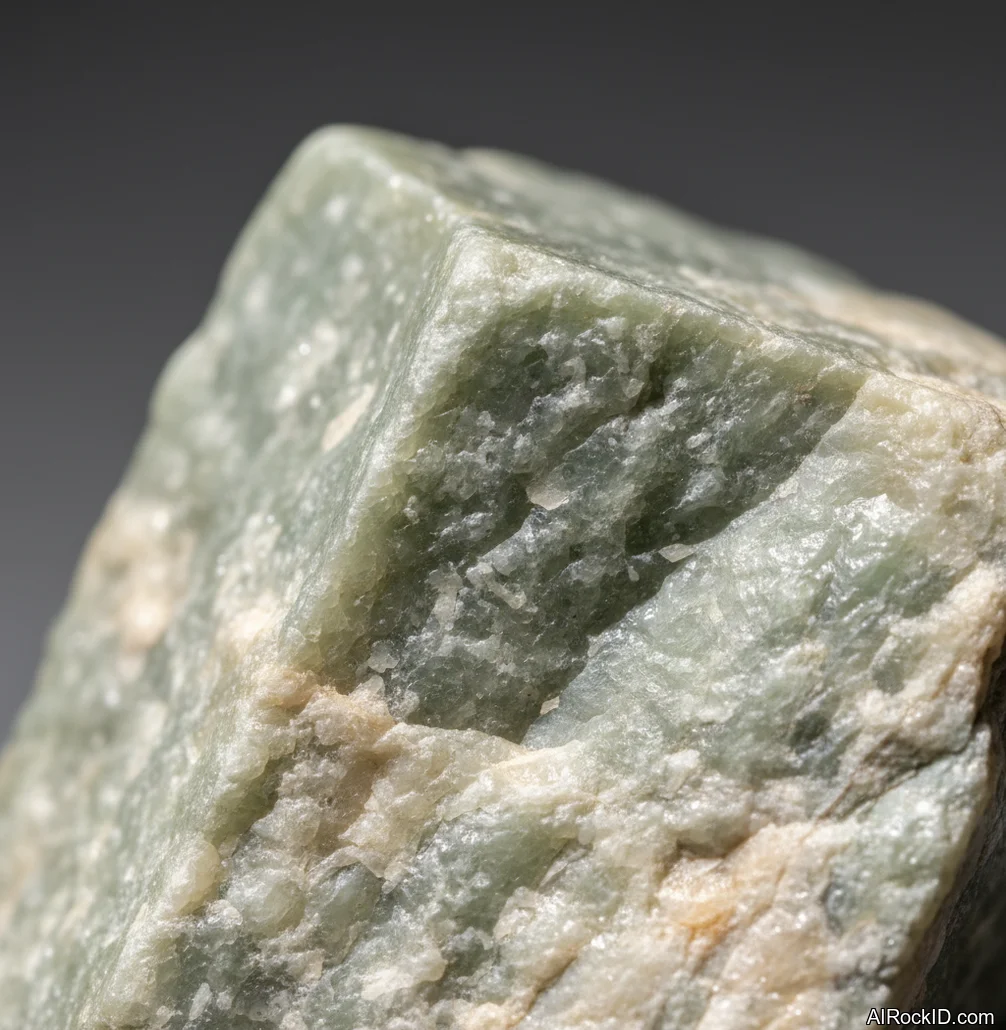
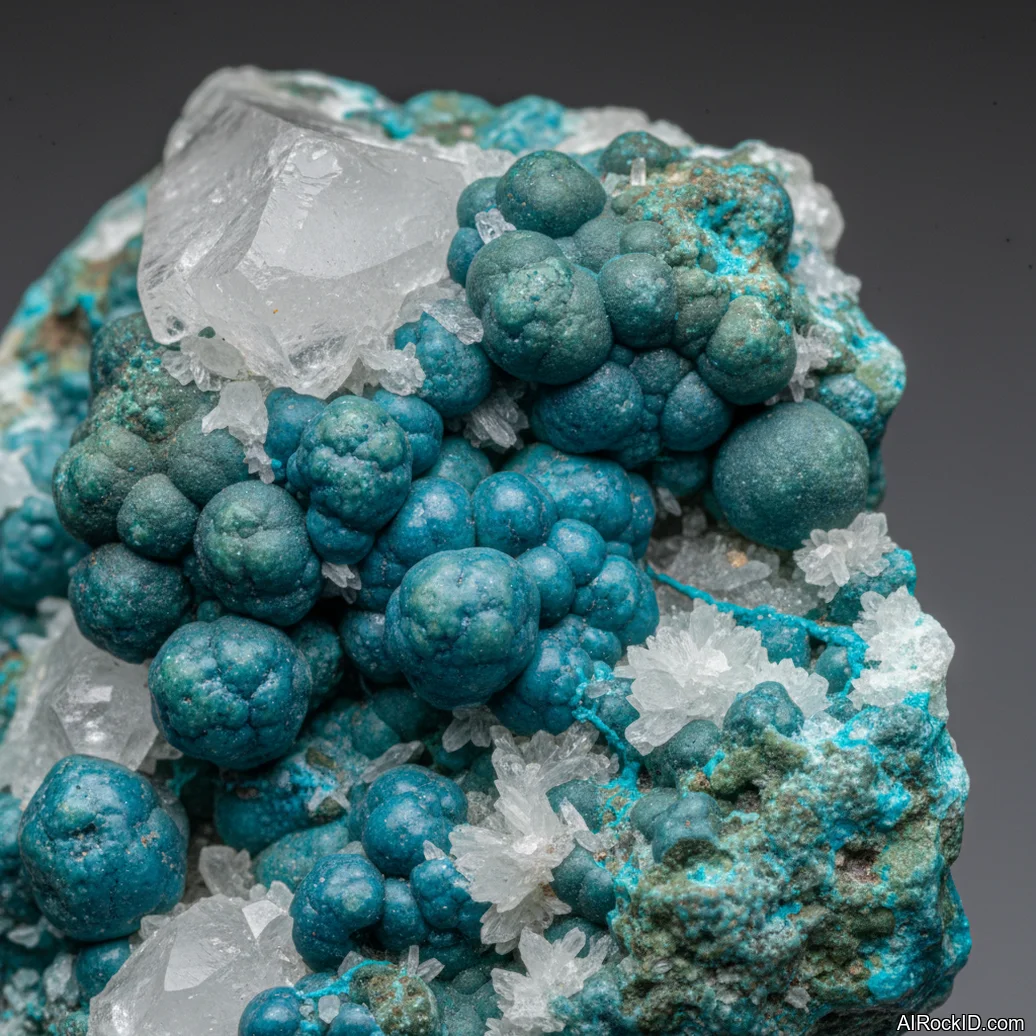
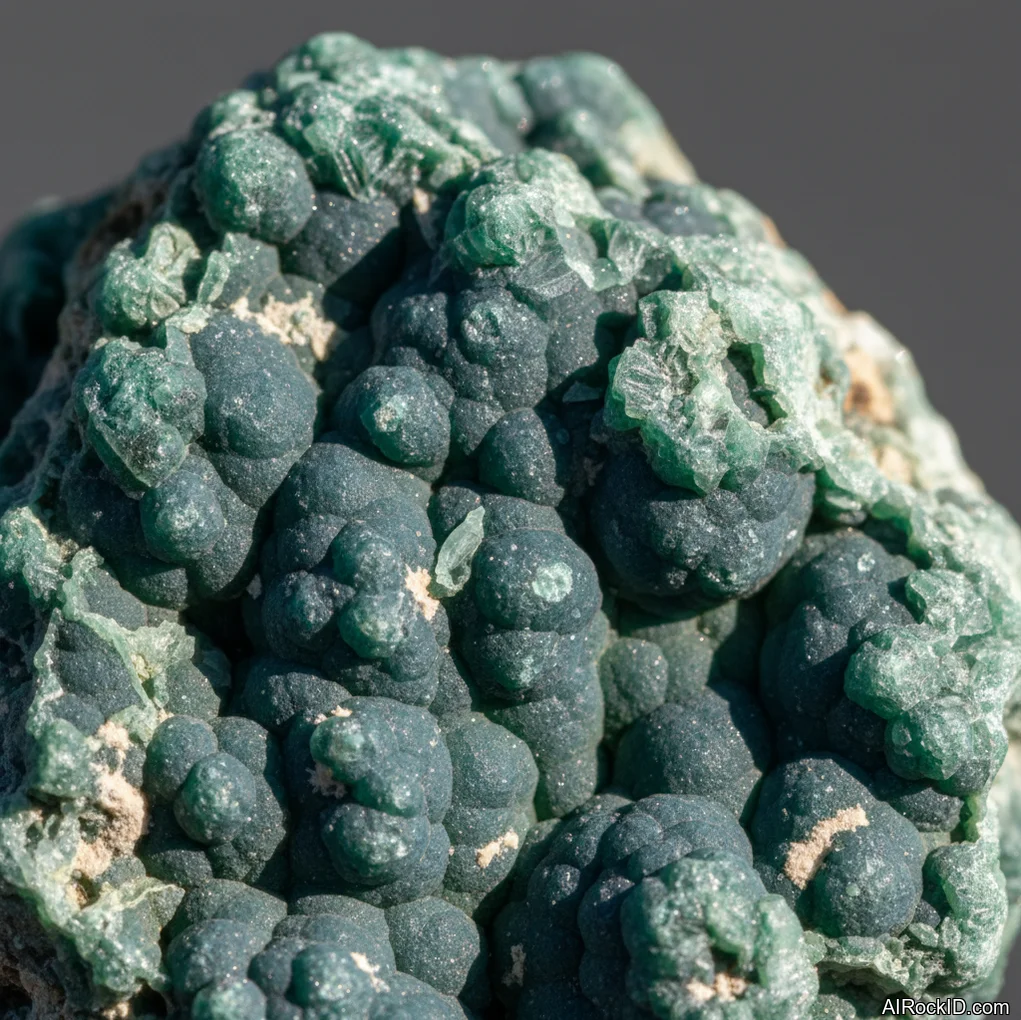
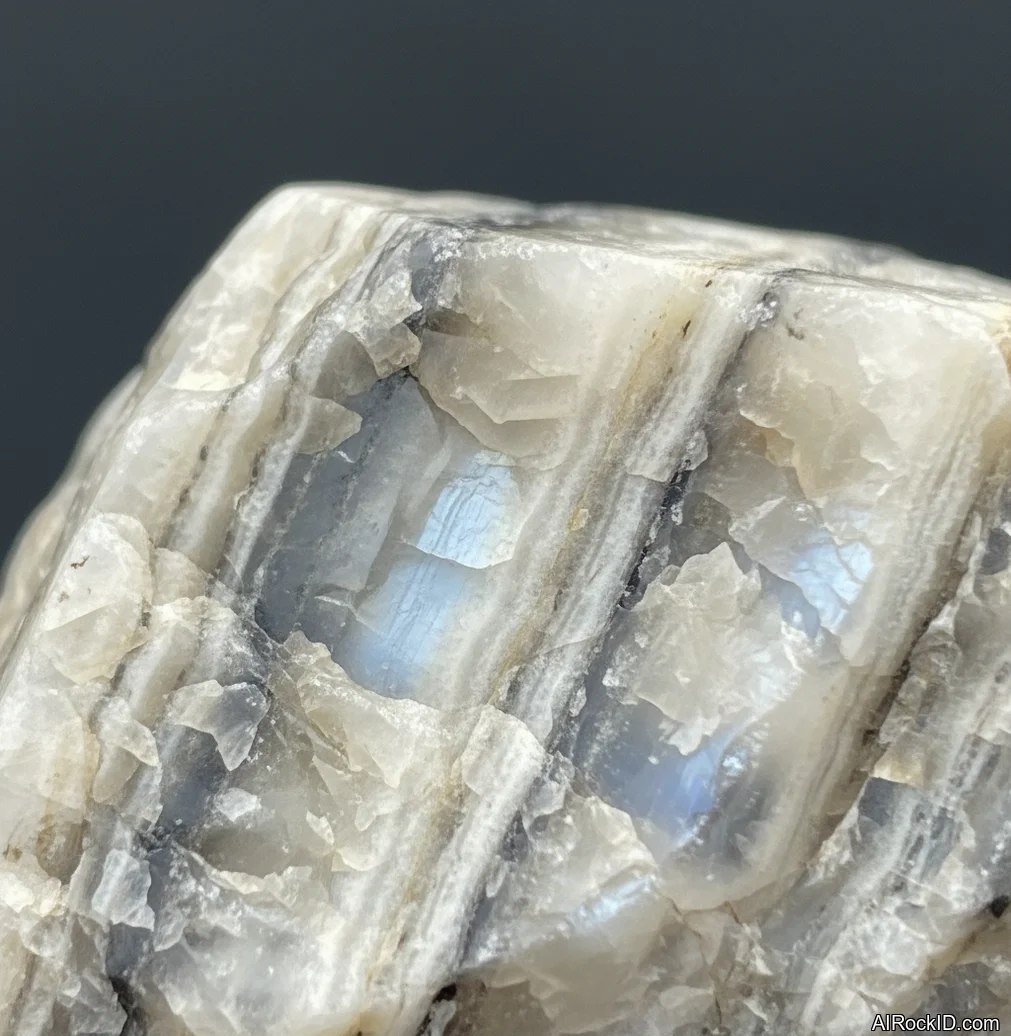
Amazonite is another favorite, especially if you want something a little tougher. It's got that robin's egg blue-green shade, sometimes streaked with white or pale yellow lines. Amazonite chunks from Russia often look blocky, with rough sides, and sometimes you’ll spot a silvery sheen where the light hits just right. Unlike lepidolite, amazonite can take a few hits without falling apart. Just don't leave it in direct sun or the color can fade over time.
Choosing and Using Anxiety Relief Crystals: Tips from Collectors
When picking an Anxiety Relief stone, skip what looks best online and go with what feels good in your hand. Palm stones with rounded edges suit people who want to squeeze stress out, while small, smooth tumbles work for fidgeting in a jacket pocket. If you’re gifting, check the recipient isn’t sensitive to minerals like mica, which can flake and leave residue on skin.
Display pieces are nice, but the real comfort comes from touch. Try holding different stones and pay attention to their temperature—real amethyst and agate stay cool longer than glass or resin fakes. Keep in mind, some sellers dye or stabilize soft minerals, so always ask about treatments if you care about purity. Finally, don’t be afraid to swap stones if one isn’t helping. Collectors go through phases; what calms you today might not work a year from now, and that’s fine.
Best Anxiety Relief Crystals to Start With
| Level | Crystal | Note |
| Gentle / Beginner | Blue Lace Agate | Natural, soft blue bands and smooth texture make it easy to hold and soothing to look at, with no sharp edges or fragility. |
| Balanced / Everyday | Amethyst | Medium-tone amethyst is sturdy, easy to find, and feels cool in the hand—works for both pocket carry and display. |
| Intense / Advanced | Lepidolite | High lithium content and sheet-like structure give a distinctly calming tactile feel, but it’s fragile and needs mindful handling. |
| Best for Carrying | Amazonite | Tougher than lepidolite or agate, with a smooth finish and steady color; stands up to pockets, bags, and daily handling. |
| Best for Display | Uruguayan Amethyst Cluster | Deep purple, sharp points, and strong visual presence make it ideal for setting on a desk or shelf where light can catch the crystals. |
Anxiety Relief Crystal Comparison
| Crystal | Common Use | Feel / Use Style | Care Caution |
| Lepidolite | Physical anchor for calming nerves, pocket stone, worry stone | Flaky, sheet-like, soft lavender shimmer, delicate layers | Bruises and peels easily; avoid dropping or keeping with harder stones |
| Amethyst | Steady, calming presence for mind chatter; palm stone or cluster for focus | Cool, hard, smooth to slightly rough points; varies from pale to deep purple | Points chip if knocked; color can fade in sunlight |
| Blue Lace Agate | Soothing visual stone for breathwork, gentle grounding | Smooth, cool, with subtle banding; feels calming and waxy | Some pieces are dyed; avoid prolonged water exposure |
| Amazonite | Tough beginner stone for daily stress; pocket or palm stone | Robust, blocky, slightly waxy, robin’s egg blue-green with white streaks | Color fades in direct sun; edges can chip if dropped |
How to Identify Anxiety Relief Crystals with AI Rock ID
To identify Anxiety Relief crystals with an AI Rock ID app, take clear photos in natural daylight—one wide shot of the whole piece and a close-up of the texture or banding. Upload both angles so the app can compare color, luster, and pattern details. Check the suggested matches against physical traits like hardness and streak using a scratch test if you can. The app helps spot differences between, say, natural blue lace agate and dyed agate or between lepidolite and similar-looking mica minerals.
All Anxiety Relief Crystals (241)