Rhodusite
What Is Rhodusite?
Rhodusite is basically a trade name. There isn’t any widely accepted, officially defined mineral species sitting behind it. I’m putting that up front because it matters: if there’s no real species definition, you can’t responsibly pin down hardness, density, or refractive index the way you can with quartz or garnet.
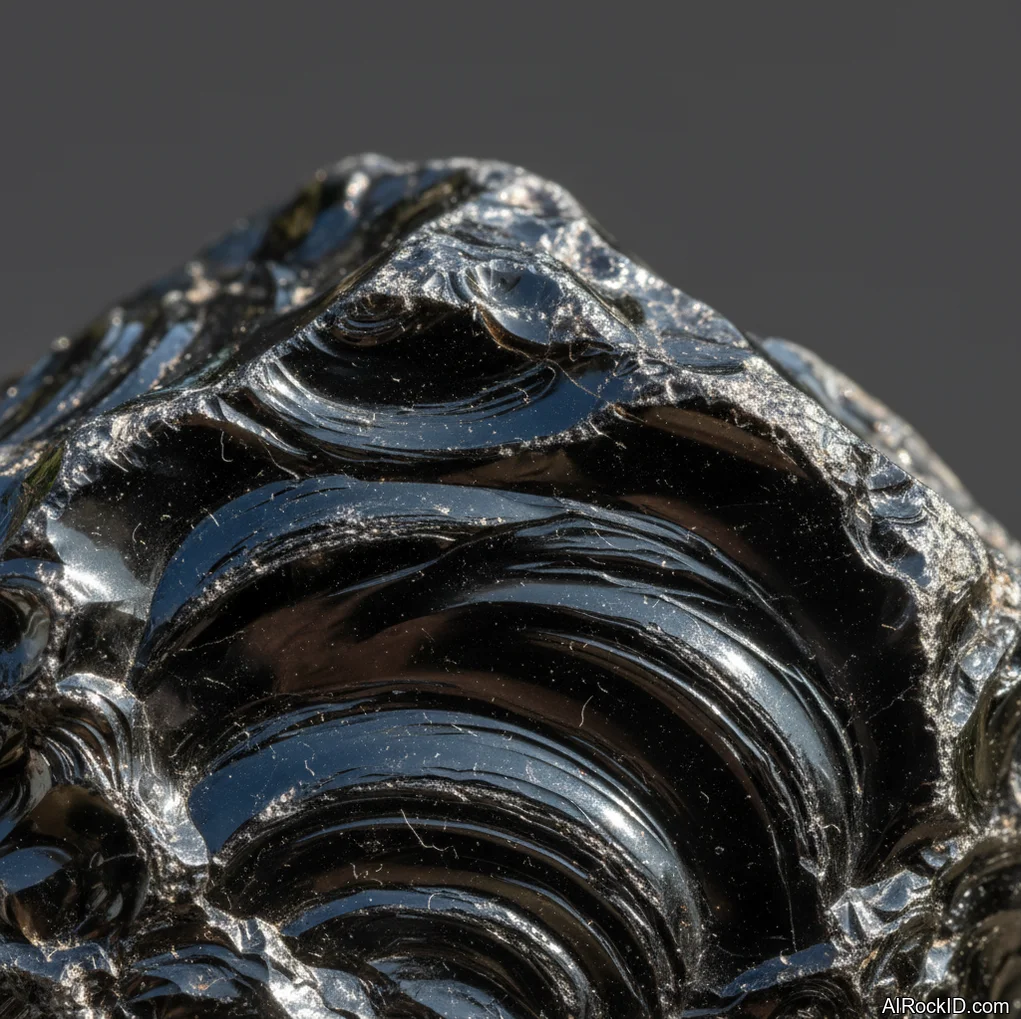
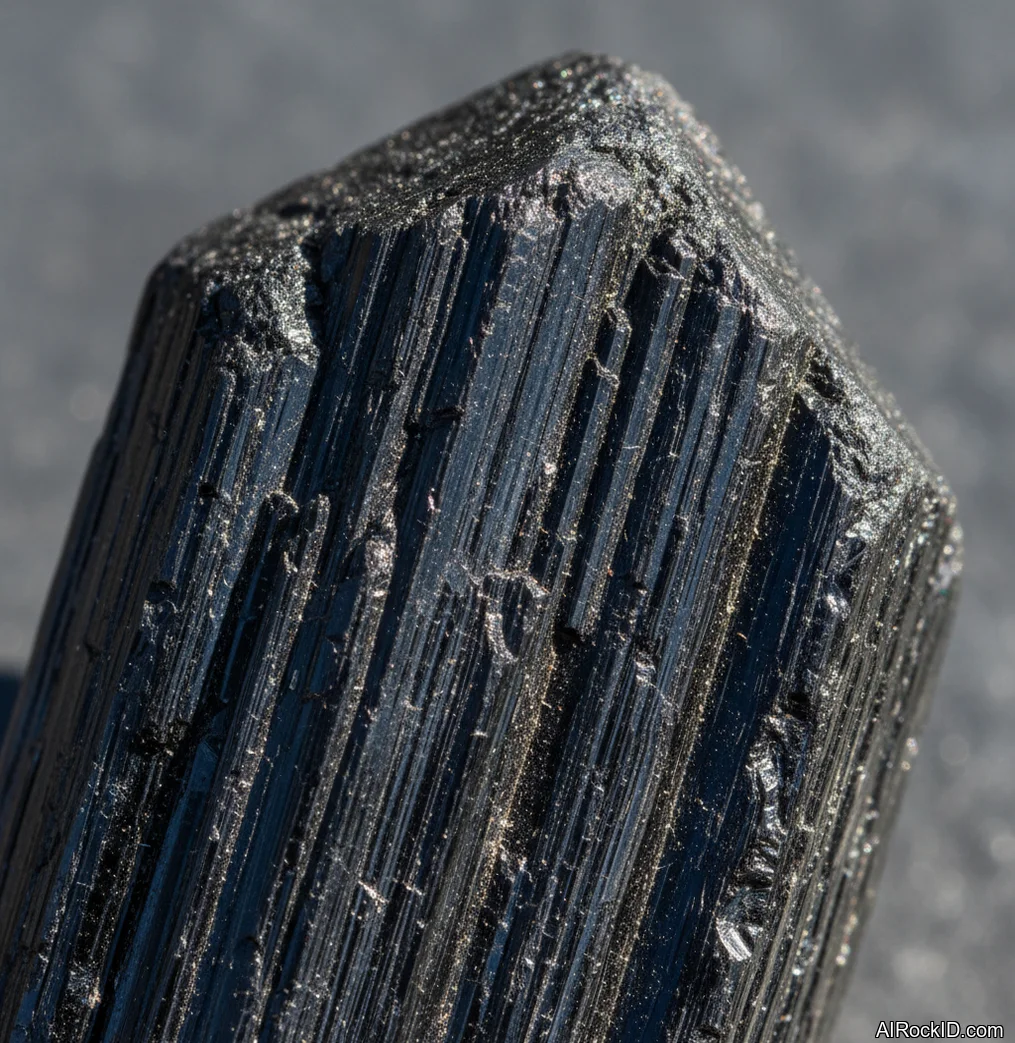
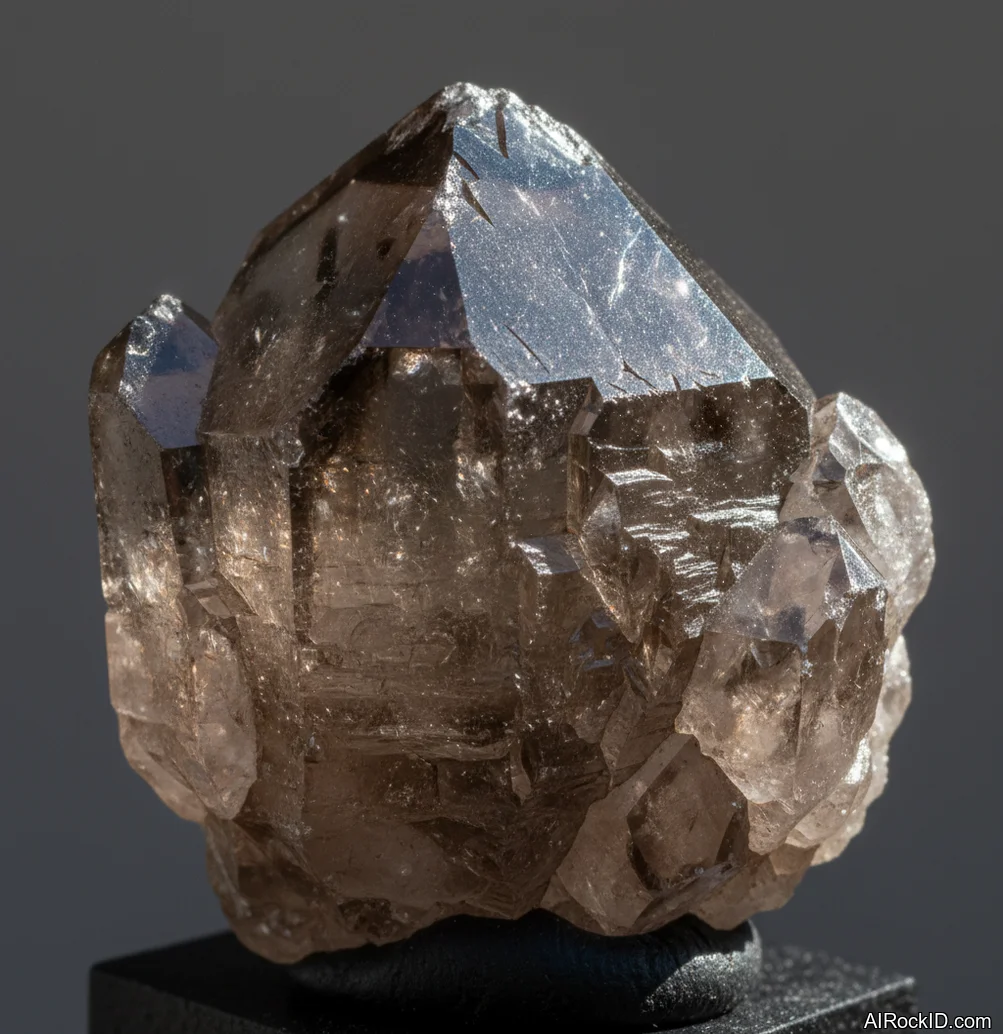
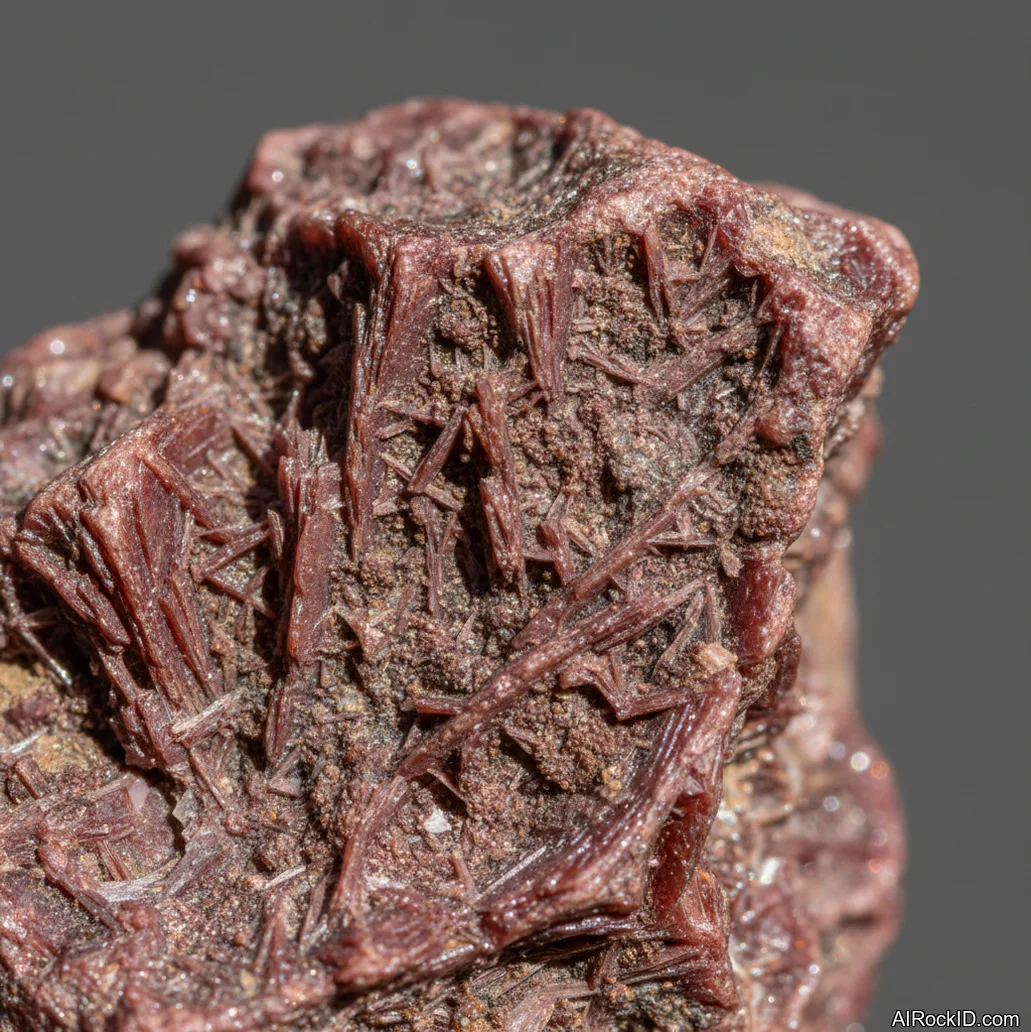
Pick up something being sold as “rhodusite” and the first thing that hits you is how inconsistent it is from seller to seller. I’ve handled one piece that felt like a dense, basalt-y river stone, with that dull, heavy-in-the-palm vibe. And I’ve had another that looked more like a dark serpentine chunk, with a slightly greasy feel on the surface when you turn it under your fingers. Same label. Totally different rock in the hand. That’s usually the tell, right? You’re looking at a marketing name, not a mineral you can cleanly key out.
At a glance, most “rhodusite” I’ve come across is dark. Black to deep brown, sometimes with muted reddish tones. It’s often sold tumbled, which just makes the ID problem worse because tumbling wipes out the little surface hints you’d normally lean on, like cleavage traces, grain boundaries, or tiny crystal faces (the stuff you’d squint at under a light).
Origin & History
Most dealers can’t point you to a first-description paper, a type locality, or an IMA approval because “rhodusite” doesn’t have that backbone. In mineral-world terms, that’s a red flag. Real species come with receipts: who described it, where the type specimen lives, plus what the chemistry and structure are.
As for the name, I’ve seen people toss it around like it’s tied to Rhodes (the place) or “rhod-” like red, but the way it gets used isn’t standardized at all. So here’s the practical takeaway: treat it like a label that needs verification. Same way you’d treat “green onyx” (often calcite) or “lemon quartz” (often treated). Why assume it’s legit if nobody can show you the paperwork?
Where Is Rhodusite Found?
Because “rhodusite” isn’t a defined mineral species, there isn’t a reliable list of producing localities. Listings that name countries are usually describing a seller’s supply chain, not a documented occurrence.
Formation
Without a confirmed ID, you can’t give one single, true origin story for “rhodusite.” That’s the honest bit. One batch could be a metamorphic rock. Another might be altered ultramafic material. And, sure, another could be a man-made mix that still sails through casual shop tests.
So look hard at the texture and the context if you can. Can you see tiny grains, or is it more of a smooth, dead-opaque surface? If it’s fine-grained, opaque, and takes a high tumble polish (that glassy, almost “wet” shine you get after a long run), it might be something like jasper, basalt, or another microcrystalline or very fine rock. But if it feels slightly soapy or waxy in your fingers and you’re catching fibrous-looking streaks when you tilt it under a light, you might be in serpentine territory.
Thing is, those point to completely different geologic stories, and the name “rhodusite” doesn’t tell you which one you’re actually holding.
How to Identify Rhodusite
Color: Most pieces sold as rhodusite are black to dark brown, sometimes with a faint red or mahogany cast under warm light. Color tends to be fairly uniform, especially in tumbled stones.
Luster: Usually dull to waxy when rough, and glassy-looking only after a strong polish.
Pick up two pieces from two sellers and compare the feel. Real minerals of a single species don’t swing from “light and chalky” to “heavy and slick” the way trade-name material can. If you scratch it with a steel needle and it powders easily, you’re probably not dealing with a hard silicate. The real test is to ask for an ID: species name, hardness test result, and ideally a quick gemology readout (RI or at least specific gravity), because the label alone won’t get you there.
Properties of Rhodusite
Physical Properties
| Crystal System | Amorphous |
| Hardness (Mohs) | None (None) |
| Density | None |
| Luster | Waxy |
| Diaphaneity | Opaque |
| Fracture | None |
| Streak | None |
| Magnetism | Non-magnetic |
| Colors | Black, Dark brown, Mahogany |
Chemical Properties
| Classification | Unknown |
| Formula | None |
| Elements | |
| Common Impurities |
Optical Properties
| Refractive Index | None |
| Birefringence | None |
| Pleochroism | None |
| Optical Character | None |
Rhodusite Health & Safety
Handling it is usually pretty low risk, but the real hazards hinge on what the stone actually is. If you’re going to cut or grind it, assume you don’t know what you’ve got and take dust control seriously (that fine powder gets everywhere, even on your sleeves).
Safety Tips
Use a respirator and keep the cut wet if you’re shaping or drilling. Rock dust gets everywhere (you’ll feel that gritty film on your fingers), so wash your hands after you’re done handling it.
Rhodusite Value & Price
Price Range
Rough/Tumbled: $5 - $40 per tumbled stone
Price usually follows two things: how clean the polish looks and the story the seller can sell, since the base material isn’t standardized in the first place. But once someone can actually prove what it is with paperwork from a lab (lab ID), the value starts to feel a lot less like guesswork.
Durability
Moderate — Scratch resistance: Fair, Toughness: Fair
Stability depends entirely on what the material really is, so avoid harsh chemicals and treat it like an unknown until it’s identified.
How to Care for Rhodusite
Use & Storage
Keep it in a separate pouch if it’s polished, since mystery stones can still scratch or get scratched depending on what they really are. And don’t store it in direct sun until you know if it’s dyed or treated.
Cleaning
1) Rinse under lukewarm water. 2) Use a drop of mild soap and your fingers or a soft brush. 3) Rinse again and pat dry.
Cleanse & Charge
If you do energy-style care, stick to low-drama methods like smoke, sound, or resting it on a dry bed of quartz chips. Avoid saltwater because you don’t know the material.
Placement
I’d place it like a worry stone or desk stone, somewhere you’ll actually touch it and notice how it feels over time. If it starts looking dull or leaving residue, pull it off textiles and re-check what you’ve got.
Caution
Don’t read too much into the name “rhodusite.” It doesn’t tell you anything reliable about hardness, water safety, or chemical resistance. So for now, skip the ultrasonic cleaner. And keep it away from acids and saltwater too, at least until you’ve had the stone properly identified.
Works Well With
Rhodusite Meaning & Healing Properties
Most people who pick up something labeled “rhodusite” are after a dark, grounding stone. Fair. Dark tumbles have this specific heft to them, that cool, slightly slick feel when you roll one between your fingers, and that alone can be enough to make you pause, take a breath, and quit spiraling for a minute. Simple. Physical. No grand claims.
But here’s the problem: if you don’t actually know what it is, you can’t compare notes with anyone in a useful way. One seller’s “rhodusite” might be a dense, iron-heavy rock that clacks hard against other stones in a dish, someone else’s might be serpentine, and another could be glassy slag that feels oddly smooth and a little too light for its size. I’ve handled enough mystery tumbles at shows to tell you, they can feel completely different even when they look basically the same sitting in a bowl under bad lights.
So if you still want to use it, keep it practical. Treat it like a tactile anchor during meditation. Or carry it as a pocket stone when you want something heavier and quieter than clear stuff like quartz. And if you’re using crystals for wellness, keep that in the personal-practice lane, not medical care (seriously, don’t blur those lines).
Identify Any Crystal Instantly
Snap a photo and get properties, value, care instructions, and healing meanings in seconds.