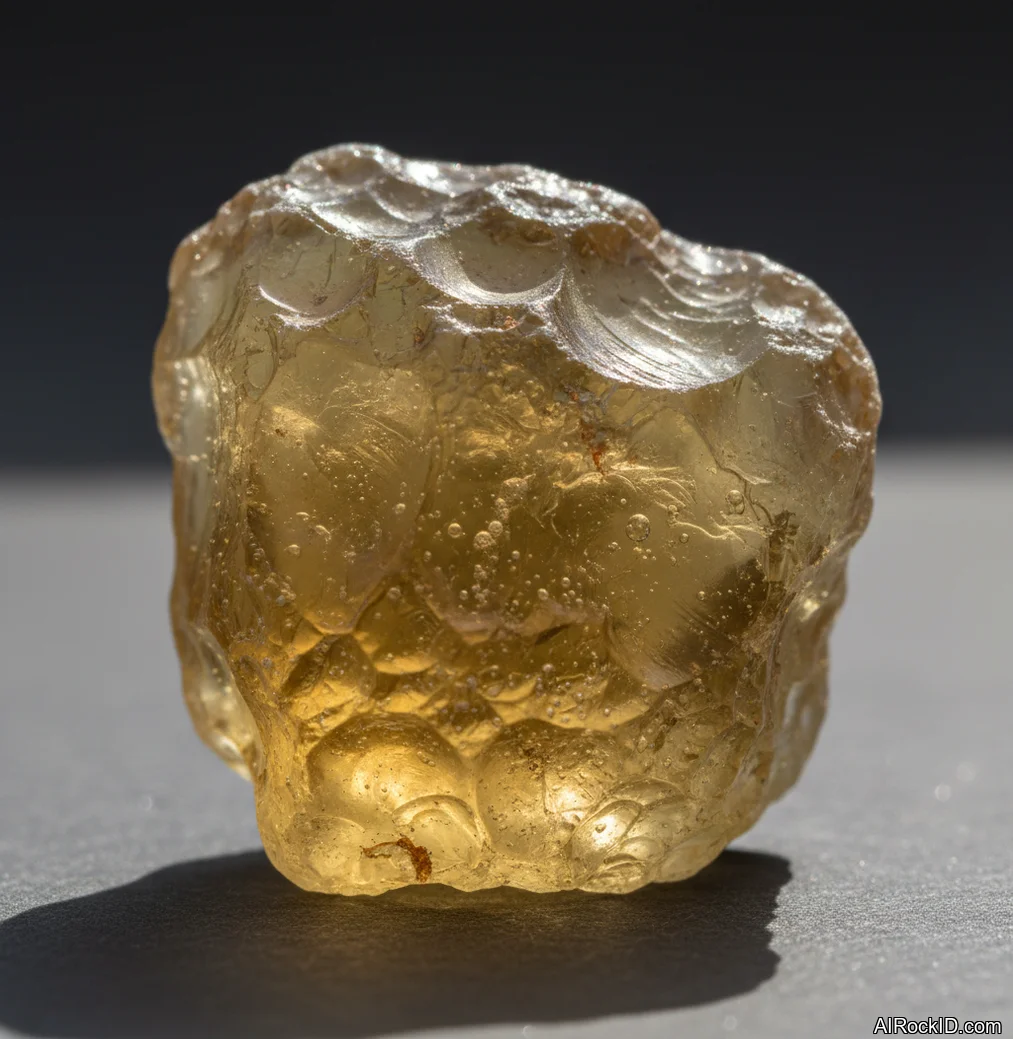
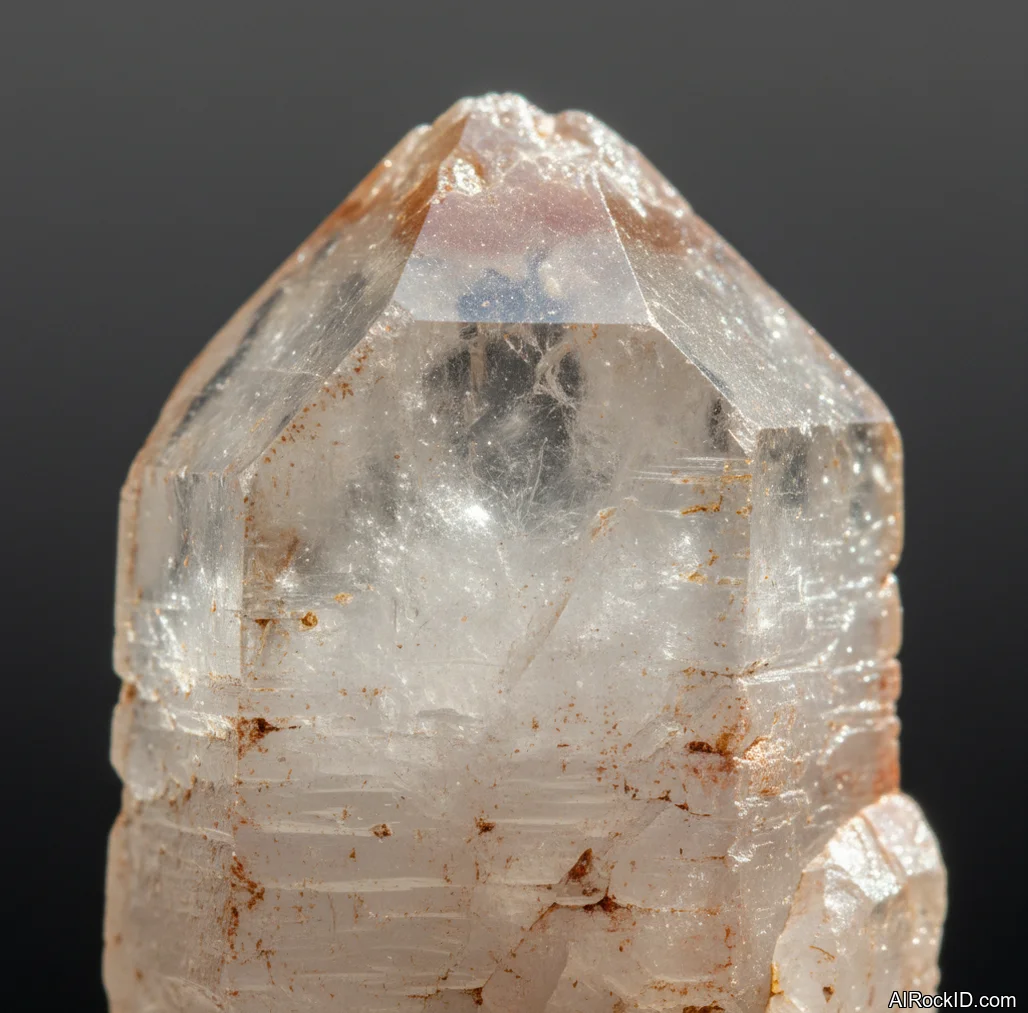
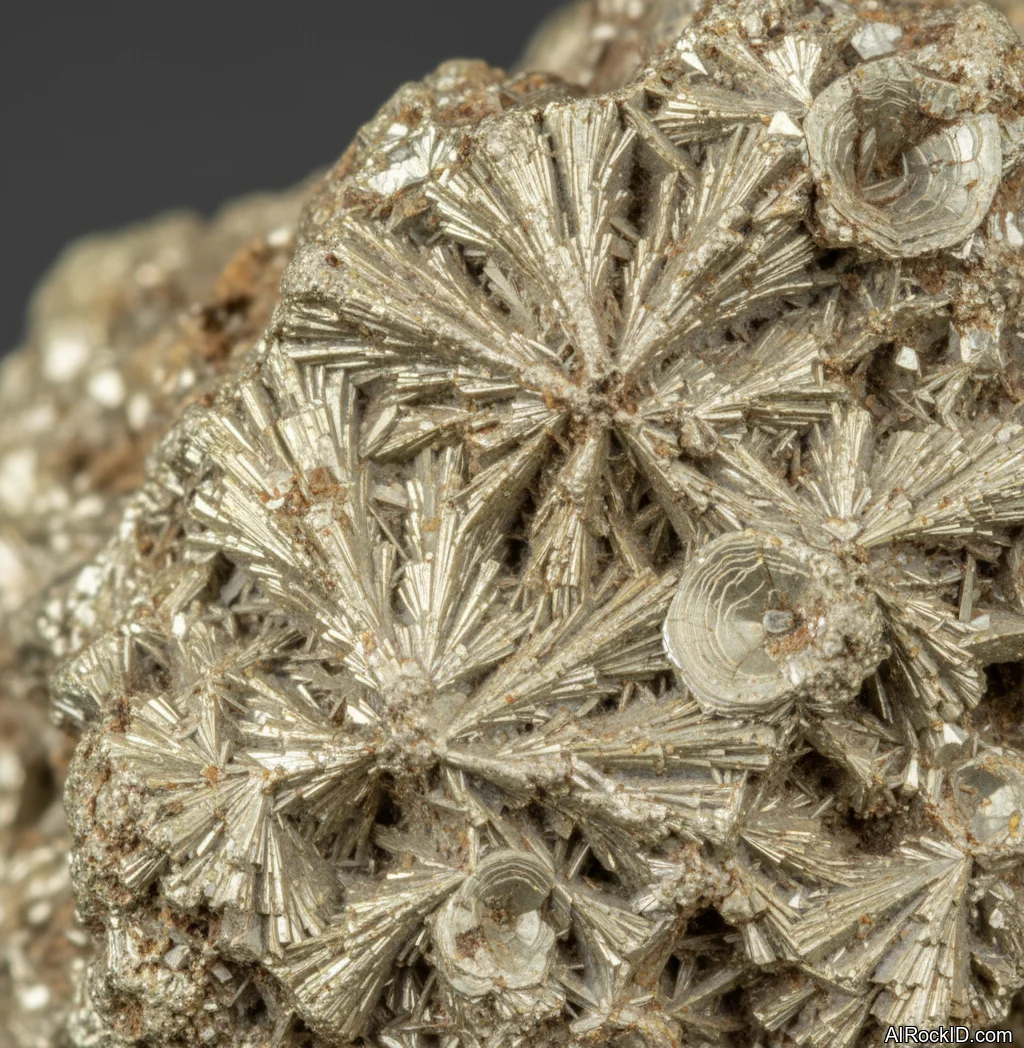
Intuition Crystals
Explore Intuition crystals, what the property means, top stones like labradorite and amethyst, plus buying tips and simple ways to use them daily.
Intuition, in crystal terms, is that quiet nudge that shows up before your brain catches up. Not the loud, anxious voice that spirals. The calm “yes” or “no” that hits your body first. People chase it because life’s noisy. You’ve got a hundred opinions coming at you, and intuition helps you sort what’s yours from what you picked up from everyone else.
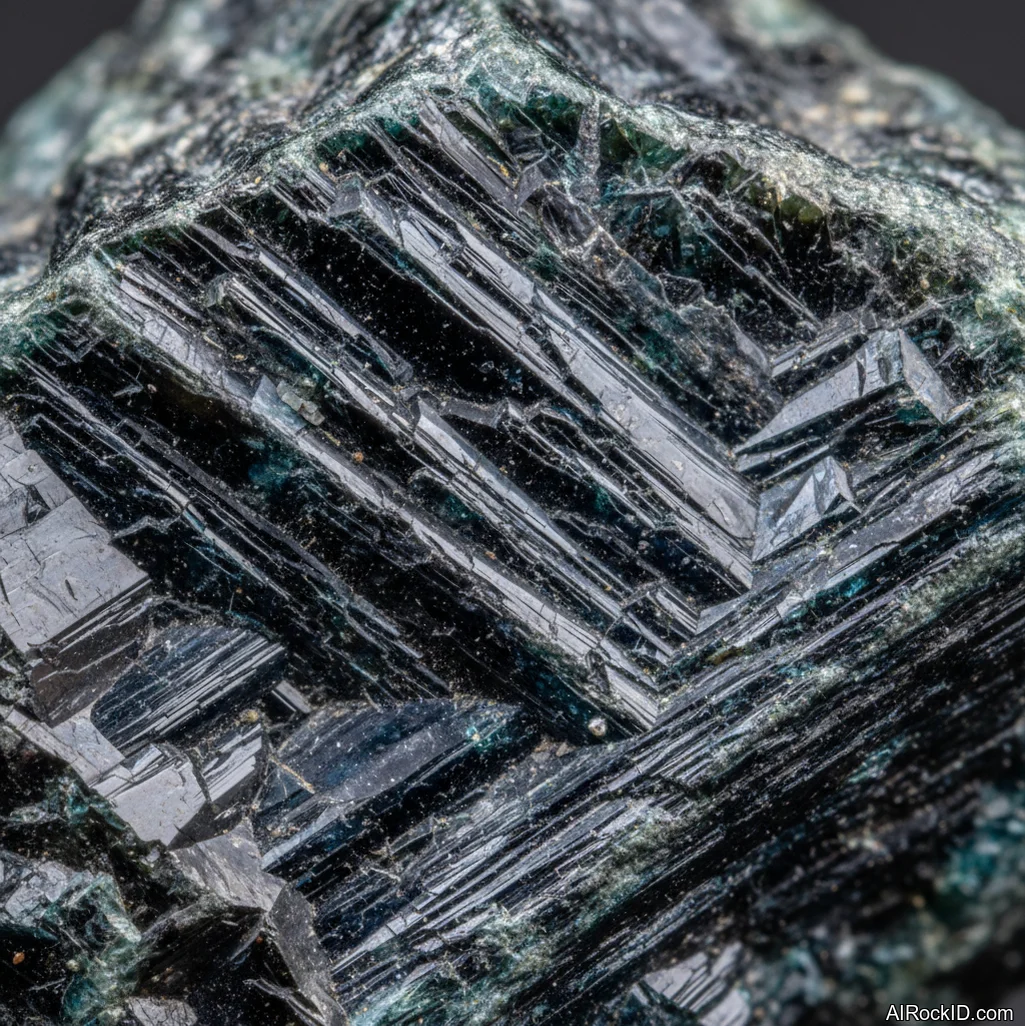
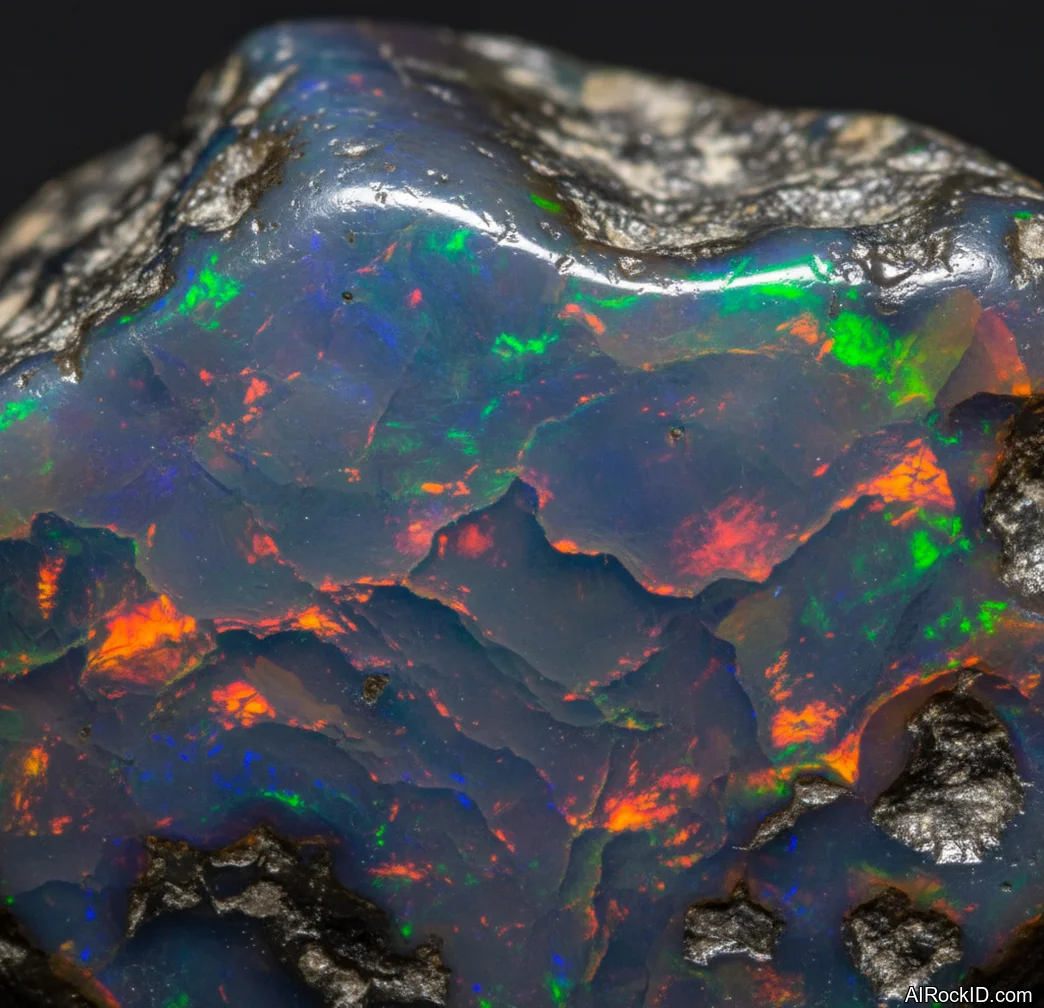
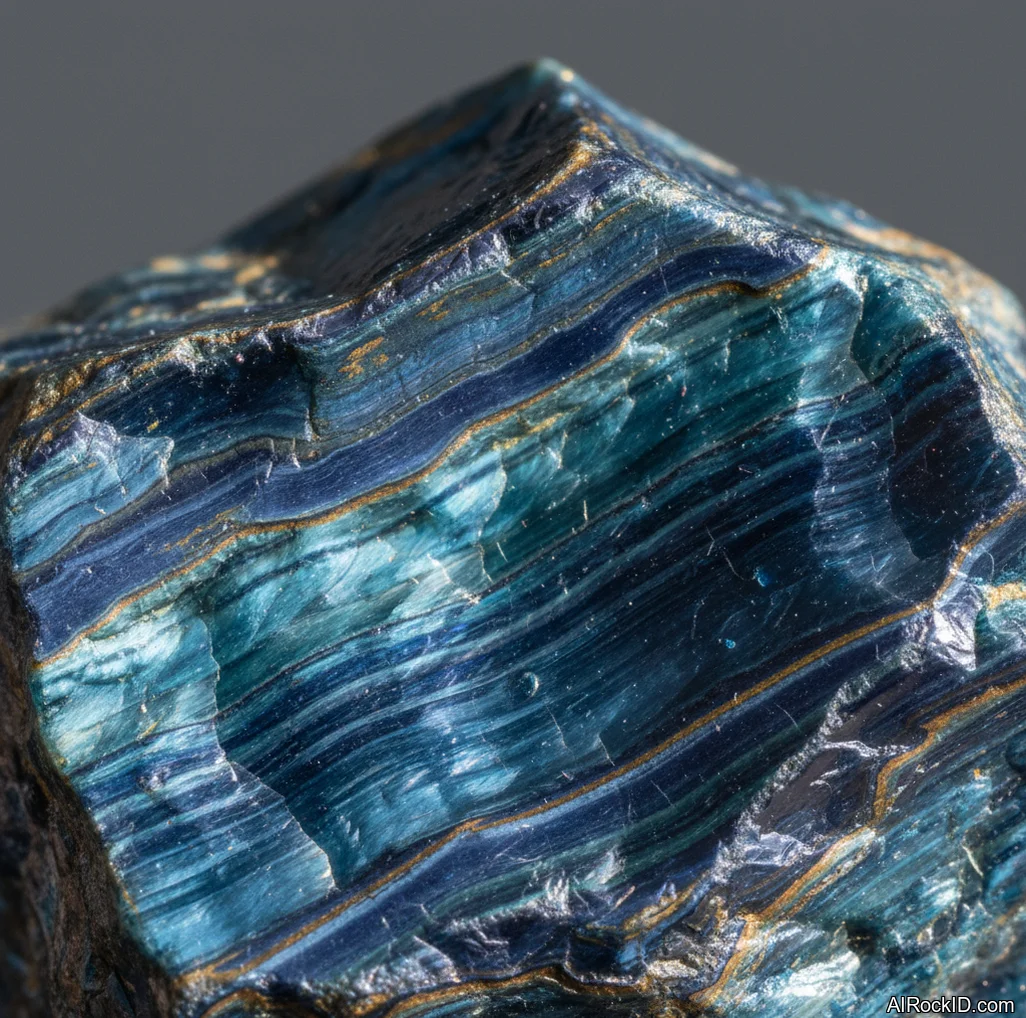
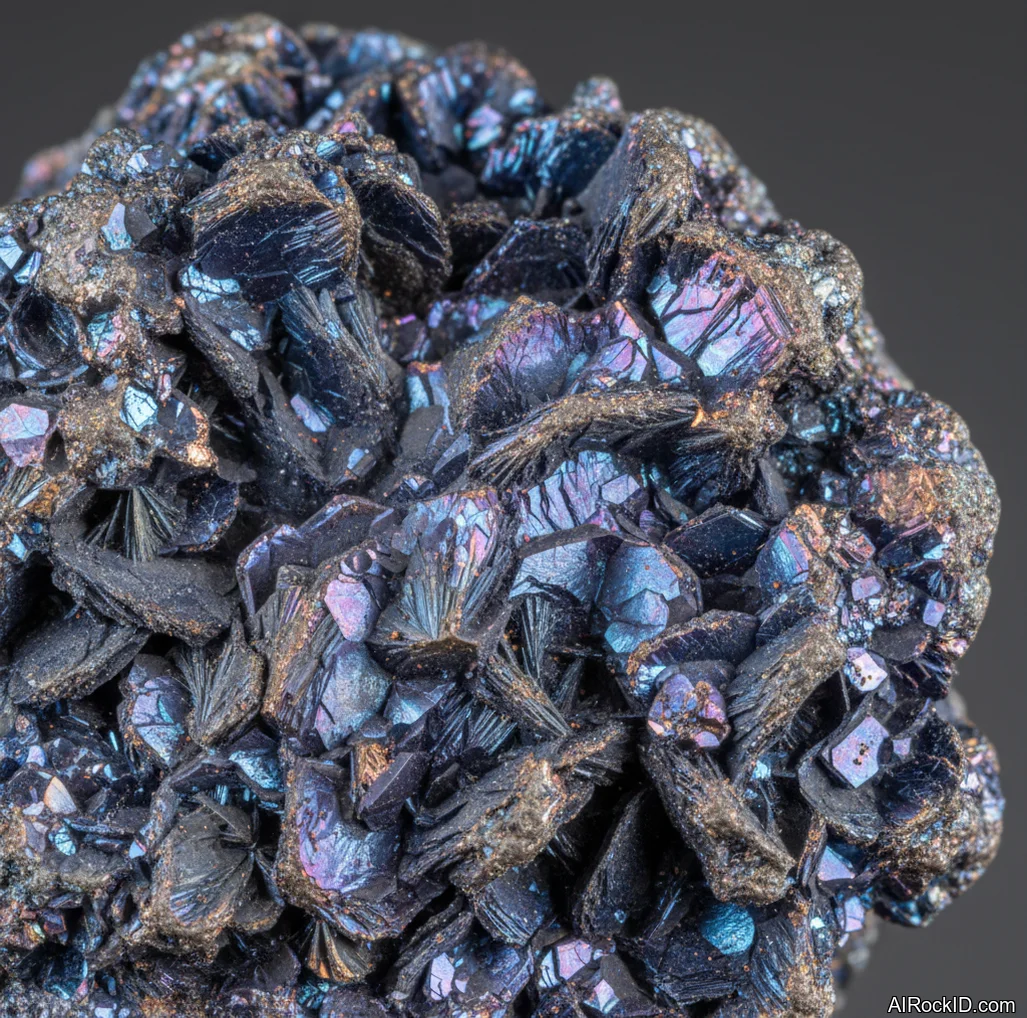
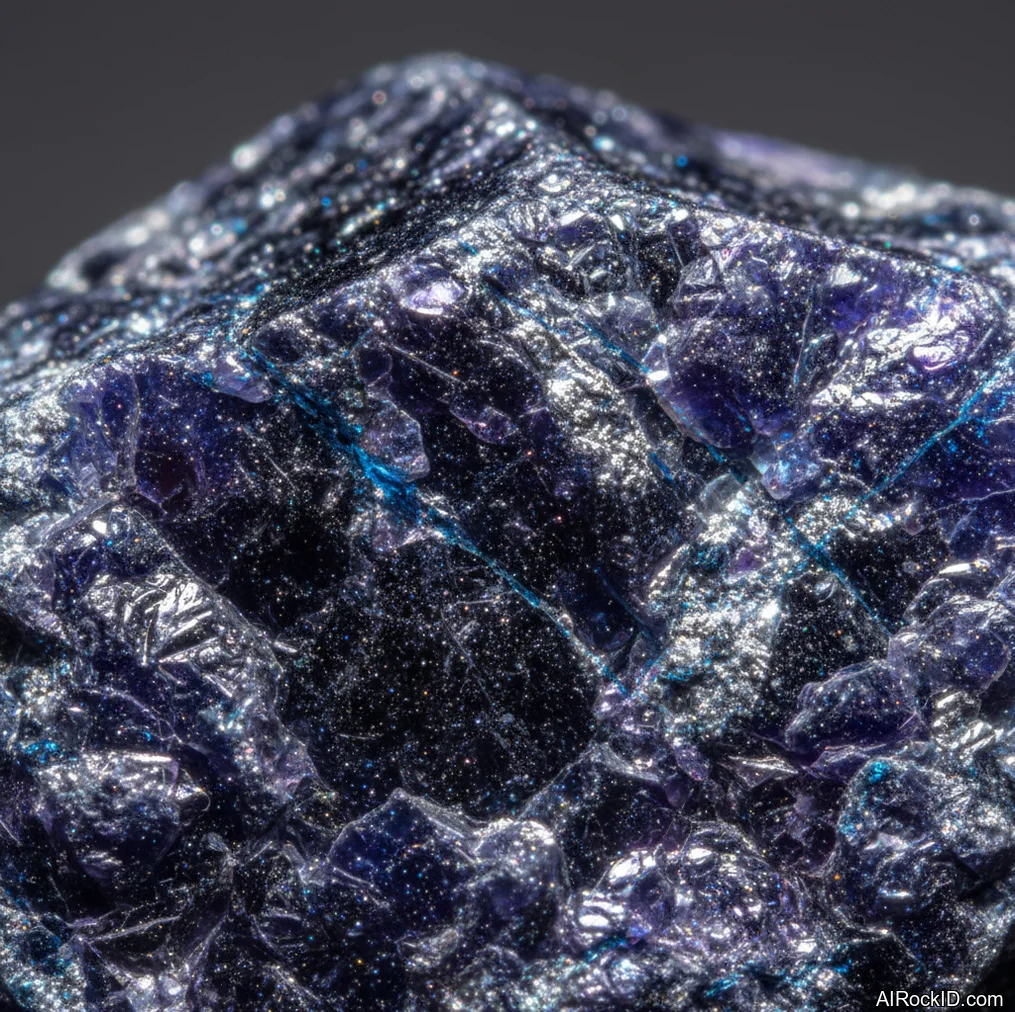
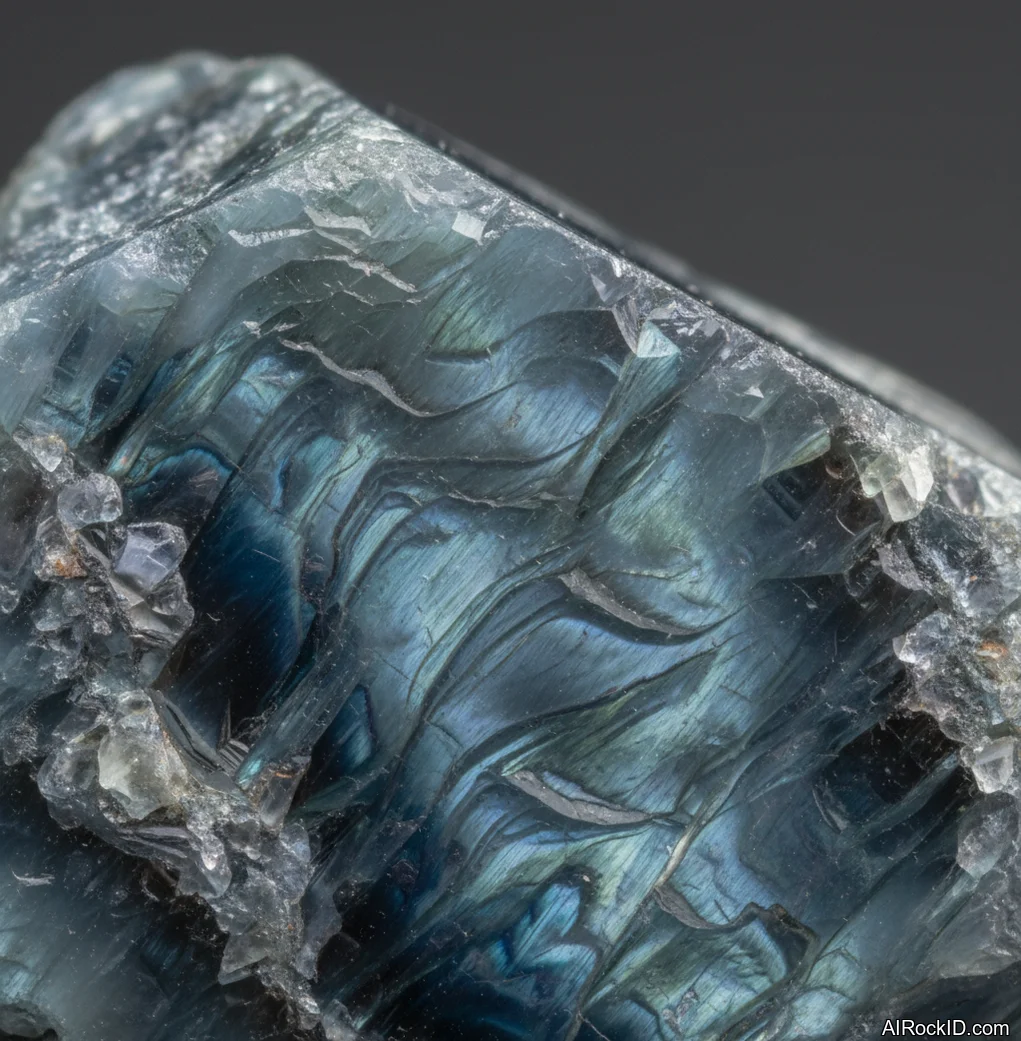
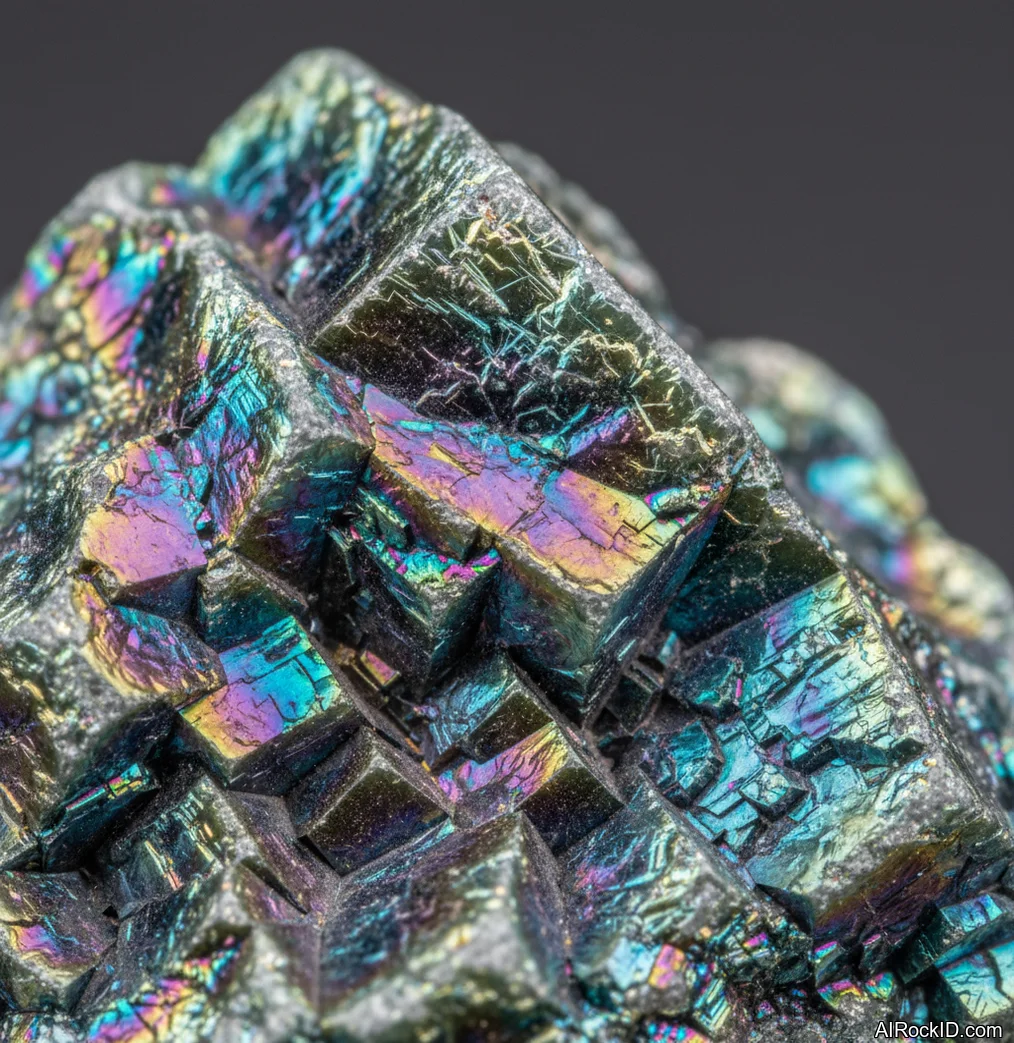
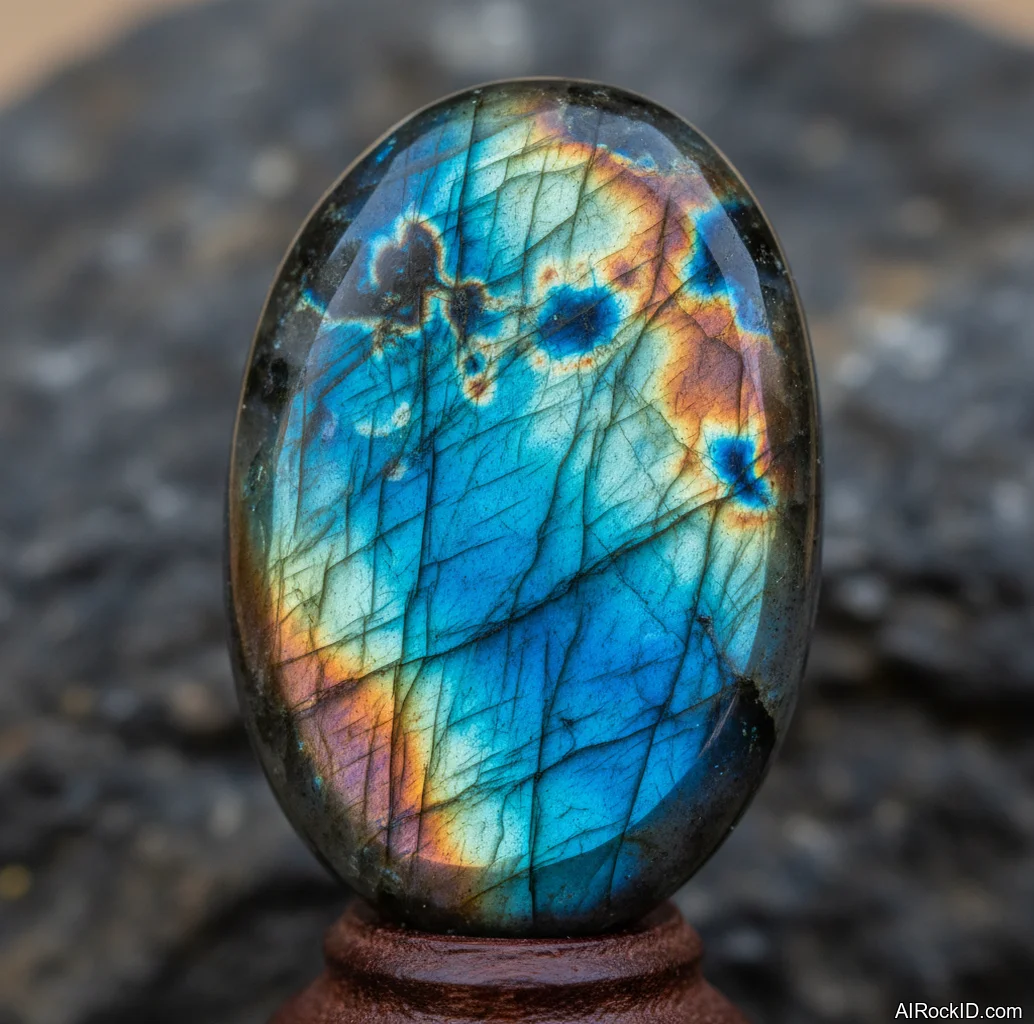
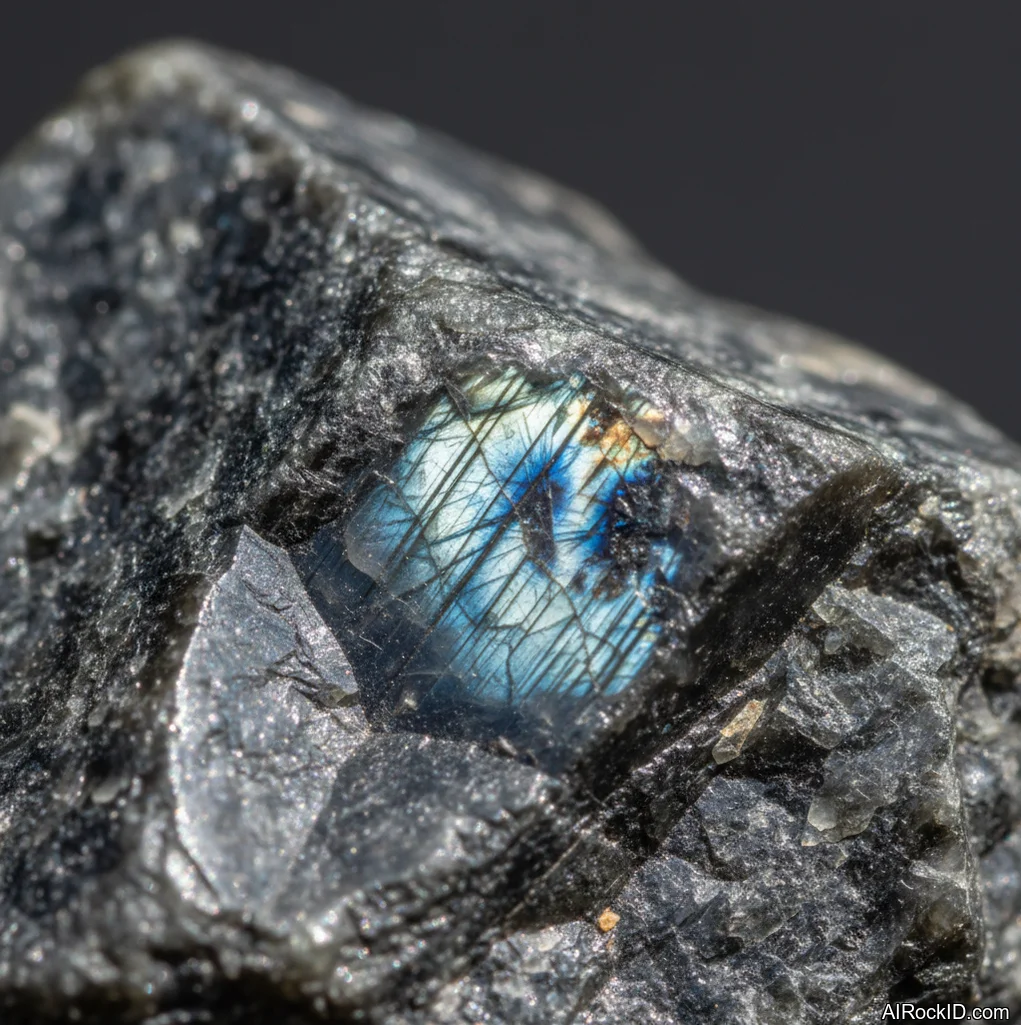
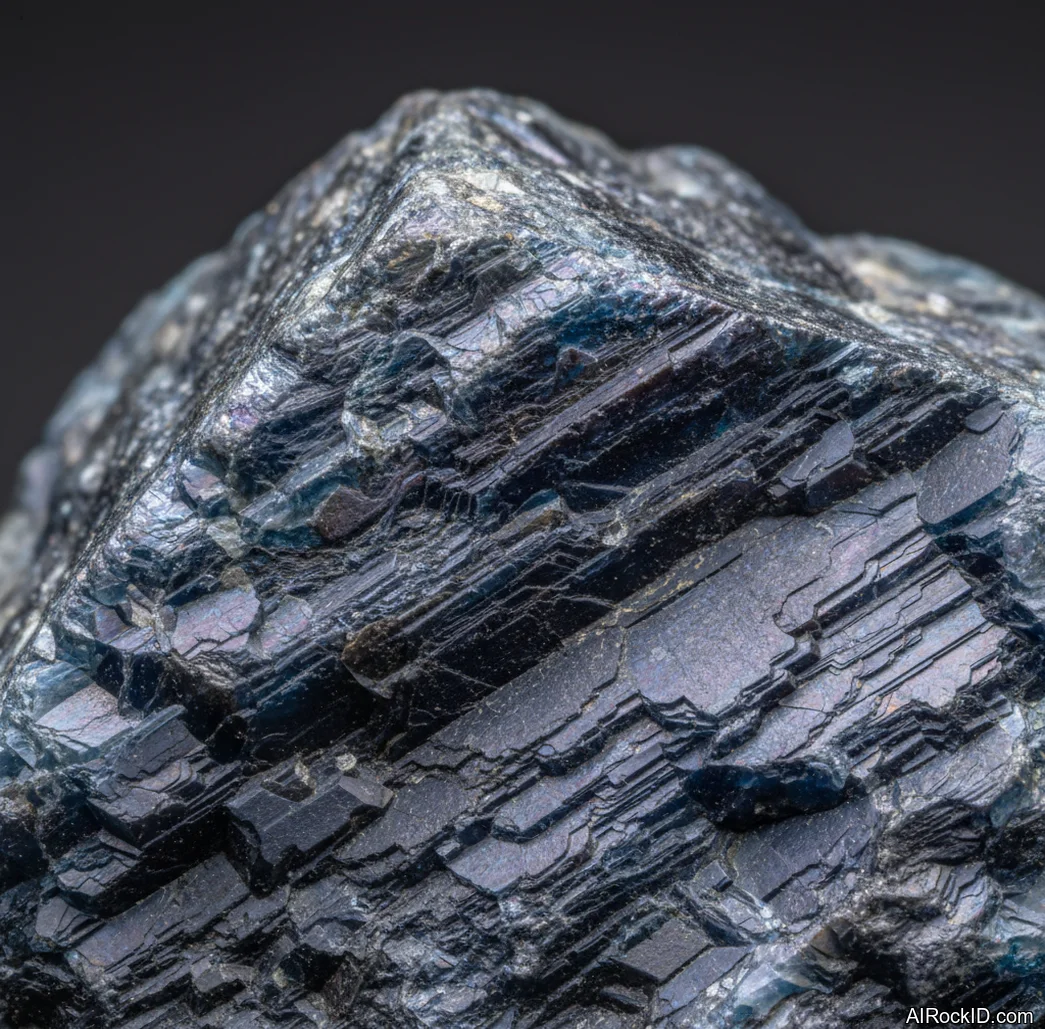
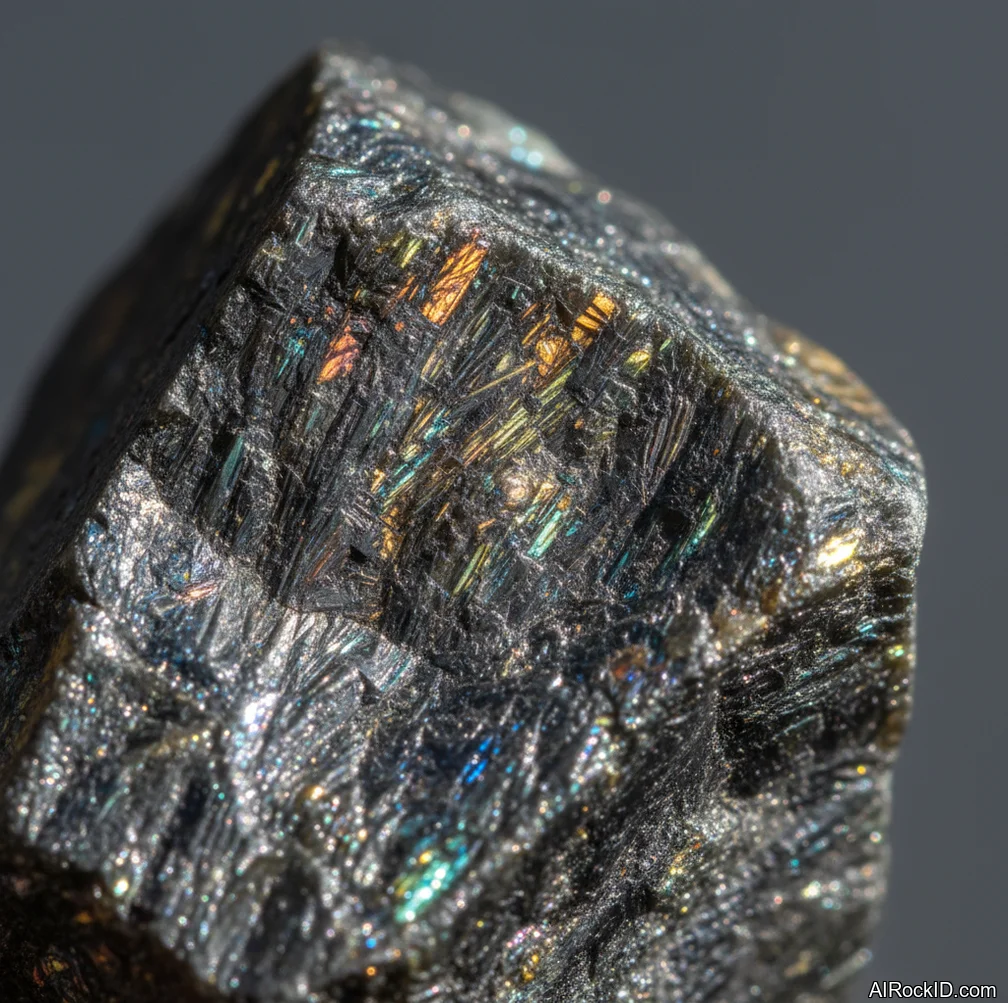
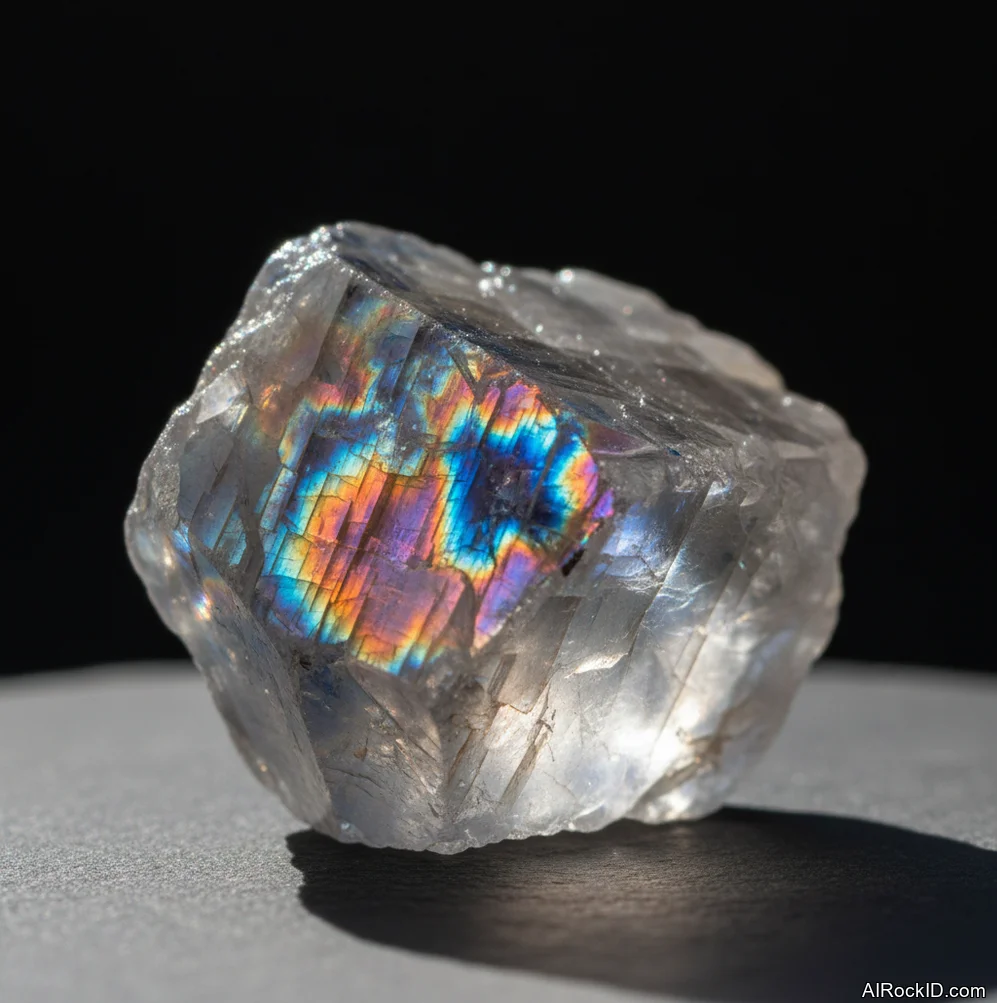
Pick up a good piece of labradorite and you’ll see why it lands on every intuition list. It feels a little heavier than it looks, like there’s something going on under the surface. Tilt it under a lamp and the flash shows up in bands, then vanishes when you move half an inch. That shifting blue-green sheen is basically intuition in stone form. You don’t get the full picture head-on. You catch it at an angle.
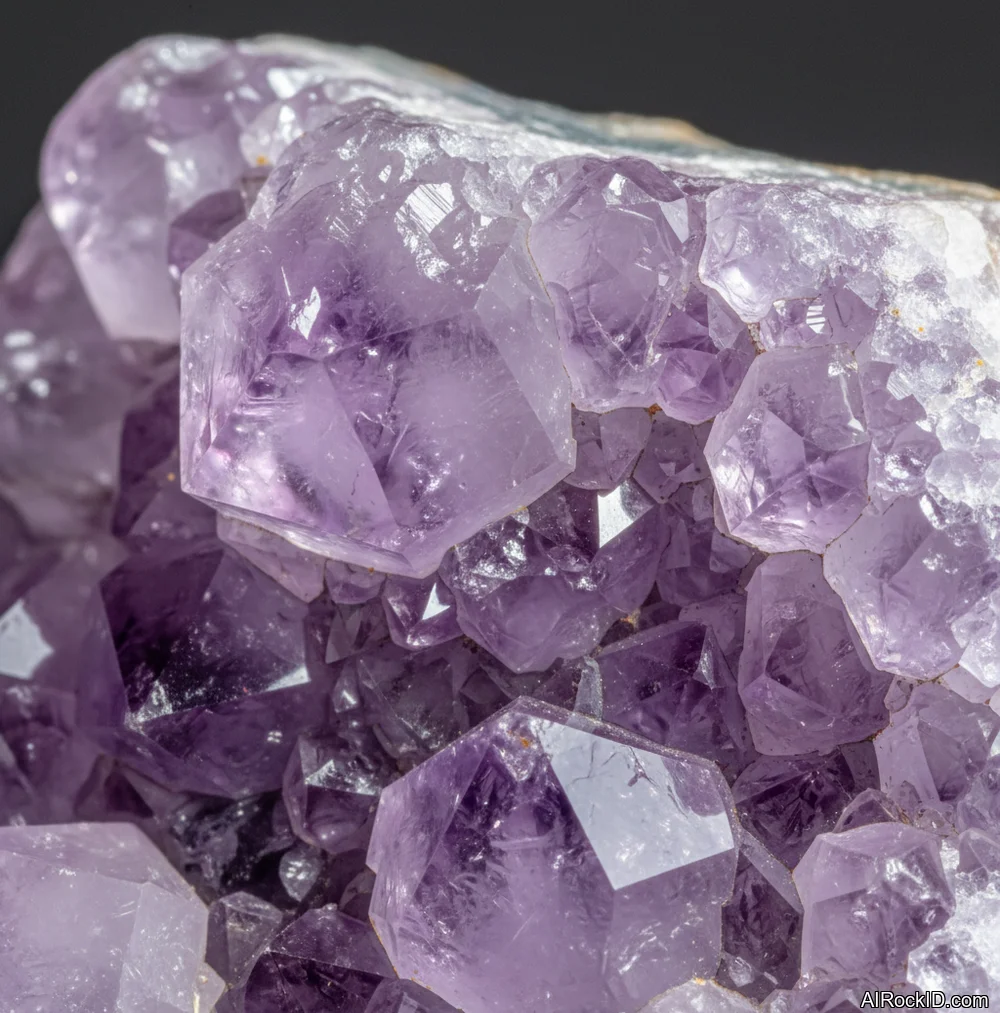
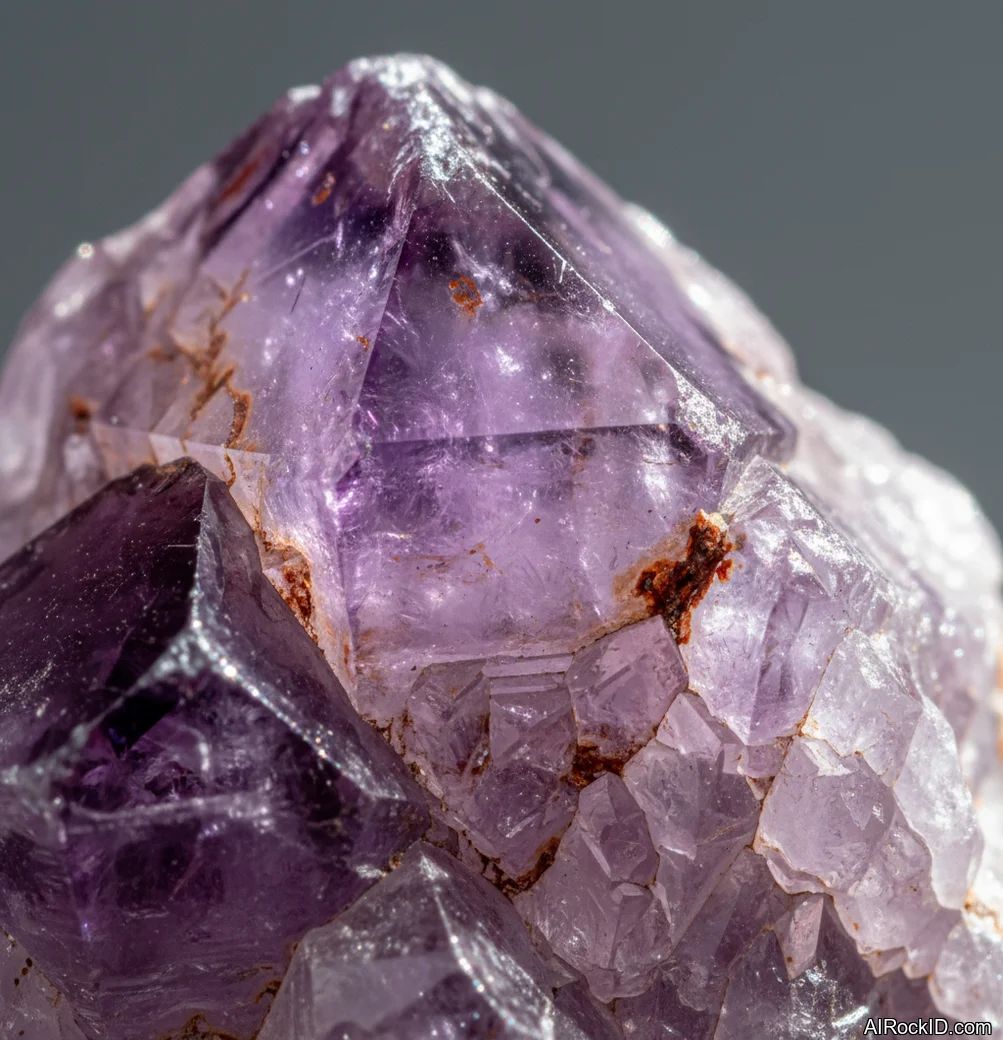
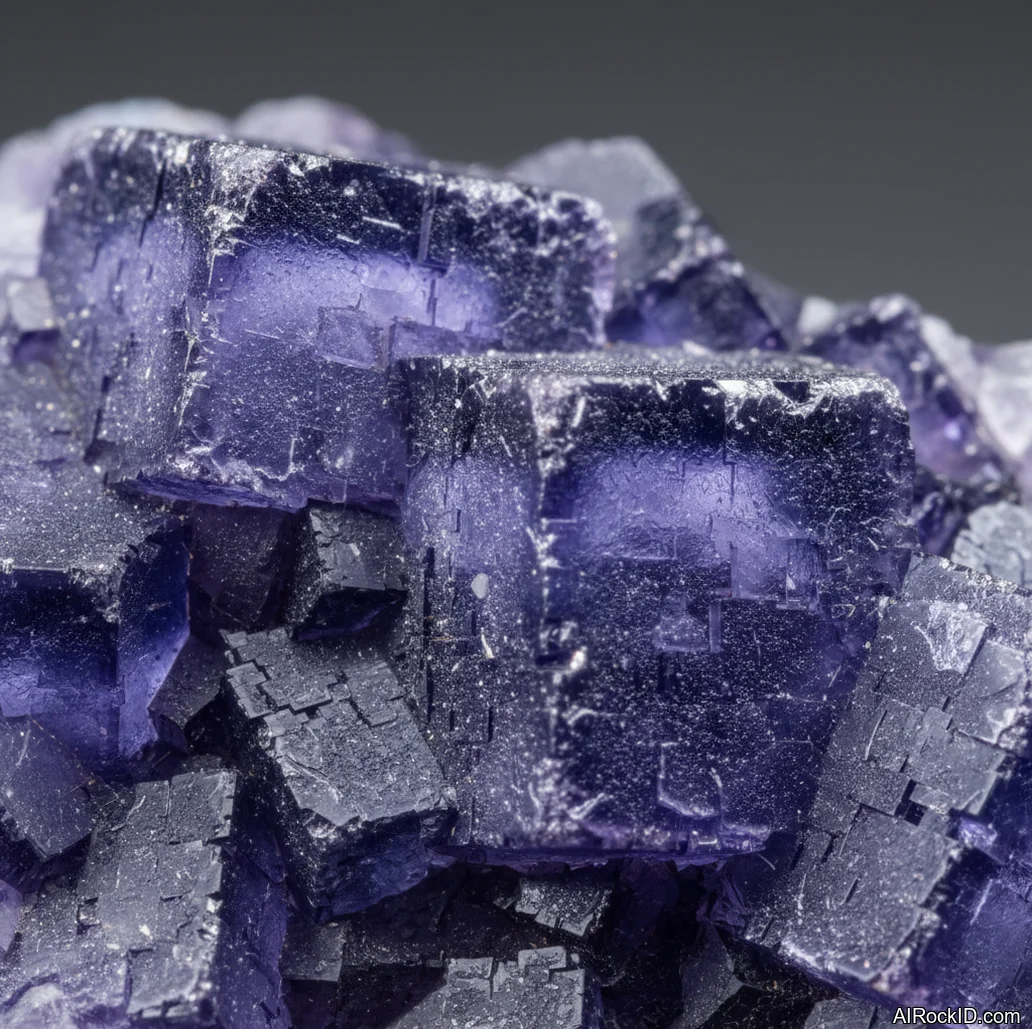
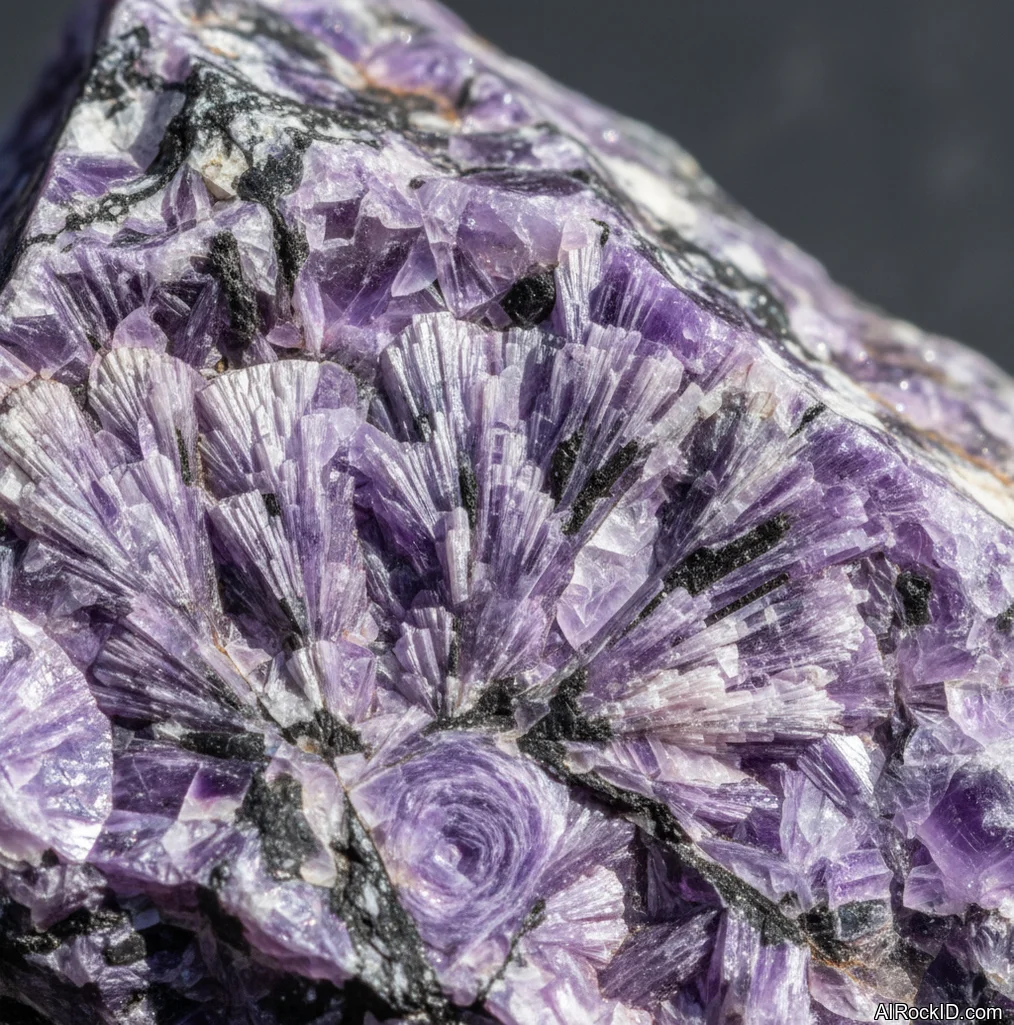
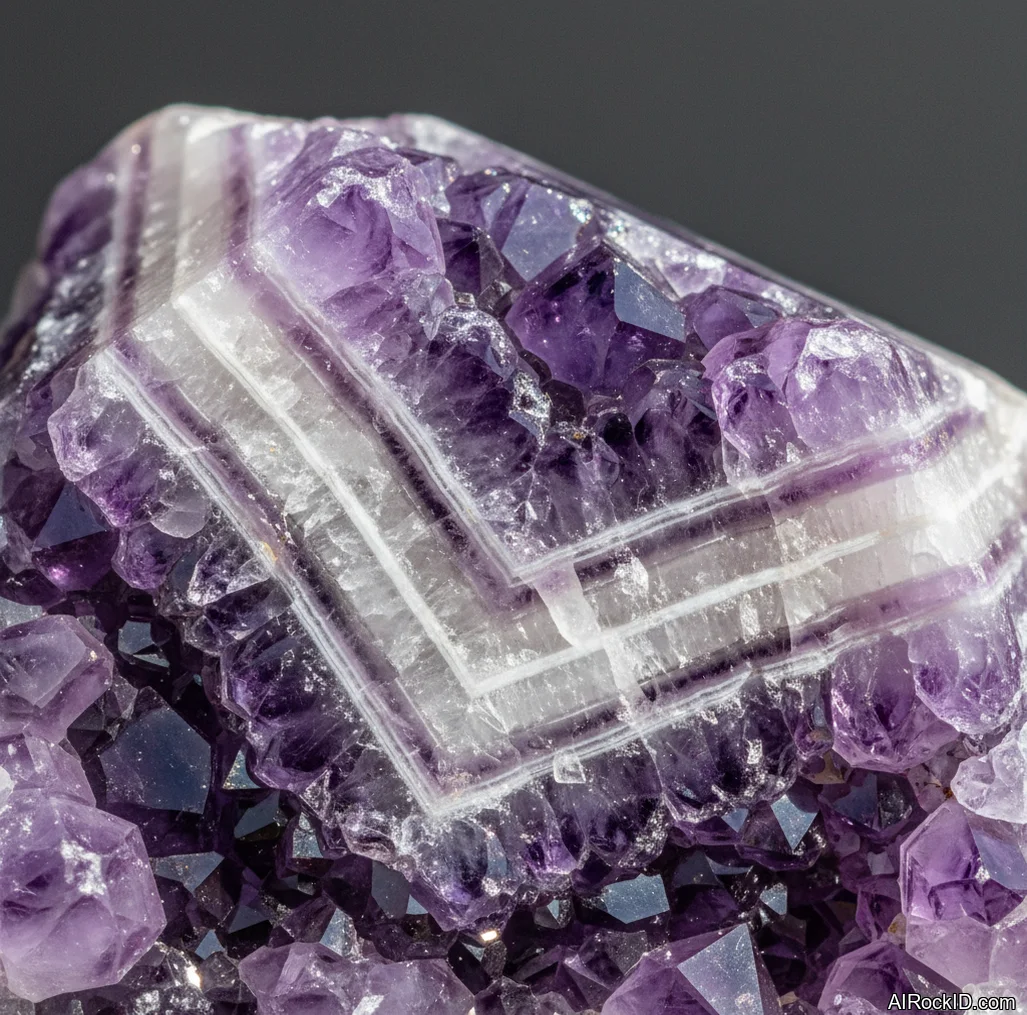
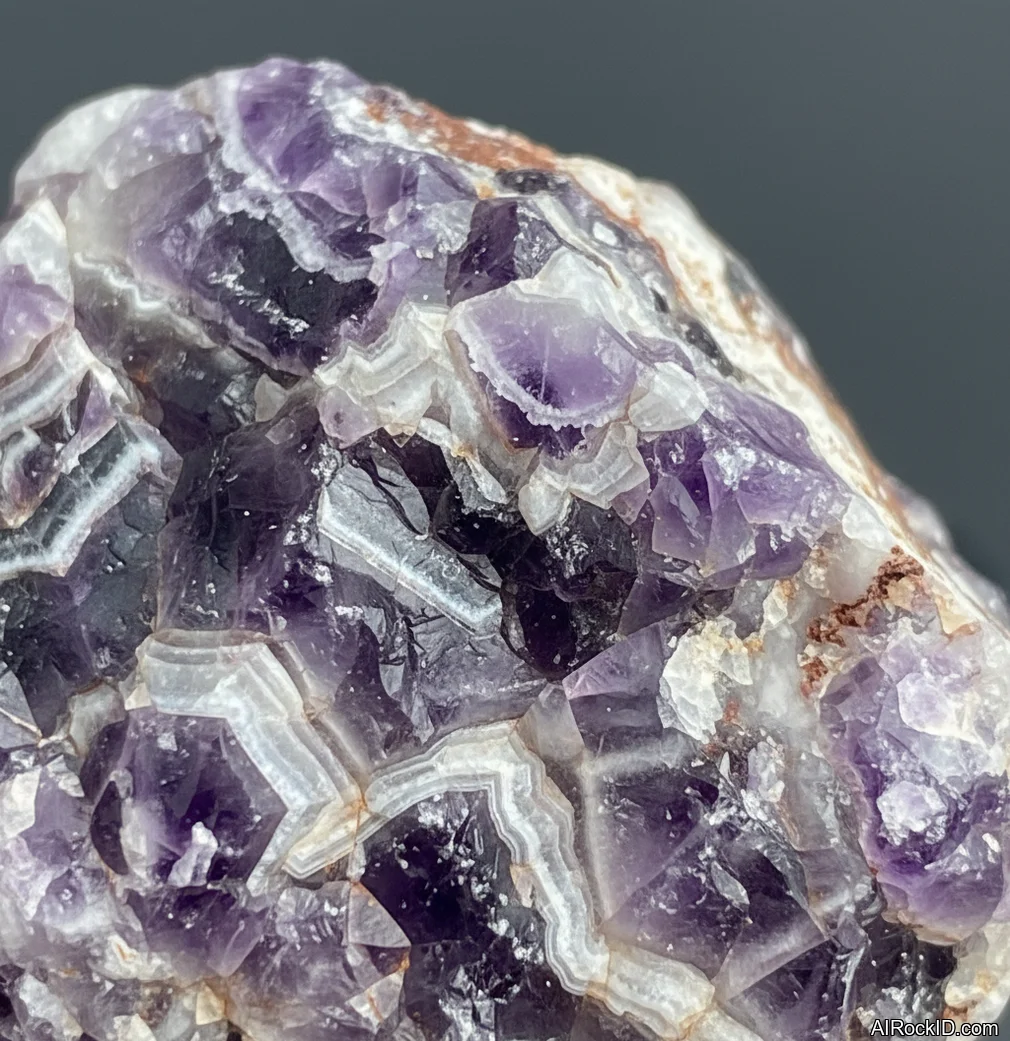
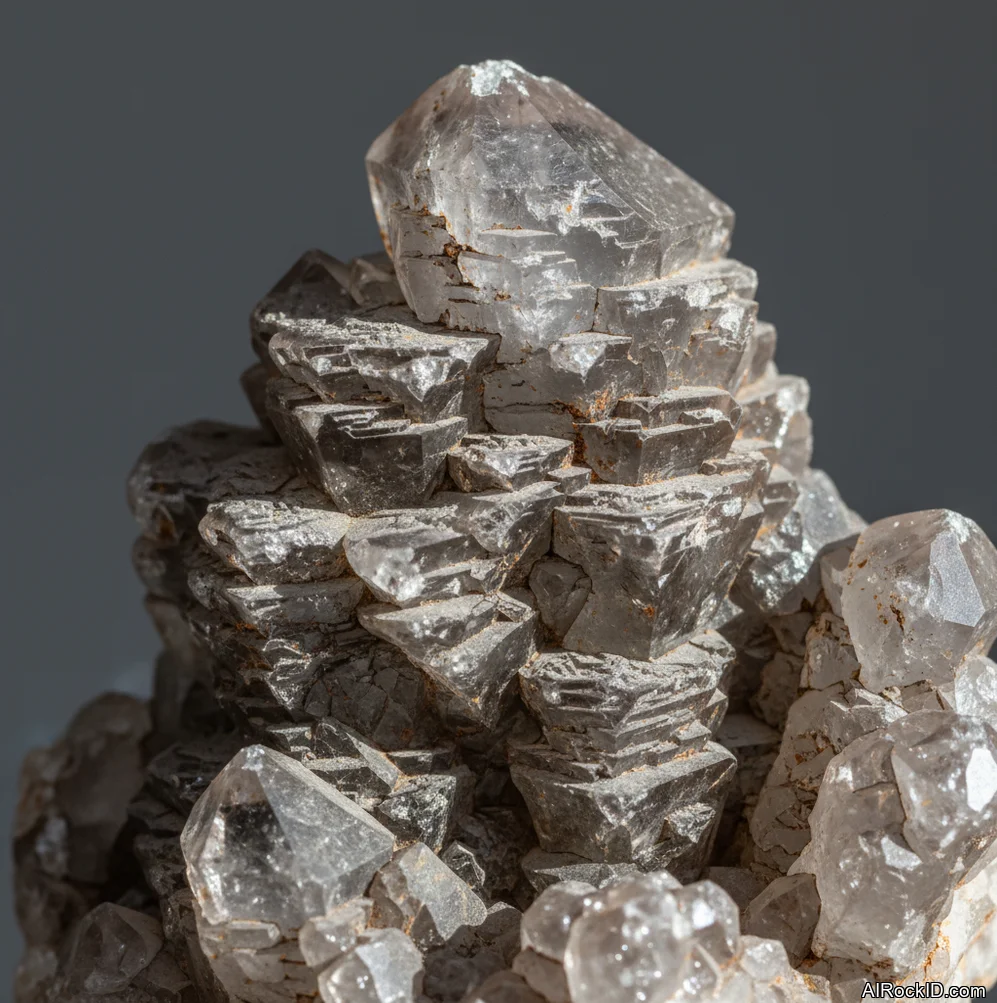
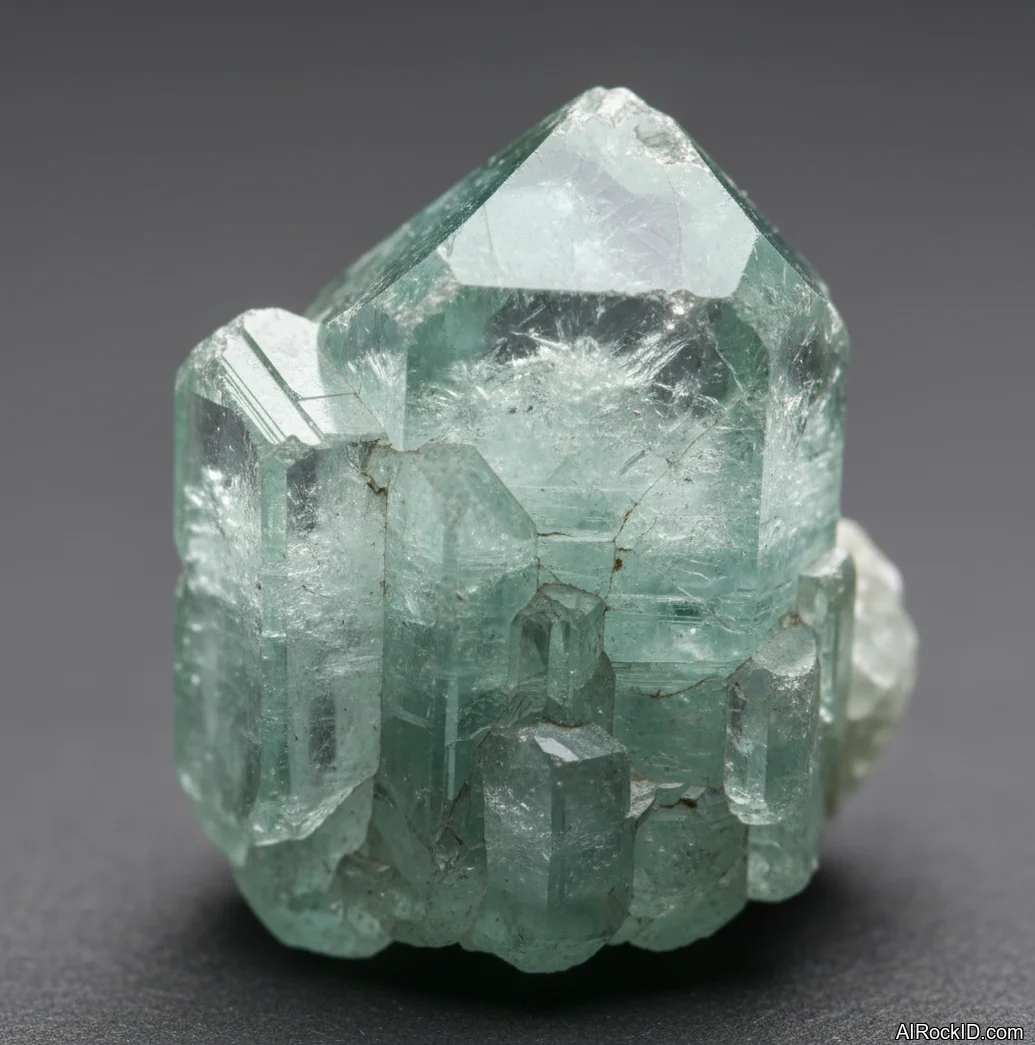
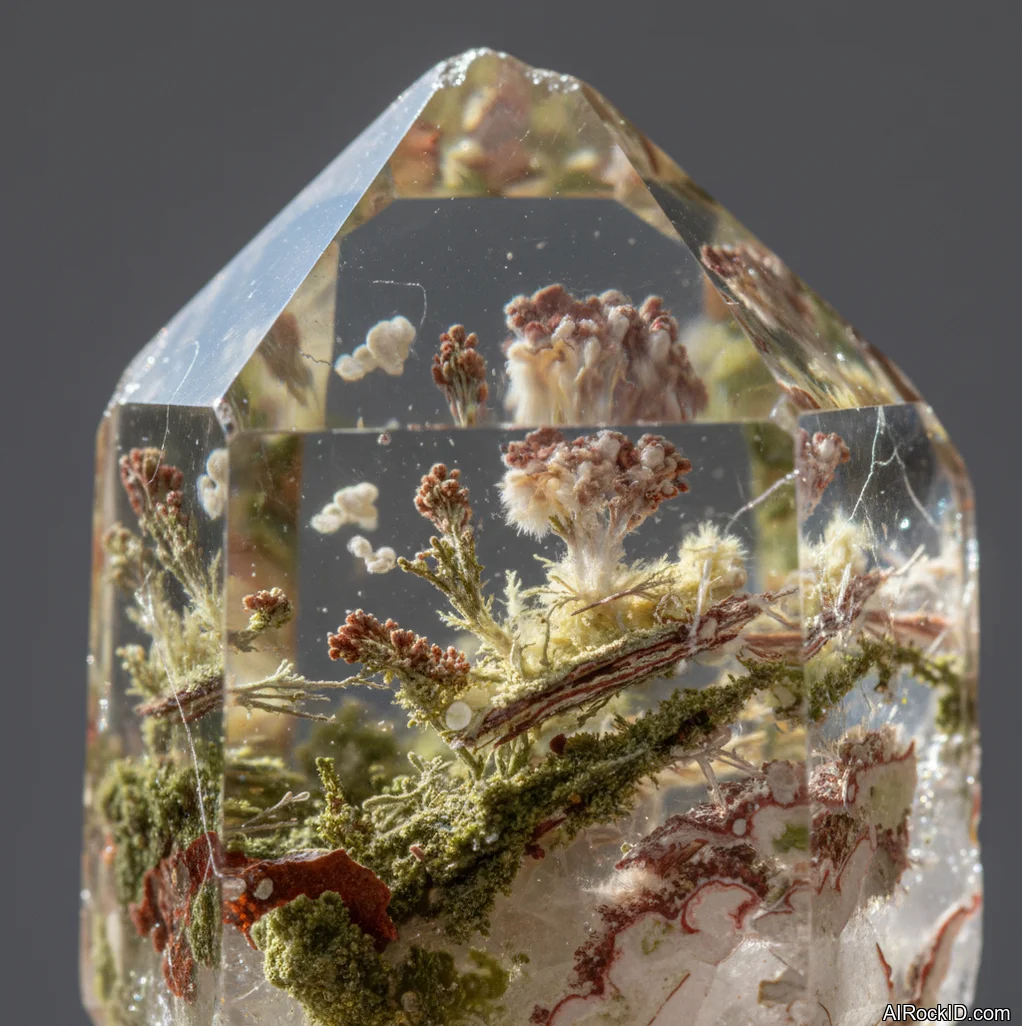
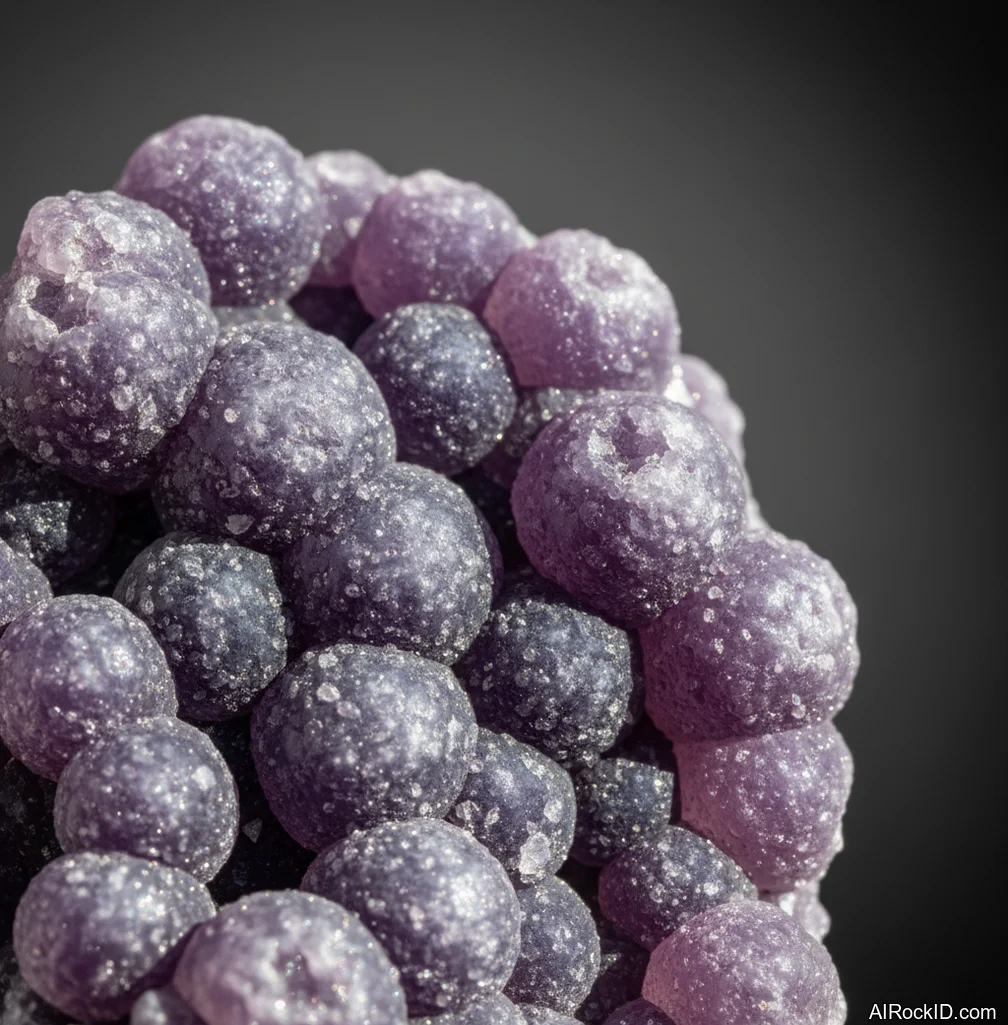
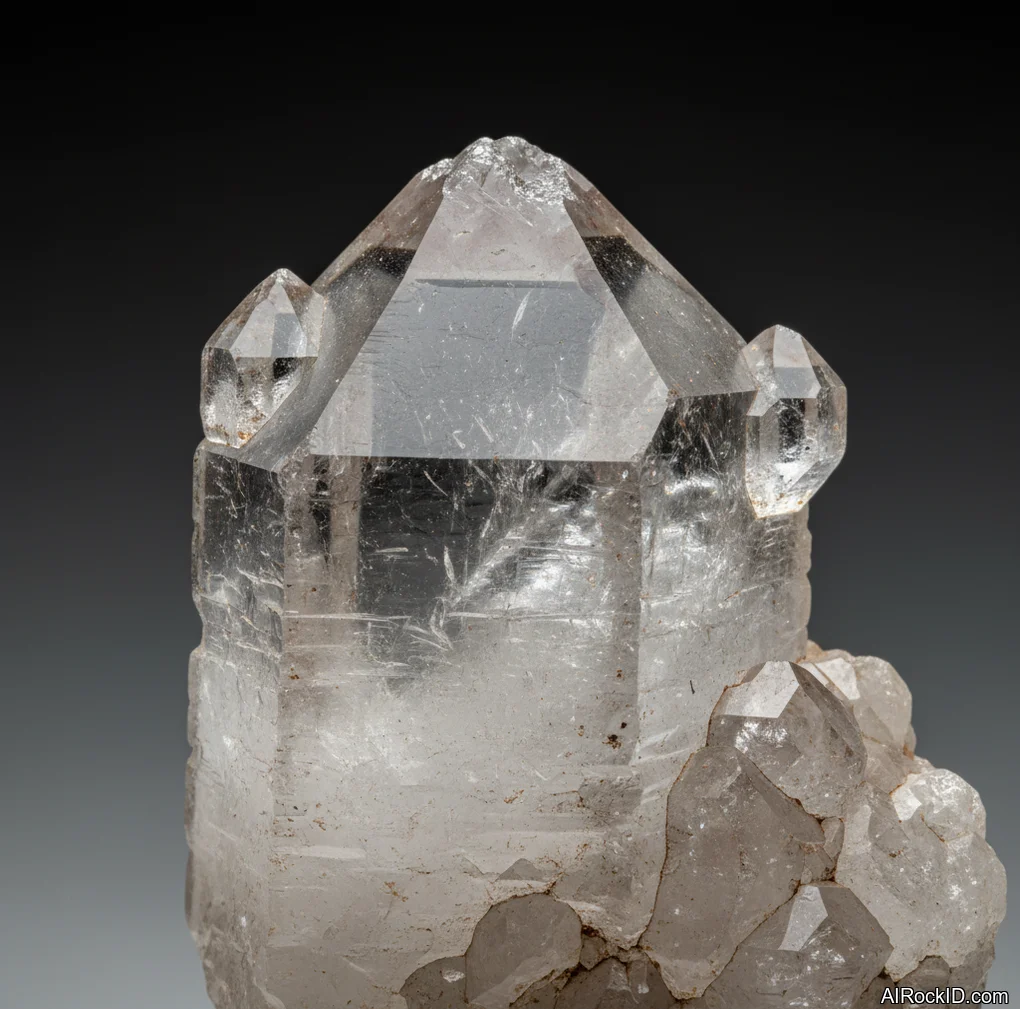
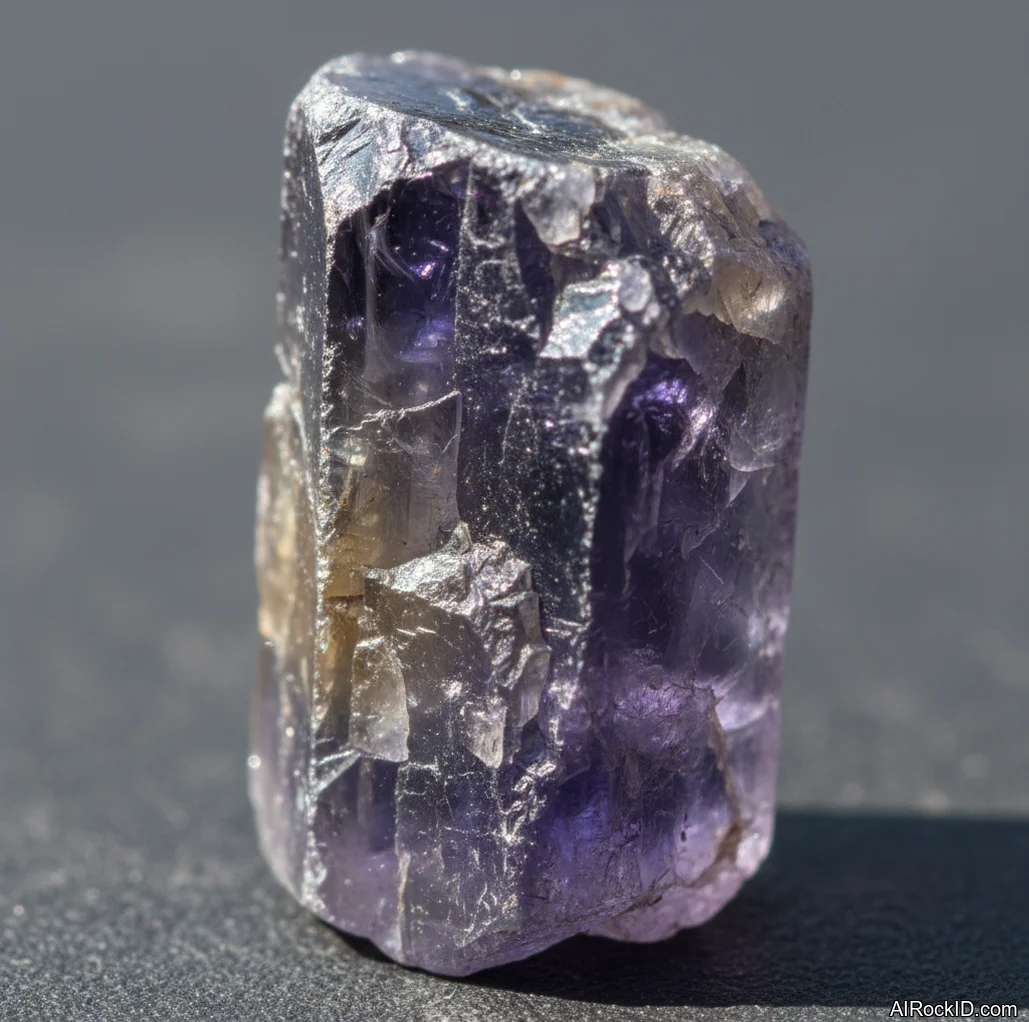
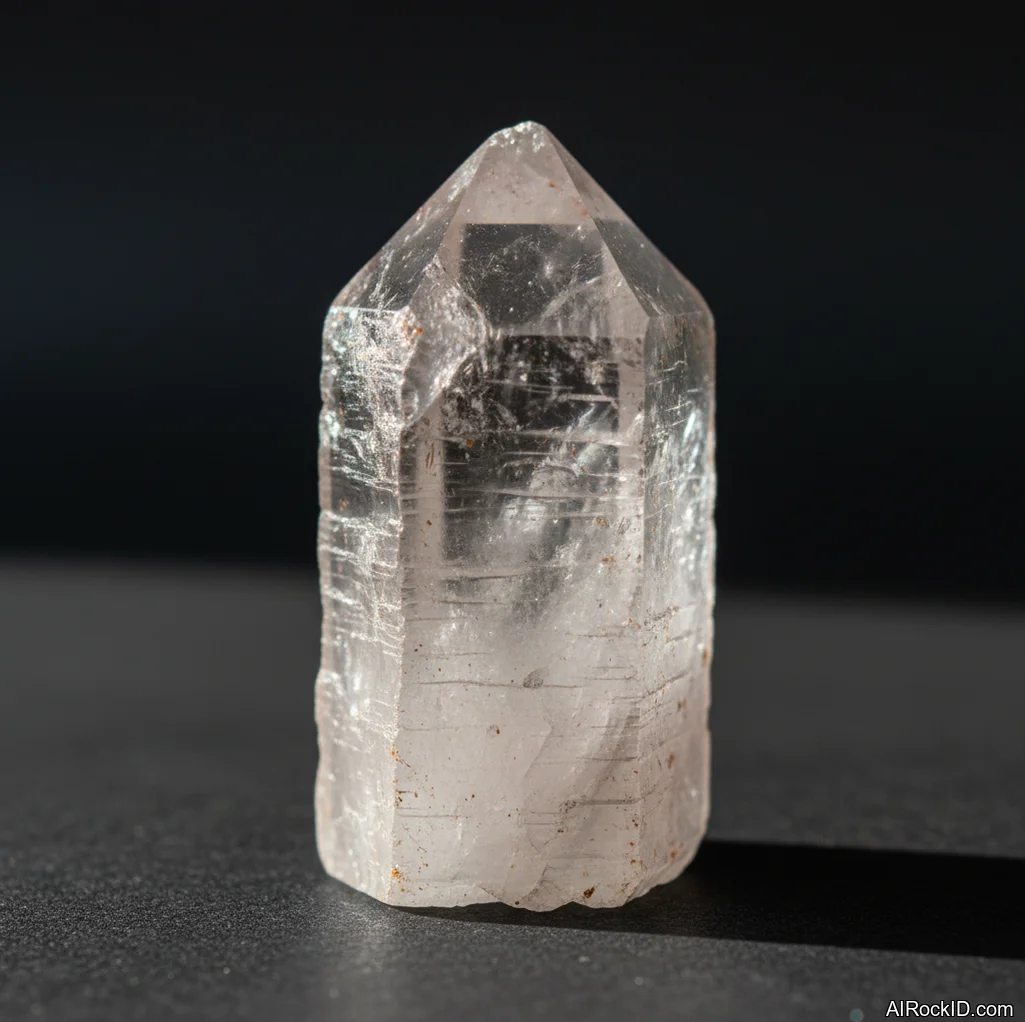
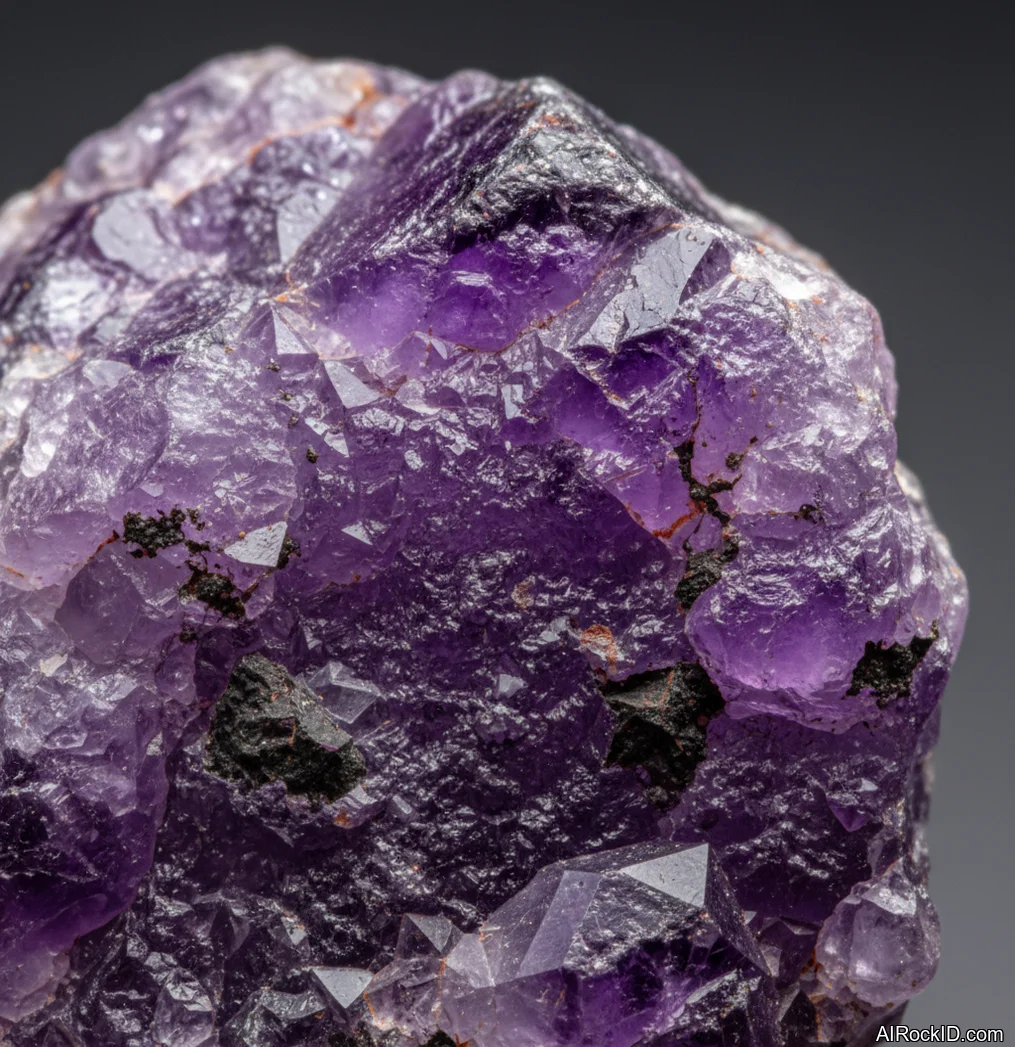
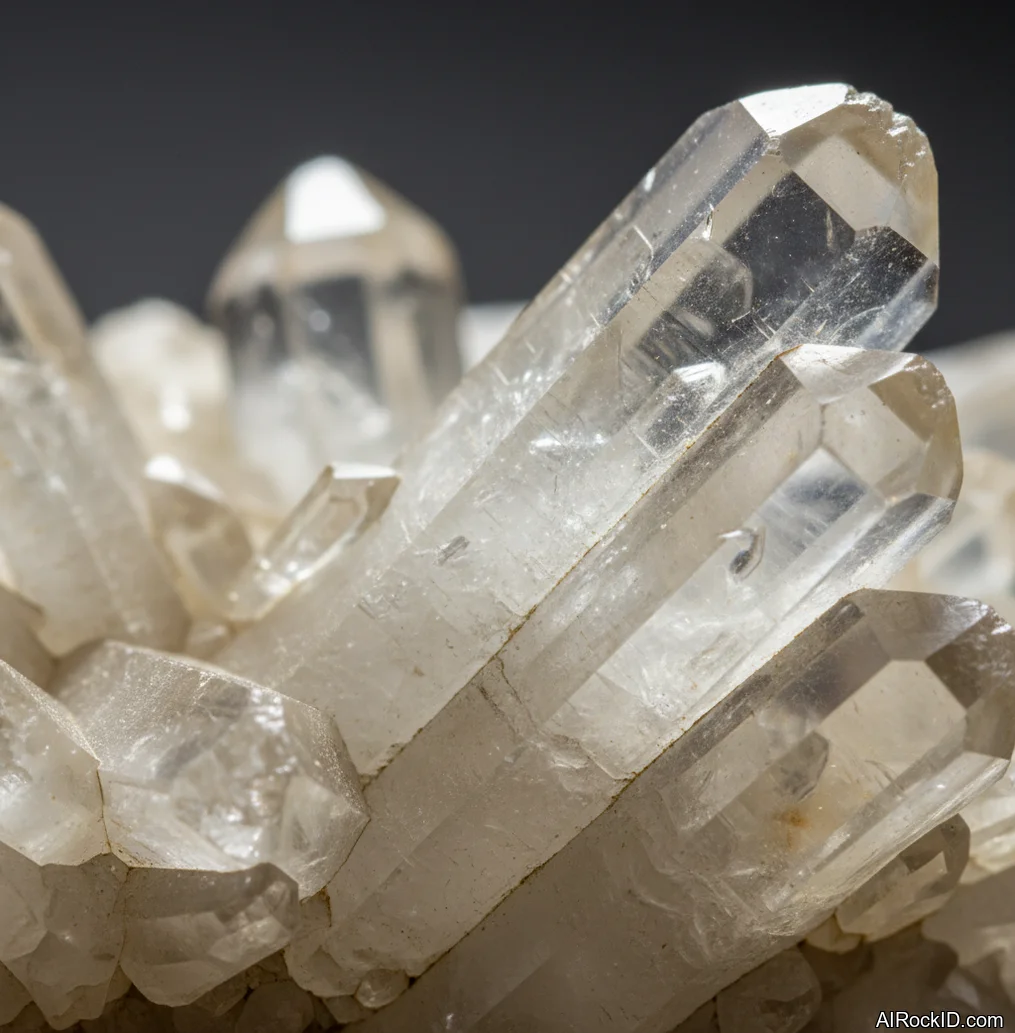
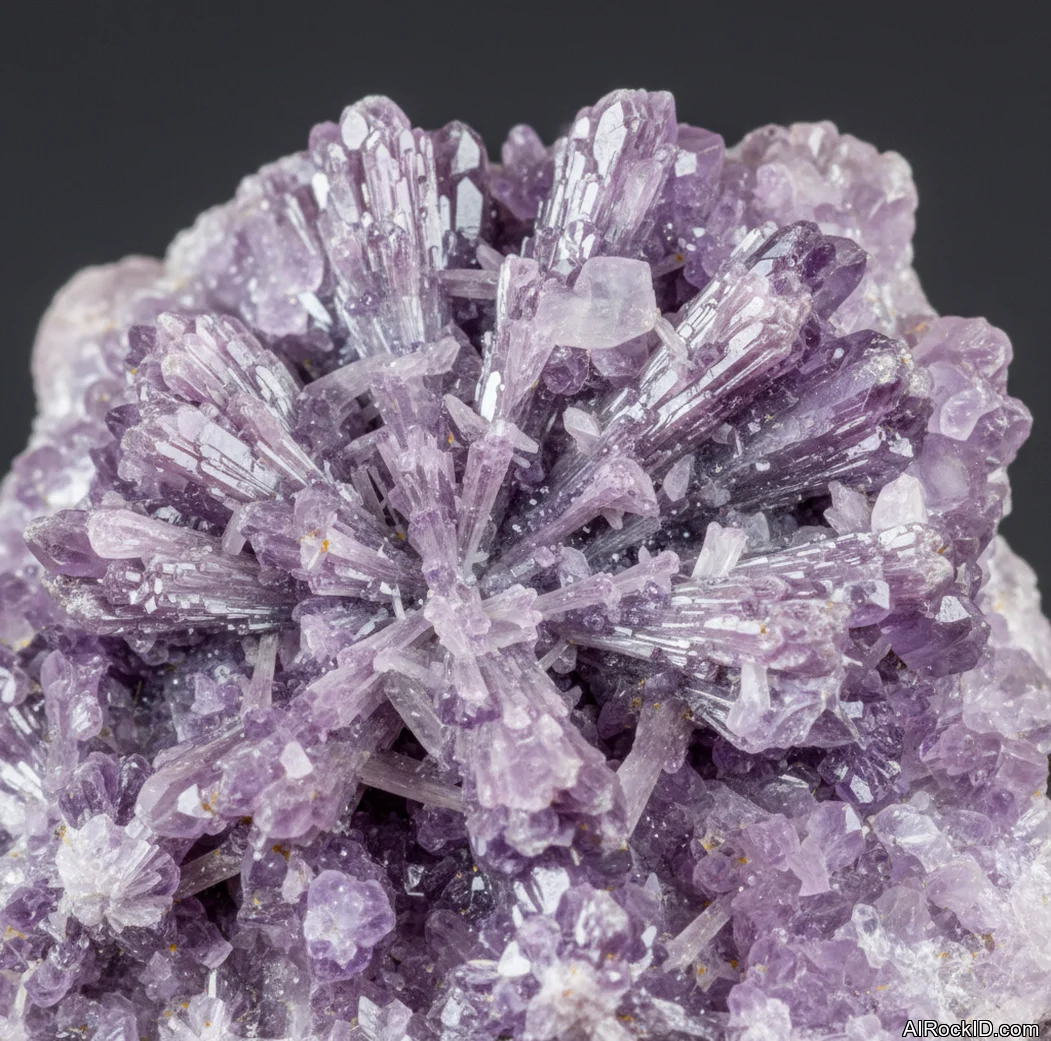
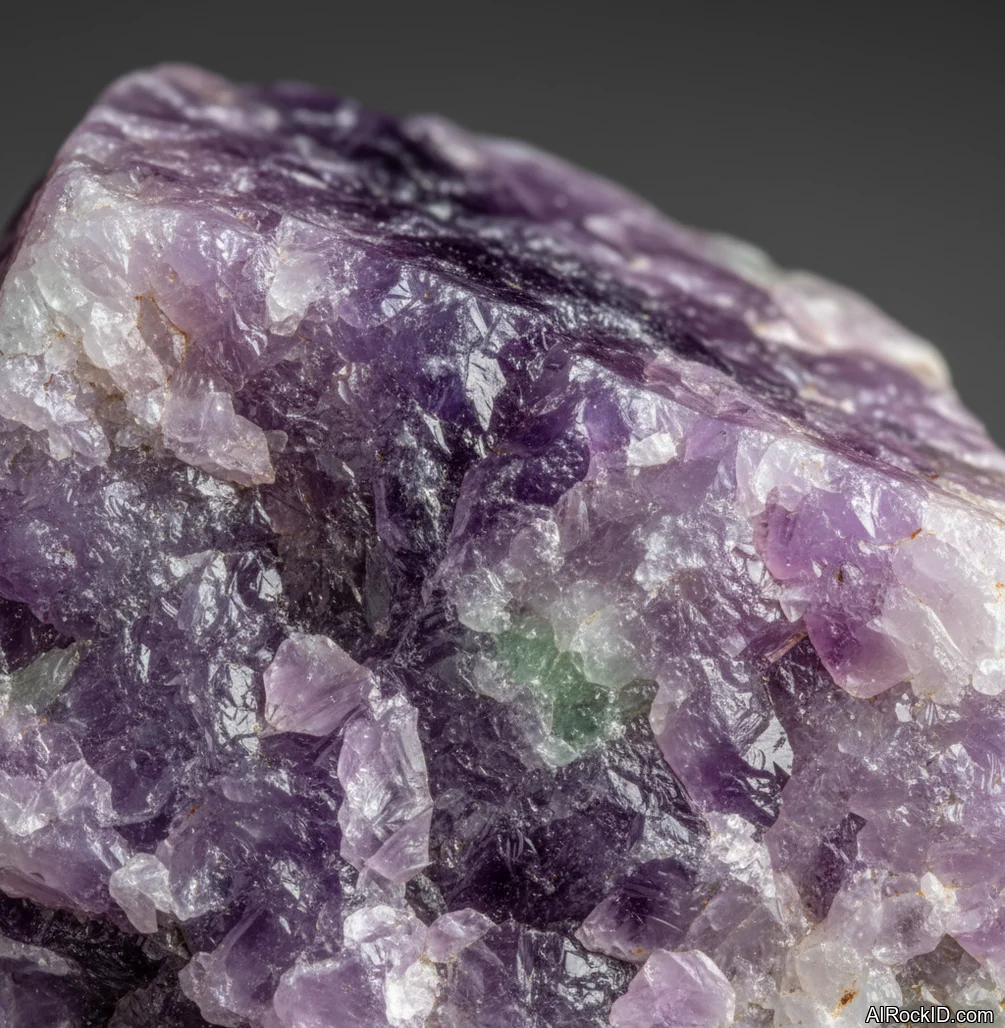
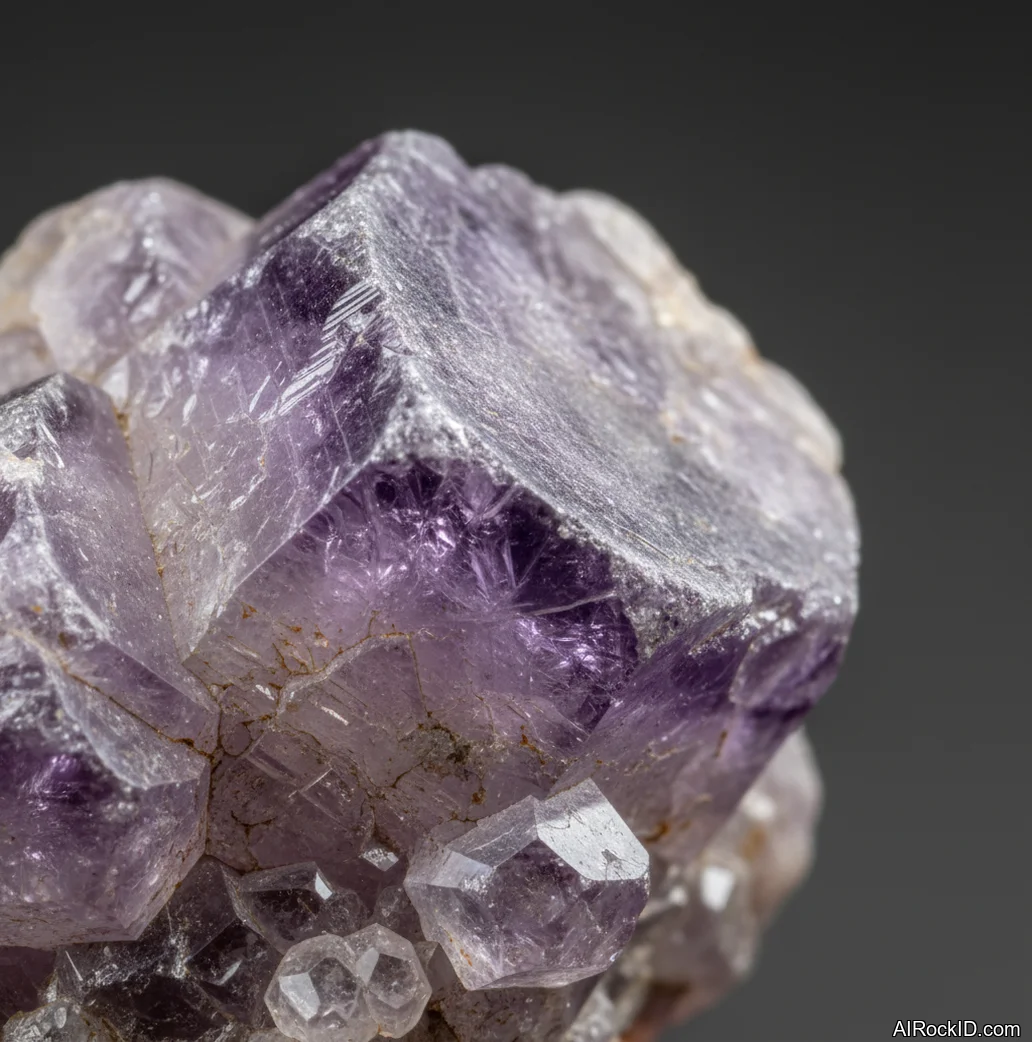
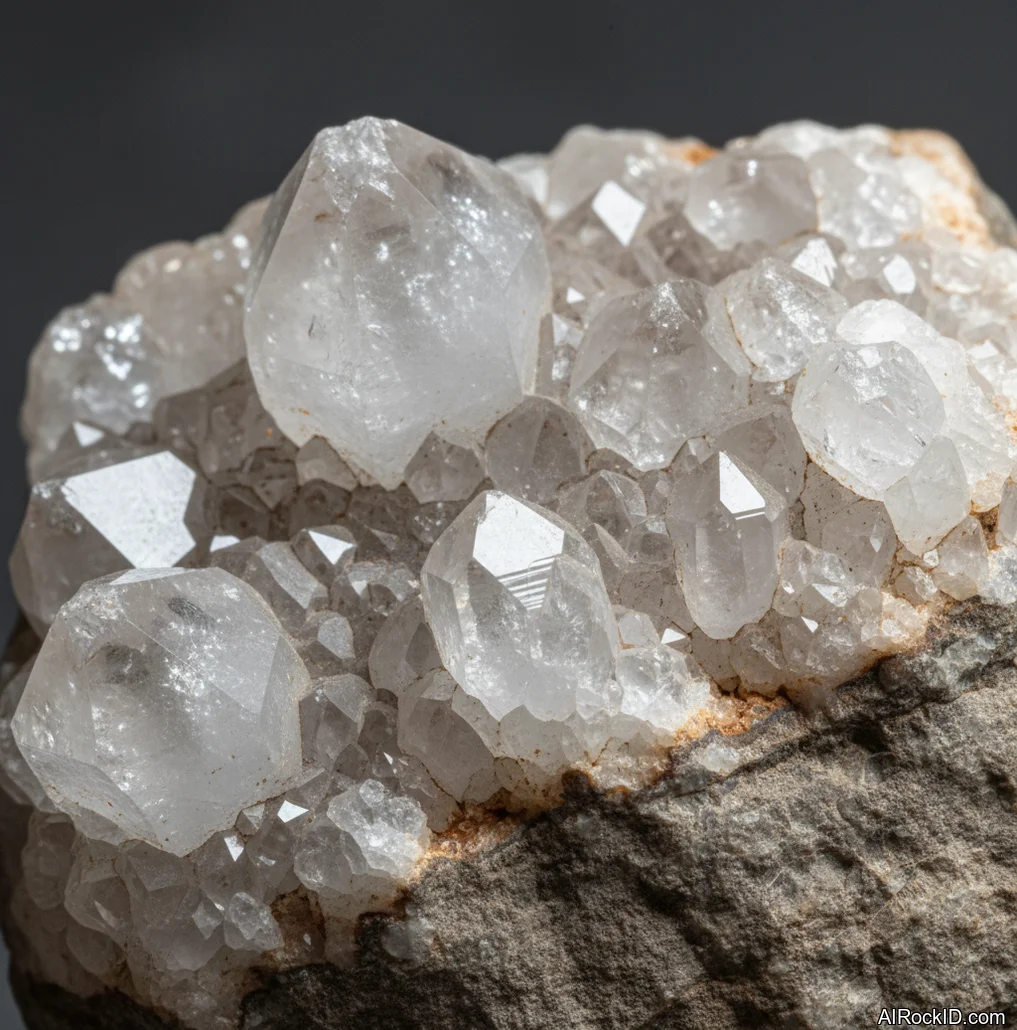
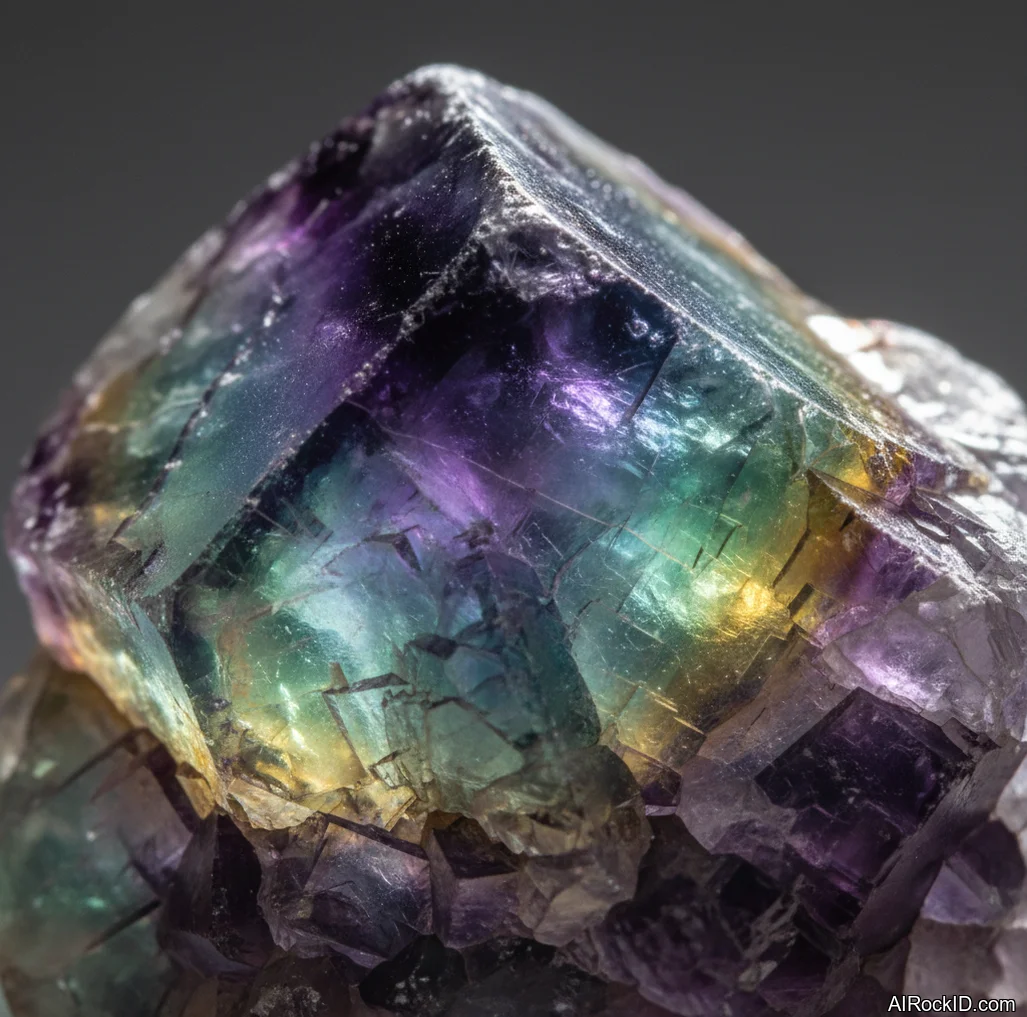
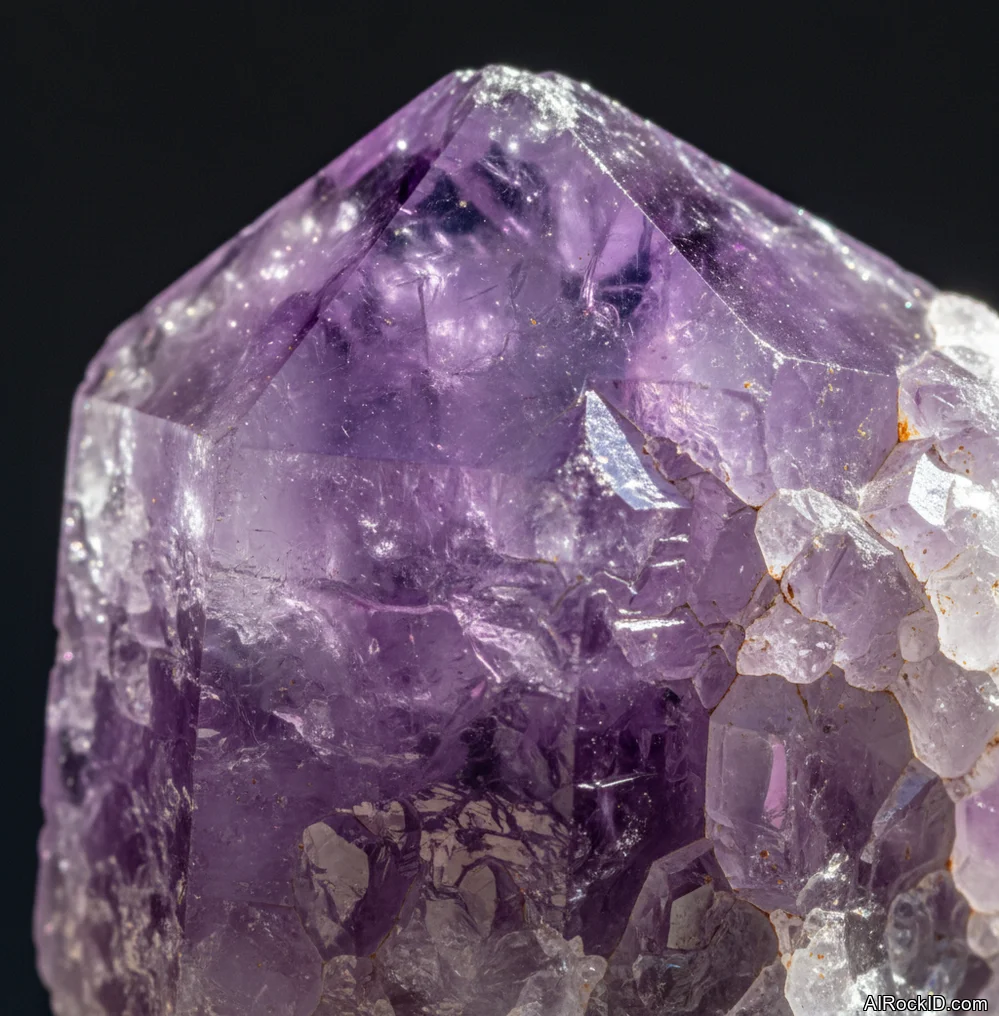
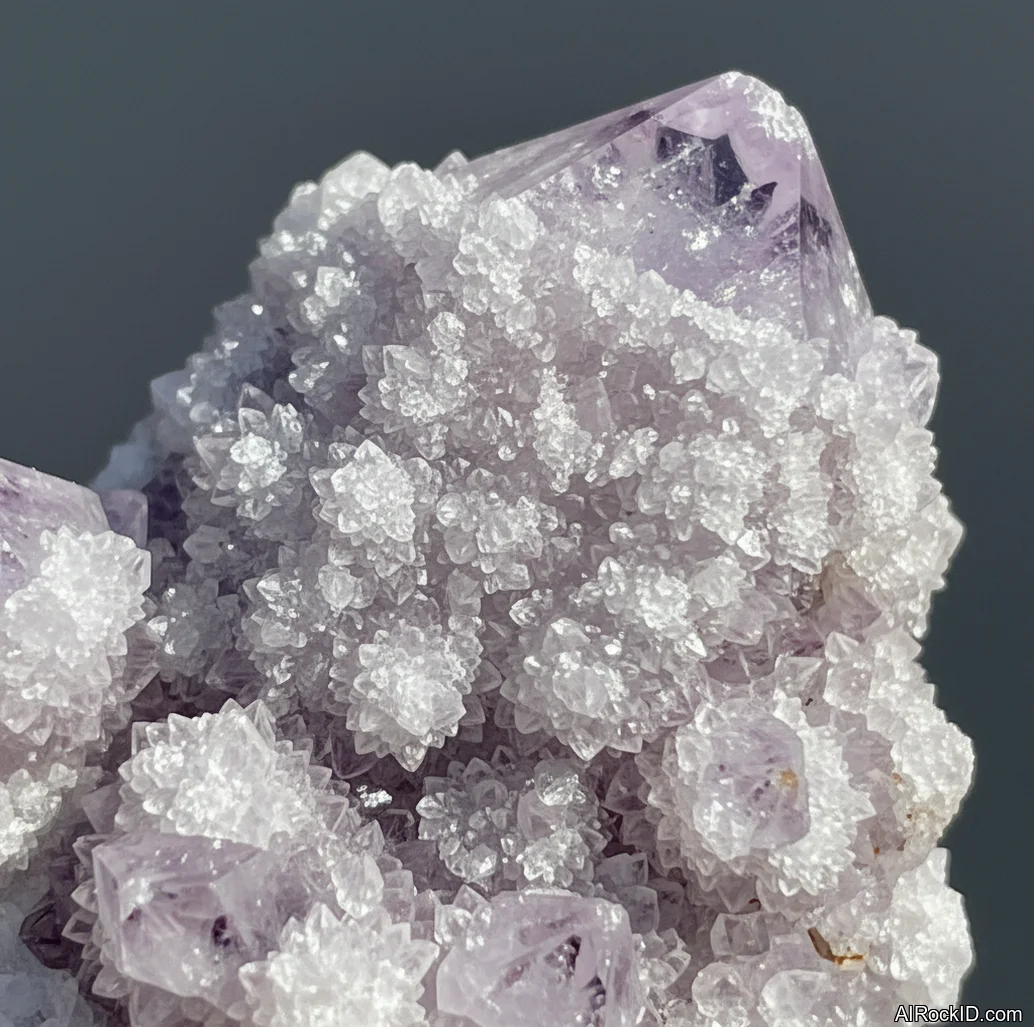
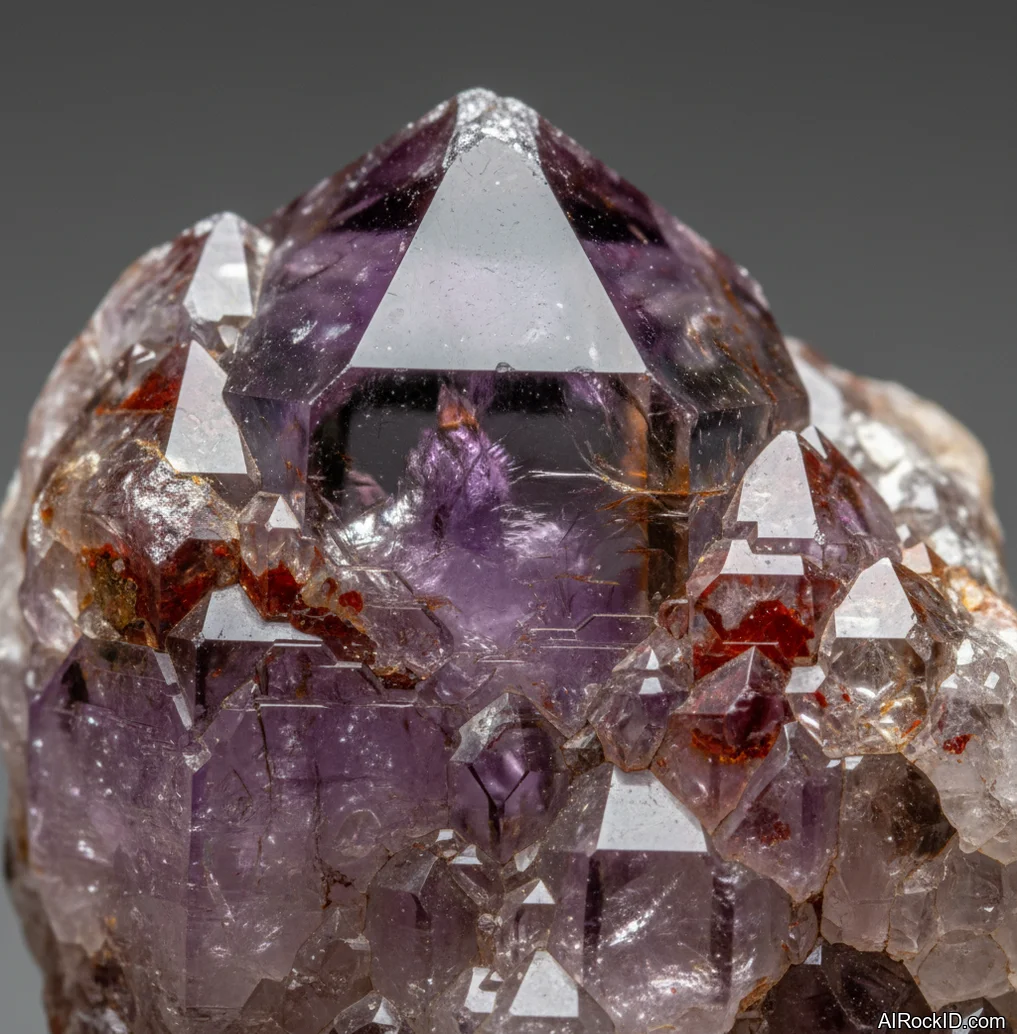
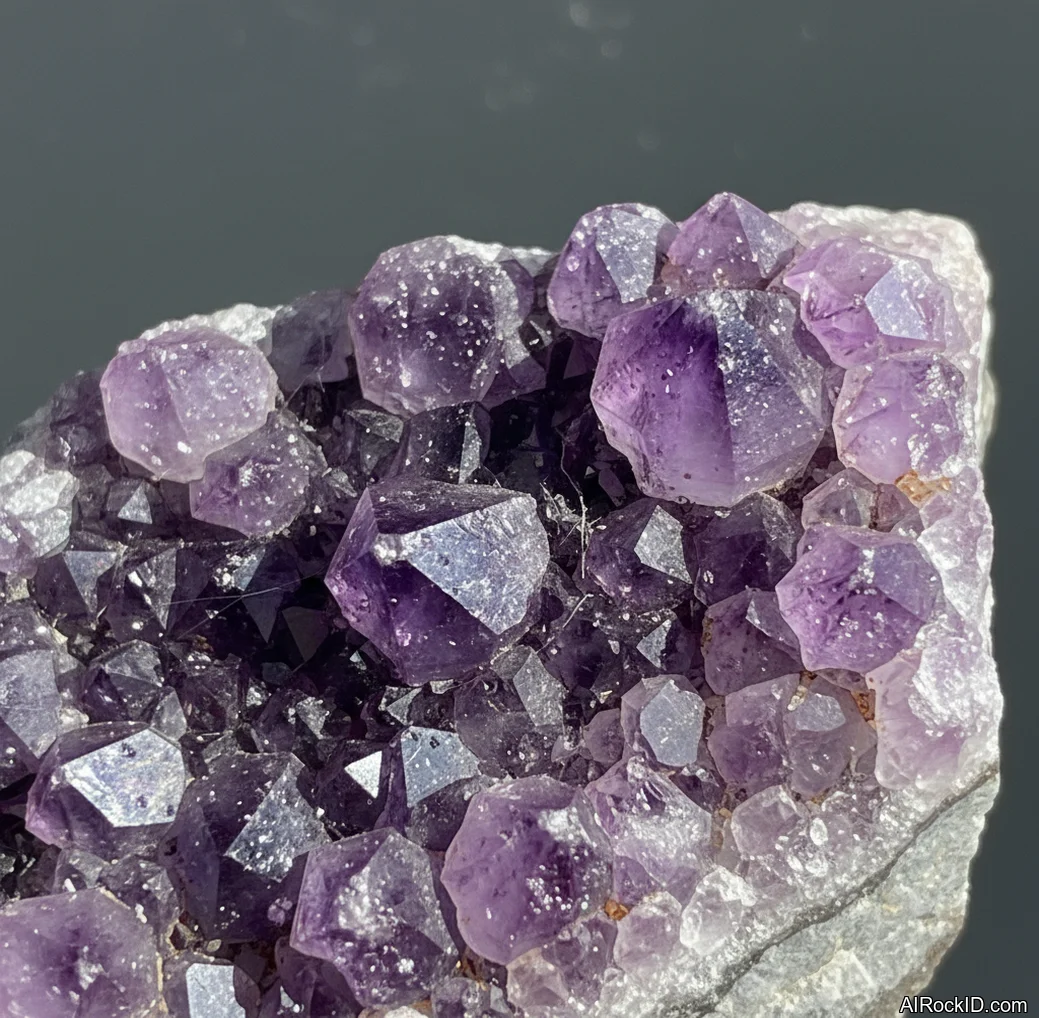
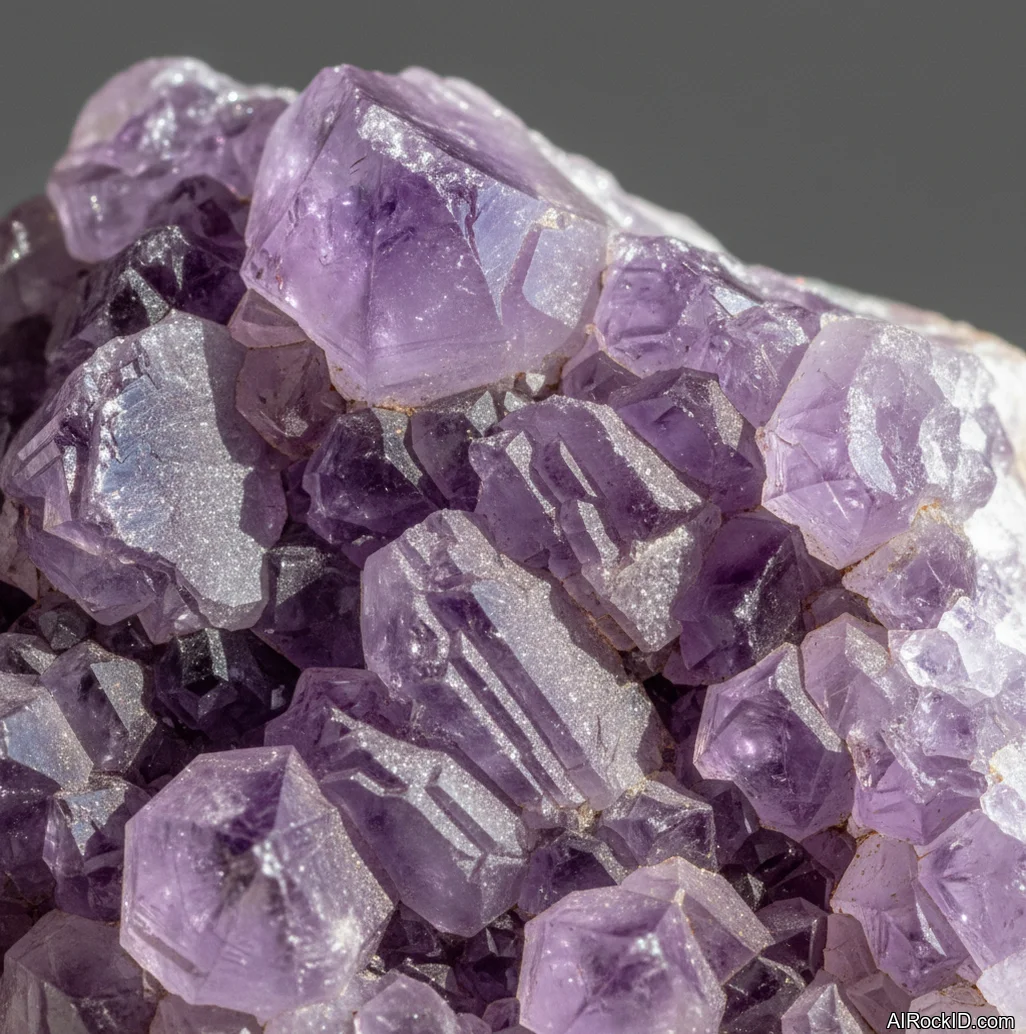
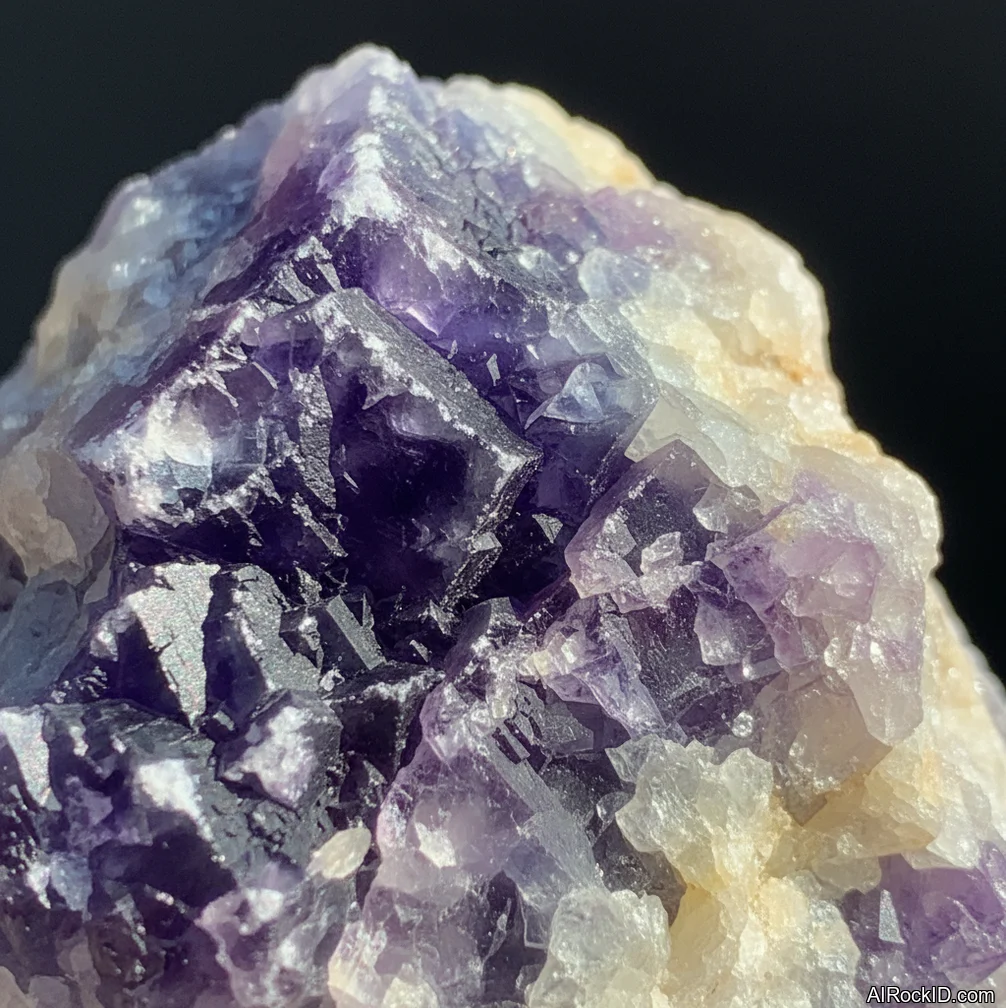
Amethyst gets used for intuition work for a different reason. Most of what you’ll see is tumbled, smooth, and easy to carry, but the raw stuff says more (at least to me). Deep purple Uruguay points have tight, glittery druzy and crisp terminations. Brazilian pieces tend to run lighter, more lavender, and they’ll show reddish warmth under incandescent bulbs. And if you’re trying to build a “gut check” habit, amethyst is steady. No jolt. More like turning down the volume.
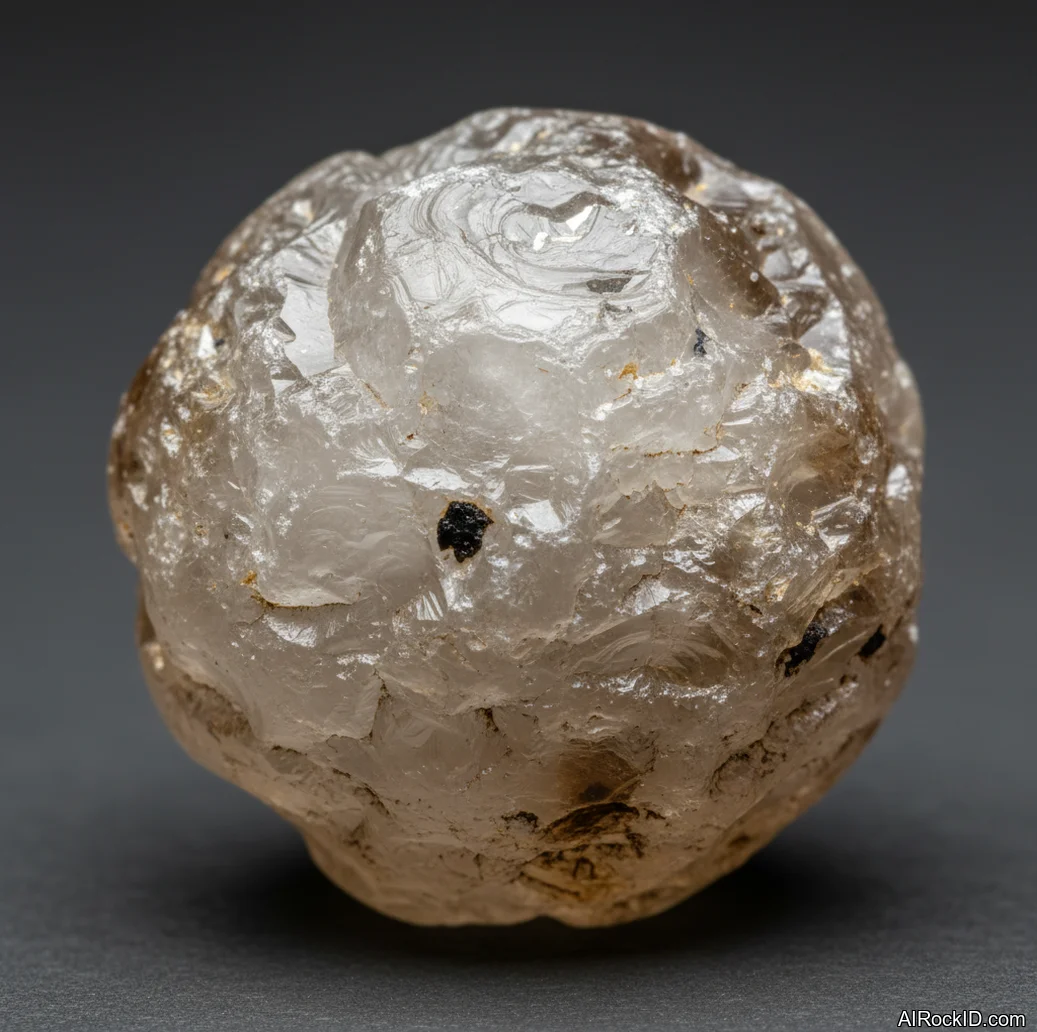
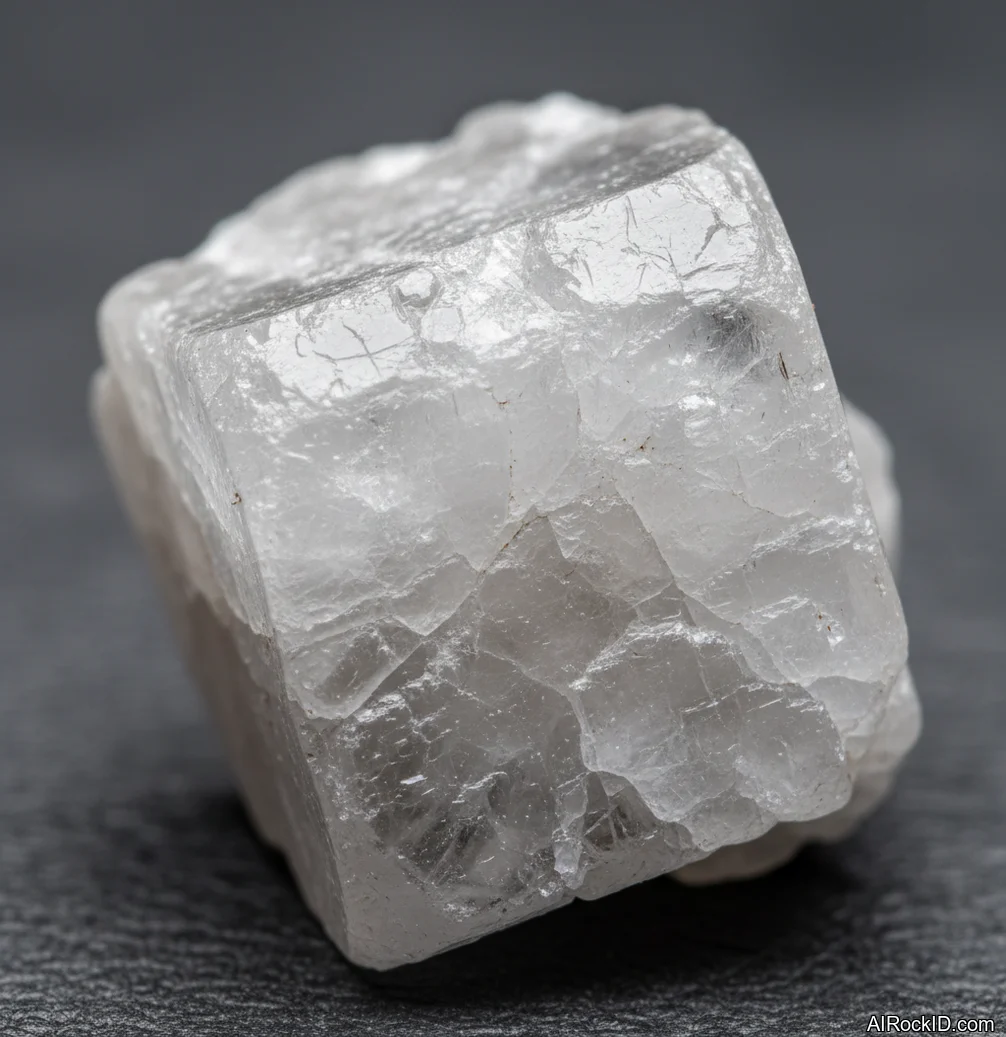
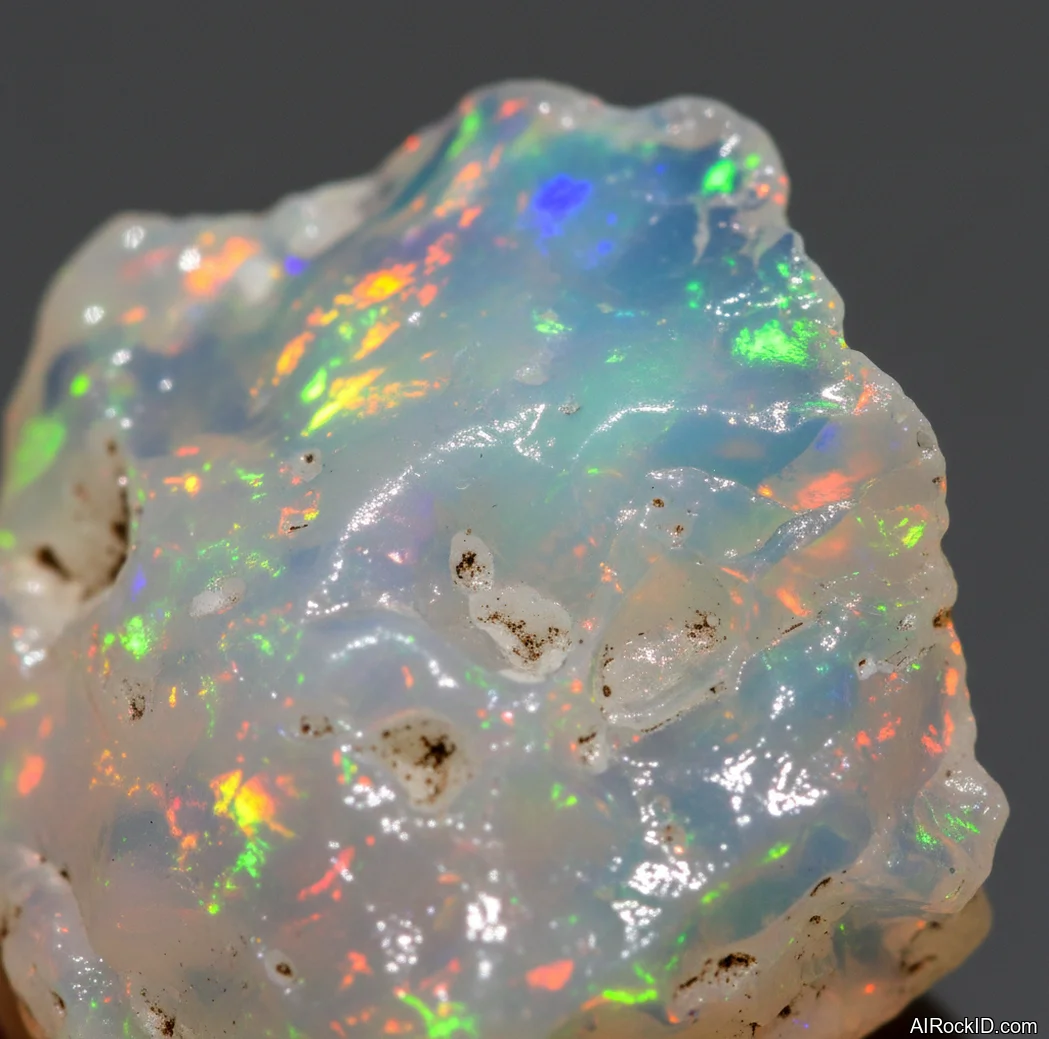
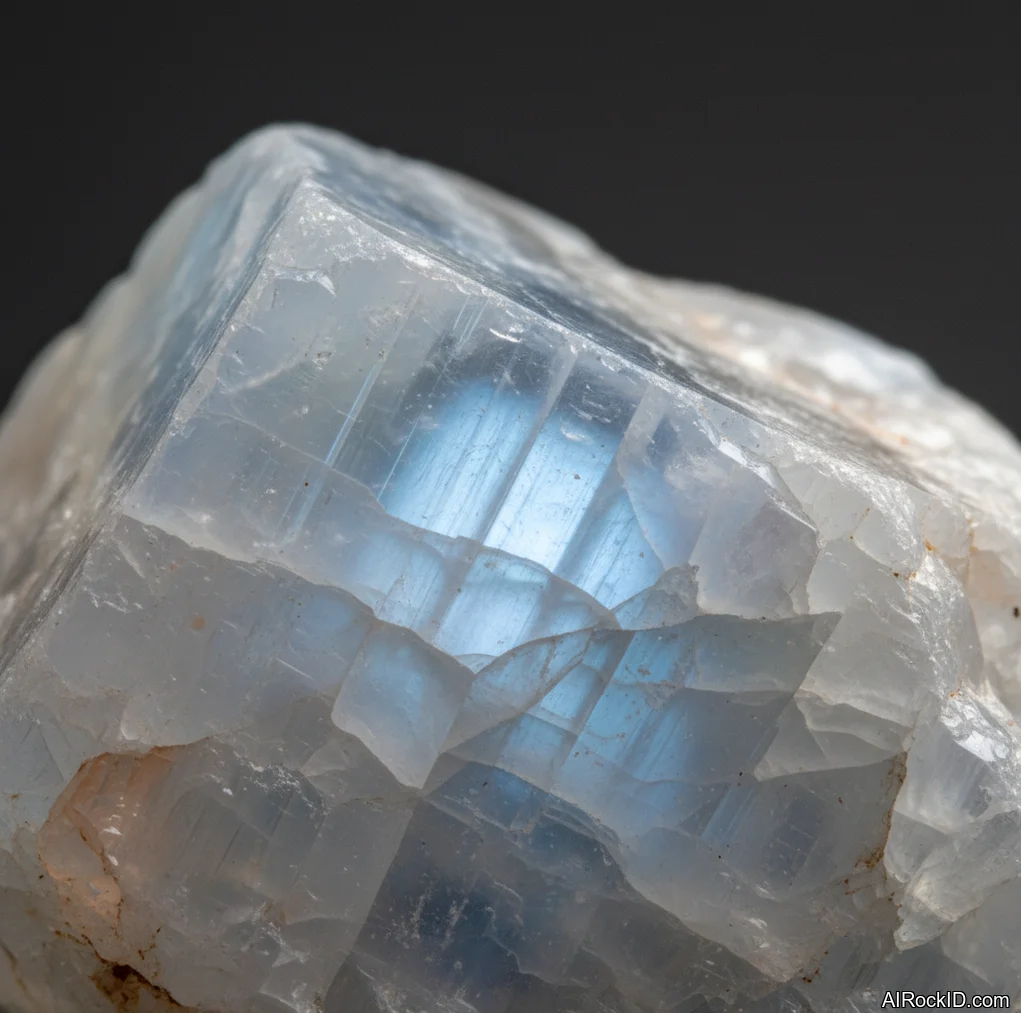
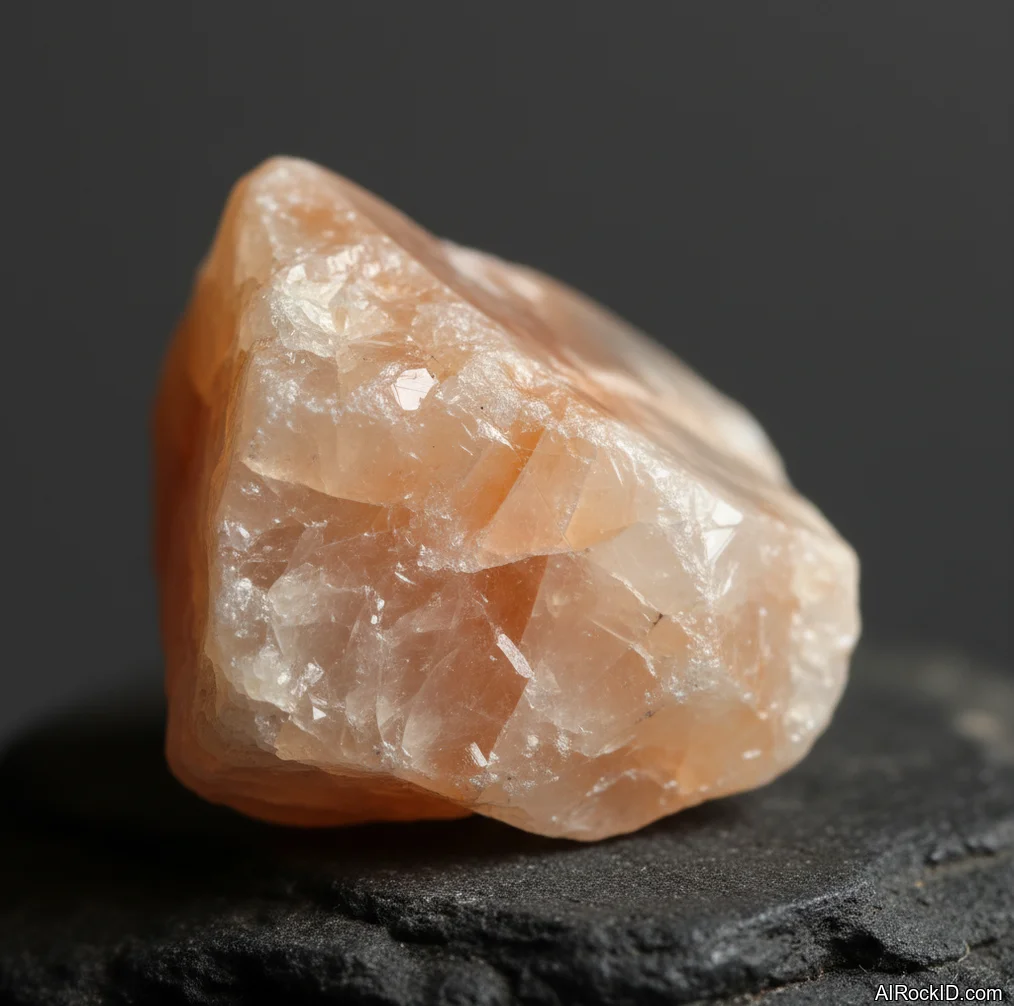
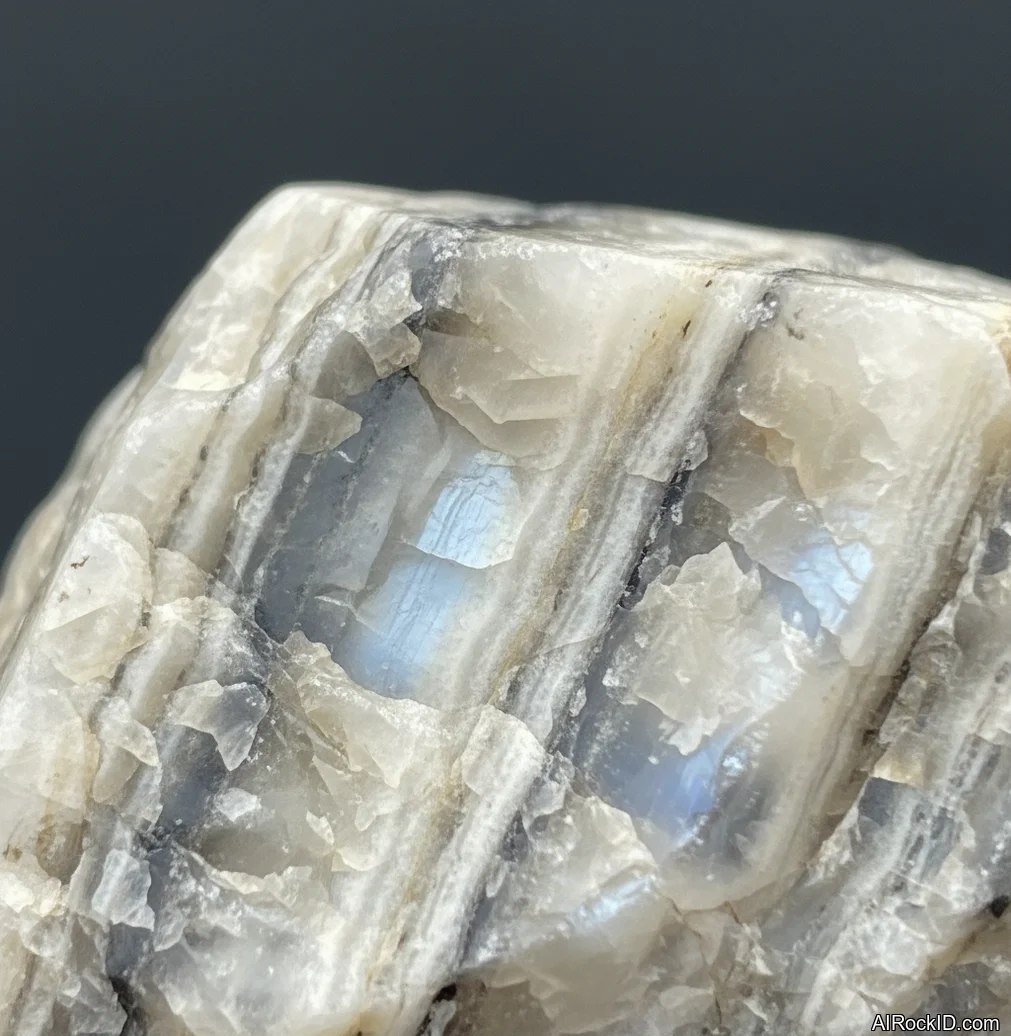
People go looking for intuition crystals when they’re stuck with choices they can’t logic their way through: relationships, career turns, creative direction, grief, recovery. Or they’re doing dreamwork and want better recall. Moonstone is the classic here, especially the pale feldspar with a blue glow that rolls across the surface. Look closely and you’ll often see tiny internal fractures and a cloudy body. That’s normal. The glow, called adularescence, should move when you rock the stone, not sit there like a painted stripe.
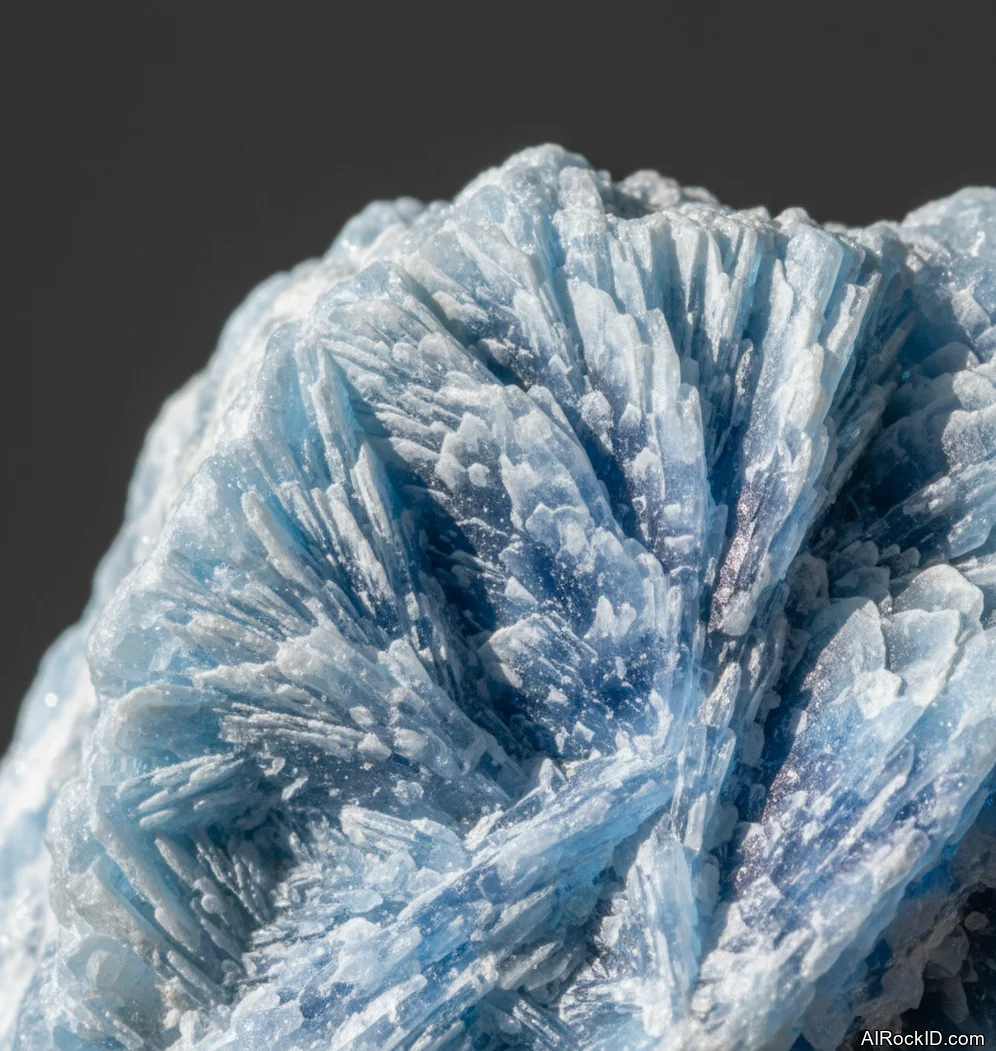
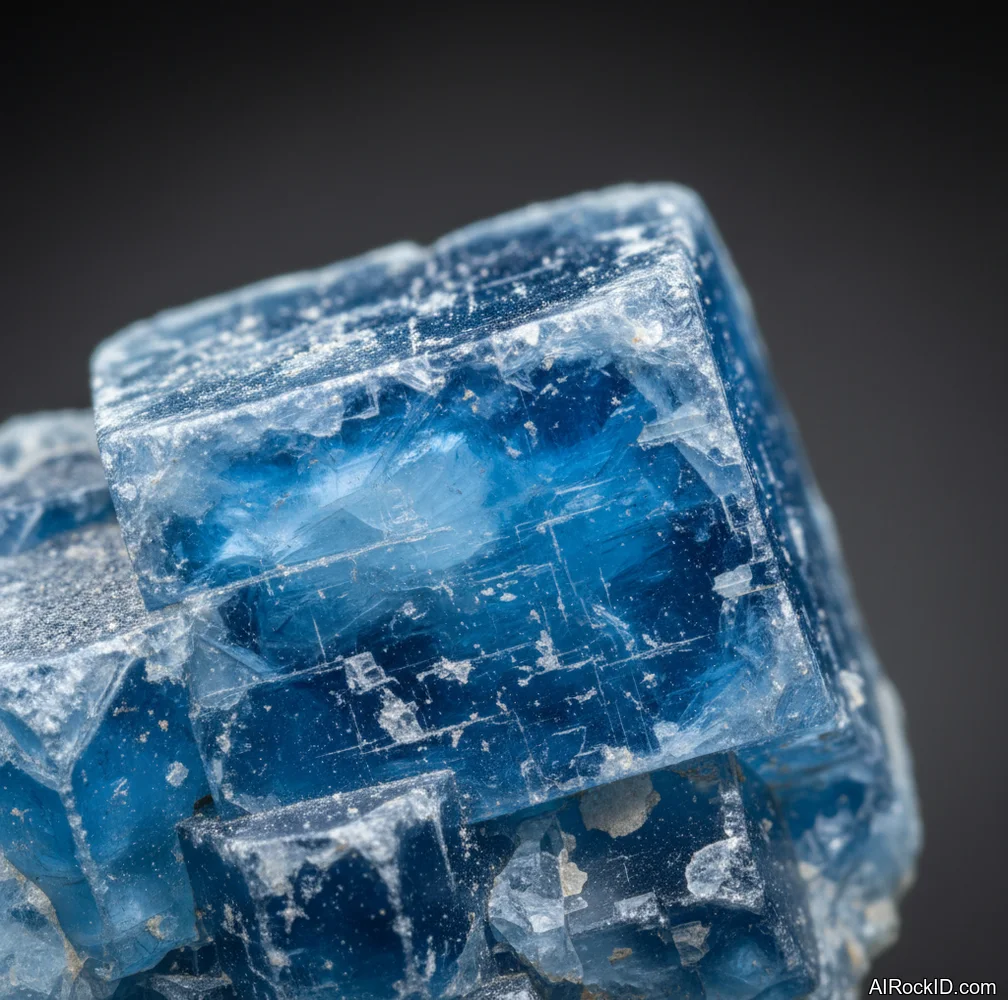
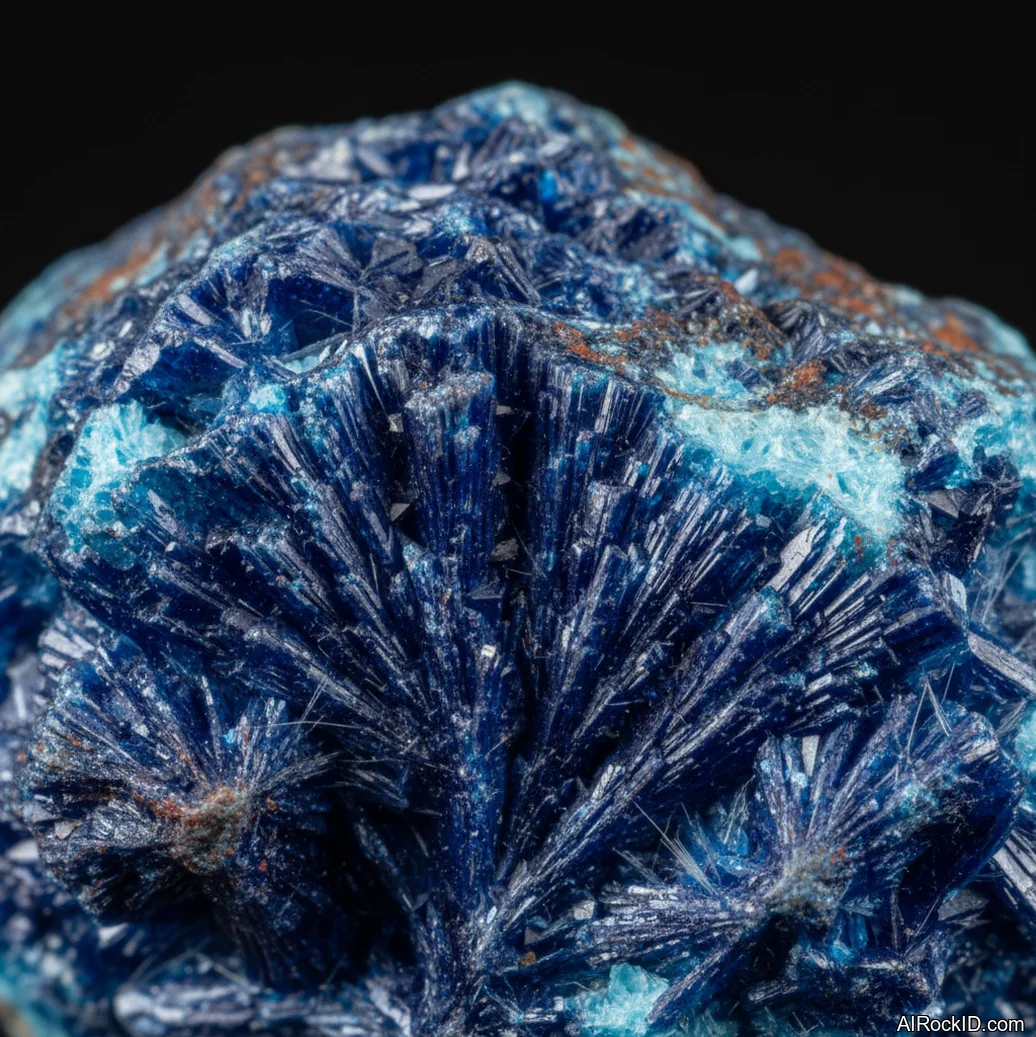
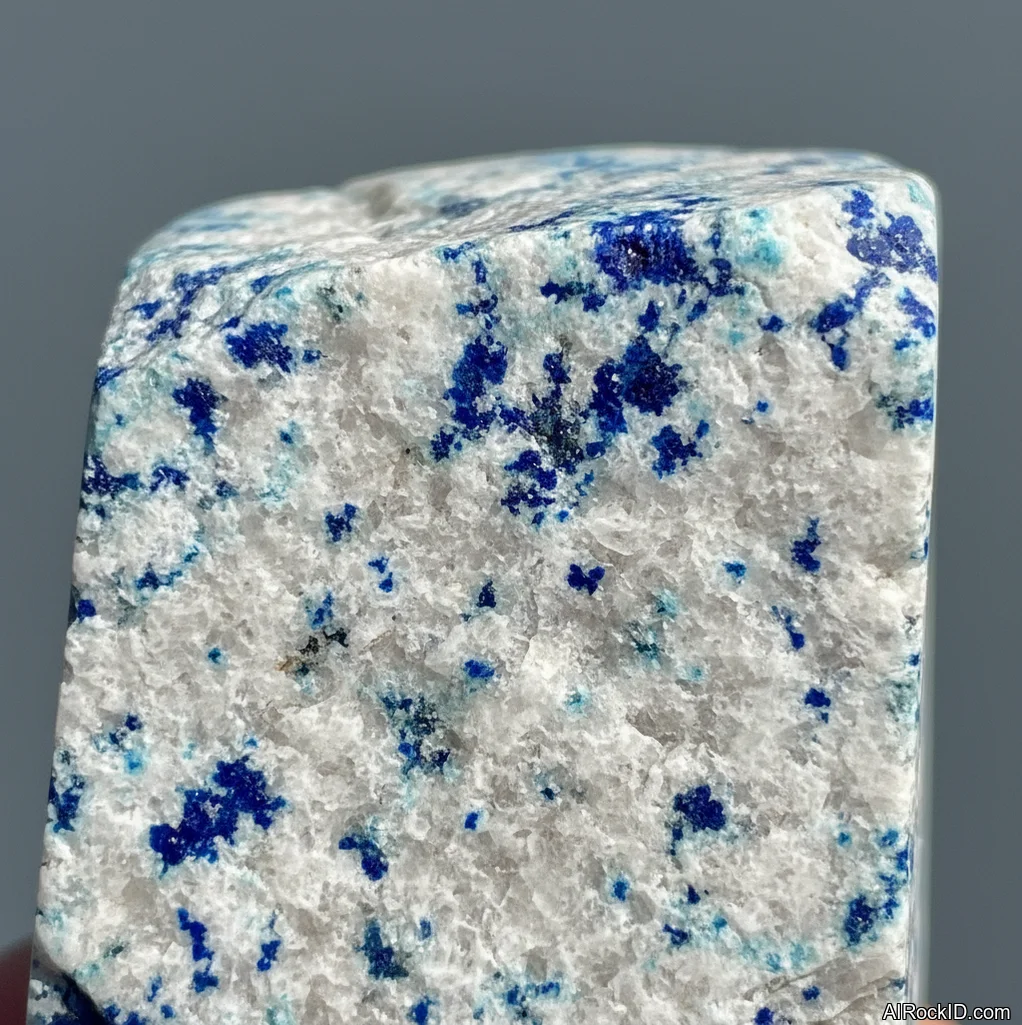
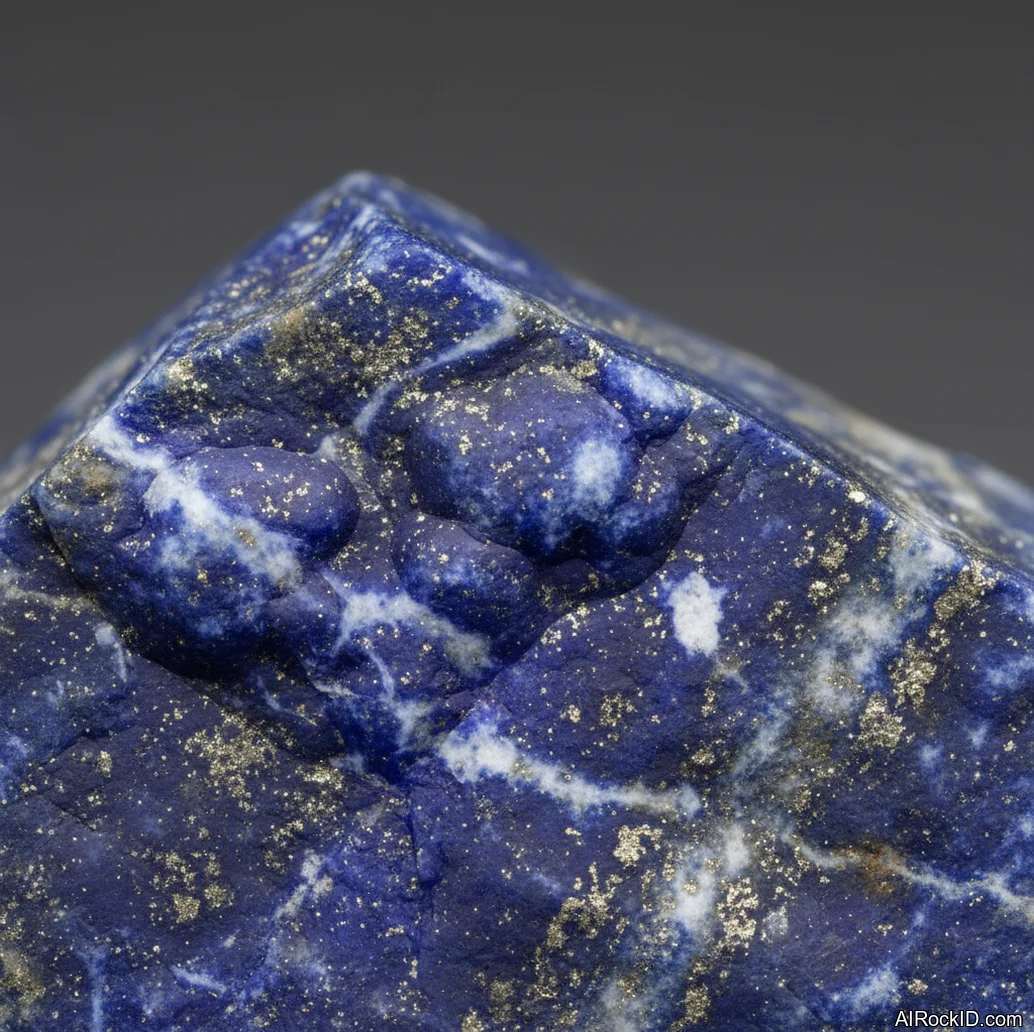
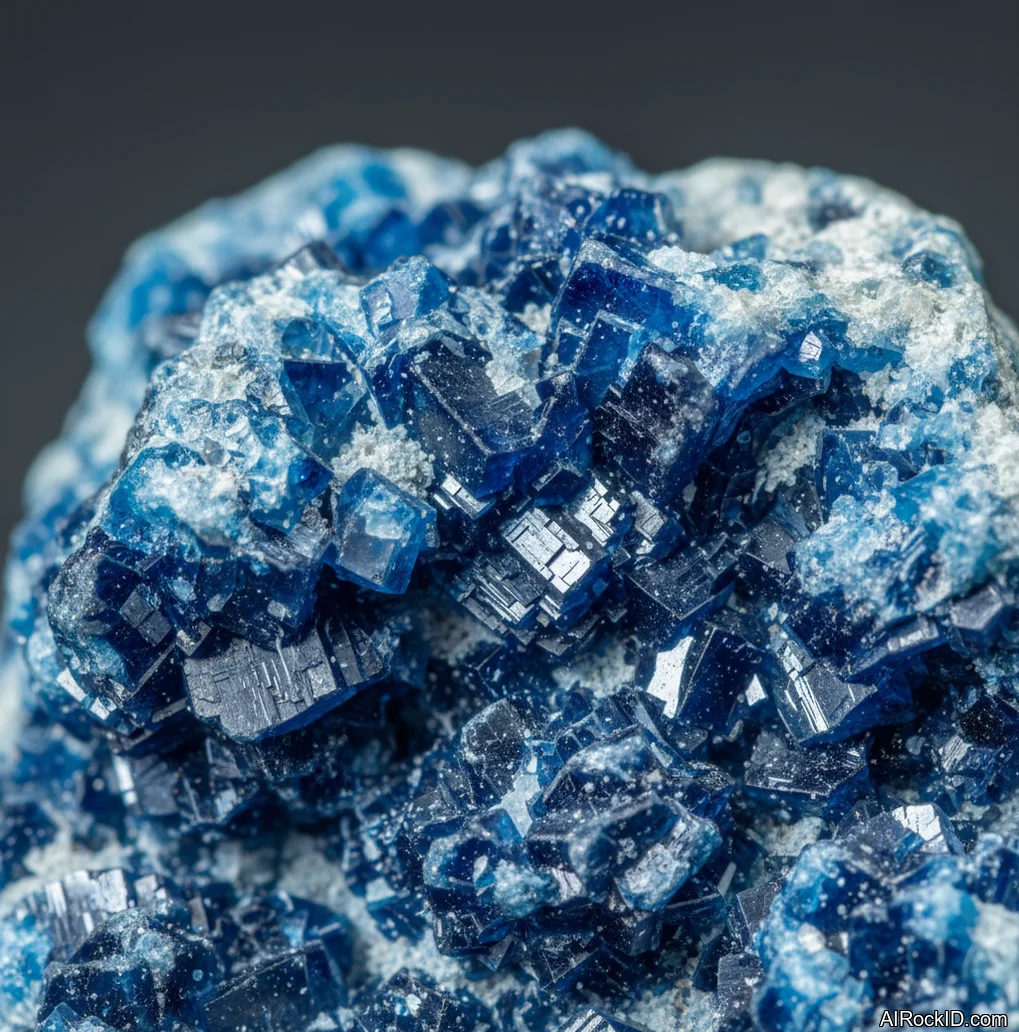
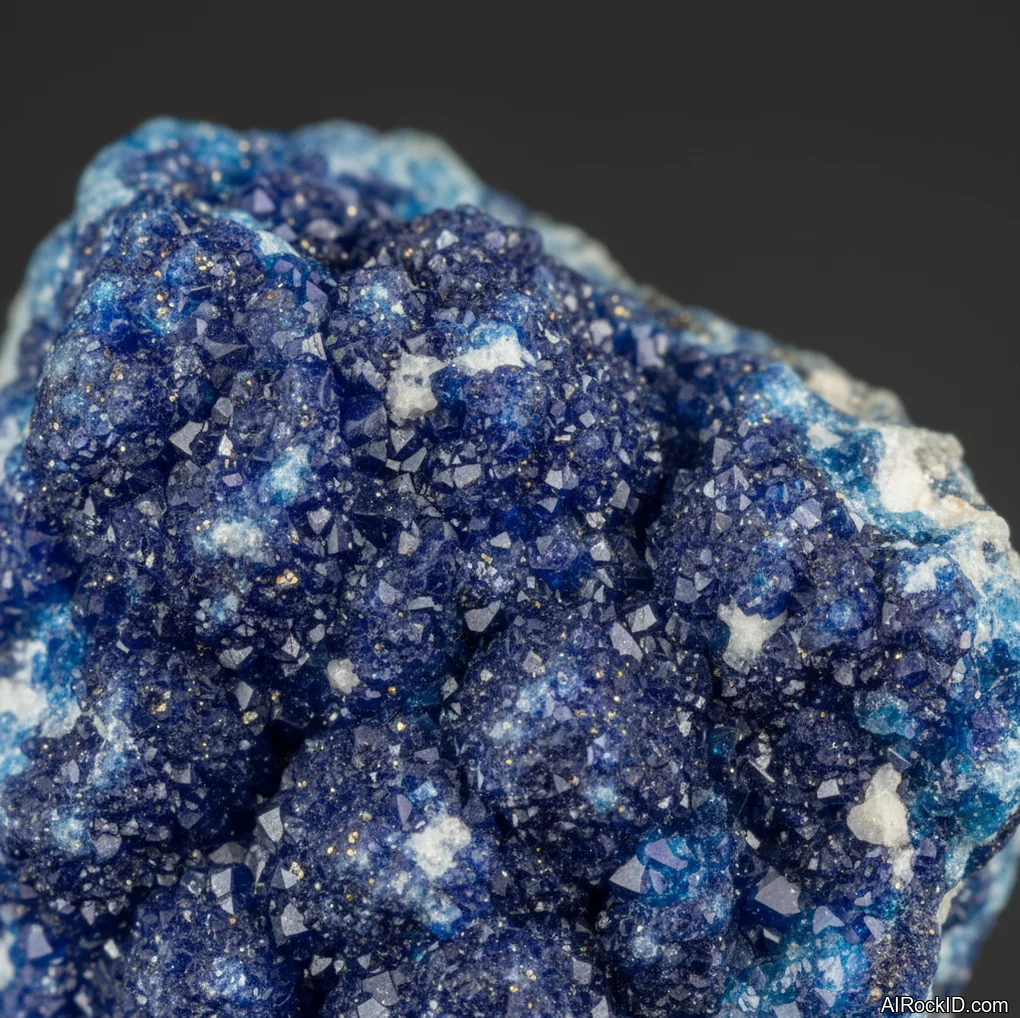
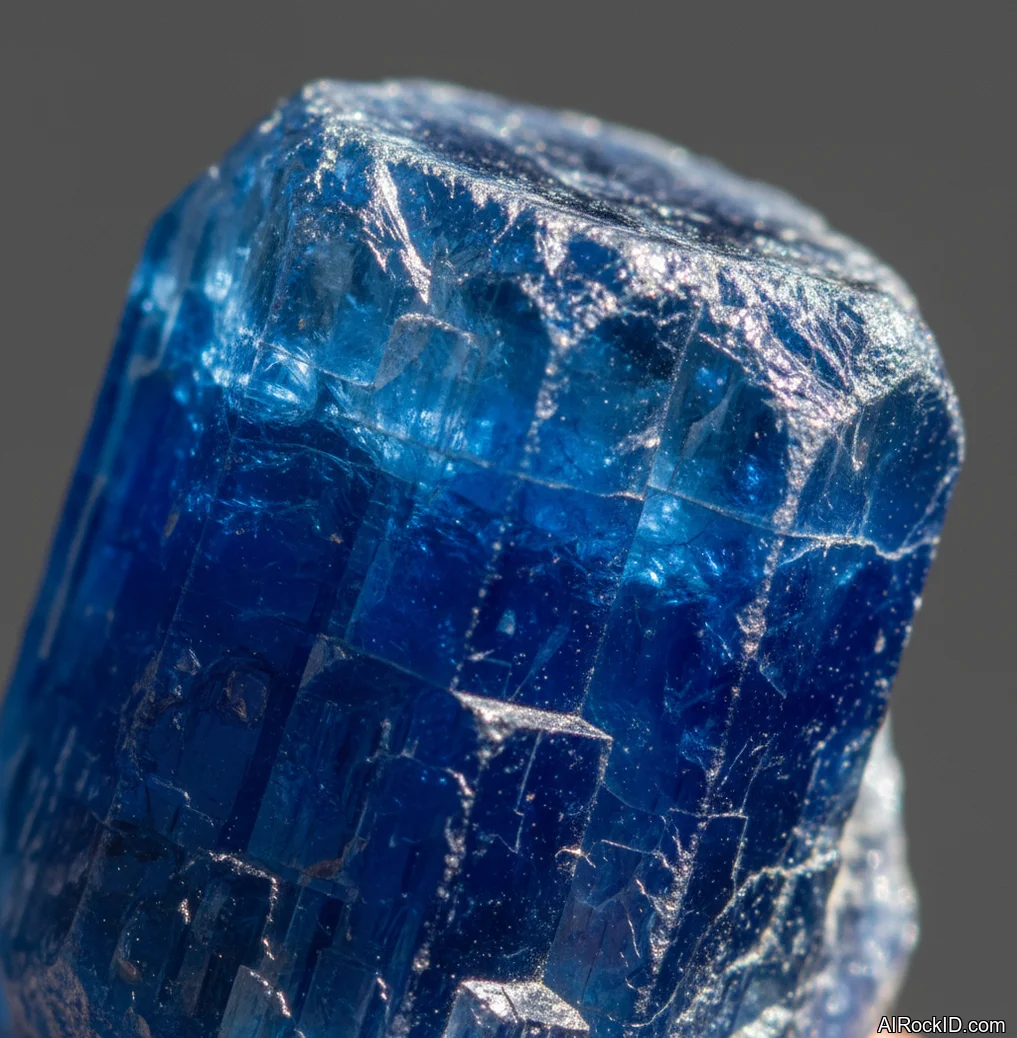
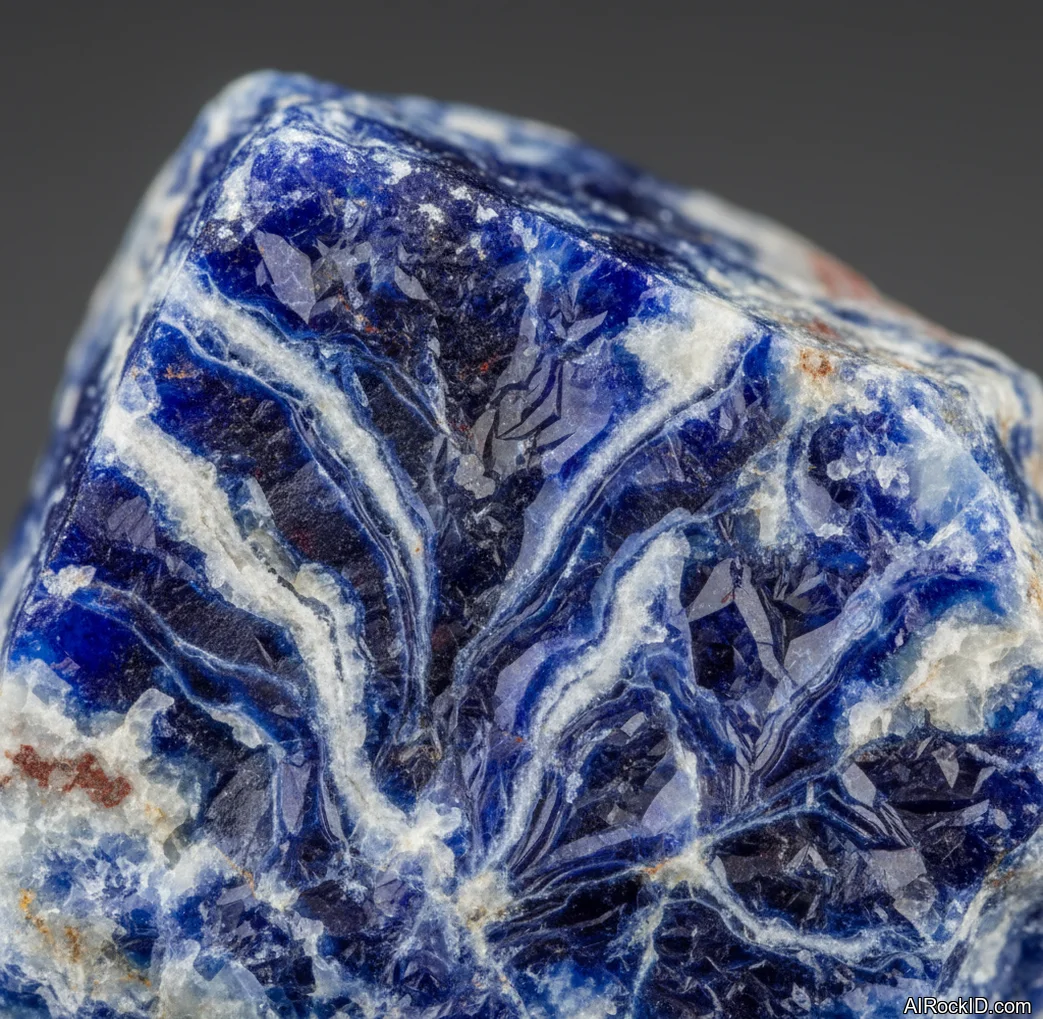
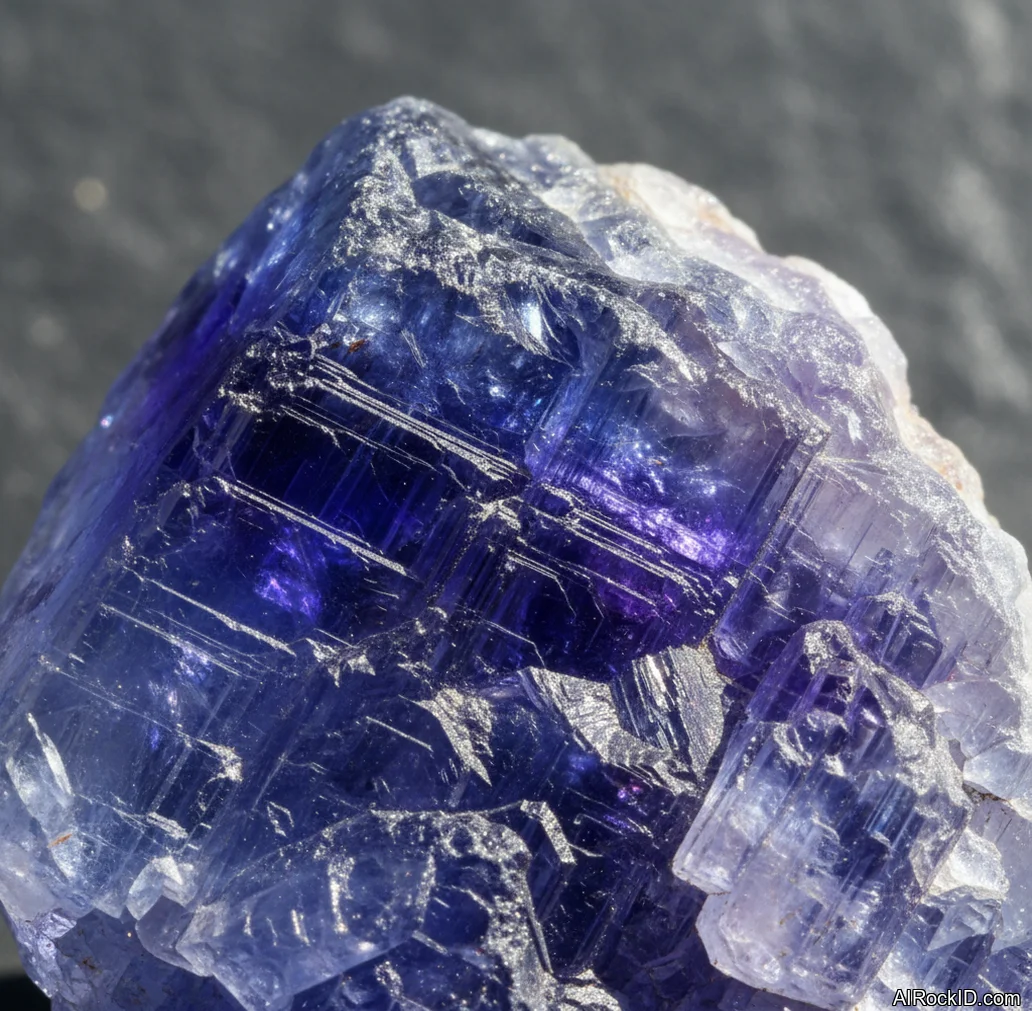
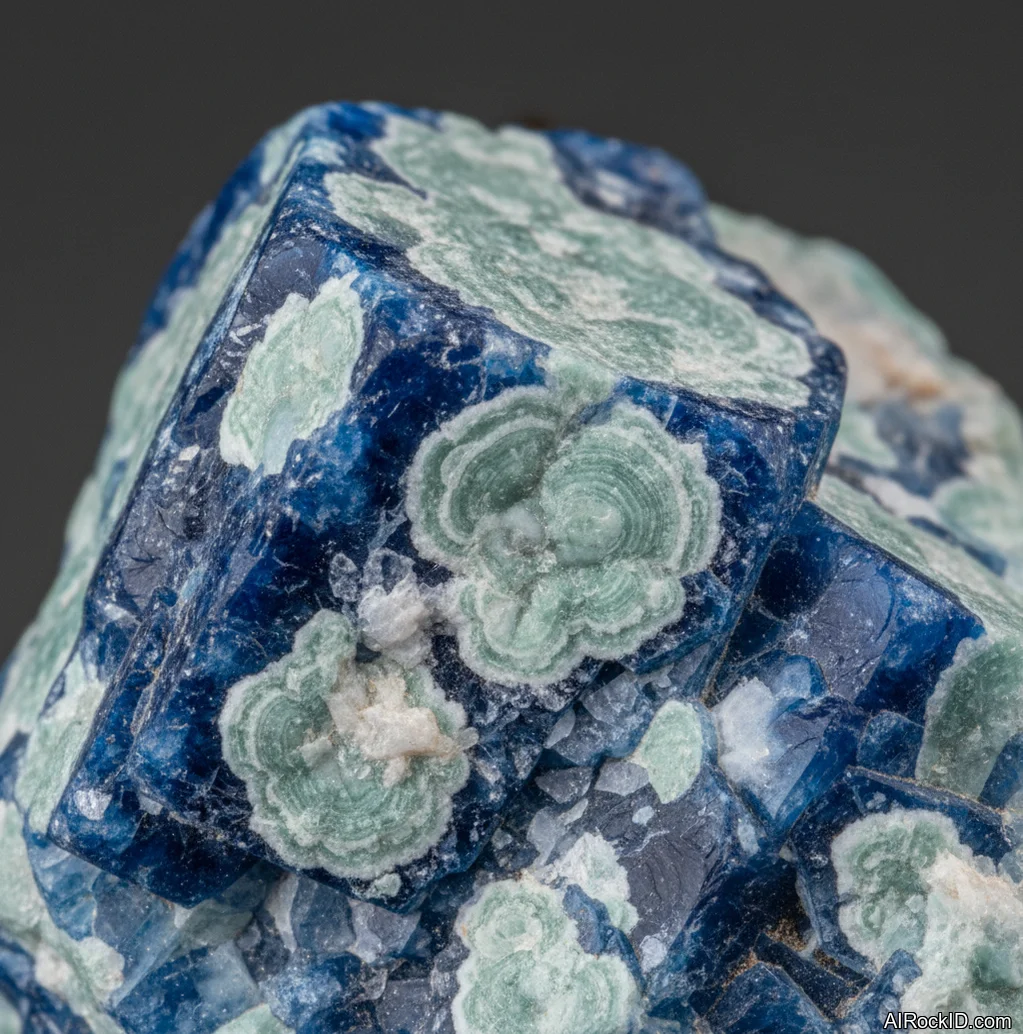
And then there’s the “third-eye” crowd, which is where lapis lazuli and sodalite show up. Lapis is the one to watch when you’re buying. Real lapis has pyrite specks that look like little metallic confetti, plus some white calcite streaking in many pieces. If it’s perfectly uniform royal blue with zero variation, that’s a red flag. A lot of cheap lapis is dyed, and the dye can rub off on a cloth if you wipe it with a bit of alcohol. Sodalite is usually more affordable and has that inky blue with white veining, but it won’t give you the same gold sparkle.
Working with intuition crystals doesn’t need to be a whole ceremony. Keep it simple so you’ll actually do it. Put a palm stone of labradorite or amethyst on your nightstand and ask one clean question before sleep. No essays. “What do I need to notice tomorrow?” is enough. In the morning, write down the first thing you remember, even if it’s just a color or a weird sentence. That’s how you train the signal.
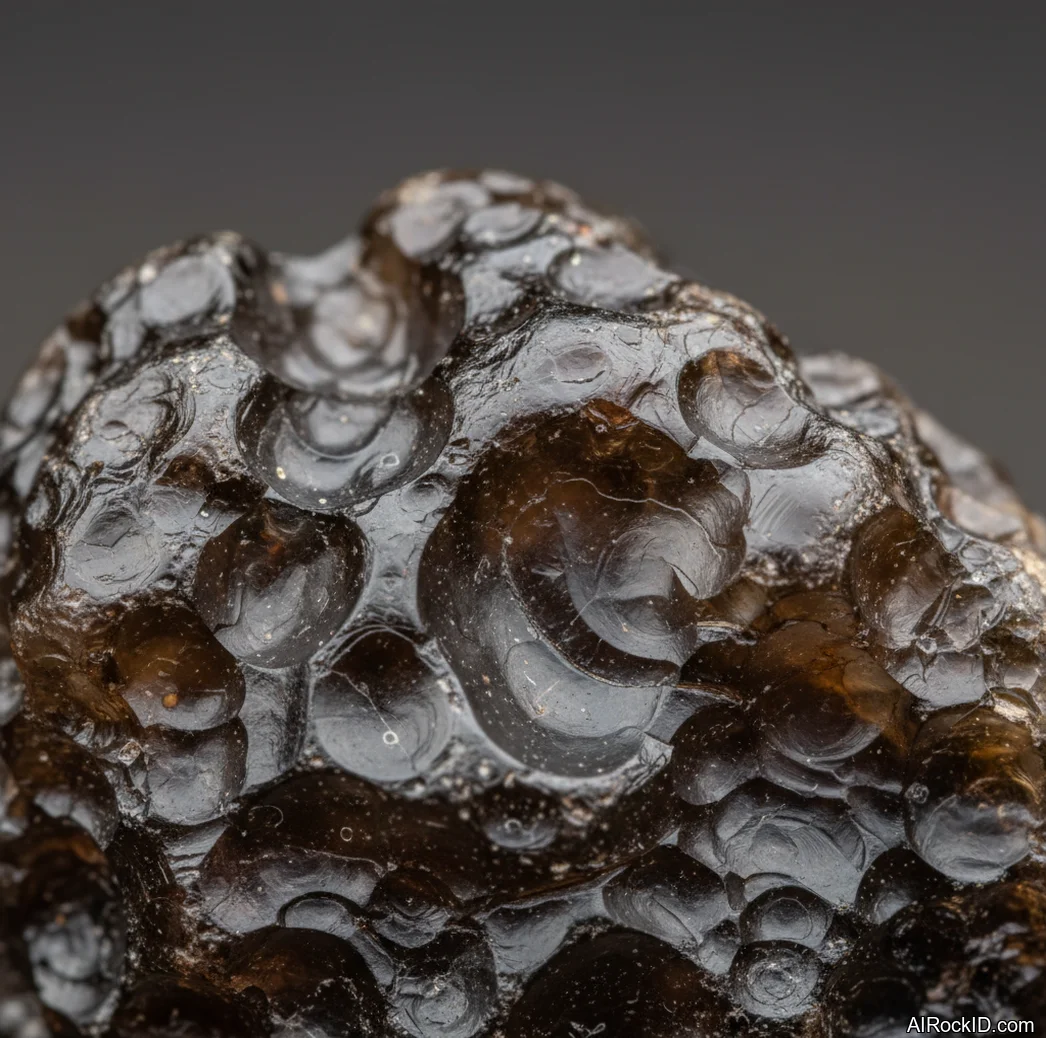
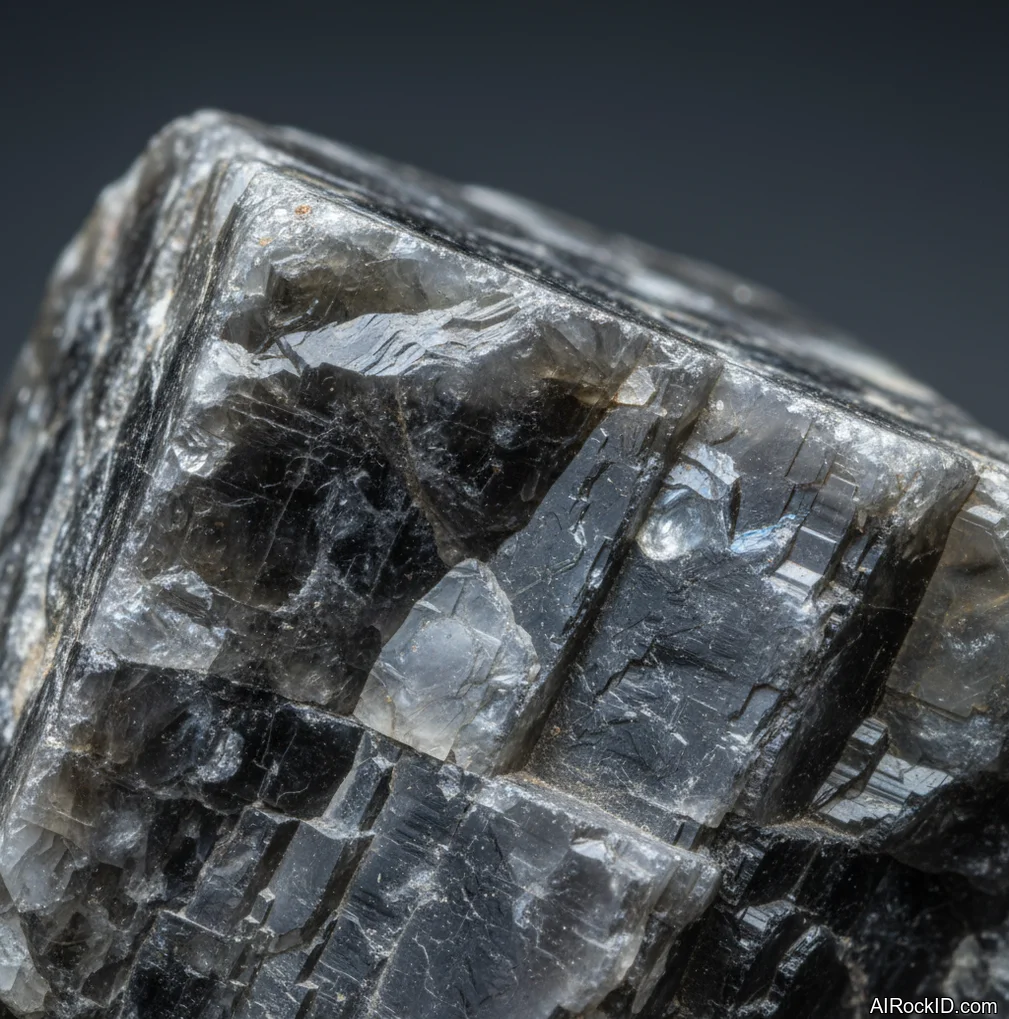
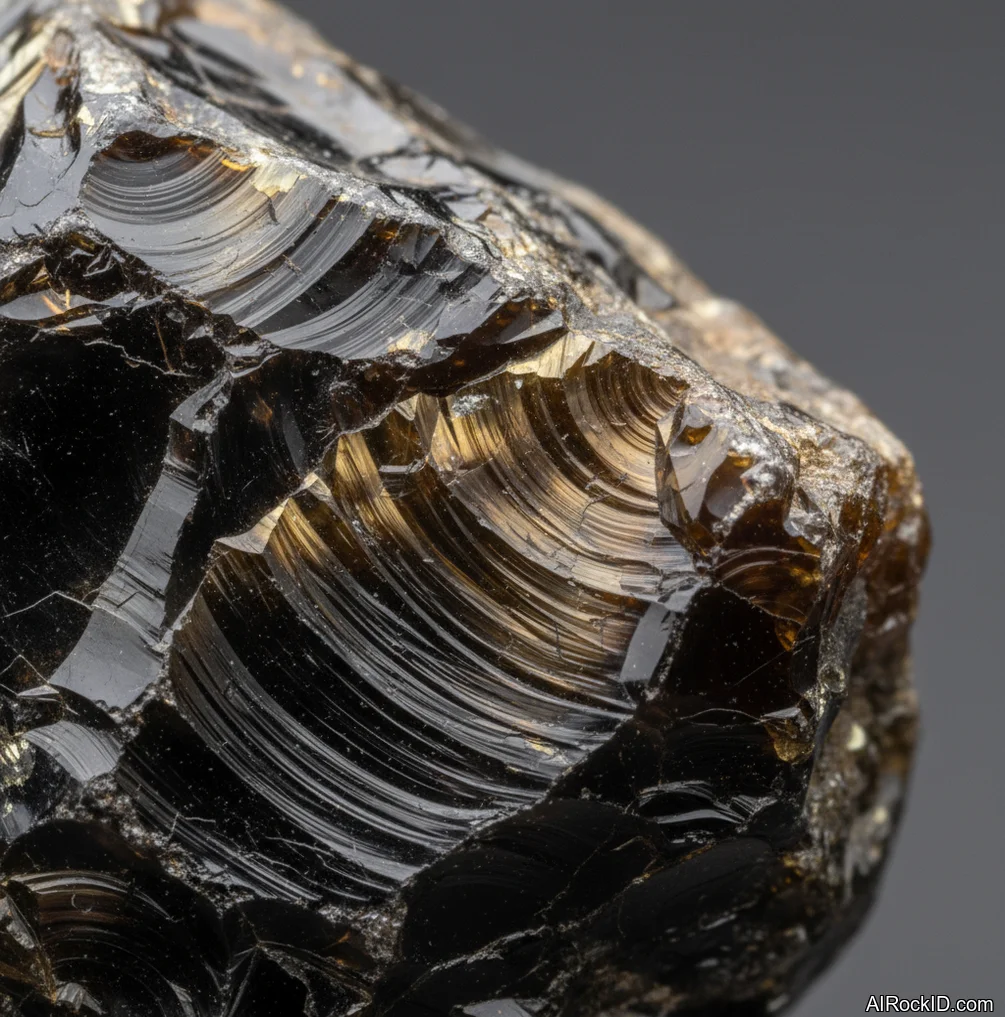
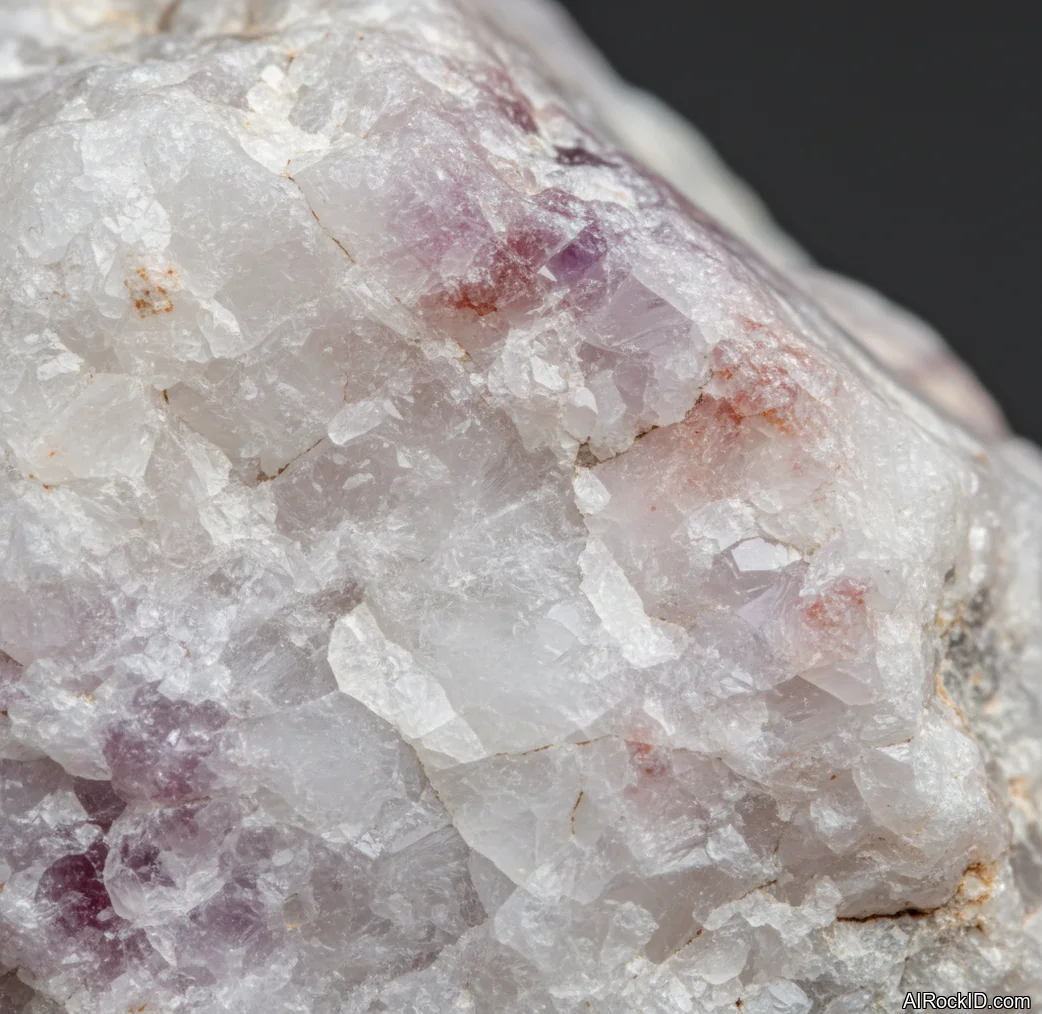
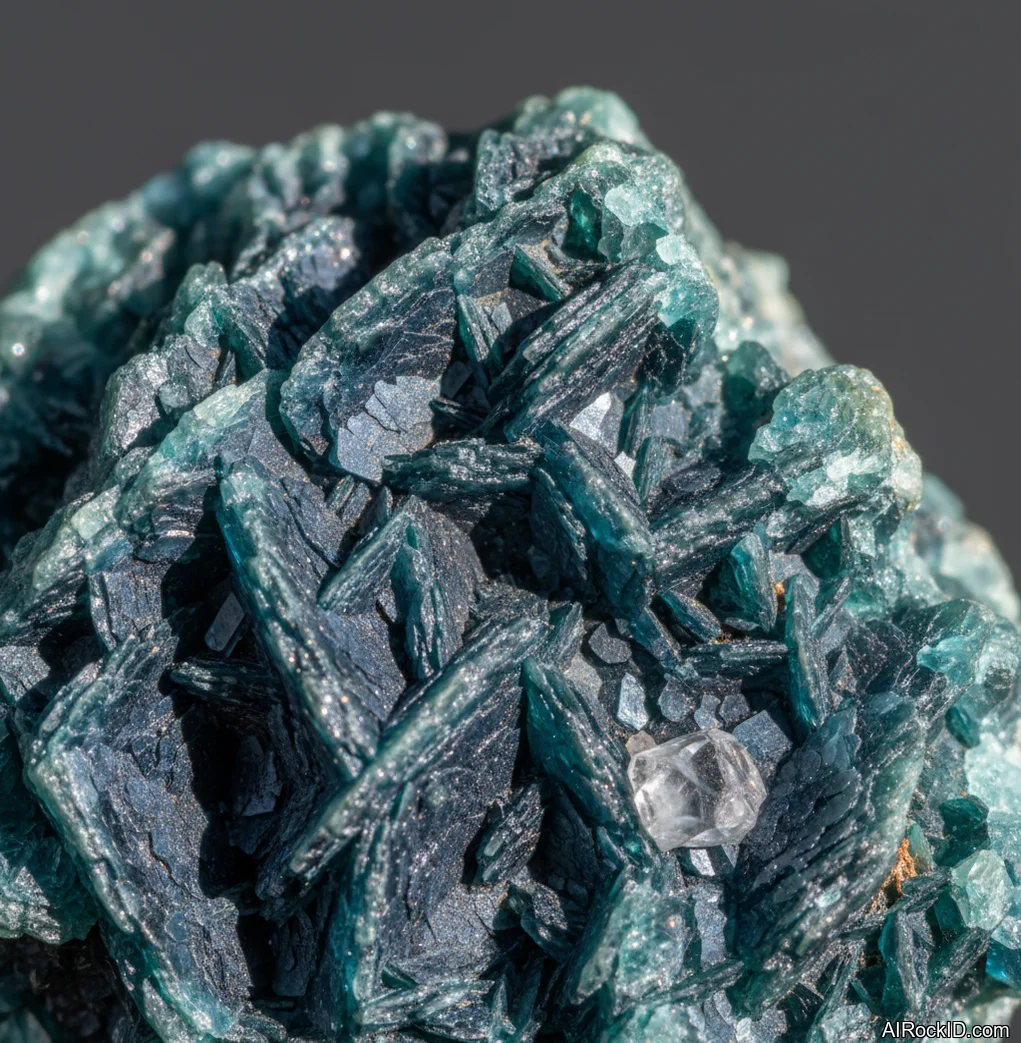
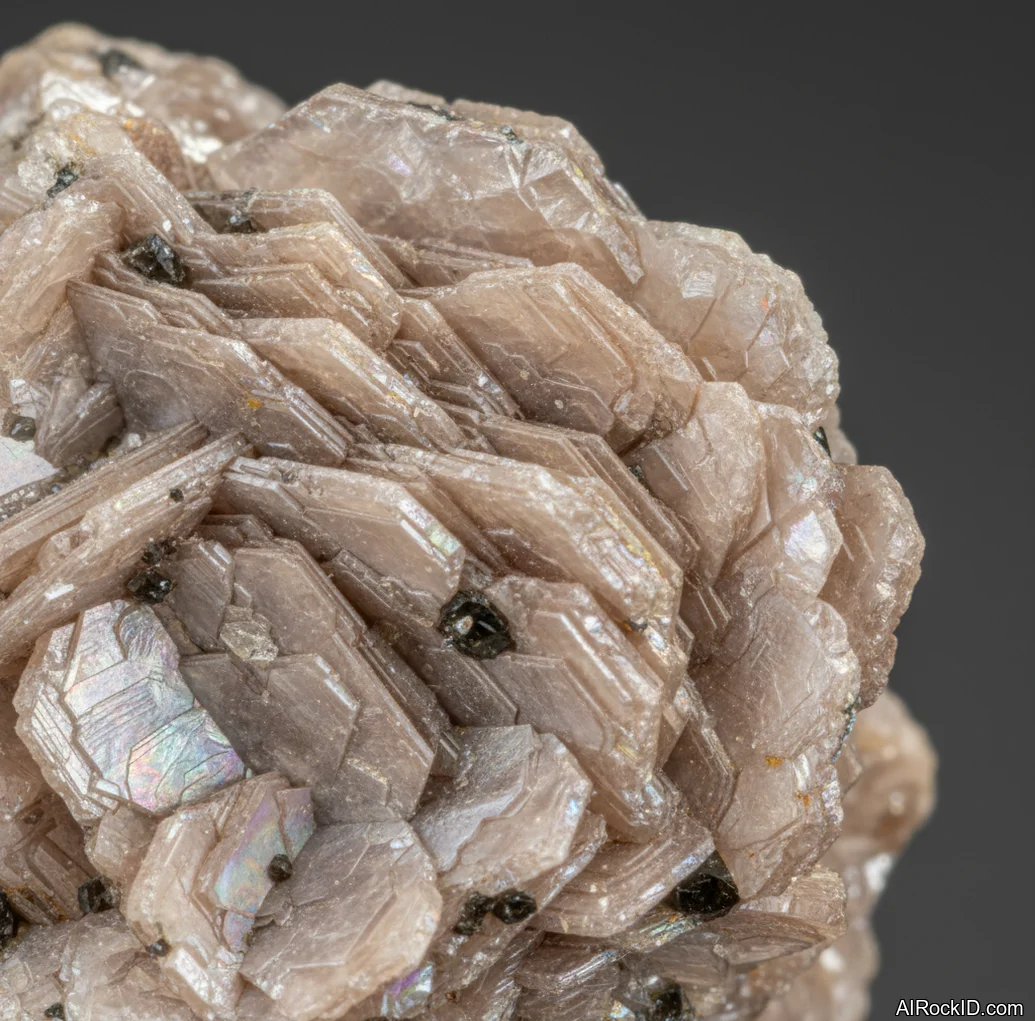
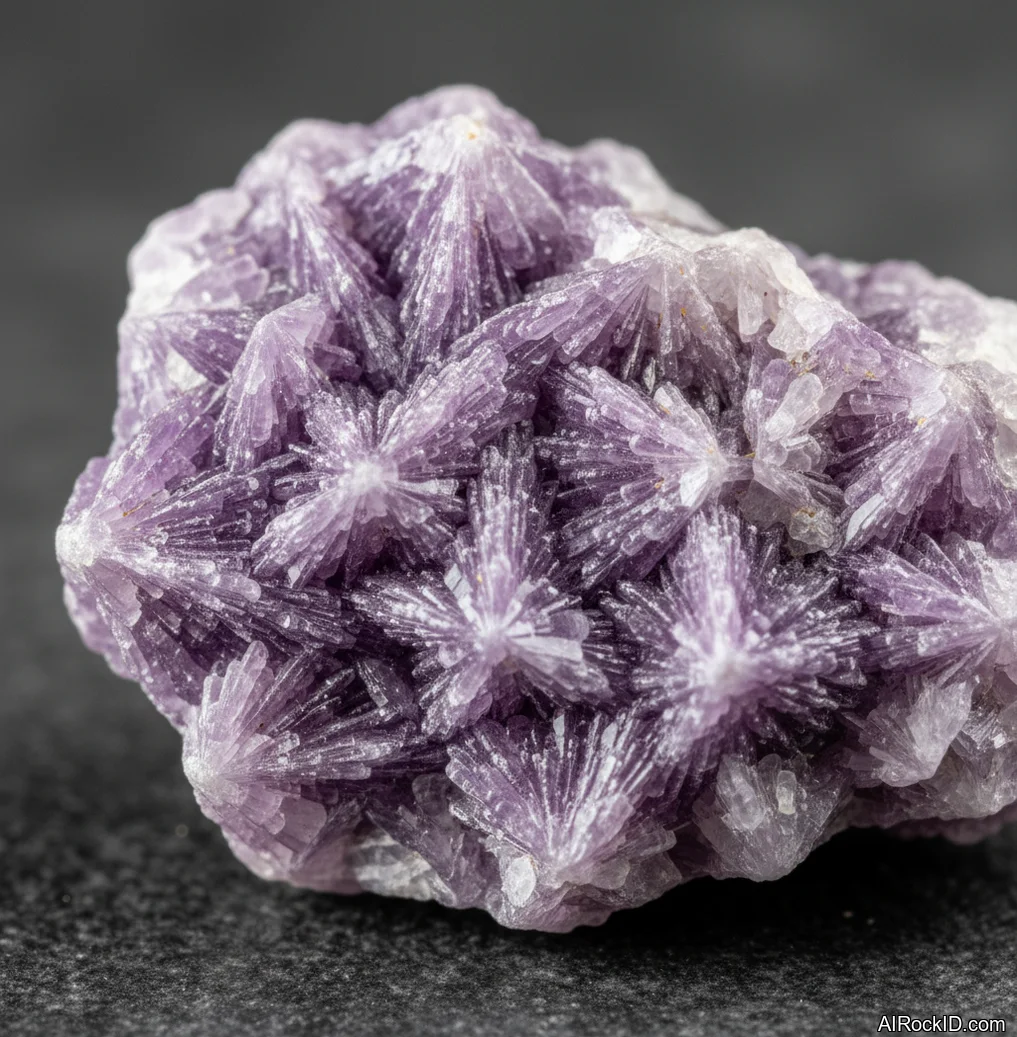
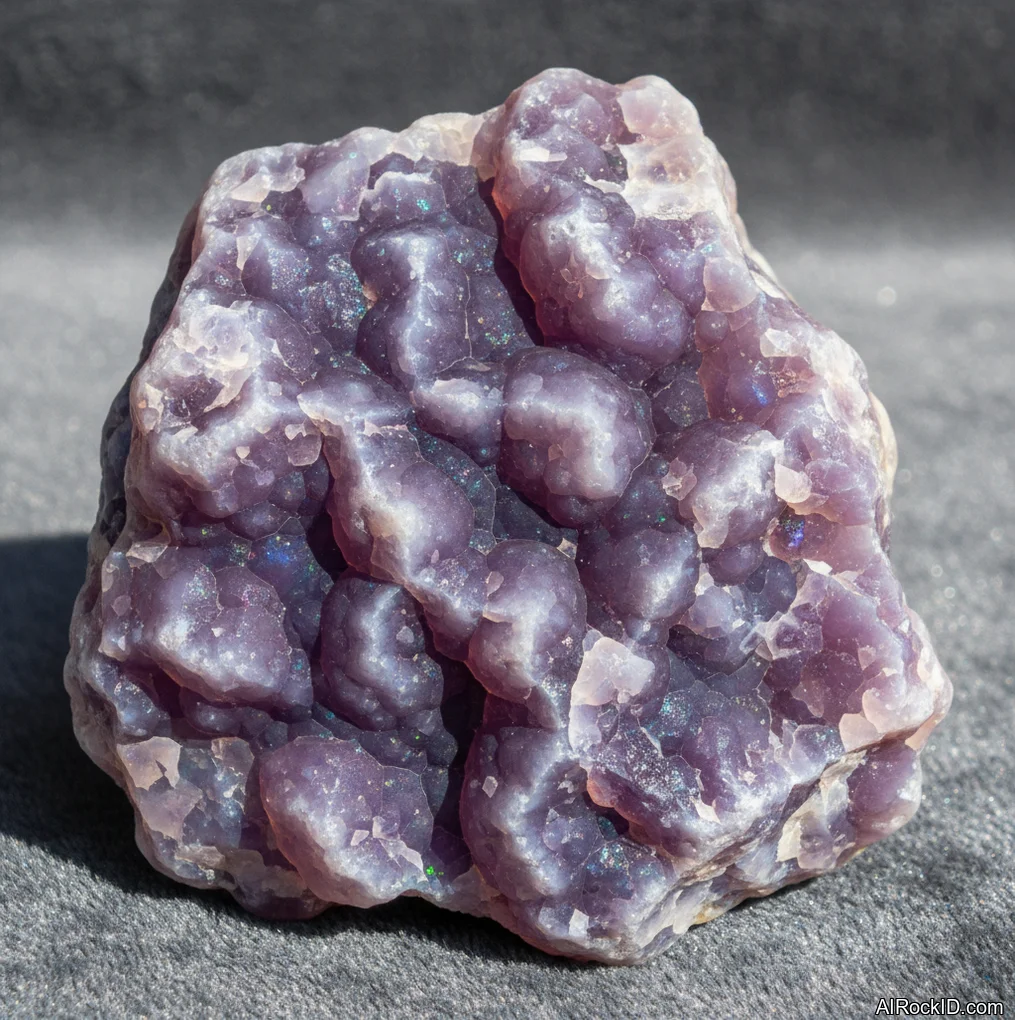
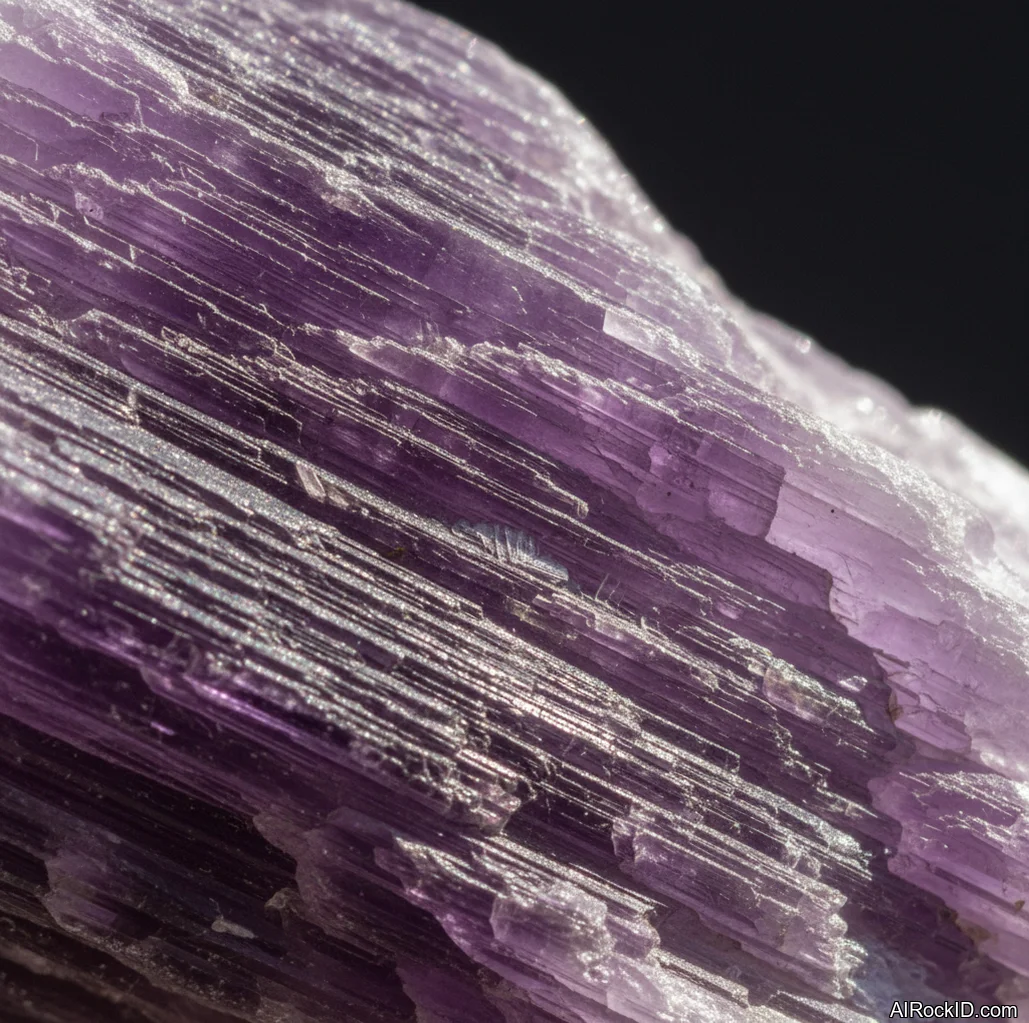
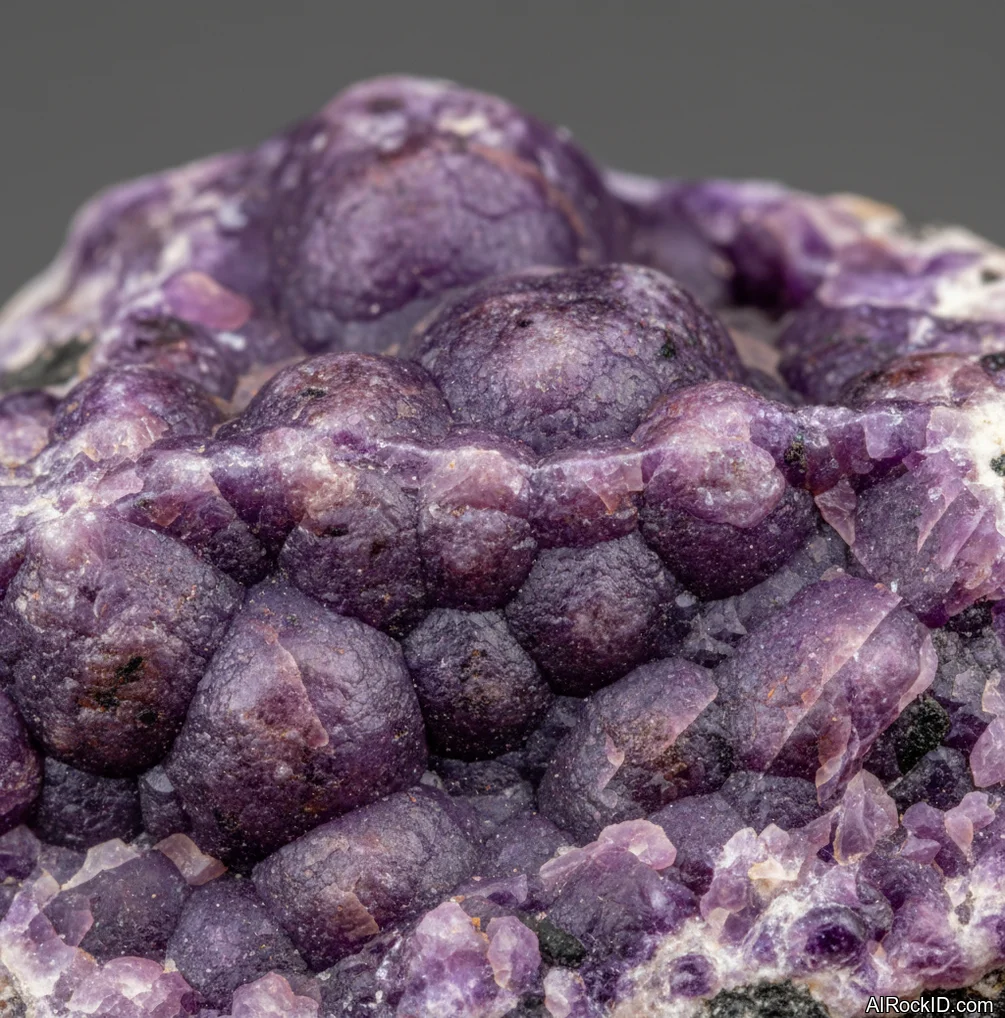
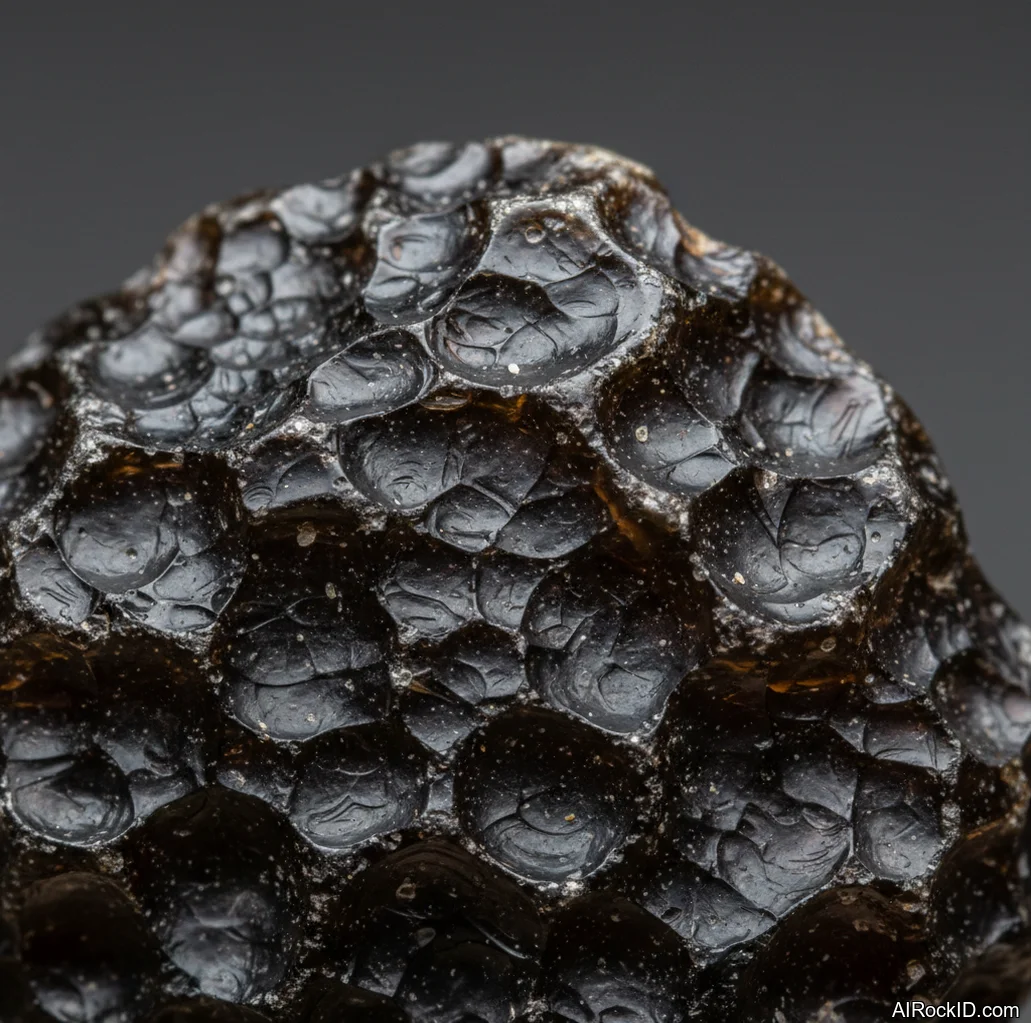
For day-to-day decisions, I like a physical routine. Hold two stones, one in each hand, and say your options out loud. Then pay attention to your shoulders, your stomach, your breathing. Black obsidian can help here because it’s blunt. It’s volcanic glass, so it has that slick, cold feel and razor-sharp edges on raw chunks. It doesn’t sugarcoat. But it can also feel intense if you’re already stressed, so swap to lepidolite if you need something gentler. Lepidolite is mica-rich, often lavender-gray, and it has that flaky, layered look. Some pieces will shed a little sparkle dust if they’re not stabilized, so don’t rub it into your eyes and don’t toss it loose in a pocket with keys.
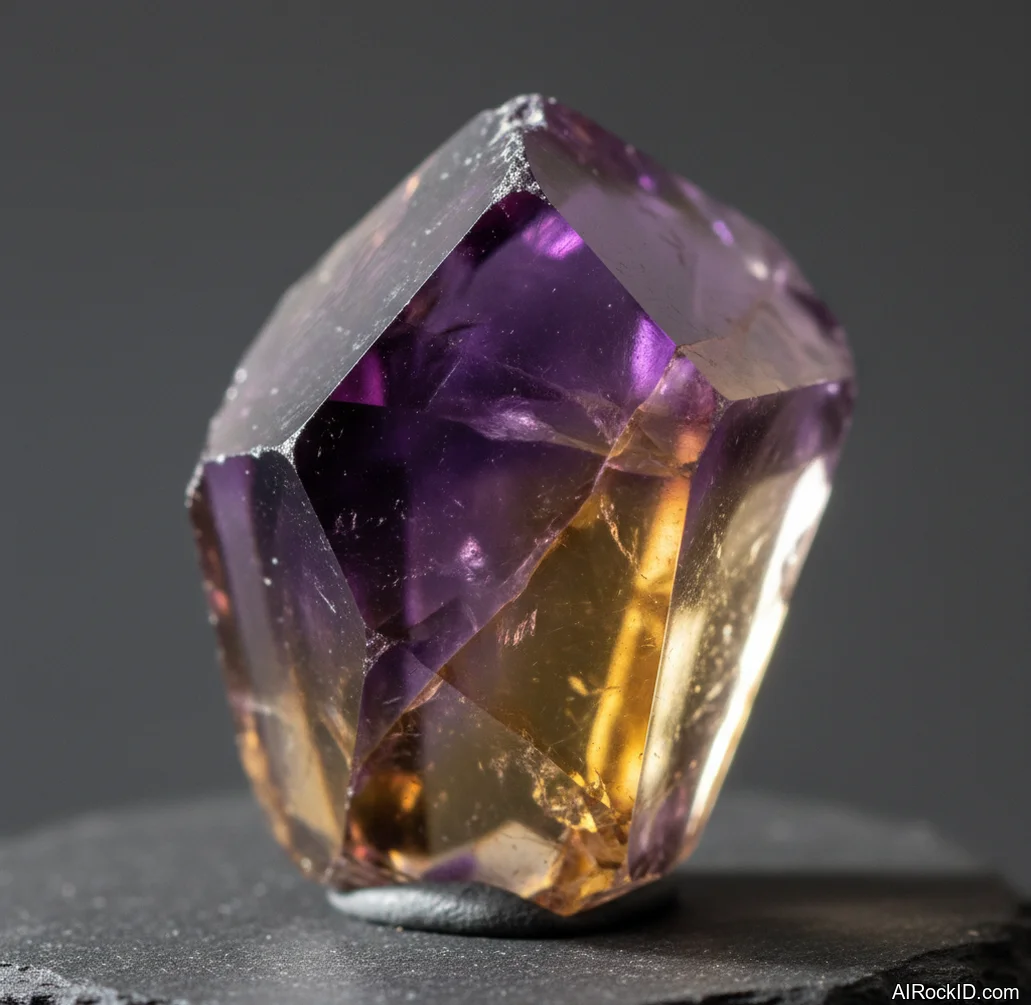
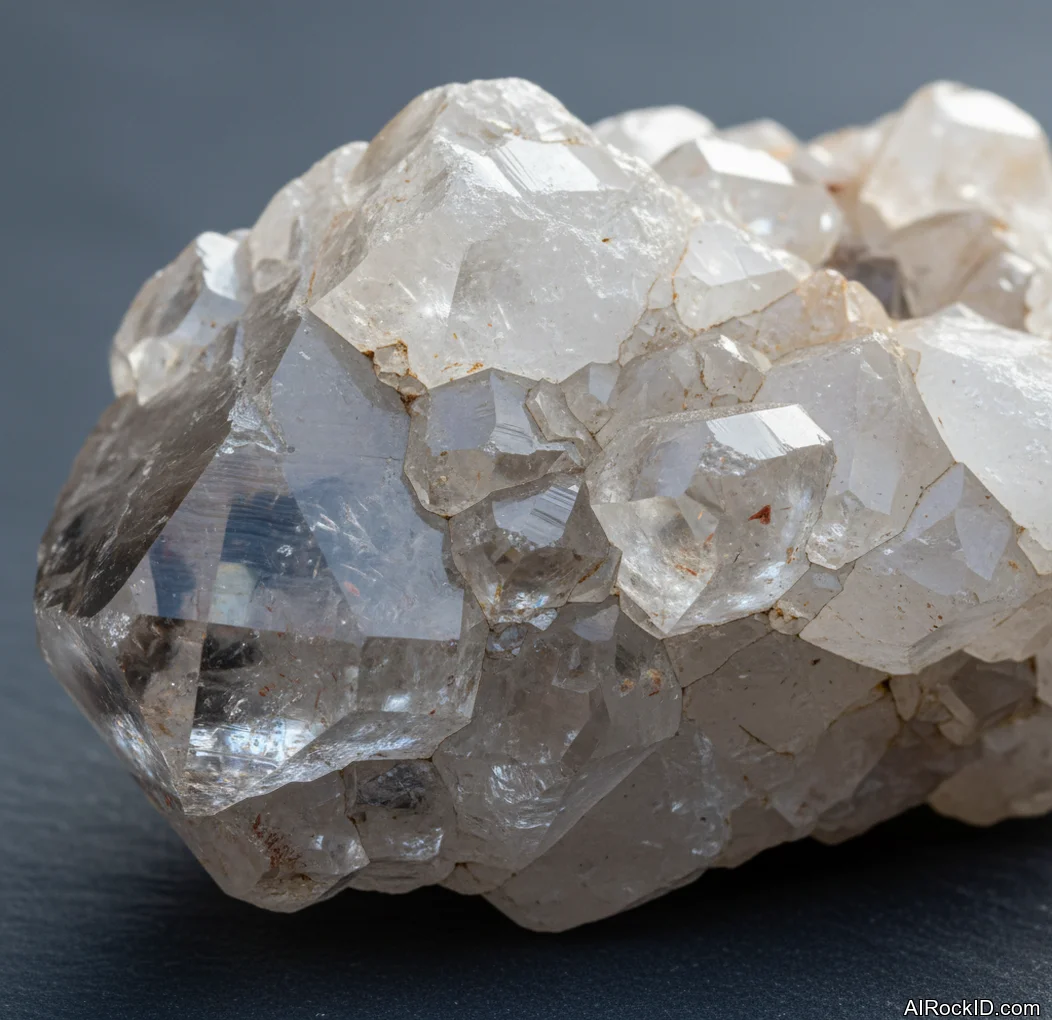
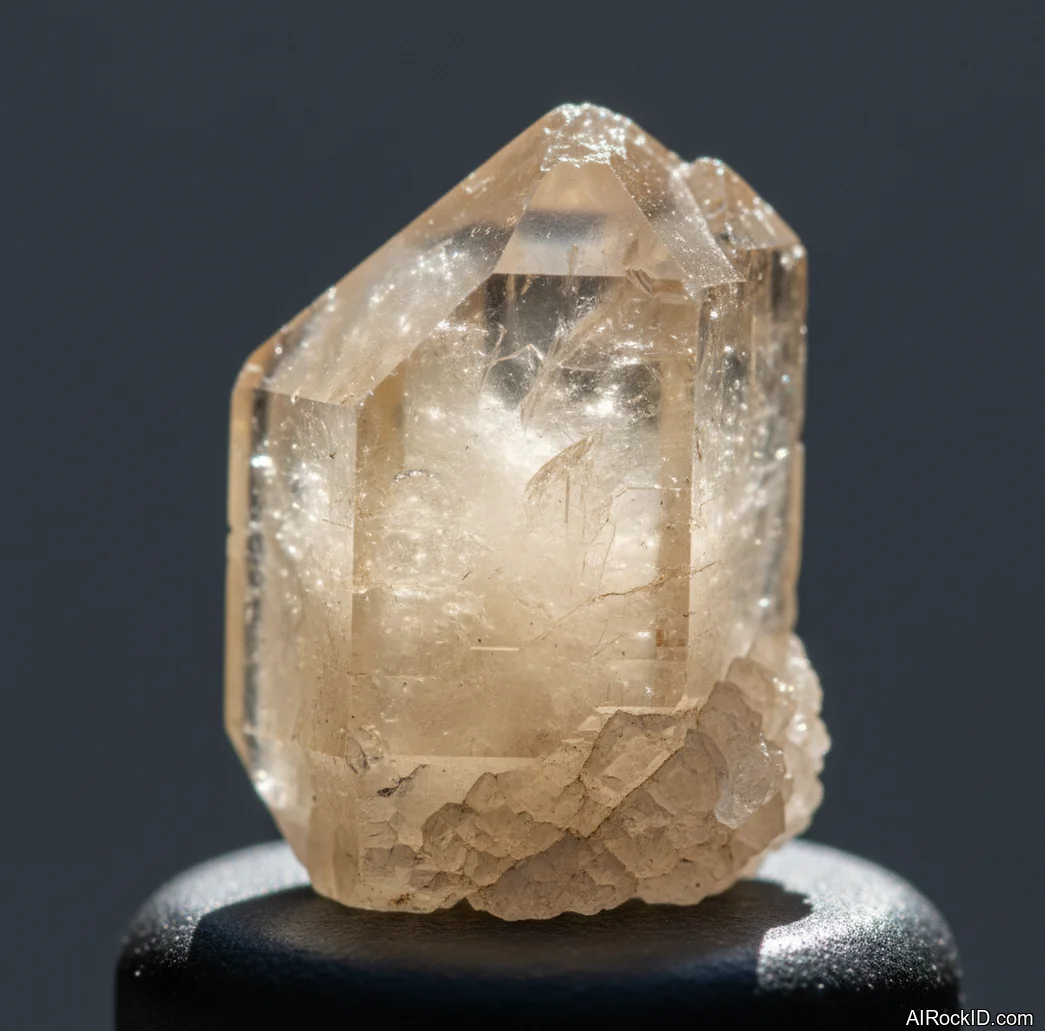
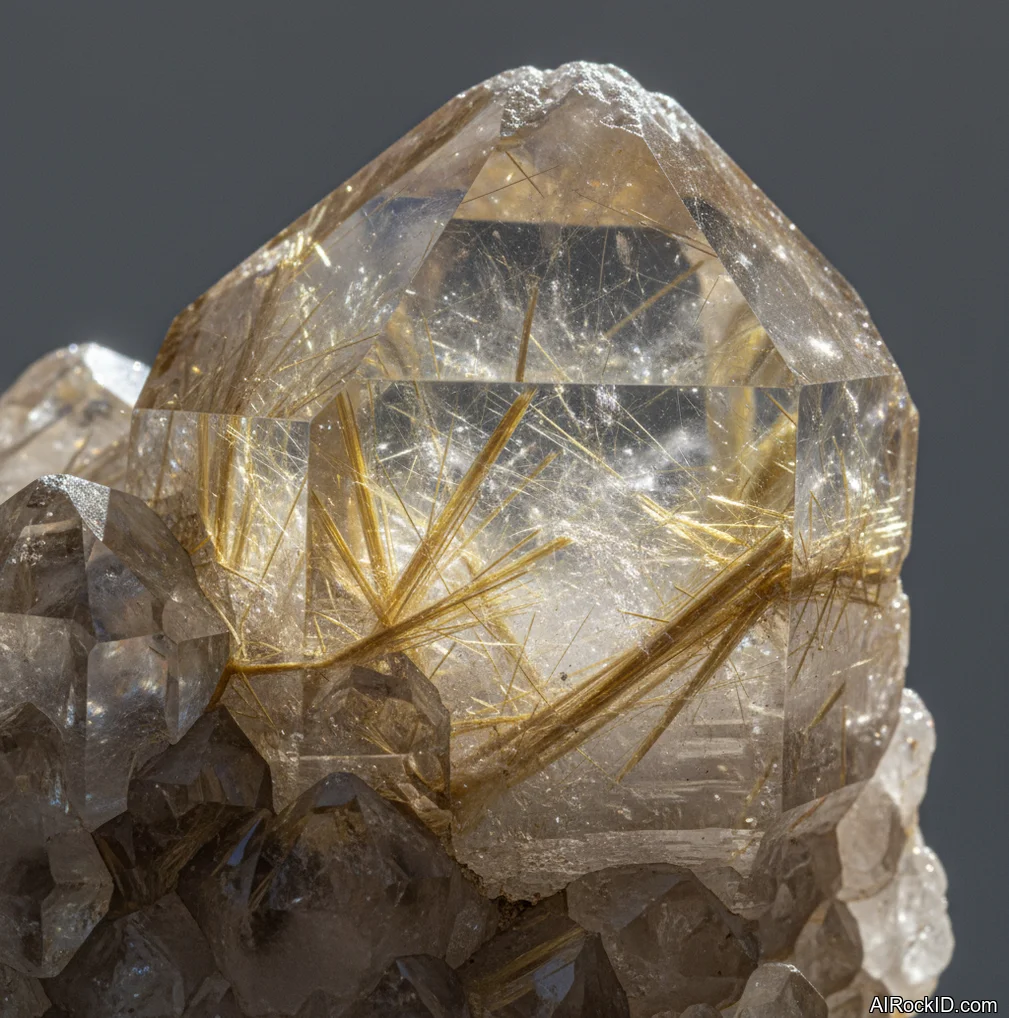
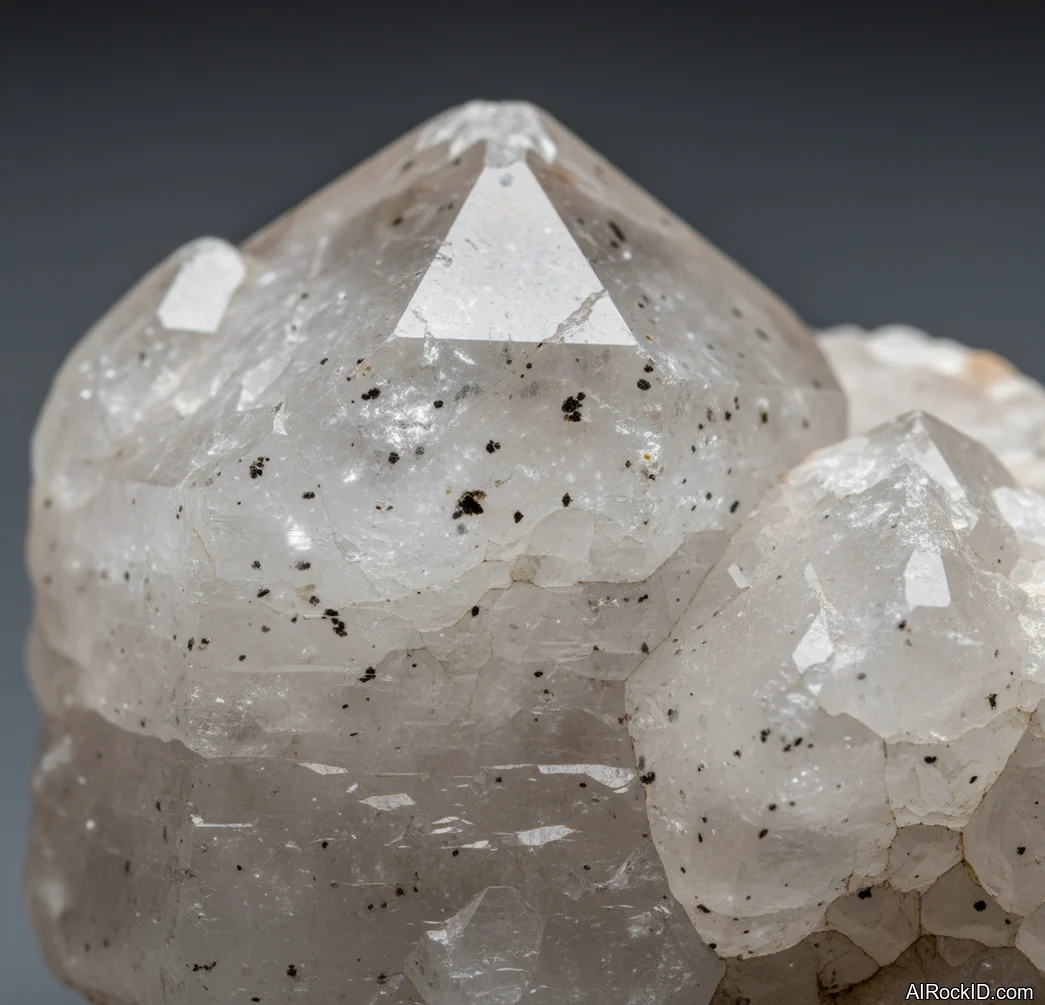
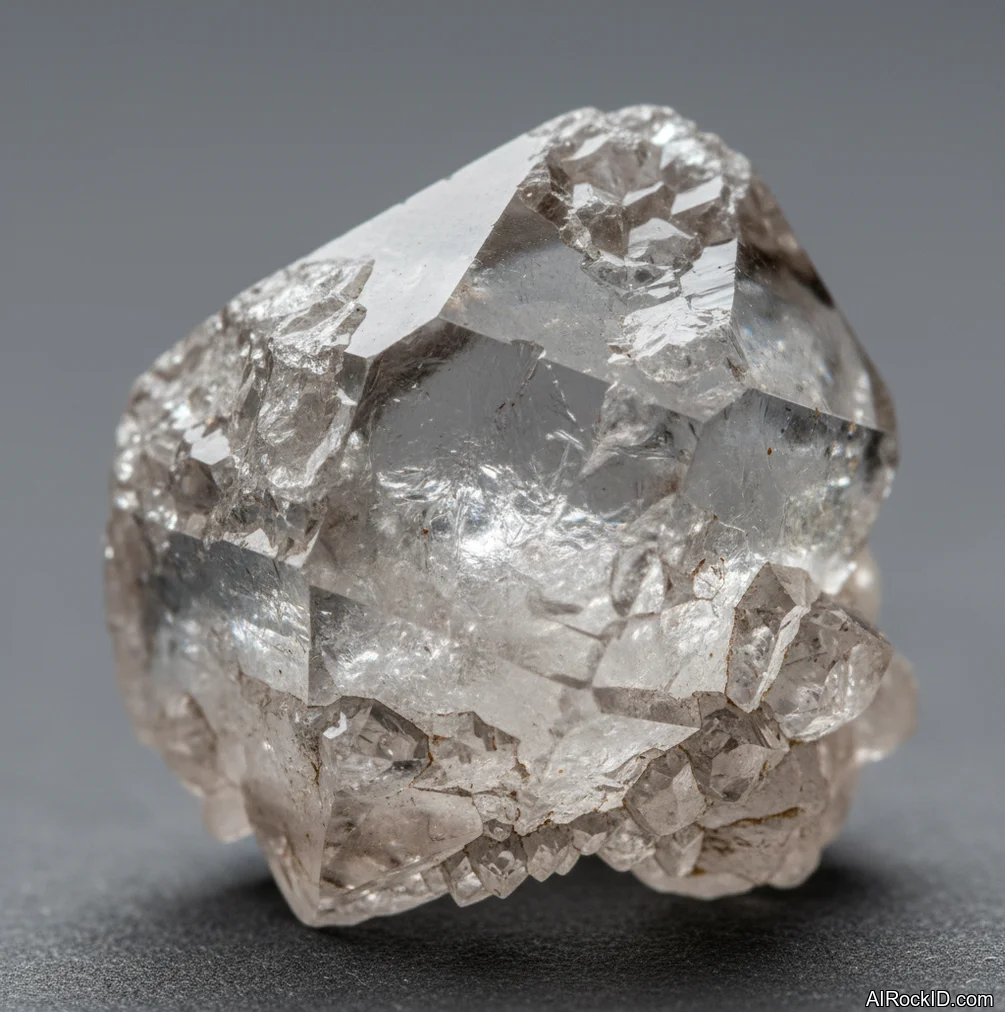
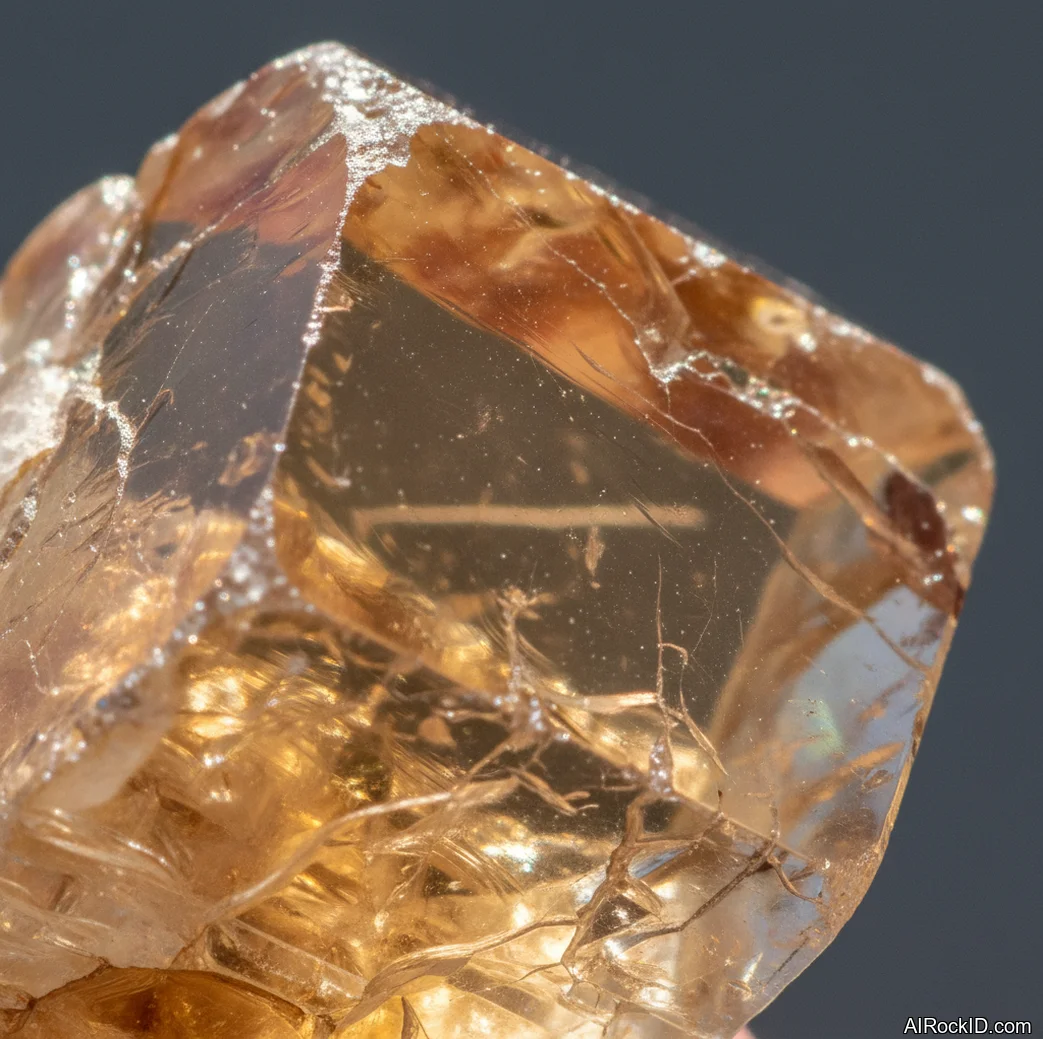
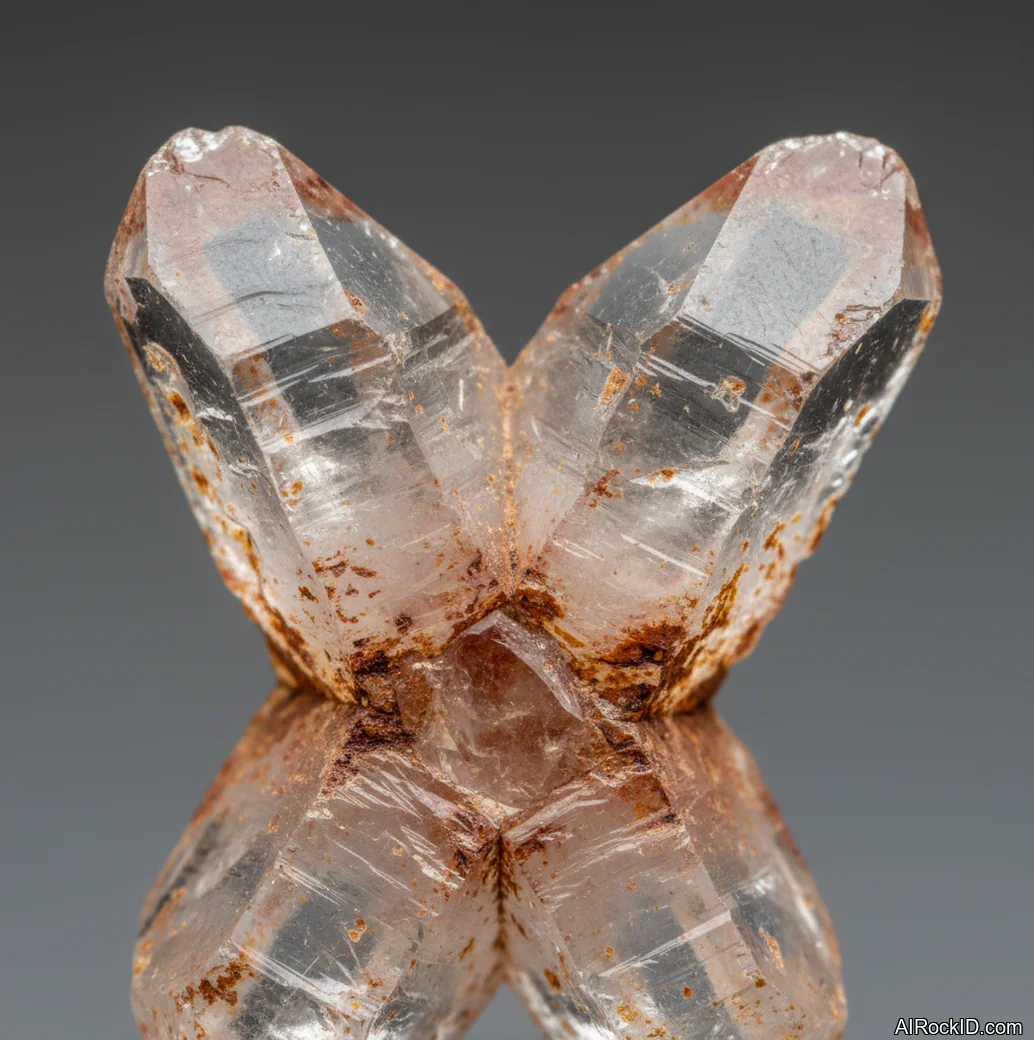
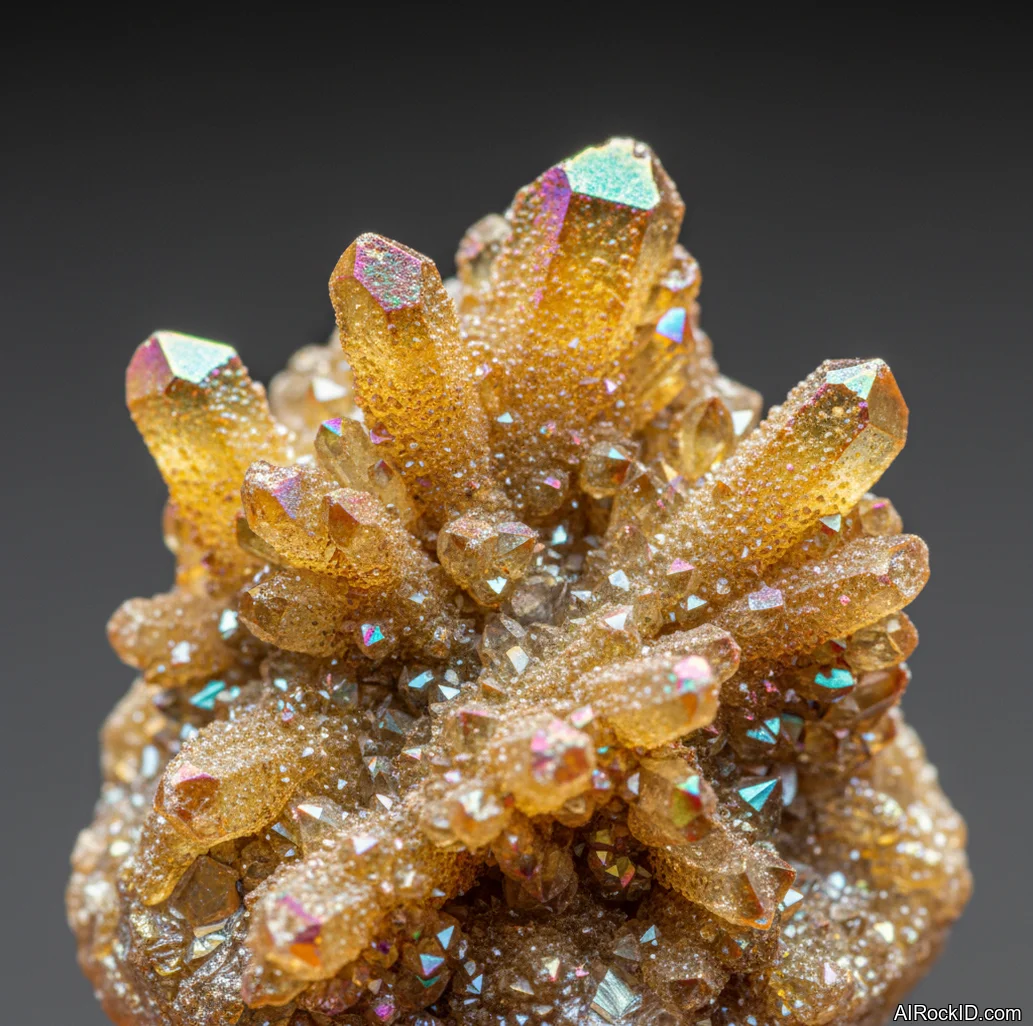
Buying intuition stones is where people get tripped up. Thing is, the market’s messy with labeling and treatments. “Rainbow moonstone” is usually white labradorite. It can still work for you, but it’s not the same material as true moonstone. Citrine gets pulled into intuition lists sometimes, but most bright orange “citrine” points are heat-treated amethyst. If you want genuine citrine, look for pale champagne tones, often with smoky zoning, not neon pumpkin.
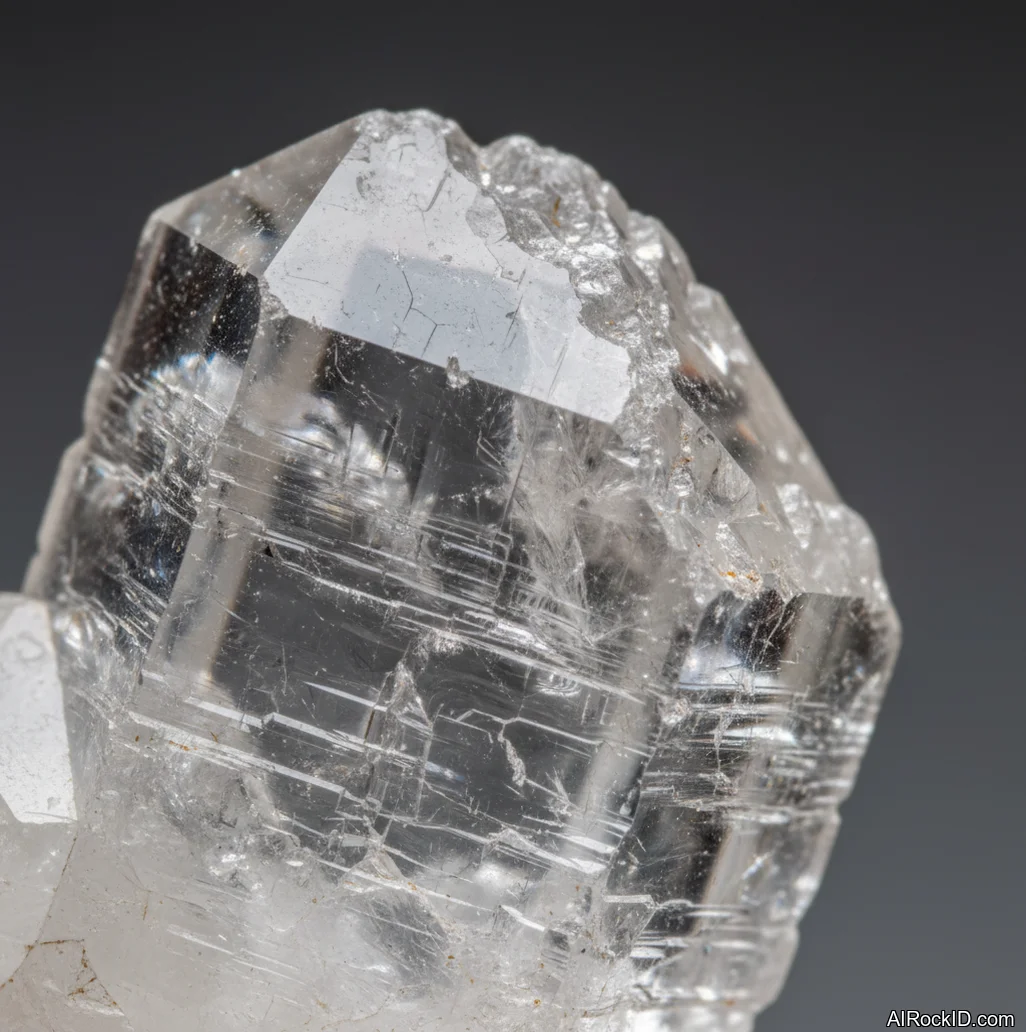
Look closely at the surface feel, too. Real stones stay cool to the touch for a bit, especially quartz and feldspar, while a lot of resin fakes warm up fast. The real test is whether it matches the mineral. Labradorite should show directional flash, not glitter scattered evenly like craft sparkle. Lapis should have texture and mixed minerals, not flat plastic blue. And don’t ignore shape. A cheap, overly perfect “tower” with the same pattern repeated on every face often started as low-grade material that got dyed and stabilized.
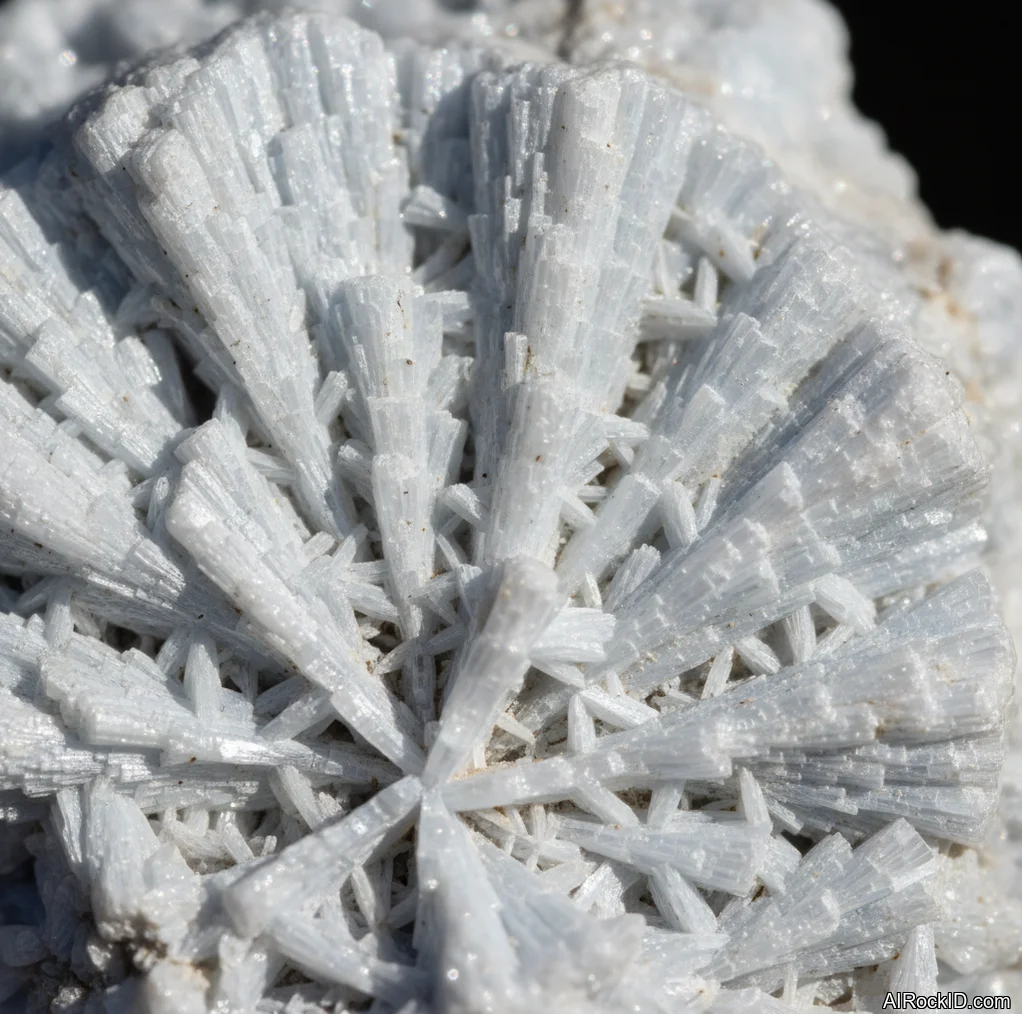
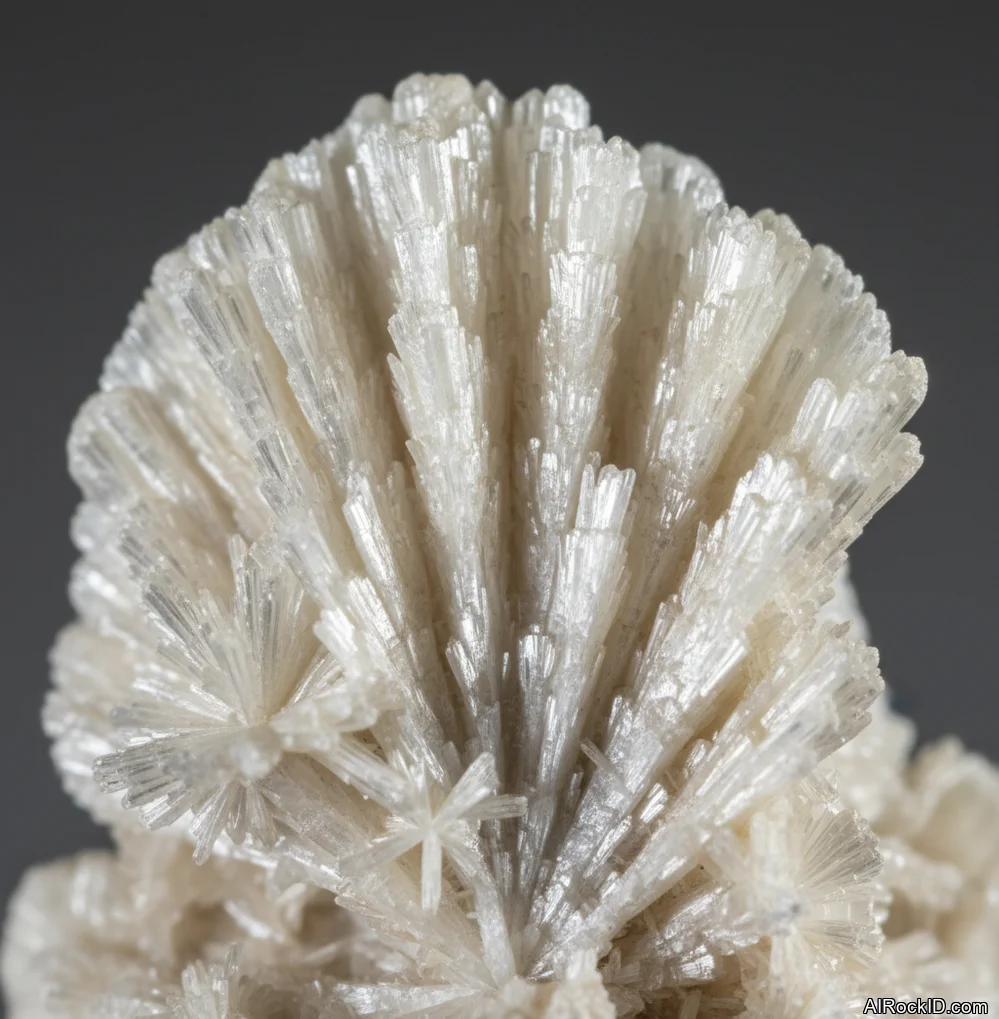
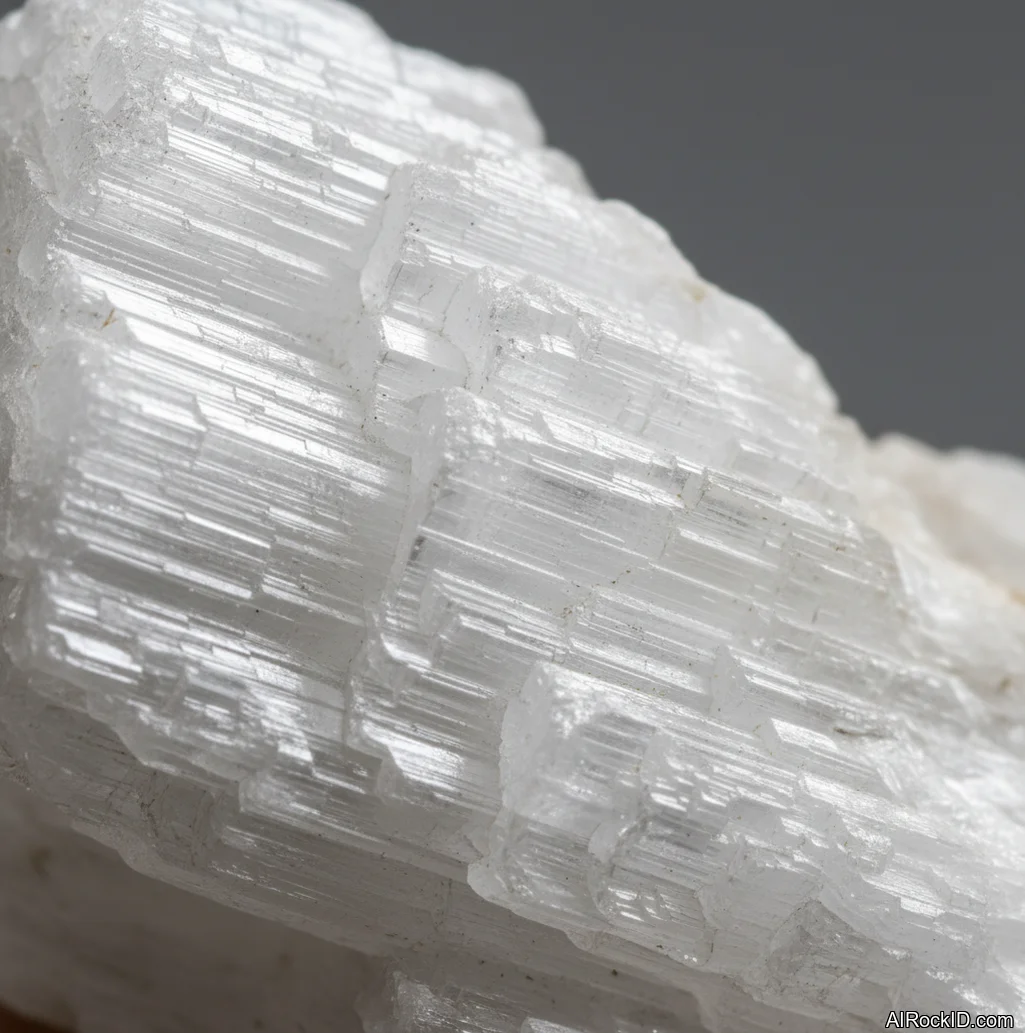
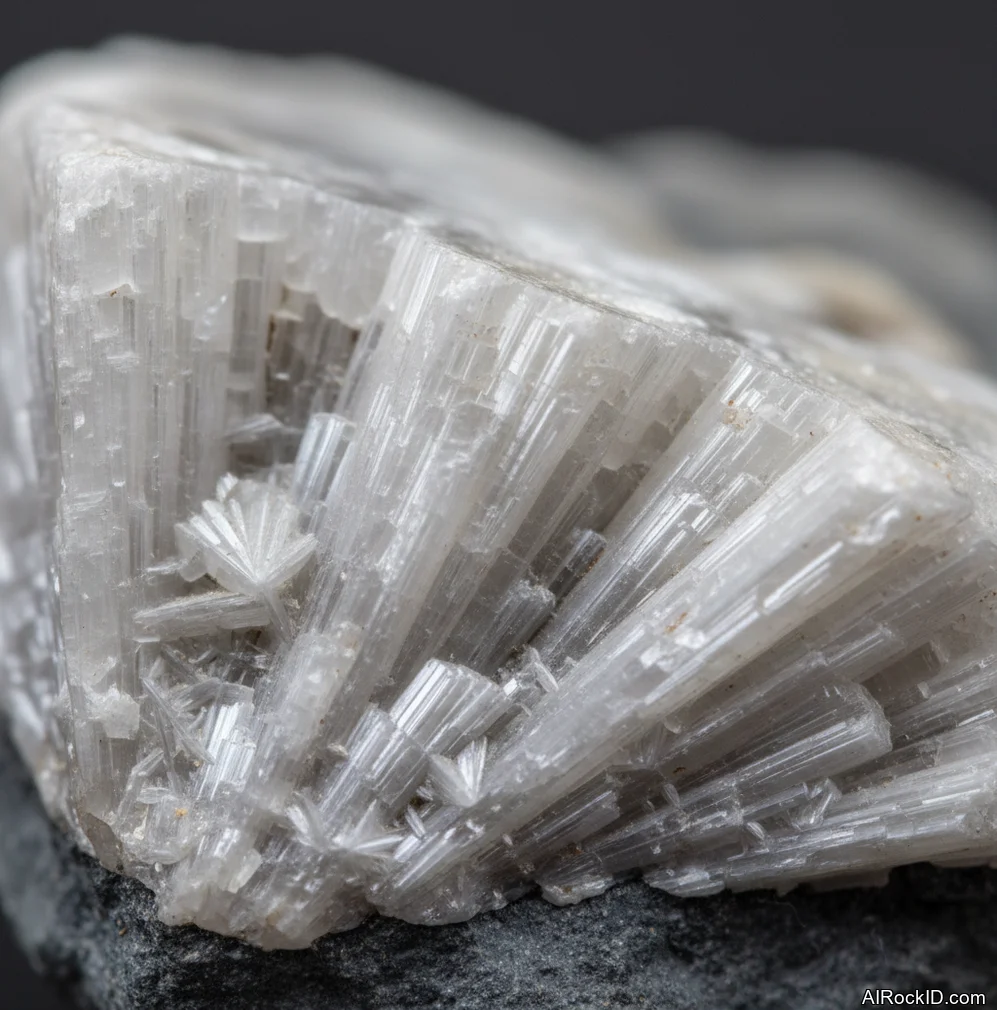
Care matters, too. Selenite gets sold as an intuition cleanser, but it scratches with a fingernail and it’ll turn to mush if you soak it. Use it dry. Moonstone and labradorite can take normal handling, but they can chip on sharp corners since feldspar has cleavage. If you carry them daily, a rounded palm stone holds up better than a point.
So if you want one practical tip that actually sticks, pair the crystal with a repeatable moment. Put amethyst by your toothbrush and do a 10-second check-in twice a day. Keep labradorite near your laptop and touch it before you send the message you’re unsure about. Intuition isn’t magic lightning. It’s pattern recognition plus honesty. The crystals are just a physical anchor that brings you back to listening.
All Intuition Crystals (158)