Pyrite
What Is Pyrite?
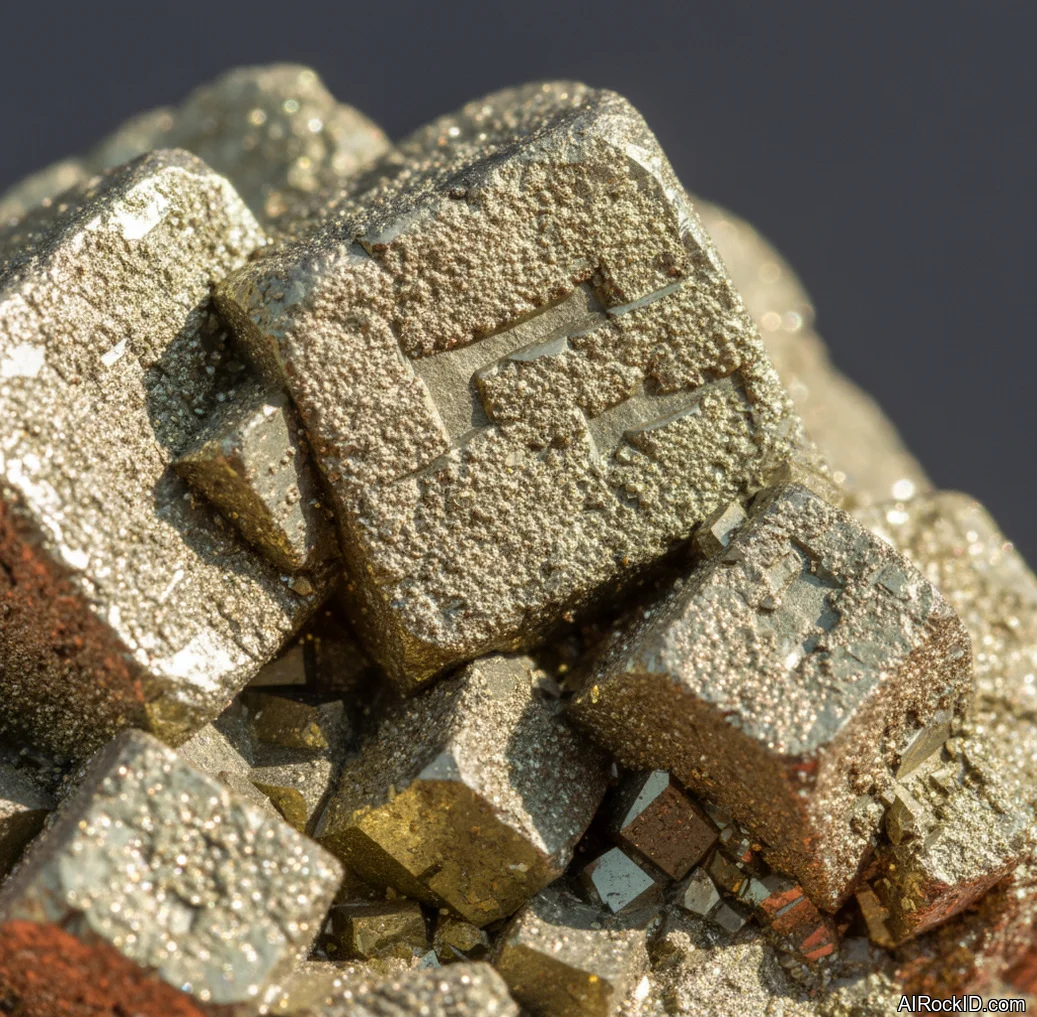
Pyrite is an iron sulfide mineral (FeS2) that grows into brassy-yellow metallic crystals, usually cubes or pyritohedrons. Pick one up and the first thing that hits you is the heft. It feels weirdly heavy for its size, and if the crystal’s nicely formed, the faces are almost too sharp and clean, like little metal tiles.
New collectors confuse it with gold all the time, and yeah, I get why. Under those harsh booth lights at a gem show, a fresh cubic cluster can kick back that same warm glint. But the sparkle’s different. Pyrite looks harder and more mirror-like than gold, and the color’s more brassy than buttery. And if you’ve ever tossed a piece in your pocket for a week (with keys, maybe), you learn something else fast: pyrite can scuff, and it’ll leave tiny dark marks, especially when the edges are rough.
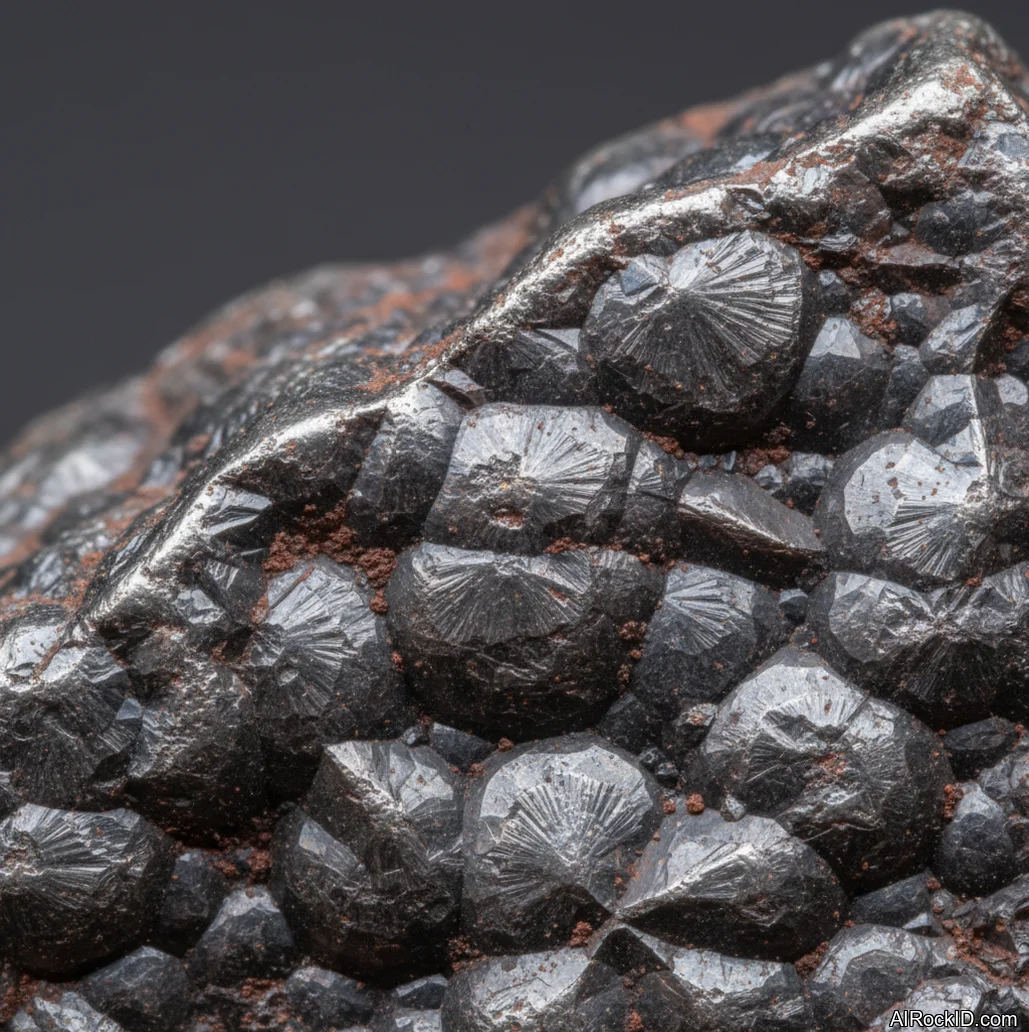
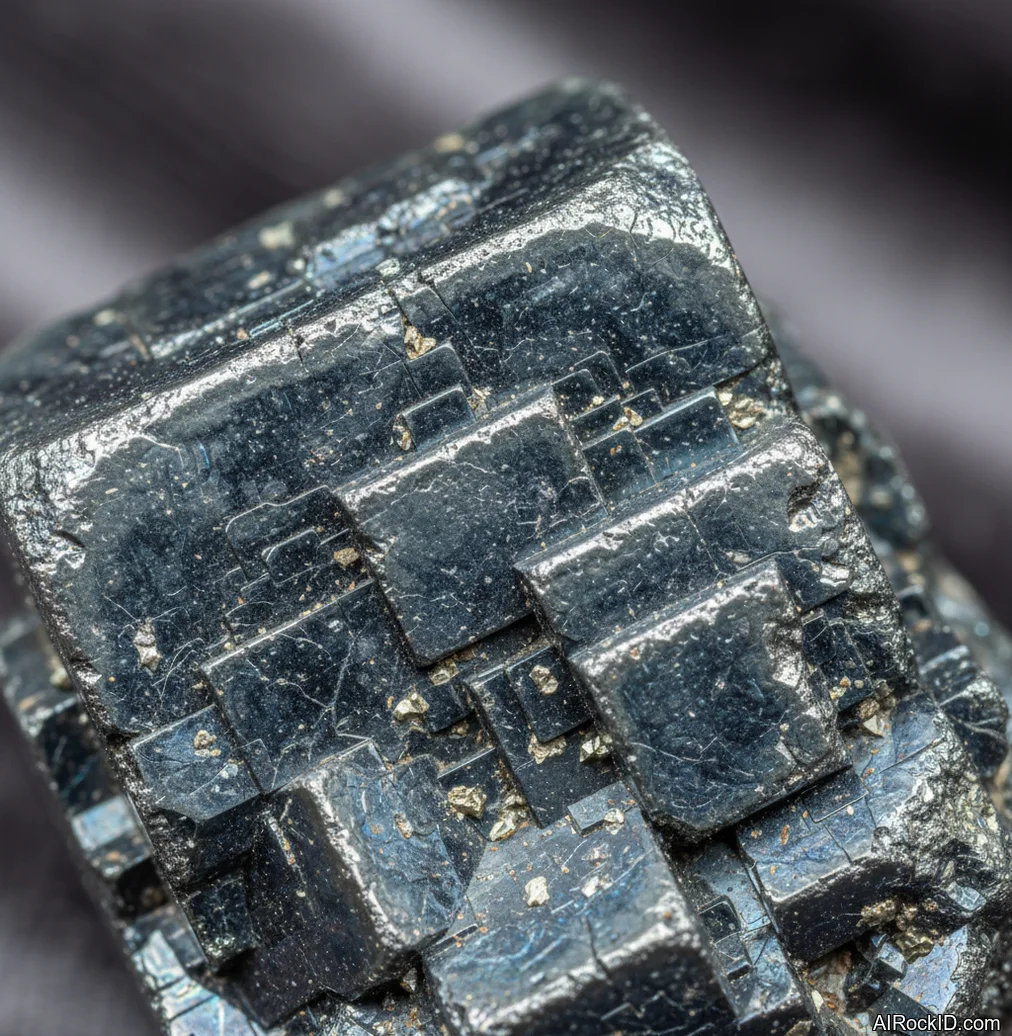
If you stare at the crystal faces, you’ll often catch fine growth lines, like somebody ran a needle across the surface in neat, parallel tracks. Some pieces are that perfect “textbook cube.” Others show up as knobby aggregates or those flat suns. The best ones, to me, are the crisp cubes sitting on matrix where you can spot the geometry from across the room. No magnifier. Just instant recognition.
Origin & History
Most dealers just call it “fool’s gold,” but the real mineral name has been around forever. “Pyrite” comes from the Greek word *pyr*, meaning fire, because it’ll throw sparks when you smack it with steel or even a hard rock. And that isn’t some poetic trivia, it’s a thing it actually does. I’ve tried it outside with an old pocketknife and a rough chunk in my hand, and yeah, you really can kick off tiny sparks (you’ll see them best in shade).
Pyrite was formally described, in the modern mineral sense, in 1753 by the Swedish mineralogist Axel Fredrik Cronstedt. But it wasn’t just there to fool prospectors. It got used as a source of sulfur and sulfuric acid, and in some places they roasted it for industrial processes long before most collectors cared about crystal habit, locality labels, or any of that stuff.
Where Is Pyrite Found?
Pyrite turns up in sedimentary, metamorphic, and igneous settings worldwide, from coal measures and shales to hydrothermal veins. Collector-grade crystals come from many classic districts, and locality can change the look a lot.
Formation
Chunks straight out of hydrothermal veins are usually where the sharpest cubes come from. Hot, sulfur-rich fluids push through little fractures in the rock, there’s iron around, and pyrite drops out once the chemistry shifts. That’s the simple version. But you can literally see it in the crystal habits: crisp cubes with those knife-edge corners, pyritohedrons, plus odd combos when the growth conditions wobble (you know the ones where the faces don’t quite match).
Compared to a lot of flashy minerals, pyrite almost shows up too easily. I’ve seen it as nodules tucked into shale, as disseminated grains sprinkled through metamorphic rock, and even replacing fossils and wood in certain deposits, where the original texture is still there if you tilt it under a light and catch that brassy glint. But here’s the catch collectors learn the hard way: some pyrite behaves, and some turns into a mess. Stuff with micro-fractures or certain associated sulfides can oxidize and start crumbling over time, especially if it’s sitting in humid air. Who hasn’t opened a box later and found that faint rusty dust?
How to Identify Pyrite
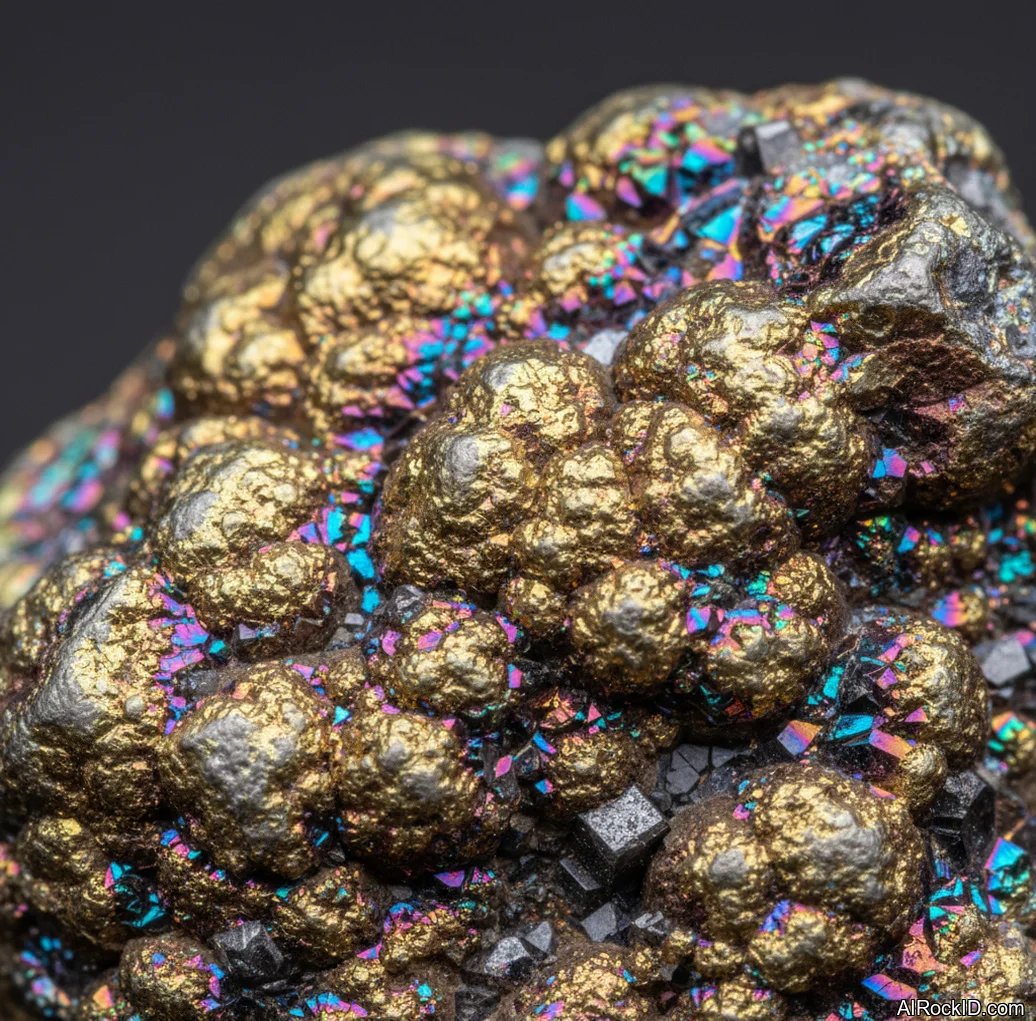
Color: Brassy yellow to pale gold on fresh surfaces, sometimes with rainbow tarnish. Weathered pieces can dull toward brownish or even slightly greenish tones.
Luster: Bright metallic luster that looks like polished metal on clean crystal faces.
If you scratch it with a steel nail, it usually resists more than you’d expect for “gold,” and it doesn’t flatten or smear like real gold would. The real test is the streak: pyrite leaves a greenish-black to brownish-black streak on unglazed porcelain, not yellow. And in the hand, pyrite feels colder and more rigid, while gold feels kind of soft and buttery if you press it (on the rare chance you’re actually holding gold).
Properties of Pyrite
Physical Properties
| Crystal System | Cubic |
| Hardness (Mohs) | 6-6.5 (Hard (6-7.5)) |
| Density | 4.9-5.2 g/cm3 |
| Luster | Metallic |
| Diaphaneity | Opaque |
| Fracture | Conchoidal |
| Streak | greenish-black to brownish-black |
| Magnetism | Non-magnetic |
| Colors | brassy yellow, pale gold, bronze, iridescent tarnish |
Chemical Properties
| Classification | Sulfides |
| Formula | FeS2 |
| Elements | Fe, S |
| Common Impurities | Ni, Co, As, Cu |
Optical Properties
| Refractive Index | 2.61-2.82 |
| Birefringence | None |
| Pleochroism | None |
| Optical Character | Isotropic |
Pyrite Health & Safety
Normal handling’s fine. Just don’t breathe the dust, and don’t toss damp specimens into a sealed container (they’ll sit there and stew). If a piece starts giving off that sharp, metallic smell or you notice a powdery crust forming on it, pull it away from the other minerals and keep it separate.
Safety Tips
Wash your hands after you’ve handled it. And keep the specimens dry with decent airflow, not sealed up where they get that clammy feel; in humid climates, tossing a couple silica gel packs into the display case does the trick.
Pyrite Value & Price
Price Range
Rough/Tumbled: $5 - $300 per piece
Cut/Polished: $2 - $20 per carat
Clean, sharp crystal shapes with good size and those bright, crisp faces can push the price up in a hurry, especially when they’re sitting on a good-looking matrix. And yeah, where it came from matters more than people think. Thing is, if the piece is solid and won’t crumble into grit when you lightly rub a corner (you can feel it right away), that stability is absolutely worth paying for.
Durability
Moderate — Scratch resistance: Good, Toughness: Fair
Pyrite is hard enough to hold up as a display specimen, but it can oxidize in humid conditions and some pieces will slowly break down.
How to Care for Pyrite
Use & Storage
Keep pyrite dry and out of humid windowsills or bathrooms. I store my better cubes in a case with desiccant because once oxidation starts, it’s hard to stop.
Cleaning
1) Dust with a soft brush or microfiber cloth. 2) If needed, use a barely damp cloth, then dry immediately and completely. 3) Skip acids and saltwater, and don’t soak it for long periods.
Cleanse & Charge
For a metaphysical reset, use smoke, sound, or a quick pass over selenite rather than water so you’re not inviting moisture into fractures. Sunlight is fine for short periods, but heat plus humidity is what you really want to avoid.
Placement
Put it where you can catch the flash from a side light, not straight overhead. On a dark shelf or next to matte stones, pyrite looks way more metallic.
Caution
Skip long soaks, harsh cleaners, and storing it somewhere humid; if the pyrite is unstable, it can turn into that chalky, powdery oxidation (you can feel it grit under your fingertip) and it’ll stain the minerals sitting next to it. And don’t breathe in any dust from cutting, sanding, or if it snaps and leaves little crumbs behind.
Works Well With
Pyrite Meaning & Healing Properties
Pick up pyrite when you want something that feels solid and like it’s got a bit of momentum. That’s the vibe most people latch onto. It’s heavy in the palm, kind of sharp around the edges, and the surface throws back this brassy flash when you tilt it under a lamp. And it has a way of yanking you out of daydream mode and into “okay, what’s the plan here?” I’ve literally watched customers stop fidgeting the second they start rolling a cubic cluster between their fingers, like their brain clicks onto the geometry and stays there.
But look, I’m going to be straight with you: the metaphysical side is personal, and it’s not medical. If you’re dealing with anxiety or depression, pyrite isn’t a fix, and anyone selling it like one is being sloppy. What it can do, in my experience, is act like a cue object. You set it on your desk, you catch that metallic glint out of the corner of your eye, and it nudges you to stay on task, check your budget, finish the email, handle whatever your “adulting” thing is. Simple. Effective (sometimes). Placebo? Maybe. Who cares if it helps you start.
Thing is, people treat pyrite like it’s indestructible just because it looks like metal and feels hard. Physically and energetically, it does better with a little respect. Keep it clean, keep it dry, and don’t be shocked when a cheap grab-bin piece starts tarnishing or dropping sandy grit on your shelf (you’ll see it around the base). But when you find a stable, sharp specimen, it’s one of the most satisfying minerals to own, just for the weight of it and the way it grabs light when you turn it.
Identify Any Crystal Instantly
Snap a photo and get properties, value, care instructions, and healing meanings in seconds.