Galena
What Is Galena?
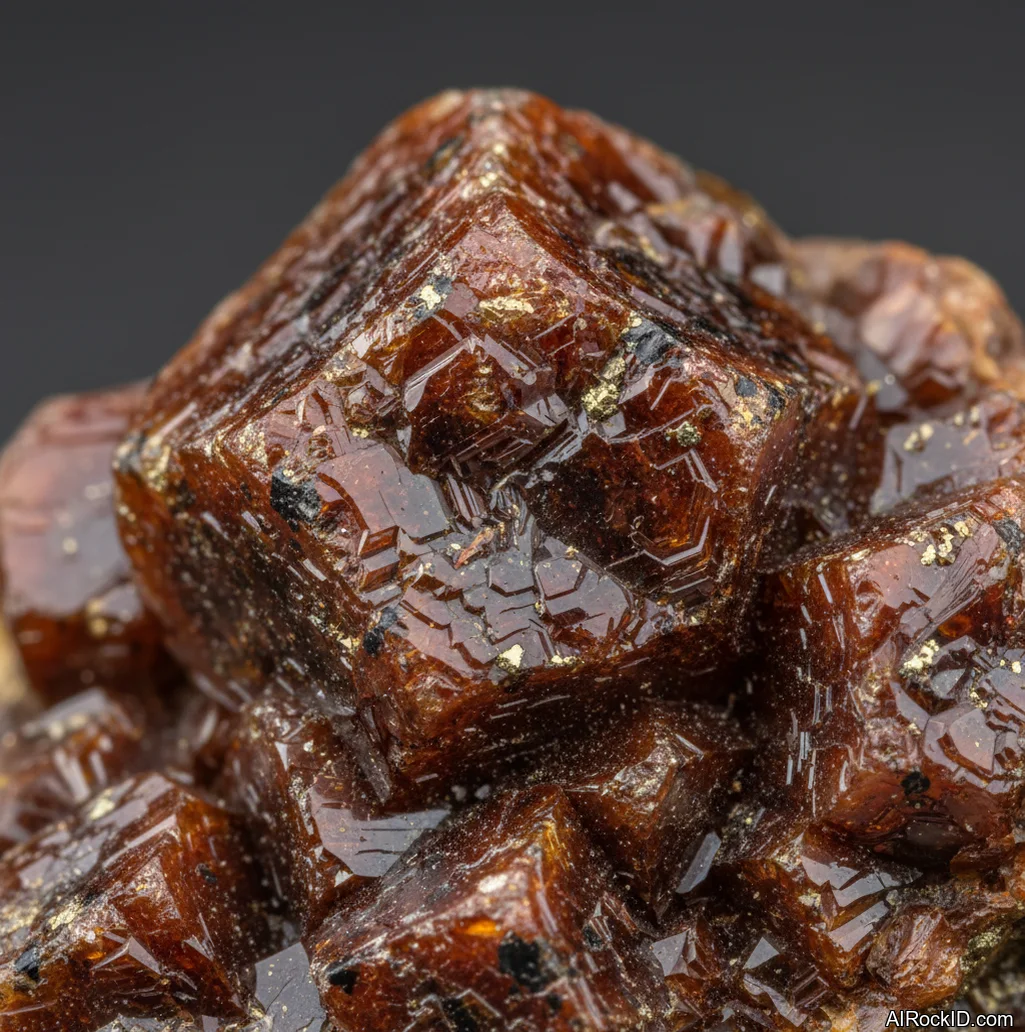
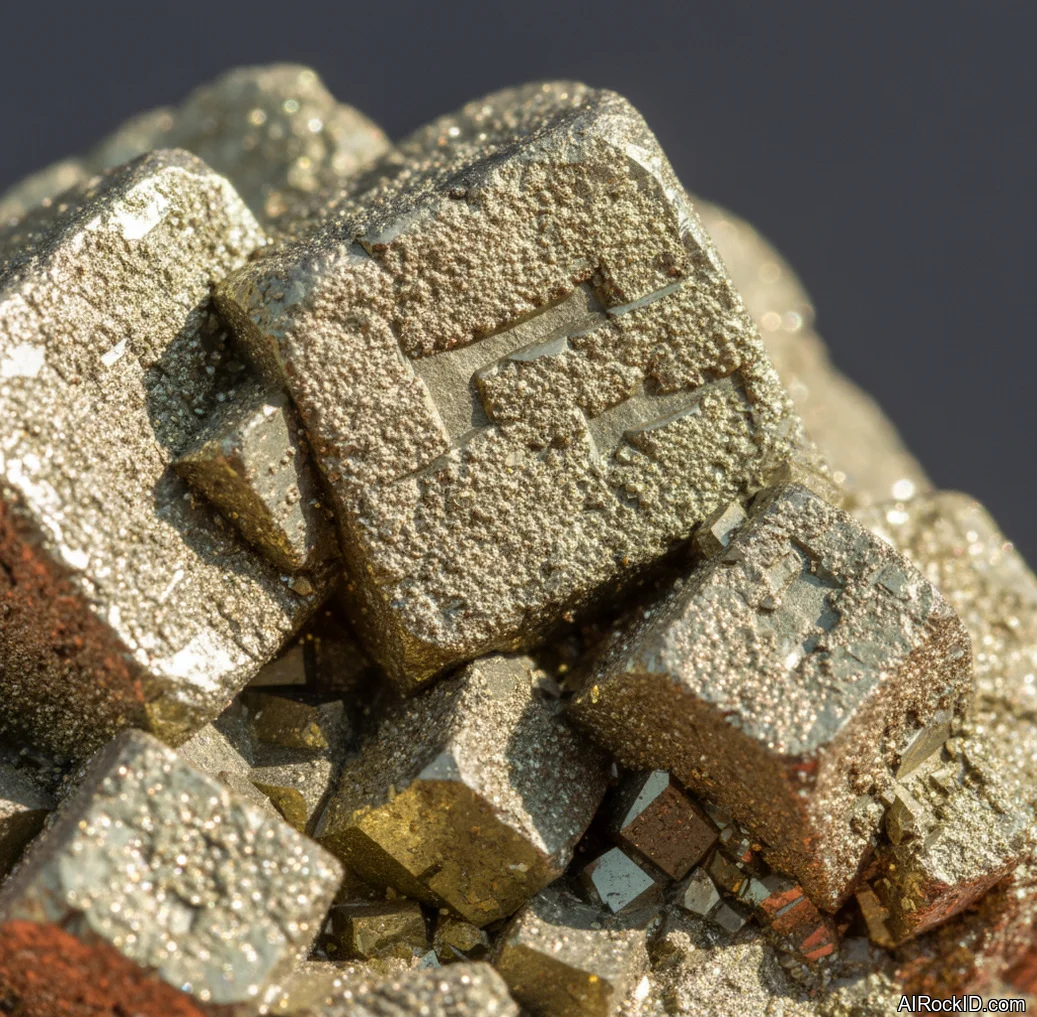
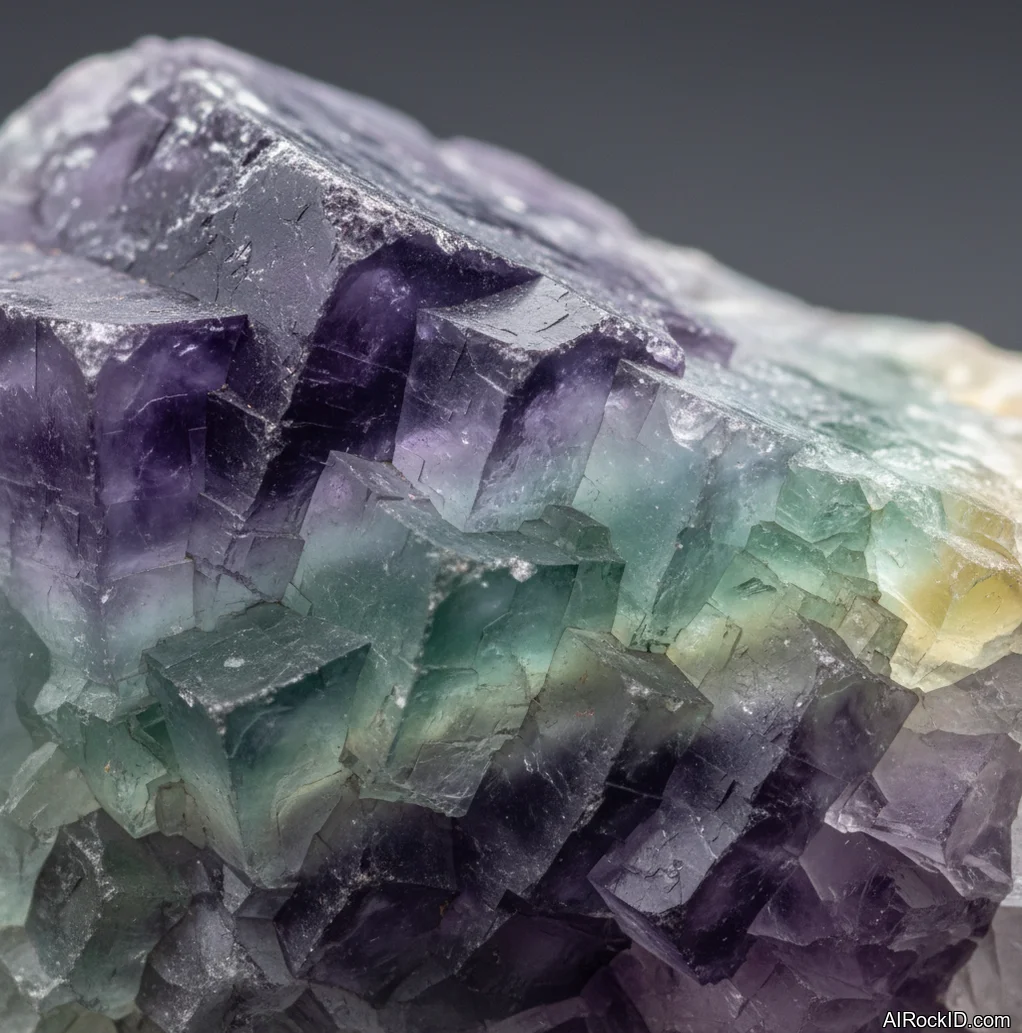
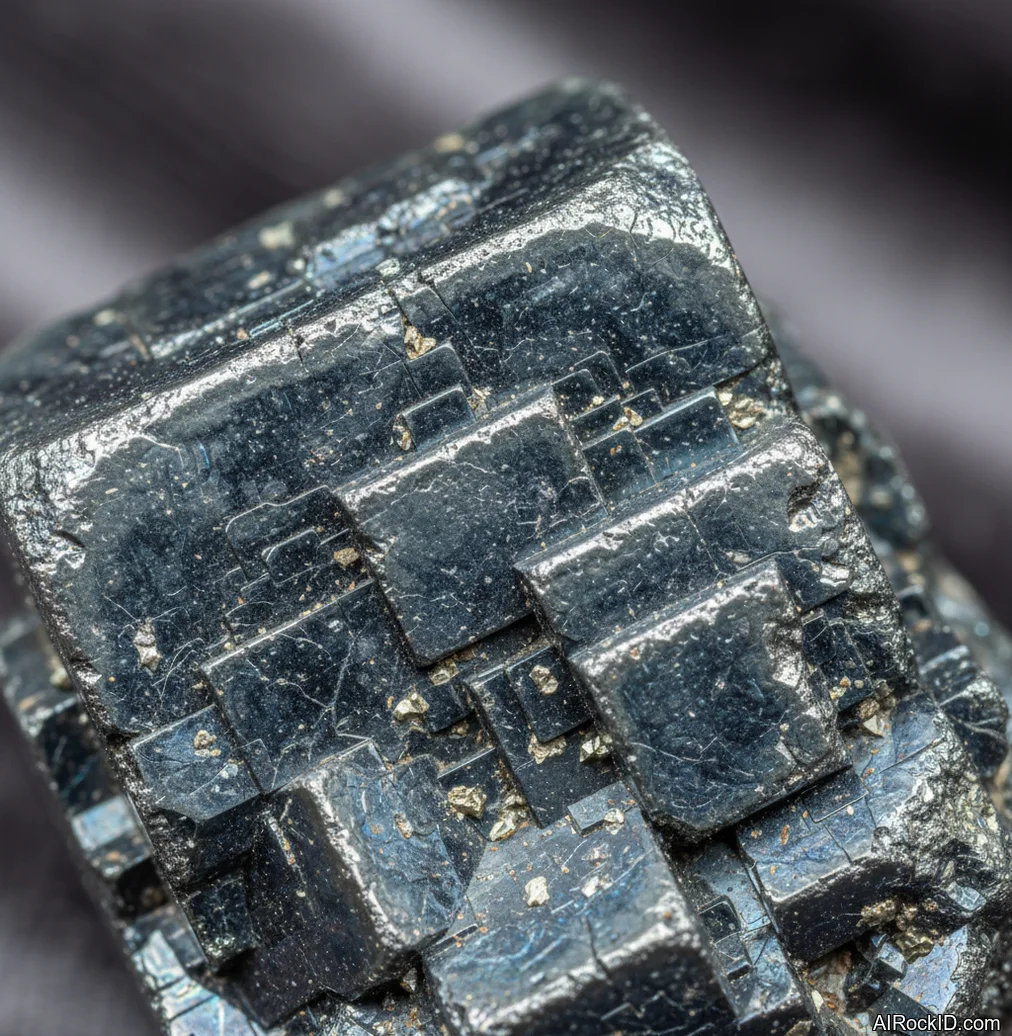
Galena is lead sulfide (PbS), and it’s the main ore of lead. Most pieces look like they were sliced straight off a block of gunmetal, all sharp cubes and flat, mirror-bright faces that wink at you when you tip them under a desk lamp.
Grab a hand-sized chunk and the weight hits you first. It drops into your palm with this blunt, dense heft that throws people off if they’re used to quartz or calcite. Fresh breaks can be almost absurdly shiny, like a tiny chrome panel. But galena scuffs fast. So older specimens usually have those dulled edges and slightly rubbed corners from getting knocked around in flats at shows (you can almost picture the grit).
Look closer and you get why collectors get excited even when it’s “just gray.” The cubic cleavage leaves step-like terraces and crisp right-angle breaks that look weirdly manufactured. But it’s a soft mineral. Don’t handle it like a worry stone unless you want gray streaks on your fingertips. Why invite that mess?
Origin & History
Pliny the Elder called lead ore “galena” in Latin, and the name just… stuck. These days, in mineralogy, the species got nailed down back in the early era of chemistry and crystallography, and it’s one of those reference minerals every collector bumps into early because it’s so recognizable in hand, with that heavy feel and the bright metallic faces that flash when you tilt it under a light.
Galena mattered historically because it was the go-to source of lead for pipes, glazes, and shot, and it often carries silver too. Whole old mining districts across Europe and the Americas were built around chasing it. And a lot of the museum-grade cubes people still drool over, those sharp, square, steel-gray blocks you can almost imagine clinking together in a pocket, came out of those same lead-zinc mines.
Where Is Galena Found?
Galena shows up in lead-zinc districts worldwide, especially in hydrothermal veins and carbonate-hosted deposits. Big sharp cubes are often tied to classic mining areas where cavities stayed open long enough for crystals to grow.
Formation
Most galena shows up when hot, mineral-loaded water pushes through cracks and faults, especially in limestone or dolostone. If the chemistry hits the sweet spot, the lead and sulfur bond and galena precipitates out, sometimes turning up right next to sphalerite, pyrite, fluorite, calcite, or barite.
Next to something like quartz, galena just seems to arrive with more attitude. Fast. Blunt. You get sharp little cubes crusting the walls of vugs, or thick, blocky masses that look like someone poured metal into a cavity and let it set. And in a few deposits it holds silver in solid solution, which is exactly why the old-timers chased it even when lead prices were lousy.
How to Identify Galena
Color: Lead-gray to silver-gray, sometimes with a bluish cast. Tarnish can dull it to a darker charcoal, especially on older broken surfaces.
Luster: Bright metallic luster on fresh faces, like a tiny mirror.
If you scratch it with a copper penny or a steel nail, it marks more easily than most people expect. The real giveaway is cleavage: it breaks into right-angled blocks and flat shiny steps, not curved chips. And when you heft it next to hematite, galena usually feels heavier for the same size, even before you look at the streak plate.
Properties of Galena
Physical Properties
| Crystal System | Cubic |
| Hardness (Mohs) | 2.5-2.75 (Soft (2-4)) |
| Density | 7.4-7.6 g/cm3 |
| Luster | Metallic |
| Diaphaneity | Opaque |
| Fracture | Uneven |
| Streak | Lead-gray |
| Magnetism | Non-magnetic |
| Colors | Lead-gray, Silver-gray, Steel-gray |
Chemical Properties
| Classification | Sulfides |
| Formula | PbS |
| Elements | Pb, S |
| Common Impurities | Ag, Bi, Sb, Se |
Optical Properties
| Refractive Index | 2.50-2.68 |
| Birefringence | None |
| Pleochroism | None |
| Optical Character | Isotropic |
Galena Health & Safety
Galena’s a lead mineral, so the real worry is breathing in or swallowing the dust, not just having it sit on a shelf. If you handle it, wash your hands after (especially before you eat), and don’t let kids or pets mess with it. That takes care of most everyday situations.
Safety Tips
Don’t tumble it. Don’t drill it. And don’t dunk it in any water that people or animals might end up drinking. If you’ve got to clean it, go slow and be gentle, and stop the second you see that gray, cloudy slurry starting to form (it gets everywhere, trust me).
Galena Value & Price
Price Range
Rough/Tumbled: $5 - $150 per specimen
Prices climb fast when the piece is razor-sharp, has that mirror-like luster you can catch under a desk lamp, and keeps a clean cubic shape, especially if it’s sitting on a contrasting matrix like calcite or dolomite. But damage is a big deal, because once you’ve seen a chipped corner or a face that’s been rubbed dull (that little flat, cloudy patch), you can’t really unsee it.
Durability
Fragile — Scratch resistance: Poor, Toughness: Poor
Galena cleaves easily and its bright faces scuff, so it holds up best as a display specimen that isn’t handled much.
How to Care for Galena
Use & Storage
Keep it in a box or a display case where it won’t get knocked into other minerals. If you’ve got multiple pieces, wrap them separately because galena’s corners chip like little glass blocks.
Cleaning
1) Use a soft dry brush to remove dust. 2) If needed, wipe lightly with a barely damp cloth and immediately dry it. 3) Wash your hands after handling and keep any cleaning cloths out of the kitchen laundry.
Cleanse & Charge
For a non-water option, use smoke, sound, or a quick pass in moonlight, then put it back in its spot. I don’t soak galena or set it in salt water, even for a minute.
Placement
A stable shelf is better than a bedside table that gets bumped. If you display it under strong light, angle it so the cube faces catch the beam, because that’s when it really does the mirror flash.
Caution
Lead mineral: don’t soak it in water, don’t let acids touch it, and don’t do anything that kicks up dust. Seriously, no drilling, sanding, or scraping. And don’t use it for elixirs. Keep it well away from kids, pets, and anywhere you handle food, since that fine gray grit gets into cracks and corners (and it’s a pain to fully clean out).
Works Well With
Galena Meaning & Healing Properties
In the crystal world, galena gets described as this “weighty” grounding stone, and yeah, that checks out the second you actually pick it up. It’s weirdly heavy for its size. You lift a chunk and your brain immediately goes, okay, this is not a toy.
I’ve kept a piece on my desk when I’m trying to stay practical. It helps. Hard to get all airy and distracted when a dense block of lead ore is just sitting there like it means business (and it kind of does).
But here’s the catch: people sometimes treat galena like any other palm stone. That’s where I stop nodding along. Galena is a lead mineral, and I don’t recommend long handling sessions, sleeping with it under your pillow, or anything that turns it into a fidget. Want the vibe without flirting with the risk? Keep it as a display piece, use it as a visual anchor, and wash your hands after you touch it.
Symbolically, galena gets tied to boundaries, focus, and cutting through mental clutter. I get why. Those crisp right angles, that blocky break pattern, the way it can look like it’s made of tiny perfect cubes, it reads like “structure” you can hold. Just keep it in the zone of personal practice and reflection, not health claims. And treat it with the same respect you’d give any material that contains lead. Why push it?
Identify Any Crystal Instantly
Snap a photo and get properties, value, care instructions, and healing meanings in seconds.