Cassiterite
What Is Cassiterite?
Cassiterite is a tin oxide mineral with the formula SnO2, and it’s the main ore of tin. In your hand, it’s the kind of mineral that catches people off guard because it feels way too heavy for its size, like someone secretly filled it with lead. Grab a chunky crystal and you’ll clock the weight before you even really register the color.
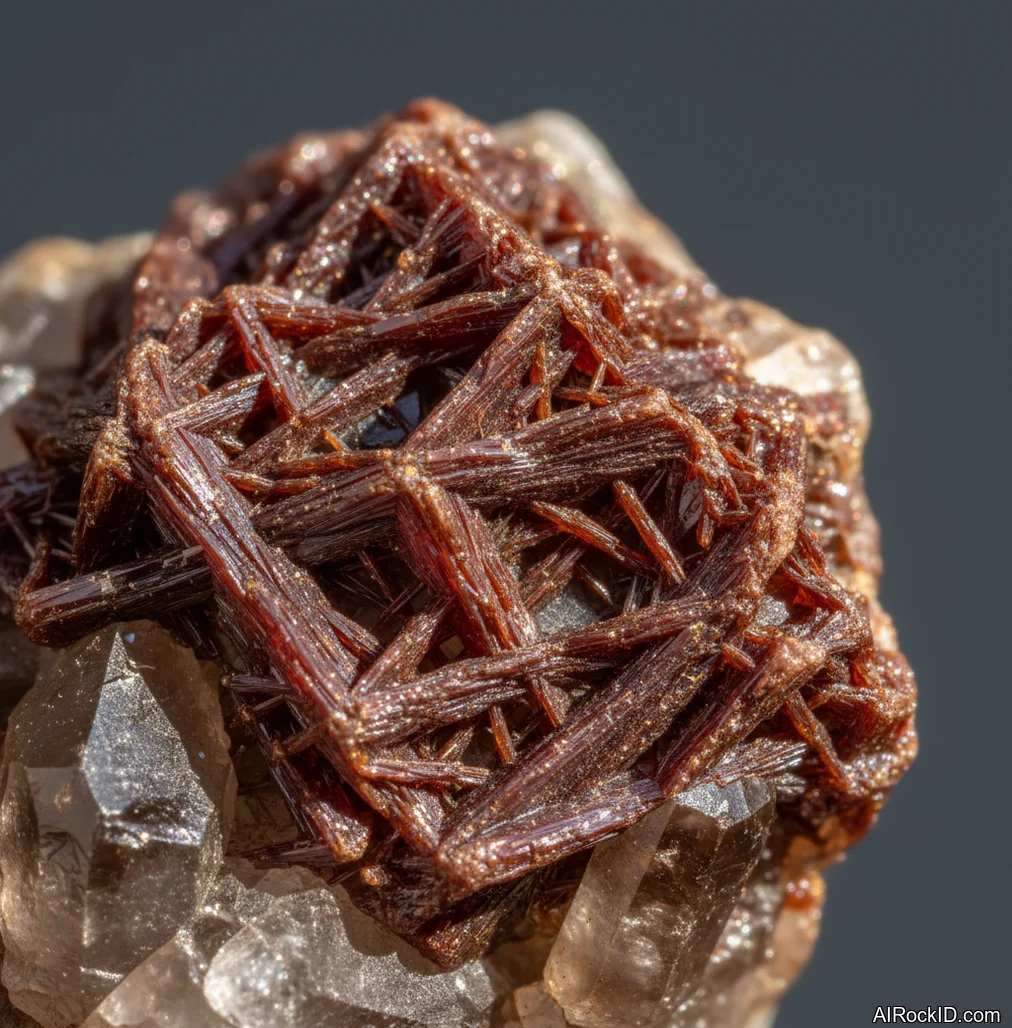
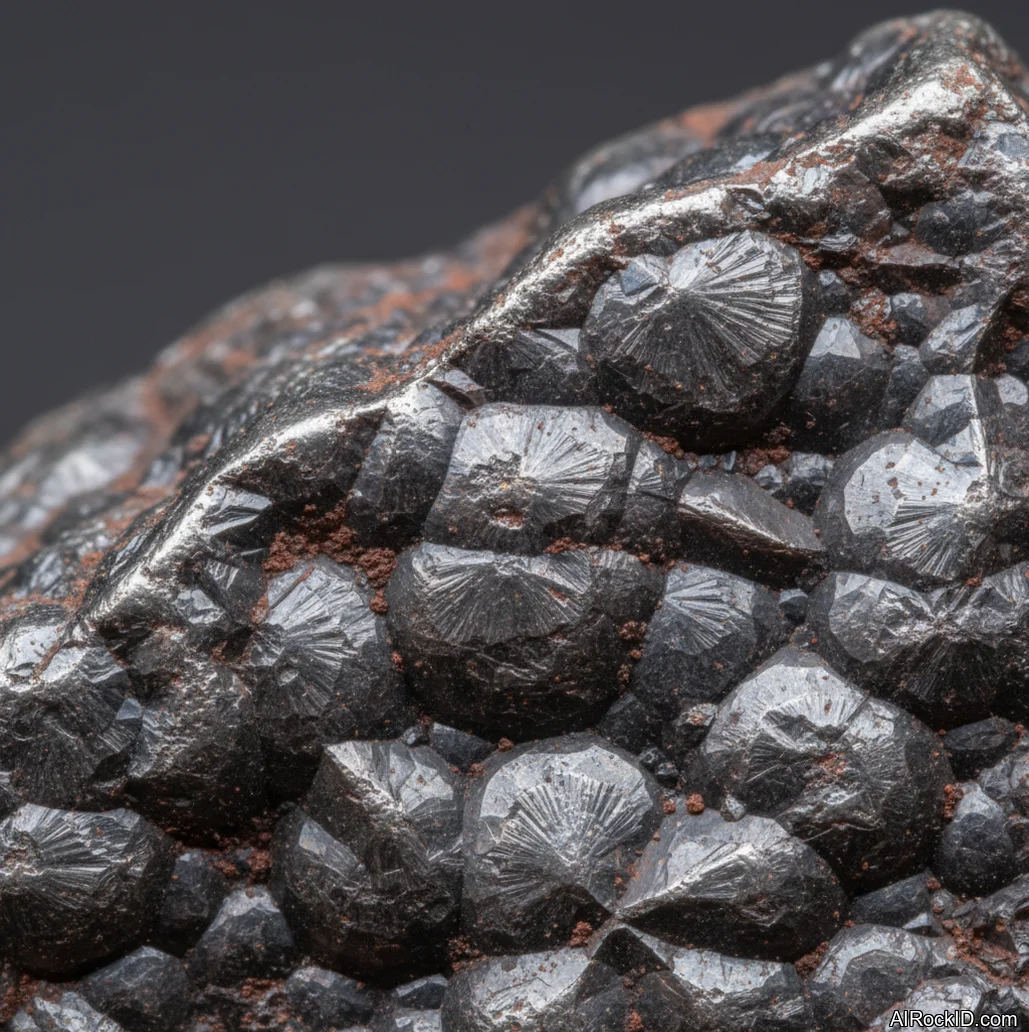
Most cassiterite looks pretty plain at first, usually brown or straight-up black, but the shine can get crazy. When the crystal faces are clean, it kicks back sharp little flashes under a desk lamp, kind of like a darker cousin of zircon. But it isn’t always a looker. A lot of the stuff you find in the field is rounded and beat up, stuck in iron-stained quartz, and you have to roll it around just right to catch that adamantine sparkle that gives it away (didn’t see it at first? that’s normal).
Origin & History
Cassiterite got formally described as a mineral species in 1832 by François Sulpice Beudant. Its name comes from the Greek “kassiteros,” which means tin, and yeah, that tracks, because this is the main tin ore people have been chasing for centuries.
Most dealers bring up Cornwall sooner or later. Tin mining there shaped whole towns, and cassiterite was the payday mineral in those veins. And even now, when I spot those old rounded grains sitting in a pan concentrate at a show, my head jumps straight to tin streams and the gritty, old-school mining story tied to them.
Where Is Cassiterite Found?
It shows up in granite-related tin districts worldwide, plus in placer deposits where dense grains collect in streams. Good crystals often come from hydrothermal vein systems tied to granites.
Formation
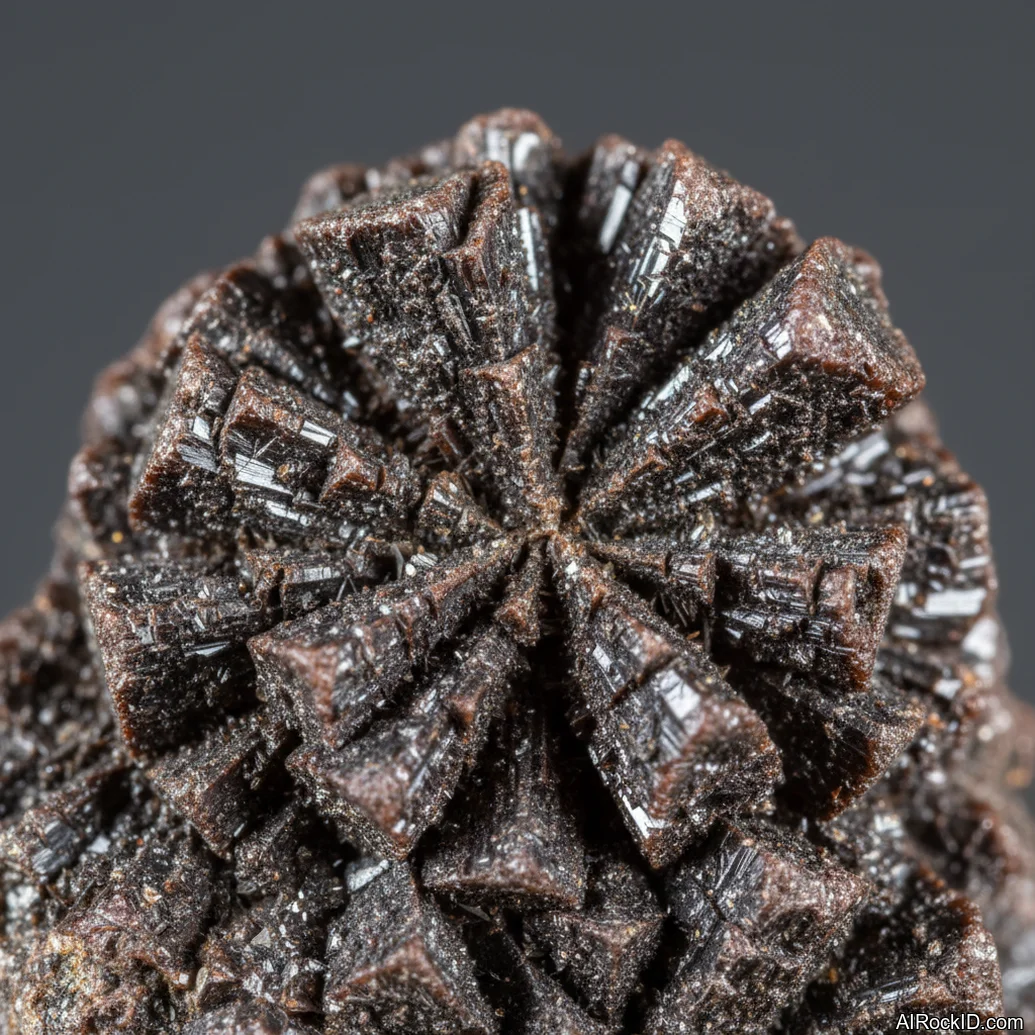
Raw granite-country material is the classic story: tin-rich fluids thread through fractures around a cooling granite, and cassiterite drops out into veins, greisens, and those little pegmatite-adjacent pockets. You’ll run into it with quartz, tourmaline, topaz, fluorite, wolframite, plus sulfides, depending on the district. Sometimes it shows up as stubby prismatic crystals. Sometimes it’s sharp little pyramids. And sometimes it’s nothing fancy at all, just massive brown-black chunks that look like somebody broke off a corner with a cold chisel (because, honestly, that’s often how it comes out).
Thing is, the part collectors actually get a kick out of is cassiterite’s second life in placers. It’s dense, so it takes weathering like a champ and then it scoots downhill into stream gravels. If you’ve ever held a vial of heavy-mineral concentrate, you know that weird satisfying weight in your hand, and you can literally feel the cassiterite grains trying to settle right through the glass. But here’s the catch: placers don’t always cough up pretty crystals. A lot of the time it’s just grains, and rounded pebbles. That’s it.
How to Identify Cassiterite
Color: Most cassiterite runs brown to black, with lighter honey-brown pieces showing the best internal glow when thin. In bright light you can sometimes catch reddish-brown edges on a crystal that looks black at first.
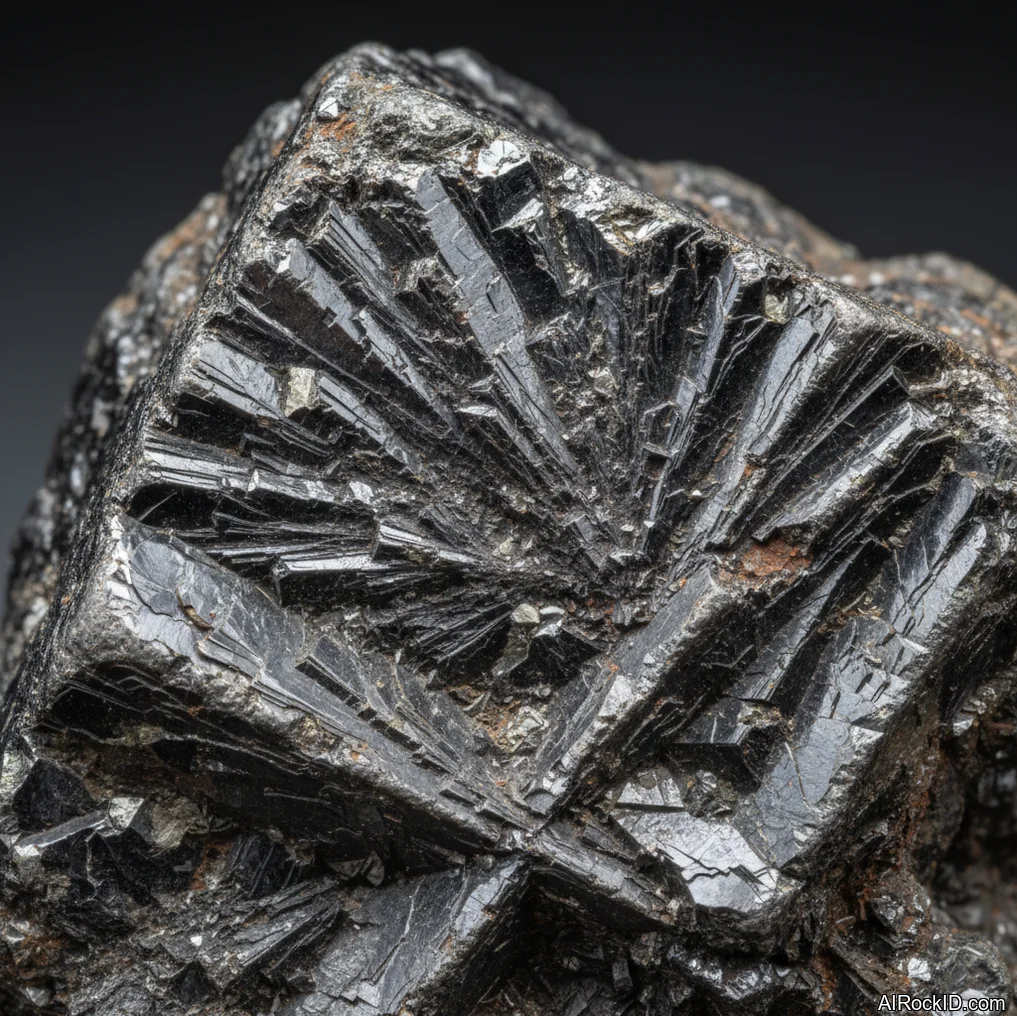
Luster: Luster is typically adamantine to submetallic, especially on fresh faces.
Pick up a piece and judge the heft. Cassiterite feels unusually heavy for its size because the density is high, and that’s a real clue in mixed lots. Look closely at the shine under a single point light source, because clean faces kick back sharp flashes that hematite and goethite usually don’t. If you scratch it with a steel nail, it generally won’t take the scratch easily, but it also won’t skate glass like quartz does, so don’t expect a 7+ feel every time.
Properties of Cassiterite
Physical Properties
| Crystal System | Tetragonal |
| Hardness (Mohs) | 6–7 (Hard (6-7.5)) |
| Density | 6.8–7.1 g/cm3 |
| Luster | Adamantine |
| Diaphaneity | Transparent to translucent |
| Fracture | Uneven |
| Streak | white to light brown |
| Magnetism | Non-magnetic |
| Colors | brown, black, reddish brown, yellow-brown, gray |
Chemical Properties
| Classification | Oxides |
| Formula | SnO2 |
| Elements | Sn, O |
| Common Impurities | Fe, Ti, Nb, Ta, W |
Optical Properties
| Refractive Index | 1.997–2.093 |
| Birefringence | 0.096 |
| Pleochroism | Weak |
| Optical Character | Uniaxial |
Cassiterite Health & Safety
Handling it is totally fine, and a quick splash of water won’t hurt anything. But don’t grind it up or do anything that kicks up mineral dust, and definitely don’t breathe that stuff in. Thing is, some specimens have sulfides sitting on the matrix, so just use common sense with the rinse water if it comes off looking cloudy or grimy (would you drink that?).
Safety Tips
If you’re cutting or sanding, keep it wet and wear a proper respirator that’s rated for fine particulates. Don’t just slap on a paper dust mask. And after you’ve handled those gritty or iron-stained pieces, wash your hands, especially if you can still feel that powdery film on your fingertips.
Cassiterite Value & Price
Price Range
Rough/Tumbled: $10 - $300 per specimen
Cut/Polished: $50 - $400 per carat
Prices can climb in a hurry once a crystal has a nice shape, clean faces, and that bright adamantine luster that flashes when you tilt it under a lamp. And most dealers will tack on extra for sharp twins, too. They’ll also charge more if the piece sits on an attractive quartz or tourmaline matrix (you know, the kind that looks good in the hand and on a shelf) instead of coming as a loose chunk.
Durability
Moderate — Scratch resistance: Good, Toughness: Fair
It’s stable in normal indoor conditions, but many crystals are brittle and can chip along damaged edges if they rattle in a box.
How to Care for Cassiterite
Use & Storage
Store it wrapped or in a compartment box, because the sharp edges chip easier than people expect. And keep it away from softer display neighbors, since the lustered faces can scratch them up in a shared tray.
Cleaning
1) Rinse with lukewarm water and a drop of mild dish soap. 2) Use a soft toothbrush to work around crystal edges and matrix pockets. 3) Rinse well and air-dry fully before putting it back in a closed box.
Cleanse & Charge
If you’re into the metaphysical side, I’d keep cleansing simple: smoke, sound, or a quick rinse and dry. I don’t leave cassiterite soaking just because matrix minerals can be the weak link.
Placement
Give it a spot where a single light can hit it from the side, since that’s how the bright flashes show best. A small acrylic stand helps, especially for twins that look flat until you tilt them.
Caution
Skip ultrasonic cleaners. And don’t reach for harsh acids, especially if the specimen’s got calcite or sulfides sitting on the matrix, because that’s where things can go sideways fast. Also, don’t grind or drill unless you’ve got proper dust control in place. Dust gets everywhere (in your nose, in the room, all of it).
Works Well With
Cassiterite Meaning & Healing Properties
Next to the soft, dreamy stones, cassiterite is the blunt, no-ness one in the box. You pick up a decent crystal and it’s heavy. Seriously heavy for its size. And it stays cool in your palm for a beat, like it’s holding onto the room temperature longer than you expect, which is exactly why people link it with grounding and focus work. I’ve kept a little twinned piece on my desk when I’m buried in paperwork, not as some magic fix, just a solid thing to touch when my brain wants to wander.
But here’s the rub. A lot of cassiterite out there is dark and kinda plain unless you catch it at the right angle, so if someone’s expecting constant sparkle, they get let down fast. So, if you want the vibe people rave about, grab one with at least a few clean faces you can actually see. That matters. You tilt it under a lamp and those sharp, tinny flashes pop for a split second, and that little bit of visual feedback is half the experience when you’re handling it.
Metaphysical talk isn’t medical care. Still, in the shop world, cassiterite gets tied to clear decision-making, practical boundaries, and a steady, get-it-done mindset. When I hand it to someone, I tell them to feel the weight first, then tip it around and look for those quick flashes. Does it feel supportive? Or does it feel like too much, too intense, too serious (because that happens too).
Identify Any Crystal Instantly
Snap a photo and get properties, value, care instructions, and healing meanings in seconds.