Chakras

Solar Plexus Chakra Crystals

Learn Solar Plexus Chakra crystals, meanings, and how to use yellow stones like citrine, pyrite, and tiger’s eye for focus and confidence.

88
crystals associated with Solar Plexus Chakra

Right under your ribcage, in that spot where nerves bunch up and stress loves to camp out, is where people map the Solar Plexus Chakra. In crystal terms, it’s the “gut” center. Drive. Follow-through. Confidence. Boundaries. Digestion. That whole I-can-handle-this feeling. And that’s why so many Solar Plexus stones skew yellow and gold. Not because the color is magic all by itself, but because tradition links that sunlit spectrum to willpower and personal heat.

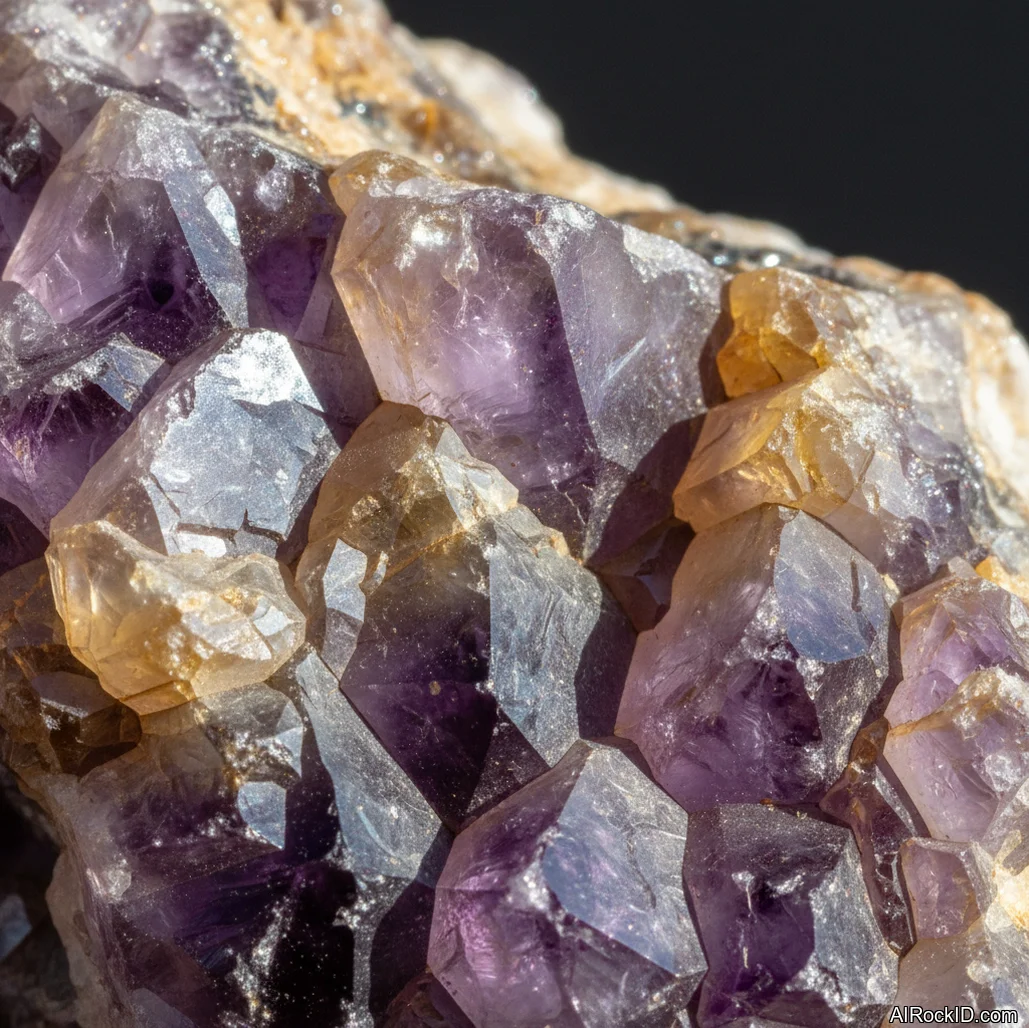
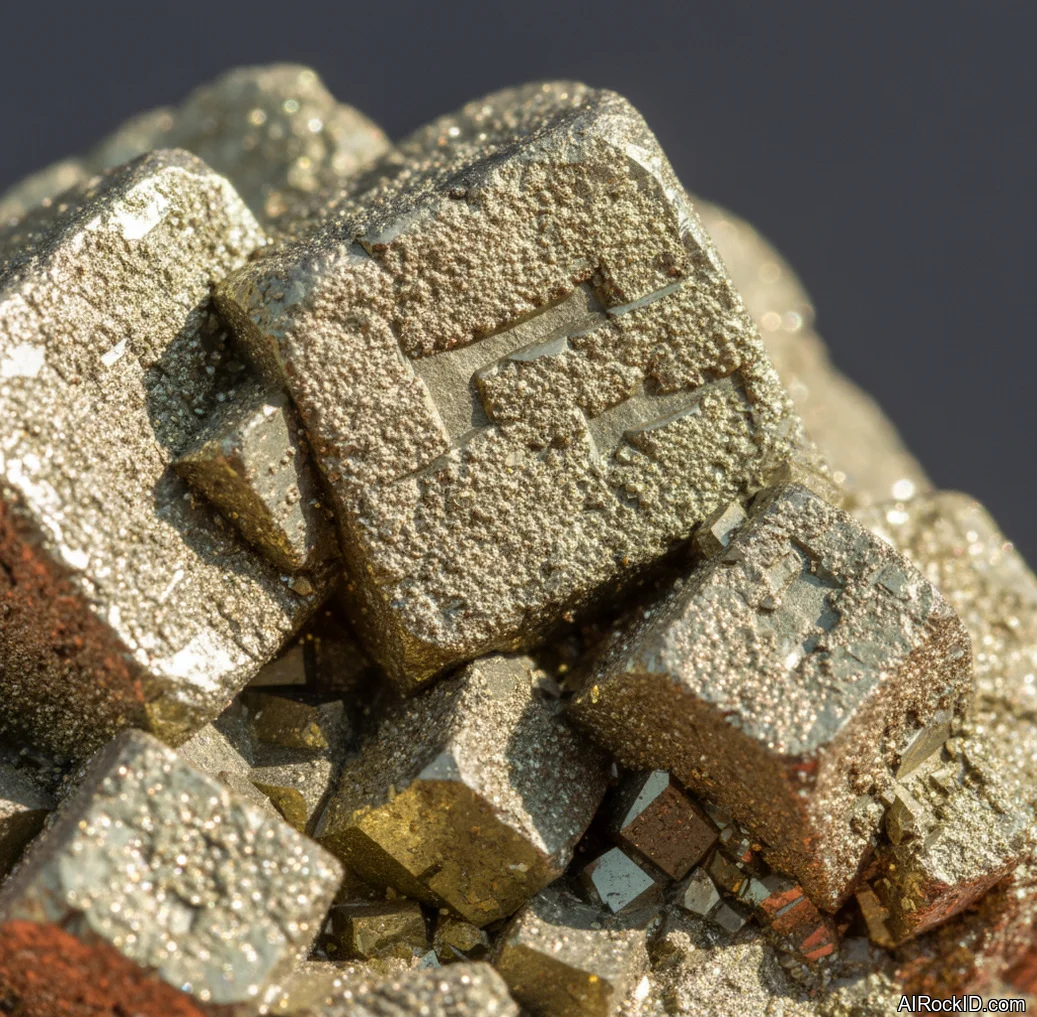
Pick up a good piece of pyrite and you’ll get it fast. It sits heavy in your palm, colder than you expect, and the faces kick back sharp flashes when you tilt it under a shop light. That physical punch is part of why people reach for Solar Plexus Chakra crystals when they feel scattered or second-guessy. They want something that feels solid. Citrine gets pulled into the same conversation, but there’s a catch: most “citrine” in stores is heat-treated amethyst. Not automatically bad. But if you’re paying natural-citrine prices, you should know what you’re holding.

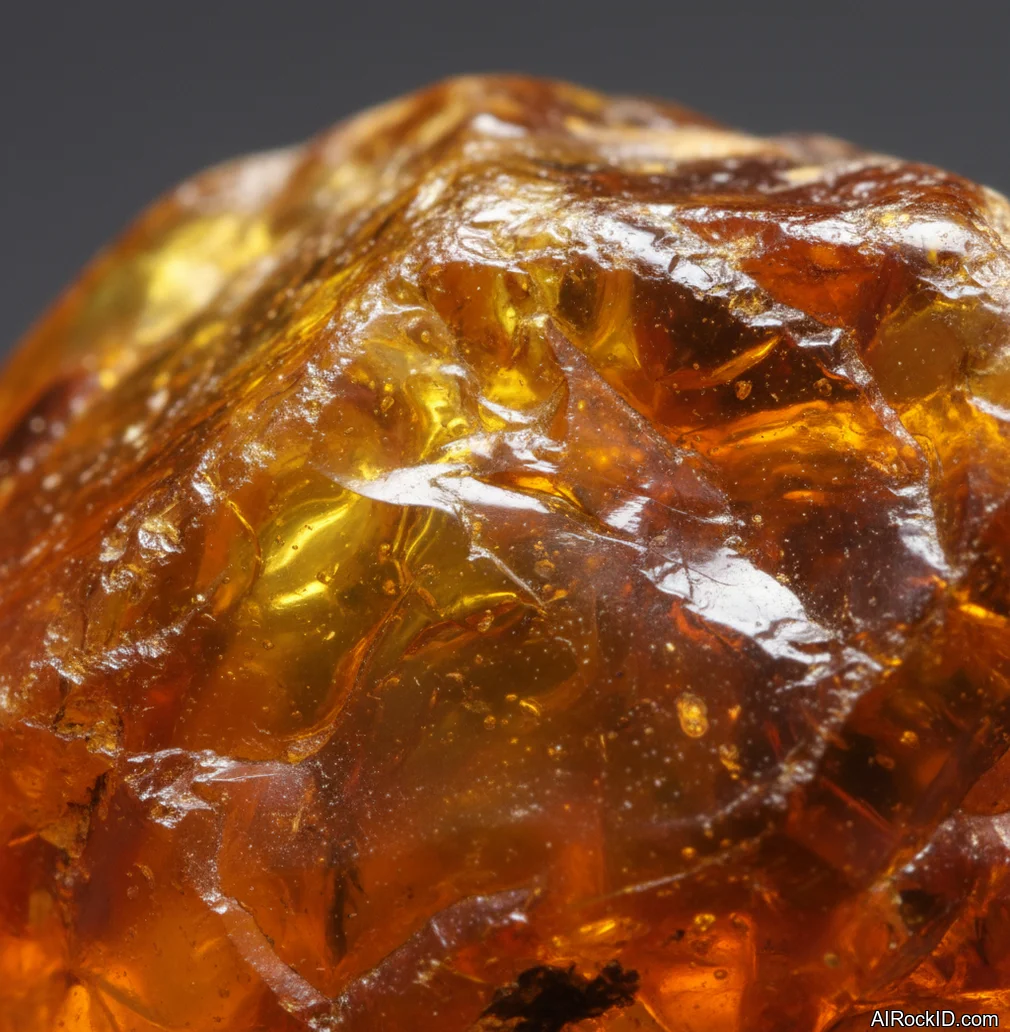
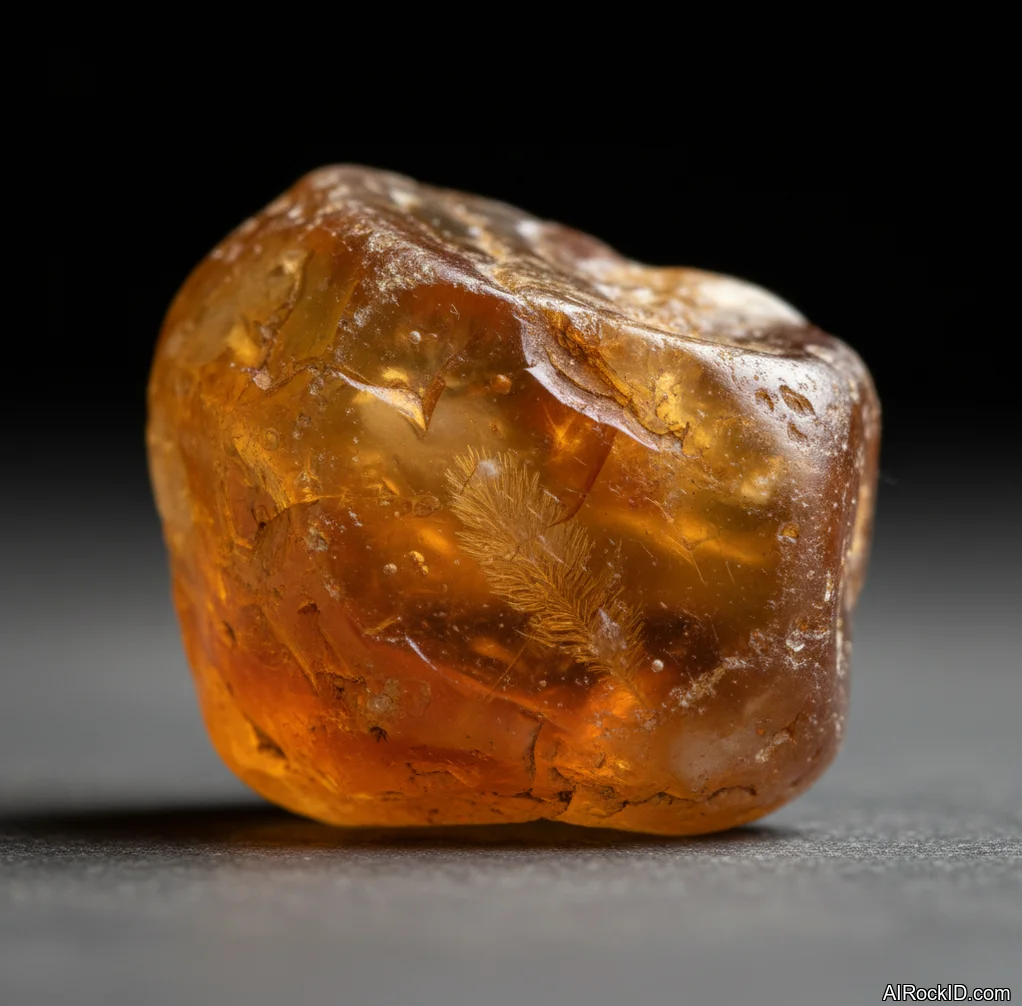
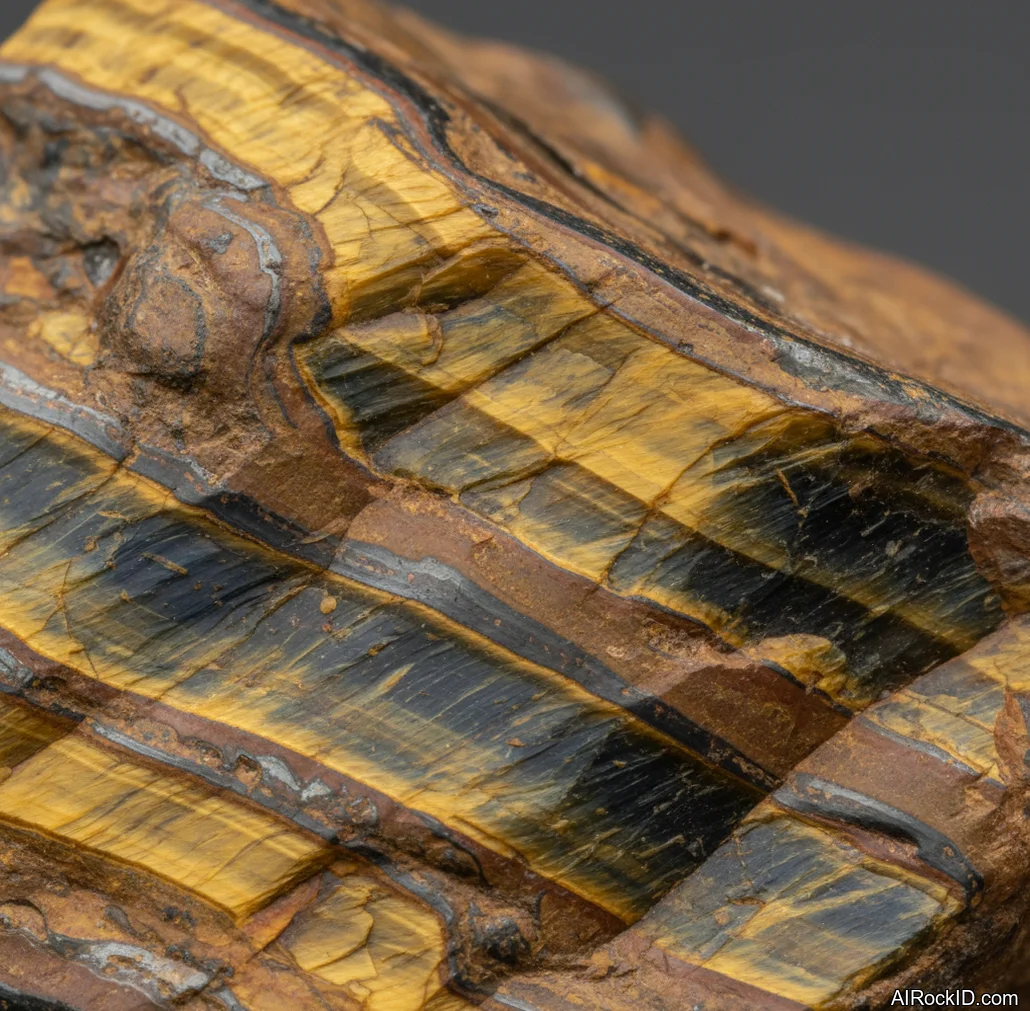
In most crystal-healing databases, Solar Plexus associations keep circling the same names: citrine, tiger’s eye, pyrite, yellow calcite, golden healer quartz, lemon quartz, heliodor (yellow beryl), amber, and sometimes jasper varieties that run mustard or ochre. Each one feels different in the hand and wears differently over time. Tiger’s eye is tough, takes a polish well, and that silky chatoyancy can look like a moving band of light. Yellow calcite is softer and scratches easier, so a pocket stone will get scuffed and cloudy quicker. Amber is feather-light and warm to the touch (weird the first time you notice it), which is the opposite of most minerals, and that surprises people.

Why do folks seek Solar Plexus Chakra crystals? A lot of it is just regular life stuff. Confidence before a presentation. Sticking to a plan. Saying no without spiraling afterward. Some people tie it to digestion and appetite cues. Others just want a steady “engine on” feeling instead of stop-start motivation. Crystals become a physical anchor for that intention. You can hold one during breathwork, keep one at your desk, or place one on your upper abdomen during a short rest. The point isn’t a complicated ritual. It’s consistency.

Look, check tiger’s eye closely before you buy. The best pieces have a tight, straight chatoyant band that moves cleanly when you rotate it, not a muddy shimmer that only shows from one angle. With pyrite, check the edges. Crisp cubes and clean striations cost more, but they also hold up better. Cheap pyrite can crumble, especially if it’s from unstable material that wants to oxidize. If you ever see powdery yellow-brown dust in the bag, pass.

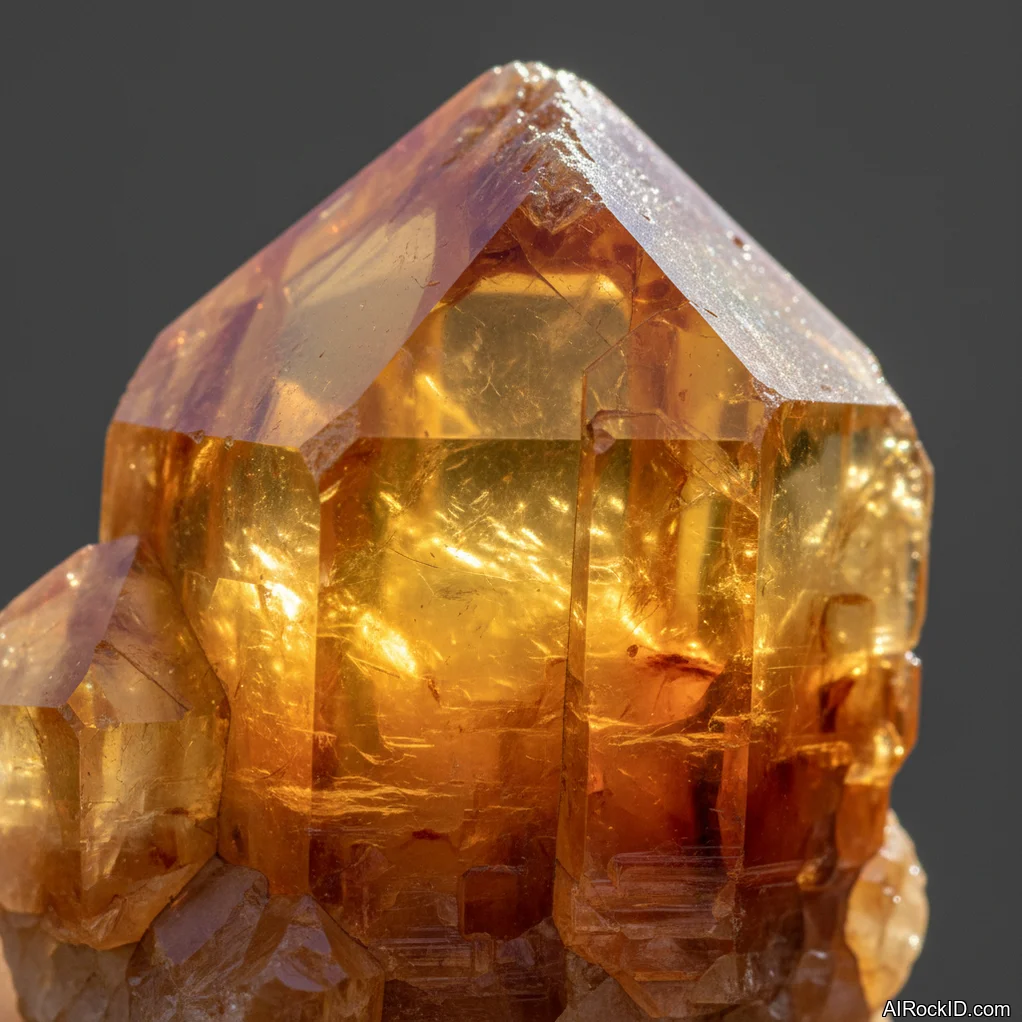
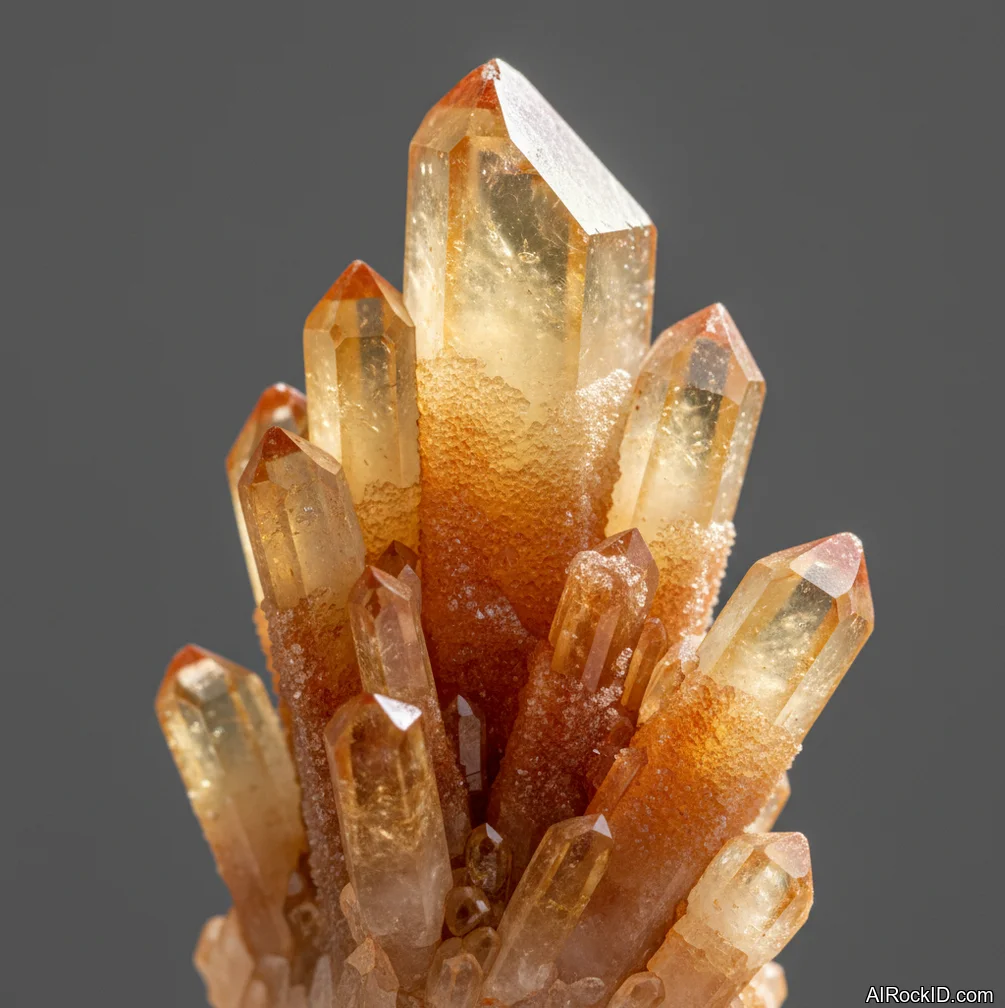
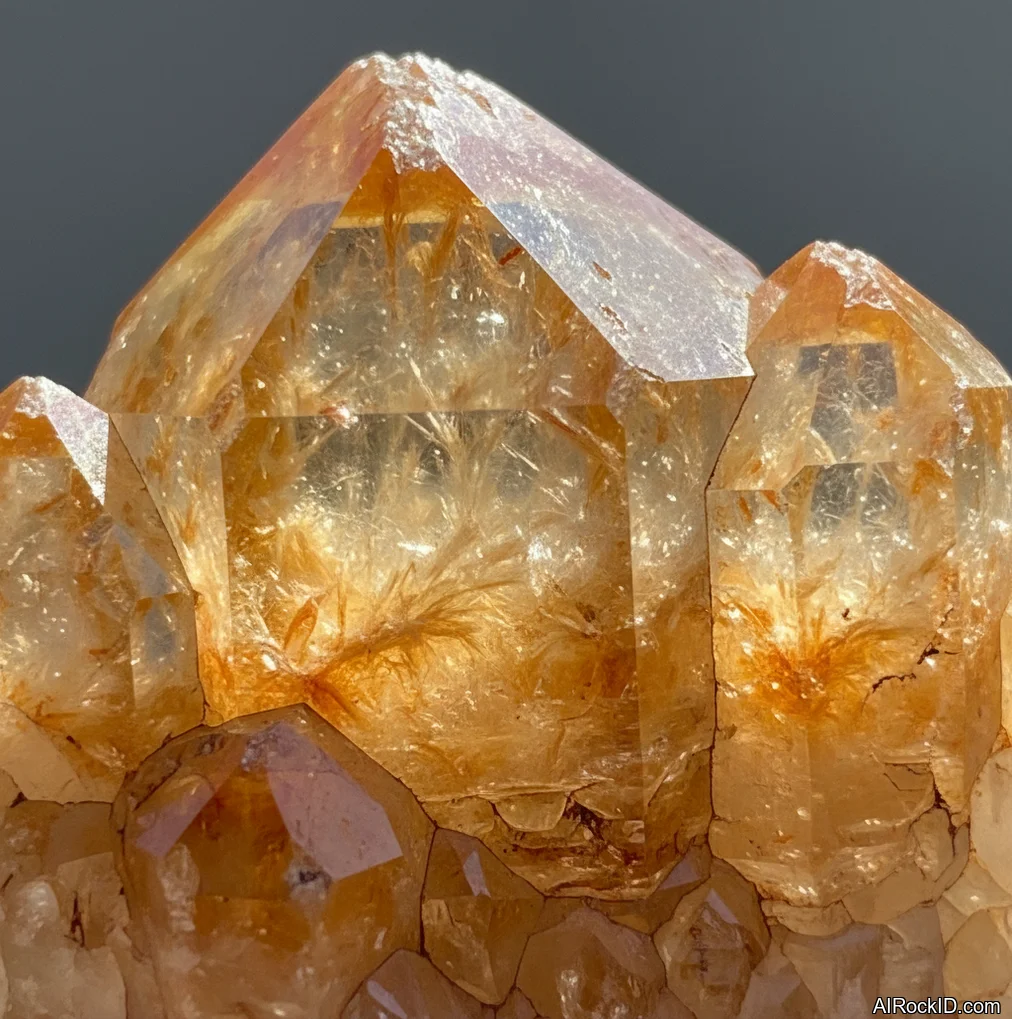
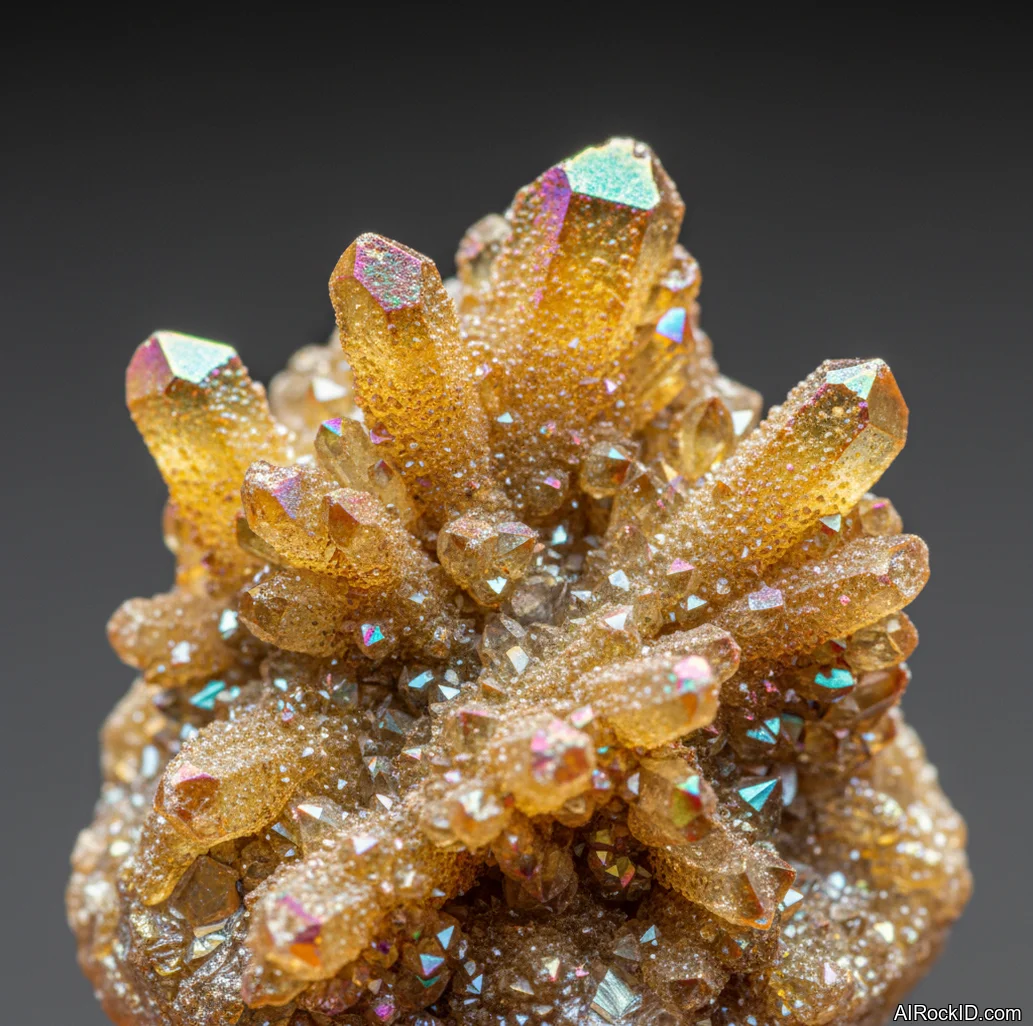
Citrine shopping is its own minefield. Natural citrine usually shows a pale straw to smoky honey tone, often with some zoning, and it doesn’t look like a neon orange popsicle. Heat-treated amethyst tends to have a burnt orange tip and a white base, sometimes with that “baked” look where the color sits too evenly in the upper portion. If you’re buying a cluster, flip it over and look at the base color and the crystal habit. A lot of the heated stuff started as amethyst clusters that were cooked, so you’ll see the same shape you’d expect from amethyst, just in orange.

Working with Solar Plexus stones can be simple. Put a piece of tiger’s eye or pyrite where you make decisions, like next to your keyboard or on a shelf you actually see, and use it as a cue to finish one task before opening another tab. For body work, a smooth palm stone of yellow calcite or honey calcite can sit comfortably on the solar plexus while you breathe slowly for five minutes. Amber is nice for this too because it doesn’t feel cold, but it scratches easily, so keep it away from keys and grit. If you’re wearing jewelry, tiger’s eye and citrine handle daily wear better than calcite.

Compared to softer stones, quartz-based pieces are less fussy. Golden healer quartz, lemon quartz, and many citrine points are basically quartz hardness, so they take knocks. Calcite, on the other hand, can etch from sweat and cleaners. I’ve watched bright yellow calcite go dull after a summer of being carried around. It still looks fine, just not glossy. Thing is, if you want a stone that stays pretty in a pocket, go with tiger’s eye, quartz, or a well-polished jasper.

The real test is how the stone looks and feels in your actual lighting. Shop lights can make everything look warmer. Step near a window if you can. Rotate the piece and see if the color is painted-on uniform or naturally uneven. Check for dye in cracks, especially in porous material that’s been “improved.” And don’t ignore weight. Pyrite should feel dense for its size. Amber should feel oddly light. Those quick checks save you from a lot of market nonsense.

So, if you’re building a Solar Plexus set, don’t try to collect all 88 options at once. Pick two or three that cover different uses: a tough daily carry like tiger’s eye, a desk stone like pyrite, and a calmer body-work piece like yellow calcite or amber. Keep them clean the boring way. Wipe with a dry cloth, avoid soaking pyrite, and don’t leave yellow stones in a sunny windowsill for weeks. Some colors fade, and the “sun chakra” irony isn’t worth it.

At the end of the day, Solar Plexus Chakra work with crystals is about repetition. Same place. Same time. Same cue. The stone is just a tool you can touch. And when you find one that feels right in your hand and holds up in your life, you’ll actually use it, and that matters more than chasing the rarest name on a label.

All Solar Plexus Chakra Crystals (88)
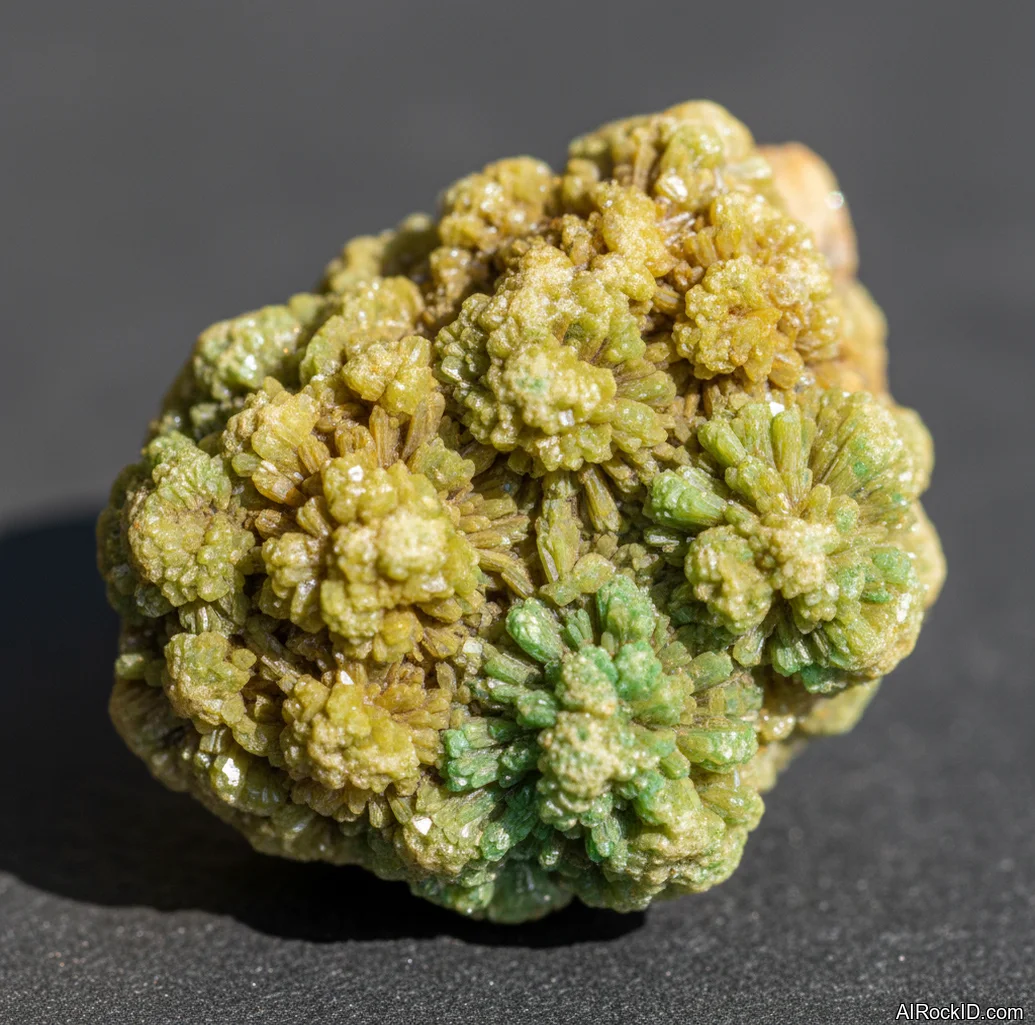
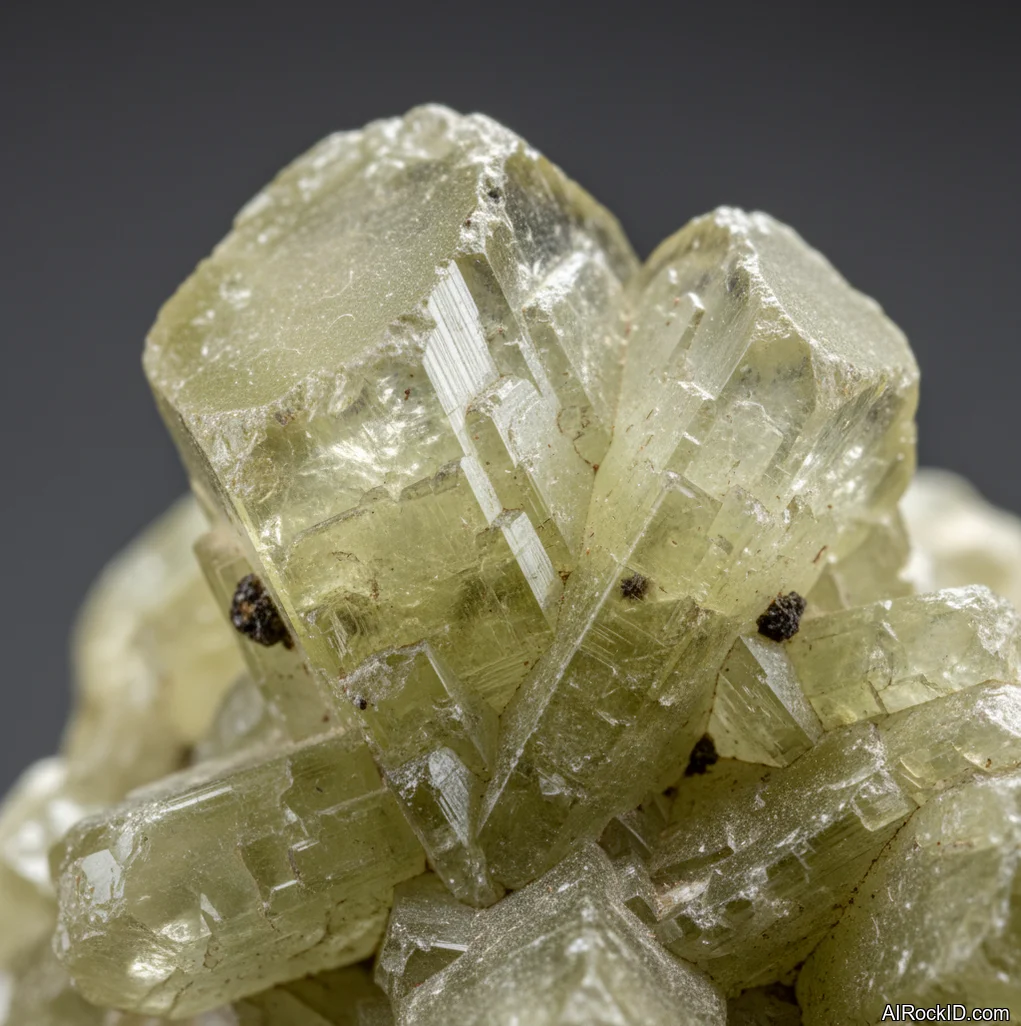
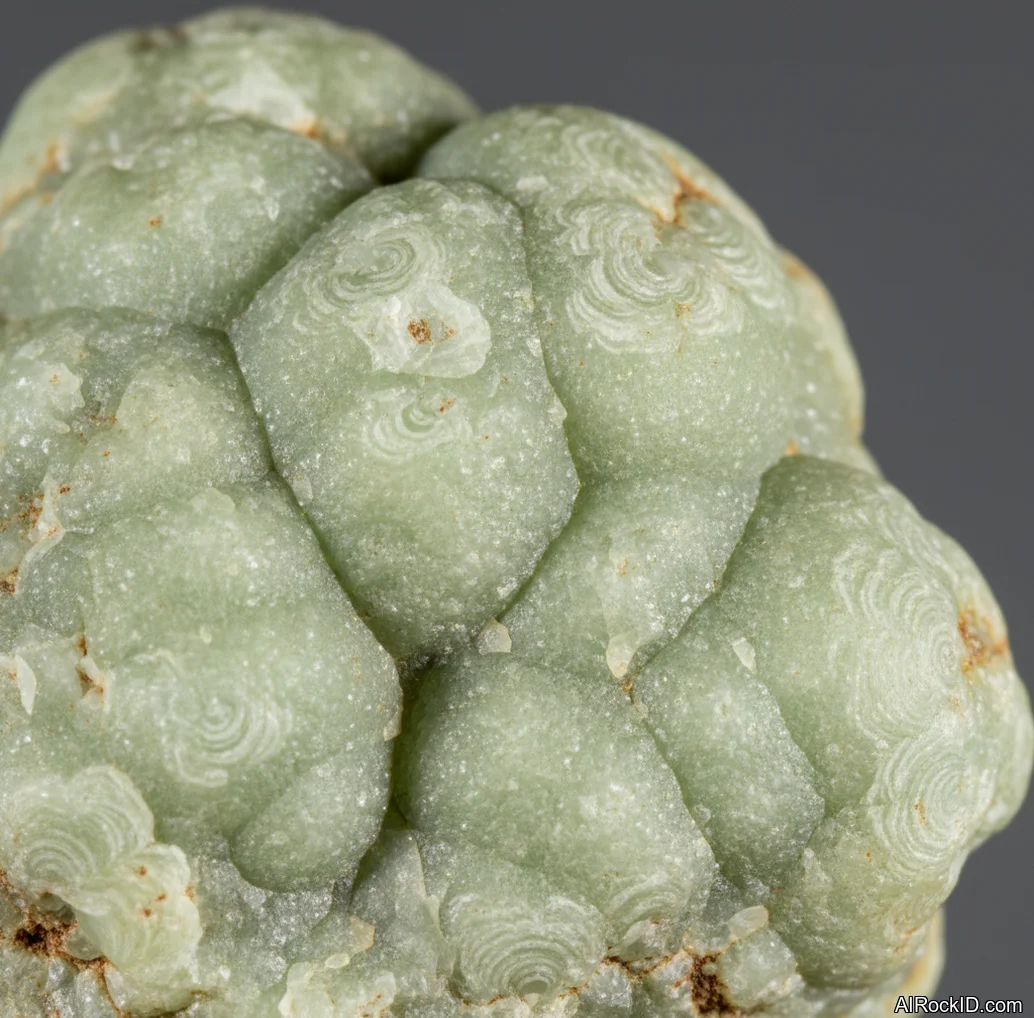
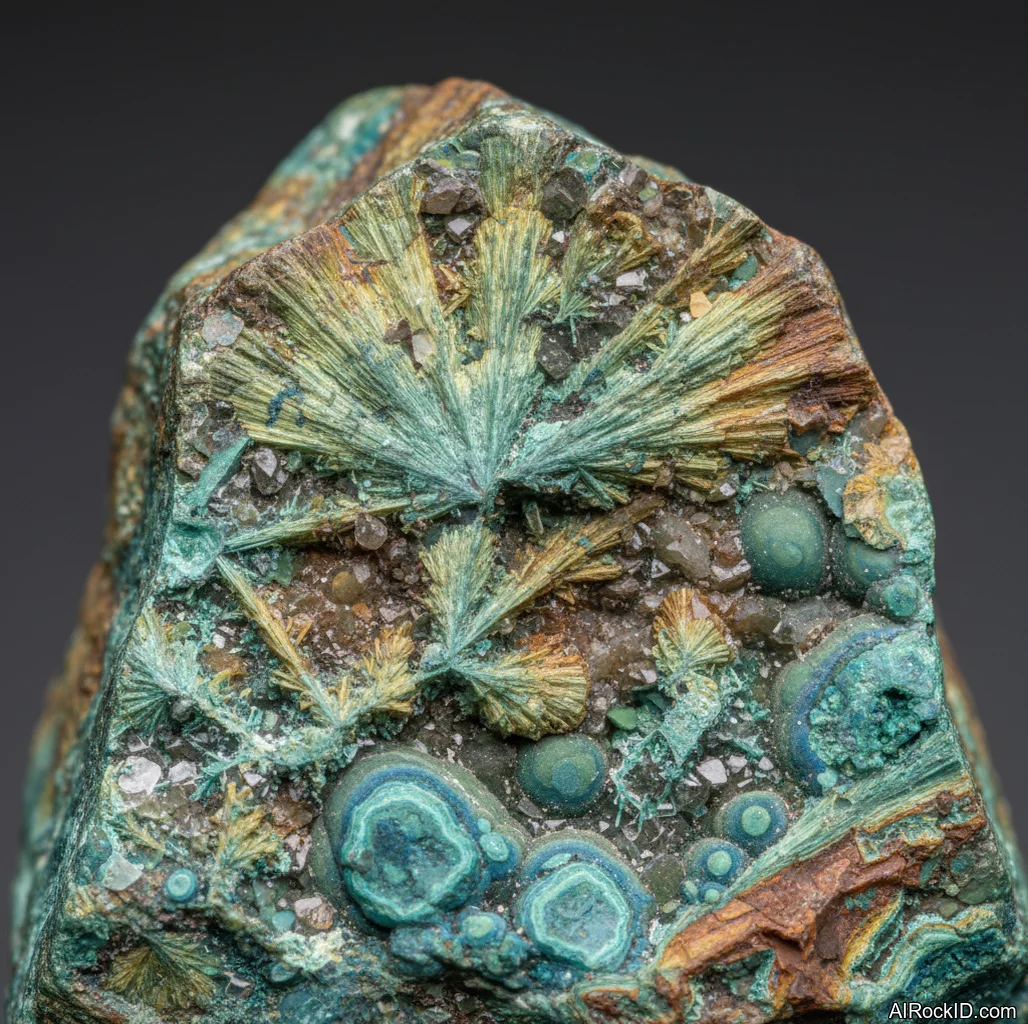
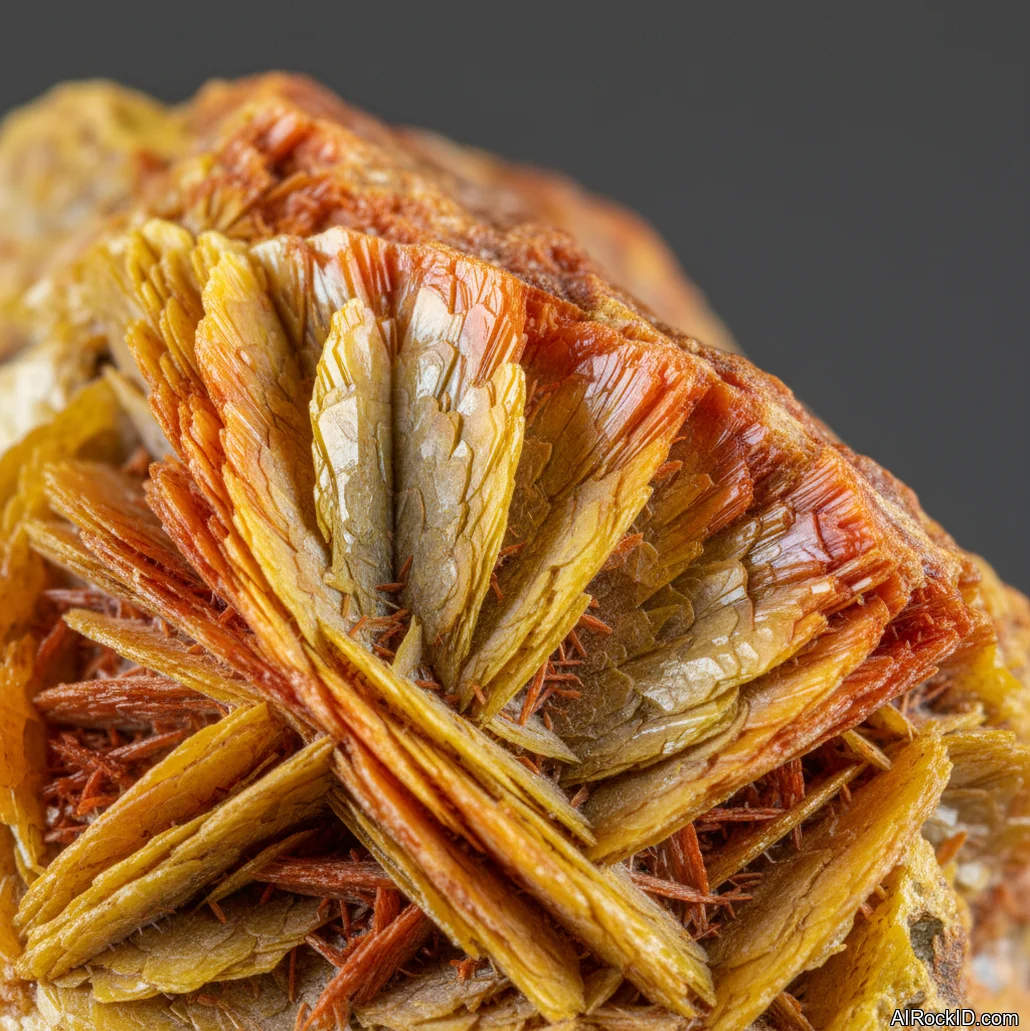
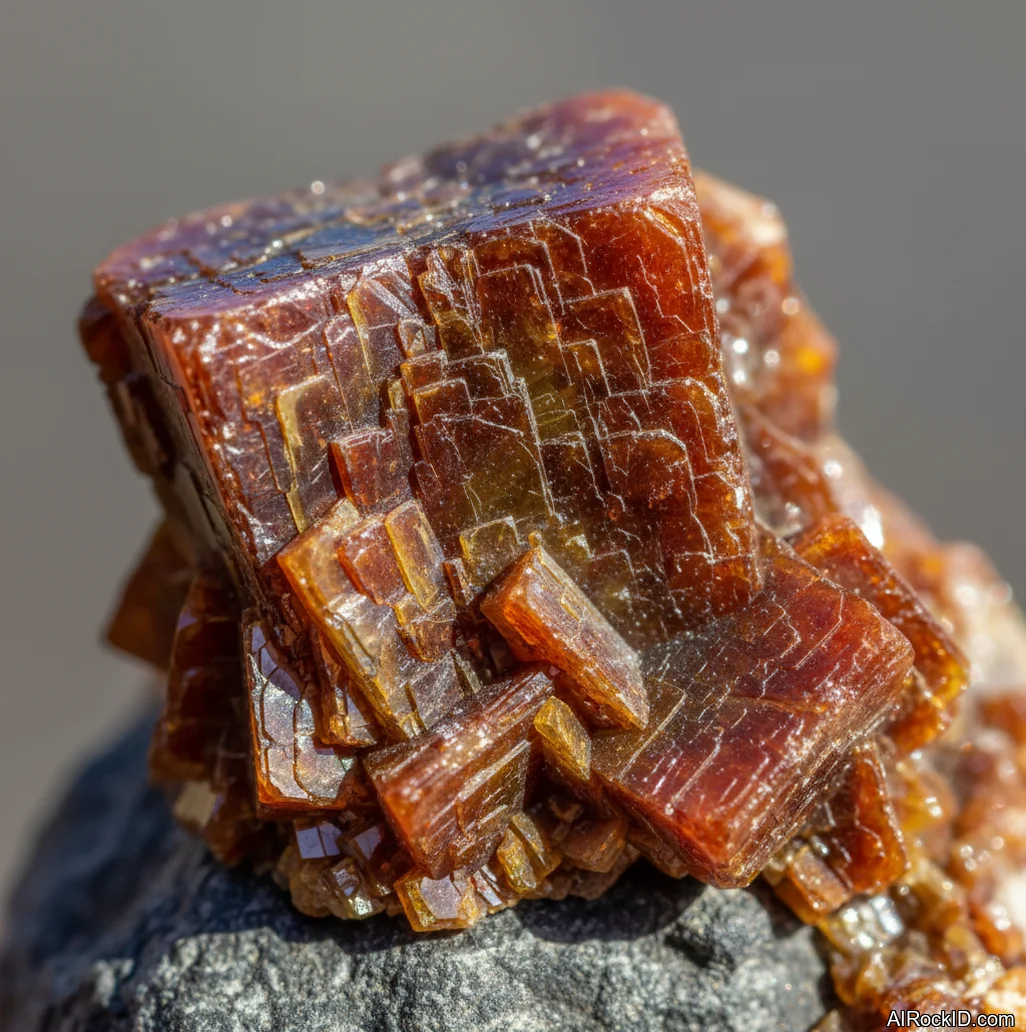
Adamite
Adamite
Uncommon · Mineral
Agni Manitite Pearl Of The Divine Fire
Uncommon · Tektite
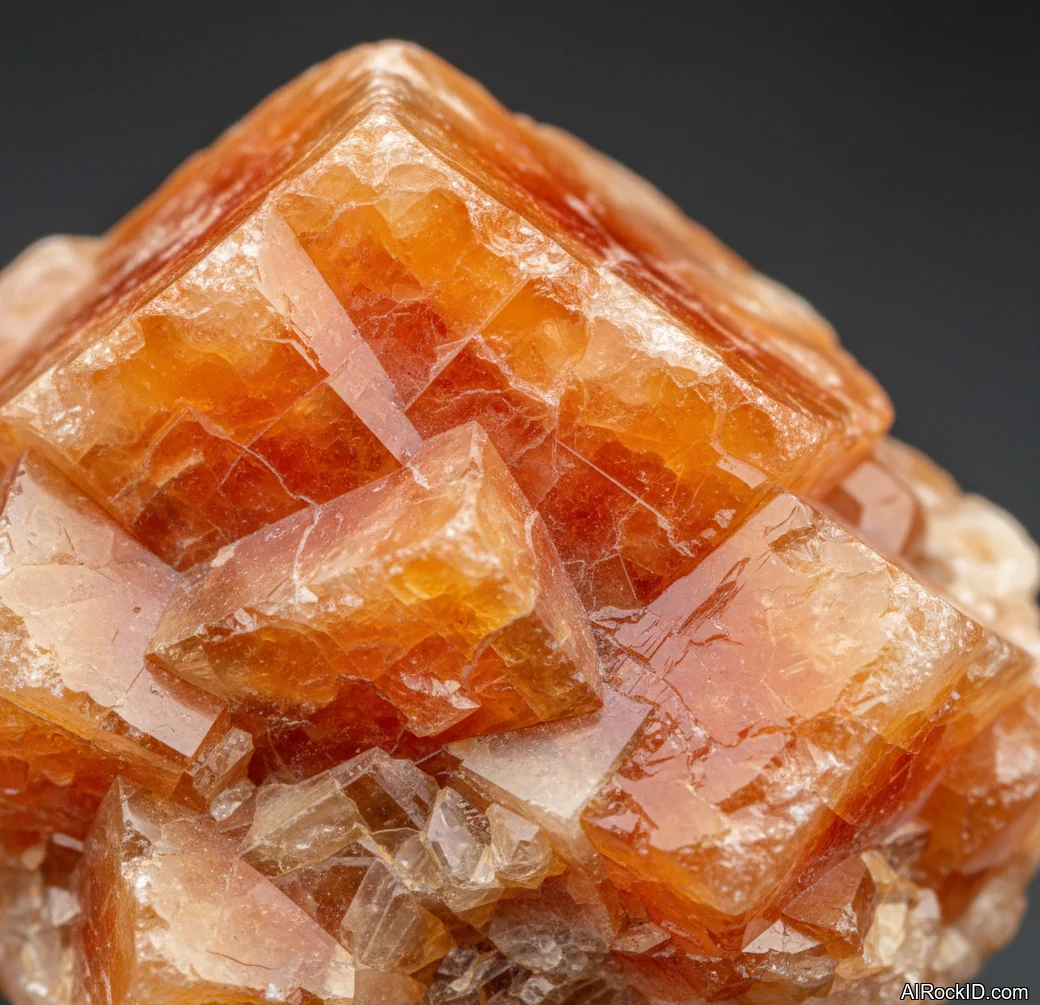
Amber Calcite
Amber Calcite
Common · Mineral
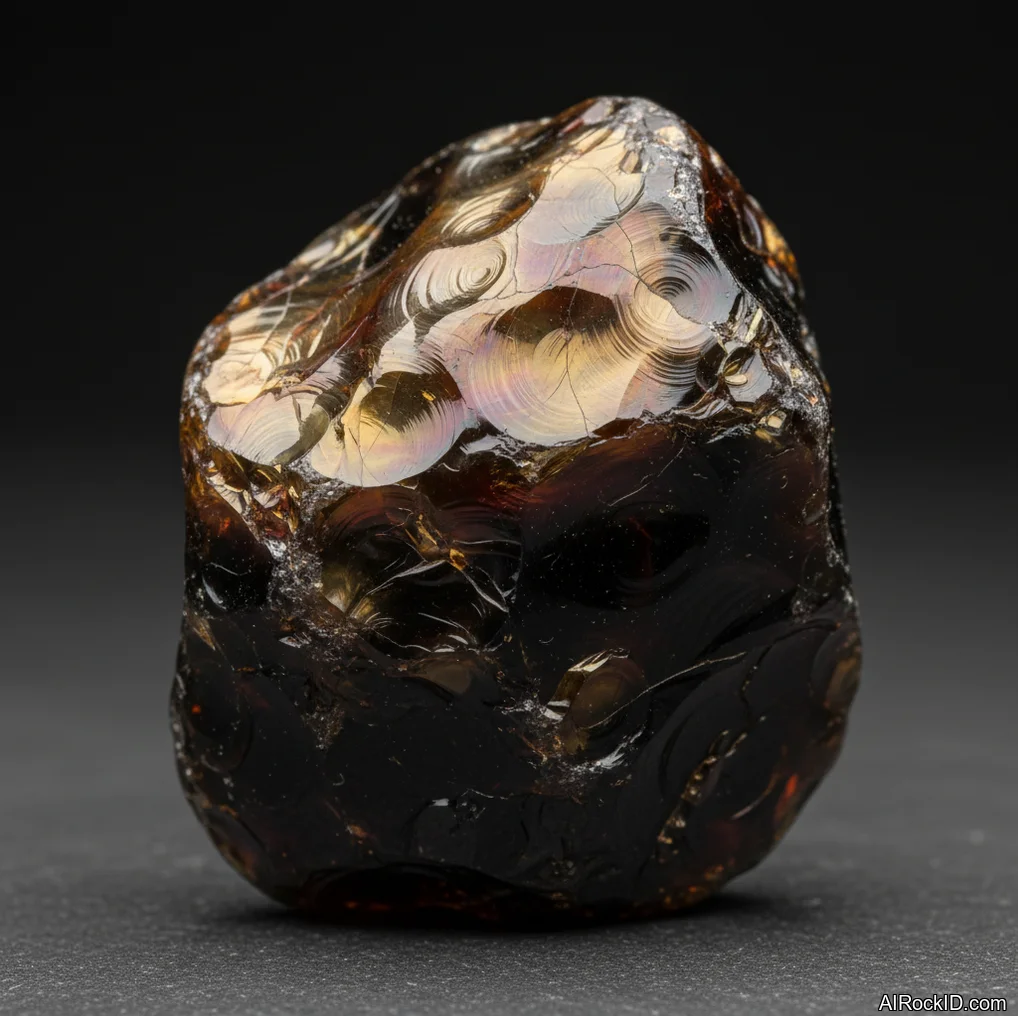
Amber
Amber
Common · Organic gem
Amegreen
Amegreen
Uncommon · Semi-precious gemstone
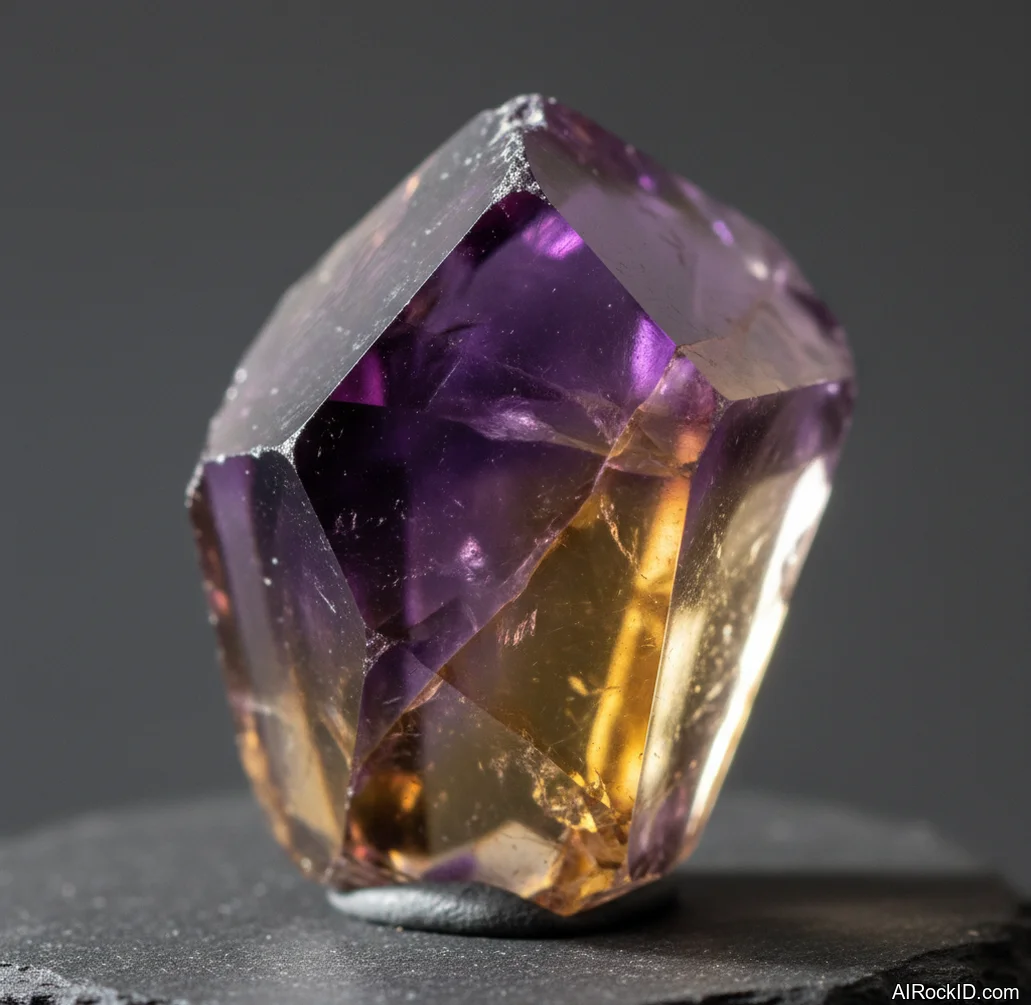
Ametrine
Ametrine
Uncommon · Semi-precious gemstone
Apache Gold
Apache Gold
Common · Rock
Arizona Pietersite
Arizona Pietersite
Uncommon · Rock
Bolivianite
Bolivianite
Uncommon · Semi-precious gemstone
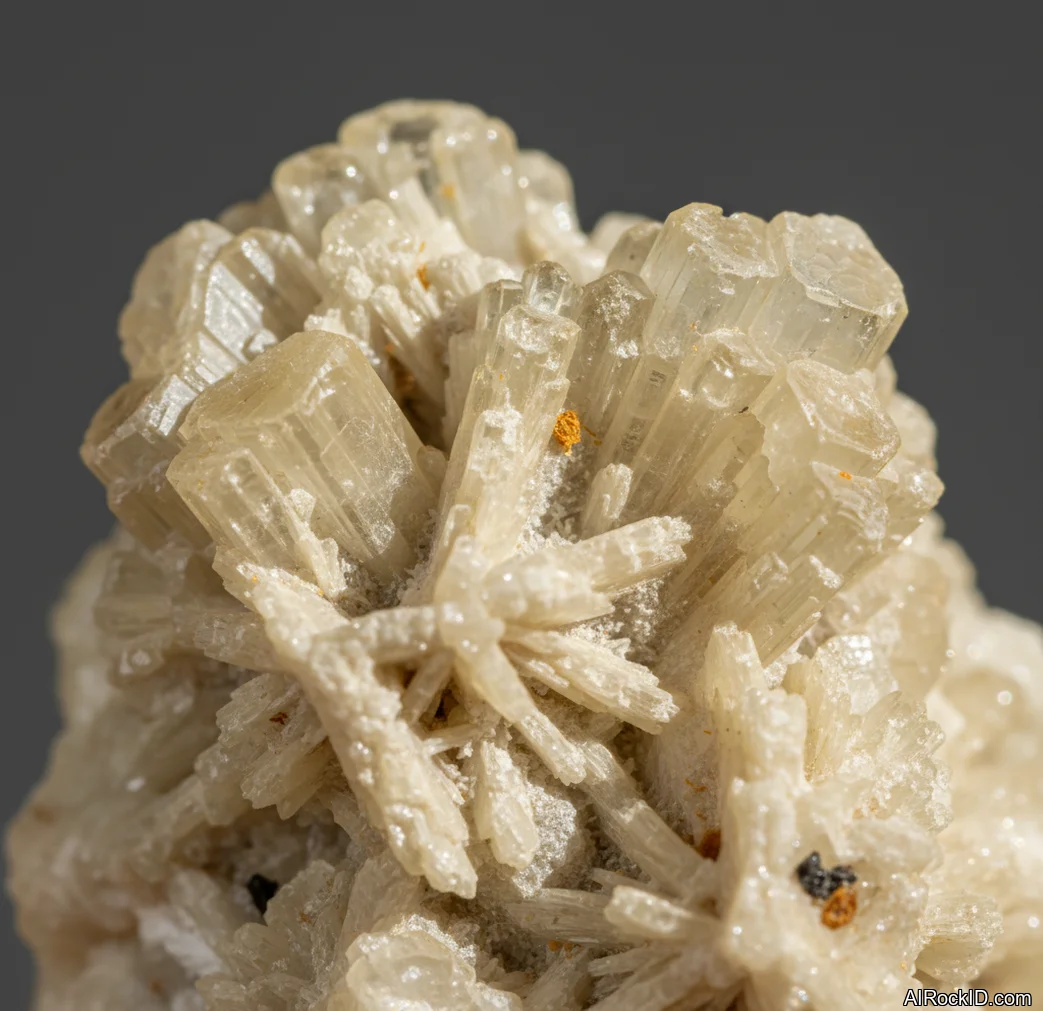
Brazilianite
Brazilianite
Uncommon · Mineral
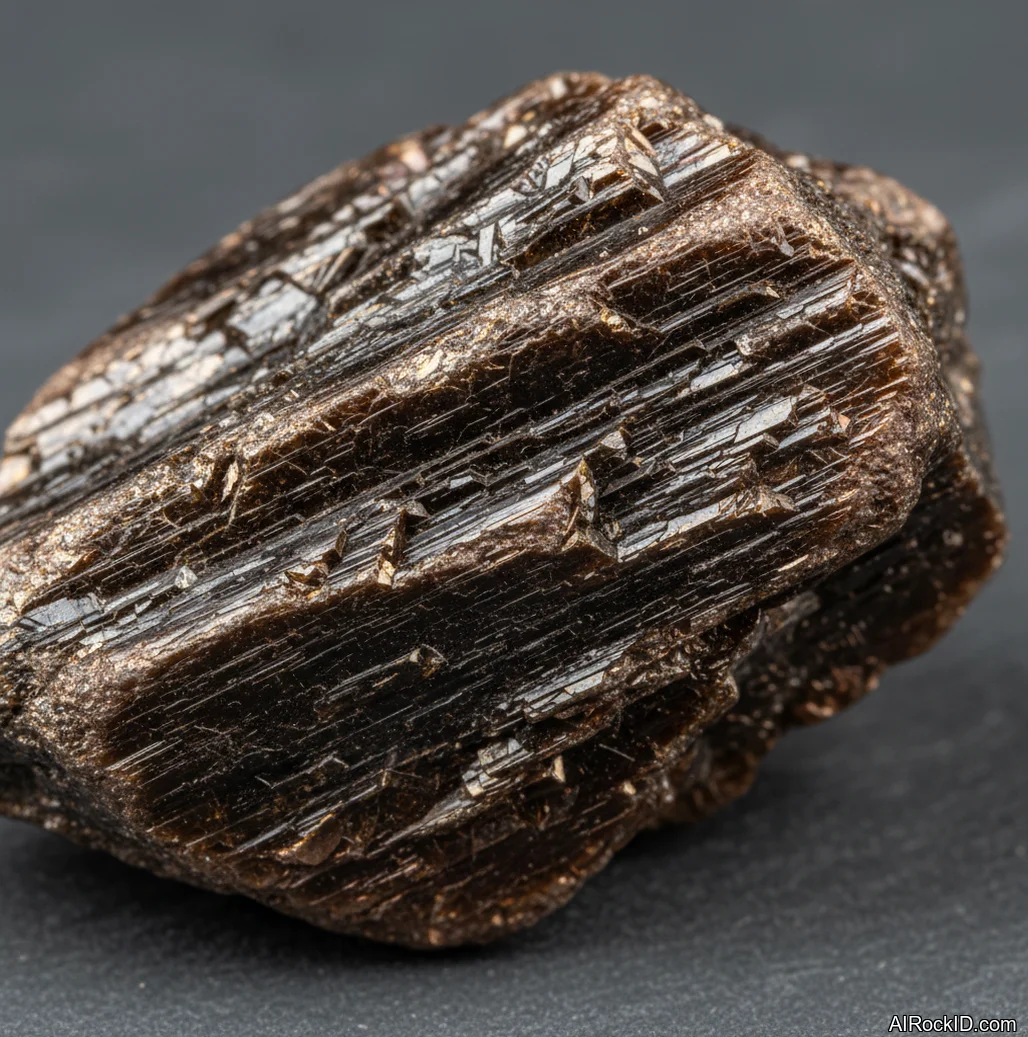
Bronzite
Bronzite
Common · Mineral
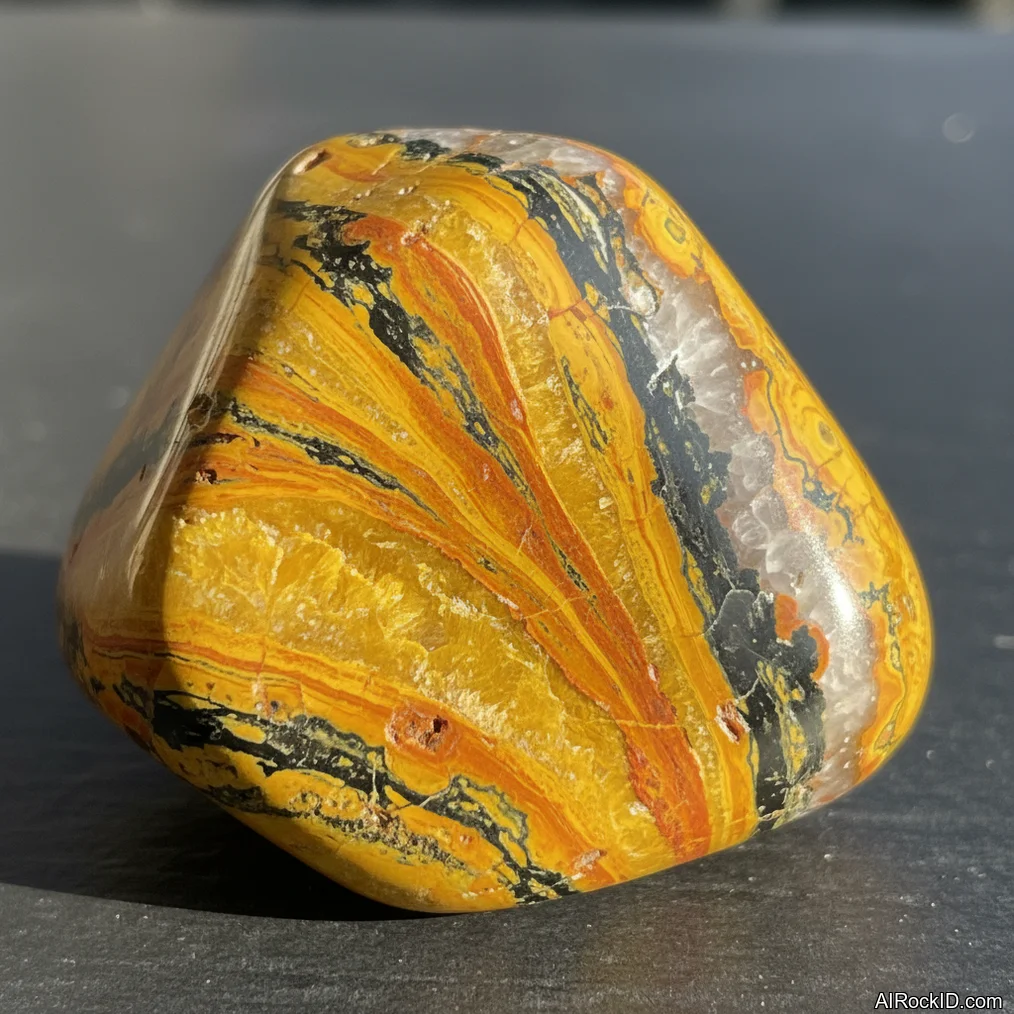
Bumblebee Jasper
Bumblebee Jasper
Uncommon · Rock
Cancrinite
Cancrinite
Uncommon · Mineral
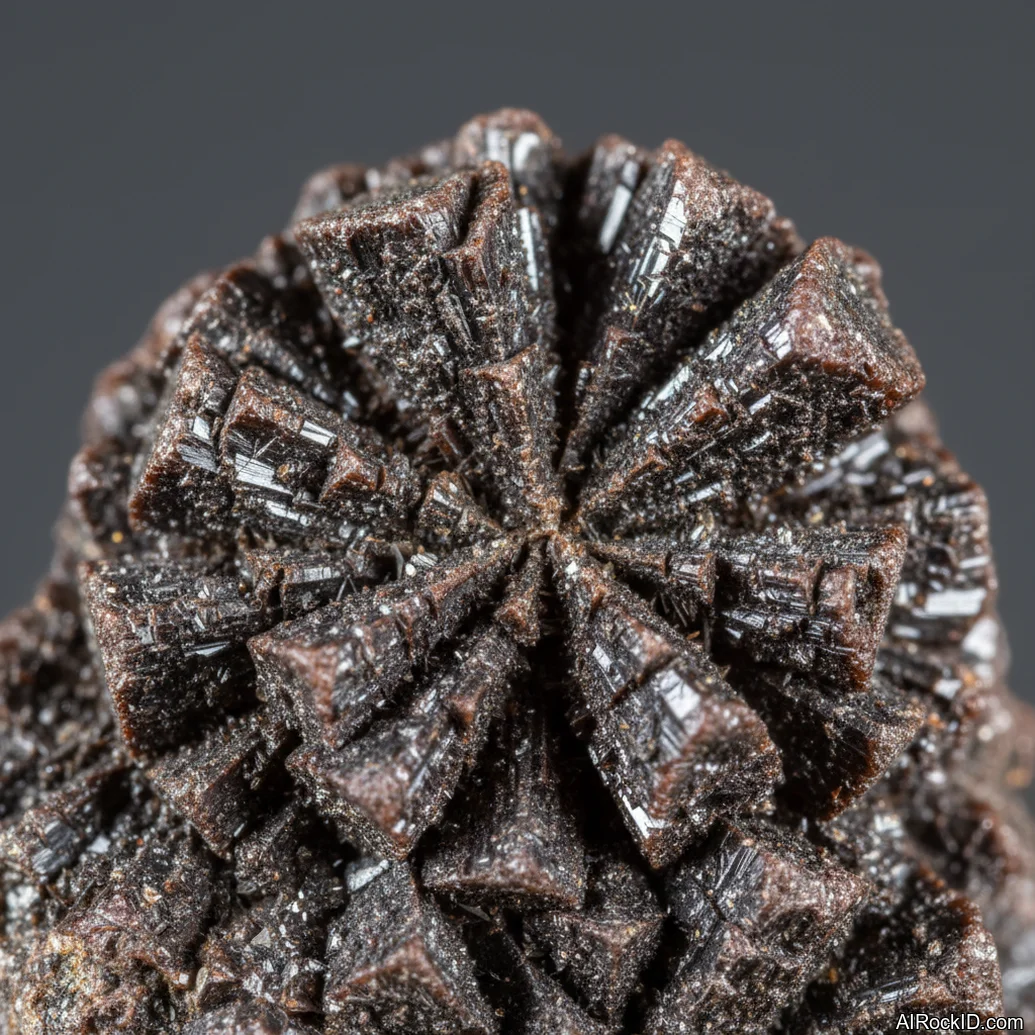
Cassiterite
Cassiterite
Uncommon · Mineral
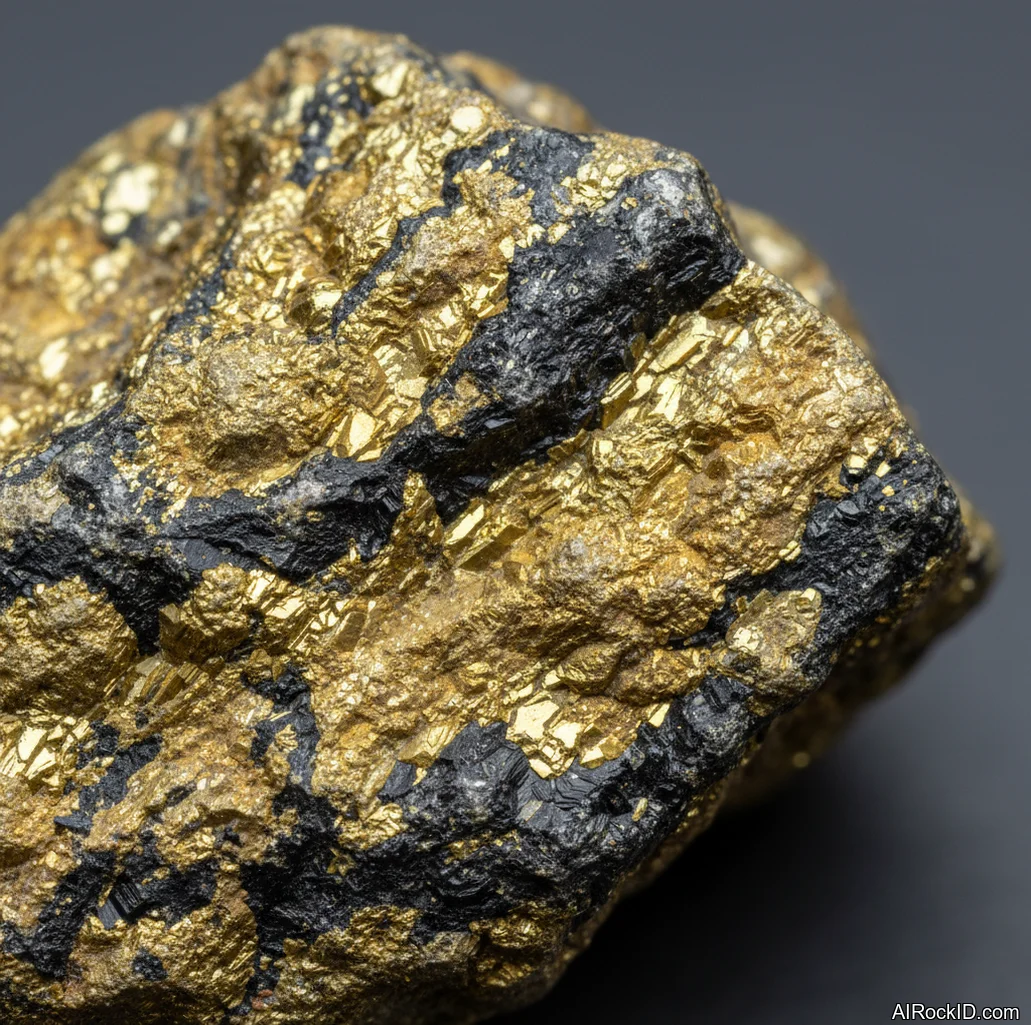
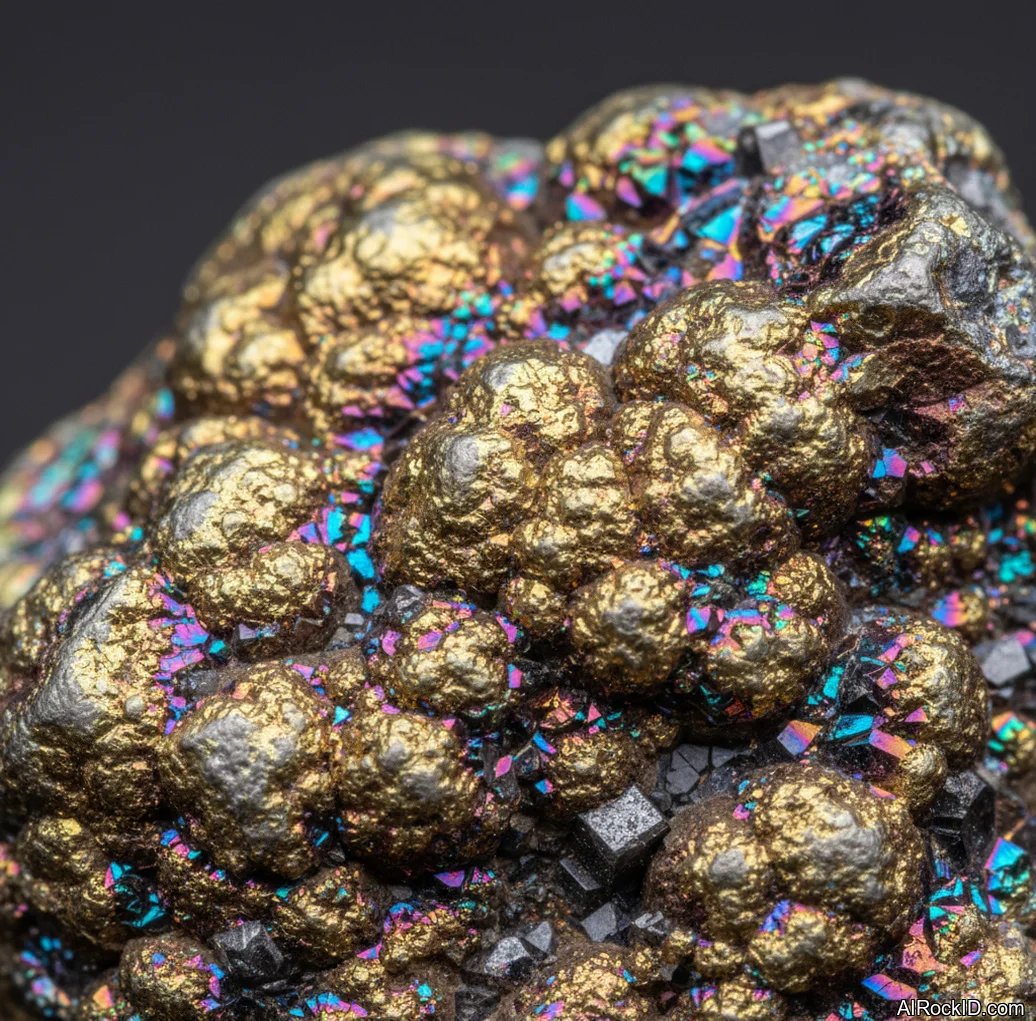
Chalcopyrite
Chalcopyrite
Common · Mineral
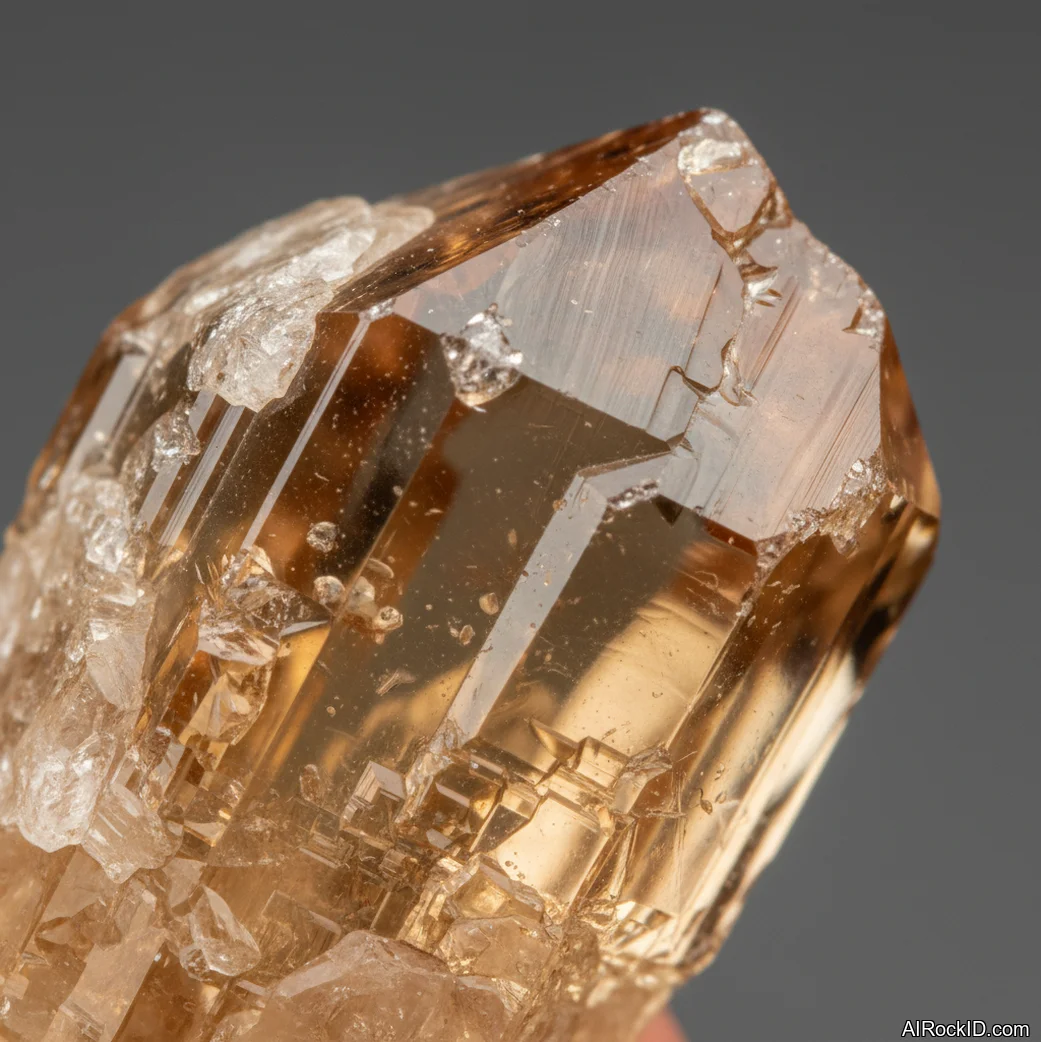
Champagne Topaz
Champagne Topaz
Uncommon · Semi-precious gemstone
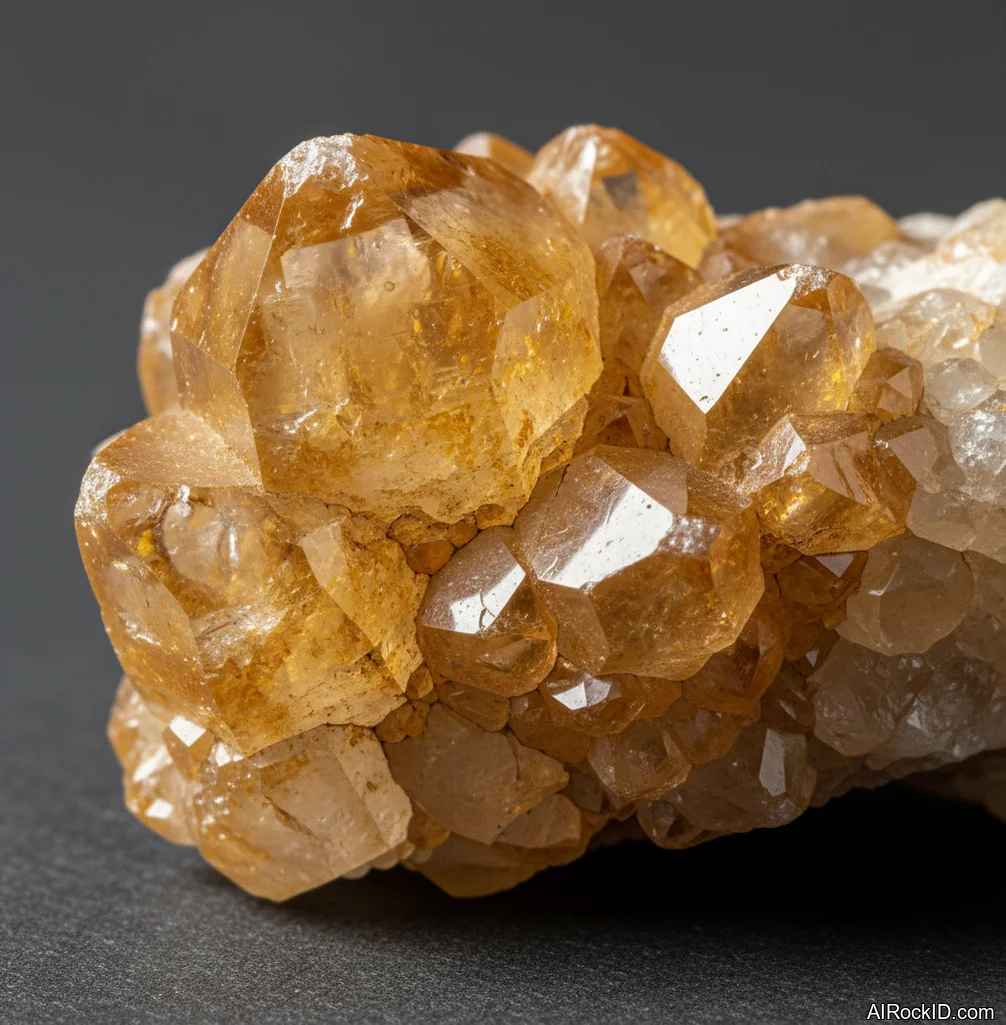
Citrine
Citrine
Common · Mineral
Cobra Jasper
Cobra Jasper
Common · Rock
Copal
Copal
Common · Organic gem
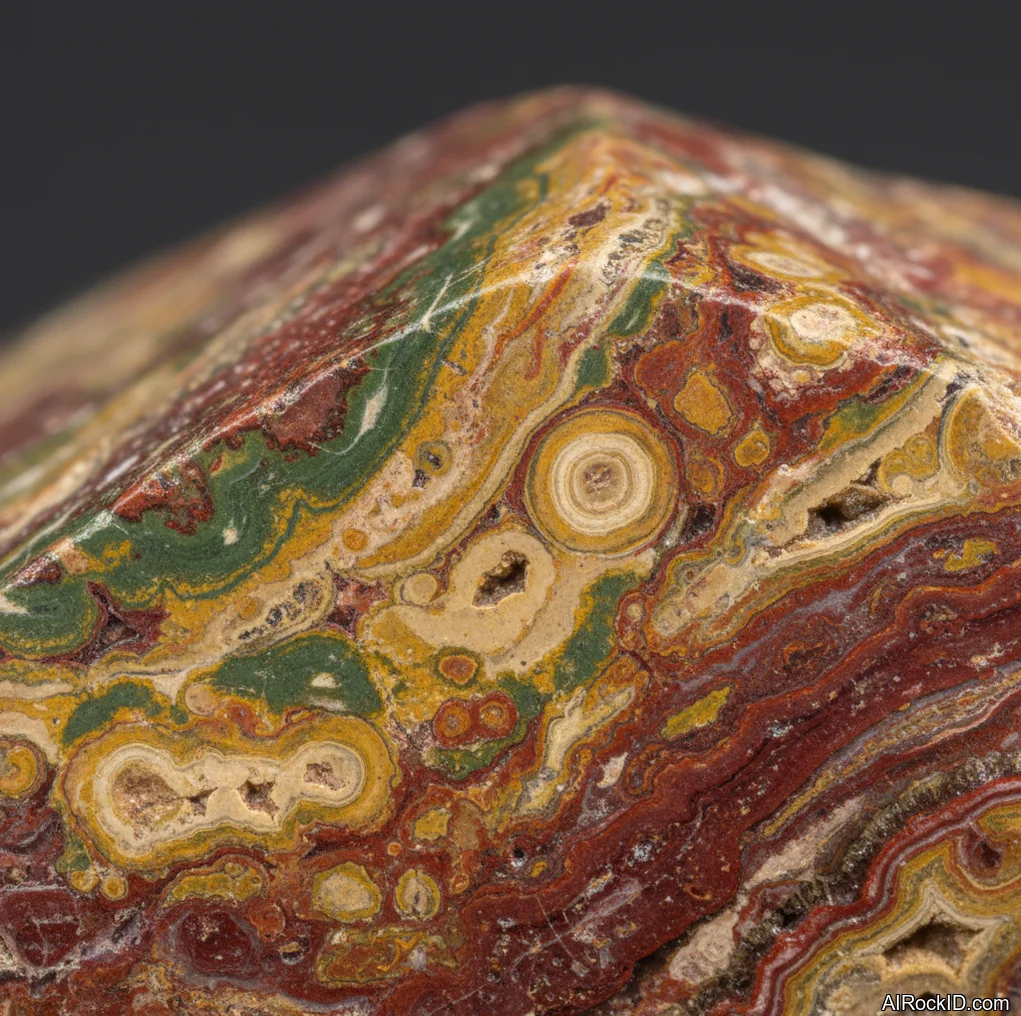
Crazy Lace Agate
Crazy Lace Agate
Common · Semi-precious gemstone
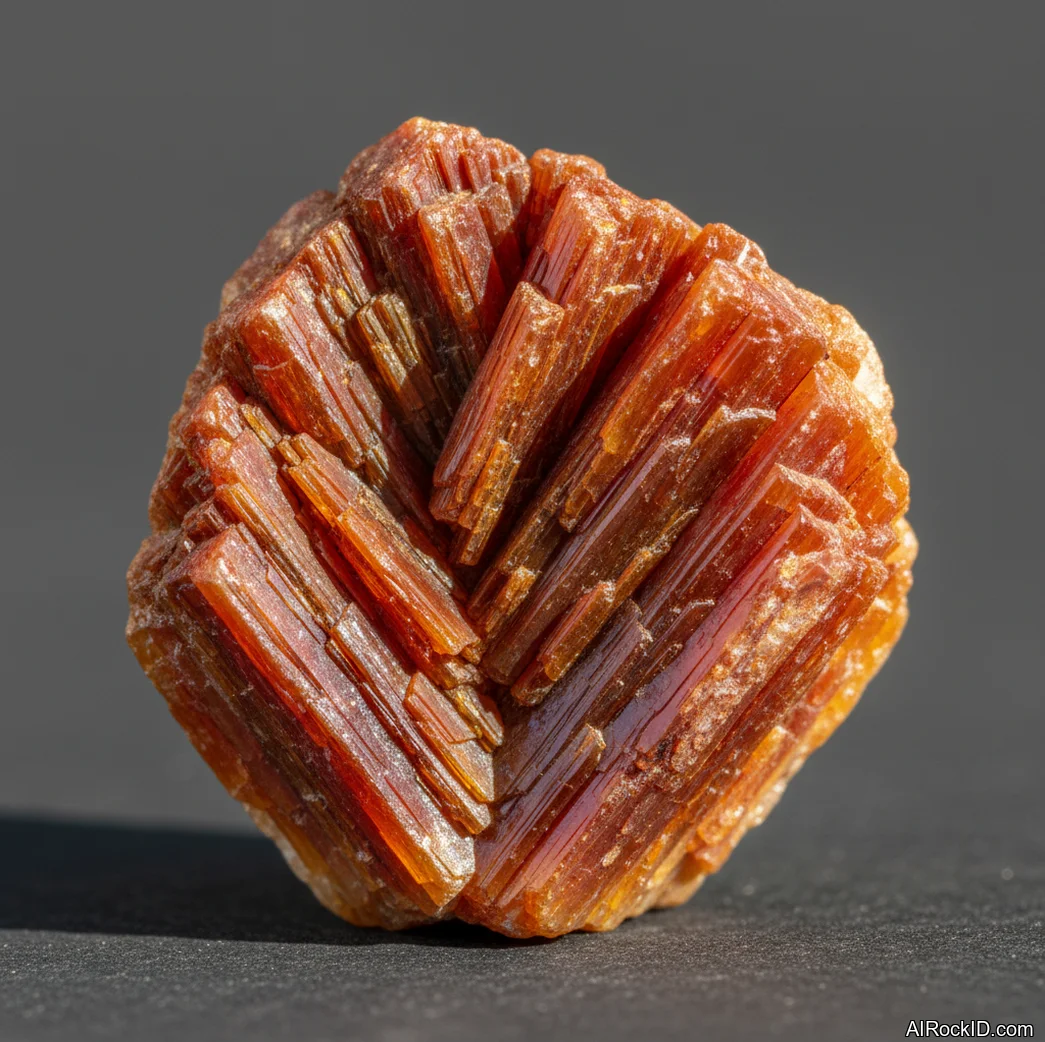
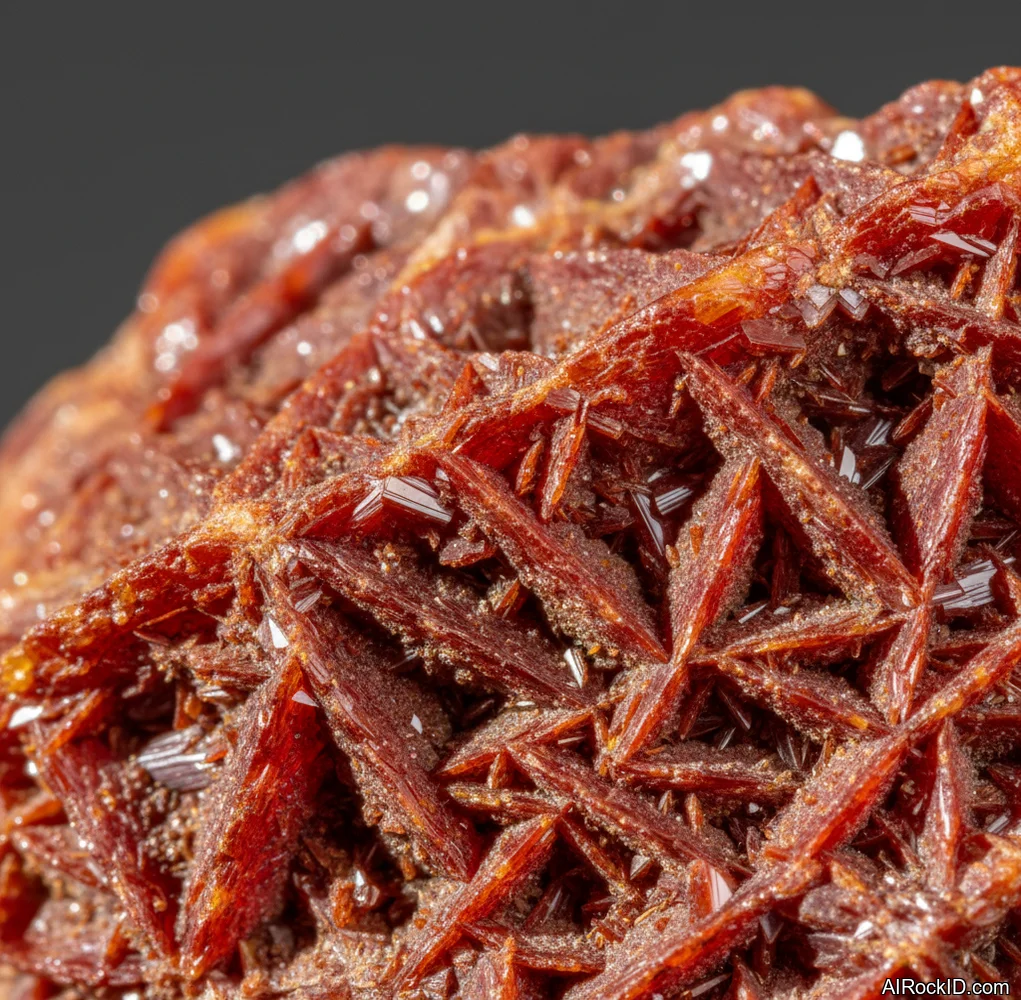
Crocoite
Crocoite
Very Rare · Mineral
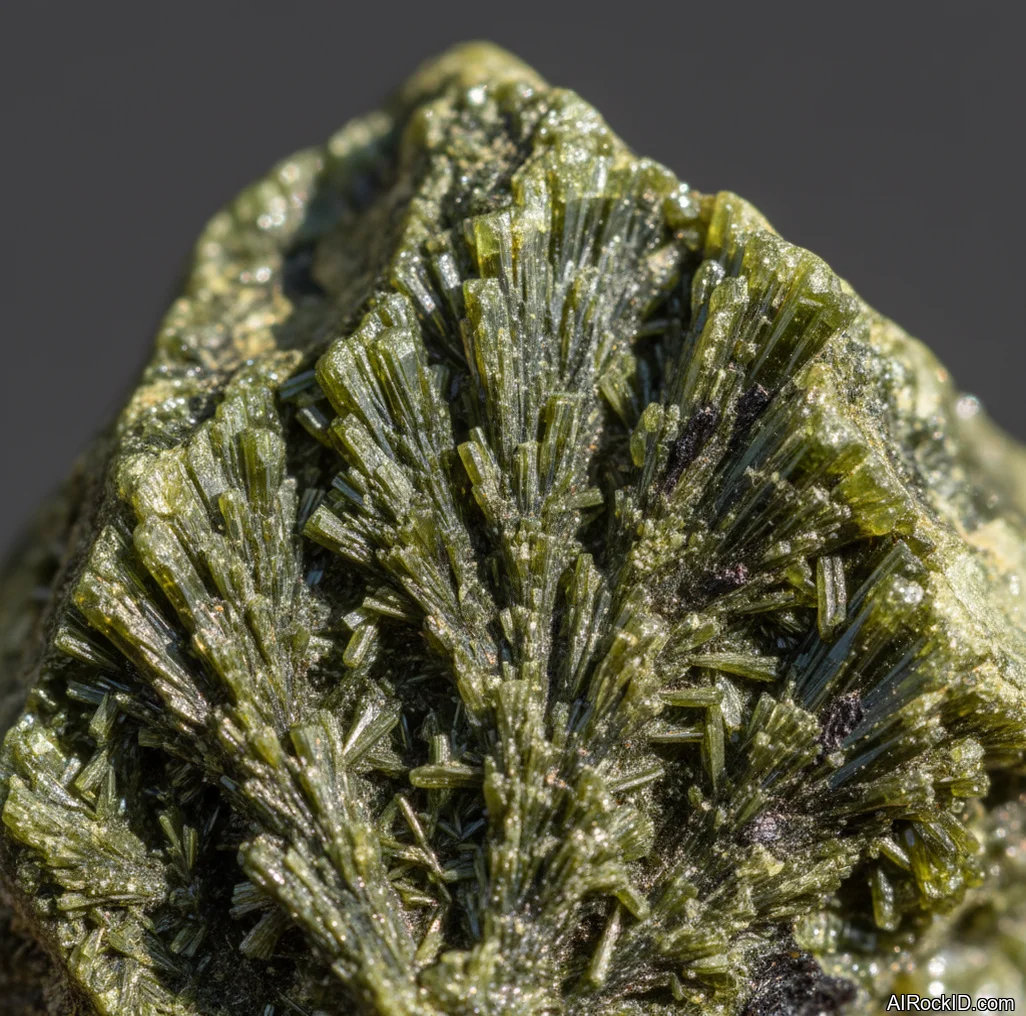
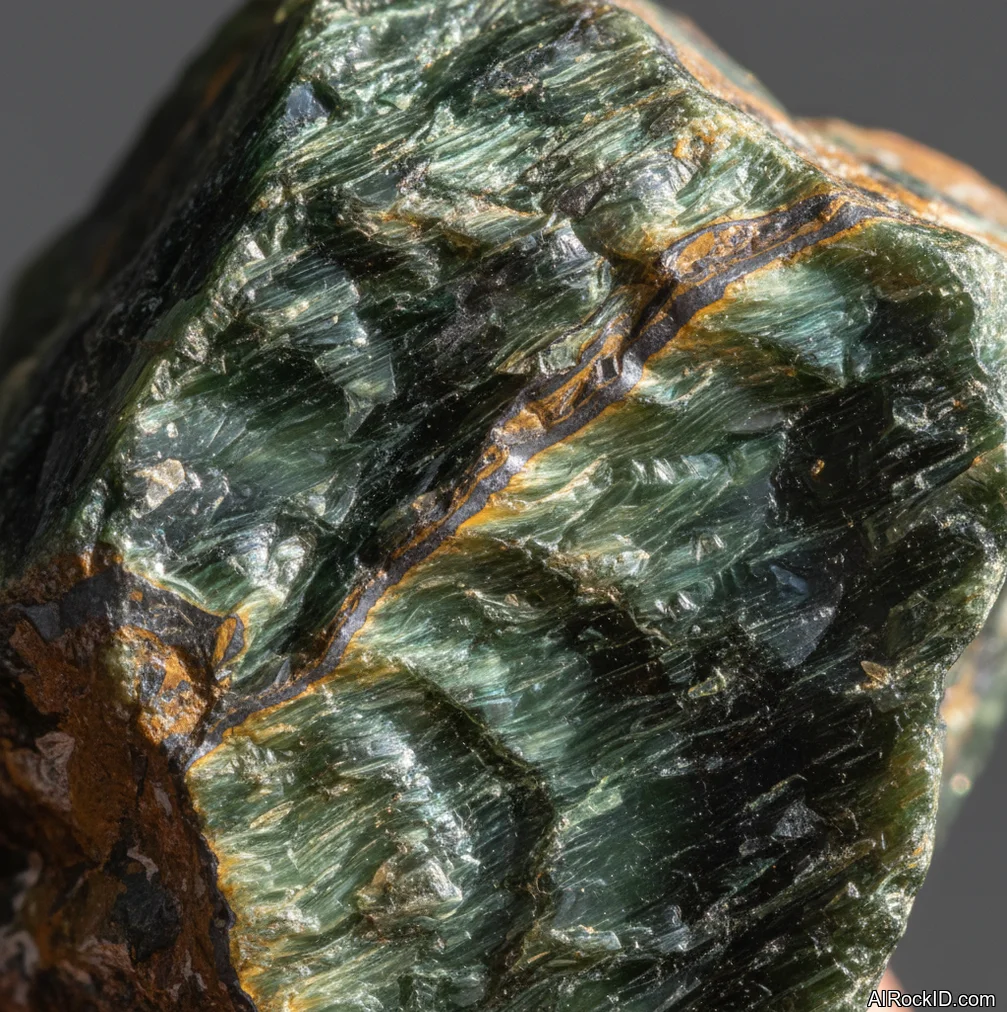
Epidote
Epidote
Common · Mineral
Fruit Jasper
Fruit Jasper
Common · Rock
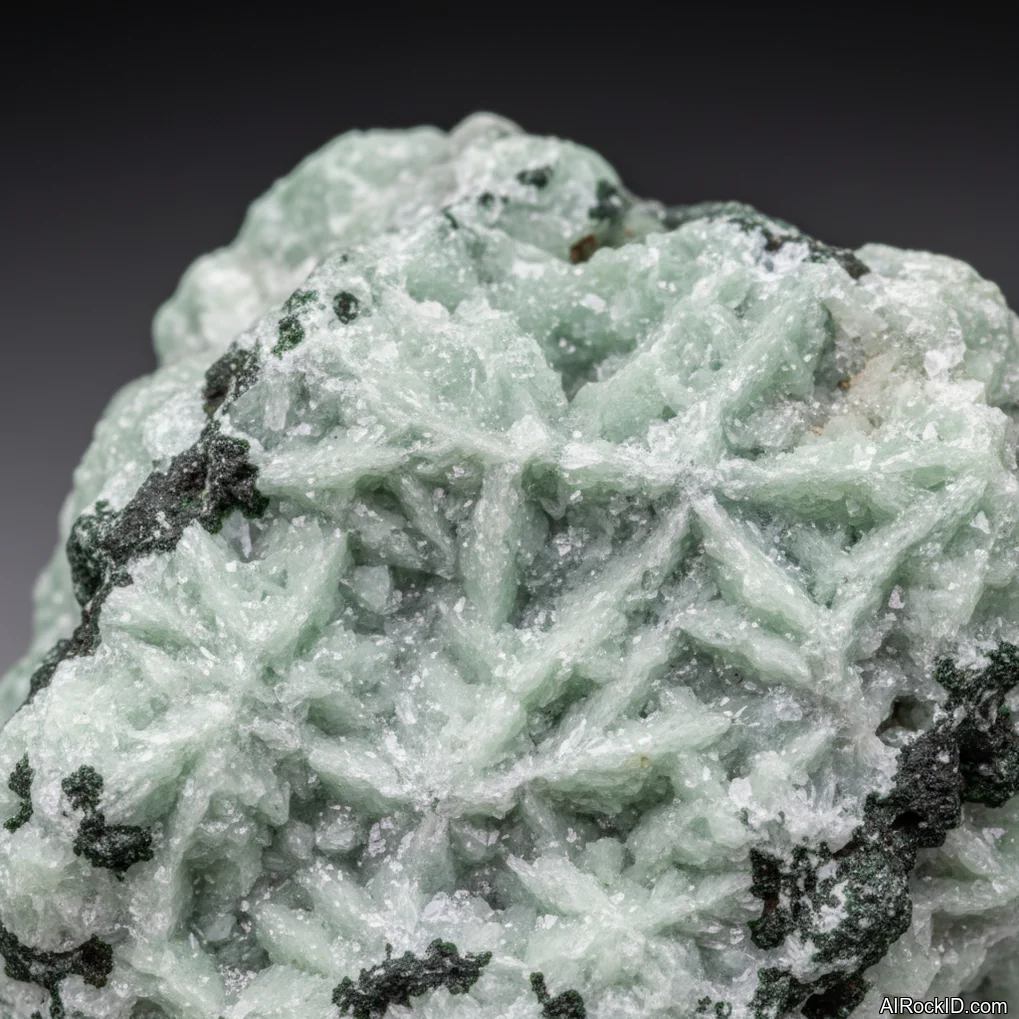
Garnierite
Garnierite
Common · Mineral
Gaspeite
Gaspeite
Rare · Mineral
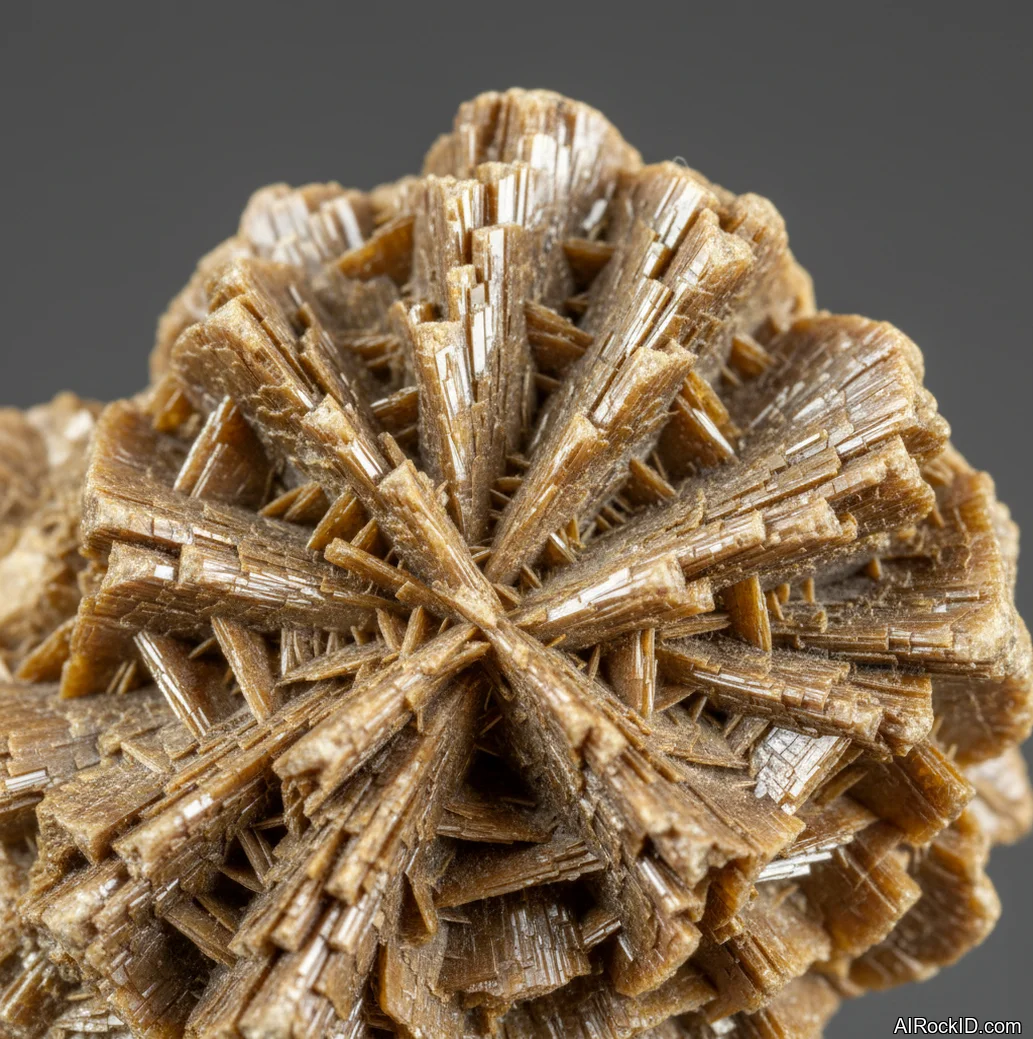
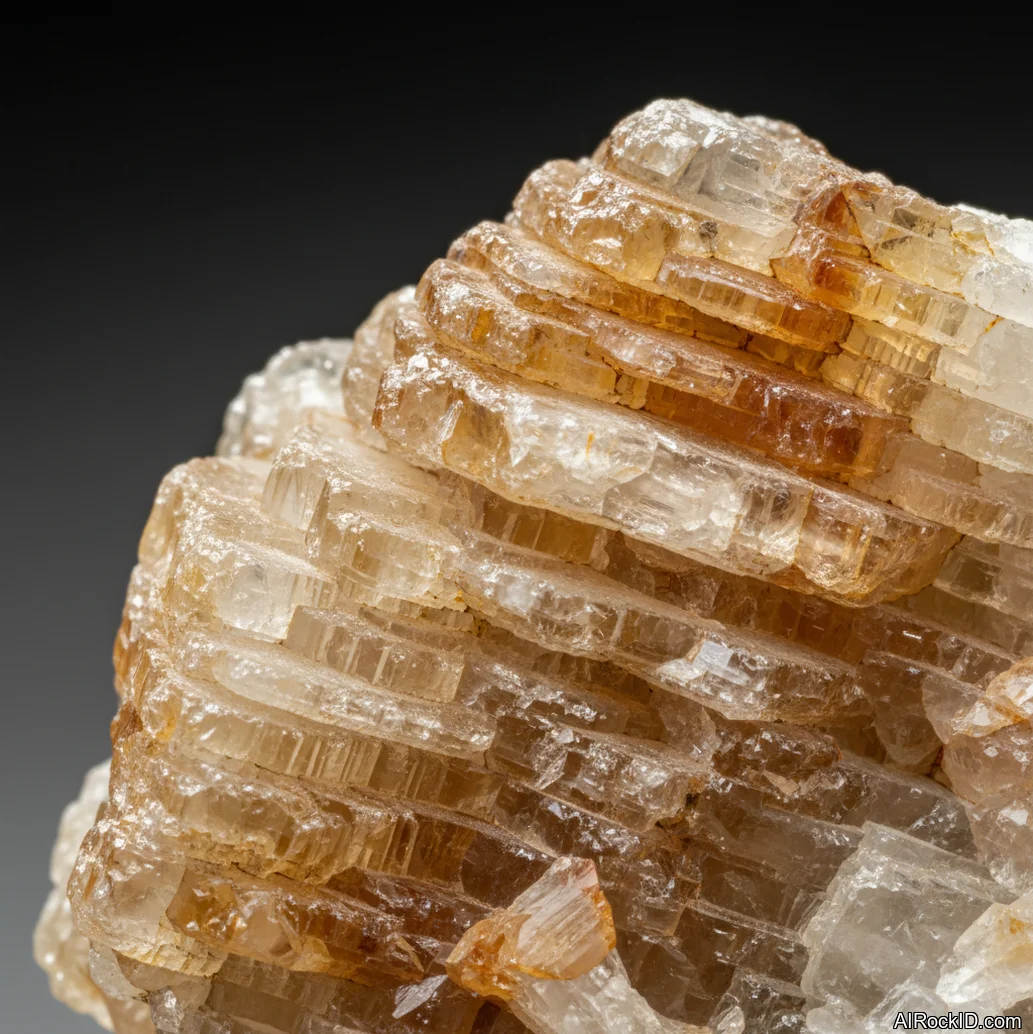
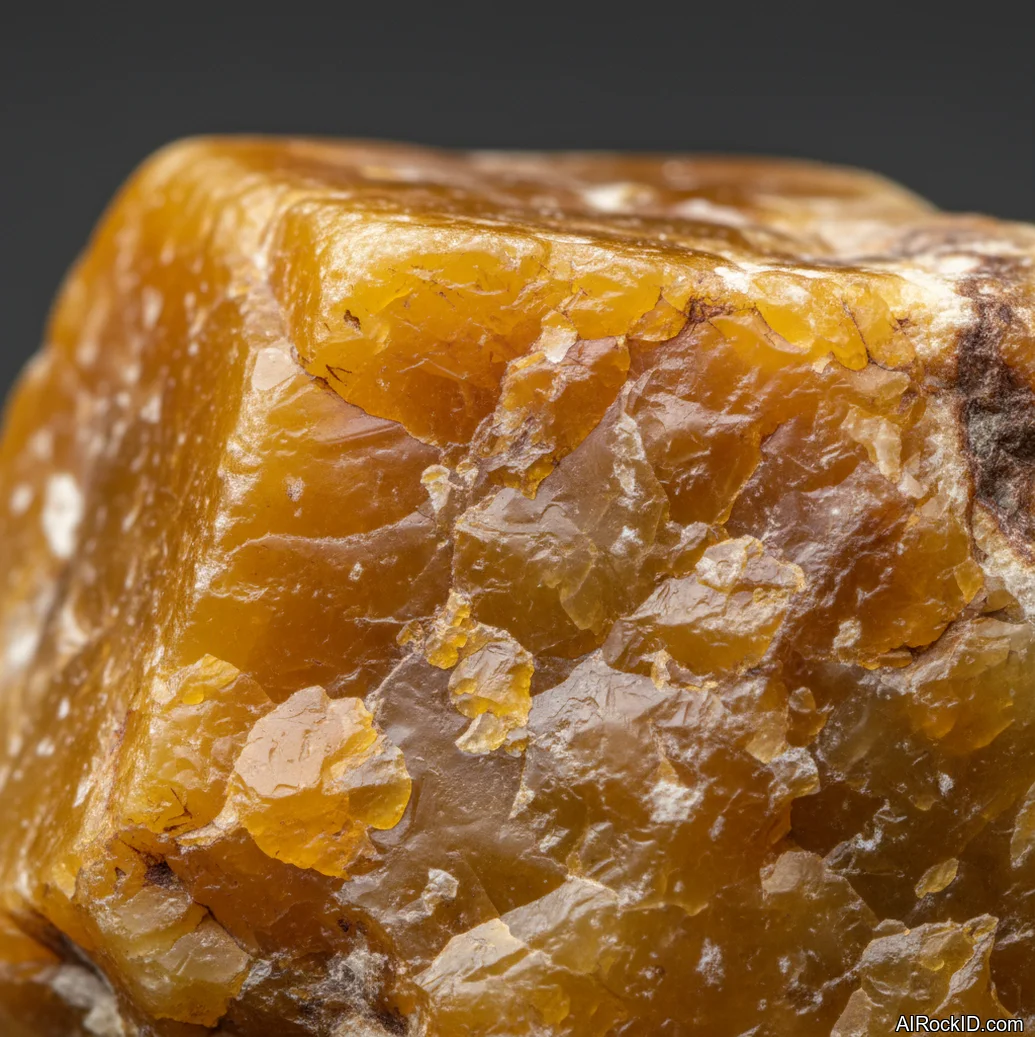
Golden Barite
Golden Barite
Common · Mineral
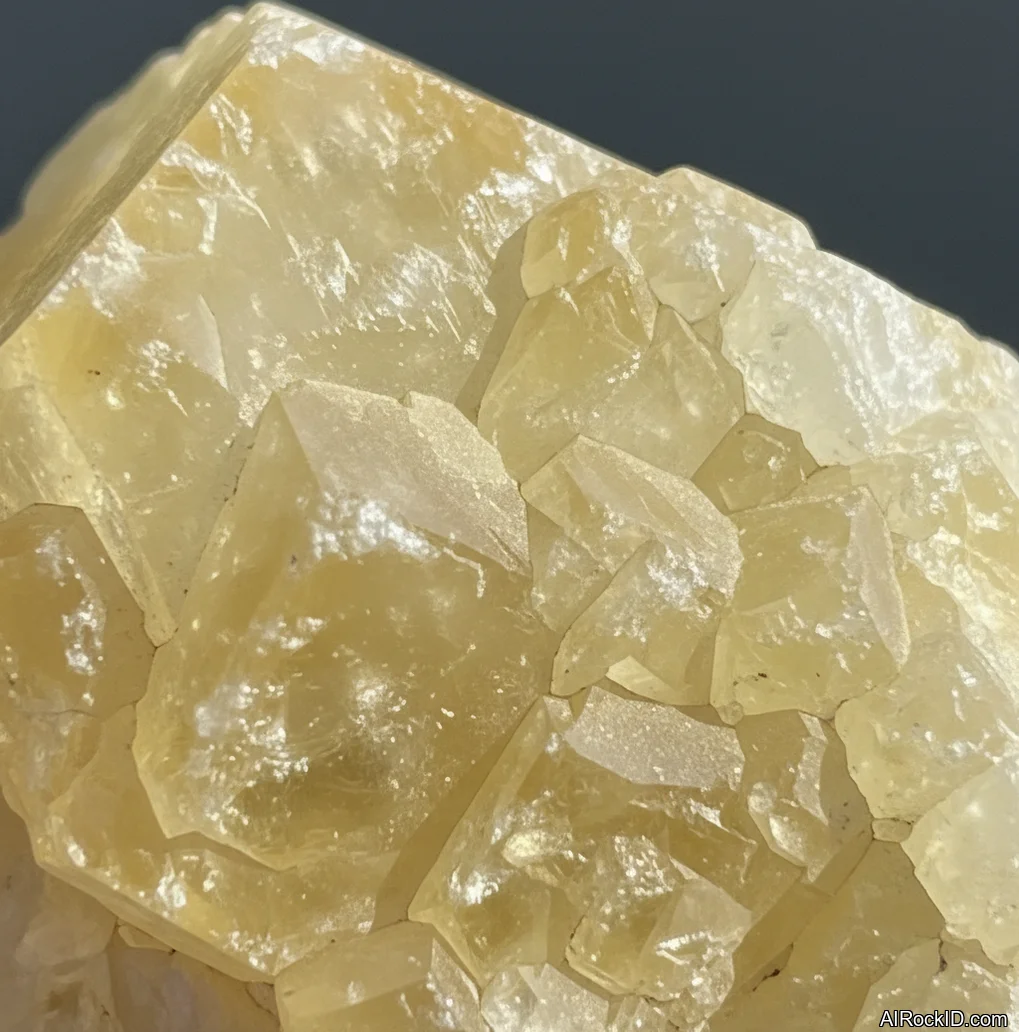
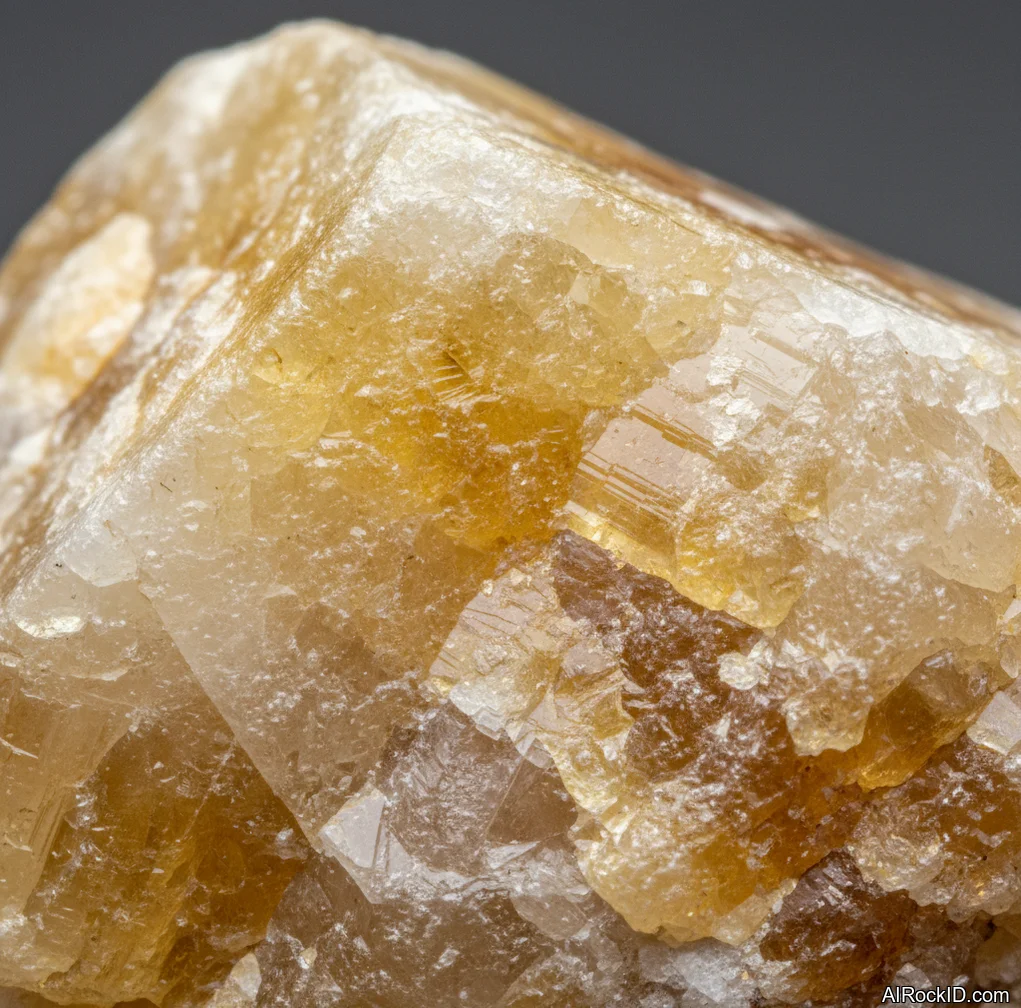
Golden Calcite
Golden Calcite
Common · Mineral
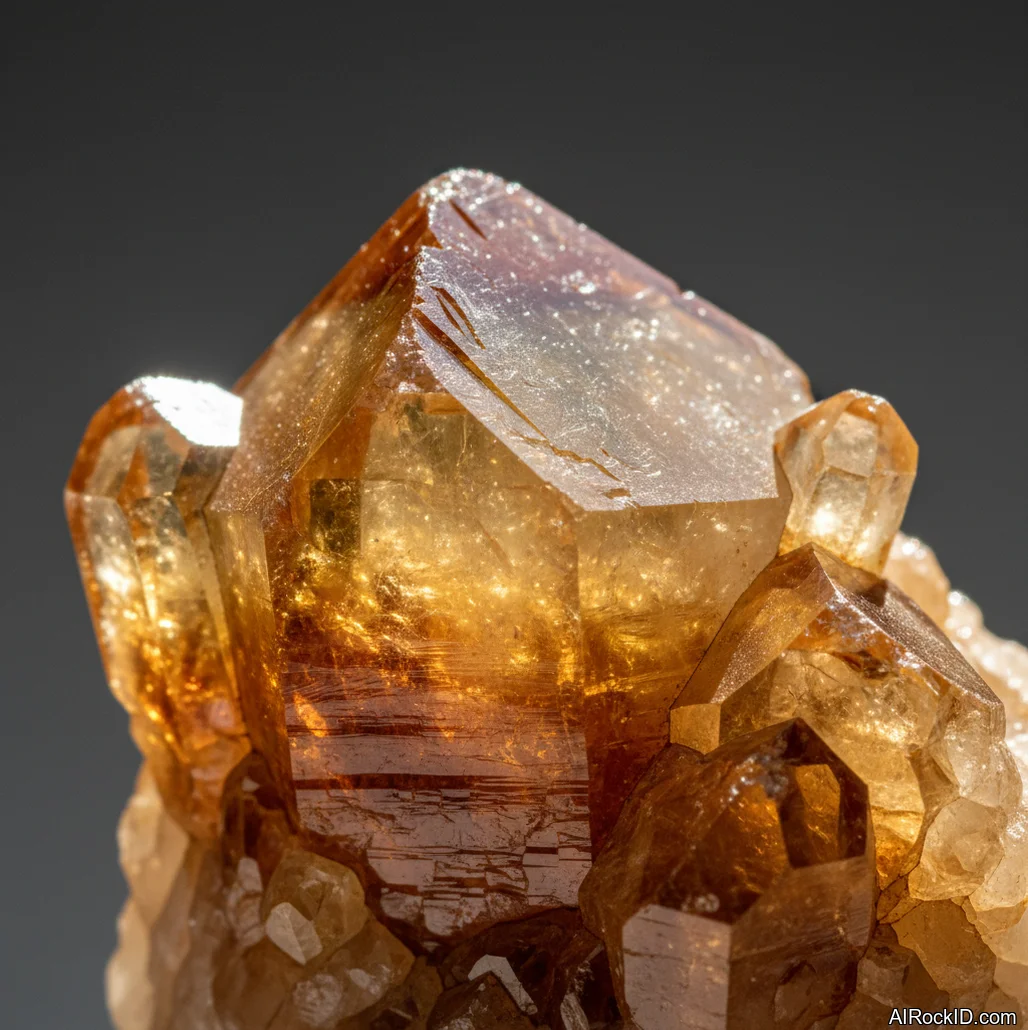
Golden Healer Quartz
Common · Mineral
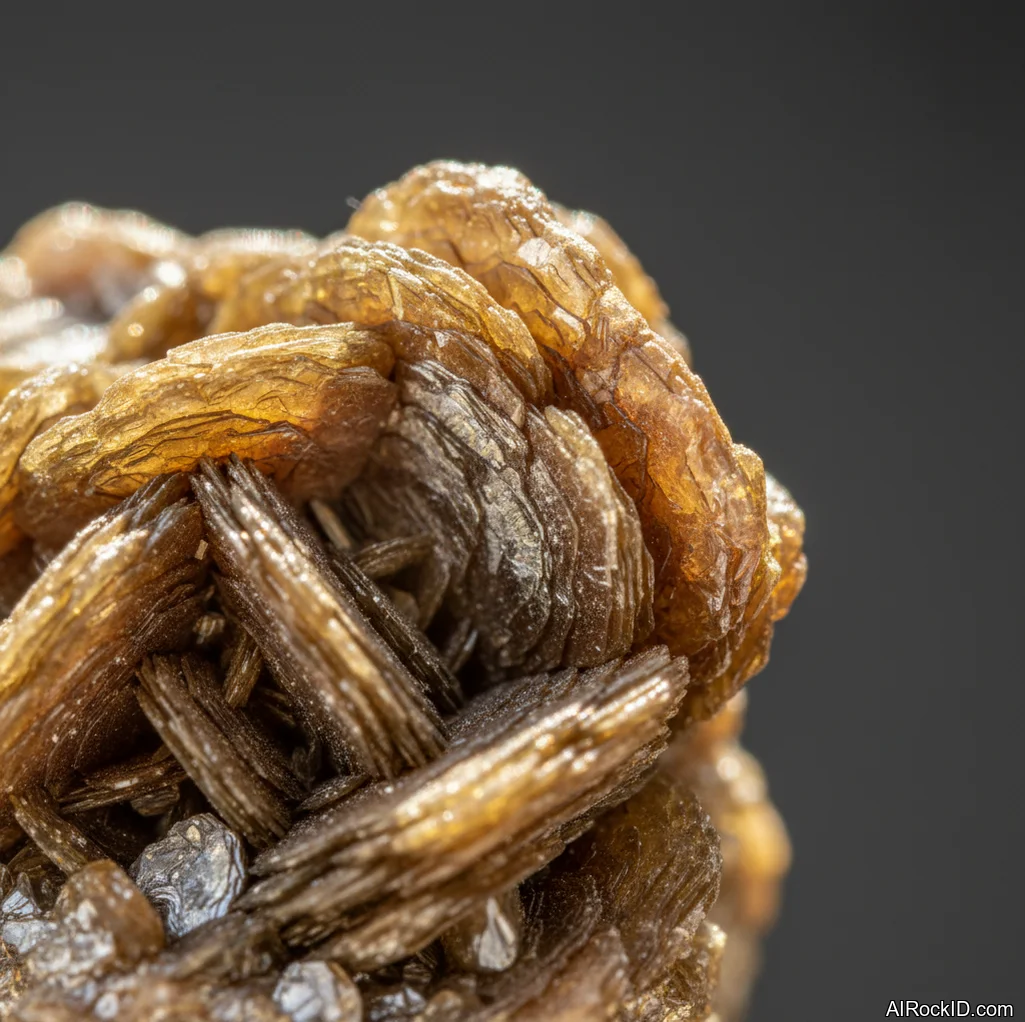
Golden Mica
Golden Mica
Common · Mineral
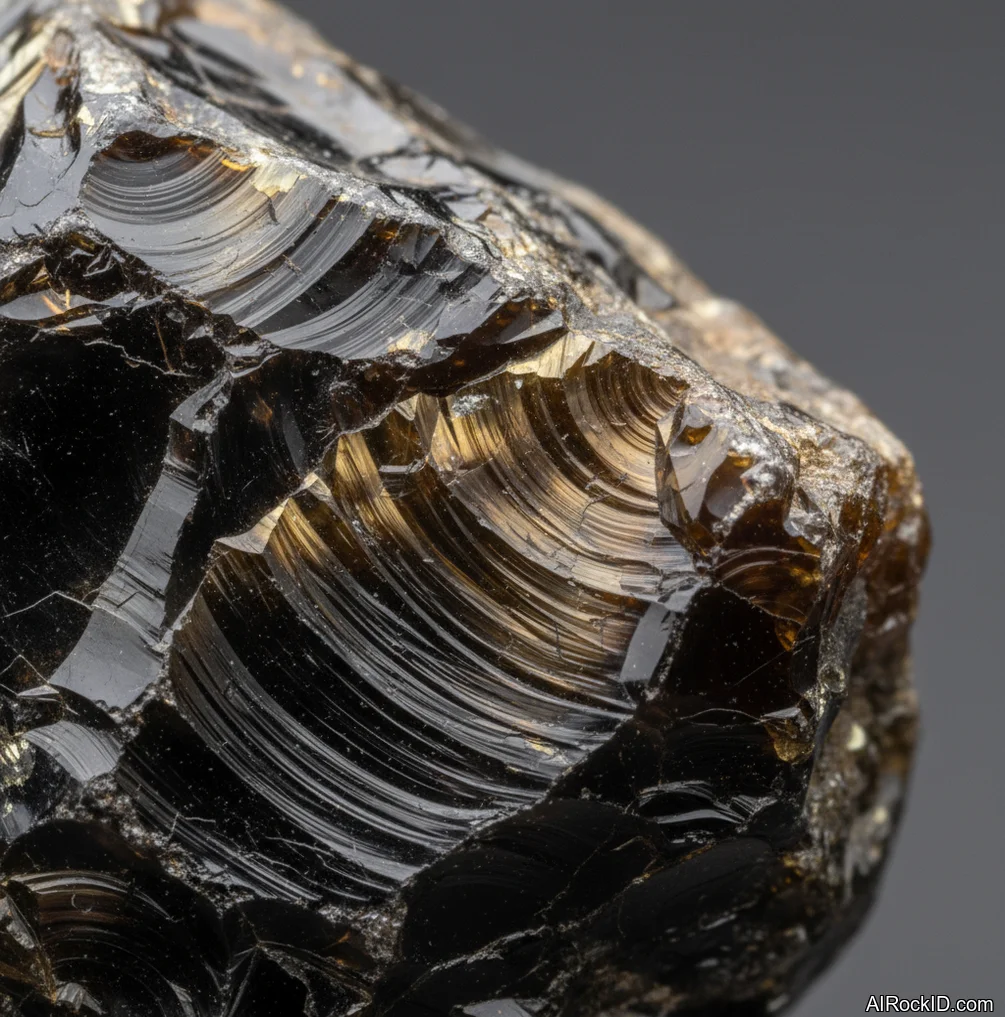
Golden Obsidian
Golden Obsidian
Common · Rock
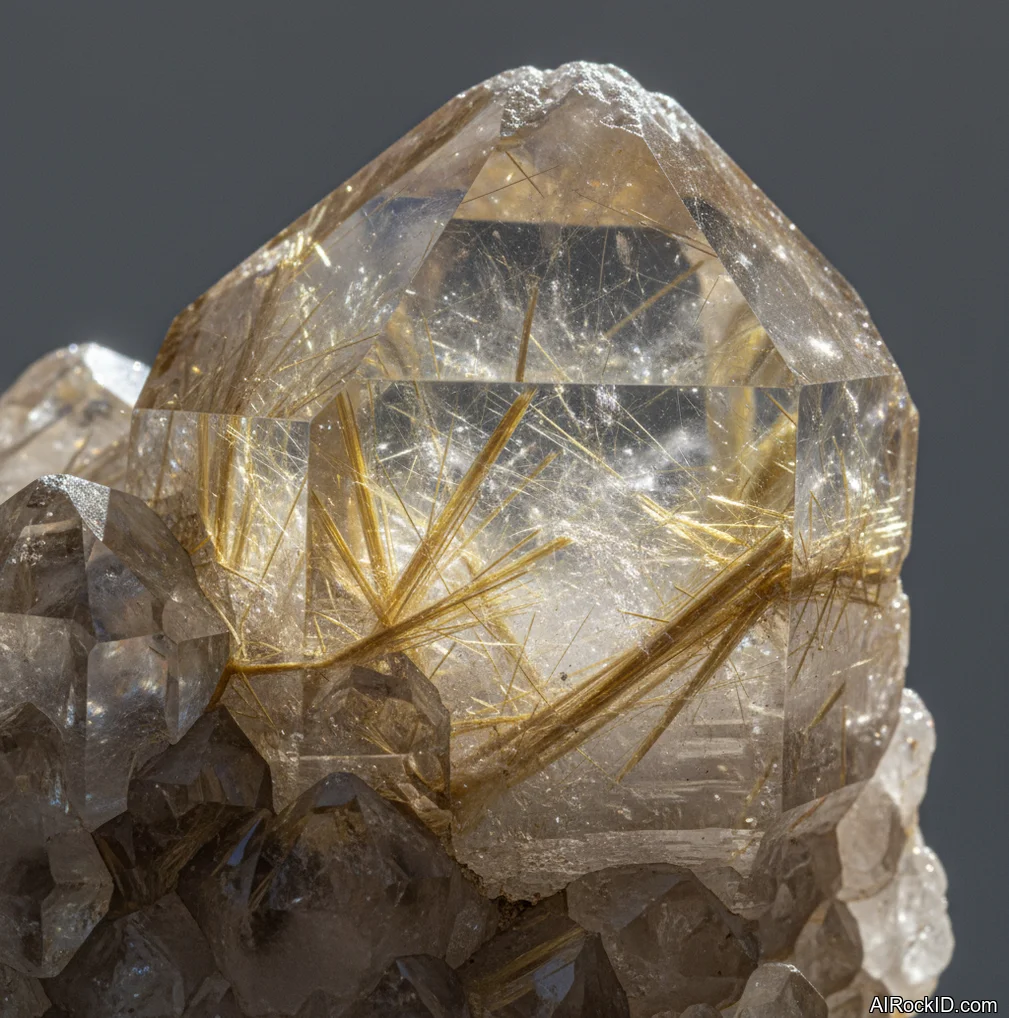
Golden Rutile Quartz
Common · Mineral
Golden Sheen Obsidian
Common · Rock
Green Tiger Eye
Green Tiger Eye
Common · Semi-precious gemstone
Harquahala
Harquahala
Uncommon · Mineral
Healer S Gold
Healer S Gold
Common · Rock
Heliodor
Heliodor
Uncommon · Semi-precious gemstone
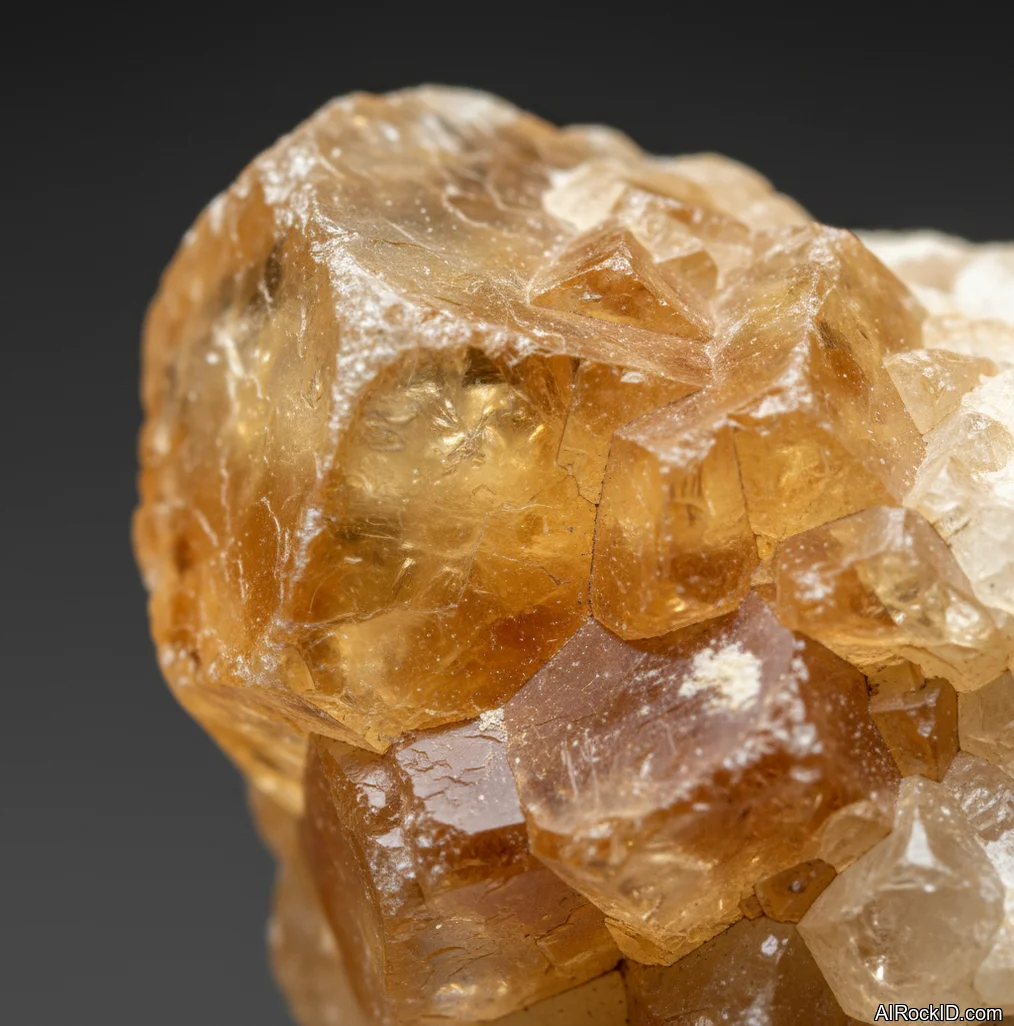
Honey Calcite
Honey Calcite
Common · Mineral
Honey Comb Calcite
Honey Comb Calcite
Common · Mineral
Imperial Topaz
Imperial Topaz
Very Rare · Precious gemstone
Indonesian Blue Amber
Uncommon · Organic gem
Kundalini Citrine
Kundalini Citrine
Uncommon · Mineral
Lemon Calcite
Lemon Calcite
Common · Mineral
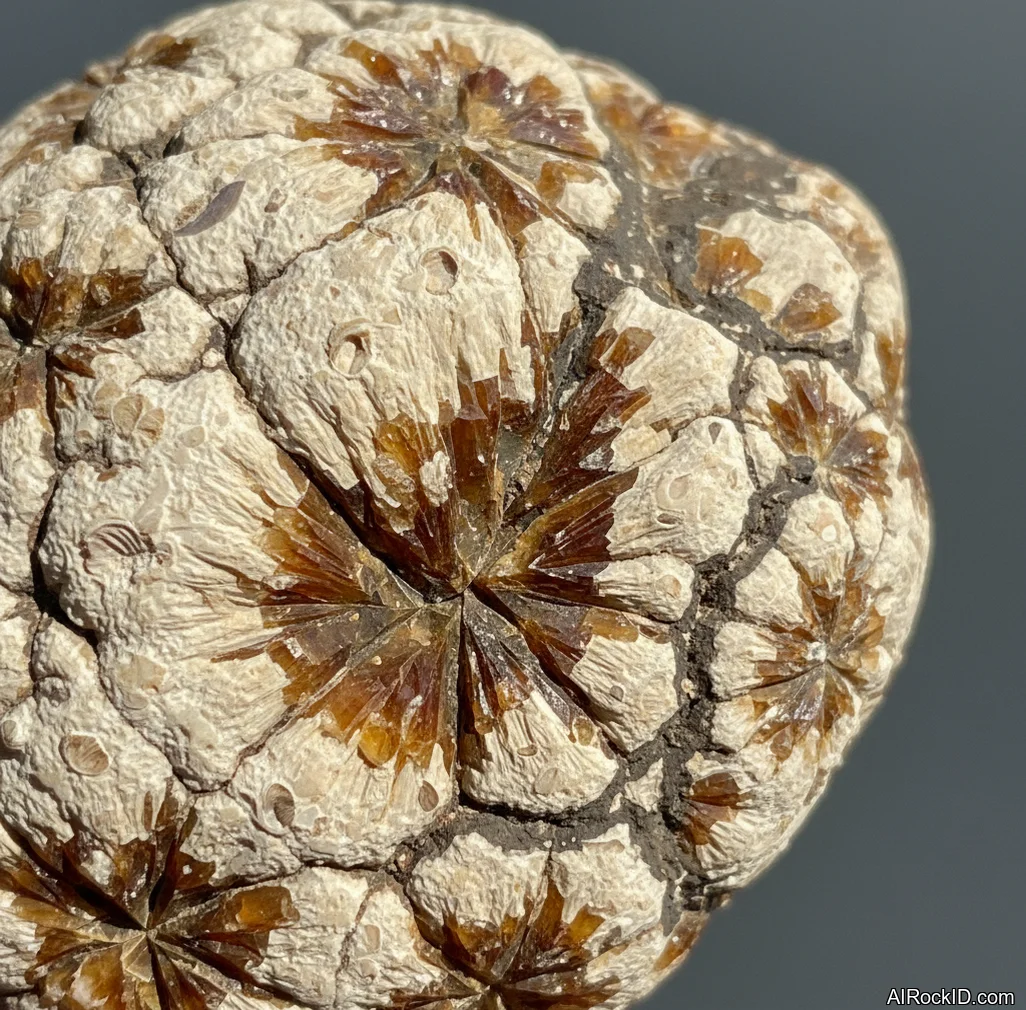
Leucitite
Leucitite
Uncommon · Rock
Libyan Desert Glass
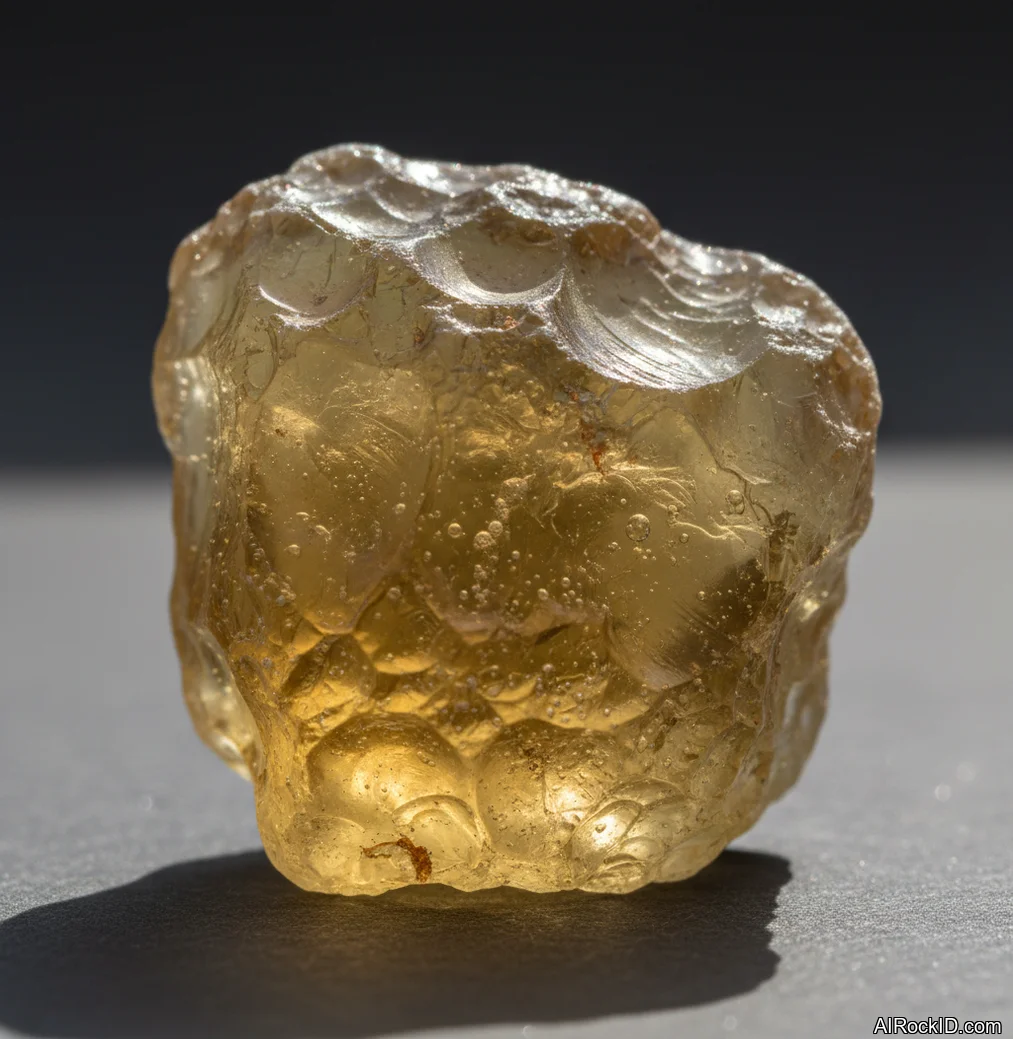
Libyan Desert Glass
Rare · Tektite
Lion S Gate Quartz
Lion S Gate Quartz
Common · Mineral
Mango Quartz
Mango Quartz
Common · Mineral
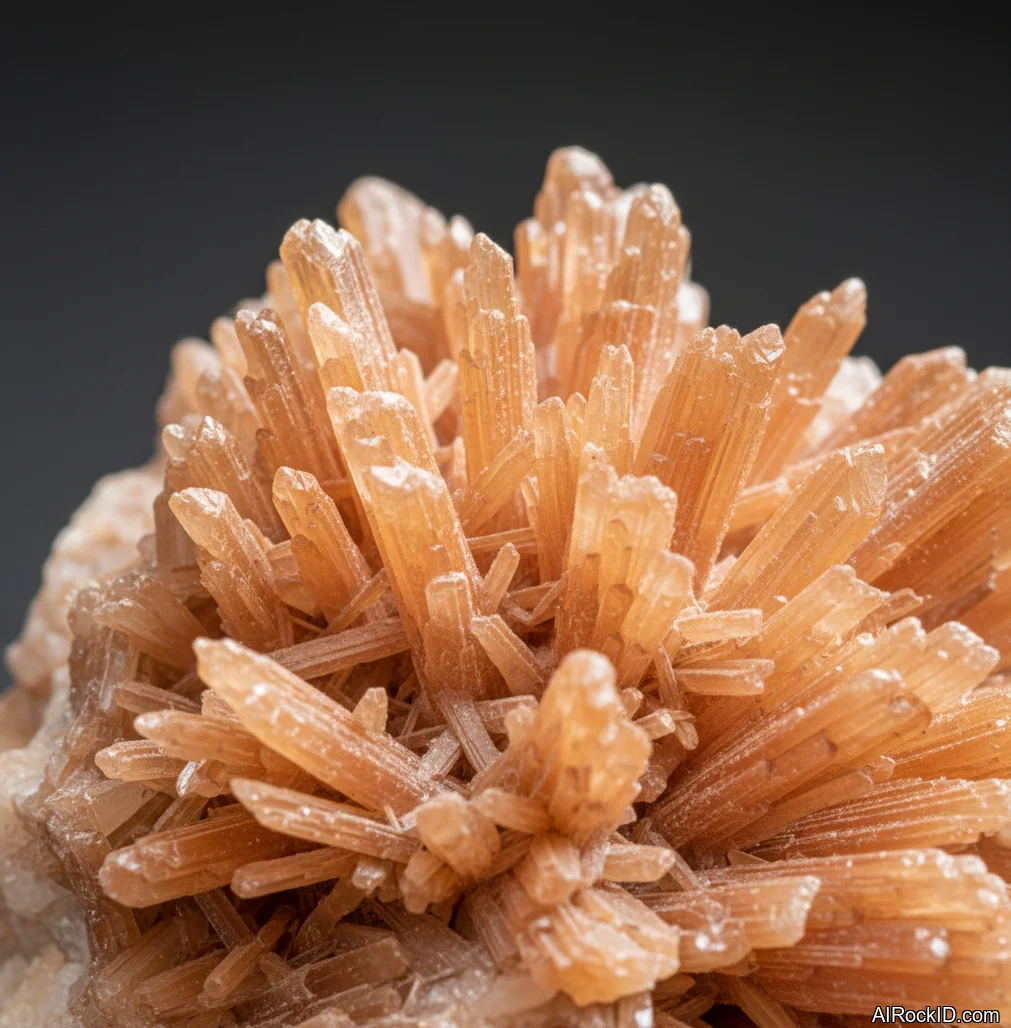
Mimetite
Mimetite
Uncommon · Mineral
Mookaite
Mookaite
Common · Rock
Mugglestone
Mugglestone
Common · Rock
Nellite
Nellite
Common · Rock
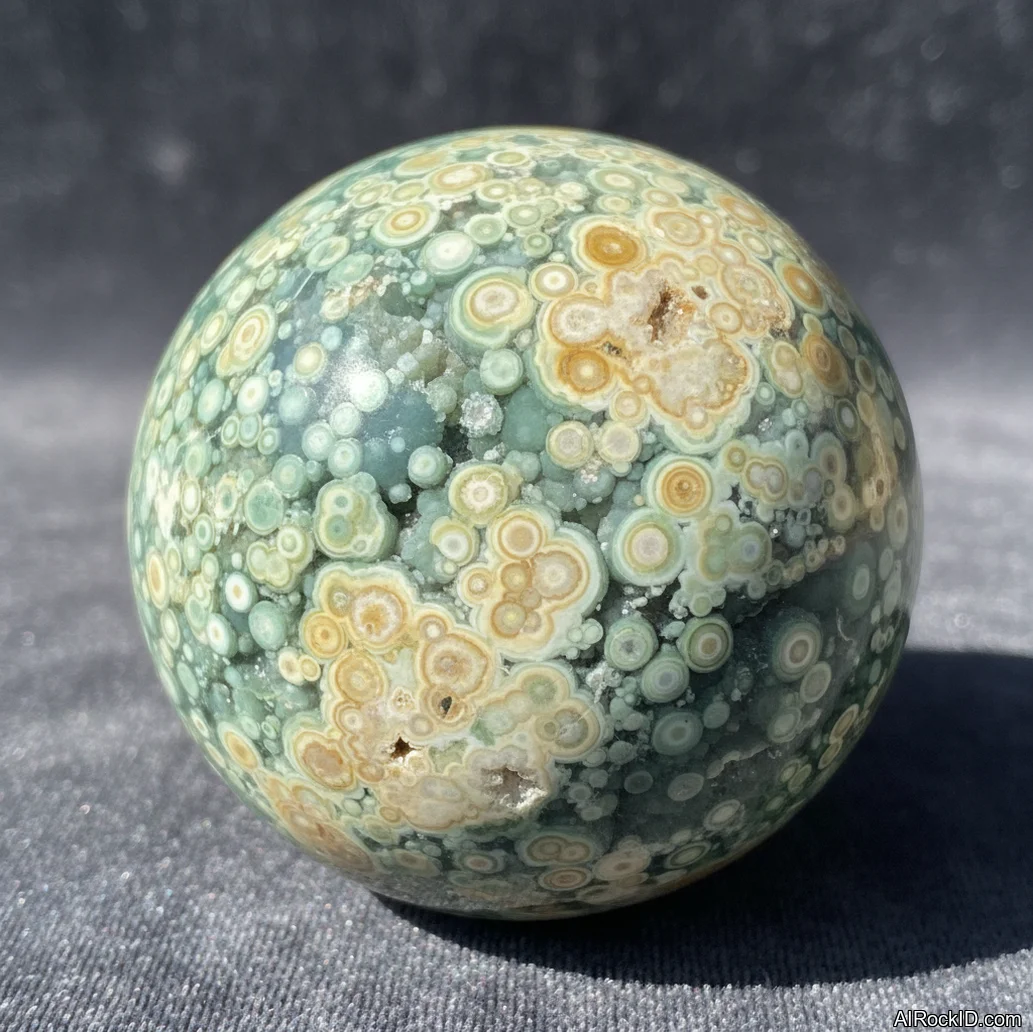
Ocean Jasper
Ocean Jasper
Uncommon · Rock
Orange Aventurine
Orange Aventurine
Common · Mineral
Orange Calcite
Orange Calcite
Common · Mineral
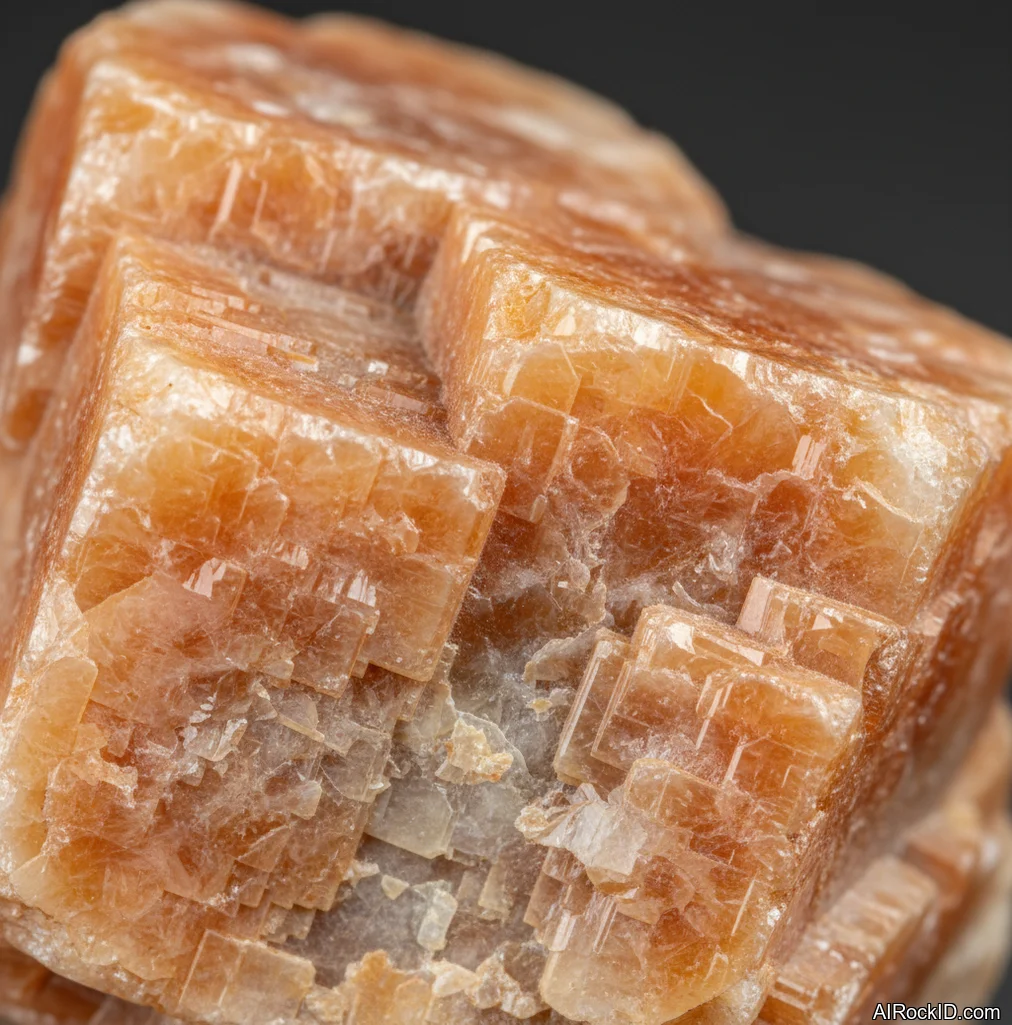
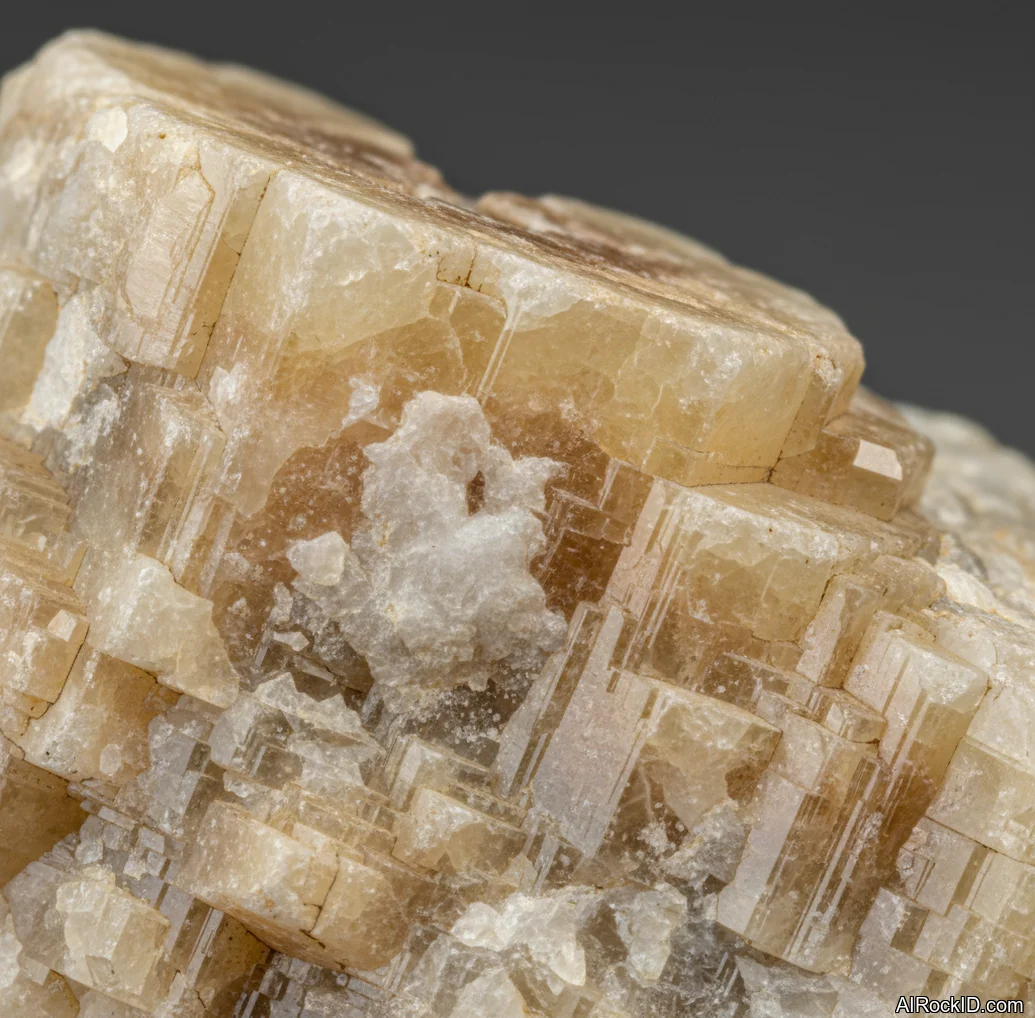
Orange Feldspar
Orange Feldspar
Common · Mineral
Orange Kyanite
Orange Kyanite
Uncommon · Mineral
Orange Selenite
Orange Selenite
Common · Mineral
Orpiment
Orpiment
Uncommon · Mineral
Orthoclase
Orthoclase
Very Common · Mineral
Pagoda Calcite
Pagoda Calcite
Common · Mineral
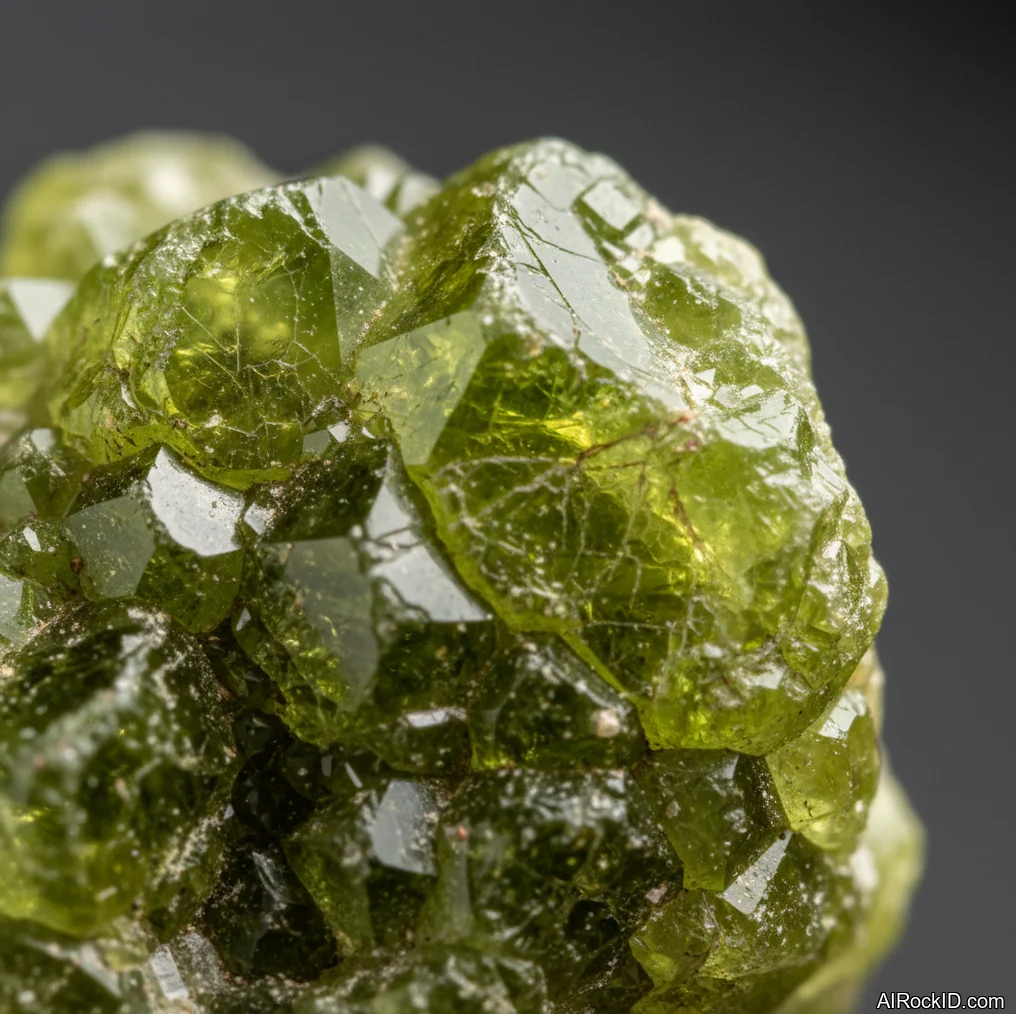
Peridot
Peridot
Common · Semi-precious gemstone
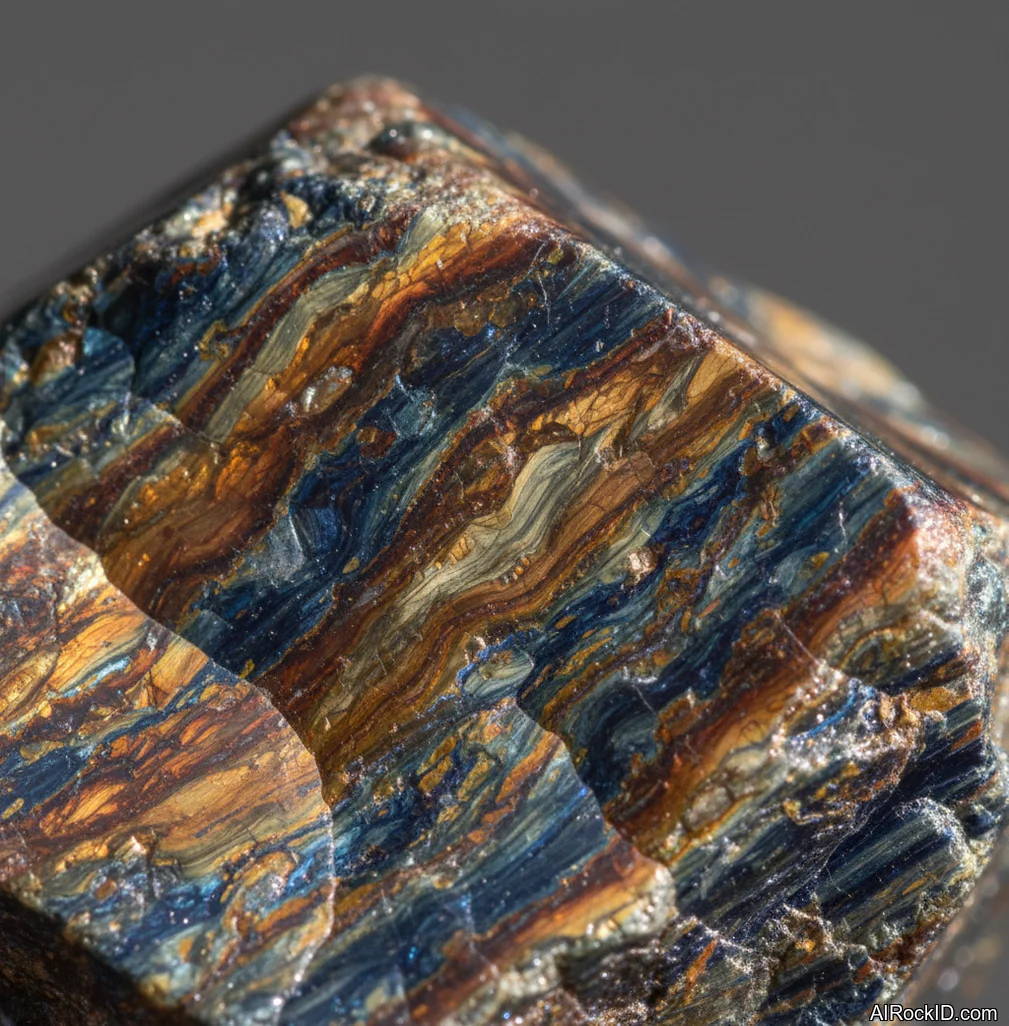
Pietersite
Pietersite
Uncommon · Rock
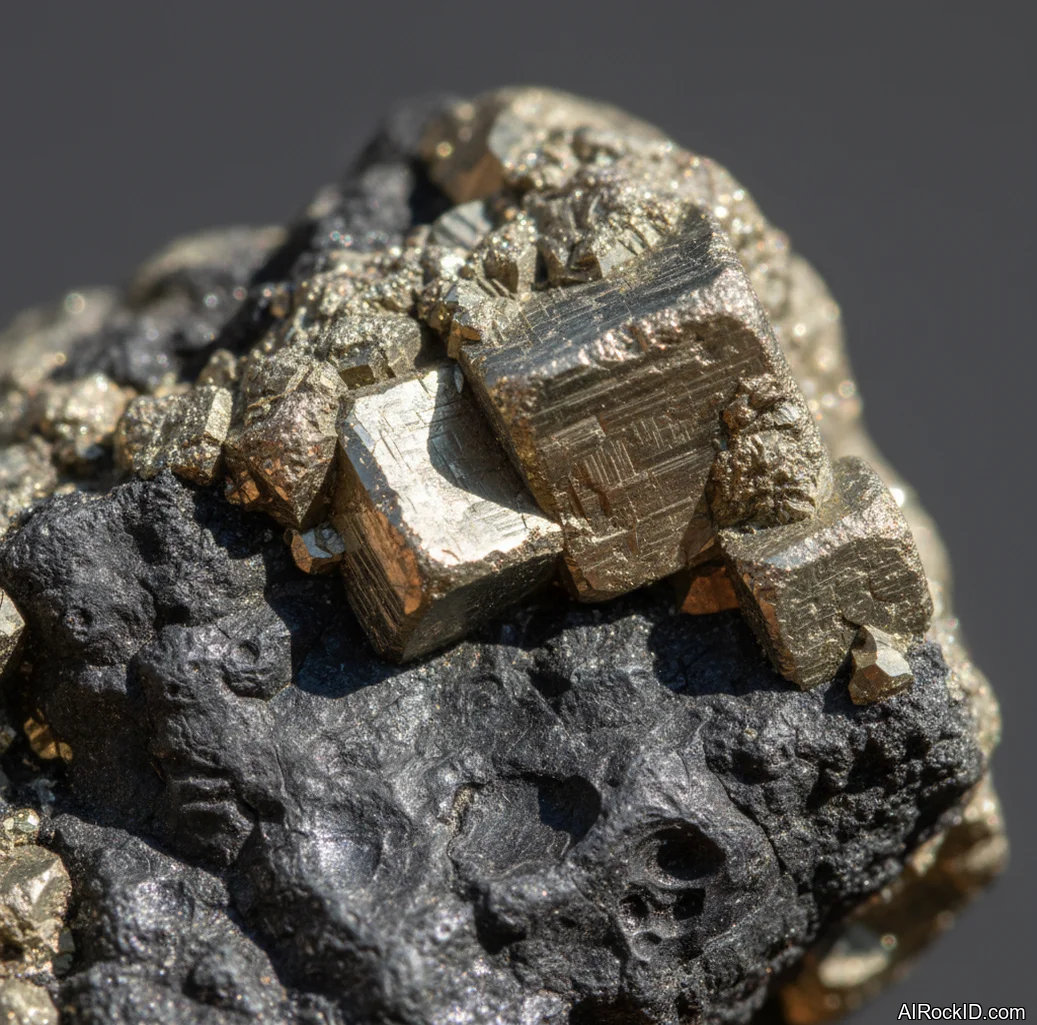
Pyrite On Shungite
Pyrite On Shungite
Uncommon · Rock
Pyrite
Pyrite
Common · Mineral
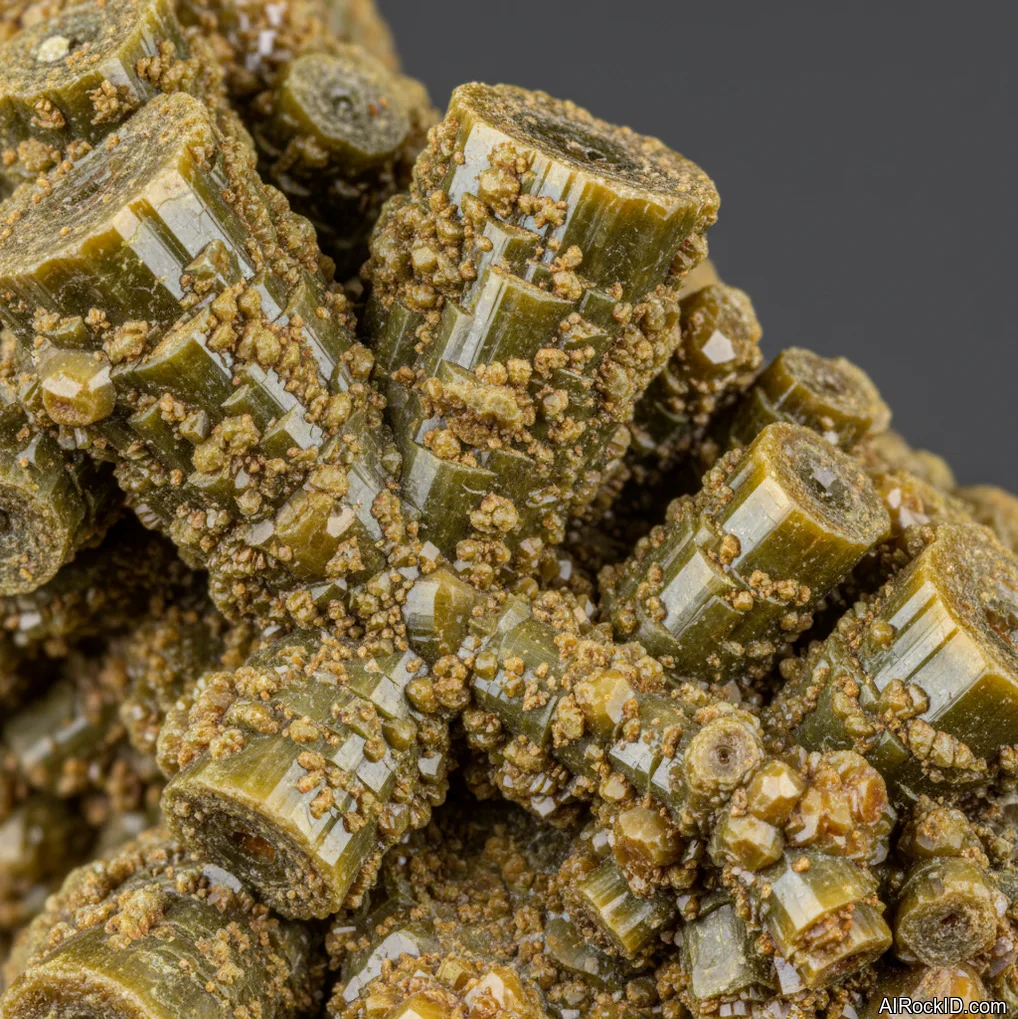
Pyromorphite
Pyromorphite
Uncommon · Mineral
Realgar
Realgar
Uncommon · Mineral
Red Tiger Eye
Red Tiger Eye
Common · Semi-precious gemstone
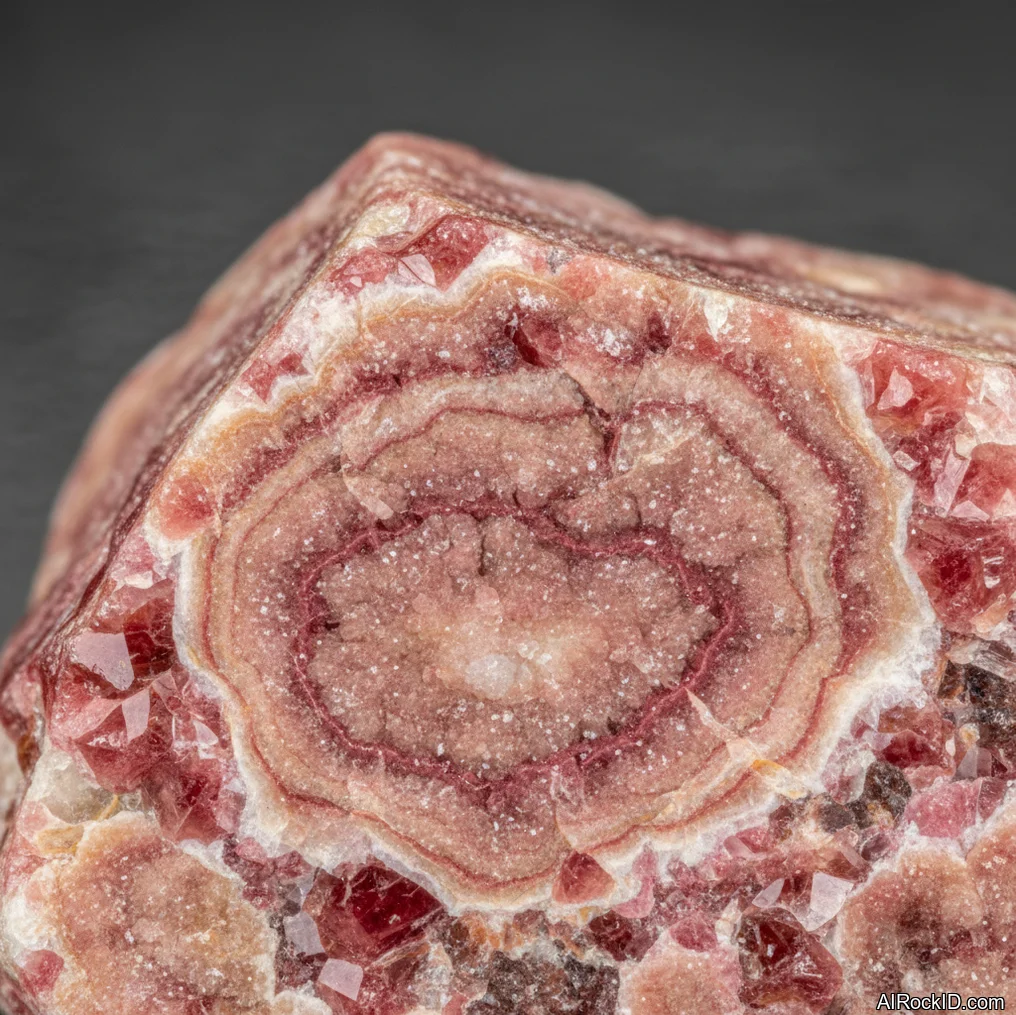
Rhodochrosite
Rhodochrosite
Uncommon · Mineral
Rutile
Rutile
Common · Mineral
Septarian
Septarian
Common · Rock
Siderite
Siderite
Common · Mineral
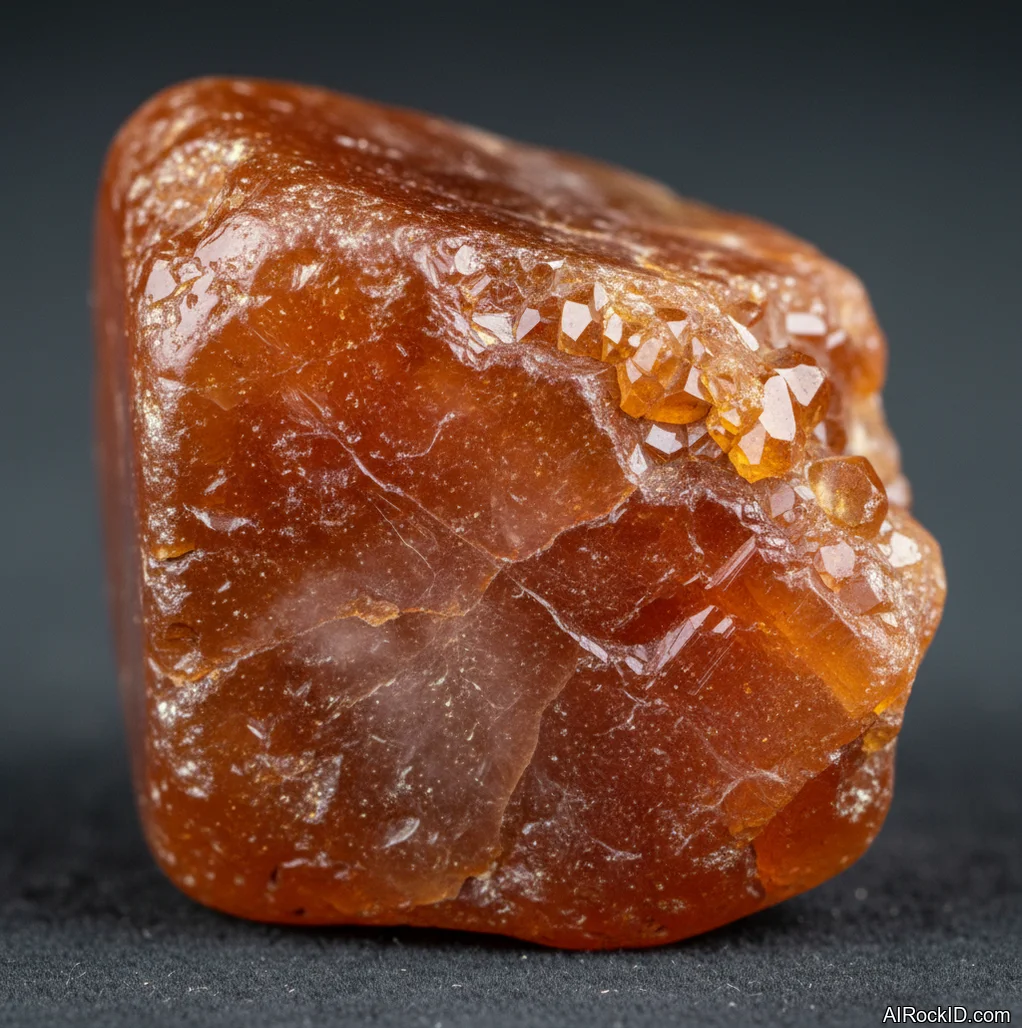
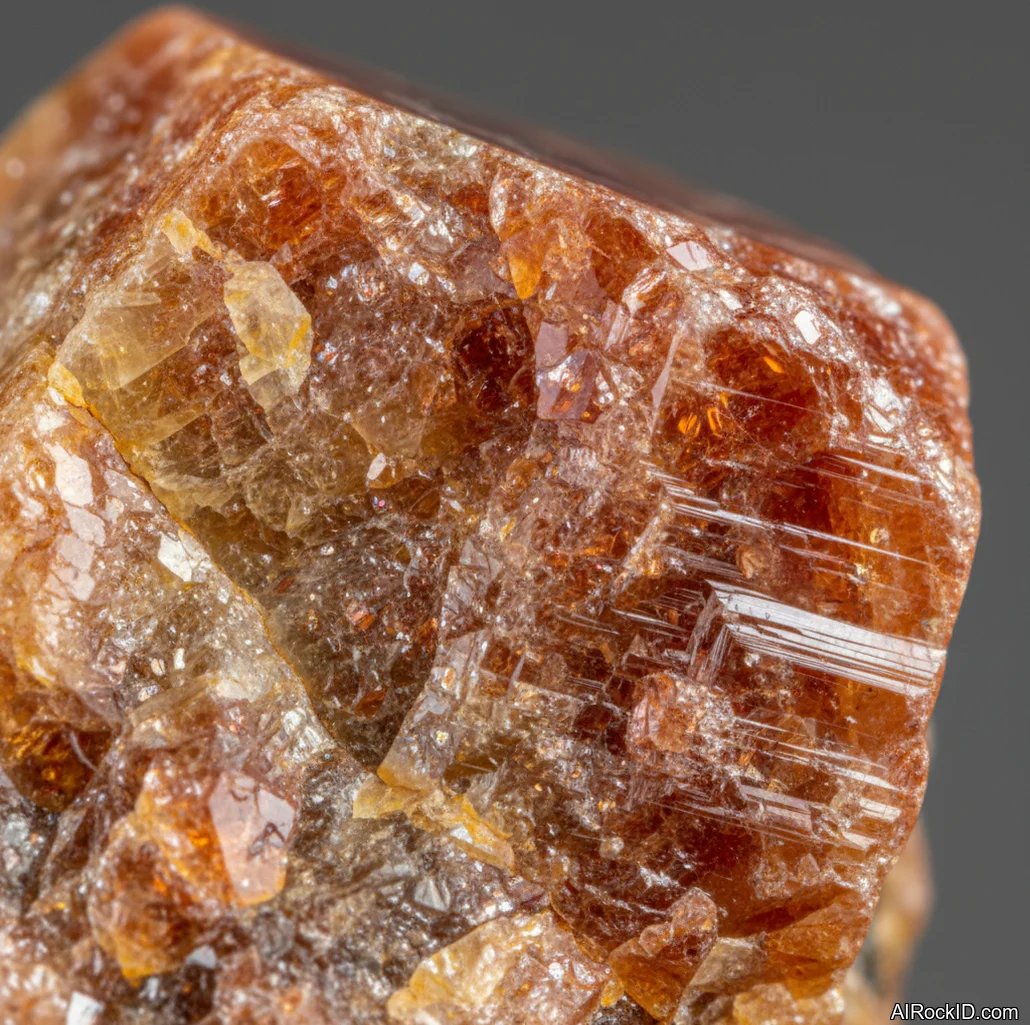
Spessartine Garnet
Spessartine Garnet
Uncommon · Semi-precious gemstone
Sphalerite
Sphalerite
Common · Mineral
Sulfur Quartz
Sulfur Quartz
Uncommon · Mineral
Sun Aura Quartz
Sun Aura Quartz
Common · Mineral
Sunstone
Sunstone
Uncommon · Semi-precious gemstone
Tiger Eye
Tiger Eye
Common · Semi-precious gemstone
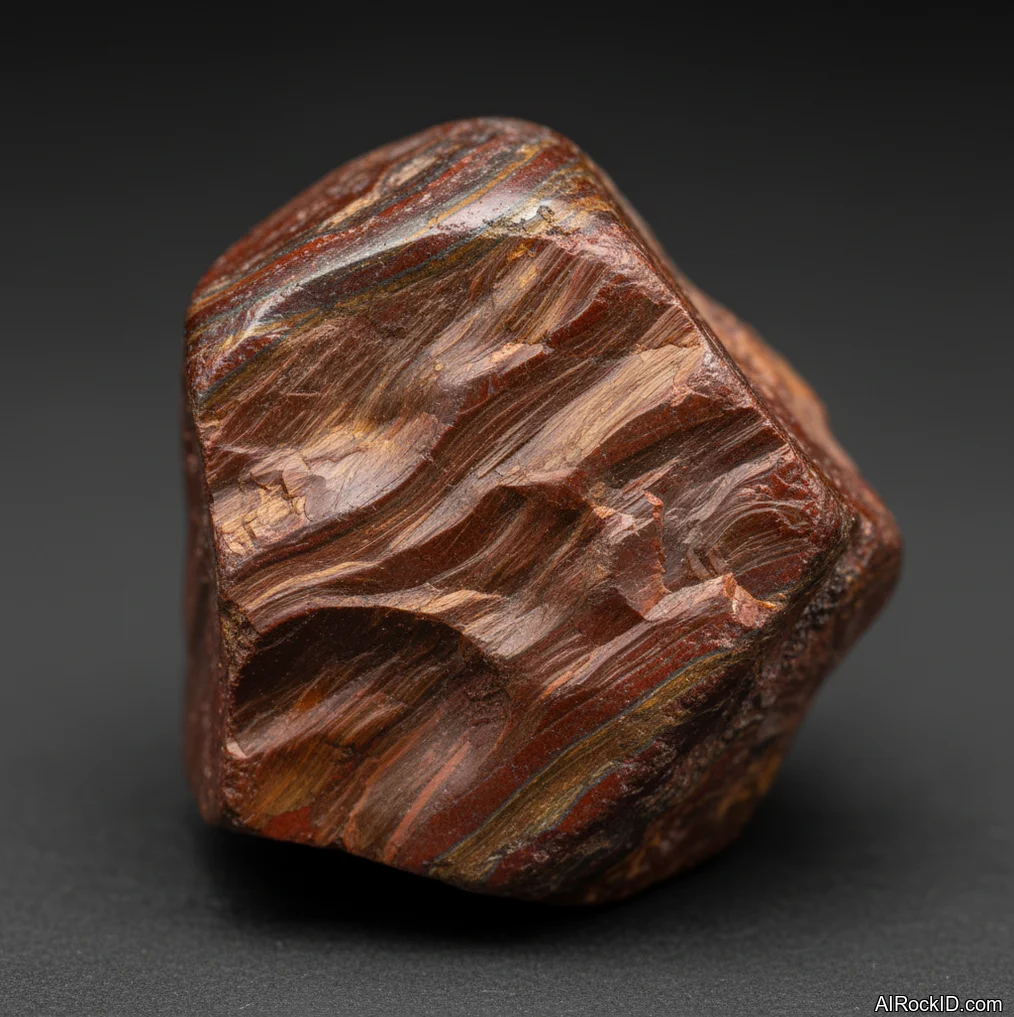
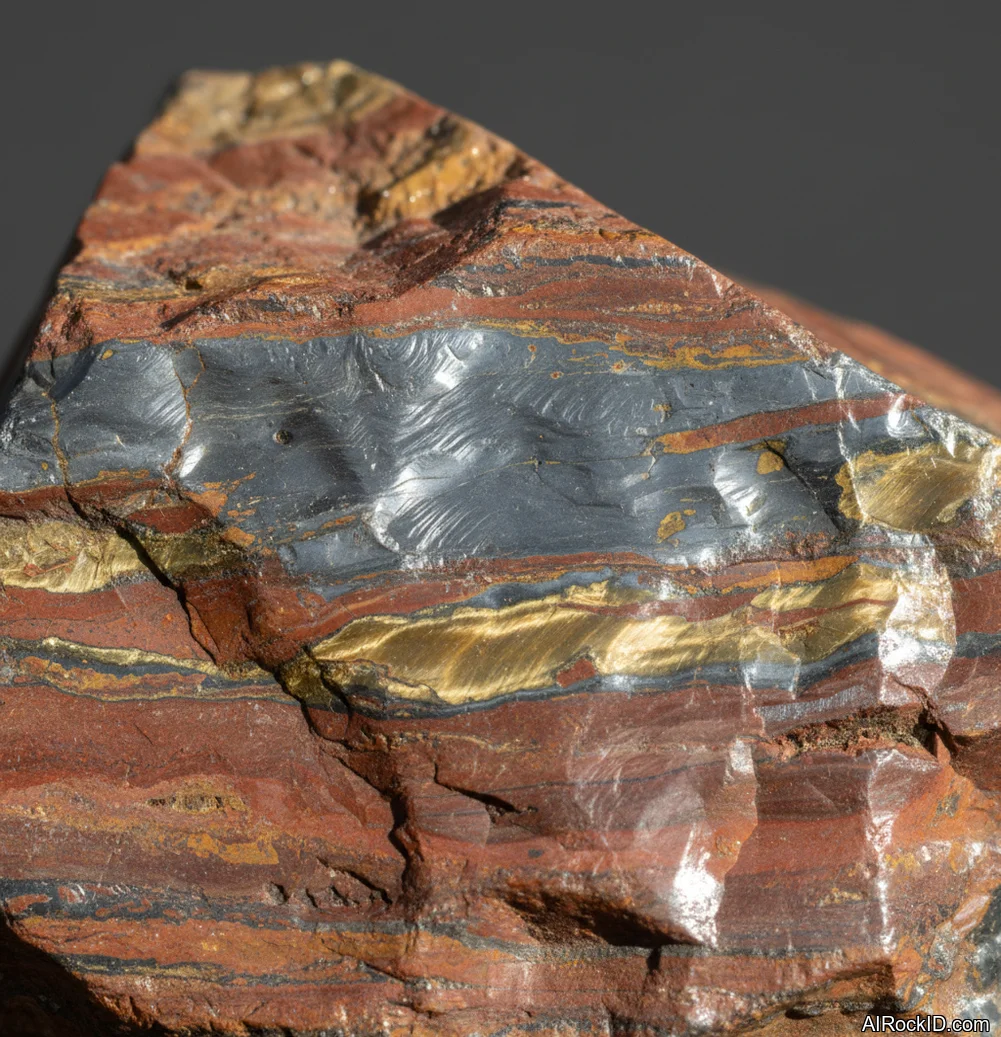
Tiger Iron
Tiger Iron
Common · Rock
Titanium Quartz
Titanium Quartz
Common · Mineral
Triplite Wagnerite And Pyrite In Quartz
Rare · Rock
Vesuvianite
Vesuvianite
Uncommon · Mineral
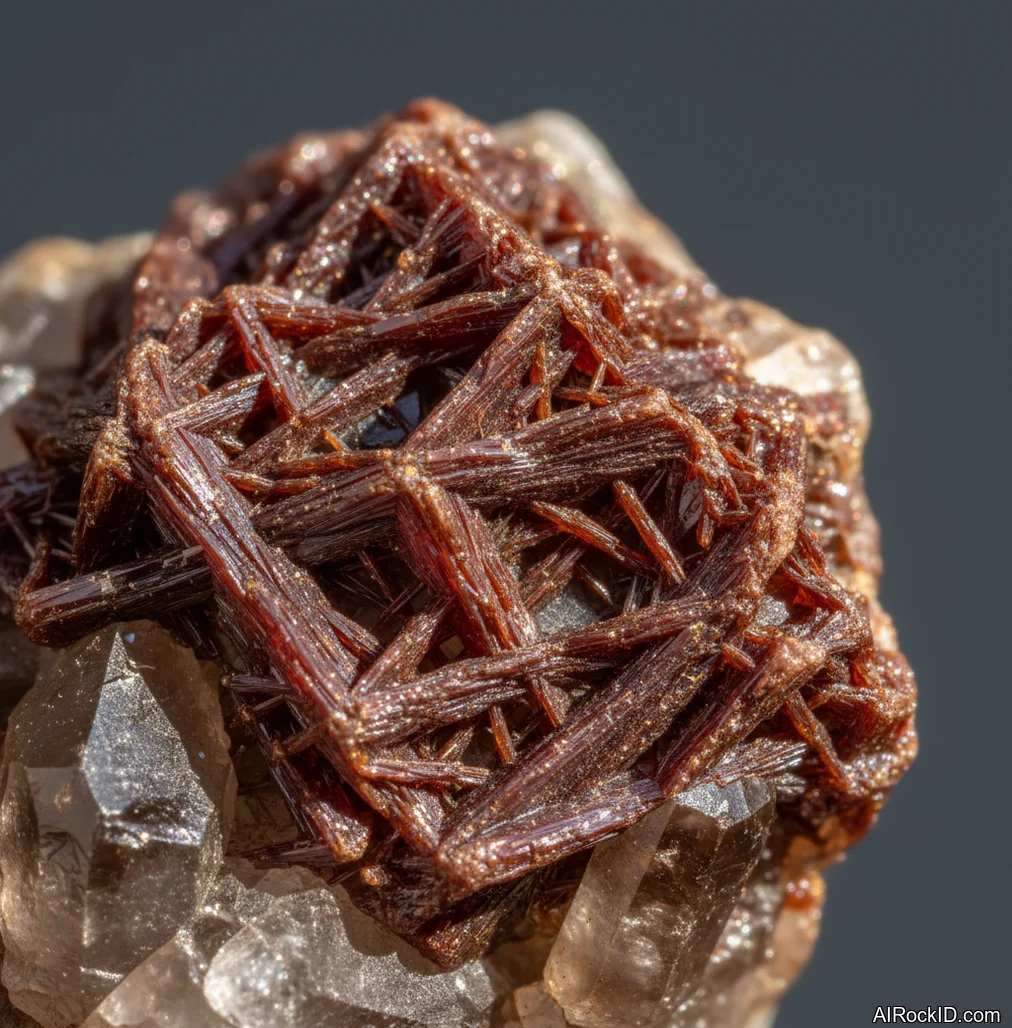
Wolframite
Wolframite
Uncommon · Mineral
Wulfenite
Wulfenite
Rare · Mineral
Yellow Aventurine
Yellow Aventurine
Common · Mineral
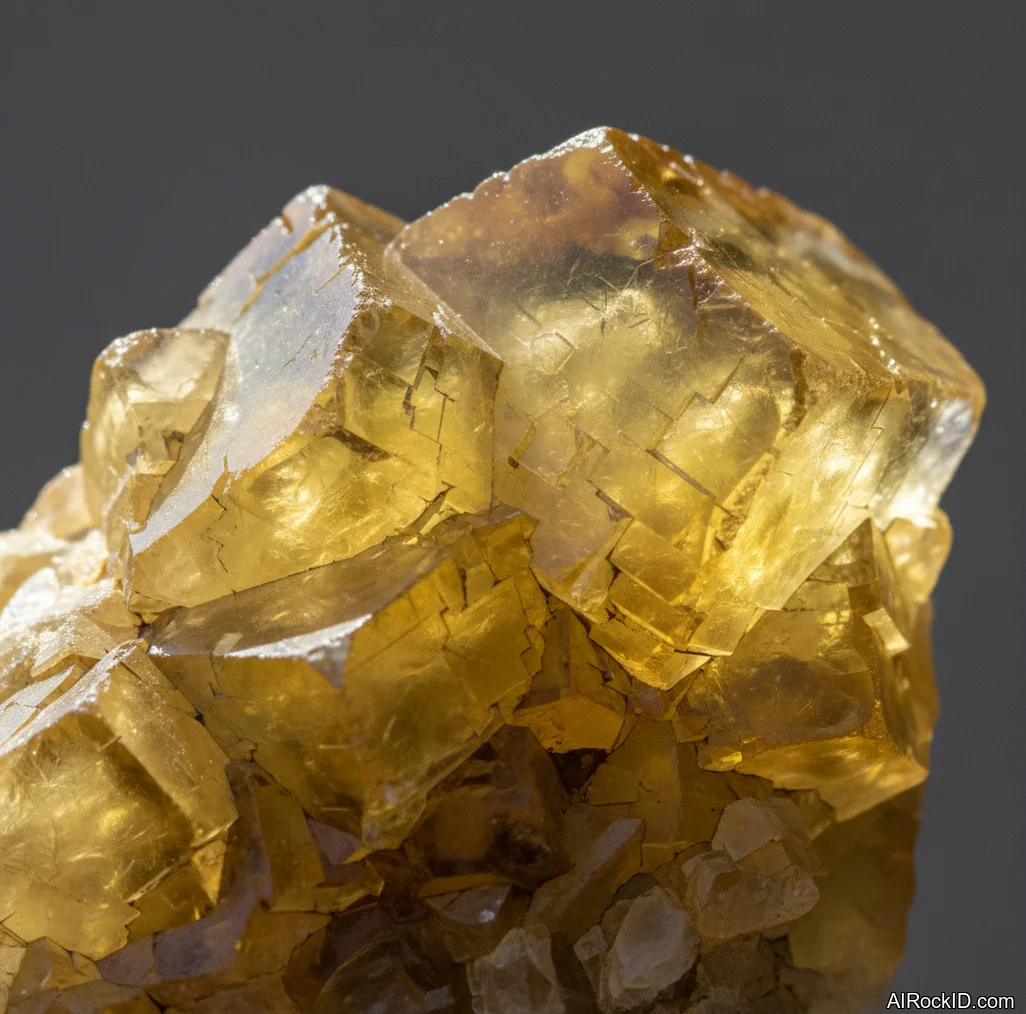
Yellow Fluorite
Yellow Fluorite
Uncommon · Mineral
Yellow Jade
Yellow Jade
Uncommon · Mineral
Yellow Jasper
Yellow Jasper
Common · Rock
Yellow Opal
Yellow Opal
Common · Mineral
Zircon
Zircon
Common · Mineral

Frequently Asked Questions

What is the best crystal for Solar Plexus Chakra?
Tiger’s eye is one of the most commonly used Solar Plexus Chakra crystals for confidence and steady focus. Citrine and pyrite are also frequently associated with Solar Plexus work.
What crystals open the Solar Plexus Chakra?
Citrine, tiger’s eye, yellow calcite, and pyrite are commonly associated with opening and balancing the Solar Plexus Chakra. Amber and golden healer quartz are also used in Solar Plexus crystal sets.
Where do you place Solar Plexus Chakra crystals on the body?
Solar Plexus Chakra crystals are typically placed on the upper abdomen just below the ribcage, such as a palm stone of yellow calcite or citrine. Jewelry like tiger’s eye necklaces is also used near that area.
What color crystals are for the Solar Plexus Chakra?
Yellow and gold crystals are most commonly associated with the Solar Plexus Chakra, including citrine, tiger’s eye, yellow calcite, and heliodor. Honey calcite and amber are also used for Solar Plexus color alignment.
Is pyrite a Solar Plexus Chakra stone?
Pyrite is widely associated with the Solar Plexus Chakra, especially in crystal healing lists focused on willpower and confidence. It is often paired with citrine or tiger’s eye.
Is citrine always natural, and does it matter for Solar Plexus Chakra work?
Many retail “citrine” pieces are heat-treated amethyst, while natural citrine is less common in the market. Both are used for Solar Plexus Chakra intentions, but sellers may price them differently based on origin and treatment.
Can I wear Solar Plexus Chakra crystals every day?
Yes, harder stones like tiger’s eye and quartz-based citrine are commonly worn daily as rings, bracelets, or pendants. Softer stones like yellow calcite are more prone to scratches and are usually better for occasional wear.
What is the best Solar Plexus Chakra crystal for anxiety?
Amber and yellow calcite are commonly chosen for calmer Solar Plexus routines, while tiger’s eye is often used for grounding focus. Citrine is also frequently used in Solar Plexus-focused practices.
How do I cleanse Solar Plexus Chakra crystals?
Common cleansing methods include wiping stones like tiger’s eye and citrine with a dry cloth or briefly rinsing hardy pieces with water and drying them. Pyrite is typically kept dry and cleaned without soaking to reduce oxidation risk.
What crystals pair well with Solar Plexus Chakra stones?
Solar Plexus stones like citrine and tiger’s eye are often paired with heart-focused stones like green aventurine or rose quartz for balance. They are also paired with root stones like hematite or smoky quartz for grounding.