Cobaltoan Calcite
What Is Cobaltoan Calcite?
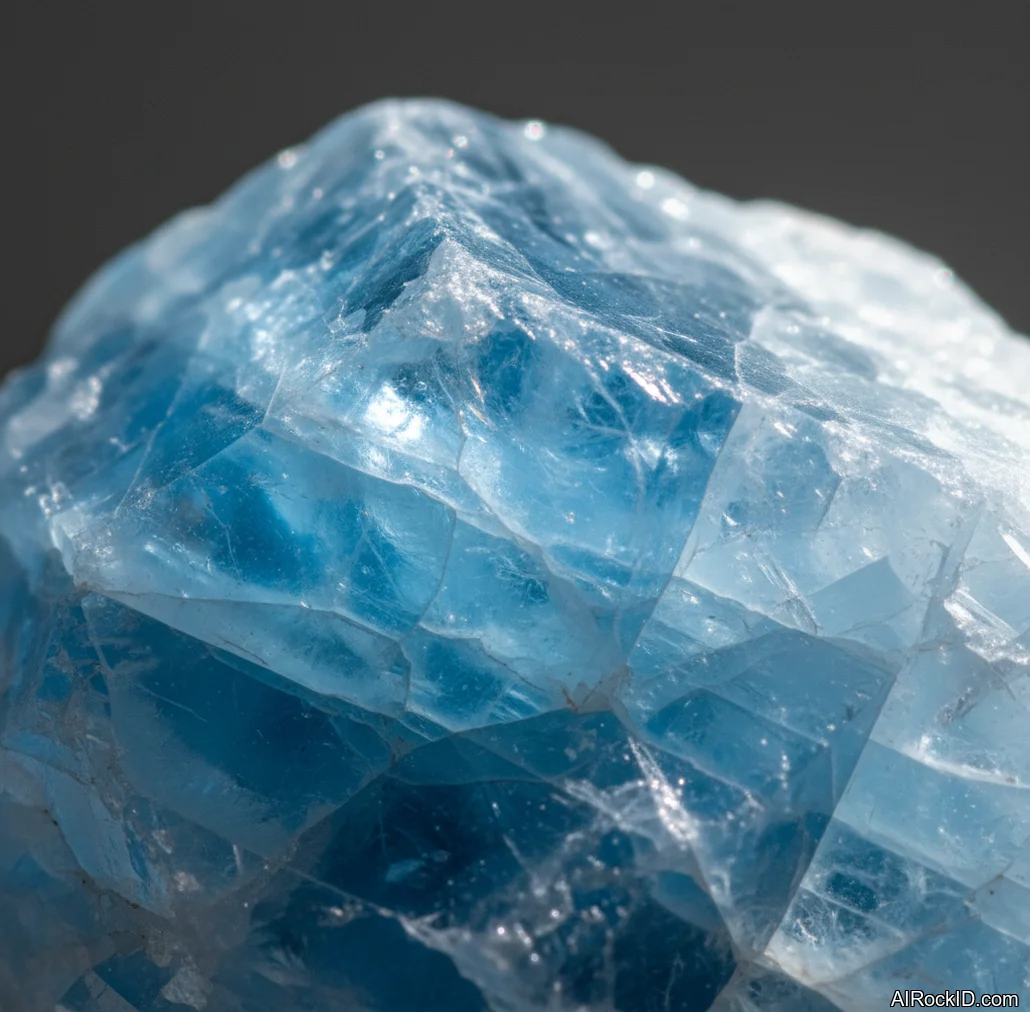
Cobaltoan calcite is just calcite (CaCO3), but it turns pink to magenta because tiny amounts of cobalt slip into the crystal structure.
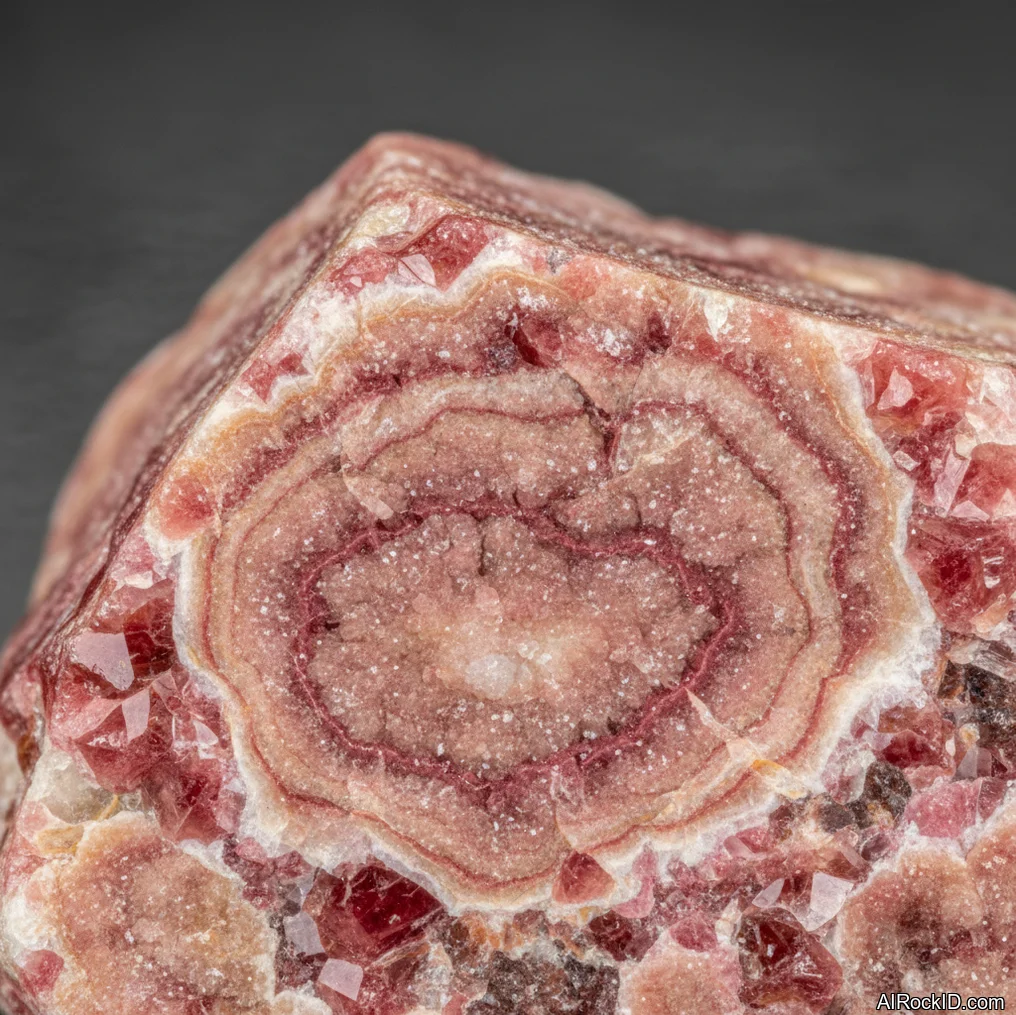
Hold a piece in your hand and two things jump out right away. First, it’s lighter than most folks expect if they’re used to lugging around quartz chunks. Second, the color isn’t some skin-deep stain. On the good stuff, it looks like it’s glowing from inside the crystal, especially when it shows up as a fine, glittery druse sprinkled over a darker matrix.
And sure, from across a table it can read like “another pink stone.” But calcite gives itself away. It has that obvious cleavage, and when you rub a fresh face with your thumb it feels soft and a little grabby, like it wants to catch on your skin (you can almost feel the powdery slickness). It’s also usually not a lone crystal you’d cut into a faceted gem. It’s more of a display mineral. The pieces that actually stop you cold at a show are the ones with that hot pink drusy crust over black or brown rock, where the contrast does the heavy lifting.
Origin & History
Cobaltoan calcite isn’t its own species, so there’s no single “discovery moment” to point to like you get with some truly rare minerals. Calcite itself has been described, re-described, argued over, and renamed in spirit for centuries, and the word “calcite” traces back to the Latin *calx*, meaning lime.
The “cobaltoan” tag is basically collector shorthand for the cobalt-bearing, pink variety. And yeah, I’ve heard old-timers at shows just call it “cobalt calcite,” tap the label with a fingernail (you can hear that little click on the plastic), and move on. In the mineral trade it stuck because the color is so out of left field for calcite, and cobalt-bearing carbonate zones are interesting ore indicators in their own right.
Where Is Cobaltoan Calcite Found?
Most of the showy bright-pink material people recognize comes from cobalt-rich copper-cobalt deposits, especially in the DRC and Morocco. Smaller occurrences pop up anywhere cobalt shows up with carbonates.
Formation
Raw pieces from cobalt districts usually show up after carbonate-rich fluids work their way through cracks and open pockets in the host rock. Calcite’s like that. Hand it calcium, carbonate, and a bit of room, and it’ll just go to work lining the cavity with crystals.
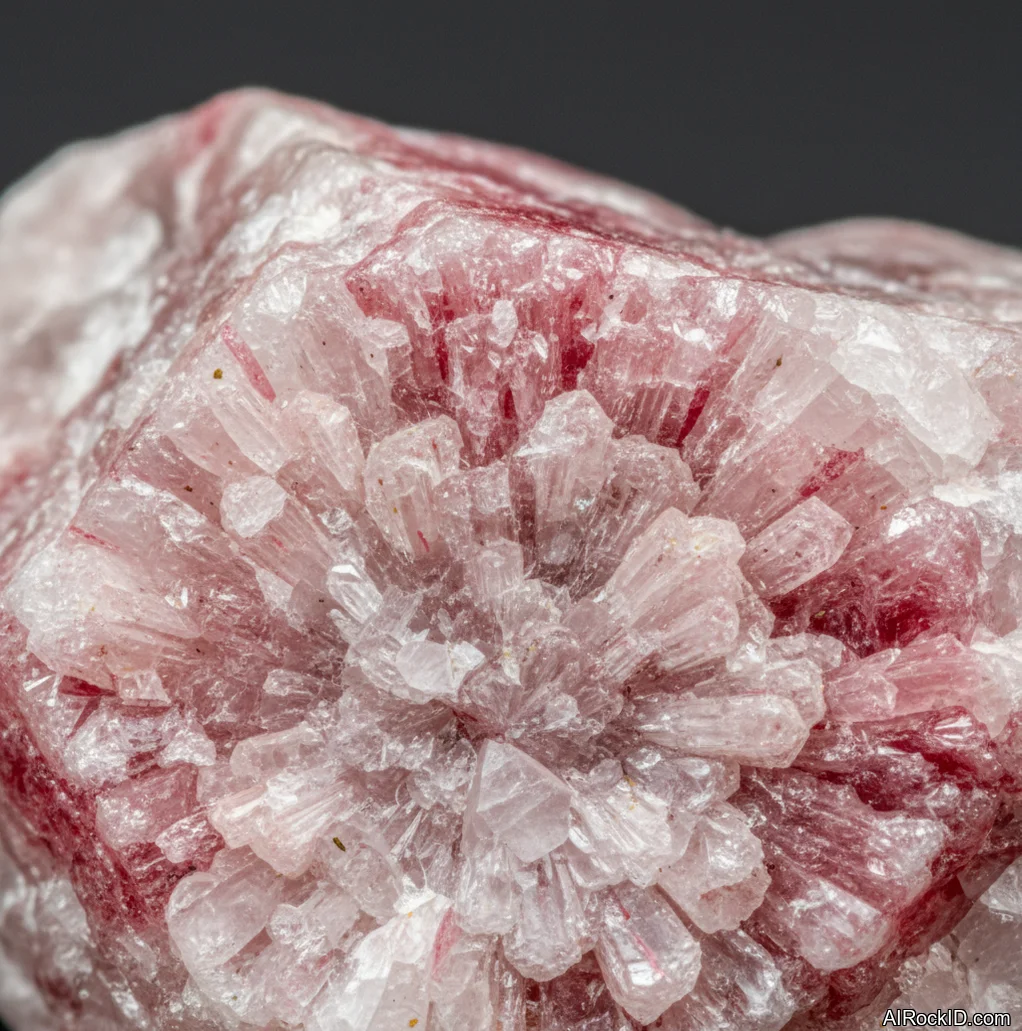
And then cobalt slips in as a trace element and nudges the color over into pink or even magenta. You’ll often find it sitting with the usual mine-suite stuff, like malachite, heterogenite, dolomite, or quartz, depending on the deposit. The crystal shapes are straight-up calcite: rhombs and those stubby little scalenohedrons, and when the druse is tight they glitter like sugar sprinkled on a countertop (you can almost feel that fine grit look).
How to Identify Cobaltoan Calcite
Color: Color ranges from soft bubblegum pink to intense magenta, usually in drusy coatings or small crystal clusters on darker matrix. The color is typically more even than rose quartz but less “painted” than dyed agate.
Luster: Vitreous to pearly on crystal faces, with a sugary sparkle on druse.
If you scratch it with a copper penny or a steel nail, it’ll mark more easily than quartz. The real test is a drop of dilute acid: it fizzes like any calcite, but don’t do this on a display piece you care about. Look closely at broken edges for that calcite cleavage look, and tilt it under a single light source. Those tiny faces flash on and off in a way dyed material usually doesn’t.
Properties of Cobaltoan Calcite
Physical Properties
| Crystal System | Trigonal |
| Hardness (Mohs) | 3 (Soft (2-4)) |
| Density | 2.71 g/cm3 |
| Luster | Vitreous |
| Diaphaneity | Transparent to translucent |
| Fracture | Uneven |
| Streak | White |
| Magnetism | Non-magnetic |
| Colors | Pink, Magenta, Rose, White, Gray, Black (matrix) |
Chemical Properties
| Classification | Carbonates |
| Formula | CaCO3 (with Co as a trace substituent) |
| Elements | Ca, C, O, Co |
| Common Impurities | Co, Mn, Fe, Mg |
Optical Properties
| Refractive Index | 1.486-1.658 |
| Birefringence | 0.172 |
| Pleochroism | None |
| Optical Character | Uniaxial |
Cobaltoan Calcite Health & Safety
Normal handling’s pretty low risk. But don’t start grinding or sanding it unless you’ve got real dust control, because that fine powder gets everywhere and you’ll feel it in your throat. And like any calcite, it’ll react with acids and even some household cleaners, so watch what you put on it.
Safety Tips
Wash your hands after you’ve been messing with it, especially if you ended up with that fine mineral dust on your fingers (you know, the gritty stuff that clings around your nails). And keep it away from acidic solutions or harsh detergents.
Cobaltoan Calcite Value & Price
Price Range
Rough/Tumbled: $10 - $250 per specimen
Prices jump around depending on how saturated the color is, how much it actually flashes when you tilt it under a light, and how strong that light drusy layer looks against the matrix. Clean, even druse sitting on a dark host rock usually runs higher, and those larger plates that stay intact (no dusty crumbs rattling in the box, no corners popping off) get tagged like cabinet-grade specimens.
Durability
Nondurable — Scratch resistance: Poor, Toughness: Fair
It’s stable on a shelf, but it scratches easily and cleavage makes it chip if you knock it around.
How to Care for Cobaltoan Calcite
Use & Storage
Store it in a box or a cabinet spot where it won’t rattle against harder stones. I wrap mine because drusy calcite loves to shed tiny grains if it gets bumped.
Cleaning
1) Blow off dust with a bulb blower or canned air held at a distance. 2) Use a soft, dry paintbrush to lift dirt from between crystals. 3) If you must use water, do a quick rinse and pat dry immediately; skip soaps and never use acids.
Cleanse & Charge
For non-water methods, smoke, sound, or leaving it near (not on) a selenite plate works fine. Avoid salt bowls and anything acidic because calcite doesn’t enjoy chemistry experiments.
Placement
Put it somewhere it can catch angled light, like a shelf near a lamp rather than a sunny windowsill. That druse flash is the whole point.
Caution
Don’t use ultrasonic cleaners or steam cleaners. And steer clear of vinegar, citrus-based cleaners, and any “crystal cleaning” liquid that won’t tell you what’s in it (no ingredient list, no thanks).
Works Well With
Cobaltoan Calcite Meaning & Healing Properties
Compared to a lot of pink stones, cobaltoan calcite feels less like some big dramatic “heart lesson” rock and more like a straight-up mood lifter. That’s just my take after leaving a plate of it on my desk through a couple rough work stretches. I’d be mid-email, glance over, and my shoulders would drop a notch.
Look, watch what happens at shows. People who don’t care about minerals will still reach for it because the color lands as friendly, almost candy-like, and then the little sparkly bits keep it from looking flat under those harsh booth lights. In crystal practice circles it’s usually tied to the heart space, compassion, and gentler emotional processing. That’s tradition and personal use, not medicine.
But there’s a very real limitation if you actually want to live with it day to day. It’s soft. Toss it in a pocket with keys and it’ll scuff fast, and that pretty druse can turn into this sad, chalky patch (ask me how I know). So I treat mine as a “seen, not handled” stone, and when I want something pink to fidget with, I grab rose quartz instead.
Identify Any Crystal Instantly
Snap a photo and get properties, value, care instructions, and healing meanings in seconds.