Water Crystals
Learn what Water means in crystal work, which crystals match it, and how to choose, cleanse, and use Water crystals for calm, flow, and emotion.
Cold. Smooth. A little slippery in your hand. That’s the feel I tie to Water crystals, even when the rock’s bone dry. Pick up a polished aquamarine and it’s got that clean, glassy chill. Hold a moonstone cab and the sheen slides around like light on a pond. Water, as an element category, is basically shorthand for stones people grab when they want flow instead of force, softness instead of sharp edges, and emotional processing instead of mental overdrive.
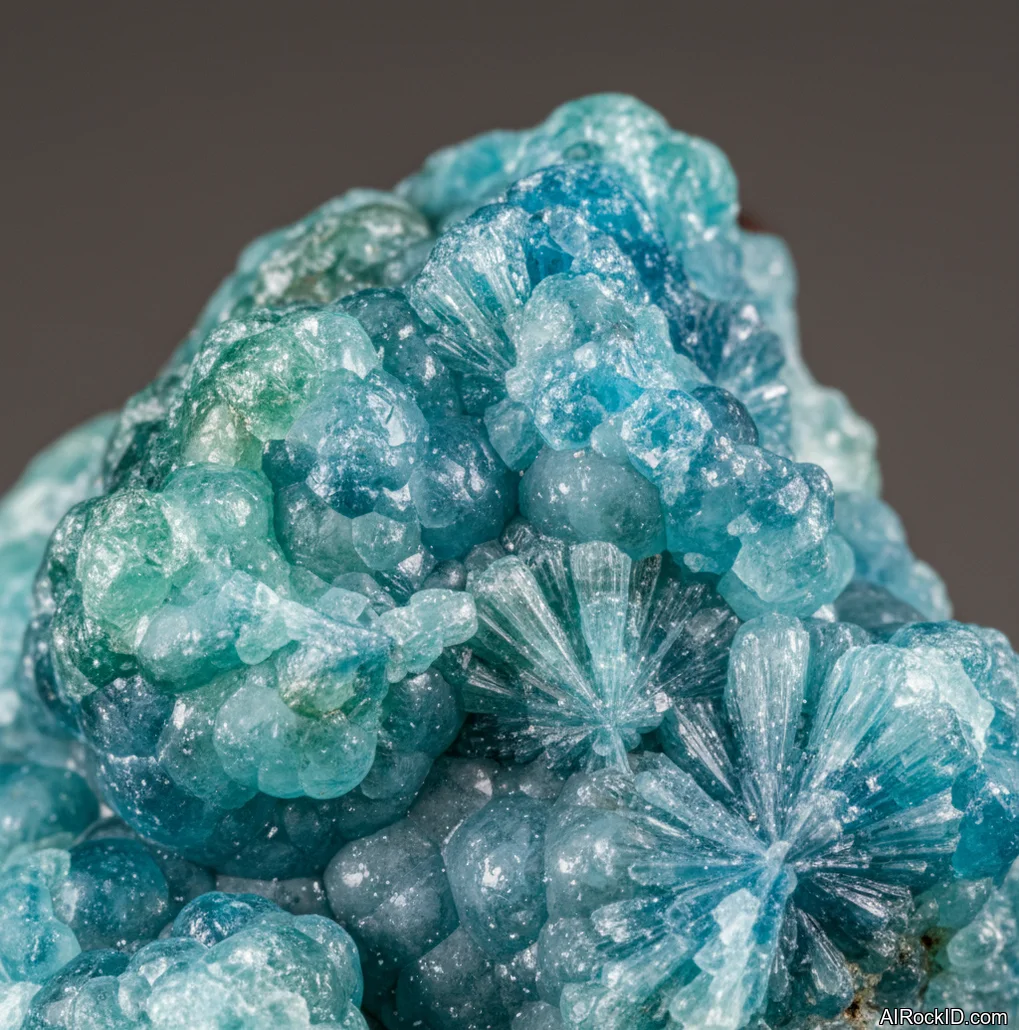
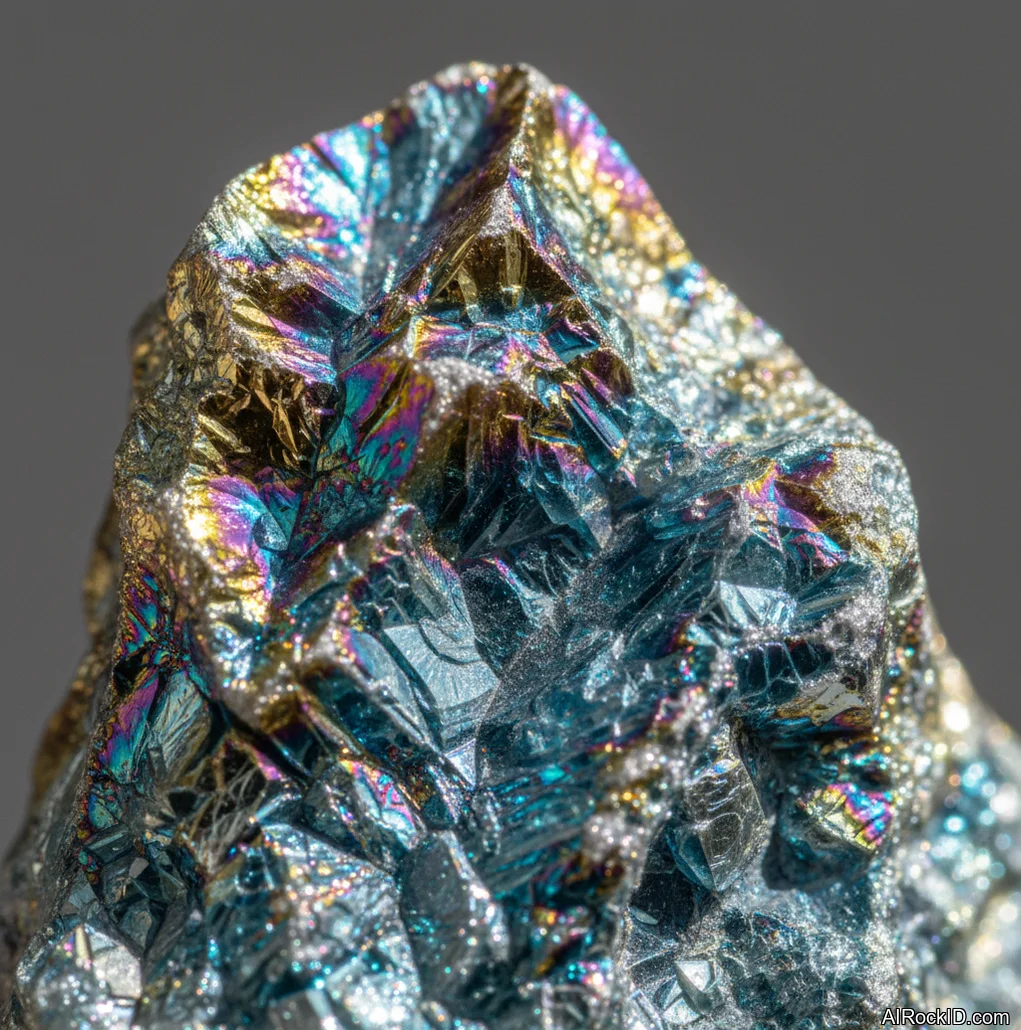
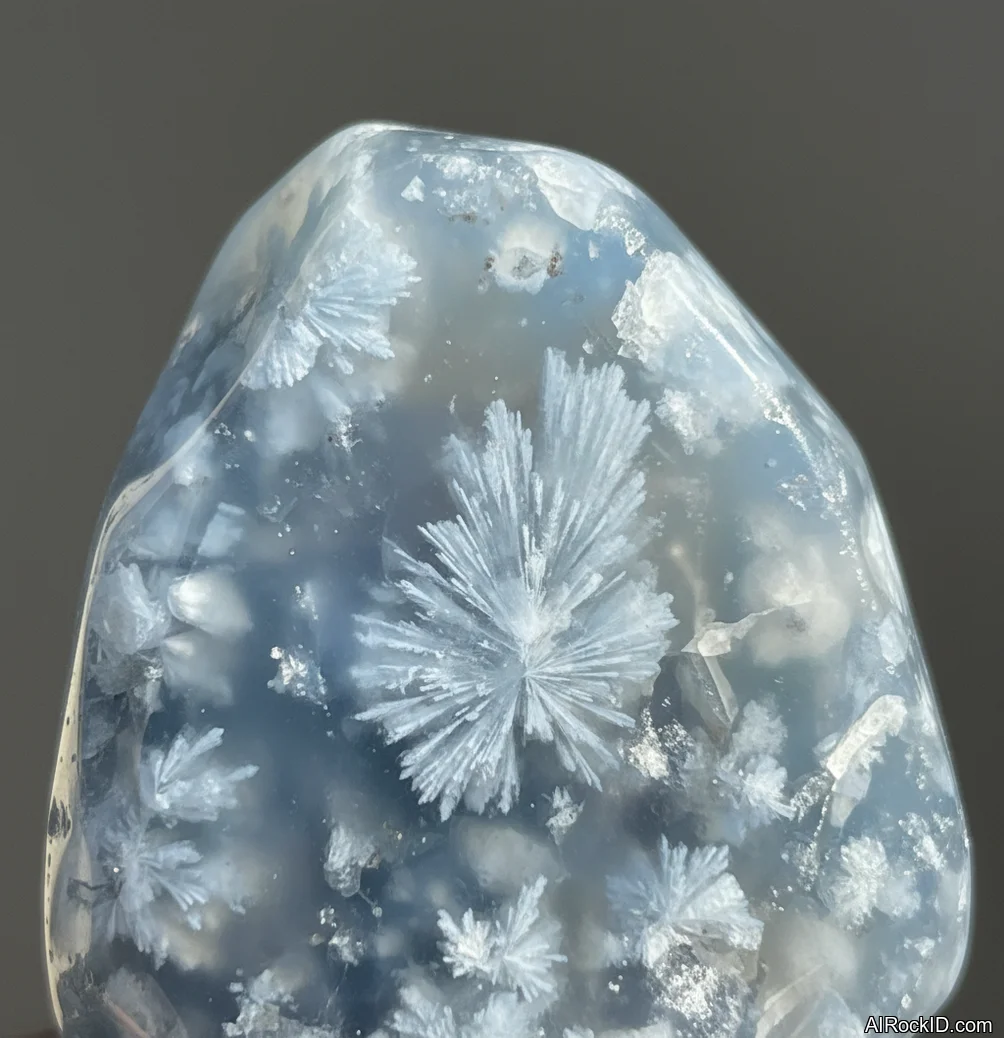
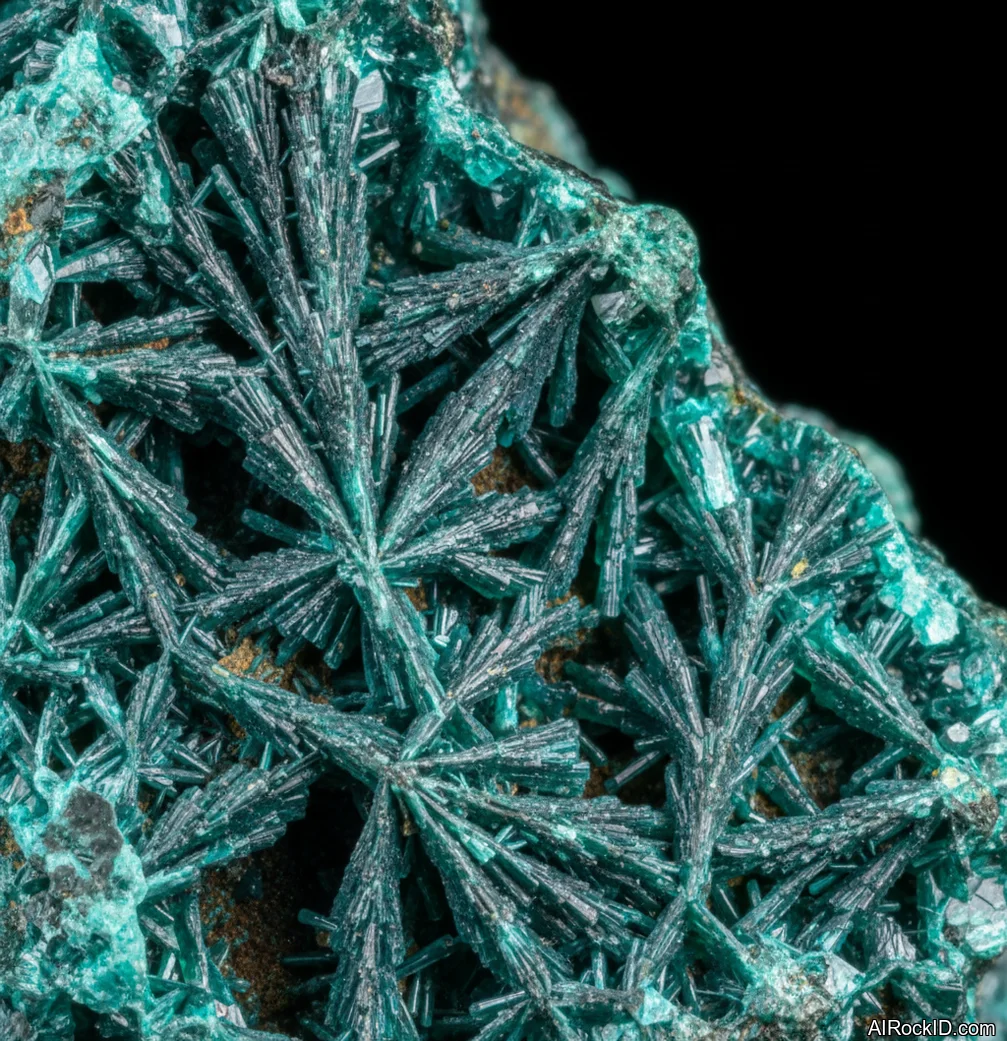
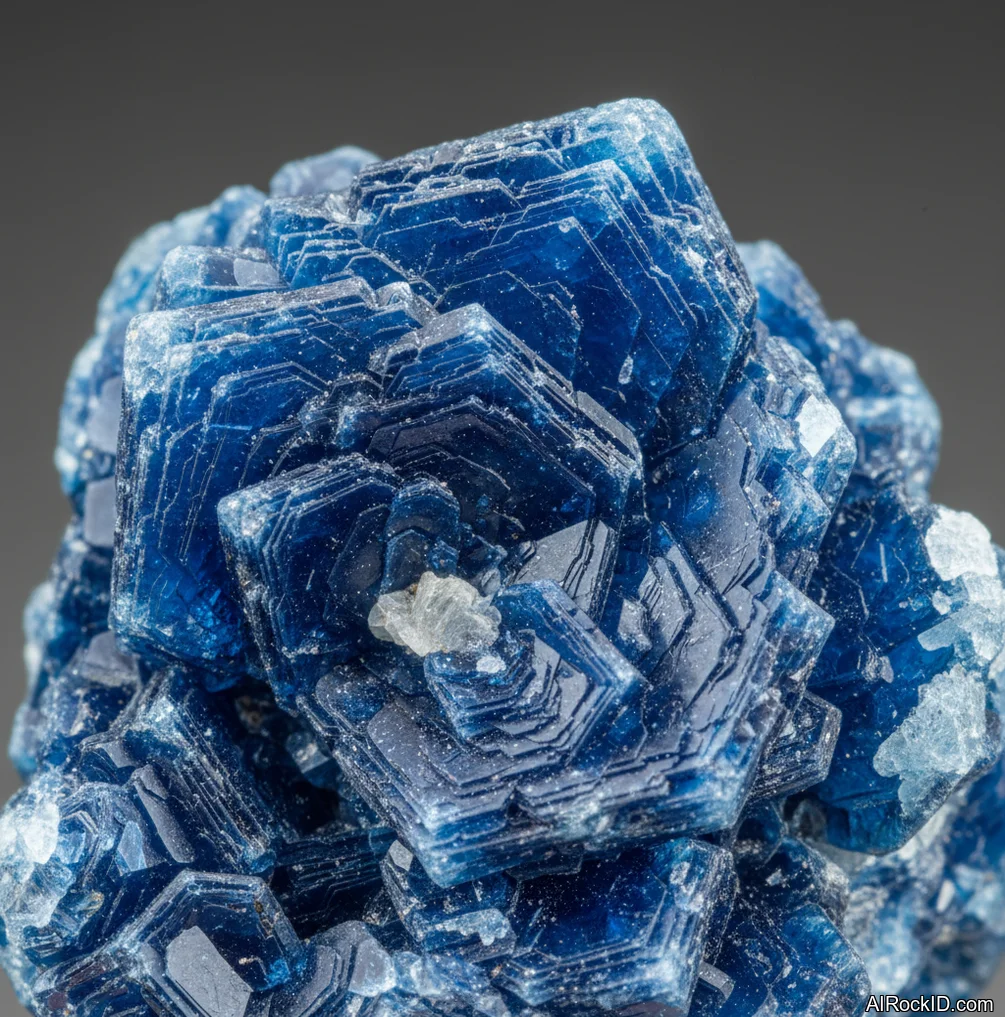
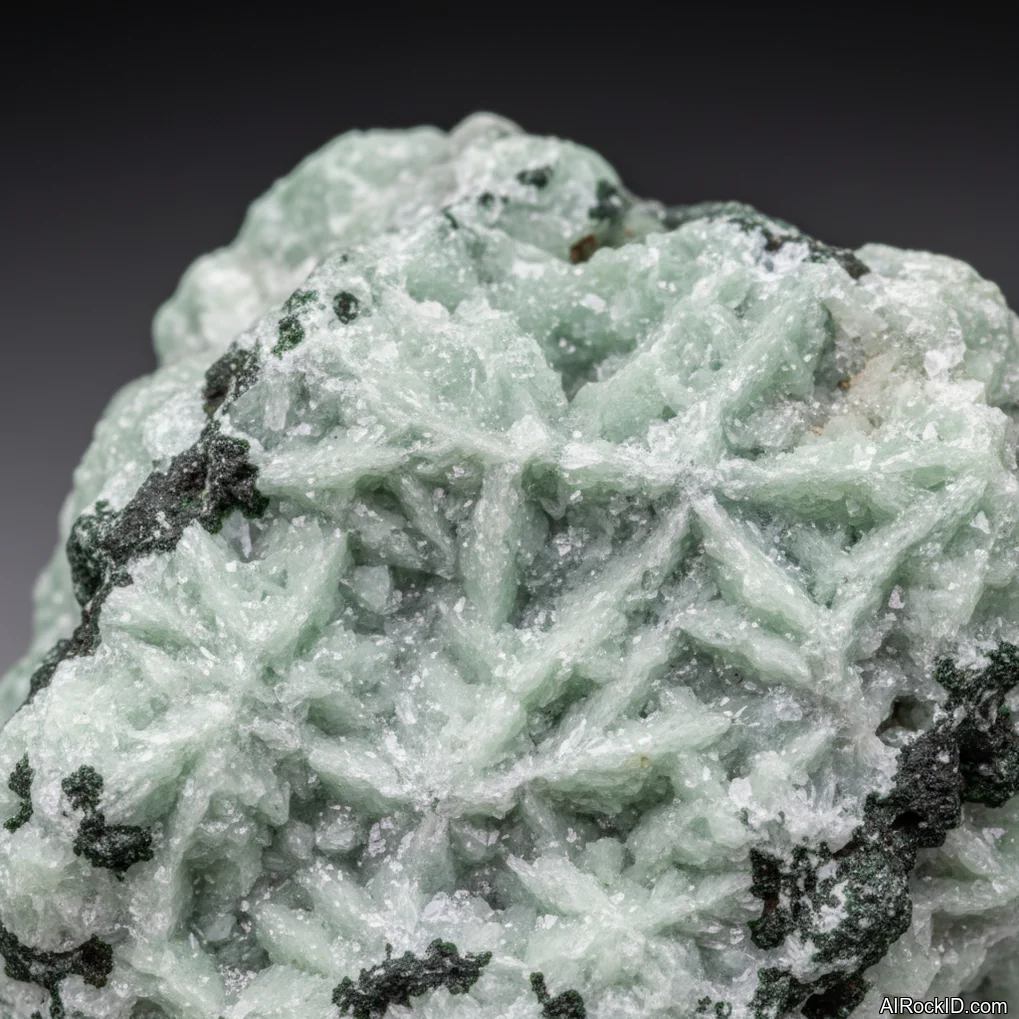
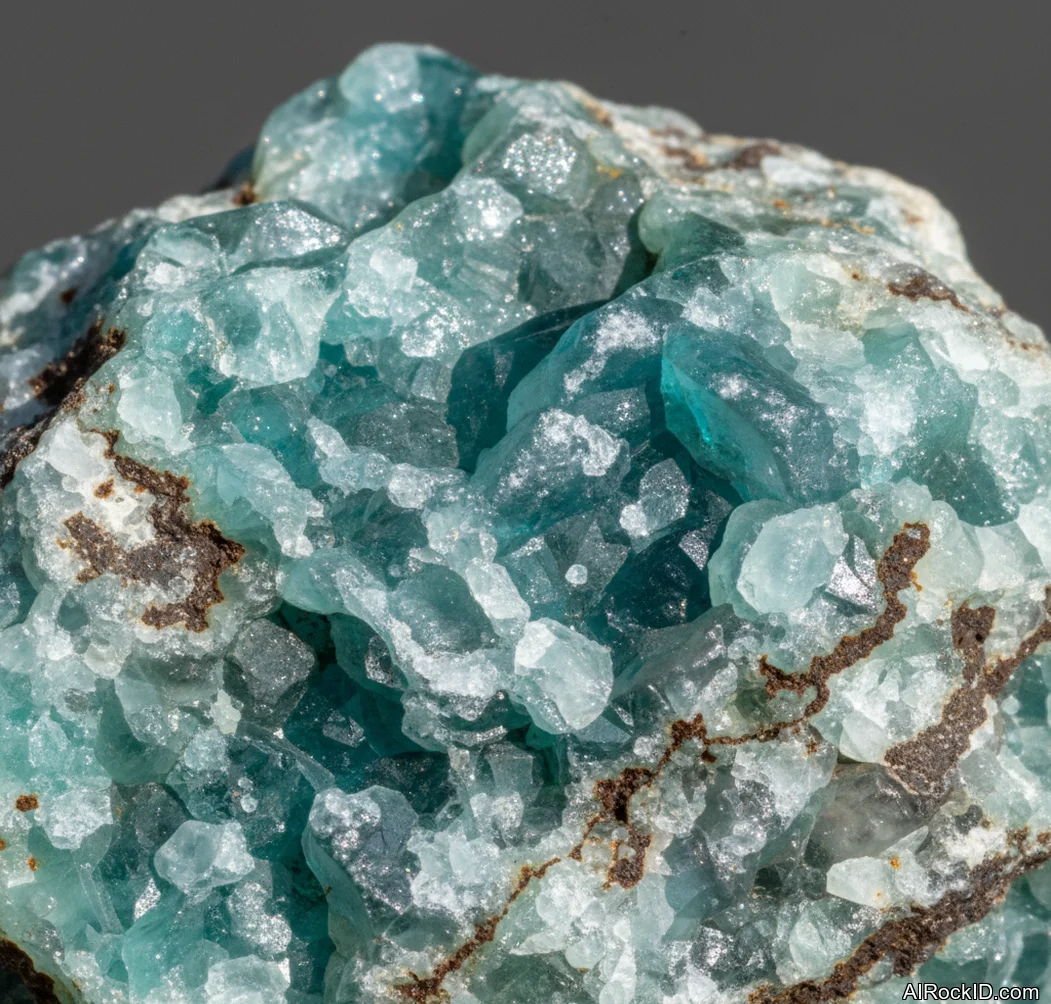
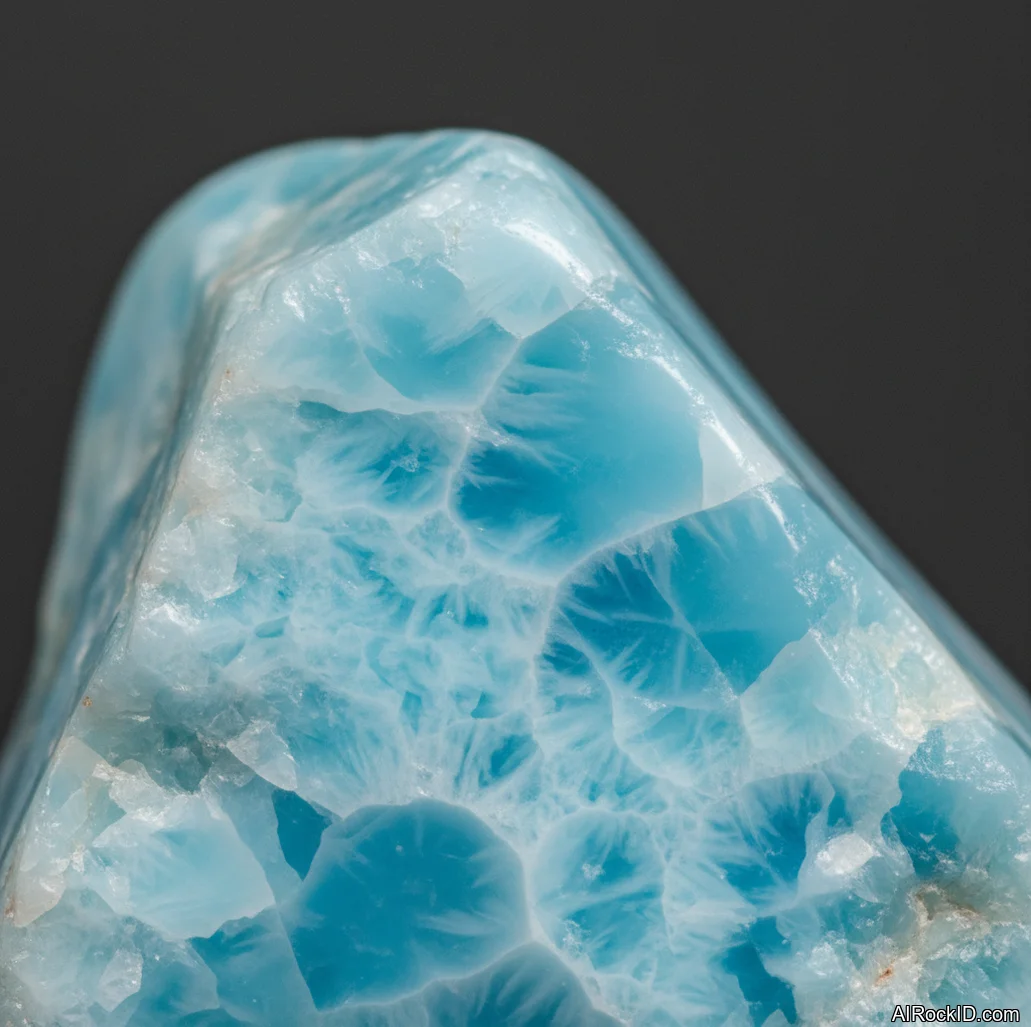
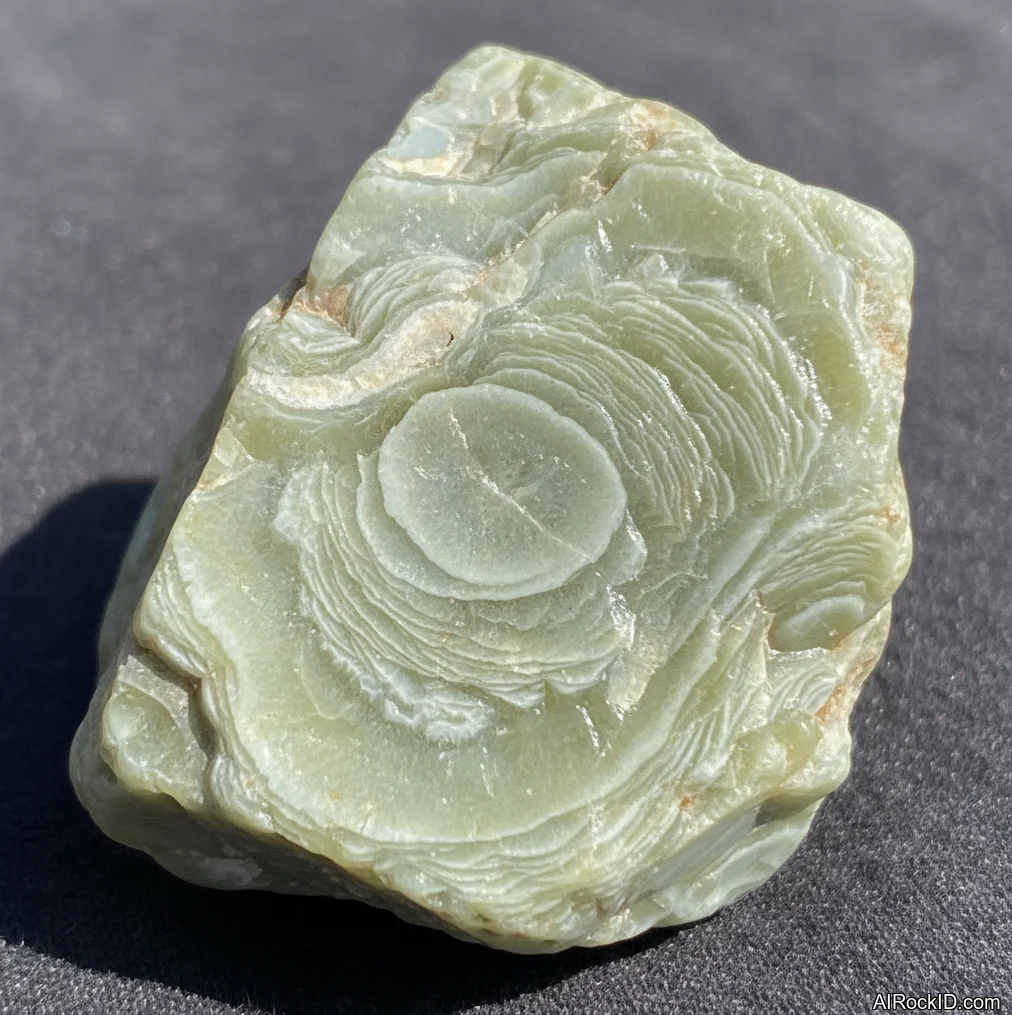
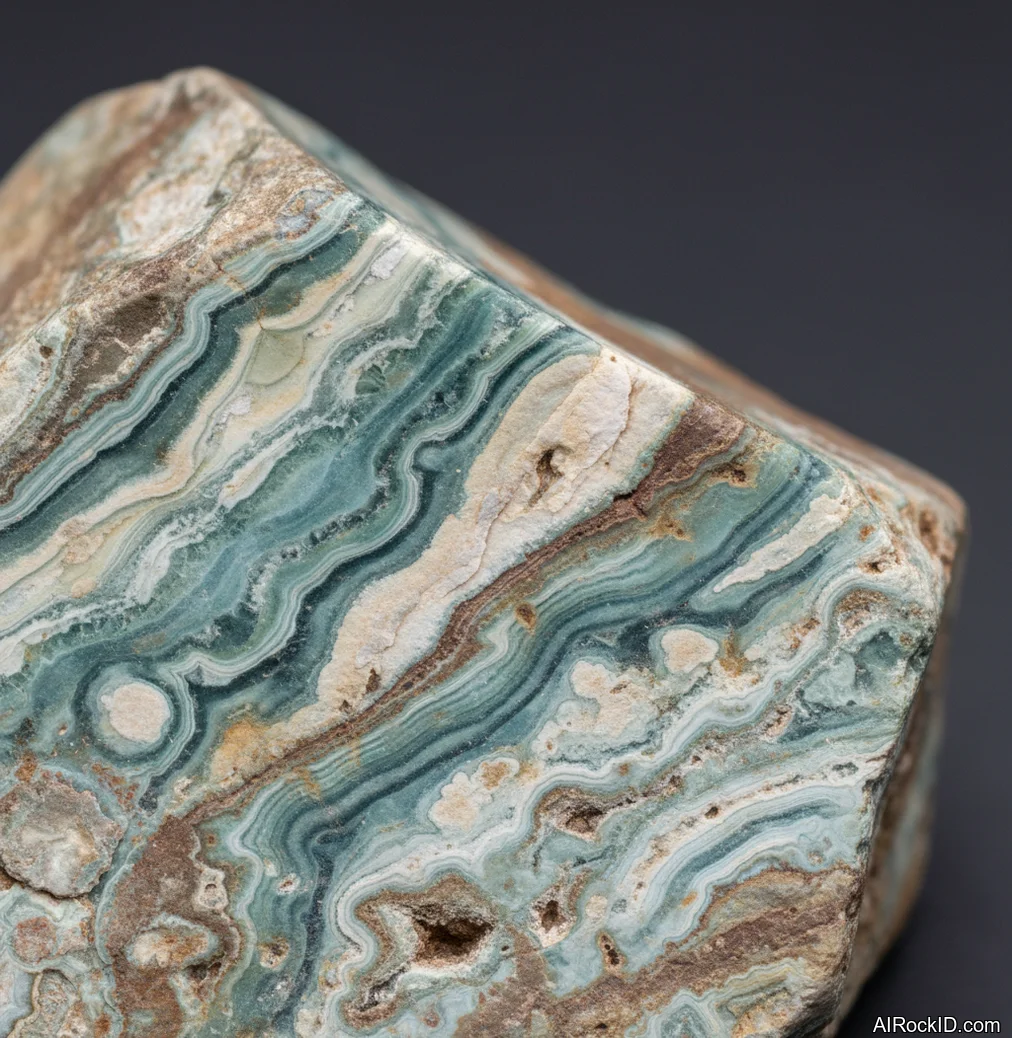
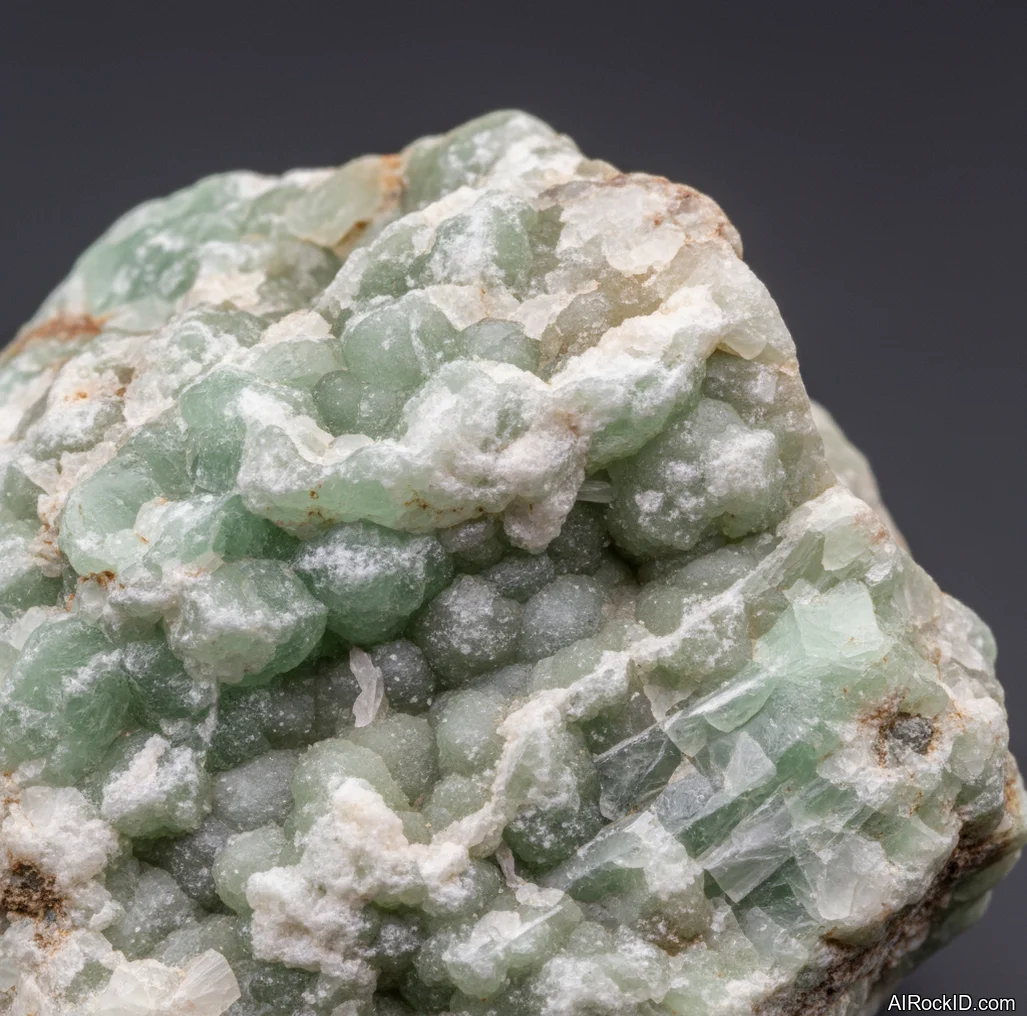
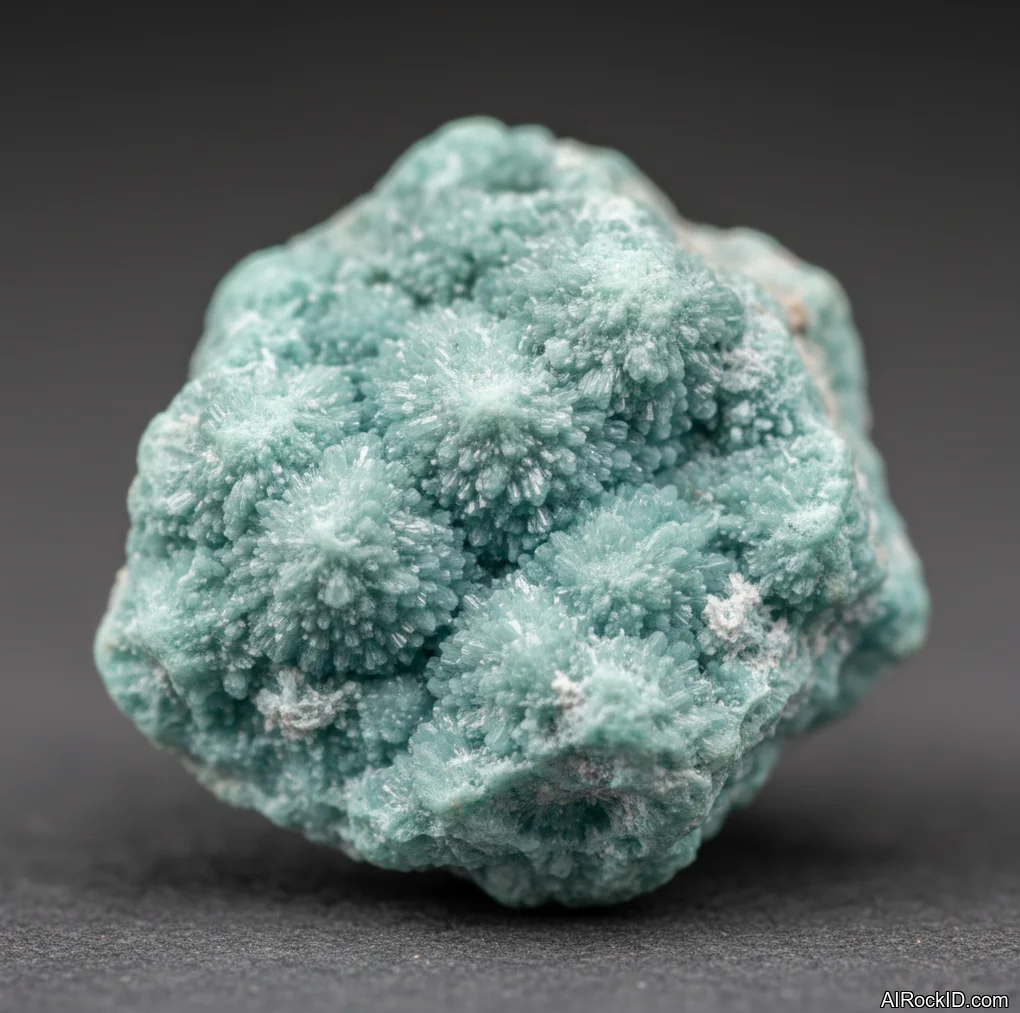
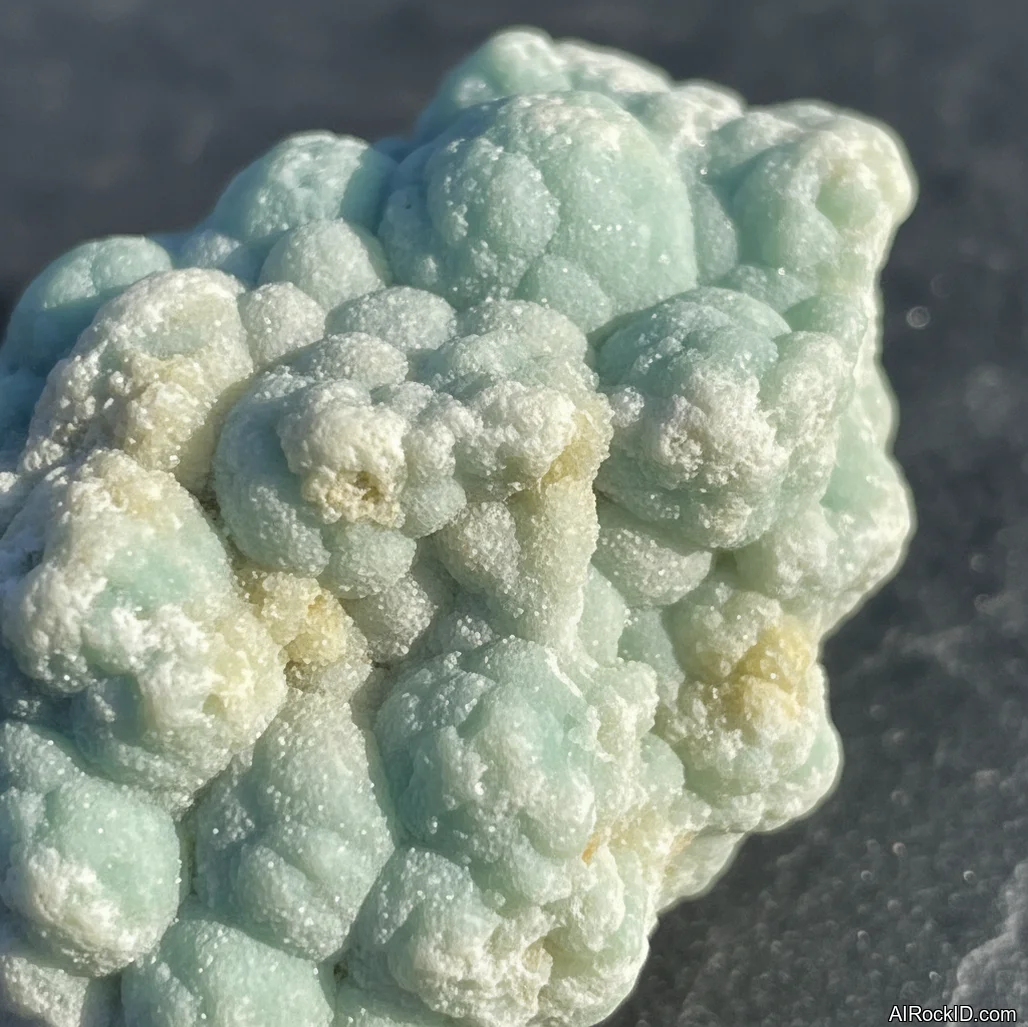
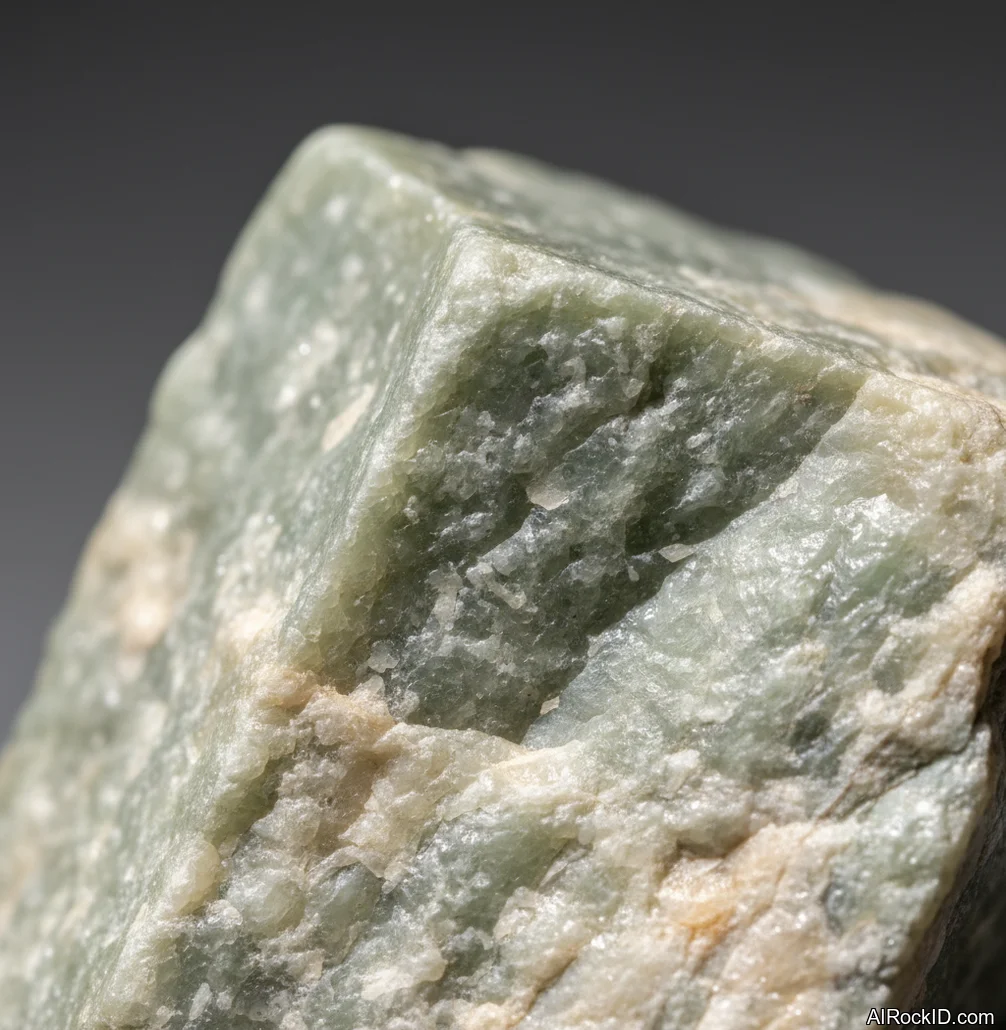
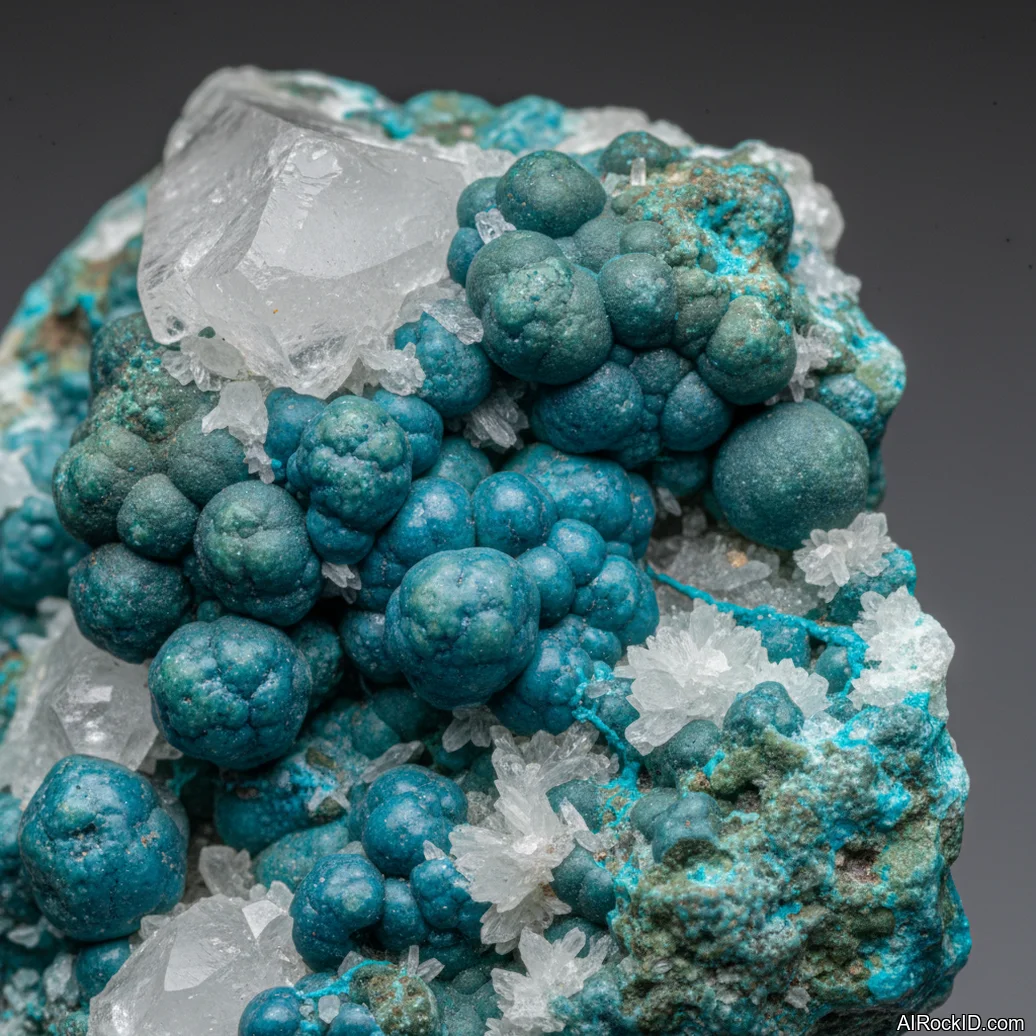
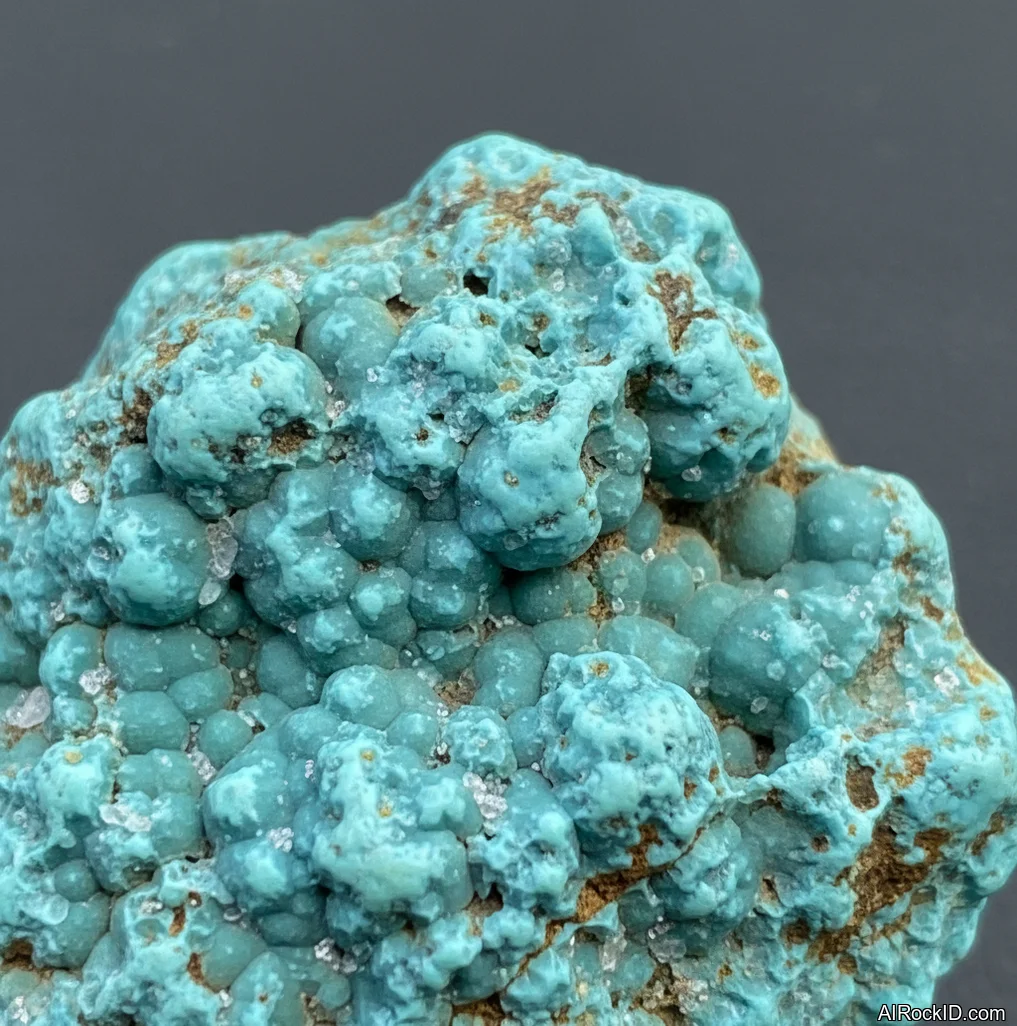
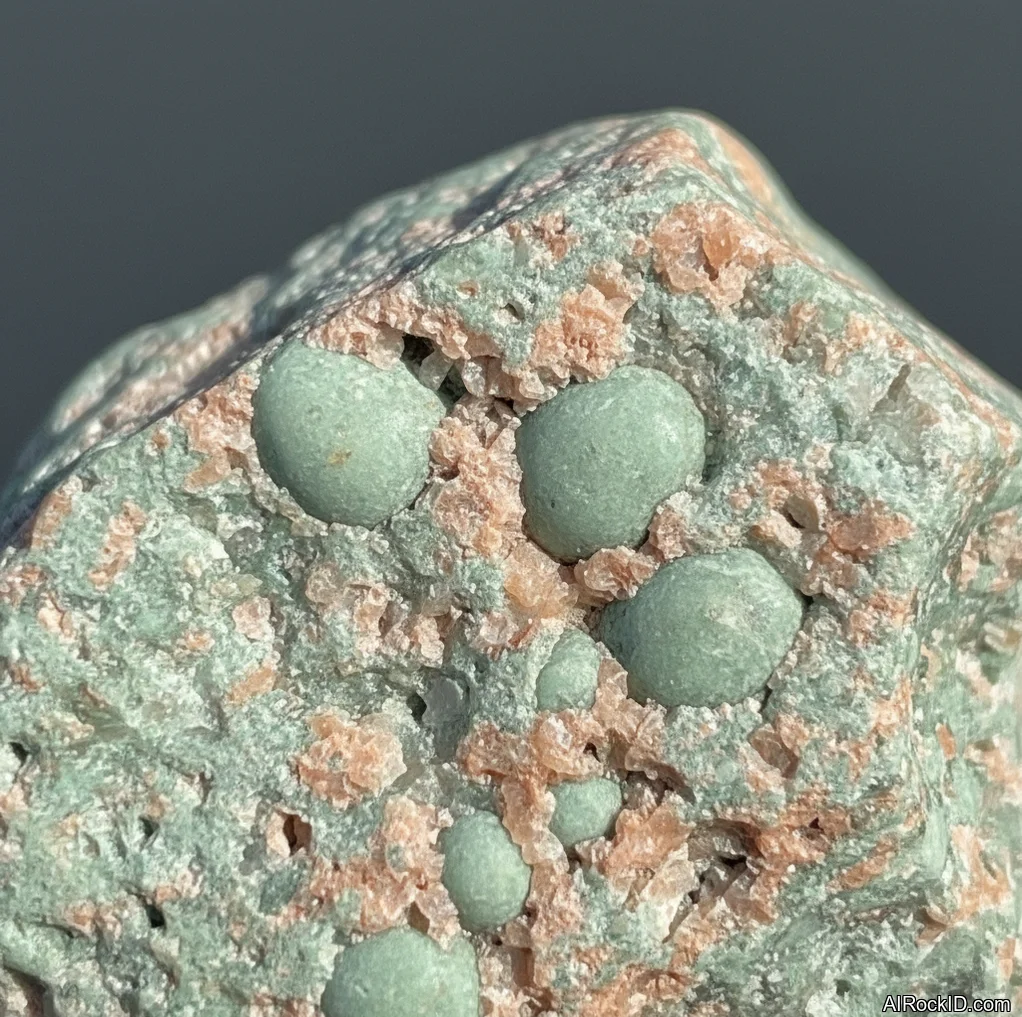
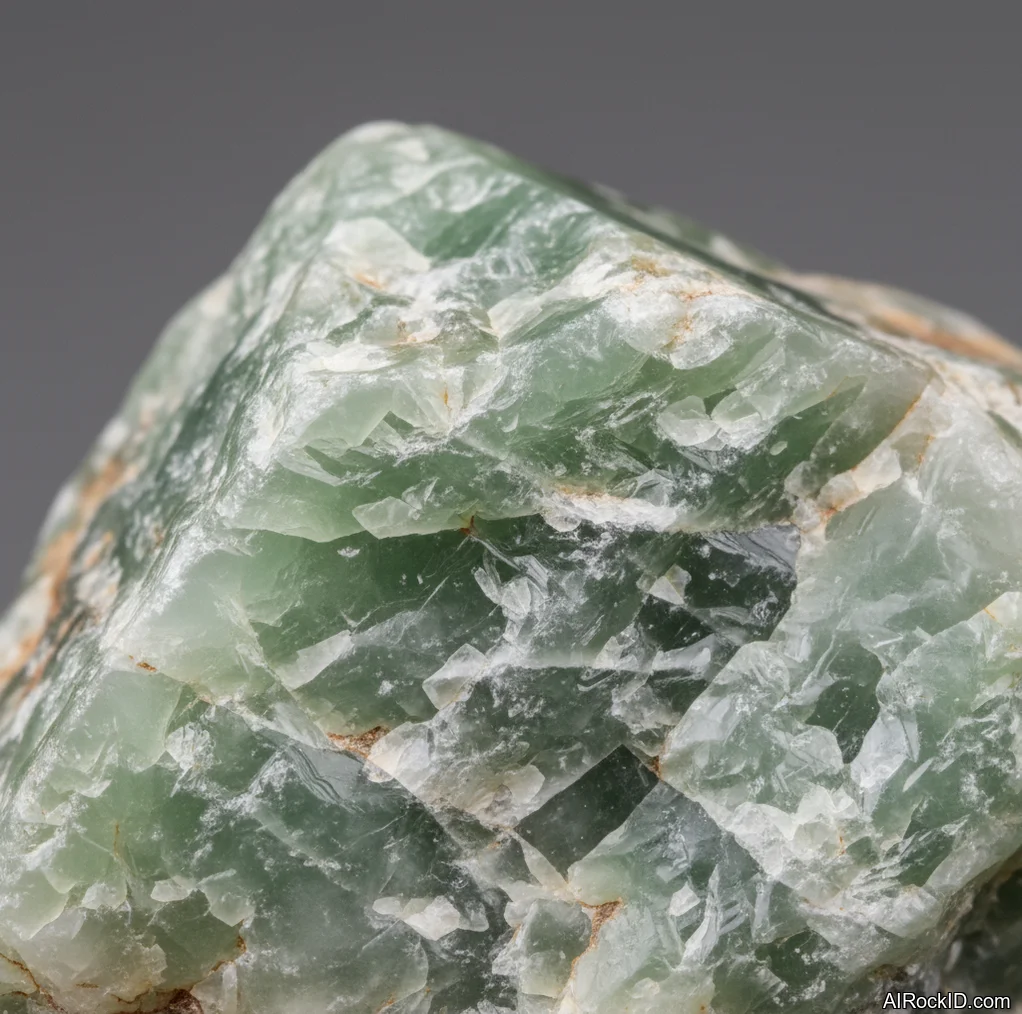
Thing is, in crystal terms, Water isn’t about the mineral literally containing water (though some do, like certain opals or hydrated copper minerals). It’s more about the vibe people assign based on how it looks and how it behaves in the real world: blue-green color, translucent bodies, pearly flashes, or that “wet” luster you see on good larimar and hemimorphite. Water stones tend to be the ones you keep on a nightstand, carry in a pocket, or hold during a tough conversation. They aren’t always showy. They’re the steady ones.
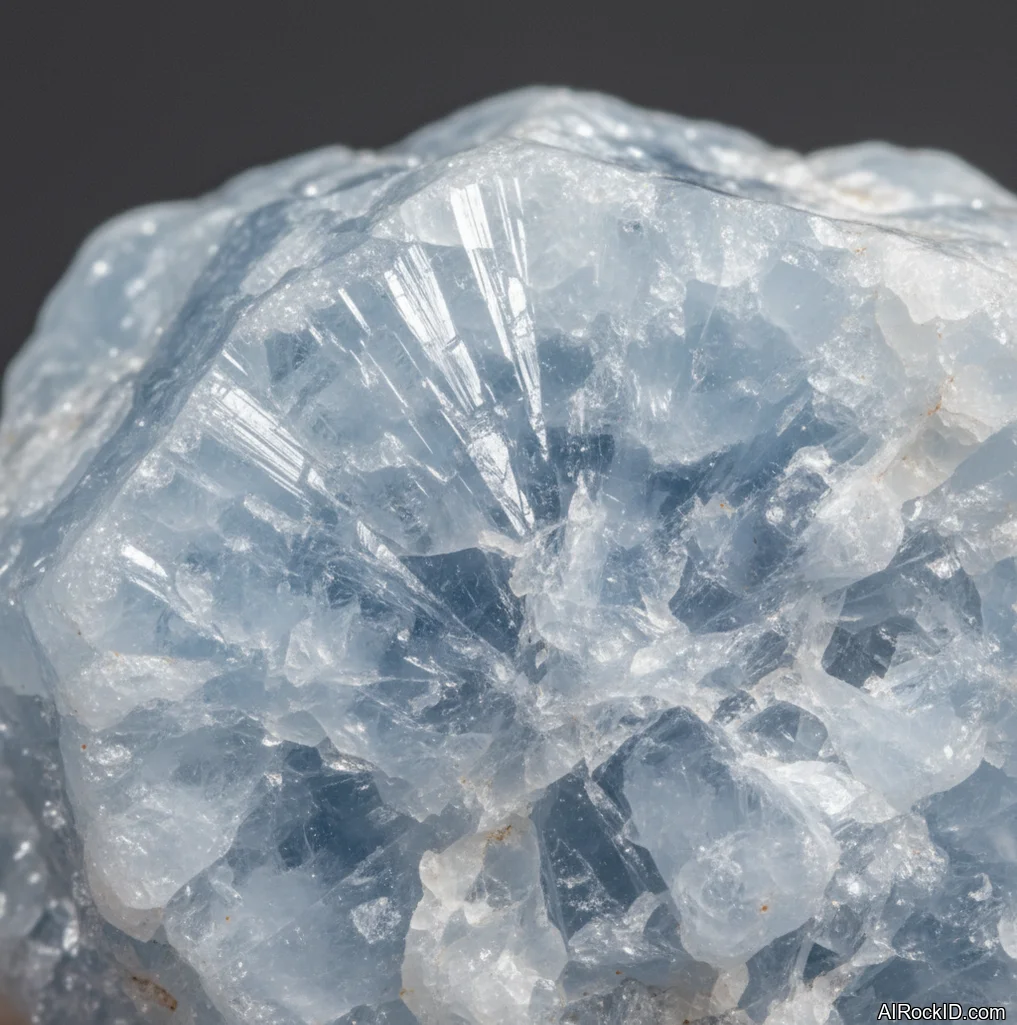
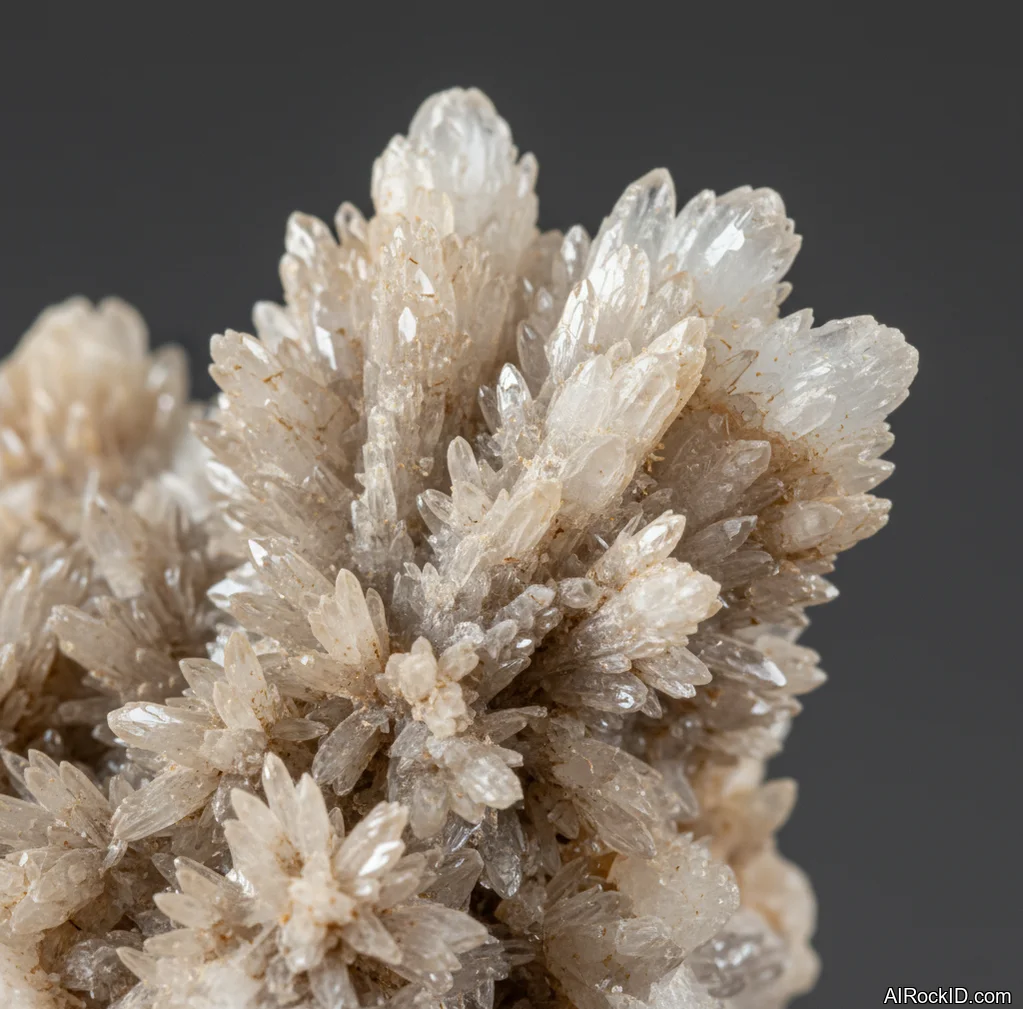
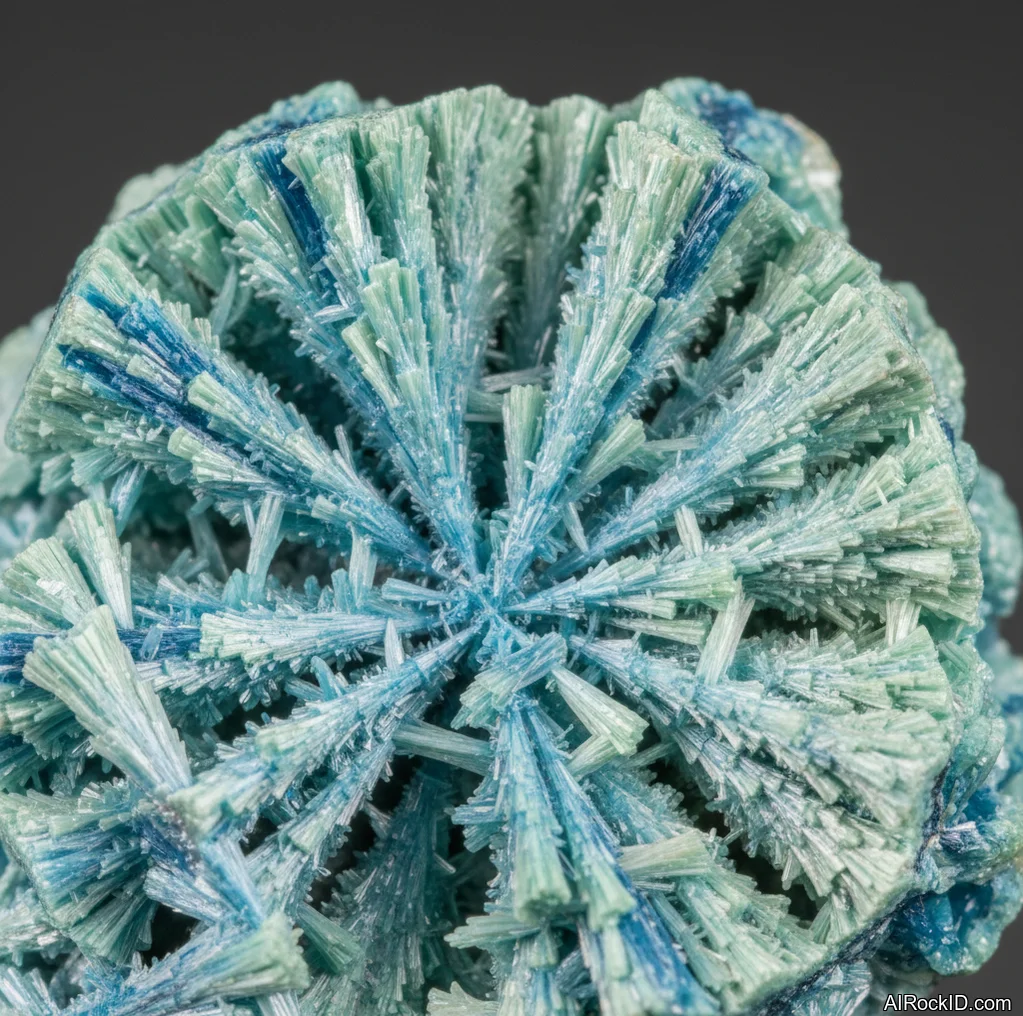
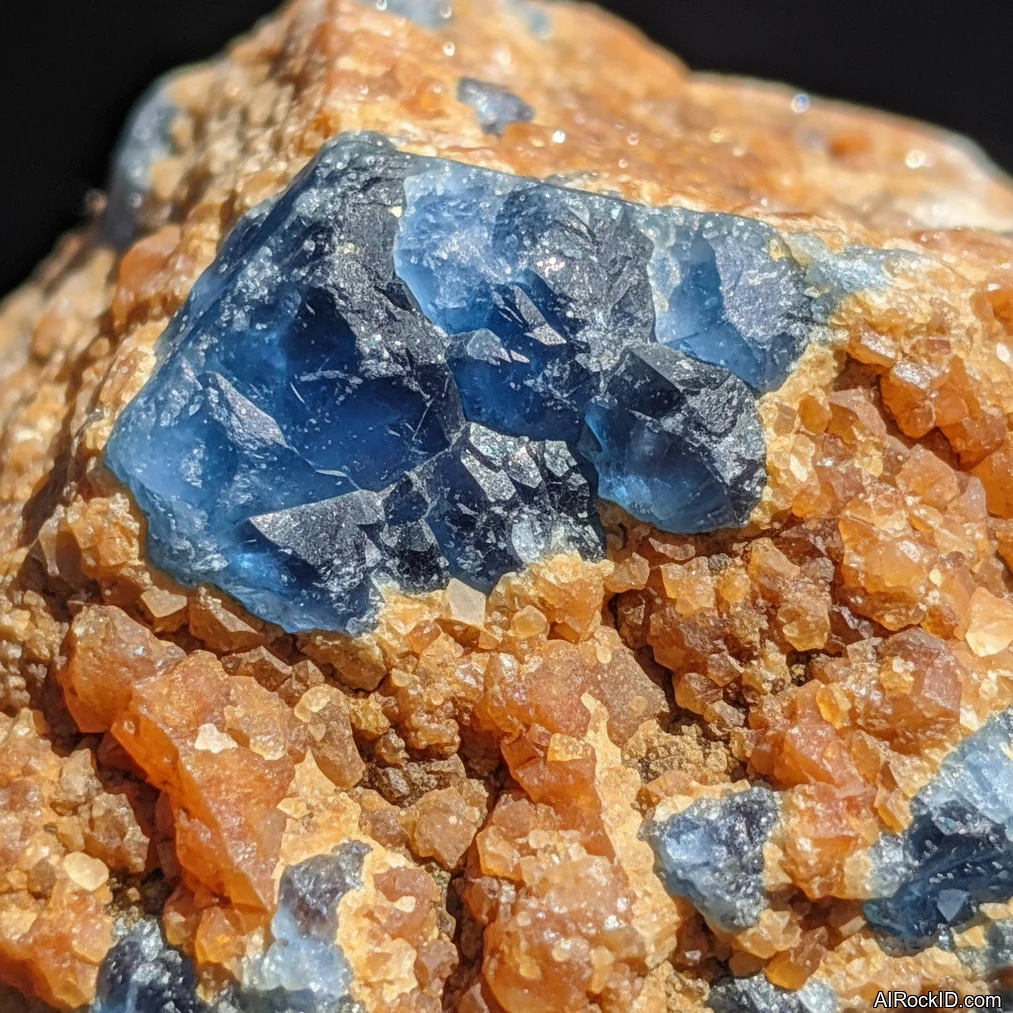
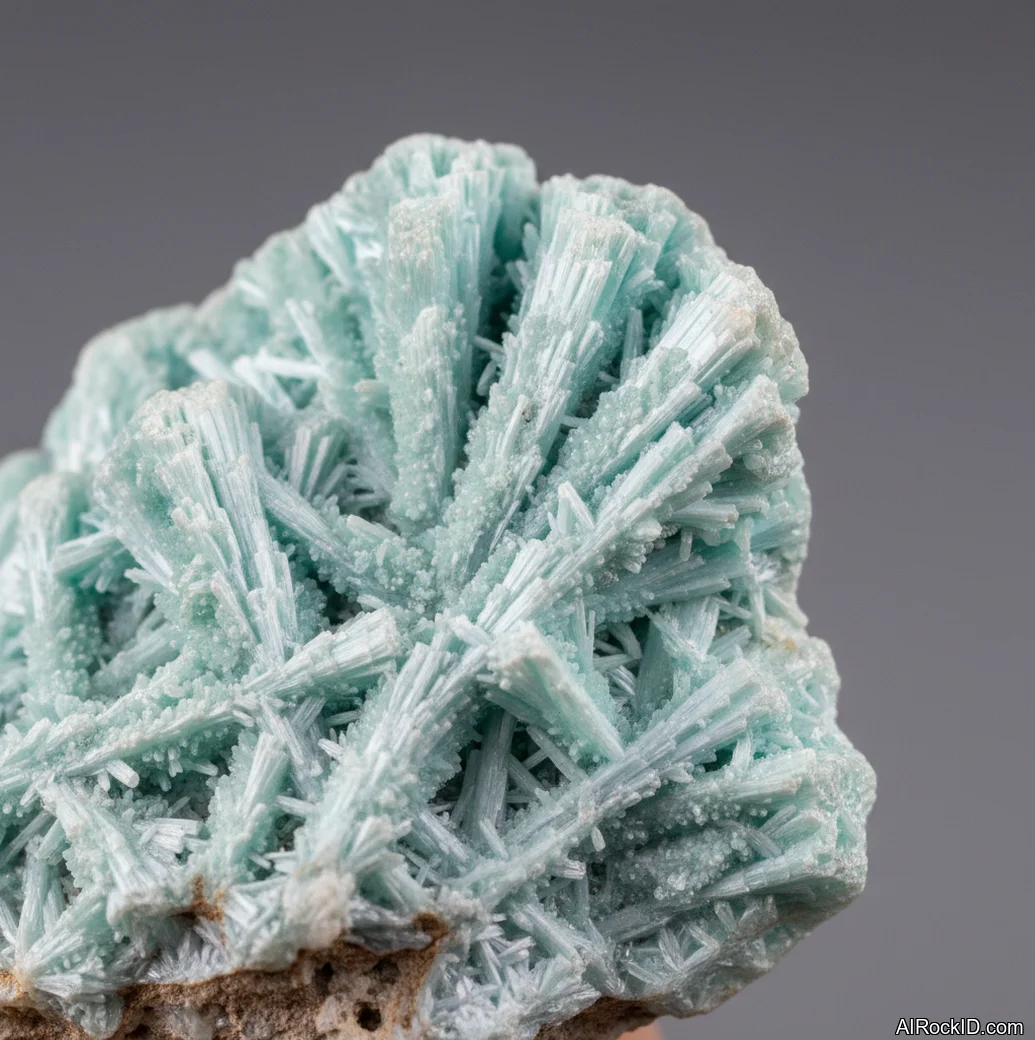
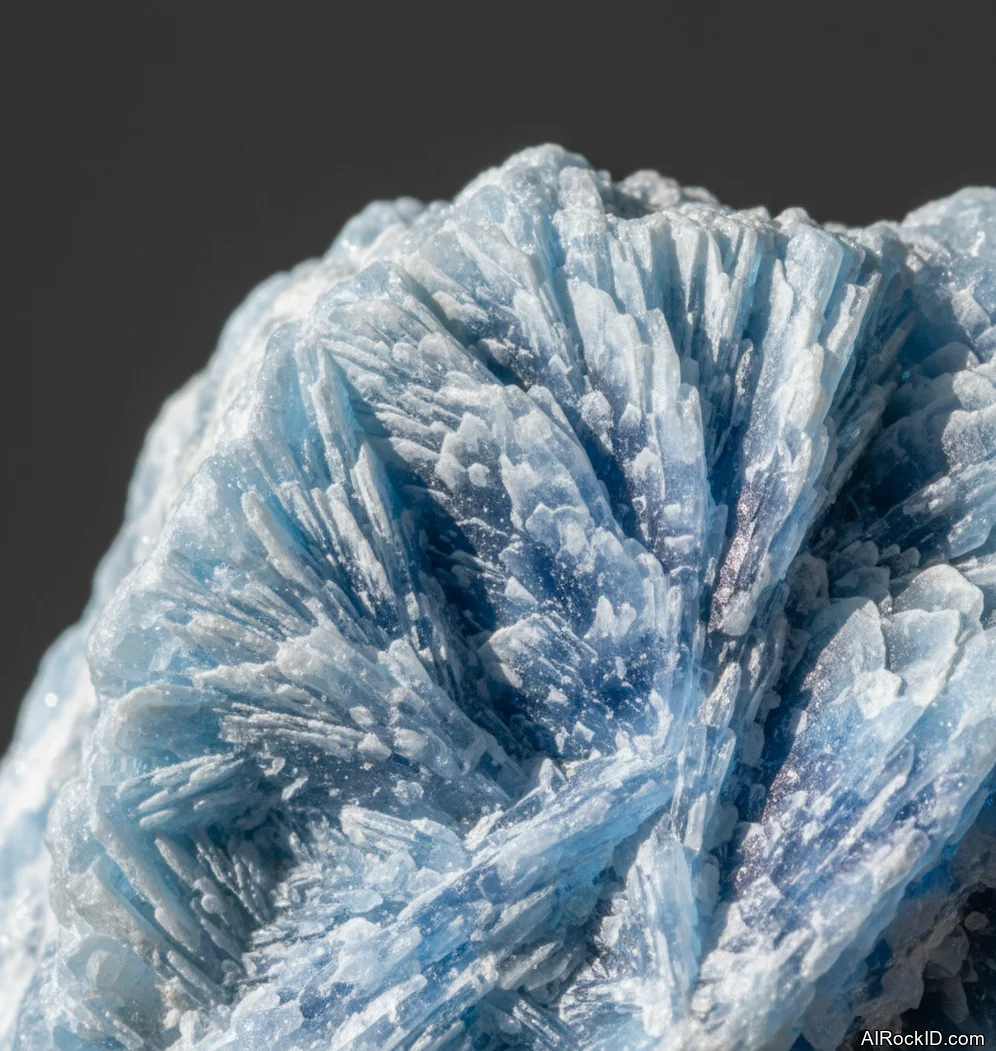
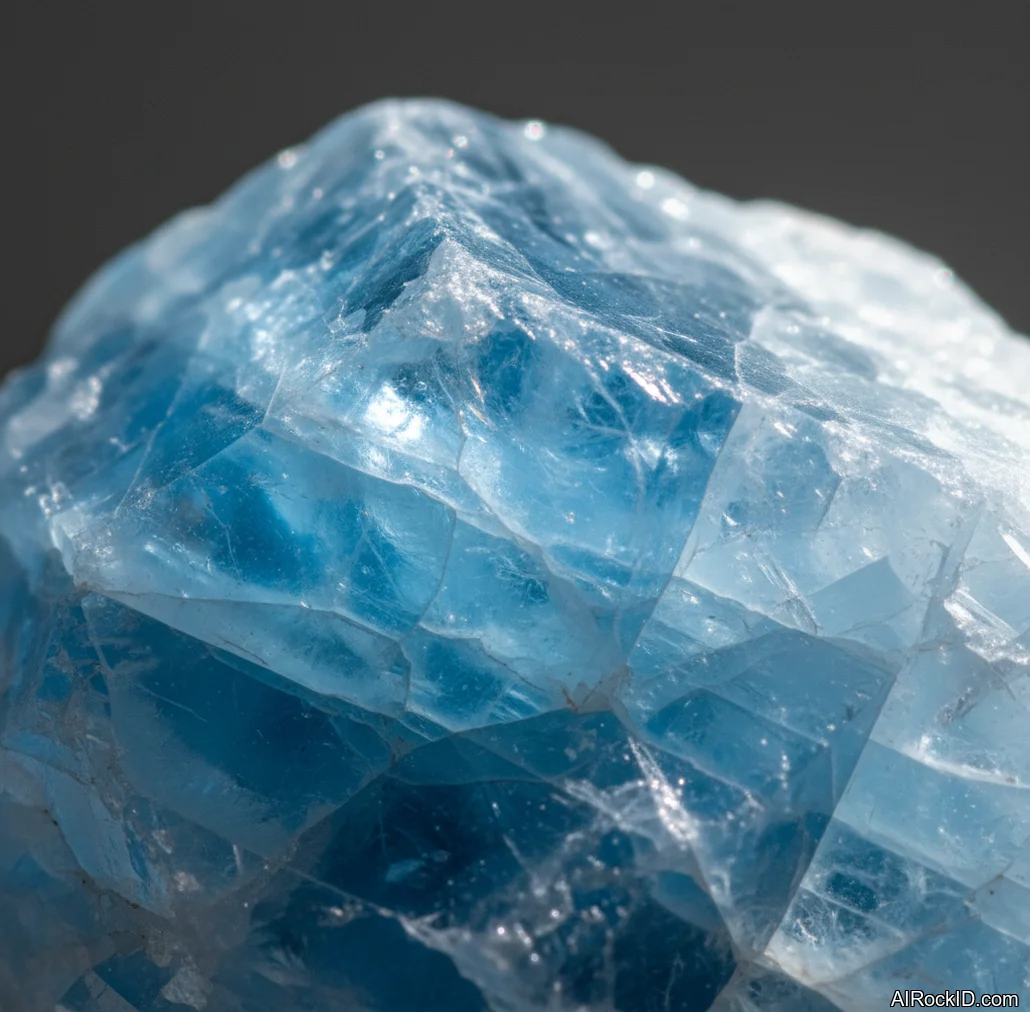
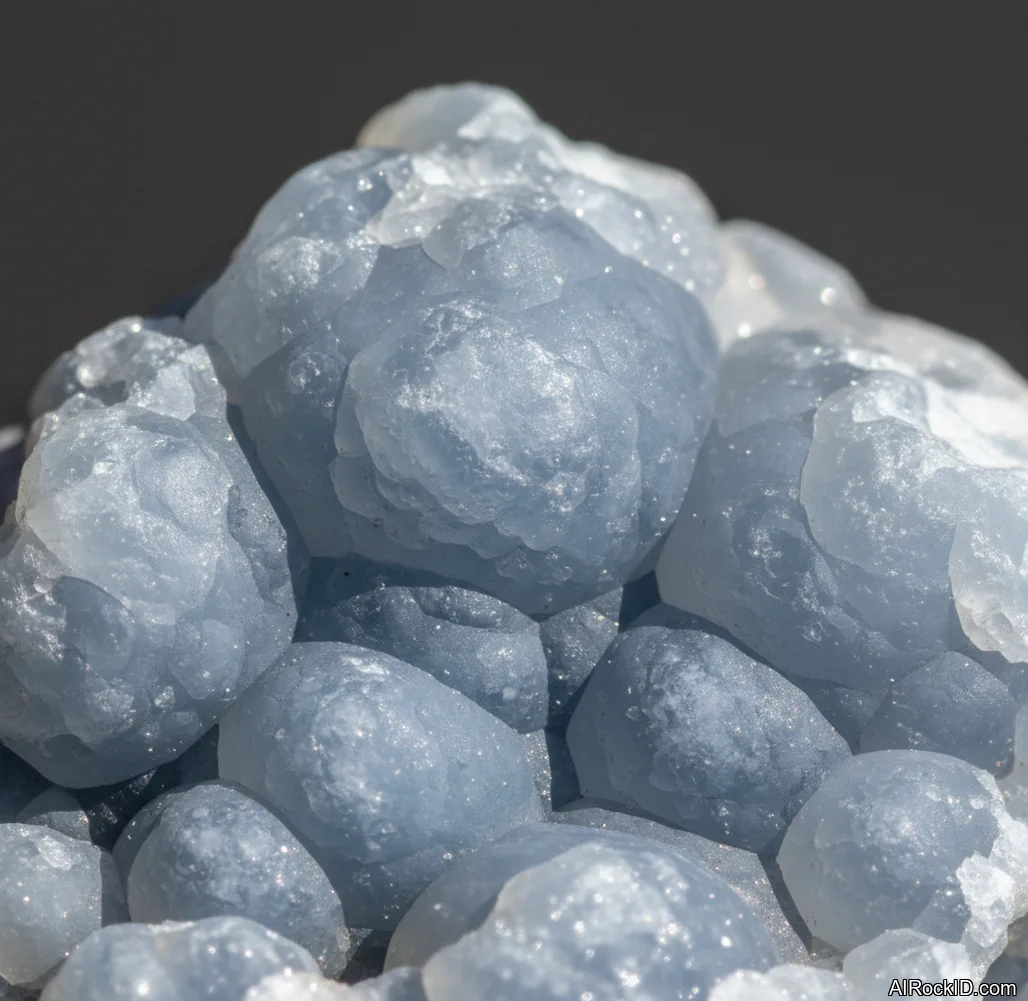
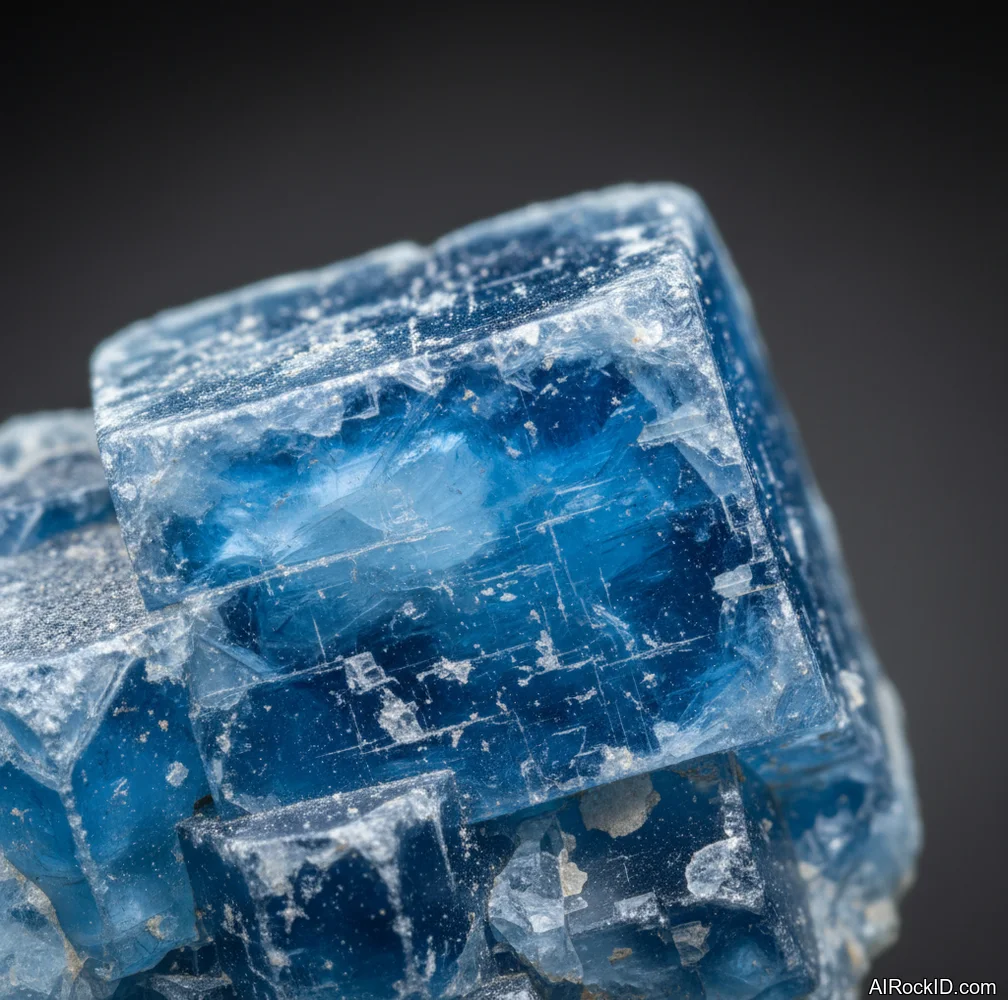
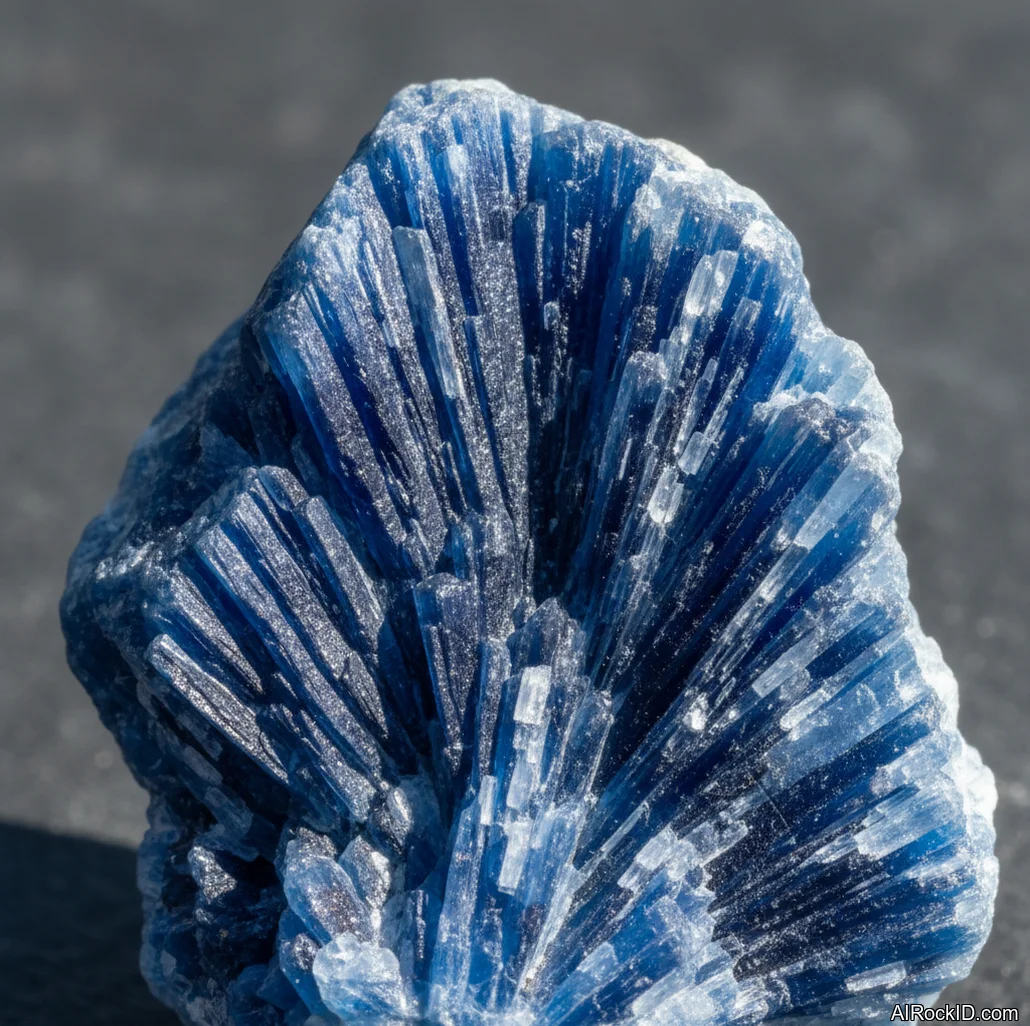
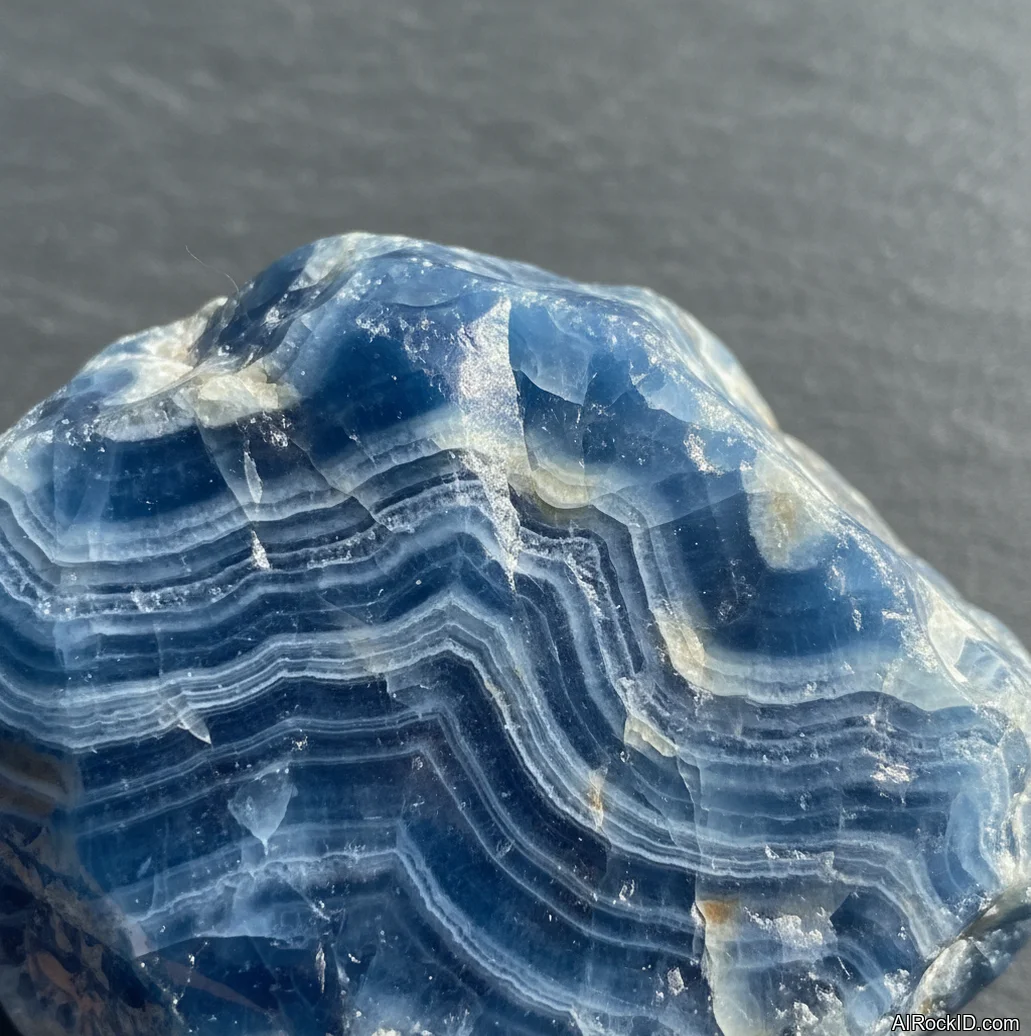
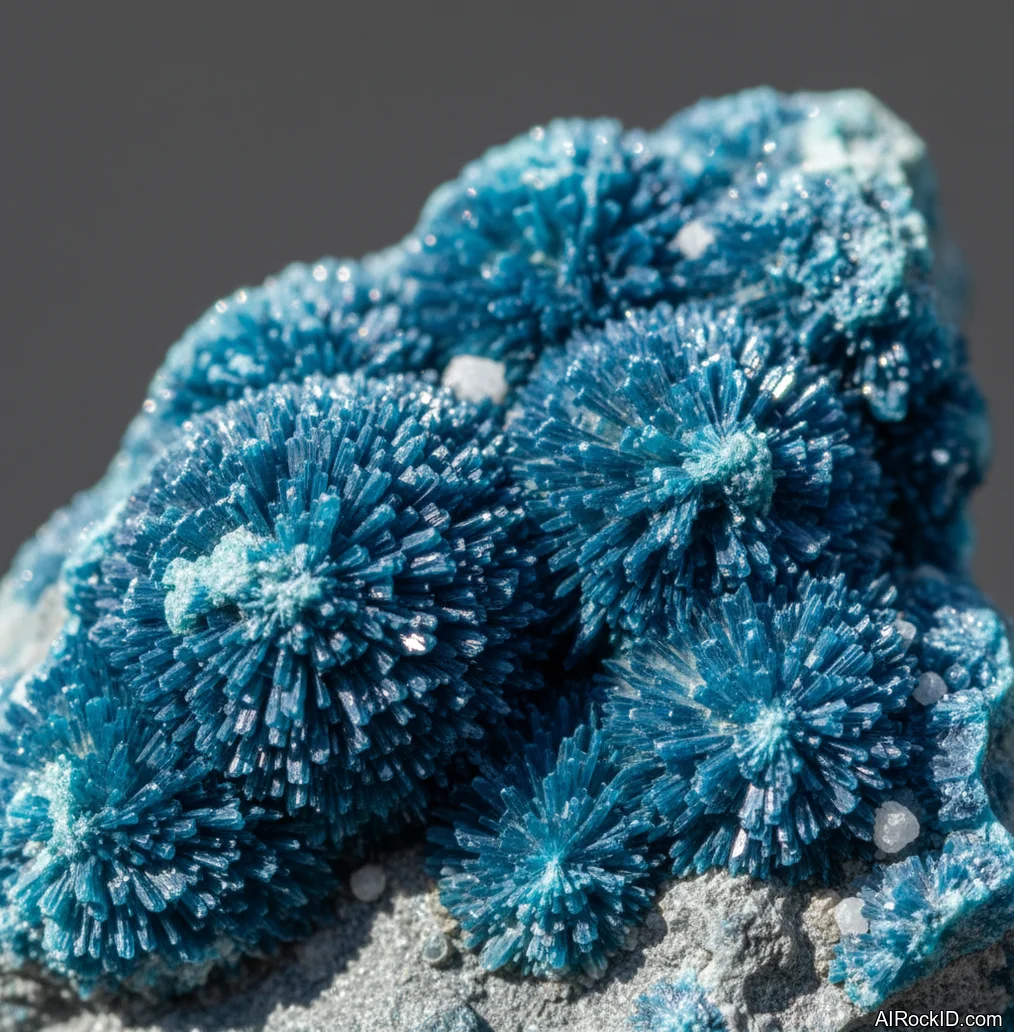
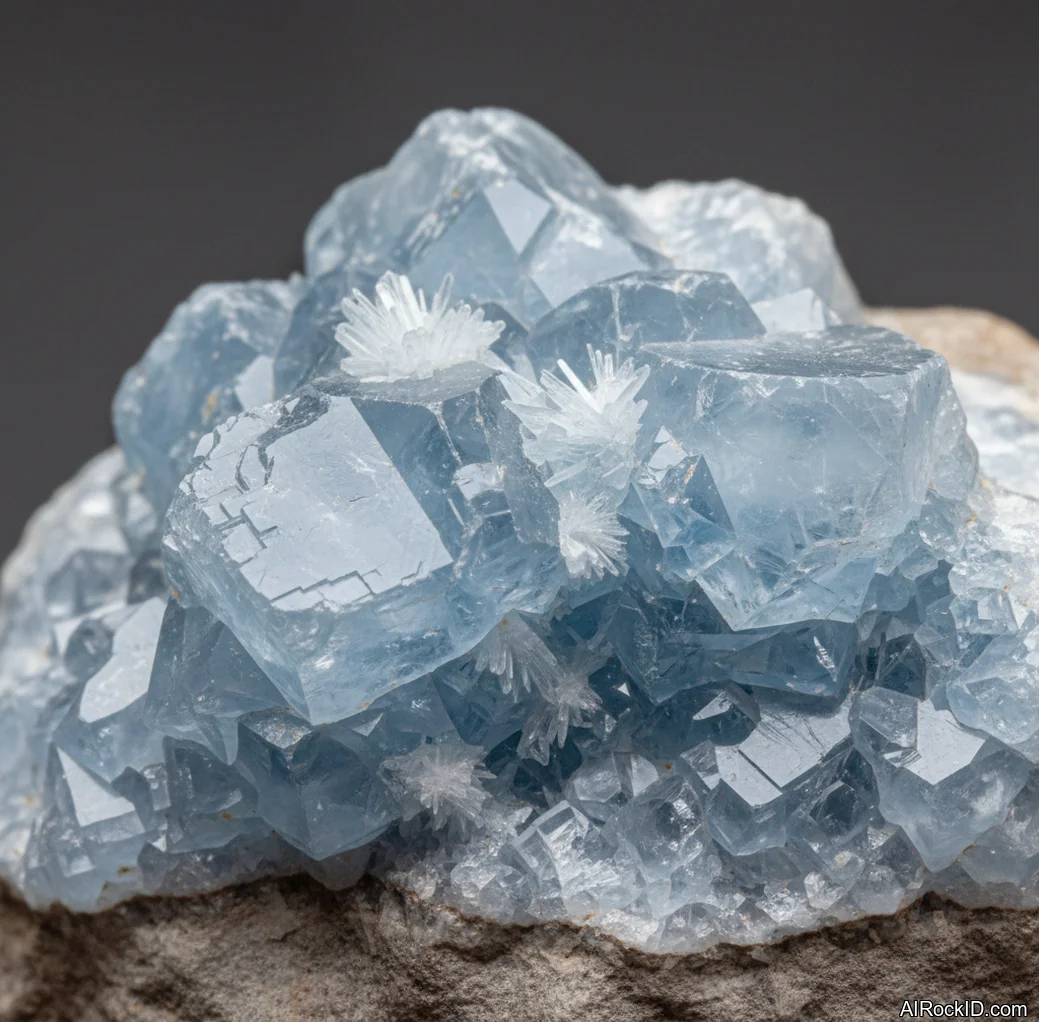
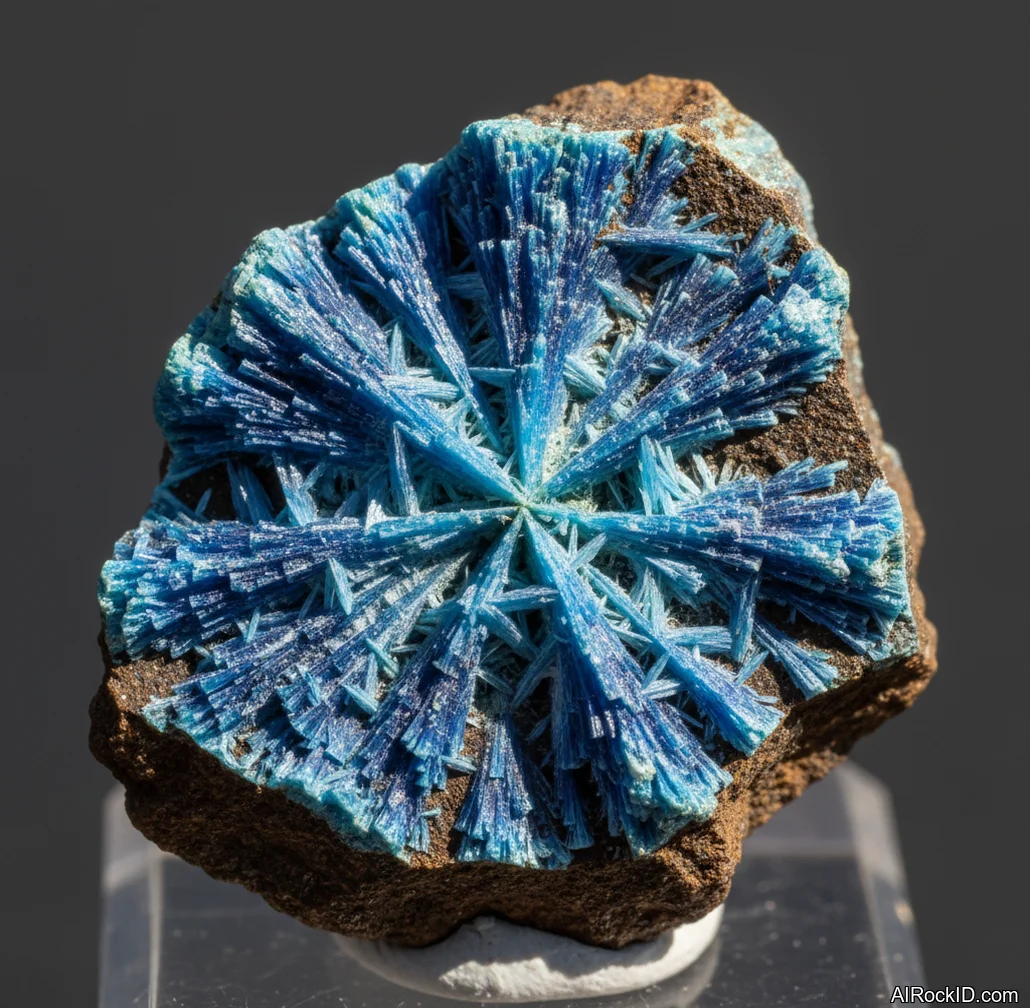
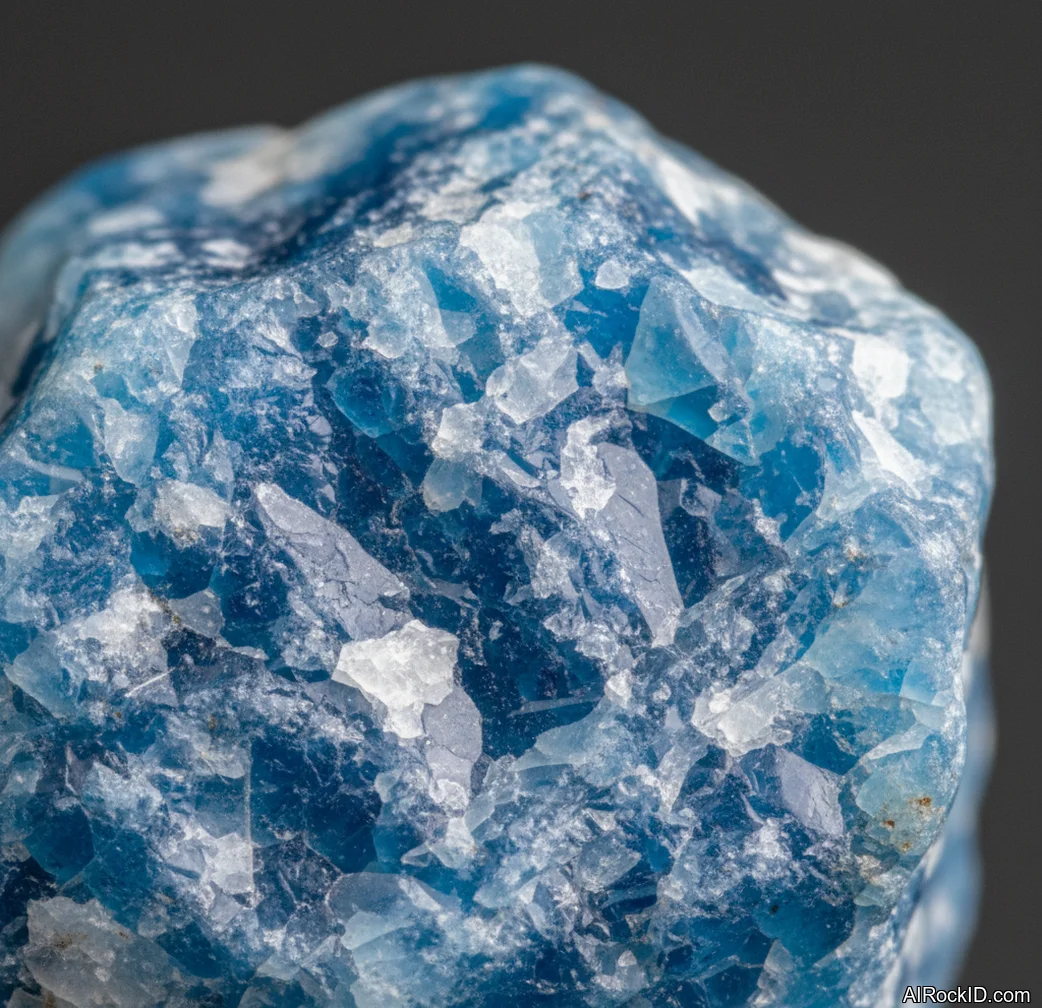
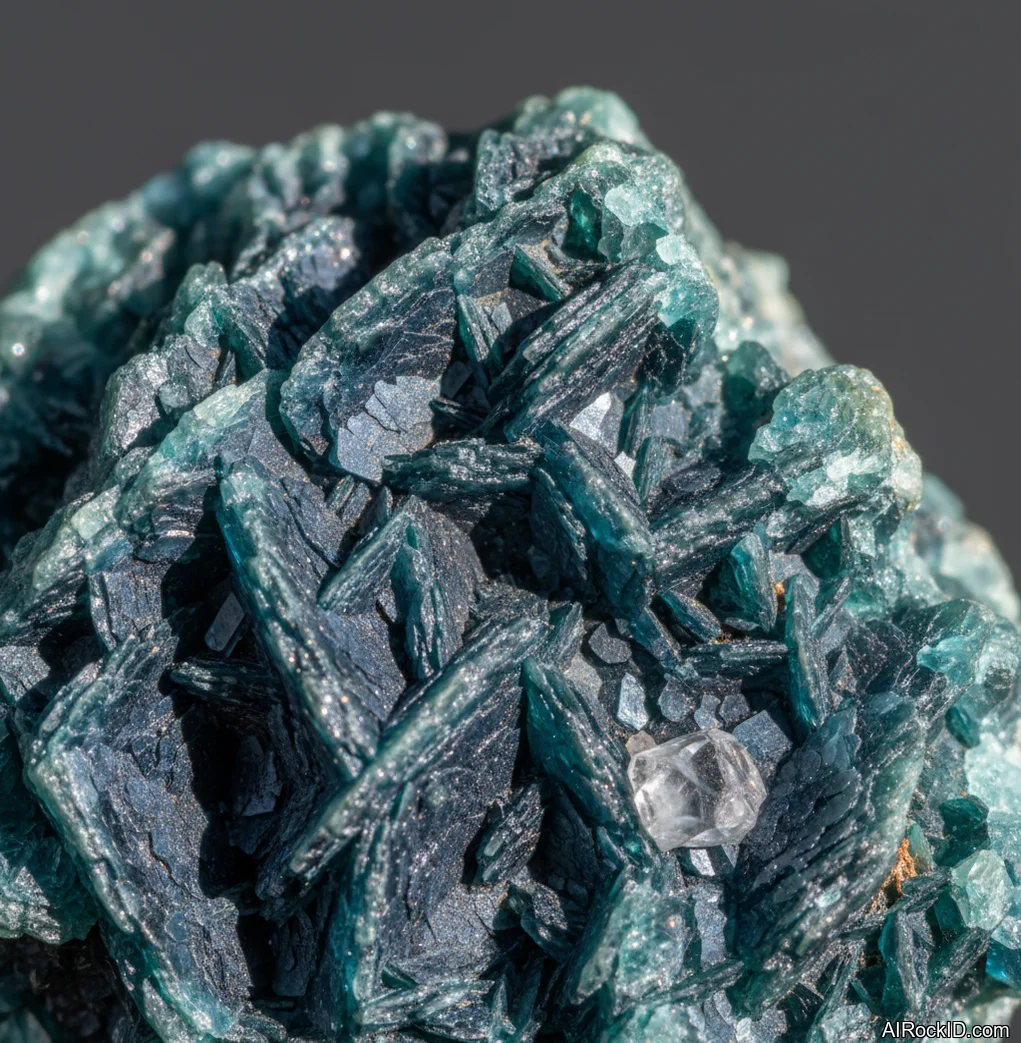
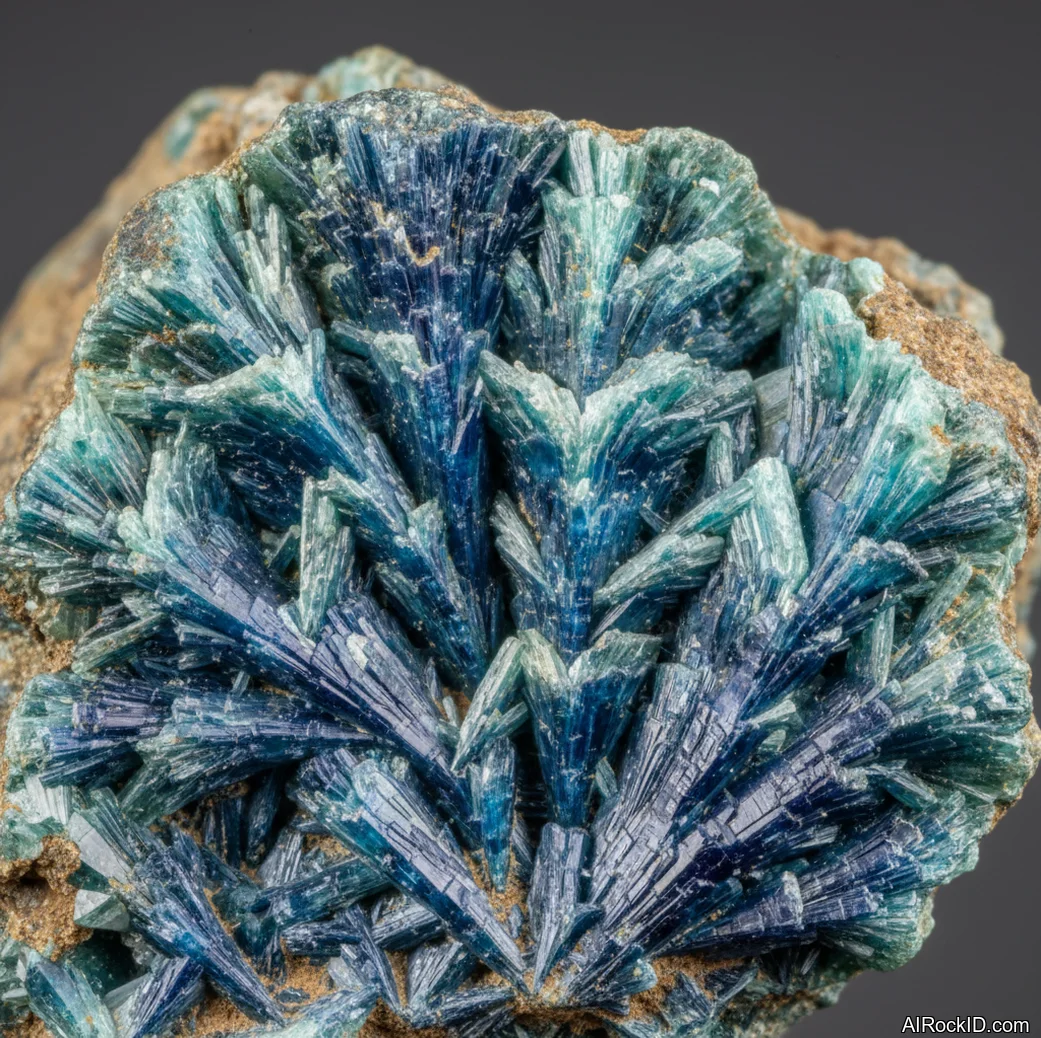
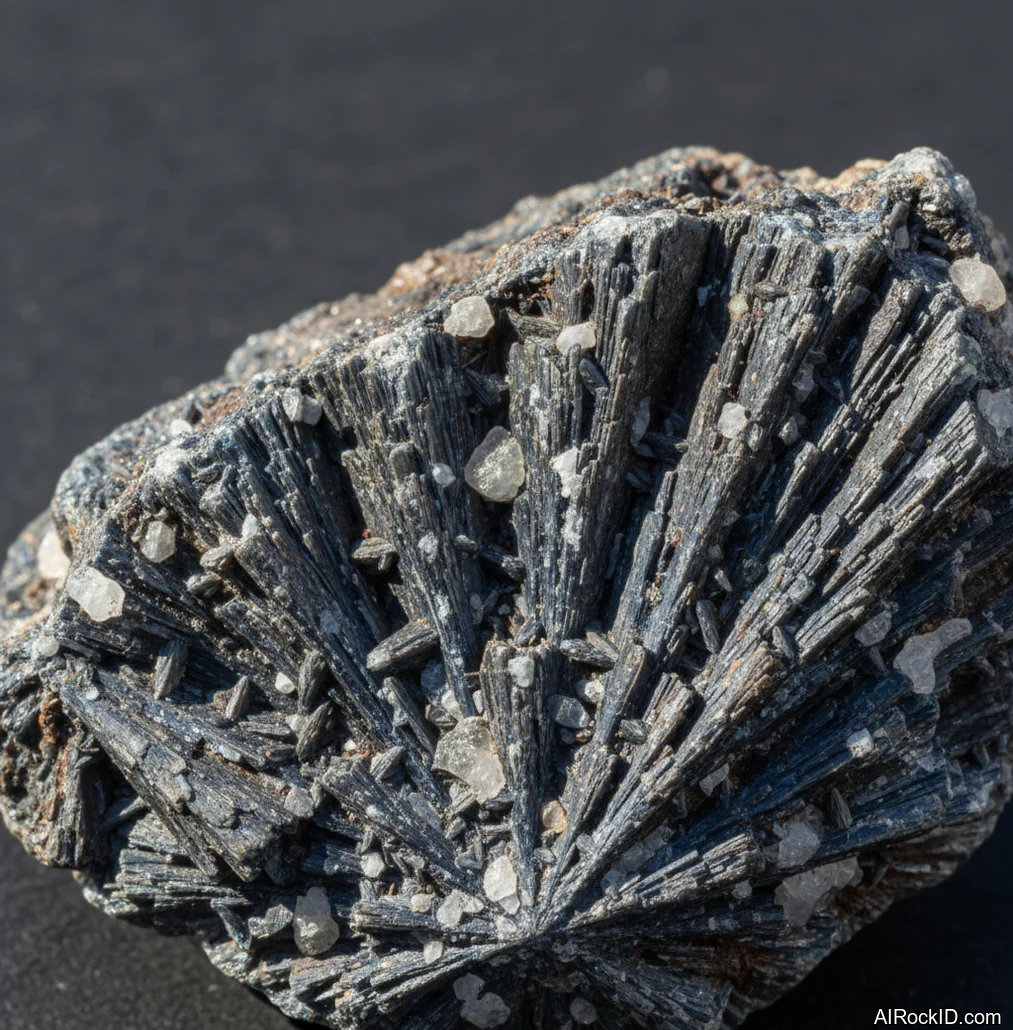
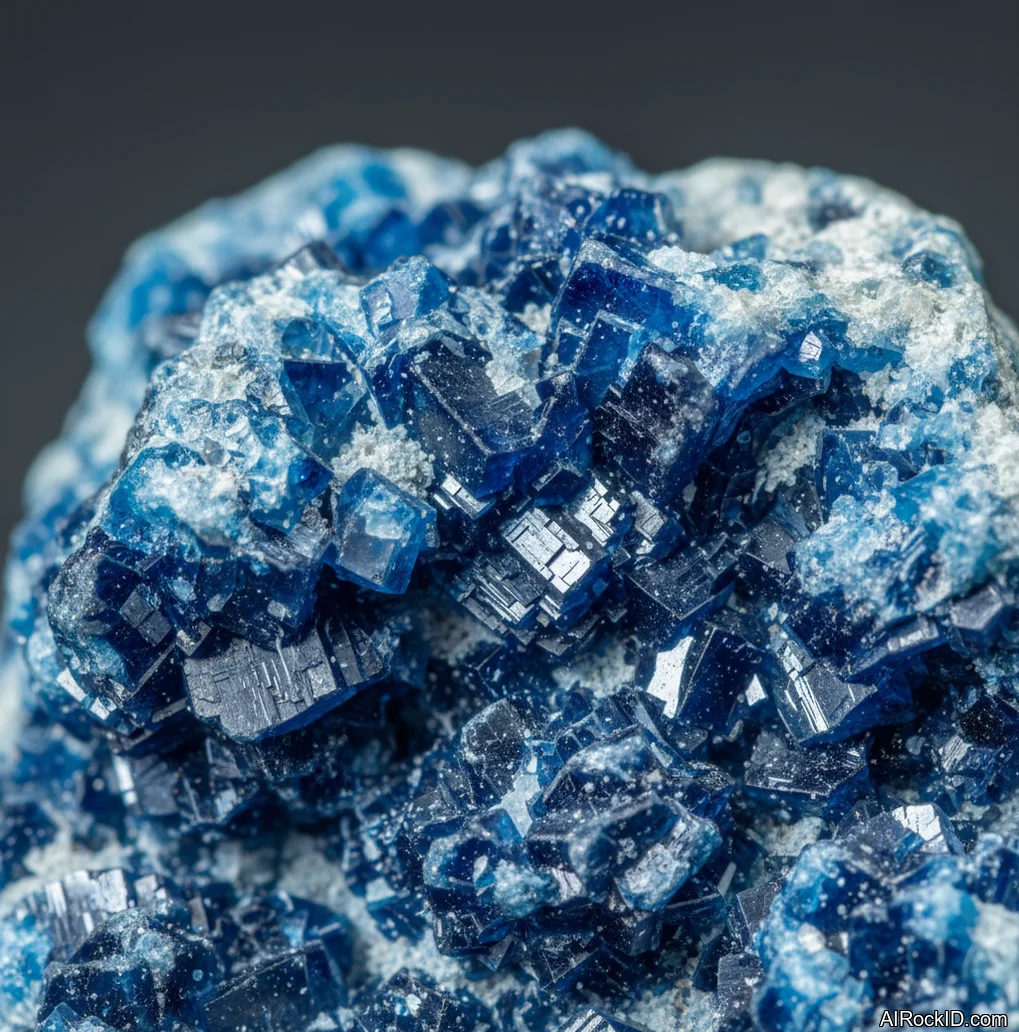
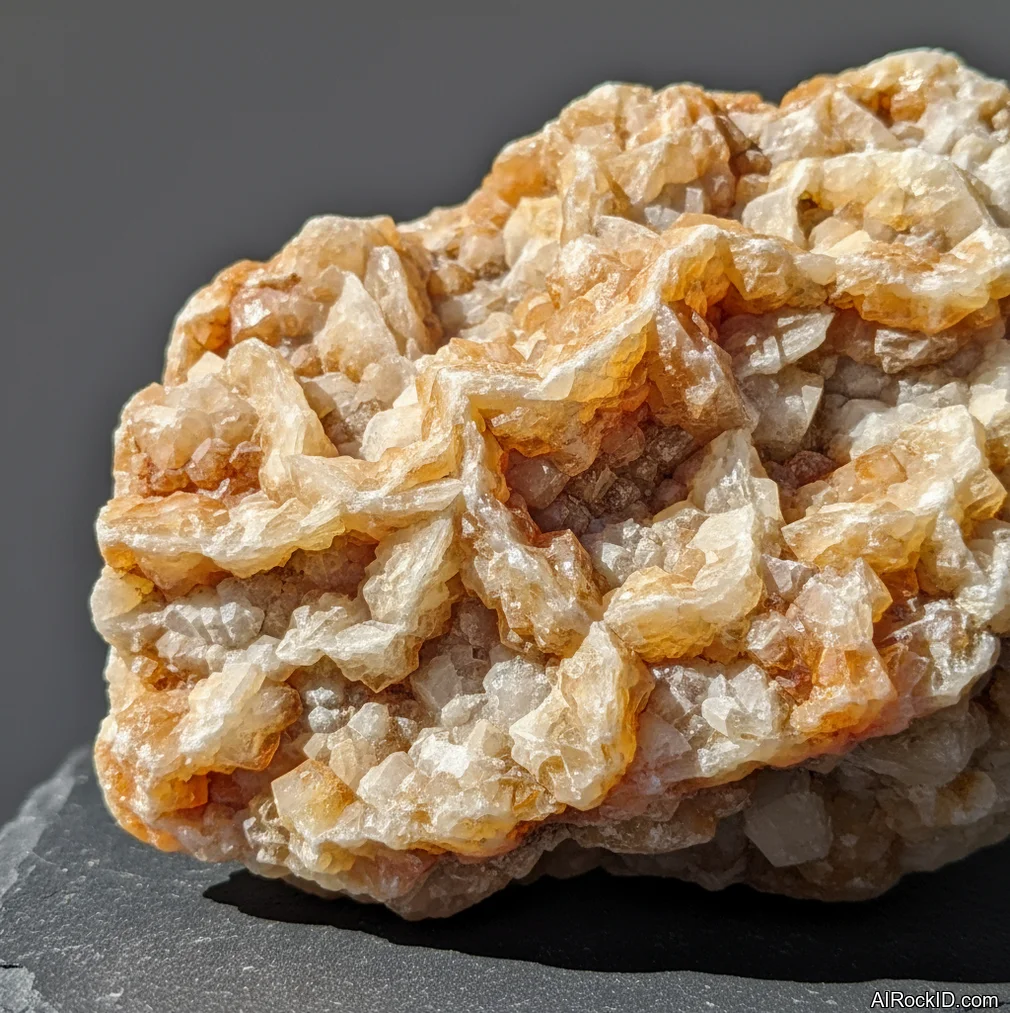
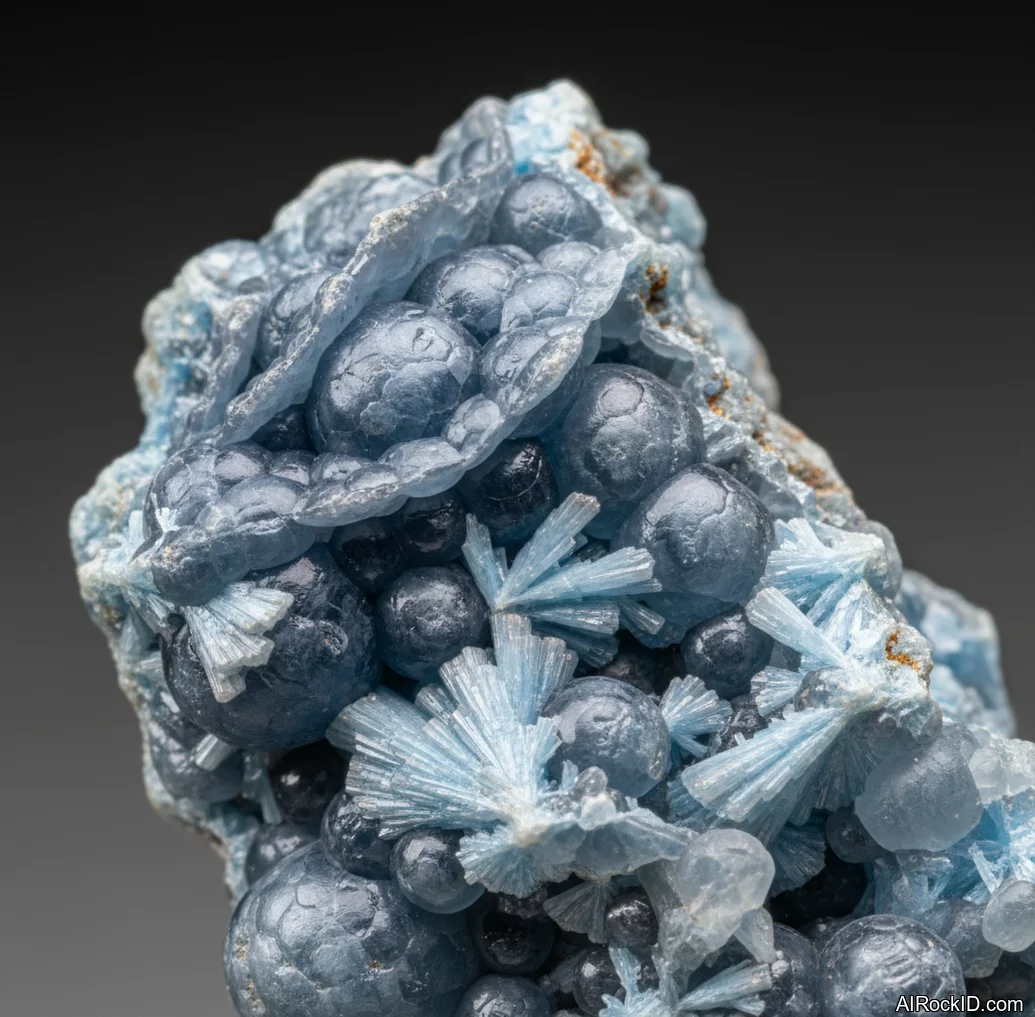
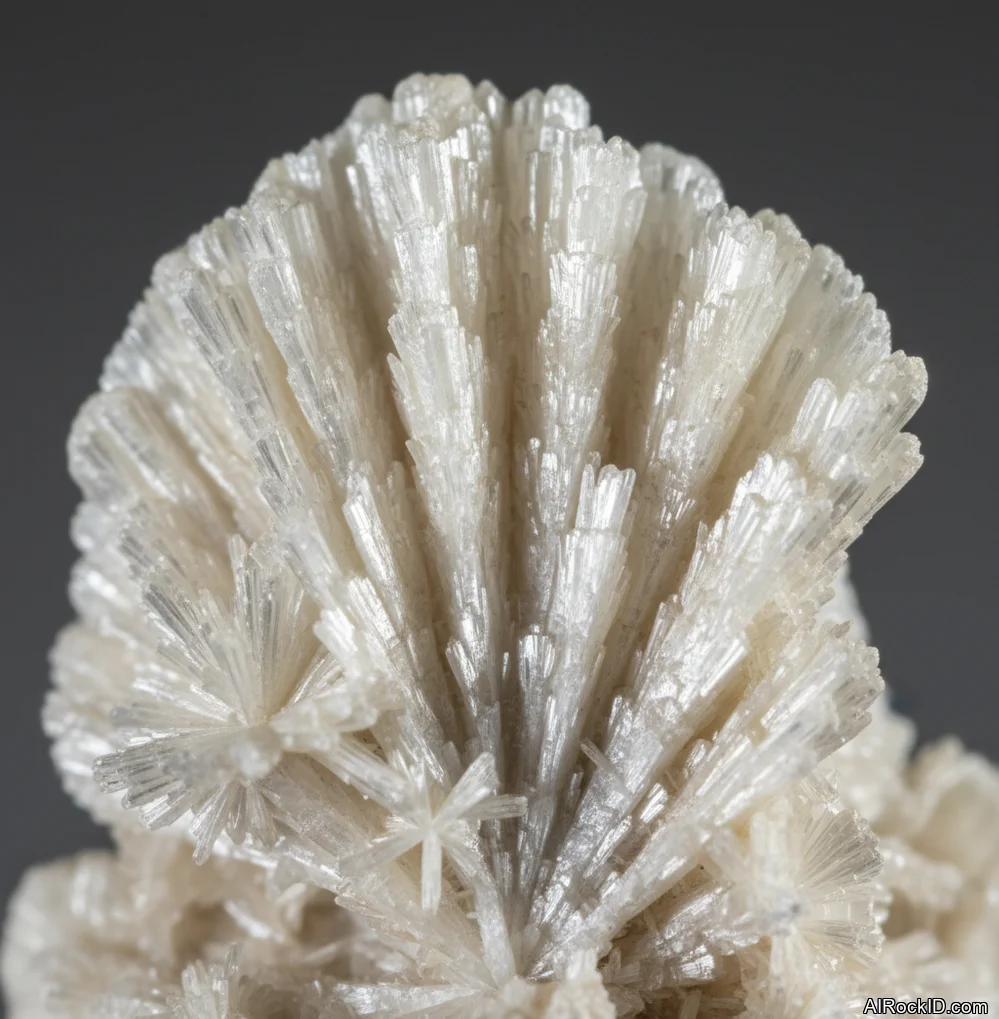
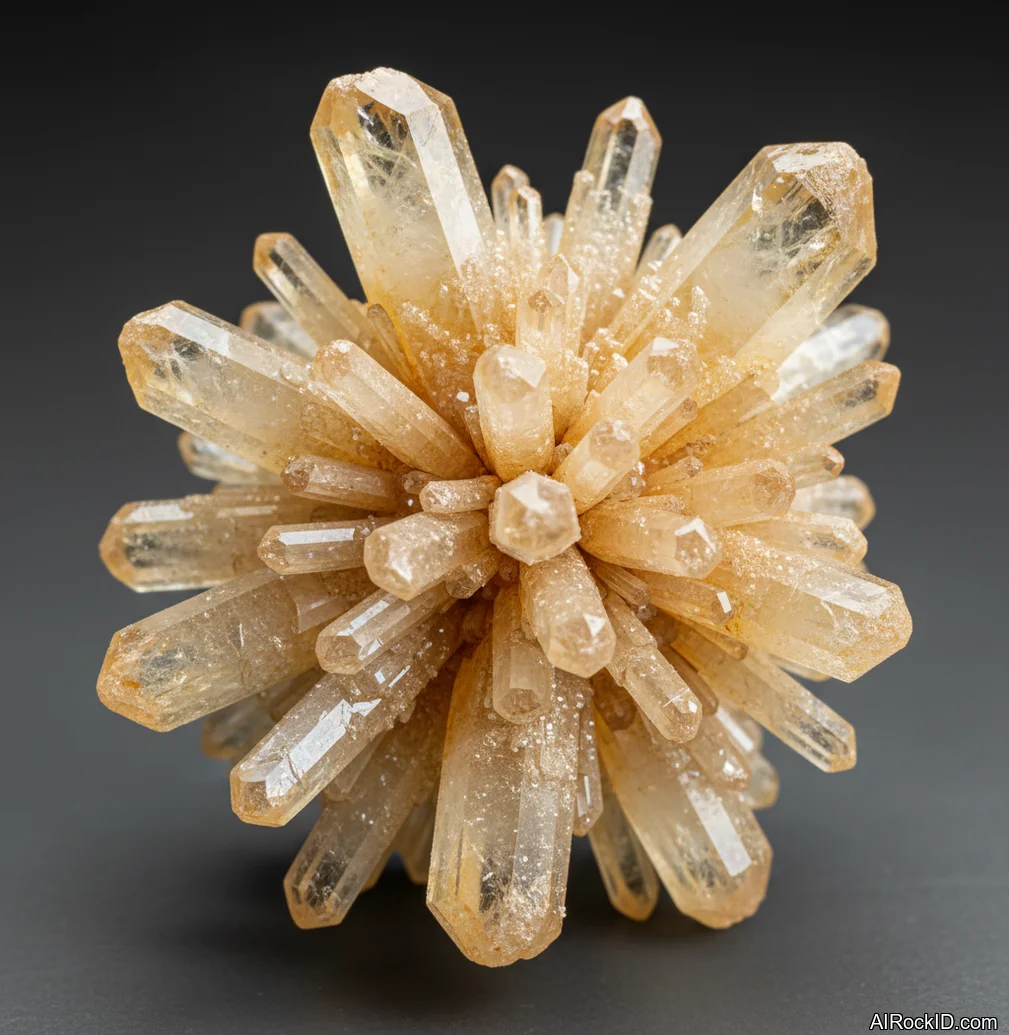
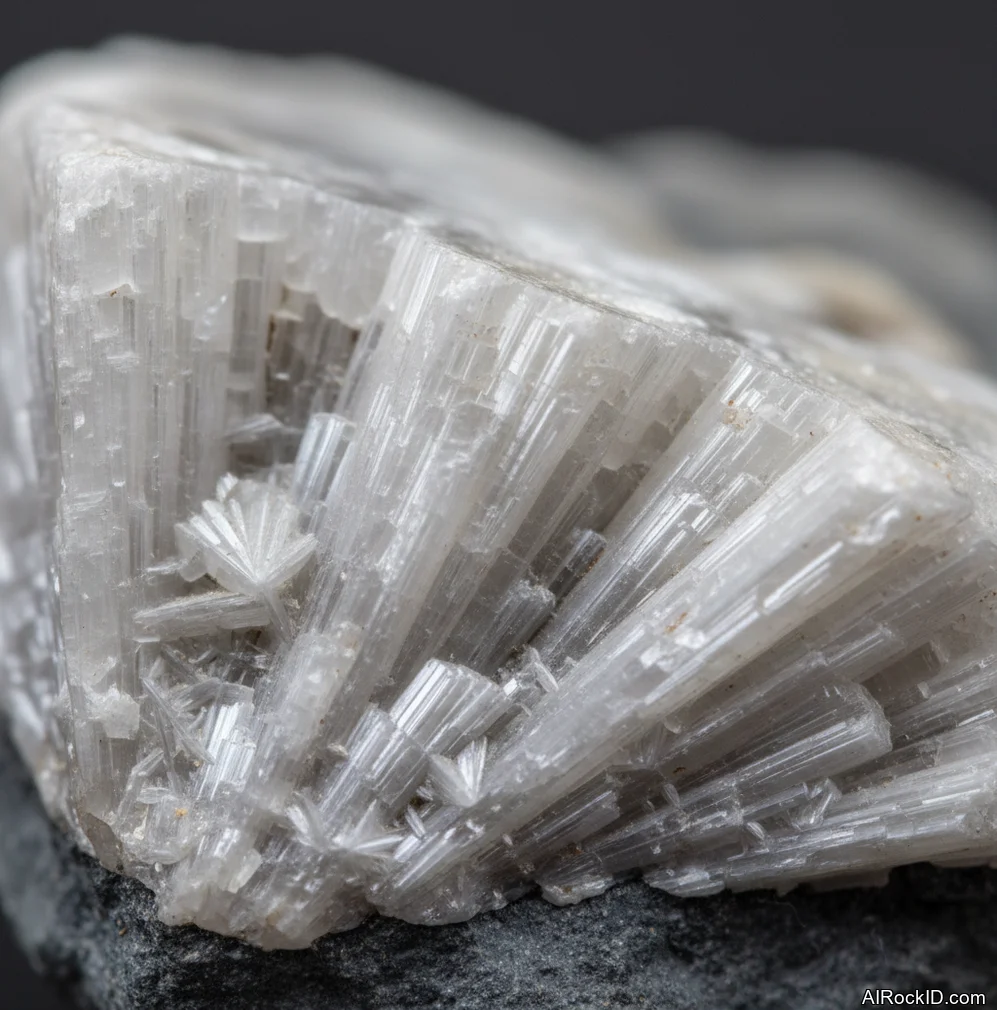
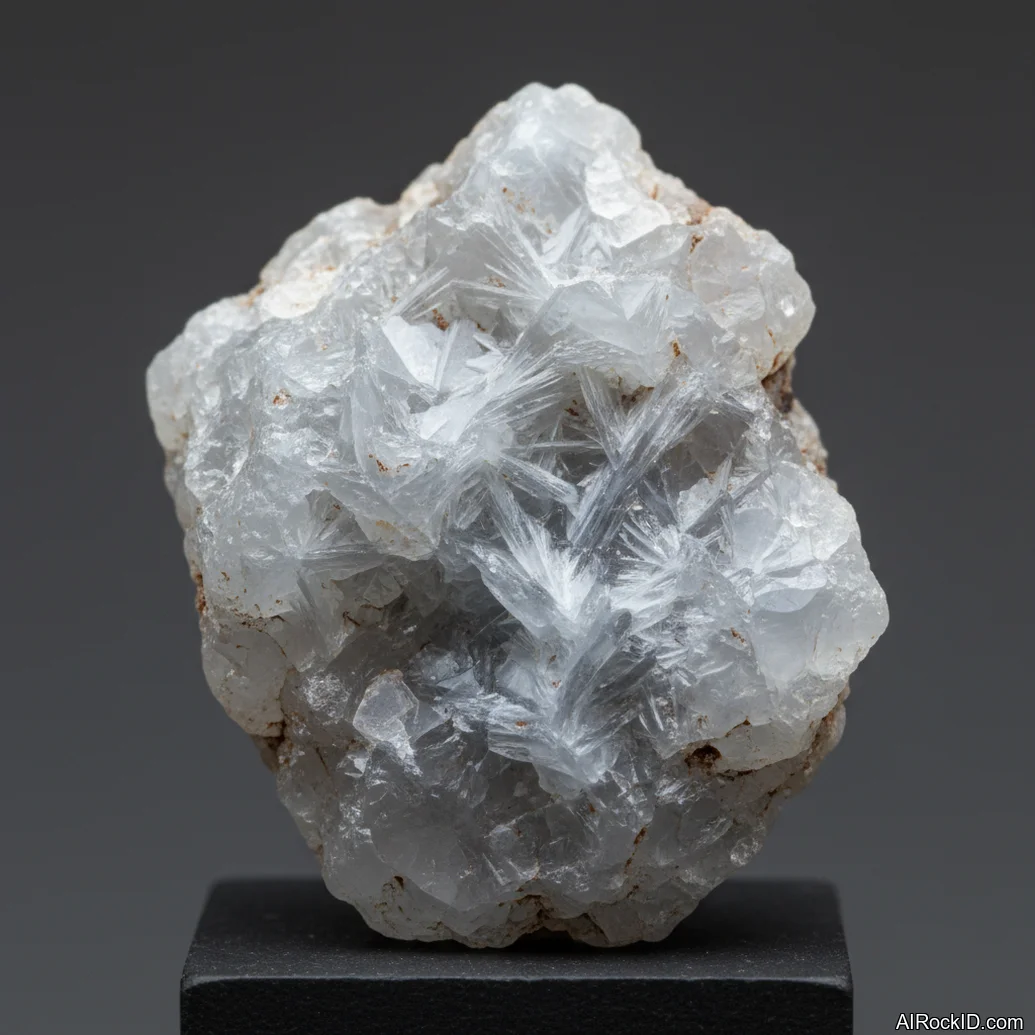
A lot of folks go hunting for Water crystals when emotions feel stuck. Grief. Stress. Burnout. The kind of anxiety that sits in your chest instead of your head. I’ve watched customers drift straight to blue calcite and press it to their cheek without even thinking. Blue calcite has this waxy feel, and it’s soft (Mohs 3), so it warms faster than quartz, almost like it’s “softer” in the hand too. Others want something that feels like a deep exhale, and that’s where aquamarine, larimar, and celestite come up a lot. Celestite clusters look like frozen sugar, but the crystals bruise if you knock them around, so it’s usually a leave-it-at-home piece.
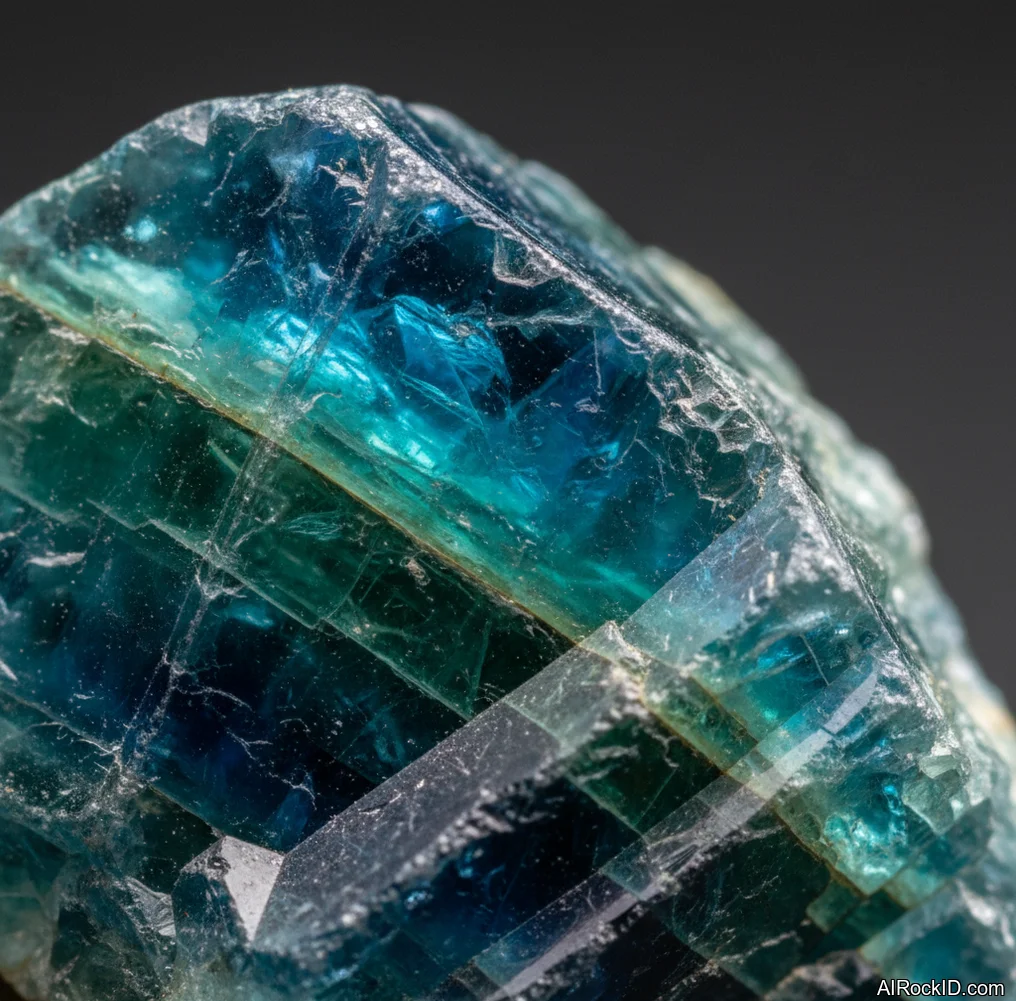
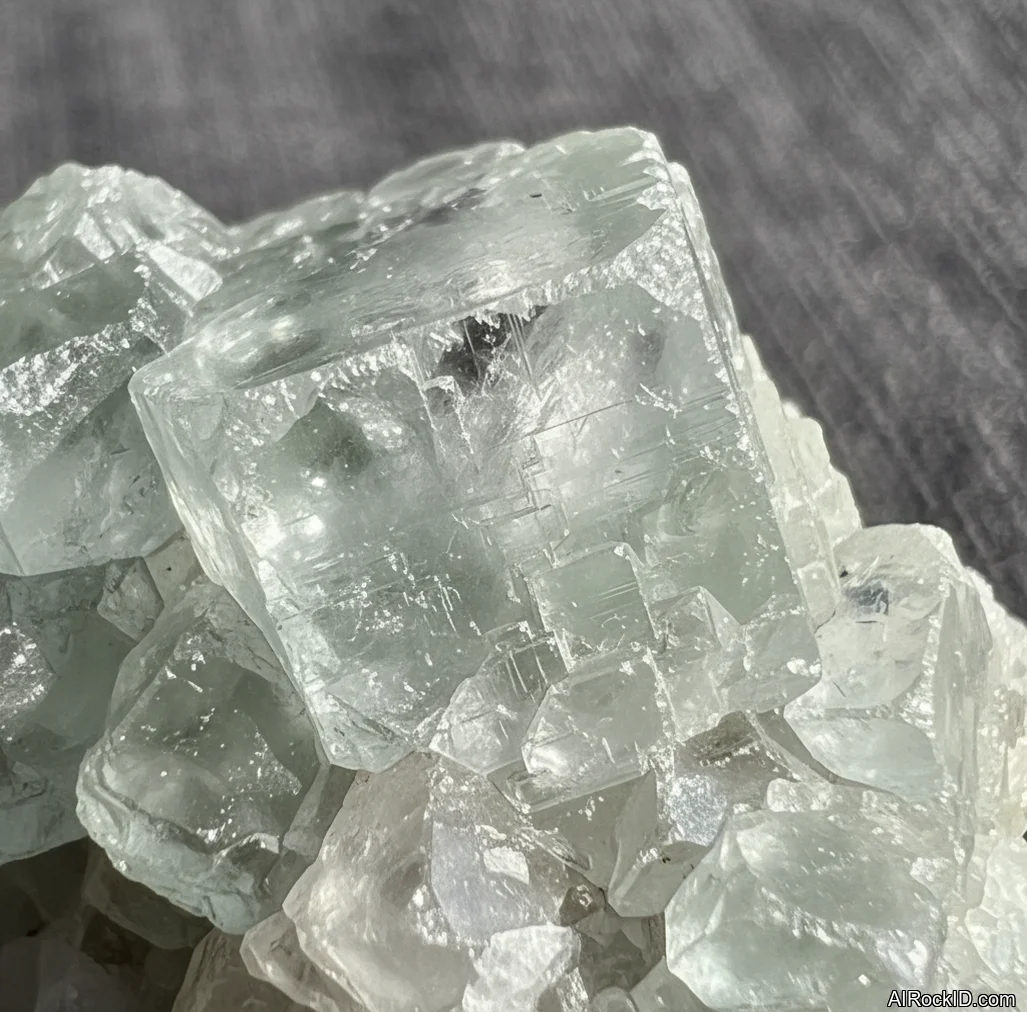
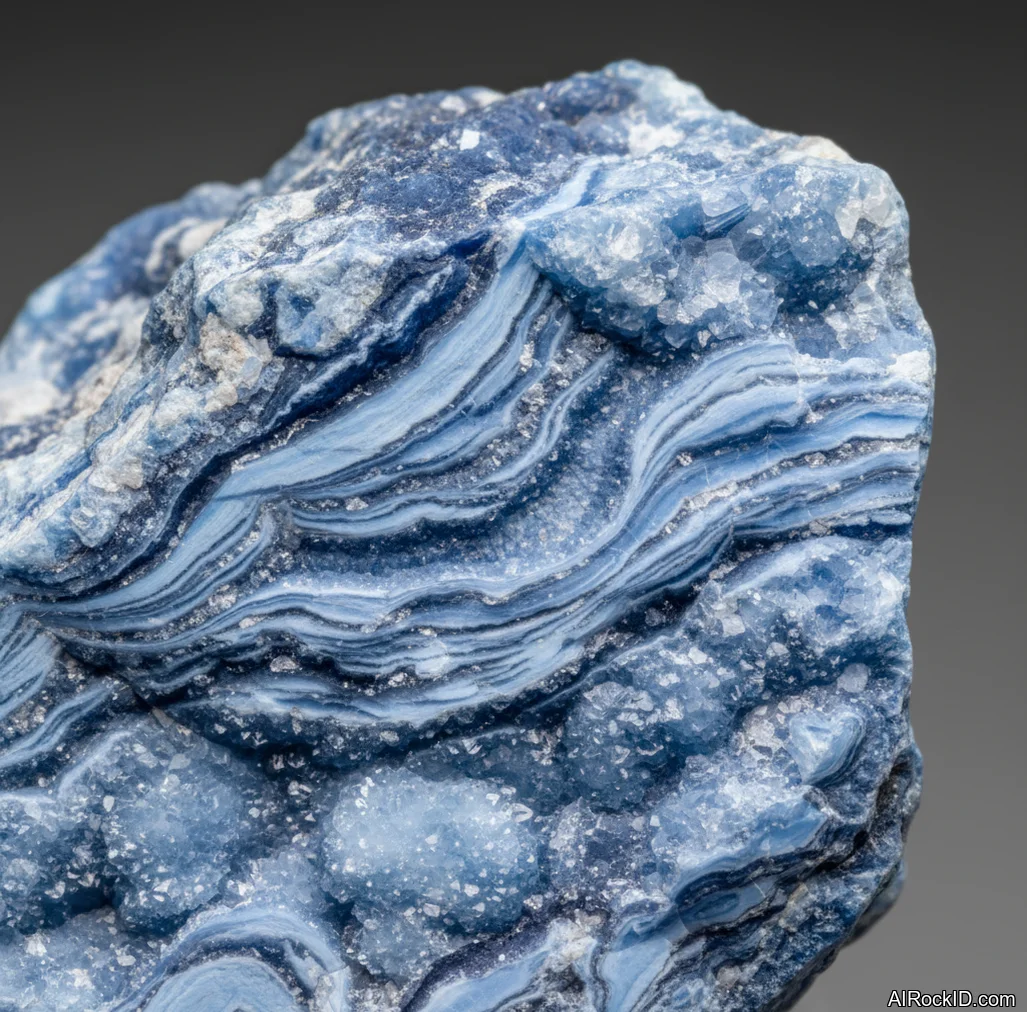
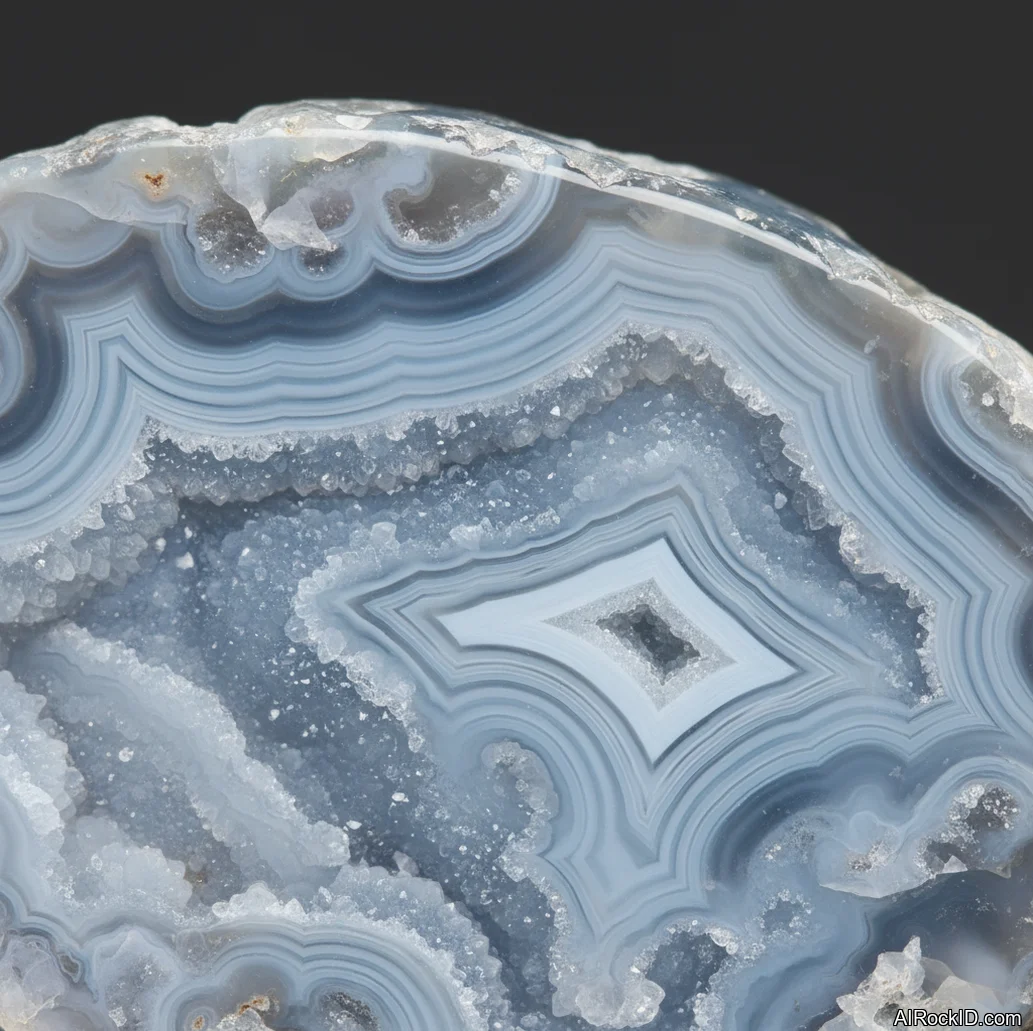
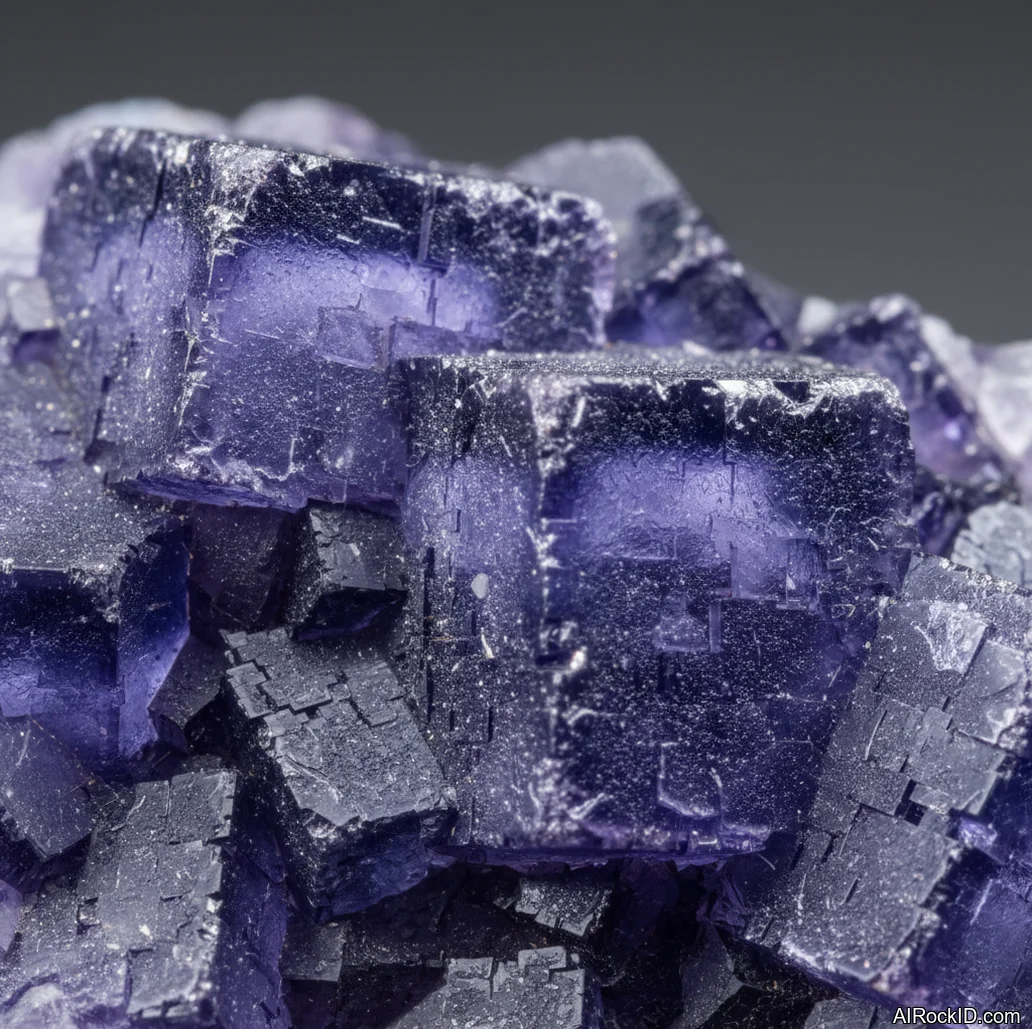
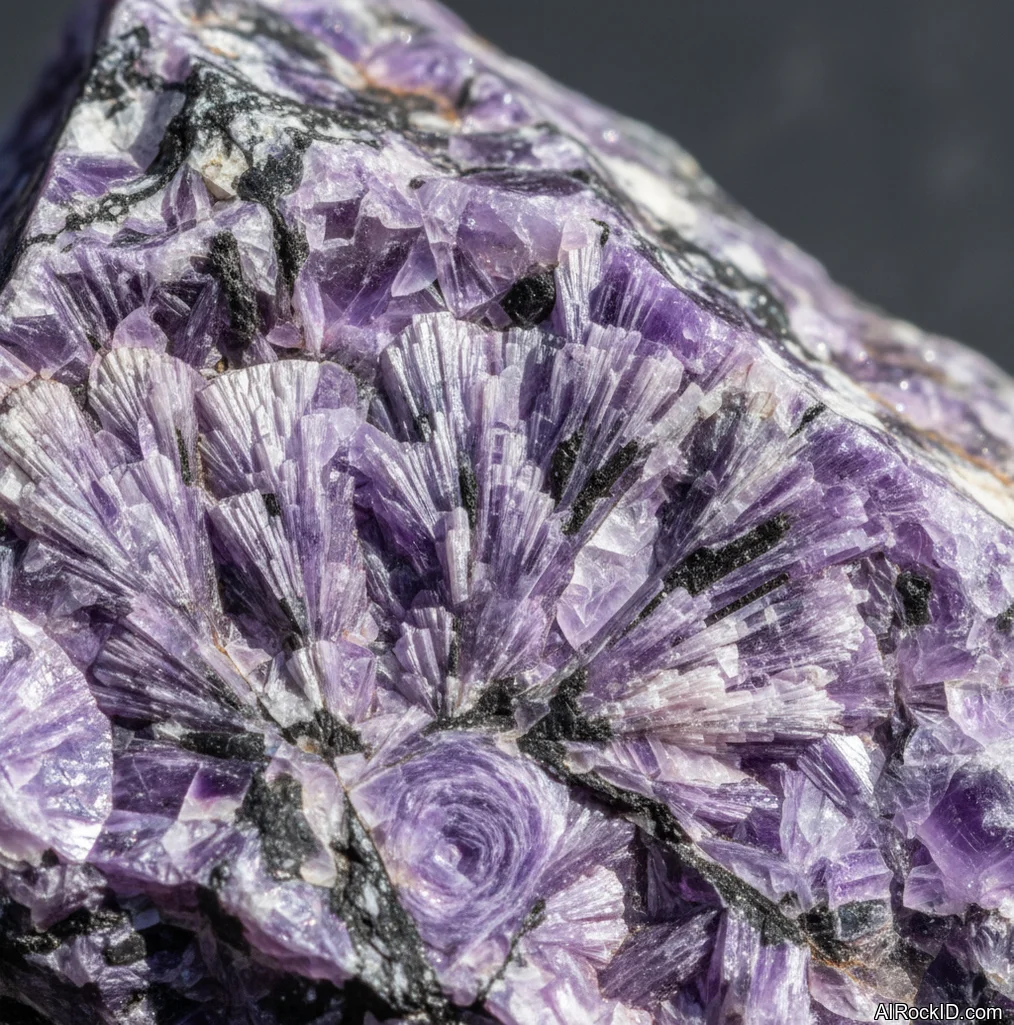
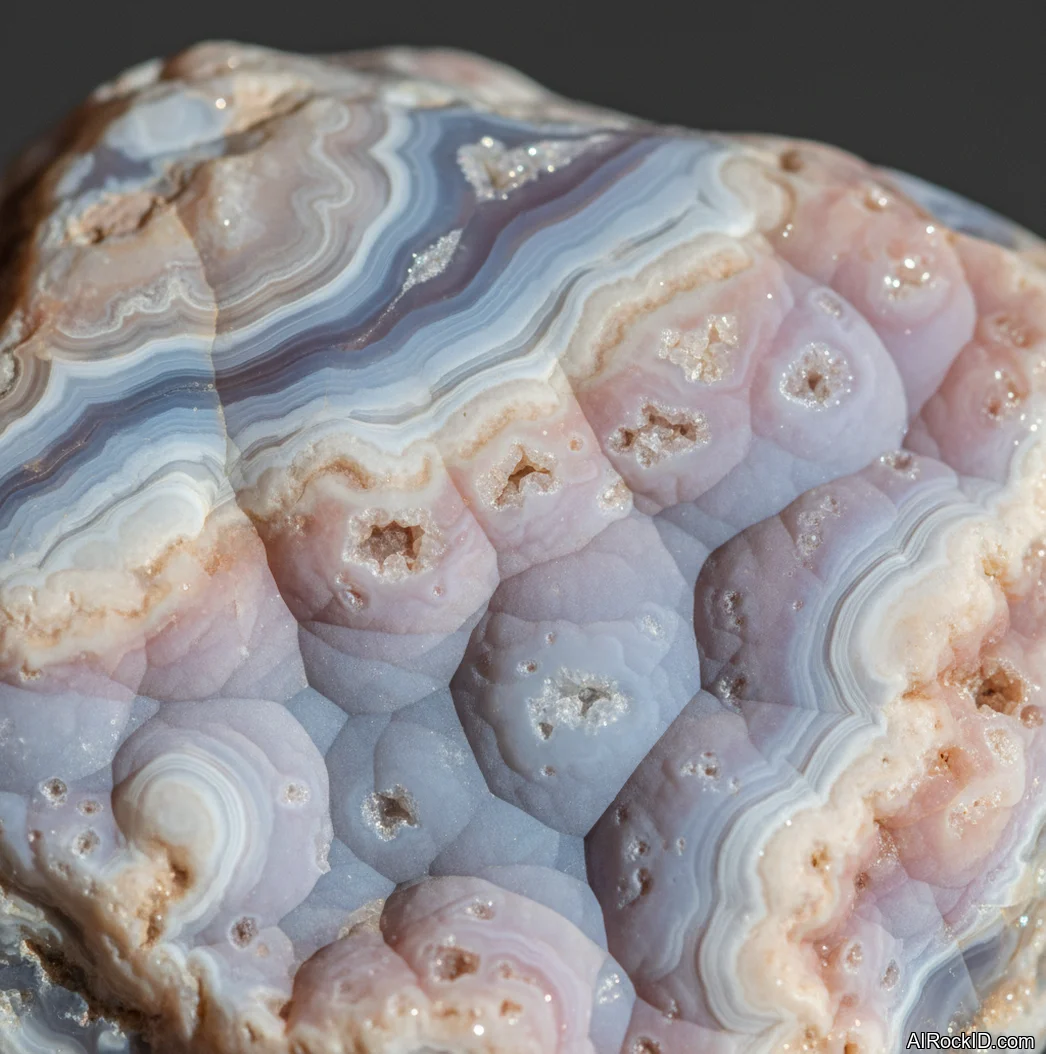
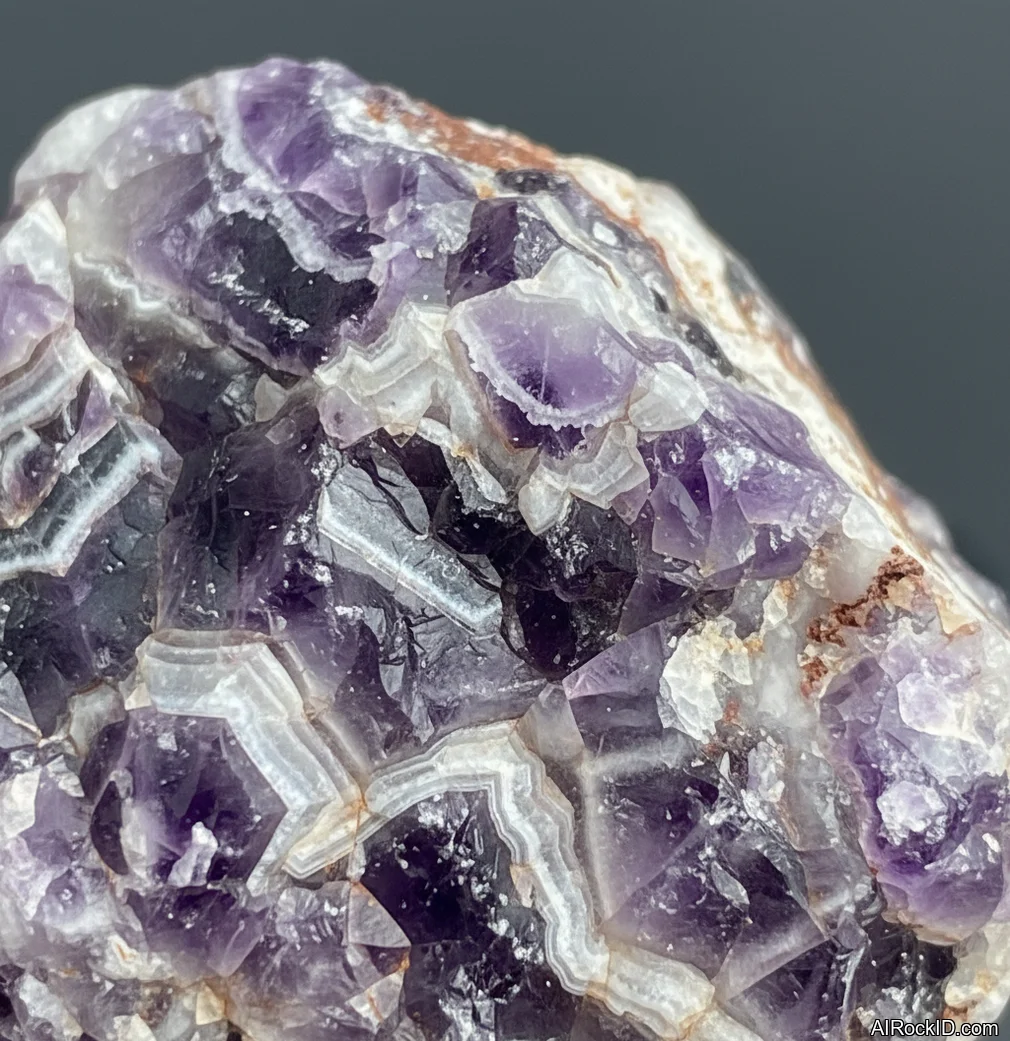
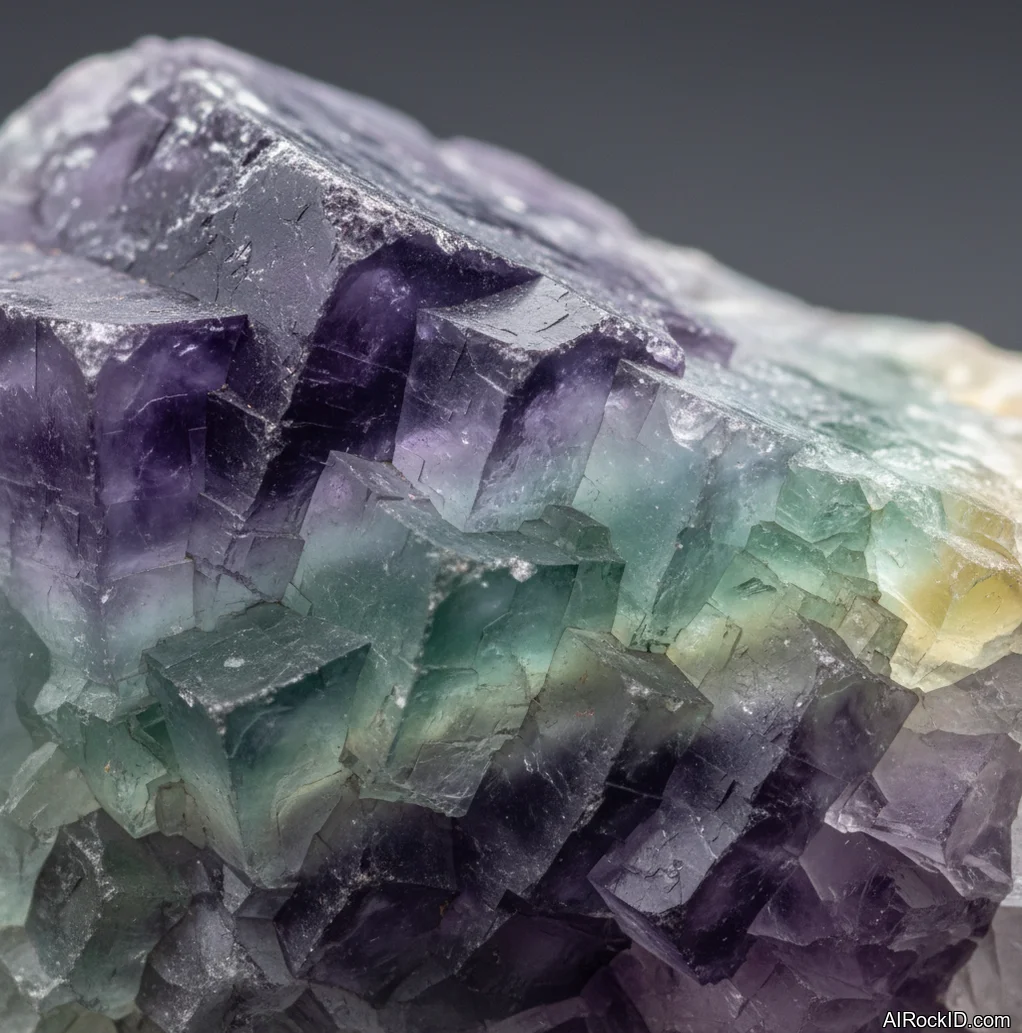
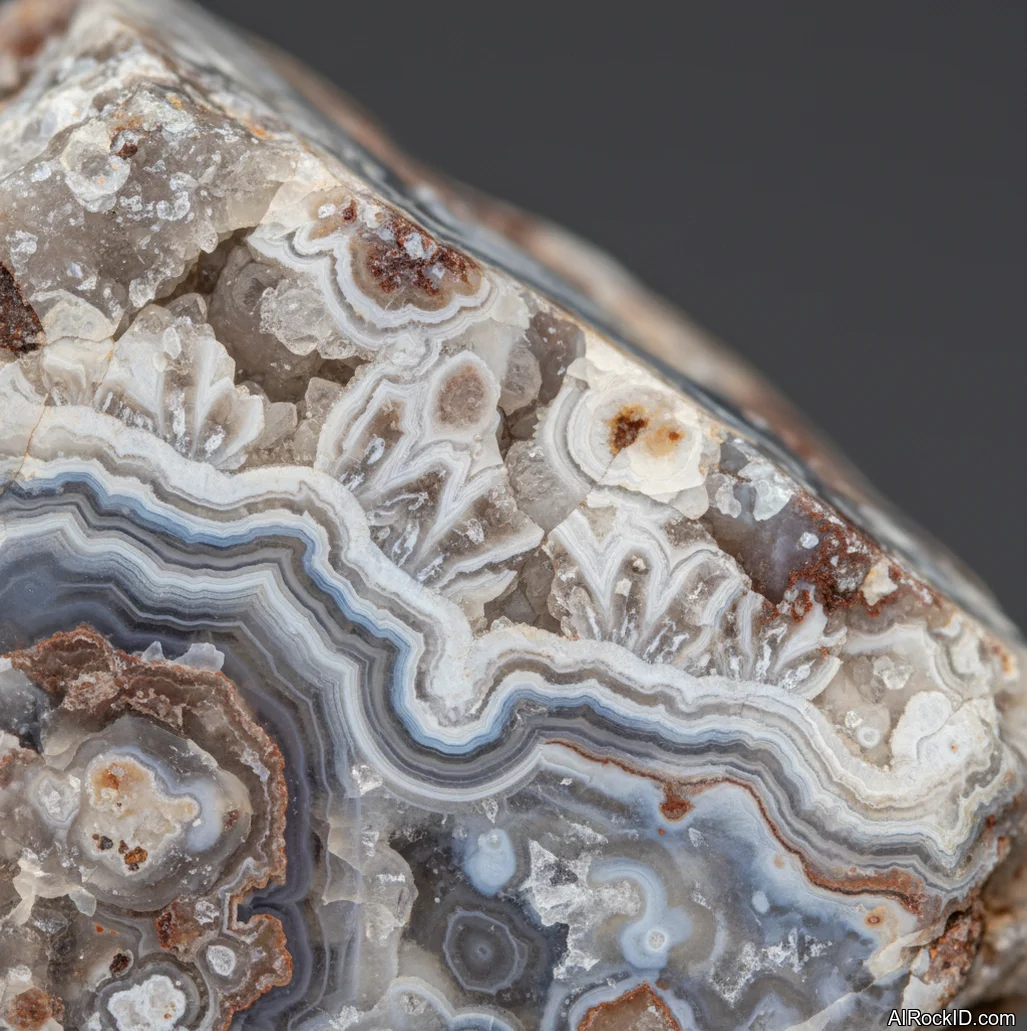
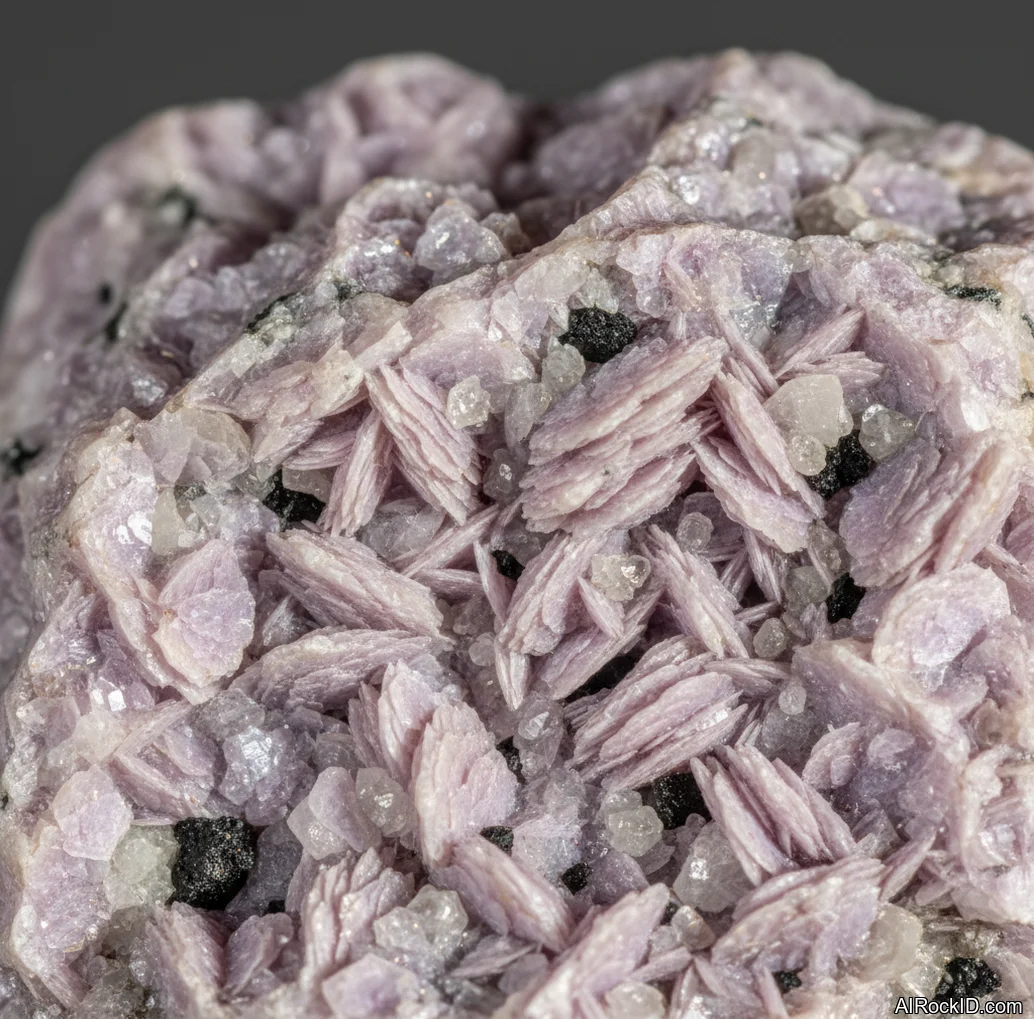
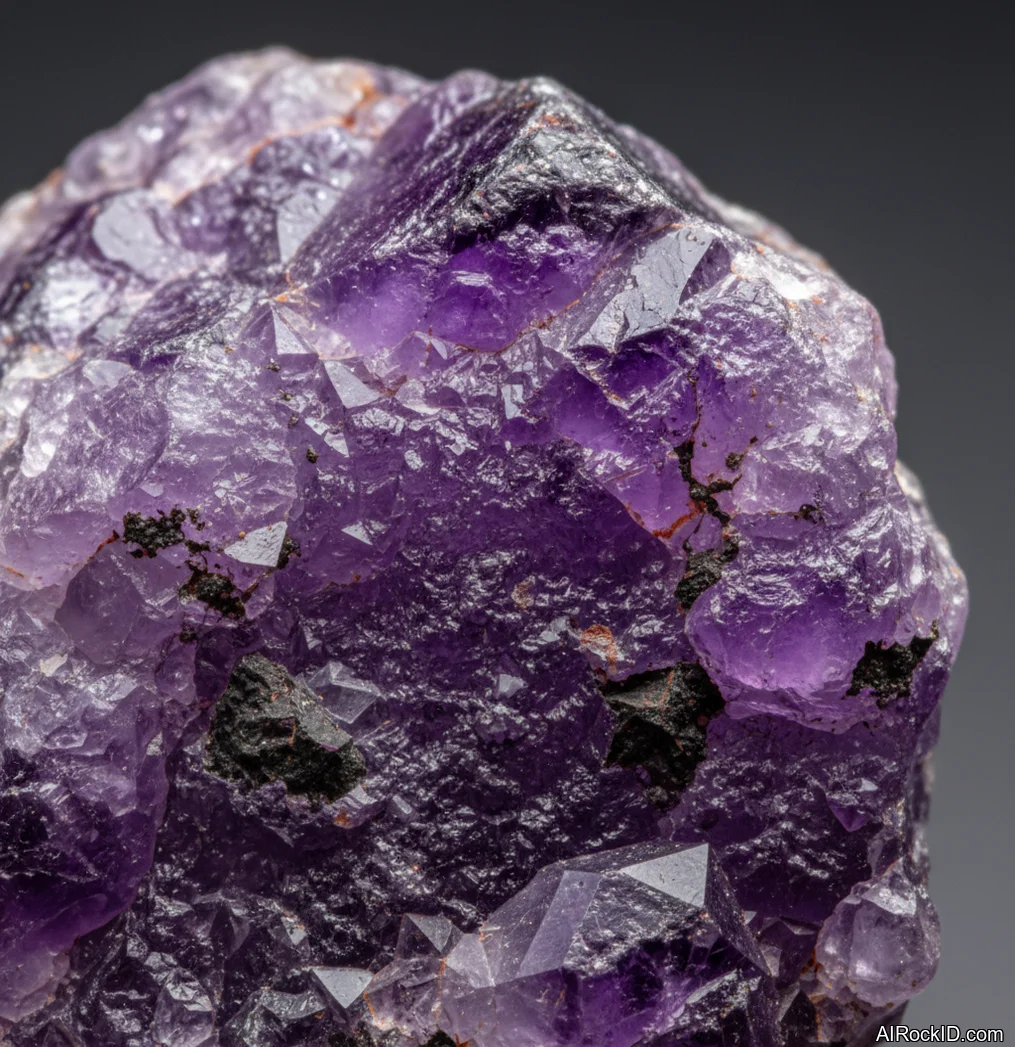
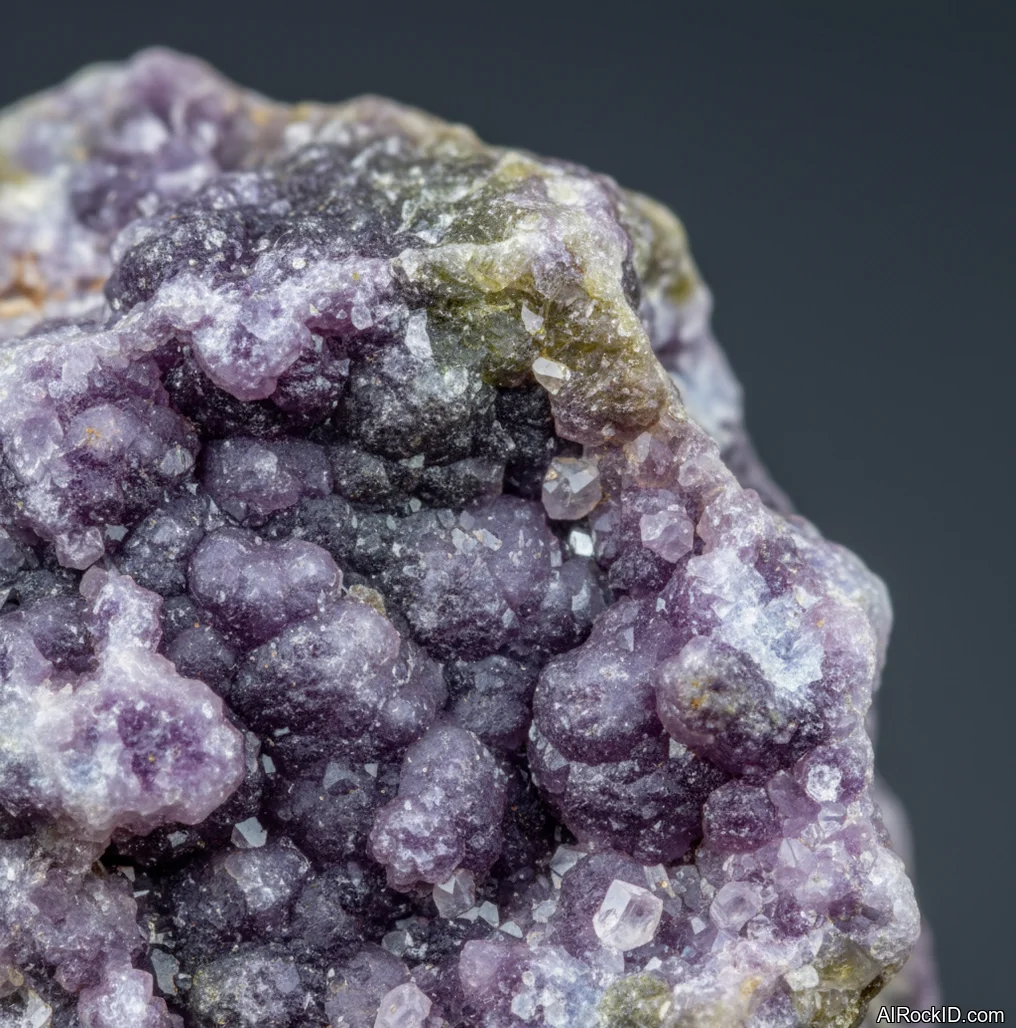
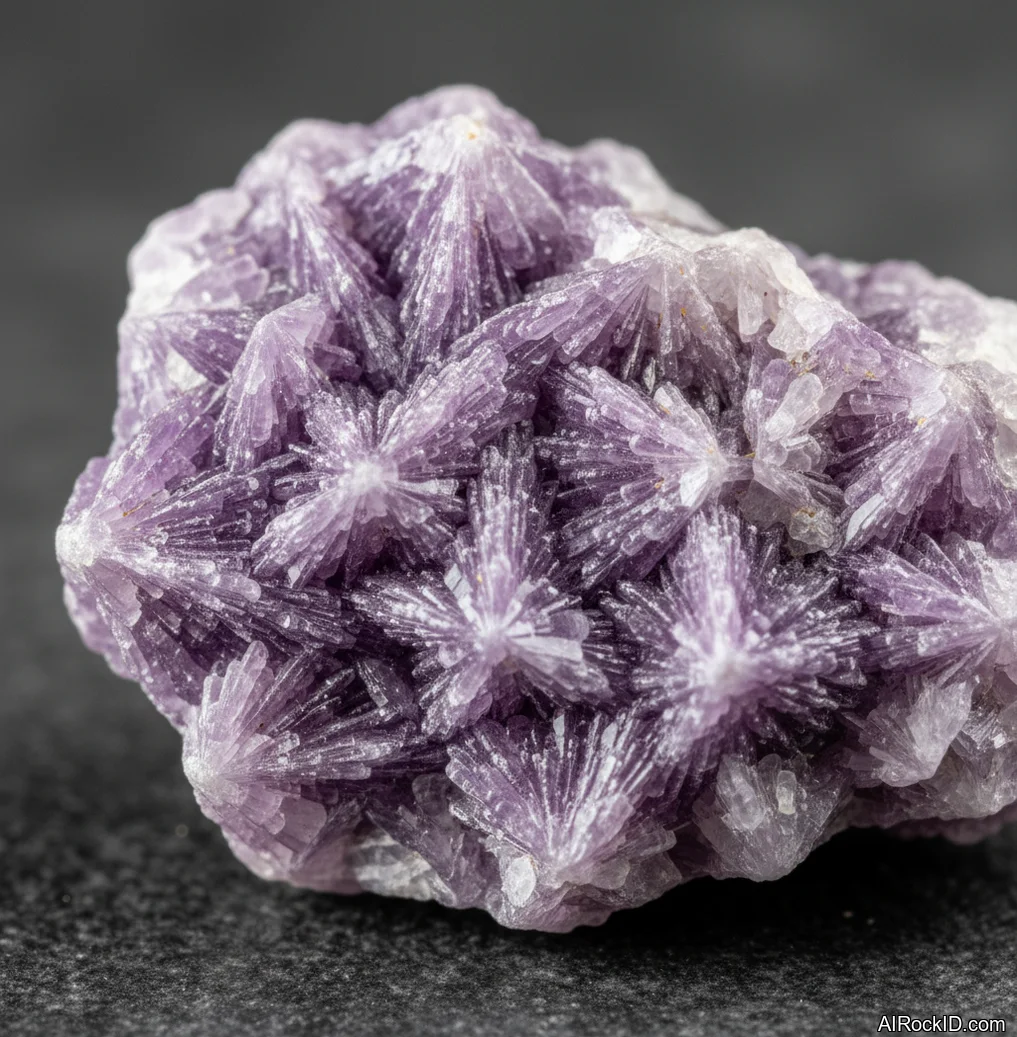
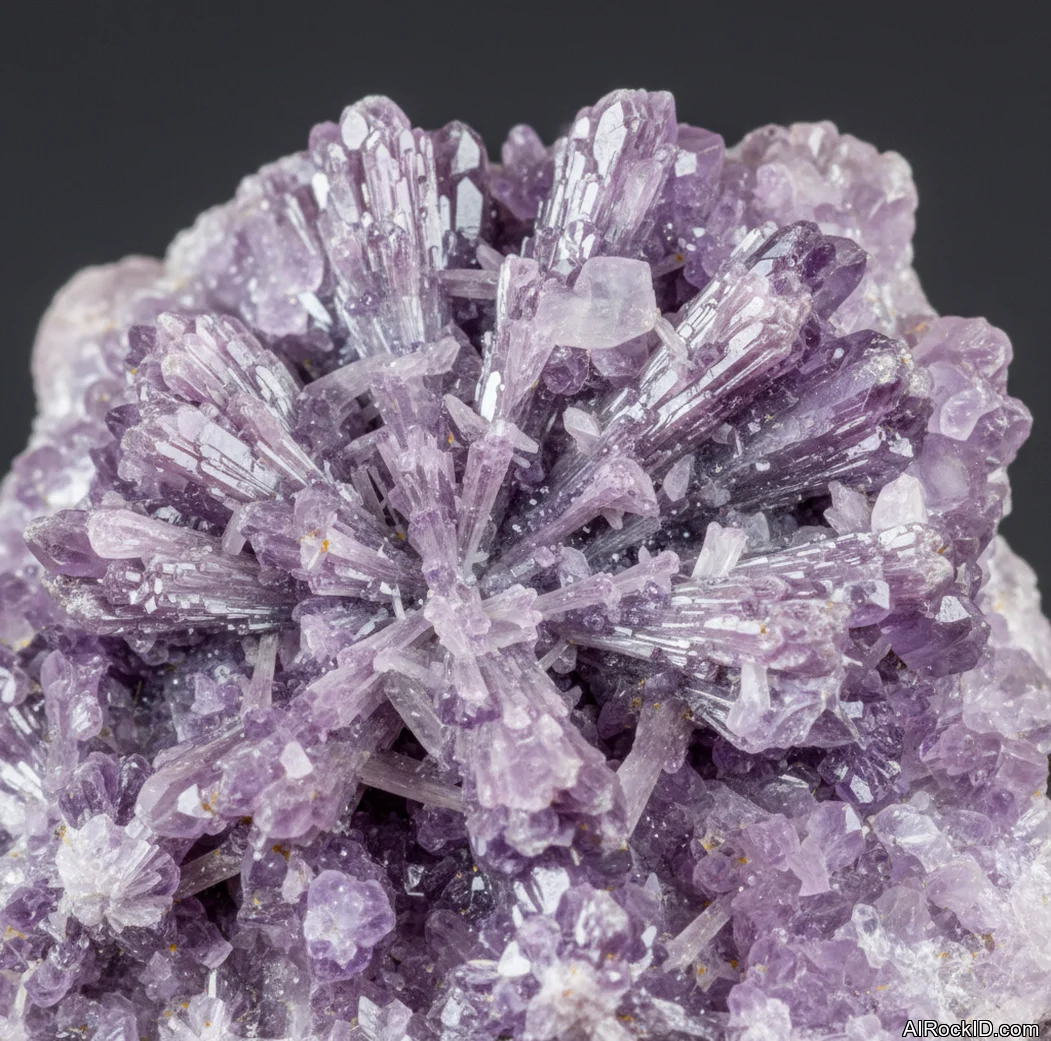
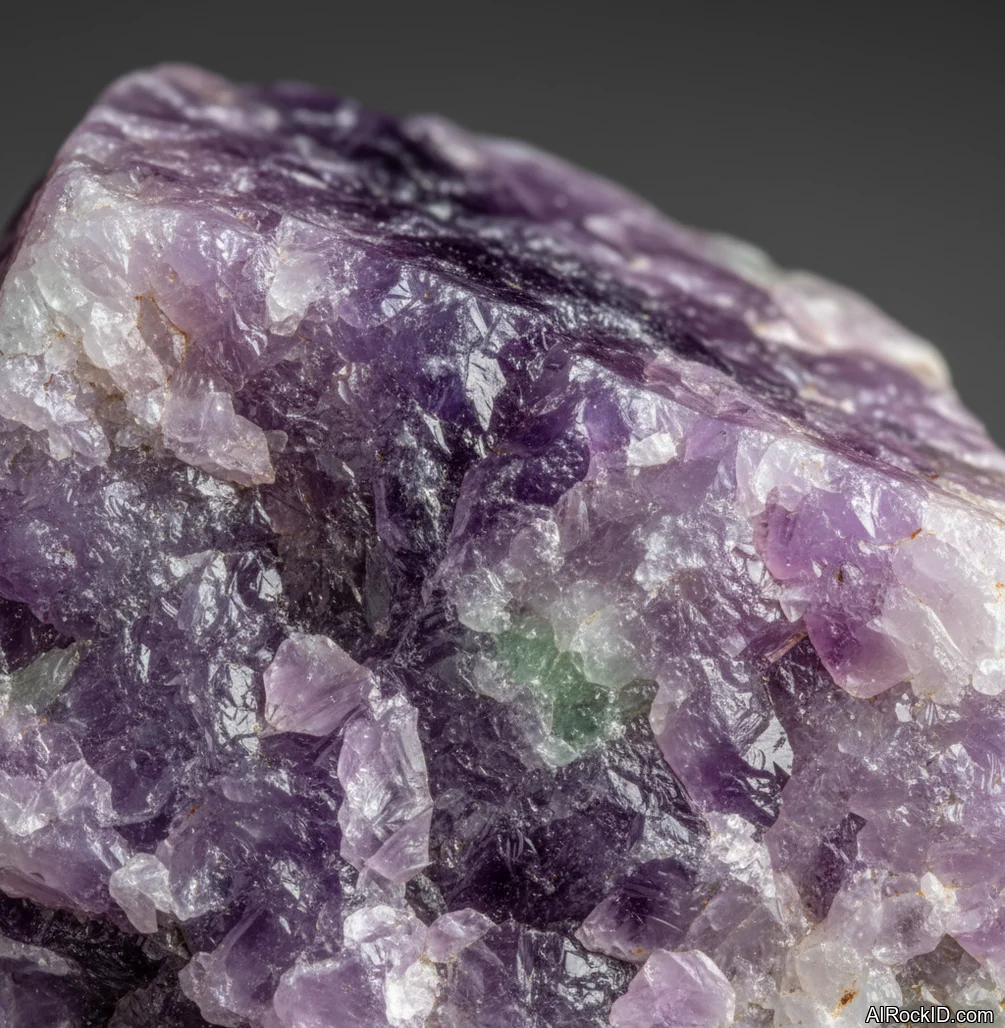
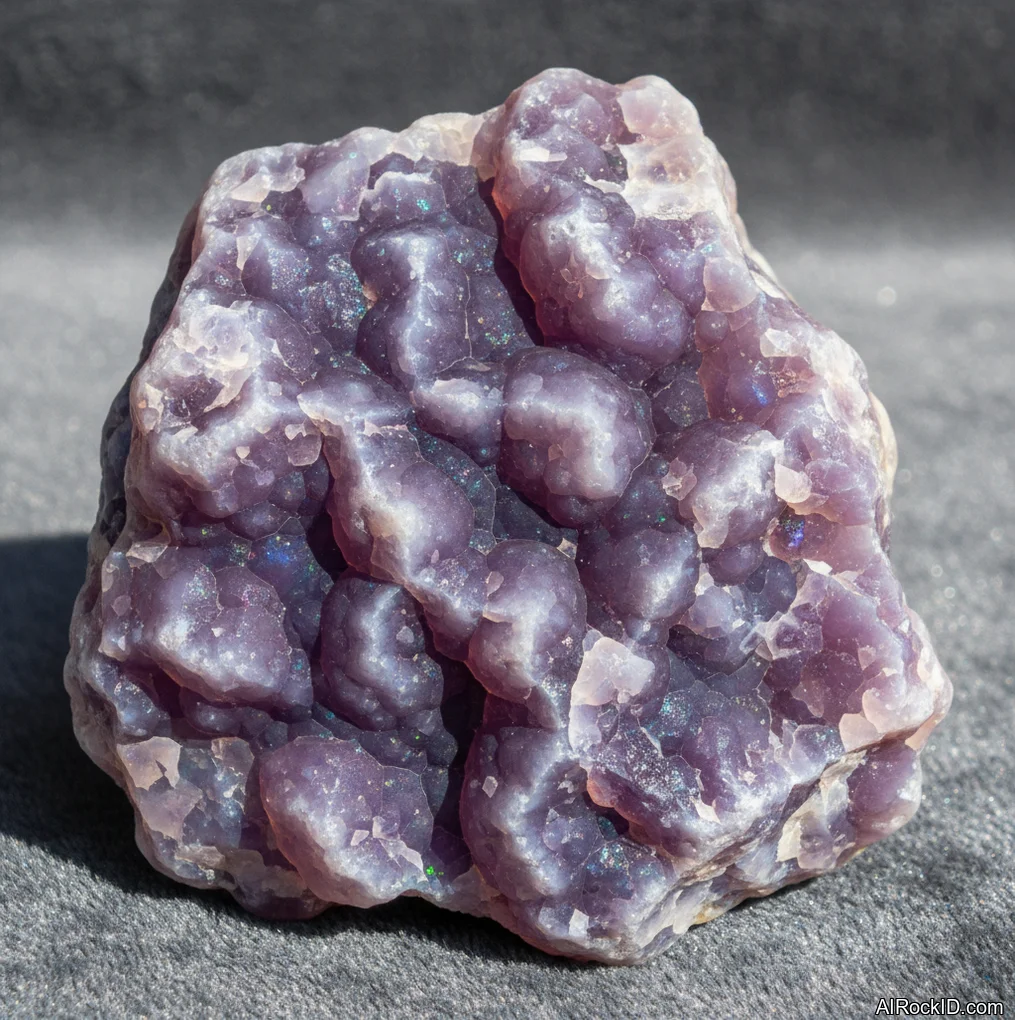
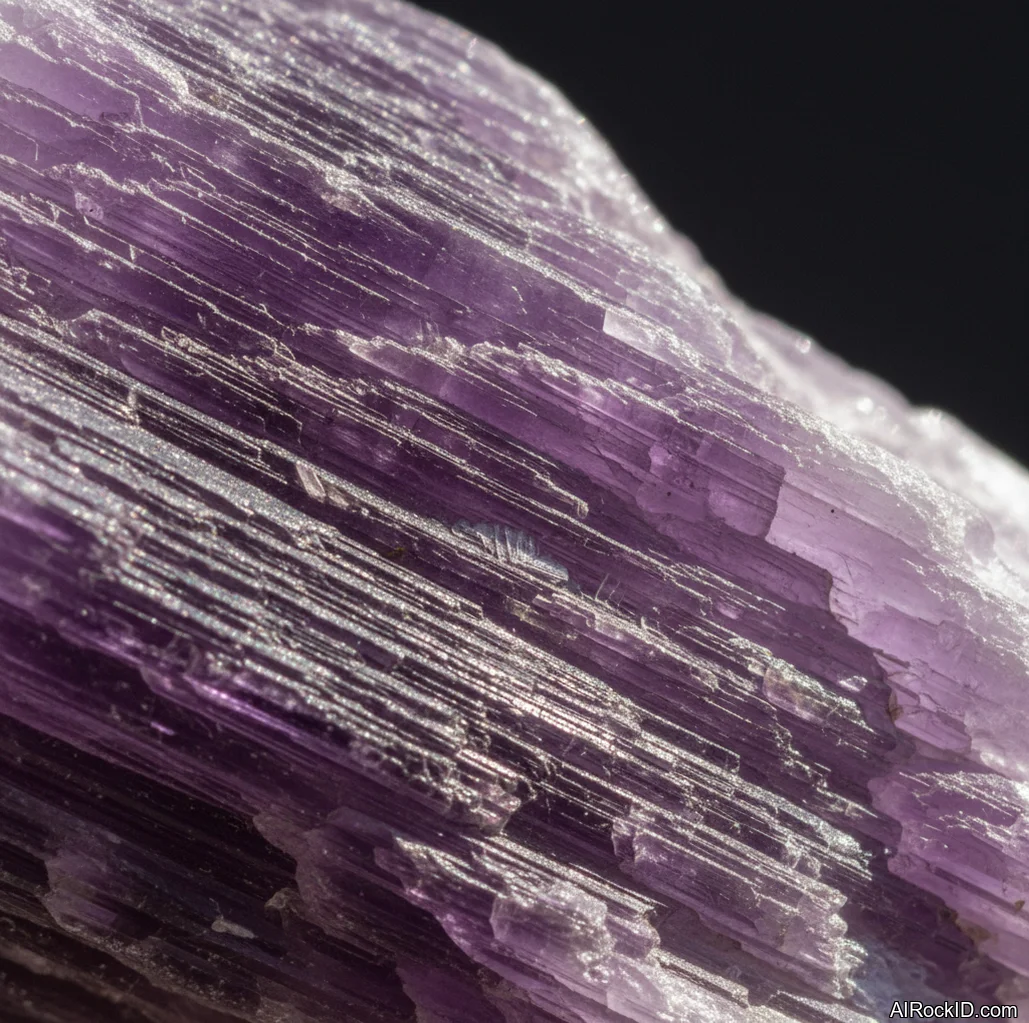
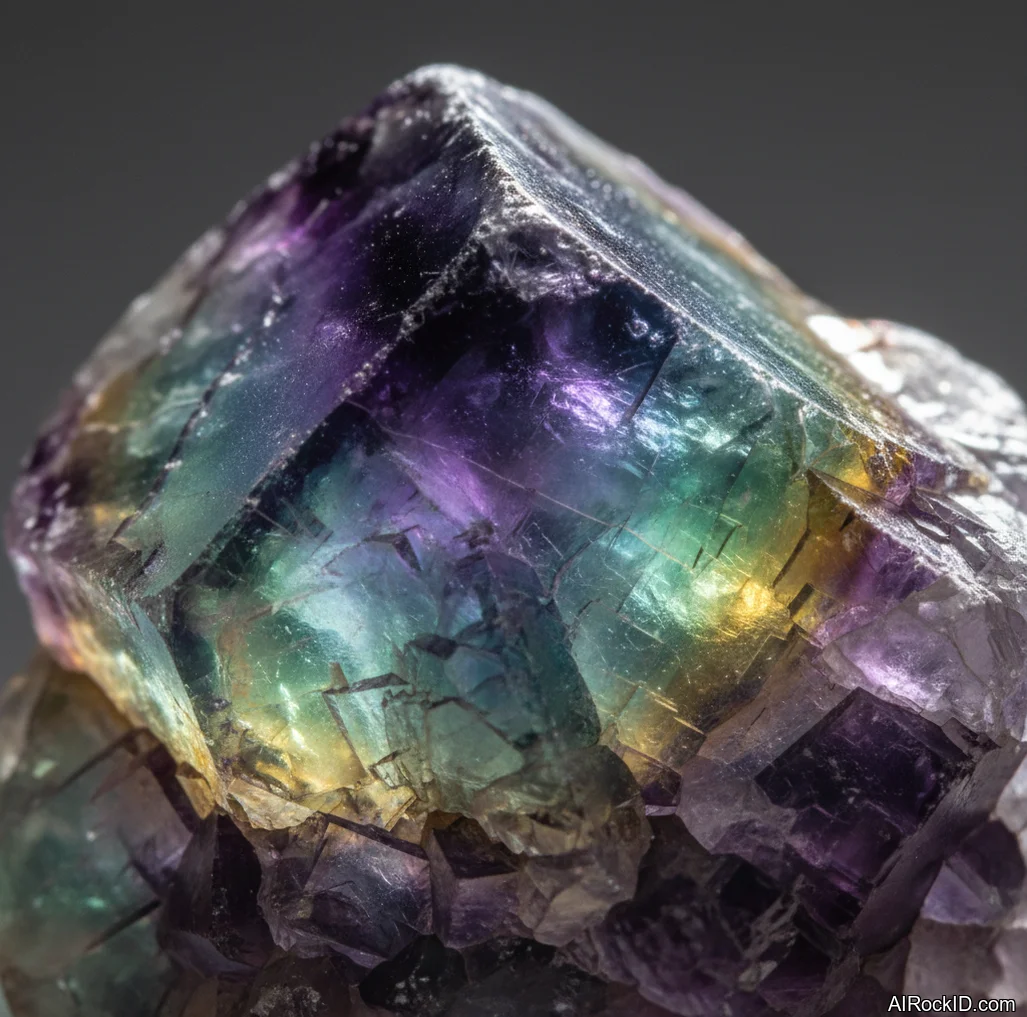
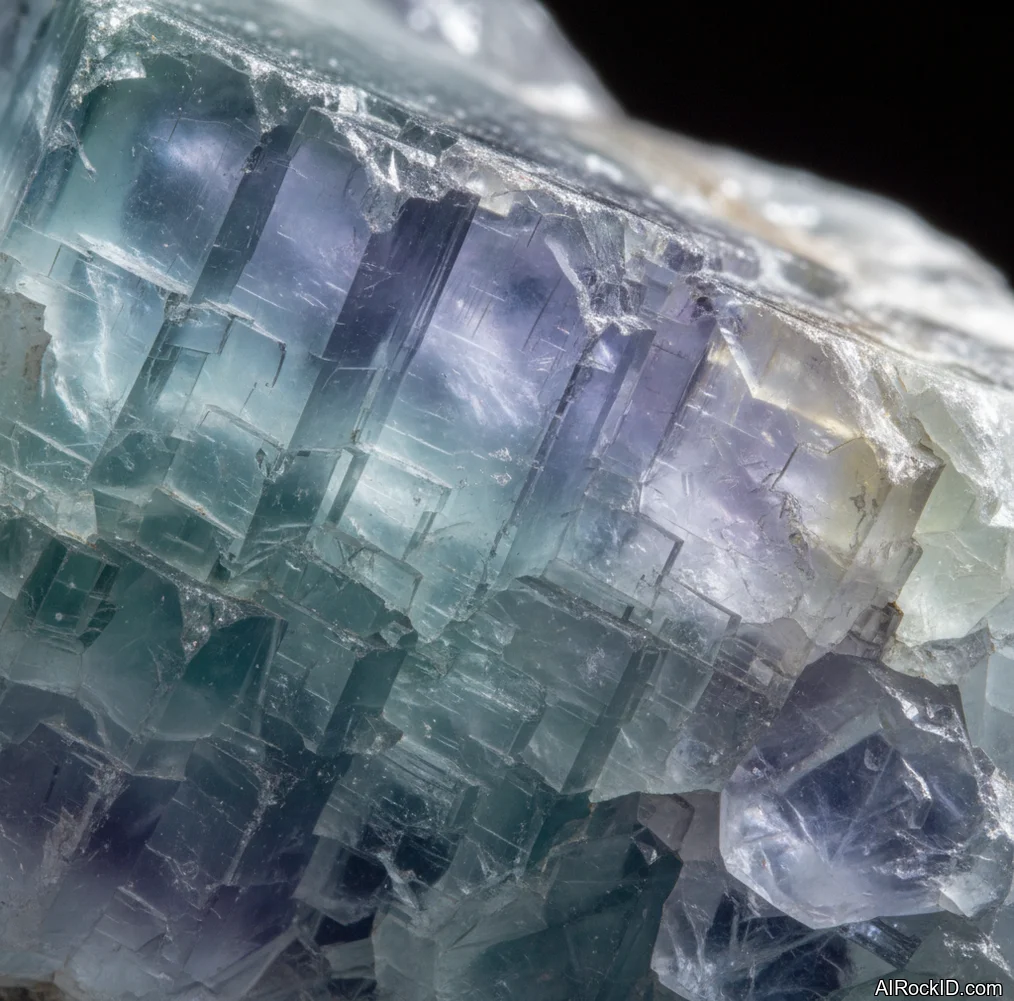
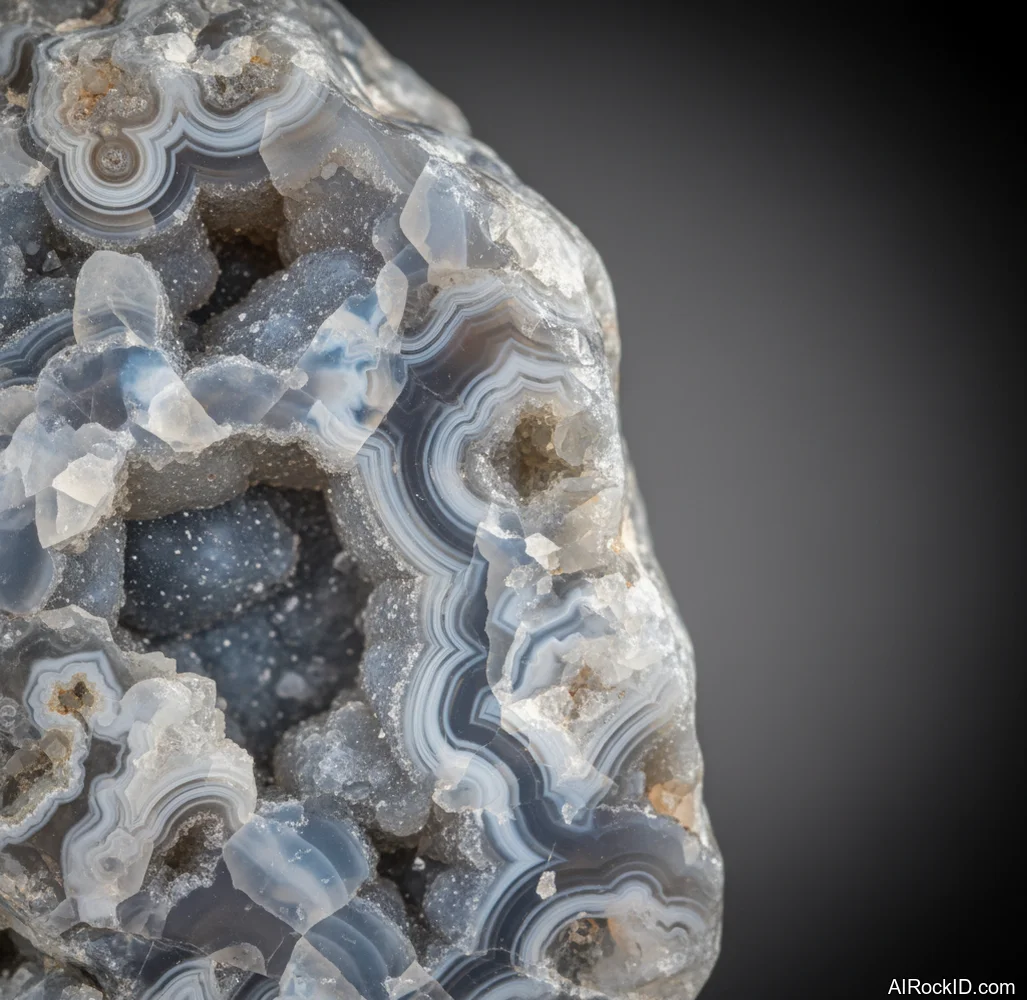
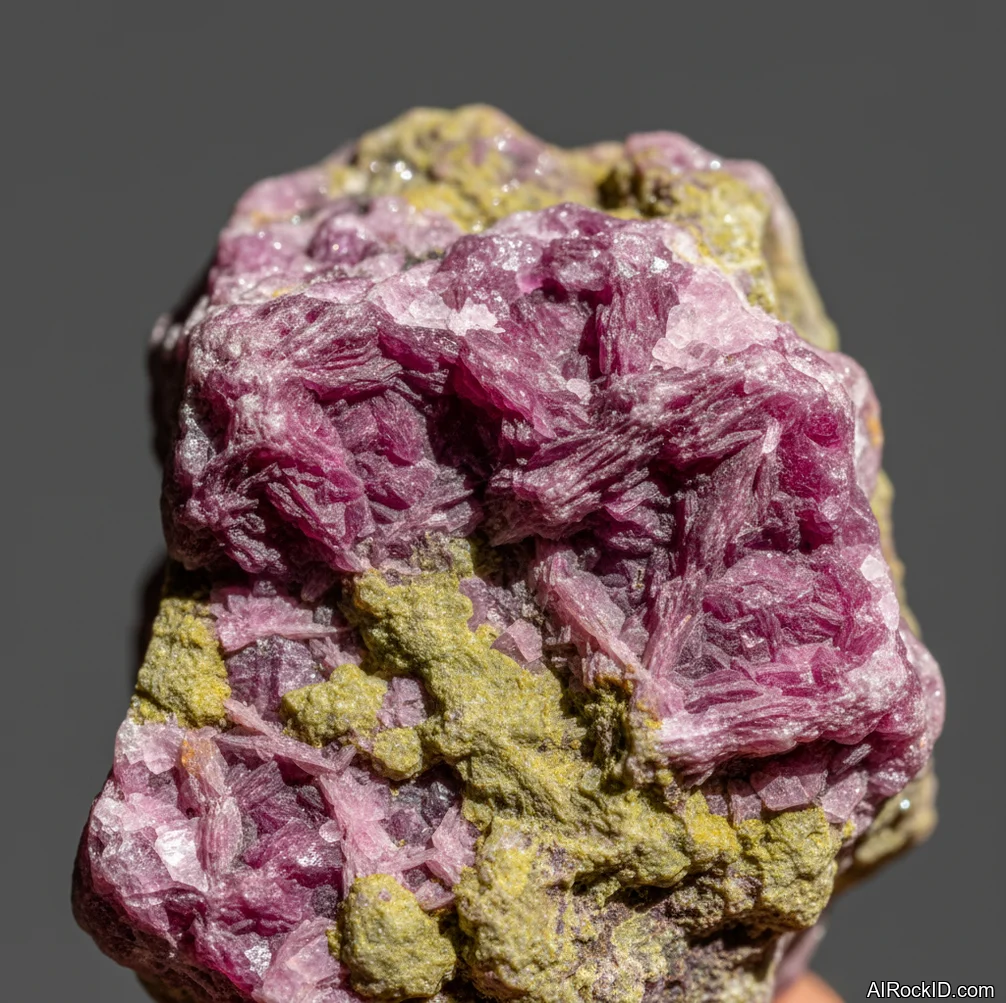
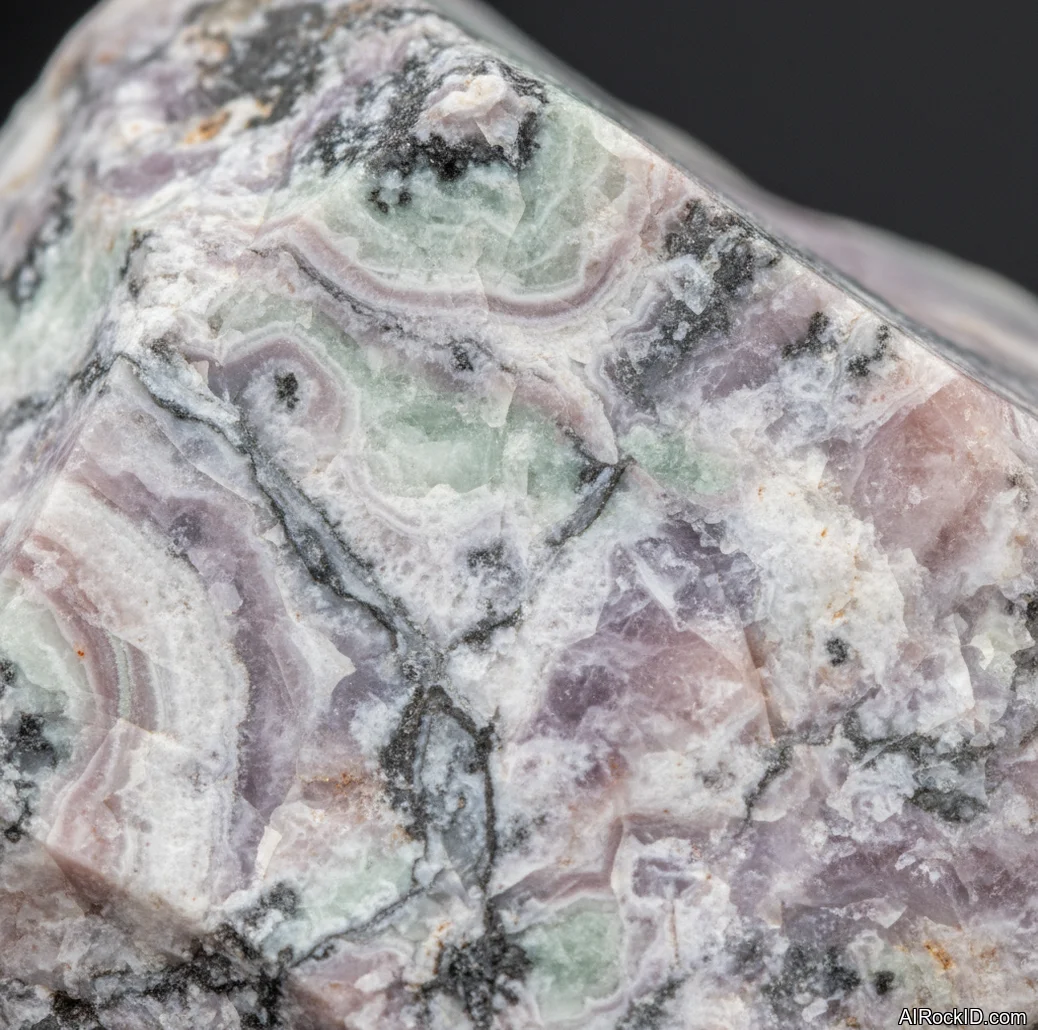
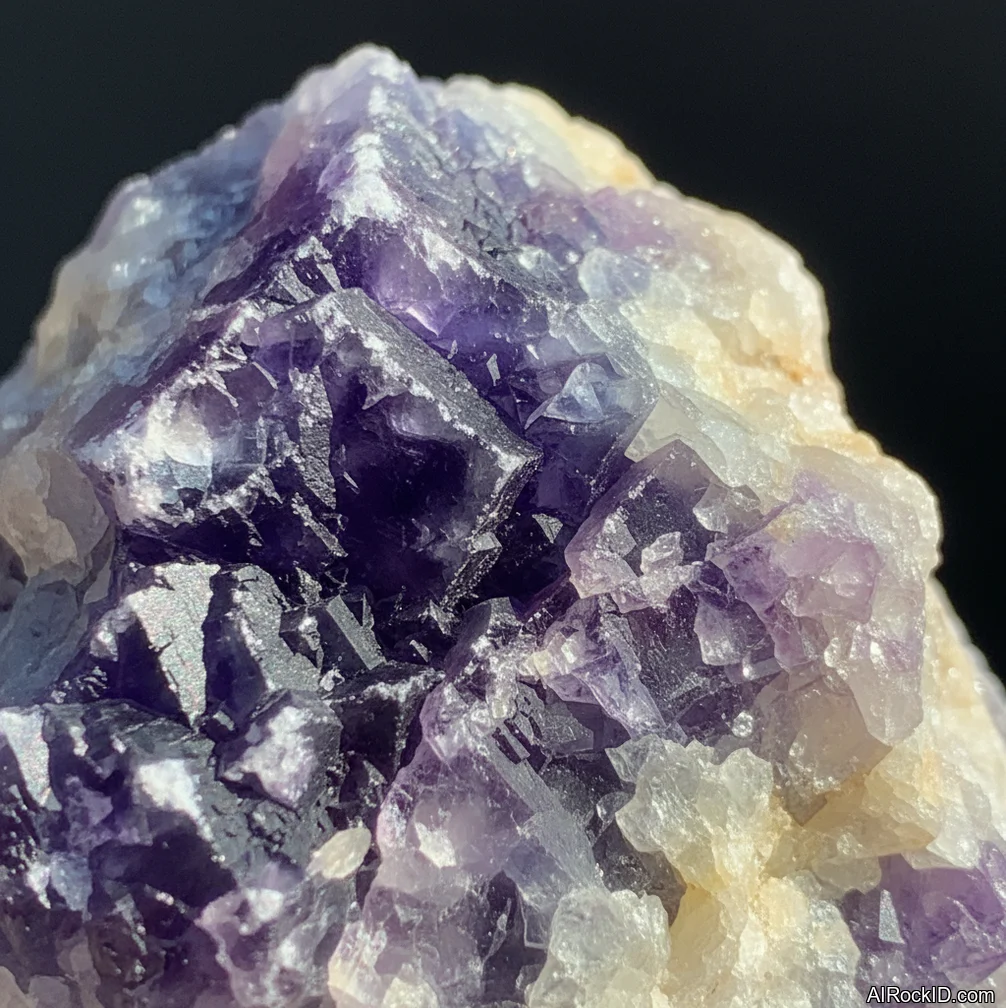
Working with Water crystals doesn’t have to be mystical. Keep it practical. If you’re trying to wind down at night, set a piece of moonstone, blue lace agate, or lepidolite near your bed and actually look at it for a minute before you scroll your phone. And if you need something to hold during journaling, go for tumbled amazonite or aquamarine. They’re smooth, they don’t shed, and they don’t have sharp points that make you fidget. For a desk stone, I like fluorite when I’m chasing a calm, clean mood, but watch it. Fluorite cleaves like crazy, so one drop on tile and it can split into neat little chunks.
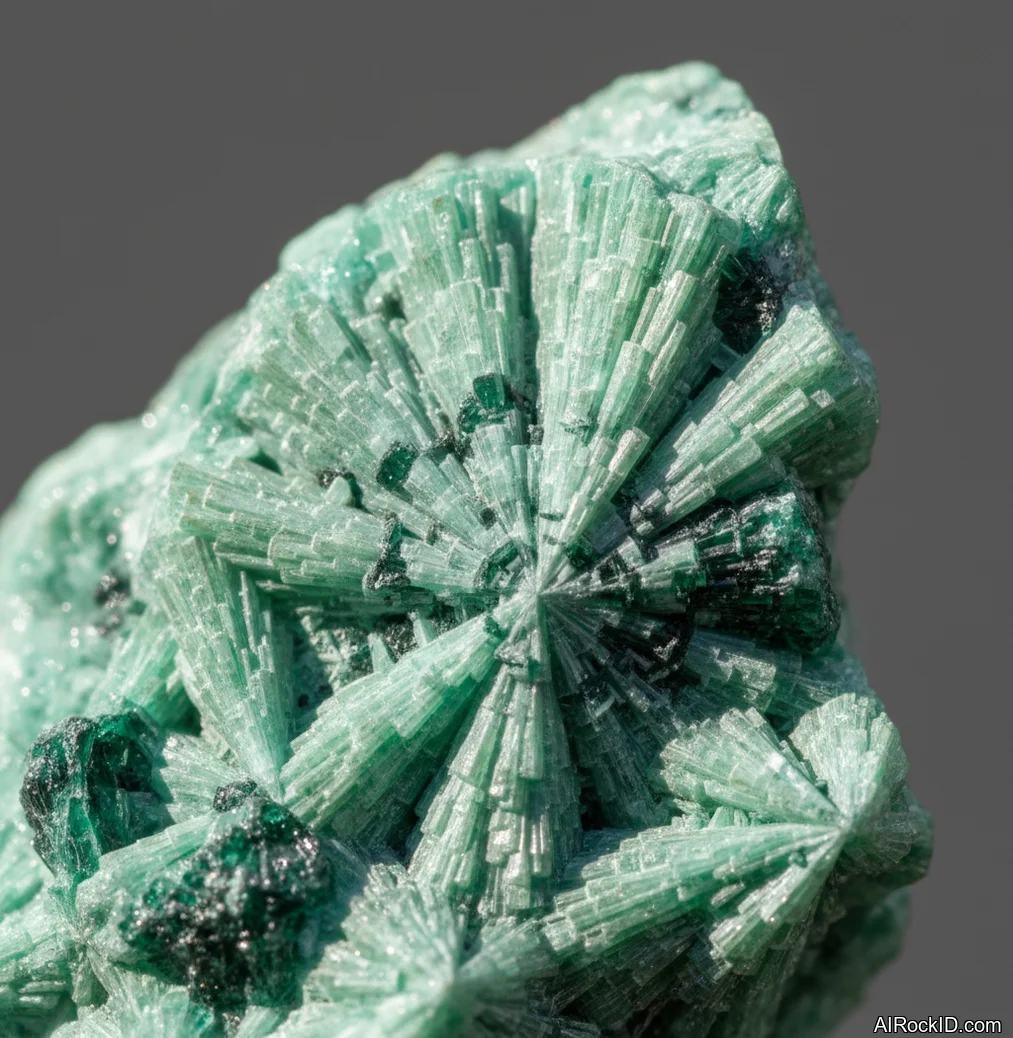
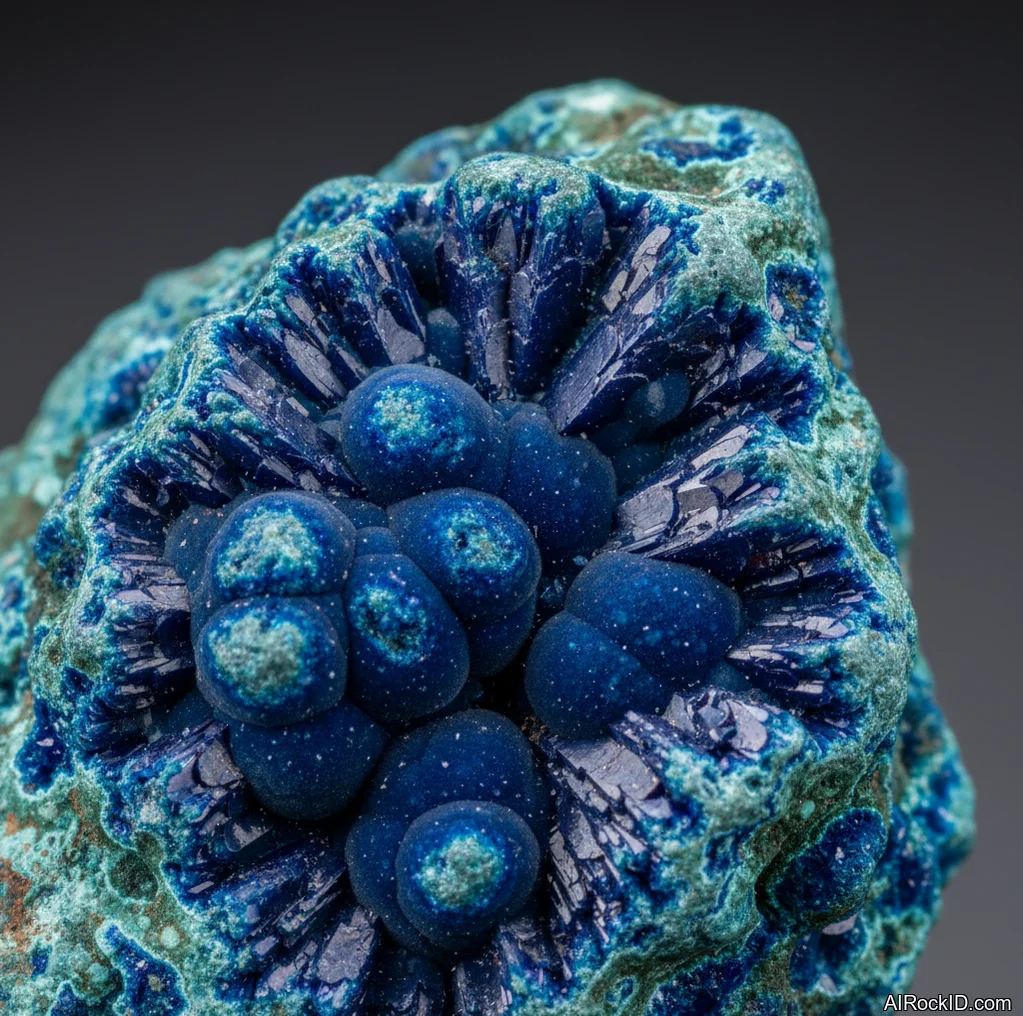
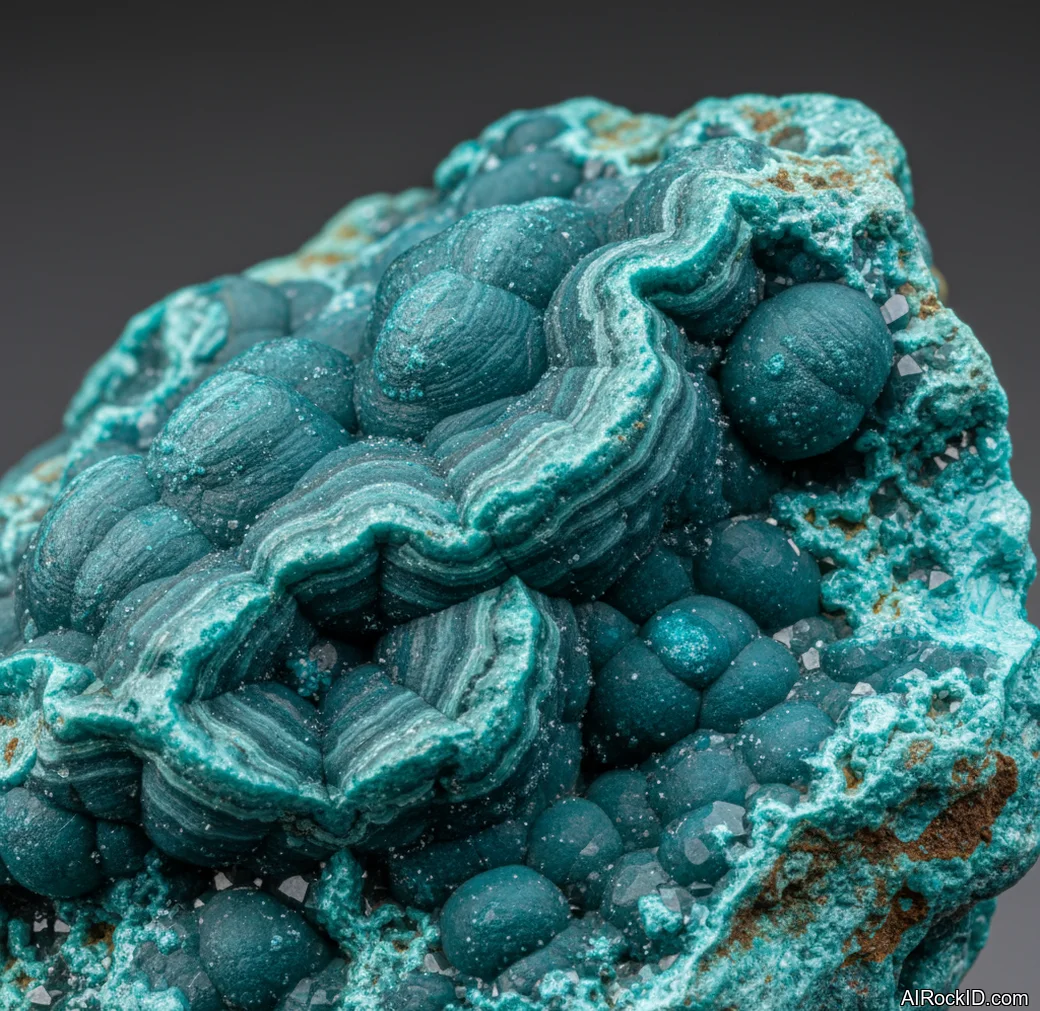
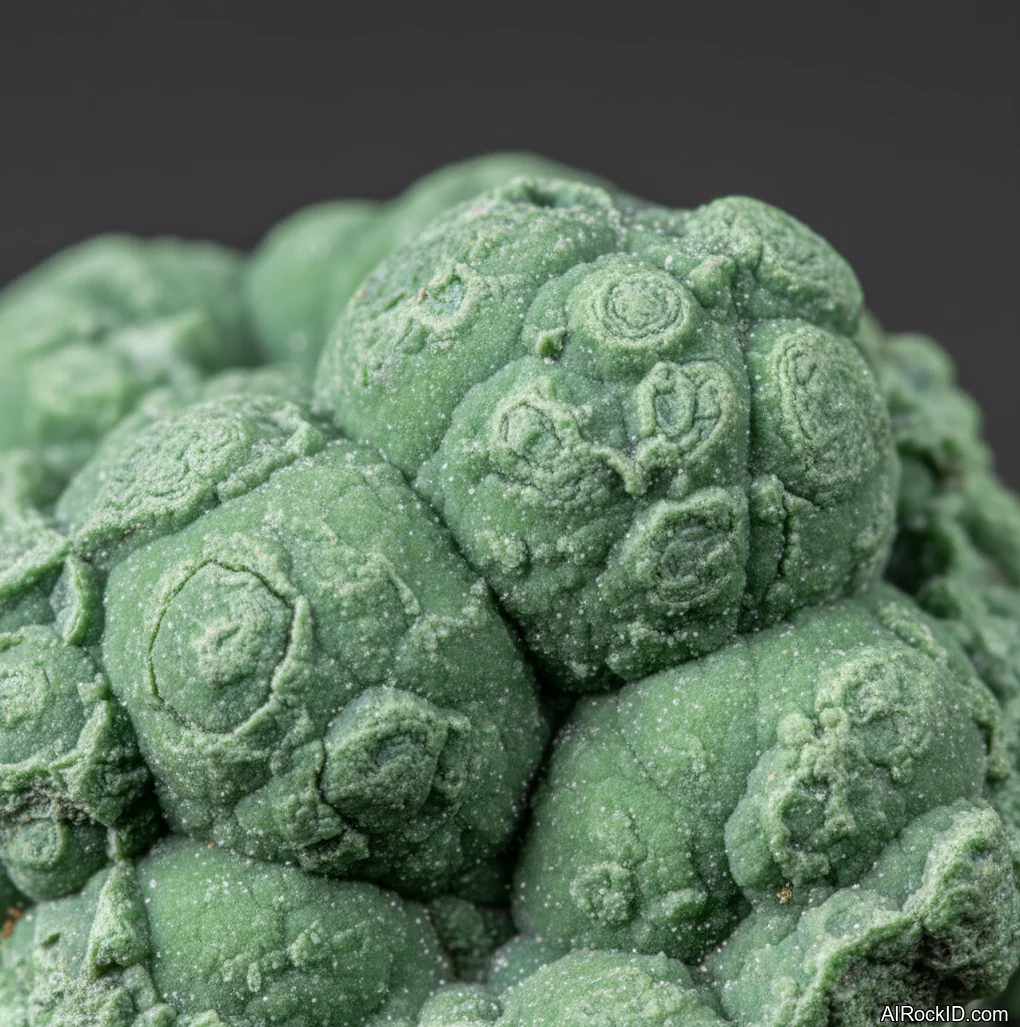
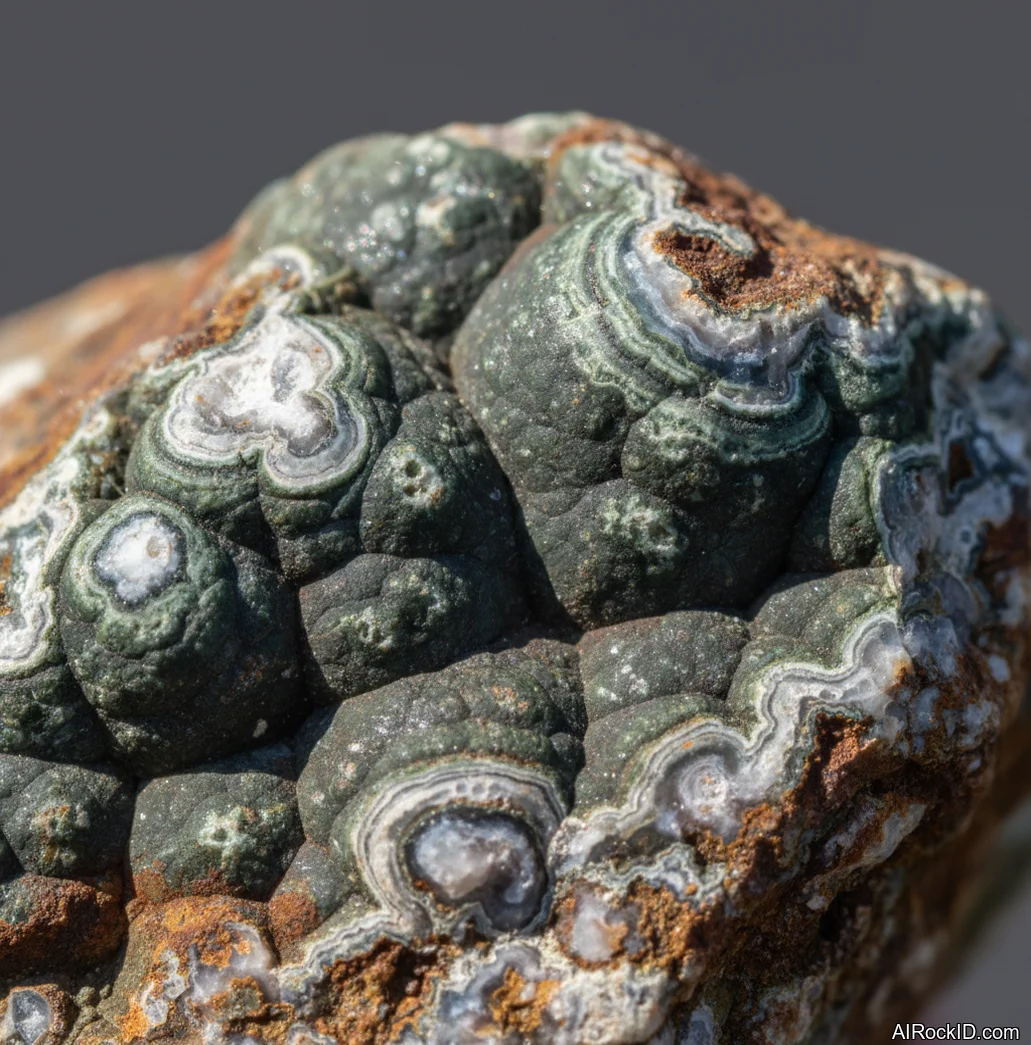
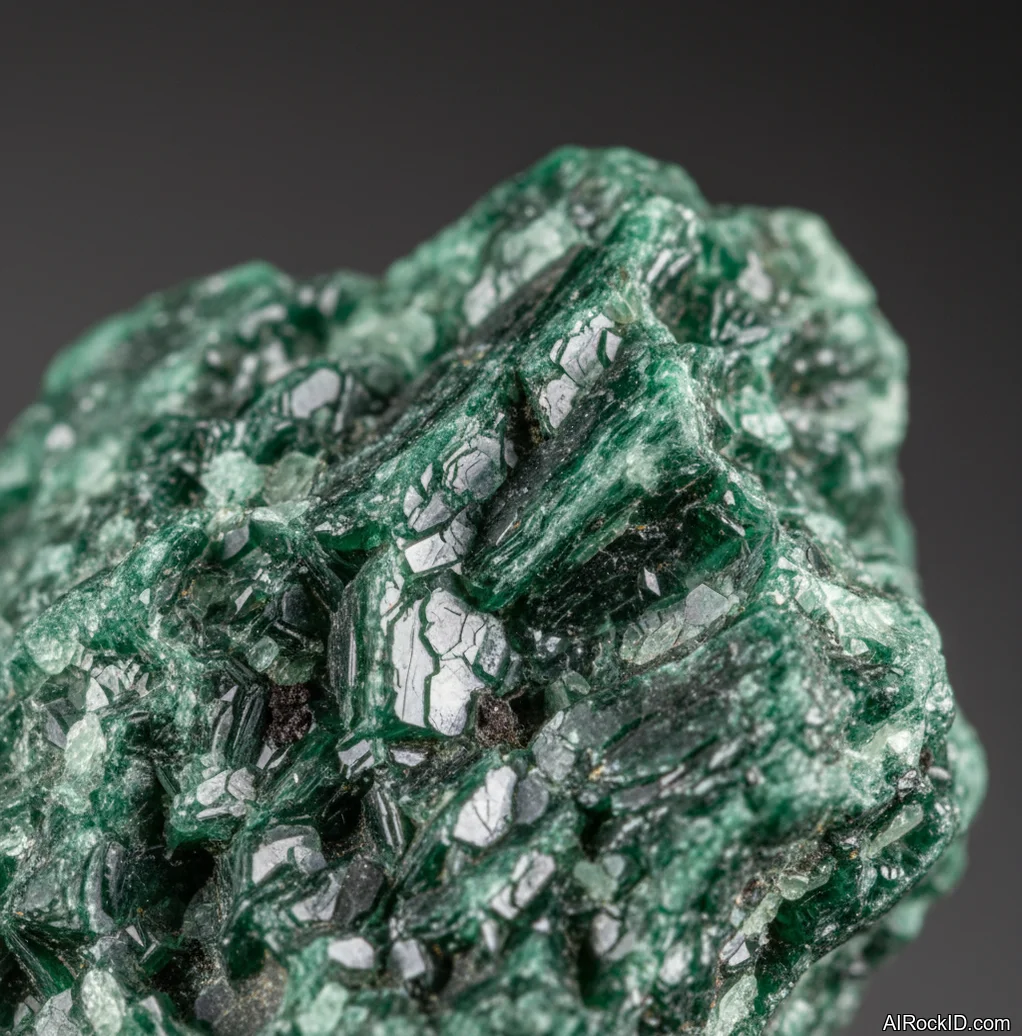
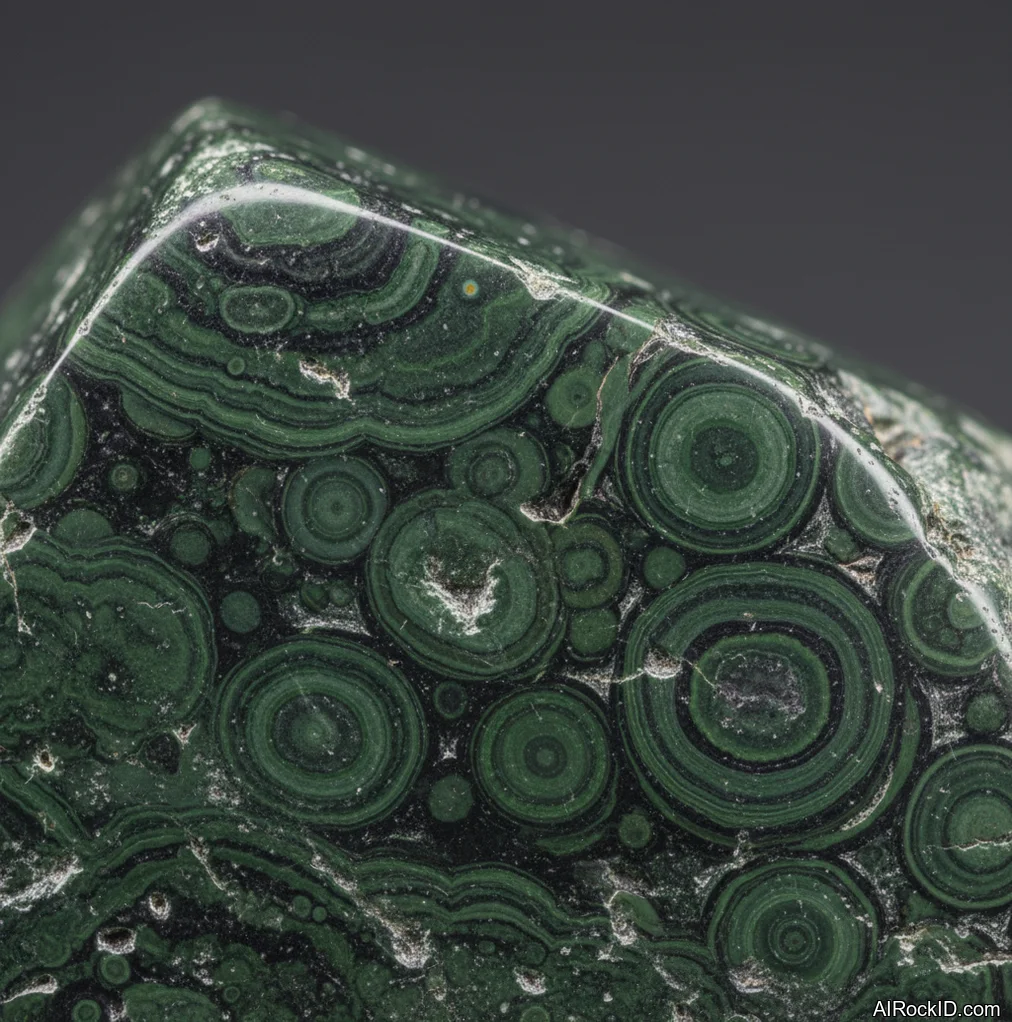
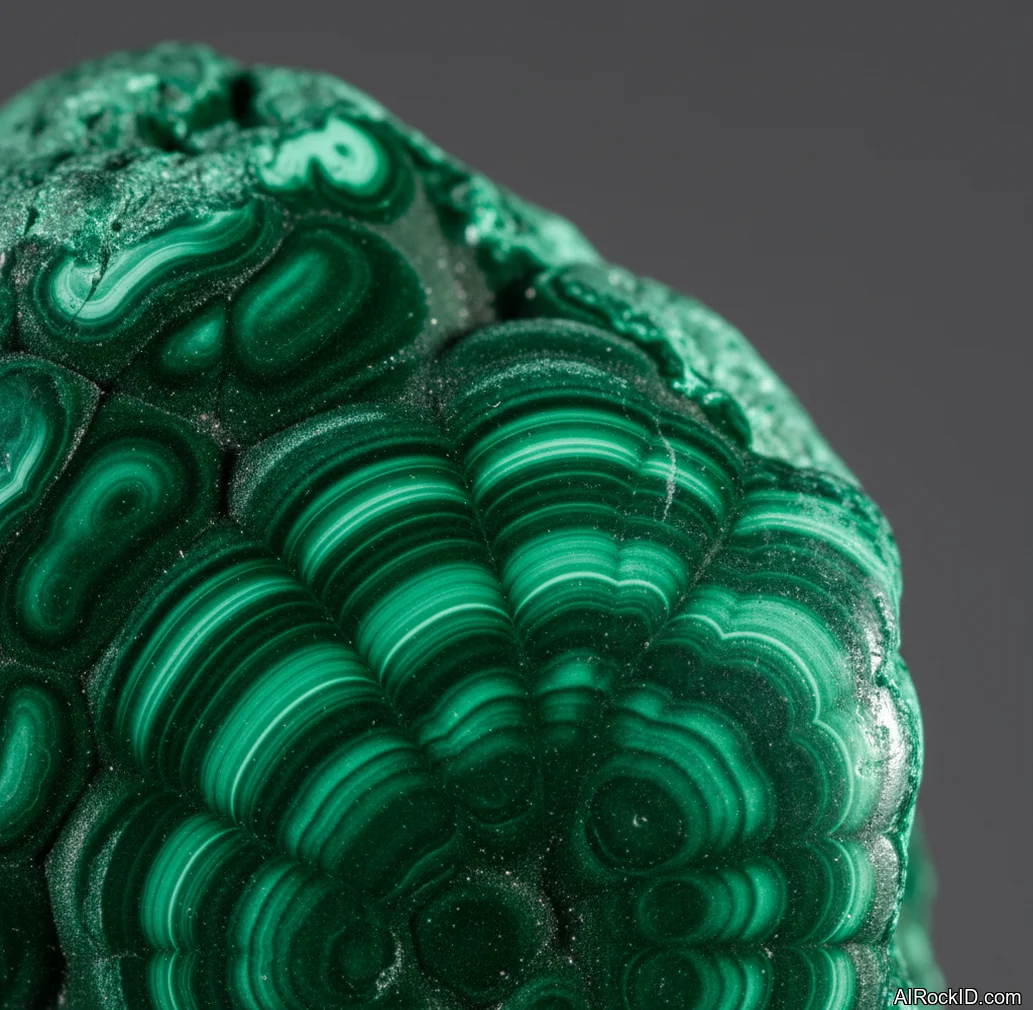
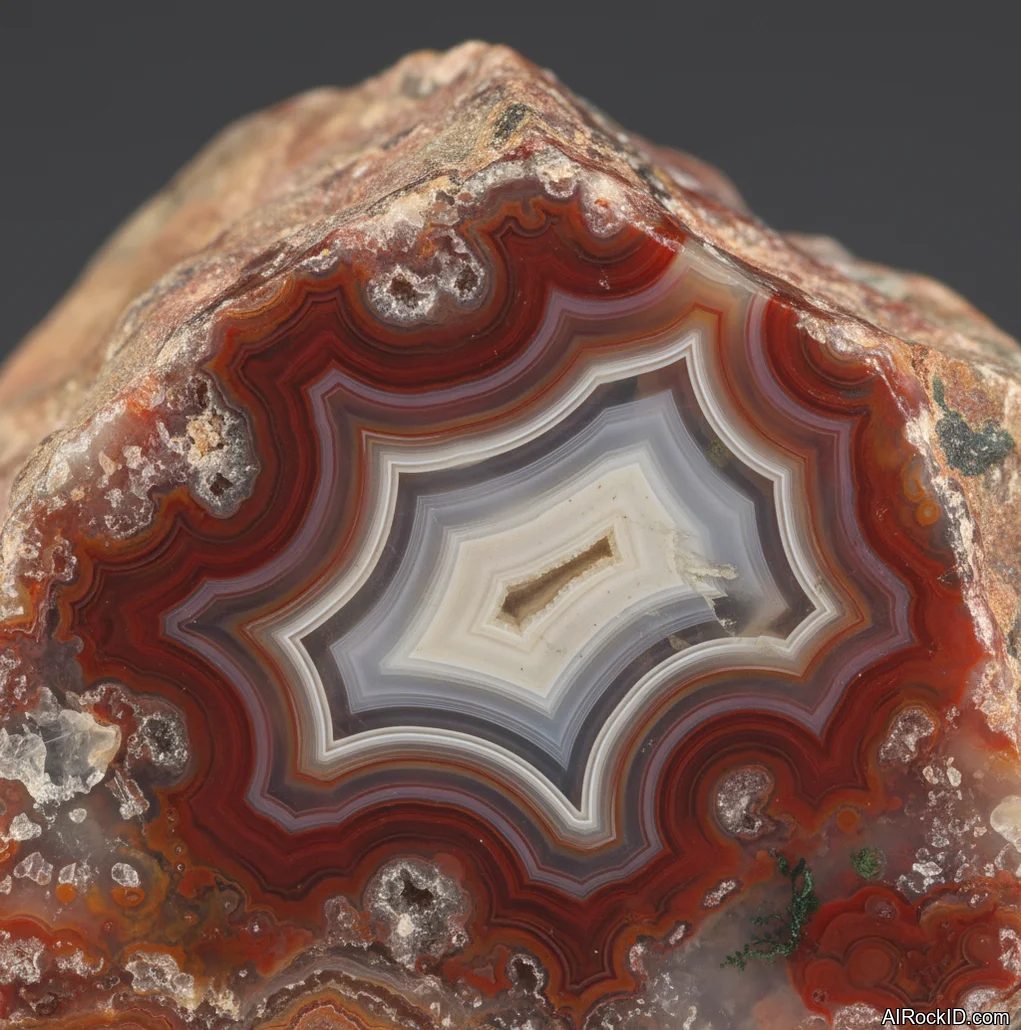
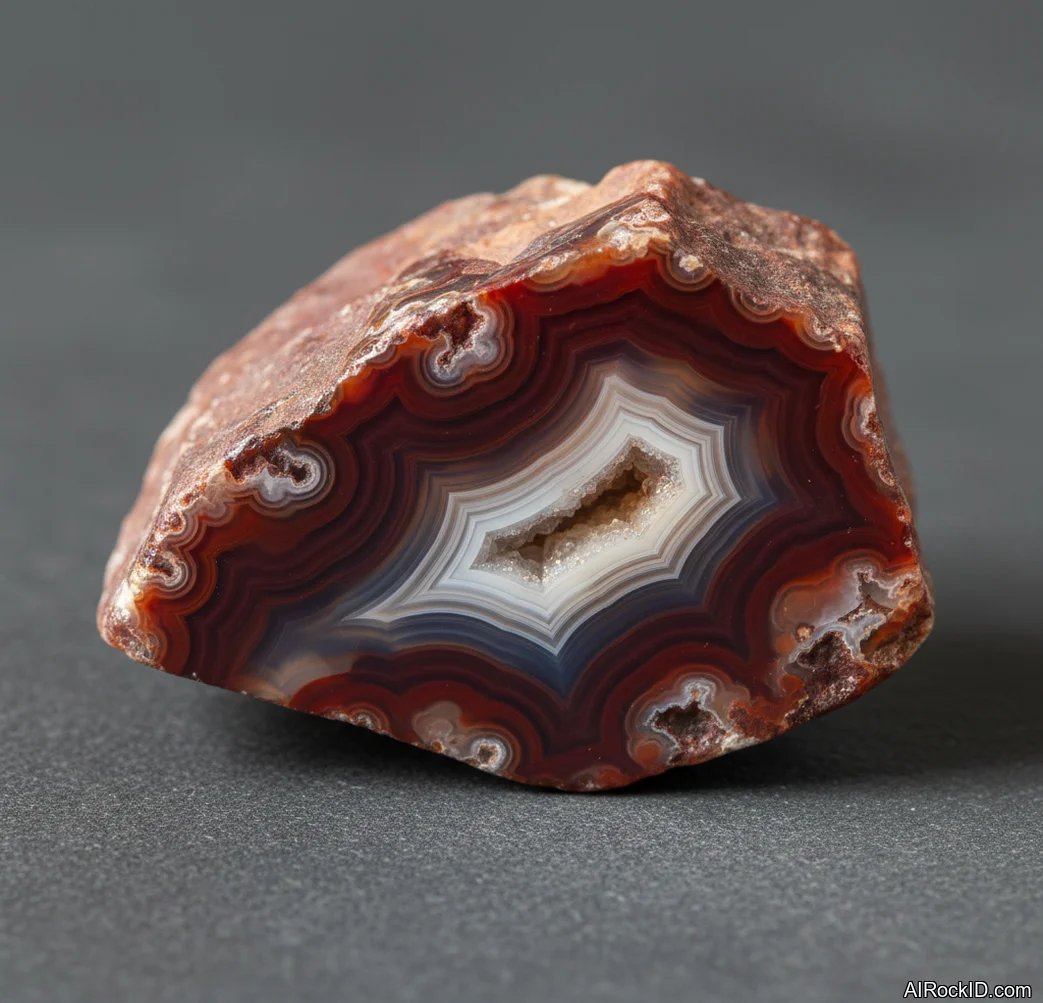
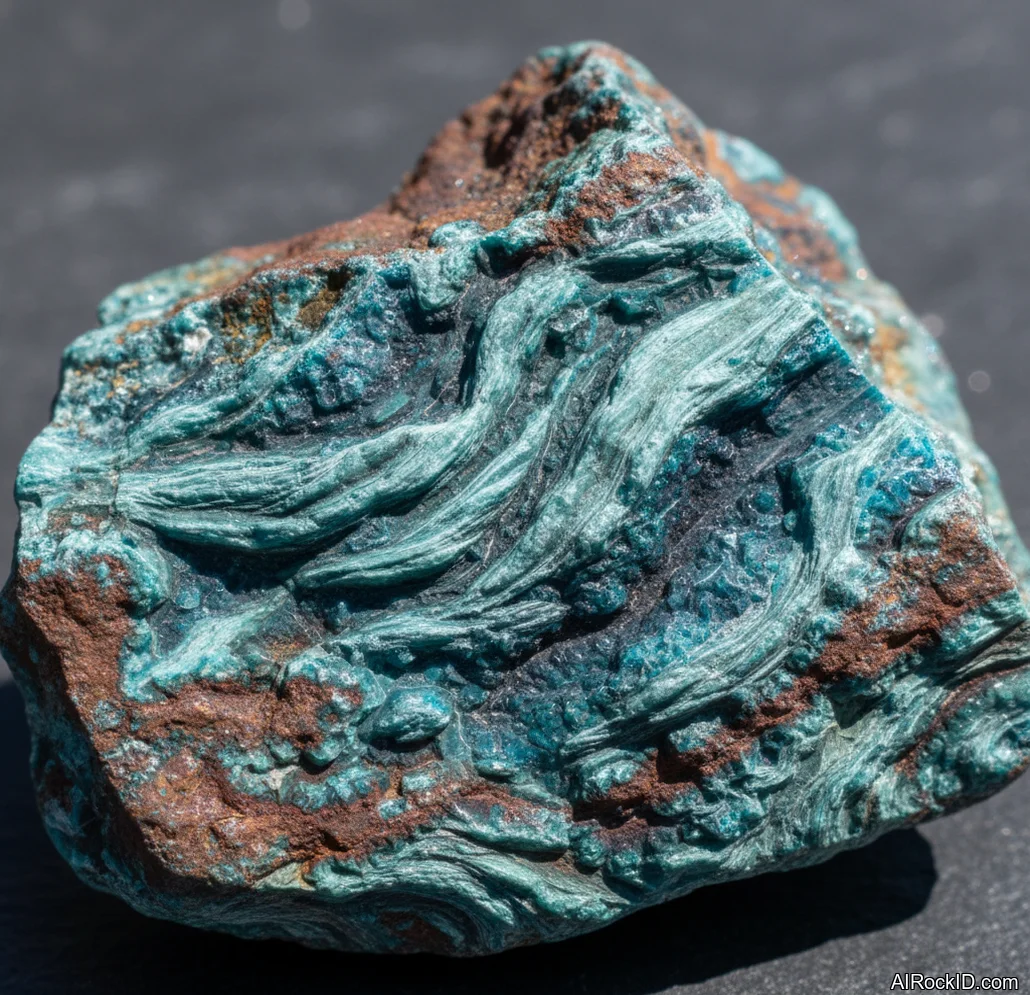
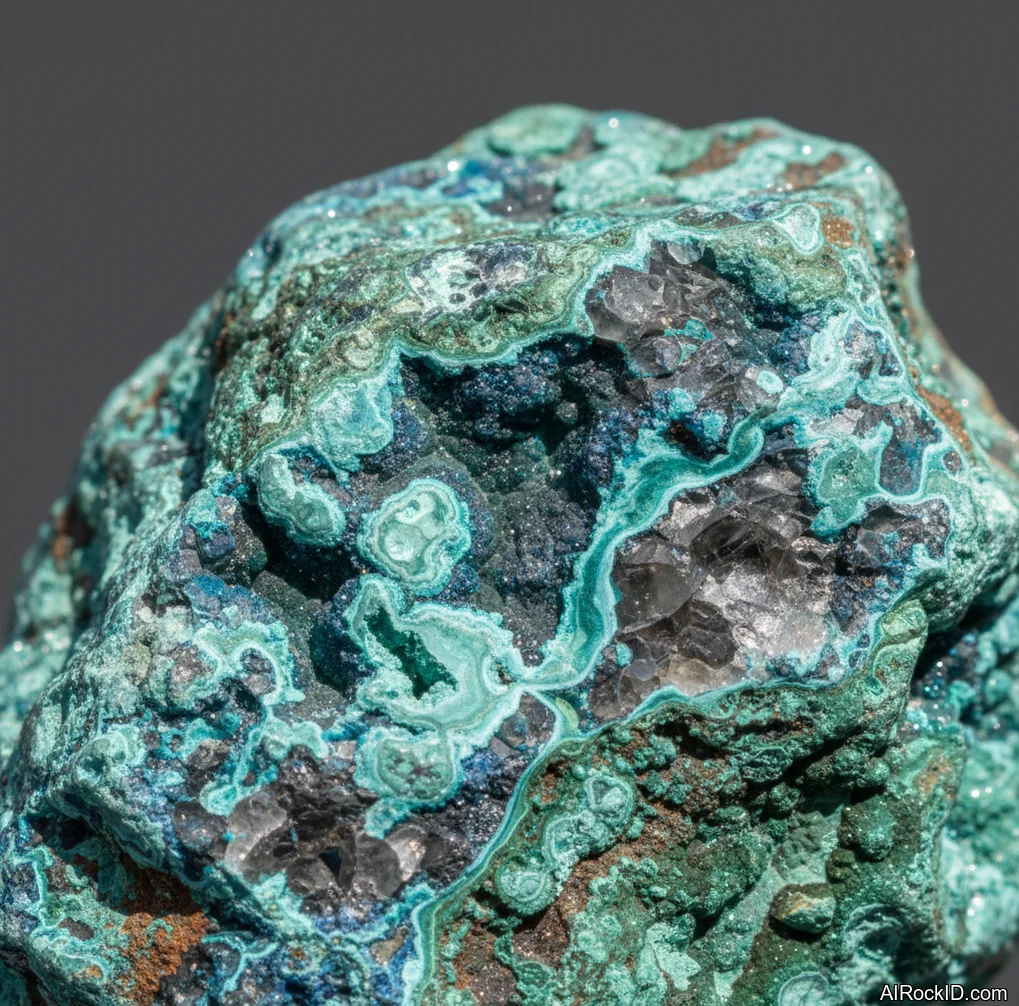
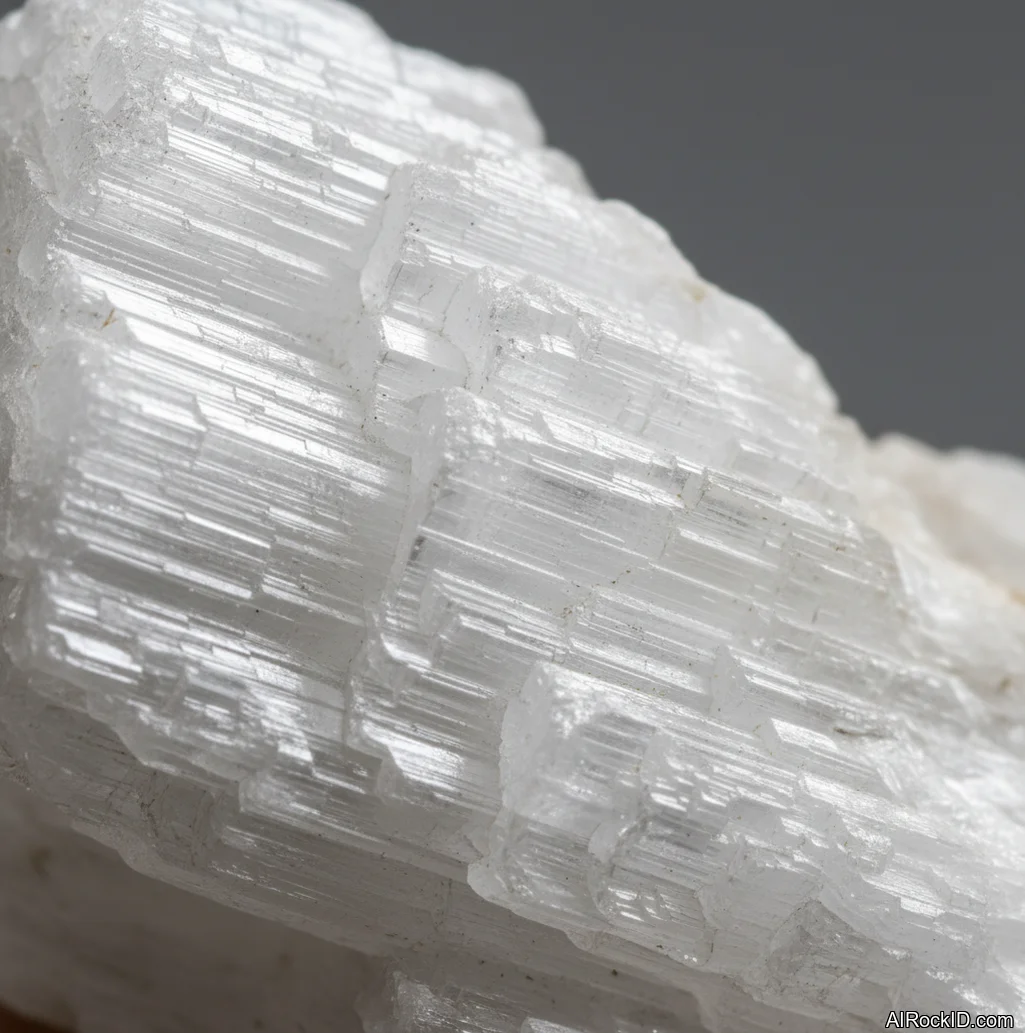
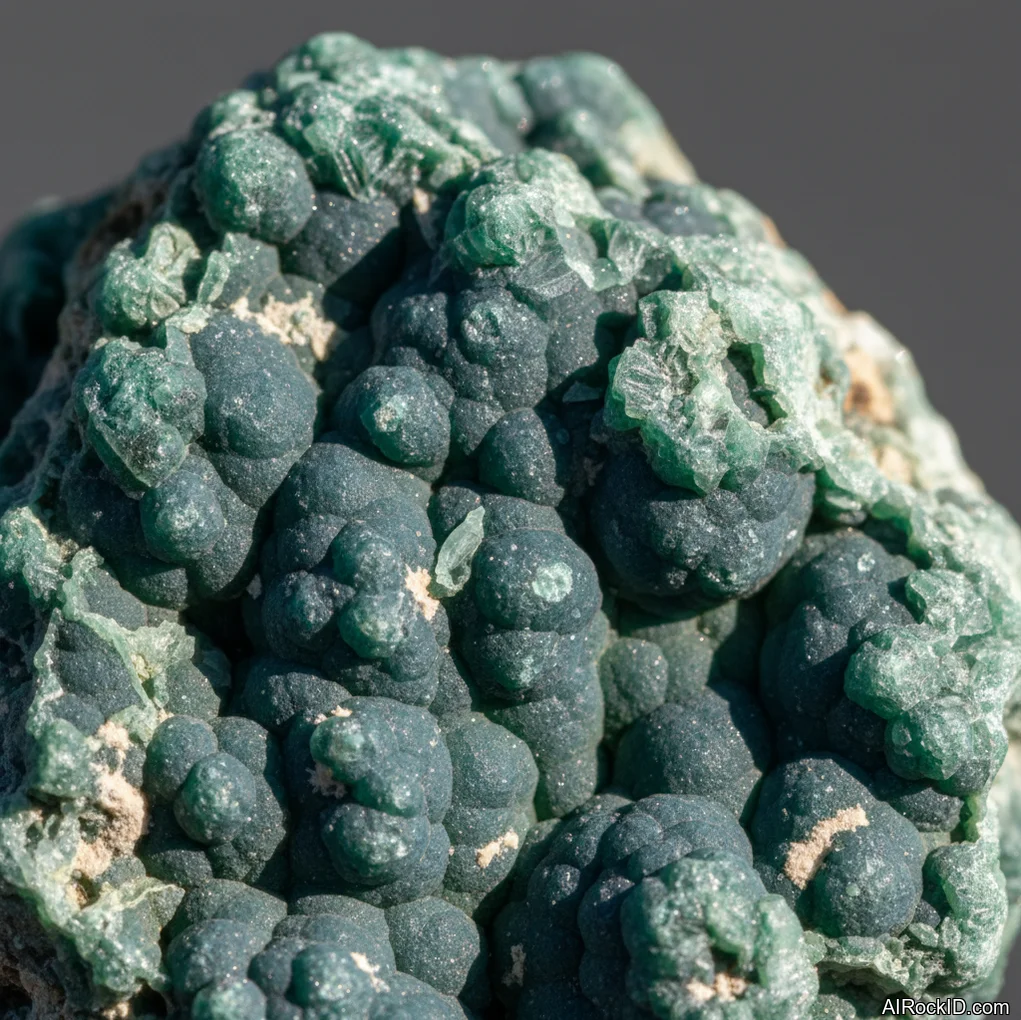
Water element crystals also pair well with literal water rituals, but you’ve got to know what you’re doing. The problem with “water safe” advice online is it’s usually way too broad. Selenite (gypsum) will turn to mush if you soak it. Celestite can dull and crumble at the edges. Malachite and chrysocolla can shed dust and shouldn’t sit in drinking water. If you want a stone you can rinse without drama, clear quartz, aquamarine, and most agates are safer bets. I still don’t leave anything submerged for long, mostly because tiny fractures trap grime and soap residue and then your stone looks permanently cloudy (annoying, right?).
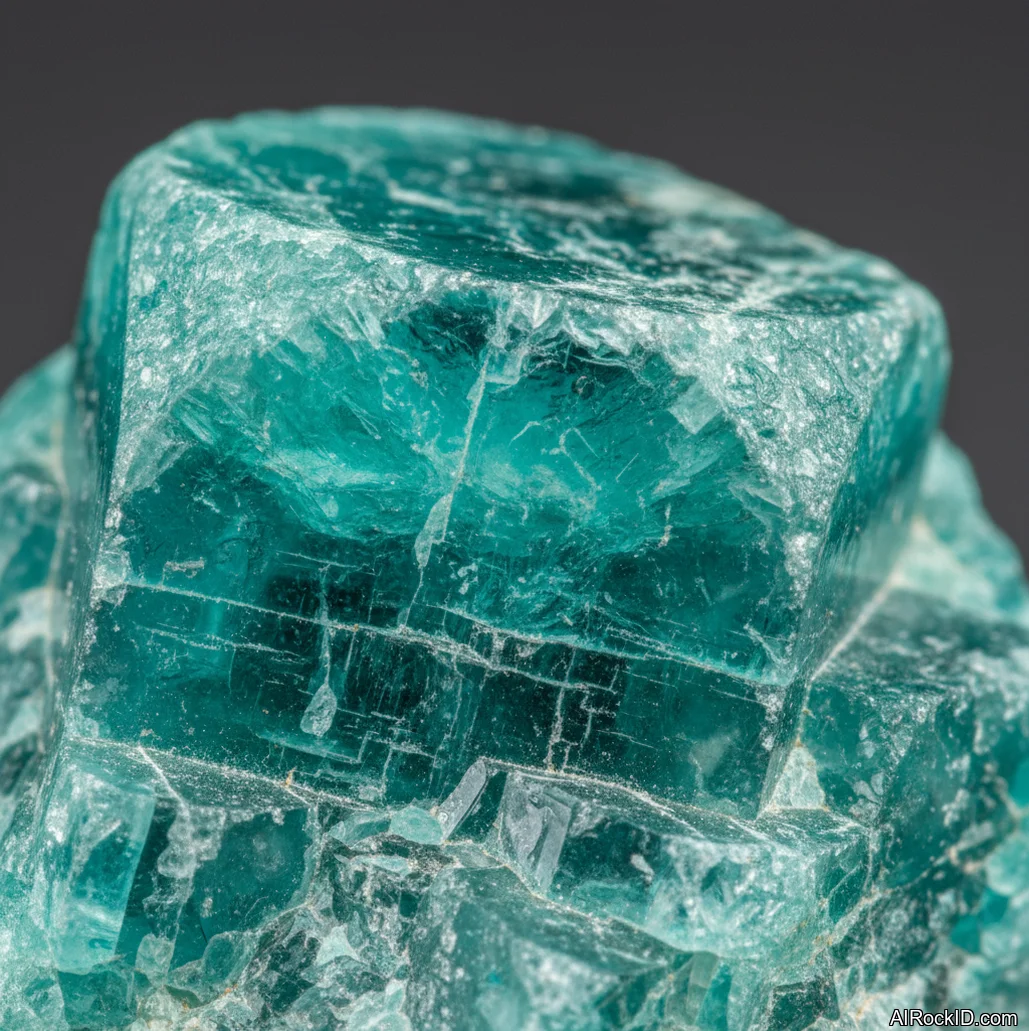
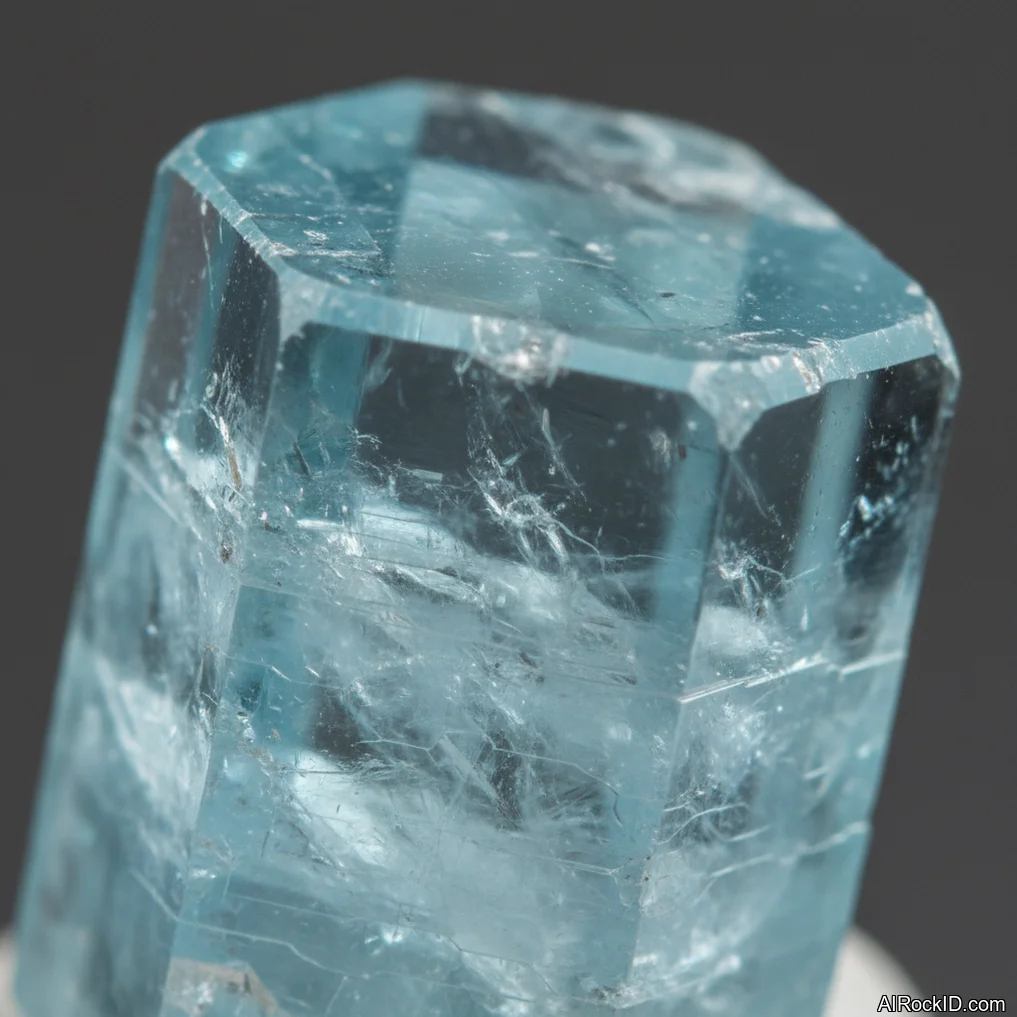
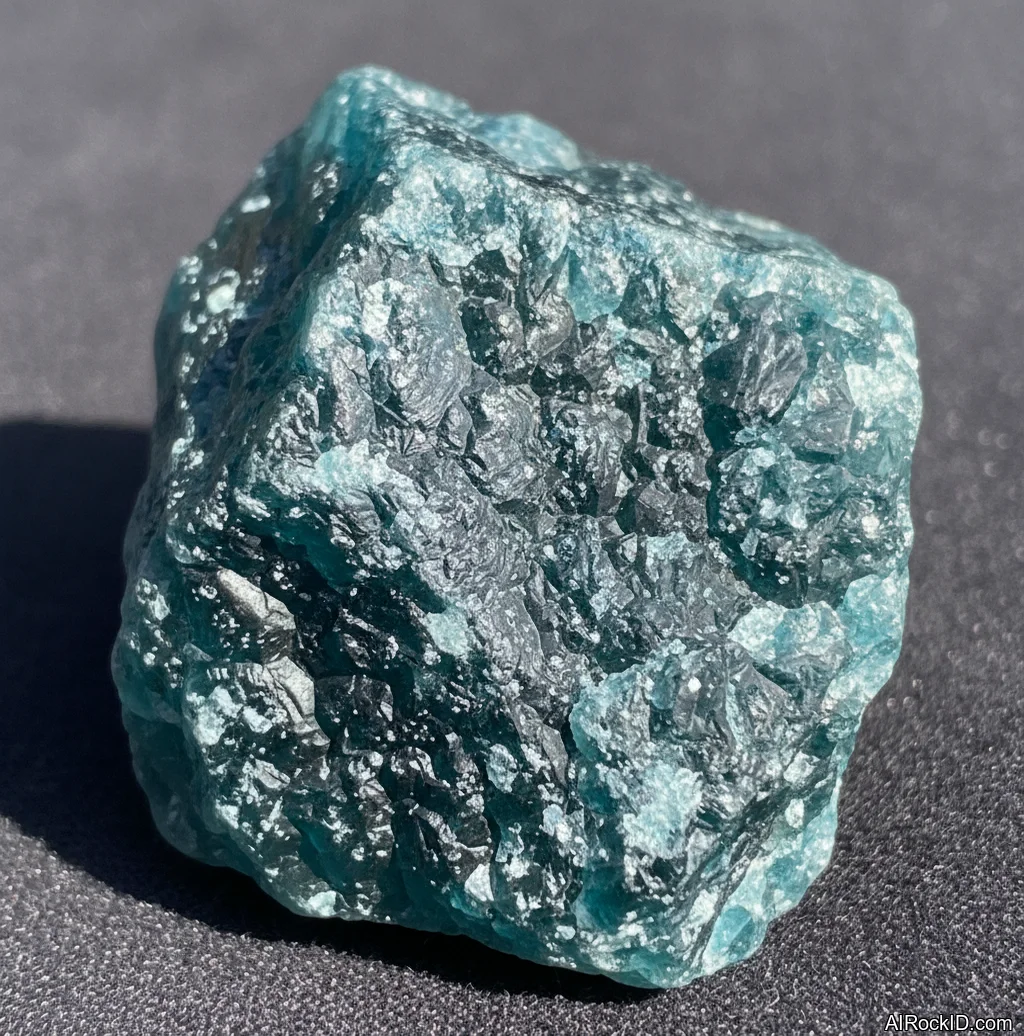
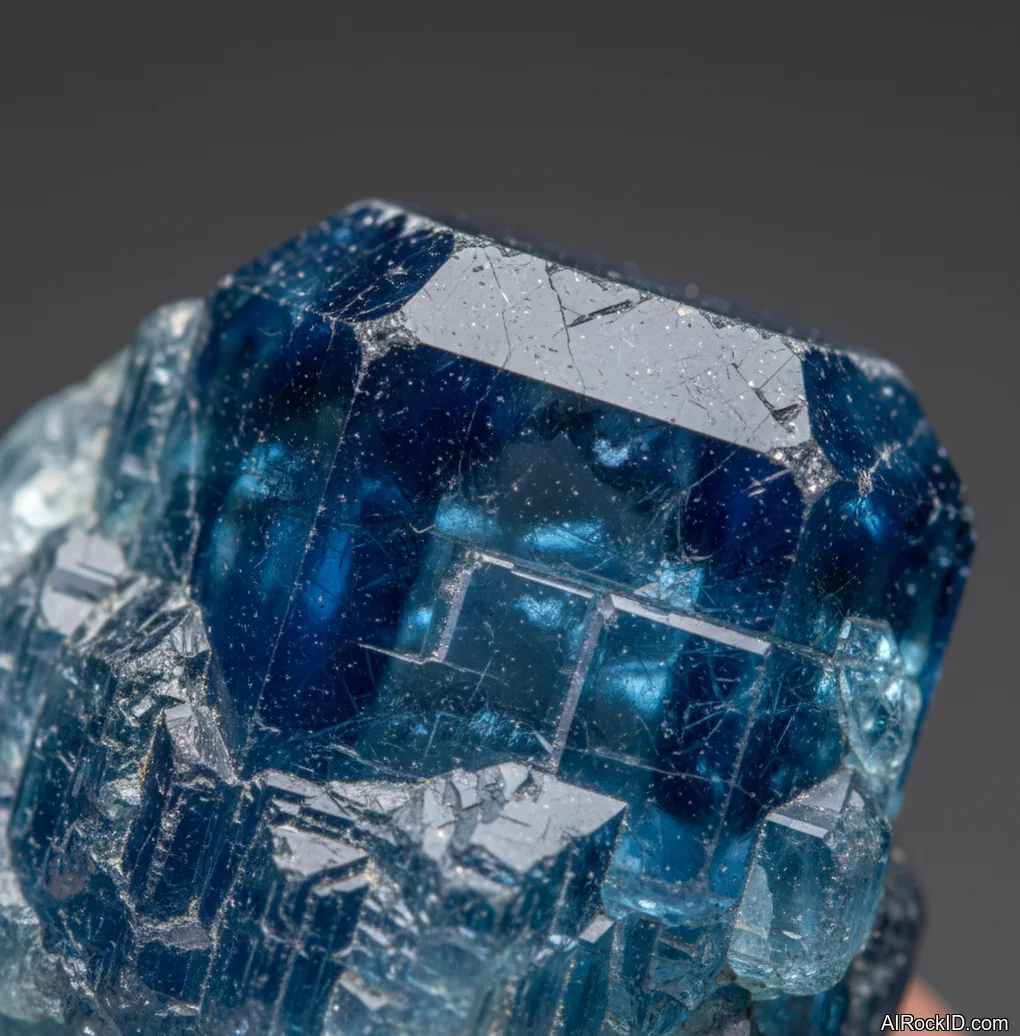
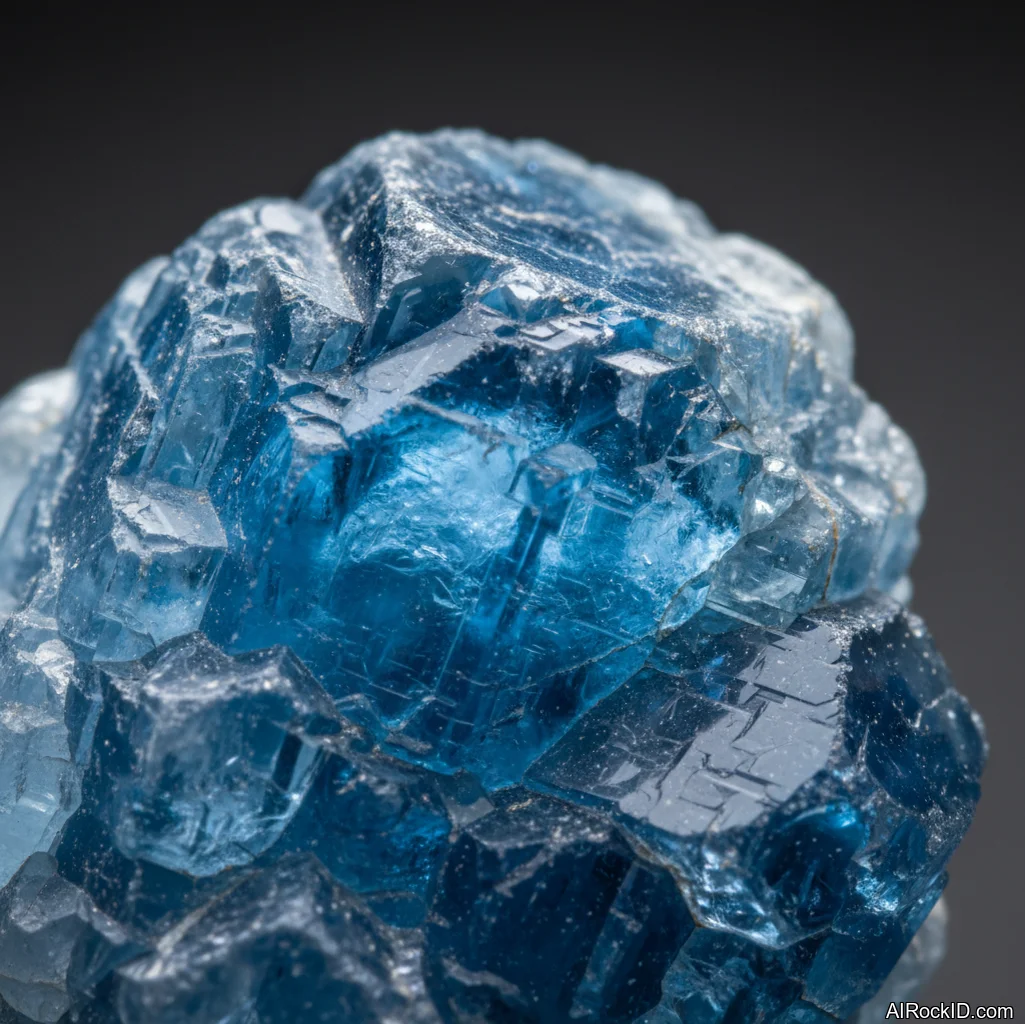
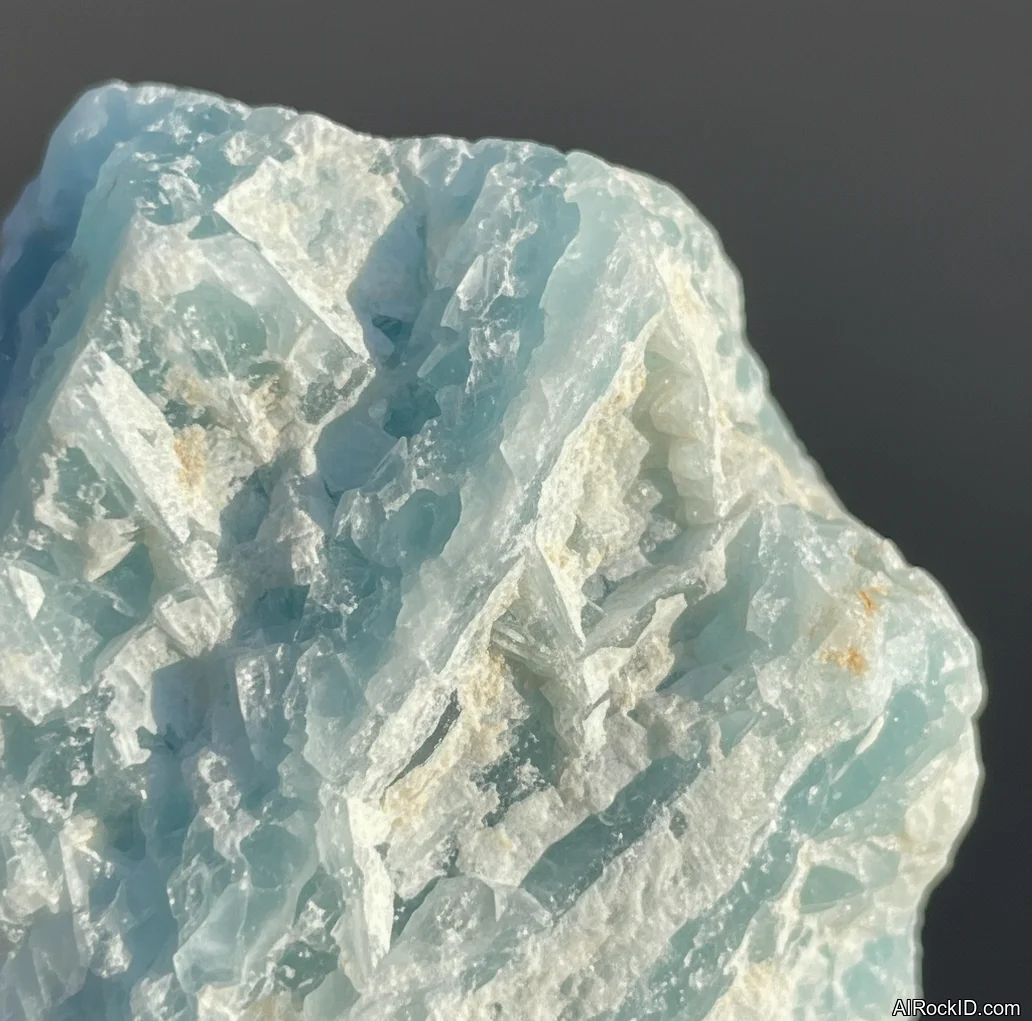
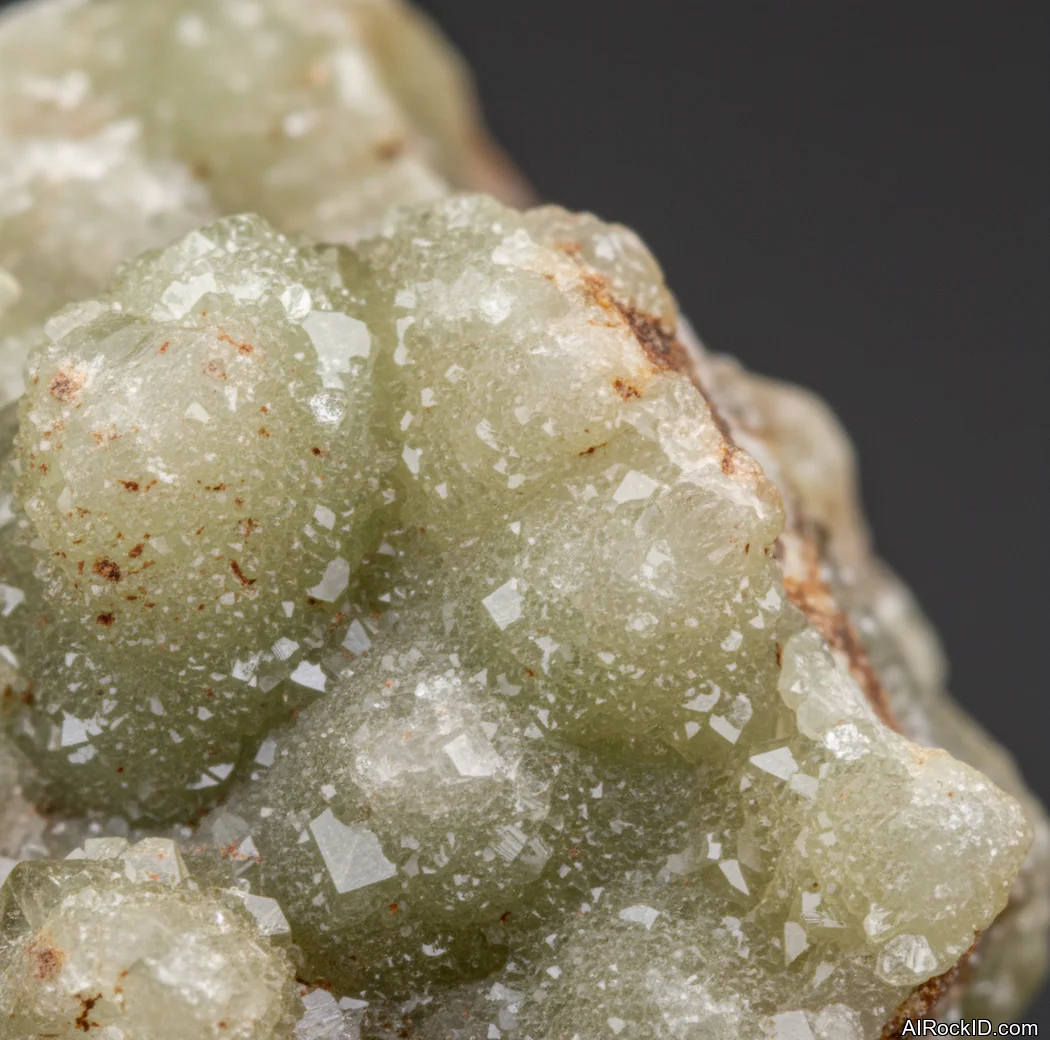
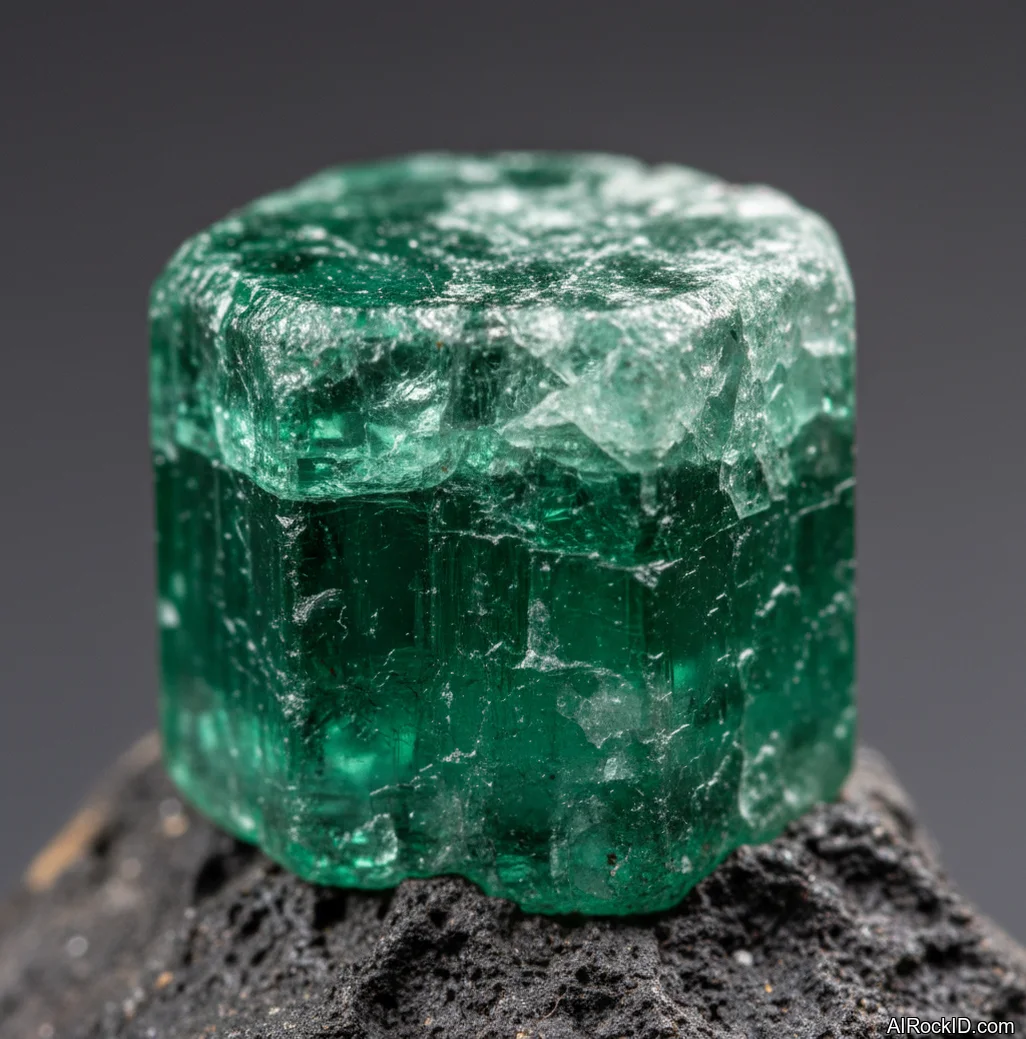
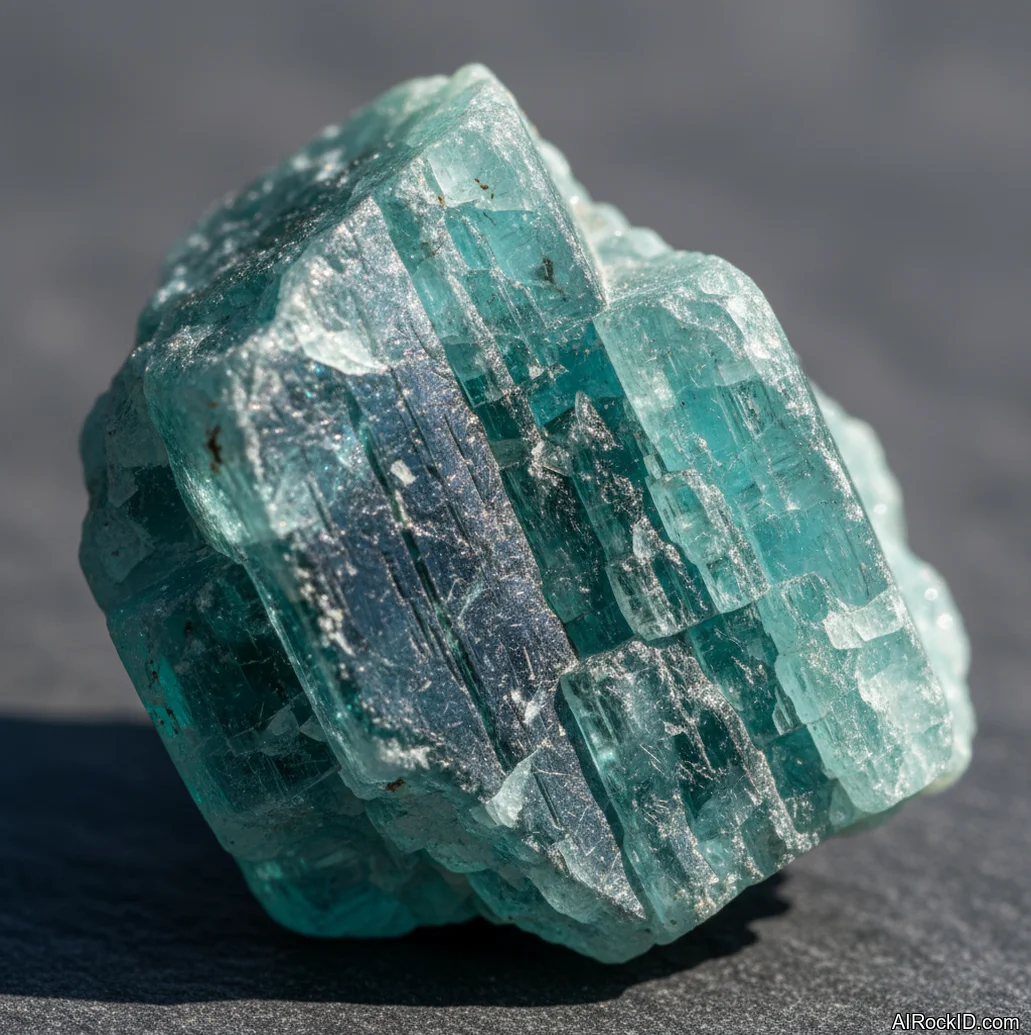
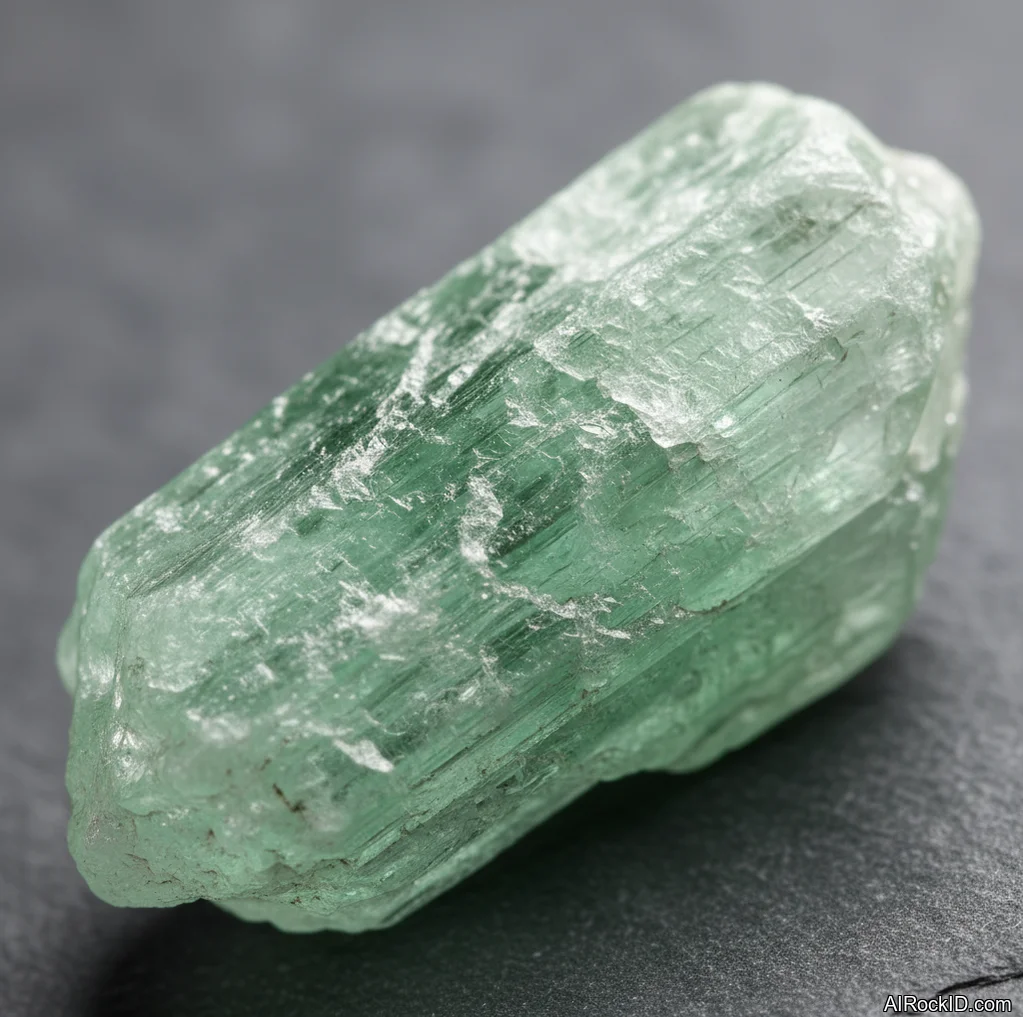
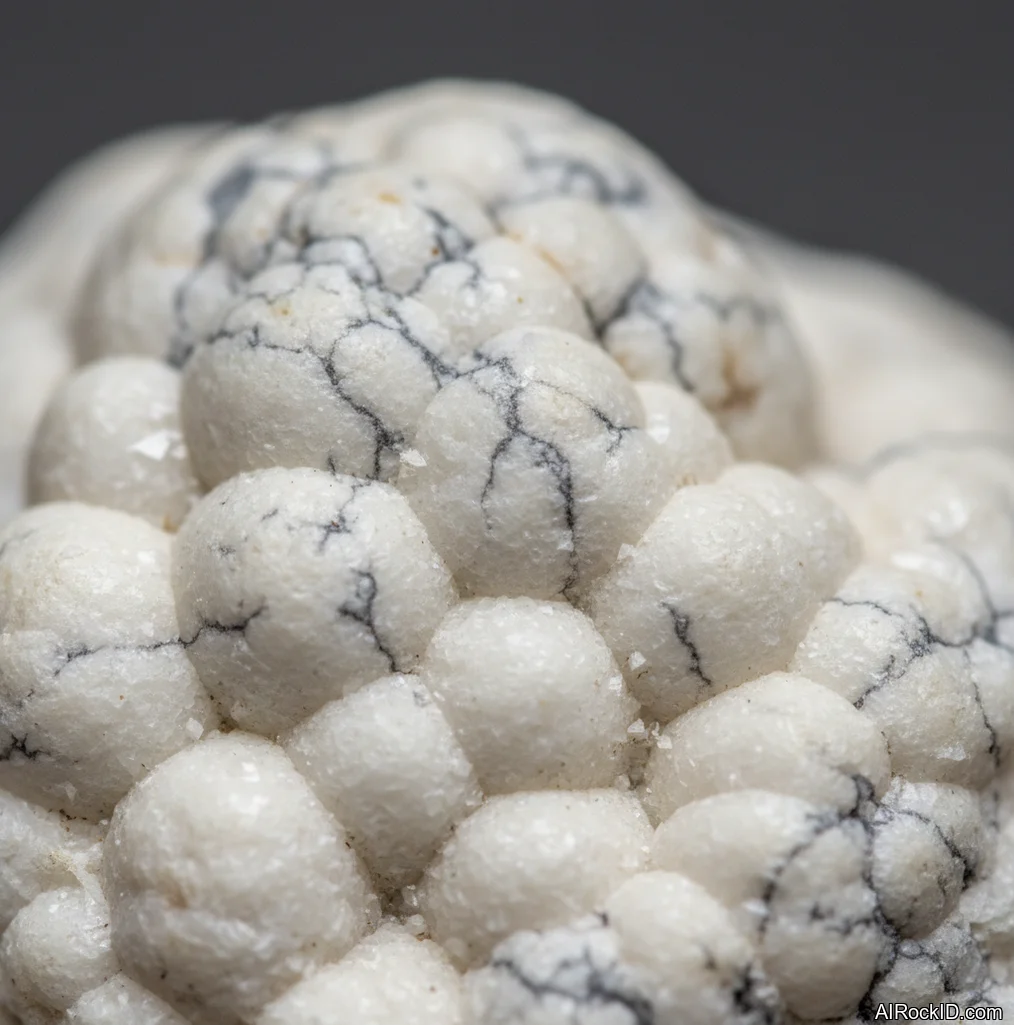
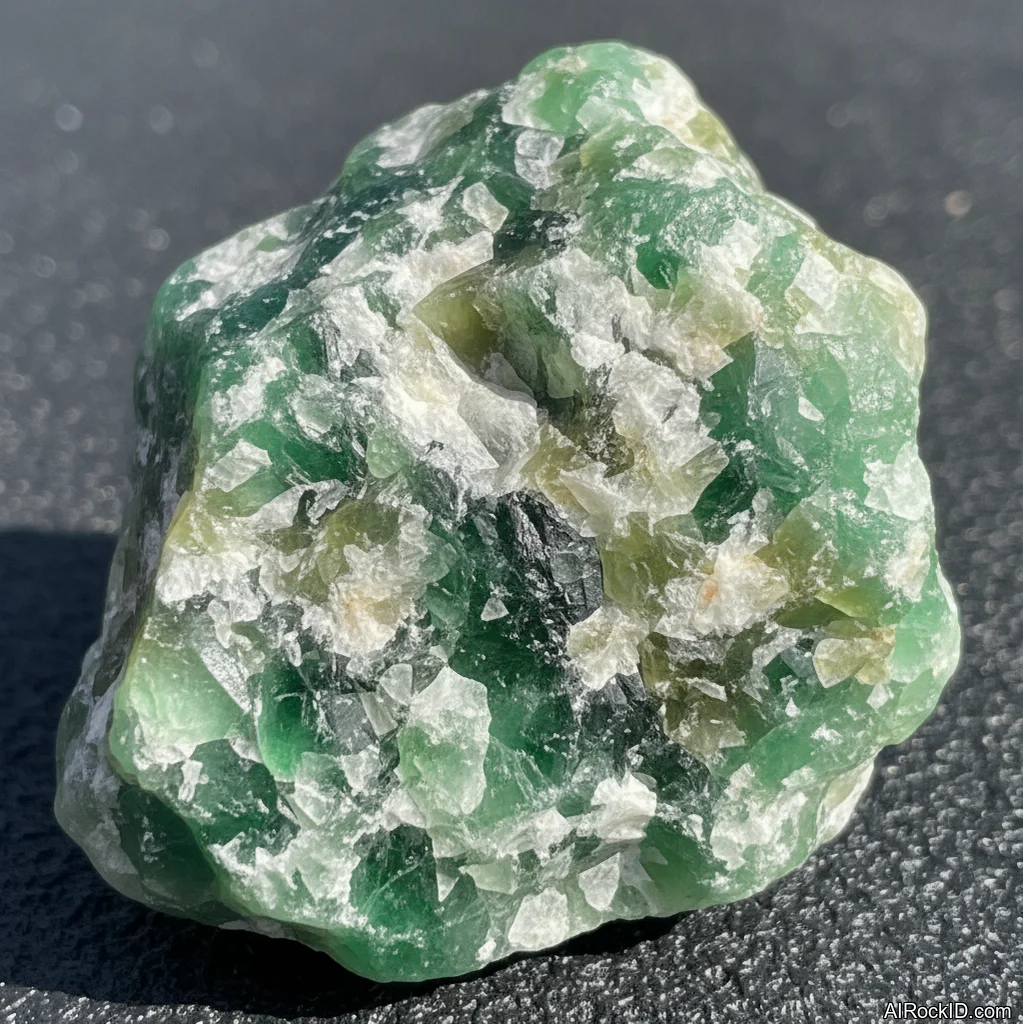
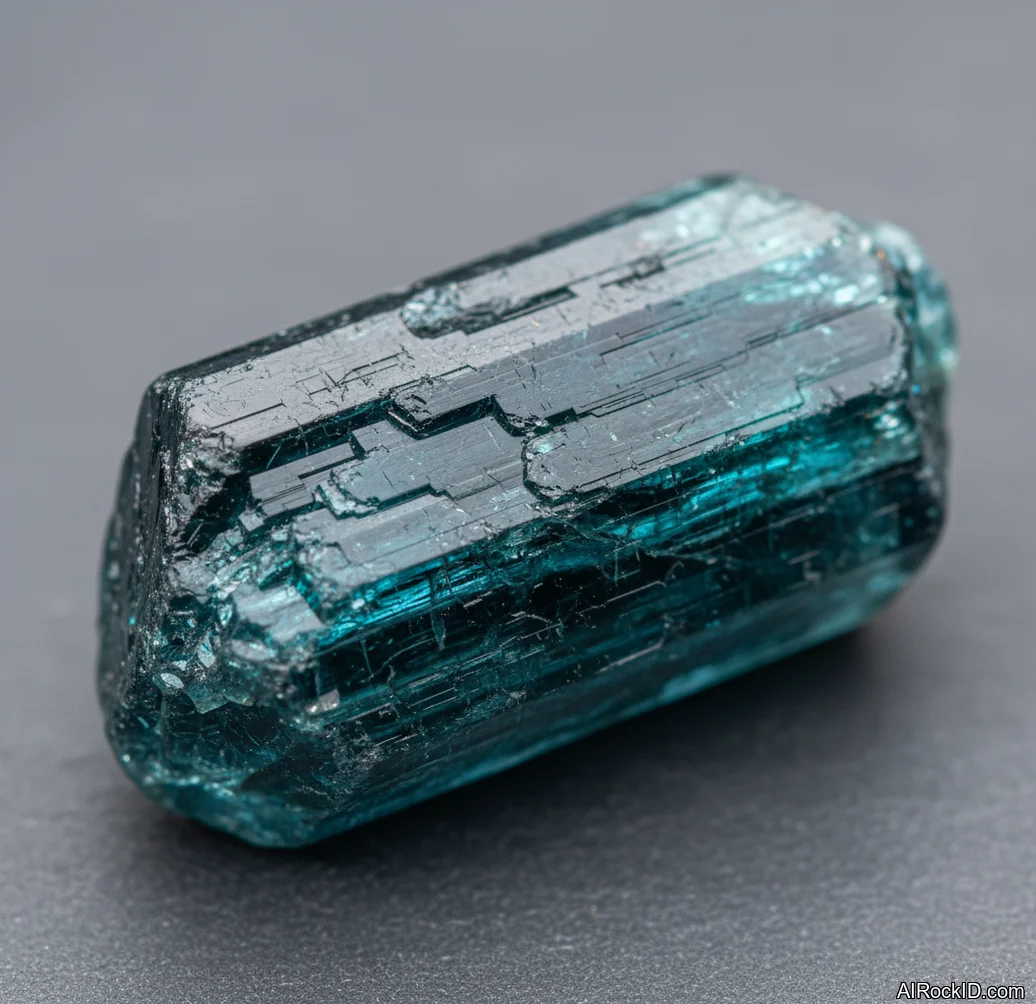
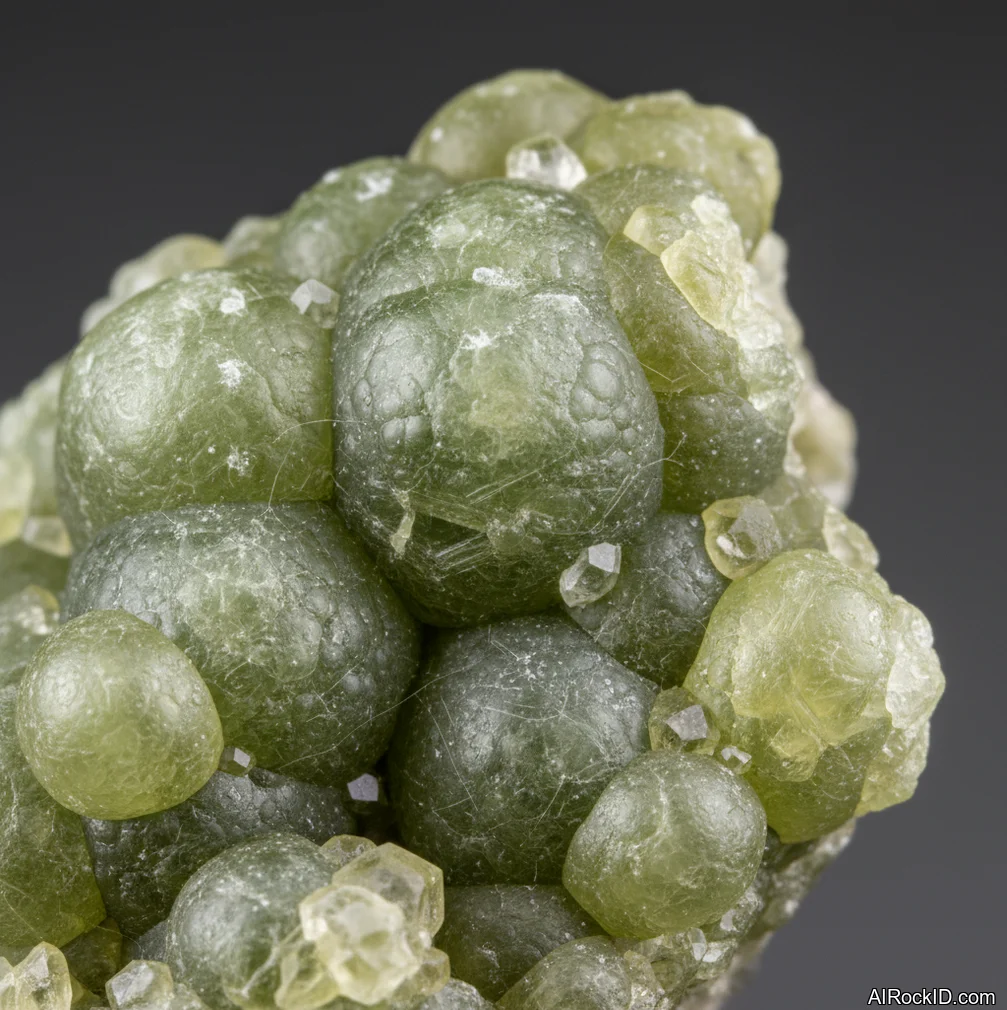
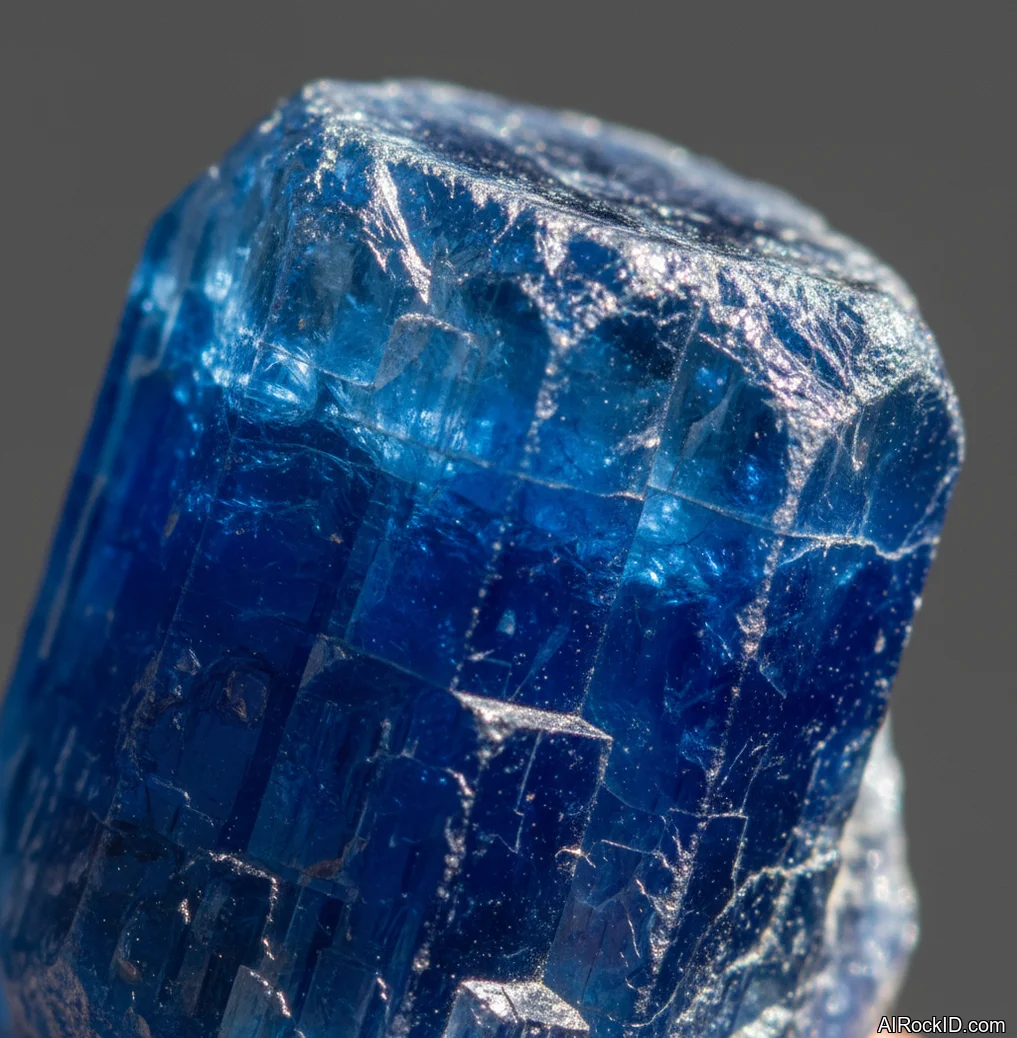
When you’re shopping, look for signs the stone actually matches what it’s being sold as. Larimar should show that cloudy, ocean-sky pattern with white marbling, not flat neon blue. A lot of “larimar” beads are dyed howlite. The dye tends to pool in little pits, and the holes in bead strands can look suspiciously dark. Aquamarine gets tricky too. Real aquamarine is beryl (hardness 7.5 to 8), so it should feel crisp and glassy, and it won’t scratch easily. If a seller’s “aquamarine” is chalky, super soft, or full of dye lines, you’re probably looking at blue calcite or dyed quartz.
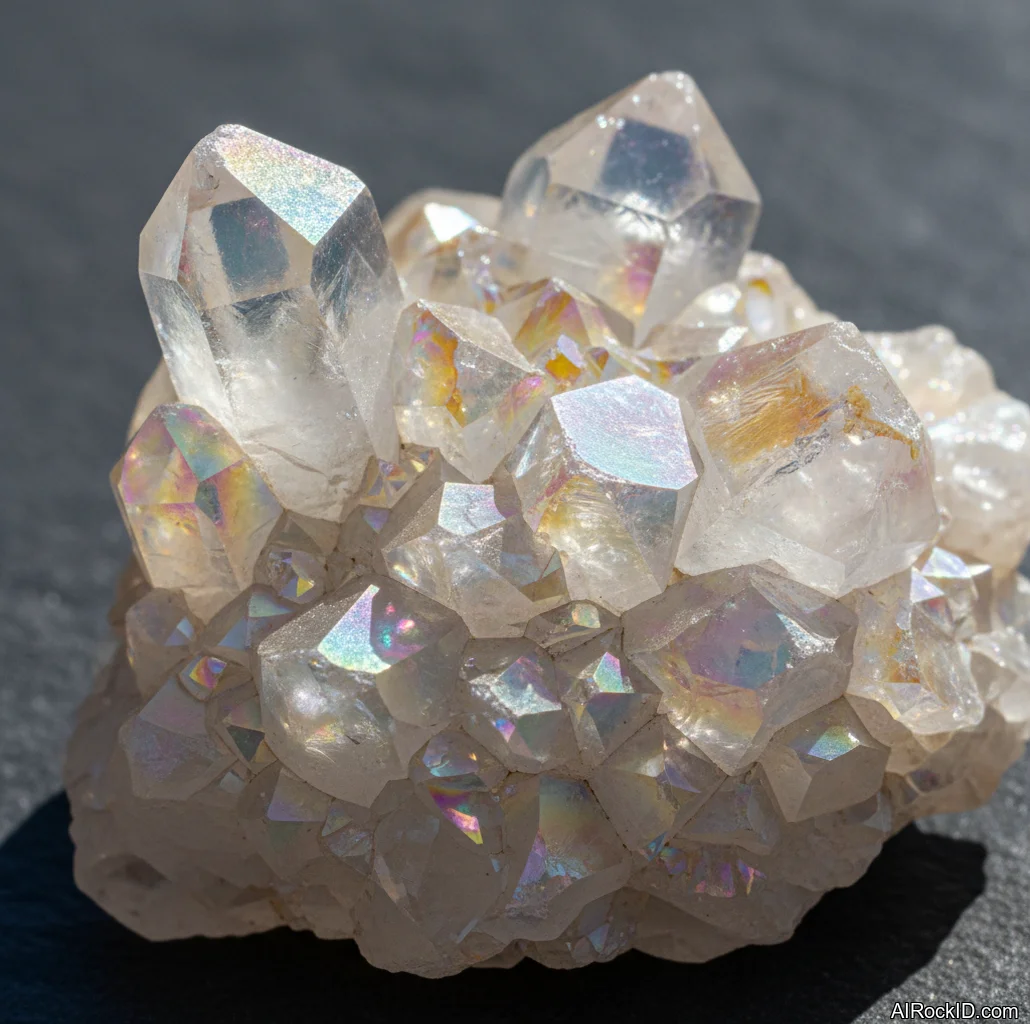
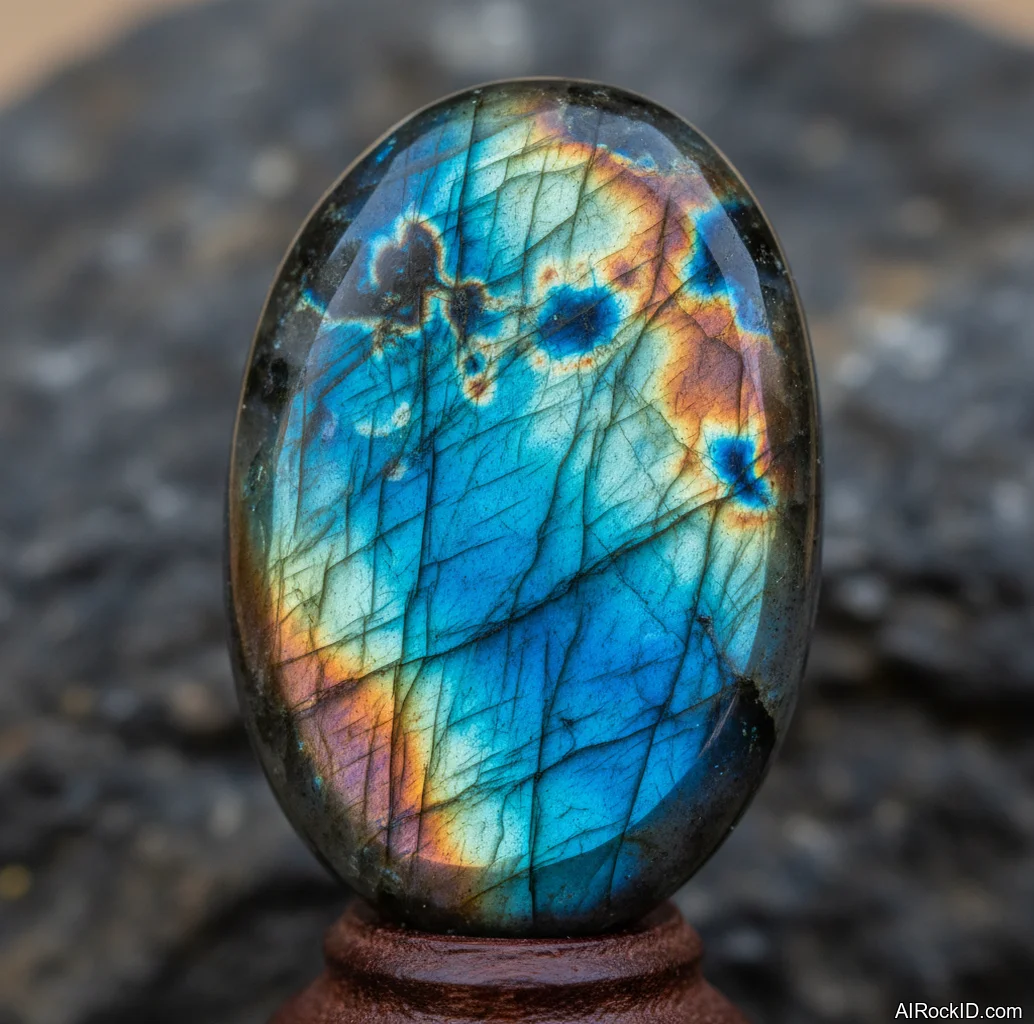
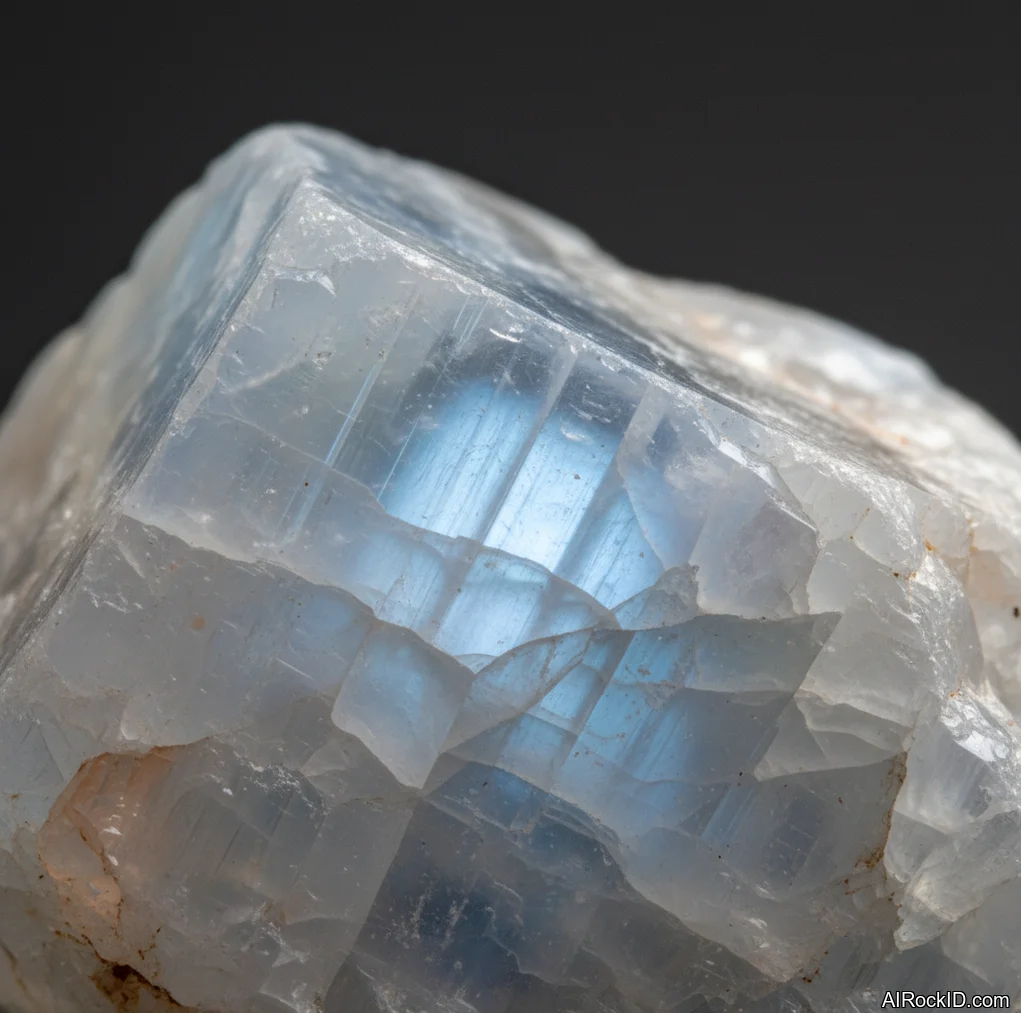
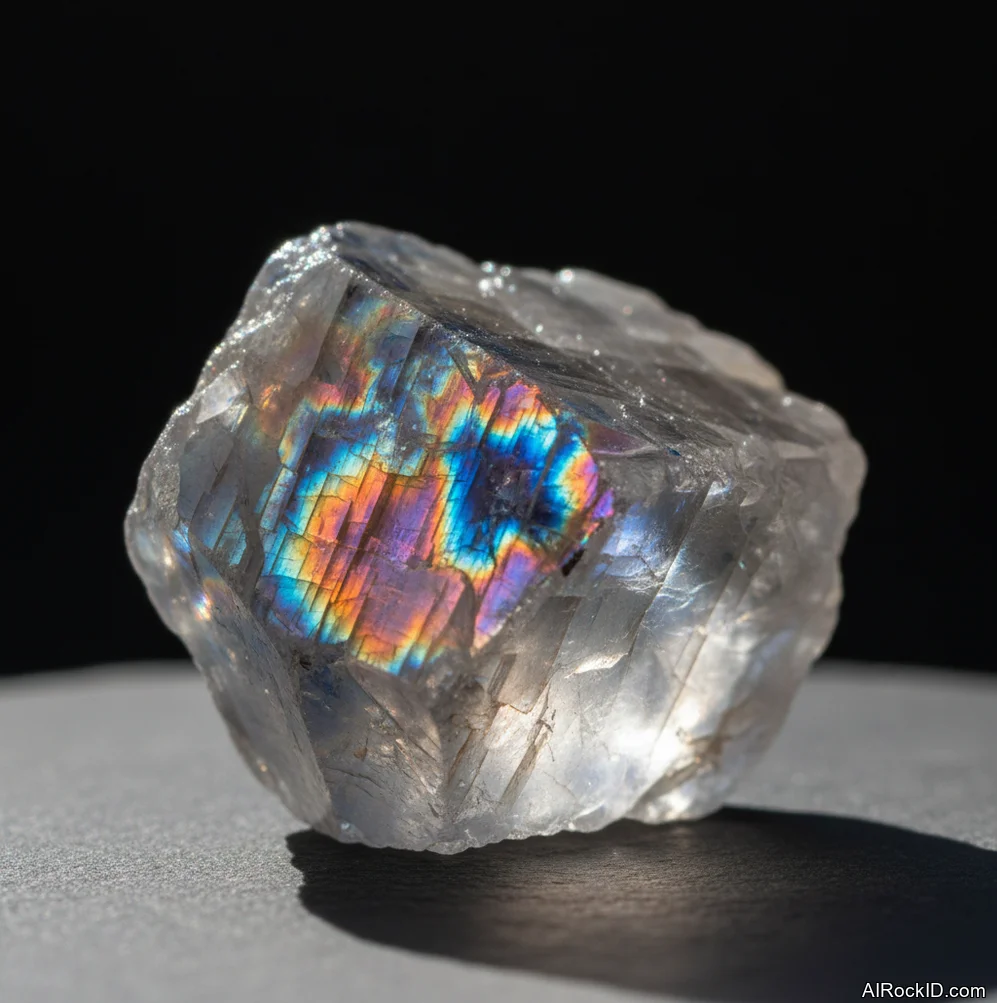
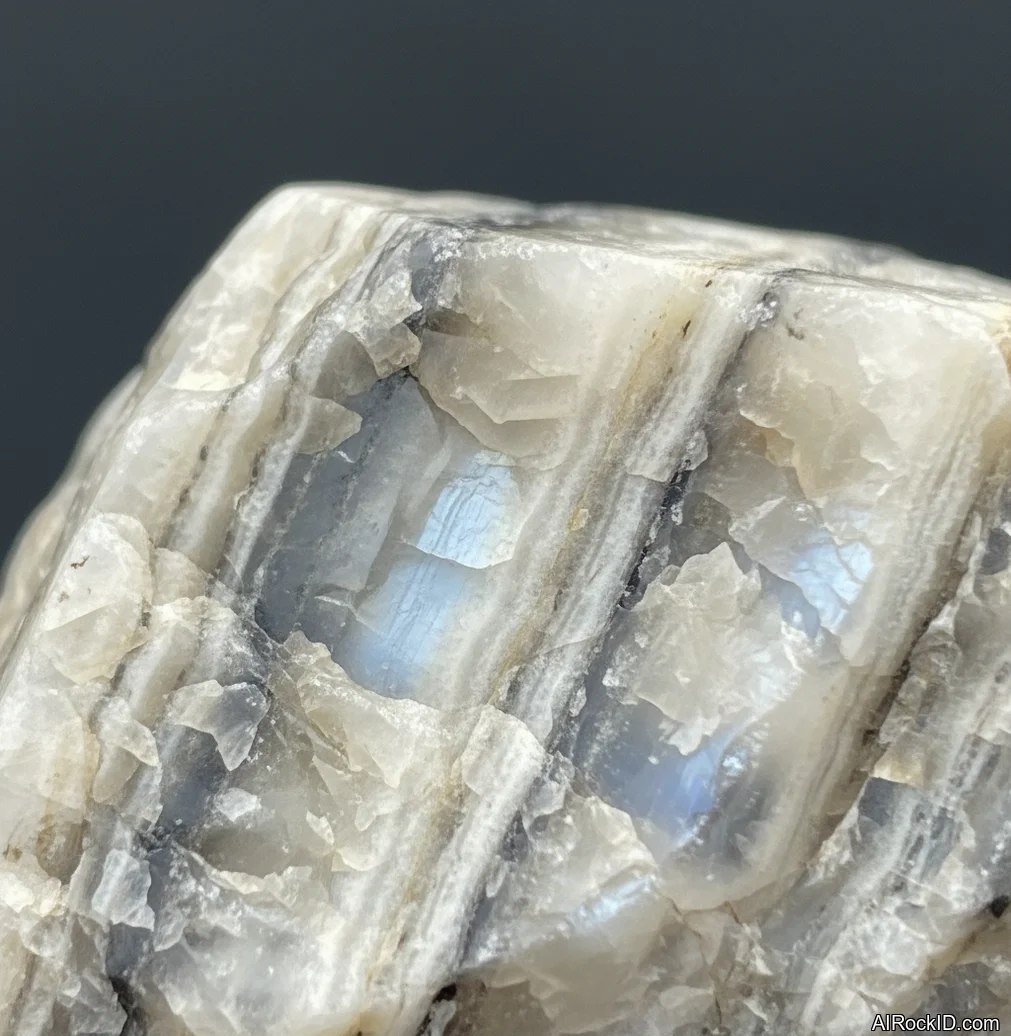
Check the finish. Water stones get tumbled and polished a lot because the smooth surface fits the whole Water theme, but polish can hide problems. Look closely for fractures under a phone flashlight. Rainbow fractures in quartz can be pretty, but they’re also weak points if you’re carrying it daily. For moonstone and labradorite, tilt the stone under a single overhead light. The flash should move as you move it. If the sheen looks painted on and doesn’t shift, it’s often a coated surface.
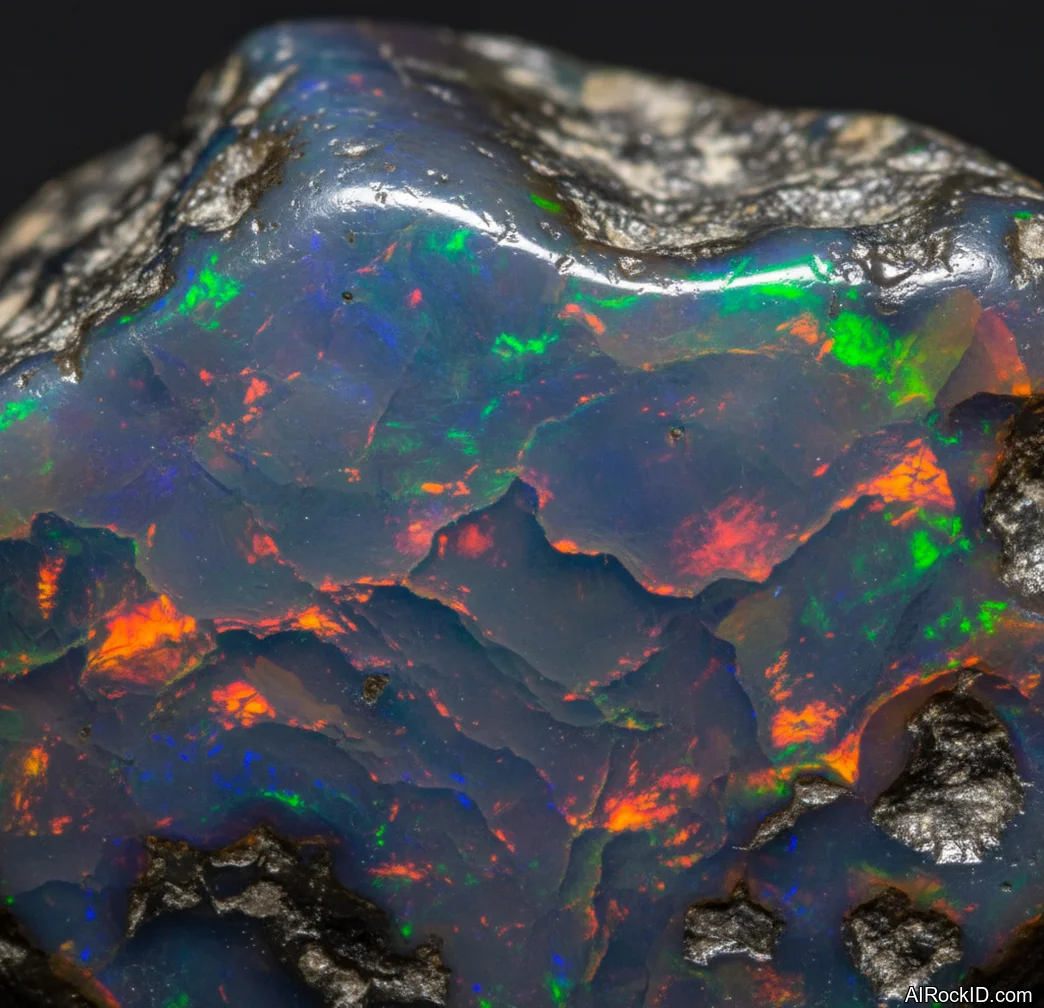
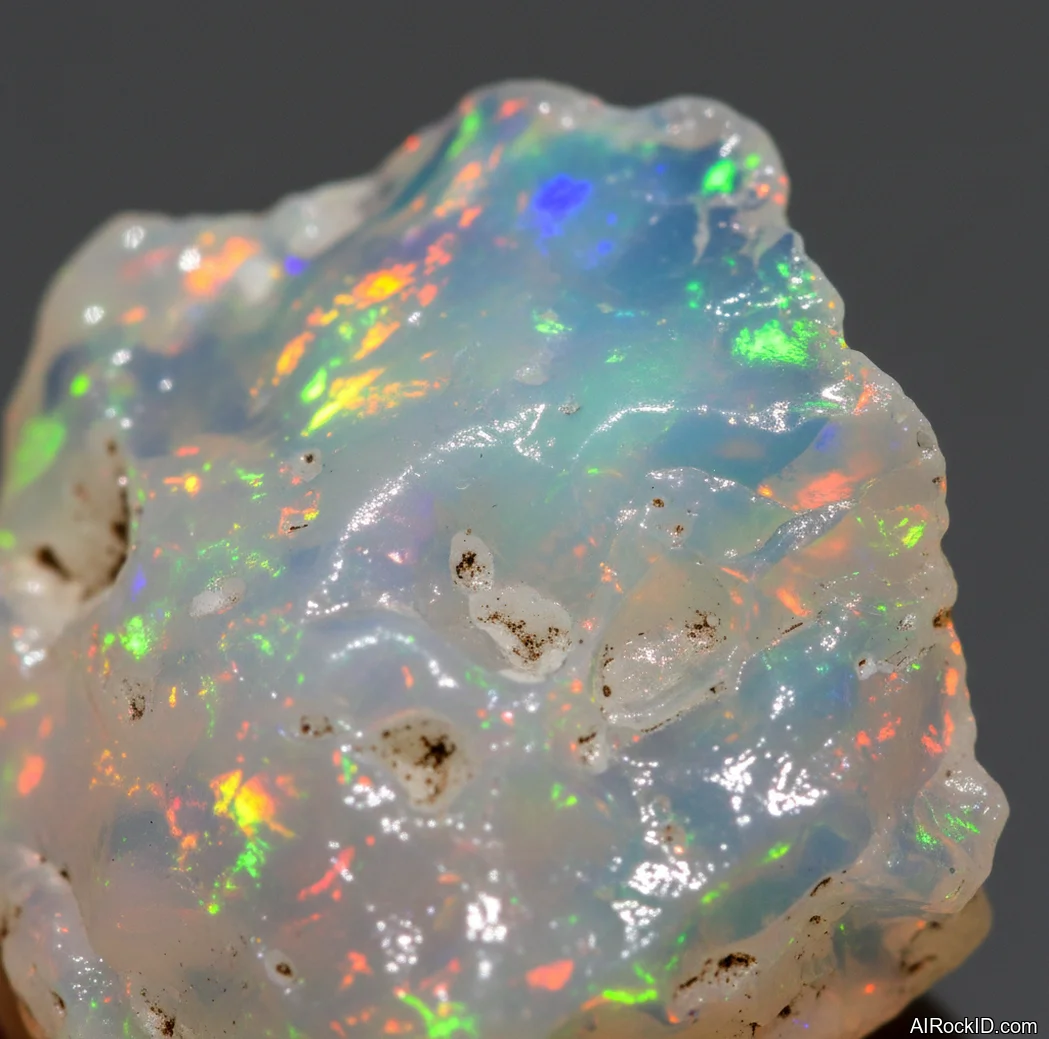
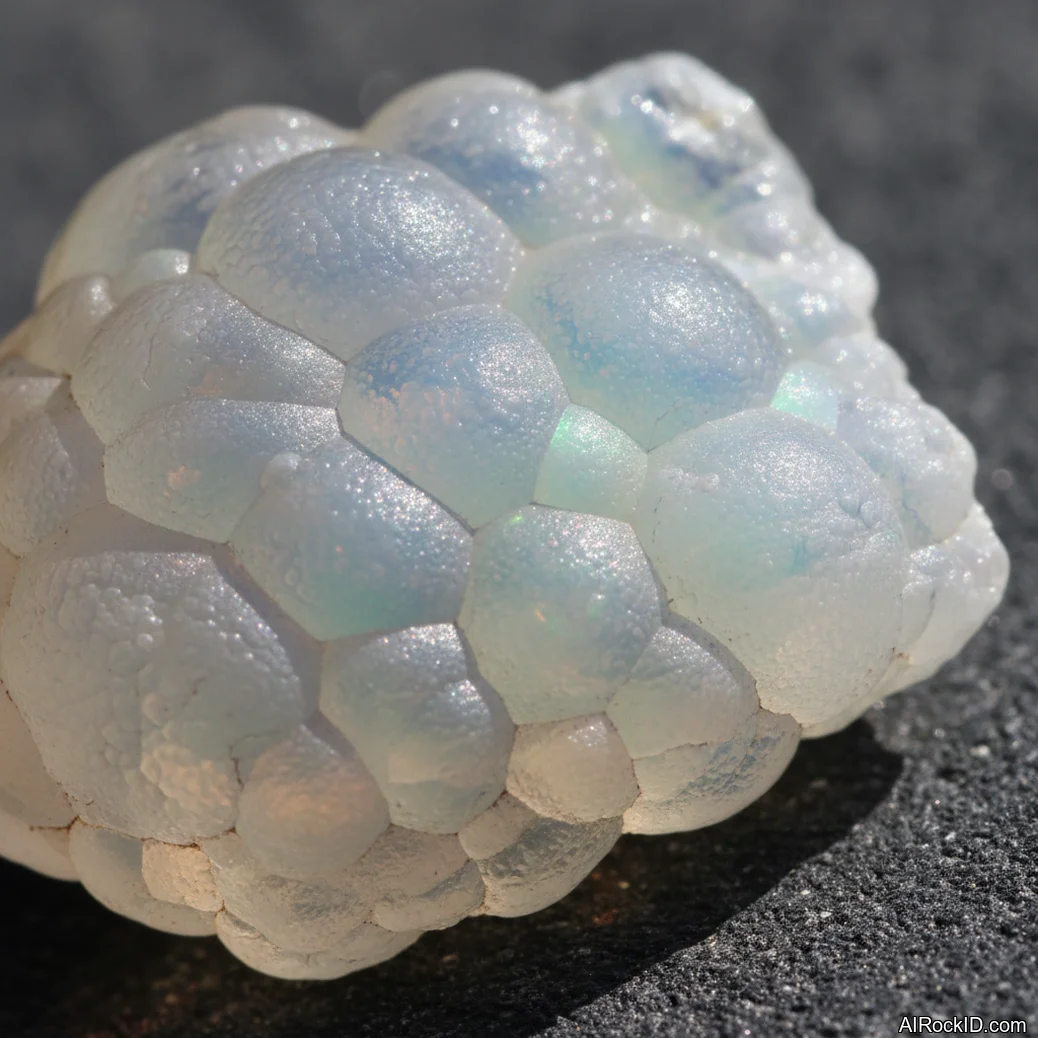
But care is where Water crystals get real. Many of the classic “watery” ones are softer than people expect. Blue calcite scratches if you toss it in a pocket with keys. Celestite hates humidity and bounces, so keep it on a stable shelf away from a sunny window. Opal can craze (those tiny surface cracks) if it dries out too fast, especially if your house swings between heat and AC. I’ve seen Ethiopian opal go from glossy to crackled just from sitting near a vent for a month.
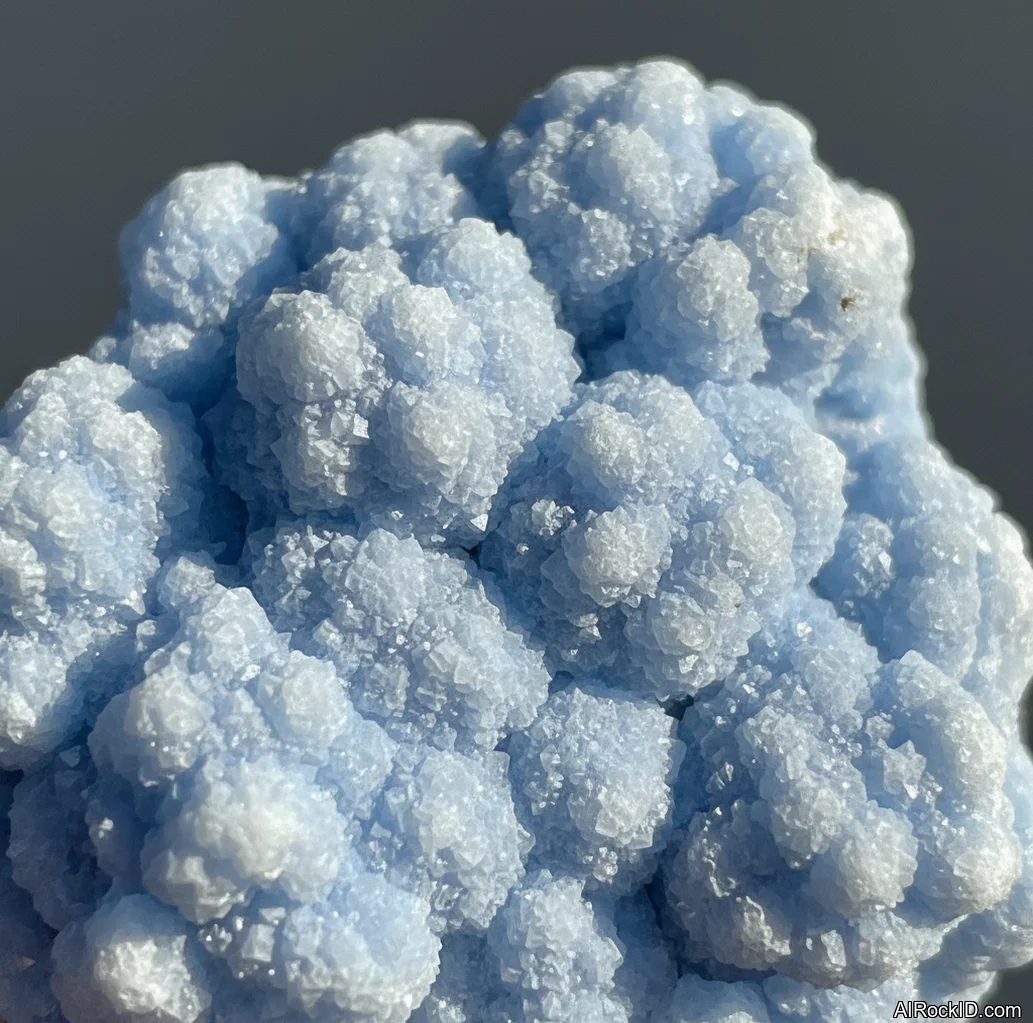
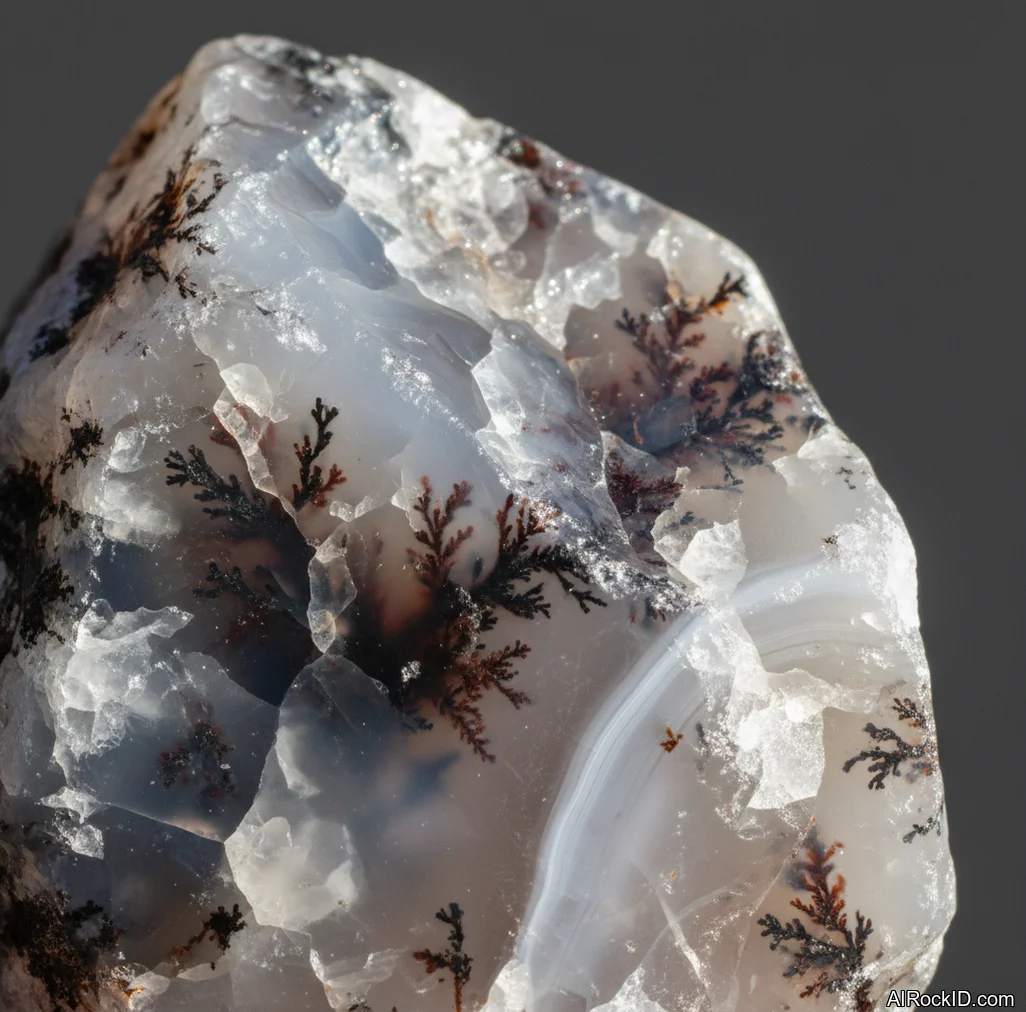
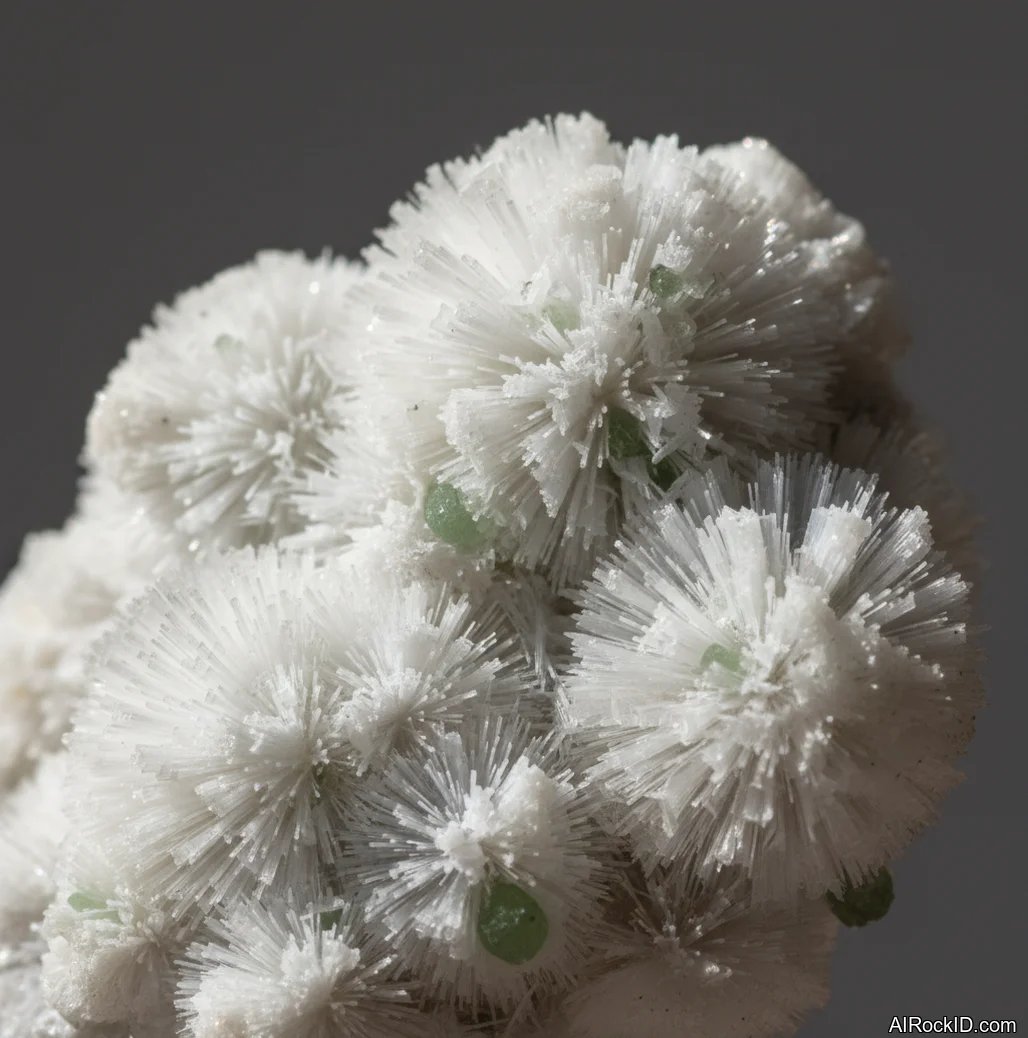
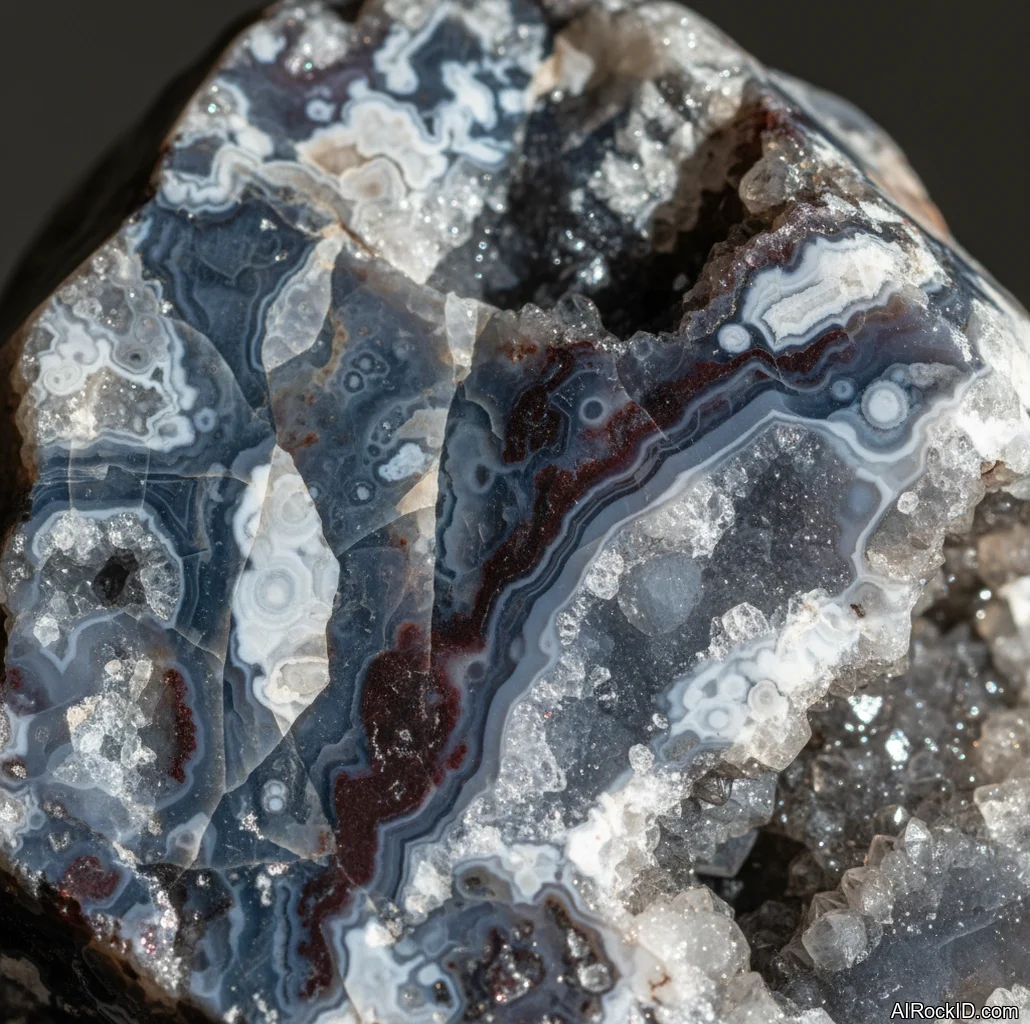
If you want to build a Water set without overthinking it, start with one hard, durable piece (aquamarine or blue lace agate), one comfort piece (moonstone or lepidolite), and one display piece you don’t manhandle (celestite or a drusy hemimorphite). That covers daily carry, personal work, and the “I just want the room to feel calmer” corner. And remember, your Water stone doesn’t need to be blue. Pearl, silver, and milky white can read as Water too, which is why moonstone and some chalcedony fit the element even when they’re not ocean colored.
Our database lists 257 crystals associated with Water, so there’s plenty of range. Still, the best Water crystal is usually the one your hand keeps reaching for because it feels cool, steady, and easy to hold when everything else feels loud.
All Water Crystals (257)