Smithsonite
What Is Smithsonite?
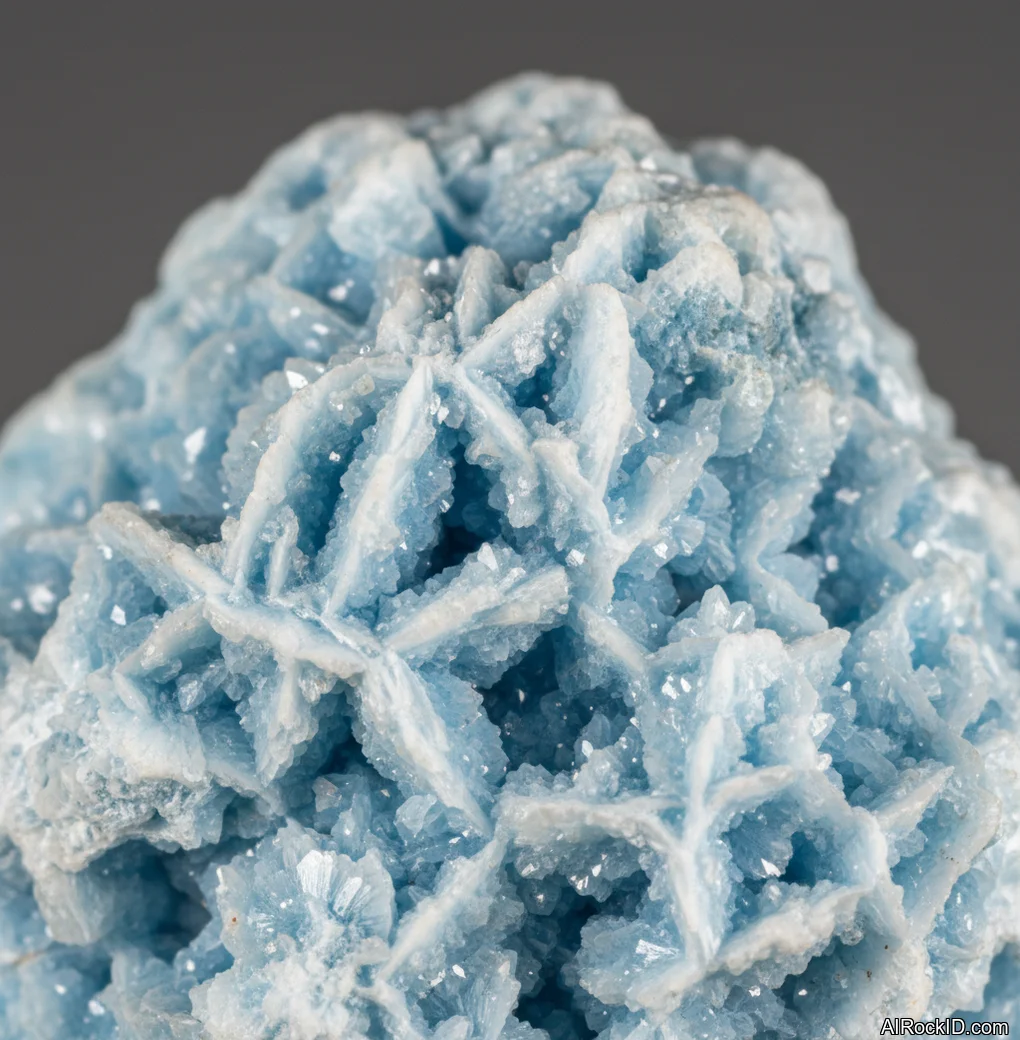
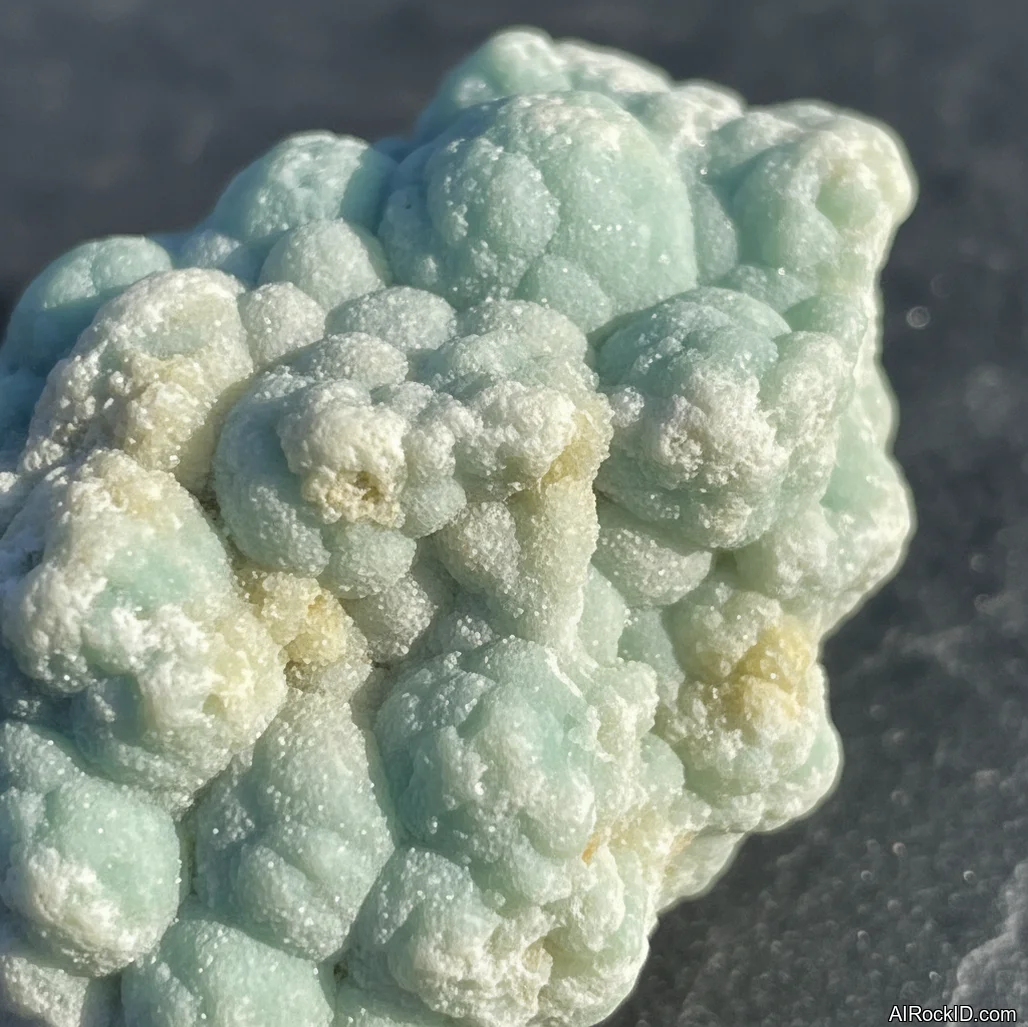
Smithsonite is a zinc carbonate mineral, formula ZnCO3. And in real life, most of what you’ll bump into isn’t neat, pointy crystals, it’s those botryoidal bubble shapes, crusty coatings, or chunky lumps that honestly look like frozen foam someone spilled and forgot about.
Grab a decent botryoidal piece and two things hit you quick: it’s heavier than your eyes think it should be, and it stays cool against your palm longer than glass or plastic does. Tip it under a show light and the surface flips from waxy to glassy in a heartbeat. Some of the best ones even have that slick “wet” shine while they’re totally dry. Weird, right?
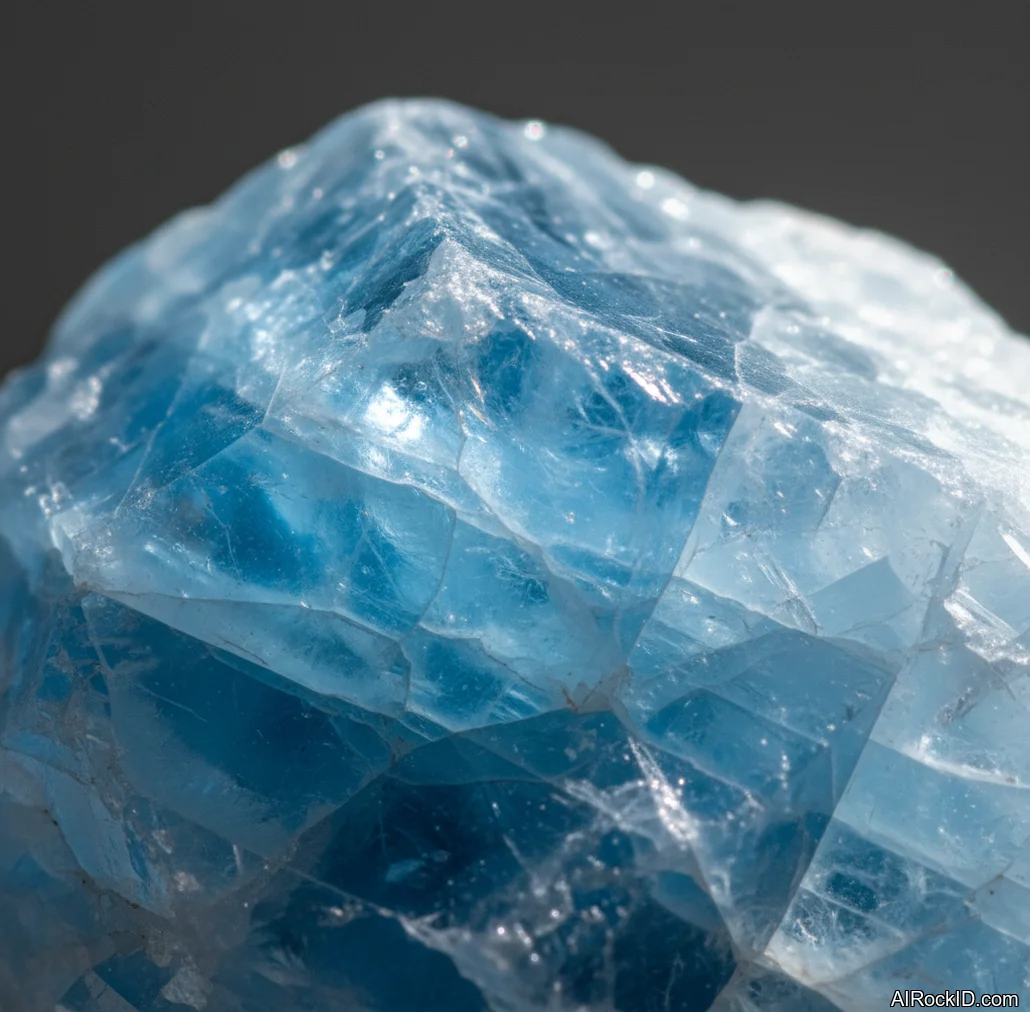
Color is where smithsonite really pulls its weight. Blue and blue-green are what everyone reaches for first, but I’ve also had soft pink stuff in hand that looked like strawberry milk (that cloudy, creamy kind), and honey-brown pieces that would have you calling “calcite” from a few feet away. But it’s softer than people expect. So if you handle it like quartz, yeah, you’re gonna regret it.
Origin & History
1803 is when smithsonite finally got its official write-up, and it’s tied to James Smithson. Yep, that Smithson, the guy whose name ended up on the Smithsonian Institution. Funny little crossover, right?
Before that, miners and collectors tossed a bunch of zinc carbonates into the “calamine” bucket, along with hemimorphite, because out in the field they can look weirdly alike. So the rename basically cleaned up the zinc-ore mess: smithsonite is the carbonate, hemimorphite is the silicate. And you still run into old “calamine” labels at estate sales, tucked in dusty shop drawers with that slightly yellowed paper and brittle glue that flakes off if you rub it.
Where Is Smithsonite Found?
Smithsonite turns up in zinc mining districts worldwide, especially where oxidized ore zones developed above sulfide deposits. A lot of the showy stuff people chase is from classic localities like Kelly (New Mexico) and Tsumeb (Namibia).
Formation
Most smithsonite shows up in the oxidized zone of zinc ore deposits. Picture groundwater seeping through, oxygen getting in, and a whole lot of time chewing on primary sulfides like sphalerite. Once those minerals start breaking down, zinc can travel in solution, then drop back out as smithsonite when there’s carbonate around.
Look at a bunch of specimens up close and the chemistry basically leaves fingerprints in the surface. You’ll see botryoidal skins that feel slightly waxy under a fingertip, banding that runs like thin tide lines, and drusy sparkles that catch hard, pinprick flashes when you tilt the piece under a lamp. That kind of texture is a dead giveaway it formed in open spaces while the fluids kept changing.
And smithsonite doesn’t always build everything from nothing. It’s a replacement artist too. I’ve handled pieces where it clearly took over older material, leaving ghosty shapes and uneven boundaries that just don’t look “grown from scratch.” How else do you get those half-erased outlines?
How to Identify Smithsonite
Color: Smithsonite ranges from colorless and white to blue, blue-green, green, pink, yellow, and brown depending on trace elements and inclusions. Blue-green is common on the collector market, but there’s a lot of tan and gray out there too.
Luster: Luster is vitreous to pearly, and botryoidal surfaces can look slightly waxy until you hit the right angle of light.
Pick up a piece and check the heft. It usually feels denser than it looks, especially compared to resin fakes. If you scratch it with a steel nail, it’ll mark more easily than quartz or agate, which surprises people. The real test is the habit and the “skin.” Smithsonite often has rounded botryoidal bumps with tiny sparkly druse in pits and seams, and the surface doesn’t feel plasticky warm the way dyed resin does.
Properties of Smithsonite
Physical Properties
| Crystal System | Trigonal |
| Hardness (Mohs) | 4-4.5 (Soft (2-4)) |
| Density | 4.30-4.45 g/cm3 |
| Luster | Vitreous |
| Diaphaneity | Transparent to translucent |
| Fracture | Uneven |
| Streak | White |
| Magnetism | Non-magnetic |
| Colors | Colorless, White, Blue, Blue-green, Green, Pink, Yellow, Brown, Gray |
Chemical Properties
| Classification | Carbonates |
| Formula | ZnCO3 |
| Elements | Zn, C, O |
| Common Impurities | Cu, Co, Fe, Mn, Cd |
Optical Properties
| Refractive Index | 1.842-1.850 |
| Birefringence | 0.008 |
| Pleochroism | None |
| Optical Character | Uniaxial |
Smithsonite Health & Safety
For most people, handling it isn’t much of a risk. The real problem is the dust you kick up if you grind it, not just having it sitting out on display.
Safety Tips
If you’re going to shape or polish it, put on a real respirator (the kind that seals to your face, not a floppy dust mask) and use wet methods so the dust stays stuck instead of hanging in the air.
Smithsonite Value & Price
Price Range
Rough/Tumbled: $20 - $800 per specimen
Cut/Polished: $10 - $80 per carat
Price can jump all over the place depending on color, where it came from, surface condition, and even how it looks under a desk lamp. The pieces that really pull cash are clean blue botryoidal ones with that slick, high-gloss shine, no chalky patches, and a surface that still feels smooth when you run a fingertip over it. And if it’s from an old-label locality? That can push the price up in a hurry.
Durability
Nondurable — Scratch resistance: Fair, Toughness: Fair
Smithsonite is stable in normal room conditions, but it’s soft and can bruise or scuff from simple handling and drawer rub.
How to Care for Smithsonite
Use & Storage
Store smithsonite wrapped or in a box with padding so the botryoidal surface doesn’t get scuffed. And keep it away from harder specimens that can scratch it in a shared flat.
Cleaning
1) Use lukewarm water and a tiny drop of mild soap. 2) Gently wipe with a soft microfiber cloth or very soft brush, then rinse. 3) Pat dry and let it air dry fully before putting it back in a box.
Cleanse & Charge
If you do energy-style care, stick to smoke, sound, or a night on a shelf. I skip salt for smithsonite because it’s not worth the hassle.
Placement
A stable shelf with low traffic is best, where it won’t get bumped. If you display it under lights, keep the heat low so you’re not baking a soft surface over time.
Caution
Skip acids and anything too aggressive, and don’t throw it in a tumbler. Treat it like a soft carbonate, because that’s what it is.
Works Well With
Smithsonite Meaning & Healing Properties
Pay attention to how smithsonite feels sitting in a room with you. It’s quiet. When I’m sorting flats after a show and my brain’s buzzing, I’ll keep a smooth smithsonite piece parked near my keyboard, and it sort of nudges me into slower, steadier choices.
Most dealers talk about it right alongside “calming” stones, and yeah, I see it. The colors tend to run soft, and it has that gentle, almost cushy feel under your thumb. But I’m not going to sell it as medicine. If you’ve got real anxiety or sleep issues, that’s a healthcare conversation. As a personal practice, though, smithsonite can sit nicely next to breath work, journaling, and the kind of simple routine you can actually repeat without thinking too hard.
But there’s a catch people skip over. It’s soft, so it doesn’t really enjoy constant pocket carry. If you rub it like a worry stone all day, the polish will start to haze and you’ll pick up tiny scratches that change the way it feels. I’ve watched a glossy blue piece go matte on the high spots after a month of fidgeting. So if you want the vibe without beating it up, leave it by your bed or your desk and handle it gently (no constant rubbing).
Identify Any Crystal Instantly
Snap a photo and get properties, value, care instructions, and healing meanings in seconds.