Joy Crystals
Explore Joy crystals and what they’re used for, plus how to choose, cleanse, and work with stones like Citrine, Sunstone, and Rose Quartz.
Joy, in crystal talk, isn’t fake-happy or nonstop good vibes. It’s that clean little lift when your chest unclenches and you remember you’re allowed to enjoy your own life. People reach for “Joy” stones when everything feels gray, when stress has been running the show, or when they want a steady mood reset they can touch and see. And a lot of us use them as a counterweight to heavier work too, like grief stones or deep shadow journaling. You don’t want to live in the basement all the time.
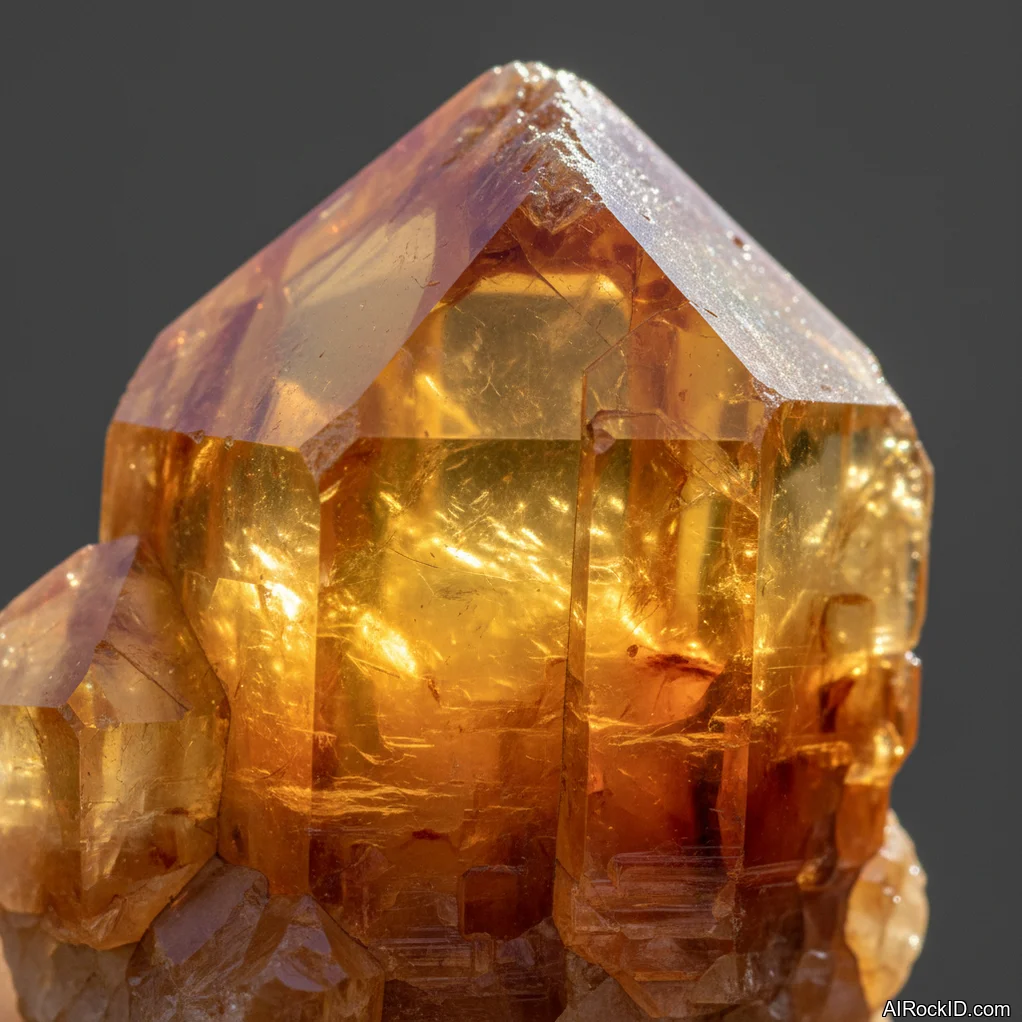
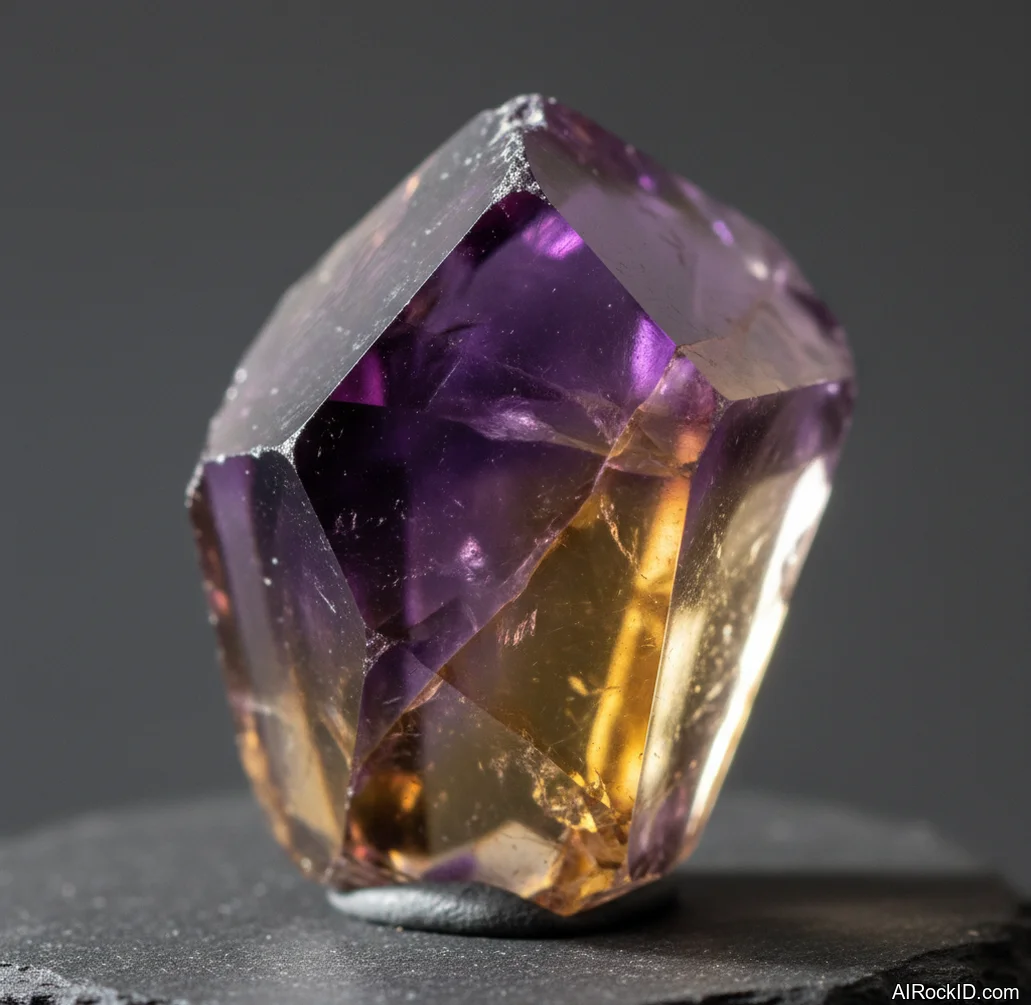
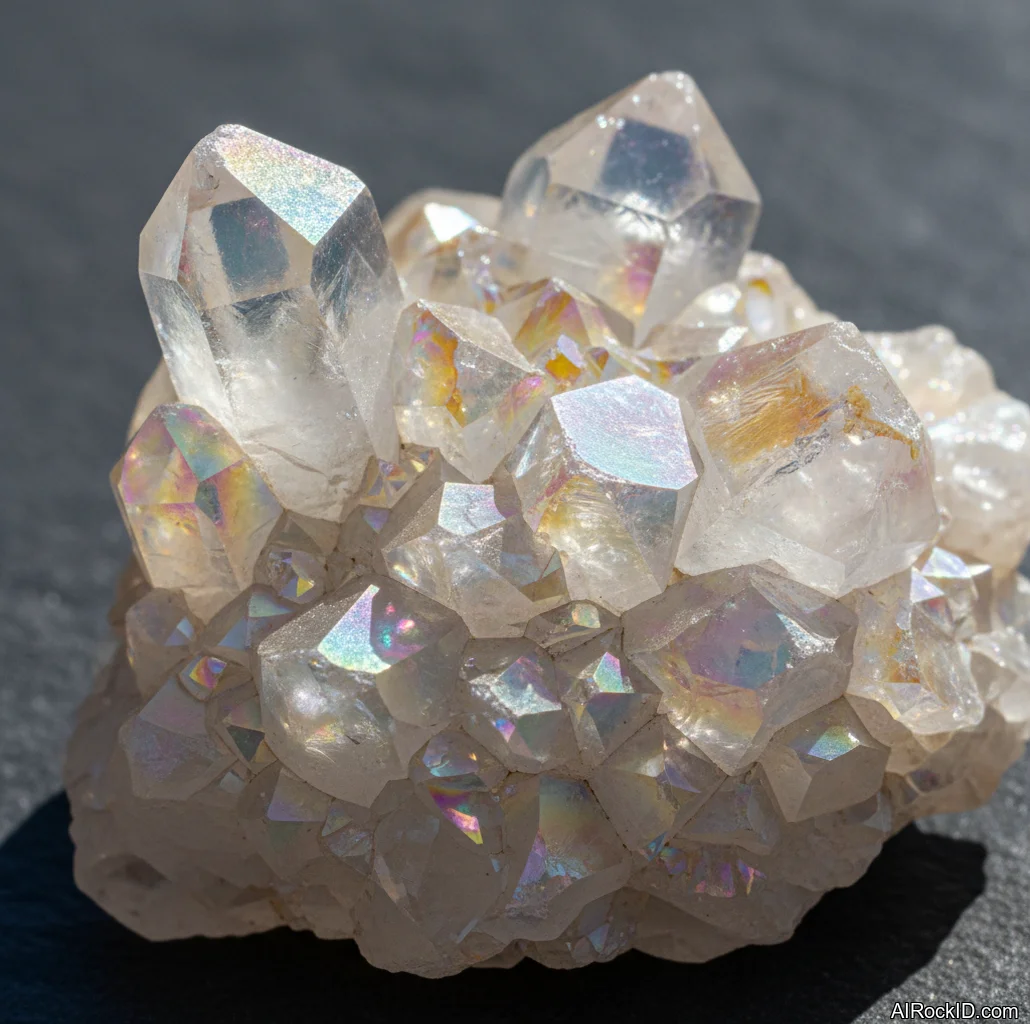
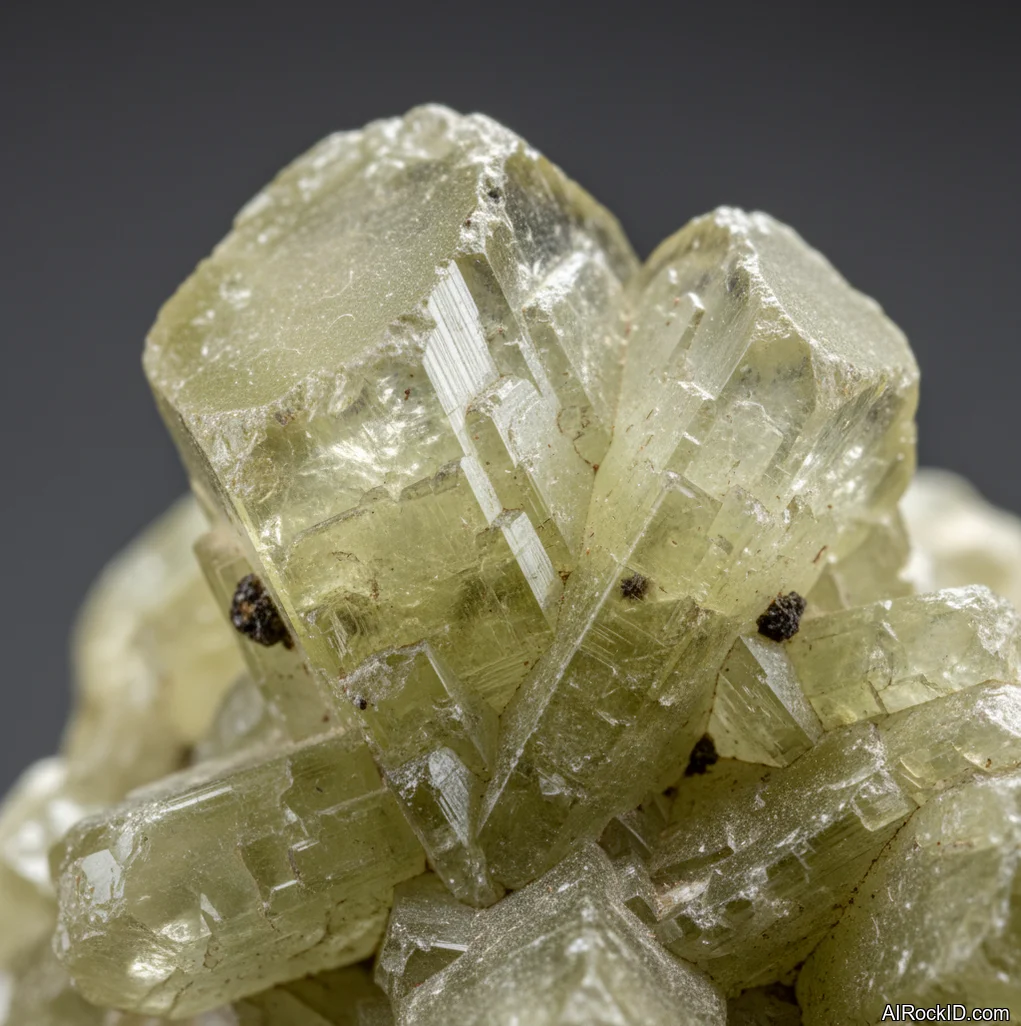
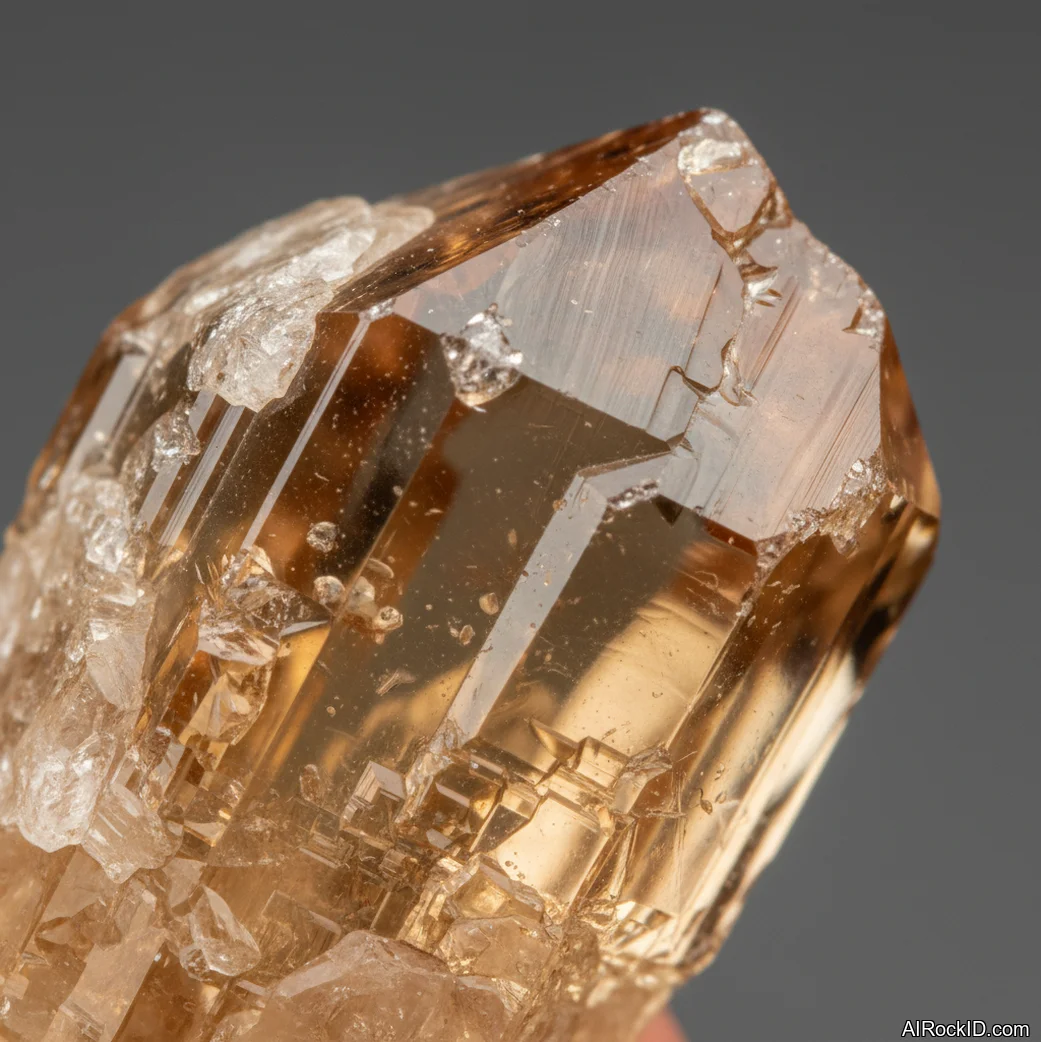
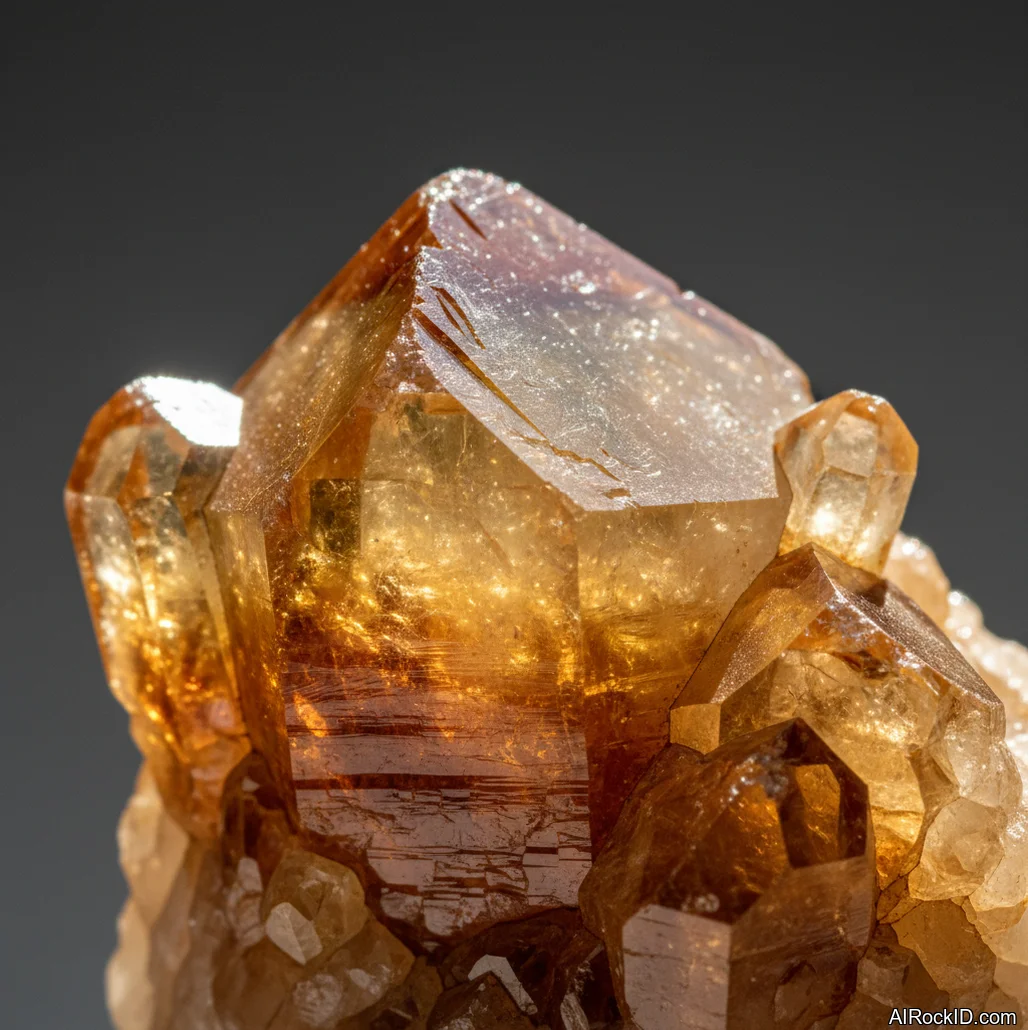
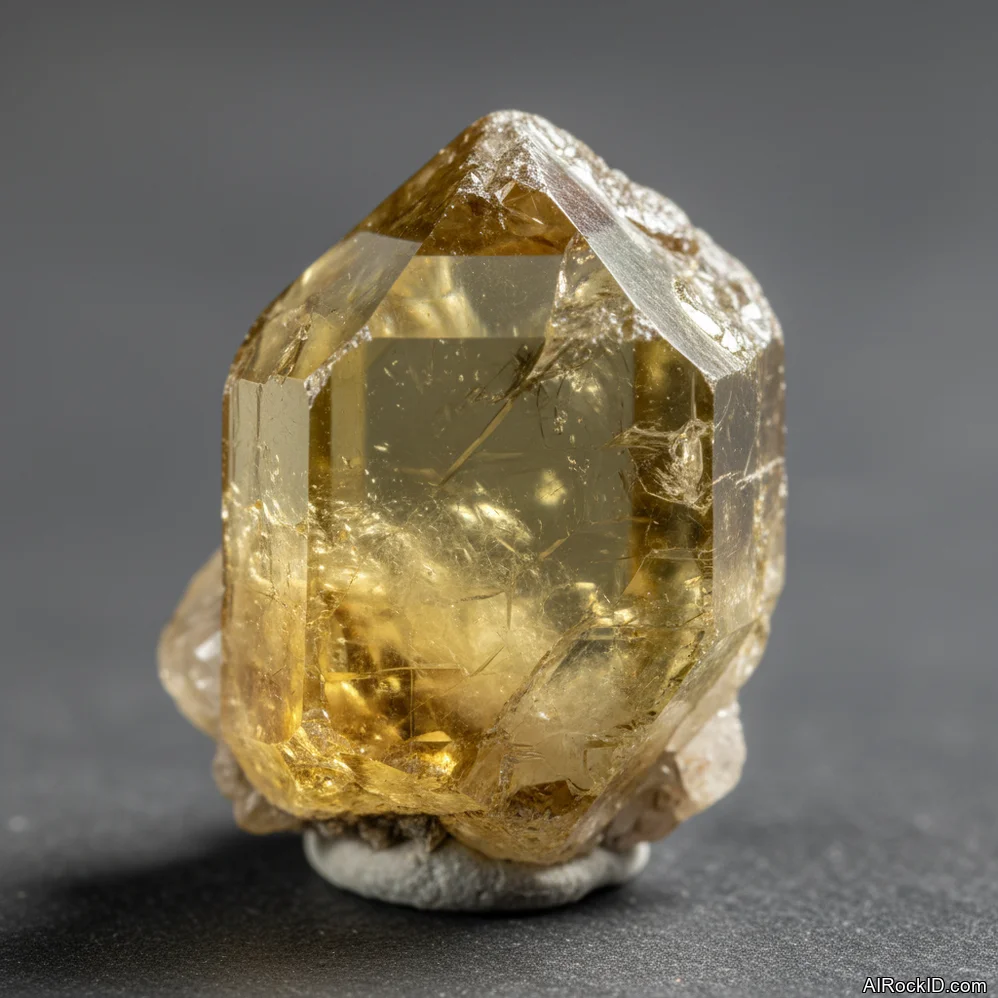
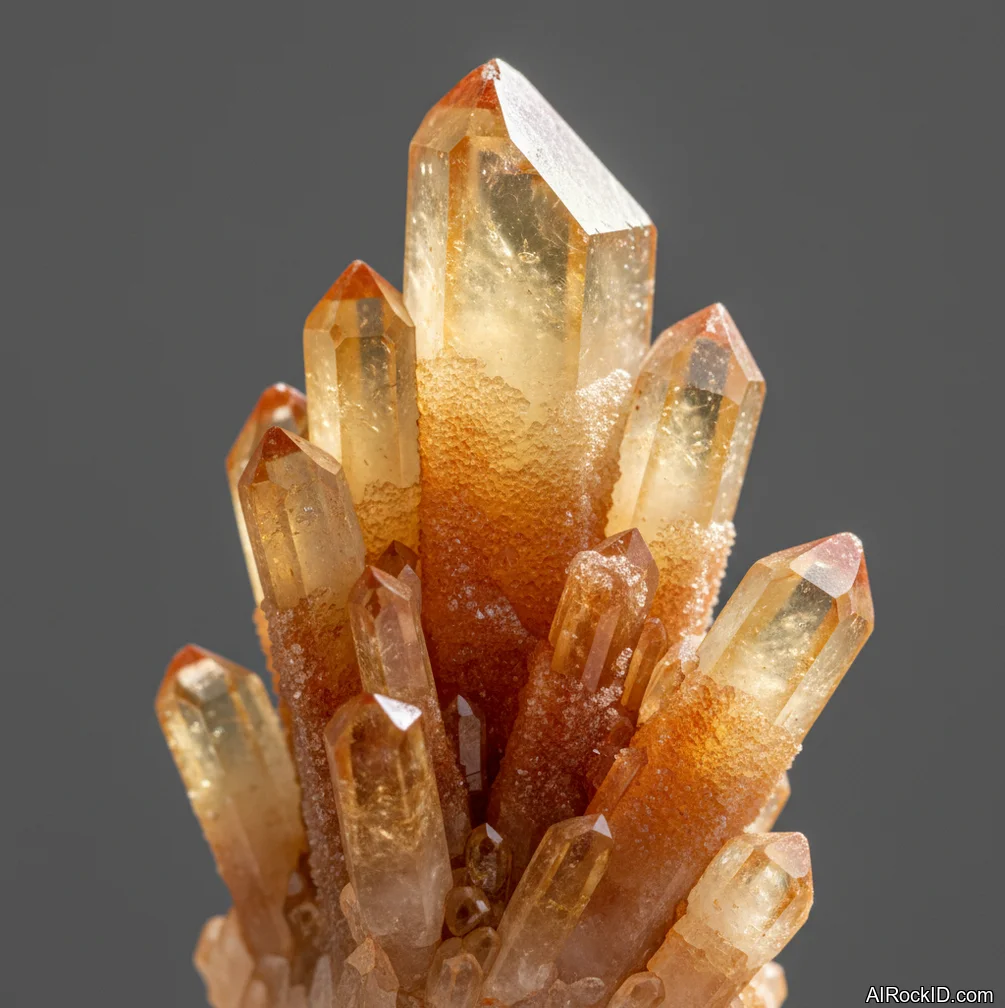
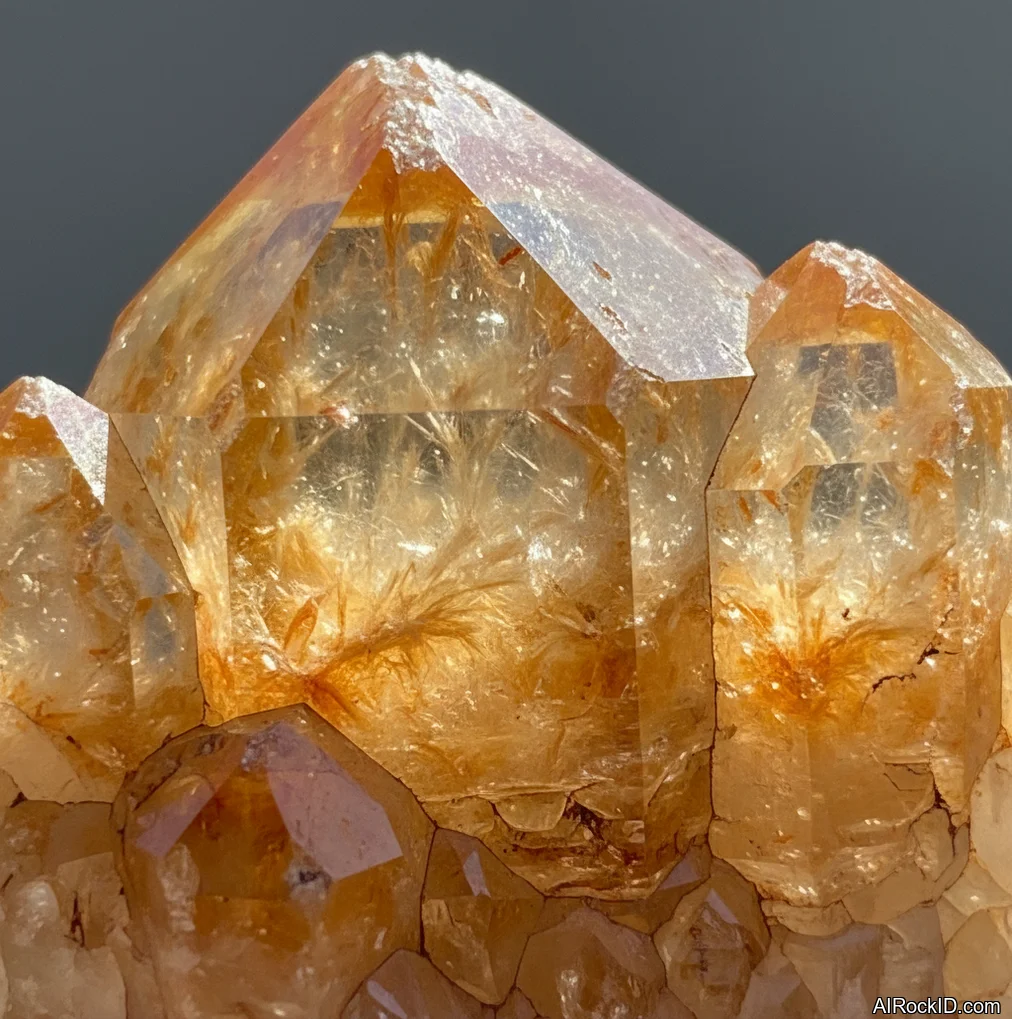
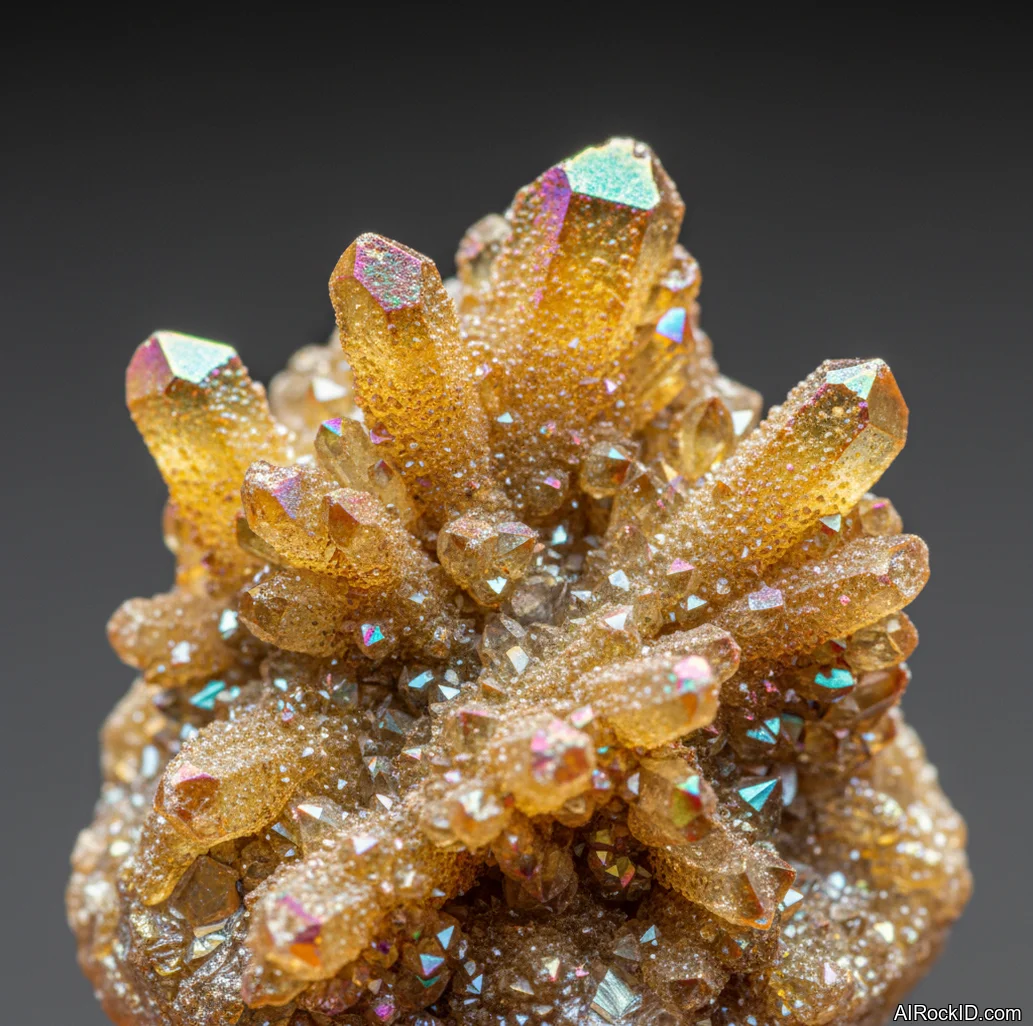
Pick up a good piece of Citrine and you’ll see why it gets named first. Real citrine, the pale, smoky champagne kind, stays cool in your hand at first, and it has that clear-to-hazy glow that doesn’t look dyed. But here’s the problem: most “citrine” for sale is heat-treated amethyst, and it shows. That stuff turns orange-brown with a burned-looking white base, and it’s usually sold as bright points that look way too uniform to be natural. If you’re buying for Joy, you don’t need a museum crystal. You do want a stone you trust, because nothing kills a mood faster than realizing you got played.
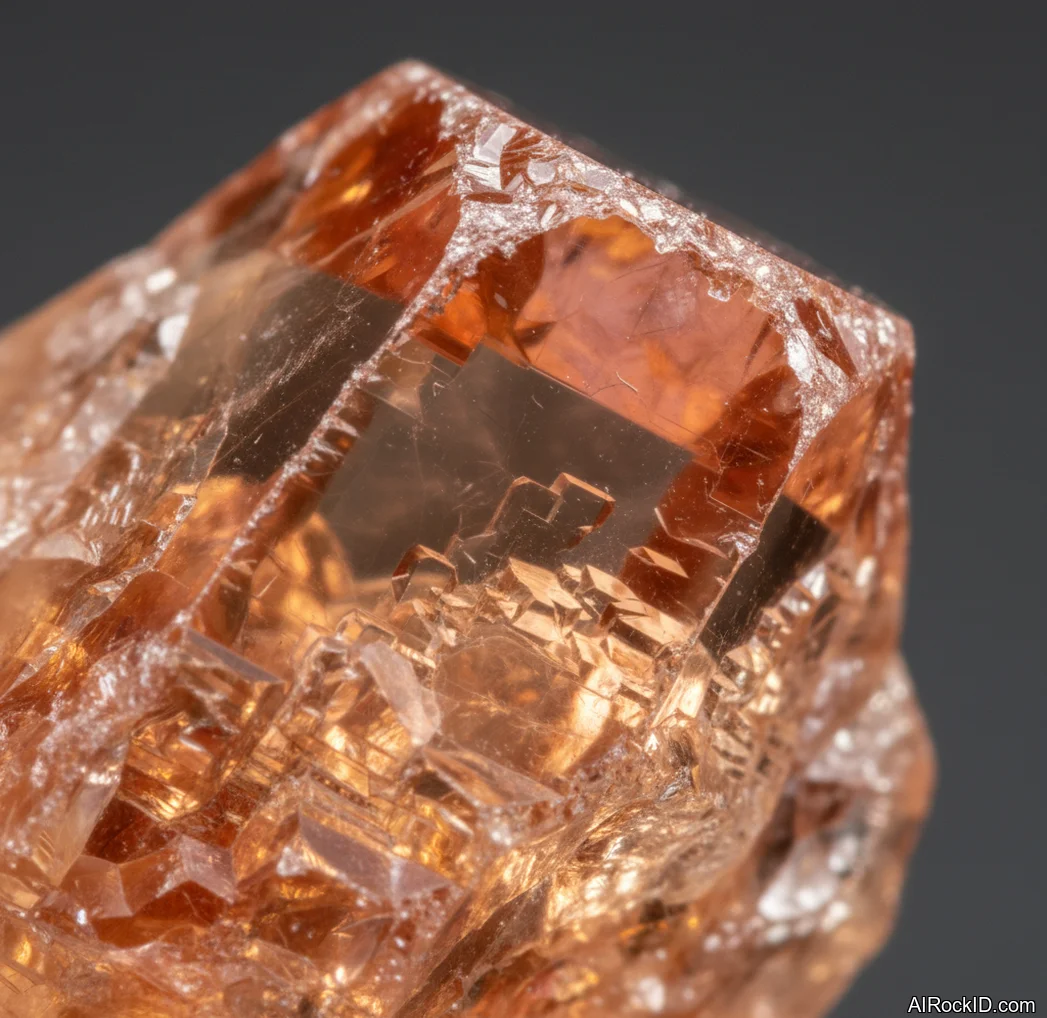
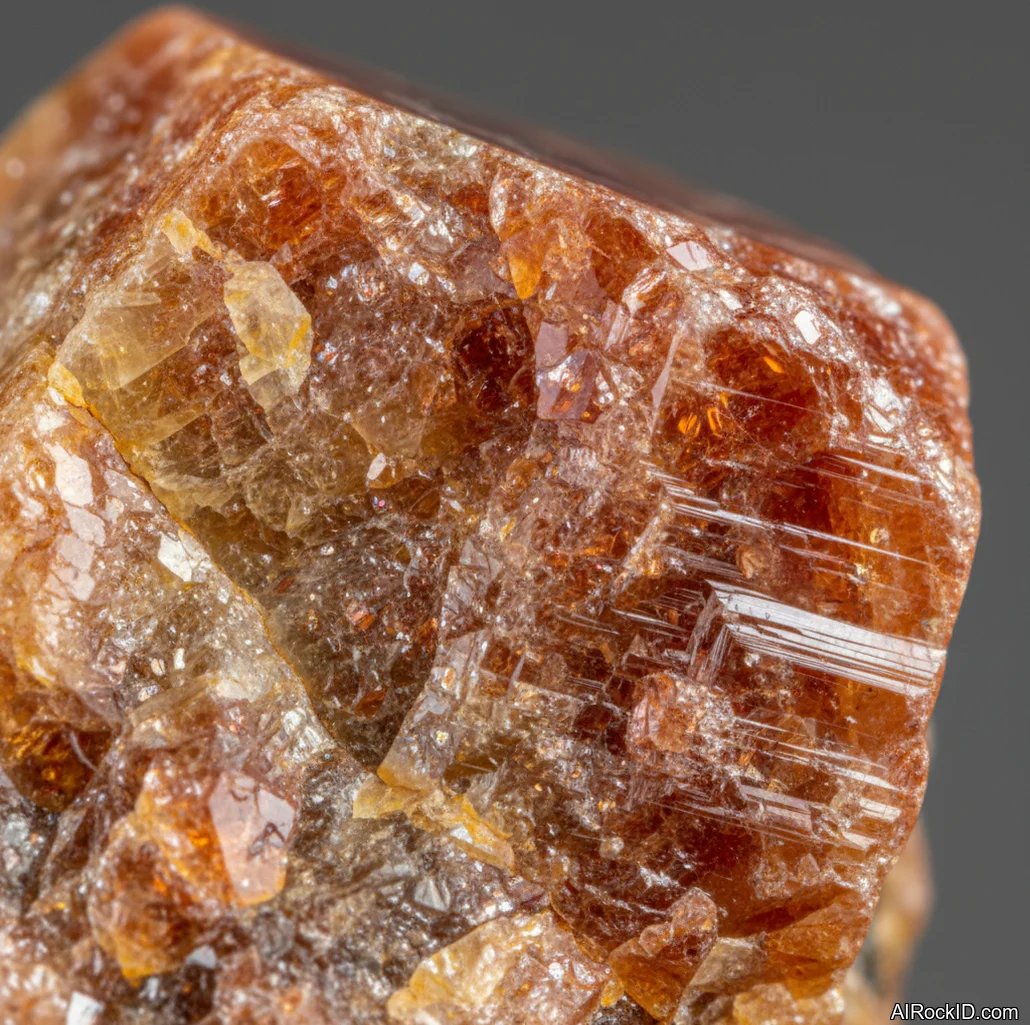
Sunstone is another classic, and it feels totally different. Look closely and you’ll see the schiller, those tiny coppery flashes from plate-like inclusions that wink when you tilt it under a lamp. When it’s cut as a palm stone, you can roll it between your fingers and catch the glitter popping on and off. That tactile “spark” is a big reason people connect it with Joy. Oregon sunstone can run peach to reddish with stronger sparkle, while softer, lighter material shows up a lot in tumbled mixes.
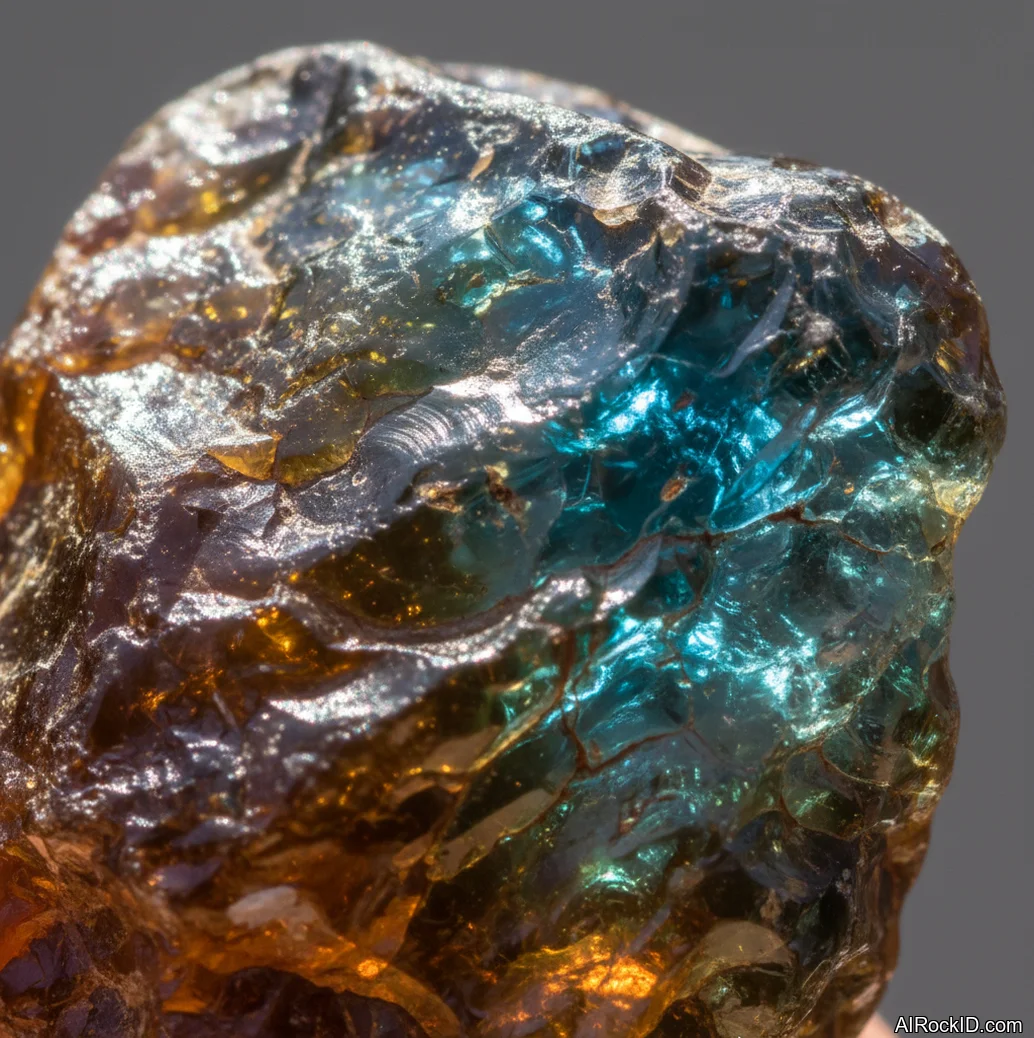
Some Joy stones don’t even look “happy” until you move them. Labradorite can look like a storm cloud in a box, then you turn it and the blue or gold flash lights up like a sign. That shift matters. Joy isn’t always loud; sometimes it’s just a quick reminder there’s color hiding inside the same old day. I’ve handled labradorite slabs where the flash dies if you’re off-angle by a few degrees, so when you’re choosing one, tilt it slowly under overhead light and make sure the sheen isn’t only one tiny hot spot.
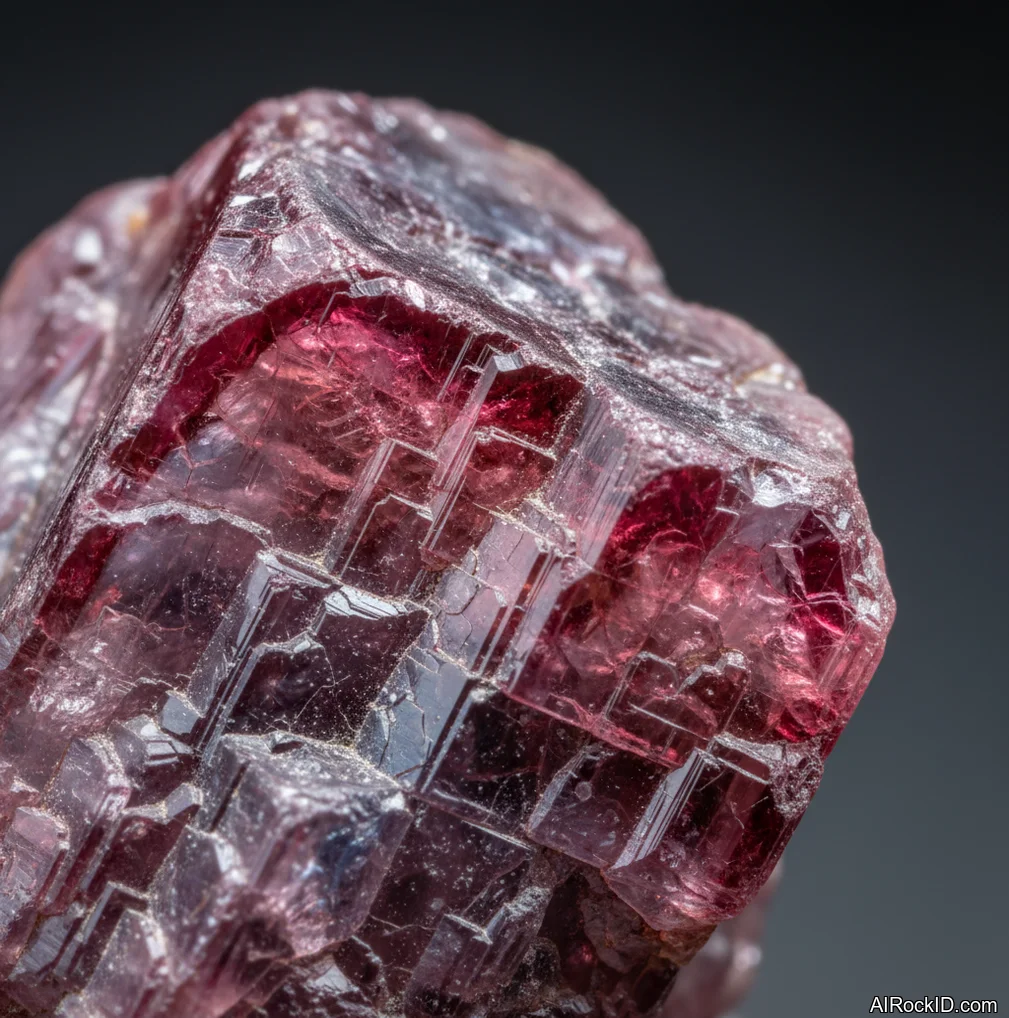
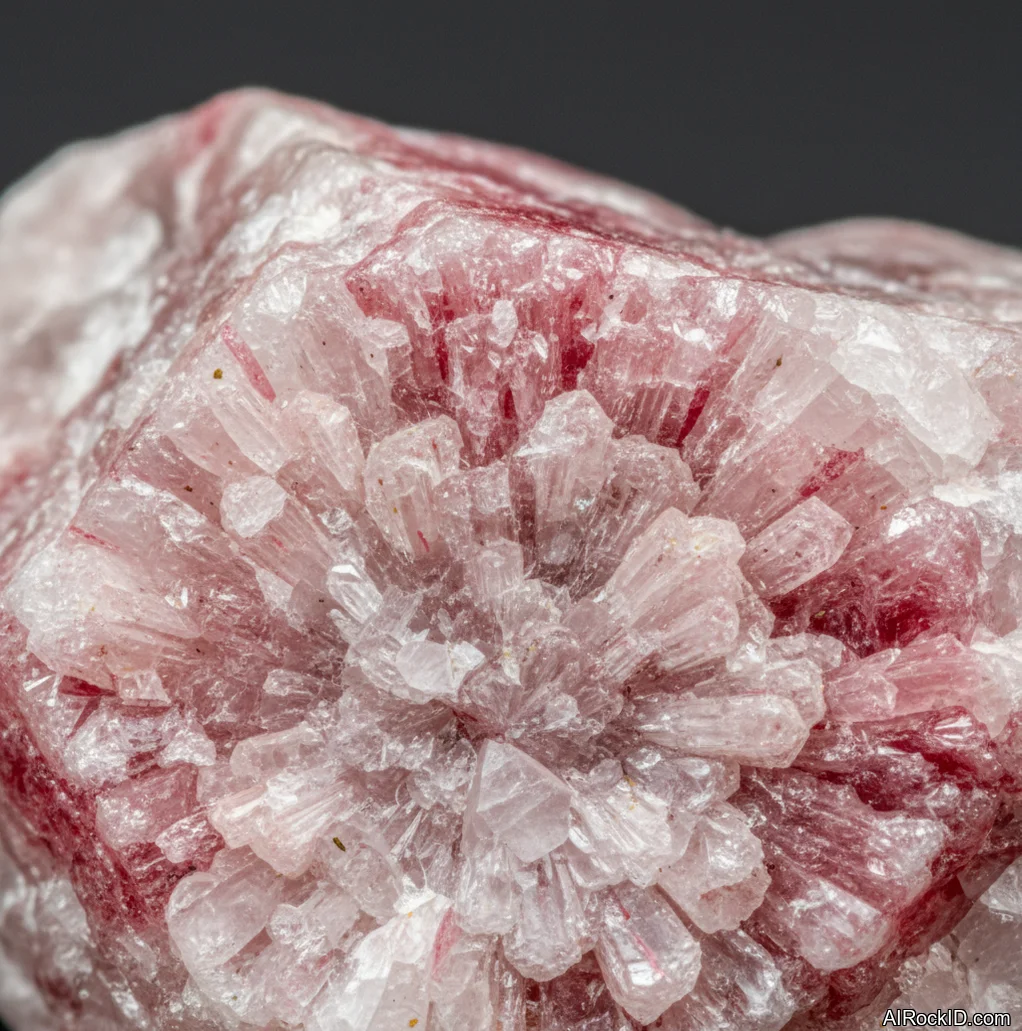
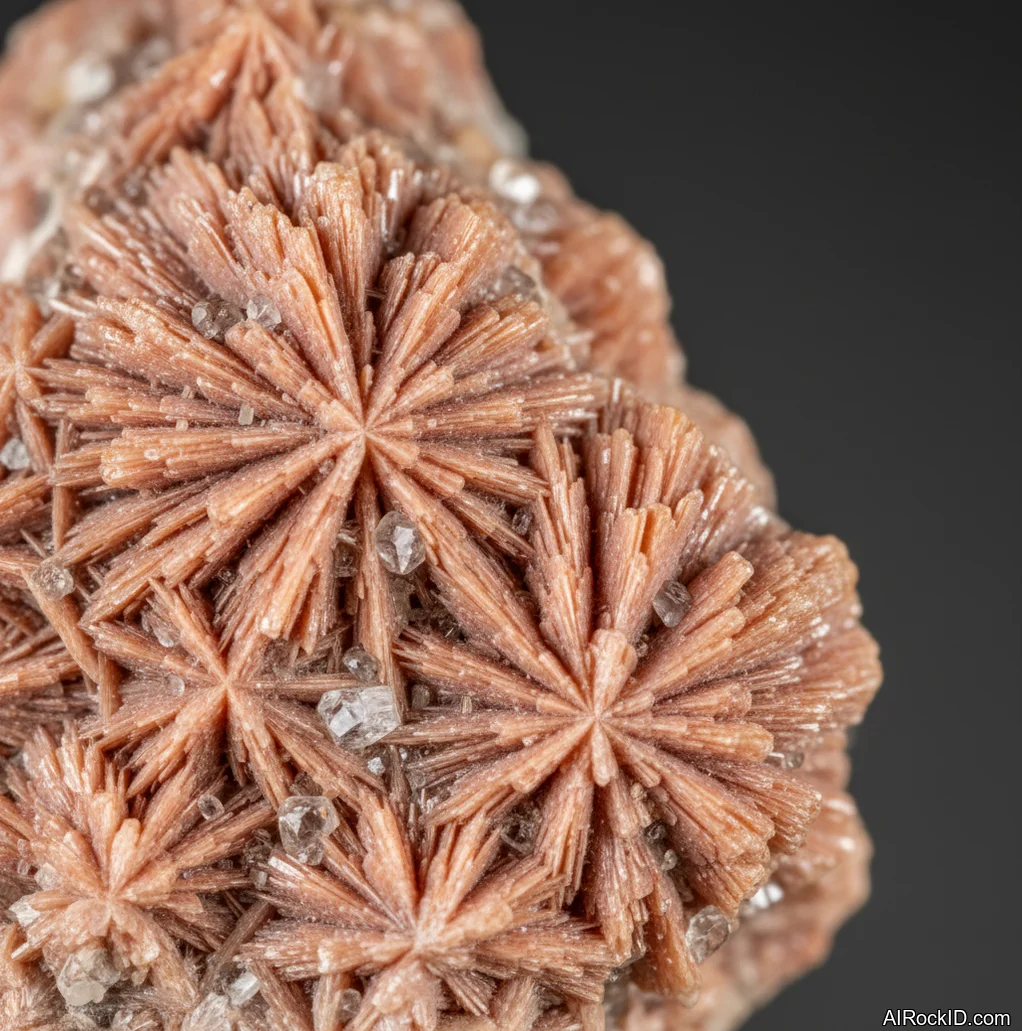
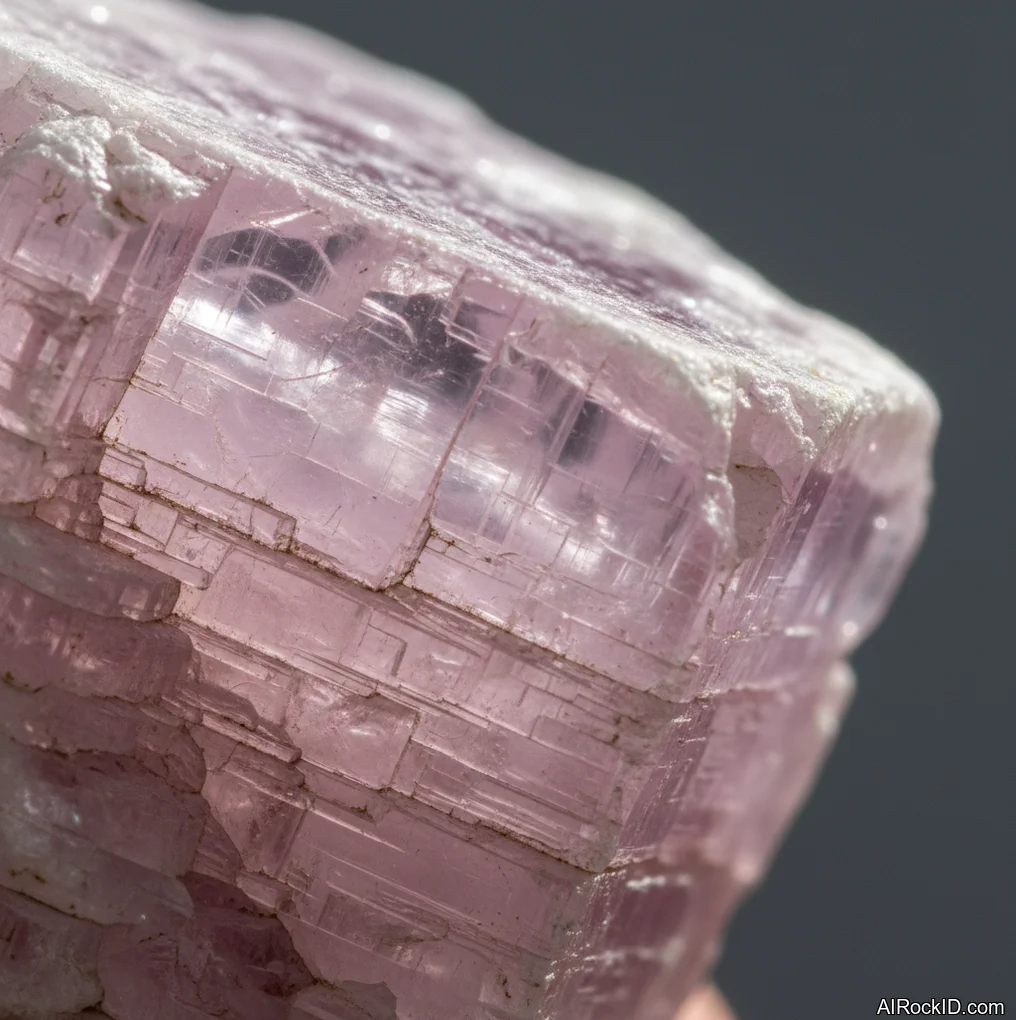
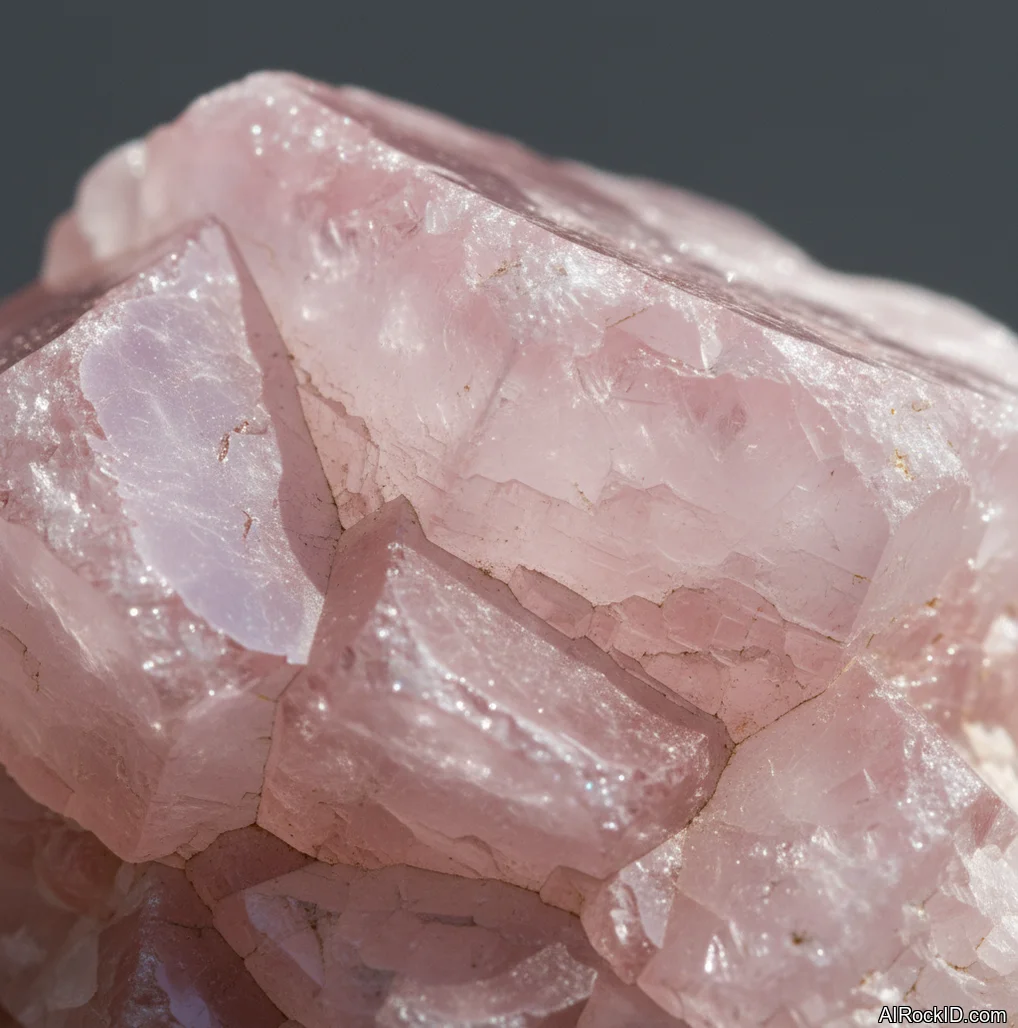
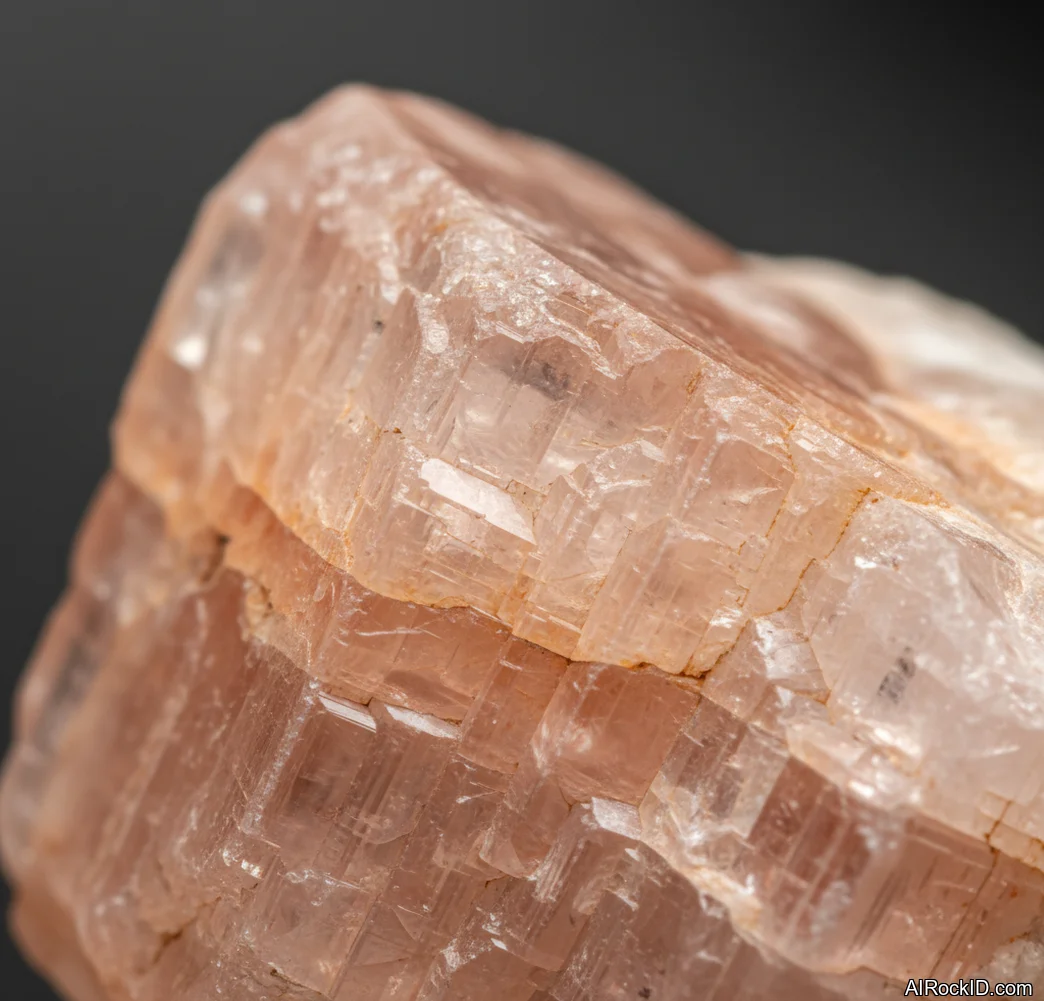
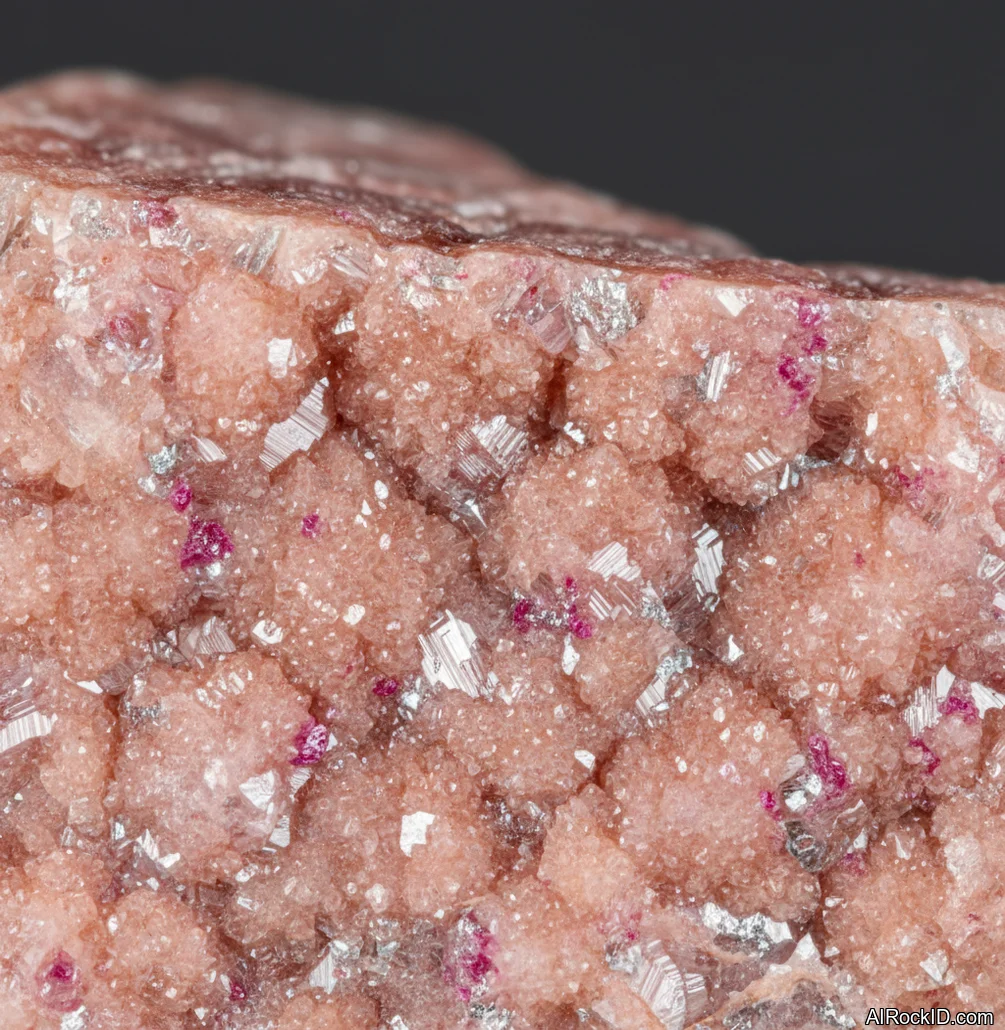
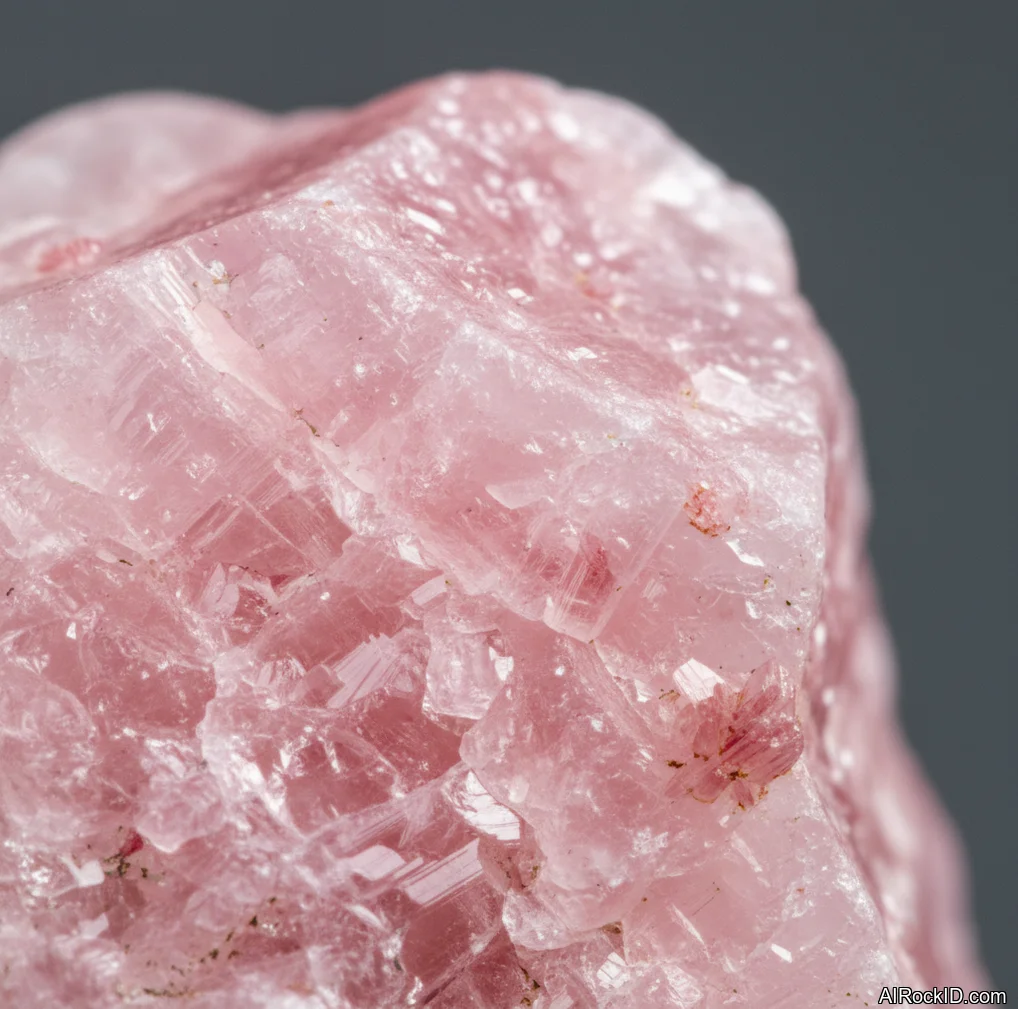
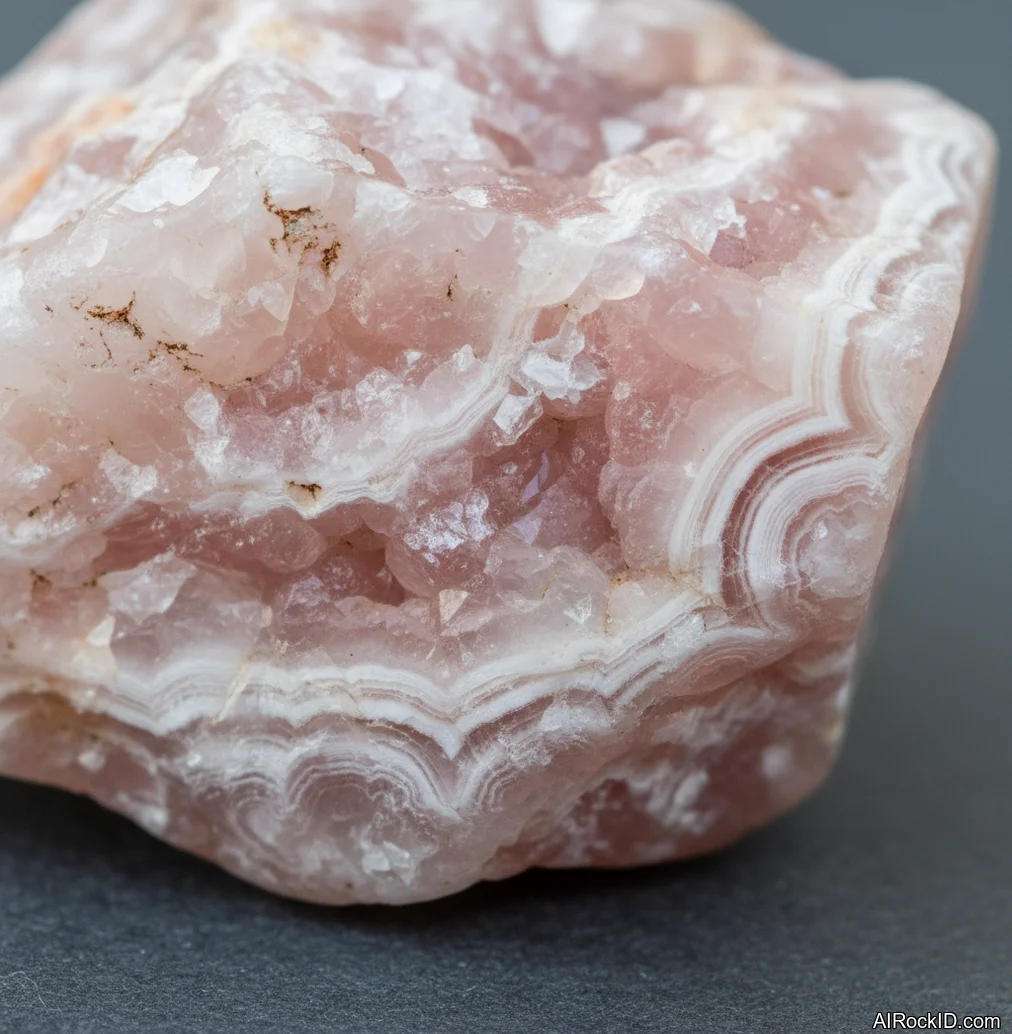
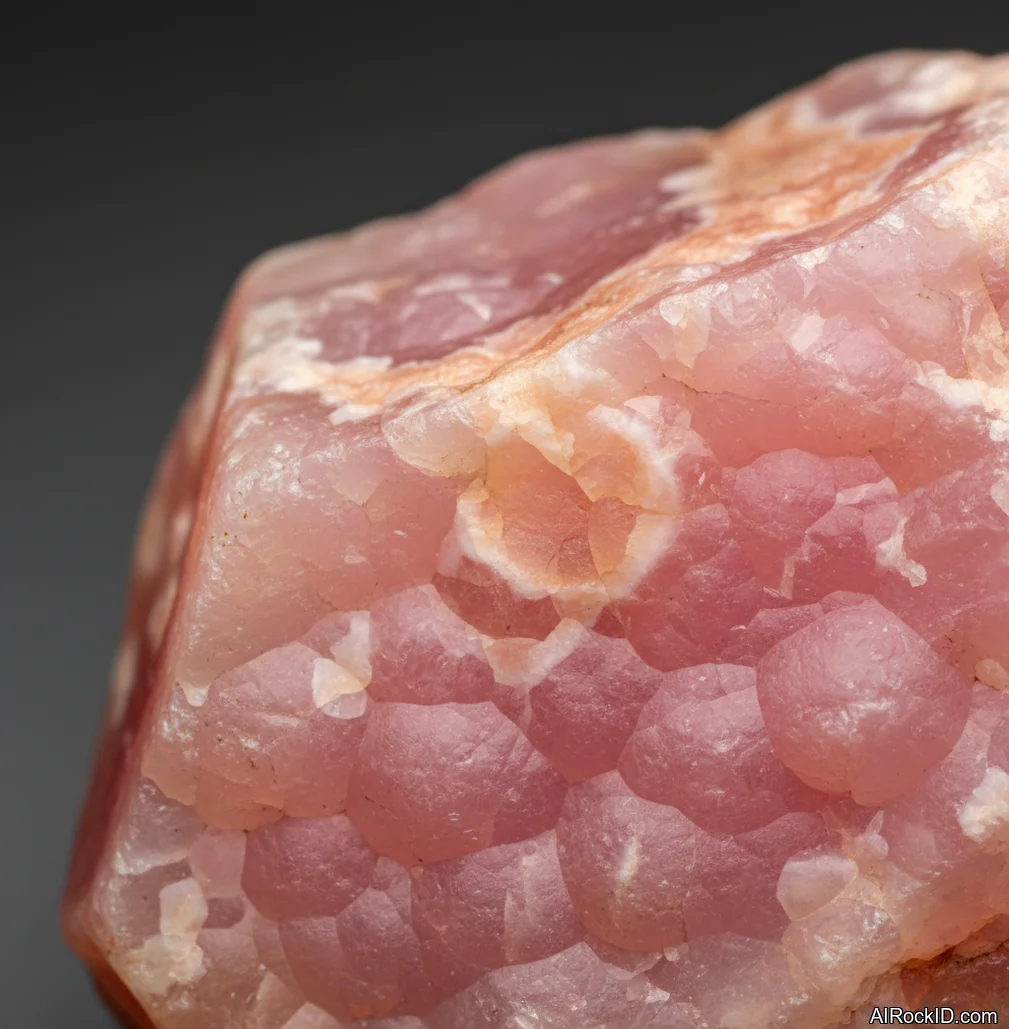
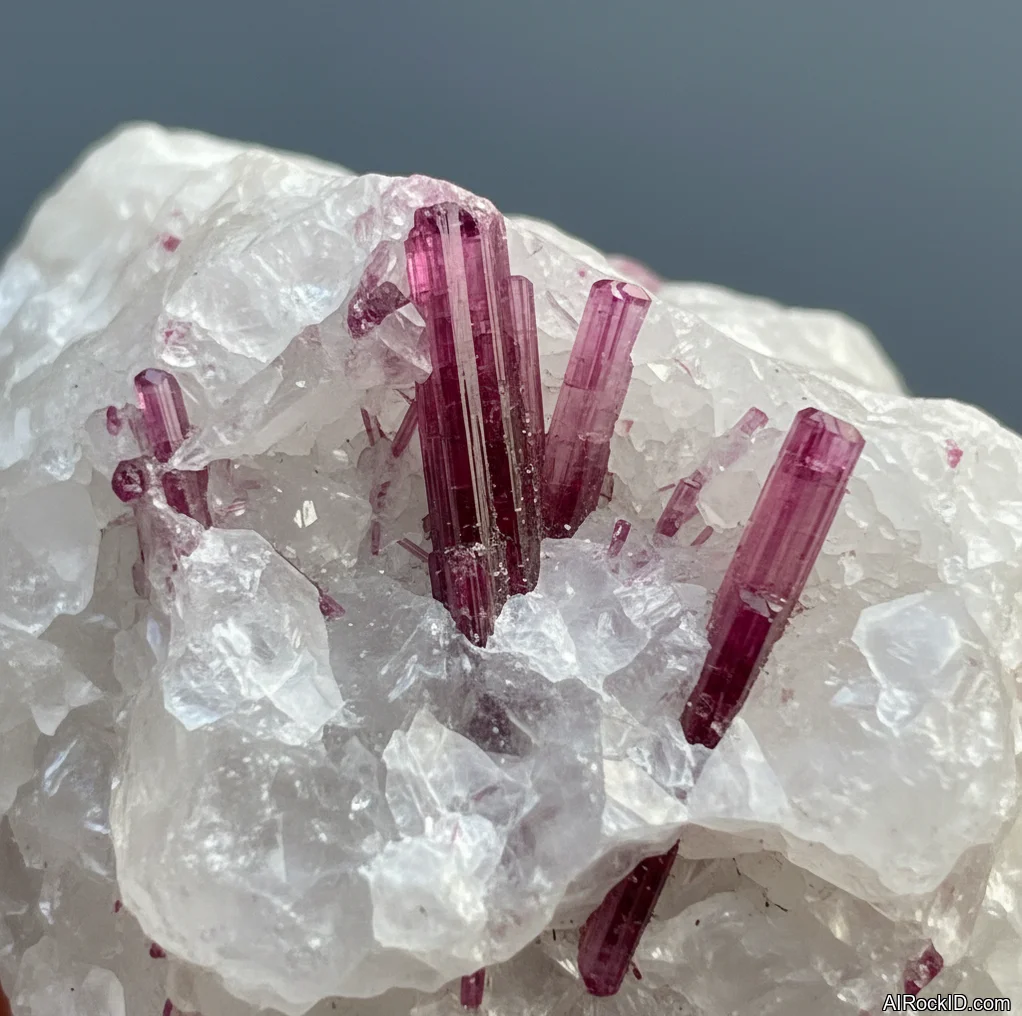
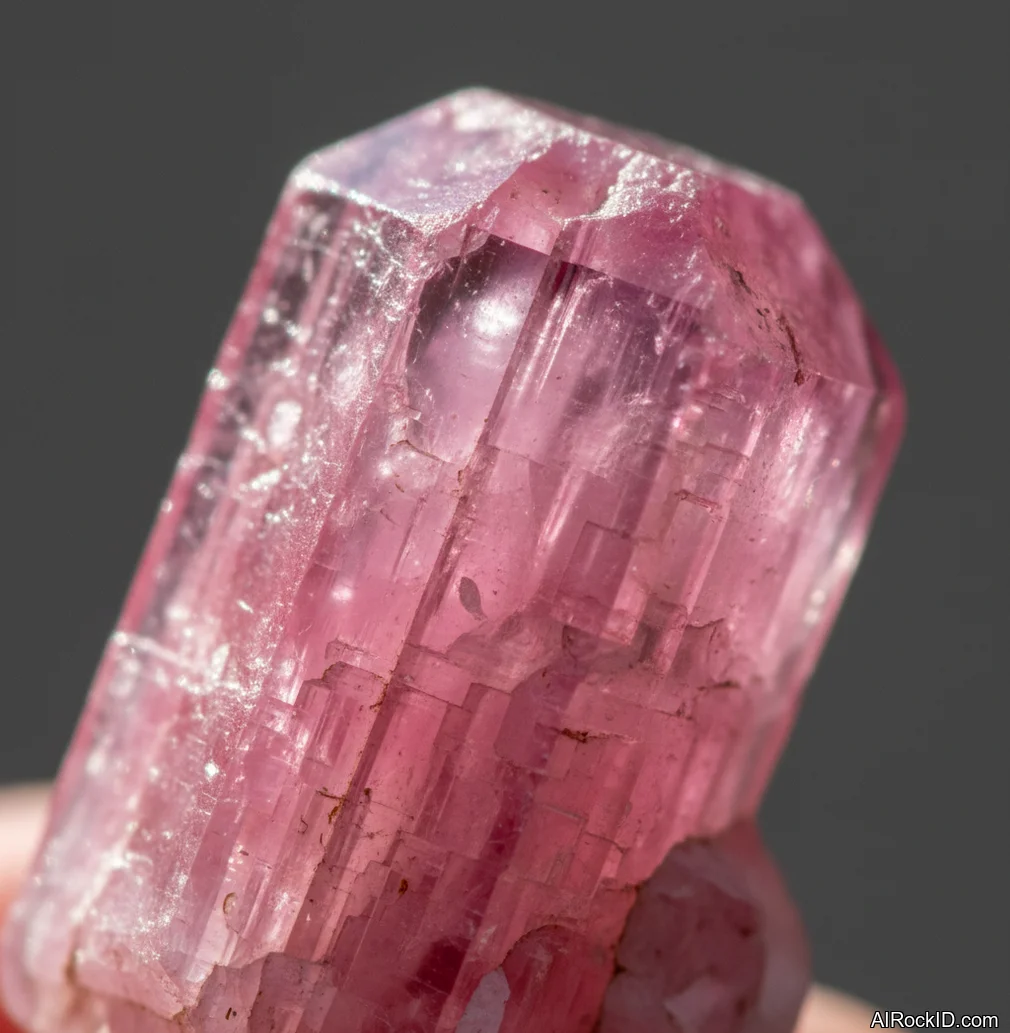
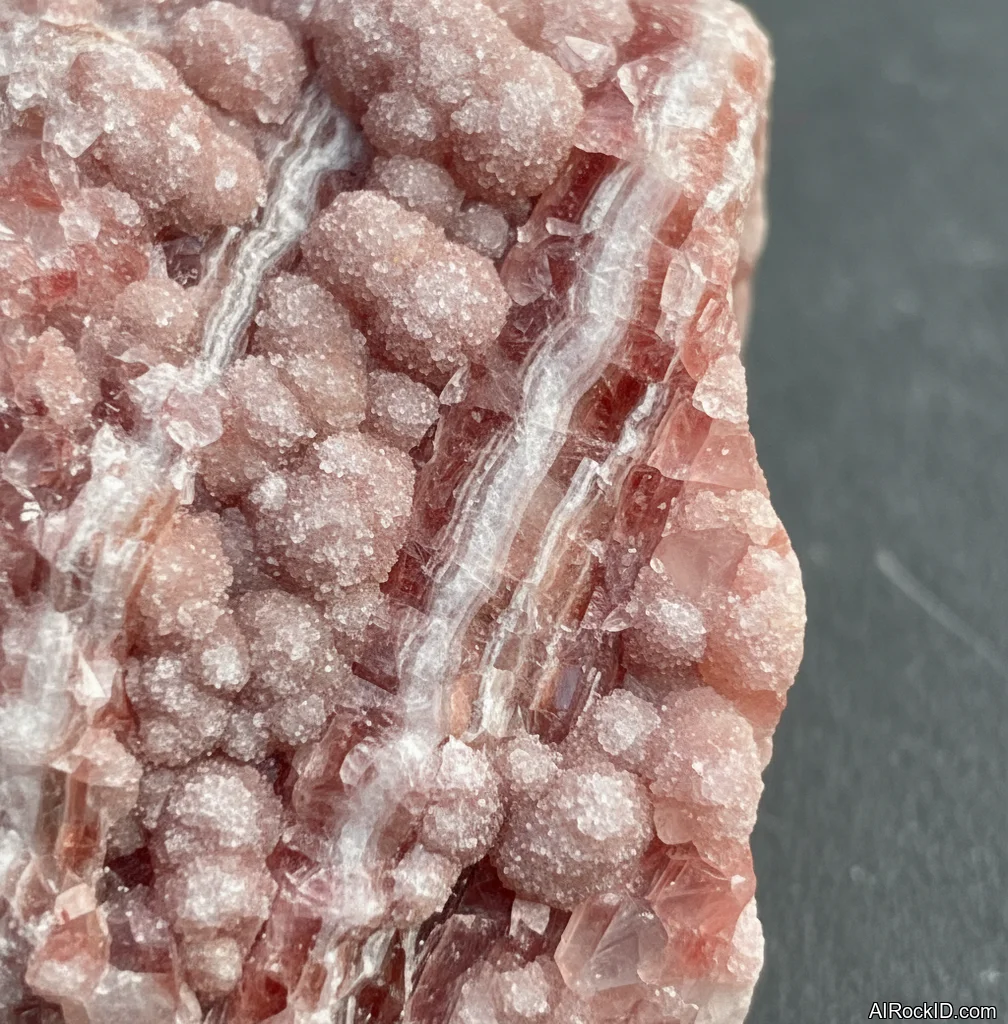
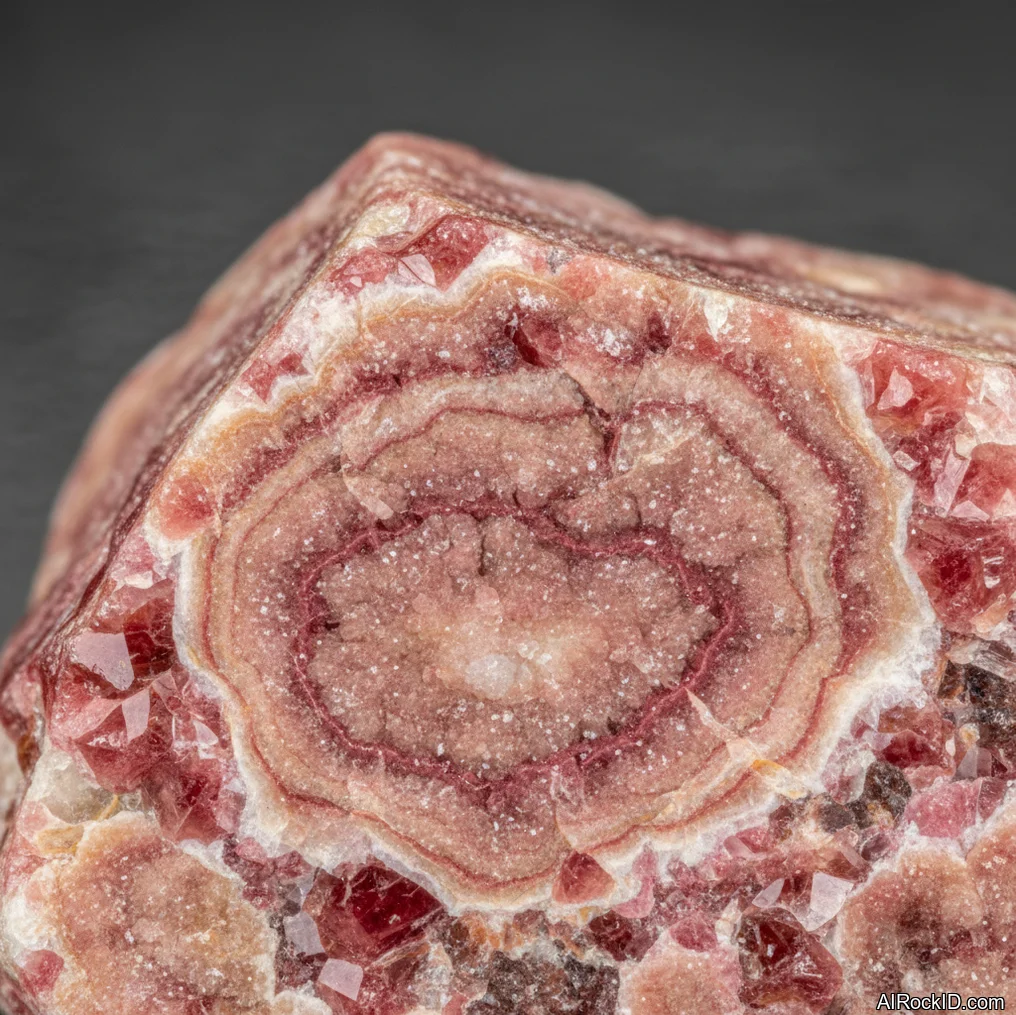
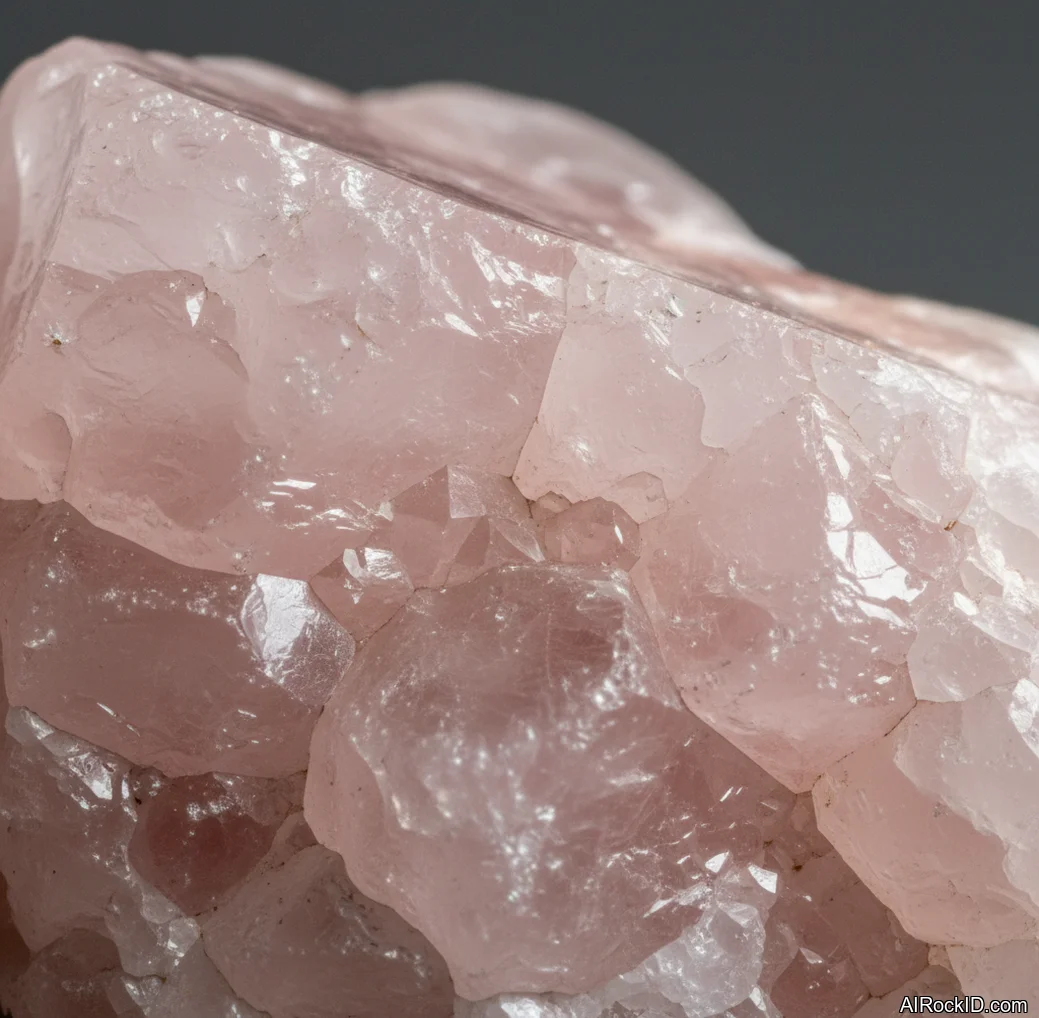
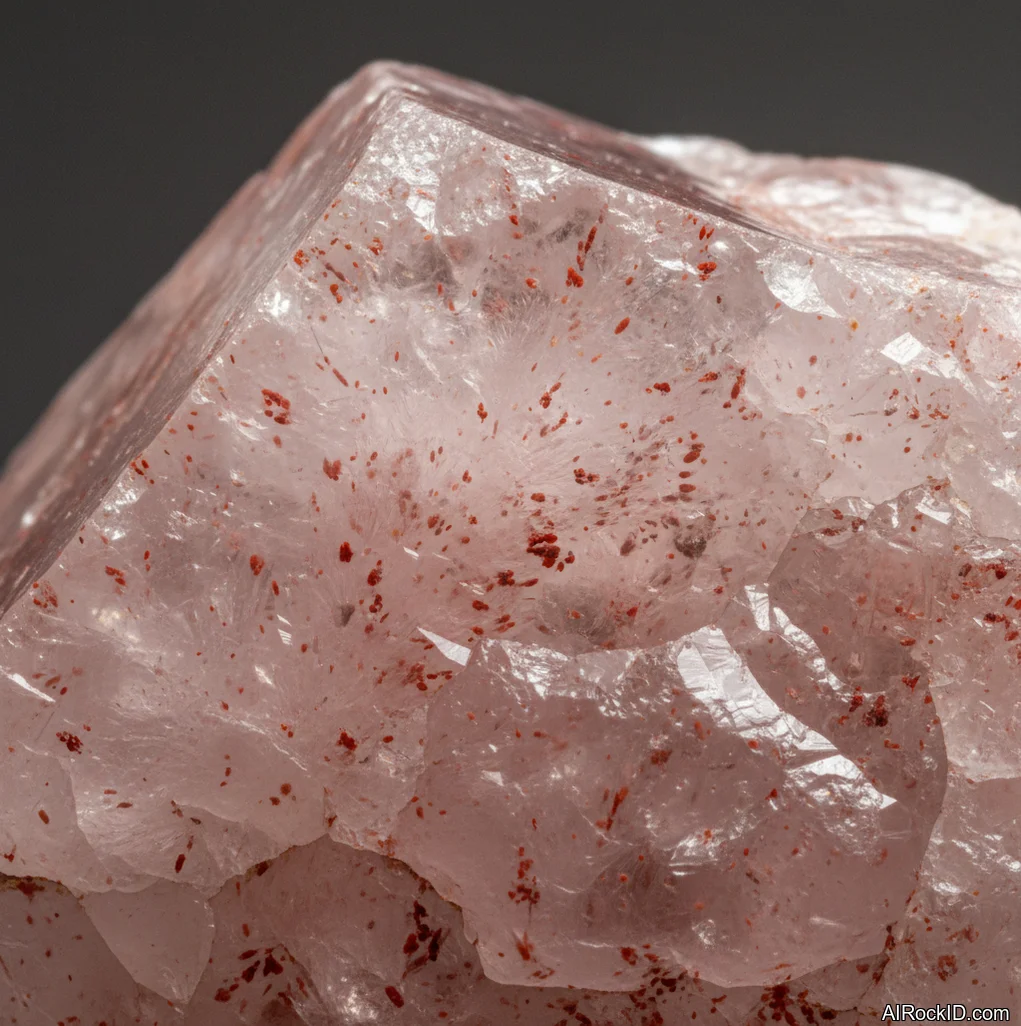
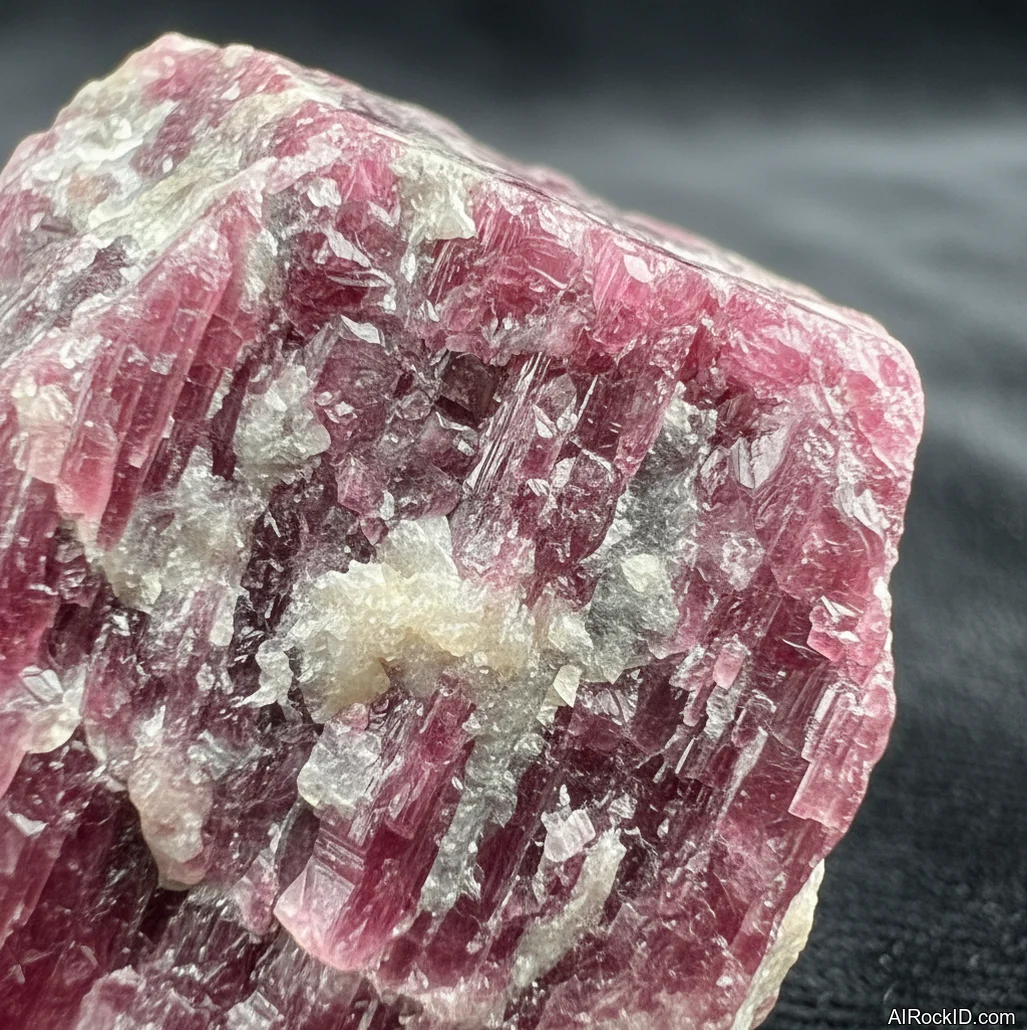
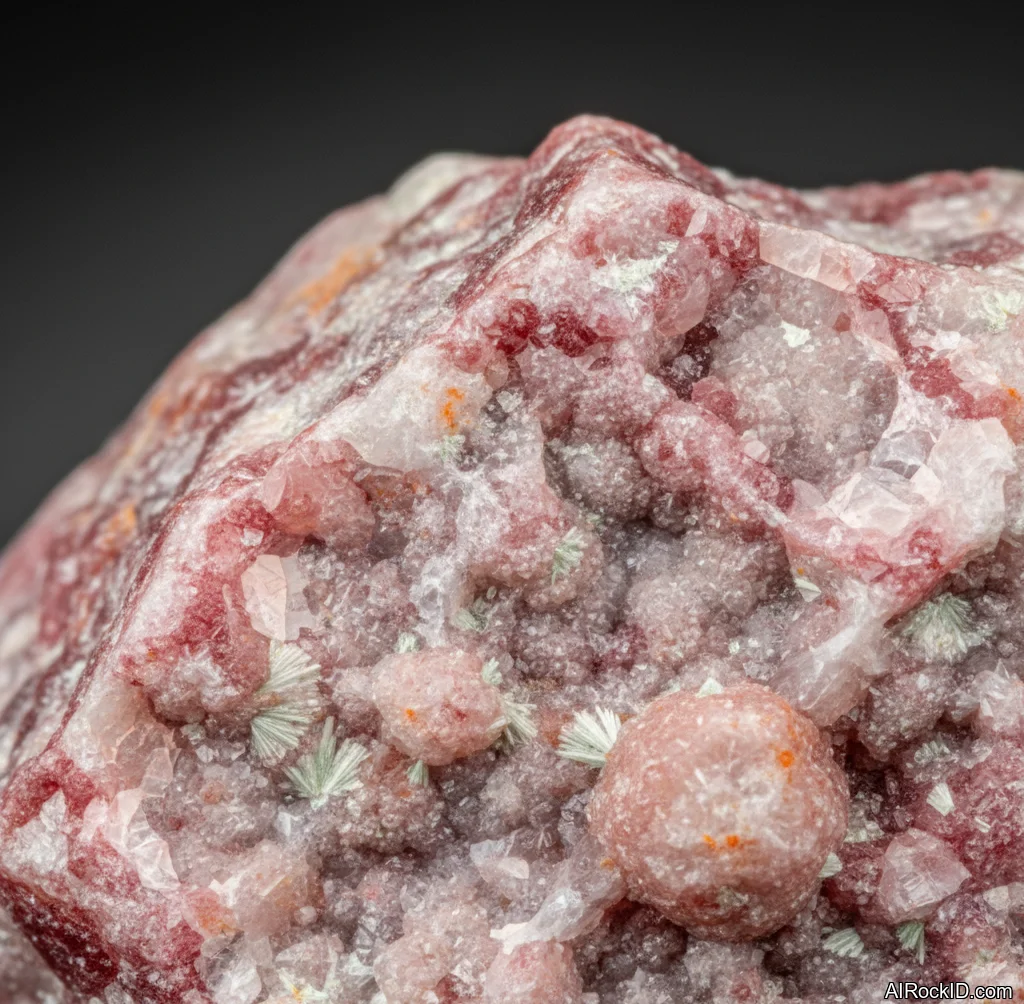
If you want Joy with a softer edge, go for Rose Quartz, Pink Opal, or Rhodonite. Rose quartz should feel glassy and cool, usually a bit cloudy with internal haze, and it’s often heavier than people expect for the size because it’s still quartz. Pink opal is waxier and more matte, and it can scratch easier than quartz, so don’t toss it in a pocket with your keys. Rhodonite tends to have black manganese veining, and that contrast helps some folks because it keeps the “feel good” from turning into denial.
Working with Joy crystals is mostly about building a small, repeatable habit. Keep one by your toothbrush, not in a velvet bag you never open. Pick up a tumbled Citrine or a Sunstone worry stone in the morning and take ten slow breaths while you look at the color and the surface. Sounds simple. It works (your hands learn the ritual).
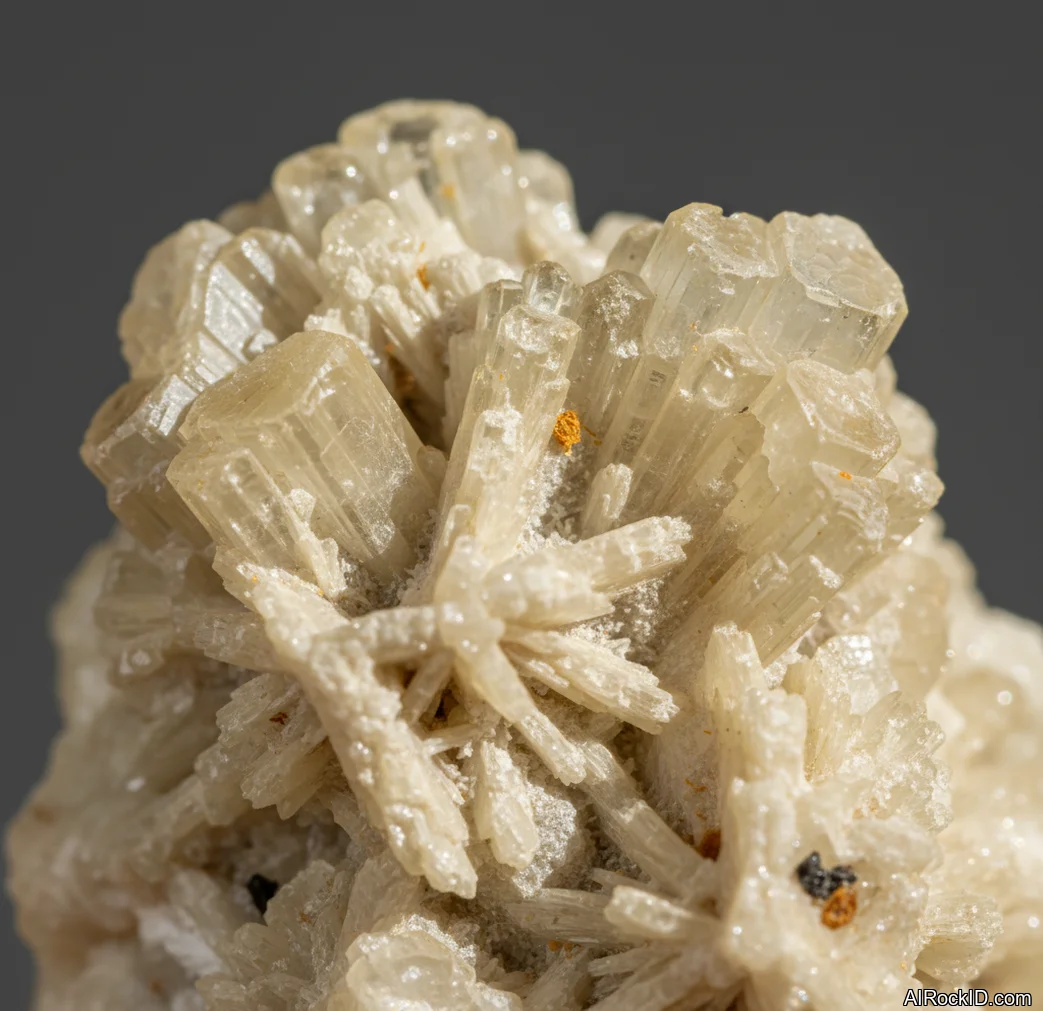
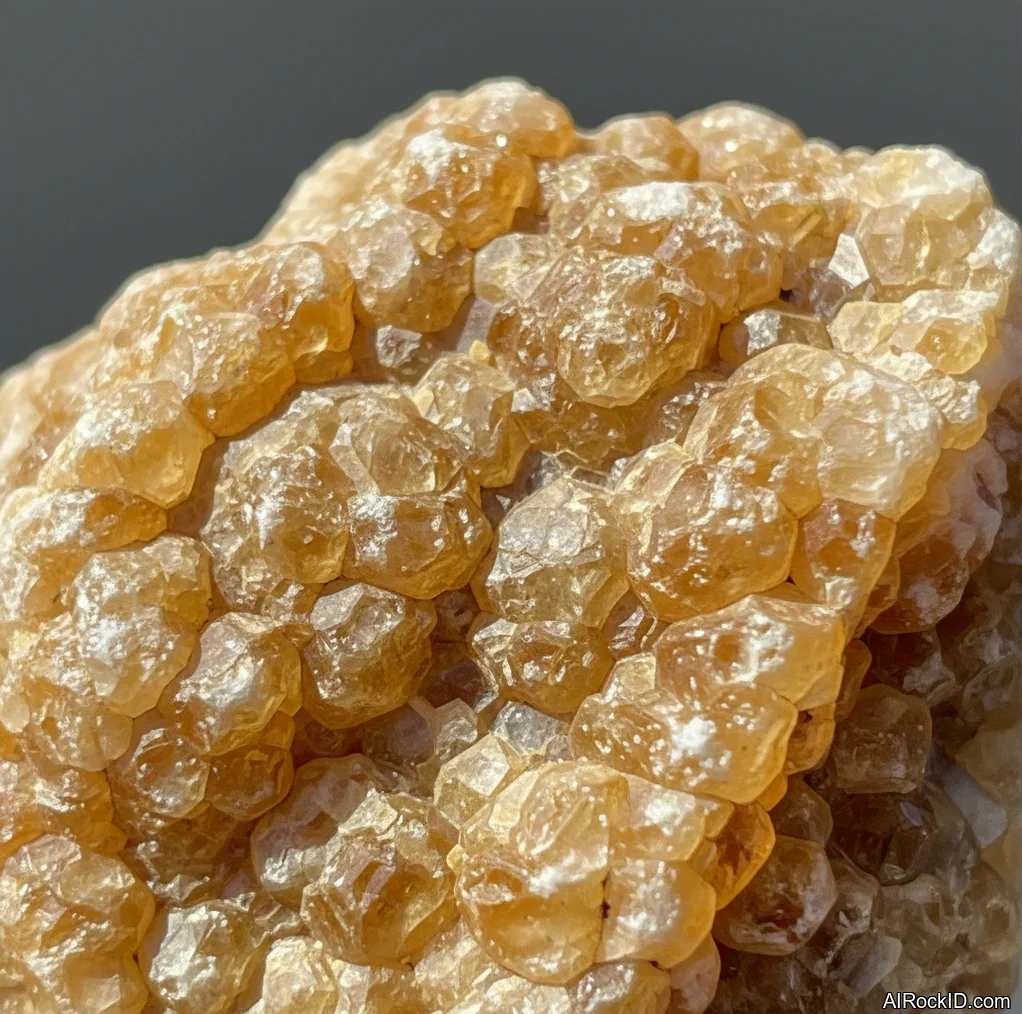
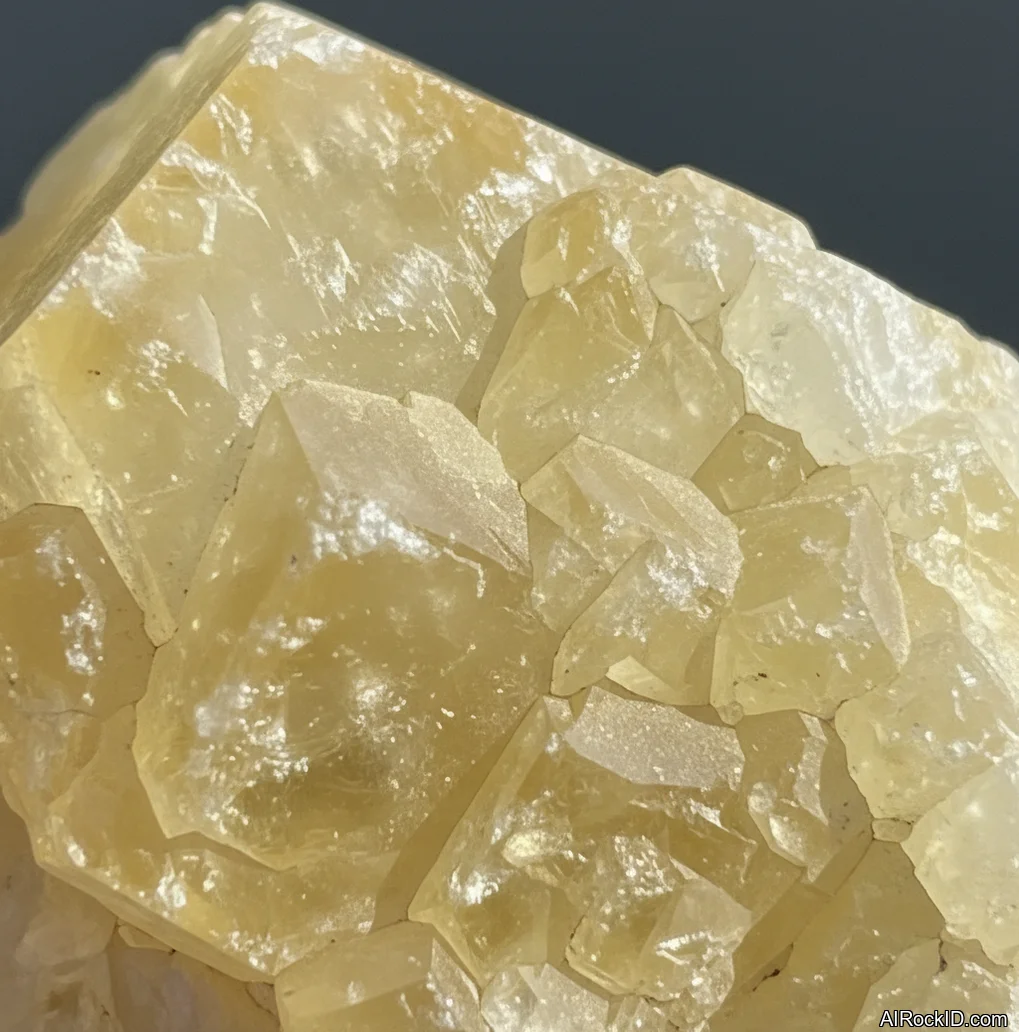
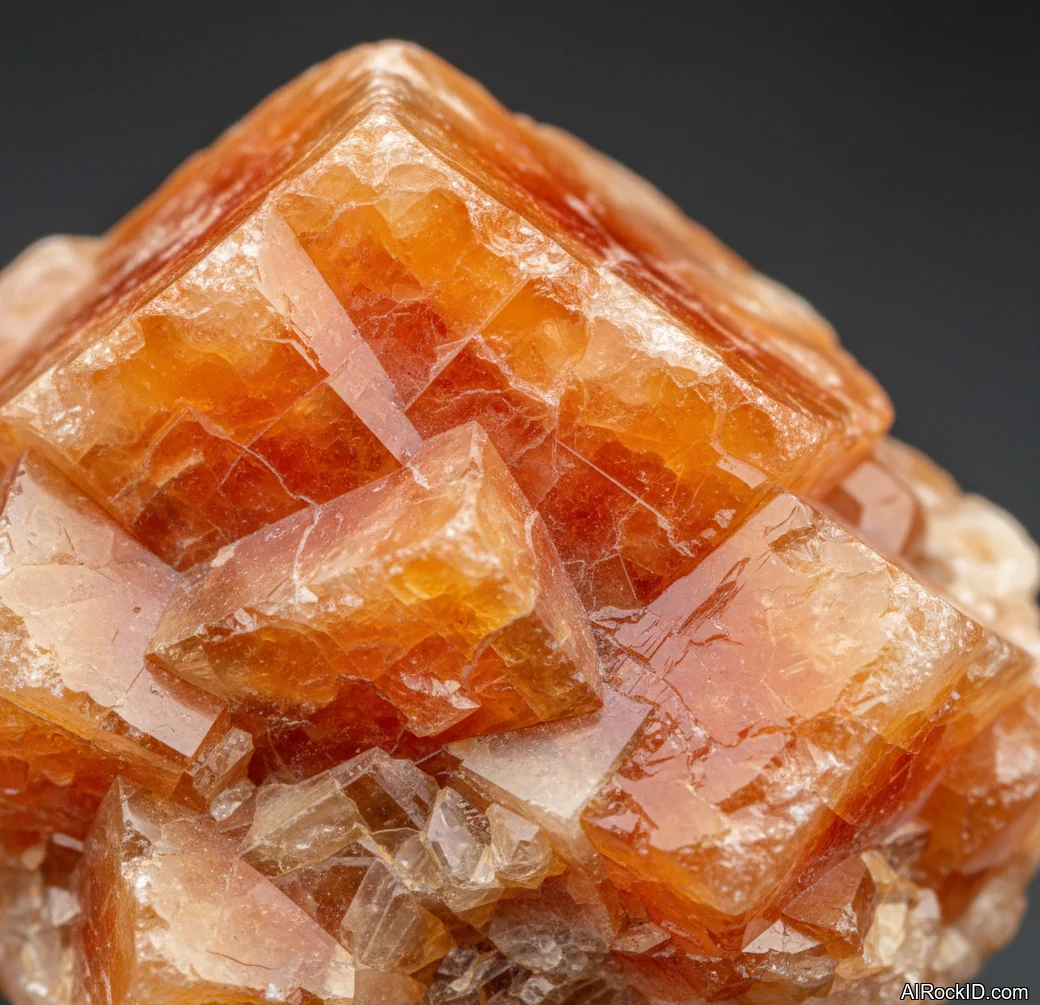
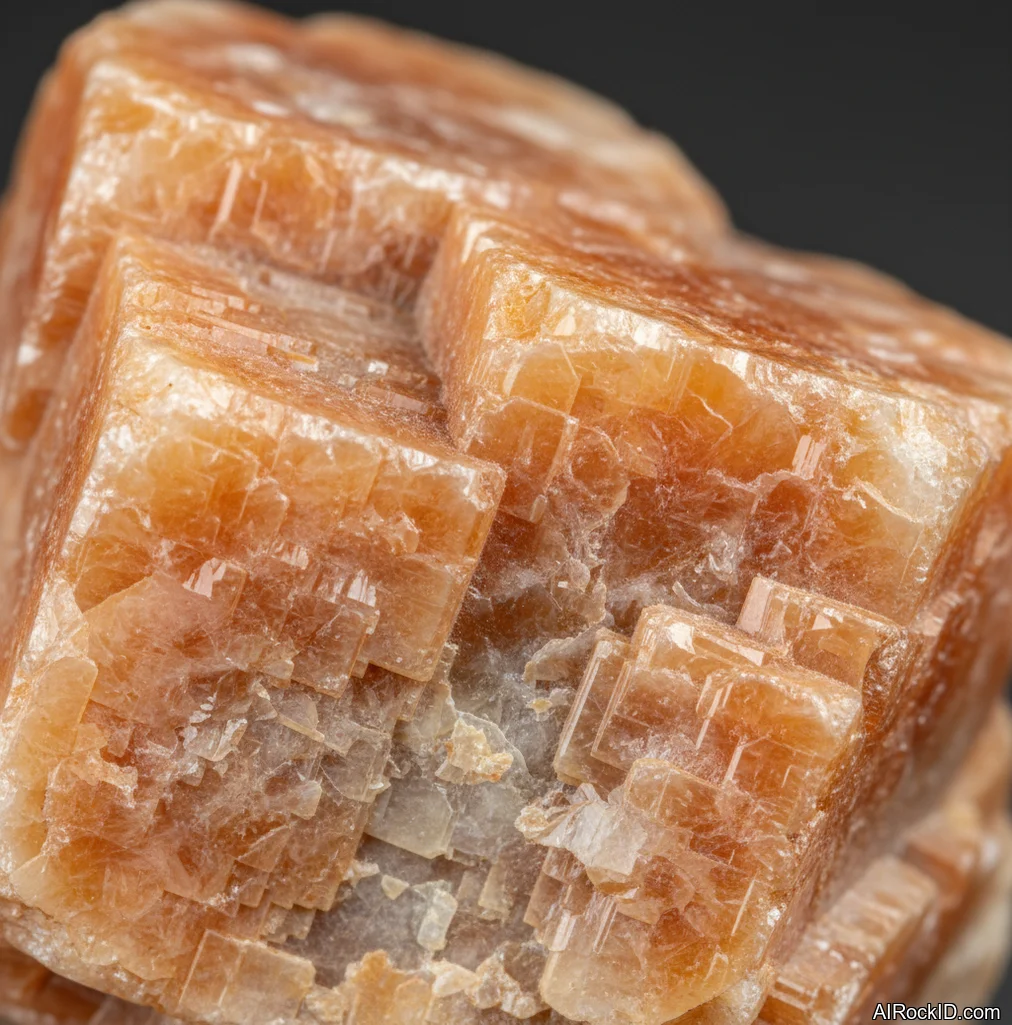
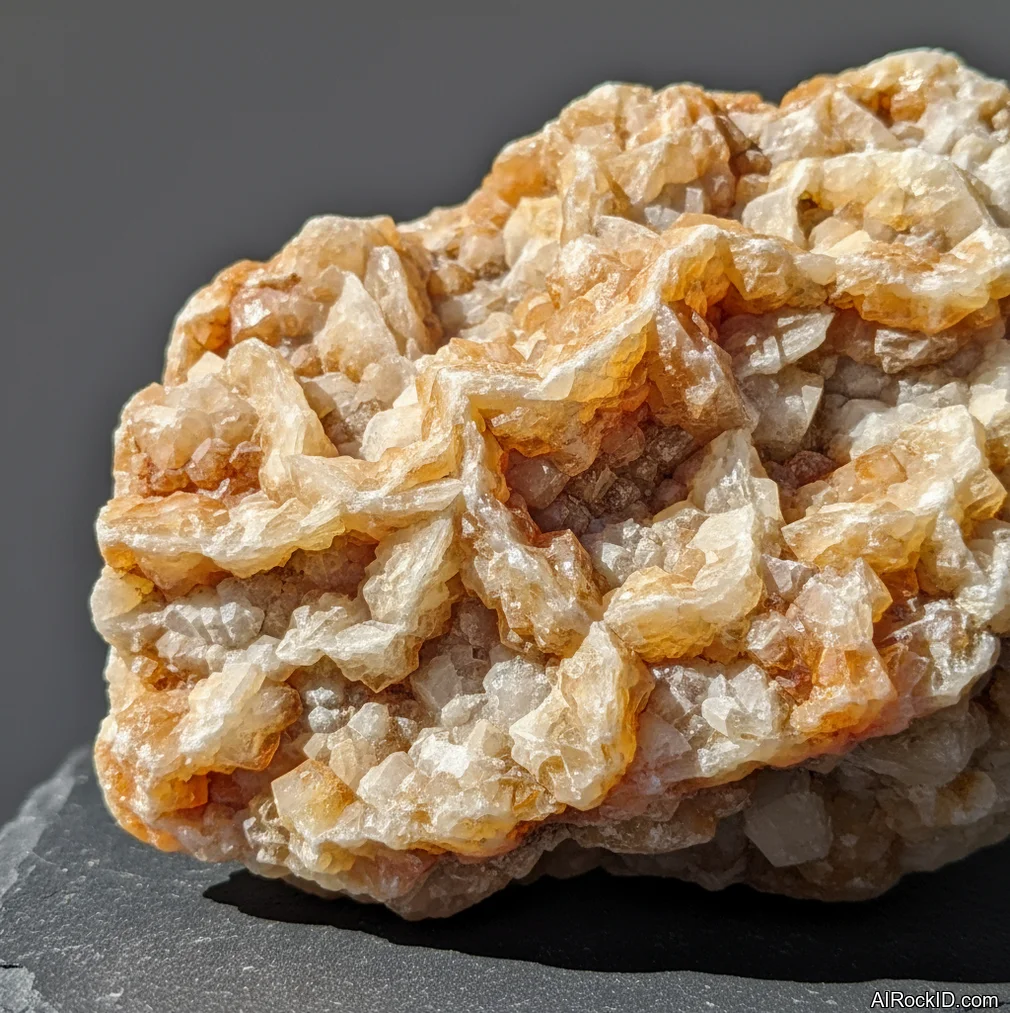
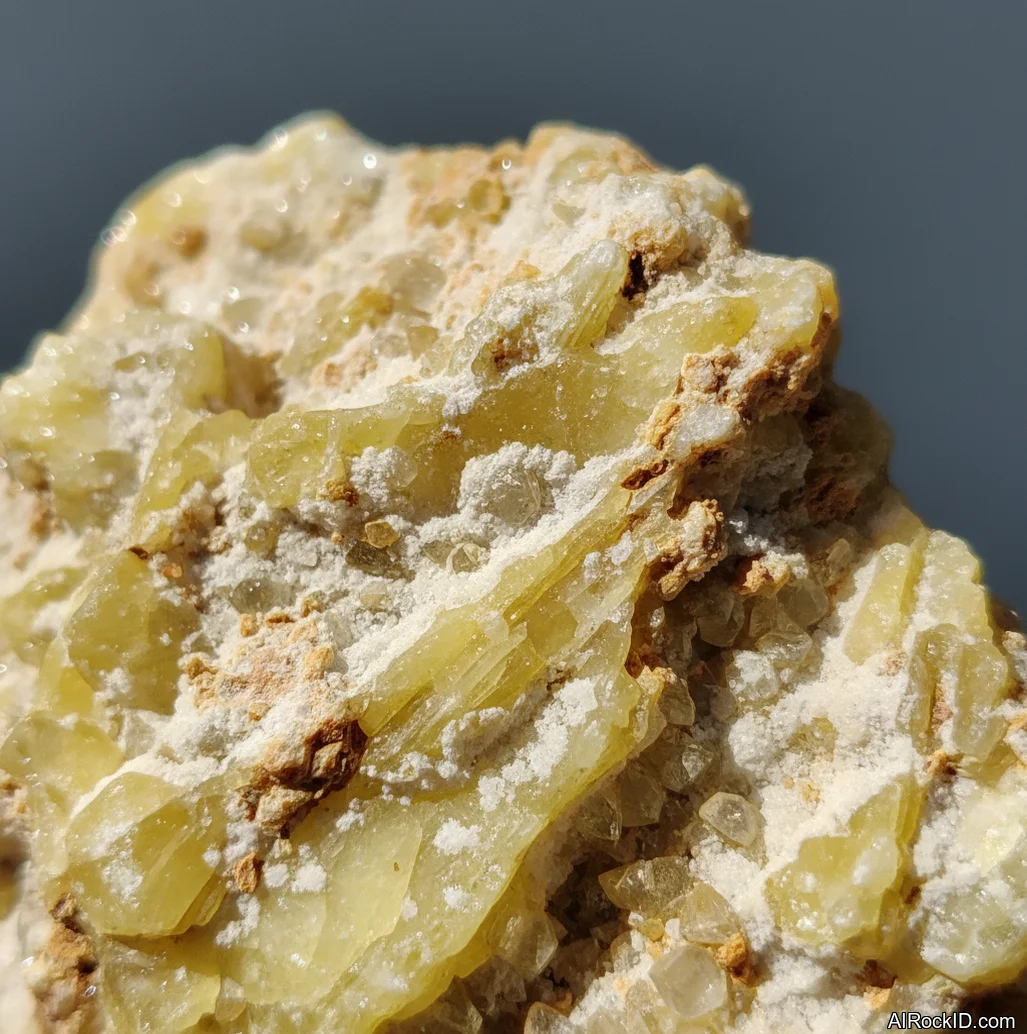
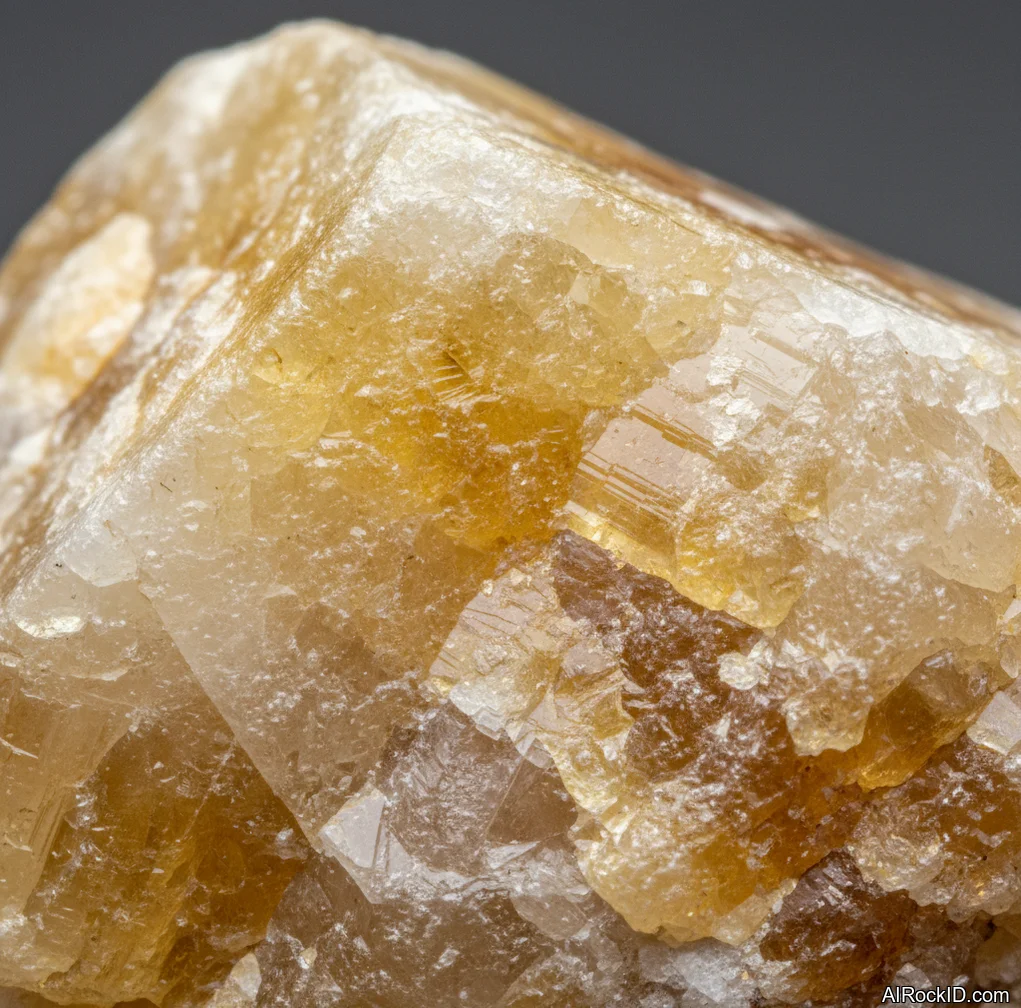
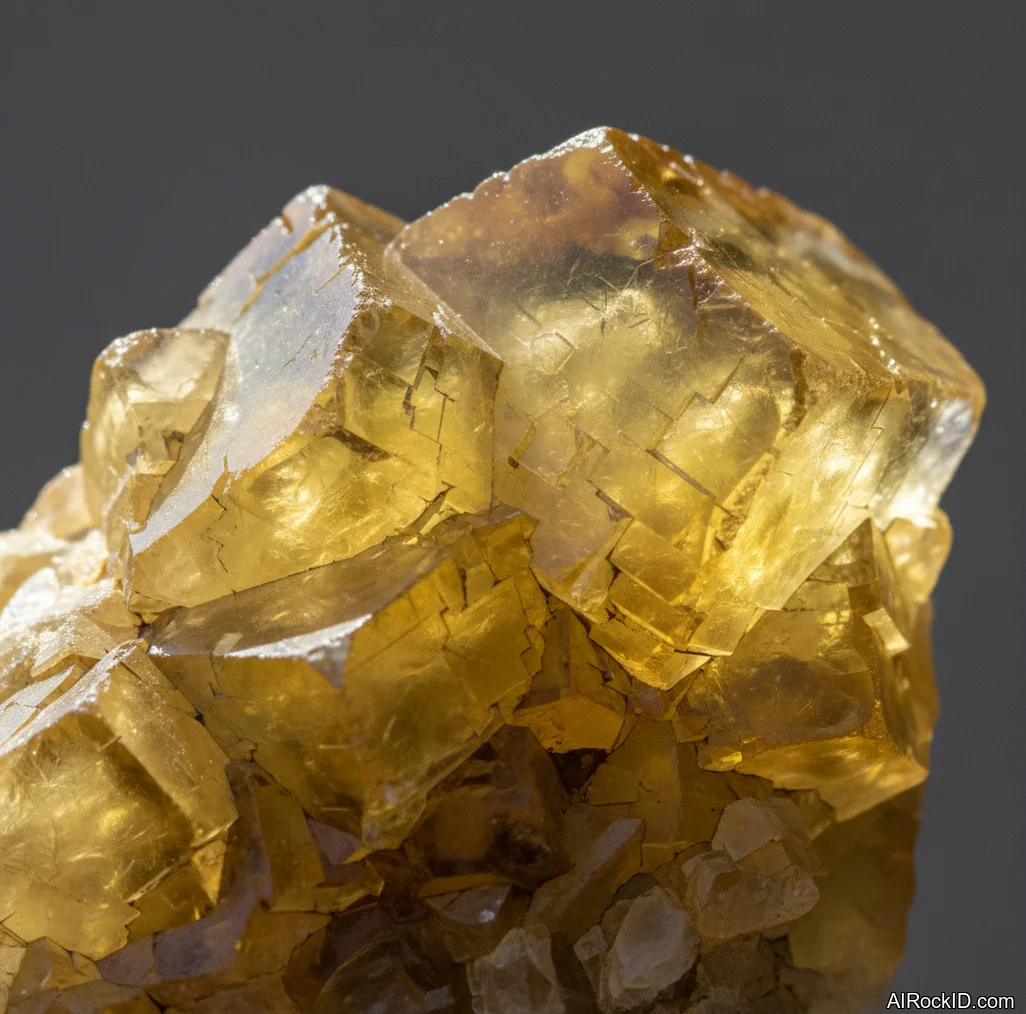
For desk use, I like a small Golden Calcite chunk because it looks soft and warm-toned, and you can spot the cleavage planes catching light if you rotate it. Just don’t drop calcite. It dents and chips fast, and you’ll end up with a sad little crater.
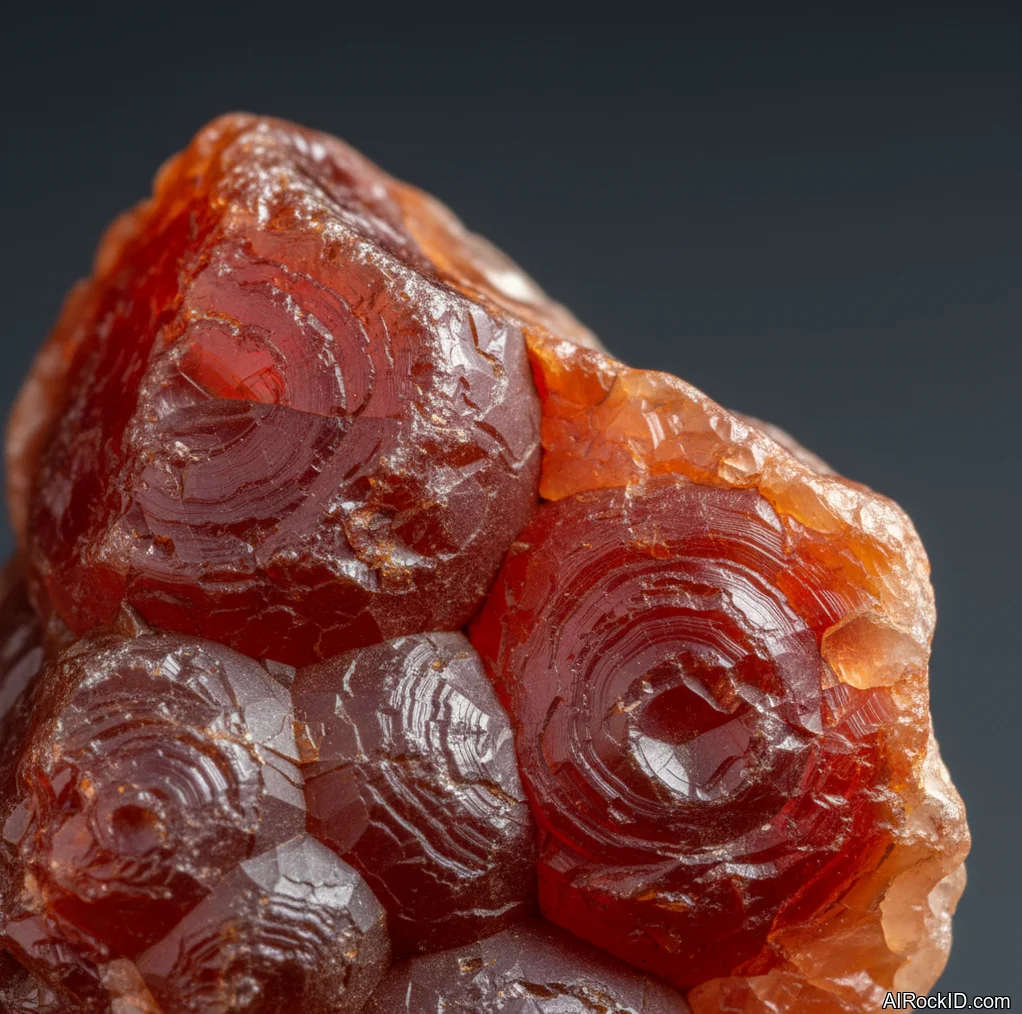
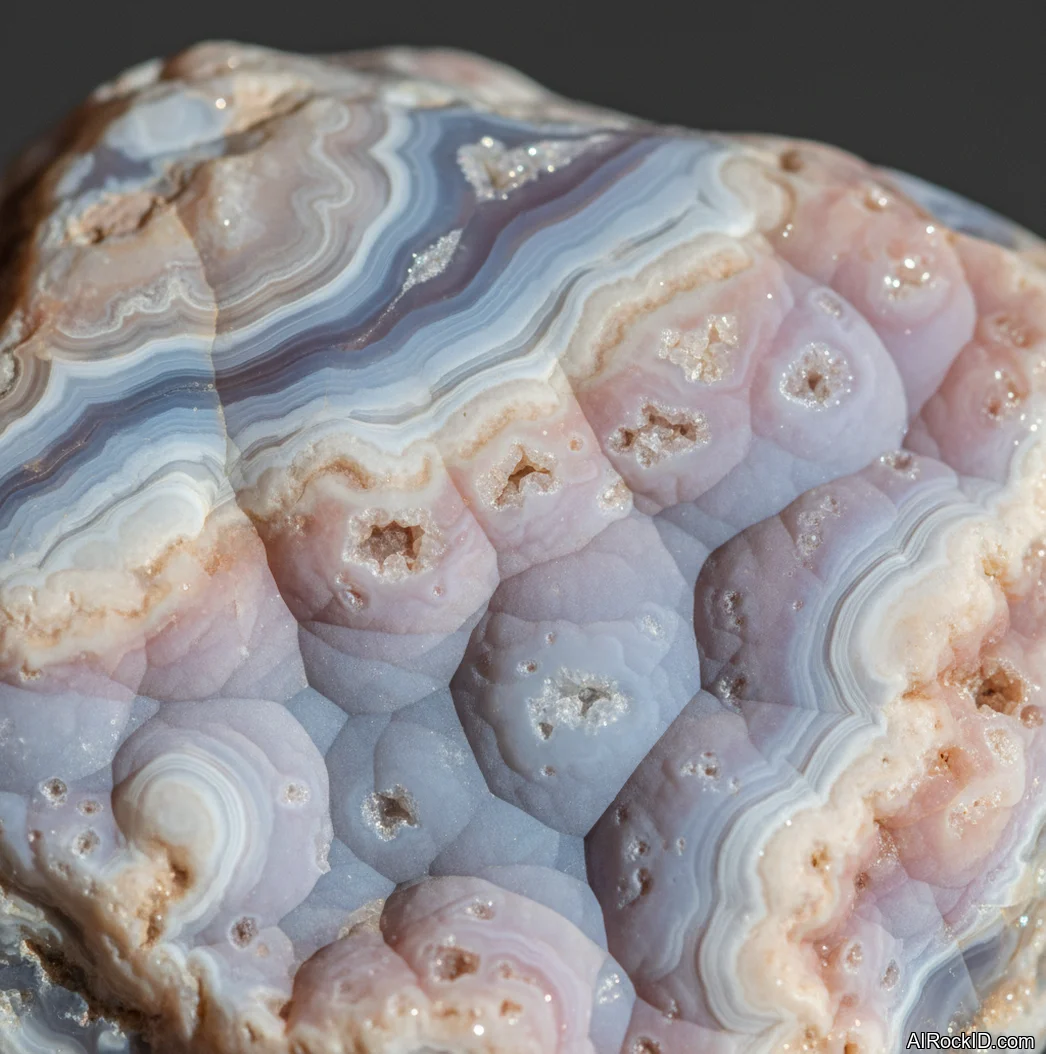
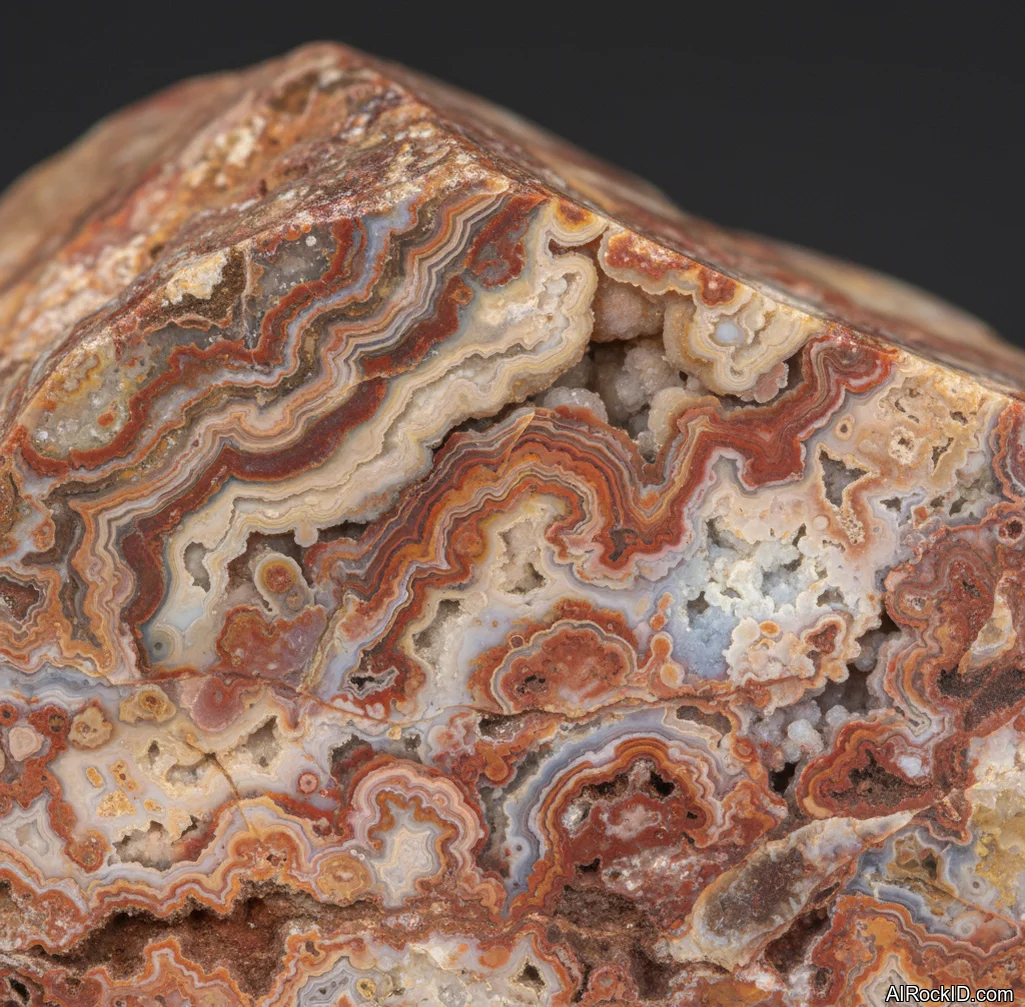
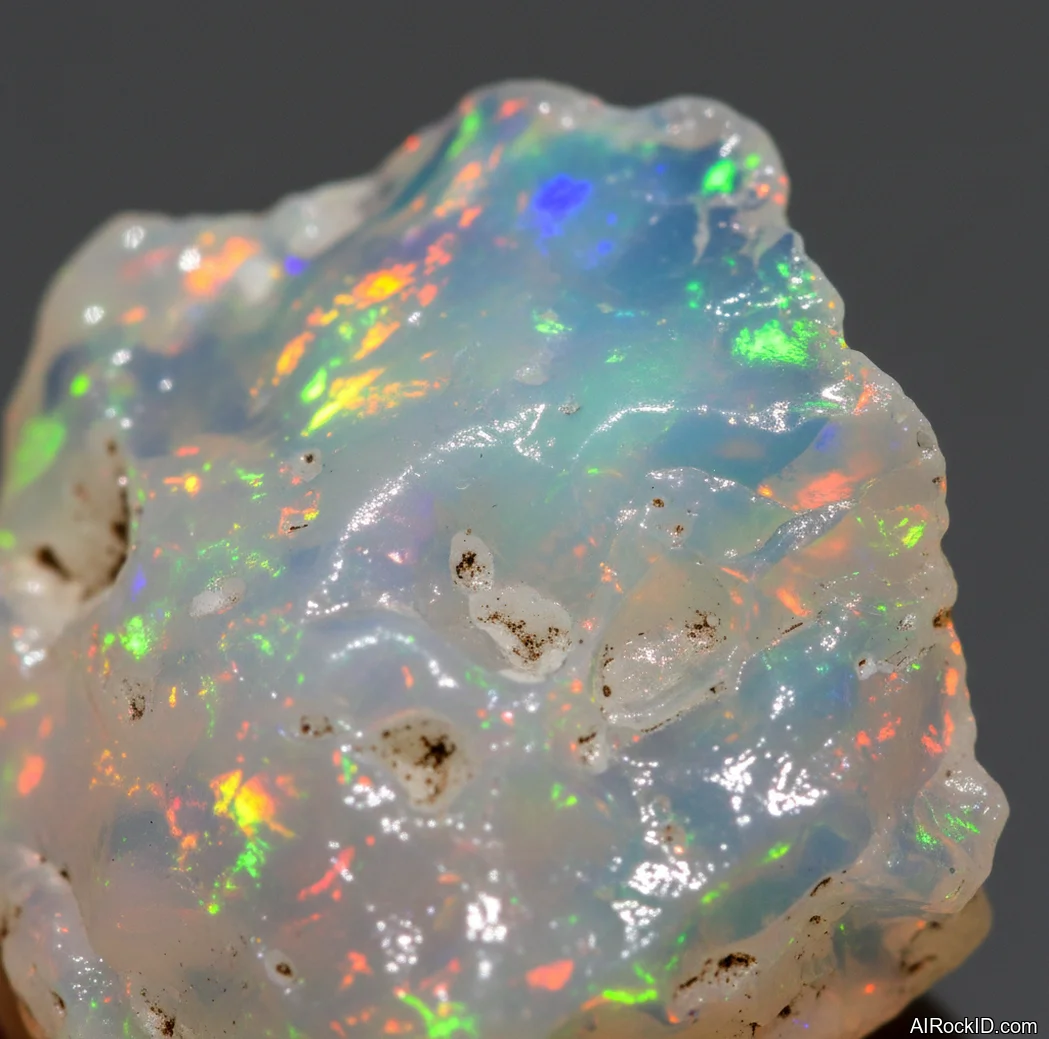
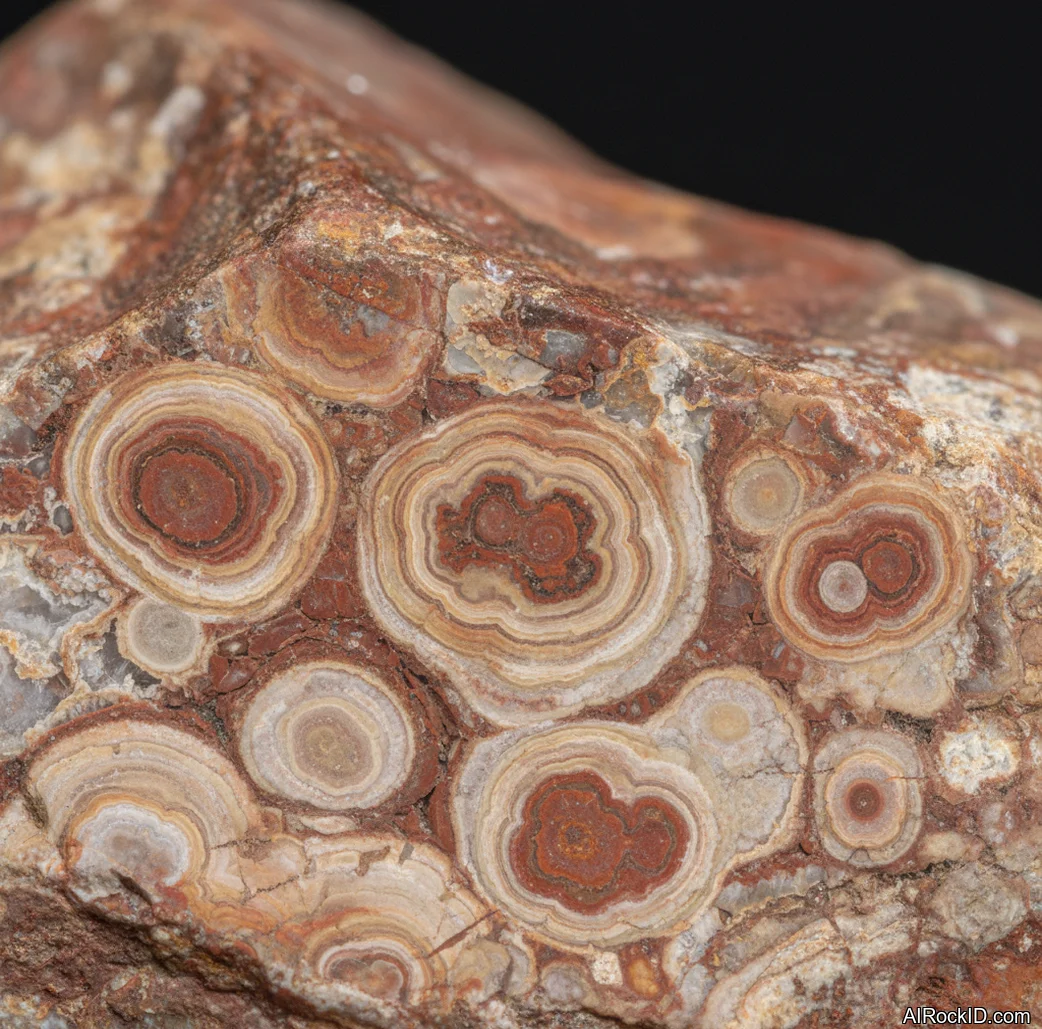
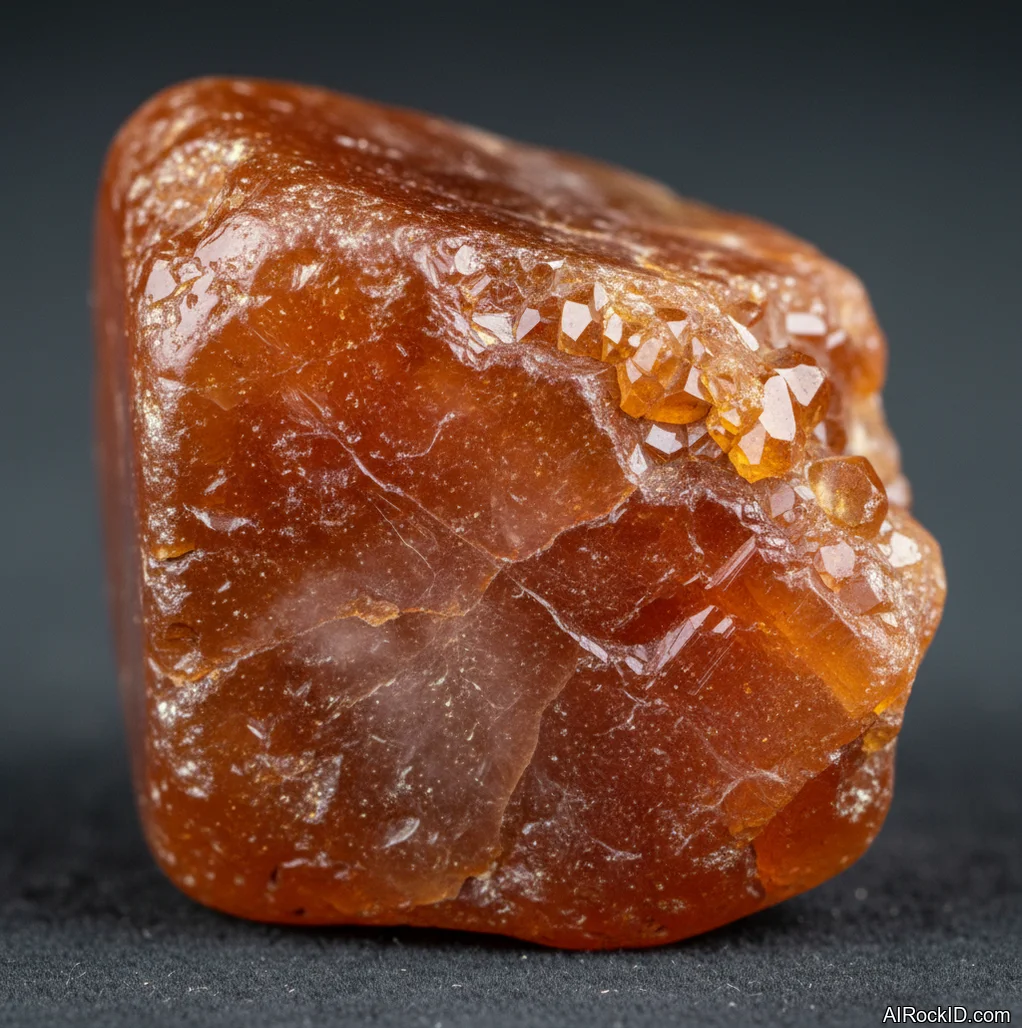
Meditation is fine, but Joy stones also do well in motion. Carry Carnelian when you’re trying to get your energy back, especially if you’re stuck in the “I’ll start tomorrow” loop. A good carnelian is orange to reddish with depth, not that flat neon stuff. If you hold it up to a strong light, you’ll often see bands or cloudy swirls inside. For some people, that’s the version of Joy that looks like getting things done and feeling proud after.
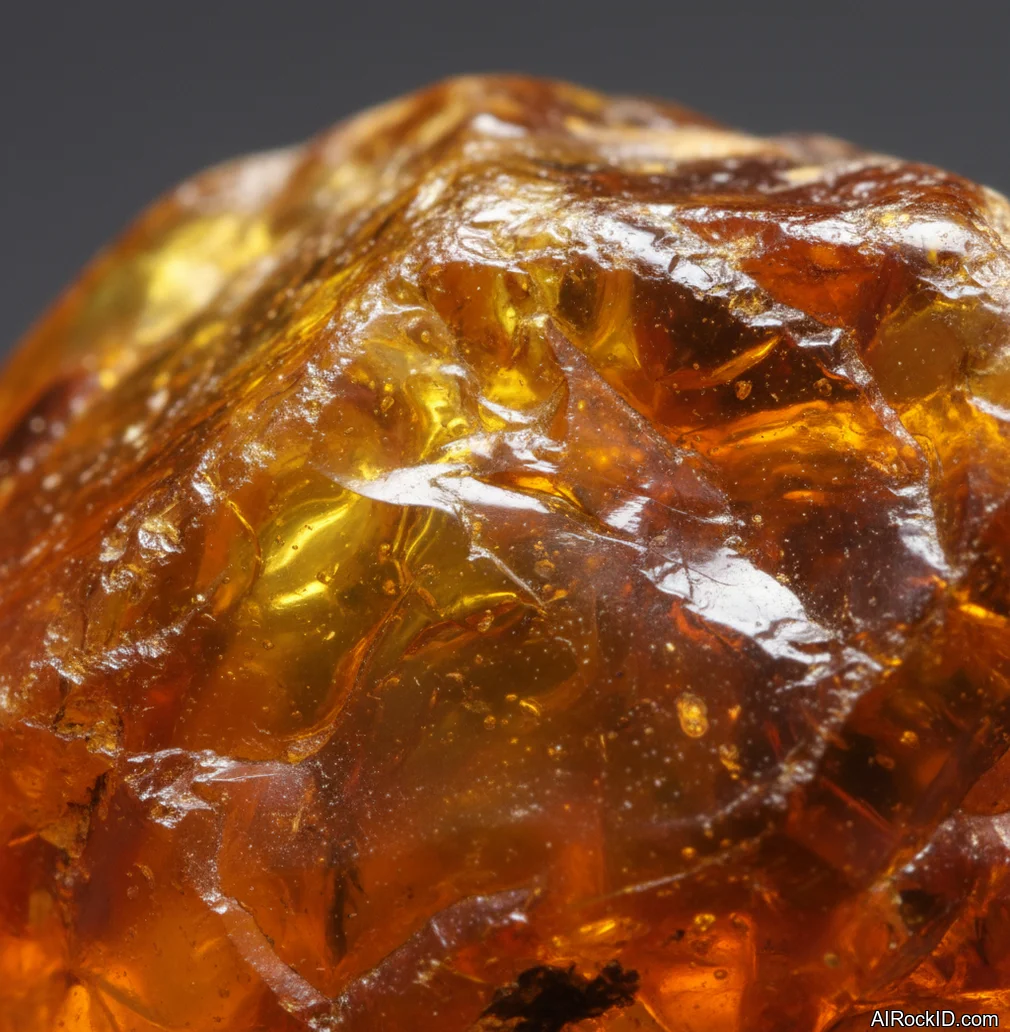
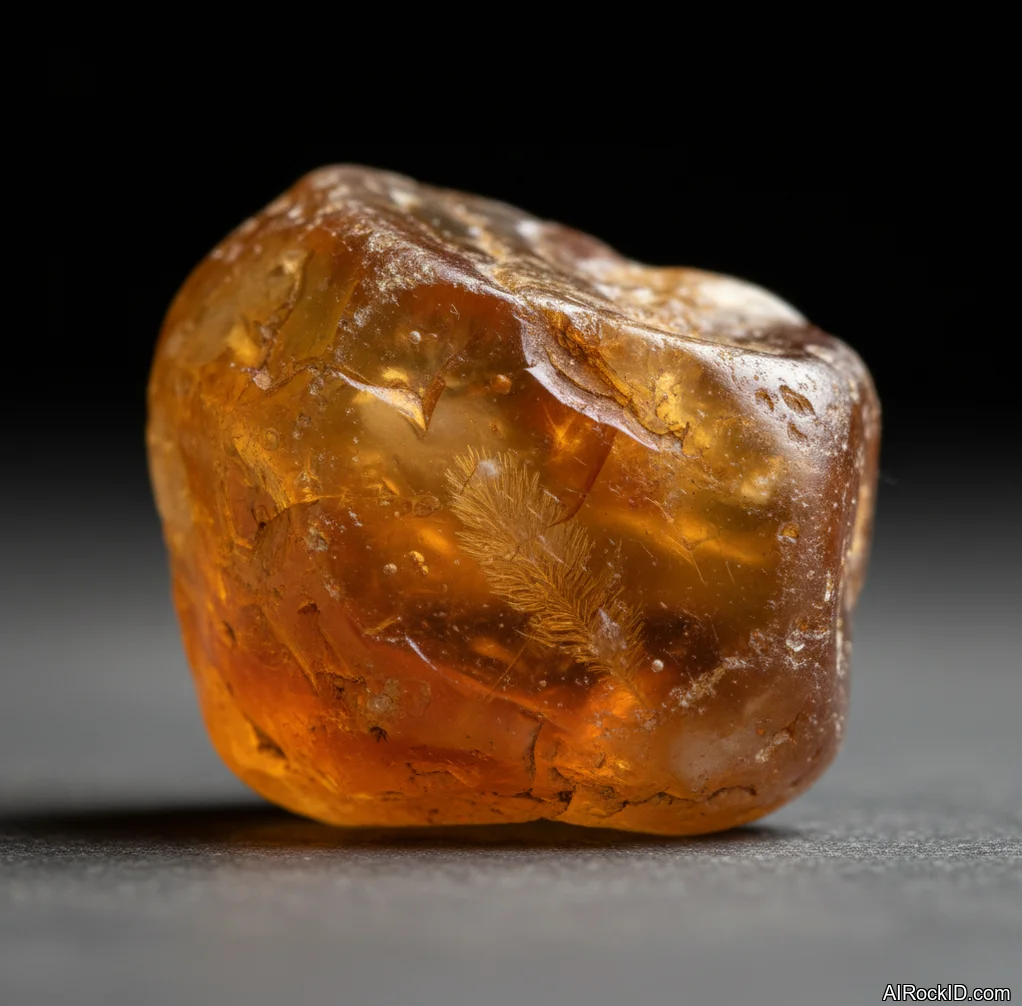
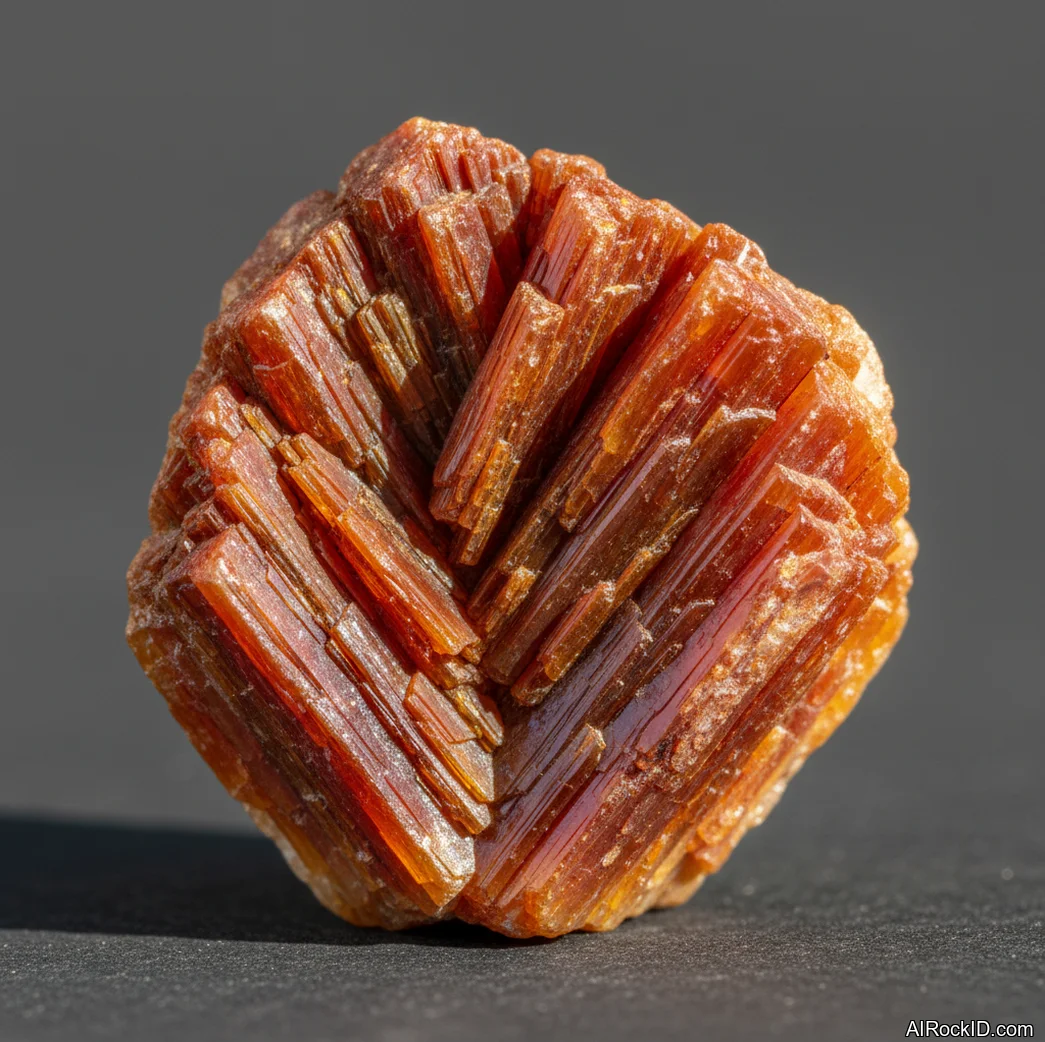
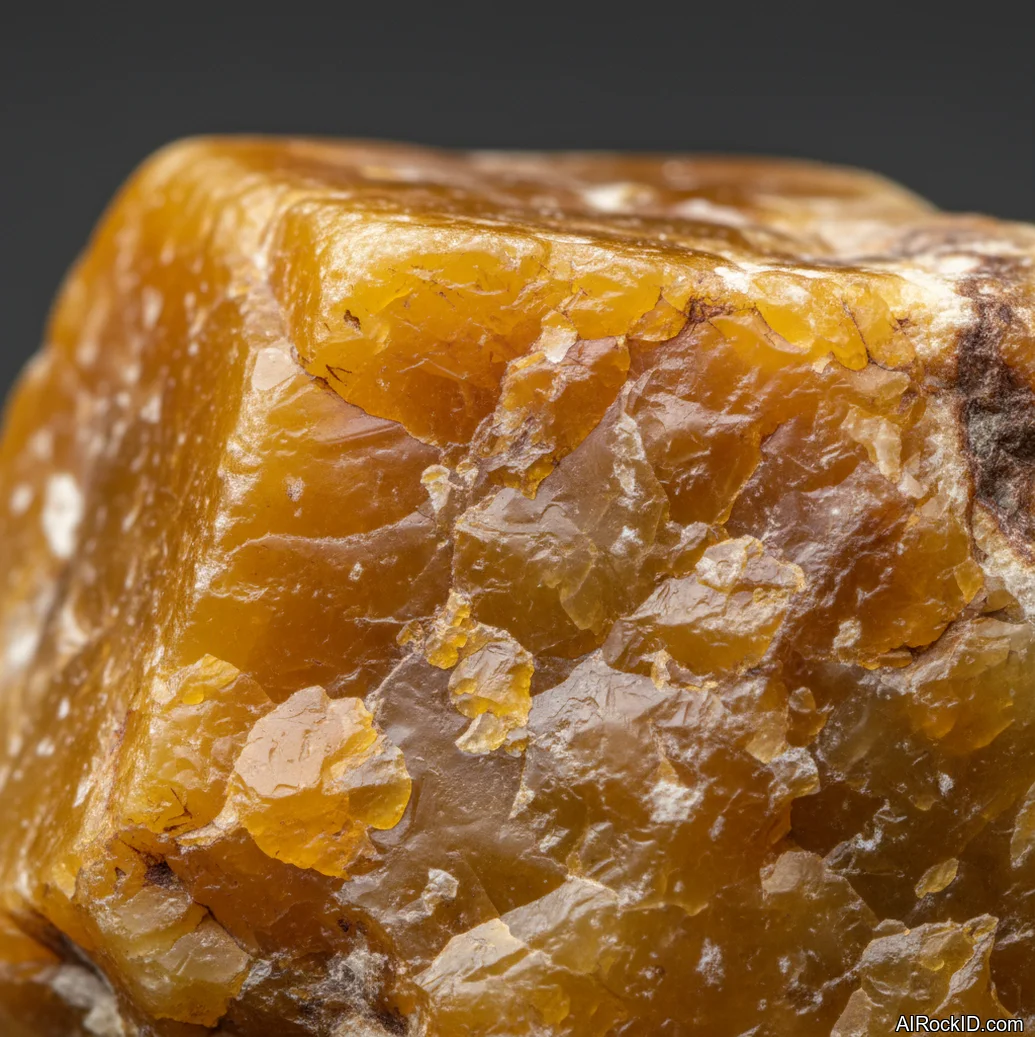
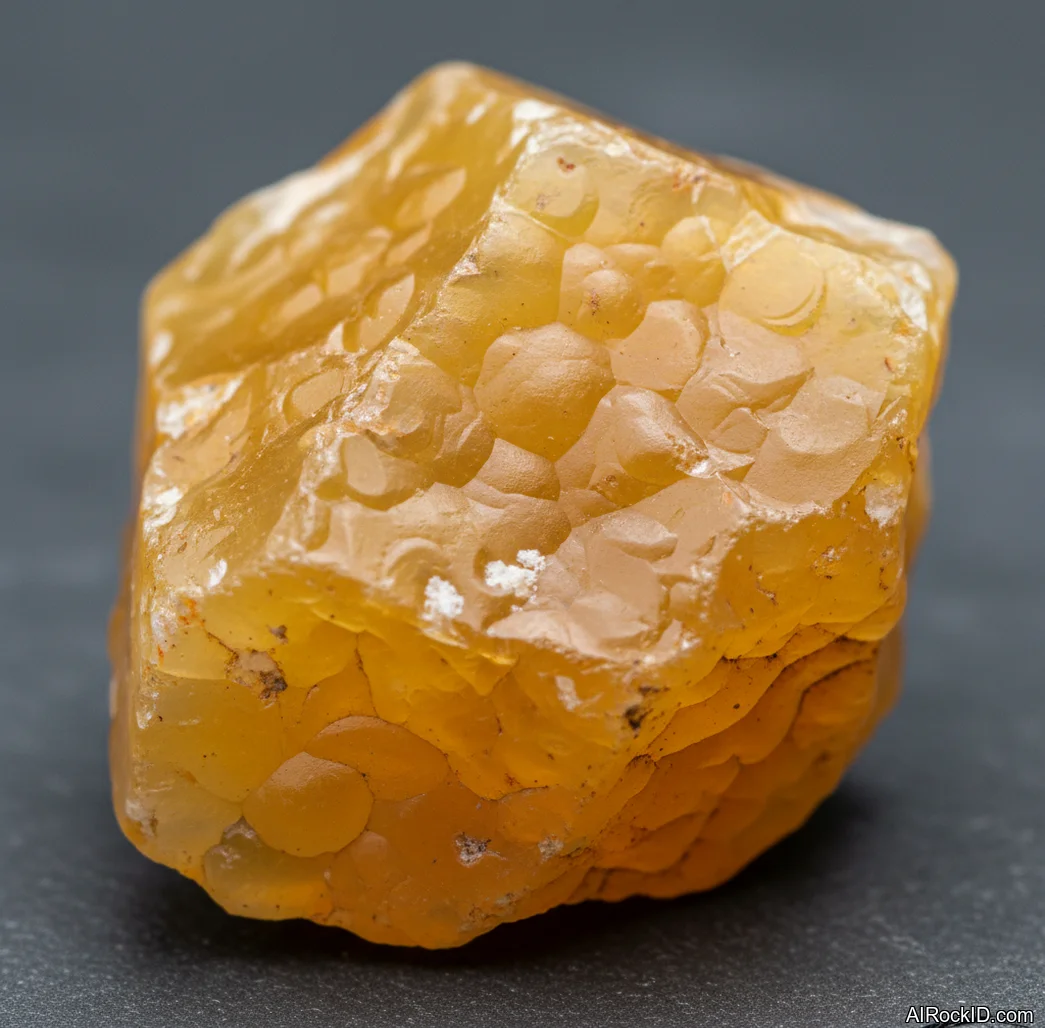
Buying tips matter here because the Joy category gets hit hard by dye and heat. The real test is consistency and temperature. Dyed agate slices can look electric, and the color pools in cracks or along the rim. Heat-treated “citrine” looks toasted. Cheap “amber” is often plastic and feels warm right away, while real amber stays cooler for a moment and is ridiculously light for its size. If you’re shopping in person, ask to hold the piece. Weight tells you a lot.
Size is personal. For a pocket stone, think 25 to 40 mm tumbled, big enough to find without digging. For a home piece, a small cluster or a chunky freeform works, especially if it catches natural light. But be careful with sun exposure. Some colors fade on a windowsill, and it’s not a myth. Amethyst can wash out over time, and some dyed stones go dull fast.
Cleansing and care don’t need to be complicated. If a stone is hard, like quartz varieties (citrine, rose quartz, amethyst), a quick rinse and a soft cloth is usually fine. If it’s softer or porous, like calcite, opal, or selenite, skip soaking and just wipe it down. Thing is, the best setup is the one you’ll actually use. Set a Joy stone where you’ll see it, touch it, and remember what you’re practicing. That’s the whole point.
All Joy Crystals (92)