Libra Crystals
Learn which crystals are associated with Libra, what they mean, and how to choose, cleanse, and use Libra crystals for balance and clarity.
Libra gets talked about like it’s all “balance” and “beauty,” but in crystal terms it’s really about calibration. Not the fluffy kind, either. You’re trying to get two sides of a situation to stop yelling over each other long enough to land on a clean decision. That’s why Libra crystal sets so often lean into symmetry: paired stones, matched tumbles, bracelets with repeating beads, mirror-smooth palm stones. People reach for Libra-associated crystals when they want their head and heart to agree, or at least share the same room for five minutes.
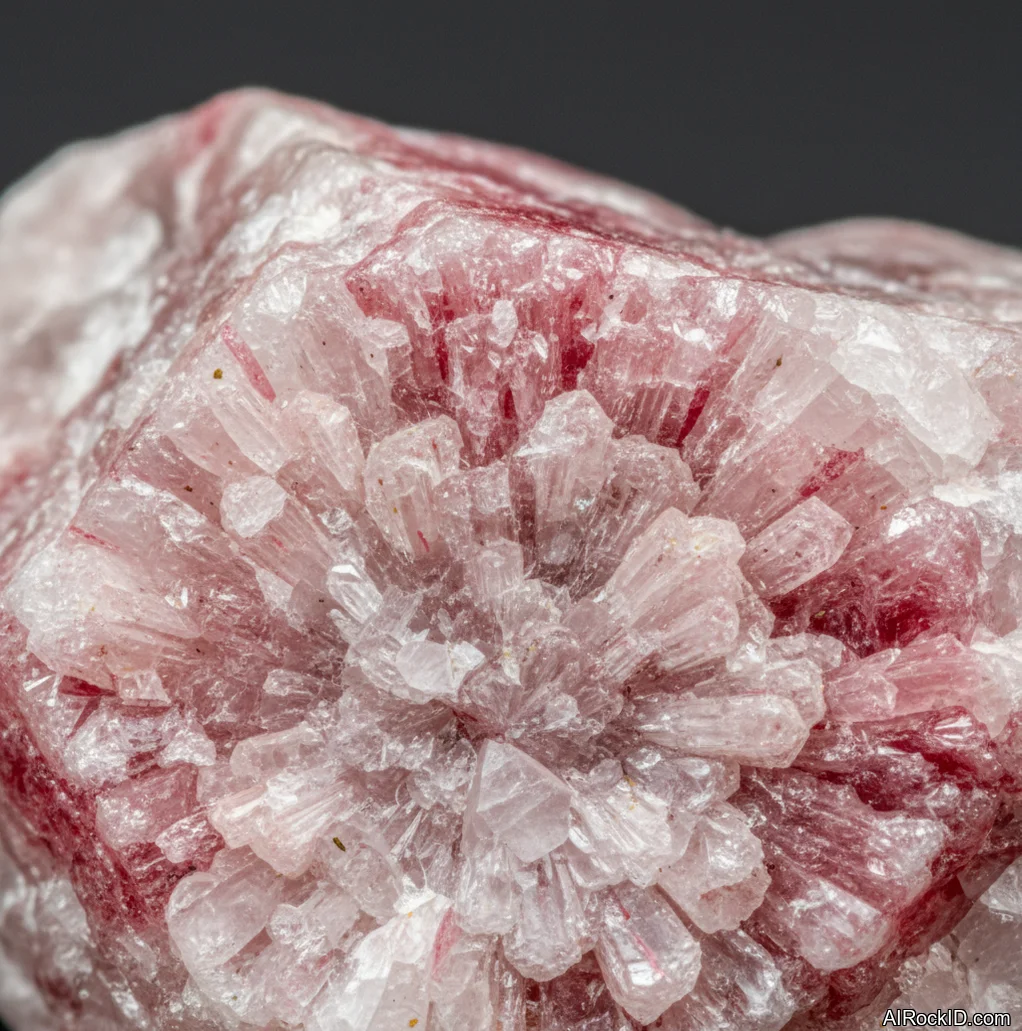
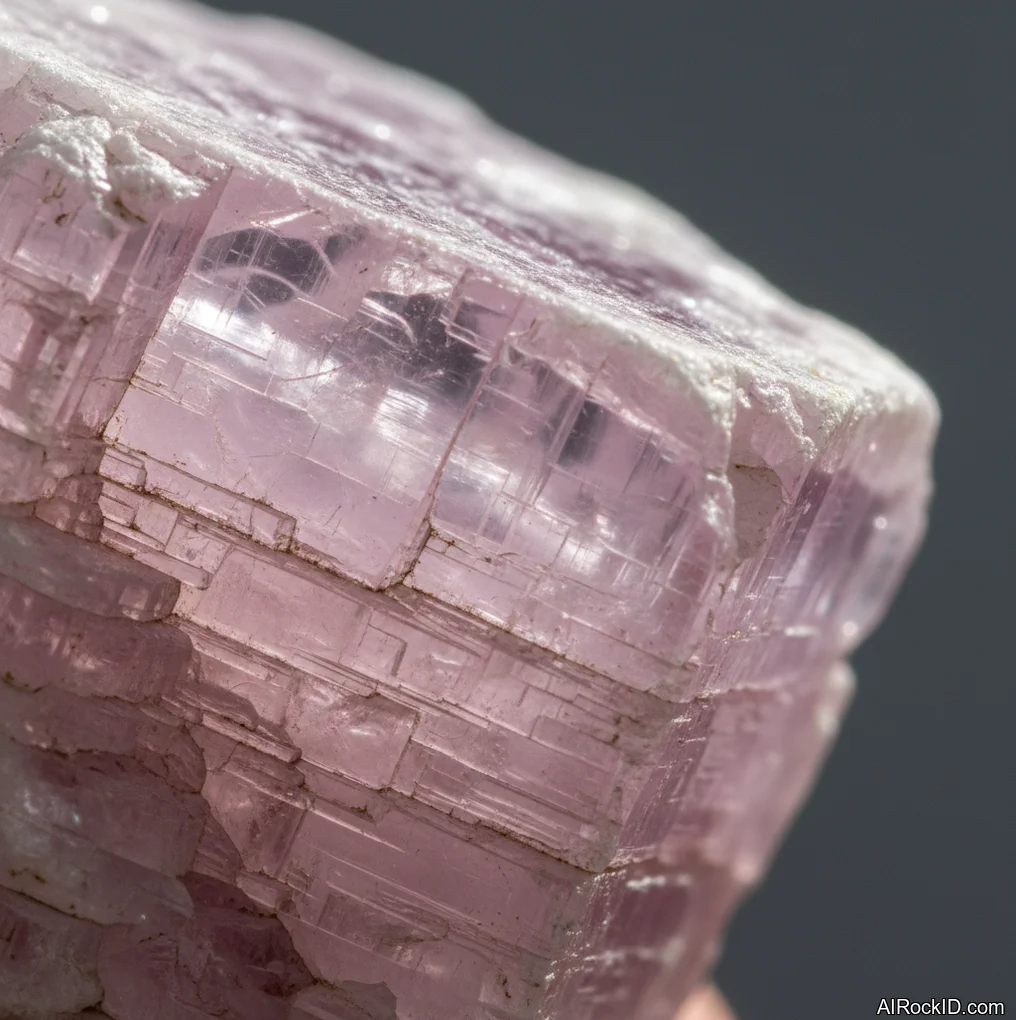
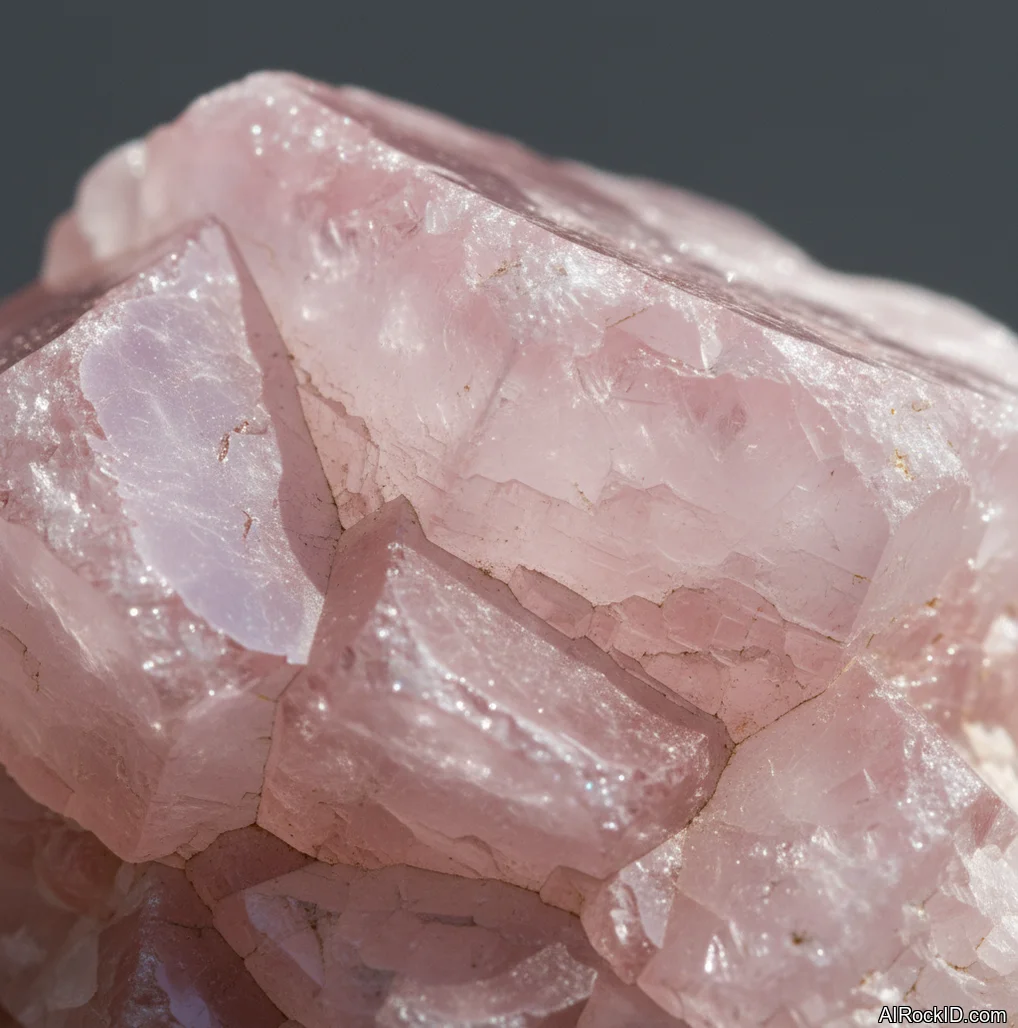
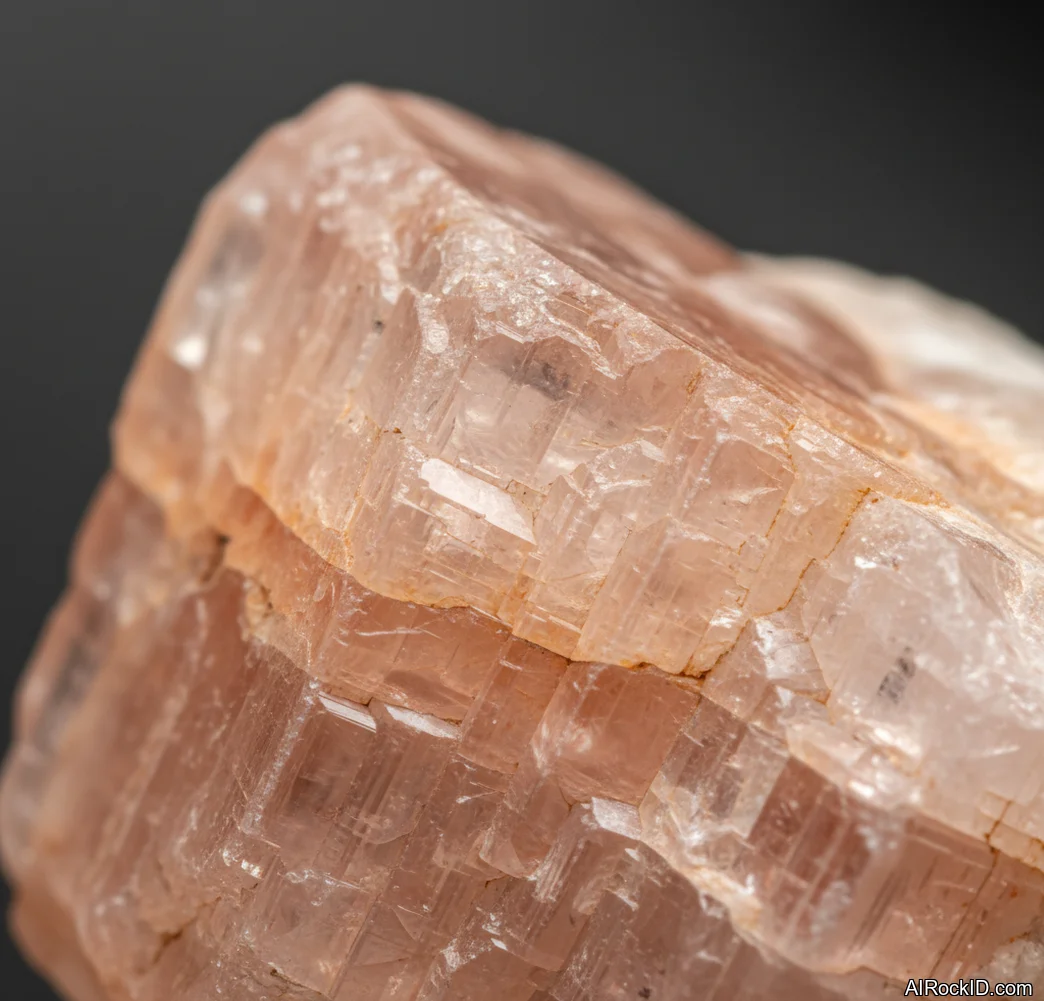
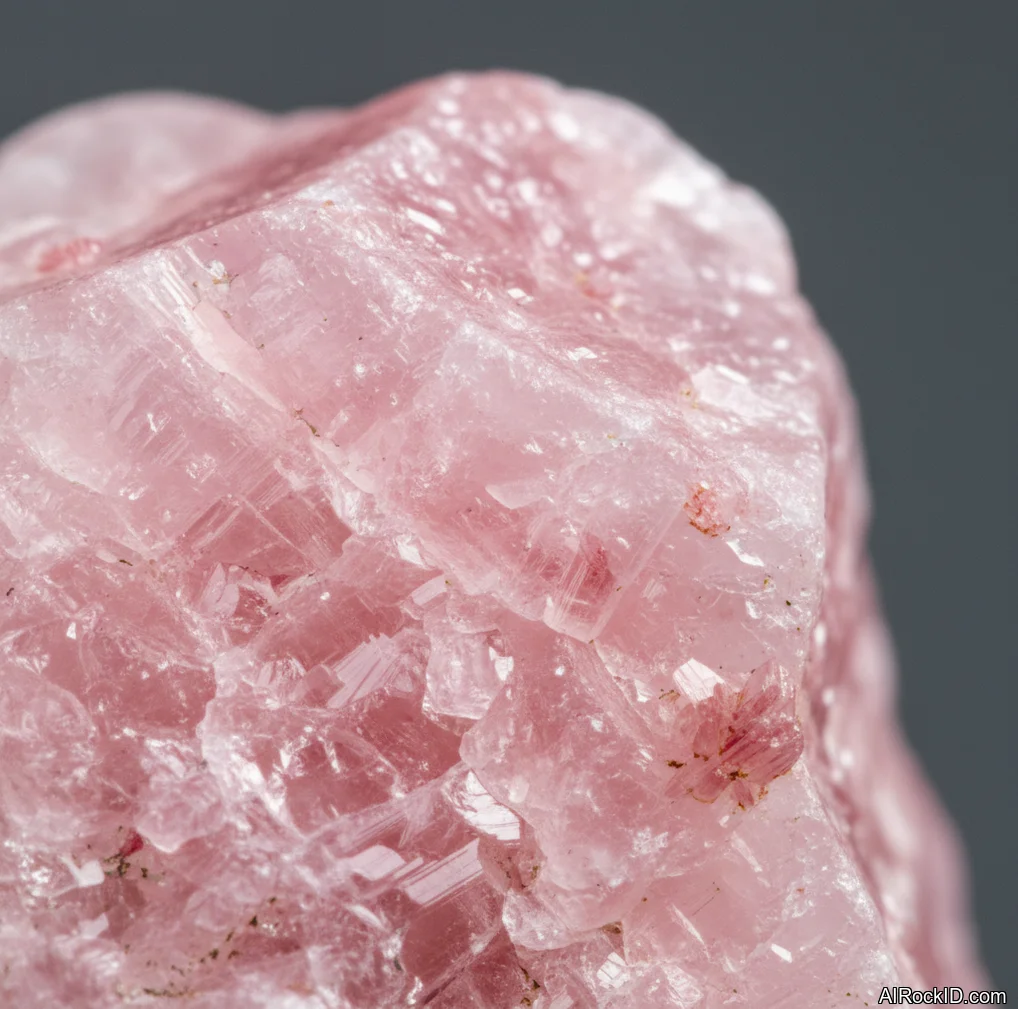
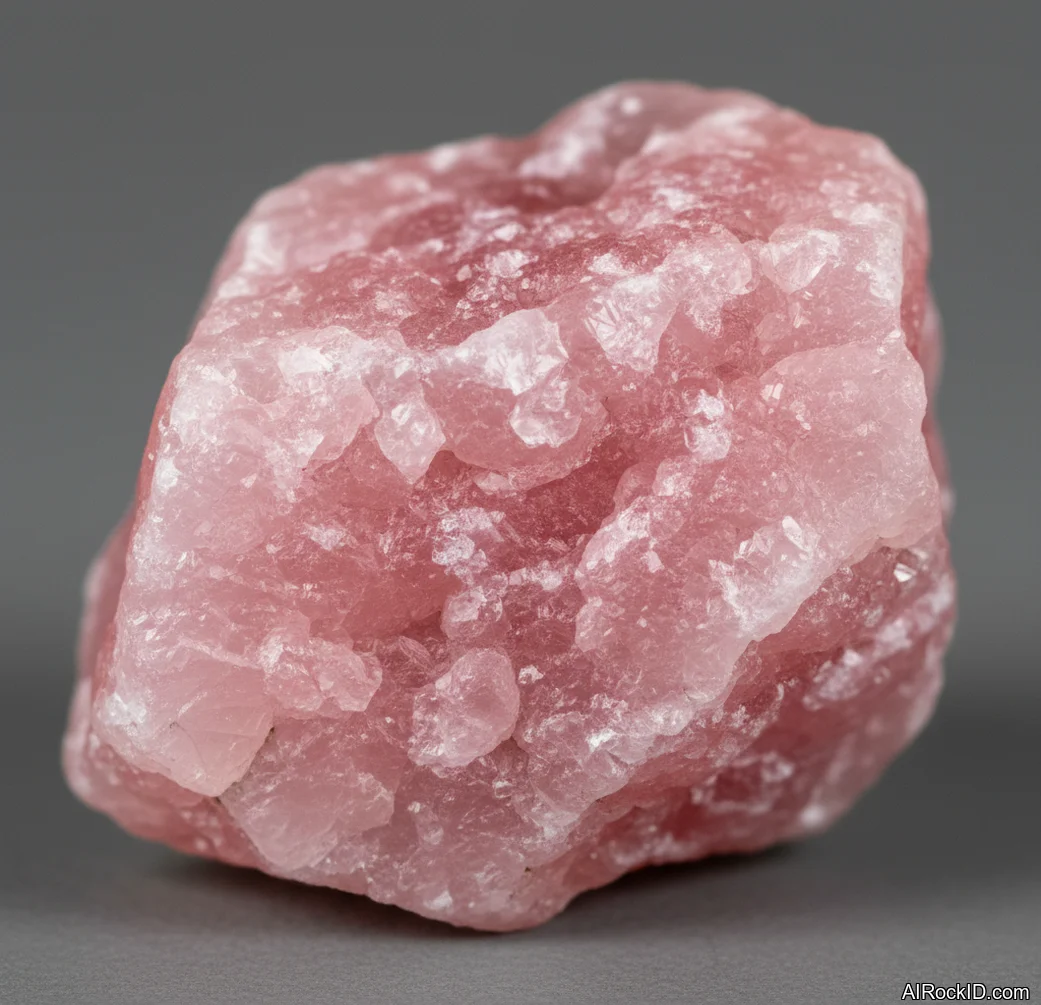
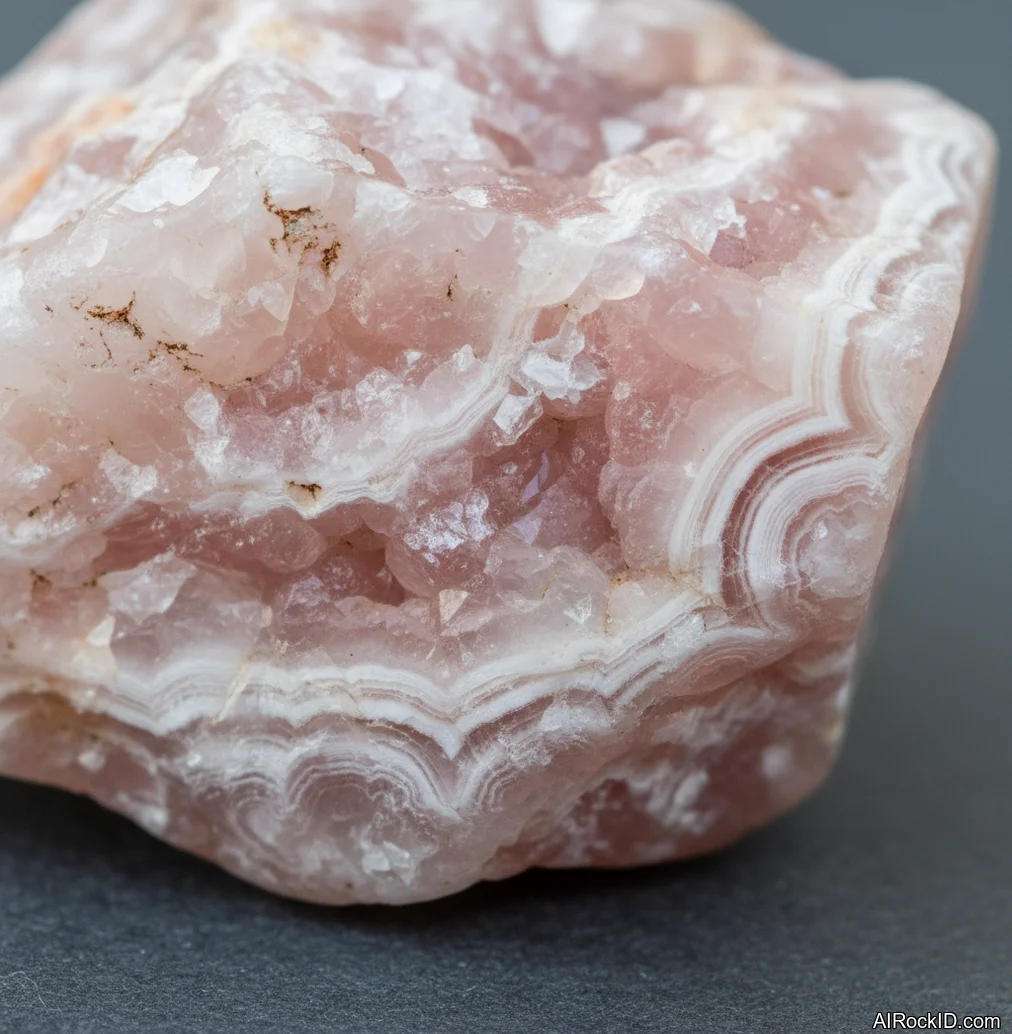
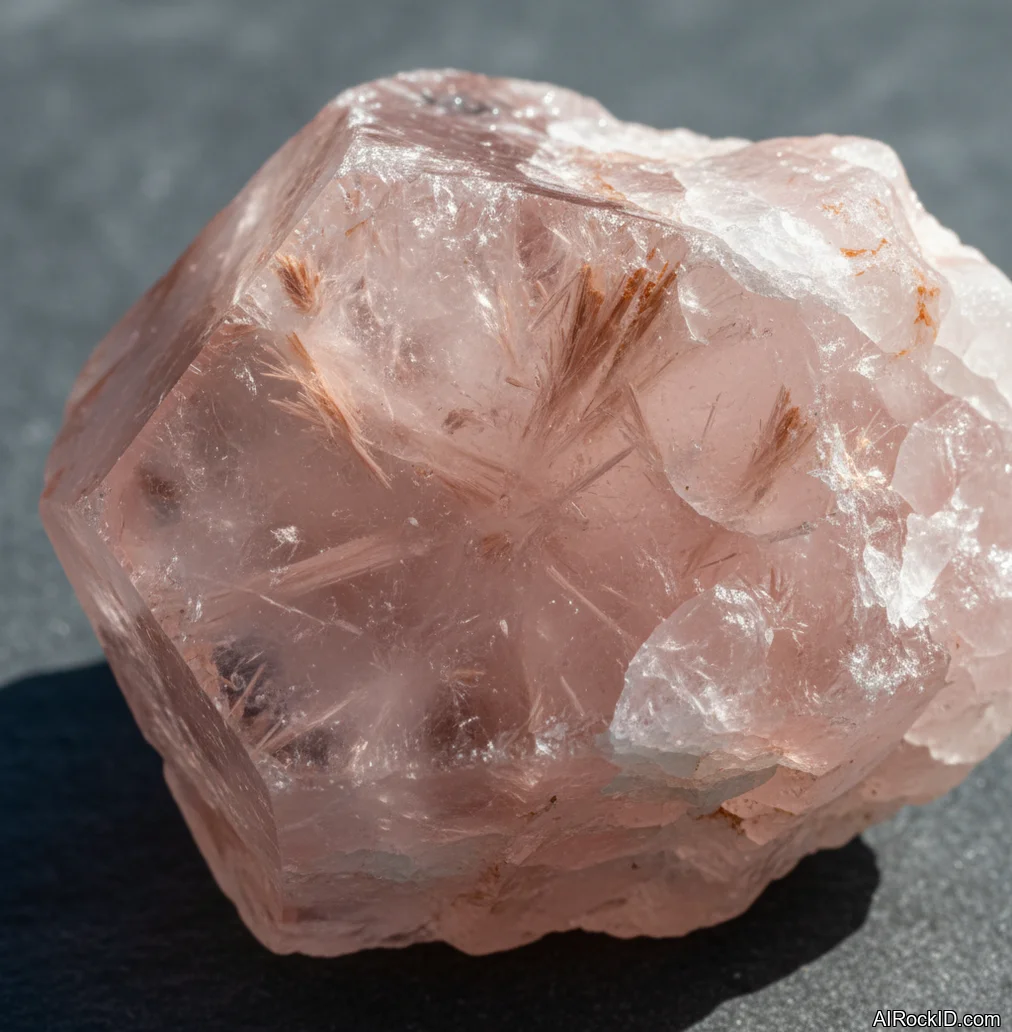
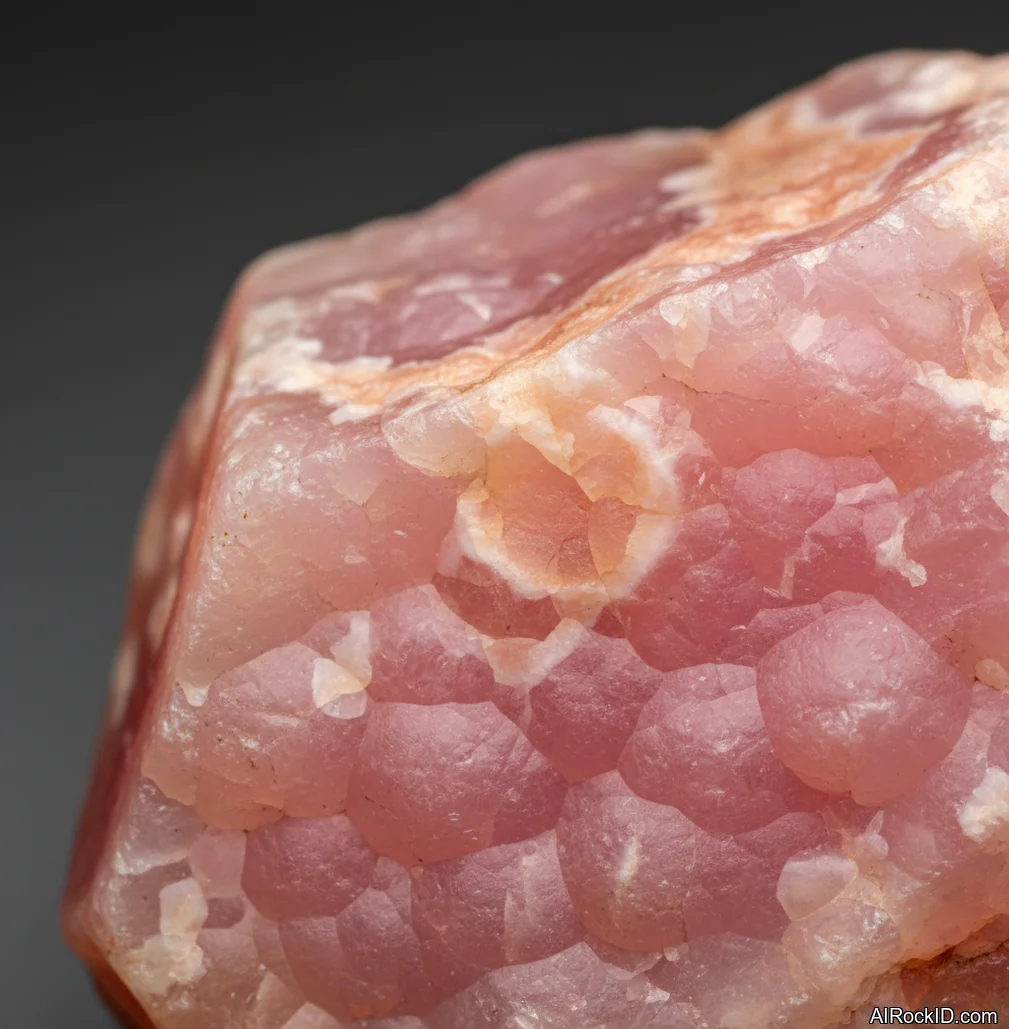
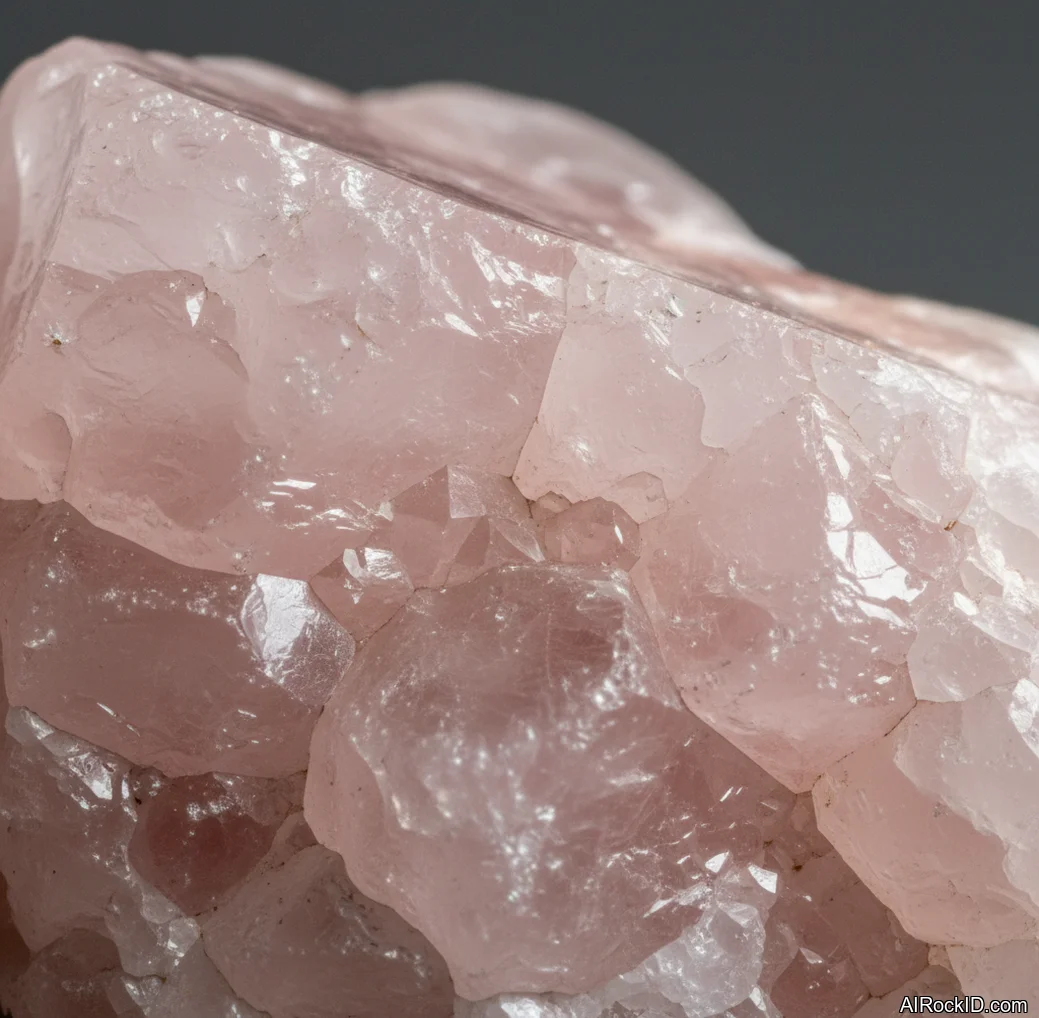
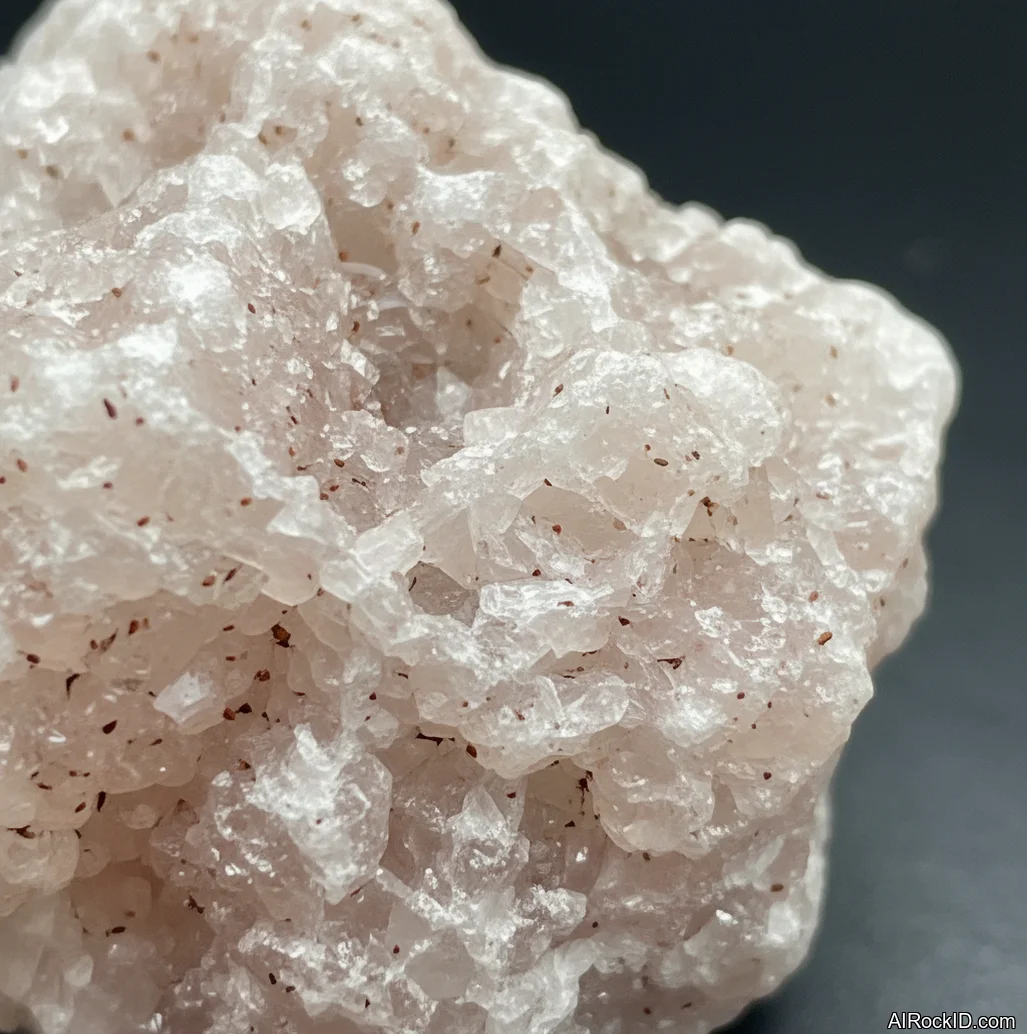
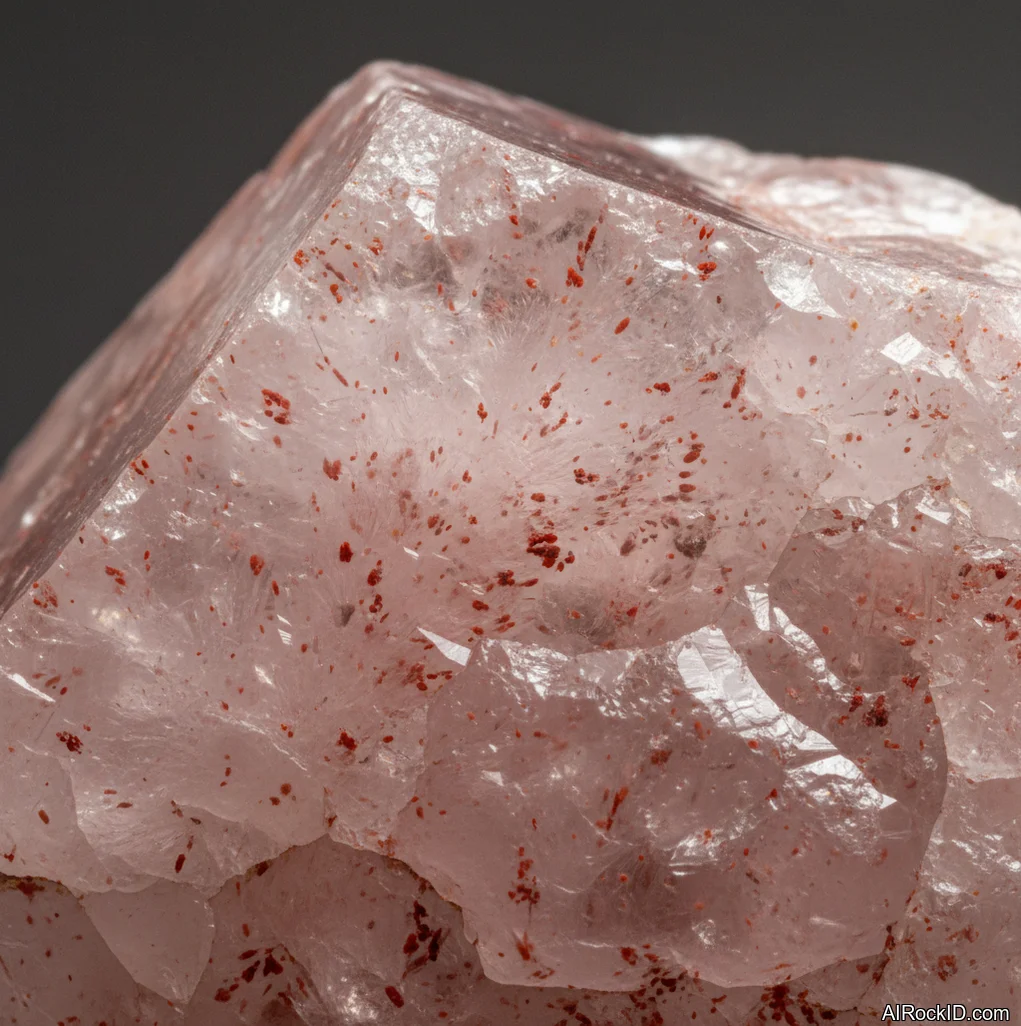
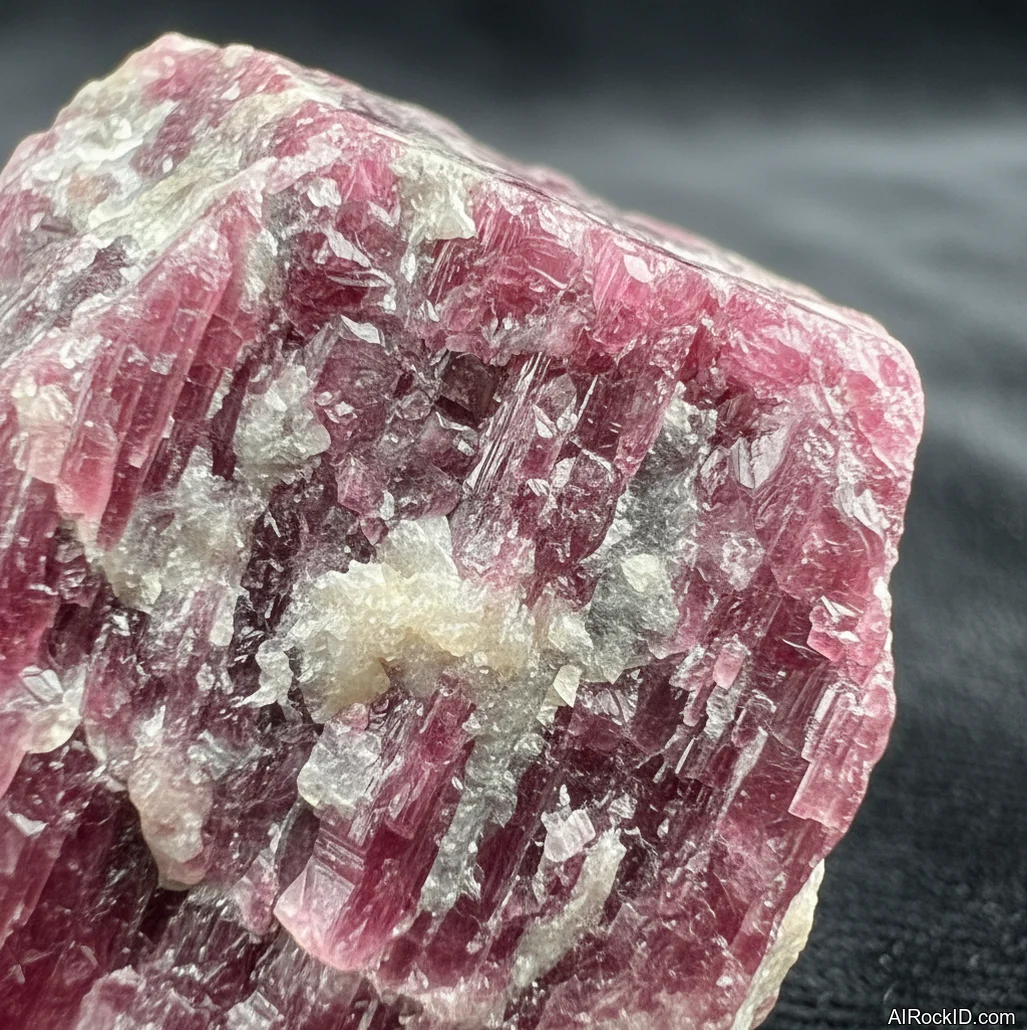
Pick up a piece of rose quartz and you’ll get why it shows up in Libra lists so often. Good rose quartz has a soft, cloudy body color that looks like milk got stirred into pink, and it stays cool in your palm longer than glass does. The polished stuff is everywhere, sure, but when you handle a chunk with natural fracture surfaces, you can see the internal haze and little “veils” that make it look alive under a lamp. In a Libra context, rose quartz is usually used as a tempering stone. Not mushy. Just less sharp around the edges.
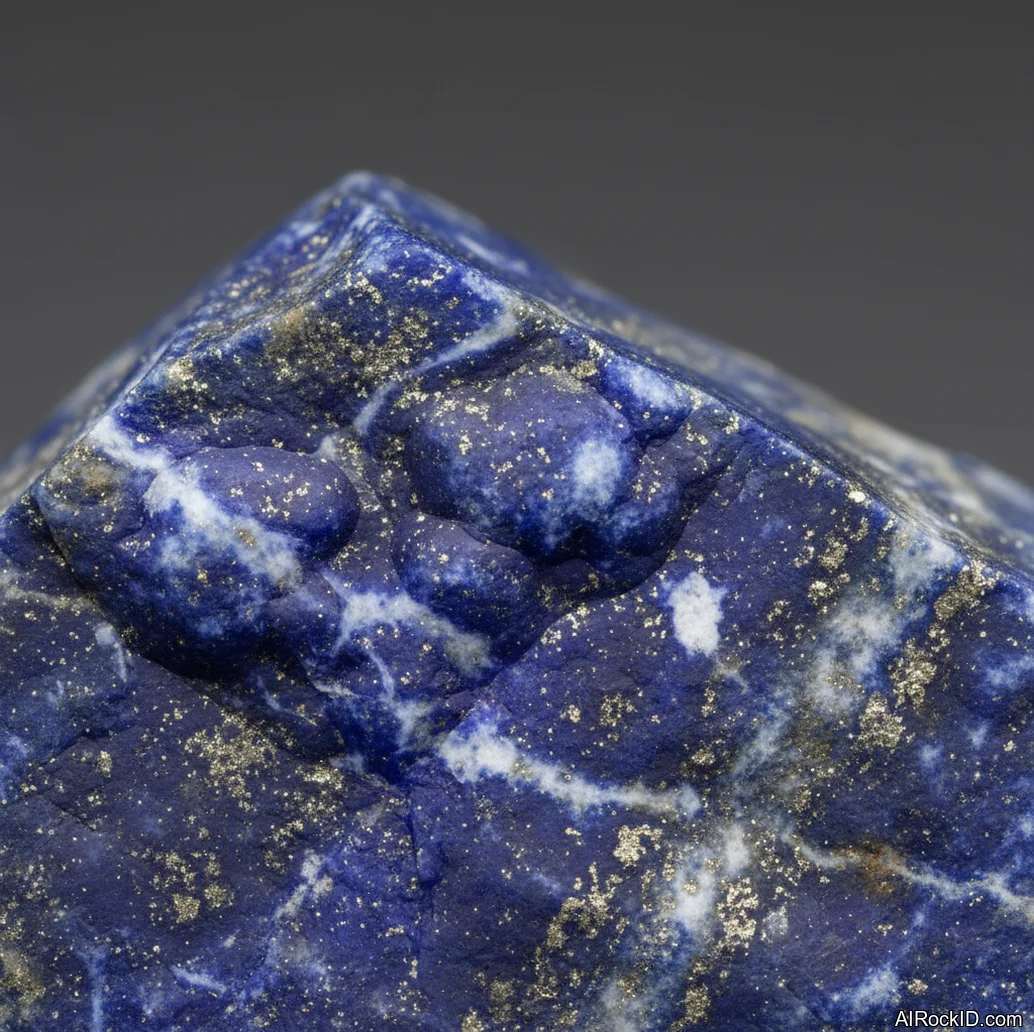
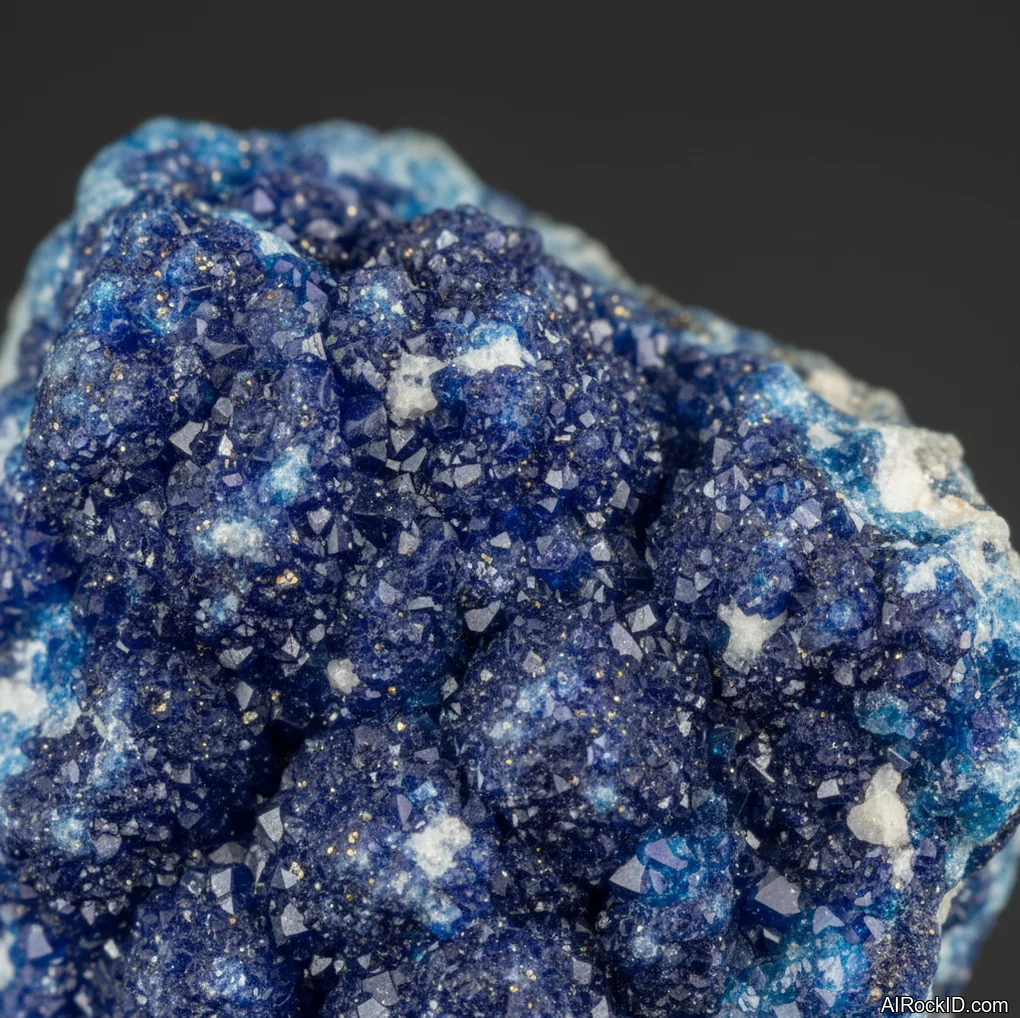
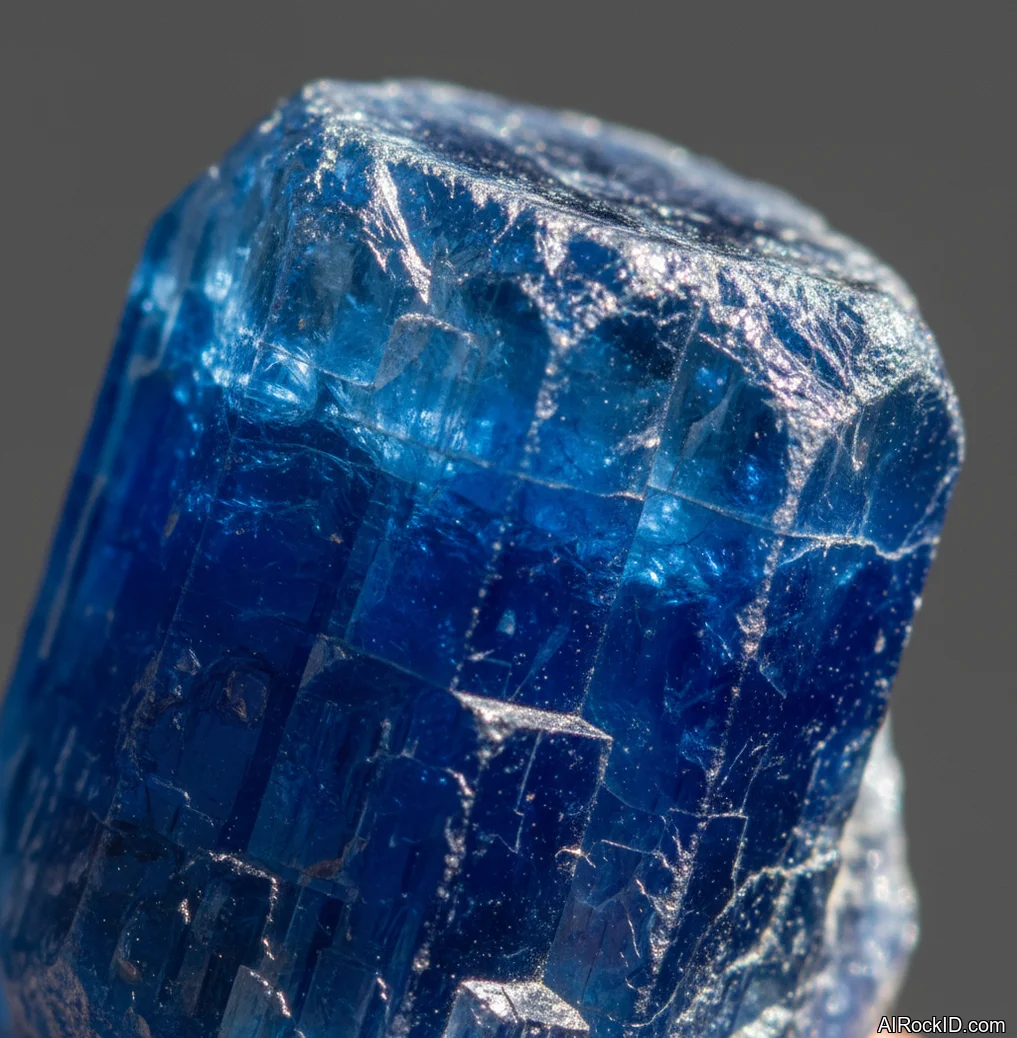
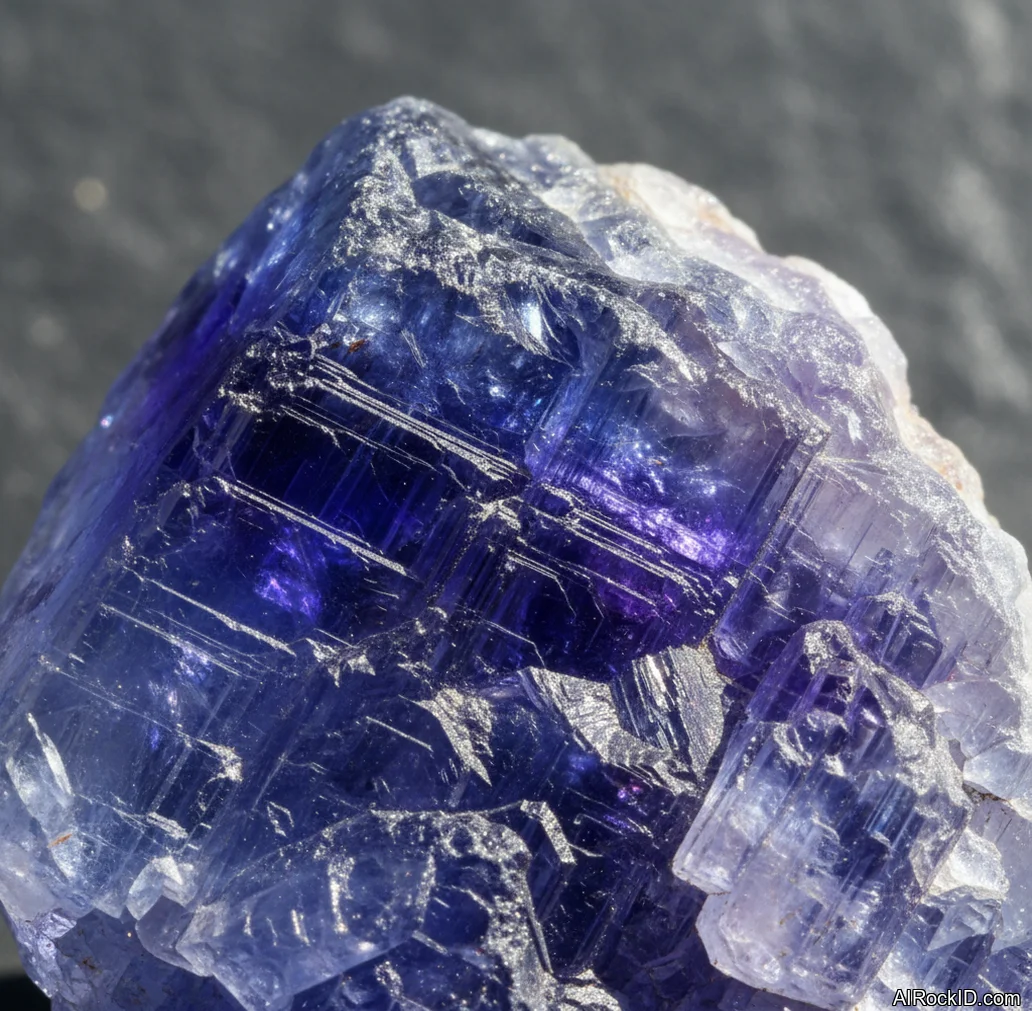
At first glance, lapis lazuli looks like the obvious pretty pick. But the reason it works for a lot of Libra people is the structure. Real lapis is a rock, not a single mineral. You’re looking at lazurite with calcite and pyrite in the mix. Tilt it under overhead light and the pyrite flashes like tiny foil squares, while the calcite shows up as chalky white streaks that break up the blue. That mix matters. It’s a visual reminder that clean opinions can still have messy components, and you don’t have to sand everything down to one perfect shade.
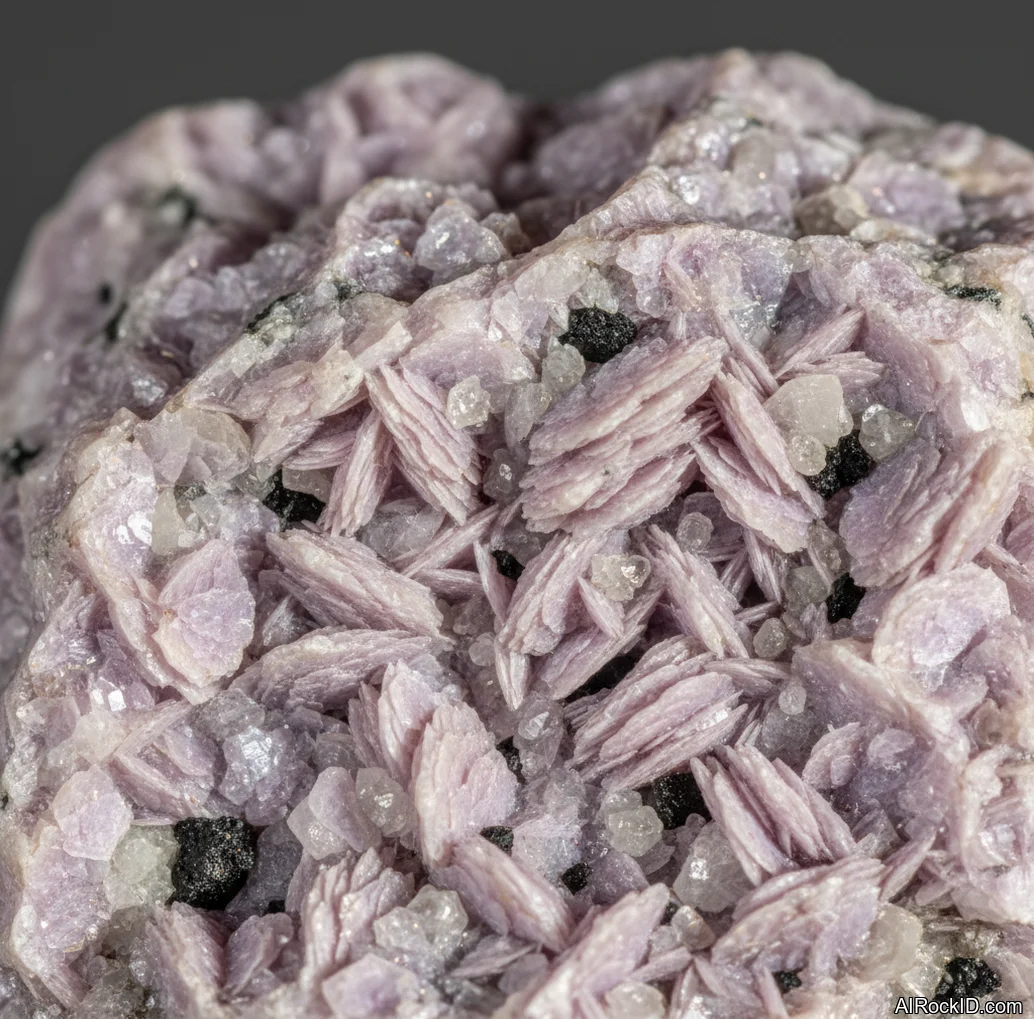
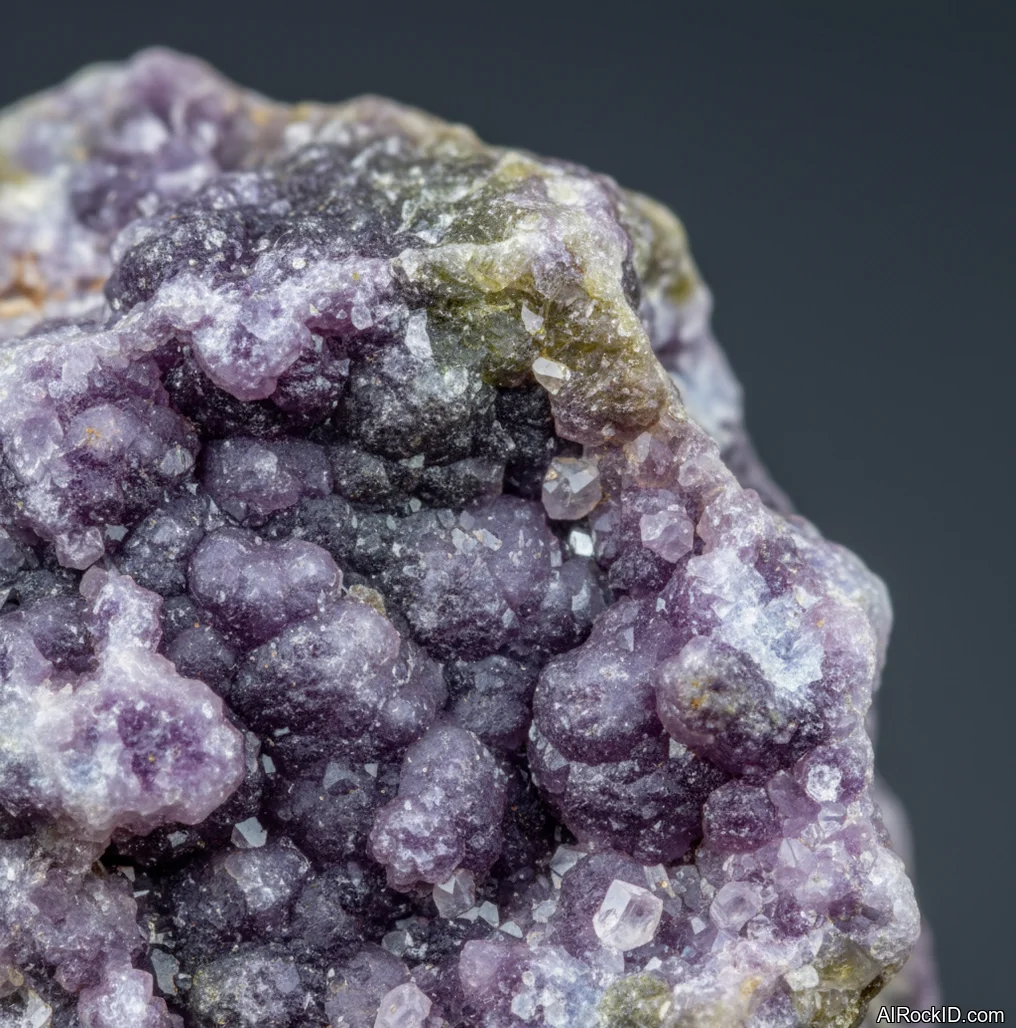
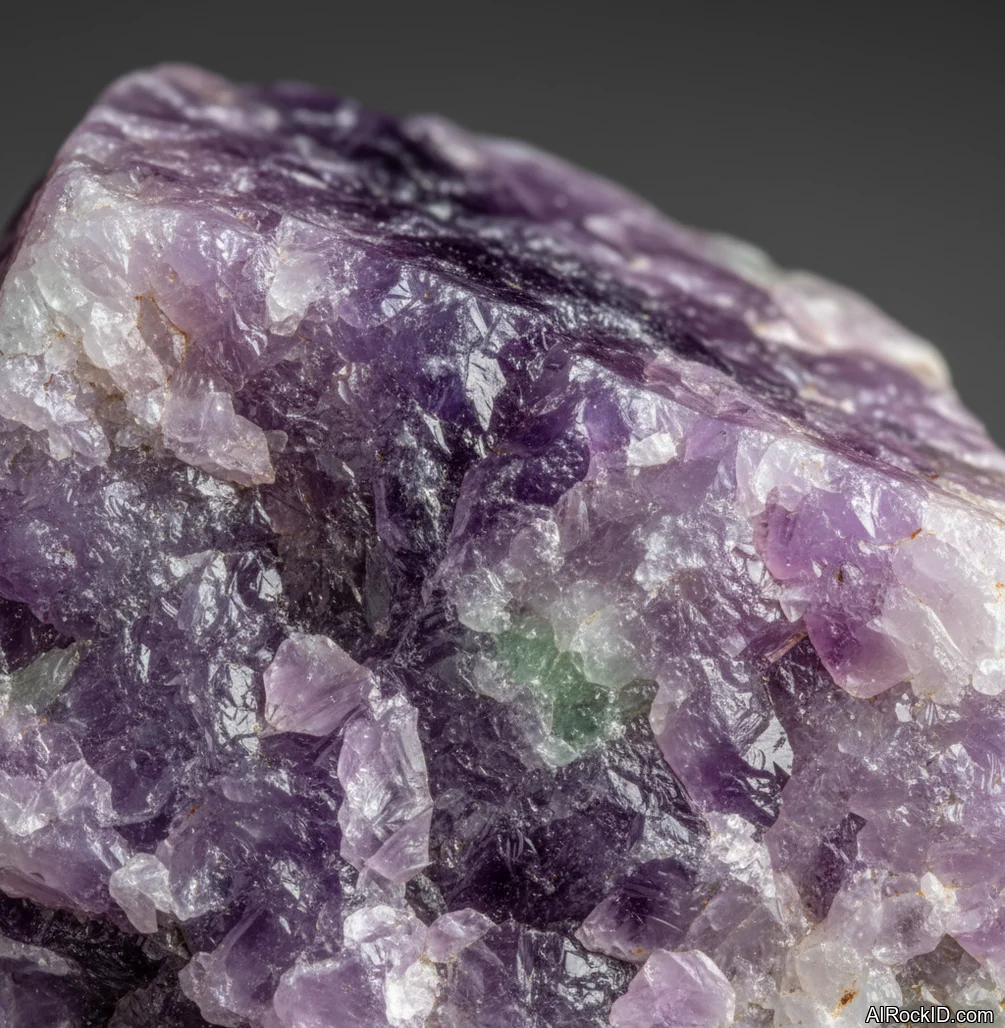
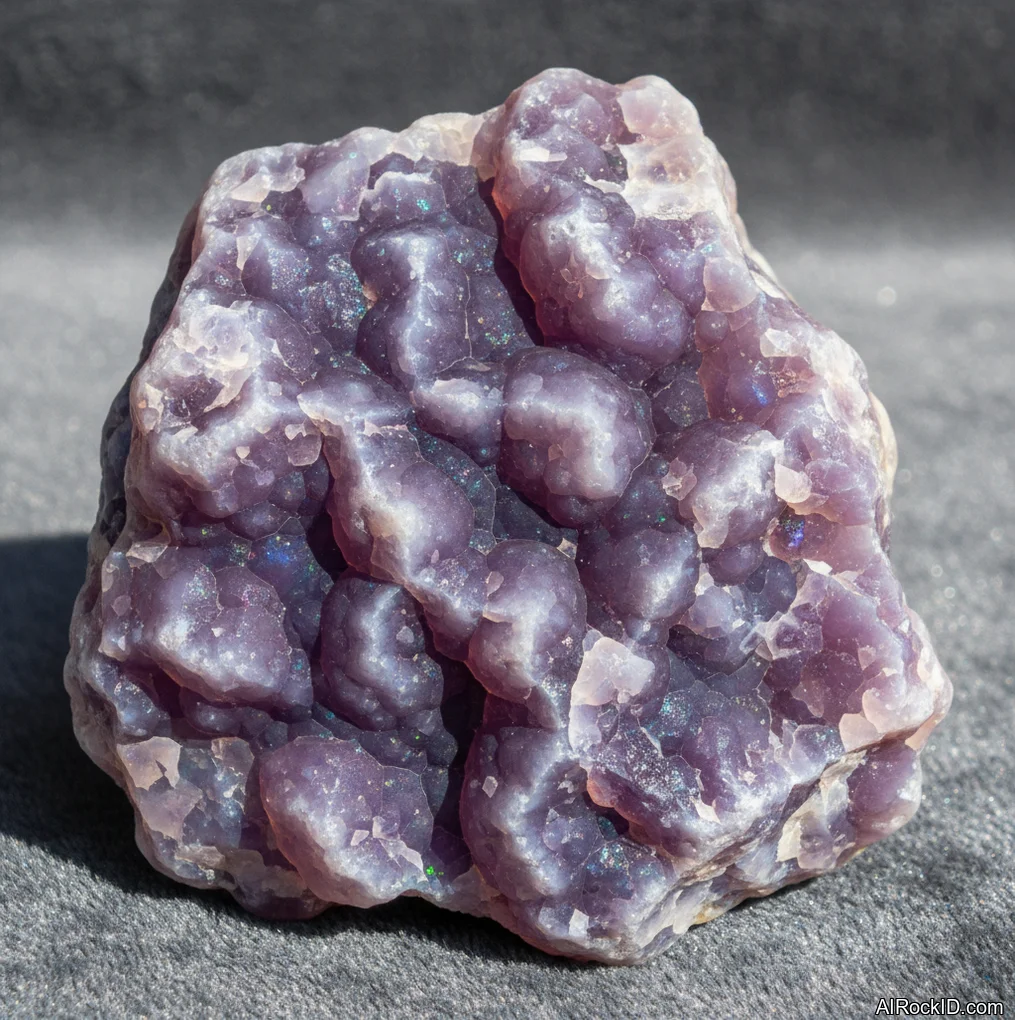
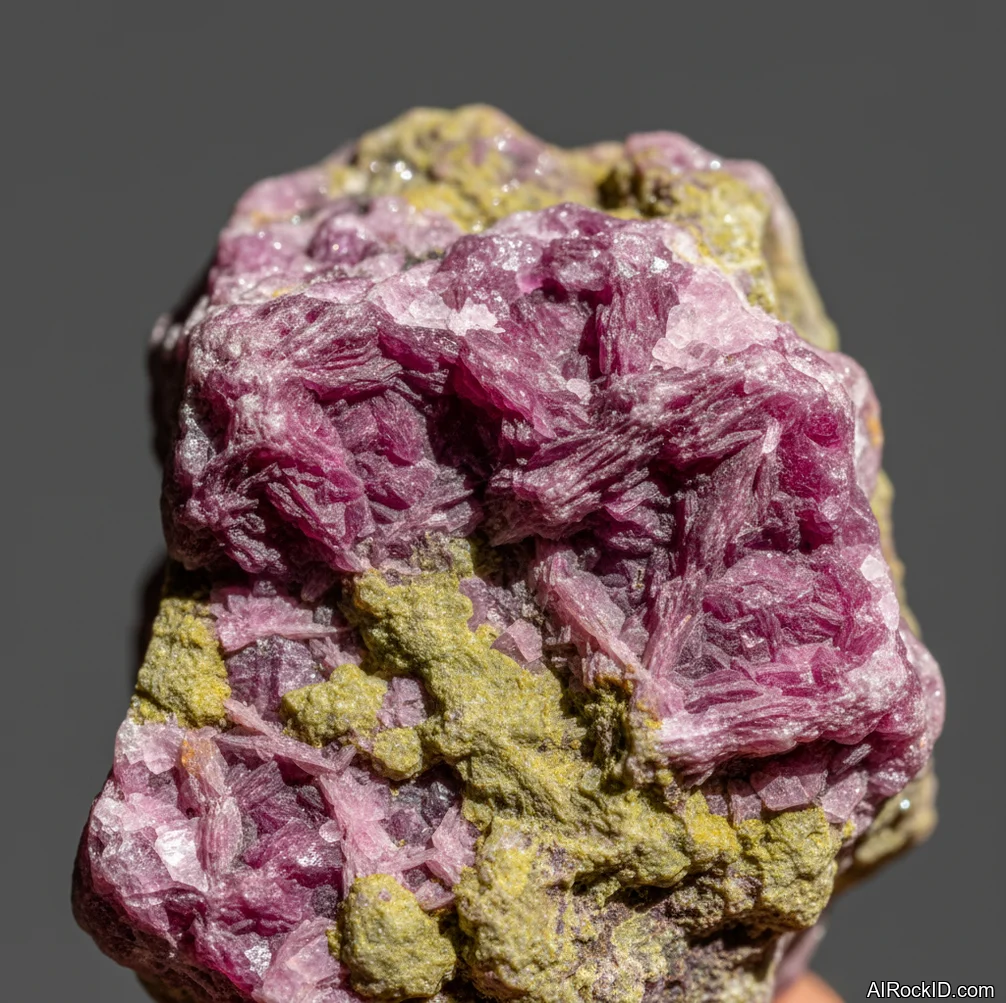
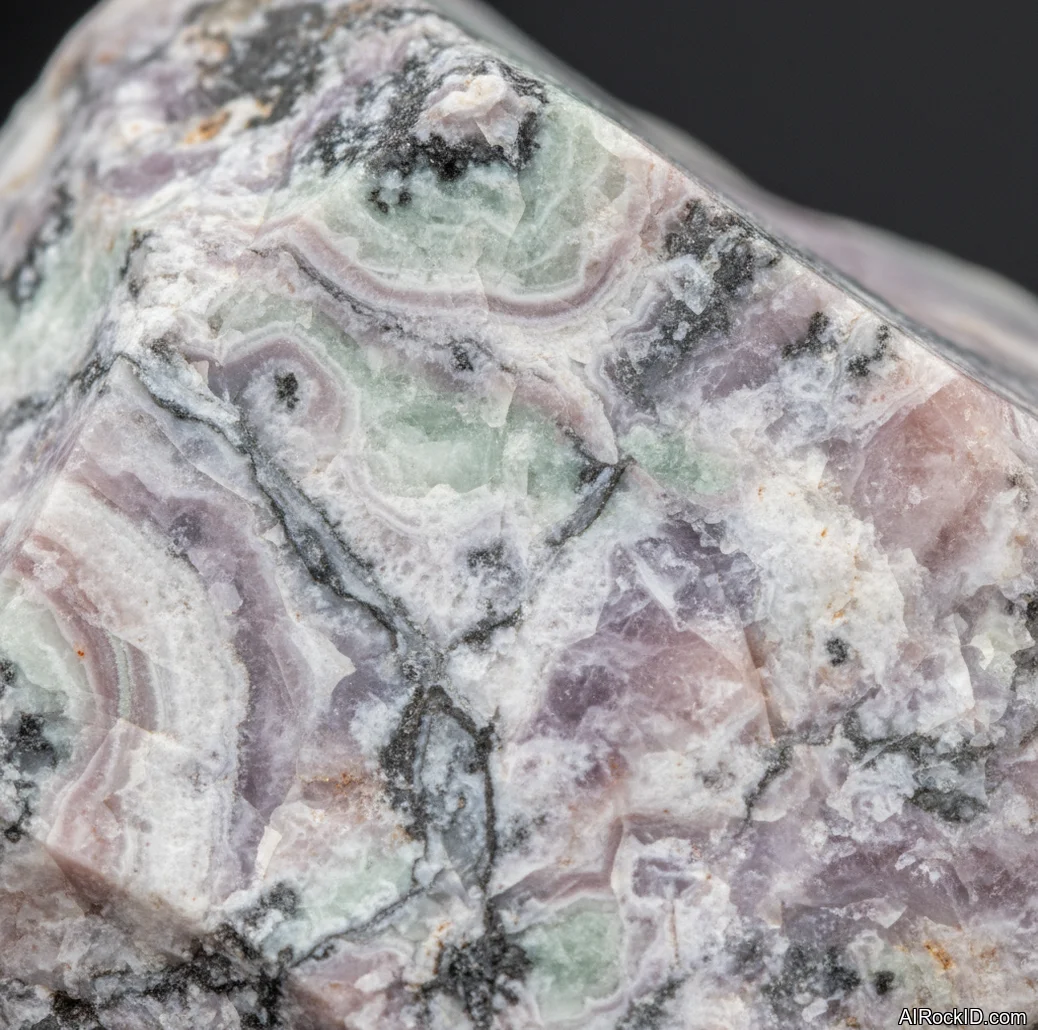
Most dealers will steer Libra shoppers toward stones that photograph well. I get it. But if you’re actually going to work with the piece, feel matters as much as color. Lepidolite, for example, can look plain in photos, then you turn it in your hand and the mica plates sparkle like powdered sugar (surprisingly pretty, honestly). It’s also soft. You can scratch it easier than you’d expect, and edges can crumble if it’s a rough chunk. That’s the tradeoff. If you want a Libra “calm the nervous system” stone and you’re hard on your pocket stones, lepidolite might be better as a palm stone that lives on a desk, not bouncing around with keys.
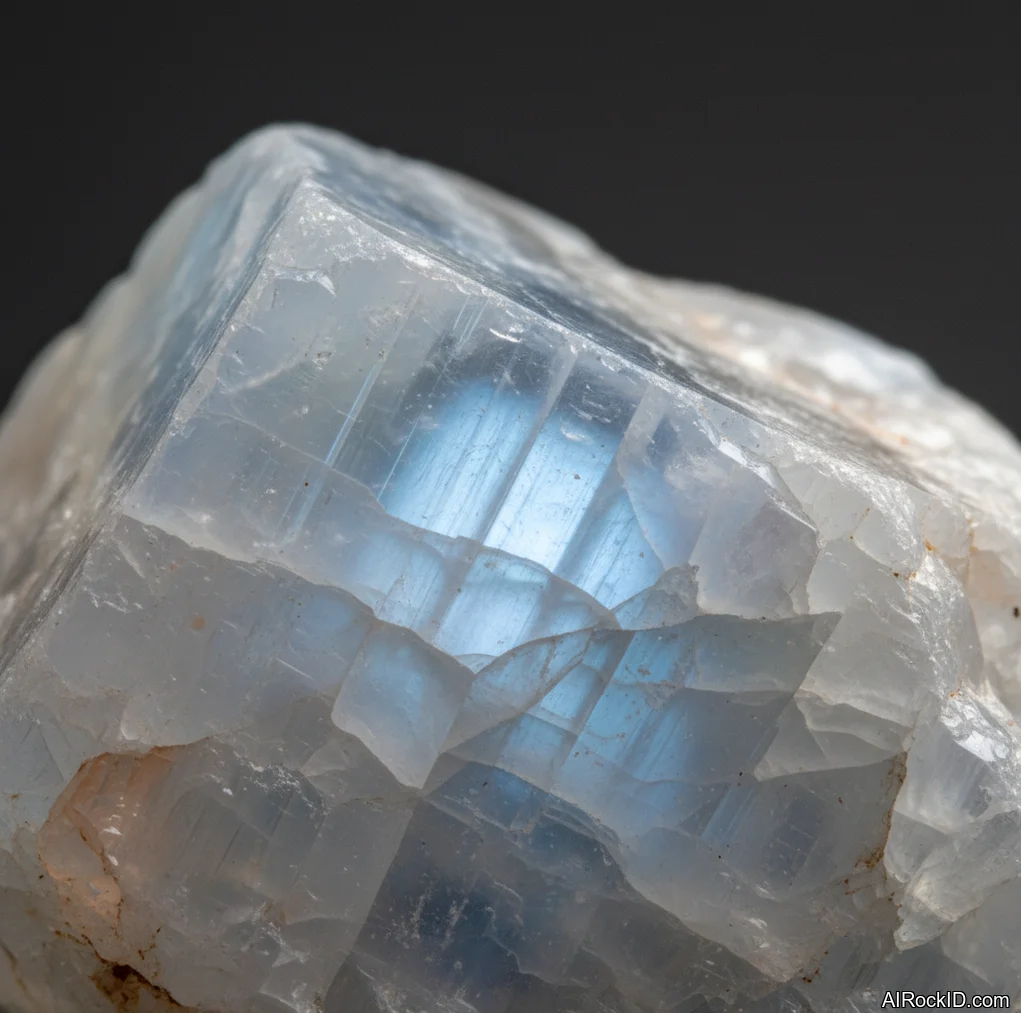
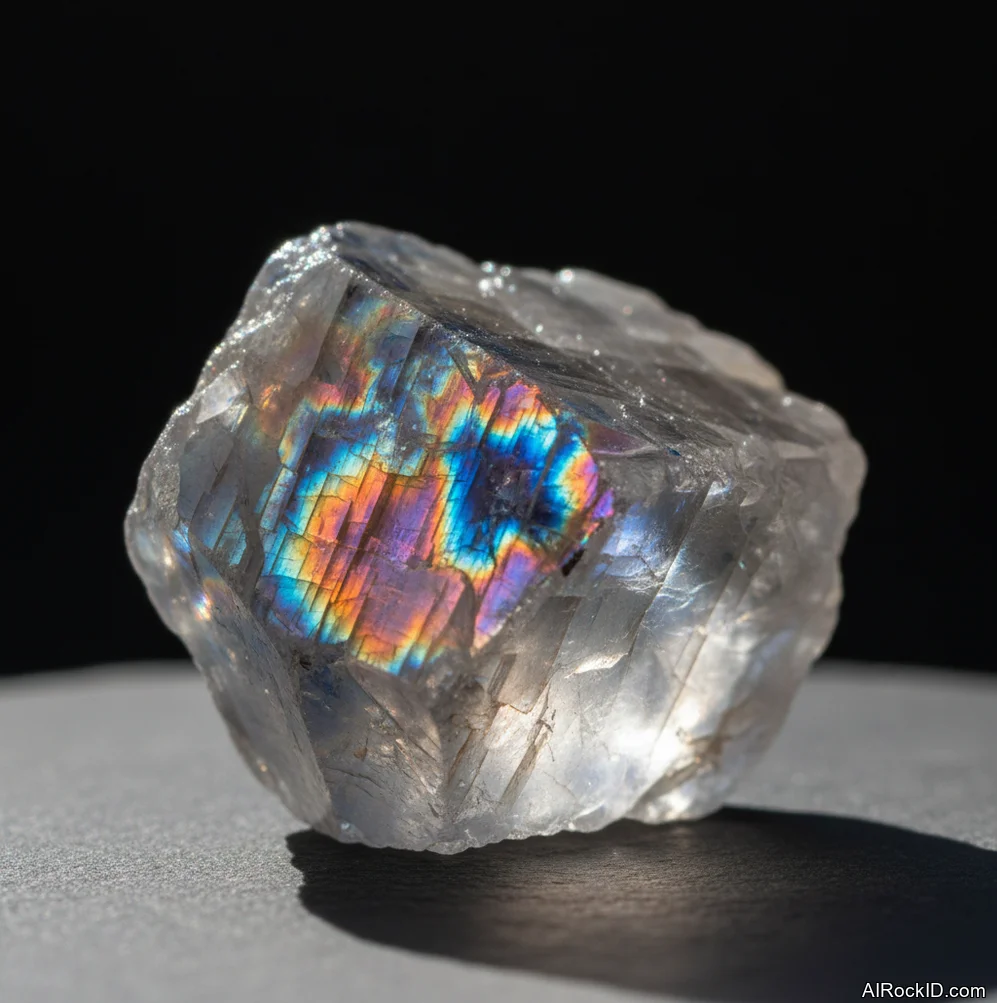
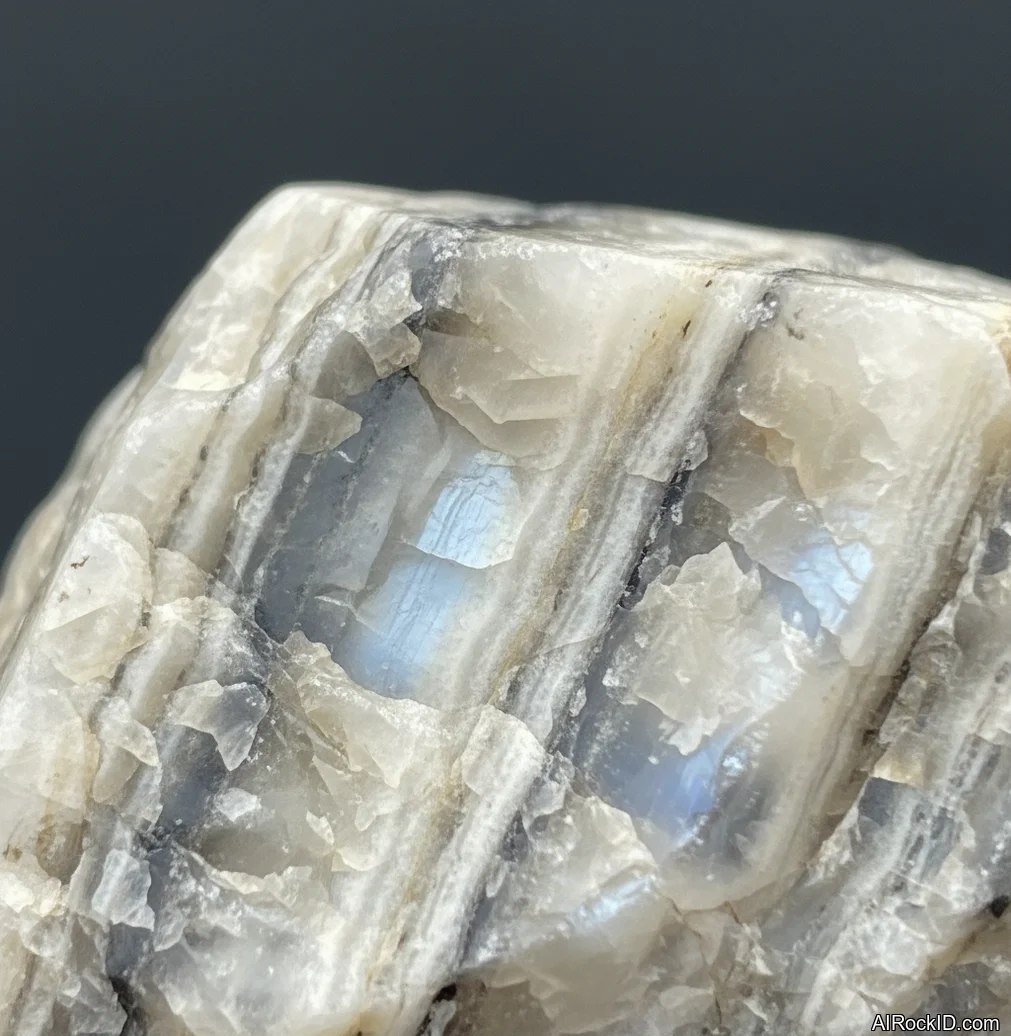
Compared to the gentle stuff, labradorite is the Libra reality check. You’ll see a gray base until you hit the angle, then the flash kicks in. Blue, green, sometimes gold. The real test is rotating it slowly under a single light source and watching if the color stays in a sheet, not a glittery scatter. Sellers call everything “high flash,” but good material has a broad, clean window. Libra people use it when they’re stuck in people-pleasing mode and need boundaries that don’t feel like a fight.
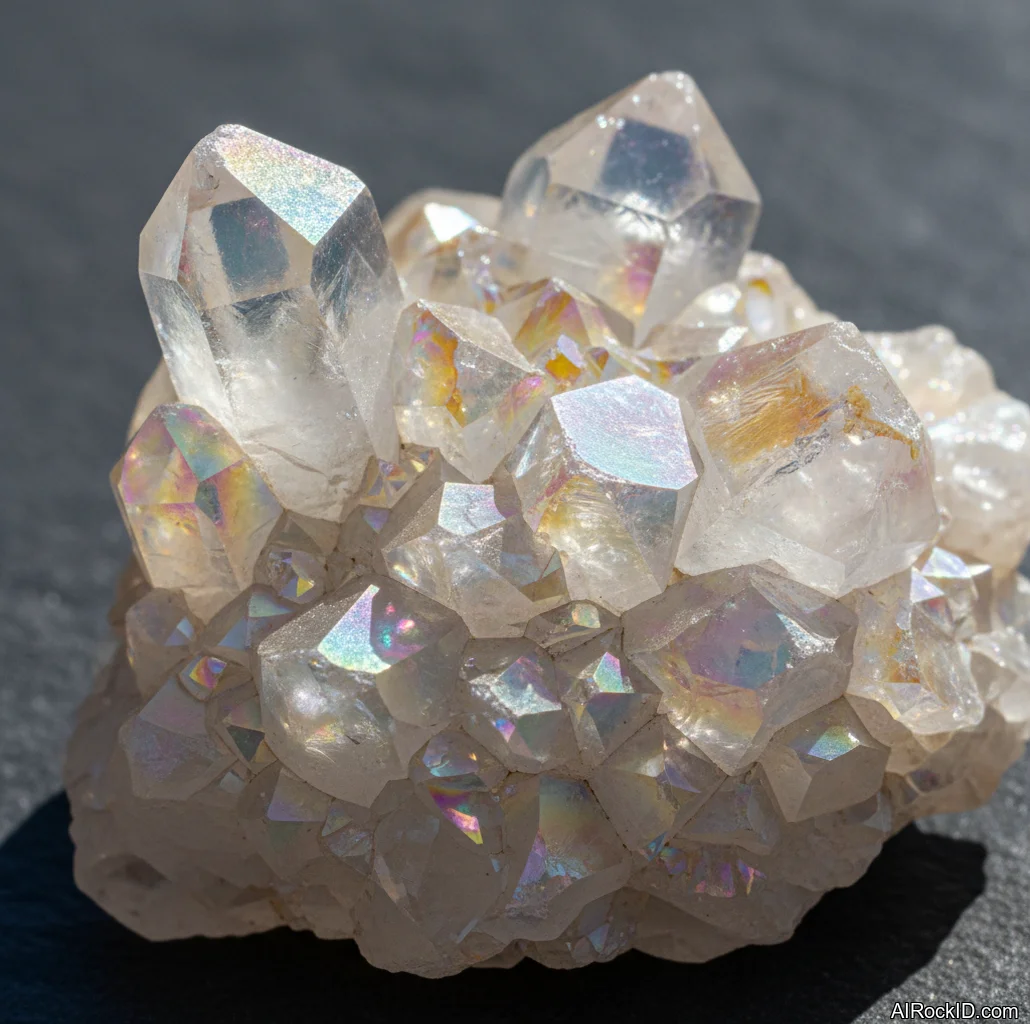
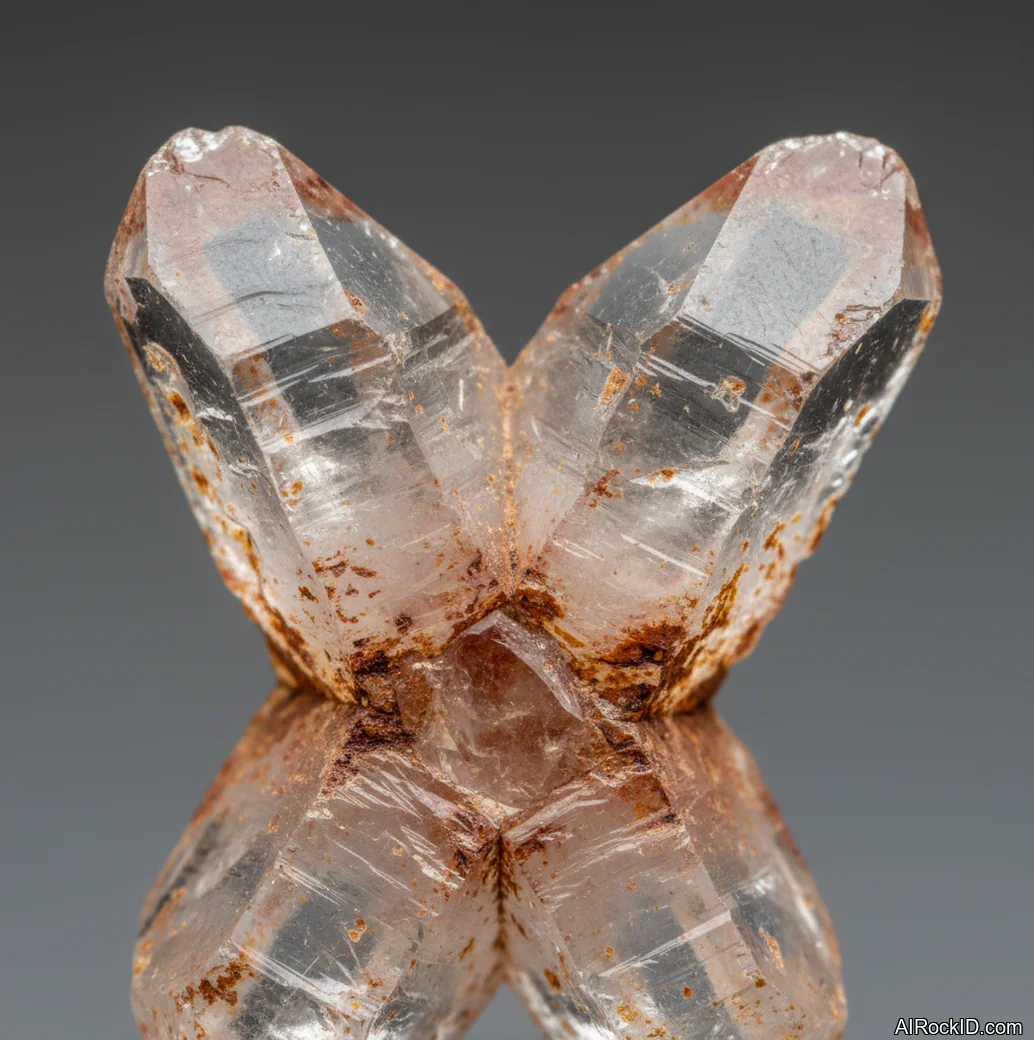
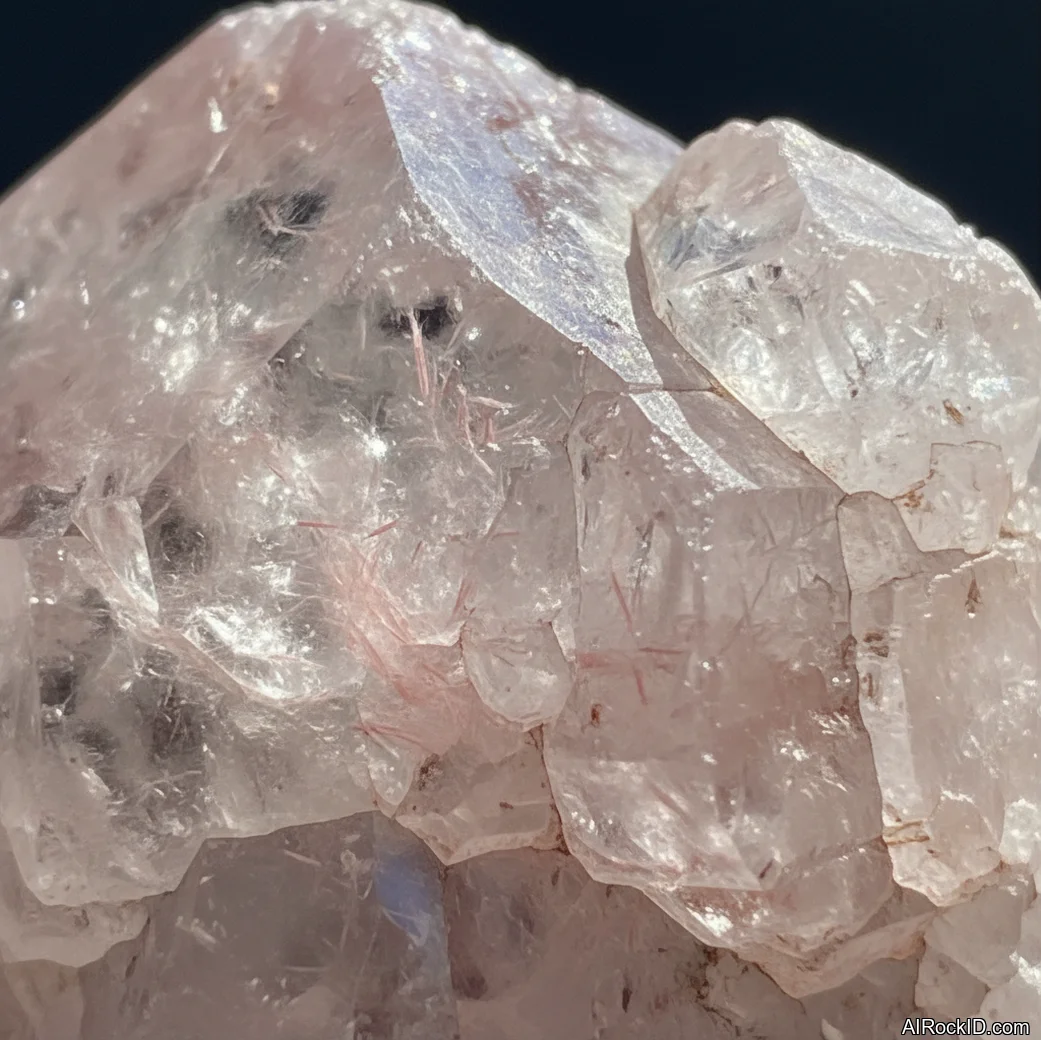
If you’re building a Libra crystal rotation, think in pairs. A soothing stone plus a truth stone is a classic combo. Rose quartz with blue lace agate. Lepidolite with sodalite. Lapis lazuli with clear quartz. Clear quartz is the plain white t-shirt of a collection, but don’t underestimate a crisp point with sharp terminations. Put it next to your main Libra stone and it behaves like a volume knob. It won’t fix a muddled intention, but it makes whatever you’re already doing louder.
Working with Libra crystals doesn’t need a ritual that takes an hour. Keep it simple. Keep it repeatable. Put a palm stone where decisions happen. Desk, kitchen counter, nightstand. Hold it for 30 seconds before you answer a text you know will start a spiral. If you’re into journaling, set a piece of lapis or sodalite on the page while you write, then flip it over at the end like you’re closing the conversation. Small actions. Same spot. That’s how stones turn into anchors instead of random pretty objects.
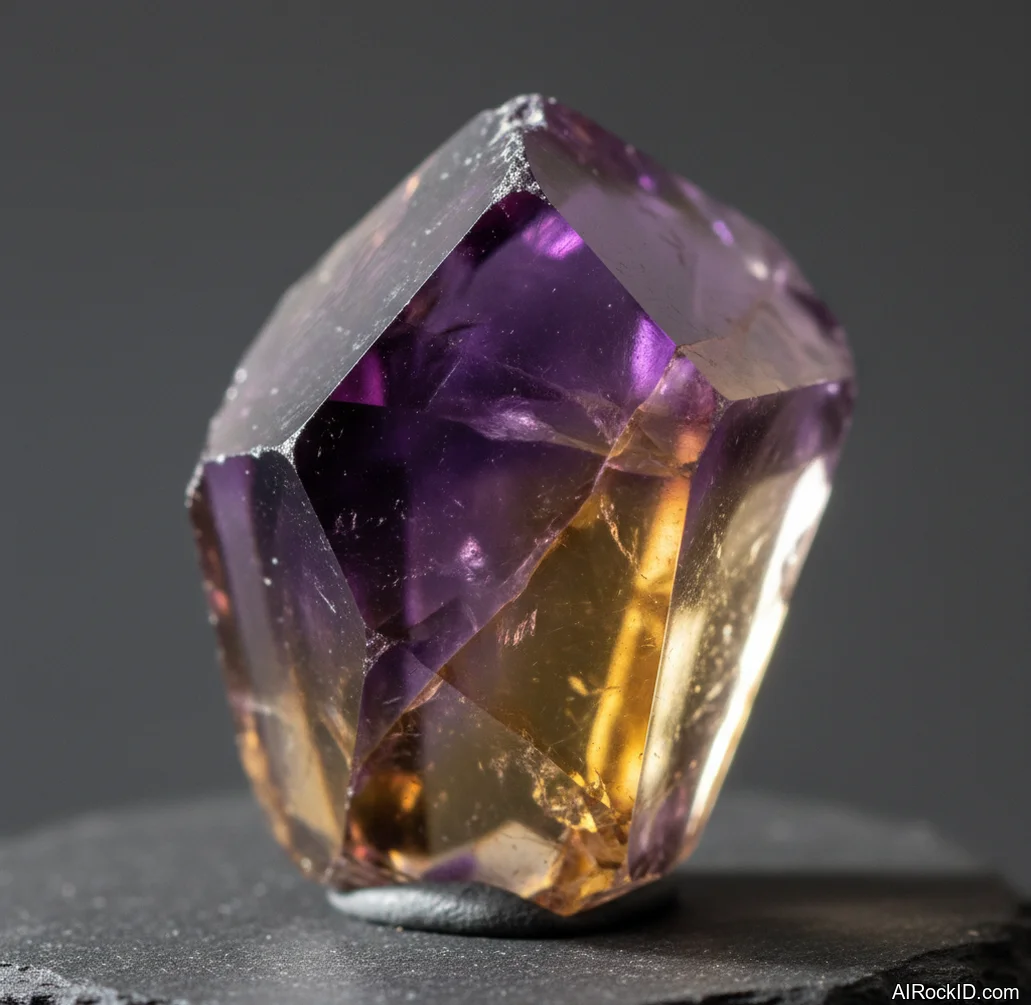
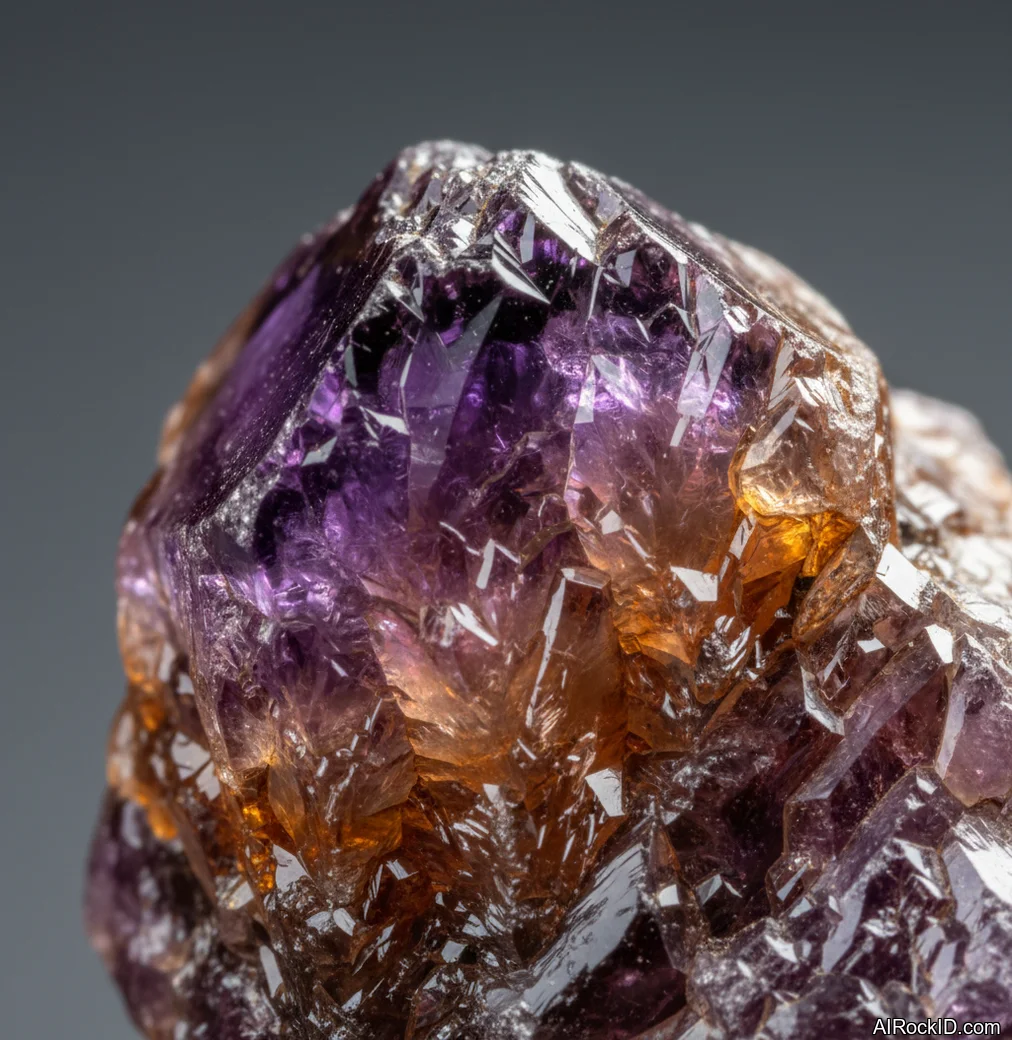
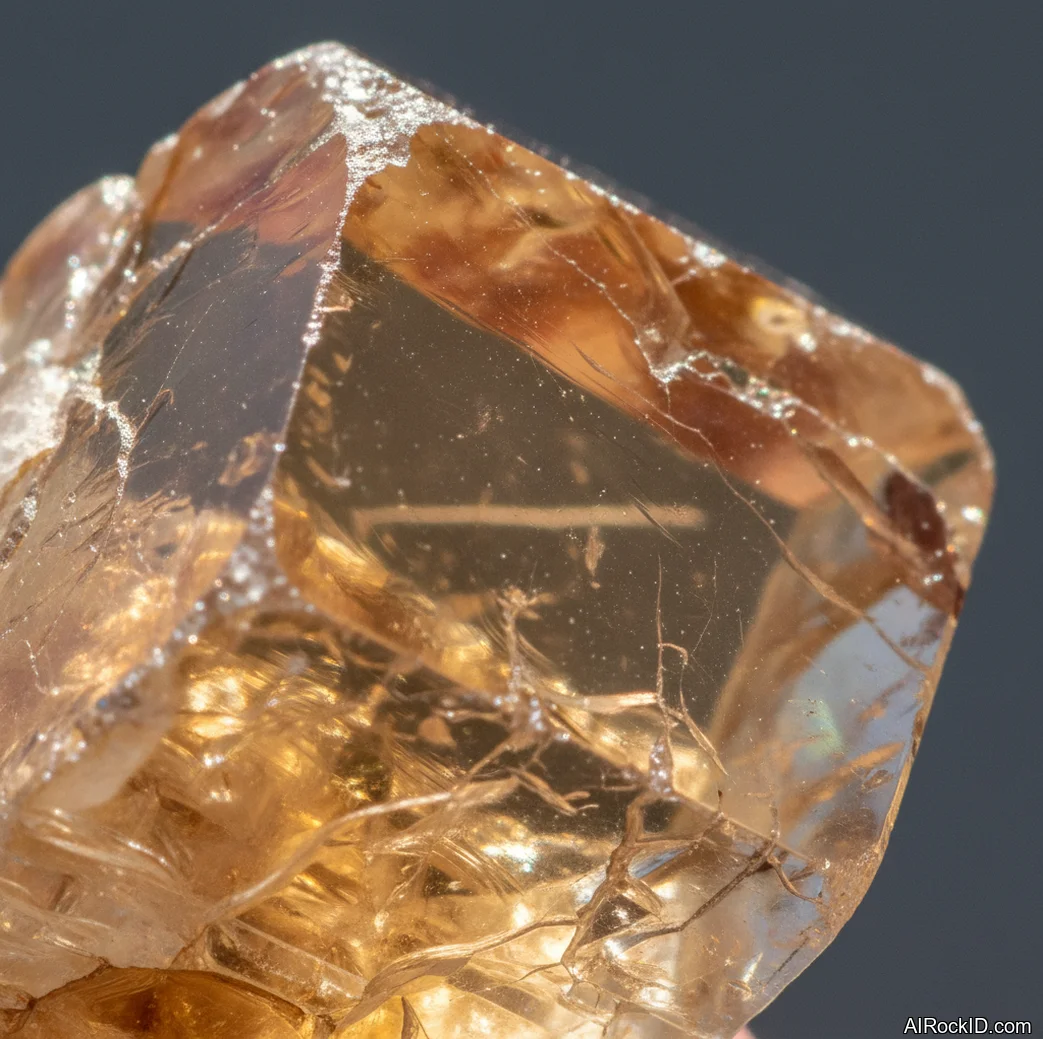
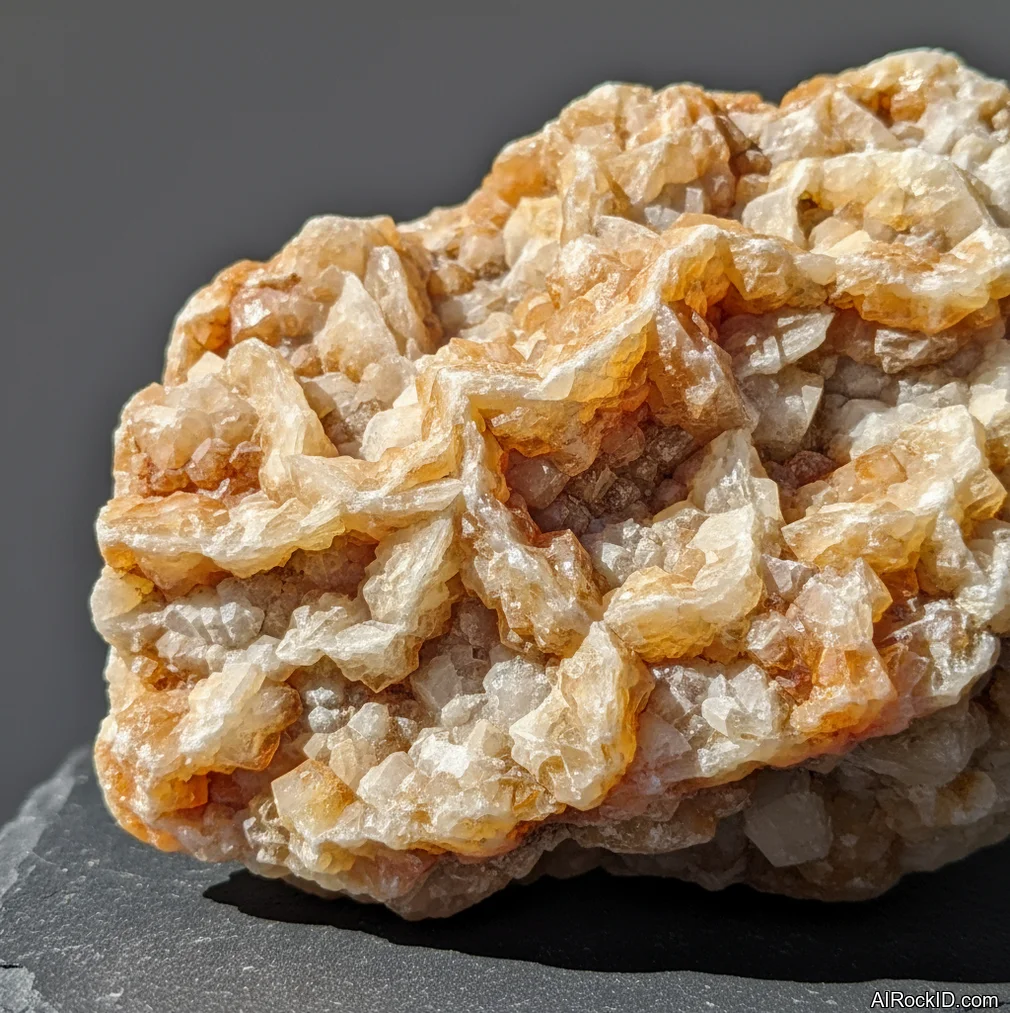
Buying tips matter because the Libra-associated stones are some of the most faked and mistreated on the market. Thing is, the problem with “citrine” is that a lot of it is heat-treated amethyst, and the color can look like burnt orange tea instead of natural honey. If you want a Libra-friendly sunny stone, look at natural citrine with pale champagne tones, or even golden calcite if you don’t mind softness. For lapis, watch for dyed material. If the blue rubs off on a paper towel with a bit of alcohol, walk away. For rose quartz, beware of pieces that look bubblegum neon. That’s usually glass or heavily treated material, and it feels warmer in the hand than real quartz.
Look closely at finish, too. Tumbled stones should feel like river-worn pebbles, not sticky or waxy. A waxy feel can mean resin or heavy polish compounds left on the surface. On bracelets, check the drill holes. Clean holes with minimal chipping usually mean better quality control, while blown-out holes and white stress rings around the bead can mean it’s been rushed or the material is brittle.
Care is mostly common sense, but a few Libra favorites need extra caution. Lepidolite and calcite don’t love water, and they’ll pick up scratches fast. Keep them away from salt bowls and wet cleansing methods. Smoke cleansing, sound, or a quick rest on a dry selenite plate works fine. For quartz types like rose quartz and clear quartz, water is usually okay, but don’t bake them in a sunny window. I’ve seen rose quartz fade to a washed-out blush when it sits in direct light for weeks.
And if you’ve got 113 Libra-associated crystals in a database, don’t treat it like you need all 113. Start with two or three that you actually like touching. One softener, one clarifier, one boundary stone. Rose quartz, lapis lazuli, labradorite is a solid trio. Then let your collection grow the way real collections do. One piece at a time, chosen in person when you can, because the stone that looks right on a screen isn’t always the one that feels right in your hand.
All Libra Crystals (113)