Nurturing Crystals
Learn what Nurturing means in crystal work, how to choose Nurturing crystals like Rose Quartz and Moonstone, and practical ways to use them daily.
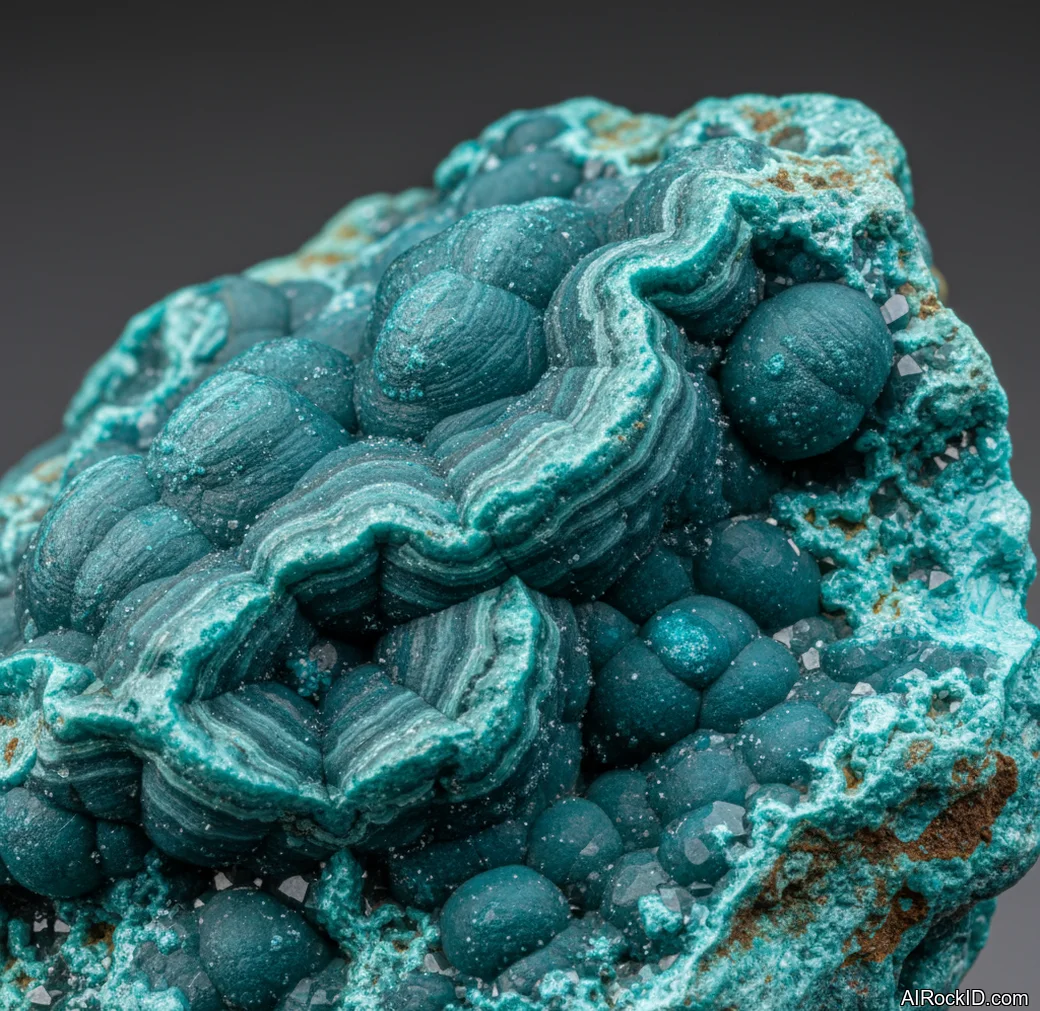
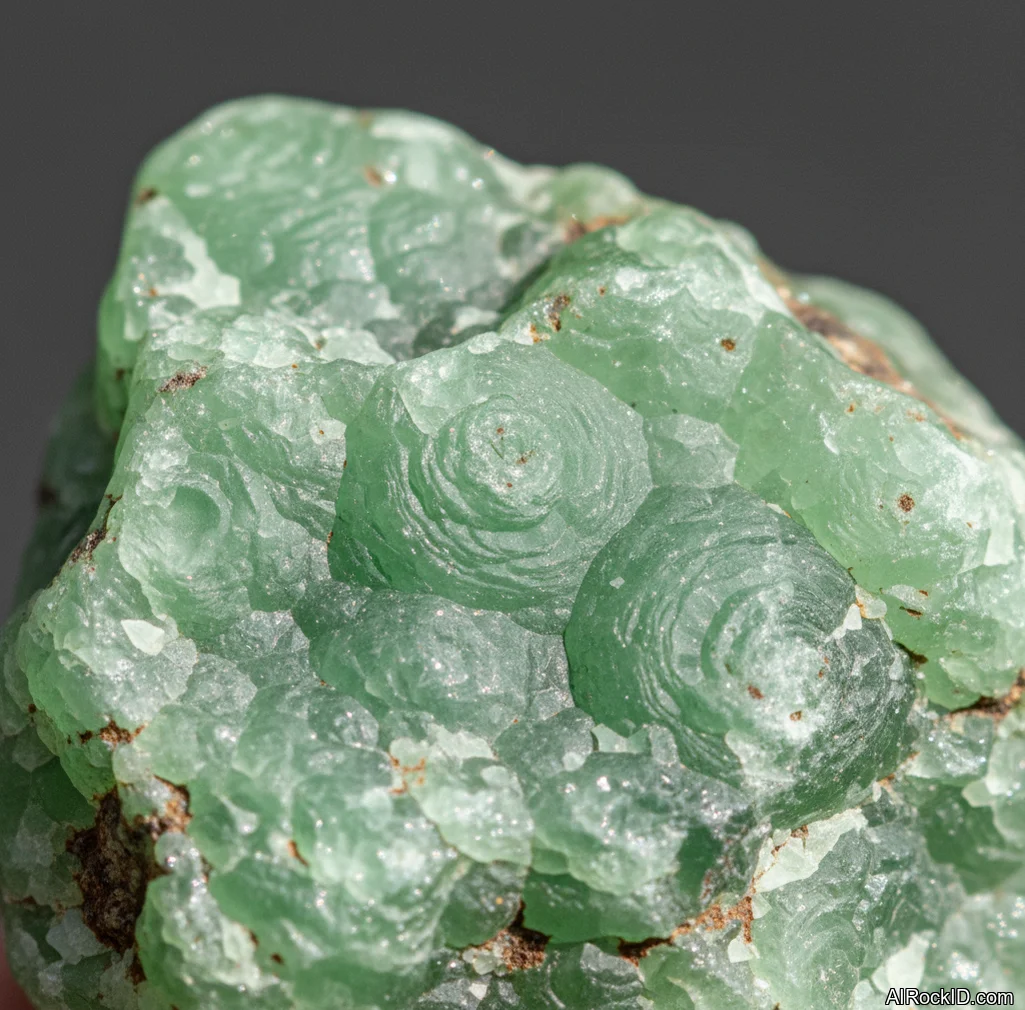
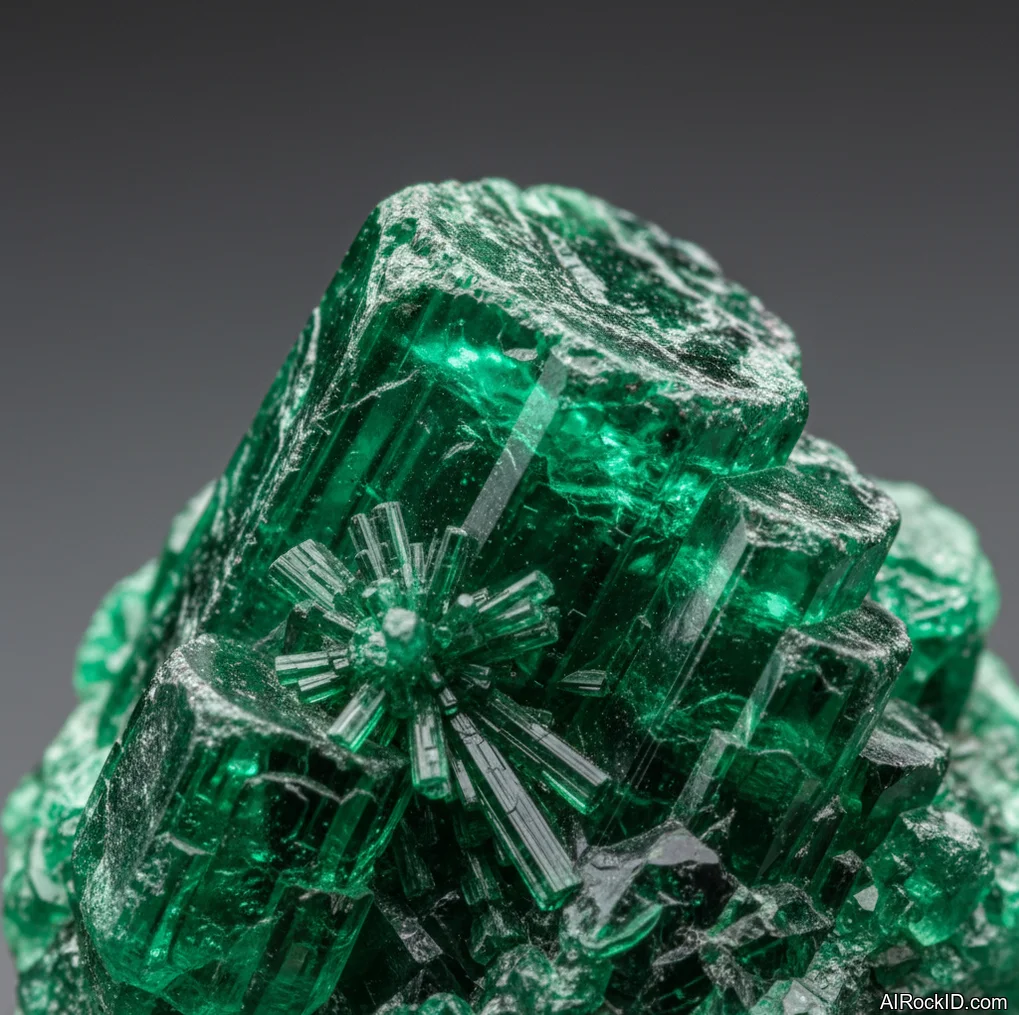
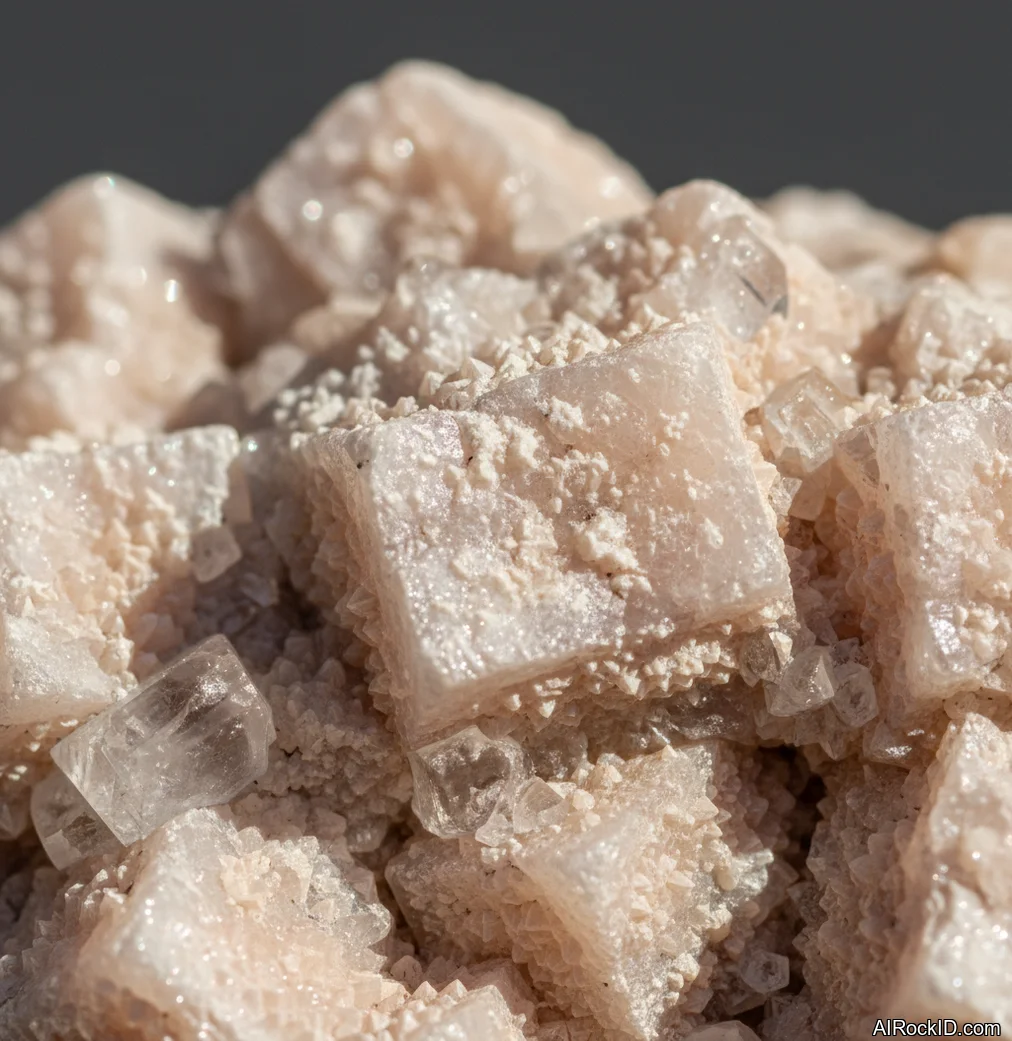
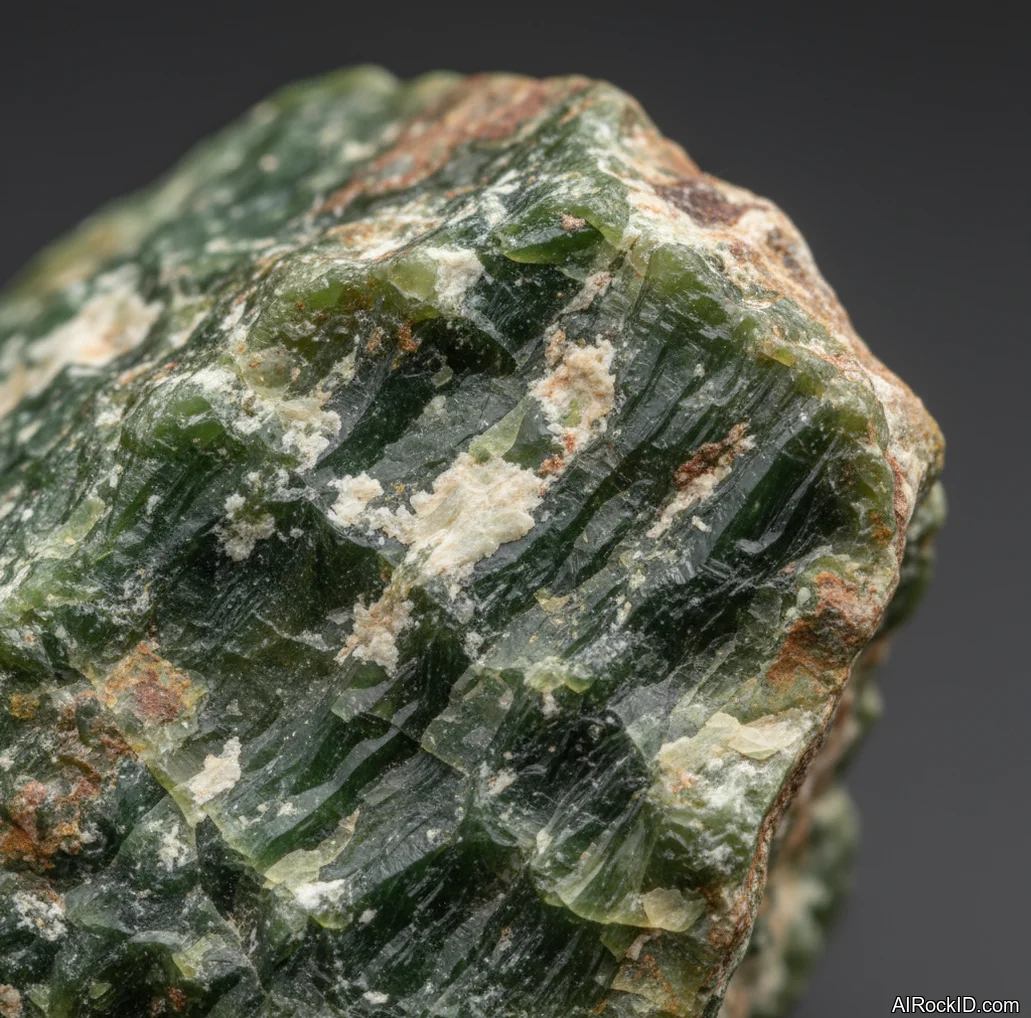
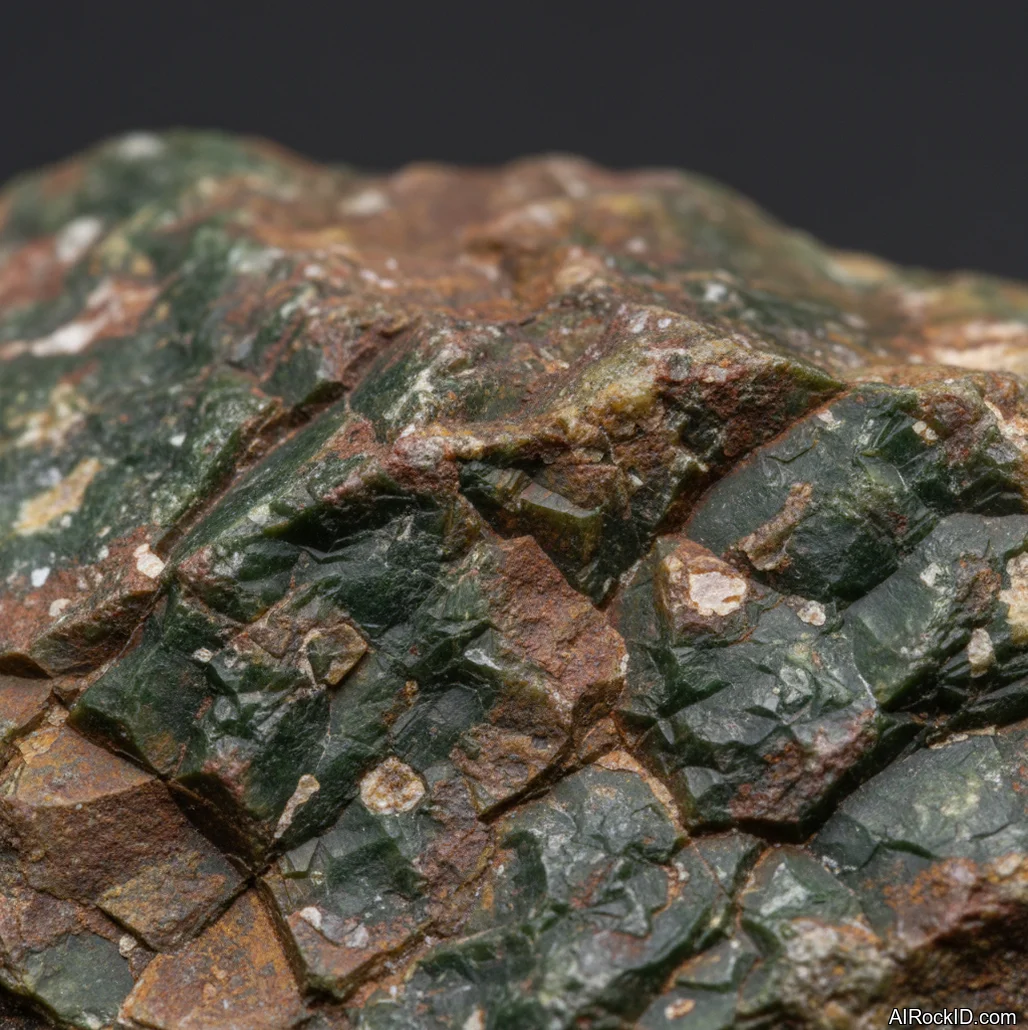
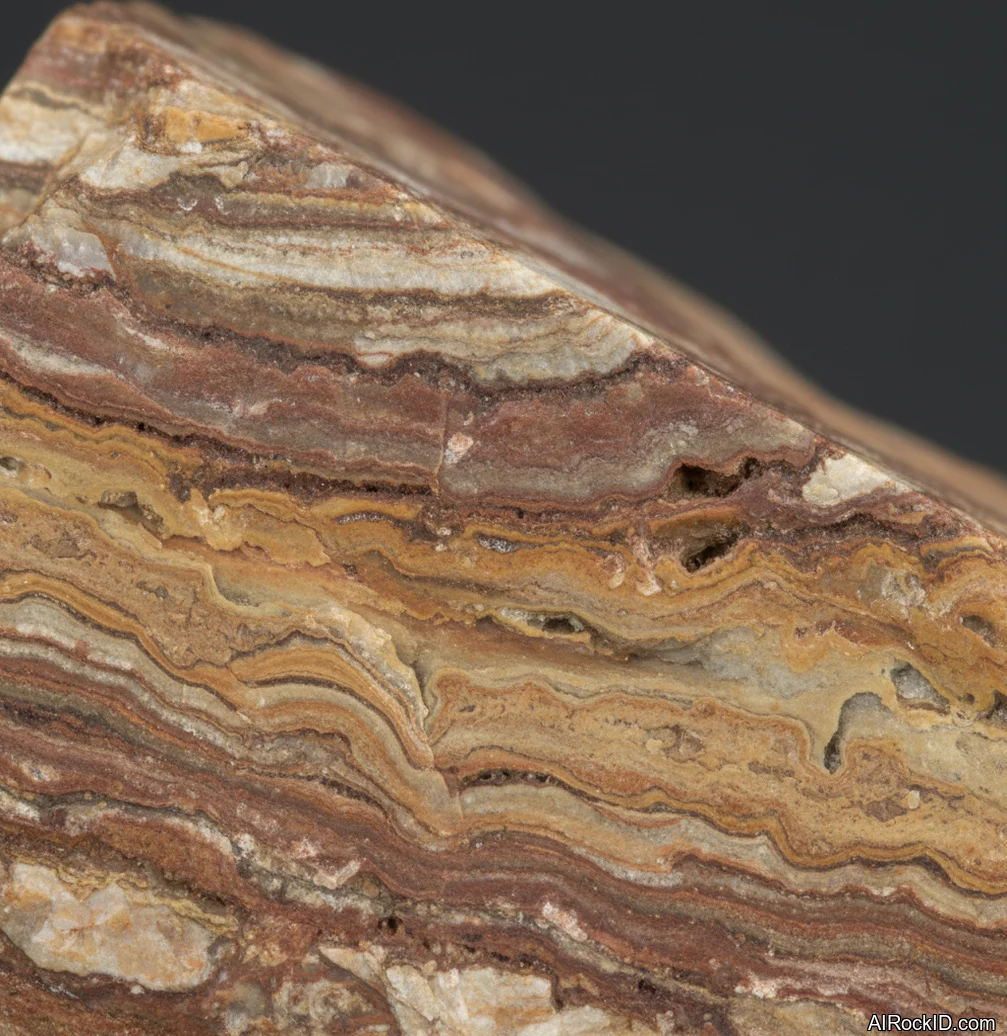
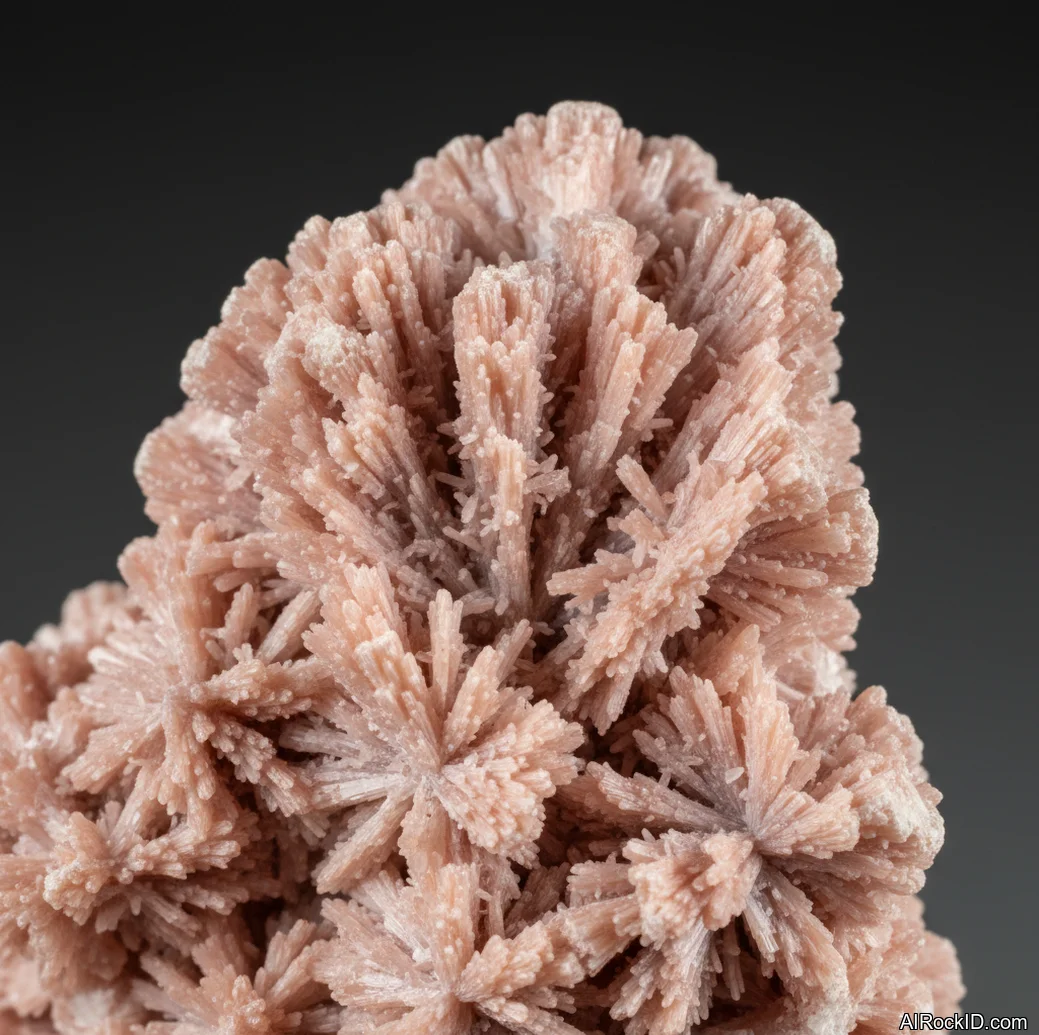
Pick up a stone that feels nurturing and you’ll clock it before you even “think” about it. It just hits. The surface usually looks kind of soft, the color doesn’t fight your eyes, and nothing about it feels sharp or aggressive in your hand.
In crystal terms, “nurturing” is that feeling of being held together when you’re frayed. Comfort. Steadiness. A gentle kind of support that helps you keep showing up for yourself. People reach for these after grief, burnout, family stress, or when their nervous system’s been running hot for way too long.
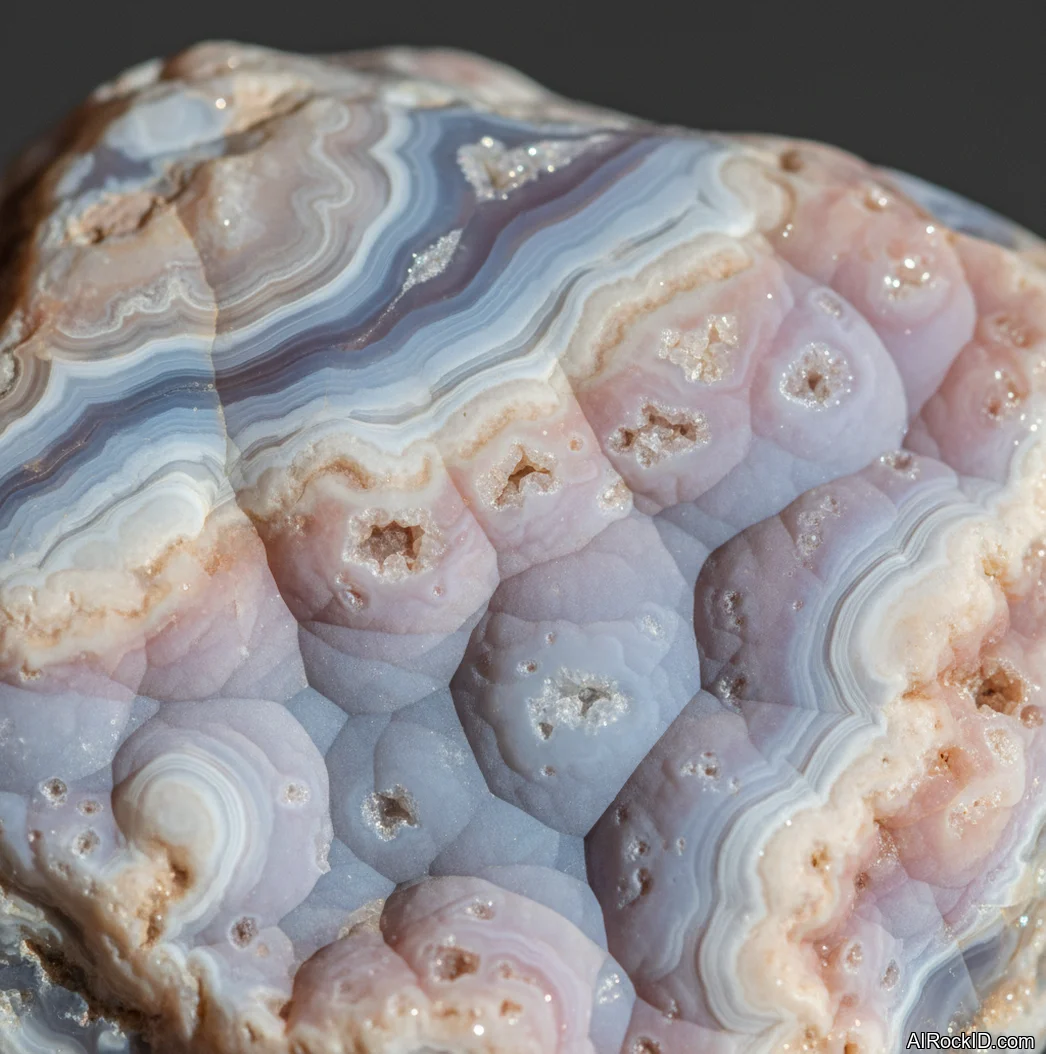
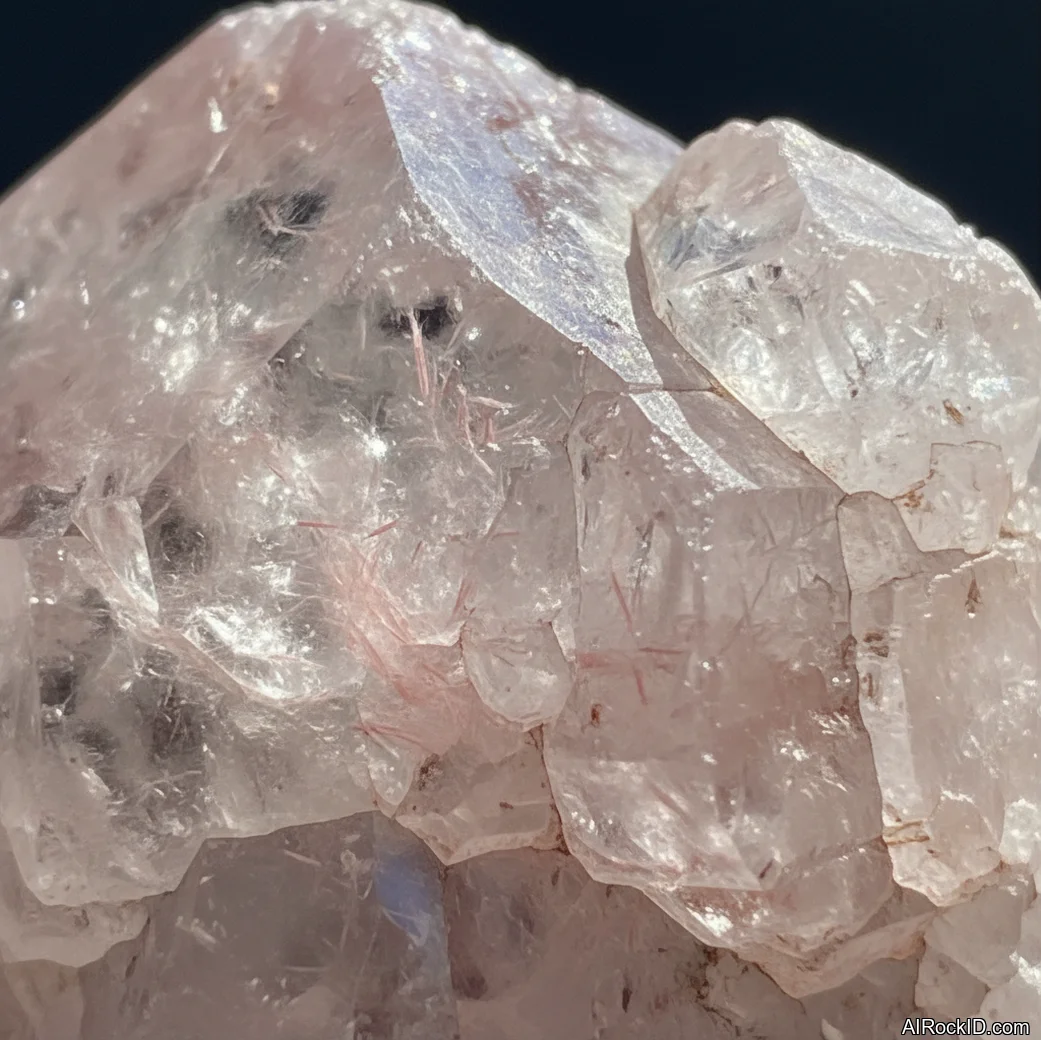
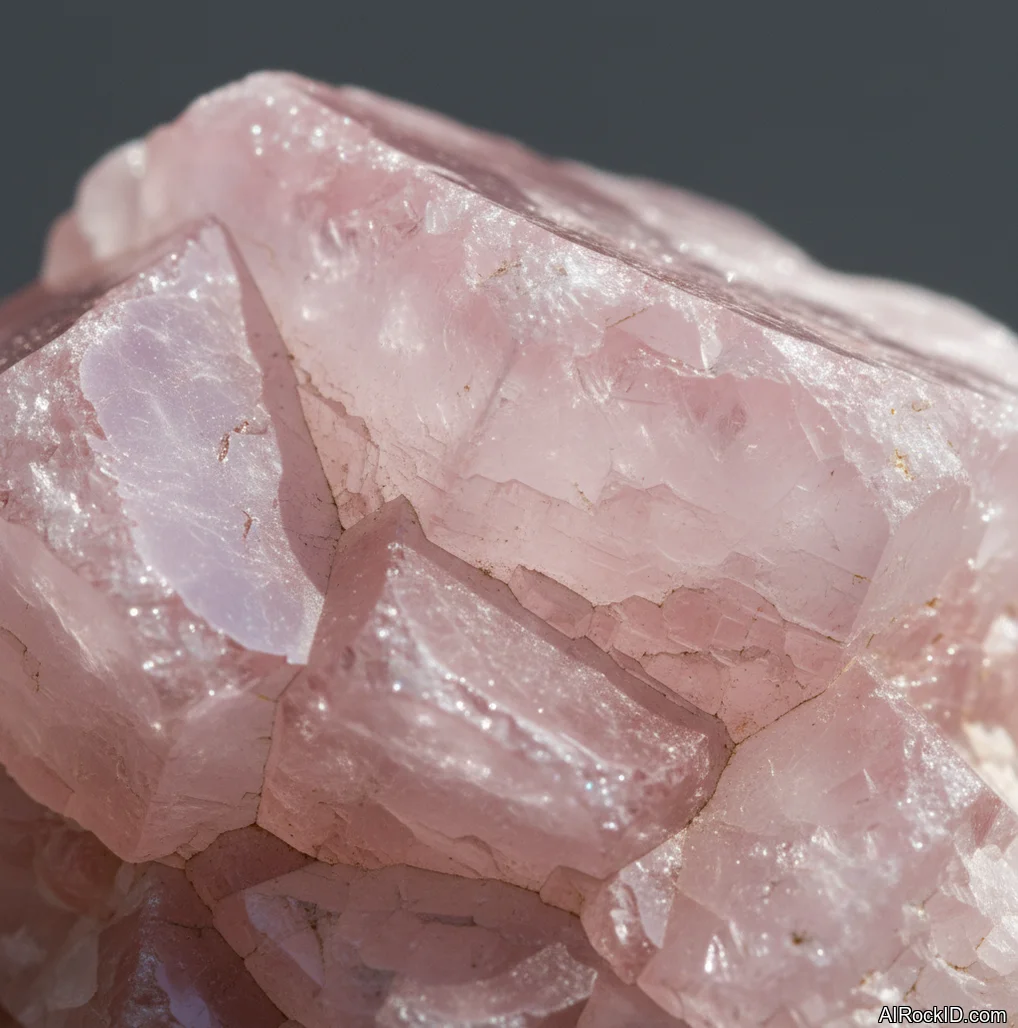
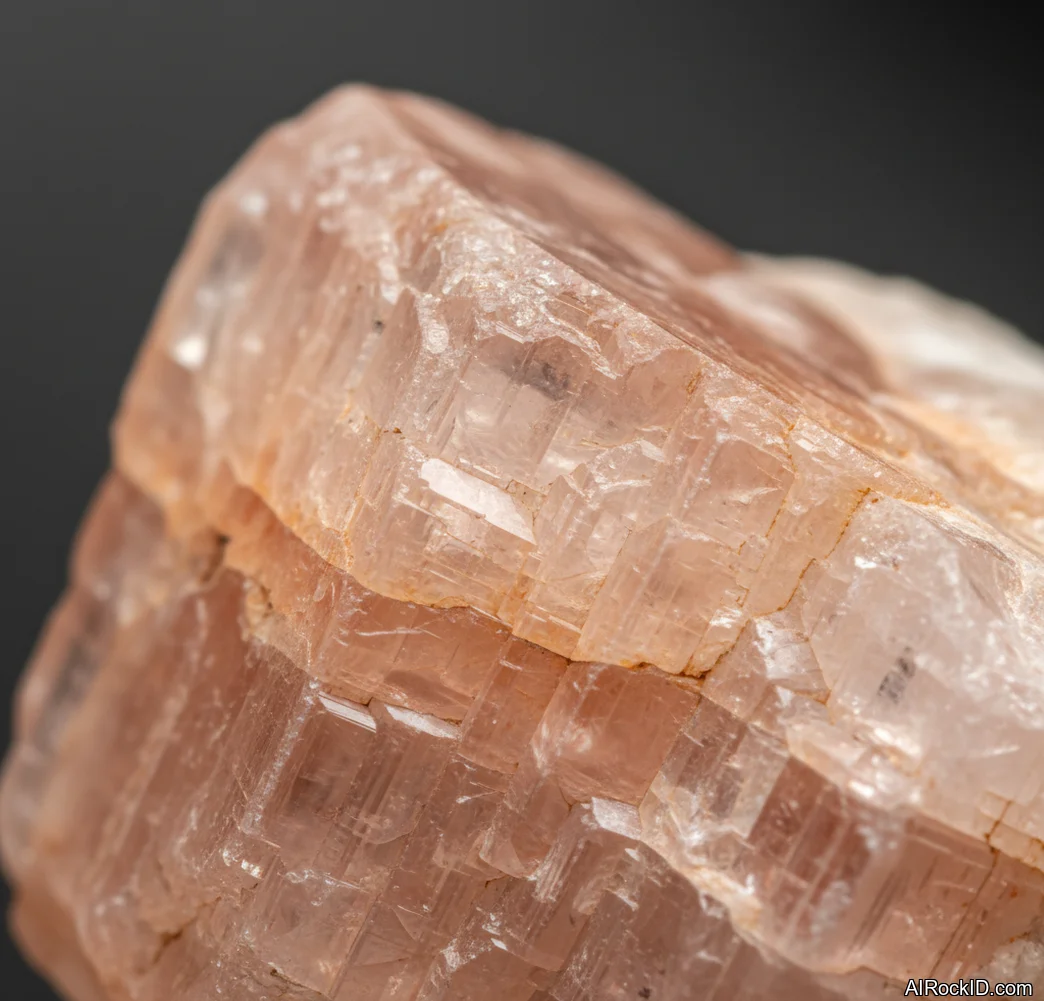
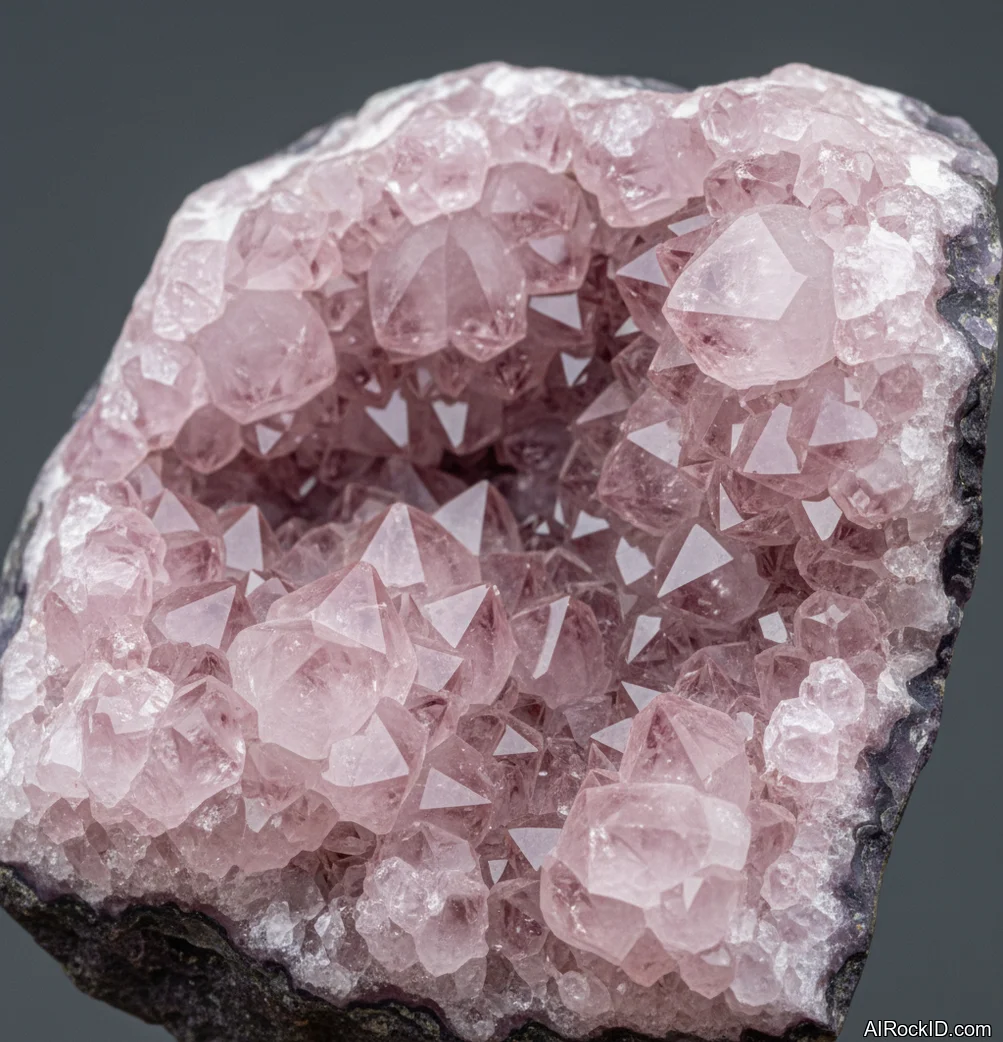
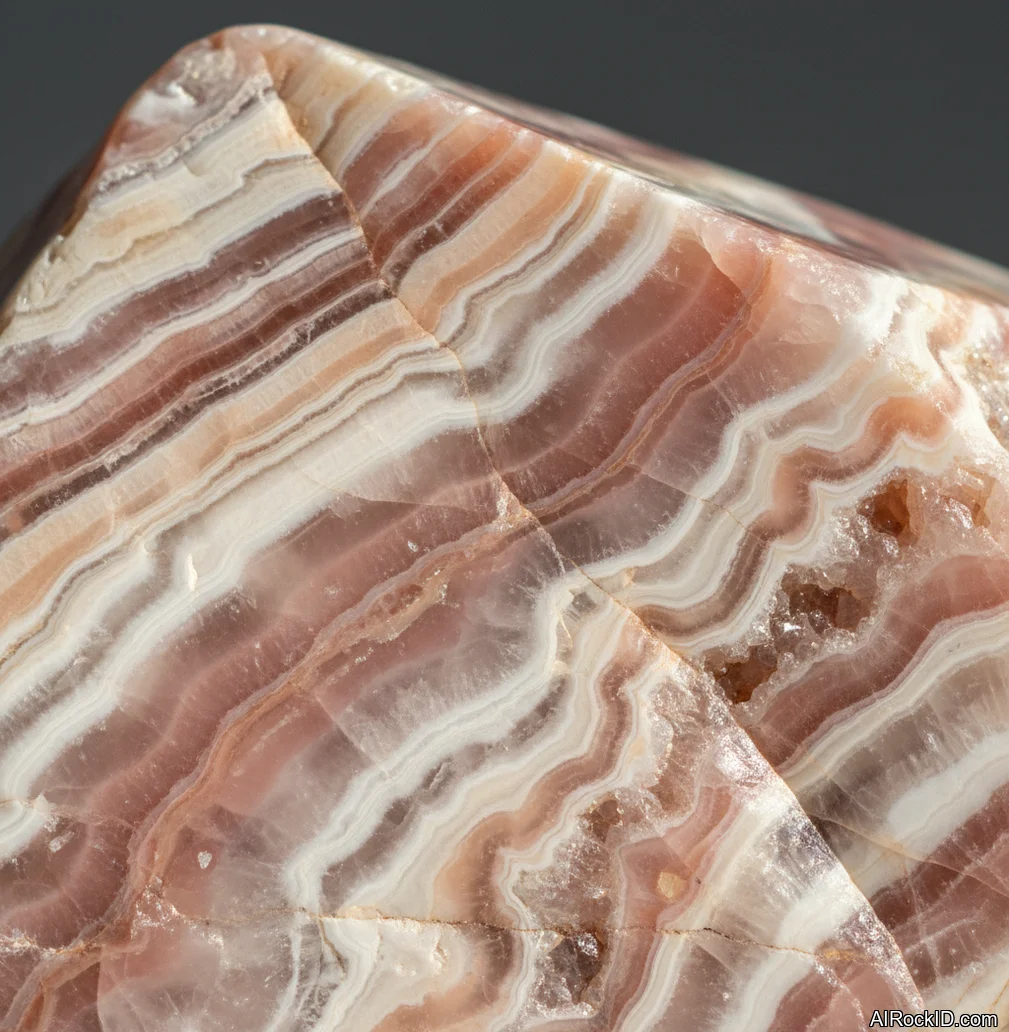
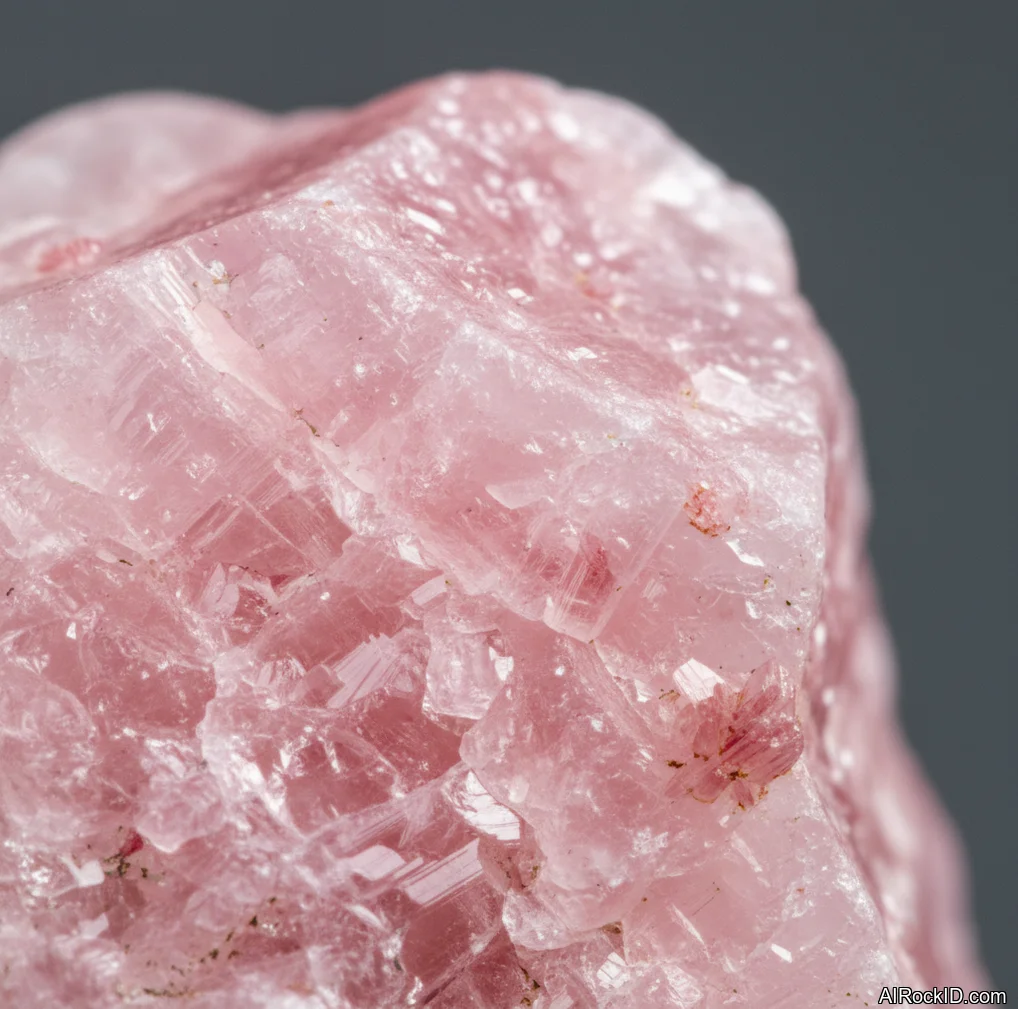
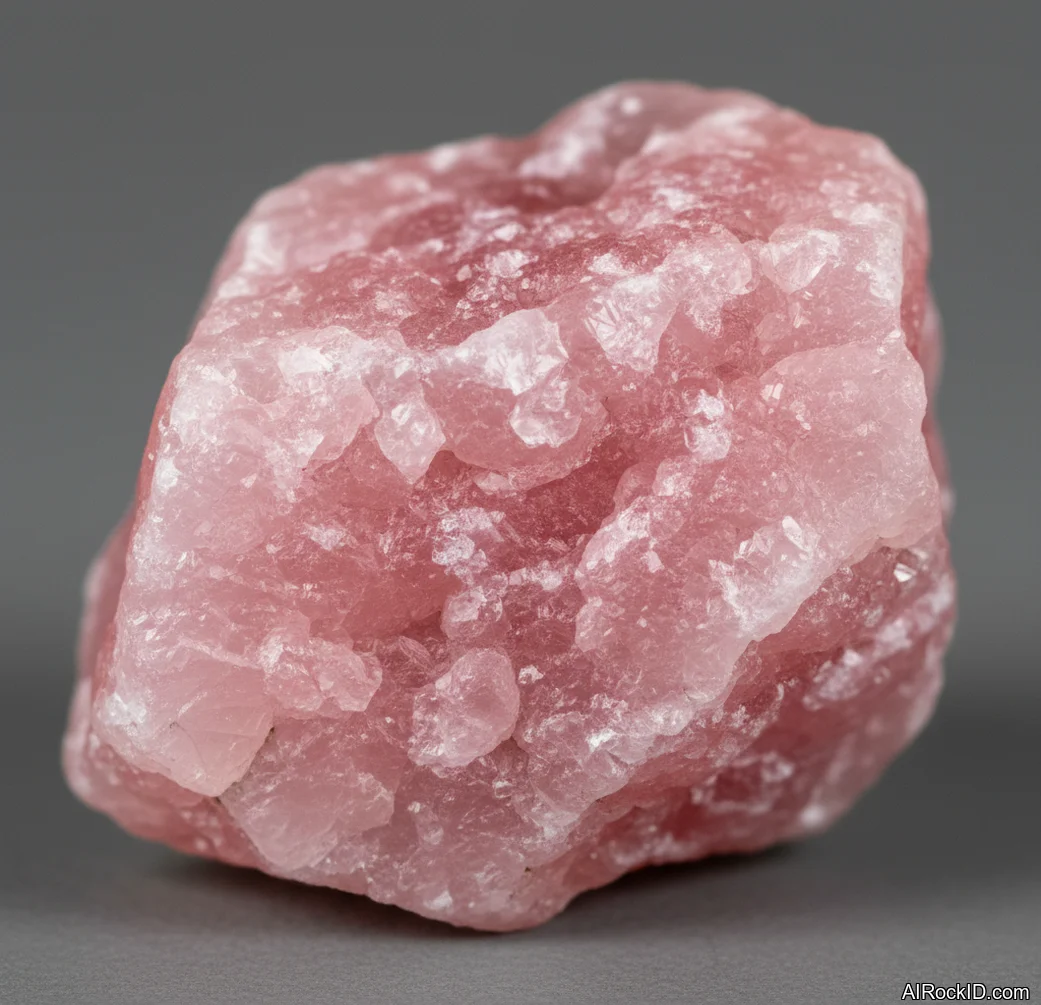
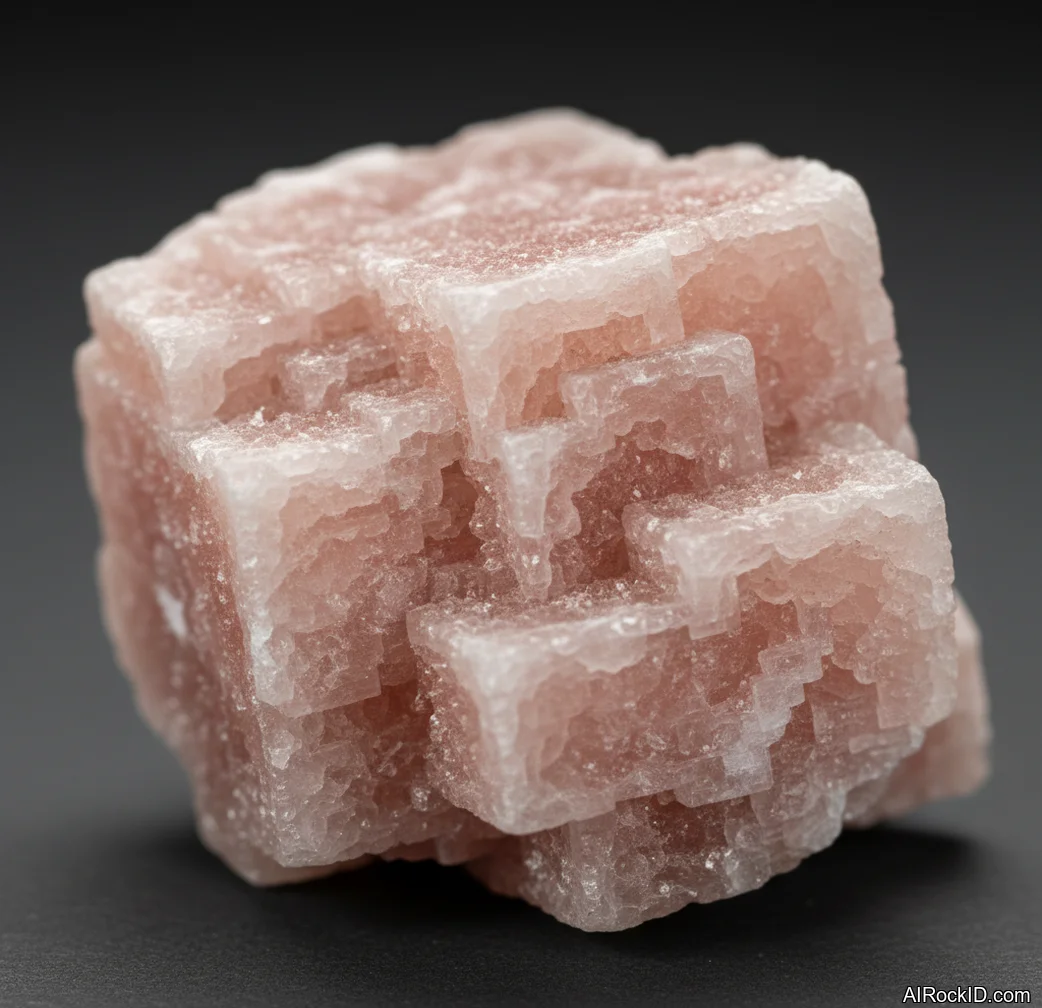
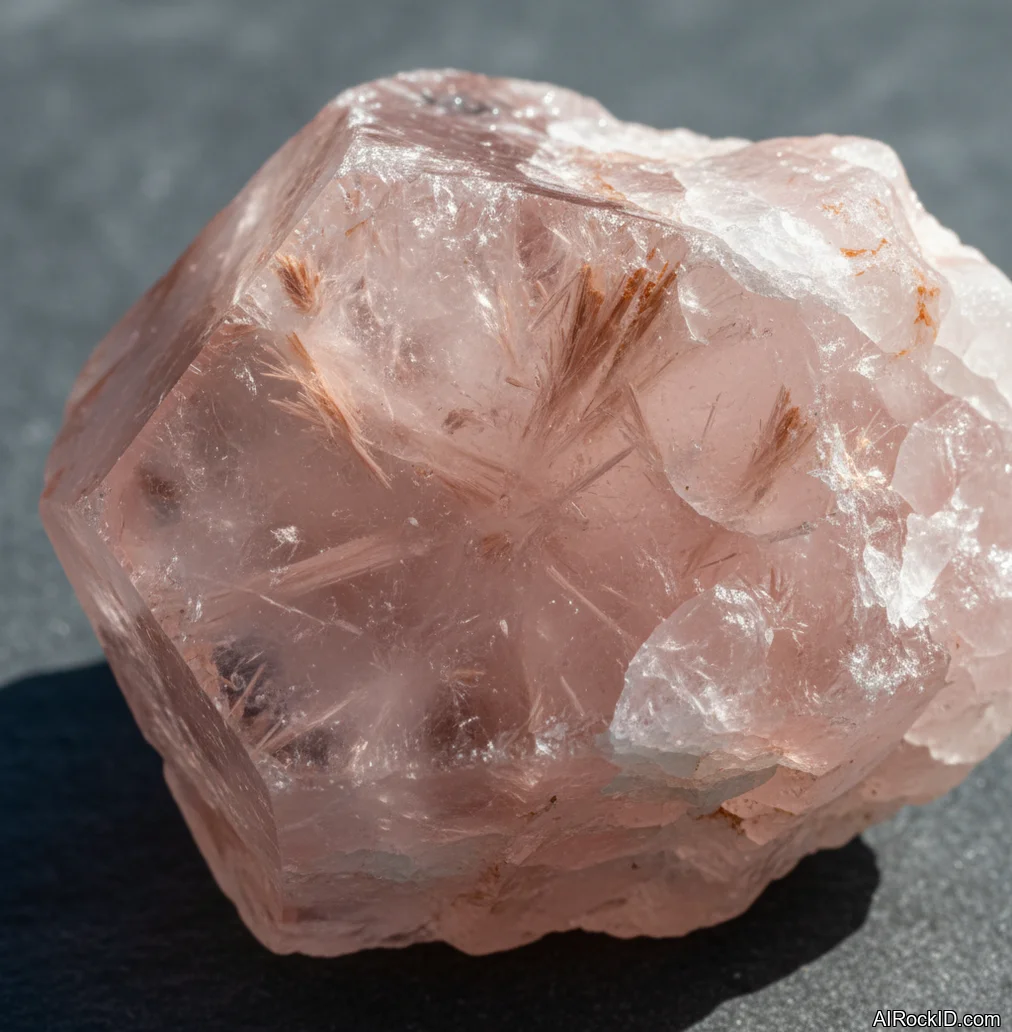
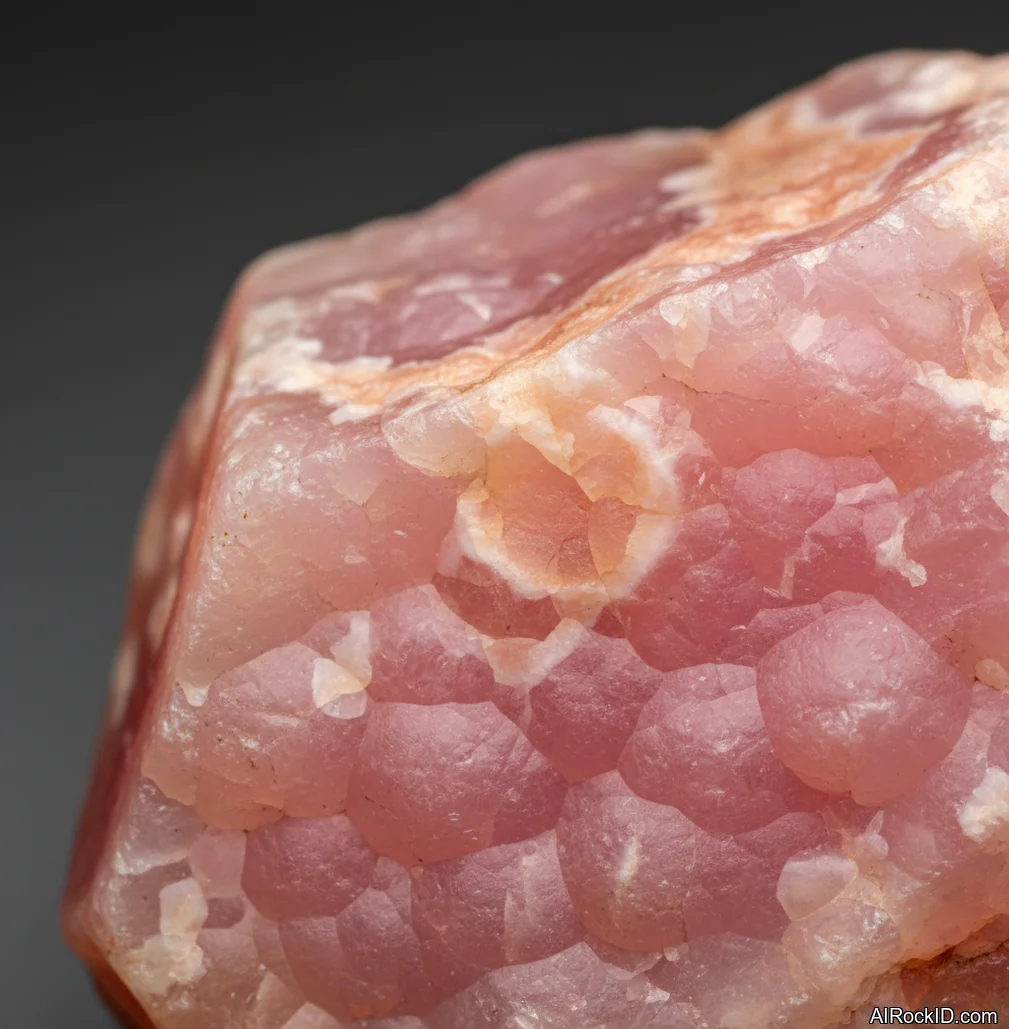
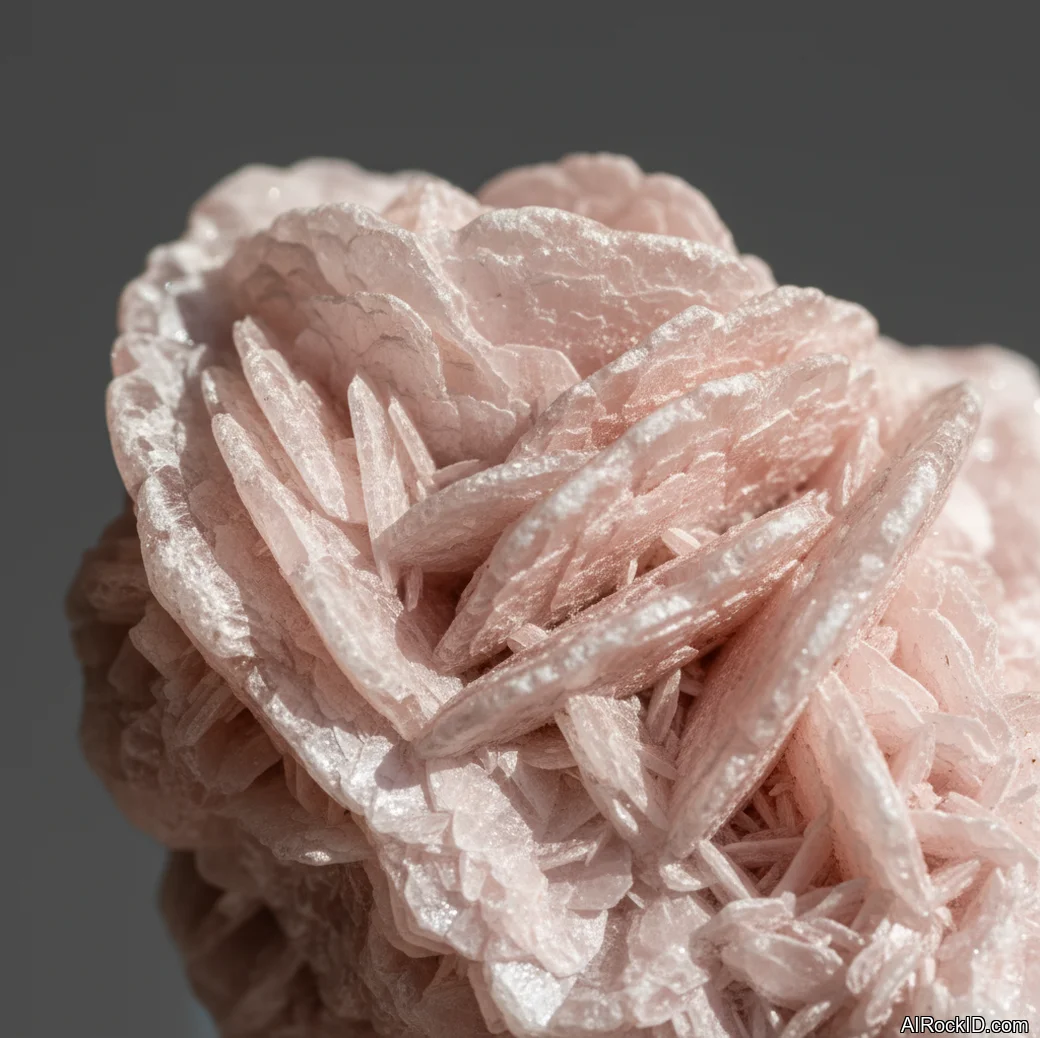
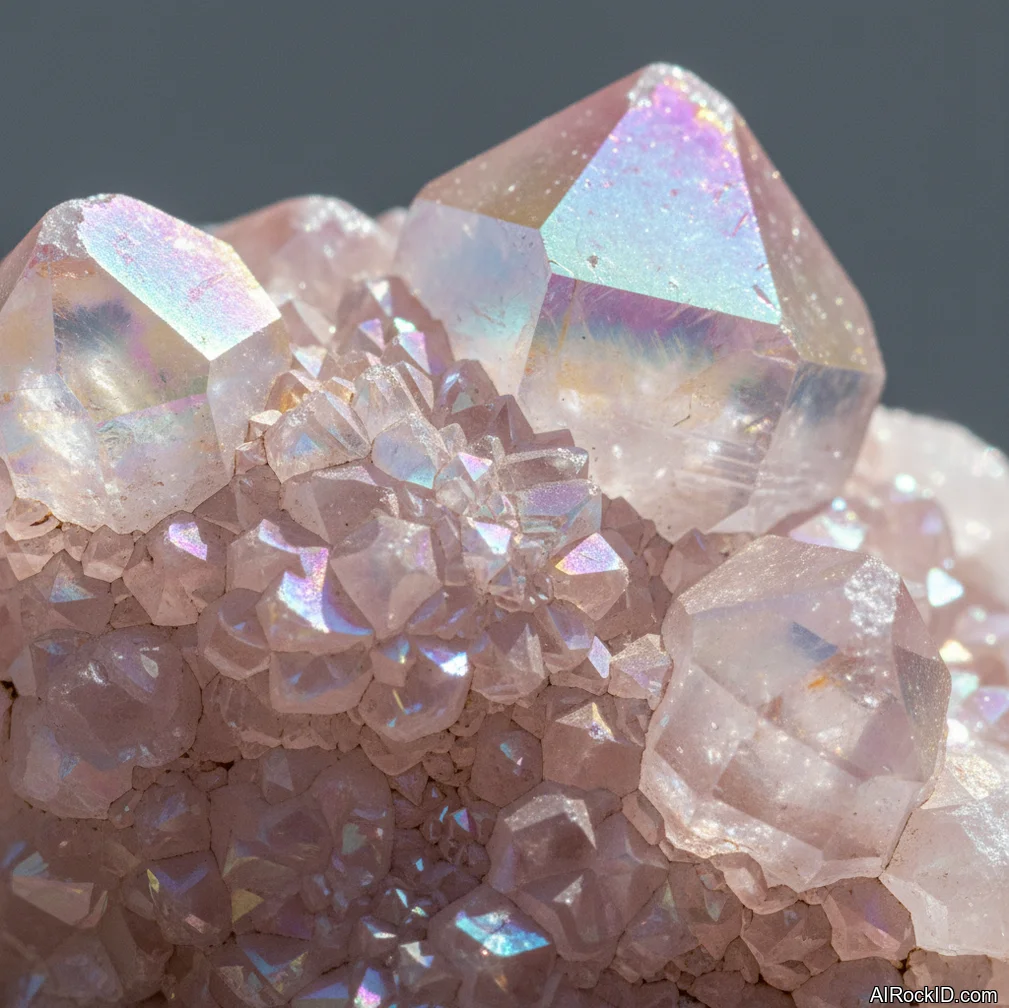
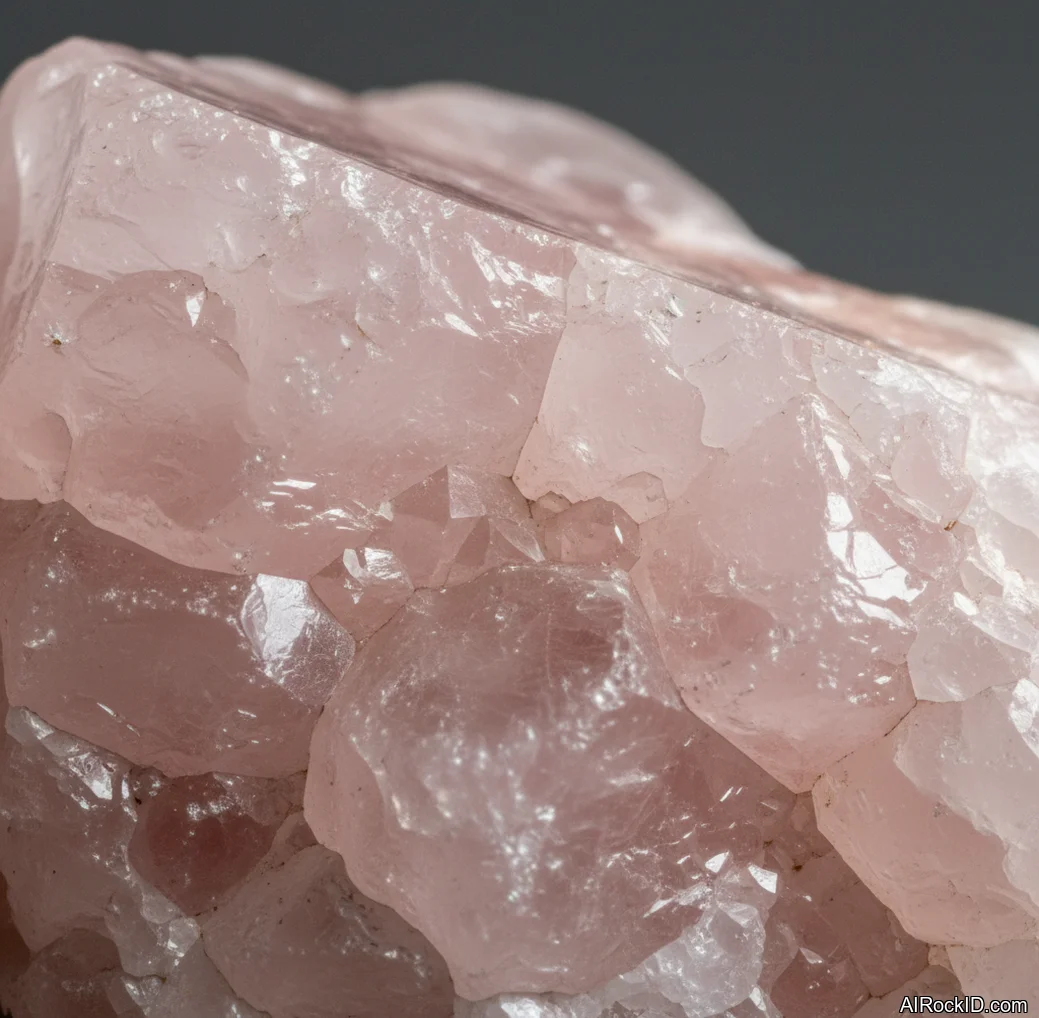
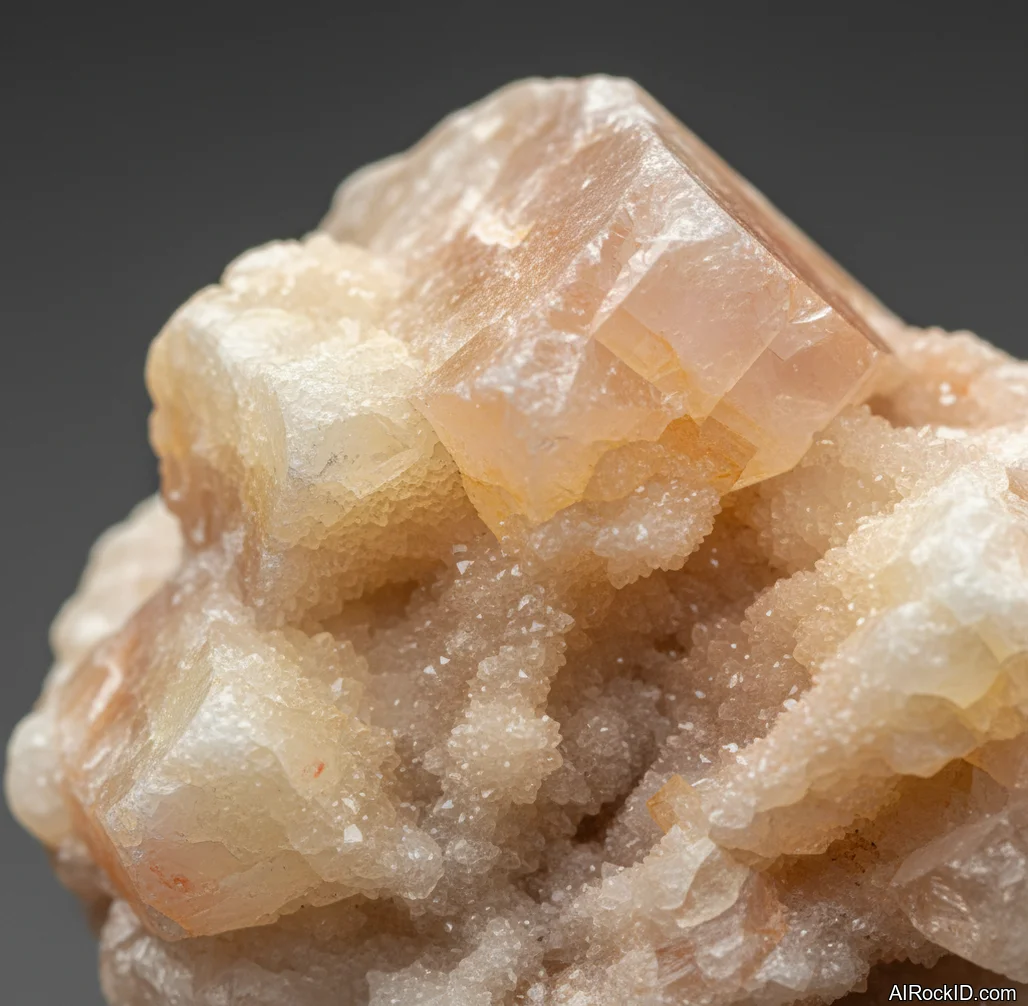
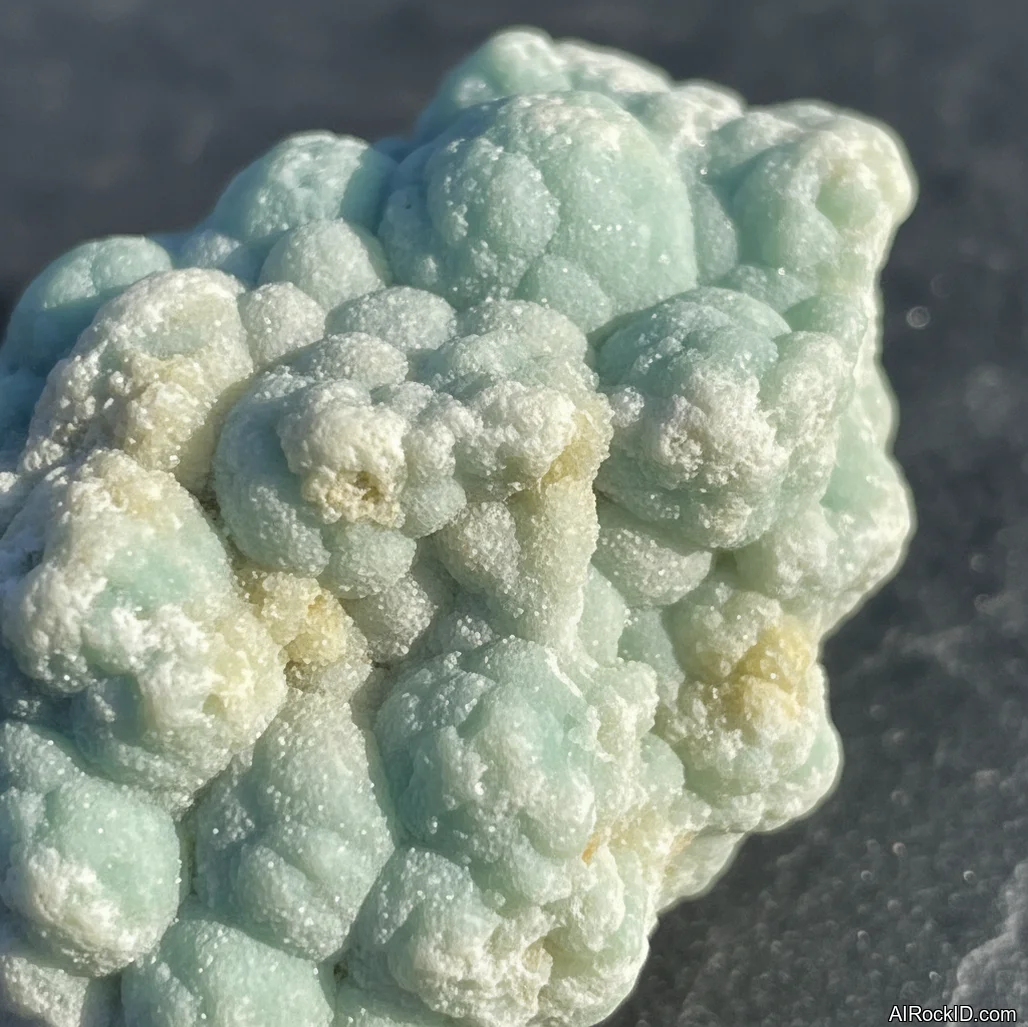
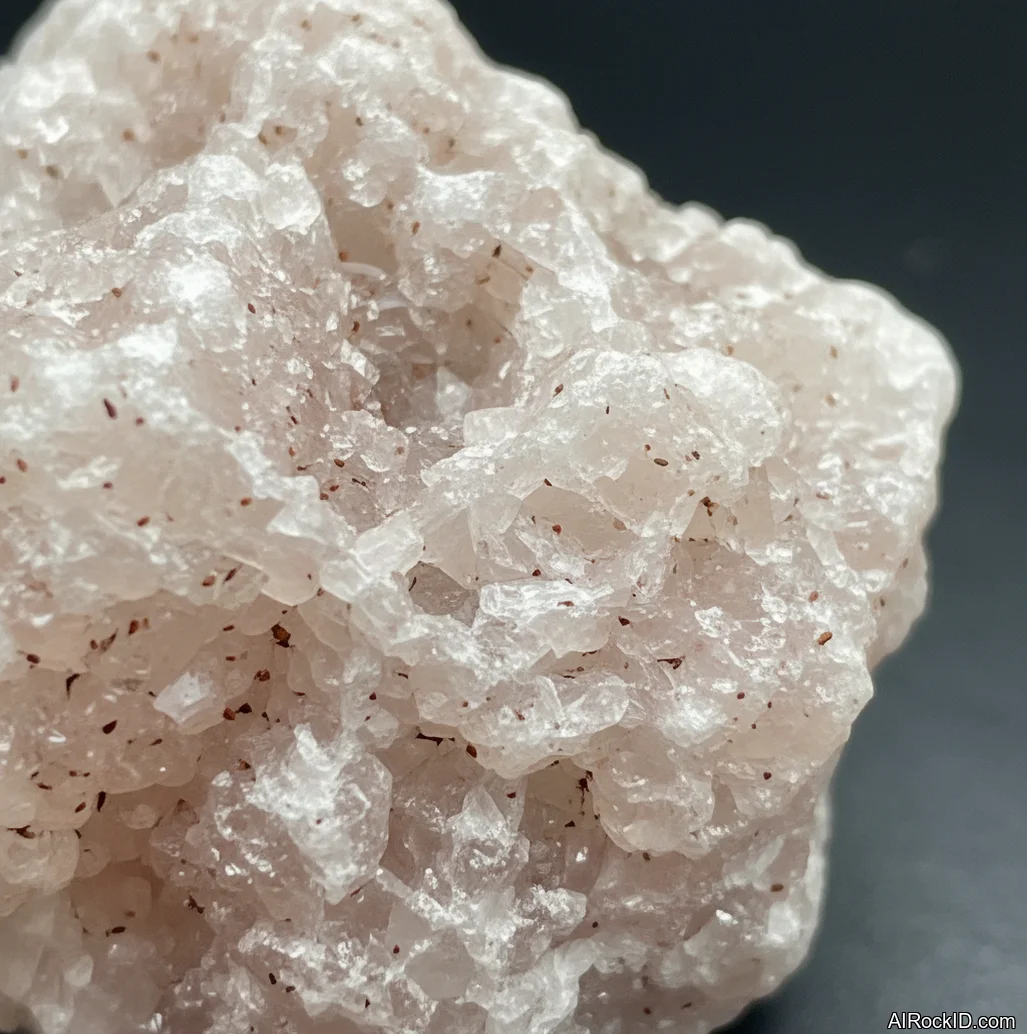
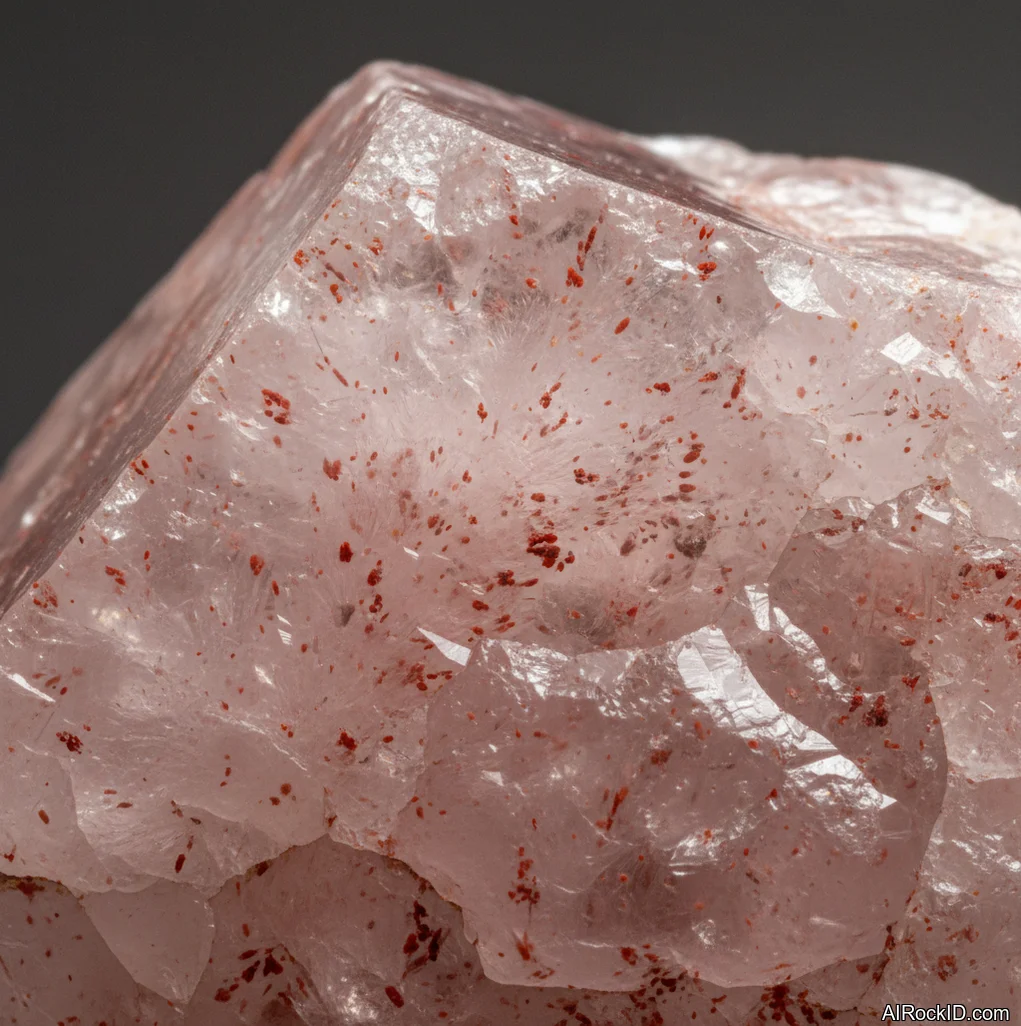
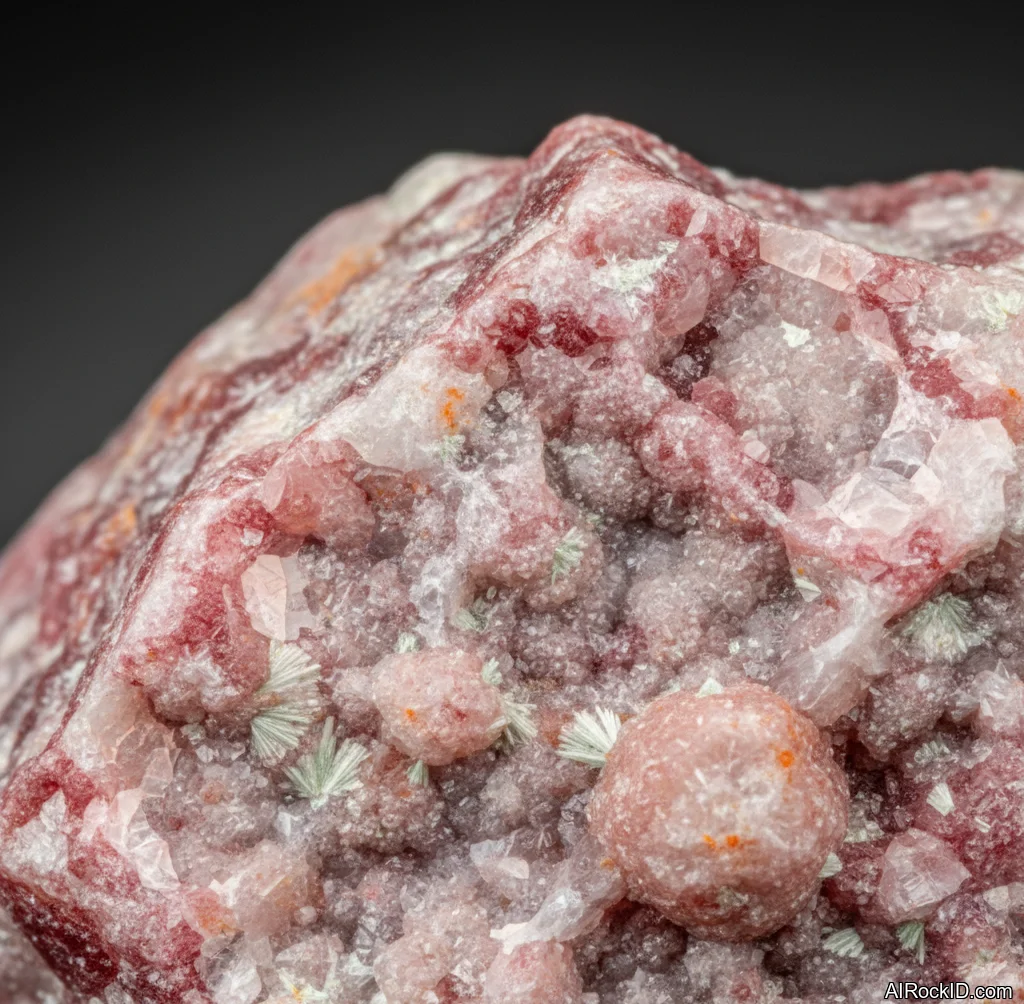
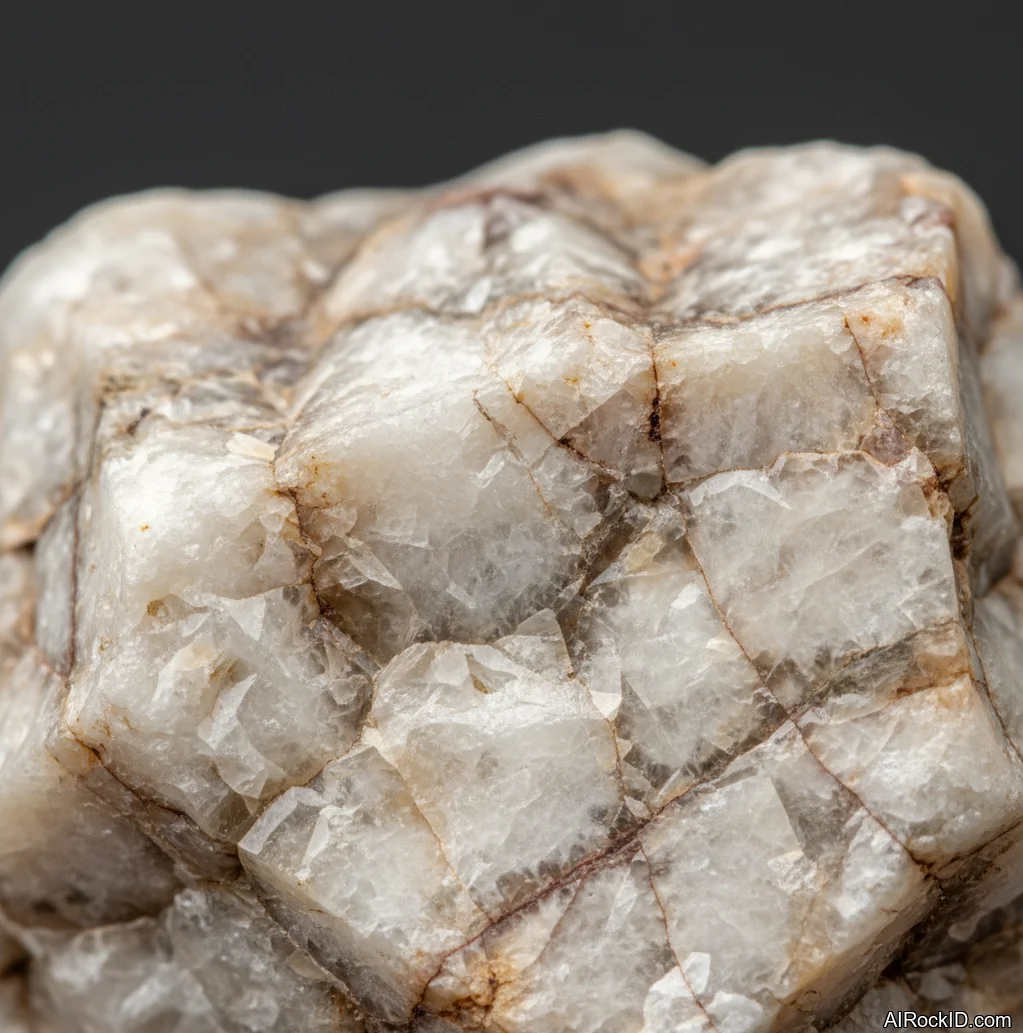
At first glance, a lot of nurturing stones live in the pink, peach, cream, and pale green zone. Rose Quartz is the obvious pick, sure. But it isn’t only the color. Good rose quartz feels cool and dense in the palm, and with bigger Madagascar chunks you can sometimes catch a faint star sheen if you tilt it under a single light source. Collector detail. Easy to miss in glossy product photos.
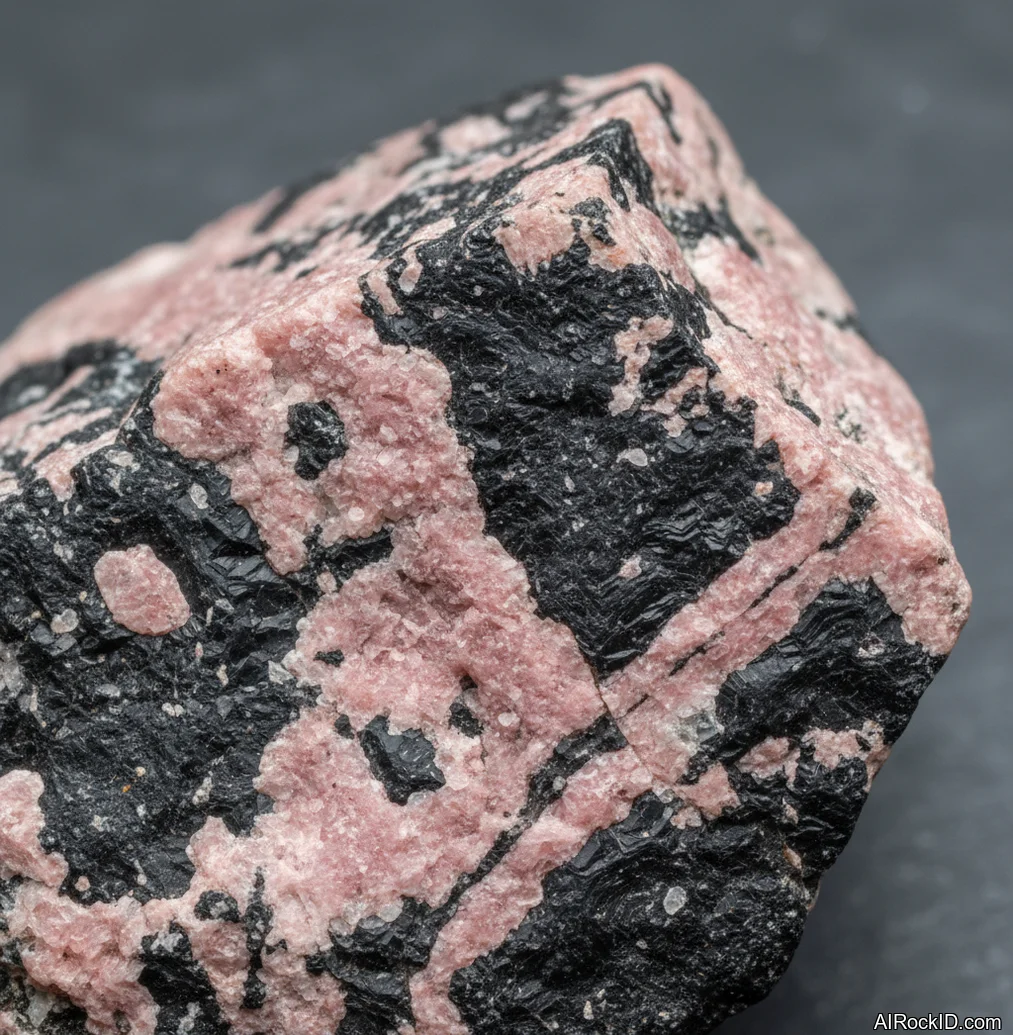
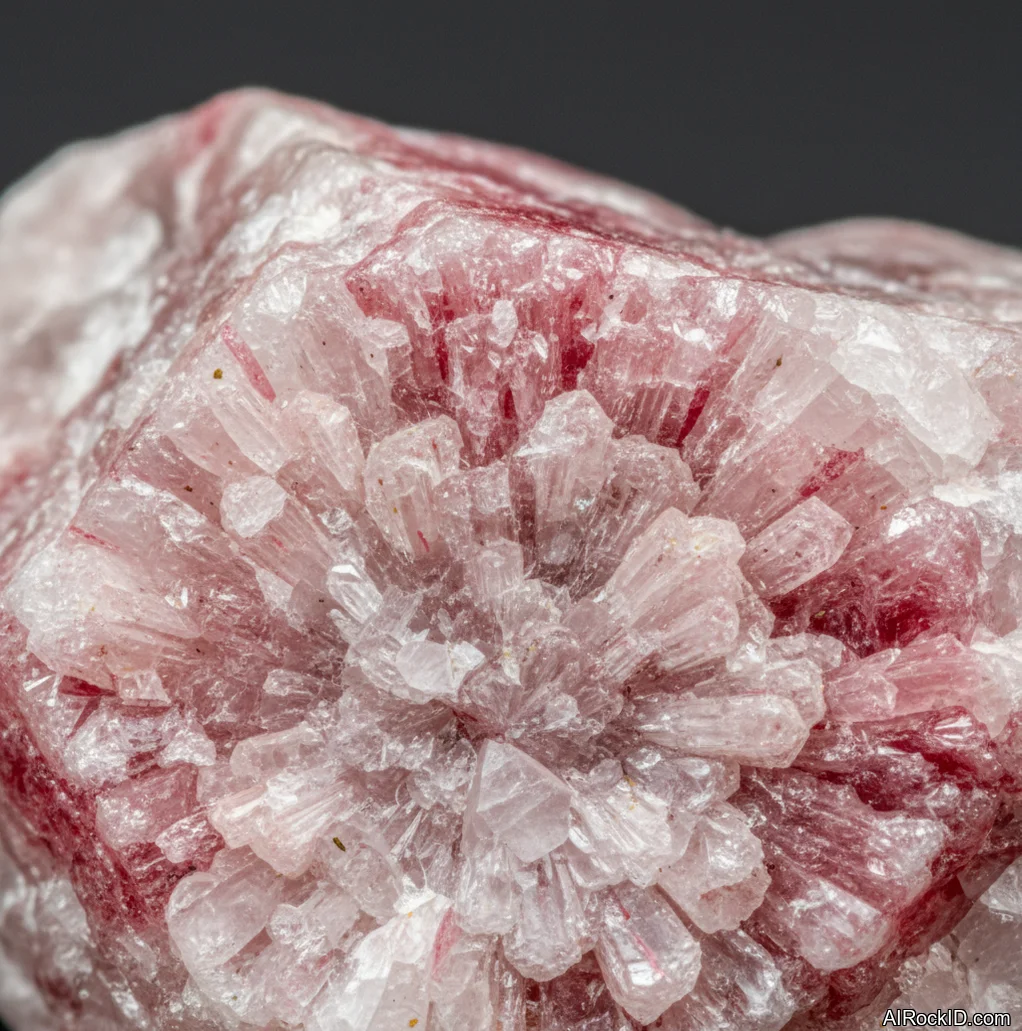
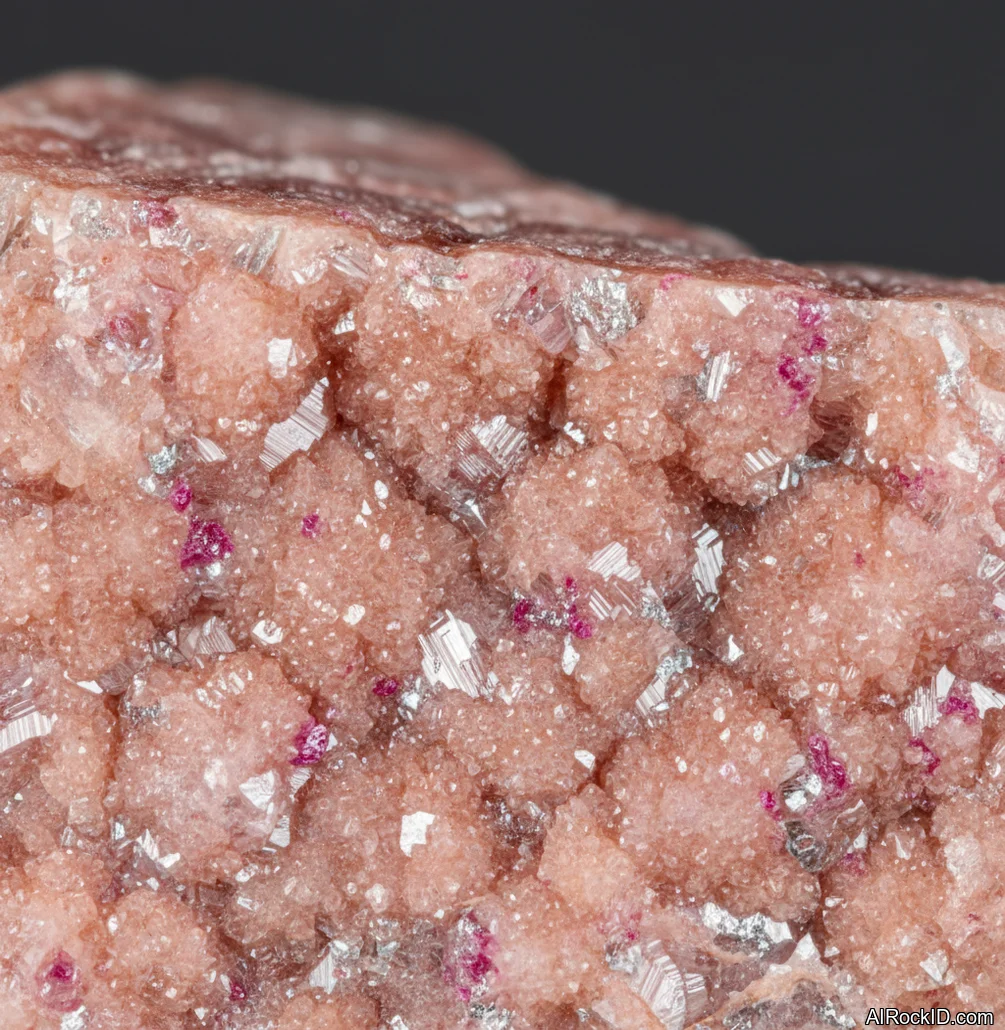
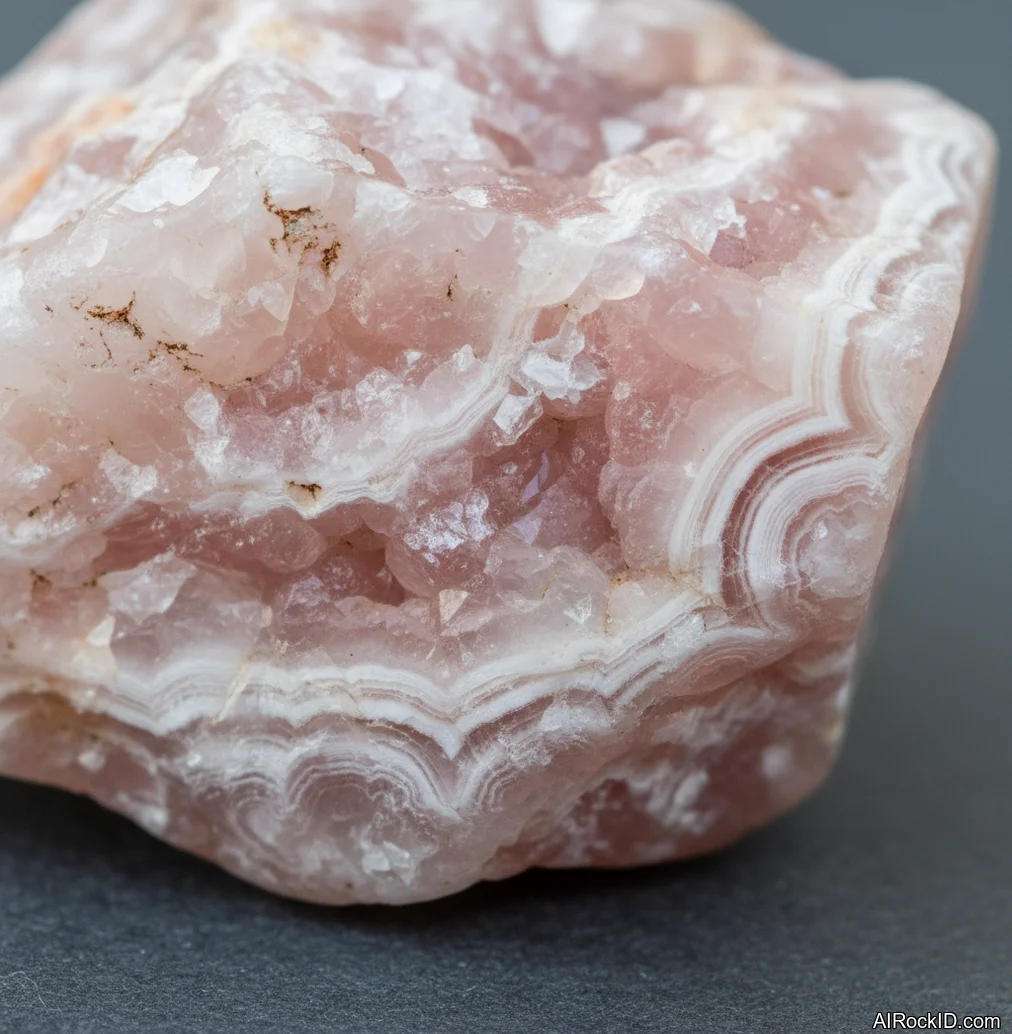
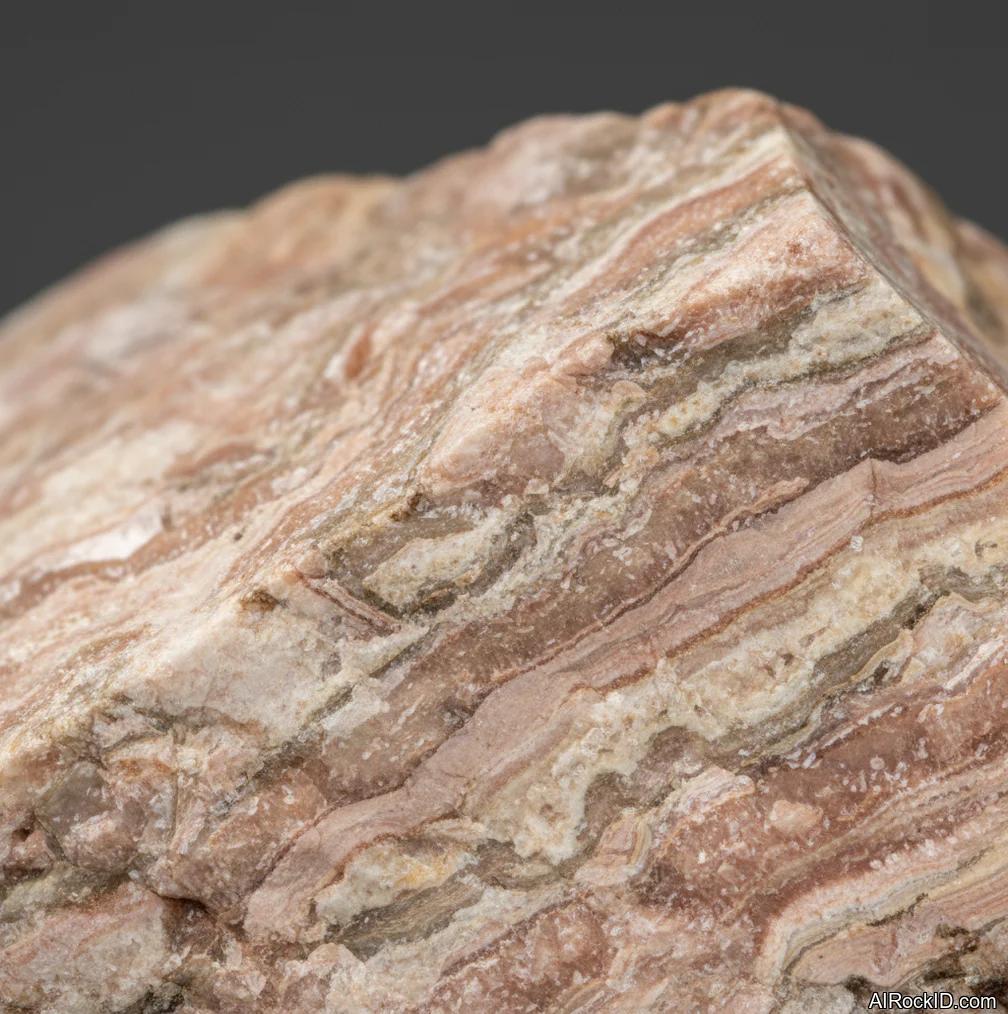
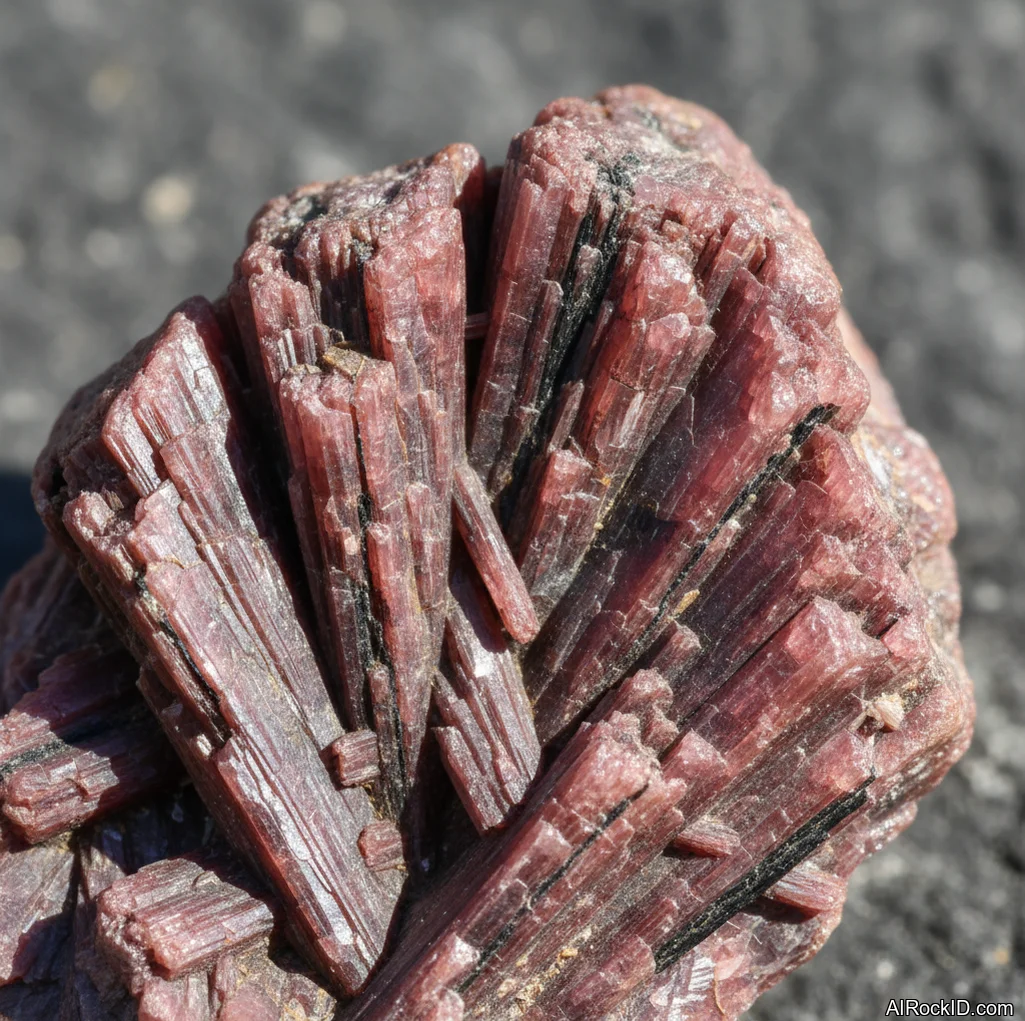
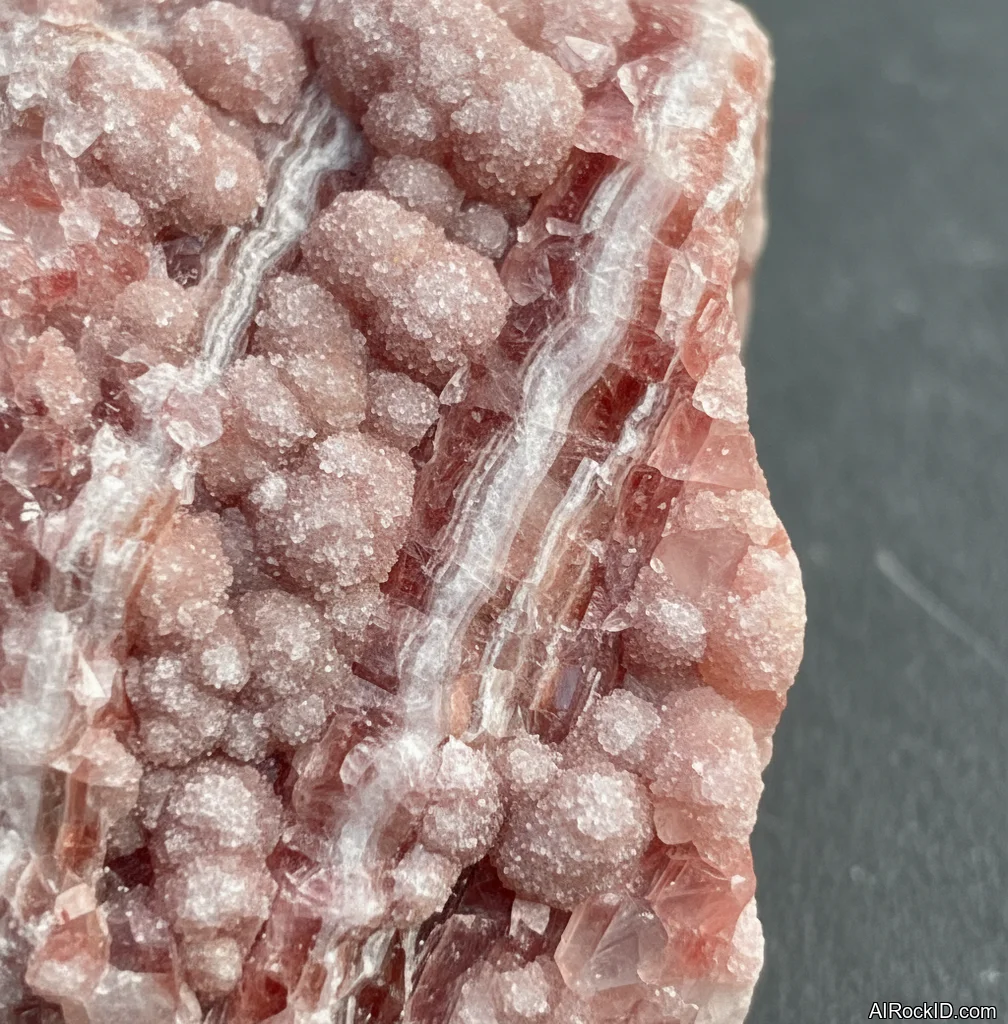
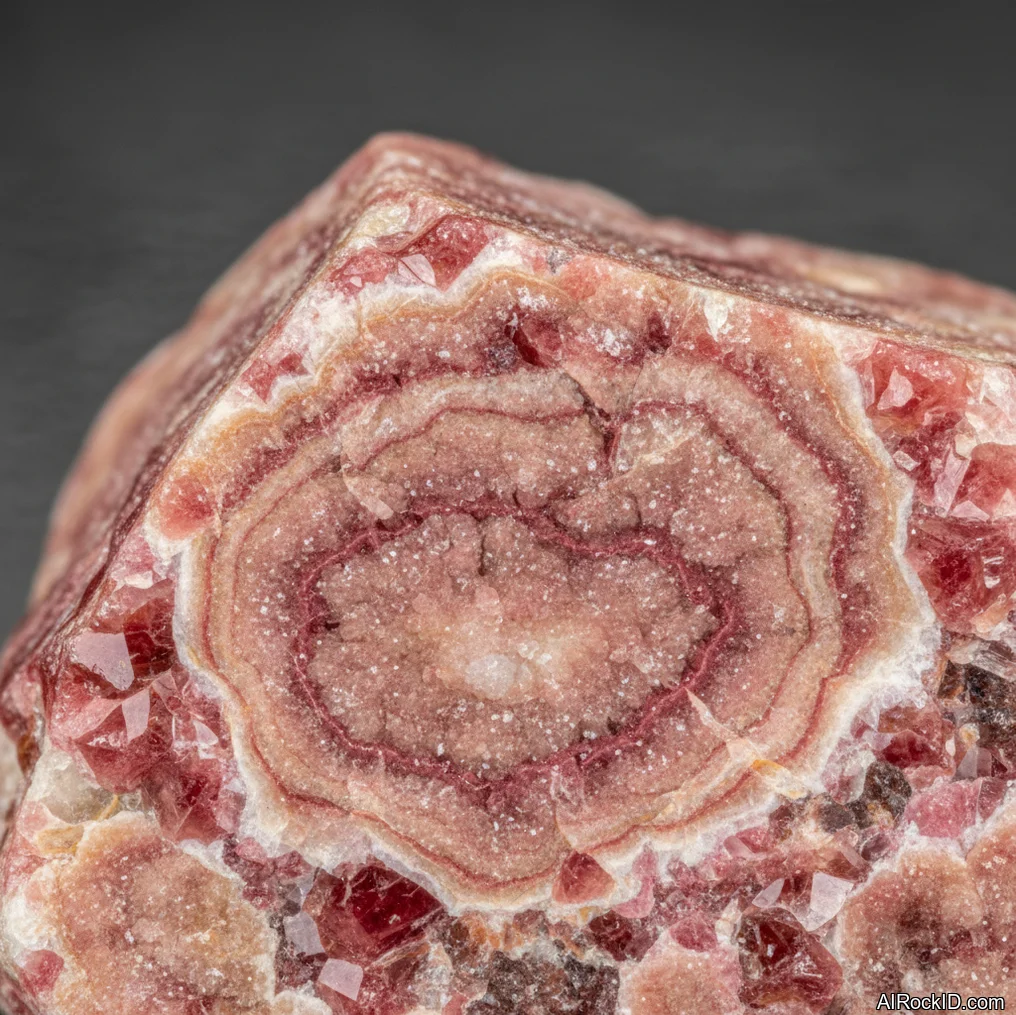
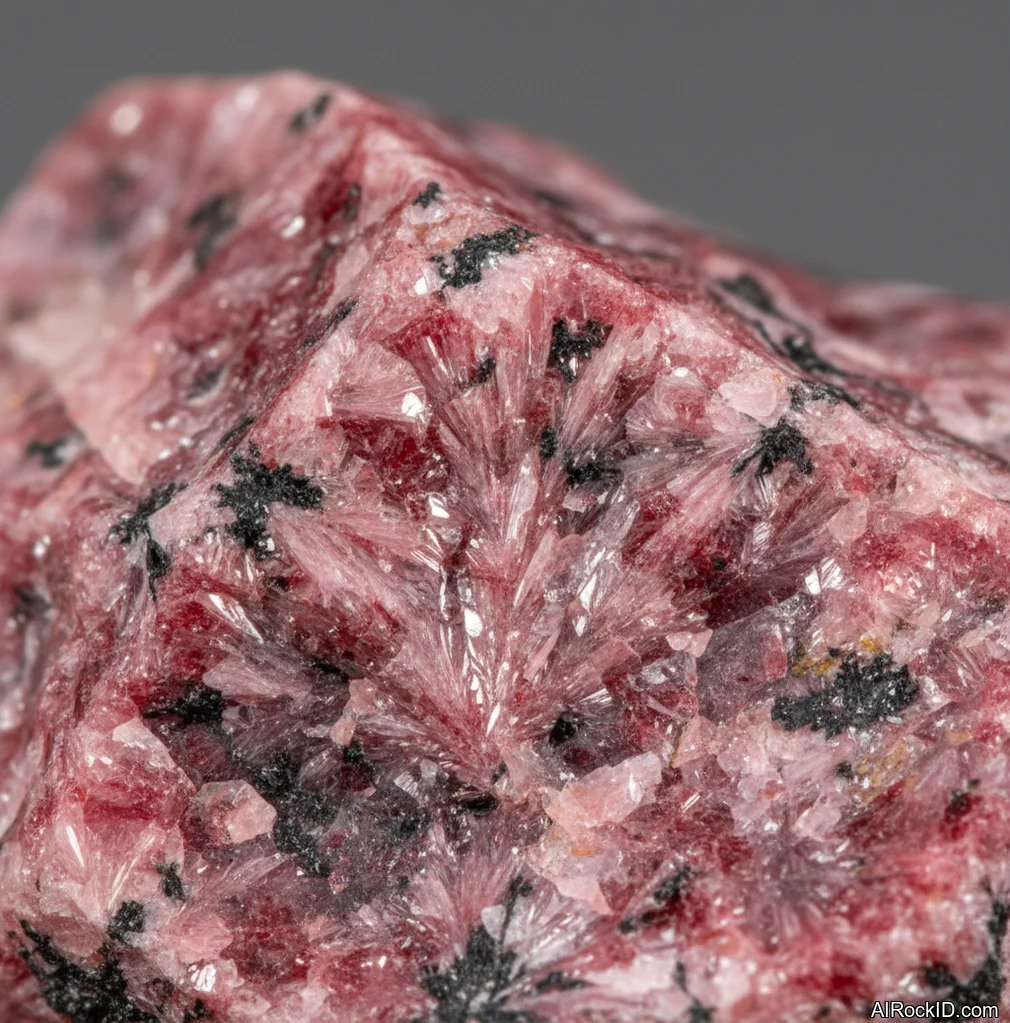
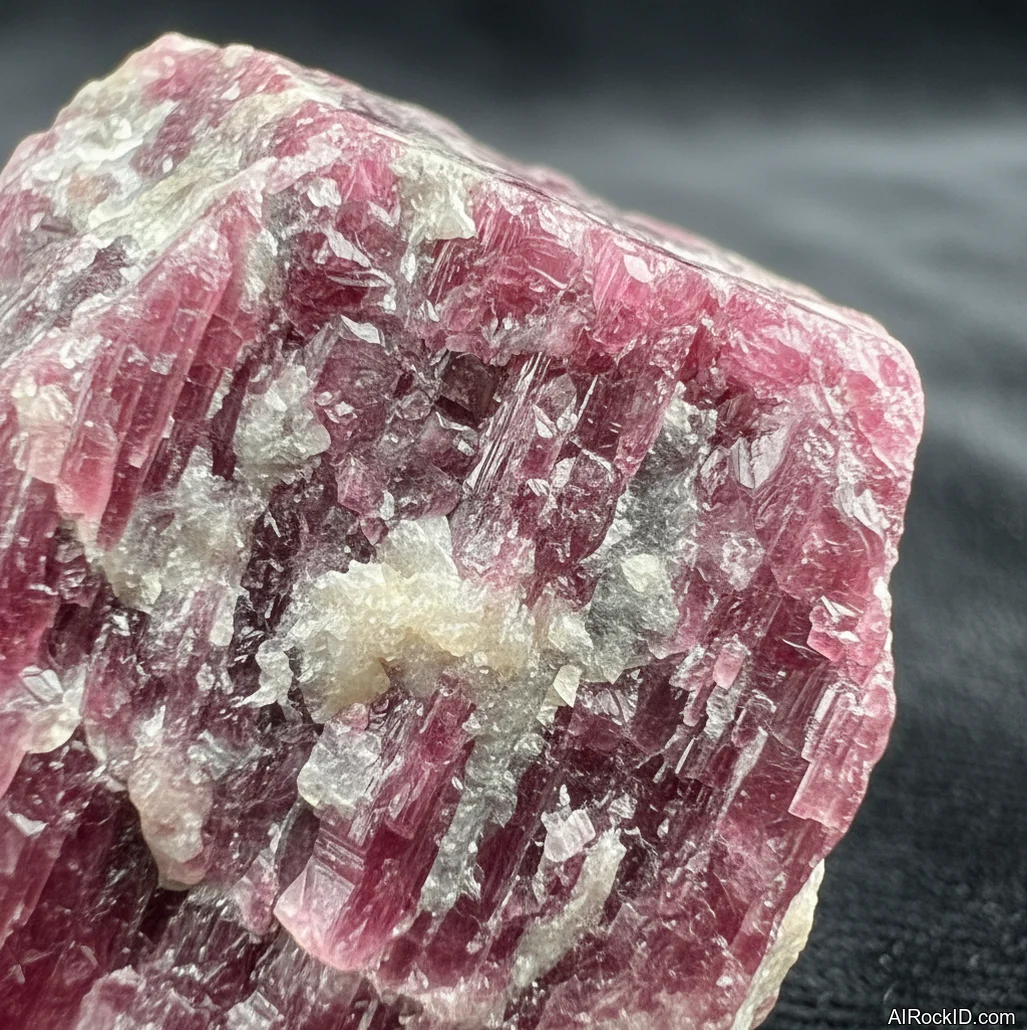
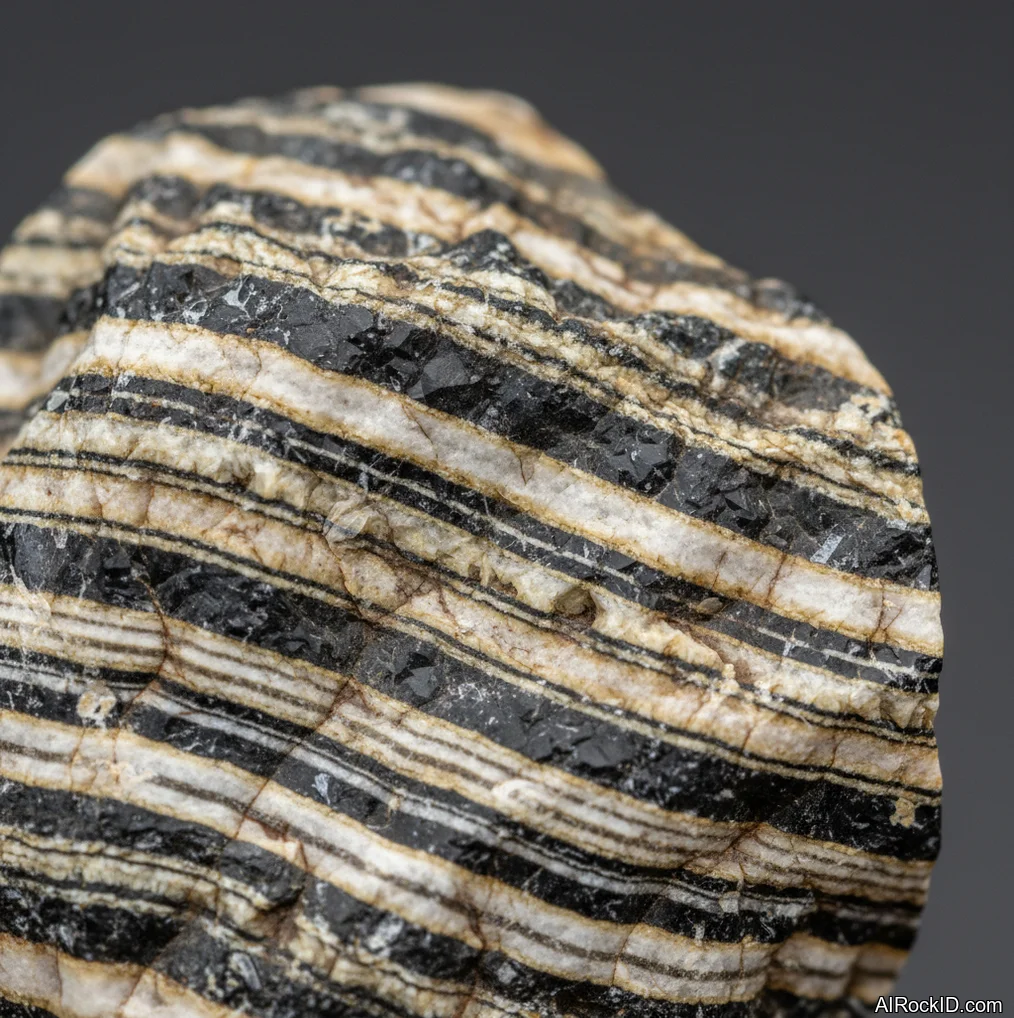
Pink Opal has that sleepy, milky look that somehow makes harsh lighting feel even harsher by comparison. Rhodonite can read like “nurturing with boundaries” because of those black manganese veins, like a quiet reminder that care isn’t the same thing as rescuing.
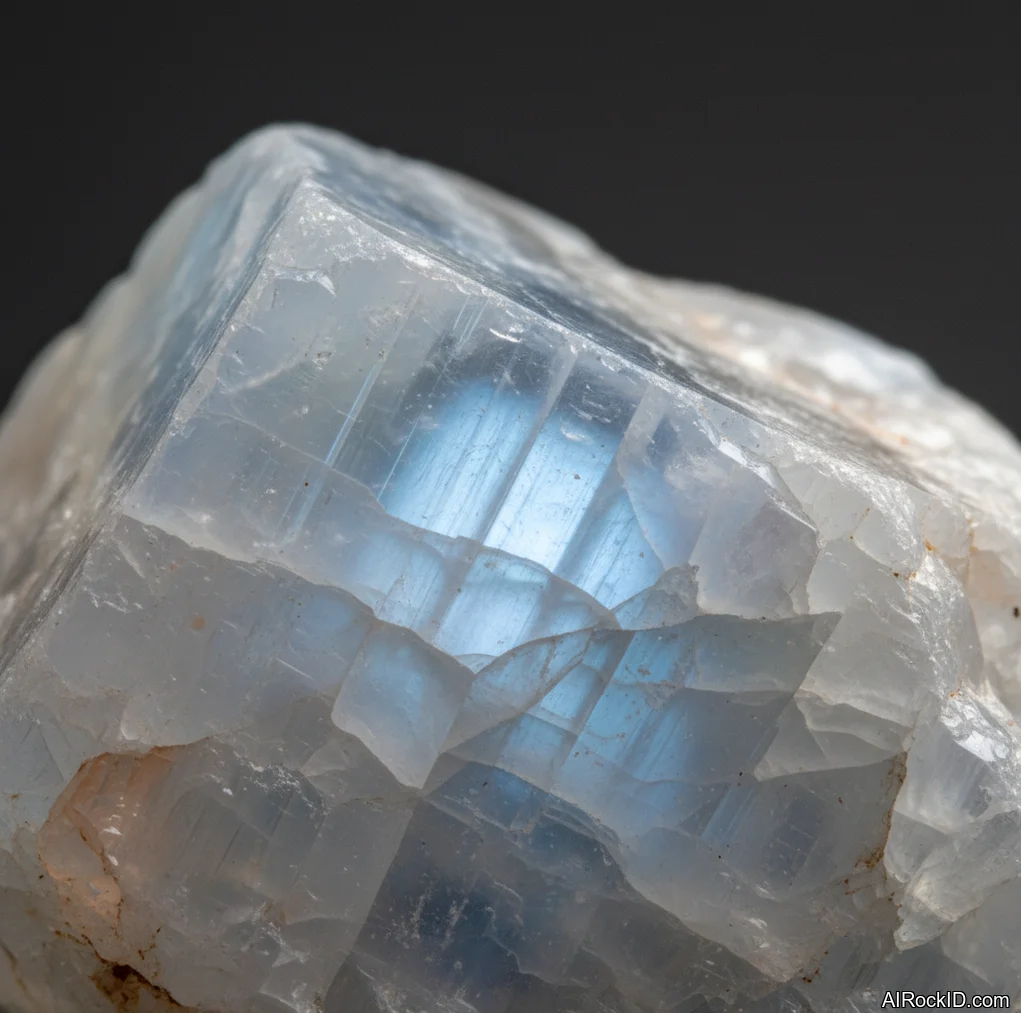
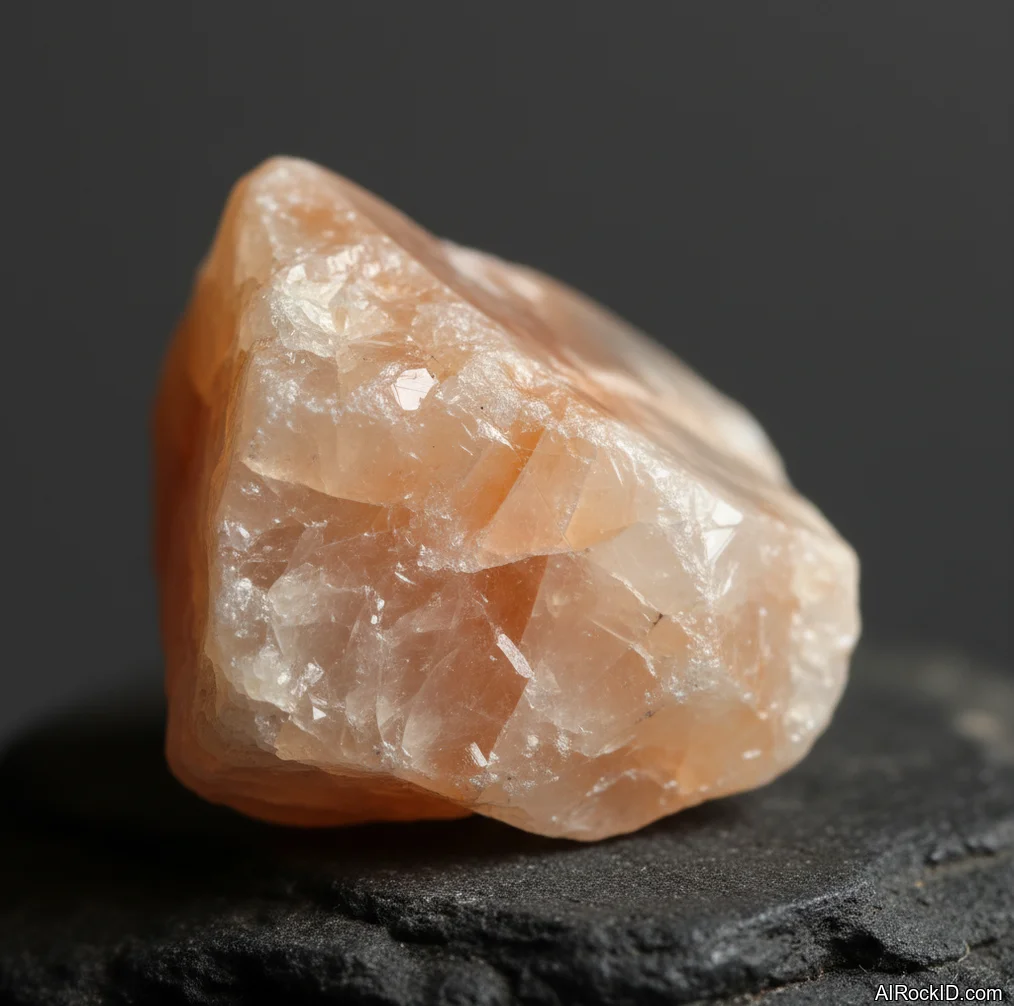
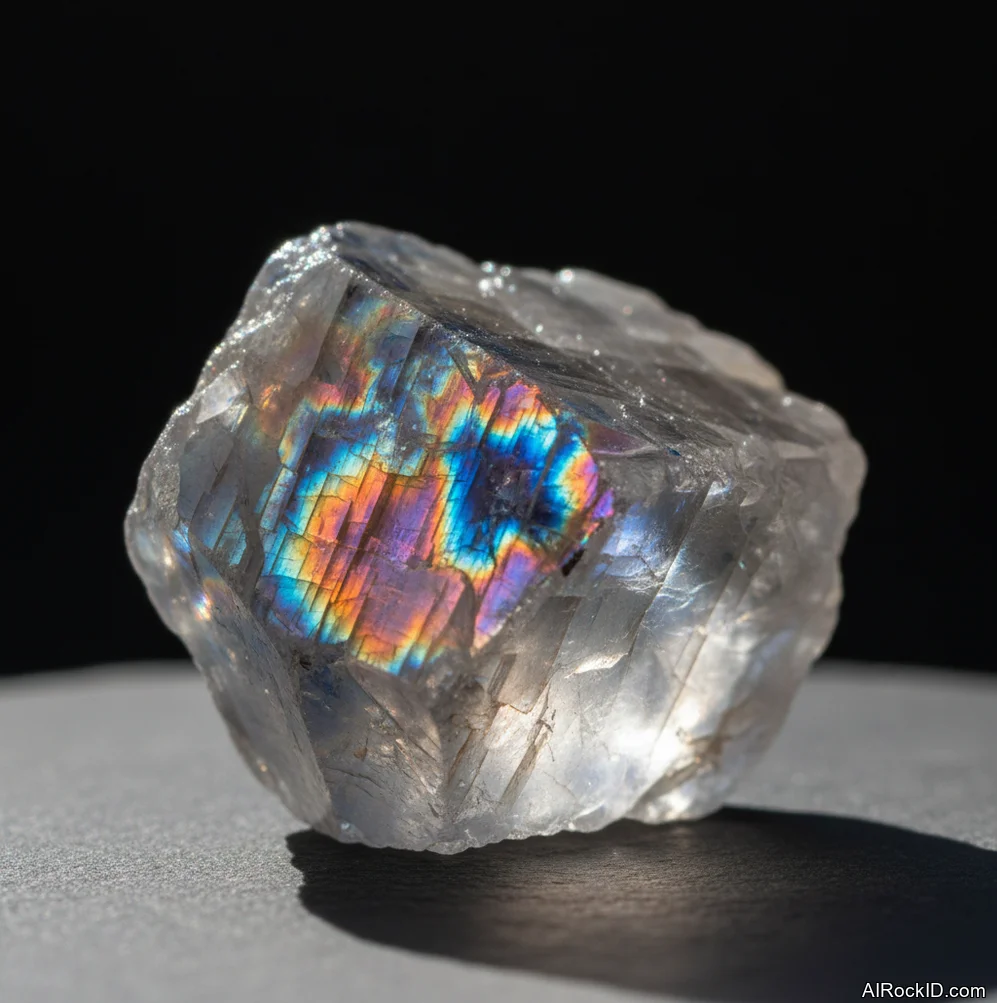
People usually choose nurturing crystals when they want to soften the edges without going numb. So Moonstone and Lepidolite come up a lot in the same breath. Moonstone’s adularescence can be subtle, and yeah, it’s easy to buy a dull piece that just looks like gray feldspar. Tilt it. Look for that floating blue-white flash that slides across the face.
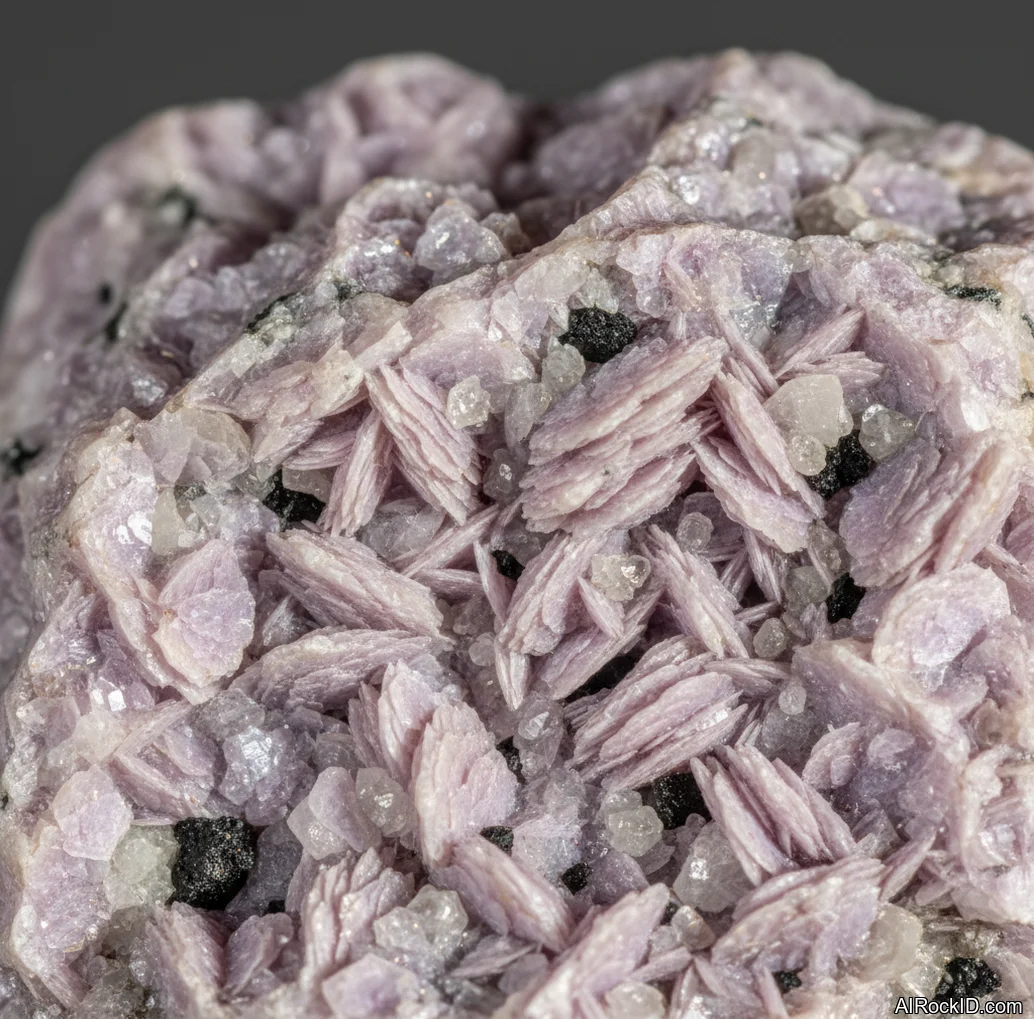
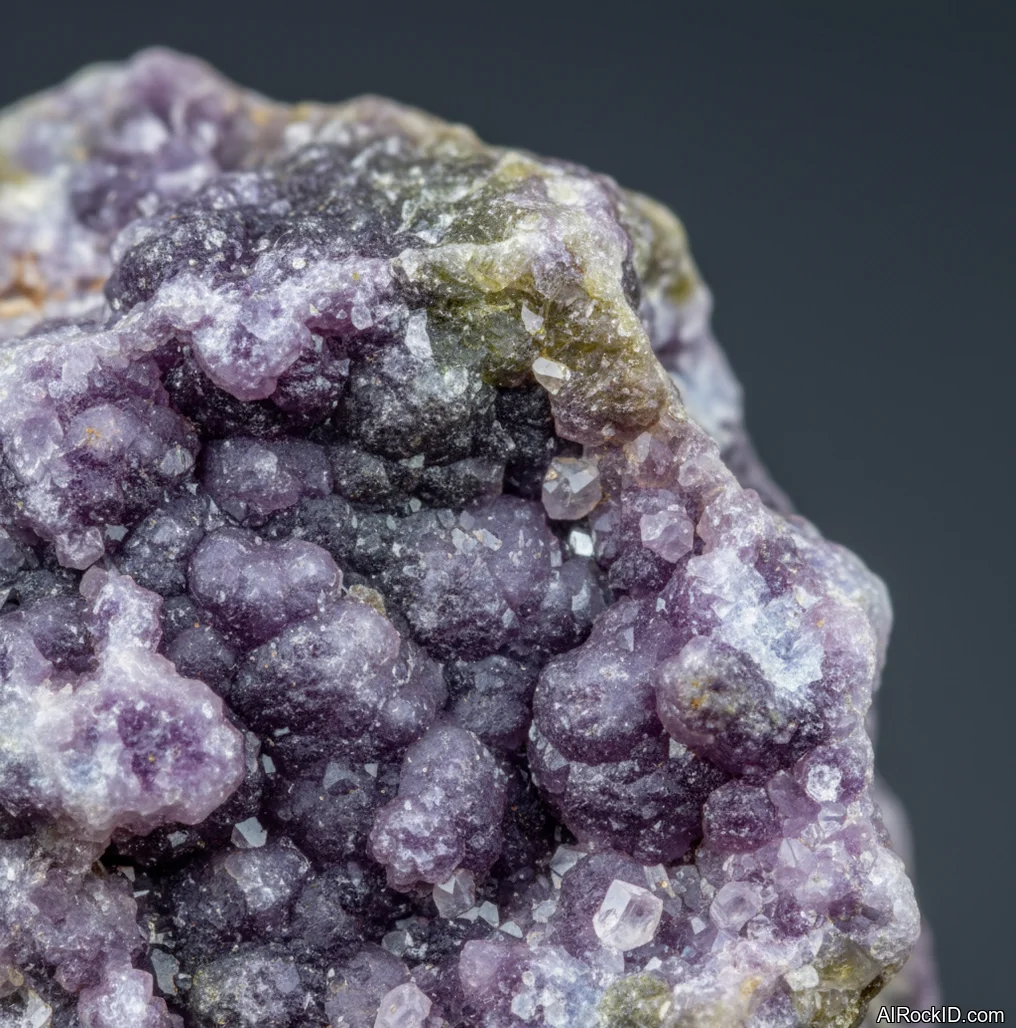
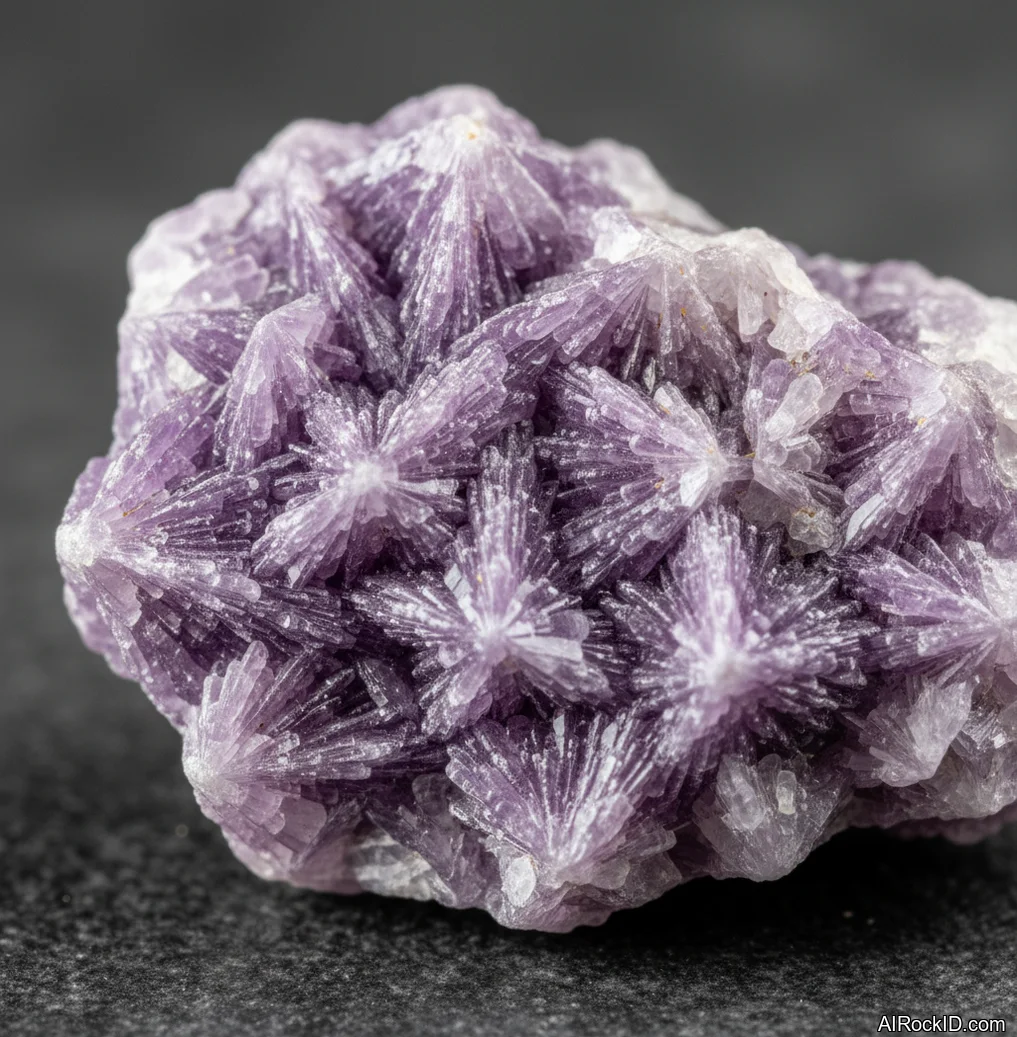
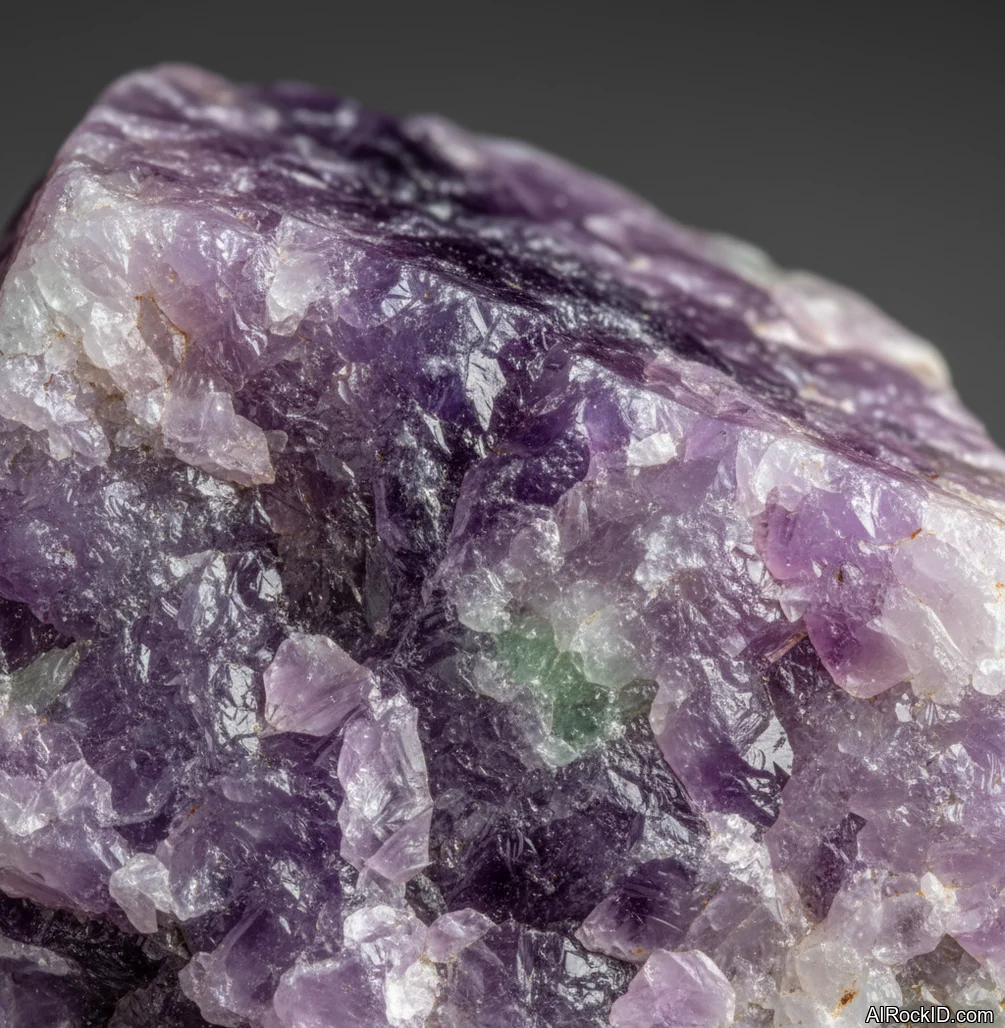
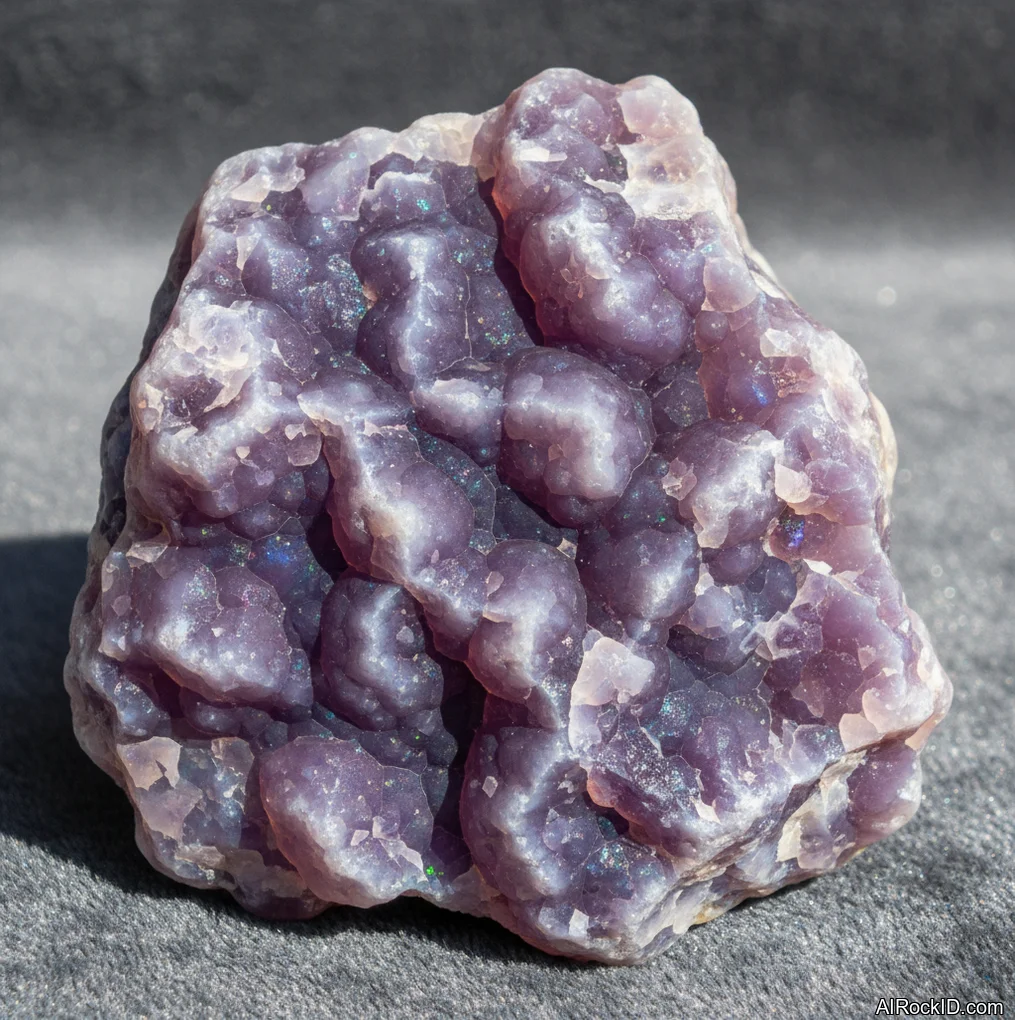
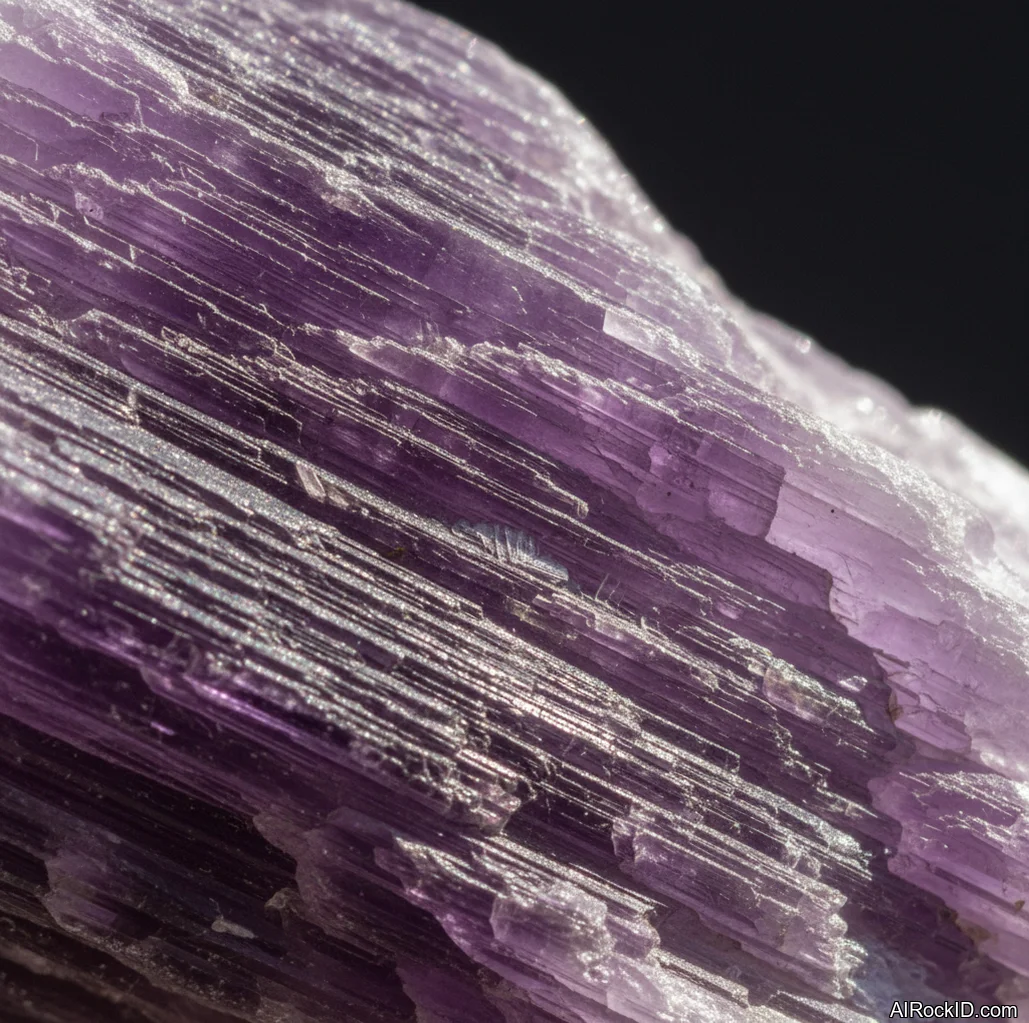
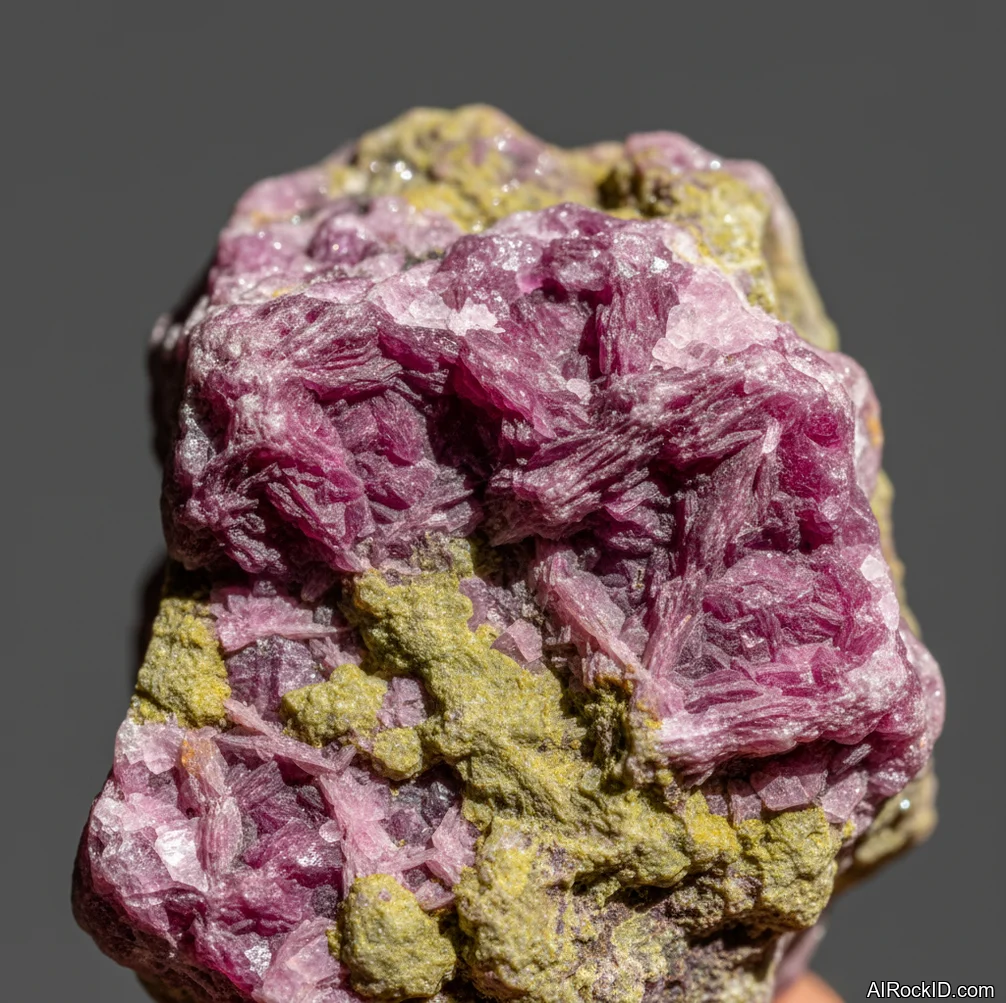
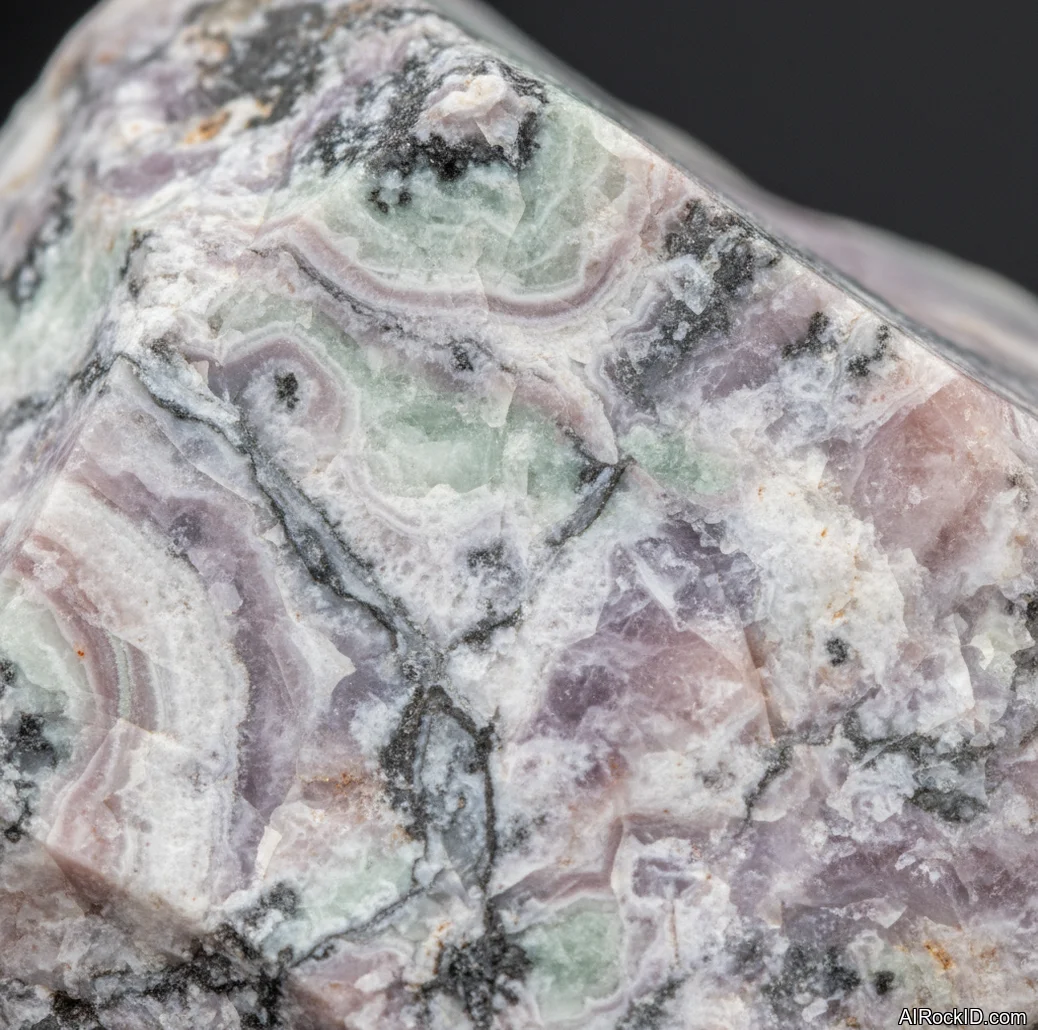
Lepidolite’s its own thing. It’s a lithium mica, often flaky, and raw pieces can shed tiny sparkly plates. I’ve had customers tell me their pocket stone “crumbled,” but that’s just mica being mica. If you want Lepidolite for daily carry, go for a well-polished palm stone or a piece stabilized in resin, and be real with yourself about how hard you are on your pockets.
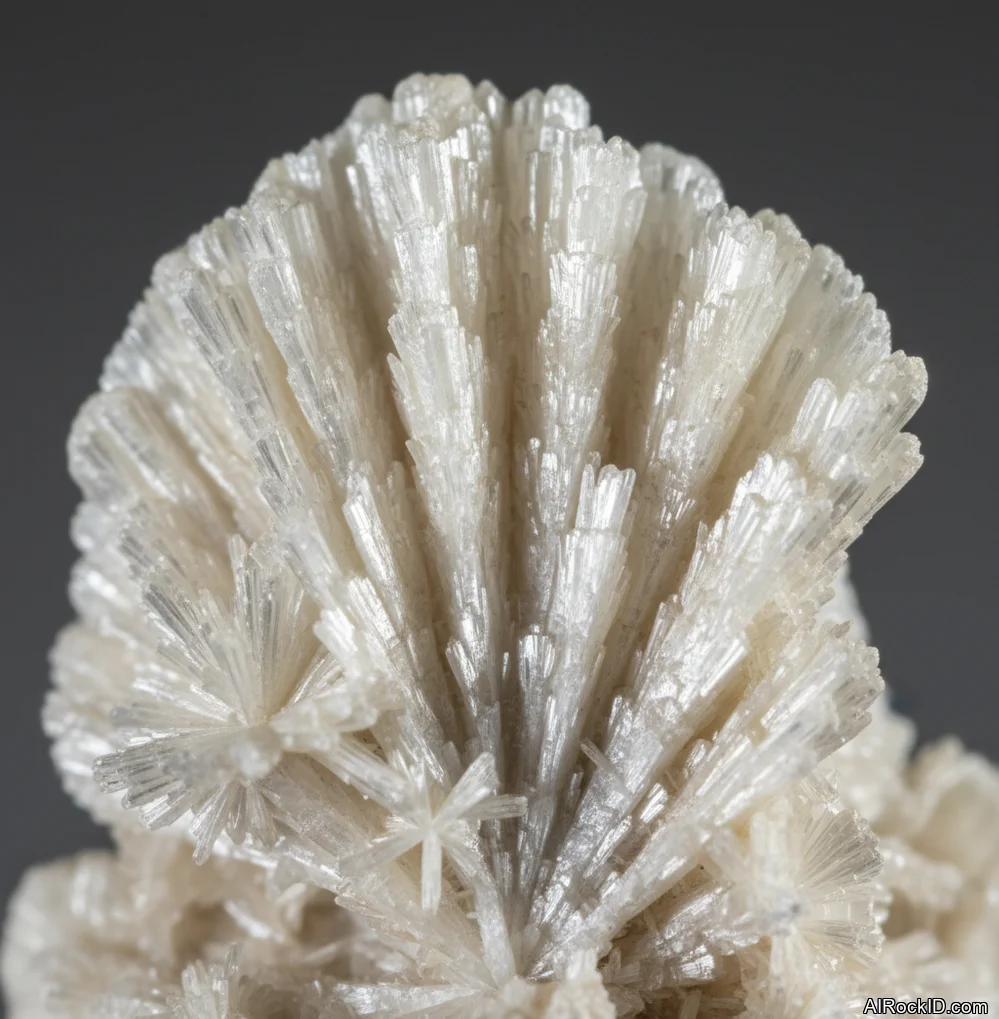
Compared to “energizing” stones, nurturing ones are usually the nightstand stones. The desk-corner stones. The ones tucked near the couch where you crash at the end of the day. Selenite (technically satin spar gypsum, which is what most shops sell) is a classic here, but it’s soft. Scratch it with a fingernail and you can leave a mark. If you live somewhere humid, or you’re the type who sets drinks down without a coaster (no judgment), keep it away from moisture and don’t toss it in a bag with harder stones. A scratched-up selenite wand still works for spiritual folks, but it won’t stay pretty.
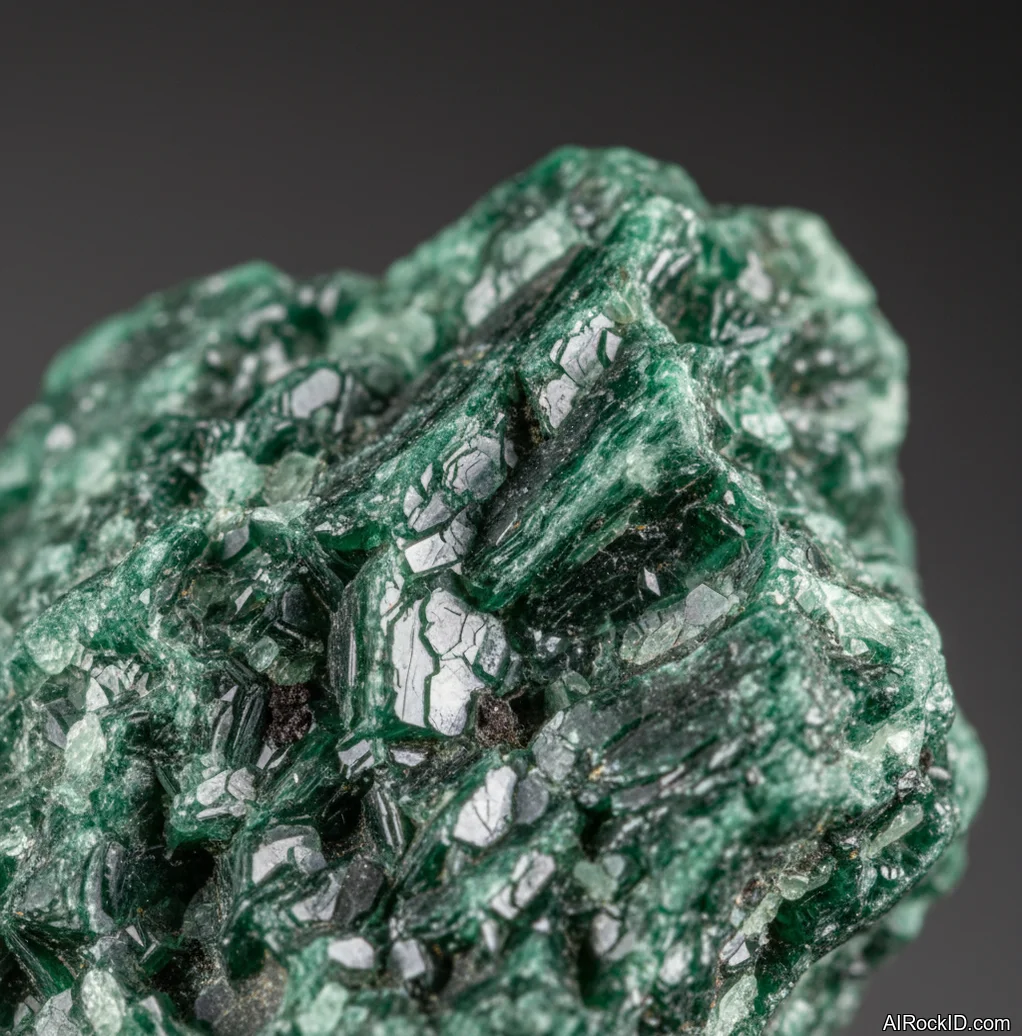
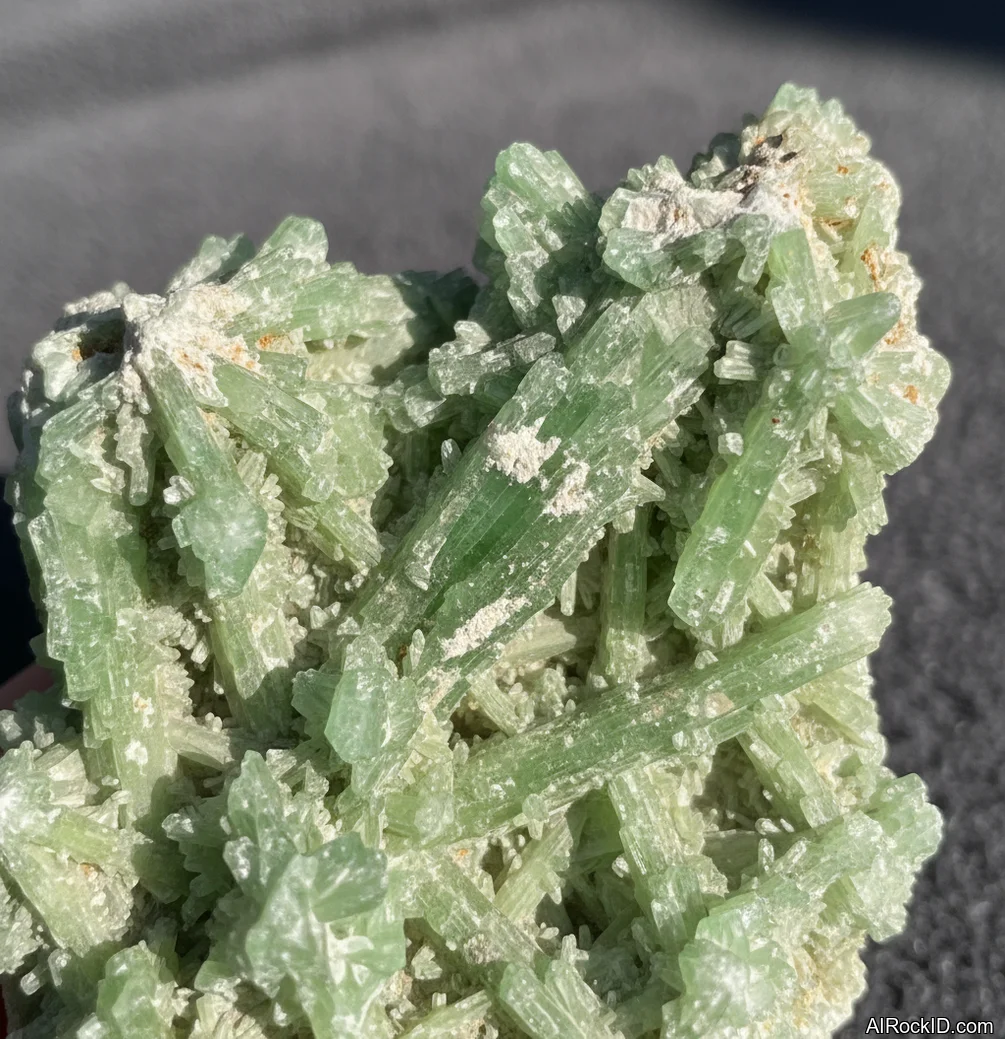
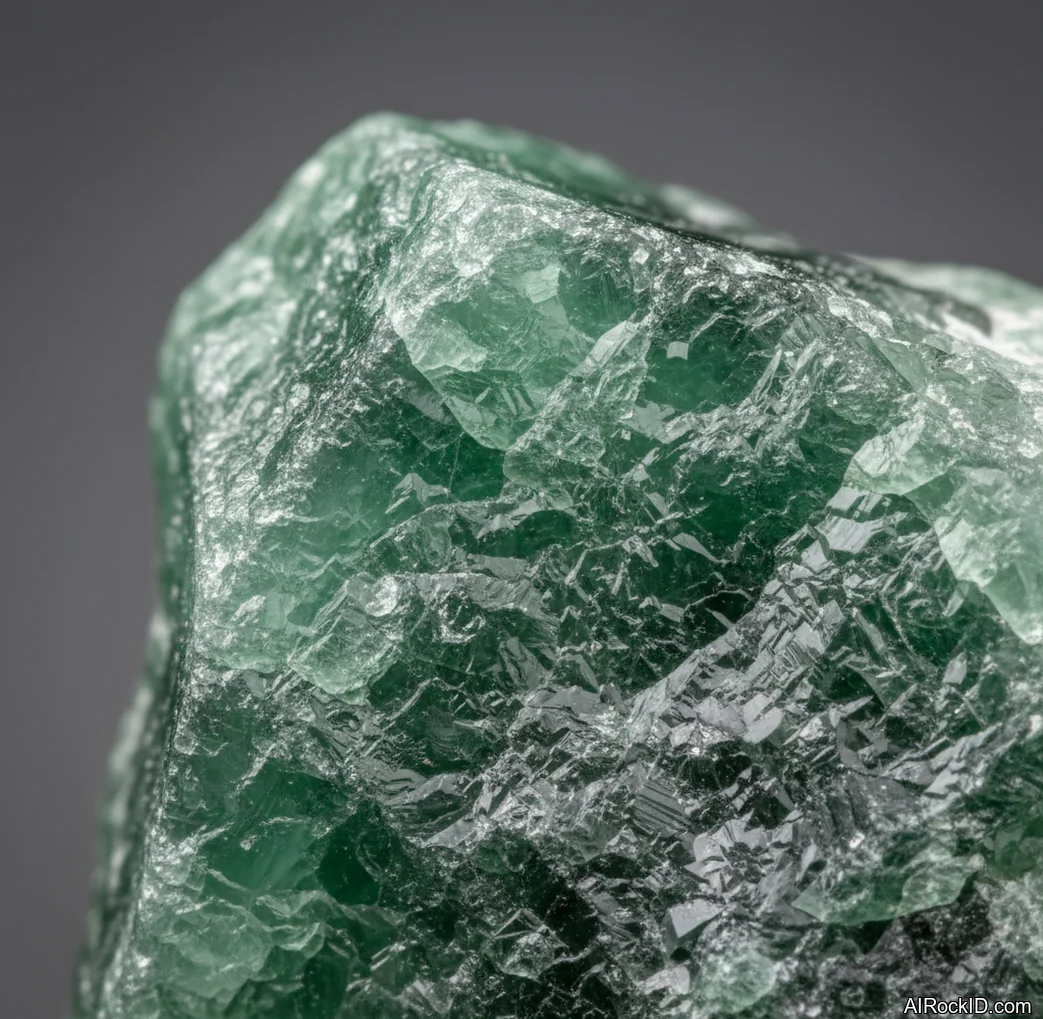
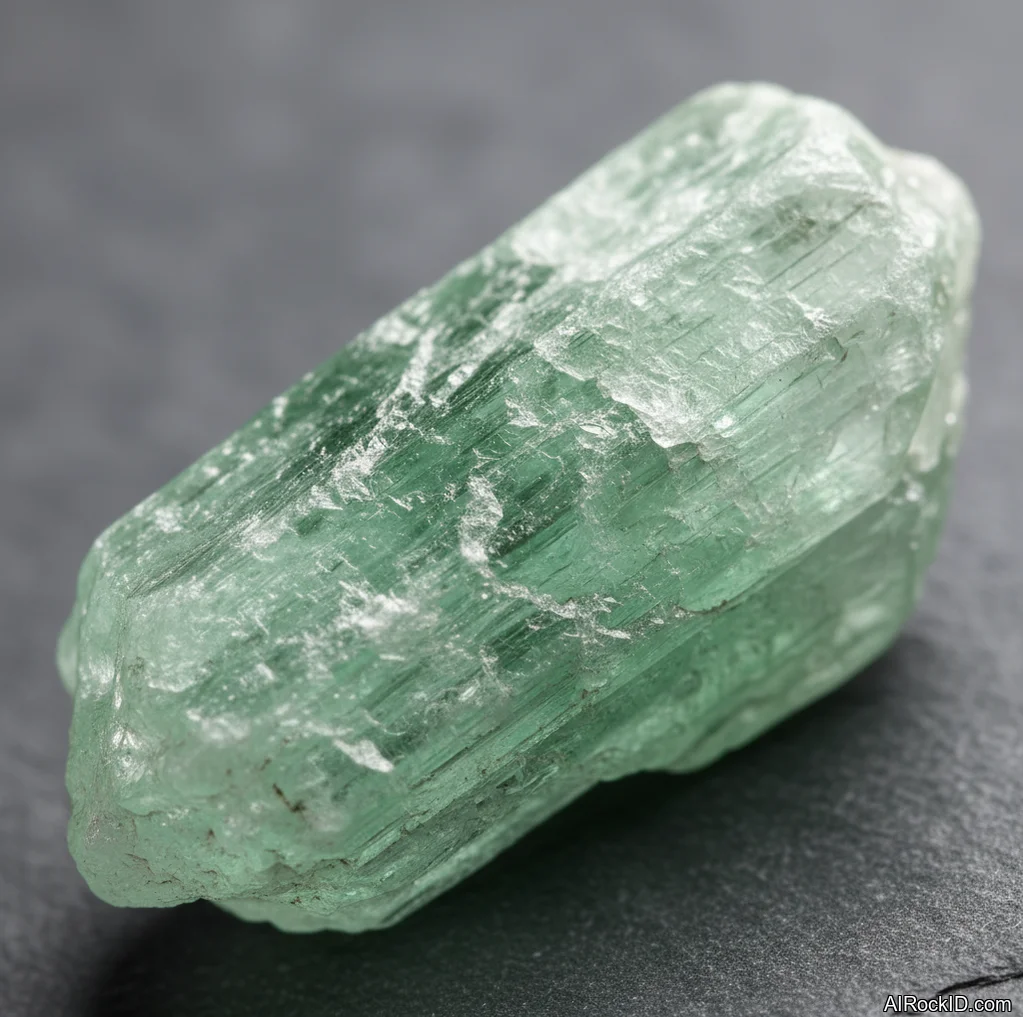
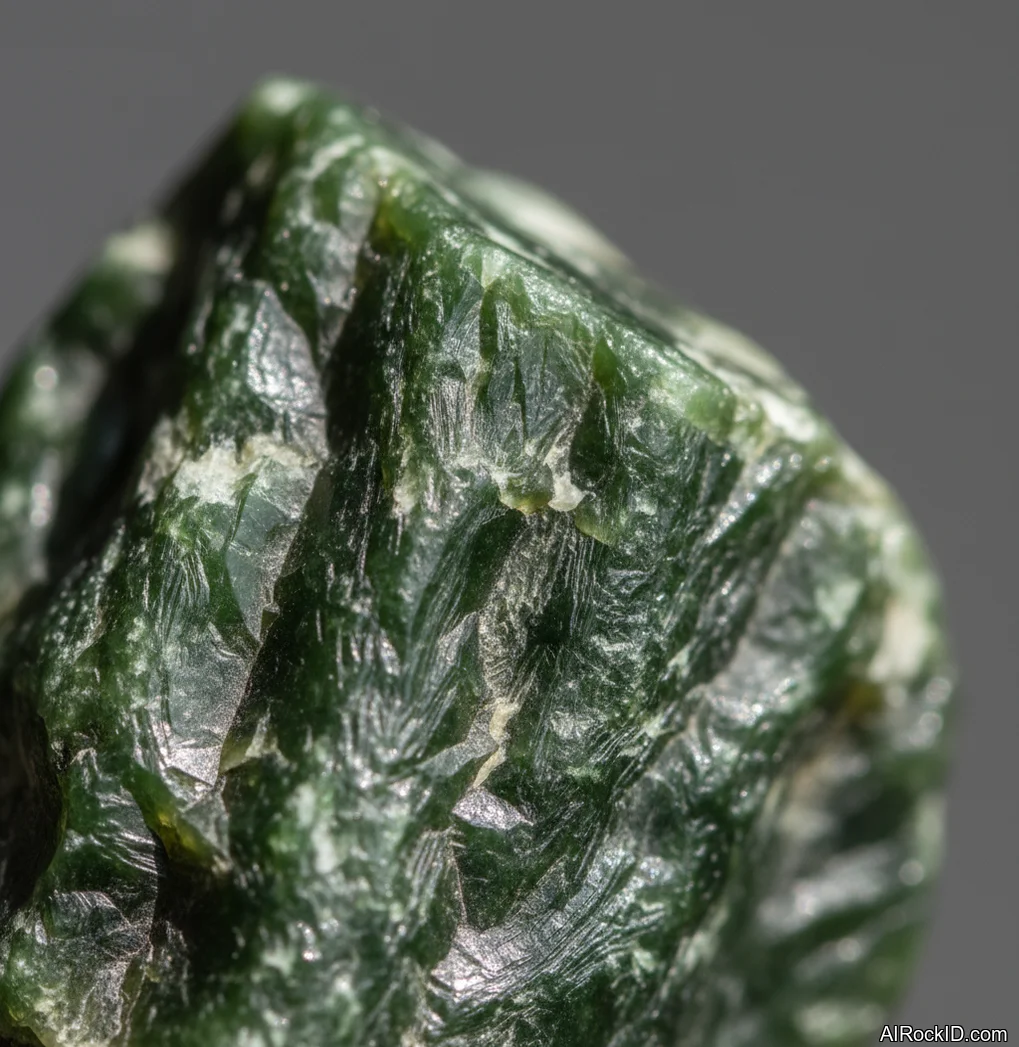
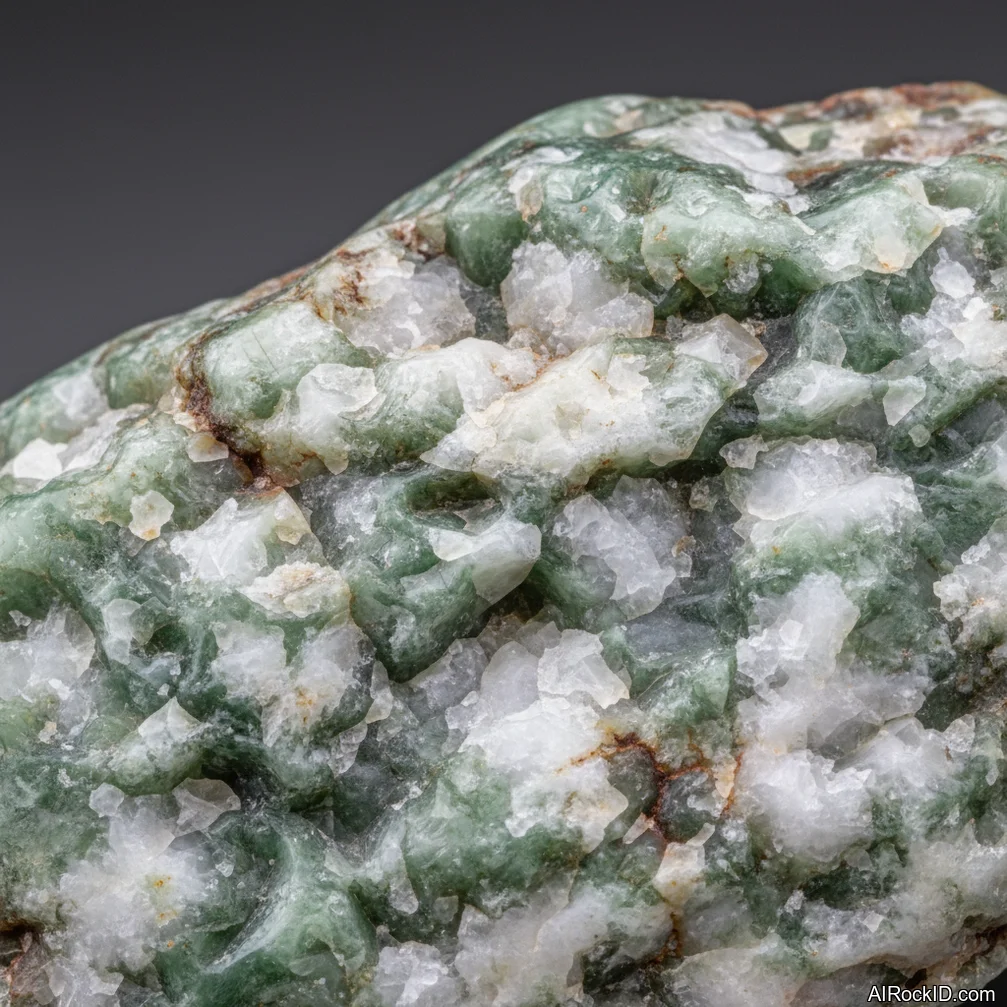
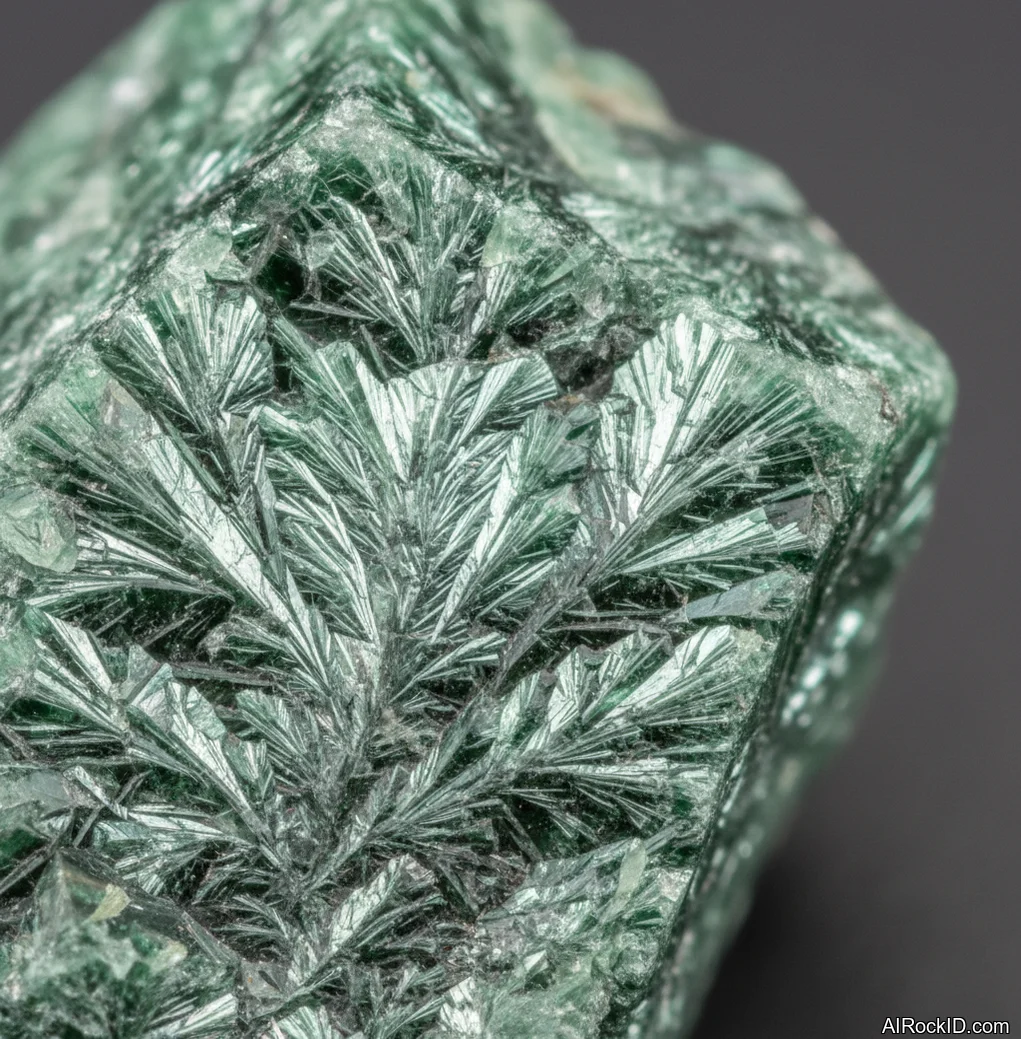
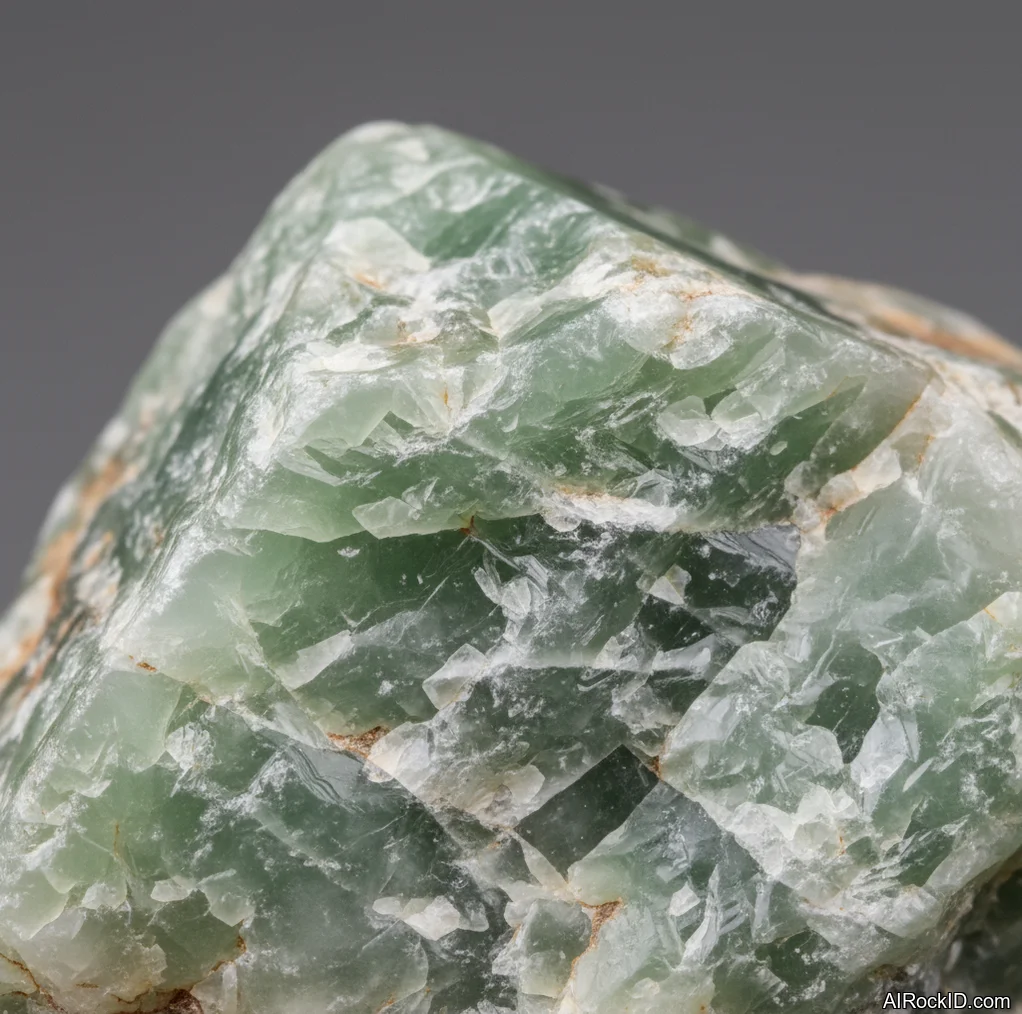
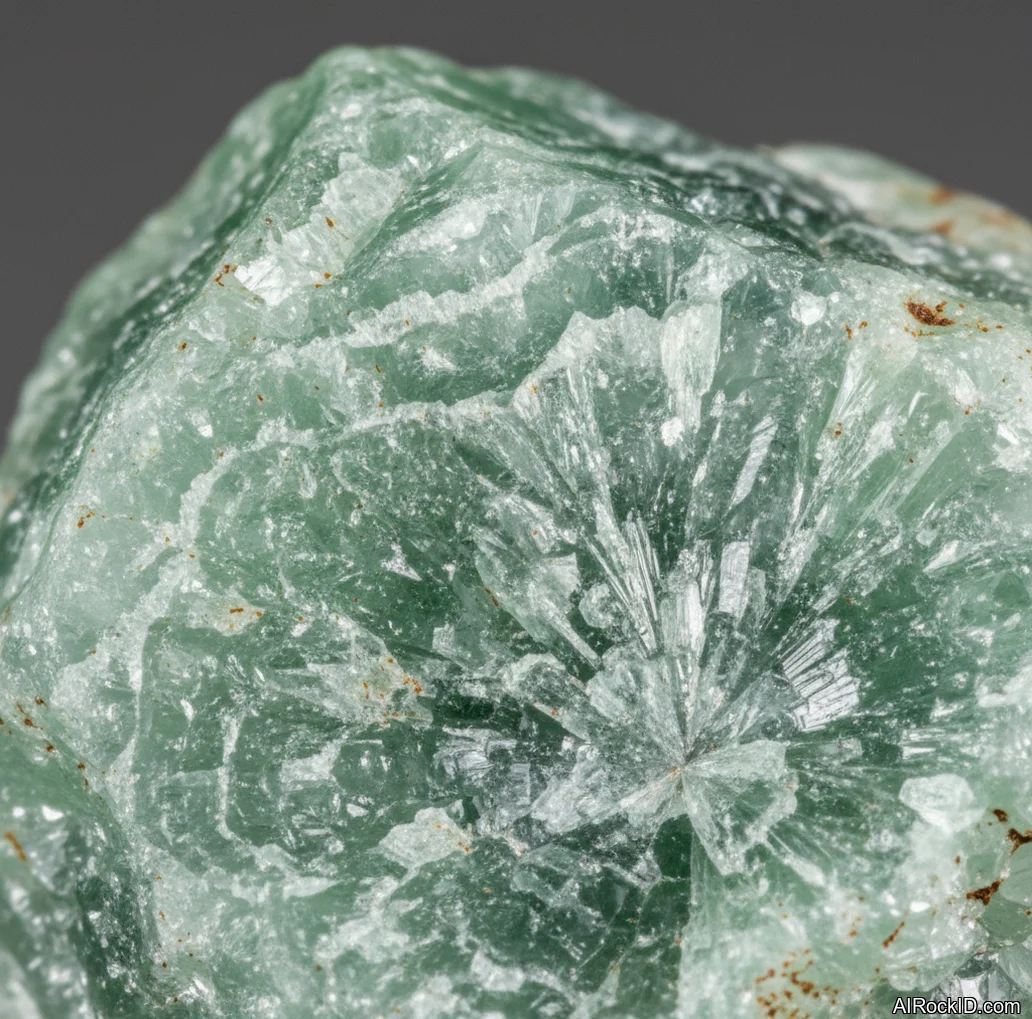
Thing is, “nurturing” isn’t only about softness. Some stones nurture by grounding you so you can actually rest. Green Aventurine is common for that, and most of it is quartz with fuchsite sparkle. Under a flashlight, that aventurescence should look like tiny reflective flakes, not a painted shimmer.
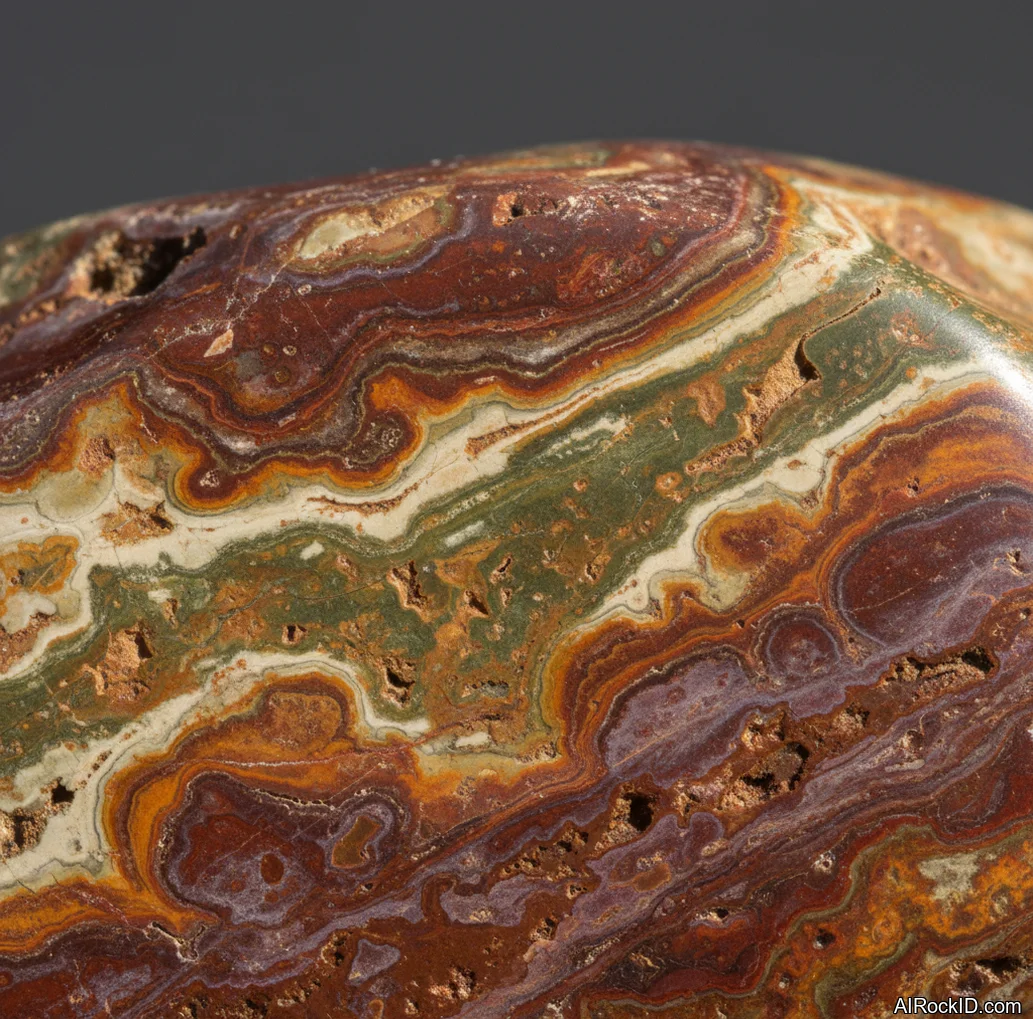
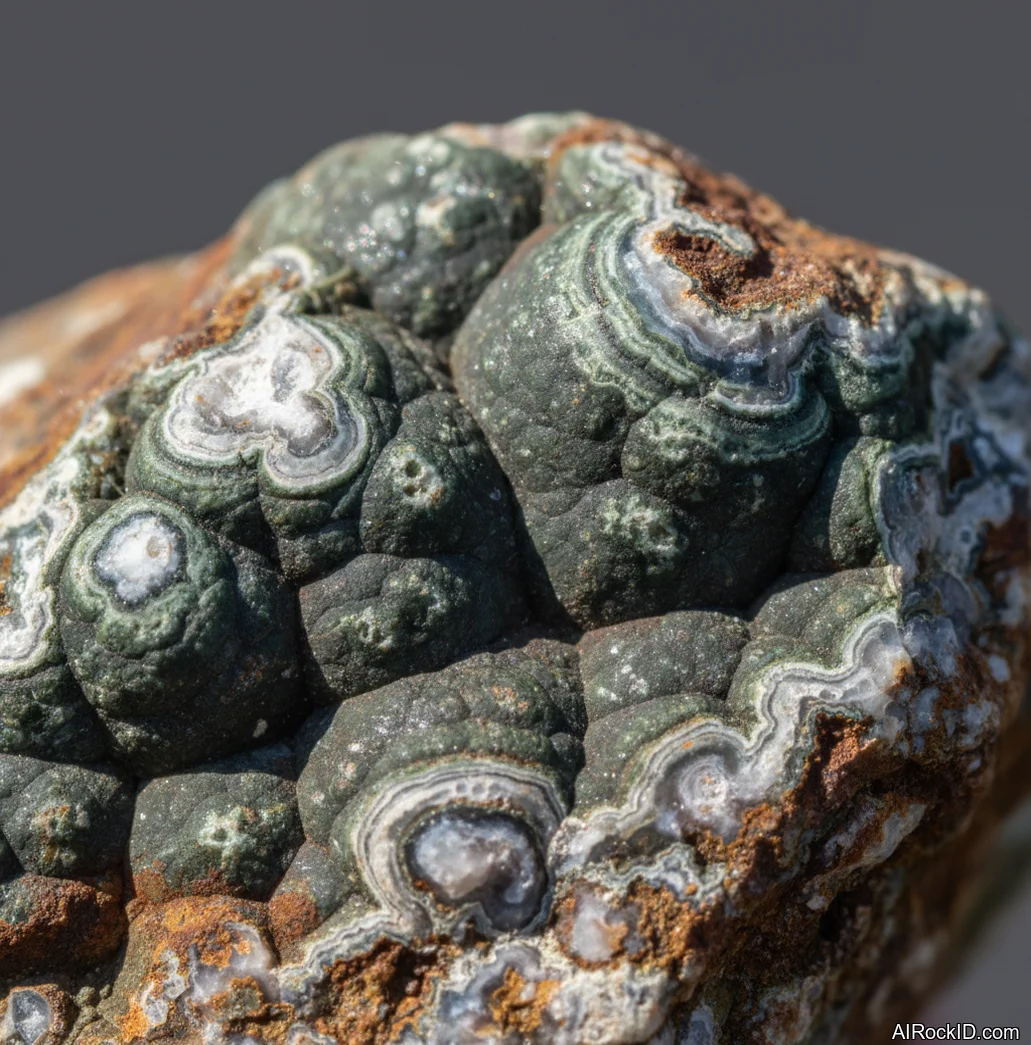
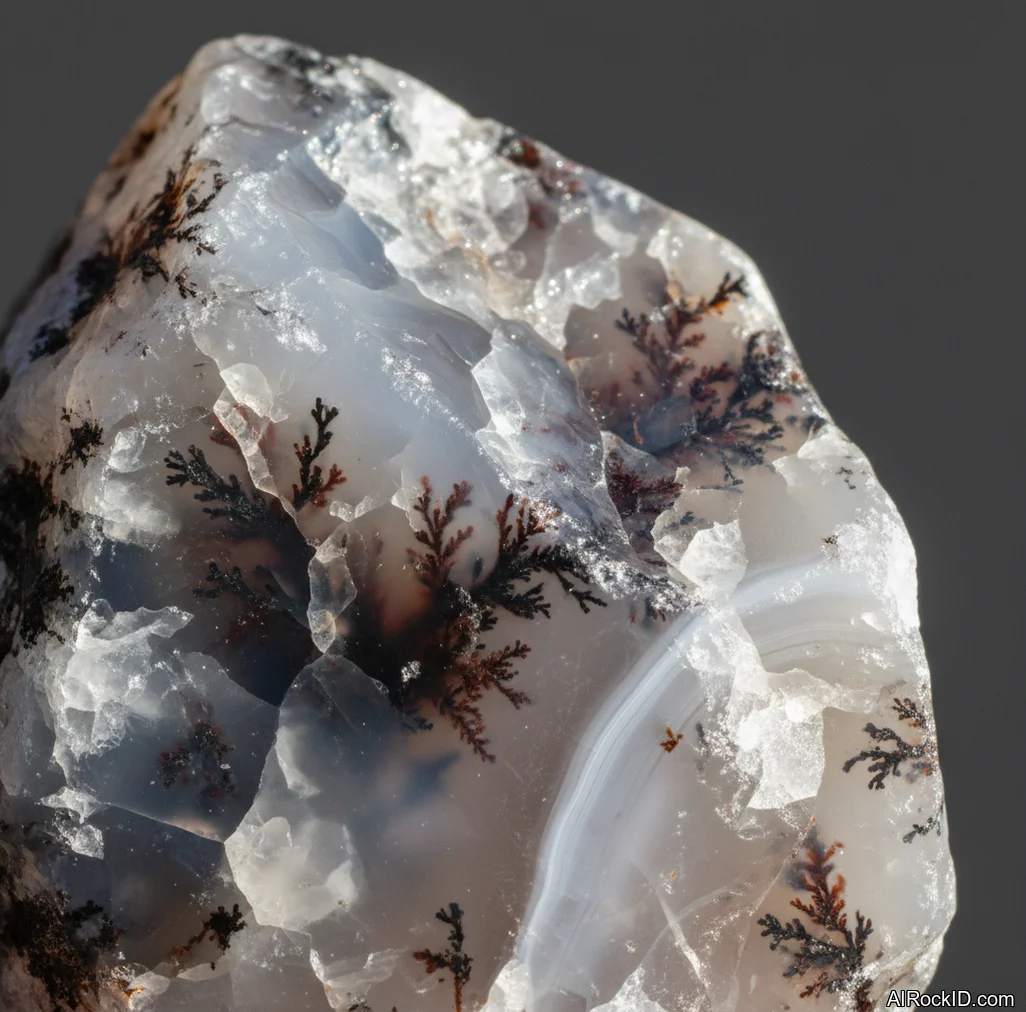
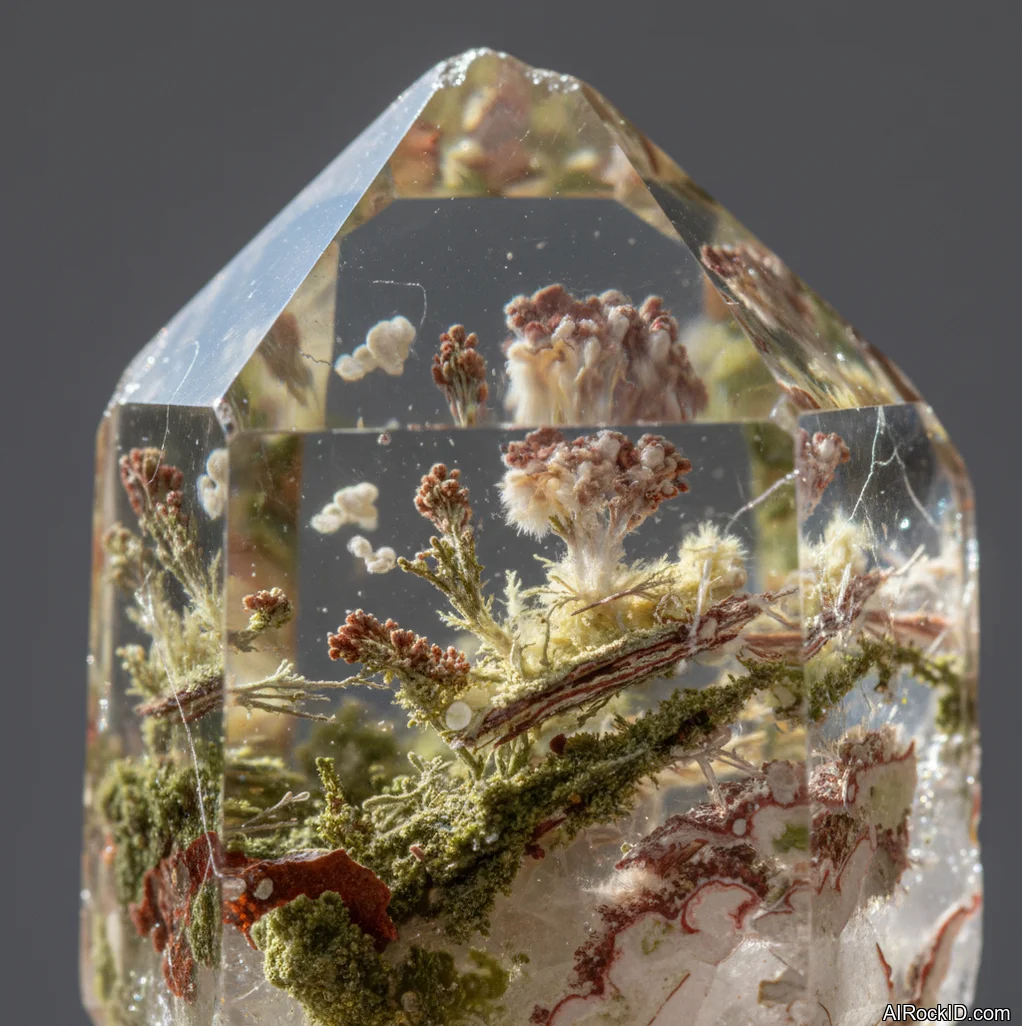
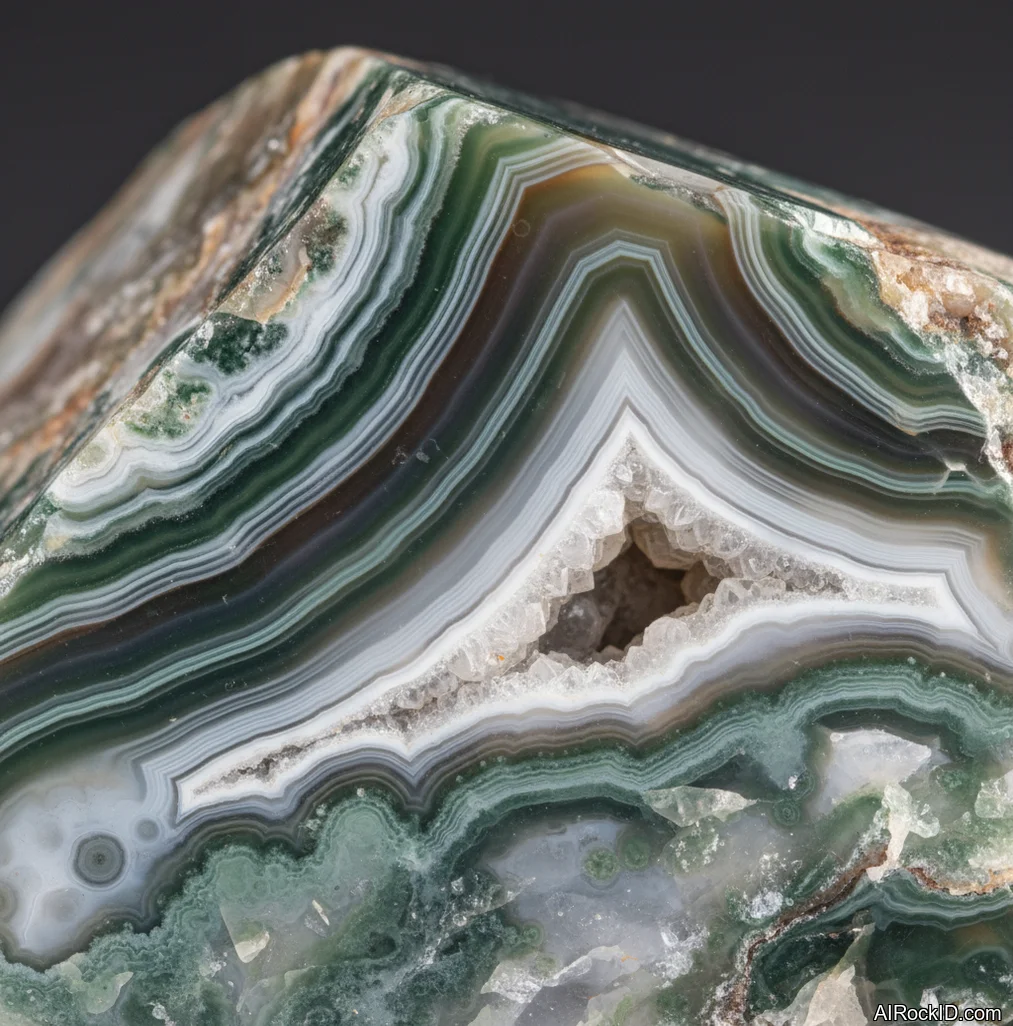
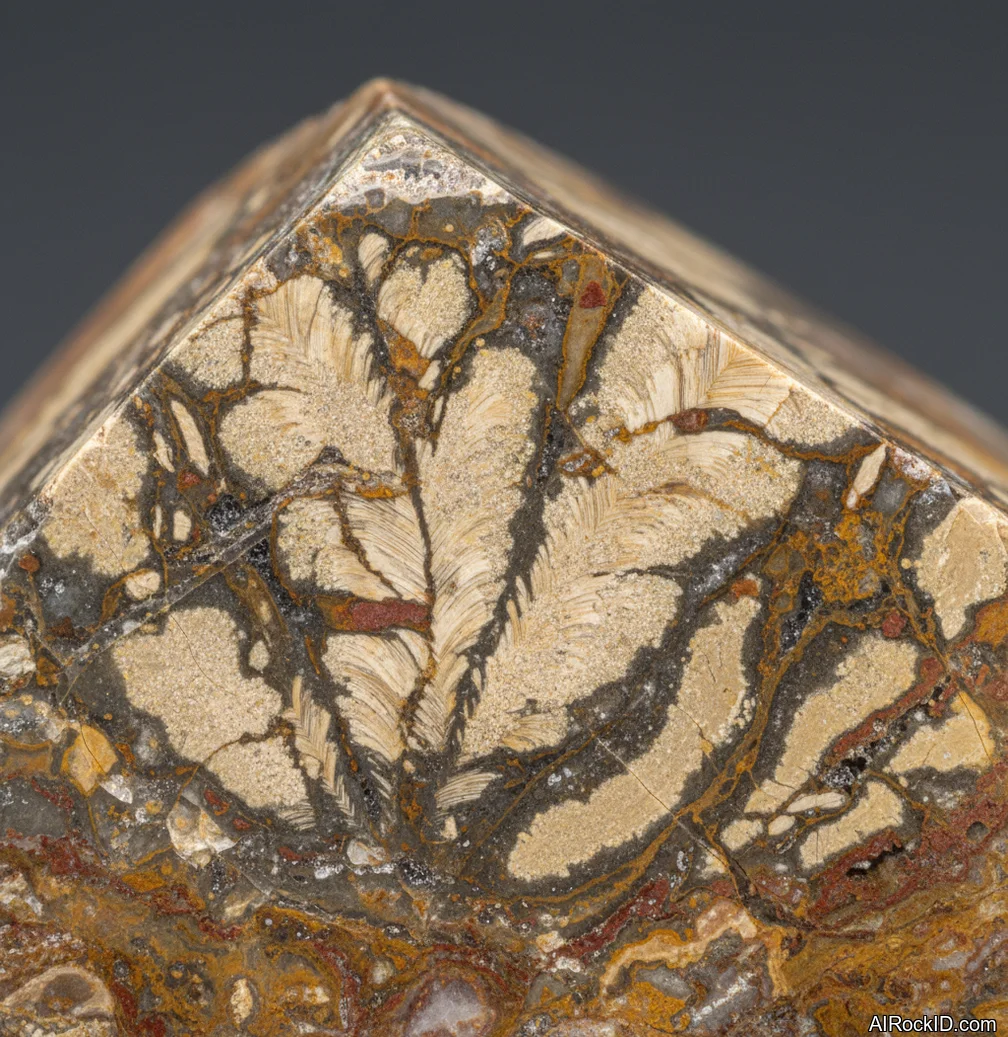
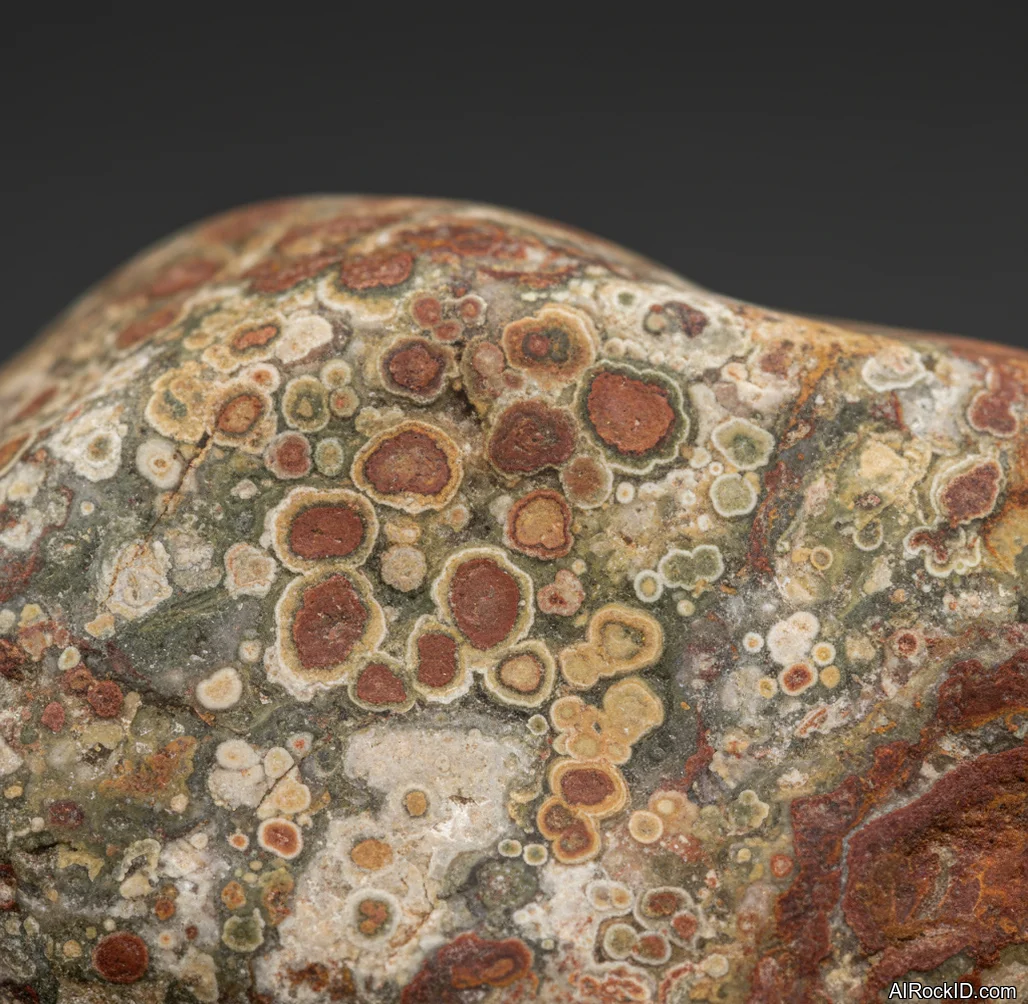
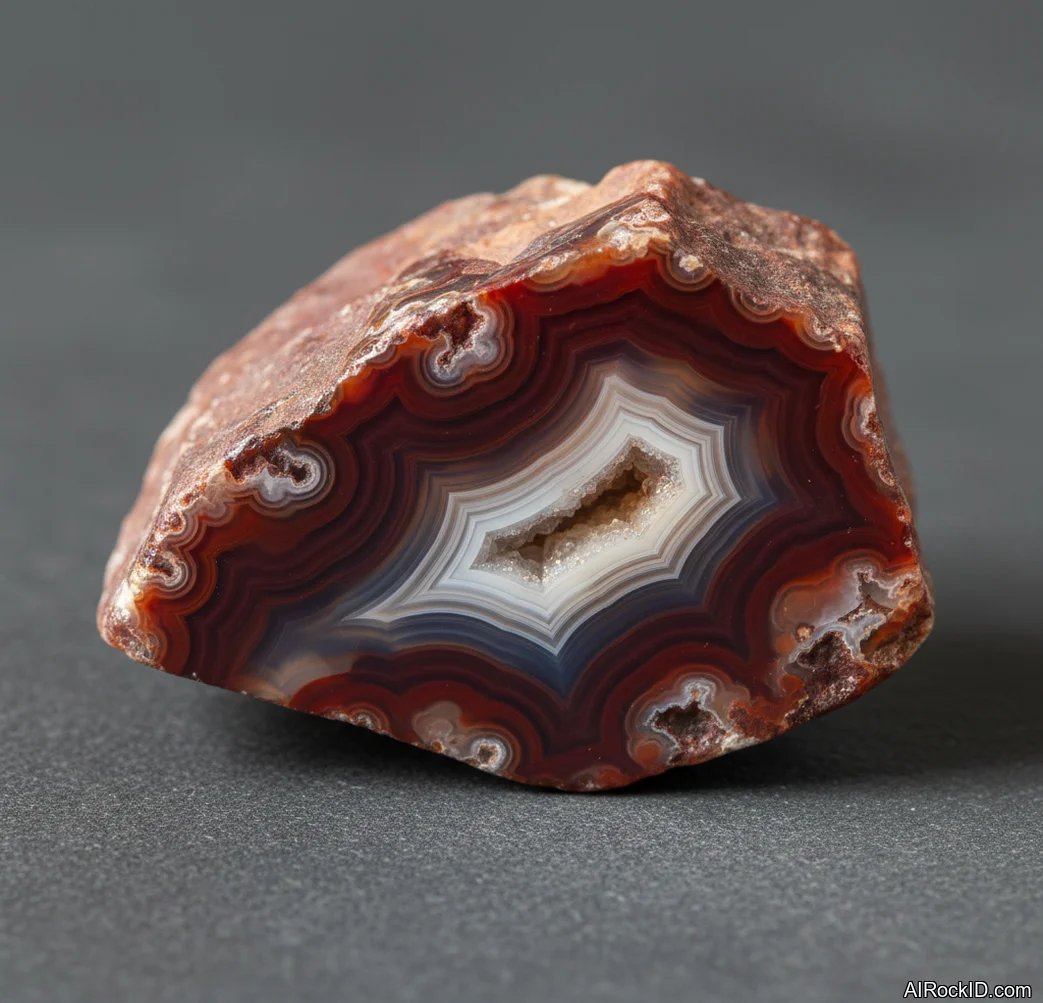
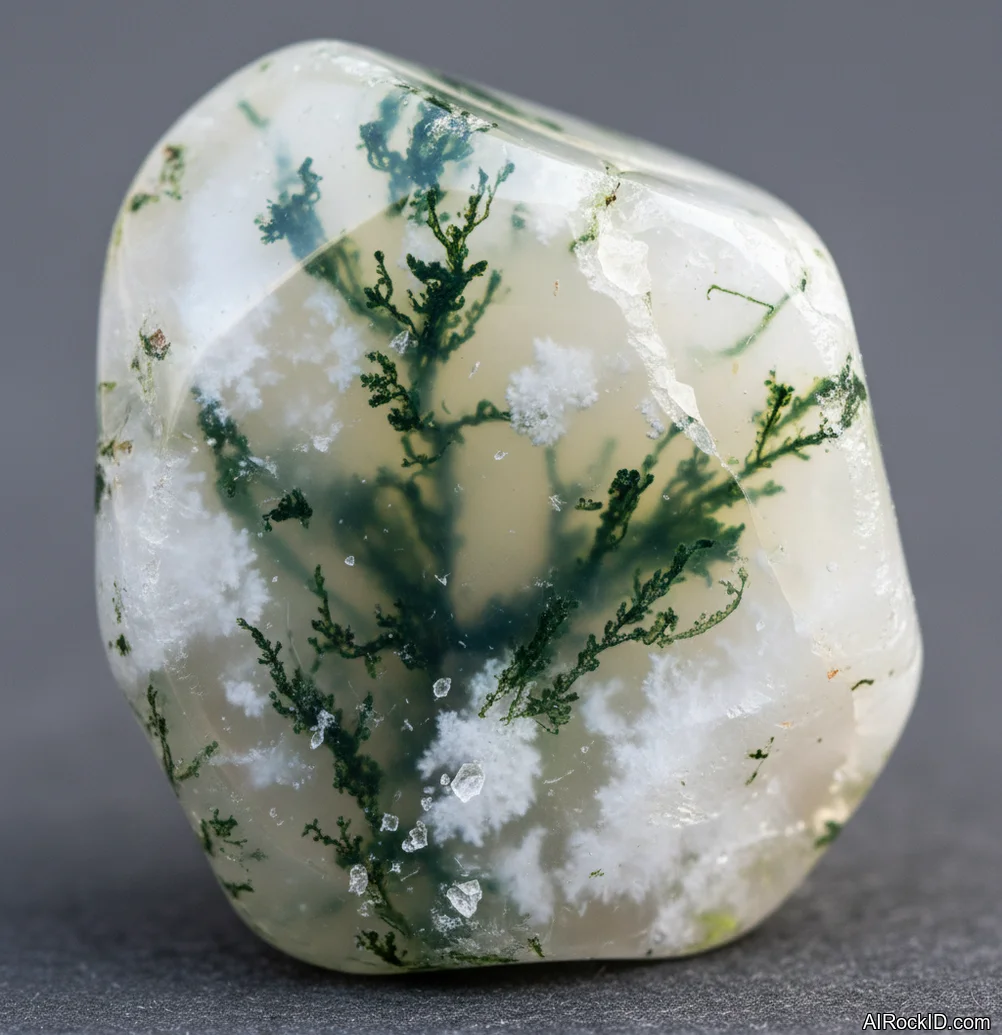
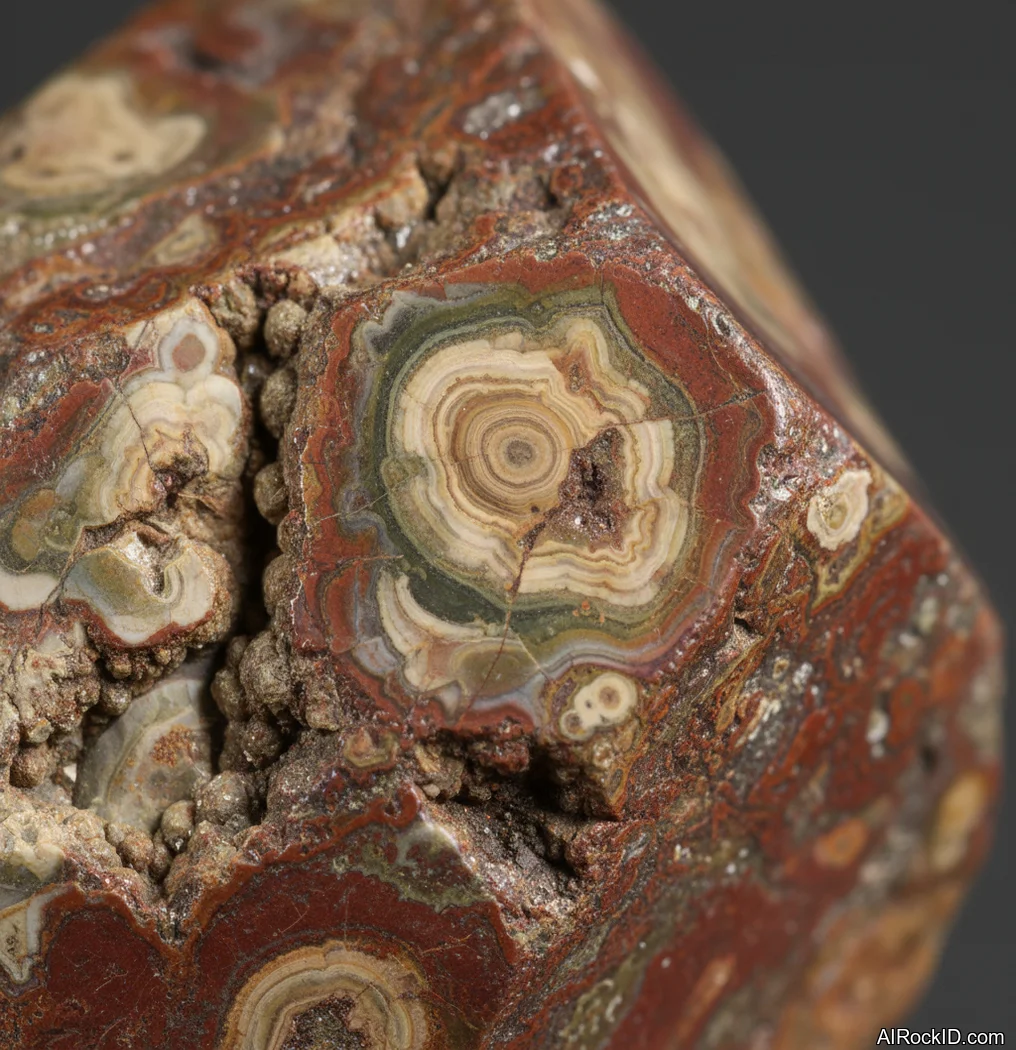
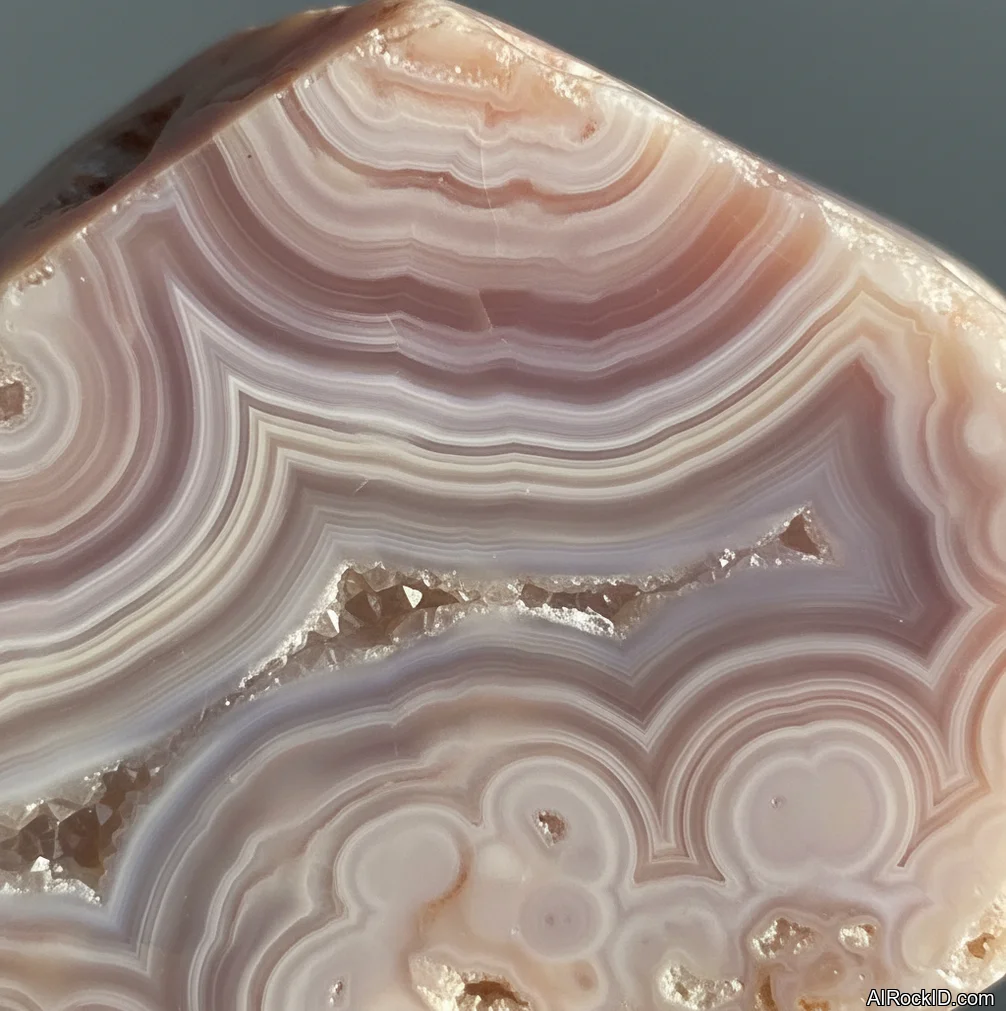
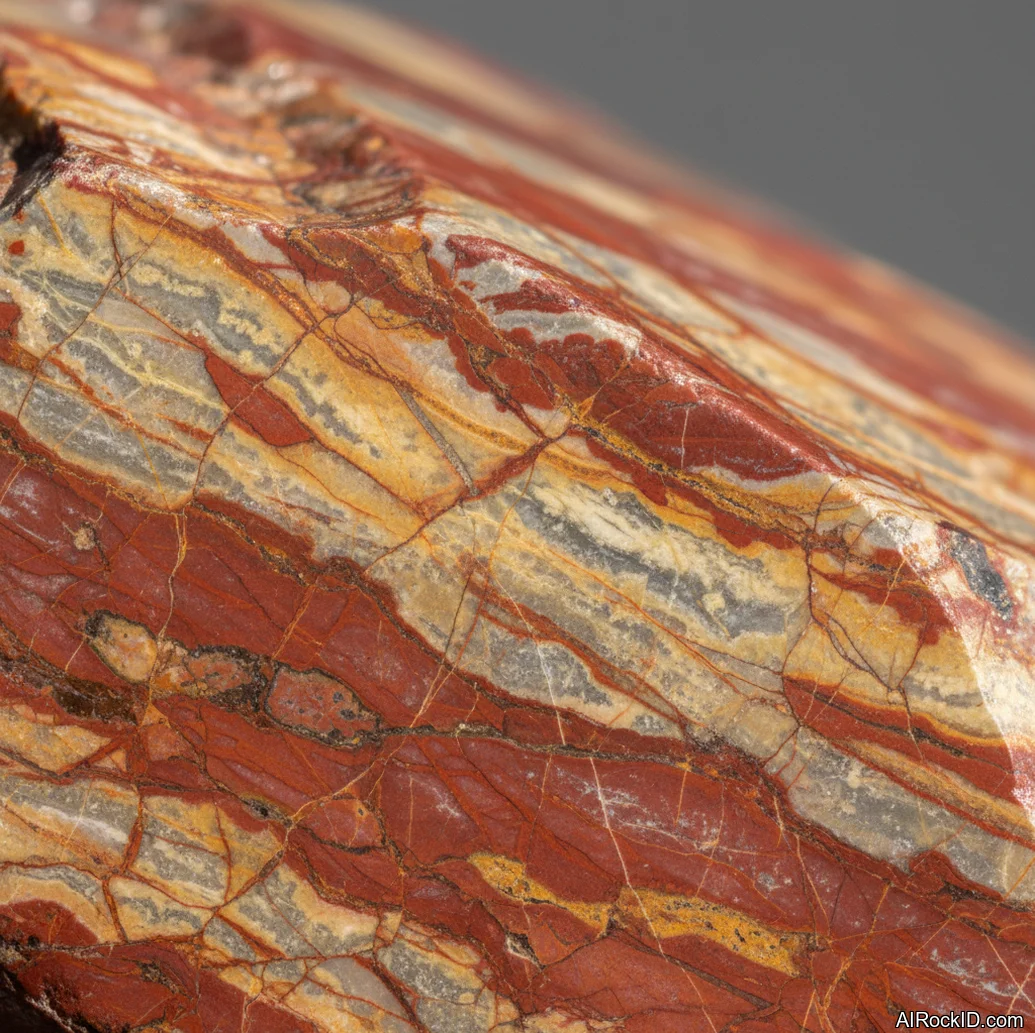
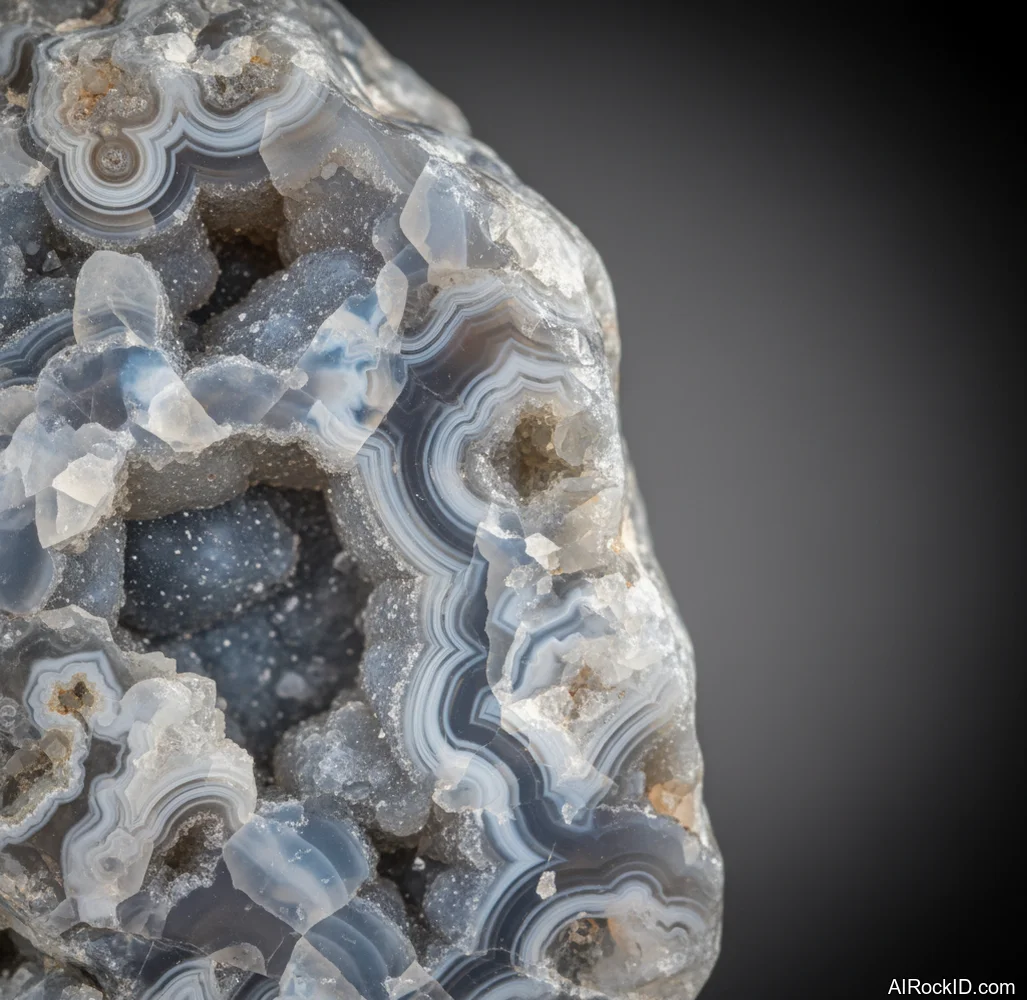
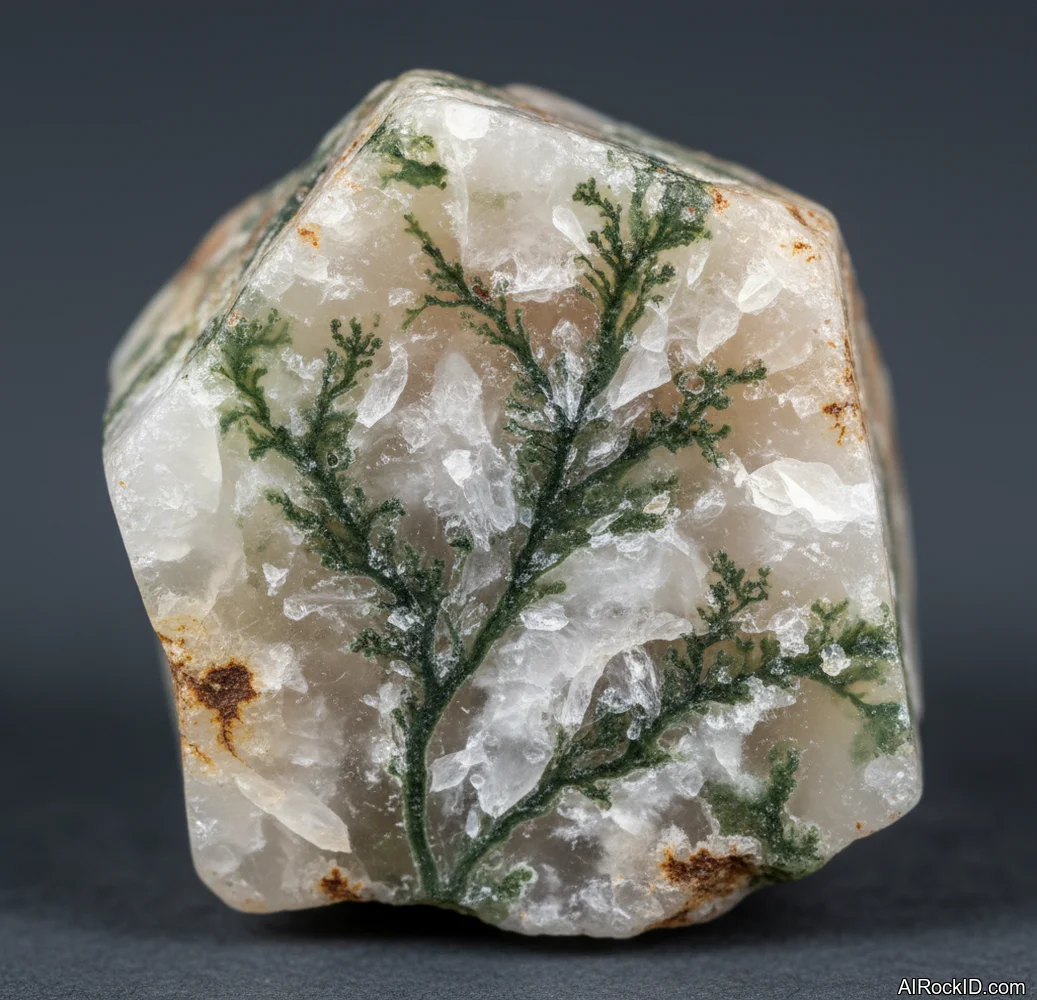
Moss Agate is another one that doesn’t get enough credit. It isn’t always flashy. But the best pieces have those dendritic, branchy inclusions that look like little underwater forests. When someone tells me they want nurturing plus stability, I’ll often steer them toward Moss Agate or a gentle Jasper instead of something sugary-sweet.
Working with nurturing crystals doesn’t need some complicated ritual. The real test is consistency. Put a Rose Quartz palm stone where your hand naturally lands, like next to your keyboard or on the arm of your reading chair, and actually touch it when you feel yourself speeding up. If you’re using Moonstone, try it as a bedtime stone and track your sleep the way you would with caffeine. People love treating crystal work like a one-time purchase, but nurturing is more like hydration. Small, regular sips.
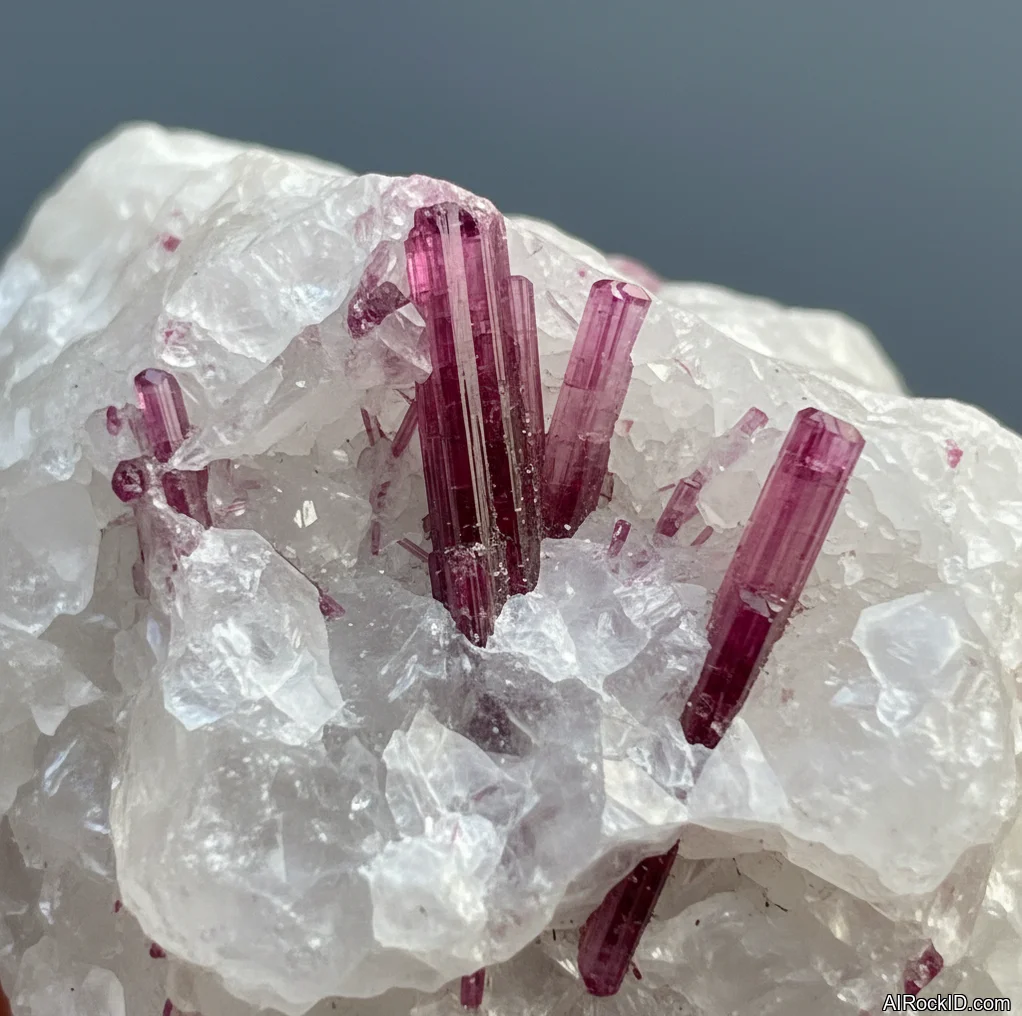
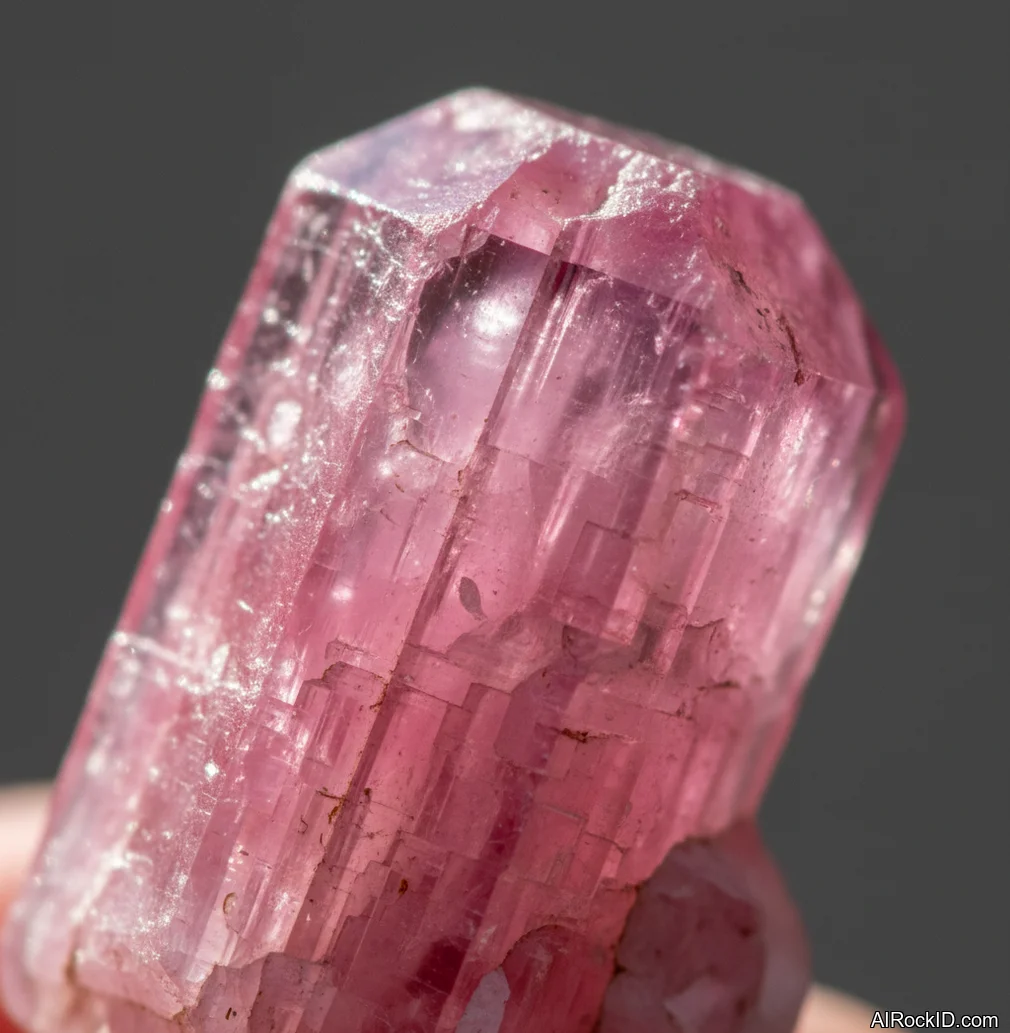
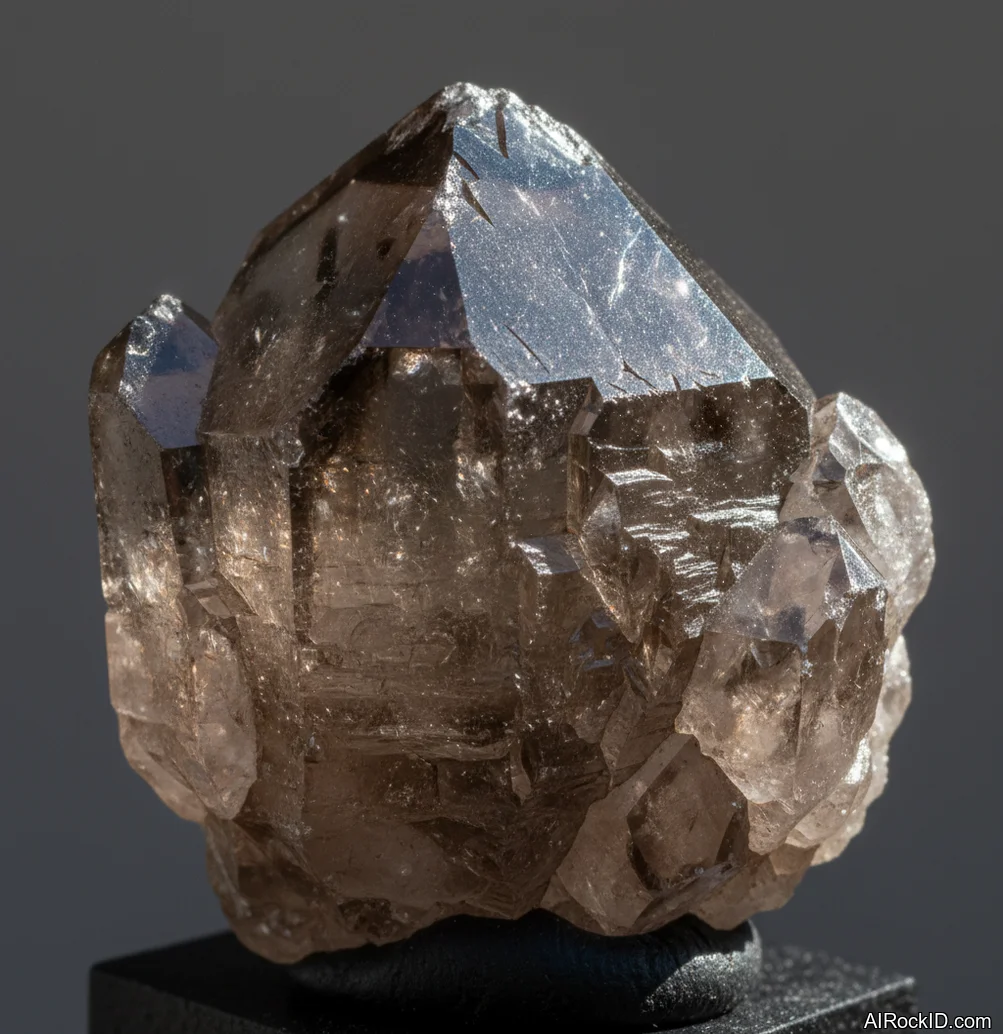
Want a simple layout? Do three pieces: one for the body, one for the heart, one for the mind. For body, I like Smoky Quartz or Black Tourmaline, because comfort is hard when you feel ungrounded. For heart, Rose Quartz or Rhodonite. For mind, Lepidolite or Amethyst. Amethyst isn’t “soft” in color the way pink stones are, but deep Uruguayan material has a calming feel, and it holds up better to daily handling than softer minerals like calcite or gypsum.
Most dealers can sell you a nurturing stone that looks nice. Buying well is where people get tripped up. The market’s messy: treatments, mislabels, the whole thing. “Cherry Quartz” is usually glass with swirls, not natural quartz. A lot of “Pink Jade” is dyed serpentine or quartzite. And some bright, uniform pink “Rose Quartz” beads are dyed.
Real rose quartz tends to look cloudy or silky, and the color often deepens in thicker parts of the stone. With Moonstone, watch for pieces sold as “Rainbow Moonstone” that are actually white labradorite. Not a bad stone. But it should be labeled honestly.
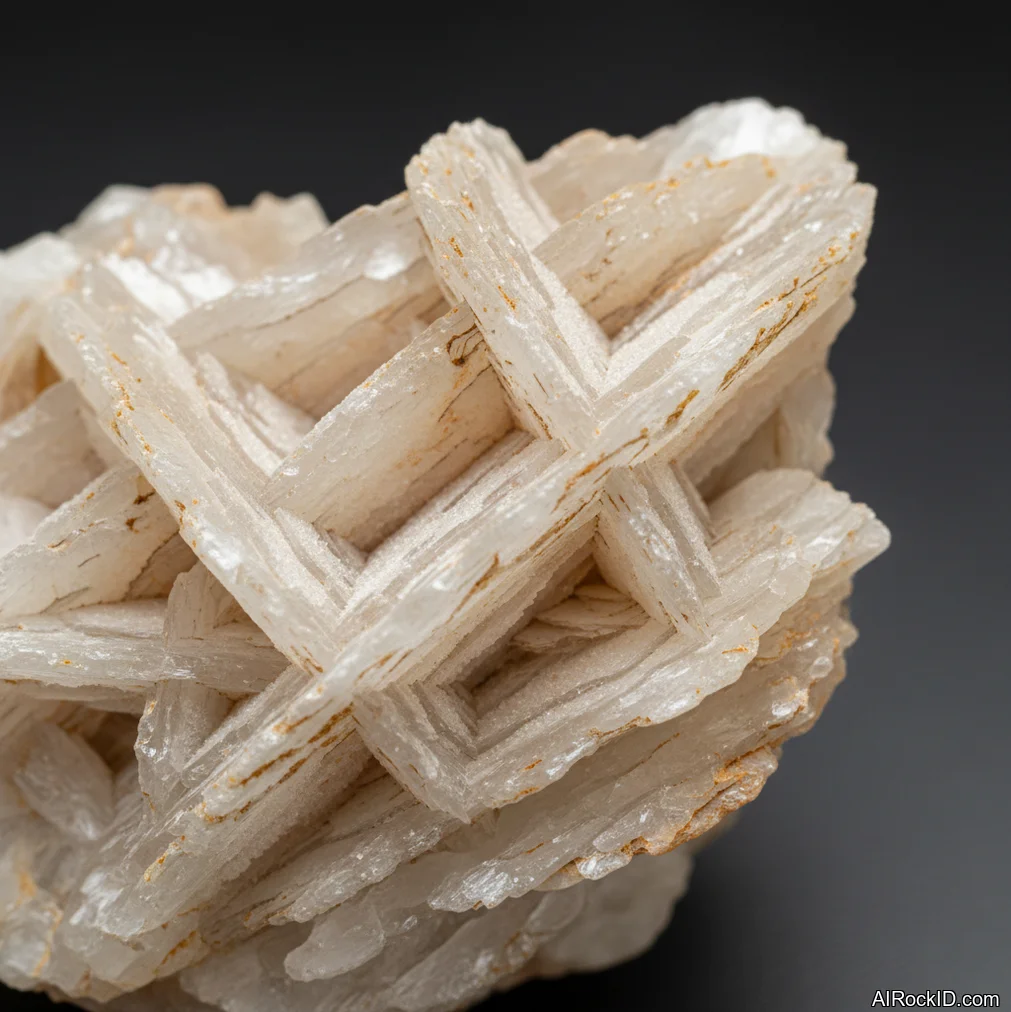
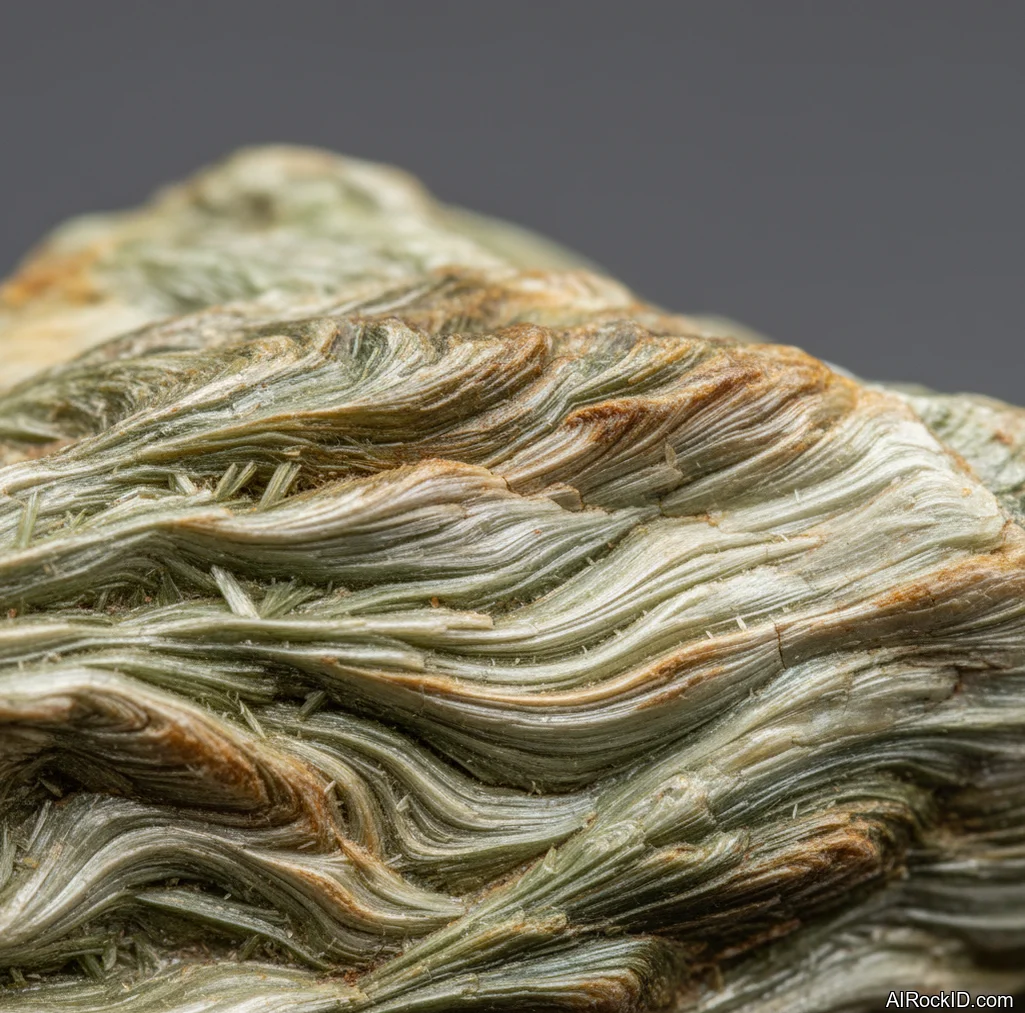
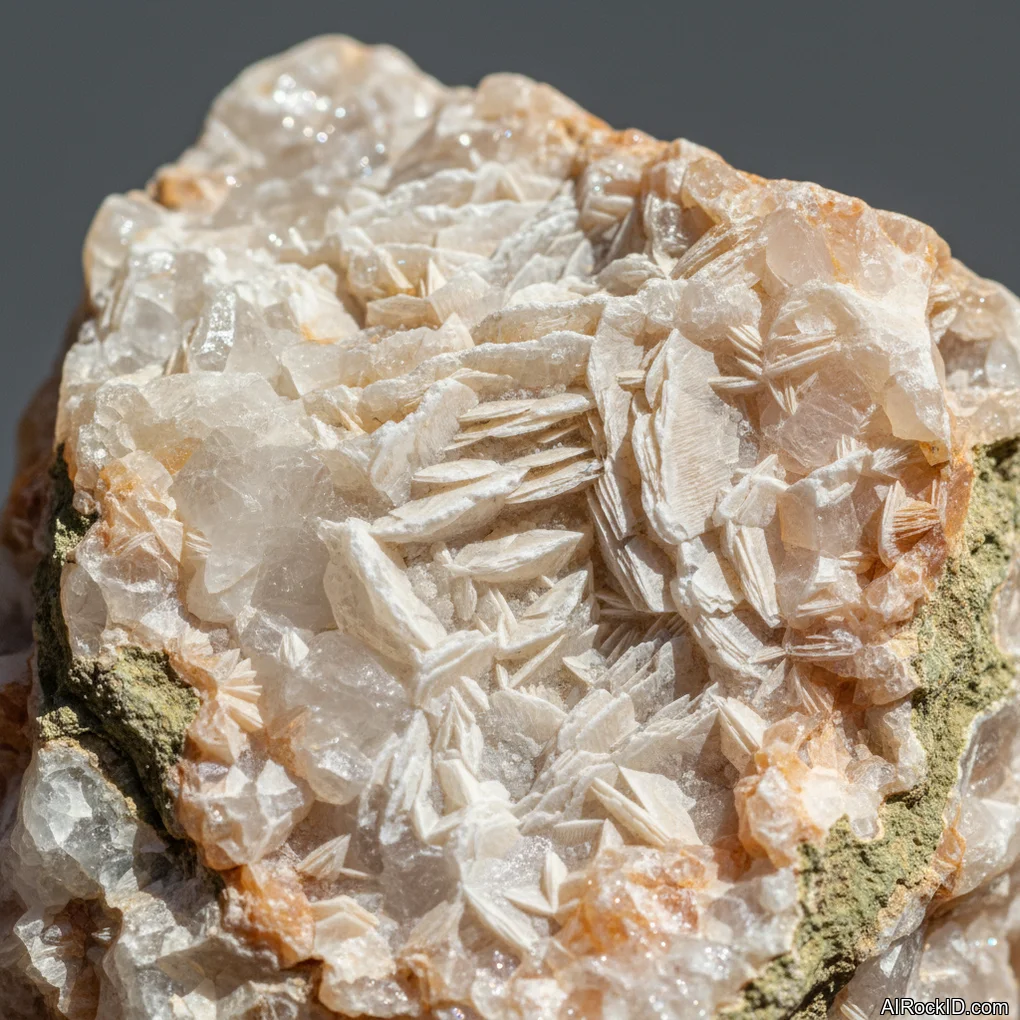
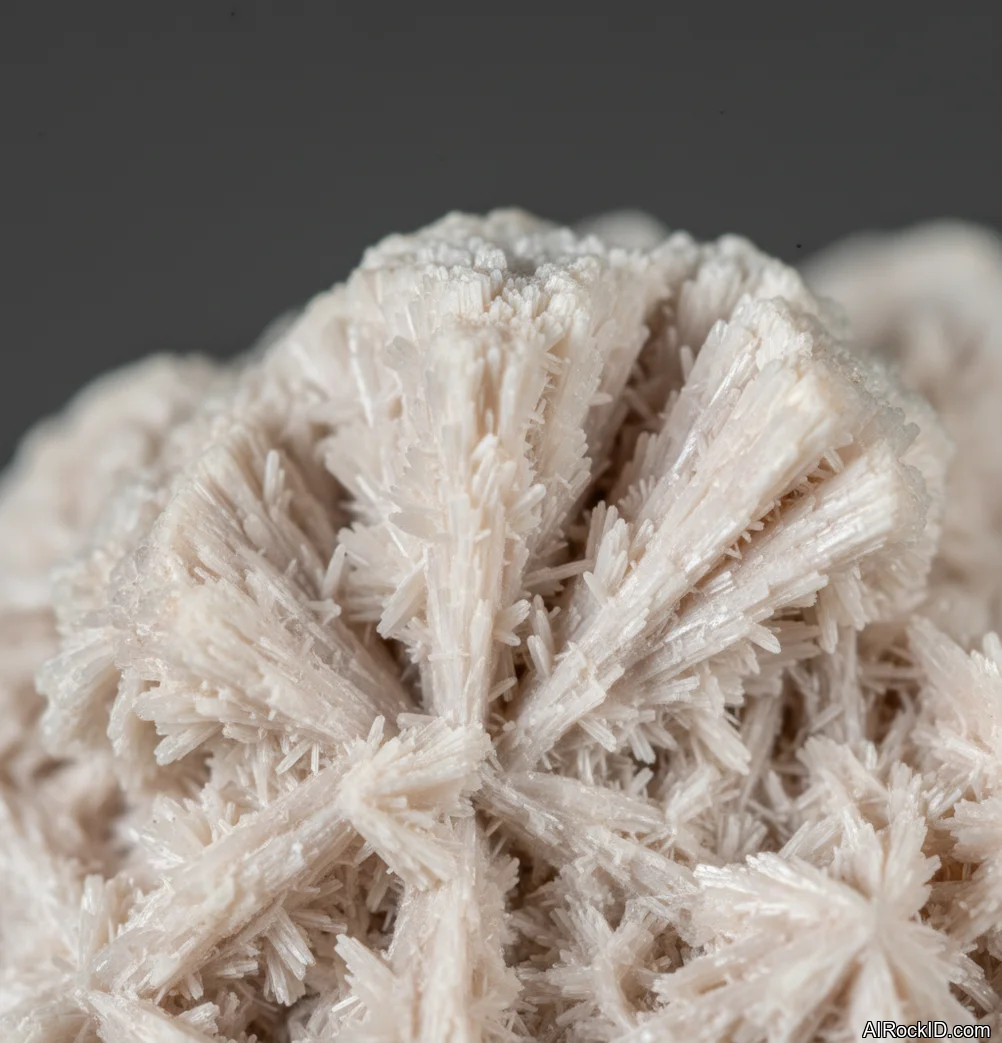
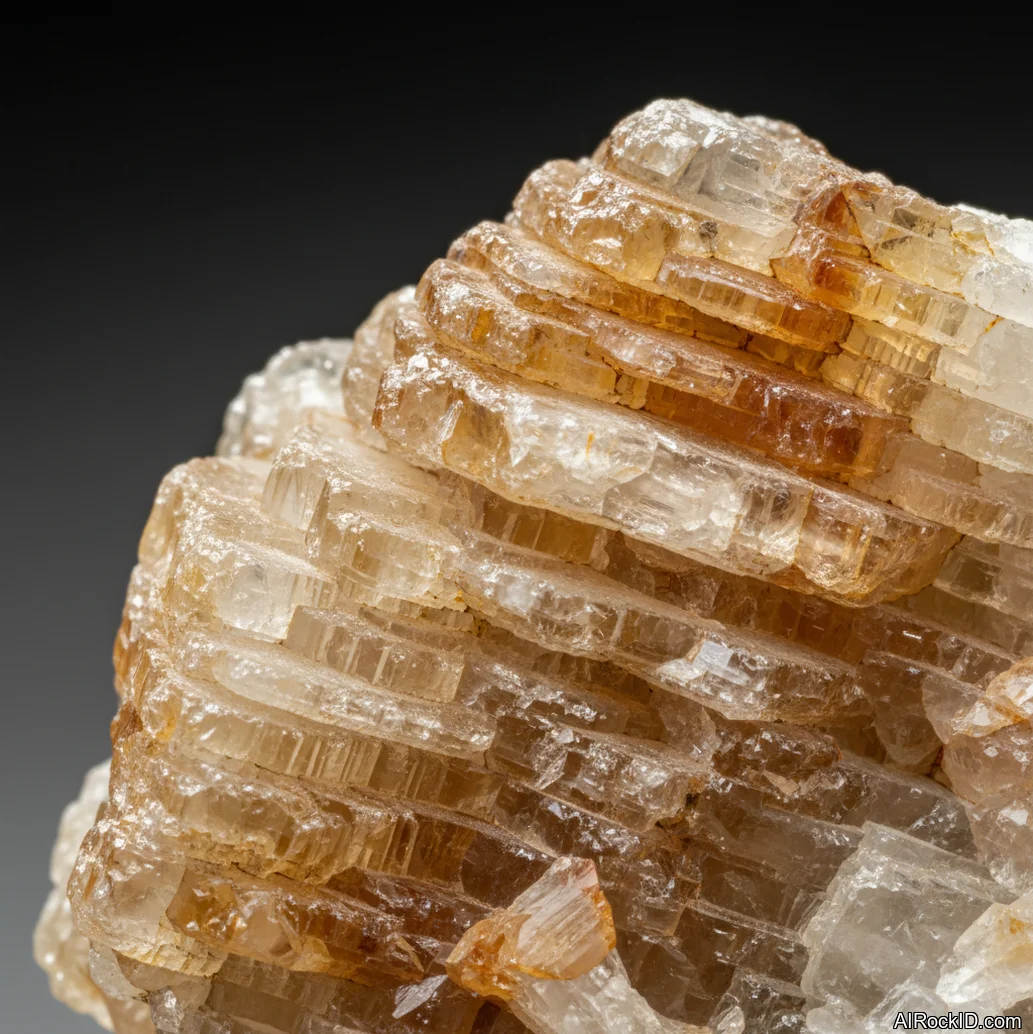
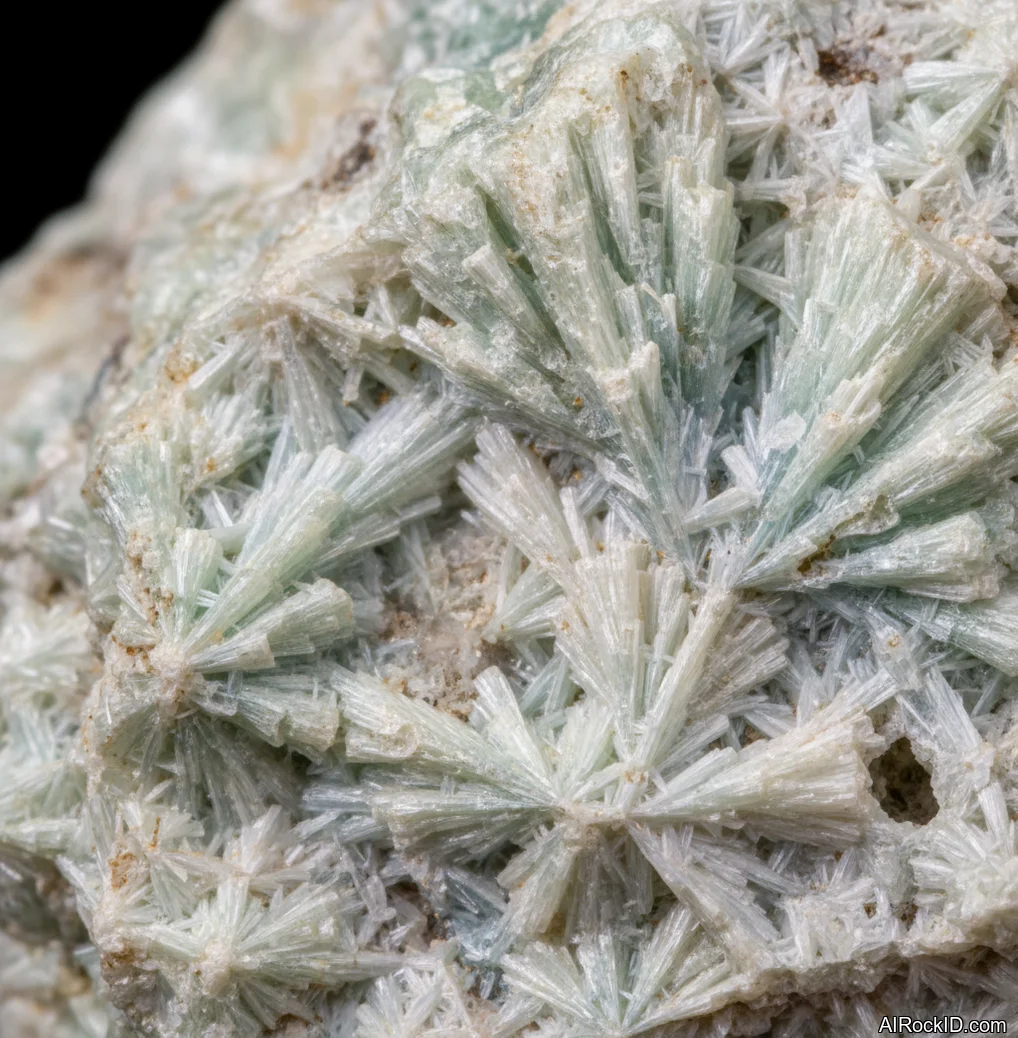
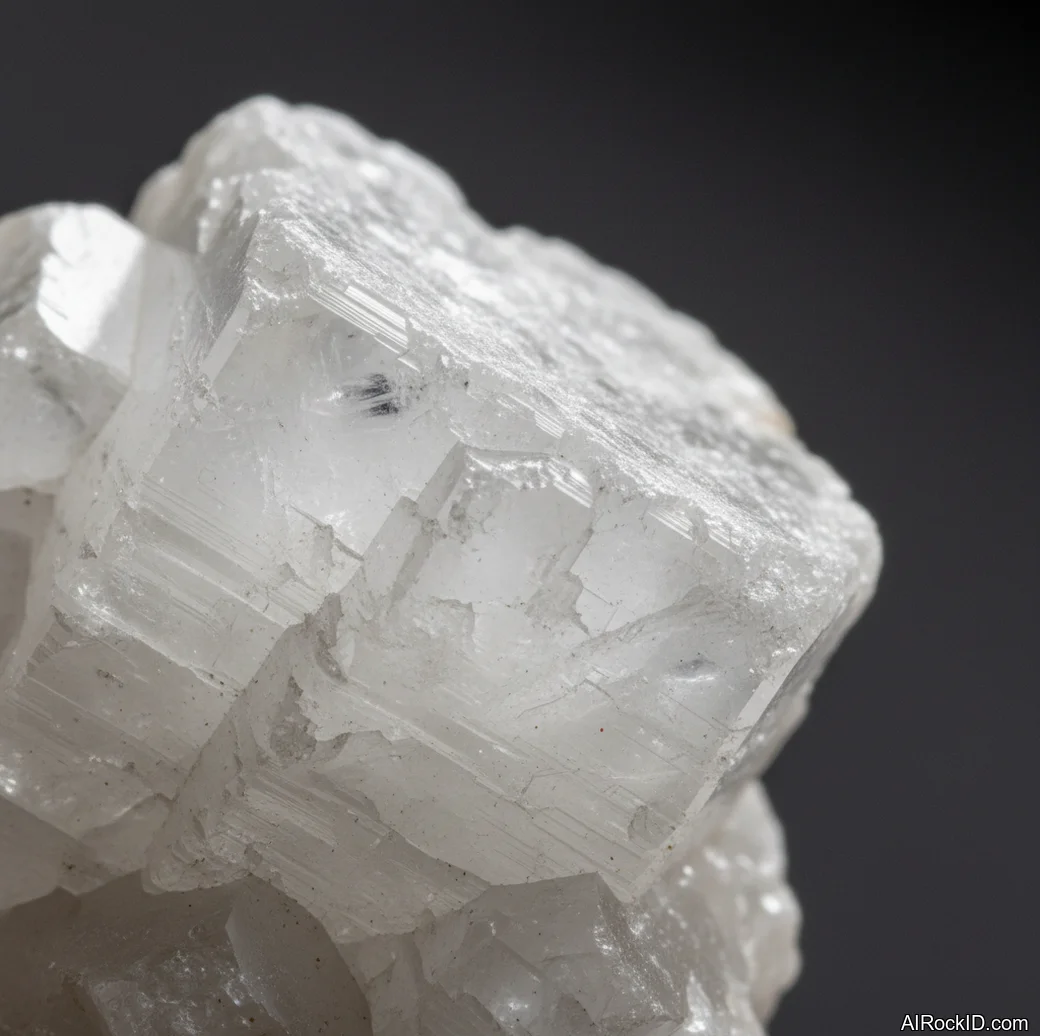
Cheap versions usually give themselves away in your hand. Glass can feel a little warm and slick, and it often has tiny bubbles if you use a loupe. Dyed stones can leave color in drill holes or along fractures, especially dyed howlite sold as something else. If you’re buying selenite, check for a fibrous satin shimmer and straight, parallel striations. If it looks like clear quartz, it isn’t selenite.
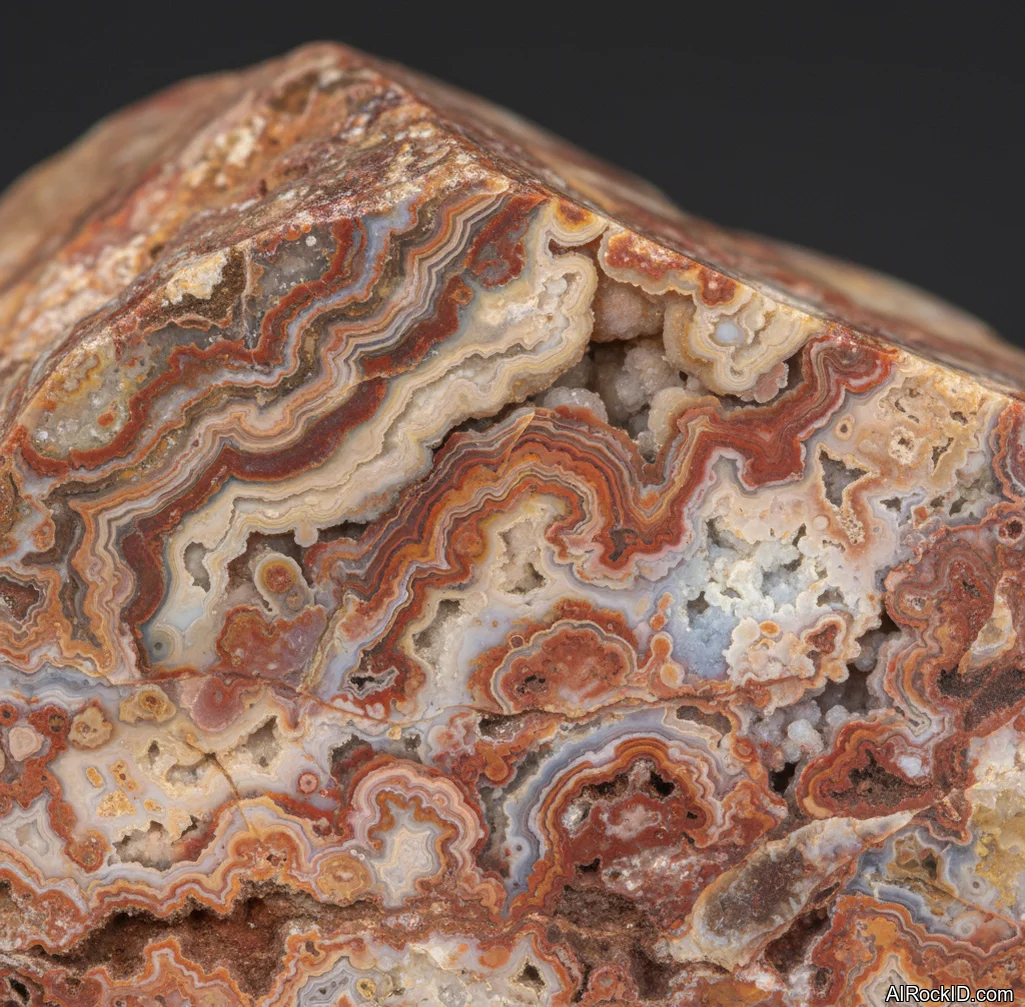
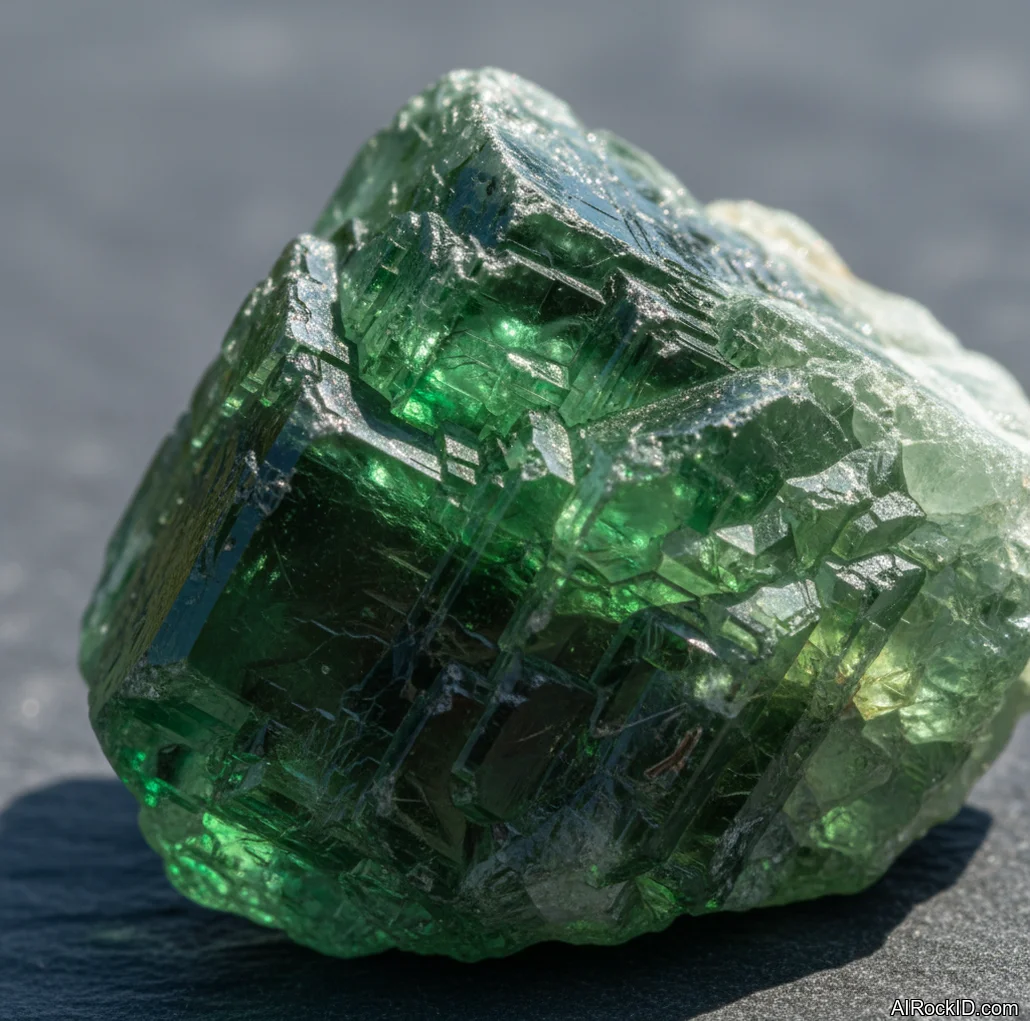
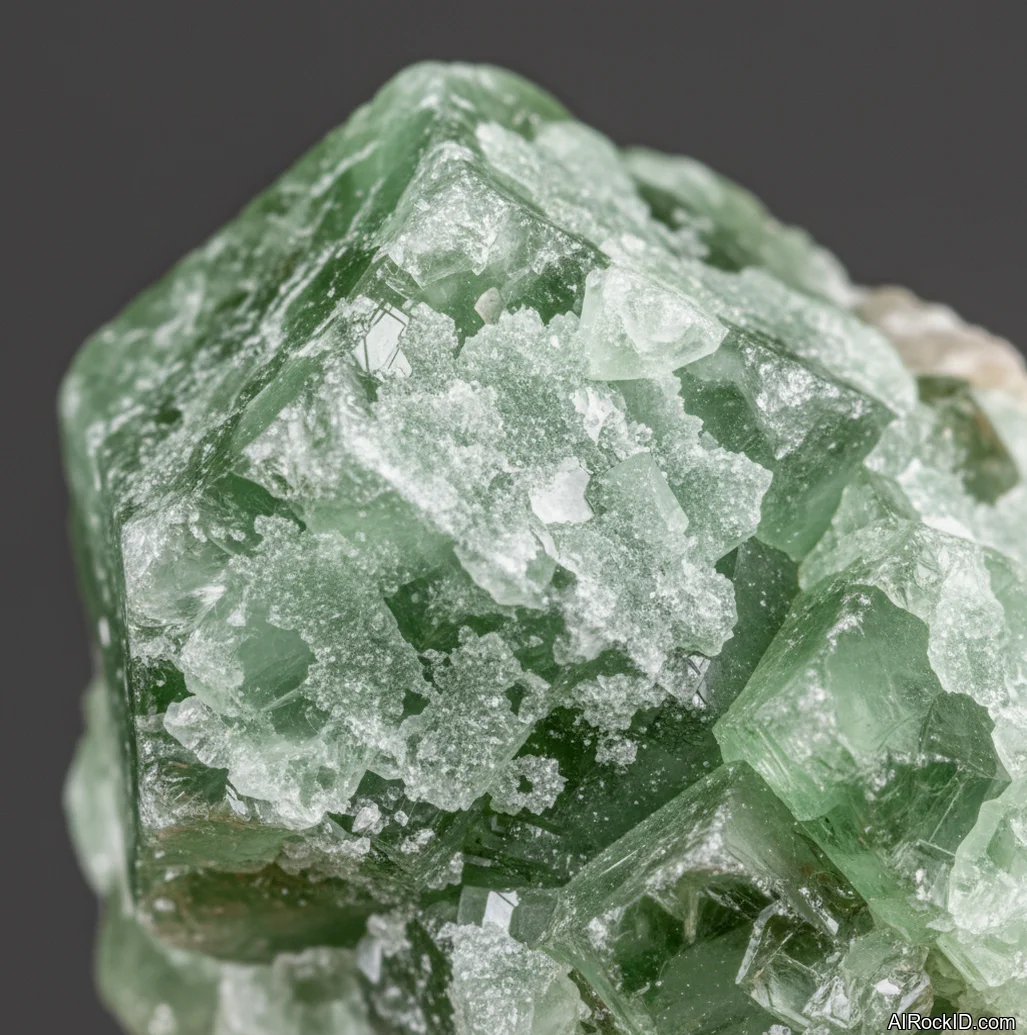
Practical tips matter because nurturing stones are the ones people touch the most. Carrying Calcite is basically asking for chips since it has perfect cleavage and it’ll bruise if it rides around with keys. Fluorite looks soothing, but it’s brittle and loves to cleave, so save it for a shelf piece or a gentle pocket. If you want something that can handle daily wear and still feel comforting, stick with Quartz varieties (Rose Quartz, Smoky Quartz), Agates (Moss Agate, Botswana Agate), or Jasper.
And nurturing isn’t about forcing yourself to be calm. It’s about building a small, physical reminder that you can take care of the soft parts without apologizing for them. A good stone helps because it’s there. It has weight. It stays cool. And when everything feels too loud, that can be enough to get you through the next ten minutes.
All Nurturing Crystals (252)