Compassion Crystals
Learn how Compassion crystals are used for emotional healing, self-kindness, and relationships, with tips for choosing, cleansing, and working with stones.
Compassion, in the crystal world, isn’t about being “nice” 24/7. It’s quieter than that. It’s the skill of staying with hurt, yours or someone else’s, without freezing up or trying to fix the whole thing in one pass. People grab Compassion stones when they’re grieving, fresh out of a brutal breakup, trying to forgive, or when they’ve been living on pure self-criticism for way too long. It’s that tiny release. Less armor. More breathing room.
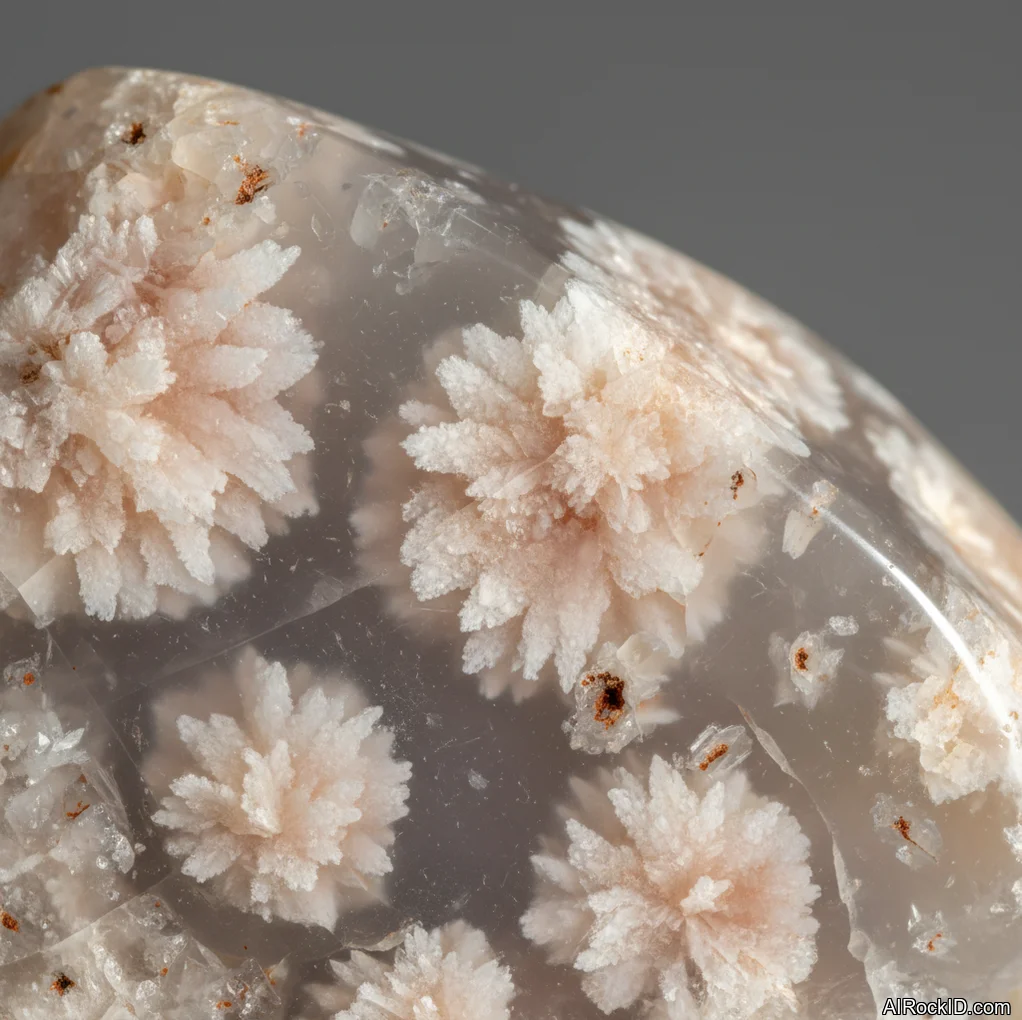
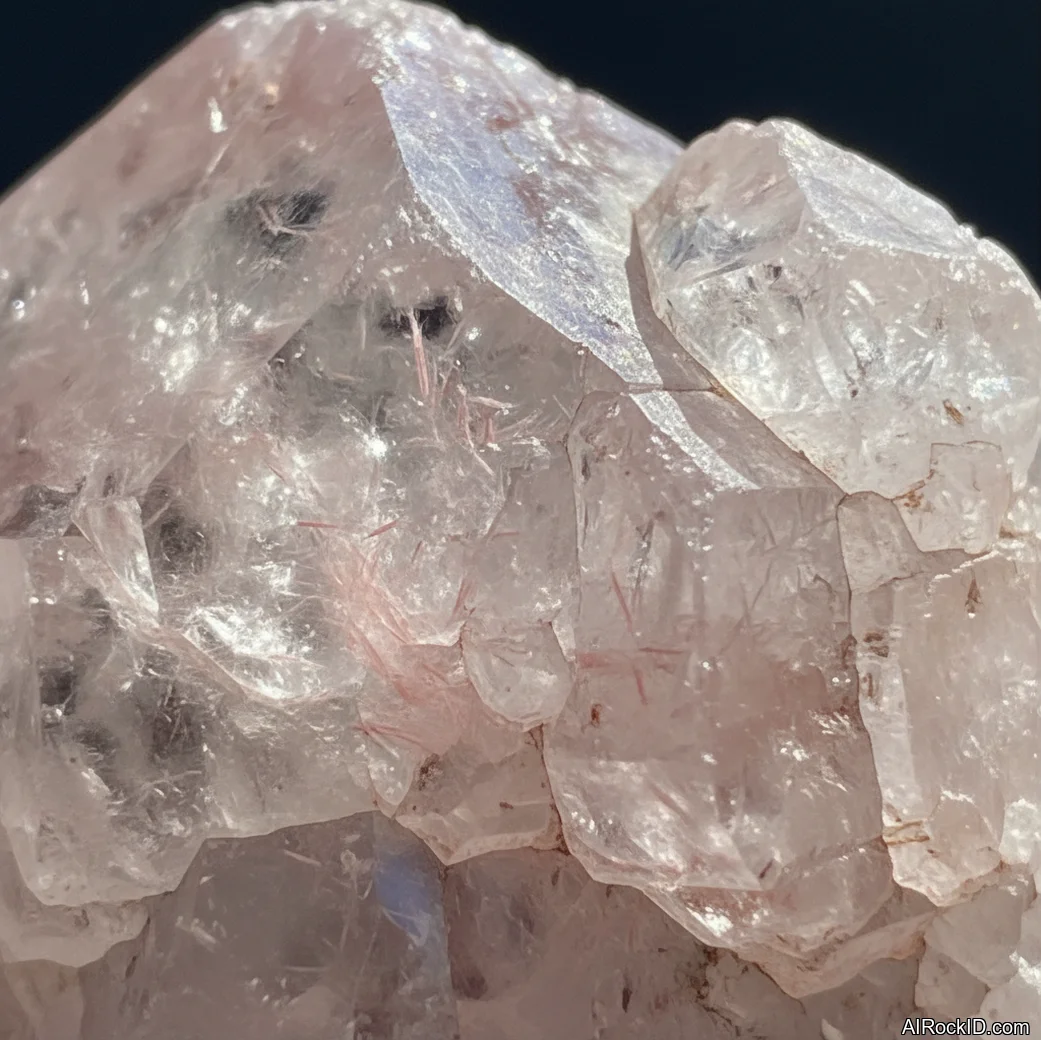
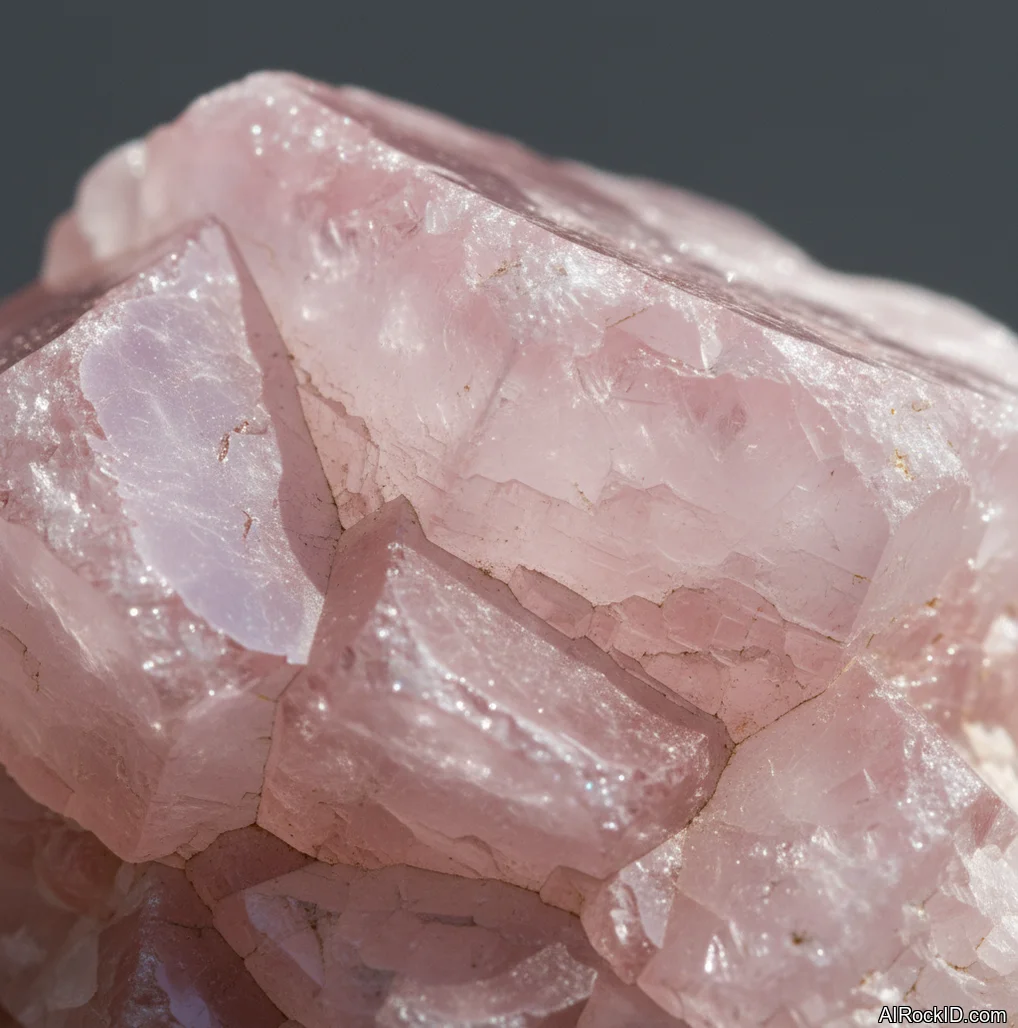
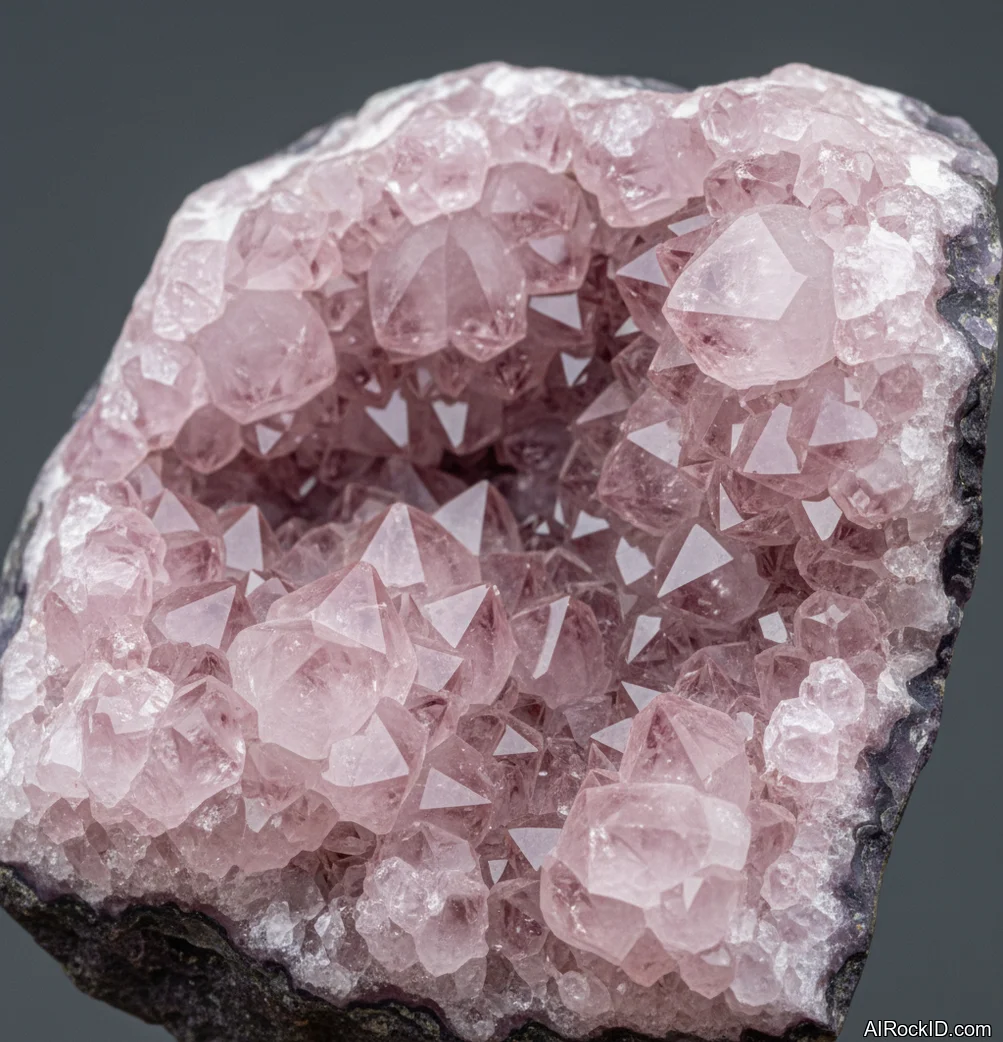
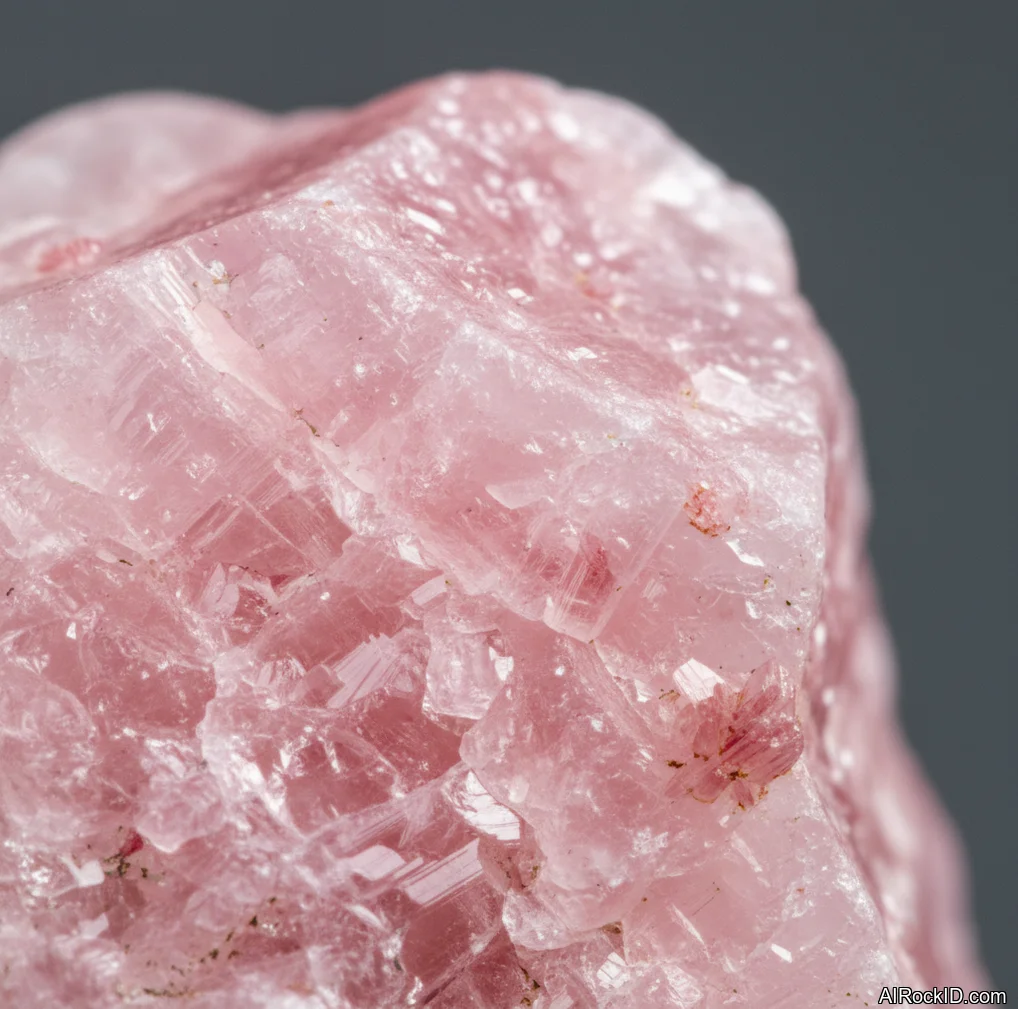
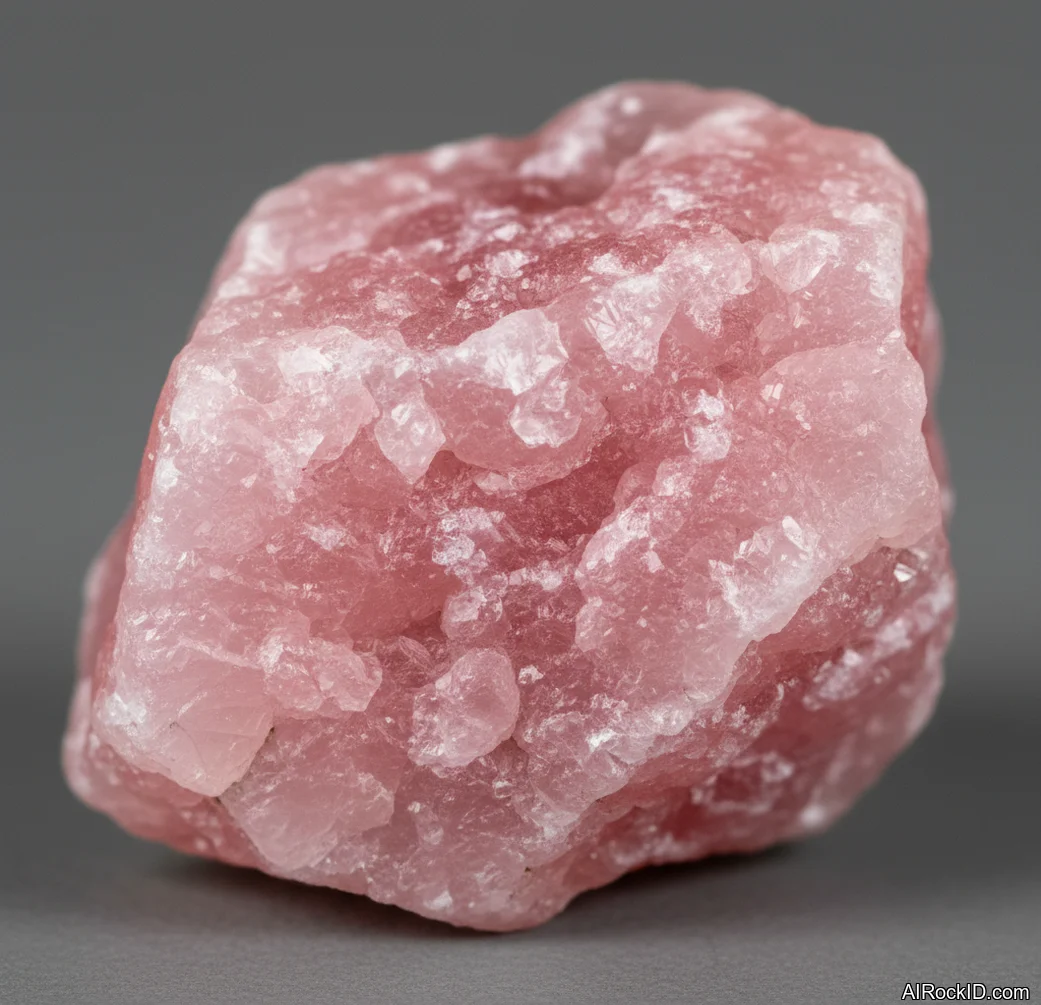
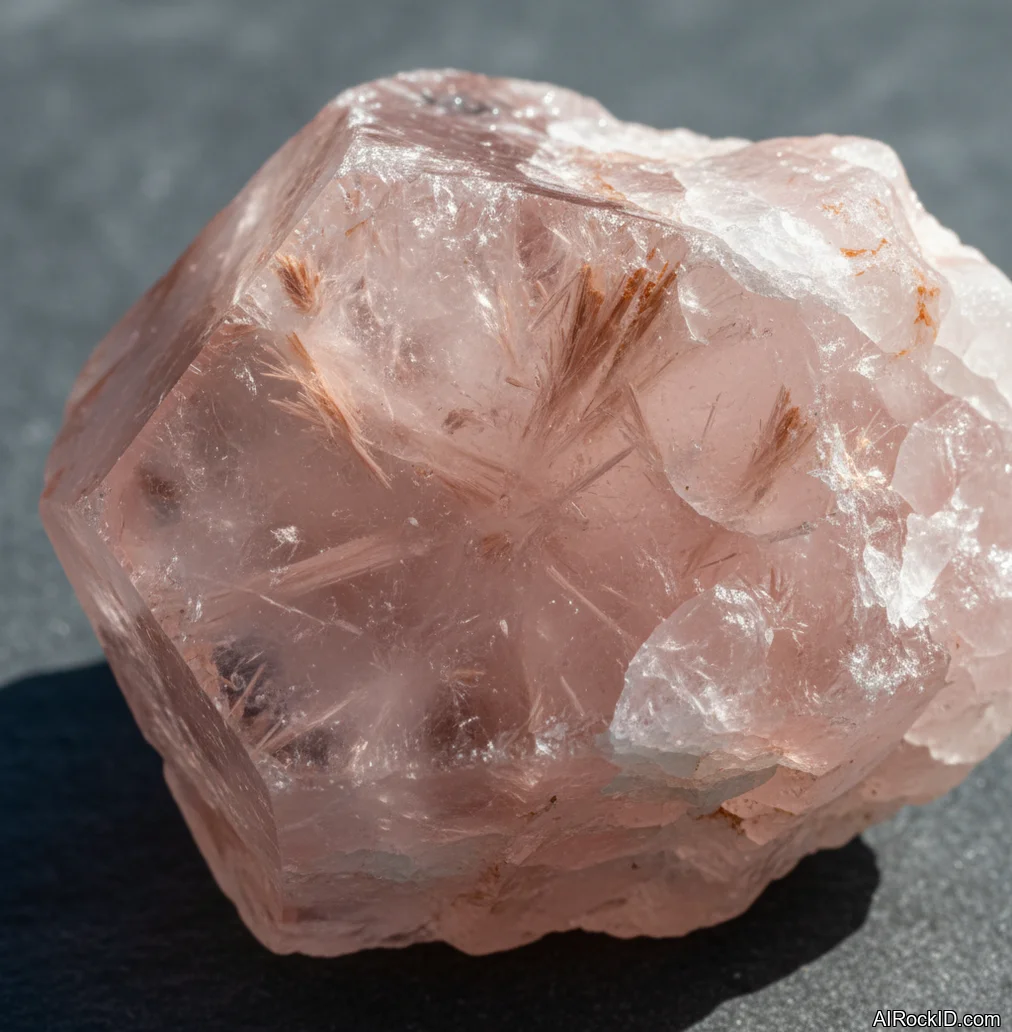
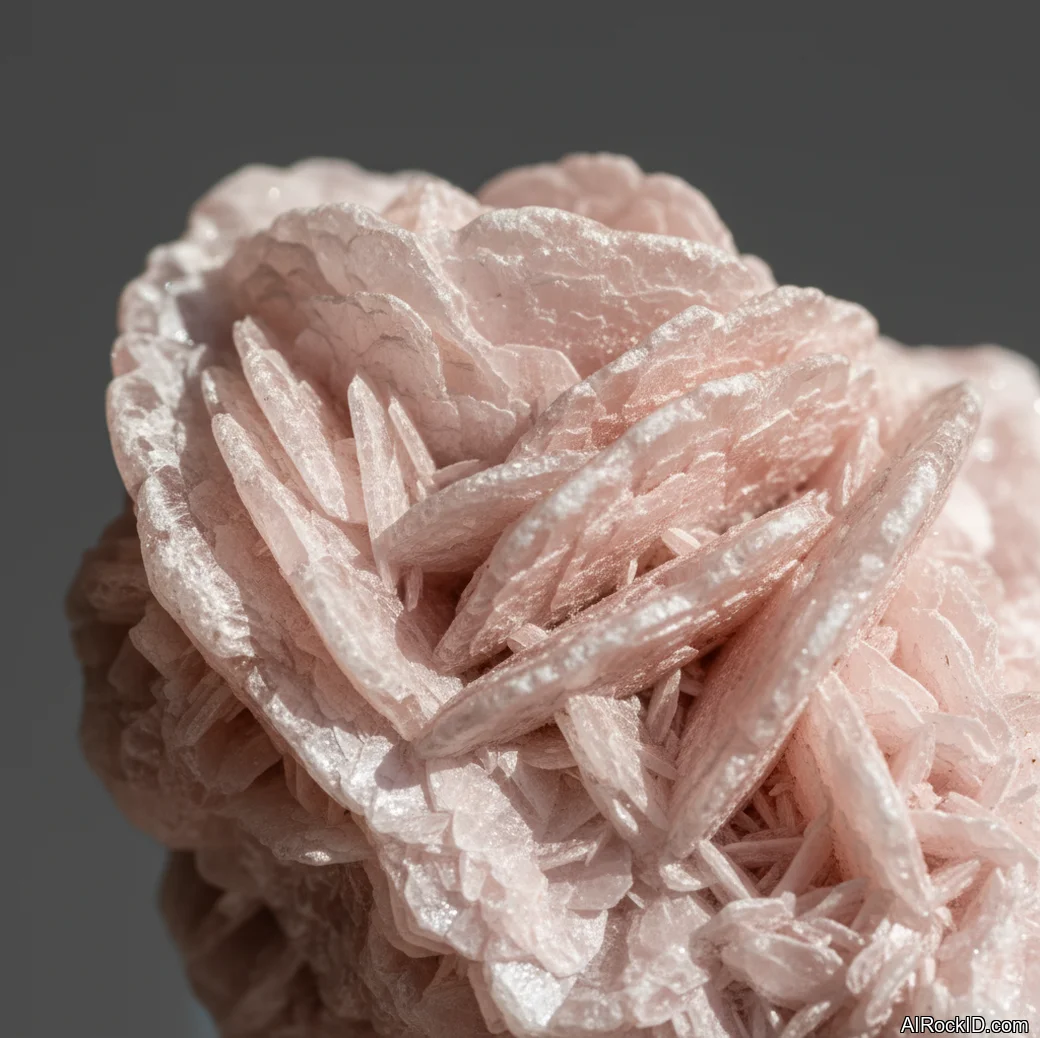
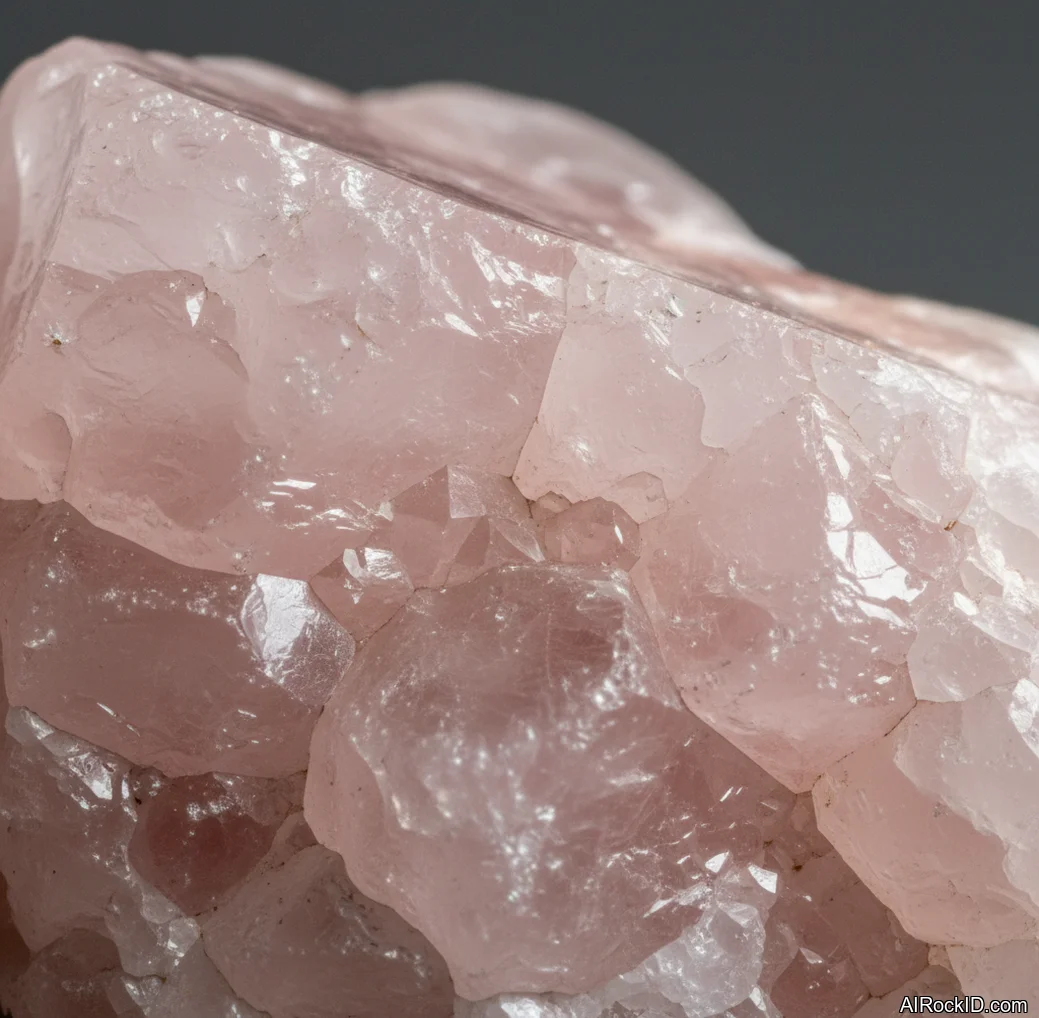
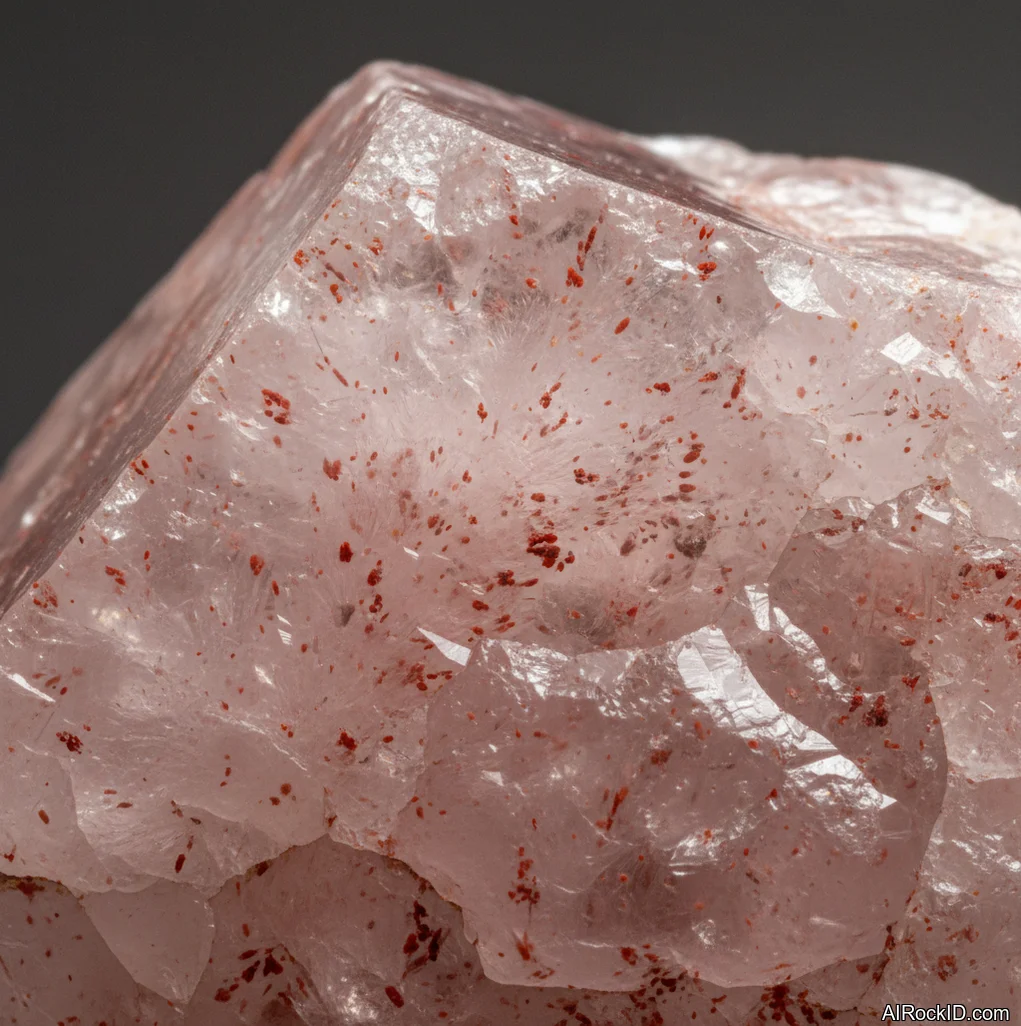
Pick up a decent piece of rose quartz and you’ll notice the temperature first. Real quartz stays cool for a bit, even in a warm room, and the weight in your palm feels… real (hard to explain, but you know it when you feel it). And the pink usually isn’t bubblegum-bright. The best pieces have cloudy zones, milky swirls, and sometimes a faint star effect if the cut is right, though most of what you’ll run into is tumbled or carved. Rose quartz gets tied to Compassion because it’s gentle in a way people can actually live with day to day. No sharp edges. Literally or emotionally.
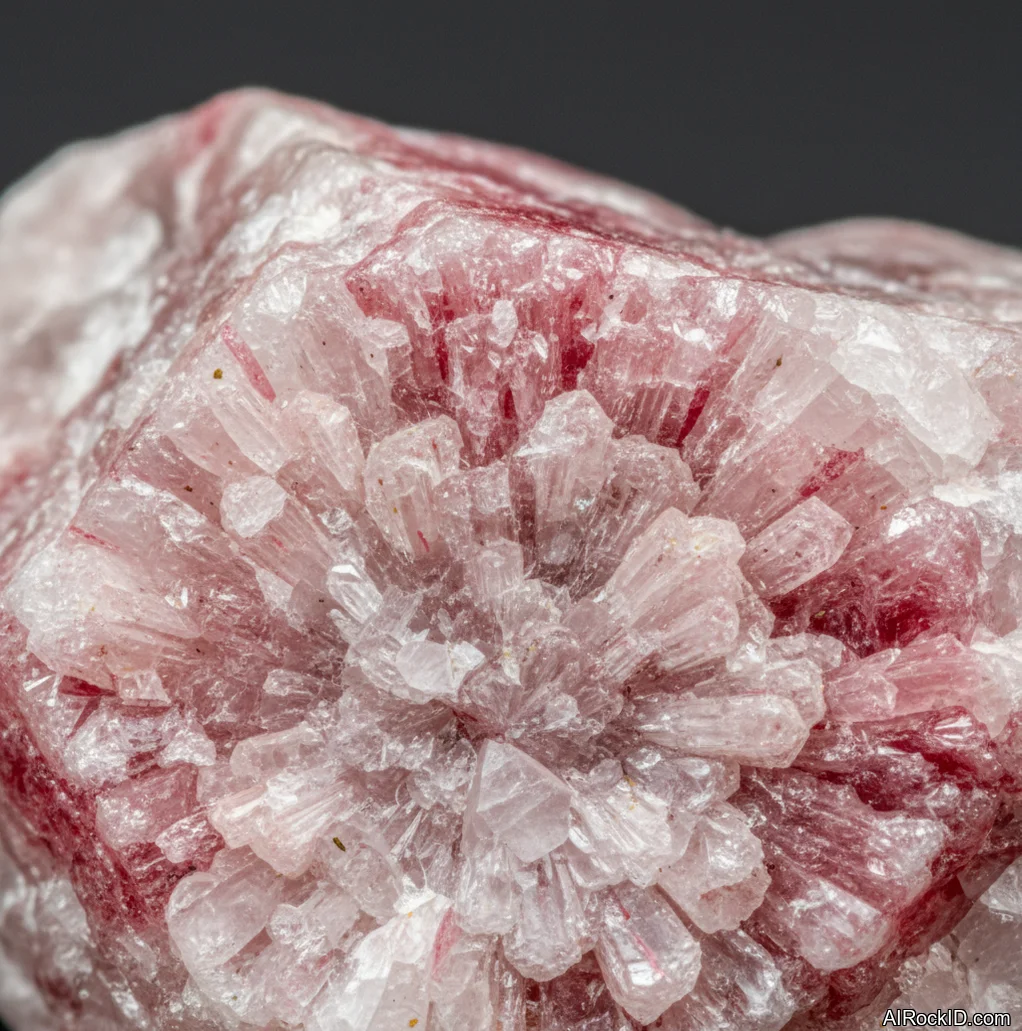
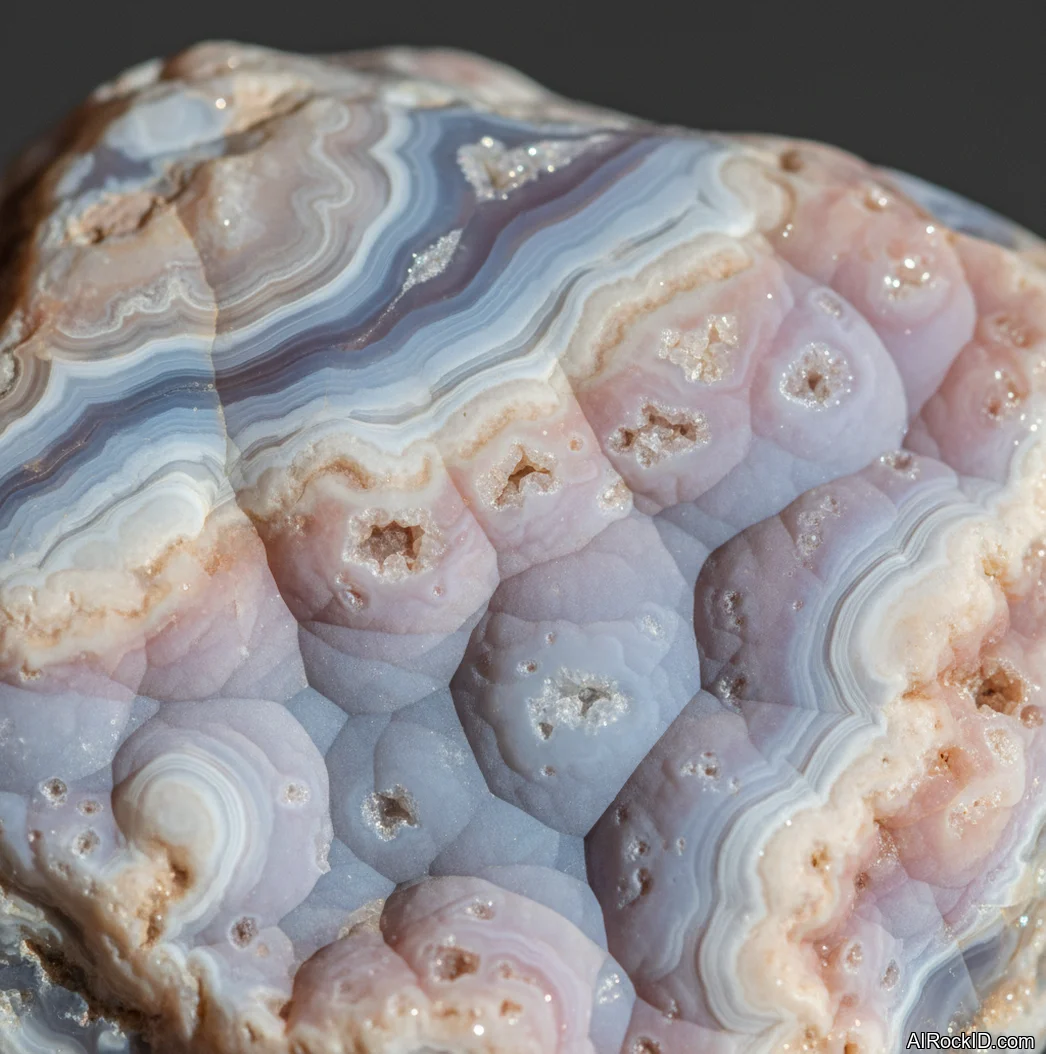
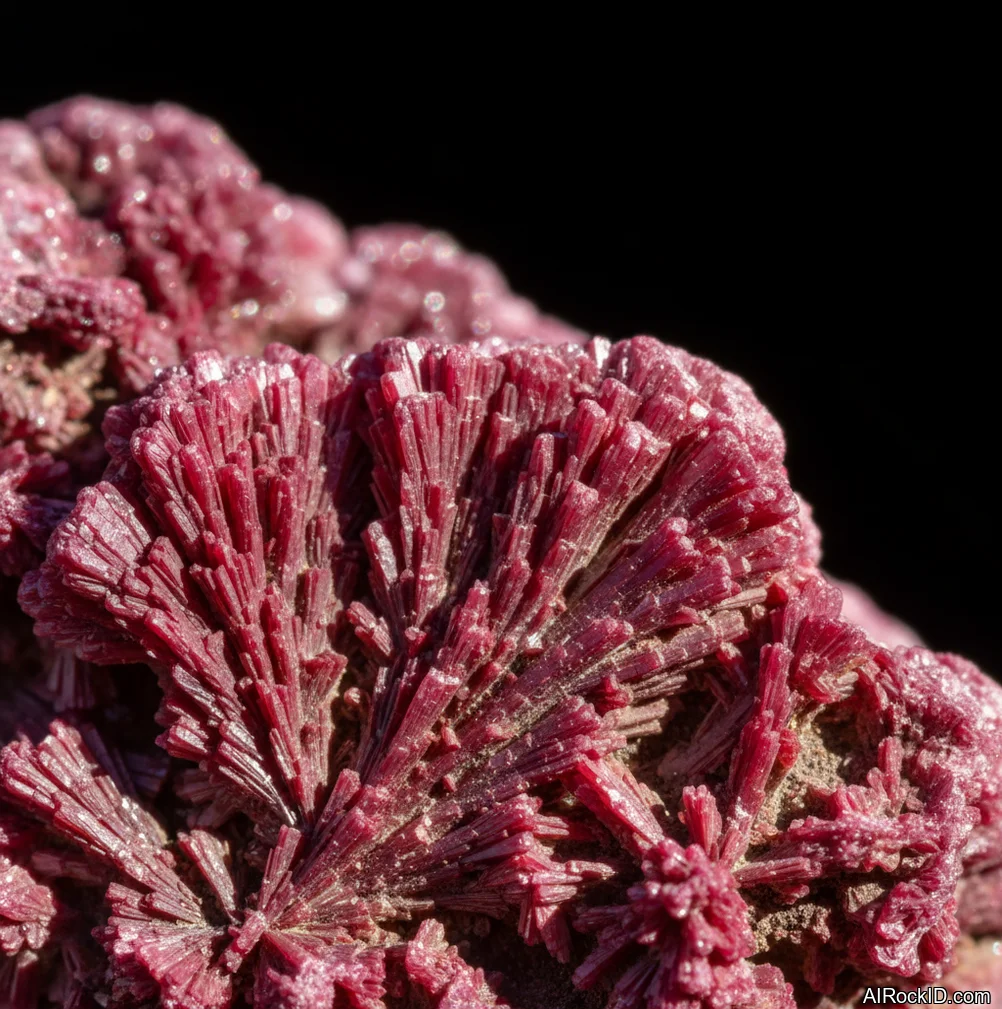
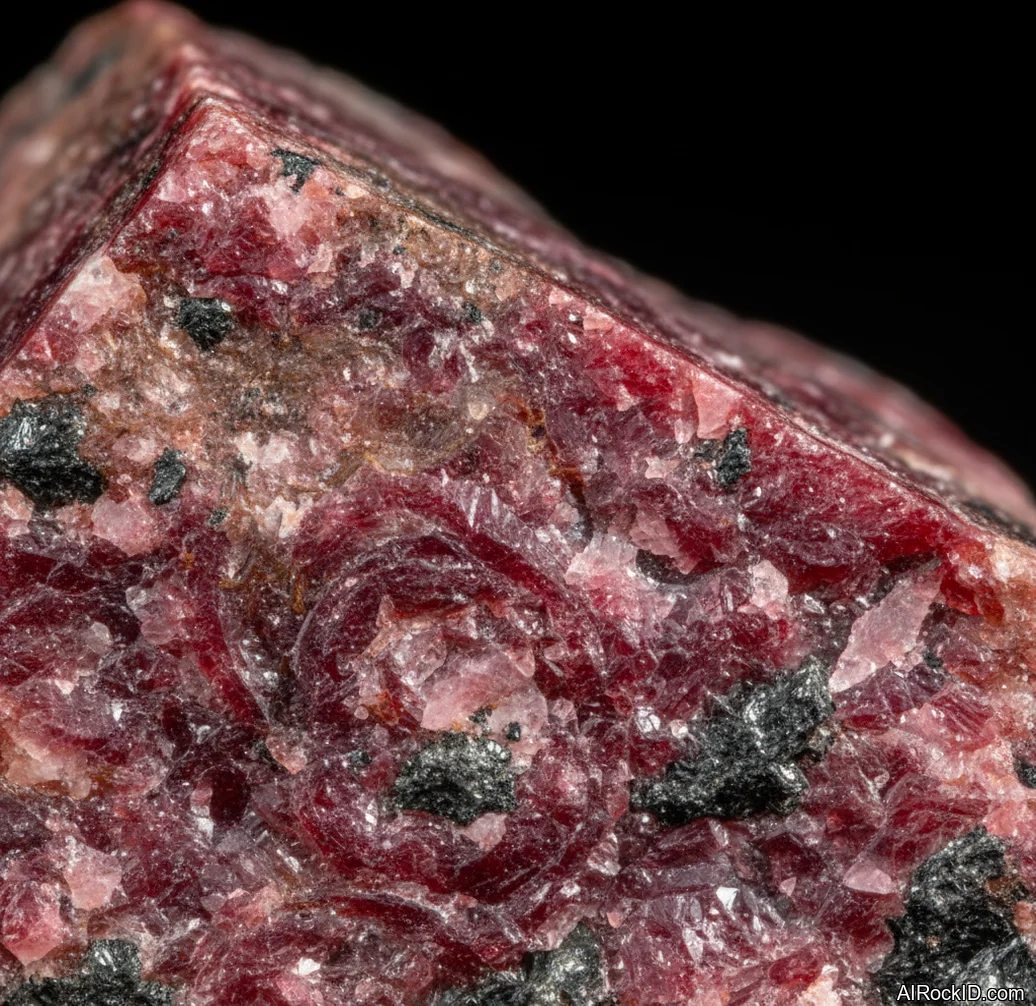
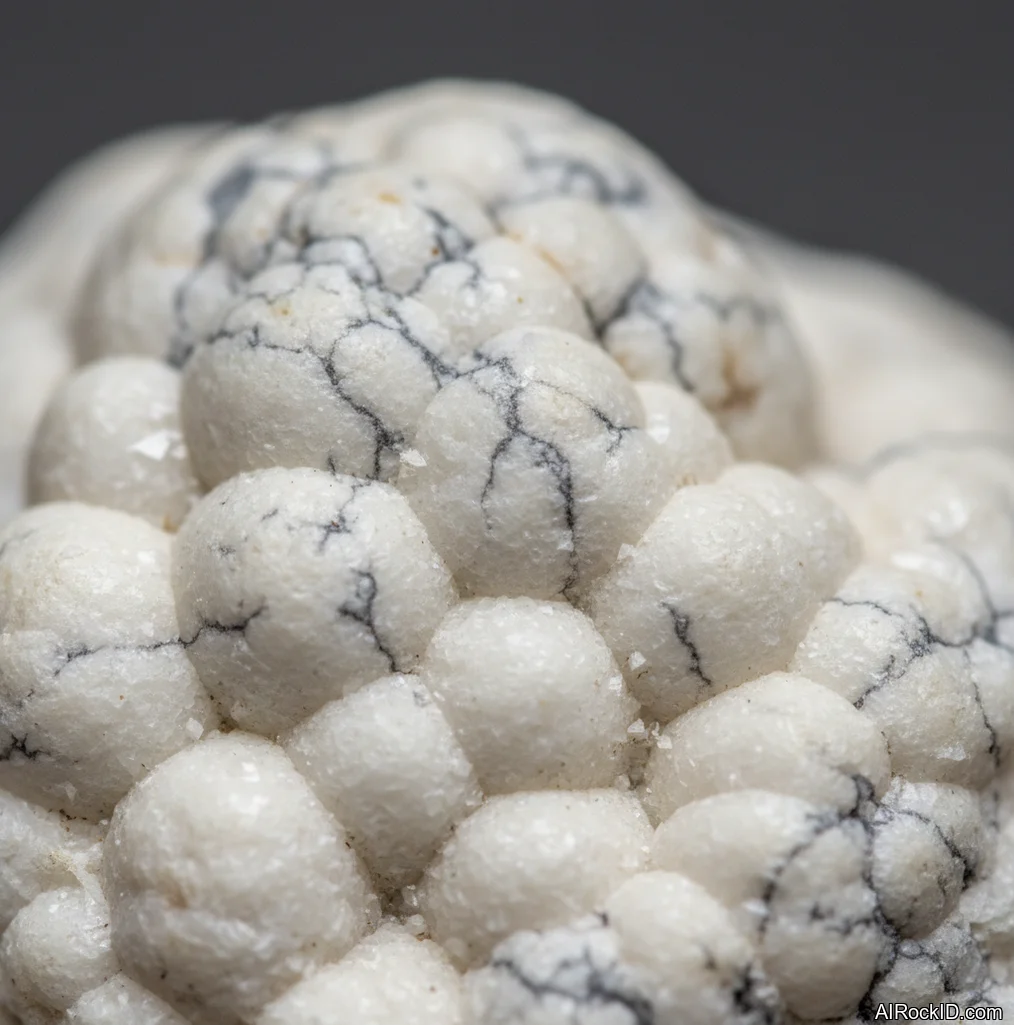
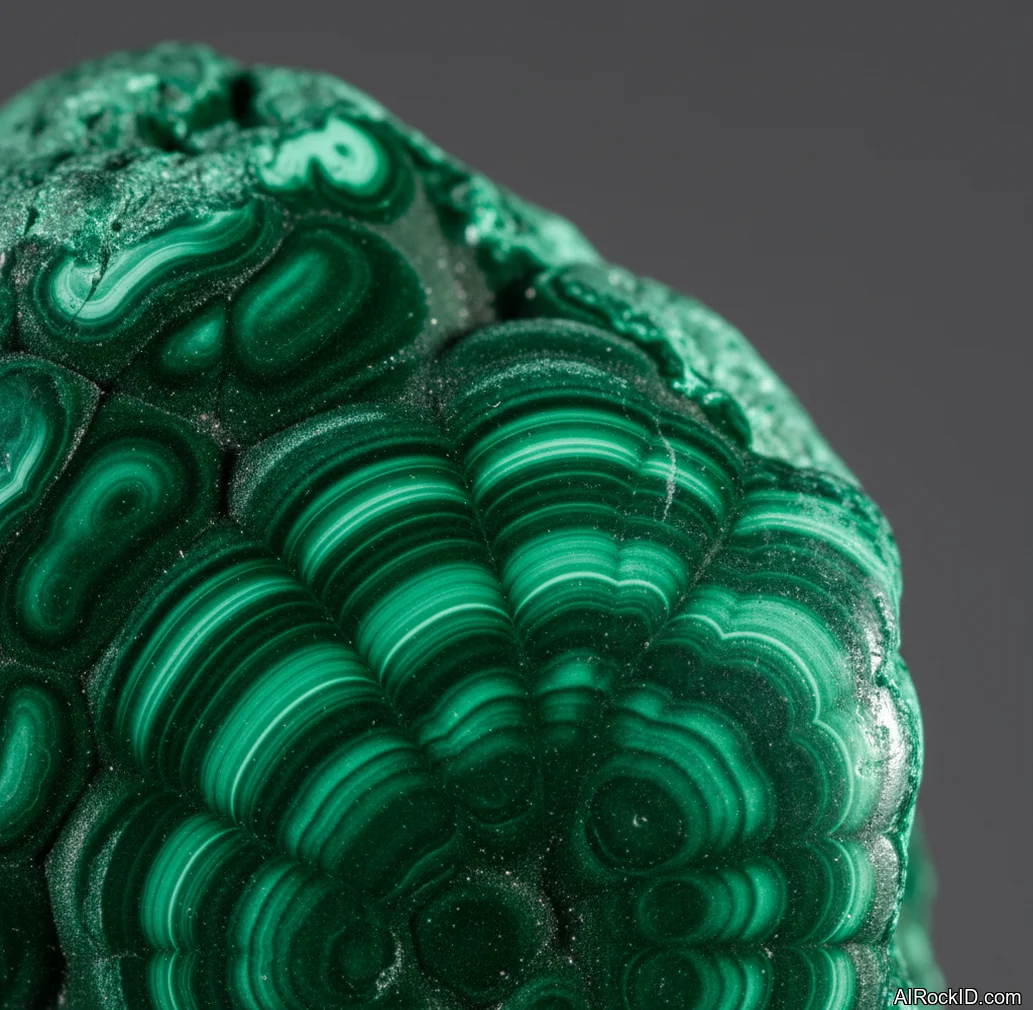
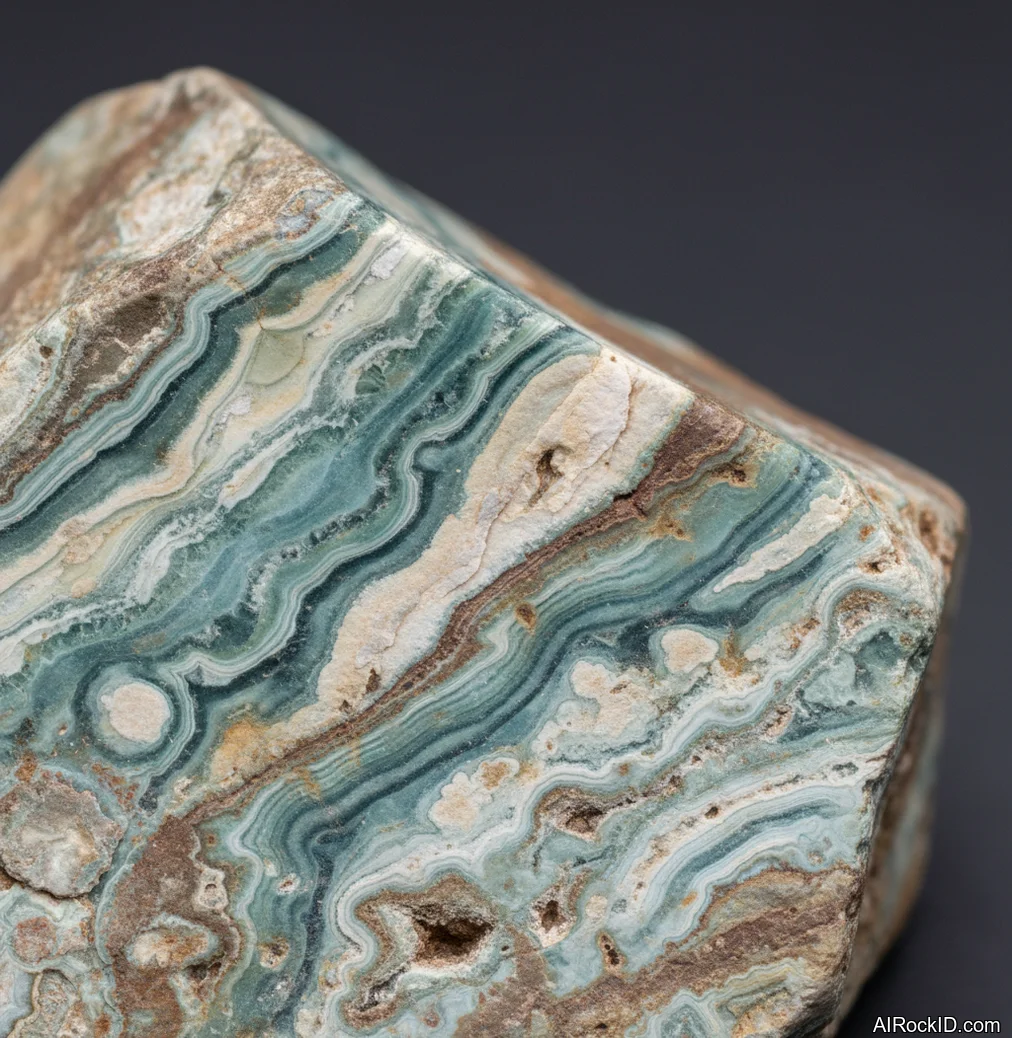
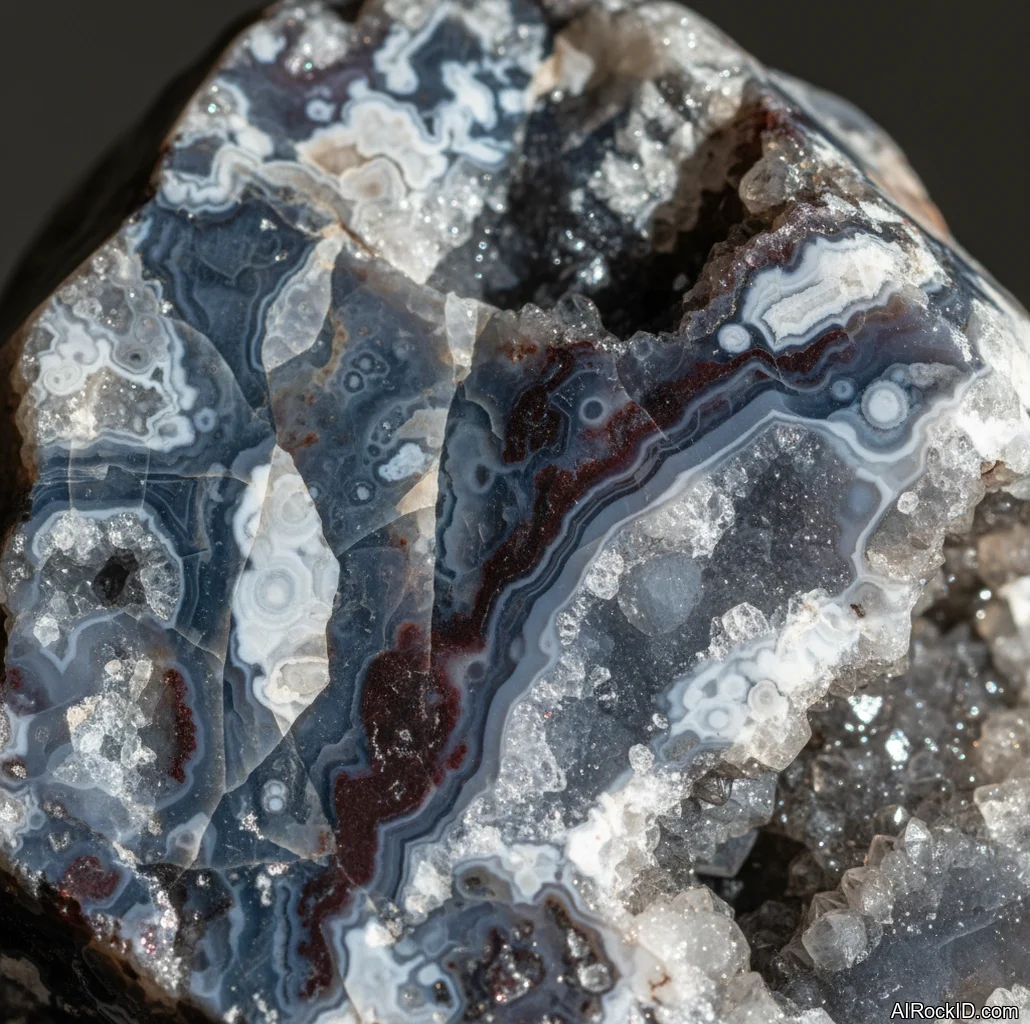
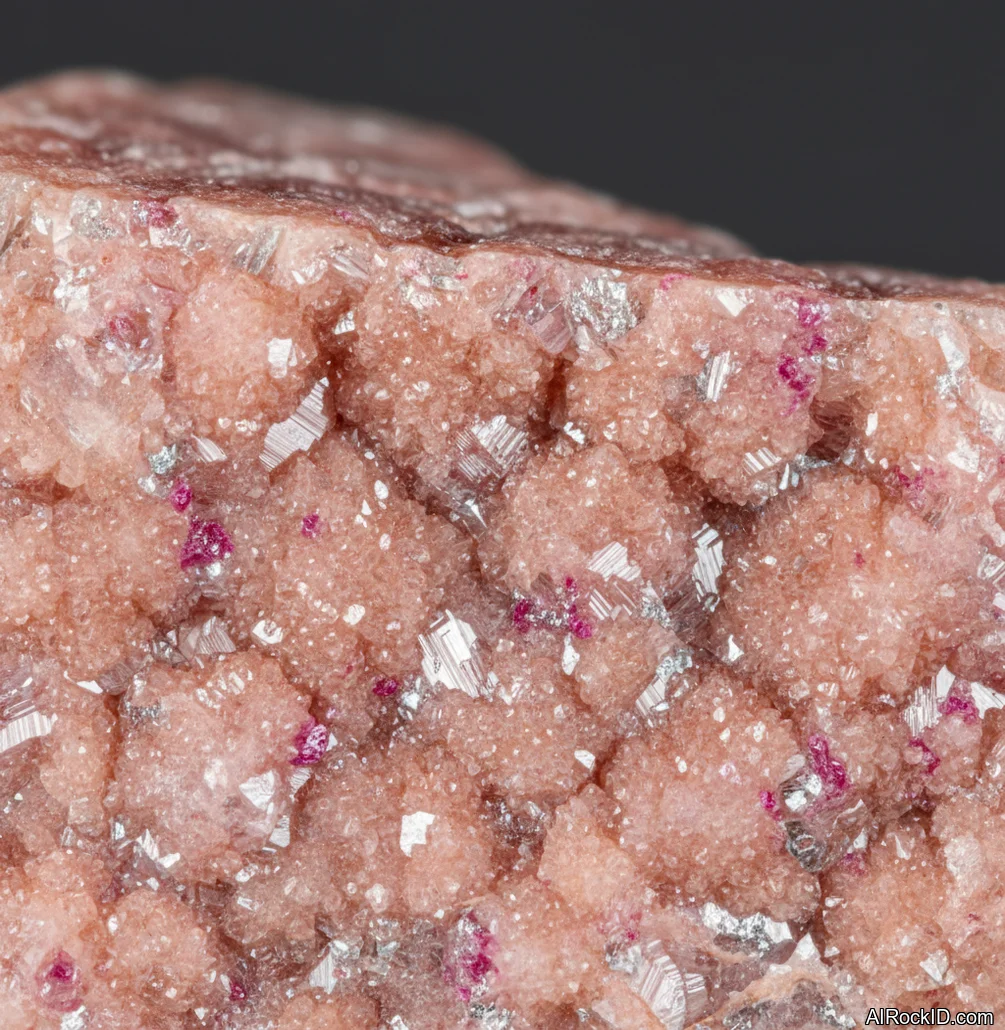
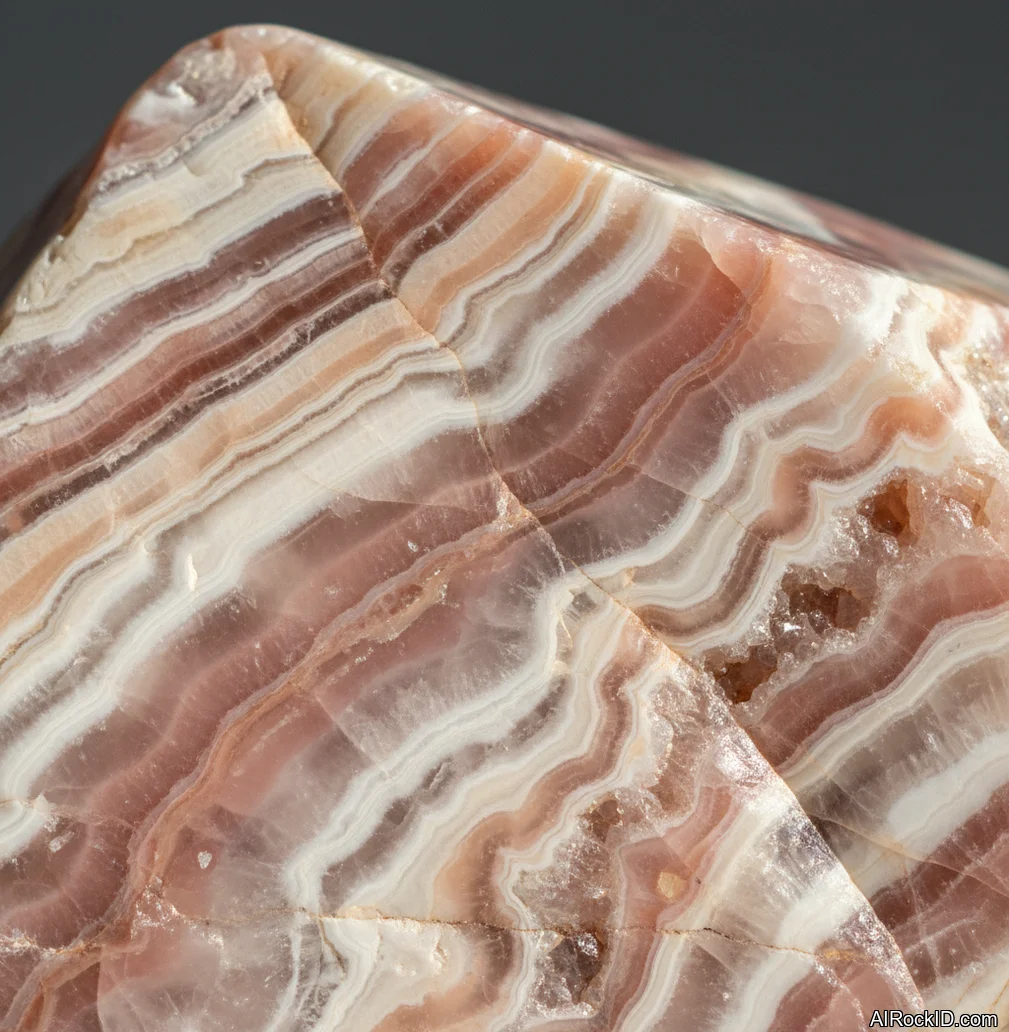
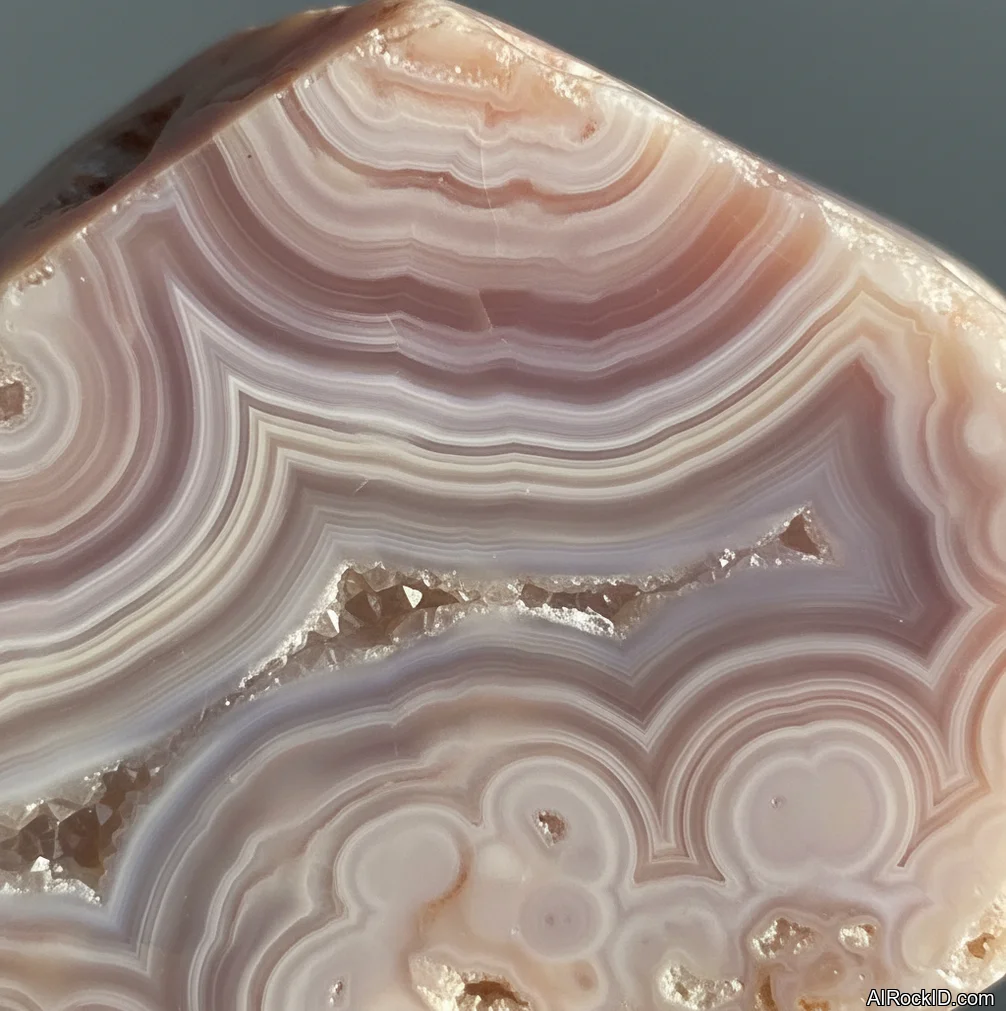
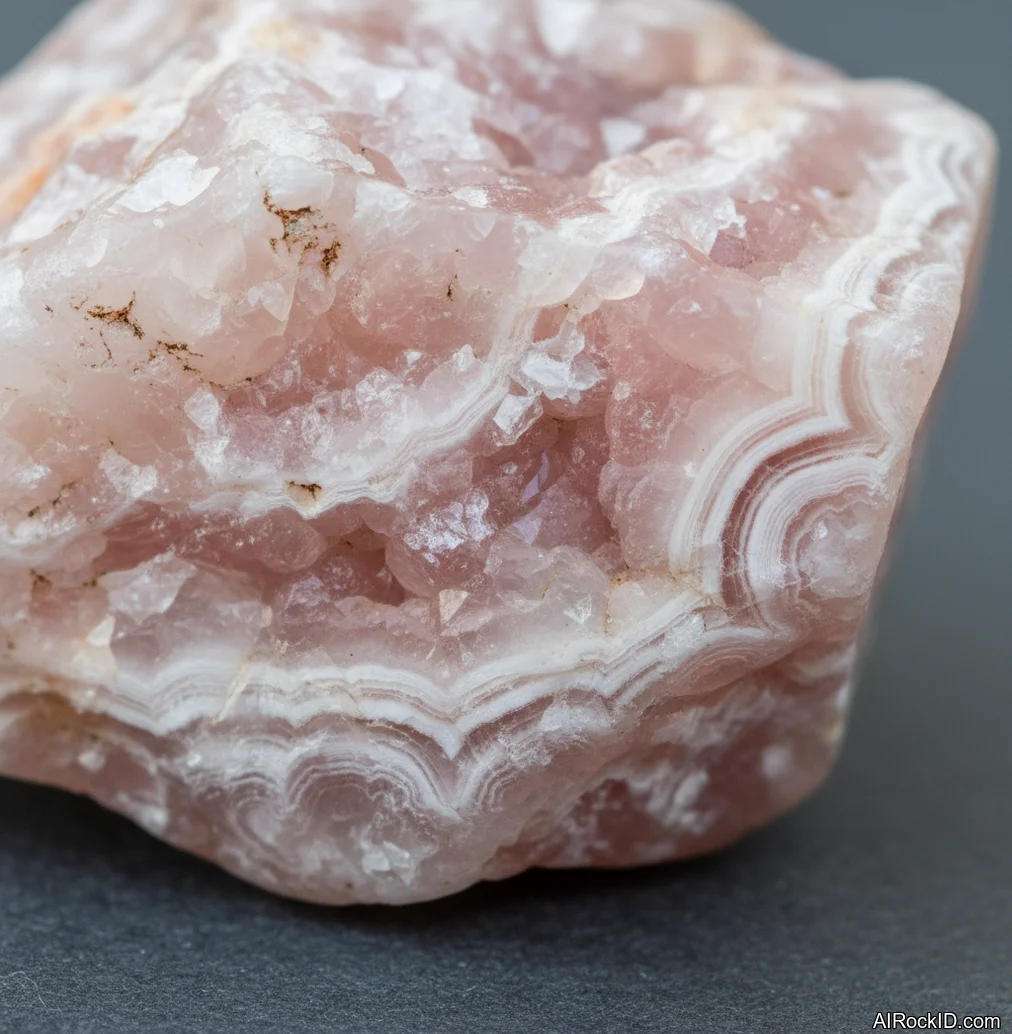
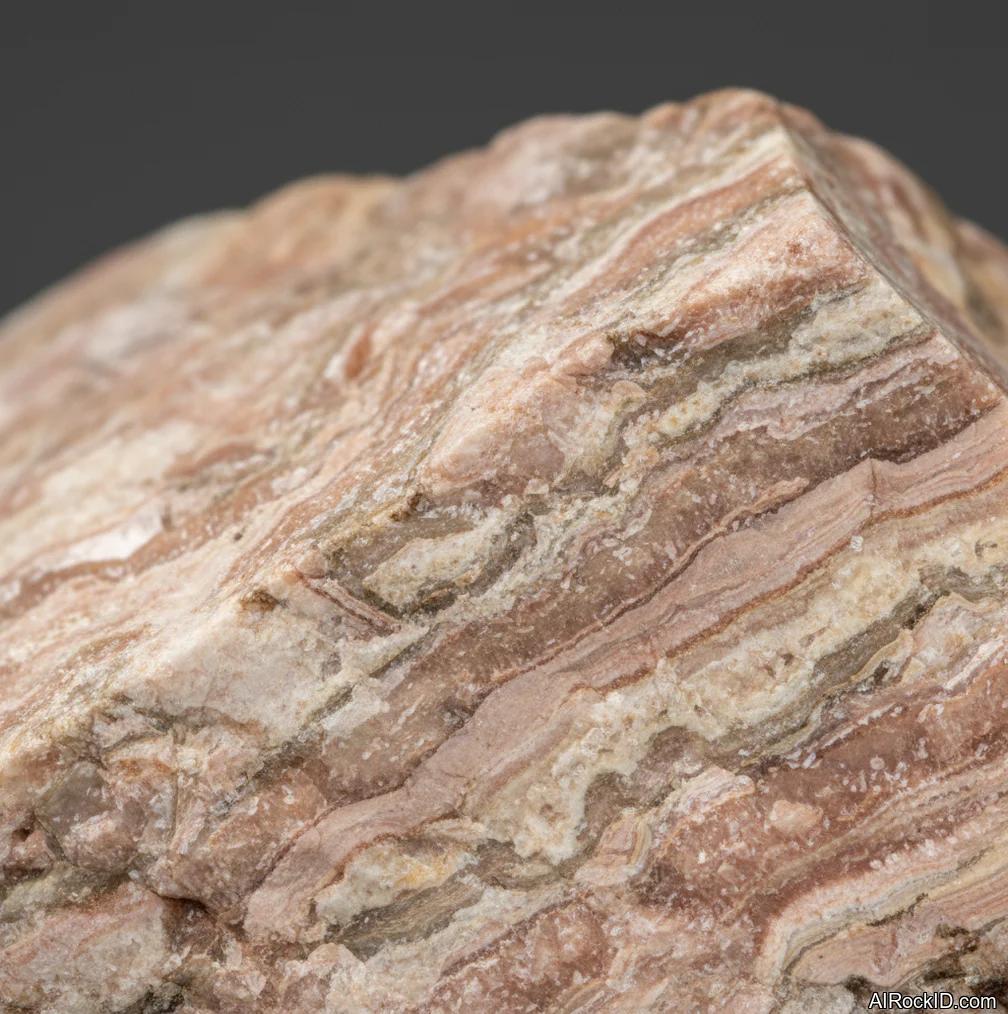
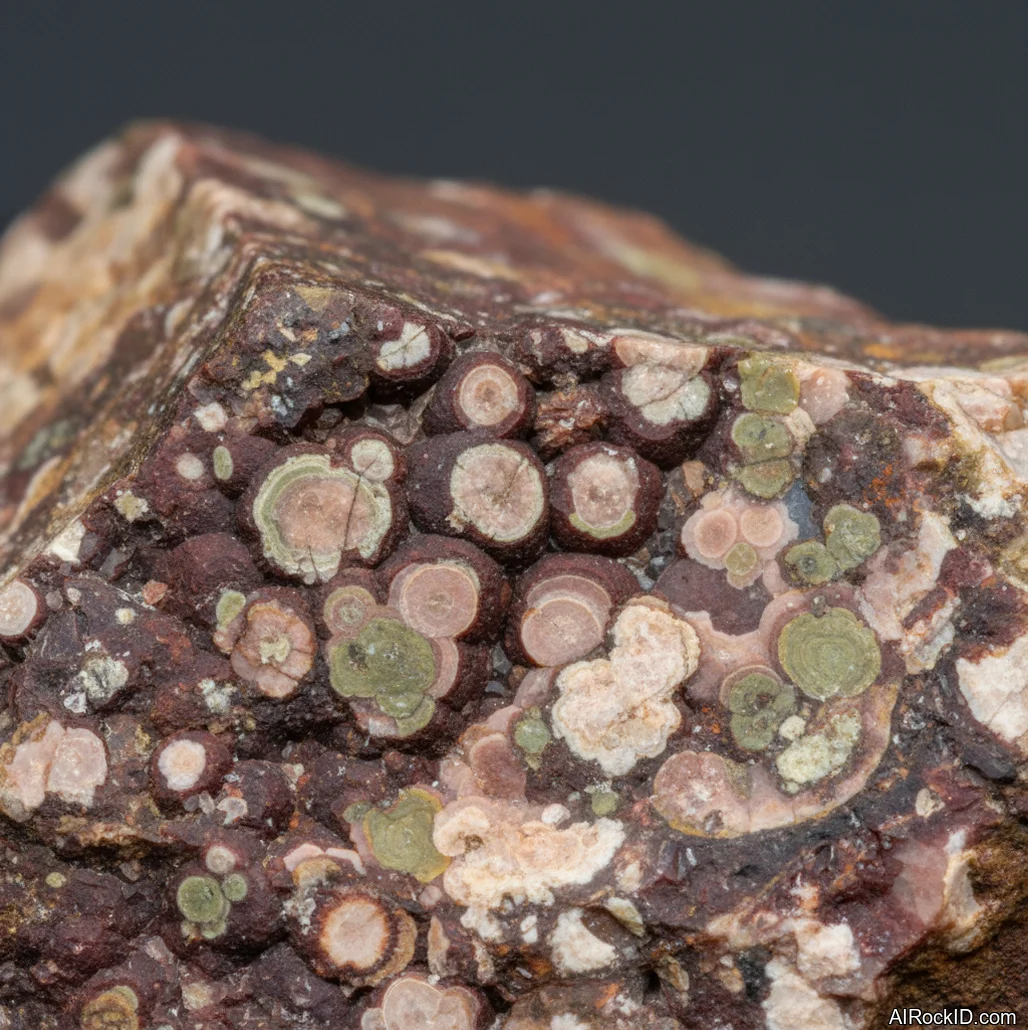
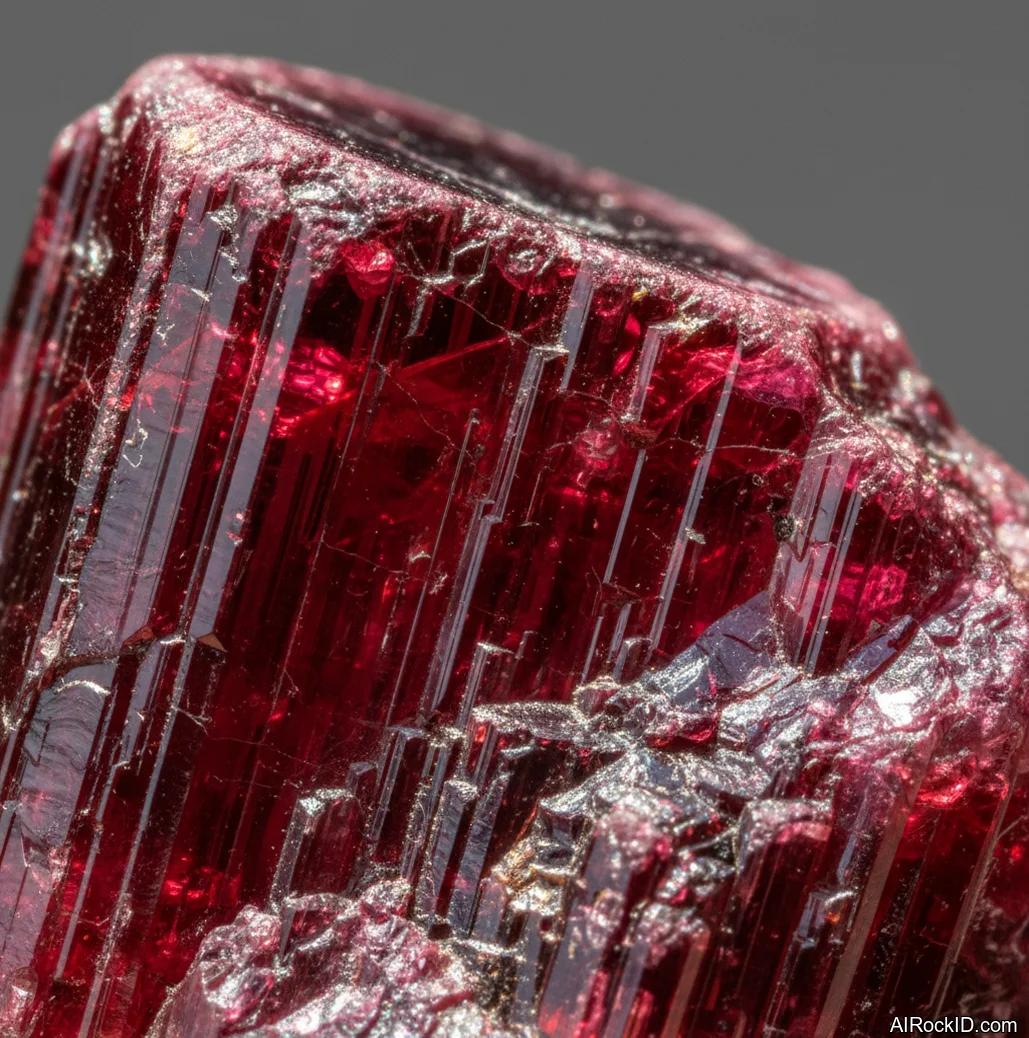
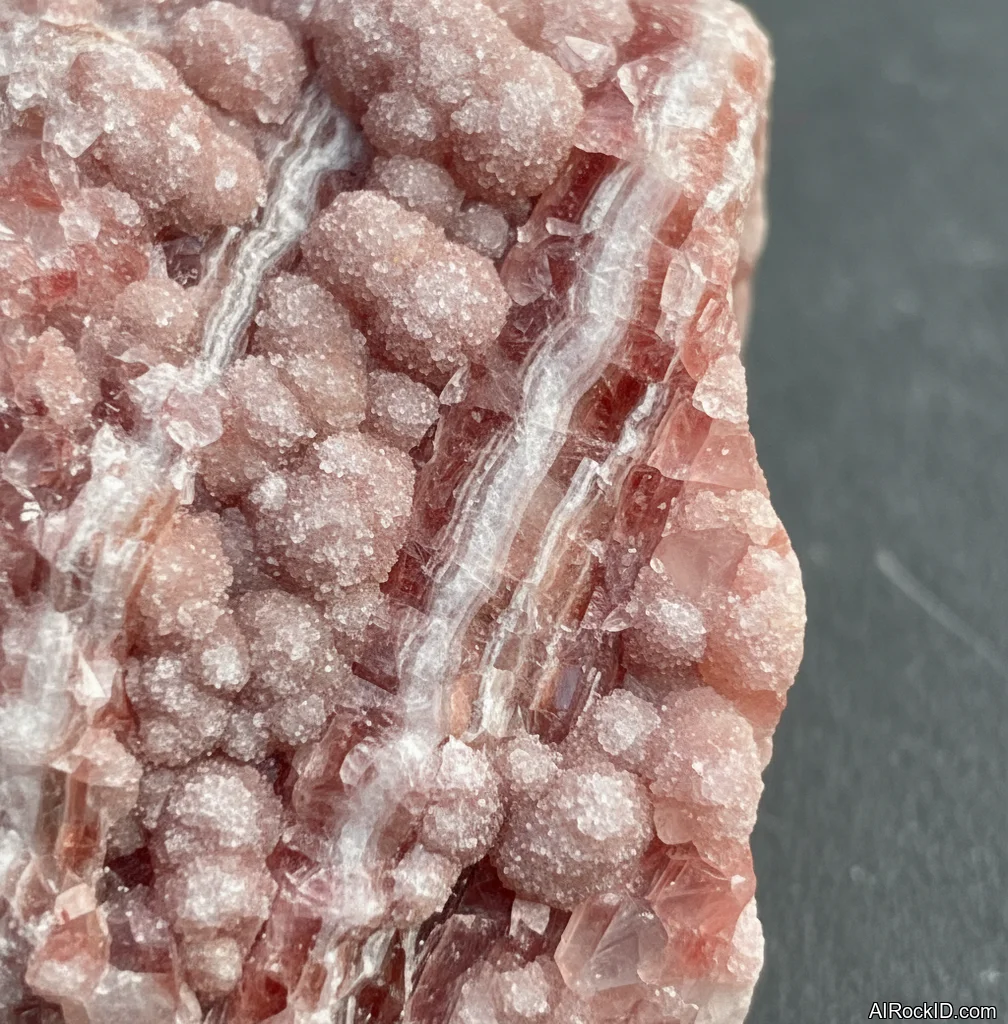
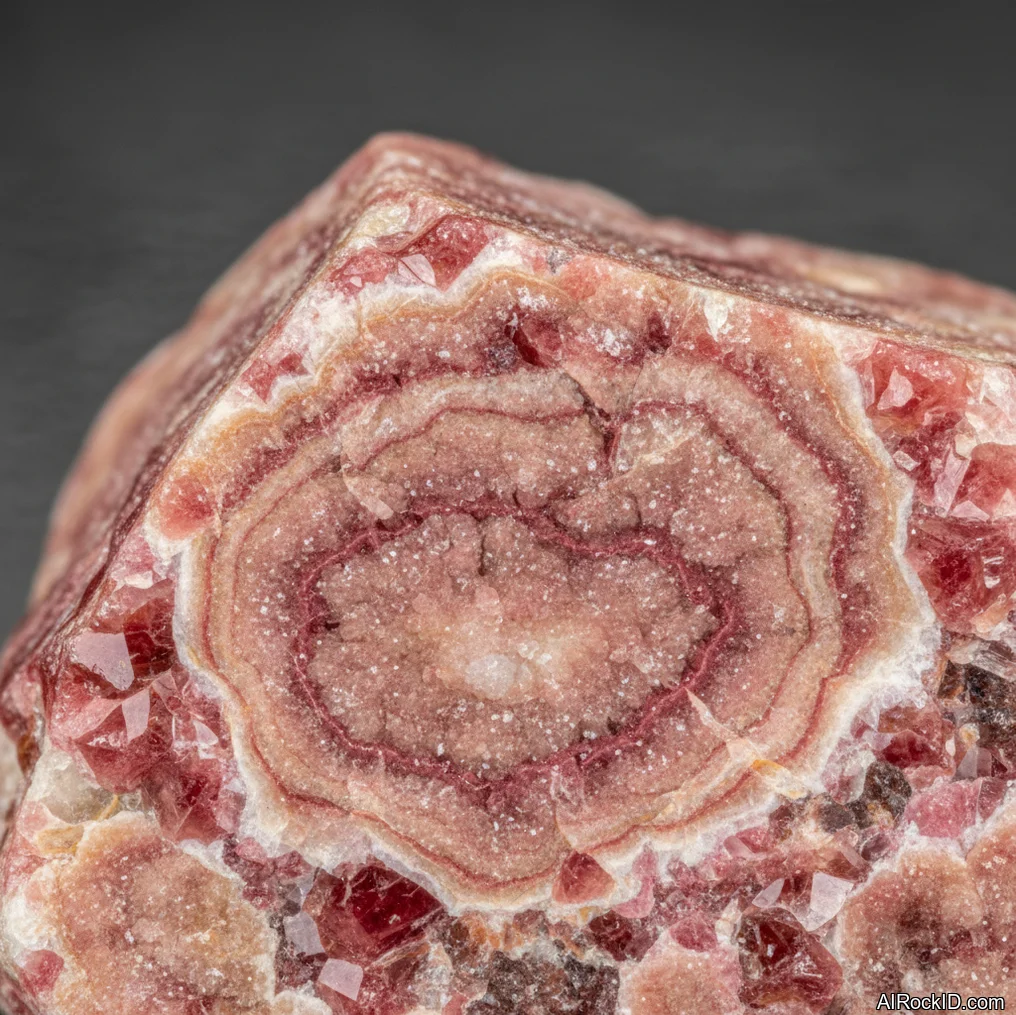
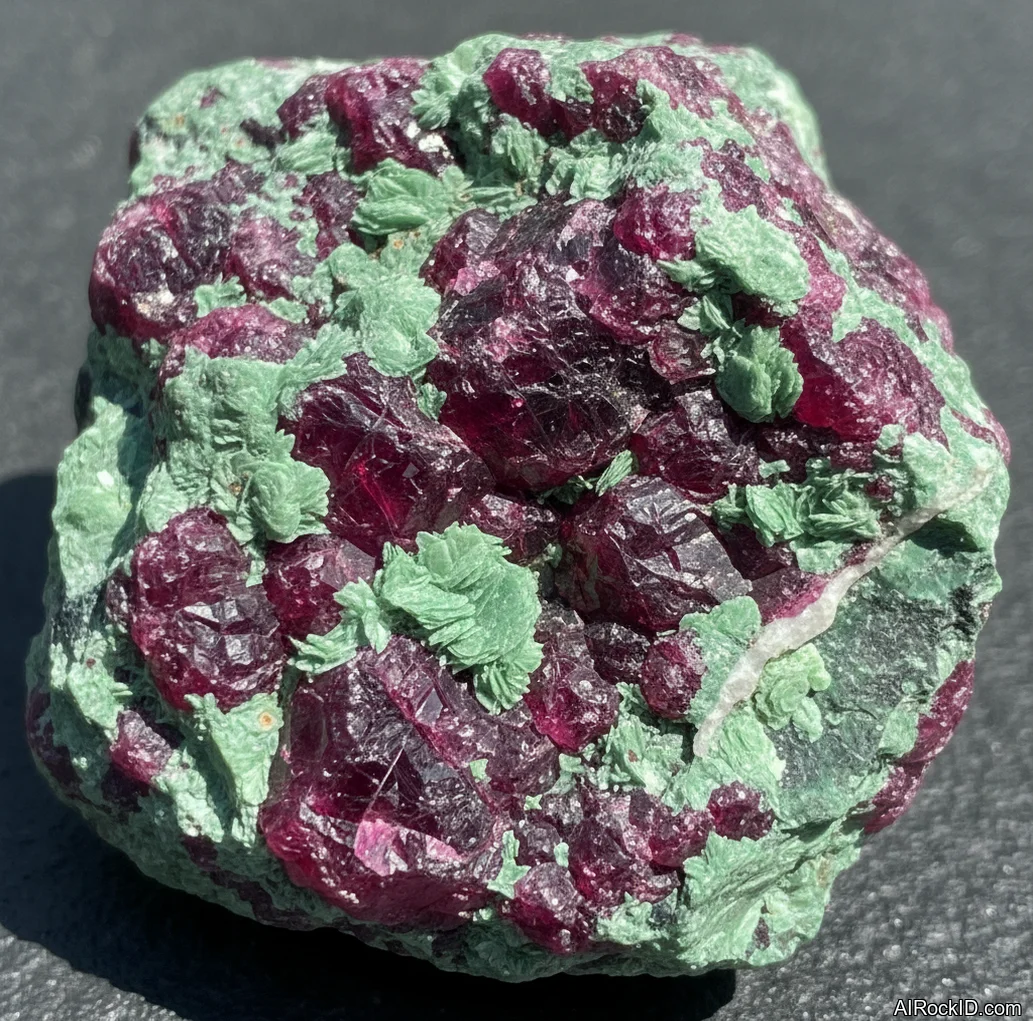
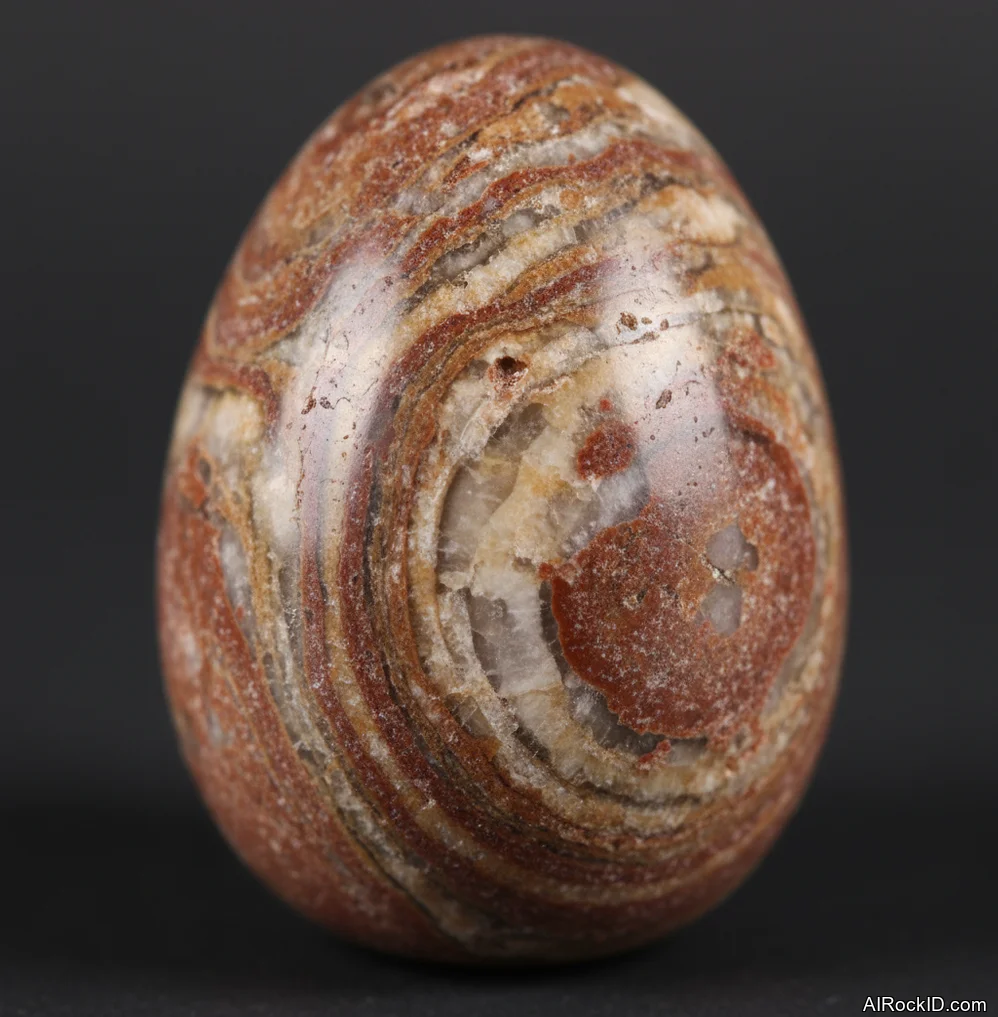
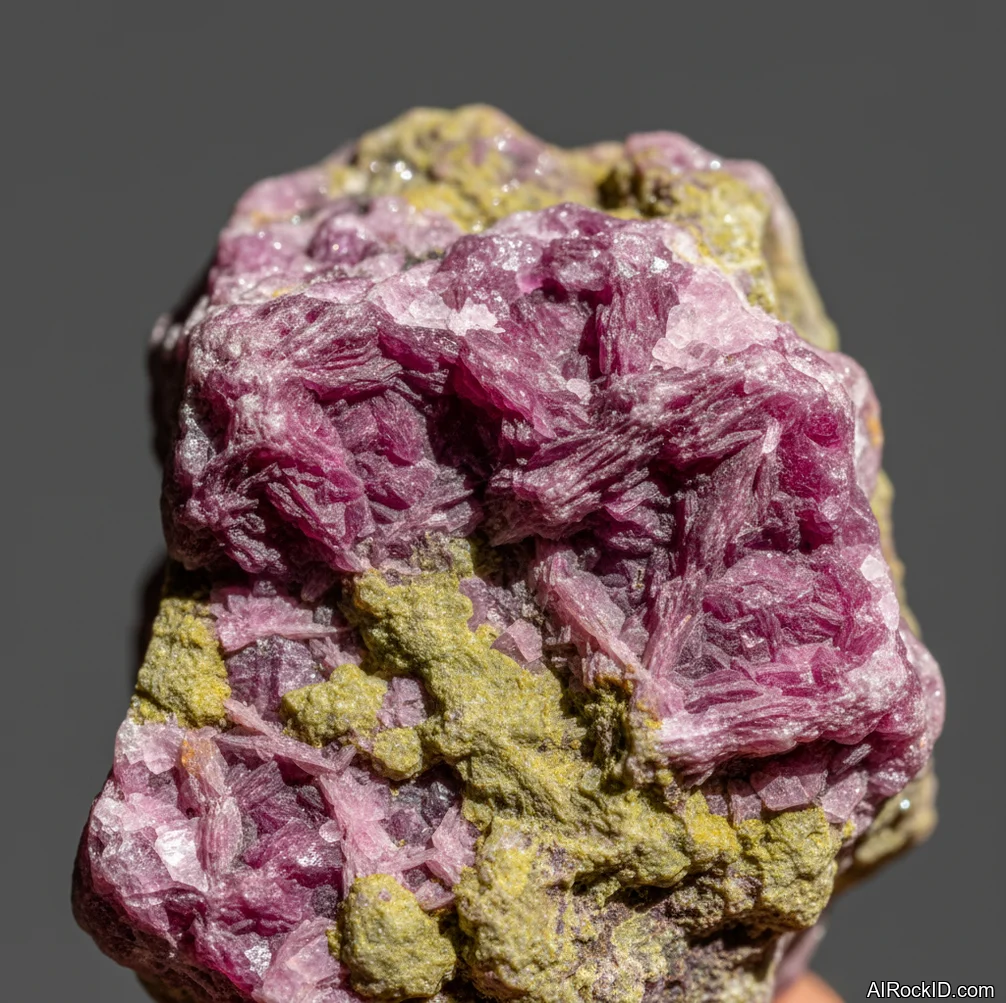
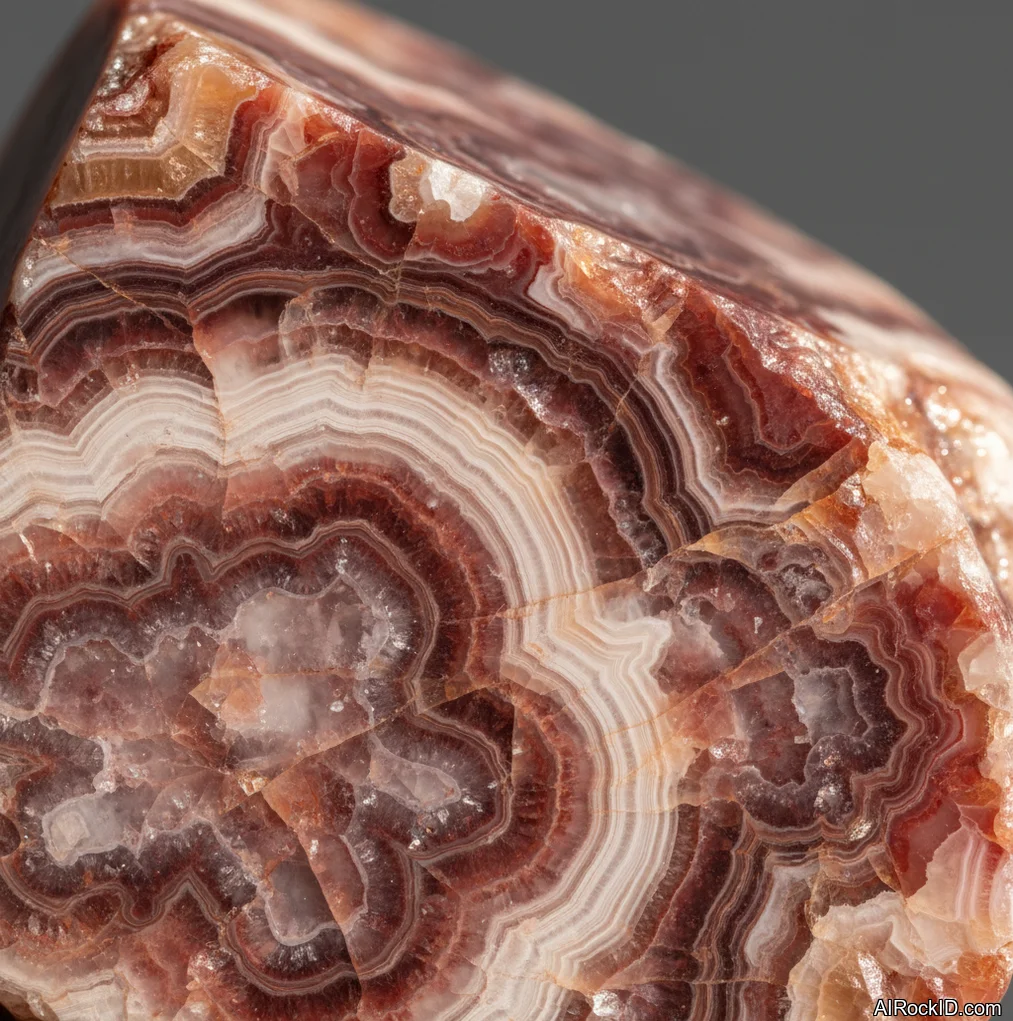
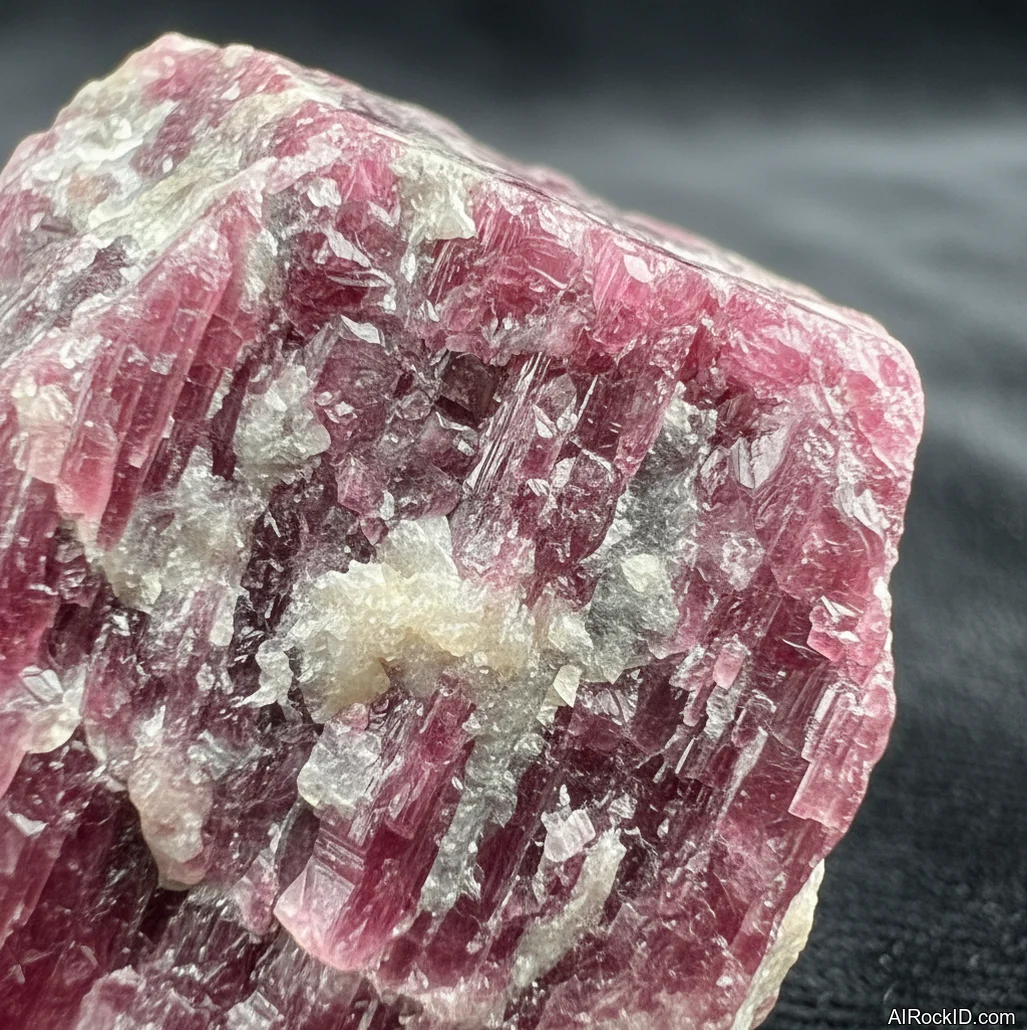
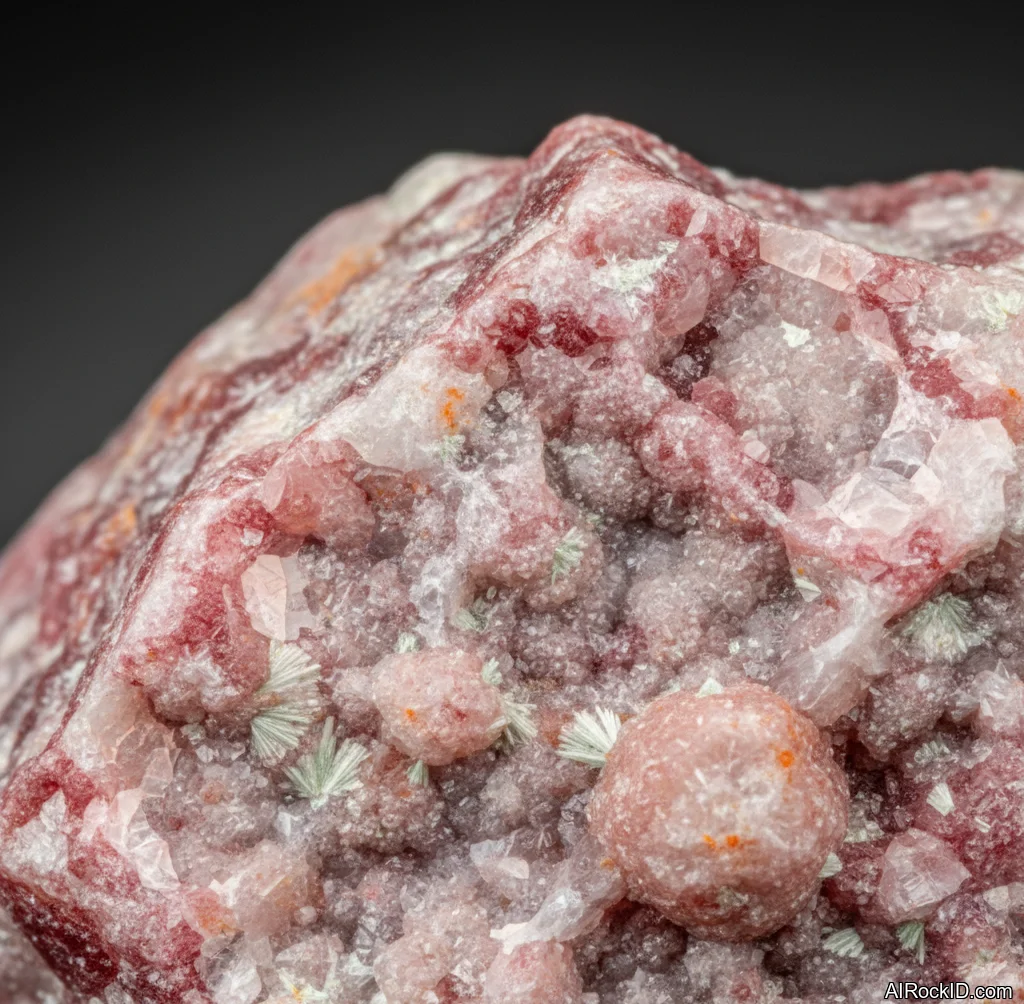
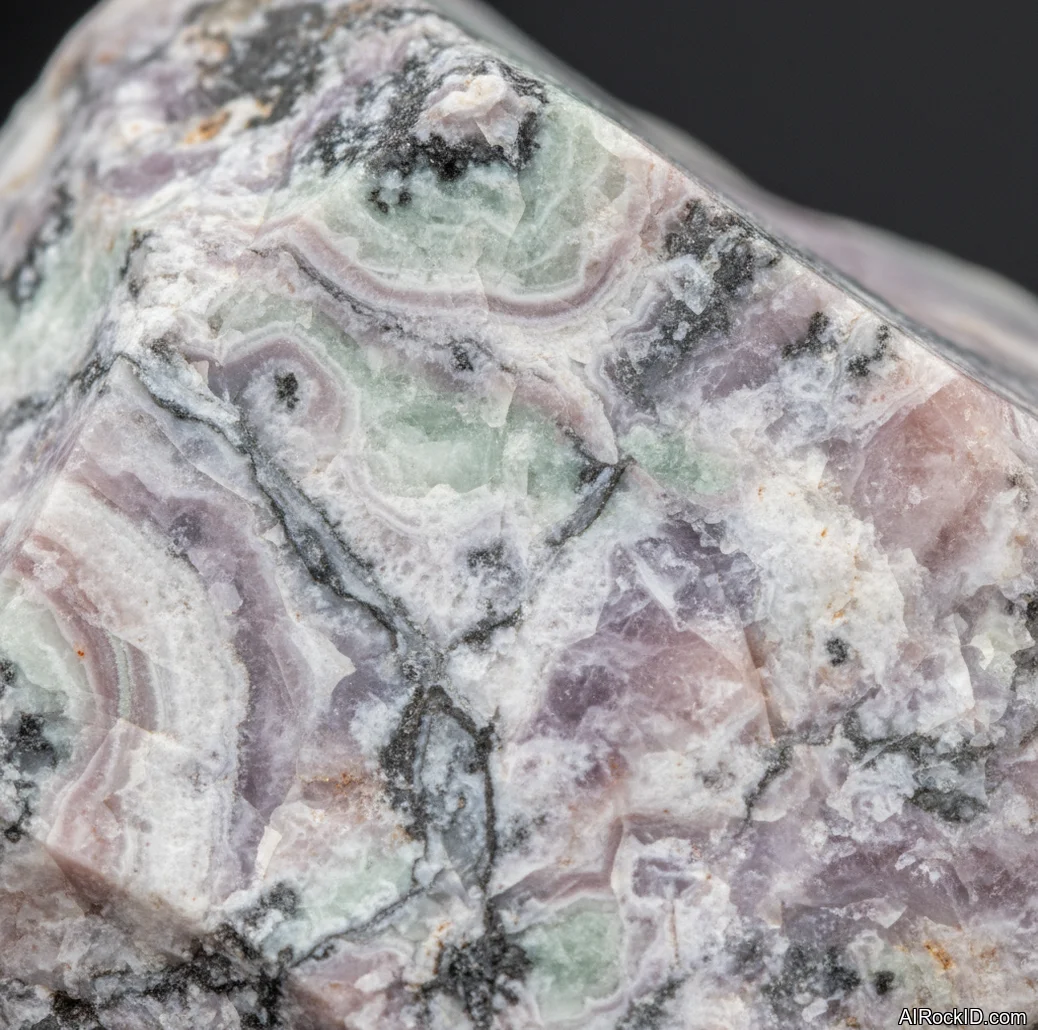
Rhodochrosite is a different animal. Compared to rose quartz, it’s more “right in the heart” and less “soft blanket.” Look closely at a polished slab and you’ll usually see tight pink-and-white banding, like ribbons, plus little vugs where the material didn’t fully fill in. It’s also pretty soft, around Mohs 3.5 to 4, so yeah, it’ll bruise if you toss it in a pocket with your keys. I’ve seen newcomers buy a bright candy-pink tumble and then act shocked when it’s scuffed a week later. But that’s just the stone being the stone. If you want Compassion work that includes boundaries and old pain, rhodochrosite is one people keep circling back to.
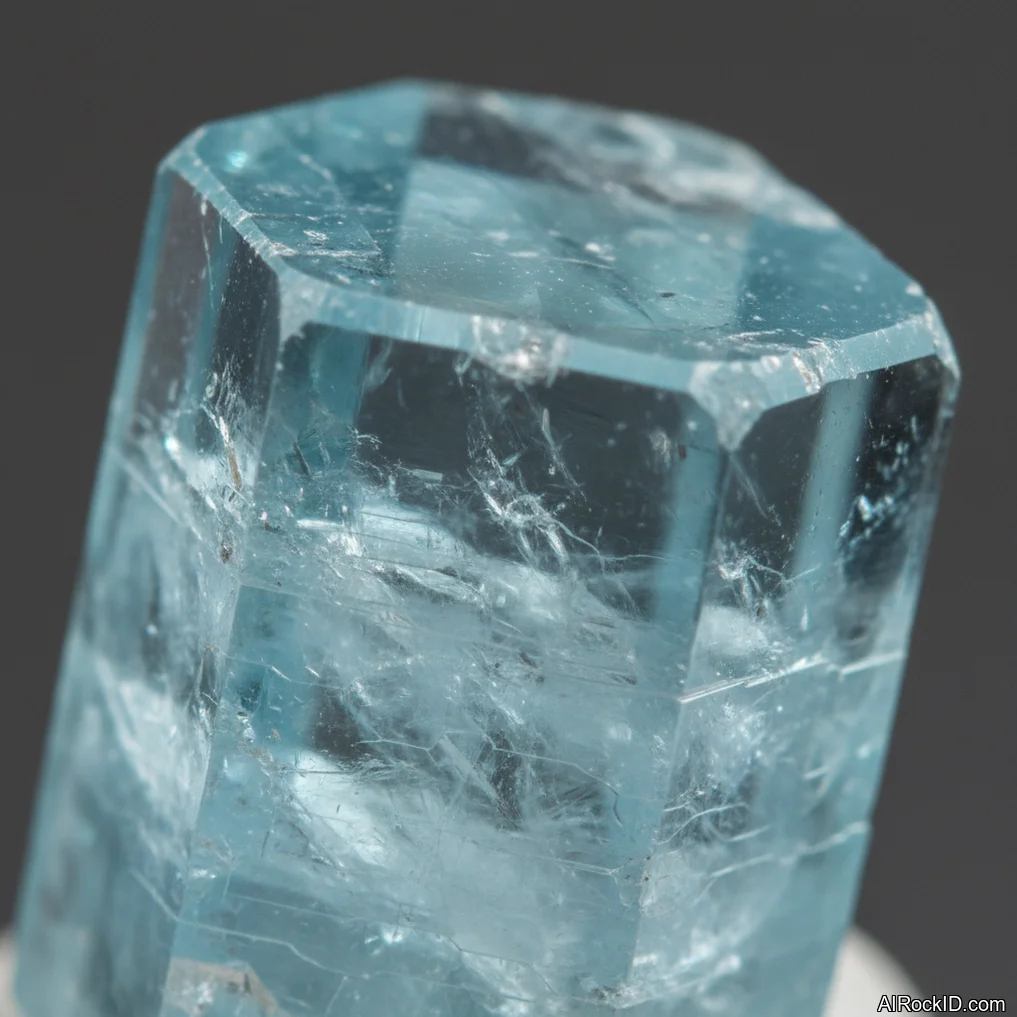
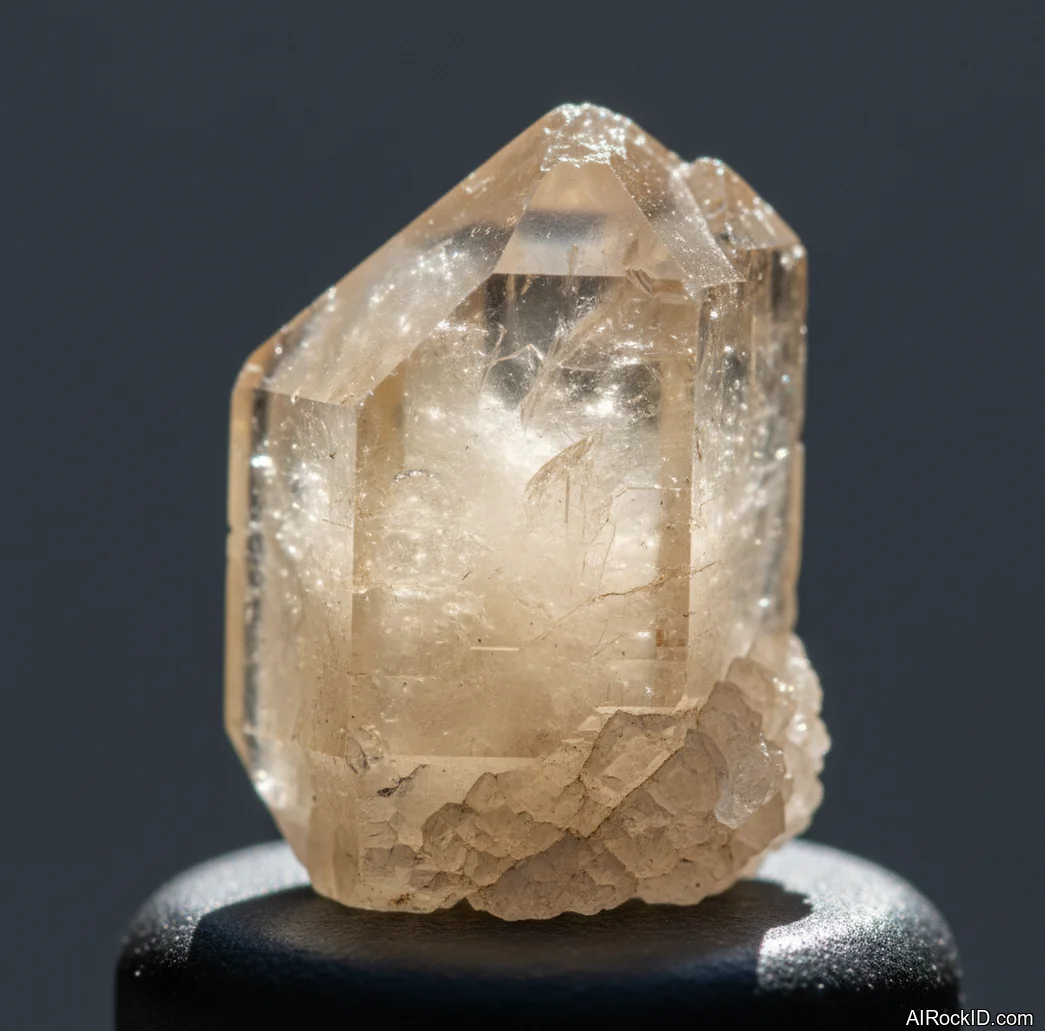
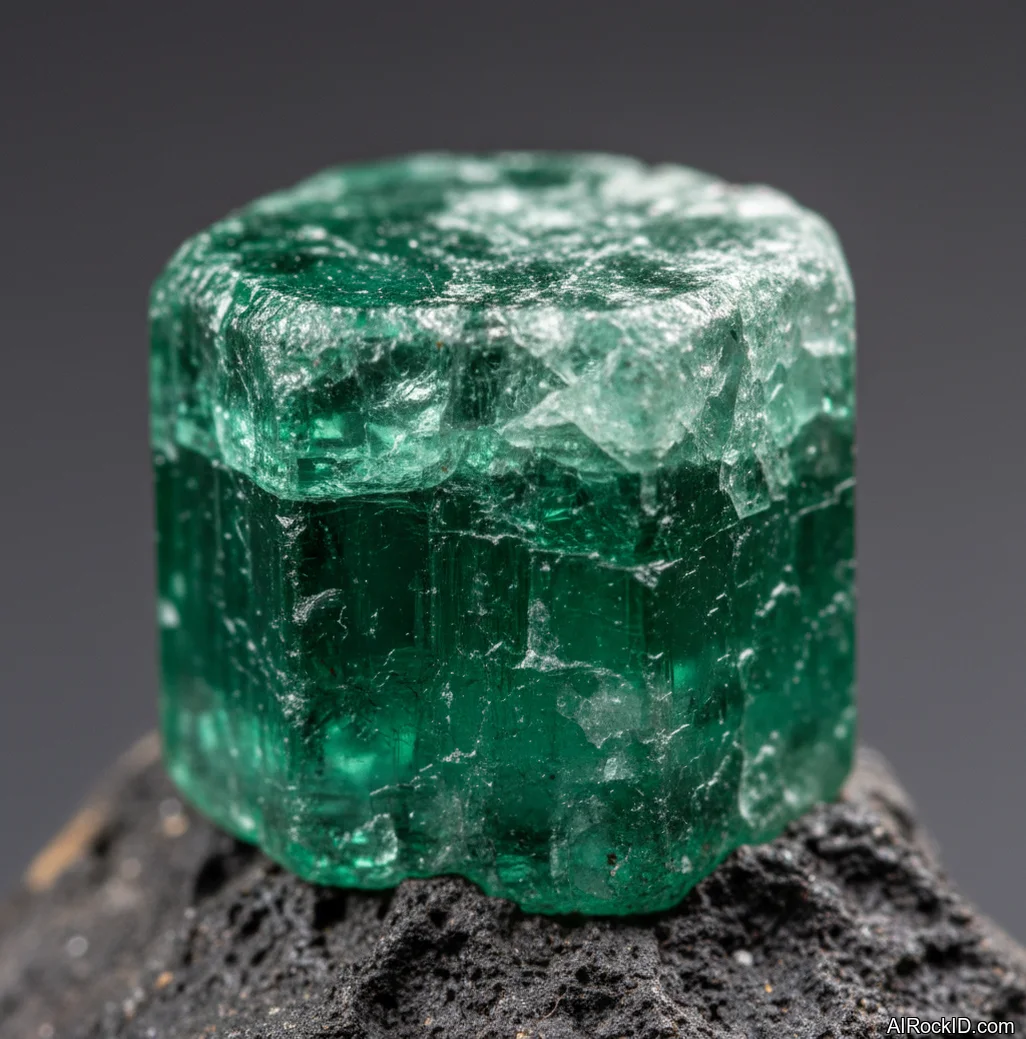
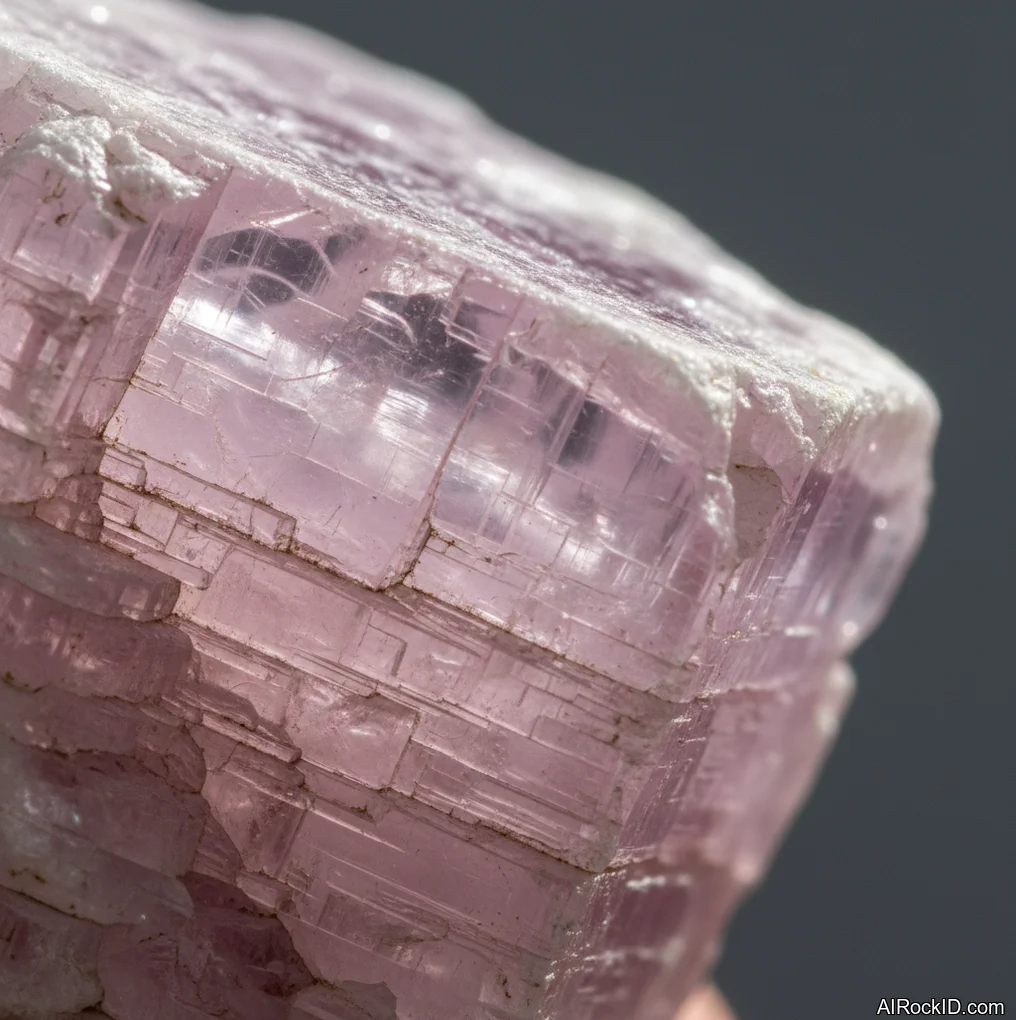
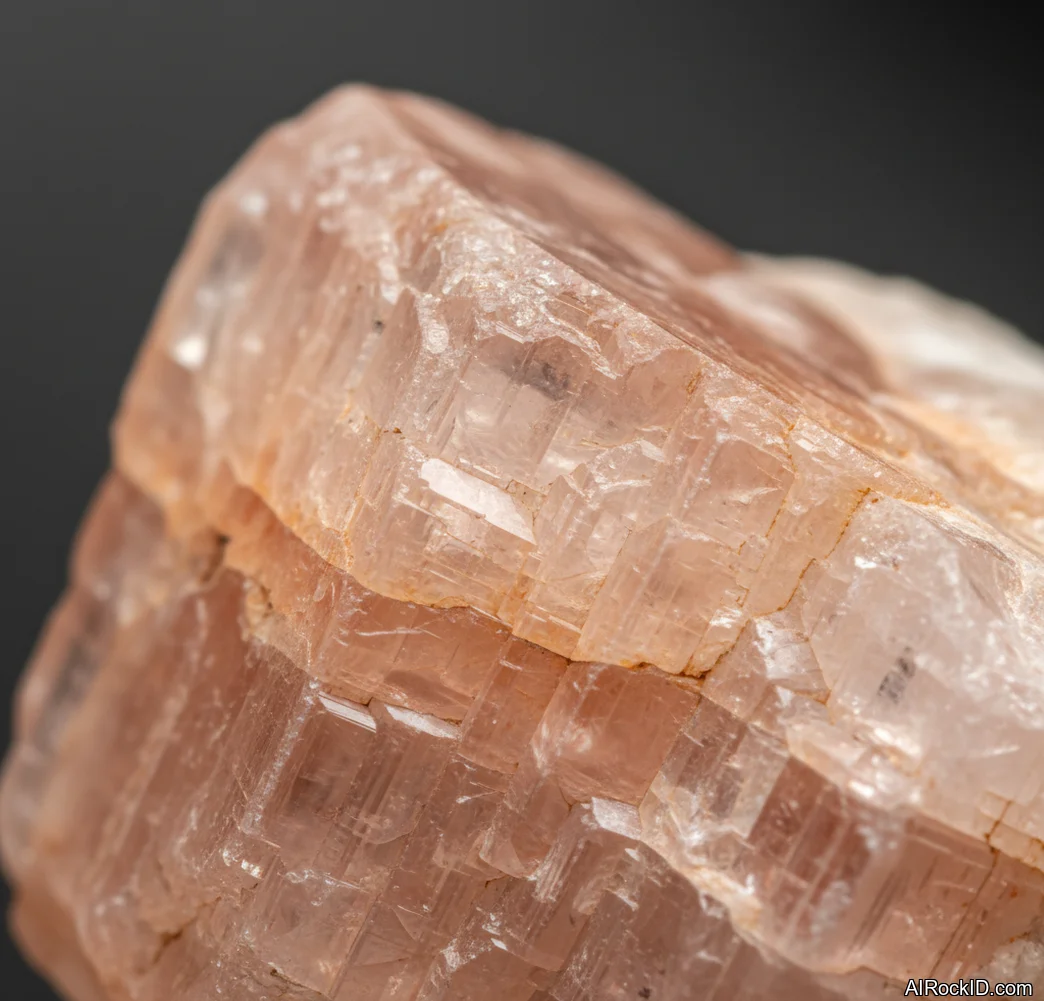
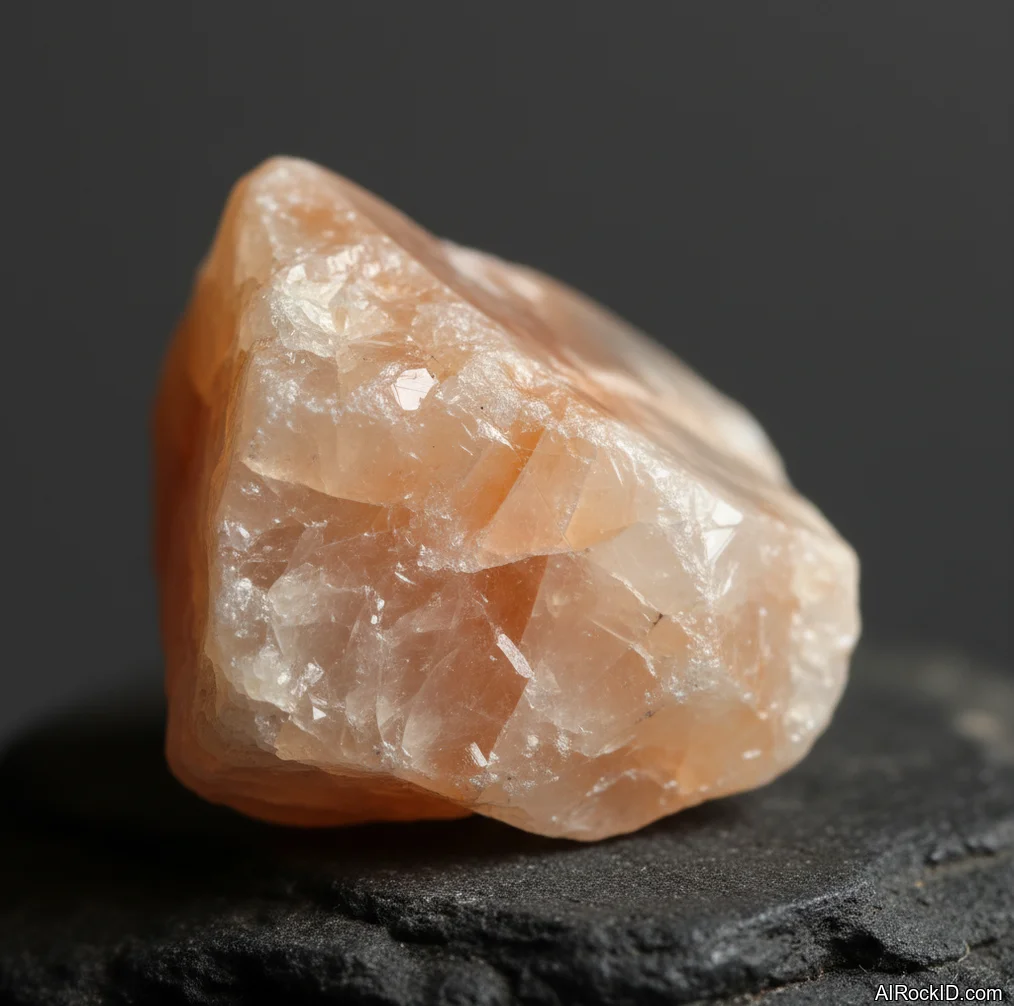
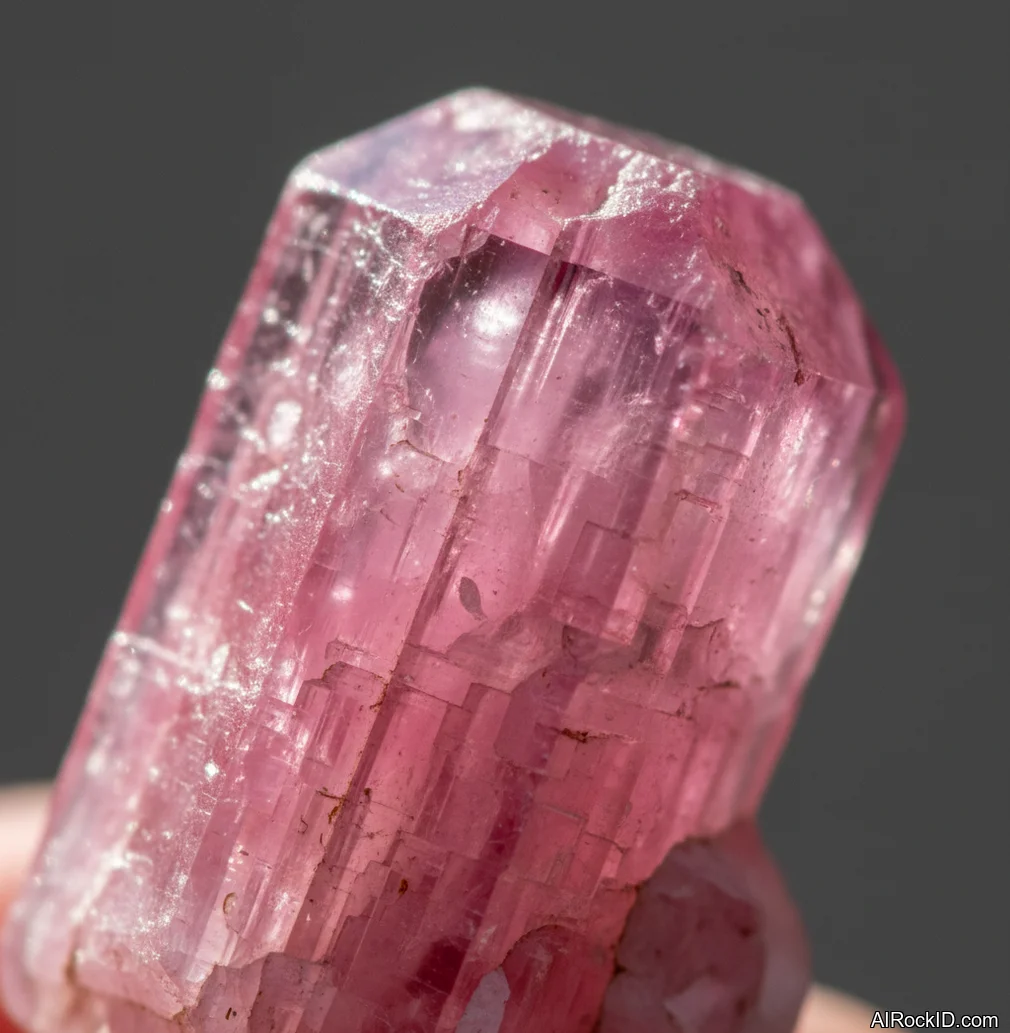
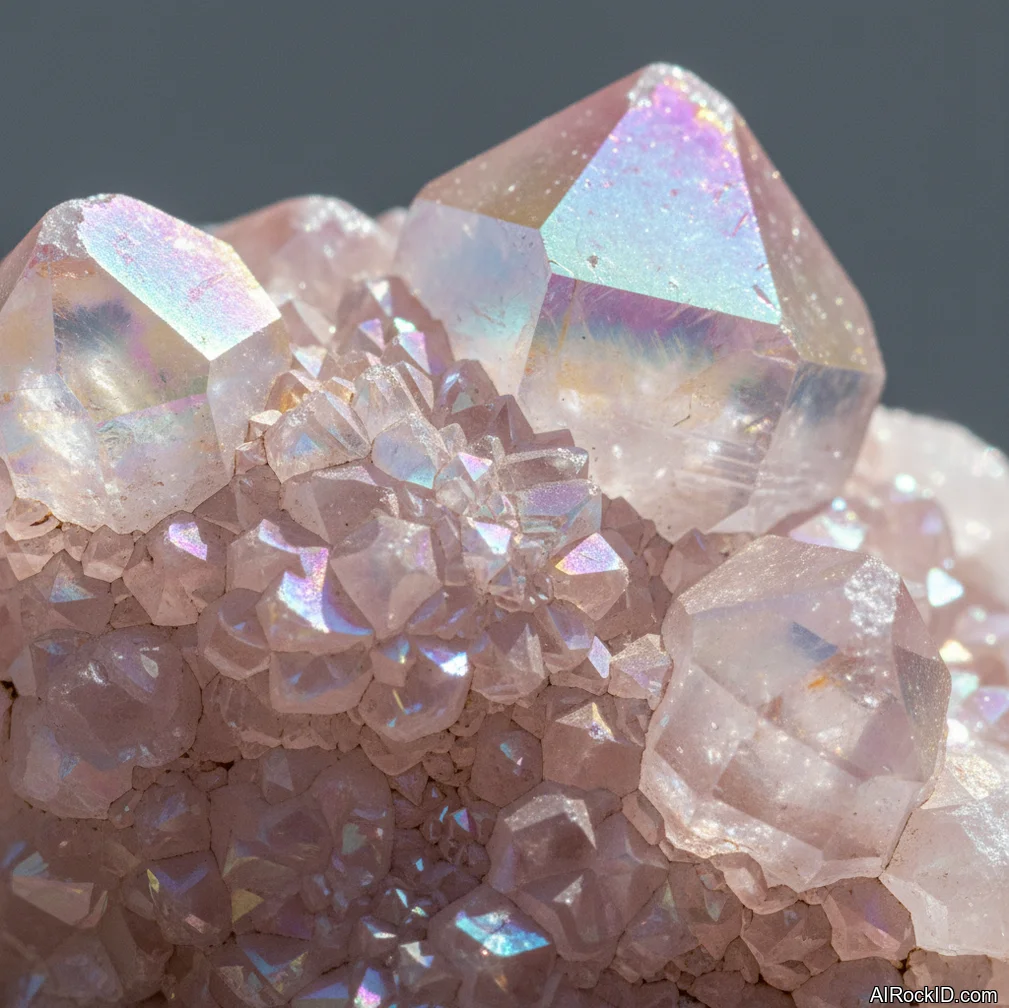
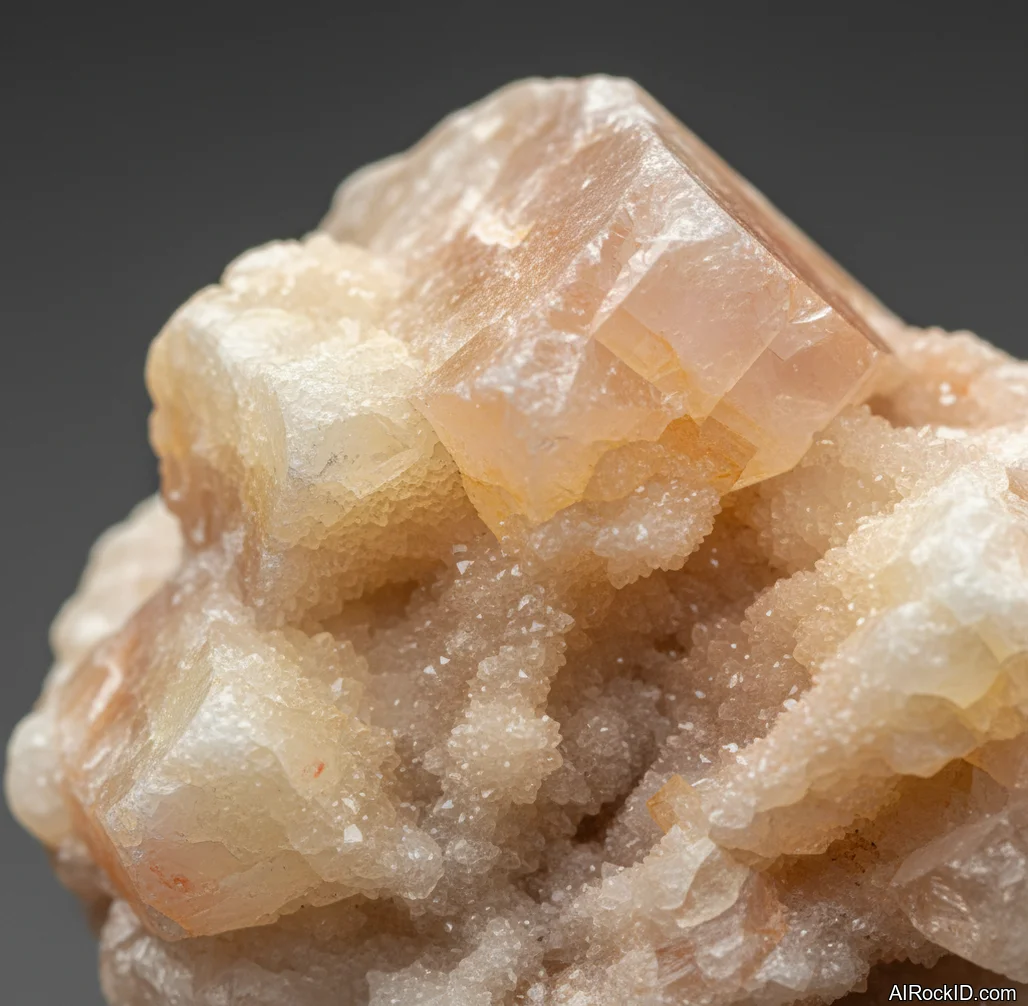
Then there’s morganite. A lot of shops file it under “love” stones, but for Compassion it earns its spot because it reads as calm, not sugary. Natural morganite is usually pale peach to blush, and the nicer stuff tends to be beryl crystal that’s been cut, not some random tumble. The real check is how it handles light: clean, glassy, crisp, not waxy. So if you’re shopping in person, ask to see it under neutral lighting, not a pink LED setup that makes everything look like a romance movie.
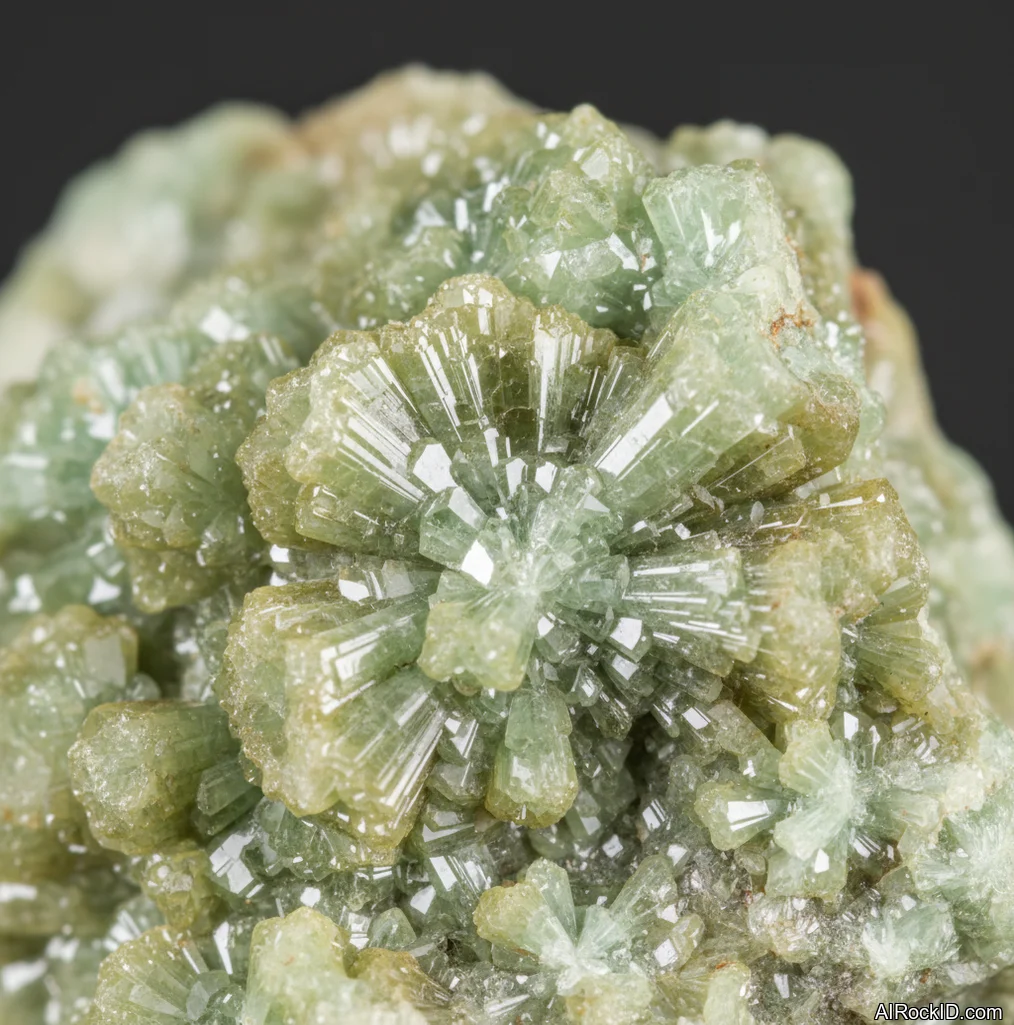
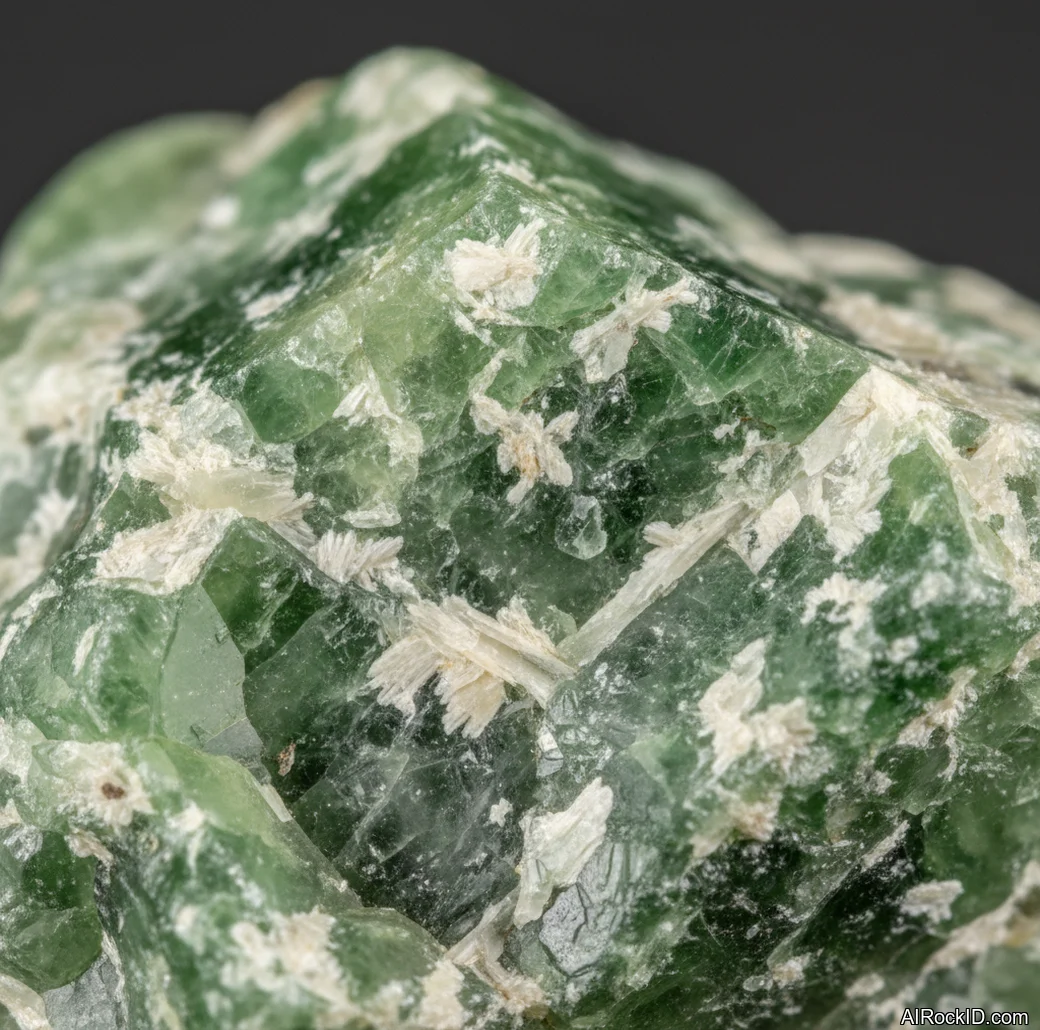
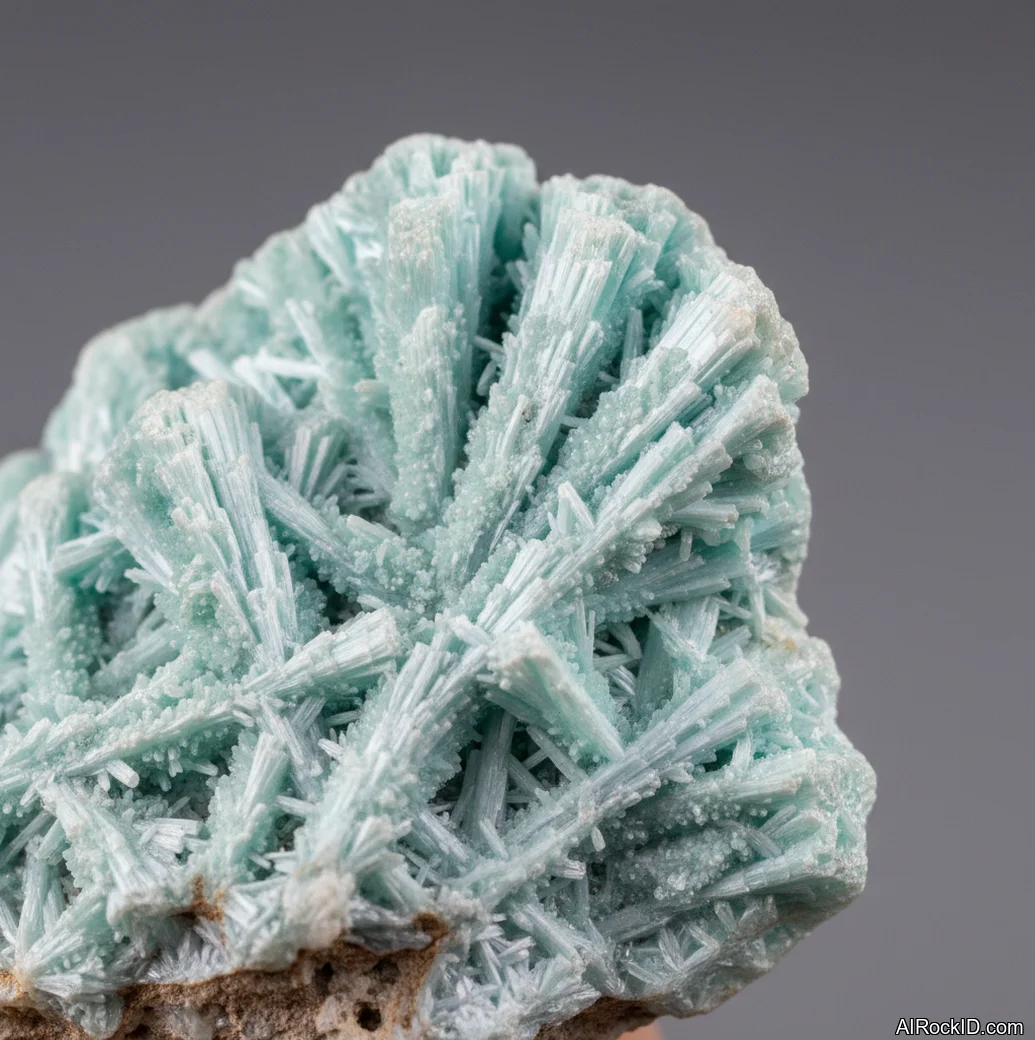
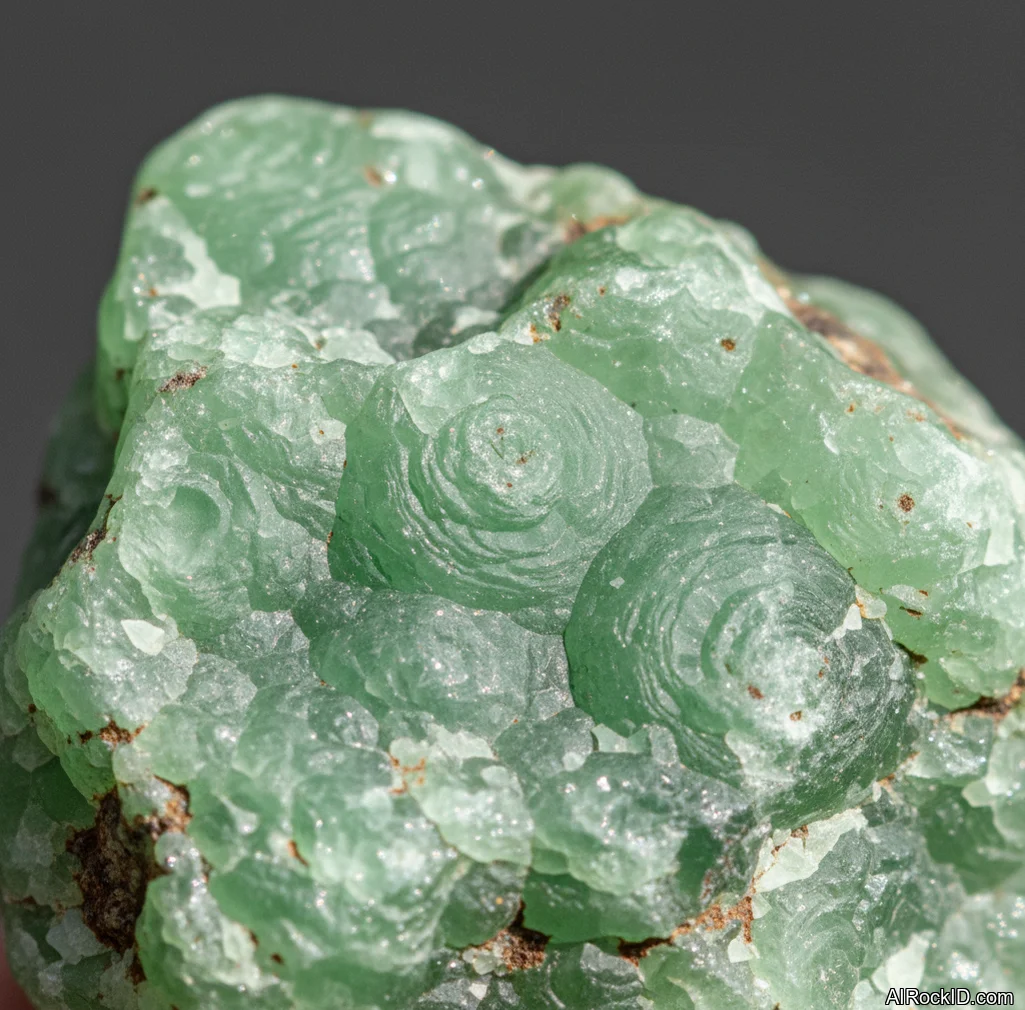
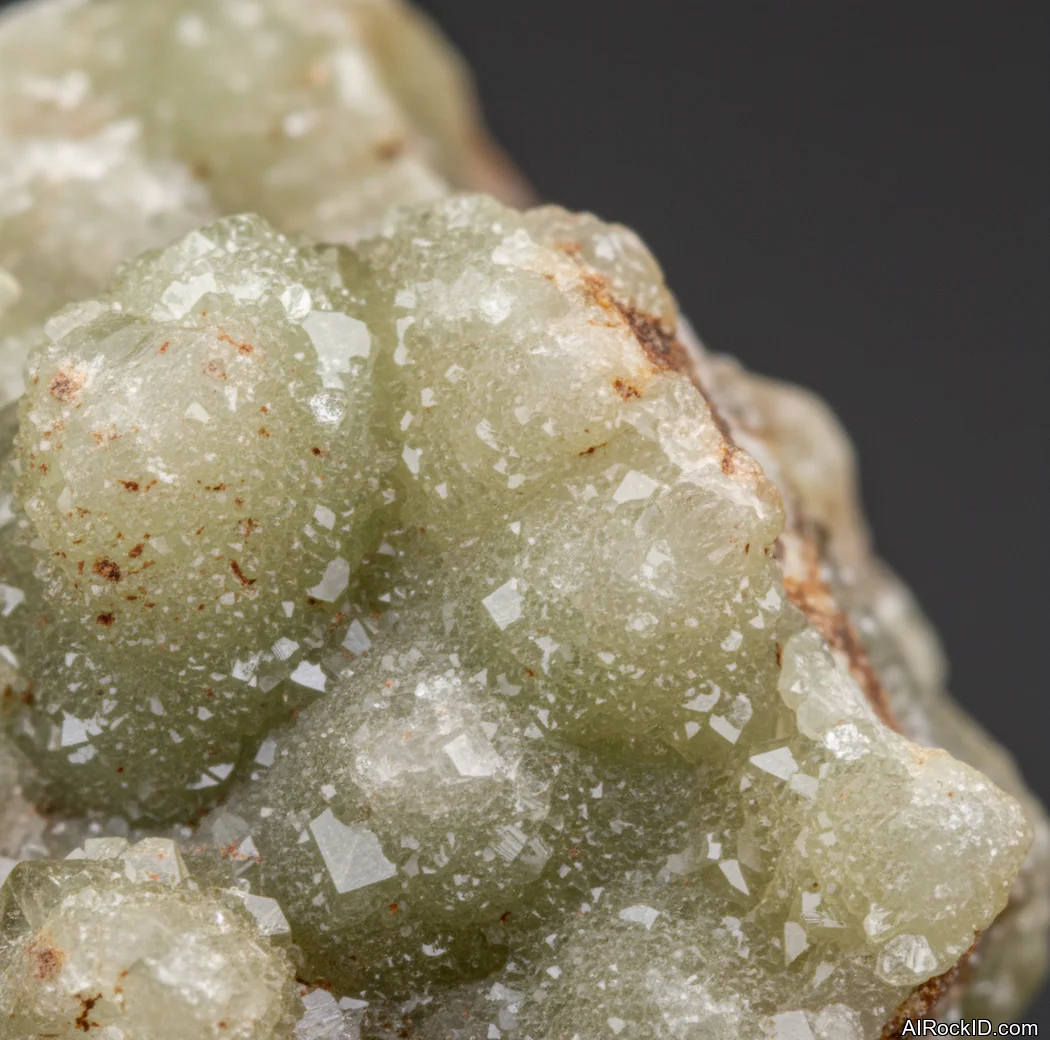
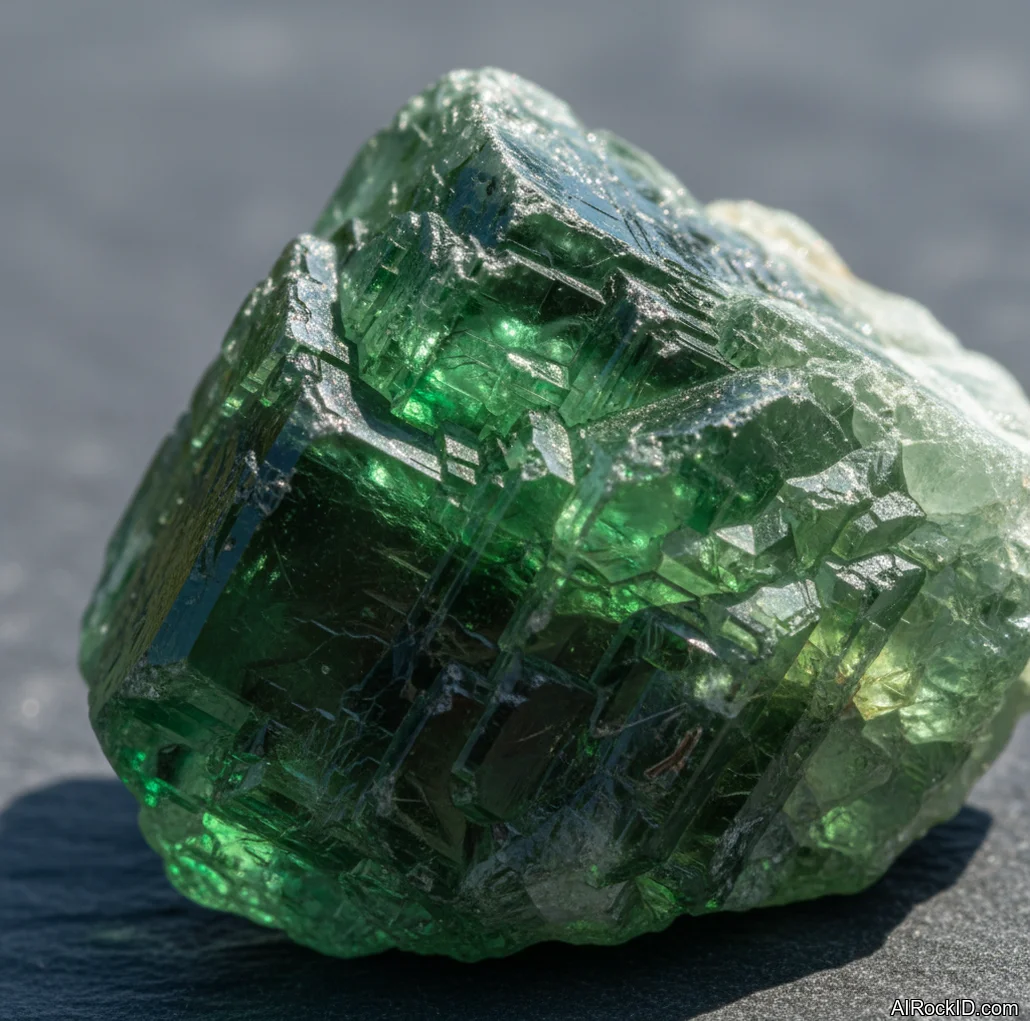
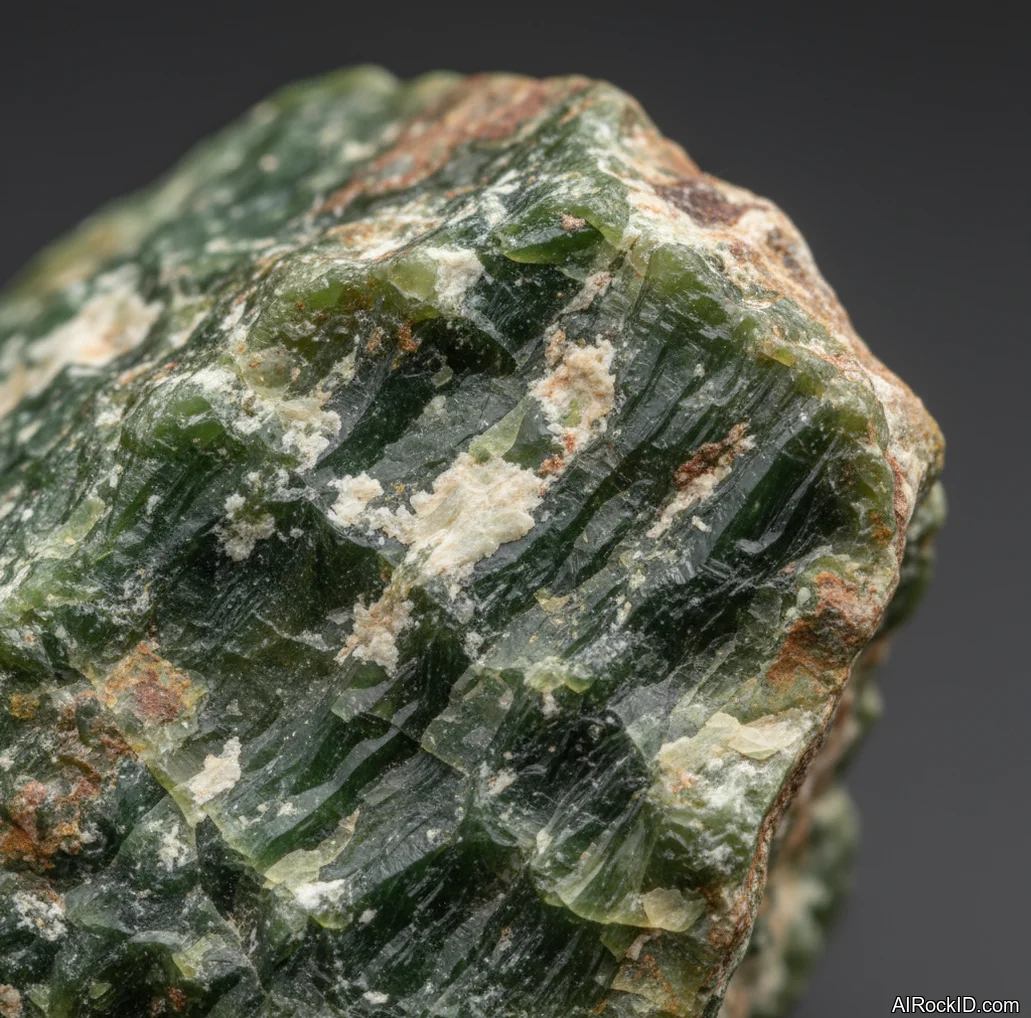
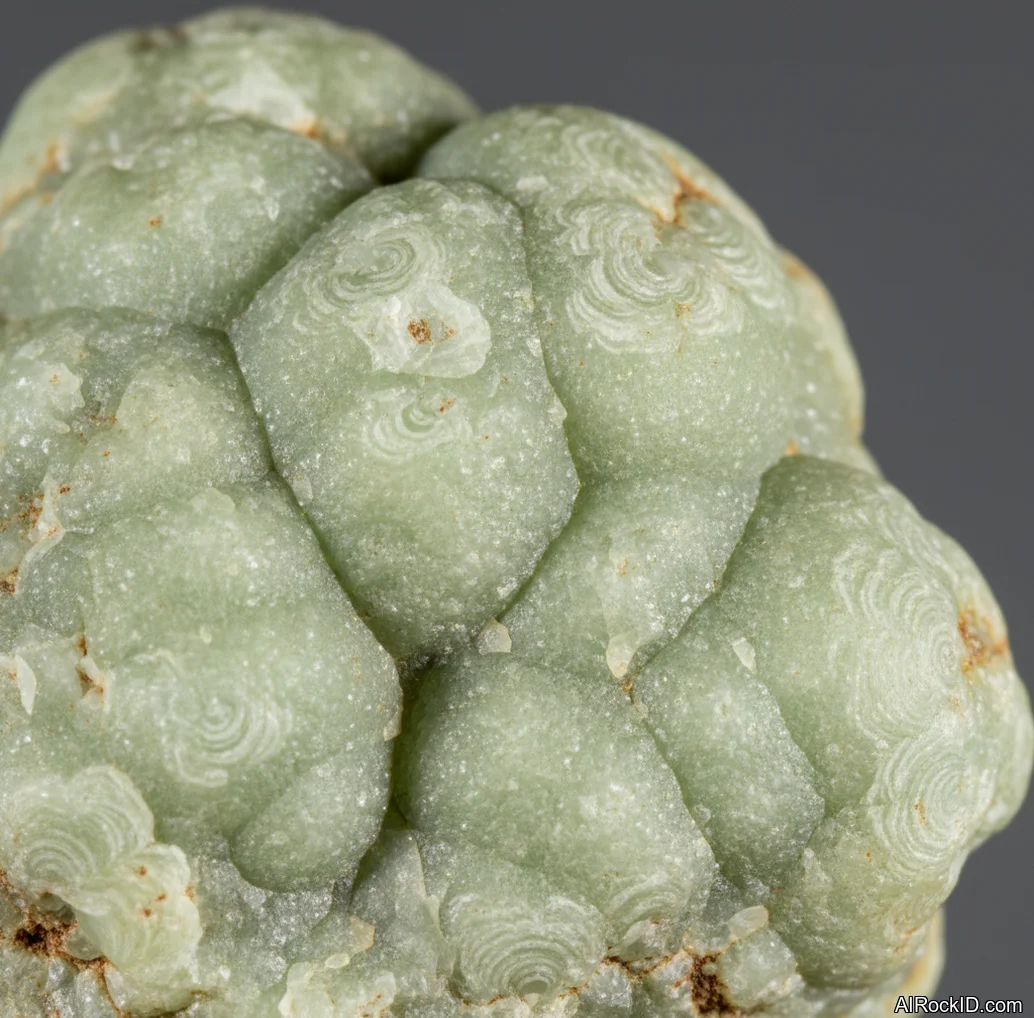
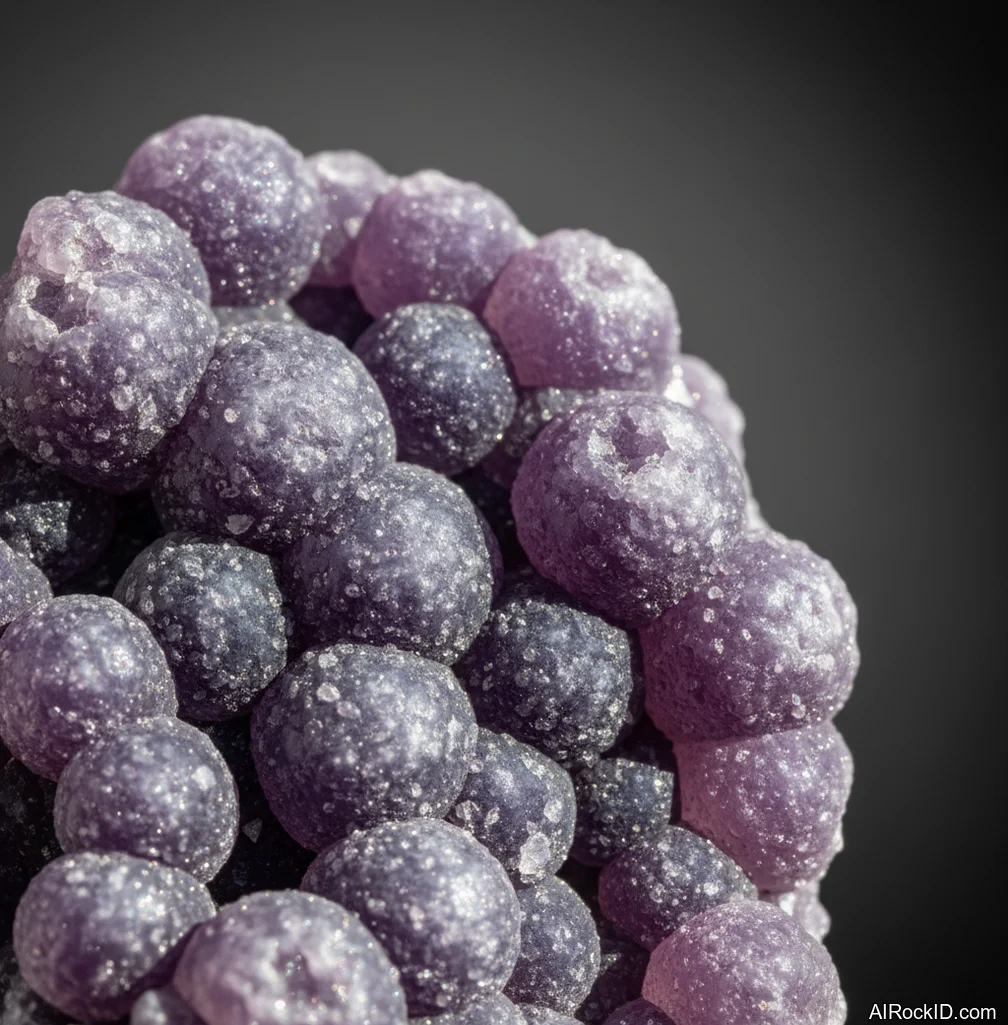
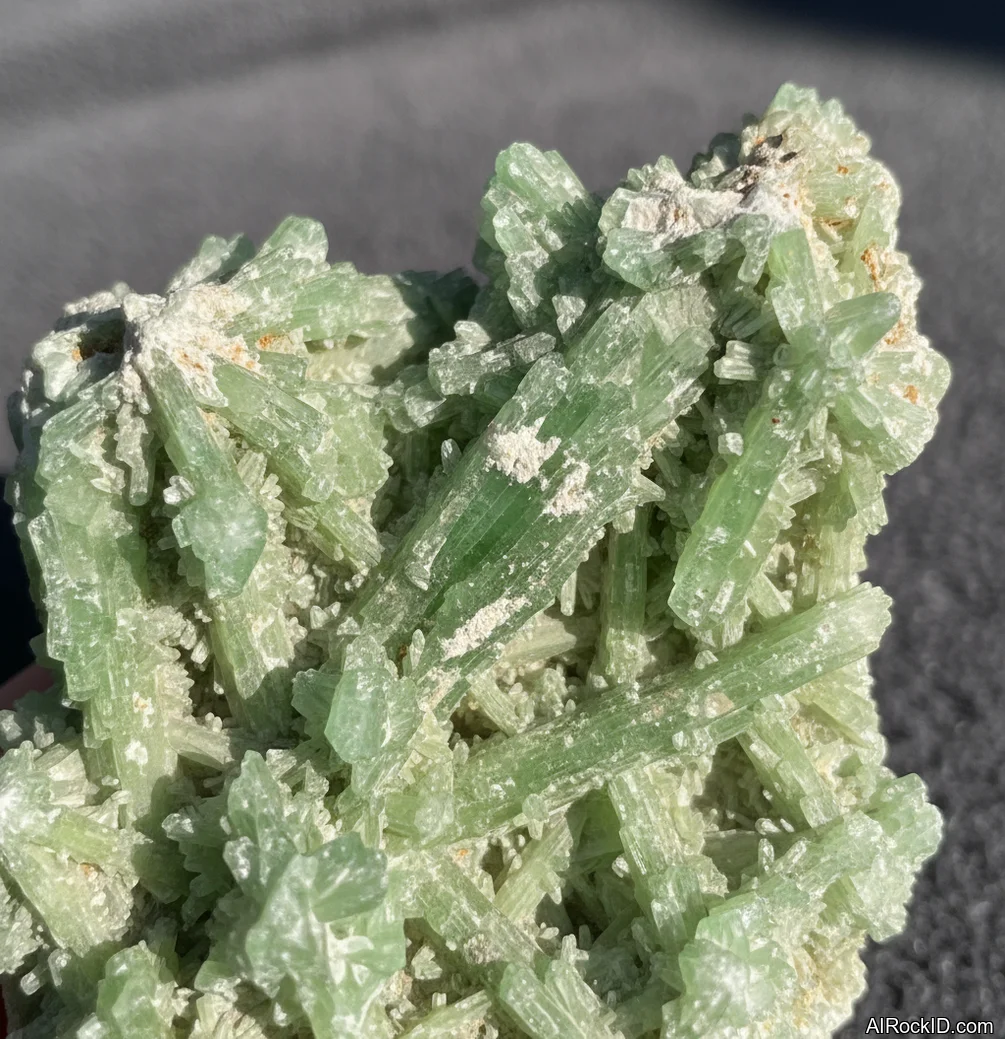
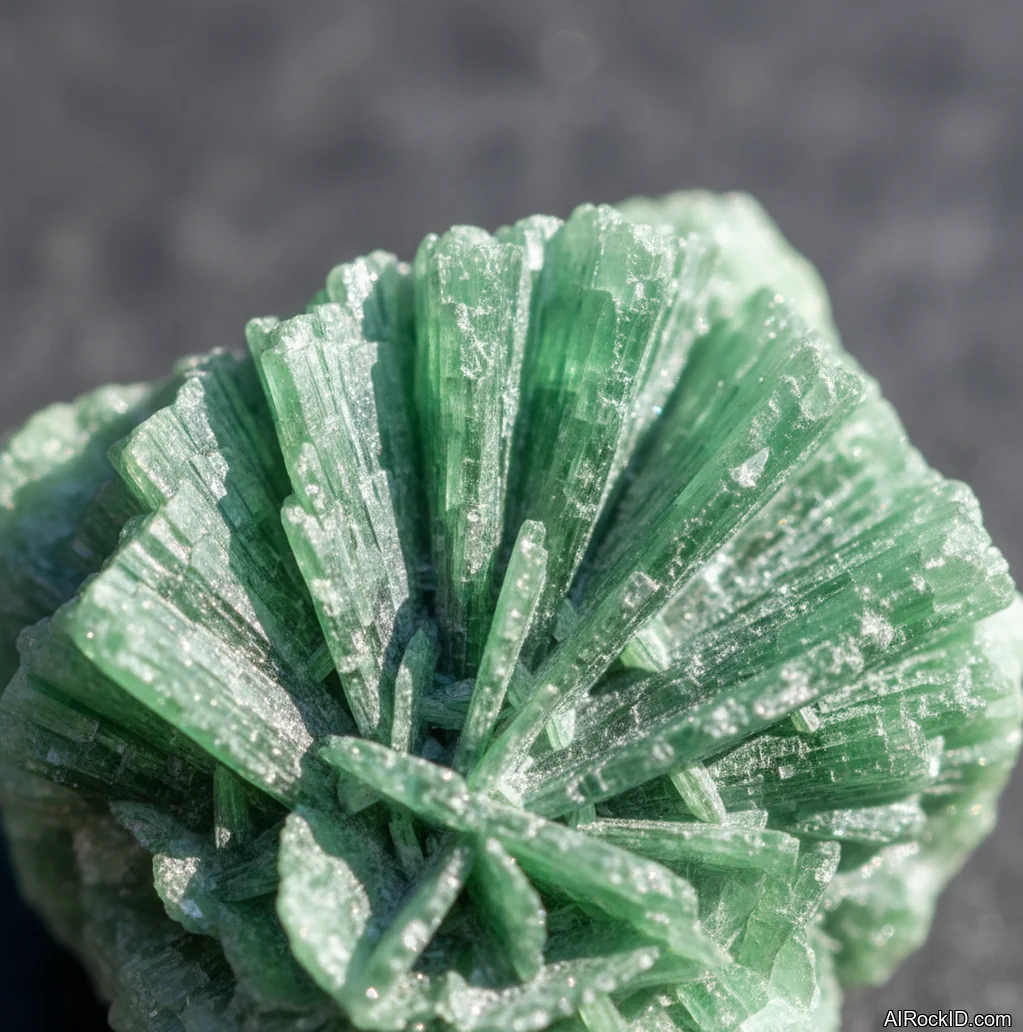
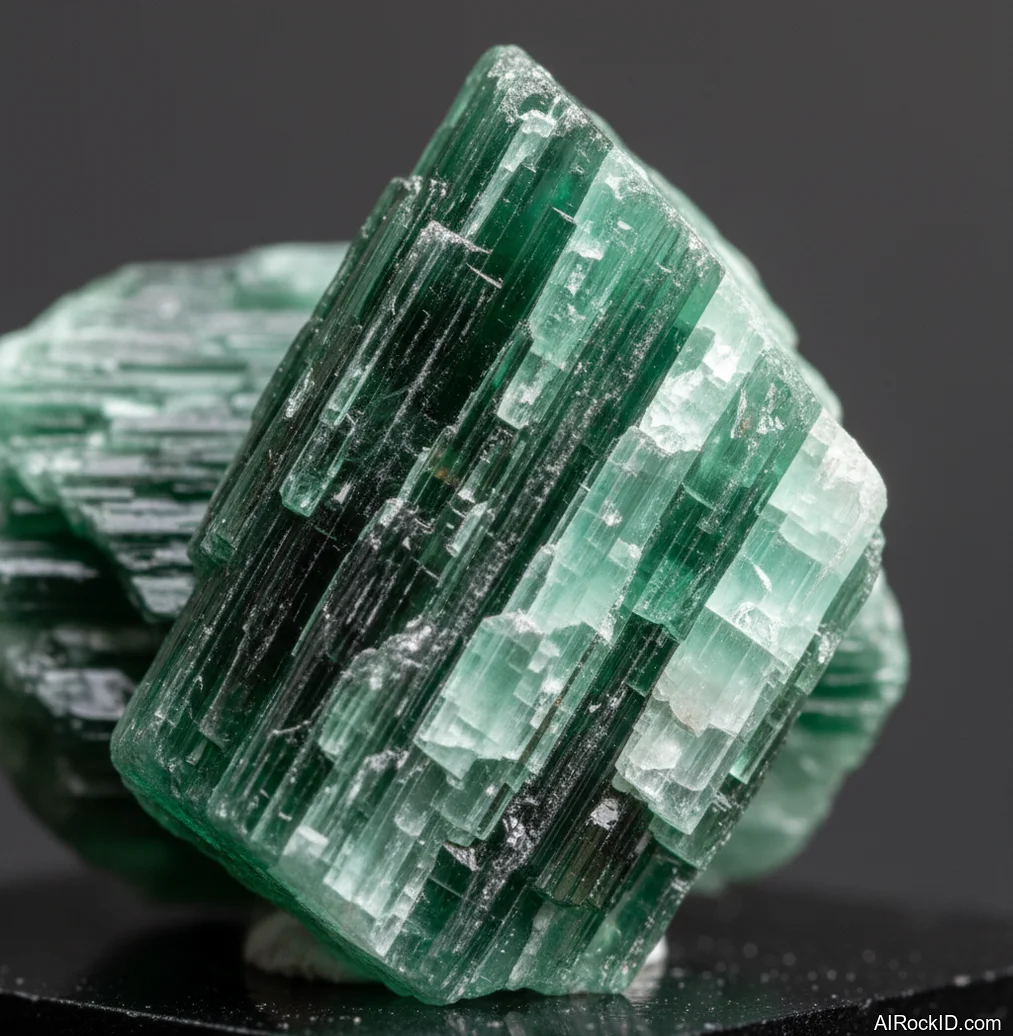
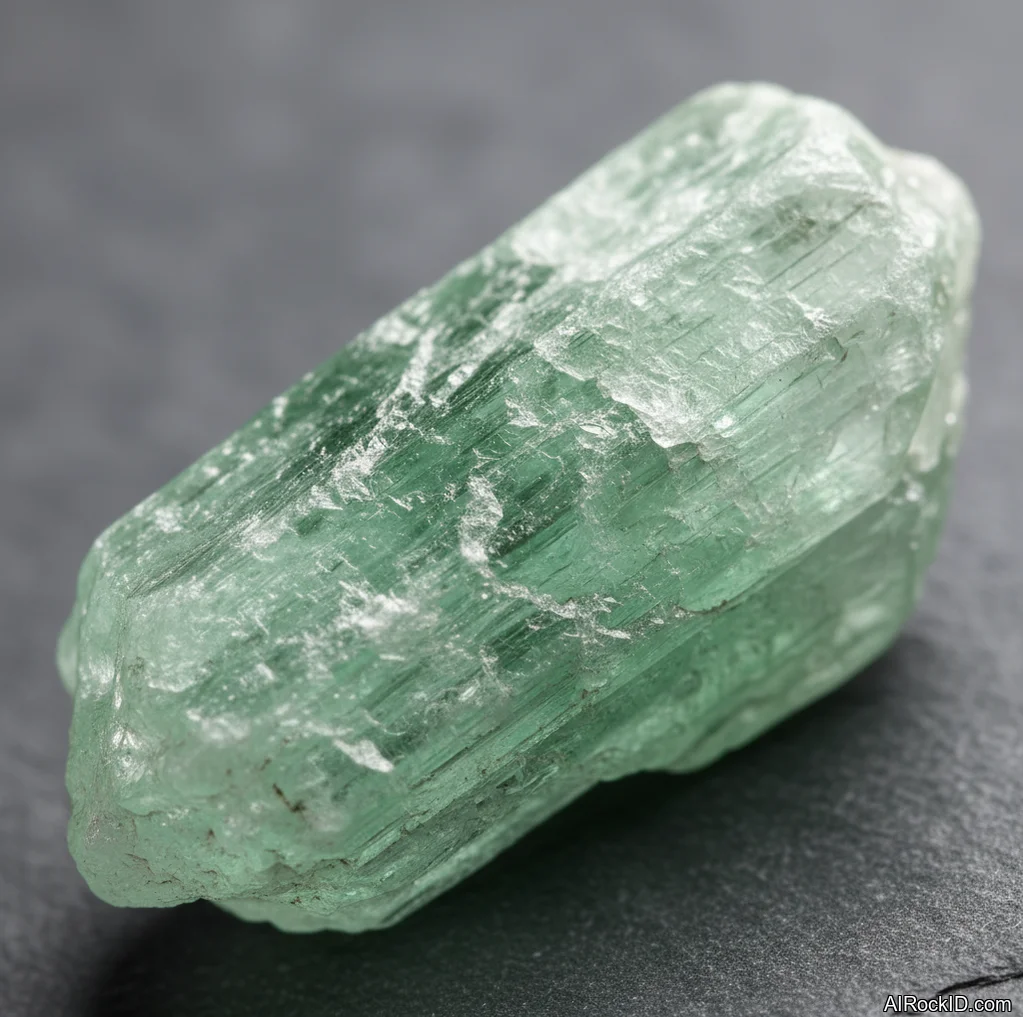
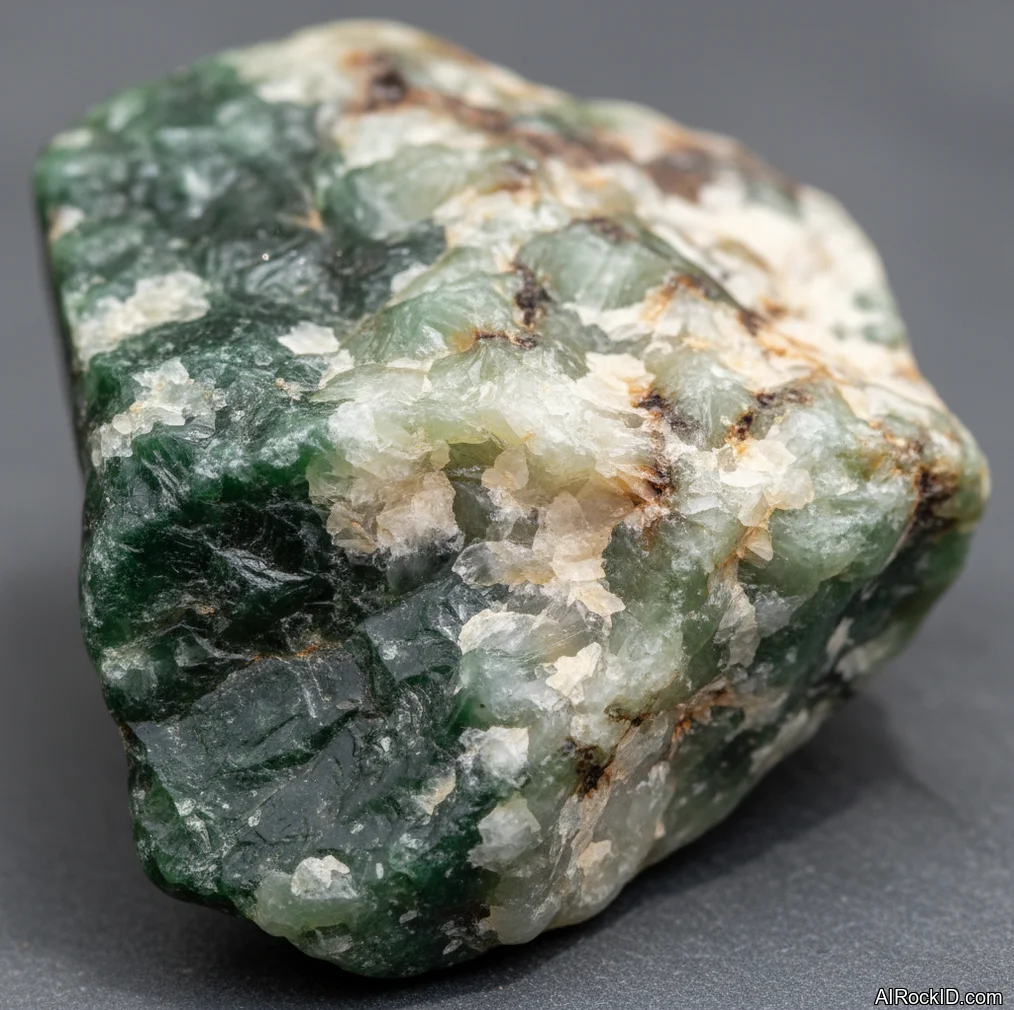
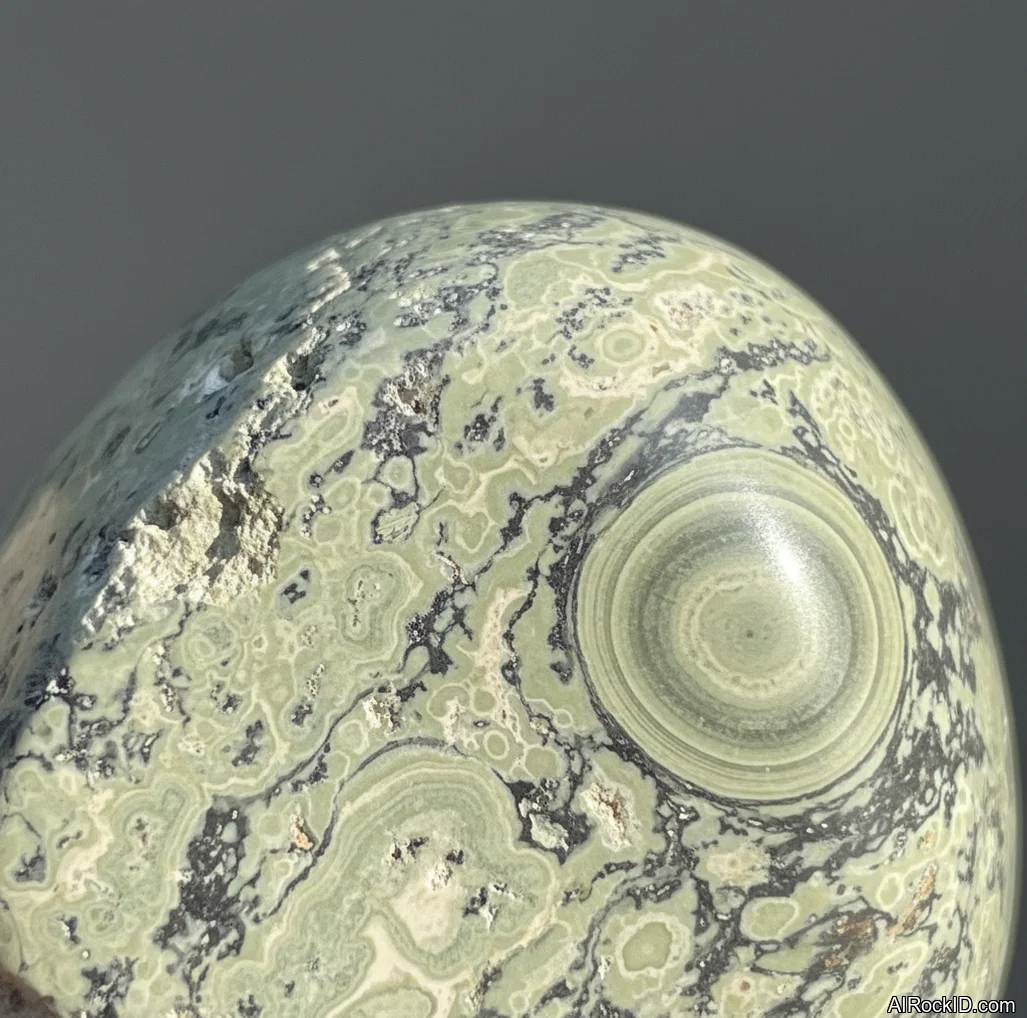
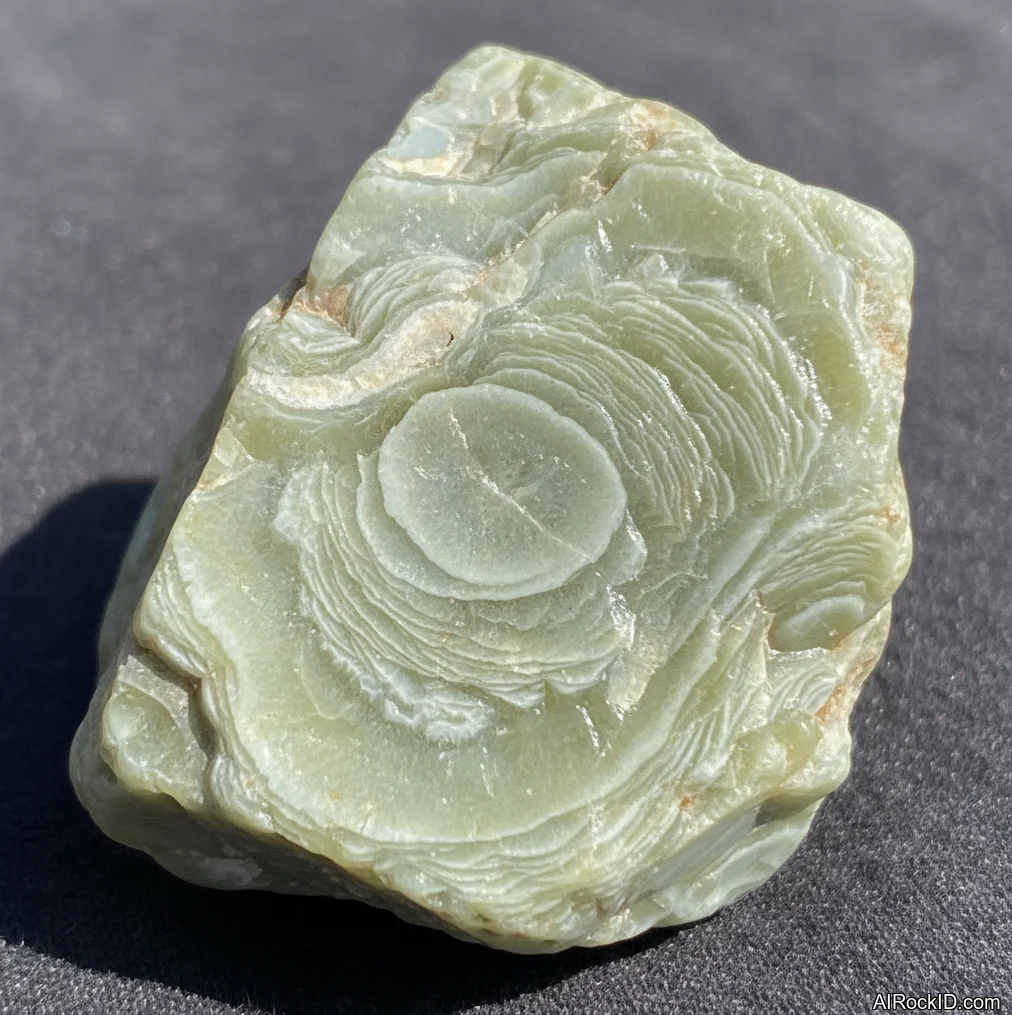
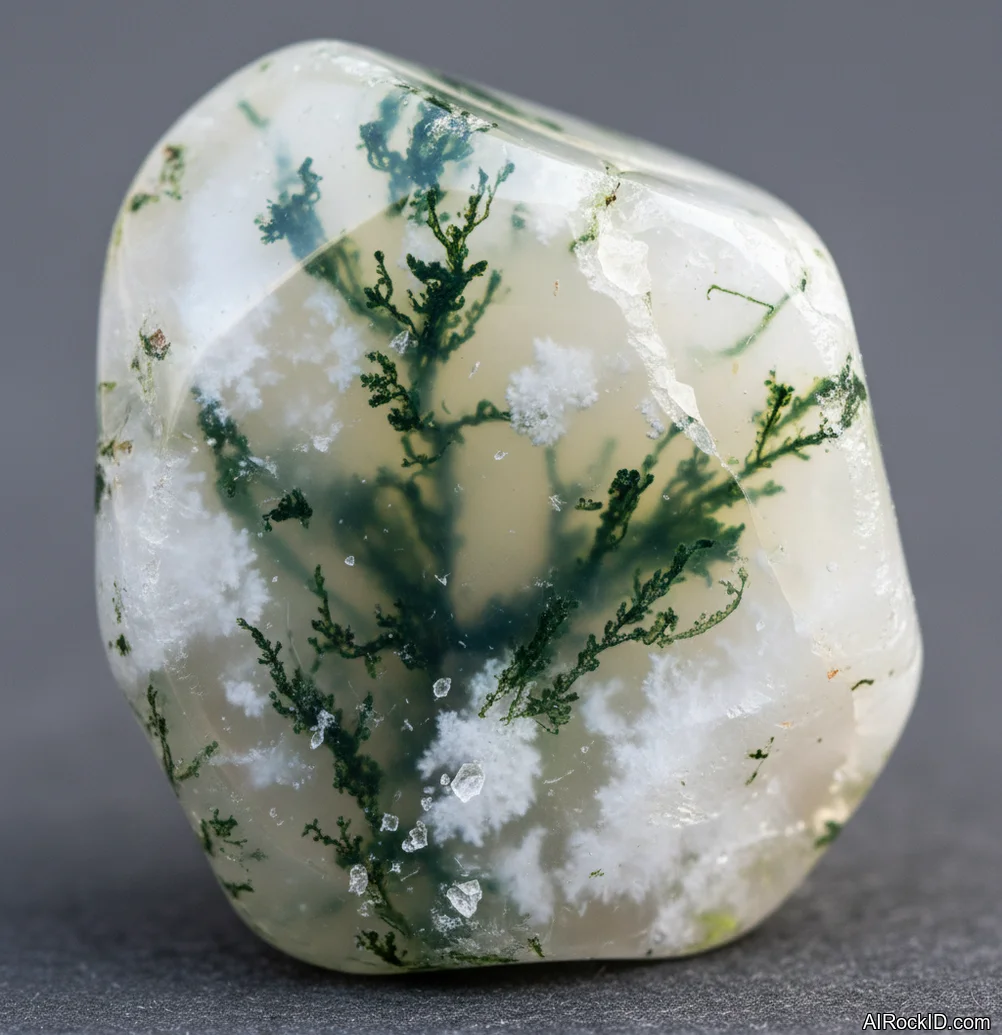
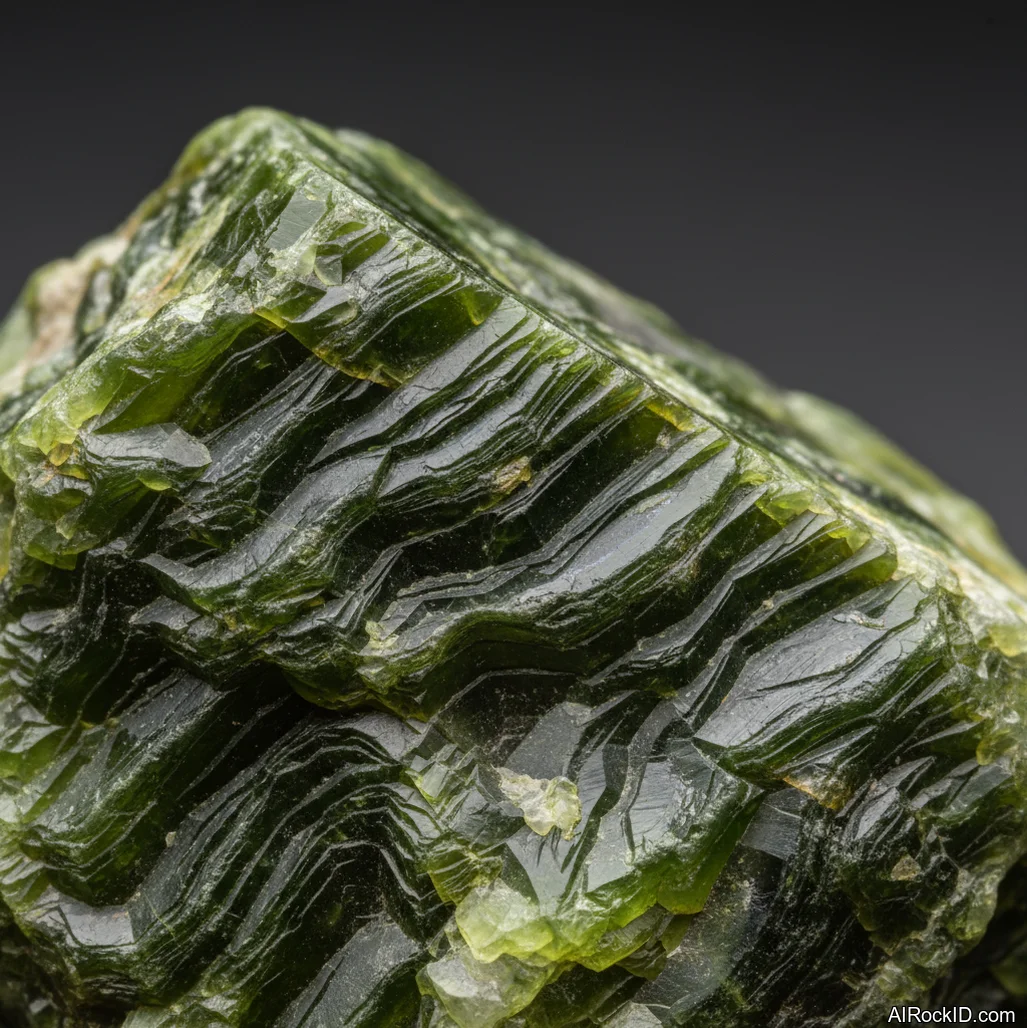
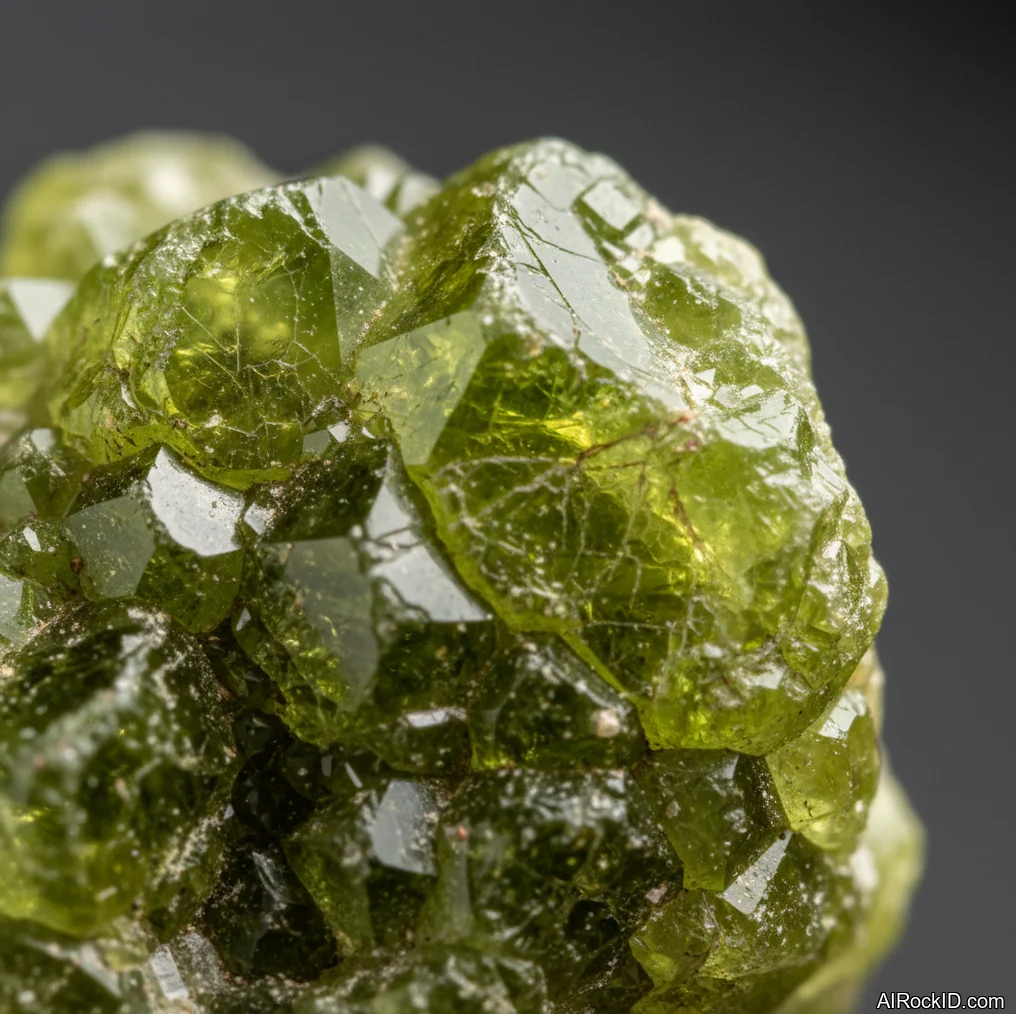
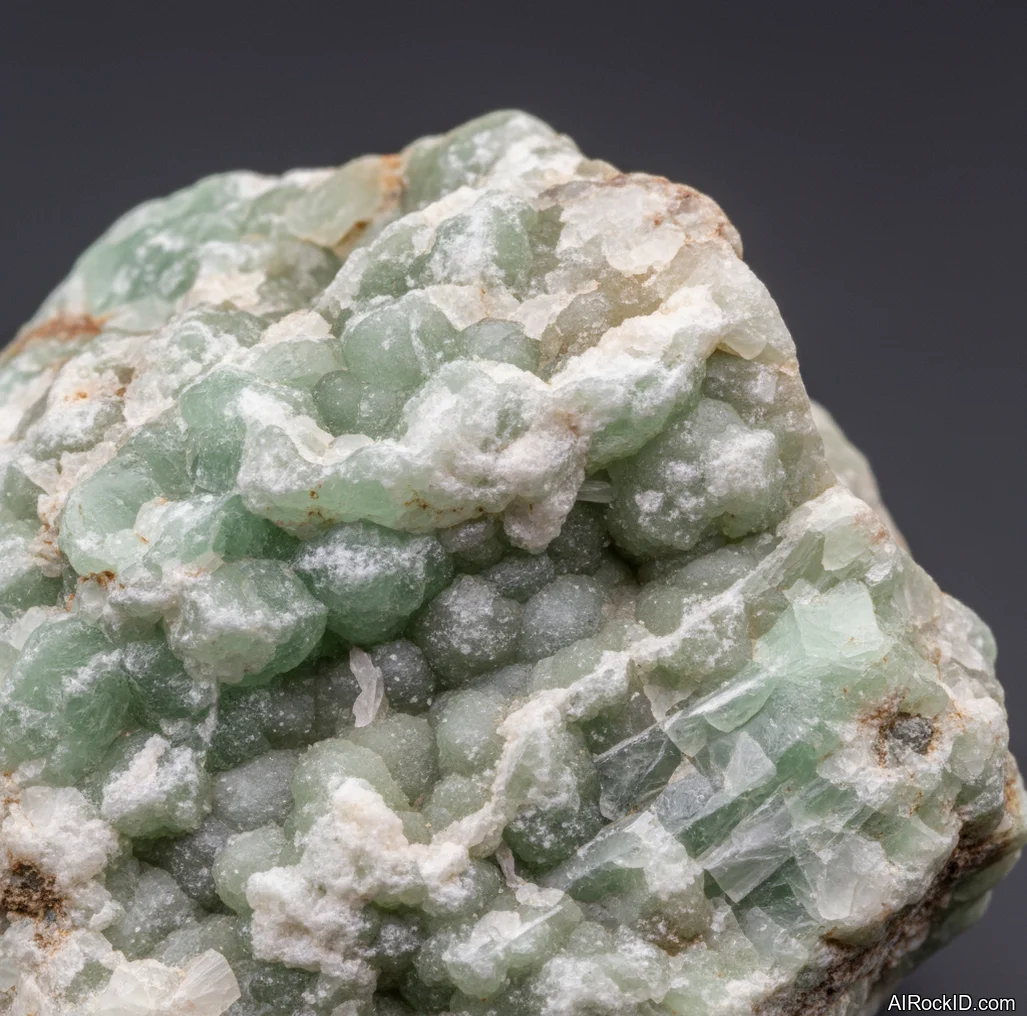
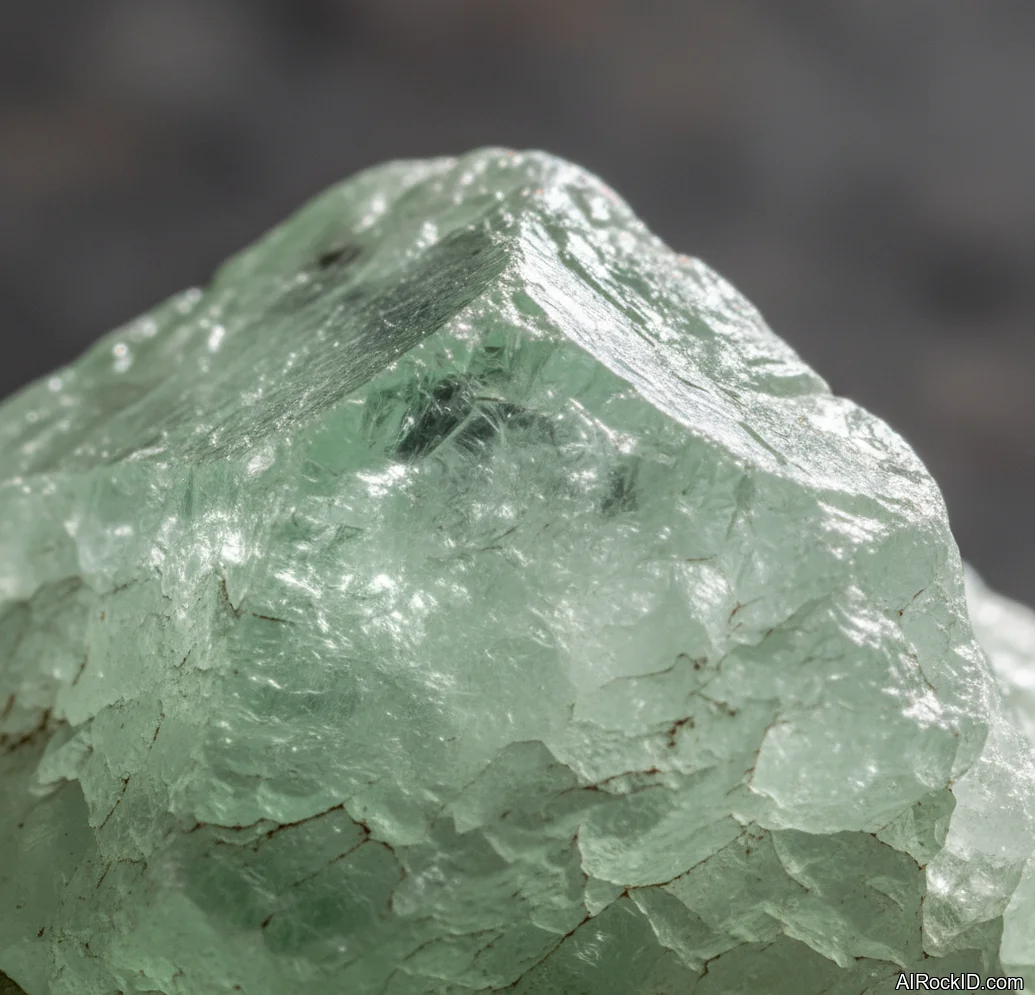
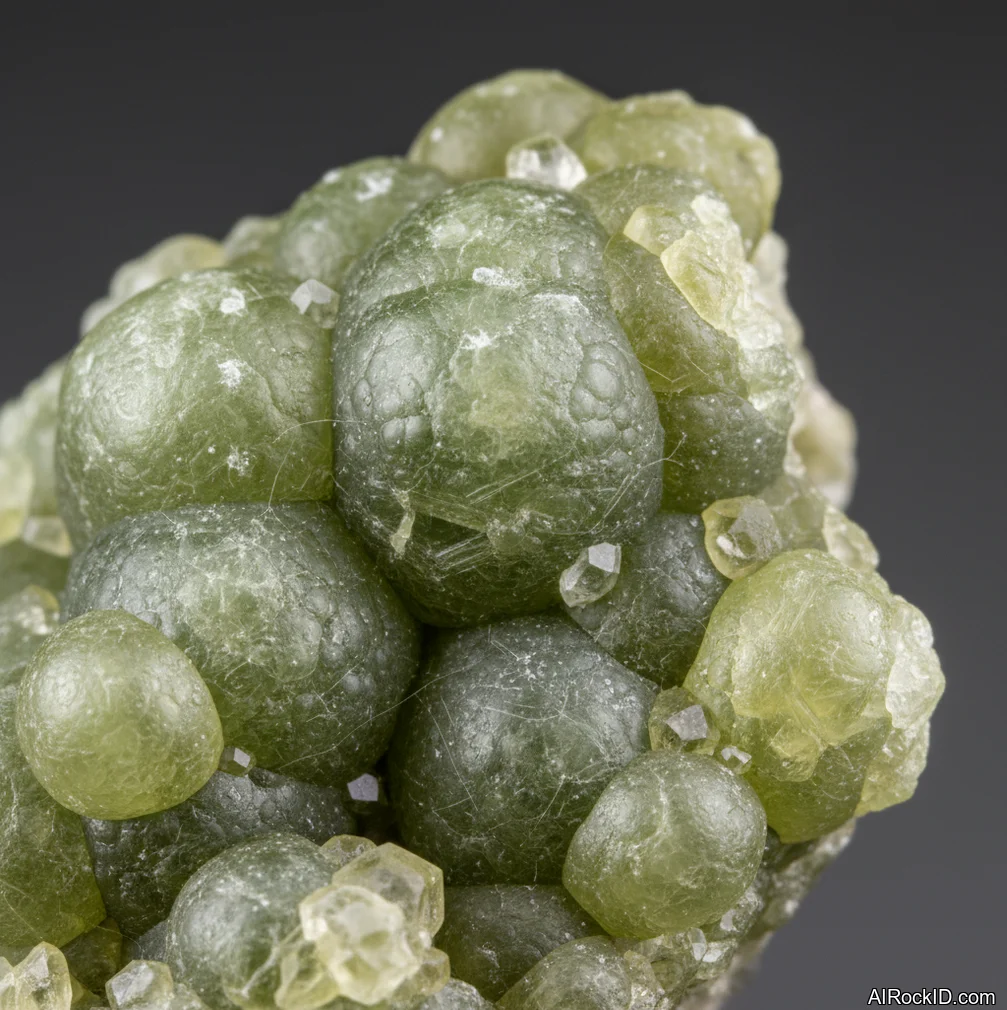
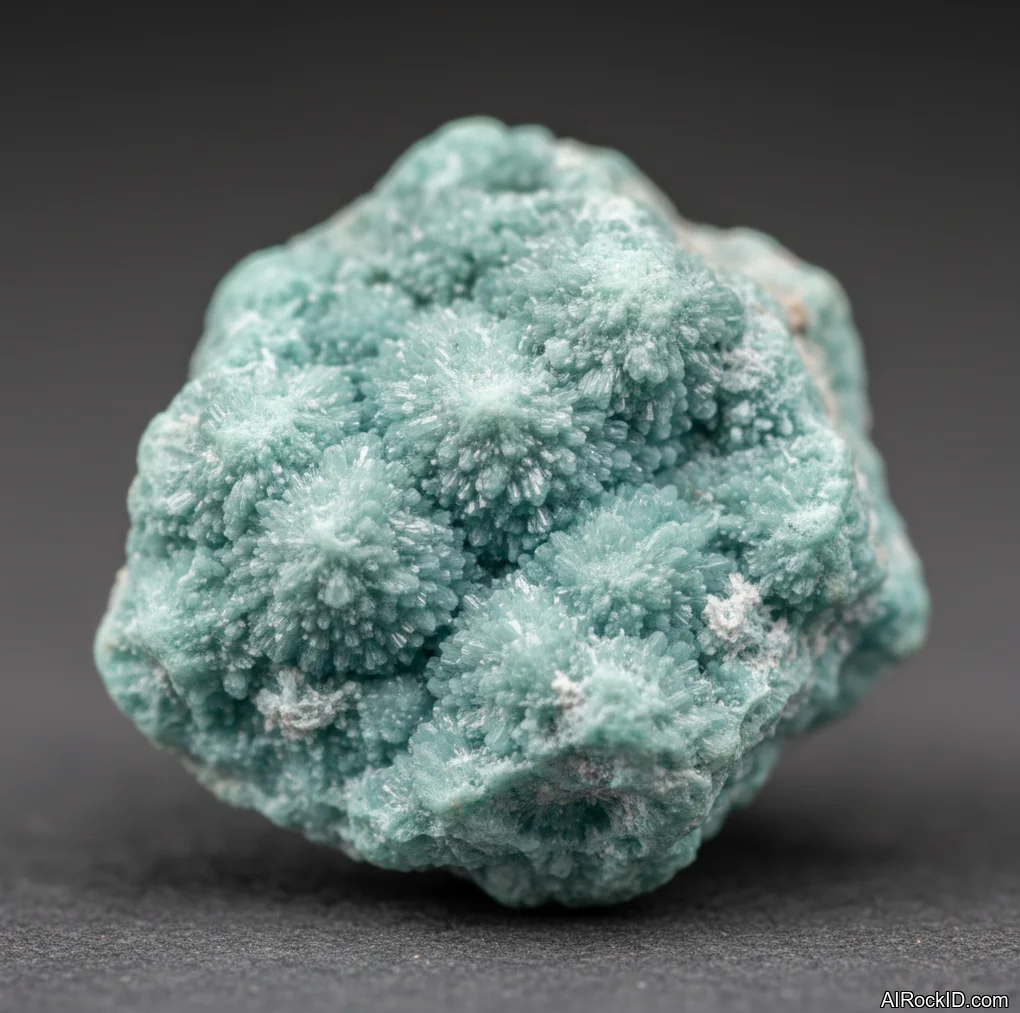
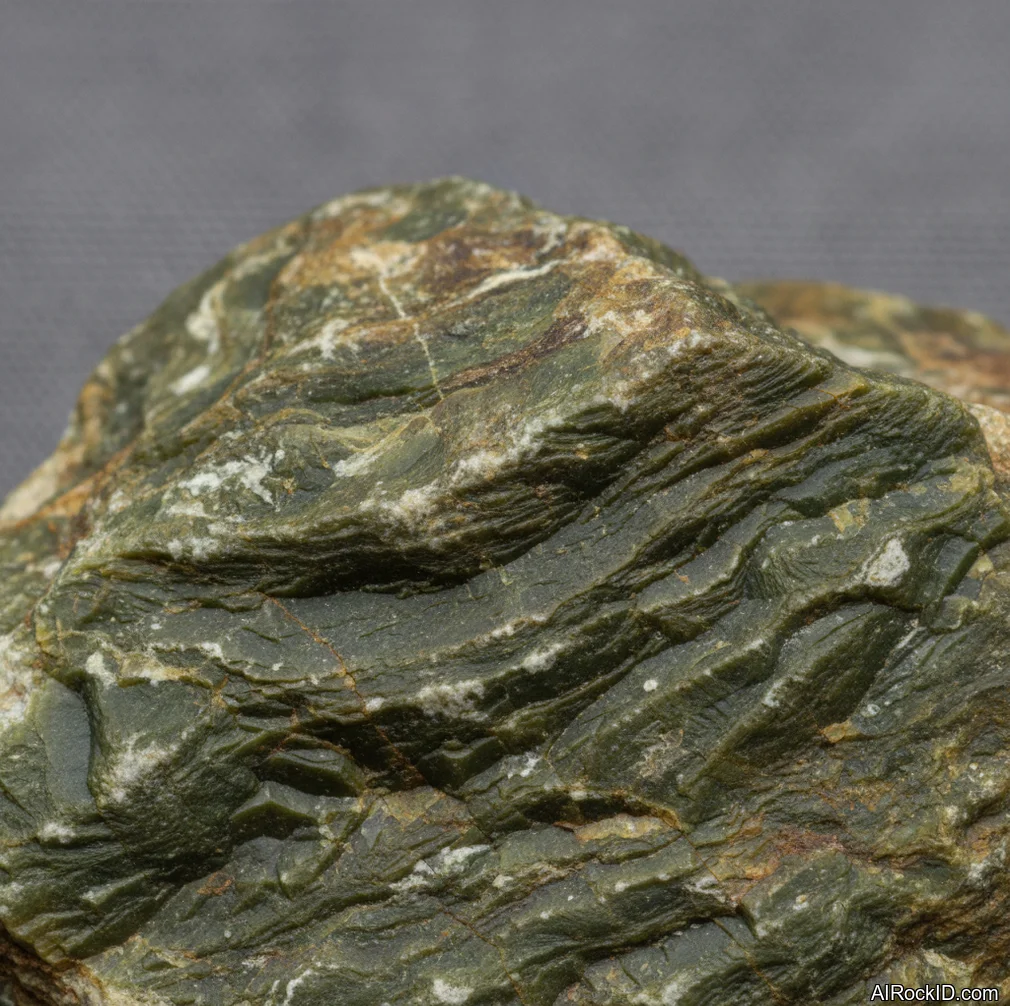
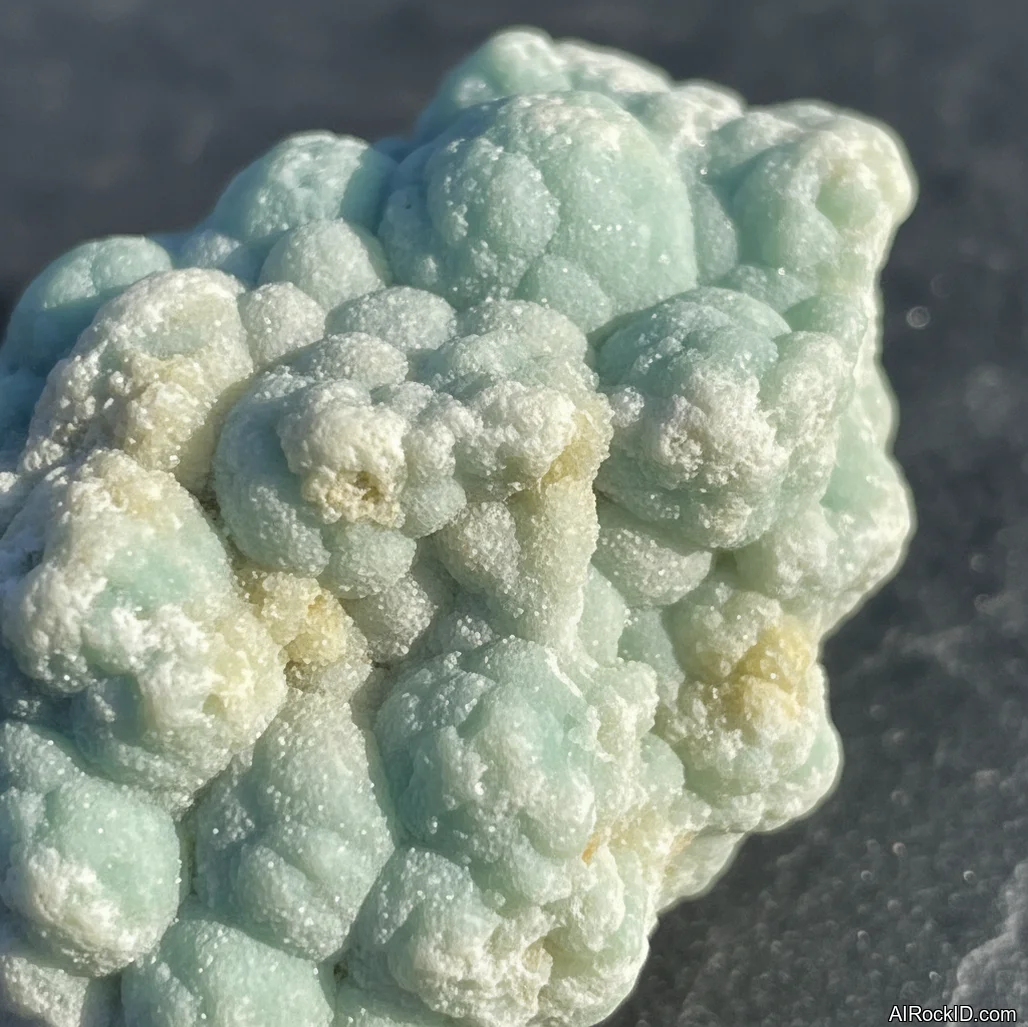
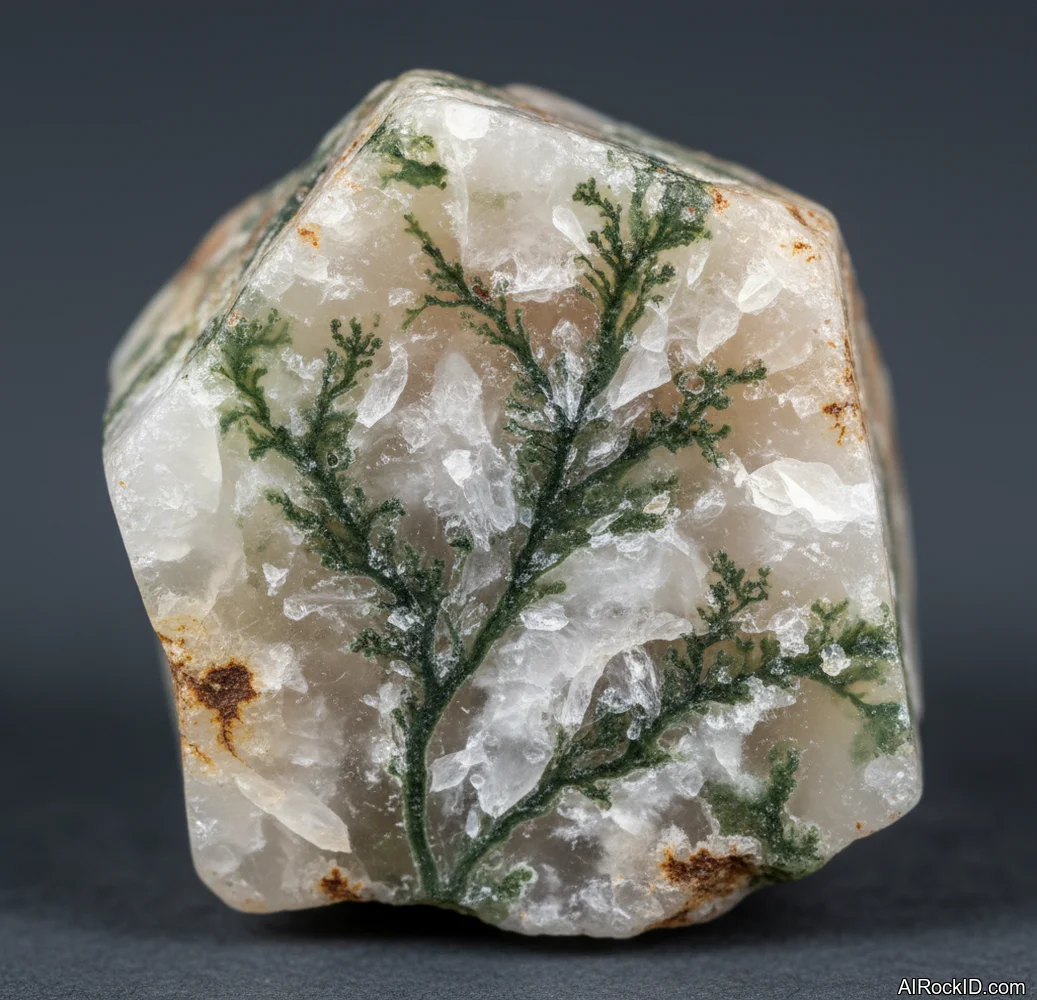
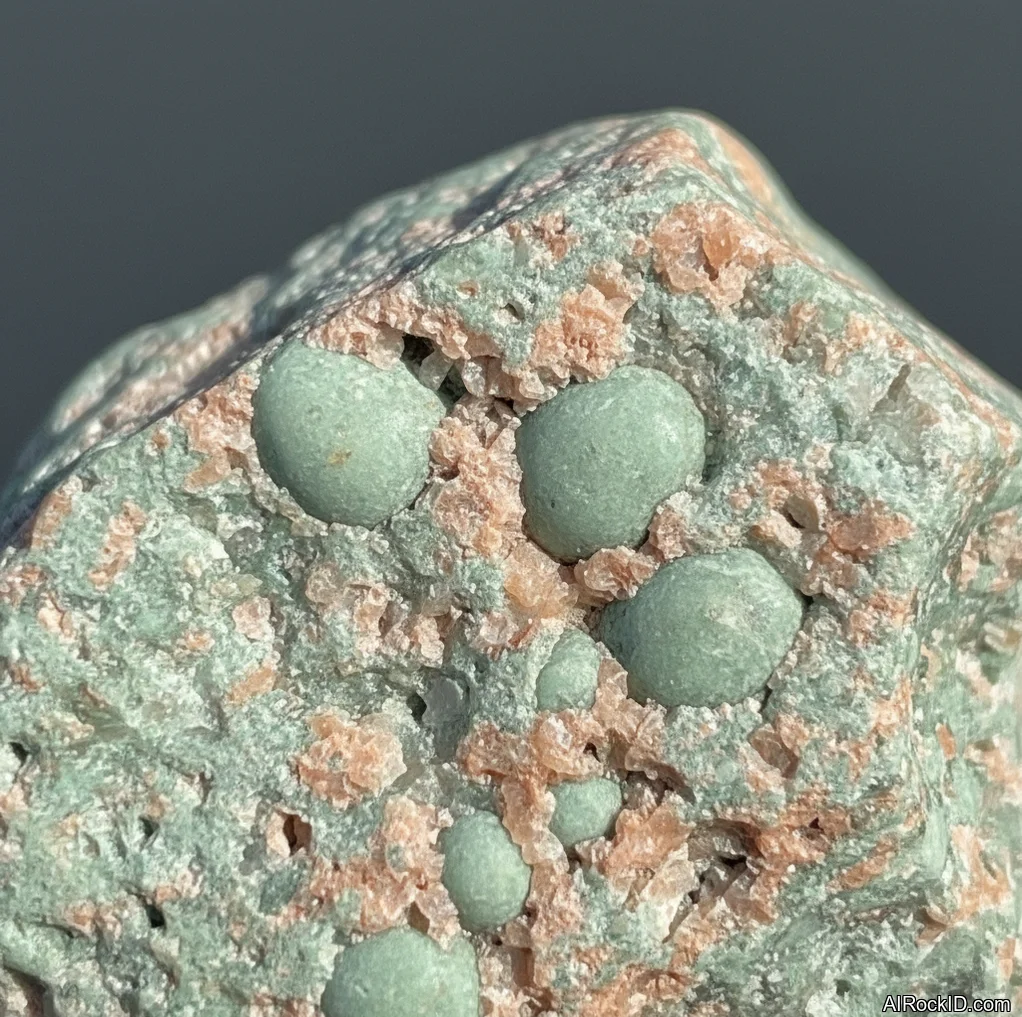
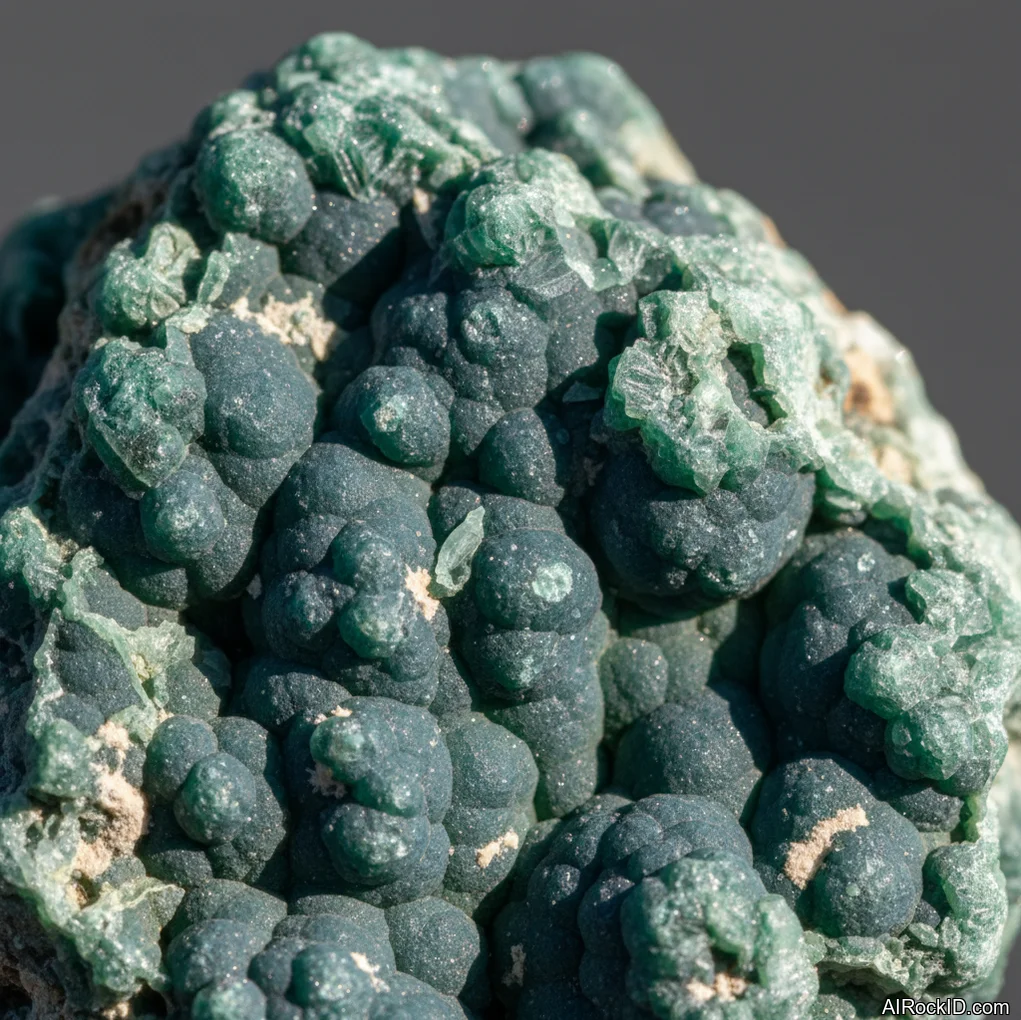
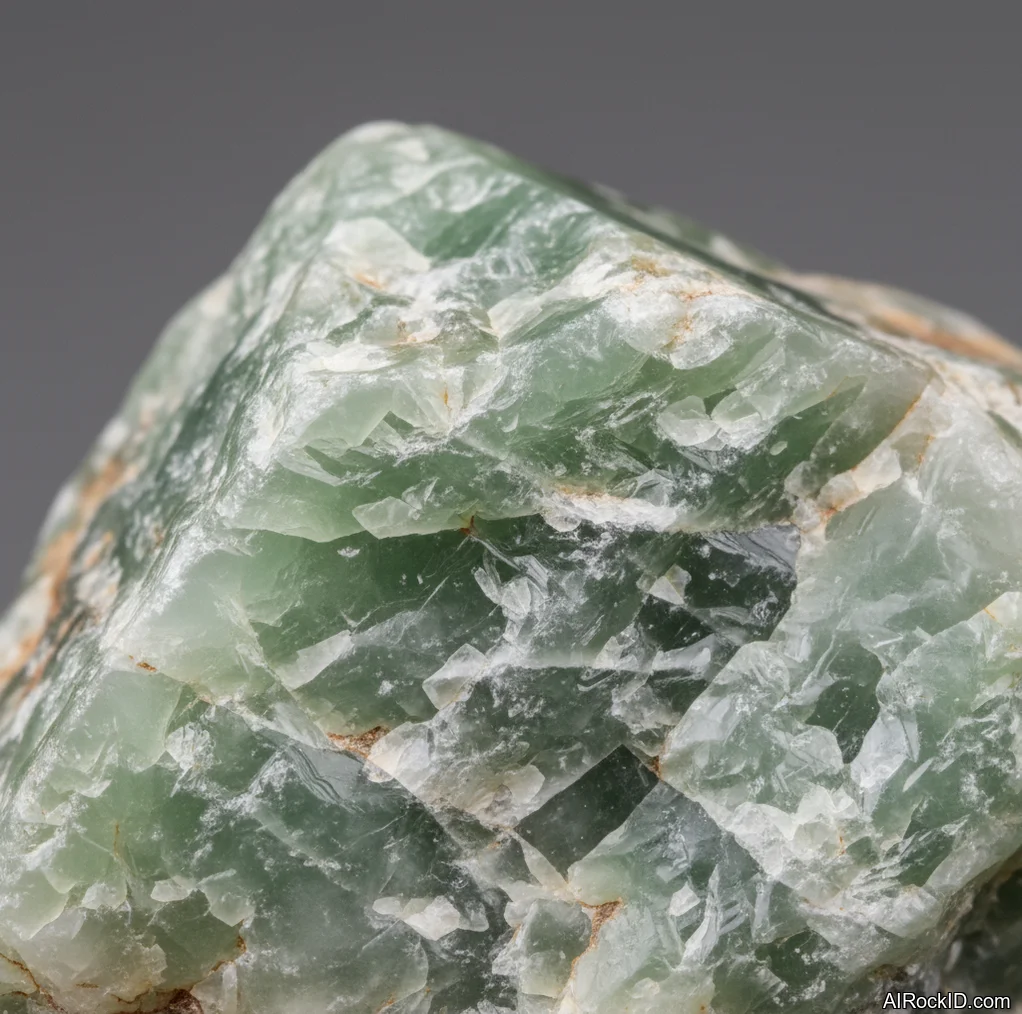
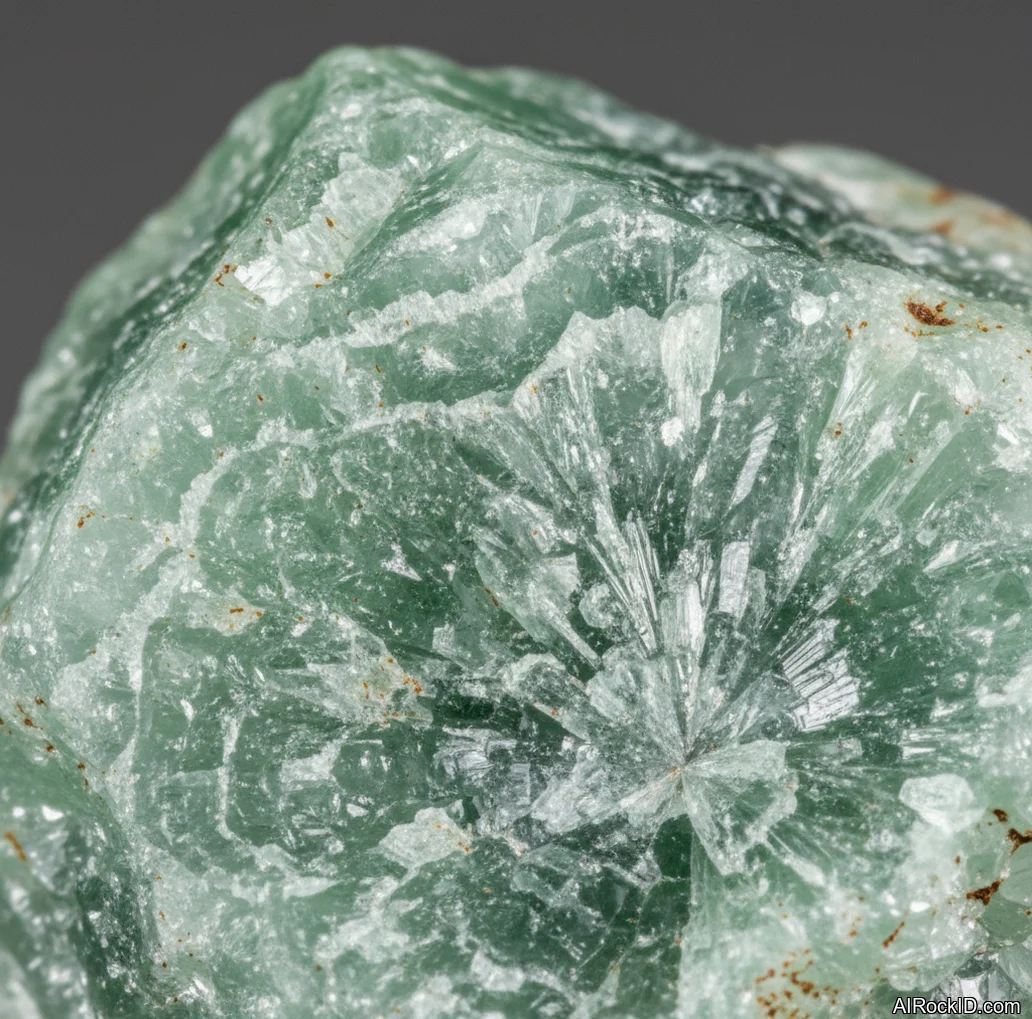
Some people prefer green stones for Compassion, especially when they want steadiness along with softness. Prehnite is a go-to for that. Most prehnite on the market has that jelly-green translucence, sometimes with dark epidote needles or mossy inclusions trapped inside. Hold it up to a window and the edges glow, almost like grape flesh. It’s one I suggest when someone’s trying to be kinder to themselves while still staying functional, like during burnout recovery.
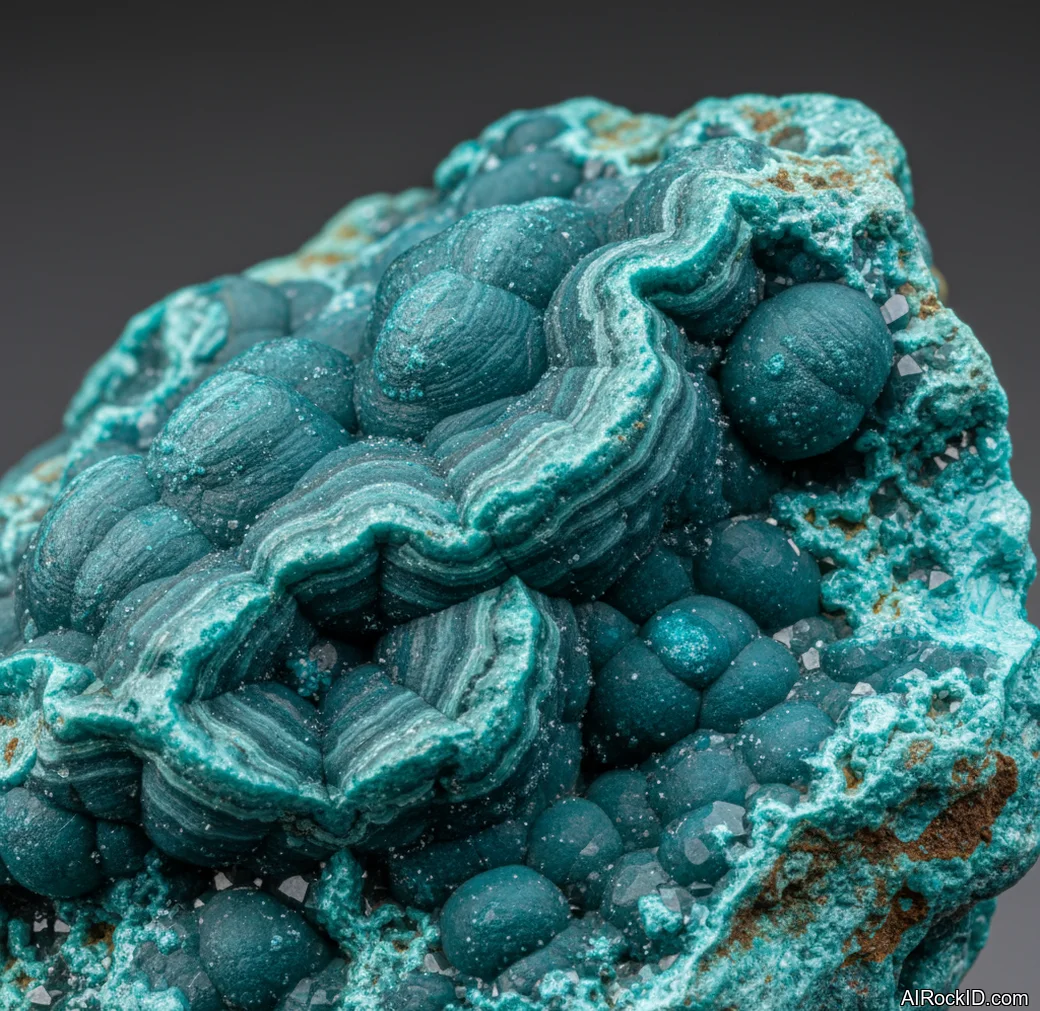
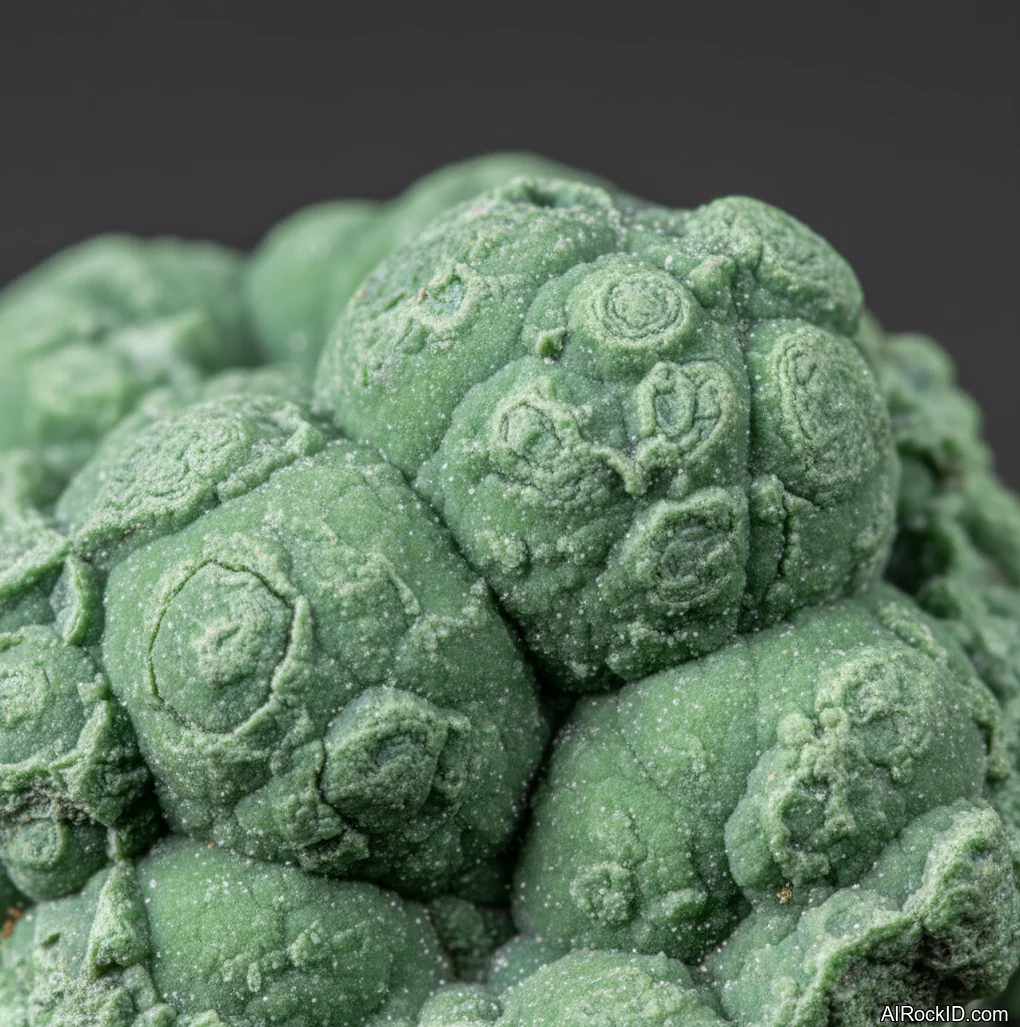
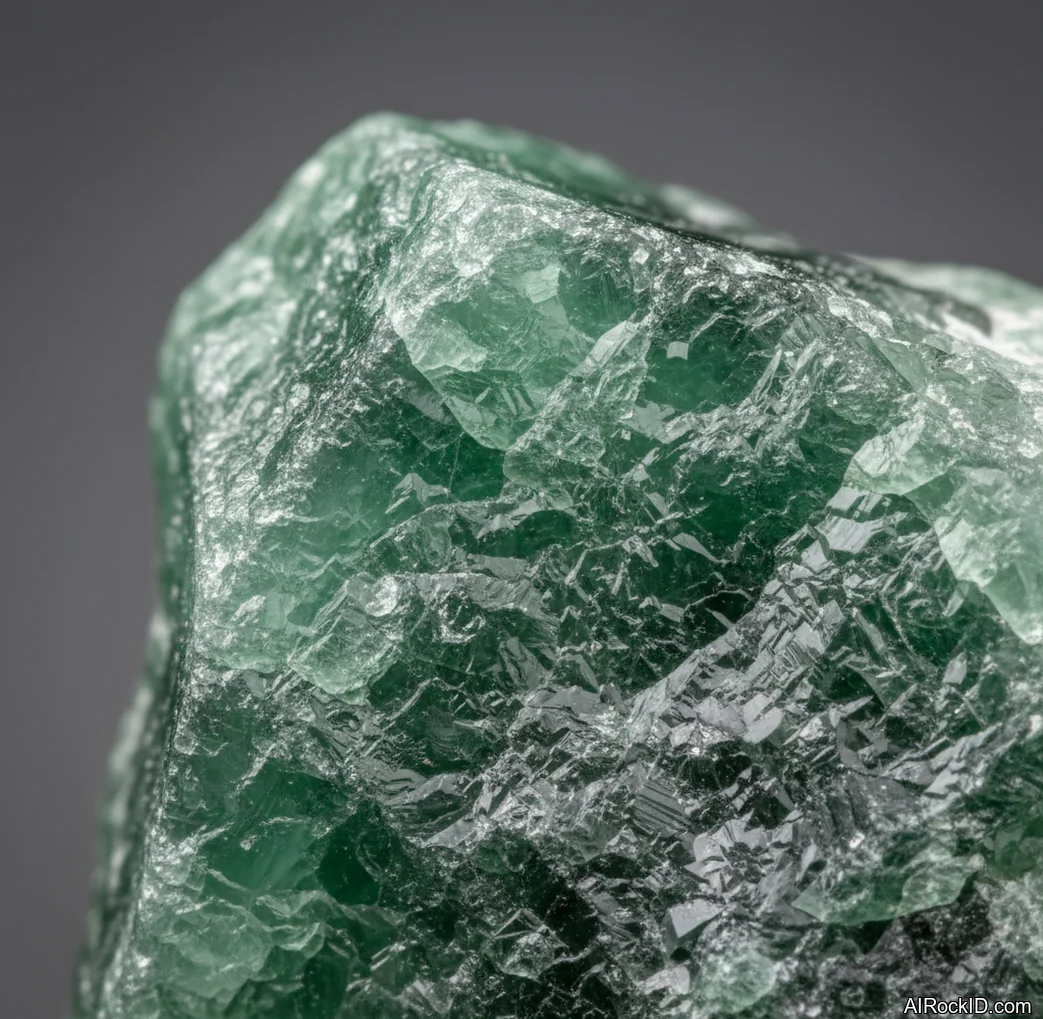
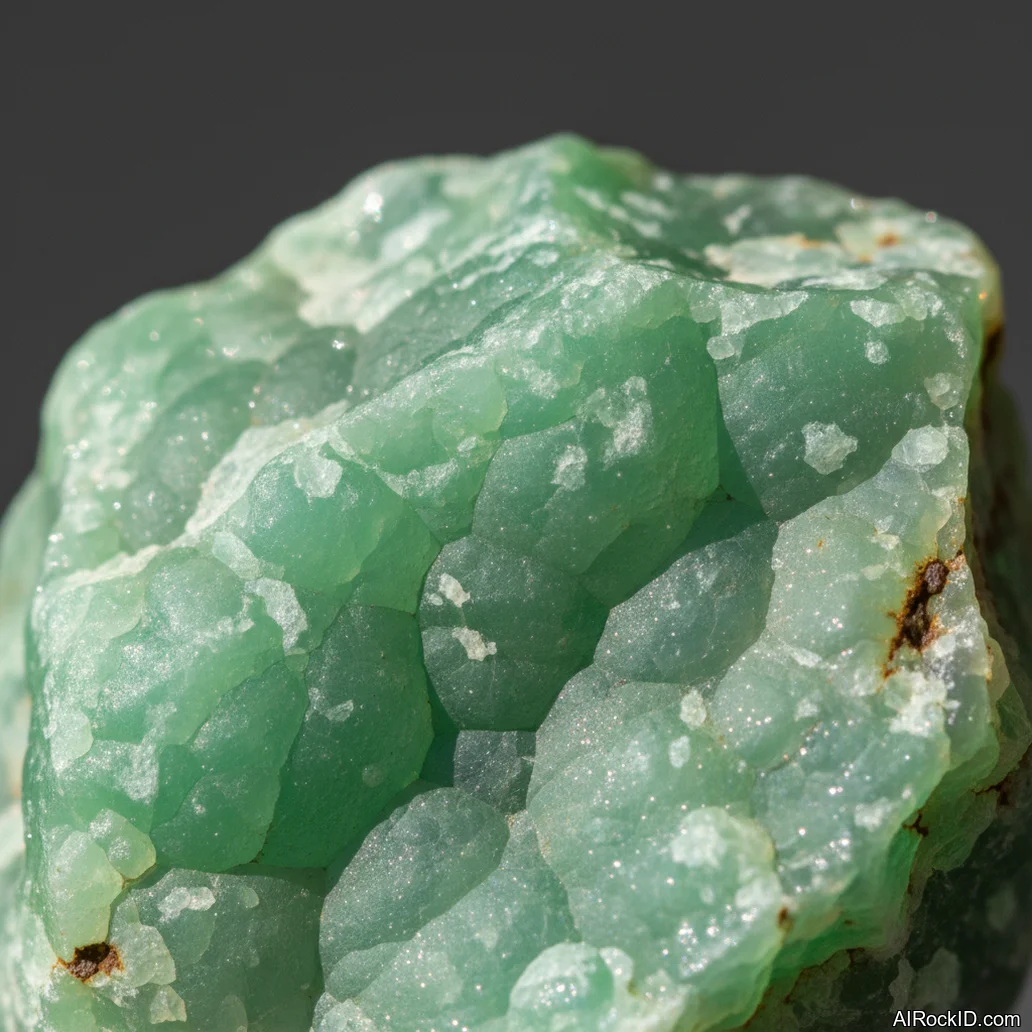
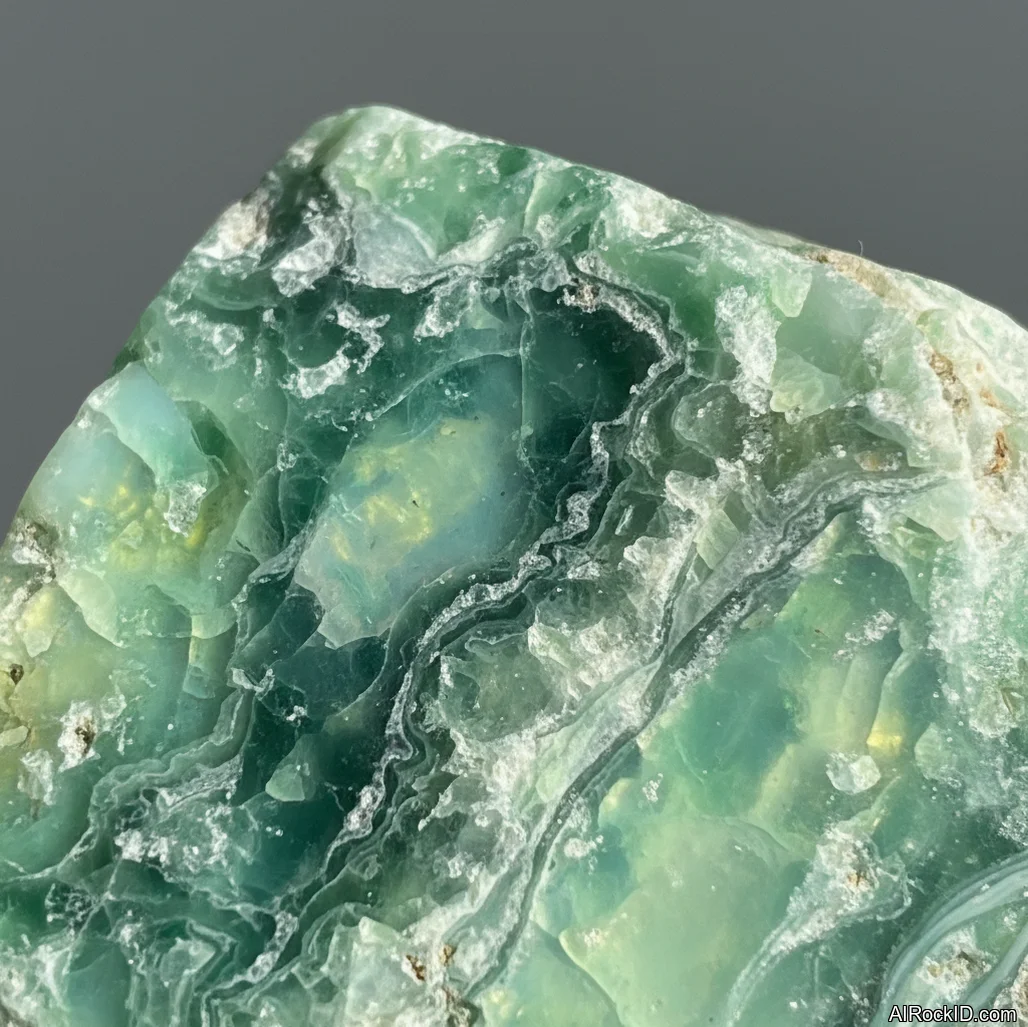
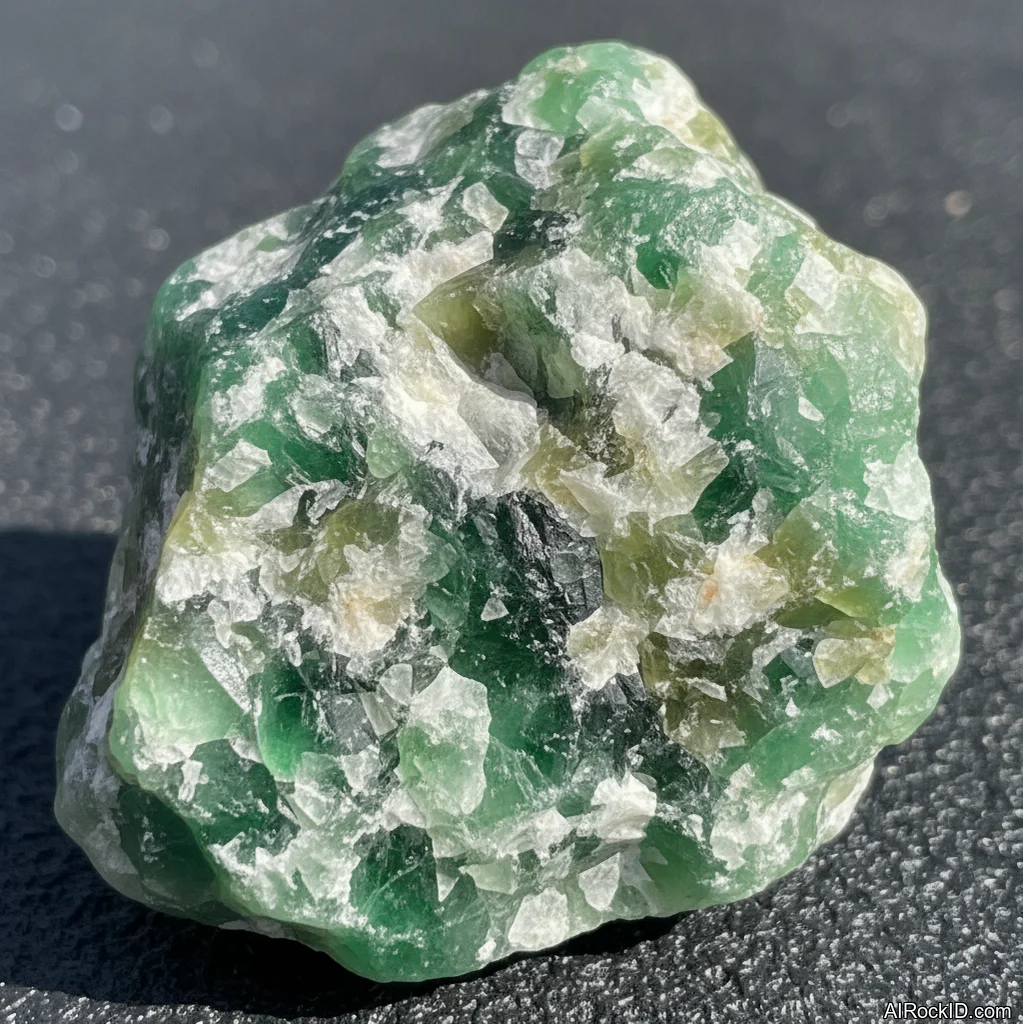
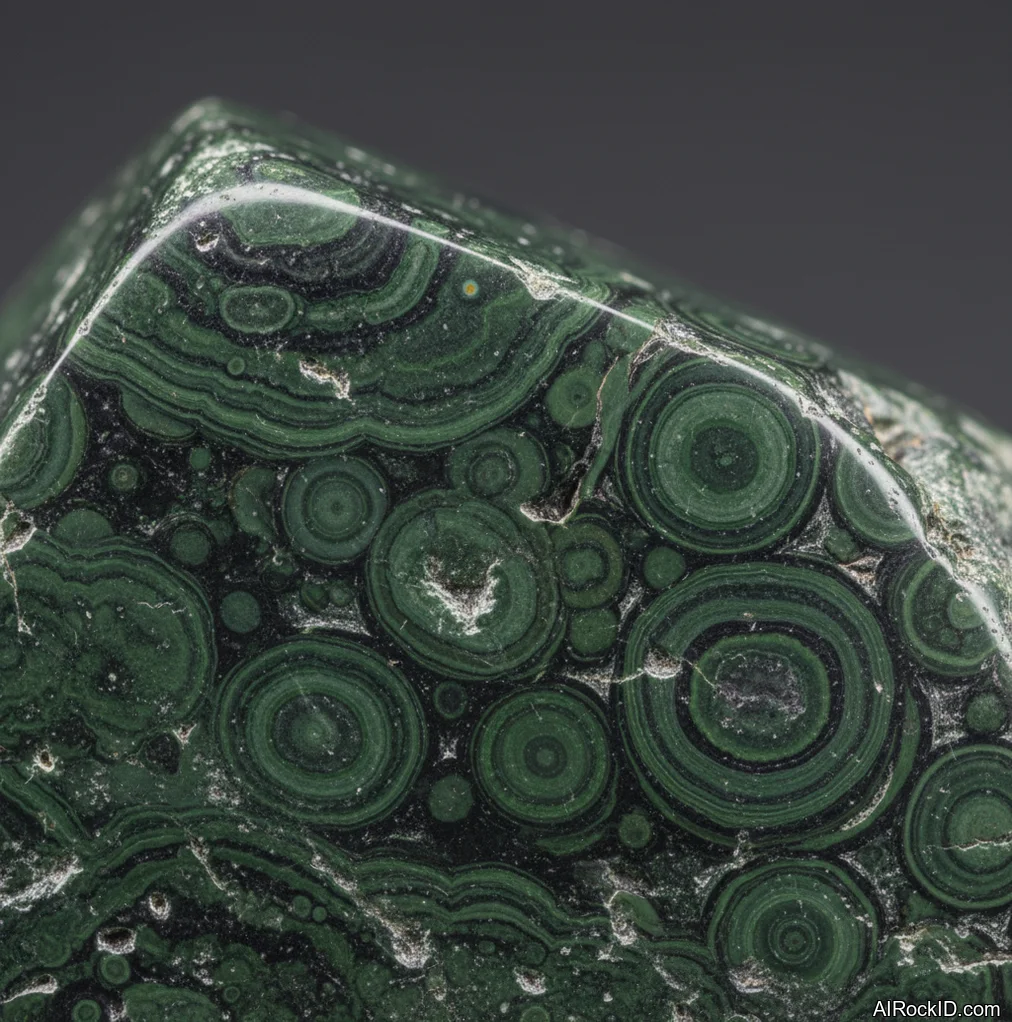
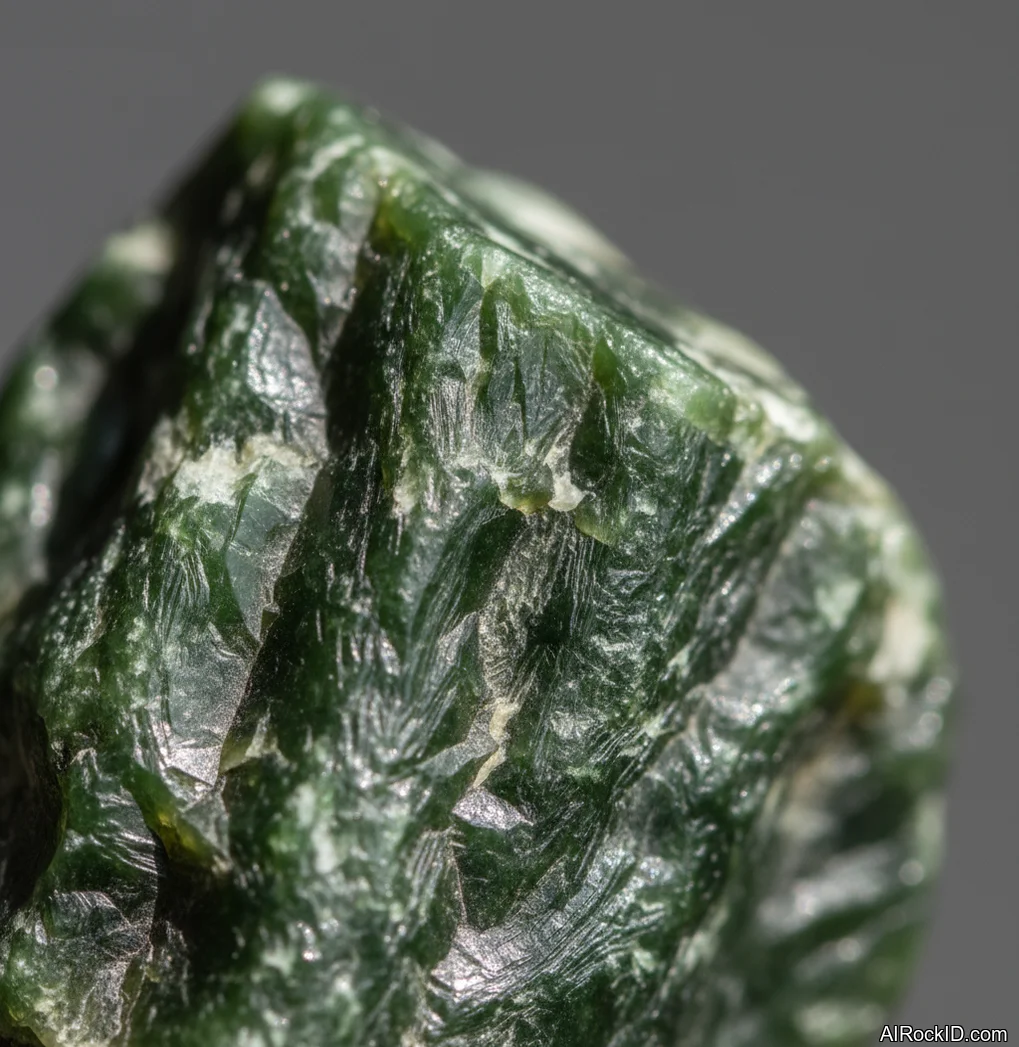
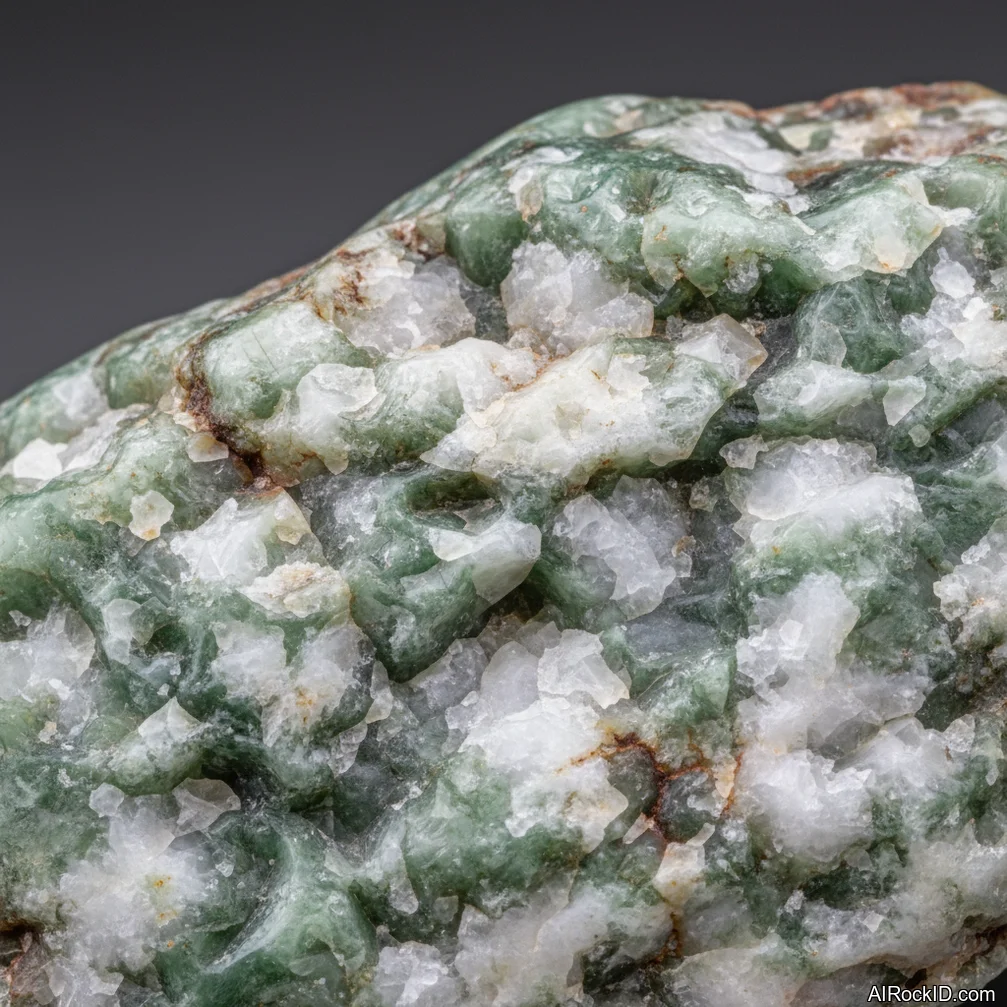
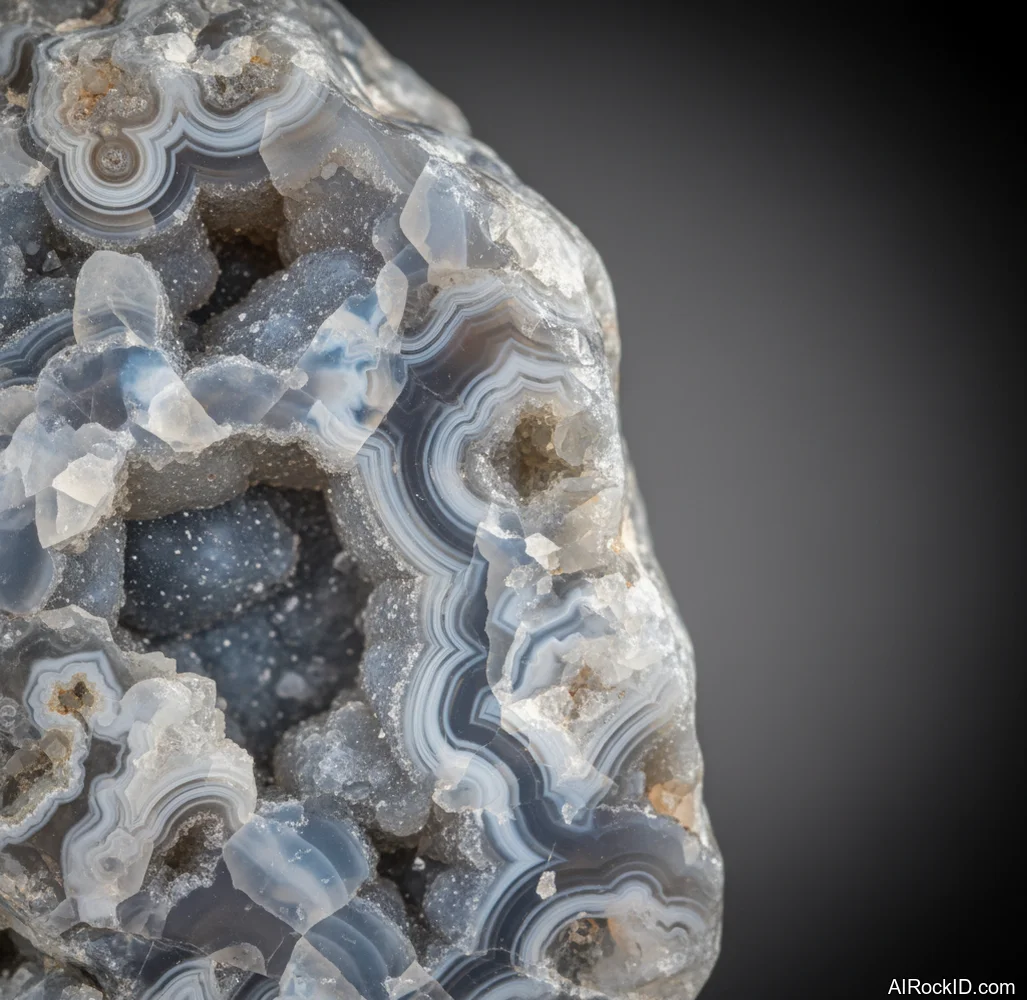
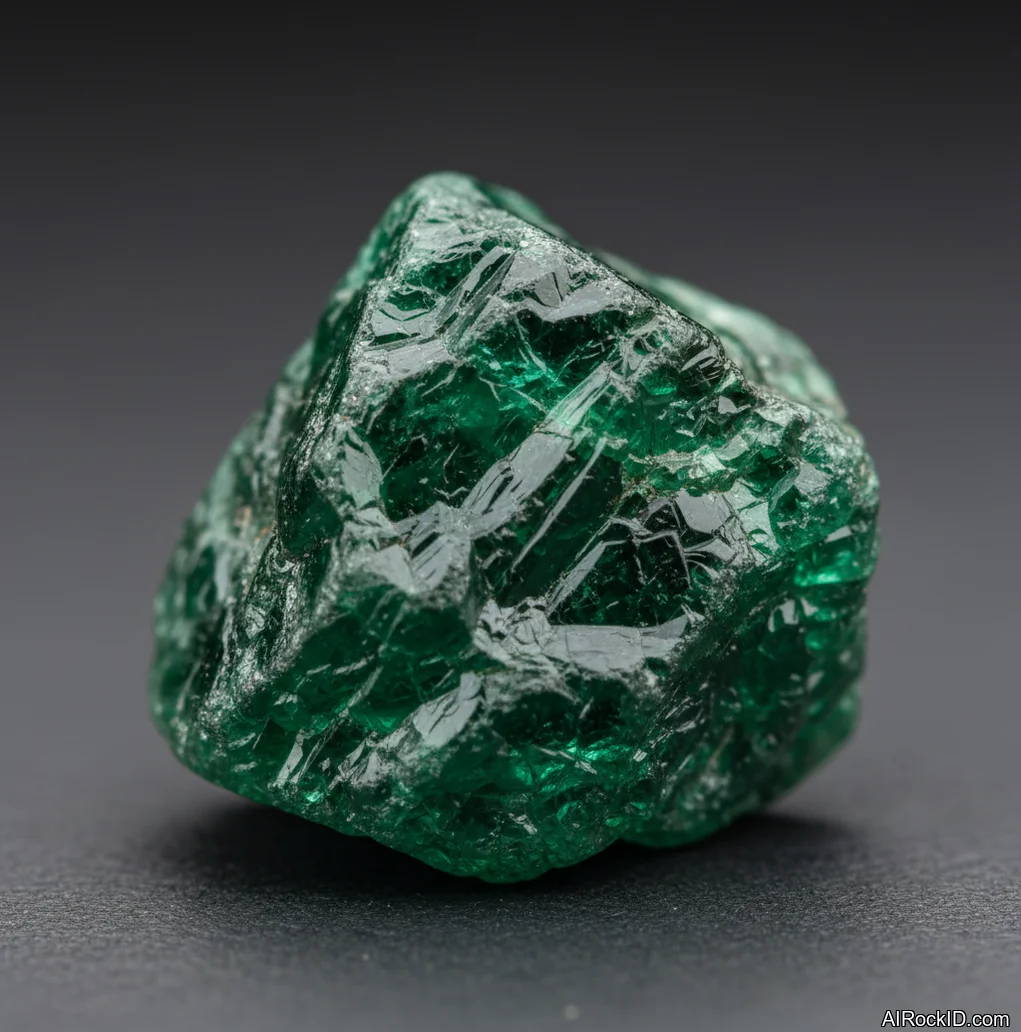
If you want something that feels like “compassion in motion,” I’ve seen people do well with chrysoprase or green aventurine. Chrysoprase has that clean apple-green that can look almost fake, but real pieces still show slight color zoning and tiny bits of matrix left behind. Aventurine’s easier on the wallet and usually has that glittery aventurescence from mica platelets when you tilt it under a lamp. It’s subtle. If it looks like metallic paint, you’re probably holding dyed glass. (Yep, it happens.)
Working with Compassion crystals doesn’t need a whole ceremony. Keep one where your nervous system will actually clock it: by your bed, under your keyboard, or in the pocket you automatically touch when you’re anxious. Pick it up and do one specific thing for two minutes. Breathe slower. Unclench your jaw. Put a hand on your chest and say one sentence you’d say to a friend in the exact same mess. That’s the practice. The stone just keeps you from drifting back into autopilot.
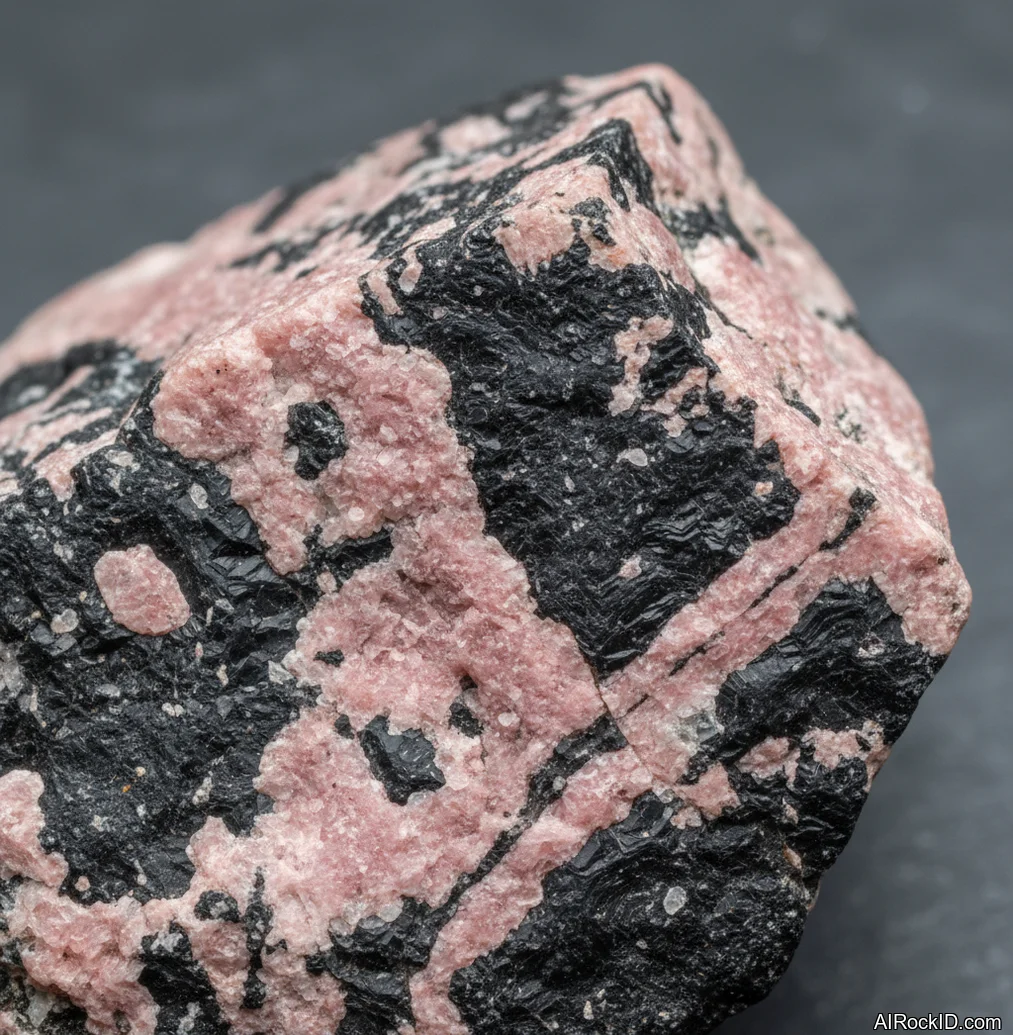
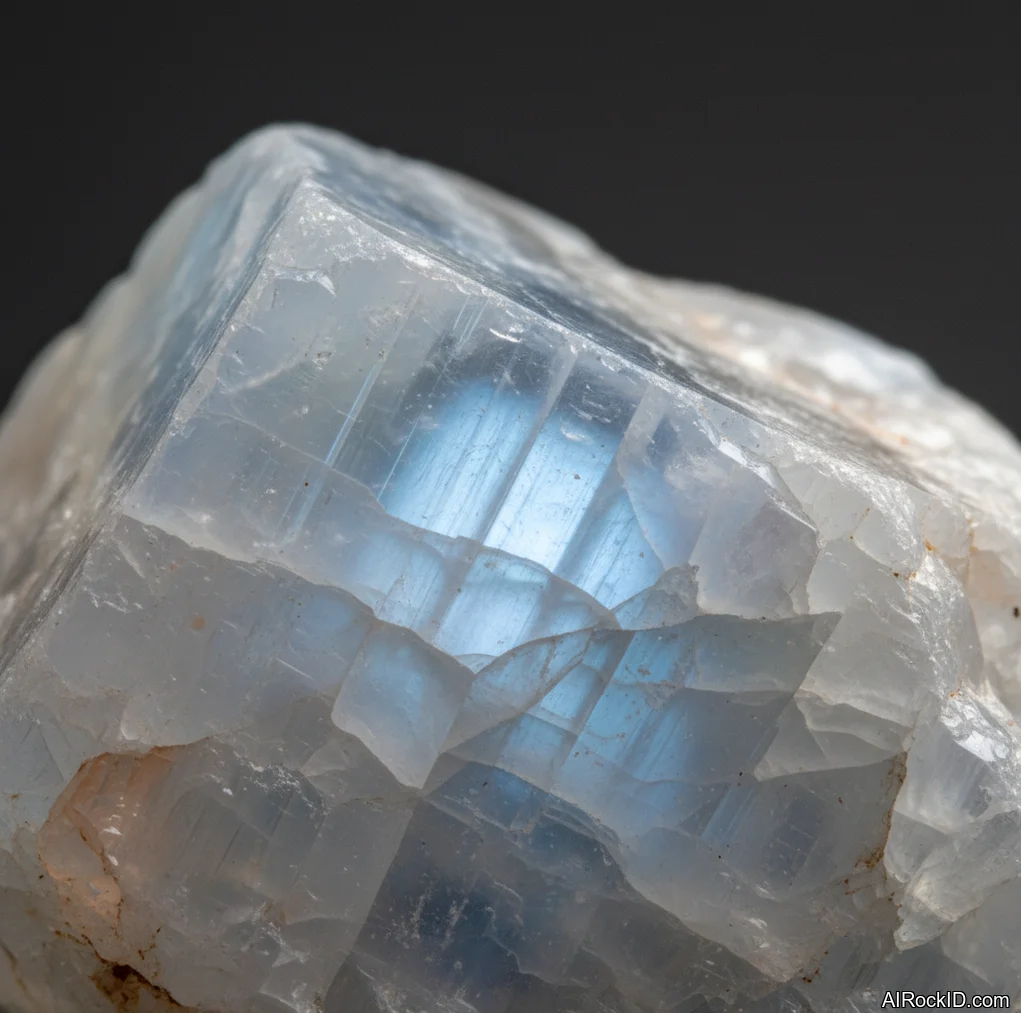
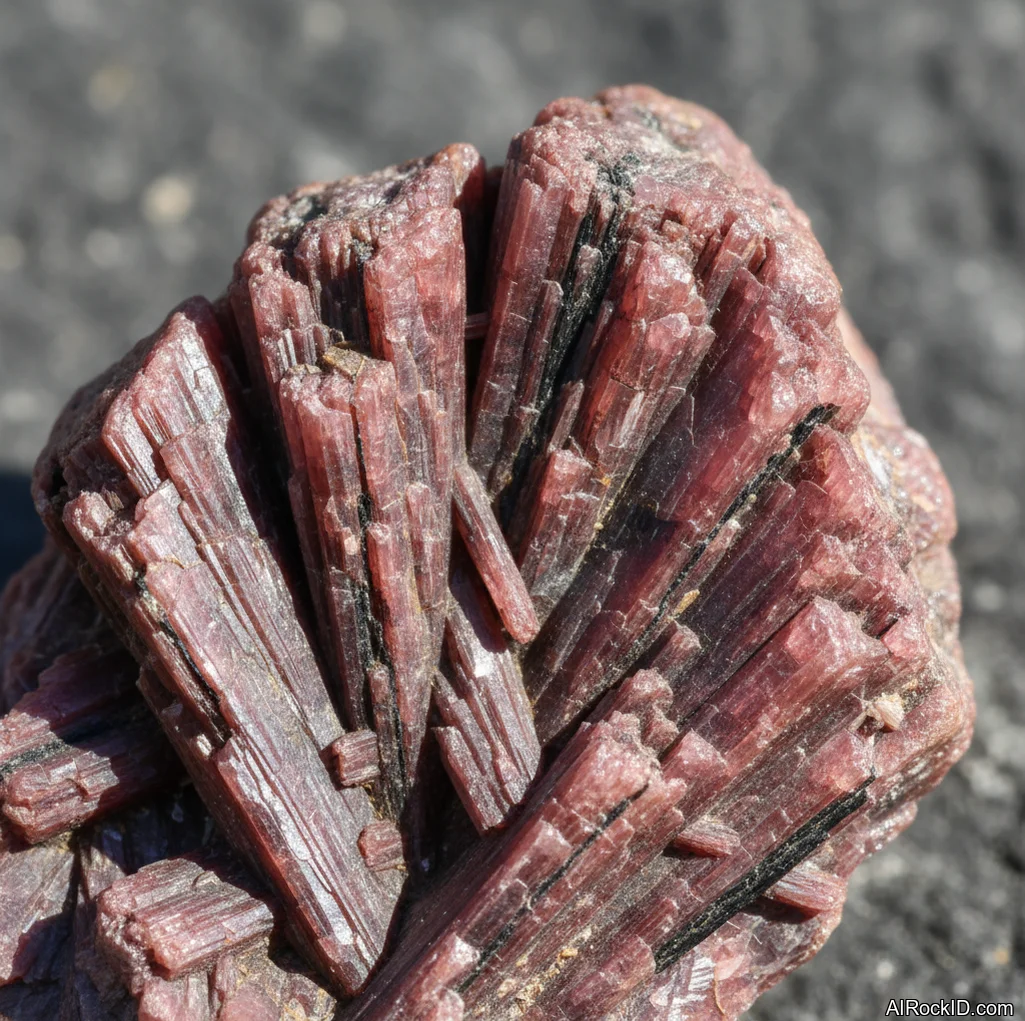
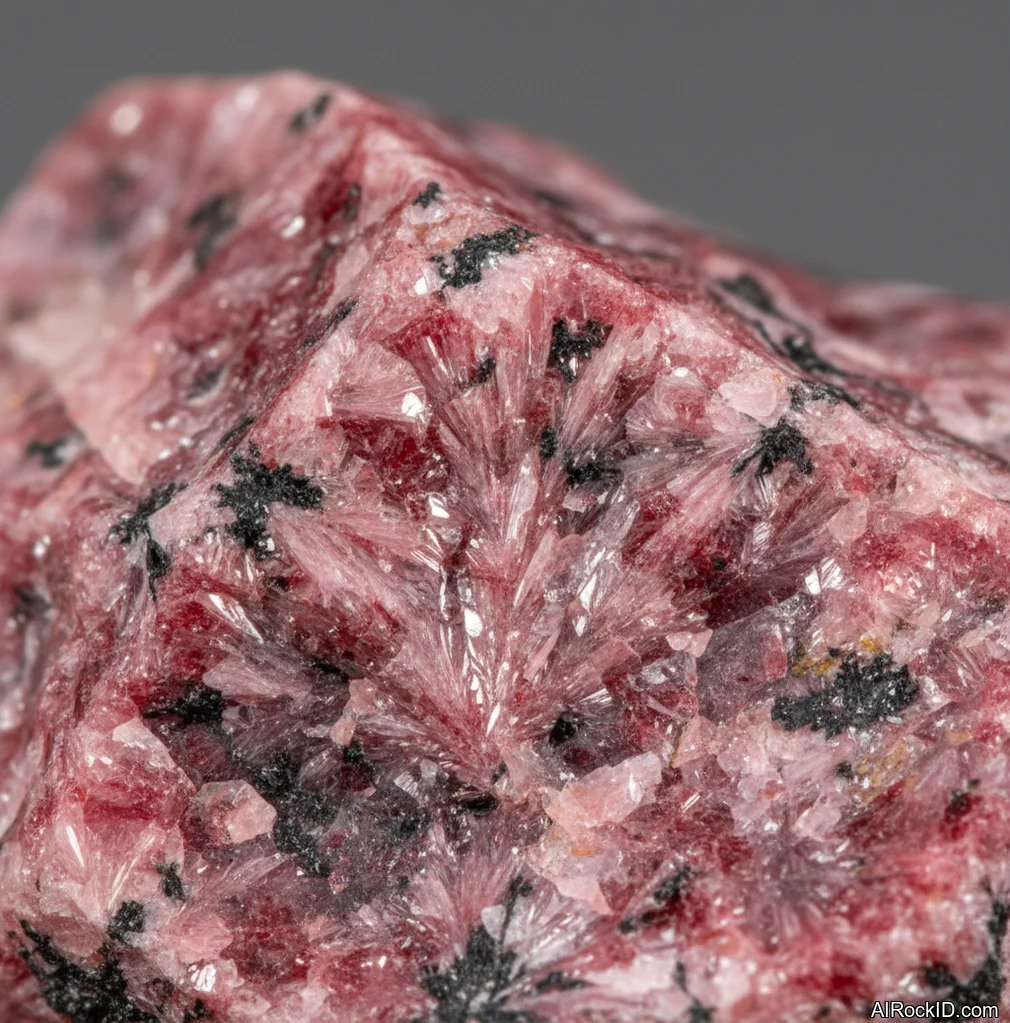
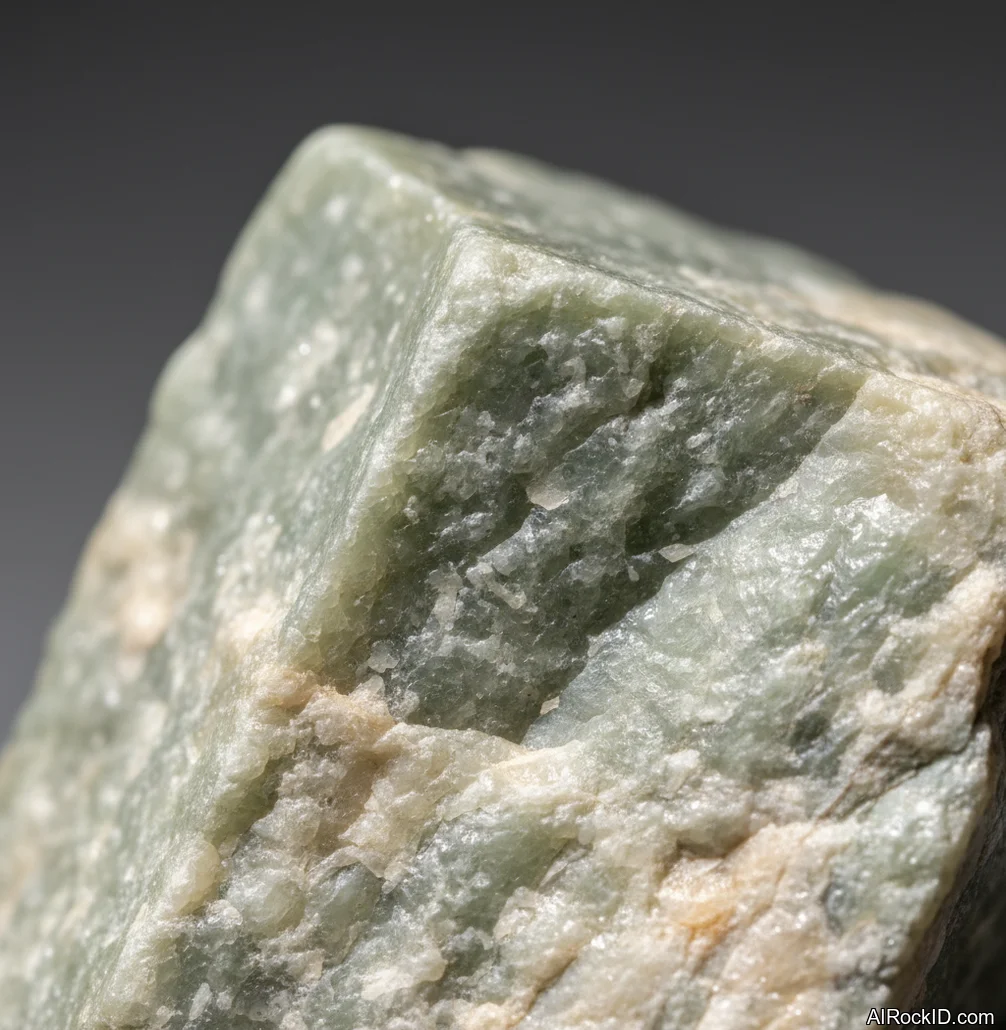
For relationship stuff, I like pairings. Rose quartz with amazonite is a solid combo when the problem is “I want to be kind, but I also need to speak.” Amazonite has that blue-green feldspar look with white streaking, and it can show a soft sheen on flat faces. Another pairing is rhodonite and rose quartz. Rhodonite often has black manganese veining that looks like ink cracks across the pink. It’s not damage. It’s part of what collectors like, and it fits the point: tenderness, with the messy parts still showing.
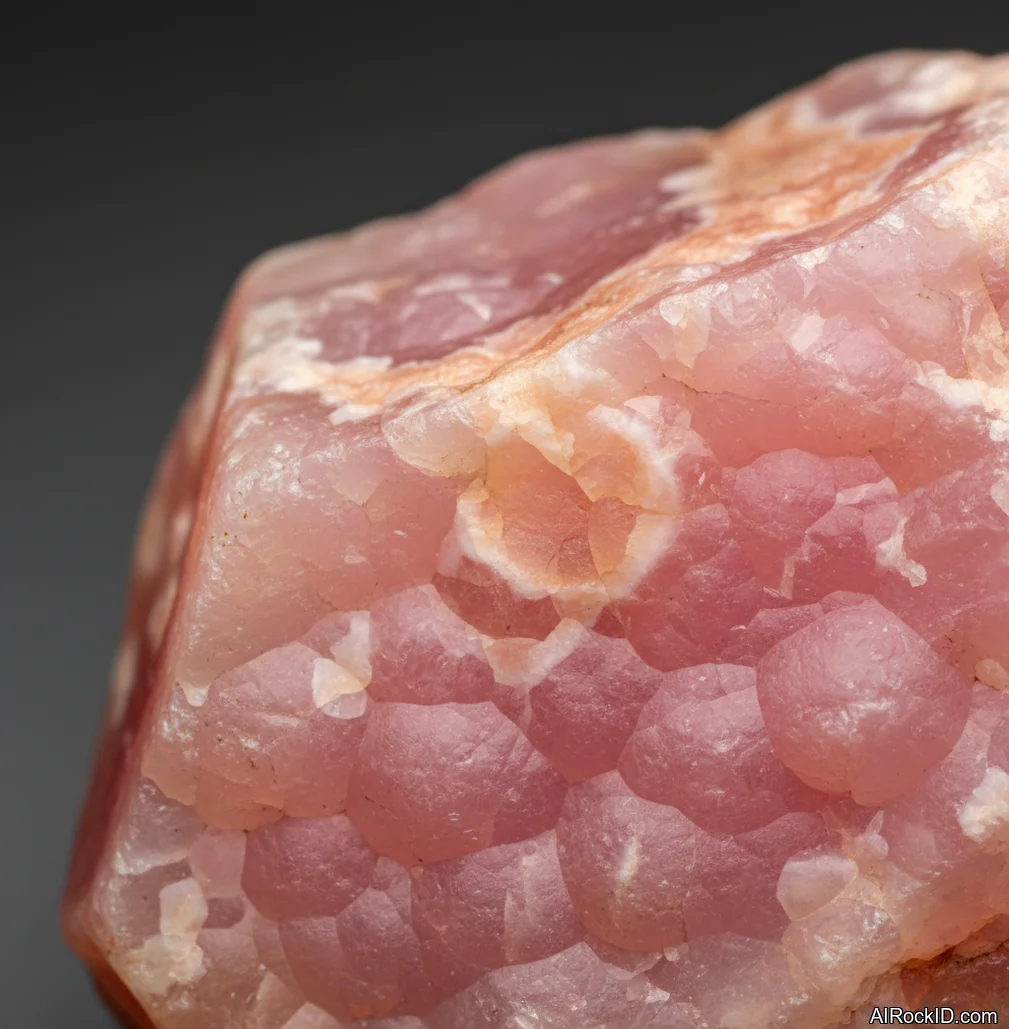
Buying tips matter because the Compassion category is packed with dyed and mislabeled stuff. The problem with “pink crystals” online is that lighting and saturation can make everything look top-tier. For rose quartz, watch for unnaturally hot pink or perfectly uniform color. For “cherry quartz,” know it’s usually glass with inclusions, sold like it’s natural quartz. For rhodochrosite, be wary of cheap bright pink cabochons with zero banding. Some are resin or composite. Ask for a close photo at an angle so you can see surface texture and any tiny pits that natural carbonate stones tend to have.
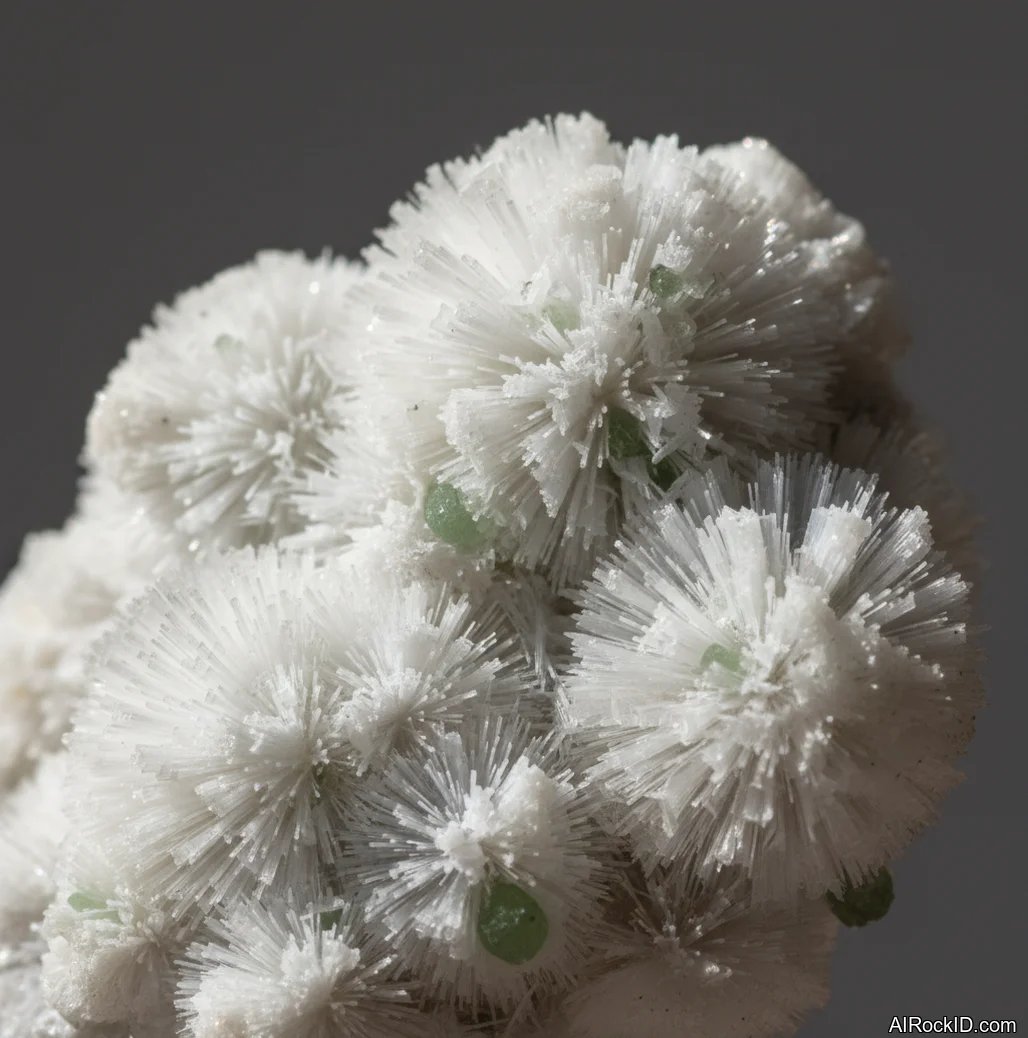
Care matters too. Rhodochrosite and selenite don’t like water, and soft stones hate abrasive salt. I wipe most Compassion stones with a damp cloth, then dry them right away. If you’re cleansing energetically, smoke, sound, or just leaving them on a shelf out of sunlight works fine. Sun can be rough on some colors over time, and I’ve seen pale pink stones go washed-out after a summer on a windowsill. Keep your favorites out of direct noon sun if you want them to stay pretty.
Thing is, Compassion isn’t one mood you flip on. It’s repetition. And if you’ve got one of the 158 Compassion-associated crystals in rotation, the best sign you chose well isn’t some dramatic breakthrough. It’s that you reach for it on a bad day without thinking, and the day’s edges feel a little less sharp.
All Compassion Crystals (158)