Taurus Crystals
Explore Taurus crystals with meanings and buying tips. Learn how to choose, spot quality, and work with emerald, rose quartz, malachite, and more.
Taurus season has a certain feel in crystal circles. People reach for it when they want things to stick. Routines. Savings goals. A calmer home. A steadier mood.
In crystal talk, “Taurus stones” usually means materials that match the sign’s earthy, Venus-leaning vibe: comfort, beauty, touch, and that slow-and-steady approach that doesn’t flinch when everyone else panics.
Pick up a good Taurus stone and you notice texture before color. Seriously. A tumbled rose quartz has that silky, waxy glide in the hand. A polished green aventurine feels slick like river rock. Even raw pieces lean into weight and presence. I’ve handled a lot of these over the years, and the ones people bond with fastest are the ones that feel good to hold, not just good to photograph.
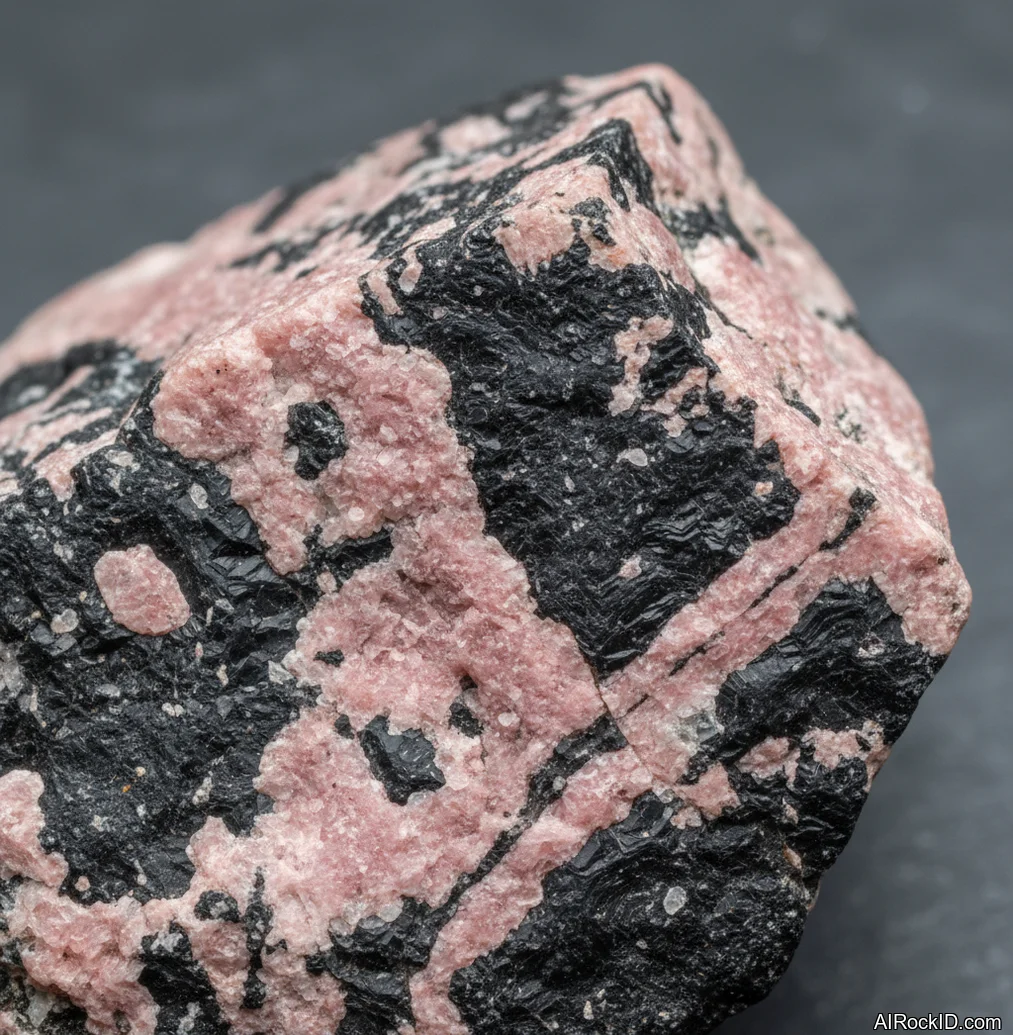
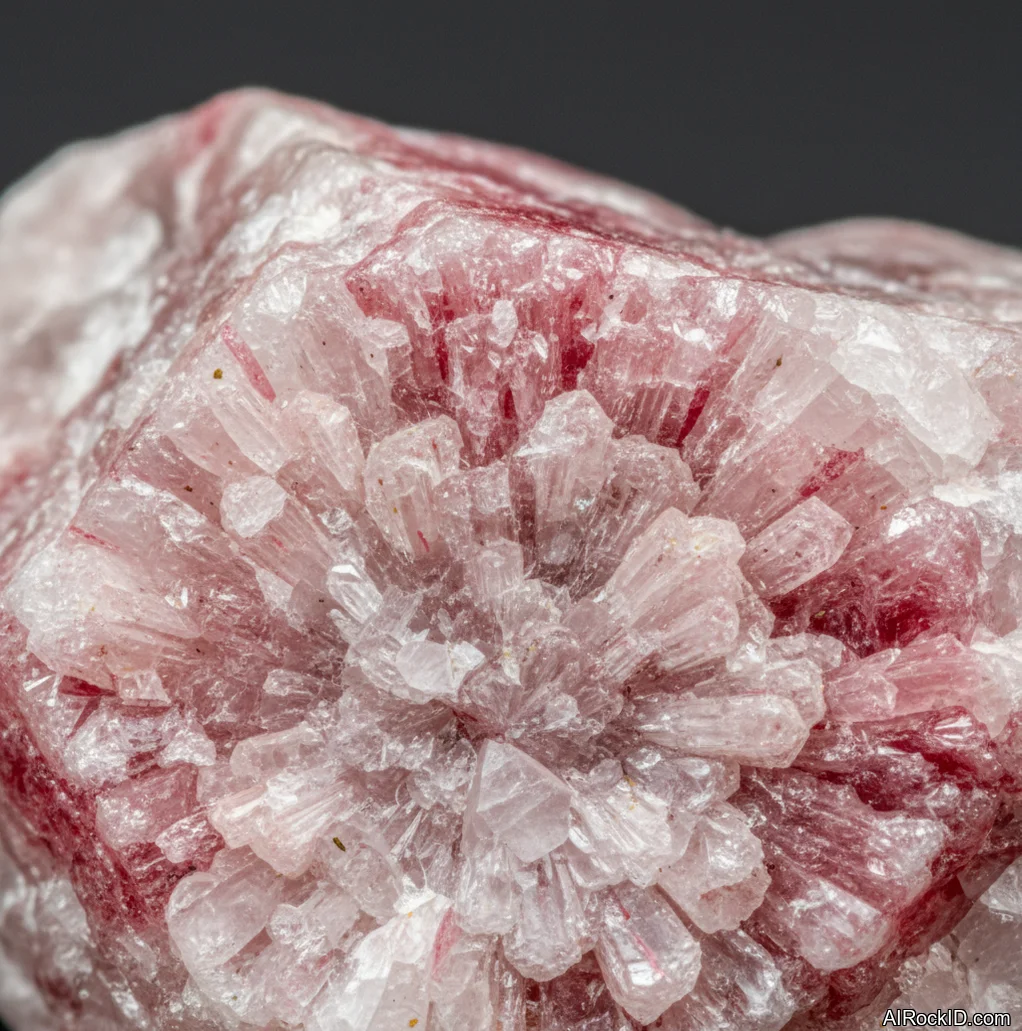
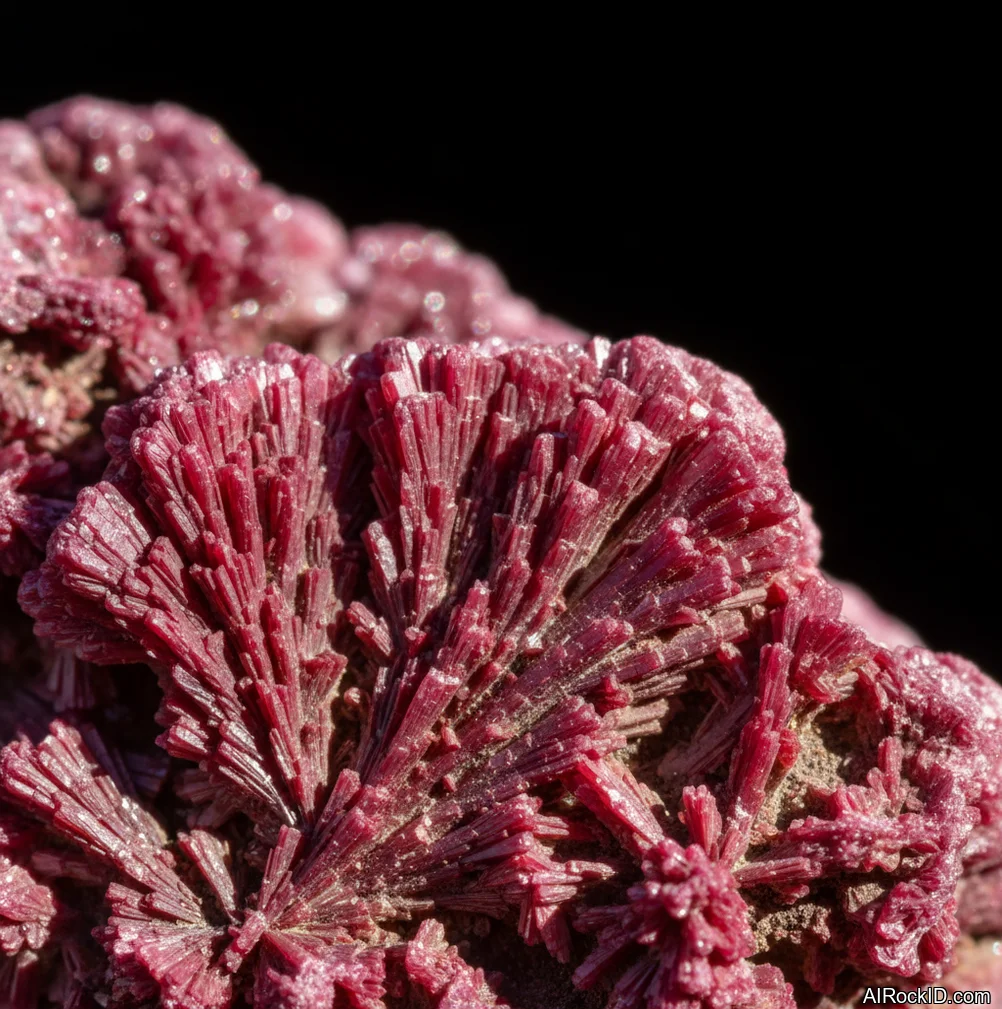
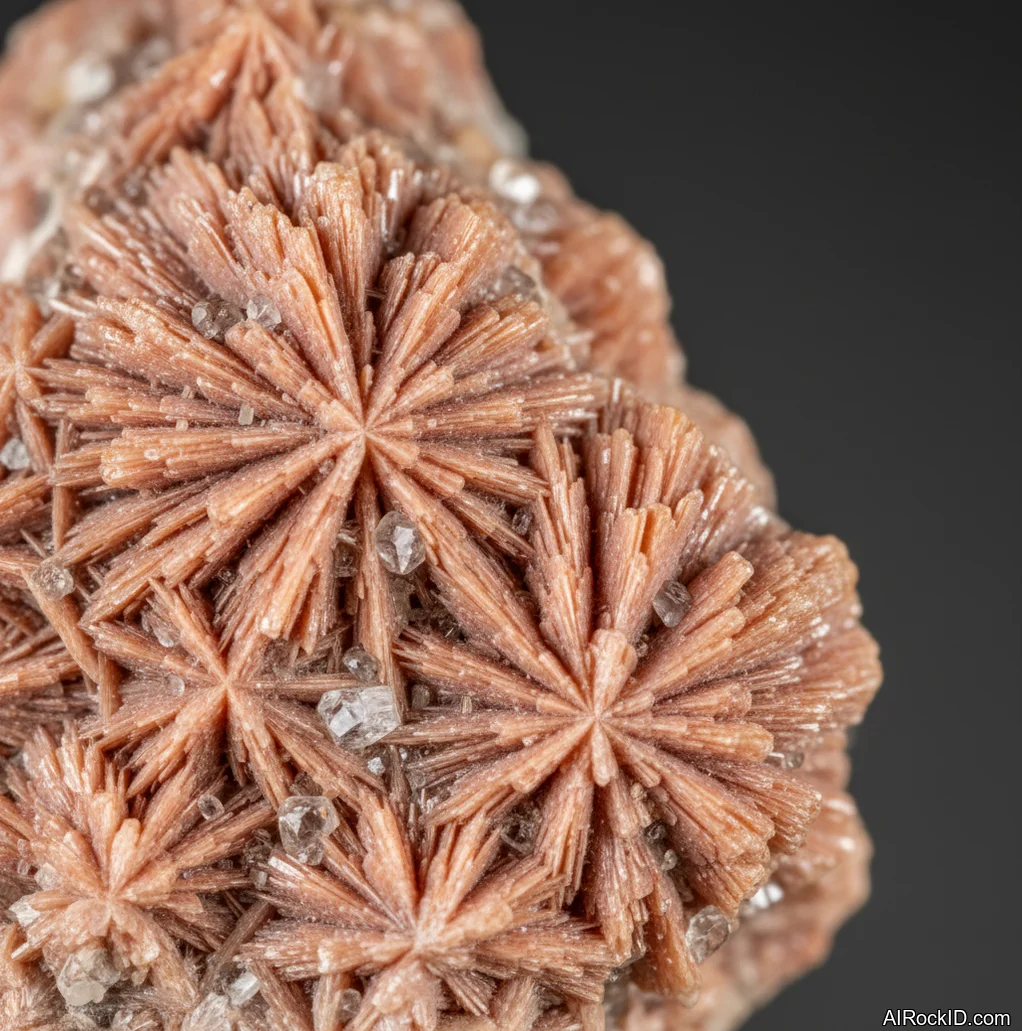
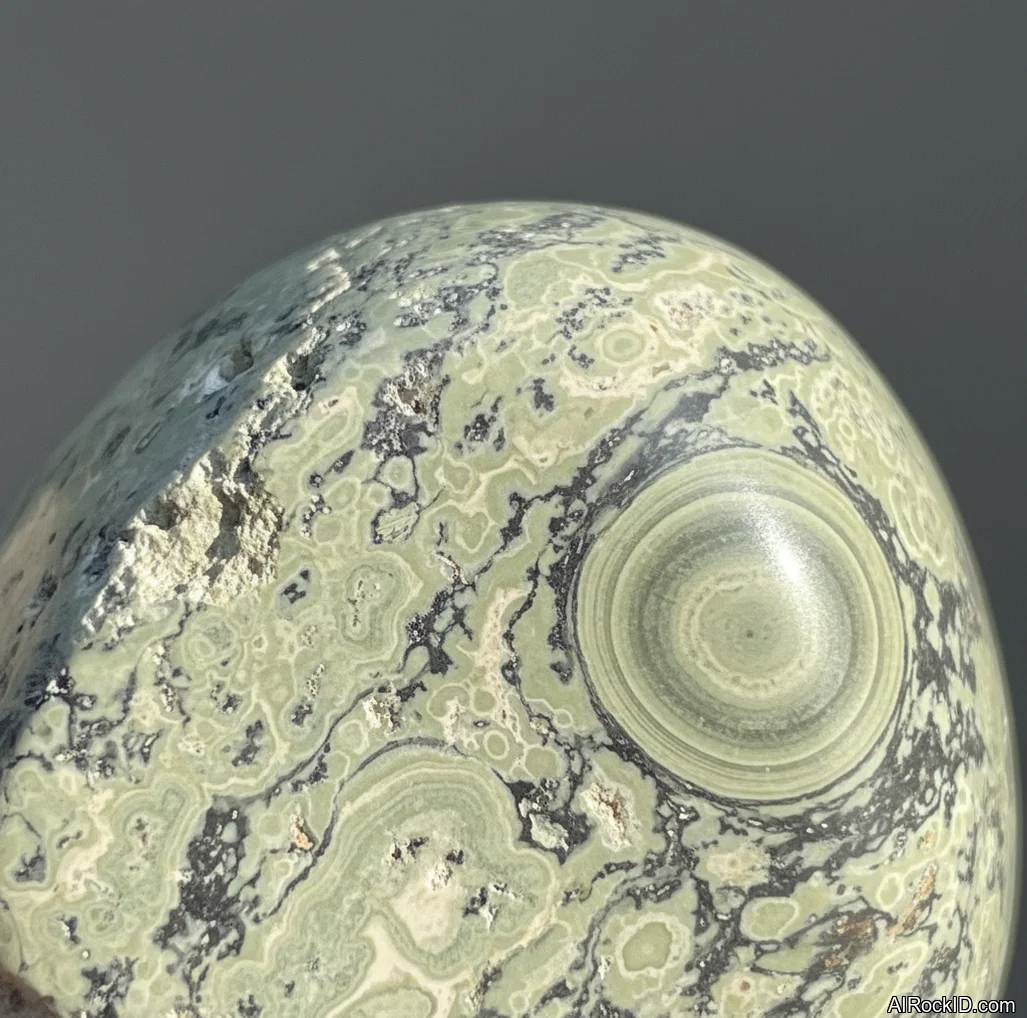
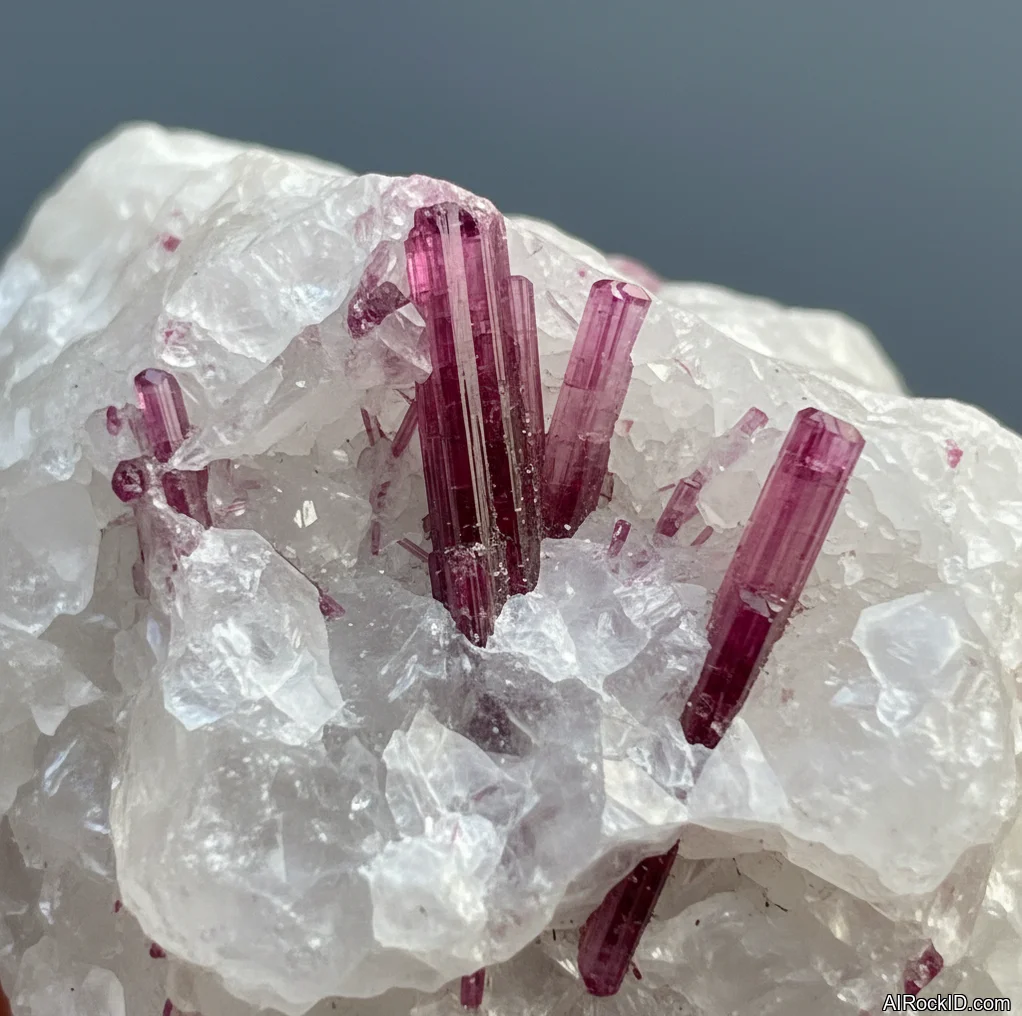
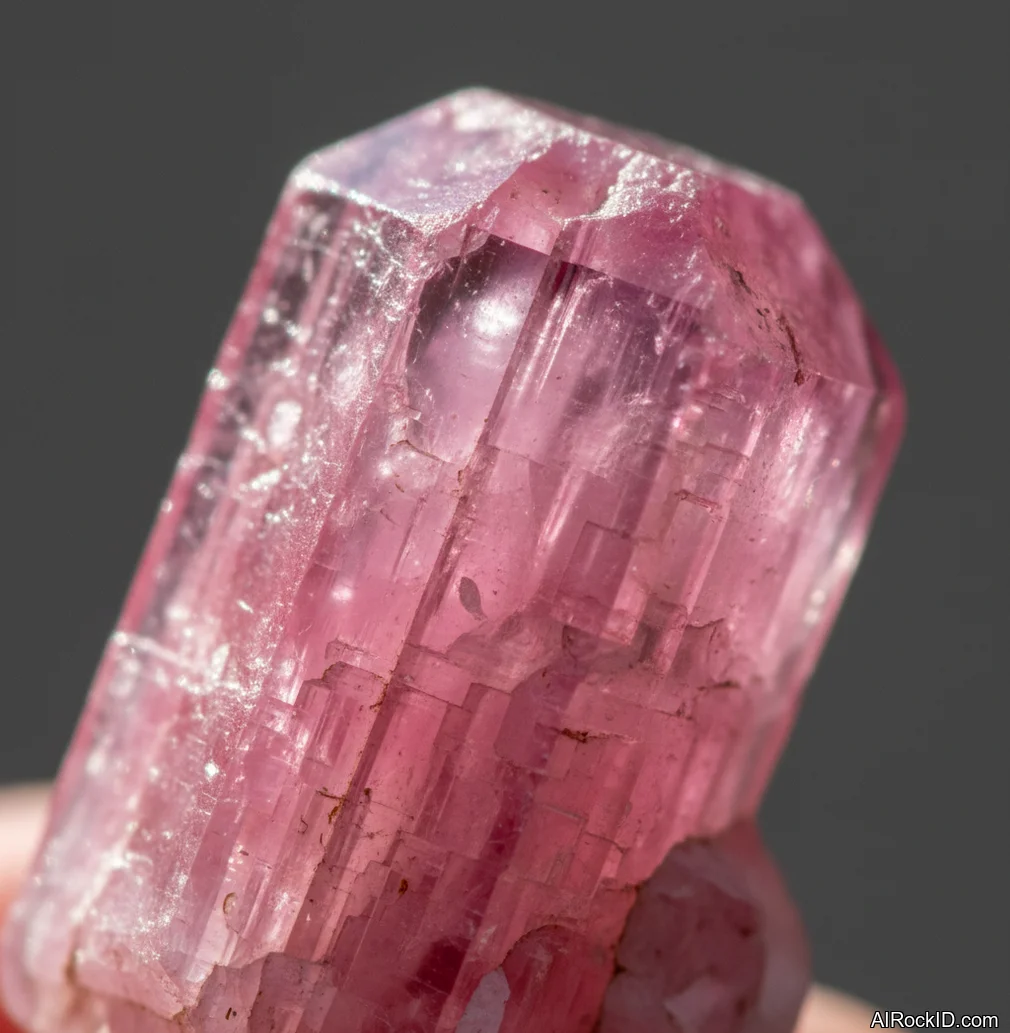
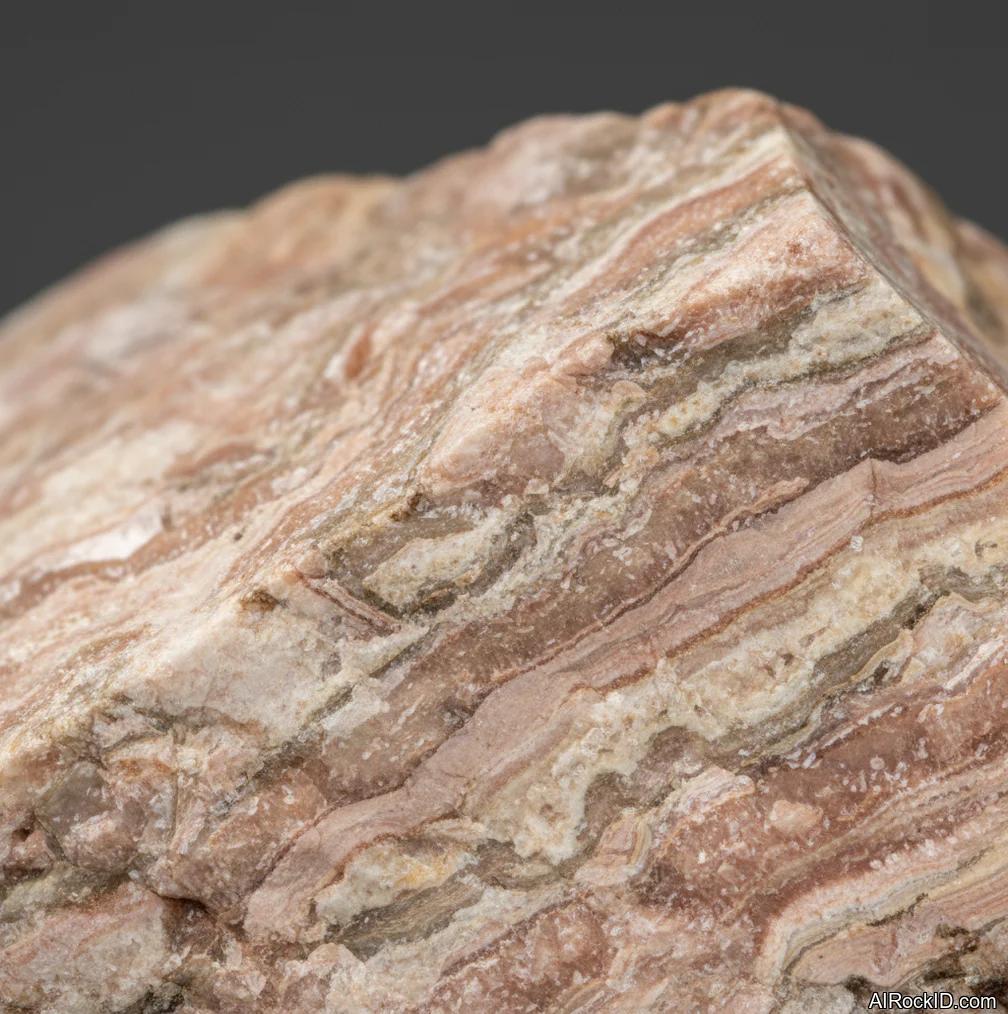
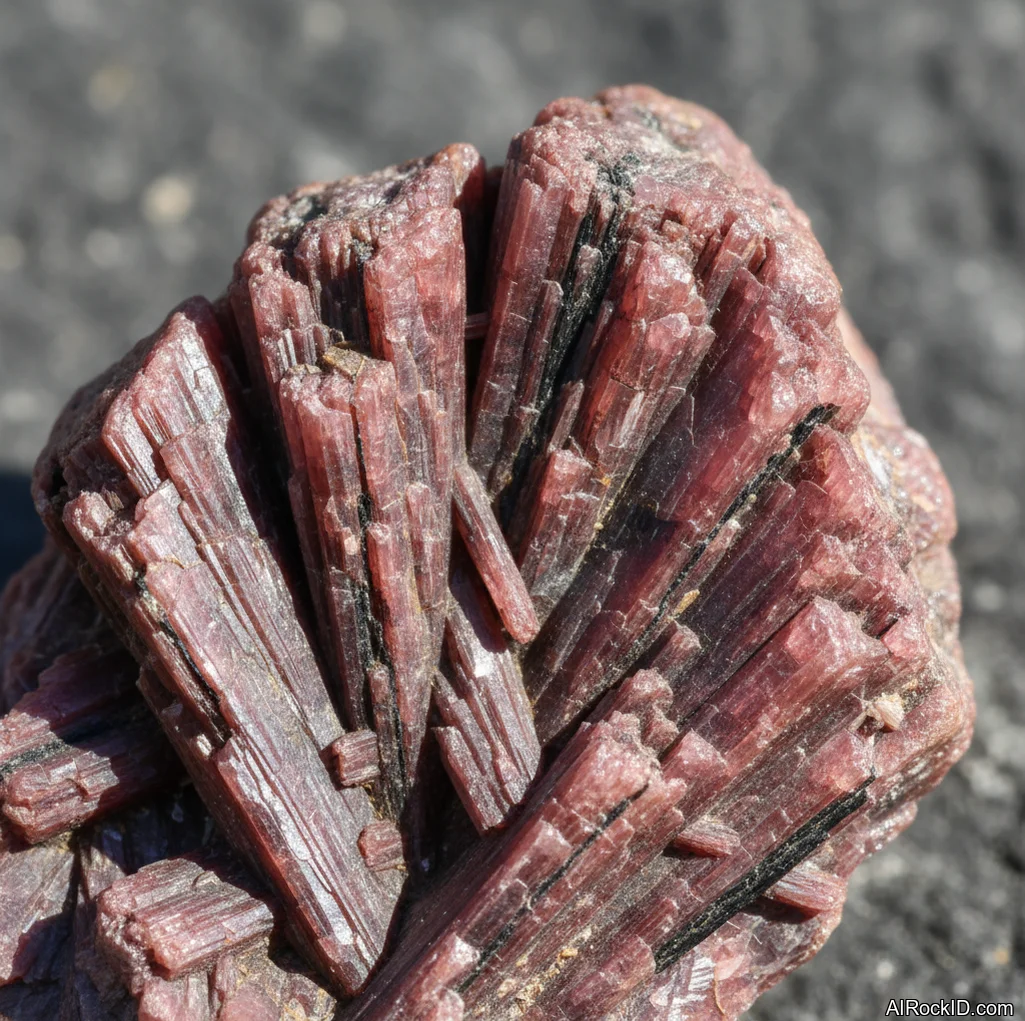
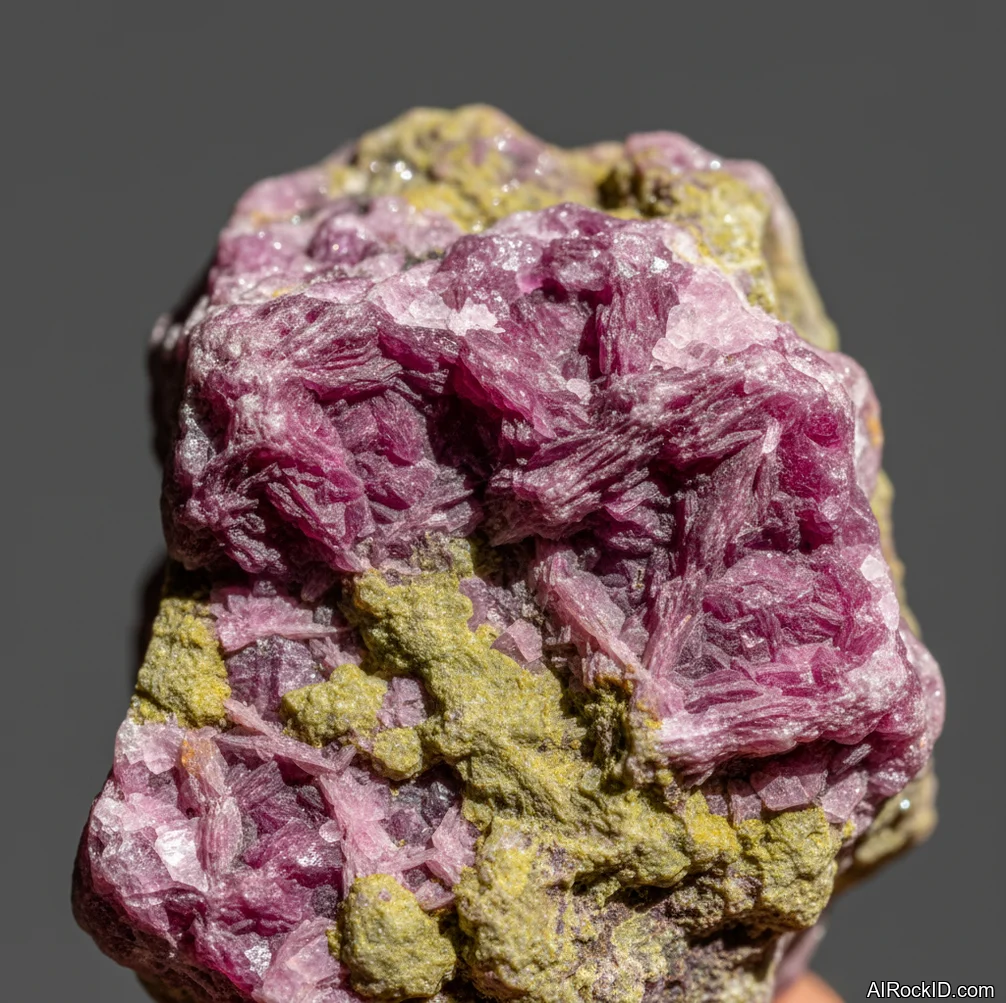
Most folks searching Taurus crystals are after one of three things. First, grounding: staying steady when life’s loud. Second, value and security: money habits, work consistency, building something that lasts. Third, Venus stuff: self-worth, affection, aesthetics, the urge to make your space feel like a soft landing. So yeah, you’ll see emerald, jade, malachite, rhodonite, rose quartz, green tourmaline, and smoky quartz come up again and again.
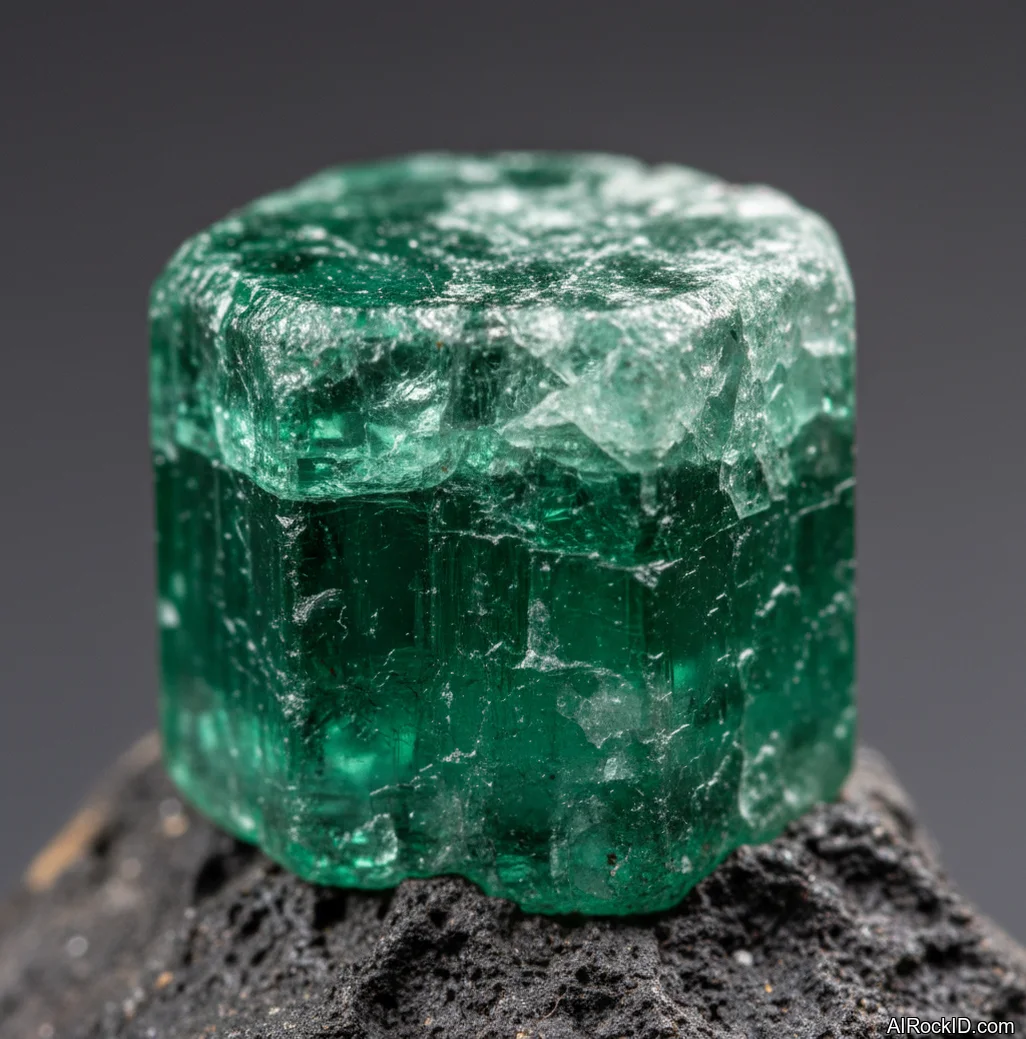
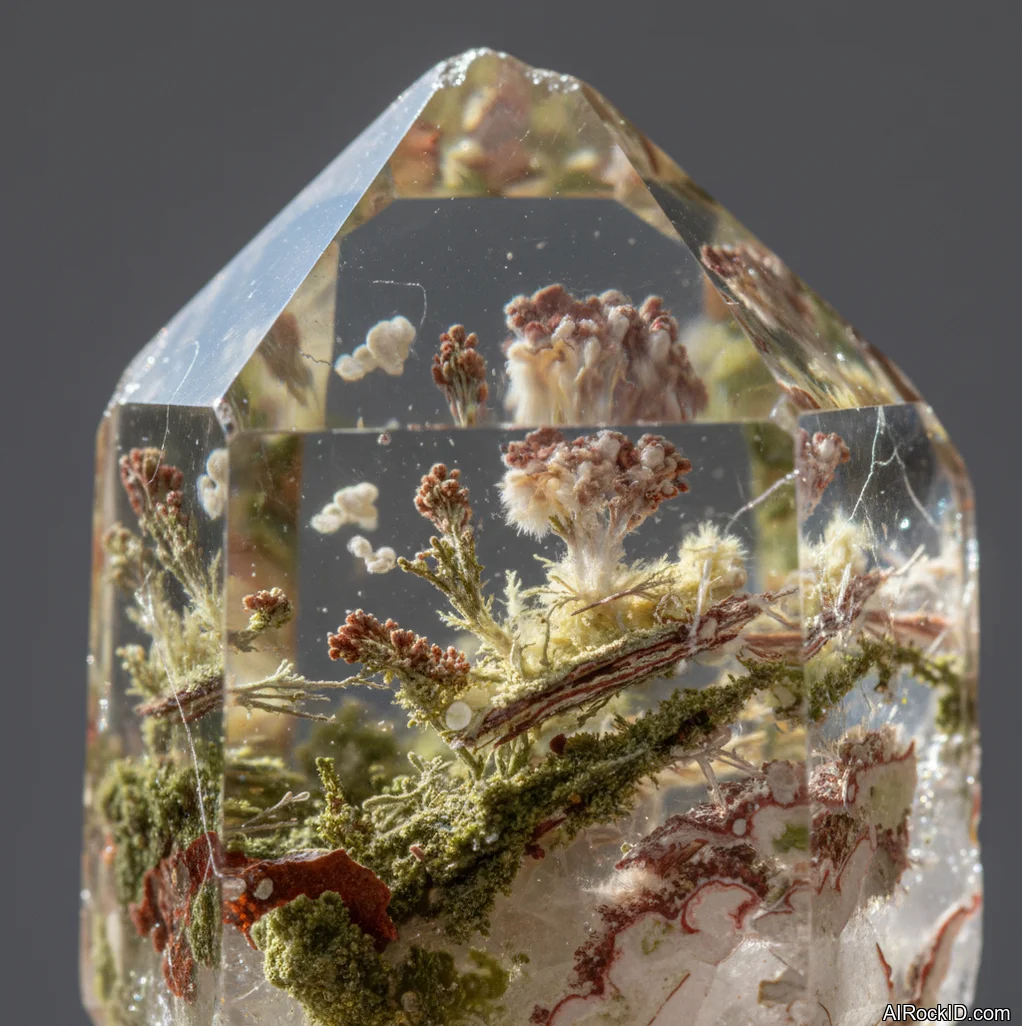
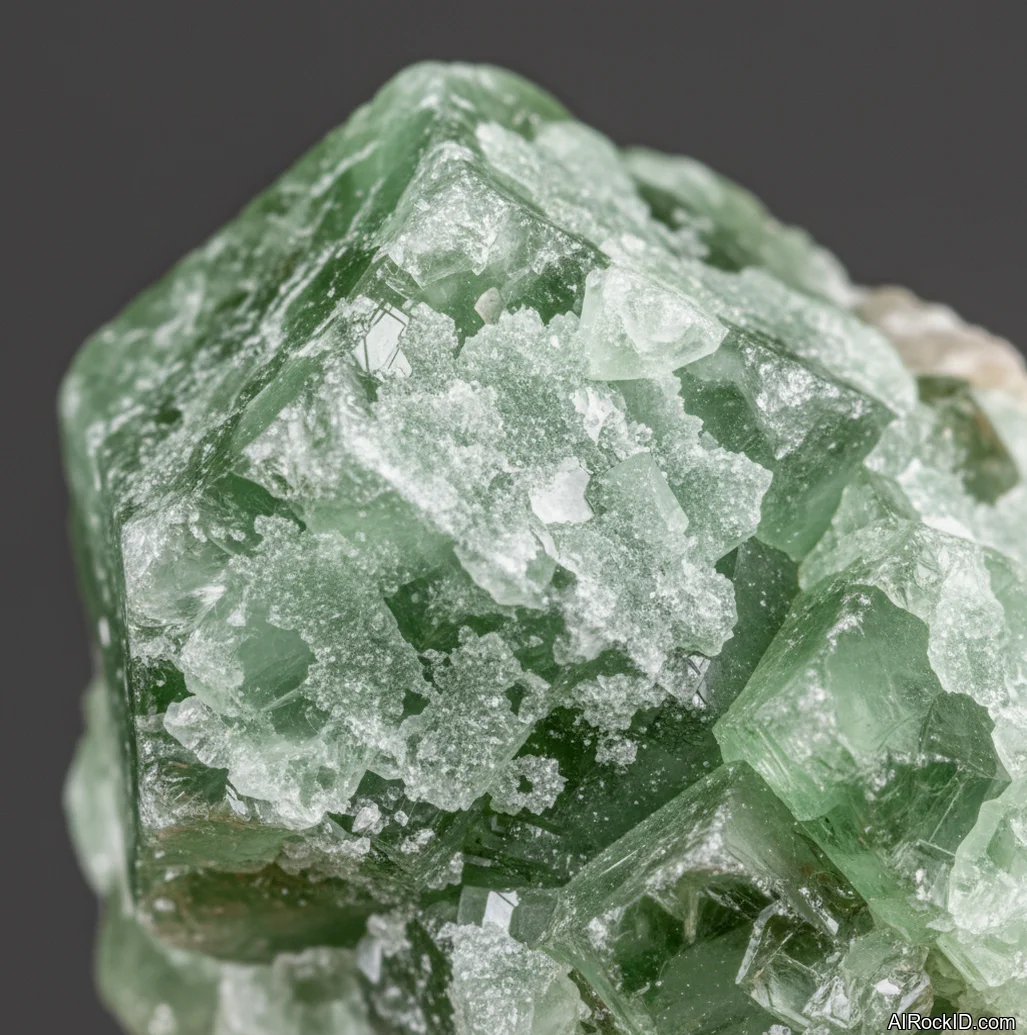
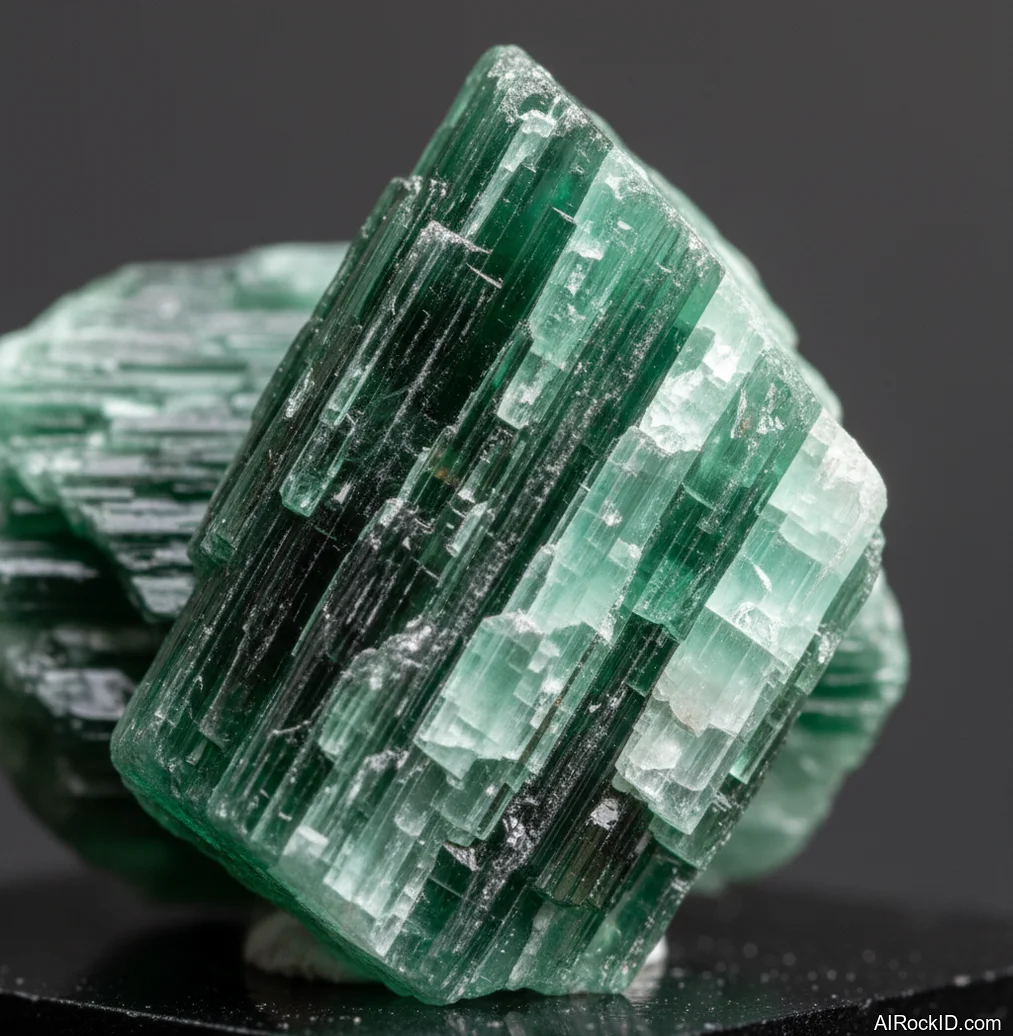
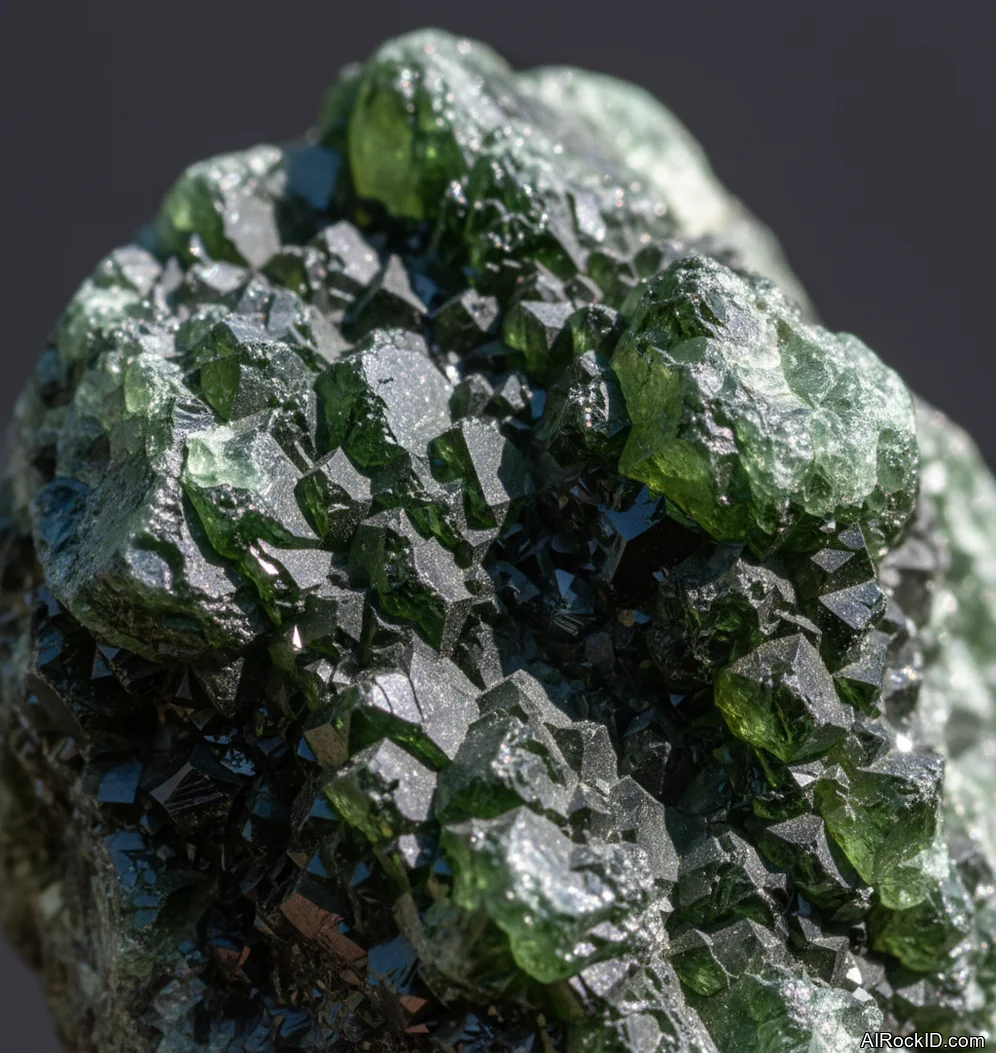
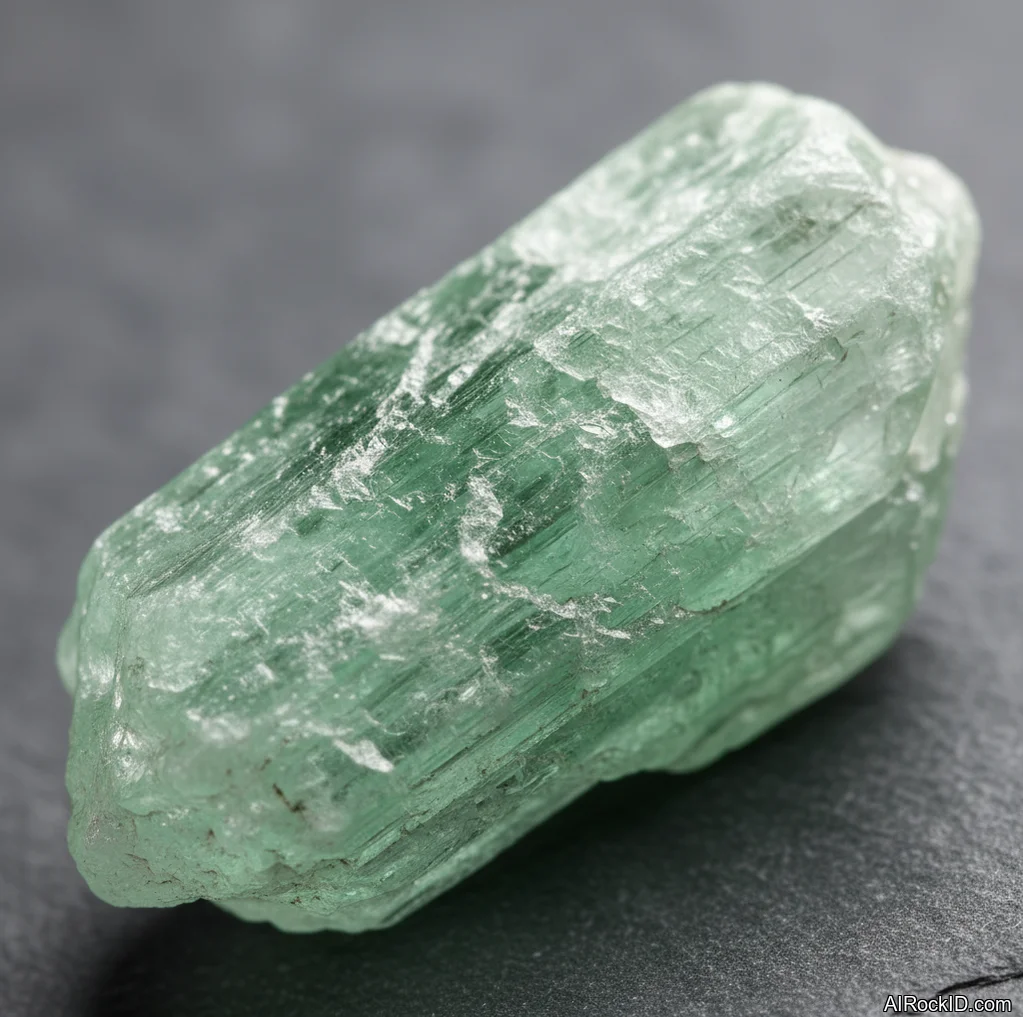
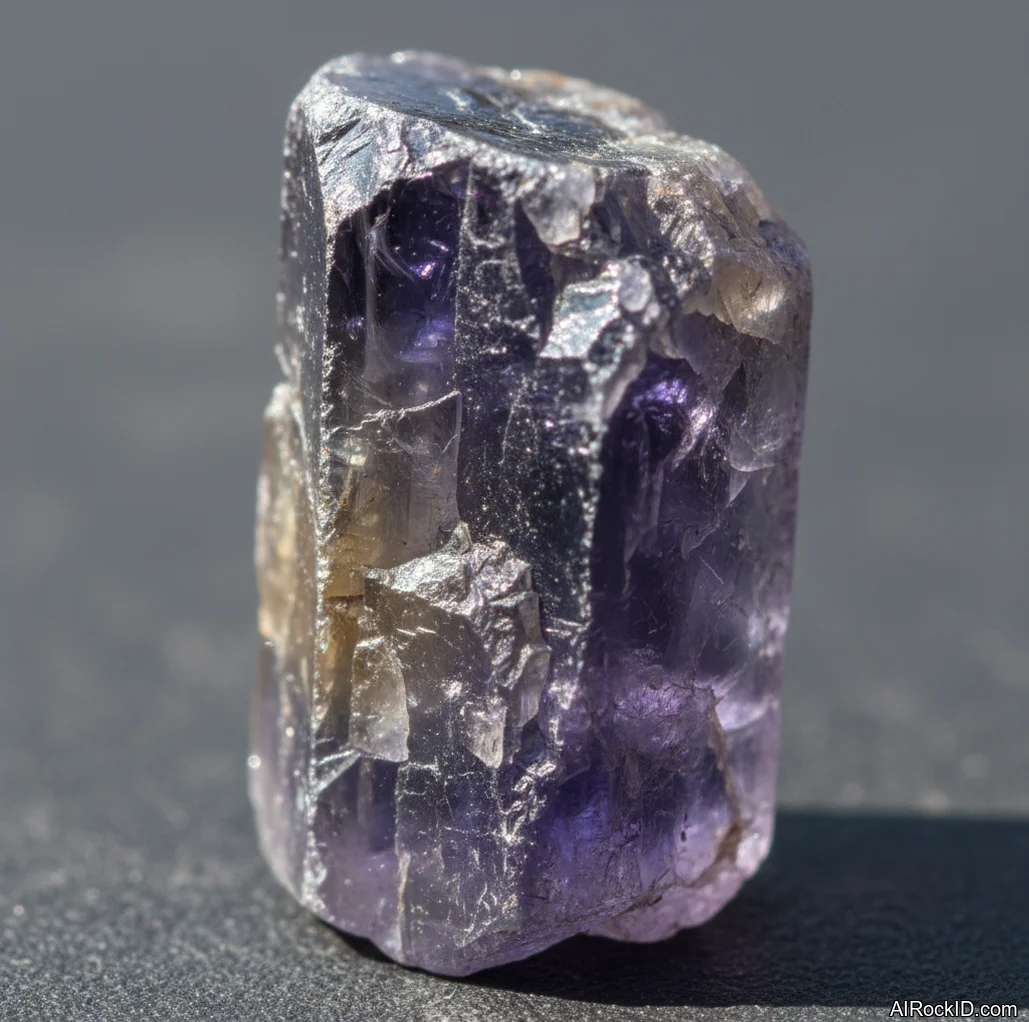
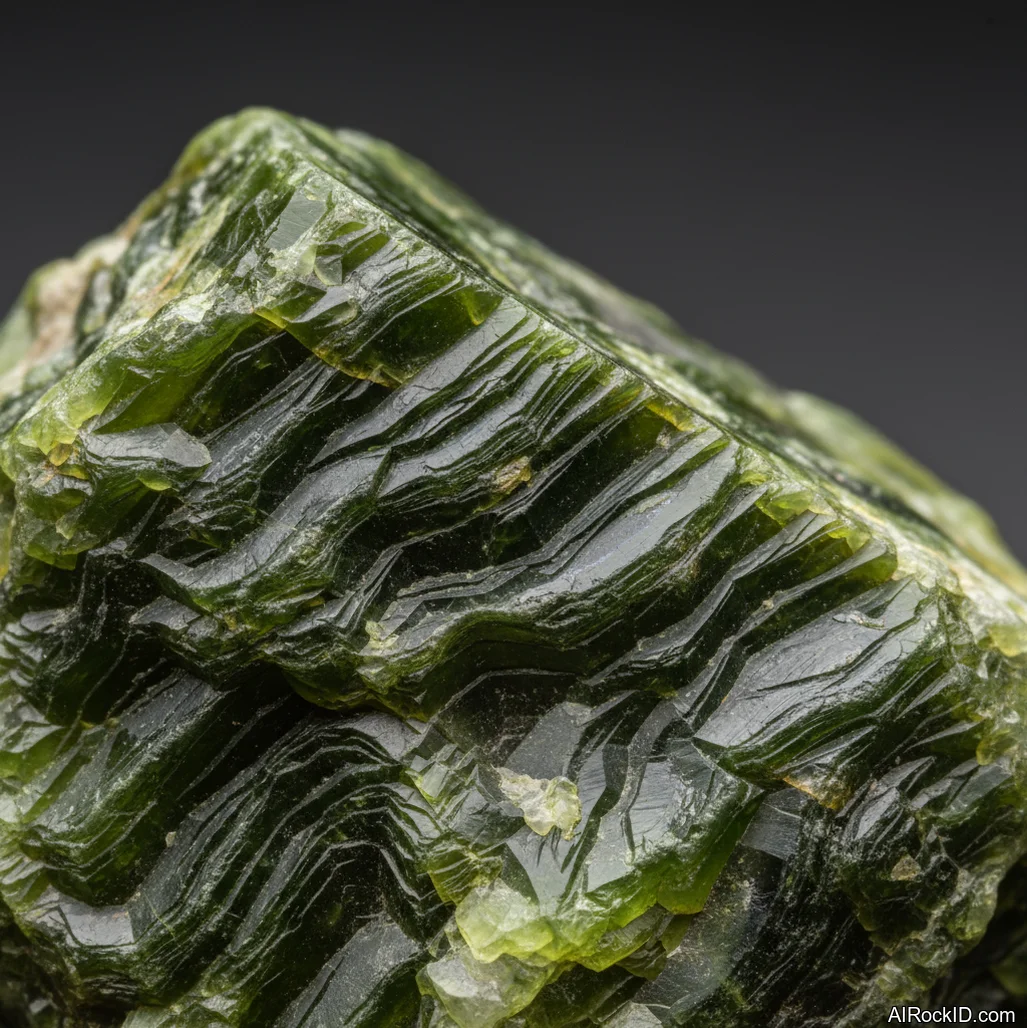
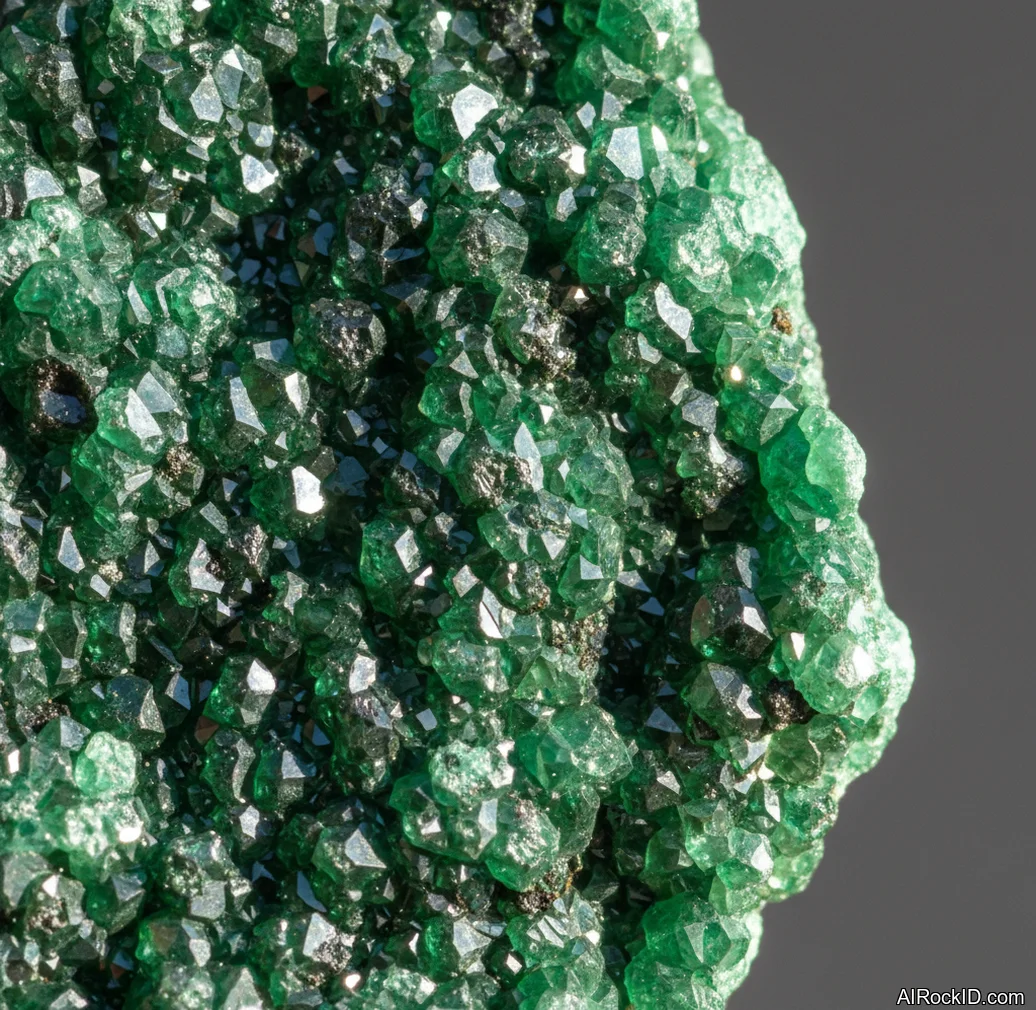
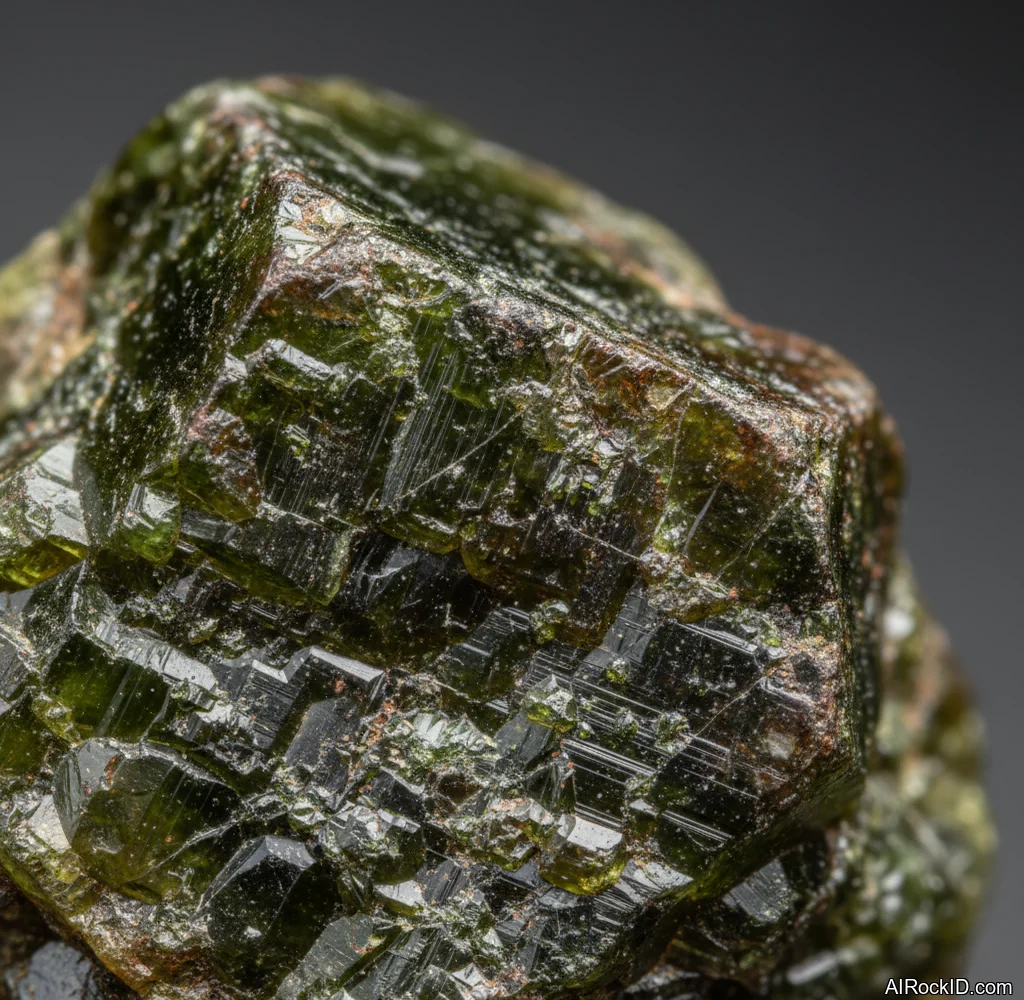
Emerald is the classic Taurus headline, but it’s not always the easiest stone to buy well. Real emerald (beryl) often has jardin, those internal mossy fractures and inclusions that look like tiny gardens under a loupe. That’s normal. But perfectly clean, neon-green “emerald” at a bargain price is usually glass, dyed quartz, or a lab-grown piece being sold without saying so. On hardness, emerald can scratch glass, but it can still chip if it’s included and you knock it on a countertop. If you want an emerald you can actually carry, I’ve had better luck with small cabochons or beads than fragile crystal points.
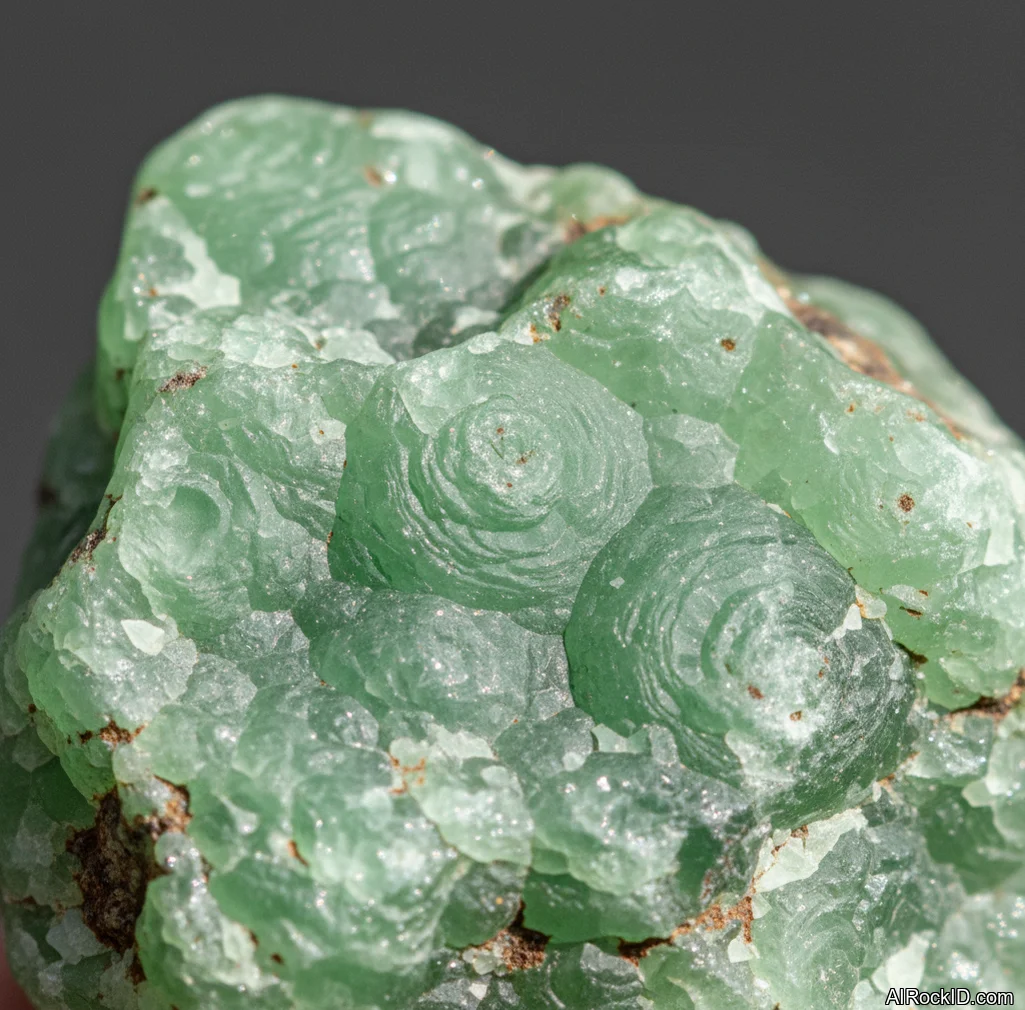
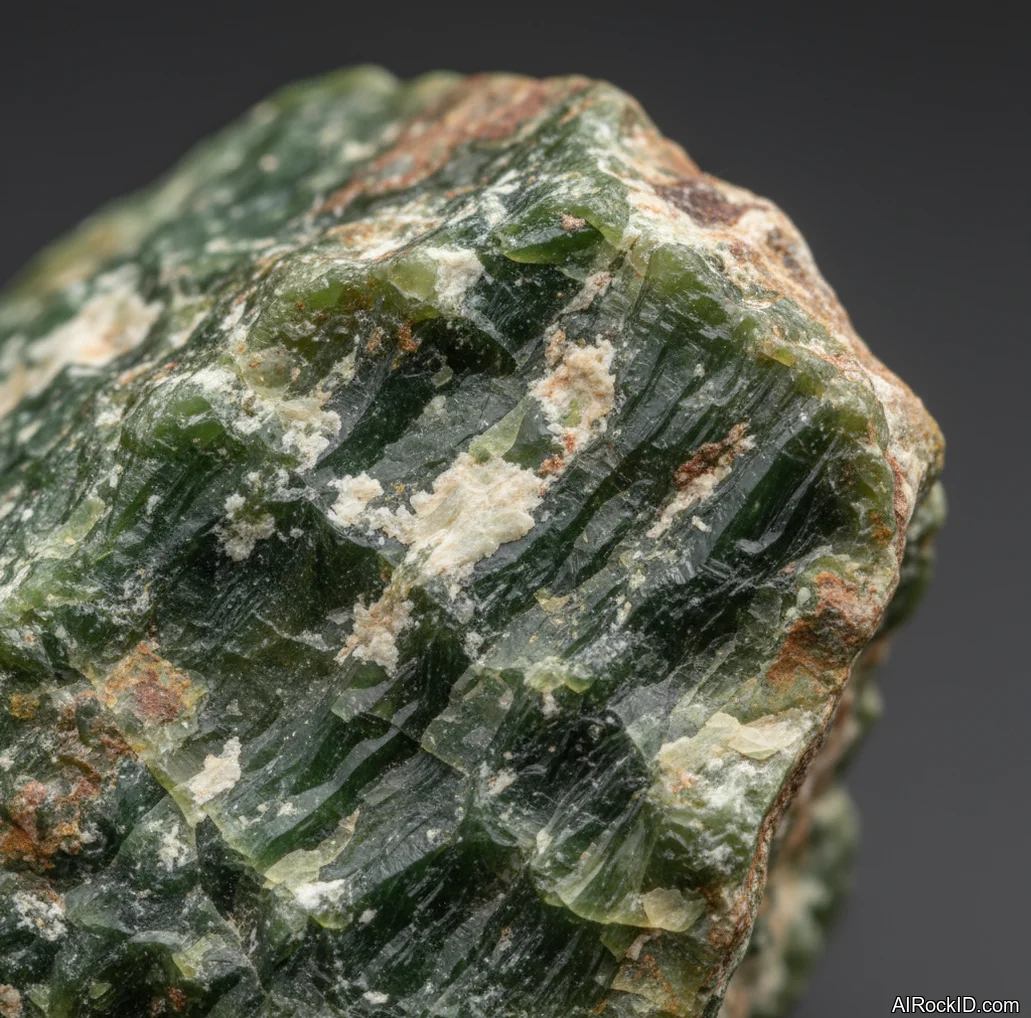
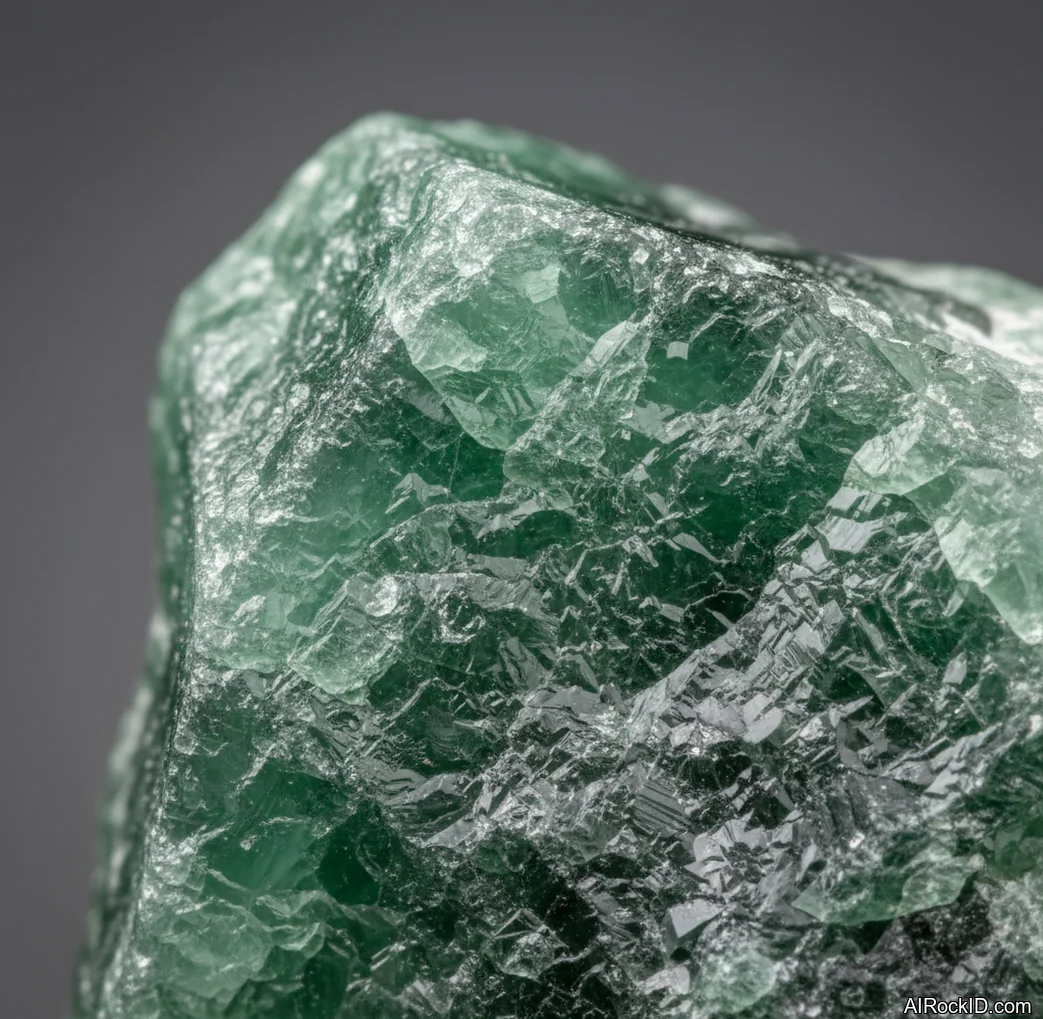
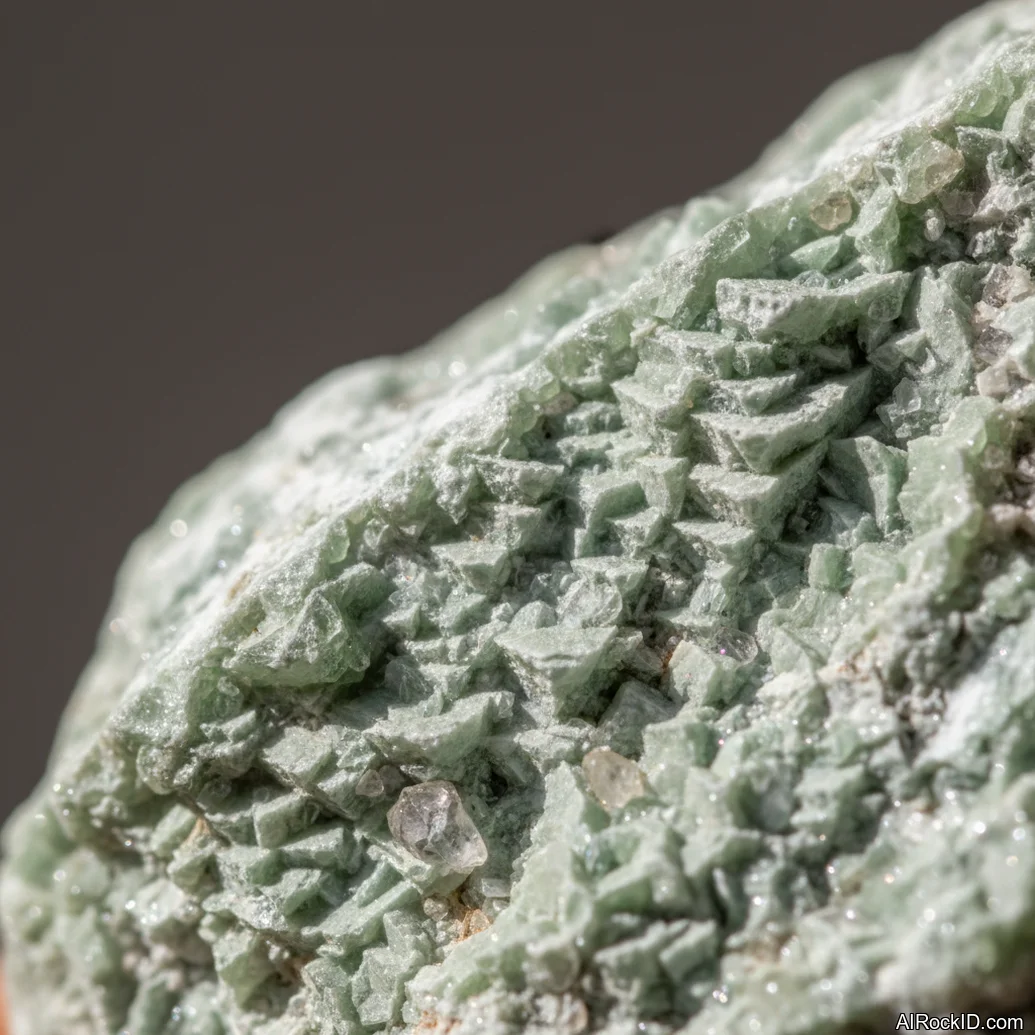
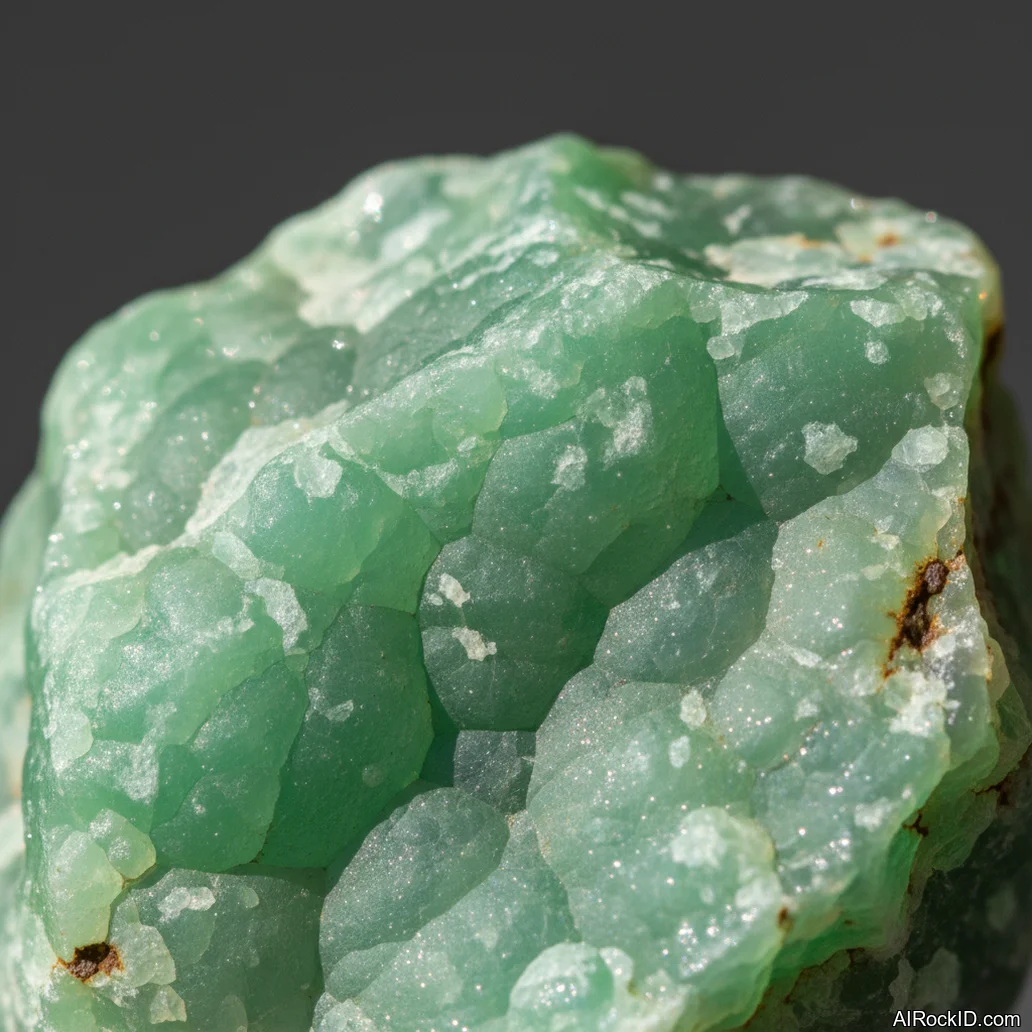
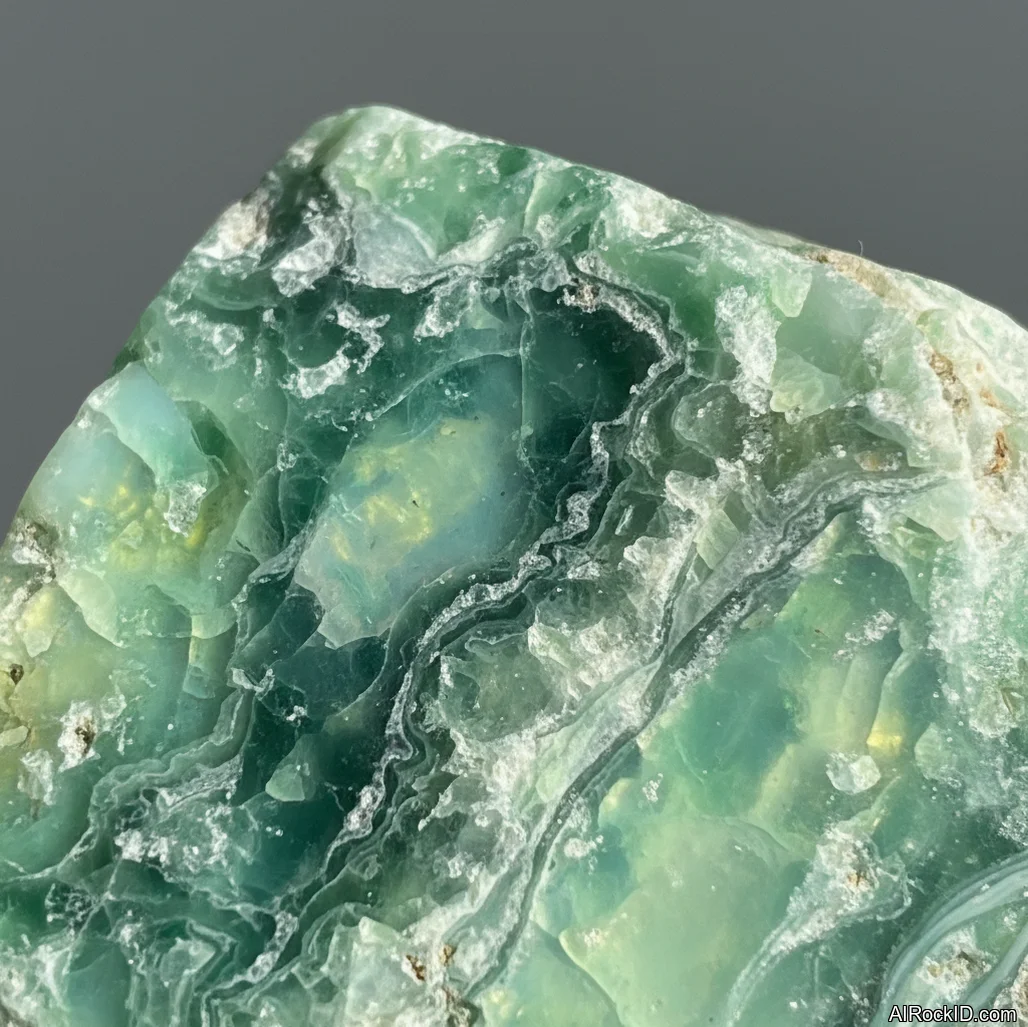
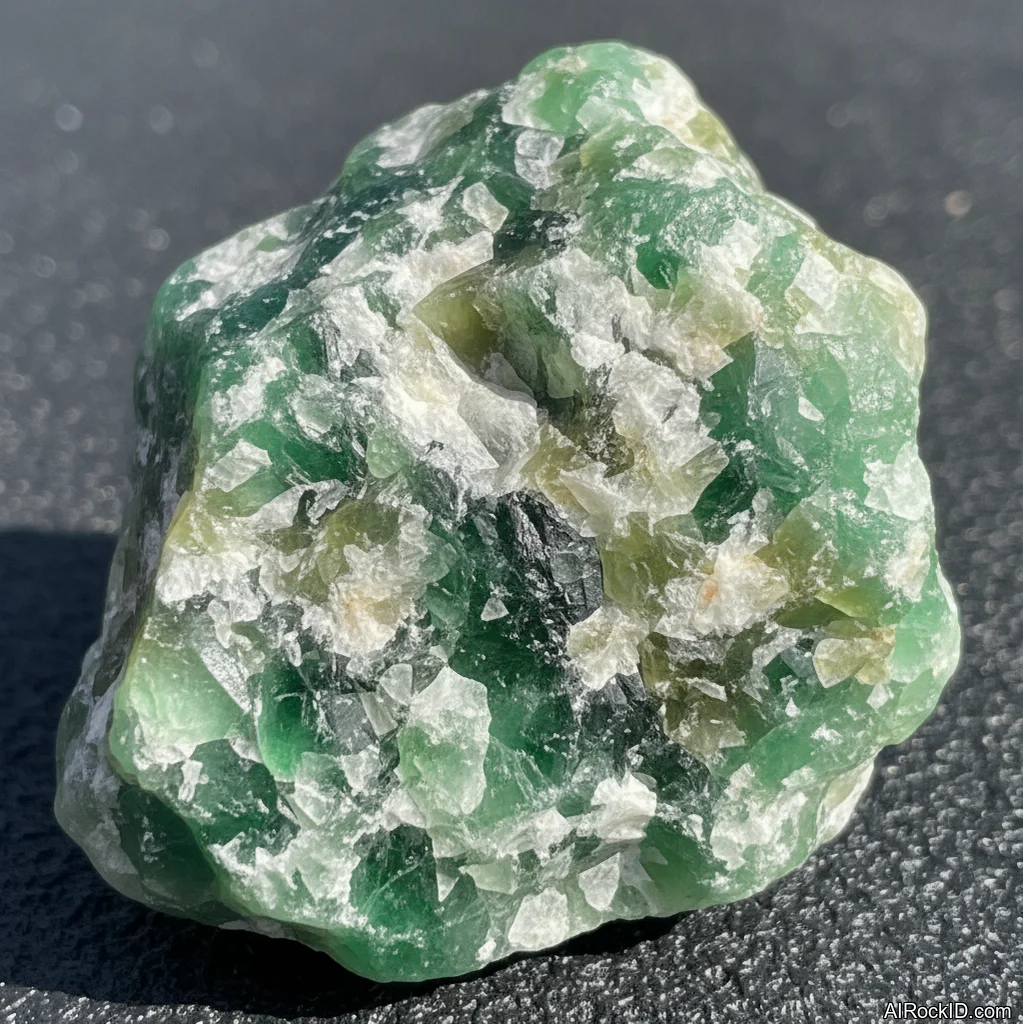
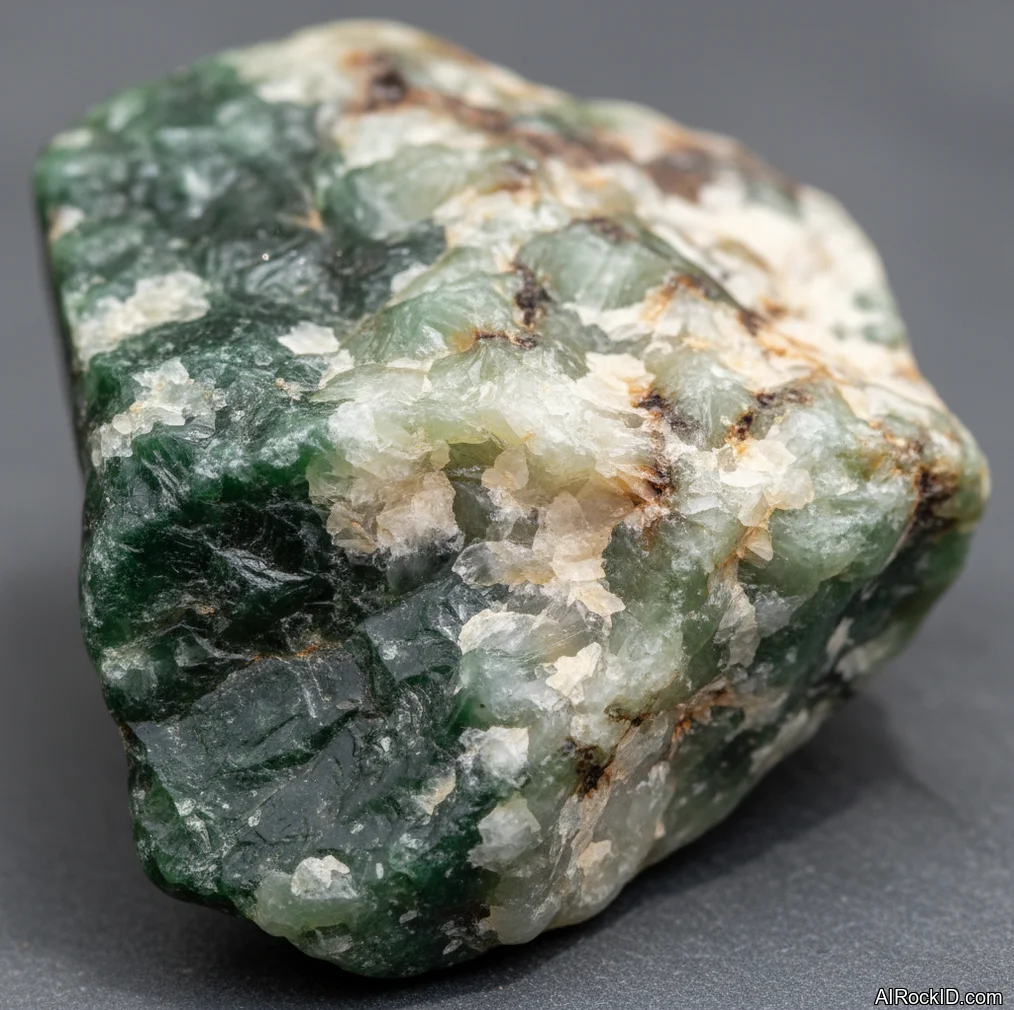
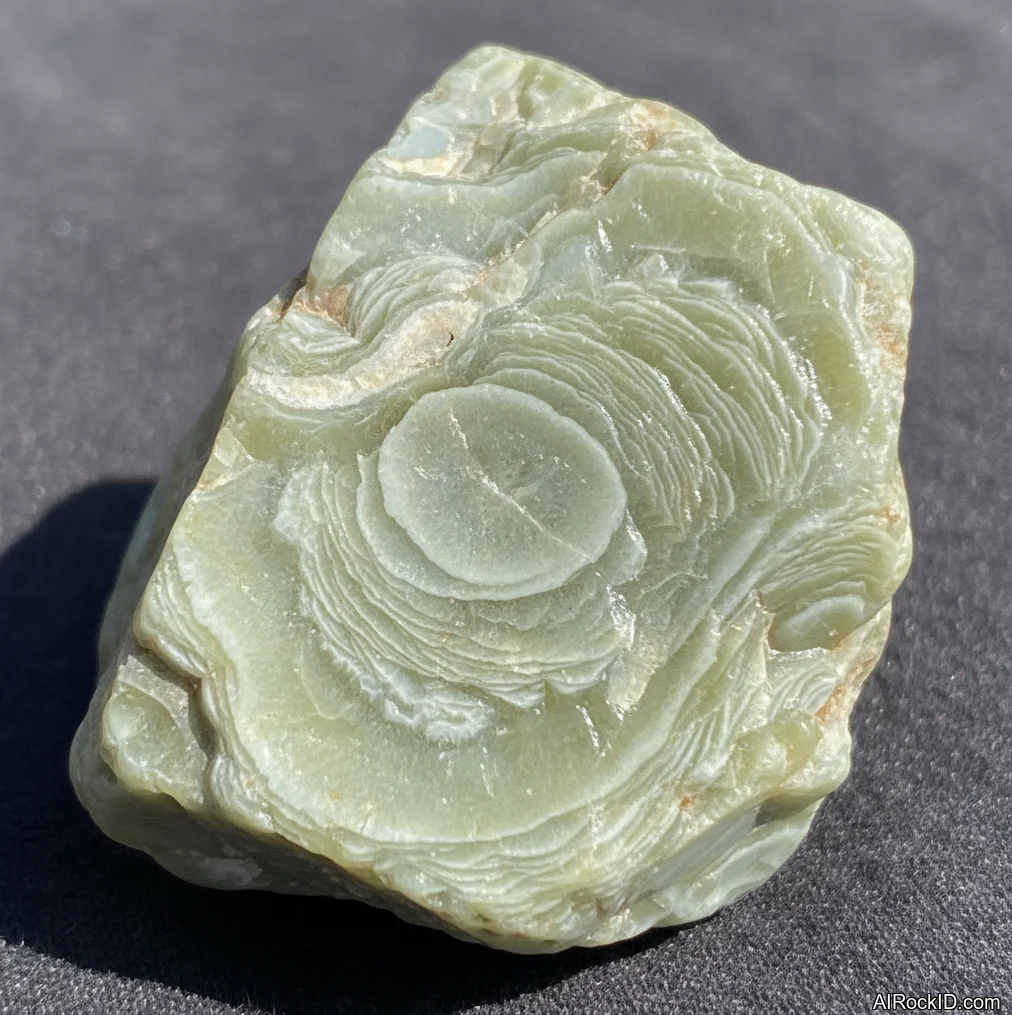
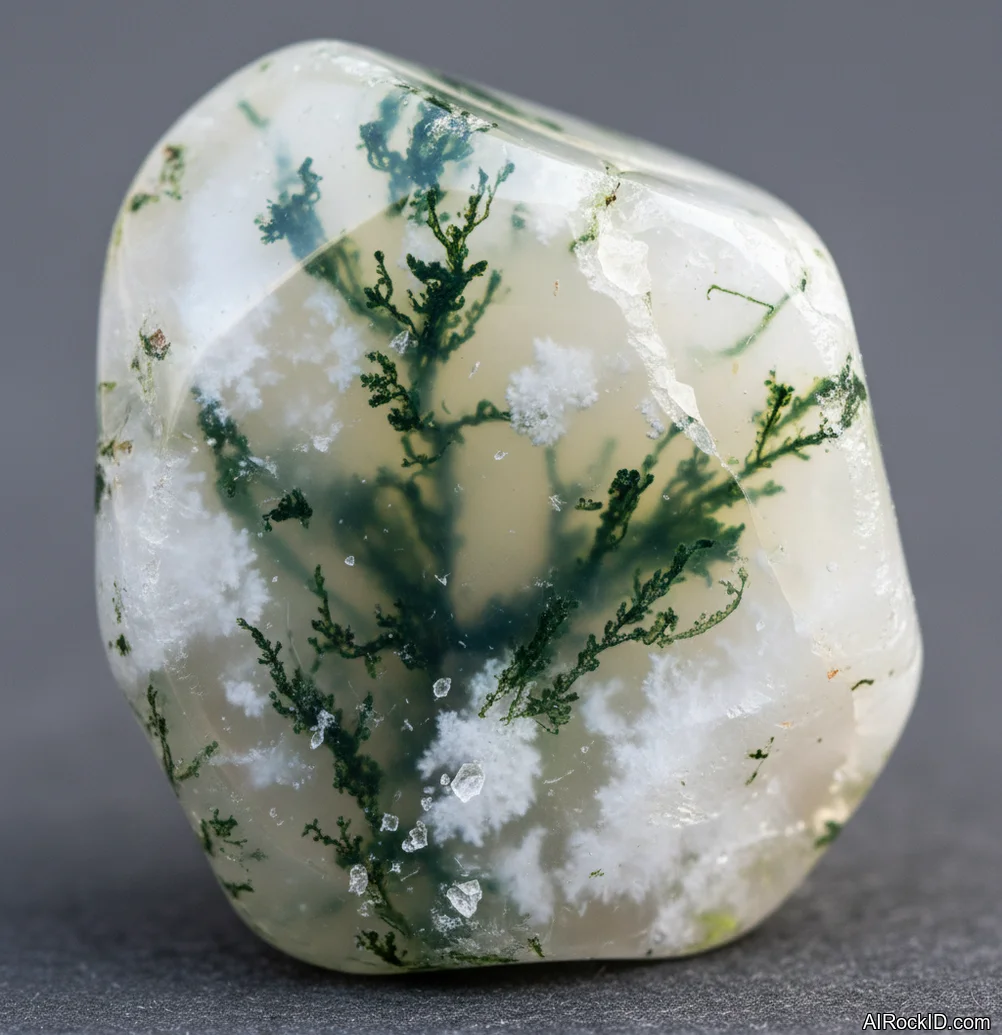
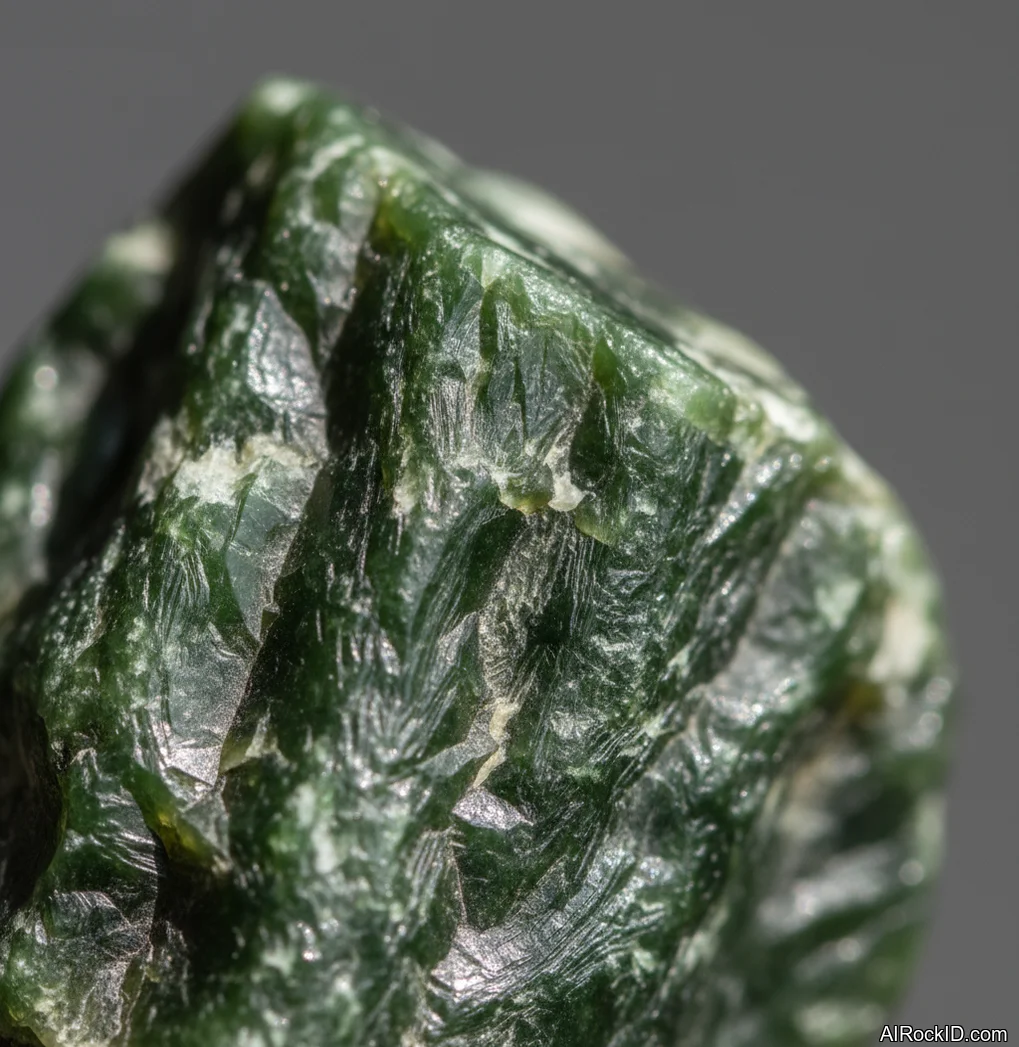
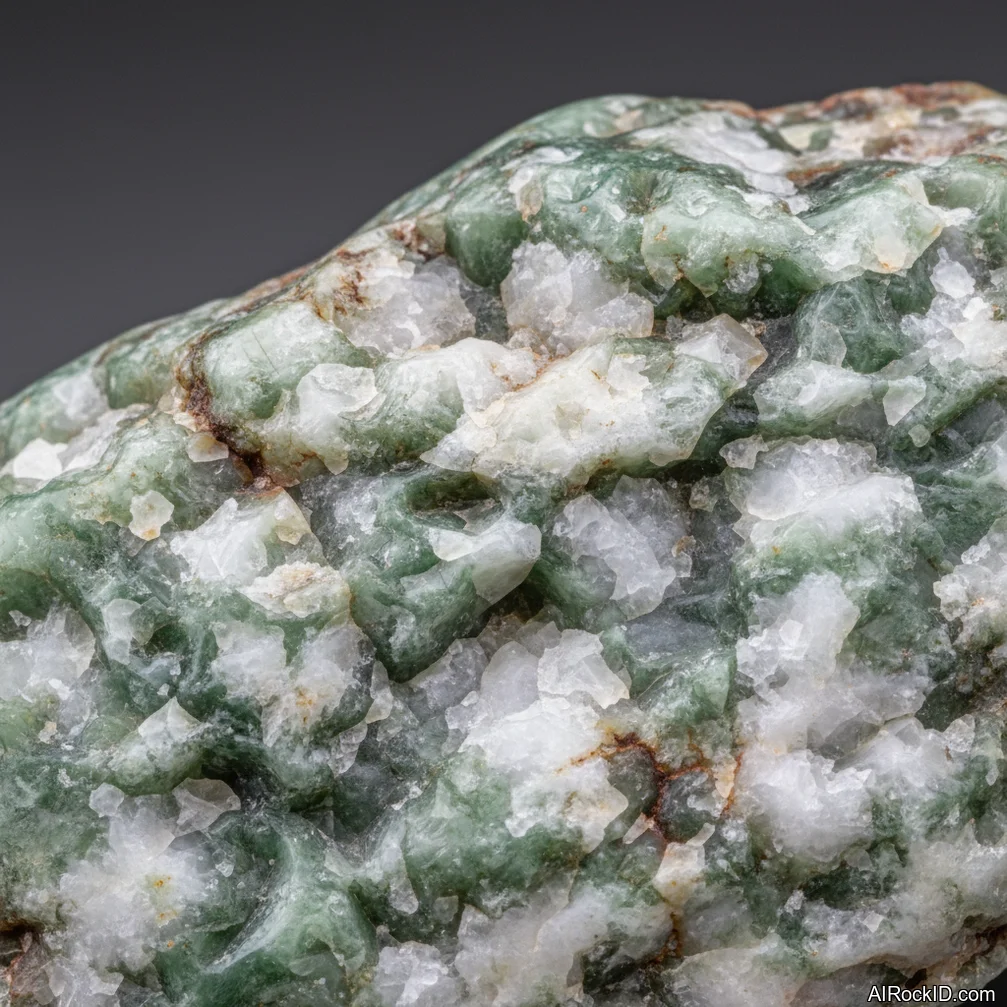
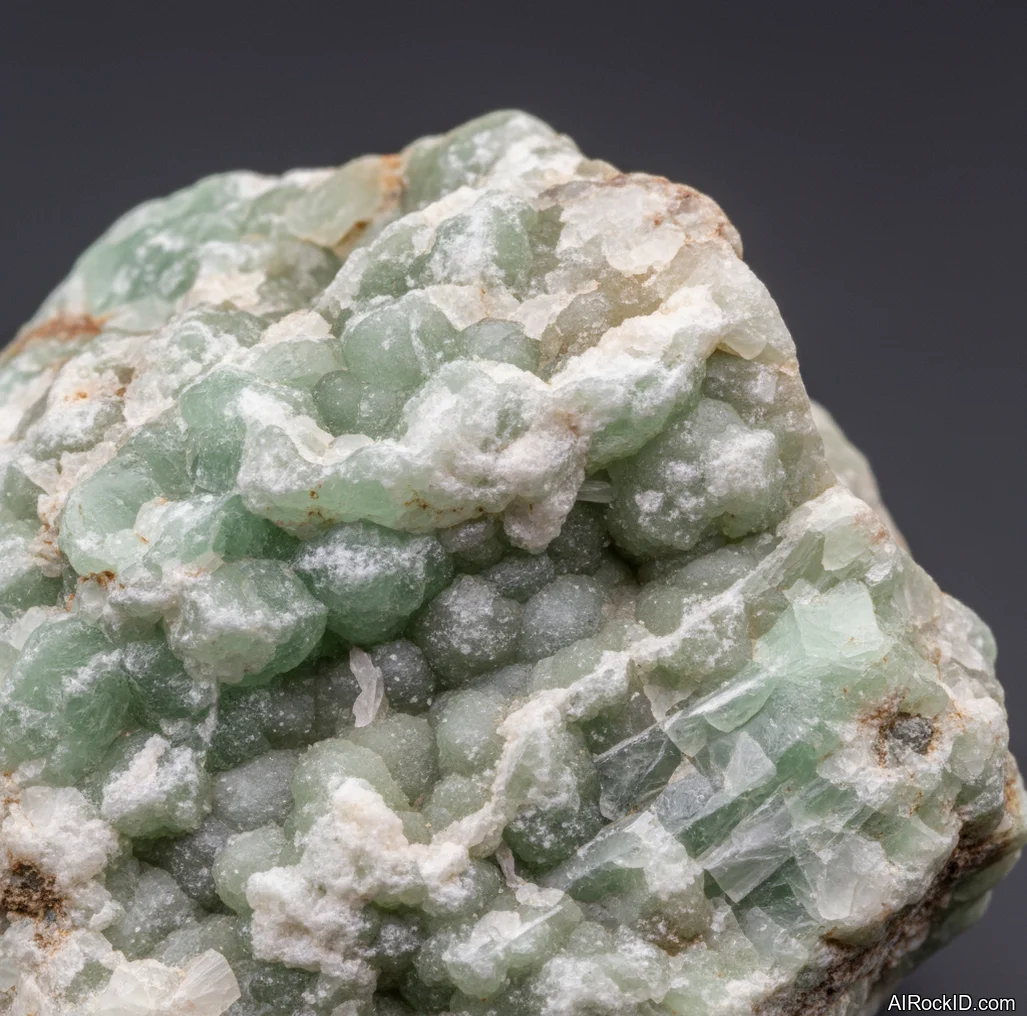
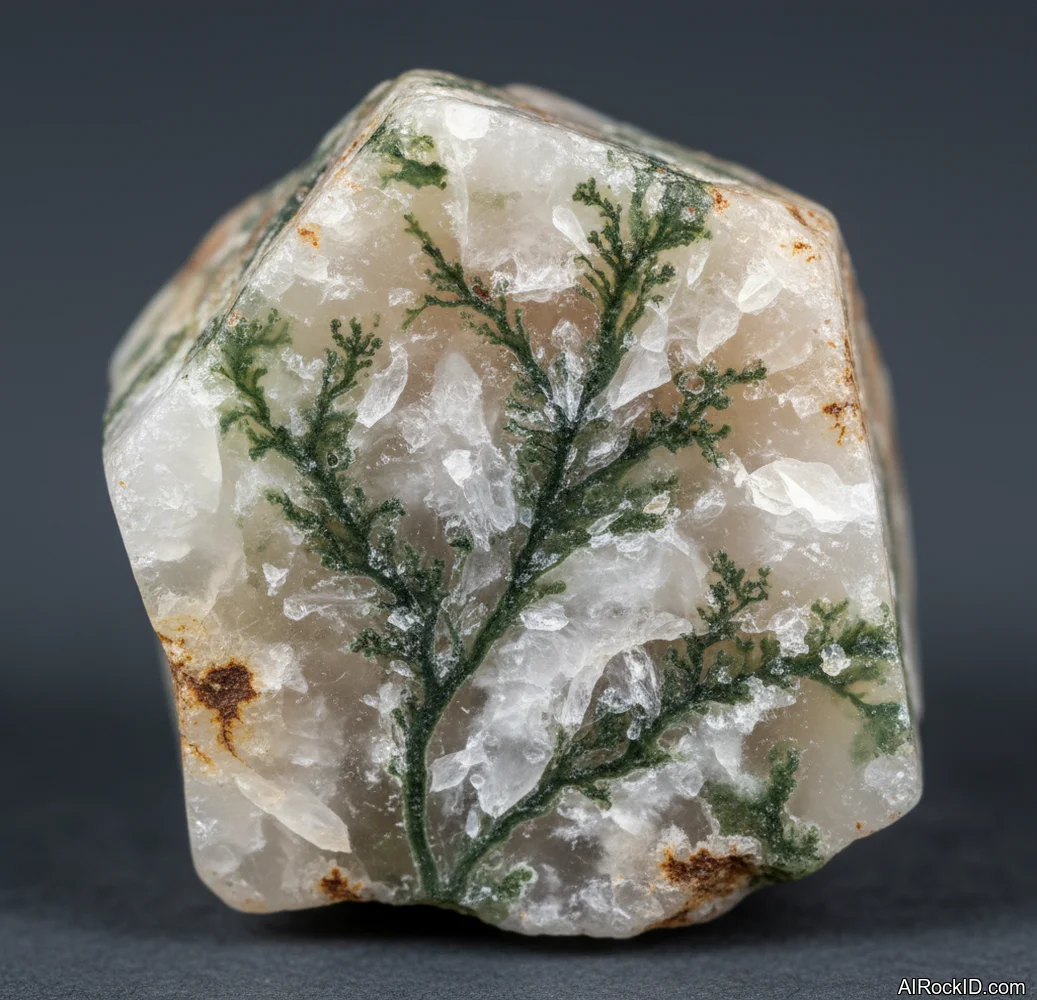
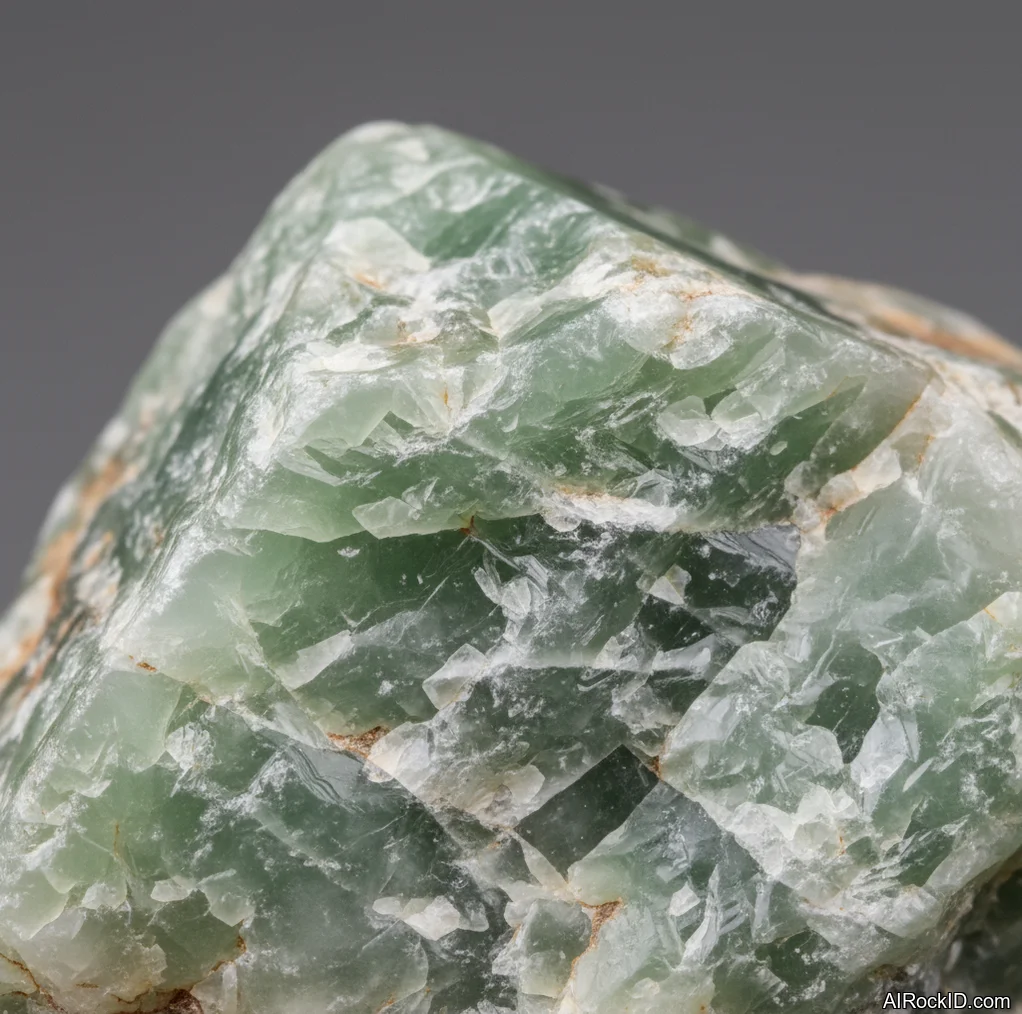
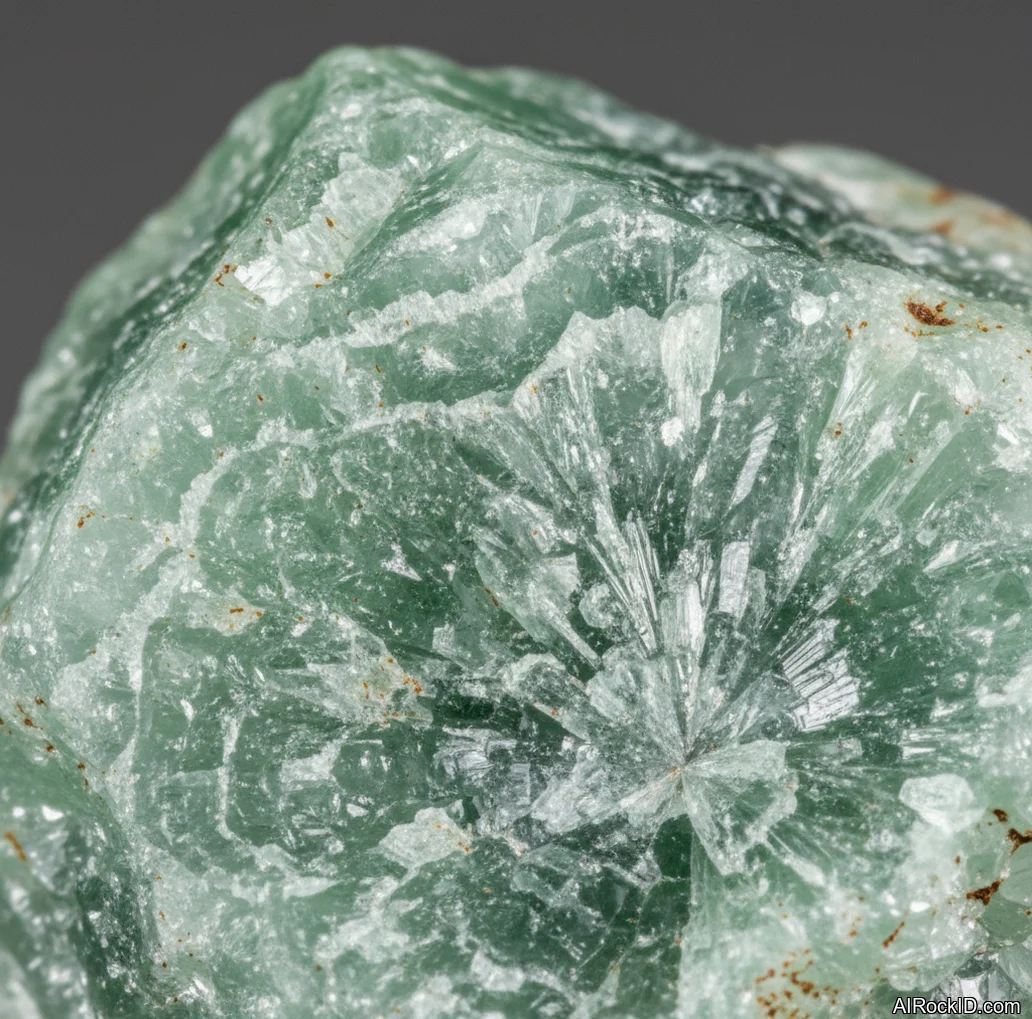
If emerald feels too fussy, try green aventurine or jade. Aventurine is quartz with sparkly mica platelets, so under direct light you can catch that subtle glitter called aventurescence. Jade gets misused as a name, so look for nephrite or jadeite specifically. Nephrite tends to feel tough and a little “greasy” in polish, and it holds up well in daily wear. Jadeite can get glassier and brighter, but it’s a whole pricing universe of its own (seriously).
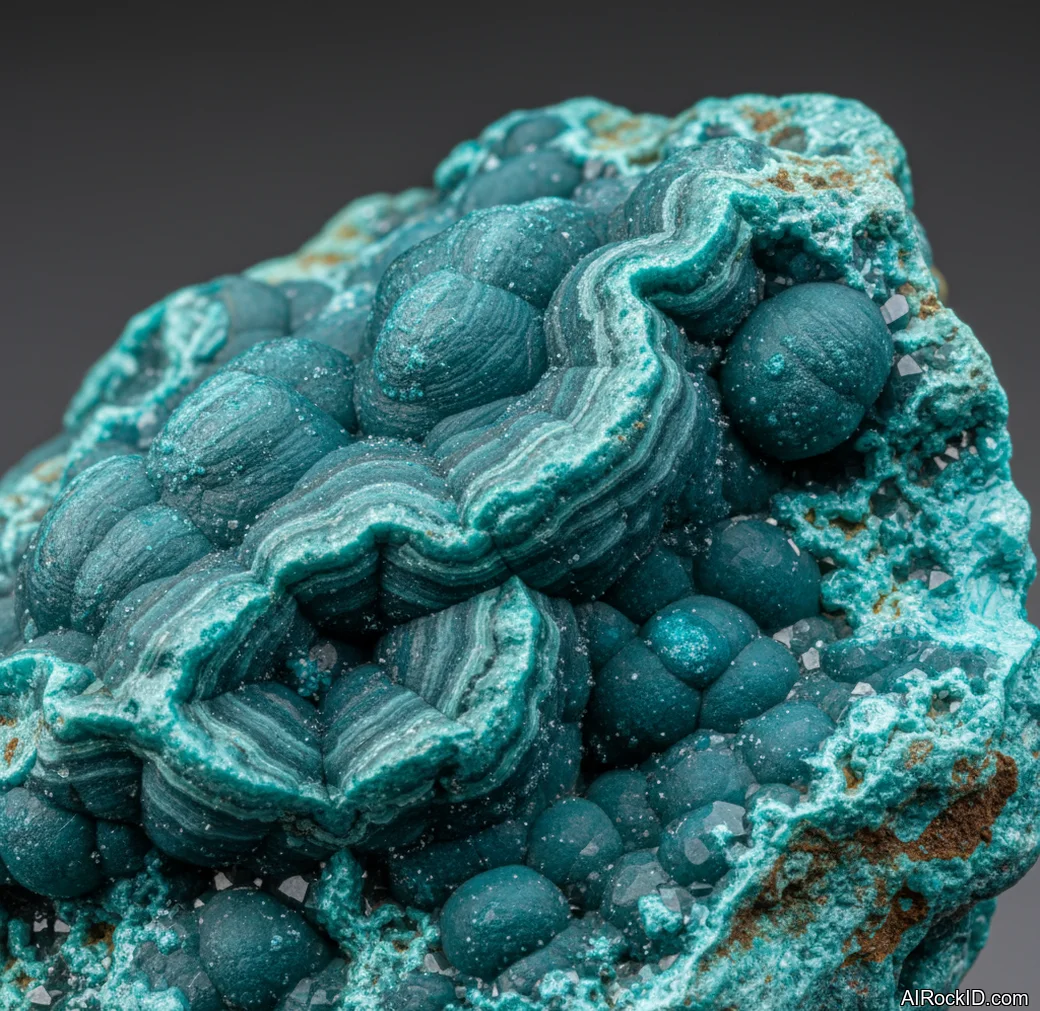
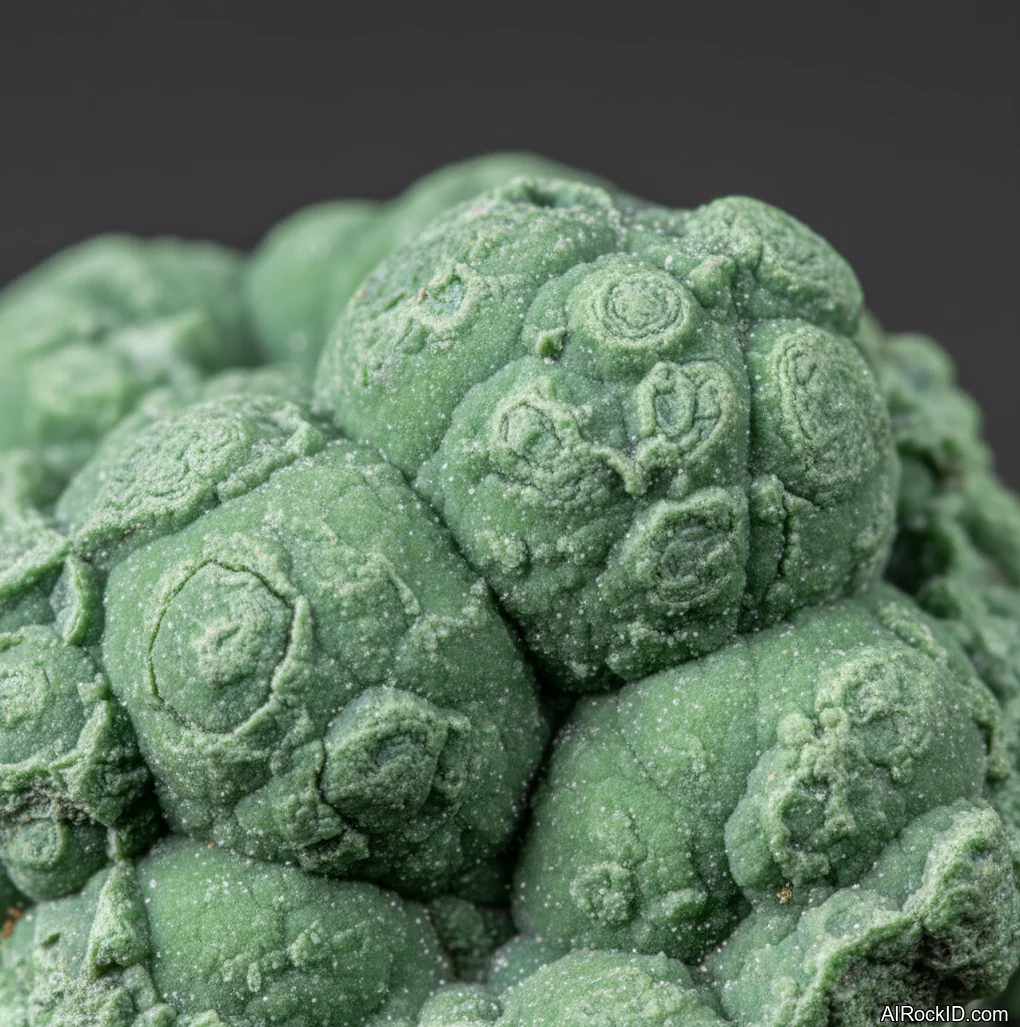
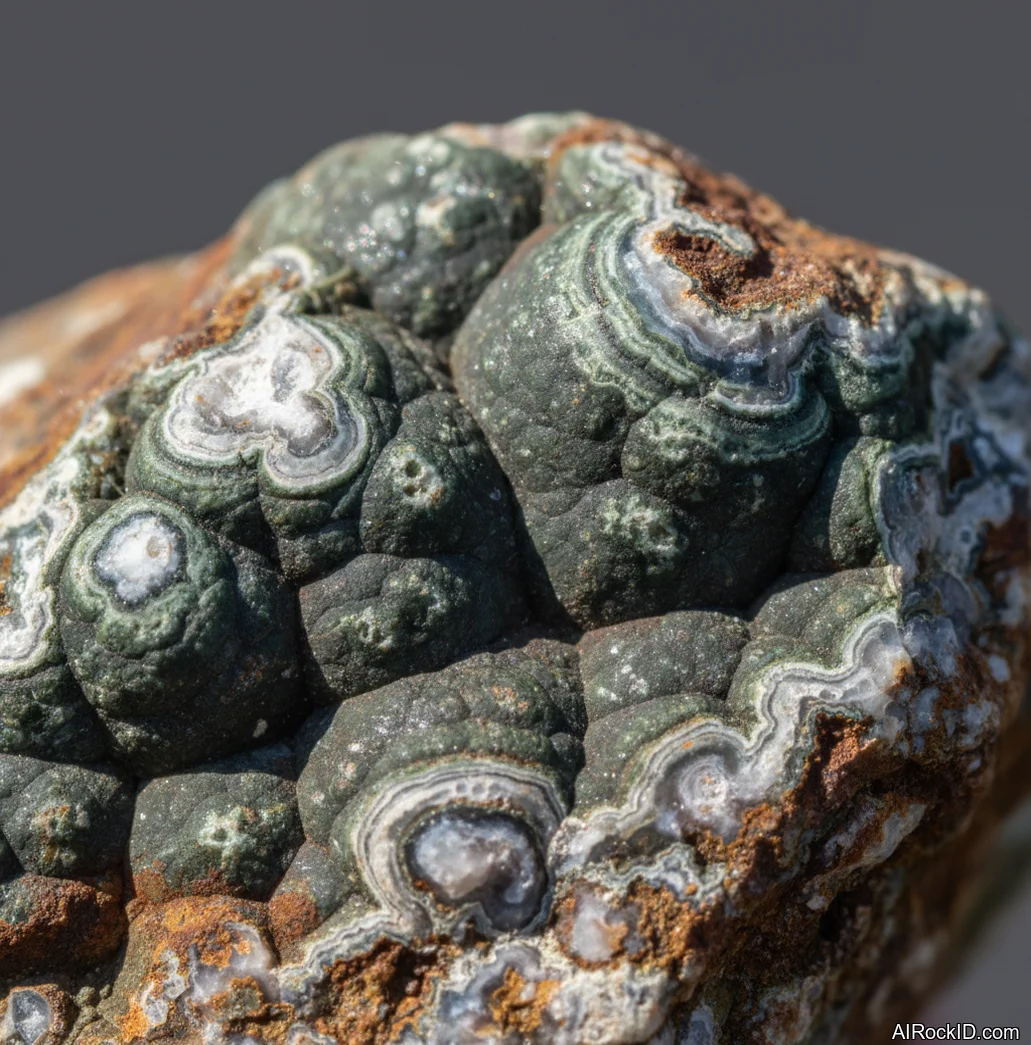
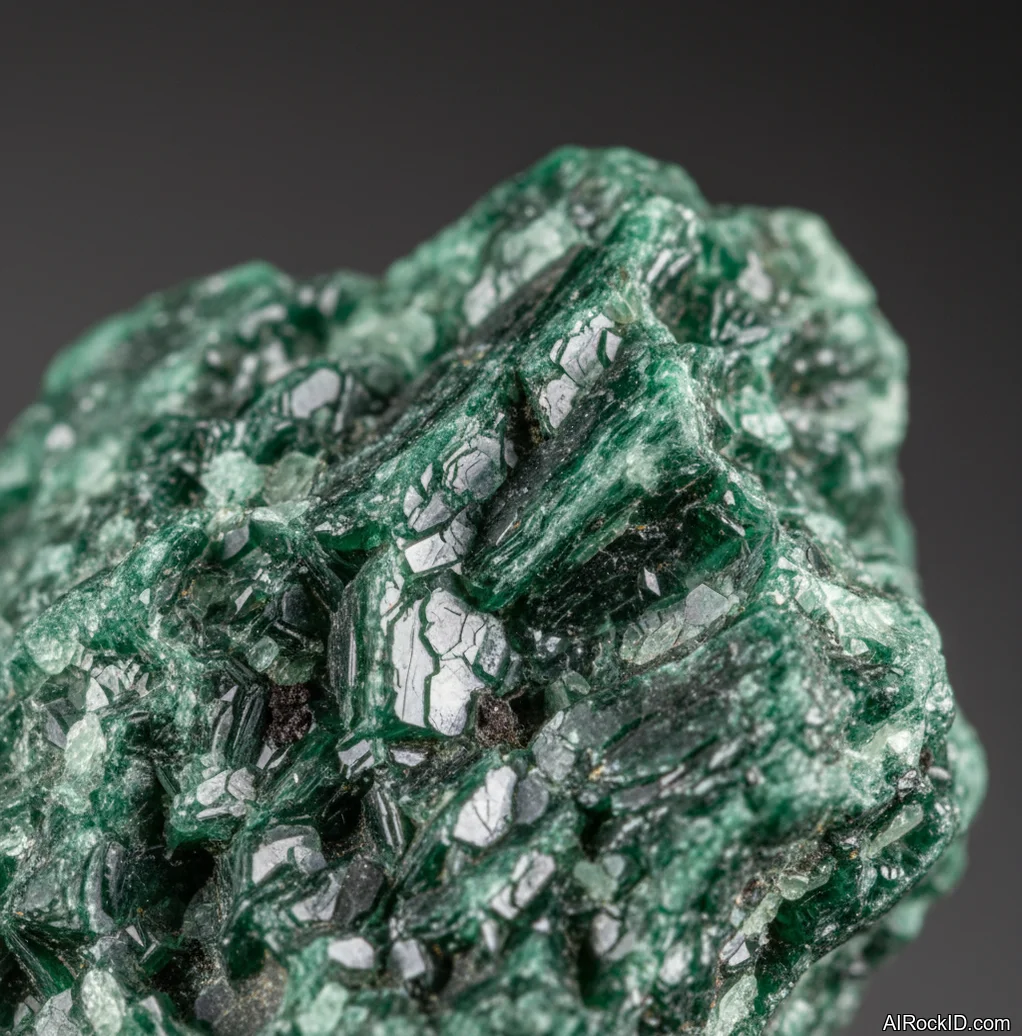
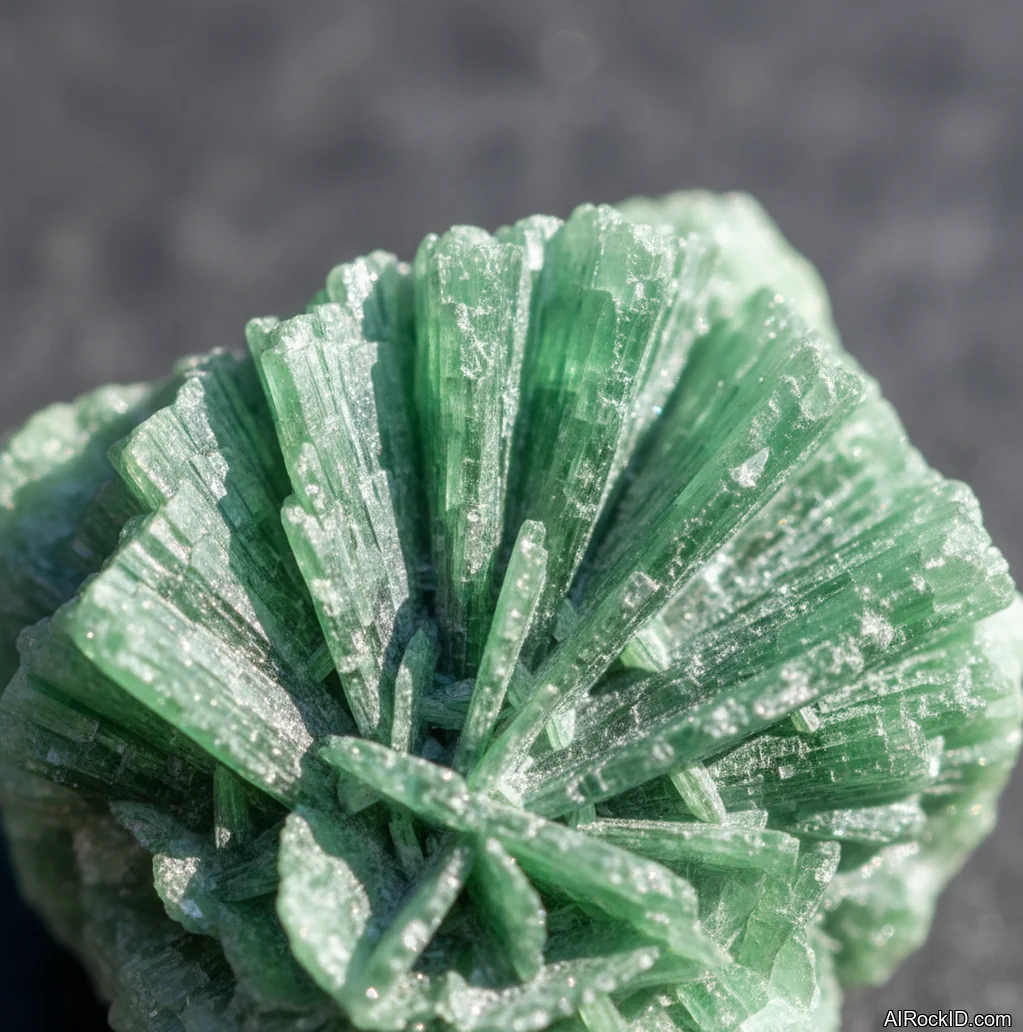
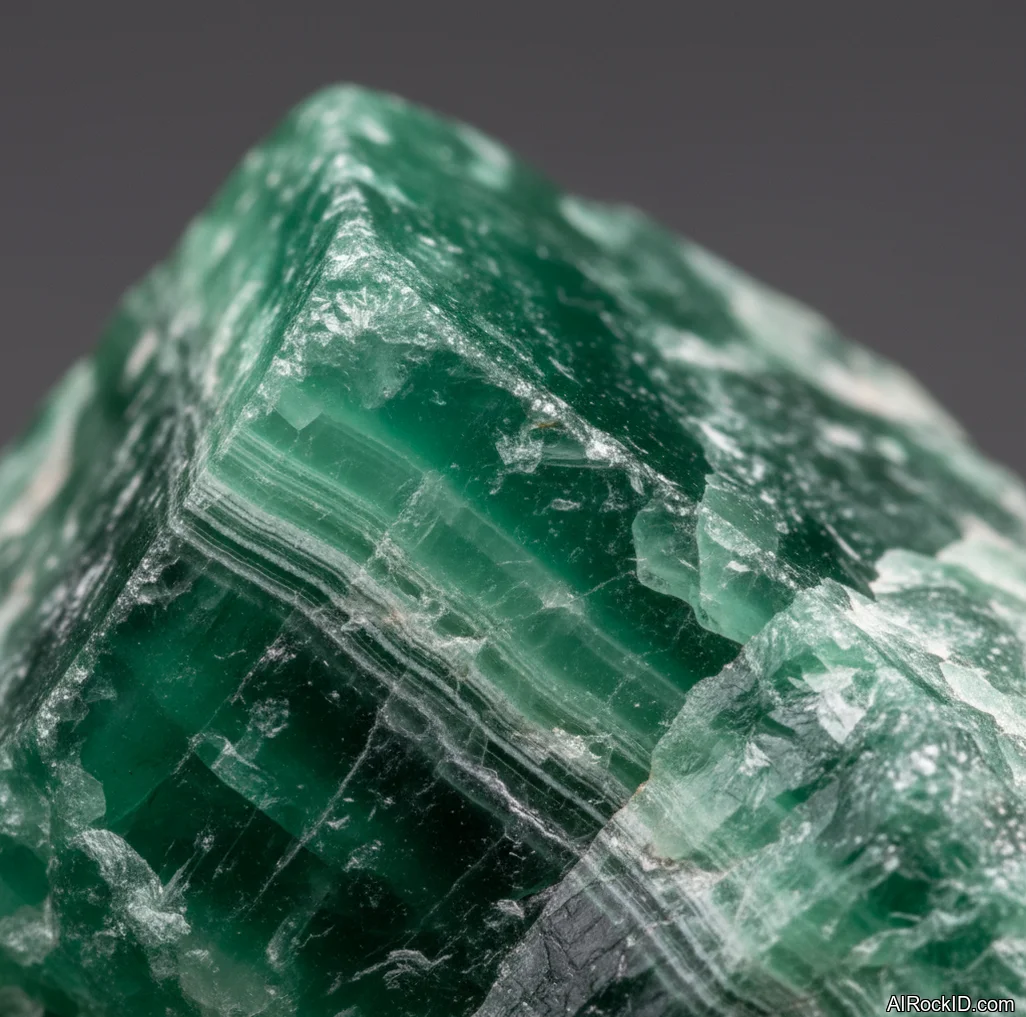
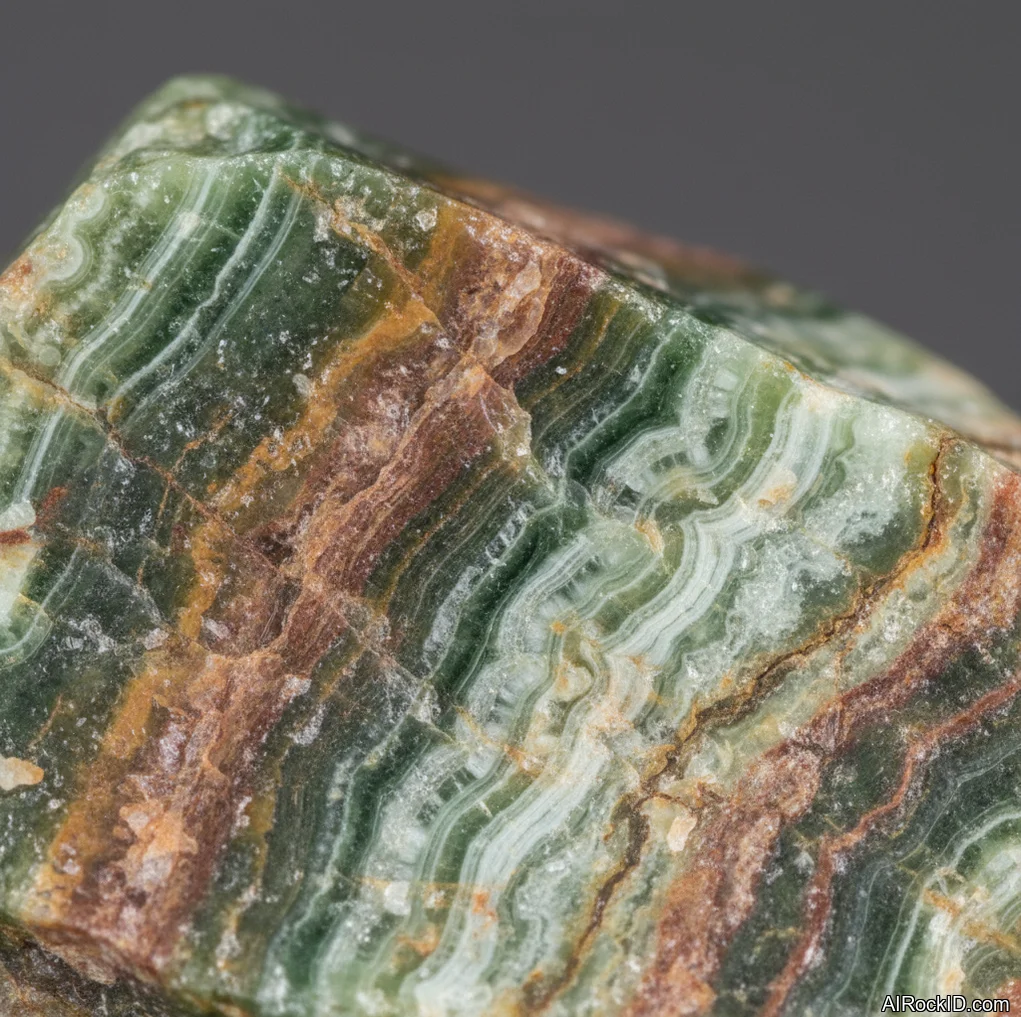
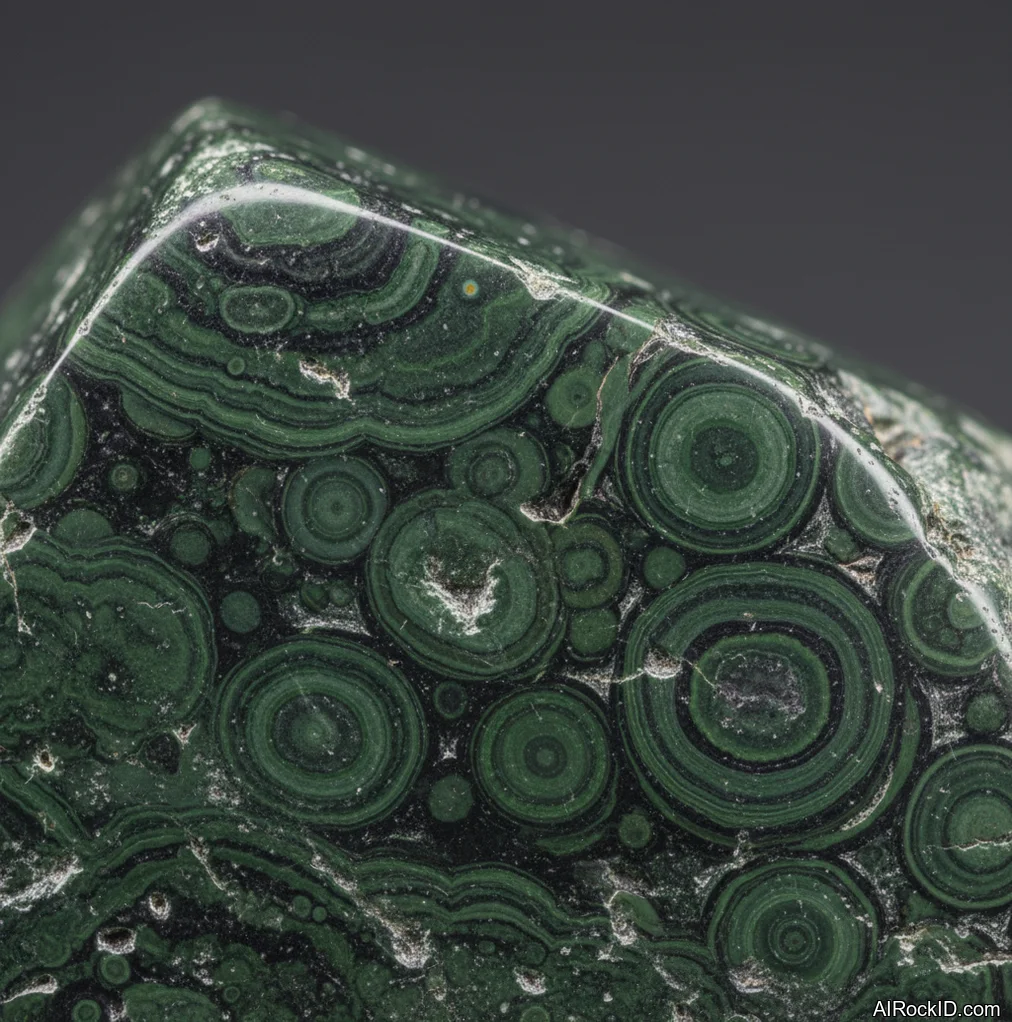
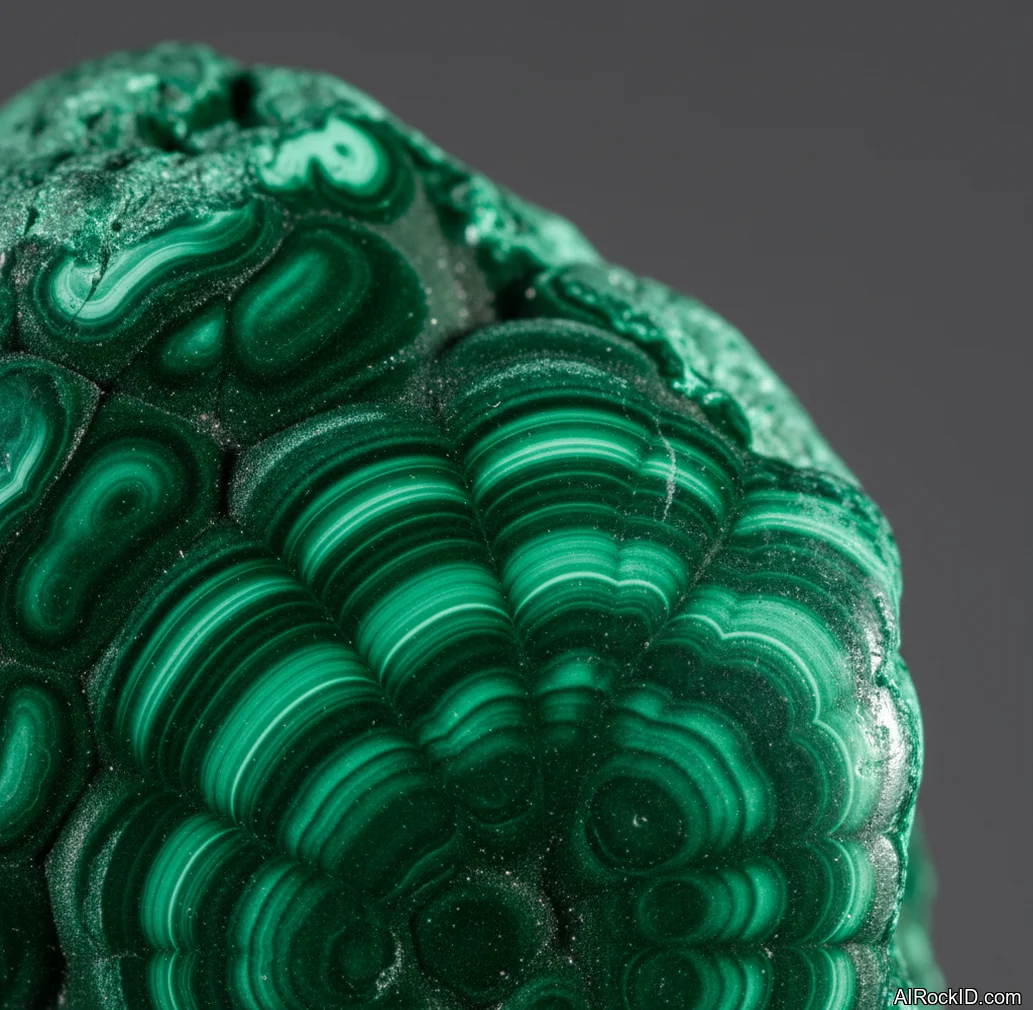
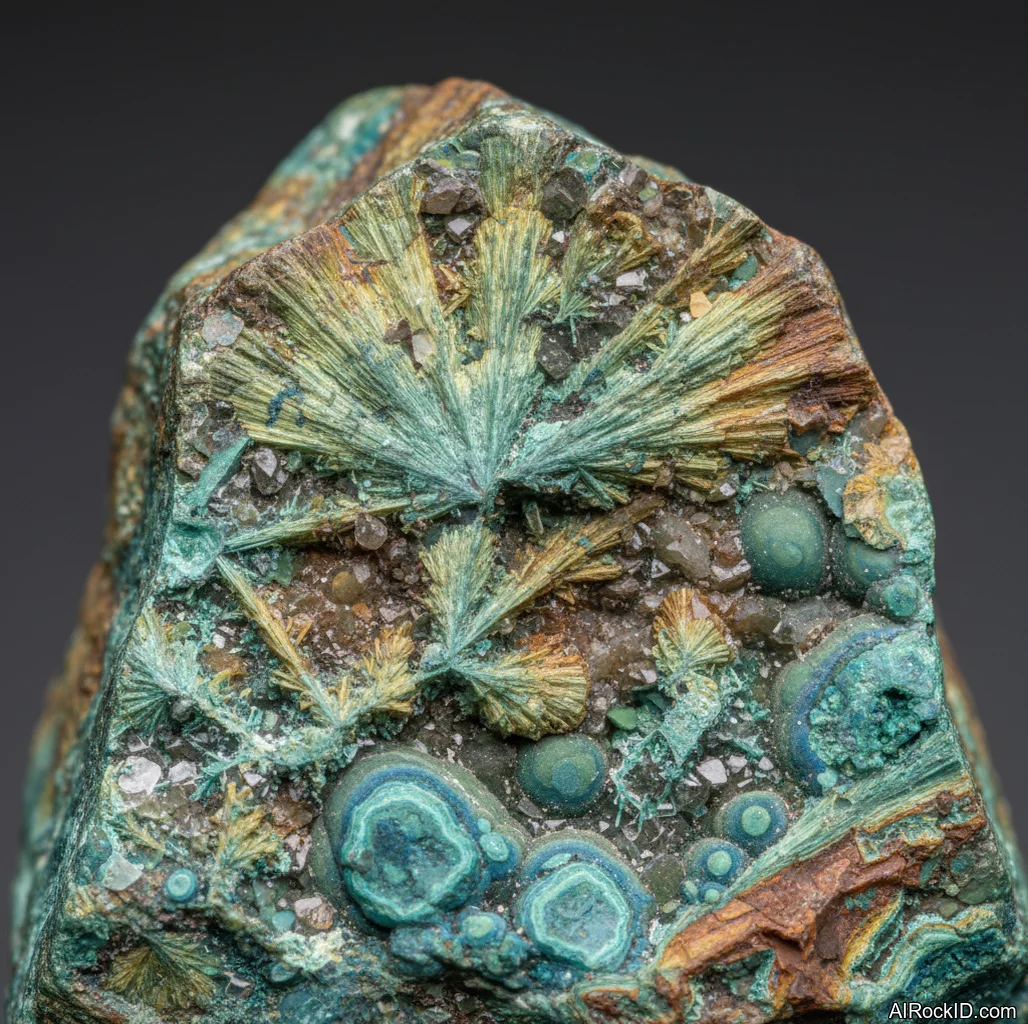
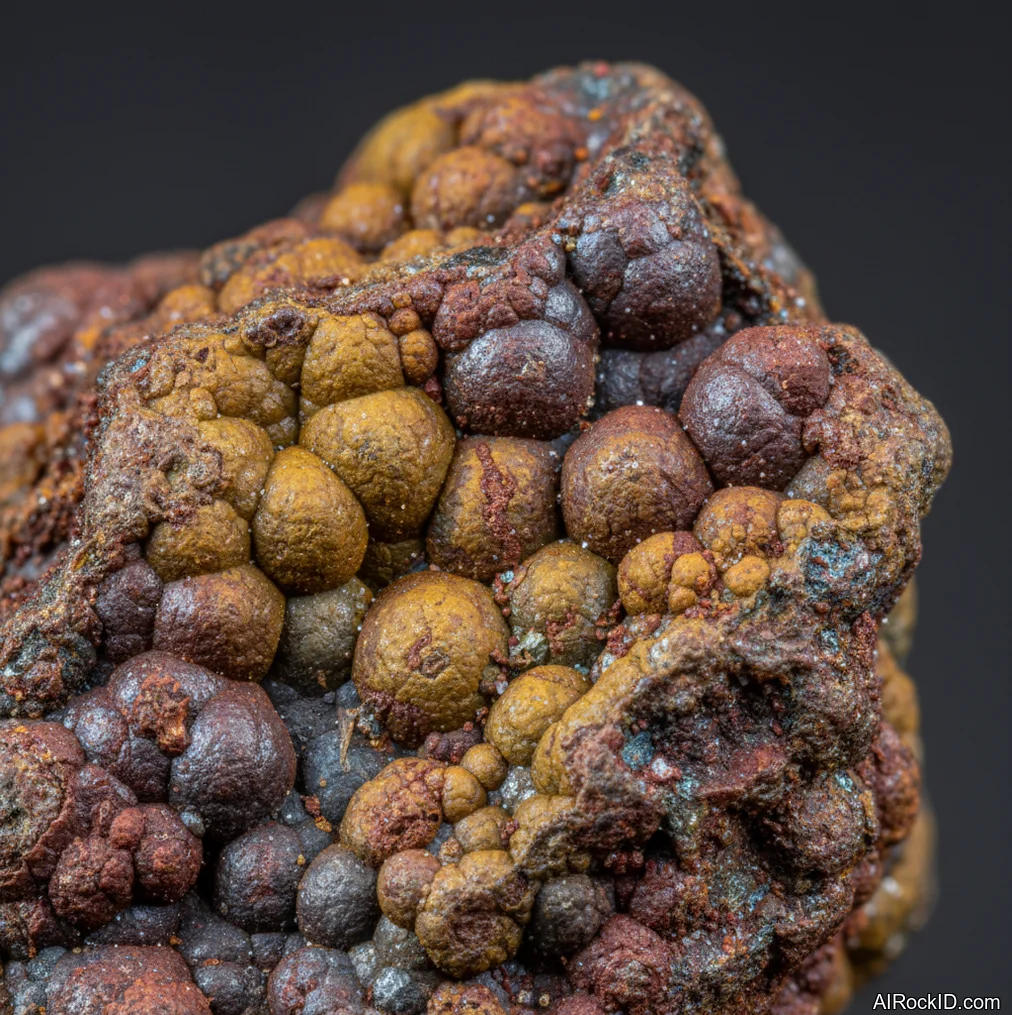
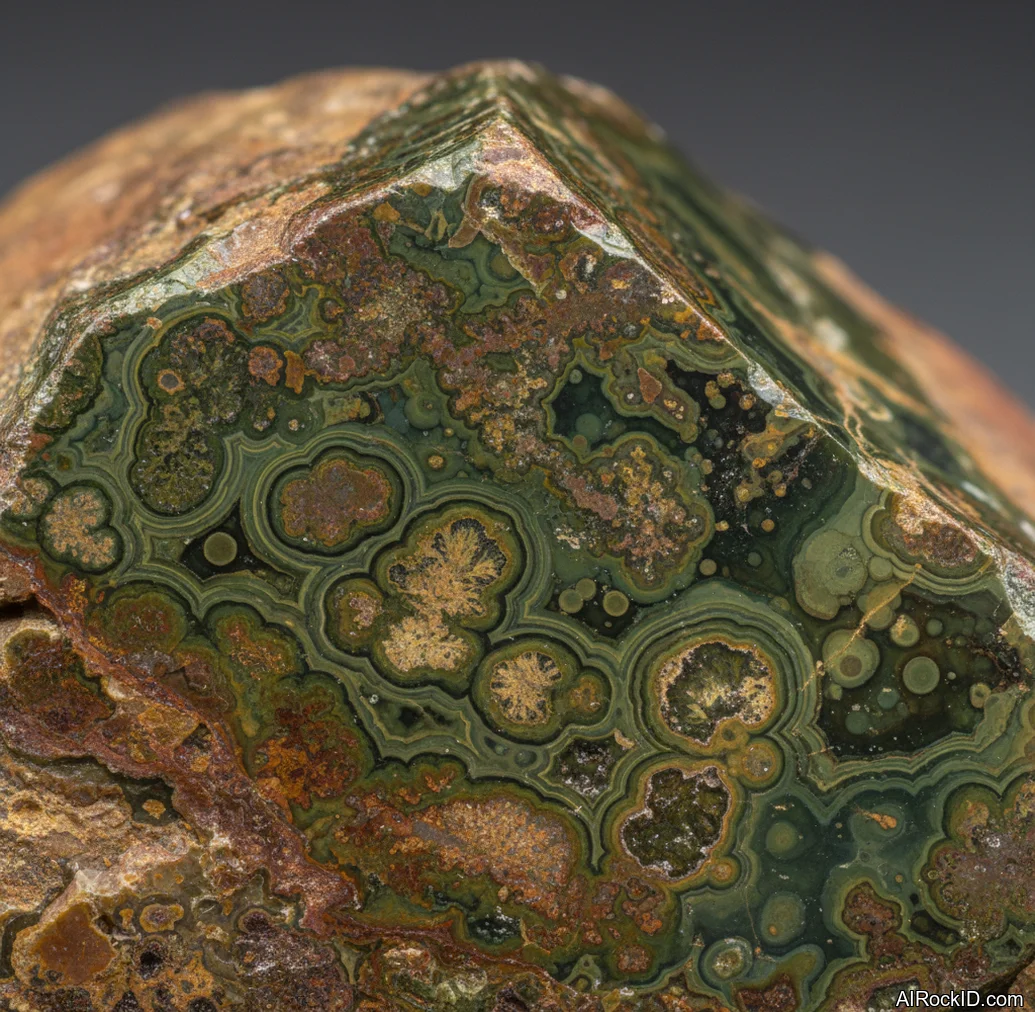
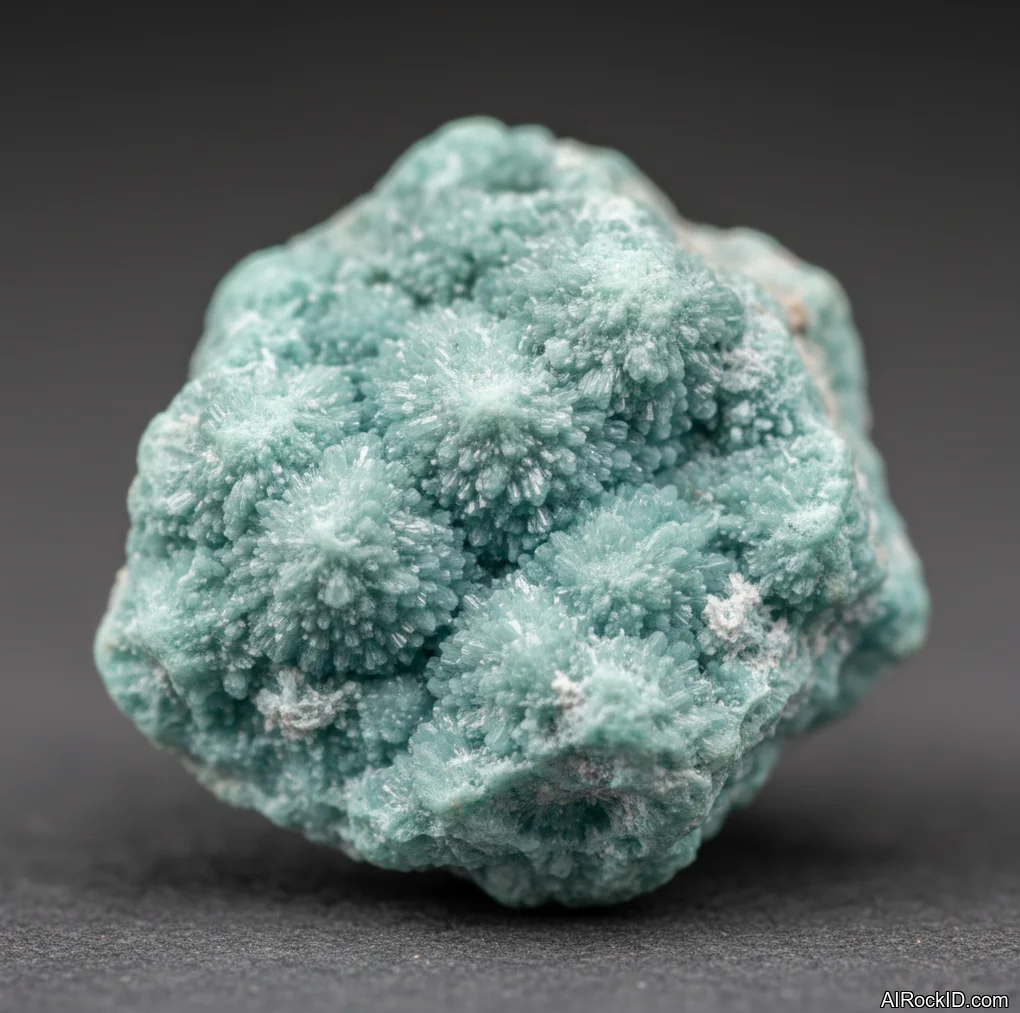
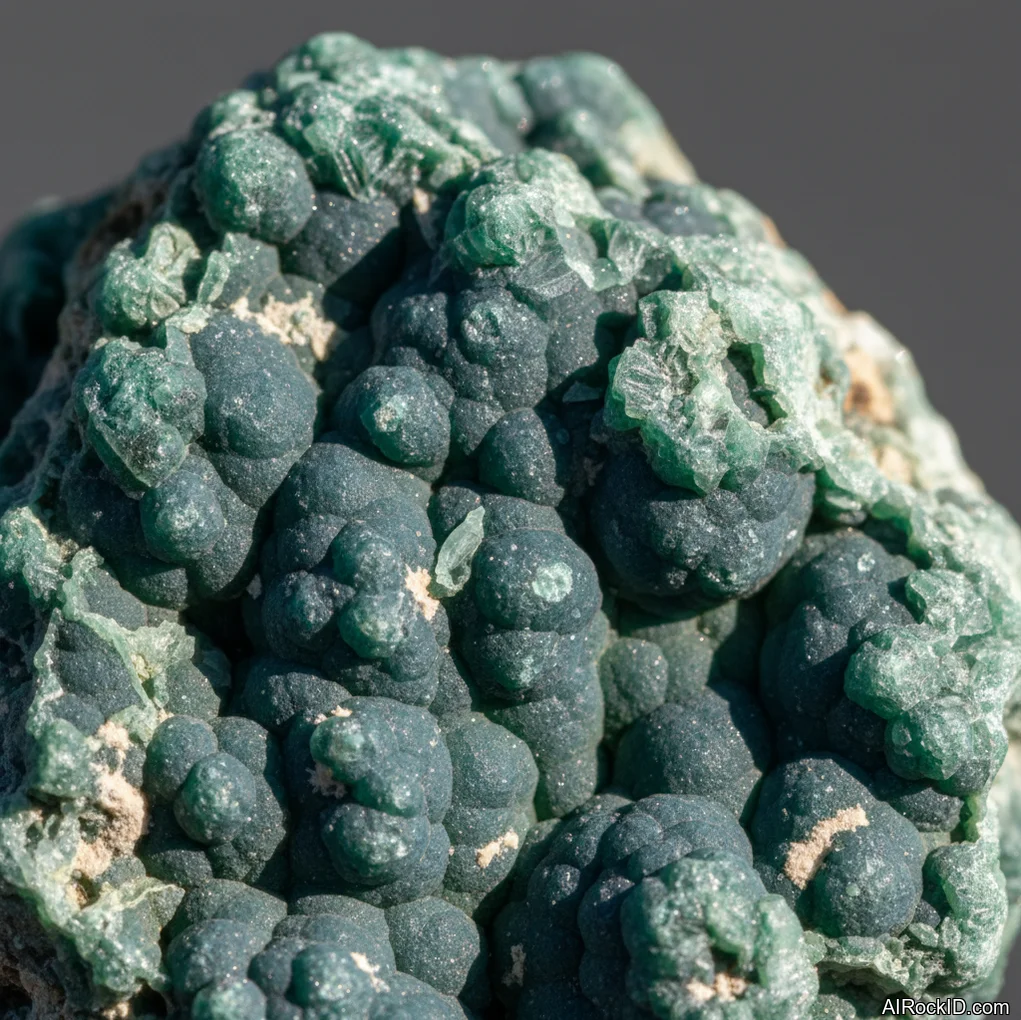
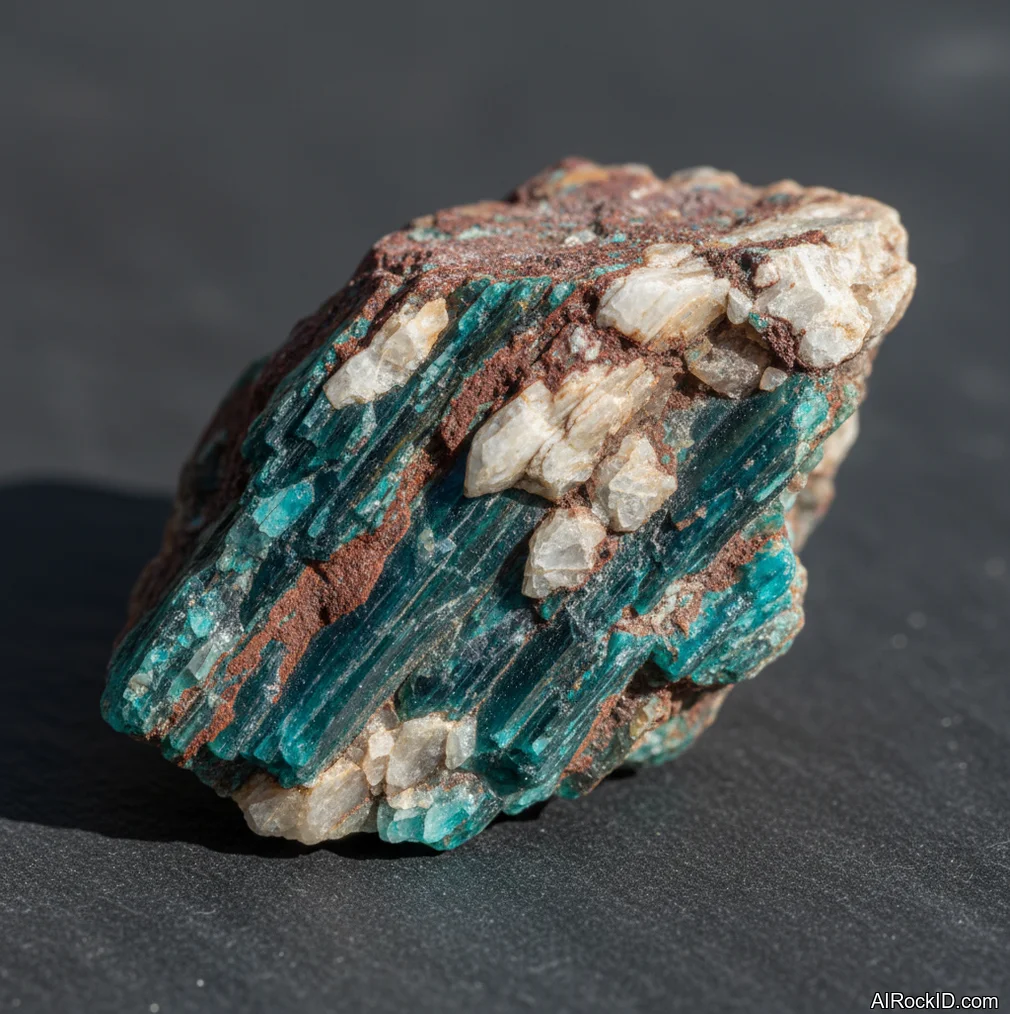
Malachite is another Taurus favorite, and it’s one of the easiest to recognize when it’s real. The banding should have depth, with color changes that don’t look airbrushed. Cheap versions are often resin blocks or reconstituted powder, and they feel oddly warm and plasticky compared to stone. The other catch is durability: malachite is soft (around 3.5 to 4 on Mohs) and it hates acids and harsh cleaners. Don’t toss it in a salt bowl, don’t soak it, and don’t wear it doing dishes.
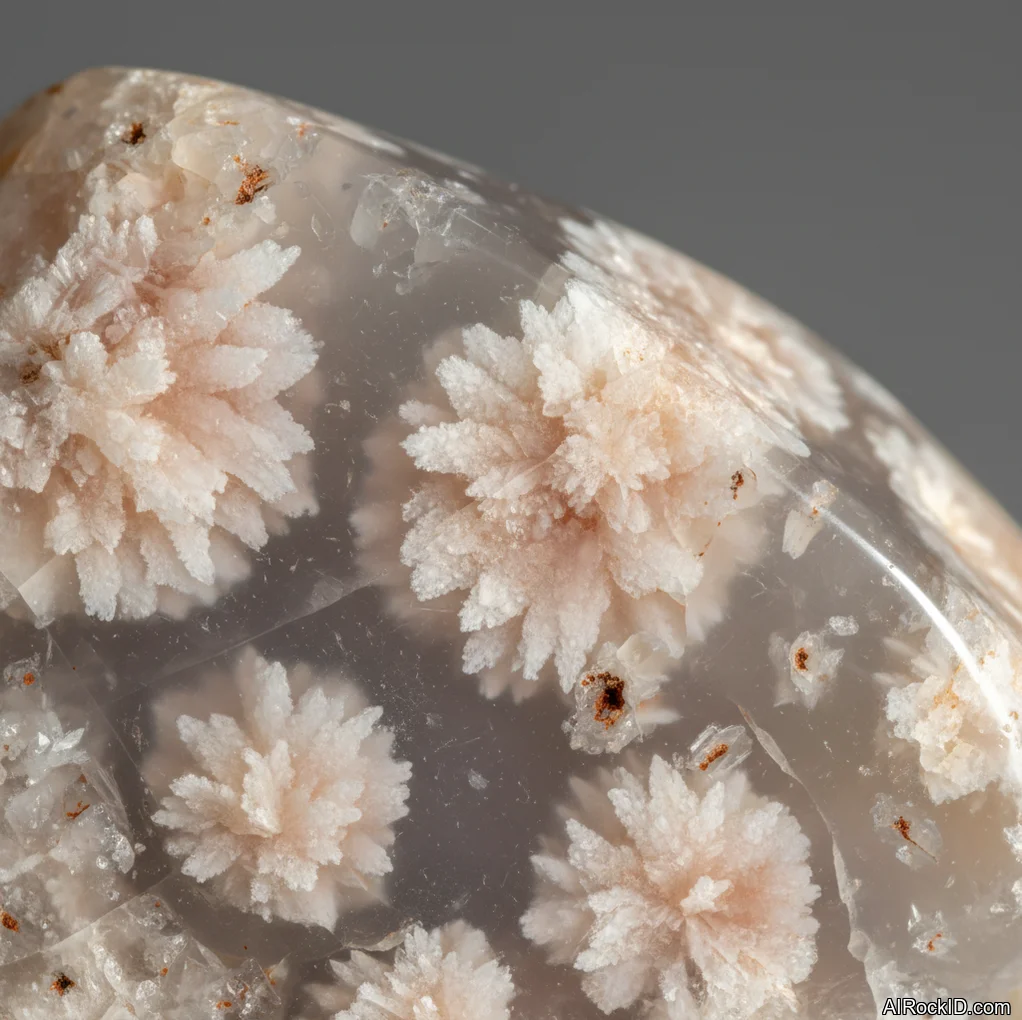
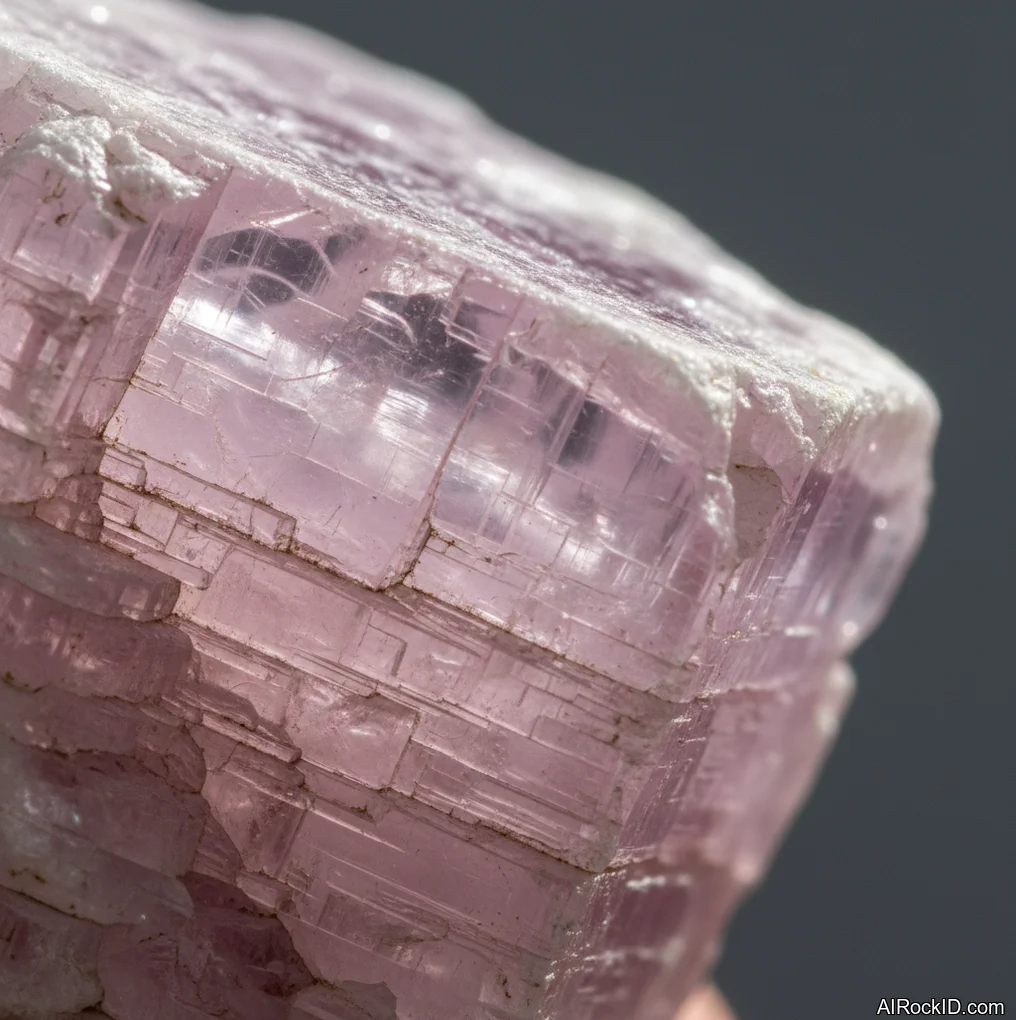
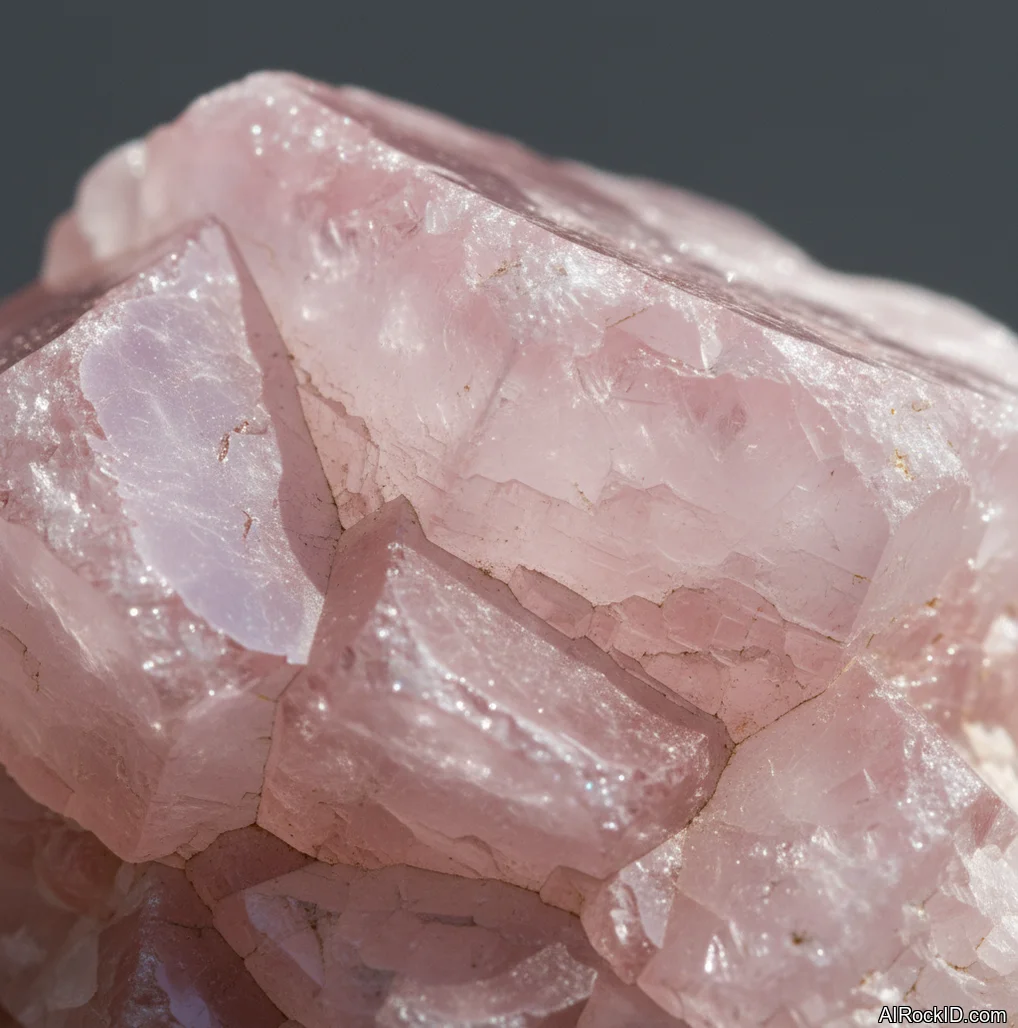
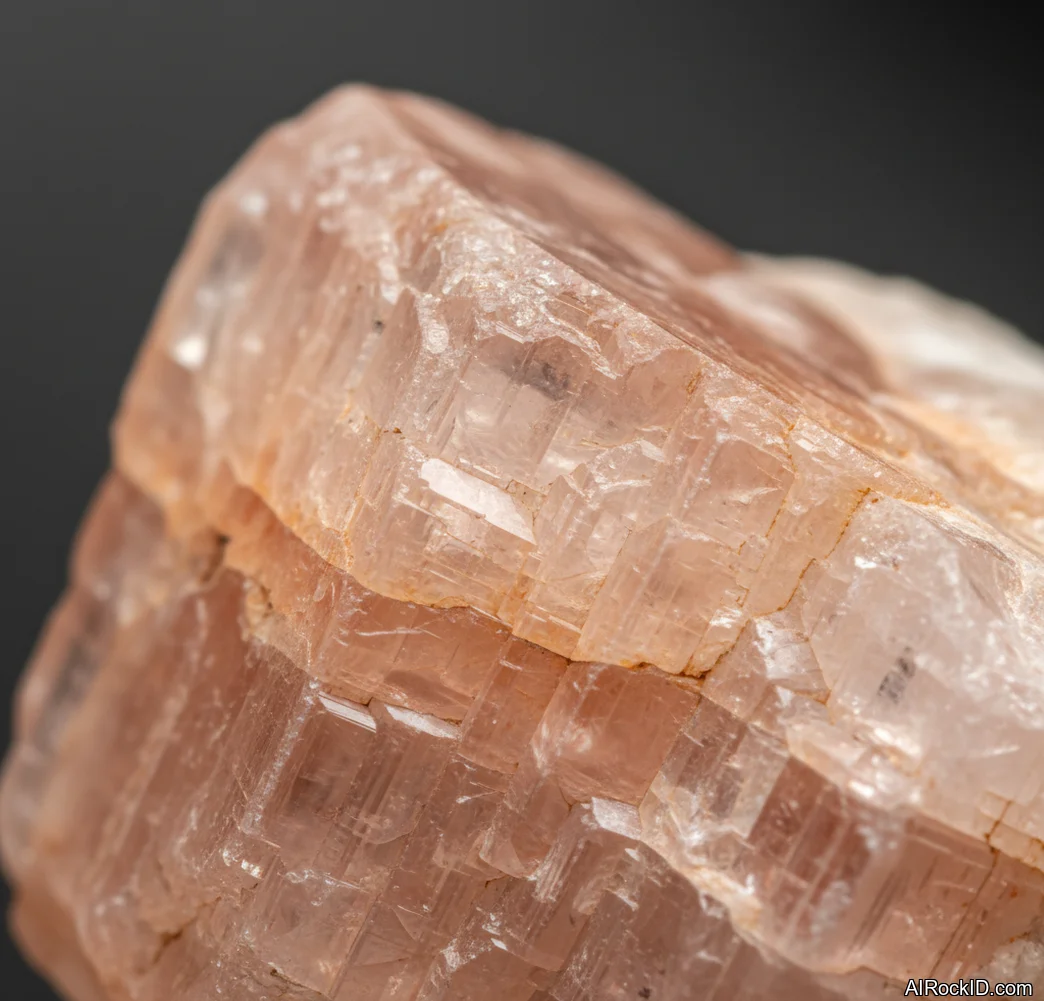
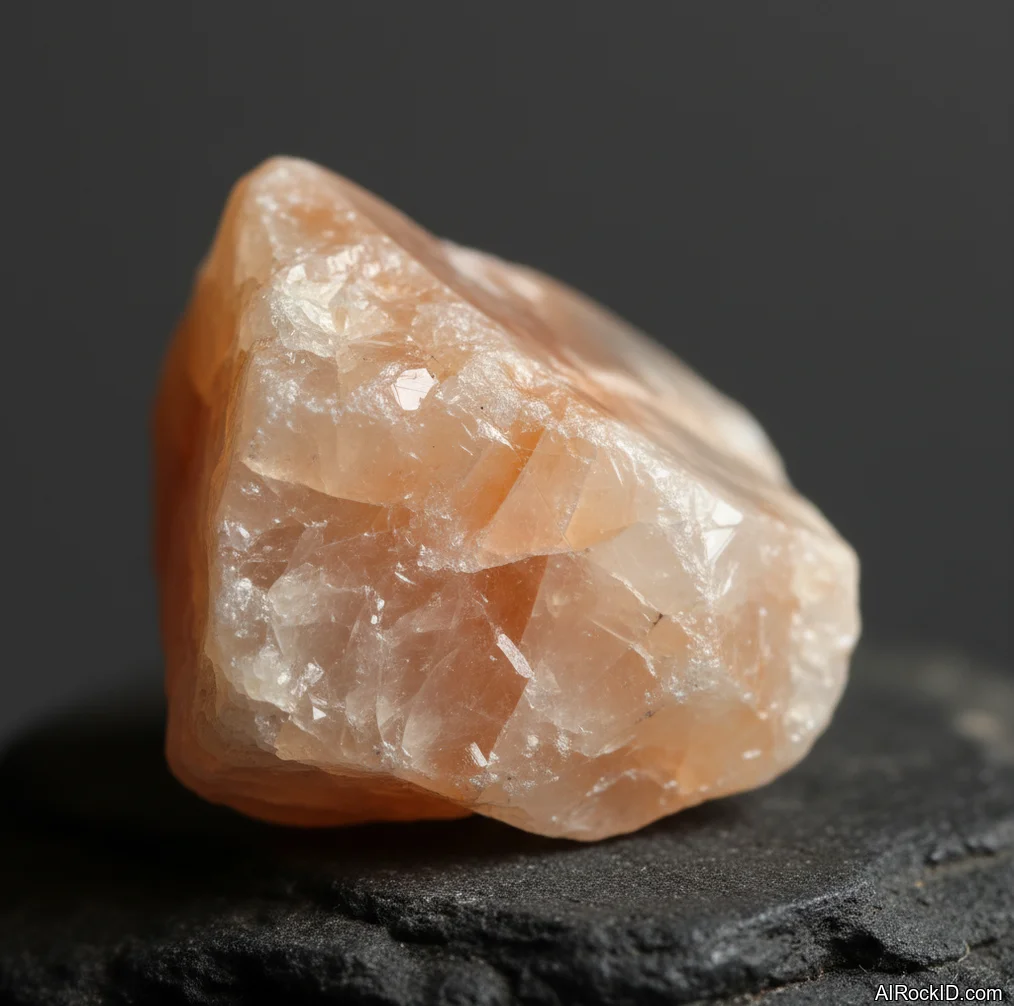
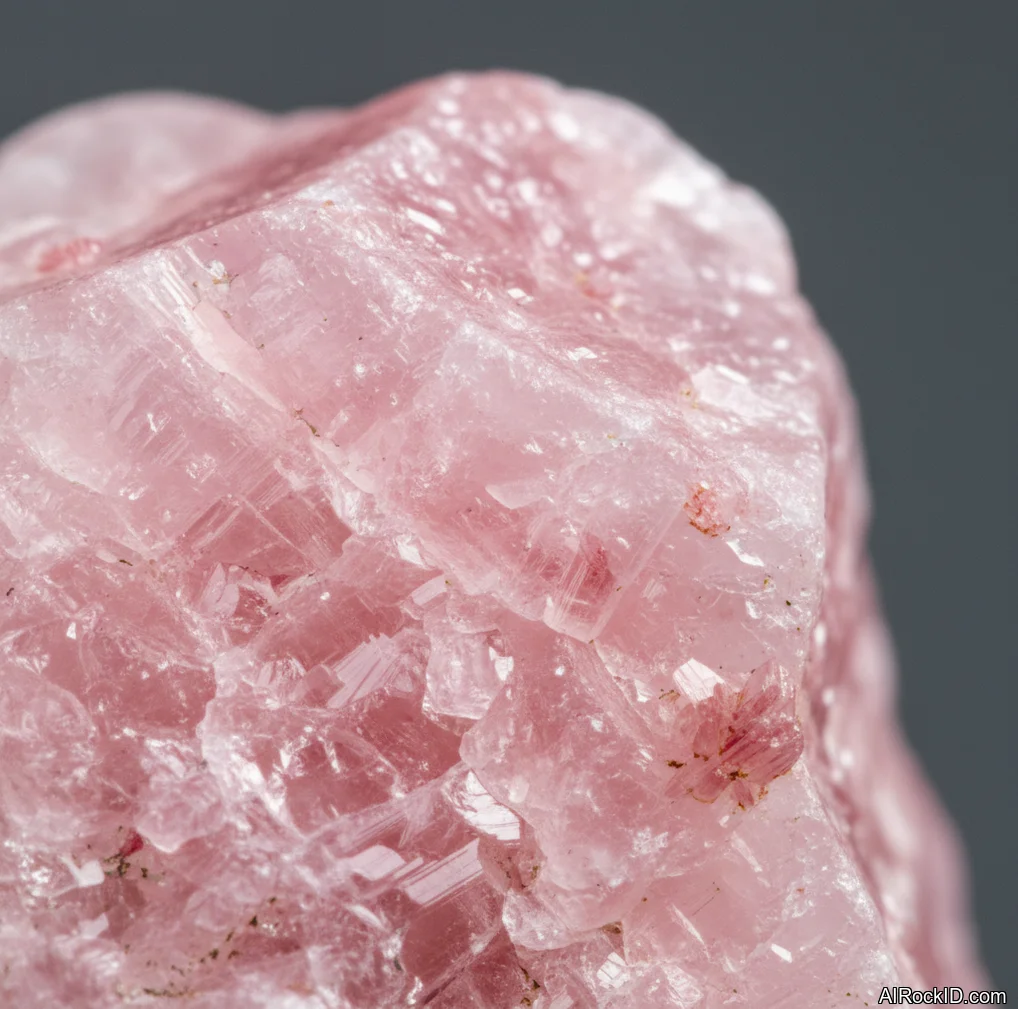
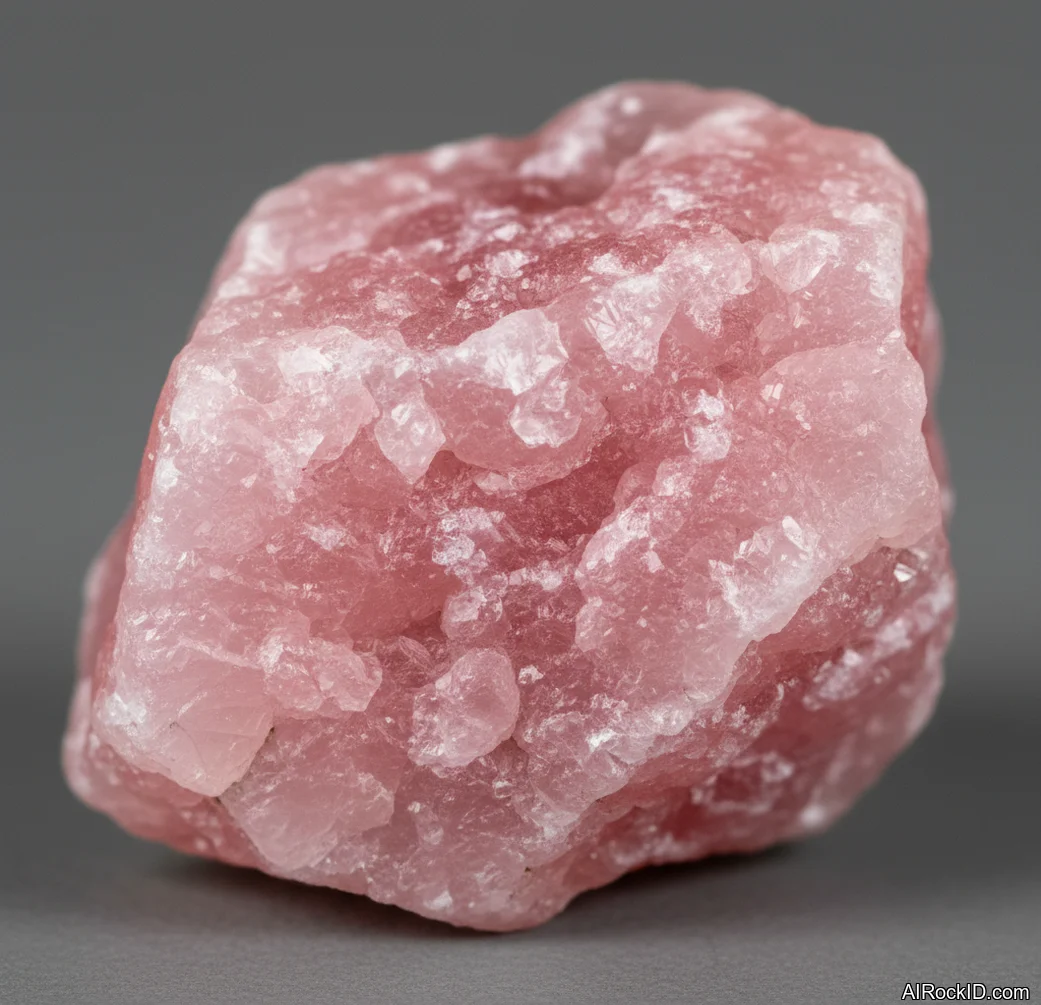
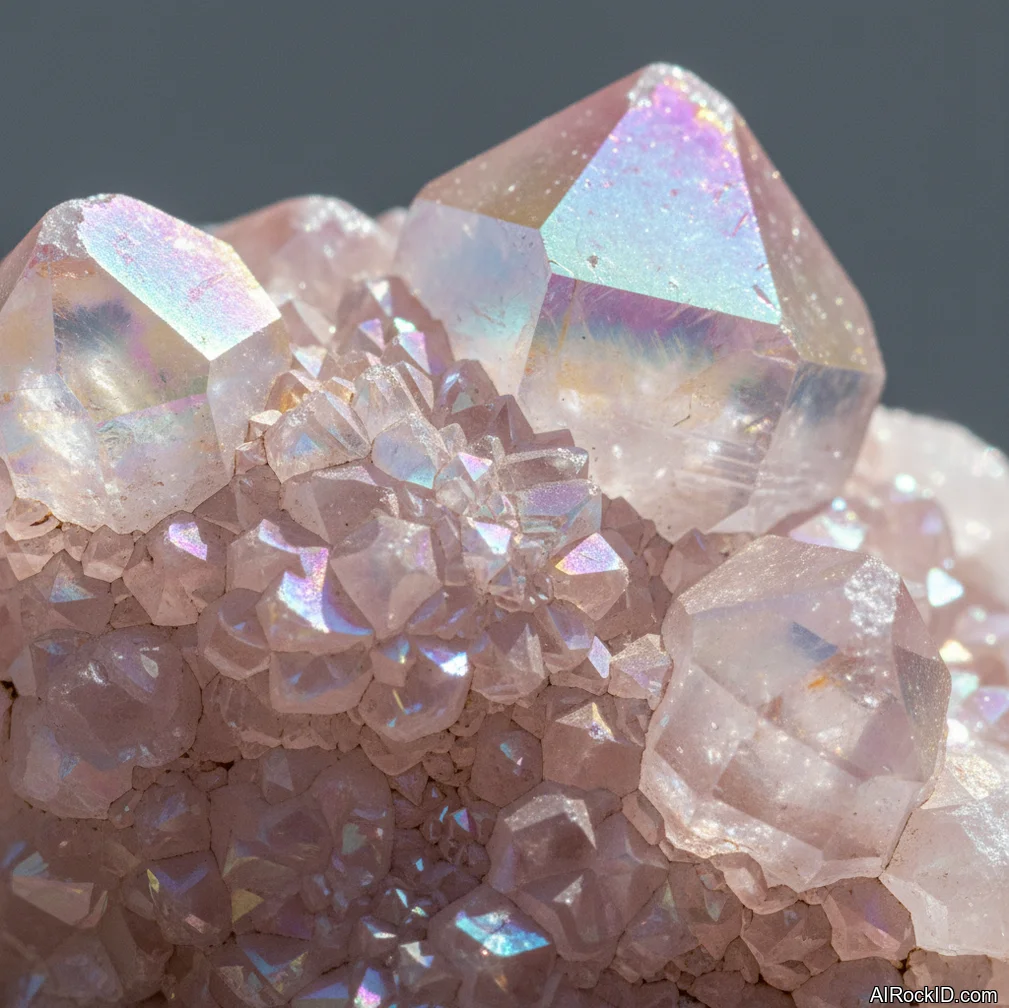
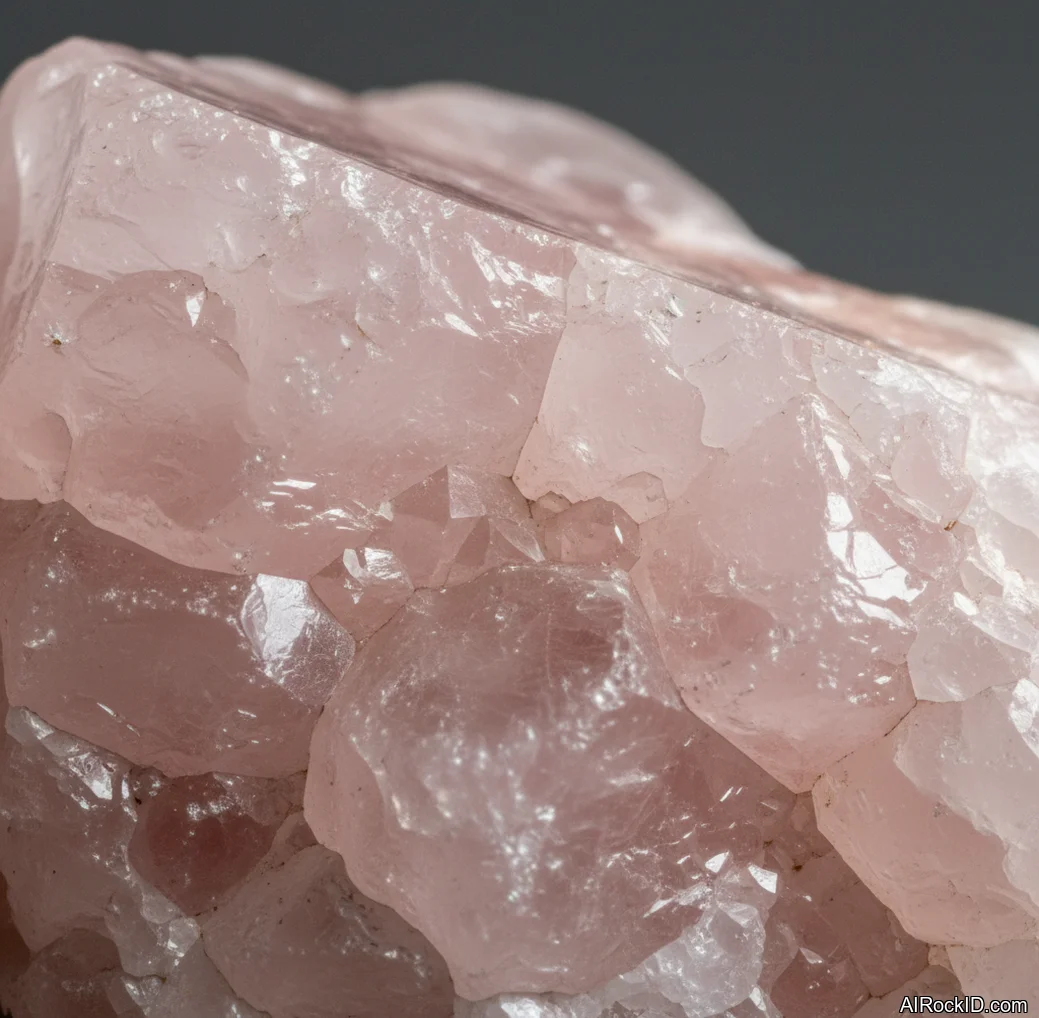
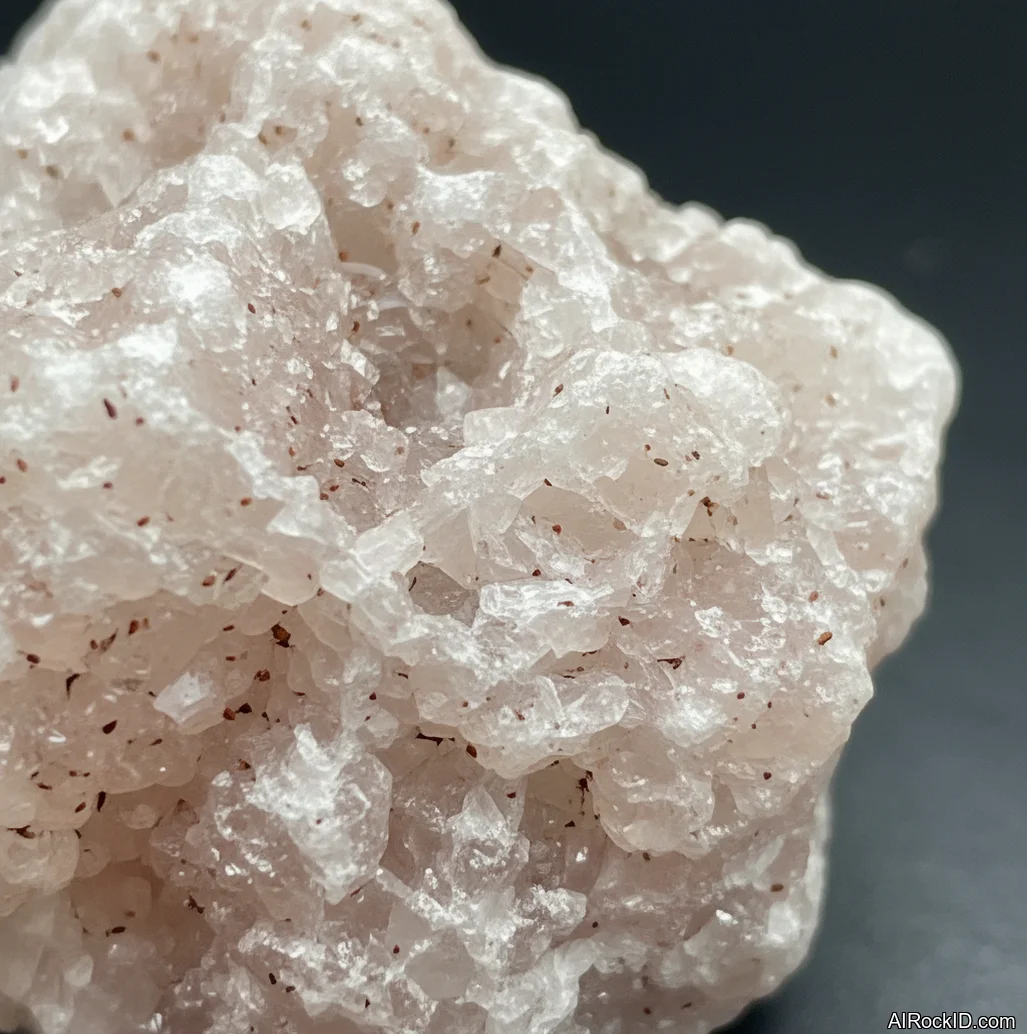
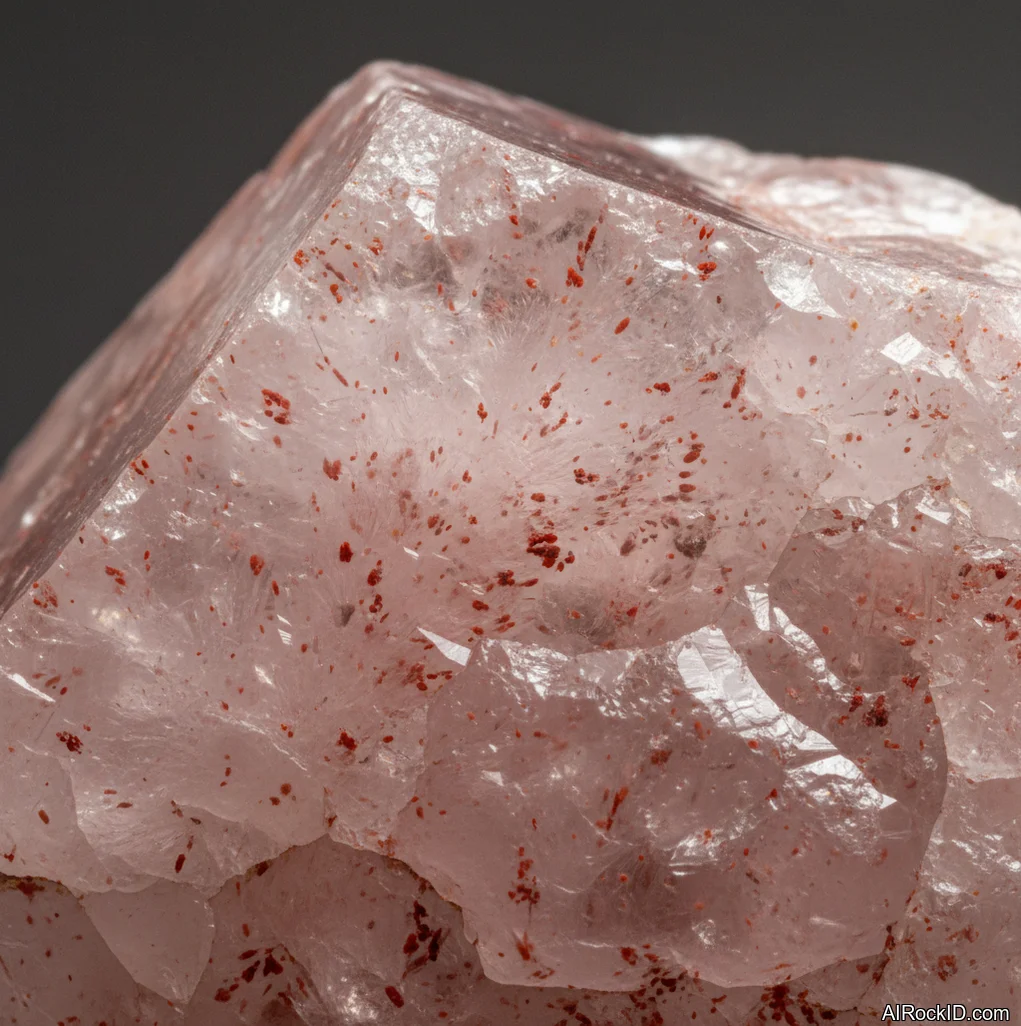
Rose quartz is the cozy Taurus standby. The good stuff isn’t bright bubblegum pink. It’s a gentle, cloudy blush, sometimes with a milky body color and faint internal veils. Leave rose quartz in a sunny window for a long time and it can fade, especially the more saturated pieces, so I keep mine out of direct sun when I’m not using it. If you’re shopping in person, look for a cool-to-the-touch piece with a little heft and a consistent polish that doesn’t feel like plastic.
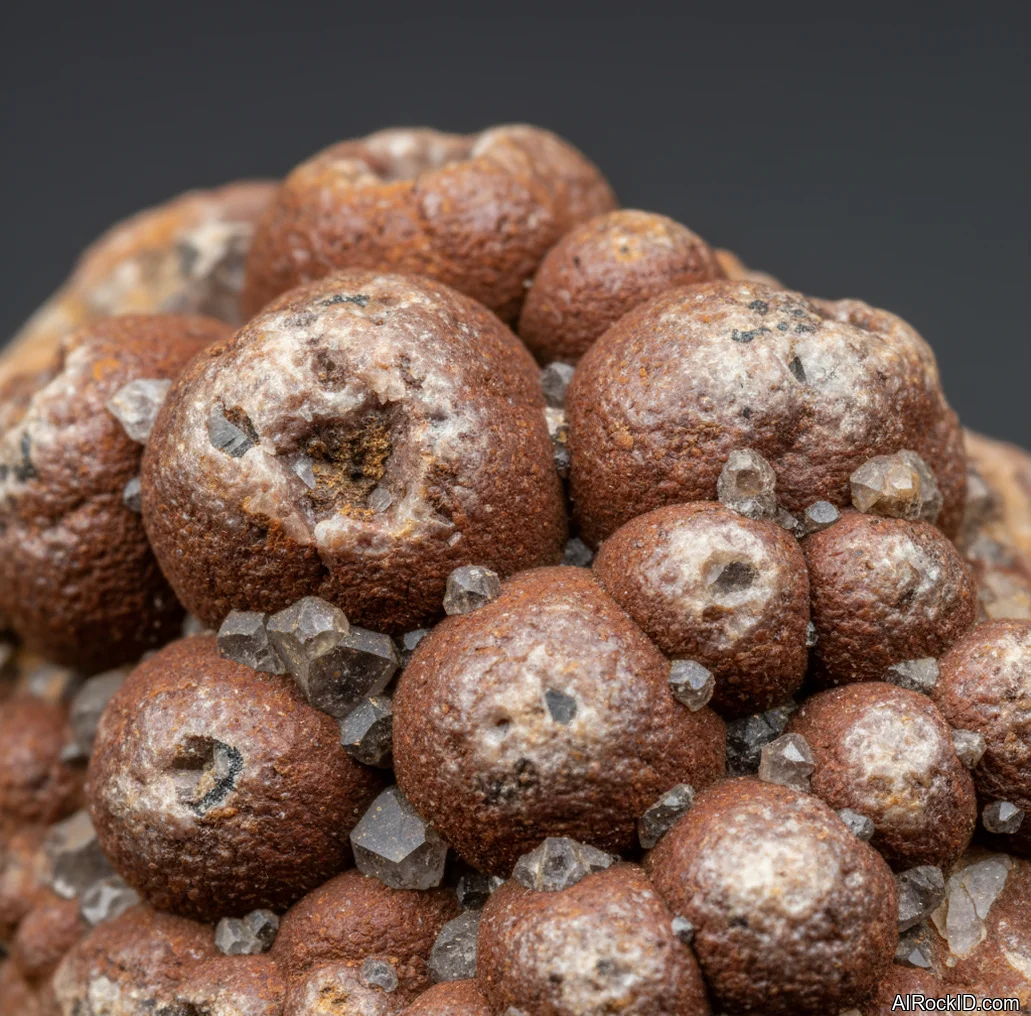
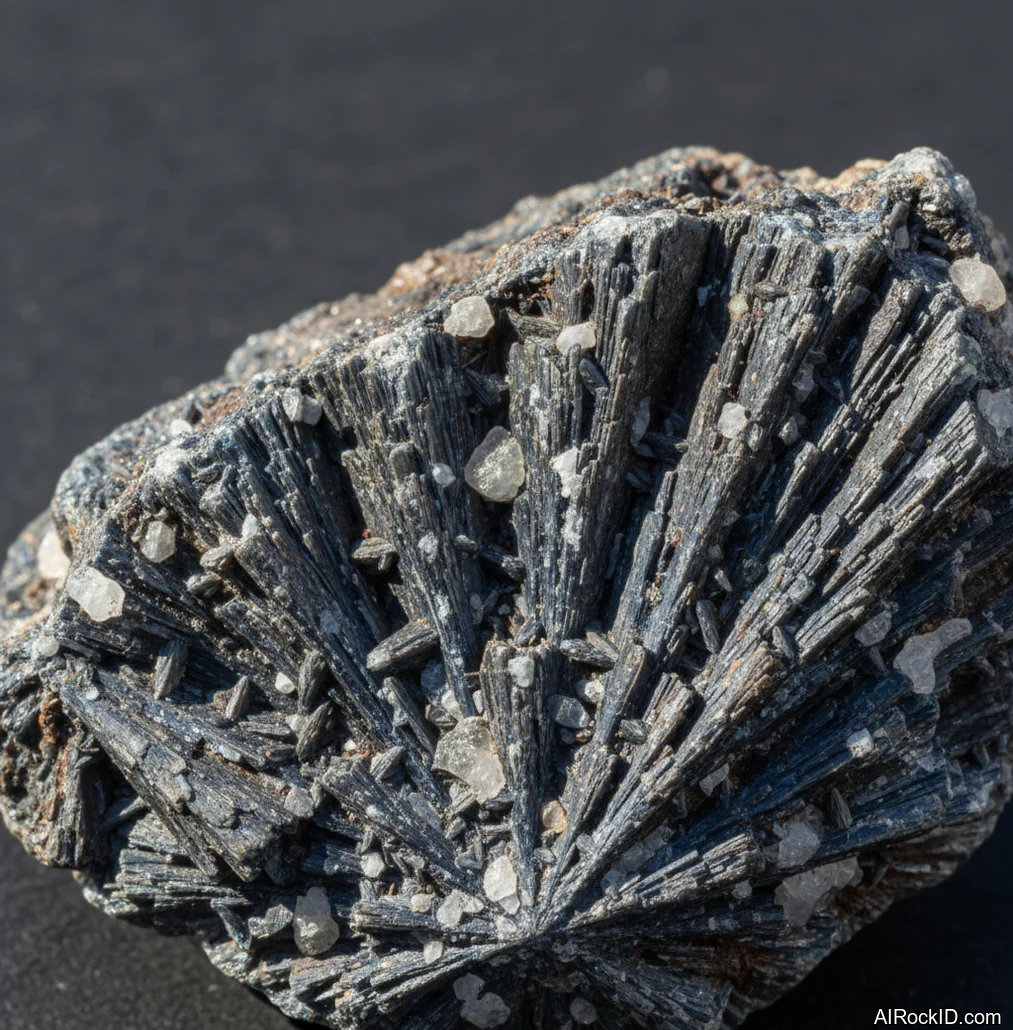
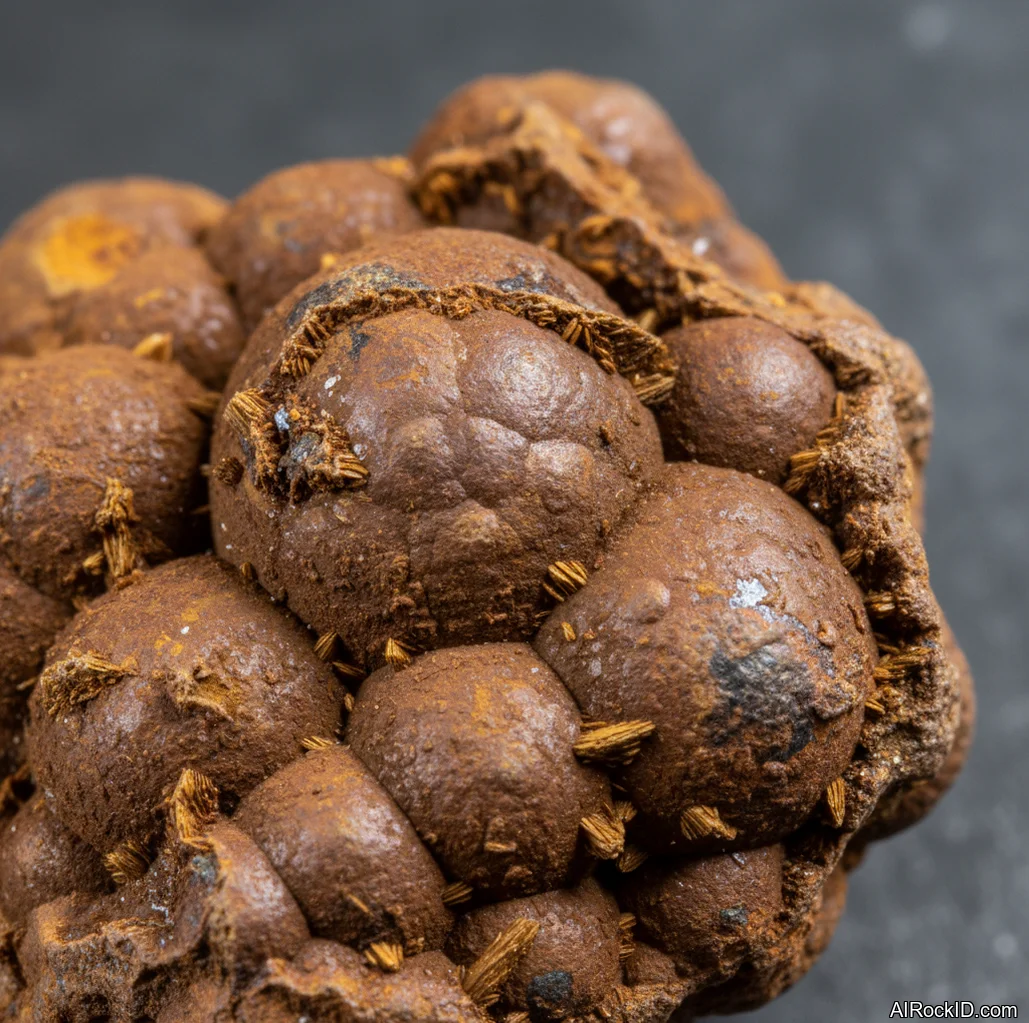
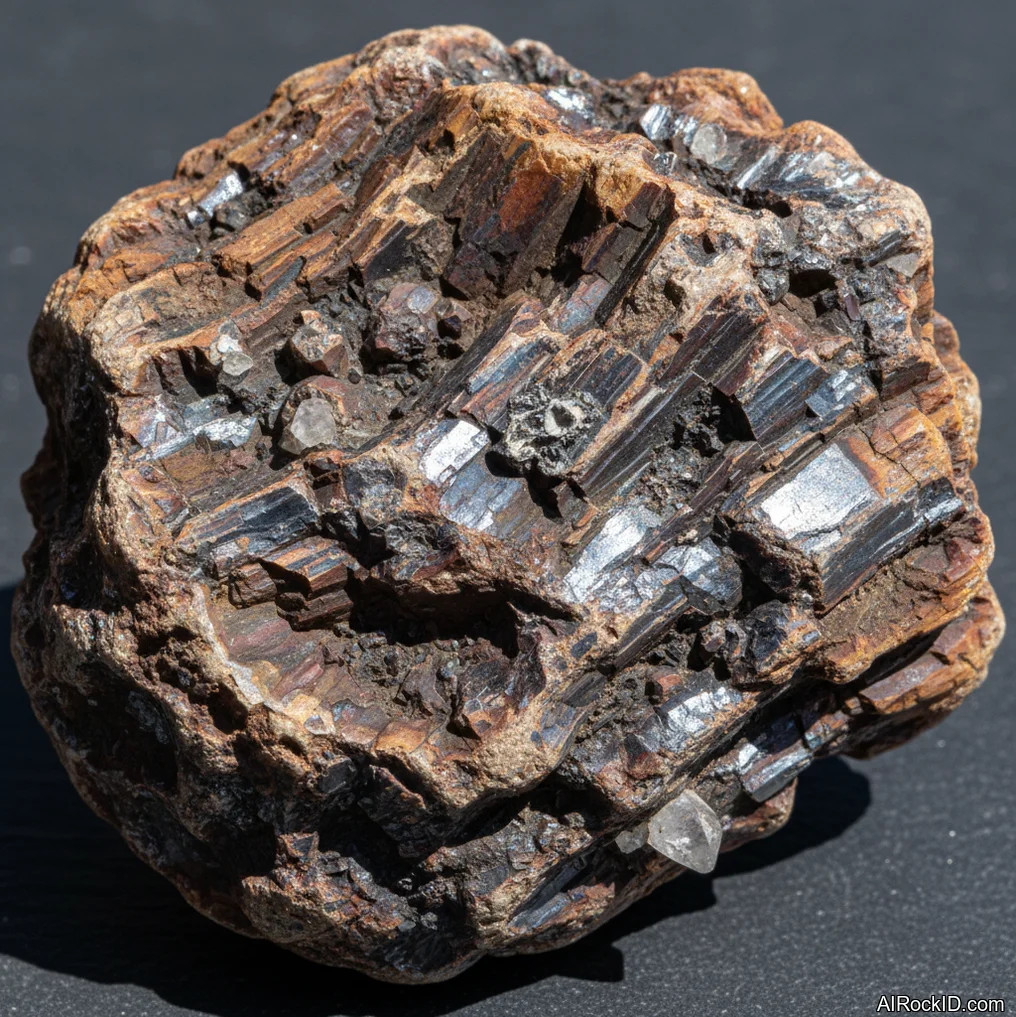
For stability and “keep going” energy, smoky quartz and hematite show up a lot in Taurus kits. Smoky quartz can range from a pale tea color to near-black morion. The real test is clarity and tone: natural smoky often has uneven depth when you tilt it, while irradiated pieces can look too uniformly dark. Hematite should feel surprisingly heavy for its size. If a shiny “hematite” bead strand feels light, it’s probably hematine (a manmade magnetic material) being sold under the same name.
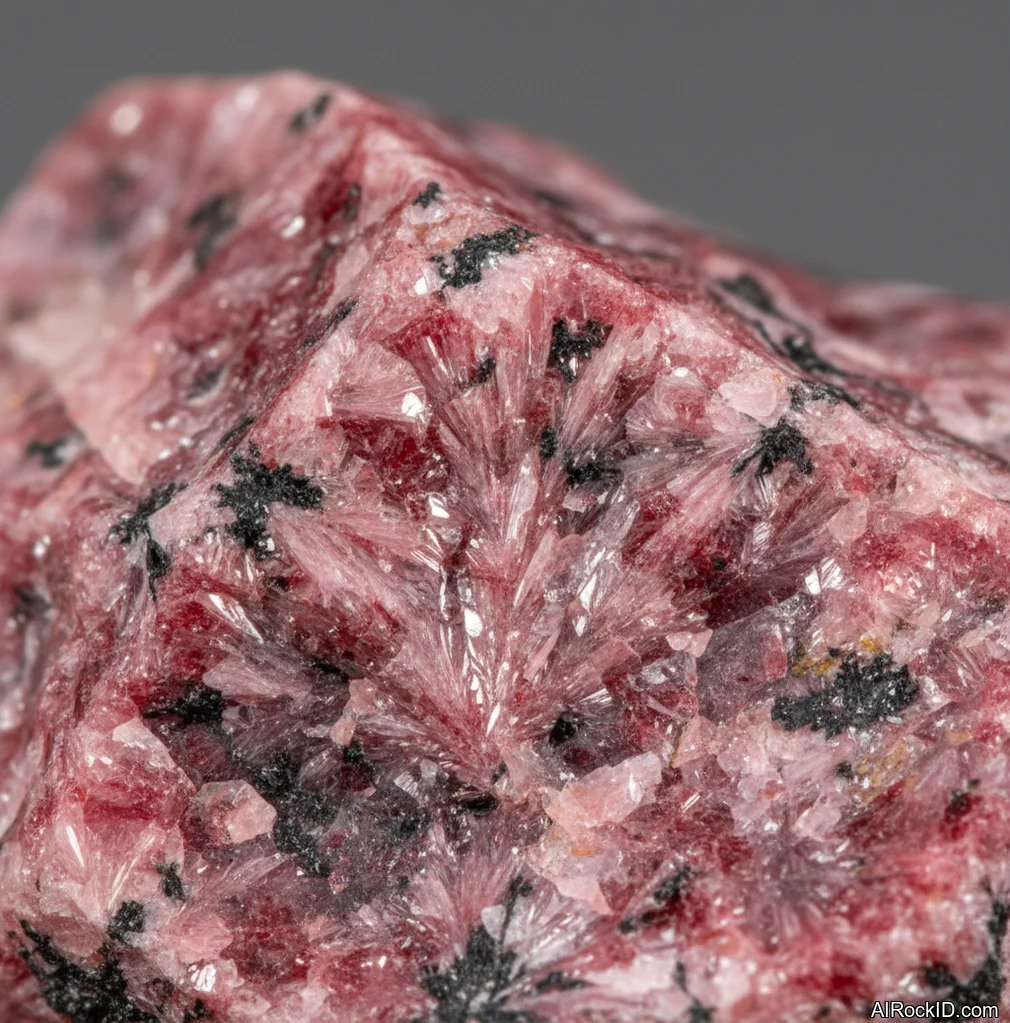
Working with Taurus crystals is less about complicated rituals and more about consistent contact. Put a palm stone where your habits live: next to your keys, your wallet, your skincare, your tea kettle. Touch it daily. If you wear bracelets, pick durable materials like nephrite, green aventurine, or rhodonite, and save softer stones like malachite for a pocket stone or a display piece. For a home setup, a chunk of green calcite or a bowl of tumbled rose quartz on a dresser does the job without needing to be “charged” every five minutes.
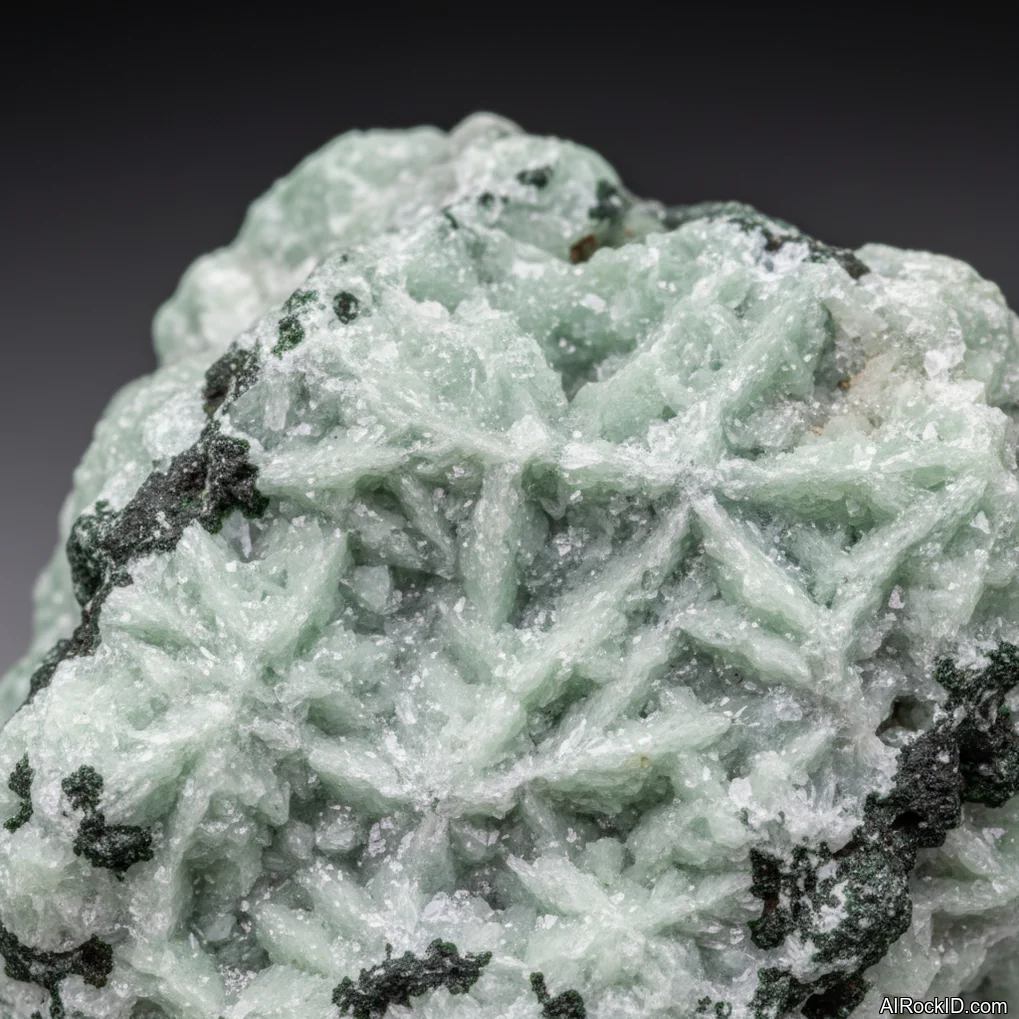
Buying tips matter because the Taurus-associated greens are a magnet for dyes and mislabels. Look closely at drilled holes in beads: dye often pools there. Check for color that’s too uniform, especially in “jade” and “emerald.” Ask what the stone actually is, not just the trade name. Most dealers will tell you if it’s dyed quartz, treated beryl, stabilized malachite, or serpentine sold as jade. If they won’t answer, that’s your answer.
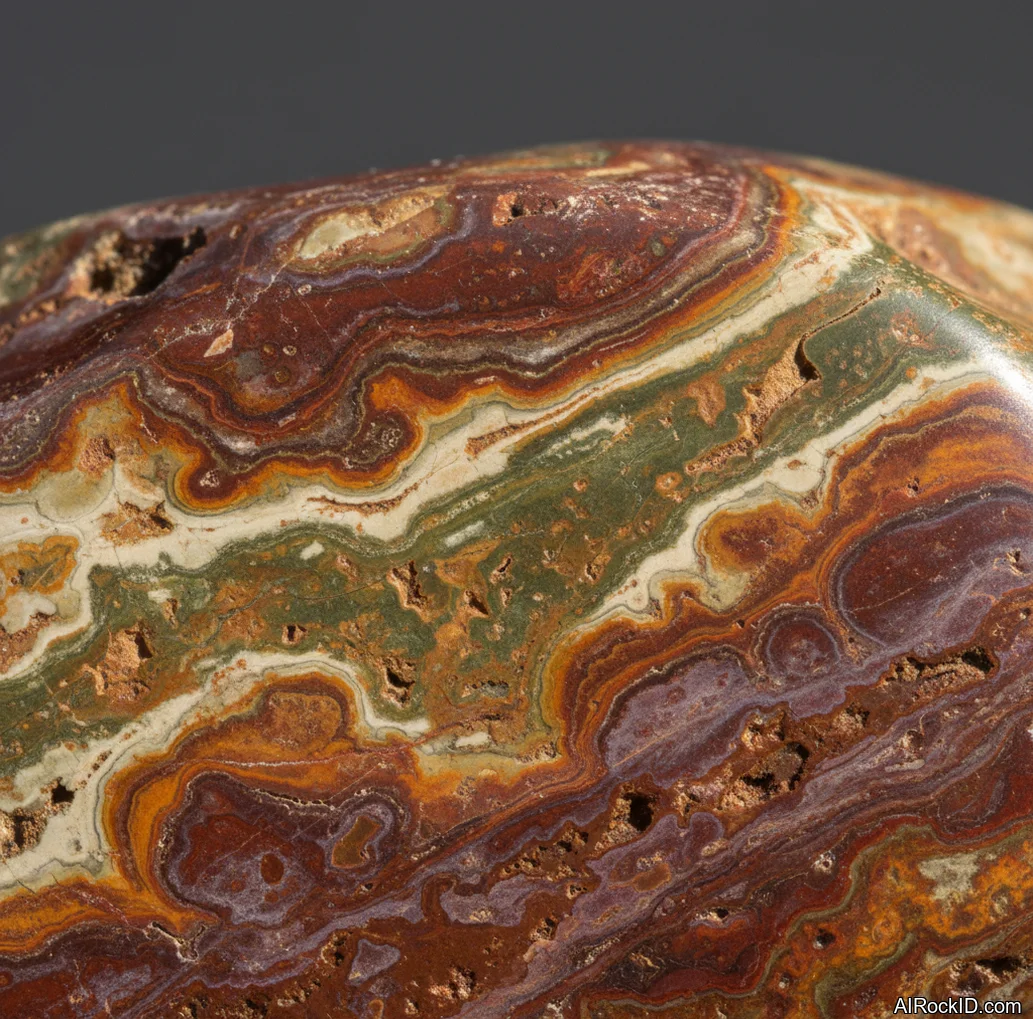
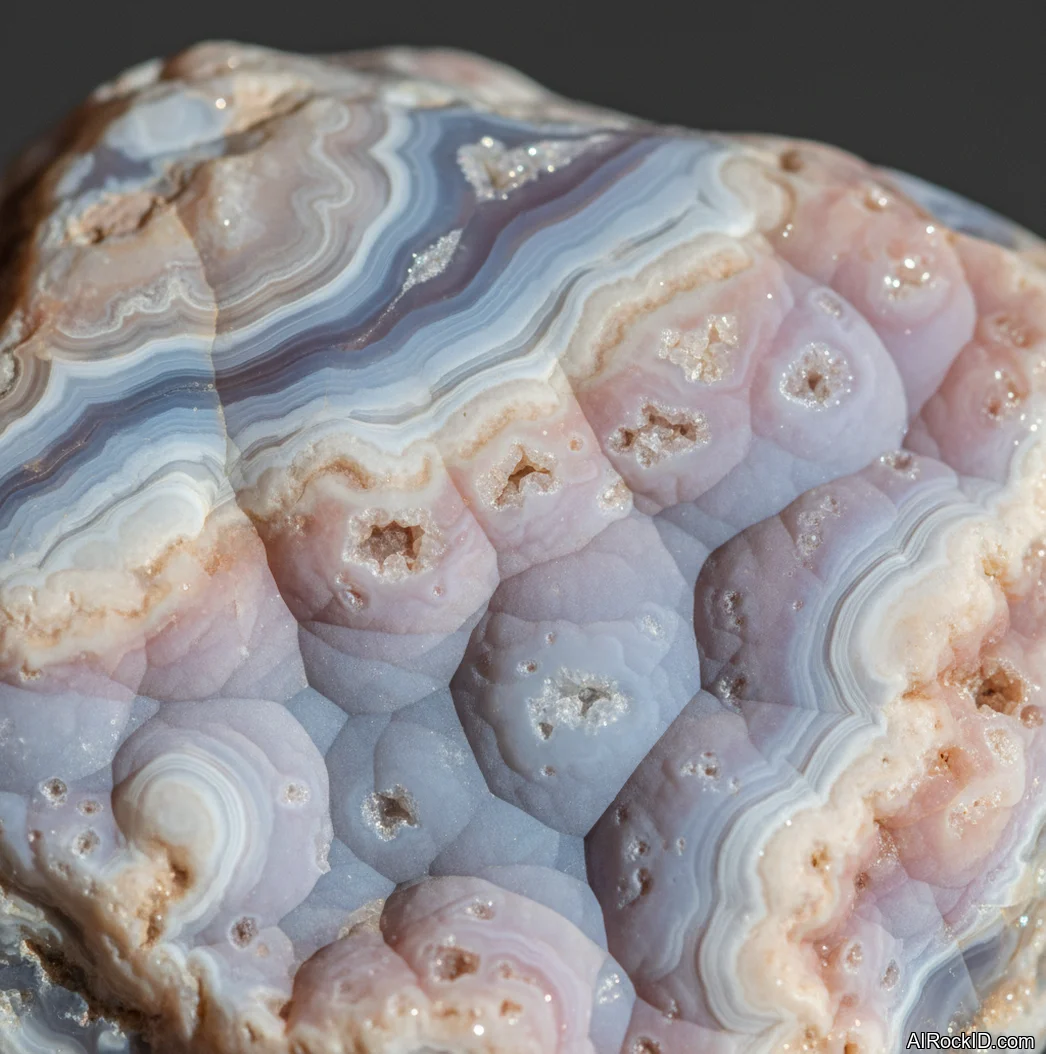
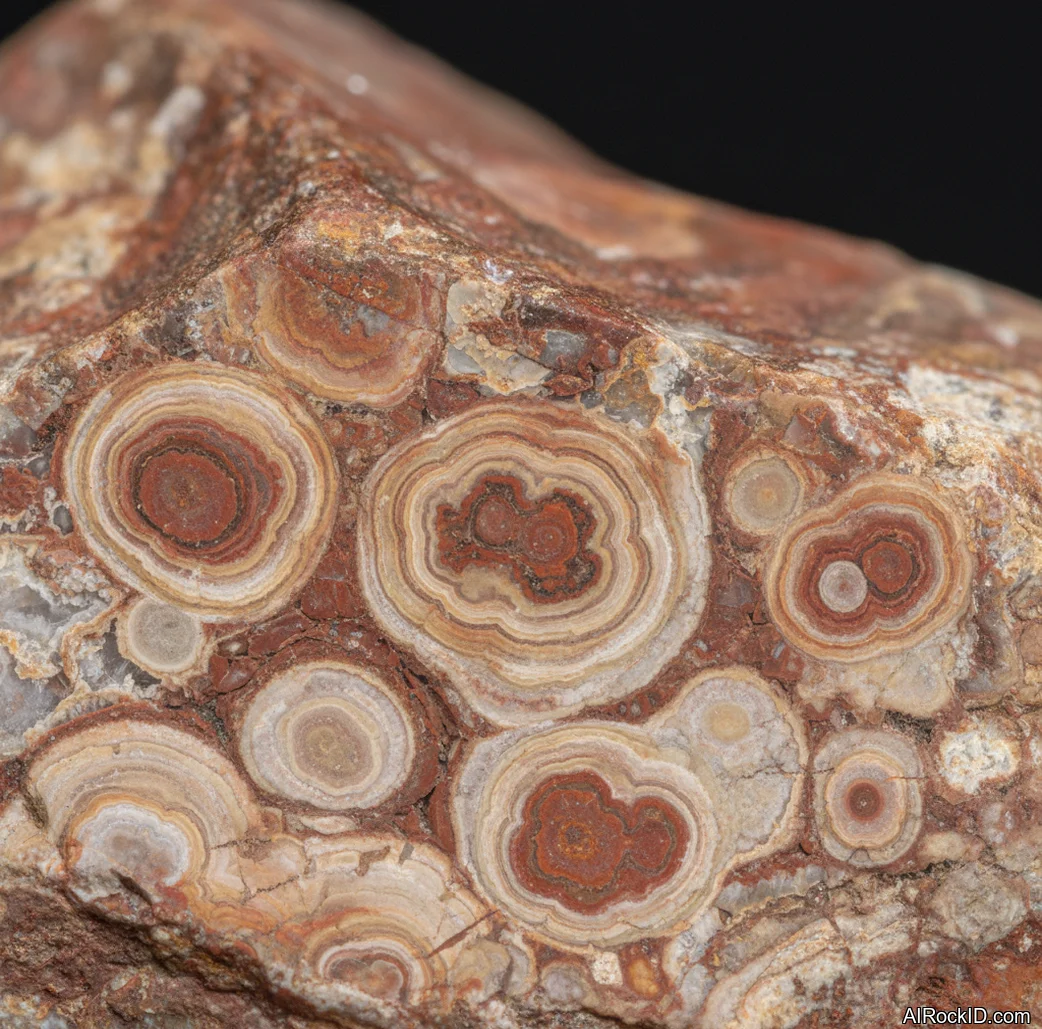
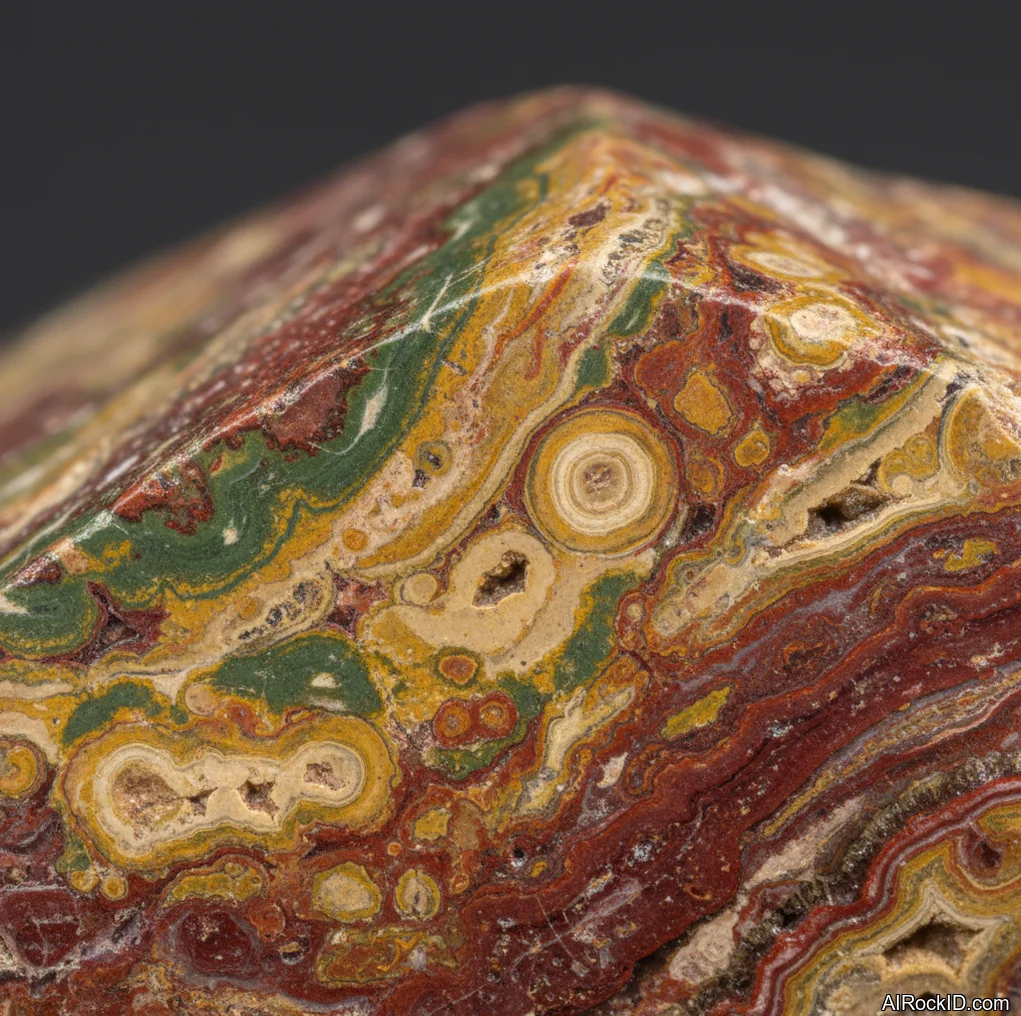
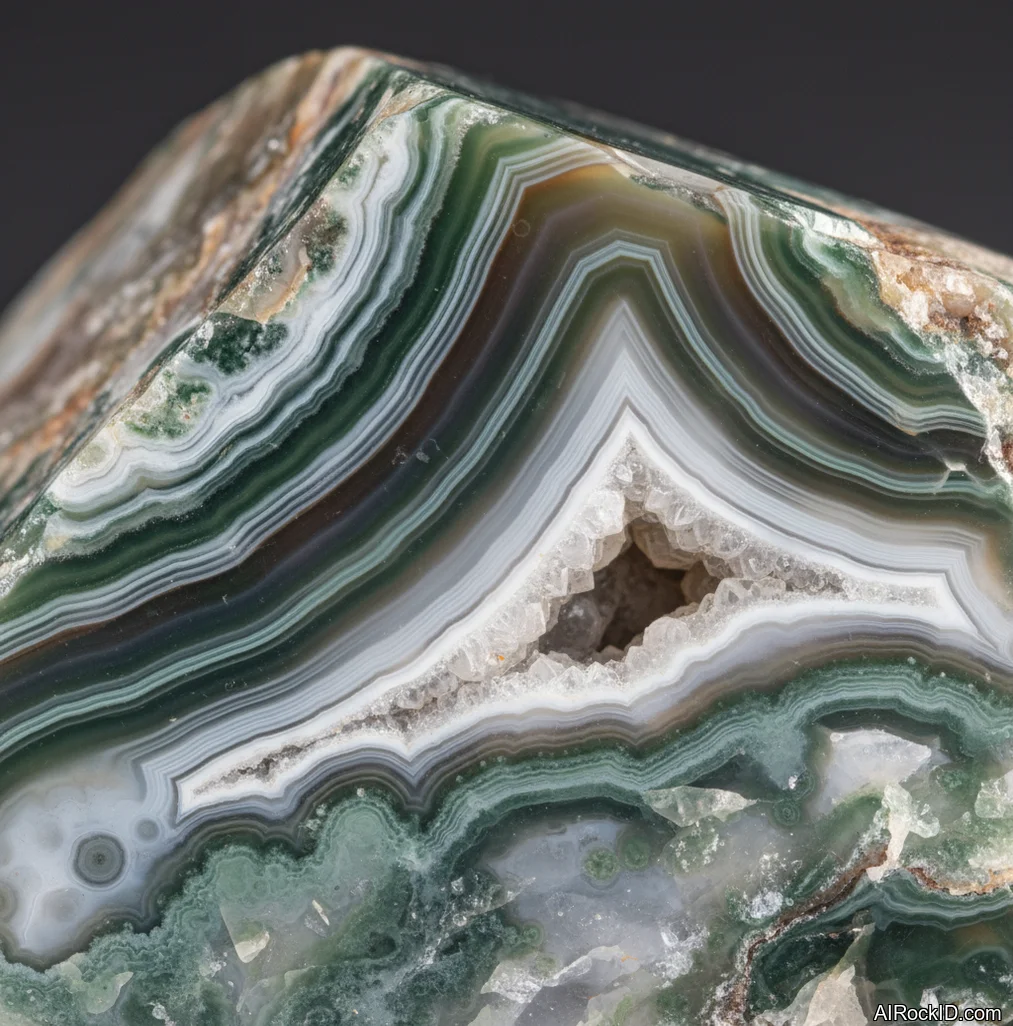
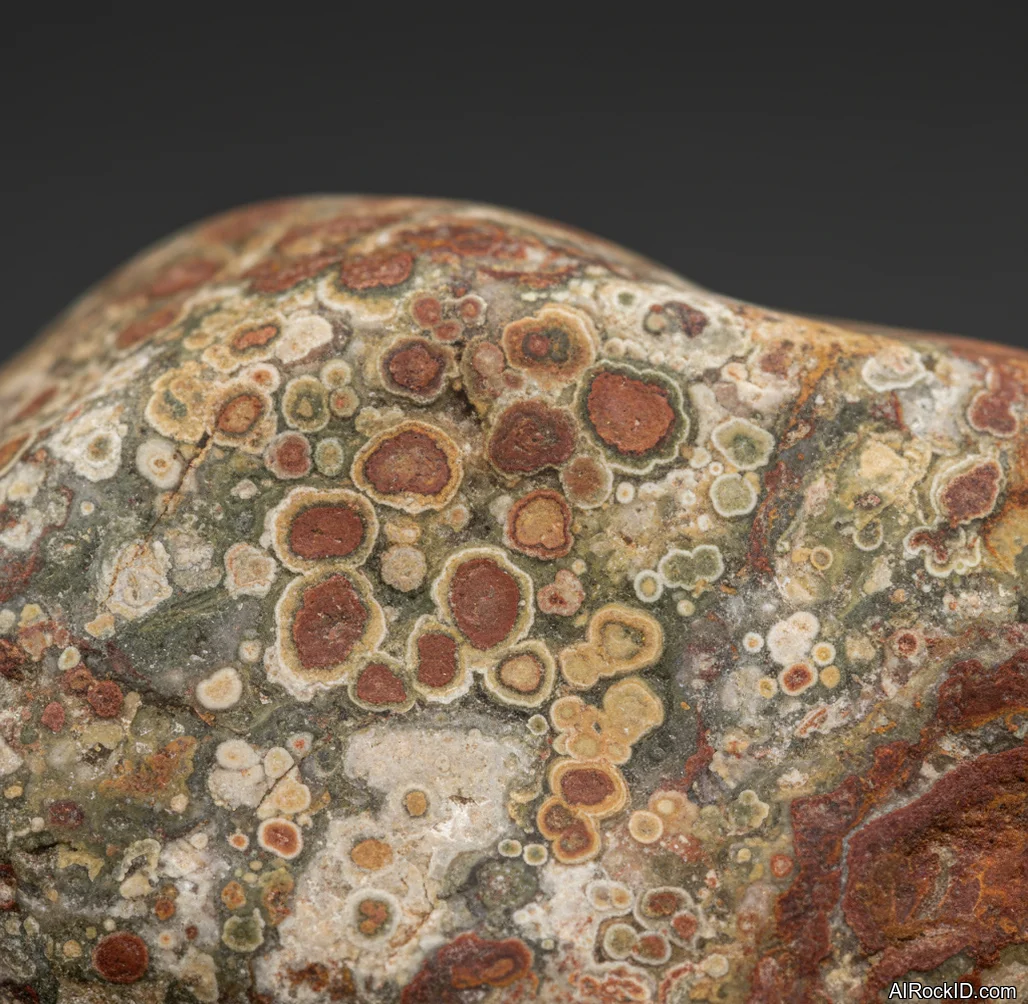
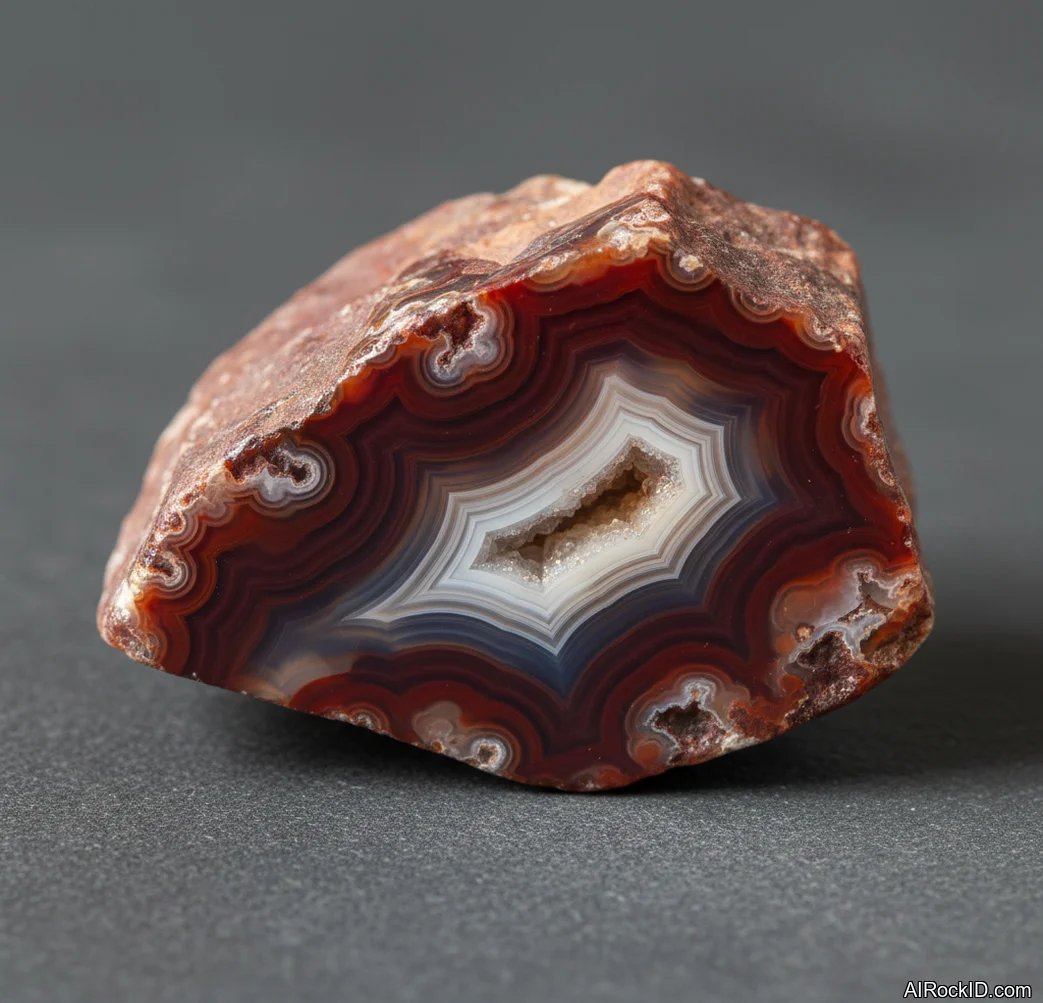
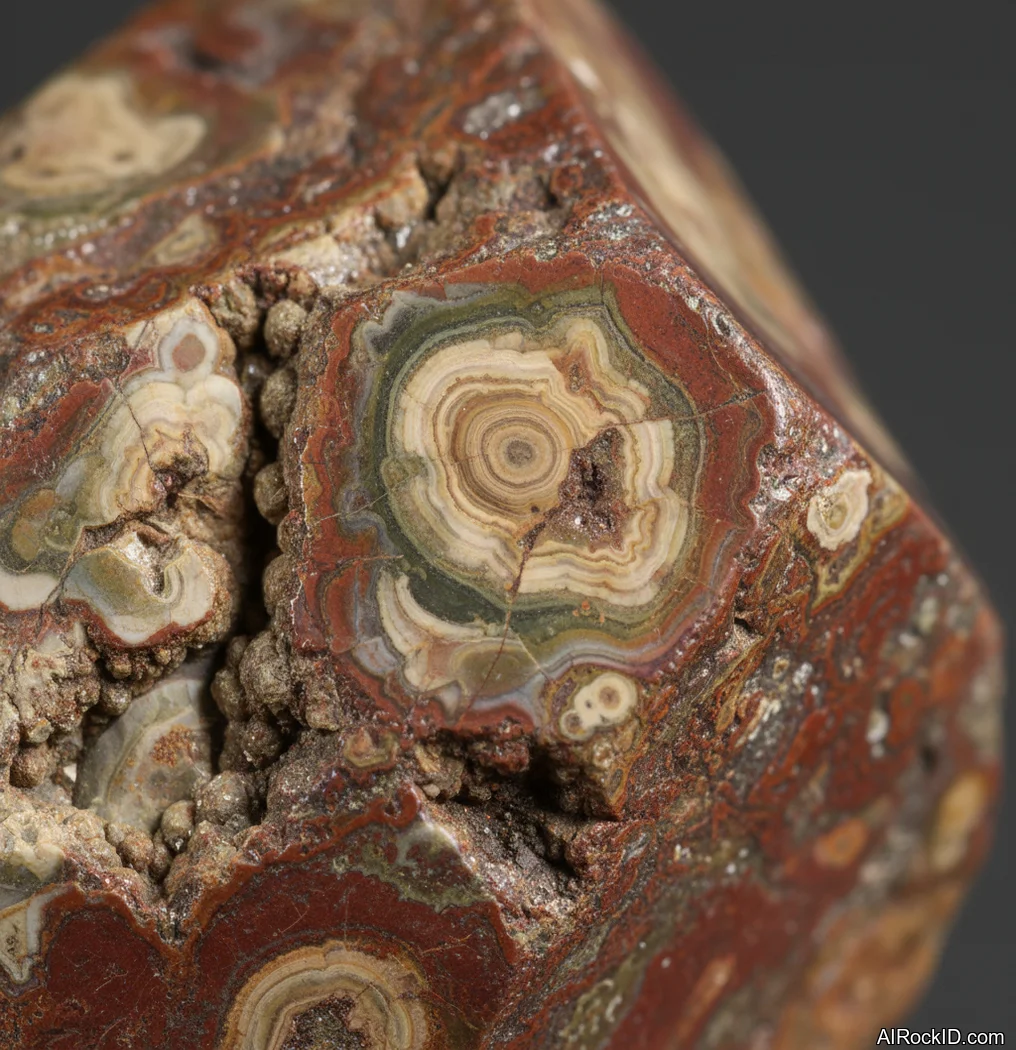
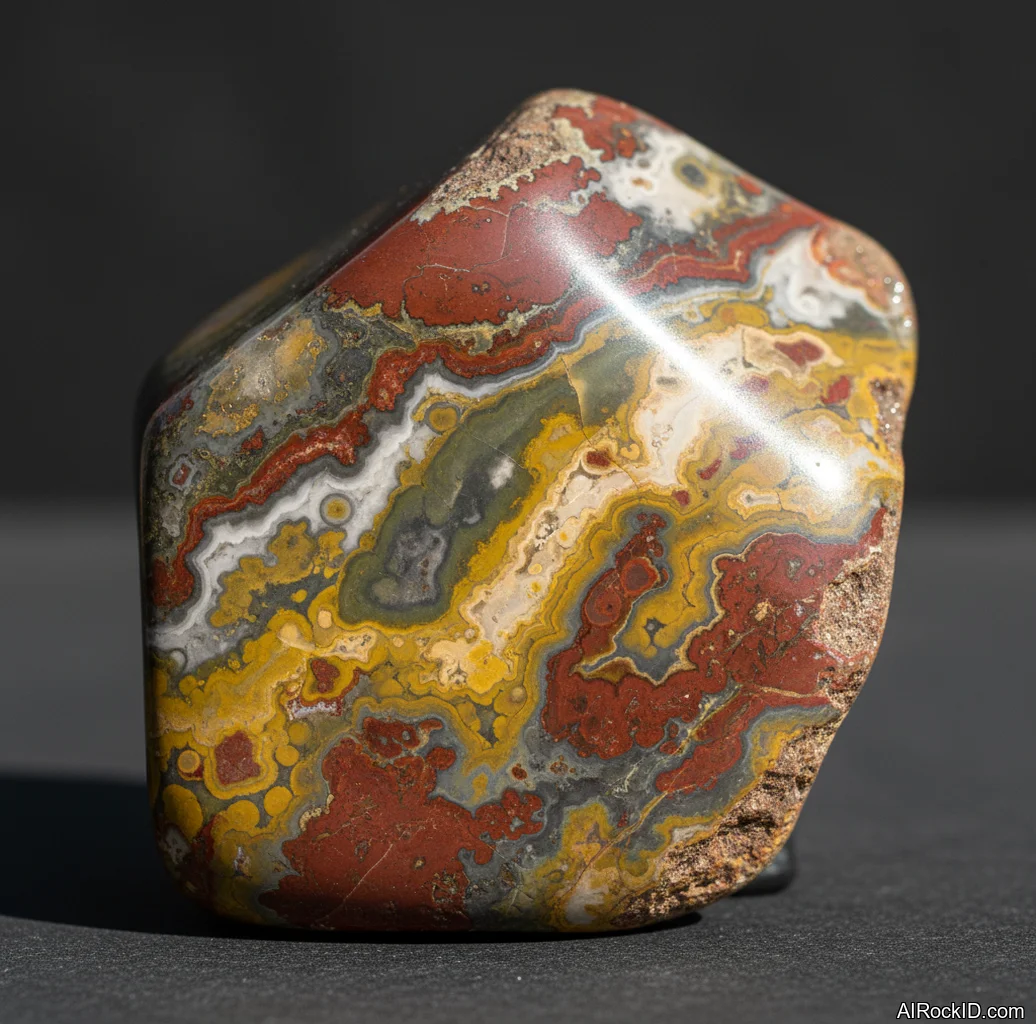
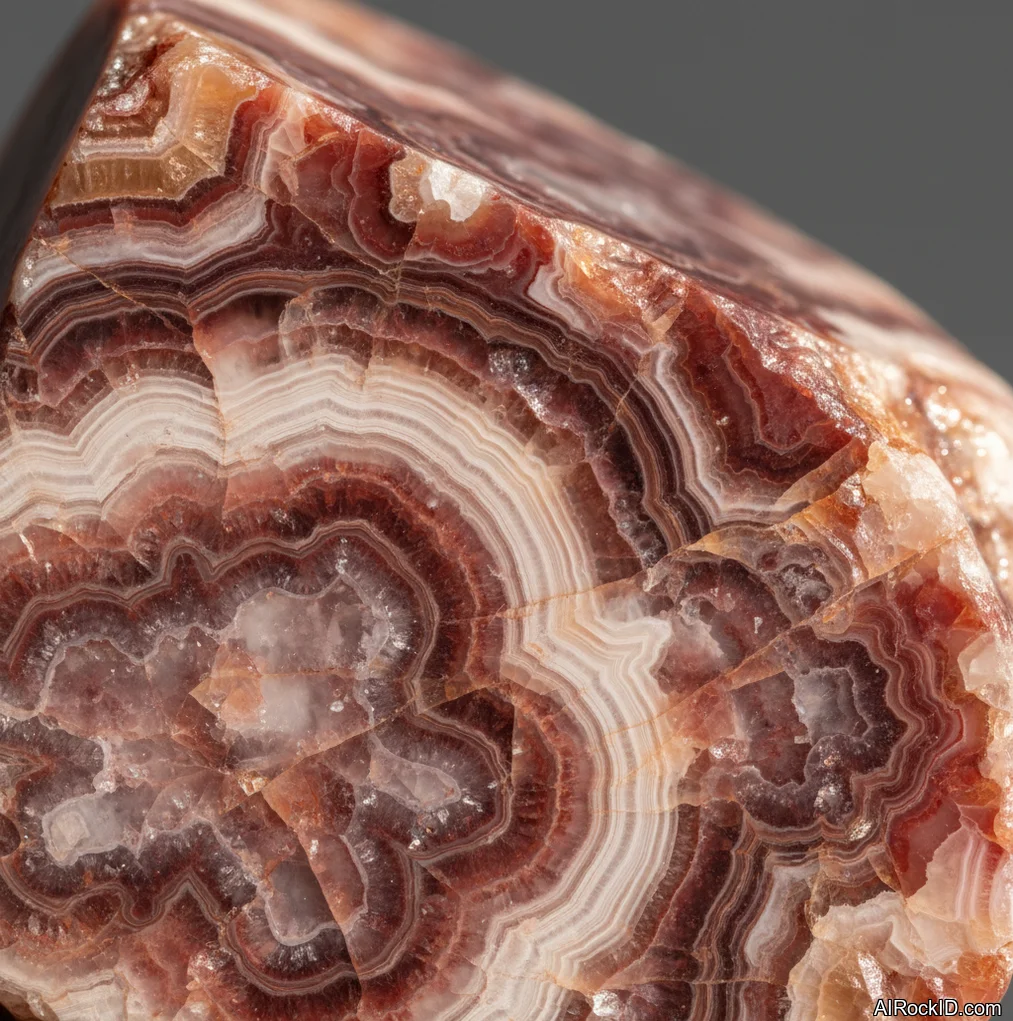
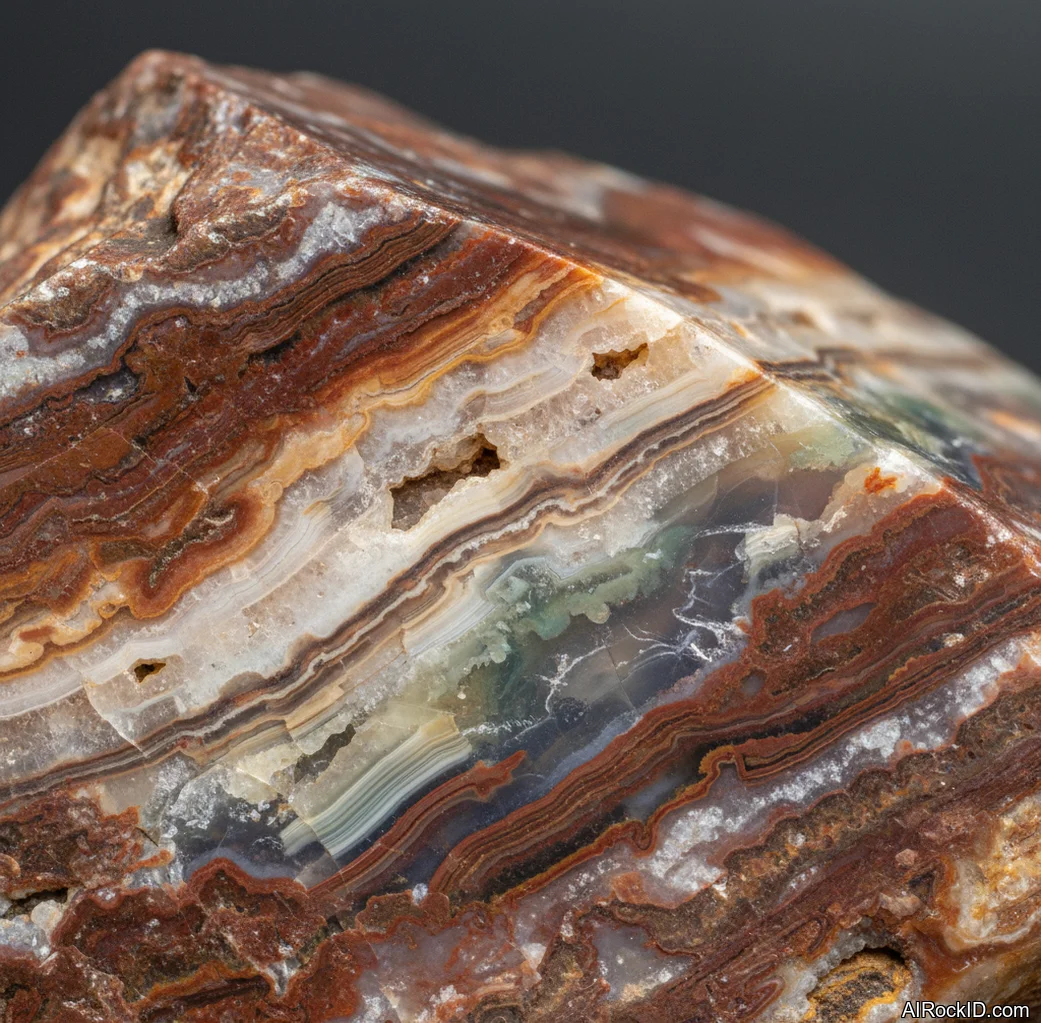
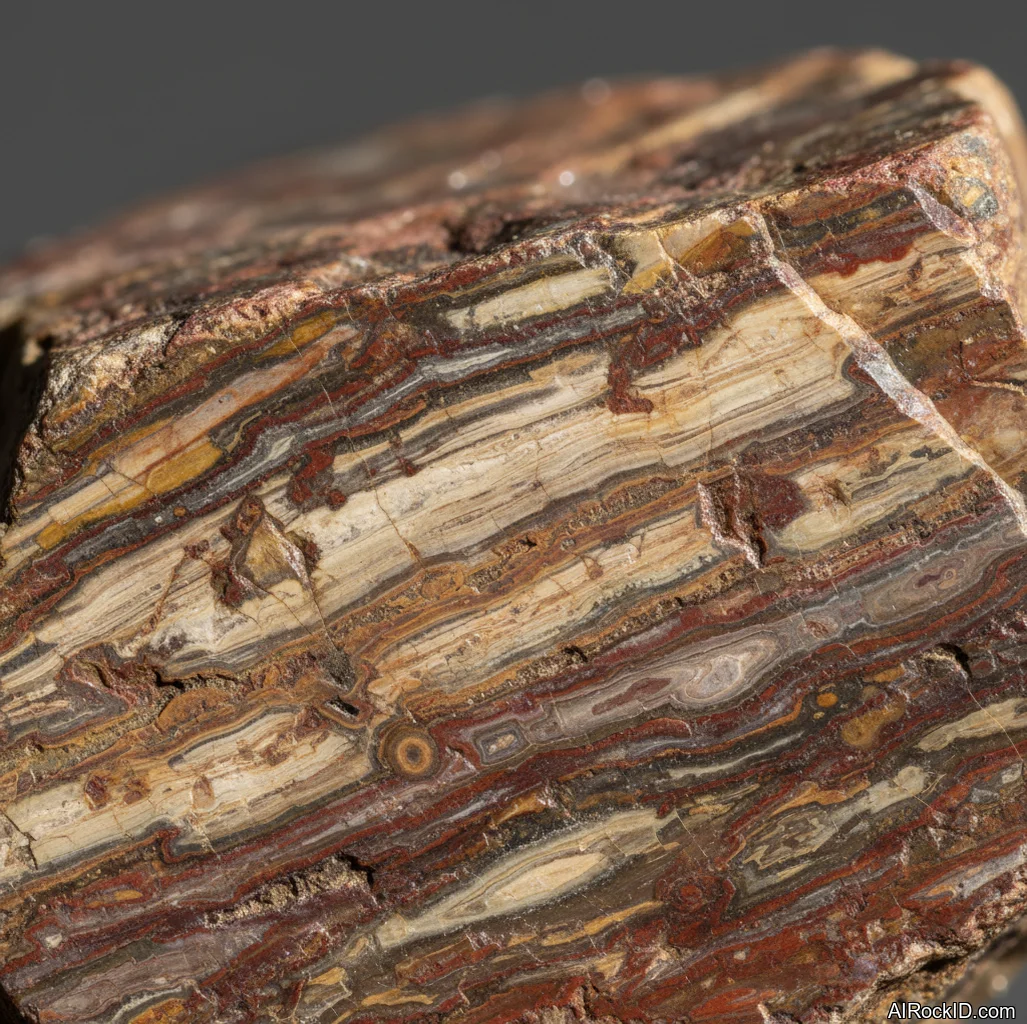
One last practical note. People assume Taurus stones have to be green and soft-looking, but that’s a style choice, not a rule. Look, if you’re a Taurus who likes darker, heavier pieces, smoky quartz, black tourmaline, and even banded agate can fit the same steady, tactile lane. The point is the relationship you build with a piece you’ll actually reach for, day after day, when you want life to feel a little more solid.
All Taurus Crystals (125)